ST PETERS POST ACUTE
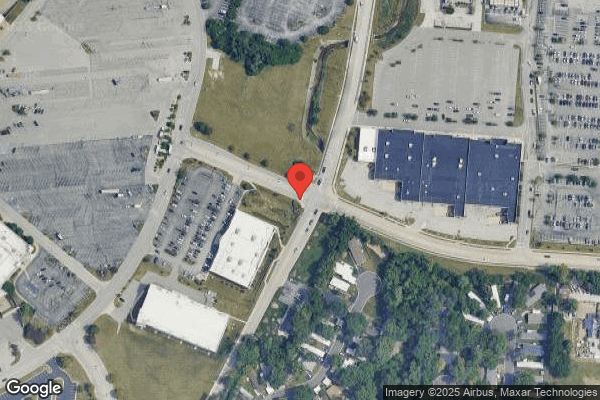
5400 EXECUTIVE CENTRE PARKWAY, SAINT PETERS, MO 63376 (636) 922-7600
For profit - Limited Liability company 130 Beds NATIONAL HEALTHCARE CORPORATION Data: November 2025
Trust Grade
0/100
#458 of 479 in MO
Last Inspection: December 2024

Within standard 12-15 month inspection cycle. Federal law requires annual inspections.

Overview

St. Peters Post Acute has a Trust Grade of F, indicating a poor status with significant concerns regarding care quality. It ranks #458 out of 479 facilities in Missouri, placing it in the bottom half, and #10 out of 13 in St. Charles County, suggesting limited better options nearby. The facility is showing signs of improvement, with issues decreasing from 39 in 2024 to 6 in 2025. However, staffing is a concern with a rating of 2 out of 5 stars and an alarming 86% turnover rate, which is well above the state average. Additionally, the facility has incurred $69,999 in fines, higher than 81% of Missouri facilities, indicating ongoing compliance problems. Recent inspector findings reveal serious issues, such as a resident being hospitalized due to not receiving prescribed medications for a urinary tract infection. Another resident who fell had to wait hours for a necessary x-ray, during which time they did not receive pain relief. There are also cases of significant weight loss among residents that were not adequately addressed, raising serious concerns about the quality of care provided. While there are some strengths, such as a trend toward improvement, the facility has many weaknesses that families should carefully consider.

Trust Score
F
0/100
In Missouri
#458/479
Bottom 5%
Safety Record
High Risk
Review needed
Inspections
Getting Better
39 → 6 violations
Staff Stability
⚠ Watch
86% turnover. Very high, 38 points above average. Constant new faces learning your loved one's needs.
Penalties
⚠ Watch
$69,999 in fines. Higher than 86% of Missouri facilities, suggesting repeated compliance issues.
Skilled Nurses
⚠ Watch
Each resident gets only 22 minutes of Registered Nurse (RN) attention daily — below average for Missouri. Fewer RN minutes means fewer trained eyes watching for problems.
Violations
⚠ Watch
59 deficiencies on record. Higher than average. Multiple issues found across inspections.
★☆☆☆☆
1.0
Overall Rating
★★☆☆☆
2.0
Staff Levels
★★☆☆☆
2.0
Care Quality
★☆☆☆☆
1.0
Inspection Score
Stable
2024: 39 issues
2025: 6 issues

The Good

  • Full Sprinkler Coverage · Fire safety systems throughout facility
  • No fines on record

Facility shows strength in fire safety.

The Bad

1-Star Overall Rating

Below Missouri average (2.5)

Significant quality concerns identified by CMS

Staff Turnover: 86%

39pts above Missouri avg (46%)

Frequent staff changes - ask about care continuity

Federal Fines: $69,999

Well above median ($33,413)

Moderate penalties - review what triggered them

Chain: NATIONAL HEALTHCARE CORPORATION

Part of a multi-facility chain

Ask about local staffing decisions and management

Staff turnover is very high (86%)

38 points above Missouri average of 48%

The Ugly 59 deficiencies on record

7 actual harm
Jun 2025 2 deficiencies
CONCERN (D) 📢 Someone Reported This

A family member, employee, or ombudsman was alarmed enough to file a formal complaint

Potential for Harm - no one hurt, but risky conditions existed

Infection Control (Tag F0880)

Could have caused harm · This affected 1 resident

**NOTE- TERMS IN BRACKETS HAVE BEEN EDITED TO PROTECT CONFIDENTIALITY** Based on observation, interview and record review, the facility failed to ensure direct care staff utilized Enhanced Barrier Pre...

Read full inspector narrative →
**NOTE- TERMS IN BRACKETS HAVE BEEN EDITED TO PROTECT CONFIDENTIALITY** Based on observation, interview and record review, the facility failed to ensure direct care staff utilized Enhanced Barrier Precaution (EBP) (an infection control strategy that uses gloves and gowns during high-contact resident care to reduce the spread of multi-drug-resistant organisms (MDROs) when providing care and failed to ensure nursing staff washed their hands and changed soiled gloves after each direct resident contact and when indicated by professional standards of practice during care for one sampled resident (Resident #2), who had a gastrostomy tube (G-tube) feeding tube placed surgically into the stomach through the abdominal wall) and for one additional resident (Resident #8), who had a urinary catheter (flexible tube inserted into the bladder to drain urine from the body) in a review of four sampled residents and three additional residents. The facility census was 38. Review of the facility policy, Enhanced Barrier Precautions, last revised 12/2024 showed EBP's are utilized to prevent the spread of MDROs to residents. EBP's refer to infection prevention and control interventions designed to reduce the transmission of MDROS during high contact resident care activities; Enhanced barrier precautions apply when: -A resident is NOT known to be infected or colonized with any MDRO, has a wound or indwelling medical devices, and does not have secretions or excretions that are unable to be covered or contained; -Standard precautions apply to the care of all residents regardless of suspected or confirmed infection or colonization status; -Indwelling medical devices, include urinary catheters and feeding tubes; -Examples of secretions or excretions include discharges from the body that cannot be contained and pose an increased potential for extensive environmental contamination and risk of transmission of a pathogen; -EBP's employ targeted gown and glove use in addition to standard precautions during high contact resident care activities when contact precautions do not otherwise apply; -Gloves and gown are applied prior to performing the high contact resident care activity (as opposed to before entering the room); -Face protection may be used if there is also a risk of splash or spray; -Enhanced barrier precautions are in place for the duration of the resident's stay or until discontinuation of the indwelling medical device that place that at higher risk; -Staff are trained prior to caring for residents on EBP's; -Signs are posted on the door or wall outside the residents' rooms which communicate the type of precautions and PPE required; -Personal protective equipment and alcohol-based hand-rub are readily accessible to staff. Review of the facility policy, Handwashing/ Hand Hygiene, last revised 10/2023 showed the following: The facility considers hand hygiene the primary means to prevent the spread of healthcare-associated infections; -All personnel are expected to adhere to hand hygiene policies and practices to help prevent the spread of infections to other personnel, residents, and visitors; -Hand hygiene is indicated in the following instances: -Immediately before touching a resident; -Before performing an aseptic task (for example, placing an indwelling device or handling an invasive medical device); -After contact with blood, body fluids, or contaminated surfaces; -After touching a resident; -After touching the resident's environment; -Before moving from work on a soiled body site to a clean body site on the same resident; -Immediately after glove removal; -Wash hands with soap and water when hands are visibly soiled; -Single-use disposable gloves should be used: -Before aseptic procedures; -When anticipating contact with blood or body fluids; -When in contact with a resident, or the equipment or environment of a resident, who is on contact precautions; -The use of gloves does not replace hand washing/hand hygiene. Review of Infection Control Guidelines for Long Term Care Facilities (Section 3.0 Body Substance Precautions) showed dirty gloves are worse than dirty hands because micro-organisms adhere to the surface of a glove easier than to the skin of your hands. Hand washing remained the single most effective means of preventing disease transmission; wash hands whenever they are soiled with body substance and when each resident's care is completed. 1. Review of Resident #8's quarterly Minimum Data Set (MDS), a federally mandated assessment instrument completed by the facility, dated 03/05/25, showed the following: -Substantial to moderate assistance for bed mobility; -Dependent for toileting, lower body dressing and transfers; -Partial to moderate assist for personal hygiene and upper body dressing; -Presence of urinary catheter. Review of the resident's Physician Order Sheet (POS), dated 06/2025, showed the following: -Diagnoses included neuromuscular dysfunction of the bladder (a group of bladder problems caused by nerve damage that disrupts the normal communication between the brain, spinal cord and bladder muscles); -Suprapubic (urinary catheter inserted into the bladder through the abdomen) catheter: Check output amount every shift (12/30/24); -EBP: full PPE with high contact care or activities due to the urinary catheter. Ensure signage in place. (11/1/24). Review of the resident's care plan, last revised 06/02/25, showed the following: -EBP during high contact resident care activities due to the presence of a suprapubic catheter; not known to be infected or colonized with any MDRO (3/1/24); -Ensure items for the following EBP are in place (gloves, gown, alcohol-based hand rub, face-shield, signage , trash receptacle, etc.; -Hand hygiene utilizing alcohol-based hand rub; -Utilize PPE (gown and gloves: face shield as indicated) during high-contact resident care activities (e.g. dressing, bathing/showering, transferring, hygiene, linen changes, brief changes, toileting assistance, device care and wound care) 3/1/24. Observation on 06/12/25 at 7:05 A.M., showed EBP signage on the door frame of the resident's room instructing staff to don gloves and a gown for high contact resident care activities, including dressing, transferring providing hygiene, changing briefs and care of a urinary catheter. A bin of PPE was present in the hallway where the resident resided. Observation on 06/12/25 at 5:55 A.M., showed the following: -The resident lay on his/her back in a low bed and a urinary catheter bag hung from the bed frame; -Certified Nurse Assistant (CNA) B entered the room, donned gloves and prepared to assist the resident out of bed. He/She retrieved a urinal from the bathroom and without wearing a gown or eye shield, emptied the urine from the catheter bag into the urinal and hung the bag on the bed frame. He/She carried the urinal into the bathroom and dumped the urine from the urinal into the toilet. He/She degloved, and without washing hands with soap and water or using hand sanitizer, laid a clean incontinent brief on the bed, lowered the head and foot of the bed and raised the level of the bed height with the remote. With the same soiled hands he/she applied gloves and performed perineal care and catheter care; -CNA C entered the room, and without donning a gown or face shield, or washing his/her hands, donned gloves. He/She applied the resident's socks and pants threading the catheter bag through the leg of the pants; -CNA B rolled the resident to his/her right side and cleaned the resident's buttocks; -CNA C applied barrier cream to the resident's buttocks and CNA B (wearing the same soiled gloves) assisted the resident to his/her back and fastened the incontinent brief; -CNA B and CNA C placed a mechanical lift sling under the resident, and while CNA C held the catheter bag in his/her hand, CNA B positioned the chair and lowered the resident into the chair. CNA B and CNA C detached the sling and finished morning cares. They degloved and washed their hands. During an interview on 06/12/25 at 7:02 A.M., CNA C said he/she was not sure what why EBP was or why it was indicated. During an interview on 06/12/25 at 7:05 A.M., CNA B said the following: -The EBP bins on the halls were used when residents had something going on and he/she was not sure why they were still there; -Hands should be washed before and after cares, with glove changes and when moving from a dirty to a clean task; -Gloves should be changed when they become soiled. 2. Review of an EBP sign on Resident #2's room door instructed staff as follows: -Everyone must clean their hands, including before entering and when leaving the room; -Wear gloves and a gown for the following high contact resident care activities: dressing, bathing/showering, transferring, changing linens, providing hygiene, changing briefs or assisting with toileting and device care: central line, urinary catheter, feeding tube, tracheostomy and wound care (any skin opening requiring a dressing). Review of the resident's quarterly MDS, dated [DATE], showed the following: -Presence of a feeding tube; -Always incontinent of bladder and bowel; -Dependent on two staff for bed mobility and personal hygiene. Review of the resident's POS, dated June 2025 showed the following: -Diagnoses included gastrostomy; -Enhanced barrier precautions during high contact resident care activities secondary to G-tube (3/20/25); -Enteral feed (a method of delivering nutritional support through a tube) two times daily (3/20/25); -Jevity 1.5 (liquid nutritional preparation) at 70 milliliters (ml) hour for 12 hours daily (8:00 P.M. to 8:00 A.M.) (3/20/25); -Flush g-tube with 30 ml's of water before and after medication administration as ordered (3/20/25); -Flush with 250 ml of water four times daily (3/20/25). Review of the resident's care plan, last revised on 06/12/25, showed the following: -Enhanced barrier precautions during high contact resident care activities secondary to G-tube, not known to be infected or colonized with any MDRO; -Incontinent; -Utilize PPE (gown, gloves, face-shield as indicated when dressing, bathing, transferring, hygiene, brief changes, toileting assistance); -Ensure items for following EBP are in place (gloves, gown, alcohol-based hand rub, face-shield, signage, trash receptacle (3/20/25); -Requires Enteral nutrition related to anorexia (weight loss), dysphagia (difficulty swallowing) and increased protein needs. Observation on 06/12/25 at 8:03 A.M., showed the following: -The resident lay in his/her bed with the head of the bed elevated and a feeding pump delivering Jevity via the resident's g-tube; -Licensed Practical Nurse (LPN) A entered the room, and without donning a gown or face shield, washed his/her hands and donned gloves. He/She stopped the feeding pump and detached the feeding tubing from the resident's g-tube; -He/She removed his/her gloves, washed hands and exited the room; -LPN A re-entered the room, and without donning a gown or face shield, washed his/her hands and donned gloves. He/She flushed the resident's g-tube with water. During an interview, on 06/12/25 at 2:25 P.M., LPN A said EBP should be worn when caring for residents who have a catheter, g-tube, or colostomy and he/she forgot to apply all of the PPE. Observation, on 06/12/25 at 10:17 A.M., showed the following: -The resident lay in bed with a urine soiled brief; -CNA B and CNA F entered the room, washed their hands and applied gloves; -Without donning gowns, CNA B unfastened the resident's soiled brief, pulled it down and wiped the resident's front perineal area with wipes; -CNA B and CNA F rolled the resident back and forth and cleaned the resident's buttock area; -CNA F applied barrier cream and assisted in applying a clean brief; -CNA B and F dressed the resident and transferred him/her to the broda chair via a mechanical lift. During an interview, on 06/12/25 at 2:35 P.M., CNA B said the following: -The EBP consisted of gowns, gloves, mask and goggles and should be worn when working with residents who had catheters, g-tubes and infections; -EBP should have been worn when providing cares for Resident #2 as he/she had a feeding tube. 3. During an interview, on 06/12/25 at 7:02 A.M., CNA C said he/she was not sure what the bins with gowns were for. During an interview, on 06/12/25 at 7:05 A.M.,. CNA D said to the best of his/her knowledge, he/she thought the bins with gowns and other PPE were used when residents had something going on (sick) and there were no residents sick at this time, so the bins should have been removed. During an interview on 06/12/25 at 3:00 P.M., the Director Of Nursing said the following: -She would expect staff to wear EBP when caring for residents who had EBP signage on their doors; -Staff should know what EBP was and when it should be used; -She would expect any staff providing direct care to a resident with a catheter or feeding tube to wear EBP.
CONCERN (E) 📢 Someone Reported This

A family member, employee, or ombudsman was alarmed enough to file a formal complaint

Potential for Harm - no one hurt, but risky conditions existed

Resident Rights (Tag F0550)

Could have caused harm · This affected multiple residents

**NOTE- TERMS IN BRACKETS HAVE BEEN EDITED TO PROTECT CONFIDENTIALITY** Based on observation, interview and record review, the facility failed to honor resident rights for one sampled resident (Reside...

Read full inspector narrative →
**NOTE- TERMS IN BRACKETS HAVE BEEN EDITED TO PROTECT CONFIDENTIALITY** Based on observation, interview and record review, the facility failed to honor resident rights for one sampled resident (Resident #4), in a review of four sampled residents and for three additional residents (Residents #5, #6 and #7), by failing to allow them to choose their own wake up/get-up times. The facility census was 117. Review of the facility policy, Resident Rights, dated 2001, showed the following: -Employees shall treat all residents with kindness, respect and dignity; -Federal and state laws guarantee certain basic rights to all residents of this facility. These rights include the residents right to a dignified existence, to be treated with respect, kindness and dignity, self determination, exercise his/her rights as a resident of the facility and be supported by the facility in exercising his/her rights. 1. Review of the facility Night Shift Early Rise document, dated 05/29/25, and provided by the Assistant Director Of Nursing (ADON), showed it included a list of residents and their rooms numbers. Included on the list was Resident #5, #6 and #7. Two additional residents were listed as get dressed only. A note at the bottom read: If resident declines to get up, have them dressed. Effective 05/29/25 -ADON. 2. Review of Resident #4's annual Minimum Data Set (MDS), a federally mandated assessment instrument, completed by the facility and dated 12/23/24, showed the following: -Mildly impaired cognition; -Manual wheelchair; -Supervision to touch assist with transfers. Review of the resident's care plan, last revised 06/12/25, showed the following: -Encourage routine daily decision making as indicated; -Encourage out of bed for meals, activities and exercise. Offer to get up in the morning if awake, but allow to refuse (6/12/25); -Support choices for preferences regarding customary routine and activities. Observation, on 06/12/25 at 5:05 A.M., showed the resident sat awake in his/her wheelchair in his/her room, fully dressed and wearing shoes. During interview on 06/12/25 at 5:05 A.M., the resident said staff got him/her up too early. Staff were not supposed to get him/her up until 6:00 A.M. Breakfast was not until 7:00 A.M. It upset him/her to be up so early. During an interview, on 06/12/25 at 5:30 A.M., Certified Nurse Aide (CNA) E said the following: -He/She was the one who got Resident #4 out of bed this morning; -The resident was completely wet so he/she had to get the resident out of bed to change the bed. 2. Review of Resident #7's annual MDS, dated [DATE], showed the following: -Severely impaired cognition; -Dependent on staff for transfers. Review of the resident's care plan, last revised 06/12/25, showed the following: -Dependent on staff for transfers; -Encourage out of bed for meals. Offer to get up in the morning if awake, but allow me to refuse (6/12/25); was this added at the time of our visit? -Preferences for customary routine will be honored to the fullest extent possible; -Support choices for preferences regarding customary routine. Observation on 06/12/25 at 5:45 A.M., showed the resident sat awake in the dining room in a broda chair (specialized wheelchair), fully dressed. During an interview, on 06/12/25 at 5:45 A.M., the resident said he/she did not want to get up early today and was tired. Staff woke him/her to get out of bed. During an interview, on 06/17/25 at 11:51 A.M., CNA C said the following: -He/She worked 7:00 P.M. to 7:00 A.M.; -They had a lot of residents to get up in the morning; -He/She got Resident #7 up on 6/12/25; -He/She asked the resident if he/she wanted to get up and the resident did not refuse; -If a resident refused, he/she asked if he/she could at least dress them. 3. Review of Resident #5's annual MDS, dated [DATE], showed the following: -Moderately impaired cognition; -No behaviors or rejection of care; -Substantial to moderate assist for dressing and transfers. Review of the resident's undated care plan directed staff to encourage the resident to get out of bed for meals. Offer to get the resident up in the morning but allow the resident to refuse. Observation, on 06/12/25 at 5:30 A.M., showed the resident sat in his/her wheelchair in the dining room. During an interview, on 06/12/25 at 5:30 A.M., the resident said the following: -They got me up too early; -He/She would rather get up around 7:30 A.M.; -They did not ask him/her if he/she wanted to get up. During interview on 06/12/25 at 5:42 A.M., CNA D said the following: -The aides have a list of around 12 people they are supposed to get up; -Resident #5 does not normally refuse; -Staff know which residents are adamant about not wanting to get up early. 4. Review of Resident #6's care plan last revised 3/5/25, showed staff should encourage out of bed for meals. Offer to get up in the morning if awake. (11/26/24). Review of the resident's quarterly MDS, dated [DATE], showed the following: -Severely impaired cognition; -Partial to moderate assist for dressing and transfers; -Manual wheelchair. Observation on 06/12/25 at 5:35 A.M., showed the resident sat awake in his/her wheelchair in the dining room. During interview on 06/12/25 at 5:35 A.M., the resident said staff got him/her up too early. He/She would rather get up around 7:00 A.M. During an interview, on 06/17/25 at 11:51 A.M., CNA C said the following: -He/She got Resident #6 up on 6/12/25; -He/She asked the resident is he/she wanted to get up after he/she had washed the resident up. The resident did not refuse. During interview on 06/12/25 at 5:18 A.M., CNA G said he/she worked from 7:00 P.M. to 7:00 A.M. and staff had a get-up list requiring them to get specific residents up in the morning. During interview on 06/12/25 at 5:20 A.M., CNA F said he/she worked from 7:00 P.M. to 7:00 A.M. and the facility had a get-up list for night shift to follow; staff should not start getting residents up until after 5:00 A.M. During interview on 06/12/25 at 8:35 A.M.,. the ADON said the following: -The facility did not have a get-up list; -They did have an early riser list, but the residents did not have to get up from bed. During an interview, on 06/12/25 at 3:00 P.M., the Director of Nursing (DON) said the following: -Residents should not have to get up out of bed if they did not want to get up; -The facility did not force residents to get out of bed. MO254899
Feb 2025 4 deficiencies
CONCERN (D) 📢 Someone Reported This

A family member, employee, or ombudsman was alarmed enough to file a formal complaint

Potential for Harm - no one hurt, but risky conditions existed

Accident Prevention (Tag F0689)

Could have caused harm · This affected 1 resident

**NOTE- TERMS IN BRACKETS HAVE BEEN EDITED TO PROTECT CONFIDENTIALITY** Refer to event id MPKL12 Based on observation, interview and record review, the facility failed to ensure resident safety by fai...

Read full inspector narrative →
**NOTE- TERMS IN BRACKETS HAVE BEEN EDITED TO PROTECT CONFIDENTIALITY** Refer to event id MPKL12 Based on observation, interview and record review, the facility failed to ensure resident safety by failure to transfer one resident (Resident #8) as directed in his/her plan of care and failed to follow the facility policy for using a mechanical lift for the transfer. The facility failed to ensure one resident's (Resident #9's) safety when staff left the resident alone on the toilet and fell of 11 sampled residents. The facility census was 116. Review of the undated facility policy for Managing Falls and Fall Risk showed based on previous evaluations and current data, the staff will identify interventions related to the resident's specific risks and causes to try to prevent the resident from falling and try to minimize complications from falling. Review of the facility policy for Safe Lifting and Movement of Residents dated 7/2017 showed: the following: -In order to protect the safety and well-being of staff and residents, and to promote quality care, this facility uses appropriate techniques and devices to lift and move residents; -Resident safety, dignity, comfort and medical condition will be incorporated into goals and decisions regarding the safe lifting and moving of residents; -Nursing staff, in conjunction with the rehabilitation staff, shall assess individual resident's needs for transfer assistance on an ongoing basis. Staff will document resident transferring and lifting needs in the care plan. Such assessment shall include the following: resident preferences for assistance; resident's mobility (degree of dependency); resident size; weight-bearing ability; cognitive status; whether the resident is usually cooperative with staff; and the resident's goals for rehabilitation, including restoring or maintaining functional abilities. Review of the facility policy for Using a Mechanical Lifting Machine dated 7/2021 showed the following: -The purpose of this procedure is to establish the general principles of safe lifting using a mechanical lifting device. It is not a substitute for manufacture's training or instructions; -At least two nursing assistants are needed to safely move a resident with a mechanical lift; -Mechanical lifts may be used for tasks that require lifting a resident from the floor; transferring a resident from bed to chair; lateral transfers; lifting limbs; toileting, bathing or repositioning. 1. Review of Resident #8's face sheet showed the resident admitted to the facility in September 2024 with diagnoses of Alzheimer's disease, difficulty in walking, history of falls, and dementia. Review of the resident's Nursing-Lift Evaluation/assessment dated [DATE] showed the resident was a full lift transfer/full body lift due to weakness. Review of the resident's Care Plan for Activities of Daily Living (ADL)/Mobility dated 11/7/24 showed the following: -The resident was at risk for ADL/Mobility decline and required assistance; -Transfer assistance as needed. Required a mechanical lift and two person assist with transfers. Review of the resident's comprehensive Minimum Data Set (MDS), a federally mandated assessment instrument completed by staff,dated 11/21/24 showed the following: -The resident was usually able to make self understood and usually able to understand others; -Unable to make decisions; -Dependent upon staff for ADLs and transfers; -No history of falls. Review of camera footage from a camera placed inside of the resident's room by Family Member C showed the following: -On 1/30/25 at 6:55 P.M., Certified Nurse Aide (CNA) A brought Resident #8 into the resident's room in a wheelchair, proceeded to bring a mechanical lift into the room and connected the sling that was under the resident to the four hooks on the mechanical lift. CNA A then began the lift procedure with one hand on the mechanical lift controller and one hand on the mechanical lift pulling the mechanical lift away from the wheelchair. This left the Resident dangling approximately three to four feet up in the air while CNA A removed the wheelchair and then rolled the mechanical lift over the bed. Once placed over the bed, CNA A then began to lower the resident down, with one hand on the mechanical lift controller and using his/her body to push the resident to the center of the bed. Once the resident was on the bed, CNA A unhooked the sling from the mechanical lift and moved the lift out of view of the camera; -On 2/4/25 at 7:26 A.M., Resident #8 lay in the bed with the mechanical lift sling under him/her. CNA A brought the mechanical lift to the resident's bed and connected the sling to the mechanical lift hooks. CNA A began to raise the resident off the bed with the lift with one hand on the controller and the other hand on the mechanical . CNA A then pulled the mechanical lift away from the bed with the resident dangling three to four feet in the air. CNA A positioned the resident in the lift over a wheelchair and lowered the resident into the chair, pulling on the sling straps to position the resident over the chair; -During both transfers there was no physical contact with the resident as the resident was lifted out of the bed or the chair. There was only one staff, CNA A, who performed the transfers with the mechanical lift. During an interview on 2/5/25 at 8:40 A.M. Family Member C said the following: -He/She has viewed on the camera several times staff transferring the resident with the mechanical lift with one person; -He/She had not said anything because he/she did not know how many staff members should be utilized when using the mechanical lift; -He/She was concerned about only using one staff member as it did not seem safe. During an interview on 2/7/25 at 9:15 A.M. CNA A said the following: -He/She was trained that two staff members should be utilized when transferring a resident with a mechanical lift; -He/She has gotten Resident #8 up with a mechanical lift by him/herself because there was no other staff member available to help. -One day the nurse told him/her to get the resident up for breakfast, he/she got the resident up by him/herself as there was no one else around to help. During an interview on 2/6/25 at 3:30 P.M. the Director of Nursing (DON) said the following: -There should always be two staff members when using the mechanical lift; -She would expect two staff when transferring a resident with a mechanical lift. 2. Review of Resident #9's face sheet showed the following: -admitted to the facility in September 2024 with diagnoses of Parkinson's disease ( a progressive neurodegenerative disorder that affects movement, balance, and coordination), Alzheimer's disease, cognitive communication deficit (a difficulty with communication caused by an impairment in cognitive processes. These deficits can affect a person's ability to speak, listen, read, write, and interact socially), and dementia. Review of the resident's quarterly MDS dated [DATE] showed the following: -Usually able to make self understood and usually able to understand others; -Alert with confusion and unable to make decisions; -Requires assistance with ADL's and transfers; -History of falls. Review of the resident's Care Plan for falls dated 1/19/25 showed the following: -The resident was at risk for falls due to altered balance while standing and/or walking, altered mental status, decreased muscular coordination, history of falls and unsteady gait; -Use non skid socks on feet; staff to make frequent rounds and offer bathroom assistance as needed; offer toilet if awake; remind/educate resident to call for assistance with all transfers; call light within reach; resident to be kept in high visibility areas, staff to assist resident to room. Review of the resident's Fall Risk assessment dated [DATE] showed the following: -Has had one to two falls in the last 90 days; -Resident is non-ambulatory; -Diagnoses of hypertension and Alzheimer's disease; -Resident at high risk for falls. Review of the resident's nurses notes dated 1/31/25 at 12:31 P.M. showed resident was lowered to the ground during a transfer to the toilet. The resident said his/her legs gave out. Review of the resident's nurses notes dated 2/5/25 at 12:23 P.M. showed the following: -Called the the resident's room by CNA. Resident found on his/her left side in the bathroom floor between the toilet and the sink; -The resident said, I got my pants pulled up when this nurse asked what happen. Head to toe assessment completed with a 0.2 centimeter (cm) opening noted to the back left side of the resident's head. Scant blood note. The area was cleansed and left open to air. During an interview on 2/5/24 at 11:30 A.M. Family Member D said the following: -He/She received a phone call from the facility that the resident was left alone on the , stood up and fell; -Staff should know the resident could not stand on his/her own. During an interview on 2/5/25 at 11:45 A.M. Licensed Practical Nurse (LPN) F said the following:: -The resident just had a fall; -CNA G had taken the resident to the bathroom and left to get a pair of pants. When he/she returned to the bathroom, the resident was on the floor; -The resident suffered a small cut to the left side of his/her head. During an interview on 2/5/25 at 3:24 P.M. CNA G said the following: -He/She took the resident to the bathroom and sat him/her on the toilet; -He/She left the bathroom for just a few seconds to get the resident a pair of pants and when he/she returned the resident was on the floor. During an interview on 2/6/25 at 6:00 A.M. the DON said the following: -The facility does not have an assessment for toilet safety, but residents who require assistance to stand are not safe to be left on the toilet; -CNA G should not have left the resident unattended on the toilet. During an interview on 2/6/24 at 3:30 P.M. the Administrator said residents on the memory care unit should not be left alone on the toilet. During an interview on 2/7/25 at 11;30 A.M. the Medical Director said residents should not be left alone on the toilet. MO247043 MO248183
CONCERN (E) 📢 Someone Reported This

A family member, employee, or ombudsman was alarmed enough to file a formal complaint

Potential for Harm - no one hurt, but risky conditions existed

Grievances (Tag F0585)

Could have caused harm · This affected multiple residents

**NOTE- TERMS IN BRACKETS HAVE BEEN EDITED TO PROTECT CONFIDENTIALITY** Refer to event id MPKL12 Based on interview and record review, facility failed to make a prompt effort to resolve resident griev...

Read full inspector narrative →
**NOTE- TERMS IN BRACKETS HAVE BEEN EDITED TO PROTECT CONFIDENTIALITY** Refer to event id MPKL12 Based on interview and record review, facility failed to make a prompt effort to resolve resident grievances (cause for complaint) and provide written documentation of responses related to the grievances for four sampled residents (Resident #1, #6, #8 and #9) when the family members of the residents requested a meeting with the administrator and department managers and filed grievances and the facility did not follow up or provide a plan for resolution to those grievances. The facility census was 116. Review of the facility policy for Filing Grievances/Complaints dated 4/2017 showed the following: -Residents and their representatives have the right to file grievances, either orally or in writing, to the facility staff or to the agency designated to hear grievances (e.g. the State Ombudsman); -The administrator and staff will make prompt efforts to resolve grievances to the satisfaction of the resident and/or representative; -Any resident, family member, or appointed resident representative may file a grievance or complaint concerning care, treatment, behavior of other residents, staff members, theft of property, or any other concerns regarding his or her stay at the facility. Grievances also may be voiced or filed regarding care that has not been furnished; -Residents, family, and resident representatives, have the right to voice or file grievances without discrimination or reprisal in any form, and without fear of discrimination or reprisal; -All grievances, complaints or recommendations stemming from resident or family groups concerning issues of resident care in the facility will be considered. Actions on such issues will be responded to in writing, including a rationale for the response; -Grievances and/or complaints may be submitted orally or in writing, and may be filed anonymously; -The administrator has delegated the responsibility of grievance and/or complaint investigation to the grievance officer; -Upon receipt of a grievance and/or complaint, the grievance officer will review and investigate the allegations and submit a written report of such findings to the administrator within five (5) working days of receiving the grievance and/or complaint; -The administrator will review the finding with grievance officer to determine what corrective actions, if any, need to be taken; -The resident or person filing the grievance and/or complaint on behalf of the resident, will be informed (verbally and in writing) of the findings of the investigation and the actions that will be taken to correct the identified problems. The administrator or his or her designee will make such reports orally within ____ (area left blank) working days of the filing of the grievance or complaint with the facility. A written summary of the investigation will also be provided to the resident, and a copy will be filed in the business office; -This policy will be provided to the resident or the resident's representative upon request. Review of the facility policy for Recording and Investigating Grievances/Complaints dated 4/2017 showed the following: -All grievances and complaints filed with the facility will be investigated and corrective actions will be taken to resolve the grievance(s); -The administrator has assigned the responsibility of investigating grievances and complaints to the grievance officer; -The department director(s) of any named employee(s) will be notified of the the nature of the complaint and that an investigation is underway; -Upon receiving a grievance and complaint report, the grievance officer will begin an investigation into the allegations; -The investigation and report will include, as applicable: the date and time of the alleged incident; the circumstances surrounding the alleged incident; the location of the alleged incident; the names of any witnesses and their accounts of the alleged incident; the resident's account of the alleged incident; the employee's account of the alleged incident; accounts of any other individuals involved (i.e. employees supervisor, etc.) and recommendations for corrective action; -The grievance officer will record and maintain all grievances and complains of the Resident Grievance/Complaint Log. The following information will be recorded and maintained in the log: the date the grievance/complaint was received; the name and room number of the resident filing the grievance/complaint (if available); the name and relationship of the person filing the grievance/complaint on behalf of the resident (if available); the date the alleged incident took place; the name of the person investigating the incident; the date the resident, or interested party, was informed of the finding; and the disposition of the grievance (i.e. resolved, dispute, etc.); -The Resident Grievance/Complaint Investigation Report Form will be filed with the administrator within five (5) working days of the incident; -The resident, or person acting on behalf of the resident, will be informed of the finding of the investigation, as well as any corrective actions recommended, with _________ (area is blank on the policy) working days of the filing of the grievance or complaint; -A copy of the Resident Grievance/Complaint Investigation Report Form must be attached to the Resident Grievance/Complaint Form and filed in the business office; -Copies of all reports must be signed and will be made available to the resident or person acting on behalf of the resident. 1. Review of the Resident Grievance/Complaint Log for November 2024, showed five Grievance/Complaints filed between 11/3/24 and 11/25/24 from five different residents and or family members concerning general concerns of missing clothing and personal items to care not being provided with the grievances/complaints being resolved. 2. Review of the Resident Grievance/Complaint Log for December 2024, showed eleven Grievance/Complaints filed between 12/3/24 and 12/17/24 from eleven different residents and or family members concerning general concerns of missing clothing and personal items to care not being provided with the grievances/complaints being resolved. 3. Review of the Resident Grievance/Complaint Log for January 2025, showed three Grievance/Complaints filed between 1/9/25 to 1/31/25 from three different residents and or family members concerning general concerns of missing clothing and personal items to care not being provided with the grievances/complaints being resolved. 4. Review of Anonymous Resident A's face sheet showed the following: -admitted to the facility on [DATE] with diagnoses of Alzheimer's disease and malnutrition; -Resided on the locked memory care unit. During an interview on 2/4/25 at 10:30 A.M. Family Member A said the following: -He/She felt like he/she has to come in and feed the resident; -He/She has come in after a meal and found the resident's meal tray still sitting in front of him/her uneaten; -Staff need more training on how to work with Alzheimer's residents; -He/She has found the resident wet with urine; -He/She and other family members had a meeting with the prior Administrator, the Director of Nurses (DON) and several other managers in November 2024 and nothing had changed. The families have had no feed back from administration on their concerns. 5. Review of Anonymous Resident B's face sheet showed the following: -admitted to the facility June 2024 with diagnoses of Alzheimer's disease; -Resided on the locked memory care unit. During an interview on 2/4/25 at 2:05 P.M. Family Member B said the following: -He/She and several other family members had a meeting in November 2024 with the former Administrator and the DON and nurses about their residents not getting changed and fed and receiving the care they needed but nothing had changed; -The Administrator has been replaced and he/she has not heard anything from the new Administrator or from the DON about the concerns that families brought up in November; -He/She still feels like he/she has to come in at meal time or the resident does not get fed and he/she still has to ask staff to give the resident a bath; -He/She feels like the staff on the memory care unit were not trained to work with residents with Alzheimer's disease. 6. Review of Anonymous Resident C's face sheet showed the following: -admitted to the facility September 2024 with diagnoses of Alzheimer's disease and dementia, Dysphagia; -Resided on the locked memory care unit. During an interview on 2/4/25 at 2:00 P.M. Family Member (FM) C said the following: -His/Her resident needed help with meals and cares; -He/She felt like he/she has to come in and help the resident or the resident does not get fed; -He/She and several other family members had a meeting in November 2024 with the former Administrator and the DON about residents not getting fed and not receiving care, but nothing had changed since the meeting; -The families have not heard anything from the Administrator or the DON about any changes on the memory care unit; -Nothing has changed since the meeting. 4. Review of Anonymous Resident D's face sheet showed the following: -admitted to the facility September 2024 with diagnoses of Parkinson's disease ( a progressive neurodegenerative disorder that affects movement, balance, and coordination), Alzheimer's disease, cognitive communication deficit (a difficulty with communication caused by an impairment in cognitive processes. These deficits can affect a person's ability to speak, listen, read, write, and interact socially), dementia, and dehydration; -Resided on the locked memory care unit. During an interview on 2/5/25 at 11:30 A.M. Family Member D said the following: -He/She and several other family members had a meeting with the former Administrator and DON in November 2024 to discuss concerns they had about residents not receiving care and if the staff were trained on how to work with Alzheimer's residents; -He/She and other family members will come in and help the resident with meals as the staff do not always assist the resident; -He/She has not received any feedback from the meeting; -Nothing had changed, the same concerns are ongoing. During an interview on 2/5/25 at 3:00 P.M. the DON said the following: -Last November about 12 family members requested a meeting with the former Administrator, herself, and other department managers; -The family members had concerns about resident cares and assistance at meal times, they also had numerous complaints about the former Administrator; -She did not know if any one took any notes in the meeting; -She did not know if any grievance forms were completed; -The former administrator said he was taking care of it; -She would have thought that grievance forms should have been completed and follow up should have been done; -No family members had brought any further concerns to her. During an interview on 2/6/25 at 11:40 A.M. the Social Services Director for Long Term Care (SSD A) said the following: -She was the designated grievance officer; -When a grievance has been filed, she will log the grievance on the Grievance/Complaint log and review the concern with the Administrator. The Grievance will then be given to the appropriate department for resolution. That department has 72 hours to come to a resolution. Once this is done, it was reviewed with the administrator then reviewed with the person who filed the grievance; -She attended the meeting with the family members of the residents on the Memory Care Unit. She did not think to fill out any grievance forms and she did not know if she should; -She has not heard any further complaints from the families. During an interview on 2/6/25 at 3:30 P.M. the Administrator said the following: -He was not aware there was a family meeting in November, this was done before he started; -There is nothing documented about the meeting; -No family members had said anything to him about any concerns; -He would have expected grievance concern forms completed and follow up done; -When a grievance was received, it is reviewed by him and then given to the appropriate department to investigate and come to a resolution; -A resolution should be found within seven days of bringing the concern/grievance to the appropriate department. MO249002 MO248183
CONCERN (E) 📢 Someone Reported This

A family member, employee, or ombudsman was alarmed enough to file a formal complaint

Potential for Harm - no one hurt, but risky conditions existed

Quality of Care (Tag F0684)

Could have caused harm · This affected multiple residents

**NOTE- TERMS IN BRACKETS HAVE BEEN EDITED TO PROTECT CONFIDENTIALITY** Refer to event id MPKL12 Based on interview and record review, the facility failed to provide four residents (Resident #1, #4, #...

Read full inspector narrative →
**NOTE- TERMS IN BRACKETS HAVE BEEN EDITED TO PROTECT CONFIDENTIALITY** Refer to event id MPKL12 Based on interview and record review, the facility failed to provide four residents (Resident #1, #4, #5 and #8) sampled residents, the necessary care and services to maintain his/her highest practicable well-being when staff failed to provide incontinent care for Resident #1 and Resident #8 in a timely manner. Resident #8 had been up in a wheelchair from 7:30 A.M. until 4:45 P.M. without being taken to the bathroom. Resident #1 had been observed incontinent at 11:30 P.M. and was not provided care until 4:00 P.M. Resident #4 and Resident #5 were observed in their beds at 11:30 A.M. and had not been given a noon meal tray or offered any food or fluids until staff got the residents to the dining room for the supper meal at 5:00 P.M. The facility census was 116. Review of the facility policy for Assistance with Meals dated 3/2022 showed the following: -Residents shall receive assistance with meals in a manner that meets the individual needs of each resident: -Dining Room Residents: all residents will be encouraged to eat in the dining room Facility staff will serve resident trays and will help residents who require assistance with eating; -Residents confined to bed: the food services department will deliver food carts to appropriate areas. The nursing staff will prepare residents for eating. The nursing staff and/or feeding assistants will take food trays into residents rooms. Nursing services and/or feeding assistants will pick up resident's food trays after each meal. 1. Review of Resident #1's face sheet showed the following: -admitted to the facility on [DATE] with diagnoses of Alzheimer's disease; -Resides on the locked memory care unit. Review of the resident's quarterly Minimum Data Set (MDS), a comprehensive assessment tool completed by staff dated 1/17/25 showed the following: -The resident was sometimes able to make self understood and sometimes able to under stand others; -Unable to make daily decisions; -Dependent upon staff for transfers, toileting and personal hygiene. -Incontinent of bowel and bladder. Review of the resident's care plan for Activities of Daily Living (ADL)/Mobility dated 10/16/24 showed the following: -At risk for ADL/Mobility decline and requires assistance; -The resident will have needs anticipated and met by staff; -Assist with toileting as needed. Incontinence care after each episode and as needed. Observation on 2/4/25 at 12:35 P.M. showed the following: -The resident sat at the dining room table in the main dining room; -A family member sat with the resident; -The resident's pants were wet between the resident's legs. During an interview on 2/4/25 at 1:00 P.M. the family member said the resident was incontinent and needed to be changed. Observation on 2/4/25 at 12:50 P.M. showed the following: -The resident's family member left the dining room and staff took the resident to the activity room; -The resident's pants were still wet; -Staff did not check or change the resident. Observation on 2/4/25 from 1:00 P.M. to 2:40 P.M. showed the following: -The resident sat in a wheelchair in the activity room with the front and back of his/her pants wet; -The resident removed an incontinence brief from within his/her pants and threw it on the floor; -Staff moved the resident from one spot in the activity room to another, the front and back of the resident's pants were wet as was the pad in the wheelchair, staff did not assist the resident; -Certified Nurse Aide (CNA) B picked up the brief off the floor, the brief was dry; -The resident was restless and moved back and forth in the chair. Observation at 2:40 P.M. showed CNA A moved the resident from one side of the activity room to another and pulled the resident's pant leg down; -The resident's pants were visibly wet with urine between the resident's legs; -CNA A did not check or change the resident. Observation from 2:40 P.M. to 3:32 P.M. showed the following: -The resident sat in the chair in the activity room with the Activity Director conducting an activity of hand massages; -CNA A and CNA B walked around the activity area conversing with the residents; -The resident's pants and the cushion in the chair were visibly wet with urine. Observation on 2/4/25 at 3:32 P.M. showed Hospice Registered Nurse (RN) came into the activity room to see the resident. The hospice nurse noted the resident's pants were wet with urine and said the resident was due for a shower from the hospice aide. Observation on 2/4/25 at 3:49 P.M. showed the following: -The hospice RN and a hospice CNA took the resident to his/her room; -Hospice staff removed the resident's urine saturated pants; -The seat cushion in the resident's wheelchair was saturated with urine; -The resident's peri area was red. During an interview on 2/4/25 at 4:40 P.M. the Hospice RN said the resident was soaked with urine, the urine was dark and the resident had been wet for some time. During an interview on 2/5/25 at 11:40 A.M. CNA B said the following: -He/She had gone on break after lunch and did not check on Resident #1 prior to this; -He/She was told that hospice was coming in and they would take care of the resident. During an interview on 2/7/25 at 9:30 A.M. LPN C said the following: -Staff should check the residents at least every two hours to see if they need to go to the bathroom or change the residents; -CNA B should have taken Resident #1 to the bathroom after lunch. 2. Review of Resident #8's face sheet showed the following: -admitted to the facility on [DATE] with diagnoses of Alzheimer's disease, difficulty in walking, and kidney disease, Review of the resident's care plan for Activities of Daily Living /Mobility dated 11/7/24 showed the following: -The resident was at risk for ADL/Mobility decline and requires assistance; -Will have needs anticipated and met by staff; -Toileting assistance as needed. Review of the resident's care plan for skin dated 11/7/24 showed the following: -At risk for skin breakdown; -Keep skin clean and dry; minimize exposure of skin to moisture from incontinence. Review of the resident's care plan for incontinence dated 11/7/24 showed the following: -Resident is incontinent of bladder and bowel; -Provide check and change incontinence management, utilize pads/briefs for incontinence needs. Review of the resident's comprehensive MDS dated [DATE] showed the following: -Usually able to make self understood and usually able to understand others; -Unable to make decisions; -Required assistance with ADL's and toileting; -Incontinent of bowel and bladder. Observation on 2/4/25 from 12:35 P.M. to 1:50 P.M. showed the following: -The resident sat the dining room table with a family member who assisted the resident with the noon meal. -The resident's family member took the resident from the dining room to the activity room area in a wheelchair. During an interview on 2/4/25 at 2:00 P.M. the resident's Family Member (FM) C said he/she had a camera in the resident's room and the last time staff changed the resident was at 6:25 A.M. Review of the camera footage provided by the resident's family member dated 2/4/25 at 6:25 A.M. showed a staff member provided incontinent care for the resident. Footage at 7:18 A.M. showed CNA A entered the resident's room, felt the resident's brief, then dressed the resident and transferred the resident with a mechanical lift from the bed to the wheelchair. Observation on 2/4/25 from 1:50 P.M. to 4:46 P.M. showed the resident sat in the wheelchair in the activity room. Observation on 2/4/25 at 4:46 P.M. showed CNA B and Licensed Practical Nurse (LPN) C took the resident from the activity room to the resident's room; -LPN C pushed the mechanical lift into the room; -CNA A and LPN C lifted the resident up in the mechanical lift and urine ran out of the mechanical lift pad onto the floor as staff transferred the resident from the wheelchair to the bed; -Staff lowered the resident onto the bed with the left and CNA A removed the resident's pants and urine saturated brief; -The resident's buttocks and upper thighs were red with and indents from the mechanical lift pad and the wheelchair; -Assistant Director of Nursing (ADON) D entered the resident's room and assisted CNA A provide peri care and transfer the resident via mechanical lift back into the wheelchair. During an interview on 2/5/24 at 8:40 A.M. FM C said the following: -He/She watched the camera footage from 2/4/25; -A staff member provided the resident with peri care around 6:30 A.M. while the resident was in bed; -CNA A come into the room at 7:26 A.M. felt the resident's brief then transferred the resident from the bed to a wheelchair using the mechanical lift; -The resident did not go back into the room until 4:46 P.M. when LPN C took the resident into the room; -This was not the first time the resident has not been changed all day; -He/She had brought this to ADON D's attention before, but nothing had changed. During an interview on 2/7/25 at 9:15 A.M. CNA A said the following: -He/She had gotten the resident up the morning of 2/4/25; -He/She had not taken the resident to the bathroom on 2/4/25 prior to 4:45 P.M., he/she was busy; -He/She was not aware the resident was wet prior to changing him/her before supper. During an interview on 2/7/25 at 9:30 A.M. LPN C said the following: -He/She was not aware CNA A had not changed Resident #8 until supper on 2/4/25; -CNA A should have checked the resident at least every two hours. During an interview on 2/6/25 at 3:30 the Director of Nursing (DON) said the following: -Residents should be checked at least every two hours and changed or toileted; -She would expect staff to check residents before and after meals. During an interview on 2/6/25 at 3:30 P.M. the Administrator said the following: -He would expect staff to check residents at least every two hours; -He has talked with Family Member C and had seen the camera footage; During an interview on 2/7/25 at 11:30 A.M. the Medical Director said the following: -She would expect staff to check and change residents at least every two hours; -Residents should be offered to use the bathroom if they can, and if not staff should change the residents when soiled; -Staff should meet residents' needs. 3. Review of Resident #4's face sheet showed: -admitted to the facility on [DATE] with diagnoses of stroke with paralytics on one side; history of falling, hypertension, vascular dementia (a type of cognitive decline caused by damage to the blood vessels in the brain). Review of the quarterly MDS dated [DATE] showed: -Unable to make self understood or understands others; -Unable to make decisions; -Dependent upon staff for ADL's and assistance with meals. Observation on 2/4/25 from 11:32 A.M. to 3:17 P.M. showed: -The resident in bed on his/her back with eyes closed; -An over the bed table next to to the bed with a container of a high protein/calorie open on the table. -The noon meal was served in the main dining room with service beginning at 11:45 A.M. The residents meal tray sat on the food cart. The food cart was removed from the dining area at 2:00 P.M. with the resident's meal tray on the cart untouched; -No staff member removed the meal tray from the cart to serve to the resident. Observation on 2/4/25 at 3:17 P.M. to 5:00 P.M. showed: -The resident in bed on his/her back with his/her eyes open; -Occasionally the resident would call out a name; -An over the bed table next to to the bed with a container of a high protein/calorie open on the table. -The container of the high protein/calorie drink was out of the reach of the resident. -No staff member served the resident any food. Observation on 2/4/25 at 5:30 P.M. showed: -The resident in the dining room and drank three glasses of orange juice. During an interview on 2/5/25 at 11:00 A.M. Registered Nurse (RN) E said: -Department Managers assist in the dining room at every meal on the Memory Care Unit; -He/She was not aware that Resident #4 was not served a meal try on 2/4/25 at the noon meal. During an interview on 2/7/25 at 9:15 A.M. CNA A said: -He/She was not aware that Resident #4 did not get a lunch tray on 2/4/25; -He/She does not know how it is monitored to ensure that everyone gets a meal tray. 4. Review of Resident #5's face sheet showed: -Resident was admitted to the facility on [DATE] with diagnoses of atrial fibrillation (irregular heartbeat), cognitive deficit, heart failure, hypertension, stroke, vascular dementia. Review of the care plan for ADL/Mobility dated 9/19/24 showed: -At risk for ADL/mobility decline and requires assistance related to anticipated declines due to disease process; -Goal: will have no significant declines in ADL's or mobility; -Interventions in part: assist with transfers; encourage me to get out of bed for meals; staff set up and assist with meals as needed. Review of the quarterly MDS dated [DATE] showed: -Usually able to make self understood and usually able to understand others; -Alert and oriented with some difficulty making decisions; -Independent with eating, supervision with transfer and ADL's. Observation on 2/4/25 at 11:32 A.M. showed the resident in bed with eyes closed. Observation on 2/4/25 at 12:35 P.M. showed staff deliver the noon meal tray to the residents room and place the tray uncovered on the over the bed table. The resident in bed with eyes closed. Observation on 2/4/25 from 12:58 P.M. to 3:00 P.M. showed the resident in bed with eyes closed with the noon meal tray on the over the bed table. Observation on 2/4/25 at 3:15 P.M. showed the resident got up out of bed and wheeled self to the activity room. The noon meal tray sat on the over the bed table. No staff offered to warm up the food or offer the resident any food or fluids. Observation on 2/4/25 at 3:15 P.M. to 5:30 P.M. showed; -The noon meal tray sat on the over the bed table; -No staff offered the resident any food or fluids; -At 5:30 P.M. the resident sat at the dining room table and was served a plate of beef and noodles and green beans; -The resident began to eat the food and said that he/she was hungry. During an interview 2/5/25 at 1:15 P.M. the Dietary Manager said: -She does not know if meal intakes get documented after every meal; -Each resident receives a tray card, then the resident's meal is served the tray card is removed from the tray; -Serving is monitored through the tray cards, if there are no tray cards left, then each resident has received a tray. During an interview on 2/6/25 at 3:30 P.M. the DON said: -Nursing staff should be checking after each meal if there are any resident's who did not receive a tray; -If a resident is sleeping or refuses a meal tray at the time of the meal, the meal can be put in the refrigerator and offered at a later time; -Staff should be monitoring the residents for when they wake up and offer them something to eat. During an interview on 2/6/25 at 3:30 P.M. the Administrator said: -He would expect staff to offer every resident a meal tray, if the resident refuses, then staff should offer food at a later time. During an interview on 2/7/25 at 9:30 A.M. LPN C said: -He/She does not know who passed Resident #5's noon meal tray on 2/4/25, staff should have checked on the resident and offered to warm up the food or provide him/her another tray when the resident got out of bed; -He/She was not aware that Resident #3 was not offered a noon meal tray on 2/4/25; -Meal intakes should be documented in the electronic medical record, this is the only way it can be checked to see if a resident does not eat; -He/She does not know how this can be monitored unless you look at each resident's record. During an interview on 2/7/25 at 11:30 A.M. the Medical Director said: -She would expect staff to monitor and offer every resident meals; -She would expect staff to monitor each resident to ensure that they are served every meal. MO249002 MO247043 MO248183 MO248650
CONCERN (E) 📢 Someone Reported This

A family member, employee, or ombudsman was alarmed enough to file a formal complaint

Potential for Harm - no one hurt, but risky conditions existed

Deficiency F0692 (Tag F0692)

Could have caused harm · This affected multiple residents

**NOTE- TERMS IN BRACKETS HAVE BEEN EDITED TO PROTECT CONFIDENTIALITY** Refer to event id MPKL12 Based on observation, interview, and record review, the facility failed to follow the Registered Dietic...

Read full inspector narrative →
**NOTE- TERMS IN BRACKETS HAVE BEEN EDITED TO PROTECT CONFIDENTIALITY** Refer to event id MPKL12 Based on observation, interview, and record review, the facility failed to follow the Registered Dietician's recommendation and physician orders for prescribed interventions to address weight loss for five residents (Resident #1, #2, #3, #4, and #6) of 11 sampled residents. The facility also failed to educate staff on the interventions that were put in place and how to identify fortified foods to ensure residents received food ordered by the physician to prevent further weight loss. The facility census was 116. Review of the facility policy for Weight Assessment and Intervention dated 3/2022 showed the following: -Resident weights are monitored for undesirable or unintended weight loss or gain; -Residents are weighed upon admission and at intervals established by the interdisciplinary team; -Weights are recorded in each units weight record and chart and in the individual's medical record; -Any weight change of 5% or more since the last weight assessment is retaken the next day for confirmation. If the weight is verified, nursing will immediately notify the dietician in writing; -Unless notified of significant weight change, the dietitian will review the unit weight record monthly to follow individual weight trends over time; -The threshold for significant unplanned and undesired weight loss will be based on the following criteria: one month a 5 % weight loss is significant; greater than 5% is severe; three months, a 7.5 % weight loss is significant; greater than 7.5% is severe; and six months, a 10% weight loss is significant; greater than 10 % is severe; -If the weight change was desirable, this should be documented; -Care planning for weight loss or impaired nutrition is a multidisciplinary effort and includes the physician, nursing staff, the dietitian, the consultant pharmacist, and the resident or resident's legal surrogate; -Individualized care plans shall address, to the extent possible the identified causes of weight loss, goals and benchmarks for improvement; and time frames and parameters for monitoring and reassessment; -Interventions for undesirable weight loss are based on careful consideration of resident choice and preference; nutrition and hydration needs of the resident, functional factors that may inhibit independent eating such as chewing and swallowing abnormalities, medications that may interfere with appetitive, chewing, swallowing or digestion, end of life decisions and advance directives, and Registered Dietitian recommendations to be followed such as fortified diets and supplements as needed per physician orders. Review of the facility policy for Assistance with Meals dated 3/2022 showed residents shall receive assistance with meals in a manner that meets the individual needs of each resident. 1. Review of Resident #1's face sheet showed the following: -admitted to the facility on [DATE]; -Diagnoses of Alzheimer's disease, atrial fibrillation (irregular heartbeat), and protein-calorie malnutrition (a condition that occurs when someone doesn't consume enough protein and calories). Review of the resident's care plan for nutrition dated 10/11/24 showed the following: -The resident had the potential for altered nutrition and/or hydration related to end of life; -Encourage the resident to eat, and do not feed the resident if he/she refuses; offer snacks; food preference per resident choice; regular diet with chopped meat. Review of the resident's comprehensive Minimum Data Set (MDS), a federally mandated assessment instrument completed by staff, dated 10/18/24, showed the following: -Has difficulty hearing; -Sometimes able to make self understood and sometimes able to understand others; -Unable to make decisions; -No behaviors, had difficulty concentrating; -Required partial assistance with eating; -admission weight of 195 pounds. Review of the resident's weights from October 2024 through November 2024 showed the following: -10/11/24 - 196.2 pounds -10/14/24 196.0 pounds; -10/18/24 195.4 pounds; -11/8/24 185.8 pounds, (an approximate ten pound weight loss in one month). Review of the resident's Registered Dietician (RD) progress note dated 11/12/24 showed the following: -Weight status 11/8/24 of 185.8 pounds, significant weight loss of 10 pounds in one month for a 5.1% weight loss; -Resident is under hospice care and declines may be anticipated. Received fortified, regular diet order with typically good intakes but variable at times; -Assisted as needed in the memory care dining room. Weekly weights in place times four weeks. Continue to encourage intakes at meals. Provide alternatives as indicated, and favorite foods as desired. RD to follow up as needed. Review of the resident's Physician Order Sheet (POS) dated December 2024 showed the following: -Fortified foods, regular diet with chopped meat texture dated 12/4/24; -Nutritional drink, 8 ounces in the afternoon for supplement, family provides in refrigerator, dated 12/3/24. Review of the resident's weight record dated 12/10/24, showed a weight of 182.6 pounds for an additional 3.2 pound weight loss, with additional recommendations made by the dietician or physician notification of further weight loss (12/4/24). Review of the resident's record showed the resident's weight for 1/7/25 as 180.2 pounds with no physician notification or RD review for the continued weight loss of 2.4 pounds. Observation on 2/4/25 from 1:00 P.M. through 5:40 P.M. showed the following: -The resident sat in a wheelchair in the activity room; -Staff provided no nutritional drink, snack, or other hydration to the resident; until the resident was taken to the dining room for supper; -At 5:40 P.M. staff served the resident supper in the dining room which included beef and noodles, with chopped beef, green beans a roll and a piece of cake for dessert. Observation on 2/5/25 at 7:15 A.M. showed the resident up in a wheelchair in the dining room, with his/her head slumped over into his/her lap with eyes closed. Observation on 2/5/25 at 8:35 A.M. to 8:53 A.M., showed Certified Nurse Aide (CNA) B served oatmeal to several residents, but none to Resident #1; -Staff served the resident a glass of water, a glass of chocolate milk, scrambled eggs, chopped bacon, and two mini muffins; -The resident sat at a table with his/her head down, eyes closed. Staff provided no assistance with feeding; -Staff moved the resident away from the dining room table to the activity room without waking the resident. The resident ate none of the meal. Observation on 2/5/25 from 8:35 A.M. to 11:00 A.M. showed no staff member offered the resident any snacks or offer the resident any other food. During an interview on 2/5/25 at 10:30 A.M. Family Member A said the following: -Staff do not feed the resident. He/She must come in for at least one meal a day, to ensure the resident receives something to eat; -He/She has come in after a meal and the resident was still sitting at the table with his/her food in front of him/her untouched; -Staff do not offer the resident any fluids; -He/She has brought in a nutritional drink that staff are supposed to give the resident every afternoon; -He/She brought in 12 containers of the nutritional drink a couple of weeks ago; -He/She has to ask the staff if they need more, staff do not tell him/her when the resident was out; -He/She will have to remind and ask the staff to give the resident the nutritional drink; -He/She does not know what foods are the fortified foods, the resident gets what everyone else was eating. Observation on 2/5/25 at 11:00 A.M. showed six small containers of a nutritional supplement in the refrigerator for the resident. During an interview on 2/5/25 at 1:00 P.M. CNA B said he/she did not know if the resident received a supplement. 2. Review of Resident #2's face sheet showed the following: -admitted to the facility on [DATE]; -Diagnoses of stroke, vascular dementia ( a type of cognitive decline caused by damage to the blood vessels in the brain), chronic kidney disease, anxiety and major depressive disorder (a common mental health condition characterized by persistent low mood, loss of interest, and other symptoms that significantly interfere with daily life). Review of the resident's comprehensive MDS dated [DATE] showed the following: -Usually able to make self understood and usually able to understand others; -Difficulty making decisions at times; -Set up assistance with meals; -Weight of 151 pounds. Review of the resident's weight record dated 10/5/24 showed the resident weighed 156.6 pounds. Review of the resident's care plan dated 10/24/24 showed no care plan for nutrition or weight loss. Review of the resident's weight record dated 11/11/24 showed the resident weighed 135.0 pounds (a 20.6 pound weight loss in five weeks). Review of the resident's RD progress note dated 11/12/24 showed the following: -Weight of 135 pounds, significant weight loss of 16 pounds in one month (10.6%). Declines may be anticipated under hospice care. Resident is receiving a regular diet, mechanical soft, chopped meat. Continue to encourage intakes at meals, provide alternatives as indicated, and favorite foods as desired. Suggest weekly weights for four weeks to monitor weight. RD to follow up as needed. Review of the resident's weight record dated 11/12/24 through 12/10/24 showed the following: -11/19/24 - 129.2 pounds; -11/26/24 - 128.6 pounds; -12/3/24 - 128.4 pounds; -12/4/24 - 127.0 pounds. (further weight loss of eight pounds since 11/11/24) Review of the resident's RD progress note dated 12/10/24 showed the following: -Weight 127 pounds. Significant weight loss of eight pounds in one month (5.9% weight loss) and 20 pounds in six months for a 13.6 % weight loss. Continue to encourage intakes at meals, provide alternatives as indicated, and favorite foods as desired. Provide magic cup (a frozen dessert that can be eaten like ice cream or thawed and eaten like pudding. It's high in calories and protein, and can be used to help with weight gain or weight loss) at lunch for added nutritional support. RD to follow up as needed. Review of the resident's quarterly MDS dated [DATE] showed the following: -Able to make self understood and able to understand others; -Difficulty making decisions; -Set up assistance with meals; -Weight of 127 pounds. Review of the resident's weight record showed a weight of of 124 pounds on 1/4/25. Review of the RD progress note dated 1/7/25 showed the following: -Weight 124 pounds. Significant weight loss of 26.6 pounds in 3/6 months for a 17.7% weight loss. Weight with a slight three pound trend down in one month. Poor appetite at meals. Magic cup added with lunch for nutritional support on 12/11/24; -Continue to encourage intakes at meals, provide alternatives as indicated, and favorite foods as desired. Observation on 2/4/25 at 1:00 P.M. showed the following: -Staff served barbequed pork, ranch beans and dices fried potatoes with apple slices; -No magic cup was served with the meal. -No staff assisted the resident to eat; -The resident ate approximately 25% of the meal. Observation on 2/5/25 at 1:16 P.M. showed the following: -Staff served a piece of fried fish, orzo pasta, vegetable blend and apple crisp; -No magic cup was served; -No staff assisted the resident to eat; -The resident at a few bites of the vegetables and the apple crisp. During an interview on 2/5/24 at 3:30 P.M. Licensed Practical Nurse (LPN) F said the following: -Magic cups come out of the kitchen and should be served with the meal; -He/She was not aware the resident was supposed to receive a magic cup with the noon meal. Observation on 2/6/25 at 1:00 P.M. showed the following: -Staff served the resident chicken fried steak with mashed potatoes and gravy, cornbread, and a piece of cake for the noon meal; -Staff did not serve a magic cup; -No staff assisted the resident to eat; -The resident ate a few bites of the mashed potatoes and gravy and the cake. During an interview on 2/6/25 at 1:00 P.M. CNA I said the following: -He/She did not know which residents should have magic cups or fortified foods; -The magic cups comes out of the kitchen with the meals; -He/She had no idea what foods were fortified. 3. Review of Resident #3's face sheet showed the following: -admitted to the facility on [DATE]; -Diagnoses of Alzheimer's disease, moderate protein-calorie malnutrition, muscle weakness, cognitive communication deficit (a communication impairment that's caused by a cognitive deficit in the brain) and dysphagia (difficulty swallowing). Review of the resident's care plan dated 7/29/24 showed no care plan for nutrition. Review of the resident's comprehensive MDS dated [DATE] showed the following: -Sometimes understands and sometimes able to make self understood; -Unable to make decisions; -Independent with eating; -Weight of 151 pounds. Review of the resident's weight record for September 2024 to January 2025 showed the following: -9/1/24 - 152.0 pounds; -9/4/24 - 153.8 pounds; -9/24/24 - 152.8 pounds; -10/8/24 - 152.6 pounds; -11/12/24 - 150.3 pounds; -12/6/24 - 147.4 pounds; -1/14/25 126.2 pounds. (a 24 lb. weight loss in two months) Review of the resident's RD progress note dated 1/21/25 showed the following: -Weight 126.2 pounds; -Significant weight loss of 21 pounds in one month (14.3% weight loss), and 24 pounds in 7 months (16% weight loss). Receiving fortified foods, regular diet with mechanical soft with chopped meat diet order. Noted multiple meal refusals. Remeron (an appetite stimulant) 7.5 mg ordered which may help aid appetite stimulation. Continue to encourage intakes at meals, provide alternatives as indicated, and favorite foods as desired; -Recommend providing chocolate milk with meals and ice cream with lunch for nutrition support. Review of the resident's POS for January 2025 showed fortified foods, regular diet, mechanical soft with chopped meat with milk or chocolate milk with meals and ice cream at lunch with a start date of 8/21/24. Observation of the resident on 2/4/25 at 12:45 P.M. to 1:45 P.M. showed the following: -Staff served the resident a meal that included barbequed pork, ranch beans, diced fried potatoes and apple slices; -The resident left the dining room in a wheelchair and went to his/her room and used the bathroom with the assistance of a staff member; -The resident returned to the table and pushed the meal away; -The Activity Director (AD) asked the resident if he/she would like a grilled ham and cheese sandwich, the resident said yes; -The AD called the kitchen and ordered the resident a grilled ham and cheese sandwich; -At 1:30 P.M. the resident sat in the dining room with no food or drink; the resident asked for something to drink and a housekeeper walked past the resident and smiled; the resident's lips were dry. The resident said, I need some water; - At 1:40 P.M. a staff member pulled a grilled cheese sandwich off the food cart that had been sitting by the dining room since 11:35 A.M. and served it to Resident #3; the resident took one bite of the grilled cheese sandwich and spit it out and said it is cold and not very good; -The AD removed the grilled cheese sandwich and gave the resident a cup of ice cream; -Staff provided no liquids for the resident to drink; -At 1:45 P.M. staff pushed the resident from the dining room to the activity room. Observation on 2/4/25 at 2:00 P.M. showed staff cleared the dining room and removed the food cart. During an interview on 2/4/25 at 2:15 P.M. the AD said he/she served the resident a grilled ham and cheese sandwich, the resident did not like it, so he/she offered ice cream. Observation on 2/5/25 at 8:48 A.M. showed staff served the resident scrambled eggs, chopped sausage, two mini muffins and a glass of chocolate milk. Observation on 2/5/25 at 9:17 A.M. showed the following: -The resident pushed away the uneaten breakfast meal and only drank the chocolate milk; -Staff removed the plate and did not ask the resident if he/she wanted anything else to eat. Review of the resident's care plan on 2/5/25 showed no care plan for weight loss. 4. Review of Resident #4's face sheet showed the following: -admitted to the facility on [DATE]; -Diagnoses of stroke, diabetes, vascular dementia and major depressive disorder. Review of the resident's comprehensive MDS dated [DATE] showed the following: -Able to make self understood and able to understand others; -Some difficulty making decisions; -Needs assistance with eating; -Weight of 170 pounds. Review of the resident's weights dated July 2024 through November 2024 showed the following: -7/25/24 - 160.2 pounds; -8/5/24 - 158.6 pounds; -9/5/24 - 164.2 pounds; -10/18/24 - 155.0 pounds; -11/16/24 - 147.3 pounds. Review of the resident's quarterly MDS dated [DATE] showed the following: -Unable to make self understood and unable to understand others; -Unable to make decisions; -Needs assistance with eating; -Weight of 147 pounds. Review of the resident's POS dated November 2024 showed an order for a fortified, regular diet with chocolate milk with meals. Review of the resident's care plan for weight loss dated 11/27/24 showed the following: -Resident has had an actual significant weight loss of 5% in one month; -Goal: Will have no significant weight change of 5% or more in one month; -Diet per physician order; food preference per resident choice; fortified foods; give orange juice as requested. Review of the resident's weights from December 2024 and January 2025 showed the following: -12/6/24 - 149.2 pounds; -1/10/25 - 138.4 pounds. Review of the resident's RD progress note dated 1/21/25 showed the following: -Significant weight loss of 11 pounds in one month for a 7.4% weight loss and 22 pounds in six months for a 13.7% weight loss. Fortified diet order with chocolate milk with meals. Overall appetite poor at meal times, but will eat very well and feed self when family member brings in food for the resident in the evenings. Recommend downgrade diet to mechanical soft at this time due to chewing difficulties. Weekly weights for four weeks to monitor. Review of the resident's weights on 2/5/24 showed the last weight recorded was 1/10/25 of 138.4 pounds. Observation on 2/4/25 from 11:32 A.M. to 3:17 P.M. showed the following: -The resident in bed on his/her back with eyes closed; -An over the bed table next to to the bed with a container of a high protein/calorie drink open on the table. -The noon meal was served in the main dining room with service beginning at 11:45 A.M. The resident's meal tray sat on the food cart. The food cart was removed from the dining area at 2:00 P.M. with the resident's meal tray on the cart untouched; -No staff member removed the meal tray from the cart to serve to the resident. Observation on 2/4/25 at 3:17 P.M. to 5:00 P.M. showed the following: -The resident in bed on his/her back with his/her eyes open; -Occasionally the resident would call out a name; -An over the bed table next to to the bed with a container of a high protein/calorie drink open on the table; -The container of the high protein/calorie drink was out of the reach of the resident; -No staff member served the resident any food or the high calorie/protein drink. Observation on 2/4/25 at 5:30 P.M. showed the following: -The resident sat in the dining room and drank three glasses of orange juice; -Staff served the resident beef and noodles, green beans and cake; -The resident did not eat any of the meal, and was not offered any substitutions. Observation on 2/5/25 at 8:35 A.M. to 9:30 A.M. showed the following: -The resident sat in a wheelchair at the dining room table; -CNA B served oatmeal to several residents, but none to Resident #4; -At 9:00 A.M., staff served the resident a plate of scrambled eggs, chopped bacon and two mini muffins, a glass of orange juice, chocolate milk and water; -The resident picked up the glass of orange juice and drank all of the juice; -At 9:25 A.M., CNA B sat next to the resident and asked the resident if he/she wanted some food, the resident replied yes. CNA B began to feed the resident without warming up the food. The resident ate a few bites then turned his/her head away and did not eat any more food. CNA B did not offer the resident any other food choices. During an interview on 2/5/25 at 11:00 A.M. Registered Nurse (RN) E said the following: -Department Managers assist in the dining room at every meal on the Memory Care Unit; -He/She was not aware staff did not serve Resident #4 a meal tray on 2/4/25 at the noon meal. During an interview on 2/7/25 at 9:15 A.M. CNA A said the following: -He/She was not aware that Resident #4 did not get a lunch tray on 2/4/25; -He/She did not know what the process was to ensure each resident received a meal tray. During an interview on 2/5/25 at 10:00 A.M. CNA B said the the resident did not like a lot of the food served at the facility; he/she will eat food the family will bring in of an evening. 5. Review of Resident #6's face sheet showed admission to the facility on 6/21/24 with diagnoses of Alzheimer's disease, dysphagia, and major depressive disorder. Review of the resident's comprehensive MDS dated [DATE] showed the following: -Able to make self understood and able to understand others; -Unable to make decisions; -Needs assistance with meals; -Weight of 196 lbs. Review of the resident's weights from July 2024 through December 2024 showed the following: -7/17/24-188.0 pounds; -8/14/24-185.6 pounds; -8/19/24-183.6 pounds; -8/27/24-184.2 pounds; -9/4/24-182.3 pounds; -9/11/24-185.8 pounds; -9/20/24-186.6 pounds; -9/24/24-181.8 pounds; -10/15/24-181.8 pounds; -11/12/24-179.8 pounds; -12/8/24-167.8 pounds. Review of the resident's POS dated December 2024 showed an order for fortified, regular diet. Chocolate milk with meals. At risk for malnutrition. Finger foods preferred. Review of the resident's RD progress note dated 12/10/24 showed the following: -Significant weight loss of 12 pounds in one month for a 6.7% weight loss and 30.2 pounds in six months for a 15.3% weight loss. Resident feeds self in the Memory Care dining room. Able to make some needs known. Receives a fortified, regular diet with finger foods preferred. Continue to monitor, encourage intakes as needed, provide alternatives as indicated and provide snacks as desired. Recommend add weekly weights for 4 weeks to monitor nutritional status closely and add chocolate milk with meals for nutrition support. Review of the resident's weights for December showed only one weight taken after 12/10/24 which was 12/21/24 and a weight of 168.8 pounds. Review of the resident's RD note dated 1/7/25 showed the following: -Significant weight loss of 14.8 pounds in three months for a 8.1% weight loss and 21 pounds in seven months for a 11.2% weight loss. Receiving fortified, regular diet with finger foods preferred. New intervention in place for chocolate milk with meals. 12/17/24 weekly weights for four weeks ordered to monitor. At increased nutrition risk related to Alzheimer's disease progression. Continue to monitor, encourage intakes as needed, provide alternatives as indicated and provide snacks as desired. Multiple interventions in place. RD to follow up as needed Review of the resident weights for January 2025 showed a weight of 167 lbs. on 1/7/25. Observation on 2/4/25 from 11:32 A.M. to 1:50 P.M. showed the following: -The resident and a family member sat in the activity room; -Staff served the resident barbequed pork, ranch beans, diced fried potatoes and apple slices; -The family member requested a different meal tray of finger foods; -At 1:50 P.M. the resident had not been served the substitute tray. During an interview on 2/4/25 at 2:04 P.M. Family Member B said the following: -He/She asked for a tray with finger foods around 1:00 P.M.; -Staff delivered a grilled ham and cheese sandwich and French fries at 2:00 P.M.; -He/She has told staff the resident will eat better with finger foods, but always has to ask staff to get the resident finger foods; -The resident drank two glasses of apple juice waiting for the food; -He/She has had meetings with the prior Administrator, the Director of Nursing and prior kitchen staff about the resident receiving finger foods, but nothing gets done; -He/She did not know what fortified foods were. Observation on 2/5/25 at 8:35 A.M., showed CNA B served several resident in the Memory Care Dining room oatmeal. Resident #6 sat in the hall with an over the bed table in front of him and was not served oatmeal. Observation on 2/5/25 at 8:50 A.M. showed staff served the resident two hard boiled eggs, two slices of bacon, two mini muffins, orange juice, water and chocolate milk. During an interview on 2/7/25 at 9:15 A.M. CNA A said: -He/She does not know what diet a resident was supposed to receive; -He/She served the meal as it was prepared by the kitchen; -He/She does not know what fortified foods are; -He/She did not know why Resident #4 was not served a meal on 2/4/25. During an interview on 2/6/25 at 1:30 P.M. Licensed Practical Nurse (LPN) J said the following: -He/She did not know what foods were considered fortified; -The kitchen sends out the supplements that are supposed to be served with the meals; -He/She was not aware of what supplements should be served with the meals. During an interview on 2/7/25 at 9:30 A.M. LPN C said: -He/She does not know why Resident #4 was not served a meal on 2/4/25; -He/She would expect the CNA's to serve the meals and make sure that every resident receives a meal; -If the resident refuses the meal, the meal can be put in the refrigerator and warmed up at a later time; -He/She is not aware of what foods are fortified or of what resident receives a fortified food; -The supplements that are served with meals come from the dietary department. During an interview on 2/5/25 at 11:15 A.M. the Dietary Manager said the following; -Fortified foods were foods that had added ingredients, like butter or heavy whipping cream to increase the calories to aid in nutrition for weight loss; -There were several residents on the Memory Care Unit that received fortified foods; -For the noon meal on 2/4/25 no foods were fortified; -For the supper meal on 2/4/25, the green beans were fortified with extra butter; -The oatmeal on the Memory Care Unit was fortified; each resident that received a fortified diet should have received a bowl of oatmeal; -If a food was not fortified, then magic cups were served for the fortified foods; -Resident #1, #4 and #6 should have been served oatmeal for breakfast on 2/5/25; -Resident #2 should be served magic cup with lunch; -Resident #3 should have chocolate milk and ice cream with lunch; -Memory Care unit staff should serve the chocolate milk and magic cups; ice cream should come out of the kitchen. There is a freezer on the memory care unit and some ice cream and magic cups are kept in the freezer for staff to access; -A resident's diet and supplements were listed on their tray cards that come with every meal; -Staff should be checking the tray cards and if something was not served, they should notify the kitchen. During an interview on 2/6/25 at 2:53 P.M. the Registered Dietician said the following: -He/She runs a weight report and reviewed the residents who have shown a weight loss. He/She will then make recommendations for supplements and/or weights, and at times appetite stimulants; -Significant weight losses were reviewed monthly; -The recommendations are emailed to the Dietary Manager, the Director of Nursing, Assistant Directors of Nursing and the Administrator; -The recommendations should be reviewed and communicated with the physician for approval and the physician will then order the supplements or the medications; -There had been an issue with recommendations not being reviewed and carried out; -There was a list of foods in the dietary department that can be fortified by adding extra butter, heavy whipping cream and other ingredients. These foods are not listed on the spread sheet, but available for staff to serve. [NAME] beans could be considered fortified foods with the extra butter. During an interview on 2/6/25 at 3:30 P.M. the Director of Nursing said the following: -She would expect the recommendations by the Registered Dietician to be communicated to the physician and followed; -She would expect that all residents receive a meal and offered substitutes if not eating the meal served; -She would expect staff to serve the supplements as ordered by the physician; -She would expect dietary to let nursing know what foods were fortified to ensure these foods are encouraged to be eaten; -It would be helpful to the nursing staff to be aware of what foods were served that were fortified; -Nursing staff should check the tray cards for the supplements and to ensure that the proper diet was served. During an interview on 2/6/25 at 3:30 P.M. the Administrator said the following: -He would expect the dietary department to prepare and serve the diet as ordered by the physician; -He would expect the recommendations made by the Registered Dietician to be reviewed by the Dietary Manager and Nursing for approval from the physician; -He would expect nursing staff to be aware of what diets and supplements the residents are to receive. During an interview on 2/7/25 at 11:30 A.M. the Medical Director said: -The Registered Dietician reviews each resident for weight loss and will make recommendations, she would expect the staff to monitor for these recommendations and communicate them to the physicians for approval or disapproval; -If the recommendation is approved, she would expect the staff to follow these recommendations/orders; -She would expect staff to monitor and ensure that every resident is offered a meal and that the supplements that are ordered be offered. MO249002 MO247043 MO248183
Dec 2024 14 deficiencies
CONCERN (D)

Potential for Harm - no one hurt, but risky conditions existed

MDS Data Transmission (Tag F0640)

Could have caused harm · This affected 1 resident

Based on record review, interview, and review of the Resident Assessment Instrument (RAI) manual, the facility failed to ensure a discharge return anticipated (DCRA) Minimum Data Set (MDS) assessment ...

Read full inspector narrative →
Based on record review, interview, and review of the Resident Assessment Instrument (RAI) manual, the facility failed to ensure a discharge return anticipated (DCRA) Minimum Data Set (MDS) assessment was submitted timely for processing for one of one resident (Resident (R) 6) reviewed out of 30 sample residents. This failure had the potential to adversely affect care planning and care provision or payment to other facilities for any resident that may not have had a discharge assessment transmitted. Findings include: Review of the facility's policy titled, MDS Completion and Submission Timeframes, reviewed July 2017, revealed Policy Statement. Our facility will conduct and submit resident assessments in accordance with current federal and state submission timeframes. Policy Interpretation and Implementation. 1. The assessment coordinator or designee is responsible for ensuring that resident assessments are submitted to CMS' QIES Assessment Submission and Processing (ASAP) system in accordance with current federal and state guidelines. 2. Timeframes for completion and submission of assessments is based on the current requirements published in the Resident Assessment Instrument Manual. Review of the October 2023 Resident Assessment Instrument (RAI) Manual, located at https://www.cms.gov/files/document/finalmds-30-rai-manual-v11811october2023.pdf, page 2-19, chart showed the DCRA assessment should be transmitted by the MDS Completion Date + (plus) 14 calendar days. Review of R6's electronic medical record (EMR) MDS tab showed a DCRA MDS with an Assessment Reference Date (ARD) of 09/15/24 with a completed status not an accepted status. Review of the history tab for the assessment showed Assessment was never added to a batch. During an interview on 12/17/24 at 4:21 PM regarding the completed status and history of not added to a batch, the MDS Coordinator (MDSC) confirmed the unsubmitted status stating, I own that. It was not submitted.
CONCERN (D)

Potential for Harm - no one hurt, but risky conditions existed

Comprehensive Care Plan (Tag F0656)

Could have caused harm · This affected 1 resident

Based on record review, interview, and facility policy review, the facility failed to develop a person-centered comprehensive plan of care with measurable goals and plans for two of six residents (Res...

Read full inspector narrative →
Based on record review, interview, and facility policy review, the facility failed to develop a person-centered comprehensive plan of care with measurable goals and plans for two of six residents (Resident (R) 61 and R94) reviewed for psychoactive medication use of 30 sample residents. This failure had the potential to affect the ability for a physician to prescribe the lowest possible effective dose of psychoactive medications. Findings include: Review of the facility's policy titled, Care Plans, Comprehensive Person-Centered, revised March 2022, revealed: Policy Statement. A comprehensive, person-centered care plan that includes measurable objectives and timetables to meet the resident's physical, psychosocial and functional needs is developed and implemented for each resident. Policy Interpretation and Implementation .7. The comprehensive, person-centered care plan: a. includes measurable objectives and timeframes . 1. Review of R61's admission Record from the electronic medical record (EMR) Profile tab showed a facility admission date of 11/15/24 with medical diagnoses that included dementia, insomnia, and depression. Review of R61's EMR Orders tab an order for quetiapine (an atypical antipsychotic medication) 12.5 milligrams (mg) on 11/25/24 at bedtime for antipsychotic/antimanic agent but without a diagnosis. Review of R61's EMR Orders tab revealed R61 was also prescribed: -Trazodone 50 mg at bedtime for depression ordered 11/15/24, and -Bupropion 300 mg extended release (an antidepressant medication) ordered 11/16/24 daily for depression. Review of R61's Care Plan from the EMR Care Plan tab on 12/17/24 at 2:33 PM showed a focus of [R61's name] is on antipsychotic medications initiated 12/17/24. There were no care plan goals or interventions for the antipsychotic medication care plan. Further review of the Care Plan from the EMR Care Plan tab, revealed a focus of: Mood (Resident Mood Interview): I am at risk for decreased psychosocial well-being and adjustment issues, emotional distress and ineffective coping skills, poor impulse control, adverse effects on function, mental, physical, social, or spiritual wellbeing related to: feeling down, depressed, or hopeless, feeling tired or having little energy, trouble concentrating on things, such as reading the newspaper or watching television, trouble falling asleep, or sleeping too much. and I have a DX [diagnosis] of depression and I am on medications for altered mood. Both had an initiation date of 11/17/24. Neither of the care plans identified the target behavior being monitored for the three psychoactive medications that included a measurable goal (e.g., a baseline occurrence of the behavior with a goal for the next quarter). 2. Review of R94's admission Record, from the EMR Profile tab, showed a facility admission date of 09/06/24 with medical diagnoses that included dementia, insomnia, and depression. Review of R94's EMR Orders tab showed prescribed psychoactive medications of -Ambien 10 mg (generic name zolpidem, a hypnotic medication) at bedtime for insomnia 09/06/24. -Lorazepam Intensol Oral Concentrate (an anxiolytic medication) 2 mg/ml (milligram/ milliliter) give 0.25 ml in the afternoon for increased agitation ordered 11/19/24. -Lorazepam Oral Concentrate 2 mg/ml give 0.5 ml every 4 hours as needed for anxiety. Ordered 11/21/24 with stop date stop 01/21/25. -Mirtazapine 15 mg (an antidepressant) at bedtime for depression/ sleep ordered 09/06/24. -Modafinil 100 mg (a stimulant medication) once daily for narcolepsy, sleep apnea, and shift work sleep disorder 09/06/24. -Prozac 60 mg (generic name fluoxetine, an antidepressant medication) once daily for depression ordered 09/06/24. -Trazodone 50 mg (an antidepressant medication) at bedtime for insomnia ordered 10/29/24. -Trazodone 25 mg twice daily for anxiety/depression ordered 11/15/24. -Vraylar 3 mg (generic name cariprazine, an atypical antipsychotic medication) once daily for behavior disorders in older adults with dementia ordered 09/06/24. Review of R94's EMR Care Plan tab showed a focus of: Medication - Hypnotic: Resident requires hypnotic medication related to insomnia. Date Initiated: 11/26/24. Goal: Will have improved sleep as evidenced by 6-8 hours per night after intervention. Date Initiated: 11/26/24. No sleep monitoring was found in R94's EMR to show a baseline of hours of sleep prior to use or current hours of sleep to monitor if goal was met. Further review of the Care Plan from the EMR Care Plan tab, revealed Focus: Medication- Antipsychotic: Resident requires antipsychotic medication related to bipolar disorder. Date Initiated: 11/26/24. Revision on: 11/26/24. Goal: Will exhibit a therapeutic effect related to the use of the medication. Date Initiated: 11/26/24. No baseline of the therapeutic effect was established to enable the goal to be measurable. During an interview on 12/19/24 at 3:33 PM regarding measurable goals for psychoactive medications, the Director of Nursing (DON) stated, No, they wouldn't be because there is no shift documentation to be able to say there is a decrease or a baseline.
CONCERN (D)

Potential for Harm - no one hurt, but risky conditions existed

Accident Prevention (Tag F0689)

Could have caused harm · This affected 1 resident

**NOTE- TERMS IN BRACKETS HAVE BEEN EDITED TO PROTECT CONFIDENTIALITY** Based on observation, interview and record review, the facility failed to ensure resident safety by failure to transfer one resi...

Read full inspector narrative →
**NOTE- TERMS IN BRACKETS HAVE BEEN EDITED TO PROTECT CONFIDENTIALITY** Based on observation, interview and record review, the facility failed to ensure resident safety by failure to transfer one resident (Resident #8) as directed in his/her plan of care and failed to follow the facility policy for using a mechanical lift for the transfer. The facility failed to ensure one resident's (Resident #9's) safety when staff left the resident alone on the toilet and fell of 11 sampled residents. The facility census was 116. Review of the undated facility policy for Managing Falls and Fall Risk showed based on previous evaluations and current data, the staff will identify interventions related to the resident's specific risks and causes to try to prevent the resident from falling and try to minimize complications from falling. Review of the facility policy for Safe Lifting and Movement of Residents dated 7/2017 showed: the following: -In order to protect the safety and well-being of staff and residents, and to promote quality care, this facility uses appropriate techniques and devices to lift and move residents; -Resident safety, dignity, comfort and medical condition will be incorporated into goals and decisions regarding the safe lifting and moving of residents; -Nursing staff, in conjunction with the rehabilitation staff, shall assess individual resident's needs for transfer assistance on an ongoing basis. Staff will document resident transferring and lifting needs in the care plan. Such assessment shall include the following: resident preferences for assistance; resident's mobility (degree of dependency); resident size; weight-bearing ability; cognitive status; whether the resident is usually cooperative with staff; and the resident's goals for rehabilitation, including restoring or maintaining functional abilities. Review of the facility policy for Using a Mechanical Lifting Machine dated 7/2021 showed the following: -The purpose of this procedure is to establish the general principles of safe lifting using a mechanical lifting device. It is not a substitute for manufacture's training or instructions; -At least two nursing assistants are needed to safely move a resident with a mechanical lift; -Mechanical lifts may be used for tasks that require lifting a resident from the floor; transferring a resident from bed to chair; lateral transfers; lifting limbs; toileting, bathing or repositioning. 1. Review of Resident #8's face sheet showed the resident admitted to the facility in September 2024 with diagnoses of Alzheimer's disease, difficulty in walking, history of falls, and dementia. Review of the resident's Nursing-Lift Evaluation/assessment dated [DATE] showed the resident was a full lift transfer/full body lift due to weakness. Review of the resident's Care Plan for Activities of Daily Living (ADL)/Mobility dated 11/7/24 showed the following: -The resident was at risk for ADL/Mobility decline and required assistance; -Transfer assistance as needed. Required a mechanical lift and two person assist with transfers. Review of the resident's comprehensive Minimum Data Set (MDS), a federally mandated assessment instrument completed by staff,dated 11/21/24 showed the following: -The resident was usually able to make self understood and usually able to understand others; -Unable to make decisions; -Dependent upon staff for ADLs and transfers; -No history of falls. Review of camera footage from a camera placed inside of the resident's room by Family Member C showed the following: -On 1/30/25 at 6:55 P.M., Certified Nurse Aide (CNA) A brought Resident #8 into the resident's room in a wheelchair, proceeded to bring a mechanical lift into the room and connected the sling that was under the resident to the four hooks on the mechanical lift. CNA A then began the lift procedure with one hand on the mechanical lift controller and one hand on the mechanical lift pulling the mechanical lift away from the wheelchair. This left the Resident dangling approximately three to four feet up in the air while CNA A removed the wheelchair and then rolled the mechanical lift over the bed. Once placed over the bed, CNA A then began to lower the resident down, with one hand on the mechanical lift controller and using his/her body to push the resident to the center of the bed. Once the resident was on the bed, CNA A unhooked the sling from the mechanical lift and moved the lift out of view of the camera; -On 2/4/25 at 7:26 A.M., Resident #8 lay in the bed with the mechanical lift sling under him/her. CNA A brought the mechanical lift to the resident's bed and connected the sling to the mechanical lift hooks. CNA A began to raise the resident off the bed with the lift with one hand on the controller and the other hand on the mechanical . CNA A then pulled the mechanical lift away from the bed with the resident dangling three to four feet in the air. CNA A positioned the resident in the lift over a wheelchair and lowered the resident into the chair, pulling on the sling straps to position the resident over the chair; -During both transfers there was no physical contact with the resident as the resident was lifted out of the bed or the chair. There was only one staff, CNA A, who performed the transfers with the mechanical lift. During an interview on 2/5/25 at 8:40 A.M. Family Member C said the following: -He/She has viewed on the camera several times staff transferring the resident with the mechanical lift with one person; -He/She had not said anything because he/she did not know how many staff members should be utilized when using the mechanical lift; -He/She was concerned about only using one staff member as it did not seem safe. During an interview on 2/7/25 at 9:15 A.M. CNA A said the following: -He/She was trained that two staff members should be utilized when transferring a resident with a mechanical lift; -He/She has gotten Resident #8 up with a mechanical lift by him/herself because there was no other staff member available to help. -One day the nurse told him/her to get the resident up for breakfast, he/she got the resident up by him/herself as there was no one else around to help. During an interview on 2/6/25 at 3:30 P.M. the Director of Nursing (DON) said the following: -There should always be two staff members when using the mechanical lift; -She would expect two staff when transferring a resident with a mechanical lift. 2. Review of Resident #9's face sheet showed the following: -admitted to the facility in September 2024 with diagnoses of Parkinson's disease ( a progressive neurodegenerative disorder that affects movement, balance, and coordination), Alzheimer's disease, cognitive communication deficit (a difficulty with communication caused by an impairment in cognitive processes. These deficits can affect a person's ability to speak, listen, read, write, and interact socially), and dementia. Review of the resident's quarterly MDS dated [DATE] showed the following: -Usually able to make self understood and usually able to understand others; -Alert with confusion and unable to make decisions; -Requires assistance with ADL's and transfers; -History of falls. Review of the resident's Care Plan for falls dated 1/19/25 showed the following: -The resident was at risk for falls due to altered balance while standing and/or walking, altered mental status, decreased muscular coordination, history of falls and unsteady gait; -Use non skid socks on feet; staff to make frequent rounds and offer bathroom assistance as needed; offer toilet if awake; remind/educate resident to call for assistance with all transfers; call light within reach; resident to be kept in high visibility areas, staff to assist resident to room. Review of the resident's Fall Risk assessment dated [DATE] showed the following: -Has had one to two falls in the last 90 days; -Resident is non-ambulatory; -Diagnoses of hypertension and Alzheimer's disease; -Resident at high risk for falls. Review of the resident's nurses notes dated 1/31/25 at 12:31 P.M. showed resident was lowered to the ground during a transfer to the toilet. The resident said his/her legs gave out. Review of the resident's nurses notes dated 2/5/25 at 12:23 P.M. showed the following: -Called the the resident's room by CNA. Resident found on his/her left side in the bathroom floor between the toilet and the sink; -The resident said, I got my pants pulled up when this nurse asked what happen. Head to toe assessment completed with a 0.2 centimeter (cm) opening noted to the back left side of the resident's head. Scant blood note. The area was cleansed and left open to air. During an interview on 2/5/24 at 11:30 A.M. Family Member D said the following: -He/She received a phone call from the facility that the resident was left alone on the , stood up and fell; -Staff should know the resident could not stand on his/her own. During an interview on 2/5/25 at 11:45 A.M. Licensed Practical Nurse (LPN) F said the following:: -The resident just had a fall; -CNA G had taken the resident to the bathroom and left to get a pair of pants. When he/she returned to the bathroom, the resident was on the floor; -The resident suffered a small cut to the left side of his/her head. During an interview on 2/5/25 at 3:24 P.M. CNA G said the following: -He/She took the resident to the bathroom and sat him/her on the toilet; -He/She left the bathroom for just a few seconds to get the resident a pair of pants and when he/she returned the resident was on the floor. During an interview on 2/6/25 at 6:00 A.M. the DON said the following: -The facility does not have an assessment for toilet safety, but residents who require assistance to stand are not safe to be left on the toilet; -CNA G should not have left the resident unattended on the toilet. During an interview on 2/6/24 at 3:30 P.M. the Administrator said residents on the memory care unit should not be left alone on the toilet. During an interview on 2/7/25 at 11;30 A.M. the Medical Director said residents should not be left alone on the toilet. MO247043 MO248183
CONCERN (D)

Potential for Harm - no one hurt, but risky conditions existed

Incontinence Care (Tag F0690)

Could have caused harm · This affected 1 resident

**NOTE- TERMS IN BRACKETS HAVE BEEN EDITED TO PROTECT CONFIDENTIALITY** Based on observation, interview, and record review, the facility failed to provide toileting assistance when requested, which cr...

Read full inspector narrative →
**NOTE- TERMS IN BRACKETS HAVE BEEN EDITED TO PROTECT CONFIDENTIALITY** Based on observation, interview, and record review, the facility failed to provide toileting assistance when requested, which created the potential for discomfort and distress to one of 20 residents (Resident (R) 47) and failed to ensure an order was in place for catheters for one of four residents (R70) reviewed for catheters of 30 sample residents. This failure had the potential to cause discomfort and reoccurring urinary tract infections or other complications. Findings include: Review of the facility's policy titled, Activities of Daily Living (ADL), Supporting, dated 03/18, revealed Appropriate care and services will be provided for residents who are unable to carry out ADLs independently, with the consent of the resident and in accordance with the plan of care, including appropriate support and assistance with . elimination (toileting). Review of the facility's policy titled, Medication and Treatment Orders, dated 06/16, provided by the facility, revealed Orders for medications and treatments will be consistent with principles of safe and effective order writing . 4. All drug and biological orders shall be written, dated, and signed by the person lawfully authorized to give such an order. 1. Review of R47's admission Record located under the Profile tab in the electronic medical record (EMR), noted R47 was initially admitted on [DATE] with diagnoses that included dementia and Alzheimer's disease with late onset. Review of the quarterly Minimum Data Set (MDS) located under the Resident Assessment Instrument (RAI) tab in the EMR, with an Assessment Reference Date (ARD) of 10/24/24 revealed a Brief Interview for Mental Status (BIMS) score of zero out of 15 which indicated R47 was severely cognitively impaired. The MDS noted R47 required maximum assistance with toileting. During an observation on 12/16/24 at 12:56 PM, R47 was observed to wave at staff stating, I have to go to the bathroom. No one was observed to address the resident. At 1:07 PM, the resident was observed to be crying and again asked to go to the bathroom. At 1:08 PM, R47 was observed to state, ooh, ooh, bathroom. At 1:11 PM, the resident stated, I really have to go. R47 was observed crying and with a distressed look on her face. The resident then put her head into her hand and said, I need that lady. The Licensed Practical Nurse (LPN) 2 spoke to the resident stating, I'm sorry, you have to wait, they're helping others right now. At 1:15 PM Certified Nurse Aide (CNA) 6 stated, I'm back, and assisted R47 to the bathroom, 19 minutes after her request. R47 stated to CNA6, Oh, thank you. During an interview on 12/16/24 at 1:36 PM, LPN2 stated, We are doing the best we can, it's a little difficult when the CNAs are assisting others. There's only three of us and we're running. 2. Review of R70s quarterly MDS with an ARD date of 11/13/24, located in the MDS tab of the EMR, revealed an admission date of 11/17/24 and a BIMS score of 10 out of 15, which indicated R70's had moderately impaired cognition, indwelling catheter was not checked, and had diagnoses of cancer, urinary tract infection (last 30 days), and wedge compression fracture of the first lumbar vertebra, during a subsequent encounter for routine healing. Review of R70's Care Plan, revised 12/18/24 and located in the EMR under the Care Plan tab, revealed Renal/Urinary: Resident is at risk for complications with the renal/urinary system related to foley catheter for urinary retention and HX [history] of prostate CA [cancer] s/p [status post] treatment. An intervention included . Foley catheter care q [every] shift and PRN [as needed]. During an observation on 12/16/24 at 2:26 PM, R70 was in bed dressed, groomed, and a catheter bag hanging from the bed frame with a privacy cover. Review of R70's Daily Skilled Charting Form, dated 12/17/24 and 12/18/24, located in the EMR under the Evaluation tab, revealed under the Renal section a. Indwelling Catheter and Catheter Care Provided was blank and Not Applicable was checked. Review of R70's Orders and the December 2024 Treatment Administration Record (TAR) located in the EMR under the Order tab revealed no orders for an indwelling catheter or for catheter care. During an observation and interview on 12/17/24 at 2:48 PM, R70 was asleep in bed with a catheter bag hanging from the bed frame. CNA1 was standing outside R70's door. CNA1 was asked if R70 had a catheter and CNA1 said, Yes. CNA1 was asked if she provided R70 catheter care. CNA1 stated it was not her, but it was provided on another shift. During an observation on 12/18/24 at 7:58 AM, R70 was in his wheelchair in the dining room dressed and groomed. R70 had a catheter bag hanging under his wheelchair with a privacy cover and the tubing touched the floor. During an interview on 12/18/24 at 8:49 AM, LPN1 was asked if R70 had an indwelling catheter. LPN1 stated, Yes, LPN1 was asked if R70 had orders for the indwelling catheter. LPN1 stated, He should have. LPN1 checked the EMR and confirmed there were no orders. LPN1 stated, [R70] came from rehabilitation but the orders should have been in. LPN1 was asked who performed catheter care and LPN1 stated, the CNAs. LPN1 was asked where the CNA documentation was for catheter care. LPN1 stated she didn't know. During an interview on 12/18/24 at 9:19 AM, the Director of Nursing (DON) was asked if R70 had an indwelling catheter. The DON stated, Yes, and it was due to cancer of the prostate. The DON was asked should there be orders for R70's indwelling catheter and the DON stated, Yes. The DON was asked why there weren't any orders. The DON stated the orders came from urology and it was a staff oversight in not putting them in the EMR. The DON was asked how it could be confirmed if catheter care was performed. The DON stated it would be under the Treatment Administration Record for the nurses to document but if there were no orders, so it would not populate. The DON was asked what her expectations were for R70's catheter orders. The DON stated, to have all catheter orders in place that included French and balloon size, catheter care, and flushes.
CONCERN (D)

Potential for Harm - no one hurt, but risky conditions existed

Medication Errors (Tag F0758)

Could have caused harm · This affected 1 resident

Based on interview, record review, and facility policy review, the facility failed to ensure there were documented indications for use of and that psychotropic medication efficacy was monitored for tw...

Read full inspector narrative →
Based on interview, record review, and facility policy review, the facility failed to ensure there were documented indications for use of and that psychotropic medication efficacy was monitored for two of six residents (Resident (R) 61 and R94) reviewed for unnecessary medications or antipsychotic medication use of 30 sample residents. This failure had the potential to affect the ability for a physician to prescribe the lowest possible effective dose of medication. Findings include: Review of the facility's policy titled, Psychotropic Medication Use, revised July 2022, revealed: Policy Interpretation and Implementation. 1. A psychotropic medication is any mediation that affects brain activity associated with mental processes and behavior. 2. Drugs in the following categories are considered psychotropic medications and are subject to prescribing, monitoring, and review requirements specific to psychotropic medications: a. Anti-psychotics; b. Anti-depressants; c. Anti-anxiety medications; and d. Hypnotics .Psychotropic medication management includes a. indications for use; .d. adequate monitoring for efficacy and adverse consequences; and e. preventing, identifying and responding to adverse consequences. 4. Residents who have not used psychotropic medications are not prescribed or given these medications unless the medication is determined to be necessary to treat a specific condition that is diagnosed and documented in the medical record .7. Categories of medications which affect brain activity such as antihistamines, anti-cholinergic medications, and central nervous system medications that are prescribed as a substitute for or an adjunct to a psychotropic medication are monitored and managed as psychotropic medications. 1. Review of R61's admission Record from the electronic medical record (EMR) Profile tab showed a facility admission date of 11/15/24 with medical diagnoses that included dementia, hypertension, and insomnia. Review of R61's EMR Orders tab an order for quetiapine (an atypical antipsychotic medication) 12.5 milligrams (mg) on 11/25/24 at bedtime for antipsychotic/antimanic agent but without a diagnosis. Review of the EMR Progress Notes, Medication Administration Record (MAR), Treatment Administration Record (TAR), or Medical Diagnosis did not show documented behaviors or medical diagnosis for the quetiapine. Review of R61's Order Summary from the EMR Orders tab revealed R61 was also prescribed: -Trazodone 50 mg at bedtime for depression, ordered 11/15/24 and -Bupropion 300 mg extended release daily for depression, ordered 11/15/24. During an interview on 12/19/24 at 2:18 PM, regarding the request for indications for use for the antipsychotic medication for R61, the Assistant Director of Nursing (ADON) 2 stated I was told it was because she was having some yelling at night. When asked if the behavior of nighttime yelling was documented anywhere, ADON2 stated No, that's just what I was told. Review of the EMR Orders tab showed an order to monitor R61 for antidepressant medication side effects, but no orders to monitor the psychoactive medications for efficacy. Further review of R61's EMR MAR, TAR, and Progress Notes, revealed no monitoring of target symptoms for the efficacy of the antidepressants or antipsychotic medication. During an interview on 12/19/24 at 3:25 PM regarding indications for use and monitoring for medication efficacy, the Director of Nursing (DON) stated, We are missing the supplemental documentation requirement [being] checked [in the EMR] for the rehab residents. Behaviors are supposed to be put in the progress notes. The progress notes and behaviors are documented, then the number of the non-pharmacological interventions tried. 2. Review of R94's admission Record, from the EMR Profile tab, showed a facility admission date of 09/06/24 with medical diagnoses that included dementia, insomnia, and depression. Review of R94's EMR Orders tab showed prescribed psychoactive medications of -Ambien 10 mg (generic name zolpidem, a hypnotic medication) at bedtime for insomnia 09/06/24. -Lorazepam Intensol Oral Concentrate (an anxiolytic medication) 2 mg/ml (milligram/ milliliter) give 0.25 ml in the afternoon for increased agitation ordered 11/19/24. -Lorazepam Oral Concentrate 2 mg/ml give 0.5 ml every 4 hours as needed for anxiety. Ordered 11/21/24 with stop date stop 01/21/25. -Mirtazapine 15 mg (an antidepressant) at bedtime for depression/ sleep ordered 09/06/24. -Modafinil 100 mg (a stimulant medication) once daily for narcolepsy, sleep apnea, and shift work sleep disorder 09/06/24. -Prozac 60 mg (generic name fluoxetine, an antidepressant medication) once daily for depression ordered 09/06/24. -Trazodone 50 mg (an antidepressant medication) at bedtime for insomnia ordered 10/29/24. -Trazodone 25 mg twice daily for anxiety/depression ordered 11/15/24. -Vraylar 3 mg (generic name cariprazine, an atypical antipsychotic medication) once daily for behavior disorders in older adults with dementia ordered 09/06/24. The Orders tab also showed the following orders for nursing: -Anti-Psychotic Medication Use - Observe resident closely for significant= 0= no side effects, 1=involuntary movements rigidity, tremor, 2= dry mouth, constipation urinary retention, 3= excessive sedation 4= slurred speech 5= muscle weakness 6= dizziness 7= other/describe in progress note every shift 09/10/24. -Behavior Monitoring: Insomnia, restless, narcolepsy, anxiety Non-Pharmacological Interventions 1) redirect to another area in the facility, 2) re-orient resident to current situation, 3) provide safe/secure environment, 4) psych f/u [follow up] as needed, 5) Divert attention to activity of choice.6) provide measures of comfort every shift 11/21/24. Review of R94's EMR MAR, TAR, and Progress Notes did not reveal any monitoring of target behaviors for medication efficacy. During an interview on 12/19/24 at 3:33 PM, the DON stated behaviors should be monitored each shift and how many times the behavior occurred.
CONCERN (D)

Potential for Harm - no one hurt, but risky conditions existed

Deficiency F0806 (Tag F0806)

Could have caused harm · This affected 1 resident

Based on observation, record review, interview, and facility policy review, the facility failed to ensure food preferences were obtained and honored for one of one resident (Resident (R) 54) reviewed ...

Read full inspector narrative →
Based on observation, record review, interview, and facility policy review, the facility failed to ensure food preferences were obtained and honored for one of one resident (Resident (R) 54) reviewed for food preferences of 30 sample residents. This failure had the potential to cause R54 not to maintain proper nutrition. Findings include: Review of R54's quarterly Minimum Data Set (MDS) with an Assessment Reference Date (ARD) date of 11/21/24, located in the MDS tab of the electronic medical record (EMR), revealed an admission date of 02/13/24 and had a Brief Interview for Mental Status (BIMS) score of 15 out of 15, indicating R54 was cognitively intact, and had diagnoses of heart failure, unspecified atrial fibrillation, and coronary artery disease. Review of R54's Care Plan, dated 11/20/24 and located in the EMR under the Care Plan tab, revealed Nutritional Risk: Resident has the potential for altered nutrition and/or hydration status related to mechanically altered diet. Interventions included Cater to food preferences, and Food preference per resident choice. Review of R54's Dietary Interview/Pre Screen, dated 09/18/24 and located in the EMR under the Evaluation tab, revealed the sections for Beverage Preferences .Snacks, and Food Likes/Dislikes were blank. Review of R54's diet Order, dated 10/25/24 and located in the EMR under the Order tab, revealed Regular diet, Mechanical Soft with chopped meat texture, Thin Liquids consistency. Review of R54's Nutrition Narrative Note, dated 12/11/24 and located in the EMR under the Progress Note tab, revealed weight status Weight (12/5)-147.2 lbs [pounds], BMI [body mass index]-25.3. Significant weight loss -13.6 lbs x 3 months (8.5% [percent]). Noted that this weight loss triggering from out of line higher than usual weights Aug/Sept. Current weight status in line with resident usual weight hx [history] of around 150 lbs. Receiving mechanical soft, chopped meat diet order with adequate intakes at meals. Eats in own room per preference. Does have some potential for weight fluctuation pending fluid status with CHF [congestive heart failure]/CKD [chronic kidney disease] dx [diagnosis]. Continue to monitor and encourage intake as needed. RD [Registered Dietitian] to f/u [follow-up] PRN [as needed]. Review of R54's 12/19/24 breakfast meal ticket, provided by the facility, revealed >3/4 cup Cornflakes Cereal and no dislikes listed. During observation and interview on 12/16/24 at 12:35 PM, R54 was awake in bed and groomed. R54 was asked about the facility food. R54 stated her meals include too much repetition and she was served her dislikes. R54 went on to say she received in one meal mashed potatoes and French fries. At breakfast, R54 stated she got scrambled eggs every morning and she did not like eggs. R54 stated no one asked her what her food preferences were. During observation and interview on 12/16/24 at 12:42 PM, R54 was served lunch in her room. R54's meal included French fries, mashed potatoes with gravy, hush puppies, pears, cut up fried fish with gravy, and juice. R54 expressed her disapproval of receiving mashed potatoes and French fries in the same meal. During observation and interview on 12/17/24 at 9:40 AM, R54 was served breakfast in bed. R54's meal included ground sausage, scrambled eggs, waffles, and juice. R54 stated she did not like eggs. During observation and interview on 12/18/24 at 8:33 AM, R54 was served breakfast in bed. R54's meal included scrambled eggs, two mini muffins, ground bacon, orange juice, and water. R54 stated she was served eggs again and had never been asked about food preferences. During an interview on 12/18/24 at 4:27 PM, the Dietary Manager (DM) was asked who talked to residents about food preferences. The DM stated he did the initial assessment. DM was asked why R54 was served eggs at breakfast when she didn't like them. DM stated he would talk to R54. During observation and interview on 12/19/24 at 8:51 AM, R54 was served breakfast in bed. Her meal included pancakes, scrambled eggs, ground sausage, and oatmeal. R54 pointed out the scrambled eggs, saying she was served eggs again and she didn't like them. During an interview on 12/19/24 at 9:02 AM, the Administrator was informed R54 has received scrambled eggs for three consecutive breakfasts and R54 did not like eggs, but her dislikes were not listed on the meal ticket. The Administrator reviewed the meal ticket and acknowledged eggs should have been listed under the dislikes. During a telephone interview on 12/19/24 at 11:15 AM, the Registered Dietitian (RD) was asked how food preferences were determined. RD stated it should be in the dietary interview in the EMR. RD stated she would obtain some preferences during her visits and relay them to the DM, but the DM would be the main person to obtain them. The RD was asked if she was aware R54 hadn't been asked about her food preferences and R54 received eggs at breakfast every morning when she did not like eggs. The RD stated, No, she wasn't told yet.
CONCERN (E)

Potential for Harm - no one hurt, but risky conditions existed

Resident Rights (Tag F0550)

Could have caused harm · This affected multiple residents

**NOTE- TERMS IN BRACKETS HAVE BEEN EDITED TO PROTECT CONFIDENTIALITY** Based on observations, record review, interviews, and facility policy review, the facility failed to provide a dignified dining ...

Read full inspector narrative →
**NOTE- TERMS IN BRACKETS HAVE BEEN EDITED TO PROTECT CONFIDENTIALITY** Based on observations, record review, interviews, and facility policy review, the facility failed to provide a dignified dining experience for three of 20 residents (Resident (R) 68, R98, and R88) who resided on the memory care unit by standing to assist to feed R68 and R98; by failing to obtain an alternate meal in a timely manner for R88 when she refused what was served; and by failing to provide continuous dining service for one resident (R102) on the long term care unit of 30 sample residents. This failure had the potential to affect resident dignified dining experiences. Findings include: Review of the facility's policy titled Assistance with Meals, dated 03/22, revealed Residents who cannot feed themselves will be fed with attention to safety, comfort, and dignity, for example: a. not standing over residents while assisting them with meals; b. keeping interactions with other staff to a minimum while assisting residents with meals; c. avoiding the use of labels when referring to residents (e.g., 'feeders); and d. avoiding the use of bibs or clothing protectors instead of napkins, unless requested by the resident. 1. Review of R68's admission Record located under the Profile tab in the electronic medical record (EMR) noted the resident was initially admitted on [DATE] with diagnoses that included dementia. Review of the quarterly Minimum Data Set (MDS) with an Assessment Reference Date (ARD) of 10/25/24 revealed a Brief Interview for Mental Status (BIMS) score of five out of 15 which indicated R68 was severely cognitively impaired. R68 was identified to require assistance with eating. During an observation on 12/16/24 at 12:53 PM, a Certified Nurse Aide (CNA) 5, was observed standing next to R68 while assisting to feed him lunch. During an interview on 12/16/24 at 1:00 PM, CNA5 stated, I know I should sit, I'm just ready to jump when someone needs something. During an observation on 12/18/24 at 12:23 PM, the MDS Coordinator (MDSC) was observed standing next to R68 while assisting to feed her lunch. When CNA6 told the MDSC to get a chair to sit next to R68, the MDSC stated, No, I'm good right here. During an observation on 12/18/24 at 12:30 PM when the MDSC left to pass a tray to another resident, a Certified Medication Technician (CMT) 1 stood next to R68 to continue feeding her lunch. CMT1 was asked why she was standing to assist R68 and stated, I don't know. 2. Review of R98's admission Record located under the Profile tab in the EMR noted the resident was admitted on [DATE] with diagnoses that included Alzheimer's disease. Review of the admission MDS with an ARD of 10/18/24 revealed a BIMS score of zero out of 15 which indicated R98 was severely cognitively impaired. R98 was identified to require assistance with eating. During an observation on 12/18/24 at 7:59 AM, CMT2 was observed standing next to R98 at the dining table, twice offered a spoonful of breakfast to the resident, before moving to assist another resident at another table. When asked why she was standing, CMT2 said Oh, I need to sit, I just can't stay in one place. 3. Review of R88's admission Record located under the Profile tab in the EMR noted the resident was admitted on [DATE] with diagnoses that included dementia. Review of the annual MDS with an ARD of 08/23/24 revealed a BIMS score of three out of 15 which indicated R88 was severely cognitively impaired. Continuous observation of R88 on 12/16/24 revealed at 12:38 PM, R88 was served lunch, a fish fillet, potatoes, and bread. The resident pushed her plate away stating, I don't want that. An alternative meal was not offered. At 12:54 PM, R88 was given a bowl of pears which she immediately started eating. R88 was observed to shrug her shoulders as she looked around the dining room at the other residents eating. The resident was then asked if she wanted something else to eat. At 1:21 PM, a Dietary Aide (DA) 1, who had been cleaning the tables, was identified as going to get it [grilled cheese]. R88 received a grilled cheese sandwich at 1:26 PM, 48 minutes after stating she did not want the lunch that was served. R88 was observed to eat once the grilled cheese sandwich was provided. During an interview on 12/16/24 at 1:35 PM, the Licensed Practical Nurse (LPN) 2 said she did not realize the length of time before the resident received the sandwich stating, We were just trying to get everyone served and help them eat before getting the sandwich. During an interview on 12/19/24 at 4:33 PM, the Director of Nurses (DON) confirmed that the staff should have been seated to assist the residents with their meals. The DON said, They could have called the kitchen to send a sandwich. 4. Observation of the main dining room on 12/16/24 at 11:45 AM revealed four residents seated at the second table closest to the lobby area, all had their drinks. One resident received a meal at 12:04 PM, a second resident received a meal at 12:06 PM. The third resident received their plate at 12:13 PM and the fourth resident received a meal at 12:20 PM. During an interview on 12/16/24 at 12:21 PM with the fourth resident (R102) regarding waiting while the others at the table were eating started, It made me feel unloved. Review of R102's admission Record from the EMR Profile tab showed a facility admission date of 11/27/24 with medical diagnoses that included spinal stenosis, type II diabetes, and chronic kidney disease. Review of R102's admission MDS with an ARD of 12/01/24 revealed a BIMS score of 13 out of 15 which indicated R102 had intact cognition. During an interview on 12/19/24 at 4:43 PM regarding one person watching others eat at the same dining table, the DON stated an expectation that all at a table should all be served so they could eat at the same time. In a follow up interview on 12/19/24 at 5:03 PM, the DON stated the facility did not have a policy that addressed residents at the same table eating at the same time.
CONCERN (E)

Potential for Harm - no one hurt, but risky conditions existed

Grievances (Tag F0585)

Could have caused harm · This affected multiple residents

**NOTE- TERMS IN BRACKETS HAVE BEEN EDITED TO PROTECT CONFIDENTIALITY** Based on interview and record review, facility failed to make a prompt effort to resolve resident grievances (cause for complain...

Read full inspector narrative →
**NOTE- TERMS IN BRACKETS HAVE BEEN EDITED TO PROTECT CONFIDENTIALITY** Based on interview and record review, facility failed to make a prompt effort to resolve resident grievances (cause for complaint) and provide written documentation of responses related to the grievances for four sampled residents (Resident #1, #6, #8 and #9) when the family members of the residents requested a meeting with the administrator and department managers and filed grievances and the facility did not follow up or provide a plan for resolution to those grievances. The facility census was 116. Review of the facility policy for Filing Grievances/Complaints dated 4/2017 showed the following: -Residents and their representatives have the right to file grievances, either orally or in writing, to the facility staff or to the agency designated to hear grievances (e.g. the State Ombudsman); -The administrator and staff will make prompt efforts to resolve grievances to the satisfaction of the resident and/or representative; -Any resident, family member, or appointed resident representative may file a grievance or complaint concerning care, treatment, behavior of other residents, staff members, theft of property, or any other concerns regarding his or her stay at the facility. Grievances also may be voiced or filed regarding care that has not been furnished; -Residents, family, and resident representatives, have the right to voice or file grievances without discrimination or reprisal in any form, and without fear of discrimination or reprisal; -All grievances, complaints or recommendations stemming from resident or family groups concerning issues of resident care in the facility will be considered. Actions on such issues will be responded to in writing, including a rationale for the response; -Grievances and/or complaints may be submitted orally or in writing, and may be filed anonymously; -The administrator has delegated the responsibility of grievance and/or complaint investigation to the grievance officer; -Upon receipt of a grievance and/or complaint, the grievance officer will review and investigate the allegations and submit a written report of such findings to the administrator within five (5) working days of receiving the grievance and/or complaint; -The administrator will review the finding with grievance officer to determine what corrective actions, if any, need to be taken; -The resident or person filing the grievance and/or complaint on behalf of the resident, will be informed (verbally and in writing) of the findings of the investigation and the actions that will be taken to correct the identified problems. The administrator or his or her designee will make such reports orally within ____ (area left blank) working days of the filing of the grievance or complaint with the facility. A written summary of the investigation will also be provided to the resident, and a copy will be filed in the business office; -This policy will be provided to the resident or the resident's representative upon request. Review of the facility policy for Recording and Investigating Grievances/Complaints dated 4/2017 showed the following: -All grievances and complaints filed with the facility will be investigated and corrective actions will be taken to resolve the grievance(s); -The administrator has assigned the responsibility of investigating grievances and complaints to the grievance officer; -The department director(s) of any named employee(s) will be notified of the the nature of the complaint and that an investigation is underway; -Upon receiving a grievance and complaint report, the grievance officer will begin an investigation into the allegations; -The investigation and report will include, as applicable: the date and time of the alleged incident; the circumstances surrounding the alleged incident; the location of the alleged incident; the names of any witnesses and their accounts of the alleged incident; the resident's account of the alleged incident; the employee's account of the alleged incident; accounts of any other individuals involved (i.e. employees supervisor, etc.) and recommendations for corrective action; -The grievance officer will record and maintain all grievances and complains of the Resident Grievance/Complaint Log. The following information will be recorded and maintained in the log: the date the grievance/complaint was received; the name and room number of the resident filing the grievance/complaint (if available); the name and relationship of the person filing the grievance/complaint on behalf of the resident (if available); the date the alleged incident took place; the name of the person investigating the incident; the date the resident, or interested party, was informed of the finding; and the disposition of the grievance (i.e. resolved, dispute, etc.); -The Resident Grievance/Complaint Investigation Report Form will be filed with the administrator within five (5) working days of the incident; -The resident, or person acting on behalf of the resident, will be informed of the finding of the investigation, as well as any corrective actions recommended, with _________ (area is blank on the policy) working days of the filing of the grievance or complaint; -A copy of the Resident Grievance/Complaint Investigation Report Form must be attached to the Resident Grievance/Complaint Form and filed in the business office; -Copies of all reports must be signed and will be made available to the resident or person acting on behalf of the resident. 1. Review of the Resident Grievance/Complaint Log for November 2024, showed five Grievance/Complaints filed between 11/3/24 and 11/25/24 from five different residents and or family members concerning general concerns of missing clothing and personal items to care not being provided with the grievances/complaints being resolved. 2. Review of the Resident Grievance/Complaint Log for December 2024, showed eleven Grievance/Complaints filed between 12/3/24 and 12/17/24 from eleven different residents and or family members concerning general concerns of missing clothing and personal items to care not being provided with the grievances/complaints being resolved. 3. Review of the Resident Grievance/Complaint Log for January 2025, showed three Grievance/Complaints filed between 1/9/25 to 1/31/25 from three different residents and or family members concerning general concerns of missing clothing and personal items to care not being provided with the grievances/complaints being resolved. 4. Review of Anonymous Resident A's face sheet showed the following: -admitted to the facility on [DATE] with diagnoses of Alzheimer's disease and malnutrition; -Resided on the locked memory care unit. During an interview on 2/4/25 at 10:30 A.M. Family Member A said the following: -He/She felt like he/she has to come in and feed the resident; -He/She has come in after a meal and found the resident's meal tray still sitting in front of him/her uneaten; -Staff need more training on how to work with Alzheimer's residents; -He/She has found the resident wet with urine; -He/She and other family members had a meeting with the prior Administrator, the Director of Nurses (DON) and several other managers in November 2024 and nothing had changed. The families have had no feed back from administration on their concerns. 5. Review of Anonymous Resident B's face sheet showed the following: -admitted to the facility June 2024 with diagnoses of Alzheimer's disease; -Resided on the locked memory care unit. During an interview on 2/4/25 at 2:05 P.M. Family Member B said the following: -He/She and several other family members had a meeting in November 2024 with the former Administrator and the DON and nurses about their residents not getting changed and fed and receiving the care they needed but nothing had changed; -The Administrator has been replaced and he/she has not heard anything from the new Administrator or from the DON about the concerns that families brought up in November; -He/She still feels like he/she has to come in at meal time or the resident does not get fed and he/she still has to ask staff to give the resident a bath; -He/She feels like the staff on the memory care unit were not trained to work with residents with Alzheimer's disease. 6. Review of Anonymous Resident C's face sheet showed the following: -admitted to the facility September 2024 with diagnoses of Alzheimer's disease and dementia, Dysphagia; -Resided on the locked memory care unit. During an interview on 2/4/25 at 2:00 P.M. Family Member (FM) C said the following: -His/Her resident needed help with meals and cares; -He/She felt like he/she has to come in and help the resident or the resident does not get fed; -He/She and several other family members had a meeting in November 2024 with the former Administrator and the DON about residents not getting fed and not receiving care, but nothing had changed since the meeting; -The families have not heard anything from the Administrator or the DON about any changes on the memory care unit; -Nothing has changed since the meeting. 4. Review of Anonymous Resident D's face sheet showed the following: -admitted to the facility September 2024 with diagnoses of Parkinson's disease ( a progressive neurodegenerative disorder that affects movement, balance, and coordination), Alzheimer's disease, cognitive communication deficit (a difficulty with communication caused by an impairment in cognitive processes. These deficits can affect a person's ability to speak, listen, read, write, and interact socially), dementia, and dehydration; -Resided on the locked memory care unit. During an interview on 2/5/25 at 11:30 A.M. Family Member D said the following: -He/She and several other family members had a meeting with the former Administrator and DON in November 2024 to discuss concerns they had about residents not receiving care and if the staff were trained on how to work with Alzheimer's residents; -He/She and other family members will come in and help the resident with meals as the staff do not always assist the resident; -He/She has not received any feedback from the meeting; -Nothing had changed, the same concerns are ongoing. During an interview on 2/5/25 at 3:00 P.M. the DON said the following: -Last November about 12 family members requested a meeting with the former Administrator, herself, and other department managers; -The family members had concerns about resident cares and assistance at meal times, they also had numerous complaints about the former Administrator; -She did not know if any one took any notes in the meeting; -She did not know if any grievance forms were completed; -The former administrator said he was taking care of it; -She would have thought that grievance forms should have been completed and follow up should have been done; -No family members had brought any further concerns to her. During an interview on 2/6/25 at 11:40 A.M. the Social Services Director for Long Term Care (SSD A) said the following: -She was the designated grievance officer; -When a grievance has been filed, she will log the grievance on the Grievance/Complaint log and review the concern with the Administrator. The Grievance will then be given to the appropriate department for resolution. That department has 72 hours to come to a resolution. Once this is done, it was reviewed with the administrator then reviewed with the person who filed the grievance; -She attended the meeting with the family members of the residents on the Memory Care Unit. She did not think to fill out any grievance forms and she did not know if she should; -She has not heard any further complaints from the families. During an interview on 2/6/25 at 3:30 P.M. the Administrator said the following: -He was not aware there was a family meeting in November, this was done before he started; -There is nothing documented about the meeting; -No family members had said anything to him about any concerns; -He would have expected grievance concern forms completed and follow up done; -When a grievance was received, it is reviewed by him and then given to the appropriate department to investigate and come to a resolution; -A resolution should be found within seven days of bringing the concern/grievance to the appropriate department. MO249002 MO248183
CONCERN (E)

Potential for Harm - no one hurt, but risky conditions existed

Quality of Care (Tag F0684)

Could have caused harm · This affected multiple residents

**NOTE- TERMS IN BRACKETS HAVE BEEN EDITED TO PROTECT CONFIDENTIALITY** Based on interview and record review, the facility failed to provide four residents (Resident #1, #4, #5 and #8) sampled residen...

Read full inspector narrative →
**NOTE- TERMS IN BRACKETS HAVE BEEN EDITED TO PROTECT CONFIDENTIALITY** Based on interview and record review, the facility failed to provide four residents (Resident #1, #4, #5 and #8) sampled residents, the necessary care and services to maintain his/her highest practicable well-being when staff failed to provide incontinent care for Resident #1 and Resident #8 in a timely manner. Resident #8 had been up in a wheelchair from 7:30 A.M. until 4:45 P.M. without being taken to the bathroom. Resident #1 had been observed incontinent at 11:30 P.M. and was not provided care until 4:00 P.M. Resident #4 and Resident #5 were observed in their beds at 11:30 A.M. and had not been given a noon meal tray or offered any food or fluids until staff got the residents to the dining room for the supper meal at 5:00 P.M. The facility census was 116. Review of the facility policy for Assistance with Meals dated 3/2022 showed the following: -Residents shall receive assistance with meals in a manner that meets the individual needs of each resident: -Dining Room Residents: all residents will be encouraged to eat in the dining room Facility staff will serve resident trays and will help residents who require assistance with eating; -Residents confined to bed: the food services department will deliver food carts to appropriate areas. The nursing staff will prepare residents for eating. The nursing staff and/or feeding assistants will take food trays into residents rooms. Nursing services and/or feeding assistants will pick up resident's food trays after each meal. 1. Review of Resident #1's face sheet showed the following: -admitted to the facility on [DATE] with diagnoses of Alzheimer's disease; -Resides on the locked memory care unit. Review of the resident's quarterly Minimum Data Set (MDS), a comprehensive assessment tool completed by staff dated 1/17/25 showed the following: -The resident was sometimes able to make self understood and sometimes able to under stand others; -Unable to make daily decisions; -Dependent upon staff for transfers, toileting and personal hygiene. -Incontinent of bowel and bladder. Review of the resident's care plan for Activities of Daily Living (ADL)/Mobility dated 10/16/24 showed the following: -At risk for ADL/Mobility decline and requires assistance; -The resident will have needs anticipated and met by staff; -Assist with toileting as needed. Incontinence care after each episode and as needed. Observation on 2/4/25 at 12:35 P.M. showed the following: -The resident sat at the dining room table in the main dining room; -A family member sat with the resident; -The resident's pants were wet between the resident's legs. During an interview on 2/4/25 at 1:00 P.M. the family member said the resident was incontinent and needed to be changed. Observation on 2/4/25 at 12:50 P.M. showed the following: -The resident's family member left the dining room and staff took the resident to the activity room; -The resident's pants were still wet; -Staff did not check or change the resident. Observation on 2/4/25 from 1:00 P.M. to 2:40 P.M. showed the following: -The resident sat in a wheelchair in the activity room with the front and back of his/her pants wet; -The resident removed an incontinence brief from within his/her pants and threw it on the floor; -Staff moved the resident from one spot in the activity room to another, the front and back of the resident's pants were wet as was the pad in the wheelchair, staff did not assist the resident; -Certified Nurse Aide (CNA) B picked up the brief off the floor, the brief was dry; -The resident was restless and moved back and forth in the chair. Observation at 2:40 P.M. showed CNA A moved the resident from one side of the activity room to another and pulled the resident's pant leg down; -The resident's pants were visibly wet with urine between the resident's legs; -CNA A did not check or change the resident. Observation from 2:40 P.M. to 3:32 P.M. showed the following: -The resident sat in the chair in the activity room with the Activity Director conducting an activity of hand massages; -CNA A and CNA B walked around the activity area conversing with the residents; -The resident's pants and the cushion in the chair were visibly wet with urine. Observation on 2/4/25 at 3:32 P.M. showed Hospice Registered Nurse (RN) came into the activity room to see the resident. The hospice nurse noted the resident's pants were wet with urine and said the resident was due for a shower from the hospice aide. Observation on 2/4/25 at 3:49 P.M. showed the following: -The hospice RN and a hospice CNA took the resident to his/her room; -Hospice staff removed the resident's urine saturated pants; -The seat cushion in the resident's wheelchair was saturated with urine; -The resident's peri area was red. During an interview on 2/4/25 at 4:40 P.M. the Hospice RN said the resident was soaked with urine, the urine was dark and the resident had been wet for some time. During an interview on 2/5/25 at 11:40 A.M. CNA B said the following: -He/She had gone on break after lunch and did not check on Resident #1 prior to this; -He/She was told that hospice was coming in and they would take care of the resident. During an interview on 2/7/25 at 9:30 A.M. LPN C said the following: -Staff should check the residents at least every two hours to see if they need to go to the bathroom or change the residents; -CNA B should have taken Resident #1 to the bathroom after lunch. 2. Review of Resident #8's face sheet showed the following: -admitted to the facility on [DATE] with diagnoses of Alzheimer's disease, difficulty in walking, and kidney disease, Review of the resident's care plan for Activities of Daily Living /Mobility dated 11/7/24 showed the following: -The resident was at risk for ADL/Mobility decline and requires assistance; -Will have needs anticipated and met by staff; -Toileting assistance as needed. Review of the resident's care plan for skin dated 11/7/24 showed the following: -At risk for skin breakdown; -Keep skin clean and dry; minimize exposure of skin to moisture from incontinence. Review of the resident's care plan for incontinence dated 11/7/24 showed the following: -Resident is incontinent of bladder and bowel; -Provide check and change incontinence management, utilize pads/briefs for incontinence needs. Review of the resident's comprehensive MDS dated [DATE] showed the following: -Usually able to make self understood and usually able to understand others; -Unable to make decisions; -Required assistance with ADL's and toileting; -Incontinent of bowel and bladder. Observation on 2/4/25 from 12:35 P.M. to 1:50 P.M. showed the following: -The resident sat the dining room table with a family member who assisted the resident with the noon meal. -The resident's family member took the resident from the dining room to the activity room area in a wheelchair. During an interview on 2/4/25 at 2:00 P.M. the resident's Family Member (FM) C said he/she had a camera in the resident's room and the last time staff changed the resident was at 6:25 A.M. Review of the camera footage provided by the resident's family member dated 2/4/25 at 6:25 A.M. showed a staff member provided incontinent care for the resident. Footage at 7:18 A.M. showed CNA A entered the resident's room, felt the resident's brief, then dressed the resident and transferred the resident with a mechanical lift from the bed to the wheelchair. Observation on 2/4/25 from 1:50 P.M. to 4:46 P.M. showed the resident sat in the wheelchair in the activity room. Observation on 2/4/25 at 4:46 P.M. showed CNA B and Licensed Practical Nurse (LPN) C took the resident from the activity room to the resident's room; -LPN C pushed the mechanical lift into the room; -CNA A and LPN C lifted the resident up in the mechanical lift and urine ran out of the mechanical lift pad onto the floor as staff transferred the resident from the wheelchair to the bed; -Staff lowered the resident onto the bed with the left and CNA A removed the resident's pants and urine saturated brief; -The resident's buttocks and upper thighs were red with and indents from the mechanical lift pad and the wheelchair; -Assistant Director of Nursing (ADON) D entered the resident's room and assisted CNA A provide peri care and transfer the resident via mechanical lift back into the wheelchair. During an interview on 2/5/24 at 8:40 A.M. FM C said the following: -He/She watched the camera footage from 2/4/25; -A staff member provided the resident with peri care around 6:30 A.M. while the resident was in bed; -CNA A come into the room at 7:26 A.M. felt the resident's brief then transferred the resident from the bed to a wheelchair using the mechanical lift; -The resident did not go back into the room until 4:46 P.M. when LPN C took the resident into the room; -This was not the first time the resident has not been changed all day; -He/She had brought this to ADON D's attention before, but nothing had changed. During an interview on 2/7/25 at 9:15 A.M. CNA A said the following: -He/She had gotten the resident up the morning of 2/4/25; -He/She had not taken the resident to the bathroom on 2/4/25 prior to 4:45 P.M., he/she was busy; -He/She was not aware the resident was wet prior to changing him/her before supper. During an interview on 2/7/25 at 9:30 A.M. LPN C said the following: -He/She was not aware CNA A had not changed Resident #8 until supper on 2/4/25; -CNA A should have checked the resident at least every two hours. During an interview on 2/6/25 at 3:30 the Director of Nursing (DON) said the following: -Residents should be checked at least every two hours and changed or toileted; -She would expect staff to check residents before and after meals. During an interview on 2/6/25 at 3:30 P.M. the Administrator said the following: -He would expect staff to check residents at least every two hours; -He has talked with Family Member C and had seen the camera footage; During an interview on 2/7/25 at 11:30 A.M. the Medical Director said the following: -She would expect staff to check and change residents at least every two hours; -Residents should be offered to use the bathroom if they can, and if not staff should change the residents when soiled; -Staff should meet residents' needs. 3. Review of Resident #4's face sheet showed: -admitted to the facility on [DATE] with diagnoses of stroke with paralytics on one side; history of falling, hypertension, vascular dementia (a type of cognitive decline caused by damage to the blood vessels in the brain). Review of the quarterly MDS dated [DATE] showed: -Unable to make self understood or understands others; -Unable to make decisions; -Dependent upon staff for ADL's and assistance with meals. Observation on 2/4/25 from 11:32 A.M. to 3:17 P.M. showed: -The resident in bed on his/her back with eyes closed; -An over the bed table next to to the bed with a container of a high protein/calorie open on the table. -The noon meal was served in the main dining room with service beginning at 11:45 A.M. The residents meal tray sat on the food cart. The food cart was removed from the dining area at 2:00 P.M. with the resident's meal tray on the cart untouched; -No staff member removed the meal tray from the cart to serve to the resident. Observation on 2/4/25 at 3:17 P.M. to 5:00 P.M. showed: -The resident in bed on his/her back with his/her eyes open; -Occasionally the resident would call out a name; -An over the bed table next to to the bed with a container of a high protein/calorie open on the table. -The container of the high protein/calorie drink was out of the reach of the resident. -No staff member served the resident any food. Observation on 2/4/25 at 5:30 P.M. showed: -The resident in the dining room and drank three glasses of orange juice. During an interview on 2/5/25 at 11:00 A.M. Registered Nurse (RN) E said: -Department Managers assist in the dining room at every meal on the Memory Care Unit; -He/She was not aware that Resident #4 was not served a meal try on 2/4/25 at the noon meal. During an interview on 2/7/25 at 9:15 A.M. CNA A said: -He/She was not aware that Resident #4 did not get a lunch tray on 2/4/25; -He/She does not know how it is monitored to ensure that everyone gets a meal tray. 4. Review of Resident #5's face sheet showed: -Resident was admitted to the facility on [DATE] with diagnoses of atrial fibrillation (irregular heartbeat), cognitive deficit, heart failure, hypertension, stroke, vascular dementia. Review of the care plan for ADL/Mobility dated 9/19/24 showed: -At risk for ADL/mobility decline and requires assistance related to anticipated declines due to disease process; -Goal: will have no significant declines in ADL's or mobility; -Interventions in part: assist with transfers; encourage me to get out of bed for meals; staff set up and assist with meals as needed. Review of the quarterly MDS dated [DATE] showed: -Usually able to make self understood and usually able to understand others; -Alert and oriented with some difficulty making decisions; -Independent with eating, supervision with transfer and ADL's. Observation on 2/4/25 at 11:32 A.M. showed the resident in bed with eyes closed. Observation on 2/4/25 at 12:35 P.M. showed staff deliver the noon meal tray to the residents room and place the tray uncovered on the over the bed table. The resident in bed with eyes closed. Observation on 2/4/25 from 12:58 P.M. to 3:00 P.M. showed the resident in bed with eyes closed with the noon meal tray on the over the bed table. Observation on 2/4/25 at 3:15 P.M. showed the resident got up out of bed and wheeled self to the activity room. The noon meal tray sat on the over the bed table. No staff offered to warm up the food or offer the resident any food or fluids. Observation on 2/4/25 at 3:15 P.M. to 5:30 P.M. showed; -The noon meal tray sat on the over the bed table; -No staff offered the resident any food or fluids; -At 5:30 P.M. the resident sat at the dining room table and was served a plate of beef and noodles and green beans; -The resident began to eat the food and said that he/she was hungry. During an interview 2/5/25 at 1:15 P.M. the Dietary Manager said: -She does not know if meal intakes get documented after every meal; -Each resident receives a tray card, then the resident's meal is served the tray card is removed from the tray; -Serving is monitored through the tray cards, if there are no tray cards left, then each resident has received a tray. During an interview on 2/6/25 at 3:30 P.M. the DON said: -Nursing staff should be checking after each meal if there are any resident's who did not receive a tray; -If a resident is sleeping or refuses a meal tray at the time of the meal, the meal can be put in the refrigerator and offered at a later time; -Staff should be monitoring the residents for when they wake up and offer them something to eat. During an interview on 2/6/25 at 3:30 P.M. the Administrator said: -He would expect staff to offer every resident a meal tray, if the resident refuses, then staff should offer food at a later time. During an interview on 2/7/25 at 9:30 A.M. LPN C said: -He/She does not know who passed Resident #5's noon meal tray on 2/4/25, staff should have checked on the resident and offered to warm up the food or provide him/her another tray when the resident got out of bed; -He/She was not aware that Resident #3 was not offered a noon meal tray on 2/4/25; -Meal intakes should be documented in the electronic medical record, this is the only way it can be checked to see if a resident does not eat; -He/She does not know how this can be monitored unless you look at each resident's record. During an interview on 2/7/25 at 11:30 A.M. the Medical Director said: -She would expect staff to monitor and offer every resident meals; -She would expect staff to monitor each resident to ensure that they are served every meal. MO249002 MO247043 MO248183 MO248650
CONCERN (E)

Potential for Harm - no one hurt, but risky conditions existed

Deficiency F0692 (Tag F0692)

Could have caused harm · This affected multiple residents

Based on observation, record review, interview, and facility policy review, the facility failed to implement weight loss interventions and/or provide meal encouragement for one of eight residents (Res...

Read full inspector narrative →
Based on observation, record review, interview, and facility policy review, the facility failed to implement weight loss interventions and/or provide meal encouragement for one of eight residents (Resident (R) 95) reviewed for nutrition of 30 sample residents. This had the potential to cause further weight loss. Findings include: Review of the facility's policy titled, Nutrition (Impaired)/Unplanned Weight Loss, revised 09/12, provided by the facility, revealed 1. The staff and physician will identify pertinent interventions based on identified causes and overall resident condition, prognosis, and wishes. 1. The physician and staff will monitor nutritional status, an individual's response to interventions, and possible complications of such interventions (for example, additional weight gain or loss, nausea, or vomiting). Review of the facility's policy titled, Nutrition (Impaired)/Unplanned Weight Loss, revised 02/22, provided by the facility, revealed 5. The threshold for significant unplanned and undesired weight loss will be based on the following criteria [where percentage of body weight loss = (usual weight - actual weight)/ (usual weight) x 100]: a. 1 month - 5% [percent] weight loss is significant; greater than 5% is severe. b. 3 months - 7.5% weight loss is significant; greater than 7.5% is severe . Review of R95's quarterly Minimum Data Set (MDS) with an Assessment Reference Date (ARD) date of 11/08/24, located in the MDS tab of the electronic medical record (EMR), revealed an admission date of 08/19/24 and a Brief Interview for Mental Status (BIMS) of three out of 15, indicating R95 was severely cognitively impaired, and had diagnoses of malnutrition, Alzheimer's disease, and primary open-angle glaucoma in both eyes in an indeterminate stage. Review of R95's Order, dated 09/26/24, located in the EMR under the Order tab, revealed Fortified, Regular diet, Mechanical Soft with chopped meat texture, Thin Liquids consistency, Gravy/sauce on chopped meat, Chocolate milk with meals d/t [due to] Alzheimer's Disease. Review of R95's Care Plan, located in the EMR under the Care Plan tab, revealed no care plan for diet or nutrition. Review of R95's Nutrition Narrative Note, dated 10/10/24 and located in the EMR under the Progress Note tab, revealed Significant weight loss nutrition note. weight: 128.2# [pounds] 10/8/24, -8.6% in 1 month. Recent readmission after hospitalization from 9/12-9/15/24 for DVTs [Deep Vein Thrombosis]. Diet: mechanical soft with fortified foods Feeds self in Memory care Dining Room; however needs setup assistance and encouragement/cues/prompts. Resident has had poor appetite and consumption. Diet downgraded to mechanical soft as recommended. Receiving fortified foods with meals and encouraged to drink chocolate milk with meals and will add to high calorie snack list to help increase nutritional intake . Review of R95's Dietary Note, dated 11/26/24 and located in the EMR under the Progress Note tab, revealed Weight (11/19)-129.4 lbs, [pounds] BMI [body mass index]-20.3. Significant weight loss-10.8 lbs x 9/5(7.7%). Weight showing overall stability around 130 lbs since 9/24. Receiving fortified, mechanical soft diet with chopped meat. Gravy/sauce on chopped meat. Chocolate milk with meals for nutrition support. Intakes recently 50-100% at meals with cueing/assistance as needed. Eats in memory care DR [dining room]. Dx [diagnosis] of moderate protein calorie malnutrition. Continues to be at increased nutrition risk related to Alzheimer's disease progression. Continue to monitor, encourage intakes as needed, provide alternatives as indicated, and provide snacks as desired. Interventions in place. RD [Registered Dietitian] to f/u [follow up] PRN [as needed]. Review of R95's weight history located in the EMR under the Weight/Vital tab, revealed R95 had lost 9% of his body weight in three months. This included: -09/05/24 at 140.2 Lbs. -10/04/24 at 130.8 Lbs. -12/05/24 at 127.2 Lbs. Review of R95's Nutrition Narrative Note, dated 12/10/24 and located in the EMR under the Progress Note tab, revealed weight status Weight (12/5)-127.2 lbs, BMI -19.9. Significant weight loss-12.4 lbs x 3 months (8.9%). Weight overall stable since 10/8. Diet: mechanical soft, chopped meat with fortified foods Feeds self in Memory care Dining Room; however needs setup assistance and encouragement/cues/prompts. Hx [history] of decreased intakes, but recent documentation 50-100%. Receiving chocolate milk with meals and is also on the high calorie snack list for added nutrition support. Dx [diagnosis] of moderate protein calorie malnutrition. Multiple interventions in place to aid in weight maintenance. At increased risk for decline with Alzheimer's disease progression. Continue to monitor, encourage intakes as needed, provide alternatives as indicated, and provide snacks as desired. RD to monitor and f/u PRN. Review of R95's Nutritional Risk Review, dated 12/10/24 and located in the EMR under the Evaluation tab, revealed Significant Weight Changes: a. > [greater than] or = [equal to] 5% within 30 days, Encourage at meals; offer snacks as desired. During an observation on 12/17/24 at 9:35 AM, R95 was in his/her wheelchair in the back dining room with a full plate of food in front of him/her. The resident's breakfast included ground sausage, scrambled eggs, cut up waffles, juice, and coffee. The only item consumed was juice. No chocolate milk or fortified items were provided and R95 did not receive encouragement to consume his/her meal. At 9:44 AM, Dietary Aide (DA) 1 picked up R95's plate. R95's intake was poor. During an observation on 12/17/24 at 12:41 PM, R95 was feeding him/her in the back dining room. R95 was served shredded pork, mashed potatoes with gravy, fruit, green beans, a roll, two glasses of water, and ice cream. No chocolate milk was provided. During an observation and interview on 12/17/24 at 1:04 PM, the Respiratory Therapist (RT) asked R95 if he had finished eating. The RT then removed R95's full plate of food and placed it on top of the meal cart, only leaving the resident the ice cream. R95's intake was poor. The RT was asked if the plate she just placed on the cart was R95's and she stated she didn't know and was she supposed to know. The RT was asked how much did R95 eat and did she record the amount consumed. R95 said she didn't know as she doesn't normally help in the dining room. No meal assistance or encouragement was provided. During an observation on 12/18/24 at 8:14 AM, R95 sat in hi/hers wheelchair in the back dining room for breakfast. R95 was served scrambled eggs, ground bacon, two mini muffins, oatmeal, juice, and water. No chocolate milk was provided. R95's meal ticket revealed R95 was to be served chocolate milk. During an observation and interview on 12/18/24 at 8:15 AM, the beverage cart was observed with a gallon of chocolate milk on the bottom shelf. Certified Nurse Aide (CNA) 2 was asked who put the beverages on resident's trays. CNA2 stated they did. CNA2 was asked if she was aware of any resident requiring chocolate milk as part of their diet order. CNA2 stated, No. During an interview on 12/18/24 at 8:37 AM, CNA4 was asked if R95 received chocolate milk with his breakfast meal. CNA4 confirmed that R95 did not receive chocolate milk. R95 was not provided with chocolate milk. During an interview on 12/18/24 at 8:40 AM, the Activity Director (AD) was asked to review R95's meal ticket. The AD confirmed the ticket and instructed staff to provide chocolate milk which was not provided. The AD then provided a glass of chocolate milk and R95 drank it. During an interview on 12/18/24 at 9:22 AM, the Director of Nursing (DON) was asked if she was aware of R95 significant weight loss. The DON stated she was aware. The DON was asked how she became aware. The DON stated the RD reviewed the weights and kept her posted weekly. The DON was asked what interventions were in place for R95. The DON stated R95 was prescribed a fortified regular texture diet, but the RD did not have any new recommendations on 11/26/24. The DON was asked if R95 should receive chocolate milk at meals. The DON stated, Yes, and confirmed it was in his diet order. The DON was asked who provided the chocolate milk on R95's tray. The DON stated the staff did after reading the meal ticket. The DON was asked why chocolate milk was not provided on several meals if staff were to read the meal ticket. The DON stated she was not sure because the milk was provided on every unit. The DON was asked if R95 needed encouragement to eat. The DON stated, as needed, if he's sleeping in front of his food or not taking bites and drinks on his own. The DON was asked why he did not receive encouragement to eat for two meals when his intake was poor. The DON stated she was not sure, but all residents should get encouragement, they have good and bad days and on some days they should step in and give encouragement. The DON was asked what R95's fortified diet included. The DON stated gravy with potatoes and meat and at breakfast it would be cereal. During an interview on 12/18/24 at 11:33 AM, the Dietary Manager (DM) was asked about R95's fortified diet. The DM stated R95's fortified diet would include the soup at lunch and oatmeal at breakfast. The fortified soup was observed on the tray line. During an observation on 12/18/24 at 12:39 PM, R95 sat in his/her wheelchair and staff served his/her lunch in the back dining room. R95's lunch included fish, peas, potatoes, roll, and water. No fortified soup or chocolate milk was provided per his meal ticket. R95 ate well. During an interview on 12/18/24 at 12:45 PM, CNA3 was asked if R95 received the fortified soup or chocolate milk. CNA3 stated, No, if it's not on the cart they don't give it and pointed to the cart. The cart was observed with no soup or chocolate milk. During a follow up interview on 12/18/24 at 2:55 PM, the DON was informed R95 didn't receive the fortified soup and chocolate milk at lunch. The DON confirmed that R95 needed extra calories, and she stated she had just talked to the CNA to ensure R95 got the fortified soup. During a telephone interview on 12/19/24 at 11:06 AM, the RD was asked if she was aware R95 had lost nine percent of his weight in three months. The RD stated she had only been at the facility since last month, but, Yes and she referenced her 12/24 notes. The RD was asked what interventions were in place. The RD stated R95 had been prescribed a fortified diet and chocolate milk with meals. The RD was asked if she was aware the fortified and/or chocolate milk weren't provided for three meals and when he ate poorly, he did not receive encouragement. The RD stated, not that she knows of. The RD stated if R95 wasn't eating well, he should be offered another option. During an interview on 12/19/24 at 3:40 PM, the DON was asked what her expectation was for her staff in carrying out R95's weight loss interventions. The DON stated that [R95] receives his/her nutrition and interventions at meals.
CONCERN (E)

Potential for Harm - no one hurt, but risky conditions existed

Garbage Disposal (Tag F0814)

Could have caused harm · This affected multiple residents

Based on observation, interview, and facility policy review, the facility failed to ensure the facility's dumpster area was kept cleaned and the container lids were kept closed when not in use for 115...

Read full inspector narrative →
Based on observation, interview, and facility policy review, the facility failed to ensure the facility's dumpster area was kept cleaned and the container lids were kept closed when not in use for 115 census residents. This had the potential to attract rodents and other pests that could enter the facility. Findings include: Review of the facility's policy titled, Food-Related Garbage and Rubbish Disposal, revised 04/06, revealed 1. All garbage and rubbish containing food waste shall be kept in containers. 2. All garbage and rubbish containers shall be provided with tight-fitting lids or covers and must be kept covered when stored or not in continuous use .7. Outside dumpsters provided by garbage pick up services will be kept closed and free of surrounding litter. During an observation with the Dietary Manager (DM) on 12/17/24 at 3:18 PM, the dumpster container area, located adjacent to the kitchen's rear exit hall had two dumpsters for garbage and one dumpster for recycling. Two dumpster containers for garbage each had two separate top lids. Both lids on the dumpster containers were open, exposing the numerous plastic garbage bags that filled the dumpsters. Two plastic garbage bags were noted to be sitting on the concrete next to the dumpsters. The Maintenance Assistant (MA) was observed picking the bags up and placing them in the dumpster containers but didn't close the lids. The DM was asked if staff should close the dumpster lids after they deposited garbage in them. The DM stated, Yes, the staff who put trash in should. During an observation on 12/18/24 at 1:08 PM, the lids to the two garbage dumpsters were observed open and exposing trash bags. During an observation with the Administrator on 12/19/24 at 1:40 PM, the lids to the two garbage dumpsters were open and food debris spillage was noted to be on the outside of the recycling dumpster. The Administrator stated lids should be closed each time trash was placed inside but it was hard to get all the departments to do that.
CONCERN (F)

Potential for Harm - no one hurt, but risky conditions existed

Food Safety (Tag F0812)

Could have caused harm · This affected most or all residents

Based on observation, interview, document review, and facility policy review, the facility failed to ensure the dish machine operated at the correct temperature and equipment and surfaces were kept cl...

Read full inspector narrative →
Based on observation, interview, document review, and facility policy review, the facility failed to ensure the dish machine operated at the correct temperature and equipment and surfaces were kept clean for one of one kitchen. This had the potential to affect 113 of 113 residents who received meals prepared in the facility. Findings include: Review of the facility's policy titled, Sanitation, dated 11/22, revealed The food service area is maintained in a clean and sanitary manner. 1. All kitchens, kitchen areas and dining areas are kept clean, free from garbage and debris, and protected from rodents and insects .2. All utensils, counters, shelves and equipment are kept clean .5. Dishwashing machines are operated according to manufacturer's instructions. General recommendations for heat and chemical sanitization are . b. Low-Temperature Dishwasher (Chemical Sanitization): (1) Wash temperature (120°F [Fahrenheit]) . The policy did not address the temperature of the rinse cycle. Review of the kitchen cleaning schedule dated 12/15/24- 12/20/24, provided by the facility, revealed Walls In Dish Room .Deep Fryer 2x [two times] a week, and Stove & Oven were not initialed as completed. The floors and the ventilation hood exterior and filters were not listed on the cleaning schedule. 1. During an observation and interview on 12/16/24 at 9:41 AM, the dish machine was observed in progress and the temperature for the wash and rinse cycle reached 100 degrees F. Dietary Aide (DA) 2 was asked about the temperature of 100 degrees F. DA2 stated 100 was the average temperature. The dish machine started again, and the wash and rinse cycle reached 100 degrees F. Review of the December 2024 log for the dish machine located on the wall revealed no documentation for the wash and rinse temperatures. The Dietary Manager (DM) stated he documented the results of the sanitation test strips on the log but not the temperatures for the wash and rinse. During an observation and interview on 12/16/24 at 10:04 AM, the Administrator checked the dish machine's manufacturer's requirements posted on the machine. The posted plaque revealed 120 F for the wash and rinse cycles. The DM confirmed there were no temperatures documented on the log. The DM was asked why no temperatures were documented for the wash and rinse cycles. The DM stated he didn't know. The DM was asked if the temperatures had been documented, would the low temperatures have been identified sooner. DM stated probably. During an interview on 12/17/24 at 8:36 AM, the Administrator was asked how long the dish machine had been operating with the wash and rinse temperatures at 100 F, not according to manufacturer's requirement. The Administrator stated he wasn't sure. 2. On 12/16/24 at 9:39 AM and on 12/17/24 at 2:51 PM, kitchen observations were conducted with the DM present and again on 12/18/24 at 4:30 PM with the Dietary Manager Consultant (DMC) 1 which revealed the following: -The ventilation filters and exterior hood were noted to have a thick layer of grease present. The DM stated the dietary staff cleaned the exterior and filters every week. -The fryer was noted to be soiled with a collection of French fries and food particles inside the well. The side of the oven and grill touching the fryer contained a build-up of grease and food debris. The DM stated the dietary staff cleaned these areas every week. -The lower walls in and around the dish machine area contained an accumulation of dried splatters, a black substance, and a warped and gapping surface at the door. The booster heater box had an accumulation of debris. The floors in and around the dish machine contained dried spills, food and trash debris, and a dark build-up along the base boards and grout. The floor throughout the kitchen had white specks of food debris. During an interview on 12/18/24 at 4:30 PM, DMC1 was asked what kitchen items were cleaned at night. DMC1 stated the counter tops, any spills in ovens/range, floors, and the steam table. DMC1 was asked why the floors, walls, ventilation filters and exterior hood, and equipment were soiled 12/16/24, 12/17/24, and 12/18/24. DMC1 stated the kitchen had a cleaning schedule that should be followed. During a telephone interview on 12/19/24 at 11:06 AM, the Registered Dietitian (RD) was asked if she was aware of the dish machine not getting to the required temperatures for the wash and rinse cycles. The RD stated she had not been told about it but did hear the DM on the telephone discussing the repair. The RD was asked if she was aware the floors and various equipment had not been cleaned on the days of the survey. The RD stated, No she had not been told yet. The RD was asked if she conducted kitchen sanitation inspections. RD stated, Yes, monthly. The RD went on to say she just started working at the facility and conducted one inspection in November 2024.
MINOR (C)

Minor Issue - procedural, no safety impact

Transfer Notice (Tag F0623)

Minor procedural issue · This affected most or all residents

**NOTE- TERMS IN BRACKETS HAVE BEEN EDITED TO PROTECT CONFIDENTIALITY** Based on record review, interview, and facility policy review, the facility failed to ensure three of three residents (Resident ...

Read full inspector narrative →
**NOTE- TERMS IN BRACKETS HAVE BEEN EDITED TO PROTECT CONFIDENTIALITY** Based on record review, interview, and facility policy review, the facility failed to ensure three of three residents (Resident (R) 6, R16, and R54) reviewed for discharge to the hospital were provided with written transfer/discharge notice that stated the reason for transfer, the place of transfer, and other information regarding the transfer, out of 30 sample residents. This failure has the potential to affect the residents by not having the knowledge of where and why a resident was transferred, and/or how to appeal the transfer, if desired. Findings include: Review of the facility's policy titled, Transfer or Discharge, Facility-Initiated, reviewed October 2022, revealed: Policy Statement. Once admitted to the facility, residents have the right to remain in the facility. Facility-initiated transfers and discharges, when necessary, must meet specific criteria and require resident/representative notification and orientation, and documentation as specified in this policy .Notice of Transfer or Discharge (Emergent or Therapeutic Leave). 3. Under the following circumstances, the notice is given as soon as it is practicable but before the transfer or discharge .c. An immediate transfer or discharge is required by the resident's urgent medical needs .4. Notice of Transfer is provided to the resident and representative as soon as practicable before the transfer and to the long-term care (LTC) ombudsman when practicable (e.g., in a monthly list of residents that includes all notice content requirements). 1. Review of R6's admission Record from the electronic medical record (EMR) Profile tab showed a facility admission date of 07/29/24 with medical diagnoses that included cerebral infarction, dysphagia, type II diabetes, acute respiratory failure, atrial fibrillation, anemia, and atelectasis (partial or total lung collapse). Review of R6's EMR Progress Notes tab showed on 09/15/24 at 9:13 PM a note regarding R6 transferred to the hospital for a change in a feeding tube's position with associated vomiting. A follow-up note on 09/16/24 at 10:39 AM showed that Social Services called R6's representative to discuss the Emergency Transfer Form and that the form would be mailed out. There was no documentation of the form being mailed on a certain date or to whom. Review of R6's Emergency Transfer Notice, provided by the facility, revealed a date of 09/16/24 regarding [R6's name] showed the letter was to serve as the transfer notice due to your need for urgent medical care. The form did not state who was receiving the document and did not note where R6 was being transferred to or the specific reason for the transfer. During an interview on 12/19/24 at 1:55 PM regarding the emergent transfer process, Licensed Practical Nurse (LPN) 4 stated, I would call the doctor and let them know [condition], get an order [to transfer], call 911, and get the paperwork ready. When asked what paperwork, LPN4 clarified a face sheet, orders, the discharge form which says why they are going out. When asked if that was for the resident, LPN4 responded, It's for the hospital. I notify the family, contact the first person or POA [Power of Attorney] from the face sheet. Then I call the hospital and give them a report. When queried if anything was given to the resident, family, and/or representative, LPN4 stated, Maybe like a bed hold policy, I think that's in the transfer form. When asked for a copy of the transfer form LPN4 referred to, a sample was printed from the EMR and was titled E-Interact SNF [Skilled Nursing Facility] to Hospital that included resident health and resident capabilities information for the hospital. LPN4 confirmed that it did not go to the resident or resident representative (RR). During an interview on 12/19/24 at 3:33 PM regarding emergent notices, the Director of Nursing (DON) stated Social Work always puts a note in [the EMR] on it. My expectation is that the resident and representative get it [written notice of transfer per policy]. At 3:39 PM, the DON affirmed that the notice should have a specific reason for transfer and to where the resident was being transferred. During an interview on 12/19/24 at 5:47 PM regarding evidence of mailing of the written notice of transfer for R6, the Social Worker (SW) stated, No, there is no documentation. We normally mail it out the same day we call and talk to them about the transfer notice. When queried if the social services office was staffed seven days a week, SW responded negatively. When posed the situation if a resident was transferred out late Friday night when the transfer notice would be provided, SW stated It would be on Monday. 2. Review of R16's significant change Minimum Data Set (MDS) with an Assessment Reference Date (ARD) date of 11/21/24, located in the MDS tab of the EMR, revealed an admission date of 02/11/13 and a Brief Interview for Mental Status (BIMS) of five out of 15, indicating R16 was severely cognitively impaired, and had diagnoses of urinary tract infection (UTI) with renal and ureteral calculous obstruction. Review of R16's Care Plan, dated 11/18/24 and located in the EMR under the Care Plan tab, revealed Resident is at risk for impaired complications related to E Coli urinary tract infection and right-side kidney stones with ureter stent placement. Review of R16's 72-hour Charting note, dated 11/11/24 and located in the EMR under the Progress Note tab, revealed Resident was in room slumped over in chair and hard to respond. Resident's temp was 98.9-116/88-90%-110. Resident would not open his eyes. Call placed to sister, and she would like her sent out [Hospital Name]. Call placed to [Doctor Name] and message left. Ambulance called and resident was picked up and taken to [Hospital]. Review of R16's Social Service Note, dated 11/12/24 and located in the EMR under the Progress Note tab, revealed admitted to hospital with dx; UTI, and Sepsis. Review of R16's facility- initiated Emergency Transfer Notice, dated 11/12/24 and located in the EMR under the Document tab, did not include the date of the transfer, the reason for the transfer, the location of the transfer, or a statement and explanation of the appeals process. The notice included You can receive more information on the appeal process from the State Long Term Care Ombudsman program. During an interview on 12/19/24 at 2:00 PM when asked what she did when sending a resident out to the hospital. LPN1 stated, I send the face sheet and MD [Medical Doctor] orders with the ambulance people, I call the family, I call the Hospital and give report. When asked if she filled out a transfer form to send to the representative. LPN1 stated, No, I don't do that. During an interview on 12/19/24 at 2:15 PM, when asked what she did when a resident was sent out to the hospital. The Social Services Director (SSD) stated, I call the family and fill out an emergency transfer form and mail it to them. If the family doesn't know the resident diagnosis, we call and find out. When asked if she included the reason for resident transferring to the hospital and which hospital they went to. The SSD stated, No, we don't. 3. Review of R54's quarterly MDS with an ARD date of 11/21/24, located in the MDS tab of the EMR, revealed an admission date of 02/13/24 and had a BIMS of 15 out of 15, indicating R54 was cognitively intact, and had diagnoses of heart failure, unspecified atrial fibrillation, and coronary artery disease. Review of R54's Care Plan, dated 11/22/24, located in the EMR under the Care Plan tab, revealed Cardiac: At risk for impaired cardiac function and complications related to atrial fibrillation, congestive heart failure (CHF), coronary artery disease (CAD), Diabetes. Review of R54's 72-hour Charting note, dated 10/20/24, located in the EMR under the Progress Note tab, revealed Patient complain chest pain and pulse running slow. Charge nurse assess patient took bp [blood pressure] it was 178/91 hr [hour] 61. Charge nurse called DON and reported patient findings. Called ems [emergency medical service] and sent patient out. EMS came and assess patient. Perform ekg [electrocardiogram]. ekg readings find bundle branch block. Patient was sent to [name] hospital. reported all too DON wctm [will continue to monitor]. During an interview on 12/18/24 at 1:25 PM, R54 was asked if she remembered receiving a transfer notice in writing when she went to the hospital on [DATE]. R54 stated she did not receive a written notice but thought the facility called her daughter on the telephone. Review of R54's Social Service Note, dated 10/21/24 and located in the EMR under the Progress Note tab, revealed SW [social worker] spoke with residents [family member] and reviewed the emergency transfer/bed hold notice. [Family member] anticipates resident to return to the facility when discharged from the hospital- Resident was admitted to hospital with heart concerns- per [family member] hospital has ran several test, and haven't found any concerns. Emergency Transfer form mailed to [family member]. Ombudsman made aware of the discharge. SW will remain involved. Review of R54's facility- initiated Emergency Transfer Notice, dated 10/21/24 and located in the EMR under the Document tab, did not include the date of the transfer, the reason for the transfer, the location of the transfer, or a statement and explanation of the appeals process. The notice only included You can receive more information on the appeal process from the State Long Term Care Ombudsman program. During an interview on 12/18/24 at 10:47 AM, the SW was asked why R54's transfer notice, dated 10/21/24, didn't include the date of the transfer, the reason for the transfer, the location of the transfer, or a statement and explanation of the appeals process. The SW stated she was new to the facility and didn't know but would find out. During a follow-up interview on 12/18/24 at 11:27 AM, the SW confirmed the transfer notice lacked some of the required information. SW stated she recognized the notice didn't include all the information compared to the notices from the facility she used to work at.
MINOR (C)

Minor Issue - procedural, no safety impact

Deficiency F0625 (Tag F0625)

Minor procedural issue · This affected most or all residents

Based on record review, interview, and review of facility policy, the facility failed to ensure one of three residents (Resident (R) 6) reviewed for facility initiated emergent transfer to the hospita...

Read full inspector narrative →
Based on record review, interview, and review of facility policy, the facility failed to ensure one of three residents (Resident (R) 6) reviewed for facility initiated emergent transfer to the hospital and/or their Resident Representative (RR) received a written bed hold notice that included all required information of 30 sample residents. This failure had the potential to contribute to possible denial of re-admission and loss of the residents' home following a hospitalization for residents transferred to the hospital. Findings include: Review of the facility's policy titled, Bed Holds and Returns, reviewed October 2022, revealed: Policy Interpretation and Implementation. All residents/representatives are provided written information regarding the facility and state bed-hold policies, which address holding or reserving a resident's bed during periods of absence (hospitalization or therapeutic leave). Residents, regardless of payer source, are provided written notice about these policies at least twice: a. notice l: well in advance of any transfer (e.g., in the admission packet); and b. notice 2: at the time of transfer (or, if the transfer was an emergency, within 24 hours). 2. Reissuance of notice 1 must occur if either the bed-hold policy under the state plan or facility policy changes after the notice is issued. 3. Multiple attempts to provide the resident representative with notice 2 should be documented in cases where staff were unable to reach and notify the representative timely. 4. The written bed-hold notices provided to the residents/representatives explain in detail: a. the duration of the state bed-hold policy, if any, during which the resident is permitted to return and resume residence in the facility; b. the reserve bed payment policy as indicated by the state plan (for Medicaid residents); c. the facility policy regarding bed-hold periods; d. the facility per-diem rate required to hold a bed (for non-Medicaid residents), or to hold a bed beyond the state bed-hold period (for Medicaid residents); and e. the facility return policy . Review of R6's admission Record from the electronic medical record (EMR) Profile tab showed a facility admission date of 07/29/24 with medical diagnoses that included cerebral infarction, dysphagia, type II diabetes, acute respiratory failure, atrial fibrillation, anemia, and atelectasis (partial or total lung collapse). Review of R6's Emergency Transfer Notice provided by the facility revealed a date of 09/16/24 regarding [R6's name] and showed a section that stated what the facility bed hold policy was, but did not include any information regarding the financial commitment (e.g. daily cost) the resident or RR would be incurring if a bed hold was requested. Review of R6's EMR Progress Notes tab, showed on 09/15/24 at 9:13 PM, a note regarding R6 transferred to the hospital for a change in a feeding tube's position with associated vomiting. A follow-up note on 09/16/24 at 10:39 AM showed that Social Services called R6's representative to discuss the Emergency Transfer Form (which included the bed hold notice) and that the form would be mailed out. There was no documentation of the form being mailed on a certain date or to whom. During an interview on 12/19/24 at 1:55 PM regarding the emergent transfer process, Licensed Practical Nurse (LPN) 4 stated, I would call the doctor and let them know [condition], get an order [to transfer], call 911, and get the paperwork ready. When asked what paperwork, LPN4 clarified a face sheet, orders, the discharge form which says why they are going out. When asked if that was for the resident, LPN4 responded, It's for the hospital. I notify the family, contact the first person or POA [Power of Attorney] from the face sheet. Then I call the hospital and give them a report. When queried if anything was given to the resident, family, and/or representative, LPN4 stated, Maybe like a bed hold policy, I think that's in the transfer form. When asked for a copy of what transfer form LPN4 referred to, a sample was printed from the EMR and was an E-Interact SNF [Skilled Nursing Facility] to Hospital form that included patient health and capability information for the hospital. No bed hold information was included. During an interview on 12/19/24 at 3:33 PM regarding emergent transfer bed hold notices, the Director of Nursing (DON) confirmed the form did not state the debt to be incurred if a bed hold was requested and that she had an expectation that it would include the cost for informed consent. During an interview on 12/19/24 at 5:47 PM regarding evidence of mailing of the written notice of transfer, which included the bed hold notice for R6, the Social Worker (SW) stated, No, there is no documentation. We normally mail it out the same day we call and talk to them about the transfer notice. When queried if the social services office was staffed seven days a week, SW responded negatively. The situation was posed that a resident transfers out late Friday night when the bed hold notice would be provided, SW stated It would be on Monday.
Sept 2024 2 deficiencies
CONCERN (E) 📢 Someone Reported This

A family member, employee, or ombudsman was alarmed enough to file a formal complaint

Potential for Harm - no one hurt, but risky conditions existed

Deficiency F0582 (Tag F0582)

Could have caused harm · This affected multiple residents

Refer to event id 50SJ13 Based on interview and record review, the facility failed to inform five residents (Residents #5, #13, #14, #15, and #16) or their representatives, in a review of 16 sampled r...

Read full inspector narrative →
Refer to event id 50SJ13 Based on interview and record review, the facility failed to inform five residents (Residents #5, #13, #14, #15, and #16) or their representatives, in a review of 16 sampled residents, of respiratory therapy services they may be charged for which were not covered under Medicare/Medicaid or by the facility's per diem rate, prior to receiving those services, when the facility charged the residents for respiratory therapy services. The facility census was 115.
CONCERN (F) 📢 Someone Reported This

A family member, employee, or ombudsman was alarmed enough to file a formal complaint

Potential for Harm - no one hurt, but risky conditions existed

Deficiency F0804 (Tag F0804)

Could have caused harm · This affected most or all residents

Refer to event id 50SJ13 Based on observation, interview, and record review, the facility failed to serve food to the residents at an appetizing temperature. Residents who ate meals in their rooms sai...

Read full inspector narrative →
Refer to event id 50SJ13 Based on observation, interview, and record review, the facility failed to serve food to the residents at an appetizing temperature. Residents who ate meals in their rooms said the food was cold when served most of the time. The facility census was 115.
Aug 2024 6 deficiencies 1 Harm
SERIOUS (G) 📢 Someone Reported This

A family member, employee, or ombudsman was alarmed enough to file a formal complaint

Actual Harm - a resident was hurt due to facility failures

Deficiency F0658 (Tag F0658)

A resident was harmed · This affected 1 resident

Based on observation, record review and interview, the facility failed to ensure one resident (Resident #3) received an antibiotic and a probiotic to treat a urinary tract infection (UTI) as ordered b...

Read full inspector narrative →
Based on observation, record review and interview, the facility failed to ensure one resident (Resident #3) received an antibiotic and a probiotic to treat a urinary tract infection (UTI) as ordered by the physician. The assistant director of nursing (ADON) received a verbal order from the resident's physician on 8/2/24 for Florastor (probiotic) that was never entered on the resident's medication administration record to administer and on 8/7/24 she received another verbal order to discontinue Macrobid (antibiotic) and start Cipro (antibiotic). She discontinued one antibiotic but did not enter the order in the resident's electronic medication administration record for the new antibiotic. This resulted in the resident being hospitalized for his/her continued untreated symptoms from the UTI. The facility census was 117. Review of the facility policy Verbal Order, dated 2021, showed the following: -Verbal orders shall only be given in an emergency or when the attending physician is not immediately available to write or sign the order; -Verbal orders are those given by an authorized practitioner directly to a person authorized to receive and transcribe orders on his/her behalf; -The individual receiving the verbal order must write it on the physician's order sheet as a verbal order. 1. Review of Resident #3's care plan, dated 3/1/24, showed the following: -The resident was at risk for activities of daily living and mobility decline and required assistance related to anticipated declines in condition due to disease process; -Assist with toileting as needed. The resident was incontinent of bowel and bladder. Encourage and assist the resident with toileting frequently and provide peri care; -The resident had diagnoses that included Alzheimer's disease (a progressive disease that destroys memory and other important mental functions), type two diabetes with diabetic nephropathy (deterioration of kidney function), hemiparesis (weakness of one entire side of the body) and hemiplegia (the loss of voluntary movement of one side of the body), and aphasia (difficulty speaking) following a stroke. Review of the resident's quarterly Minimum Data Set (MDS, a federally mandated assessment instrument required to be completed by facility staff), dated 5/16/24, showed the following: -The resident's cognition was severely impaired; -The resident did not have any behaviors and did not reject care; -The resident required substantial/maximum assist from staff for toileting; -The resident was occasionally incontinent of bladder; -The resident was always continent of bowel; -The resident was dependent on staff for transfers from sitting to standing and from chair to bed. Review of the resident's progress note, dated 7/17/24, showed the following: -Straight catheter (a tube inserted into the bladder to drain urine and then taken out right after it is used) for a urine analysis (UA); -Moderate amount of foul, dark, cloudy, amber urine. Review of the resident's progress note, dated 7/29/24 at 1:17 P.M., showed the following: -A new order to collect urine for a UA with a culture and sensitivity (test to determine which bacteria are in the urine and which antibiotic would best treat the infection) test tonight; -Urine will be picked up tomorrow morning. Review of the resident's progress note, dated 8/2/24, showed the following: -The ADON received a partial UA result and reported to resident's physician; -The physician gave a new order to start Macrobid (antibiotic) 100 milligrams (mg) two times a day for seven days; -The physician gave a new order to start Florastor (probiotic) 250 mg two times a day for 14 days. Review of the resident's final lab results report, dated 8/2/24, showed the following: -The urine was collected on 7/29/24; -The lab received the urine on 7/30/24; -The lab reported the culture and sensitivity to the facility on 8/2/24 at 12:23 P.M.; -The report contained abnormal results; -The results showed the culture and sensitivity test found Enterobacter aerogenes (bacteria generally found in the gastrointestinal tract) in the resident's urine that required a specific antibiotic, Cipro, that the bacteria would be most sensitive to; -The Director of Nursing (DON) reviewed the resident's results on 8/4/24 at 10:44 A.M. (two days after the results were sent to the facility). Review of the resident's progress note, dated 8/7/24, showed the following: -A culture and sensitivity report was received for the resident's UA; -The ADON reported the results to the resident's physician; -The physician gave a new order to discontinue Macrobid; -The physician gave a new order to start Cipro (antibiotic) 250 mg two times a day for seven days. Review of the resident's undated physician order sheet showed no documentation staff transcribed the orders for Florastor or Cipro to the resident's Medication Administration Record (MAR), as ordered by the physician. Review of the resident's MAR, dated August 2024, showed the following: -Macrobid was started on 8/3/24 and discontinued on 8/7/24; -Florastor was not on the resident's August MAR; -Cipro was not on the resident's August MAR. Review of the resident's hospital discharge records, dated 8/16/24, showed the following: -The resident was admitted with vomiting, an abnormal UA and possible pneumonia; -The resident was diagnosed with pyelonephritis (severe kidney infection). During an interview on 8/21/24 at 10 :49 A.M., the ADON said the following: -She gave a note to a nurse (unknown name) to enter the order for Cipro into the resident's electronic medical record; -The order just got missed and the resident did not get the newly ordered antibiotic; -She would think since the resident did not get the antibiotic it had a negative effect on the resident and caused the resident to go to the hospital; -Lab results should be reported to the physician the day they are reported to the facility. During an interview on 8/21/24 at 1:15 P.M., the Director of Nursing (DON) said the following: -She expected physicians to be notified of abnormal lab results immediately; -She expected the ADON to enter the antibiotic order and not pass it off to another nurse to enter. **need more interview as to why she did not report to the physician when she reviewed report on 8/4/24** During an interview on 8/26/24 at 4:18 P.M., the resident's physician said the following: -He learned from the resident's family member that the staff did not administer the Cipro to the resident as ordered; -Staff should have administered the Cipro. He did culture and sensitivity tests to make sure his residents received the correct antibiotic to best fight an infection; -He was not aware the resident did not receive Florastor as ordered; -Pyelonephritis is the most serious infection. When an infection got to this point it meant the infection has gone from the bladder to the ureters (tubes that carry urine to the bladder) and up to the kidneys; -The resident definitely may have avoided a trip to the hospital and an infection as serious as pyelonephritis if he/she had received Cipro as he had ordered. MO240413
CONCERN (D) 📢 Someone Reported This

A family member, employee, or ombudsman was alarmed enough to file a formal complaint

Potential for Harm - no one hurt, but risky conditions existed

Transfer Requirements (Tag F0622)

Could have caused harm · This affected 1 resident

Based on interview and record review, the facility failed to issue an appropriate discharge notice to one resident (Resident #4) of nine sampled residents. The facility failed to document an appropria...

Read full inspector narrative →
Based on interview and record review, the facility failed to issue an appropriate discharge notice to one resident (Resident #4) of nine sampled residents. The facility failed to document an appropriate location to which the resident would be discharged , failed to ensure the physician documented in the resident's medical record the specific needs the facility could not meet, and failed to provide the explanation of the right to appeal to the state (the name, address and phone number of the state entity which receives appeal hearing requests). The facility census was 117. Review of the facility policy Discharge Summary and Plan, dated 12/2022, showed the following: -Every resident is evaluated for his/her discharge needs and has an individualized post discharge plan; -The post discharge plan is developed by the care planning/interdisciplinary team with the assistance of the resident and his/her family and includes: where the individual plans to reside, arrangements that have been made for follow up care and services, a description of the resident's stated discharge goals, what factors may make the resident vulnerable to preventable readmission and how those factors will be addressed; -The resident/representative is involved in the post discharge planning process and informed of the final post discharge plan; A copy of the following is provided to the resident and receiving facility, and a copy will be filed in the resident's medical records: an evaluation of the resident's discharge needs, the post discharge plan and the discharge summary. 1. Review of Resident #4's annual Minimum Data Set (MDS, a federally mandated assessment instrument required to be completed by facility staff, dated 4/12/24, showed the following: -The resident's cognition was severely impaired; -The resident rejected care; -The resident had physical and verbal behaviors; -The resident was inattentive and had disorganized thoughts; -The resident's behaviors put the resident at risk for physical illness and/or injury, interfered with the resident's care, activities, and social interactions; -The resident's behaviors put other residents at risk for physical injury and a significant disruption in care or their living environment; -The resident had diagnoses that included dementia (a progressive disease that destroys memory and other important mental functions), arthritis, post-polio syndrome (muscle and joint weakness and pain that gets worse over time), and other neurological conditions. Review of the resident's Notice of Proposed Transfer/Discharge, dated 8/14/24, showed the following: -Date of discharge was 9/14/24; -Disposition/location of discharge: hospital/home; -Transfer/discharge reason: the safety of the individuals in the facility would be endangered by the resident being at the facility; -The notice was signed by the administrator; -The notice did not have a proper discharge location; -The facility did not provide the Department of Health and Senior Services Appeals Unit information on the notice. Review of the resident's face sheet, dated 8/20/24, showed the resident's family member was the durable power of attorney (DPOA) for his/her healthcare and finances. Review of the resident's medical record showed no documentation by the resident's physician regarding what needs the facility could not meet and what the facility had attempted to meet those needs. During an interview on 8/19/24 at 1:11 P.M., the resident's Durable Power of Attorney (DPOA) said the following: -On 8/3/24, the facility decided to send the resident to the emergency department at a psychiatric hospital so he/she could be admitted to the hospital for an evaluation. The family agreed but did not know it would take 11 days to be admitted to the hospital from the emergency department; -On 8/14/24, the administrator called the DPOA and told him/her that the resident was going to be discharged because they felt he/she was a threat to other residents. He said he would email the discharge notice; -The DPOA got the discharge notice on 8/15/24 by email; -Social Worker E sent a referral to a psychiatric facility but they did not accept the resident; -Social Worker E told the DPOA it was the DPOA's responsibility to find facilities he/she wanted referrals sent to and Social Worker E would send all the paperwork; -The facility was not much help finding a facility for the resident to go to. During an interview on 8/28/24 at 8:58 A.M., the administrator said the following: -He thought he had the correct appeals information needed on a discharge notice; -He did not think he had to have physician documentation in the resident's medical record regarding the needs the facility could not meet for the resident because it was not an emergency discharge notice; -This was the first time he had issued a discharge notice. MO240598
CONCERN (D) 📢 Someone Reported This

A family member, employee, or ombudsman was alarmed enough to file a formal complaint

Potential for Harm - no one hurt, but risky conditions existed

Room Equipment (Tag F0908)

Could have caused harm · This affected 1 resident

Based on observation, interview, and record review, the facility failed to maintain the water faucet in the food preparation area in the kitchen. The faucet would not turn off and water ran continuous...

Read full inspector narrative →
Based on observation, interview, and record review, the facility failed to maintain the water faucet in the food preparation area in the kitchen. The faucet would not turn off and water ran continuously at approximately half flow. The facility census was 117. Review of the facility policy Maintenance Service, dated 12/2009, showed the following: -The maintenance department was responsible for maintaining the buildings, grounds, and equipment in a safe and operable manner at all times; -Functions of maintenance personnel included but were not limited to maintaining the plumbing fixtures. Review of the facility Maintenance Request Log, dated 7/1/24, showed the following: -The Dietary Manager put in a work request for a sink in the prep area that was leaking; -The Maintenance Director marked the status of the leaking sink as done. Review of the facility Maintenance Request Log, dated 8/13/24, showed the following: -The Dietary Manager put in a work request for a sink in the prep area that did not have hot water; -The Maintenance Director marked the status of the leaking sink as done. Observation on 8/20/24 at 11:54 A.M. showed the faucet in the food preparation area was running at approximately half flow and would not turn off. During an interview on 8/21/24 at 9:01 A.M., the Maintenance Director said he did not get a work order for a running faucet in the kitchen. During an interview on 8/21/24 at 9:47 A.M., the Dietary Manager said the following: -On 7/1/24 she put in a work order for the sink in the food preparation area because it was leaking, it was a stream of water and it would not shut off; -Maintenance said they fixed the leak but then there was not hot water in the sink; -On 8/13/24 she put in a work order for the sink in the food preparation area because there was no hot water; -There was hot water now, but the faucet never shut off and continues to run 24/7. Observation on 8/21/24 at 9:47 A.M. showed the faucet in the food preparation area was running at approximately half flow and would not turn off. During an interview on 8/21/24 at 6:56 P.M., the Administrator said the following: -He did not know about the facet in the kitchen that ran continuously at about half flow; -He expected the Dietary Manager to put in a work order and the maintenance department to fix the faucet.
CONCERN (E) 📢 Someone Reported This

A family member, employee, or ombudsman was alarmed enough to file a formal complaint

Potential for Harm - no one hurt, but risky conditions existed

Menu Adequacy (Tag F0803)

Could have caused harm · This affected multiple residents

Based on observation, interview, and record review, the facility failed to ensure the planned menu, reviewed by the Registered Dietician, was followed and items listed on the menu served to the reside...

Read full inspector narrative →
Based on observation, interview, and record review, the facility failed to ensure the planned menu, reviewed by the Registered Dietician, was followed and items listed on the menu served to the residents. The facility also failed to serve the correct serving sizes per the menu. The facility's census was 117. Review of the facility policy Food and Nutrition Services, dated 10/2017, showed the following: -Each resident is provided a nourishing, palatable, well-balanced diet that meets his or her daily nutritional and special dietary needs, taking into consideration the preferences of each resident; -Food and nutrition services staff will inspect food trays to ensure that the correct meal is provided to each resident. 1. Review of the spread sheet signed by the Registered Dietician (RD), dated 4/17/24, showed the lunch meal was to include cheeseburger with French fries, relish plate, and ambrosia deluxe. The meal was to be served on 8/20/24. Review of the menu dated 8/20/24 showed the noon meal included: -Chicken [NAME] Soup; -Turkey burger; -Potato Wedges; -Apple cider slaw; -Double chocolate brownie. Observation on 8/20/24 from 12:15 P.M. to 12:45 P.M. showed: -Staff did not serve chicken and rice soup or a substitute; -Staff served a turkey burger with lettuce, tomato and pickles on a bun, potato wedges, apple cider slaw and a double chocolate brownie; -Multiple residents did not eat the turkey burger. They sent it back because they thought it was not cooked all the way through due to the appearance of the burger being very light in color. During an interview on 8/20/24 at 12:42 P.M. Dietary Aide A said: -He/She served what was on the menu and what was prepared by the cook in the kitchen; -The chicken and rice soup was not prepared and no substitution was available. 2. Review of the spread sheet signed by the RD, dated 5/11/24, showed the meal was to include corned beef, hot potato salad, seasoned cabbage, wheat roll and cherry cobbler. The meal was to be served on 8/20/24. Review of the menu dated 8/20/24 for the dinner meal showed: -Garden Salad; -Corned beef and cabbage; -Parsleyed potatoes; -Roasted Brussels sprouts; -Banana pudding. Observation on 8/20/24 at 4:50 P.M. showed: -Dietary staff served corned beef and cabbage, diced potatoes with the skin on and banana pudding; -Staff did not serve the dinner salad or roasted Brussels sprouts or equivalent substitutions. 3. Review of the spread sheet signed by the RD for a dinner meal, dated 5/6/24, showed the meal was to include deli sandwich on wheat bread (crossed out and BLT was hand written in it's place), relish plate, mayonnaise packet and chilled fruit cup. The meal was to be served on 8/21/24. Review of the menu dated 8/21/24 for the noon meal showed: -Hearty vegetable soup; -BLT (bacon, lettuce and tomato) sandwich on wheatberry bread; -Homemade potato chips; -Fresh fruit and Jello. Observation on 8/21/24 at 12:25 P.M. of residents eating lunch in the main dining room, showed small uncovered bowls of green Jello on a table at the front of the dining room. Each bowl of Jello had different amounts in them (half full, one fourth full, and one third full) that staff served to the residents. The Jello was melted in the bowls with liquid in the bottom of the bowls. During an interview on 8/21/24 at 12:35 P.M. Dietary Aide D said the following: -He/She just used his/her instincts to dish up the Jello for the residents; -He/She did not use certain scoop sizes to dish up food to be served to the residents. During an interview on 8/21/24 at 12:26 P.M. Resident #9 said the following: -He/She asked for another BLT sandwich because he/she only got a half of a sandwich; -A lot of times the kitchen ran out of food and didn't serve what was on the menu; -One day they were supposed to have Philly cheese steak sandwiches and then it ended up being something totally different; -Last night they were supposed to have Brussel sprouts and they did not get them. The resident was very disappointed because he/she really liked Brussel sprouts. The resident did not have a garden salad last night because the dietary aide forgot to serve it at the beginning of the meal and tried to serve it to the resident after he/she had eaten dessert. Observation on 8/21/24 at 12:00 P.M. to 12:30 P.M. showed dietary staff served the following: -BLT sandwich on bread with mayonnaise spread on the bread, there were different amounts of bacon on each sandwich, a piece of lettuce, and a slice of tomato; -Store bought potato chips and a fresh fruit cup; -Staff offered soup to the residents but did not serve each resident a bowl of soup or provide an alternative. During an interview on 8/21/24 at 12:30 P.M. and 5:45 P.M., the Dietary Manager said: -The cook did not prepare the chicken and rice soup for 8/20/24 and did not communicate to staff that the soup was not made; -She did not arrive to work on 8/20/24 until 11:00 A.M. and then it was too late to make the chicken and rice soup for lunch; -She was not aware staff did not serve the garden salad to residents until after dessert. -On the day Philly cheese steak sandwiches were on the menu, she asked the cook why it was not prepared and served. The cook told her he/she could not find the steak for the sandwiches so he/she just made something else. -Brussel sprouts on the menu for supper on 8/20/24 should not have been on the menu. It was a typo and should have been deleted. She didn't think they needed cabbage and Brussels sprouts; -She served three to four slices of bacon on each full sandwich, enough bacon so the residents wouldn't complain and whatever looked good; -The residents did not like the homemade potato chips so she served regular potato chips. -She prepared the menus by looking at the spreadsheets the Registered Dietician signed and approved and adjusted them to make the menus for the residents the best she could. During an interview on 8/21/24 at 2:30 P.M. the Registered Dietician said: -She reviewed and signed off on the spreadsheet earlier in the year; -There should be a menu that correlated to the spreadsheet; -The spreadsheet should be used for the different textures of food and specialized diets of what foods could and could not be served along with the required vitamins, such as Vitamin A; -She did not recognize the menu that was provided by the Dietary Manager to the surveyor and questioned where the menu came from; -If Brussel sprouts were not served for the meal on 8/20/24, the residents did not receive all of the vitamin A foods that were recommended; -No one told her the facility had not been preparing meals according to the spreadsheets. During an interview on 8/21/24 at 6:00 P.M. the Administrator said: -The Dietary Manager made out the menu; -He would assume that the spreadsheet menus met the requirements since it was signed off by the Registered Dietician and therefore should be followed by the Dietary Manager in meal preparation including portion sizes. MO240413
CONCERN (F) 📢 Someone Reported This

A family member, employee, or ombudsman was alarmed enough to file a formal complaint

Potential for Harm - no one hurt, but risky conditions existed

Deficiency F0836 (Tag F0836)

Could have caused harm · This affected most or all residents

**NOTE- TERMS IN BRACKETS HAVE BEEN EDITED TO PROTECT CONFIDENTIALITY** Based on observation and interview, the facility failed to comply with state laws and designate a person as an administrator cur...

Read full inspector narrative →
**NOTE- TERMS IN BRACKETS HAVE BEEN EDITED TO PROTECT CONFIDENTIALITY** Based on observation and interview, the facility failed to comply with state laws and designate a person as an administrator currently licensed in the state as a nursing home administrator. This had the potential to affect all facility residents. The facility census was 117. Review of the facility policy, Administrator, dated 3/2021, showed the following: -A licensed administrator is responsible for the day to day functions of the facility; -The governing board of this facility has appointed an administrator who is duly licensed in accordance with current federal and state requirements; -Should an administrator license expire, the facility has 10 days to have a fully licensed administrator step into the position; -In the absence of the administrator, the assistant administrator or director of nursing services was authorized to act in the administrator's behalf. Observation on [DATE] at 10:13 A.M., of the hallway leading to the entrance of the administrator's office showed the following: -A State of Missouri Temporary Emergency License displayed on a table outside the administrator's office; -The temporary license was issued on [DATE] and expired on [DATE]. During an interview on [DATE] at 11:00 A.M. and [DATE] at 5:58 P.M., the administrator said the following: -His temporary license expired on [DATE]; -He has acted as the operations manager since [DATE]. The duties were the same as the administrator's (to oversee the day to day operations of the facility), he just couldn't sign any documents as the administrator; -He spoke with the interim administrator at the end of last week ([DATE] - [DATE]); -The interim administrator was to start today ([DATE]); -He issued and signed a discharge notice to a resident on [DATE], acting as the administrator; -He felt the discharge notice was valid except for his signature. -He thought the facility had 10 days to have a licensed administrator in the building after his temporary license expired. Observation on [DATE] at 3:00 P.M. showed the interim administrator entered the facility for the first time. Observation on [DATE] from 7:45 A.M. to 7:30 P.M. showed the interim administrator was not in the facility. During an interview on [DATE] at 3:19 P.M., the interim administrator said the following: -She first spoke with the facility administrator on [DATE]; -She would be the interim administrator for the skilled nursing portion of the facility. During an interview on [DATE] at 4:44 P.M., the Regional [NAME] President of Operations said the following: -The administrator told him his temporary emergency license expired on [DATE]; -The administrator did not meet all the guidelines to have his administrator's license application reviewed by the Missouri Board of Nursing Home Administrators in [DATE]; -The administrator should have been on top of getting a licensed administrator in the facility to start on [DATE]. MO240622
CONCERN (F) 📢 Someone Reported This

A family member, employee, or ombudsman was alarmed enough to file a formal complaint

Potential for Harm - no one hurt, but risky conditions existed

Deficiency F0882 (Tag F0882)

Could have caused harm · This affected most or all residents

Based on interview and record review, the facility failed to designate one or more individuals, who was qualified by completing specialized training in infection prevention and control, as the Infecti...

Read full inspector narrative →
Based on interview and record review, the facility failed to designate one or more individuals, who was qualified by completing specialized training in infection prevention and control, as the Infection Preventionist (IP) responsible for the facility's Infection Prevention and Control Program. The facility census was 117. Review of the facility policy, Infection Prevention and Control Program, dated 12/2023, showed the following: -An infection prevention and control program (IPCP) is established and maintained to provide a safe, sanitary and comfortable environment and to help prevent the development and transmission of communicable diseases and infections; -The IPCP provides a system for preventing, identifying, reporting, investigating, and controlling infections and communicable diseases for all residents, staff, volunteers, visitors, and other individuals providing services under contractual arrangement; -The IPCP is coordinated and overseen by an infection prevention specialist (Infection Preventionist); -Data gathered during surveillance is used to oversee infections and spot trends. During an interview on 8/21/24 at 1:15 P.M., the Director of Nursing (DON) said the following: -The facility had not had an Infection Preventionist (IP) for a while; -She just got her IP certification this past weekend; -There has been no tracking of infections or antibiotics; -She had seen a trend in urinary tract infections but didn't know which residents had them or what was being done for them. During an interview on 8/21/24 at 5:58 P.M., the Administrator said the following: -The facility did not have an IP until the DON recently got certified; -He would have expected someone to be tracking infections in the facility.
Jul 2024 5 deficiencies 2 Harm
SERIOUS (G) 📢 Someone Reported This

A family member, employee, or ombudsman was alarmed enough to file a formal complaint

Actual Harm - a resident was hurt due to facility failures

Quality of Care (Tag F0684)

A resident was harmed · This affected 1 resident

Refer to 50SJ12. Based on interview and record review, the facility failed to ensure one resident (Resident #1), in a review of four sampled residents, received care and treatment in accordance with p...

Read full inspector narrative →
Refer to 50SJ12. Based on interview and record review, the facility failed to ensure one resident (Resident #1), in a review of four sampled residents, received care and treatment in accordance with professional standards of practice when staff failed to obtain an x-ray in a timely manner after the resident sustained a fall and was in pain. The resident fell at 2:15 A.M. and the responsible party (RP) chose not to send the resident to the hospital and requested a mobile x-ray. Staff obtained a physician order for a STAT mobile x-ray at 3:00 A.M. on 6/30/24. The x-ray provider did not arrive until 10:30 A.M. on 6/30/24 to complete the x-ray and sent the x-ray results to the facility at 10:50 A.M. by fax and directly to the facility's electronic medical record system and the facility failed to administer pain medication or alternate interventions for the resident's pain. Staff did not communicate the x-ray results to the physician until 1:30 P.M. Resident #1 was subsequently sent to the emergency room and diagnosed with a fractured right shoulder. The facility also failed to follow the emergency room discharge orders for pain medication until the resident was seen by his/her physician for 12 days after the initial injury. The facility census was 117.
SERIOUS (G) 📢 Someone Reported This

A family member, employee, or ombudsman was alarmed enough to file a formal complaint

Actual Harm - a resident was hurt due to facility failures

Deficiency F0692 (Tag F0692)

A resident was harmed · This affected 1 resident

Refer to 50SJ12. Based on observation, interview, and record review, the facility failed to identify weight loss, notify the physician and dietician of further weight loss, implement interventions, or...

Read full inspector narrative →
Refer to 50SJ12. Based on observation, interview, and record review, the facility failed to identify weight loss, notify the physician and dietician of further weight loss, implement interventions, or evaluate effectiveness of the interventions for three residents (Resident #2, #3, and #4) out of four sampled residents who had significant weight loss. Resident #2 had a 5.9% weight loss in five months; Resident #3 had a 9.3 % weight loss in 3 months and Resident #4 had a 17% weight loss in seven months. The facility failed to notify the physician or the registered dietician of the weight loss. The facility failed to implement and communicate the interventions that the Registered Dietician had put in place for Resident #4 to help prevent further weight loss. The facility census was 117.
CONCERN (D) 📢 Someone Reported This

A family member, employee, or ombudsman was alarmed enough to file a formal complaint

Potential for Harm - no one hurt, but risky conditions existed

Deficiency F0744 (Tag F0744)

Could have caused harm · This affected 1 resident

Based on interview and record review, the facility failed to provide appropriate services to attain the highest practical well-being for one resident (Resident #2), with a diagnosis of dementia, in a ...

Read full inspector narrative →
Based on interview and record review, the facility failed to provide appropriate services to attain the highest practical well-being for one resident (Resident #2), with a diagnosis of dementia, in a review of four sampled residents. Facility staff identified the resident had behaviors affecting the resident and other residents, however, did not evaluate and implement further approaches to address the resident's care needs related to his/her diagnosis of dementia. Resident #2 had an increase in behaviors which resulted in the administration of anti-anxiety IM (intramuscular) medication and psychotropic medication (a psychoactive drug taken to exert an effect on the chemical makeup of the brain and nervous system) without trying alternative interventions first. The resident's physician placed an order for the resident to be seen by psychiatry due to the increase in behaviors on 6/24/24 and the facility failed to schedule the resident for the consultation. The resident continued to have behaviors and subsequent increase in administration by staff of psychotropic medications as an intervention for the resident's behaviors. The facility census was 117.
CONCERN (E) 📢 Someone Reported This

A family member, employee, or ombudsman was alarmed enough to file a formal complaint

Potential for Harm - no one hurt, but risky conditions existed

Deficiency F0925 (Tag F0925)

Could have caused harm · This affected multiple residents

Refer to 50SJ12. Based on observation and interview, the facility failed to maintain an effective pest control program to control the presence of rodents in the kitchen. The facility census was 117.

Read full inspector narrative →
Refer to 50SJ12. Based on observation and interview, the facility failed to maintain an effective pest control program to control the presence of rodents in the kitchen. The facility census was 117.
CONCERN (F) 📢 Someone Reported This

A family member, employee, or ombudsman was alarmed enough to file a formal complaint

Potential for Harm - no one hurt, but risky conditions existed

Food Safety (Tag F0812)

Could have caused harm · This affected most or all residents

Refer to 50SJ12. Based on observation and interview, the facility failed to prepare and serve food under sanitary conditions. The staff failed to ensure the kitchen floors were free from food, debris ...

Read full inspector narrative →
Refer to 50SJ12. Based on observation and interview, the facility failed to prepare and serve food under sanitary conditions. The staff failed to ensure the kitchen floors were free from food, debris and rodent feces, failed to ensure surfaces of equipment in the kitchen were free from rodent feces, failed to label and date food when opened, failed to appropriately store food, and failed to discard food items that were compromised including ice cream and apples. The facility census was 117.
Jun 2024 11 deficiencies 2 Harm
SERIOUS (G) 📢 Someone Reported This

A family member, employee, or ombudsman was alarmed enough to file a formal complaint

Actual Harm - a resident was hurt due to facility failures

Quality of Care (Tag F0684)

A resident was harmed · This affected 1 resident

Based on interview and record review, the facility failed to ensure one resident (Resident #1), in a review of four sampled residents, received care and treatment in accordance with professional stand...

Read full inspector narrative →
Based on interview and record review, the facility failed to ensure one resident (Resident #1), in a review of four sampled residents, received care and treatment in accordance with professional standards of practice when staff failed to obtain an x-ray in a timely manner after the resident sustained a fall and was in pain. The resident fell at 2:15 A.M. and the responsible party (RP) chose not to send the resident to the hospital and requested a mobile x-ray. Staff obtained a physician order for a STAT mobile x-ray at 3:00 A.M. on 6/30/24. The x-ray provider did not arrive until 10:30 A.M. on 6/30/24 to complete the x-ray and sent the x-ray results to the facility at 10:50 A.M. by fax and directly to the facility's electronic medical record system and the facility failed to administer pain medication or alternate interventions for the resident's pain. Staff did not communicate the x-ray results to the physician until 1:30 P.M. Resident #1 was subsequently sent to the emergency room and diagnosed with a fractured right shoulder. The facility also failed to follow the emergency room discharge orders for pain medication until the resident was seen by his/her physician for 12 days after the initial injury. The facility census was 117. The facility shared no policy upon request for reporting x-ray results or expectation for following discharge instructions. 1. Review of Resident #1's quarterly Minimum Data Set (MDS), a federally mandated assessment instrument completed by staff dated 5/16/24 showed the following: -Brief Interview for Mental Status (BIMS, a test used to assess cognitive function. A BIMS score can range from 0 to 15, with lower scores indicating a decline in cognitive performance) of 3, which indicated severe cognitive impairment; -Required maximum assistance of staff for transfers, standing and unable to walk; -Diagnoses of Alzheimer's disease, stroke with paralysis one one side, and dementia. Review of the resident's care plan for falls dated 5/21/24 showed the the resident was at risk for falls with or without injury related to altered balance while standing and/or walking, and altered mental status. Review of the resident's progress note dated 6/30/24 at 10:26 A.M., signed by Licensed Practical Nurse (LPN) D showed the following: -Summoned to the resident's room approximately at 2:15 A.M. Upon starting rounds at 2:15 A.M. staff found the resident on the floor on his/her right side. The resident complained of right shoulder and arm pain. The resident's pain was assessed and observed to be in the right shoulder and arm. The resident was unable to complete full range of motion (ROM). Resident transferred by two staff members to bed. At 2:23 A.M., the resident's physician was notified for possible ER visit and evaluation. The physician said to follow up with the RP to see if he/she wanted resident to go to hospital or have an in house mobile x-ray. Contacted the RP at 2:30 A.M. and RP declined hospital transfer, but agreed to in house mobile x-ray. Mobile x-ray notified at 3:00 A.M. and an order for a x-ray was placed. As needed pain medication administered with good results. At 10:03 A.M. the facility mobile x-ray provider was in the facility to complete the x-ray. Currently awaiting the results. No other alternate interventions for pain were documented. During an interview on 8/2/24 at 1:40 P.M. LPN D said the following: -An aide came notified him/her on 6/30/24 around 2:15 A.M. that Resident #1 was on the floor; -He/She found the resident on his/her right side of the bed on a fall mat. The resident complained of pain in the right shoulder and could not move his/her right arm; -He/She called the physician and the physician gave an order for a STAT x-ray by the mobile x-ray provider or to send to the ER depending upon what the RP wanted; -The RP was notified and requested that the mobile x-ray provider take the x-ray; -He/She called the mobile x-ray provider numerous times and finally got someone on the phone around 3:00 A.M.; -The resident was in pain; -The mobile x-ray provider arrived at 10:00 A.M. and obtained the x-ray; -The RP was in the facility. Review of the Medication Administration Record (MAR) dated June 2024 showed no documentation staff administered Tylenol. Review of the resident's electronic medical record (EMR) showed the x-ray results were available to be viewed from the x-ray provider on 6/30/24 at 10:37 A.M. Review of the faxed x-ray report sent by the facility mobile x-ray provider dated 6/30/24 at 10:46 A.M. showed a complete fracture involving proximal right humerus (the largest bone of the upper arm) with displacement. Review of the resident's nurses notes dated 6/30/24 at 1:21 P.M. signed by LPN E showed the resident's shoulder x-ray results reported to the physician. New order received to send the resident to the ER for further evaluation. During an interview on 7/25/24 at 2:50 P.M. LPN E said the following: -LPN D reported the resident had fallen and an order was received for an x-ray; -The mobile x-ray provider was in the facility around 10:00 A.M. on 6/30/24 and took an x-ray of the resident's right shoulder; -The resident had been complaining of pain in the shoulder and the resident's RP was in the facility; -The RP asked several times throughout the morning if the results were available and he/she had not received any; -After lunch he/she received a phone call from the resident's physician inquiring about the results, he/she called the mobile x-ray provider and was told the results had been faxed to the facility around 10:30 A.M.; -He/She checked the fax machine on the hall he/she was working and the machine was broken; -Around 1:00 P.M., he/she checked the fax machine on the other halls and the x-ray results was there; -He/She notified the physician and received orders to send to the resident to the hospital ER for evaluation; -He/She worked for an agency and the facility had not informed him/her x-ray results would be uploaded in the EMR. Review of the resident's nurses note dated 6/30/24 at 1:31 P.M. showed the resident left the facility for treatment and evaluation at a local hospital. Review of the resident's progress note dated 6/30/24 at 7:05 P.M., showed the resident returned from the local hospital via EMS (emergency medical services). Instructions from the hospital included to keep the sling on at all times for comfort and support. The resident was non weight bearing of the right upper extremity. Follow up with physician in two to three weeks. Continue to take Tylenol as needed for pain. Use Lidoderm patch (brand name for lidocaine medication used to help reduce pain) as directed. Resident is at baseline and all vitals with in normal limits. Call placed to primary physician to notify of return. Awaiting return call. Review of the resident's hospital discharge orders showed an order for lidocaine 5% (pain medication in the Lidoderm patch), one patch daily for pain. Review of the resident's Medication Administration Record (MAR) for June 2024 showed no order for the Lidocaine (Lidoderm) patch. Review of the nurses notes dated 6/30/24 at 7:14 P.M. showed staff notified the resident's primary physician of the resident's return and no new orders. Review of the resident's MAR for July 2024 showed no order for the lidocaine patch 7/1/24 through 7/12/24. Review of the follow up orders from a local hospital orthopedic clinic dated 7/12/24 showed please apply lidocaine patch at least once a day to the right shoulder. Review of the MAR for July 2024 showed an order for lidocaine external patch 4 % patch. Apply to right shoulder topically one time a day for right shoulder pain with a start date of 7/16/24. The MAR showed the patch was applied daily starting 7/16/24 through 7/24/24. During an interview on 7/24/24 at 2:45 P.M. Registered Nurse F said the following: -He/She was the house supervisor on 6/30/24 but worked the 300 hall as the nurse; -LPN E reported Resident #1 had fallen in the night, had an x-ray done by the mobile x-ray company around 10:00 A.M. and had been sent to the hospital for evaluation after lunch; -He/She did not know the time the x-ray was available to be reviewed; -The x-ray should be uploaded by the x-ray provider in the EMR. He/She verified the x-ray had been uploaded in the EMR on 6/30/24 at 10:37 A.M.; -The x-ray provider also sends a fax report of the x-ray to the facility; -He/She did not know if the x-ray was faxed or if the nurse on the resident's hall was aware the report was also uploaded in the EMR. During an interview on 7/24/24 at 3:04 P.M., Representative A from the mobile x-ray provider said the following: -X-ray reports are faxed to the facility and verified the resident's x-ray report was faxed on 6/30/24 at 10:50 A.M.; -The report was also uploaded into the resident's EMR on 6/30/24 at 10:37 A.M.; -Some facilities will also set up a for a phone call notification of results that are positive for a fracture, he/she was not sure if this facility had this set up. During an interview on 7/31/24 at 9:57 A.M. Representative B from the mobile x-ray provider said the following: -The facility did not set in their contract to receive a phone call with results from x-rays; -The facility set up for results to be faxed to the facility, uploaded in the EMR and have text messages sent out to management personnel who were no longer employed at the facility; -Verification of the emails that were set up to receive text messages were for the former Director of Nursing (DON), Assistant Director of Nursing (ADON) and managers; -No one currently employed at the facility received any text messages to alert them of the results. -The facility called the order for the x-ray as a STAT order; -It is their policy that a STAT order can take from 4-6 hours to complete. Since the order was placed on a weekend, it would have taken longer to be completed; -Since the STAT order was obtained on a Sunday morning at 3:00 A.M., the completion time of 10:30 A.M. would have been considered acceptable; -He/she does not know if this timeframe was communicated to the facility. During an interview on 7/30/24 at 2:00 P.M. RP A said: -He/She came to the facility in the early hours the morning of 6/30/24; -He/She told the facility not to send the resident to the hospital but to have the facility mobile x-ray provider take the x-ray to save the resident the trauma of having to go to the hospital; -The nurse did not report the results until after lunch; -He/She would have had the resident sent to the hospital if he/she would have known it would have taken so long to get the x-ray and the results; -The resident has been in pain from the fractured shoulder and he/she has asked the nursing staff to call the physician for pain medication; -The resident came from the hospital with an order for lidocaine patches and the facility did not put the patch on for 12 days. During an interview on 7/24/24 at 3:30 P.M. the DON said: -He/she is not aware of the timeframes that the x-ray provider set for STAT orders; -He/she would not accept a turn around time of 4-6 hours or 7 and half hours for a STAT order to be completed; -He/she would expect staff to call the x-ray provider if they were not in the facility sooner than 4-6 hours and for sure before 7 hours; -He/she would expect staff to call the mobile x-ray provider if a report was not available within an hour. During an interview on 7/30/24 at 9:10 A.M. the Administrator said: -He does not know the time frame for the x-ray provider to come to the facility once called on a weekend; -He would not consider 1-3 hours as a long time to wait for results; -He would consider up to 3 hours an acceptable time frame for the physician to be notified of the results of the x-ray. During an interview on 7/25/24 at 9:27 A.M. the Medical Director said the following: -She would expect a STAT order to be completed sooner that 7 hours; -She would expect the facility to notify a physicians within an hour of the facility receiving results from x-rays or labs; -The facility should ensure all staff are aware of where to find these results, report timely and notify the physician of any pain a resident is having, and obtain orders for a stronger pain medication if needed; -The facility should have administered the lidocaine patch when ordered by the ER physician. MO238488
SERIOUS (G) 📢 Someone Reported This

A family member, employee, or ombudsman was alarmed enough to file a formal complaint

Actual Harm - a resident was hurt due to facility failures

Deficiency F0692 (Tag F0692)

A resident was harmed · This affected 1 resident

**NOTE- TERMS IN BRACKETS HAVE BEEN EDITED TO PROTECT CONFIDENTIALITY** Based on observation, interview, and record review, the facility failed to identify weight loss, notify the physician and dietic...

Read full inspector narrative →
**NOTE- TERMS IN BRACKETS HAVE BEEN EDITED TO PROTECT CONFIDENTIALITY** Based on observation, interview, and record review, the facility failed to identify weight loss, notify the physician and dietician of further weight loss, implement interventions, or evaluate effectiveness of the interventions for three residents (Resident #2, #3, and #4) out of four sampled residents who had significant weight loss. Resident #2 had a 5.9% weight loss in five months; Resident #3 had a 9.3 % weight loss in 3 months and Resident #4 had a 17% weight loss in seven months. The facility failed to notify the physician or the registered dietician of the weight loss. The facility failed to implement and communicate the interventions that the Registered Dietician had put in place for Resident #4 to help prevent further weight loss. The facility census was 117. Review of the facility policy for Weight Assessment and Intervention dated 3/2023 showed the following: -Resident weights are monitored for undesirable or unintended weight loss or gain; -Residents are weighed upon admission and at intervals established by the interdisciplinary team; -Weights are recorded in each unit's weight record chart and in the individual's medical record; -Any weight change of 5% or more since the last weight assessment is retaken the next day for confirmation. If the weight is verified, nursing will immediately notify the dietician in writing; -Unless notified of significant weight change, the dietician will review the unit weight record monthly to follow individual weight trends over time; -The threshold for significant unplanned and undesired weight loss will be based on the following criteria: a. one (1) month - 5% weight loss is significant; greater than 5% is severe; b. 3 months - 7.5% weight loss is significant; greater than 7.5% is severe; 6 months - 10% weight loss is significant; greater than 10% is severe; -If the weight is desirable, this is documented; -Evaluation: Undesirable weight change is evaluated by the treatment team whether or not the criteria for significant weight change has been met. The evaluation includes: the resident target weight range (including rationale if different from ideal body weight); the residents calorie, protein, and other nutrient needs compared with the resident's current intake; the relationship between current medical condition or clinical situation and recent fluctuations in weight and; whether and to what extent weight stabilization or improvement can be anticipated; -The physician and the multidisciplinary team identify conditions and medications that may be causing anorexia, weight loss or increasing the risk of weight loss; -The nursing staff will monitor and document the weight and dietary intake of residents in a format which permits comparisons over time; -The staff and physician will define the individual's current nutritional stats (weight, food/fluid intake and pertinent laboratory values) and identify individuals with anorexia, weight loss or gain, and significant risk for impaired nutritional; -The physician will consider whether any assessment including diagnostic testing is indicated to help clarify the severity or consequences of weight loss and/or impaired nutrition; -The staff will report to the physician significant weight gains or losses or any abrupt or persistent change from baseline appetite or food intake. 1. Review of Resident #2's admission Minimum Data Set (MDS) a federally mandated assessment instrument completed by staff dated 4/12/24 showed the following: -Usually able to make self understood and usually able to understand others; -Brief Interview for Mental Status (BIMS, an assessment used in nursing homes and other long-term care facilities to monitor cognition. The assessment involves three sections with the ultimate purpose of testing short-term word recall and orientation in time) of 5 - indicating severe cognitive impairment; -Independent with eating, oral hygiene, bathing, dressing, personal hygiene, transfer and ambulation. Assistance with toilet hygiene and putting on shoes; -Diagnoses of arthritis, dementia, and malnutrition; -Weight of 118 pounds. Review of the resident's care plan for malnutrition dated 4/15/24 showed the following: -Resident has a diagnosis of protein calorie malnutrition as evidenced by dementia and selective eater; -Goal: Will maintain adequate nutritional status as evidenced by stable weight; -Allow adequate time for meal consumption; Cater to food preferences: family brings in Honey Nut Cheerios and resident often requests only this for breakfast meal; Encourage adequate nutrition and hydration; Provide diet as ordered: regular. -The care plan did not address interventions when the resident did not come out for a meal or that it was his/her preference to sleep through a meal. Review of the resident's weights from 4/12/24 through 7/17/24 showed the following: -3/12/24 117 pounds; -4/19/24 112.6 pounds; -5/1/24 113.8 pounds; -6/21/24 113.0 pounds; -7/17/24 100.2 pounds. --5.98 % weight loss in five months. Review of the resident's progress notes from 4/12/24 through 7/17/24 showed no documentation from the Registered Dietician or the physician regarding the resident's weight loss. Review of the resident's physician order sheet (POS) for July 2024 showed an order for a regular diet and monthly weights. Observation on 7/23/24 at 11:48 A.M., showed Resident #2 in bed with his/her eyes closed. Observation on 7/23/24 from 11:50 A.M. through 1:15 P.M. showed the following: -At 11:50 A.M., staff assisted residents into the dining room on the memory care unit and began to serve the noon meal; -Staff assisted some residents with the meal, serving drinks and dessert; -One staff member exited the dining room at 12:26 P.M., and walked down the hall looking into each room. This staff entered room [ROOM NUMBER] and brought a resident to the dining room and served him/her a meal; -No staff entered Resident #2's room; -At 12:45 P.M., a dietary staff member removed the food from the kitchenette on the memory care and took it back to the kitchen leaving two covered plates in the kitchenette. Neither of the plates were labeled with Resident #2's name; -At 1:15 P.M., Resident #2 was in his/her room coming out of the bathroom. When asked if he/she was hungry, he/she replied, Yes; -No observation of staff following up with the resident and asking if the resident wanted to have lunch or providing the resident cereal or other food rather than the lunch service. During an interview on 7/23/24 at 1:00 P.M. Certified Nurse Aide (CNA) A said the following: -Resident #2 doesn't always come out for lunch; -We let him/her sleep and he/she will let us know if he/she wants to eat; -The family has brought in cereal for him/her, that is what he/she usually eats. 2. Review of Resident #3's quarterly MDS dated [DATE] showed the following: -Usually able to make self understood and usually able to understand others; -BIMS of a 6 - indicating severe cognitive impairment; -Required supervision with eating and assistance of staff with Activities of Daily Living (ADLs); -Diagnoses of Alzheimer's disease, dementia, anxiety, and depression; -Weight of 174 pounds. Review of the resident's monthly weights showed the following: -4/25/2024 176.0 pounds; -5/9/2024 174.4 pounds. Review of the care plan for nutrition dated 5/9/24 showed the following: -Resident is receiving mechanically altered diet; -Goal: Resident will maintain nutrition and hydration status as evidenced by good consumption; -Intervention: Feeds self in Memory Care Dining Room with set up assistance and cues. Review of the resident's malnutrition assessment form dated 5/9/24 showed the following: -No nutritional concerns identified; -Not at risk for malnutrition. Review of the resident's monthly weight dated 6/21/24 showed a weight of 168.6 pounds. Review of the resident's progress noted dated 6/21/24 signed by the Registered Dietician showed a weight loss nutrition note: weight: 168.6# on 6/21/24, -3.3% in 1 month. Feeds self in Memory Care dining Room. Recommend add NIP (nutritional interventions protocol) foods with meals to help increase nutritional intake. Recommend weekly weights x 4 weeks to follow trend. Will continue to follow and intervene further as needed. Review of the resident's progress notes dated 6/22/24 through 7/24/23 showed no documentation of weekly weights, no documentation of resident's intake, and no documentation of physician of weight loss. Review of the resident's medical record monthly weight showed the following: -7/17/24 157.8 pounds. -No weekly weights were documented; -A 9.3% weight loss in 3 months. Observation on 7/23/24 at 11:50 A.M. of the dining room on the memory care unit showed the following: -Staff assisted Resident #3 to a dining room table and served a meal of white rice, pureed meat and chopped broccoli; -Staff unwrapped the silverware and placed it in front of the resident then served the other residents. Observation on 7/23/24 from 11:50 A.M. to 12:45 P.M. showed no staff assisted Resident #3 with the meal, no staff asked the resident if he/she wanted anything different to eat. Observation on 7/23/24 at 12:45 P.M. showed Resident #3 sat in the same spot with a plate of food in front of him/her, he/she had not eaten any of the food. Staff took the resident away from the table back to his/her room and offered no substitutes to the meal. 3. Review of Resident #4's face sheet showed the resident admitted to the facility on [DATE]. Review of the monthly weights showed the following: -1/27/2024 - 131.0 pounds; -2/6/2024 - 126.8 pounds; -2/20/2024 - 126.8 pounds; -3/19/2024 - 138.4 pounds; -3/27/2024 - 124.6 pounds; -4/23/2024 -112.4 pounds; -4/30/2024 - 119.8 pounds. Review of the quarterly MDS dated [DATE] showed the following: -Usually able to make self understood and usually understands others; -BIMS of 4, indicating severe cognitive impairment; -Supervision with eating; -Diagnoses of anemia, Alzheimer's disease, dementia, seizure disorder, anxiety, and respiratory failure; -Weight of 120 pounds. Review of the resident's malnutrition assessment dated [DATE] showed the resident was at risk for malnutrition and the dietician should follow. Review of the resident's care plan for malnutrition dated 4/30/24 showed the following: -Resident at risk for malnutrition based on significant weight loss and inconsistent consumption; -Goal: Resident will maintain nutrition and hydration status as evidenced by adequate consumption through next review; -Interventions: Encourage food and fluids with and between meals and high calorie snacks between meals. Feeds self in Memory Care dining room with setup assistance and cues/prompts/encouragement; Regular diet with fortified foods. Review of the resident's progress notes dated 5/8/24 at 3:34 P.M. titled Care Conference Meeting showed the following: -Dietary: Appetite fluctuates. The family wants to make sure he/she is not sleeping through dinner time. If he/she doesn't like meals offer grilled cheese sandwiches or mac and cheese or potatoes. Enjoys breakfast related food. Enjoys sweets; -Reviewed weights and has had significant weight loss since admission. Offering fortified foods. Review of the POS for July 2024 showed an order for a regular diet with fortified foods with a start date of 4/17/24. Review of the resident's progress notes dated 5/8/24 through 7/17/24 showed no documentation from the Registered Dietician or a review of the weights. Review of the resident's monthly weight dated 7/17/24 showed a weight of 108.6 lbs. for a 17% weight loss in seven months. Review of the resident's progress notes dated 7/17/24 through 7/23/24 showed no documentation staff notified the physician of the resident's significant weight loss. Observation on 7/23/24 at 11:40 A.M. through 1:15 P.M. showed CNA A take Resident #4 into the dining room in a wheelchair and position the resident at a table with three other residents; -At 11:50 A.M., the Dietary Aide began serving the noon meal of white rice, broccoli and diced roast beef. CNA A served Resident #4 a plate of white rice, broccoli and diced beef that was served out of the same steam table pans as all of the other plates of food. There was no other food, protein or high calorie food added to the regular service to make it fortified; -CNA A sat the plate in front of the resident and then served the other residents; -Resident #4 wheeled him/herself out of the dining room several times and staff wheeled the resident back in to the dining room to the same spot, but did not offer to assist the resident with the meal; -At 12:18 P.M., CNA B served the residents in the dining room an ice cream sandwich; -Resident #4 ate the ice cream sandwich but did not eat any of the rice, broccoli or diced beef; -Staff removed the resident's uneaten plate of food at 12:40 P.M. and pushed Resident #4 into the sitting area. During an interview on 7/23/24 at 2:00 P.M. the dietary manager said the following: -Fortified foods should have been rice with butter and perhaps a roll with butter; -She was not sure if Resident #4 was on a fortified diet; -She does not attend any meetings about weight loss; -The weights are reviewed by the Registered Dietician and nursing. 4. During an interview on 7/24/24 at 10:00 A.M. the Registered Dietician said the following: -She will review the weights that are provided by nursing each time she comes into the facility; -She will review any resident who has had a weight loss to see if the weight loss continues; -She will document her assessment and plan in the progress note section of the electronic medical record and generate a report with her recommendations that goes to the Administrator, the Director of Nursing (DON), Unit Managers, MDS coordinator and the Dietary Manager. Once she makes her recommendations, she will follow up on her next visit to see if the recommendations have been followed; -If she makes a recommendation for weekly weights for four weeks, she will review after four weeks. She is assuming that nursing is following through with the recommendations; -She will re-evaluate a resident's weight if it shows back up on the weight report. Resident #2, #3, and #4 have not shown back up on the weight report. During an interview on 7/24/24 at 10:30 A.M. Unit Manager, Licensed Practical Nurse C said the following: -He/She has not completed any of the weights for a while, he/she does not think that the weights are accurate; -He/She spoke with the former DON about this concern and was waiting on guidance from him. He resigned several weeks ago, and he/she has not discussed this with the new DON yet; -He/She should go through the reports from the registered dietician and call the physician for orders and update the family. He/She had not done this. During an interview on 7/24/24 at 10:30 A.M. the DON said she was use to discussing the weights at risk management meetings but she has only been at the facility for a week and has not had the opportunity to review the weights or attend a risk management meeting. During an interview on 7/24/24 at 12:00 P.M. the MDS coordinator said the following: -The dietary manager should be taking the orders received and updating the care plan and the diet orders; -He/She was not sure if this had been done. During an interview on 7/30/24 at 9:10 A.M. the Administrator said he would expect nursing to review and discuss the registered dietician's recommendations and notify the physician of these recommendations. During an interview on 7/25/24 at 9:25 A.M. the Medical Director said she would expect the facility to monitor residents weights, notify the physician of any weight loss and registered dietician recommendations; -She would expect the facility to provide the diet as ordered. MO238155
CONCERN (D) 📢 Someone Reported This

A family member, employee, or ombudsman was alarmed enough to file a formal complaint

Potential for Harm - no one hurt, but risky conditions existed

Deficiency F0658 (Tag F0658)

Could have caused harm · This affected 1 resident

**NOTE- TERMS IN BRACKETS HAVE BEEN EDITED TO PROTECT CONFIDENTIALITY** Based on observation, interview, and record review, the facility failed to ensure residents received care and services in accord...

Read full inspector narrative →
**NOTE- TERMS IN BRACKETS HAVE BEEN EDITED TO PROTECT CONFIDENTIALITY** Based on observation, interview, and record review, the facility failed to ensure residents received care and services in accordance with professional standards of practice for three resident (Resident #2, Resident #4 and Resident #10) of 13 sampled residents when staff failed to ensure medications were not left in resident rooms, and residents had an order to keep medications at bedside. The facility census was 113. The facility did not provide a policy for medications at the resident's bedside. 1. Review of resident #2 quarterly Minimum Data Set (MDS), a federally mandated assessment instrument completed by staff, dated 2/22/24 showed: -Able to make self understood and able to understand others, difficulty with some decision making; -Requires staff assistance with Activities of Daily Living (ADL's); -Diagnoses of heart disease, hypertension, diabetes, stroke, dementia and depression. Review of the Physician Order Sheet (POS) for June 2024 showed an order for Nystatin External Powder, apply to abdominal folds every 12 hours as needed. Observation on 6/13/24 at 10:00 A.M. showed a container of Nystatin Powder in the resident's bathroom with another resident's name on the label. During an interview on 6/13/24 at 10:00 A.M. the resident said staff will occasionally put powder under his/her abdominal folds, but he/she has not had any powder put on for a while. 2. Observation of room [ROOM NUMBER] showed the following: -Two residents resided in the room; -An opened bottle of artificial tears were in the bathroom with no label or resident name on the bottle and with an expiration date of 6/2019 During an interview on 6/13/24 at 11:10 A.M. Assistant Director of Nursing (ADON) C said the following: -She did not know who the Nystatin Powder belonged to and did not recognize the name on the container; -She did not know who the artificial tears belonged to in room [ROOM NUMBER]; -The medication should not be kept in a resident's room unless they have an order to self administer. 3. Review of Resident # 4's quarterly MDS dated [DATE] showed the following: -Usually makes self understood and able to understand others, able to make appropriate decisions; -Requires extensive assistance with ADL's; -Diagnoses of cancer, anemia, heart disease, hypertension, diabetes and Alzheimer's disease. Observation on 6/13/24 at 1:00 P.M. in the resident's bathroom showed: -An opened bottle of Clear Eyes, eye drops with no name on the bottle with an expiration date of 10/2023; -A container of Mineral Cream dated 11/7/23 with another resident's name on the pharmacy label. Review of the resident's POS dated June 2023 showed no order for Clear Eyes or mineral cream. During an interview on 6/13/24 at 1:10 P.M. the resident said he/she did not know who the Clear Eyes or the mineral cream belonged to and did not know how it got in his/her room. 4. Review of Resident #10's quarterly MDS dated [DATE] showed: -Unable to understand others and unable to make self understood, unable to make decisions; -Dependent upon staff for ADL's; -Diagnoses of Alzheimer's disease and dementia. Observation on 6/14/24 at 8:15 A.M. showed a tube of triple antibiotic ointment in the window sill with another resident's name on the tube and dated 12/8/23. Review of the resident's June POS showed no order for triple antibiotic ointment. During an interview on 6/14/24 at 2:00 P.M. the Director of Nursing said: -Medications should not be left in a resident's room unless the resident has an order for self administration; -Staff should only use medication that has the correct resident name on the label; -The facility will need to educate family on not to bringing in medication and leaving it in resident rooms. MO236465 MO237380
CONCERN (D) 📢 Someone Reported This

A family member, employee, or ombudsman was alarmed enough to file a formal complaint

Potential for Harm - no one hurt, but risky conditions existed

Deficiency F0744 (Tag F0744)

Could have caused harm · This affected 1 resident

Based on interview and record review, the facility failed to provide appropriate services to attain the highest practical well-being for one resident (Resident #2), with a diagnosis of dementia, in a ...

Read full inspector narrative →
Based on interview and record review, the facility failed to provide appropriate services to attain the highest practical well-being for one resident (Resident #2), with a diagnosis of dementia, in a review of four sampled residents. Facility staff identified the resident had behaviors affecting the resident and other residents, however, did not evaluate and implement further approaches to address the resident's care needs related to his/her diagnosis of dementia. Resident #2 had an increase in behaviors which resulted in the administration of anti-anxiety IM (intramuscular) medication and psychotropic medication (a psychoactive drug taken to exert an effect on the chemical makeup of the brain and nervous system) without trying alternative interventions first. The resident's physician placed an order for the resident to be seen by psychiatry due to the increase in behaviors on 6/24/24 and the facility failed to schedule the resident for the consultation. The resident continued to have behaviors and subsequent increase in administration by staff of psychotropic medications as an intervention for the resident's behaviors. The facility census was 117. Review of the facility policy for Dementia Care dated 11/2018 showed the following: -As part of the initial assessment, the physician will help identify individuals who have been diagnosed as having dementia and those with otherwise impaired cognition; -The Interdisciplinary Team (IDT) will evaluate individuals with new or progressive cognitive impairment and help identify symptoms and findings that differentiate dementia from other causes; -The physician will identify individuals taking cholinesterase inhibitors or other medications used to try to stabilize cognitive function, or medications such as antipsychotic medications and mood stabilizers that are commonly ordered to try to manage problematic behavior and disturbed mood; -The staff and physician will review the current physical, functional, and psychosocial status of individuals with dementia, and will summarize the individual ' s condition, related complications, and functional abilities and impairments; -Individuals with dementia can also have a personality disorder, mental illness, psychosis, delirium, depression, adverse drug reactions (ADRs), or other conditions causing or contributing to impaired cognition and problematic behavior; -As needed, the physician may obtain a psychiatrist or neurologist consultation to assist with diagnosis, treatment selection, monitoring of responses to treatment, and adjustment of medications; -The facility will strive to optimize familiarity through consistent staff-resident assignments; -Progressive or persistent worsening of symptoms and increased need of staff support will be reported to the IDT. -The physician will help define potential benefits and risks of medical interventions (including cholinesterase inhibitors and other medications used to enhance or stabilize cognition) based on individual risk factors, current conditions, history and details of current symptoms. -The physician will order appropriate interventions to address significant behavioral and psychiatric symptoms, based on pertinent clinical guidelines and consistent with regulatory requirements. -Medications will be targeted to specific symptoms and will be used in the lowest possible doses for the shortest possible time, unless a clinical rationale for higher doses or longer-term use is documented. -If a psychiatric consultant is called to help manage behavioral or psychiatric symptoms in the individual with dementia, the IDT will retain an active role by reviewing and implementing the consultant's recommendations, addressing issues that affect mood, cognition, and function, monitoring for complications related to treatment, and evaluating progress. -The staff will monitor the individual with dementia for changes in condition and decline in function and will report these findings to the physician; -The IDT will adjust interventions and the overall plan depending on the individual ' s responses to those interventions, progression of dementia, development of new acute medical conditions or complications, changes in resident or family wishes, and other relevant factors. -The physician and staff will review the effectiveness and complications of medications used to try to enhance cognition and manage behavioral and psychiatric symptoms and will adjust, stop, or change such medications as indicated. Review of the facility policy for Behavioral Assessment, Intervention and Monitoring dated 3/2019 showed the following: -The facility will provide and residents will receive behavioral health services as needed to attain or maintain the highest practicable physical, mental and psychosocial well-being in accordance with the comprehensive assessment and plan of care. -Behavioral symptoms will be identified using facility-approved behavioral screening tools and the comprehensive assessment. -Behavioral health services will be provided by qualified staff who have the competencies and skills necessary to provide appropriate services to the residents. -Residents will have minimal complications associated with the management of altered or impaired behavior; -The facility will comply with regulatory requirements related to the use of medications to manage behavioral changes. -Behavioral or Psychological Symptoms of Dementia (BPSD) describes behavioral symptoms in individuals with dementia that cannot be attributed to a specific medical or psychiatric cause. a. Appropriate assessment and treatment of behavioral symptoms requires differentiating between behavioral symptoms that can be managed by treating underlying factors, and those that cannot. -Current guidelines recommend the use of non-pharmacological interventions for BPSD. -As part of the comprehensive assessment, staff will evaluate, based on input from the resident, family and caregivers, review of medical record and general observations: a. The resident's usual patterns of cognition, mood and behavior; b. The resident's usual method of communicating things like pain, hunger, thirst, and other physical discomforts; c. The resident's typical or past responses to stress, fatigue, fear, anxiety, frustration and other triggers; d. The resident's previous patterns of coping with stress, anxiety, and depression. -The interdisciplinary team will evaluate behavioral symptoms in residents to determine the degree of severity, distress and potential safety risk to the resident, and develop a plan of care accordingly. Safety strategies will be implemented immediately if necessary to protect the resident and others from harm; -The care plan will incorporate findings from the comprehensive assessment determinations (as appropriate), and be consistent with current standards of practice; -The resident and family or representative will be involved in the development and implementation of the care plan. Resident and family involvement, or attempts to include the resident and family in care planning and treatment, will be documented; -Interventions will be individualized and part of an overall care environment that supports physical, functional and psychosocial needs, and strives to understand, prevent or relieve the resident's distress or loss of abilities; -Interventions and approaches will be based on a detailed assessment of physical, psychological and behavioral symptoms and their underlying causes, as well as the potential situational and environmental reasons for the behavior; -Non-pharmacologic approaches will be utilized to the extent possible to avoid or reduce the use of antipsychotic medications to manage behavioral symptoms; -When medications are prescribed for behavioral symptoms, documentation will include: a. Rationale for use; b. Potential underlying causes of the behavior; c. Other approaches and interventions tried prior to the use of antipsychotic medications; d. Potential risks and benefits of medications as discussed with the resident and/or family; e. Specific target behaviors and expected outcomes; h. Monitoring for efficacy and adverse consequences. -Monitoring: If the resident is being treated for altered behavior or mood, the IDT will seek and document any improvements or worsening in the individual's behavior, mood, and function; -The IDT will monitor the progress of individuals with impaired cognition and behavior until stable. New or emergent symptoms will be documented and reported; -Interventions will be adjusted based on the impact on behavior and other symptoms, including any adverse consequences related to treatment. 1. Review of Resident #2's Physician Order Sheet (POS) showed an order dated 4/4/24 for Rexulti (atypical antipsychotic medication used for the treatment of major depressive disorder, schizophrenia, and agitation associated with dementia due to Alzheimer's disease) 2 mg one time a day for vascular dementia (a common form of dementia caused by an impaired supply of blood to the brain, such as may be caused by a series of small strokes) Review of the resident's Comprehensive Minimum Data Set (MDS), a federally mandated assessment instrument dated 4/12/24, showed the following: -Usually able to make self understood and usually able to understand others; -Brief Interview for Mental Status (BIMS - an assessment of cognitive function) of 5, indicating severe cognitive impairment; -Independent with ambulation and transfer; -Diagnosis of dementia; -Had two falls with injuries; -Has inattention and disorganized thinking, verbal and physical behaviors one to three days per week and rejects care one to three days per week; -Behavior does impact other residents and interferes with social interactions; -Receives antipsychotic, antianxiety, antidepressants, opioid medication with no review completed by the physician. Review of the resident's care plan for Cognitive Impairment dated 4/12/24 showed the following: -The resident exhibits cognitive loss related to vascular dementia; -The resident will be able to locate room, communicate basic needs, continue to recognize family, have daily needs met and respond to simple direction; -Anticipate needs and meet promptly; discuss concerns regarding overall status/health with resident/family as needed; invite, encourage, remind and escort to activity programs as desired; monitor for changes in cognitive status. Notify physician if observed. Review of the resident's care plan for Psychosocial-Behavior dated 4/12/24 showed the following: -The resident exhibits risk for behavior symptoms of being verbally aggressive, physically combative, aggressive with other residents, taking other's items, packing room and rejecting care: -The resident will be compliant with nursing care, have needs met, will not harm self and/or others secondary to socially inappropriate and/or disruptive combative behavior, and will participate in out-of-room activities of choice for diversion and sensory stimulation; -Activities assessment for diversional activities, anticipate needs and meet promptly, document and record behavior episodes, establish a rapport, maintain a calm, slow, understandable approach, manage environmental factors to optimize comfort, observe and document changes in behavior, including frequency of occurrence and potential triggers. Observe resident's mood and response to medication, provide simple, direct reminders as indicated, social services visits as indicated. Review of the resident's care plan for Psychosocial-Behavior dated 4/18/24 showed the following: -The resident is at risk for complications due to trying to exit seek, locking staff out of room, arguing with others, and being aggressive verbally and physically with other residents and staff: -Interventions included an activity assessment for diversional activities and administer medication as ordered. Monitor for side effects and notify physician if observed. Anticipate needs and meet promptly, document and record behavioral episodes, encourage resident to verbalize feelings, environmental evaluation to assess room for safety, establish a rapport, maintain a calm, slow understandable approach, manage environmental factors to optimize comfort, observe and document changes in behavior, including frequency of occurrence and potential triggers, provide simple, direct reminders as indicated. Review of the resident's POS showed an order dated 4/19/24 for Zoloft (a medication used to treat depression) 100 mg, give one and one half tablets one time a day. Review of the resident's POS showed an order dated 4/24/24 for Seroquel (an antipsychotic medication used to treat bipolar disorder (depressive and manic episodes) and schizophrenia. Quetiapine extended-release tablet is also used together with other antidepressants to treat major depressive disorder. This medicine should not be used to treat behavioral problems in older adults who have dementia or Alzheimer's disease) 25 milligrams (mg) two times a day (BID) for agitation. Review of the resident's nurses notes showed the following: -On 4/27/24 at 11:01 P.M., this resident started arguing and fighting with another resident by calling him/her stupid and talking about him/her to other residents. Resident was walking around trying to carry his/her packed bags to go home. Resident told the other resident that he/she could not have any of his/her tissues after retrieving them from his/her room. Resident stood by the door asking why he/she was here and why he/she was locked up and couldn't go home to take care of his/her children. Resident agreed to drink some juice and lie down. Resident has been up to the nurses station since then calling this nurse a bitch because the resident did not get the answer he/she liked. Resident went back down to his/her room and laid down -On 5/3/24 at 10:00 A.M., the Nurse Practitioner (NP) here at facility. Notified the NP, the resident needed an as needed (PRN) Ativan (antianxiety medication) order reinstated. New orders to reinstate Ativan 0.5 mg by mouth (PO) every 6 hours PRN for agitation. New orders noted; -On 5/3/24 at 11:44 A.M., the resident packed up his/her belongings and attempted to go out of the Memory Care unit. Resident continues to set off Memory Care door alarm. Staff attempting to redirect resident, unsuccessful. Administered PRN Ativan 0.5 mg PO without difficulty. Staff continue to redirect resident, with difficulty. Review of the resident's behavior notes dated 5/3/24 at 12:45 P.M., showed the following: -Certified Nurse Aide (CNA) notified this nurse that resident was throwing the remote and other things at staff and other family members. Resident continued to stand by the Memory Care doors. Resident continued to yell at staff and other family members. This nurse able to redirect resident to the nurse's station to call his/her family member. This nurse spoke with the resident's family member in regards to the resident's behavior. The resident's family member said he/she would call the resident back on the resident's telephone. Instructed the resident to wait in his/her room for his/her family member to call. Review of the POS dated 5/3/24 showed an order for lorazepam (Ativan) 0.5 mg take by mouth (PO) every six hours as needed. Review of the nurse notes dated 5/4/24 at 10:30 P.M., showed the following: - The resident was in the hall and was pushed to the floor by another resident. Fall was witnessed by this nurse and the certified nurse aide. Did not hit head. Assessed at time of fall. Range of motion and vital signs were within normal limits. Complained of pain to right hip. Skin assessed with no redness or bruising; -Updated the resident's responsible party and he/she had already talked to the resident regarding the complaint of right hip pain. Hip x-ray requested and physician updated about the x-ray request with new order received. Review of the resident's POS showed an order dated 5/6/24 order for Depakote (medication used to treat seizure disorders, certain psychiatric conditions (manic phase of bipolar disorder), and challenging behaviors in Alzheimer's disease and other types of dementia) delayed release table 125 mg three times a day (TID) for a mood stabilizer. Review of the resident's behavior note dated 5/11/24 at 10:02 P.M., showed the resident continued to have agitation. Resident continued to set off Memory Care doors with alarm. Staff continue to attempt to redirect. Resident continued to yell and curse at staff, unable to redirect. PRN Ativan PO administered at this time. Review of the resident's behavior note dated 5/11/24 at 5:03 P.M., showed a CNA notified this nurse the resident threw his/her walker at him/her and cursed. The resident continued to have increased agitation and was unable to redirect. PRN Ativan PO administered. Review of the resident's Medication Administration note in the electronic medical record (EMR) dated 5/11/24 at 10:07 P.M. showed Ativan injection solution 2 mg/ml Inject 0.25 milliliters intramuscularly every 12 hours as needed for agitation, combativeness, fighting, cussing, going in others' rooms and trying to get out the door. 11:29 A.M. note showed the injection was ineffective and the resident had been fighting all day. Review of the resident's progress notes dated 5/11/24 through 5/15/24 showed no documentation the resident had any behaviors. Review of the resident's Medication Administration Note dated 5/15/24 at 4:03 P.M. showed staff administered lorazepam oral tablet 0.5 mg, give 0.5 mg by mouth. Review of the resident's behavior notes dated 5/15/24 at 4:13, late entry, showed the resident continued to have agitation, setting off Memory Care door alarm. Unable to redirect resident. Resident continued to say, I need to get home. My mother is looking for me. I need to get a hold of her. Staff continue to attempt to redirect, unsuccessful. PRN Ativan administered for behaviors. Review of the resident's behavior note dated 5/16/24 at 11:14 P.M., showed the resident continued to have agitation, continued to set off Memory Care door alarms. Resident continued to push on the door, to set off alarm. Resident attempted to swing his/her arm at this nurse. Resident cursing at this nurse, unable to redirect. PRN Ativan PO administered for agitation. Review of the resident's Medication Administration Note 5/16/24 at 1:02 P.M. showed staff administered lorazepam oral tablet 0.5 mg, give 0.5 mg by mouth for increased agitation. Review of the resident's Medication Administration Note dated 5/18/24 at 9:21 P.M. showed Ativan injection solution 2 mg/ml inject 0.25 milliliter intramuscularly every 12 hours as needed for agitation, combativeness. Resident is constantly going to the doors saying he/she has to go home. Attempted to redirect and the resident became agitated and threatened staff. Gave PRN Ativan as ordered. Review of the resident's Medication Administration Note dated 5/19/24 at 2:17 A.M. showed Ativan Injection Solution 2 mg/ml inject 0.25 milliliter intramuscularly every 12 hours as needed for agitation, combativeness. The medication was effective and the resident is resting in bed. Review of the resident's behavior note dated 5/26/24 at 12:04 P.M. showed the following: -Resident sitting up in the dining room. Resident looking for a phone book, To call his/her mother. Attempted to explain that do not have access to a phone book; -Continues to take objects off the nurse's cart and paperwork from the nurse. Staff attempted to redirect resident , several times, unsuccessful -Resident continues to curse at this nurse, unable to redirect; -PRN Ativan 0.5 mg administered at approximately 11:50 A.M. Review of the resident's progress notes dated 5/26/24 through 6/4/24 showed no documentation of any behaviors. Review of the resident's Medication Administration Note dated 6/4/24 at 6:30 P.M., showed staff administered lorazepam oral tablet 0.5 mg. give 0.5 mg for increased agitation. Review of the resident's progress notes dated 6/4/24 showed no documentation of any behaviors or alternative interventions for behaviors. Review of the resident's Medication Administration Note dated 6/4/24 at 8:33 P.M., showed lorazepam oral tablet 0.5 mg., give 0.5 mg by mouth every six hours as needed for agitation. There was no documentation of any behaviors for the use of lorazepam or any alternative inventions used before the administration of the lorazepam. Review of the resident's behavior note dated 6/9/24 at 10:08 A.M.,. showed staff observed the resident throwing orange juice and cranberry juice on this nurse two times and CNA one time and when trying to redirect the resident, he/she tried hitting another resident. Attempted to get out backdoor one time, unsuccessful. Family member made aware and he/she said he/she would come to facility to take resident out for the day. Review of the resident's Medication Administration Note dated 6/11/24 at 6:49 P.M., showed staff administered lorazepam oral tablet 0.5 mg, give 0.5 mg by mouth for increased agitation. Review of the resident's nurses note dated 6/11/24 at 7:00 P.M., showed the resident had increased agitation, exit seeking, name calling, attempting to hit staff with walker, hitting exit door with walker. Very difficult to redirect. PRN Ativan given per order. Review of the resident's Medication Administration Note dated 6/13/24 at 1:08 P.M., showed lorazepam oral tablet 0.5 mg, give 0.5 mg by mouth every six hours a needed for agitation. There was no documentation of any behaviors or alternative interventions before the use of the lorazepam. At 8:44 P.M. lorazepam oral tablet 0.5 mg, give 0.5 mg by mouth every six hours as needed for agitation. No documentation of any behaviors or alternative interventions before the use lorazepam. Review of the resident's Medication Administration Note dated 6/15/24 at 7:55 P.M. showed lorazepam oral tablet 0.5 mg, give 0.5 mg by mouth every six hours as needed for agitation. Exit seeking/hard to redirect. There was no documentation of any behaviors or interventions used before the administration of lorazepam. Review of the resident's Medication Administration Note dated 6/20/24 at 6:48 P.M., showed: lorazepam oral tablet 0.5 mg., give 0.5 mg by mouth every six hours seeded for agitation. Resident is agitated. There was no documentation of the behaviors or alternative interventions used prior to the administration of lorazepam. Review of the resident's nurses note dated 6/21/24 at 5:45 P.M., showed Responsible Party (RP) A voiced concerns the resident was depressed and may need medication change. Requested to speak with the NP. Informed RP A would inform NP, message for physician. Review of the resident's Medication Administration Note dated 6/21/24 at 9:35 P.M. showed lorazepam oral tablet 0.5 mg, give 0.5 mg by mouth every six hour as needed for agitation. Administered for agitation. There was no documentation of alternative interventions attempted prior to the use of lorazepam. Review of the resident's progress notes dated 6/24/24 at 10:58 A.M., showed the NP saw the resident and spoke with RP A regarding medications. The NP informed this nurse psych will be coming the first week in July and resident was put on the list to be seen. The nurse called and informed RP A. Review of the resident's Medication Administration Note dated 6/24/24 at 7:45 P.M., showed lorazepam oral tablet 0.5 mg., give 0.5 mg by mouth every six hours as needed for agitation. There was no documentation the resident had any behaviors and no documentation of any alternative interventions used prior to administration of lorazepam. Review of the resident's progress notes dated 6/24/24 at 9:05 P.M., showed observed the resident sitting on his/her bottom in front of his/her recliner, digging through his/he belongings in a box. When questioned regarding how he/she came about sitting on the floor, the resident did not give much of a response. The resident denied hitting his/her head. Review of the resident's behavior notes dated 6/26/24 at 9:46 A.M., showed the resident had increased agitation and behaviors. Resident cursing at CNA and accusing staff of taking his/her belongings and money. Resident refused his/her morning medications. Resident said, I already took those like 40 minutes ago.Attempted to administer PRN lorazepam, resident refused. Review of the resident's Medication Administration Note dated 6/26/24 at 1:26 P.M., showed lorazepam oral tablet 0.5 mg, give 0.5 mg by mouth every six hours as needed for agitation. Administered PRN Ativan at this time. There was no documentation of behaviors or alternative interventions used prior the administration of lorazepam. Review of the resident's Medication Administration Note dated 6/27/24 at 1:36 P.M., showed lorazepam injection solution 2 mg/ml inject 0.25 ml intramuscularly as needed for increased agitation, administered at 1:35 P.M. for combativeness and agitation. Review of the resident's Social Services Progress note dated 6/27/24 at 1:51 P.M. showed the the resident had increased agitation and was banging on the Memory Care doors. Social Worker was able to redirect to office and shared small talk. Review of the resident's behavior note dated 6/27/24 at 2:30 P.M. showed the following: -At approximately 1:30 P.M., the resident had increased agitation, combative with staff. Resident attempted to go out the Memory Care doors. Resident pushing his/her walker against CNA and the door. Resident also attempting to stab CNA with his/her pen. Resident cursing at CNA. Nursing staff unable to redirect; -Social services able to redirect the resident to his/her room with difficulty; -Administered PRN Ativan IM in left upper arm at 1:35 P.M. for behavior. Noted a small skin tear to resident's right outer wrist area. Notified resident's responsible party of resident's behavior and skin tear. Review of the resident's medical record dated 6/27/24 showed no alternative interventions attempted for the behavior of banging on the Memory Care door prior to the use of the IM Ativan. Review of the resident's medical record dated 6/24/24 through 6/27/24 showed no documentation of the resident being seen by psychiatrist or an appointment made to be seen by psychiatry. Review of the resident's behavior notes dated 6/28/24 showed the following: -At 9:47 A.M., the NP saw the resident this morning. Notified the NP the resident continues to have increased agitation, and was combative with staff. NP said, Last time I spoke with his/her family member, he/she said that I cannot change his/her meds. That the facility was getting a psych doctor next week and for the resident to see the psych doctor when he/she comes to the facility.; -At 5:28 P.M., the resident continues to have agitation, was combative with staff, and unable to redirect resident. As needed Ativan PO administered at 5:00 P.M. without difficulty. Resident spoke with his/her family member, on the phone. This nurse notified family member of resident behaviors; -At 9:10 P.M., resident continues with behavioral episodes towards staff. Resident observed raising voice at staff when trying to assist with resident's wants after resident asking for help. Ativan PRN given as ordered; -There was no documentation staff used a any alternative interventions to address the resident's behaviors prior to administering Ativan. Review of the resident's MAR for July 2024 showed staff administered lorazepam 0.5 mg on 7/8/24 at 9:33 A.M. Review of the resident's progress notes dated 7/8/24 showed no documentation of alternative interventions used before the administration of the lorazepam. There was no documentation of any consultation with psychiatry or any appointments made for the resident to be seen by psychiatry. Review of the resident's MAR for July 2024 showed staff administered lorazepam 0.5 mg given on 7/9/24 at 9:29 A.M. Review of the resident's progress notes dated 7/9/24 showed no documentation of alternative interventions used before the administration of lorazepam and no documentation of any consultation with psychiatry or any appointments made for the resident to be seen by psychiatry. Review of the resident's MAR for July 2024 showed staff administered lorazepam 0.5 mg as follows: -On 7/11/24 at 9:40 A.M.; -On 7/11/24 at 4:05 P.M. Review of the resident's progress notes dated 7/11/24 showed no documentation of alternative interventions used before the administration of lorazepam and no documentation of any consultation with psychiatry or any appointments made for the resident to be seen by psychiatry. Review of the resident's MAR for July 2024 showed staff administered lorazepam 0.5 mg on 7/12/24 at 8:54 A.M. Review of the resident's progress notes dated 7/12/24 showed no documentation of alternative interventions used before the administration of lorazepam and documentation of any consultation with psychiatry or any appointments made for the resident to be seen by psychiatry. Review of the MAR for July 2024 showed staff administered lorazepam 0.5 mg. on 7/14/24 at 11:30 A.M. Review of the resident's progress notes dated 7/14/24 showed no documentation of alternative interventions used before the administration of the lorazepam and no documentation of any consultation with psychiatry or any appointments made for the resident to be seen by psychiatry. Review of the resident's MAR for July 2024 showed staff administered lorazepam 0.5 mg at 10:20 A.M. on 7/1/7/24. Review of the resident's progress notes dated 7/17/24 showed no documentation of alternative interventions used before the administration of lorazepam or documentation of any consultation with psychiatry or any appointments made for the resident to be seen by psychiatry. Review of the resident's MAR for July 2024 showed staff administered lorazepam 0.5 mg. on 7/22/24 at 7:45 P.M. Review of the resident's progress notes dated 7/22/24 showed no documentation of alternative interventions used before the administration of lorazepam or documentation of any consultation with psychiatry or any appointments made for the resident to be seen by psychiatry. Review of the resident's care plans for psychosocial behavior showed no new approaches to address the resident's behaviors or any documentation of interventions used prior to the administration of the PRN lorazepam. During an interview on 7/23/24 at 2:20 P.M., the facility's Social Worker said the following: -Resident #2's family was involved with the resident's care and visited frequently; -He/She has been in contact with the family; -He/She did not know anything about a psychiatrist to come into the facility. During an interview on 7/24/25 at 3:00 P.M., the Unit Manager, Licensed Practical Nurse C said the following: -The resident has behaviors and had received PRN PO lorazepam and IM lorazepam for the behaviors; -The resident's responsible party wanted the resident to be seen by a psychiatrist; -The former Director of Nursing (DON) said he/she was working on a contract with psychiatry, but then he/she left at the end of June and nothing had been done. During an interview on 7/24/24 at 3:30 P.M., the DON said she did not know why psychiatry was not started in the facility. During an interview on 7/30/24 at 9:10 A.M., the Administrator said he did not know anything about a psychiatrist coming to the facility. During an interview on 7/25/24 at 9:27 A.M., the Medical Director said the following: -Medications should be reviewed for behaviors, alternative interventions should be used before administration of IM medications; -If a resident needed to have psychiatric consultation, the facility should attempt to obtain the consultation; -The resident should have been seen by a psychiatrist. MO239091
CONCERN (E) 📢 Someone Reported This

A family member, employee, or ombudsman was alarmed enough to file a formal complaint

Potential for Harm - no one hurt, but risky conditions existed

Deficiency F0582 (Tag F0582)

Could have caused harm · This affected multiple residents

Based on interview and record review, the facility failed to inform five residents (Residents #5, #13, #14, #15, and #16) or their representatives, in a review of 16 sampled residents, of respiratory ...

Read full inspector narrative →
Based on interview and record review, the facility failed to inform five residents (Residents #5, #13, #14, #15, and #16) or their representatives, in a review of 16 sampled residents, of respiratory therapy services they may be charged for which were not covered under Medicare/Medicaid or by the facility's per diem rate, prior to receiving those services, when the facility charged the residents for respiratory therapy services. The facility census was 115. The facility did not provide a policy for the respiratory therapy department or to outline the responsibilities of the respiratory therapist. 1. Review Resident #5's face sheet showed the resident's payer source was private pay and Medicare Part B. Review of the resident's Physician Orders, dated 6/19/24, showed an order for respiratory therapy/nursing to perform flutter valve-chest wall manipulation to facilitate lung function three times a day. (The ordered therapy ended on 8/19/24.) Review of the resident's billing statement from the facility, dated 8/31/24, showed the following: -Charges on the statement were from 7/1/24 to 7/31/24; -The resident was billed $1051.98 for non-covered respiratory therapy services (pulse oximetry and chest wall manipulation) for June 2024 and July 2024; -The facility credited the resident $290.59 for June 2024 and $761.39 for July 2024 that totaled $1051.98. The facility assumed the expense for respiratory services not covered by the resident's insurance. During an interview on 9/24/24 at 11:45 A.M., the resident's power of attorney said he/she did not receive any documentation regarding the charges that would be billed to the resident for respiratory therapy (RT) services not covered by Medicare prior to the resident starting respiratory therapy services in June 2024. After he/she received the bill (for July 2024), he/she spoke with the Business Office Manager and questioned the charges. The Business Office Manager said the charges would be credited to the resident. Review of the resident's medical record showed no documentation the facility or the respiratory therapist notified the resident or the resident's representative of the respiratory therapy services the resident was to receive and no documentation staff notified the resident or his/her representative of the charge for these services. 2. Review of Resident #13's face sheet showed the following: -The resident's payer source was private pay and Medicare Part B; -The resident had diagnoses that included chronic obstructive pulmonary disease and acute respiratory failure. Review of the resident's Physician Order, dated 4/5/24, showed the resident admitted to hospice. Review of the resident's Physician Order, dated 6/6/24, showed an order for an incentive spirometer (a device that measures the volume of air inhaled into the lungs when breathing in and to help improve lung function) due to pulmonary dysfunction related to obstructive sleep apnea and chronic obstructive pulmonary disease four times a day. (The order ended 9/20/24.) Review of the resident's Physician Order, dated 6/19/24, showed an order for respiratory therapy/nursing to perform chest wall manipulation to facilitate lung function for acute respiratory failure, hypoxia (low levels of oxygen) and a non-productive cough three times a day. (The order ended on 10/22/24.) Review of the resident's billing by the facility for June, July, August and September 2024, provided by the Business Office Manger by email on 10/4/24, showed the following: -For June 2024, $9,462.84 was waiting to be billed to Medicare for respiratory services; -For July 2024, $9,125.00 was waiting to be billed to Medicare for respiratory services; -The amounts above were what would be billed to Medicare and then the facility billing system would assess what the 20% co-insurance would cover and the remainder would be billed to the resident. Review of the resident's Physician Order, dated 8/22/24, showed an order for an incentive spirometer due to pulmonary dysfunction related to obstructive sleep apnea and chronic obstructive pulmonary disease every 24 hours as needed. (The order ended on 10/18/24.) Review of the resident's billing by the facility for June, July, August and September 2024, provided by the Business Office Manger by email on 10/4/24, showed the following: -For August 2024, $10,500.00 was waiting to be billed to Medicare for respiratory services; -For September 2024, $7,900.00 was waiting to be billed to Medicare for respiratory services; -The amounts above were what would be billed to Medicare and then the facility billing system would assess what the 20% co-insurance would cover and the remainder would be billed to the resident. During an interview on 10/3/24 at 10:40 A.M., the resident's responsible party said the following: -He/She was unaware the resident received RT services for an incentive spirometer or a flutter valve since June 2024; -The resident was on hospice services and the responsible party thought all of the resident's care was provided by the hospice company. Review of the resident's medical record showed no documentation the facility or the respiratory therapist notified the resident or the resident's representative of the respiratory therapy services the resident was to receive and no documentation staff notified the resident or his/her representative of the charge for these services. 3. Review of Resident #14's face sheet showed the resident's payer source was private pay and Medicare Part B. Review of the resident's Physician Order, dated 4/12/24, showed the resident admitted to hospice. Review of the resident's Physician Order, dated 6/18/24, showed an order for respiratory therapy/nursing to perform chest wall manipulation to facilitate lung function for chronic respiratory failure, lung expansion and oxygenation four times a day. (The order ended on 10/22/24.) Review of the resident's billing statement from the facility, dated 8/31/24, showed the following: -Charges on the statement were from 7/1/24 to 7/31/24; -The resident was billed $857.37 for non-covered respiratory therapy services (pulse oximetry and chest wall manipulation); -The facility wrote off $857.37. During an interview on 10/3/24 at 10:13 A.M., the resident's power of attorney said the following: -He/She first became aware the resident received RT services when he/she received a bill from the facility with over $800 in respiratory charges not covered by Medicare; -Each time he/she visited the facility, the resident never had any signs of respiratory problems that he/she would have reported to the nurse; -He/She was confused as to why the resident needed respiratory services; -He/She spoke to the facility about the bill (for non-covered respiratory therapy services) and they wrote off the amount after he/she questioned the charges. Review of the resident's medical record showed no documentation the facility or the respiratory therapist notified the resident or the resident's representative of the respiratory therapy services the resident was to receive and no documentation staff notified the resident or his/her representative of the charge for these services. 4. Review of Resident #15's face sheet, dated 10/3/24, showed the resident's payer source was Medicare and Medicaid. Review of the resident's Physician Orders, dated 6/13/24, showed orders for respiratory therapy/nursing to perform to perform flutter valve-chest wall manipulation to facilitate lung function three times a day for chronic obstructive pulmonary disease and an unproductive cough. (The order ended on 10/18/24.) Review of the resident's billing by the facility for June, July, August and September 2024, provided by the Business Office Manager by email on 10/4/24, showed the following: -For June 2024, $5,947.46 was waiting to be billed to Medicare for respiratory services; -For July 2024, $11,510.00 was waiting to be billed to Medicare for respiratory services; -For August 2024, $8,900.00 was waiting to be billed to Medicare for respiratory services; -For September 2024, $7,650.00 was waiting to be billed to Medicare for respiratory services; -The amounts were what would be billed to Medicare and then the facility billing system would assess what the 20% co-insurance would cover and Medicaid would be billed. During an interview on 10/3/24 at 12:07 P.M., the resident's representative said the following: -He/She was not aware the resident was receiving respiratory services; -He/She asked an unknown staff member a while back about a device in the resident's room and was told it was to help the resident clear his/her lungs; -He/She never received any notice or documentation regarding the charges that would not be covered by Medicare. Review of the resident's medical record showed no documentation the facility or the respiratory therapist notified the resident or the resident's representative of the respiratory therapy services the resident was to receive and no documentation staff notified the resident or his/her representative of the charge for these services. 5. Review of Resident #16's face sheet, dated 10/3/24, showed the resident's payer source was Medicare, a private secondary insurance and Medicaid. Review of the resident's Physician Order, dated 6/24/24, showed an order for respiratory therapy/nursing to perform to perform flutter valve-chest wall manipulation to facilitate lung function three times a day to help with an unproductive cough. (The order ended on 10/22/24.) Review of the resident's billing by the facility for June, July, August and September 2024, provided by the Business Office Manager by email on 10/4/24, showed the following: -For July 2024, $7,775.00 was waiting to be billed to Medicare for respiratory services; -For August 2024, $7,750.00 was waiting to be billed to Medicare for respiratory services; -For September 2024, $5,850.00 was waiting to be billed to Medicare for respiratory services; -The amounts were what would be billed to Medicare and then the facility billing system would assess the 20% co-insurance and the resident's secondary private insurance would be billed and then Medicaid would be billed the remaining amount. During an interview on 10/3/24 at 10:27 A.M., the resident's responsible party said the following: -He/She was not aware of the RT services being provided to the resident; -He/She did not receive any notice or documentation that told him/her the resident would be responsible for charges not covered by Medicare for the respiratory therapy services prior to the resident starting the RT services. Review of the resident's medical record showed no documentation the facility or the respiratory therapist notified the resident or the resident's representative of the respiratory therapy services the resident was to receive and no documentation staff notified the resident or his/her representative of the charge for these services. 6. During an interview on 9/24/24 at 2:15 P.M., the Respiratory Therapist said the following: -She did not have to get consent from the hospice company to treat Resident #13 and Resident #14 (who received hospice services) because they were already getting respiratory therapy services before she started at the facility at the end of May; -She did not think she had to contact hospice to start a new respiratory therapy service such as an incentive spirometer or a flutter valve; -She notified the residents and/or the residents' responsible parties of therapy services she would provide. (Review of the residents' medical records showed no documentation of this notification); -She did not notify the residents and/or the residents' responsible parties of costs not covered by the residents' insurance; -She assessed the residents and entered the information on the Physician Respiratory Assessment/Evaluation form in the electronic health record. She wrote a note in the physician communication book at the front desk and then the physician would look in the resident's electronic health record and sign the assessment/evaluation as an order to start the recommendations. During an interview on 9/24/24 at 1:43 P.M. and 10/3/24 at 1:57 P.M., the Business Office Manager said the following: -She did not get consent from the residents or their representatives for charges not covered by Medicare; -She refused to bill Medicare for respiratory therapy services because families were not notified of the services that were provided, and the Respiratory Therapist did not notify hospice they were providing services to the residents. During an interview on 9/24/24 at 3:40 P.M., the Operations Manager said it was not clear when the facility started the in-house respiratory therapy services or who would notify residents or their representatives of Medicare non-covered charges. During an interview on 9/25/24 at 4:20 P.M., the Administrator said she expected the Respiratory Therapist to follow the policy for notifying residents of services and non-covered services. During an interview on 10/9/24 at 11:01 A.M., the Regional Director of Operations said the following: -He did not know if any of the facility staff informed the residents or the resident's representative of non-covered charges that could be incurred after billing Medicare; -The facility should only bill Medicare Part B for respiratory services deemed necessary by a physician and then the facility would assume the expense of the 20% co-insurance not covered by Medicare; -The residents who were billed was a mistake. They should not have been billed for their 20% co-insurance; -The facility bills Medicare Part B for respiratory therapy services. If the resident had a secondary insurance, it would be billed (if the service was authorized) and then the facility would bill Medicaid (if the resident had Medicaid). If the secondary insurance did not authorize the respiratory therapy service, the facility could not bill them or Medicaid and the facility would assume the expense for the services not covered. MO241453
CONCERN (E) 📢 Someone Reported This

A family member, employee, or ombudsman was alarmed enough to file a formal complaint

Potential for Harm - no one hurt, but risky conditions existed

ADL Care (Tag F0677)

Could have caused harm · This affected multiple residents

**NOTE- TERMS IN BRACKETS HAVE BEEN EDITED TO PROTECT CONFIDENTIALITY** Based on observation, interview, and record review, the facility failed to ensure staff provided five residents (Residents #1, #...

Read full inspector narrative →
**NOTE- TERMS IN BRACKETS HAVE BEEN EDITED TO PROTECT CONFIDENTIALITY** Based on observation, interview, and record review, the facility failed to ensure staff provided five residents (Residents #1, #2, #3, #4, and #7), who were unable to perform their own activities of daily living, in a review of 13 sampled residents, the necessary care and services to maintain good oral hygiene. The facility census was 113. Review of the facility policy for Activities of Daily Living (ADL) dated revised on 3/2018 showed: -Residents will be provided with care, treatment and services as appropriate to maintain or improve their ability to carry out activities of daily living (ADLs); -Residents who are unable to carry out ADL's independently will receive the services necessary to maintain good nutrition, grooming and personal and oral hygiene; -Appropriate care and services will be provided for residents who are unable to carry out ADLs independently, with the consent of the resident and in accordance with the plan of care, including appropriate support and assistance with: hygiene (bathing, dressing, grooming, and oral care). The facility did not provide a policy for oral hygiene. 1. Review of Resident #1 Minimum Data Set (MDS), a federally mandated assessment instrument completed by staff, dated 3/8/24 showed: -Resided in room [ROOM NUMBER] A bed; -The resident was able to make self understood and able to understand others, unable to make appropriate decisions; -Required supervision with oral hygiene and set up of supplies; -The oral status section not marked; -Diagnoses of Alzheimer's disease and depression. Review of the resident's care plan dated 6/5/24 showed no care plan for oral hygiene. Observation of the resident on 6/13/24 at 10:00 A.M. showed food particles and a white substance built up along the gum line of the resident's teeth. During an interview on 6/13/24 at 10:00 A.M. the resident said he/she did not remember the last time he/she had assistance to brush his/her teeth. 2. Review of Resident #2's quarterly MDS, a federally mandated assessment instrument completed by staff, dated 2/24/24 showed: -Resided in room [ROOM NUMBER] B; -Able to make self understood and able to understand others, some difficulty in making decisions; -Required extensive assistance with oral hygiene and the oral hygiene section blank; -Diagnosis of heart disease, diabetes, stroke, dementia and depression. Review of the residents care plan dated 5/20/24 showed no care plan for oral hygiene. Observation of the resident on 6/13/24 at 10:00 A.M. showed food particles in the resident's teeth. During an interview on 6/13/24 at 10:00 A.M. the resident said the following: -He/She had two electric toothbrushes and both of them were missing; -He/She has not had his/her teeth brushed in a long time; -He/She would like to be able to brush his/her teeth. Observation on 6/13/24 at 10:05 A.M. in the resident's bathroom showed: -Two regular toothbrushes in the cabinet with no name on either one of them, both had been used and were dry with caked white substance on the brush head; -One electric toothbrush with no name on it, dry and caked with a white substance. 3. Review of Resident #3's quarterly MDS dated [DATE] showed: -Usually able to understand others, and usually able to make self understood, some difficulty with making decisions; -Extensive assist with ADL's, set up with oral hygiene with the oral status section blank; -Diagnoses of diabetes, dementia, Parkinson's disease (a progressive disorder that affects the nervous system and the parts of the body controlled by the nerves). Review of the resident's care plan dated 4/30/24 showed no care plan for oral hygiene. During an interview on 6/13/24 at 10:40 A.M. the resident said the following: -He/She has his/her own teeth on the bottom and had dentures on the upper; -He/She needs help from the staff to brush his/her teeth and take care of his/her dentures and he/she does not get the help. Observation on 6/13/24 at 10:40 A.M. of the resident's bathroom showed: -A toothbrush holder labeled with the resident's name, in side of the holder was an unused new toothbrush; -Four tubes of toothpaste, two were open with only a small amount gone and two unopened tubes; -An empty denture cup that was dirty with a whitish substance on the inside and outside of the cup; -A dirty emesis basis with two used toothbrushes that were dry and caked with a substance. 4. Review of Resident #4's quarterly MDS dated [DATE] showed: -Usually makes self understood and usually understands others. Able to make appropriate decisions; -Dependent upon staff for ADL's, partial staff assistance with oral hygiene and oral status blank; -Diagnoses of heart failure, hypertension, stroke with paralysis on one side, anxiety. Review of the resident's care plan for ADL's dated 4/5/24 showed the following: -Resident has limited ability to perform self-care due to the aging process; -Assist with oral hygiene daily and as needed. Observation of the resident on 6/13/24 at 1:00 P.M. showed the resident's teeth slightly yellow/brown with a white substance noted between his/her teeth and the gum line. During an interview on 6/13/24 at 1:00 P.M. the resident said the following: -He/She does not often get out of bed; -He/She has an electric toothbrush and is able to brush his/her own teeth when staff give him/her the toothbrush. He/She could not remember the last time he/she brushed his/her teeth. Observation on 6/13/24 at 1:05 P.M. in the resident's bathroom showed an electric toothbrush that was dry in an emesis basin that was dirty and caked with a white substance. 5. Review of Resident #7's quarterly MDS dated [DATE] showed the following: -Able to make self understood and able to understand others, unable to make appropriate decisions; -Requires extensive assistance with ADL's and oral hygiene and oral status section blank; -Diagnoses of hypertension, diabetes, Alzheimer's disease, stroke with paralysis on one side. Review of the resident's care plan dated 5/16/24 showed no care plan for oral hygiene. Observation of the resident on 6/14/24 at 8:30 A.M. showed the resident with a white coating noted on his/her teeth. Observation on 6/14/24 at 8:55 A.M. in the resident's room showed the following: -A bag of oral care supplies, two electric toothbrushes and a tube of toothpaste with a hand written date of 2/18/24 on the tube. A small amount of paste was missing from the tube; -There were two regular toothbrushes that were dry and appeared unused. 6. During an interview on 6/14/24 at 8:31 A.M. Licensed Practical Nurse (LPN) A said the aides should be assisting residents with oral hygiene. During an interview on 6/14/24 at 8:36 A.M. Certified Nurse Aide (CNA) B said: -He/She had only worked at the facility a few times as an agency CNA; -He/She will try to get resident oral hygiene completed. During an interview on 6/14/24 at 12:15 P.M. Assistant Director of Nursing (ADON) C said: -He/She has received numerous complaints from residents and resident family members, regarding care and oral hygiene; -He/She had in-serviced the staff and agency staff on providing oral hygiene; -He/She has done monitoring to ensure that care has been completed, but it has been a struggle with agency staff to get them to provide all the care. During an interview on 6/14/24 at 2:30 P.M. the Director of Nursing said the following: -Oral hygiene should be done per the facility policy; -It has been difficult getting agency staff to complete all the required ADL tasks; -If an agency aide does not complete the required ADL tasks then they were not allowed to return to the facility; -These were newer issues that had been identified and felt agency staff were responsible. MO236465
CONCERN (E) 📢 Someone Reported This

A family member, employee, or ombudsman was alarmed enough to file a formal complaint

Potential for Harm - no one hurt, but risky conditions existed

Menu Adequacy (Tag F0803)

Could have caused harm · This affected multiple residents

This deficiency is uncorrected. For previous examples, see the Statement of Deficiencies dated 8/21/24. Based on observation, interview, and record review, the facility failed to ensure the planned me...

Read full inspector narrative →
This deficiency is uncorrected. For previous examples, see the Statement of Deficiencies dated 8/21/24. Based on observation, interview, and record review, the facility failed to ensure the planned menu, reviewed by the Dietary Consultant, was followed and items listed on the menu were served to the residents. The facility also failed to serve the correct serving sizes per the facility diet spreadsheet. The facility's census was 115. Review of the facility untitled policy, dated 2023, showed the following: -Food will be served according to the posted menu. If the menu changes residents will be notified as reasonably able; -Each wait staff should serve one table completely before starting to serve the next table. 1. Review of the menu dated 9/23/24 showed the noon meal included: -Tossed salad with dressing; -Baked glazed ham; -One half of a baked sweet potato; -Green bean casserole; -Dinner roll with margarine; -Assorted desserts. Review of the facility diet spread sheet, dated cycle day 23, for the noon meal showed the following: -Tossed salad with dressing, one half cup; -Country gravy, two ounces; -Candied yams, half cup; -Wheat roll, one each; -Green bean casserole, half cup; -Assorted desserts, one each. Observation on 9/23/24 of the noon meal service showed the following: -The dining room was full of residents; -Staff served residents lunch in a random order from table to table. Residents sat at tables watching other residents eat while staff served other tables; -A pan of lettuce with tomatoes and cheese was on a table at the front of the dining room covered with plastic wrap and was not chilled; -Staff did not offer salad to residents until most residents had been served their meals and were already eating; -Residents had to ask for drinks and sugar for their tea/coffee as there was not any or very limited amounts on the tables; -The ham was served without gravy as indicated on the spreadsheet; -The pieces of ham were all different sizes on the residents' plates; -Staff did not use measured scoops to serve the food for the residents. Review of the menu dated 9/24/24 showed the noon meal included: -Chicken and rice soup; -Turkey burger; -Relish plate; -Baked potato wedges; -Apple slaw; -Chocolate cake with icing. Review of the facility diet spread sheet, dated cycle day 24, for the noon meal showed the following: -Chicken rice soup, three fourths cup; -Turkey burger, three ounces meat/two slices bread; -Relish plate, one each; -Apple slaw, half cup; -Baked potato wedges, half cup; -Chocolate cake with icing, 2x3 square. Observation on 9/24/24 at 12:08 P.M. of lunch service in the main dining room showed the following: -The dining room was full of residents for the noon meal; -Some of the residents received chicken and rice soup. When the container of soup in the dining room was empty and additional residents asked for soup, dietary staff told them they were out; -The cook served residents one half of a turkey burger on a piece of bread cut in half; -The cook reached into the pan of potato wedges, grabbed a handful, and placed them on plates; -There was no apple slaw on the serving line. Observation on 9/24/24 at 12:05 P.M. showed the following: -The warming pot for the chicken and rice soup in the dining room was empty; -A stock pot half full of chicken and rice soup was on the stove simmering. During an interview on 9/24/24 at 12:08 Dietary Aide J said the following: -The dietary aide shrugged his/her shoulders and said he/she did not know why he/she didn't go to the kitchen to see if there was more soup; -He/She told residents they were out of soup; -The dietary aide was agitated and said I will get more soup, I will get more soup. Why are you still standing here? I said I would get more soup, when the surveyor asked him/her if there was more soup for the residents. During an interview on 9/24/24 at 12:55 P.M. Dietary Aide E said the following: -He/She said the previous dietary manager said the residents did not eat a whole turkey burger so he/she was to only serve one half of a turkey burger to each resident. Dietary Aide E was just doing what he/she was told before; -He/She just gave each resident a handful of potato wedges; it was about the same as using the tongs. Observation on 9/24/24 at 12:58 P.M. showed after the interview Dietary Aide E served a full turkey burger on a bun to the remaining residents. During an interview on 9/25/24 at 8:56 A.M. and 11:45 A.M., the Registered Dietitian said the following: -The dietary manager should have recipes the dietary staff follow to prepare meals but there aren't any in the kitchen; -The dietary manager is in charge of ordering food for the kitchen; During an interview on 9/25/24 at 12:30 P.M., the Medical Director said the following: -She expected the dietary staff to follow the menus and recipes to prepare foods; -She expected the dietary staff to clean and disinfect the kitchen every day; -She expected the facility to provide enough staff to serve the resident's meals timely; -There needed to be consistency of supervision in the kitchen. During an interview on 9/25/24 at 3:29 P.M., the Dietary Consultant said the following: -The current menus were put together from a previous dietary manager and are hard to follow, because he/she pieced them together however he/she wanted; -The dietary staff should be following recipes. The recipes tell how much to make for the amount of people you serve. During an interview on 9/25/24 at 4:20 P.M., the Administrator said the following: -She expected the dietary staff to follow the menu and serve what is posted; -She expected the dietary staff to serve the correct portion sizes to the residents; -She expected the dietary manager to oversee all aspects of the kitchen but since the facility is without a dietary manager right now, she would be responsible to monitor the dietary staff.
CONCERN (E) 📢 Someone Reported This

A family member, employee, or ombudsman was alarmed enough to file a formal complaint

Potential for Harm - no one hurt, but risky conditions existed

Deficiency F0804 (Tag F0804)

Could have caused harm · This affected multiple residents

Based on observation, interview, and record review, the facility failed to serve food to the residents at an appetizing temperature. Residents who ate meals in their rooms said the food was cold when ...

Read full inspector narrative →
Based on observation, interview, and record review, the facility failed to serve food to the residents at an appetizing temperature. Residents who ate meals in their rooms said the food was cold when served most of the time. The facility census was 115. The facility did not provide a policy for food temperatures upon request. Review of the dietary cook job description, dated 10/2016, showed the following: -The cook was responsible to record food temperatures for each meal; -The cook was to manage and operate the kitchen in the absence of the dietary supervisor. Review of the facility policy Tray Line Food Temperatures, showed the following: -Hot foods should be 135 degrees Fahrenheit or greater; -Cold Foods should be 41 degrees Fahrenheit or less: -Each day had three columns to take food temperatures (before, during, and after each meal served). 1. Review of the facility Tray Line Food Temperatures, dated 9/15/24 through 9/17/24, showed the following: -On 9/15/24 no food temperatures were taken during or after the breakfast meal was served; -On 9/15/24 no food temperatures were taken before or after the noon meal was served; -On 9/15/24 no food temperatures were taken for the evening meal; -On 9/16/24 no food temperatures were taken during or after the breakfast meal was served; -On 9/16/24 no food temperatures were taken before or after the noon meal was served; -On 9/16/24 no food temperatures were taken for the evening meal; -No food temperatures were taken for any meals from 9/17/24 through 9/22/24. Review of the facility weekly menu, dated 9/22/24 through 9/28/24, showed the lunch menu on 9/24/24 was chicken and rice soup, turkey burger, relish plate, baked potato wedges, apple slaw, and chocolate cake with icing. Review of the facility Tray Line Food Temperatures, dated 9/22/24 through 9/28/24, showed the following: -Hot foods should be 135 degrees Fahrenheit or greater; -Cold Foods should be 41 degrees Fahrenheit or less: -Each day had three columns to take food temperatures (before, during, and after each meal served); -On 9/22/24 no food temperatures were taken for the morning, noon, or evening meals; -On 9/23/24 no food temperatures were taken for the morning, noon, or evening meals; -On 9/24/24 no food temperatures were taken during or after the breakfast meal was served; -On 9/24/24 no food temperatures were taken after the noon meal was served; -On 9/24/24 no food temperatures were taken for the evening meal; -On 9/25/24 no food temperatures were taken during or after breakfast was served; -On 9/25/24 no food temperatures were taken before or after the noon meal was served. Observation on 9/24/24 at 2:00 P.M. of the test tray provided by the facility staff after the last resident was served showed the following: -The residents trays were taken to the hall on an open cart; -The meal tray contained a plate that was covered with a plastic dome; -There was a turkey burger on a bun, potato wedges, and a relish plate (a leaf of lettuce, two sliced tomatoes, two slices of white onion, and four pickles) on the tray; -The turkey burger on a bun was 92 degrees Fahrenheit; -The potato wedges were 90 degrees Fahrenheit; -The sliced tomatoes were 72 degrees Fahrenheit; -There was no drink, silverware, napkin, condiments, chicken and rice soup, apple slaw or dessert on the tray, all of which were listed on the menu. During an interview on 9/24/24 at 7:30 A.M., Resident #10 said when he/she ate in his/her room the food was ice cold. It was never hot. During an interview on 9/24/24 at 3:59 P.M., Resident #11 said the following: -The resident ate in his/her room; -The food was usually cold when he/she received it. During an interview on 9/25/24 at 3:29 P.M., the dietary consultant said the food temperatures should be taken before the meals are served to the residents. During an interview on 9/25/24 at 4:20 P.M. the Administrator said the following: -The Dietary Manager quit yesterday, and she was overseeing the kitchen until a new manager was hired; -She expected the dietary department to maintain food temperatures so the residents got hot foods hot and cold foods cold. MO241453 MO242469
CONCERN (E) 📢 Someone Reported This

A family member, employee, or ombudsman was alarmed enough to file a formal complaint

Potential for Harm - no one hurt, but risky conditions existed

Infection Control (Tag F0880)

Could have caused harm · This affected multiple residents

**NOTE- TERMS IN BRACKETS HAVE BEEN EDITED TO PROTECT CONFIDENTIALITY** Based on observation, interview, and record review, the facility failed to develop a policy for Enhanced Barrier Precautions (EB...

Read full inspector narrative →
**NOTE- TERMS IN BRACKETS HAVE BEEN EDITED TO PROTECT CONFIDENTIALITY** Based on observation, interview, and record review, the facility failed to develop a policy for Enhanced Barrier Precautions (EBP-Enhanced Barrier Precautions are an infection control intervention designed to reduce transmission of multi drug-resistant organisms (MDROs) in nursing homes. Enhanced Barrier Precautions involve gown and glove use during high-contact resident care activities for residents known to be colonized or infected with a MDRO as well as those at increased risk of MDRO acquisition (e.g., residents with wounds or indwelling medical devices) and failed to ensure staff's adherence to use of personal protective equipment (PPE) for four of thirteen residents (Resident #8, #9, #10, and #11) who met criteria to be on enhanced precaution isolations. The census was 113. Review of the facility policy for Isolation - Categories of Transmission-Based Precautions dated September 2022 showed: -Transmission-based precautions are initiated when a resident develops signs and symptoms of a transmissible infection; arrives for admission with symptoms of an infections; or has a laboratory confirmed infection; and is at risk of transmitting the infection to other residents. -Notification is placed on the room entrance door and on the front of the chart so that personnel and visitors are aware of the need for the and the type of precautions. The signage informs the staff of the type of CDC precautions(s), instructions for use of PPE, and/or instructions to see the nurse before entering the resident's room. -Contact Precautions: contact precautions are implemented for residents known or suspected to be infected with microorganisms that can be transmitted by direct contact with the resident or indirect contact with environmental surfaces or resident-care items in the resident's environment; -Contact precautions are also used in situations when a resident is experiencing wound drainage, fecal incontinence or diarrhea, or other discharges from the body that cannot be contained and suggest and increased potential for extensive environmental contamination and risk of transmission of a pathogen even before a specific organism has been identified; -Contact precautions are used for residents infected or colonized with MDRO's in the following situations: when a resident has wounds, secretions, or excretions that are unable to be contained and on units or in facilities where, despite attempts to control the spread of the MDRO, ongoing transmission is occurring; -The policy did not address Enhanced Barrier Precautions, what constituted placement on EBP, what PPE staff should use and when, if the resident needs to be in a private room or if the resident needed to be in isolation. Review of the Centers for Medicare and Medicaid Services Guidance to Long Term Care Facilities for Enhanced Barrier Precautions in Nursing Homes dated 3/20/24, showed the following: -EBP recommendations now include use of EBP for residents with chronic wounds or indwelling medical devices during high-contact resident care activities regardless of their multi drug-resistance organism status; -EBP refer to an infection control intervention designed to reduce transmission of multi drug-resistant organisms that employees targeted gown and glove use during high contact residents care activities; -EBP are used in conjunction with standard precautions and expand the use of PPE to donning of gowns and gloves during high-contact resident care activities that provide opportunities for transfer of MDRO's to staff hands and clothing; -EBP are indicated for residents with any of the following: infections or colonization with a Centers for Disease Control (CDC) targeted MDRO when Contact Precautions do not otherwise apply; or wounds and/or indwelling medical devices even if the resident is not known to be infected or colonized with a MDRO; -Wounds generally include chronic wounds, not shorter-lasting wounds, such as skin breaks or skin tears covered with an adhesive bandage or similar dressing. Examples of chronic wounds include pressure ulcers, diabetic foot ulcers, unhealed surgical wounds, and venous stasis ulcers; -Indwelling medical devices included central lines, urinary catheters, feeding tubes, and tracheotomies. 1. During an interview on 6/13/24 at 10:45 A.M. the Director of Nursing said the following: -EBP was indicated for residents who had gastric tubes (G-tubes - a tube inserted into the stomach to receive nutrition), indwelling catheters, and residents with respiratory issues; -Residents would have their name in yellow on their door; this was to alert staff that they needed to wear PPE. 2. During an interview on 6/13/24 at 10:45 P.M. Licensed Practical Nurse (LPN) D said the following: -There were three residents on the 400 hall that had indwelling catheters, Resident #8, Resident #9 and Resident #11. Resident #8 and Resident #11 both had pressure ulcers; -Nursing was to wear a gown when taking care of those residents; -He/She did not know what EBP meant. 3. Review of Resident #8's comprehensive Minimum Data Set (MDS), a federally mandated assessment instrument completed by staff dated 5/19/24 showed: -The resident is able understand others and able to make self understood; -Able to make decisions; -Dependent upon staff for Activities of Daily Living (ADL's); -Indwelling catheter (a tube inserted in the bladder to drain urine); -Diagnoses of heart disease, wound infection, and diabetes. Review of the resident's care plan dated 5/21/24 showed no care plan for the indwelling catheter or directions of EBP. Review of the resident's Physician Order Sheet (POS) dated June 2024 showed an order for an indwelling catheter for chronic kidney disease and a pressure ulcer on the coccyx (tailbone). Observation on 6/13/24 at 10:45 A.M. of the resident's room showed: -No sign posted for the use of PPE when providing care to the resident; -No PPE available to staff; -The resident's name on the door was printed on white paper, not yellow. 4. Review of Resident #9's quarterly MDS dated [DATE] showed: -Usually understands other and usually able to make self understood; -Difficulty with making decisions appropriately; -Supervision to partial assistance with ADL's; -Has an indwelling urinary catheter; -Diagnoses of diabetes, dementia, anxiety and depression. Review of the resident's care plan dated 4/19/24 showed no care plan for the indwelling catheter or directions for EBP. Observation on 6/13/24 at 11:04 A.M. showed a three drawer container outside of the resident's room with gowns and gloves in the drawers. There was no sign posted to direct staff when they should wear PPE or why; -The resident's name on the door was printed on white paper; -The resident's urinary catheter collection bag was half full of urine that was a dark yellow in color. During an interview on 6/13/24 at 11:04 A.M. the resident said the following: -Staff do not always empty the catheter collection back and this causes urine to build up and a he/she then gets a urinary tract infection; -Staff do not always put gloves on when they empty the catheter bag. 5. Review of Resident #11's comprehensive MDS dated [DATE] showed the following: -Unable to make self understood or able to understand others; -Dependent upon staff for ADL's; -Indwelling urinary catheter; -Diagnoses of heart disease, Alzheimer's disease, malnutrition, and an unstageable pressure ulcer. Review of the resident's care plan dated 5/13/24 showed no care plan for the indwelling catheter or directions for EBP. Observation on 6/14/24 at 8:15 A.M. showed a three drawer container outside of the resident's room with gowns and gloves in the drawers. There was no sign posted directing staff when they should wear PPE or why; -The resident's name on the door was printed on white paper. 6. Review of Resident #10's quarterly MDS dated [DATE] showed the following: -Unable to make self understood and unable to understand others; -Dependent upon staff for ADL's; -Has a feeding tube for nutrition; -Pressure ulcers; -Diagnoses of heart disease, hypertension, Alzheimer's disease, and dementia. Review of the resident's care plan dated 5/15/24 showed no care plan for EBP. Review of the resident's POS for June 2024, showed orders to treat pressure ulcers to the right foot, left ankle and left hip; -Orders for nutrition through a feeding tube. Observation on 6/14/24 at 8:15 A.M. showed no cart with PPE or sign posted on the resident's door identifying the need for EBP, what PPE to be worn or when. During an interview on 6/14/24 at 8:36 A.M. Certified Nurse Aide (CNA) B said the following: -The three compartment containers in the hall way were for extra PPE in case staff need it; -He/She did not know what EBP meant. During an interview on 6/14/24 at 9:30 A.M. CNA F said he/she does not wear any PPE when giving care to the residents on the hall and was not aware what EBP meant. During an interview on 6/14/24 at 8:45 A.M. Certified Medication Technician (CMT) E said the following: -He/She does not wear any PPE when giving medication to the residents (including residents with catheters, feeding tubes or wounds); -He/She did not know what EBP meant. During an interview on 6/14/24 at 12:15 P.M. the Assistant Director of Nurses C said the following: -EBP meant gowns and gloves should be worn when caring for residents who have indwelling catheters and feeding tubes; -He/She was unaware of any facility policy regarding EBP; -He/She was not aware of guidance regarding EBP, only that PPE should be worn when providing direct resident contact or that a resident can come out of their room while on EBP. During an interview on 6/14/24 at 2:00 P.M. the Director of Nursing said: -The facility did not have a policy for EBP, their contact isolation covered this; -Staff should adhere to the facility policy for infection control. MO236465
CONCERN (E) 📢 Someone Reported This

A family member, employee, or ombudsman was alarmed enough to file a formal complaint

Potential for Harm - no one hurt, but risky conditions existed

Deficiency F0925 (Tag F0925)

Could have caused harm · This affected multiple residents

Based on observation and interview, the facility failed to maintain an effective pest control program to control the presence of rodents in the kitchen. The facility census was 117. Review of the fac...

Read full inspector narrative →
Based on observation and interview, the facility failed to maintain an effective pest control program to control the presence of rodents in the kitchen. The facility census was 117. Review of the facility's undated policy for Pest Control showed the following: -Our facility shall maintain an effective pest control program; -This facility maintains an on-going pest control program to ensure that the building is kept free of insects and rodents; -Garbage and trash are not permitted to accumulate and are removed from the facility daily. 1. Observation on 7/23/24 at 2:14 P.M., in the main kitchen showed the following: -A stainless steel preparation table in the kitchen in front of the steam table with numerous black pellets that resembled rodent feces on the bottom rack of the table. Staff used the table to store and prepare food; -Behind the table on the floor there was a copious amount of rodent feces among packets of condiments and food particles; -A cart that contained covers for plates was dirty with food particles and rodent feces noted on the cart; -French fries and food particles under the main steam table with a copious amount of rodent feces; -A large trash can with rodent feces around the trash can; -Under the stove there were food particles and rodent feces; -Rodent feces under the beverage dispenser; -Packets of butter on the floor behind the refrigerator; -Potatoes on the floor by the stand that held utensils. During an interview on 7/23/24 at 2:15 P.M., the Dietary Manager (DM) said the following: -She has been at the facility for several months and there has been a problem with mice in the kitchen since she has been there; -She has reported the problem to the Administrator and the Maintenance Director; -There has been a shortage of staff in the kitchen and they were trying to keep things clean; -Kitchen staff should sweep and mop and keep the kitchen clean. During an interview on 7/23/24 at 2:30 P.M., the Maintenance Director said the following: -He was aware of the rodent problem in the kitchen; -The pest control company had been out numerous times to place glue traps and spray outside; -They had been treating off and on and the mice kept coming in; -The past three weeks, the mice had been really bad. He contacted the pest control company and they placed more traps; -The kitchen was dirty and needed to be kept clean to help prevent mice from keep coming in; -He has told the DM the kitchen floors needed to be kept clean and food picked up to prevent the mice from coming in the kitchen. During an interview on 7/24/24 at 10:00 A.M., the Registered Dietician said the following: -She was aware of the mice problem in the kitchen for some time; -She completes a kitchen inspection at least monthly and has indicated in her reports the kitchen was dirty and mouse droppings (feces) were present; -Her reports were shared with the administrator, Director of Nursing, nurse manager and the DM. During an interview on 7/30/24 at 9:10 A.M., the Administrator said the following: -Mice have been a problem for months, there was construction around the facility and the mice kept coming in; -They have been treating the problem. During an interview on 7/25/24 at 9:27 A.M., the Medical Director said the following: -She would expect the kitchen to be and remain clean to prevent rodents; -The kitchen should be cleaned after every meal and at the end of the day. MO238155
CONCERN (F) 📢 Someone Reported This

A family member, employee, or ombudsman was alarmed enough to file a formal complaint

Potential for Harm - no one hurt, but risky conditions existed

Food Safety (Tag F0812)

Could have caused harm · This affected most or all residents

Based on observation and interview, the facility failed to prepare and serve food under sanitary conditions. The staff failed to ensure the kitchen floors were free from food, debris and rodent feces,...

Read full inspector narrative →
Based on observation and interview, the facility failed to prepare and serve food under sanitary conditions. The staff failed to ensure the kitchen floors were free from food, debris and rodent feces, failed to ensure surfaces of equipment in the kitchen were free from rodent feces, failed to label and date food when opened, failed to appropriately store food, and failed to discard food items that were compromised including ice cream and apples. The facility census was 117. Review of the facility policy for Sanitization dated 11/2022 showed: -The food service area is maintained in a clean and sanitary manner; -All kitchen, kitchen areas, and dining areas are kept clean, free from garbage and debris, and protected from rodents and insects. There was no policy provided regarding dating and labeling of foods or food storage. Review of the undated facility policy for Pest Control showed: -Our facility shall maintain an effective pest control program; -This facility maintains an on-going pest control program to ensure that the building is kept free of insects and rodents; -Garbage and trash are not permitted to accumulate and are removed from the facility daily. 1. Observation on 7/23/24 at 12:45 P.M., of the kitchenette on the memory care unit showed: -The refrigerator contained a cup of liquid from a fast food restaurant with no name in the refrigerator for resident food; -A plastic container of a green partially solid liquid that was half full with no label to identify the liquid or date on the container with a spoon wrapped in a napkin on top of the container; -A half package of fudge graham cracker cookies that were not dated; -A small single serve pizza in a closed plastic wrapper with no date and no label; -A jug of tomato juice, three fourths full with no name or date; -In a basket in a cabinet, there were two apples that were withered in a cart with bread that was open, an open bag of potato chips, and bagels; -A container partially full of ice cream that was undated with no expiration date and a build up of ice on top of the ice cream. Observation on 7/23/24 at 2:14 P.M., in the main kitchen showed the following: -A stainless steel preparation table in the kitchen in front of the steam table with numerous black pellets that resembled rodent feces on the bottom rack of the table. Staff used the table to store and prepare food; -Behind the table on the floor there was a copious amount of rodent feces among packets of condiments and food particles; -A cart that contained covers for plates was dirty with food particles and rodent feces noted on the cart; -French fries and food particles under the main steam table with a copious amount of rodent feces; -A large trash can with rodent feces around the trash can; -Under the stove there were food particles and rodent feces; -Rodent feces under the beverage dispenser; -Packets of butter on the floor behind the refrigerator; -Potatoes on the floor by the stand that held utensils. During an interview on 7/23/24 at 2:15 P.M., the Dietary Manager (DM) said: -She has been at the facility for several months and there has been a problem with mice in the kitchen since she has been there; -She has reported the problem to the Administrator and the Maintenance Director; -There has been a shortage of staff in the kitchen and they are trying to keep things clean; -The cook that serves the memory care was responsible for keeping the kitchenette clean; -Food should be labeled and dated when opened; -No staff food should be kept in the refrigerator that was used for resident food; -Kitchen staff should sweep and mop and keep the kitchen clean. During an interview on 7/23/24 at 2:30 P.M., the Maintenance Director said the following: -He was aware of the rodent problem in the kitchen; -The kitchen was dirty and needed to be kept clean to help prevent mice from keep coming in; -He has told the DM the kitchen floors needed to be kept clean and food picked up prevent the mice from coming in the kitchen. During an interview on 7/24/24 at 10:00 A.M., the Registered Dietician said the following: -She was aware of the mice problem in the kitchen for some time; -She completes a kitchen inspection at least monthly and has indicated in her reports the kitchen was dirty and mouse droppings (feces) were present; -Her reports were shared with the administrator, Director of Nursing, nurse manager and DM. During an interview on 7/30/24 at 9:10 A.M., the Administrator said the kitchen and the kitchenette should be clean, and food should be labeled and dated when opened. During an interview on 7/25/24 at 9:27 A.M., the Medical Director said the following: -She would expect the kitchen to be clean and remain clean to prevent rodents; -The kitchen should be cleaned after every meal and at the end of the day. MO238155
Mar 2024 1 deficiency
CONCERN (F) 📢 Someone Reported This

A family member, employee, or ombudsman was alarmed enough to file a formal complaint

Potential for Harm - no one hurt, but risky conditions existed

Deficiency F0836 (Tag F0836)

Could have caused harm · This affected most or all residents

Based on observation and interview, the facility failed to comply with state laws and designate a person as an administrator currently licensed in the state as a nursing home administrator. This had t...

Read full inspector narrative →
Based on observation and interview, the facility failed to comply with state laws and designate a person as an administrator currently licensed in the state as a nursing home administrator. This had the potential to affect all facility residents. The facility census was 118. The facility did not provide a policy for the requirements of the facility administrator. Observation on 3/28/24 at 8:55 A.M. of the facility lobby and hallway leading to the administrator's office showed the following: -The facility license to operate as a long term care facility and different associations memberships; -No current administrator's license. During an interview on 3/28/24 at 8:55 A.M. the acting administrator said the following: -He had been at the facility for about a week acting as the administrator; -He did not hold a license to be an administrator in the state of Missouri; -He had not contacted the state licensing board or the state regulatory agency for a temporary license until he could sit for the the state license exam; -Neither he or his company was aware that he could have applied for a temporary license before becoming the acting administrator; -He should have contacted the state licensing board or the state regulatory agency to obtain a temporary license before he became the acting administrator.
Jun 2023 1 deficiency 1 Harm
SERIOUS (G) 📢 Someone Reported This

A family member, employee, or ombudsman was alarmed enough to file a formal complaint

Actual Harm - a resident was hurt due to facility failures

Quality of Care (Tag F0684)

A resident was harmed · This affected 1 resident

Based on interview and record review, the facility failed to follow professional standards of practice for one resident (Resident #1) when the resident sustained an injury that was not reported timely...

Read full inspector narrative →
Based on interview and record review, the facility failed to follow professional standards of practice for one resident (Resident #1) when the resident sustained an injury that was not reported timely. On 5/31/23, staff found the resident in his/her wheelchair, unresponsive, with a dime sized hematoma (an injury caused blood to collect an pool under the skin) to the left eyebrow and bruising and protrusion (a bulge or bump) to the left shoulder. The resident required extensive assistance of one staff for transfers and had a diagnosis of stroke with hemiplegia (paralysis of one side of the body). Certified Nurse Aide (CNA) C reported he/she changed the resident's incontinence brief, dressed the resident for the day, and covered the resident back up and left him/her in bed at approximately 5:30 A.M. At 6:50 A.M. Licensed Practical Nurse (LPN) B found the resident in his/her wheelchair unresponsive (unconscious) with a facial injury. Facility staff members said the resident would be unable to get himself/herself off the floor without assistance and were unable to explain how the resident got from the bed to the wheelchair or how the resident's injuries were obtained. Staff failed to report the resident's injuries or how they were obtained in accordance with acceptable standards of practice, causing a delay in assessment and treatment of the resident. The facility census was 116. Review of the facility policy, Change in Condition, revised 3/16/23, showed the following: -The purpose of the policy is to provide guidelines to ensure timely identification and physician notification of a change in a resident's baseline; -A physician should be notified promptly of any change in a resident's condition including but not limited to the following: -The occurrence of a fall or accidental injury (skin tear, bruise, etc.); -Change in mental status; -Signs of an impending stroke such as facial drooping, numbness in extremity, or sudden loss of use; -The nurse should document notification of the physician and any orders obtained into medical record and implement as ordered. 1. Review of Resident #1's quarterly Minimum Data Set (MDS) a federally mandated assessment instrument completed by facility staff, dated 5/9/23, showed the following: -Diagnoses included cerebral vascular accident (stroke or CVA), hemiplegia (paralysis of one side of the body); -Clear speech; -Makes self-understood and understands others; -Severe cognitive impairment; -No behaviors exhibited; -Limited assistance of one staff member with bed mobility and locomotion on and off the unit; -Extensive assistance of one staff member with transfers, dressing, toilet use and personal hygiene; -Not steady and only able to stabilize with human assistance with moving from seated to standing position, moving on and off the toilet, and surface to surface transfer (transfer between bed and chair or wheelchair); -Functional limitation of range of motion on one side of both the upper and lower body; -Utilized a wheelchair; -Two or more falls without injury since admission or prior assessment. Review of the resident's care plan, last revised on 5/31/23, showed the following: -Cognitive deficit: the resident had progressive short and long term memory loss due to cognitive impairment, anticipate needs, encourage independence and respect, observe for signs of frustration, anxiety, or agitation. Gently attempt to calm the resident and refocus to other activities; -The resident had a CVA with left side hemiplegia and neglect, the resident had emotional incontinence (a disorder of emotional control following brain damage) and would cry often. This can happen when he/she was happy, sad and mad; -The resident was at risk for falls related to weakness and health decline. The resident was a high risk for falls due to decreased safety awareness and impulsiveness. Review of the resident's progress note, completed by Unit Manager/Licensed Practical Nurse (LPN) I, dated 5/31/23 at 7:00 A.M., showed at or around 6:53 A.M., staff notified the nurse of a change in condition in the resident. Upon entering the room the resident was found sitting in his/her wheelchair at an angle at the foot of his/her bed facing the bed towards the headboard. The resident was unresponsive with saliva coming from the right side of his/her mouth, a large hematoma to his/her left eye, pupils dilated to eight or nine with no response to light, unable to return grips. Bruising and protrusion to his/her left shoulder with some redness noted to his/her inner left arm fold. The nurse called out the resident's name and there was no response, attempted to complete a neurological and stroke assessment. The resident was unable to follow request or commands. At this time the nurse initiated a call to physician's emergency after hours on call. When there was no answer a 911 call was made for hospital escort and began to print out hospital transfer paperwork while other staff remained with the resident. Notified the supervisor and left a message for a family member with a return call shortly after. This nurse gave an update on the findings along with the time and the place. The resident was taken to the hospital. Review of the facility's investigation summary and conclusion, undated, showed the following: -Date of incident: May 31, 2023, injury of unknown origin; -Summary: the resident was found in his/her wheelchair unresponsive (unconscious) with a facial injury at 6:50 A.M. by the floor nurse. The nurse sent for assistance from the nurse supervisor, assessed the resident, and sent the resident to the emergency room via 911 ambulance; -Hospital records showed initial hemorrhagic stroke (a ruptured blood vessel causes bleeding inside the brain) which caused her to fall and hit his/her head leading to another traumatic intracerebral brain hemorrhage (ICH, a collection of blood within the skull. Usually caused by a blood vessel that bursts in the brain, it may also be caused by trauma such as a car accident or a fall); -Conclusion: after observation of the resident's room and furniture and room placement, the resident most likely fell during the stroke and hit the corner of his/her night stand and the floor. The resident had a history of attempting to self-transfer as well as falls. Review of the resident's hospital consult note, dated 5/31/23 at 3:26 P.M., showed the following: -Complaint: unresponsive bilateral (BIL, both sides of the body) intracerebral brain hemorrhage. The resident had a history of right frontal IPH (intraparenchymal hemorrhage, a bleed that occurs within the brain) on 7/1/22 with residual left hemiparesis (partial paralysis one side of the body) right caudate nucleus (a structure that lies deep inside the brain and plays a critical role in various higher neurological functions) infarct (dead tissue resulting from failure of blood supply), presented today unresponsive. The resident was found this morning sitting in chair with left sided facial injury and unresponsive. The resident was worked up and found to have bilateral IPH; -It was possible that the patient had an initial hemorrhagic stroke which caused him/her to fall and hit his/her head leading to another traumatic ICH. During an interview on 6/6/23 at 3:45 P.M. Certified Nurse Aide (CNA) C said the following: -He/She was assigned the resident's hall on the night shift (7:00 P.M. to 7:00 A.M.) on 5/31/23. The resident did not have a fall on his/her shift; -At 5:30 A.M., CNA C changed the resident's incontinence brief, dressed the resident for the day, and covered the resident back up and left him/her in bed; -CNA C left the facility around 6:00 A.M.; -CNA C was not aware the resident had attempted to get up without assistance in the past. Sometimes the resident sat on the side of the bed and yelled for help to get up. During an interview on 6/14/23 at 7:00 A.M. Licensed Practical Nurse (LPN) A said the following: -He/She worked the evening and night shift of 5/30/23; -He/She administered medication to the resident around 5:00 A.M. on 5/31/23. The resident was in bed asleep and he/she had to wake the resident to administer the medication; -The resident spoke to him/her and was responsive, no injury was noted at that time. LPN A did not recall if the resident was dressed, as the resident was under the covers; -After LPN A finished his/her medication pass he/she went to give report to the oncoming nurse LPN B. LPN A charted around 30 minutes and then left the facility at 6:31 A.M.; -LPN A did no go back down the resident's hall, did not hear anything unusual and was not aware of the resident had any type of fall or injury; -LPN A was unaware of the resident's injuries until the Director of Nursing (DON) called him/her later that morning and questioned him/her about the injuries. During an interview on 6/22/23 at 12:40 P.M. LPN B said the following: -The morning of 5/31/23 LPN B went to pass medications on the resident's hall; -LPN B looked into the resident's room (from the doorway) and saw the resident seated in his/her wheelchair, positioned at the foot of the bed at an angle and faced the head board. The resident was typically still in bed at that time; -LPN B observed two knots (raised areas on the resident's face) on the left side of the resident's face (visible from the hall). LPN B entered the room and the resident was unresponsive. LPN B immediately went to get the Unit Manager/LPN I to assist him/her; -The resident must have had a fall and someone put the resident in his/her wheelchair without reporting the incident. The resident required assist of one staff member with transfers. The resident could not get up off the floor after a fall without assistance; -The resident had attempted to self-transfer in the past. During an interview on 6/6/23 at 4:40 P.M. Unit Manager/LPN I said the following: -He/She was the unit manager on Resident #1's hall. On the morning of 5/31/23 at approximately 6:53 A.M., LPN I was working in his/her office when LPN B came running and yelling that something was going on with the resident; -LPN I got the vital sign equipment and went to the resident's room. The resident was not responsive; -The resident was seated in his/her wheelchair, the wheelchair brakes were locked, and the wheelchair was positioned at the foot of the bed and the resident faced toward the headboard of the bed; -The resident had a hematoma to the left eye brow, approximately dime sized. It appeared new and had not started to bruise much yet; -The resident could not follow commands. LPN I tried to reach the resident's physician and was unsuccessful, so he/she called 911. During an interview on 6/6/23 at 10:38 A.M. and 4:35 P.M., the Director of Nursing (DON) said the following: -She feels the resident had a fall the morning of 5/31/23 and a staff member put the resident into his/her wheelchair without notifying anyone. It would be an impossibility for the resident to get up off of the floor on his/her own after a fall; -She would expect staff to report a fall immediately to the charge nurse who would notify the physician; -The charge nurse, LPN A, administered medications to the resident on 5/31/23 at approximately 5:00 A.M. and LPN A said there was nothing out of the ordinary with the resident at that time; -On 5/31/23, CNA C was assigned to the resident and left at 6:00 A.M. CNA C said he/she had changed the resident and left him/her in bed prior to leaving that morning; -All staff were interviewed that worked on 5/31/23 during the timeframe the resident was found in his/her wheelchair. All of the staff denied knowledge of the resident falling that morning or putting the resident in his/her wheelchair. During an interview on 6/12/23 at 10:45 A.M., the administrator said the following: -The facility was unaware of how the resident sustained the injury. The facility reported the incident to the state agency because the injury was of unknown origin; -If the resident had a fall, it was unlikely that the resident could get himself/herself back up into the wheelchair; -The facility completed an investigation and were unable to determine how the injuries occurred. If the resident had a fall she would expect staff to report it, and for the fall to be investigated and documented. During an interview on 6/12/23 at 11:00 A.M., the resident's primary physician said the following: -The resident had a past history of CVA; -She felt the resident had a fall on 5/31/23. The resident would not be able to get back up in the wheelchair without assistance from the nursing staff. MO00219508 MO00219225
Dec 2022 2 deficiencies
CONCERN (D) 📢 Someone Reported This

A family member, employee, or ombudsman was alarmed enough to file a formal complaint

Potential for Harm - no one hurt, but risky conditions existed

Incontinence Care (Tag F0690)

Could have caused harm · This affected 1 resident

**NOTE- TERMS IN BRACKETS HAVE BEEN EDITED TO PROTECT CONFIDENTIALITY** Based on record review, interview, and policy review, the facility failed to obtain a physician's order to include the type and ...

Read full inspector narrative →
**NOTE- TERMS IN BRACKETS HAVE BEEN EDITED TO PROTECT CONFIDENTIALITY** Based on record review, interview, and policy review, the facility failed to obtain a physician's order to include the type and size of the indwelling catheter, and criteria for changing the indwelling catheter for one of two residents (Resident (R) 104) reviewed for urinary catheters in a total sample of 33 residents. This failure has the risk for complications, such as urinary trauma or infection, for any resident with an indwelling urinary catheter. Findings include: Review of R104's undated admission Record, located in the Electronic Medical Record (EMR) under the Face Sheet tab revealed R104 was admitted from the hospital to the facility on [DATE] and had a diagnosis of bladder neck obstruction. Review of R104's September 2022 Physician Orders located in the EMR under the Orders tab revealed there was no physician's order for an indwelling catheter for R104. Review of the Criteria for Indwelling Catheter provided by the Nurse Practitioner (NP) documented R104 required an indwelling catheter for bladder obstruction disease. During an interview on 12/07/22 at 10:22 AM, the NP stated although she was a NP, she worked as a Clinical Care Coordinator at the facility. The NP stated when R104 was readmitted to the facility in August, in error, the physician orders did not include an order for an indwelling catheter, which would have included the type, size, and frequency of changing the indwelling catheter. Review of R104's Care Plan located in the EMR under the Care Plan tab reviewed on 08/30/22 included .Foley catheter as ordered, Foley cath care every shift, changes as ordered, and as needed (prn) displacement . Review of R104's quarterly Minimum Data Set (MDS) located in the EMR under the MDS tab, with an assessment reference date (ARD) of 09/02/22 revealed R104 had a Brief Interview for Mental Status (BIMS) score of 15 out of which indicated intact cognition. Continued review of the MDS revealed the resident was assessed to have an indwelling catheter. Review of a nurse's note dated 10/06/22 located under the Progress Note tab in the EMR revealed R104 complained that her urine is not going inside her catheter. Catheter replaced and urine no longer flowing onto the bed. Review of a nurse's note dated 10/31/22 revealed Resident's foley was changed after finishing antibiotic for urinary tract infection by nurse per facility policy. Review of R104's Treatment Administration Record (TAR), dated 08/26/22 to 12/06/22 provided to the Surveyor did not document the type and size of the indwelling catheter, and when to change the indwelling catheter and the catheter bag. The TAR included indwelling catheter/suprapubic catheter care every shift. During an interview on 12/07/22 at 2:48 PM, Licensed Practical Nurse (LPN) 2 stated the type and size of an indwelling catheter with instructions for changing the catheter were to be included in the physician's order. She stated she changed R104's indwelling catheter once a month and prn (as needed). LPN2 stated she used a standard size French indwelling catheter each time she changed R104's catheter. LPN2 stated when she changed R104's indwelling catheter, she documented the information in the TAR and progress notes. She stated she was not aware R104 did not have a physician's order for an indwelling catheter and there was no information about the type, size, and frequency of changing the catheter in the TAR. Review of the facility's policy titled, Catheter Care, Urinary, revised September 2014, documented .it is suggested to change catheters based on clinical indications such as infection, obstruction, or when the closed system is compromised. During an interview on 12/08/22 at 12:05 PM, the Director of Nurses (DON) stated a resident with an indwelling catheter required a physician's order that included the type of indwelling catheter, the size of the catheter and criteria for when to change the indwelling catheter. The DON stated the information was to be included in the resident's care plan and in the TAR. The DON stated indwelling catheters were to be changed as needed, when clogged, infected, or malfunctioning. The DON confirmed R104 did not have a physician order for the indwelling catheter and the policy was not followed.
CONCERN (F) 📢 Someone Reported This

A family member, employee, or ombudsman was alarmed enough to file a formal complaint

Potential for Harm - no one hurt, but risky conditions existed

Food Safety (Tag F0812)

Could have caused harm · This affected most or all residents

Based on observation, interview, record review, and policy review, the facility failed to ensure the kitchen was maintained in a sanitary manner to prevent the potential spread of food borne illness t...

Read full inspector narrative →
Based on observation, interview, record review, and policy review, the facility failed to ensure the kitchen was maintained in a sanitary manner to prevent the potential spread of food borne illness to 115 residents who resided in the facility and were able to consume meals. Concerns included: proper dating and labeling of all food items, providing proper training to all staff handling food, and proper serving temperatures were maintained when food was served to residents. Findings include: Review of the facility's policy titled, Refrigerator and Freezer Storage, reviewed/revised date 11/2017, revealed, Foods will be stored in their original container or a NSF [National Sanitation Foundation] approved container or wrapped tightly in moisture-proof film, foil, etc. Clearly labeled with the contents and the use by date. Review of the facility's policy titled, Temperature Control, reviewed/revised date 11/2017, Revealed, Internal temperatures should be reached to assure food safety .Foods not in proper range will be reheated or chilled further .Foods may also be cooked or reheated in a microwave, but must be cooked or reheated so that all parts of the food reach a temperature of at least 165 F [Fahrenheit] and the food is rotated or stirred, covered and allowed to stand covered for 2 minutes after reheating. The initial inspection of the kitchen was conducted with the Dietary Manager (DM) on 12/05/22 from 9:20 AM - 10:30 AM. The following concerns were noted: The stove had a black greasy substance covering the sides and around the doors, inside the oven was a black greasy substance and multiple crumbs and food particles on the oven shelves, sides, and bottom of the oven. The floor underneath the oven, the fryer which was next to the oven, and the stove, next to the fryer had a black greasy substance underneath and around the edges. The DM stated she did not have a specific cleaning schedule but tried to have the floor around the oven, fryer and stove and the inside of the stove cleaned weekly. She stated she did not document whether it was happening but would verify by observation. Observation of the reach in freezer revealed breaded chicken pieces, breaded okra, breaded country fried steak, hamburger patties, sweet potato fries, onion rings, two bags of frozen fish fillets, breaded zucchini sticks, and vegetable egg rolls were in open, plastic, and undated bags. The DM stated all items should be in sealed containers and dated. She stated she would dispose of all items. Observation of the reach in refrigerator revealed orange juice, milk, lemon aide, apple juice, cranberry juice, and iced tea were in plastic carafes and were undated and unlabeled. The DM stated all items should be labeled and dated. She stated she would dispose of all items. A tour of the Memory Care kitchen revealed the reach in refrigerator contained apple juice, fruit punch, and grapefruit juice in plastic carafes and were undated and unlabeled. Also, an 8 oz (ounce) container of pickles in a Styrofoam container was undated and unlabeled. The DM stated all items should be labeled and dated. She stated she would dispose of all items. During observations and interviews in the Memory Care kitchen on 12/07/22 from 9:25 AM - 9:52 AM. The following concerns were noted: The Memory Care kitchen steam table revealed, four covered plates with resident meal tickets partially stuck inside each plate. The DM stated the plates were for residents who resided on the memory care unit who were not awake. Dietary Aide (DA) 1 stated the plates had been plated for the residents who were still in bed. DA1 confirmed the plates were plated at 9:20 AM. Food temperatures were obtained and revealed the following: Resident (R) 95's plate had fried eggs at 100 degrees F and sausage at 91 degrees F, R97's plate had scrambled eggs at 98 degrees F and diced bacon with gravy at 98 degrees F, R 66's plate had scrambled eggs at 95 degrees F and R53's plate had scrambled eggs at 95 degrees F. CNA3 and CNA4 entered the kitchen and stated they were there to take the plates to the residents. CNA4 picked up a plate to take to R97 and proceeded to walk towards the door of the kitchen. CNA4 stated this plate was ready to serve. The DM stopped her and CNA4 stated she would reheat the food. CNA3 and CNA4 both stated they had never received training on reheating food in the microwave and never took the temperature of the food prior to serving. CNA4 stated occasionally they would reheat the food because they knew it had been out for awhile but would never stir the food, take the temperature of the food again prior to serving, or let the food sit out to cool. The DM stated the food should be temped and should be reheated properly prior to serving. During an interview with the Administrator and the DM, on 12/08/22 at 10:33 AM, the Administrator stated she expected the kitchen to be clean and would assist the DM in implementing a cleaning schedule. She stated that it was unacceptable to serve residents food that was at an unacceptable temperature and would also ensure all staff, who reheated food, would be trained on proper microwave use for reheating food. The DM stated she had changed the process and plates would no longer sit out. She stated all residents who remained in bed would be offered a continental breakfast when they woke up. During an interview with the Registered Dietician (RD), on 12/08/22 at 12:47 PM, the RD stated all items in the reach in refrigerator and freezer should be labeled and dated. She stated that all food should be reheated, and the temperatures should be within range. She stated it was important to ensure all staff were trained in food temperatures and microwave use if they were serving and reheating food.
Aug 2019 11 deficiencies 1 Harm
SERIOUS (G)

Actual Harm - a resident was hurt due to facility failures

Accident Prevention (Tag F0689)

A resident was harmed · This affected 1 resident

**NOTE- TERMS IN BRACKETS HAVE BEEN EDITED TO PROTECT CONFIDENTIALITY** Based on observation, interview and record review, the facility failed to implement interventions to prevent accidents for one ...

Read full inspector narrative →
**NOTE- TERMS IN BRACKETS HAVE BEEN EDITED TO PROTECT CONFIDENTIALITY** Based on observation, interview and record review, the facility failed to implement interventions to prevent accidents for one resident (Resident #12) in a review of 26 sampled residents and for one discharged resident (Resident #405). The facility census was 117. 1. Review of the facility policy Fall Program undated, showed : Identification of a fall risk is the first step in prevention of a fall. Upon getting a referral to our center, the admission coordinator will be gathering any prior fall information available. This information will be considered during the bed management/placement process. The admissions coordinator will alert the receiving nurse if there is a known fall risk. The admissions coordinator will identify the chart with a yellow sticker. The name label on the door will be printed with yellow label tape. Prior to admission, the admitting nurse will gather clinical information from report from the sending hospital or referral source. If it is determined that there is a risk for falls, the nurse will identify the chart with a yellow sticker if not done previously. Upon admission, the nurse will complete a fall risk assessment. If the patient is identified as a fall risk, one or more appropriate interventions will be put into place, coded on the interim care plan and on the CNA flow sheet. Yellow name for new admissions and high risk resident. Upon admission, the therapy department will complete a fall risk assessment and communicate with the nursing department if interventions are to be put in place, care planned and identified. Yellow flat zip ties will be placed on any ambulation device, wheelchair, walker, etc. to alert all staff to the potential fall risk and to consult the care plan for interventions. At the time of a fall, any partner who witnessed or is in the area Huddle. Safety intervention will immediately be assessed. Intervention will be added. Falls will be reviewed weekly at five star meetings and monthly QA for Administrator and Medical Director Review. 2. Review of the facility policy Accidents and Incidents-Investigating and Reporting, dated 7/17 showed: Policy Statement: All accidents or incidents involving residents, employees, visitors, vendors, etc., occurring on our premises shall be investigated and reported to the Administrator. 1.) The nurse supervisor/charge nurse and/or department director or supervisor shall promptly initiate and document investigation of the accident or incident. 2.) The following data, as applicable, shall be included on the Report of Incident/Accident form: The date and time the accident/incident took place; the nature of the injury/illness (e.g. bruise, fall, nausea, etc.); the circumstances surrounding the accident/incident; where the accident took place; the names of witnesses and their accounts of the accident; the injured person's attending physician was notified as well as the time the physician responded and his/her instructions; the date/time the injured person's family was notified and by whom; the condition of the injured person, including vital signs; the disposition of the injured (i.e , transferred to hospital, put to bed, etc ., any corrective action taken; follow-up information; other pertinent data as necessary or required and the signature and title of the person competing the report. 3.) This facility is in compliance with current rules and regulation governing accidents and /or incidents involving a medical device; 5.) The nurse supervisor/charge nurse and/or department director or supervisor shall complete a Report of Incident/ Accident form and submit the original to the Director of Nursing (DON) Services within 24 hours of the incident or accident. 3. Review of Resident #405's care plan dated 5/1/19, showed the following: -admission date 4/30/19; -Diagnosis of heart failure, difficulty walking, osteoarthritis; -The resident was a fall risk related to decreased mobility. Goal was remain free from injury. Staff should encourage the resident to assume a standing position slowly and use environmental devices such as hand grips and hand rails. Staff should give the resident verbal reminders not to ambulate/transfer without assistance, keep the bed in lowest position with brakes locked, keep personal items and frequently used items within reach and provide proper, well-maintained footwear. Review of the resident's Skilled Nurse's Note dated 5/1/19, showed the following: -Alert with short and long term memory problem; -Staff documented provided fall prevention education; -Resident up with assistance only to a wheelchair. Review of the resident's Fall Risk assessment dated [DATE], showed the following: -One fall within the previous six months, scored 5 points; -Age greater than or equal to 80, scored 3 points; -Required assistance or supervision for mobility, transfer, or ambulation, scored 2 points; -Unsteady gait, scored 2 points; -Altered awareness of immediate physical environment, scored 1 point; -Total fall risk score of 13 indicated moderate fall risk. Review of the resident's admission Minimum Data Set (MDS), a federally mandated assessment instrument completed by facility staff, dated 5/6/19, showed the following: -Moderately impaired cognition; -No behaviors or rejection of care; -Supervision of one staff for bed mobility; -Limited assist of one staff for transfer dressing, toilet use and personal hygiene; -Balance unsteady, only able to stabilize with human assistance; -No range of motion impairment; -Wheelchair for mobility; -Occasionally incontinent of bladder/bowel; -Fall in last month prior to admission. No falls since admission; -Occupational and Physical Therapy last five days (5/1/19). Review of the resident's Skilled Nurse's Note dated 5/11/19, showed the following: -Oriented to person and situation; -Unsteady, shuffling gait and weakness; -Resident up with assistance only to a wheelchair; -At 3:15 P.M., summoned to the resident's room. CNA heard a banging noise from the room. Resident observed on the bathroom floor. The resident stated honestly honey I don't know whether I tripped or what, I just know I fell and hit my elbow, my head, and my leg. Resident denied pain. Red discoloration noted to the right and left elbows with abrasion. A bump was noted to the crown of the resident's head. The resident was able to move all extremities without pain. Assisted the resident from the floor with two staff members assistance. The resident's wheelchair was noted at bedside, he/she ambulated without staff assistance to the bathroom. Feces was noted in the toilet. Review of the resident's Fall Event Report dated 5/11/19 showed the following: -Fall with head injury; -Resident fell while ambulating in the bathroom without assistance or a device; -Unwitnessed fall; -Bruising, bump were noted to the head, extremities or trunk; -Initiated neurological checks, fall prevention program and monitor status for 72 hours for bruising, change in mental status or condition, pain or other injuries related to the fall; -Resident counseled on importance of using call light for assistance, wander-guard in place to right ankle and resident was placed at nurses' station for closer monitoring; -Resident was educated on calling for assistance and room kept free of clutter. Care plan updated. Review of the resident's care plan updated 5/11/19, showed the resident fell while self-ambulating in the bathroom and hit head. Staff should check resident frequently, verbally prompt to toilet, and encourage staff assistance and use of wheelchair for mobility. Review of the resident's Therapy Assessment Fall Screen dated 5/14/19 ,showed the following: -Resident fell 5/11/19; -Resident had unwitnessed fall while toileting alone. Fall precautions were in place, resident had wander guard and had begun using the wheelchair for functional mobility rather that a wheeled walker. Recommended frequent room checks and reminders to use call light for obtaining assistance for transfers. Review of the resident's care plan updated 5/14/19, showed the resident would attempt to stand and not use a device. Staff should encourage assistance and verbal prompting to assist with memory recall of safety awareness. The resident had poor fall and safety awareness due to moderately impaired cognition. Review of the resident's Nurses' Notes showed the following: -On 5/26/19 at 4:45 A.M., staff documented heard a loud bump; -Resident found on the floor next to bed with trash can between his/her legs and no pants or underwear on; -The resident said he/she had to use the bathroom and tripped over the trash can; -No new injuries noted. Review of the resident's Fall Event Report dated 5/26/19 and completed on 5/31/19, showed the following: -On 5/26/19 found resident on floor in his/her room; -Unwitnessed fall; -No injuries reported; -The resident was kept in the common area and started day programming on memory care, bed in low position. Review of the resident's care plan updated 5/26/19, showed the resident fell in his/her room while attempting to self-toilet. Staff noted decreased fall and safety awareness with poor memory recall, no injuries. Staff should check frequently in the night and offer to toilet and rise when awake. Review of the care plan showed no evidence staff evaluated current interventions or implemented new interventions to prevent further falls after the 5/26/19 fall. Review of the resident's Nurses' Notes showed the following: -On 5/27/19 at 3:24 A.M., staff documented the resident continued to transfer self without staff assistance; -The resident was up throughout the night in the wheelchair; -At approximately 2:30 A.M., the resident was found with pants down sitting on the air/heat unit; -The resident said he/she needed to use the bathroom and urinated on the air/heat unit. Review of the resident's Therapy Assessment Fall Screen dated 5/27/19 showed the following: -Resident fell 5/26/19; -Resident fell attempting self-transfer following need to use restroom. Continue per plan of care with frequent checks and education on use of call light for Activities of Daily Living (ADLs) needs. Review of the resident's Nurses' Notes dated 5/31/19, showed staff documented the resident fell near the door to his/her room. Resident's right hip displayed external rotation, resident was crying out in pain holding his/her right hip. Emergency Medical Services (EMS) was notified. The resident was transferred to the hospital emergency department. Review of the resident's Fall Event Report dated 5/31/19, showed the following: -Found on the floor; -Unwitnessed fall; -Exhibited excruciating pain in the right hip with bone fracture. Review of the resident's care plan updated 5/31/19 showed the resident fell in room self-ambulating without a wheelchair. Staff noted the resident was injured and sent to the hospital emergency room. During interview on 8/16/19 at 4:40 P.M., the Director of Rehab services said the following: -Resident #405 had poor cognition and he/she doubted the resident would remember to use the call light from one time to the next. The resident would not have remembered to use his/her walker and he/she was not sure the resident was added to the Restorative Program before he/she was sent out; -They try to look at event (falls) and come up with interventions; -During the five star meeting (held on Thursday) they go through each person and try to find root cause, looking at cognition, timing and toileting schedule; -The nurse who attended the five star meeting would be responsible for updating the care plans; -He/she expected staff to implement new interventions and implement them if the current ones had not worked. 4. Review of Resident #12's Fall Risk Assessment, dated 4/3/19, showed the resident was not at risk for falls. (No assessment completed since). Review of the resident's annual MDS, dated [DATE], showed the following: -Moderately impaired cognition; -Extensive assist of one staff for bed mobility, toileting and personal hygiene; -Total dependence of two staff for transfers; -Ambulation in room and corridor did not occur; -Surface to surface transfer (between bed and chair or wheelchair) unsteady, only able to stabilize with human assistance; -Upper Range of Motion (ROM) impairment on one side; -Lower ROM impairment on both sides; -Wheelchair for mobility; -No falls since admission or prior assessment; -No therapy. Review of the resident's care plan, last revised 8/5/19, showed the following: -Limited mobility and seizures; -Approaches: Assist with toileting, bathing and ambulation as needed; -Assist with transfers, mobility and bathing; -Ensure resident safety during seizure (observe for signs and symptoms); -Fall risk or interventions were not addressed on the care plan. Review of the resident's Physician Order Sheet (POS), dated 7/22/19 to 8/22/19, showed the following: -Diagnoses included hemiplegia and hemiparesis affecting left dominant side, history of falls, spastic hemiplegia affecting right dominant side, abnormal posture, urge incontinence; -Mechanical lift (Hoyer) with assist of two for transfers. (11/12/18). Review of the resident's nurse's notes dated 8/8/19 at 10:27 A.M., showed the following: -Notified by CNA that resident was on the floor in resident's room; -Resident stated, I just slipped; -Resident denies pain or injury; -Denies hitting head on floor or wheelchair. Review of the resident's care plan showed no evidence staff evaluated current interventions or implemented new interventions to prevent further falls after the 8/8/19 fall. Review of the resident's event report dated 8/13/19 at 10:42 P.M., showed the following: -Notified by CNA that the resident started sliding down from her wheelchair during transfer from chair to the bed; -CNA tried to ease the resident to the floor; -CNA stated that he/she witnessed this fall; -Resident did not hit his/her head on the floor; -No apparent injuries noted; -Will continue to monitor for any changes. Review of the resident's care plan showed no evidence staff evaluated current interventions or implemented new interventions to prevent further falls after the 8/13/19 fall. Review of therapy screening dated 8/14/19, showed the resident had a recent fall sliding out of wheelchair with witness from staff. Nursing reported no new injuries. Therapy is still waiting for authorization from insurance for wheelchair positioning. Nurse reported increased confusion from patient and possible urinary tract infection. Recommended Occupational Therapy (OT) referral. Observation on 8/15/19 at 5:00 P.M., showed the following: -The resident was slouched in his/her wheelchair and appeared to be nearing the edge to fall out of it; -The resident's Broda (reclining, padded chair) chair did not have a cushion to keep the resident from sliding down in the chair. During interview on 8/16/19 at 5:45 P.M., the Care Plan Coordinator said the following: -He/she did resident care plan updates as often as he/she got around to it; -Staff assessed residents following a fall and attempted to determine the root cause, looked at trends and adjusted the care plan interventions to prevent additional falls; -He/she was supposed to update the resident's care plan after each fall which was currently hard to complete. His/Her department was short staffed; -Care plan interventions should be resident centered. During interview on 8/16/19 at 6:00 P.M., the DON said the following: -Staff should start the event documentation after a resident incident occurred, address the interventions to prevent additional incidents or accidents and inform the CNA staff of any new interventions; -The charge nurses could update care plan interventions, but the care plan coordinator put the new interventions into the electronic medical record; -Resident care plans should be individualized and specific to the residents' needs. MO00159462
CONCERN (D)

Potential for Harm - no one hurt, but risky conditions existed

Deficiency F0561 (Tag F0561)

Could have caused harm · This affected 1 resident

**NOTE- TERMS IN BRACKETS HAVE BEEN EDITED TO PROTECT CONFIDENTIALITY** Based on observation, interview, and record review, the facility failed to allow two of 26 sampled residents (Resident #4 and #1...

Read full inspector narrative →
**NOTE- TERMS IN BRACKETS HAVE BEEN EDITED TO PROTECT CONFIDENTIALITY** Based on observation, interview, and record review, the facility failed to allow two of 26 sampled residents (Resident #4 and #12), the right to make choices about aspects of his or her life in the facility that were significant to the resident. The facility census was 117. Review of the facility policy admission Criteria dated 3/19 showed the objectives of the facility admission criteria policy included to review with the resident, and /or his/her representative, the facility's policies and procedures relating to resident rights and resident care. 1. Review of Resident #4's annual Minimum Data Set (MDS), a federally mandated assessment instrument to be completed by facility staff, dated 6/13/18, showed the following: -The resident's cognition was intact; -It was very important for him/her to choose between a tub bath, shower, bed bath, or sponge bath; -He/She required extensive assistance of one staff with personal hygiene and bathing. Review of the resident's quarterly MDS dated [DATE] showed the following: -His/Her cognition was intact; -He/She required extensive assistance of one staff with personal hygiene and bathing; -His/Her preferences were not documented on the quarterly MDS. Review of the resident's comprehensive Certified Nurse Aide (CNA) shower review/skin monitoring sheets dated 6/7/19 to 8/16/19 showed the following: -The resident received bed baths on 7/11/19, 8/2/19, 8/9/19, and 8/16/19; -The type of bath performed was not documented on 6/7/19, 6/21/19, 6/28/19, 7/16/19, 7/23/19, 7/30/19, 8/6/19, or 8/13/19. Review of the resident's care plan last reviewed/revised on 8/5/19 showed the following: -He/She required assistance with some activities of daily living (ADLs); -He/She required assistance of two staff with Hoyer lift transfers; -He/She required assistance of one staff with showers; -There was no documentation to direct staff to perform bed baths on the resident. During an interview on 8/15/19 at 8:58 A.M., the resident said the following: -He/She received bed baths on Tuesday and Fridays; -CNAs did not wash his/her hair in bed because they said they could not wash his/her hair during a bed bath; -He/She paid the beautician to wash his/her hair every two to three weeks. During an interview on 8/14/19 10:04 A.M., CNA A said the following: -The resident required a Hoyer lift for transfers, therefore he/she received bed baths; -The Hoyer lifts did not fit in the bathrooms/showers to allow residents who required Hoyer lifts to use the shower. 2. Review of Resident #12's care plan for ADLs last revised on 4/18/19 showed the following: -He/She required the Hoyer lift with assistance of two staff with transfers; -He/She required assistance with performing and maintaining some of his/her ADLs; -Staff were to help him/her maintain his/her ability to perform own ADLs; -He/She required assistance of one staff with showers; -There was no documentation that directed staff to conduct bed baths on the resident. Review of the resident's annual MDS dated [DATE] showed the following: -His/Her cognition was moderately impaired as evidenced by a brief interview for mental status score of 10 (score of 8-12 was considered to be moderately impaired); -He/She was dependent on two staff with bathing; -It was somewhat important for him/her to choose between a tub bath, shower, bed bath, or sponge bath. During an interview on 8/15/19 at 5:00 P.M., the resident said the following: -He/She did not did not consider a bed bath a shower; -He/She received a shower once in a blue moon which was maybe once a month, otherwise he/she received a bed bath; -Staff washed his/her long hair in bed with a wash cloth, but it took forever to wash it. Review of the resident's facility's interview for daily preferences for a significant change dated 8/8/19, showed the following: -It was very important to him/her to choose between a tub bath, shower, bed bath, or sponge bath; -He/She preferred to have a shower, but due to his/her ability he/she received bed baths. Review of the resident's CNA shower review/skin monitoring sheets dated 6/3/9 to 8/16/19 showed the resident received bed baths on 6/319, 6/19/19, 7/15/19, 7/20/19, 8/2/19, 8/3/19, and 8/16/19. During an interview on 8/16/19 at 6:18 A.M. the Director of Nursing (DON) said the following: -The facility had Hoyer pads to be used specifically for showers; -Residents should not receive bed baths just because they required the use of a Hoyer lift; -Residents should not have to go to the beauty shop to have their hair washed. Staff have the capability of washing a resident's hair during bed baths; -The facility had rinse free shower caps available for staff to wash resident's hair; -She expected staff to accommodate resident requests for a shower while they were at the facility.
CONCERN (D)

Potential for Harm - no one hurt, but risky conditions existed

Report Alleged Abuse (Tag F0609)

Could have caused harm · This affected 1 resident

Based on interview and record review, the facility failed to report allegations of abuse to the state agency within two hours of the incident or when an allegation was made for one resident (Resident ...

Read full inspector narrative →
Based on interview and record review, the facility failed to report allegations of abuse to the state agency within two hours of the incident or when an allegation was made for one resident (Resident #212) who made an allegation of sexual abuse in a review of 26 sampled residents. The facility census was 117. Review of the facility policy Abuse, last revised 12/11/17, showed Abuse is the willful infliction of injury, unreasonable confinement, intimidation, or punishment with resulting harm, pain or mental anguish. Abuse will not be tolerated by anyone, including staff, patients, consultants, volunteers, family members or legal guardians, friends, visitor or any other individual in this center. The center administrator is responsible for assuring patient safety, including freedom from risk of abuse or neglect, holds the highest priority. Sexual Abuse: non-consensual sexual contact of any type with a patient that includes but is not limited to, sexual harassment, sexual coercion, or sexual assault. Physical Abuse includes hitting, slapping, pinching and kicking. The center will train all partners, through orientation and ongoing inservices, on the prevention, identification, investigation and reporting of abuse. Any partner having either direct or indirect knowledge of any event that might constitute abuse must report the event immediately, but not later than two hours after forming the suspicion if the events that cause the suspicion involve abuse or result in serious bodily injury, or not later than 24 hours if the events that cause the suspicion do not result in abuse or serious bodily injury. All alleged violations and all substantiated incidents will be reported immediately to the Administrator or his/her designated representative and to other officials in accordance with State and Federal law (including to the State survey and certification agency). 1. Review of Resident #212's admission MDS (Minimum Data Set), a federally mandated assessment instrument to be completed by the facility and dated 8/1/19, showed the following: -Mild impaired cognition; -No delirium; -No psychosis; -No behaviors or rejection of care; -Extensive assist of one staff for bed mobility, dressing and personal hygiene; -Wheelchair for mobility. Review of the resident's care plan dated 8/9/19, showed the following: -Problem: Behaviors: At risk for complications per family as resident known to have vivid dreams and hallucinations; -Goal: Resident will be calmed by staff appropriately and redirected through next review; -Approaches: Assess behavior and try to determine cause, assess for stressors in environment, calmly reassure resident, calmly remind him/her of reality if problems are exaggerated, keep resident in calm and quiet environment, listen to their concerns and provide reassurance, notify social services of their behavior, observe for changes in resident's mood and behavior, observe for signs/symptoms of difficulty sleeping, falling asleep or staying asleep. Review of a document Summary of Event dated 8/9/19 and provided by the facility showed the resident's family member made this writer aware that the resident told him/her that the resident had been raped a week ago. Family member said the resident had not made a previous report prior to today. Resident had a skin assessment. Nurse and Director of Nurses (DON) present during skin assessment. Resident was asked, how was his/her day? Resident's peri area, buttocks and thighs were free of areas of discoloration or bruising. Resident told nurse he/she guessed it happened here. Resident was unsure of who it was and said he/she was raped through his/her pants and without his/her brief being removed. During interview on 8/13/19 at 2:06 P.M., the resident made the following statements: -About a week ago, a person (identified gender), sexually assaulted him/her; -The person had blonde, fuzzy hair and white skin; -He/She reported it to someone in charge, who said they were going to take care of it; -He/She had told his/her family member. During interview on 8/13/19 at 2:30 P.M. and on 8/14/19 at 6:09 P.M., the Administrator and DON said the following: -The family member had reported that the resident had said genitalia (identified gender) had touched him/her; -The family member reported the resident had a history of hallucinations and very vivid dreams, which he/she believed happened; -He/She did report stories of things which had never happened; -They had investigated and determined the incident did not happen; -They had not reported the incident to the state agency because they thought they had 24 hours. They thought they were investigating hallucinations due to history and because they found no evidence the allegation happened; -The resident's accounts of what happened changed and he/she had a history of hallucinations and had recently had a UTI and was on antibiotics.
CONCERN (D)

Potential for Harm - no one hurt, but risky conditions existed

Comprehensive Assessments (Tag F0636)

Could have caused harm · This affected 1 resident

Based on observation, interview and record review, the facility failed to complete comprehensive assessments timely for one sampled resident (Residents #3) in a review of 26 sampled residents and for ...

Read full inspector narrative →
Based on observation, interview and record review, the facility failed to complete comprehensive assessments timely for one sampled resident (Residents #3) in a review of 26 sampled residents and for one additional resident (Resident #5). The facility census was 117. Review of the facility policy, dated 2001 and last revised 7/17, MDS Completion and Submission Timeframes showed: Our facility will conduct and submit resident assessments in accordance with current federal and state submission timeframes. The Assessment Coordinator or designee is responsible for ensuring that resident assessments are submitted to CMS' QIES Assessment Submission and Processing system as soon as possible in accordance with current federal and state regulations. Timeframes for completion and submission of assessments is based on the current requirements published in the Resident Assessment Instrument Manual. Submission of MDS records to the QIES ASAP is electronic. A hard copy of each record submitted is maintained in the resident's clinical record for a period of fifteen months from the date submitted. During interview on 8/22/19 at 3:20 P.M., the Director of Nurses (DON) said the facility followed the RAI manual guidelines for completing the MDS assessments. Review of the Centers for Medicare and Medicaid Services (CMS) Long-Term Care Facility Resident Assessment Instrument User's Manual MDS 3.0, dated 2012, showed the following: -The Omnibus Budget Reconciliation Act (OBRA) of 1987 provided statutory authority for federal statute and regulations that required nursing homes to conduct initial and periodic assessments for all their residents. The assessment information is used to develop, review, and revise the resident's plan of care that will be used to provide services to attain or maintain the resident's highest practicable physical, mental, and psychosocial well-being; -The Annual assessment is a comprehensive assessment for a resident that must be completed on an annual basis (at least every 366 days) unless a Significant Change in Status (SCSA) or a Significant Correction Prior Comprehensive Assessment (SCPA) has been completed since the most recent comprehensive was completed; -Its completion dates depend on the most recent comprehensive and past assessments' Assessment Reference Dates (ARD) and completion dates. Comprehensive (admission and annual) MDS assessments completion date (Item Z0500B) was no later than the 14th calendar day of the resident's admission or ARD plus 14 days for annual assessments; -The ARD must be within 92 days after the ARD of the previous OBRA assessment (Quarterly, Admission, SCSA, SCPA, or Annual assessment plus 92 days). 1. Review of Resident #3's MDS record showed the following: -Entry to the facility was 7/24/19; -No admission assessment completed. Record review showed no documentation an admission assessment was completed 8/7/19 (14 days after admission). 2. Review of Resident #5's MDS record showed: -Significant change MDS assessment was completed on 6/11/18; -Last Quarterly MDS assessment was completed on 3/8/19; -No additional assessments had been completed since. Review of the MDS Coordinator's tracking calendar showed the resident was due for an annual assessment on 6/5/19. During an interview on 8/15/19 at 8:45 A.M., the MDS Coordinator said the following: -She and another staff member were responsible for completing the MDS assessments; -She had a computer program and calendar spread sheet that tracked when the MDS' needed to be completed; -She begins working on the assessments ten days before quarterly and annual assessments are due; -Significant change assessments are addressed/identified daily with care staff and weekly with the star review program. During interview on 8/16/19 at 5:50 P.M., the DON said she expected staff to follow the RAI process and complete resident MDS assessments timely. She was aware the MDS staff was behind and resident assessments were completed late.
CONCERN (D)

Potential for Harm - no one hurt, but risky conditions existed

Deficiency F0657 (Tag F0657)

Could have caused harm · This affected 1 resident

**NOTE- TERMS IN BRACKETS HAVE BEEN EDITED TO PROTECT CONFIDENTIALITY** Based on observation, interview, and record review, the facility failed to develop, maintain, and update a plan of care consiste...

Read full inspector narrative →
**NOTE- TERMS IN BRACKETS HAVE BEEN EDITED TO PROTECT CONFIDENTIALITY** Based on observation, interview, and record review, the facility failed to develop, maintain, and update a plan of care consistent with residents' specific conditions, needs, and risks based on their comprehensive assessment for two residents (Resident #61 and #3), in a review of 26 sampled residents. The facility census was 117. Review of the facility policy, Care Plans, Comprehensive Person-Centered, dated 12/16 showed: Policy statement: A comprehensive, person-centered care plan that includes measurable objectives and timetables to meet the resident' s physical, psychosocial and functional needs is developed and implemented for each resident. 1. The Interdisciplinary Team (IDT), in injunction with the resident and his/her family or legal representative, develops and implements a comprehensive, person-centered care plan for each resident. 2. The care plan interventions are derived from a thorough analysis of the information gathered as part of the comprehensive assessment. 7. The care planning process will facilitate resident and/or representative involvement, include an assessment of the resident's strengths and needs and incorporate the resident's personal and cultural preferences in developing the goals of care. 8. The comprehensive, person-centered care plan will include measurable objectives and time frames, describe the services that are to be furnished to attain or maintain the resident's highest practicable physical, mental and psychosocial well-being, describe services that would otherwise be provided for the above, but are not provided due to the resident exercising his/her rights, including the right to refuse treatment, describe any specialized services to be provided as a result of PASAAR recommendations, include the resident's goals upon admission and desired outcomes, include the resident's stated preference and potential for future discharge, including his/her desire to return to the community and any referrals made to local agencies or other entities to support such a desire, incorporate identified problem areas, incorporate risk factors associated with identified problems, build on the resident's strengths, reflect the resident's expressed wishes regarding care and treatment goals,reflect treatment goals, timetables and objectives in measurable out comes, identify the professional services that are responsible for each element of care, aid in preventing or reducing decline in the resident's functional status and /or functional levels, enhance the optimal functioning of the resident by focusing on a rehabilitative program and reflect currently recognized standards of practice for problem areas and conditions. 1. Review of Resident #61's Physician Order Sheet (POS) dated 7/22/19 to 8/22/19, showed the following: -Diagnoses included nondisplaced fracture of seventh cervical vertebra with subsequent encounter for fracture with routine healing C7-T1, fusion of spine, thoracic of spine, thoracic region T3-4,5, surgical aftercare following surgery on the skin and subcutaneous tissue; -Indwelling catheter size 16, bulb size 10 cubic centimeters upon admission [DATE]); -Immobilizer to left arm at all times except for bathing (6/28/19). Review of the resident's care plan dated 8/9/19 showed the following: -Problem: At risk for urinary retention due to benign prostatic hypertrophy (enlargement of the prostate gland hindering urine flow, BPH), at risk for skin integrity impairment due to decreased mobility an incontinence; -Goal: Will not exhibit complications related to urinary retention; -Approaches: Assess for bladder retention, assist with toileting, observe urinary output, encourage resident to report lower abdominal pain, at risk for skin integrity impairment due to decreased mobility and incontinence; -The care plan did not address the presence of the resident's urinary catheter or arm immobilizer or the care of/or consideration of either. Review of the resident's significant change in status (SCSA) Minimum Data Set (MDS), a federally mandated assessment instrument to be completed by facility staff, dated 8/10/19, showed the following: -Mildly impaired cognition; -No urinary catheter; -No arm immobilizer. Observation on 8/15/19 at 5:15 P.M., showed the resident up in his/her wheelchair in the dining room. He/She wore a left arm immobilizer and had a urinary drainage bag which hung from his/her wheelchair frame. Observation on 8/16/19 at 7:06 A.M., showed the resident lay in his/her bed with a left arm immobilizer in place and a urinary drainage bag hung from the bed frame. During interview on 8/22/19 at 3:20 P.M., the Director of Nurses (DON) said in reference to Resident #61, the name of an exact device may not be on the care plan, but the reflection of what it is should be addressed. The care plan may not give care direction of said device as it may simply say see orders. 2. Review of Resident #3's POS July 2019 showed the following: -admission dated 7/24/19; -Diagnosis of prostate cancer, lung cancer, muscle weakness, and difficulty walking. Review of the resident's care plan dated 7/25/19, showed the following: -The resident was at risk for skin integrity impairment due to decreased mobility and incontinence. Staff should assess skin weekly and as needed, observe for incontinence and cleanse skin well after each incontinent episode and keep dry. Apply moisture barrier cream after each incontinent episode; -The resident had limited ability to perform self-care related to functional decline in health. Staff should anticipate Activities of Daily Living (ADLs) needs, assist with bathing, toileting, ambulation and meals as needed. Review of the resident's nurses' notes showed the following: -On 7/26/19, staff documented the resident was incontinent of bowel and bladder; - On 7/31/19, staff documented the resident was content to stay in bed and was incontinent of bowel and bladder; -On 8/1/19, staff documented the resident had not urinated in two days. A bladder scan was performed with 296 milliliters (ml) of urine in the bladder. A physician order was received for straight catheterization (inserting a sterile tube into the bladder, drain the bladder of urine contents and then remove the sterile tube), 300 ml of urine was obtained; -On 8/2/19, staff documented a bladder scan showed 337 ml of urine in the bladder. Staff straight catheterized the resident with 300 ml of urine obtained. Review of the resident's care plan showed no update indicating the resident had urinary retention or required bladder scans and periodic straight catheterization. Review of the resident's POS dated 8/3/19 showed insert indwelling urinary catheter. Review of the resident's nurses' notes showed the following: -On 8/3/19, staff documented a physician's order was received to insert an indwelling urinary catheter (sterile tube inserted through the urethra into the bladder used for continuous drainage of the bladder) due to urine retention. The indwelling urinary catheter was inserted with clear yellow urine return; -On 8/8/19, staff documented the resident complained of pain, burning and frequency of urine. The indwelling urinary catheter was intact and draining dark yellow colored urine. Review of the resident's care plan showed no update indicating the resident required an indwelling urinary catheter. Observation of the resident on 8/13/19 at 2:00 P.M., showed the resident lay in bed with a urinary catheter leg bag attached to the resident's right leg and contained cloudy yellow urine. Observation on 8/16/19 at 6:07 A.M., showed the resident lay in bed with a urinary catheter drainage bag attached to the bed frame containing cloudy yellow urine. During interview on 8/16/19 at 6:09 P.M., the DON said the presence of a urinary catheter should be addressed on a comprehensive care plan.
CONCERN (E)

Potential for Harm - no one hurt, but risky conditions existed

Deficiency F0567 (Tag F0567)

Could have caused harm · This affected multiple residents

Based on interview and record review, the facility failed to credit all interest earned on residents' funds to the 49 residents the facility held resident funds for. Further review showed the facility...

Read full inspector narrative →
Based on interview and record review, the facility failed to credit all interest earned on residents' funds to the 49 residents the facility held resident funds for. Further review showed the facility failed to prevent one resident (Resident #101) from overspending his/her account and using other resident monies. The facility census was 117. Review of the facility Bookkeeping Manual, section: for resident trust, subject: interest allocation, dated 08/07, showed interest earned must be credited to each resident's account. Review of the facility Bookkeeping Manual, section: for resident trust, subject: resident trust fund balances, dated 08/07 and revised 10/10, showed the following: -It was recommended a report be printed each day to be able to determine the level of funds a resident had available; -The balance on the report will be a positive number unless the resident has overdrawn their account. 1. Record review of the facility's resident fund bank statements showed the following: -July 2019 statement showed the interest bearing account earned $1.62, 0.38 cents was withheld; written on the statement and circled was $1.24; -June 2019 statement showed $1.24 interest earned, 0.29 cents interest withheld and 0.95 was the circled amount; -May 2019 statement showed $1.84 interest earned, 0.44 cents interest withheld and $1.40 was the circled amount; -April 2019 statement showed $1.84 interest earned, 0.44 cents interest withheld and $1.40 was the circled amount; -March 2019 statement showed $2.06 interest earned, 0.49 cents interest withheld and $1.57 was the circled amount; -February 2019 statement showed $1.68 interest earned, 0.40 cents interest withheld and $1.28 was the circled amount; -January 2019 statement showed $1.80 interest earned, 0.43 cents interest withheld and $1.37 was the circled amount; -December 2018 statement showed $1.50 interest earned, 0.36 cents interest withheld and $1.14 was the circled amount; -November 2018 statement showed $1.55 interest earned, 0.37 cents interest withheld and $1.18 was the circled amount; -October 2018 statement showed $1.61 interest earned, 0.38 cents interest withheld and $1.23 was the circled amount; -September 2018 statement showed $1.66 interest earned, 0.39 cents interest withheld and $1.27 was the circled amount; -August 2018 statement showed $1.79 interest earned, 0.42 cents interest withheld and $1.37 was the circled amount. 2. Record review of the facility maintained, Resident Trust Fund Statement for Resident #101 showed the following: -On 2/21/19, balance of $16.06, withdrawal of $24.00 for Thai food outing, balance of -$7.94; -On 2/28/19, balance of -$7.94, deposit of $60.00, balance of $52.06; -On 3/21/19, balance of $12.06, withdrawal of $30.00 for Olive Garden outing, balance of -$17.94; -On 3/25/19, balance of -$17.94, deposit of $70.00, balance of $52.06; -On 6/5/19, balance of $3.07, withdrawal of $20.00 for Beauty Shop Services, balance of -$16.93; -On 6/7/19, balance of -$16.93, withdrawal of $20.00 petty cash/cash on hand, balance of -$36.93; -On 6/11/19, balance of -$36.93, deposit of $50.00, balance of $13.07. Record review of the resident's signed petty cash withdrawal slips showed the resident signed for the following: -On 2/21/19, $24.00 for a Thai outing; -On 3/21/19, $30.00 for Olive Garden; -On 6/5/19, $20.00, for Beauty Shop Services; -On 6/7/19, $20.00, for cash. During an interview on 8/14/19 at 1:30 P.M., the Business Office Manager said the following: -She was aware the resident fund bank statements showed an interest earned and interest withheld statement; -She subtracted the interest withheld from the interest earned and got a total, which she wrote on the statement and circled; -The circled amount was the interest that was distributed to the residents; -She did not know why the bank withheld interest and said it had been going on for two years; -She thought the Director of Treasury at the corporate office was aware; -She was aware Resident #101 had fallen into a negative balance a few times; -Balances were checked and a list of those residents with a positive balance was given to the activity staff so they could see if they wanted to go on the upcoming outing; -Resident #101 was not included on that list if he/she had a negative balance; -Resident #101 would hear there was going to be an outing and would come to her to borrow money, which she knew she could not do from her personal money; -She would give the resident money from the resident trust account. She was aware it caused the resident to be in a negative balance, and called the family to let them know he/she needed money deposited; sometimes it took a few days to get the deposit from the family; -She did not think what she was doing with Resident #101 was using other resident's money that was in the resident trust account; -She felt sorry for the resident and wanted him/her to be able to go on the outings and thought she was doing the right thing. During interview on 8/15/19 at 4:45 P.M. the Administrator said the following: -Resident trust fund account balances were not to fall into negative balances; -She was not aware of any resident account that had fallen into a negative balance; -100% of the interest earned in the resident fund account should be dispersed to the residents whose funds were being held in the resident fund trust account; -She had just recently been made aware there was an issue with the bank holding some of the resident interest and did not know why that was being done.
CONCERN (E)

Potential for Harm - no one hurt, but risky conditions existed

Safe Environment (Tag F0584)

Could have caused harm · This affected multiple residents

**NOTE- TERMS IN BRACKETS HAVE BEEN EDITED TO PROTECT CONFIDENTIALITY** Based on observation and interview, the facility failed to maintain closets in good repair, maintain the memory care free of a m...

Read full inspector narrative →
**NOTE- TERMS IN BRACKETS HAVE BEEN EDITED TO PROTECT CONFIDENTIALITY** Based on observation and interview, the facility failed to maintain closets in good repair, maintain the memory care free of a mold-like substance, and maintain a toilet in good repair. The census was 117. 1. Observation on 8/14/19 at 1:07 P.M., showed the toilet seat in the bathroom in resident room [ROOM NUMBER] was held on by only one bolt and was very loose. During interview on 8/14/19 at 1:07 P.M., Resident #409 said he/she has told the facility about the loose toilet seat. It has been that way for two to three weeks. The toilet seat pinched him/her every time he/she sat on it. Observations on 8/14/19 between 9:25 A.M. and 3:32 P.M., showed the following: -In resident room [ROOM NUMBER], four patches of unmatched paint on the wall. The areas were approximately 1 foot by 3 inches, 1 foot by 8 inches, 1 foot by 6 inches, and 1 foot by 1.5 feet; -In the memory care mechanical room, a black, mold-like substance on a 4-foot section of the wall; -In the memory care nurses' station, a black, mold-like substance behind some peeling wallpaper; -In resident room [ROOM NUMBER], a cracked and broken outlet faceplate; -In resident room [ROOM NUMBER], the closet doors handles were loose and the closet doors did not stay closed; -In resident room [ROOM NUMBER], the closet door handles were loose and hanging down; -In resident room [ROOM NUMBER], the closet doors did not stay closed; -In resident room [ROOM NUMBER], the closet door handles were loose; -In resident room [ROOM NUMBER], the closet door handles were loose and hanging down; -In resident room [ROOM NUMBER], the closet door handles were loose and hanging down; -In resident room [ROOM NUMBER], the closet door handles were loose; -In resident room [ROOM NUMBER], the closet door handles were loose; -In resident room [ROOM NUMBER], the closet doors did not stay closed; -In resident room [ROOM NUMBER], the closet door handles were loose; -In resident room [ROOM NUMBER], the closet door handles were loose and the doors did not stay closed; -In resident room [ROOM NUMBER], the closet door handles were loose and the doors did not stay closed; -In resident room [ROOM NUMBER], the closet door handles were loose and hanging down; -In resident room [ROOM NUMBER], the closet doors did not stay shut. During interview on 8/14/19 at 12:50 P.M., Resident #11 said he/she would like his/her closet doors to stay closed. The facility knew about the doors not staying closed. During interview on 8/14/19 at 12:20 P.M., Resident #406 said he/she wished his/her closet doors would stay closed. During interview on 8/14/19 at 2:28 P.M., Resident #410 said he/she sometimes grabbed his/her closet handles and would almost fall because the handles are loose. During interview on 8/14/19 at 3:06 P.M., Maintenance B confirmed the observations of the mold-like substance. He/She said he/she was not aware of the mold-like substance in the memory care unit. During interview on 8/16/19 at 3:30 P.M., Maintenance Supervisor said the environment is monitored once a month.
CONCERN (E)

Potential for Harm - no one hurt, but risky conditions existed

Deficiency F0638 (Tag F0638)

Could have caused harm · This affected multiple residents

Based on interview and record review, the facility staff failed to ensure a Quarterly Minimum Data Set (MDS), a federally mandated resident assessment completed by the facility staff, was completed no...

Read full inspector narrative →
Based on interview and record review, the facility staff failed to ensure a Quarterly Minimum Data Set (MDS), a federally mandated resident assessment completed by the facility staff, was completed no less than once every three months for four of 26 sampled residents (Resident #4, #30, #25, and #107) and for three additional residents (Resident #7, #9, and #6) . The facility census was 117. During an interview on 8/16/19 at 5:46 P.M., the MDS coordinator said the facility followed the RAI process for completion of resident's quarterly assessments. Record review of the Centers for Medicare and Medicaid Services (CMS) Long-Term Care Facility Resident Assessment Instrument User's Manual MDS 3.0, dated October 2018, showed the following: -The OBRA of 1987 provided the statutory authority for federal statute and regulations that required nursing homes to conduct initial and periodic assessments for all their residents. The assessment information is used to develop, review, and revise the resident's plans of care that will be used to provide services to attain or maintain the resident's highest practicable physical, mental, and psychosocial well-being; -The quarterly assessment is a non-comprehensive assessment for a resident that must be completed at least every 92 days following the previous OBRA assessment of any type; -It is used to track a resident's status between comprehensive assessments to ensure critical indicators of gradual change in a resident's status are monitored; -The ARD (assessment reference date) must be within 92 days after the ARD of the previous OBRA assessment (Quarterly, Admission, SCSA, SCPA, or Annual assessment plus 92 days); -The completion date (item Z0500B) was ARD plus 14 days. 1. Review of Resident #4's MDS record showed: -Quarterly MDS assessment completed on 3/6/19; -Staff completed no additional quarterly assessments since 3/6/19. Review of the MDS Coordinator's tracking calendar showed the resident was last placed on the calendar for tracking on 3/6/19. 2. Review of Resident #6's MDS record showed: -re-admission MDS assessment completed on 3/28/19; -Staff completed no additional MDS assessment since 3/28/19. Review of the MDS Coordinator's tracking calendar showed the resident was due for a quarterly review on 6/14/19. 3. Review of Resident #7's MDS record showed: -Significant change MDS completed on 3/19/19; -Staff completed no additional MDS assessment since 3/19/19. Review of the MDS Coordinator's tracking calendar showed the resident was due for a quarterly review on 6/18/19. 4. Review of Resident #9's MDS record showed: -Quarterly MDS completed on 3/28/19; -Staff completed no additional MDS assessment since 3/28/19. Review of the MDS Coordinator's tracking calendar showed the resident was due for a quarterly review on 6/25/19. 5. Review of Resident 25's MDS record showed: -Quarterly MDS assessment was completed on 4/25/19; -Staff completed no additional MDS assessments since 4/25/19. Review of the MDS Coordinator's tracking calendar showed the resident was last placed on the calendar for tracking on 4/25/19. 6. Review of Resident #30's MDS record showed: -Quarterly MDS assessment was completed on 4/30/19; -Staff completed no additional MDS assessments since 4/30/19. Review of the MDS Coordinator's tracking calendar showed the resident was due for a quarterly review on 7/30/19. 7. Review of Resident #107's MDS record showed the following: -Quarterly MDS assessment ARD 4/5/19; -Quarterly MDS assessment ARD 7/4/19, completed on 8/14/19, 27 days late. During an interview on 8/15/19 at 8:45 A.M., the MDS Coordinator said the following: -She and another staff member were responsible for completing the MDS assessments; -She had a computer program and calendar spread sheet that tracked when the MDS assessments needed to be completed; -She begins working on the assessments ten days before quarterly and annual assessments are due; -Significant Change assessments are addressed/identified daily with care staff and weekly with the star review program. During an interview on 8/16/19 at 5:46 P.M., the MDS coordinator said the following: -They were aware of the delayed assessments; -Delays in resident assessments was caused by the new computer program and staffing turnovers in the department. During interview on 8/16/19 at 5:50 P.M., the Director of Nursing (DON) said she expected staff to follow the RAI process and complete resident MDS assessments timely. She was aware the MDS staff was behind and resident assessments were completed late.
CONCERN (E)

Potential for Harm - no one hurt, but risky conditions existed

Deficiency F0658 (Tag F0658)

Could have caused harm · This affected multiple residents

**NOTE- TERMS IN BRACKETS HAVE BEEN EDITED TO PROTECT CONFIDENTIALITY** Based on observation, interview, and record review, the facility failed to follow standards of practice and physician orders for...

Read full inspector narrative →
**NOTE- TERMS IN BRACKETS HAVE BEEN EDITED TO PROTECT CONFIDENTIALITY** Based on observation, interview, and record review, the facility failed to follow standards of practice and physician orders for one resident (Resident #262) in a review of 26 sampled residents, one additional resident (Resident #14) and one discharged resident (Resident #406). The facility failed to provide and administer one resident's (Resident #262) physician ordered medications on admission to the facility, and failed to ensure one resident (Resident #406), was provided the physician ordered diet. The facility also failed to ensure staff held pressure on the lacrimal duct after administering medicated eye drops and obtain an apical (a pulse taken at the area of the apex of the heart at the point of maximum impulse) pulse prior to administering Digoxin (medication used to treat heart failure and heart rhythm problems) for one resident (Resident #14). The facility census was 117. 1. Review of Resident #406's hospital post-acute care transfer report dated 7/19/19 and sent to the facility showed the following: -Strangulated (trapped or incarcerated tissue) para-esophageal hiatal hernia (abnormal opening in the diaphragm allowing the stomach to enter through the opening into the chest area) with small bowel obstruction and stomach within mediastinum (chest area) status post laparoscopic (surgical) repair and reinforcement (hiatal defect could not be closed completely, 3x2 gap). The hiatal hernia contained four to five feet of small bowel in it as well as colon, omentum (sheet of fatty tissue that stretches from the stomach to the colon) and all of the stomach. Gastropexy (surgically affixed the stomach wall to prevent migration of the stomach back into the chest wall area) was also performed along the anterior abdominal wall; -Clear liquid diet, needs to sit upright for 45 minutes after eating. Review of the resident's hospital discharge instructions dated 7/20/19, showed the following: -Hospitalization dates 7/14/19 through 7/20/19; -Diagnosis of hiatal hernia with gangrene (a life threatening condition of blocked blood flow to the internal organ within the hernia that became twisted causing necrosis of the tissue); -Instructions for follow-up: Full liquid diet for***then advance as tolerated to esophageal soft diet. -Soft diet for three weeks, eat slowly, take small bites, chew thoroughly. Stop eating when you are full; -No carbonated beverages; -Explanatory comment: soft diet for three weeks. Review of the resident's nurses' notes dated 7/20/19, showed the following: -Admit to facility; -Resident said he/she was hungry, requested to eat with family in main dining room. Review of the resident's Physician's Order Sheet (POS) dated 7/21/19, showed the following: -Regular diet; -Mechanical ground meat; -Special instructions of esophageal soft diet, eat slowly, take small bites and chew thoroughly. No carbonated beverages; -Description for profile (instructions to the dietary department) was regular, mechanical ground meat. Review of the resident's nurses' notes showed the following: -On 7/21/19 at 1:30 P.M., resident with emesis (vomiting) after lunch. Emesis contained food resident ate for lunch. Resident said had emesis after breakfast also, complained of nausea. Physician notified and ordered Zofran (anti-nausea medication) 4 milligrams (mg) every 6 hours as needed; -On 7/22/19 at 4:57 A.M., resident noted to have several wads of tissue paper with emesis lying around. Resident had basin and was spitting emesis into the basin. The resident said he/she was just coughing up phlegm. Staff informed the resident he/she was coughing up emesis. Resident admitted to having emesis. The physician was notified with orders for laboratory testing. Review of the resident's initial nutrition note dated 7/22/19, showed mechanical soft diet, eat slowly, chew thoroughly and no carbonated beverages. The initial nutrition note did not include a full liquid diet and advance as tolerated or a soft diet for three weeks. Review of the resident's nurses' notes showed on 7/23/19 at 8:59 A.M., the resident was noted with complaints of nausea and emesis one time that morning. The Nurse Practitioner (NP) saw the resident and ordered an immediate KUB (full abdominal x-ray). Review of the resident's abdominal x-ray dated 7/23/19, showed the following: -Results: appeared to be residual oral contrast material within the colon, unusual gas pattern within the left upper quadrant (left upper side of the abdomen), uncertain etiology and clinical significance. Further evaluation with CT (computed tomopraphy) (combines a series of x-ray images taken from different angles around the body and creates cross-sectional images of the bones, blood vessels and soft tissues inside the body) was recommended; -Conclusion: Unusual gas pattern left upper quadrant was of uncertain etiology and clinical significance. Close clinical follow-up and imaging were advised. CT was advised for more detailed evaluation; -Staff hand wrote on the abdominal x-ray report no new orders were received, report was faxed to the resident's surgeon. Review of the resident's care plan dated 7/25/19, showed nutritional status, increased calorie and protein needs related to inadequate consumption. Staff should provide a mechanical soft diet, and no carbonated beverages, encourage the resident to eat slowly and chew thoroughly. Staff should put gravy on mechanical soft meat. Review of the resident's Food and Nutrition Services-Nutrition assessment dated [DATE], showed the following: -Diet mechanical soft, eat slowly, chew thoroughly and no carbonated beverages; -Possible chewing/swallowing disorders or issues were dysphagia (difficulty swallowing); -The resident had vomited; -Resident fed self in room or in main dining room depending on how he/she felt. He/She had frequent emesis. Tolerated mechanical soft diet. Agreed with suggestion to add gravy to meats to help with swallowing. Review of the resident's nurses' notes showed on 7/26/19 at 6:00 P.M., the resident requested an order for Rolaids (over the counter medication used for indigestion), a new physician order was received for Tums (medication used for indigestion) with meals. The resident had emesis one time, scant amount of brown food particle noted. Review of the resident's admission Minimum Data Set (MDS), a federally mandated assessment instrument required to be completed by facility staff, dated 7/27/19, showed the following: -Cognitively intact; -Required one staff member supervision while eating; -Mechanically altered diet; -Edentulous (no teeth). Review of the resident's nurses' notes showed the following: -On 7/28/19 at 12:23 P.M., the resident complained of nausea with emesis that morning. Emesis was noted to be brown in color with food particles included; -On 7/30/19 at 2:04 P.M., the resident had a few episodes of emesis that morning, dark brown with some food particles noted. Resident with cough and congestion noted, the NP was made aware. The resident ate soup for lunch with no further episodes of emesis; -On 8/5/19 at 7:03 P.M., chest x-ray and abdominal x-ray reports and disks requested for physician appointment on 8/6/19; -On 8/6/19 at 2:48 A.M., the resident was NPO (nothing by mouth) past midnight for a barium swallow test (x-ray of digestive organs after swallowing barium contrast); -On 8/6/19 at 12:08 P.M., the resident went to an appointment with the surgeon. Staff received a telephone call the resident had nausea and vomiting for several days, was admitted to the hospital for further testing. During an interview on 8/26/19 at 3:00 P.M., the Rehab Care Coordinator said the following: -The resident's diet order staff entered into the electronic medical record was regular diet, cut the resident's food into small bites; -The facility did not follow the hospital discharge physician prescribed diet order. Staff entered the incorrect diet into the system; -Looking at the hospital physician discharge orders the resident should have been on a full liquid diet then advanced to a soft diet for three weeks as tolerated; -The staff gave the resident a regular diet with foods cut into small bites; -The incorrect diet following the resident's surgical hiatal hernia repair could have caused the resident's nausea, vomiting and need for the abdominal x-ray and re-hospitalization. During an interview on 8/16/19 at 6:15 P.M., the Director of Nursing (DON) said staff did not follow the resident's hospital discharge diet order. A full liquid diet then advance to soft diet was ordered on the hospital discharge physician order sheets. Staff should follow the physician's orders as written and contact the surgeon regarding any diet changes. Staff should not change a resident's prescribed diet without talking with the physician first. During a telephone interview on 8/29/19 at 9:45 A.M., the physician's nurse practitioner said the following: -On discharge the resident's diet was esophageal soft, anything that could be chewed to a fine consistency before swallowing; -The diet was resident dependent and needed to be a fine consistency before swallowing. If the resident did not have teeth, a softer diet was required that did not require as much chewing; -The facility should follow the surgeon's orders for diet and post-operative care; -If the facility had a question regarding the hospital discharge orders and diet orders, they should call for clarification; -The resident had ongoing issues with esophageal function. During a telephone interview on 8/30/19 at 8:15 A.M. the the physician's clinical nurse practitioner reported a response from the resident's physician/surgeon. The physician/surgeon knew about the dietary issue and the mistake in following the prescribed diet at the facility. The primary problem for the resident was his/her poor esophageal motility. The incorrect diet provided at the facility was contributory to the resident's continued swallowing problems. The mistake in diet provided to the resident did affect his/her ability to eat/swallow effectively. 2. Review of the facility policy Medication Administration-General Guidelines revised 1/1/19 showed the following: Procedures: B. Administration: 2) Medications are administered in accordance with written orders of the prescriber; 12) If a medication with a current, active order cannot be located in the medication cart/drawer, other areas of the medication cart, medication room, and facility (e.g. other units) are searched, if possible. If the medication cannot be located after further investigation, the pharmacy is contacted or medication removed from the night box/emergency kit. 3. Review of Resident #262's Hospital Discharge summary dated [DATE], showed the following: -Hospital discharge date d 7/27/19; -Diagnosis of knee pain with fractured tibia (lower leg bone) near the knee, iron deficiency anemia with blood transfusion, history of total knee replacement, falls at home and lymphedema of legs (swelling of legs); -Current discharge medications listed; -Coreg (medication used to treat heart failure and high blood pressure) 25 milligrams (mg) one tablet two times daily with morning and evening meals; -Niferex (medication containing iron supplement) 150 mg one daily; -Diltiazem extended release 24 hour capsule 180 mg daily; -Multi Vitamin 50+ tablets (general multiple vitamin medication) one tablet daily. Review of the resident's POS dated 7/27/19, showed the following: -Facility admit date [DATE]; -Coreg 25 mg two times daily at 7:00 A.M. and 5:00 P.M., hold for systolic blood pressure (top number reading of a blood pressure) below 110 or heart rate below 55 beats per minute (bpm); -Niferex 150 mg one tablet daily at 8:00 A.M.; -Diltiazem extended release 180 mg daily at 8:00 A.M., hold for systolic blood pressure below 110 or heart rate below 55 bpm; -Multi Vitamin 50+ tablets one daily at 8:00 A.M. Review of the resident's vital signs record showed on 7/27/19 at 4:20 P.M., staff documented the resident's heart rate was 80 bpm (normal heart rate 60 to 90 bpm) and blood pressure was 110/60 millimeters of mercury (mmHg) (normal blood pressure 120/80). Review of the resident's Medication Administration Record (MAR) showed the following: -On 7/27/19 at 5:00 P.M., staff documented Coreg 25 mg was not administered (staff initials were in parenthesis indicating the medication was not administered) and was on hold. The heart rate and blood pressure documentation blocks were blank; -On 7/28/19 at 7:00 A.M., staff documented Coreg 25 mg was not administered and the medication was unavailable. The heart rate and blood pressure documentation blocks were blank; -On 7/28/19 at 8:00 A.M., staff documented Niferex 150 mg, Diltiazem ER 180 mg and Multi Vitamin 50+ tablets were not administered and the medications were unavailable. Review of the resident's vital signs record showed on 7/28/19 at 12:44 P.M., staff documented the resident's heart rate was 94 bpm and blood pressure was 145/73 mmHg. Review of the resident's MAR showed on 7/28/19 at 5:00 P.M., the Coreg 25 mg administration block was blank (contained no initials). The heart rate and blood pressure documentation blocks were blank. Review of the resident's medical record showed no documentation on 7/27/19 and 7/28/19 staff notified the resident's physician of medications not administered and the resident's heart rate and blood pressure readings. Review of the resident's care plan dated 7/29/19, showed the following: -The resident was at risk for complications with high blood pressure, atrial fibrillation (irregular heart beat) and anemia; -Staff should administer medications as ordered, observe for chest pain, swelling, shortness of breath, decreased cardiac output, fatigue, rapid heart rate, weak pulse, low blood pressure, cool clammy skin and altered mental status; -Staff should report clinical changes to physician and assess vital signs as ordered and warranted. Review of the resident's MAR showed the following: -On 7/29/19 at 7:00 A.M., staff documented Coreg 25 mg was not administered, the medication was on hold. Staff documented the resident's heart rate was 99 bpm and blood pressure was 106/92; -On 7/29/19 at 8:00 A.M., staff documented Niferex 150 mg and Multi Vitamin +50 were not administered as the medications were unavailable; - On 7/29/19 at 8:00 A.M., staff documented Diltiazem ER 180 mg was not administered, the medication was on hold. Staff documented the resident's heart rate was 99 bpm and blood pressure was 106/92; -On 7/29/19 at 5:00 P.M., staff documented Coreg 25 mg was not administered, the medication was on hold. Staff documented the resident's heart rate was 87 bpm and blood pressure was 110/65. Review of the resident's medical record showed no documentation on 7/29/19 staff notified the resident's physician of medications that staff did not administer or the resident's heart rate and blood pressure readings. Review of the resident's MAR showed the following: -On 7/31/19 at 7:00 A.M., staff documented Coreg 25 mg was not administered, the medication was on hold. The resident's heart rate and blood pressure documentation blocks were blank; -On 7/31/19 at 8:00 A.M., staff documented Diltiazem ER 180 mg was not administered, the medication was on hold. The heart rate and blood pressure documentation blocks were blank. Review of the resident's vital signs record dated 7/31/19 at 12:56 P.M., showed staff documented the resident's heart rate was 93 bpm and blood pressure was 120/64 mmHg. Review of the resident's medical record showed no documentation on 7/31/19 staff notified the resident's physician of the medications staff did not administer or the resident's heart rate and blood pressure readings. During interview on 8/14/19 at 9:47 A.M., Certified Medication Technician (CMT) E said the following: -He/She was the medication technician the day the resident was admitted ; -The nurse entered the resident's orders into the electronic medical record; -Nursing staff pulled the resident's ordered medications from the facility emergency medication supply unit and notified the pharmacy of the new admission and the new medication orders; -If the MAR said the resident's medications were unavailable, they were waiting for the medication delivery from the pharmacy. During interview on 8/16/19 at 12:00 P.M., the Rehab Care Coordinator said the following: -Staff should obtain resident's medications from either the facility emergency supply storage unit or from the pharmacy the day of the resident's admission; -Staff should not skip doses of residents' medications; -Staff should notify the resident's physician if medication doses were missed and the reason why those medications were missed; -The resident's heart rate was going up and staff should have notified the resident's physician of the change in heart rate and blood pressure. During interview on 8/15/19 at 4:32 P.M. and 8/16/19 at 12:05 P.M., the DON said the following: -She expected staff to notify physicians if unable to obtain prescribed medications on admission; -Staff should obtain resident's medications from the pharmacy or the facility emergency medication supply unit and should not skip medication doses; -Staff should document the reason any medication was missed; -Staff initials in parenthesis on the residents' MAR or a blank initial block indicated the medication as not administered. 4. Review of the Certified Medication Technician (CMT) Manual revised 2008 showed the following: -Digoxin increases the force of the heart's contractions. Take apical pulse for one full minute. If apical pulse is below 60 or greater than 110, check with the nurse before giving medication; For eye drops: a. Instill drop into the pouch, never directly onto the center of the eyeball; b. With a finger, apply pressure to the inside corner of the eye (inner canthus) for one (1) minute. 5.Review of www.drugguide.com showed the following regarding Digoxin administration: -Monitor apical pulse for one full min before administering; -Withhold dose and notify health care professional if pulse rate is <60 bpm in an adult; -Also notify health care professional promptly of any significant changes in rate, rhythm, or quality of pulse. 6. Review of Resident #14's physician's orders dated 7/15/19-8/15/19 showed the following: -Diagnosis of atrial fibrillation; -Digoxin 125 micrograms (mcg) give one tablet daily; -Cromolyn (an anti-inflammatory medication used to treat allergy symptoms that affect the eyes, such as itching, burning, watering, swelling, redness, or sensitivity to light drops) 0.4% give one drop in both eyes twice daily. Observation on 8/14/19 at 8:25 A.M., showed the following: -The resident sat in his/her room in a wheelchair; -CMT E placed an electronic wrist blood pressure cuff on the resident's wrist; -CMT E obtained a radial pulse of 66 bpm; -CMT E administered Digoxin 125 mcg; -CMT E did not obtain the resident's apical pulse; -CMT E washed his/her hands and applied gloves; -CMT E administered Cromolyn eye drops one drop in each eye; -CMT E handed the resident a tissue; -CMT E did not apply lacrimal pressure or instruct the resident to apply lacrimal pressure; -The resident wiped his/her cheeks with the tissue. During interview on 8/28/19 at 11:50 A.M., CMT E said the following: -He/She uses the electronic blood pressure cuff to obtain pulse and blood pressure; -He/She did not hold lacrimal pressure after administering the eye drops; -He/She did not instruct the resident to hold lacrimal pressure. During interview on 8/15/19 at 4:32 P.M. and 8/16/19 at 12:05 P.M., the DON said the following: -She expected staff to apply lacrimal pressure after administering medicated eye drops; -She expected staff to obtain an apical pulse prior to administering Digoxin. MO 00159432
CONCERN (E)

Potential for Harm - no one hurt, but risky conditions existed

Pharmacy Services (Tag F0755)

Could have caused harm · This affected multiple residents

**NOTE- TERMS IN BRACKETS HAVE BEEN EDITED TO PROTECT CONFIDENTIALITY** Based on observation, interview and record review, facility staff failed to ensure medications that could not be returned to the...

Read full inspector narrative →
**NOTE- TERMS IN BRACKETS HAVE BEEN EDITED TO PROTECT CONFIDENTIALITY** Based on observation, interview and record review, facility staff failed to ensure medications that could not be returned to the pharmacy were destroyed in a timely manner per facility policy. The facility census was 117. 1. Review of the facility policy Medication Destruction For Non-Controlled Medications revised [DATE] showed the following: Policy: -Discontinued medications and medications left in the facility after a resident's discharge, which do not qualify for return to the pharmacy for credit, or are donated are destroyed; Procedures: A. Unused, unwanted, discontinued, expired and non-returnable medications should be removed from their storage area and secured until destroyed. These medications may be stored in the medication room in a designated area until destroyed. Destruction should be done within 14 days; C. Medication destruction occurs only in the presence of the Director of Nursing (DON) or licensed nurse designee and a licensed nurse witness. Observation on [DATE] at 2:25 P.M., in the Long Term Care (LTC) unit medication room showed a large blue plastic tote that contained the following: -Two bottles of chlorhexidine 0.12% oral rinse (germicidal mouthwash) labeled with Resident #12's name; -A box of five lidocaine (pain reliever) 5% patches labeled with Resident #401's name; -An unopened bottle of Latanoprost (used to treat high pressure inside the eye due to glaucoma) 0.005% eye solution labeled with Resident #402's name; -A box of 16 Duoneb (bronchodilating medication) 3 milliliter (ml) vials labeled with Resident #403's name; -Two boxes of 16 Lovenox (blood thinning medication) 40 milligrams (mg)/ 0.4 ml pre-filled syringes labeled with Resident #51's name. Review of Resident #12's Electronic Health Record (EHR) showed the following: -New order received for Chlorhexidine on [DATE]; -Chlorhexidine order discontinued on [DATE]. Review of Resident #401's EHR showed the resident was discharged to the hospital on [DATE]. Review of Resident #402's EHR showed the resident expired on [DATE]. Review of Resident #403's EHR showed the resident expired on [DATE]. Review of Resident #51's EHR showed the following: -New order received for Lovenox on [DATE]; -Lovenox order discontinued on [DATE]. During interview on [DATE] at 2:25 P.M., Licensed Practical Nurse (LPN) F said the following: -The tote contained medications for residents that were discharged home or expired; -All charge nurses were responsible for destroying medications; -He/She did not know why the medications were not destroyed. During interview on [DATE] at 4:32 P.M., the DON said she expected discontinued medications and medications for discharged or expired residents to be destroyed within 14 days.
MINOR (B)

Minor Issue - procedural, no safety impact

Deficiency F0642 (Tag F0642)

Minor procedural issue · This affected multiple residents

Based on interview and record review the facility failed to ensure the Minimum Data Set (MDS), a federally mandated assessment instrument completed by facility staff, Completion Date (Z0500B) was no l...

Read full inspector narrative →
Based on interview and record review the facility failed to ensure the Minimum Data Set (MDS), a federally mandated assessment instrument completed by facility staff, Completion Date (Z0500B) was no later than 14 days after the Assessment Reference Date (ARD) (A2300) for four additional residents (Resident #11, #51, #10 and #405). The facility census was 117. Review of the Resident Assessment Instrument (RAI) manual, dated 10/1/17, showed the following: -Z0500B description: MDS Completion Date: Date of the RN assessment coordinator's signature, indicating that the MDS is complete; -In accordance with the requirements at 42 CFR 483.20(f)(1), (f)(2), and (f)(3), long-term care facilities participating in the Medicare and Medicaid programs must meet the following conditions: -For all non-admission Omnibus Budget Reconciliation Act of 1987 (OBRA) and Prospective Payment System (PPS) assessments, the MDS Completion Date (Z0500B) must be no later than 14 days after the Assessment Reference Date (ARD) (A2300). 1. Review of Resident #11's electronic health record (EHR) showed the following: -Quarterly MDS ARD 6/28/19; -Production accepted with warning; -Z0500B 8/7/19 (40 days after the ARD). 2. Review of Resident #10's EHR showed the following: -Quarterly MDS ARD 6/26/19; -Production accepted with warning; -Z0500B 8/7/19 (42 days after the ARD). 3. Review of Resident #405's EHR showed the following: -Discharge assessment ARD 5/30/19; -Production accepted with warning; -Z0500B 7/8/19 (39 days after the ARD). 4. Review of Resident #51's EHR showed the following: -Quarterly MDS ARD 5/24/19; -Production accepted with warning; -Z0500B 7/8/19 (45 days after the ARD); -Discharge assessment ARD 6/22/19; -Production accepted with warning; -Z0500B 8/7/19 (46 days after the ARD). During interview on 8/15/19 at 4:32 P.M. and 8/22/19 at 3:20 P.M., the Director of Nursing (DON) said the following: -The facility followed the RAI manual guidelines for completing the MDS; -The facility just hired a new MDS Coordinator and has been running behind on MDS completion; -She signs the MDS as completed when the MDS coordinator tells her to sign; -She was not aware of the timeframe for RN signature.
Understanding Severity Codes (click to expand)
Life-Threatening (Immediate Jeopardy)
J - Isolated K - Pattern L - Widespread
Actual Harm
G - Isolated H - Pattern I - Widespread
Potential for Harm
D - Isolated E - Pattern F - Widespread
No Harm (Minor)
A - Isolated B - Pattern C - Widespread

Questions to Ask on Your Visit

  • "Why is there high staff turnover? How do you retain staff?"
  • "Can I speak with families of current residents?"
  • "What's your RN coverage like on weekends and overnight?"

Our Honest Assessment

Strengths
  • • Licensed and certified facility. Meets minimum state requirements.
Concerns
  • • Multiple safety concerns identified: 7 harm violation(s), $69,999 in fines, Payment denial on record. Review inspection reports carefully.
  • • 59 deficiencies on record, including 7 serious (caused harm) violations. Ask about corrective actions taken.
  • • $69,999 in fines. Extremely high, among the most fined facilities in Missouri. Major compliance failures.
  • • Grade F (0/100). Below average facility with significant concerns.
Bottom line: Trust Score of 0/100 indicates significant concerns. Thoroughly evaluate alternatives.

About This Facility

What is St Peters Post Acute's CMS Rating?

CMS assigns ST PETERS POST ACUTE an overall rating of 1 out of 5 stars, which is considered much below average nationally. Within Missouri, this rating places the facility higher than 0% of the state's 100 nursing homes. A rating at this level reflects concerns identified through health inspections, staffing assessments, or quality measures that families should carefully consider.

How is St Peters Post Acute Staffed?

CMS rates ST PETERS POST ACUTE's staffing level at 2 out of 5 stars, which is below average compared to other nursing homes. Staff turnover is 86%, which is 39 percentage points above the Missouri average of 46%. High turnover can affect care consistency as new staff learn residents' individual needs. RN turnover specifically is 80%, which is notably high. RNs provide skilled clinical oversight, so turnover in this role can affect medical care quality.

What Have Inspectors Found at St Peters Post Acute?

State health inspectors documented 59 deficiencies at ST PETERS POST ACUTE during 2019 to 2025. These included: 7 that caused actual resident harm, 49 with potential for harm, and 3 minor or isolated issues. Deficiencies causing actual harm indicate documented cases where residents experienced negative health consequences.

Who Owns and Operates St Peters Post Acute?

ST PETERS POST ACUTE is owned by a for-profit company. For-profit facilities operate as businesses with obligations to shareholders or private owners. The facility is operated by NATIONAL HEALTHCARE CORPORATION, a chain that manages multiple nursing homes. With 130 certified beds and approximately 114 residents (about 88% occupancy), it is a mid-sized facility located in SAINT PETERS, Missouri.

How Does St Peters Post Acute Compare to Other Missouri Nursing Homes?

Compared to the 100 nursing homes in Missouri, ST PETERS POST ACUTE's overall rating (1 stars) is below the state average of 2.5, staff turnover (86%) is significantly higher than the state average of 46%, and health inspection rating (1 stars) is much below the national benchmark.

What Should Families Ask When Visiting St Peters Post Acute?

Based on this facility's data, families visiting should ask: "How do you ensure continuity of care given staff turnover, and what is your staff retention strategy?" "Can you walk me through typical staffing levels on day, evening, and night shifts?" "Can I visit during a mealtime to observe dining assistance and food quality?" "How do you handle medical emergencies, and what is your hospital transfer rate?" These questions are particularly relevant given the facility's high staff turnover rate and the below-average staffing rating.

Is St Peters Post Acute Safe?

Based on CMS inspection data, ST PETERS POST ACUTE has a clean safety record: no substantiated abuse findings (meaning no confirmed cases of resident harm), no Immediate Jeopardy citations (the most serious violation level indicating risk of serious injury or death), and is not on the Special Focus Facility watch list (a federal program monitoring the lowest-performing 1% of nursing homes). The facility has a 1-star overall rating and ranks #100 of 100 nursing homes in Missouri. While no facility is perfect, families should still ask about staff-to-resident ratios and recent inspection results during their visit.

Do Nurses at St Peters Post Acute Stick Around?

Staff turnover at ST PETERS POST ACUTE is high. At 86%, the facility is 39 percentage points above the Missouri average of 46%. Registered Nurse turnover is particularly concerning at 80%. RNs handle complex medical decisions and coordinate care — frequent RN changes can directly impact care quality. High turnover means new staff may not know residents' individual needs, medications, or preferences. It can also be disorienting for residents, especially those with dementia who rely on familiar faces. Families should ask: What is causing the turnover? What retention programs are in place? How do you ensure care continuity during staff transitions?

Was St Peters Post Acute Ever Fined?

ST PETERS POST ACUTE has been fined $69,999 across 1 penalty action. This is above the Missouri average of $33,779. Fines in this range indicate compliance issues significant enough for CMS to impose meaningful financial consequences. Common causes include delayed correction of deficiencies, repeat violations, or care failures affecting resident safety. Families should ask facility leadership what changes have been made since these penalties.

Is St Peters Post Acute on Any Federal Watch List?

ST PETERS POST ACUTE is not on any federal watch list. The most significant is the Special Focus Facility (SFF) program, which identifies the bottom 1% of nursing homes nationally based on persistent, serious quality problems. Not being on this list means the facility has avoided the pattern of deficiencies that triggers enhanced federal oversight. This is a positive indicator, though families should still review the facility's inspection history directly.