ST PETERS REHAB AND HEALTHCARE CENTER
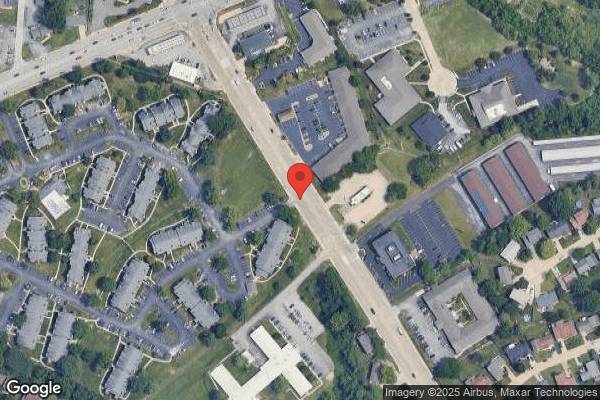
230 SPENCER ROAD, SAINT PETERS, MO 63376 (636) 441-2750
For profit - Limited Liability company 96 Beds AMA HOLDINGS Data: November 2025 2 Immediate Jeopardy citations
Trust Grade
0/100
#459 of 479 in MO
Last Inspection: April 2024

Within standard 12-15 month inspection cycle. Federal law requires annual inspections.

Overview

St. Peters Rehab and Healthcare Center has received a Trust Grade of F, indicating significant concerns about the quality of care provided. With a state ranking of #459 out of 479 facilities, they are positioned in the bottom half of Missouri's nursing homes, and #11 out of 13 in St. Charles County, meaning there are very few local options that rank better. While the facility is showing signs of improvement, having reduced issues from 39 in 2024 to 4 in 2025, the current staffing rating is poor with a turnover rate of 75%, which exceeds the state average of 57%. The facility has incurred $194,699 in fines, which is higher than 95% of Missouri facilities, suggesting ongoing compliance issues. The nursing home does have average RN coverage, which is a positive aspect, as RNs can help catch issues that CNAs might overlook. However, there have been serious incidents of neglect and abuse reported, such as a resident being refused help to get out of bed and facing verbal threats when asking for assistance. Additionally, there was a case where a CNA was reported for physically moving a resident too aggressively, resulting in bruising and fear from the resident. These findings reflect both a concerning lack of adequate care and the need for significant improvements in support for residents.

Trust Score
F
0/100
In Missouri
#459/479
Bottom 5%
Safety Record
High Risk
Review needed
Inspections
Getting Better
39 → 4 violations
Staff Stability
⚠ Watch
75% turnover. Very high, 27 points above average. Constant new faces learning your loved one's needs.
Penalties
○ Average
$194,699 in fines. Higher than 52% of Missouri facilities. Some compliance issues.
Skilled Nurses
○ Average
Each resident gets 30 minutes of Registered Nurse (RN) attention daily — about average for Missouri. RNs are the most trained staff who monitor for health changes.
Violations
⚠ Watch
115 deficiencies on record. Higher than average. Multiple issues found across inspections.
★☆☆☆☆
1.0
Overall Rating
★☆☆☆☆
1.0
Staff Levels
★★☆☆☆
2.0
Care Quality
★☆☆☆☆
1.0
Inspection Score
Stable
2024: 39 issues
2025: 4 issues

The Good

  • Full Sprinkler Coverage · Fire safety systems throughout facility
  • No fines on record

Facility shows strength in fire safety.

The Bad

1-Star Overall Rating

Below Missouri average (2.5)

Significant quality concerns identified by CMS

Staff Turnover: 75%

29pts above Missouri avg (46%)

Frequent staff changes - ask about care continuity

Federal Fines: $194,699

Well above median ($33,413)

Significant penalties indicating serious issues

Chain: AMA HOLDINGS

Part of a multi-facility chain

Ask about local staffing decisions and management

Staff turnover is very high (75%)

27 points above Missouri average of 48%

The Ugly 115 deficiencies on record

2 life-threatening 8 actual harm
Sept 2025 1 deficiency 1 Harm
SERIOUS (G) 📢 Someone Reported This

A family member, employee, or ombudsman was alarmed enough to file a formal complaint

Actual Harm - a resident was hurt due to facility failures

Free from Abuse/Neglect (Tag F0600)

A resident was harmed · This affected 1 resident

**NOTE- TERMS IN BRACKETS HAVE BEEN EDITED TO PROTECT CONFIDENTIALITY** Based on observation, interview and record review, the facility failed to ensure one resident (Resident #1) in a review of 11 sa...

Read full inspector narrative →
**NOTE- TERMS IN BRACKETS HAVE BEEN EDITED TO PROTECT CONFIDENTIALITY** Based on observation, interview and record review, the facility failed to ensure one resident (Resident #1) in a review of 11 sampled residents, remained free from physical abuse when on Certified Nurse Aide (CNA) B aggressively moved the resident in bed, causing the resident to yell out for help, and report CNA B was too rough and hurt him/her. The resident was tearful, upset and said he/she did not want CNA B to come back after the incident. The resident sustained bruising to the right arm as identified on the facility skin assessment dated [DATE]. During an interview on 9/4/25, the resident said he/she was scared of CNA B. The facility census was 78.On 9/10/25 at 2:54 P.M. the administrator was notified of the past noncompliance which occurred on 8/25/25. On 8/25/25 CNA B physically abused Resident #1 while providing his/her care in an aggressive manner. Licensed Practical Nurse (LPN) A stopped the care and asked CNA B to leave the facility. CNA B was terminated. The administrator and regional nurse provided education to staff members on abuse and neglect. The deficiency was corrected on 8/26/25. Review of the facility's Abuse Prevention and Prohibition Program policy, updated 10/24/22, showed the following:-Each resident has the right to be free from mistreatment, neglect, abuse, involuntary seclusion and misappropriation of property;-The facility conducts an ongoing review and analysis of abuse incidents and implements corrective actions to prevent future occurrences of abuse;-Resident assessments and care planning are performed to monitor resident needs and address behaviors that may lead to conflict; -The facility provides covered individuals with training to enable the identification of the following signs and symptoms of potential resident abuse and neglect including:-Physical Abuse;a. Welts or bruises;-Possible signs and symptoms of psychological abuse or neglect;b. Paranoia;c. Inconsistent explanations for injuries;d. Anger. 1. Review of Resident #1's undated, face sheet showed the following:-The resident readmitted to the facility on [DATE];-He/She was his/her own responsible party;-Diagnoses included flaccid hemiplegia affecting left nondominant side (type of one-sided paralysis where the left side of the body is completely limp and lacks muscle tone, usually due to a brain or spinal cord injury), thrombocytopenia (blood has a lower-than-normal number of platelets), contracture (permanent shortening or tightening of muscles, tendons, or other soft tissues that limits the range of motion at a joint) of the left lower extremity, generalized anxiety disorder (chronic mental health condition characterized by excessive, persistent, and unreasonable worry or anxiety about various aspects of life), and Alzheimer's disease (progressive brain disorder that causes memory loss, confusion, and other cognitive decline). Review of the resident's care plan, dated 5/22/24, showed the following:-He/She had an activity of daily living (ADL) self-care performance deficit related to hemiplegia and generalized weakness;-He/She required maximal assist of one staff to turn and reposition in bed;-He/She was dependent on two staff for toileting;-The resident had impaired cognitive function due to diagnosis of Alzheimer's disease;-Cue, reorient and supervise as needed;-He/She had bowel incontinence;-Provide peri care after each incontinent episode;-The resident had an alteration in hematological status related to thrombosis (clot);-He/She may bruise easily. Review of the resident's quarterly Minimum Data Set (MDS), a federally mandated assessment instrument completed by facility staff, dated 7/14/25, showed the following:-The resident had moderately impaired cognition;-He/She had functional limitations in range of motion with bilateral upper and lower extremities;-He/She was dependent on staff on toileting hygiene;-He/She required maximal assistance of staff with bed mobility;-He/She was always incontinent of bladder and bowel. Review of the resident's weekly skin observation, dated 8/21/25, showed the resident had bruising to the back of his/her left hand. There were no other areas of concern or bruising identified. Review of the resident's weekly skin observation, dated 8/26/25, showed the resident had a bruise to his/her right arm. Review of a statement sent by Licensed Practical Nurse (LPN) A to the administrator on 8/25/25 at 7:24 A.M., showed the following:-He/She observed that the resident's eyes were teary, and the resident yelled, help me and make him/her stop hurting me. CNA B came in and woke me up out of my sleep, scared me half to death, and was being rough with me;-LPN A tried to provide the resident comfort, then observed CNA B attempting to leave the resident soiled, with his/her incontinence brief completely off, while covering him/her with only a sheet;-When he/she said he/she was going to assist, put on gloves and approached the resident, CNA B suddenly grabbed the resident and forcefully turned him/her to his/her side, nearly causing the resident to fall out of bed. CNA B then began aggressively pulling linens and soiled pads from underneath the resident, which caused feces to spread throughout the room;-Recognizing how aggressive the aide was acting, he/she told CNA B to stop before he/she caused the resident to fall. At that moment, two aides entered the room after hearing the resident scream;-He/She instructed them to continue assisting the resident while he/she removed CNA B from the room. During an interview on 9/4/25 at 9:44 A.M., LPN A said the following:-CNA B wanted him/her to document the resident refused care;-He/She went into the resident's room to ask what was wrong;-The resident was half undressed and covered by a single sheet;-The resident was tearful and said, CNA B woke him/her up and it scared him/her;-While LPN A put on gloves, CNA B went over to the resident's bed and started to handle the resident aggressively, rolling/moving the resident around in bed without telling the resident what CNA B was doing and was using force;-CNA B pulled on the resident to roll him/her over and put the resident too close to the side of the bed, so LPN A told CNA B to stop and let him/her help;-CNA B continued and the resident yelled for CNA B to stop because he/she was hurting the resident, so LPN A told CNA B to leave the room;-Two CNAs came in the room and LPN A told them to take over;-LPN A and CNA B left the room;-CNA B overheard LPN A talking on the phone about sending him/her home and CNA B started to threaten LPN A;-LPN A said CNA B was rough and careless with the care he/she witnessed. During an interview on 9/4/25 at 9:31 A.M., CNA C said the following:-He/She was on break with another staff member when he/she heard Resident #1 yell, stop hurting me! and you're too rough!;-When CNA C entered the resident's room, the resident yelled, help me! to him/her;-LPN A was in the resident's room and CNA B stood on one side of the resident's bed with one hand on the resident's arm and the other hand on the resident's leg, bending the resident at the waist while trying to move the resident;-The resident had contractions and was limited on how far he/she could bend;-The resident said CNA B hurt him/her;-LPN A told CNA B to leave the room and CNA C and CMT D took over;-The resident was upset and tearful and said he/she did not want CNA B to come back;-CNA B was being unnecessarily rough and hurt the resident.-CNA told the administrator the resident yelled for help, said CNA B hurt him/her and the resident was upset. During interview on 9/4/25 at 9:52 A.M., the resident said the following:-CNA B was rough and hurt him/her;-He/She was scared of CNA B and didn't want CNA B to go near him/her. Review of the resident's next of kin's text message sent to the surveyor, dated 8/30/25 at 11:57 A.M., showed on 8/29/25, the next of kin spoke with the resident in the hospital, where the resident was being treated for pneumonia. The resident had bruising; the resident said the staff member was rough. Observation of a photo sent from the resident's next of kin to the surveyor of the resident's right arm, dated 8/30/25 at 11:57 A.M., showed the following:-The resident had purple discoloration of the skin of the upper arm approximately 10 centimeters (cm) in width, unable to determine the length because the edges were not visible;-There was a second area of purple discoloration of the skin on the right upper arm below the bend of the elbow that was approximately 6 cm in width, unable to determine the length because the edges were not visible;-There was a third area of purple discoloration of the skin on the lower right arm that was approximately 4 cm x 4 cm;-There was a fourth area of purple discoloration of the skin on the lower right arm, below and to the right of the third area and it was approximately 1 cm x 1 cm. During an interview on 8/29/25 at 2:50 P.M., and on 9/10/25 at 12:30 P.M. the Administrator said the following:-She worked in the facility at the time of the alleged abuse;-The alleged abuse occurred at 3:00 A.M. and the charge nurse, Licensed Practical Nurse (LPN) A an agency nurse said, CNA B worked with Resident #1 when he/she heard the resident wanted him/her to stop;-CNA B had the resident rolled over on his/her side and the resident said he/she didn't want CNA B taking care of him/her anymore;-Two CNAs came in the room and took over caring for the resident;-LPN A and CNA B left the resident's room and LPN A told CNA B to go home;-LPN A provided a statement and the investigation was begun;-The resident said CNA B scared him/her when CNA B woke him/her up and he/she didn't realize who it was at first moving him/her around in bed;-She completed an assessment on the resident immediately after the incident;-The resident had two bruises on the right arm, the upper one on the forearm was quarter sized, and the lower one on the forearm was not quite quarter sized. 26036502605591
Aug 2025 2 deficiencies
CONCERN (D) 📢 Someone Reported This

A family member, employee, or ombudsman was alarmed enough to file a formal complaint

Potential for Harm - no one hurt, but risky conditions existed

Accident Prevention (Tag F0689)

Could have caused harm · This affected 1 resident

**NOTE- TERMS IN BRACKETS HAVE BEEN EDITED TO PROTECT CONFIDENTIALITY** Based on observation, interview, and record review, the facility failed to follow their fall management policy and response to f...

Read full inspector narrative →
**NOTE- TERMS IN BRACKETS HAVE BEEN EDITED TO PROTECT CONFIDENTIALITY** Based on observation, interview, and record review, the facility failed to follow their fall management policy and response to falls policy for one resident (Resident #9) of 12 sampled residents, who sustained falls. Resident #9 had two falls with no documentation including assessments or notifications at the time of the falls. The resident fell out of bed on 7/27/25 onto the floor and crawled to the bathroom to turn on the call light to alert staff. Staff did not respond to the call light for 45 to 60 minutes. When staff did respond, staff completed no assessment for injuries or documentation of the fall. The care plan was not updated with meaningful interventions based on the cause of the resident's falls sustained on 7/17/25 and 7/27/25. The facility census was 93.Review of the facility policy for Fall Management Program with a revision date of 10/24/22 showed the following:-Purpose: to prevent resident falls and minimize complications associated with falls through the development of a Fall Management Program;-The facility will provide the highest quality care in the safest environment for the residents residing in the facility. The facility has developed a Fall Management Program that strives to prevent resident falls through meaningful assessments, interventions, education, and reevaluation.-Assessment: the Licensed Nurse will assess each resident for their risk of falling upon admission, quarterly, and with a significant change in condition;- The nursing staff will develop a plan of care specific to the residents needs with interventions to reduce the risk of falls;-The Interdisciplinary Team (IDT) will routinely review the plan of care at a minimum of quarterly, with a significant change in condition, and post fall;-Universal Fall Prevention Measures for all Resident: position call bell, urinal if applicable and bedside stand with reach; educate the resident on the use of the call light system and to ask for assistance.;-Post Fall: following the resident's fall, the licensed nurse will complete an incident report and a post fall assessment and investigation within 24 hours or as soon as possible. Review of the facility policy for Response to Falls with a revision date of 10/24/22 showed the following:-Purpose: to ensure the facility responds quickly and appropriately to resident falls in a manner that addresses both the resident's immediate needs and longer-term fall prevention;-Residents experiencing a fall will be promptly assessed and treated for injuries; the resident's physician and responsible party will be notified; after each fall a Licensed Nurse will complete a Post-Fall Assessment and investigation; any identified findings and the facility responses will be documented in the resident's medial record as appropriate; the IDT will review the investigative reports on a regular basis, as they may occur, and make systemic changes to reasonably limit future occurrences, consider change in Plan of Care (POC) intervention, system changes, etc.;-Immediate Post Fall Response: upon witnessing a fall or finding a resident in a position indicating a fall, stay with the resident and send another staff member to notify a Licensed Nurse if the first responder is not a licensed personnel;-Do not move the resident initially until after an assessment has been completed;-The Licensed Nurse will assess the resident and take the resident's vitals. Assess the resident's level of consciousness, position, possible injuries, head injuries, pain, tenderness, swelling, bruising, alignment, and range of motion (ROM);-If head and neck pain is reported or suspected, immobilize the cervical spine (the region of the spine located in the neck). Call Emergency Medical Services. Do not move the resident, do not place a pillow under his/her head, do not leave the resident unattended unless necessary;-If the resident is bleeding, has skin tears, abrasions, has fainted or exhibits similar problems, give proper emergency care;-The Licensed Nurse will notify the Attending Physician of the fall and implement any new physician orders;-The Licensed Nurse will notify the responsible party of the fall and any resulting interventions and/or treatments;-Following each resident fall, the Licensed Nurse will complete an incident repot and perform a Post-Fall Assessment and Investigation;-The Licensed Nurse will also complete the Neurological Flow Sheet for any un-witnessed fall or witnessed fall with known head injury for 72 hours following the fall;-Documentation: document all falls on the 24-hour report, document notification of the physician and responsible party; complete an incident report and detailed progress note; complete Neurological flow sheet for 72 hours; document the resident's condition in the resident's medical record every shift for 72 hours; revise the resident's care plan as needed. Review of the facility policy for Nursing Documentation with a revision date of10/24/2022 showed the following:-Purpose: to provide documentation of resident status and care given by nursing;-Policy: nursing documentation will be concise, clear, pertinent, and accurate;-Any communication with family, durable power of attorney (DPOA), or physician is to be noted in nurse's notes;-Alert charting: alert charting is documentation done to track a medical event for a period of 72 hours or longer;-Events may include but are not necessarily limited to: Fall with or without injury;-Alert charting describes what is going on: describes the resident's condition; describes what you have done with the resident and the resident's response to the actions. 1. Review of Resident #9's undated face sheet showed the resident admitted to the facility on [DATE] with diagnoses of chronic obstructive pulmonary disease (COPD a progressive lung disease that makes it hard to breathe), diabetes, and muscle weakness. Review of the resident's care plan for falls dated 4/11/25 showed the following:-At risk for falls with a history of falls. On 6/1/24 rolled out of bed; -Approaches in part: 3/9/23 sleeping in bed and fell out of bed, bariatric mattress placed on bed; 6/1/24 adding bolsters to bed; 7/1/25 educate the resident on safe ambulation. Review of the resident's comprehensive Minimum Data Set (MDS) a federally mandated assessment instrument completed by staff dated 7/18/25 showed the following:-Able to make self-understood and able to understand others;-Brief Interview for Mental status (BIMS - a cognitive assessment tool) of 15, indicating the resident was cognitively intact, with no impairment;-Independent with Activities of Daily Living;-Diagnoses of chronic obstructive pulmonary disease, diabetes, muscle weakness, coronary artery disease (CAD a condition where the heart's major blood vessels become narrowed or blocked), and seizure disorder. Review of the resident's nurses notes dated 7/22/25 at 1:37 P.M. signed by the Assistant Director of Nursing (ADON) showed the following:-Resident said he/she fell while assisting another resident into the shower room. Last Thursday (7/17/25), while he/she was unlocking the shower room door for another resident, he/she stepped backwards, lost balance, fell to floor landing on his/her buttocks. Assessed for injury with small bruise to left sacrum (triangular bone at the base of the spine) noted. The resident said he/she had a little low back pain. This nurse was made aware at this time, two staff members helped him/her off the floor. During an interview on 8/5/25 at 3:15 P.M. the Assistant Director of Nursing said the following:-He/She overhead the resident telling someone that he/she fell on 7/17/25;-He/She talked with the resident about the fall and he/she documented in the nurses notes and assessed the resident at that time;-The resident told him/her that there was a nurse who was there, but did not know that person's name;-He/She did not know who that nurse was;-He/She should have investigated the fall. Review of the resident's medical record from 7/17/25 through 7/22/25 showed no documentation of the resident's fall on 7/17/25 until 7/22/25, or assessment for any injuries. There were no additional interventions added to the resident's care plan after the fall on 7/17/25. During an interview on 8/6/25 at 11:30 A.M. Resident #9 said the following:-He/She rolled off the bed on his/her right side (on 7/27/25);-As he/she was rolling off the bed, his/her arm hit the over the bed table and the radio came crashing down and hit him/her on the left side of his/her head by his/her eye;-He/She could not get up so he/she crawled to the bathroom and turned on the call light in the bathroom;-He/She waited for about 15-20 minutes, and nobody came, then his/her roommate got up in the wheelchair and went and found someone, the nurse from the other hall;-He/She was on the floor for about 45 minutes to an hour before someone helped him/her off the floor;-He/She had a fall a couple of weeks ago, when he/she was helping a visitor into the bathroom in the center hall, when he/she lost his/her balance and fell backwards;-He/She cannot get up off the floor without help, two staff members came and helped him/her off the floor. 2. Review of a grievance report form dated 7/28/25 filed by Resident #8 showed the following:-My roommate fell out of bed around 4:00 A.M. and we pushed the call light, and no one came to help. I finally went to get help and could not find anyone in the front of the building. I waited after looking up and down the hallways and no one came, I finally went down to the other nurses' station and got a nurse who then looked for help and could not find either. During an interview on 8/5/25 at 1:30 P.M. Resident #8 said the following:-His/Her roommate Resident #9 woke him/her up calling out for help;-Resident #9 had fallen off the bed, and scooted on the floor to the bathroom to ring the call light in the bathroom because he/she could not reach the call light on the bed;-Resident #9 said he/she had been on the floor for a while and could not get up;-He/She waited for about 30 minutes for someone to come, and when no one came, he/she got into his/her wheelchair and went to the nurses' station to find someone. No one was at the nurses' station so he/she wheeled up and down the hall and could not find anyone;-He/She then went to the back hall and found a nurse and told him/her that Resident #9 was on the floor;-The nurse tried to find someone to help, but could not find any staff either;-The nurse then called staff and they came to their room and got Resident #9 off the floor;-Resident #9 was on the floor for about an hour before anyone came to get him/her up. 3. Review of the resident's medical record on 8/5/25 and 8/6/25 showed no documentation for the resident's fall or assessment that occurred on7/27/25. Review of the nurses' notes dated 7/27/25 at 8:40 A.M. signed by Registered Nurse (RN) D showed the following:-Resident informed this nurse that the resident had a fall overnight when he/she rolled out of the bed onto the floor. Resident rolled off the right side of the bed towards the window and when he/she fell the radio fell onto him/her causing a skin tear to the left arm. Upon assessment there was a bruise to the left cheek and a bruise on the left thigh. Director of Nursing, physician on call and family notified. Neuro checks initiated per protocol, order entered for skin tear and treatment applied. Review of the resident's care plan for falls dated 4/11/25 showed and update on 7/27/25 noted as Nurse Practitioner visit under approaches to prevent falls. There were no interventions added to address fall prevention for the resident. During an interview on 8/6/25 at 4:31 P.M. Certified Nurse Aide (CNA) C said the following:-He/She helped Resident #9 off the floor a couple of weeks ago when the resident had a fall in the hallway;-He/She does not remember a nurse being with the resident;-There was another staff member there, but he/she does not remember who that was;-He/She was not on duty when the resident had a fall on 7/27/25. During an interview on 8/6/25 at 4:03 P.M. Licensed Practical Nurse (LPN) F said the following:-He/She was not Resident #9's nurse on 7/27/25;-He/She was not aware that the resident's nurse had gone on break until Resident #8 came to him/her around 4:00 A.M. or 4:15 A.M. and told him/her that Resident #9 was on the floor;-He/She and two CNA's went to Resident #9's room;-The resident was sitting on the floor by the bathroom, he/she asked the resident if he/she had hit his/her head. The resident said no; he/she felt the resident's head and found no bumps or any injuries, so he/she told the CNA's to help the resident off the floor;-He/She then messaged RN G of the fall;-He/She assumed that RN G would complete the paperwork and document in the resident's record;-He/She was informed on 8/6/25 that he/she needed to document the information into the medical record. During an interview on 8/7/25 at 9:50 A.M. RN G said the following:-He/She had gone on break at 4:00 A.M. on 7/27/25 and informed the CNA on the 100 hall that she was going on break;-He/She was informed of Resident #9's fall around 4:30 A.M. when he/she came back from break;-He/She began medication pass and saw Resident #9 around 5:00 A.M.; he/she asked the if he/she was in any pain;-He/She assumed LPN F had completed the assessments and documented in the medical record;-He/She told RN D about the resident's fall at shift change around 6:00 A.M.;-He/She did not do an assessment or begin neuro checks;-He/She should have checked the medical record or asked LPN F if the assessment and documentation were completed. During an interview on 8/5/25 at 2:00 P.M. RN D said the following:-He/She was taking Resident #9's blood sugar before breakfast on 7/27/25 when the resident said he/she had rolled out of bed and fell on 7/27/25. The resident said he/she had gotten him/herself up off the floor;-The resident had a bruise to the left temple area, bruise to the left check and left thigh and a skin tear to the left forearm;-He/She did not know anything about a fall on 7/17/25. During an interview on 8/5/25 at 3:15 P.M. the Assistant Director of Nursing said the following:-He/She overhead the resident telling someone that he/she had a fall on 7/17/25;-He/she talked with the resident about the fall and he/she documented in the nurses notes and assessed the resident at that time;-The resident said there was a nurse who was there, but did not know that person's name;-He/She did not know who that nurse was;-He/She should have investigated the fall;-He/She was aware of the fall on 7/27/25 from a grievance report that was filed by Resident #8;-He/She investigated the grievance of the staff not answering the resident's call light but was not aware that the nurses did not document the fall at the time. During an interview on 8/5/25 at 3:45 P.M. the Director of Nursing said the following:-She had not reviewed/read documentation provided by the ADON regarding the resident;-Nursing had done a fall risk assessment on 7/22/25, not at the time of the fall. There was no incident report or documentation in the medical record of the resident's fall, or physician or responsible party notifications. During an interview on 8/6/25 at 3:00 P.M. the Director of Nursing and Administrator said the following:-They would expect the nurse who finds or responds to a resident who has fallen to complete an assessment of the resident, assess for any injuries and to document in the medical record the assessment, incident report and all other necessary documentation;-They would expect staff to follow facility policies. 2566939 and 2569007
CONCERN (E) 📢 Someone Reported This

A family member, employee, or ombudsman was alarmed enough to file a formal complaint

Potential for Harm - no one hurt, but risky conditions existed

Deficiency F0565 (Tag F0565)

Could have caused harm · This affected multiple residents

**NOTE- TERMS IN BRACKETS HAVE BEEN EDITED TO PROTECT CONFIDENTIALITY** Based on observation, interview and record review, the facility failed to respond and adequately act upon and provide feedback r...

Read full inspector narrative →
**NOTE- TERMS IN BRACKETS HAVE BEEN EDITED TO PROTECT CONFIDENTIALITY** Based on observation, interview and record review, the facility failed to respond and adequately act upon and provide feedback related to resident concerns regarding call light wait times and response from staff from resident council meetings. The facility census was 93. Review of the facility policy for Resident and Family Council with a revision date of 10/24/22 showed the following:-Purpose: to promote the exercise of a resident's right to organize and participate in resident groups at the facility;-Policy: The purpose of the Resident and/or Family council is to provide a forum for discussion of resident's concerns; input in the operation of the facility;-Responsibilities of the Resident and/or Family council: providing feedback in the development of policies and procedures governing the operation of the facility; making recommendations for the improvement of resident services provided by the facility; reviewing reports submitted to the council and making recommendations and/or taking appropriate actions; studying problem areas and making recommendations for their solutions;-If the council raises an issue of concern, the Department responsible for the issue or service is responsible for addressing the item(s) of concern promptly;-The applicable Department should be able to demonstrate its response and rational for such responses;-The facility will respond in writing to written request or concerns of the family council in a prompt and timely manner. Review of the facility policy for Grievances and complaints with a policy revision date of 10/24/22 showed the following:-Policy: the facility advises residents and their representatives (including family, legal representatives, and advocates) of their right to file grievances without discrimination or reprisal, and of the process for filing grievances or complaints;-Any resident, representative, family member, or appointed advocate may file a grievance or complaint concerning treatment, medical care, behavior of other residents, theft of property, etc., without fear of threat or reprisal;-Upon receiving a resident grievance, the Grievance Official or designee begins an investigation into the allegation;-The department director is notified of the complaint that an investigation is underway;-The Administrator will be provided a completed Resident Grievance within five working days of the incident;-The facility will inform the resident or his or her representative of the findings of the investigation and any corrective actions recommended in a timely manner. 1. Review of the Resident/Family Council Minutes dated 4/15/25 showed the following:-Old business - wait times still, especially on weekends.-New business - resident states call light not with reach. No resolution provided to the resident council for concerns of the wait times and call lights not within reach for the April meeting. Review of the Resident/Family Council Minutes dated 5/13/25 showed old business included call lights were not answered. Call lights being answered at the box and staff not physically going to rooms. No resolution provided to the resident council for concerns of the call lights not being answered or being answered at the box and not physically going to the rooms for the May meeting. Review of the Resident/Family Council Minutes dated 6/10/25 showed new business included call lights. No resolution provided to the resident council for concerns of the call lights for the June meeting. Review of the Resident/Family Council Minutes dated 7/8/25 showed the following:-Old business - call lights.-New business - call lights. No resolution provided to the resident council for concerns of the call lights for the July meeting. 2. Review of the grievance report form dated 7/28/25 filed by Resident #8 showed the following:-My roommate (Resident #9), fell out of bed around 4:00 A.M. and we pushed the call light, and no one came to help. I finally went to get help and could not find anyone in the front of the building. I waited after looking up and down the hallways and no one came, I finally went down to the other nurses' station and got a nurse who then looked for help and could not find either. This is concerning;-Action taken to address - In-service nurse on need for frequent rounding and trying to keep staff member present when other staff member on break;-Summary of findings: roommate was able to locate staff member at other nurses station and receive assistance;-Summary of Action taken - inservice was completed with charge nurse. During an interview on 8/5/25 at 1:30 P.M. Resident #8 said the following:-On 7/27/25 Resident #9, his/her roommate, was calling out for help;-Resident #9 had fallen off the bed and scooted on the floor to the bathroom and rang the call light in the bathroom because he/she could not reach the call light on the bed;-Resident #9 said that he/she had been on the floor for a while and could not get up;-He/She waited for about 30 minutes for someone to come, and when no one came, he/she got into his/her wheelchair and went to the nurses station to find someone. No one was at the nurses station so he/she wheeled up and down the hall and could not find anyone;-He/She then went to the back hall and found a nurse and told him/her that Resident #9 was on the floor;-The nurse tried to find someone to help, but could not find any staff either;-The nurse then called staff and they came to their room and got Resident #9 off the floor;-Resident #9 was on the floor for about an hour before anyone came to get him/her up. During an interview on 8/6/25 at 11:30 A.M. Resident #9 said the following:-He/She rolled off the bed on the right side;-As he/she was rolling off the bed, his/her arm hit the over the bed table and the radio came crashing down and hit him/her on the left side of his/her head by his/her eye;-He/She could not get up so he/she crawled to the bathroom and turned on the call light in the bathroom;-He/She waited for about 15-20 minutes, and nobody came, then his/her roommate got up in the wheelchair and went and found someone, the nurse from the other hall;-He/She was on the floor for about 45 minutes to an hour before someone helped him/her off the floor. 3. Review of Resident #11's face sheet showed the resident admitted to the facility on [DATE] with diagnosis of Multiple Sclerosis (MS - is a chronic, often disabling disease that affects the central nervous system (brain and spinal cord). Observation on 8/5/25 at 10:05 A.M. showed the resident sitting in a wheelchair in the middle of the room. The resident's call light was on the floor approximately three feet behind the wheelchair. During an interview on 8/5/25 at 10:05 A.M. the resident said the following:-He/She could not reach the call light while he/she was in the wheelchair and the call light was on the floor;-He/She needed help from the staff to transfer and at times it takes the staff longer than 30 minutes to answer the call light especially at night. 4. Review of Resident #2's face sheet showed the resident admitted to the facility on [DATE] with diagnoses of amputation of both lower extremities. During an interview on 8/5/25 at 10:10 A.M. the resident said the following:-This past Sunday, it took over two hours to get someone to answer his/her call light to empty his indwelling catheter (a tube inserted into the bladder to drain urine) bag;-He/She turned on the call light around 9:00 P.M., a short time later the call light was off at the board on the wall in his/her room, someone had to shut off the light at the nurses station so he/she turned on the call light again and no one came;-Around 10:00 P.M. he/she used his/her personal cell phone and called the facility to let them know he/she needed someone to come and empty the catheter bag;-It took them another hour to come and empty the catheter bag;-It made him/her angry when the staff do not answer the call light and he/she has to call on his/her phone for assistance. 5. Observation on 8/5/25 at 10:28 A.M. showed the call light on above the door for room [ROOM NUMBER]. Resident #3 laid in the bed with a sheet and light weight blanket on him/her and said I am cold, could someone please get me a blanket? Resident #4 sat in a wheelchair between the two beds. During an interview on 8/5/25 at 10:28 A.M. Resident #4 said the following:-He/She had turned on the call light for Resident #3 because the resident needed to go to the bathroom;-The call light had been on for about 20 minutes;-The call light was not lit up outside the door or on the panel on the wall;-The resident said, they must have turned it off and pressed the button to activate the call light again;-The light on the panel between the beds and the light outside the door lit up;-At 10:37 A.M. Certified Nurse Aide (CNA) A came in the room and shut the call light off;-Resident #3 said I need to get up and use the bathroom;-The CNA said that he/she would get the resident's aide, and left the room;-At 10:45 A.M. CNA B entered the room and provided incontinent care to Resident #3 (resident was incontinent after waiting to use the bathroom). During an interview on 8/5/25 at 10:50 A.M. Resident #4 said:-It takes the staff a long time to answer the call light, especially on the night shift, or they will just shut the light off at the desk;-He/She has been incontinent because he/she has had to wait;-This makes him/her angry because if the staff had come sooner, he/she would not have been incontinent. 6. During an interview on 8/6/25 at 1:10 P.M. Resident #6 said the following:-He/She will turn on the call light for his/her roommate and wait for over 30 minutes at times for the staff to answer the light, especially on the night shift;-He/She sees them walk past the door, usually they have earbuds in and cannot hear when you call out or they are on their phones and do not pay attention;-This makes him/her angry that he/she and his/her roommate cannot get help when they need it. 7.During an interview on 8/5/25 at 2:00 P.M. Resident #10 said the following:-He/She was the president of Resident Council and each month there were complaints about the call lights not being answered or being shut off and no one coming back;-The residents have complained about this and all they are told is that an in-service will be done;-The inservice was not working because it was still occurring. 8. During an interview on 8/6/25 at 10:30 A.M. the Activity Director said the following:-The residents have complained about staff not answering residents' call lights for months;-He/She takes the notes in the meetings, and will write down their concerns and present them to the appropriate department;-There had been no formal form done for their concerns until July;-The resolutions that nursing presented was to inservice the staff on answering the call lights, but the residents say it is a continued problem. During an interview on 8/6/25 at 3:00 P.M. and 8/19/25 at 4:15 P.M., the Administrator said the following:-She would expect staff to answer a resident's call light promptly and provide care or to get someone who can provide the care;-Prior to July 2025 there was no formal process for the resident's concerns at resident council to be addressed;-The Activity Director was to document the resident council concerns on a form, then give to individual departments. Those departments had seven days to come up with a resolution. The resolution was then reviewed with the individual resident who issued the concern and reviewed in resident council;-It was felt an inservice was adequate to address the call lights;-After the survey, there have been additional interventions put in place.
Feb 2025 1 deficiency
CONCERN (E) 📢 Someone Reported This

A family member, employee, or ombudsman was alarmed enough to file a formal complaint

Potential for Harm - no one hurt, but risky conditions existed

Infection Control (Tag F0880)

Could have caused harm · This affected multiple residents

**NOTE- TERMS IN BRACKETS HAVE BEEN EDITED TO PROTECT CONFIDENTIALITY** Based on observation, interview, and record review, the facility failed to ensure nursing staff performed appropriate hand hygie...

Read full inspector narrative →
**NOTE- TERMS IN BRACKETS HAVE BEEN EDITED TO PROTECT CONFIDENTIALITY** Based on observation, interview, and record review, the facility failed to ensure nursing staff performed appropriate hand hygiene and changed gloves during the provision of care for one resident (Residents #2), and failed to follow the facility policy for Enhanced Barrier Precautions (EBP) for four residents (Residents #1, #2, #3, and #4), in a review of nine sampled residents. Staff failed to utilize Personal Protective Equipment (PPE) while providing high-contact care activities or wound care. The facility had identified 16 residents with wounds, six residents with indwelling catheters (a sterile tube inserted into the bladder to drain the bladder of urine) and three residents receiving Enteral tube feedings (a tube placed in the stomach to provide nutrition). The facility census was 81. Review of the facility policy for Perineal Care with a revision date of 10/22 showed the following: -Wash hands, put on gloves, provide perineal care to the resident, remove wet linen, place dry linens or briefs underneath the resident, reposition the resident; -Remove gloves and wash hands or use alcohol-based hand sanitizer. Do no touch anything with gloves after the procedure; -Put on clean gloves; -Clean and return any equipment to its proper place; -Place soiled linen in proper container; -Remove gloves; -Wash hands. Review of the facility policy for Hand Hygiene with a revision date of 10/22 showed the following: -The facility considers hand hygiene the primary means to prevent the spread of infections; -Facility staff follow the hand hygiene procedures to help prevent the spread of infections to other staff, residents, and visitors; -Facility staff must perform hand hygiene procedures in the following circumstances: before eating, after using the bathroom, when soiled with visible dirt or debris; contact with blood, other body fluids, secretions, excretions, mucous membranes, non-intact skin, intact skin soiled with blood or other body fluids, wound drainage and soiled dressings after contact with intact or non-intact skin, clothing and environmental surfaces of residents with active diarrhea even if gloves are worn, before and after food preparations and before and after assisting residents with dining if direct contact with food is anticipated or occurs and in between glove changes; -Hand hygiene is always the final step after removing and disposing of person protective equipment. Review of the facility policy for Standard and Enhanced Precautions with a revision date of 7/23 showed the following: -Standard Precautions are used in the care of residents regardless of their diagnoses or suspected or confirmed infections status. Standard Precautions presume that blood, body fluids, secretions and excretions (except sweat), non intact skin and mucous membranes may contain transmissible infection agents; -Standard Precautions apply to the care of all residents regardless of suspected or confirmed presence of infectious diseases; -Standard Precautions include hand hygiene, gloves, masks and eyewear, gowns; -Enhanced standard precautions will be implemented for residents with a known Multi Drug Resistance Organism (MDRO) and who are at high-risk for colonization (refers to the presence of microorganisms on or within a person's body, where they are multiplying and growing, but without causing any noticeable symptoms or disease) and transmission; -Resident characteristics that are associated with a high-risk of MDRO colonization and transmission include presence of indwelling devices (e.g. urinary catheter, feeding tube, endotracheal or tracheostomy tube, vascular catheters); wounds, or presence of pressure ulcer (unhealed; functional disability and total dependence on others for assistance with activities of daily living. 1. Review of Resident #1 undated face sheet showed the resident with diagnoses of multiple sclerosis (is a chronic, autoimmune disease that affects the central nervous system (brain and spinal cord). Review of the resident's nurses progress notes dated 2/5/25 showed the resident admitted to the hospital due to vomiting. Review of the resident's nurses progress notes dated 2/10/25, showed the resident readmitted to the facility with diagnosis of Influenza A and open areas on both buttocks. Consult outside wound care agency for treatment. Review of the resident's quarterly Minimum Data Set (MDS), a federally mandated assessment instrument completed by staff dated 2/13/25 showed the following: -Dependent upon staff for toileting and personal hygiene; -Incontinent of bowel and bladder. Review of the resident's facility wound report dated 2/25/25 showed the resident had an open area to the right and left buttock. Observation on 2/25/25 from 9:00 A.M. to 4:00 P.M., showed no sign on the resident's door posted for EBP or directing staff to wear personal protective equipment (PPE) when providing care to the resident. Observation on 2/27/25 at 7:24 A.M. showed the following: -No EBP sign posted on the resident's door to inform staff the resident was on EBP precautions and what PPE to wear; -Certified Nurse Aide (CNA) B and Nurse Aide (NA) C entered the resident's room without wearing gowns to provide incontinent care to the resident; -The resident had been incontinent of feces; -CNA B and NA C provided incontinent care, then gathered the dirty linens and took out of the room to the soiled linen barrel; CNA B and NA C did not remove their gloves and wash hands prior to leaving the resident's room; -CNA B and NA C returned to the room and washed hands. Observation on 2/27/25 at 9:00 A.M., showed the Assistant Director of Nursing (ADON)/Infection Preventionist (IP) place a sign on the door to Resident #1's room that showed the following: -STOP Enhanced Barrier Precautions Everyone Must: clean their hands, including before entering and when leaving the room; -Providers and staff must also wear gloves and gown for the following high-contact resident care activities: dressing, bathing/showering transferring, changing linens, providing hygiene, changing briefs or assisting with toileting; device care of use: central line, urinary catheter, feeding tube, tracheostomy; wound care - any skin opening requiring a dressing; -Do not war the same gown and gloves for the care of more than one person. During an interview on 2/27/25 at 9:30 A.M. CNA B said the following: -He/She was not aware that Resident #1 was on EBP; -He/She was told after providing care the resident was on EBP and gowns should be worn when providing care; -The sign was not on the door when he/she provided care. During an interview on 2/27/25 at 10:00 A.M. ADON/IP said the following: -He/She was responsible for the facility's infection control program; -Resident #1 should have had a sign on the door alerting staff to the EBP; -Resident #1 was on EBP due to wounds. 2. Review of Resident #2's quarterly MDS dated [DATE] showed the following: -Diagnoses of stroke and aphasia (inability to speak); -Receives enteral feedings (a tube placed in the stomach to receive nutrition) for all nutritional needs. Observation on 2/25/25 from 9:00 A.M. to 4:00 P.M., showed no sign posted for EBP or directing staff to wear personal protective equipment (PPE) when providing care to the resident. Observation on 2/27/25 at 8:00 A.M. showed no sign posted for EBP or directing staff to wear personal protective equipment (PPE) when providing care to the resident. Observation on 2/27/25 at 8:17 A.M. showed the following: -CNA D enter the resident's room; CNA D did not don a gown, did apply gloves and told the resident he/she needed to change him/her; -CNA D removed the resident's urine saturated brief, placed the brief on the floor, and removed one wipe from a package and with a back and forth motion wiped the resident's genitals. CNA D then rolled the resident to his/her left side, obtained another wipe from the package and with a back and forth motion wiped the residents buttocks; -CNA D removed a urine soaked from under the resident and threw the pad on the floor, placed a clean pad under the resident and then placed a clean brief under the resident. Without removing soiled gloves and performing hand hygiene before applying a clean pair of gloves, CNA D took a tube of skin barrier ointment out of the nightstand drawer and with one hand squeezed some ointment on the other hand and rubbed the ointment on the resident's buttocks. CNA D then fastened the brief around the resident; -With the same soiled gloves, CNA D removed the resident's gown that was wet with urine, threw the gown on the floor, put a clean gown on the resident, removed the top sheet and threw it on the floor, then put a clean top sheet on the resident; -With the same soiled gloves CNA D picked up the dirty linen off the floor and put the dirty linen in a bag; -With a towel and wearing the same soiled gloves, he/she wiped the over the bed table off, opened the door using the door handle, took the dirty linen down the hall to a linen barrel; -CNA D then removed his/her soiled dirty gloves, obtained a new pair of gloves from the linen cart and began to put the gloves on his/her hands. The ADON/IP stopped CNA D and told him/her to wash his/her hands; -The ADON/IP then placed a sign on the resident's door indicating the resident was on EBP. During an interview on 2/27/25 at 9:15 A.M. CNA D said the following: -He/She did not know what EBP meant; -He/She would change his/her gloves when care was complete for the resident. 3. Review of Resident #3's quarterly MDS dated [DATE] showed the following: -Dependent upon staff for activities of daily living (ADLs); -Has an indwelling catheter and incontinent of feces; -Has a Stage III pressure ulcer ( full-thickness tissue loss where subcutaneous fat is visible within the wound, but bone, tendon, or muscle are not exposed); -Diagnoses of Alzheimer's disease and dementia. Review of the resident's undated care plan for wound infection showed the following: -The resident has an infection of the coccyx (tailbone) wound; -Interventions to administer antibiotics, maintain universal precautions when providing resident care; -No interventions for EBP use. Review of the resident's undated care plan for the indwelling catheter showed the following: -The resident has an indwelling catheter; -Change catheter per physician orders; -No interventions for EBP use. Review of the resident's urinalysis with culture and sensitivity report dated 2/22/25 showed the following: -Urine sample collected on 2/18/25 and reported to staff on 2/22/25; -Two plus blood, three plus protein, three plus leukocytes with may bacteria (indicated urinary tract infection); -Sensitivity report (a test that will show what bacteria is in the urine) showed greater than 100,000 CFU/ml (shows the amount of bacteria grown in the urine) of Proteus Mirabilis (a bacteria that can cause urinary tract infections, and can be transmitted by coming into contact with contaminated objects like catheters. Observation on 2/27/25 at 11:50 A.M. showed the following: -The resident sat in a wheelchair in the main dining room with an indwelling catheter. The indwelling catheter bag and tubing touched the floor, there was dark yellow urine with sediment in the tubing; -The resident's arms and face were bright red and he/she complained of itching. Registered Nurse (RN) E pushed the resident to his/her room with the catheter bag touching the floor and the tubing to the catheter dragging on the floor; -An EBP sign was on the door to the resident's room alerting staff the resident was on EBP precautions; -RN E put on a pair of gloves and obtained a bottle of lotion, placed a large amount of lotion on his/her gloved hand and began to spread the lotion on the resident's arms and legs. When finished, RN E removed his/her gloves, washed his/her hands and pushed the resident back to the dining room. During an interview on 2/27/25 at 11:55 A.M. RN E said the following: -The resident was on EBP due to having a wound, an indwelling catheter and a current UTI; -He/She should have put on a gown along with the gloves before putting lotion on the resident. During an interview on 2/27/25 at 12:00 P.M. the ADON/IP said staff should have followed the EBP guidelines for the resident as he/she was at high risk for infections. 4. Review of Resident #4's face sheet showed the resident admitted to the facility on [DATE]. Review of the resident's comprehensive MDS dated [DATE] showed the following: -Dependent upon staff for ADLs; -Has an indwelling catheter and third degree burns (a serious wound that damages all three layers of the skin); -Diagnoses of cerebral palsy (is a group of disorders that affect movement, balance, and posture. It is caused by damage to the developing brain before, during, or shortly after birth. This damage can lead to permanent changes in the brain that interfere with the brain's ability to control muscle movement). Observation on 2/25/25 at 1:00 P.M. showed: -The resident laid in the bed with an indwelling catheter bag hanging on the side of the bed, there was dark yellow urine in the tubing and bag with no sign posted for EBP; -Several staff entered the resident's room to reposition the resident and wore no PPE. Observation on 2/27/25 at 9:00 A.M. showed the ADON/IP placed an EBP sign on the door. The ADON/IP said the resident should have been on EBP precautions due to the indwelling catheter and the third degree burns. During an interview on 2/27/25 at 11:30 A.M. the ADON/IP said the following: -Residents who have infections, indwelling catheters, enteral tube feedings, and wounds should be placed on EBP; -He/She is a little behind identifying who was on EBP, but the nurses should also identify and place a resident on EBP when the resident met criteria for EBP; -The facility has 15 residents with pressure ulcers, eight residents with indwelling catheters and three residents with enteral feeding; -In January there was five residents with wound infections and five residents with urinary tract infections; -As of February 18th there was three urinary tract infections documented on the Infection Control log. During an interview on 2/27/25 at 2:00 P.M. the Director of Nursing said the following: -She would expect staff to follow their policy for hand washing when providing care; -Nursing staff was aware prior to admission if a resident has an indwelling catheter, an enteral tube feeding, a wound or an infection that meets the criteria for EBP. She would expect the nurses to put EBP precautions in place at the time of admission, or when the resident meets the criteria. She would expect all staff to follow the facility policy for EBP. During an interview on 2/27/25 at 2:00 P.M. the Administrator said she would expect staff to follow their policy for hand washing and EBP. MO250092
Nov 2024 3 deficiencies 1 Harm
SERIOUS (G) 📢 Someone Reported This

A family member, employee, or ombudsman was alarmed enough to file a formal complaint

Actual Harm - a resident was hurt due to facility failures

Accident Prevention (Tag F0689)

A resident was harmed · This affected 1 resident

**NOTE- TERMS IN BRACKETS HAVE BEEN EDITED TO PROTECT CONFIDENTIALITY** Based on observation, interview, and record review the facility failed to provide oversight and prevent injury for one resident ...

Read full inspector narrative →
**NOTE- TERMS IN BRACKETS HAVE BEEN EDITED TO PROTECT CONFIDENTIALITY** Based on observation, interview, and record review the facility failed to provide oversight and prevent injury for one resident (Resident #2), in a review of 18 sampled residents, when staff left the resident unattended in the shower room, resulting in the resident falling and sustaining a fracture. The facility census was 87. On 11/27/24 at 4:15 P.M., the administrator was notified of the past noncompliance which occurred on 10/12/24. On 10/12/24, the administrator became aware of the violation of resident safety when Resident #2 was left alone in the shower room by staff. Resident #2's care plan directed he/she required one staff assist for bathing, hygiene and dressing. Resident #2 attempted to dress him/herself and had a fall that resulted in a right hip fracture. Upon discovery, the facility conducted an investigation, notified appropriate parties and all facility staff were educated on assistance with showers, to provide assistance with showers per care plan. The deficiency was corrected on 10/22/24 after all staff had been inserviced. Review of the facility policy, Fall Management Program, revised October 24, 2022, showed the following: -Purpose: To prevent resident falls and minimize complications associated with falls through the development of a fall management program; -Policy: The facility will provide the highest quality care in the safest environment for the residents residing in the facility. The facility has developed a fall management program that strives to prevent resident falls through meaningful assessments, interventions, education and reevaluation; -The nursing staff will develop a plan of care specific to the resident's needs with interventions to reduce the risk of falls. 1. Review of Resident #2's care plan, with an initiation date of 12/13/22 showed to keep the resident's call light within reach and encourage the resident to use it for assistance as needed. The resident needs prompt response to all requests for assistance. Review of the resident's care plan initiated 5/23/23 showed the following: -The resident has an activities of daily living self-care performance deficit related to impaired balance; -The resident required limited assistance by one staff with bathing/showering two times weekly and as necessary, to dress, with personal hygiene and to move between surfaces as necessary. Review of the resident's quarterly Minimum Data Set (MDS), a federally mandated assessment instrument, completed by facility staff, dated 07/02/24, showed the following: -Functional limitations in range of motion; upper extremity impairment on one side; -Substantial to maximal assistance to shower/bathe; helper does more than half of the effort; -Partial to moderate assistance for upper body dressing; helper does less than half of the effort; -Partial to moderate assistance for lower body dressing; helper does less than half of the effort; -Substantial to maximal assistance for tub/shower transfers; helper does more than half of the effort; -Substantial to maximal assistance to walk 10 feet; -Uses a wheelchair. Review of the resident's nursing progress notes, dated 10/12/24, showed the resident was heard yelling for help from the shower room. The resident was found on the floor and said he/she fell because he/she was attempting to pull his/her pants up and was not able to do it without losing his/her balance. The resident said he/she fell onto her left hip and was sore. There were no open areas or bruising noted from fall. Review of the facility's investigation of the resident's 10/12/24 fall showed the following: -Date of incident: 10/12/24; -Type of incident: fall with major injury; -Incident: on 10/12/24 at 2:31 P.M., the resident was heard yelling for help from the shower room and was found on the floor. The resident said he/she fell because he/she was attempting to pull his/her pants up and was not able to do it without losing his/her balance. No open areas or bruising noted and the resident said he/she was sore from the fall. The resident was seen by the physician on 10/14/24 and noted to have pain with internal and external rotation of the right hip as well as tenderness over the greater trochanter (hip). The resident said staff took him/her to the shower room to give a shower and left the resident in the shower by himself/herself. The staff member gave the resident the call light and instructed him/her to press the light if he/she needed help and that the staff member would be right back; -Injury: physician ordered an x-ray of the right hip. X-ray completed and results reported to physician. Order to send the resident to the hospital for evaluation due to acute subcapital right femoral neck fracture (fracture that occurs in the neck of the big thigh bone, where the femoral head meets the femoral neck - the most common type of hip fracture). The resident was hospitalized from [DATE] - 10/18/24 and had a right hip arthroplasty (hip replacement); -Initial interventions: 2. Staff interview completed. 3. Resident interview completed. 6. Education with facility staff; -Root Cause Analysis: Resident attempting to dress himself/herself without assistance; -Conclusion: Resident experienced a fall with major injury due to weakness while getting dressed. Review of the resident's medical record showed x-ray was obtained on 10/14/24 with results provided on 10/15/24 and noted a right humeral neck fracture. Review of the resident's nursing progress notes, dated 10/15/24, showed x-ray reports were reported to the physician with orders received to send the resident to the local hospital for evaluation and treatment. Review of the resident's nursing progress notes, dated 10/18/24, showed the resident returned from the hospital. Review of the resident's annual MDS, dated [DATE], showed the following: -Cognitively intact; -Clear speech, makes self understood and understands others; -Diagnosis of fracture other than multiple trauma and hip fracture; -Recent surgery requiring skilled nursing facility care, surgical procedure hip replacement - partial or total; -Surgical wounds and surgical wound care. During an interview on 11/26/24 at 3:37 P.M., and 11/27/24 at 11:08 A.M., the resident said the following: -He/She had fallen on a Thursday in the shower room after a fall; -He/She fell in the shower room after staff (Nurse Aide (NA) D) had left him/her alone in the shower and said he/she would be right back; -He/She turned on the call light but got cold and decided to get dressed by himself/herself; he/she did not know how long he/she had waited for help; -When trying to put on his/her pants, he/she lost his/her balance and fell to the floor; -Initially he/she thought he/she was okay and was able to walk back to his/her room after staff checked him/her out; -He/She had pain all weekend but did not tell anyone until Monday after his/her fall; -He/She fractured his/her hip, was sent to the hospital and returned to the facility on [DATE] after surgery. During an interview on 11/27/24 at 1:53 P.M., Nurse Aide (NA) D said the following: -He/She was the staff member assigned to give the resident a shower the day the resident fell; -He/She was assisting the resident with a shower and another staff member asked for his/her assistance to help with another resident; -He/She gave the resident the call light an instructed him/her to push the call light when finished with the shower; -He/She assumed Resident #2 was independent and could be in the shower alone; -He/She was unaware the resident needed assistance to shower and dress; -He/She found out later that the resident was not a self-assist and should not have been left alone; -The resident care plans are in the computer and staff have access to them for review; -He/She should not have left the resident alone in the shower; -He/She has been in-serviced on how to care for the resident and not leaving residents alone in the shower since the incident. During an interview on 11/27/24 at 2:15 P.M., the Assistant Director of Nursing (ADON) said the following: -Resident #2 should not have been left alone in the shower room; -If a care plan shows a resident needs assistance by one staff for a shower, they should not be left alone. During an interview on 11/27/24 at 2:42 P.M., the Director of Nursing (DON) said the following: -Resident #2 should not have been left alone in the shower room; -All nursing staff have been in-serviced related to the incident. During an interview on 11/27/24 at 3:10 P.M., the administrator said the following: -The care plan should be followed to direct the care a resident receives; -The care plan says one assist for hygiene/bathing/dressing at least one staff member should be present for those tasks and should not be left alone. MO244794
CONCERN (D) 📢 Someone Reported This

A family member, employee, or ombudsman was alarmed enough to file a formal complaint

Potential for Harm - no one hurt, but risky conditions existed

Deficiency F0658 (Tag F0658)

Could have caused harm · This affected 1 resident

**NOTE- TERMS IN BRACKETS HAVE BEEN EDITED TO PROTECT CONFIDENTIALITY** Based on interview and record review, the facility failed to clarify and obtain physician orders for two residents (Resident #1 ...

Read full inspector narrative →
**NOTE- TERMS IN BRACKETS HAVE BEEN EDITED TO PROTECT CONFIDENTIALITY** Based on interview and record review, the facility failed to clarify and obtain physician orders for two residents (Resident #1 and #2), in a review of 18 sampled residents, who sustained fractures and had surgery to repair, for assessment and treatment of each residents' surgical incisions when they admitted to the facility from the hospital. The facility failed to complete neurological checks per facility policy following a fall for one resident (Residents #2), in a review of 18 sampled residents. The facility census was 87. Review of the facility's policy, Physician Orders, revised October 24, 2022, showed the following: -Purpose: This will ensure that all physician orders are complete and accurate; -Treatment orders will include a description of the treatment, including the treatment site, if applicable, the frequency of treatment and duration of order (when appropriate) and the condition/diagnosis for which the treatment is ordered. Review of the facility policy, Response to Falls, revised October 24, 2022, showed the following: -Post fall assessment and monitoring: Following each resident fall, the licensed nurse will complete an incident report and perform a post-fall assessment and investigation. A licensed nurse will also complete a neurological flow sheet for any un-witnessed fall, or witnessed fall with known head injury for 72 hours following the fall; -Complete a neurological flow sheet for 72 hours following an unwitnessed fall or fall with known head injury. 1. Review of Resident #1's face sheet showed admission to the facility on [DATE]. Review of the resident's admission diagnosis list showed the resident had diagnoses that included other fracture of left lower leg, closed fracture with routine healing with a clinical category of orthopedic surgery (broken bone of left lower leg that did not puncture the skin but required surgical repair) and varus deformity, not elsewhere classified, left knee (happens when your tibia/larger bone in shin turns inward instead of aligning with your femur/the large bone in your thigh). Review of the resident's hospital Discharge summary, dated [DATE], showed the following: -Discharge diagnoses: type I or type II open fracture to left ankle and closed displaced fracture of left patella (knee cap); -Operations/procedures: left hindfoot fusion (surgical procedure to fix a fractured left ankle) and open reduction and internal fixation of left patella (surgical procedure to correct fractured knee cap); -Patient instructions: non-weight bearing left lower extremity, wear knee immobilizer when up and out of bed. Wound care: keep wound clean and dry. Sutures/Staples: recheck in 2 weeks; -Treatment: wound/skin care: keep wound clean and dry. Review of the resident's nursing progress notes, documented by Licensed Practical Nurse (LPN) E, dated 10/16/24 at 7:07 P.M., showed the following: -The resident admitted from the hospital/emergency room via stretcher at 7:00 P.M.; -Resident was alert and oriented to person, place, time and situation; -Resident was bedfast; -Skin color was noted as other, refer to assessment for more information; -Skin issues present, refer to assessment for more information. Review of the resident's nursing progress noted, documented by LPN E, dated 10/16/24 at 7:16 P.M., showed the following: -Resident admitted from local hospital after a stay with an admitting diagnosis of motor vehicle accident with open fracture (bone puncture of the skin related to a broken bone) of the left ankle and closed displaced fracture of the patella (kneecap); -Resident had a left lower extremity immobilizer on and was non-weight bearing. Review of the resident's October 2024 physician's orders (POS), showed the following: -Admit to facility with admitting diagnosis of fractures; -Left knee immobilizer on when up out of bed every shift, with an order start date of 10/17/24; -Non-weight bearing left lower extremity every shift, with an order start date of 10/17/24; -Wound care specialist to evaluate and treat if indicated, with an order start date of 10/17/24; -No specific order to leave the immobilizer on at all times before the next appointment; -No specific order to monitor surgical site on left ankle or left knee. Review of the resident's baseline care plan, dated 10/17/24, showed the following: -Skin: Problem - at risk for alteration in skin integrity; -Interventions to complete a skin assessment on admission and weekly, observe for signs and symptoms of skin breakdown/infection, treatments as ordered, treatment orders; -Orthopedic: Problem - at risk for orthopedic complications; - Interventions to observe for signs/symptoms of deep vein thrombosis (blood clots), weight bearing status: non-weight bearing left lower extremity; -Custom Problems: Custom problem 1 - resident has an immobilizer; -Interventions to remove immobilizer from left lower extremity and check for impaired skin integrity (there was no order for this intervention). Review of the resident's weekly skin observation assessment, dated 10/17/24, showed the following: -Skin color normal; (no indication of location of skin assessment); -Skin issues: yes; (no indication of location); -Skin condition: other - left lower extremity surgical, immobilizer in place, do not remove before follow-up appointment; -Skin condition: other - bilateral upper extremity, scattered bruising; -Note text: The resident was admitted on [DATE]; Skin color is normal. Skin temperature is dry. Skin turgor is normal as skin returns promptly. Skin issues present. Refer to assessment for more information. Refer to full assessment for more information; -The weekly skin observation assessment showed no documentation staff observed and assessed the actual surgical site/dressings on the left knee or ankle. Review of the resident's skilled nursing note, dated 10/18/24, showed the following: -Alert and oriented to person, place, time and situation; -No new changes to skin integrity noted; -Wound care section: resident has treatable wounds, dressing changed as per treatment orders, dressing change not required, changes noted to wound were all left blank. Review of the resident's admission Minimum Data Set (MDS), a federally mandated assessment instrument completed by the facility, dated 10/21/24, showed the following: -Cognitively intact; -No behaviors or rejection of cares; -Lower extremity impairment one side only; -Dependent on staff for shower/bathing self, upper and lower body dressing, putting on/taking off footwear and chair/bed-to-chair transfers; -Substantial/maximum assistance staff for personal hygiene, sit-to-lying transfers and lying/sitting on side of bed; -Partial/moderate staff assistance for rolling right and left in bed; -Recent surgery requiring active skilled nursing facility care; -Orthopedic surgery to repair fracture to pelvis, hip, leg, knee or ankle (not foot); -Surgical wounds, surgical wound care, application of non-surgical dressings other than to feet, application of ointment/medications other than to feet. Review of the resident's October 2024 POS, showed an order for weekly skin observation assessments every evening shift on Wednesday for skin assessment, with an order start date of 10/23/24. Review of the resident's progress notes, documented by the wound care nurse (LPN C), dated 10/23/24 at 11:53 A.M., showed the following: -Type: weekly skin observation assessments; -Skin color is normal; -Skin temperature is dry; -Skin turgor is normal as skin returns promptly; -Skin issues present; (no indication of location); -Refer to assessment for more information. Review of the resident's weekly skin observation assessment - full assessment, dated 10/23/24, showed the following: -Skin issues: yes; -Skin condition: other - left lower extremity surgical, immobilizer in place, do not remove before follow-up appointment; -Skin condition: other - bilateral upper extremities scattered bruising; -The weekly skin observation assessment showed no indication staff observed and assessed the actual surgical site/dressings for the left knee or ankle. Review of the resident's progress notes, documented by LPN C, dated 10/30/24 at 2:57 P.M., showed the following: -Type: weekly skin observation assessments; -Note text: the resident was admitted on [DATE] and room identified; -Skin color is normal; -Skin temperature is dry; -Skin turgor is normal as skin returns promptly; -Skin issues present; (no indication of location); -Refer to assessment for more information. Review of the resident's weekly skin observation assessment - full assessment, dated 10/30/24, showed the following: -Skin issues: yes; -Skin condition: other - left lower extremity surgical, immobilizer in place, do not remove before follow-up appointment; -The weekly skin observation assessment showed no indication staff observed and assessed the actual surgical site/dressings for the left knee or ankle. Review of the resident's October 2024 Treatment Administration Record (TAR), dated 10/17/24 - 10/31/24, showed the following: -Weekly skin observation assessment every evening shift on Wednesday, documented as completed as ordered 10/23/24 and 10/30/24; -Left knee immobilizer on when up out of bed every shift, documented as completed every shift 10/17/24 through 10/31/24; -The TAR showed no indication of an assessment to the left lower extremity surgical sites or surgical dressings. Review of the resident's skilled nursing note, dated 11/02/24, showed the following: -Alert and orientated to person, place and situation, not orientated to time; -No new changes to skin integrity noted; -Wound care section: resident has treatable wounds, dressing changed as per treatment orders, dressing change not required, changes noted to wound were all left blank. Review of the resident's skilled nursing note, dated 11/04/24, showed resident has treatable wounds, dressing changed as per treatment orders, dressing change not required, changes noted to wound were all left blank. Review of the resident's November 2024 Treatment Administration Record (TAR), dated November 1st to November 6th showed the following: -Weekly skin observation assessment every evening shift on Wednesday for skin assessment; documented as completed as ordered 11/01/24 through 11/06/24; -Left knee immobilizer on when up out of bed every shift; documented as completed as ordered on 10/23/24 and 10/30/24; -The TAR showed no indication of an assessment to the left lower extremity surgical sites or surgical dressings. During an interview on 11/27/24 at 1:58 P.M., LPN E said the following: -If his/her name was on the admission nursing note or assessment, he/she admitted Resident #1 but he/she could not remember for sure; -He/She does not recall Resident #1 specifically and could not say if he/she removed the left knee immobilizer and dressing to do a skin assessment; -A new resident should have a full skin assessment on admission; -If there were no orders for surgical wound care on an admission/readmission, the physician should be called for an order clarification; -He/She was not 100% sure if the physician was called for orders for Resident #1's surgical site care. During an interview on 11/27/24 at 1:42 P.M. and 2:09 P.M., the wound care nurse (LPN C), said the following: -A full skin assessment should be completed on every new admission or each time a resident returns from the hospital; -If a full skin assessment is not completed on admission or with a hospital return, she will do a complete assessment her next scheduled working day; -If a resident is admitted with a surgical wound, the dressing should be checked, and if no specific orders to not remove, the dressing should be removed to assess the surgical site; -If a dressing cannot be removed, due to physician orders not to remove, a surgical dressing should be checked every shift to determine if the wound was bleeding or had drainage; -If a surgical resident comes to the facility without dressing change orders or directions, the physician should be called for clarification of orders; -Resident #1 was adamant about not removing the left knee immobilizer or dressing to left ankle as he/she said the surgeon said not to remove it until follow-up appointment; -She did not document that Resident #1 would not let her remove the left knee immobilizer or left ankle dressing so she could assess the surgical site; -If a resident refused a complete skin assessment, the refusal should be documented; -Resident #1 did not have any physician orders to check his/her left knee and left ankle dressing every shift, and should have had those orders; -If a resident was admitted without wound care orders, the admitting nurse should call and get orders. 2. Review of Resident #2's nursing progress notes, dated 10/12/24, showed the resident was heard yelling for help from the shower room. Staff found the resident on the floor. The resident said he/she fell onto the floor because he/she was attempting to pull his/her pants up and was not able to do it without losing his/her balance. He/She fell on his/her left hip. Review of the resident's neurological form, started on 10/12/24, showed the following: -Neurological assessment to be completed after a fall every 15 minutes for four checks, every 30 minutes for two checks, every hour for two checks, every two hours for two checks, every two hours for two checks, every four hours for four checks and every shift for a combined total of 72 hours; -Noted four - 15-minute checks, two - 30-minute checks, two - one-hour checks, two - two-hour checks and one - four-hour check; -The facility had not followed their policy for neurological assessments; staff completed no neurological assessments after the one four-hour check and did not complete the 72-hour combined total per facility policy for neurological checks. Review of the facility provided investigation of the resident's 10/12/24 fall showed the following: -Date of incident: 10/12/24; -Type of incident: fall with major injury; -Injury: physician ordered an x-ray of the right hip. X-ray completed and results reported to physician. Order to send the resident to hospital for evaluation due to acute subcapital right femoral neck fracture (fracture that occurs in the neck of the big thigh bone, where the femoral head meets the femoral neck - the most common type of hip fracture). The resident was hospitalized from [DATE] - 10/18/24 and had a right hip arthroplasty (hip replacement). Review of the resident's report notes from the hospital, dated 10/18/24, showed the resident would be returning with a diagnosis of fall with right hip fracture with surgery. Right hip silver dressing (a type of dressing used for acute wounds and used to treat infected wounds). Right dressing per surgeon with no specific orders listed. Review of the resident's record showed no contact with the surgeon or physician to clarify orders for the resident following his/her readmission to the facility until 10/31/24. Review of the resident's October 2024 POS showed an order to complete a weekly skin assessment upon admission and then weekly thereafter; order start date of 10/18/24. Review of the resident's nursing progress notes, dated 10/18/24, showed the resident returned from the hospital. Skin color is normal. Skin temperature is warm. Skin turgor is normal as skin returns promptly. Skin issues present. Refer to assessment for more information. No specific assessment of the condition of the resident's incision /surgical dressing. Review of the resident's weekly skin observation assessment, dated 10/18/24, showed a right trochanter (hip) surgical incision, bandaged post-surgery. There was no documentation of an assessment of the resident's surgical wound dressing. Review of the resident's care plan, revised on 10/22/24, showed the following: -hospitalized from [DATE] - 10/18/24, had right hip arthroplasty (surgical repair), returned on physical therapy and occupational therapy services with a date of 10/22/24 as initiated; -The resident has actual impairment to skin integrity: surgical incision to right hip with date initiated 10/18/24; -Treatment per physician orders with a date of 10/18/24 as initiated. Review of the resident's annual MDS, dated [DATE], showed the following: -Cognitively intact; -Clear speech, makes self understood and understands others; -No behaviors or rejection of cares; -Diagnosis of fracture other than multiple trauma and hip fracture; -Recent surgery requiring skilled nursing facility care, surgical procedure hip replacement - partial or total; -Surgical wounds and surgical wound care. Review of the resident's weekly skin observation assessment, dated 10/22/24, showed a right trochanter (hip) surgical incision, bandaged post-surgery. There was no documentation of an assessment of the resident's surgical wound dressing. Review of the resident's weekly skin observation assessment, dated 10/29/24, showed a right trochanter (hip) surgical incision. There was no documentation of an assessment of the resident's surgical wound dressing. Review of the resident's October 2024 POS showed the following: -Right hip (surgical incision): monitor surgical dressing for two weeks. Do not remove surgical dressing. Notify wound nurse with concerns as needed for surgical incision and every shift for surgical incision. Order start date of 10/31/24, (14 days after return to the facility after hospitalization). During an interview on 11/27/24 at 1:42 P.M. and 2:09 P.M., the wound care nurse (LPN C), said the following: -Resident #2 returned to the facility after a hip surgery; -She was not sure if Resident #2 returned from the hospital with wound care orders, but should have had a check dressing every shift order at a minimum; -If there were no orders related to surgical site care on readmission, the physician should be called for orders. During an interview on 11/27/24, at 2:15 P.M., the Assistant Director of Nursing (ADON) said the following: -A skin assessment should be done within two hours of admission or return from the hospital; -A surgical dressing should be removed on admission/readmission to determine the condition of the wound underneath, unless specifically contraindication by physician orders; -If there were no orders related to surgical site care on admission or readmission, the physician should be called for orders; -If a wound could not be evaluated due to specific physician orders not to remove, at a minimum the surgical dressing should be checked every shift to ensure there were no issues like bleeding or excessive drainage; -A resident that has an unwitnessed fall should have at least every shift documentation for a minimum of 72 hours. During an interview on 11/27/24, at 2:42 P.M., the Director of Nursing (DON) said the following: -She would expect a full skin assessment to be performed on all new admissions or re-admissions; -If a surgical dressing could not be removed, she would expect at a minimum for the dressing to be checked each shift to monitor for bleeding or drainage; -A full skin assessment was performed for Resident #1, with the exception of the surgical site, as it was her understanding the dressing was not to be removed until follow-up with the surgeon; -Resident #1 and #2 should have had their surgical sites assessed and documented if able to remove the dressing, if orders were to not to remove the dressing, the dressings should have been checked every shift; -She would expect nursing to get wound care orders from the physician if a resident was admitted and did not have wound care orders; -For an unwitnessed fall, neurological checks should be completed for 72 hours and a resident assessment should be documented every shift for 72 hours. During an interview on 11/27/24, at 3:10 P.M., the administrator said she expected staff to follow the policy for skin assessments on all admissions and readmissions. She expected staff to follow the policy for unwitnessed falls. MO243484 MO244336 MO244813
CONCERN (E) 📢 Someone Reported This

A family member, employee, or ombudsman was alarmed enough to file a formal complaint

Potential for Harm - no one hurt, but risky conditions existed

Deficiency F0919 (Tag F0919)

Could have caused harm · This affected multiple residents

**NOTE- TERMS IN BRACKETS HAVE BEEN EDITED TO PROTECT CONFIDENTIALITY** Based on observation, interview, and record review, the facility failed to respond to call lights in a timely manner for three r...

Read full inspector narrative →
**NOTE- TERMS IN BRACKETS HAVE BEEN EDITED TO PROTECT CONFIDENTIALITY** Based on observation, interview, and record review, the facility failed to respond to call lights in a timely manner for three residents (Resident #12, #3 and #8), in a review of 18 sampled residents. The facility census was 87. Review of the facility's policy, Communication - Call System, revised 10/24/22, showed the following: -The facility will provide a call system to enable residents to alert the nursing staff from their beds and toileting/bathing facilities; -Nursing staff will answer call lights promptly; -Call lights located within resident bathrooms are considered emergency calls due to the potential for falls and injury and must be answered promptly. 1. Review of Resident #12's admission record showed the resident's diagnoses included dementia, arthritis, muscle weakness, cognitive communication deficit, and other abnormalities of gait and mobility. Review of the resident's quarterly Minimum Data Set (MDS), a federally mandated assessment instrument completed by facility staff, dated 10/02/24, showed the following: -Moderate cognitive impairment; -Supervision or touching assistance for toileting; -Partial to moderate assistance with dressing and bed mobility; -Partial to moderate assistance with sit to stand transfers and chair/bed/toilet transfers; -Supervision or touching assistance with ambulation; -Occasionally incontinent of urine and frequently incontinent of bladder. Review of the resident's Care Plan, revised on 10/29/24, showed the following: -The resident was at risk for falls; -Ensure the call light is within reach and encourage the resident to use it for assistance as needed. Review of the resident's call light log for 11/01/24 through 11/26/24 showed the following: -On 11/1/24 at 3:58 P.M., call light activated for 15 minutes. Call light reactivated at 4:15 P.M.; call light activated for 17 minutes; -On 11/2/24 at 8:10 A.M., call light activated for 47 minutes; -On 11/2/24 at 10:24 A.M., call light activated for 20 minutes; -On 11/2/24 at 3:03 P.M., call light activated for 43 minutes; -On 11/2/24 at 6:15 P.M., call light activated for 23 minutes; -On 11/3/24 at 8:13 P.M., call light activated for 18 minutes; -On 11/4/24 at 5:59 A.M., call light activated for 1 hour and 21 minutes; -On 11/4/24 at 4:36 P.M., call light activated for 21 minutes; -On 11/4/24 at 8:33 P.M., bathroom call light activated for 18 minutes. Call light reactivated at 9:06 P.M.; call light activated for 16 minutes; -On 11/5/24 at 6:45 A.M., call light activated for 58 minutes; -On 11/5/24 at 2:18 P.M., call light activated for 29 minutes; -On 11/7/24 at 8:57 P.M., call light activated for 37 minutes. Call light reactivated at 9:27 P.M.; call light activated for 18 minutes; -On 11/8/24 at 12:37 P.M., call light activated for 23 minutes; -On 11/8/24 at 9:28 P.M., call light activated for 57 minutes; -On 11/9/24 at 8:00 P.M., call light activated for 1 hour and 3 minutes; -On 11/10/24 at 7:07 A.M., call light activated for 30 minutes; -On 11/15/24 at 7:33 P.M., call light activated for 47 minutes; -On 11/17/24 at 4:29 A.M., call light activated for 26 minutes; -On 11/17/24 at 4:35 A.M., call light activated for 21 minutes; -On 11/25/24 at 9:50 P.M., call light activated for 24 minutes. During an interview on 11/26/24 at 11:46 A.M., the resident said it took staff a while to answer his/her call light. Sometimes he/she had to push the call light two or three times before staff would come help. 2. Review of Resident #3's admission record showed the resident's diagnoses included multiple sclerosis, polyneuropathy (a condition that occurs when multiple peripheral nerves malfunction at the same time, causing weakness, numbness, and burning pain), repeated falls, muscle wasting and atrophy (a decrease in size or effectiveness of an organ or tissue), need for assistance with personal care, muscle weakness, and cognitive communication deficit. Review of the resident's quarterly MDS, dated [DATE], showed the following: -Cognitively intact; -Impairment in range of motion in both lower extremities; -Utilized a wheelchair for mobility; -Substantial to maximum assistance for toileting; -Substantial to maximum assistance for all dressing; -Substantial to maximum assistance with most mobility needs, including bed to wheelchair transfer; -Dependent for toilet transfers; -Occasionally incontinent of urine and frequently incontinent of bladder. Review of the resident's Care Plan, revised on 10/14/24, showed the following: -He/She had an activities of daily living (ADL) self-care deficit related to generalized weakness, poor coordination, and multiple sclerosis; -Encourage the resident to use the call light for assistance. Please answer call light promptly; -He/She was at risk for falls related to gait and balance problems and unaware of safety needs; -Ensure the resident's call light is within reach. Encourage the resident to use his/her call light and respond to all requests for assistance promptly. Review of the resident's call light log for 11/01/24 through 11/26/24 showed the following: -On 11/1/24 at 3:56 P.M., call light activated for 19 minutes; -On 11/2/24 at 7:01 A.M., call light activated for 36 minutes; -On 11/2/24 at 9:27 A.M., call light activated for 25 minutes; -On 11/2/24 at 2:13 P.M., call light activated for 18 minutes; -On 11/3/24 at 6:51 A.M., call light activated for 19 minutes; -On 11/4/24 at 5:58 P.M., call light activated for 34 minutes; -On 11/6/24 at 7:04 P.M., call light activated for 30 minutes; -On 11/6/24 at 7:39 P.M., call light activated for 25 minutes; -On 11/7/24 at 6:55 A.M., call light activated for 31 minutes; -On 11/9/24 at 5:02 A.M., call light activated for 1 hour and 27 minutes; -On 11/12/24 at 10:03 A.M., call light activated for 38 minutes; -On 11/16/24 at 7:00 A.M., call light activated for 1 hour and 40 minutes; -On 11/16/24 at 12:45 P.M., call light activated for 24 minutes; -On 11/18/24 at 12:13 P.M., call light activated for 40 minutes; -On 11/19/24 at 9:05 A.M., call light activated for 32 minutes; -On 11/19/24 at 6:25 P.M., call light activated for 39 minutes; -On 11/20/24 at 9:45 A.M., call light activated for 43 minutes; -On 11/20/24 at 12:29 P.M., call light activated for 32 minutes; -On 11/22/24 at 6:37 A.M., call light activated for 1 hour and 1 minute. During an interview on 11/25/24 at 12:34 P.M., the resident said the following: -Staff's response time to call lights was not very good; -Sometimes he/she had to wait up to 30 minutes for help; -Sometimes staff could not help right away, so they shut off the call light and left. It could take a while for staff to return or staff forget and did not return. 3. Review of Resident #8's Face Sheet showed the resident's diagnoses included chronic obstructive pulmonary disease (a group of lung diseases that block air flow and make it difficult to breathe), hearing loss, osteoarthritis of right knee (a type of arthritis that occurs when flexible tissue at the ends of bones wears down) and spinal stenosis (the narrowing of the spaces inside of the spine that can cause pain, numbness or weakness of the arms and legs). Review of the resident's Care Plan, revised on 07/06/24, showed the following: -The resident had an activities of daily living self-care performance deficit related to confusion, generalized weakness and spinal stenosis; -The resident required extensive assistance with bed mobility, dressing, toilet use, transfers with assist of one staff, and ambulation with a walker. -Encourage the resident to use call light to call for assistance. Review of the resident's quarterly MDS, dated [DATE], showed the following: -Cognitively intact; -Highly impaired hearing; -Clear speech, makes self understood and usually understands others; -Limited range of motion one side upper extremity; -Partial/moderate staff assist for upper body dressing, sit to stand transfer and chair/bed-to-chair transfer; -Substantial/maximum staff assist for toileting hygiene, personal hygiene, and toilet transfers; -Dependent on staff for lower body dressing and putting on/taking off footwear; -Frequently incontinent of bowel and bladder. Review of the resident's call light log for 11/01/24 through 11/26/24 showed the following: -On 11/02/24 at 9:33 A.M., call light activated for 18 minutes; -On 11/03/24 at 6:30 A.M., call light activated for 1 hour and 27 minutes; -On 11/03/24 at 4:07 P.M., call light activated for 32 minutes; -On 11/05/24 at 10:42 A.M., call light activated for 18 minutes; -On 11/05/24 at 3:01 P.M., call light activated for 24 minutes; -On 11/06/24 at 7:26 A.M., call light activated for 18 minutes; -On 11/06/24 at 6:17 P.M., call light activated for 24 minutes; -On 11/07/24 at 7:20 A.M., call light activated for 1 hour and 19 minutes; -On 11/07/24 at 1:06 P.M., call light activated for 22 minutes; -On 11/07/24 at 2:48 P.M., call light activated for 36 minutes; -On 11/08/24 at 2:25 P.M., call light activated for 49 minutes; -On 11/09/24 at 8:18 A.M., call light activated for 21 minutes; -On 11/09/24 at 3:33 P.M., call light activated for 18 minutes; -On 11/10/24 at 4:17 P.M., call light activated for 25 minutes; -On 11/11/24 at 9:06 A.M., call light activated for 20 minutes; -On 11/11/24 at 1:09 P.M., call light activated for 20 minutes; -On 11/11/24 at 2:01 P.M., call light activated for 27 minutes; -On 11/12/24 at 2:07 P.M., call light activated for 59 minutes; -On 11/13/24 at 5:20 P.M., call light activated for 30 minutes; -On 11/13/24 at 7:08 P.M., call light activated for 1 hour and 16 minutes; -On 11/15/24 at 11:45 A.M., call light activated for 24 minutes; -On 11/15/24 at 1:00 P.M., call light activated for 29 minutes; -On 11/15/24 at 3:49 P.M., call light activated for 1 hour and 17 minutes; -On 11/16/24 at 7:03 A.M., call light activated for 35 minutes; -On 11/17/24 at 8:37 A.M., call light activated for 50 minutes; -On 11/18/24 at 7:35 A.M., call light activated for 18 minutes; -On 11/18/24 at 9:10 A.M., call light activated for 33 minutes; -On 11/18/24 at 6:36 P.M., call light activated for 20 minutes; -On 11/19/24 at 7:37 A.M., call light activated for 26 minutes; -On 11/19/24 at 8:56 A.M., call light activated for 46 minutes; -On 11/20/24 at 7:10 A.M., call light activated for 25 minutes; -On 11/21/24 at 7:41 A.M., call light activated for 25 minutes; -On 11/21/24 at 3:48 A.M., call light activated for 32 minutes; -On 11/22/24 at 6:14 A.M. call light activated for 29 minutes; -On 11/22/24 at 7:18 A.M., call light activated for 18 minutes; -On 11/22/24 at 6:15 P.M., call light activated for 18 minutes; -On 11/23/24 at 7:36 P.M., call light activated for 31 minutes; -On 11/24/24 at 8:34 A.M., call light activated for 18 minutes; -On 11/24/24 at 2:39 P.M., call light activated for 21 minutes; -On 11/25/24 at 6:56 A.M., call light activated for 40 minutes. During an interview on 11/26/24, at 3:15 P.M., the resident said the following: -At times it took staff 45 minutes to an hour to answer his/her call light; -He/She felt like it was worse on the weekends, but it was bad all of the time; -Sometimes staff turned off his/her call light and said they would be right back, and they did not return; -If staff do not return within 15 or so minutes, he/she reactivated the call light. During an interview on 11/27/24 at 12:10 P.M., Licensed Practical Nurse (LPN) A said he/she expected staff to answer a call light to be answered in five minutes or less, if there were no emergent calls or activities occurring. During an interview on 11/27/24, at 10:53 A.M., Registered Nurse (RN) F said staff should answer a call light in less than five minutes if they were not taking care of an emergent situation. During an interview on 11/27/24, at 2:15 P.M., the Director of Nursing (DON) said she expected staff to answer a call light as quickly as possible and within 15 minutes barring no emergent situation. It was not acceptable for it to take 30 to 45 minutes or longer before staff answer a resident's call light. During an interview on 11/27/24, at 3:10 P.M., the Administrator said she expected staff to answer a call light within 15 minutes or as soon as possible as long as there was not an emergency occurring. It was not acceptable to her for staff to take 30 minutes to an hour to answer a call light. MO243484 MO243898 MO244336
Jun 2024 6 deficiencies
CONCERN (D) 📢 Someone Reported This

A family member, employee, or ombudsman was alarmed enough to file a formal complaint

Potential for Harm - no one hurt, but risky conditions existed

ADL Care (Tag F0677)

Could have caused harm · This affected 1 resident

See event ID 6GI312 This deficiency is uncorrected. For previous examples, see the Statement of Deficiencies dated 4/12/24. Based on observation, interview, and record review, the facility failed to e...

Read full inspector narrative →
See event ID 6GI312 This deficiency is uncorrected. For previous examples, see the Statement of Deficiencies dated 4/12/24. Based on observation, interview, and record review, the facility failed to ensure two residents (Resident #32 and Resident #310), of 25 sampled residents, who required assistance with activities of daily living (ADL) received the necessary care and services to maintain good grooming and personal hygiene. The facility census was 81.
CONCERN (D) 📢 Someone Reported This

A family member, employee, or ombudsman was alarmed enough to file a formal complaint

Potential for Harm - no one hurt, but risky conditions existed

Deficiency F0692 (Tag F0692)

Could have caused harm · This affected 1 resident

See event ID 6GI312 This deficiency is uncorrected. For previous examples, see the Statement of Deficiencies dated 4/12/24. Based on observation, interview, and record review, the facility failed to e...

Read full inspector narrative →
See event ID 6GI312 This deficiency is uncorrected. For previous examples, see the Statement of Deficiencies dated 4/12/24. Based on observation, interview, and record review, the facility failed to ensure interventions to address weight loss, including physician ordered supplements were provided and registered dietician (RD) recommendations followed to prevent further weight loss for two residents (Resident #30 and #32), in a review of 25 sampled residents. The facility failed to ensure the residents received the necessary services and assistance to maintain their nutritional status and to prevent weight loss. The facility census was 81.
CONCERN (E) 📢 Someone Reported This

A family member, employee, or ombudsman was alarmed enough to file a formal complaint

Potential for Harm - no one hurt, but risky conditions existed

Safe Environment (Tag F0584)

Could have caused harm · This affected multiple residents

See event ID 6GI312 Based on observation, record review, and interview, the facility failed to provide a safe, clean and comfortable environment by failing to ensure resident rooms and living spaces w...

Read full inspector narrative →
See event ID 6GI312 Based on observation, record review, and interview, the facility failed to provide a safe, clean and comfortable environment by failing to ensure resident rooms and living spaces were clean and in good repair. The facility census was 81.
CONCERN (E) 📢 Someone Reported This

A family member, employee, or ombudsman was alarmed enough to file a formal complaint

Potential for Harm - no one hurt, but risky conditions existed

Deficiency F0658 (Tag F0658)

Could have caused harm · This affected multiple residents

See event ID 6GI312 Based on observation, interview, and record review, the facility failed to follow physician orders for three residents (Resident #305, #20 and #224) in a review of three sampled re...

Read full inspector narrative →
See event ID 6GI312 Based on observation, interview, and record review, the facility failed to follow physician orders for three residents (Resident #305, #20 and #224) in a review of three sampled resident reviewed. Resident #305 did not receive his/her insulin (injection of hormone that regulates blood sugar) which resulted in the resident's blood sugar exceeding the parameters set by the physician as acceptable. The facility staff failed to identify the missed dose of insulin or document proper notification of the physician, or continued assessment of the resident with a blood sugar of 499. The facility also failed to provide medications as ordered by the physician and did not contact the physician for further direction when orders could not be followed. The facility census was 81.
CONCERN (E) 📢 Someone Reported This

A family member, employee, or ombudsman was alarmed enough to file a formal complaint

Potential for Harm - no one hurt, but risky conditions existed

Deficiency F0804 (Tag F0804)

Could have caused harm · This affected multiple residents

See event ID 6GI312 This deficiency is uncorrected. For previous examples, see the Statement of Deficiency dated 4/12/24. Based on observation, interview and record review, the facility failed to ensu...

Read full inspector narrative →
See event ID 6GI312 This deficiency is uncorrected. For previous examples, see the Statement of Deficiency dated 4/12/24. Based on observation, interview and record review, the facility failed to ensure food served to residents was palatable and served at a safe and appetizing temperature. The facility census was 81.
CONCERN (F) 📢 Someone Reported This

A family member, employee, or ombudsman was alarmed enough to file a formal complaint

Potential for Harm - no one hurt, but risky conditions existed

Deficiency F0725 (Tag F0725)

Could have caused harm · This affected most or all residents

See event ID 6GI312 This deficiency is uncorrected. For previous examples, see the Statement of Deficiencies dated 4/12/24. Based on observation, interview, and record review, the facility failed to p...

Read full inspector narrative →
See event ID 6GI312 This deficiency is uncorrected. For previous examples, see the Statement of Deficiencies dated 4/12/24. Based on observation, interview, and record review, the facility failed to provide adequate staffing and oversight to ensure residents that required staff assistance were showered, clean, hair maintained, shaving completed, nails trimmed and call lights answered for eight residents, in a review of 25 sampled residents. The facility failed to ensure sufficient staff to provide regular baths or showers and meet hygiene needs for two residents (Resident #32 and Resident #310) and did not respond to resident call lights in a timely manner for eight residents (Resident #304, #2, #310, #306, #4, #20, #307 and #313) , resulting in the resident's toileting needs not being met and episodes of incontinence or resident's being left soiled for extended times. The facility also failed to provide adequate staff to ensure the facility was clean and free of odors. The facility census was 81.
Apr 2024 30 deficiencies 2 IJ
CRITICAL (J) 📢 Someone Reported This

A family member, employee, or ombudsman was alarmed enough to file a formal complaint

Immediate Jeopardy (IJ) - the most serious Medicare violation

Free from Abuse/Neglect (Tag F0600)

Someone could have died · This affected 1 resident

**NOTE- TERMS IN BRACKETS HAVE BEEN EDITED TO PROTECT CONFIDENTIALITY** Based on observation, interview, record review, and facility policy review, the facility failed to ensure two of 28 sampled resi...

Read full inspector narrative →
**NOTE- TERMS IN BRACKETS HAVE BEEN EDITED TO PROTECT CONFIDENTIALITY** Based on observation, interview, record review, and facility policy review, the facility failed to ensure two of 28 sampled residents (Resident (R)16 and R20) were free from abuse and neglect. On 4/7/24, Certified Nurse Aide (CNA) 7 refused to assist R16 out of bed, resulting in the resident laying in bed until the next shift arrived. On 4/8/24, R16 used her call light on the night shift to request help for repositioning. R16 continued to use her call light for assistance because no one came. R16 reported two agency staff members came into her room and said she was calling too much. When she informed the staff members that she would continue to call until someone helped her, one of the staff yanked the call light out of her hand, threw it on the floor, and told her that she would be sorry if she continued to call. On 4/7/24, the CNA assigned to R20 refused to help him/her get out of bed, told the resident to hurry up, and pushed her. When asked to not push her because she would fall down, the CNA told him/her to just hurry up then. R20 stated she felt like the incident was mental abuse. On 4/8/24, the night shift aide refused to help R20 into bed and provide incontinent care to him/her. R20 remained up in his/her wheelchair until 3:00 AM, and at that time, she told the aide that she would change her own brief. R20 stated she could not reach her briefs and remained in the same brief until the day shift when Nurse Aide (NA)1 changed his/her brief. R16 and R20 reported they had been neglected to facility staff; however, no action was taken. CNA 7 continued to work on R16's hall on 4/9/24, placing the resident at risk for continued abuse and neglect. The facility census was 82. The administrator was notified on 04/09/24 at 7:47 PM of the Immediate Jeopardy, which began on 04/07/24. Findings include: Review of the facility's policy titled, Abuse Prevention and Prohibition Program, revised 10/24/22, revealed, . Each resident has the right to be free from mistreatment, neglect, abuse . Staff, residents and families will be able to report concerns, incidents and grievances without fear of retribution or retaliation . Supervisors shall immediately intervene, correct, and report identified situations where abuse, neglect . is at risk for occurring . Facility maintains adequate staffing on all shifts to ensure that the needs of each resident are met . Physical Neglect . Inadequate provision of care .Caregiver indifference to resident's personal care and needs . Facility Staff are Mandatory Reporters . 1. Review of R16's admission Record, provided by the facility, revealed R16 was admitted to the facility on [DATE] with diagnoses that included contractures, difficulty walking, and hemiplegia (paralysis on one side of the body) and hemiparesis (weakness or the inability to move on one side of the body) of the left side. Review of R16's quarterly Minimum Data Set (MDS), with an Assessment Reference Date (ARD) of 01/10/24, revealed R16 had a Brief Interview for Mental Status (BIMS) score of 15 out of 15, which indicated R16 was cognitively intact. The MDS showed R16 required substantial to maximum assistance with transfers. During an interview on 04/08/24 at 10:50 A.M., R16 reported that on 04/07/24, during the morning hours on the day shift, she asked Certified Nurse Aide (CNA) 7 to help her get out of bed. R16 stated CNA7 replied, I don't want to, but I guess I have to. R16 reported that she asked CNA7 if that was not her job and that CNA7 replied, If you want to get up, you do it. R16 reported CNA7 refused to get her out of bed. R16 stated the CNA was hateful and it made her angry. R16 stated the CNA would not provide her name. R16 stated she remained in bed until the evening shift when LPN1 and an unidentified CNA helped her get out of bed. R16 stated she reported the allegation of neglect to Licensed Practical Nurse (LPN) 1 at that time. During an interview on 04/09/24 at 12:08 P.M., LPN1 confirmed that on 04/07/24, R16 had reported the allegation of neglect to her. LPN1 stated she and a CNA took care of R16, making sure she was clean, dry, and comfortable. LPN1 confirmed the facility's policy was to report allegations of neglect to nursing management and that the Assistant Director of Nursing (ADON) had been on call supervisor on 04/07/24. During an interview on 04/09/24 at 12:46 P.M., the ADON was asked who the CNA was that was assigned to R16 and her hall on 04/07/24. The ADON reviewed staffing schedules and the EMR of residents and stated three of the aides who worked on 04/07/24 were here on this day. During an observation and interview on 04/09/24 at 12:57 P.M., the ADON and surveyor observed CNA7 working in the facility, providing direct care to residents. CNA7 confirmed to the ADON and surveyor she was assigned to R16 and the other residents on the 100 hall on the day shift on 04/07/24. During an interview on 04/09/24 at 1:01 P.M., while confirming with R16 that CNA7 was the agency staff member who refused to get her out of bed on 04/07/24, R16 reported she had used her call light on the 04/08/24 night shift to request help for repositioning. R16 stated she continued to use her call light for assistance because no one came. R16 reported that two agency staff members came into her room and told him/her she was calling too much. R16 stated she did not know the staff members' names. R16 stated she informed the staff members that she would continue to call until someone helped her. R16 stated one of the staff yanked the call light out of her hand, threw it on the floor, and told her that she would be sorry if she continued to call. R16 stated she had not reported the incident to anyone, but that R20 had trouble on the shift as well. 2. Review of R20's admission Record, provided by the facility, revealed R20 was admitted to the facility on [DATE] with diagnoses that included polyarthritis, muscle wasting, repeated falls, and need for assistance with personal care. Review of R20's annual MDS, with an ARD of 02/09/24, revealed R20 had a BIMS score of 15 out of 15, which indicated R20 was cognitively intact. The MDS recorded R20 required partial to moderate assistance with transfers. During an interview on 04/08/24, R20 stated on 04/07/24 on the day shift, around 12:00 P.M., the CNA assigned to her hall refused to help him/her get out of bed. R20 stated the CNA eventually helped her and kept telling her to hurry up and started to push her. R20 stated the CNA told her this was not her usual assignment and I was just stuck down here so if you could just hurry up. R20 stated she asked the CNA not to push her because she would fall down. R20 stated the CNA told him/her to just hurry up then. R20 stated she had written the aide's name down but could not find it. R20 stated she felt like the incident was mental abuse. R20 stated she had not reported the incident to anyone. During an interview on 04/09/24 at 1:06 P.M., R20 reported that the night shift aide on the previous shift had refused to help her into bed and provide incontinent care to him/her. R20 stated he/she remained up in his/her wheelchair until 3:00 AM, and at that time, she told the aide that she would change her own brief. R20 stated she could not reach her briefs and remained in the same brief until the day shift when Nurse Aide (NA)1 changed his/her brief. R20 stated she reported the incident to NA1. During an interview on 04/09/24 at 1:10 P.M., NA1 confirmed R20 had reported the allegation of neglect to her. NA1 stated the facility's policy was to report allegations of neglect; however, she did not take any further action. NA1 stated she felt R20's incontinent brief had not been changed since she had finished her shift on 04/08/24 because she had inadvertently torn the plastic on the top of the brief when providing care on 04/08/24, and the brief R20 was wearing on the morning of 04/09/24 was torn in the exact same place. The facility provided an acceptable plan for removal of the immediate jeopardy on 04/11/24 at 12:34 PM. The survey team validated the immediate jeopardy was removed on 04/11/24. The deficient practice remained at a D scope and severity following the removal of the immediate jeopardy.
CRITICAL (J)

Immediate Jeopardy (IJ) - the most serious Medicare violation

Report Alleged Abuse (Tag F0609)

Someone could have died · This affected 1 resident

**NOTE- TERMS IN BRACKETS HAVE BEEN EDITED TO PROTECT CONFIDENTIALITY** Based on interview, record review, and facility policy review, the facility failed to ensure allegations of neglect were reporte...

Read full inspector narrative →
**NOTE- TERMS IN BRACKETS HAVE BEEN EDITED TO PROTECT CONFIDENTIALITY** Based on interview, record review, and facility policy review, the facility failed to ensure allegations of neglect were reported to supervisors and/or the facility's Abuse Coordinator for two of 28 sampled residents (Resident (R)16 and R20). R16 reported allegations of neglect involving Certified Nurse Aide (CNA) 7 to Licensed Practical Nurse (LPN) 1. LPN1 did not report the allegations to the on-call nursing supervisor, Director of Nursing (DON), or Administrator, who was the facility's Abuse Coordinator. R20 reported allegations of neglect to (Nurse Aide) NA1. NA1 did not report the allegations to her supervisor or the facility's Abuse Coordinator. The facility census was 82. The administrator was notified on 04/09/24 at 7:47 PM of the Immediate Jeopardy, which began on 04/07/24. Findings include: Review of the facility's policy titled, Abuse Prevention and Prohibition Program, revised 10/24/22, revealed, . Each resident has the right to be free from mistreatment, neglect, abuse . Supervisors shall immediately intervene, correct, and report identified situations where abuse, neglect . is at risk for occurring . Facility Staff are Mandatory Reporters . 1. Review of R16's admission Record, provided by the facility, revealed R16 was admitted to the facility on [DATE] with diagnoses that included contractures, difficulty walking, and hemiplegia and hemiparesis of the left side. Review of R16's quarterly Minimum Data Set (MDS), with an Assessment Reference Date (ARD) of 01/10/24, revealed R16 had a Brief Interview for Mental Status (BIMS) score of 15 out of 15, which indicated R16 was cognitively intact. The MDS recorded R16 required substantial to maximum assistance with transfers. During an interview on 04/08/24 at 10:50 A.M., R16 reported that on 04/07/24, during the morning hours on the day shift, she asked Certified Nurse Aide (CNA) 7 to help her get out of bed. R16 stated CNA7 replied, I don't want to, but I guess I have to. R16 reported that she asked CNA7 if that was not her job and that CNA7 replied, If you want to get up, you do it. R16 reported CNA7 refused to get her out of bed. R16 stated the CNA was hateful and it made her angry. R16 stated the CNA would not provide her name. R16 stated she remained in bed until the evening shift when LPN1 and an unidentified CNA helped her get out of bed. R16 stated she reported the allegation of neglect to Licensed Practical Nurse (LPN) 1 at that time. During an interview on 04/09/24 at 12:08 PM, LPN1 confirmed that on 04/07/24, R16 had reported the allegation of neglect to her. LPN1 confirmed the facility's policy was to report allegations of neglect to nursing management and that the Assistant Director of Nursing (ADON) had been the on call supervisor on 04/07/24. LPN1 confirmed she did not report the allegation of neglect to her supervisor, the on-call supervisor, or the Administrator. LPN1 stated she had overlooked notifying the on-call supervisor. During an interview on 04/09/24 at 12:30 PM, the ADON confirmed the facility's policy was to report allegations of neglect immediately. The ADON confirmed she had been the on-call supervisor on 04/07/24 and confirmed she did not receive a call regarding an allegation of neglect. 2. Review of R20's admission Record, provided by the facility, revealed R20 was admitted to the facility on [DATE] with diagnoses that included polyarthritis, muscle wasting, repeated falls, and need for assistance with personal care. Review of R20's annual MDS, with an ARD of 02/09/24 and located in the EMR under the MDS tab, revealed R20 had a BIMS score of 15 out of 15, which indicated R20 was cognitively intact. The MDS recorded R20 required partial to moderate assistance with transfers. During an interview on 04/09/24 at 1:06 P.M., R20 reported that the night shift aide on the previous shift had refused to help her into bed and provide incontinent care to him/her. R20 stated he/she remained up in his/her wheelchair until 3:00 AM, and at that time, she told the aide that she would change her own brief. R20 stated she could not reach her briefs and remained in the same brief until the day shift when Nurse Aide (NA)1 changed his/her brief. R20 stated she reported the incident to NA1. During an interview on 04/09/24 at 1:10 PM, NA1 confirmed that R20 had reported the allegation of neglect to her. NA1 stated the facility's policy was to report allegations of neglect and confirmed she did not tell her supervisor, the Director of Nursing, or the Administrator. During an interview on 04/09/24 at 2:26 PM, the Administrator confirmed he was the facility's Abuse Coordinator and that all allegations of abuse and neglect should be reported to him. The Administrator confirmed the facility's policy was for allegations of neglect to be reported immediately. The Administrator confirmed he had not been informed of any allegations of neglect related to R16 and R20. The facility provided an acceptable plan for removal of the immediate jeopardy on 04/11/24 at 12:34 PM. The survey team validated the immediate jeopardy was removed on 4/11/24. The deficient practice remained at a D scope and severity following the removal of the immediate jeopardy.
SERIOUS (G)

Actual Harm - a resident was hurt due to facility failures

Deficiency F0697 (Tag F0697)

A resident was harmed · This affected 1 resident

**NOTE- TERMS IN BRACKETS HAVE BEEN EDITED TO PROTECT CONFIDENTIALITY** Based on interview, record review, and facility policy review, the facility failed to provide pain management for one of four sa...

Read full inspector narrative →
**NOTE- TERMS IN BRACKETS HAVE BEEN EDITED TO PROTECT CONFIDENTIALITY** Based on interview, record review, and facility policy review, the facility failed to provide pain management for one of four sampled residents (Resident (R) 20) reviewed for pain out of a total sample of 28 residents. R20 was without pain medication for three days. R20's pain was not assessed, the Director of Nursing (DON) was not notified, and non-pharmacological interventions to help relieve the resident's pain during the three-day period were not attempted. This failure resulted in actual harm for R20. The facility census was 82. Findings include: Review of the facility's policy titled, Pain Management, revised 10/24/22, revealed, . Facility Staff is responsible for helping the resident attain or maintain their highest level of well-being while working to prevent or manage the resident's pain . The Licensed Nurse will assess the resident for pain and document results on the MAR each shift . Review of R20's admission Record, provided by the facility revealed R20 was admitted to the facility on [DATE] with diagnoses that included poly osteoarthritis, polyneuropathy, chronic pain, and fibromyalgia. Review of R20's Physician Orders, dated 12/01/22 and located under the Orders tab of the electronic medical record (EMR), revealed R20 was to receive hydrocodone-acetaminophen (Norco, an opioid analgesic) 10/325 milligrams (mg) two tablets by mouth every six hours as needed (prn) for moderate pain, not to exceed five tablets in a 24-hour period. Review of R20's Care Plan, dated 12/29/23 and located under the Care Plan tab of the EMR, revealed a focus related to pain medication therapy. The goal was R20 would be free of any discomfort or adverse side effects from pain medication. Interventions included administering analgesic medications as ordered by the physician. Review of R20's annual Minimum Data Set (MDS), with an Assessment Reference Date (ARD) of 02/09/24 and located under the MDS tab of the EMR, revealed R20 scored 15 out of 15 on the Brief Interview for Mental Status (BIMS), which indicated R20 was cognitively intact. It was recorded R20 was on a scheduled pain medication regimen, did not receive prn pain medications, was frequently in pain, her pain occasionally interfered with day-to-day activities, and R20 rated her pain at a 9 on a zero to 10 scale, with zero being no pain and 10 being the worst pain imaginable. Review of R20's physician Encounter Note, dated 02/19/24 and located under the Progress Notes tab of the EMR, revealed, . Patient states that her chronic pain is better with the 2 Norco at noon, she states at night she tends to have pain when she wakes up, she is in some pain, she was asking if something else could be done . I will change the Norco from 2 of the 10/325 at noon to 2 tablets at noon and 1 tablet at bedtime . Review of R20's Physician Orders, dated 02/19/24 and located under the Orders tab of the EMR, revealed R20 was to receive hydrocodone-acetaminophen 10/325 mg, two tablets by mouth in the afternoon for pain and one tablet by mouth at bedtime for pain. R20 continued to have the above referenced prn medication order. Review of R20's Progress Notes, dated 03/28/24 at 12:21 PM through 03/30/24 at 4:27 PM and located under the Progress Notes tab of the EMR, revealed the following: 03/28/24 at 12:21 PM - . HYDROcodone-Acetaminophen Oral Tablet 10-325 MG Give 2 tablet by mouth in the afternoon for pain medication unavailable no script [prescription] for refill cant [sic] pull from ekit [emergency kit] . 03/28/24 at 6:51 PM - . HYDROcodone-Acetaminophen Oral Tablet 10-325 MG Give 1 tablet by mouth at bedtime for pain Unavailable. Awaiting new prescription. Request sent per day nurse . 03/29/24 at 1:11 PM - . HYDROcodone-Acetaminophen Oral Tablet 10-325 MG Give 2 tablet by mouth in the afternoon for pain No Script, pharmacy and office for [physician name withheld] contacted for new script . 03/30/24 at 4:27 AM - . HYDROcodone-Acetaminophen Oral Tablet 10-325 MG Give 1 tablet by mouth at bedtime for pain not available on med [medication] cart rx [pharmacy] called, awaiting prescription, per rx md [physician] was contacted . 03/30/24 at 11:54 AM - . HYDROcodone-Acetaminophen Oral Tablet 10-325 MG Give 2 tablet by mouth in the afternoon for pain on order, pharmacy aware, script is needed from MD . Review of R20's Medication Administration Records, dated 03/28/24 through 03/30/24, located under the Orders tab of the EMR revealed no documented evidence R29 received her hydrocodone/acetaminophen as ordered by the physician from 03/28/24 through 03/30/24. This was a total of six missed doses. There was no documented evidence R20's pain level was assessed from 03/28/24 through 03/30/24; during the time she did not receive her ordered hydrocodone/acetaminophen. There was no documentation of any non-pharmacological interventions that were attempted during that time to help with R20's pain. There was no documentation the Director of Nursing (DON) was notified R20 was without her pain medication. Review of R20's Care Plan, dated 04/09/24 and located under the Care Plan tab of the EMR, revealed a focus related to acute/chronic pain. The goal was R20 would verbalize adequate relief of pain or ability to cope with incompletely relieved pain. Interventions included administering analgesia as per orders. During an interview on 04/08/24 at 12:25 PM, R20 stated her pain could be bad. R20 stated the pain was located in her shoulders; right leg, especially the knee; and she had rods in her legs. R20 stated when she received her pain medication, it would bring her pain down to about a 6, but when the pain medication wore off, it would get higher and higher. She stated her pain would be at a 9 or 10 when she woke up, but the pain medication did help to make the pain tolerable. R20 stated the pain kept her from sleeping or doing activities at times. R20 stated at the end of March 2024, there was a time when her pain medication was not available for some reason, and it was rough when that happened. R20 stated staff did not do anything different when she was without her pain medications, and she was not offered anything else. R20 stated she would just sit if she did not have her medication or if the pain level was too high. She stated it was too painful to move without her pain medication. R20 stated she did take a muscle relaxer and gabapentin for nerve pain, but it required all the medications to keep her pain tolerable. During an interview on 04/09/24 at 1:00 PM, Nurse Aide (NA) 1 was asked if R20 had pain. NA1 stated yes. She stated when R20 was experiencing increased pain, she would tell the nurse. NA1 stated R20 had been without pain medication not long ago, and R20 had not done much during that time, because she was hurting too bad. During an interview on 04/12/24 at 9:10 AM, the Director of Nursing (DON) reported that agency staff were assigned to R20's hall on this day. The DON stated the process for reordering narcotic medications was to fax the request to the pharmacy, and if a new prescription was required, the pharmacy would contact the physician. During an interview on 04/12/24 at 2:00 PM, the DON and Regional Nurse Consultant (RNC) 2 were asked if they were aware R20 had been without her pain medication from 03/28/24 through 03/30/24. The DON stated, No. They were asked what they would have expected staff to do. The DON stated, Call the doctor, and if he could not get that, give her something else, and notify me. The DON stated she would have called the doctor on the direct number she has for him. The DON confirmed R20 should not have gone three days without her pain medication. The DON was asked what staff did to help relieve R20's pain during that time. The DON stated she would have to research and get back to the surveyor with that information. No further information was provided before the end of the survey.
CONCERN (D)

Potential for Harm - no one hurt, but risky conditions existed

Resident Rights (Tag F0550)

Could have caused harm · This affected 1 resident

**NOTE- TERMS IN BRACKETS HAVE BEEN EDITED TO PROTECT CONFIDENTIALITY** Based on observation, interview, record review, and policy review, the facility failed to ensure three of 28 sampled residents (...

Read full inspector narrative →
**NOTE- TERMS IN BRACKETS HAVE BEEN EDITED TO PROTECT CONFIDENTIALITY** Based on observation, interview, record review, and policy review, the facility failed to ensure three of 28 sampled residents (Resident (R) 30, R28, and R63) received services in a manner that promoted their dignity and enhanced their quality of life. R30 was observed as unshaven with long stubble facial hair and wearing clothing covered with food spills, residue, and crumbs. R28 and R63 required assistance with eating and facility staff were observed standing over them while assisting them. The facility census was 82. Findings include: Review of the Privacy and Dignity policy, dated 10/24/22 revealed, The facility promotes resident care in a manner and an environment that maintains or enhances dignity and respect, in full recognition of each resident's individuality . Staff assists residents in maintaining self-esteem and self-worth. Residents are groomed as they wish to be groomed. Residents are dressed appropriate to the time of day and season as well as individual preferences . The facility respects the resident's private space and property. Staff treats residents with respect including . speaking respectfully, listening carefully . 1. Review of R30's undated admission Record located in the resident's electronic medical record (EMR) under the Profile tab revealed R30 was admitted to the facility on [DATE] with diagnoses including benign intracranial hypertension (increased intracranial pressure e.g. headache, vision loss, elevated intracranial pressure with normal cerebrospinal fluid), Alzheimer's disease, diabetes mellitus type two with neuropathy, and adult failure to thrive. Review of R30's quarterly Minimum Data Set (MDS) with an assessment reference date (ARD) of 03/01/24 located in the resident's EMR under the MDS tab revealed the facility assessed the resident to have a Brief Interview for Mental Status (BIMS) score of 12 out of 15 which indicated the resident was moderately cognitively impaired. R30 required substantial/maximal assistance with showers and personal hygiene. R30 required partial/moderate assistance with upper and lower body dressing. No behaviors were identified on the MDS. Review of R30's Care Plan dated 07/06/23 located in the resident's EMR under the Care Plan tab revealed R30 had a focus area of, The resident has an ADL self-care deficit r/t [related to] Alzheimer's, limited mobility. The goal was to maintain R30's current level of function. Interventions included in pertinent part: -Bathing/showering: Provide sponge bath when a full bath or shower cannot be tolerated . -Dressing: The resident is totally dependent on (1) staff for dressing . -Eating: The resident is able to: eat independently after setting up . -Personal hygiene/oral care: The resident is totally dependent on (1) staff for personal hygiene and oral care . The Care Plan did not specifically address shaving. The Care Plan did not identify a concern with refusals of care. Review of R30's Shower Sheets for March 2023 - 04/09/24 provided by the facility revealed R30 had been bathed/showered seven times: on 03/06/24, 03/07/24, 03/20/24, 03/23/34, 03/30/24, on 04/05/24, and on 04/06/24. No refusals were documented on the shower sheets. Observation on 04/08/24 at 10:01 AM, revealed R30 was in his wheelchair in the hallway outside his room. R30 had long stubble facial hair ½ long. The surveyor attempted to interview R30; however, R30 was groggy and did not converse with the surveyor or respond to the conversation. Additional observations on 04/08/24 at 12:09 PM; on 04/08/24 at 1:48 PM; on 04/09/24 at 10:02 PM; on 04/09/24 at 12:59 AM; on 04/09/24 at 2:49 PM revealed R30 remained unshaven. Observation on 04/09/24 at 2:49 PM, R30 was slumped down with his hips towards the edge of the chair, sitting in his wheelchair in the dining room. He was wearing a t-shirt that was covered with food spills, residue, and crumbs from the neckline all the way down to the edge of the t-shirt where it met his pants. There were multiple types of food, yellow, brown, and green adhered to the shirt with crumbs on top. R30's black sweatpants were also covered with food residue and crumbs down to his crotch. R30 continued to be unshaven and was asleep in the wheelchair. During an observation on 04/09/24 at 6:19 PM, R30 was in the dining room in his wheelchair with the same soiled clothing seen earlier and additional food crumbs and pieces of chips on his shirt. During an interview on 04/09/24 at 6:23 PM., Certified Nursing Assistant (CNA) 2 stated he came on shift at 3:00 PM and he was assigned to R30. CNA2 stated he had changed R30's incontinent brief since coming on his shift at 3:00 PM; however, had not provided any other care. When asked about R30's soiled clothing, CNA2 stated he noticed it was soiled and had brushed off the excess residue but had not changed R30's clothing, because R30 did not have clean clothes in his closet to wear. CNA2 and the surveyor went and looked at R30's closet and there were four clean shirts and a clean pair of sweatpants. CNA2 verified that R30's clothing was soiled and his stubble was long. CNA2 stated R30 should be shaved when he received a shower. CNA2 stated R30 was to be showered by other staff on 04/08/24 (his shower day); but he had not been. CNA2 stated R30 required assistance from staff for completion of activities of daily living (ADLs) such as showering, hygiene, and dressing. During an interview on 04/11/24 at 2:13 PM, the Director of Nursing (DON) and Regional Nurse Consultant (RNC) 1 stated they expected the staff to change a resident's clothing if it was soiled to maintain dignity. They stated if the resident refused care, it should be care planned. The DON was newly hired to the facility and did not have specific information regarding R30. During an interview on 04/12/24 at 9:53 AM, Licensed Practical Nurse (LPN) 4 stated R30 required maximum assistance with ADLs. She stated R30 was confused but did not exhibit behaviors. LPN4 stated R30 was cooperative with the provision of care. LPN4 stated R30 should be shaved with showers, provided twice a week. During an interview on 04/12/24 at 4:43 PM, the Administrator stated he was new to the facility (less than a month) and did not know the specifics regarding R30. He stated if R30 refused showers or shaving, it should be documented on the care plan. 2. Review of R28's undated Face Sheet provided by the facility revealed R28 was admitted to the facility on [DATE] with a diagnoses which included type 2 diabetes mellitus without complications, other rheumatoid arthritis with rheumatoid factor of other specified site, and unspecified dementia, unspecified severity, without behavioral disturbance, psychotic disturbance, mood disturbance, and anxiety. Review of R28's quarterly Minimum Data Set (MDS), with an ARD of 12/26/23 and located in the resident's EMR under the Resident Assessment Instrument (RAI) tab revealed the facility was unable to complete a Brief Interview for Mental Status (BIMS) on the resident due to the resident being never or rarely understood and the resident had short and long term memory problems. Observation and interview on 04/09/24 at 9:12 AM during the breakfast meal, revealed CNA6 was standing over R28 assisting the resident with her breakfast. During an interview at the time of the observation, CNA6 stated The appropriate way to assist the residents with feeding is by sitting beside them. 3. Review of R63's undated Face Sheet provided by the facility revealed R63, was admitted to the facility on [DATE] with diagnoses which included Alzheimer's disease with late onset, depression, unspecified and muscle weakness, (generalized). Review of R63's quarterly MDS with an ARD of 02/21/24 and located in the resident's EMR under the Resident Assessment Instrument (RAI) tab revealed the facility assessed the resident to have a BIMS score of four out of 15 which indicated the resident was severely cognitively impaired. Observation and interview on 04/10/24 at 1:12 PM during the lunch meal revealed Nurse Aide (NA) 3 was standing over R63 assisting the resident with their meal. When asked about the proper way to assist a resident with their meal, NA3 replied, .don't stand over them. 4. During an interview on 04/11/24 at 10:55 AM, the Registered Dietitian (RD) stated staff should be seated while assisting residents with their meal. The RD also stated it was to be a homelike atmosphere, and no one should be standing over residents. During an interview on 04/11/24 at 2:46 PM, the DON and the Assistant Director of Nursing (ADON) stated staff should not stand over residents when assisting them with their meals.
CONCERN (D) 📢 Someone Reported This

A family member, employee, or ombudsman was alarmed enough to file a formal complaint

Potential for Harm - no one hurt, but risky conditions existed

Deficiency F0551 (Tag F0551)

Could have caused harm · This affected 1 resident

Based on interview, record review, and policy review, the facility failed ensure residents retained their right to exercise their rights for one of 28 sampled residents (Resident (R) 73). The facility...

Read full inspector narrative →
Based on interview, record review, and policy review, the facility failed ensure residents retained their right to exercise their rights for one of 28 sampled residents (Resident (R) 73). The facility did not provide R73 the opportunity to make their own decision regarding whom they wanted to contact and if they wanted to use a cell phone sent to them to communicate. The facility opened the resident's mail containing a cell phone, read a note inside the package intended for the resident, and contacted (Family Member (F) 73. FM 73 told the facility to not give the phone to the resident, even though the resident had not been adjudged incompetent by the court and legally retained his rights as a United States citizen. The facility census was 82. Findings include: Review of the facility's Resident Rights policy dated 05/01/23 revealed, Purpose - To promote and protect the rights of all residents at the facility .All residents have a right to a dignified existence, self-determination, and communication with and access to persons and services inside and outside the Facility . Review of R73's admission Agreement dated 12/21/23 located in the resident's electronic medical record (EMR) under the Misc [miscellaneous] tab provided by the facility revealed, Resident has the sole right to make choices and decisions about his/her medical treatment and care. Other individuals only have the right to make such decisions if they are a court-appointed legal guardian, and/or an agent appointed under a valid Durable Power of Attorney (POA) for Health Care. In situations where there is a Durable Power of Attorney for Health Care, the agent does not have the authority to make decisions for the Resident unless and until the Resident is determined incapacitated . Review of R73's undated admission Record, located in the resident's electronic medical record (EMR) under the Profile tab revealed R73 was admitted to the facility on 12/19. The admission Record also indicated F73 was the resident's medical Power of Attorney (POA). R73 passed away in the facility on 03/07/24. Review of R73's admission Minimum Data Set (MDS) with an assessment reference date (ARD) of 12/26/23 located in the resident's EMR under the MDS tab revealed the facility assessed R73 to have a Brief Interview for Mental Status (BIMS) score of 14 out of 15 which indicated the resident was cognitively intact. Review of R73's Resident Preferences Evaluation dated 12/22/23 located in the resident's EMR under the Progress Notes tab revealed it was very important for the resident to be able to use the phone in private. During an interview on 04/09/24 at 11:56 AM, Interested Party (IP) 73 stated R73's POA authorized who R73 could and could not speak to. IP73 stated R73 had a girlfriend of approximately 20 years who historically spoke on the phone to R73 daily. IP73 stated when F73 took over as POA, she refused to let R73 speak to his girlfriend. IP73 stated R73's rights were violated and R73 became depressed. IP73 stated R73's girlfriend lived out of state and talking on the phone was how they communicated with each other. IP73 stated during the last two weeks of R73's life, he could not talk to his girlfriend based on the direction of his POA. IP73 stated she had mailed a cell phone to R73 after the one he had when he was admitted to the facility went missing. IP73 stated the facility took the phone away that they (IP73 and R73's girlfriend) mailed to R73 and gave it to his POA without R73's permission. During an interview on 04/09/24 at 1:21 PM, the Social Service Director (SSD) stated R73 had his own cell phone when he entered the facility, but something happened to it, possibly his POA (F73) removed it. The SSD stated F73 told her she would rather R73 and his girlfriend not talk. The SSD stated R73 received a phone through the mail from his girlfriend after his went missing. The SSD stated, We opened the phone [package the phone came in]. The SSD stated there was a letter in the box directing R73 to not let F73 have the phone. The SSD stated she contacted F73 and asked if R73 could have the phone. F73 instructed the SSD to get the phone and stated she would send it back to R73's girlfriend. The SSD stated F73 came and retrieved the phone from the facility. The SSD stated she did not ask R73 if he wanted to keep the phone. The SSD stated R73 never told her that he did not want to talk to his girlfriend. The SSD verified R73 was cognitively able to make his own decisions as reflected by the BIMS score of 14 and that he should have been able to make his own decisions until he was deemed incompetent. Review of R73's Social Services Note dated 01/04/24 located in the resident's EMR under the Progress Notes tab read, Spoke with POA [F73's name] she stated she does not want [R73's] girlfriend to call or have visitation with Resident. [F73] came to facility to get his phone on 01/03/24 [F73] stated she will not be giving the phone back to Resident. During an interview on 04/11/24 at 12:37 PM, Licensed Practical Nurse (LPN) 4 stated R73 was forgetful at times but could make his own decisions. LPN4 stated she remembered R73 had a phone and that his family came and took it. During an interview on 04/12/24 at 4:27 PM, the Administrator stated R73 passed away prior to the start of his employment. The Administrator stated his expectation was for residents' choices to be determined before family input was sought.
CONCERN (D)

Potential for Harm - no one hurt, but risky conditions existed

Deficiency F0553 (Tag F0553)

Could have caused harm · This affected 1 resident

**NOTE- TERMS IN BRACKETS HAVE BEEN EDITED TO PROTECT CONFIDENTIALITY** Based on interview, record review, and facility policy review, the facility failed to invite two of 28 sampled residents (Reside...

Read full inspector narrative →
**NOTE- TERMS IN BRACKETS HAVE BEEN EDITED TO PROTECT CONFIDENTIALITY** Based on interview, record review, and facility policy review, the facility failed to invite two of 28 sampled residents (Resident (R) 11 and R4) to participate in their care plan meetings. Both residents had been assessed as cognitively intact and expressed they would like to attend their own care plan meetings. The facility census was 82. Findings include: Review of the facility's policy titled, Care Planning dated 10/24/22 revealed, The Comprehensive Care Plan must be prepared by the IDT [interdisciplinary team]. The IDT team includes the following individuals . The resident and/or his/her family or legal representative; i. If the resident and his/her resident representative participation is determined not practicable for the development of the resident's care plan, an explanation should be included in the resident's medical record . The Facility will invite the resident, if capable, and their family to care planning meetings and use its best efforts to schedule care planning meetings at times convenient for the resident and family . 1. Review of R11's undated admission Record located in the resident's electronic medical record (EMR) under the Profile tab revealed R11 was admitted to the facility on [DATE]. R11 had a family member who was his Power of Attorney (POA) in the event he became incapacitated Review of R11's quarterly Minimum Data Set (MDS) with an assessment reference date (ARD) of 02/16/24 located in the resident's electronic medical record (EMR) under the MDS tab revealed the facility assessed the resident to have a Brief Interview for Mental Status (BIMS) score of 15 out of 15 which indicated the resident was cognitively intact. During an interview on 04/08/24 at 1:11 PM, R11 stated he had some health and mood issues currently such as pain and depression. R11 stated he had not been invited to or attended his care plan meetings. R11 stated he was interested in participating in his care and would like to attend care plan meetings. During an interview on 04/09/24 at 2:31 PM, the Social Service Director (SSD) stated, until about a month ago, she had been responsible for inviting families and residents to quarterly care plan meetings (coinciding with MDS due dates). The SSD stated when scheduling, the first thing she did was check with the family about scheduling. She stated R11's care plan was canceled the last couple of times by his Power of Attorney (POA). The SSD stated the care plan meeting was not conducted without R11's POA and she scheduled the meetings around the POA's availability. The SSD stated residents were also invited to their care plan meetings; however, she did not document this. She stated R11 had not come to the care plan meetings recently. During an interview on 04/12/24 at 11:02 AM, the SSD stated there was no sign in sheet for residents/families who attended care plan meetings. She stated attendance would be documented in the Plan of Care Note or on Care Plan Worksheets. Review of the MDS tab in the EMR revealed MDS assessments were completed on 05/22/23, 11/22/23, and 02/16/24. Review of R11's Care Plan Worksheet dated 11/29/23 provided by the SSD revealed the invitation was sent to R11's POA on 11/29/23. Under the resident's attendance, No was documented. The line for documenting the reason the resident did not attend was blank/not filled out. The POA's attendance was documented, No answer. No additional information was noted on the form. Review of R11's Plan of Care Notes from 12/07/22 through the current date located in the resident's EMR under the Progress Notes tab revealed notes on 12/07/22, 02/13/23, 05/31/23, and 01/24/24 indicating R11's POA was invited to the meeting or attended the care plan meetings. There was no documented evidence of R11 being invited to or attending any of the meetings. During an interview on 04/11/24 at 3:08 PM, the Assistant Director of Nursing (ADON) stated she regularly attended care plan meetings and she did not remember R11 coming. During an interview on 04/11/24 at 1:40 PM, the Director of Nursing (DON) and Regional Nurse Consultant (RNC) 2 stated residents should be asked if they wanted to be part of the care plan meeting and they should be informed about the meeting a couple days ahead of time. The DON stated there should have been a progress note documenting the resident was invited. The DON also stated there should have been documentation of who attended the care plan meetings. During an interview on 04/12/24 at 4:46 PM the Administrator stated residents should be invited to their care plan meetings unless there was a guardian, etc. The Administrator stated residents should lead their care plan meeting if they could; it should be resident centered. 2. Review of R4's admission Record, provided by the facility, revealed R4 was admitted to the facility on [DATE] with diagnoses that included osteomyelitis, type 2 diabetes mellitus, and severe obesity. Review of R4's quarterly MDS, with an ARD of 12/28/23 and located under the MDS tab of the EMR, revealed R4 had a BIMS score of 15 out of 15, which indicated the resident was cognitively intact. Review of R4's Progress Notes, located under the Progress Notes tab of the EMR, revealed R4 attended one care plan meeting in November 2023. There was no other documented evidence R4 was invited, encouraged, or assisted in attending her care plan meetings. During an interview on 04/08/24 at 3:41 PM, R4 stated her family member had attended her care plan meetings, but the facility did not involve her in her care plan meetings. R4 stated she would like to go and have input into her care. During an interview on 04/12/24 at 10:56 AM, the SSD was asked how R4 was involved in her care planning process. The SSD stated R4 was invited to and attended her care plan meetings. The SSD was asked to provide documentation of the invitations extended to R4 and evidence of the resident's participation in the care plan meetings. The SSD stated, I don't do a sign in sheet. I was never told to do a sign in sheet. During an interview on 04/12/24 at 12:24 PM, RNC 2 stated there was documentation R4 attended a care plan meeting during November 2023, but that was all. RNC2 stated, There is no other documentation.
CONCERN (D)

Potential for Harm - no one hurt, but risky conditions existed

Deficiency F0559 (Tag F0559)

Could have caused harm · This affected 1 resident

**NOTE- TERMS IN BRACKETS HAVE BEEN EDITED TO PROTECT CONFIDENTIALITY** Based on observation, interview, record review, and facility policy review, the facility failed to ensure one of three residents...

Read full inspector narrative →
**NOTE- TERMS IN BRACKETS HAVE BEEN EDITED TO PROTECT CONFIDENTIALITY** Based on observation, interview, record review, and facility policy review, the facility failed to ensure one of three residents (Resident (R) 43) reviewed for room change out of a total sample of 28 residents were provided with written notice of room change, including the reason for the change, prior to the facility-initiated room change occurring. The facility census was 82. Findings include: Review of the facility's policy titled, Room or Roommate Change, dated 10/24/22 revealed, Purpose - To ensure that a resident is able to exercise their right to change rooms or roommates .Prior to changing a room or roommate assignment, the resident, the resident's representative (if available), the resident new roommate, and the resident current roommate will be given timely advance notice of such change. A. When the resident is being moved at the request of the Facility, the notice of a change in room assignment will be in writing and will include the reason (s) for such change . Social Services Staff will assist in orienting the resident to his or her new room and/or roommate . Information regarding room transfers will be documented in the resident's medical record . Review of R43's undated admission Record located in the resident's electronic medical record (EMR) under the Profile tab revealed R43 was admitted to the facility on [DATE] with diagnoses including aseptic necrosis of the right femur (loss of blood flow to bone tissue causing the thighbone to die), schizophrenia, and alcohol abuse. Review of R43's admission Minimum Data Set (MDS) with an assessment reference date (ARD) of 02/15/24 located in the resident's EMR under the MDS tab revealed the facility assessed R43 to have a Brief Interview for Mental Status (BIMS) score of 15 out of 15 which indicated the resident was cognitively intact. During an interview on 04/08/24 at 11:36 AM, R43 stated she moved, on 04/01/24, from a different room to the room where she now resided. R43 stated she was told in the morning she would be moving to a different room and she was moved a few hours later to her new room. During an interview on 04/09/24 at 6:17 PM, R43 stated she did not receive written notice prior to the move. Review of R43's EMR showed no documentation of R43 being issued a room change notice, including the reason for the room change. The EMR did not contain documentation to R43's room change or any behaviors that precipitated the move. During an interview on 04/09/24 at 1:52 PM, the Social Service Director (SSD) stated when initiating a room change for a resident in the facility, she let the resident know they would be changing rooms; however, she did not do it in writing. The SSD stated if a room change was going to be initiated, she would write a list during the morning meeting and one of the staff would call the family first, and then staff would talk to the resident. The SSD stated R43 was moved due to a nurse witnessing R43 releasing medical information to her roommate's friend and due to R43 having alcohol in her room. The SSD stated R43 was moved closer to the Director of Nurse's (DON's) office. The SSD stated the resident was notified verbally in the morning and moved in the afternoon. The SSD verified no written notice was given. The SSD stated if R43 had requested, she could have seen the new room prior to the room change. The SSD verified she did not documented in R43's EMR the reason for the move or that R43 had moved. During an interview on 04/11/24 at 12:46 PM, Licensed Practical Nurse (LPN) 4 stated the process for an internal room change started with staff calling the resident's family about the room change. During an interview on 04/11/24 at 1:53 PM, the Director of Nursing (DON) and Regional Nurse Consultant (RNC) 1 stated residents should be notified 24 to 48 hours before a facility initiated room change. During an interview on 04/11/24 at 2:26 PM, RNC2 verified R43 changed rooms on 04/01/24.
CONCERN (D)

Potential for Harm - no one hurt, but risky conditions existed

Grievances (Tag F0585)

Could have caused harm · This affected 1 resident

Based on interview, record review, and review of the facility's policy, the facility failed to complete an investigation for one of one resident reviewed for grievances (Resident (R) 33) out of 28 sam...

Read full inspector narrative →
Based on interview, record review, and review of the facility's policy, the facility failed to complete an investigation for one of one resident reviewed for grievances (Resident (R) 33) out of 28 sampled residents. The facility failed to inform R33 of the outcome of an investigation into his/her missing brooch. The facility census was 82. Findings include: Review of the facility's policy titled, Grievances and Complaints revised 10/24/22 reads in part .The Facility ensures that there is no retaliation for filing a grievance or complaint and ensures that there is a prompt review, investigation and response to and resolution of grievances and complaints. The disposition of all resident grievances and/or complaints is recorded in the Facility's Resident Grievance/Complaint Log .The facility will inform the resident or his/her representative of the findings of the investigation and any corrective actions recommended in a timely manner . Review of R33's undated admission Record, located in the resident's electronic medical records (EMR) under the Profile tab revealed the resident was admitted to the facility 06/27/19. Review of R33's quarterly Minimum Data Set (MDS) with an Assessment Reference Date (ARD) of 02/26/24 and located in the resident's EMR under the MDS tab revealed the resident was assessed to have Brief Interview for Mental Status (BIMS) score of 15 out 15 which indicated the resident the resident was cognitively intact. During the initial tour on 04/08/24 at 10:30 AM, an R33 stated she had reported missing a gold watch type brooch to the facility staff in January 2024; however, she had not heard anything back from the facility about the outcome of her report. Review of the facility's grievance logs for January 2024 revealed no documented evidence of a grievance related to R33's missing brooch. Review of R33's property inventory list titled, Clothes List dated 07/01/19 and located in the resident's EMR under the Miscellaneous tab revealed the resident's brooch was not listed. Review of R33's Social Services Notes dated 01/25/24, located in the resident's EMR under the Progress Notes tab revealed the resident's family was contacted regarding the resident's missing brooch. The progress notes documented R33's family stated the resident never had a brooch. During an interview on 04/11/24 at 10:25 AM, the Assistant Director of Nursing (ADON) stated she vaguely remembered the incident regarding the resident's missing brooch. The ADON stated the investigation was assigned to the Social Services Director (SSD). The ADON stated she thought the SSD had contacted the resident's family in January 2024 when resident reported the missing brooch. The ADON stated she was not sure if the SSD followed up with the resident on the results of the investigation. During an interview on 04/12/24 at 10:55 AM, the SSD stated she contacted the R33's family regarding the resident's concern about a missing brooch. The SSD stated the resident's family stated the resident did not have a brooch and it was not necessary to file an investigation report. The SSD stated that she informed the resident of the findings; however, the SSD stated she could not produce any documented evidence she informed the resident of the results of the investigation. The SSD admitted that a grievance/complaint was never completed since the resident's family said it was not necessary. The SSD stated she was not familiar with the facility's current grievance and complaint policy. During an interview on 04/12/24 at 2:46 PM, R33 stated she had made several requests about the missing brooch but no one from the facility ever met with her. R33 also stated it was possible the brooch was never at the facility. R33 further stated she wished someone had told her sooner about the investigation that the brooch was never there.
CONCERN (D)

Potential for Harm - no one hurt, but risky conditions existed

Deficiency F0625 (Tag F0625)

Could have caused harm · This affected 1 resident

**NOTE- TERMS IN BRACKETS HAVE BEEN EDITED TO PROTECT CONFIDENTIALITY** Based on interview, record review and policy review, the facility failed to ensure residents were provided with a bed hold notic...

Read full inspector narrative →
**NOTE- TERMS IN BRACKETS HAVE BEEN EDITED TO PROTECT CONFIDENTIALITY** Based on interview, record review and policy review, the facility failed to ensure residents were provided with a bed hold notice within 24 hours of emergent transfer to the hospital for one of three residents (Resident (R) 30) reviewed for hospitalizations out of a total sample of 28. This failure placed R30 and/or his Responsible Party at risk of not knowing to request a bed hold to be able to return to the facility. The facility census was 82. Findings include: Review of the facility's policy titled, Bed Hold, dated 10/24/22 revealed the purpose was, To ensure that the resident and/or their representative is aware of the Facility's bed-hold policy .the Facility advises residents or his/her personal representative in writing that the Facility has a bed hold policy and will hold the resident's bed for the state specified period, if the resident is transferred to a general acute care hospital . Review of the facility's policy titled, Transfer and Discharge, dated 10/24/22 revealed, Before the Facility transfers a resident to a hospital or allows a resident to go on therapeutic leave, the facility will provide written information to the resident or his/her resident representative which specifies i. The duration of the bed-hold during which the resident is permitted to return and resume residence in the nursing facility . Review of R30's undated admission Record located in the resident's electronic medical record (EMR) under the Profile tab revealed R30 was admitted to the facility on [DATE] with diagnoses which included benign intracranial hypertension (increased intracranial pressure e.g. headache, vision loss, elevated intracranial pressure with normal cerebrospinal fluid), Alzheimer's disease, diabetes mellitus type two with neuropathy, and adult failure to thrive. R30's Family Member (F) 30 was identified as R30's responsible party. Review of R30's quarterly Minimum Data Set (MDS) with an assessment reference date (ARD) of 03/01/24 located in the resident's EMR under the MDS tab revealed the facility assessed R30 to have a Brief Interview for Mental Status (BIMS) score of 12 out of 15 which indicated the resident was moderately cognitively impaired. Review of R30's nursing Progress Notes, dated 12/07/23 located in the resident's EMR under the Progress Notes tab revealed R30 was transferred to the hospital, due to altered mental status change, all parties notified of transfer, and will follow up . Review of R30's admission Summary Note dated 12/12/23 located in the resident's EMR under the Progress Notes tab revealed, Resident arrived at 2115 [11:15 PM] [on 12/11/23]. Report received from EMS [Emergency Medical Services]. Patient had a stroke which is why he went to the hospital. Review of R35's EMR revealed no documented evidence a bed hold notice was given to the resident and/or responsible party at the time (or within 24 hours) of his emergency transportation to the hospital. During an observation on 04/08/24 at 10:01 AM, R30 was observed in his wheelchair in the hallway outside of his room. The surveyor attempted to interview R30; however, R30 did not converse with or respond to the conversation. A request was made to the administration on 04/12/24 for the bed hold notice for the 12/07/23 hospitalization of R30. No bed hold notice was provided prior to the survey team exiting the facility. During an interview on 04/12/24 at 11:11 AM, Regional Nurse Consultant (RNC) 1 stated no bed hold notice was provided to R30 or the responsible party with his hospitalization on 12/07/23.
CONCERN (D)

Potential for Harm - no one hurt, but risky conditions existed

ADL Care (Tag F0677)

Could have caused harm · This affected 1 resident

**NOTE- TERMS IN BRACKETS HAVE BEEN EDITED TO PROTECT CONFIDENTIALITY** Based on observation, interview, and record review, the facility failed to provide activities of daily living (ADL) care for one...

Read full inspector narrative →
**NOTE- TERMS IN BRACKETS HAVE BEEN EDITED TO PROTECT CONFIDENTIALITY** Based on observation, interview, and record review, the facility failed to provide activities of daily living (ADL) care for one of seven residents reviewed for ADLs (Resident (R) 176) out of 28 total sampled residents. R176, who was totally dependent on staff for ADLs, and was admitted on [DATE], did not receive a shower until 4/10/24. The facility census was 82. Finding include: Review of the R176's undated admission Record located in the resident's electronic medical record (EMR) under the Profile tab revealed the resident was admitted to the facility on [DATE] with diagnoses that included chronic kidney disease stage III and dementia. Review of R176's five day Minimum Data Set (MDS) with an Assessment Reference Date (ARD) of 03/29/24 and located in the resident's EMR under the MDS tab revealed the facility assessed the resident required substantial to maximum assistance with toileting and personal hygiene (showers and bathing). Review of R176's Care Plan initiated on 03/26/24 and located in the resident's EMR under the Care Plan tab identified the resident had a self-care deficit and was totally dependent on staff for personal hygiene cares. During an interview on 04/08/24 at 11:15 AM, Family Member (F) 176 stated R176 was admitted to the facility almost three weeks ago. F176 stated there had been times when the resident called for assistance to the bathroom, the resident did not make it to the bathroom and soiled himself. F176 also stated the resident was told he could only have a shower twice a week. F176 stated the resident had not received a shower since admission to the facility. Review of R176's Activities of Daily Living (ADL) sheet for the month of April and located in the resident's EMR under the Task tab revealed no documented evidence the resident had received any showers since his admission. Review of R176's Shower/Bath Sheets from the resident's admission date through 04/10/24, revealed the resident had only received one shower (on 04/10/24) since his admission. An interview on 04/10/24 at 1:10 PM with Certified Nursing Assistant (CNA) 6 revealed she gave the resident a shower this morning; however, she did not know if the resident had any previous showers. CNA6 also stated to her knowledge the resident did not refuse cares. On 04/12/24 at 03:02 PM the Director of Nursing (DON) was asked to review and interpret the resident's shower sheets. The Director of nursing stated that only one shower sheet (dated 04/10/24) could be found for R176. The Director of Nursing could not determine if the resident had any other showers since admission.
CONCERN (D)

Potential for Harm - no one hurt, but risky conditions existed

Accident Prevention (Tag F0689)

Could have caused harm · This affected 1 resident

**NOTE- TERMS IN BRACKETS HAVE BEEN EDITED TO PROTECT CONFIDENTIALITY** Based on observation, interview, record review, and facility policy review, the facility failed to ensure Resident #16 was offer...

Read full inspector narrative →
**NOTE- TERMS IN BRACKETS HAVE BEEN EDITED TO PROTECT CONFIDENTIALITY** Based on observation, interview, record review, and facility policy review, the facility failed to ensure Resident #16 was offered a smoking apron to prevent accidents while smoking, per her care plan. Additionally, the facility failed to care plan what staff should do if the resident refused the smoking apron and failed to ensure all staff were aware of the resident's assessed need for the smoking apron for safety. This affected one of two sampled residents reviewed for smoking out of a sample of 28 residents. The facility census was 82. Findings include: Review of the facility's policy titled, Smoking by Residents, revised 10/24/22, revealed, . Residents who are not able to smoke independently and safely will be accompanied by Facility Staff while smoking . Resident who smoke shall wear a smoking apron if they are found not to be safe (i.e., drop lit cigarettes or do not handle the ashes properly.) . If clothing is found to have cigarette burn holes the smoker must wear an apron to protect themselves from burns regardless of whether the resident is assessed as independent for smoking . Review of R16's admission Record, provided by the facility, revealed R16 was admitted to the facility on [DATE] with diagnoses that included muscle wasting and atrophy, need for assistance with personal care, contracture of the left hand, and hemiplegia (paralysis on one side of the body) and hemiparesis (weakness or the inability to move on one side of the body) following cerebral infarction (stroke) affecting left dominant side. Review of R16's Alert Note, dated 09/16/23 at 2:10 PM, and located under the Progress Notes tab of the electronic medical record (EMR), revealed, . Notified by CNA [Certified Nurse Aide] that while she had residents out for their smoking break this resident asked another resident to put out a cigarette for her and handed her a lit butt. The other resident took the lit butt and dropped it into her walker basket and the tissue caught on fire. The staff member immediately put out the flames. While this was happening, the other resident dropped her own cigarette into her lap where there were tissues and these tissues caught on fire. The staff member immediately put out theses [sic] flames also. The other resident was wearing her smoking apron. This resident was asked to also wear a smoking apron from now on for safety. There were no injuries to either of these residents . Smoking assessment to be updated and education provided to residents about properly extinguishing cigarettes . Review of R16's N Adv - Smoking and Safety, dated 09/16/23 at 7:27 PM, and provided by the facility, revealed R16 was observed to have balance problems while sitting or standing; had limited or no range of motion in arms or hands; burned skin, clothing, furniture or other; dropped ashes on herself; and was unable to extinguish tobacco safely. It was recorded on the assessment, . Have noted holes in clothing and noted resident drop ashes on her clothing or in her belongings per other staff and other residents . Review of R16's Care Plan, dated 09/16/23 and located under the Care Plan tab of the EMR, revealed a problem, . I am no longer an independent smoker. Unable to extinguish cigarette safely . The goal was recorded as, Resident will not suffer injury from unsafe smoking practices. Interventions included, . Resident to wear smoking apron during smoking sessions . Review of R16's care plan revealed no documentation R16 refused to wear a smoking apron. Review of R16's quarterly Minimum Data Set (MDS), with an Assessment Reference Date (ARD) of 01/10/24 and located under the MDS tab of the EMR, revealed R16 scored 15 out of 15 on the Brief Interview for Mental Status (BIMS), which indicated R16 was cognitively intact. Review of R16's Incident Note, dated 01/25/24 at 10:11 AM and located under the Progress notes tab of the EMR, revealed, . This nurse was made aware that resident had a blister on left upper thigh and upon assessment resident has a dime sized fluid filled blister on left thigh. Upon asking resident what happened she said she burned herself a few days ago with her cigarette while smoking. This nurse asked the resident if she told anyone and she said no. Upon asking why she didn't tell anyone she said she didn't know . Review of R16's N Adv - Smoking and Safety, dated 03/07/24 at 8:47 AM and provided by the facility, revealed, . Smoking safety note: Resident does not wear her apron during smoking . Review of R16's Care Plan, Progress Notes, and Misc [Miscellaneous] tabs of the EMR revealed no documentation staff were educated on interventions to take if R16 refused to wear a smoking apron, that R16 had been educated on the facility's smoking policy, or that any steps had been taken to address R16 not wearing a smoking apron. There was no documentation of any incidents where R16 refused or was resistant to wearing a smoking apron. Review of R16's N Adv - Smoking and Safety, dated 03/12/24 and provided by the facility, revealed R16 continued to require a smoking apron while smoking. During an observation on 04/09/24 at 9:04 PM, R16 was observed on the patio smoking. R16 did not have a smoking apron on. Licensed Practical Nurse (LPN) 1, R16's assigned nurse, was observed supervising the smokers. During an observation on 04/10/24 at 5:08 PM, R16 was observed on the patio smoking. R16 did not have a smoking apron on. During an interview on 04/11/24 at 10:31 AM in R16's room, R16 stated that she smoked without a smoking apron on at times. R16 stated sometimes staff would ask if she wanted to wear an apron and sometimes, she would take one. R16 stated she had informed the Assistant Director of Nurses (ADON) a long time ago that she would wear an apron when smoking. R16 confirmed she had dropped a cigarette onto her leg causing a burn blister. R16 was asked if she had burned herself at any other time. R16 stated she did not remember if she had burned herself at any other time. R16 stated she could not hold a cigarette in her right hand safely any more due to an injury. R16 stated, Sometimes I forget, and it will slip out of my fingers, and I will drop it. During an interview on 04/11/24 at 10:35 AM, R4, a resident who sometimes smokes, stated R16 was supposed to wear a smoking apron but she did not. During an interview on 04/11/24 at 10:36 AM, Nurse Aide (NA) 1, R16's assigned aide, confirmed she supervised smokers at times. NA1 was asked which residents required the use of a smoking apron. NA1 did not identify R16 as requiring a smoking apron. During an interview on 04/11/24 at 10:46 AM, LPN1, who was assigned to R16, confirmed she supervised the smokers at times. LPN1 was asked which residents required the use of a smoking apron. LPN1 did not identify R16 as requiring a smoking apron. During an interview on 04/11/24 at 10:51 AM, the Administrator stated his expectation was for staff to follow facility policy related to smoking. During an interview on 04/11/24 at 7:20 PM, Regional Nurse Consultant (RNC) 1 stated R16's care plan and progress notes recorded R16 refused to wear her smoking apron. RNC1 was asked to provide that documentation. No further documentation was provided by the end of the survey.
CONCERN (D)

Potential for Harm - no one hurt, but risky conditions existed

Incontinence Care (Tag F0690)

Could have caused harm · This affected 1 resident

**NOTE- TERMS IN BRACKETS HAVE BEEN EDITED TO PROTECT CONFIDENTIALITY** Based on observation, interview, record review, and review of facility's policy, the facility failed to ensure residents' indwel...

Read full inspector narrative →
**NOTE- TERMS IN BRACKETS HAVE BEEN EDITED TO PROTECT CONFIDENTIALITY** Based on observation, interview, record review, and review of facility's policy, the facility failed to ensure residents' indwelling catheters were properly positioned and secured to promote adequate drainage and prevent reoccurring urinary tract infections for one of two residents (Resident (R) 173) reviewed for catheters out of a total sample of 28 residents. The facility census was 82. Findings include: Review of facility's policy titled Care of Catheters revised 10/24/22 revealed, .Take care to ensure the collection bag does not touch the floor at any time .Collection bags should always be kept below the level of the bladder, including during transport .The catheter and collection tubing should be free of obstruction and kinking. Catheter tubing should be secured to prevent dependent loops .Anchor the catheter with a leg strap to prevent excessive tension on the catheter, which can lead to urethral tears or dislodging the catheter . Review of R173's undated admission Record located in the resident's electronic medical record located in the resident's (EMR) under the Profile tab revealed the resident was admitted to the facility on [DATE] with diagnoses that included malignant bladder cancer. Review R173's five day Minimum Data Set (MDS) with an Assessment Reference Date (ARD) of 03/25/24, located in the resident's EMR under the MDS tab revealed the facility assessed the resident to have a Brief Interview of Mental Status (BIMS) score of six out of 15 which indicated the resident was severely cognitively impaired. The resident was assessed to be totally dependent on staff for activities of daily living and had an indwelling catheter. Review of R173's Care Plan initiated on 03/22/24 and located in the resident's EMR under the Care Plan tab directed the staff to irrigate the catheter if occlusion occurred, change as needed if leakage occurred, position catheter bag and tubing below the level of the bladder and away from door entrance, and to check the catheter tubing for kinks. Observation 04/09/24 at 10:57 AM revealed R173 was lying in bed with her eyes closed. The resident's urinary drainage bag was attached to the siderail with the bottom of drainage bag touching the fall mat on the floor. The tubing was clamped to the bed's side rail. Observation on 04/10/24 at 2:30 PM revealed R173 was lying in bed with her eyes closed. The resident's urinary drainage bag was resting on the floor mat. Observation on 04/11/24 at 3:45 PM revealed R173 was lying in bed with her eyes closed. The resident's urinary drainage bag inside the dignity bag was touching the floor and the drainage bag's tubing was resting on the floor. Observation on 04/12/24 at 9:27 AM with Licensed Practical Nurse (LPN) 7 revealed R173's urinary catheter drainage bag was in a dignity bag resting on floor mat and the drainage tubing was lying on the floor. LPN7 performed hand hygiene and applied a pair of gloves. LPN7 repositioned the tubing, so it was no longer on the floor. LPN checked the securement device on the resident right upper thigh and found that the adhesive backing was folded over on itself and not attached to the resident's thigh. LPN7 stated the resident would need a new securement device to properly anchor the catheter tubing to the resident's thigh. LPN7 elevated the resident's bed slightly so that drainage bag no longer touched the floor mat. LPN7 stated the privacy covering protected the drainage bag, so it did not matter if it touched the floor or the fall mat. However, LPN7 acknowledged the drainage tubing needed to be repositioned to promote proper drainage.
CONCERN (D)

Potential for Harm - no one hurt, but risky conditions existed

Respiratory Care (Tag F0695)

Could have caused harm · This affected 1 resident

**NOTE- TERMS IN BRACKETS HAVE BEEN EDITED TO PROTECT CONFIDENTIALITY** Based on observation, interview, record review, and review of facility's policy, the facility failed to maintain oxygen therapy ...

Read full inspector narrative →
**NOTE- TERMS IN BRACKETS HAVE BEEN EDITED TO PROTECT CONFIDENTIALITY** Based on observation, interview, record review, and review of facility's policy, the facility failed to maintain oxygen therapy equipment for one of three residents reviewed for oxygen (Resident (R) 46) out of a total sample of 28 residents. R46's oxygen tubing and humidifier bottle were not changed and not dated. Additionally, the oxygen concentrator filter had a heavy accumulation of gray dust debris. The facility census was 82. Findings include: Review of the facility's policy titled, Oxygen Administration revised 10/24/22 read in part .All oxygen tubing, humidifiers, masks, and cannulas used to deliver oxygen will be changed weekly and when visibly soiled or as indicted by the state regulations . Review of R46's undated admission Record, located in the resident's electronic medical record (EMR) under the Profile tab revealed the resident was admitted to the facility on [DATE] with diagnoses that included acute respiratory failure with hypoxia. Review of R46's Physicians Orders for the month of April 2024 located in the resident's EMR under the Orders tab revealed an order to change O2 tubing and humidifier weekly and clean the concentrator filter every week. Date all tubing and place in a bag when not in use. Observation on 04/08/24 at 9:45 AM revealed R46 was lying in bed with the head of bed (HOB) elevated to 45 degrees. The resident was wearing an oxygen nasal cannula with oxygen (O2) set at two liters per minute (lpm). There was no date on the oxygen tubing. The oxygen concentrator had dust debris. The humidifier bottle was labeled with the date of 03/29/24. The filter on the concentrator had a heavy coating of gray dust. Observation on 04/09/24 at 1:10 PM revealed R46 in bed sleeping wearing nasal O2 cannula. The setting was two liters. There was no date on the oxygen tubing and the humidifier bottle contained 20 milliliters (ml) of water and was dated 03/29/24. The filter on the side of the concentrator had a heavy collection of gray dust debris. Observation on 04/12/24 at 9:47 AM revealed R46 was lying in bed with the HOB elevated at 45 degrees. The resident was wearing nasal cannula, and the flow of oxygen was set at two (lpm) and the tubing remained unlabeled. The resident's pulse oximeter reading was at 96% saturation. The oxygen concentrator at the bedside remained unchanged as the filter had a heavy accumulation of gray dust debris. The humidifier bottle was empty and had a tape dated 4/10/24 over the old date of 03/29/24. During an observation and interview on 04/12/24 at 9:52 AM, the Certified Medication Technician (CMT) 2 stated the night shift nurse was responsible for changing and dating the oxygen tubing, dating and changing the humidifier bottle, and cleaning the concentrator's filter. CMT2 confirmed the condition of the equipment and stated she was unaware it was in this condition. The CMT cleaned the concentrator filter and attempted to change the humidifier bottle when he/she discovered the central supply was out of the humidifier bottles. The CMT refilled the humidifier bottle with bottle with water. During an interview on 04/12/24 at 2:30 PM, the Central Supply Clerk (CS) stated the current supply of humidifier bottles did not fit the oxygen concentrators and she would have to order the correct bottles from another company.
CONCERN (D)

Potential for Harm - no one hurt, but risky conditions existed

Deficiency F0745 (Tag F0745)

Could have caused harm · This affected 1 resident

**NOTE- TERMS IN BRACKETS HAVE BEEN EDITED TO PROTECT CONFIDENTIALITY** Based on observation, interview, record review, policy review and job description review, the facility failed to provide medical...

Read full inspector narrative →
**NOTE- TERMS IN BRACKETS HAVE BEEN EDITED TO PROTECT CONFIDENTIALITY** Based on observation, interview, record review, policy review and job description review, the facility failed to provide medically-related social services to ensure residents maintained their highest practicable wellbeing for three out of 28 sampled residents (R73, R43, and R11). R43 was not provided with a room change notice prior to a room change, had only one set of clothing to wear for a week following the room change. R73 was not given the opportunity to make his own decisions regarding the possession of his phone; the SSD followed the Power of Attorney's wishes without determining what R73 wanted. R11 was not invited to his care plan meeting; the resident's family was invited and the meeting was scheduled around the family's availability. The Social Service Director was the only social services employee and she was routinely assigned to provide direct care service tasks. The facility census was 82. Findings include: Review of the Social Services Director job description revealed, The Social Services Director works closely with residents, their families, and interdisciplinary healthcare teams to ensure the social and emotional needs of residents are met. The Social Services Director plays a crucial role in advocating for residents' rights and quality of life .Counseling: Provide emotional support and counseling to resident and their families to address issues such as adjustment to long -term care, grief, and coping with illness or disability. Referral: Identify and connect residents and families with community resources and support services, such as . mental health services . Advocacy: Advocate for residents' rights and interests, ensuring they receive respectful and dignified care . Qualifications: Bachelor's or Master's degree in Social Work/Psychology . 1. Review of the facility's Room or Roommate Change policy dated 10/24/22 revealed, When the resident is being moved at the request of the Facility, the notice of a change in room assignment will be in writing and will include the reason (s) for such change . Social Services Staff will assist in orienting the resident to his or her new room . Information regarding room transfers will be documented in the resident's medical record . Review of the Privacy and Dignity policy dated 10/24/22 revealed, Residents are dressed appropriate to the time of day and season as well as individual preferences . The facility respects the resident's private space and property. Staff treats residents with respect including . speaking respectfully, listening carefully . Review of R43's undated admission Record located in the resident's electronic medical record (EMR) under the Profile tab revealed R43 was admitted to the facility on [DATE]. Review of R43's admission Minimum Data Set (MDS) with an assessment reference date (ARD) of 02/15/24 located in the resident's EMR under the MDS tab revealed the facility assessed R43 to have a Brief Interview for Mental Status (BIMS) score of 15 out of 15 which indicated the resident was cognitively intact. During an interview on 04/08/24 at 11:36 AM, R43 stated she recently moved (on 04/01/24) from a different room to the current room where she resided. R43 stated she was told in the morning she would be moving to a different room and she was moved a few hours later to her new room. R43 was wearing slacks and a shirt and stated she had been wearing this outfit for three days because her possessions, including her clothing, had not been moved from her old room to this one. R43 stated she had told several staff she needed to have her possessions moved. R43 stated she was not able to get her possessions herself due to mobility issues. During an interview on 04/09/24 at 1:52 PM, the Social Service Director (SSD) The SSD stated R43 was notified verbally in the morning and moved to her new room in the afternoon, last week. The SSD verified no written notice was given to R43. The SSD verified she had not documented the reason for the move or that R43 had moved in R43's EMR. On 04/09/24 at 2:47 PM, the SSD and surveyor went to R43's room and the SSD looked in R43's closet and verified R43 had no clothes and her possessions had not been moved. The SSD asked R43 how many staff had she reported this to, who had she reported this to, and when had she reported it. During an interview on 04/09/24 at 6:17 PM, R43 stated she was concerned how the SSD talked to her about her clothing earlier that day. R43 stated the SSD's questioning about who she notified, etc. made her uncomfortable. R43 stated the SSD had not followed through with the room change and she felt like she (the resident) was being blamed for not having her clothing moved. R43 stated the SSD had been the staff member who had worked with her on her room change. R43 stated she was not given a room change notice in writing prior to the move. R43's EMR was reviewed for evidence of a room change notice and for documentation explaining the reason for the room change. No documentation was found in the EMR related to R43's room change or the behaviors that precipitated the move. 2. Review of the facility's policy titled, Resident Rights dated 05/01/23 revealed, Purpose - To promote and protect the rights of all residents at the facility .All residents have a right to a dignified existence, self-determination, and communication with and access to persons and services inside and outside the Facility . Review of R73's undated admission Record located in the resident's EMR under the Profile tab revealed R73 was admitted to the facility on [DATE]. Review of R73's admission MDS with an ARD of 12/26/23 located in the resident's EMR under the MDS tab revealed the facility assessed the resident to have a BIMS score of 14 out of 15 which indicated the resident was cognitively intact. During an interview on 04/09/24 at 11:56 AM, Interested Party (IP) 73 stated Family Member (F) 73 was R73's Power of Attorney (POA) and authorized who R73 could and could not speak to. IP73 stated R73 had a girlfriend of approximately 20 years who historically spoke on the phone to R73 daily. IP73 stated when F73 took over as POA, she refused to let R73 speak to his girlfriend. IP73 said she had mailed a cell phone to R73 after the one he had when he was admitted to the facility went missing. IP73 stated the facility took the phone that they (IP73 and R73's girlfriend) mailed to R73 away from R73 and gave it to his POA without R73's permission. During an interview on 04/09/24 at 1:21 PM, the SSD stated F73 told her she would rather R73 and his girlfriend not talk. The SSD stated R73 received a phone through the mail from his girlfriend after his went missing. The SSD stated she contacted F73 and asked if R73 could have the phone. F73 instructed the SSD to get the phone and stated she would send it back to R73's girlfriend. The SSD stated F73 came and retrieved the phone from the facility. The SSD stated she did not ask R73 if he wanted to keep the phone. The SSD stated R73 never told her that he did not want to talk to his girlfriend. The SSD verified R73 was his own decisions maker. Review of a Social Services Note dated 01/04/24 in the EMR under the Progress Notes tab read, Spoke with POA [F73's name] she stated she does not want [R73's] girlfriend to call or have visitation with Resident. [POA] came to facility to get his phone on 01/03/24 [POA] stated she will not be giving the phone back to Resident. 3. Review of the facility's Care Planning policy dated 10/24/22 revealed, The Comprehensive Care Plan must be prepared by the IDT [interdisciplinary team]. The IDT team includes the following individuals . The resident and/or his/her family or legal representative . The Facility will invite the resident, if capable . to care planning meetings . Review of R11's undated admission Record located in the resident's EMR under the Profile tab revealed R11 was admitted to the facility on [DATE]. Review of R11's quarterly Minimum Data Set (MDS) with an assessment reference date (ARD) of 02/16/24 located in the resident's electronic medical record (EMR) under the MDS tab revealed the facility assessed the resident to have a Brief Interview for Mental Status (BIMS) score of 15 out of 15 which indicated the resident was cognitively intact. During an interview on 04/08/24 at 1:11 PM, R11 stated he was interested in participating in his care and would like to attend care plan meetings. R11 stated he had not previously attended the meetings. During an interview on 04/09/24 at 2:31 PM, the SSD stated, until about a month ago, she had been responsible for inviting families and residents to quarterly care plan meetings. The SSD stated R11's POA had canceled the last couple of care plan meetings. The SSD stated residents were also invited to their care plan meetings; however, indicated she did not document that R11 had been invited. Review of the Plan of Care Notes from 12/07/22 through current in the EMR under the Progress Notes tab revealed notes on 12/07/22, 02/13/23, 05/31/23, and 01/24/24 indicating R11's POA was invited to the meeting or attended the care plan meetings. There was no mention of R11 being invited to or attending any of the meetings. During an interview on 04/11/24 at 3:08 PM, the Assistant Director of Nursing (ADON) stated she regularly attended care plan meetings and she did not remember R11 coming. 4. During an interview on 04/09/24 at 1:21 PM, the SSD stated prior to becoming the SSD, she had been a Certified Nursing Assistant (CNA). The SSD stated she received her certificate in 2022 to become the SSD, which started in August of 2022. The SSD stated she was the only staff member working in the social service department. During an interview on 04/10/24 at 11:39 AM, the SSD stated she was working on this date in the kitchen because they were shorthanded. The SSD stated she also worked as a CNA when there was a need.
CONCERN (D)

Potential for Harm - no one hurt, but risky conditions existed

Pharmacy Services (Tag F0755)

Could have caused harm · This affected 1 resident

**NOTE- TERMS IN BRACKETS HAVE BEEN EDITED TO PROTECT CONFIDENTIALITY** Based on interview, record review, and facility policy review, the facility failed to provide medications, as ordered by the phy...

Read full inspector narrative →
**NOTE- TERMS IN BRACKETS HAVE BEEN EDITED TO PROTECT CONFIDENTIALITY** Based on interview, record review, and facility policy review, the facility failed to provide medications, as ordered by the physician, to meet the residents' needs for two of five sampled residents (Resident (R) 20 and R4) whose medications were reviewed. The facility census was 82. Findings include: 1. Review of the facility's policy titled, Pain Management, revised 10/24/22, revealed, . Facility Staff is responsible for helping the resident attain or maintain their highest level of well-being while working to prevent or manage the resident's pain . Review of R20's admission Record, provided by the facility, revealed R20 was admitted to the facility on [DATE] with diagnoses that included polyosteoarthritis, polyneuropathy, chronic pain, and fibromyalgia. Review of R20's Physician Orders, dated 12/01/22 and located under the Orders tab of the electronic medical record (EMR), revealed R20 was to receive hydrocodone-acetaminophen (Norco, an opioid analgesic) 10/325 milligrams (mg) two tablets by mouth every six hours as needed (prn) for moderate pain, not to exceed five tablets in a 24-hour period. Review of R20's Care Plan, dated 12/29/23 and located under the Care Plan tab of the EMR, revealed a focus related to pain medication therapy. The goal was R20 would be free of any discomfort or adverse side effects from pain medication. Interventions included administering analgesic medications as ordered by the physician. Review of R20's annual Minimum Data Set (MDS), with an Assessment Reference Date (ARD) of 02/09/24, revealed R20 scored 15 out of 15 on the Brief Interview for Mental Status (BIMS), which indicated R20 was cognitively intact. It was recorded R20 was on a scheduled pain medication regimen, did not receive prn pain medications, was frequently in pain, her pain occasionally interfered with day-to-day activities, and R20 rated her pain at a 9 on a zero to 10 scale, with zero being no pain and 10 being the worst pain imaginable. Review of R20's physician Encounter Note, dated 02/19/24 and located under the Progress Notes tab of the EMR, revealed, . Patient states that her chronic pain is better with the 2 Norco at noon she states at night she tends to have pain when she wakes up she is in some pain she was asking if something else could be done . I will change the Norco from 2 of the 10/325 at noon to 2 tablets at noon and 1 tablet at bedtime . Review of R20's Physician Orders, dated 02/19/24 and located under the Orders tab of the EMR, revealed R20 was to receive hydrocodone-acetaminophen 10/325 mg, two tablets by mouth in the afternoon for pain and one tablet by mouth at bedtime for pain. R20 continued to have the above referenced prn medication order. Review of R20's Progress Notes, dated 03/28/24 at 12:21 PM through 03/30/24 at 4:27 PM and located under the Progress Notes tab of the EMR, revealed the following: 03/28/24 at 12:21 PM - . HYDROcodone-Acetaminophen Oral Tablet 10-325 MG Give 2 tablet by mouth in the afternoon for pain medication unavailable no script [prescription] for refill can't [sic] pull from ekit [emergency kit]. 03/28/24 at 6:51 PM - . HYDROcodone-Acetaminophen Oral Tablet 10-325 MG Give 1 tablet by mouth at bedtime for pain Unavailable. Awaiting new prescription. Request sent per day nurse . 03/29/24 at 1:11 PM - . HYDROcodone-Acetaminophen Oral Tablet 10-325 MG Give 2 tablet by mouth in the afternoon for pain No Script, pharmacy and office for [physician name withheld] contacted for new script . 03/30/24 at 4:27 AM - . HYDROcodone-Acetaminophen Oral Tablet 10-325 MG Give 1 tablet by mouth at bedtime for pain not available on med [medication] cart, rx [pharmacy] called, awaiting prescription, per rx md [physician] was contacted . 03/30/24 at 11:54 AM - . HYDROcodone-Acetaminophen Oral Tablet 10-325 MG Give 2 tablet by mouth in the afternoon for pain on order, pharmacy aware, script is needed from MD . Review of R20's Medication Administration Record (MAR), dated 03/28/24 through 03/30/24, revealed no documentation R29 received her hydrocodone/acetaminophen as ordered by the physician from 03/28/24 through 03/30/24, for a total of six missed doses. During an interview on 04/08/24 at 12:25 PM, R20 stated at the end of March 2024, there was a time when her pain medication was not available for some reason, and it was rough when that happened. During an interview on 04/12/24 at 9:10 AM, the Director of Nursing (DON) stated nurses reorder narcotics, and the process for reordering narcotic medications was to fax the request to the pharmacy, and if a new prescription was required, the pharmacy would contact the physician. During an interview on 04/12/24 at 2:00 PM, the DON and Regional Nurse Consultant (RNC) 2 stated they were not aware R20 had been without her pain medication from 03/28/24 through 03/30/24. The DON stated she would have expected nursing staff to call the doctor, and if they could not get that, give her something else, and notify her. The DON stated she would have called the doctor on the direct number she has for him. 2. Review of R4's admission Record, provided by the facility, revealed R4 was admitted to the facility on [DATE] with diagnoses that included osteomyelitis, type 2 diabetes mellitus, and severe obesity. Review of R4's quarterly MDS, with an ARD of 12/28/23 and located under the MDS tab of the EMR, revealed R4 scored 15 out of 15 on the BIMS, which indicated the resident was cognitively intact. Review of R4's Physician Orders, located under the Orders tab of the EMR and dated 02/26/24, revealed R4 was to receive Ozempic 1mg/dose [4mg/3 milliliters (ml)], inject 1 mg subcutaneously every week on Monday for diabetes mellitus with hyperglycemia. Review of R4's Orders-Administration Notes, dated 02/26/24 at 10:14 PM and located under the Progress Notes tab of the EMR, revealed, . Ozempic (1 MG/DOSE) Subcutaneous . On Order . Review of R4's Orders-Administration Notes, dated 03/04/24 at 11:48 AM and located under the Progress Notes tab of the EMR, revealed, . Ozempic (1 MG/DOSE) Subcutaneous . Medication unavailable, on order, unable to pull from e kit . Review of a pharmacy Pending Orders Report, dated 03/05/24 at 5:19 PM and provided by the facility, revealed R4's Ozempic was previously filled on 03/05/24 and was scheduled for the next refill on 03/18/24. The report recorded, . Status . Refill Too Soon . Review of R4's Orders-Administration Notes, dated 03/11/24 at 11:03 AM and located under the Progress Notes tab of the EMR, revealed . Pharm [pharmacy] called for update on Ozempic, informed they would not be able to send more out until March 18th [Pharmacy name withheld] Scripts send out medication on 2/26 for a month supply . Review of R4's Orders-Administration Notes, dated 03/18/24 at 8:25 AM and located under the Progress Notes tab of the EMR, revealed, . Ozempic (1 MG/DOSE) Subcutaneous . unavailable . Review of R4's pharmacy Shipping Manifest, dated 03/18/24 at 11:39 AM and provided by the facility, revealed R4's Ozempic was delivered to the facility, received by Certified Medication Technician (CMT)1, and was given to LPN6. Review of R4's entire EMR revealed no documentation R4 was administered the Ozempic after it was delivered. Review of R4's Orders-Administration Notes, dated 04/01/24 at 11:18 AM and located under the Progress Notes tab of the EMR, revealed, . Ozempic (1 MG/DOSE) Subcutaneous . reorder . Review of R4's Orders-Administration Notes, dated 04/08/24 at 9:12 AM and located under the Progress Notes tab of the EMR, revealed, . Ozempic (1 MG/DOSE) Subcutaneous . Not available on backorder . Review of R4's pharmacy Shipping Manifest, dated 04/08/24 at 11:44 AM and provided by the facility, revealed R4's Ozempic was delivered to the facility, received by CMT1, and was given to the Assistant Director of Nursing (ADON). Review of R4's entire EMR revealed no documentation R4 was administered the Ozempic after it was delivered. Review of R4's Progress Notes, located under the Progress Notes tab of the EMR and dated 03/01/24 through 04/08/24, revealed no documentation that the physician was notified of R4's missed doses of Ozempic. During an interview on 04/03/24 at 3:31 PM, R4 stated she was not receiving her Ozempic as ordered by the physician. R4 stated she was supposed to receive the medication on this day, but she did not. R4 stated she had missed several doses. R4 stated, The nurse is trying to tell me there is a shortage. R4 stated she did not buy that because another resident was getting their Ozempic. During an interview on 04/12/24 at 9:04 AM, CMT1 stated the facility's policy on reordering medications was to peel the sticker off of the medication card when there were three doses left, place the stick on the reorder sheet, and then fax the sheet to the pharmacy. CMT1 stated if there were only one or two stickers on the reorder sheet, she would leave it for the evening CMT because she would have some medications due for refill as well. CMT1 stated she believed the facility's electronic charting system was now integrated with the pharmacy so that you could just click on a link to reorder medications from the pharmacy. CMT1 stated if a medication was not available, staff should check the supply room for stock medications or let the nurse know, and she would contact the nurse practitioner or physician as necessary to reorder a medication. During an interview on 04/12/24 at 9:10 AM, the DON stated agency staff who were new to the facility were assigned to R4 on this day. The DON stated medications, except for narcotics, could be reordered directly from the facility's electronic charting software now. The DON was asked why R4's Ozempic was not available. She reviewed the clinical record and stated it looked like the medication was on backorder. The DON was asked if all the missed doses were on backorder. The DON stated the documentation for the 04/01/24 dose recorded the medication was on reorder, so she would need to check with staff to make sure they did not mean backorder. The DON was asked if the physician had been notified of R4's missed Ozempic doses. The DON stated she would have to check with staff to see where their documentation was. The DON was asked what the facility's policy was on notifying the physician of missed doses of medication. She stated she would have to look at the new policy, but she would expect the nurses to document and notify the physician. The DON stated that on 03/18/24, it was documented staff had called the doctor about other things, so she was sure they had notified him of the missed medication as well. The DON stated, I will check into it. The DON stated that typically when a prescription was nearing its' end, the pharmacy would contact the physician for a new prescription. She stated, A lot of time we follow up. We can give the doctor a call and let him know also. The DON stated, Sometimes it does take a while to get the scripts. During an interview on 04/12/24 at 10:21 AM, the DON was asked why R4's Ozempic would not be available if a month's supply (one dose per week for four weeks) had been sent to the facility on [DATE] as documented in the 03/11/24 progress note. The DON stated, I would have to look into that. The DON was asked what her expectation was if R4's Ozempic had arrived at the facility after the administration time, such as on 03/18/24. The DON stated she would expect staff to call the physician and see what he wanted to do. The DON was asked if R4 should have received her Ozempic on 04/08/24 after it was delivered to the facility and given to the ADON. The DON stated the nurse should have followed up with the physician. The DON stated she would follow up with the ADON to see if she notified the physician about the missed medication. The DON was asked what her expectation was regarding informing R4 about what was happening with her medications. The DON stated the resident should have been kept informed. The DON was asked to provide the facility's policies related to ordering medication, receiving medications, and physician notification. During an interview on 04/12/24 at 11:53 AM, the DON reported the physician had not been informed when R4 had not received her Ozempic. No information was provided to the surveyor regarding the months' supply of Ozempic that was delivered on 02/26/24 or why R4 did not receive her medications on 03/18/24 or 04/08/24 after the medication was delivered to the facility. The requested policies were not provided by the end of the survey.
CONCERN (D)

Potential for Harm - no one hurt, but risky conditions existed

Deficiency F0761 (Tag F0761)

Could have caused harm · This affected 1 resident

Based on observation, interview, record review, and review of the facility's policy, the facility failed to ensure one of five medication carts and one of two treatment carts were locked and secured o...

Read full inspector narrative →
Based on observation, interview, record review, and review of the facility's policy, the facility failed to ensure one of five medication carts and one of two treatment carts were locked and secured on two of five resident halls. Additionally, the facility failed to ensure medication refrigerator temperature logs were maintained in one of two medication rooms. The facility census was 82. Finding include: Review of the facility's policy titled, Storage of Medications revised November 2020, read in part The nursing staff is responsible for maintaining medication storage and preparation areas in a clean, safe, and sanitary manner .Compartments (including, but not limited to, drawers, cabinets, rooms, refrigerators, carts, and boxes) containing drugs and biologicals are locked when not in use. Unlocked medication carts are not left unattended .Medications requiring refrigeration are stored in a refrigerator located in the drug room at the nurses' station or other secured location. Medications are stored separately from food and are labeled according . 1. Observation on 04/09/24 at 11:56 AM revealed the 400 hall treatment/wound cart was left unlocked and unattended with a tube of Santyl ointment and dressing supplies on top of the cart. Continued observation revealed Licensed Practical Nurse (LPN) 4 returned to the cart five minutes later and took the cart down to the 500 hall. During an interview on 04/09/24 at 12:15 PM, LPN4 stated she did not realize the unlocked and unattended treatment cart was not being watched by the Nurse Practitioner. 2. Observation on 04/09/24 at 4:57 PM revealed the 300 Hall medication cart was unlocked and unattended. LPN3 was in R35's room across the hall administering medications. The cart was not in the line of eyesight of the LPN. During an interview on 04/09/24 at 5:05 PM, LPN3 acknowledged the medication cart was left unlocked, unattended, and not in her line of sight. 3. Observation on 04/10/24 at 10:52 AM of the medication room on the front hall revealed the following concerns: -A large amount of dried purple spillage on the floor underneath a box of wine; -The floor had dust and dirt debris, discarded break away locks, and paper trash on it. -The floor next to the white narcotic refrigerator had a light brown dried residue; -There were no temperatures recorded on the April temperature log for the freezer or the narcotic refrigerator in the medication room; -According to the March temperature log for the medication refrigerator, no temperatures were recorded from 03/06/24 to 03/18/24 and from 03/23/24 to 03/31/24. During an interview at the time of the medication room observation, the Director of Nursing (DON) stated the dried purple color spillage probably occurred last night, and it should have been cleaned up. The DON stated she was unsure if housekeeping cleaned in the medication room. The DON was unable to explain the missing documentation on the temperature logs.
CONCERN (E) 📢 Someone Reported This

A family member, employee, or ombudsman was alarmed enough to file a formal complaint

Potential for Harm - no one hurt, but risky conditions existed

Deficiency F0558 (Tag F0558)

Could have caused harm · This affected multiple residents

**NOTE- TERMS IN BRACKETS HAVE BEEN EDITED TO PROTECT CONFIDENTIALITY** Based on observation, interview, and record review, the facility failed to provide bariatric incontinent briefs in ample supply ...

Read full inspector narrative →
**NOTE- TERMS IN BRACKETS HAVE BEEN EDITED TO PROTECT CONFIDENTIALITY** Based on observation, interview, and record review, the facility failed to provide bariatric incontinent briefs in ample supply to meet residents' needs for three of three sampled residents (Resident (R) 4, R14, and R20) reviewed for accommodation of needs. The facility census was 82. Findings include: 1. Review of R4's admission Record, provided by the facility, revealed R4 was admitted to the facility on [DATE] with diagnoses that included severe obesity. Review of R4's quarterly Minimum Data Set (MDS), with an assessment reference date (ARD) of 12/28/23 and located under the MDS tab of the electronic medical record (EMR), revealed R4 had a Brief Interview for Mental Status (BIMS) score of 15 out of 15, which indicated the resident was cognitively intact. During an interview on 04/08/24 at 4:00 PM, R4 stated the facility did not have the size incontinent brief that she required, and the facility always ran out of bariatric briefs. During an observation and interview on 04/10/24 at 12:25 PM, R4 reported the facility was out of bariatric briefs again. R4 stated she wore a size 3xl (extra-large) to 4xl, and the aide had borrowed a 4xl brief from another resident to put on her. A package of 2xl briefs was noted in R4's room. 2. Review of R14's admission Record, provided by the facility, revealed R14 was admitted to the facility on [DATE] with diagnoses that included muscle weakness, difficulty in walking, and need for assistance with person care. Review of R14's quarterly MDS, with an ARD 03/30/24 and located under the MDS tab of the EMR, revealed R14 scored 15 out of 15 on the BIMS, which indicated R14 was cognitively intact. During an observation and interview on 04/08/24 at 2:52 PM, R14 stated the facility was always running out of bariatric briefs. R14 stated the facility would run out, and they would have to use briefs that were too small, and that was very uncomfortable. R14 stated she wore a 3xl to 4xl, and the smaller briefs were too tight. A package of 2xl incontinent briefs was observed in R14's room. During an interview on 04/10/24 at 12:26 PM, R14 stated the facility was out of bariatric briefs. R14 stated the night shift aide went and got a package of 4xl briefs for her and told her at that time that there were two more packages. R14 stated the day shift aide went to get a package for another resident and there were not any, so the aide had to borrow briefs from her for another resident. R14 stated the facility ran out of the correct size briefs at least once a month. During an interview on 04/12/24 at 1:30 PM, R14 reported she had suffered diarrhea on this morning and had required at least three brief changes. 3. Review of R20's admission Record, provided by the facility, revealed R20 was admitted to the facility on [DATE] with diagnoses that included polyarthritis, chronic pain, and fibromyalgia. Review of R20's annual MDS, with an ARD of 02/09/24 and located under the MDS tab of the EMR, revealed R20 had a BIMS score of 15 out of 15, which indicated R20 was cognitively intact. During an interview on 04/08/24 at 12:15 PM, R20 stated the facility continually ran out of bariatric briefs. R20 stated the aides would try to get the correct size for the residents, but it was not possible if there were not any in the correct sizes. R20 stated she wore a 3xl to 4xl incontinent brief and often had to wear a 2xl. R20 stated the 2xl was too tight for comfort. 4. During an interview on 04/11/24 at 10:36 AM, Nurse Aide (NA) 1 stated the incontinent briefs were kept in the supply closet on the 500 hall. NA1 stated she knew which size briefs her residents wore by how they fit when she put them on. NA1 stated the facility had ample small through 2xl briefs, but they ran out of the 3xl and 4xl a lot. NA1 stated R20, R16, R4, and R14 all wore 3xl to 4xl briefs now since the facility had changed brands. NA1 confirmed she had borrowed a 4xl brief from R14 yesterday so that R4 would have one. NA1 stated staff went to the Assistant Director of Nursing (ADON) and let her know they were running out of briefs, but the ADON would always say the truck is coming. NA1 stated she began employment at the facility during November 2023, and there had always been a lack of bariatric incontinent briefs. During an observation and interview on 04/11/24 at 10:47 AM of the supply room on the 500 hall,, NA1 confirmed there were no packages of 3xl or 4xl briefs in the supply room. During an interview with the Central Supply Clerk (CS) and Administrator on 04/11/24 at 4:19 PM, the CS stated she ordered supplies, including incontinent briefs, once a week and as needed. The CS was asked how she determined how many incontinent briefs to order. She stated the size was based on height and weight, staff reported back to her, and she added and deducted as necessary. The CS stated that staff had reported that residents were running out of bariatric briefs. She stated she had contacted the supplier and asked them to ship more. The Administrator stated the facility could borrow supplies from sister facilities, as necessary. The CS was asked how many bariatric briefs were used in a week. She stated that around three cases were ordered in the beginning but now she was ordering five. The CS stated there were 18 briefs to a package, and there were four packages in each case. The CS stated she previously had a list of sizes to order based on each resident, but the facility had a new supplier with different products and different sizing, and she had not updated her list yet. The CS stated she determined how many briefs were needed based on sizing and staff input. The CS stated used the list of sizes to make the sizing selections for the new briefs. The Administrator was asked to provide the supply invoices since 03/01/24, and the CS was asked to provide her incontinent brief size listing. Review of the incontinent brief size listing dated 02/12/24 and provided by the CS revealed R4 was recorded to wear a 3xl brief, R14 was recorded to wear a 3xl brief, and R20 was recorded to wear a 2xl brief. The listing identified 11 other residents as wearing 2xl briefs. Review of the incontinent brief supply invoices since 03/01/24 and provided by the Administrator revealed the following amounts of bariatric briefs were delivered to the facility: 03/08/24 - 2 cases delivered, 03/14/24 - 2 cases delivered, 03/20/24 - 2 cases delivered, 03/27/24 - 2 cases delivered, 04/04/24 - 3 cases delivered, and 04/11/24 - 4 cases delivered. Two cases of bariatric briefs, containing four packages of briefs per case, equaled 8 packages of briefs delivered to the facility. 8 packages of briefs, with 18 briefs per package, equaled 144 individual briefs. 144 individual briefs split between four residents wearing them equaled 36 briefs per resident for a seven-day period. This equaled approximately five briefs per day per resident. During an observation and interview on 04/12/24 at 1:10 PM, Regional Nurse Consultant (RNC) 1 and the surveyor observed the 500 hall supply closet. RNC1 confirmed there were seven packages of 4xl briefs. There were no 3xl briefs. During an interview on 04/12/24 at 1:36 PM, the CS was asked how many residents wore bariatric briefs. The CS stated, The last time I counted, it was about four. When asked why she only ordered two cases of bariatric briefs from 03/08/24 through 03/27/24, the CS stated she was still getting used to the company, and at that time, there were only three residents who wore bariatric briefs. The CS stated she was still trying to help staff size the residents for the proper incontinent brief. The CS was asked when she became aware of the complaints regarding the lack of bariatric briefs. She stated, Just last week, and the shipment was delayed. The CS stated the supply was delivered on Tuesday, and she was missing one case of briefs from her order. The CS was asked when she began ordering five cases of briefs per week. She stated, This week. The CS made no reply when asked how many briefs a resident used per day, on average.
CONCERN (E)

Potential for Harm - no one hurt, but risky conditions existed

Deficiency F0565 (Tag F0565)

Could have caused harm · This affected multiple residents

Based on observation, interview, record review, and facility policy review, the facility failed to ensure grievances raised by the resident council were addressed and attempts were made to resolve the...

Read full inspector narrative →
Based on observation, interview, record review, and facility policy review, the facility failed to ensure grievances raised by the resident council were addressed and attempts were made to resolve the grievances for six of six residents who attended the resident council group interview (Resident (R) 5, R70, R18, R224, R41, and R20). Ongoing concerns included: call lights, staff not introducing themselves, staff not responding to residents' needs, staff talking on their phones, and food palatability issues. The facility census was 82. Findings include: Review of the facility's policy titled, Grievances and Complaints dated 10/24/22 revealed, The facility . ensures that there is a prompt review, investigation and response to and resolution of grievances and complaints . The policy did not include specific information related to grievances expressed during the resident council meeting. A resident council group interview was held on 04/10/24 at 2:30 PM with R70, R5, R18, R224, R41, and R20 in attendance. Their comments included: -All six residents stated the issues raised in the resident council group did not get resolved and the same issues were presented over and over. -R18 stated the new Administrator came to the March 2024 meeting; however, did not do anything about the residents' concerns. R18 stated there was always an excuse why things were not fixed; she further stated, I just want to see progress. -R5 stated, We will wait but how long? We expressed our concerns. Review of R5's quarterly Minimum Data Set (MDS) with an assessment reference date (ARD) of 03/01/24 located in the resident's electronic medical record (EMR) under the MDS tab revealed the facility assessed R5 to have a Brief Interview for Mental Status (BIMS) score of 15 out of 15 which indicated the resident was cognitively intact. Review of R20's annual MDS with an ARD of 02/09/24 located in the resident's EMR under the MDS tab revealed the facility assessed R20 to have a BIMS score of 15 out of 15 which indicated the resident was cognitively intact. Review of R18's quarterly MDS with an ARD of 03/01/24 located in the resident's EMR under the MDS tab revealed the facility assessed R18 to have a BIMS score of 15 out of 15 which indicated the resident was cognitively intact. Review of R224's significant change MDS with an ARD of 01/09/24 located in the resident's EMR under the MDS tab revealed the facility assessed R224 to have a BIMS score of 10 out of 15 which indicated the resident was moderately cognitively impaired. Review of R41's annual MDS with an ARD of 12/22/24 located in the resident's EMR under the MDS tab revealed the facility assessed R41 to have a BIMS score of 15 out of 15 which indicated the resident was cognitively intact. Review of R70's quarterly MDS with an ARD of 01/05/24 located in the resident's EMR under the MDS tab revealed the facility assessed R70 to have a BIMS score of 15 out of 15 which indicated the resident was cognitively intact. Review of the facility's Resident Council Minutes from October 2023 to March 2024 (with the exception of February 2024 for which no minutes were provided) showed concerns were raised with call lights, staff not introducing themselves, staff not responding to residents' needs, staff talking on their phones, dietary palatability issues, and missing clothing as follows: a. Review of Resident Council Minutes dated 10/25/23 revealed: Dietary . less beans . Nursing . not introducing themselves . Housekeeping . missing socks. b. Review of Resident Council Minutes dated 11/28/23 revealed: Nursing . Weekends are bad. CMTs [certified medical technicians] . not introducing who they are . Dietary: too much rice, too many beans. grilled sand [sandwich] not grilled . Housekeeping . Laundry not coming back, wrong clothes coming back with wrong name on sticker . c. Review of Resident Council Minutes dated 12/22/23 revealed: Old business: . Nursing . weekends still not great but getting better. still not introducing themselves . New business . Dietary: Too much rice and beans. Put beets in different bowls, juice runs into food . Don't like tater tots. Fries are cold. Toast is soggy . Housekeeping . Missing underwear. d. Review of Resident Council Minutes dated 01/30/24 revealed: Old business: Aides not introducing themselves . New business: Need more flavor on chicken, toast is not toasted . would like crispy tater tots . Talking on phone outside of resident room or in resident's room . Housekeeping: A lot of missing clothes . e. Review of Resident Council Minutes dated 03/25/24 revealed: Old business: Aides still not introducing themselves . New business . Nursing: Call lights - taking some time, turned off without addressing, Staff saying they can't help other, I'm not your aide . tartar sauce for fish . During an interview on 04/09/24 at 2:05 PM, the Social Service Director (SSD) stated she was the Grievance Coordinator for the facility. The SSD stated she rarely initiated grievances for issues that were raised by the resident council group. The SSD stated each department was responsible for following up on pertinent issues raised in the meetings. During an interview on 04/09/24 at 2:10 PM, the Activity Director (AD) stated she helped facilitate and recorded the minutes from the Resident Council meetings. The AD stated she did not initiate grievances for issues that were raised in the meetings and stated there was no formal process to do so. The AD stated she made copies of the minutes and gave copies to the SSD, the Dietary Manager (DM), and to the Director of Nursing (DON). The AD stated it was up to the individual departments to follow up on the concerns from the minutes. The AD acknowledged repeated concerns regarding a failure to wear name tags/identify oneself to the residents, missing laundry, and food. During an interview on 04/11/24 at 2:03 PM, the DON indicated she was recently hired with the change in ownership of the facility. The DON stated she was aware of concerns in resident council meetings of staff wearing earbuds (talking on their phones) during work and not answering call bells. During an interview on 04/11/24 at 3:00 PM, the Assistant Director of Nursing (ADON) stated she was aware of the concerns from the resident council including staff not introducing themselves to the residents, staffing concerns, a lack of compassion towards the residents by staff, and staff being on their phones. During an interview on 04/12/24 at 4:10 PM, the Administrator stated he had been employed at the facility for a month since the change in ownership. He stated he was aware of the concerns noted in the Resident Council Meeting minutes and the residents' concerns were being addressed. He stated all staff had name tags now. He stated they were recruiting nursing staff with the goal of decreasing the percentage of agency staff. The Administrator stated the dietary department had been outsourced and now the facility had its own dietary staff.
CONCERN (E)

Potential for Harm - no one hurt, but risky conditions existed

Deficiency F0578 (Tag F0578)

Could have caused harm · This affected multiple residents

**NOTE- TERMS IN BRACKETS HAVE BEEN EDITED TO PROTECT CONFIDENTIALITY** Based on interview, record review, and facility policy review, the facility failed to ensure residents and/or their representati...

Read full inspector narrative →
**NOTE- TERMS IN BRACKETS HAVE BEEN EDITED TO PROTECT CONFIDENTIALITY** Based on interview, record review, and facility policy review, the facility failed to ensure residents and/or their representative received written information about and assistance with formulating advance directives for three of three residents reviewed for advance directives (Resident (R) 4, R16, and R14) out of 28 sampled residents. The facility census was 82. Findings include: 1. Review of R4's admission Record, provided by the facility, revealed R4 was admitted to the facility on [DATE] with diagnoses that included osteomyelitis, type 2 diabetes mellitus, and severe obesity. Review of R4's quarterly Minimum Data Set (MDS), with an Assessment Reference Date (ARD) of 12/28/23 and located in the electronic medical record (EMR) under the MDS tab, revealed R4 had a Brief Interview for Mental Status (BIMS) score of 15 out of 15, which indicated R4 was cognitively intact. Review of R4's Social Services Quarterly Note, dated 03/12/24 and provided by the Administrator, recorded, . Advanced Directives 1. Has the resident/responsible party requested/made any changes related to advanced directives (i.e. living will, code status, decision making, etc)? . The questions were marked as No change in status. There was no documentation to show resident rights related to advance directives were reviewed with R16 and/or her representative. There was no documented evidence to show the facility's policies on advance directives were reviewed with R4. The note was signed by the Social Service Director (SSD), and there was no documented evidence to show R4 was involved in the process. Review of R4's Misc tab and Assessments tab of the EMR revealed no information related to advance directives. There was no documentation to show R4 had been provided education on advance directives or offered assistance in formulating an advance directive if she so chose. 2. Review of R16's admission Record, provided by the facility, revealed R16 was admitted to the facility on [DATE] with diagnoses that included contractures, difficulty walking, and hemiplegia and hemiparesis of the left side. Review of R16's quarterly MDS, with an ARD of 01/10/24 and located under the MDS tab of the EMR, revealed R16 had a BIMS score of 15 out of 15, which indicated the resident was cognitively intact. Review of R16's Misc tab and Assessments tab of the EMR revealed no information related to advance directives. There was no documentation to show R4 had been provided education on advance directives or offered assistance in formulating an advance directive if she so chose. Review of R16's Social Services Quarterly Note, dated 03/12/24 and provided by the Administrator, recorded, . Advanced Directives 1. Has the resident/responsible party requested/made any changes related to advanced directives (i.e. living will, code status, decision making, etc)? . The questions were marked as No change in status. There was no documentation to show resident rights related to advance directives were reviewed with R16 and/or her representative. There was no documented evidence to show the facility's policies on advance directives were reviewed with R16. The note was signed by the SSD, and there was no documented evidence to show R16 was involved in the process. 3. Review of R14's admission Record, provided by the facility, revealed R14 was admitted to the facility on [DATE] with diagnoses that included muscle weakness, difficulty in walking, and need for assistance with person care. Review of R14's quarterly MDS, with an ARD of 01/10/24 and located under the MDS tab of the EMR, revealed R14 had a BIMS score of 15 out of 15, which indicated the resident was cognitively intact. Review of R14's Social Services Quarterly Note, dated 03/05/24 and provided by the Administrator, recorded, . Advanced Directives 1. Has the resident/responsible party requested/made any changes related to advanced directives (i.e. living will, code status, decision making, etc)? . The questions were marked as No change in status. There was no documentation to show resident rights related to advance directives were reviewed with R16 and/or her representative. There was no documented evidence to show the facility's policies on advance directives were reviewed with R14. The note was signed by the SSD, and there was no documented evidence to show R14 was involved in the process. During an interview on 0 4/12/24 at 10:56 AM, the SSD stated advance directives were reviewed with residents when they were admitted to the facility. The SSD stated she did not review that information with residents or their representatives except during the care plan meetings. The SSD stated she reviewed what the residents' code status was and if there were any concerns. The SSD was asked what education she provided on advance directives during the care plan meetings. She stated, I don't do that part. During an interview on 04/12/24 at 11:05 AM, Regional Nurse Consultant (RNC) 1 stated there was no documented evidence the residents were provided information related to the formulation of advance directives. Review of the facility's policy titled, Advance Directives, revised 10/24/22, revealed, . If a resident does not have an Advance Directive, the facility will provide the resident and/or resident's next of kin with information about advance directives upon request . Upon admission, the Admissions Staff or designee will provide written information to the resident concerning his or her right to make decisions concerning medical care, including the right to accept or refuse medical or surgical treatment, and the right to formulate advance directives . During the Social Services Assessment process, the Director of Social Services or designee will also ask the resident whether he or she has a written advance directive . The Interdisciplinary Team will annually review the Advance Directive with the resident or responsible party to ensure that the directive still reflects the wishes of the resident .
CONCERN (E) 📢 Someone Reported This

A family member, employee, or ombudsman was alarmed enough to file a formal complaint

Potential for Harm - no one hurt, but risky conditions existed

Safe Environment (Tag F0584)

Could have caused harm · This affected multiple residents

**NOTE- TERMS IN BRACKETS HAVE BEEN EDITED TO PROTECT CONFIDENTIALITY** Based on observation, record review, and interview, the facility failed to provide a safe, clean and comfortable environment by ...

Read full inspector narrative →
**NOTE- TERMS IN BRACKETS HAVE BEEN EDITED TO PROTECT CONFIDENTIALITY** Based on observation, record review, and interview, the facility failed to provide a safe, clean and comfortable environment by failing to ensure resident rooms and living spaces were clean and in good repair. The facility census was 81. Review of the facility policy, Resident Rooms and Environment, dated 10/24/22, showed the following: -The facility provides residents with a safe, clean, comfortable and homelike environment. Facility staff will provide residents with a pleasant environment; -Facility staff aim to create a personalized, homelike atmosphere, paying close attention to cleanliness, odor and pleasant, neutral scents. 1. Observation on 6/17/24 at 10:30 A.M., upon entrance to the facility, showed a strong urine odor in the main dining room where several residents sat at tables, visiting and watching television. 2. Observation on 6/17/24 at 11:00 A.M., during a tour of the building, showed the following: -Strong urine odors on each hallway; -Strong urine and feces odors on the 500 hall; -Multiple resident rooms had black debris on the floors and black scuff marks; -Black debris on the floors in every hallway. 3. Observation on 6/17/24 at 12:30 P.M., showed the 100 hall had a strong urine odor throughout the hallway. 4. Observation on 6/17/24 at 12:34 P.M., showed occupied resident room [ROOM NUMBER] had a strong urine odor. Linens lay on the floor against the far wall. 5. Observation on 6/18/24 at 8:58 A.M., of occupied room [ROOM NUMBER], showed the following: -Trash on the floor on both sides of the room; -Dirt and black debris on the floor throughout the room; -A wet area, about the size of a dinner plate, at the entrance of the room just inside the doorway. During an interview on 6/18/24 at 8:58 A.M., the resident residing in room [ROOM NUMBER] said the water was from the machine the staff used to clean the hallway. It often shot out water into his/her room. 6. Observation on 6/18/24 at 9:07 A.M., showed strong urine odors on the 500 hall. 7. Observation on 6/18/24 at 8:30 A.M. and 1:15 P.M. showed the following: -Certified Medication Technician (CMT) B opened the door to occupied resident room [ROOM NUMBER]. A strong urine odor noted and burned the surveyor's eyes; -Brown particles scattered in different areas on the floor; -The bathroom in room [ROOM NUMBER] showed several dried yellow/brown rings on the floor, some overlapped and were different shades of yellow. During an interview on 6/18/24 at 8:52 A.M., CMT B said room [ROOM NUMBER] smelled strongly of urine because the resident had a yeast infection. Sometimes the resident would not allow staff to clean him/her up. During an interview on 6/18/24 at 1:15 P.M., Resident #307 said no staff had cleaned his/her room in three weeks. 8. Review of Resident #301's annual Minimum Data Set (MDS), a federally mandated assessment instrument completed by staff, dated 3/25/24, showed the following: -Able to make self understood and able to understand others; -Alert and oriented and able to make decisions appropriately. Review of the resident's care plan, dated 5/15/24, showed the following: -The resident will live comfortably in his/her current permanent home at the facility; -The facility will provide a home-like environment. During an interview on 6/18/24 at 11:08 A.M., the resident said the following: -Staff do not often clean his/her room; -It had been a while since housekeeping had cleaned the bathroom and the shower stall; -Staff do not mop or pull the table away from the wall and clean behind the nightstand; -The corners by the nightstand had not been cleaned in a long time. Observation on 6/18/24 at 11:08 A.M. showed the following: -A build up of dirt, opened sugar packets, and dirty paper napkins were on the floor in the resident's room; -The floor by the resident's bed was sticky with visible signs of dirt; -The over the bed table by the resident's bed was dirty with food debris; -The shower stall in the bathroom had a brown substance on the tile about 6 inches above the floor with a brown colored substance on the tile on the floor. 9. Review of Resident #20's quarterly MDS, dated [DATE], showed the resident was cognitively intact. During an interview on 6/18/24 at 1:25 P.M., the resident said there was a strong smell of urine in the facility and it was not pleasant. Many of the residents, including himself/herself, had accidents because there were not enough staff to answer the call light, and the facility was short on housekeeping staff too. 10. During an interview on 6/18/24 at 12:56 P.M., the Housekeeping/Laundry Manager said the following: -She currently had one housekeeping staff on the floor and would be sending him/her home due to being ill; -She had been working the floor because she did not have enough help; -She knew there were odors and she had been working on them. During an interview on 6/18/24 at 6:48 P.M., the Director of Nursing said the following: -She was not sure if there was a cleaning schedule; -The facility had been short staffed in housekeeping. MO236694
CONCERN (E) 📢 Someone Reported This

A family member, employee, or ombudsman was alarmed enough to file a formal complaint

Potential for Harm - no one hurt, but risky conditions existed

Deficiency F0658 (Tag F0658)

Could have caused harm · This affected multiple residents

**NOTE- TERMS IN BRACKETS HAVE BEEN EDITED TO PROTECT CONFIDENTIALITY** Based on observation, interview, and record review, the facility failed to follow physician orders for three residents (Resident...

Read full inspector narrative →
**NOTE- TERMS IN BRACKETS HAVE BEEN EDITED TO PROTECT CONFIDENTIALITY** Based on observation, interview, and record review, the facility failed to follow physician orders for three residents (Resident #305, #20 and #224) in a review of three sampled resident reviewed. Resident #305 did not receive his/her insulin (injection of hormone that regulates blood sugar) which resulted in the resident's blood sugar exceeding the parameters set by the physician as acceptable. The facility staff failed to identify the missed dose of insulin or document proper notification of the physician, or continued assessment of the resident with a blood sugar of 499. The facility also failed to provide medications as ordered by the physician and did not contact the physician for further direction when orders could not be followed. The facility census was 81. Review of the facility policy, Physician Orders, dated 10/24/22, showed the following: -The purpose is to ensure that all physician orders are complete and accurate; -The medical records department will verify that physician orders are complete, accurate and clarified as necessary; -Medication/treatment orders will be transcribed onto the appropriated resident administration record. A policy for monitoring blood sugars and expected responses for elevated blood sugar readings was requested and none provided. 1. Review of Resident #305's face sheet showed the resident had diagnoses that included diabetes mellitus (inability to regulate blood sugar). The resident admitted to the facility on [DATE]. Review of the resident's entry Minimum Data set (MDS), a federally mandated assessment completed by staff, dated 5/30/24, showed the resident was admitted to the facility 5/30/24. (a comprehensive assessment was open and not completed on the surveyor's review date of 6/18/24). Review of the resident's Physician Order Sheet (POS), dated June 2024, showed the following: -Order from 6/1/24 to 6/12/24 for Lantus (long acting insulin that works to lower blood glucose for 24 hours) 20 units, inject subcutaneous (in fatty tissue) at bedtime; -Humalog (fast acting insulin, starts to work in 15 minutes, and last up to four hours) inject as per sliding scale (an amount to administer based on a blood sugar (glucose) reading obtained by a finger-stick procedure): if blood glucose is 150 - 199 = administer 2 units; blood glucose 200 - 249 = administer 4 units; blood glucose 250 - 299 = administer 6 units; blood glucose 300 - 349 = administer 8 units; if blood glucose is greater than 350, give 10 units and call the physician for direction, three times at day at 8:00 A.M., 12:00 P.M. and 5:00 P.M. Review of the resident's Medication Administration Record (MAR), dated June 2024, showed on 6/4/24 at 12:00 P.M., the resident's blood glucose was documented as 423 and a code of #9 (see other progress note). There was no documentation to show staff administered any insulin. Review of the resident's Nursing Progress note, dated 6/4/24, at 1:35 P.M., showed Licensed Practical Nurse (LPN) A documented he/she administered 8 units of Humalog. There was no documentation staff notified the physician of the blood sugar reading of 423, or that any additional monitoring of the resident's blood glucose was completed. The documented amount of insulin administered was not what was ordered by the physician. During an interview on 7/3/24 at 10:15 A.M., LPN A said the following: -Staff are expected to follow parameters set by the physician on sliding scale insulin; -If the sliding scale says to give a number of units and call the physician, then staff are expected to follow those orders; -Staff are expected to document the notification of a physician or nurse practitioner in the nurses notes, document the resident's blood glucose in the MAR and document any insulin given on the MAR and possibly in the nurses notes, if not clear on the MAR; -A resident with a high blood glucose would need to be monitored to make sure it came back down; staff would document any further assessment. Review of the resident's MAR, dated June 2024, showed the following: -On 6/10/24, the administration box for the resident's ordered bedtime dose of Lantus insulin was blank (not administered) and no documentation why staff did not administer the medication as ordered; -On 6/11/24, staff documented the resident's blood glucose was 499 at 5:00 P.M.; -On 6/11/24 at 5:00 P.M., agency Registered Nurse (RN) J documented the resident's Humalog was not administered because vitals outside the parameter for administration. There was no documentation staff administered 10 units of Humalog as ordered and no documentation the physician was notified of the resident's high blood glucose. Review of the resident's nurses notes, dated 6/11/24, showed no documentation staff contacted the physician regarding the blood glucose of 499 on 6/11/24 at 5:00 P.M., and did not document administration. The documentation did not include an assessment for signs or symptoms of hyperglycemia (elevated blood sugar). During an interview on 6/18/24 at 6:34 P.M., agency Registered Nurse (RN) J said the following: -Staff are expected to document assessments, notifications and directions of the physician or nurse practitioner in the nursing progress notes; -He/She documented the resident's blood glucose of 499; -He/She thought he/she gave the resident 10 units and spoke to the nurse practitioner, but it was not documented; be; -He/She did not remember if he/she checked the resident's blood glucose later in the shift to see if the resident's blood glucose came down; -He/She did not know the resident missed a dose of Lantus insulin the day before and did not report it to the nurse practitioner. Review of the resident's physician's progress notes, dated 6/12/24, showed the following: -Nurse Practitioner ordered a hemoglobin A1C ((HgbA1C) a blood test that shows what the average blood sugar level was over the past two to three months) and increased the resident's Lantus insulin to 30 units at bedtime; -The note did not include information indicating the Nurse Practitioner had been notified of the missed dose of insulin on 6/10/24 or the two blood glucose values over the parameters set by the physician on 6/4/24 or 6/11/24. 2. Review of Resident #20's annual MDS, dated [DATE], showed the following: -Cognitively intact; -Moderately severe signs and symptoms of depression; -No behaviors or rejection of care; -Scheduled pain medication regimen; has pain frequently, can affect day to day activities and can be a nine on a scale of one to ten, with ten being the highest level of pain experienced; -Resident is taking antipsychotic (mental illness medications), antidepressant, anticoagulant (blood thinners) and opioid (narcotic pain relief medications) medications. Review of the resident's quarterly MDS, dated [DATE], showed the resident was no longer taking hypnotic medication. Review of the resident's POS, dated June 2024, showed the following: -Xarelto (medication to prevent blood clots) 20 milligram (mg) daily for heart disease; -Abilify (antipsychotic medication used to treat hallucinations and delusions) 7.5 mg daily for bipolar (mental illness) disorder; -Trazodone HCL (antidepressant medication used to treat depression) administer 175 mg at bedtime for insomnia; -Hydrocodone-acetaminophen (opioid pain medication) give two tablets (total 20-650 mg) every 24 hours at 2:00 P.M.; -Levothyroxine (thyroid medication) 50 micrograms (mcg) daily at 6:00 A.M. for hypothyroidism. Review of the resident's MAR, dated 6/7/23, showed staff documented, in the administration box for the resident's ordered Xarelto medication, a code of 9 (other, see progress note). Review of the resident's nurses note, dated 6/7/23 at 5:32 P.M., showed staff documented, Xarelto 20 mg, this medication is not here. Medication was reordered and notified the charge nurse. The nurses notes did not contain documentation the physician was notified of the medication not being available. Review of the resident's MAR, dated 6/11/23, showed staff documented, in the administration box for the resident's ordered Trazodone HCL medication, a code of 9 (other see progress note). Review of the resident's nurses notes, dated 6/11/24 at 7:10 P.M., showed staff documented the resident's Trazodone HCL was not administered; waiting on pharmacy. Review of the resident's MAR, dated 6/12/23, showed staff documented, in the administration box for the resident's ordered Trazodone HCL medication, a code of 9 (other see progress note). Review of the resident's nurses notes, dated 6/12/24 at 9:55 P.M., showed staff documented the resident's Trazodone HCL was not administered; re-ordered; waiting to be delivered by pharmacy. Review of the resident's nurses notes, dated 6/14/24 at 1:11 P.M., showed staff documented the resident's hydrocodone-acetaminophen 10-325 tablet was not administered because the medication was not available. Review of the resident's MAR, dated 6/14/23, showed staff documented in the administration box for the resident's Abilify medication, a code of 9 (other see progress note). Review of the resident's nurses notes, dated 6/14/24 at 8:53 P.M., showed staff documented the resident's Abilify was not administered; waiting to be delivered by pharmacy. Review of the resident's MAR, dated 6/16/24, showed the administration box for the resident's scheduled levothyroxine was blank (not signed off as administered); no documented reason why. During an interview on 6/18/24 at 1:25 P.M., the resident said sometimes the facility runs out of his/her medications. It has been different medications, sometimes for one day, and has had them run out and then take a few days to get them in. It makes him/her nervous because sometimes they are important medications. 3. Review of Resident #224's face sheet showed the resident had an initial admission [DATE] and was readmitted to the facility on [DATE] and had diagnoses that include anxiety and depression. Review of the resident's quarterly MDS, dated [DATE], showed the following: -Cognitively intact; -No behaviors or rejection of care; -Receives antidepressant medication. Review of the resident's Nurses Note, dated 6/4/24 at 7:50 A.M., showed staff documented the resident admitted to the hospital with enteritis (inflammation of the small bowel), choleolithiasis (hardened pieces of excess bile materials that form in your gallbladder or bile ducts), and elevated liver enzymes (chemicals in the blood stream that can indicate liver damage or inflammation). Review of the resident's POS, dated June 2024, showed the following: -Mirtazapine 30 mg at bedtime for depression; -Pantoprazole 40 mg one time a day for gastroesophageal reflux disease (GERD) (digestive disease). Review of the resident's Nurses Notes, dated 6/11/24, showed staff documented the resident returned to the facility during the 3:00 P.M.-11:00 P.M. shift on 6/10/24. Review of the resident's MAR, dated 6/10/24, showed the administration box for the resident's scheduled mirtazapine was blank (not documented as administered); no documented reason why. Review of the resident's nursing notes, dated 6/10/24, showed no documentation as to why the resident's scheduled mirtazapine was not administered. Review of the resident's MAR, dated 6/14/24, showed staff documented in the administration box for the resident's scheduled pantoprazole medication, a code of 9 (see progress note). Review of the resident's MAR, dated 6/14/24, showed staff documented in the administration box for the resident's mirtazapine a code of 9 (see progress note). Review of the resident's nursing notes, dated 6/14/24, showed no documentation why staff failed to administer the resident's scheduled pantoprazole and mirtazapine medications. Review of the resident's MAR, dated 6/16/24, showed staff documented in the administration box for the resident's mirtazapine a code of 9 (see progress note). Review of the resident's nursing notes, dated 6/16/24, showed no documentation why staff failed to administer the resident's scheduled mirtazapine. During an interview on 6/18/24 at 8:52 A.M., Certified Medication Technician (CMT) B said the following: -Resident #224 was readmitted over a week ago. The resident's medications were ordered from the pharmacy but it took a week to get his/her medications. He/She did not know why they did not come timely; -Most of the time, if medications were unavailable, they were ordered and the pharmacy hadn't delivered them; -He/She reports all missed medications to the charge nurse; -The facility had more issues with medications not being delivered since there was a new pharmacy. During an interview on 6/18/24 at 6:48 P.M., the Director of Nursing (DON) said the following: -She expected staff to administer medications according to physician orders and follow the directions given in the orders; -If a blood sugar was 499, she expected staff to call the physician and document the notification and what orders were given; -Resident #305's blood sugar of 499 could have been a result of his/her missed insulin administration the day before; -If a resident's blood glucose is 499, she would expect staff to monitor the resident for several hours after the administration of fast acting insulin by checking the resident and monitoring their blood glucose; -Staff are expected to recheck the resident's blood glucose in 30 minutes and document the value or what ever is ordered by the physician; -When a medication is missed, the staff are expected to notify the physician, document notification and why the medication was missed; -Staff should obtain an order of directions of what to do about the medication missed. During an interview on 6/18/24 at 1:00 P.M., the medical director, also Resident #305, #20 and #224's physician, said the following: -He would expect to be notified of missed or unavailable medications within 24 hours; -Unless the missed medication was a critical medication, such as an insulin, an anticoagulant or medications that required labs for therapeutic values, he would want to be notified immediately; -If an order says to notify the physician, the physician or on call physician is expected to be contacted; -Staff are expected to document calls to the physicians, or other providers, so that if there are questions, you can see what happened and who to speak to. MO235535
CONCERN (E)

Potential for Harm - no one hurt, but risky conditions existed

Deficiency F0679 (Tag F0679)

Could have caused harm · This affected multiple residents

**NOTE- TERMS IN BRACKETS HAVE BEEN EDITED TO PROTECT CONFIDENTIALITY** Based on observation, interview, record review and facility policy review, the facility failed to ensure sufficient activities w...

Read full inspector narrative →
**NOTE- TERMS IN BRACKETS HAVE BEEN EDITED TO PROTECT CONFIDENTIALITY** Based on observation, interview, record review and facility policy review, the facility failed to ensure sufficient activities were provided to one of 28 sample residents (Resident (R) 20) and all five of five supplemental residents (R70, R5, R18, R51, R224, and R41). Failures included not offering activities on the weekends or offering outings. Activity participation was not documented; quarterly activity progress was not completed; and a care plan was not developed for R51 as directed by the facility's policy. The facility census was 82. Findings include: Review of the facility's policy titled, Activities Program dated 10/24/22 revealed, The Facility provides an Activity Program designed to meet the needs, interests, and preferences of residents . A variety of activities should be offered on a daily basis, which includes weekends and evenings . After completion of the initial Activity Assessment and the MDS, an individualized Care Plan will be developed and implemented for each resident .The resident's activity plan will be reviewed and updated at least quarterly . No less than quarterly, the Director of Activities or his or her designee will make a progress note . that includes the level of participation, perceived benefit, response to interventions outline in the Care plan, progress made toward goal and recommendations for activities .The Activity Department will maintain accurate records of each resident's participation in group, independent and room visit involvement. Participation will be documented daily . 1. Review of R51's undated admission Record located in the resident's electronic medical record (EMR) under the Profile tab revealed R51 was admitted to the facility on [DATE]. Review of R51's quarterly Minimum Data Set (MDS) with an assessment reference date (ARD) of 12/29/23 located in the resident's EMR under the MDS tab revealed the facility assessed R51 to have a Brief Interview for Mental Status (BIMS) score of nine out of 15 which indicated the resident was moderately cognitively impaired. Review of R51's admission MDS with an ARD of 09/28/23 located in the resident's EMR under the MDS tab revealed it was very important to have books, newspapers, and magazines to read, to be around animals/pets, to keep up with the news, and to do favorite activities. Review of R51's Activities CAA [Care Area Assessment] Worksheet part of the MDS with an ARD of 09/28/23 dated and provided by the Activity Director (AD) revealed the care area of activities was triggered due to little interest or pleasure in doing things. R51 preferred group activities and the narrative read, [R51] enjoys playing cards, and spending time with family . [R51] enjoys talking to other residents in the building as well. No other interests were identified. The CAA indicated activities would be addressed in the care plan. Review of R51's EMR revealed no documented evidence of quarterly activity progress notes. Review of R51's comprehensive Care Plan, initiated on 09/26/23 located in the resident's EMR under the Care Plan tab revealed the care plan did not address activities for R51. There was no additional assessment of R51's activity participation or activity plan. During an interview on 04/08/24 at 10:01 AM, R51 was asked about the activity program and stated, It is not so good. R51 stated she went to bingo a couple days a week and that was basically it. R51 stated there was music and church offered occasionally. R51 stated she received activity calendars but there was not much to do. R51 stated she stayed in her room a lot. R51 was in her room and both hers and her roommate's television (TVs) were turned on different channels. R51's TV volume was turned off and her roommate's TV volume was turned on. R51 could not see her roommate's TV with the curtain pulled between the beds. Observations revealed: -On 04/08/24 at 10:44 AM, R51 wheeled herself in her wheelchair to the nursing station, then turned around and wheeled back down hall to her room. -On 04/08/24 at 11:55 AM, R51 wheeled herself-past nursing station and down the 300 hall. -On 04/08/24 at 12:49 PM, R51 was sitting in her wheelchair in her room without activity. -On 04/08/24 at 1:48 PM, R51 was in her wheelchair in her room with the TV on. -On 04/09/24 at 10:01 AM, R51 was sitting in her wheelchair in her room without activity waiting for breakfast. -On 04/09/24 at 12:59 PM, R51 was on her side in the room with the curtain pulled and the lights were out. The TV was not turned on. -On 04/11/24 at 3:43 PM, bingo was taking place in the main dining room. R51 was in her room with the TV on. She stated she had attended bingo for a while but got short of breath and returned to her room so she could utilize the oxygen concentrator. During an interview on 04/09/24 at 2:10 PM, the AD was asked where the activity participation records were located. She stated she did not document residents' attendance at activities. The AD stated the main activity was bingo and most residents attended. She stated bingo was offered every other Monday and every Thursday. The AD stated on the opposite Mondays, she did nails (painted fingernails). During an interview on 04/12/24 at 10:23 AM, the AD stated she was a certified nursing assistant (CNA) and had been in her current role of AD for about a year and a half. The AD stated she completed the Activity CAAs with the full MDS assessments but did not complete quarterly assessments of activities for residents. The AD verified there were no activity participation records for R51 or quarterly activity notes. The AD stated she filled out Section V on the MDS which indicated care planning would or would not occur. The AD stated she did not develop or write activity care plans and did not attend the care plan meetings. The AD stated R51 usually attended bingo or parties, played cards, and went to groups or laid on her bed in her room. The AD stated she was the only activity employee in the facility for 82 residents who currently resided in the facility. During an interview on 04/12/24 at 10:40 AM, the AD described the activity program. She stated on the third Thursday of the month at 6:30 PM, Christian church came and offered a church service. The Catholic church came every Friday at 10:00 AM; however, there were no church services offered on Sundays/weekends. The AD verified there was a lack of scheduled activities on the weekends. The AD verified there were no outings being offered currently. The AD stated she was the van driver in addition to being the AD. She stated she drove the van for doctor's appointments. The AD stated she offered a sit to fit exercise program twice a week and she left games and cards for residents to play in the evenings. During an interview on 04/09/24 at 6:29 PM, CNA2 stated R51 left the room to go to the dining room for dinner but he had not seen her participate in any activities. CNA2 stated that when he started his shift at 3:00 PM, most of the activities were already over for the day. 2. Review of R5's quarterly MDS with an ARD of 03/01/24 located in the EMR under the MDS tab revealed the facility assessed the resident to have a BIMS score of 15 out of 15 which indicated the resident was cognitively intact. Review of R20's annual MDS with an ARD of 02/09/24 located in the resident's EMR under the MDS tab revealed the facility assessed the resident to have a BIMS score of 15 out of 15 which indicated the resident was cognitively intact. Review of R18's quarterly MDS with an ARD of 03/01/24 located in the resident's EMR under the MDS tab revealed the facility assessed the resident to have a BIMS score of 15 out of 15 which indicated the resident was cognitively intact. Review of R224's significant change MDS with an ARD of 01/09/24 located in the resident's EMR under the MDS tab revealed the facility assessed the resident to have a BIMS score of 10 out of 15 which indicated the resident was moderately cognitively impaired Review of R41's annual MDS with an ARD of 12/22/24 located in the resident's EMR under the MDS tab revealed the facility assessed the resident to have a BIMS score of 15 out of 15 which indicated the resident was cognitively intact. Review of R70's quarterly MDS with an ARD of 01/05/24 located in the resident's EMR under the MDS tab revealed the facility assessed the resident to have a BIMS score of 15 out of 15 which indicated the resident was cognitively intact. Review of the Activity Calendars for February 2024 through April 2024 and provided by the facility revealed one or two scheduled activities were offered per day Mondays through Fridays. Scheduled activities on the weekends were not found on the calendars and outings were absent. A resident council group interview was held on 04/10/24 at 2:30 PM with R70, R5, R18, R224, R41, and R20. The residents stated they liked the AD and the activities that were offered but would like more activities to be scheduled. Their comments included: -R20, R224, R41, and R5 stated they would like more bingo. -R224 stated, We sit here day after day and need something to do besides TV. -R18 stated there used to be music that played during meals which was enjoyable. R5 stated there used to be a radio in the dining room but it had been removed. R224 stated they had an activity once a month in which singers would come and she enjoyed that. -All the residents stated activities typically occurred between 2:00 PM and were over around 4:00 PM. All the residents verified there was a lack of activities on the weekends. -R20, R18, and R5 stated there was no one to take them on outings; they used to go to Walmart and they enjoyed that. Currently there are no outings scheduled.
CONCERN (E) 📢 Someone Reported This

A family member, employee, or ombudsman was alarmed enough to file a formal complaint

Potential for Harm - no one hurt, but risky conditions existed

Deficiency F0692 (Tag F0692)

Could have caused harm · This affected multiple residents

**NOTE- TERMS IN BRACKETS HAVE BEEN EDITED TO PROTECT CONFIDENTIALITY** Based on observation, interview, record review, and facility policy review, the facility failed to offer/provide adequate fluids...

Read full inspector narrative →
**NOTE- TERMS IN BRACKETS HAVE BEEN EDITED TO PROTECT CONFIDENTIALITY** Based on observation, interview, record review, and facility policy review, the facility failed to offer/provide adequate fluids such as ice water and other beverages to two of 28 sampled residents (Resident (R)13 and R20) and to four of five supplemental residents ( R70, R18, R41, R224) attending the resident council group interview. An initial nutritional assessment was not completed by the Registered Dietitian for R13; R13 was not offered and was not documented as consuming adequate fluids. The facility census was 82. Findings include: Review of the facility's policy titled, Nutrition/Hydration Management dated 10/24/22 revealed, The concept of nutrition management is an interdisciplinary process. The key components of this system are: Maintaining nutritional status as indicated by clinical measures such as body weight, biochemical measure, and hydration .Within seven (7) days of admission, a registered dietitian completes a thorough nutritional assessment providing a more detailed profile of the resident's overall nutritional status . 1. Review of R13's undated admission Record located in the resident's electronic medical record (EMR) under the Profile tab revealed R13 was admitted to the facility on [DATE] with diagnoses including Parkinson's disease, anxiety disorder, and cerebral infarction (stroke). Review of R13's significant change in status Minimum Data Set (MDS) with an assessment reference date (ARD) of 01/23/24 located in the resident's EMR under the MDS tab revealed the facility assessed the resident to have a Brief Interview for Mental Status (BIMS) score of 11 out of 15 which indicated the resident was moderately cognitively impaired. The MDS also revealed R13 was 65 (5'6) tall and weighed 148 pounds. R13 was dependent on staff for transfers, did not walk during the assessment period, and required supervision with eating/drinking. Review of R13's Care Plan dated 11/14/23 located in the resident's EMR under the Care Plan tab revealed a focus of, Nutritional Status General- regular [diet]- thin [liquids]. The goal was, Will maintain weight through the next review. Interventions in full were: House supplement TID [three times a day], modify diet as appropriate according to resident's food tolerances and preferences. Review of R13's physician Orders dated 04/03/24 located in the resident's EMR under the Clinical tab revealed, Resident is at risk for malnutrition r/t [related to] Parkinson, HTN [hypertension/high blood pressure], CKD [chronic kidney disease], A Fib [atrial fibrillation], GERD [gastrointestinal reflux disease. House supplements, 90 ml (milliliters) or three ounces had been prescribed three times a day, initiated on 10/01/23. Review of 13's Dietary Profile dated 01/07/24 located in the resident's EMR under the Assessment tab revealed the sections for fluid comments, fluid likes, and fluid dislikes were blank/not filled out. Under Fluid Intake, eight cups per day was documented. Review of R13's EMR revealed the Registered Dietitian (RD) had not completed a nutritional assessment since R13 was admitted . A request for all nutrition assessments and progress notes was made to administration on 04/12/24. No nutrition assessments were provided prior to the survey team's exit. There was no evidence R13's calorie, protein, or fluid needs had been determined or that a thorough nutritional assessment had been completed. Review of R13's Nutrition - Amount Consumed & Fluids from 03/09/24 through 04/09/24 located in the resident's EMR under the Task tab revealed no fluid intake was recorded from 03/09/24 until 04/04/24. R13's fluid intake for 04/04/24 was 1300 ml, on 04/05/24 was 1180 ml, on 04/06/24 was 440 ml, on 04/08/24 was 500 ml, averaging 855 ml per day, equal to 3 ½ cups per day. Observations during the survey, confirmed by interview, revealed R13 did not have ice water available in her room or other beverages on 04/08/24 and on 04/09/24 as follows: -On 04/08/24 at 1:50 PM R13 was observed in her room. Her ice water pitcher was observed to be empty and there were no beverages observed in her room. -On 04/09/24 at 10:02 AM R13 was observed sitting in her room. There was no ice water observed in her plastic water pitcher. It was empty. R13 stated she had asked the staff to fill it three times that morning but it had not been filled. R13 stated she was thirsty and unable to get ice water herself due to physical limitations. There were no beverages observed in her room. -On 04/09/24 at 1:00 PM, R13 was sleeping in bed. There were no drinks on her overbed table and the water pitcher was empty. -On 04/09/24 at 2:54 PM, R13 stated she was served nothing to drink for lunch and had only been served orange juice for breakfast. R13 stated she was thirsty and wanted something to drink. There was one empty disposable cup on the overbed table and R13 stated that was her nutritional supplement given to her with medications and she had consumed it (three ounces of nutritional supplement per the Physician's orders.) R13's call light was activated at this time and R13 requested ice water. -On 04/09/24 at 6:26 PM R13 stated she had consumed the water provided to her earlier in the day and she was still thirsty. Certified Nurse Assistant (CNA) 2 was present in the room. -During an interview on 04/10/24 at 1:49 PM, R13 stated she had not been served beverages for lunch. R13's lunch meal was on the overbed table. No beverage cups were observed to be present. During an interview on 04/09/24 at 6:30 PM, CNA2 stated he filled R13's water pitcher earlier that day per her request. 2. A resident council group interview was held on 04/10/24 at 2:30 PM with R70, R5, R6, R18, R224, R41. Five of the six residents (R20, R70, R18, R41, R224) attending expressed concerns regarding the availability of ice water in their rooms and beverage availability. Comments included: -R20 stated if you are not in your room, you will not be provided ice water. -R70, R18, R224 all stated they were rarely provided ice water in their rooms. -R20, R18, R41, R224 stated they did not like the drinks that were served. They stated they were routinely served Kool-Aid to drink. The facility ran out of drinks they preferred such as coffee, juice, and milk; additionally, iced tea was not available. Review of R20's annual MDS with an ARD of 02/09/24 located in the resident's EMR under the MDS tab revealed the facility assessed the resident to have a BIMS score of 15 out of 15 which indicated the resident was cognitively intact. Review of R18's quarterly MDS with an ARD of 03/01/24 located in the resident's EMR under the MDS tab revealed the facility assessed the resident to have a BIMS score of 15 out of 15 which indicated the resident was cognitively intact. Review of R224's significant change MDS with an ARD of 01/09/24 located in the resident's EMR under the MDS tab revealed the facility assessed the resident to have a BIMS score of 10 out of 15 which indicated the resident was moderately cognitively impaired. Review of R14's annual MDS with an ARD of 12/22/24 located in the resident's EMR under the MDS tab revealed the facility assessed the resident to have a BIMS score of 15 out of 15 which indicated the resident was cognitively intact. Review of R70's quarterly MDS with an ARD of 01/05/24 located in the resident's EMR under the MDS tab revealed the facility assessed the resident to have a BIMS score of 15 out of 15 which indicated the resident was cognitively intact. 3. Review of Resident Council Minutes dated 12/22/23 revealed: Dietary: . Not giving patients [the] right tray or not bringing drink. 4. During an interview on 04/09/24 at 6:29 PM, CNA2 stated he was supposed to check the water pitchers at the start of his shift and every two hours. During an interview on 04/11/24 at 12:44 PM, Licensed Practical Nurse (LPN)4 stated the CNAs were supposed pass ice water in the mornings and throughout the day. She stated the nurses monitored this. LPN4 stated R13 was unable to get water herself and required staff assistance. During an interview on 04/11/24 at 11:23 AM, the Registered Dietitian (RD) stated she had been employed less than a month and had made three visits. The RD stated she was not aware of residents' concerns about the lack of availability of ice water in their rooms or beverages in general. The RD stated she was aware the previous RD had not completed full nutritional assessments. The RD verified she had not assessed R13 yet; all residents would be assessed at least quarterly. The RD stated all residents should have ice water in their rooms and beverage choices. During an interview on 04/11/24 at 1:51 PM, the Director of Nursing (DON) and Regional Nurse Consultant (RNC)2 stated the expectation was to ensure residents had ice water available in their rooms.
CONCERN (E)

Potential for Harm - no one hurt, but risky conditions existed

Unnecessary Medications (Tag F0759)

Could have caused harm · This affected multiple residents

**NOTE- TERMS IN BRACKETS HAVE BEEN EDITED TO PROTECT CONFIDENTIALITY** Based on observation, interview, record review, and review of the facility's policy, the facility failed to ensure a medication ...

Read full inspector narrative →
**NOTE- TERMS IN BRACKETS HAVE BEEN EDITED TO PROTECT CONFIDENTIALITY** Based on observation, interview, record review, and review of the facility's policy, the facility failed to ensure a medication error rate below five percent. During medication administration two medication errors for Resident (R) 14 were made out of 25 opportunities. The medication error rate was 8 percent. The facility census was 82. Findings include: Review of the facility's policy titled, ''Medication Administration'' revised 10/24/22 read in part, Medications will be administered by a licensed nurse per the order of an attending physician or licensed practitioner or as consistent with the state law . When preparing medications. The nurse will do a three-part check. Compare the licensed practitioner prescription with the medication administration record (MAR). Compare the licensed practitioner's order with the pharmacy label on the medication package. Compare the pharmacy label and the MAR. Any discrepancy identified during the first, second and third check must be resolved prior to the administration of any medication. Whenever a medication is held for any reason, the licensed nurse will initial the appropriate area on the MAR circle, his/her her initials. The licensed nurse will document the reason the medication was held on the back of the MAR . Review of R14's admission Record located in the resident's electronic medical records (EMR) under the Profile revealed the resident was admitted to the facility on [DATE] with diagnoses that included fecal impaction, pneumonitis, chronic kidney disease stage II, partial intestinal obstruction and diabetes mellitus. Review of R14's ''Medication Administration Record'' for April 2024 and located in the resident's EMR under the Orders tab revealed R14 was to receive multiple medications which included Myrbetriq Oral (overactive bladder) tablets extended release 50 milligrams (mg) and Allegra (allergy medication) 50 mg. Observation on 04/11/24 at 9:46 AM revealed Certified Medicine Technician (CMT) 1 prepared R14's medications for administration. The Myrbetriq and the Allegra were not included in R14's prepared medications. During an interview on 04/11/24 at 9:30 AM, CMT1 stated the medications Allegra and Myrbertic had not arrived from the pharmacy. CMT1 informed Licensed Practical Nurse (LPN) 1 about the missing medications. During an interview on 04/11/24 at 11:00 AM, the Assistant Director of Nursing (ADON) and the Director of Nursing (DON) stated it was their expectation nurses would notify the pharmacy a few days in advance when a resident's medication was running low to avoid the resident missing any prescribed medications. During an interview on 04/12/24 at 8:59 AM, CMT1 stated the R14's Myrbetriq was delivered by the pharmacy on 04/10/24 and LPN1 had signed for the receipt of the medication on 04/10/24. CMT1 stated the Myrbertiq was found on the wrong medication cart later 04/11/24 and the resident never received the medication. The CMT stated the Allegra was now a stock medication and would need to be ordered with the stock medications.
CONCERN (E) 📢 Someone Reported This

A family member, employee, or ombudsman was alarmed enough to file a formal complaint

Potential for Harm - no one hurt, but risky conditions existed

Deficiency F0804 (Tag F0804)

Could have caused harm · This affected multiple residents

Based on observation, interview, record review, and facility policy review, the facility failed to ensure condiments were offered and served with food for three of 28 sampled residents (Resident (R) 1...

Read full inspector narrative →
Based on observation, interview, record review, and facility policy review, the facility failed to ensure condiments were offered and served with food for three of 28 sampled residents (Resident (R) 174, R13, and R41). The facility census was 82. Findings Include: Review of the facility's policy titled, Dietary Department- General revised 10/24/22, revealed The dietary department is responsible for establishing a program that meets the nutritional needs of the residents and accounts for cultural, religious, physical, psychological, and social needs. The primary objectives of the dietary department include Preparation and provision of nutritionally adequate, attractive, well-balanced meals that are consistent with physician orders and accommodates resident allergies, intolerances, and preferences. 1. During the initial tour on 04/08/24 at 10:45 AM, an interview was conducted with R174. The resident stated she was admitted to the facility a few days ago. R174 stated no condiments were served with the meals. Observation on 04/10/24 at 9:15 AM R174 was served a breakfast tray with toast, sausage, scrambled eggs, coffee, and juice. There were no condiments on the tray such as salt, pepper, sugar, butter and/or jelly. Certified Nursing Assistant (CNA) 6 set up the resident's tray and left the room. The CNA never asked the resident if he/she needed anything else. During an interview on 04/10/24 at 10:15 AM, CNA6 stated that she usually asked the residents if they wanted anything else but did not ask the resident specifically about the condiments. CNA6 stated if the resident wanted condiments all he/she had to was asked for the condiments. 2. Review of R13's significant change in status Minimum Data Set (MDS) with an assessment reference date of 01/03/24 and located in the resident's electronic medical record (EMR) under the MDS tab revealed the facility assessed the resident to have a Brief Interview for Mental Status (BIMS) score of 11 out of 15 which indicated the resident was moderately cognitively impaired. During an interview on 04/10/24 at 1:49 PM, R13 stated the lunch meal she had been served was terrible. R13 was observed with a plate of meat cubes, green beans, and au gratin potatoes on her overbed table in her room. She had not eaten anything from the plate and had eaten the dessert only (cake). R13 stated she was not offered salt or pepper with her meals, adding she would like salt and pepper. R13 stated it would taste better with salt. R13 stated she was finished with the meal. 3. Review of R41's annual MDS with an ARD of 12/22/24 located in the resident's EMR under the MDS tab revealed the facility assessed the resident to have a BIMS score of 15 out of 15 which indicated the resident was cognitively intact. A resident council group interview was held on 04/10/24 at 2:30 PM with R41 in attendance. R41 stated stated the facility did not consistently serve condiments. She stated, for instance tartar sauce was not served with fish or no butter was available. R41 stated she was served a sandwich the previous night and there was no mayonnaise available. The sandwich had mustard only. R41 stated salt and pepper were not always available. During an interview on 04/12/24 at 3:35 PM, when asked if residents were to be offered condiments such as mayonnaise, ketchup, tartar sauce, salt, and pepper with their meals, the Dietary Manager (DM) stated the residents who could have the condiments per their diet should be offered condiments.
CONCERN (F)

Potential for Harm - no one hurt, but risky conditions existed

Deficiency F0680 (Tag F0680)

Could have caused harm · This affected most or all residents

Based on interview, policy review, and job description review, the facility failed to ensure there was a qualified Activity Director (AD) to oversee the activity program. This created the potential fo...

Read full inspector narrative →
Based on interview, policy review, and job description review, the facility failed to ensure there was a qualified Activity Director (AD) to oversee the activity program. This created the potential for the activity program to not be administered effectively and to not meet the needs, interests, and preferences of all 82 residents who resided in the facility. The facility census was 82. Findings include: Review of the facility's policy titled, Activities Program dated 10/24/22 revealed, The Facility provides an Activity Program designed to meet the needs, interests, and preferences of residents .an individualized Care Plan will be developed and implemented for each resident .The resident's activity plan will be reviewed and updated at least quarterly . No less than quarterly, the Director of Activities or his or her designee will make a progress note .The Activity Department will maintain accurate records of each resident's participation in group, independent and room visit involvement. Participation will be documented daily . Review of facility's Activity Director (AD) job description provided by the facility revealed the AD's responsibilities included assessing residents' interests, strengths and limitations to create individualized activity plans that promote engagement and enjoyment .Collaborate with community organizations, volunteers, and local resources to enhance the activity program and expand opportunities for residents to participate in community-based activities and events . Maintain documentation and reporting requirements as outlines by regulatory agencies . Qualifications: .previous experience in activity programming or recreational therapy, preferably in a long-term care of healthcare setting. Certified Activity Director . During an interview on 04/12/24 at 10:47 AM, the Administrator verified the AD had no credentials. During an interview on 04/09/24 at 2:10 PM, the Activity Director (AD) stated she did not record or maintain activity participation records. The AD stated she was not aware of the requirement to maintain records as directed by the facility policy. During an interview on 04/12/24 at 10:23 AM, the AD stated she was a certified nursing assistant (CNA) and had been in her current role of AD for about a year and a half. She stated the previous Administrator had instructed her regarding what the role entailed. The AD verified she previously worked in the facility as a CNA and had not worked in an activity department elsewhere. The AD stated she had taken an activity course online but did not take the test to become certified. The AD stated no one had asked her to become certified. The AD verified she did not document activity progress in quarterly notes and did not develop activity care plans as directed by the policy. During an interview on 04/12/24 at 4:38 PM, the Administrator stated he had been in his position less than a month with the change in ownership. He stated he was aware not all of the responsibilities of the AD were being fulfilled, such as completion of activity participation records. The Administrator stated it was a slow process and he was observing and evaluating staff, including the AD, to ensure a good fit for the position.
CONCERN (F) 📢 Someone Reported This

A family member, employee, or ombudsman was alarmed enough to file a formal complaint

Potential for Harm - no one hurt, but risky conditions existed

Deficiency F0725 (Tag F0725)

Could have caused harm · This affected most or all residents

**NOTE- TERMS IN BRACKETS HAVE BEEN EDITED TO PROTECT CONFIDENTIALITY** Based on observation, interview, record review, facility policy review, and staffing schedule review, the facility failed to ens...

Read full inspector narrative →
**NOTE- TERMS IN BRACKETS HAVE BEEN EDITED TO PROTECT CONFIDENTIALITY** Based on observation, interview, record review, facility policy review, and staffing schedule review, the facility failed to ensure there was adequate competent nursing department staffing, in adequate numbers to meet the needs of five of 28 sampled residents (Resident (R) 20, R13, R14, R4, and R16) and six supplemental residents (R5, R70, R6, R118, R224, and R41). Residents did not receive medications; did not have their call lights answered timely and/or they had unmet needs; activities of daily living (ADLs) were not provided for residents requiring assistance; and residents were not provided ice water in their rooms or sufficient beverages. Weekend staffing and agency staff were common problems expressed by the residents. The facility census was 82. Findings include: Review of the facility's policy titled, Nursing Department - Staffing, Scheduling & Postings dated 10/24/22 revealed, Purpose: To ensure an adequate number of nursing personnel are available to meet resident needs. The Facility will employ sufficient nursing staff on a 24 hour basis that meet the appropriate competencies, skill set, and required qualifications to provide nursing and related services to attain or maintain the highest practicable physical, mental and psychosocial well-being for each resident .Non-permanent caregivers are expected to meet competency, knowledge, and skill requirements to the same extent as permanent personnel . 1. A resident council group interview was held on 04/10/24 at 2:30 PM with R70, R5, R18, R224, R41, and R20. Their comments included: a. Medications were not passed on 04/08/24 in the evening/at bedtime: -R20, R18, R5, and R224 stated there were not enough nursing staff to pass medications. They stated on 04/08/24 there was an unfamiliar/inexperienced person passing evening shift medications (Certified Medication Technician (CMT) 2) on the 100, 200, and 300 halls and residents were not administered their bedtime medications. -R5 stated she had a pain pill that she waited for and did not receive. R5 stated she was not able to go to sleep until 4:00 AM. -R20 stated CMT2 did not know what medications to administer and asked her what medications she was supposed to get. -R224 stated she was supposed to take blood pressure medication and was concerned she might have a heart attack due to missing the medication. R224 stated CMT2 signed off that she had administered the medications when she had not. R224 stated CMT2 left at 10:00 PM without administering the medications. -R70, R18, R5 and R224 all stated they did not receive their medication on the evening/bedtime shift on 04/08/24. They stated they reported the failure to receive their medications to the oncoming nurse on night shift (Registered Nurse (RN)2), but the oncoming nurse would not administer the medications because they had been signed out as being given. -R18 stated she had an order for Bio freeze (ointment) for pain and it must be rubbed into her skin. R18 stated the staff would not rub it in and told her to go to a massage therapist. b. Residents reported concerns with agency nursing staff: -R5, R70, R20, and R18 all stated the staff told them, That is not my job when they requested care/treatment. R18 stated it made her feel angry when staff said it was not their job. R224 stated the nurses acted like they did not care. -R18 stated the agency nursing staff were, bad. R20, R5, R18, and R224 stated the staff were wearing earbuds and talking on their phones when providing care. They stated they had reported this numerous times in resident council meetings, but it continued to be a problem. -R18 and R5 stated the agency staff did not introduce themselves and they had to ask them for their names. They stated this had been brought up in resident council meetings and it had not improved. -R20 stated there were times when it took three hours for the staff to see what you wanted. -R5 stated the staff did not know what to do when they answered the light; they were not trained. c. Residents reported concerns with weekend staffing and getting residents up early when they did not want to get up: -R20, R18, R224, and R41 all stated weekend staffing was poor and one time there were only two aides for the whole building. -R5 stated she needed help to get to the bathroom and there had been times when she waited up to four hours to be toileted. R5 stated, I will get up and do it myself. I need help and they do not come. They all say wait. -R224, R20, and R5 stated Easter night was especially bad for staffing. They stated the managers did not come in during staffing shortages to assist. -R20 stated she waited so long for her call bell to be answered, she had fallen back asleep. She stated then later when she was awake the staff told her they came in but she was sleeping so the light was turned off and no care provided. -R18 stated the staff snuck in the room and turned the call light off and did not provide help. -R20 and R5 stated the staff came in and got their roommates up and dressed before 6:00 AM when the residents did not want to get up that early. They stated the staff did this to residents who could not speak up for themselves. One resident remained up in her wheelchair until 11:00 PM. R18 stated they did this to her roommate, got her up, put her in the back of the dining room and she was left there without having her brief changed. Review of R5's quarterly Minimum Data Set (MDS) with an assessment reference date (ARD) of 03/01/24 located in the resident's EMR under the MDS tab revealed the facility assessed the resident to have a Brief Interview for Mental Status (BIMS) score of 15 out of 15 which indicated the resident was cognitively intact. Review of R20's annual MDS with an ARD of 02/09/24 located in the resident's EMR under the MDS tab revealed the facility assessed the resident to have a BIMS score of 15 out of 15 which indicated the resident was cognitively intact. Review of R18's quarterly MDS with an ARD of 03/01/24 located in the resident's EMR under the MDS tab revealed the facility assessed the resident to have a BIMS score of 15 out of 15 which indicated the resident was cognitively intact. Review of R224's significant change in status MDS with an ARD of 01/09/24 located in the resident's EMR under the MDS tab revealed the facility assessed the resident to have a BIMS score of 10 out of 15 which indicated the resident was moderately cognitively impaired. Review of R14's annual MDS with an ARD of 12/22/24 located in the resident's EMR under the MDS tab revealed the facility assessed the resident to have a BIMS score of 15 out of 15 which indicated the resident was cognitively intact. Review of R70's quarterly MDS with an ARD of 01/05/24 located in the resident's EMR under the MDS tab revealed the facility assessed the resident to have a BIMS score of 15 out of 15 which indicated the resident was cognitively intact. 2. R6 requested to speak with a surveyor. During an interview on 04/11/24 at 01:16 PM, R6 stated the facility was short staffed a lot on weekends and evenings and he received his medications late. R6 stated, on 04/08/24 he did not receive his 9:00 PM medications including Trazadone (antidepressant), diazepam (anti-anxiety medication), and Melatonin (hormone supplement) all for sleep, and his blood pressure medication. R6 stated he missed all his evening medications and as a result was up all night. He stated he could tell his blood pressure was elevated because he had a headache. R6 stated he asked the night shift nurse, (Registered Nurse (RN) 2) who came on shift at 11:00 PM if she could administer the medications that were not administered by the CMT2. RN2 stated she could not give the medications because the medications were signed out as being given, it was against the law to administer them, and it was none of her business what occurred on the prior shift. R6 stated he asked RN2 if she could call someone such as the Director of Nursing (DON) or the doctor about the missing medications so they could be administered. R6 stated if RN2 would have called, it could have been straightened out, but it was not. R6 stated he reported the incident to the Assistant Director of Nursing (ADON) the next day. Review of R6's quarterly MDS with an ARD of 01/16/24 located in the resident's EMR under the MDS tab revealed the facility assessed the resident to have a BIMS score of 15 out of 15 which indicated the resident was cognitively intact. Review of the untitled staffing worksheet for 04/08/24 and provided by the facility, RN2 was scheduled on night shift for the 100, 200, and part of the 300 hall; RN2 was a regular facility employee. CMT2 was scheduled on evening shift for the 100, 200, and part of the 300 hall; she was an agency employee. During an interview on 04/11/24 at 2:54 PM, the ADON stated R6 came and talked to her about the failure to receive his medications on 04/08/24 and his inability to sleep as a result. The ADON stated she told R6 that CMT2 would not be returning to the facility. The ADON verified CMT2 was an agency Medication Technician. The ADON verified many residents were not administered their medications on 04/08/24 on the evening shift; however, the medication records showed the medications were administered. The ADON stated RN2 had called and left her a message the night the incident occurred but she was sleeping and did not hear the phone. The ADON stated there was a staffing phone for on call staffing issues, but she did not have the staffing phone that night, the DON had the staffing phone. The ADON stated RN2 should have notified the physician and given him/her the information about the medications not being administered per the residents' statements even though they were signed out. The ADON stated the physician should make the decision what to do. During an interview on 04/11/24 at 2:03 PM, the DON verified she had the staffing phone the night of 04/08/24; however, she was not called. The DON verified the agency CMT2 documented residents received their medications when they did not. The physician had since been notified. The DON stated CMT2 would not be back to the facility and RN2 had been educated on what to do if a similar situation occurred in the future, indicating the person with the staffing phone should have been called and/or Physician contacted. 3. Review of Resident Council Minutes from October 2023 to March 2024 (except for February 2024 for which no minutes were provided) revealed concerns were raised repeatedly with call lights, staff not introducing themselves, staff not responding to residents' needs, and staff talking on their phones as follows: a. Review of Resident Council Minutes dated 10/25/23 revealed: Nursing . not introducing themselves . b. Review of Resident Council Minutes dated 11/28/23 revealed: Nursing . Weekends are bad. CMTs [certified medical technicians] . not introducing who they are . c. Review of Resident Council Minutes dated 12/22/23 revealed: Old business: . Nursing . weekends still not great but getting better. still not introducing themselves . d. Review of Resident Council Minutes dated 01/30/24 revealed: Old business: Aides not introducing themselves . Talking on phone outside of resident room or in resident's room . e. Review of Resident Council Minutes dated 03/25/24 revealed: Old business: Aides still not introducing themselves . New business . Nursing: Call lights - taking some time, turned off without addressing, Staff saying they can't help other, I'm not your aide . 4. Review of R13's undated admission Record located in the resident's EMR under the Profile tab revealed R13 was admitted to the facility on [DATE] with diagnoses including Parkinson's disease, anxiety disorder, and cerebral infarction (stroke). Review of R13's significant change in status MDS with an ARD of 01/23/24 located in the resident's EMR under the MDS tab revealed the facility assessed the resident to have a BIMS score of 11 out of 15 which indicated the resident was moderately cognitively impaired. During an observation on 04/10/24 at 12:46 PM, R13 was observed sitting in her wheelchair in her room. She stated she had wanted to go back to bed since she had finished breakfast. R13 stated, I want to lay down; my butt and back hurt. R13 activated her call light at this time and CNA5 went down the hall towards R13's room. During an interview on 04/10/24 at 1:08 PM, R13 continued to sit in her wheelchair in her room. R13 stated no one answered her call light; however, it had been turned off. R13 stated she was in pain and wanted to lie down. During an interview on 04/10/24 at 1:10 PM, Certified Nurse Aide (CNA) 3 was assisting residents with their meals in the dining room for the unit and stated CNA5 was the aide assigned to R13. CNA3 stated staff could not answer call lights right now because it was lunch time and R13 would be assisted after lunch. During an interview on 04/10/24 at 1:49 PM, R13 stated CNA5 came and assisted her to lay down after the surveyor spoke with CNA3. R13 was lying in bed at this time. During an interview on 04/10/24 at 1:54 PM, CNA5 stated she worked for an agency and was not a regular facility employee. CNA5 verified she turned off R13's call light without providing care/laying her down. CNA5 stated she told the resident she would come back after lunch was finished. CNA5 denied R13 telling her earlier that day that she wanted to lay down. 5. Review of the untitled daily staffing worksheets for weekends in March 2024 through 04/07/24, provided by the facility, revealed staffing shortages of CNAs as follows: a. The daily staffing worksheet for Saturday 03/02/24 revealed six CNAs were scheduled for day shift (6:00 AM - 2:00 PM); five worked. The daily staffing sheet revealed five CNAs were scheduled for night shift (10:00 PM - 6:00 AM); four worked. b. The daily staffing worksheet for Sunday 03/03/24 revealed six CNAs were scheduled for day shift; three worked. The daily staffing sheet for afternoon shift (2:00 PM - 10:00 PM) showed six CNAs were scheduled; four worked. The daily staffing sheet for night shift revealed five CNAs were scheduled for night shift; four worked. c. The daily staffing worksheet for Saturday 03/09/24 revealed eight CNAs were scheduled for day shift; seven worked. d. The daily staffing worksheet for Sunday 03/10/24 revealed four CNAs were scheduled for night shift; three worked. e. The daily staffing worksheet for Saturday 03/16/24 revealed seven CNAs were scheduled for day shift; six worked. The daily staffing schedule for night shift revealed six CNAs were scheduled; five worked. f. The daily staffing worksheet for Sunday 03/31/24 (Easter) revealed six CNAs were scheduled for day shift; five worked. There were four CNAs scheduled and working the afternoon shift. g. The daily staffing worksheet for Saturday 04/06/24 revealed there were seven CNAs scheduled for the day shift; six worked. The daily staffing worksheet revealed there were seven scheduled for the evening shift; five worked. There were five scheduled on night shift; four worked. 6. Review of R14's admission Record, provided by the facility, revealed R14 was admitted to the facility on [DATE] with diagnoses that included muscle weakness, difficulty in walking, and need for assistance with person care. Review of R14's quarterly Minimum Data Set (MDS), with an Assessment Reference Date (ARD) of 03/30/24 and located under the MDS tab of the electronic medical record (EMR), revealed R14 scored 15 out of 15 on the Brief Interview for Mental Status (BIMS), which indicated R14 was cognitively intact. During an interview on 04/08/24 at 2:52 PM, R14 was asked if she felt there was enough staff to meet the residents' needs. R14 stated, The only thing I have to say about that is that I feel abused when they don't take care of me when I need it due to lack of staff. R14 stated the facility often did not have enough staff. R14 stated normally there was only one aide to take care of the residents on the 100 hall. R14 stated there were normally around 14 residents on the 100 hall, and almost all of the residents were dependent on staff to meet their needs. R14 stated most of the facility staff was good, but the agency staff were just there for the money. 7. Review of R4's admission Record, provided by the facility, revealed R4 was admitted to the facility on [DATE] with diagnoses that included osteomyelitis, type 2 diabetes mellitus, and severe obesity. Review of R4's quarterly MDS, with an ARD of 12/28/23 and located under the MDS tab of the EMR, revealed R4 had a BIMS score of 15 out of 15, which indicated the resident was cognitively intact. During an interview on 04/08/24 at 3:22 PM, R4 stated, Yesterday we couldn't get out of bed because there was only one aide on each hall. R4 stated that happened often. R4 stated that on 04/05/24, staff got her out of bed at 2:00 PM and she did not get put back into bed until after 8:00 PM. R4 stated she wanted to go to bed at 6:00 or 6:30 PM, but no one was available to help her into bed. R4 stated, They have to understand what I've done to my body. With the cage in my back, it affects everything. With neuropathy, if I sit too long in the wheelchair, I have to keep my legs bent and go down slow and it hurts. R4 stated, I did get myself in bed one time by myself. R4 stated, I turned the button on, the aide came in and said she would be back and never did. R4 stated the aide turn her call light off. R4 stated, I got all the way there, from the foot to the top of the bed. R4 stated she had been waiting a long time with that episode. She stated, I'm talking an hour or more. R4 stated she had called her family member and reported what was going on. R4 stated. They let me lay in bed for six hours or longer with pee and poop and keep doing that same thing of turning the call light off. 8. Review of R20's admission Record, revealed R20 was admitted to the facility on [DATE] with diagnoses that included polyarthritis, chronic pain, and fibromyalgia. Review of R20's annual MDS, with an ARD of 02/09/24 and located under the MDS tab of the EMR, revealed R20 had a BIMS score of 15 out of 15, which indicated R20 was cognitively intact. During an interview on 04/08/24 at 12:15 PM, R20 was asked if she felt there was enough staff to meet the residents' needs. R20 stated, No. R20 stated a lot of times, there was only one aide working two halls. R20 stated that even with agency staff, there might only be one aide per hall. R20 stated, You have to wait to go to the bathroom and be changed. R20 stated that call light response times varied. She stated, I understand she [her assigned aide] doesn't have any help so I try to be considerate. 9. Review of R16's admission Record, provided by the facility, revealed R16 was admitted to the facility on [DATE] with diagnoses that included contractures, difficulty walking, and hemiplegia and hemiparesis of the left side. Review of R16's quarterly MDS, with an ARD of 01/10/24 and located in the electronic medical record (EMR) under the MDS tab, revealed R16 had a BIMS score of 15 out of 15, which indicated R16 was cognitively intact. During an interview on 04/08/24 at 10:50 AM, R16 reported that on 04/07/24, during the morning hours on the day shift, she asked her aide to help her get out of bed. R16 stated the aide replied, I don't want to, but I guess I have to. R16 reported that she asked the aide if that was not her job and that the aide replied, If you want to get up, you do it. R16 reported that the aide refused to get her out of bed. R16 stated the aide was hateful and it made her angry. R16 stated that the aide would not provide her name. R16 stated she remained in bed until the evening shift when LPN1 and an unidentified CNA helped her get out of bed. R16 stated she reported the allegation of neglect to LPN1 at that time. Cross-Reference F-600: Neglect. During an interview on 04/09/24 at 7:09 PM, Licensed Practical Nurse (LPN) 3 stated there were usually seven CNAs on the evening shift for the whole facility and five CNAs for nights. LPN3 stated there were some shortages due to staff not showing up; the existing staff split up the work. During an interview on 04/11/24 at 2:03 PM, the DON stated she was aware of residents' concerns about staff wearing earbuds while providing care and slow call bell response time. During an interview on 04/12/24 at 2:32 PM, the DON, ADON, and Regional Nurse Consultant (RNC) 1, stated the number of CNAs scheduled depended on the facility's census. The ADON stated with a current census of 82 residents, there would be a minimum of one CNA per 15 residents on day shift (six CNAs), one CNA per 20 residents on afternoon shift (four to five CNAs), and one CNA per 25 residents on night shift (four). The ADON stated the usual numbers for preferred staffing was seven CNAs on days, six CNAs on evenings, and five CNAs on nights. They stated there was a staffing phone for getting shifts covered when there were no calls/no shows. They stated the weekend staffing numbers were the same but there were no wound nurse or restorative staff. They stated there was also a manager on duty each weekend day, although this was not necessarily a nurse. They stated things took longer on the weekends. If agency staff did not work scheduled shifts, they were not allowed to come back. They acknowledged receiving complaints about residents not receiving medications or getting changed (incontinence) timely. The ADON stated the staffing was adequate and she had not worked on the floor for two years. The ADON stated the facility used one agency for obtaining staff and requests were made a week ahead of time. The ADON stated they tried to use the same staff; there had been issues with competencies and that was why they used the same staff when possible. The ADON stated staff were certified by the state of Missouri and were deemed competent by the staffing agency. The ADON stated either she or the DON had the staffing phone for on call issues. During an interview on 04/12/24 at 4:18 PM, the Administrator stated he had been hired within the past month when the new ownership of the facility took place. He stated measures to improve staffing were being put into place such as increasing the percentage of facility to agency staff and he had hired a staffing coordinator. The Administrator stated there had not been enough time yet to facilitate change. The Administrator stated he was aware of the residents' concerns regarding staffing. He stated he performed random spot checks on the weekends and verified the manager on duty program for weekends.
CONCERN (F)

Potential for Harm - no one hurt, but risky conditions existed

Food Safety (Tag F0812)

Could have caused harm · This affected most or all residents

Based on observation, interview, record review, and facility policy review, the facility failed to ensure nourishment refrigerators free from grime and food residue on the inside and that temperatures...

Read full inspector narrative →
Based on observation, interview, record review, and facility policy review, the facility failed to ensure nourishment refrigerators free from grime and food residue on the inside and that temperatures were checked. These failures had the potential to affect all 82 residents. Findings include: Review of the facility's policy titled, Cleaning Scheduled, stated, The dietary staff will maintain a sanitary environment in the dietary department by complying with the routine cleaning schedule developed by the Dietary Manager. The Dietary Manager will develop a cleaning schedule that includes the frequency of which equipment, and areas are to be cleaned. The cleaning schedule is posted weekly. The cleaning schedule includes tasks assigned to specific positions within the dietary department. Dietary staff will initial next to the assigned task once it is completed. The Dietary Manager monitors the cleaning schedule to ensure compliance. Observation on 04/10/24 at 1:30 PM revealed the nourishment refrigerator in the front dining hall had spilled juice at the bottom and contained two sandwiches. Observation of the nourishment refrigerator in the back dining hallway revealed there were two three gallons of milk (1 chocolate and 2 2% milk). Neither refrigerator contained temperature logs. During an interview on 04/10/24 at 1:30 PM during the observations of the nourishment refrigerators, the DM was asked about the temperature not being recorded for the nourishment refrigerators and whose responsibility was it to check the temperature and keep them clean. The DM stated, I am not sure, my only job is to put the snacks and beverages in there.
CONCERN (F)

Potential for Harm - no one hurt, but risky conditions existed

Deficiency F0882 (Tag F0882)

Could have caused harm · This affected most or all residents

Based on interview, record review, and facility policy review, the facility failed to ensure the Infection Prevention and Control Program (IPCP) was overseen by an Infection Preventionist (IP) who had...

Read full inspector narrative →
Based on interview, record review, and facility policy review, the facility failed to ensure the Infection Prevention and Control Program (IPCP) was overseen by an Infection Preventionist (IP) who had completed specialized training in infection prevention and control (IPC). This had the potential to affect 82 of 82 residents who resided at the facility. The facility census was 82. Findings include: Review of the Centers for Disease Control and Prevention (CDC) website at https://www.train.org/cdctrain/training_plan/3814 revealed, . This course will provide infection prevention and control (IPC) training for individuals responsible for IPC programs in nursing homes so they can effectively implement their programs and ensure adherence to recommended practices by front-line staff. The course will include information about the core activities of an effective IPC program, with a detailed explanation of recommended IPC practices to prevent pathogen transmission and reduce healthcare-associated infections and antibiotic resistance in nursing homes. Additionally, this course will provide helpful implementation resources (e.g., training tools, checklists, signs, and policy and procedure templates) . It was recorded that 19.75 nursing continuing education credits (contact hours) would be awarded for successful completion of the course. Review of the facility's policy titled, Infection Prevention and Control Program, revised 10/24/22, revealed, . The Infection Preventionist is responsible for coordinating the development and monitoring of the Facility's established infection control policies and procedures . On 04/08/24, upon entrance to the facility, the Administrator was asked to provide information related to the IP's certification of specialized training in IPC. Review of the IP's Certificate of Attendance, dated 07/30/19, revealed the IP had successfully completed a one-day course titled, Infection Preventionist 1 Day. It was recorded that the course was presented by Pathway Health and that six contact hours had been awarded for completion of the class. No documentation was provided regarding what topics were covered or addressed in the training. The surveyor conducted an Internet search for the course attended by the IP; however, it could not be found. A course titled Infection Preventionist One Day Class, held in another state and presented by the same company, was found at https://eadn-wc01-7191210.nxedge.io/wp-content/uploads/2018/12/REVISED-Deadline-2019-Winter-Seminar-Registration-Brochure.pdf. The description of the course was recorded as, . This 1-day course will offer strategies for the Infection Preventionist on key aspects of the role necessary for the Infection Preventionist, highlighting operational tips for both quality and regulatory compliance . During an interview on 04/12/24 at 3:54 PM, the IP stated she had been employed at the facility for 25 years and had been the IP for several years. The Certificate of Attendance was reviewed with the IP. The IP was asked why the course awarded only six hours of continuing education credit and if the training covered the topics recommended by the Centers for Medicare and Medicaid Services (CMS) and covered in the IP training provided by the Centers for Disease Control and Prevention (CDC). The IP stated it had been a long time ago, and she did not remember. The IP stated, I just did what my corporate boss told me to do. During an interview on 04/12/24 at 3:57 PM, the Director of Nursing (DON) stated she had been employed by the facility for two months and had completed the CDC IP training. The DON stated she spent 10-15 hours per week on infection control as she kept up with antibiotic stewardship, tracked infection control trends, and implemented the McGreer's protocols in the facility. The DON reported she had been working on Enhanced Barrier Precautions the previous week. The DON provided her certification of completion of the CDC's Infection Preventionist training. During an interview on 04/12/24 at 4:40 PM, Regional Nurse Consultant (RNC) 2 reported the IP had started the CDC Infection Preventionist training but had not completed it. RNC2 stated she had instructed the IP to finish the training.
CONCERN (F)

Potential for Harm - no one hurt, but risky conditions existed

Deficiency F0919 (Tag F0919)

Could have caused harm · This affected most or all residents

**NOTE- TERMS IN BRACKETS HAVE BEEN EDITED TO PROTECT CONFIDENTIALITY** Based on observation, interview, and record review, the facility failed to maintain the wireless call light system to ensure sta...

Read full inspector narrative →
**NOTE- TERMS IN BRACKETS HAVE BEEN EDITED TO PROTECT CONFIDENTIALITY** Based on observation, interview, and record review, the facility failed to maintain the wireless call light system to ensure staff carried pagers to alert them to residents' calls for staff assistance as required by the exception granted to the facility for seven residents (Resident #301, #306, #4, #20, #307, #14 and #300) of 25 sampled residents. Review of the call light response time log, showed staff did not respond to call lights timely, with residents experiencing extensive wait times of over an hour on each resident hall. This had the potential to affect all residents. The facility census was 81. Review of a letter from the Department of Health and Senior Services to the facility, granting the exception for the use of a wireless nurse call system, dated 9/20/22, showed the following: -The facility will ensure the wireless nurse call system is fully operational twenty-four hours per day, seven days a week; -The facility will ensure that all direct care staff carry and utilize the wireless nurse call pagers at all times; -The facility will ensure that resident care and services are not adversely affected in any way by the exception. Review of the facility policy, Communication - Call System, dated 10/24/22, showed the following: -The purpose was to provide a mechanism for residents to promptly communicate with nursing staff; -The facility will provide a call system to enable residents to alert the nursing staff from their beds, toilets and bathing facilities; -Nursing staff will answer call bells promptly, in a courteous manner; -Call bells, located within resident bathrooms, are considered emergency calls, due to the potential for falls and injury and must be answered promptly. 1. Review of Resident #301 comprehensive Minimum Data Sheet (MDS), a federally mandated assessment instrument, completed by facility staff, dated 3/25/24 showed: -The resident was able to make him/herself understood and able to understand others; -Alert and oriented and able to make decisions appropriately; -Needs assistance with activities of daily living (ADL's) and toileting; -Diagnoses of benign prostatic hyperplasia (BPH-enlarged prostate), arthritis, anxiety, depression and asthma. Review of the resident's care plan for falls, with a revision date of 5/15/24, showed the following: -The resident is at risk for falls due to confusion, incontinence, psychoactive drug use and generalized weakness with falls (4/26/23) when the resident attempted to get up from bed, unassisted, to use a urinal; (5/17/23) found on the floor next to the bed after attempting to self transfer; (6/23/23) found on the floor after attempting to self transfer to use the bathroom; (11/6/23) found on the floor in room; (4/24/24) fall while ambulating, resulting in an skin tear to the thigh; -Interventions in part: staff education that the resident can only be ambulated with two staff members assisting; be sure the resident's call light is within reach and encourage the resident to use it for assistance as needed. The resident needs prompt response to the requests for assistance; re-educate the resident on the need to call for assistance with transferring from bed to wheel-chair. Review of the resident's call light logs dated 6/10/24 through 6/17/24 showed the following: -On 6/10/24 at 10:09 A.M., the call light went unanswered for one hour and 37 minutes; -On 6/12/24 at 7:30 A.M., the call light went unanswered for 47 minutes; -On 6/12/24 at 9:46 A.M., the call light went unanswered for 44 minutes; -On 6/12/24 at 1:46 P.M., the call light went unanswered for one hour and 22 minutes; -On 6/13/24 at 6:55 A.M., the call light went unanswered for one hour and 19 minutes; -On 6/13/24 at 2:55 P.M., the call light went unanswered for 41 minutes; -On 6/16/24 at 7:31 A.M., the call light went unanswered for 45 minutes; -On 6/16/24 at 12:58 P.M., the call light went unanswered for 36 minutes. During an interview on 6/18/24 at 1:10 P.M., Resident #301 said the following: -His/Her call light went unanswered for a long time; -He/She has activated the call light to use the bathroom and nobody responded. He/She has been incontinent because of this; -The weekends were very bad and it took staff a long time to answer the light as there was not enough staff. 2. Review of Resident #306 quarterly MDS, dated [DATE], showed: -Able to make self understood and able to understand others; -Alert and oriented and able to make decisions appropriately; -Dependent upon staff for ADL's and toileting; -Diagnoses of diabetes and fractured leg. Review of the resident's care plan for falls, dated 5/22/24, showed: -The resident was at risk for falls related to impaired mobility; -Anticipate and meet the residents needs. Ensure the resident's call light is within reach and encourage the resident to use it for assistance as needed. Review of the resident's care plan for ADL's dated 5/22/24, showed the following: -The resident has an ADL self-care performance deficit related to right lower leg fracture; -Required total assistance with bathing/shower and toilet use. Limited assistance with bed mobility, dressing and personal hygiene/oral care. Encourage the resident to use the call light for assistance. Review of the resident's call logs, dated 6/10/24 through 6/17/24, showed the following: -On 6/10/24 at 6:04 P.M., the call light went unanswered for one hour and twelve minutes; -On 6/12/24 at 2:18 P.M., the call light went unanswered for 47 minutes; -On 6/15/24 at 2:41 P.M., the call light went unanswered for 42 minutes. During an interview on 6/18/24 at 9:00 A.M., the resident said the following: -The other day he/she put on the call light around 1:00 P.M. or 2:00 P.M., before the next shift came on duty. The aide who was taking care of him/her left at 3:30 P.M. or 3:45 P.M. and never came in and answered his/her call light. It was after 4:00 P.M. before someone came in and answered the call light, then it was too late, he/she had been incontinent in the bed; -This made him/her feel real bad, like the staff does not want to take care of him/her. 3. Review of Resident #4's quarterly MDS, dated [DATE], showed the following: -Able to make self understood and able to understand others; -Alert and oriented and able to make decisions appropriately; -Dependent upon staff for ADL's; -Diagnoses of infection in the back, diabetes, anxiety and depression. Review of the resident's call logs, dated 6/10/24 through 6/17/24, showed: -On 6/16/24 at 9:33 A.M., the call light went unanswered for 30 minutes; -On 6/16/24 at 9:33 A.M., the call light went unanswered for 10 minutes; -On 6/16/24 at 12:22 P.M , the call light went unanswered for 18 minutes; -On 6/16/24 at 1:07 P.M., the call light went unanswered for 20 minutes; -On 6/16/24 at 3:16 P.M , the call light went unanswered for one hour and 24 minutes. During an interview on 6/18/24 at 11:00 A.M., the resident said the following: -6/16/24 was his/her birthday and he/she had planned on having a party after lunch around 2:00 P.M. with all of the residents; -He/She began ringing the call light for staff to get him/her up before lunch; -The staff was mainly agency staff and just came in and turned the light off and never got him/her up until the second shift came on duty. An aide from the second shift got him/her up right before supper. By the time everyone ate supper, most of the residents went to bed. There was only two residents still in the dining room after supper to help him/her celebrate his/her birthday. 4. Review of Resident #20's face sheet, showed his/her diagnoses included chronic pain, fibromyalgia (disease causing widespread pain, fatigue, insomnia, and memory loss or brain fog), polyosteoarthritis (arthritis affecting more than five joints at the same time). Review of the resident's quarterly MDS, dated [DATE], showed the following: -Cognitively intact; -Moderately severe signs and symptoms of depression; -Occasionally incontinent of bladder and was continent of bowel; -Requires partial to moderate assistance from staff for toilet transfers and toilet hygiene. Review of the resident's annual MDS, dated [DATE], showed the resident was frequently incontinent of bladder and occasionally incontinent of bowel. Review of the resident's quarterly MDS, dated [DATE], showed the resident was always incontinent of bowel and bladder. Review of the resident's call logs, dated 6/10/24 through 6/17/24, showed the following: -On 6/12/24 at 3:30 P.M., the call light went unanswered for one hour and 29 minutes; -On 6/14/24 at 12:15 P.M., the call light went unanswered for 49 minutes. During an interview on 6/18/24 at 1:25 P.M., the resident said following: -Sometimes it took over an hour for staff to answer his/her call light; -The facility took the lights out above the doors several years ago and that was a mistake; it has been harder to get his/her call light answered ever since; -The facility had pagers for the staff, and it wasn't as good as the lights. Now staff do not have the lights or the pagers and it was pretty bad; -He/She had more incontinence because the staff do not get him/her to the bathroom in time; -Last week was the last time it took over an hour for staff to answer his/her light and by the time they got to him/her, he/she was a mess; -He/She said when he/she was incontinent, because the staff do not get to him/her in time, it made him/her feel Embarrassed, helpless and abandoned; -He/She can make it to the bathroom if staff can get to him/her within 15 minutes or so. During an interview on 6/18/24 at 2:30 P.M., Resident #20 said the following: -He/She was the president of the resident council and the issue of staff answering call lights has been an ongoing problem with no resolution. Management said staff have been in-serviced on answering call lights, but with a lot of the staff being from agency, there was no one to monitor them; -He/She felt very bad for Resident #4 on Sunday, June 16. It was the resident's birthday and he/she had purchased a lot of food and the staff did not get him/her up until right before supper. He/She and another resident were the only ones in the dining room to sing happy birthday to Resident #4. 5. Review of Resident #307's quarterly MDS, dated [DATE], showed the following: -Cognitively intact; -Occasionally incontinent of urine and frequently incontinent of bowel; -Requires substantial/maximum assistance from staff for toilet transfers; -Dependent on staff for toilet hygiene. Review of the resident's call logs, dated 6/10/24 through 6/17/24, showed the following: -On 6/10/24 at 10:45 A.M., the call light went unanswered for 50 minutes; -On 6/10/24 at 6:42 P.M., the call light went unanswered for 34 minutes; -On 6/10/24 at 9:35 P.M., the call light went unanswered for one hour and 44 minutes; -On 6/11/24 at 1:01 A.M., the call light went unanswered for 27 minutes; -On 6/12/24 at 8:13 P.M., the call light went unanswered for 35 minutes; -On 6/12/24 at 10:27 P.M., the call light went unanswered for 25 minutes; -On 6/13/24 at 12:29 P.M., the call light went unanswered for one hour and 11 minutes; -On 6/13/24 at 2:01 P.M., the call light went unanswered for 28 minutes; -On 6/13/24 at 2:52 A.M., the call light went unanswered for 33 minutes; -On 6/13/24 at 10:02 P.M., the call light went unanswered for 33 minutes; -On 6/14/24 at 8:41 A.M., the call light went unanswered for 36 minutes; -On 6/14/24 at 9:48 P.M., the call light went unanswered for 45 minutes; -On 6/15/24 at 8:30 A.M., the call light went unanswered for 29 minutes; -On 6/15/24 at 2:23 P.M., the call light went unanswered for 23 minutes; -On 6/15/24 at 9:35 P.M., the call light went unanswered for 47 minutes. During an interview on 6/18/24 at 1:15 P.M., the resident said following: -It took staff 30-40 minutes to answer the call light when he/she pushed it; -He/She wished the staff had pagers to answer his/her call light sooner. 6. Review of Resident #14 quarterly MDS, dated [DATE], showed: -Able to understand others and able to make self understood; -Alert and oriented and able to make appropriate decisions; -Dependent upon staff for ADL's; -Diagnoses of heart failure, pneumonia and diabetes. During an interview on 6/18/24 at 4:30 P.M., the resident said the following: -Staff take a long time to answer call light; it can take hours before they come, then some will just shut off the light and never come back; -Management staff ask about the call lights and he/she has told them that it takes a long time for the light to get answered, but nothing was done about it. 7. Review of Resident #300 quarterly MDS, dated [DATE], showed the following: -Able to make self understood and able to understand others. -Alert and oriented and able to make appropriate decisions; -Partial assistance by staff for ADL's; -Diagnoses of diabetes, seizure disorder, anxiety and depression. During an interview on 6/18/24 at 4:30 P.M., the resident said the following: -It can take staff up to an hour to answer a call light; -The issue of the call lights has been brought up in resident council many times, but there had been no resolution. 8. Review of the facility grievance forms, dated 6/12/24, showed the following: -Resident #300 and Resident #14 had completed separate grievances regarding call lights with staff assistance; -Resident #14 voiced a grievance where staff wrote: call lights answered timely; Response by assigned department was rounds to continue, education with staff, IDT (interdisciplinary team) rounds; -Resident #300 voiced a grievance where staff wrote: depends on who is working, when it is agency staff, they do not answer the call lights. Response by assigned department was rounds to continue, education with staff, IDT (interdisciplinary team) rounds. 9. During an interview on 6/18/24 at 11:30 A.M., Certified Nurse Aide (CNA) G said the following: -He/She has worked at the facility for about two months; -The only way to know if a call light was on, was to look at the board at the nurses station; -You can hear the beeping sound about two doors away from the nurses station to alert you to check and see which call light was on, but further away, it was hard to hear. The beeping was not audible if you were in a room; -It took time to constantly run to the nurses station to check and see which light was on; -There used to be some pagers, but they disappeared right after he/she began work at the facility. During an interview on 6/18/24 at 12:40 P.M., CNA C said the following: -The facility did not have pagers for the call lights for staff to carry; -He/She started in January 2024 and there were a few pagers; he/she only knew of one in the building; -When working down the hall, staff cannot tell if a resident's call light was on; -There was an audible sound at the desk that could be heard in the first few rooms on the hall, but was not always heard further down the hall; -There was no way to know which call light has been pushed unless you walked to the desk and looked at the monitor. During an interview on 6/18/24 at 12:42 P.M., CNA F said the following: -He/She started working at the facility in October 2023; -He/She used pagers when he/she first started working at the facility but they had not had pagers in quite a while; -He/She did not have a pager today; -He/She had to go to the nurse's station to look at the monitor to find out which call lights were on and needed to be answered. During an interview on 6/18/24 at 12:40 P.M., CNA D said the following: -He/She had worked at the facility for several years; -The facility used to have enough pagers for everyone; -The facility had not had enough pagers for the last three to four months; -Staff has to physically walk to the nurses desk to see if a resident has called for assistance; -When busy, it was hard to walk to the desk every five minutes, or you may be with a resident longer than that and not hear the sound from the desk; -Even when the staff had pagers, every light in the building went to every pager, not just the area you were working, so they were constantly buzzing and hard to tell which lights had been answered and which ones had not been answered. During an interview on 6/18/24 at 6:48 P.M., the Director of Nursing said the following: -They could not locate any pagers in the facility at this time; -She expected staff to answer call lights right away in a reasonable time frame. One hour was not a reasonable time frame; -Staff are alerted to the residents' call lights on pagers and by checking the board at the nurse's stations; -Call light logs were reviewed and follow up was made with individual residents; -During morning meeting, the call light times were discussed and the IDT made rounds. Some residents filed grievances about call light times. During an interview on 6/18/24 at 3:15 P.M., the Administrator said call light times were reviewed frequently and the company that provides the call light service sends him a report weekly on call light times. He had noted some long call light response times. The investigation they performed found staff were not turning off the call lights properly. Some residents had voiced concerns over not getting their call lights answered timely. He expected call lights to be answered as soon as possible, ideally less than five minutes and over 15 minutes would be considered too long. He does not know what the call light exception requirements were with a wireless call system. He knew of one pager for staff where the call light notifications are sent. During an interview on 6/18/24 at 1:00 P.M., the Medical Director said if the call light times were a problem, the facility needed to fix it by increasing staff, getting more pagers or get a call system that worked so the residents are assisted in a timely manner.
Nov 2023 2 deficiencies 1 Harm
SERIOUS (G) 📢 Someone Reported This

A family member, employee, or ombudsman was alarmed enough to file a formal complaint

Actual Harm - a resident was hurt due to facility failures

Deficiency F0742 (Tag F0742)

A resident was harmed · This affected 1 resident

**NOTE- TERMS IN BRACKETS HAVE BEEN EDITED TO PROTECT CONFIDENTIALITY** Based on observation, interview, and record review the facility failed to ensure one of 23 sampled residents (Resident #1) with ...

Read full inspector narrative →
**NOTE- TERMS IN BRACKETS HAVE BEEN EDITED TO PROTECT CONFIDENTIALITY** Based on observation, interview, and record review the facility failed to ensure one of 23 sampled residents (Resident #1) with diagnoses of bipolar disorder (a disorder associated with episodes of mood swings ranging from depressive lows to manic highs), schizoaffective disorder (disorder in which a person experiences a combination of symptoms such as hallucinations or delusions and mood disorder symptoms such as depression or mania); paranoid schizophrenia (a serious mental illness that affects how a person thinks, feels, and behaves, and often the person feels distrustful and suspicious of others), received appropriate treatment and services when staff failed to develop interventions to address the resident's behaviors. Staff were aware of Resident #1's history of behaviors and were aware the resident was known to steal, make accusations, intimidate, and curse at other residents. Resident #2 reported Resident #1 cursed at him/her in the smoke area, entered his/her room on more than one occasion without permission, and took items from him/her. Resident #2 barricaded his/her room door at night due to being fearful of Resident #1 and said he/she was afraid Resident #1 would hurt him/her. Staff described Resident #1 as a bully who intimidated other residents. The facility census was 80. Review of the facility's Behavioral Assessment, Intervention and monitoring policy, last revised March 2019, showed the following: -The facility will provide and residents will receive behavioral health services needed to attain or maintain the highest practicable physical, mental and psychosocial well-being in accordance with the comprehensive assessment and plan of care; -Behavioral symptoms will be identified using facility approved behavioral screening tools and the comprehensive assessment; -Behavioral health services will be provided by qualified staff who have the competencies and skills necessary to provide appropriate services to the residents; -Residents will have minimal complications associated with the management of altered or impaired behavior; -Behavior is the response of an individual to a wide variety of factors, these factors may include medical, physical, functional, psychosocial, emotional, psychiatric, or environmental causes; -Behaviors can be a way for an individual in distress to communicate unmet needs, indicate discomfort, or express symptoms that can be managed by treating underlying factors, and those that cannot; -The level II evaluation report will be used when conducting the resident assessment and developing the care plan; -As part of the comprehensive assessment staff will evaluate, based on input from resident, family caregivers, review of medical record and general observations, the resident's usual patterns of cognition, mood and behavior; -The resident's typical or past responses to stress, fatigue, fear, anxiety, frustration and other triggers. The resident's previous patterns coping with stress, anxiety and depression; -The interdisciplinary team will thoroughly evaluate new or changing behavioral symptoms in order to identify underlying causes and address factors that may have contributed in change in condition; -Interventions will be individualized and part of an overall care environment that supports physical, functional and psychosocial needs; -If the resident is being treated for altered behavior or mood, the Interdisciplinary Team (IDT) will seek and seek and document any improvements or worsening in the resident's behavior, mood and function. 1. Record review of Resident #1's Preadmission Screening and Resident Review (PASSR; a federal assessment utilized to ensure individuals who have a mental disorder or intellectual disabilities are not inappropriately placed in nursing homes for long-term care) Level II, dated 2/22/23, showed the following: -The resident was stable on his/her medications but he/she was labile (can change quickly), irritable, and unapproachable. The resident had multiple outbursts; -The resident had been receiving services through the Department of Mental Health since 1994; -Major mental illness included bipolar disorder and schizoaffective disorder; -Assessment and implementation of behavioral support plan include monitoring of behavioral symptoms and provision of behavioral supports; -Agitation should be addressed in the plan of care; -Medication therapy and monitoring services with psychiatric follow up to prescribe and manage medications; -Provide individualized personal space, establish consistent routines, provide schedule of daily tasks, provide instruction at the individual's level of understanding, assess and plan for the level of supervision required to prevent harm to others; -Assess, plan and develop appropriate personal support network through community and social connections. Review of the resident's care plan, last revised 5/12/23, showed the following: -The resident used anxiety medications related to anxiety disorder; -Document/report any adverse reactions to antianxiety medications such as mania, hostility, rage, impulsive or aggressive behavior or hallucinations -Arrange for psychiatric consult per orders, follow up as indicated; -The resident had behaviors related to bipolar disorder, depression and anxiety. The resident's condition can cause him/her to become manipulative, and he/she was known to make false accusations and curse at others; -Record/report to the physician as needed for harming others, increased anger, labile mood or agitation, feels threatened by others or thoughts of harming someone, possession of weapons or objects that could be used as weapons; -Document and report any signs and symptoms of depression, including: hopelessness, anxiety, sadness, insomnia, anorexia, verbalizing negative statements, repetitive anxious or health-related complaints, and tearfulness. Review of the resident's care plan, revised 5/16/23, showed the following: -The resident had a psychosocial well-being problem related to his/her psychiatric diagnoses. Allow the resident time to answer questions and to verbalize feelings, perceptions and fears; -Encourage participation from resident, who depends on others, to make own decisions. Review of the resident's care plan, dated 7/6/23, showed staff should avoid accusatory remarks or confrontation of any kind. Review of the resident's IDT note, dated 9/15/23 at 4:24 P.M., showed the following: -The resident had episodes of outbursts, cursed towards staff and had a tendency to be argumentative with other residents or raise his/her voice to them; -One minute the resident was happy, and the next minute sobbing or yelling; -Staff reported that they had witnessed the resident break his/her bipolar medication in half and destroy one half; -The resident's nurse practitioner was in the facility and staff spoke to him/her about options at this time due to increased episodes of outbursts; -Offered inpatient verses outpatient psychiatric intervention; -The resident agreed to take full ordered doses of medication; -If there were continued outbursts, staff may need to intervene sooner, if the resident did not follow physician recommendations for emotional, psychiatric support staff would request inpatient evaluation at that time. Review of the resident's psychosocial note, dated 9/26/23 at 10:42 A.M., showed the resident called Resident #2 a bitch three times. Staff spoke with two other residents that were in the smoke area and witnessed the remarks and it was confirmed, both residents said they were fearful of the resident. Review of the resident's care plan, revised 9/27/23, showed the following: -On 9/26/23 the resident was sent to the emergency room due to threatening to harm others and labile mood; -On 9/27/23 the resident was placed on one on one observation with assigned staff to monitor behavior for any risk of harm to others for the first 24 hours after his/her return from the hospital. Review of the resident's social service note, dated 9/28/23 at 11:03 A.M., showed the following: -The resident returned to the facility on 9/27/23; -That morning, another resident expressed concern and fear that the resident was back in the building. Resident #2 hung a bell on his/her room door so he/she could hear if the resident entered his/her room; -At this time staff provided one on one supervision of the resident. Review of the resident's IDT note, dated 9/29/23 at 7:40 P.M., showed the following: -Discussed resident behaviors. The resident recently returned from the hospital with no new interventions, all previous psychiatric medication orders were resumed; -Set up appointment with psychiatrist as soon as possible. The resident has a mood disorder; -The resident had been one on one with staff supervision for the first 24 hours after return from the hospital due to other residents voicing fear and concerns; -The resident voiced frustration with being supervised so closely. Staff would continue to monitor behaviors and intervene as needed. There was no documentation found in the resident's record the facility attempted to set up an appointment with a psychiatrist for the resident or that the resident had ever refused any offered psychiatric treatment. Review of the resident's care plan showed no evidence staff updated or attempted to implement any additional interventions to address the resident's hostile and disruptive behaviors witnessed in the smoke room when the resident cursed at another resident on 9/26/23, other than staff providing one on one supervision of the resident for 24 hours. Review of the resident's quarterly Minimum Data Set (MDS), a federally mandated assessment instrument, completed by the facility staff, dated 9/29/23, showed the following: -The resident was cognitively intact; -Verbal behaviors directed towards others (threatening at others, cursing at others, screaming at others) occurred daily; -Independent with eating, dressing and walking. Review of the resident's nursing note, dated 10/8/23 9:32 P.M., showed the resident was seen in another resident's room arguing with the resident and the nurse aide (NA). Review of Resident #2's quarterly MDS, dated [DATE], showed the resident was cognitively intact. During an interview on 11/15/23 at 7:50 A.M. Resident #2 said the following: -Resident #1 ran the halls all night long and he/she was afraid of Resident #1; -Resident #1 had taken things from him/her; -Resident #1 had come in his/her room twice in the night without permission and it frightened him/her; -Resident #1 was mean; -Resident #1 cursed at him/her in the smoke area; -The nursing staff basically let the resident do whatever he/she wanted to do; -Resident #1 was coming back to the facility and Resident #2 had his/her guard up so he/she didn't get hurt. During interview on 11/13/23 at 8:00 A.M. Certified Nurse Aide (CNA) K said the following: -Resident #1 was very manipulative and a bully; -The resident picked on residents and intimidated other residents by cursing, yelling and staring at them for long periods of time; -Resident #1 would stare at other residents and call them a bitch; -Resident #1 went all over the building. Staff tried to redirect the resident, but that didn't always work; -Resident #1 was inappropriate for the facility because of his/her behaviors; -Resident #2 barricaded his/her door at night because of Resident #1. Resident #2 would open his/her closet door so that he/she would hear if Resident #1 attempted to come into his/her room. The door to his/her room would hit the closet door and it would awaken Resident #2; -Resident #1 had entered Resident #2's room and cursed at him/her before. During an interview on 11/15/23 at 8:55 A.M. Certified Medication Technician (CMT) C said the following: -Resident #2 picked on other residents and intimidated them; -Resident #2 yelled and cursed at the residents when they smoked outside, he/she called other residents a bitch or would tell them shut the fuck up; -Administration did not know what to do with the resident; -He/She tried to avoid much interaction with the resident. CMT C passed the residents medications but that was it. During an interview on 11/14/23 at 10:45 A.M. the social service designee said the following: -The resident had severe mental illness and was a bully. The social service designee tried to redirect the resident's behaviors and the resident would immediately go back to what he/she was doing when he/she walked away; -The resident cursed at other residents. Staff tried to redirect the resident but he/she would continue with the behaviors; -The resident took things from residents; -The resident was very manipulative; -The resident cursed at Resident #2 in the smoke area often and also at other residents. Staff tried to redirect the resident but that was unsuccessful; -The resident needed to be in a mental health facility; -The resident was his/her own person and refused any psychiatric services. During an interview on 11/15/23 at 10:00 A.M. the Director of Nursing (DON) said the following: -The facility could not manage the resident's behaviors; -Resident #1 had severe mental illness and was not appropriate for the facility; -Facility staff did not have the training to care for Resident #1; -The resident bullied others and that was his/her baseline; -The DON had directed staff to basically provide care based on what the resident needed, but not to really speak with the resident; -The DON instructed the Assistant Director of Nurses to not allow the resident into his/her office to visit or to speak with her; -The resident was his/her own person. The DON would have to check to see if the resident was followed by any psychiatric services but that would be the resident's choice; -The DON was not sure if the resident was seen by the Department of Mental Health. During an interview on 11/15/23 at 2:15 P.M. the administrator said the following: -The resident was not appropriate for placement in the facility; -The resident needed to be in a mental health facility where staff were trained to manage his/her behaviors. MO227090
CONCERN (E) 📢 Someone Reported This

A family member, employee, or ombudsman was alarmed enough to file a formal complaint

Potential for Harm - no one hurt, but risky conditions existed

Deficiency F0658 (Tag F0658)

Could have caused harm · This affected multiple residents

**NOTE- TERMS IN BRACKETS HAVE BEEN EDITED TO PROTECT CONFIDENTIALITY** Based on observation, interview, and record review the facility failed to follow professional standards of practice for 14 of 23...

Read full inspector narrative →
**NOTE- TERMS IN BRACKETS HAVE BEEN EDITED TO PROTECT CONFIDENTIALITY** Based on observation, interview, and record review the facility failed to follow professional standards of practice for 14 of 23 sampled residents (Resident #5, #6, #7, #8, #9, #11, #13, #14, #15, #16, #18, 19 #20, and #21) when staff failed to administer all medications as ordered and in a timely manner. Facility staff failed to document when a narcotic was administered on the medication administration record (MAR) for one resident (Resident #10) who had a G-tube (a tube inserted through the belly that brings nutrients directly to the stomach), and failed to routinely document narcotic administration, assess and document the pain level for an as needed (PRN) narcotic for one resident (Resident #12) after facility staff signed out narcotics on the individual narcotic record. The facility failed to ensure power cords were available and accessible for staff to charge laptops and access physician orders so medications could be administered in a timely manner and failed to ensure new staff members were aware of the process of notifying administration of concerns identified during their shift. The facility census was 80. Review of the facility policy Administering Medications dated, April 2019, showed the following: -Medications are administered in a safe and timely manner, and as prescribed; -Staffing schedules are arranged to ensure that medications are administered without unnecessary interruptions; -Medications are administered in accordance with prescriber orders, including time frame; -The individual administering the medication checks the label three times to verify the right resident, right medication, right dosage, right time and right route of administration before giving the medication; -If a drug is withheld, refused, or given at a time other than the scheduled time, the individual administering the medication shall initial and circle the MAR space provided for that drug and dose; -The individual administering the medication initials the resident's MAR on the appropriate line after giving each medication and before administering the next ones; -As required or indicated for a medication, the individual administering the medication records in the resident's record, the date and time the medication was administered; -Any complaints or symptoms for which the drug was administered; -The signature and the title of person administering the medication. Review of the facility's investigation summary, dated 11/9/23, untimed, and completed by the Director of Nursing (DON) regarding the incident showed the following: -On 11/6/23 Certified Medication Technician (CMT) C alerted the DON that he/she was concerned that medications may not have been administered over the weekend on 11/4/23 and 11/5/23 by the new contract staff, CMT A; -CMT C gathered all of the multidose pill packs from the medication cart and brought them to the DON's office. CMT C indicated all narcotics were signed out correctly. The Assistant Director of Nurses (ADON) reviewed the narcotic books for units 1 and 2 and found no discrepancies. Review of the electronic medical record (EMAR) by the ADON found all medications to be signed out as administered in the EMAR correctly; -She reviewed the medications that had not been administered for any pattern and it appeared it was scattered among residents and days; -She created a list of residents and reviewed what medications were not given with the physician and the nurse practitioner; -She reviewed the condition of residents with the nurses and there were no report of any change of condition or adverse affect due to medications not being administered; -The medical team advised nursing staff to alert them of any changes that could be related to missed medications; -The administrator was notified of the findings, that 17 of 33 residents assigned to CMT A's care over the two days missed medication doses; -She contacted the staffing agency and reported the incident and terminated the travel contract with CMT A; -The staffing agency informed the DON that he/she would contact the state agency; -The day after the state agency was onsite to investigate the incident, she compiled all the information on a spreadsheet and interviewed all residents. 1. Review of Resident #5's admission Minimum Data Set (MDS), a federally mandated assessment instrument, completed by the facility staff, dated 9/14/23, showed the resident was cognitively intact. Review of the resident's November 2023 physician order sheet (POS) showed an order for trazodone (used as an antidepressant and sedative) 150 milligrams (mg) administer one tablet daily at bedtime for insomnia (sleep disorder). Review of the resident's MAR dated 11/1/23 through 11/30/23 showed staff documented they administered trazodone 150 mg on 11/12/23, 11/13/23 and on 11/14/23 at bedtime. Observation of the resident's medications (on the 300 hall medication cart) on 11/15/23 at 1:15 P.M., showed the following: -An unopened strip pack (strip packaging is when the pharmacy puts specific medications into one pack. Typically the packs are labeled with the resident's name, the date and the time it is to be taken and the contents, which exact medications and dosages are included in each pack) which contained trazodone 150 mg dated 11/12/23 for the bedtime dose; -An unopened strip pack which contained trazodone 150 mg tablet dated 11/13/23 for the bedtime dose; -An unopened strip pack which contained trazodone 150 mg tablet dated 11/14/23 for the bedtime dose; -There was no evidence facility staff administered the trazodone as ordered on 11/12/23, 11/13/23 and 11/14/23. During an interview on 11/15/23 at 2:00 P.M. CMT I said the following: -He/She was assigned the 300 hall on 11/13/23 and 11/14/23; -He/She documented that the resident's trazodone 150 mg was administered to the resident at bedtime on 11/13/23 and 11/14/23; -He/She did not administer the medication at bedtime on 11/13/23 and 11/14/23. He/She missed administering it, but documented it was given; -He/She needed to slow down, and assure all medications were administered as ordered; -The facility did not have enough chargers for the lap tops, and he/she often could not access the MARs when administering medications; -He/She had to bring his/her own personal computer and charger to use when he/she administered medications. 2. Review of Resident #6's annual MDS, dated [DATE], showed the resident had severe cognitive impairment. Review of the resident's POS, dated November 2023, showed an order for donepezil (treats symptoms memory loss and confusion for individuals with Alzheimer's disease) 10 mg at bedtime. Review of the resident's MAR showed on 11/4/23 CMT A documented he/she administered donepezil 10 mg at bedtime. Observation of the resident's medications in the DON's office on 11/14/23 at 11:45 A.M., showed an unopened strip pack dated 11/4/23, containing the resident's bedtime dose of donepezil 10 mg; -There was no evidence facility staff administered donepezil 10 mg. to the resident on 11/4/23 as ordered. During an interview on 11/8/23 at 8:45 A.M. the DON said she had all of the strip packs of medications from 11/4/23 and 11/5/23 that were not administered in her office drawer. She had stored them there, until the investigation of CMT A was completed. 3. Review of Resident #7's quarterly MDS dated [DATE] showed the resident had severe cognitive impairment. Review of the resident's POS, dated November 2023, showed the following: -Mirtazapine (antidepressant) 15 mg by mouth at bedtime for major depressive disorder; -Calcium 600 mg plus vitamin D 400 unit tablet (supplement) give one tablet at bedtime. Review of the resident's MAR dated 11/5/23 showed facility staff documented mirtazapine 15 mg one tablet and calcium 600 mg plus vitamin D 400 units one tablet (supplement) were administered at bedtime Observation of the resident's medications in the DON's office on 11/14/23 at 11:45 A.M. showed the following: -An unopened strip pack dated 11/5/23 for bedtime, containing calcium 600 mg plus vitamin D 400 unit tablet. There was no evidence to show staff administered the medication; -An opened strip pack dated 11/5/23 for bedtime, containing mirtazapine 15 mg one tablet. There was no evidence to show staff administered the medications as ordered. 4. Review of Resident #8's MDS, dated [DATE], showed the resident was cognitively intact. Review of the resident's POS dated 11/5/23 showed the following: -Atorvastatin 40 mg by mouth at bedtime; -Meclizine 25 mg by mouth every eight hours at 6:00 A.M., 2:00 P.M. and at 10:00 P.M. Review of the resident's MAR dated 11/5/23 showed the following: -Facility staff documented atorvastatin 40 mg was administered at bedtime; -Facility staff documented meclizine 25 mg was administered at 10:00 P.M. Observation of the 100 hall medication cart on 11/15/23 3:00 P.M., showed an unopened strip pack dated 11/5/23 for bedtime, containing atorvastatin 40 mg and meclizine 25 mg. There was no evidence to show staff administered the medications as ordered. During interview on 11/8/23 at 11:08 A.M. the resident said the following: -Over the weekend, staff administered his/her medications late and he/she had concerns that medications were administered incorrectly (the medications looked differently than normal); -He/She didn't feel well the entire weekend (11/4/23 and 11/5/23). 5. Review of Resident #9's admission MDS, dated [DATE], showed the resident had severe cognitive impairment. Review of the resident's POS, dated November 2023, showed the following: -Potassium (potassium supplement) extended release (ER) 20 milliequivalent (mEq) one tablet by mouth one time a day in the morning; -Prednisone (steroid that can treat many diseases and conditions especially those associated with inflammation) 5 mg by mouth one time a day in the morning for chronic obstructive pulmonary disease (a chronic lung disease) or (COPD); -Venlafaxine (used to treat depression and anxiety) 75 mg by mouth in the morning for dementia; -Vitamin E (vitamin E supplement) 400 international units (IU) one time a day in the morning. Review of the resident's MAR, dated 11/5/23, showed the following -CMT A documented he/she administered potassium ER 20 mEq one tablet in the morning, predinsone 5 mg tablet one tablet in the morning and vitamin E 400 IU in the morning; -CMT A documented he/she administered venlafaxine 75 mg one tablet mid-morning. Observation of the resident's medications in the DON's office on 11/14/23 at 11:45 A.M. showed the following: -An unopened strip pack, dated 11/5/23, for the morning dose, which contained potassium (ER) 20 mEq tablet, prednisone 5 mg tablet, venlafaxine 75 mg and one vitamin E 400 IU one tablet; -There was no evidence the facility staff administered the medications as ordered. 6. Review of Resident #10's significant change MDS, dated [DATE], showed the following: -Short and long term memory problem; -Cognitive skills for daily decision making was severely impaired. Review of the resident's POS, dated November 2023, showed an order for tramadol (a narcotic used to treat moderate to severe pain) 50 mg to be administered every six hours via gastrostomy tube (a tube inserted through the belly that brings nutrients directly to the stomach, also called a G-tube). Review of the resident's individual narcotic record, dated 11/5/23, showed CMT A signed out tramadol 50 mg at 8:00 P.M. Review of the resident's MAR, dated 11/5/23, showed no evidence facility staff administered the resident's tramadol on 11/5/23 at 8:00 P.M. 7. Review of Resident #11's admission MDS, dated [DATE], showed cognition was intact. Review of the resident's POS, dated November 2023, showed an order for metoprolol succinate extended release (ER) tablet (used to lower blood pressure) 100 mg by mouth one time daily for high blood pressure. Review of the resident's MAR, dated 11/5/23 showed, CMT A documented he/she administered metoprolol succinate ER 100 mg mid-morning. Observation of the resident's medications in the DON's office on 11/14/23 at 11:45 A.M., showed an unopened strip pack, dated 11/5/23, mid-morning dose, containing metoprolol succinate ER 100 mg. There was no evidence the medication was administered as ordered. During interview on 11/8/23 at 10:15 A.M., the resident said he/she had a bad weekend. Staff administered his/her medications late. It was not a normal weekend. 8. Review of Resident #13's quarterly MDS, dated [DATE], showed the resident had severe cognitive impairment. Review of the resident's POS, dated November 2023, showed the following: -Atorvastatin (used to treat high cholesterol) 40 mg at bedtime; -Losartan (used to treat high blood pressure and heart failure) 50 mg daily at bedtime; -Nabumetone (anti-inflammatory drug used to treat pain and arthritis) 750 mg daily; -Paroxetine (used to treat depression) 40 mg daily give with 10 mg; -Paroxetine 10 mg daily give with 40 mg daily. Review of the resident's MAR, dated 11/4/23, showed the following: -CMT A documented he/she administered losartan 50 mg in the morning; -CMT A documented he/she administered nabumetone 750 mg in the morning; -CMT A documented he/she administered paroxetine 40 mg in the morning; -CMT A documented he/she administered paroxetine 10 mg in the morning; -CMT A documented he/she administered atorvastatin 40 mg at bedtime. Observation of the resident's medications in the DON's office on 11/14/23 at 11:45 A.M. showed the following: -An unopened strip pack dated 11/4/23 for morning medication, which included losartan 50 mg tablet, nabumetone 750 mg tablet, paroxetine 40 mg tablet and paroxetine 10 mg tablet; -An unopened strip pack dated 11/4/23 for bedtime which contained atorvastatin 40 mg tablet; -There was no evidence CMT A administered the medications as ordered. 9. Review of Resident #14's quarterly MDS, dated [DATE], showed the resident was cognitively intact. Review of the resident's POS, dated November 2023, showed an order for hydralazine (used to treat high blood pressure) 100 mg, one tablet by mouth twice daily. Review of the resident's MAR, dated 11/4/23, showed CMT A documented hydralazine 100 mg was administered twice on 11/4/23 (morning and bedtime). Review of the resident's MAR dated 11/5/23 showed CMT I documented he /she administered hydralazine 100 mg twice on 11/5/23 (morning and bedtime). Observation of the resident's medications in the DON's office on 11/14/23 at 11:45 A.M. showed the following: -The resident's hydralazine 100 mg for the morning and bedtime dose dated 11/4/23 remained in the unopened strip packs; -The resident's hydralazine 100 mg for the morning and bedtime dose dated 11/5/23 remained in the unopened strip packs; -There was no evidence staff administered the medication as ordered. 10. Review of Resident #15's quarterly MDS, dated [DATE], showed the resident had moderate cognitive impairment. Review of the resident's POS, dated November 2023, showed the following: -Sinemet oral tablet (ER) 50-200 mg give one tablet at bedtime for Parkinson's disease; -Sinemet 25-100 mg give two tablets by mouth four times a day; -Mementine (used for cognition) 5 mg one tablet by mouth in the morning and evening; -Methimazole (used to treat high thyroid levels) 5 mg by mouth daily; -Omeprazole (used to treat stomach conditions) 20 mg by mouth daily. Review of the resident's MAR, dated 11/4/23, showed the following: -CMT A documented he/she administered Sinemet 25-100 mg four times (AM, midday, PM and bedtime); -CMT A documented he/she administered mementine 5mg in the morning and evening; -CMT A documented he/she administered methimazole 5mg in the morning and evening; -CMT A documented he/she administered omeprazole 20 mg in the morning; -CMT A documented he/she administered Sinemet ER 50-200 mg at bedtime. Observation of the resident's medications in the DON's office on 11/14/23 at 11:45 A.M. showed the following: -An unopened strip pack dated 11/4/23 which contained Sinemet ER 50-200mg for the bedtime dose; -Unopened strip packs dated 11/4/23 which contained Sinemet 25-100 mg two tablets for AM, midday, PM and bedtime dose; -Unopened strip packs dated 11/4/23 which contained mementine 5mg tablet for the morning and evening dose; -An unopened strip pack dated 11/4/23 which contained omeprazole 20 mg capsule for the morning dose. -The residents medications were not administered as ordered. 11. Review of Resident #16's admission MDS, dated [DATE], showed the resident was cognitively intact. Review of the resident's POS, dated November 2023, showed an order for clonidine (used to treat high blood pressure) 0.2 mg one tablet three times a day. Review of the resident's MAR, dated 11/5/23, showed CMT A documented he/she administered clonidine 0.2mg one tablet three times a day Review of the resident's medications in the DON's office on 11/14/23 at 11:45 A.M. showed clonidine 0.2 mg remained in the strip pack for the midday dose for 11/5/23; There was no evidence to show the resident received the midday dose of clonidine 0.2 mg as ordered on 11/5/23. During an interview on 11/15/23 at 2:00 P.M. the resident said his/her medications were administered late on 11/4/23 and 11/5/23. 12. Review of Resident #18's admission MDS, dated [DATE], showed the resident had moderate cognitive impairment. Review of the resident's POS, dated November 2023, showed an order for Norvasc 5 mg (used to treat high blood pressure) one time a day. Review of the resident's MAR, dated 11/4/23, showed CMT A documented he/she administered Norvasc 5mg in the morning on 11/4/23; Review of the resident's MAR, dated 11/5/23, showed CMT A documented he/she administered Norvasc 5 mg in the morning on 11/5/23. Observation of the resident's medications in the DON's office on 11/14/23 at 11:45 A.M. showed the following: -An unopened strip pack dated 11/4/23 which contained Norvasc 5 mg for morning dose; -An unopened strip pack dated 11/5/23 which contained Norvasc 5 mg for the morning dose; -There was no evidence to show CMT A administered the morning dose of Norvasc 5mg on 11/4/23 and 11/5/23, as documented on the MAR. 13. Review of Resident #19's quarterly MDS, dated [DATE], showed the resident was cognitively intact. Review of the resident's POS, dated November 2023, showed the following: -Aripiprazole (used to treat certain mental health disorders) 10 mg, give one tablet one time a day; -Protonix (used to treat conditions involving excessive stomach acid) 40 mg, give one tablet one time a day; -Paroxetine 40 mg daily, give one tablet one time a day. Review of the resident's MAR, dated 11/4/23, showed the following: -CMT A documented he/she administered aripiprazole 10 mg in the morning; -CMT A documented he/she administered Protonix 40mg in the morning; -CMT A documented he/she administered paroxetine 40mg in the morning. Observation of the resident's medications in the DON's office on 11/14/23 at 11:45 A.M. showed the following: -An unopened strip pack of medications, dated 11/4/23, which included aripiprazole 10 mg morning dose, Protonix 40 mg morning dose, and paroxetine 40 mg morning dose; -There was no evidence CMT A administered the medications as documented on the MAR. During interview on 11/14/23 the resident said staff administered his/her medications late over the weekend on 11/4/23 and 11/5/23. 14. Review of Resident #20's annual MDS, dated [DATE], showed the resident was cognitively intact. Review of the resident's POS, dated November 2023, showed orders for the following: -Requip (used to treat rest leg syndrome) 1 mg tablet by mouth in the morning for restless leg syndrome; -Trazodone 150 mg tablet by mouth at bedtime for depression. Review of the resident's MAR, dated 11/4/23, showed CMT A administered Requip 1mg tablet in the midday. Review of the resident's MAR, dated 11/5/23, showed CMT A documented he/she administered trazodone 150 mg at bedtime. Observation of the resident's medications in the DON's office on 11/14/23 at 11:45 A.M. showed the following: -An unopened strip pack dated 11/4/23 which contained Requip 1 mg midday dose; -An unopened strip pack dated 11/5/23 which contained trazodone 150 mg bedtime dose. During interview on 11/8/23 at 1:15 P.M. the resident said the following: -He/She was short a pill on 11/5/23 at bedtime. The resident questioned staff about it it and the medication technician said he/she already gave it to the resident; -He/She did not think staff administered his/her sleeping pill; -He/She did not sleep well that night and it affected him/her the next day. He/She had been battling insomnia. 15. Review of Resident #21's quarterly MDS, dated [DATE], showed the resident had moderate cognitive impairment. Review of the resident's POS, dated November 2023, showed the following: -Meclizine (used to treat dizziness) 25 mg, give one tablet by mouth two times a day; -Xarelto (used to treat and prevent blood clots) 20 mg, give one tablet by mouth in the evening for atrial fibrillation (an irregular rapid heart rate). Review of the resident's MAR dated 11/4/23 showed CMT A documented he/she administered meclizine 25 mg and Xarelto in the P.M. Observation of the resident's medications in the DON's office on 11/14/23 at 11:45 A.M. showed the following: -An opened strip pack dated 11/4/23 which contained meclizine 25 mg for P.M. dose; -An opened strip pack dated 11/4/23 which contained Xarelto 20 mg for the P.M. dose. 16. Review of Resident #12's quarterly MDS dated [DATE] showed the resident was cognitively intact. Review of the resident's POS dated November 2023 showed an order for Hydrocodone two tablets 10-325mg every six hours as needed for moderate pain. Review of the resident's narcotic record for November 2023 showed the following: -On 11/1/23 at 6:45 A.M., facility staff signed out hydrocodone 10-325 mg two tablets; -On 11/1/23 at 8:00 P.M., facility staff signed out hydrocodone 10-325 mg two tablets; -On 11/2/23 at 9:00 A.M., facility staff signed out hydrocodone 10-325 mg two tablets; -On 11/2/23 at 7:30 P.M., facility staff signed out hydrocodone 10-325 mg two tablets; -On 11/4/23 at 7:30 P.M., facility staff signed out hydrocodone 10-325 mg two tablets; -On 11/5/23 at 9:00 ( facility staff signed out but did not indicate if this was administered in the AM or PM). hydrocodone 10-325 mg two tablets; -On 11/6/23 at 9:00 A.M., facility staff signed out hydrocodone 10-325 mg two tablets; -On 11/6/23 at 6:00 P.M., facility staff signed out hydrocodone 10-325 mg two tablets; -On 11/6/23 at 9:00 A.M.,facility staff signed out hydrocodone 10-325 mg two tablets (a 9:00 A.M. dose was already signed out on the morning of 11/6/23); -On 11/7/23 at 6:00 P.M., facility staff signed out hydrocodone 10-325 mg two tablets; -On 11/8/23 at 8:15 P.M., facility staff signed out hydrocodone 10-325 mg two tablets. Review of the resident's MAR dated November 2023 showed the following: -Hydrocodone/APAP 10-325 mg give two tablets every six hours as needed for moderate pain; -(The MAR directed staff to indicate when the medication was administered and the level of pain); There was no evidence staff administered hydrocodone-APAP 10-325mg 11/1/23 through 11/8/23; -There was no documentation of a pain level documented on the [DATE]/1/23 through 11/8/23. During an interview on 11/8/23 the resident said the following: -He/She did not receive his/her routine medications during the day over the weekend; -He/She was in a lot of pain over the weekend, normally the staff ask him/her if he/she was in pain when they passed his/her routine medications, but they didn't over the weekend; -He/She did not received his/her pain medications like he/she normally did; -He/She thought the staff working over the weekend were new and that was the problem. During an interview, on 11/15/23 at 12:00 P.M., CMT A said the following: -He/She had worked as a CMT for over seven years and was currently employed by a staffing agency; -He/She worked double shifts on 11/4/23 and 11/5/23 at the facility; -He/She arrived around an hour early for his/her shift on the morning of 11/4/23. It was his/her first time working at the facility; -He/She set up his/her password for electronic medical records, as he/she was scheduled to pass medications for the 100 and 200 hall; -He/She did not receive any education or any type of orientation before starting his/her shift at the facility; -There was one laptop charger for three computers; -The facility laptops were all dead so he/she had to wait for a charger to be able to pass medications, therefore, medications were administered late; -Some doses were too late to be administered; -He/She notified the charge nurse of the issue. Nothing was done; -Resident #10's medications were to be administered through the G-tube. He/She couldn't administer medications through the tube as he/she wasn't trained to do so; -He/She signed out Resident #10's tramadol, but did not administer it. He/She gave the medication to the charge nurse to administer; -He/She was instructed to notify the staffing agency with any concerns when working at a facility; -He/She attempted to reach the staffing agency about his/her concerns and he/she was unable to reach anyone by phone; -He/She just did the best he/she could to get the medications passed. During an interview, on 11/8/23 at 8:45 A.M., and 11/14/23 at 2:38 P.M., the director of nursing (DON) said the following: -CMT A was scheduled to work 16 hours on 11/4/23 and on 11/5/23. It was CMT A's first time scheduled to work at the facility, and it was a weekend; -New agency staff typically came in an hour early to get a password setup in order to access the electronic records; -CMT C reported on the morning of 11/6/23, he/she had found multiple medications in the cart for the 100 and 200 hall that had not been administered over the weekend, CMT A was assigned the halls; -The medications appeared to be administered, as CMT A signed out the medications, but the medications were found in medication cart, still in the strip pack; -CMT A signed out medications on the narcotic sheet, but not on the MAR; -She would expect for all staff to sign out narcotics on the narcotic count sheet and sign on the MAR to indicate the narcotic was administered; -She contacted each resident's physician to report the issue with medications missed or administered late; -The facility had no orientation or education process with agency staff that worked in the facility; -If any of the staffing agency employees had issues or concerns at the facility, they were to notify the staffing agency, and the staffing agency would contact the DON to discuss any concerns; -She wasn't aware of issues with laptop chargers not being accessible; -The agency staff were to be trained prior to coming to the facility to work at the facility. The facility didn't have any specific education for agency staff. During an interview on 11/8/23 at 10:00 A.M., and 11/15/23 at 2:15 P.M. the administrator said the following: -She expected medications to be administered as ordered; -Phone numbers for administrative staff were posted on the wall. If any agency staff employee had an issue during their shift, they could contact administration; -A while back, there was an issue with locating chargers for the facility lap tops. A corporate staff member found six in a drawer; -She was not aware there was still an issue with locating chargers for the lap tops; -The DON was responsible for training of nursing staff. MO226977
Oct 2023 6 deficiencies
CONCERN (E) 📢 Someone Reported This

A family member, employee, or ombudsman was alarmed enough to file a formal complaint

Potential for Harm - no one hurt, but risky conditions existed

Deficiency F0558 (Tag F0558)

Could have caused harm · This affected multiple residents

**NOTE- TERMS IN BRACKETS HAVE BEEN EDITED TO PROTECT CONFIDENTIALITY** Document under event id WVYK12 Based on observation, interview and record review, the facility failed to provide reasonable acco...

Read full inspector narrative →
**NOTE- TERMS IN BRACKETS HAVE BEEN EDITED TO PROTECT CONFIDENTIALITY** Document under event id WVYK12 Based on observation, interview and record review, the facility failed to provide reasonable accommodations of needs for four residents (Resident #4, #12, #14 and #15) in a review of 16 sampled residents, when staff failed to identify the needs of two visually impaired residents (Resident #4 and #12), and did not provide water routinely for Resident #14 and #15. The facility census was 86. Review of the facility policy, Accommodation of Needs, revised January 2020, showed the following: -The facility's environment and staff behaviors are directed toward assisting the resident in maintaining and/or achieving safe, independent functioning, dignity and well-being; -The resident's individual needs and preferences will be accommodated to the extent possible, except when the health and safety of the individual or other residents would be endangered; -The resident's individual needs and preferences, including the need for adaptive devices and modifications to the physical environment, shall be evaluated upon admission and reviewed on an ongoing basis; -In order to accommodate individual needs and preferences, adaptations may be made to the physical environment, including the resident's bedroom and bathroom, as well as the common areas in the facility. Examples of such adaptations may include: Arranging furniture as the resident requests, providing the arrangement is safe, his or her roommate agrees and space allows; -In order to accommodate individual needs and preferences, staff attitudes and behaviors must be directed toward assisting the residents in maintaining independence, dignity and well-being to the extent possible and in accordance with the resident's wishes; -Staff will interact with the residents in a way that accommodates the physical or sensory limitations of the residents, promotes communication, and maintains dignity; -Staff will arrange toiletries and personal items so that they are in easy reach of the resident. 1. Review of Resident #4's face sheet, undated, showed the following: -The resident admitted to the facility on [DATE]; -The resident was his/her own person. Review of the resident's admission Minimum Data Set (MDS) a federally mandated assessment instrument, completed by facility staff, dated 9/20/23, showed the following: -The resident had severely impaired vision; -He/She was cognitively intact; -He/She required set-up assistance for eating; -He/She was dependent for toileting and mobility. Review of the resident's medical diagnoses sheet, undated, showed the following: - Legal blindness, autonomic neuropathy (occurs when there is damage to the nerves that control automatic body functions, it can affect blood pressure, temperature control, digestion and bladder function), repeated falls, cerebral vascular accident (CVA, a stroke), and diabetic neuropathy (a type of nerve damage that can occur with diabetes mellitus-too much sugar in the bloodstream). Review of the resident's care plan, dated 9/15/23, showed the following: -Focus: Sensory/Perception Alterations, visual; -Resident to achieve maximum functional status within limits of visual impairments; -Avoid making unnecessary changes in room or environment, communicate resident's abilities to staff and educate regarding necessary aides or accommodations; -There were no other interventions listed on the care plan related to the resident's visual impairment. During an interview on 10/17/23 at 1:20 P.M. and 10/18/23 at 8:40 A.M., the resident said the following: -He/She was legally blind; -Staff did not seem to know he/she was blind because he/she had to tell them all of the time; -Staff moved his/her bedside table and he/she could not find it; -A lot of times staff would forget to give him/her the call light; -Sometimes staff would pin his/her call light to the bedspread and sometimes the bedspread falls off of him/her; -Staff would leave his/her meal tray and not help him/her to eat; -He/She had to buy his/her own television remote because the facility's television remote did not have raised numbers on it and it did not fit in his/her hand. -He/She would holler out for the nursing staff because sometimes he/she could not find his/her call light or the staff would not answer his/her call light. Observation on 10/18/23 at 5:45 P.M. showed the following: -The resident lay on his/her back in bed with the head of the bed elevated to 35 degrees; -His/Her supper tray sat on the bedside table about two feet away from the resident's right side and out of the resident's reach; -Certified Nurse Aide (CNA) N entered the resident's room and moved his/her bedside table and supper tray closer to the resident, the resident fed him/herself finger foods from the plate. During an interview on 10/18/23 at 5:50 P.M., CNA N said the following: -He/She was assigned to care for the resident that shift; -He/She was not aware the resident was legally blind until the resident told him/her. 2. Review of Resident #12's care plan, dated 3/2/23, showed the following: -The resident was at risk for excoriation due to incontinence; -Provide prompt attention to incontinent episodes; -The resident had an activities of daily living (ADL) self-care performance deficit related to Alzheimer's disease (a progressive disease that destroys memory and other important mental functions), confusion and impaired balance with interventions of dependent bed mobility, dependent dressing and dependent locomotion. Review of the resident's quarterly Minimum Data Set (MDS), a federally mandated assessment instrument required to be completed by facility staff, dated 7/11/23, showed the following: -The resident's cognition was severely impaired; -The resident never/rarely made decisions; -The resident required substantial/maximal assistance of staff for ambulation in a wheelchair; -The resident required substantial/maximal assistance of staff for moving from a sitting to lying position, lying to sitting position, sitting to standing position and chair to bed transfers; -The resident had diagnoses that included pseudobulbar affect (mental, behavioral and neurodevelopmental disorders), dementia (a mental disorder in which a person loses the ability to think, remember, learn, make decisions and solve problems) and was legally blind. During an interview on 10/18/23 at 11:46 A.M. the resident's family member said the following: -He/She asked staff to open the resident's curtains and turn on the television every day when they got the resident up in the chair. The family member has been to the facility to visit and found the resident in his/her chair in a darkened room without the television on; -The family member said the resident did not know how to open the curtains or turn on the television him/herself anymore due to his/her diagnosis; -Family has found the resident sitting in his/her chair with his/her water cup across the room or out of reach where the resident did not have access to the cup. 3. During an interview on 10/17/23 at 1:08 P.M. Resident #14 and Resident #15 said the last time they got fresh water was the day before. If they wanted water they had to ask for it, staff did not just bring it to them. 4. During an interview on 10/19/23 at 4:07 P.M., the director of nurses (DON) said the following: -She would expect fresh water to be served to the residents at least every shift; -Resident #4 needed extensive assistance from staff with eating; -She would expect staff to place Resident #4's items like the call light, bedside table and personal belongings where he/she could reach them; -She was not aware Resident #4 had purchased his/her own television remote; -Staff should let Resident #4 know when they are going in and out of his/her room. During an interview on 10/19/23 at 3:04 P.M. the administrator said the following: -She expected water and ice to be passed every shift and as needed for all residents; -The nursing staff was responsible for making sure the residents had ice and water when needed/wanted; -She expected nursing staff to let Residents #4 and #12 know where their water and personal items were located before they left the residents' rooms; -She expected nursing staff to either assist Resident #4 with his/her meals or tell the resident where and what was located on the resident's plate and to make sure silverware and drink were accessible to the resident; -Nursing staff were responsible for opening Resident #12's curtains and turning on his/her television and provide any activities of daily living needed to make the resident comfortable. MO224852
CONCERN (E) 📢 Someone Reported This

A family member, employee, or ombudsman was alarmed enough to file a formal complaint

Potential for Harm - no one hurt, but risky conditions existed

Deficiency F0657 (Tag F0657)

Could have caused harm · This affected multiple residents

**NOTE- TERMS IN BRACKETS HAVE BEEN EDITED TO PROTECT CONFIDENTIALITY** Document under event id WVYK12 Based on observation, interview and record review the facility failed to update a plan of care co...

Read full inspector narrative →
**NOTE- TERMS IN BRACKETS HAVE BEEN EDITED TO PROTECT CONFIDENTIALITY** Document under event id WVYK12 Based on observation, interview and record review the facility failed to update a plan of care consistent with resident specific conditions, needs and risks for three residents (Resident #2, #4 and #13) in a review of 16 sampled residents. The facility census was 86. Review of the facility policy, Using the Care Plan, revised August 2006, showed the following: -The care plan shall be used in developing the resident's daily care routines and will be available to staff personnel who have responsibility for providing care or services to the resident; -Completed care plans are placed in the resident's chart and/or in a 3-ring binder located at the appropriate nurses' station; -The Nurse Supervisor uses the care plan to complete the certified nurse assistant (CNA's) daily/weekly work assignment sheets and/or flow sheets; -CNA's are responsible for reporting to the Nurse Supervisor any change in the resident's condition and care plan goals and objectives that have not been met or expected outcomes that have not been achieved; -Other facility staff noting a change in the resident's condition must report those changes to the Nurse Supervisor and/or the Minimum Data Set (MDS) Assessment Coordinator; -Changes in the resident's condition must be reported to the MDS Assessment Coordinator so that a review of the resident's assessment and care plan can be made. 1. Review of Resident #2's care plan, dated 8/7/23, showed the following: -The resident had an activity of daily living (ADL) self-care performance deficit related to dementia (a mental disorder in which a person loses the ability to think, remember, learn, make decisions and solve problems); -Bed mobility - independent; -Dressing - limited; -Eating - supervision at times; -Locomotion - independent; -Personal hygiene - limited -Toilet use - independent; -Transfers - independent; -The resident was a smoker. -The resident was at risk for falls; -If resident was a fall risk, initiate fall risk precautions; -The resident was on anticoagulant therapy (medication that decreases your blood's ability to clot). Review of the resident's significant change Minimum Data Set (MDS), a federally mandated assessment instrument required to be completed by facility staff, dated 9/22/23, showed the following: -The resident was dependent on staff for all cares including transfers, dressing, eating, drinking, bathing, personal hygiene and incontinence care; -The resident had diagnoses that included Alzheimer's disease (a progressive disease that destroys memory and other important mental functions), dementia (a mental disorder in which a person loses the ability to think, remember, learn, make decisions and solve problems), anxiety, psychotic disorders (severe mental disorders that cause abnormal thinking and perceptions), and skin cancer; -The resident did not use tobacco; -Hospice care was not indicated for the resident. Observation on 10/17/23 at 11:38 A.M. showed the resident lay on a mattress on the floor next to his/her bed covered with a sheet. Observation on 10/18/23 at 11:29 A.M. showed the resident lay on a mattress on the floor next to his/her bed. Observation on 10/18/23 at 3:51 P.M. showed the resident lay on a mattress on the floor next to his/her bed. Observation on 10/19/23 at 10:26 A.M. showed the resident lay on a mattress on the floor next to his/her bed. Review of the resident's physician order sheet, dated October 2023, showed the following: -The resident was admitted to hospice services on 9/22/23; -Discontinue Eliquis (anticoagulant) related to high fall risk on 9/30/23. During an interview on 10/18/23 at 4:01 P.M. the Director of Nurses (DON) said the resident required the mattress on the floor because he/she continued to roll out of bed. Review of the resident's care plan on 10/18/23 showed it was not updated following the resident's significant change in status MDS, dated [DATE], to reflect the resident was now dependent on staff for ADLs , the need for a mattress on the floor, or that the resident was admitted to hospice services. The care plan was also not updated to reflect the resident no longer took an anticoagulant and no longer smoked. 2. Review of the Resident #4's admission Minimum Data Set (MDS) a federally mandated assessment instrument, completed by facility staff, dated 9/20/23, showed the following: -The resident was severely impaired in his/her vision; -He/She was cognitively intact; -He/She required set-up assistance for eating. Review of the resident's medical diagnoses sheet, undated, showed legal blindness, autonomic neuropathy (occurs when there is damage to the nerves that control automatic body functions, it can affect blood pressure, temperature control, digestion and bladder function), repeated falls, cerebral vascular accident (CVA, a stroke), and diabetic neuropathy (a type of nerve damage that can occur with diabetes mellitus (too much sugar in the bloodstream). Review of Resident #4's care plan, dated 9/15/23, showed the following: -Focus: Sensory/Perception Alterations, visual; -Goal the resident will achieve maximum functional status within limits of visual impairments; -Avoid making unnecessary changes in room or environment, communicate resident's abilities to staff and educate regarding necessary aides or accommodations. -There were no specific interventions to address the resident's needs as they related to activities of daily living (ADLs) or necessary aides or accommodations required for his/her visual impairment listed on the care plan. During an interview on 10/17/23 at 1:20 P.M., the resident said the following: -He/She was legally blind; -Staff did not seem to know he was blind because he/she had to tell them all of the time; -Staff moved his/her bedside table and he/she could not find it; -Staff frequently forgot to give him/her the call light; -Sometimes staff would pin his/her call light to the bedspread and sometimes the bedspread falls off of him/her; -Staff frequently left his/her meal tray sitting in the room and did not help him/her to eat; -He/She had to buy his/her own television remote because the facility's remote did not have raised numbers on it and it did not fit in his/her hand. During an interview on 10/18/23 at 8:22 A.M., Certified Nurse Aide (CNA) O said the following: -If he/she did not know about a resident's needs, he/she had to find another nurse assistant and ask; -He/She was not familiar with the resident care plans. Observation on 10/18/23 at 5:45 P.M. showed the following: -The resident lay on his/her back in bed with the head of the bed elevated to about 35 degrees; -His/Her supper tray sat on the bedside table about two feet away from the resident's right side and out of the resident's reach. During an interview on 10/18/23 at 5:50 P.M., CNA N said the following: -He/She was assigned to care for the resident that shift; -He/She was not aware the resident was legally blind until the resident told him/her. 3. Review of Resident #13's medical diagnosis sheet, undated, showed diagnoses of dementia and repeated falls. Review of the resident's admission MDS, completed by facility staff on 9/24/23, showed the following: -Cognitively impaired; -Required substantial to maximum staff assistance for mobility; -Required a wheelchair; -Had a fall in the last month prior to admission. Review of the resident's care plan, dated 9/19/23, showed the following: -Focus: risk for falls; -Goal for the resident to be free of falls; -If resident is a fall risk, initiate fall risk precautions; -There was no specific focus, goals or interventions for the resident's diagnosis of dementia or specific interventions to prevent falls listed on the care plan. Observation on 10/17/23 at 11:40 A.M. showed the following: -The resident lay on his/her back in bed; -A floor mat was in place on the left side of the resident's bed; Observation on 10/18/23 at 8:00 A.M. showed the following: -The resident lay on his/her back in bed, sleeping, with his/her legs hanging out of the bed on the right side; -A floor mat was in place on the left side of the resident's bed. Review of the resident's care plan, dated 9/19/23, showed it did not include the need for the resident to have a fall mat in place on the floor beside the bed. During an interview on 10/19/23 at 2:40 P.M., the resident's family member said the following: -The resident had a history of falling before he/she was admitted to the facility; -The resident had three falls within two weeks prior to his/her admission. 4. During an interview on 11/1/23 at 4:27 P.M. the MDS/Care Plan Coordinator said the following: -He/She updated resident care plans when the resident was due for an annual or quarterly MDS and when there was a fall or a significant change in the resident's health status; -He/She did attend daily clinical meetings. At the meetings, resident falls, skin issues and incident reports were discussed and updated on the resident care plans as needed; -He/She said resident medications were not necessarily discussed at daily meetings. If a resident came off a medication the focus area on the care plan should become resolved and removed from the care plan; -He/She did not update resident care plans when they came off a medication, she would not always know that happened; -Licensed nurses have access to update resident care plans, especially when they received orders to change, add, or discontinue medications, but they don't ever do it; -It was his/her responsibility to update the care plan if a resident was admitted to hospice; -He/She had been swamped lately with multiple new admissions and MDS changes and must have overlooked some needed care plan updates. During an interview on 10/19/23 at 4:07 P.M., the director of nurses (DON) said she would expect care plans to be updated to reflect the individual needs of a resident. During an interview on 10/31/23 at 12:36 P.M. and 11/2/23 at 9:08 A.M. the Administrator said the following: -Care plans are updated by the MDS Coordinator and/or at the daily clinical meeting; -She expected care plans to be updated with a resident's quarterly MDS, as needed for acute changes and if needed during the daily clinical staff meeting that included the administrator, therapy department and at least one of the nursing management team (DON, ADON or MDS Coordinator); -She expected nursing staff to fill out an incident report if there was a resident incident. There were areas on the incident report for the nursing staff to show what interventions were put in place if any were added. The nursing management team was responsible for updating the residents' care plans; -Medication changes were discussed during the daily clinical/morning meetings and should be updated on the care plans as needed by the nursing management team; -With the amount of agency staff they employed and the inconsistency of scheduling it wasn't possible for the nursing staff to know to update the residents' care plans.
CONCERN (E) 📢 Someone Reported This

A family member, employee, or ombudsman was alarmed enough to file a formal complaint

Potential for Harm - no one hurt, but risky conditions existed

ADL Care (Tag F0677)

Could have caused harm · This affected multiple residents

**NOTE- TERMS IN BRACKETS HAVE BEEN EDITED TO PROTECT CONFIDENTIALITY** Document under event id WVYK12 Based on observation, interview and record review, the facility failed to ensure staff provided f...

Read full inspector narrative →
**NOTE- TERMS IN BRACKETS HAVE BEEN EDITED TO PROTECT CONFIDENTIALITY** Document under event id WVYK12 Based on observation, interview and record review, the facility failed to ensure staff provided five residents (Resident #6, #3 #12, #10 and #4) of 16 sampled residents, that were unable to complete their own activities of daily living, the necessary care and services to maintain good personal hygiene and prevent body odor. The facility census was 86. Review of the facility policy Activities of Daily Living (ADLs), Supporting, dated March 2018, showed the following; -Residents will be provided with care, treatment and services to ensure that their ADLs do not diminish unless the circumstances of their clinical condition(s) demonstrate that diminishing ADLs are unavoidable; -Appropriate care and services will be provided for residents who are unable to carry out ADLs independently, with the consent of the resident and in accordance with the plan of care, including appropriate support and assistance with hygiene (bathing, dressing, grooming and oral care), mobility (transfer and ambulation, including walking), elimination (toileting), dining (meals and snacks) and communication (speech, language and any functional communication systems); -A resident's ability to perform ADLs will be measured using clinical tools and the Minimum Data Set (MDS, a federally mandated assessment instrument required to be completed by facility staff). Functional decline or improvement will be evaluated in reference to the Assessment Reference Date (ARD) and the following MDS definitions: -Independent: resident completed activity with no help or staff oversight at any time during the last seven days; -Supervision: Oversight, encouragement or cueing provided three or more times during the last seven days; -Limited Assistance: resident highly involved in activity and received physical help in guided maneuvering of limb(s) or other non-weight bearing assistance three or more times during the last seven days; -Extensive Assistance: while resident performed part of activity over the last seven days, staff provided weight-bearing support; -Total Dependence: full staff performance of an activity with no participation by resident for any aspect of the ADL activity. Resident was unwilling or unable to perform any part of the activity over the entire seven day look back period; -Interventions to improve or minimize a resident's functional abilities will be in accordance with the resident's assess needs, preferences, stated goals and recognized standards of practice; -The resident's response to interventions will be monitored, evaluated and revised as appropriate. 1. Review of Resident #6's care plan, dated 4/7/23, showed the following: -The resident had urge/functional bladder and bowel incontinence related to Alzheimer's disease (a progressive disease that destroys memory and other important mental functions), confusion and impaired mobility; -The resident had an ADL self-care performance deficit related to Alzheimer's disease, confusion, impaired balance and generalized weakness; -The resident was totally dependent on one to two staff to provide showers/baths; -The resident was totally dependent on one to two staff for personal hygiene and oral care; -The resident required extensive assistance of one to two staff for toileting; -The resident required transfers with a mechanical lift and two staff. Review of the resident's quarterly Minimum Data Set (MDS), a federally mandated assessment instrument required to be completed by facility staff, dated 8/3/23, showed the following: -He/She had diagnoses that included medically complex conditions, cerebral vascular accident (CVA - an interruption in the flow of blood to cells in the brain), and Alzheimer's disease; -He/She had severely impaired cognition; -He/She had impaired range of motion on one side of his/her body; -He/She was totally dependent on one staff for personal hygiene and bathing; -He/She was always incontinent of bowel and bladder; -He/She was totally dependent on two staff for bed mobility and transfers. Review of the resident's Physician Order Sheet showed on 8/3/23 the resident had an order to check for incontinence every two hours and change as needed every shift for bowel and bladder incontinence. Review of the resident's shower sheets for October 2023, showed the following: -The resident was showered and had his/her hair shampooed on 10/4/23; -No other documented showers or bed baths between 10/4/23 through 10/18/23. Observation on 10/17/23 at 12:30 P.M., showed the resident lay in bed on his/her back. The resident's hair was greasy. During an interview on 10/17/23 at 12:30 P.M. the resident's spouse said the following: -It had been two weeks since the resident had received a shower; -On 10/16/23 the spouse asked staff to give the resident a bed bath and when he/she left at 4:45 P.M. the resident had not had a bed bath; -The spouse would like the resident to get a shower but would settle for a bed bath at this point; -Staff told the spouse there was not enough staff to give the resident a shower. It took two staff to get the resident on the shower gurney and get him/her to the shower room and showered; -The spouse washed the resident's face and hands every day and also swabbed his/her mouth with mouth wash every day; -The spouse was afraid to miss a day of visiting the resident because the resident did not have a voice and the spouse didn't think the resident would get good care if he/she were not there visiting. 2. Review of Resident #3's care plan, dated 12/8/22, showed the following: -The resident had an ADL self-care performance deficit related to generalized weakness, poor coordination and multiple sclerosis (a disease that affects the central nervous system (brain, spinal cord and optic nerves)); -The resident required assistance of one staff member for bathing and/or showering; -The resident required assistance of one to two staff members for toileting needs; -The resident required assistance of two staff members with transfers; -The resident had bowel and bladder incontinence related to impaired mobility and need for assistance with toileting; -Check the resident with rounding and as required for incontinence. Review of the resident's quarterly MDS, dated [DATE], showed the following: -The resident was cognitively intact; -The resident was dependent upon staff to get from a lying to sitting position and a sitting to standing position; -Walking 10 feet was not attempted due to the resident's medical condition or safety concerns; -The resident was dependent upon staff to push him/her in a wheelchair; -The resident was dependent upon staff for showers; -The resident was dependent upon staff for toileting hygiene; -The resident had diagnoses that included multiple sclerosis, muscle wasting and atrophy (deterioration of body tissue or an organ), muscle weakness and need for assistance with personal care. Review of the resident's shower sheets provided by the facility for 10/1/23 through 10/18/23 showed staff documented the resident received one shower on 10/3/23, (one shower in 17 days). During an interview on 10/17/23 at 1:17 P.M. and 10/25/23 at 2:14 P.M., the resident's spouse said the following: -The resident did not receive any showers last week (10/8/23 - 10-14/23); -The resident called the spouse on 10/8/23 around 1:00 P.M. to let him/her know the resident had put on their call light and no staff came to help; -At 3:05 P.M. the spouse texted the administrator to let her know the resident called the spouse again at 3:00 P.M. and still had not gotten assistance from staff to get his/her incontinence brief changed. The administrator responded with a text that said she was sorry and would get a hold of staff; -At 3:48 P.M. the resident called the spouse and said staff just came in to change his/her incontinent brief. During an interview on 10/19/23 at 3:50 P.M. the resident said the following: -He/She could not recall the last time he/she had a shower but it had been a long time; -He/She had a bowel movement and was very upset that staff took so long to get his/her incontinence brief changed. 3. Review of Resident #12's quarterly MDS, dated [DATE], showed the following: -The resident's cognition was severely impaired; -The resident never/rarely mad decisions; -The resident did not reject care; -The resident was dependent on staff for showers; -The resident was incontinent of bowel and bladder; -The resident required substantial/maximal assistance of staff for ambulation in a wheelchair; -The resident required substantial/maximal assistance of staff for sitting to lying position, lying to sitting position, sitting to standing position and chair to bed transfers; -The resident had diagnoses that included pseudobulbar affect (mental, behavioral and neurodevelopmental disorders), dementia (a mental disorder in which a person loses the ability to think, remember, learn, make decisions and solve problems) and legally blind. Review of the resident's care plan, dated 3/2/23, showed the following: -The resident was at risk for excoriation due to incontinence; -Provide prompt attention to incontinent episodes; -The resident had an ADL self-care performance deficit related to Alzheimer's, confusion and impaired balance with interventions of dependent bed mobility, dependent dressing and dependent locomotion; -The care plan did not address the resident's needs for bathing or personal hygiene. During an interview on 10/18/23 at 11:46 A.M. the resident's family member said the following: -He/She has requested the resident be shaved once a week and it did not happen so the family members had to come in and shave the resident themselves; -At times when the family member has visited and provided care for the resident, the resident would have an odor of urine and/or feces even if his/her brief was not soiled. Review of the Clinical Supervisors 10/1/23 through 10/7/23 shower documentation for the 200 hall showed the resident did not receive any showers during that timeframe. The facility was unable to provide any shower sheets for the resident from 10/1/23 through 10/18/23. 4. Review of Resident #10's quarterly MDS, dated [DATE], showed the following: -Cognitively intact; -Required partial to moderate assistance for oral hygiene, toileting hygiene and toilet transfers; -Was dependent for showers/bathing; -Used a wheelchair. Review of the resident's medical diagnosis sheet showed the resident had diagnoses including cerebral vascular accident (CVA, a stroke), repeated falls, hemiplegia affecting the right side (paralysis of the right side). Review of the resident's care plan, dated 8/29/23, showed the following: -The resident is at risk for fall related to poor mobility, muscle weakness, hypertension and incontinence of urine; -The resident is an assist of one with all activities of daily living (ADL's) and transfers related to right hemiplegia and muscle weakness, unsteady gait and mobility and the need for assistance with personal care; -The resident will receive the help he/she needs to sustain daily living; -The resident will receive at least two showers a week and as needed. During an interview on 10/17/23 at 12:00 P.M., the resident said the following: -The resident was diagnosed with Covid (infectious, viral illness) on 10/7/23 and was quarantined to his/her room for ten days; -He/She did not get a bed bath during that time; -He/She did not get fresh water daily while he/she was quarantined; -He/She had to change his/her own linens when he/she was quarantined. Observation on 10/17/23 at 12:20 P.M., showed the following: -The resident was dressed and sat in his/her wheelchair; -He/She wore a sweatshirt with dried food along the neckline; -His/Her hair appeared oily. Review of the resident's shower sheets from 9/15/23 through 10/18/23 showed one documented shower or bath on 10/17/23, (one shower in 33 days). Observation on 10/18/23 at 8:30 A.M., showed the following: -The resident was dressed and wearing the same soiled sweatshirt as on 10/17/23; -His/Her hair appeared oily. 5. Review of Resident #4's undated face sheet showed the following: -The resident was admitted on [DATE]; -The resident was his/her own responsible party. Review of the resident's admission MDS, dated [DATE], showed the following: -The resident had severely impaired vision; -He/She was cognitively intact; -He/She required set-up assistance for eating; -He/She was dependent on staff for toileting and mobility. Review of the resident's medical diagnoses sheet, undated, showed the following: -Legal blindness, autonomic neuropathy (occurs when there is damage to the nerves that control automatic body functions, it can affect blood pressure, temperature control, digestion and bladder function), repeated falls, cerebral vascular accident, and diabetic neuropathy (a type of nerve damage that can occur with diabetes mellitus-too much sugar in the bloodstream). Review of the resident's care plan, dated 9/15/23, showed the following: -The resident was at risk for falls; -The resident will be free from falls; -If the resident is a fall risk, initiate fall risk precautions, assist the resident with ambulation and transfers, utilizing therapy recommendations; -Focus: Sensory/Perception Alterations, visual; -The resident to achieve maximum functional status within limits of visual impairments; -Avoid making unnecessary changes in room or environment, communicate resident's abilities to staff and educate regarding necessary aides or accommodations. During an interview on 10/17/23 at 1:20 P.M., the resident said the following: -He/She was legally blind; -He/She has had to lay in a wet or soiled adult brief because the facility staff did not answer his/her call light soon enough, and sometimes not at all during the night; -He/She has not had a shower bed bath for about three weeks; -He/She felt overlooked and embarrassed when he/she had not been bathed or had been left in wet or soiled disposable briefs when facility staff did not answer his/her call light; -The nursing staff would come into his/her room, ask what he/she needed, then turn off his/her call light and tell him/her they would be back, but they never returned. Observation on 10/17/23 at 1:40 P.M., showed the following: -The resident lay in his/her bed; -The resident had several days' growth of facial hair along the chin, cheeks and mustache area, approximately one-half inch long; -The resident's pillow case was stained with a few specks of a dried, dark red substance; -He/She had some dried matter in the inner corner of the right eye; -He/She wore a hospital gown with a small orange stain along the neckline. Observation on 10/18/23 at 8:30 A.M., showed the following: -The resident lay in his/her bed; -He/She wore the same hospital gown with a small orange stain along the neckline; -The resident had several days' growth of facial hair along the chin, cheeks and mustache area, approximately one-half inch long; -The resident's pillow case was stained with a few specks of a dried, dark red substance. During an interview on 10/18/23 at 8:40 A.M., the resident said the following: -He/She would holler out for the nursing staff because sometimes the staff would not answer his/her call light; -His/Her adult brief had not been changed for several hours and his/her brief was currently very wet. During an interview on 10/18/23 at 5:45 P.M., the resident said nursing staff told him/her that morning that he/she was due for a bed bath today, but he/she never received one. Review of the resident's shower sheets from 9/15/23 through 10/18/23 (33 days) showed the resident received three showers or bed baths during that timeframe on 9/23/23, 10/11/23, and 10/13/23. During an interview on 10/24/23 at 1:44 P.M., the resident's family member said he/she had made arrangements for the resident to return home today because there was not enough nursing staff at the facility to provide needed care. 6. During an interview on 10/19/23 the DON said the following: -Residents should get at least two bed baths or showers each week; -The Clinical Supervisor took it upon herself to monitor if residents were showered, but, no one was responsible to ensure residents were showered; -The facility did not have enough Certified Nursing Assistants (CNAs) on the day shift to meet resident needs. MO224852 MO224962 MO225987
CONCERN (E) 📢 Someone Reported This

A family member, employee, or ombudsman was alarmed enough to file a formal complaint

Potential for Harm - no one hurt, but risky conditions existed

Deficiency F0725 (Tag F0725)

Could have caused harm · This affected multiple residents

**NOTE- TERMS IN BRACKETS HAVE BEEN EDITED TO PROTECT CONFIDENTIALITY** Document under event id WVYK12 Based on observation, interview and record review, the facility failed to provide sufficient nurs...

Read full inspector narrative →
**NOTE- TERMS IN BRACKETS HAVE BEEN EDITED TO PROTECT CONFIDENTIALITY** Document under event id WVYK12 Based on observation, interview and record review, the facility failed to provide sufficient nursing staff to meet the needs of four residents, in a review of 16 sampled residents, when they failed to provide regular baths or showers and did not respond to resident call lights in a timely manner for four residents (Resident #4, #9, #3 and #10) resulting in the resident's toileting needs not being met and episodes of incontinence. The facility census was 86. Review of the facility policy, Answering the Call Light, dated March 2021, showed the following: -The purpose of this procedure is to ensure timely responses to the resident's requests and needs; -When the resident is in bed or confined to a chair be sure the call light is within easy reach of the resident; -Some residents may not be able to use their call light. Be sure to check these residents frequently; -When answering from the call light station, turn off the signal light; -If the resident needs assistance, indicate the approximate time it will take for staff to respond; -If assistance is needed when you enter the room, summon help by using the call signal; -Document any significant requests or complaints made by the resident and how the request or complaint was addressed. Review of the policy, Activities of Daily Living (ADLs), Supporting, revised March 2018, showed the following: -Residents will be provided with care, treatment and services as appropriate to maintain or improve their ability to carry out activities of daily living (ADL's); -Residents who are unable to carry out activities of daily living independently will receive the services necessary to maintain good nutrition, grooming and personal and oral hygiene; -Appropriate care and services will be provided for residents who are unable to carry out ADL's independently, with the consent of the resident and in accordance with the plan of care, including appropriate support and assistance with hygiene (bathing, dressing, grooming, and oral care), mobility (transfer and ambulation, including walking) and elimination (toileting). Review of the facility Staffing policy, dated October 2017, showed the following: -The facility provides sufficient numbers of staff with the skills and competency necessary to provide care and services for all residents in accordance with resident care plans and the facility assessment; -Licensed nurses and certified nursing assistants are available 24 hours a day to provide direct resident care services; -Staffing numbers and the skill requirements of direct care staff are determined by the needs of the residents based on each resident's plan of care. 1. Review of the Facility Assessment Tool, updated 10/10/2023, showed the following: -The facility's average daily census was 75-90; (increased from 68-78 on 9/12/23) -The facility monitored their acuity levels monthly; -All referrals are reviewed prior to admission to ensure that staff and equipment are available to meet the potential resident's needs; -37.93% of residents required one to two staff for assistance with bathing and 60.92% of residents were dependent on staff for bathing; -77% of residents required one to two staff for assistance with dressing and 8.06% of residents were dependent on staff for dressing; -68.97% of residents required one to two staff for assistance with toileting and 12.64% of residents were dependent on staff for toileting; -19.55% of residents required one to two staff for assistance with eating and 11.48% of residents were dependent on staff for eating; -57.47% of residents required one to two staff for assistance with transfers and 9.2% of residents were dependent on staff for transfers; -18.39% of residents required one to two staff for assistance with mobility and 25.29% of residents were dependent on staff for mobility; -(None of the percentages changed since 9/12/23 with the increase of census); -The facility's general approach to ensure there was sufficient staff to meet the needs of the residents at any given time was as follows: -One to two certified medication technicians (CMTs) for day and evening shift; -Certified Nursing Assistants (CNAs) 1 staff per 15 residents (1:15) for day shift, 1:17 for evening shift and 1:20 for night shift; -One restorative aide for eight hours on day shift. 2. Review of the CNA/Nurse Aide (NA) weekend staffing hours, provided by the facility, showed the following: -On 10/13/23 five CNAs/NAs worked the day shift, 6:00 A.M. to 2:00 P.M. The facility census was 80 and per the facility assessment, six CNAs/NAs were needed to meet the needs of the residents; -On 10/14/23 four CNAs/NAs worked the evening shift, 2:00 P.M. to 10:00 P.M. The facility census was 87 and per the facility assessment, five CNAs/NAs were needed to meet the needs of the residents; -On 10/14/23 three CNAs/NAs worked the night shift, 10:00 P.M. to 6:00 A.M. The facility census was 87 and per the facility assessment, four CNAs/NAs were needed to meet the needs of the residents; -On 10/15/23 five CNAs/NAs worked the day shift, 6:00 A.M. to 2:00 P.M. The facility census was 86 and per the facility assessment, six CNAs/NAs were needed to meet the needs of the residents; -On 10/15/23 four CNAs/NAs worked the evening shift, 2:00 P.M. to 10:00 P.M. The facility census was 86 and per the facility assessment, five CNAs/NAs were needed to meet the needs of the residents; -On 10/16/23 four CNAs/NAs worked the day shift, 6:00 A.M. to 2:00 P.M. The facility census was 86 and per the facility assessment, six CNAs/NAs were needed to meet the needs of the residents. 3. Review of Resident #9's face sheet showed the following: -The resident was re-admitted to the facility on [DATE]; -The resident was his/her own responsible party. Review of the resident's quarterly Minimum Data Set (MDS), a federally mandated assessment instrument, completed by facility staff on 9/27/23, showed the following: -Cognitively intact; -Required partial to moderate assistance from staff for oral hygiene; -Dependent on staff for toileting hygiene; -Dependent on staff for showers; -Dependent on staff for transfers. Review of the resident's undated medical diagnosis sheet showed the resident had diagnoses of osteomyelitis (a serious infection of the bone that can either be acute or chronic), chronic, non-pressure ulcer of the left heel and mid-foot with necrosis (the death of most or all of the cells in tissue) of the bone, end-stage renal disease and dependence on renal dialysis. Review of the resident's care plan, dated 8/23/23, showed the following: -The resident had an activities of daily living (ADL) self-care performance deficit related to generalized weakness, foot wounds; -The resident will maintain current level of function through the review date; -The resident required extensive assistance of one staff member for bed mobility; -The resident required limited assistance of one staff member for toileting. Review of the resident's call light logs, dated 9/15/23 through 10/19/23 showed the following: -On 10/09/23 at 5:37 P.M., the call light went unanswered for 2 hours and 3 minutes; -On 10/09/23 at 9:19 P.M., the call light went unanswered for 2 hours, 14 minutes; -On 10/10/23 at 2:53 A.M., the call light went unanswered for 1 hour, 25 minutes; -On 10/11/23 at 4:22 P.M., the call light went unanswered for 55 minutes; -On 10/11/23 at 5:30 P.M., the call light went unanswered for 5 hours, 26 minutes; -On 10/12/23 at 6:52 P.M., the call light went unanswered for 35 minutes. During an interview on 10/17/23 at 4:30 P.M., the resident said the following: -There is not enough nursing staff at the facility; -He/She has had to wait for two to three hours before his/her call light has been answered, this seems worse at night; -He/She does not get a bath or shower as often as he/she would like, maybe once a week; -Nursing staff does not usually offer to help him/her with his/her oral care. Observation on 10/17/23 at 4:45 P.M., showed the following: -The resident lay in his/her bed and wore a hospital gown; -He/She had several days of facial hair growth on his/her chin, cheeks and mustache area; -He/She had many missing teeth and many teeth in poor repair; -He/She had extremely dry skin along both arms and lower legs, with evidence of scratching along both forearms. Review of the facility's shower sheets from 09/15/23 through 10/18/23 for the resident showed one recorded shower or bath on 09/24/23. The resident had one shower in 33 days. Observation on 10/19/23 at 8:10 A.M., showed the following: -The resident lay in his/her bed and wore a hospital gown; -He/She had several days of facial hair growth on his/her chin, cheeks and mustache area; -He/She had many missing teeth and many teeth in poor repair; -He/She had extremely dry skin along both arms and lower legs, with evidence of scratching along both forearms. 4. Review of Resident #10's undated face sheet, showed the resident had a power of attorney (POA). Review of the resident's quarterly MDS, dated [DATE], showed the following: -Cognitively intact; -Required partial to moderate assistance for oral hygiene, toileting hygiene and toilet transfers; -Was dependent for showers/bathing; -Used a wheelchair. Review of the resident's medical diagnosis sheet showed the resident had diagnoses including cerebral vascular accident (CVA, a stroke), repeated falls, hemiplegia affecting the right side (paralysis of the right side). Review of the resident's care plan, dated 8/29/23, showed the following: -The resident is at risk for fall related to poor mobility, muscle weakness, hypertension and incontinence of urine; -The resident will not experience any injuries related to falls through the next review; -Educate the resident on calling for assistance if feeling dizzy or weak, assist with toileting/incontinence care when needed, keep call light in reach in the room; -The resident is an assist of one with all activities of daily living (ADL's) and transfers related to right hemiplegia and muscle weakness, unsteady gait and mobility and the need for assistance with personal care; -The resident will receive the help he/she needs to sustain daily living; -The resident will receive at least two showers a week and as needed, keep call light in reach in room. Review of the resident's call light logs, dated 9/15/23 through 10/19/23 showed the following: -On 9/23/23 at 1:12 P.M., the call light went unanswered for 49 minutes; -On 10/03/23 at 5:43 A.M., the call light went unanswered for 53 minutes; -On 10/03/23 at 6:59 P.M., the call light went unanswered for 1 hour, 32 minutes; -On 10/08/23 at 6:16 P.M., the call light went unanswered for 51 minutes; -On 10/09/23 at 8:28 A.M., the call light went unanswered for 1 hour, four minutes; -On 10/09/23 at 7:17 P.M., the call light went unanswered for 4 hours, 8 minutes; -On 10/12/23 at 11:17 A.M., the call light went unanswered for 35 minutes; -On 10/15/23 at 9:31 A.M., the call light went unanswered for 39 minutes; -On 10/16/23 at 1:20 P.M., the call light went unanswered for 45 minutes. During an interview on 10/17/23 at 12:00 P.M., the resident said the following: -He/She did not think the facility had enough nursing staff because he/she had to wait a long time for the staff to answer his/her call lights, often more than 40 minutes; -He/She has waited for staff to come and help him/her to the bathroom many times, but ended up being incontinent of urine because the staff never came to assist him/her; -When he/she was incontinent it made him/her feel miserable and humiliated; -The resident was diagnosed with Covid (infectious, viral illness) on 10/7/23 and was quarantined to his/her room for ten days; -He/She did not get a bed bath during that time; -He/She did not get fresh water daily while he/she was quarantined; -He/She had to change his/her own linens when he/she was quarantined. Observation on 10/17/23 at 12:20 P.M., showed the following: -The resident was dressed and sat in his/her wheelchair; -He/She wore a sweatshirt with dried food along the neckline; -His/Her hair appeared oily. Review of the resident's shower sheets from 9/15/23 through 10/18/23 showed one documented shower or bath on 10/17/23, (one shower in 33 days). Observation on 10/18/23 at 8:30 A.M., showed the following: -The resident was dressed and wearing the same soiled sweatshirt as on 10/17/23; -His/Her hair appeared oily. 5. Review of Resident #4's undated face sheet showed the following: -The resident was admitted on [DATE]; -The resident was his/her own responsible party. Review of the resident's admission MDS, dated [DATE], showed the following: -The resident had severely impaired vision; -He/She was cognitively intact; -He/She required set-up assistance for eating; -He/She was dependent on staff for toileting and mobility. Review of the resident's medical diagnoses sheet, undated, showed the following: -Legal blindness, autonomic neuropathy (occurs when there is damage to the nerves that control automatic body functions, it can affect blood pressure, temperature control, digestion and bladder function), repeated falls, cerebral vascular accident, and diabetic neuropathy (a type of nerve damage that can occur with diabetes mellitus-too much sugar in the bloodstream). Review of the resident's care plan, dated 9/15/23, showed the following: -The resident was at risk for falls; -The resident will be free from falls; -If the resident is a fall risk, initiate fall risk precautions, assist the resident with ambulation and transfers, utilizing therapy recommendations; -Focus: Sensory/Perception Alterations, visual; -The resident to achieve maximum functional status within limits of visual impairments; -Avoid making unnecessary changes in room or environment, communicate resident's abilities to staff and educate regarding necessary aides or accommodations. Review of the resident's call light logs, dated 9/15/23 through 10/19/23 showed the following: -On 9/17/23 at 7:50 P.M., the call light went unanswered for 45 minutes; -On 9/18/23 at 5:11 A.M., the call light went unanswered for 57 minutes; -On 9/18/23 at 2:30 P.M., the call light went unanswered for 59 minutes; -On 9/19/23 at 2:48 P.M., the call light went unanswered for 56 minutes; -On 9/23/23 at 10:29 P.M., the call light went unanswered for 53 minutes; -On 9/25/23 at 6:37 P.M., the call light went unanswered for 54 minutes; -On 9/30/23 at 6:58 A.M., the call light went unanswered for 56 minutes; -On 10/02/23 at 6:09 P.M., the call light went unanswered for 1 hour, 56 minutes; -On 10/03/23 at 11:33 A.M., the call light went unanswered for 57 minutes; -On 10/05/23 at 7:54 A.M., the call light went unanswered for 1 hour, 4 minutes; -On 10/05/23 at 1:51 P.M., the call light went unanswered for 2 hours, 36 minutes; -On 10/05/23 at 4:42 P.M., the call light went unanswered for 1 hour, 14 minutes; -On 10/06/23 at 8:28 P.M., the call light went unanswered for 1 hour, 17 minutes; -On 10/07/23 at 7:48 A.M., the call light went unanswered for 1 hour, 43 minutes; -On 10/023 at 11:43 A.M., the call light went unanswered for 1 hour, 31 minutes; -On 10/09/23 at 5:14 A.M., the call light went unanswered for 1 hour, 58 minutes; -On 10/10/23 at 5:36 A.M., the call light went unanswered for 1 hour, 31 minutes; -On 10/14/23 at 5:07 A.M., the call light went unanswered for 1 hour, 45 minutes; -On 10/18/23 at 9:57 P.M., the call light went unanswered for 58 minutes; -On 10/19/23 at 5:09 A.M., the call light went unanswered for 1 hour, 12 minutes. During an interview on 10/17/23 at 1:20 P.M., the resident said the following: -He/She was legally blind; -He/She has had to wait for staff to answer his/her call light for long periods of time, sometimes over an hour; -He/She has had to lay in a wet or soiled adult brief because the facility staff did not answer his/her call light soon enough, and sometimes not at all during the night; -He/She has not had a shower bed bath for about three weeks; -He/She did not think there was enough nursing staff; -He/She felt overlooked and embarrassed when he/she had not been bathed or had been left in wet or soiled disposable briefs when facility staff did not answer his/her call light; -The nursing staff would come into his/her room, ask what he/she needed, then turn off his/her call light and tell him/her they would be back, but they never returned. Observation on 10/17/23 at 1:40 P.M., showed the following: -The resident lay in his/her bed; -The resident had several days' growth of facial hair along the chin, cheeks and mustache area, approximately one-half inch long; -The resident's pillow case was stained with a few specks of a dried, dark red substance; -He/She had some dried matter in the inner corner of the right eye; -He/She wore a hospital gown with a small orange stain along the neckline. Observation on 10/18/23 at 8:30 A.M., showed the following: -The resident lay in his/her bed; -He/She wore the same hospital gown with a small orange stain along the neckline; -The resident had several days' growth of facial hair along the chin, cheeks and mustache area, approximately one-half inch long; -The resident's pillow case was stained with a few specks of a dried, dark red substance. During an interview on 10/18/23 at 8:40 A.M., the resident said the following: -He/She would holler out for the nursing staff because sometimes the staff would not answer his/her call light; -His/Her adult brief had not been changed for several hours and his/her brief was currently very wet. During an interview on 10/18/23 at 5:45 P.M., the resident said nursing staff told him/her that morning that he/she was due for a bed bath today, but he/she never received one. Review of the resident's shower sheets from 9/15/23 through 10/18/23 (33 days) showed the resident received three showers or bed baths during that timeframe on 9/23/23, 10/11/23, and 10/13/23. During an interview on 10/24/23 at 1:44 P.M., the resident's family member said he/she had made arrangements for the resident to return home today because there was not enough nursing staff at the facility. 6. Review of Resident #3's care plan, dated 12/8/22, showed the following: -The resident had an activities of daily living (ADL) self-care performance deficit related to generalized weakness, poor coordination and multiple sclerosis (a disease that affects the central nervous system (brain, spinal cord and optic nerves); -The resident required assistance of one staff member for bathing and/or showering; -The resident required assistance of one to two staff members for toileting needs; -The resident required assistance of two staff members with transfers; -The resident had bowel and bladder incontinence related to impaired mobility and need for assistance with toileting; -Check the resident with rounding and as required for incontinence. Review of the resident's quarterly MDS dated [DATE], showed the following: -The resident was cognitively intact; -The resident was dependent upon staff to get from a lying to sitting position and a sitting to standing position; -Walking 10 feet was not attempted due to the resident's medical condition or safety concerns; -The resident was dependent upon staff to push him/her in a wheelchair; -The resident was dependent upon staff for showers; -The resident was dependent upon staff for toileting and hygiene; -The resident had diagnoses that included multiple sclerosis (degenerative disease of the nervous system), muscle wasting and atrophy (deterioration of body tissue or an organ), need for assistance with personal care and muscle weakness. Review of the resident's shower documentation for October 2023, provided by the facility, showed the resident received one shower on 10/3/23 between 10/1/23 through 10/18/23. Review of the facility provided call light log for the resident showed the following: -On 10/8/23, the resident's call light went unanswered 26 minutes and 50 seconds before it was turned off. -On 10/9/23 the resident's call light went unanswered for 41 minutes and 46 seconds; -On 10//10/23 the resident's call light went unanswered for 47 minutes and 55 seconds; -On 10/11/23 the resident's call light went unanswered for 52 minutes and 20 seconds before it was turned off. Review of the facility provided call light log for Resident #3, dated 10/14/23, showed the following: -At 12:31 P.M. the resident activated his/her call light; The call light was on for 53 minutes and 43 seconds before it was turned off; -At 3:16 P.M. the resident activated his/her call light; The call light was on for 36 minutes and nine seconds before it was turned off. During an interview on 10/17/23 at 1:17 P.M. the resident's spouse said the following: -The resident called the spouse on 10/8/23 around 1:00 P.M. to let him/her know the resident had put on his/her call light and no staff had come to help; -At 3:05 P.M. the spouse texted the administrator to let her know the resident called the spouse again at 3:00 P.M. and still had not gotten assistance from staff to get his/her incontinence brief changed. The administrator responded with a text that said she was sorry and would get a hold of staff; -At 3:48 P.M. the resident called and the spouse and said staff just came in to change his/her incontinent brief. During an interview on 10/19/23 at 3:50 P.M. the resident said the following: -He/She does not remember the last time he/she received a shower. -He/She had a bowel movement and was very upset that staff took so long to get his/her incontinence brief changed. The resident called his/her spouse and they called the facility to get someone to his/her room to change the resident's brief. 7. During an interview on 10/19/23 at 3:56 P.M. the Director of Nursing (DON) said the following: -There was a problem getting call lights answered immediately with the amount of agency staff they scheduled. It all depended on what staff was scheduled each day. Some would answer call lights timely and others did not; -A call light not answered in 15 minutes was unacceptable; -Training and staff irregularity with the amount of agency staff scheduled played a big part if resident's received care in a timely manner; -She would expect residents to have at least two showers or bed baths each week; -She did not feel six CNAs was enough on the day shift to meet the needs of the residents; -With the facility's current staffing issues and using mostly agency staff, and the need for oversight and direction, it wasn't possible to meet resident needs; -It was nearly impossible for staff to answer call lights timely with the amount of staff currently scheduled. During an interview on 10/19/23 at 3:04 P.M. and 10/23/23 at 3:49 P.M. the Administrator said the following: -Call lights should be answered in 20 minutes or less; -Staff are not supposed to turn off residents' call lights without addressing their needs; -The updated facility assessment (10/10/23) was correct according to the current census; -Resident acuity should come into play with staffing, but it was based on the facility Nursing Hours Per Patient Day (PPD, it measures the productivity and efficiency of their operations by dividing the total nursing hours worked by the number of patients in the facility) and the census. MO224852 MO224962 MO225325 MO225564 MO225987 MO226097
CONCERN (E) 📢 Someone Reported This

A family member, employee, or ombudsman was alarmed enough to file a formal complaint

Potential for Harm - no one hurt, but risky conditions existed

Deficiency F0804 (Tag F0804)

Could have caused harm · This affected multiple residents

Document under event ID WVYK12 Based on observation and interview, the facility failed to ensure food was served at a safe appetizing temperature. This affected five residents (Residents #4, #7, #9, #...

Read full inspector narrative →
Document under event ID WVYK12 Based on observation and interview, the facility failed to ensure food was served at a safe appetizing temperature. This affected five residents (Residents #4, #7, #9, #10 and #16) in a review of 16 sampled residents. The facility census was 86. Review of the facility policy, Assistance with Meals, dated March 2022, showed the following: -For residents confined to bed, the food services department will deliver food carts to appropriate areas, nursing staff will prepare residents for eating and the nursing staff and/or feeding assistants will take food trays into residents' rooms; -Hot foods shall be held at a temperature of 135 degrees F or above until served. Cold foods shall be held at 41 degrees F or below until served. Nursing and dietary services will establish procedures such that delivery of food to serving areas accommodates this requirement; -The policy did not have any guidance for reheating resident food. 1. Observation of the meal times posted in the front dining room showed breakfast was served at 8:00 A.M., lunch at 12:00 P.M. and supper at 5:00 P.M. Observation on 10/17/23 at 12:47 P.M. and 1:14 P.M. showed the following: -A three shelf utility cart with resident meal trays ready to be delivered to residents on the 500 hall; -On the top shelf there were five resident plates with domes covering the plate; -On the second shelf were seven resident plates, prepared with food, wrapped with plastic wrap, and stacked on top of each other; -On the top shelf sat multiple bowls of ice cream that were stacked on top of each other. The bowls of ice cream were not kept cold before being served to the residents. The ice cream partially melted. 2. During an interview on 10/18/23 at 9:01 A.M. Resident #16 said the following: -His/her breakfast was served to his/her room cold that morning; -He/She asked Nursing Assistant (NA) A to warm up his/her food; -NA A told the resident his/her food could not be warmed up because the resident had COVID-19 (coronavirus disease, caused by the SARS-CoV-2 virus) and the NA did not offer to get the resident another plate of food from the kitchen. During an interview on 10/18/23 at 12:46 P.M. NA A said the following: -He/She did tell Resident #16 his/her food could not be heated up because the resident had COVID-19; -He/She did not think to go get the resident a new plate of food from the kitchen; -He/She did not offer the resident a new plate of food. 3. During an interview on 10/17/23 at 11:45 A.M. Resident #7 said the following: -Meals were served warm once in a while but most of the time the food was served cold; -Sometimes he/she received another residents' tray and had to send it back and get the right food; -Most all meals are served later than the scheduled times; -The food has been served cold for so long he/she just started overlooking it, knowing it was not going to get better. 4. During an interview on 10/17/23 at 12:15 P.M., Resident #10 said the following: -He/She had been in quarantine in his/her room for the past ten days due to an outbreak of COVID -19; -None of his/her meals while quarantined in his/her room were ever served hot. 5. Observation on 10/17/23 at 12:50 PM in the main dining room showed a three-tiered metal cart with individual resident lunch plates, each covered with clear plastic wrap, stacked on top of one another on each shelf. Staff delivered the plates to residents in their rooms on the 300, 400 and 500 halls. 6. During an interview on 10/17/23 at 4:30 P.M., Resident #9 said the following: -He/She always eats his/her meals in his/her room; -His/Her meals were rarely served hot and were usually served late; -He/She was used to the meals not being hot. 7. Observation on 10/18/23 at 9:25 A.M. showed the following: -Certified Nurse Assistant (CNA) M assisted Resident #4 to eat his/her breakfast in his/her room; -Resident #4 said his/her sausage was cold; -CNA M continued to feed Resident #4 the cold sausage; -The resident repeated again that his/her sausage was cold; -CNA M continued to feed Resident #4 the cold sausage. During an interview on 10/18/23 at 10 A.M., CNA M said he/she had only worked at the facility for four days and was not aware he/she could reheat food for a resident. 8. Observation on 10/19/23 of the noon meal test tray, which was the last room tray to be served, at 1:45 P.M. showed the following: -The mashed potatoes were 92 degrees Fahrenheit; -The baked beans were 90 degrees Fahrenheit and tasted very bland; -The barbequed brisket was 90 degrees Fahrenheit and was difficult to cut with a knife. 9. During an interview on 10/18/23 at 6:00 P.M., the certified dietary manager (CDM), said the following: -Meal times for the facility are breakfast 8:00 A.M. to 9:00 A.M., lunch 12:00 P.M. to 1:00 P.M., and supper 5:00 P.M. to 6:00 P.M.; -The facility had a recent sudden increase in resident census, so staff had been trying to keep up with getting meals out and served timely; -The kitchen staff put the in-room meal trays on the carts but it was up to the nursing staff to get the meals served to the residents; -Her expectation would be that staff re-heat food for a resident if it was cold, or just come to the kitchen and get a new meal tray. During an interview on 10/19/23 at 3:50 P.M., the director of nurses said the following: -Meals trays delivered to residents in their rooms should be served hot and cold foods should still be cold; -Sometimes staff just got behind in getting meal trays delivered to residents in their rooms. During an interview on 10/19/23 at 3:04 P.M. the administrator said the following: -Nursing staff was responsible for passing meal trays to residents; -Resident #16 should have been offered a new meal tray for breakfast; -If there were not enough domes for all resident plates, once a dome had been removed from a plate the staff should take the used domes back to the kitchen. The kitchen staff should wash the domes and use them on remaining plates to be served to the residents; -She expected residents to have hot meals and to have food they could cut and chew easily. MO224962
CONCERN (F) 📢 Someone Reported This

A family member, employee, or ombudsman was alarmed enough to file a formal complaint

Potential for Harm - no one hurt, but risky conditions existed

Infection Control (Tag F0880)

Could have caused harm · This affected most or all residents

**NOTE- TERMS IN BRACKETS HAVE BEEN EDITED TO PROTECT CONFIDENTIALITY** Document under event id WVYK12 Based on observation, interview, and record review, the facility failed to ensure resident and st...

Read full inspector narrative →
**NOTE- TERMS IN BRACKETS HAVE BEEN EDITED TO PROTECT CONFIDENTIALITY** Document under event id WVYK12 Based on observation, interview, and record review, the facility failed to ensure resident and staff testing for COVID-19 (coronavirus disease, caused by the SARS-CoV-2 virus) was completed according to facility policy for COVID-19 during an outbreak. The facility failed to ensure staff changed gloves and washed hands as indicated during the provision of care for three residents (Residents #2, #9 and #13) in a review of 16 sampled residents. The facility failed to ensure use of proper personal protective equipment (PPE) when staff entered COVID-19 positive rooms and failed to discard of trash from isolation rooms appropriately. The facility census was 86. 1. Review of the facility policy, Coronavirus Disease (COVID-19) - Testing Residents, dated May 2023, showed the following: -Residents are tested for the SARS-CoV-2 virus to detect the presence of current infections and to help prevent the transmission of COVID-19 in the facility; -Asymptomatic residents with close contact with someone with SARS-CoV-2 infection should have a series of three viral tests for SARS-CoV-2 infection; -Testing is recommended immediately (but not earlier than 24 hours after the exposure) and, if negative again 48 hours after the first negative test and if negative, again 48 hours after the second negative test. This will typically be at day one (where day of exposure is day zero), day three and day five; -An outbreak investigation is initiated when a single new case of COVID-19 occurs among residents or staff to determine if others have been exposed; -A viral testing of all residents (regardless of vaccination status) is conducted if there is an outbreak in the facility; -If there is the ability to identify close contacts of the individual with SARS-CoV-2 infection, contact tracing and focused testing are conducted; -Residents who have had close contact are tested immediately; -If testing of close contacts reveals additional resident with SARS-CoV-2 infection, contact tracing is continued to identify residents with close contact to the newly identified individual(s) with SARS-CoV-2 infection; -If all potential contacts cannot be identified or managed with contact tracing or if contact tracing fails to halt transmission, broad-based testing is conducted. Review of the facility policy, Coronavirus Disease (COVID-19) - Testing Staff, dated May 2023, showed the following: -Staff in the facility with potential for direct or indirect exposure to residents or infectious material, are tested for SARS-CoV-2 virus as indicated to detect the presence of current infections (viral testing) and to help prevent the transmission of COVID-19 in the facility; -An outbreak investigation is initiated when a single new case of COVID-19 occurs among residents or staff to determine if others have been exposed; -Staff that have been exposed to individuals with COVID-19 will: have a series of three viral tests for SARS-CoV-2. Testing is done immediately (but not earlier than 24 hours after the exposure) and, if negative again 48 hours after the first negative test and if negative, again 48 hours after the second negative test. This will typically be at day one (where day of exposure is day zero), day three and day five; -Staff will follow all recommended infection prevention and control practices, including wearing well-fitting source control and monitoring themselves; -Viral testing of all staff (regardless of vaccination status) is conducted if there is an outbreak in the facility; -If there is the ability to identify close contacts of the individual with SARS-CoV-2 infection, contact tracing and focused testing are conducted; -If testing of close contacts reveals additional resident with SARS-CoV-2 infection, contact tracing is continued to identify residents with close contact to the newly identified individual(s) with SARS-CoV-2 infection; -If all potential contacts cannot be identified or managed with contact tracing or if contact tracing fails to halt transmission, broad-based testing is conducted; -When utilizing broad-based testing, all residents and staff identified as close contacts or on the affected units are tested, regardless of vaccination status. During an interview upon entrance to the facility on [DATE] at 11:00 A.M. and on 10/23/23 at 3:49 P.M. the Administrator said the following: -The facility currently had 23 residents with COVID-19 and they were isolated in their rooms; -The facility's first cases of COVID-19 were identified on 10/5/23 and included one resident on the 100 hall, four residents on the 500 hall and one resident on the 400 hall; -The facility tested residents if they were symptomatic; -On 10/5/23, staff tested residents, hall by hall. If there was no more than one resident that tested positive on a hall then the facility did not test any more residents on that hall. On 10/5/23, the resident on the 100 hall tested positive, but the roommate tested negative so no other residents were tested on that hall that day and same with the 400 hall. Testing continued in this manner until 10/11/23 and then all negative residents in the facility were tested. The facility then tested all negative residents every other day; -The first six residents that tested positive for COVID-19 on 10/5/23 didn't typically leave their rooms so the facility did not test beyond those resident rooms if their roommates tested negative; -The facility did not test any staff for COVID-19 unless they were symptomatic or if they asked to be tested; -Staff wore surgical masks unless they went into a COVID-19 positive resident room. Record review on 10/17/23 of the facility spreadsheet for resident testing and results for COVID-19 showed the following: -On 10/5/23 (day one) six residents tested positive for COVID-19, one on the 100 hall, one on the 400 hall and four on the 500 hall; -On 10/7/23 (day three) 11 additional residents tested positive for COVID-19, two on the 200 hall, six on the 400 hall and three on the 500 hall; -On 10/9/23 (day five) six additional residents tested positive for COVID-19, one on the 100 hall, two on the 200 hall, one on the 400 hall and two on the 500 hall; -On 10/10/23 10 additional residents tested positive for COVID-19, seven on the 100 hall and three on the 300 hall; -On 10/11/23 four additional resident tested positive for COVID-19, one on the 200 hall and three on the 400 hall; (on this day all negative residents in the facility were tested for COVID-19); -On 10/13/23 one additional resident tested positive for COVID-19 on the 300 hall; -On 10/14/23 one additional resident tested positive for COVID-19 on the 200 hall; -On 10/15/23 one additional resident tested positive for COVID-19 on the 300 hall; -On 10/17/23 the facility had no new positive residents. -The spreadsheet showed 33 residents tested positive for COVID-19 before the facility started outbreak/broad-based testing on 10/11/23, six days after the first residents tested positive for COVID-19; -The spreadsheet showed a total of 40 residents tested positive for COVID-19 throughout the facility between 10/5/23 and 10/17/23. During an interview on 10/24/23 at 2:50 P.M. the Assistant Director of Nursing (ADON)/Infection Preventionist (IP) said the following: -He/She considered an outbreak at the facility to be anytime there was more than one resident who was COVID positive. He/She would initiate the protocol for testing at that point; -He/She would have to read the guidelines to know what was considered an outbreak in the facility because they changed all the time; -Residents and employees should all be tested when there was an outbreak in the facility and if they have been exposed. 2. Review of the facility policy, Coronavirus Disease (COVID-19) - Using Personal Protective Equipment, dated September 2022, showed the following: -When caring for a resident with suspected or confirmed SARS-CoV-2 infection, personnel who enter the room adhere to standard precautions and use a National Institute for Occupational Safety and Health (NIOSH) approved N95 or equivalent or higher-level respirator, gown, gloves and eye protection; -A N95 respirator is donned (applied) before entry into the resident room or care area. Disposable respirators are removed and discarded after exiting the resident's room or care area and closing the door. Hand hygiene is performed after removing the respirator; -Eye protection is applied upon entry to the resident room or care area and removed after leaving the resident's room or care area. Disposable eye protection is discarded after use; -Non-sterile gloves are applied upon entry into the resident room or care area and changed if they become torn or heavily contaminated; -Gloves are removed and discarded before leaving the resident room or care area and hand hygiene performed immediately; -A clean isolation gown is donned upon entry into the resident room or care area and changed if it becomes soiled; -The gown is removed and discarded in a dedicated container for waste or linen before leaving the resident room or care area. Review of the facility policy, Coronavirus Disease (COVID-19) - Source Control, dated May 2023, showed the following: -Source control refers to the use of well-fitting cloth masks, face masks or respirators that cover the mouth and nose and prevents the spread of respiratory secretions when individuals are breathing, talking, sneezing, or coughing; -Source control options for staff include: a NIOSH approved particulate respirator with N95 filters or higher, a barrier face covering that meets requirements including Workplace Performance and Workplace Performance Plus masks or a well-fitting facemask; -If the source control are used during the care of a resident for which a NIOSH approved respirator or facemask is indicated for PPE, they will be removed and discarded after the resident care encounter and a new one will be donned; -Even if source control is not universally required, it remains recommended for individuals in the facility who reside or work on a unit or area of the facility experiencing a SARS-CoV-2 outbreak. Review of the CDC guidance, Environmental Infection Control Guidelines: Management of Regulated Medical Waste in Health Care Facilities, dated 2003, showed the following: -Medical waste requires careful disposal and containment before collection and consolidation for treatment. These measures are designed to protect the workers who generate medical waste and who manage the waste from point of generation to disposal; -A single, leak-resistant biohazard bag is usually adequate for containment of regulated medical waste, provided the bag is sturdy and the waste can be discarded without contaminating the bag ' s exterior. The contamination or puncturing of the bag requires placement into a second biohazard bag; -All bags should be securely closed for disposal; -Health-care facilities are instructed to dispose medical waste regularly to avoid accumulation; -Medical waste requiring storage should be kept in labeled, leak-proof, puncture-resistant containers under conditions that minimize or prevent foul odors. Review of the undated facility policy, Infection Control Guidelines for All Nursing Procedures, showed the following: -Standard Precautions will be used in the care of all residents in all situations regardless of suspected or confirmed presence of infectious diseases. Standard Precautions apply to blood, body fluids, secretions, and excretions regardless of whether or not they contain visible blood, non-intact skin, and/or mucous membranes; -Employees must wash their hand for 10 to 15 seconds using antimicrobial or non-antimicrobial soap and water under the following conditions: before and after direct contact with residents, when hands are visibly dirty or soiled with blood or other body fluids, after contact with blood, body fluids, secretions, mucous membranes or non-intact skin, after removing gloves, after handling items potentially contaminated with blood, body fluids, or secretions. 3. Observation on 10/17/23 at 11:25 A.M. showed the following: -Several resident rooms on the 300 and 400 halls of the facility with the door closed and an Airborne Precautions sign on the door; -The Airborne Precautions sign read, Everyone must clean their hands, including before entering and when leaving the room. Put on a fit-tested N95 or higher level respirator before room entry. Remove respirator after exiting the room and closing the door. Door to room must remained closed. 4. Review of Resident #10's quarterly Minimum Data Set (MDS), a federally mandated assessment instrument, completed by facility staff, dated 9/15/23, showed he/she was cognitively intact, and diagnoses included cerebral vascular accident (stroke), diabetes mellitus (too much sugar in the blood) and hemiplegia (paralysis on one side of the body). During an interview on 10/17/23 at 12:00 P.M., the resident said the following: -He/She was positive for COVID-19 and just got off a ten day quarantine today; -During his/her quarantine, the facility staff would sometimes come in the room without wearing masks to take care of him/her and his/her roommate. 5. Observation on 10/17/23 at 12:50 A.M. showed the following: -The room was identified as an isolation room with an airborne precaution sign with two positive COVID residents. Nurse Aide (NA) A delivered a lunch tray to a resident in room [ROOM NUMBER], -NA A did not use a hand sanitizer or wash his/her hands before entering the room or upon leaving; -NA A wore a surgical mask and did not change into an N95 or higher level respirator before entering the room; -NA A left the COVID positive room and continued to wear his/her surgical mask into room [ROOM NUMBER], a non-isolation room, to deliver a lunch tray to a resident not identified as COVID positive; -NA A did not follow the posted airborne precaution directions for COVID positive residents in isolation rooms while delivering lunch trays. During an interview on 10/17/23 at 1:00 P.M., NA A said the following: -He/She thought the surgical mask was enough to wear; -He/She would not wear all that other stuff, even when entering COVID positive resident rooms because he/she was just delivering meal trays. 6. On 10/7/23 the facility spreadsheet for resident testing and results for COVID-19 showed Resident #3 tested positive for COVID-19. Observation on 10/17/23 at 1:15 P.M. on the 500 hall showed the following: -Resident #3's spouse drug a biohazard box full of discarded gowns, gloves, and masks (PPE) to the dining room; -A staff member in the dining room took the box from the resident's spouse and took it to a dirty utility room. During an interview on 10/17/23 at 1:17 P.M. the resident's spouse said the following: -He/She was so mad because the box was full of trash and not sure what else; -The box smelled terrible and it sat at the end of the resident's bed; -The spouse was tearful as he/she said they did not want the resident to live in those conditions. During an interview on 10/24/23 at 2:50 P.M. the ADON said the following: -Trash should be emptied in the COVID positive rooms at least once a shift and during a shift if needed; -Trash should not sit for day without being emptied. 7. Observation and interview on 10/17/23 at 1:40 P.M. showed the following: -Resident #4's door was closed with a posted airborne precaution sign on the door; -Facility staff said the resident had tested positive for COVID-19 and was on isolation; -Inside the room was a tall cardboard box labeled biohazard and lined with a clear plastic bag, which was overfilled with used yellow isolation gowns, gloves, surgical and N95 masks. 8. Observation and interview on 10/18/23 at 9:30 A.M. of occupied resident room [ROOM NUMBER] showed the following: -Airborne precautions were listed on the residents' closed room door; -Licensed Practical Nurse (LPN) B indicated both residents in room [ROOM NUMBER] were COVID positive and were on isolation precautions; -An open, three-fourths full clear plastic bag with used yellow paper gowns and surgical masks was placed on the seat of a Broda chair (a specialized chair that offers tilt-in-space positioning to help prevent skin breakdown) outside the room. Observation on 10/18/23 at 12:35 P.M. of occupied resident room [ROOM NUMBER] showed the following: -Airborne precautions were listed on the resident's closed room door; -An open, three-fourths full clear plastic bag with used yellow paper gowns, gloves and masks, placed on the seat of a Broda wheelchair (a wheelchair that provides supportive positioning through a combination of tilt, recline with adjustable leg and arm rests) outside of the room. During an interview on 10/18/23 at 12:35 P.M., LPN B said the following: -Both residents in room [ROOM NUMBER] had been identified as COVID positive; -Soiled gowns, gloves and masks should be disposed of in the resident's room in a lined biohazard bag and emptied when full; -He/She was not sure why the trash bag was sitting on the Broda chair outside of the room. Observation on 10/18/23 at 12:40 P.M. of resident room [ROOM NUMBER] showed the following: -LPN B picked up the open, clear trash bag, three-fourths full of used yellow paper gowns, gloves and masks sitting on the Broda chair outside of the resident's room labeled with an airborne precaution sign with bare hands, tied the bag shut and carried it outside through an exit door to the outside; -LPN B did not clean the Broda wheelchair after he/she removed the bag of PPE waste. Observation on 10/19/23 at 8:25 A.M. of occupied resident room [ROOM NUMBER] showed the following: -Airborne precautions were listed on the residents' closed room door; -Inside the residents's room, a small clear plastic bag with a soiled gown, washcloths and towels, tied shut, sat on a hardback chair next to bed one while the resident slept. Observation on 10/19/23 at 2:25 P.M. of occupied resident room [ROOM NUMBER] showed the following: -Airborne precautions were listed on the residents' closed room door; -Inside the residents' room, a small clear plastic bag with a soiled gown, washcloths and towels, tied shut, sat on a hardback chair next to bed one while the resident slept. 9. Review of Resident #13's face sheet showed he/she admitted to the facility on [DATE]. Review of the resident's admission Minimum Data Set (MDS), a federally mandated assessment instrument, completed by facility staff on 09/24/23, showed the following: -Cognitively impaired; -Required substantial/maximal assist for transfers and toileting. Review of the resident's medical diagnosis sheet showed the resident had a diagnosis of dementia (the loss of cognitive functioning-thinking, remembering, and reasoning-to such an extent that it interferes with a person's daily life and activities). Observation on 10/17/23 at 12:30 P.M. showed the following; -NA A entered resident #13's room wearing a surgical mask and put on disposable gloves without washing his/her hands or using a hand sanitizer; -He/She pulled unused wet wipes from a container and laid those directly on the resident's bed; -He/She unfastened the resident's brief and wiped the resident's groin area with a wet wipe then threw the wipe into a trash can beside the resident's bed; -He/She used a new wet wipe off of the resident's bed, pushed the wipe down and into the resident's perineal area; -He/She assisted the resident to turn to his/her right side by touching the resident's upper left back and left hip without changing his/her gloves; -He/She then pulled the wet wipe from the perineal area out and threw it away; -He/She used a new wet wipe that lay on the bed and wiped the resident's buttocks and threw it away; -He/She pulled the resident's urine-soaked brief out from under the resident and threw it away; -He/She placed a clean brief under the resident without changing gloves; -He/She assisted the resident to turn over onto his/her left side by touching the resident's upper right back and right hip without changing his/her gloves; -He/She leaned over the resident, with his/her clothes touching the resident's soiled gown while he/she tucked a clean draw sheet under the resident's right side and pulled the new adult brief through; -He/She assisted the resident to roll onto his/her right side by touching the resident's left shoulder and left hip without changing his/her gloves; -He/She pulled the soiled draw sheet out from under the resident and let it fall onto the floor at the side of the resident's bed; -He/She lowered the resident's bed using the bed control without changing his/her gloves; -He/She placed the soiled linens in a clear bag, tied it shut and tied up the trash bag, opened the closed door and carried both bags out of the resident's room without removing or changing his/her gloves. 10. Review of Resident #9's face sheet showed the following: -The resident was re-admitted to the facility on [DATE]; -The resident was his/her own person. Review of the resident's quarterly Minimum Data Set (MDS), a federally mandated assessment instrument, completed by facility staff on 09/27/23, showed the following: -Cognitively intact; -Dependent on staff for transfers and toileting. Review of the resident's medical diagnoses sheet showed the resident had diagnoses of osteomyelitis (a serious infection of the bone that can either be acute or chronic), non-pressure chronic ulcer of the left hell and mid-foot with necrosis of the bone, end-stage renal disease and dependence on renal dialysis. Review of the resident's care plan, dated 8/23/23, showed the following: -Focus: the resident has an activities of daily living (ADL) self-care performance deficit related to generalized weakness, foot wounds; -Goals: The resident will maintain current level of function through the review date; -Interventions: the resident required extensive assistance of one staff member for bed mobility; -The resident required limited assistance of one staff for toileting. Observation on 10/17/23 at 3:45 P.M. showed the following: -Certified Nurse Aide (CNA) J applied gloves and placed a small, clear plastic bag on Resident #9's bed; -He/She used the draw sheet under the resident and pulled him/her to the right side of his/her bed, placed a clean draw sheet under the resident, then assisted the resident to turn onto his/her left side; -He/She used disposable wash cloths, wet those with water and soap and washed the resident's back and buttocks, the resident was incontinent of bowel; -He/She placed the soiled wash cloths in the bag on the bed; -He/She removed his/her gloves and put those in the bag on the bed; -He/She did not wash his/her hands or use a hand sanitizer, applied new gloves and assisted the resident onto his/her back; -He/She removed the resident's heel protectors and hospital gown and put those on the floor beside the resident's bed; -He/She returned to the sink to get more disposable wash cloths wet and wiped the resident's groin and perineum; -He/She used the draw sheet and pulled the resident to the left side of his/her bed, then assisted the resident to turn onto his/her right side; -He/She used wet, disposable wash clothes and washed the resident's back and buttocks, the resident had feces on his/her buttocks; -He/She placed the soiled wash cloths in the bag on the bed; -He/She pulled the soiled draw sheet out and placed in on the floor, then pulled the clean draw sheet through and under the resident; -He/She assisted the resident onto his/her back by touching the resident's left shoulder and hip and placed a clean gown on the resident; -He/She continued to wear his/her soiled gloves; -He/She replaced the resident's heel protectors; -He/She removed his/her gloves and threw them into the trash can at the bedside, tied the trash bag closed, placed the dirty linens in a clear plastic bag and tied it shut; -He/She washed his/her hands with soap and water, placed a blanket on the resident then left the room, carrying the trash and soiled linen to the dirty utility room; -He/She did not wash his/her hands or use a hand sanitizer after disposing of the dirty linens or trash. During an interview on 10/17/23 at 4:45 P.M., CNA J said the following: -He/She just started working at the facility about four days ago and did not have any orientation; -He/She thought he/she had changed gloves while providing care for Resident #3; -He/She probably should have washed his/her hands more and worn gloves to empty the trash and dirty linens. 11. Review of Resident #2's care plan, dated 8/25/23, showed the following: -Wound management; wound will be free of signs or symptoms of infection and will show signs of improvement; -Provide wound care per treatment order. Review of Resident #2's significant change MDS, dated [DATE], showed the following: -The resident's cognition was severely impaired; -The resident was dependent on staff for all cares including transfers, dressing, eating, drinking, bathing, personal hygiene and incontinence care; -The resident had diagnoses that included Alzheimer's disease (a progressive disease that destroys memory and other important mental functions), dementia (a mental disorder in which a person loses the ability to think, remember, learn, make decisions and solve problems), anxiety, Psychotic disorders (severe mental disorders that cause abnormal thinking and perceptions), and skin cancer. Observation on 10/18/23 at 3:51 P.M. of Resident #2 in his/her room showed the following: -The resident lay on a mattress on the floor that had no sheet and two pillows that had no pillow cases; -The resident had a brace and an undated gauze dressing to his/her left lower leg that had rolled down and exposed an open wound; -CNA I entered the resident's room wearing gloves; -The Director of Nursing (DON) asked CNA I to get pants and a clean brief for the resident; -The DON applied gloves without washing his/her hands; -The DON removed the brace on the resident's left leg with gloved hands; -CNA I and the DON unfastened the resident's urine soaked brief and CNA I cleaned the resident's groin and genitalia; -CNA I pulled a clean brief up over the resident's legs just above the knees with the wound open to air; -Registered Nurse (RN) H entered the resident's room and brought scissors and handed them to the DON; -Without removing his/her gloves or washing his/her hands the DON cut the gauze dressing from the resident's left lower leg; -RN H washed his/her hands and applied gloves. He/She used wound cleanser to clean the resident's wound, patted it dry, then applied several four by four gauze pads over the wound and wrapped the leg with gauze. RN H secured the gauze with tape that he/she initialed and dated. RN H discarded his/her gloves in the trash and washed his/her hands; -The DON, without removing his/her dirty gloves, put his/her hands inside the resident's pant legs and turned them right side out; -CNA I removed the soiled brief from under the resident's bottom; the soiled brief was in contact with the bare mattress. CNA I pulled up the clean brief but did not clean the resident's buttocks; -The DON and CNA I continued to pull the resident's pants up without removing their dirty gloves; -RN H (without gloves on), CNA I and the DON (without removing his/her dirty gloves) transferred the resident to a chair; -After transferring the resident to a chair, CNA I and the DON removed their gloves and washed their hands; -RN H, CNA I and/or the DON did not clean the resident's mattress after the resident was incontinent of urine and his/her buttocks had been in contact with the mattress without a barrier. 12. During an interview on 10/19/23 at 3:50 P.M., the DON said the following: -All staff should wash their hands before and after a procedure (such as personal care or when taking care of a resident), and going in and out of a resident's room; -All staff should change gloves during and between personal care of a resident and when completing dressing changes; -Soiled linens or trash should not be put on the floor; -She would expect staff to use the appropriate personal protection equipment (PPE) when indicated when caring for a resident; -She would expect all staff to remove trash when the container is full, and soiled linens immediately, from a resident's room and dispose of them appropriately; -The trash should be emptied every shift and as needed. During an interview on 10/24/23 at 2:50 P.M. the ADON said the following: -Staff should was their hands consistently when they entered a resident's room; -Hands should be washed before personal care is provided, and during and after personal care; -Hands should be washed before and after a treatment, going from something dirty to something clean. Then at least two to three times during a treatment, depending on how dirty the dressing or treatment was, it should be at least three times; -You should assume hands are always contaminated; -Staff should always wear a N95 mask in COVID positive resident rooms. MO225897 MO225785 MO225877 MO225987 MO226097
Sept 2023 9 deficiencies
CONCERN (E) 📢 Someone Reported This

A family member, employee, or ombudsman was alarmed enough to file a formal complaint

Potential for Harm - no one hurt, but risky conditions existed

Deficiency F0558 (Tag F0558)

Could have caused harm · This affected multiple residents

**NOTE- TERMS IN BRACKETS HAVE BEEN EDITED TO PROTECT CONFIDENTIALITY** Based on observation, interview and record review, the facility failed to provide reasonable accommodations of needs for four re...

Read full inspector narrative →
**NOTE- TERMS IN BRACKETS HAVE BEEN EDITED TO PROTECT CONFIDENTIALITY** Based on observation, interview and record review, the facility failed to provide reasonable accommodations of needs for four residents (Resident #4, #12, #14 and #15) in a review of 16 sampled residents, when staff failed to identify the needs of two visually impaired residents (Resident #4 and #12), and did not provide water routinely for Resident #14 and #15. The facility census was 86. Review of the facility policy, Accommodation of Needs, revised January 2020, showed the following: -The facility's environment and staff behaviors are directed toward assisting the resident in maintaining and/or achieving safe, independent functioning, dignity and well-being; -The resident's individual needs and preferences will be accommodated to the extent possible, except when the health and safety of the individual or other residents would be endangered; -The resident's individual needs and preferences, including the need for adaptive devices and modifications to the physical environment, shall be evaluated upon admission and reviewed on an ongoing basis; -In order to accommodate individual needs and preferences, adaptations may be made to the physical environment, including the resident's bedroom and bathroom, as well as the common areas in the facility. Examples of such adaptations may include: Arranging furniture as the resident requests, providing the arrangement is safe, his or her roommate agrees and space allows; -In order to accommodate individual needs and preferences, staff attitudes and behaviors must be directed toward assisting the residents in maintaining independence, dignity and well-being to the extent possible and in accordance with the resident's wishes; -Staff will interact with the residents in a way that accommodates the physical or sensory limitations of the residents, promotes communication, and maintains dignity; -Staff will arrange toiletries and personal items so that they are in easy reach of the resident. 1. Review of Resident #4's face sheet, undated, showed the following: -The resident admitted to the facility on [DATE]; -The resident was his/her own person. Review of the resident's admission Minimum Data Set (MDS) a federally mandated assessment instrument, completed by facility staff, dated 9/20/23, showed the following: -The resident had severely impaired vision; -He/She was cognitively intact; -He/She required set-up assistance for eating; -He/She was dependent for toileting and mobility. Review of the resident's medical diagnoses sheet, undated, showed the following: - Legal blindness, autonomic neuropathy (occurs when there is damage to the nerves that control automatic body functions, it can affect blood pressure, temperature control, digestion and bladder function), repeated falls, cerebral vascular accident (CVA, a stroke), and diabetic neuropathy (a type of nerve damage that can occur with diabetes mellitus-too much sugar in the bloodstream). Review of the resident's care plan, dated 9/15/23, showed the following: -Focus: Sensory/Perception Alterations, visual; -Resident to achieve maximum functional status within limits of visual impairments; -Avoid making unnecessary changes in room or environment, communicate resident's abilities to staff and educate regarding necessary aides or accommodations; -There were no other interventions listed on the care plan related to the resident's visual impairment. During an interview on 10/17/23 at 1:20 P.M. and 10/18/23 at 8:40 A.M., the resident said the following: -He/She was legally blind; -Staff did not seem to know he/she was blind because he/she had to tell them all of the time; -Staff moved his/her bedside table and he/she could not find it; -A lot of times staff would forget to give him/her the call light; -Sometimes staff would pin his/her call light to the bedspread and sometimes the bedspread falls off of him/her; -Staff would leave his/her meal tray and not help him/her to eat; -He/She had to buy his/her own television remote because the facility's television remote did not have raised numbers on it and it did not fit in his/her hand. -He/She would holler out for the nursing staff because sometimes he/she could not find his/her call light or the staff would not answer his/her call light. Observation on 10/18/23 at 5:45 P.M. showed the following: -The resident lay on his/her back in bed with the head of the bed elevated to 35 degrees; -His/Her supper tray sat on the bedside table about two feet away from the resident's right side and out of the resident's reach; -Certified Nurse Aide (CNA) N entered the resident's room and moved his/her bedside table and supper tray closer to the resident, the resident fed him/herself finger foods from the plate. During an interview on 10/18/23 at 5:50 P.M., CNA N said the following: -He/She was assigned to care for the resident that shift; -He/She was not aware the resident was legally blind until the resident told him/her. 2. Review of Resident #12's care plan, dated 3/2/23, showed the following: -The resident was at risk for excoriation due to incontinence; -Provide prompt attention to incontinent episodes; -The resident had an activities of daily living (ADL) self-care performance deficit related to Alzheimer's disease (a progressive disease that destroys memory and other important mental functions), confusion and impaired balance with interventions of dependent bed mobility, dependent dressing and dependent locomotion. Review of the resident's quarterly Minimum Data Set (MDS), a federally mandated assessment instrument required to be completed by facility staff, dated 7/11/23, showed the following: -The resident's cognition was severely impaired; -The resident never/rarely made decisions; -The resident required substantial/maximal assistance of staff for ambulation in a wheelchair; -The resident required substantial/maximal assistance of staff for moving from a sitting to lying position, lying to sitting position, sitting to standing position and chair to bed transfers; -The resident had diagnoses that included pseudobulbar affect (mental, behavioral and neurodevelopmental disorders), dementia (a mental disorder in which a person loses the ability to think, remember, learn, make decisions and solve problems) and was legally blind. During an interview on 10/18/23 at 11:46 A.M. the resident's family member said the following: -He/She asked staff to open the resident's curtains and turn on the television every day when they got the resident up in the chair. The family member has been to the facility to visit and found the resident in his/her chair in a darkened room without the television on; -The family member said the resident did not know how to open the curtains or turn on the television him/herself anymore due to his/her diagnosis; -Family has found the resident sitting in his/her chair with his/her water cup across the room or out of reach where the resident did not have access to the cup. 3. During an interview on 10/17/23 at 1:08 P.M. Resident #14 and Resident #15 said the last time they got fresh water was the day before. If they wanted water they had to ask for it, staff did not just bring it to them. 4. During an interview on 10/19/23 at 4:07 P.M., the director of nurses (DON) said the following: -She would expect fresh water to be served to the residents at least every shift; -Resident #4 needed extensive assistance from staff with eating; -She would expect staff to place Resident #4's items like the call light, bedside table and personal belongings where he/she could reach them; -She was not aware Resident #4 had purchased his/her own television remote; -Staff should let Resident #4 know when they are going in and out of his/her room. During an interview on 10/19/23 at 3:04 P.M. the administrator said the following: -She expected water and ice to be passed every shift and as needed for all residents; -The nursing staff was responsible for making sure the residents had ice and water when needed/wanted; -She expected nursing staff to let Residents #4 and #12 know where their water and personal items were located before they left the residents' rooms; -She expected nursing staff to either assist Resident #4 with his/her meals or tell the resident where and what was located on the resident's plate and to make sure silverware and drink were accessible to the resident; -Nursing staff were responsible for opening Resident #12's curtains and turning on his/her television and provide any activities of daily living needed to make the resident comfortable. MO224852
CONCERN (E) 📢 Someone Reported This

A family member, employee, or ombudsman was alarmed enough to file a formal complaint

Potential for Harm - no one hurt, but risky conditions existed

Deficiency F0657 (Tag F0657)

Could have caused harm · This affected multiple residents

**NOTE- TERMS IN BRACKETS HAVE BEEN EDITED TO PROTECT CONFIDENTIALITY** Based on observation, interview and record review the facility failed to update a plan of care consistent with resident specific...

Read full inspector narrative →
**NOTE- TERMS IN BRACKETS HAVE BEEN EDITED TO PROTECT CONFIDENTIALITY** Based on observation, interview and record review the facility failed to update a plan of care consistent with resident specific conditions, needs and risks for three residents (Resident #2, #4 and #13) in a review of 16 sampled residents. The facility census was 86. Review of the facility policy, Using the Care Plan, revised August 2006, showed the following: -The care plan shall be used in developing the resident's daily care routines and will be available to staff personnel who have responsibility for providing care or services to the resident; -Completed care plans are placed in the resident's chart and/or in a 3-ring binder located at the appropriate nurses' station; -The Nurse Supervisor uses the care plan to complete the certified nurse assistant (CNA's) daily/weekly work assignment sheets and/or flow sheets; -CNA's are responsible for reporting to the Nurse Supervisor any change in the resident's condition and care plan goals and objectives that have not been met or expected outcomes that have not been achieved; -Other facility staff noting a change in the resident's condition must report those changes to the Nurse Supervisor and/or the Minimum Data Set (MDS) Assessment Coordinator; -Changes in the resident's condition must be reported to the MDS Assessment Coordinator so that a review of the resident's assessment and care plan can be made. 1. Review of Resident #2's care plan, dated 8/7/23, showed the following: -The resident had an activity of daily living (ADL) self-care performance deficit related to dementia (a mental disorder in which a person loses the ability to think, remember, learn, make decisions and solve problems); -Bed mobility - independent; -Dressing - limited; -Eating - supervision at times; -Locomotion - independent; -Personal hygiene - limited -Toilet use - independent; -Transfers - independent; -The resident was a smoker. -The resident was at risk for falls; -If resident was a fall risk, initiate fall risk precautions; -The resident was on anticoagulant therapy (medication that decreases your blood's ability to clot). Review of the resident's significant change Minimum Data Set (MDS), a federally mandated assessment instrument required to be completed by facility staff, dated 9/22/23, showed the following: -The resident was dependent on staff for all cares including transfers, dressing, eating, drinking, bathing, personal hygiene and incontinence care; -The resident had diagnoses that included Alzheimer's disease (a progressive disease that destroys memory and other important mental functions), dementia (a mental disorder in which a person loses the ability to think, remember, learn, make decisions and solve problems), anxiety, psychotic disorders (severe mental disorders that cause abnormal thinking and perceptions), and skin cancer; -The resident did not use tobacco; -Hospice care was not indicated for the resident. Observation on 10/17/23 at 11:38 A.M. showed the resident lay on a mattress on the floor next to his/her bed covered with a sheet. Observation on 10/18/23 at 11:29 A.M. showed the resident lay on a mattress on the floor next to his/her bed. Observation on 10/18/23 at 3:51 P.M. showed the resident lay on a mattress on the floor next to his/her bed. Observation on 10/19/23 at 10:26 A.M. showed the resident lay on a mattress on the floor next to his/her bed. Review of the resident's physician order sheet, dated October 2023, showed the following: -The resident was admitted to hospice services on 9/22/23; -Discontinue Eliquis (anticoagulant) related to high fall risk on 9/30/23. During an interview on 10/18/23 at 4:01 P.M. the Director of Nurses (DON) said the resident required the mattress on the floor because he/she continued to roll out of bed. Review of the resident's care plan on 10/18/23 showed it was not updated following the resident's significant change in status MDS, dated [DATE], to reflect the resident was now dependent on staff for ADLs , the need for a mattress on the floor, or that the resident was admitted to hospice services. The care plan was also not updated to reflect the resident no longer took an anticoagulant and no longer smoked. 2. Review of the Resident #4's admission Minimum Data Set (MDS) a federally mandated assessment instrument, completed by facility staff, dated 9/20/23, showed the following: -The resident was severely impaired in his/her vision; -He/She was cognitively intact; -He/She required set-up assistance for eating. Review of the resident's medical diagnoses sheet, undated, showed legal blindness, autonomic neuropathy (occurs when there is damage to the nerves that control automatic body functions, it can affect blood pressure, temperature control, digestion and bladder function), repeated falls, cerebral vascular accident (CVA, a stroke), and diabetic neuropathy (a type of nerve damage that can occur with diabetes mellitus (too much sugar in the bloodstream). Review of Resident #4's care plan, dated 9/15/23, showed the following: -Focus: Sensory/Perception Alterations, visual; -Goal the resident will achieve maximum functional status within limits of visual impairments; -Avoid making unnecessary changes in room or environment, communicate resident's abilities to staff and educate regarding necessary aides or accommodations. -There were no specific interventions to address the resident's needs as they related to activities of daily living (ADLs) or necessary aides or accommodations required for his/her visual impairment listed on the care plan. During an interview on 10/17/23 at 1:20 P.M., the resident said the following: -He/She was legally blind; -Staff did not seem to know he was blind because he/she had to tell them all of the time; -Staff moved his/her bedside table and he/she could not find it; -Staff frequently forgot to give him/her the call light; -Sometimes staff would pin his/her call light to the bedspread and sometimes the bedspread falls off of him/her; -Staff frequently left his/her meal tray sitting in the room and did not help him/her to eat; -He/She had to buy his/her own television remote because the facility's remote did not have raised numbers on it and it did not fit in his/her hand. During an interview on 10/18/23 at 8:22 A.M., Certified Nurse Aide (CNA) O said the following: -If he/she did not know about a resident's needs, he/she had to find another nurse assistant and ask; -He/She was not familiar with the resident care plans. Observation on 10/18/23 at 5:45 P.M. showed the following: -The resident lay on his/her back in bed with the head of the bed elevated to about 35 degrees; -His/Her supper tray sat on the bedside table about two feet away from the resident's right side and out of the resident's reach. During an interview on 10/18/23 at 5:50 P.M., CNA N said the following: -He/She was assigned to care for the resident that shift; -He/She was not aware the resident was legally blind until the resident told him/her. 3. Review of Resident #13's medical diagnosis sheet, undated, showed diagnoses of dementia and repeated falls. Review of the resident's admission MDS, completed by facility staff on 9/24/23, showed the following: -Cognitively impaired; -Required substantial to maximum staff assistance for mobility; -Required a wheelchair; -Had a fall in the last month prior to admission. Review of the resident's care plan, dated 9/19/23, showed the following: -Focus: risk for falls; -Goal for the resident to be free of falls; -If resident is a fall risk, initiate fall risk precautions; -There was no specific focus, goals or interventions for the resident's diagnosis of dementia or specific interventions to prevent falls listed on the care plan. Observation on 10/17/23 at 11:40 A.M. showed the following: -The resident lay on his/her back in bed; -A floor mat was in place on the left side of the resident's bed; Observation on 10/18/23 at 8:00 A.M. showed the following: -The resident lay on his/her back in bed, sleeping, with his/her legs hanging out of the bed on the right side; -A floor mat was in place on the left side of the resident's bed. Review of the resident's care plan, dated 9/19/23, showed it did not include the need for the resident to have a fall mat in place on the floor beside the bed. During an interview on 10/19/23 at 2:40 P.M., the resident's family member said the following: -The resident had a history of falling before he/she was admitted to the facility; -The resident had three falls within two weeks prior to his/her admission. 4. During an interview on 11/1/23 at 4:27 P.M. the MDS/Care Plan Coordinator said the following: -He/She updated resident care plans when the resident was due for an annual or quarterly MDS and when there was a fall or a significant change in the resident's health status; -He/She did attend daily clinical meetings. At the meetings, resident falls, skin issues and incident reports were discussed and updated on the resident care plans as needed; -He/She said resident medications were not necessarily discussed at daily meetings. If a resident came off a medication the focus area on the care plan should become resolved and removed from the care plan; -He/She did not update resident care plans when they came off a medication, she would not always know that happened; -Licensed nurses have access to update resident care plans, especially when they received orders to change, add, or discontinue medications, but they don't ever do it; -It was his/her responsibility to update the care plan if a resident was admitted to hospice; -He/She had been swamped lately with multiple new admissions and MDS changes and must have overlooked some needed care plan updates. During an interview on 10/19/23 at 4:07 P.M., the director of nurses (DON) said she would expect care plans to be updated to reflect the individual needs of a resident. During an interview on 10/31/23 at 12:36 P.M. and 11/2/23 at 9:08 A.M. the Administrator said the following: -Care plans are updated by the MDS Coordinator and/or at the daily clinical meeting; -She expected care plans to be updated with a resident's quarterly MDS, as needed for acute changes and if needed during the daily clinical staff meeting that included the administrator, therapy department and at least one of the nursing management team (DON, ADON or MDS Coordinator); -She expected nursing staff to fill out an incident report if there was a resident incident. There were areas on the incident report for the nursing staff to show what interventions were put in place if any were added. The nursing management team was responsible for updating the residents' care plans; -Medication changes were discussed during the daily clinical/morning meetings and should be updated on the care plans as needed by the nursing management team; -With the amount of agency staff they employed and the inconsistency of scheduling it wasn't possible for the nursing staff to know to update the residents' care plans.
CONCERN (E) 📢 Someone Reported This

A family member, employee, or ombudsman was alarmed enough to file a formal complaint

Potential for Harm - no one hurt, but risky conditions existed

Deficiency F0658 (Tag F0658)

Could have caused harm · This affected multiple residents

**NOTE- TERMS IN BRACKETS HAVE BEEN EDITED TO PROTECT CONFIDENTIALITY** This deficiency is uncorrected. For previous examples, see the Statement of Deficiency dated 11/15/23. Based on interview and re...

Read full inspector narrative →
**NOTE- TERMS IN BRACKETS HAVE BEEN EDITED TO PROTECT CONFIDENTIALITY** This deficiency is uncorrected. For previous examples, see the Statement of Deficiency dated 11/15/23. Based on interview and record review, the facility failed to follow professional standards of practice for 13 of 23 sampled residents (Resident #1, #3, #6, #7, #8, #10, #12, #14, #16, #17, #18, #19, and #20), when staff failed to administer medications as ordered by the physician. The facility failed to ensure one resident (Resident #20) received the correct medications when staff administered another resident's (Resident #10) morning medications. The facility also failed to ensure staff administered prescribed controlled substance medications to three residents (Resident #6, #10, and #8). The facility census was 74. Review of the facility policy Administering Medications, dated April 2019, showed the following: -Medications are administered in a safe and timely manner, and as prescribed; -Staffing schedules are arranged to ensure that medications are administered without unnecessary interruptions; -Medications are administered in accordance with prescriber orders, including time frame; -The individual administering the medication checks the label three times to verify the right resident, right medication, right dosage, right time and right route of administration before giving the medication; -If a medication is withheld, refused, or given at a time other than the scheduled time, the individual administering the medication shall initial and circle the Medication Administration Record (MAR) space provided for that drug and dose; -The individual administering the medication initials the resident's MAR on the appropriate line after giving each medication and before administering the next ones; -As required or indicated for a medication, the individual administering the medication records in the resident's record, the date and time the medication was administered; -Any complaints or symptoms for which the drug was administered; -The signature and the title of person administering the medication. Review of the facility policy Medication Administration Schedule, dated December 2012, showed the following: -The facility will adopt a liberalized medication pass time to more closely approximate medication administration in an individual's home environment while continuing to comply with physician orders; -Medications shall be administered according to the established schedule below unless otherwise specified in the physician order; -AM (morning) = 6:00 A.M. - 10:00 A.M.; -MD (midday) = 11:00 A.M. - 3:00 P.M.; -PM (evening) = 4:00 P.M. - 8:00 P.M.; -HS (hour of sleep) = 7:00 P.M. - 10:00 P.M.; -QID (four times daily) = 6:00 A.M. - 9:00 A.M. / 11:00 A.M. - 1:00 P.M. / 3:00 P.M. - 5:00P.M. / 7:00P.M. - 10:00 P.M. -TID (three times daily) = 6:00 A.M. - 9:00 A.M. / 12:00 P.M. - 3:00 P.M. / 5:00 P.M. - 8:00 P.M. -BID (two times daily) = 6:00 A.M. -10:00 A.M. / 4:00 P.M. - 8:00 P.M. 1. Review of Resident #3's quarterly Minimum Data Set (MDS), a federally mandated assessment instrument required to be completed by facility staff, dated 11/3/23, showed the following: -The resident's cognition was severely impaired; -The resident never/rarely made decisions; -The resident had no behaviors; -The resident did not reject cares. Review of the resident's Physician Order Sheet (POS), dated 12/28/23, showed the following: -Aspercreme lidocaine external patch 4% (used to treat painful nerve diseases and long-term pain problems) apply to lower back topically in the morning for arthritis. Leave on for 12 hours and remove at bedtime; -Lidocaine External Patch 4% apply to neck topically in the morning for pain and remove at bedtime. Review of the resident's MAR, dated 12/19/23, showed Licensed Practical Nurse (LPN) C documented the resident refused his/her lidocaine patch for his/her lower back. Review of the resident's MAR, dated 12/21/23, showed LPN C documented the following: -Hold the resident's lidocaine patches for his/her neck; -Hold the resident's lidocaine patches for his/her lower back. Review of the resident's MAR, dated 12/22/23, showed LPN C documented the resident refused his/her lidocaine patch for his/her lower back. Review of the resident's MAR, dated 12/26/23, showed LPN C documented the resident refused his/her lidocaine patch for his/her neck. Review of the resident's MAR, dated 12/27/23, showed LPN C documented see progress notes for the resident's lidocaine patch for his/her lower back. Review of the resident's progress note, dated 12/27/23 at 8:49 A.M., showed the resident's lidocaine patch was not effective for his/her lower back. Review of the resident's MAR, dated 12/28/23, showed LPN C documented the following: -See progress notes for the resident's lidocaine patch for his/her lower back; -See progress notes for the resident's lidocaine patch for his/her neck. Review of the resident's progress note, dated 12/28/23 at 8:49 A.M., showed the resident's lidocaine patch was not effective for his/her lower back and neck. During an interview on 12/28/23 at 10:16 A.M., the resident's spouse said the following: -On 12/26/23, LPN C asked him/her if the resident needed the lidocaine patches; -The spouse told the nurse he/she didn't know and that the nurse would know better than the spouse. The nurse left the room and did not administer the patches to the resident; -On 12/28/23, earlier in the morning, the resident had a bowel movement and staff came in to clean the resident. When staff rolled and repositioned the resident he/she moaned and grimaced; -The spouse felt if the resident acted like that when the staff repositioned him/her, then the resident probably did need the patches applied for pain. During an interview on 12/28/23 at 10:43 A.M., LPN C said the following: -The lidocaine patches had not been effective for the resident; -The resident was non-verbal and could not tell LPN C if the lidocaine patches were effective or not; -LPN C asked the spouse if the lidocaine patches were effective. The spouse told LPN C he/she didn't know if the lidocaine patches were effective or not and LPN C asked the spouse each day; -LPN C had not contacted the physician yet about whether or not to administer the lidocaine patches each day. LPN C was going to wait until 12/29/23 or 1/1/24 to call the physician. LPN C wanted to wait and see how the resident did without them for a few days; -The resident got irritated with cares first thing in the morning. LPN C did not think it was due to pain, but that it was a gas bubble in the resident's stomach from not moving all night. During an interview on 12/28/23 at 3:20 P.M. the Assistant Director of Nursing (ADON) said she expected LPN C to administer medication to Resident # 3 and let the physician know if the medication was not effective. 2. Review of Resident #17's quarterly MDS, dated [DATE], showed the resident was cognitively intact. Review of the resident's POS, dated 12/28/23, showed the following: -Aspirin (blood thinner to prevent clotting) 325 milligrams (mg) tablet by mouth one time a day related to hemiplegia (complete paralysis) and hemiparesis (partial weakness) following a nontraumatic subarachnoid hemorrhage (bleeding from blood vessels in the brain); -Carbi-levodopa (a combination drug that treats the symptoms of Parkinson's disease, a brain disorder that causes unintended or uncontrollable movements, such as shaking, stiffness, and difficulty with balance and coordination) 10/100 mg tablet by mouth two times a day related to hemiplegia and hemiparesis following a nontraumatic subarachnoid hemorrhage; -Crestor (used to help lower cholesterol) 5 mg by mouth one time a day related to muscle weakness; -Effexor (used to treat adults with depression) extended release 150 mg capsule by mouth one time a day related to major depressive disorder (a mood disorder that causes a persistent feeling of sadness and loss of interest); -Nystatin powder (treats fungal or yeast infections of the skin) 10,0000 units/gram apply under breasts topically every day; -Wellbutrin XL (used to treat depression) 150 mg tablet by mouth one time a day for mood stabilizer. Review of the resident's MAR, dated 12/24/23 and 12/25/23, showed no documentation staff administered the resident's morning medications (aspirin, carbi-levodopa, crestor, effexor, nystatin and wellbutrin XL). All documentation boxes were blank that should have shown a nurse's or certified medication technician's (CMTs) initials with a check mark to indicate the medication was administered or the initials with a code to indicate why the medications were not administered. Review of the resident's progress notes showed staff did not document why the morning medications had not been administered on 12/24/23. Review of the resident's progress note, dated 12/26/23, showed the resident did not receive his/her morning medications on 12/25/23 and the physician was notified. 3. Review of Resident #14's annual MDS, dated [DATE], showed the resident's cognition was moderately impaired. Review of the resident's POS, dated December 2023, showed the following: -Allopurinol (treats gout) 50 mg tablet by mouth one time a day for gout (inflammatory arthritis that causes pain and swelling in your joints); -Amlodipine besylate (treats high blood pressure) 5 mg tablet by mouth one time a day for high blood pressure; -Apixaban (used to reduce the risk of stroke and blood clots in people who have atrial fibrillation-rapid, erratic heart rate) 5 mg tablet by mouth two times a day related to paroxysmal atrial fibrillation (a rapid, erratic heart rate begins suddenly and then stops on its own); -Bupropion (antidepressant) 150 mg tablet extended release one time a day related to major depressive disorder (a mood disorder that causes a persistent feeling of sadness and loss of interest); -Cholecalciferol (used to treat vitamin D deficiency) 125 microgram (mcg) l tablet by mouth one time a day related to vitamin D deficiency; -Cyanocobalamin (used to treat vitamin B12 deficiencies)1,000 mcg capsule by mouth one time a day related to vitamin B12 deficiency, anemia (condition in which the body does not have enough healthy red blood cells) -Gabapentin (used to treat nerve pain) 400 mg capsule by mouth three times a day related to pain in left foot; -Guaifenesin (used to help clear mucus or phlegm) 600 mg tablet extended release give two tablets by mouth two times a day for cough; -Ipratropium-Albuterol inhalation solution (used to treat and prevent wheezing and shortness of breath) three mg/three milliliters (ml), 3 ml inhale by mouth every six hours for bronchitis (inflammation of the tubes that carry air to and from the lungs); -Lidocaine external patch 5% apply to affected area topically two times a day for pain, on in the A.M. and off at bedtime; -Meclizine (used to treat dizziness and lightheadedness caused by ear problems) 25 mg tablet by mouth two times a day for vertigo (dizziness caused by ear problems); -Polyethylene glycol powder (laxative) give 17 grams by mouth one time a day for constipation; -Spironolactone (used to treat high blood pressure and heart failure) 25 mg tablet by mouth one time a day for congestive heart failure (CHF, when the heart muscle doesn't pump blood as well as it should); -Thera-M tablet (multiple vitamins w/ minerals) by mouth one time a day for supplement. Review of the resident's MAR, dated 12/24/23, showed no documentation staff administered the resident's morning medications (allopurinol, amlodipine, apixaban, bupropion, cholecalciferol, cyanocobalamin, gabapentin, Ipratropium-Albuterol, lidocaine external patch, meclizine, polyethylene glycol powder, spironolactone, Thera-M tablet). All documentation boxes were blank that should have shown a nurse's or CMT's initials with a check mark to indicate the medication was administered or the initials with a code to indicate why the medication was not administered. Review of the resident's progress note, dated 12/26/23, showed the resident did not receive his/her morning medications on 12/24/23 and the physician was notified. 4. Review of Resident #19's quarterly MDS, dated [DATE], showed the resident was cognitively intact. Review of the resident's POS, dated 12/28/23, showed the following: -Cefadroxil (antibiotic used to treat bacterial infections) 500 mg capsule by mouth one time a day in the morning related to carrier or suspected carrier of methicillin resistant staphylococcus aureus (an infection that is difficult to treat because of its resistance to antibiotics) -Cholecalciferol (vitamin D) 25 mcg tablet by mouth in the morning for vitamin; -Multivitamin tablet by mouth in the morning related to muscle wasting; -Pantoprazole sodium (reduces acid in the stomach) 40 mg tablet delayed release by mouth in the morning for gastroesophageal reflux disease (GERD-occurs when stomach acid repeatedly flows back into the tube connecting your mouth and stomach); -Polyethylene glycol powder (laxative) give 17 grams by mouth one time a day in the morning for constipation; -Senna (laxative) tablet two tablets by mouth two times a day in the morning and evening related to GERD (inappropriate diagnosis for a laxative) -Vitamin B12 1000 mcg tablet by mouth in the morning for vitamin; -Zoloft (antidepressant) 100 mg tablet by mouth one time a day in the morning related to generalized anxiety disorder (a persistent feeling of anxiety or dread that interferes with how you live your life). Review of the resident's MAR, dated 12/24/23 and 12/25/23, showed staff did not document the morning medications (cefadroxil, cholecalciferol, multivitamin, pantoprazole sodium, polyethylene glycol powder, senna, vitamin B12, zoloft) were administered. All documentation boxes were blank that should have shown a nurse's or CMT's initials with a check mark to indicate the medication was administered or the initials with a code to indicate why they medication was not administered. Review of the resident's progress notes showed staff did not document why medications had not been administered on 12/24/23. Review of the resident's progress note, dated 12/26/23, showed the resident did not receive his/her A.M. medications on 12/25/23 and the physician was notified. 5. Review of Resident #1's quarterly MDS, dated [DATE], showed the resident was cognitively intact. Review of the resident's physician orders, dated December 2023, showed the following: -Amlodipine besylate (anti-hypertensive) 5 milligrams (mg) give five mg by mouth one time a day in the morning for hypertension (high blood pressure) (ordered on 7/22/23); -Aspirin (salicylate) 81 mg give one tablet by mouth one time a day in the morning for hypertension (ordered on 7/22/23); -Atorvastatin (statin) 40 mg give one table by mouth one time a day in the morning for hypertension (ordered on 7/22/23); -Cranberry vaccinium macrocarpon give one capsule by mouth one time a day in the morning for dietary supplement (ordered on 7/22/23); -Vitamin D3 maximum strength 125 micrograms (mcg) give one capsule by mouth one time a day in the morning for dietary supplement (ordered on 7/22/23); -Multivitamin with minerals give one tablet by mouth one time a day in the morning for wound support (ordered on 7/31/23); -Myrbetriq (urinary antispasmodic) extended release 50 mg give one tablet by mouth one time a day in the morning related to overactive bladder (ordered on 12/8/23); -Potassium chloride (electrolyte) extended release 10 milliequivalents (mEq) give one tablet by mouth one time a day in the morning for congestive heart failure (serious condition in which the heart doesn't pump blood as efficiently as it should) (ordered on 7/22/23); -Prednisolone acetate (Glucocorticoid) ophthalmic suspension 1% instill one drop in right eye one time a day in the morning (ordered on 7/22/23); -Sertraline HCL (antidepressant) give one tablet by mouth one time a day in the morning for major depressive disorder (ordered on 10/21/23); -Zyrtec (antihistamine) 10 mg give one tablet by mouth one time a day in the morning for allergies (ordered on 9/19/23); -Bupropion HCL (antidepressant) 200 mg give one tablet by mouth every twelve hours at 8:00 A.M. and 8:00 P.M. for depression (ordered on 7/24/23); -Pro-Stat oral liquid (amino acids-protein hydrolysate) give 30 milliliters by mouth two times a day in the morning and evening for wound support (ordered on 7/31/23); -Vitamin C give one tablet by mouth two times a day in the morning and evening for wound support (ordered on 7/31/23); -Gabapentin (anticonvulsant) 600 mg give one tablet by mouth three times a day in the morning, mid-day, and evening related to neuropathy (condition that affects the nerves outside your brain or spinal cord) (ordered on 9/25/23). Review of the resident's MAR, dated 12/24/23 and 12/25/23, showed no documentation staff administered the resident's morning medications (amlodipine besylate, aspirin, atorvastatin, cranberry vaccinium macrocarpon, vitamin D3, multivitamin, myrbetriq, potassium chloride, prednidolone, sertraline, zyrtec, bupropion HCL, pro-stat, vitamin C, gababentin). All documentation boxes were blank that should have shown a nurse's or CMT's initials with a check mark to indicate the medication was administered or the initials with a code to indicate why the medication was not administered. Review of the resident's nurse notes, dated 12/26/23 at 11:50 A.M., showed the resident did not receive morning medications on 12/25/23 and the physician was aware. 6. Review of Resident #7's quarterly MDS, dated [DATE], showed the resident was cognitively intact. Review of the resident's physician orders, dated December 2023, showed the following: -Bupropion (antidepressant) extended release 300 mg give one tablet orally one time a day in the AM for bipolar disorder (brain disorder that causes changes in a person's mood, energy, and ability to function) (ordered 8/18/22); -Cranberry (supplement) 425 mg give one capsule orally one time a day in the AM for supplement (ordered on 8/18/22); -Fiber-lax (laxative) give two tablets orally one time a day in the AM related to constipation (ordered on 8/18/22); -Olopatadine HCL (antihistamines and decongestants) 0.2% eye drop instill one drop in both eyes one time a day in the AM for eye itch (ordered on 8/18/22); -Oyster shell calcium with vitamin D 500 mg/2,000 IU (supplement) give one tablet orally one time a day in the AM related to polyosteoarthritis (when four or more joints in the body are painful and inflamed) (ordered on 8/18/22); -Vitamin C (supplement) 500 mg give one tablet orally one time a day in the AM related to supplement (ordered on 8/22/23); -Vitamin D3 (supplement) 125 mcg give one capsule orally one time a day in the AM for supplement (ordered on 8/18/22); -Cipro (antibiotic) 500 mg give one tablet by mouth two times a day in the AM and PM for five days for urinary tract infection (ordered on 12/24/23); -Florastor (probiotic) 250 mg give one capsule by mouth two times a day in the AM for five days for antibiotic use (ordered on 12/22/23); -Gabapentin (anticonvulsant) 100 mg give two capsules orally two times a day in the AM and PM related to polyneuropathy (peripheral nerves are damaged) (ordered on 8/21/23); -Meclizine (antivertigo) 12.5 mg give one tablet orally two times a day in the AM and PM of dizziness (ordered on 8/18/22); -Metoprolol (antihypertensive) 25 mg give one tablet orally two times a day in the AM and PM related to hypertension (ordered on 8/18/22); -Mucinex extended release (expectorant) 600 mg give one tablet by mouth two times a day in the AM and PM for cough and congestion (ordered on 10/5/23); -Venlafaxine HCL ER (serotonin-norepinephrine reuptake inhibitor) 150 mg give one capsule orally two times a day in the AM and PM related to bipolar disorder (ordered on 8/18/22); -Cyclobenzaprine (skeletal muscle relaxer) 10 mg give one tablet orally four times a day related to fibromyalgia (chronic condition that causes pain all over the body, fatigue, and other symptoms) (ordered on 8/18/22). Review of the resident's nurse note, dated 12/24/23 at 5:23 P.M., showed the staff did not to administer the resident's cyclobenzaprine (skeletal muscle relaxer) mid-morning on 12/24/23. Review of the resident's MAR, dated 12/24/23 and 12/25/23, showed staff did not document the morning medications (bupropion, cranberry, Fiber-lax, olopatadine, oyster shell calcium with vitamin D, vitamin C, vitamin D3, cipro, Florastor, gabapentin, meclinzine, metoprolol, Mucinex extended release, venlafaxine and cyclobenzaprine) were administered. All documentation boxes were blank that should have shown a nurse or CMT's initials with a check mark to indicate the medication was administered or the initials with a code to indicate why they medication was not administered. Review of the resident's nurse note, dated 12/26/23 at 11:46 A.M., showed the resident did not receive morning medications on 12/25/23 and the physician was aware. 7. Review of Resident #12's significant change MDS, dated [DATE], showed the resident was cognitively intact. Review of the resident's physician orders, dated December 2023, showed the following: -Aripiprazole (antipsychotic) 10 mg give one tablet by mouth one time in the AM a day related to bipolar disorder (ordered 12/9/23); -Calcitonin (osteoporosis) solution 200 units/actuation give one spray alternating nostrils one time a day in the AM for seasonal allergies (ordered on 12/9/23); -Pantoprazole delayed release (Proton pump inhibitors) 40 mg give one tablet by mouth one time a day in the AM for gastroesophageal reflux disease (stomach contents leak backward from the stomach into the esophagus) (ordered on 12/9/23); -Paroxetine HCL (antidepressant) 20 mg give one tablet by mouth in the mornings for depression (ordered on 12/19/23); -Pioglitazone HCL (oral hypoglycemic) 30 mg give one tablet by mouth one time a day in the AM for type II diabetes mellitus (chronic metabolic disorder characterized by persistent high blood sugar) (ordered on 12/9/23); -Polyethylene glycol powder (laxative) give 17 gram orally one time a day in the AM for constipation (ordered on 12/12/23); -Vitamin B12 extended release (supplement) 1,000 mcg give one tablet orally one time in the AM a day related to vitamin B12 deficiency (ordered on 12/12/23); -Zyrtec (antihistamine) 10 mg give one tablet orally one time a day in the AM related to allergic rhinitis (inflammation of the inside of the nose caused by an allergen) (ordered on 12/12/23); -Mucinex extended release 600 mg give one tablet by mouth every 12 hours for cough related to mild, intermittent asthma (chronic condition that inflames and narrows the airways in the lungs) (ordered on 12/9/23). Review of the resident's MAR, dated 12/24/23 and 12/25/23, showed staff did not document the morning medications (aripiprazole, calcitonin, pantoprazole, paroxetine, pioglitazone, polyethylene glycol, vitamin B12, Zyrtec, and Mucinex extended release) were administered. All documentation boxes were blank that should have shown a nurse or CMT's initials with a check mark to indicate the medication was administered or the initials with a code to indicate why they medication was not administered. Review of the resident's nurse note, dated 12/26/23 at 11:49 A.M., showed the resident did not receive morning medications on 12/25/23 and the physician was aware. 8. Review of Resident #16's annual MDS, dated [DATE], showed the resident had severe cognitive impairment. Review of the resident's physician orders, dated December 2023, showed the following: -Cholecalciferol (supplement) 125 mcg give one tablet by mouth one time a day in the morning related to vitamin D deficiency (ordered on 3/14/23); -Cyanocobalamin (supplement) 1,000 mcg give one tablet by mouth one time a day in the morning related to vitamin B12 deficiency (ordered on 3/14/23); -Furosemide (diuretic) give one tablet by mouth one time a day in the morning related to hemiplegia (paralysis of one side of the body) following cerebral infarction (when the blood supply to part of the brain is blocked or reduced) (ordered on 3/14/23); -Thera-M (multiple vitamins and minerals) give one tablet by mouth one time a day in the morning related to muscle wasting and atrophy and dietary vitamin and mineral deficiency (ordered on 3/14/23); -Ascorbic acid (supplement) give 250 mg by mouth two times a day in the morning and evening related to vitamin B12 deficiency anemia and vitamin D deficiency (ordered on 3/14/23); -Potassium chloride (supplement) 20 milliequivalents give one packet by mouth two times a day in the morning and evening related to hypokalemia (low potassium) (ordered on 3/17/23); -Carbidopa-Levodopa (combination antiparkinsonian agent) 25/200 mg give one tablet by mouth before meals three times a day at 7:00 A.M., 11:00 A.M., and 5:00 P.M. related to tremor (ordered 3/14/23). Review of the resident's MAR, dated 12/24/23, showed staff did not document the morning medication of furosemide was administered. The documentation box was left blank that should have shown a nurse's or CMT's initials with a check mark to indicate the medication was administered or the initials with a code to indicate why the medication was not administered. Review of the resident's MAR dated 12/24/23, showed showed staff did not document the 7:00 A.M. or 11:00 A.M. doses of carbidopa-levodopa were administered. The documentation boxes were left blank that should have shown a nurse's or CMT's initials with a check mark to indicate the medications were administered or the initials with a code to indicate why the medications were not administered. Review of the resident's MAR, dated 12/24/23 and 12/25/23, showed staff did not document the morning medications (cholecalciferol, cyanocobalamin, Thera-M, ascorbic acide, and potassium chloride) were administered. All documentation boxes were blank that should have shown a nurse's or CMT's initials with a check mark to indicate the medication was administered or the initials with a code to indicate why the medication was not administered. Review of the resident's nurse note, dated 12/26/23 at 11:48 A.M., showed the resident did not receive morning medications on 12/25/23 and the physician was aware. 9. Review of Resident #18's annual MDS, dated [DATE], showed the resident was cognitively intact. Review of the resident's physician orders, dated December 2023, showed the following: -Atorvastatin calcium (statin) 40 mg give one tablet by mouth one time a day in the morning for cholesterol (ordered 3/2/23); -Cyanocobalamin 1,000 mcg give one tablet by mouth one time a day in the morning for vitamin B12 deficiency (ordered on 3/2/23). -Cymbalta delayed release (antidepressant) 60 mg give one capsule by mouth one time a day in the morning for depression (ordered 3/2/23); -Flonase allergy relief nasal suspension (nasal steroid) 50 mcg/actuation give one spray in both nostrils one time a day in the morning related to allergic rhinitis (ordered on 4/27/23); -Folic acid (vitamin) 1 mg give one tablet orally one time a day in the morning for supplement (ordered on 3/2/23); -Nitrofurantoin microcrystal (urinary anti-infective) 50 mg give 50 mg by mouth one time a day in the morning for urinary tract infection (ordered 5/5/23); -Lidocaine external patch (topical anesthetic) 4% apply patch to area of pain topically one time a day in the morning, remove after 12 hours in the evening (ordered 3/7/23); -Vitamin D3 (supplement) give 5,000 units by mouth one time a day in the morning for vitamin D deficiency (ordered on 3/2/23); -Zyrtec (antihistamine) 10 mg give 10 mg by mouth one time a day in the morning for allergies (ordered on 4/18/23); -Apixaban (anticoagulant) 5 mg give one tablet by mouth two times a day in the morning and evening for long term use of anticoagulants (ordered 3/2/23); -Methenamine Hippurate (urinary anti-infective) 1 gram (gm) give one tablet by mouth two times a day in the morning and evening related to personal history of diseases of urinary system (ordered on 3/4/23); -Metoprolol tartrate (antihypertensive) 25 mg give one tablet by mouth two times a day in the morning and evening related to hypertension (ordered 4/5/23); -Symbicort inhalation aerosol (bronchodilator combination) 160-4.5 mcg/actuation inhale two puffs orally two times a day in the morning and evening for cough (ordered 6/19/23); -Artificial tears ophthalmic solution (ophthalmic lubricant and irrigation) 1.4% instill two drops in both eyes three times a day in the morning, mid-day, and evening related to dry eye syndrome (ordered 3/27/23); -Gabapentin (anticonvulsant) 300 mg give 300 mg by mouth three times a day in the morning, mid-day, and evening for pain (ordered on 11/23/23); -Ipratropium-albuterol inhalation solution (bronchodilator combination) 0.5-2.5 mg/3 ml inhale one vial orally four times a day in the morning, mid-day, evening, and at bedtime for pneumonia (ordered 8/21/23). Review of the resident's nurse notes, dated 12/24/23 at 5:24 P.M., showed the following: -The staff did not administer the resident's artificial tears mid-morning on 12/24/23 and nurse notified; -The staff did not administer the resident's cyanocobalamin on the morning of 12/24/23 and nurse notified; -The staff did not administer the resident's gabapentin mid-morning on 12/24/23 and nurse notified; -The staff did not administer ipratropium-albuterol mid-morning on 12/24/23 and nurse notified. Review of the resident's MAR, dated 12/24/23, showed staff did not document the mid-day medications (artificial tears, gabapentin, and ipratropium-albuterol inhalation solution) were administered. All documentation boxes were blank that should have shown a nurse's or CMT's initials with a check mark to indicate the medication was administered or the initials with a code to indicate why they medication was not administered. Review of the resident's MAR, dated 12/24/23 and 12/25/23, showed staff did not document the morning medications (atorvastatin, cyanocobalamin, cymbalta, Flonase, folic acid, nitrofurantoin, pain relieving lidocaine external patch, vitamin D3, Zyrtec, apixaban, methenamine hippurate, metoprolol tartrate, Symbicort inhalation aerosol, Artificial Tears, gabapentin, ipratropium-albuterol inhalation solution) were administered. All documentation boxes were blank that should have shown a nurse's or CMT's initials with a check mark to indicate the medication was administered or the initials with a code to indicate why they medication was not administered. Review of the resident's nurse notes, dated 12/26/23 at 11:47 A.M., showed the resident did not receive morning medications on 12/25/23 and the physician was aware. 10. Review of Resident #6's quarterly MDS, dated [DATE], showed the resident's cognition was moderately impaired. Review of the resident's POS, dated 12/28/23, showed the following: -Allopurinol (treats gout) 100 mg tablet by mouth one time a day in the morning for gout (inflammatory arthritis that causes pain and swelling in your joints); -Cytotec (used to prevent stomach ulcers while you take non-steroidal anti-inflammatory drugs (such as aspirin, ibuprofen, naproxen) 200 mcg tablet by mouth two times a day in the morning and evening related to gastroesophageal reflux disease (GERD- occurs when stomach acid repeatedly flows back into the tube connecting your mouth and stomach); -Apixaban (used to reduce the risk of stroke and blood clots in people who have atrial fibrillation-rapid, erratic heart rate) fi[TRUNCATED]
CONCERN (E) 📢 Someone Reported This

A family member, employee, or ombudsman was alarmed enough to file a formal complaint

Potential for Harm - no one hurt, but risky conditions existed

Deficiency F0676 (Tag F0676)

Could have caused harm · This affected multiple residents

**NOTE- TERMS IN BRACKETS HAVE BEEN EDITED TO PROTECT CONFIDENTIALITY** Based on interview and record review, the facility failed to establish restorative nursing programs that included specific goals...

Read full inspector narrative →
**NOTE- TERMS IN BRACKETS HAVE BEEN EDITED TO PROTECT CONFIDENTIALITY** Based on interview and record review, the facility failed to establish restorative nursing programs that included specific goals and objectives that included the frequency the program was to be provided and failed to ensure staff provided restorative nursing therapy for three residents (Residents #4, #8 and #18), in a review of 18 sampled residents, who were unable to perform their own activities of daily living (ADLs) due to disease processes that affected their daily routines. The facility census was 71. Review of the facility policy, Restorative Nursing Services, dated July 2017, showed the following: -Residents will receive restorative nursing care as needed to help promote optimal safety and independence; -Restorative nursing care consists of nursing interventions that may or may not be accompanied by formalized rehabilitative services; -Residents may be started on a restorative nursing program upon admission, during the course of stay or when discharged from rehabilitative care; -Restorative goals and objectives are individualized and resident centered. They are outlined in the resident's plan of care. 1. Review of Resident #4's face sheet showed the resident had diagnoses that included flaccid hemiplegia (the affected extremity exhibits decreased muscle tone and cannot be actively moved by the patient) affecting left non-dominant side, atrial fibrillation (AFib is an irregular and often very rapid heart rhythm) and hypertension. Review of the resident's care plan, dated 4/28/23, showed the following: -The resident had an ADL self-care performance deficit related to hemiplegia and generalized weakness; -The resident required extensive assist of one staff to turn and reposition in bed, dress, toileting, and move between surfaces. Review of the resident's Quarterly Minimum Data Set (MDS, a federally mandated assessment instrument required to be completed by facility staff) dated 5/22/23, showed the following: -Diagnoses included heart disease, stroke, and hemiplegia (paralysis of one side of the body); -Cognition was intact; -Dependent on staff for locomotion, dressing, toilet use, and hygiene. Review of the resident's Restorative Therapy Assessment, dated 6/16/23, showed the following: -Diagnosis: cerebral vascular accident (CVA- a result of disrupted blood flow to the brain due to problems with the blood vessels that supply it), hypertension (high blood pressure), atrial fibrillation (AFib is an irregular and often very rapid heart rhythm) and bipolar disorder (a disorder associated with episodes of mood swings ranging from depressive lows to manic highs). -Mental status: inconsistently able to follow commands, required verbal cues, showed safety awareness; -Extremities: left upper extremity (LUE) functionality was limited, left lower extremity (LLE) had limited to absent functionality; -Mobility: transfers, supine (lying on ones back) to sit, sit to stand, bed to chair required one to two staff for maximum assistance; -No documentation that showed how often the resident should have Restorative Nursing Program (RNP) services provided. Review of the resident's Quarterly MDS, dated [DATE], showed no restorative nursing services received in the last seven days. Review of CNA D's restorative nurse program (RNP) weekly participation record for Resident #4 showed the following: -From 8/27/23 to 8/29/23 services were only recorded for 8/29/23. Documentation for 8/27/23 and 8/28/23 were blank; -From 9/3/23 to 9/10/23 services were only recorded for 9/3/23. All other days were blank or no record provided; -On 9/12/23 CNA D worked on the floor providing direct care and did not provide RNP services to residents. During an interview on 9/12/23 at 1:53 P.M. Resident #4 said he/she would like to be able to have more therapy with the RNP in order to improve or at least maintain his/her abilities. 2. Review of Resident #8's undated Restorative Therapy Assessment showed the following: -Diagnosis: polyarthritis (at least five joints are affected with arthritis); -Mental status: consistently able to follow commands, inconsistently or never required verbal cues and showed safety awareness; -Extremities: all extremities were within functioning limits; -Mobility: transfers, supine to sit and sit to stand required one to two staff for maximum assistance; -Goals: maintain upper extremity strength, range of motion with decreased pain; -No documentation that showed how often the resident should have RNP services provided. -Signed by Assistant Director of Nursing (ADON); -The assessment did not indicate what type of restorative nursing services the resident was to receive. Review of the resident's care plan, dated 2/16/23, showed the following: -The resident was at risk for falls; -Refer to the RNP; -The resident was a two person assist with ADL's. Review of the resident's Quarterly MDS, dated [DATE], showed the following: -Diagnoses included heart disease, high blood pressure, and depression; -Cognition was intact; -Required extensive assistance of one staff for transfers, toilet use, and bathing; -Impaired range of motion of the upper extremity on one side; -Received active range of motion two days out of seven. Review of CNA D's restorative nurse program (RNP) weekly participation record for Resident #8 showed the following: -From 8/27/23 to 8/29/23 services were only recorded for 8/29/23. Documentation for 8/27/23 and 8/28/23 were blank; -From 9/3/23 to 9/10/23 services were only recorded for 9/3/23. All other days were blank or no record provided; -On 9/12/23 CNA D worked on the floor providing direct care and did not provide RNP services to residents. During an interview on 9/12/23 at 1:30 P.M., the resident said Certified Nurse Aide (CNA) D, who was responsible for completing the RNP with residents, wasn't always able to help him/her with exercises. 3. Review of Resident #18's face sheet showed the following: -The resident had diagnoses that included Parkinson's disease, muscle weakness, muscle wasting, difficulty in walking, repeated falls and arthritis. Review of the resident's care plan, dated 5/4/23, showed the following: -The resident will remain free of further signs and symptoms of discomfort or complications related to Parkinson's disease; -Encourage gentle range of motion as tolerated with daily care; Review of the resident's Restorative Therapy Assessment, dated 5/24/23, showed the following: -Diagnosis: Parkinson's disease (a brain disorder that causes unintended or uncontrollable movements, such as shaking, stiffness, and difficulty with balance and coordination) and falls; -Mental status: consistently able to follow commands, inconsistently required verbal cues and showed safety awareness. Verbal cues for upright posture and safe pivots to recliner; -Extremities: all extremities within functioning limits; -Mobility: stand by assist required for transfers, supine to sit, sit to stand, bed to chair and ambulation; -Assistive device: rollator (four wheeled walker); -Goals: improve safety in all mobility, maintain strength and range of motion in all extremities; -No documentation that showed how often the resident should have RNP services provided. Review of the resident's Annual MDS, dated [DATE], showed the following: -Diagnoses included high blood pressure, arthritis, Parkinson's, and seizure disorder; -Cognition was intact; -Required limited assistance of one staff for hygiene; -Dependant on one staff for bathing; -Received restorative nursing services for active range of motion and transfers two days out of seven. Review of CNA D's restorative nurse program (RNP) weekly participation record for Resident #18 showed the following: -From 8/27/23 to 8/29/23 services were only recorded for 8/29/23. Documentation for 8/27/23 and 8/28/23 were blank; -From 9/3/23 to 9/10/23 services were only recorded for 9/3/23. All other days were blank or no record provided; -On 9/12/23 CNA D worked on the floor providing direct care and did not provide RNP services to residents. 4. During an interview on 9/11/23 at 3:10 P.M., 9/12/23 at 7:42 A.M. and 1:09 P.M. CNA D said the following: -Sometimes he/she had to work overtime to complete restorative aide duties; -He/She does get pulled to the floor when staff called in or they were short staffed. It could be all day or part of a day; -On Friday's he/she helped with shipments and it usually took him/her two days of the month to obtain residents' weights. RNP services were not provided during those times; -On 9/12/23, CNA D helped get residents up for breakfast and it looked like he/she would be working the floor the full day so no RNP services would be completed; -He/She checked the therapy director's clipboard every day to see which residents were supposed to be in the RNP. During an interview on 9/12/23 at 10:39 A.M. and 9/26/23 at 10:11 A.M., the therapy director said the following: -She did not supervise CNA D. She did not know who was responsible to supervise CNA D to make sure all charting was completed and that CNA D completed the RNP tasks for the residents; -She did not love the level of care the residents were getting through the RNP and would like to see the program improve; -She has had residents tell her they want more time in the RNP because they aren't getting it regularly; -She kept a list of residents in the RNP on her cabinet door; -If a resident was new to the RNP, she or one of the therapy staff filled out a form (Restorative Therapy Assessment) and gave it to the ADON to input the information in the resident's electronic health record; -She never heard of a frequency for services provided to the residents for a RNP, that would be a question for the ADON. During an interview on 9/12/23 at 2:14 P.M., the Assistant Director of Nursing (ADON) said the following: -She was responsible for monitoring CNA D's duties with the RNP; -If a resident complained, she would look into how often they were seen in the program. That was the only monitoring she did with the RNP; -Therapy set up the exercise plan and how many visits per week for each resident in the program; -CMT E helped with the RNP one day a week. During an interview on 9/12/23 at 7:54 A.M. and 2:20 P.M. CMT E said the following: -He/She did not help with the RNP last week because he/she was on vacation; -He/She did not help with the RNP on a regular basis, only when he/she had time to work overtime; -He/She was not scheduled to help with the RNP one day a week. He/She only did it occasionally when he/she had time to work overtime to help out. Review of an email correspondence with the administrator on 9/28/23 at 4:36 P.M. showed the administrator said the facility did not set an exact frequency for the restorative program and only produced the exercises that were to be utilized.
CONCERN (E) 📢 Someone Reported This

A family member, employee, or ombudsman was alarmed enough to file a formal complaint

Potential for Harm - no one hurt, but risky conditions existed

ADL Care (Tag F0677)

Could have caused harm · This affected multiple residents

**NOTE- TERMS IN BRACKETS HAVE BEEN EDITED TO PROTECT CONFIDENTIALITY** Based on observation, interview and record review, the facility failed to ensure staff provided five residents (Resident #6, #3 ...

Read full inspector narrative →
**NOTE- TERMS IN BRACKETS HAVE BEEN EDITED TO PROTECT CONFIDENTIALITY** Based on observation, interview and record review, the facility failed to ensure staff provided five residents (Resident #6, #3 #12, #10 and #4) of 16 sampled residents, that were unable to complete their own activities of daily living, the necessary care and services to maintain good personal hygiene and prevent body odor. The facility census was 86. Review of the facility policy Activities of Daily Living (ADLs), Supporting, dated March 2018, showed the following; -Residents will be provided with care, treatment and services to ensure that their ADLs do not diminish unless the circumstances of their clinical condition(s) demonstrate that diminishing ADLs are unavoidable; -Appropriate care and services will be provided for residents who are unable to carry out ADLs independently, with the consent of the resident and in accordance with the plan of care, including appropriate support and assistance with hygiene (bathing, dressing, grooming and oral care), mobility (transfer and ambulation, including walking), elimination (toileting), dining (meals and snacks) and communication (speech, language and any functional communication systems); -A resident's ability to perform ADLs will be measured using clinical tools and the Minimum Data Set (MDS, a federally mandated assessment instrument required to be completed by facility staff). Functional decline or improvement will be evaluated in reference to the Assessment Reference Date (ARD) and the following MDS definitions: -Independent: resident completed activity with no help or staff oversight at any time during the last seven days; -Supervision: Oversight, encouragement or cueing provided three or more times during the last seven days; -Limited Assistance: resident highly involved in activity and received physical help in guided maneuvering of limb(s) or other non-weight bearing assistance three or more times during the last seven days; -Extensive Assistance: while resident performed part of activity over the last seven days, staff provided weight-bearing support; -Total Dependence: full staff performance of an activity with no participation by resident for any aspect of the ADL activity. Resident was unwilling or unable to perform any part of the activity over the entire seven day look back period; -Interventions to improve or minimize a resident's functional abilities will be in accordance with the resident's assess needs, preferences, stated goals and recognized standards of practice; -The resident's response to interventions will be monitored, evaluated and revised as appropriate. 1. Review of Resident #6's care plan, dated 4/7/23, showed the following: -The resident had urge/functional bladder and bowel incontinence related to Alzheimer's disease (a progressive disease that destroys memory and other important mental functions), confusion and impaired mobility; -The resident had an ADL self-care performance deficit related to Alzheimer's disease, confusion, impaired balance and generalized weakness; -The resident was totally dependent on one to two staff to provide showers/baths; -The resident was totally dependent on one to two staff for personal hygiene and oral care; -The resident required extensive assistance of one to two staff for toileting; -The resident required transfers with a mechanical lift and two staff. Review of the resident's quarterly Minimum Data Set (MDS), a federally mandated assessment instrument required to be completed by facility staff, dated 8/3/23, showed the following: -He/She had diagnoses that included medically complex conditions, cerebral vascular accident (CVA - an interruption in the flow of blood to cells in the brain), and Alzheimer's disease; -He/She had severely impaired cognition; -He/She had impaired range of motion on one side of his/her body; -He/She was totally dependent on one staff for personal hygiene and bathing; -He/She was always incontinent of bowel and bladder; -He/She was totally dependent on two staff for bed mobility and transfers. Review of the resident's Physician Order Sheet showed on 8/3/23 the resident had an order to check for incontinence every two hours and change as needed every shift for bowel and bladder incontinence. Review of the resident's shower sheets for October 2023, showed the following: -The resident was showered and had his/her hair shampooed on 10/4/23; -No other documented showers or bed baths between 10/4/23 through 10/18/23. Observation on 10/17/23 at 12:30 P.M., showed the resident lay in bed on his/her back. The resident's hair was greasy. During an interview on 10/17/23 at 12:30 P.M. the resident's spouse said the following: -It had been two weeks since the resident had received a shower; -On 10/16/23 the spouse asked staff to give the resident a bed bath and when he/she left at 4:45 P.M. the resident had not had a bed bath; -The spouse would like the resident to get a shower but would settle for a bed bath at this point; -Staff told the spouse there was not enough staff to give the resident a shower. It took two staff to get the resident on the shower gurney and get him/her to the shower room and showered; -The spouse washed the resident's face and hands every day and also swabbed his/her mouth with mouth wash every day; -The spouse was afraid to miss a day of visiting the resident because the resident did not have a voice and the spouse didn't think the resident would get good care if he/she were not there visiting. 2. Review of Resident #3's care plan, dated 12/8/22, showed the following: -The resident had an ADL self-care performance deficit related to generalized weakness, poor coordination and multiple sclerosis (a disease that affects the central nervous system (brain, spinal cord and optic nerves)); -The resident required assistance of one staff member for bathing and/or showering; -The resident required assistance of one to two staff members for toileting needs; -The resident required assistance of two staff members with transfers; -The resident had bowel and bladder incontinence related to impaired mobility and need for assistance with toileting; -Check the resident with rounding and as required for incontinence. Review of the resident's quarterly MDS, dated [DATE], showed the following: -The resident was cognitively intact; -The resident was dependent upon staff to get from a lying to sitting position and a sitting to standing position; -Walking 10 feet was not attempted due to the resident's medical condition or safety concerns; -The resident was dependent upon staff to push him/her in a wheelchair; -The resident was dependent upon staff for showers; -The resident was dependent upon staff for toileting hygiene; -The resident had diagnoses that included multiple sclerosis, muscle wasting and atrophy (deterioration of body tissue or an organ), muscle weakness and need for assistance with personal care. Review of the resident's shower sheets provided by the facility for 10/1/23 through 10/18/23 showed staff documented the resident received one shower on 10/3/23, (one shower in 17 days). During an interview on 10/17/23 at 1:17 P.M. and 10/25/23 at 2:14 P.M., the resident's spouse said the following: -The resident did not receive any showers last week (10/8/23 - 10-14/23); -The resident called the spouse on 10/8/23 around 1:00 P.M. to let him/her know the resident had put on their call light and no staff came to help; -At 3:05 P.M. the spouse texted the administrator to let her know the resident called the spouse again at 3:00 P.M. and still had not gotten assistance from staff to get his/her incontinence brief changed. The administrator responded with a text that said she was sorry and would get a hold of staff; -At 3:48 P.M. the resident called the spouse and said staff just came in to change his/her incontinent brief. During an interview on 10/19/23 at 3:50 P.M. the resident said the following: -He/She could not recall the last time he/she had a shower but it had been a long time; -He/She had a bowel movement and was very upset that staff took so long to get his/her incontinence brief changed. 3. Review of Resident #12's quarterly MDS, dated [DATE], showed the following: -The resident's cognition was severely impaired; -The resident never/rarely mad decisions; -The resident did not reject care; -The resident was dependent on staff for showers; -The resident was incontinent of bowel and bladder; -The resident required substantial/maximal assistance of staff for ambulation in a wheelchair; -The resident required substantial/maximal assistance of staff for sitting to lying position, lying to sitting position, sitting to standing position and chair to bed transfers; -The resident had diagnoses that included pseudobulbar affect (mental, behavioral and neurodevelopmental disorders), dementia (a mental disorder in which a person loses the ability to think, remember, learn, make decisions and solve problems) and legally blind. Review of the resident's care plan, dated 3/2/23, showed the following: -The resident was at risk for excoriation due to incontinence; -Provide prompt attention to incontinent episodes; -The resident had an ADL self-care performance deficit related to Alzheimer's, confusion and impaired balance with interventions of dependent bed mobility, dependent dressing and dependent locomotion; -The care plan did not address the resident's needs for bathing or personal hygiene. During an interview on 10/18/23 at 11:46 A.M. the resident's family member said the following: -He/She has requested the resident be shaved once a week and it did not happen so the family members had to come in and shave the resident themselves; -At times when the family member has visited and provided care for the resident, the resident would have an odor of urine and/or feces even if his/her brief was not soiled. Review of the Clinical Supervisors 10/1/23 through 10/7/23 shower documentation for the 200 hall showed the resident did not receive any showers during that timeframe. The facility was unable to provide any shower sheets for the resident from 10/1/23 through 10/18/23. 4. Review of Resident #10's quarterly MDS, dated [DATE], showed the following: -Cognitively intact; -Required partial to moderate assistance for oral hygiene, toileting hygiene and toilet transfers; -Was dependent for showers/bathing; -Used a wheelchair. Review of the resident's medical diagnosis sheet showed the resident had diagnoses including cerebral vascular accident (CVA, a stroke), repeated falls, hemiplegia affecting the right side (paralysis of the right side). Review of the resident's care plan, dated 8/29/23, showed the following: -The resident is at risk for fall related to poor mobility, muscle weakness, hypertension and incontinence of urine; -The resident is an assist of one with all activities of daily living (ADL's) and transfers related to right hemiplegia and muscle weakness, unsteady gait and mobility and the need for assistance with personal care; -The resident will receive the help he/she needs to sustain daily living; -The resident will receive at least two showers a week and as needed. During an interview on 10/17/23 at 12:00 P.M., the resident said the following: -The resident was diagnosed with Covid (infectious, viral illness) on 10/7/23 and was quarantined to his/her room for ten days; -He/She did not get a bed bath during that time; -He/She did not get fresh water daily while he/she was quarantined; -He/She had to change his/her own linens when he/she was quarantined. Observation on 10/17/23 at 12:20 P.M., showed the following: -The resident was dressed and sat in his/her wheelchair; -He/She wore a sweatshirt with dried food along the neckline; -His/Her hair appeared oily. Review of the resident's shower sheets from 9/15/23 through 10/18/23 showed one documented shower or bath on 10/17/23, (one shower in 33 days). Observation on 10/18/23 at 8:30 A.M., showed the following: -The resident was dressed and wearing the same soiled sweatshirt as on 10/17/23; -His/Her hair appeared oily. 5. Review of Resident #4's undated face sheet showed the following: -The resident was admitted on [DATE]; -The resident was his/her own responsible party. Review of the resident's admission MDS, dated [DATE], showed the following: -The resident had severely impaired vision; -He/She was cognitively intact; -He/She required set-up assistance for eating; -He/She was dependent on staff for toileting and mobility. Review of the resident's medical diagnoses sheet, undated, showed the following: -Legal blindness, autonomic neuropathy (occurs when there is damage to the nerves that control automatic body functions, it can affect blood pressure, temperature control, digestion and bladder function), repeated falls, cerebral vascular accident, and diabetic neuropathy (a type of nerve damage that can occur with diabetes mellitus-too much sugar in the bloodstream). Review of the resident's care plan, dated 9/15/23, showed the following: -The resident was at risk for falls; -The resident will be free from falls; -If the resident is a fall risk, initiate fall risk precautions, assist the resident with ambulation and transfers, utilizing therapy recommendations; -Focus: Sensory/Perception Alterations, visual; -The resident to achieve maximum functional status within limits of visual impairments; -Avoid making unnecessary changes in room or environment, communicate resident's abilities to staff and educate regarding necessary aides or accommodations. During an interview on 10/17/23 at 1:20 P.M., the resident said the following: -He/She was legally blind; -He/She has had to lay in a wet or soiled adult brief because the facility staff did not answer his/her call light soon enough, and sometimes not at all during the night; -He/She has not had a shower bed bath for about three weeks; -He/She felt overlooked and embarrassed when he/she had not been bathed or had been left in wet or soiled disposable briefs when facility staff did not answer his/her call light; -The nursing staff would come into his/her room, ask what he/she needed, then turn off his/her call light and tell him/her they would be back, but they never returned. Observation on 10/17/23 at 1:40 P.M., showed the following: -The resident lay in his/her bed; -The resident had several days' growth of facial hair along the chin, cheeks and mustache area, approximately one-half inch long; -The resident's pillow case was stained with a few specks of a dried, dark red substance; -He/She had some dried matter in the inner corner of the right eye; -He/She wore a hospital gown with a small orange stain along the neckline. Observation on 10/18/23 at 8:30 A.M., showed the following: -The resident lay in his/her bed; -He/She wore the same hospital gown with a small orange stain along the neckline; -The resident had several days' growth of facial hair along the chin, cheeks and mustache area, approximately one-half inch long; -The resident's pillow case was stained with a few specks of a dried, dark red substance. During an interview on 10/18/23 at 8:40 A.M., the resident said the following: -He/She would holler out for the nursing staff because sometimes the staff would not answer his/her call light; -His/Her adult brief had not been changed for several hours and his/her brief was currently very wet. During an interview on 10/18/23 at 5:45 P.M., the resident said nursing staff told him/her that morning that he/she was due for a bed bath today, but he/she never received one. Review of the resident's shower sheets from 9/15/23 through 10/18/23 (33 days) showed the resident received three showers or bed baths during that timeframe on 9/23/23, 10/11/23, and 10/13/23. During an interview on 10/24/23 at 1:44 P.M., the resident's family member said he/she had made arrangements for the resident to return home today because there was not enough nursing staff at the facility to provide needed care. 6. During an interview on 10/19/23 the DON said the following: -Residents should get at least two bed baths or showers each week; -The Clinical Supervisor took it upon herself to monitor if residents were showered, but, no one was responsible to ensure residents were showered; -The facility did not have enough Certified Nursing Assistants (CNAs) on the day shift to meet resident needs. MO224852 MO224962 MO225987
CONCERN (E) 📢 Someone Reported This

A family member, employee, or ombudsman was alarmed enough to file a formal complaint

Potential for Harm - no one hurt, but risky conditions existed

Deficiency F0725 (Tag F0725)

Could have caused harm · This affected multiple residents

Based on interview and record review, the facility failed to provide sufficient nursing staff to meet residents' needs for six residents (Residents #2, #12, #1, #15, #11 and #14), in a review of 18 sa...

Read full inspector narrative →
Based on interview and record review, the facility failed to provide sufficient nursing staff to meet residents' needs for six residents (Residents #2, #12, #1, #15, #11 and #14), in a review of 18 sampled residents, when family members had to assist with the residents' personal care needs and pass meal trays. Staff took 30 minutes or longer to answer resident call lights. Staff were unable to assist residents out of bed who required assistance of two staff with a mechanical lift. The facility also failed to provide sufficient staff for residents to receive restorative nursing services due to the restorative Certified Nurse Aide (CNA) being pulled from his/her duties to work the floor and helping with shipments on Fridays. The facility census was 71. Review of the facility Staffing policy, dated October 2017, showed the following: -The facility provides sufficient numbers of staff with the skills and competency necessary to provide care and services for all residents in accordance with resident care plans and the facility assessment; -Licensed nurses and certified nursing assistants are available 24 hours a day to provide direct resident care services; -Staffing numbers and the skill requirements of direct care staff are determined by the needs of the residents based on each resident's plan of care. Review of the facility Restorative Nursing Services policy, dated July 2017, showed the following: -Residents will receive restorative nursing care as needed to help promote optimal safety and independence; -Restorative nursing care consists of nursing interventions that may or may not be accompanied by formalized rehabilitative services; -Residents may be started on a restorative nursing program upon admission, during the course of stay or when discharged from rehabilitative care; -Restorative goals and objectives are individualized and resident centered. They are outlined in the resident's plan of care. Review of the Facility Assessment Tool, updated 7/18/2023, showed the following: -The facility's average daily census was 68-78; -The facility monitored their acuity levels monthly; -All referrals are reviewed prior to admission to ensure that staff and equipment are available to meet the potential resident's needs; -37.93% of residents required one to two staff for assistance with bathing and 60.92% of residents were dependent on staff for bathing; -77% of residents required one to two staff for assistance with dressing and 8.06% of residents were dependent on staff for dressing; -68.97% of residents required one to two staff for assistance with toileting and 12.64% of residents were dependent on staff for toileting; -19.55% of residents required one to two staff for assistance with eating and 11.48% of residents were dependent on staff for eating; -57.47% of residents required one to two staff for assistance with transfers and 9.2% of residents were dependent on staff for transfers; 18.39% of residents required one to two staff for assistance with mobility and 25.29% of residents were dependent on staff for mobility; -The facility's general approach to ensure there was sufficient staff to meet the needs of the residents at any given time was as follows: -One to two certified medication technicians (CMTS) for day and evening shift; -Certified Nursing Assistants (CNAs) 1 staff per 9 residents (1:9) for day shift, 1:10 for evening shift and 1:18 for night shift; -One restorative aide for eight hours on day shift; -Training was provided through direct one on one education, group in-servicing, return demonstration and online Relias curriculum. All nurses were required to have an active Missouri license and all nurse aides must be certified within 120 days. Review of the CNA/NA weekend staffing hours, provided by the facility, showed the following: -On 8/27/23 seven CNAs/NAs worked the day shift, 6:00 A.M. to 2:00 P.M. The facility census was 70 and per the facility assessment, eight CNAs/NAs were required; -On 9/2/23 three CNAs/NAs worked the day shift, 6:00 A.M. to 2:00 P.M. The facility census was 71 and per the facility assessment, eight CNAs/NAs were required; -On 9/3/23 six CNAs/NAs worked the day shift, 6:00 A.M. to 2:00 P.M. The facility census was 69 and per the facility assessment, eight CNAs/NAs were required; -On 9/8/23 five CNAs/NAs worked the day shift, 6:00 A.M. to 2:00 P.M. The facility census was 71 and per the facility assessment, eight CNAs/NAs were required; -On 9/8/23 four CNAs/NAs worked the evening shift, 2:00 P.M. to 10:00 P.M. The facility census was 71 and per the facility assessment, seven CNAs/NAs were required; -On 9/9/23 four CNAs/NAs worked the day shift, 6:00 A.M. to 2:00 P.M. The facility census was 72 and per the facility assessment, eight CNAs/NAs were required; -On 9/9/23 five CNAs/NAs worked the evening shift, 2:00 P.M. to 10:00 P.M. The facility census was 72 and per the facility assessment, seven CNAs/NAs were required; -On 9/9/23 three CNAs/NAs worked the night shift, 10:00 P.M. to 6:00 A.M. The facility census was 72 and per the facility assessment, four CNAs/NAs were required; -On 9/10/23 four CNAs/NAs worked the day shift, 6:00 A.M. to 2:00 P.M. The facility census was 70 and per the facility assessment, eight CNAs/NAs were required; -On 9/10/23 six CNAs/NAs worked the evening shift, 2:00 P.M. to 10:00 P.M. The facility census was 70 and per the facility assessment, seven CNAs/NAs were required. 1. Review of Resident #2's care plan, dated 4/7/23, showed the following: - The resident had urge/functional bladder and bowel incontinence related to Alzheimer's disease (a progressive disease that destroys memory and other important mental functions), confusion and impaired mobility; -The resident had an activities of daily living (ADLs) self-care performance deficit related to Alzheimer's disease, confusion, impaired balance and generalized weakness; -The resident was totally dependent on one to two staff to provide showers/baths; -The resident was totally dependent on one staff for repositioning and turning in bed; -The resident was totally dependent on one staff for dressing; -The resident was totally dependent on one to two staff for personal hygiene and oral care; -The resident required extensive assist by one to two staff for toileting; -The resident required transfers with a mechanical lift with two staff. Review of the resident's quarterly Minimum Data Set (MDS), a federally mandated assessment instrument required to be completed by facility staff, dated 8/3/23, showed the following: -He/She had diagnoses that included medically complex conditions, cerebral vascular accident (CVA - an interruption in the flow of blood to cells in the brain), Alzheimer's disease (a progressive disease that destroys memory and other important mental functions) -He/She had severely impaired cognition; -He/She had no speech; -He/She had impaired range of motion on one side of his/her body; -He/She rarely or never understood others nor was able to make self understood; -He/She was totally dependent on one staff for personal hygiene and bathing; -He/She was always incontinent of bowel and bladder; -He/She was totally dependent on two staff for bed mobility and transfers. During an interview on 9/11/23 at 8:47 A.M. the resident's spouse said the following: -On 9/9/23 and 9/10/23 he/she had to help help the nurse on the day shift change the resident's brief because no other staff were available to assist; -There was not a nurse aide (NA) or CNA available to assist the nurse on 9/9/23 or 9/10/23; -The staff did not get the resident out of bed on 9/9/23 or 9/10/23 and the resident's spouse did not ask them to get the resident up because he/she could see they were not enough staff; -He/She would like for the resident to get up every day but he/she settled for every other day because of the facility being short staffed. -He/She provided oral care for the resident because staff did not do it. During an interview on 9/12/23 at 2:40 P.M. Registered Nurse (RN) A said the following: -Resident #2's spouse did help him/her roll the resident when care was provided on 9/10/23; -On 9/10/23 the aide for the 400 hall called in and that left two NAs to cover the 300, 400 and 500 halls; -A lot of people were not gotten out of bed on 9/10/23 because it was all RN A and the two NAs could do to make sure residents were fed and changed throughout the day. 2. Review of Resident #12's care plan, dated 5/5/23, showed the following: -The resident had impaired physical mobility; -The resident's care plan did not have documentation that showed how the resident was impaired or how the resident transferred; -The resident's care plan did not have documentation for his/her ADL cares. During an interview on 9/11/23 at 11:51 A.M. Resident #12 said the following: -9/10/23 seemed like it took staff a very long time to answer his/her call light; -A CMT (unknown name) came in and turned off his/her call light and said they would let the aide know the resident wanted help getting up for the day. The resident did not understand why staff come in and turn off his/her call light without helping him/her. Staff did it often; -He/She has had accidents (incontinence) because staff don't come soon enough to help him/her to the bathroom. It made the resident feel embarrassed when that happened; -He/She liked to get up around 9:00 A.M. It used to be that he/she would miss breakfast and would just have something small to eat. He/She was able to have a breakfast tray lately because breakfast was getting served late; -Weekends are the worst, lots of times it is closer to 11:00 A.M. before staff help him/her get out of bed on the weekends. 3. Review of Resident #1's face sheet showed the resident had diagnoses that included functional urinary incontinence, difficulty in walking, morbid obesity and muscle weakness,. Review of the resident's care plan, revised 4/9/23, showed the following: -The resident had an activities of daily living (ADL) self-care performance deficit related to limited mobility; -The resident was totally dependent on two staff for repositioning and turning in bed; -The resident was bedfast all or most of the time; -Provide supportive care and assistance with mobility as needed; -The resident had bladder incontinence related to impaired mobility; -Clean the perineal area with each incontinence episode; -He/she was unable to return to the community; -He/She could no longer care for himself/herself in his/her own home and required assistance with ADLs, mobility and meal prep. During an interview on 9/12/23 at 8:55 A.M. Resident #1 said the following: -He/She has had to wait for an hour for there to be two staff available to transfer him/her with the Hoyer lift (an assuasive device that allows to be transferred between a bed and a chair or other similar resting places, by the use of electrical or hydraulic power); -It definitely took longer for staff to answer call lights on the weekends. 4. During an interview on 9/10/23 at 5:48 P.M. Resident #15's family member said the following: -The resident called the family member and said he/she put on the call light but no one had come to help him/her; -The family member called the facility and was told by staff I guess I can go check on the resident. Staff always acted mad or put out if he/she called or asked for help for the resident when he/she was at the facility. During an interview on 9/10/23 at 5:03 P.M. Licensed Practical Nurse (LPN) B said the following: -Staff got residents up for meals if there was enough staff to provide the help needed; -The 500 hall only had three residents that didn't require a lot of assistance. The other residents all used a Hoyer lift; -The 400 hall had residents that required the use of a Hoyer lift as well. 5. Review of Resident #11's care plan, dated 4/3/23, showed the following: -The resident had diagnoses that included muscle weakness, history of falling, spinal stenosis (narrowing of the spinal canal that causes pressure on the spinal cord), difficulty in walking, lack of coordination and need for assistance with personal care. -The resident had bladder incontinence related to confusion, impaired mobility and the need to assistance with toileting; -Clean perineal area with each incontinence episode; -Check resident during rounding and as required for incontinence, change clothing as needed after incontinence episodes; -The resident had an ADL self-care performance deficit related to confusion, generalized weakness and spinal stenosis; -The resident required assist of one staff for bathing, bed mobility, dressing, oral care and personal hygiene. During an interview on 9/10/23 at 7:38 P.M. Resident #11 said the following: -Weekends were horrible for staffing. Today his/her spouse helped pass meal trays because they could see the meal was late and there wasn't enough staff to pass the trays quickly; -Management listened to the resident when he/she complained about the staffing but they had not done anything to fix the problem. 6. Review of Resident #14's care plan, dated 5/25/23, showed the following: -The resident had diagnoses that included diarrhea, difficulty in walking, repeated falls, abnormalities of gait and mobility and difficulty in walking. -The resident had an ADL self-care performance deficit related to impaired balance and limited mobility; -The resident required limited assistance of one staff for bed mobility, dressing, personal hygiene and transfers. During an interview on 9/12/23 at 8:55 A.M. Resident #14 said the following: -Weekend evening shifts were the most difficult to get his/her call light answered; -He/She has had accidents when staff didn't come soon enough to help him/her to the bathroom; -It made him/her feel yucky and embarrassed. During an interview on 9/11/23 at 2:05 P.M. NA C said the following: -Due to limited staff it took a long time to get residents up that required a Hoyer lift; -He/She would use a Hoyer lift by himself/herself unless it was a heavier resident and NA C knew he/she couldn't do it alone; -There may be enough staff on the schedule but some of the aides left for supper at 6:00 P.M. and don't come back to the floor until 9:00 P.M., they hide out and then the other staff have no one to help with the residents. That happened often. 7. Review of CNA D's restorative nurse program (RNP) weekly participation records showed the following: -From 8/27/23 to 8/29/23 services were only recorded for 8/29/23. All other days were blank; -From 9/3/23 to 9/10/23 services were only recorded for 9/3/23. All other days were blank or no record provided; -On 9/12/23 CNA D worked on the floor providing direct care and did not provide RNP services to residents; -There were 14 residents on the RNP participation record including residents #4, #8 and #18. During an interview on 9/11/23 at 3:10 P.M., 9/12/23 at 7:42 A.M. and 1:09 P.M. CNA D said the following: -Sometimes he/she had to work overtime to complete restorative aide duties; -He/She does get pulled to the floor when staff call in or they are short staffed. It can be all day or part of a day; -On Friday's he/she helped with shipments and did not work the RNP and it usually took him/her two days of the month to obtain residents' weights; -CMT E helped with the RNP; -On 9/12/23 he/she helped get residents up for breakfast and it looked like he/she would be working the floor the full day; -He/She checks the therapy director's clipboard every day to see which residents are supposed to be in the RNP. During an interview on 9/12/23 at 7:54 A.M. CMT E said the following: -He/She did not help with the RNP last week because he/she was on vacation; -He/She did not help on a regular basis, only when he/she had time to work overtime; -He/She is a CMT and those are his/her duties during his/her regular scheduled time to work. During an interview on 9/12/23 at 10:39 A.M. the therapy director said the following: -She does not supervise CNA D. She did not know who was responsible to supervise CNA D to make sure all charting is completed and that CNA D completed the RNP tasks for the residents; -She does not love the level of care the residents are getting through the RNP and would like to see it improve; -She has had residents tell her they want more time in the RNP because they aren't getting it regularly. During an interview on 9/12/23 at 1:30 P.M. Resident #8 said CNA D wasn't always able to help him/her with exercises. During an interview on 9/12/23 at 1:53 P.M. Resident #4 said he/she would like to be able to have more therapy with the RNP. During an interview on 9/12/23 at 2:14 P.M. the Assistant Director of Nursing (ADON) said the following: -She oversees CNA D's duties with the RNP; -If a resident complained she would look into how often they were seen in the program. Otherwise she doesn't monitor the RNP; -Therapy sets up the exercise plan and how many visits per week for each resident in the program; -CMT E helps with the RNP one day a week. During an interview on 9/12/23 at 2:20 P.M. CMT E said he/she was not scheduled to help with the RNP one day a week. He/She only did it when he/she had time to work overtime to help. During an interview on 9/12/23 at 2:33 P.M., the DON said the following: -Last weekend was a disaster with call ins and no shows; -She did hear that family members were providing cares to residents (their family members) because aides were preoccupied with other residents; -Two aides for the 300, 400 and 500 halls was not sufficient. That is not enough staff to take care of the residents; -She would not expect residents to wait extended times for their call light to be answered or for transfers. During an interview on 9/28/23 at 2:45 P.M. the administrator said the following: -She did not expect family members to provide personal and/or oral care for their loved ones when staff was not available; -She did not expect family members to pass meal trays to residents due to not having enough staff.
CONCERN (E) 📢 Someone Reported This

A family member, employee, or ombudsman was alarmed enough to file a formal complaint

Potential for Harm - no one hurt, but risky conditions existed

Deficiency F0726 (Tag F0726)

Could have caused harm · This affected multiple residents

Based on observation, interview and record review the facility failed to ensure nursing assistants (NAs) demonstrated competency in skills and techniques necessary to care for the residents. Those com...

Read full inspector narrative →
Based on observation, interview and record review the facility failed to ensure nursing assistants (NAs) demonstrated competency in skills and techniques necessary to care for the residents. Those competencies included transfers, charting, equipment and safety, infection control, bathing, hygiene, perineal care, care plans, and reporting incidents. The failure involved 20 NAs who provided direct resident care, with start dates of 4/4/23 through 8/22/23. The facility census was 71. Review of the facility Staffing policy, dated October 2017, showed the following: -The facility provides sufficient numbers of staff with the skills and competency necessary to provide care and services for all residents in accordance with resident care plans and the facility assessment; -Licensed nurses and certified nursing assistants are available 24 hours a day to provide direct resident care services; -Staffing numbers and the skill requirements of direct care staff are determined by the needs of the residents based on each resident's plan of care. Review of the facility's undated certified nursing assistant (CNA)/nurse aide (NA) Orientation Checklist showed the following: -Tasks included: general information, housekeeping, CNA, charge nurse, restorative aide, activities director and director of nursing (DON); -The CNA tasks included: call light system/pagers, wander guards (a wearable bracelet with the sensors and automatic locks on exit doors. When an at-risk wanderer gets close to a monitored door the bracelet sends automatic alerts to caregivers), orientation to floor with CNAs, gait belt use, proper lifting/transfer techniques (one person/two person manual, slide boards), walking a resident, mechanical lifts (Hoyer and sit to stand), CNA charting and communication, care plans, showers/whirlpool (how to give, shower list, how to disinfect), perineal care, and oral care (when waking, after meals, at bedtime and as needed). -All areas must be checked off and initialed by the preceptor/department head prior to release from orientation. All areas must be demonstrated and a return demonstration (if possible) must occur for the area to be completed. Review of the list of newly hired staff from 4/4/23 through 8/28/23, provided by the facility, showed the facility hired 20 nurse assistants (who were not certified) in that time frame. Review of the NA Orientation checklists of the 20 NAs (hired between 4/4/23 and 8/28/23) that currently worked at the facility, showed they were all blank for the CNA/NA task portion of the checklist. None of the 20 NA's reviewed had completed any competencies listed on the CNA/NA orientation checklists before working with and caring for residents independently. 1. Observation on 9/11/23 at 9:34 A.M., showed the following: -NA F and NA G entered Resident #16's room with a mechanical lift. NA F and NA G applied gloves without washing their hands; -NA F removed the tabs from the resident's incontinent brief, pulled wipes from the package and wiped both sides of the resident's groin. NA F got another wipe and wiped across the resident's pubis but did not clean the resident's urine soiled genitals or thighs; -NA F and NA G helped the resident roll to his/her left side. NA G rolled and removed the soiled brief from underneath the resident and placed it in the trash. -NA F got another wipe from the package and handed it to NA G. NA G cleaned the resident's buttocks; -Without washing hands or changing gloves, NA G applied a barrier cream to the resident's anal area and buttocks; -Without washing hands, NA G changed gloves and placed a clean brief under the resident and rolled him/her to their back; -NA G rolled up a feces soiled sheet underneath the resident's right side and helped NA F put shorts and a shirt on the resident; -NA F and NA G rolled the resident to his/her right side while NA F removed the soiled sheet and placed it on top of the resident's bed spread that lay in a chair; -NA F took the mechanical lift sling and placed it under the resident's left side; -NA F and NA G helped the resident roll to his/her left side and NA G pulled the sling underneath the resident; -NA F and NA G attached the sling to the mechanical lift and transferred the resident to his/her wheelchair; -Without washing hands or changing gloves NA F got the resident's brush and brushed his/her hair, applied tooth paste to his/her toothbrush and handed the tooth brush to the resident; -NA F then removed his/her gloves and washed his/her hands; -NA F attempted to pull the resident up in his/her wheelchair without using a gait belt (a device that goes around the resident's waist to assist staff in the safe transfer and positioning of a resident). NA F grabbed the resident's pants and pulled and could not get the resident repositioned. During an interview on 9/12/23 at 11:52 A.M. NA G said the following: -He/She was hired in June 2023; -On his/her first day he/she did computer training; -On his/her third day he/she worked on the floor with a CNA for two days; -He/She was not comfortable to work on his/her own so he/she got further instruction with the previous CNA instructor; -He/She still doesn't feel fully comfortable with providing perineal care; -He/She does not know when to change gloves and when to wash his/her hands when providing care to residents; -He/She had voiced his/her concerns about not feeling comfortable working on his/her own to the DON; -He/She had not been properly trained on feeding residents; -He/She was frustrated that he/she hadn't been able to take the CNA test yet. Every time he/she talked to the DON about it he/she was told I'm working on it. 2. Observation on 9/12/23 at 12:14 P.M., showed the following: -NA H was in Resident #17's room and changed the resident's brief; -NA H had just removed the resident's soiled brief and threw it on the floor; -Without washing hands or changing gloves and without cleaning the residents urine soaked perineal area, buttocks or thighs, NA H placed a clean brief on the resident; -NA H picked up the soiled brief and put it in the trash; -NA H removed his/her gloves and washed his/her hands. During an interview on 9/12/23 at 12:20 P.M. NA H said the following: -He/She should not have put the soiled brief on the floor; -He/She should have cleaned the resident with wipes or a wash cloth. 3. During an interview on 9/11/23 at 1:40 P.M. and 9/12/23 at 12:20 P.M., NA H said the following: -He/She was hired on 4/4/23; -He/She had completed the online training. During an interview on 9/11/23 at 1:57 P.M. LPN I said the following: -He/She did not feel the NAs got proper training and that wasn't not fair to the residents; -The NAs trained each other; -Areas the NAs need more training in are, proper transfer techniques, infection control, perineal care and feeding a resident. During an interview on 9/11/23 at 2:05 P.M. NA C said the following: -On his/her first day NA C followed another NA on the floor to learn how to do things; -On NA C's third day he/she trained a newly hired NA. During an interview on 9/10/23 at 6:20 P.M., 9/11/23 at 10:20 A.M. and 12:55 P.M., the Director of Nursing (DON) said the following: -She started at the facility in August 2023 and took over the NA training about two and a half weeks ago. She had reviewed some of their training but had not verified if it was accurate with each NA; -There were no orientation check lists completed for the current NAs; -Newly hired staff went through an online portion of learning. She had worked some evening shifts and did some return demonstrations with two NAs. -As far as she knew the NAs had been trained on hand washing, glove use and incontinence care with the previous DON. During an interview on 9/28/23 at 2:45 P.M. the administrator said the following: -She expected a CNA or a licensed nurse to help a NA that was unsure how to provide cares (when to change gloves, when to wash hands during cares if there were enough staff; -If there wasn't enough staff to assist a NA, they would be expected to call a manager for assistance or ask them to come in if there was not one in the facility; -Newly hired NAs needed to go through the CNA portion of the orientation checklist, some items could have verbal education and other parts needed hands on education.
CONCERN (E) 📢 Someone Reported This

A family member, employee, or ombudsman was alarmed enough to file a formal complaint

Potential for Harm - no one hurt, but risky conditions existed

Deficiency F0804 (Tag F0804)

Could have caused harm · This affected multiple residents

Based on observation and interview, the facility failed to ensure food was served at a safe appetizing temperature. This affected five residents (Residents #4, #7, #9, #10 and #16) in a review of 16 s...

Read full inspector narrative →
Based on observation and interview, the facility failed to ensure food was served at a safe appetizing temperature. This affected five residents (Residents #4, #7, #9, #10 and #16) in a review of 16 sampled residents. The facility census was 86. Review of the facility policy, Assistance with Meals, dated March 2022, showed the following: -For residents confined to bed, the food services department will deliver food carts to appropriate areas, nursing staff will prepare residents for eating and the nursing staff and/or feeding assistants will take food trays into residents' rooms; -Hot foods shall be held at a temperature of 135 degrees F or above until served. Cold foods shall be held at 41 degrees F or below until served. Nursing and dietary services will establish procedures such that delivery of food to serving areas accommodates this requirement; -The policy did not have any guidance for reheating resident food. 1. Observation of the meal times posted in the front dining room showed breakfast was served at 8:00 A.M., lunch at 12:00 P.M. and supper at 5:00 P.M. Observation on 10/17/23 at 12:47 P.M. and 1:14 P.M. showed the following: -A three shelf utility cart with resident meal trays ready to be delivered to residents on the 500 hall; -On the top shelf there were five resident plates with domes covering the plate; -On the second shelf were seven resident plates, prepared with food, wrapped with plastic wrap, and stacked on top of each other; -On the top shelf sat multiple bowls of ice cream that were stacked on top of each other. The bowls of ice cream were not kept cold before being served to the residents. The ice cream partially melted. 2. During an interview on 10/18/23 at 9:01 A.M. Resident #16 said the following: -His/her breakfast was served to his/her room cold that morning; -He/She asked Nursing Assistant (NA) A to warm up his/her food; -NA A told the resident his/her food could not be warmed up because the resident had COVID-19 (coronavirus disease, caused by the SARS-CoV-2 virus) and the NA did not offer to get the resident another plate of food from the kitchen. During an interview on 10/18/23 at 12:46 P.M. NA A said the following: -He/She did tell Resident #16 his/her food could not be heated up because the resident had COVID-19; -He/She did not think to go get the resident a new plate of food from the kitchen; -He/She did not offer the resident a new plate of food. 3. During an interview on 10/17/23 at 11:45 A.M. Resident #7 said the following: -Meals were served warm once in a while but most of the time the food was served cold; -Sometimes he/she received another residents' tray and had to send it back and get the right food; -Most all meals are served later than the scheduled times; -The food has been served cold for so long he/she just started overlooking it, knowing it was not going to get better. 4. During an interview on 10/17/23 at 12:15 P.M., Resident #10 said the following: -He/She had been in quarantine in his/her room for the past ten days due to an outbreak of COVID -19; -None of his/her meals while quarantined in his/her room were ever served hot. 5. Observation on 10/17/23 at 12:50 PM in the main dining room showed a three-tiered metal cart with individual resident lunch plates, each covered with clear plastic wrap, stacked on top of one another on each shelf. Staff delivered the plates to residents in their rooms on the 300, 400 and 500 halls. 6. During an interview on 10/17/23 at 4:30 P.M., Resident #9 said the following: -He/She always eats his/her meals in his/her room; -His/Her meals were rarely served hot and were usually served late; -He/She was used to the meals not being hot. 7. Observation on 10/18/23 at 9:25 A.M. showed the following: -Certified Nurse Assistant (CNA) M assisted Resident #4 to eat his/her breakfast in his/her room; -Resident #4 said his/her sausage was cold; -CNA M continued to feed Resident #4 the cold sausage; -The resident repeated again that his/her sausage was cold; -CNA M continued to feed Resident #4 the cold sausage. During an interview on 10/18/23 at 10 A.M., CNA M said he/she had only worked at the facility for four days and was not aware he/she could reheat food for a resident. 8. Observation on 10/19/23 of the noon meal test tray, which was the last room tray to be served, at 1:45 P.M. showed the following: -The mashed potatoes were 92 degrees Fahrenheit; -The baked beans were 90 degrees Fahrenheit and tasted very bland; -The barbequed brisket was 90 degrees Fahrenheit and was difficult to cut with a knife. 9. During an interview on 10/18/23 at 6:00 P.M., the certified dietary manager (CDM), said the following: -Meal times for the facility are breakfast 8:00 A.M. to 9:00 A.M., lunch 12:00 P.M. to 1:00 P.M., and supper 5:00 P.M. to 6:00 P.M.; -The facility had a recent sudden increase in resident census, so staff had been trying to keep up with getting meals out and served timely; -The kitchen staff put the in-room meal trays on the carts but it was up to the nursing staff to get the meals served to the residents; -Her expectation would be that staff re-heat food for a resident if it was cold, or just come to the kitchen and get a new meal tray. During an interview on 10/19/23 at 3:50 P.M., the director of nurses said the following: -Meals trays delivered to residents in their rooms should be served hot and cold foods should still be cold; -Sometimes staff just got behind in getting meal trays delivered to residents in their rooms. During an interview on 10/19/23 at 3:04 P.M. the administrator said the following: -Nursing staff was responsible for passing meal trays to residents; -Resident #16 should have been offered a new meal tray for breakfast; -If there were not enough domes for all resident plates, once a dome had been removed from a plate the staff should take the used domes back to the kitchen. The kitchen staff should wash the domes and use them on remaining plates to be served to the residents; -She expected residents to have hot meals and to have food they could cut and chew easily. MO224962
CONCERN (F) 📢 Someone Reported This

A family member, employee, or ombudsman was alarmed enough to file a formal complaint

Potential for Harm - no one hurt, but risky conditions existed

Infection Control (Tag F0880)

Could have caused harm · This affected most or all residents

**NOTE- TERMS IN BRACKETS HAVE BEEN EDITED TO PROTECT CONFIDENTIALITY** Based on observation, interview, and record review, the facility failed to ensure resident and staff testing for COVID-19 (coron...

Read full inspector narrative →
**NOTE- TERMS IN BRACKETS HAVE BEEN EDITED TO PROTECT CONFIDENTIALITY** Based on observation, interview, and record review, the facility failed to ensure resident and staff testing for COVID-19 (coronavirus disease, caused by the SARS-CoV-2 virus) was completed according to facility policy for COVID-19 during an outbreak. The facility failed to ensure staff changed gloves and washed hands as indicated during the provision of care for three residents (Residents #2, #9 and #13) in a review of 16 sampled residents. The facility failed to ensure use of proper personal protective equipment (PPE) when staff entered COVID-19 positive rooms and failed to discard of trash from isolation rooms appropriately. The facility census was 86. 1. Review of the facility policy, Coronavirus Disease (COVID-19) - Testing Residents, dated May 2023, showed the following: -Residents are tested for the SARS-CoV-2 virus to detect the presence of current infections and to help prevent the transmission of COVID-19 in the facility; -Asymptomatic residents with close contact with someone with SARS-CoV-2 infection should have a series of three viral tests for SARS-CoV-2 infection; -Testing is recommended immediately (but not earlier than 24 hours after the exposure) and, if negative again 48 hours after the first negative test and if negative, again 48 hours after the second negative test. This will typically be at day one (where day of exposure is day zero), day three and day five; -An outbreak investigation is initiated when a single new case of COVID-19 occurs among residents or staff to determine if others have been exposed; -A viral testing of all residents (regardless of vaccination status) is conducted if there is an outbreak in the facility; -If there is the ability to identify close contacts of the individual with SARS-CoV-2 infection, contact tracing and focused testing are conducted; -Residents who have had close contact are tested immediately; -If testing of close contacts reveals additional resident with SARS-CoV-2 infection, contact tracing is continued to identify residents with close contact to the newly identified individual(s) with SARS-CoV-2 infection; -If all potential contacts cannot be identified or managed with contact tracing or if contact tracing fails to halt transmission, broad-based testing is conducted. Review of the facility policy, Coronavirus Disease (COVID-19) - Testing Staff, dated May 2023, showed the following: -Staff in the facility with potential for direct or indirect exposure to residents or infectious material, are tested for SARS-CoV-2 virus as indicated to detect the presence of current infections (viral testing) and to help prevent the transmission of COVID-19 in the facility; -An outbreak investigation is initiated when a single new case of COVID-19 occurs among residents or staff to determine if others have been exposed; -Staff that have been exposed to individuals with COVID-19 will: have a series of three viral tests for SARS-CoV-2. Testing is done immediately (but not earlier than 24 hours after the exposure) and, if negative again 48 hours after the first negative test and if negative, again 48 hours after the second negative test. This will typically be at day one (where day of exposure is day zero), day three and day five; -Staff will follow all recommended infection prevention and control practices, including wearing well-fitting source control and monitoring themselves; -Viral testing of all staff (regardless of vaccination status) is conducted if there is an outbreak in the facility; -If there is the ability to identify close contacts of the individual with SARS-CoV-2 infection, contact tracing and focused testing are conducted; -If testing of close contacts reveals additional resident with SARS-CoV-2 infection, contact tracing is continued to identify residents with close contact to the newly identified individual(s) with SARS-CoV-2 infection; -If all potential contacts cannot be identified or managed with contact tracing or if contact tracing fails to halt transmission, broad-based testing is conducted; -When utilizing broad-based testing, all residents and staff identified as close contacts or on the affected units are tested, regardless of vaccination status. During an interview upon entrance to the facility on [DATE] at 11:00 A.M. and on 10/23/23 at 3:49 P.M. the Administrator said the following: -The facility currently had 23 residents with COVID-19 and they were isolated in their rooms; -The facility's first cases of COVID-19 were identified on 10/5/23 and included one resident on the 100 hall, four residents on the 500 hall and one resident on the 400 hall; -The facility tested residents if they were symptomatic; -On 10/5/23, staff tested residents, hall by hall. If there was no more than one resident that tested positive on a hall then the facility did not test any more residents on that hall. On 10/5/23, the resident on the 100 hall tested positive, but the roommate tested negative so no other residents were tested on that hall that day and same with the 400 hall. Testing continued in this manner until 10/11/23 and then all negative residents in the facility were tested. The facility then tested all negative residents every other day; -The first six residents that tested positive for COVID-19 on 10/5/23 didn't typically leave their rooms so the facility did not test beyond those resident rooms if their roommates tested negative; -The facility did not test any staff for COVID-19 unless they were symptomatic or if they asked to be tested; -Staff wore surgical masks unless they went into a COVID-19 positive resident room. Record review on 10/17/23 of the facility spreadsheet for resident testing and results for COVID-19 showed the following: -On 10/5/23 (day one) six residents tested positive for COVID-19, one on the 100 hall, one on the 400 hall and four on the 500 hall; -On 10/7/23 (day three) 11 additional residents tested positive for COVID-19, two on the 200 hall, six on the 400 hall and three on the 500 hall; -On 10/9/23 (day five) six additional residents tested positive for COVID-19, one on the 100 hall, two on the 200 hall, one on the 400 hall and two on the 500 hall; -On 10/10/23 10 additional residents tested positive for COVID-19, seven on the 100 hall and three on the 300 hall; -On 10/11/23 four additional resident tested positive for COVID-19, one on the 200 hall and three on the 400 hall; (on this day all negative residents in the facility were tested for COVID-19); -On 10/13/23 one additional resident tested positive for COVID-19 on the 300 hall; -On 10/14/23 one additional resident tested positive for COVID-19 on the 200 hall; -On 10/15/23 one additional resident tested positive for COVID-19 on the 300 hall; -On 10/17/23 the facility had no new positive residents. -The spreadsheet showed 33 residents tested positive for COVID-19 before the facility started outbreak/broad-based testing on 10/11/23, six days after the first residents tested positive for COVID-19; -The spreadsheet showed a total of 40 residents tested positive for COVID-19 throughout the facility between 10/5/23 and 10/17/23. During an interview on 10/24/23 at 2:50 P.M. the Assistant Director of Nursing (ADON)/Infection Preventionist (IP) said the following: -He/She considered an outbreak at the facility to be anytime there was more than one resident who was COVID positive. He/She would initiate the protocol for testing at that point; -He/She would have to read the guidelines to know what was considered an outbreak in the facility because they changed all the time; -Residents and employees should all be tested when there was an outbreak in the facility and if they have been exposed. 2. Review of the facility policy, Coronavirus Disease (COVID-19) - Using Personal Protective Equipment, dated September 2022, showed the following: -When caring for a resident with suspected or confirmed SARS-CoV-2 infection, personnel who enter the room adhere to standard precautions and use a National Institute for Occupational Safety and Health (NIOSH) approved N95 or equivalent or higher-level respirator, gown, gloves and eye protection; -A N95 respirator is donned (applied) before entry into the resident room or care area. Disposable respirators are removed and discarded after exiting the resident's room or care area and closing the door. Hand hygiene is performed after removing the respirator; -Eye protection is applied upon entry to the resident room or care area and removed after leaving the resident's room or care area. Disposable eye protection is discarded after use; -Non-sterile gloves are applied upon entry into the resident room or care area and changed if they become torn or heavily contaminated; -Gloves are removed and discarded before leaving the resident room or care area and hand hygiene performed immediately; -A clean isolation gown is donned upon entry into the resident room or care area and changed if it becomes soiled; -The gown is removed and discarded in a dedicated container for waste or linen before leaving the resident room or care area. Review of the facility policy, Coronavirus Disease (COVID-19) - Source Control, dated May 2023, showed the following: -Source control refers to the use of well-fitting cloth masks, face masks or respirators that cover the mouth and nose and prevents the spread of respiratory secretions when individuals are breathing, talking, sneezing, or coughing; -Source control options for staff include: a NIOSH approved particulate respirator with N95 filters or higher, a barrier face covering that meets requirements including Workplace Performance and Workplace Performance Plus masks or a well-fitting facemask; -If the source control are used during the care of a resident for which a NIOSH approved respirator or facemask is indicated for PPE, they will be removed and discarded after the resident care encounter and a new one will be donned; -Even if source control is not universally required, it remains recommended for individuals in the facility who reside or work on a unit or area of the facility experiencing a SARS-CoV-2 outbreak. Review of the CDC guidance, Environmental Infection Control Guidelines: Management of Regulated Medical Waste in Health Care Facilities, dated 2003, showed the following: -Medical waste requires careful disposal and containment before collection and consolidation for treatment. These measures are designed to protect the workers who generate medical waste and who manage the waste from point of generation to disposal; -A single, leak-resistant biohazard bag is usually adequate for containment of regulated medical waste, provided the bag is sturdy and the waste can be discarded without contaminating the bag ' s exterior. The contamination or puncturing of the bag requires placement into a second biohazard bag; -All bags should be securely closed for disposal; -Health-care facilities are instructed to dispose medical waste regularly to avoid accumulation; -Medical waste requiring storage should be kept in labeled, leak-proof, puncture-resistant containers under conditions that minimize or prevent foul odors. Review of the undated facility policy, Infection Control Guidelines for All Nursing Procedures, showed the following: -Standard Precautions will be used in the care of all residents in all situations regardless of suspected or confirmed presence of infectious diseases. Standard Precautions apply to blood, body fluids, secretions, and excretions regardless of whether or not they contain visible blood, non-intact skin, and/or mucous membranes; -Employees must wash their hand for 10 to 15 seconds using antimicrobial or non-antimicrobial soap and water under the following conditions: before and after direct contact with residents, when hands are visibly dirty or soiled with blood or other body fluids, after contact with blood, body fluids, secretions, mucous membranes or non-intact skin, after removing gloves, after handling items potentially contaminated with blood, body fluids, or secretions. 3. Observation on 10/17/23 at 11:25 A.M. showed the following: -Several resident rooms on the 300 and 400 halls of the facility with the door closed and an Airborne Precautions sign on the door; -The Airborne Precautions sign read, Everyone must clean their hands, including before entering and when leaving the room. Put on a fit-tested N95 or higher level respirator before room entry. Remove respirator after exiting the room and closing the door. Door to room must remained closed. 4. Review of Resident #10's quarterly Minimum Data Set (MDS), a federally mandated assessment instrument, completed by facility staff, dated 9/15/23, showed he/she was cognitively intact, and diagnoses included cerebral vascular accident (stroke), diabetes mellitus (too much sugar in the blood) and hemiplegia (paralysis on one side of the body). During an interview on 10/17/23 at 12:00 P.M., the resident said the following: -He/She was positive for COVID-19 and just got off a ten day quarantine today; -During his/her quarantine, the facility staff would sometimes come in the room without wearing masks to take care of him/her and his/her roommate. 5. Observation on 10/17/23 at 12:50 A.M. showed the following: -The room was identified as an isolation room with an airborne precaution sign with two positive COVID residents. Nurse Aide (NA) A delivered a lunch tray to a resident in room [ROOM NUMBER], -NA A did not use a hand sanitizer or wash his/her hands before entering the room or upon leaving; -NA A wore a surgical mask and did not change into an N95 or higher level respirator before entering the room; -NA A left the COVID positive room and continued to wear his/her surgical mask into room [ROOM NUMBER], a non-isolation room, to deliver a lunch tray to a resident not identified as COVID positive; -NA A did not follow the posted airborne precaution directions for COVID positive residents in isolation rooms while delivering lunch trays. During an interview on 10/17/23 at 1:00 P.M., NA A said the following: -He/She thought the surgical mask was enough to wear; -He/She would not wear all that other stuff, even when entering COVID positive resident rooms because he/she was just delivering meal trays. 6. On 10/7/23 the facility spreadsheet for resident testing and results for COVID-19 showed Resident #3 tested positive for COVID-19. Observation on 10/17/23 at 1:15 P.M. on the 500 hall showed the following: -Resident #3's spouse drug a biohazard box full of discarded gowns, gloves, and masks (PPE) to the dining room; -A staff member in the dining room took the box from the resident's spouse and took it to a dirty utility room. During an interview on 10/17/23 at 1:17 P.M. the resident's spouse said the following: -He/She was so mad because the box was full of trash and not sure what else; -The box smelled terrible and it sat at the end of the resident's bed; -The spouse was tearful as he/she said they did not want the resident to live in those conditions. During an interview on 10/24/23 at 2:50 P.M. the ADON said the following: -Trash should be emptied in the COVID positive rooms at least once a shift and during a shift if needed; -Trash should not sit for day without being emptied. 7. Observation and interview on 10/17/23 at 1:40 P.M. showed the following: -Resident #4's door was closed with a posted airborne precaution sign on the door; -Facility staff said the resident had tested positive for COVID-19 and was on isolation; -Inside the room was a tall cardboard box labeled biohazard and lined with a clear plastic bag, which was overfilled with used yellow isolation gowns, gloves, surgical and N95 masks. 8. Observation and interview on 10/18/23 at 9:30 A.M. of occupied resident room [ROOM NUMBER] showed the following: -Airborne precautions were listed on the residents' closed room door; -Licensed Practical Nurse (LPN) B indicated both residents in room [ROOM NUMBER] were COVID positive and were on isolation precautions; -An open, three-fourths full clear plastic bag with used yellow paper gowns and surgical masks was placed on the seat of a Broda chair (a specialized chair that offers tilt-in-space positioning to help prevent skin breakdown) outside the room. Observation on 10/18/23 at 12:35 P.M. of occupied resident room [ROOM NUMBER] showed the following: -Airborne precautions were listed on the resident's closed room door; -An open, three-fourths full clear plastic bag with used yellow paper gowns, gloves and masks, placed on the seat of a Broda wheelchair (a wheelchair that provides supportive positioning through a combination of tilt, recline with adjustable leg and arm rests) outside of the room. During an interview on 10/18/23 at 12:35 P.M., LPN B said the following: -Both residents in room [ROOM NUMBER] had been identified as COVID positive; -Soiled gowns, gloves and masks should be disposed of in the resident's room in a lined biohazard bag and emptied when full; -He/She was not sure why the trash bag was sitting on the Broda chair outside of the room. Observation on 10/18/23 at 12:40 P.M. of resident room [ROOM NUMBER] showed the following: -LPN B picked up the open, clear trash bag, three-fourths full of used yellow paper gowns, gloves and masks sitting on the Broda chair outside of the resident's room labeled with an airborne precaution sign with bare hands, tied the bag shut and carried it outside through an exit door to the outside; -LPN B did not clean the Broda wheelchair after he/she removed the bag of PPE waste. Observation on 10/19/23 at 8:25 A.M. of occupied resident room [ROOM NUMBER] showed the following: -Airborne precautions were listed on the residents' closed room door; -Inside the residents's room, a small clear plastic bag with a soiled gown, washcloths and towels, tied shut, sat on a hardback chair next to bed one while the resident slept. Observation on 10/19/23 at 2:25 P.M. of occupied resident room [ROOM NUMBER] showed the following: -Airborne precautions were listed on the residents' closed room door; -Inside the residents' room, a small clear plastic bag with a soiled gown, washcloths and towels, tied shut, sat on a hardback chair next to bed one while the resident slept. 9. Review of Resident #13's face sheet showed he/she admitted to the facility on [DATE]. Review of the resident's admission Minimum Data Set (MDS), a federally mandated assessment instrument, completed by facility staff on 09/24/23, showed the following: -Cognitively impaired; -Required substantial/maximal assist for transfers and toileting. Review of the resident's medical diagnosis sheet showed the resident had a diagnosis of dementia (the loss of cognitive functioning-thinking, remembering, and reasoning-to such an extent that it interferes with a person's daily life and activities). Observation on 10/17/23 at 12:30 P.M. showed the following; -NA A entered resident #13's room wearing a surgical mask and put on disposable gloves without washing his/her hands or using a hand sanitizer; -He/She pulled unused wet wipes from a container and laid those directly on the resident's bed; -He/She unfastened the resident's brief and wiped the resident's groin area with a wet wipe then threw the wipe into a trash can beside the resident's bed; -He/She used a new wet wipe off of the resident's bed, pushed the wipe down and into the resident's perineal area; -He/She assisted the resident to turn to his/her right side by touching the resident's upper left back and left hip without changing his/her gloves; -He/She then pulled the wet wipe from the perineal area out and threw it away; -He/She used a new wet wipe that lay on the bed and wiped the resident's buttocks and threw it away; -He/She pulled the resident's urine-soaked brief out from under the resident and threw it away; -He/She placed a clean brief under the resident without changing gloves; -He/She assisted the resident to turn over onto his/her left side by touching the resident's upper right back and right hip without changing his/her gloves; -He/She leaned over the resident, with his/her clothes touching the resident's soiled gown while he/she tucked a clean draw sheet under the resident's right side and pulled the new adult brief through; -He/She assisted the resident to roll onto his/her right side by touching the resident's left shoulder and left hip without changing his/her gloves; -He/She pulled the soiled draw sheet out from under the resident and let it fall onto the floor at the side of the resident's bed; -He/She lowered the resident's bed using the bed control without changing his/her gloves; -He/She placed the soiled linens in a clear bag, tied it shut and tied up the trash bag, opened the closed door and carried both bags out of the resident's room without removing or changing his/her gloves. 10. Review of Resident #9's face sheet showed the following: -The resident was re-admitted to the facility on [DATE]; -The resident was his/her own person. Review of the resident's quarterly Minimum Data Set (MDS), a federally mandated assessment instrument, completed by facility staff on 09/27/23, showed the following: -Cognitively intact; -Dependent on staff for transfers and toileting. Review of the resident's medical diagnoses sheet showed the resident had diagnoses of osteomyelitis (a serious infection of the bone that can either be acute or chronic), non-pressure chronic ulcer of the left hell and mid-foot with necrosis of the bone, end-stage renal disease and dependence on renal dialysis. Review of the resident's care plan, dated 8/23/23, showed the following: -Focus: the resident has an activities of daily living (ADL) self-care performance deficit related to generalized weakness, foot wounds; -Goals: The resident will maintain current level of function through the review date; -Interventions: the resident required extensive assistance of one staff member for bed mobility; -The resident required limited assistance of one staff for toileting. Observation on 10/17/23 at 3:45 P.M. showed the following: -Certified Nurse Aide (CNA) J applied gloves and placed a small, clear plastic bag on Resident #9's bed; -He/She used the draw sheet under the resident and pulled him/her to the right side of his/her bed, placed a clean draw sheet under the resident, then assisted the resident to turn onto his/her left side; -He/She used disposable wash cloths, wet those with water and soap and washed the resident's back and buttocks, the resident was incontinent of bowel; -He/She placed the soiled wash cloths in the bag on the bed; -He/She removed his/her gloves and put those in the bag on the bed; -He/She did not wash his/her hands or use a hand sanitizer, applied new gloves and assisted the resident onto his/her back; -He/She removed the resident's heel protectors and hospital gown and put those on the floor beside the resident's bed; -He/She returned to the sink to get more disposable wash cloths wet and wiped the resident's groin and perineum; -He/She used the draw sheet and pulled the resident to the left side of his/her bed, then assisted the resident to turn onto his/her right side; -He/She used wet, disposable wash clothes and washed the resident's back and buttocks, the resident had feces on his/her buttocks; -He/She placed the soiled wash cloths in the bag on the bed; -He/She pulled the soiled draw sheet out and placed in on the floor, then pulled the clean draw sheet through and under the resident; -He/She assisted the resident onto his/her back by touching the resident's left shoulder and hip and placed a clean gown on the resident; -He/She continued to wear his/her soiled gloves; -He/She replaced the resident's heel protectors; -He/She removed his/her gloves and threw them into the trash can at the bedside, tied the trash bag closed, placed the dirty linens in a clear plastic bag and tied it shut; -He/She washed his/her hands with soap and water, placed a blanket on the resident then left the room, carrying the trash and soiled linen to the dirty utility room; -He/She did not wash his/her hands or use a hand sanitizer after disposing of the dirty linens or trash. During an interview on 10/17/23 at 4:45 P.M., CNA J said the following: -He/She just started working at the facility about four days ago and did not have any orientation; -He/She thought he/she had changed gloves while providing care for Resident #3; -He/She probably should have washed his/her hands more and worn gloves to empty the trash and dirty linens. 11. Review of Resident #2's care plan, dated 8/25/23, showed the following: -Wound management; wound will be free of signs or symptoms of infection and will show signs of improvement; -Provide wound care per treatment order. Review of Resident #2's significant change MDS, dated [DATE], showed the following: -The resident's cognition was severely impaired; -The resident was dependent on staff for all cares including transfers, dressing, eating, drinking, bathing, personal hygiene and incontinence care; -The resident had diagnoses that included Alzheimer's disease (a progressive disease that destroys memory and other important mental functions), dementia (a mental disorder in which a person loses the ability to think, remember, learn, make decisions and solve problems), anxiety, Psychotic disorders (severe mental disorders that cause abnormal thinking and perceptions), and skin cancer. Observation on 10/18/23 at 3:51 P.M. of Resident #2 in his/her room showed the following: -The resident lay on a mattress on the floor that had no sheet and two pillows that had no pillow cases; -The resident had a brace and an undated gauze dressing to his/her left lower leg that had rolled down and exposed an open wound; -CNA I entered the resident's room wearing gloves; -The Director of Nursing (DON) asked CNA I to get pants and a clean brief for the resident; -The DON applied gloves without washing his/her hands; -The DON removed the brace on the resident's left leg with gloved hands; -CNA I and the DON unfastened the resident's urine soaked brief and CNA I cleaned the resident's groin and genitalia; -CNA I pulled a clean brief up over the resident's legs just above the knees with the wound open to air; -Registered Nurse (RN) H entered the resident's room and brought scissors and handed them to the DON; -Without removing his/her gloves or washing his/her hands the DON cut the gauze dressing from the resident's left lower leg; -RN H washed his/her hands and applied gloves. He/She used wound cleanser to clean the resident's wound, patted it dry, then applied several four by four gauze pads over the wound and wrapped the leg with gauze. RN H secured the gauze with tape that he/she initialed and dated. RN H discarded his/her gloves in the trash and washed his/her hands; -The DON, without removing his/her dirty gloves, put his/her hands inside the resident's pant legs and turned them right side out; -CNA I removed the soiled brief from under the resident's bottom; the soiled brief was in contact with the bare mattress. CNA I pulled up the clean brief but did not clean the resident's buttocks; -The DON and CNA I continued to pull the resident's pants up without removing their dirty gloves; -RN H (without gloves on), CNA I and the DON (without removing his/her dirty gloves) transferred the resident to a chair; -After transferring the resident to a chair, CNA I and the DON removed their gloves and washed their hands; -RN H, CNA I and/or the DON did not clean the resident's mattress after the resident was incontinent of urine and his/her buttocks had been in contact with the mattress without a barrier. 12. During an interview on 10/19/23 at 3:50 P.M., the DON said the following: -All staff should wash their hands before and after a procedure (such as personal care or when taking care of a resident), and going in and out of a resident's room; -All staff should change gloves during and between personal care of a resident and when completing dressing changes; -Soiled linens or trash should not be put on the floor; -She would expect staff to use the appropriate personal protection equipment (PPE) when indicated when caring for a resident; -She would expect all staff to remove trash when the container is full, and soiled linens immediately, from a resident's room and dispose of them appropriately; -The trash should be emptied every shift and as needed. During an interview on 10/24/23 at 2:50 P.M. the ADON said the following: -Staff should was their hands consistently when they entered a resident's room; -Hands should be washed before personal care is provided, and during and after personal care; -Hands should be washed before and after a treatment, going from something dirty to something clean. Then at least two to three times during a treatment, depending on how dirty the dressing or treatment was, it should be at least three times; -You should assume hands are always contaminated; -Staff should always wear a N95 mask in COVID positive resident rooms. MO225897 MO225785 MO225877 MO225987 MO226097
Jun 2023 3 deficiencies
CONCERN (D) 📢 Someone Reported This

A family member, employee, or ombudsman was alarmed enough to file a formal complaint

Potential for Harm - no one hurt, but risky conditions existed

Deficiency F0558 (Tag F0558)

Could have caused harm · This affected 1 resident

**NOTE- TERMS IN BRACKETS HAVE BEEN EDITED TO PROTECT CONFIDENTIALITY** Based on observation, interview, and record review, the facility failed to provide reasonable accommodation of needs for two res...

Read full inspector narrative →
**NOTE- TERMS IN BRACKETS HAVE BEEN EDITED TO PROTECT CONFIDENTIALITY** Based on observation, interview, and record review, the facility failed to provide reasonable accommodation of needs for two residents (Resident #3 and Resident #7), in a review of 19 sampled residents, when the residents did not have access to a call light. Resident #3 verbalized he/she frequently had to yell for staff to help if he/she couldn't reach his/her call light. The facility census was 70. Review of the facility policy, Answering the Call Light, revised 03/2021 showed the following: -The purpose of this procedure is to ensure timely responses to the resident's requests and needs; -Be sure the call light is plugged in and functioning at all times; -When the resident is in bed or confined to a chair be sure the call light is within easy reach of the resident. 1. Review of Resident #3's care plan dated 12/28/22 showed the following: -Be sure the resident's call light is within reach and encourage the resident to use it for assistance as needed; -The resident needs prompt response to all requests for assistance; -The resident has an ADL self-care performance deficit related to hemiplegia (paralysis on one side of the body), impaired balance, limited range of motion, and stroke; -Personal hygiene/oral care: The resident is totally dependent on one staff for personal hygiene and oral care; -The resident is not toileted. Review of the resident's quarterly MDS, dated [DATE], showed the following: -Cognitively intact; -Required extensive assist of one for bed mobility and personal hygiene; -Totally dependent on one staff member for toilet use; -Frequently incontinent of bowel and bladder; -Upper and lower extremity impairment on one side; -Diagnoses of stroke and hemiplegia (paralysis on one side). Review of the resident's care plan, revised 05/26/23, showed isolation precautions (precautions used to reduce transmission of infections) per Centers for Disease Control (CDC) guidance every shift, continuous isolation until negative for clostridium difficile (C-diff) (bacteria that causes diarrhea and colitis (an inflammation of the colon) or okayed by physician. Observation on 05/31/23 at 12:13 P.M. in the resident's room showed the following: -The door to the resident's room was shut; -The resident lay awake in bed; -The call light cord was pinned to the left side of the resident's pillow; -The call light button (touch pad) was not visible; -The resident attempted to reach the call light cord with his/her right hand and he/she could not reach the cord. During an interview on 05/31/23 at 12:13 P.M. the resident said the following: -He/She has been in isolation with the door shut for three weeks; -Not having access to his/her call light is a problem; -He/She has to yell if he/she needs help; -If he/she yells for help sometimes it takes 1-1 ½ hours for staff to respond; -His/Her voice is not very loud; -He/She only has full use of his/her right hand, no use of his/her left arm and very little use of his/her left hand; -He/She is incontinent; -He/She is often left wet in the evening when the staff goes home; -It feels terrible to lay in urine/stool. Observation on 05/31/23 at 4:24 P.M. in the resident's room showed the following: -The resident lay in bed awake; -The resident's call light cord was pinned to the left side of his/her pillowcase; -The call light button was not visible; -The resident said he/she could not reach his/her call light and had not been able to reach his/her call light all day. Observation on 05/31/23 at 4:30 P.M. in the resident's room showed the following: -The resident lay awake in bed; -The resident's call light cord was pinned to the left side of his/her pillowcase; -The call light button (touch pad) was not visible. During an interview on 05/31/23 at 4:30 P.M. the resident said the following: -He/She had asked staff to be changed; -The staff did not change him/her, the staff said they would be back; -He/She told staff he/she was wet; -The resident asked the surveyor to get a staff member for assistance. Observation on 05/31/23 at 4:42 P.M. in the resident's room showed the following: -The resident lay in bed awake; -He/She was incontinent of urine; -Licensed Practical Nurse (LPN) A removed the resident's call light from under his/her upper back/shoulders; -LPN A placed the resident's call light in reach of the resident's right hand. During an interview on 05/31/23 at 4:50 P.M., LPN A said the resident's call light should always be within reach. Observation on 06/01/23 at 7:53 A.M. in the resident's room showed the following: -The door to the resident's room was shut; -The resident's room felt cool; -The resident lay awake in bed; -The resident was covered with a blanket. During an interview on 06/01/23 at 7:53 A.M., the resident said the following: -Staff left his/her window open last night and he/she was freezing to death; -He/She couldn't reach his/her call light last night or he/she would have called for staff to shut the window; -His/Her window was open all night; -He/She would have been warmer sleeping out in the parking lot; -He/She did not have access to his/her call light last night until this morning when the Maintenance Supervisor came in to check his/her room; -The Maintenance Supervisor gave him/her the call light at that time. 2. Review of Resident #7's care plan, revised 02/09/23 showed the following: -The resident has an activities of daily living (ADL) self-care performance deficit related to impaired balance, limited mobility and stroke; -The resident has mixed bladder incontinent related to impaired mobility; -The resident is totally dependent on two staff for repositioning and turning in bed and as necessary; -The resident requires mechanical lift with two staff assistance for transfers; -Encourage the resident to participate to the fullest extent possible with each interaction. Review of the resident's quarterly MDS, dated [DATE] showed the following: -Severely impaired cognition; -Required extensive assist of two or more staff for bed mobility and transfers; -Totally dependent on one staff member for toilet use; -Required limited assist of one for personal hygiene; -Always incontinent of bladder; -Frequently incontinent of bowel; -Diagnoses of cancer, heart failure, arthritis, stroke and Parkinson's disease (disease which causes weakness and tremors). Observation on 06/01/23 at 8:10 A.M. in the resident's room showed the following: -The resident lay in bed awake; -He/She was feeling around his/her bed with his/her hands; -The resident's call light hung from the right upper bed rail; -The call light hung below the level of the resident's bed frame out of the resident's reach. During an interview on 06/01/23 at 8:10 A.M., the resident said the following: -He/She wanted to get up out of bed but he/she could not reach the call light; -His/Her call light was never within reach; -Staff have to use the mechanical lift to get him/her up out of bed; -If he/she can't reach his/her call light, he/she can't reach staff, he/she is just out of luck. During interview on 06/01/23 at 8:05 A.M., the Director of Nursing and Administrator said call lights should be accessible to residents at all times. MO 218557
CONCERN (E) 📢 Someone Reported This

A family member, employee, or ombudsman was alarmed enough to file a formal complaint

Potential for Harm - no one hurt, but risky conditions existed

Infection Control (Tag F0880)

Could have caused harm · This affected multiple residents

**NOTE- TERMS IN BRACKETS HAVE BEEN EDITED TO PROTECT CONFIDENTIALITY** Based on observation, interview and record review, the facility failed to ensure staff changed gloves and washed hands as indica...

Read full inspector narrative →
**NOTE- TERMS IN BRACKETS HAVE BEEN EDITED TO PROTECT CONFIDENTIALITY** Based on observation, interview and record review, the facility failed to ensure staff changed gloves and washed hands as indicated during provision of care for three residents (Resident #2, #3, and #7), in a review of 19 sampled residents. Additionally, the facility failed to ensure proper infection control was utilized for respiratory care supplies for two residents (Resident #7 and #18). The facility census was 70. Review of the facility policy, Isolation-Initiating Transmission-Based Precautions, revised August 2019 showed the following: -Transmission-Based Precautions are initiated when a resident develops signs and symptoms of a transmissible infection; arrives for admission with symptoms of an infections; or has a laboratory confirmed infection; and is at risk of transmitting the infection to other residents; -Transmission-Based Precautions are utilized when a resident meets the criteria for a transmissible infection AND the resident has risk factors that increase the likelihood of transmission. These may include (but are not limited to:) a. Uncontained excretions/secretions; b. Non-compliance with standard precautions; or c. Cognitive deficits that restrict or interfere with the resident's ability to maintain precautions. Review of the facility policy, Handwashing/Hand Hygiene, dated 2001 showed the following: -This facility considers hand hygiene the primary means to prevent the spread of infections; -All personnel shall follow the handwashing/hand hygiene procedures to help prevent the spread of infections to other personnel, residents, and visitors; -Wash hands with soap and water (antimicrobial or non-antimicrobial) and water when hands are visibly soiled and after contact with a resident with infectious diarrhea including, but not limited to, infections caused by Norovirus (very contagious virus that causes vomiting and diarrhea), Salmonella (bacteria that can cause food-borne infection called Salmonellosis. Symptoms include diarrhea, fever and stomach pains), Shigella (an intestinal infection caused by a family of bacteria known as Shigella. Symptoms include diarrhea, which is often bloody) and clostridium difficile (bacteria that causes diarrhea and colitis (an inflammation of the colon)). -Use an alcohol-based hand rub containing at least 62% alcohol; or, alternatively, soap (antimicrobial or non-antimicrobial) and water for the following situations: b. Before and after direct contact with residents; h. Before moving from a contaminated body site to a clean body site during resident care; i. After contact with a resident's intact skin; j. After contact with blood or bodily fluids; m. After removing gloves; -The use of gloves does not replace hand washing/hand hygiene. Integration of gloves use along with routine hand hygiene is recognized as the best practice for preventing healthcare-associated infections. 1. Review of Resident #3's care plan, dated 12/28/22, showed the following: -The resident has an activity of daily living (ADL) self-care performance deficit related to hemiplegia (paralysis on one side), impaired balance, limited range of motion, and stroke; -Personal hygiene/oral care: The resident is totally dependent on one staff for personal hygiene; -The resident is not toileted. Review of the resident's quarterly Minimum Data Set (MDS), a federally mandated assessment instrument completed by facility staff, dated 05/07/23 showed the following: -Required extensive assist of one for bed mobility and personal hygiene; -Totally dependent on one staff member for toilet use; -Frequently incontinent of urine and feces. Review of the resident's care plan, revised 05/26/23, showed isolation precautions per Centers for Disease Control (CDC) guidance every shift, continuous isolation until negative for C-diff or okayed by physician. Observation on 05/31/23 at 4:42 P.M. in the resident's room, showed the following: -The resident lay in bed awake; -The resident was incontinent of urine; -Licensed Practical Nurse (LPN) A entered the room wearing a gown and gloves; -With gloved hands, LPN A provided front pericare; -Without changing his/her gloves or washing his/her hands, LPN A covered the resident with a blanket; -With the same gloved hands, LPN A rolled the resident to his/her right side in bed and provided rectal pericare; -With the same gloved hands, LPN A removed the resident's soiled brief; -With the same gloved hands, LPN A picked the tube of barrier cream up from the counter; -With the same gloved hands, LPN A applied barrier cream to the resident's buttocks; -With the same gloved hands, LPN A placed the tube of barrier cream back on the counter by the sink; -LPN A removed gloves and washed his/her hands. During an interview on 05/31/23 at 4:50 P.M., LPN A said the following: -He/She usually washes hands when he/she enters a room and when he/she changes gloves; -He/She didn't change gloves and wash his/her hands after providing pericare because he/she tried to cover the resident up. 2. Review of Resident #2's care plan, dated 09/29/22, showed the following: -The resident has potential for pressure ulcer development related to immobility and incontinence; -The resident has stress, functional, mixed bladder incontinence; -Check and change as required for incontinence. Wash, rinse and dry perineum. Review of the resident's significant change MDS, dated [DATE], showed the following: -Totally dependent on one staff member for toilet use and bed mobility; -Required extensive assist of one staff member for personal hygiene; -Frequently incontinent of urine and stool. Observation on 06/01/23 at 10:12 A.M. in the resident's room showed the following: -The resident lay in bed; -Nurse Aide (NA) I entered the room; -The resident was incontinent of urine and a moderate amount of loose stool; -With gloved hands, NA I unfastened the resident's incontinence brief and provided front pericare; -Without changing gloves or washing his/her hands, NA I touched the package of wipes and pulled clean wipes out of the package; -Without changing gloves or washing his/her hands, NA I touched the clean incontinence brief and rolled the resident to his/her right side in bed; -NA I removed the soiled incontinence brief and placed it in the trash can; -NA I removed his/her gloves and washed his/her hands. 3. Review of Resident #7's care plan, revised 02/09/23, showed the following: -The resident has an ADL self-care performance deficit; -The resident has mixed bladder incontinence; -Clean peri-area with each incontinence episode; -The resident is totally dependent on two staff for repositioning and turning in bed and as necessary; -The resident requires a mechanical lift with two staff assistance for transfers. Review of the resident's quarterly MDS, dated [DATE], showed the following: -Severely impaired cognition; -Totally dependent on one staff member for toilet use; -Required limited assist of one staff for personal hygiene; -Always incontinent of urine; -Frequently incontinent of bowel; -Diagnosis of chronic obstructive pulmonary disease/COPD (a group of lung diseases that block airflow and make it difficult to breathe; -Oxygen therapy. Review of the resident's care plan, revised 05/29/23, showed the following: -Date all tubing and place in bag when not in use; -Oxygen continuous at 2 liters/minute via nasal cannula at bedtime to keep oxygen saturations greater than 90%. Observation on 06/01/23 at 8:16 A.M. in the resident's room showed the following: -NA I entered the resident's room; -The resident lay in the bed; -The resident was incontinent of urine; -With gloved hands, NA I provided front pericare; -With the same gloved hands, NA I touched the package of wipes and removed wipes; -The resident urinated in his/her incontinence brief; -With the same gloved hands, NA I provided front pericare for a second time; -The resident was incontinent of a small amount of feces; -With the same gloved hands, NA I rolled the resident to his/her left side; -NA I provided rectal pericare; -With the same soiled gloves, NA I removed the resident's soiled brief and placed a clean brief under the resident's hips; -With the same soiled gloves, NA I picked up a tube of barrier cream and applied barrier cream to the resident's right buttock; -With the same soiled gloves, NA I rolled the resident side to side in bed; -With the same soiled gloves, NA I fastened the clean brief; -With the same soiled gloves, NA I picked up the resident's slacks; -NA I removed his/her gloves and without washing or sanitizing his/her hands, picked up another clean pair of slacks; -Without washing his/her hands, NA I applied gloves; -With gloved hands, NA I applied the resident's clean slacks and placed the mechanical lift sling under the resident in bed; -NA I rolled the resident side to side in bed; -NA I removed his/her gloves and without washing his/her hands, exited the room and touched the mechanical lift. Review of the resident's June 2023 physician order sheets showed the following: -Change oxygen tubing and humidifier every week; -Date all oxygen tubing and place in bag when not in use; -Oxygen continuous at two liters per minute via nasal cannula at bedtime and to keep oxygen saturation greater than 90 percent. Observation on 06/01/23, at 10:22 A.M., showed the resident's oxygen tubing lay on the floor uncovered. During an interview on 06/01/23, at 10:22 A.M. the resident said he/she uses oxygen anytime he/she is in bed. During an interview on 06/01/23 at 9:50 A.M., NA I said the following: -He/She should change gloves and wash hands after pericare and before touching clean items; -Typically he/she should wash hands when he/she changes gloves but sometimes he/she may not wash hands with each glove change depending on what task he/she has been doing/touching. 5. Review of Resident #18's quarterly MDS, dated [DATE], showed the following: -Cognition intact; -No use of oxygen. Review of the resident's care plan, dated 05/29/23 showed the following: -The resident has oxygen therapy related to respiratory illness; -Oxygen via nasal cannula at 2 liters at bedtime. Humidified per bottle. Review of the resident's June 2023 physician order sheet showed the following: -Diagnoses include COPD; -Oxygen at two liters per minute at bedtime to keep oxygen saturation rate greater than 90 percent; -Date all oxygen tubing and place in bag when not in use. Observation on 06/01/23, at 10:22 A.M., showed the resident was not in his/her room. Oxygen tubing lay uncovered on the resident's pillow on his/her bed. During an interview on 06/01/23, at 5:25 P.M., the Director of Nursing (DON) said the following: -She would expect hands to be washed before and after providing all resident care and before applying gloves and after removing soiled gloves; -Oxygen tubing should be stored in a baggie when not being used; -Oxygen tubing should not be on the floor or on a bedside table uncovered. MO 218557
CONCERN (E)

Potential for Harm - no one hurt, but risky conditions existed

Deficiency F0883 (Tag F0883)

Could have caused harm · This affected multiple residents

**NOTE- TERMS IN BRACKETS HAVE BEEN EDITED TO PROTECT CONFIDENTIALITY** Based on interview and record review, the facility failed to offer to vaccinate eligible residents with the pneumococcal vaccine...

Read full inspector narrative →
**NOTE- TERMS IN BRACKETS HAVE BEEN EDITED TO PROTECT CONFIDENTIALITY** Based on interview and record review, the facility failed to offer to vaccinate eligible residents with the pneumococcal vaccine (a vaccine that can protect against pneumococcal disease, which is any type of infection caused by streptococcus pneumoniae bacteria) as indicated by the current Centers for Disease Control and Prevention (CDC) guidelines for three residents (Residents #3, #7 and #9), in a review of 19 sampled residents. The facility census was 70. Review of the facility's policy, Pneumococcal Vaccine, revised October 2019, showed the following: -Policy Statement: All residents will be offered pneumococcal vaccines to aid in preventing pneumonia/pneumococcal infections; -Prior to or upon admission, residents will be assessed for eligibility to receive the pneumococcal vaccine series, and when indicated, will be offered the vaccine series unless medically contraindicated or the resident has already been vaccinated; -Before receiving a pneumococcal vaccine, the resident or legal representative shall receive information and education regarding the benefits and potential side effects of the pneumococcal vaccine. (See current vaccine information statements at https://www.cdc.gov/vaccines/hcp/vis/index.html for educational materials.) Provision of such education shall be documented in the resident's medical record; -Pneumococcal vaccines will be administered to residents (unless medically contraindicated, already given, or refused) per our facility's physician-approved pneumococcal vaccination protocol; -Residents/representatives have the right to refuse vaccination. If refused, appropriate entries will be documented in each resident's medical record indicating the date of the refusal of the pneumococcal vaccination; -For residents who receive the vaccines, the date of vaccination, lot number, expiration date, person administering, and the site of vaccination will be documented in the resident's medical record; -Administration of the pneumococcal vaccines or revaccination will be made in accordance with current CDC recommendations at the time of the vaccination. Review of the CDC website for Pneumococcal Vaccine timing https://www.cdc.gov/vaccines/vpd/pneumo/downloads/pneumo-vaccine-timing.pdf, updated 4/1/22, showed the following: -The CDC recommends pneumococcal vaccination for adults [AGE] years old and older, adults 19 through [AGE] years old with certain underlying medical conditions or other risk factors: alcoholism, cerebrospinal fluid leak, chronic heart/liver/lung disease, chronic renal failure, cigarette smoking, cochlear implant, congenital or acquired asplenia (the absence of a spleen), congenital (present from birth) or acquired immunodeficiencies, diabetes, generalized malignancy (a term for diseases in which abnormal cells divide without control and can invade nearby tissues), HIV infection, Hodgkin disease, immunosuppression, leukemia, lymphoma (general term for cancers that start in the lymph system), multiple myeloma (a cancer of the plasma cells), nephrotic syndrome (a kidney disorder that causes your body to pass too much protein in your urine), sickle cell disease or other hemoglobinopathies (a group of disorders passed down through families (inherited) in which there is abnormal production or structure of the hemoglobin molecule), or solid organ transplants; -Available pneumococcal vaccines include PCV13: 13-valent pneumococcal conjugate vaccine (Prevnar13®), PCV15: 15-valent pneumococcal conjugate vaccine (Vaxneuvance (Trademark)), PCV20: 20-valent pneumococcal conjugate vaccine (Prevnar20®) and PPSV23: 23-valent pneumococcal polysaccharide vaccine (Pneumovax®); -For those who have never received a pneumococcal vaccine or those with unknown vaccination history, administer one dose of PCV15 or PCV20: - If PCV20 is used, their pneumococcal vaccinations are complete. - If PCV15 is used, follow with one dose of PPSV23. The recommended interval is at least one year. The minimum interval is eight weeks and can be considered in adults with an immunocompromising condition, cochlear implant, or cerebrospinal fluid leak. Their pneumococcal vaccinations are complete. -For those who previously received PPSV23 but who have not received any pneumococcal conjugate vaccine (e.g., PCV13, PCV15, PCV20) you may administer one dose of PCV15 or PCV20. Regardless of which vaccine is used (PCV15 or PCV20), the minimum interval is at least one year. If the adult was younger than [AGE] years old when the first dose of PPSV23 was given, then administer a final dose of PPSV23 once they turn [AGE] years old and at least five years have passed since PPSV23 was first given. Their pneumococcal vaccinations are complete. 1. Review of Resident #3's face sheet showed the following: -admission date of 01/04/2023; -The resident was over [AGE] years of age. Review of the resident's quarterly Minimum Data Set (MDS), a federally mandated assessment instrument, completed by facility staff, dated 5/7/23, showed the following: -Cognitively intact -Pneumonia vaccine not up-to-date, vaccine was refused. Review of the resident's June 2023 physician order sheet showed the following: -Diagnoses included hypertensive heart and chronic kidney disease without heart failure (high blood pressure caused by damage to the kidneys) and diabetes mellitus (a chronic condition that affects the way the body processes blood glucose resulting in too much sugar in the blood); -Administer Pneumovax and Prevnar13 per CDC guidance. Review of the resident's immunization record showed the resident received a PPSV23 on 7/17/2012. Review of the resident's medical record showed no documentation the resident received a PPSV23, PCV15 or PCV20 pneumonia vaccination per CDC's recommendations when a resident has received a PPSV23 prior to age [AGE]. During an interview on 6/1/23, at 2:45 P.M., the resident said he/she wanted to be up-to-date on pneumonia vaccinations. He/She had not refused the pneumonia vaccination. 2. Review of Resident #7's face sheet showed the following: -admission date of 1/31/2023; -The resident was over [AGE] years of age. Review of the resident's quarterly MDS, dated [DATE], showed the pneumonia vaccine is up-to-date. Review of the resident's June 2023 physician order sheet showed the following: -Diagnoses included congestive heart failure (a chronic condition in which the heart does not pump blood as well as it should) and chronic obstructive pulmonary disease (COPD/a group of lung diseases that block airflow and make it difficult to breathe). -Administer Pneumovax and Prevnar13 per CDC guidance. Review of the resident's immunization record showed the resident received a PPSV23 on 10/1/2003 and 10/1/2008. Review of the resident's medical record showed no documentation the resident received a PCV15 or PCV20 pneumonia vaccination per CDC's recommendations for those who previously received PPSV23, but who have not received any pneumococcal conjugate vaccine. During an interview on 6/1/23, at 2:50 P.M., the resident said he/she wanted to be up-to-date on pneumonia vaccinations. 3. Review of Resident #9's face sheet showed the following: -admission date of 4/25/2023; -The resident was over [AGE] years of age. Review of the resident's admission MDS, dated [DATE], showed the following: -Moderately impaired cognition; -Pneumonia vaccine not up-to-date and not offered by the facility. Review of the resident's June 2023 physician order sheet showed the following: -Diagnosis of COPD; -Pneumovax and Prevnar13 per CDC guidance. Review of the resident's immunization record showed the resident received a PCV13 on 12/29/14. Review of the resident's medical record showed no documentation the resident received a PPSV23 or PCV20 pneumonia vaccination per CDC's recommendations when a resident has only received a PCV13. During an interview on 6/3/23, at 11:38 A.M., the resident's family representative said he/she would like the resident to be up-to-date on all pneumonia vaccinations. During an interview on 6/1/23, at 2:48 P.M., the Infection Preventionist said the following: -She was responsible for making sure all new admissions are up-to-date on all vaccinations; -She was behind on auditing the vaccination status of new admissions; -She was not surprised to know some of the new admissions are not up-to-date on their pneumonia vaccines; -She is aware of the current CDC guidelines for pneumonia vaccines and tries to follow the CDC guidelines. During an interview on 6/1/23, at 5:25 P.M., the Director of Nursing said the following: -She would expect residents to be up-to-date on all of their vaccinations unless a resident refused the vaccination; -The Infection Preventionist (IP) is responsible for making sure the residents are up-to-date on vaccinations; -She would expect CDC guidelines for pneumonia vaccinations to be followed. During an interview on 6/1/23, at 6:00 P.M. the administrator said she was unaware the residents were not up-to-date on pneumonia vaccinations.
May 2023 8 deficiencies 3 Harm
SERIOUS (G) 📢 Someone Reported This

A family member, employee, or ombudsman was alarmed enough to file a formal complaint

Actual Harm - a resident was hurt due to facility failures

Resident Rights (Tag F0550)

A resident was harmed · This affected 1 resident

**NOTE- TERMS IN BRACKETS HAVE BEEN EDITED TO PROTECT CONFIDENTIALITY** Based on observation, interview, and record review, the facility failed to ensure two residents (Resident #9 and #11), of twelve...

Read full inspector narrative →
**NOTE- TERMS IN BRACKETS HAVE BEEN EDITED TO PROTECT CONFIDENTIALITY** Based on observation, interview, and record review, the facility failed to ensure two residents (Resident #9 and #11), of twelve sampled residents, who required assistance with activities of daily living (ADLs), received care in a manner that enhanced the residents' quality of life and provided for a dignified existence. Staff failed, repeatedly, to respond to the residents' call lights in a timely manner resulting in both residents soiling themselves and laying in urine and/or feces for an extended amount of time. Resident #9 reported having to scream and yell for staff as they did not respond to the call light, while lying in feces for hours. This made the resident cry and caused him/her to be angry. Resident #11 lay in feces for 30 minutes before staff responded to his/her call light. The resident's skin was noted to be red with imprints of the resident's brief in his/her skin. The resident said his/her skin itched and was irritated as a result. The facility census 73. Review of the facility's policy, Answering the Call Light, dated March 2021, showed the following: -The purpose of this procedure is to ensure timely response to the resident's requests and needs; -When answering from the call light station, turn off the signal light; -Identify yourself and politely respond to the resident by his/her name; -If the resident needs assistance, indicate the approximate time it will take to respond; -If the request requires another staff member, notify the individual; -If the resident's request is something you can fulfill, complete the task as quick as possible; -If you are uncertain as to whether or not a request can be fulfilled or if you can cannot fulfill the resident's request, ask the nurse supervisor for assistance; -Document any significant requests or complaints made by the resident and how the request or complaint was addressed. Review of the facility's Resident Rights policy, revised December 2016 showed the following: -Employees shall treat residents with kindness, respect and dignity; -Federal and state laws guarantee certain basic rights to all residents of this facility. These rights include the resident's rights to: -Dignified existence; -To be treated with respect, kindness, and dignity; -Self-determination; -Privacy and confidentiality. Review of the resident council meeting minutes, dated March 2023, showed a concern with nursing, call lights take too long to be answered. Review of the resident council meeting minutes, dated April 2023, showed nursing aides were taking too long to answer call lights. The residents were waiting for two hours for assistance. 1. Review of the Resident #11 quarterly Minimum Data Set (MDS), a federally mandated assessment instrument, completed by the facility staff, dated 3/23/23; showed the following: -Cognitively intact; -Total dependence of two staff members with bed mobility, transfers, and toilet use; -Extensive assistance of one staff member with personal care; -Functional limitation in range of motion in upper and lower extremities on one side; -Frequently incontinent of bowel and bladder; -Diagnoses included cancer, renal insufficiency, dementia, and diabetes. Review of the resident's care plan, last revised, 4/10/23 showed the following: -The resident was totally dependent on staff for incontinent care; -The resident was totally dependent on staff for transferring; -Encourage the resident to use call bell for assistance; -Be sure the resident's call light is within reach and encourage the resident to use it for assistance as needed. The resident needs prompt response to all requests for assistance. Review of the facility call light log for Resident #11 showed the following: -On 4/20/23 at 8:12 A.M., the call light was unanswered for one hour and three seconds; -On 4/20/23 at 2:41 P.M., the call light was unanswered for 56 minutes and 5 seconds; -On 4/22/23 at 5:39 P.M., the call light was unanswered for two hours and 39 seconds; -On 4/23/23 at 10:07 A.M., the call light was unanswered for one hour and 57 seconds; -On 4/24/23 at 11:23 A.M., the call light was unanswered for 42 minutes and 11 seconds; -On 4/24/23 at 6:31 P.M., the call light was unanswered for three hours and 36 seconds; -On 4/28/23 at 2:28 P.M., the call light was unanswered for two hours and 17 seconds; -On 4/30/23 at 2:12 P.M., the call light was unanswered for one hour and 11 seconds; -On 5/1/23 at 5:52 P.M., the call light was unanswered for one hour and 23 seconds; -One 5/2/23 at 12:01 P.M. the call light was unanswered for 27 minutes and 41 seconds. Observation on 5/2/23 showed the following: -At 12:01 P.M., the monitor at the desk showed the resident's call light was on; -At 12:29 P.M. nurse management entered the resident's room. The resident said he/she needed to be cleaned up (he/she had an accident and was incontinent of feces). Nurse management said he/she would get the resident some assistance and he/she exited the resident's room; -At 12:36 P.M., Certified Nurse Assistant (CMT) N entered the room and said he/she would go get supplies and get the resident changed. During interview on 12:40 P.M., the resident said his/her light had been on for 30 minutes. He/She had an accident in bed, he/she was upset that he/she had to wait that long. He/She waited over an hour at night for his/her call light to be answered. His/her skin was irritated and itched due to not being changed timely. Observation on 5/2/23 at 12:43 P.M. showed the following: -CMT N entered the resident's room washed his/her hands and put on gloves, CMT N pulled the resident's bed linens back. The resident was wearing an incontinence brief. A large amount of feces had leaked out from the resident's incontinence brief and covered the cloth pad and bed sheet under the resident; -CMT N washed the resident's skin with a wash cloth, the resident's skin was red and had imprints of the incontinence brief to his/her skin, due to the extended period of being left soiled. 2. Review of Resident #9's care plan, revised 2/28/23 showed the following: -The resident has an activities of daily living self-performance deficit related to impaired balance, limited mobility, limited range of motion and pain. The resident was totally dependent on one staff member for dressing; -The resident was at moderate risk for falls. Be sure the resident's call light is within reach and encourage the resident to use it for assistance as needed. The resident needs prompt response to all requests for assistance. Review of the resident's quarterly MDS, dated [DATE], showed the following: -Cognitively intact; -Required extensive assistance of two staff members with bed mobility, transfers and dressing; -Dependent on one staff member with toileting; -Always incontinent of bowel and bladder; -Diagnoses included cerebral vascular accident (CVA or stroke) diabetes and depression. Review of the facility call light logs for Resident #9 showed the following: -On 4/19/23 at 7:11 P.M., the call light was unanswered for one hour and 56 minutes; -On 4/19/23 at 2:31 P.M., the call light was unanswered for 52 minutes and 53 seconds; -On 4/19/23 at 5:03 P.M., the call light was unanswered for 39 minutes and 22 seconds; -On 4/20/23 at 2:31 P.M., the call light was unanswered for 47 minutes and 25 seconds; -On 4/20/23 at 4:55 P.M., the call light was unanswered for 44 minutes and 2 seconds; -On 4/22/23 at 5:36 P.M., the call light was unanswered for 35 minutes and 59 seconds; -On 4/23/23 at 1:03 P.M., the call light was unanswered for 43 minutes and 22 seconds; -On 4/23/23 at 8:12 P.M., the call light was unanswered for 44 minutes and 2 seconds; -On 4/24/23 at 5:56 P.M., the call light was unanswered for one hour and 2 seconds; -On 4/25/23 at 11:00 A.M., the call light was unanswered for one hour and 54 minutes; -On 4/25/23 at 7:27 P.M., the call light was unanswered for one hour and 29 minutes; -On 4/26/23 at 5:02 A.M., the call light was unanswered for two hours and 21 minutes; On 4/27/23 at 8:40 A.M., the call light was unanswered for one hour and 11 minutes; -On 4/27/23 at 2:31 P.M., the call light was unanswered for one hour and seven minutes; -On 4/28/23 at 7:21 A.M., the call light was unanswered for one hour and 2 minutes; -On 4/28/23 at 10:48 A.M., the call light was unanswered for one hour and 45 minutes; -On 4/28/23 at 5:54 P.M., the call light was unanswered for two hours and 13 minutes; On 4/29/23 at 11:27 A.M., the call light was unanswered for 56 minutes and 38 seconds; -On 4/30/23 at 7:56 A.M., the call light was unanswered for one hour and 8 seconds; -On 5/1/23 at 8:59 P.M., the call light was unanswered for three hours and nine seconds; -On 5/2/23 at 1:18 A.M., the call light was unanswered for 46 minutes and three seconds. During interview on 5/2/23 at 1:45 P.M. the resident said the following: -He/She often waited hours for his/her call light to get answered; -Sometimes staff answered his/her light and said they would be back, and he/she would wait for hours for them to return to assist him/her with cares; -He/She waited so long that when he/she saw staff walk by, he/she yelled out, please help me, he/she would scream at the top of his/her lungs for help; -He/She cried and it made him/her angry waiting for assistance; -He/She laid in feces for hours, the feces would dry on his/her skin and it made his/her skin sore. During interview on 5/2/23 at 4:10 P.M. the Director of Nursing (DON) said nursing staff should answer a resident's call light within ten minutes, staff should at least answer the lights and acknowledge it was on and when they will be back if assisting another resident. During interview on 5/16/23 at 1:35 P.M., the administrator said the following: -She would expect call lights be answered within 15 minutes to care for residents and meet their needs; -Nursing staff sometimes forget to turn off call lights when they leave a resident's room; -The nursing staff need education on timeframe's for answering call lights. MO217621
SERIOUS (G) 📢 Someone Reported This

A family member, employee, or ombudsman was alarmed enough to file a formal complaint

Actual Harm - a resident was hurt due to facility failures

Accident Prevention (Tag F0689)

A resident was harmed · This affected 1 resident

**NOTE- TERMS IN BRACKETS HAVE BEEN EDITED TO PROTECT CONFIDENTIALITY** Based on observation, interview, and record review, the facility failed to consistently implement, evaluate, and modify interven...

Read full inspector narrative →
**NOTE- TERMS IN BRACKETS HAVE BEEN EDITED TO PROTECT CONFIDENTIALITY** Based on observation, interview, and record review, the facility failed to consistently implement, evaluate, and modify interventions, as necessary, to address falls for one resident (Resident #3), with a history of multiple falls, in a review of 12 sampled residents. The facility failed to complete consistent fall evaluations after each fall and to evaluate any contributing factors along with documentation of physical findings. Resident # 3 fell on 5/4/23 and sustained a two centimeter laceration requiring four sutures to the back of the head. The facility census was 73. Review of the facility's policy Assessing Falls, dated March 2018 showed the following: -The purposes of this procedure is to provide guidelines for assessing a resident after a fall and to assist staff with identifying the causes of the fall; -Review the resident's care plan to assess for any special needs of the resident; -Equipment and supplies: -Equipment to assess vital signs; -Tools to assess resident's level of consciousness and neurological status if necessary; -If a resident has just fallen, or is found on the floor without a witness to the event, evaluate for possible injuries to the head, neck, spine, and extremities; -Complete an incident report not later than 24 hours after a fall occurs, the incident report should be completed by the nursing supervisor duty on at the time and submitted to the Director of Nursing (DON); -After an observed or probable fall, clarify the details of the fall, such as when the fall occurred and what the resident was trying to do at the time the fall occurred; -Within 24 hours of the fall began to identify possible or likely causes of the incident. Refer to resident-specific evidence including medical history, known functional impairments, etc. - Evaluate chains of events and circumstances preceding a recent fall, including time of the fall time of the last meal, what the resident was doing, whether the resident was standing, walking, reaching or transferring from one position to another; -Whether the resident was among other person or alone, whether the resident was trying to get to the toilet, whether an environmental risk factors were involved (e.g., slippery floor, poor lighting, furniture or objects in the way, or whether there is a pattern of the fall for the resident; -When a resident falls, the following information should be recorded in the resident's medical record: -The condition in which the resident was found (e.g., resident found lying on the floor between bed and chair); -Assessment data, including vital signs, and obvious injuries, interventions, first aid, or treatment administered, notification of the physician and family, as indicated, complete fall risk assessment, appropriate interventions taken to prevent future falls, the signature of the person recording the data; -Notify the following individuals when a resident falls, the resident's family, the attending physician, the director of nursing services and the nursing supervisor on duty. Review of the facility policy Fall Risk Assessment, dated March 2018, showed the following: -The nursing staff in conjunction with the attending physician, consultant pharmacist, therapy staff, and others, will seek to identify and document resident risk factors for falls and establish a resident-centered falls prevention plan based on relevant assessment information; -The staff will look for evidence of a possible link between the onset of falling (or an increase in falling episodes) and recent changes in the current medication regimen; -The staff, with the support of the attending physician, will evaluate functional and psychological factors that may increase fall risk, including ambulation, mobility, gait, balance, excessive motor activity, activities of daily living (ADL), capabilities, activity tolerance, continence, and cognition. 1. Review of Resident #3's fall risk assessment dated [DATE] showed the resident's fall risk score was 19, indicating a high risk for falls. Review of the resident's significant Change Minimum Data Set (MDS), a federally mandated assessment instrument, completed by the facility staff, dated 3/22/23, showed the following: -Hearing was adequate; -Clear speech-distinct intelligible words; -Makes self-understood, rarely understands others; -Short and long-term memory problem; -Cognitive skills, severely impaired; -Inattention (difficulty focusing attention, easily distractible) and disorganized thinking (rambling or irrelevant conversation) continuously present; -No behavioral symptoms exhibited; -Total dependence on one staff member for bed mobility, transfers, dressing and toilet use; -Walking in room and corridor did not occur; -Locomotion on and off unit required supervision with one staff member physical assistance; -Not steady with moving from sitting to standing position, only able to stabilize with human assistance; -Walking and turning around and facing the other direction did not occur; -Moving on and off the toilet and surface to surface transfer, not steady only able to stabilize with human assistance; -No functional impairment in range of motion in upper and lower extremity; -Utilized a wheelchair; -Diagnoses included orthostatic hypotension (an increase in blood pressure upon assuming an upright condition) and dementia; -No falls since admission or previous assessment; Review of the resident's care plan, revised on 5/9/23, showed the following: -The resident was at high risk for falls related to deconditioning (changes in the body that occur during a period of time when you are not active), incontinence, psychoactive drug use, unaware of safety needs, vision and hearing problems. Be sure the resident's call light was in reach, encourage the resident to use it for assistance as needed. The resident needed prompt response to all requests for assistance, ensure the resident is wearing appropriate foot wear, nonskid socks when mobilizing wheelchair, follow fall protocol (last revised 11/23/22); -The resident was at risk for falls, evaluate fall risk at admission and as needed, assist resident with ambulation and transfers, utilizing therapy recommendations; -Determine the resident's ability to transfer. If a fall occurred, alert provider, and initiate fall risk precautions; -When resident appeared anxious, move to area within field of vision of staff (initiated 12/20/22). Review of the resident's care plan, revised on 5/9/23, showed the resident attempted to stand in the dining room, unassisted on 4/24/23 and fell, no injury, provide three diversional activities (initiated 4/25/23). Review of the resident's nursing notes showed no evidence nursing staff documented the fall that occurred on 4/24/23, completed an assessment of the resident, or notified the family or the physician of the fall. Review of the resident's post fall evaluations showed no evidence staff completed a post fall investigation for the fall on 4/24/23 and evaluated for any contributing factors or potential root cause of the fall. Review of the resident's progress note dated 4/30/23 at 8:52 P.M., showed the following: -The resident was found on the floor in dining room. The fall was unwitnessed. The resident was assisted up from the floor by staff. Full body assessment completed. The resident had raised area above the right eye, unsure if area was there prior to fall; -Ice pack applied to the raised area. The resident was able to move extremities without difficulty or any complaints of pain. Neuro checks initiated. Staff transferred the resident to bed. Review of the resident's post fall evaluation, dated 5/1/23, showed the following: -Date and time of fall, 4/30/23 at 8:51 P.M.; -Reason for fall was left blank; -Pre-fall risk assessment and post fall risk assessment was left blank; -Did injury occur was left blank; -No documentation the provider was notified; -Was wheelchair involved or locked was left blank; -Footwear at the time of the fall was left blank; -No skin issues or pain; -Contributing factors, showed no change in environment; -No medication changes; -Physical findings note, was history of unsteady gait and weakness. (Documentation completed post fall showed the facility did not complete a thorough fall evaluation post fall to identify the possible root cause) Review of the resident's care plan, last revised 5/9/23 showed on 4/30/23 the resident fell, attempted to stand in dining room, no injury. (There was no evidence to show the facility updated the care plan with an intervention after the 4/30/23 fall). Review of the resident's progress note dated 5/4/23 at 9:58 P.M. showed the following: -Staff said they heard a noise and when he/she went down the hall, the resident was shaking the food cart and he/she ran to assist the resident, but the resident fell before staff got to the resident. The resident hit his/her head on the floor; -The resident was assisted and examined his/her head. The resident's head was bleeding. Vital signs were within normal limits.The resident was taken to the hospital. The physician could not be reached. The resident's family member was notified of the fall. Review of the resident's record showed no evidence a post fall evaluation was completed for the fall on 5/4/23, the facility did not evaluate for any contributing factors or root cause of the fall. Review of the resident's emergency department note dated 5/4/23 showed the following: -Laceration of occipital scalp (back of the head), closed head injury (nonpenetrating injury to the brain with no break in the skull), and fall; -Laceration repair, scalp location, occipital, 2 centimeters (cm) length by 10 millimeters (mm) depth, four sutures. Review of the resident's care plan dated 5/9/23 showed an entry to ask the physician to review medications (initiated 5/7/23). Review of the resident's care plan, revised 5/9/23, showed on 5/4/23 the resident fell in the hallway when the resident stood up and shook the food cart. The resident fell before staff could reach the resident and hit his/her head. Will add pommel cushion (a shaped cushion with a center pommel that is positioned between a resident's legs when the resident is seated on the cushion) to wheelchair once received from hospice (initiated 5/4/23). Review of the resident's progress note dated 5/5/23 at 3:37 A.M., showed the resident returned from the hospital around 3:05 A.M. The resident had four sutures in the back of his/head. Review of the resident's progress note dated 5/7/23 at 4:40 A.M., showed it was reported by a resident in the dining room that Resident #3 had gotten up out of his/her wheelchair and started to walk, and the other resident attempted to encourage Resident #3 to sit back down in his/her wheelchair. Per the resident in the dining room (witness to fall), that's when the resident fell towards the resident and bumped his/her knee and then fell to the floor and landed on his/her buttocks. Staff assessed Resident #3 and found no injury. The physician to be notified in the morning. Review of the resident's post fall evaluation, dated 5/7/23, showed the following: -Date and time of fall: 5/7/23 at 4:40 A.M.; -Pre-fall risk and post fall risk assessment was left blank; -Contributing factors was left blank; -Reason for fall, confusion, the resident forgets he/she can't walk. (Documentation completed post fall, showed the facility did not complete a thorough fall evaluation post fall to identify the possible root cause of the fall or any contributing factors to the fall). Review of the resident's progress note dated 5/7/23 at 3:14 P.M., showed the resident continued to stand and attempted to walk without assistance, constant redirection to stay in wheelchair was needed. Review of the resident's care plan last revised 5/9/23 showed staff would ask the physician to review the resident's medications (date initiated 5/7/23). Review of the resident's physician order dated 5/8/23 showed an order to decrease Trazodone (medication used to treat depression and anxiety) to 12.5 milligrams three times a day. Review of the resident's care plan, revised 5/9/23, showed on 5/8/23 fall in dining room with no injury. During an interview on 5/11/23 at 2:15 P.M., Nurse Assistant (NA) J said nursing staff watched the resident as close as possible. Staff never walked or got the resident up out of the wheelchair. The resident stayed in the dining room most of the time unless the resident needed to be changed. During interview on 5/11/23 at 2:15 P.M., Certified Medication Technician (CMT) M said the resident got up quickly and fell. Staff kept the resident up front in the dining room (by the nursing desk) to keep an eye on him/her. The resident needed to be one on one, but there wasn't enough staff for that. He/She was not aware of any activities the resident did or participated in. The resident sits in his/her wheelchair at the table in the dining room for most of the day, unless the resident needed to be changed. During interview on 5/11/23 at 3:18 P.M., the activity director said he/she did not do any activities with the resident due to the resident's cognition, the resident had no comprehension to do an activity. Occasionally the resident came up front for a movie or music, but he/she provided no one on one activities of any kind. Observations of the resident on 5/16/23, showed the following: -At 9:45 A.M., the resident sat in the dining room at the table with a salt shaker on the table, in front of the resident. There was no staff in the area, the resident attempted to move back in the wheelchair, the wheelchair brakes were locked. The resident was restless, reached toward the floor, picked up the salt shaker from off the table and sprinkled salt on the floor; -At 10:40 A.M., the resident remained at the dining room table, restless, looking around, no activity or diversional activity provided, no staff in the area; -At 11:15 A.M., the resident remained in the dining room, continued to look around, mumbled, pulled at wheelchair brakes, staff sat at desk, no diversional activities provided; -At 12:15 P.M., remained in dining room, no diversional activities provided by staff. During interview on 5/16/23 at 9:30 A. Licensed Practical Nurse (LPN) C said the following: -The resident has had a lot of falls, he/she was very confused and not redirectable due to dementia; -The resident was constantly trying to get up; -Other residents try to stop him/her from getting up; -Due to the resident's advanced stage of dementia, they were doing all they could do to keep the resident from falling, they could not watch the resident all day. During interview on 5/11/23 at 3:40 P.M., 5/25/23 at 10 :45 A.M. and 3:15 P.M. the Director of Nursing said the following: -The resident should have activities and should not just sit at a table, staff should report to the oncoming shift residents that were a high risk for falls, staff should refer to the care plan for any interventions for falls; -She would expect staff to document falls in the resident's progress note and complete a fall evaluation after each fall and include the details about a fall; -The facility had a daily morning meeting where the discussed any changes, including falls, and at that time the care plan was updated with any new interventions implemented; -The facility tried a pommel cushion the resident's wheelchair to slow the resident down. When the resident tried to stand up, staff just could not get to the resident fast enough. During interview on 5/16/23 at 1:35 P.M., the administrator said the following: -The resident fell at all different times and locations, the facility did not have the staff to be one on one with the resident; -She would expect a full assessment after a fall, and to call the DON for guidance, complete an incident report; -She would expect staff to follow care plan interventions for falls, diversional activities, have talked about ordering activities for resident's with dementia. MO218012
SERIOUS (G) 📢 Someone Reported This

A family member, employee, or ombudsman was alarmed enough to file a formal complaint

Actual Harm - a resident was hurt due to facility failures

Deficiency F0744 (Tag F0744)

A resident was harmed · This affected 1 resident

**NOTE- TERMS IN BRACKETS HAVE BEEN EDITED TO PROTECT CONFIDENTIALITY** Based on observation, interview and record review, the facility failed to consistently follow one of twelve sampled resident's (...

Read full inspector narrative →
**NOTE- TERMS IN BRACKETS HAVE BEEN EDITED TO PROTECT CONFIDENTIALITY** Based on observation, interview and record review, the facility failed to consistently follow one of twelve sampled resident's (Resident #7's), care plan for wandering and intrusive behaviors by providing pleasant diversions, structured activities, food, conversation, television, or a book and to keep the resident in a supervised area. The resident presented with diagnosis of dementia, wandered in and out of other residents' rooms uninvited and took food from other residents' plates. This disturbed residents including (Resident #6, #9, and #10), who reported Resident #7's behavior made them upset and angry. The census was 73. Review of the facility's policy titled Dementia-Clinical Protocol, revised November 2018, showed the the following: -The interdisciplinary team (IDT) will evaluate individuals with new or progressive cognitive impairment and help identify symptoms and findings that differentiate dementia from other causes; -The staff and physician will review the current physical, functional, and psychosocial status of individuals with dementia, and will summarize the individual's condition, related complications, and functional abilities and impairments; -For the individual with confirmed dementia, the IDT will identify a resident-centered care plan to maximize remaining function and quality of life; -Nursing assistants will receive initial training in the care of resident's with dementia and related behaviors. In-services will be conducted at least annually thereafter. Additionally, performance reviews will be conducted annually and in-service education will be based on the results of the reviews; -The facility will strive to optimize familiarity through consistent staff-resident assignments; -Direct care staff will support the resident in initiating and completing activities and tasks of daily living. bathing, dressing, mealtimes, and therapeutic and recreational activities will be supervised and supported throughout the day as needed; -The IDT will identify and document the resident's condition and level of support needed during care planning and review changing needs as they arise; -Resident needs will be communicated to direct care staff through care plan conferences, during change of shift communications and through written documentation; -Progressive or persistent worsening of symptoms and increased need of staff support will be reported to the IDT; -The staff will monitor the individual with dementia for changes in condition and decline in function and will report these findings to the physician; -The IDT will adjust interventions and the overall plan depending on the individual's responses to those interventions. 1. Review of Resident #7's quarterly MDS dated [DATE] showed the following: -Short and long term memory loss; -Cognitive skill for daily decision making was severely impaired; -No behavioral symptoms exhibited; -Wandering occurred daily; -Wandering impact was not completed; -Extensive assistance of one staff member with transfers,; -Independent with locomotion on and off the unit with setup help only; -Independent with eating, required setup help only; -Utilized a wheelchair; -Diagnoses included dementia. Review of the resident's care plan, revised 2/24/23, showed the following: -The resident was an elopement risk due to behavior of wandering, related to impaired safety awareness. The resident wandered aimlessly and significantly intrudes on the privacy of activities; -Distract resident from wandering by offering pleasant diversions, structured activities, food, conversation, television, or book (initiated on 11/9/22); -Keep in supervised area while he/she was up (initiated 2/24/23); -The resident had a wander guard (a monitoring device used for a resident at risk for wandering, an alarm sounds when a resident attempts to leave a safe area) (initiated 1/26/23); -The resident had a psychosocial well-being problem related to dementia and difficulty expressing self; -When need for new redirection occurs, remove resident to a calm safe environment and allow to vent/share feelings 2. Review of Resident #9's quarterly MDS dated [DATE] showed the following: -The resident was cognitively intact; -Vision was highly impaired; -Diagnoses included cerebral vascular accident (CVA or stroke) and depression. Observation on 4/30/23 at 3:50 P.M., showed the following: -Resident #7 sat in his/her wheelchair right up next to Resident #9's right side of his/her bed; -Resident #9 and his/her family member asked Resident #7 to please leave his/her room; -Resident #7 talked and ignored requests from Resident #9 to please leave his/her room; -Resident #7 remained in Resident #9's room until staff came in to remove Resident #7; -Resident #9 was visibly upset and tearful; -Resident #7 was not in a supervised area while up or provided with diversional activities as directed by the care plan. -Resident #7 wandered into Resident #9's room and remained there until staff came to remove him/her. During an interview on 4/30/23 at 3:50 P.M., Resident #9 said the following: -Resident #7 made him/her feel uncomfortable and he/she was scared; -There were four or five different residents that wandered into his/her room frequently and it terrified him/her because staff don't always respond; -The resident did not feel safe; -He/She could not close his/her room door because he/she felt claustrophobic. During an interview on 4/30/23 at 3:50 P.M., Resident #9's family member said the following: -Residents wandered into Resident #9's room frequently; -Resident #9 cannot close his/her door to stop it because he/she was claustrophobic; -Resident #9 called the family member crying all of the time and wanted out of the facility. During interview on 5/2/23 at 1:45 P.M., Resident #9 said the following: -Resident #7 wandered in his/her room. It scared and startled him/her especially at night; -He/She had poor vision in his/her right eye. Resident #7 would be right beside him/her before he/she knew the resident was in his/her room; -The resident turned on his/her call light so nursing staff could get Resident #7 out of his/her room. This happened often. The resident became tearful and said he/she felt helpless. Often staff didn't answer his/her call light for over an hour and the resident had to yell out when staff passed by to get Resident #7 out of his/her room. Observation on 5/2/23 at 12:08 P.M., showed Resident #7 eating his/her lunch at the table in the front dining room area. He/She picked up a bowl of applesauce off of the tray of the resident who was seated beside him/her, and ate the applesauce. There were no staff in the area to redirect the resident. Observation on 5/11/23 showed the following: -At 8:05 A.M., Resident #7 propelled his/her wheelchair into room [ROOM NUMBER] (not Resident #7's room), at the end of the hall. He/She picked up a stuffed animal at the end of one resident's bed while the resident slept. He/She pushed a wheelchair around in the resident's room; -At 8:18 A.M., Certified Nurse Aide (CNA) K walked into room [ROOM NUMBER] and pushed Resident #7 in his/her wheelchair out into the hall and told the resident he/she did not belong there. CNA K entered another resident's room and Resident #7 propelled himself/herself in the wheelchair, right back into room [ROOM NUMBER]. (Staff did not move the resident to a supervised area or provide him/her with a pleasant, diversional or structured activity as directed by the care plan); -At 8:24 A.M., Resident #7 propelled his/her wheelchair up to the dining room table where several residents ate their breakfast. He/She picked bacon up off of a resident's plate and began eating it. Various resident's yelled out, get away, get back, he/she eats off everyone's plate! Resident #6 yelled out Stop it, that's not your breakfast! Restorative Aide (RA) K responded and removed the plate from the table and redirected the resident to another table (where he/she placed a tray of food for the resident to eat). Staff failed to assure Resident #7 was in a supervised area during breakfast. RA K heard residents yelling and redirected the resident away from the table. 3. Review of Resident #6's quarterly MDS, dated [DATE], showed the resident was cognitively intact. During interview on 5/11/23 at 1:15 P.M., the resident said the following: -Resident #7 was always stealing other resident's food from off of their tray. Resident #7 also went in other resident's rooms and stole food. Resident #7 wandered in his/her room and it made Resident #6 very angry; -The resident also went into other resident's rooms. It happens all the time. The next time Resident #7 took something, Resident #6 was going to call the police, it made him/her so angry. 4. Review of Resident #10's quarterly MDS, dated [DATE], showed the resident was cognitively intact. During interview on 5/2/23 at 11:00 A.M. Resident #10 said Resident #7 wandered in his/her room and would take his/her snacks and get in to his/her belongings, it was aggravating and Resident #10 said he/she would like privacy. Resident #7 wandered in his/her room at night and it startled him/her. During interview on 5/11/23 at 8:25 A.M. RA K said Resident #7 was confused and moved fast. Resident #7 ate food off other residents' plates. RA K tried to serve the resident his/her plate first if possible, so he/she would not bother other residents' plates. During interview on 5/11/23 at 8:15 A.M., Registered Nurse (RN) H said when Resident #7 got out of bed in the morning, he/she wandered the halls from front to back. Resident #7 wandered into resident rooms more in the evenings and on night shift. Some of the residents complained about Resident #7 touching things in their rooms or eating their snacks. Resident #7 was usually redirected and pleasant. During interview on 5/2/23 at 3:15 P.M. the Activity Director said Resident #7 wandered and was easily redirected. No residents have complained recently about him/her. The resident liked to take food because everyone gave him/her snacks. Staff members had stop signs they could put across the residents' doors if they asked for one. During interview on 5/11/23 at 3:40 P.M. the Director of Nursing (DON ) said the following: -She was not aware Resident #7 wandered at night or took food or snacks from other residents; -The facility had Velcro stop signs that could be put across resident's door that had issues with Resident #7 wandering in their room; -The resident was pleasant and usually easily redirected; -The facility needed to review the resident's interventions; -The resident may need to be moved to another facility or a memory care unit. During interview on 5/16/23 at 1:35 P.M. the administrator said the following: -Resident #7 needed to be in a locked dementia unit. The facility had made referrals but had not found one to accept the resident; -The resident's cognitive level made it hard for the resident to be redirected. When a resident in the facility reported having an issue with Resident #7, staff could put a Velcro stop sign across their room door.
CONCERN (D) 📢 Someone Reported This

A family member, employee, or ombudsman was alarmed enough to file a formal complaint

Potential for Harm - no one hurt, but risky conditions existed

Deficiency F0604 (Tag F0604)

Could have caused harm · This affected 1 resident

Based on observation, interview and record review the facility failed to accurately assess the use of a pommel cushion (a shaped cushion with a center pommel that is positioned between a resident's le...

Read full inspector narrative →
Based on observation, interview and record review the facility failed to accurately assess the use of a pommel cushion (a shaped cushion with a center pommel that is positioned between a resident's legs when the resident is seated on the cushion) as a restraint for one resident (Resident #3) in a review of 12 sampled residents. The resident was unable to easily and intentionally get out of his/her wheelchair when seated on the cushion. The facility failed to identify the medical symptom for use of the pommel cushion and failed to provide assessment to address the pommel cushion and restraining properties. The facility census was 73. Review of the facility's Use of Restraints Policy, revised April 2017, showed the following: -Restraints shall only be used for the safety and well-being of the resident (s) and only after other alternatives have been tried unsuccessfully; -Restraints shall only be used to treat the resident's symptom(s) and never for discipline or staff convenience, or for the prevention of falls; -Physical restraints are defined as any manual method or physical or mechanical device, material or equipment attached or adjacent to the resident's body that the individual cannot remove easily, which restricts freedom of movement or restricts normal access to one's body; -The definition of a restraint is based on the functional status of the resident and not the device. If the resident cannot remove a device in the same manner in which the staff applied it given that resident's physical condition (i.e , side rails are put back down rather than climbed over), and this restricts his/her typical ability to change position or place, that device is considered a restraint; -Practices that inappropriately utilize equipment to prevent resident mobility are considered restraints and are not permitted including placing a resident in a chair that prevents the resident from rising; -Restraints may only be used if/when the resident has a specific medical symptom that cannot be addressed by another restrictive intervention and a restraint is required to treat the medical symptom, protect the resident's safety; and help the resident attain the highest level of his/her physical or psychological well-being; -Prior to placing a resident in restraints, there shall be pre-restraining assessment and review to determine for restraints. The assessment shall be used to determine possible underlying causes of the problematic medical symptoms and to determine if there are less restrictive interventions (programs, devices, referrals, etc.) that may improve the symptoms; -Care plans for residents in restraints will reflect interventions that address not only the immediate medical symptom(s), but the underlying problems that may be causing the symptoms(s). 1. Review of Resident #3's Significant Change Minimum Data Set (MDS), a federally mandated assessment instrument, completed by the facility staff, dated 3/22/23, showed the following: -Hearing was adequate; -Clear speech-distinct intelligible words; -Makes self-understood, rarely understands others; Short and long-term memory problem; -Cognitive skills, severely impaired; -Inattention (difficulty focusing attention, easily distractible) and disorganized thinking (rambling or irrelevant conversation) continuously present; -No behavioral symptoms exhibited; -Total dependence on one staff member for bed mobility, transfers, dressing and toilet use; -Walking in room and corridor did not occur; -Locomotion on and off unit required supervision with one staff member physical assistance; -Not steady with moving from sitting to standing position, only able to stabilize with human assistance; -Walking and turning around and facing the other direction, did not occur; -Moving on and off the toilet and surface to surface transfer, not steady only able to stabilize with human assistance; -No functional impairment in range of motion in upper and lower extremity; -Utilized a wheelchair; -Diagnoses included orthostatic hypotension (an increase in blood pressure upon assuming an upright condition) and dementia; -No falls since admission or previous assessment; -Physical restraints not used. Review of the resident's care plan, last revised on 5/9/23, showed the following: -Focus: The resident was at high risk for falls related to deconditioning, incontinence, psychoactive drug use, unaware of safety need, vision and hearing problems. Be sure the resident's call light is in reach, encourage the resident to use it for assistance as needed. The resident needs prompt response to all requests for assistance. Ensure the resident is wearing appropriate foot wear. Nonskid socks when mobilizing wheelchair. Follow fall protocol (last revised 1/23/22); -Focus: The resident was at risk for falls, evaluate fall risk at admission and as needed, assist resident with ambulation and transfers, utilizing therapy recommendations; -Determine resident's ability to transfer, if fall occurs, alert provider, and initiate fall risk precautions; -When resident appeared anxious, move to area within field of vision of staff (initiated 12/20/22); -On 4/5/23 resident slid from bed to floor mat; -On 4/24/23 resident attempted to stand in the dining room, no injury, provide three diversional activities (initiated 4/25/23, the care plan did not specify which activities to provide); -On 5/4/23 fall in hallway stood up, and shaking food cart, fell before staff could reach the resident, hit head, will add pommel cushion to wheelchair once received from Hospice (initiated 5/4/23); -Will ask the physician to review medications (date initiated 5/7/23) -On 5/8/23 fall in dining room no injury (fall occurred on 5/7/23). Review of the resident's record staff showed staff completed no pre-restraint assessment or review as directed by the facility policy prior to using the pommel cushion. Observation on 5/11/23 at 2:40 P.M., showed the resident seated in his/her wheelchair at the table in the dayroom. The resident pulled at the cushion in between his/her legs, the resident leaned forward, and attempted to stand. During an interview on 5/11/23 at 2:15 P.M., nurse assistant (NA) J said the nursing staff watched the resident as close as possible. Staff never walked or got the resident up out of the wheelchair. The resident stays in the dining room most of the time unless the resident needed to be changed. Observation on 5/11/23 at 3:20 P.M., showed the resident seated in his/her wheelchair at the table in the dayroom area. The resident pulled at the cushion in between his/her legs, the resident rocked forwarding attempting to stand. During interview on 5/16/23 at 10:52 A.M., Certified Nurse Assistant (CNA) I said the cushion kept the resident from getting up out of the wheelchair. When the resident didn't have the cushion in his/her wheelchair the resident tried to stand up. The cushion kept the resident in his/her wheelchair. During interview on 5/16/23 at 12:35 P.M., the Assistant Director of Nursing (ADON) said the pommel cushion was put in place to keep the resident safe. The resident was unpredictable. The cushion was to just slow the resident down. She put the cushion in the resident's wheelchair and stood back and observed. The resident stood up with the cushion in between his/her legs. She didn't complete a formal assessment of the cushion. On 5/12/23 a device decision flow sheet ( a guide with three steps to determine restraining effect of a device, a training tool by Primaris) was completed on the cushion and it was determined the resident should not have the cushion. The ADON did not document anything on the device decision flow sheet. She just went thought the flow sheet device decision guide regarding restraints. The determination after going through the form indicated the device should not be used. During interview on 5/11/12 3:30 P.M. and 5/16/23 at 9:30 A.M., the Director of Nursing (DON) said the following: -The resident could still get out of the wheelchair even though the pommel cushion was in the wheelchair, it just took the resident longer to stand up; -The staff had witnessed the resident's falls. The resident was weak once standing, and the staff could not make it to the resident fast enough to keep the resident from falling; -The pommel cushion was removed from the resident's chair on 5/12/23 (after the surveyor was onsite), because it was more difficult for the resident to get up, the physician thought the falls may be related to medications, and he adjusted the resident's medications. During interview on 5/15/23 at 9:50 A.M. and 5/16/23 at 1:35 P.M., the administrator said the following: -The facility did not complete a formal assessment when the pommel cushion was put in place, the ADON placed the cushion in the resident's chair and watched the resident stand up; -After some discussion and completing a device decision guide (an assessment completed to determine the restraining effect of a device) flow sheet on 5/12/23, the facility determined the cushion was not appropriate to be used on the resident; -The resident fell at all different times and locations, the facility did not have the staff to be one on one with the resident.
CONCERN (D) 📢 Someone Reported This

A family member, employee, or ombudsman was alarmed enough to file a formal complaint

Potential for Harm - no one hurt, but risky conditions existed

Report Alleged Abuse (Tag F0609)

Could have caused harm · This affected 1 resident

**NOTE- TERMS IN BRACKETS HAVE BEEN EDITED TO PROTECT CONFIDENTIALITY** Based on interview and record review, the facility failed to report allegations of misappropriation of property to the state age...

Read full inspector narrative →
**NOTE- TERMS IN BRACKETS HAVE BEEN EDITED TO PROTECT CONFIDENTIALITY** Based on interview and record review, the facility failed to report allegations of misappropriation of property to the state agency for two residents (Resident #1 and #2) in a review of 12 sampled residents. The facility census was 73. Review of the facility's Abuse and Neglect Clinical Protocol, revised March 2018, showed the following: -The residents have the right to be free from abuse, neglect, misappropriation of resident property and exploitation. This includes but is not limited to freedom from corporal punishment, involuntary seclusion, verbal, mental, sexual or physical abuse, and physical or chemical restraint not required to treat the resident's symptoms; -Identify and investigate all possible incidents of abuse, neglect, mistreatment, or misappropriation of resident property, investigate and report any allegations within time frames required by federal requirements; -The policy did not identify timelins for reporting. 1. Review of the resident council meeting minutes, dated April 2023, showed resident reported a quality of life issue during the meeting with property being taken out of resident rooms. 2. Review of Resident# #1's annual Minimum Data Set (MDS), a federally mandated assessment instrument completed by the facility staff, dated 2/10/23, showed the resident was cognitively intact. Review of the resident's grievance/complaint investigation report form dated 4/24/23 showed the following: -Type of grievance: complaint. The incident occurred on 4/20/23. The resident had one hundred and fifty dollars or one hundred and twenty dollars under his/her pillow and could not find it; -The sections for the findings of the incident, recommendations, and corrective action, were not completed. During interview on 5/2/23 at 3:48 P.M. the resident said the following: -A couple of weeks ago he/she returned from lunch and noticed his/her wallet was on top of his/her blanket on the bed. He/She had specifically placed it under the blanket when he/she left his/her room for lunch; -He/She had one hundred and twenty seven dollars in five dollar bills, and one dollar bills in a wallet under the blanket on his/her bed; -He/She explained the exact details to the social service director, the resident had saved the money to purchase something. The resident was very upset the money had been taken. 2. Review of Resident #2's admission assessment dated [DATE], showed the resident was cognitively intact. Review of the grievance/complaint report investigation report form dated 4/28/23 showed the following: -The resident said he/she was unable to locate sixty dollars; -Description of the incident was left blank; -Findings: the resident was discharged to the hospital. Investigation to continue as available; -Recommendations: Social service completed interviews and no other resident had missing items or money; -Grievance/complaint: Resolved. The facility replaced the funds on 5/10/23 (the findings, recommendations, and replacement of funds was completed by the administrator). During interview on 5/11/23 at 9:30 A.M., the resident said the following: -He/She was admitted to the facility about two months ago. Three days after admission he/she had sixty dollars stolen; -His/Her wallet was at the end of his/her bed when he/she went to sleep. At 5:00 A.M. the next day, he/she awakened and noticed the wallet was in the chair beside his/her bed. He/She looked inside the wallet and three twenty dollar bills were missing from the wallet; -He/She asked the administrator about it yesterday and if they had looked into it, as he/she had been in the hospital. The administrator said she would replace the money today (5/11/23). During interview on 5/3/23 at 8:30 A.M. and 5/11/23 at 12:45 P.M., the Social Service Director said the following: -Resident #1 reported he/she was missing one hundred and twenty or one hundred and fifty dollars in cash. The resident said the cash was located under his/her pillow. The resident's room was searched for the money. He/She notified the administrator of the missing money; -He/She did not recall when Resident #2 was missing money, maybe it was on a weekend. He/She was new in his/her position and did not know missing or stolen items had to be reported to the state agency or an investigation needed to be completed. He/She just reported the grievance to the administrator. During interview on 5/2/23 at 4:15 P.M. and 5/11/23 at 9:55 A.M., the administrator said the following: -Resident #1 reported on 4/20/23 he/she couldn't find some money that he/she had in his/her room. The resident's room was searched and the money was not located, the facility was replacing the resident's money this week; -The resident was advised to not keep cash in his/her room. If the resident had reported what he/she reported to the state surveyor, the facility would have reported it to the state agency, but the resident basically said he/she couldn't find his/her money; - Resident #2 reported missing money on a weekend so it didn't get reported to the state agency. Staff slid the complaint/ grievance form under the Social Service Director's door. The Social Service Director found it the following Monday. The resident ended up going to the hospital and the facility did not complete a formal interview with the resident. Since the facility did not have enough details, it wasn't reported to the state agency.
CONCERN (D) 📢 Someone Reported This

A family member, employee, or ombudsman was alarmed enough to file a formal complaint

Potential for Harm - no one hurt, but risky conditions existed

Investigate Abuse (Tag F0610)

Could have caused harm · This affected 1 resident

**NOTE- TERMS IN BRACKETS HAVE BEEN EDITED TO PROTECT CONFIDENTIALITY** Based on interview and record review the facility failed to thoroughly investigate allegations of misappropriation made by two r...

Read full inspector narrative →
**NOTE- TERMS IN BRACKETS HAVE BEEN EDITED TO PROTECT CONFIDENTIALITY** Based on interview and record review the facility failed to thoroughly investigate allegations of misappropriation made by two residents (Resident #1 and #2) in a review of 12 sampled residents. The facility census was 73. Review of the facility's Abuse and Neglect Clinical Protocol, revised March 2018, showed the following: -The residents have the right to be free from abuse, neglect, misappropriation of resident property and exploitation. This includes but is not limited to freedom from corporal punishment, involuntary seclusion, verbal, mental, sexual or physical abuse, and physical or chemical restraint not required to treat the resident's symptoms; -Identify and investigate all possible incidents of abuse, neglect, mistreatment, or misappropriation of resident property, investigate and report any allegations within time frames required by federal requirements. 1. Review of Resident# #1's annual Minimum Data Set (MDS), a federally mandated assessment instrument completed by the facility staff, dated 2/10/23, showed the resident was cognitively intact. Review of the resident's grievance/complaint investigation report form, dated 4/24/23, showed the following: -Type of grievance: Complaint. The incident occurred on 4/20/23. The resident had one hundred and fifty dollars or one hundred and twenty dollars under his/her pillow and could not find it; -The sections for the findings of the incident, recommendations, and corrective action, were not completed. During interview on 5/2/23 at 3:48 P.M., the resident said the following: -A couple weeks ago he/she returned from lunch and noticed his/her wallet was on top of his/her blanket on the bed, he/she had specifically placed it under the blanket when he/she left his/her room for lunch; -He/She had one hundred and twenty seven dollars in five dollar bills, and one dollar bills in a wallet under the blanket on his/her bed; -He/She explained the exact details to the social service director. The resident had saved the money to purchase something. The resident was very upset the money had been taken. 2 Review of Resident #2's admission assessment dated [DATE], showed the resident was cognitively intact. Review of the grievance/complaint report investigation report form dated 4/28/23, showed the following: -The resident said he/she was unable to locate sixty dollars (the name of person filing the complaint was left blank); -Description of the incident was left blank; -Findings: The resident was discharged to the hospital, investigation to continue as available; -Recommendations: Social service completed interviews and no other resident had missing items or money; -Grievance/complaint: Resolved. The facility replaced funds on 5/10/23 (the findings, recommendations, and replacement of funds were completed by the administrator). During an interview on 5/11/23 at 9:30 A.M., the resident said the following: -He/She was admitted to the facility about two months ago. Three days after admission, he/she had sixty dollars stolen; -His/Her wallet was at the end of his/her bed when he/she went to sleep. At 5:00 A.M., the resident awakened and noticed the wallet was in the chair beside the bed. The resident looked inside the wallet and three twenty dollar bills were missing from the wallet; -He/She asked the administrator about it yesterday and if they had looked into it, as he/she had been in the hospital. The administrator said she would replace it today (5/11/23). During an interview on 5/3/23 at 8:30 A.M., and 5/11/23 at 12:45 P.M., the Social Service Director (SSD) said the following: -Resident #1 reported he/she was missing one hundred and twenty or one hundred and fifty dollars cash. The resident said the cash was located under his/her pillow. The resident's room was searched for the money; He/She interviewed some other residents on the same hall, none had any concerns with missing items. The CNA that worked that hall had already left for the day so he/she didn't interview the CNA. The nurse that worked the hall didn't know the resident had any money in his/her room. The SSD notified the administrator of the missing money; -He/She did not complete an investigation regarding the missing money for Resident #2. The SSD did not recall when this happened, maybe it was on a weekend. He/She was new in his/her position and did not know missing or stolen items needed to have a formal investigation completed. He/She just reported the grievance or complaint to the administrator. During interview on 5/2/23 at 4:15 P.M. and 5/11/23 at 9:55 A.M., the administrator said the following: -Resident #1 reported on 4/20/23 he/she couldn't find some money that was in his/her room. The resident's room was searched and the money was not located. The facility was replacing the resident's money this week. The resident was advised to not keep cash in his/her room; -No other residents or staff were interviewed regarding missing money. The facility did not complete an investigation. If the resident had reported what he/she reported to the state surveyor the facility would have reported it to the state agency, and completed a more extensive investigation, but the resident basically said he/she couldn't find his/her money; -Resident #2 reported missing money on a weekend so it didn't get investigated or reported to the state agency. The complaint/ grievance form was slid under the social service director's door and he/she found it on a Monday. The resident ended up going to the hospital and the facility did not complete a formal interview with the resident.
CONCERN (D) 📢 Someone Reported This

A family member, employee, or ombudsman was alarmed enough to file a formal complaint

Potential for Harm - no one hurt, but risky conditions existed

Deficiency F0658 (Tag F0658)

Could have caused harm · This affected 1 resident

**NOTE- TERMS IN BRACKETS HAVE BEEN EDITED TO PROTECT CONFIDENTIALITY** Surveyor: [NAME] Based on interview, and record review, the facility failed to administer insulin as ordered by the physician an...

Read full inspector narrative →
**NOTE- TERMS IN BRACKETS HAVE BEEN EDITED TO PROTECT CONFIDENTIALITY** Surveyor: [NAME] Based on interview, and record review, the facility failed to administer insulin as ordered by the physician and failed to check blood glucose levels for one resident with a diagnosis of diabetes, (Resident #8). The facility staff also failed to ensure a hearing aide was routinely placed for one resident (Resident #3), who was hearing impaired. A sample of 12 residents was selected for review. The facility census was 72. Review of the facility policy, Diabetes - Clinical Protocol, revised September 2017, showed the following: -For residents with confirmed diabetes, the nurse shall assess and document/report the following during the initial assessment: a. Resident's age and sex; b. Level of consciousness, change in orientation; c. Dose and time of most recent anti-hyperglycemic (medication that works to counteract the accumulation of excess sugar in the blood) given; d. All other current medications; e. Any signs or symptoms of infection (urine, skin/wound, upper respiratory, etc.) or other acute illnesses; f. Usual patterns of eating and drinking; g. Approximate intake over last 24 hours; h. Recent change in intake/thirst; i. Resident's blood sugar history over 48 hours; j. Usual patterns (fluctuations, trends) of blood sugar over recent months; k. Onset, duration of any changes; and l. Recent labs; -For the resident receiving insulin who is well controlled: monitor blood glucose levels twice a day if on insulin (for example, before breakfast and lunch and as necessary); monitor 3 to 4 times a day if on intensive insulin therapy or sliding-scale insulin; monitor as indicated if the individual is fasting before a medical procedure, has returned to the facility after a significant absence, or has an acute infection or illness. Monitor A1C (a blood test that measures your average blood sugar levels over the past 3 months) on admission (if no results from a previous test are available) or when diabetes is diagnosed, and every 6 months thereafter. Adjust monitoring frequency depending on glucose control and resident preference. Review of the facility policy Physician Orders, dated February 2014, showed all physician orders must be received, recorded, and implemented and signed properly. All physician orders must be in writing (or in electronic orders) and signed/dated by the practitioner ordering the service. Medication orders and treatments will be administered by nursing personnel as soon as the order has been received based upon next start date and time available per the order. All orders must be charted and made a part of the resident's medical record. Any conflict in treatment or medication must be brought to the attention of the ordering Physician, Attending Physician, and the Director of Nursing Services prior to the performance or administration of such treatment or medication. 1. Review of Resident #8's April 2023 Medication Administration Record (MAR) showed diagnoses of type 1 diabetes mellitus with diabetic neuropathy, end stage renal disease, and heart failure. Review of the facility's census sheet, dated 4/29/23, showed the following for Resident #8: -admission date of 4/27/23; -Discharge to emergency room (ER) on 4/28/23. Review of the resident's current Physician Orders for April 2023, showed the following: -Lantus (long acting insulin) subcutaneous (just under the skin) solution, Inject 18 units at bedtime; -Novolog Flexpen (short acting insulin) subcutaneous solution, 100 u/ml, Inject 4 units subcutaneously three times daily. Review of resident's MAR for April 2023 showed the following: -On 4/27/23, no documentation staff administered Novolog 4 units at supper; -On 4/27/23, no documentation staff administered Lantus 18 units at bedtime; -On 4/27/23, no documentation staff obtained a blood glucose level at supper; -On 4/27/23, no documentation staff obtained a blood glucose level at bedtime; -On 4/28/23, no documentation staff obtained a blood glucose level at breakfast; -On 4/28/23, no documentation staff obtained a blood glucose level at lunch. During interview on 4/29/23 at 11:50 A.M., the resident's family member said the following: -The resident was released from the hospital on 4/22/23 from having ketoacidosis (a serious diabetes complication where the body produces excess blood acids (ketones) which occurs when there isn't enough insulin in the body.) and was being monitored at home by a Home Health agency before being brought to the facility in the late afternoon on 4/27/23; -The resident's blood sugar was not checked from the time of admission until the family member asked the nurse to look at the resident's blood sugars in the medical record the evening of 4/28/23 and the nurse said that none had been charted. When the nurse checked the resident's blood sugar, it read high and the resident was sent to the emergency room that night. Review of resident's Progress Note, dated 4/28/23 at 6:40 P.M., showed the following: -Blood sugar reading was high at dinner, 4 units given per physician order. No sliding scale present. Resident said I feel okay, I'm just tired. No other symptoms noted. Spouse of resident said he/she had a sliding scale at home that the resident was on prior. Spouse left to pick up scale from home. Placed call to on-call physician. New order given to administer Novolog 10 units now and recheck blood sugar. Order received to check blood sugar before meals and at bedtime. Review of the resident's hospital record from his/her admission on [DATE] showed the following: -The resident was recently discharged after an admission for diabetic ketoacidosis (DKA, a serious diabetes complication where the body produces excess blood acids (Ketones) which occurs when there isn't enough insulin in the body); -The resident was at a skilled nursing facility for one day when he was found to be lethargic and had hyperglycemia (abnormally elevated blood sugar) which prompted his/her visit to the Emergency Room; -The resident was admitted on [DATE] for DKA, glucose level of 768 (normal glucose level for adults before eating is 70 to 120); -IV (intravenous) fluids and insulin drip started; -discharged from hospital to a different skilled nursing facility on 5/4/23. During an interview on 5/10/23 at 3:10 P.M., Registered Nurse (RN) Q said the following: -Staff normally go by recent hospital discharge orders or call the on call physician to verify orders for new admissions; -RN Q saved this resident for last on 4/28/23 because he/she wasn't familiar with the resident and hadn't received report from anyone on the resident; -The resident did not have an order for blood sugar checks; -The spouse of the resident said it was the resident's normal to have high blood sugars; -When RN Q checked the resident's blood sugar, the glucometer read high; -The resident's spouse said the resident had a sliding scale at home and left the facility go get it; -RN Q called the physician and received new orders to give 10 units and call back in 30 minutes if blood sugar was still reading high; -RN Q had already called 911 by the time the resident's spouse returned. During an interview on 4/30/23 at 12:15 P.M., 2:10 P.M. and 3:30 P.M., the Director of Nurses said the following: -LPN O that was working at the time of admission on [DATE], should have caught that there was no order for blood glucose checks and should have called to clarify orders; -She told LPN M to call and get orders for blood glucose checks and to clarify insulin orders on 4/28/23 and he/she had not yet heard back from the physician by the end of his/her shift on 4/28/23; -She would expect the nurse to call the physician to clarify orders at the time of admission; -She would expect blood sugar checks to be completed three to four times a day for residents on sliding scale insulin and a blood sugar check of at least once a day otherwise. During an interview on 5/9/23 at 8:02 A.M., the resident's physician said the following: -The facility should be doing Accuchecks (blood sugar checks) on anyone that is on insulin; -The resident is a very complicated diabetic; -The resident was unsuccessful at home with his/her insulin pump and was brought to the facility by his/her spouse; -The resident has been in the hospital a couple of times with DKA; -There was clearly some miscommunication problems. 2. Review of the resident's significant Change Minimum Data Set (MDS), a federally mandated assessment instrument, completed by the facility staff, dated 3/22/23, showed the following: -Hearing was adequate with hearing aid or hearing aid appliance if normally used; -Hearing aid or other hearing appliance was not used; -Clear speech-distinct intelligible words; -Makes self-understood; -Rarely understands others, however is able, with hearing aid or if device used; -Short and long-term memory problem; -Cognitive skills, severely impaired; -Diagnosis of dementia. Review of the resident's care plan, revised on 4/11/23, showed the following: -The resident had a communication problem related to a hearing deficit and stroke. Allow adequate time to respond, repeat as necessary, and do not rush; -Request clarification from the resident to ensure understanding. Face the resident when speaking and make eye contact. Turn off television/radio to reduce environmental noise. Ask yes/no questions if appropriate. Use simple, brief, consistent words/cues. Use alternative communication tools as needed; -Ensure bilateral hearing aids are in place. Review of the resident's audiology appointment notes dated 4/19/23 at 3:40 P.M., addendum to visit dated 5/5/23, showed the following: Due to the resident's cognitive decline he/she was unable to provide accurate responses to pure tone testing, therefore, new hearing aids could not be prescribed or recommended. A pocket talker amplifier ( a device that amplifies sounds closest to the listener while reducing background noise) will be ordered. Review of the resident's Medication Administration Record (MAR), dated 5/1/23 to 5/31/23, showed the following: -Insert hearing aids every day in the morning (start date of 4/29/23); -On 5/1/23, 5/2/23 and 5/3/23 staff documented hearing aids were not available; -On 5/4/23, 5/5/23, 5/6/23 and 5/7/23 documented hearing aids were put in; -On 5/8/23 and 5/9/23 staff documented hearing aids were not available; -On 5/10/23 staff documented hearing aids were put in; -On 5/11/23 staff documented hearing aids were not available. Observation on 5/11//23 at 4:00 P.M., showed the resident seated in his/her wheelchair at the dining room table, with a family member. The resident did not have hearing aids in either ear. During an interview on 5/11/23 at 4:12 P.M., Licensed Practical Nurse (LPN) P) said both hearing aids came up missing a couple of weeks ago. The facility could not find either one. Review of the resident's MAR dated 5/1/23 to 5/31/23 showed the following: -On 5/12/23 staff documented hearing aids were put in; -On 5/13/23 and on 5/14/23 the hearing aids were not available; -On 5/15/23 and 5/16/23 the hearing aids were put in. During an interview on 5/16/23 at 12:35 P.M., the (Assistant Director of Nursing) ADON said he/she was unaware the resident had his/her audiology appointment or any of the recommendations made (until the audiology appointment on 4/30/23 was brought to his/her attention by the state surveyor while onsite 5/16/23). This would be something nursing should communicate to the resident's family and it had not been done. She would notify the family of the information. Review of the resident's progress note, dated 5/16/23 at 1:28 P.M., (ADON alert note) showed staff reached out to the resident's family member and notified him/her that the second hearing aid was not lost as presumed and the audiologist report was back and he/she would like to share the information with the family member. During interview on 5/16/23 at 12:45 P.M., the Social Service Director said he/she locked the resident's hearing aid up in the office so it would not get lost. He/She would take it to the medication cart each day, when he/she arrived to work. He/She typically didn't work the weekend, and had been off work a few days. Nursing staff would not have the hearing aid available for the resident to use on those days he/she did not work. He/She was not sure if this was communicated to all of the staff members to make them aware. During an interview on 5/16/23 at 9:30 A.M., the Director of Nursing (DON) said nursing staff thought the other hearing aid was lost, but realized the Social Service Director had it locked up. The staff were unaware and documented unavailable because they did not have the hearing aid in the cart. LPN P had been off work for a while and said both hearing aids were missing, that was not correct. Staff document daily placement of the hearing aids on the MAR to assure the resident's hearing aids would be put in each day. During an interview on 5/16/23 at 9:50 A.M. and 1:35 P.M. administrator said there was confusion with the resident's hearing aid. The Social Service Director thought the resident's hearing aid were to be locked up. Now the hearing aid was back on the medication cart. The MAR directed staff to put the hearing aid in daily. LPN P misspoke and said both hearing aids were missing, this was reported to the family member which was not correct. The audiologist said due to the resident's cognition they could not do an accurate hearing test on the resident. The audiologist did not recommend hearing aids, but an amplifier. She had not discussed with the family member the information from the appointment. The nursing staff took care of the clinical side. The administrator had determined they needed better communication to assure all staff were aware of interventions put in place or changes made. MO217742
CONCERN (D) 📢 Someone Reported This

A family member, employee, or ombudsman was alarmed enough to file a formal complaint

Potential for Harm - no one hurt, but risky conditions existed

Deficiency F0692 (Tag F0692)

Could have caused harm · This affected 1 resident

Based on observation, interview and record review, the facility failed to ensure one resident's (Resident #5's) nutritional orders were followed for a health shake with two meals daily and failed to e...

Read full inspector narrative →
Based on observation, interview and record review, the facility failed to ensure one resident's (Resident #5's) nutritional orders were followed for a health shake with two meals daily and failed to ensure the resident received appropriate assistance during each meal. The facility failed to consistently implement care plan interventions, including obtaining weekly weights and use of a therapeutic cup for the resident who was at risk for weight loss. A sample of 12 residents was selected for review. The facility census of 73 residents. Review of the facility policy Activities of Daily Living (ADLs), Supporting, dated March 2018, showed the following: -The residents will be provided with care, treatment and services as appropriate to maintain or improve their ability to carry out ADLs; -Appropriate care and services will be provided for residents who are unable to carry out ADLs independently, with consent of the resident in accordance with the plan of care, including appropriate support and assistance with dining; -Interventions to improve or minimize a resident's functional abilities will be in accordance with the resident's assessed needs, preferences, stated goals and recognized standard of practice. 1. Review of Resident #5's progress note dated 1/12/23 at 4:45 P.M. showed the following: -Weight Change Note: WEIGHT WARNING: -Value: 118.0 (the note did not indicate if it the value was in pounds or kilograms); -IDT (interdisciplinary team) reviewed weight loss trends of -5.6% in one month time, with noted increase in shakiness of hands during consumption secondary to Parkinson's Disease (a brain disorder that causes unintended or uncontrollable movements, such as shaking, stiffness, and difficulty with balance and coordination). Therapy agreed to treat for 30 days and staff to assist as needed allowing for maximum independence at meals without sacrificing nutritional intake. Estimated needs as 1700-1800 kcal (kilocalorie), 55-60 grams (gm) protein, 1700-1800 milliliters (mls) of fluids daily. Registered dietician (RD) to follow as needed. Review of the resident's weights and vitals summary showed on 2/1/23 the resident's weight was 119.8 pounds (lbs). Review of the resident's care plan, dated 2/3/23, showed the following: -Allow sufficient time to feed/eat; -Health shakes (nutritional supplement) with lunch and supper; -He/She was to receive power potatoes (provided with additional calories/nutrients) with lunch and dinner due to weight loss; -He/She had Parkinson's disease and tremors in bilateral hands. The resident was to drink with a special therapeutic cup; -He/She needed to be fed by staff when shaking badly; -Monitor assistance needed with nutritional intake and notify physician of changes; -Weight weekly. Review of the resident's weights and vitals summary showed on 2/24/23 the resident's weight was 125 pounds. Review of the resident's weights and vitals summary showed on 3/2/23 the resident's weight was 127.8 lbs. Review of the resident's weights and vitals summary showed on 3/12/23 the resident's weight was 121.2 lbs. Review of the resident's weights and vitals summary showed on 4/11/23 the resident's weight was 121.2 lbs. There was no evidence the facility staff obtained weekly weights as the care plan directed. Review of the resident's quarterly Minimum Data Set (MDS), a federally mandated assessment instrument, completed by the facility staff, dated 5/2/23 showed the following: -Cognition was severely impaired; -Required extensive assistance of two staff members with transfers; -Supervision and setup help only with meals; -Utilized a wheelchair; -Height 65 inches and weight 124 pounds; -Weight loss of 5% or more in the last month or 10% in the last six months was no or unknown; -Diagnoses included cerebral vascular accident (stroke or CVA), Parkinson's disease and abnormal weight loss. Review of the resident's physician order summary report dated May 2023 showed the following: -Regular diet, regular texture, regular/thin consistency, power potatoes with lunch and supper, health shakes with lunch and supper; -House supplement (in addition to the health shake) 120 milliliters (mls) two times a day for nutritional deficiency; -Health shake twice daily two times a day for weight loss; -Provide therapeutic cups due to hand tremors. Review of the resident's Medication Administration Record for May 2023, showed the following: -On 5/1/23 the resident drank 120 mls of the house supplement in the morning and 100 mls in the evening; -On 5/2/23 the resident drank 100 mls of the house supplement in the morning. Observation on 5/2/23 at 12:24 P.M. showed the following: -The resident sat in his/her wheelchair at the table in the front dining room dozing. Staff approached him/her and encouraged the resident to eat. The resident picked up his/her tuna sandwich (tremors noted in his/her hands) and took a bite of the sandwich. The resident struggled to eat the sandwich due to the tremors; -Staff did not provide the ordered health shake for the resident's noon meal. The resident had a glass of punch in a regular cup, not in a therapeutic cup. During an interview on 5/2/23 at 8:20 A.M., Certified Nurse Assistant (CNA) A said the resident had declined the last two months. The resident was much weaker and frail. During an interview on 5/2/23 at 10:15 A.M., CNA E said he/she worked routinely at the facility and often assisted the resident with meals. The resident did not receive health shakes with meals and CNA E was unaware of any therapeutic cup used during meals or any other time of day. During interview on 5/3/23 at 11:15 A.M. Restorative Aide (RA) L said he/she was responsible for obtaining weights on each of the residents. He/She did not obtain weekly weights on Resident #5. RA L was not aware he/she was supposed to weigh the resident. The resident's last weight obtained was 117.2 lbs on 4/30/23 (a four pound weight loss since the last documented weight on 4/11/23). During an interview on 5/3/23 at 7:40 A.M., the kitchen manager in training said health shakes were for weight gain and came in a small milk carton, they came from the kitchen. Nursing staff had therapeutics cups that would be used for Resident #7. The cups did not come from the kitchen. During an interview on 5/3/23 at 10:30 A.M., the dietary manager said the nurses needed to locate the therapeutic cups used for Resident #7 and pour the resident's beverages into the cups at meals. The cups did not come from the dietary department. The dietary department were to send out the resident's health shakes with meals. They were served in a small milk carton. The kitchen probably forgot to send it out on the tray for lunch on 5/2/23. If the resident had a order for a house supplement that was administered by the nursing staff, these were two different things. During an interview on 5/17/23 at 8:45 A.M., the resident's family member said he/she visited the facility frequently. The resident was not provided with assistance during meals. The resident had a history of weight loss. During an interview on 5/3/23 at 10:45 A.M. the Director of Nursing said she would expect staff to follow the interventions on the resident's care plan to address weight loss. Staff should assist the resident at meals as needed. She was not sure if the resident was to have weekly weights. The facility did not keep track of percentages of meals eaten at each meal. During an interview on 5/16/23 at 1:35 P.M. the administrator said she would expect staff to provide the resident with any interventions put in place for weight loss on the care plan such as a therapeutic cup. Staff should assist as needed with meals if the resident was unable to feed himself/herself. MO217621
Apr 2023 3 deficiencies 1 Harm
SERIOUS (G) 📢 Someone Reported This

A family member, employee, or ombudsman was alarmed enough to file a formal complaint

Actual Harm - a resident was hurt due to facility failures

Free from Abuse/Neglect (Tag F0600)

A resident was harmed · This affected 1 resident

**NOTE- TERMS IN BRACKETS HAVE BEEN EDITED TO PROTECT CONFIDENTIALITY** Surveyor: [NAME] Keen Based on observation, interview, and record review, the facility failed to protect one resident (Resident ...

Read full inspector narrative →
**NOTE- TERMS IN BRACKETS HAVE BEEN EDITED TO PROTECT CONFIDENTIALITY** Surveyor: [NAME] Keen Based on observation, interview, and record review, the facility failed to protect one resident (Resident #2) from sexual abuse by another resident (Resident #1), in a review of ten sampled residents. Staff observed Resident #1 fondling Resident #2's genitalia and his/her own genitalia in Resident #2's room. Resident #2 did not have the ability to consent to sexual contact due to a diagnosis of dementia and impaired cognition. Resident #1 told facility staff during his/her admission assessment that he/she had touched his/her roommate inappropriately at his/her previous facility. Resident #3 said Resident #1 tried to touch him/her and made unwelcome advances towards him/her that made Resident #3 feel uncomfortable. Resident #3, Resident' #1's roommate at the time, chose to sleep in the common area as a result of Resident #1's inappropriate sexual behaviors. The facility census was 68. Review of the facility's Abuse and Neglect Prevention Program policy, revised April 2021, showed the following: -Resident have the right to be free from abuse. This includes sexual or physical abuse; -The program consists of a facility wide commitment to protect residents from abuse from anyone, including other residents; -The facility will develop and implement policies and protocols to prevent and identify abuse and mistreatment of residents; -Identify and investigate all possible incidents of abuse; -Protect residents from any further abuse during the investigation. 1. Review of Resident #1's face sheet showed the following: -admission date of 1/13/23; -Diagnoses included dementia, psychotic mood disturbance, and anxiety. Review of the resident's care plan, dated 1/13/23, showed the following: -The resident has a history of sexually inappropriate behaviors; -The resident will maintain proper behavior at all times. Review of the resident's nurse's note, dated 1/17/23 at 10:51 A.M. (recorded as a late entry for 1/16/23, showed the following: -Resident #1 was in the writer's office and he/she was very nervous. Staff asked the resident what was wrong and Resident #1 said he/she was scared to tell staff. Resident #1 said when he/she was at the previous facility Resident #1 rubbed the head and back of his/her roommate and then moved on to the roommate's private area; -The staff member contacted the resident's previous facility and spoke with the social worker who said Resident #1 was under investigation and his/her family had taken the resident home and asked for all of the resident's information and did not return the resident to the facility; -Resident #1's family member did not inform the facility about the situation prior to admission on [DATE]. Review of the resident's initial psychiatric consultation record, dated 1/17/23, showed the following: -Diagnoses included dementia with behaviors and anxiety; -The facility requested the practitioner to see the resident as he/she made sexual advances toward others at the previous facility; -The resident had been in this facility for a couple of days. The resident's roommate (Resident #3) was afraid to sleep in the room last night and came out to sleep in the day area as he/he is blind but did not report anything; -The resident said he/she was feeling bitchy and edgy lately and confused; -The resident remembered being at a previous facility and told the practitioner, I told them I did something and I touched my roommate and said he/she told on himself/herself; -The resident admitted doing this but said he/she wasn't sure why. He/She felt bad about it and the anxiety medication wasn't working because he/she was still very anxious; -If the resident exhibits any sexual behaviors the practitioner would consider Provera (medication that lowers testosterone levels and lowers sexual drive). Review of the resident's Minimum Data Set (MDS, a federally required assessment instrument required to be completed by facility staff) dated 1/19/23, showed the following: -room [ROOM NUMBER] B (roommate of Resident #3); -Diagnoses of dementia, anxiety, and depression; -Cognition was moderately impaired; -Independent with transfer and walking; -No limits to range of motion; -No behaviors exhibited. Review of Resident #1's nurse's note, dated 3/30/23 at 4:40 P.M. showed staff found the resident in another resident's room at 2:30 P.M. The resident was found with his/her hands in another resident's pants touching him/her inappropriately while touching himself/herself. Staff immediately removed the resident from the room. The resident's behavior was reported to the assistant Director of Nursing (ADON) and the administrator. The resident was moved to a private room for the time being. Will request psychiatric evaluation and treatment for behavior. Call placed to physician and awaiting a call back. Family has been notified. Review of the facility's investigation, dated 3/30/23, showed the following: -Staff was completing rounds when staff observed Resident #1 had his/her hands on Resident #2's private area; -Staff confronted Resident #1 and he/she put his/her hands on Resident #2's chest and said he/she was trying to wake up Resident #2; -Staff immediately removed Resident #1 from Resident #2's room and moved Resident #1 to a room by himself/herself; -Resident #1 was placed on 15 minute checks and was advised that he/she had to remain in a supervised area or in his/her room; -Assessment completed for Resident #2 showed no injury; -Social service staff interviewed Resident #1 who said he/she touched Resident #2; -Staff notified the police of the incident; -Staff were instructed to monitor Resident #2 at all times when not in his/her room. Review of a written statement from Certified Nurse Aide (CNA) D, dated 3/30/23, provided by the facility, showed the following: -CNA D was completing rounds and when he/she passed by Resident #2's room, he/she observed Resident #1 standing over Resident #2 with his/her hand in Resident #2's pants, rubbing Resident #2's private area; -Resident #1 was rubbing his/her own private area as well; -CNA D waved another staff member over to him/her to verify what CNA D was seeing; -Both CNA D and the other staff member were in shock; -The staff told Resident #1 to leave Resident #2's room; -CNA D reported this to the charge nurse and the assistant director of nursing. Review of the written statement by Nurse Practitioner (NP) E, dated 3/30/23, provided by the facility, showed the following: -NP E was walking down the hall when CNA D stopped him/her; -When NP E looked into Resident #2's room, Resident #2 was laying on the bed with his/her clothes on; -Resident #1 was on the side of the bed, physically rubbing Resident #2 on the genital area with both hands. Resident #2 was sleeping; -NP E asked Resident #1 what he/she was doing and Resident #1 immediately moved his/her hands up to Resident #2's chest, and told Resident #2 to wake up; -NP E and CNA D told Resident #1 that he/she needed to leave Resident #2 alone and Resident #1 exited the room. During an interview on 3/31/23 at 2:57 P.M. Resident #1 said he/she went into Resident #2's room and touched him/her. Resident #1 said he/she didn't know why he/she touched Resident #2, he/she just did. Staff came in and Resident #1 moved. Resident #1 said he/she didn't know what made him/her do it and Resident #1 knew it was wrong. Resident #1 said he/she had tried to touch his/her roommate at his/her previous facility. 2. Review of Resident #2's care plan, revised 1/26/23, showed the following: -admission date of 12/22/21; -Diagnoses included dementia without behavioral disturbance, psychotic disturbance, muscle wasting, major depressive disorder, malaise, and muscle weakness; -The resident required assistance of staff for activities of daily living; -The resident had a psychosocial well-being problem related to dementia and difficulty expressing self. Review of the resident's quarterly MDS, dated [DATE], showed the following: -Long and short term memory problems; -No behaviors exhibited; -Required extensive assistance of one staff for transfers, toilet use, and hygiene; -Required limited assistance of one staff for dressing; -Utilized a wheelchair for mobility. Review of the resident's nurse's note, dated 3/30/23 at 5:01 P.M. showed another resident was found in this resident's room at 2:30 P.M., touching him/her inappropriately. There were no signs of trauma. Physician and responsible party made aware. 3. Review of Resident #3's quarterly MDS, dated [DATE], showed the following: -room [ROOM NUMBER] A; -Diagnoses included high blood pressure, fracture, and dementia; -Cognition was severely impaired; -No behaviors exhibited; -Required extensive assistance of staff for bed mobility, transfers, and toilet use; -Independent with walking and hygiene. Review of the resident's care plan, revised 11/23/22, showed the following: -Impaired visual function related to being legally blind; -Avoid making unnecessary changes to the room or environment; -Remove possible barriers to ensure safety. Review of the resident's nurse's note, dated 1/17/23 at 12:04 A.M. showed the resident insisted on sleeping in the common area in front of the dining room. The resident made himself/herself a pallet with a blanket and a pillow and said he/she would rather lay on the floor than lay on the couch. During interview on 3/31/23 at 5:05 P.M. 4/5/23 at 12:55 P.M. Resident #3 said he/she had a previous roommate who tried to touch his/her genitals three different times while the resident was his/her roommate. Resident #3 told the resident no and to stay away from him/her. Resident #3 did not know the resident's name but was glad the resident no longer resided in the facility. Resident #3 slept on the couch in the common area for three nights when the roommate first arrived. Resident #3 said he/she did tell staff about this but he/she could not remember who he/she told. Resident #3 said he/she felt frustrated because Resident #1 was weird and kept on talking like that to him/her. 4. During an interview on 3/31/23 at 3:42 P.M. Licensed Practical Nurse (LPN) B said he/she was working on 3/30/23 when staff found Resident #1 in Resident #2's room touching Resident #2. Staff separated the residents and informed LPN B of what had occurred. Resident #1 was moved to a room without a roommate by the nurse's station for closer monitoring and placed on 15 minute checks. Since then Resident #1 had come out of his/her room a few times and had gone down other hallways. By the time LPN B would catch up with Resident #1, he/she would say he/she was just going to the shower and seemed to be covering up where he/she was really headed. During an interview on 3/31/23 at 5:14 P.M. Certified Nurse Aide (CNA) C said he/she was assigned to Resident 1's hall. No one had informed CNA C that Resident #1 needed to be monitored when out of his/her room and in common areas. CNA C was not aware of Resident #1's inappropriate sexual behaviors. During interview on 4/5/23 at 12:40 P.M. the Social Services Director said the following: -On 1/16/23 he/she interviewed Resident #1 completing the resident's MDS cognitive pattern assessment. The resident was nervous and fidgety and said at a previous facility he/she was caught touching his/her roommate and had his/her hands down the pants of that roommate. He/She had to leave the previous facility as a result. The resident said his/her family was aware of the behavior at the previous facility but did not share the behavior with the facility. SSD told administrative staff about the resident's behavior at the previous facility and was told to keep an eye on the resident, keep radar on the resident. Staff were aware of the resident's pervious behavior of touching a resident inappropriately; -Resident #3 was the resident's roommate on admission. Resident #3 slept on the couch in the common area for two or three days after Resident #1 moved into the room. He/She was unsure why Resident #3 slept on the couch. Resident #3 then resumed sleeping in the same room with Resident #1; -Staff did not move Resident #1 out of the room with Resident #3 after learning of Resident #1's previous behavior of touching another resident and placing his/her hands down a resident's pants; -On 3/30/23 staff observed Resident #1 with his/her hands down Resident #2's pants rubbing on the resident's genitals. At that time staff moved Resident #1 into a private room, placed the resident with one on one staff supervision when the resident went out of the room and every 15 minute checks while in the room. Staff only allowed the resident out of his/her room to eat in the dining room and to the shower room until transferred out of the facility for psychiatric evaluation; -He/She felt like Resident #1 targeted residents with dementia and confusion and was aware of his/her behavior; -Resident #2 was helpless and confused. During interviews on 3/31/23 at 5:29 P.M. and 4/5/23 at 1:20 P.M. the Assistant Director of Nursing said he/she was aware of Resident #1's admission on [DATE] of sexual behavior at the previous facility. Staff always supervised the resident and never noticed any inclination the resident had tendencies of sexual behaviors towards other residents. Resident #3 was Resident #1's roommate and never said anything sexual happened to him/her. If staff were aware Resident #1 had approached Resident #3 sexually, staff should have intervened, called the police and notified the resident's family and physician. He/She thought Resident #3 slept on the couch for three nights because Resident #1 snored. The ADON was not aware CNA C wasn't informed of the incident and to monitor Resident #1 on his/her shift on 3/31/23. The ADON expected staff members to inform each other regarding incidents. Resident #1's [NAME] (system that gives a brief overview of each resident) was updated in the electronic record after the incident on 3/30/23. Staff would have to pull up Resident #1's [NAME] individually to see the update. Resident #1's history of inappropriate sexual behaviors was listed on his/her care plan but there were no interventions listed or directions for staff regarding how to monitor the resident and those should have been on the resident's care plan. Touching another resident's genitals or attempting to approach another resident sexually was sexual abuse. The facility should follow the abuse policy regarding sexual abuse. During an interview on 4/5/23 at 2:00 P.M. the administrator said on 1/16/23 the SSD became aware of Resident #1's sexual abuse towards a resident at another facility. Resident #1 admitted the behavior while the SSD completed the MDS assessment. At that time the behavior was care planned and staff monitored the resident's behaviors. There was no sexual behaviors noted until 3/30/23. He/She was unaware of any other residents bothered by Resident #1 including the resident's roommate, Resident #3. He/She was unaware Resident #3 was approached by Resident #1 three different times. Resident #1's behavior was sexual abuse towards another resident. Staff should follow the facility abuse policy and protect the other residents. Resident #1 had a history of sexually abusing other residents and targeted confused residents. MO216261
CONCERN (D) 📢 Someone Reported This

A family member, employee, or ombudsman was alarmed enough to file a formal complaint

Potential for Harm - no one hurt, but risky conditions existed

Deficiency F0685 (Tag F0685)

Could have caused harm · This affected 1 resident

Based on observation, interview and record review the facility failed to assist one resident (Resident #7) in a review of ten sampled residents to receive proper treatment and assistive devices to mai...

Read full inspector narrative →
Based on observation, interview and record review the facility failed to assist one resident (Resident #7) in a review of ten sampled residents to receive proper treatment and assistive devices to maintain hearing abilities when one of the resident's hearing aids was lost. Staff also failed to ensure the resident's hearing aids were in place daily as directed on the resident's care plan. The facility census was 68. During interview on 4/5/23 at 2:00 P.M. the administrator said the facility had no written policy regarding hearing devices. 1. Review of Resident #7's care plan, updated 1/31/23, showed the following: -Diagnosis of dementia, glaucoma (eye disease with increased pressure in the eye resulting in vision loss), cognitive communication deficit, need for assistance with personal care; -The resident had a hearing loss and required hearing aids; -The resident had Activity of Daily Living (ADL) self-care performance deficit related to dementia, impaired balance and confusion. Staff should assist with all ADLs, and encourage participation to the fullest extent possible with each interaction; -The resident had behavior problems such as placing self on the floor, refusing care and would holler out. Staff should explain all procedures to the resident before starting and allow the resident to adjust to changes, discuss the resident's behavior with him/her, and speak in a calm manner; -The resident had a communication problem related to hearing deficit. Staff should allow adequate time to respond, repeat words as necessary and not rush the resident, request clarification from the resident to ensure understanding, face the resident when speaking, and make eye contact. Use alternative communication tools as needed. Ensure bilateral hearing aids were in place. Review of the resident's significant change Minimum Data Set (MDS, a federally mandated assessment instrument required to be completed by facility staff), dated 3/22/23 showed the following: -Short and long term memory loss; -Ability to hear was adequate with hearing aid or hearing appliances if normally used. No difficulty in normal conversation, social interaction listening to television; -No hearing aid used in determining ability to hear; -Clear speech; -Made self-understood, able to express ideas and wants and able to understand others with clear comprehension; -Required extensive assistance of one staff with personal hygiene. Observation on 4/5/23 showed the following: -At 8:40 A.M. the resident sat in the dining room drinking juice. The resident did not have hearing aids in place in either ear. Staff attempted to speak with the resident with no response. Staff attempted to talk louder with no resident response; -At 8:55 A.M. staff served the resident's breakfast with no attempt to communicate with the resident; -At 9:30 A.M. there was one hearing aid noted in the resident's top drawer of the bedside dresser. The hearing aid was in a plastic denture cup. During an interview on 4/5/23 at 9:30 A.M. Certified Nurse Assistant (CNA) A said one of the resident's hearing aids was missing for at least two weeks. He/She had looked for it without success. Hearing aids were kept in residents' drawers, usually in a denture cup. Staff should ensure resident's hearing aids were in place and functioning daily. Observation on 4/5/23 showed the following: -At 9:35 A.M. CNA A transferred the resident to a new wheelchair while Certified Medication Technician (CMT) F administered the resident's medications. CNA A and CMT F talked loudly to the resident attempting to explain the new wheelchair and the medications. The resident looked at staff with no response; -From 11:20 A.M. to 11:25 A.M. the resident sat in the dining room with two other residents at the same table. The resident had no hearing aids in place in either ear. Two other residents visited and attempted to talk with Resident #7. Resident #7 smiled and shook his/her head without conversing. Staff provided the resident candy, the resident shook his/her head without responding verbally. Staff spoke loudly to the resident. During an interview on 4/5/23 at 11:25 A.M. Licensed Practical Nurse (LPN) B said one of the resident's hearing aids was lost some time ago, family was aware and nothing was done to replace the hearing aid. The resident could not understand or comprehend when staff spoke to him/her. Observation on 4/5/23 showed at 12:10 P.M. the resident remained at the dining room table with two other residents. The resident had no hearing aids in place. Staff talked loudly to the resident while passing drinks and lunch to the resident with no verbal response. During an interview on 4/5/23 at 12:15 P.M. the Social Services Director said he/she was responsible for making appointments including with audiologist (hearing specialist) regarding hearing aids and devices. He/She was unaware the resident's hearing aid was missing and had not arranged an appointment for audiology and replacement of the hearing aid. The audiologist came to the facility routinely. At the last care plan meeting in March the resident's family member said he/she wanted staff to ensure the resident's hearing aids were in place every day. Staff had not been putting the resident's hearing aids in daily. This would help the resident with communication, the resident was very hard of hearing and had dementia. During an interview on 4/5/23 at 1:20 P.M. the Assistant Director of Nursing said the resident's hearing aid went missing about two weeks ago. Staff should have notified the SSD for an audiology appointment and replacement of the missing hearing aid. Staff should place the one remaining hearing aid in daily and ensure the one remaining hearing aid worked. During an interview on 4/5/23 at 2:00 P.M. the administrator said nursing staff should communicate to the SSD when residents had problems with hearing aids or a hearing aid was missing. The SSD was responsible for audiologist appointments and arrange replacement of the missing hearing aid. Staff should not delay the process for replacement of missing hearing aids. During an interview on 4/6/23 at 9:35 A.M. the resident's family said the resident was hard of hearing and required a hearing aid in each ear. The resident was unable to hear without hearing aids and communication was difficult. He/She also had confusion. One of the resident's hearing aids was lost at least two weeks ago. At the last care plan meeting he/she had requested staff put the resident's hearing aids in every day to help with communication. MO#00215889
CONCERN (D) 📢 Someone Reported This

A family member, employee, or ombudsman was alarmed enough to file a formal complaint

Potential for Harm - no one hurt, but risky conditions existed

Accident Prevention (Tag F0689)

Could have caused harm · This affected 1 resident

Based on observation, interview and record review the facility failed to provide protective oversight and prevent falls for one resident (Resident #7) who was a known fall risk, in a review of ten sam...

Read full inspector narrative →
Based on observation, interview and record review the facility failed to provide protective oversight and prevent falls for one resident (Resident #7) who was a known fall risk, in a review of ten sampled residents. Facility staff failed to supervise and remain with the resident while the resident attempted to get out of bed, resulting in a fall. The facility census was 68. Review of the facility Falls and Fall Risk, Managing policy, dated march 2018, showed the following in part: -Based on previous evaluations and current data, staff would identify interventions related to the resident's specific risks and causes to try to prevent the resident from falling and to try to minimize complications from falling; -A fall was defined as unintentionally coming to rest on the ground, floor or other lower level, but not as a result of an overwhelming external force. An episode where a resident lost his/her balance and would have fallen, if not for another person or if he/she had not caught him/herself, was considered a fall. A fall without injury was still a fall. Unless there was evidence suggesting otherwise, when a resident was found on the floor, a fall was considered to have occurred; -Fall risk factors were environmental factors such as wet floors, poor lighting, incorrect bed height or width, obstacles in the footpath, improperly fitted or maintained wheelchair, and unsafe footwear. Resident conditions such as fever, delirium and other cognitive impairments. Medical factors such as arthritis, heart failure, neurological disorders, and balance and gait disorders; -Staff would implement a resident-centered fall prevention plan to reduce the specific risk factor of falls for each resident at risk or with a history of falls; -If falls recurred despite initial interventions, staff would implement additional or different interventions, or indicate why the current approach remained relevant; -Staff would monitor and document each resident's response to interventions intended to reduce falling or the risks of falling; -If interventions were successful in preventing falls, staff would continue the interventions or reconsider whether these measures were still needed if a problem that required the intervention had resolved; -If the resident continued to fall, staff would re-evaluate the situation and whether it was appropriate to continue or change current interventions. 1. Review of Resident #7's care plan updated 1/31/23 showed the following: -Diagnosis of dementia, history of falling, muscle weakness, muscle wasting and atrophy, difficulty in walking; -The resident was at high risk for falls. Staff should assist with ambulation and transfers, provide auto locking device to wheelchair, provide every one hour safety check, evaluate fall risk as needed, place landing mat on the side of the bed, toilet the resident when he/she appeared anxious and starts to stand up. Staff should ensure the resident's call light was within reach and encourage the resident to use the call light for assistance. Ensure he/she wore appropriate footwear (shoes or non-skid socks) when mobile in wheelchair and follow the facility fall protocol; -The resident had Activity of Daily Living (ADL) self-care performance deficit related to dementia, impaired balance and confusion. Staff should assistance with all ADLs, and encourage participation to the fullest extent possible with each interaction. Assist with bed mobility and positioning with frequent rounding, and assist with transfers; -The resident had behavior problems such as placing self on the floor, refusing care and would holler out. Staff should explain all procedures to the resident before starting and allow the resident to adjust to changes, discuss the resident's behavior with him/her, and speak in a calm manner. Review of the resident's Fall Risk Assessment (a scoring system of assessing risk for falls) dated 3/20/23 showed staff documented the following: -Disoriented at all times; -Three or more falls in the previous three months; -Chair bound and required assist with elimination; -Adequate vision; -Balance problem while standing and walking, decreased muscular coordination, change in gait pattern when walking through a doorway, required an assistance device; -Noted blood pressure drop more than 20 points between lying and standing; -Took one to two medications that increased the risk of falls; -One to two predisposing diseases that increased the risk of falls; -Score of 21 points indicating high risk for falls (score of 10 or higher indicated a high risk for falls). Review of the resident's significant change Minimum Data Set (MDS, a federally mandated assessment instrument required to be completed by facility staff), dated 3/22/23, showed the following: -Short and long term memory problems; -Required total assistance of one staff member with bed mobility, transfers, dressing, and toileting; -Required extensive assistance of one staff member with personal hygiene; -Walking in the room and corridor did not occur; -Required supervision of one staff member with locomotion on and off the unit; -Balance was not steady, only able to stabilize with staff assistance while moving from seated to standing position, moving on and off the toilet, and during surface-to-surface transfer (between bed and chair or wheelchair); -Required a wheelchair for mobility; -Frequently incontinent of bowel and bladder; -Staff documented no falls since the prior quarterly MDS assessment completed 12/20/22. Record review showed on 2/26/23 staff documented the resident fell sustaining a head injury (large goose egg) with extensive facial bruising, skin tears to the hand and leg. Review of the resident's nurses' notes dated 4/5/23 showed the following: -At 12:30 P.M. LPN B documented he/she was called to the resident's room and noted the resident sat on the mat with the bed in the lowest position. Another resident said the resident slid off the bed onto the mat and just sat there. The resident did not hit his/her head and just slid off the bed. Body assessment performed with no red areas, bruises or injury noted. No complaint of pain or discomfort. Transferred to wheelchair with use of gait belt (an assistive device, placed around the waist of a resident, which can be used to help safely transfer the resident) and two staff members. The family was called with message left to return the call. Physician was notified with no new orders received. During interview on 4/5/23 at 9:25 A.M. Resident #10 said he/she saw Resident #7 on the floor in his/her room that morning, about 7:00 A.M. He/She told staff the resident was on the floor. During interview on 4/5/23 at 9:30 A.M. Certified Nurse Aide (CNA) A said the resident got out of bed that morning and was found on the fall mat on the floor. During interview on 4/5/23 at 11:25 A.M. Licensed Practical Nurse (LPN) B said staff found the resident on the floor about 7:15 A.M. The resident's bed was in the lowest position at the time with the fall mat on the floor. LPN B was in the resident's room just prior to the fall. The resident was in the low bed, fidgeting and trying to get out of bed. LPN B told the resident he/she would be right back and left the resident alone to deliver some food to another resident. LPN B went down the hall and in a few minutes staff informed him/her the resident was on the floor on the fall mat. He/She assessed the resident, found no injuries, called and left messages for the physician and family regarding the fall. He/She had not spoken directly to the resident's physician or family and had not documented the fall in the resident's medical record. The resident was unable to comprehend staff saying they would be right back. He/She should not have left the resident alone when the resident was fidgeting and trying to get out of bed. During interview on 4/5/23 at 1:20 P.M. the Assistant Director of Nursing said the following: -When a resident fell, staff should assess the resident's condition, assist the resident off the floor if appropriate, call the physician and responsible party and if it was an unwitnessed fall or the resident hit their head start neurological assessments. Staff should document the fall in the medical record including the assessment and notification of physician and family. A post fall assessment should be done as part of the fall assessment and implement new fall prevention interventions if indicated; -The resident fell about 7:20 A.M. that morning. LPN B should not have left the resident alone when he/she was fidgeting and trying to get out of bed. That was a fall intervention for the resident on his/her care plan. The fall that morning could have been prevented if LPN B had stayed with the resident. During interview on 4/5/23 at 2:00 P.M. the administrator said staff should follow the facility fall policy and the residents care plan regarding fall interventions for each resident. LPN B should not have left the resident alone if the resident was fidgeting. Staff should have taken the resident to the toilet and then assisted him/her up in the wheelchair. The resident required close staff monitoring with his/her history of frequent falls. MO #00215184
Nov 2022 1 deficiency
CONCERN (E) 📢 Someone Reported This

A family member, employee, or ombudsman was alarmed enough to file a formal complaint

Potential for Harm - no one hurt, but risky conditions existed

ADL Care (Tag F0677)

Could have caused harm · This affected multiple residents

Based on observation, interview, and record review, the facility failed to ensure five residents (Resident #2, #3, #5, #6, and #7), in a review of seven sampled residents, who required assistance with...

Read full inspector narrative →
Based on observation, interview, and record review, the facility failed to ensure five residents (Resident #2, #3, #5, #6, and #7), in a review of seven sampled residents, who required assistance with activities of daily living (ADLs), received the necessary care and services to maintain good grooming and personal hygiene. The facility census was 74. Review of the facility's policy for bath/showers, revised February 2018, showed the following: -The purpose of the procedure was to promote cleanliness, provide comfort to the resident, and to observe the condition of the resident's skin; -Document if the resident refused, the reason why, and the intervention taken. 1. Review of Resident #5's Quarterly Minimum Data Set (MDS, a federally mandated instrument required to be completed by facility staff), dated 7/30/22, showed the following: -Diagnoses included anxiety and chronic obstructive pulmonary disease (COPD, a group of diseases that cause airflow blockage and breathing-related problems); -Cognition was intact; -No behaviors present; -No rejection of care occurred; -Required physical help in part of bathing activity. Review of the resident's care plan, dated 9/13/22, showed it did not address the resident's bathing. The care plan did not identify the resident refused care. Review of the resident's shower documentation from 8/30/22 through 11/16/22 showed the following: -On 8/30/22 the resident refused his/her shower; -On 9/27/22 the resident refused his/her shower (27 days); -On 9/30/22 the resident refused his/her shower saying he/she was waiting for clean clothes and asked if he/she could take a shower tomorrow; -On 11/11/22 the resident refused his/her shower (40 days); -On 11/14/22 the resident refused his/her shower. There was no documentation found in the resident's record staff offered the resident a shower in between the documented refusals. Observation on 11/16/22 at 11:11 A.M. showed the resident lay in bed in a hospital gown. The resident's hair appeared greasy and tangled. During an interview on 11/16/22 at 11:11 A.M. the resident said he/she did not remember when he/she had a shower last or the last time staff offered the resident a shower. 2. Review of Resident #2's Quarterly Minimum Data Set (MDS, a federally mandated assessment instrument required to be completed by facility staff), dated 7/11/22, showed the following: -Diagnoses included diabetes, hemiplegia (a condition caused by brain damage or spinal cord injury that leads to paralysis on one side of the body), and depression; -Cognition was intact; -No behaviors present; -No rejection of care occurred; -Dependent on two or more staff for transfers; -Required extensive assistance of one staff for bathing; -Required physical assistance of one staff for bathing; -Indwelling urinary catheter; -Always incontinent of bowel. Review of the resident's care plan, dated 9/6/22, showed it did not address the resident's bathing. The care plan did not identify the resident refused care. Review of the resident's shower documentation from 9/16/22 through 11/16/22 showed the following: -There was no documentation the resident was offered or received a shower between 9/16/22 and 10/2/22 (16 days); -On 10/3/22 the resident received a shower; -On 10/23/22 staff documented the resident was not available for a shower (20 days); -On 11/3/22 the resident received a shower (10 days); -On 11/6/22 the resident refused a shower and said he/she would like it another day; -On 11/12/22 staff documented the resident's shower could not be completed due to no clean Hoyer lift (a mechanical lift used to transfer residents who have difficulty or cannot bear weight) pad being available. There was no documentation found in the resident's record staff offered the resident a shower in between the documented showers. During an interview on 11/16/22 at 12:40 P.M. the resident said he/she did not receive assistance from staff to shower consistently and had gone long periods without getting a shower. The resident and his/her family member had both complained to staff about this in the past. The resident would like to receive two showers a week. 3. Review of Resident #6's care plan, dated 5/12/22, showed it did not address the resident's bathing. Review of the resident's Quarterly Minimum Data Set (MDS, a federally mandated assessment instrument required to be completed by facility staff), dated 8/4/22, showed the following: -Diagnoses included cancer, pneumonia, anxiety, and depression; -Cognition was intact; -No behaviors present; -No rejection of care occurred; -Required limited assistance of one staff for bathing; -Independent with personal hygiene; -Required physical help in part of bathing activity; -Occasionally incontinent of urine and bowel. Review of the resident's shower documentation from 9/16/22 through 11/16/22 showed the following: -No documentation the resident was offered or received a shower from 9/16/22 through 10/2/22 (17 days); -On 10/3/22 the resident received a shower; -On 10/10/22 the resident refused a shower (six days); -On 10/20/22 the resident refused a shower (nine days); -On 10/27/22 the resident refused a shower (six days); -On 11/3/22 the resident received a shower. During an interview on 11/16/22 at 10:30 A.M. the resident said he/she had not had a shower in at least a week and a half. The resident preferred to have two showers a week to feel clean, but the scheduled showers usually got missed. The resident had refused a shower occasionally when not feeling well but would like to be offered the shower on another day. The resident's family member had spoken to facility management about the issue with not receiving showers. 4. Review of Resident #3's care plan, dated 5/14/22, did not address the resident's bathing. Review of the resident's Quarterly Minimum Data Set (MDS, a federally mandated assessment instrument required to be completed by facility staff), dated 8/11/2, showed the following: -Diagnoses included medically complex conditions; -Cognition was intact; -No behaviors present; -No rejection of care occurred; -Required limited assistance of one staff member for transfers; -Independent with personal hygiene; -Required physical assistance in part of bathing activity; -Impaired range of motion of the upper extremity on one side; -Frequently incontinent of urine. Review of the resident's shower documentation from 8/31/22 through 11/16/22 showed the following: -On 8/31/22 the resident received a shower; -On 10/5/22 the resident refused a shower (34 days); -On 10/23/22 the resident received a shower (17 days); -On 10/30/22 the resident received a shower (six days); -On 11/13/22 the resident received a shower (13 days). 5. Review of Resident #7's Quarterly Minimum Data Set (MDS, a federally mandated assessment instrument required to be completed by facility staff), dated 8/2/22, showed the following: -Diagnoses included medically complex conditions; -Cognition was intact; -No behaviors present; -No rejection of care occurred; -Required supervision for transfers; -Independent with personal hygiene; -Required physical help in part of bathing activity. Review of the resident's care plan, last revised 9/15/22, showed the following: -The resident required assistance from staff for activities of daily living; -The resident would receive at least two showers a week and as needed; -The resident preferred showers to be given during the day. Review of the resident's shower documentation from 9/16/22 through 11/16/22 showed the following: -No documentation the resident received a shower from 9/16/22 through 10/2/22 (17 days); -On 10/2/33 the resident received a shower. Staff documented the resident said he/she had not had a shower in over a week and a half; -On 10/11/22 the resident received a shower (eight days); -On 11/3/22 the resident received a shower (22 days); -On 11/8/22 the resident received a shower; -On 11/10/22 the resident received a shower; -On 11/13/22 the resident received a shower. During an interview on 11/16/22 at 10:00 A.M. the resident said he/she had gone for several weeks with out a shower before. It had been an issue. Resident #7's family member had to contact facility management and complain about it. Since his/her family had complained the shower situation had improved. 6. During an interview on 11/16/22 at 10:12 A.M. Nurse Aide (NA) A said there was no designated shower aide. The aides on the floor were responsible for getting the scheduled showers completed for the residents on their hall. The showers were divided between day and evening shift. During an interview on 11/17/22 at 9:55 A.M. the Assistant Director of Nursing (ADON) said he/she updated the shower list with new admissions and resident room moves. The showers were divided between day and evening shifts. The expectation was every resident would get two showers a week. Staff should document any times a resident is offered and refused a shower but that had been a struggle. If a resident refused a shower, staff should continue to offer the next shift and the next day and document any continued refusals. Staff contacted him/her on 11/12/22 and said there was no clean Hoyer lift sling to use to get Resident #2 transferred to the shower gurney. The ADON instructed staff to go to laundry and get a clean sling or have one washed. Resident #2 should have had a shower offered once a clean sling was available. The facility had plenty of Hoyer lift slings available. The ADON had been doing audits at one time but the facility had been without a Director of Nursing (DON) for about three weeks. The the facility just hired a new DON and the ADON was hoping to start the audit of residents' showers again. During an interview on 11/17/22 the administrator said it was the expectation that residents would get two showers a week. MO208681
Apr 2022 25 deficiencies
CONCERN (D)

Potential for Harm - no one hurt, but risky conditions existed

Quality of Care (Tag F0684)

Could have caused harm · This affected 1 resident

**NOTE- TERMS IN BRACKETS HAVE BEEN EDITED TO PROTECT CONFIDENTIALITY** Based on observation, interview, and record review, the facility failed to provide the necessary care and services to attain or ...

Read full inspector narrative →
**NOTE- TERMS IN BRACKETS HAVE BEEN EDITED TO PROTECT CONFIDENTIALITY** Based on observation, interview, and record review, the facility failed to provide the necessary care and services to attain or maintain the highest practicable physical, mental, and psychosocial well-being, consistent with the resident's comprehensive assessment and plan of care for one resident (Resident #11), in a review of 20 sampled residents. The facility failed to ensure the resident had an ordered sleep study. The facility census was 71. 1. Review of Resident #11's face sheet showed the following: He/She was admitted to the facility on [DATE]; -Diagnoses of cerebral palsy (a congenital disorder of movement, muscle tone, or posture) and sleep apnea (a potentially serious sleep disorder in which breathing repeatedly stops and starts). Review of the resident's physician's orders dated 10/6/21 showed an order for a sleep study for CPAP (continuous positive airway pressure/a common treatment for obstructive sleep apnea) due to sleep apnea. Review of the resident's social service progress notes dated 11/10/21 showed a sleep study scheduled on 11/15/21 at 2:15 P.M. Review of the resident's quarterly Minimum Data Set (MDS), a federally required assessment completed by staff, dated 1/7/22, showed the following: -Cognitively intact; -Independent decision making; -No behavior symptoms or refusal of care. Review of the resident's care plan, revised 4/3/22, showed the following: -Experiencing sleep apnea; -Goal of able to get an adequate amount of restful sleep; -Interventions: monitor sleep patterns and notify of changes, monitor for worsening of symptoms of sleep apnea and report changes. Observation on 4/4/22 at 8:45 A.M. showed the resident had blood shot eyes and appeared tired. During an interview on 4/4/22 at 8:45 A.M., the resident said the following: -He/She had been two years without his/her CPAP machine, (his/her prior placement had rented one for the resident and it was not transferred with the resident to the current facility); -He/She was always tired and did not have any energy; -Without his/her CPAP machine he/she was lucky to sleep an hour at a time, and it was not quality sleep. During an interview on 4/11/22 at 4:20 P.M., social services A said the following: -He/She did not have the appointment for the resident on 11/15/21 on the calendar (for a sleep study)so this would be an indication that the appointment did not occur; -He/She would be responsible for setting up the appointment and for setting up transportation for the resident. During an interview on 4/4/22 at 10:14 A.M. and 4/5/22 at 2:10 P.M., the resident's Advanced Practice Nurse Practitioner (APRN) said the following: -She was not sure the sleep study had taken place; -She had not seen any results of a current sleep study for the resident; -She would expect a sleep study that had an order date of 10/6/21 to have been completed by this time; -The CPAP would improve the resident's quality of life by 100%. During an interview on 4/6/22 at 11:25 A.M., and 4/12/22 at 10:11 A.M., the Director of Nursing said the following: -He was unaware Resident #11 had an order in 10/21 to obtain a sleep study; -He would have expected the sleep study order to be followed as written; -He would have expected the sleep study to have already been completed. During an interview on 4/13/22 at 5:00 P.M., the administrator said the following: -She would expect a physician order to obtain a sleep study for a CPAP/BiPap to be used for a resident with sleep apnea to be completed as ordered; -It had taken greater than six months to accomplish; attempts to get the equipment had been made, there just was no documentation on attempts to get the equipment.
CONCERN (E)

Potential for Harm - no one hurt, but risky conditions existed

Resident Rights (Tag F0550)

Could have caused harm · This affected multiple residents

**NOTE- TERMS IN BRACKETS HAVE BEEN EDITED TO PROTECT CONFIDENTIALITY** Based on observation, interview, and record review, the facility failed to ensure six residents (Resident #9, #12, #16, #29, #54...

Read full inspector narrative →
**NOTE- TERMS IN BRACKETS HAVE BEEN EDITED TO PROTECT CONFIDENTIALITY** Based on observation, interview, and record review, the facility failed to ensure six residents (Resident #9, #12, #16, #29, #54 and #61) in a review of 20 sampled residents and four additional residents (Resident #43, #30, #68 and #78) were treated in a manner to maintain dignity and respect. Resident #54's urinary catheter (tube leading from the urinary bladder to the outside to drain urine) drainage bag was on the floor by the resident's bed and not covered or placed in a dignity bag or with a cover, exposing the bag and urine from the resident's open door. Further observation showed residents were served meals in Styrofoam containers, Styrofoam beverage glasses and with plastic silverware during the survey process. Residents complained that the Styrofoam and plastic use made foods cool quicker and were difficult to use and not homelike. Staff spoke and interacted with two residents, (Resident #29 and #61 in a belittling and disrespectful manner. The facility census was 71. Review of the facility policy, Resident Rights, revised December 2016, showed the following: -Employees shall treat all residents with kindness, respect, and dignity; -The resident has a right to a dignified existence; -The resident has a right to be treated with respect, kindness, and dignity; -The resident has a right to privacy and confidentiality. 1. Observation on 4/3/22 at 12:24 P.M. of the front dining room showed residents sat at tables eating their noon meal of ham, scalloped potatoes, green beans and chocolate pie. Meals were served in Styrofoam containers and beverages served in plastic or Styrofoam cups. Some residents had plastic utensils and some had metal utensils. Observation on 4/3/22 at 1:15 P.M. showed Nurse Aide (NA) N delivered the 300 hall lunch trays. All the residents' meals were served in Styrofoam containers with Styrofoam cups and served with plastic utensils. During an interview on 4/3/22 at 1:57 P.M., Resident #43 said the plastic utensils broke too easily. During an interview on 4/3/22 at 2:16 P.M., Resident #30 said he/she did not like eating from Styrofoam. It felt cheap. Staff served meals on Styrofoam regularly with plastic utensils. Sometimes the plastic utensils would break when he/she tried to cut food. During an interview on 4/3/22 at 4:06 P.M., Resident #78 said the following: -He/She usually ate in the main dining room; -He/She did not like the Styrofoam box and would prefer to eat off an actual plate; -Styrofoam was acceptable for take-out meals but it was not home-like. During an interview on 4/3/22 at 4:13 P.M., Resident #12 said staff frequently served his/her meals in Styrofoam containers with plastic utensils. The plastic utensils were flimsy, difficult to use and did not cut food well. Sometimes the fork fingers broke off in his/her food; they were so useless. Observation on 4/3/22 at 6:02 P.M. showed Nurse Aide (NA) P delivered the supper trays on the 300 hall. Staff served the meal in Styrofoam containers with Styrofoam cups and plastic utensils. Observation on 4/5/22 at 8:10 P.M. showed several residents sat in the front dining room with supper trays still in front of them. The supper meal was served in Styrofoam to-go type containers with Styrofoam cups and plastic utensils. Observation on 4/5/22 at 8:20 P.M. of the 300 hall showed multiple residents with supper trays still in their rooms. The residents' meals had been served in Styrofoam to-go type containers with Styrofoam cups and plastic utensils. 2. Review of Resident #54's diagnoses page showed the resident's diagnoses included the following: -Immobility syndrome (paraplegic); -Acute cystitis (inflammation of the bladder); -Reflex neuropathic bladder (bladder dysfunction caused by nervous system conditions); -Bladder disorder. Review of the resident's care plan showed an entry dated 2/11/22 identifying the resident had an indwelling catheter. Staff were to monitor the resident's catheter tubing. Review of the resident's admission Minimum Data Set (MDS), a federally mandated assessment instrument, completed by facility staff, dated 2/23/22, showed the following: -Had an indwelling catheter; -Diagnoses included dementia. Observation on 4/4/22 at 9:13 A.M. showed the resident lay in bed. His/Her urinary catheter bag, containing urine, hung on the bedrail in view to anyone in the hallway. A dignity bag hung on the bed rail but the urinary catheter bag was not in the dignity bag. Observation on 4/4/22 at 12:45 P.M. showed the resident lay in his/her bed. His/Her urinary catheter bag, containing urine, hung on the bedrail in view to anyone in the hallway. A dignity bag hung on the bed rail but the urinary collection bag was not in the dignity bag. During an interview on 4/4/22 at 12:48 P.M., the resident's family member said the resident would be embarrassed to have his/her urine showing for all to see. Observation on 4/5/22 at 5:20 A.M. showed the resident lay in bed. His/Her urinary catheter bag lay on the floor and was not in the dignity bag. Observation on 4/5/22 at 8:25 P.M. showed the resident's supper meal had been served in a Styrofoam to-go type container. 3. Review of Resident #16's diagnoses page showed the resident's with diagnoses included the following: -Dementia; -Rheumatoid arthritis with rheumatoid factor (painful joints, most commonly in the wrist and hands). Observation on 4/3/22 at 12:44 P.M. showed the resident sat in the dining room. Staff served his/her food in a Styrofoam box. He/She used a plastic fork to try and pierce the ham. Observation on 4/3/22 at 5:46 P.M. showed the following: -The resident sat at a table in the dining room; -The resident's evening meal was served in a Styrofoam box that sat on the table in front of him/her; -Another resident's family member (a visitor) sat beside Resident #16 and assisted the resident to eat. During an interview on 4/3/22 at 5:50 P.M., the visitor said he/she liked to take care of Resident #16. The resident had a hard time opening his/her plastic utensils from the bag and then had difficulty eating. During an interview on 4/3/22 at 6:20 P.M., Licensed Practical Nurse (LPN) DD said he/she had seen the kitchen serve meals from Styrofoam boxes a lot. 4. Review of Resident #9's admission MDS, dated [DATE], showed the following: -Cognitively intact; -Required supervision, oversight, encouragement and cueing with set up help only for eating; Observation on 4/3/22 at 2:10 P.M. showed the resident's lunch was served on Styrofoam with plastic utensils. During an interview on 4/3/22 at 2:10 P.M., Resident #9 said the food was always cold and staff provided plastic utensils which were difficult to use. 5. Review of Resident #29's face sheet showed his/her diagnoses included metabolic encephalopathy (a problem in the brain that is caused by a chemical imbalance in the blood), anxiety disorder (a mental health disorder characterized by feelings of worry, anxiety, or fear that are strong enough to interfere with one's daily activities), and major depressive disorder (a mental health disorder characterized by persistently depressed mood or loss in activities, causing significant impairment in daily life). Review of the resident's quarterly MDS, dated [DATE], showed the following: -Cognitively intact; -Independent decision making; -No behavior issues. During an interview on 4/5/22 at 8:33 P.M. the resident said the following: -Last night the nurse (unknown name) who worked between 8:00 P.M. to 10:00 P.M. had no patience; -The nurse slammed the phone down and asked him/her (the resident) what he/she was doing on his/her hall; -He/She was getting sugar for his/her coffee; -The nurse told him/her to go back to his/her unit; -He/She got the sugar and returned to the other unit; -The nurse made him/her feel inferior. 6. Review of Resident #61's face sheet showed his/her diagnoses included hemiplegia following cerebral infarction (paralysis of one side of the body following an event of disrupted blood flow to the brain), anxiety disorder, major depressive disorder, unspecified dementia (a group of thinking and social symptoms that interferes with daily functioning), and schizophrenia (a mental disorder in which people interpret reality abnormally). Review of the resident's quarterly MDS, dated [DATE], showed the following: -Cognitively intact; -Modified independence for decision making; -Physical and behavior symptoms 1-3 days during the observation period; -No rejection of care or wandering. During an interview on 04/04/22 at 12:50 P.M., the resident said the following: -Staff treat him/her like he/she is a burden; -Staff have told him/her before that if he/she didn't stop yelling, they would shut his/her room door, and they have (shut the door); -He/She does not like the door shut; -Staff will not answer his/her call light. If they won't answer his/her call light, how else could he/she get help?; -He/She does not know staff's names. Staff tell him/her that he/she does not need to know their name, or they turn their name badge around when he/she asks them their name; -This behavior makes him/her feel very anxious. During an interview on 4/12/22 at 2:10 P.M., the dietary manager said the following: -The kitchen staff used Styrofoam service usually only during emergencies, such as short staffing; -Sometimes Styrofoam was used when the kitchen ran out of plates; sometimes the plates did not get returned in time to be cleaned and re-used; she was working on getting more supplies; -She was not aware Styrofoam was being used every weekend, but weekend staffing was shorter; -When plastic utensils are used for food service, she expected staff to open the packaging for the dependent residents. During an interview on 4/12/22 at 10:11 A.M., the DON said all residents with catheters should have a dignity bag on their bed frame and the urine collection bag should be placed in the dignity bag. If the urine collection bag was placed away from visibility, like on the back side of a bed, it would be okay for the urine collection bag to maybe not be in the dignity bag. During an interview on 4/13/22 at 5:00 P.M., the administrator said the following: -She was aware that the residents would prefer not to be served meals on Styrofoam containers with plastic silverware; the facility only does this in an emergency situation, like when the whole building is in isolation (facility was not currently on isolation), and when dining was short and not able to get the dishes done in time to serve; -She was not aware it was being done on the weekends. Email correspondence with the DON dated 5/13/22 at 9:02 A.M. from the DON showed he did not feel like serving residents on Styrofoam and plastic service, residents' urinary drainage bags being on the floor and not covered or placed in a dignity bag or with a cover, exposing the bag and urine from the resident's open door and staff speaking and interacting with residents in a belittling and disrespectful manner to be a dignified and respectful resident environment. Email correspondence with the administrator dated 5/13/22 at 9:02 A.M. showed the following: -She would expect staff to interact with and treat residents with respect and dignity; -Urinary catheter bags be placed in dignity bags; -She did not feel like serving residents on Styrofoam and plastic service, residents' urinary drainage bags being on the floor and not covered or placed in a dignity bag or with a cover, exposing the bag and urine from the resident's open door and staff speaking and interacting with residents in a belittling and disrespectful manner to be a dignified and respectful resident environment. MO00174580 MO00172369 MO00172858 MO00174848
CONCERN (E)

Potential for Harm - no one hurt, but risky conditions existed

Deficiency F0565 (Tag F0565)

Could have caused harm · This affected multiple residents

Based on interview and record review, the facility failed to respond to concerns raised by multiple residents attending the resident council meetings. The facility failed to adequately act upon and pr...

Read full inspector narrative →
Based on interview and record review, the facility failed to respond to concerns raised by multiple residents attending the resident council meetings. The facility failed to adequately act upon and provide feedback to the residents regarding their concerns. The facility census was 71. Review of the facility Resident Council policy revised 2/2021 showed the following: Policy Statement: The facility supports residents' rights to organize and participate in the resident council; 1. The purpose of the resident council is to provide a forum for: a. residents, families and resident representatives to have input in the operation of the facility; b. discussion of concerns and suggestions for improvement; c. consensus building and communication between residents and facility staff; d. disseminating information and gathering feedback from interested residents. 1. During resident council meeting on 4/5/22 at 11:15 A.M. residents said the following: -Resident #38 said the group was hoping the administrator would meet with them to discuss concerns; -Resident #38 said the group does not get resolution to their concerns after the meetings. The group would like to see that changes are being made; -The activity director was in charge of setting up the group meetings; -Residents #38, #44, #30, #35 and #17 all said the group gets no response from concerns brought up in the meetings. 2. Review of the resident council meeting minutes dated 1/25/22 showed the following: Nursing: -Resident #44 said the residents don't like agency staff; -Resident #24 said he/she doesn't like used incontinence briefs in the trash; -Resident #44 said agency staff are on their phones all the time during care; Dietary: -Resident #30 said the residents don't get what they ask for during resident choice. There was no documentation regarding the facility's response to the council's concerns. Review of the resident council meeting minutes dated 2/22/22 showed the following: Nursing: -Resident #30 said the Certified Nurse Aides (CNAs) are on their phones/earpieces mostly second shift. They are talking on their earpiece when he/she thinks they are talking to him/her. This was an experience confirmed by all residents attending the council meeting; -Resident #30 said the CNAs do not introduce themselves, Resident #44 seconded this; -Resident #24 said CNAs need to put the lids on the trash cans in the hall and the CNAs need to come back when they say they're going to come back and help him/her; -Resident #40 said the CNAs are talking on their phones while providing care; Dietary: -Unanimously the residents complained about the timing of the food service. Meals come out long past due and the food was cold and sometimes undone to their preference. Residents also wanted dietary to honor the resident choice for meals. There was no documentation regarding the facility's response to the council's concerns. Review of the resident council meeting minutes dated 3/22/22 showed the following: Nursing: -Resident #30 relayed a blood pressure for evening medications was not taken and he/she did not get night medications on 3/21/22; -Resident #38 complained nursing/agency don't see medications in the computer and he/she didn't receive his/her medications, agency staff did not give them; **Chief complaint-agency staff always mess up medications/they don't know what they are doing;** -Resident #38 requests administrator and corporate to sit in on meetings, the residents feel they don't care .unanimously agreed; Laundry: -Resident #30- missing clothes; -Resident #44-missing clothes. There was no documentation regarding the facility's response to the council's concerns. During interview on 4/25/22 at 3:39 P.M. the activity director said the following: -She gives a summary of the group's concerns to the department heads in the morning meeting; -Most of the responses received from specific departments are verbal, not written; -Sometimes the responses from the different departments back to the group are not immediate; -The residents need to give it time. During interview on 4/13/22 at 4:15 P.M. the director of nursing (DON) said the following: -The activity director and anyone else the resident council requests, attends the resident council meetings; -The activity director was responsible for reporting the council's concerns to the appropriate departments; -He was aware the resident council had concerns regarding laundry; -The activity director brings the concerns to the administrative morning meeting and the concerns are divided up among the specific/appropriate departments to be addressed, then those departments report back to the activity director who reports back to the resident council; -He was not aware the group had requested the presence of department heads/administration in their meeting; -He is not given a copy of the monthly resident council meeting minutes. He has not had to offer a response to the group; -Other departments should be notified of recommendations/concerns from the group; -He would expect other departments to offer a response to the group regarding their concerns.
CONCERN (E)

Potential for Harm - no one hurt, but risky conditions existed

Safe Environment (Tag F0584)

Could have caused harm · This affected multiple residents

**NOTE- TERMS IN BRACKETS HAVE BEEN EDITED TO PROTECT CONFIDENTIALITY** Based on observation, interview, and record review, the facility failed to provide a safe, clean and comfortable environment by ...

Read full inspector narrative →
**NOTE- TERMS IN BRACKETS HAVE BEEN EDITED TO PROTECT CONFIDENTIALITY** Based on observation, interview, and record review, the facility failed to provide a safe, clean and comfortable environment by failing to ensure residents' rooms and living spaces were clean and in good repair. The facility census was 71. 1. Observation on 04/04/22 between 10:15 A.M. and 4:45 P.M. during the life safety code tour of the facility showed the following: -In resident room [ROOM NUMBER], there was a ¾ inch black ring around the entire base of the toilet; -In resident room [ROOM NUMBER], the hose beside the toilet was leaking water into a trash can; -In resident room [ROOM NUMBER], there were several scuff marks on the wall behind both beds; -In resident room [ROOM NUMBER], there were several scuff marks on the wall behind bed two; -In resident room [ROOM NUMBER], there was a ¼ inch black ring around the entire base of the toilet; -In resident room [ROOM NUMBER], there was a two foot by three inch hole in the wall by bed one; -In resident room [ROOM NUMBER], half of the floor was covered with a brown sticky substance; -In resident room [ROOM NUMBER], there was a ½ inch black ring around the entire base of the toilet; -In resident room [ROOM NUMBER], there were several scuff marks on the wall behind bed one; -In the 400 hall shower room, ½ of the entire ceiling had peeling paint; -In resident room [ROOM NUMBER], the entire cove base behind bed two was peeling off the wall; -In resident room [ROOM NUMBER], there was a ½ inch black ring around the entire base of the toilet; -In resident room [ROOM NUMBER], there were several scuff marks on the wall behind bed one. -In all resident rooms, there was a 3 inch long by one inch wide hole in the top of the closet door where the entry door stop had hit the closet. During interview on 04/05/22 at 12:03 P.M., the maintenance supervisor said he was responsible for the closet doors, the bathroom floors, and the scuff marks on the walls. He was not aware of the areas found during the inspection. During interview on 04/05/22 at 12:30 P.M., the administrator said she expected the closet doors not to have holes, no scuff marks on the walls, and no rings around the toilets. MO00186822 MO00188556 MO00189766 MO00189780 MO00190343 MO00171812 MO00173253 MO00174848
CONCERN (E)

Potential for Harm - no one hurt, but risky conditions existed

Comprehensive Care Plan (Tag F0656)

Could have caused harm · This affected multiple residents

**NOTE- TERMS IN BRACKETS HAVE BEEN EDITED TO PROTECT CONFIDENTIALITY** Based on interview and record review, the facility failed to develop a plan of care consistent with resident's specific conditio...

Read full inspector narrative →
**NOTE- TERMS IN BRACKETS HAVE BEEN EDITED TO PROTECT CONFIDENTIALITY** Based on interview and record review, the facility failed to develop a plan of care consistent with resident's specific conditions, needs and risks to provide effective person centered care for four residents (Resident #29, #61 and #64) in a review of 20 sampled residents. The facility census was 71. Review of the facility policy, Comprehensive Person-Centered Care Plans, revised December 2016, showed the following: -A comprehensive, person-centered care plan that includes measurable objectives and timetables to meet the resident's physical, psychosocial and functional needs is developed and implemented for each resident; 8. The comprehensive, person-centered care play will: a. Include measurable objectives and time frames; b. Describe the services that are to be furnished to attain or maintain the resident's highest practicable physical, mental, and psychosocial well-being; c. Describe services that would otherwise be provided for the above, but are not provided due to the resident exercising his other rights, including the right to refuse treatment; d. Describe any specialized services to be provided as a result of PASRR (Preadmission Screening and Resident Review) recommendations; e. Include the resident's stated goals upon admission and desired outcomes; f. Include the resident's stated preference and potential for future discharge, including his or her desire to return to the community and any referrals made to local agencies or other entities to support such a desire; g. Incorporate identified problem areas; h. Incorporate risk factors associated with identified problems; i. Build on the resident's strengths; j. Reflect the resident's expressed wishes regarding care and treatment goals; k. Reflect treatment goals, timetable and objectives in measurable outcomes; l. Identify the professional services that are responsible for each element of care; m. Aid in preventing or reducing decline in the resident's functional status and/or functional levels; n. Enhance the optimal functioning of the resident by focusing on a rehabilitative program; o. Reflect currently recognized standards of practice for problem areas and conditions; 10. Identifying problem areas and their causes, and developing interventions that are targeted and meaningful to the resident, are the endpoint of an interdisciplinary process. Review of the Center for Medicare and Medicaid Services (CMS) Long-Term Care Facility Resident Assessment Instrument (RAI) 3.0 User's Manual, version 1.17.1, Chapter 4, revised October 2019, showed the following: -The care plan is driven not only by identified resident issues and/or conditions but also by a resident's unique characteristics, strengths, and needs; -A care plan that is based on a thorough assessment, effective clinical decision making, and is compatible with current standards of clinical practice can provide a strong basis for optimal approaches to quality of care and quality of life needs of individual residents; -A well developed and executed assessment and care plan: 1. Looks at each resident as a whole human being with unique characteristics and strengths; 2. Views the resident in distinct functional areas for the purpose of gaining knowledge about the resident's functional status (MDS); 3. Gives the IDT a common understanding of the resident; 4. Re-groups the information gathered to identify possible issues and/or conditions that the resident may have (i.e., triggers); 5. Provides additional clarity of potential issues and/or conditions by looking at possible causes and risks (CAA process); 6. Develops and implements an interdisciplinary care plan based on the assessment information gathered throughout the RAI process, with necessary monitoring and follow- up; 7. Reflects the resident's/resident representative's input, goals, and desired outcomes; 8. Provides information regarding how the causes and risks associated with issues and/or conditions can be addressed to provide for a resident's highest practicable level of well- being (care planning); 9. Re-evaluates the resident's status at prescribed intervals (i.e., quarterly, annually, or if a significant change in status occurs) using the RAI and then modifies the individualized care plan as appropriate and necessary; 10. Reviews and revises the current care plan, as needed; 1. Review of Resident #64's face sheet showed his/her diagnoses included congestive heart failure (a chronic condition in which the heart does not pump blood as well as it should), hypoglycemia (low blood sugar), dysphagia (difficulty swallowing foods or liquids, arising from the throat or esophagus), and type II diabetes mellitus with diabetic neuropathy (a type of nerve damage that can occur as a result of high blood sugar in the blood stream). Review of the resident's admission Minimum Data Set (MDS), a federally mandated assessment completed by staff, dated 3/11/22, showed the following: -Severely impaired cognition; -Supervision by one staff for eating; -Limited assistance from one staff member for personal hygiene; -Extensive assistance from one staff member for dressing and bathing; -Extensive assistance from two staff members for bed mobility, transfers and toileting; -Ambulation did not occur; -Occasionally incontinent of bowel and bladder; -Is on Hospice care; -Has no open areas on skin; -Is at risk for skin breakdown; -Has a pressure relieving device in chair and on his/her bed; -No bedrails noted. Review of the resident's care plan, dated 3/11/22, showed the following: -At risk for inadequate nutrition, monitor assistance needed with nutritional intake and notify physician of changes, remind of swallowing precautions, provide verbal encouragement/cueing, provide between meal snacks and allow sufficient time to feed/eat; -At risk for falls, prefers wearing tennis shoes, uses wheelchair for all locomotion, remind to ask staff for assistance with all mobility, monitor for changes in condition that may warrant increased supervision/assistance and notify the physician, assist with one staff member for all ambulation (ambulation does not occur); -Requires assistance for all activities of daily living (ADL's), independent will all ADL's, give verbal cues to help prompt, break tasks up in smaller steps, and allow rest breaks between task; -Hospice to participate in end of life care; -The care plan notes the resident as independent with ADL's when the resident's MDS of the same date showed the resident required limited assistance from one staff member for personal hygiene, extensive assistance from one staff member for dressing and bathing, extensive assistance from two staff members for bed mobility, transfers and toileting, and ambulation did not occur; -The care plan did not address any positioning devices used on the resident's bed; -The care plan advanced directives do no match the physician orders; -The care plan did not address the problem/diagnosis of diabetes, goals of the care plan, or interventions to monitor for issues associated with diabetes; -The care plan did not address the problem/diagnosis of congestive heart failure (CHF), goals of the care plan, or interventions to monitor for issues associated with CHF. Review of the resident's April 2022 physician order sheets showed the following: -Levemir (injectable medication used to treat high blood sugar) flextouch pen - inject 22 units every day at 6:00 P.M.; -Glucagon (injectable medication used to treat low blood sugar) 1 mg intramuscular for blood sugar below 60; -Accuchecks (a fingerstick to monitor blood sugar) twice a day; -Advanced directive of do not resuscitate (do not do CPR if heart or lungs cease to function). Observation on 4/4/22 at 8:55 A.M. showed the resident required assistance with eating with no staff intervention to feed. Observation on 4/4/22 at 9:05 A.M. showed Licensed Practical Nurse G complete an accucheck due to the resident not responding well. The blood sugar was 220 (normal range 80-120). Observation on 4/11/22 at 8:30 P.M. showed incontinence care provided by Certified Medical Technician (CMT) AA for the resident. The resident used a rail attached to the bed to hold himself/herself over while staff provided care. 2. Review of Resident #29's face sheet showed his/her diagnoses included diabetes (a group of diseases that result in too much sugar in the blood), pain disorder, essential hypertension (high blood pressure), anxiety disorder and major depressive disorder. Review of the resident's quarterly MDS, dated [DATE], showed the following: -Cognitively intact; -Independent decision making; -No rejection of cares or behavior issues; -Limited assist by one staff member for transfers, bed mobility, eating, hygiene, bathing, and toileting; -Extensive assist by one staff member for dressing and ambulation. Review of the resident's comprehensive care plan, revised 4/3/22, showed the following: -The care plan addressed only three areas: a specialized evacuation plan relating to smoking status, desire to stay in the facility and not return to the community and at risk for falls; -The resident needed assistance in care areas not addressed on the care plan including transfers, bed mobility, hygiene, bathing, toileting, dressing and ambulation; -The care plan did not address the problem/diagnosis of diabetes, goals of the care plan, or interventions to monitor for issues associated with diabetes; -The care plan did not address the problem/diagnosis of pain disorder, goals of the care plan, or interventions related to pain disorder; -The care plan did not address the problem/diagnosis of hypertension, goals of the care plan, or interventions to monitor for issues associated with hypertension; -The care plan did not address the problem/diagnosis of anxiety disorder, goals of the care plan, or interventions related to anxiety disorder; -The care plan did not address the problem/diagnosis of major depressive disorder, goals of the care plan for this problem, or interventions related to major depressive disorder. 3. Review of Resident #61's face sheet showed his/her diagnoses included hemiplegia following cerebral infarction (paralysis of one side of the body following an event of disrupted blood flow to the brain), anxiety disorder (a mental health disorder characterized by feelings of worry, anxiety, or fear that are strong enough to interfere with one's daily activities), major depressive disorder (a mental health disorder characterized by persistently depressed mood or loss in activities, causing significant impairment in daily life), unspecified dementia (a group of thinking and social symptoms that interferes with daily functioning), pain, schizophrenia (a mental disorder in which people interpret reality abnormally), pruritus (an uncomfortable, irritating sensations that creates an urge to scratch), and urinary tract infection (an infection in any part of the urinary system). Review of the resident's care plan, developed 12/10/21, showed the following: -At risk for pressure ulcers due to incontinence and lack of mobility, float heels off the bed, repositioning with two person assist to avoid skin friction/shearing - with no frequency of repositioning noted; -Requires assistance for all activities of daily living with no indication of what type of assistance needed; -Urinary incontinence, assess color and character of urine/assess for acute behavior changes that may indicate a urinary tract infection (UTI); -The care plan did not address the functional limitation/hemiplegia or dementia. Review of the resident's nursing progress notes on 1/28/22 showed the resident returned from the hospital with orders for Levofloxacin (a fluoroquinolone antibiotic used to treat bacterial infections) 500mg daily for 10 days for UTI. Review of the resident's nursing progress notes on 3/23/22 showed the resident returned from the hospital with orders for Omnicef (a cephalosporin antibiotic used to treat bacterial infections) 300mg every 12 hours for ten days as treatment for a UTI. Review of the resident's quarterly MDS, dated [DATE], showed the following: -Cognitively intact; -Supervision and set up help only by one staff for eating; -Extensive assistance by one staff member for bed mobility, locomotion on and off the unit, dressing, personal hygiene and bathing; -Total dependence by one staff member for transfers and toileting; -Functional limitation of one side for upper and lower extremity; -Always incontinent of bowel and bladder; -At risk for pressure ulcer development. Review of the resident's care plan showed it did not address antibiotic treatment for UTI on 1/28/22 and 3/23/22, or interventions specific to the resident to prevent reoccurrence; During an interview on 4/12/22, at 2:25 P.M., the Director of Nursing said the following: -The MDS coordinator was responsible for developing comprehensive care plans; -The facility has been without a full time MDS coordinator for two months; -The care plan should include everything needed to care for the resident; -He would expect specific care areas on the care plan to be resident specific/person centered. During an interview on 4/12/22 at 5:00 P.M., the administrator said the following: -The facility currently does not have a full time MDS coordinator; -The prior MDS coordinator still worked part-time. During an interview on 04/13/22 at 5:00 P.M., the administrator said the following: -The MDS Coordinator, who had been full time staff but had recently gone to PRN (as needed), still comes in on the weekends and evenings and was responsible for doing the MDS updates; -The facility also has a corporate nurse that does them remotely; -She would expect the MDS to be updated after falls or significant changes or with any change to the resident's plan of care.
CONCERN (E)

Potential for Harm - no one hurt, but risky conditions existed

Deficiency F0657 (Tag F0657)

Could have caused harm · This affected multiple residents

**NOTE- TERMS IN BRACKETS HAVE BEEN EDITED TO PROTECT CONFIDENTIALITY** Based on interview and record review, the facility failed to update interventions in the resident's care plan to reflect current...

Read full inspector narrative →
**NOTE- TERMS IN BRACKETS HAVE BEEN EDITED TO PROTECT CONFIDENTIALITY** Based on interview and record review, the facility failed to update interventions in the resident's care plan to reflect current care needs for three residents (Resident #16, #39, and #54), in a review of 20 sampled residents. The facility census was 71. Review of the facility's policy, Comprehensive Person-Centered Care Plans, revised December 2016, showed the following: -A comprehensive, person-centered care plan that includes measurable objectives and timetables to met the resident's physical, psychosocial and functional needs is developed and implemented for each resident; -The Interdisciplinary Team (IDT), in conjunction with the resident and his/her family or legal representative, develops and implements a comprehensive, person-centered care plan for each resident; -The comprehensive care plan is developed within seven days of the completion of the required comprehensive assessment; -Assessments of residents are ongoing and care plans are revised as information about the residents and the residents' conditions change. Review of the Centers for Medicare and Medicaid Services (CMS), Long-Term Care Facility Resident Assessment Instrument (RAI) 3.0 User's Manual, Version 1.17.1, Chapter 4, revised October 2019, showed the following: -The care plan is driven not only by identified resident issues and/or conditions but also by a resident's unique characteristics, strengths, and needs; -A care plan that is based on a thorough assessment, effective clinical decision making, and is compatible with current standards of clinical practice can provide a strong basis for optimal approaches to quality of care and quality of life needs of individual residents; -A well developed and executed assessment and care plan: 1. Looks at each resident as a whole human being with unique characteristics and strengths; 2. Views the resident in distinct functional areas for the purpose of gaining knowledge about the resident's functional status (MDS); 3. Gives the IDT a common understanding of the resident; 4. Re-groups the information gathered to identify possible issues and/or conditions that the resident may have (i.e., triggers); 5. Provides additional clarity of potential issues and/or conditions by looking at possible causes and risks (CAA process); 6. Develops and implements an interdisciplinary care plan based on the assessment information gathered throughout the RAI process, with necessary monitoring and follow- up; 7. Reflects the resident's/resident representative's input, goals, and desired outcomes; 8. Provides information regarding how the causes and risks associated with issues and/or conditions can be addressed to provide for a resident's highest practicable level of well- being (care planning); 9. Re-evaluates the resident's status at prescribed intervals (i.e., quarterly, annually, or if a significant change in status occurs) using the RAI and then modifies the individualized care plan as appropriate and necessary; 10. Reviews and revises the current care plan. 1. Review of Resident #16's diagnoses page showed the resident had a diagnosis of dizziness. Review of the resident's quarterly MDS, dated [DATE], showed the following: -He/She required supervision with transfers, locomotion and ambulation; -He/She had had two or more non-injury falls since admission. Review of the resident's fall risk assessment, dated 1/19/22, showed the resident scored a 14 on the assessment (10 or greater was considered high risk). Review of the resident's care plan, last updated 2/11/22, showed the resident was at risk for falls, had five falls since 6/20/21 and his/her last fall was on 2/5/22. Review of the resident's nursing notes, dated 2/11/22 at 1:41 A.M., showed the resident was observed sitting on the floor pulling out his/her possessions, shoes, stuffed animals and other belongings. When asked how he/she got on the floor, the resident replied he/she crawled. Review of the resident's nursing note, dated 2/17/22 at 7:41 P.M., showed the team met to discuss most recent fall (2/11/22). Intervention: place personal, frequently used items at waist level. Review of the resident's care plan showed no documentation of the resident's fall on 2/11/22 or the interventions identified on 2/17/22 to prevent falls. Review of the resident's nursing note, dated 2/19/21 at 2:30 A.M., showed a Certified Nurse Aide (CNA) and another nurse observed the resident on the floor in a sitting position with his/her neck resting on the bed frame. Upon this nurse's entry to the resident's room, the resident was seen leaning over to the right side with his/her head resting on the bed mattress. Hard thick bowel movement was on the floor and all over the resident. Urine was on the floor as well. The resident was assessed and injuries noted included a pink area to back of neck, upper back and right side of back. Skin tear to right elbow with bruising. Review of the resident's nursing notes, dated 2/25/22 at 7:34 A.M., showed the team met to discuss most recent episode of the resident being found on the floor. The resident was incontinent without injury. Intervention: staff education to perform all care tasks prior to leaving resident's room. According to documentation, staff had been in the resident's room passing ice five minutes prior to the incident. Review of the resident's care plan showed no documentation of the resident's fall on 2/19/22 or the interventions identified on 2/25/22 to prevent falls. 2. Review of Resident #54's diagnoses page showed his/her diagnoses included immobility syndrome and paraplegic (paralysis that affects all or part of the trunk, legs and pelvic organs). Review of the resident's admission MDS, dated [DATE], showed the following: -Date of admission 2/11/22; -He/She required extensive assistance with transfers and bed mobility; -Diagnoses included dementia and anxiety; -He/She had no falls since admission. Review of the resident's care plan, last updated 3/3/22, showed the following: -The resident was paralyzed, at high risk for falls, and did not have use of his/her legs; -Follow facility protocol for falls. Review of the resident's nursing notes, dated 3/6/22 at 4:22 A.M., showed a CNA came to report the resident was in his/her room on the floor. Upon entering the room, the resident was noted on the floor laying partially on his/her back, and legs and feet partially entwined with bed covers and multiple pillows. When asked what happened, the resident said he/she began to slide out of bed and there was nothing to grab on to so he/she continued to slide out of bed onto the floor. Review of the resident's care plan showed no documentation of the resident's fall from bed on 3/6/22 at 4:22 A.M., and no documentation current interventions were evaluated or new interventions were put in place. Review of the resident's nursing notes, dated 3/8/22 at 9:19 P.M., showed at approximately 11:15 A.M., the resident rolled out of bed. Review of the resident's care plan showed no documentation of the resident's fall from bed on 3/8/22 at 11:15 A.M. and no documentation current interventions were evaluated or new interventions were put into place. Review of the resident's nursing notes, dated 3/14/22 at 11:47 P.M., showed the resident lay on the floor on his/her back between the bed and window. The resident laid on his/her back across the bottom of his/her over-the-bed table. A red line was noted to lower left side of his/her back. Bed lowered to floor (indicating bed had not been lowered to floor). Review of the resident's care plan showed no documentation of the resident's fall on 3/14/22 at 11:47 P.M. and no documentation current interventions were evaluated or new interventions were put into place. Review of the resident's nursing notes, dated 3/17/22 at 9:16 P.M., showed the team met to discuss the resident's recent falls. The resident recently had three episodes of falling out of bed. Interventions included a wedge for positioning; family education was provided for bed remote due to family member insisting that he/she be allowed to control his/her own bed, even though the resident was confused and does not operate the bed in a safe manner, falling out of it after positioning it all the way up; and bolsters have also been ordered for his/her mattress. Review of the resident's care plan showed no documentation of the interventions to prevent falls identified in the team meeting of 3/17/22 at 9:16 P.M. Observation on 4/4/22 at 9:13 A.M. showed the following: -The resident lay in his/her bed on his/her left side; -The bed remote was on a cord attached to the bed and within the resident's reach. Observation on 4/4/22 at 12:45 P.M. showed the following: -The resident lay in his/her bed on his/her back; -The bed remote was on a cord attached to the bed and within the resident's reach. -The fall mat on the sink side of the bed was placed on the floor and the fall mat on the window side of the bed was up against the wall. Observation on 4/5/22 at 5:15 A.M., showed the resident in his/her bed in his/her room. CNA EE entered the resident's room and performed personal cares and repositioned the resident. CNA EE laid the bed remote above the resident's pillow and left the room. The bed remote would have been within reach of the resident. 3. Review of Resident #39's diagnoses page showed his/her diagnoses included dysphagia (difficulty swallowing). Review of the resident's significant change MDS, dated [DATE], showed the resident coughed or choked during meals. Review of the resident's March 2022 Physician Order Sheets (POS) showed the resident had a physician ordered diet of mechanical soft foods with nectar thick liquids since 1/3/22. Review of the resident's care plan, last updated 3/24/22, showed the resident's diet was finger foods/mechanical soft, start date of 3/24/22. There was no documentation to show the resident was to get thickened liquids. Review of the resident's April 2022 POS showed the resident had a physician ordered diet of mechanical soft foods with nectar thick liquids since 1/3/22. During an interview on 04/05/22, at 5:56 A.M., Licensed Practical Nurse (LPN) Z said the MDS coordinator usually updated the care plans, but any nurse can update the care plan with any resident information. During an interview on 04/05/22, at 2: 56 P.M., LPN G said nurses and anyone other staff can update a care plan. Updates are done in the computer and can be hand written on the care plan at the desk. Falls with new interventions and diet changes are things that would be added to the care plan as an update. During an interview on 04/11/22, at 10:11 A.M., the Director of Nursing said the following: -The MDS coordinator or any nurse can update the care plan; -The facility has been without a full time MDS coordinator for about two months; -He would expect falls with interventions, diet changes, transfer status changes, change in ADL's, and maybe infections to be added to the care plan as updates. During an interview on 04/13/22 at 5:00 P.M., the administrator said the following: -The MDS Coordinator, who had been full time staff, but had recently gone to PRN, still comes in on the weekends and evenings, is responsible for doing the care plan updates; -The facility also has a corporate nurse that does them remotely; -She would expect the care plans to be updated after falls or significant changes or with any change to the resident's plan of care. MO00172369 MO00172819 MO00173780 MO00172858
CONCERN (E)

Potential for Harm - no one hurt, but risky conditions existed

ADL Care (Tag F0677)

Could have caused harm · This affected multiple residents

**NOTE- TERMS IN BRACKETS HAVE BEEN EDITED TO PROTECT CONFIDENTIALITY** Based on observation, interview, and record review, the facility failed to ensure staff provided bathing and hygiene needs for t...

Read full inspector narrative →
**NOTE- TERMS IN BRACKETS HAVE BEEN EDITED TO PROTECT CONFIDENTIALITY** Based on observation, interview, and record review, the facility failed to ensure staff provided bathing and hygiene needs for three residents (Residents #57, #61, and #64), who were unable to perform their own activities of daily living (ADLs), in a review of 20 sampled residents. The facility census was 71. Review of the facility policy, Supporting Activities of Daily Living (ADLs), revised March 2018, showed the following: -Residents will be provided with care, treatment and services as appropriate to maintain or improve their ability to carry out ADLs; -Residents who are unable to carry out ADL's independently will receive the services necessary to maintain good nutrition, grooming and personal and oral hygiene; -Residents will be provided with care, treatment and services to ensure their ADL's do no diminish unless the circumstances of their clinical condition(s) demonstrate that diminishing ADL's are unavoidable; -Appropriate care and services will be provided for resident who are unable to carry out ADL's independently, with the consent of the resident and in accordance with the plan of care, including appropriate support and assistance with: a. Hygiene (bathing, dressing, grooming, and oral care); b. Mobility (transfer and ambulation, including walking); c. Elimination (toileting); d. Dining (meals and snacks); e. Communication (speech, language, and any functional communication systems); -Interventions to improve or minimize a resident's functional abilities will be in accordance with the resident's assessed needs, preferences, stated goals and recognized standards of practice. Review of the facility policy, Shower/Tub Bath, revised February 2018, showed the following: -The purpose of this procedure is to promote cleanliness, provide comfort to the resident and to observe the condition of the resident's skin; -Document the date and time the shower/tub bath was performed; -Document if the resident refused the shower/tub bath, the reason(s) why and the intervention taken; -Notify the supervisor if the resident refuses the shower/tub bath; -Notify the physician of any skin areas that my need to be treated; -Report other information in accordance with facility policy and professional standards of practice. Review of the facility policy, Care of Fingernails/Toenails, revised February 2018, showed the following: -The purpose of this procedure is to clean the nail bed, to keep nails trimmed, and to prevent infections; -Nail care includes daily cleaning and regular trimming; -Proper nail care can aid in the prevention of skin problems around the nail bed; -Trimmed and smooth nails prevent the resident from accidentally scratching and injuring his/her skin; -Document the date and time nail care was given; -Document any problems or complaints made by the resident related to the procedure; -Document if the resident refused the treatment, the reason(s) why and the intervention taken; -Notify the supervisor if the resident refuses the care. 1. Review of Resident #61's face sheet showed the following: -admitted on [DATE]; -Diagnoses included hemiplegia following cerebral infarction (paralysis of one side of the body following an event of disrupted blood flow to the brain), anxiety disorder (a mental health disorder characterized by feelings of worry, anxiety, or fear that are strong enough to interfere with one's daily activities), major depressive disorder (a mental health disorder characterized by persistently depressed mood or loss in activities, causing significant impairment in daily life), and unspecified dementia (a group of thinking and social symptoms that interferes with daily functioning). Review of the resident's care plan, developed 12/10/21, showed the following: -Requires assistance for all ADLs; -Required extensive assistance for bathing (the care plan did not specify frequency of bathing). Review of the resident's shower documentation for 3/1/22 through 3/9/22 showed the resident received a shower on 3/1/22, 3/3/22 and 3/6/22. Review of the resident's quarterly MDS, dated [DATE], showed the following: -Cognitively intact; -Modified independence for decision making; -Required extensive assistance from one staff for dressing, personal hygiene and bathing; -Functional limitation of one side for upper and lower extremity; -Always incontinent of bowel and bladder. Review of the resident's shower documentation for 3/10/22 through 4/3/22 showed no documentation staff provided bathing for the resident on any of these days (28 days since the resident's last documented shower on 3/6/22). Observation on 4/3/22 at 4:44 P.M. showed the resident lay awake in bed. The resident had facial hair approximately 1/4 inch long, and wore a hospital gown with dried food on the front. The resident had dry skin on his/her arms and his/her hair had an oily appearance. During an interview on 4/3/22 at 4:44 P.M., the resident said the following: -He/She would prefer to have his/her facial hair shaved; -Staff do not shave him/her; -Staff do not change his/her incontinent brief very often; -He/She has only had two baths since he/she has been a resident at the facility. During an interview on 4/4/22 at 12:26 P.M., the resident's family member said the following: -There are many days the resident has gone all day without staff providing incontinence care and changing his/her incontinence brief; -One day, the resident went so long without staff changing him/her that the resident called 911, and they came and took him/her to the hospital because he/she was so upset; -He/She pays a private certified nursing aide to give the resident a shower and shave the resident two times a week because the staff do not bathe the resident; -The resident was supposed to get a bath every Tuesday and Thursday. Observation on 4/4/22 at 9:10 A.M. showed the resident wore the same gown he/she wore on 4/3/22. The resident's facial hair was approximately 1/4 inch long. The resident's appearance was unkempt and his/her hair was greasy. Review of the resident's shower documentation for 4/4/22 through 4/13/22 showed no documentation staff provided bathing for the resident on any of these days (38 days since the resident's last documented shower on 3/6/22). 2. Review of Resident #64's admission MDS, dated [DATE], showed the following: -Severely impaired cognition; -Modified decision making ability; -No behaviors or rejection of care; -Limited assistance from one staff member for personal hygiene; -Extensive assistance from one staff member for dressing and bathing; -Extensive assistance from two staff members for bed mobility, transfers and toileting; -Occasionally incontinent of bowel and bladder; -At risk for skin breakdown. Review of the resident's care plan, dated 3/11/2, showed the following: -The resident required assistance for all ADLs; -Hospice will offer two baths a week and facility staff will provide one bath a week; -No indication on the resident's care plan of preference for bathing or days of bath schedule; -No indication of frequency of checking the resident for incontinence. Review of the resident's shower documentation for 3/1/22 through 4/3/22 showed no documentation staff provided a shower/bathing for the resident from 3/7/22 through 4/3/22 (28 days since the resident's last documented shower on 3/6/22). Observation on 4/3/22 at 4:30 P.M. showed the resident sat in his/her broda chair (specialized reclining wheelchair) with dried food on the front of his/her shirt. The resident had facial hair approximately 1/4 inch long, dried food at the corner of his/her mouth, and his/her hair had a greasy appearance. Observation on 4/4/22 at 8:55 A.M. showed the resident sat in his/her broda chair asleep. The resident had facial hair approximately 1/4 inch long and his/her hair had a greasy appearance. Observations on 4/4/22 from 8:50 A.M. through 12:20 P.M., showed the resident sat in his/her broda chair. Staff did not provide any incontinence care for the resident during this time (approximately 3 1/2 hours). The resident had red liquid on the front of his/her shirt. Observations on 4/4/22 from 3:00 P.M. through 5:15 P.M., showed the resident continued to wear the soiled shirt with red liquid on the front. Review of the resident's shower documentation showed no documentation the resident received a shower on 4/4/22. During interviews on 4/3/22 at 4:30 P.M. and 4/4/22 at 9:44 A.M. and 11:11 A.M., the resident said the following: -He/She would like to have his/her facial hair shaved and have a hair cut; -He/She only gets his/her incontinence brief changed a couple of times a day most of the time; -He/She would like to get changed more frequently, sometimes he/she was really wet; -He/She has only had one bath since he/she has been at the facility. Observation on 4/5/22 from 5:25 A.M. through 9:16 A.M. showed the resident lay in bed sleeping. Staff did not check the resident to see if he/she was incontinent or provide incontinence care for the resident. Review of the resident's shower documentation showed no documentation the resident received a shower on 4/5/22 through 4/13/12 (38 days since his/her last documented shower on 3/6/22). During an interview on 4/5/22 at 5:56 A.M., Licensed Practical Nurse (LPN) Z said the following: -Staff should check residents for incontinence at a minimum of every two hours; -He/She was not sure how many baths the residents were to get. During an interview on 4/5/22 at 2:56 P.M., LPN G said the following: -Residents should receive two showers a week; -Only occasionally residents get their two scheduled showers; -There was not enough staff to give the residents their scheduled showers; -Staff should check residents for incontinence every two hours. 3. Review of Resident #57's face sheet showed the following: -admitted on [DATE]; -Diagnoses included multiple sclerosis (an autoimmune disease of the central nervous system characterized by chronic inflammation), polyneuropathy (the simultaneous malfunction of many peripheral nerves throughout the body), repeated falls, and muscle wasting and atrophy (the wasting or thinning of muscle mass). Review of the resident's care plan, developed 10/27/21, showed the following: -Requires assistance for all ADLs; -Requires assistance of two for all transfers; -Required extensive assistance for bathing. (The care plan did not specify frequency of bathing). Review of the facility's shower documentation for 1/1/22 through 3/1/22, showed no documentation the resident received a shower (31 days). Review of the resident's annual MDS, dated [DATE], showed the following: -Cognitively intact; -Required total dependence for toileting; -Required extensive assistance from one staff for transfers, personal hygiene and bathing; -Functional limitation of one side for upper and lower extremity; -Always incontinent of bowel; -Frequently incontinent of bladder. Review of the facility's shower documentation for 3/2/22 through 4/3/22, showed no documentation the resident received a shower. Observation on 4/3/22 at 5:20 A.M. showed the resident sat in a wheelchair at his/her sink brushing his/her teeth, shaving, and combing his/her hair. The resident's hair was greasy. Review of the facility's shower documentation showed no documentation the resident received a shower on 4/4/22. During an interview on 4/4/22 at 2:05 P.M., the resident's family member said the following: -The resident had to get himself/herself up in the morning and transfer himself/herself to the wheelchair because staff did not help him/her; -There were many days and nights the resident went all day and/or night without staff providing incontinence care and changing his/her incontinence brief; -There was a time when staff was notified the resident needed his/her incontinence brief changed, and the staff member took the resident to the shower room and brought him/her back to his/her room without changing the brief. The staff said the resident refused (to change his/her incontinence brief), and the resident said he/she did not refuse; -The resident was supposed to get a bath every Tuesday and Thursday; -The resident had not had a shower in over two weeks. During an interview on 4/5/22 at 5:20 A.M., the resident said the following: -He/She preferred to have his/her facial hair shaved; -The staff did not shave him/her; -The staff did not change him/her or check on him/her all night; -He/She transferred himself/herself to the wheelchair because staff never get him/her up in the morning. 4. During an interview on 4/12/22 at 10:11 A.M., the Director of Nursing said the following: -He expected staff to provide incontinence care at a minimum of every two hours; -He would not expect a resident to go for a period of four hours without being checked for incontinence; -He would expect each resident to get a shower two times a week; -The residents were not getting two showers a week, the facility bath aide only works part-time; -On occasion, there have been weeks that a resident has not received a shower; -He was aware Resident #61's family pays privately for the resident to have a shower, the family wanted the resident to have more showers than the facility could provide. During an interview on 4/13/22 at 5:00 P.M., the administrator said she was aware residents had concerns that included them not being given their showers as scheduled two times a week. MO00186822 MO00187885 MO00188556 MO00188666 MO00189453 MO00189766 MO00189780 MO00189343
CONCERN (E)

Potential for Harm - no one hurt, but risky conditions existed

Deficiency F0678 (Tag F0678)

Could have caused harm · This affected multiple residents

**NOTE- TERMS IN BRACKETS HAVE BEEN EDITED TO PROTECT CONFIDENTIALITY** Based on interview and record review, the facility failed to implement their policy addressing cardiopulmonary resuscitation (CP...

Read full inspector narrative →
**NOTE- TERMS IN BRACKETS HAVE BEEN EDITED TO PROTECT CONFIDENTIALITY** Based on interview and record review, the facility failed to implement their policy addressing cardiopulmonary resuscitation (CPR) requirements for staff. The facility failed to ensure there was an adequate number of staff present at all times who were properly trained and/or certified in CPR for Healthcare Providers to be able to provide CPR until emergency services arrived. The facility had no system to ensure staff were certified in CPR for Healthcare Providers to include a hands-on and in-person skills assessment. The facility failed to ensure they had a system to monitor the medical record to ensure it accurately and consistently indicated the resident's code status for two residents (Resident #39 and Resident #60), in a review of 20 sampled residents and for two additional residents (Resident #43 and Resident #73 ). The facility census was 71. Review of the facility policy Emergency Procedure-CPR revised [DATE] showed the following: Policy statement: Personnel have completed training on the initiation of CPR and basic life support (BLS), including defibrillation, for victims of sudden cardiac arrest; General guidelines: 6. If an individual (resident, visitor, or staff member) is found unresponsive and not breathing normally, a licensed staff member who is certified in CPR/BLS shall initiate CPR unless: a. It is known that a Do Not Resuscitate (DNR) order that specifically prohibits CPR and/or external defibrillation exists for individual; or b. There are obvious signs or irreversible death (e.g. rigor mortis); 7. If the resident's DNR status is unclear, CPR will be initiated until it is determined that there is a DNR or a physician's order not to administer CPR; Preparation for CPR: 1. Obtain and/or maintain American Red Cross, American Heart Association or equivalent certification in BLS/CPR for key staff members who will direct resuscitative efforts, including non-licensed personnel; 2. The facility's procedure for administering CPR shall incorporate the steps covered in the 2010 American Heart Association Guidelines for CPR and Emergency Cardiovascular Care or facility BLS training; 3. Select and identify a CPR staff member for each shift in the case of actual cardiac arrest. To the extent possible, designate a team leader on each shift who is responsible for coordinating the rescue effort and directing other team members during the rescue effort; 5. Provide information on CPR/BLS policies and advance directives to each resident/representative upon admission. Review of an undated document provided by the facility titled Identification of Code Status showed the following: -Upon admission or with change in status, the daily internal census sheet will identify full code status on all residents by displaying their name in bold letters and DNR residents in non-bold letters. This sheet is updated several times weekly; -Upon admission or with change in status, residents with full code status will have a green hard chart and residents with a DNR status will have a purple hard chart; -Direct Care Staff can view code status on all residents at the top of the resident care home screen. Direct Care Staff have access by using the Kiosk that is on each hallway; -Charge nurses and Certified Medication Technicians (CMTs) have view of code status at the top of each Medication Administration Record (MAR) and on resident's home care screen. 1. Review of www.nationalcprfoundation.com showed National CPR Foundation is an online certification provider for healthcare providers, workplace individuals and the community (the online certification provides no hands on portion to this training). Review of www.onlinecprcertification.net showed American Academy of CPR and First Aid, Inc. is an online CPR for Healthcare Providers training course and certification (the online certification provides no hands on portion to this training). 2. Review of Licensed Practical Nurse (LPN) FF's National CPR Foundation Provider Card showed the following: -The mentioned individual is now certified in the mentioned course by demonstrating proficiency by successfully passing the examination in accordance with the terms and conditions of National CPR Foundation (NCPRF). Valid for two years; -Certificate: BLS (Infant-Child-Adult); -Date: [DATE]. Review of Certified Nurse Aide (CNA) II's National CPR Foundation Provider Card showed the following: -The mentioned individual is now certified in the mentioned course by demonstrating proficiency by successfully passing the examination in accordance with the terms and conditions of NCPRF. Valid for two years; -Certificate: Standard-CPR/AED (automated external defibrillator) (Infant-Child-Adult); -Date: [DATE]. Review of CNA HH's National CPR Foundation Provider Card showed the following: -The mentioned individual is now certified in the mentioned course by demonstrating proficiency by successfully passing the examination in accordance with the terms and conditions of NCPRF. Valid for two years; -Certificate: Healthcare-CPR/AED; -Date: [DATE]. Review of LPN GG's National CPR Foundation Provider Card showed the following: -The mentioned individual is now certified in the mentioned course by demonstrating proficiency by successfully passing the examination in accordance with the terms and conditions of NCPRF. Valid for two years; -Certificate: BLS (Infant-Child-Adult); -Date: [DATE]. Review of CNA J's American Academy of CPR & First Aid, Inc. card showed the following: -He/she has completed the course in adult CPR; -This individual has successfully completed the above mentioned course, and has demonstrated proficiency in the subject by passing the examination, in accordance with the terms and condition of American Academy of CPR and First Aide, Inc,; -Issue date [DATE]. 3. Review of the daily schedule sheet dated [DATE] showed the following staff members worked: Shift: 10:00 P.M. to 6:30 A.M.: -Certified Medication Technician (CMT) I; Shift: 10:15 P.M. to 6:30 A.M.: -CNA HH, CNA II, CNA J and Nurse Aide (NA) T. Review of the CPR cards provided by the facility showed no staff present in the building certified in CPR for Healthcare Providers through a CPR provider whose training includes hands-on practice and in-person skills assessment on [DATE] from 10:00 P.M. to 6:30 A.M. Review of the daily schedule dated [DATE] showed the following staff members worked: Shift 10:00 P.M. to 6:30 A.M.: -LPN FF and LPN GG; Shift 10:15 P.M. to 6:30 A.M.: -CNA K, CNA J, CNA II, CNA HH, NA LL and NA T. Review of the CPR cards provided by the facility showed no staff present in the building certified in CPR for Healthcare Providers through a CPR provider whose training includes hands-on practice and in-person skills assessment on [DATE] from 10:00 P.M. to 6:30 A.M. During an interview on [DATE] at 12:02 P.M., the staffing coordinator said the following: -He/She did not know what staff was CPR certified or who wasn't; he/she did not know how to find out that information; -He/She was responsible for the nursing schedule; -He/She does not schedule staff to ensure CPR certified staff coverage on all shifts, he did not know that needed to be done. During an interview on [DATE] at 11:05 A.M., the Assistant Director of Nursing (ADON) said the following: -She did not know how to determine which CPR certifications were in-seat training or on-line training; -She was not aware CPR certification could be obtained on-line; -She had some staff CPR cards, but not all CPR cards for all employees or agency staff and would have to contact staff and agency to get copies of them. During an interview on [DATE] at 10:30 A.M., and [DATE] at 11:00 A.M., the Director of Nurses (DON) said the following: -He expected all licensed staff be CPR certified, including agency staff; -The ADON or human resources staff keep copies of CPR cards; -He was not aware there had to be CPR certified staff on each shift. He assumed every licensed staff would be certified; -He was not aware there were facility staff and agency staff that did not have the proper certification. He did not know you could take an on-line class for CPR or get certification without the hands-on portion. He thought everyone with a CPR card had the proper certification; -He expected the staffing coordinator to know who was CPR certified and who wasn't and staff accordingly. The staffing coordinator should have a list of CPR certified staff or be able to look the information up (did not specify where); -He was not aware the facility policy required the facility should select and identify a CPR staff member for each shift or to designate a team leader on each shift who would be responsible for CPR. During an interview on [DATE] at 4:17 P.M. and [DATE] at 5:00 P.M., the administrator said the following: -She was aware licensed staff had to be CPR certified; -She expected CPR certified staff to be scheduled on each shift; -She did not know CPR certification could be obtained without the hands-on skills portion; -She did not know how to tell the difference between the different types of CPR certifications; -The DON/ADON and scheduler are responsible for maintaining staff CPR cards; -They were responsible for maintaining these cards prior to the survey; -That would include agency staff CPR cards as well. 4. Review of Resident #39's face sheet showed the resident had declared a full code status. Review of the resident's care plan, dated [DATE], showed the resident was a DNR. Observation of the resident's hard chart at the nursing station showed the resident's binder was burgundy red in color which indicated DNR status. Review of the facility daily census, with resident names listed, showed the following: -Residents' names in BOLD indicated those residents were full code status; -The resident's name on the [DATE] roster was not in bold type; -The resident's name on the [DATE] roster was not in bold type; -The resident's name on the [DATE] roster was not in bold type; -The resident's name on the [DATE] roster was not in bold type; -The resident's name on the [DATE] roster was not in bold type; -The resident's name on the [DATE] roster was not in bold type. Review of the resident's [DATE] Physician Order Sheet (POS) showed the resident was a full code as well as a DNR. 5. Review of Resident #43's face sheet showed the resident had declared a DNR status. Observation of the resident's hard chart at the nursing station showed the resident's binder was green in color which indicated the resident was a full code. Review of the facility daily census, with resident names listed, showed the following: -Residents' names in BOLD indicated those residents were full code status; -The resident's name on the [DATE] roster was in bold type; -The resident's name on the [DATE] roster was in bold type; -The resident's name on the [DATE] roster was in bold type; -The resident's name on the [DATE] roster was in bold type; -The resident's name on the [DATE] roster was in bold type; -The resident's name on the [DATE] roster was in bold type. 6. Review of Resident #73's face sheet showed the resident had declared a full code status. Review of the resident's [DATE] POS showed the resident was a full code status. Observation of the resident's hard chart at the nursing station showed the resident's binder was dark burgundy red in color, which indicated DNR status. Review of the facility daily census, with resident names listed, showed the following: -Residents' names in BOLD indicated those residents were full code status: -The resident's name on the [DATE] roster was in bold type; -The resident's name on the [DATE] roster was in bold type; -The resident's name on the [DATE] roster was in bold type; -The resident's name on the [DATE] roster was in bold type; -The resident's name on the [DATE] roster was in bold type; -The resident's name on the [DATE] roster was in bold type. During an interview on [DATE] at 1:22 P.M. Licensed Practical Nurse (LPN) G said he/she would have to look either on the resident's physician order sheets or the daily census to confirm a resident's code status. The elected code status should be consistent throughout the resident's record. During an interview on [DATE] at 3:00 P.M., Nurse Aide (NA) U said he/she did not know how to tell what a resident's code status was. During an interview on [DATE] at 11:35 A.M., LPN F said he/she determines the code status of a resident by looking in the computer and in the hard chart. He/She was not sure what the different colors of the chart indicated. 7. Review of Resident #60's face sheet showed no documentation of the resident's code status. Review of the resident's care plan, dated [DATE], showed the resident was a full code. Review of the resident's [DATE] POS showed the resident was a DNR. Review of the facility daily census, with resident names listed, showed the following: -Residents' names in BOLD indicated those residents were full code status; -The resident's name on the [DATE] roster was not in bold type; -The resident's name on the [DATE] roster was not in bold type; -The resident's name on the [DATE] roster was not in bold type; -The resident's name on the [DATE] roster was not in bold type; -The resident's name on the [DATE] roster was not in bold type; -The resident's name on the [DATE] roster was not in bold type. During an interview on [DATE] at 4:25 P.M., the ADON said the following: -The resident's hard chart was purple; -The purple color does not indicate anything, only the green hard charts have an indication and those residents are a full code. During an interview on [DATE] at 10:11 A.M., the DON said the following: -The resident code status was listed on the census sheet, in the electronic record, and the charts are colored; -The resident charts that are pink are DNR residents; -The resident charts that are green are full code; -He would expect the code status to be consistent between the resident's face sheet, care plan, and physician order sheets.
CONCERN (E)

Potential for Harm - no one hurt, but risky conditions existed

Pressure Ulcer Prevention (Tag F0686)

Could have caused harm · This affected multiple residents

**NOTE- TERMS IN BRACKETS HAVE BEEN EDITED TO PROTECT CONFIDENTIALITY** Based on observation, interview, and record review, the facility failed to implement interventions to prevent the development an...

Read full inspector narrative →
**NOTE- TERMS IN BRACKETS HAVE BEEN EDITED TO PROTECT CONFIDENTIALITY** Based on observation, interview, and record review, the facility failed to implement interventions to prevent the development and promote healing of pressure ulcers (localized damage to the skin and/or underlying soft tissue usually over a bony prominence or related to a medical or other device) for four residents (Residents #12, #26, #54, and #64), in a review of 20 sampled residents. The facility failed to implement a system to ensure low air loss mattresses, utilized for two residents with pressure ulcers (Residents #12 and #54), were maintained on the correct weight setting to promote healing, and failed to timely reposition two residents (Residents #26 and #64), who were identified as a risk for pressure ulcers, as directed per facility policy to prevent the potential development of pressure ulcers. The facility census was 71. Review of the facility policy, Prevention of Pressure Injuries, revised April 2020, showed the following: -Keep the skin clean and hydrated; -Clean promptly after episodes of incontinence; -Use a barrier product to protect skin from moisture; -Reposition all residents with or at risk of pressure injuries on an individualized schedule, as determined by the interdisciplinary care team; -Choose a frequency for repositioning based on the resident's risk factors and current clinical practice guidelines; -Select appropriate support surfaces based on the resident's risk factors, in accordance with current clinical practice. Review of the facility policy, Repositioning, revised May 2013, showed the following: -Repositioning is a common, effective intervention for preventing skin breakdown, promoting circulation, and providing pressure relief; -Repositioning is critical for a resident who is immobile or dependent upon staff for repositioning; -A turning/repositioning program includes a continuous consistent program for change the resident's position and realigning the body; -Residents who are in bed should be on at least an every two hours repositioning schedule; -Residents who are in a chair should be on an every one hour repositioning schedule. Review of the Proactive medical products website, proactivemedical.com, operating instructions for an air flow mattress, showed to determine the patient's weight and set the control knob to that weight setting on the control unit. Review of the facility matrix, provided by the facility, showed the following: -Five residents were identified as having pressure ulcers; three of these residents' pressure ulcers were identified as facility acquired; -Resident #12 was not identified on the matrix as having pressure ulcers; -Resident #54 was not identified on the matrix as having pressure ulcers. 1. Review of Resident #12's face sheet showed the following: -admitted to the facility on [DATE]; -re-admitted [DATE]; -Diagnoses included pressure ulcer of the sacral region. Review of the resident's diagnoses page showed the resident had a diagnosis of open wound to his/her left lower leg. Review of the resident's annual Minimum Data Set (MDS), a federally mandated assessment instrument, completed by facility staff, dated 1/10/22, showed the following: -Required extensive assistance with bed mobility; -Diagnoses included stroke and diabetes; -At risk of developing pressure ulcers; -Pressure relieving device for bed; -Functional limitation in range of motion on one side for both upper and lower extremities; -Has one or more unhealed pressure ulcers at Stage I (intact skin with nonblanchable redness of a localized area usually over a bony prominence) or higher; -Has three Stage III pressure ulcers (full thickness tissue loss; subcutaneous fat may be visible but bone, tendon or muscle is not exposed); none present upon admission; -Has one Stage IV pressure ulcer present upon admission. Review of the resident's care plan, last updated 1/14/22, showed the following: -The resident had a Stage IV pressure ulcer (full thickness tissue loss with exposed bone, tendon or muscle), identified 1/14/21; -Provide pressure reducing surfaces on bed, identified 1/14/21; -admitted with pressure ulcers. Has low air loss mattress; -The care plan was not specify the air mattress setting. Review of the resident's facility nurses notes, showed staff documented the following: -On 2/17/22 at 2:04 P.M., pressure ulcer, sacrum, small area has opened back up with a depth of 1.5 (no type of measurement). Wound has a moderate amount of sanguinous (bloody) drainage; -On 2/17/22 at 7:05 P.M., team met to discuss wounds and weight. Current weight is 150.4 pounds (lbs). He/She has significant wounds. Review of the resident's facility nurses notes, showed staff documented the following: -On 2/23/22 at 8:09 P.M., pressure ulcer, left back of knee, no change in wound appearance since previous assessment. Continues to have a moderate amount of serosanguinous (blood and clear liquid) drainage; -On 2/23/22 at 8:17 P.M., pressure ulcer, left calf, continues to have a moderate amount of serous (thin and clear) drainage; -On 2/23/22 at 8:30 P.M., pressure ulcer, sacrum, wound unchanged since previous assessment and continues to have a moderate amount of sanguinous (bloody) drainage. Review of the resident's March 2022 POS showed an order to continue air mattress to promote wound healing. Review of the resident's facility nurses notes, showed staff documented the following: -On 3/2/22 at 1:26 P.M., pressure ulcer, sacrum, wound has not changed since previous week. Sacral/coccyx x-ray to rule out osteomyelitis (bone infection); -On 3/2/22 at 1:34 P.M., pressure ulcer, left calf, wound has not changed since previous week. Moderate amount of serous drainage observed; -On 3/2/22 at 1:42 P.M., pressure ulcer, left back of knee, wound has not changed since previous week. Moderate amount of serosanguinous drainage observed; -On 3/3/22 at 6:26 P.M., team met to discuss weights and wounds. Current weight is 153.8 lbs. Typical range for resident is 150-156 lbs. Review of the resident's nurses notes, showed the following: -On 3/9/22 at 3:14 P.M., pressure ulcer, sacrum, wound is unchanged since previous assessment; -On 3/9/22 at 3:18 P.M., pressure ulcer, left calf, wound unchanged since previous assessment. Continues to have a moderate amount of serous drainage; -On 3/9/22 at 3:25 P.M., pressure ulcer, left back of knee, no changes in wound since previous assessment; -On 3/17/22 at 12:08 P.M., pressure ulcer, sacrum, wound remains unchanged. Continues to have a moderated amount of sanguineous drainage; -On 3/17/22 at 12:14 P.M., pressure ulcer, left calf, wound with a moderate amount of serous drainage; -On 3/17/22 at 3:08 P.M., pressure ulcer, left back of knee, wound unchanged since previous assessment. Continues to have a moderate amount of serosanguinous drainage; -On 3/24/22 at 1:25 P.M., pressure ulcer, sacrum, magnetic resonance imaging (MRI) (radio wave testing used to generate images of the organs in the body) for coccyx/sacrum scheduled for 4/11/22 to rule out osteomyelitis; -On 3/24/22 at 1:40 P.M., pressure ulcer, left back of knee, moderate amount of serosanguinous drainage. Review of the resident's April 2022 POS showed an order to continue air mattress to promote wound healing (an order since 4/22/21). Observation on 4/3/22 at 4:13 P.M. showed the following: -The resident lay on his/her air mattress with a fitted sheet covering the mattress; -The air mattress setting showed it was set for 250 lbs. During an interview on 4/3/22 at 4:13 P.M., the resident said the following: -He/She had wounds on his/her buttocks; -His/Her bed was uncomfortable; -He/She hardly ever slept and he/she was not sure if it was because he/she was uncomfortable in his/her bed; -Sometimes he/she has to take medicine because he/she was uncomfortable in his/her bed; -He/She has weighed 152 lbs for the past three months. During an interview on 4/3/22 at 6:02 P.M., Nurse Aide (NA) S said the following: -The resident had wounds on his/her buttocks; -He/She spent a lot of time with the resident trying to position him/her so he/she was comfortable. The resident complained about his/her bed not being comfortable; -He/She did not know anything about the settings of the resident's air mattress. During an interview on 4/3/22 at 6:20 P.M., Licensed Practical Nurse (LPN) DD said the following: -He/She was not familiar with air mattresses or wound care; -The facility had a wound nurse and wound care company that handled those things. Observation on 4/4/22 at 9:06 A.M. showed the following: -The resident lay on his/her air mattress; a sheet covered the mattress; -The resident's air mattress was set at 250 lbs. During an interview on 4/4/22 at 9:25 A.M. NA N said he/she knew the resident was on an air mattress but did not know what setting the air mattress was supposed to be, he/she assumed the setting was set according to the resident's weight. He/She was not sure what the resident weighed. Review of the resident's nurses notes showed the following: -On 4/4/22 at 11:13 A.M., pressure ulcer, left back of knee, moderate amount of serosanguinous drainage; -On 4/4/22 at 11:07 A.M., pressure ulcer, sacrum, continues to have a moderate amount of sanguineous drainage. Observation on 4/6/22 at 10:11 A.M. showed the following: -The resident lay on his/her air mattress; a sheet covered the mattress; -The resident's air mattress was set at 250 lbs. Observation on 4/13/22 at 8:40 A.M. showed the following: -The resident lay on his/her air mattress; a sheet covered the mattress; -The setting for the resident's air mattress was set at 250 lbs. -Licensed Practical Nurse (LPN) D entered the resident's room to complete the wound treatments with the wound care company nurse practitioner. During an interview on 4/13/22 at 8:42 A.M., LPN D said the following: -Air mattresses should be set to the resident's weight. This is done at the time off delivery and set up; -He/She was not sure if there was any monitoring of the air mattress settings; maybe maintenance staff took care of that; -He/She did not know the resident's current weight; -He/She knew if there was a problem with the air mattress, it alarmed. The resident's air mattress had not been alarming, so he/she thought the mattress must be set and working properly; -The wound care company nurse practitioner told LPN D the mattress should not have a sheet covering, only a draw pad under the resident; this would make the mattress circulate the air better. 2. Review of Resident #54's undated face sheet showed the following: -admitted to the facility on [DATE]; -Diagnoses included immobility syndrome and paraplegic (paralysis that affects all or part of the trunk, legs and pelvic organs). Review of the resident's nurses notes, showed the following: -On 2/11/22 at 8:02 P.M., the resident was admitted to the facility today at approximately 4:00 P.M.; skin warm dry and intact except for small skin tear to left hip; -On 2/22/22 at 11:06 A.M. (late entry for 2/20/22 evening/night shift), the resident has an area to his/her coccyx (tailbone), purple in color, with black edges, and a small opening where bright red blood was draining. Cleaned area, skin prepped peri-wound, and applied a dressing; -On 2/22/22 at 1:46 P.M., pressure ulcer, left buttock, Stage II (partial thickness loss of dermis presenting as a shallow open ulcer with a red or pink wound bed, without slough (dead tissue/cells); may also present as an intact or open/ruptured blister) on left buttock measuring 8.0 centimeters (cm) by 6.5 cm by 0.1 cm with 0.5 cm tunnel located at 11 o'clock. Moderate amount of purulent (pus-like) drainage noted; -On 2/22/22 at 3:30 P.M., an air mattress and a positioning wedge have both been ordered from hospice for the resident. Items will be applied as soon as they arrive. Review of the resident's admission MDS, dated [DATE], showed the following: -Weight 115 lbs; -Required extensive assistance with bed mobility; -Diagnosis of dementia; -At risk of developing pressure ulcers; -Pressure relieving device for bed; -Functional limitation in range of motion on one side of upper extremity; both sides of lower extremities; -Has one or more unhealed pressure ulcers at Stage I or higher; -Has one Stage II pressure ulcer; none present upon admission. Review of the resident's care plan, last updated 3/3/22, showed the following: -The resident was paralyzed, at high risk for falls, and did not have use of his/her legs; -The resident had a Stage II pressure ulcer, identified 2/22/22; -Provide pressure reducing surfaces on bed and special mattress (it was not specific as to what setting his/her air mattress was to be on). Review of the resident's facility nurses notes, showed staff documented on 3/3/22 at 12:23 P.M., pressure ulcer, left buttock, still has a moderate amount of serosanguinous (blood and clear yellow liquid) drainage. Review of the resident's facility vital signs for 3/9/22, showed the resident weighed 106.6 lbs. Review of the resident's nurses notes, showed the following: -On 3/10/22 at 4:14 P.M., pressure ulcer, left buttock, wound unchanged in measurements; -On 3/16/22 at 11:59 A.M., pressure ulcer, left buttock, continues to have 25 percent (%) slough on wound bed. Review of the resident's facility vital signs for 3/16/22, showed the resident weighed 104.6 lbs. (This was the last weight documented for the resident). Review of the resident's facility nurses notes, showed the following: -On 3/23/22 at 11:42 A.M., pressure ulcer, left buttock, wound continues to have a moderate amount of serosanguinous drainage; -On 3/29/22 at 1:44 P.M., pressure ulcer, left buttock, wound continues to have a moderate amount of serosanguinous drainage. Observation on 4/3/22 at 4:30 P.M. showed the resident lay in bed on an air mattress. The air mattress was set at 200 lbs. Observation on 4/4/22 at 9:13 A.M. showed the resident lay in bed on an air mattress set at 200 lbs. The medical records/central supply staff entered the resident's room, placed oxygen tubing in the resident's nares (nostrils) and began to feed the resident. During an interview on 4/4/22 at 9:17 A.M., the medical records/central supply staff said he/she did not know anything about the resident's air mattress settings. Observation on 4/4/22 at 12:45 P.M. showed the resident lay in bed on an air mattress. The air mattress was set at 200 lbs. Observation on 4/5/22 at 5:20 A.M. showed the resident lay in bed on an air mattress. The air mattress was set at 200 lbs. Observation on 4/5/22 at 8:25 P.M. showed the resident lay in bed on an air mattress. The air mattress was set at 200 lbs. During an interview on 4/5/22 at 8:26 P.M., Nurse Aide (NA) P said the following: -He/She thought the resident was on an air mattress because of wounds on his/her buttocks; -He/She did not know anything about the settings of the air mattress. Observation on 4/13/22 at 8:30 A.M. showed the following: -The resident sat up in bed; -The air mattress was set at 200 lbs; -NA U entered the room to care for the resident. During an interview on 4/13/22 at 8:32 A.M., NA U said he/she did not know anything about the air mattress settings. During an interview on 4/12/22 at 2:54 P.M., the Environmental Services Director said he did not do anything with resident air mattresses or their settings. He might assist in getting them on the bed frames, but nursing set the controls on the control box at the end of the bed. 3. Review of Resident #26's undated face sheet showed the resident with diagnosis of cognitive communication deficit and muscle weakness. Review of the resident's annual MDS, dated [DATE], showed the following: -Moderately impaired cognition; -No rejection of care; -Weight 189 pounds; -Always incontinent of bladder and bowel; -At risk for development of pressure ulcers; -Requires limited assist of one staff member for transfers; -Pressure reducing device for chair. Review of the resident's care plan, dated 1/28/21, showed the following: -The resident was incontinent of bladder and bowel, he/she needed to be toileted every two hours and provided good peri-care; -The resident's care plan did not direct staff regarding turning and repositioning. Review of the resident's Braden Risk Score, dated 2/8/22, showed a score of 16, indicating mild risk for pressure ulcer development. Continuous observation on 4/4/22 from 10:10 A.M. to 2:14 P.M. showed the resident sat in his/her wheelchair in the assisted dining room. The resident sat on a waffle-patterned cushion in his/her wheelchair. Observation on 4/4/22 at 2:14 P.M. showed staff propelled the resident to his/her room in his/her wheelchair. Staff transferred the resident to his/her bed. The resident had been incontinent of urine and had a strong urine odor. There were purple, deep waffle-pattern impressions on the resident's bilateral upper thighs and buttocks. The resident scratched his/her buttocks and thighs. The resident told staff his/her thighs and buttocks itched from his/her chair. During interview on 4/4/22 at 2:20 P.M., Certified Nurse Aide (CNA) X said the resident had been up in his/her chair since 7:00 A.M. The resident had not been turned or repositioned from 7:00 A.M. to 2:14 P.M. During interview on 4/13/22 at 4:15 P.M., the DON said the following: -All residents are at risk for skin breakdown; -Staff should reposition residents who require assistance with repositioning and/or are incontinent at least every two hours and as needed; -It would not be appropriate for a resident to sit up in his/her chair without being repositioned for seven hours. 4. Review of Resident #64's face sheet showed the following: -admitted on [DATE]; -Diagnosis included congestive heart failure (a chronic condition in which the heart does not pump blood as well as it should), hypoglycemia (low blood sugar), dysphagia (difficulty swallowing foods or liquids, arising from the throat or esophagus), and type II diabetes mellitus with diabetic neuropathy (a type of nerve damage that can occur as a result of high blood sugar in the blood stream). Review of the resident's admission MDS dated [DATE], showed the following: -Severely impaired cognition; -No behaviors or rejection of care; -Required extensive assistance from two staff for bed mobility, transfers and toileting; -Occasionally incontinent of bowel and bladder; -Was on hospice care; -Was at risk for skin breakdown; -Had a pressure relieving device in chair and on his/her bed. Review of the resident's care plan, reviewed on 4/12/22, showed the resident required assistance for all activities of daily living (ADLs). (The care plan did not identify the resident was at risk for skin pressure ulcers or interventions to prevent pressure ulcers, including repositioning.) Daily observation showed the resident had a proactive low air loss mattress with a setting of 180 pounds. The resident's weight on 4/7/22 was 148.4 pounds Continuous observation on 4/4/22 from 8:50 A.M. through 12:20 P.M. and 3:00 P.M. through 5:15 P.M. showed the resident sat in his/her room , in his/her Broda chair (specialized reclining wheelchair), awake some of the time and sleeping some of the time. Staff did not reposition the resident in his/her chair. Continuous observation on 4/5/22 from 5:25 A.M. through 9:16 A.M. showed the resident lay in bed sleeping. Staff did not reposition the resident. During an interview on 4/4/22 at 11:11 A.M., the resident said the following: -He/She frequently sat up in the chair all day, sometimes until after supper; -His/Her bottom sometimes hurts after sitting up all day; -There are times he/she would like to lay down during the day. During an interview on 4/5/22 at 5:56 A.M., LPN Z said staff should reposition residents at a minimum of every two hours. During an interview on 4/5/22 at 2:56 P.M., LPN G said residents should be repositioned every two hours. During an interview on 4/11/2022 at 11:50 A.M., CNA L said staff should reposition residents every two hours; During an interview on 4/12/2022 9:15 A.M., LPN E said the following: -Staff should reposition residents every two hours; -Staff do not always reposition residents every two hours; -The facility does not always have enough staff to reposition residents every two hours; -He/She feels good if staff can get residents repositioned once per shift. During an interview on 4/5/22 at 9:23 A.M. and 4/12/22 at 10:11 A.M., the DON said: -It is his expectation that turning and repositioning be done at least every two hours, or more frequently if necessary; -He would not expect a resident to go a period of four hours without being repositioned; -Air mattress settings should be set to the resident's current weight; -He had not specifically assigned the responsibility for monitoring the air mattress setting. The treatment nurse (LPN D) would be responsible. LPN D was generally good about checking things like that. Any nurse should be checking it though; -If an air mattress setting was set too high there would be a potential for skin breakdown or worsening skin breakdown. During an interview on 4/13/22 at 5:00 P.M., the administrator said the following: -Staff should reposition residents who require assistance with repositioning at least every two hours, and more frequently if necessary; -She would not expect a resident to sit up in his/her wheelchair for four or seven hours without being repositioned. MO00172858 MO00174848 MO00169890
CONCERN (E)

Potential for Harm - no one hurt, but risky conditions existed

Deficiency F0688 (Tag F0688)

Could have caused harm · This affected multiple residents

**NOTE- TERMS IN BRACKETS HAVE BEEN EDITED TO PROTECT CONFIDENTIALITY** Based on observation, interview, and record review, the facility failed to provide restorative services to assist three resident...

Read full inspector narrative →
**NOTE- TERMS IN BRACKETS HAVE BEEN EDITED TO PROTECT CONFIDENTIALITY** Based on observation, interview, and record review, the facility failed to provide restorative services to assist three residents (Resident #12, #24, and #26) in a review of 20 sampled residents, with mobility and/or limited range of motion, to attain or maintain their highest level of functioning when the restorative aide was pulled to fill certified nursing assistant (CNA) duties. The facility census is 71. Review of the facility policy titled, Restorative Nursing Services, revised July 2017, showed the following: -Policy Statement: Residents will receive restorative nursing care as needed to help promote optimal safety and independence; -Policy Interpretation and Implementation: 1. Restorative nursing care consists of nursing interventions that may or may not be accompanied by formalized rehabilitative services ( e.g., physical, occupational or speech therapies); 2. Residents may be started on a restorative nursing program upon admission, during the course of stay or when discharged from rehabilitative care; 3. Restorative goals and objectives are individualized and resident-centered, and are outlined in the resident's plan of care; 4. The resident or representative will be included in determining goals and the plan of care; 5. Restorative goals may include, but are not limited to supporting and assisting the resident in: a. Adjusting or adapting to changing abilities; b. Developing, maintaining or strengthening his/her physiological and psychological resources; c. Maintaining his/her dignity, independence and self-esteem; and d. Participating in the development and implementation of his/her plan of care. 1. Review of a facility provided list of residents who were on the restorative list showed the list included Resident #12, #24, and #26 (there were a total of eight residents that were to receive restorative services). 2. Review of the facility staffing schedule showed the following: -Monday, 3/28/22, no Restorative Aide (RA) scheduled; -Wednesday, 3/30/22, RA called in sick; no one replaced him/her; -Monday, 4/4/22, no RA scheduled; -Tuesday, 4/5/22, no RA scheduled; the RA was scheduled to work as a Certified Nurse Assistant (CNA), assigned to a specific hall; -Friday, 4/8/22, no RA scheduled; -Tuesday, 4/12/22, no RA scheduled. 3. Review of Resident #12's face sheet showed his/her diagnosis included hemiplegia (weakness or inability to move on one side of the body) following cerebral infarction (stroke) affecting left non-dominant side. Review of the resident's facility diagnoses page showed he/she also had diagnoses that included muscle wasting and atrophy (thinning or loss of muscle tissue), contracture of muscles, both with multiple sites. Review of the Restorative Therapy Assessment form for the resident, dated 6/14/21, showed the following: -Able to follow commands and requires verbal cues; -No active ROM (range of motion), left upper extremity (UE); -No active ROM, left lower extremity (LE), elbow/wrist contracture, limited shoulder flexion ROM; -Goals for restorative program: prevent ill effects from immobility and maintain available ROM/strength; -Treatment plan: bilateral (both) UE/LE ROM, 10 reps each, no weight; -Precautions/comments: Left UE, very gentle ROM elbow extension, wrist flex extension, shoulder flexion as tolerated; left LE passive range of motion (PROM)-gentle; right UE/LE ROM all planes as tolerated. Review of the resident's annual Minimum Data Set (MDS), a federally mandated assessment instrument completed by facility staff, dated 1/10/22, showed the following: -Mild cognitive impairment; -Total dependence of two staff for transfers; -Extensive assistance of one staff member for bed mobility; -Total dependence of one staff member for dressing; -Functional limitations in range of ROM to lower LE, impairment of one side; -Functional limitations in range of ROM to UE, impairment of one side; -No therapies were listed as provided; -No documentation a Restorative Nursing Program (RNP), including PROM and active range of motion (AROM) was provided; -No rejection of cares. Review of the resident's care plan, last updated 1/14/22, showed the following: -Care plan included physician orders; -Requires assistance with all activities of daily living (ADLs); responsibility of nursing; -Refer to occupational therapy to work on activities of daily living (ADL) re-training; responsibility of therapy; -No documentation regarding a RNP. Review of the resident's therapy summary look back for 1/1/22 through 4/13/22 showed the following: -For the month of January 2022, the resident received PROM and AROM five times that month; -The first week of the month, the resident received therapy twice that week; the third and fourth weeks there was no documentation the resident received any therapy; -For the month of February 2022, the resident received PROM and AROM twice that month; -For the month of March 2022, the resident received PROM and AROM five times that month; -For April 1st through April 13th 2022, no documentation the resident received PROM or AROM. Review of the resident's April 2022 Physician Order Sheets (POS) showed an order for RNP with a start date of 6/14/21. During an interview on 4/5/22 at 11:22 A.M., Certified Nurse Aide (CNA) RR said the following: -He/She did not know which residents received restorative therapy; -He/She knew the restorative aide was usually scheduled for day shift, but was frequently pulled to the floor for resident care because the facility was always short staffed; -Her/She was caring for Resident #12 today; -He/She had not been trained to provide ROM care or therapy cares; -He/She barely had time to get his/her assigned tasks done let alone do any therapy services. During an interview on 4/3/22 at 4:13 P.M. the resident said the following: -He/She thought he/she was supposed to be receiving therapy services; he/she did not receive these services consistently; -When he/she did receive therapy services, his/her left hand, arm and leg felt better; -He/She did not think he/she was getting therapy because the facility was too short staffed. 4. Review of Resident #24's face sheet showed the resident's diagnoses included need for assistance with personal care, contracture of left elbow and cerebral infarction (stroke). Review of the resident's admission MDS, dated [DATE], showed the following: -The resident's cognition was moderately impaired; -The resident did not reject cares; -The resident required limited assistance of one staff member for bed mobility, transfers, dressing and personal hygiene; -The resident required extensive assistance of one staff member to walk in his/her room and toileting; -The resident had upper and lower extremity impairment on one side. Review of the resident's care plan, dated 10/29/21, showed the following: -The resident needed extensive assistance with grooming and hygiene, bed mobility; -No documentation that showed the resident was on the restorative nursing program. Review of the resident's physician order sheet, dated 10/29/21, showed an order for the resident to have physical therapy, occupational therapy and speech therapy evaluate and treat and then begin a restorative nursing program. Review of the resident's Restorative Therapy Assessment, dated 11/23/21, showed the following: -The resident had limited function of his/her left upper and lower extremities; -The resident had a rigid,stiff contracture of his/her left elbow; -The resident had slight pain with range of motion (ROM) with his/her left elbow; -The resident had left sided weakness; -The resident used assistive devices that included parallel bars (with maximum assist of two staff) and a gait belt; -The goals for the resident included maintaining available ROM/strength to prevent ill effects of immobility; -The resident was to receive passive ROM exercises and gentle stretching on his/her left side. Review of the resident's therapy summary look back, for 1/1/22 through 4/13/22 showed the following: -During January 2022 the resident did not receive bed mobility training and skill practice, PROM or AROM; -During February 2022 the resident received AROM one time (2/22/22) and PROM twice (2/22/22 and 2/23/22); -During March 2022 the resident received AROM five times (3/4/22, 3/9/22, 3/10/22, 3/18/22 and 3/23/22) ; PROM four times (3/4/22, 3/9/22, 3/18/22 and 3/23/22) and bed mobility training and skill practice once (3/10/22); During April 1 - 13 2022 the resident did not receive bed mobility training and skill practice, PROM or AROM. Review of the resident's quarterly MDS, dated [DATE], showed the following: -The resident's cognition was moderately impaired; -The resident required extensive assistance of one staff member for bed mobility, dressing and personal hygiene; -The resident required total dependence of two staff members for transfers and toileting; -The resident had upper and lower extremity impairment on one side. During an interview on 04/06/22 at 12:14 P.M. the resident said the following: -The restorative aide used to work with him/her and do exercises with his/her arms and legs but he/she doesn't do it any more; -The restorative aide often gets pulled to the floor does not provide restorative therapy to residents like he/she used to. 5. Review of Resident #26's diagnosis list showed his/her diagnoses included muscle wasting and atrophy (the wasting or thinning of muscle mass), muscle weakness, difficulty in walking, lack of coordination, peripheral vascular disease, abnormal posture, need for assistance with personal care, and repeated falls. Review of the resident's care plan, dated 11/1/21, showed the following: -The resident is unable to return to the community; -Resident can no longer care for his/herself in his/her own home; -Resident requires assistance with activities of daily living (ADL's) and mobility. Review of the resident's PPS 5 Day MDS, dated [DATE], showed the following: -Extensive assistance of one staff member for transfers; -Walking and locomotion did not occur; -Functional limitations in range of motion (ROM) to lower extremity (LE), impairment of one side; -Functional limitations in range of motion (ROM) to upper extremity (UE), impairment of one side; -Restorative Nursing Program (RNP), including passive range of motion (PROM) and active range of motion (AROM) was provided two days; -No rejection of cares. Record review of the Restorative Participation Roster printed for dates from 1/1/22 through 4/4/22 showed the resident's last documented restorative session was on 1/14/22. Record review of the resident's April 2022 physician order sheets (POS) showed a RNP order date of 6/9/21. During an interview on 4/12/22 at 1:07 P.M., the resident said the following: -CNA/Restorative Aide L was supposed to be coming in two or three time a week for restorative therapy; -He/She could not recall last time he/she received therapy services. During interview on 4/5/22 at 7:00 A.M. and 4/13/22 at 9:30 A.M., RA/CNA L said the following: -He/She was scheduled to do restorative therapy today but was pulled to the floor -He/She was the only RA; -If the facility was short staffed the restorative aide was always pulled to the floor; this happened one to two days a week; -Residents were to get restorative therapy three to four times week; this was not getting done; -In a review of Resident #12's January 2022 through April 13th 2022 RNP documentation, the resident had only received therapy three times a week once, and that was in January 2022. During an interview on 04/13/22 at 11:25 A.M. the Registered Occupational Therapist (OTR)/Rehabilitation Director said the following: -There used to be three restorative aides and now there was only one; -She has to defer to the Director of Nurses (DON) and Assistant Director of Nurses (ADON) to make a determination if staff can handle an addition to the program; -If the therapy department had a resident on their caseload, they would create a program upon discharge and if there was room on the RNP for them, they would get restorative services; -Most every resident should be on the RNP, but knows that is not possible with only one staff member to provide services. There are very few residents receiving services right now. During an interview on 4/13/22 at 1:35 P.M., the ADON said the first week of the month RA/CNA L does weights so not much restorative therapy gets done during that week. During an interview on 4/12/22 at 2:00 P.M., the DON said the following: -If a resident has an order for the restorative nursing program, he expected staff to follow the order; -The facility had one RA who was scheduled Monday through Friday; -Every attempt to provide restorative therapy three to four times a week was made, but most times the restorative aide has to be pulled to the floor to cover resident care; -He did not know if the RNP was being completed for residents as ordered.
CONCERN (E)

Potential for Harm - no one hurt, but risky conditions existed

Accident Prevention (Tag F0689)

Could have caused harm · This affected multiple residents

**NOTE- TERMS IN BRACKETS HAVE BEEN EDITED TO PROTECT CONFIDENTIALITY** Based on observation, interview, and record review, the facility failed to ensure staff used proper technique during gait belt (...

Read full inspector narrative →
**NOTE- TERMS IN BRACKETS HAVE BEEN EDITED TO PROTECT CONFIDENTIALITY** Based on observation, interview, and record review, the facility failed to ensure staff used proper technique during gait belt (canvas belt placed around the resident's waist to assist with ambulation and transfer) transfers for one resident (Resident #39) of 20 sampled residents and one additional resident (Resident #8). Staff used Resident #39's pant waist and underarm during transfers and staff transferred Resident #8 with assist of one when the resident's knees were bent and he/she was unable to fully bear weight. The facility census was 71. Review of the facility policy Safe Lifting and Movement of Residents revised July 2017 showed the following: -In order to protect the safety and well-being of staff and residents, and to promote quality care, this facility uses appropriate techniques and devices to life and move residents; 1. Resident safety, dignity, comfort and medical condition will be incorporated into goals and decisions regarding the safe lifting and moving of residents; 2. Manual lifting of residents shall be eliminated when feasible; 3. Nursing staff, in conjunction with the rehabilitation staff, shall assess individual residents' needs for the transfer assistance on an ongoing basis. Staff will document resident transferring and lifting needs in the care plan. Such assessment shall include: a. Resident's preferences for assistance; b. Resident's mobility (degree of dependency); c. Resident's size; d. Weight-bearing ability; e. Cognitive status; f. Whether the resident is usually cooperative with staff; g. The resident's goals for rehabilitation, including restoring or maintaining functional abilities; 4. Staff responsible for direct resident care will be trained in the use of manual (gait/transfer belts, lateral boards) and mechanical lifting devices; 5. Mechanical lifting devices shall be used for heavy lifting, including lifting and moving residents when necessary. Review of the student reference manual, Nurse Assistant in a Long-Term Care Facility, copyright 2001 showed the following: -A gait belt is a special belt placed around a resident's waist and provides a handle to hold onto for residents who need assistance with transfers, ambulation or repositioning; -A gait belt increases the comfort and safety of transfers for the resident; -Do not allow a resident to hold on around your neck during transfers; -Once applied, staff should grasp the belt on both sides of the resident's waist, palms should be inserted between the bed and the resident with the fingertips pointing upward; -Non weight bearing resident should be transferred with a mechanical lift and two staff. 1. Review of Resident #8's care plan dated 3/20/20 showed the following: -The resident has impaired mobility related to stroke and requires extensive assist with ADLs/transfers/mobility; -Assist of two to wheelchair; -Assist with positioning, transfers, ambulation as necessary or as requested by resident. Review of the resident's quarterly Minimum Data Set (MDS), a federally mandated assessment instrument, completed by facility staff, dated 3/31/22 showed the following: -Short and long term memory problems; -Required extensive assist of two or more staff for transfers; -Not steady, only able to stabilize with human assistance when moving from seated to standing position and surface to surface transfers; -Limitation in range of motion on one side, both upper and lower extremities; -Diagnoses of stroke and dementia; -Weight 132 pounds. Observation on 4/3/22 at 2:40 P.M. in the resident's room showed the following: -The resident sat in his/her wheelchair; -Nurse Aide (NA) LL placed a gait belt around the resident's waist; -NA LL and Certified Nurse Aide (CNA) II pulled up on the gait belt and pivoted the resident to the bed; -During the transfer, the resident's knees were bent and his/her legs were crossed; -The resident's feet slid across the floor during the transfer; -The resident did not bear weight. During interview on 4/3/22 at 2:45 P.M. NA LL said the resident did not fully bear weight during the transfer. Observation on 4/4/22 at 2:03 P.M. in the resident's room showed the following: -The resident sat in his/her wheelchair; -The resident said to CNA X, what do you want me to do?; -CNA X said give me a hug; -CNA X placed his/her hands around the resident's upper back and assisted the resident to place his/her hands around CNA X's neck; -CNA X did not use a gait belt; -CNA X picked the resident up and pivoted the resident to the bed; -The resident's lower legs were crossed during the transfer and his/her knees were bent; -The resident's feet slid across the floor during the transfer. During interview on 4/4/22 at 2:11 P.M. CNA X said the resident did not bear weight during the transfer. The resident was usually a two person transfer. He/She doesn't use a gait belt during transfers because the resident holds on to him/her well. 2. Review of Resident #39's face sheet showed the following: -admission dated 9/25/20, re-admission 8/8/21; -Diagnosis of dementia and abnormalities of gait. Review of the resident's facility diagnosis page showed the resident had diagnoses that included the following: -Repeated falls; -Muscle wasting and atrophy; muscle weakness; -Need of assistance with personal cares; -Pain in right hand; -Difficulty in walking; -Lack of coordination; -Rheumatoid arthritis. Review of the resident's significant change MDS, dated [DATE] showed the following: -Impaired cognition; -Required extensive assistance of one staff members' physical assistance with transfers and toileting; -Was not steady moving from a seated to standing position, walking, turning around and facing the opposite direction while walking and moving on and off the toilet; only able to stabilize with human assistance; -Diagnoses included dementia and anxiety. Review of the resident's care plan, last updated 3/24/22, showed the following: -Had a history of falls; -Remind to ask staff for assistance with ambulation; -For transfers, required supervision/cueing and pivot transfers with a gait belt. During an interview on 4/4/22 at 1:30 P.M., the resident said he/she had to go to the bathroom and had been waiting for a long time to try and get help. Observation on 4/4/22 at 1:46 P.M. showed the following: -Social Services/Certified Nurse Assistant (CNA) B and the Director of Nurses (DON) applied a gait belt to the resident who sat in his/her wheelchair; -Standing behind the wheelchair, the DON turned the resident in the wheelchair to face the bathroom door opening while Social Services/CNA B stood in front of the resident in the wheelchair; -Social Services/CNA B moved to the right side of the resident, placed his/her left arm under the resident's right arm and around the resident's waist, grabbing the resident by his/her pant waist and pulled the resident in an upward position until the resident was standing. The resident took minimal steps into the bathroom where Social Services/CNA B helped the resident take his/her pants down and the resident then sat on the toilet. Social Services/CNA B did not use the gait belt for this part of the transfer; -When the resident was completed toileting, Social Services/CNA B, who stood in front of and on the resident's right side, assisted the resident to extend his/her arms to the grab bars on the wall across from the toilet; -Social Services/CNA B put his/her left arm under the resident's right arm and assisted the resident to a standing position, performed personal cares for the resident and the resident pivoted into his/her wheelchair. Social Services/CNA B did not use a gait belt; -Social Services/CNA B pushed the wheelchair back out of the bathroom and took the gait belt off of the resident. During interview on 4/4/22 at 2:05 P.M. Social Services/CNA B said he/she should transfer the resident holding the gait belt and should not lift the resident under the arms or by the pants. He/She just found the transfer difficult and that's just how he/she did it (the transfer). During interviews on 4/4/22 at 2:30 P.M. and 4/13/22 at 4:15 P.M., the DON said the following: -Staff should not lift residents by their pants or under the arms during a gait belt transfer. Staff should lift the resident holding onto the gait belt; -He would expect staff to use a gait belt to transfer Resident #8; -It would not be appropriate for staff to transfer a resident without a gait belt if the resident's care plan indicated the use of a gait belt or lift for transfers. Staff should be providing care as the care plan directed; -It would not be appropriate for staff to transfer Resident #8 by picking him/her up and having the resident hold a staff member's neck; -Staff should be asking for more assistance from other staff or using a gait belt when transferring a resident who can't fully bear weight. MO00187885 MO00173780
CONCERN (E)

Potential for Harm - no one hurt, but risky conditions existed

Pharmacy Services (Tag F0755)

Could have caused harm · This affected multiple residents

Based on observation, interview, and record review, the facility failed to ensure inventories of schedule II controlled substance medication (substances in this schedule have a high potential for abus...

Read full inspector narrative →
Based on observation, interview, and record review, the facility failed to ensure inventories of schedule II controlled substance medication (substances in this schedule have a high potential for abuse which may lead to severe psychological or physical dependence) and schedule III through IV controlled substance medication, were reconciled by at least two qualified staff to ensure accountability. Further review showed the Director of Nursing (DON) was storing alprazolam, a schedule IV narcotic controlled substance, in his office with no accountability. The facility census was 71. Review of the facility policy, Storage of Medications, revised April 2019, showed access to controlled medications was limited to authorized personnel. Personnel access to controlled medications \was recorded. Review of a facility policy, titled Controlled Substances, revised April 2019, showed the following: -Policy Statement: The facility complies with all laws, regulations, and other requirements related to handling, storage, disposal, and documentation of controlled medications; -Policy Interpretation and Implementation: 7. Controlled substances are reconciled upon receipt, administration, disposition, and at the end of each shift. 1. Review of the facility Narcotic Card Count Log Book, for the 100 and 200 hall small nurses cart, identified as a log for the liquid morphine (a schedule II narcotic controlled substance), showed the following shift-to-shift documentation for March 2022: -On 3/1/22 documentation showed one staff completed the 7:00 A.M. shift to shift narcotic medication count; at 11:00 P.M., no staff documented the shift to shift narcotic medication count; there was no documentation of a total amount of liquid morphine remaining; -On 3/2/22 documentation showed one staff completed the 7:00 A.M. shift to shift narcotic medication count; there was no documentation of a total amount of liquid morphine remaining; at 3:00 P.M. one staff documented the shift to shift narcotic medication count; -On 3/3/22 documentation showed one staff completed the 7:00 A.M. shift to shift narcotic medication count; there was no documentation of a total amount of liquid morphine remaining; at 3:00 P.M. one staff documented the shift to shift narcotic medication count; -On 3/6/22 documentation showed one staff completed the 7:00 A.M. shift to shift narcotic medication count; there was no documentation of a total amount of liquid morphine remaining; at 11:00 P.M. one staff documented the shift to shift narcotic medication count; there was no documentation of a total amount of liquid morphine remaining; -On 3/10/22 documentation showed one staff completed the 7:00 A.M. shift to shift narcotic medication count; at 3:00 P.M. one staff documented the shift to shift narcotic medication count; there was no documentation of a total amount of liquid morphine remaining; at 11:00 P.M. no staff documented the shift to shift narcotic medication count; there was no documentation of a total amount of liquid morphine remaining; -On 3/12/22 documentation showed one staff completed the 7:00 A.M. shift to shift narcotic medication count; there was no documentation of a total amount of liquid morphine remaining; at 3:00 P.M. no staff documented the shift to shift narcotic medication count; there was no documentation of a total amount of liquid morphine remaining; at 11:00 P.M. one staff documented the shift to shift narcotic medication count; there was no documentation of a total amount of liquid morphine remaining; -On 3/14/22 documentation showed one staff completed the 7:00 A.M. shift to shift narcotic medication count; there was no documentation of a total amount of liquid morphine remaining; at 3:00 P.M. one staff documented the shift to shift narcotic medication count; -On 3/15/22 documentation showed no staff completed the 7:00 A.M. shift to shift narcotic medication count; at 3:00 P.M. one staff documented the shift to shift narcotic medication count; at 11:00 P.M. one staff documented the shift to shift narcotic medication count; -On 3/16/22 documentation showed one staff completed the 7:00 A.M. shift to shift narcotic medication count; there was no documentation of a total amount of liquid morphine remaining; at 3:00 P.M. one staff documented the shift to shift narcotic medication count; at 11:00 P.M. one staff documented the shift to shift narcotic medication count; there was no documentation of a total amount of liquid morphine remaining; -On 3/19/22 documentation showed one staff completed the 7:00 A.M. shift to shift narcotic medication count; there was no documentation of a total amount of liquid morphine remaining; at 3:00 P.M. one staff documented the shift to shift narcotic medication count; at 11:00 P.M. one staff documented the shift to shift narcotic medication count; there was no documentation of a total amount of liquid morphine remaining; -On 3/20/22 documentation showed one staff completed the 7:00 A.M. shift to shift narcotic medication count; there was no documentation of a total amount of liquid morphine remaining; at 3:00 P.M. one staff documented the shift to shift narcotic medication count; at 11:00 P.M. one staff documented the shift to shift narcotic medication count; there was no documentation of a total amount of liquid morphine remaining; -On 3/21/22 documentation showed one staff completed the 7:00 A.M. shift to shift narcotic medication count; there was no documentation of a total amount of liquid morphine remaining; at 3:00 P.M. one staff documented the shift to shift narcotic medication count; at 11:00 P.M. one staff documented the shift to shift narcotic medication count; there was no documentation of a total amount of liquid morphine remaining; -On 3/22/22 documentation showed one staff completed the 7:00 A.M. shift to shift narcotic medication count; there was no documentation of a total amount of liquid morphine remaining; at 3:00 P.M. one staff documented the shift to shift narcotic medication count; -On 3/23/22 documentation showed no staff completed the 7:00 A.M. shift to shift narcotic medication count; there was no documentation of a total amount of liquid morphine remaining; at 3:00 P.M. one staff documented the shift to shift narcotic medication count; at 11:00 P.M. one staff documented the shift to shift narcotic medication count; there was no documentation of a total amount of liquid morphine remaining; -On 3/24/22 documentation showed no staff completed the 7:00 A.M. shift to shift narcotic medication count; there was no documentation of a total amount of liquid morphine remaining; at 3:00 P.M. one staff documented the shift to shift narcotic medication count; at 11:00 P.M. one staff documented the shift to shift narcotic medication count; there was no documentation of a total amount of liquid morphine remaining; -On 3/25/22 documentation showed one staff completed the 7:00 A.M. shift to shift narcotic medication count; there was no documentation of a total amount of liquid morphine remaining; at 3:00 P.M. one staff documented the shift to shift narcotic medication count; at 11:00 P.M. one staff documented the shift to shift narcotic medication count; there was no documentation of a total amount of liquid morphine remaining; -On 3/26/22 documentation showed one staff completed the 7:00 A.M. shift to shift narcotic medication count; there was no documentation of a total amount of liquid morphine remaining; at 3:00 P.M., one staff documented the shift to shift narcotic medication count; at 11:00 P.M. one staff documented the shift to shift narcotic medication count; there was no documentation of a total amount of liquid morphine remaining; -On 3/27/22 documentation showed no staff completed the 7:00 A.M. shift to shift narcotic medication count; there was no documentation of a total amount of liquid morphine remaining; at 3:00 P.M. one staff documented the shift to shift narcotic medication count; at 11:00 P.M. one staff documented the shift to shift narcotic medication count; there was no documentation of a total amount of liquid morphine remaining; -On 3/28/22 documentation showed no staff completed the 7:00 A.M. shift to shift narcotic medication count; there was no documentation of a total amount of liquid morphine remaining; at 3:00 P.M. one staff documented the shift to shift narcotic medication count; at 11:00 P.M. one staff documented the shift to shift narcotic medication count; there was no documentation of a total amount of liquid morphine remaining; -On 3/29/22 documentation showed one staff completed the 7:00 A.M. shift to shift narcotic medication count; at 11:00 P.M. one staff documented the shift to shift narcotic medication count; there was no documentation of a total amount of liquid morphine remaining; -On 3/30/22 documentation showed no staff completed the 7:00 A.M. shift to shift narcotic medication count; there was no documentation of a total amount of liquid morphine remaining; at 3:00 P.M. one staff documented the shift to shift narcotic medication count; at 11:00 P.M. one staff documented the shift to shift narcotic medication count; there was no documentation of a total amount of liquid morphine remaining; -On 3/31/22 documentation showed no staff completed the 7:00 A.M. shift to shift narcotic medication count; there was no documentation of a total amount of liquid morphine remaining; at 3:00 P.M. no staff documented the shift to shift narcotic medication count; there was no documentation of a total amount of liquid morphine remaining; at 11:00 P.M. no staff documented the shift to shift narcotic medication count; there was no documentation of a total amount of liquid morphine remaining. 2. Review of the facility Narcotic Card Count Log Book, for the 100 and 200 hall small nurses cart, identified as a log for the narcotic carts in this cart, showed the following shift-to-shift documentation for April 2022: -On 4/1/22 documentation showed no staff completed the 7:00 A.M. shift to shift narcotic medication count; there was no documentation of a total amount of liquid morphine remaining; at 3:00 P.M. no staff documented the shift to shift narcotic medication count; there was no documentation of a total amount of liquid morphine remaining; at 11:00 P.M. no staff documented the shift to shift narcotic medication count; there was no documentation of a total amount of liquid morphine remaining; -On 4/2/22 documentation showed one staff completed the 7:00 A.M. shift to shift narcotic medication count; at 11:00 P.M. one staff documented the shift to shift narcotic medication count; -On 4/3/22 documentation showed one staff completed the 7:00 A.M. shift to shift narcotic medication count; review of the record at 1:40 P.M. showed staff had already documented (initialed) the off going box. During an interview on 4/3/22 at 1:45 P.M., Licensed Practical Nurse (LPN) DD said he/she had completed the narcotic shift count at the beginning of the shift by him/herself. The night nurse (name unknown, LPN DD said he/she was agency and did not know all of the staff names) had left without counting; this frequently happened. Out of habit he/she had already signed in the outgoing box. 3. Review of the facility Narcotic Card Count Log Book, for the 100 hall Certified Medication Technician (CMT) cart, showed the following shift to shift documentation for March 2022: -On 3/1/22 documentation showed one staff completed the 7:00 A.M. shift to shift narcotic medication count; there was no documentation of a total card count; at 3:00 P.M. one staff documented the shift to shift narcotic medication count; at 11:00 P.M. no staff documented the shift to shift narcotic medication count; there was no documentation of a total card count; -On 3/2/22 documentation showed no staff completed the 7:00 A.M. shift to shift narcotic medication count; there was no documentation of a total card count; at 3:00 P.M. one staff documented the shift to shift narcotic medication count; at 11:00 P.M. one staff documented the shift to shift narcotic medication count; there was no documentation of a total card count; -On 3/3/22 documentation showed one staff completed the 7:00 A.M. shift to shift narcotic medication count one at 11:00 P.M. one staff documented the shift to shift narcotic medication count; there was no documentation of a total card count; -On 3/4/22 documentation showed one staff completed the 7:00 A.M. shift to shift narcotic medication count; -On 3/7/22 at 11:00 P.M. no staff documented the shift to shift narcotic medication count; -On 3/8/22 documentation showed no staff completed the 7:00 A.M. shift to shift narcotic medication count; there was no documentation of a total card count; at 3:00 P.M. no staff documented the shift to shift narcotic medication count; there was no documentation of a total card count; at 11:00 P.M. one staff documented the shift to shift narcotic medication count; -On 3/9/22 documentation showed one staff completed the 7:00 A.M. shift to shift narcotic medication count; at 3:00 P.M. one staff documented the shift to shift narcotic medication count;there was no documentation of a total card count; at 11:00 P.M. no staff documented the shift to shift narcotic medication count; there was no documentation of a total card count; -On 3/10/22 at 11:00 P.M., no staff documented the shift to shift narcotic medication count; there was no documentation of a total card count; -On 3/11/22 documentation showed one staff completed the 7:00 A.M. shift to shift narcotic medication count; at 11:00 P.M. one staff documented the shift to shift narcotic medication count; -On 3/12/22 documentation showed one staff completed the 7:00 A.M. shift to shift narcotic medication count; there was no documentation of a total card count; at 3:00 P.M. no staff documented the shift to shift narcotic medication count; there was no documentation of a total card count; at 11:00 P.M. no staff documented the shift to shift narcotic medication count; there was no documentation of a total card count; -On 3/13/22 documentation showed no staff completed the 7:00 A.M. shift to shift narcotic medication count; at 3:00 P.M. one staff documented the shift to shift narcotic medication count; at 11:00 P.M., one staff documented the shift to shift narcotic medication count; there was no documentation of a total card count; -On 3/14/22 documentation showed no staff completed the 7:00 A.M. shift to shift narcotic medication count; there was no documentation of a total card count; at 3:00 P.M. one staff documented the shift to shift narcotic medication count; there was no documentation of a total card count; at 11:00 P.M. one staff documented the shift to shift narcotic medication count; there was no documentation of a total card count; -On 3/15/22 documentation showed no staff completed the 7:00 A.M. shift to shift narcotic medication count; there was no documentation of a total card count; at 3:00 P.M. one staff documented the shift to shift narcotic medication count; -On 3/16/22 at 3:00 P.M., no staff documented the shift to shift narcotic medication count; there was no documentation of a total card count; at 11:00 P.M. no staff documented the shift to shift narcotic medication count; there was no documentation of a total card count; -On 3/17/22 documentation showed one staff completed the 7:00 A.M. shift to shift narcotic medication count; -On 3/18/22 at 11:00 P.M., one staff documented the shift to shift narcotic medication count; -On 3/19/22 documentation showed no staff completed the 7:00 A.M. shift to shift narcotic medication count; at 3:00 P.M. one staff documented the shift to shift narcotic medication count; at 11:00 P.M. one staff documented the shift to shift narcotic medication count; -On 3/20/22 documentation showed one staff completed the 7:00 A.M. shift to shift narcotic medication count; at 3:00 P.M. one staff documented the shift to shift narcotic medication count; at 11:00 P.M., no staff documented the shift to shift narcotic medication count; there was no documentation of a total card count; -On 3/21/22 documentation showed no staff completed the 7:00 A.M. shift to shift narcotic medication count; at 3:00 P.M. one staff documented the shift to shift narcotic medication count; at 11:00 P.M. one staff documented the shift to shift narcotic medication count; there was no documentation of a total card count; -On 3/22/22 documentation showed one staff completed the 7:00 A.M. shift to shift narcotic medication count; at 3:00 P.M. one staff documented the shift to shift narcotic medication count; at 11:00 P.M., one staff documented the shift to shift narcotic medication count; -On 3/23/22 at 3:00 P.M., no staff documented the shift to shift narcotic medication count; there was no documentation of a total card count; at 11:00 P.M. no staff documented the shift to shift narcotic medication count; there was no documentation of a total card count; -On 3/24/22 documentation showed one staff completed the 7:00 A.M. shift to shift narcotic medication count; at 3:00 P.M., one staff documented the shift to shift narcotic medication count; at 11:00 P.M. no staff documented the shift to shift narcotic medication count; there was no documentation of a total card count; -On 3/25/22 documentation showed one staff completed the 7:00 A.M. shift to shift narcotic medication count; at 3:00 P.M. one staff documented the shift to shift narcotic medication count; there was no documentation of a total card count; at 11:00 P.M. no staff documented the shift to shift narcotic medication count; there was no documentation of a total card count; -On 3/26/22 documentation showed one staff completed the 7:00 A.M. shift to shift narcotic medication count; at 11:00 P.M. one staff documented the shift to shift narcotic medication count; there was no documentation of a total card count; -On 3/27/22 documentation showed one staff completed the 7:00 A.M. shift to shift narcotic medication count; -On 3/28/22 documentation showed one staff completed the 7:00 A.M. shift to shift narcotic medication count; there was no documentation of a total card count; at 3:00 P.M. no staff documented the shift to shift narcotic medication count; there was no documentation of a total card count; at 11:00 P.M. no staff documented the shift to shift narcotic medication count; there was no documentation of a total card count; -On 3/29/22 documentation showed no staff completed the 7:00 A.M. shift to shift narcotic medication count; there was no documentation of a total card count; at 3:00 P.M. one staff documented the shift to shift narcotic medication count; at 11:00 P.M. no staff documented the shift to shift narcotic medication count; there was no documentation of a total card count; -On 3/30/22 documentation showed one staff completed the 7:00 A.M. shift to shift narcotic medication count; there was no documentation of a total card count; -On 3/31/22 documentation showed one staff completed the 7:00 A.M. shift to shift narcotic medication count; at 11:00 P.M. one staff documented the shift to shift narcotic medication count. 4. Review of the facility Narcotic Card Count Log Book, for the 100 hall CMT cart, showed the following shift to shift documentation for April 2022: -On 4/1/22 documentation showed no staff completed the 7:00 A.M. shift to shift narcotic medication count; there was no documentation of a total card count; at 3:00 P.M. no staff documented the shift to shift narcotic medication count; there was no documentation of a total card count; at 11:00 P.M. no staff documented the shift to shift narcotic medication count; there was no documentation of a total card count; -On 4/2/22 documentation showed one staff completed the 7:00 A.M. shift to shift narcotic medication count; at 3:00 P.M. one staff documented the shift to shift narcotic medication count; there was no documentation of a total card count; at 11:00 P.M., no staff documented the shift to shift narcotic medication count; there was no documentation of a total card count; -On 4/3/22 documentation showed one staff completed the 7:00 A.M. shift to shift narcotic medication count; review of the record at 1:50 P.M. showed staff had already documented (initialed) the off going box for 3:00 P.M. 5. Review of the facility Narcotic Card Count Log Book, for the 400 hall CMT cart, showed the following shift-to-shift documentation for March 2022: -On 3/1/22 documentation showed one staff completed the 7:00 A.M. shift to shift narcotic medication count; there was no total card count amount documented; at 3:00 P.M. only one staff documented the shift to shift narcotic medication count; at 11:00 P.M. no staff documented the shift to shift narcotic medication count; there was no documentation of a total card count; -On 3/2/22 documentation showed no staff completed the 7:00 A.M. shift to shift narcotic medication count; there was no total card count amount documented; at 3:00 P.M. no staff documented the shift to shift narcotic medication count; there was no total card count amount documented; at 11:00 P.M. one staff documented the shift to shift narcotic medication count; -On 3/3/22, at 11:00 P.M. no staff documented the shift to shift narcotic medication count; there was no total card count amount documented; -On 3/4/22 documentation showed no staff completed the 7:00 A.M. shift to shift narcotic medication count; there was no total card count amount documented; at 3:00 P.M. one staff documented the shift to shift narcotic medication count; at 11:00 P.M. no staff documented the shift to shift narcotic medication count; there was no total card count amount documented; -On 3/5/22 documentation showed one staff completed the 7:00 A.M. shift to shift narcotic medication count; at 3:00 P.M., one staff documented the shift to shift narcotic medication count; there was no total card count amount documented; at 11:00 P.M. one staff documented the shift to shift narcotic medication count; -On 3/6/22 at 11:00 P.M. one staff documented the shift to shift narcotic medication count; there was no total card count amount documented; -On 3/7/22 documentation showed no staff completed the 7:00 A.M. shift to shift narcotic medication count; there was no total card count amount documented; at 3:00 P.M. one staff documented the shift to shift narcotic medication count; there was no total card count amount documented; at 11:00 P.M., one staff documented the shift to shift narcotic medication count; there was no total card count amount documented; -On 3/8/22 at 11:00 P.M., one staff documented the shift to shift narcotic medication count; there was no total card count amount documented; -On 3/9/22 documentation showed one staff completed the 7:00 A.M. shift to shift narcotic medication count; there was no total card count amount documented; at 3:00 P.M. no staff documented the shift to shift narcotic medication count; there was no total card count amount documented; at 11:00 P.M. no staff documented the shift to shift narcotic medication count; there was no total card count amount documented; -On 3/10/22 documentation showed one staff completed the 7:00 A.M. shift to shift narcotic medication count; at 11:00 P.M. one staff documented the shift to shift narcotic medication count; -On 3/11/22 at 3:00 P.M., one staff documented the shift to shift narcotic medication count; there was no total card count amount documented; at 11:00 P.M. one staff documented the shift to shift narcotic medication count; there was no total card count amount documented; -On 3/12/22 documentation showed no staff completed the 7:00 A.M. shift to shift narcotic medication count; there was no total card count amount documented; at 3:00 P.M. no staff documented the shift to shift narcotic medication count; there was no total card count amount documented; at 11:00 P.M. one staff documented the shift to shift narcotic medication count; there was no total card count amount documented; -On 3/13/22 documentation showed one staff completed the 7:00 A.M. shift to shift narcotic medication count; there was no total card count amount documented; at 3:00 P.M. no staff documented the shift to shift narcotic medication count; there was no total card count amount documented; at 11:00 P.M., no staff documented the shift to shift narcotic medication count; there was no total card count amount documented; -On 3/14/22 documentation showed one staff completed the 7:00 A.M. shift to shift narcotic medication count; -On 3/15/22 at 11:00 P.M., one staff documented the shift to shift narcotic medication count; -On 3/16/22 at 3:00 P.M., one staff documented the shift to shift narcotic medication count; at 11:00 P.M. no staff documented the shift to shift narcotic medication count; there was no total card count amount documented; -On 3/17/22 documentation showed one staff completed the 7:00 A.M. shift to shift narcotic medication count; at 3:00 P.M. one staff documented the shift to shift narcotic medication count; there was no total card count documented; at 11:00 P.M. no staff documented the shift to shift narcotic medication count; there was no total card count amount documented; -On 3/18/22 at 11:00 P.M., one staff documented the shift to shift narcotic medication count; -On 3/20/22 documentation showed one staff completed the 7:00 A.M. shift to shift narcotic medication count; at 11:00 P.M. one staff documented the shift to shift narcotic medication count; -On 3/21/22 documentation showed one staff completed the 7:00 A.M. shift to shift narcotic medication count; at 3:00 P.M., one staff documented the shift to shift narcotic medication count; -On 3/22/22 documentation showed one staff completed the 7:00 A.M. shift to shift narcotic medication count; there was no total card count amount documented; -On 3/23/22 documentation showed one staff completed the 7:00 A.M. shift to shift narcotic medication count; at 3:00 P.M., one staff documented the shift to shift narcotic medication count; at 11:00 P.M., one staff documented the shift to shift narcotic medication count; there was no total card count amount documented; -On 3/24/22 at 3:00 P.M., one staff documented the shift to shift narcotic medication count; there was no total card count amount documented; at 11:00 P.M., one staff documented the shift to shift narcotic medication count; -On 3/26/22 at 11:00 P.M., one staff documented the shift to shift narcotic medication count; there was no total card count amount documented; -On 3/27/22 documentation showed one staff completed the 7:00 A.M. shift to shift narcotic medication count; at 3:00 P.M., one staff documented the shift to shift narcotic medication count; -On 3/28/22 documentation showed one staff completed the 7:00 A.M. shift to shift narcotic medication count; there was no total card count amount documented; at 3:00 P.M. one staff documented the shift to shift narcotic medication count; there was no total card count amount documented; at 11:00 P.M. no staff documented the shift to shift narcotic medication count; there was no total card count amount documented; -On 3/29/22 documentation showed no staff completed the 7:00 A.M. shift to shift narcotic medication count; there was no total card count amount documented; at 3:00 P.M. no staff documented the shift to shift narcotic medication count; there was no total card count amount documented; at 11:00 P.M. no staff documented the shift to shift narcotic medication count; there was no total card count amount documented; -On 3/30/22 documentation showed no staff completed the 7:00 A.M. shift to shift narcotic medication count; there was no total card count amount documented; at 3:00 P.M. one staff documented the shift to shift narcotic medication count; at 11:00 P.M. one staff documented the shift to shift narcotic medication count; there was no total card count amount documented; -On 3/31/22 documentation showed one staff completed the 7:00 A.M. shift to shift narcotic medication count; at 3:00 P.M. one staff documented the shift to shift narcotic medication count; there was no total card count amount documented; at 11:00 P.M. one staff documented the shift to shift narcotic medication count; there was no total card count amount documented. 6. Review of the facility Narcotic Card Count Log Book, for the 400 hall CMT cart, showed a single, hand-written page in the back pocket that showed the following: -Written at the top of the page, April 2022 Signature Log 400 cart narcs; -4/1/22 the ADON's signature, title and count correct; -4/2/22 CMT SS signature, title and total card count number; -No times for either of these entries was documented. 7. Review of the facility Narcotic Card Count Log Book, for the 400 hall CMT cart, showed the following shift-to-shift documentation for April 2022: -On 4/1/22 documentation showed no staff completed the 7:00 A.M. shift to shift narcotic medication count; there was no total card count amount documented; at 3:00 P.M. no staff documented the shift to shift narcotic medication count; there was no documentation of a total card count; at 11:00 P.M. no staff documented the shift to shift narcotic medication count; there was no documentation of a total card count; -On 4/2/22 documentation showed one staff completed the 7:00 A.M. shift to shift narcotic medication count; at 3:00 P.M. one staff documented the shift to shift narcotic medication count; there was no documentation of a total card count; at 11:00 P.M. no staff documented the shift to shift narcotic medication count; -On 4/3/22 documentation showed one staff completed the 7:00 A.M. shift to shift narcotic medication count; review of the record at 2:05 P.M. showed staff had already documented (initialed) the off going box for 3:00 P.M. During an interview on 4/3/22 at 2: 10 P.M., CMT SS said the following: -He/She was responsible for the 100 and 400 CMT carts; -Staff was supposed to count between the off-going and on-coming staff to verify the narcotic counts on each cart they were responsible for; -This morning, the night nurse gave him/her the cart keys and left without completing the count; he/she always signed and completed the count even if he/she had to do it by him/herself; -He/She could not find the printed form count sheet for the 400 hall CMT cart yesterday morning when he/she worked, but the ADON had started a hand written one that he/she just continued to use; this morning he/she found the printed form sheet and documented his/her count from yesterday and today on it; -He/She had already signed for the 3:00 P.M. off-going count because he/she knew he/she was leaving by 3:00 P.M.; he/she had not documented a total card count so he/she thought that would be okay. 8. Observation on 4/6/22 at 11:25 A.M. of the Director of Nursing's (DON) office desk showed a bottle alprazolam (medication for anxiety), 0.5 milligrams (mg), labeled for Resident #9, that contained 48 tablets in an unlocked drawer (the medication was verified and counted with the surveyor and DON). During an interview on 4/6/22 at 11:25 A.M. and 4/11/22 at 2:00 P.M., the DON said the following: -He was unsure if there were two staff members present when staff moved Resident #9's medications from the resident's nightstand. He did not have a count sheet for the medication. He had a staff member remove the medications from the resident's room and he placed them in a bag in his desk drawer on 3/28/22; -Two staff should do the shift to shift narcotic count to confirm the inventories of narcotic medications; -Those two staff members were responsible for signing their name in the appropriate spots on the log to acknowledge/document that the narcotic count had been completed. Along with their initials, they are supposed to document the number of cards, remaining pills or tablets or amount of liquid medication that remained. This count and documentation should be completed at shift change and not before; -Most staff work eight hour shifts but some do do doubles. If this is the case, the narcotic log should still reflect that with lines drawn through the shifts to show the 16 hour coverage. Some staff just initialed the boxes again for that particular count if they were staying over; -The
CONCERN (E)

Potential for Harm - no one hurt, but risky conditions existed

Deficiency F0761 (Tag F0761)

Could have caused harm · This affected multiple residents

Based on interview and record review, the facility failed to ensure one resident's, (Resident #9) Schedule IV narcotic controlled substance anxiety medication was kept in a locked compartment and acco...

Read full inspector narrative →
Based on interview and record review, the facility failed to ensure one resident's, (Resident #9) Schedule IV narcotic controlled substance anxiety medication was kept in a locked compartment and accounted for when the medication was removed from the resident's room and stored in the Director of Nursing's (DON)'s office. Observation showed the facility failed to keep medication carts locked or attended in open areas accessible to residents and staff prepared and left medications in a resident's room. The facility also failed to remove expired medication from the 100/200 unit medication room. The facility census was 71. Review of the facility policy, Storage of Medications, revised April 2019, showed the following: -Policy Statement: The facility stores all drugs and biologicals in a safe, secure, and orderly manner; -Policy Interpretation and Implementation: Drugs and biologicals used in the facility are stored in locked compartments under proper temperature, light and humidity controls; -Schedule II-V controlled medications are stored in separately locked, permanently affixed compartments. Security access to controlled medication is separate from access to non-controlled medications; -Access to controlled medications is limited to authorized personnel. Personnel access to controlled medications is recorded. Review of a facility policy, titled Controlled Substances, revised April 2019, showed the following: -Policy Statement: The facility complies with all laws, regulations, and other requirements related to handling, storage, disposal, and documentation of controlled medications; -Policy Interpretation and Implementation: 3. Controlled substances are stored in the medication room in a locked container, separate from containers for any non-controlled medications; 4. Access to controlled medications remains locked at all times and access is recorded; 6. The Charge Nurse and/or designee (Medication nurse/ Certified Medication Technician) on duty maintains the keys to controlled substance containers. The Director of Nursing Services and/or designee as determined by the Administrator maintains a set of back-up keys for all medication storage areas including keys to controlled substance containers; 7. Controlled substances are reconciled upon receipt, administration, disposition, and at the end of each shift. 1, Observation on 4/6/22 at 11:25 A.M. of the Director of Nurses (DON's) office desk drawer showed a bottle of alprazolam (schedule IV narcotic controlled substance medication for anxiety) 0.5 milligram (mg) tablets, 48 tablets counted and verified by the DON. Additional medication located in the DON's drawer that belonged to the resident included: -Amlodipine (medication to treat high blood pressure) 10 mg tablets, 89 tablets; -Ibuprofen (anti-inflammatory medication to treat pain or fever) 800 mg tablets, 67 tablets; -Maasalong (gender enhancement medication) herbal supplement capsules, 12 tablets; -Trazodone (antidepressant/sedative medication) 100 mg tablets, 39 tablets -Naproxen (anti-inflammatory to treat pain or fever, 500 mg tablets, 31 tablets. During an interview on 4/6/22 at 11:25 A.M., the DON said the following regarding Resident #9's medication: -He was unsure if two staff members were present when medications were removed from the resident's nightstand; -He did not have a count sheet or list of medications removed; -The medications were found and removed on 3/28/22 2. Observation on 4/3/22 from 10:45 A.M. to 11:25 A.M. of the front nurses station, adjacent to the front dining room, showed the following: -The nurses' medication cart sat outside the nursing station, unlocked and unattended; -Numerous residents sat in the dining room and walked up and down adjacent hallways, passing the open medication cart. Observation on 4/5/22 at 8:10 P.M. to 8:20 P.M. of the front nurses station, adjacent to the front dining room, showed the following: -The nurses' medication cart sat outside the nursing station, unlocked and unattended; -Numerous residents sat in the dining room and walked up and down adjacent hallways, passing the open medication cart. During an interview on 4/5/22 at 8:20 P.M., Licensed Practical Nurse (LPN) D said the following: -He/She was responsible for the nurses' medication cart; -The nurses' medication cart contained both controlled and non-controlled medications; -The medication cart should be kept locked when not in use; -He/She must have forgotten to lock the cart. Observation on 4/11/22 at 7:32 P.M. on the 100 hall between two resident rooms, showed the following: -Certified Medication Technician (CMT) AA prepared medication for administration and walked away from the medication cart to the dining room, approximately 20 - 30 feet away from the cart; -The medication cart was unlocked and unattended for a period of approximately three minutes; -During the time the medication cart was unattended a wandering resident walked past the cart twice, another resident sat directly to the left of the cart, and a third resident sat directly across from the medication cart in a doorway. During an interview on 4/11/22 at 8:01 P.M., Certified Medication Technician (CMT) AA said the following: -The medication cart should be within sight or locked at all times; -He/She was not sure why he/she did not lock the cart when he/she walked away from it. 3. Review of Resident #11's April 2022 physician order sheet showed the following medications scheduled for 8:00 A.M.: -Omega 3 (dietary supplement) 1,000 mg, two softgels; -Ropinirole Hydrochloride (medication used to treat restless leg syndrome) 0.5 mg; -Senna plus (laxative/stool softener) 8.6-50 mg; -Auryxia (medication used to rid the body of extra phosphorus) 210 mg; -Aspirin (anti-anti inflammatory medication and blood thinner) 81 mg; -Reno caps softgel (dietary supplement), one capsule; -Sertraline hydrochloride (antidepressant medication)100 mg; -Vitamin D3 (dietary supplement) 400 units; -Zyrtec (antihistamine)10 mg; -No physician order for self-administration of medications. Review of the resident's care plan, updated 4/3/22, showed no information the resident self administered his/her medications. Observations on 4/5/22 at 8:40 A.M. and 4/11/22 at 10:30 A.M. showed a cup of medication with approximately ten pills/capsules sat on the resident's bedside table. During an interview on 4/11/22 at 10:30 A.M., the resident said the nurses only leave medication at his/her bedside if he/she has a really bad night. He/She had a really bad night prior to 4/5/22 and 4/11/22. LPN G gave him/her the medication and left it at his/her bedside for him/her to take later. During an interview on 4/11/22 at 10:35 A.M., LPN G said he/she was working on getting the resident to take his/her medication. Staff should not leave medications at the bedside. 4. Observation of the 100/200 hall medication room on 4/13/22 at 2:30 P.M. showed the following: -Six unopened, expired vials of Ativan (antianxiety medication) 2 mg/milliliter (ml). The vials expired on 8/1/21; -An opened vial of tuberculin purified protein derivative (PPD) was not labeled with an open date. Review of guidance from the U.S. Food and Drug Administration (FDA) showed, if opened, tuberculin PPD should be used within 30 days or by expiration date, which ever occurs first. During an interview on 4/13/22 at 2:35 P.M., LPN F said the following: -He/She was not sure who was responsible for checking the medication rooms for expired medications; -He/She was not sure how often the medication rooms are checked for expired medications; -Vials should be dated when opened for the first time. During an interview on 4/12/22 at 10:11 A.M. and 4/13/22 at 3:09 P.M., the Director of Nursing said the pharmacy does monthly checks of the medication rooms for expired medications. He would expect the nurses to be verifying the expiration dates of the Ativan when they do the narcotic counts. He would expect for the medication carts to be secured, or locked, when not attended. During an interview on 4/13/22 at 5:00 P.M., the administrator said the following: -She expected narcotic medication to be accounted for between each shift; -She would have to know the reason why medications were being stored in the DON's office before she could say if it was okay or not; -Medications should be properly handled, secure and accounted for.
CONCERN (E)

Potential for Harm - no one hurt, but risky conditions existed

Deficiency F0804 (Tag F0804)

Could have caused harm · This affected multiple residents

Based on observation, interview, and record review, the facility failed to ensure staff prepared and served food at a safe and appetizing temperature. The facility census was 71. Review of the facilit...

Read full inspector narrative →
Based on observation, interview, and record review, the facility failed to ensure staff prepared and served food at a safe and appetizing temperature. The facility census was 71. Review of the facility's Food and Nutrition Services policy, revised April 2019, showed the following: -Food and nutrition services staff will inspect food trays to ensure that the correct meal is provided to each resident, the food appears palatable and attractive, and it is served at a safe and appetizing temperature; -If an incorrect meal is provided to a resident, or a meal does not appear palatable, nursing staff will report it to the Food Service Manager so that a new food tray can be issued; -Foods that are left without a source of heat (for hot foods) or refrigeration (for cold foods) longer than two hours will be discarded. Review of the facility's Serving Temperatures for Hot and Cold Foods, dated 2016, showed the following: -Foods will be served at the following temperatures to ensure a safe and appetizing dining experience; -The minimum serving temperatures do not reflect the required temperatures needed for preparation, cooking, or cooling of foods, these are minimum serving/holding temperatures and may vary based on state regulations; -Meat/Casseroles-135 degrees Fahrenheit (F) to 170 degrees F; -Vegetables/Potatoes-135 degrees F to 170 degrees F; -All steam tables units will be checked to assure it is functioning properly and accurate temperature maintenance capability; -Problems with steam table heating capability will be reported to the maintenance department immediately; -The steam table will be turned on before placing food onto the steam table allowing enough time to ensure proper hot holding capability for the prepared hot foods; -All hot foods will be kept in steam table pans and placed in steam table carts or in the oven. Foods will not be placed in the steam table more than 30 minutes before dining service; -The cook will take temperatures of the hot and cold food items using approved food thermometers prior to each meal service. Food temperatures will be recorded; -Plates or trays prepared first are served first. No more than four plates or trays are prepared at once. 1. Observation on 4/3/22 at 12:24 P.M. of the front dining room showed staff served residents their noon meal consisting of ham, scalloped potatoes, green beans and chocolate pie, in Styrofoam to-go type containers. During an interview on 4/3/22 at 1:57 P.M., Resident #43 said the Styrofoam containers didn't keep the food warm. During an interview on 4/3/22 at 2:16 P.M., Resident #30 said the Styrofoam containers did not keep the food very warm. During an interview on 4/3/22 at 4:06 P.M., Resident #78 said sometimes the food was served cold or room temperature when it should be hot. This usually happens when he/she was served his/her food on Styrofoam; this happens a lot on the weekends. During an interview on 4/3/22 at 4:13 P.M., Resident #12 said his/her meals were always served ice cold and he/she liked his/her meals hot when they are supposed to be hot. During an interview on 4/5/22 at 11:15 A.M., Resident #44 said the food was served cold most days. During an interview on 4/5/22 at 8:33 P.M., Resident #29 said the food was terrible. The food overall did not taste good and it was seldom warm. 2. Record review of Cooking Temperature Log, dated April 2022, showed the following: -No temperatures logged for meals on 4/1/22, 4/2/22, and 4/3/22; -No temperatures logged for breakfast and lunch on 4/4/22. Observation on 4/4/22 at 11:55 A.M., showed the following: -Dietary Aide V checked the temperatures of prepared food and then placed squash medley, marinated chicken breast, pureed chicken, ground chicken, gravy, and pureed green vegetable on the steam table. The squash medley was placed in the bay on the right side of the steam table. -The steam table was turned on and steam was coming from the steam table. During an interview on 4/4/22 at 12:00 P.M., Dietary Aide V said the following: -The right and left bays of the steam table did not work well; -He/She checked the temperatures of the food before he/she placed the food on the steam table. Observation on 4/4/22 at 12:40 P.M. showed the following: -Dietary Aide W and the dietary manager finished preparing plates for residents on the 100 hall; -Staff covered the prepared plates with plastic wrap and placed them on an open utility cart. -Staff took the utility cart containing the residents' meal trays to the 100 hall. During an interview at 12:42 P.M., the dietary manager said the following: -Dietary staff try to get trays out as fast as they can; -There was no way to maintain temperature of the food at this point. Observation on 4/4/22 at 12:52 P.M. showed 100 hall food cart sat in the hallway. The residents' meal trays remained on the cart. Observation on 4/4/22 at 1:04 P.M. showed nursing staff passed the 100 hall food trays to the residents. Observation on 4/4/22 at 1:20 P.M. showed staff served the last tray from the utility cart on the 100 hall. Observation on 4/4/22 at 1:25 P.M. of the test tray received from the utility sent to the 100 hall showed the following: -The test tray was covered with plastic wrap; -The chicken breast was 100 degrees F; -The squash medley was 100 degrees F and was mushy in texture; -The ground chicken was 100 degrees F. During an interview on 4/4/22 at 2:15 P.M., the dietary manager said the following: -Staff were to check the temperature of the food when the food is prepared and at the end of a meal service on the steam table; -Staff were to record the temperatures of the food on the cooking temperature log; -The resident tray temperatures should be 140 degrees F for hot foods; -There were steam table bays that were not working; -Staff boil water and pour it into the bays that do not work to keep food warm; -Parts were ordered for the thermostat in the steam table. During an interview on 4/5/22 at 1:58 P.M., the administrator said the following: -She expected staff to serve food in a timely manner so that it was not cold; -The facility needed to find something that kept food hot; -She expected staff to serve food to the residents at the appropriate temperature. MO00188556 MO00174733 MO00171812
CONCERN (E)

Potential for Harm - no one hurt, but risky conditions existed

Deficiency F0809 (Tag F0809)

Could have caused harm · This affected multiple residents

Based on interview and record review, the facility failed to offer residents a daily bedtime snack. The facility census was 71. Review of the facility's policy, Serving Snacks (Between Meal and Bedti...

Read full inspector narrative →
Based on interview and record review, the facility failed to offer residents a daily bedtime snack. The facility census was 71. Review of the facility's policy, Serving Snacks (Between Meal and Bedtime), revised September 2010), showed the following: -The purpose of this procedure is to provide the resident with adequate nutrition; -Review the resident's care plan and provide for any special needs of the resident; -Place the snack on the over bed table or serving area; -Assist the resident as necessary; -Record the date and time the snack was served; -If the resident refused the snack, the reason(s) why and the intervention taken; -Report any problems or complaints made by the resident related to the snack. 1. During group interview on 4/5/22 at 11:15 A.M. five of five residents said they do not get snacks at bedtime. No one comes to offer bedtime snacks. They would take a bedtime snack if it was offered. During an interview on 4/4/22 at 12:50 P.M., Resident #61 said he/she only received snacks brought in by his/her family member. During an interview on 4/4/22 at 2:42 P.M., Resident #11 said he/she sometimes gets a snack during the day, but no bedtime snacks are passed by staff. During an interview on 4/5/22 at 8:33 P.M., Resident #29 said he/she only receives snacks brought in by his/her friend. During interview on 4/5/22 at 1:05 P.M. Nurse Aide (NA) O said the following: -Snacks are not offered at a set time; -Snacks are behind the nurses station and can be retrieved after meal hours. During interview on 4/5/22 at 1:10 P.M. Licensed Practical Nurse (LPN) G said the following: -There are no snacks behind the nurses station; -Residents request snacks; -If residents request a snack, staff would get it from the kitchen. During interview on 4/5/22 at 1:15 P.M. the Dietary Manager said the following: -Meal times are 8:00 A.M. to 9:00 A.M. for breakfast, 12:00 P.M. for lunch, and 5:00 P.M. to 6:00 P.M. for dinner; -Dietary makes peanut butter and jelly sandwiches, or lunch meat sandwiches and puts them in the hall station refrigerators for the evenings; -Dietary staff make six sandwiches for each hall station; -She was told that nursing purchases snacks because it does not fit into the dietary budget; -Charge nurses have access to the kitchen after the kitchen is closed, to get snacks for residents that want them. During interview on 4/13/22 at 4:15 P.M. the director of nursing (DON) said the following: -Dietary was responsible for providing bedtime snacks and the Certified Nurse Aides (CNAs) and NAs are responsible for passing the snacks; -All residents should be offered a bedtime snack; snacks should be available for all diet types. During interview on 4/13/22 at 5:00 P.M. the administrator said the following: -Kitchen staff would be able to leave whatever snacks are needed and then nursing staff would be expected to disperse the snacks to the residents; -She would expect snacks to be offered to all residents regardless of diet order; the kitchen should be providing the appropriate snacks for the diet types. Email communication dated 5/13/22 at 9:02 A.M. the DON said he was not aware that the DM expected nursing to purchase snacks for the residents. Email communication with the administrator dated 5/13/22 at 9:02 A.M. said she would expect nursing or dietary to purchase snacks for the residents. MO00174733
CONCERN (E)

Potential for Harm - no one hurt, but risky conditions existed

Infection Control (Tag F0880)

Could have caused harm · This affected multiple residents

Based on observation, interview, and record review, the facility failed to use appropriate infection control procedures for hand hygiene and changing gloves, to prevent the spread of bacteria or other...

Read full inspector narrative →
Based on observation, interview, and record review, the facility failed to use appropriate infection control procedures for hand hygiene and changing gloves, to prevent the spread of bacteria or other infectious causing contaminants for one resident (Resident #57) in a review of 20 sampled residents and two additional residents (Resident #45 and #78). Further observation showed the facility failed to prevent contamination of a nasal cannula (a plastic tube device for delivering oxygen by way of two small prongs that are inserted into the nares) for one resident (Resident #54). The facility failed to ensure two staff exempted from receiving COVID (Coronavirus) vaccines (Nurse Aide (NA) M and NA O), wore N95 respirators as required. The facility census was 71. Review of the facility policy, Handwashing/Hand Hygiene, revised 2001, showed the following: -This facility considers hand hygiene the primary means to prevent the spread of infection; -All personnel shall be trained and regularly in-serviced on the importance of hand hygiene in preventing the transmission of healthcare-associated infections; -All personnel shall follow the hand washing/hand hygiene procedures to help prevent the spread of infections to other personnel, residents, and visitors; -Wash hands with soap (antimicrobial or non-antimicrobial) and water when hands are visibly soiled, and after contact with a resident with infectious diarrhea including, but not limited to infections caused by norovirus, salmonella, shigella and C. difficile; -Use an alcohol-based hand rub containing at least 2% alcohol; or, alternatively, soap (antimicrobial or non-antimicrobial) and water for the following situations: -Before and after direct contact with residents; -Before preparing or handling medications; -Hand hygiene is the final step after removing and disposing of personal protective equipment (PPE). Review of the facility policy Additional Precautions for Unvaccinated Staff to mitigate the spread of COVID-19 dated 2/14/22 showed, for those staff who are not yet fully vaccinated, or who have a pending or been granted an exemption, or who have a temporary delay as recommended by the Centers for Disease Control (CDC) will adhere to additional precautions. Staff will utilize source control of N95 or greater when in the facility, including areas that are not patient access areas such as staff meeting rooms and kitchen. 1. Review of Resident #54's face sheet showed his/her diagnoses included chronic obstructive pulmonary disease (COPD; breathing disorder) and acute respiratory failure. Review of the resident's admission Minimum Data Set (MDS), a federally mandated assessment instrument, dated 2/23/22, showed the following: -Cognitively impaired; -Received oxygen therapy. Review of the resident's April 2022 physician order sheets (POS) showed the resident was to receive two to four liters of oxygen per minute per nasal cannula continuously. Observation on 4/5/22 at 5:15 A.M. and 6:31 A.M. showed the resident lay in his/her bed. The resident's oxygen concentrator was turned on. The oxygen supply tubing connected to the concentrator was draped around the top of the concentrator, on the floor and in the resident's trash can at the side of his/her bed. The nasal cannula prongs, that deliver oxygen into the resident's nostrils, were directly in the trash can that contained wadded up gloves, paper towels and food debris. The prongs were uncovered. Observation on 4/5/22 at 9:02 A.M. showed the following: -The resident sat up in his/her bed with a breakfast tray on a table in front of him/her; -Medical Records/Central Supply staff (also a CNA) entered the room and began feeding the resident; -The nasal cannula remained in the resident's trash can; -Medical Records/Central Supply staff stopped feeding the resident, removed the resident's oxygen tubing that was draped across the top of the resident's concentrator, on the floor and in the trash can and applied the prongs into the resident's nares (nostrils); -Medical Records/Central Supply staff began feeding the resident. During an interview on 4/5/22 at 9:30 A.M., Medical Records/Central Supply staff said the following: -He/She did not feel the prongs of the nasal cannula were touching the trash inside the trash can and felt like they were touching the inside of the clean trash bag; -If the oxygen tubing was touching the floor or the trash in the trash can, then it would have been contaminated; -He/She used his/her hands to touch the nasal cannula prongs to place them the resident's nares; -He/She had not washed his/her hands before or after entering the resident's room. 2. Observation on 4/11/22 at 7:50 P.M. showed Certified Medication Technician (CMT) AA prepared to administer eye drops to Resident #78. CMT AA did not wash his/her hands, use hand sanitizer or put on gloves prior to administering the eye drops. He/She raised the resident's upper eye lid with his/her bare hand to administer the eye drops. CMT AA did not wash his/her hands after administering the eye drops. During an interview on 4/11/22 at 8:01 P.M., CMT AA said he/she did not wash his/her hands before or after administering the eye drops to the resident. 3. Observation on 4/4/22 at 11:11 A.M. showed Resident #45 had been incontinent of bowel CNA X cleaned the resident's soiled skin. Without removing his/her gloves, CNA X rolled the resident to his/her back (touching the resident) and cleansed the resident's frontal genitalia. Observation on 4/12/22 at 10:38 A.M. showed CNA X took Resident #57 to the shower room to provide incontinence care. CNA X removed the resident's shorts and incontinence brief soiled with urine and feces with his/her bare hands. CNA X put on gloves without first washing his/her hands. CNA X placed a towel in the wheelchair while the resident was standing. The resident sat down in the wheelchair on the towel. The towel was visibly soiled with feces when the resident stood back up. CNA X finished cleaning the resident's soiled buttocks. Without removing his/her gloves, CNA X pulled up the clean incontinence brief and shorts. The resident then sat back down on the soiled towel, and staff took the resident back to his/her room. 4. During interviews on 4/6/22 at 12:09 P.M. and 4/12/22 at 10:11 A.M., the director of nursing (DON) said the following: -Staff should not place oxygen tubing that has been contaminated in a resident's nares; -Staff should wash their hands upon entering a room, in between glove changes, and before leaving a room; -All staff should wash their hands before and after providing care or anytime their hands become soiled; -When staff were administering eye drops, he expected staff to wash their hands and put on gloves before administration. He expected staff to remove their gloves. 5. Observation on 4/3/22 at 12:30 P.M. showed Nurse Assistant (NA) M and NA O went to the front entrance, removed their surgical masks and put on N95 (respirator) masks. During an interview on 4/3/22 at 12:50 P.M., NA M said the following: -His/Her supervisor told him/her to put on a N95 mask; -He/She was not vaccinated and had an exemption for the COVID-19 vaccination; -He/She did not always wear an N95 mask at the facility. During an interview on 4/3/22 at 12:57 P.M., NA O said the following: -His/Her supervisor told him/her to put on a N95 mask; -He/She was not vaccinated and had an exemption for the COVID-19 vaccination; -He/She wore a paper mask (surgical mask) at the facility, not a N95 mask; -He/She had not been told to wear a N95 mask before today. Email communication dated 5/13/22 at 9:02 A.M., showed the DON said he expected staff to follow the facility policy regarding unvaccinated staff and wearing N95 masks. Email communication with the administrator dated 5/13/22 at 9:02 A.M., showed she would expect staff to follow the facility policy regarding unvaccinated staff and wearing N95 masks. MO00172369 MO00173780
CONCERN (E)

Potential for Harm - no one hurt, but risky conditions existed

Deficiency F0883 (Tag F0883)

Could have caused harm · This affected multiple residents

**NOTE- TERMS IN BRACKETS HAVE BEEN EDITED TO PROTECT CONFIDENTIALITY** Based on interview and record review, the facility failed to vaccinate eligible residents with the pneumococcal vaccine as indic...

Read full inspector narrative →
**NOTE- TERMS IN BRACKETS HAVE BEEN EDITED TO PROTECT CONFIDENTIALITY** Based on interview and record review, the facility failed to vaccinate eligible residents with the pneumococcal vaccine as indicated by the current Centers for Disease Control and Prevention (CDC) guidelines, unless the resident had previously received the vaccine, refused, or had a medical contraindication present for five residents (Residents #12, #16, #24,#37, and #54,) in a review of 20 sampled residents. The facility census was 71. Review of the US Department of Health and Human Services CDC Pneumococcal Vaccine Time Table for Adults, dated 4/1/22, showed the following: -CDC recommends pneumococcal vaccination for: *Adults [AGE] years old and older; * Adults 19 through [AGE] years old with certain underlying medical conditions or other risk factors (*considered an immunocompromising condition) including alcoholism, cerebrospinal fluid leak, chronic heart/liver/lung disease, chronic renal failure*, cigarette smoking, cochlear implant, congenital or acquired asplenia*, congenital or acquired immunodeficiencies, diabetes, generalized malignancy*, HIV infection*Hodgkin disease·, Iatrogenic immunosuppression, leukemia*, lymphoma, multiple myeloma*, nephrotic syndrome*, sickle cell disease or other hemoglobinopathies*, solid organ transplants*; -Pneumococcal vaccines include: PCV13: 13-valent pneumococcal conjugate vaccine (Prevnar13®), PCV15: 15-valent pneumococcal conjugate vaccine (VaxneuvanceTM), PCV20: 20-valent pneumococcal conjugate vaccine (Prevnar20®) and PPSV23: 23-valent pneumococcal polysaccharide vaccine (Pneumovax®); -For those who have never received a pneumococcal vaccine or those with unknown vaccination history, administer one dose of PCV15 or PCV20. If PCV20 is used, their pneumococcal vaccinations are complete. If PCV15 is used, follow with one dose of PPSV23. The recommended interval is at least 1 year. The minimum interval is 8 weeks and can be considered in adults with an immunocompromising condition*, cochlear implant, or cerebrospinal fluid leak. Their pneumococcal vaccinations are complete; -For those who previously received PPSV23 but who have not received any pneumococcal conjugate vaccine (e.g., PCV13, PCV15, PCV20), you may administer one dose of PCV15 or PCV20; Regardless of which vaccine is used (PCV15 or PCV20), the minimum interval is at least 1 year. Their pneumococcal vaccinations are complete; -Pneumococcal vaccine timing for adults who previously received PCV13 but who have not received all recommended doses of PPSV23: The previous pneumococcal recommendations remain in effect pending further evaluation. Use the following information for guidance on the number of and interval between any remaining recommended doses of PPSV23: -Adults 65 years or older without an immunocompromising condition, cerebrospinal fluid leak, or cochlear implant, the CDC recommends 1 dose of PPSV23** at age [AGE] years or older. Administer a single dose of PPSV23 at least 1 year after PCV13 was received. Their pneumococcal vaccinations are complete; -Adults 19 years or older with a cerebrospinal fluid leak or cochlear implant, the CDC recommends 1 dose of PPSV23** before age [AGE] years and 1 dose of PPSV23** at age [AGE] years or older. Administer a single dose of PPSV23 at least 8 weeks after PCV13 was received. If the adult is 65 years or older, their pneumococcal vaccinations are complete. If the adult was younger than [AGE] years old when the first dose of PPSV23 was given, then administer a final dose of PPSV23 once they turn [AGE] years old and at least 5 years have passed since PPSV23 was first given. Their pneumococcal vaccinations are complete; -Adults 19 years or older with an immunocompromising condition, the CDC recommends 2 doses of PPSV23** before age [AGE] years and 1 dose of PPSV23** at age [AGE] years or older. Administer a single dose of PPSV23 at least 8 weeks after PCV13 was received. If the patient was younger than [AGE] years old when the first dose of PPSV23 was given and has not turned [AGE] years old yet, administer a second dose of PPSV23 at least 5 years after the first dose of PPSV23. This is the last dose of PPSV23 that should be given prior to [AGE] years of age. Once the patient turns [AGE] years old and at least 5 years have passed since PPSV23 was last given, administer a final dose of PPSV23 to complete their pneumococcal vaccinations; -For adults who have received PCV13 but have not completed their recommended pneumococcal vaccine series with PPSV23, one dose of PCV20 may be used if PPSV23 is not available. If PCV20 is used, their pneumococcal vaccinations are complete. Review of the facility's policy, Pneumococcal Vaccine, revised October 2019, showed the following: -Policy Statement: All residents will be offered pneumococcal vaccines to aid in preventing pneumonia/pneumococcal infections; -Policy Interpretation and Implementation: 1. Prior to or upon admission, residents will be assessed for eligibility to receive the pneumococcal vaccine series, and when indicated, will be offered the vaccine series unless medically contraindicated or the resident has already been vaccinated; 2. Before receiving a pneumococcal vaccine, the resident or legal representative shall receive information and education regarding the benefits and potential side effects of the pneumococcal vaccine. (See current vaccine information statements at https://www.cdc.gov/vaccines/hcp/vis/index.html for educational materials.) Provision of such education shall be documented in the resident's medical record; 3. Pneumococcal vaccines will be administered to residents (unless medically contraindicated, already given, or refused) per our facility's physician-approved pneumococcal vaccination protocol; 4. Residents/representatives have the right to refuse vaccination. If refused, appropriate entries will be documented in each resident's medical record indicating the date of the refusal of the pneumococcal vaccination; 5. For residents who receive the vaccines, the date of vaccination, lot number, expiration date, person administering, and the site of vaccination will be documented in the resident's medical record; 6. Administration of the pneumococcal vaccines or revaccination will be made in accordance with current Centers for Disease Control and Prevention (CDC) recommendations at the time of the vaccination. 1. Record review of Resident #12's immunization record showed he/she received the PCV13 vaccination on 8/17/20. Review of the resident's face sheet showed the resident was less than [AGE] years of age. Record review of the resident's facility diagnosis page showed he/she had diagnoses that included diabetes. Record review of the resident's annual Minimum Data Set (MDS), a federally mandated assessment instrument completed by facility staff, dated 1/10/22, showed the following: -admitted to the facility on [DATE]; -He/She was up to date with his/her pneumonia vaccination. Record review of the resident's April 2022 physician order sheet (POS) showed the resident may have Pneumovax and PREVNAR13 vaccinations per CDC guidance. Record review of the resident's medical record showed no evidence the resident refused or received a PPSV23 vaccination. 2. Record review of Resident #16's immunization record showed he/she received the PCV13 vaccination on 3/1/17. Review of the resident's face sheet showed he/she was greater than [AGE] years of age. Record review of the resident's quarterly MDS, dated [DATE], showed the following: -admitted to the facility on [DATE]; -He/She was up to date with his/her pneumonia vaccination. Record review of the resident's April 2022 POS showed the resident may have Pneumovax and PREVNAR13 vaccinations per CDC guidance. Record review of the resident's medical record showed no evidence the resident refused or received a PPSV23. 3. Review of Resident #54's face sheet showed the resident was greater than [AGE] years of age. Record review of the resident's admission MDS, dated [DATE], showed the following: -admitted to the facility on [DATE]; -He/She was up to date with his/her pneumonia vaccination. Record review of the resident's April 2022 POS showed the resident may have Pneumovax and PREVNAR13 vaccinations per CDC guidance. Record review of the resident's immunization record showed no evidence of a pneumococcal vaccination prior to or after admission to the facility. Record review of the resident's medical record showed no evidence the resident refused or received a pneumococcal vaccination after his/her admission to the facility. 4. Review of Resident #24's face sheet showed the following: -The resident was less than [AGE] years of age; -His/Her diagnoses included nicotine dependence. Review of the resident's quarterly MDS, dated [DATE], showed the following: -admitted to the facility on [DATE]; -He/She was up to date with his/her pneumonia vaccination. Record review of the resident's April 2022 POS showed the resident may have Pneumovax and PREVNAR13 vaccinations per CDC guidance. Observation on 4/3/22 at 12:54 P.M. showed the resident was outside smoking. Record review of the resident's immunization record showed no evidence of a pneumococcal vaccination prior to or after admission to the facility. Record review of the resident's medical record showed no evidence the resident refused or received a pneumococcal vaccination after his/her admission to the facility. 5. Review of Resident #37's face sheet showed the resident was greater than [AGE] years of age. Review of the resident's quarterly MDS, dated [DATE], showed the following: -admitted to the facility on [DATE]; -He/She was up to date with his/her pneumonia vaccination. Record review of the resident's April 2022 POS showed the resident may have Pneumovax and PREVNAR13 vaccinations per CDC guidance. Record review of the resident's immunization record showed no evidence of a pneumococcal vaccination prior to or after admission to the facility. Record review of the resident's medical record showed no evidence the resident refused or received a pneumococcal vaccination after his/her admission to the facility. 6. During an interview on 4/12/22 at 3:30 P.M., the assistant director of nursing (ADON) said the following: -She had planned on doing an audit on the immunizations in the facility but she had not done it yet; -She typically worked with one of the nurse practitioners and they would communicate which residents had a pneumonia vaccine and who needed one administered; -She did not know which resident had a pneumonia vaccine and which resident needed a pneumonia vaccine. During an interview on 4/13/22 at 5:00 P.M., the administrator said she expected residents to receive immunizations such as the pneumococcal vaccination, as the physician recommended or the resident requested; the ADON tracks this process.
CONCERN (E)

Potential for Harm - no one hurt, but risky conditions existed

Deficiency F0909 (Tag F0909)

Could have caused harm · This affected multiple residents

**NOTE- TERMS IN BRACKETS HAVE BEEN EDITED TO PROTECT CONFIDENTIALITY** Based on observation, interview, and record review, facility staff failed to complete inspections of bed frames, mattresses, bed...

Read full inspector narrative →
**NOTE- TERMS IN BRACKETS HAVE BEEN EDITED TO PROTECT CONFIDENTIALITY** Based on observation, interview, and record review, facility staff failed to complete inspections of bed frames, mattresses, bed rails and assist bars as part of a regular maintenance program to identify areas of possible entrapment for two residents (Resident #55 and #61) in a review of 20 sampled residents and for one additional resident (Resident #30). The facility census was 71. Review of the facility's Proper Use of Side Rails or Assist Bars Policy, dated December 2016, showed the following: -Purpose: The purposes of these guidelines are to ensure the safe use of side rails or assist bars as resident mobility aids and to prohibit the use of side rails as restraints unless necessary to treat a resident's medical symptoms; - An assessment will be made to determine the resident's symptoms, risk of entrapment and reason for using side rails. When used for mobility or transfer, an assessment will include a review to ensure the bed's dimensions are appropriate for the resident's size and weight; -When side rail usage is appropriate, the facility will assess the space between the mattress and side rails to reduce the risk for entrapment (the amount of safe space may vary, depending on the type of bed and mattress being used). Review of the Food and Drug Administration's (FDA) Guide to Bed Safety, Bed Rails in Hospitals, Nursing Homes and Home Health Care: The Facts, revised April 2010, showed the following: -Between 1985 and 1/1/09, 803 incidents of patients caught, trapped, entangled or strangled in beds with rails were reported to the U.S. FDA; -Of those reported, 480 died and 138 had non-fatal injuries; -Most patients were frail, elderly or confused; -Potential risks of bed rails may include strangulation, suffocation, bodily injury or death when patients or parts of their body are caught between rails and mattress, more serious injury from falls when patients climb over rails, skin bruising, cuts and scrapes, feeling isolated or unnecessarily restricted, and preventing patients, who are able to get out of bed, from performing routine activities such as going to the bathroom or retrieving something from a closet. During an interview on 4/12/22 at 2:54 P.M., the Environmental Services Director said the following: -Entrapment risk measurement evaluations on beds with hand assist bars had not been done; -If the bed mattress fit flat and flush between assist bars, it was a good fit; -If the bed mattress did not fit flat and flush, assist bars were not placed on the bed; -Hand assist bars were periodically checked for proper fit and working condition. 1. Review of Resident #30's care plan showed the following: -11/30/19, impaired vision, legally blind; -11/30/19, history of falls and poor mobility. Assist handle to bed to assist with positioning and transfers. Review of the resident's side rail/assist bar evaluation, dated 2/16/21, showed the following: -The evaluation was a new evaluation; -The remaining evaluation questions were left un-answered; -Response to Notes: Please clarify any other medical symptoms, risk factors or interventions to consider when determining use of side rail(s) or assist bar(s) was, does not require side rails or assist handles. Review of the resident's quarterly Minimum Data Set (MDS), a federally mandated assessment, dated 2/1/22, showed the following: -Lower extremity impairment on one side; -Seizure disorder or epilepsy; -Bed rails not used. Observations on 4/3/22 at 2:16 P.M. and on 4/4/22 at 9:03 A.M. showed the resident in bed with 1/4 bed rails raised on both sides of the upper part of the bed. Review of the resident's medical record showed no evidence of measurements or an evaluation for entrapment zones on the resident's bed. 2. Review of Resident 55's Face Sheet, showed the resident's diagnoses included muscular dystrophy, muscle wasting and atrophy, muscle weakness, unspecified lack of coordination, and need for assistance with personal care. Review of the resident's Care Plan, dated 3/31/20, showed the following no entry on the care plan related to need for assistance with bed mobility or use of an assist bar. Review of the resident's annual MDS, dated [DATE], showed the following: -The resident's cognition was severely impaired; -Required extensive assistance with bed mobility; -Upper and lower extremity impairment on both sides; -Bed rails not used. Observation on 4/05/22 at 8:25 P.M., showed the resident lay in bed with two assist bars, approximately 24 inches long and approximately 4 inches wide, in an upright position on each side of the head of the bed. During an interview on 4/06/22 at 11:40 A.M., Certified Nurse Aide (CNA) Y said the resident used the assist bars to reposition while in bed. During an interview on 4/08/22 at 12:30 P.M., the resident's family member said the following: -The resident has muscular dystrophy; -Staff raise the hand assist bars for the resident to reposition himself/herself in bed. Observation on 4/11/22 at 11:11 A.M., showed the resident was asleep in bed with the assist bars raised on both sides of upper part of the bed. Observation on 4/11/22 at 11:55 A.M., showed the resident repositioned herself/himself using the upper right side assist bar. During an interview on 4/11/22 at 2:05 P.M., LPN E said the resident used the assist bars to reposition while in bed. Review of the resident's medical record showed no evidence of measurements or an evaluation for entrapment zones on the resident's bed. 3. Review of Resident #61's diagnoses page showed the resident's diagnoses included flaccid hemiplegia affecting left dominant side (left sided paralysis), muscle spasms, and history of falling. Review of the resident's side rail evaluation, dated 12/2/21, showed side rail use related to bed mobility. Review of the resident's care plan, dated 12/10/21, showed the resident was a fall risk. Review showed no documentation on the care plan related to side rail use. Review of the resident's quarterly MDS, dated [DATE], showed the following: -Required extensive assistance of one staff member for bed mobility; -Upper and lower extremity impairment on one side; -Bed rails not used. Observations on 4/3/22 at 4:44 P.M., 4/4/22 at 9:11 A.M., and on 4/5/22 at 9:52 A.M., showed the resident in bed with 1/8 bed rails raised on both sides of the upper part of the bed. Review of the resident's medical record showed no evidence of measurements or an evaluation for entrapment zones on the resident's bed. Email correspondence dated 5/13/22 at 9:02 A.M. from the DON showed the following: -Maintenance would be responsible for completing inspections of bed frames, mattresses, and bed rails as part of a regular maintenance program to identify areas of possible entrapment. However, the facility does not use bed rails -Inspections of bed frames are completed as needed or when there was an issue with the bed frame. Email correspondence dated 5/13/22 at 9:02 A.M. from the administrator showed the following: -Maintenance would be responsible for completing inspections of bed frames, mattresses, and bed rails as part of a regular maintenance program to identify areas of possible entrapment. The facility does not use bed rails; -Inspections of bed frames are completed as needed or when there was an issue with the bed frame.
CONCERN (E)

Potential for Harm - no one hurt, but risky conditions existed

Deficiency F0919 (Tag F0919)

Could have caused harm · This affected multiple residents

Based on observation, interview, and record review, the facility failed to maintain the wireless call light system to ensure staff carried functioning pagers to alert them to residents' calls for staf...

Read full inspector narrative →
Based on observation, interview, and record review, the facility failed to maintain the wireless call light system to ensure staff carried functioning pagers to alert them to residents' calls for staff assistance. Review of the call light response time log showed staff did not respond to call lights timely with resident's experiencing extensive wait times for staff. The facility census was 71. Review of a facility, undated, policy titled Wireless Nurse Call System, showed the following: -Purpose: The Wireless Nurse Call system is utilized to ensure residents have the ability to alert staff of their needs and staff respond in a timely manner; -Policy: Charge nurses are responsible for handing out pagers at the beginning of the shift and collecting at the end of the shift. Any extra pagers and replacement batteries are to be kept at the nurses station; -How residents initiate call - Each resident will have a nurse call button (located in each resident room and bathroom) to push if they need to alert staff of their needs. An alert is also initiated if a resident with a security bracelet attempts to exit the secured area; -How staff are notified - Nursing staff providing direct resident care will each have a pager while working. When a resident pushes the nurse call button or if a resident with security bracelet attempts to exit the secured area, a page is sent to each pager working in that area of the building. If the building only has one nurse station all nursing staff receive the page. If the alert/call is not answered the system is set up to go through a series of escalation pages that will eventually alert staff in other areas of the home (unless there is only one nurse station), director of nursing and administrator. There is also a designated computer at each nurse station to visualize the nurse call alerts and wander guard alerts; -Power outage - The system has a two hour battery back-up. After the power is no longer available to the system the staff will initiate 15 minute check for all residents until the power resumes. 1. Record review of the facility call light response time log for Resident #43 showed the following: -For the period from 3/11/22 to 4/6/22, examples of the resident's calllight response time included the following: -On 3/13/22 at 10:51 P.M., the resident's call light was on for 41 minutes; -3/15/22 at 6:48 P.M., 26 minutes; -3/16/22 at 11:21 A.M., 46 minutes; -3/18/22 at 1:00 P.M., the call system timed out at 99 minutes; -3/24/22 at 4:23 A.M., 41 minutes; -3/28/22 at 6:34 A.M., 88 minutes -3/31/22 at 3:04 P.M., 83 minutes. During an interview on 4/3/22 at 1:57 P.M., the resident said staff response time to call lights are too long. Sometimes he/she needs help with drinks or needs pain medicine. He/She is fairly independent but sometimes is incontinent of bladder and needs help. He/She sometimes has to wait 30 minutes for his/her light to be answered. He/She usually ends up getting up in his/her wheelchair to go to the doorway to find staff, and then sometimes it takes awhile. 2. Record review of the call light response time log for Resident #30 showed the following: -For a period from 3/11/22 to 4/6/22, the resident's call light response time included the following: -On 3/16/22 at 9:59 P.M., the call system timed out at 99 minutes; -On 3/19/22 at 8:58 A.M., the call system timed out at 99 minutes; -3/26/22 at 12:49 A.M., 37 minutes; -3/31/22 at 6:44 P.M., 54 minutes; -4/3/22 at 2:41 A.M., 23 minutes; -4/3/22 at 10:11 P.M., 65 minutes; -4/4/22 at 1:40 P.M., 20 minutes. During an interview on 4/3/22 at 2:16 P.M., the resident said staff are not timely with answering call lights. He/She thinks it is because they are short staffed. He/She has sometimes had to wait 45 minutes to an hour for his/her call light to be answered. He/She uses his/her call light for various needs, too many to tell you. 3. Record review of the call light response time log for Resident #12 showed the following for the time period 3/11/22-4/6/22: -3/11/22 at 7:46 P.M., 88 minutes; -3/16/22 at 6:31 A.M., the call system timed out at 99 minutes; -3/18/22 at 10:11 P.M., 43 minutes; -3/21/22 at 2:01 P.M., 75 minutes; -3/28/22 at 2:04 A.M., 86 minutes; -4/1/22 at 8:58 A.M., 35 minutes; -4/5/22 at 5:07 P.M., 83 minutes. During an interview on 4/3/22 at 4:13 P.M., the resident said the following: -Call light response time was bad. He/She had do to wait hours at times for staff to answer; -It was frustrating to need help and have to wait. During an interview on 4/5/22 at 8:15 P.M., Nurse Assistant (NA) U said the following: -He/She would check the computer screen at the nurses station to check for call lights; -The facility used to have beepers but they don't anymore. During an interview on 4/5/22 at 8:17 P.M., NA P said the following: -He/She was responsible for the 200 and 300 hall residents; -He/She checked the computer screen at the nursing station as he/she passed by it to see if there was a call light activated on his/her hall; -He/She did not have a pager for call lights. During an interview on 4/5/22 at 5:20 A.M., Certified Nurse Assistant (CNA) EE said the following: -He/She knew a resident needed help or that his/her call light was on by monitoring the computer screen at the nursing station; -The computer screen was not easily visible and he/she frequently had to go to the nurses station to check for call lights; -The audible sound could only be heard at the desk.; -He/She did not know anything about pagers or pager use. During an interview on 4/13/22 at 5:18 PM, the Assistant Director of Nurses (ADON) said the following: -She was aware there was an exemption for the wireless call light system; -She was aware that one of the exemption requirements was that staff carry pagers; -All floor staff, including licensed nurses, CMT's and CNAs should carry pagers; -Pagers are at the nurse's desk and should be signed in and out, but that doesn't always work; -The facility has had to replenished the pager stock several times and they are ridiculously expensive; -She was aware that not all staff members carried pagers due to the facility supply of pagers; -She thought licensed staff carried pagers as well as nurse aides when a supply was available; -At zero to four minutes, the page goes to the CNA staff; eight minutes it goes to the nurses; at 20 minutes it goes to the ADON/DON and greater than 20 minutes it goes to the administrator and corporate; -Pagers originally were set to page for specific halls; -Since the facility had run out of the pagers, the pagers had been set up so that all pagers received all facility calls; -All staff carrying pagers knew what call lights were going off in the entire building and the pagers went off immediately; -The facility currently had three pagers in the building; one up front, one in the center and one in back; -The nursing staff know to look up at that board (computer screen) every time they walk by to check for call lights; -Staff know a call light is on by the monitor, pager and if in the room, at the wall; -The appropriate call light response time would be three to five minutes. During an interview on 4/3/22 at 3:25 P.M., 4/12/22 at 10:11 A.M. and 4/13/22 at 4:15 P.M., the Director of Nurses (DON) said the following: -Staffs' response to a call light should ideally be within five to ten minutes barring an emergency; -He was not aware of the requirements in regards to the facility wireless call light exception; -All staff members do not carry pagers, just the CNA and NA staff; -Staff get pagers from the staff they are taking over for during rounds or sign them out from the nurse; -He was aware not all staff members carried pagers; -Pagers get lost and cannot be found; -Staff know when a call light goes off by the pagers or computer monitors; -An appropriate call light response time would be five minutes or less. During an interview on 4/13/22 at 5:00 P.M., the administrator said the following: -She was aware of the requirements in regards to the facility wireless call light exception; -Not all staff members carried pagers; -It is the expectation that CNA/NA staff get their pagers from the nurses station when they come on shift; -Staff know when a call light goes off by alerts on the pager and at the computer screen on the nurses station; -An appropriate call light response time would be ten minutes or less. Email correspondence with the administrator dated 5/13/22 at 9:02 A.M. showed the following: -The facility has five pagers and they are functional; -The ADON, DON and/or designee are responsible to ensure the pagers work; -She felt there was a sufficient number of pagers for the staff to use. MO00185968
CONCERN (F)

Potential for Harm - no one hurt, but risky conditions existed

Deficiency F0725 (Tag F0725)

Could have caused harm · This affected most or all residents

**NOTE- TERMS IN BRACKETS HAVE BEEN EDITED TO PROTECT CONFIDENTIALITY** 23. Review of Resident #24's annual MDS, dated [DATE], showed the following: -Cognition intact; -Required physical assistance f...

Read full inspector narrative →
**NOTE- TERMS IN BRACKETS HAVE BEEN EDITED TO PROTECT CONFIDENTIALITY** 23. Review of Resident #24's annual MDS, dated [DATE], showed the following: -Cognition intact; -Required physical assistance from two staff for transfers; -Required physical assistance from one staff for toilet use, personal hygiene and bathing. Review of the facility's call light log showed the following: -On 4/02/22, the resident activated the call light at 6:06 P.M. Staff answered the call light 83 minutes later; -On 4/03/22, the resident activated the call light at 10:00 P.M. The call light timed out at 99 minutes; -On 4/04/22, the resident activated the call light at 5:42 A.M. Staff answered the call light 58 later. During interviews on 4/03/22 at 3:29 P.M. and on 4/4/22 at 9:55 A.M., the resident said the following: -He/She has to have help with ADLs and depends on staff to provide his/her care; -It can take staff an hour or more to answer his/her call light; -He/She has pushed the call light and waited hours for staff to answer it, laying in feces the entire time; -Staffing has not been good on any shift; -He/She thinks the facility is short staffed. Review of the facility's call light log showed the following: -On 4/05/22, the resident activated the call light at 1:35 A.M. Staff answered the call light 60 minutes later; -On 4/05/22, the resident activated the call light at 7:51 A.M. Staff answered the call light 90 minutes later. During an interview on 4/11/22 at 3:25 P.M., the resident's family member said the following: -When he/she came to visit, the resident said he/she had laid in his/her own feces waiting on staff to answer his/her call light; -The facility was always short staffed on the weekends. 24. Review of Resident #42's admission MDS, dated [DATE], showed the following: -Moderate cognitive impairment; -Required physical assistance from staff for bed mobility, transfers, locomotion, dressing, toilet use, bathing, and personal hygiene. Review of facility call light log for the resident showed the following: -On 3/29/22, the resident activated the call light at 9:06 P.M. The call light timed out at 99 minutes; -On 4/01/22, the resident activated the call light at 8:52 A.M. Staff answered the call light 29 minutes later. During an interview on 4/03/22 at 5:00 P.M., the resident said the following: -He/She depended on the staff for his/her care needs; -It usually took staff over 30 minutes to answer his/her call light; -There were times he/she had to wait one to two hours for staff to answer his/her call light; -He/She thought this was because the facility did not have enough staff. Review of facility call light log for the resident showed the following: -On 4/03/22, the resident activated the call light at 8:43 P.M. Staff answered the call light 39 minutes later; -On 4/05/22 the resident activated the call light at 2:00 A.M. Staff answered the call light 35 minutes later; -On 4/05/22, the resident activated the call light at 11:00 P.M. Staff answered the call light 60 minutes later. During an interview on 4/08/22 at 4:15 P.M., the resident's responsible party said the following: -There are issues with staffing and staff not answering call lights at the facility; -When he/she stopped by the facility for a visit, the resident told her/him it took over two hours for staff to answer his/her call light. He/She asked staff why the resident's call light had not been answered, and the aide said it was because staff were giving showers and there were not enough staff. 25. Record review of the facility call light response time log for Resident #43 showed the following: -On 3/13/22 at 10:51 P.M., the resident's call light was on for 41 minutes; -On 3/15/22 at 6:48 P.M., the resident's call light was on for 26 minutes; -On 3/16/22 at 11:21 A.M., the resident's call light was on for 46 minutes; -On 3/18/22 at 1:00 P.M., the call system timed out at 99 minutes; -On 3/24/22 at 4:23 A.M., the resident's call light was on for 41 minutes; -On 3/28/22 at 6:34 A.M., the resident's call light was on for 88 minutes -On 3/31/22 at 3:04 P.M., the resident's call light was on for 83 minutes. During an interview on 4/3/22 at 1:57 P.M., the resident said staff response time to call lights are too long. Sometimes he/she needs help with drinks or needed pain medicine. He/She sometimes has to wait 30 minutes for staff to answer his/her call light. He/She usually ends up getting up in his/her wheelchair to go to the doorway to find staff, and then sometimes it takes awhile. During an interview on 4/5/22 at 2:56 P.M., LPN G said the following: -There is not enough staff to give the residents their scheduled showers; -There is not enough staff to feed residents when there are call-ins. During an interview on 4/12/2022 9:15 A.M., LPN E said the following: -Staff should reposition residents every two hours; -The facility does not always have enough staff to reposition residents every two hours; -He/She feels good if staff can get residents repositioned once per shift. 26. Review of the facility call light response time log, dated 4/02/22, showed the following: -room [ROOM NUMBER] activated a call light at 12:00 A.M. and it was answered 73 minutes and 59 seconds later; -room [ROOM NUMBER] activated a call light at 2:29 A.M. and it timed out at 99 minutes and 59 seconds later. -room [ROOM NUMBER] activated a call light at 2:48 A.M. and it was answered 50 minutes and 53 seconds later; -room [ROOM NUMBER] activated a call light at 4:43 A.M. and it was answered 75 minutes and 59 seconds later. -room [ROOM NUMBER] activated a call light at 5:52 A.M. and it was answered 44 minutes and 28 seconds later; -room [ROOM NUMBER] activated a call light at 5:41 A.M. and it was answered 46 minutes and eight seconds later. -room [ROOM NUMBER] activated a call light at 5:57 A.M. and it timed out at 99 minutes and 59 seconds. -room [ROOM NUMBER] activated a call light at 6:39 A.M. and it timed out at 99 minutes and 59 seconds; -room [ROOM NUMBER] activated a call light at 6:45 A.M. and it was answered 61 minutes and 59 seconds later; -room [ROOM NUMBER] activated a call light at 9:49 A.M. and it was answered 43 minutes and 57 seconds later; -room [ROOM NUMBER] activated a call light at 10:33 A.M. and it was answered 57 minutes and 24 seconds later; -room [ROOM NUMBER] activated a call light at 10:43 A.M. and it timed out at 99 minutes and 59 seconds; -room [ROOM NUMBER] activated a call light at 10:44 A.M. and it was answered 46 minutes and 55 seconds later; -room [ROOM NUMBER] activated a call light at 10:55 A.M. and it was answered 84 minutes and 42 seconds later. -room [ROOM NUMBER] activated a call light at 11:13 A.M. and it timed out at 99 minutes and 59 seconds. -A call light was activated for the front entrance at 11:37 A.M. and it was answered 92 minutes and 16 seconds later; -room [ROOM NUMBER] activated a call light at 1:41 P.M. and it was answered 50 minutes and 29 seconds later. -room [ROOM NUMBER] activated a call light at 2:11 P.M. and it was answered 46 minutes and two seconds later; -A call light was activated at 4:24 P.M. at the front entrance and it timed out at 99 minutes and 59 seconds; -room [ROOM NUMBER] activated a call light at 4:28 P.M. and it was answered 59 minutes and 53 seconds later; -room [ROOM NUMBER] activated a call light at 5:05 P.M. and it timed out 99 minutes and 59 seconds; -room [ROOM NUMBER] activated a call light at 5:15 P.M. and it timed out at 99 minutes and 59 seconds; -room [ROOM NUMBER] activated a call light at 6:06 P.M. and it was answered 83 minutes and 14 seconds later; -room [ROOM NUMBER] activated a call light at 6:22 P.M. and it was answered 56 minutes and 56 seconds later. -room [ROOM NUMBER] activated a call light at 6:42 P.M. and it was answered 45 minutes and 51 seconds later. -room [ROOM NUMBER] activated a call light at 7:01 P.M. and it timed out 99 minutes and 59 seconds. -room [ROOM NUMBER] activated a call light at 7:23 P.M. and it was answered 64 minutes and 04 seconds later; -room [ROOM NUMBER] activated a call light at 8:44 P.M. and it timed out at 99 minutes and 59 seconds. -room [ROOM NUMBER] activated a call light at 9:36 P.M. and it was answered 86 minutes and 50 seconds later. Review of the facility call light response time log, dated 4/03/22, showed the following: -room [ROOM NUMBER] activated a call light at 6:57 A.M. and it was answered 39 minutes; -room [ROOM NUMBER] activated a call light at 7:10 A.M. and it timed out at 99 minutes and 59 seconds; -room [ROOM NUMBER] activated a call light at 8:33 A.M. and it was answered 78 minutes and six seconds later; -room [ROOM NUMBER] activated a call light at 9:10 A.M. and it was answered 66 minutes and 55 seconds later; -room [ROOM NUMBER] activated a call light at 9:14 A.M. and it was answered 45 minutes and 13 seconds later; -room [ROOM NUMBER] activated a call light at 9:23 A.M. and it was answered 81 minutes and 46 seconds later; -room [ROOM NUMBER] activated a call light at 9:33 A.M. and it was answered 52 minutes and 27 seconds later; -room [ROOM NUMBER] activated a call light at 10:56 A.M. and it was answered 30 minutes and 49 seconds later. -room [ROOM NUMBER] activated a call light at 11:30 A.M. and it was answered 56 minutes and 13 seconds later; -room [ROOM NUMBER] activated a call light at 1:19 P.M. and it was answered 40 minutes and 47 seconds later; -A call light was activated for the A Hall bath at 2:15 P.M. and it timed out at 99 minutes and 59 seconds. -room [ROOM NUMBER] activated a call light at 3:10 P.M. and it was answered 47 minutes and 51 seconds later; -room [ROOM NUMBER] activated a call light at 5:35 P.M. and it was answered 49 minutes and 20 seconds later; -room [ROOM NUMBER] activated a call light at 6:51 P.M. and it timed out at 99 minutes and 59 seconds; -room [ROOM NUMBER] activated a call light at 7:05 P.M. and it was answered 41 minutes and 44 seconds later. -room [ROOM NUMBER] activated a call light at 7:14 P.M. and it was answered 73 minutes and 24 seconds later; -room [ROOM NUMBER] activated a call light at 7:42 P.M. and it timed out at 99 minutes and 59 seconds; -room [ROOM NUMBER] activated a call light at 8:13 P.M. and it was answered 51 minutes and 23 seconds later; -room [ROOM NUMBER] activated a call light at 8:18 P.M. and it timed out at 99 minutes and 59 seconds. -room [ROOM NUMBER] activated a call light at 8:39 P.M. and it was answered 37 minutes and 53 seconds later; -room [ROOM NUMBER] activated a call light at 8:43 P.M. and it was answered 39 minutes and 14 seconds later; -room [ROOM NUMBER] activated a call light at 9:56 P.M. and it timed out at 99 minutes and 59 seconds; -room [ROOM NUMBER] activated a call light at 10:00 P.M. and it timed out at 99 minutes and 59 seconds. -room [ROOM NUMBER] activated a call light at 10:11 P.M. and it was answered 65 minutes and three seconds later. -room [ROOM NUMBER] activated a call light at 10:47 P.M. and it was answered 41 minutes and 29 seconds later; -room [ROOM NUMBER] activated a call light at 11:33 P.M. and it was answered 43 minutes and 52 seconds later; Review of the facility call light response time log, dated 4/04/22, showed the following: -room [ROOM NUMBER] activated a call light at 12:41 A.M. and it was answered 52 minutes and 33 seconds later; -room [ROOM NUMBER] activated a call light at 12:59 A.M. and it was answered 37 minutes and 44 seconds later -room [ROOM NUMBER] activated a call light at 4:40 A.M. and it timed out at 99 minutes and 59 seconds. -room [ROOM NUMBER] activated a call light at 9:06 A.M. and it was answered 46 minutes and 16 seconds later; -room [ROOM NUMBER] activated a call light at 9:33 A.M. and it was answered 42 minutes and 55 seconds. -room [ROOM NUMBER] activated a call light at 1:10 P.M. and it was answered 47 minutes and 53 seconds later; -room [ROOM NUMBER] activated a call light at 2:01 P.M. and it was answered 44 minutes and 13 seconds later. -A call light was activated at the front entry at 2:23 P.M. and it was answered 43 minutes and 59 seconds later. -room [ROOM NUMBER] activated a call light at 10:03 A.M. and it was answered 57 minutes and 42 seconds later; -room [ROOM NUMBER] activated a call light at 10:09 A.M. and it was answered 56 minutes and nine seconds later. -room [ROOM NUMBER] activated a call light at 4:46 P.M. and it was answered 50 minutes and 11 seconds later; -room [ROOM NUMBER] activated a call light at 5:01 P.M. and it timed out at 99 minutes and 59 seconds; -room [ROOM NUMBER] activated a call light at 5:33 P.M. and it timed out 99 minutes and 59 seconds; -room [ROOM NUMBER] activated a call light at 6:03 P.M. and it timed out 99 minutes and 59 seconds; -room [ROOM NUMBER] activated a call light at 6:26 P.M. and it was answered 89 minutes and 21 seconds later; -room [ROOM NUMBER] activated a call light at 7:26 P.M. and it timed out 99 minutes and 59 seconds; -room [ROOM NUMBER] activated a call light at 7:33 P.M. and it timed out 99 minutes and 59 seconds; -room [ROOM NUMBER] activated a call light at 7:37 P.M. and it was answered 77 minutes and 47 seconds; -room [ROOM NUMBER] activated a call light at 8:16 P.M. and it was answered 61 minutes and 27 seconds later; -room [ROOM NUMBER] activated a call light at 8:48 P.M. and it was answered 46 minutes and 53 seconds. -room [ROOM NUMBER] activated a call light at 8:45 P.M. and it was answered 80 minutes and 11 seconds later; -room [ROOM NUMBER] activated a call light at 9:30 P.M. and it was answered 82 minutes and six seconds later; -room [ROOM NUMBER] activated a call light at 10:04 P.M. and it was answered 58 minutes and 34 seconds later. -room [ROOM NUMBER] activated a call light at 10:14 P.M. and it was answered 36 minutes and 12 seconds later. -room [ROOM NUMBER] activated a call light at 10:31 P.M. and it was answered 42 minutes and 29 seconds later. -room [ROOM NUMBER] activated a call light at 11:06 P.M. and it was answered 37 minutes and three seconds; -room [ROOM NUMBER] activated a call light at 11:33 P.M. and it timed out 99 minutes and 59 seconds. Review of the facility call light response time log, dated 4/05/22, showed the following: -room [ROOM NUMBER] activated a call light at 12:30 A.M. and it timed out 99 minutes and 59 seconds; -room [ROOM NUMBER] activated a call light at 1:11 A.M. and it was answered 44 minutes and 29 seconds later. -room [ROOM NUMBER] activated a call light at 1:35 A.M. and it was answered 60 minutes and 38 seconds later; -room [ROOM NUMBER] activated a call light at 2:00 A.M. and it was answered 35 minutes and 14 seconds later. -room [ROOM NUMBER] activated a call light at 2:25 A.M. and it timed out 99 minutes and 59 seconds. -room [ROOM NUMBER] activated a call light at 2:27 A.M. and it was answered 76 minutes and three seconds later. -room [ROOM NUMBER] activated a call light at 3:04 A.M. and it timed out 99 minutes and 59 seconds. -room [ROOM NUMBER] activated a call light at 7:12 A.M. and it was answered 35 minutes and 30 seconds later; -room [ROOM NUMBER] activated a call light at 7:51 P.M. and it was answered 90 minutes and 47 seconds later; -room [ROOM NUMBER] activated a call light at 10:35 A.M. and it was answered 36 minutes and seven seconds later; -room [ROOM NUMBER] activated a call light at 11:58 P.M. and it was answered 62 minutes and 14 seconds later; -room [ROOM NUMBER] activated a call light at 12:35 P.M. and it was answered 43 minutes and 19 seconds later; -room [ROOM NUMBER] activated a call light at 12:52 P.M. and it was answered 79 minutes and 20 seconds later. -room [ROOM NUMBER] activated a call light at 2:11 P.M. and it was answered 42 minutes and 44 seconds later. -room [ROOM NUMBER] activated a call light at 4:39 P.M. and it was answered 46 minutes and six seconds; -room [ROOM NUMBER] activated a call light at 4:43 P.M. and it was answered 46 minutes and 56 seconds later; -room [ROOM NUMBER] activated a call light at 4:48 P.M. and it timed out 99 minutes and 59 seconds; -room [ROOM NUMBER] activated a call light at 5:07 P.M. and it was answered 83 minutes and 48 seconds later; -room [ROOM NUMBER] activated a call light at 5:31 P.M. and it was answered 56 minutes and 29 seconds. -room [ROOM NUMBER] activated a call light at 5:44 P.M. and it was answered 46 minutes and 35 seconds later; -room [ROOM NUMBER] activated a call light at 6:09 P.M. and it was answered 48 minutes and 46 seconds later. -room [ROOM NUMBER] activated a call light at 6:36 P.M. and it was answered 94 minutes and one second later. -room [ROOM NUMBER] activated a call light at 9:54 P.M. and it timed out 99 minutes and 59 seconds; -room [ROOM NUMBER] activated a call light at 10:08 P.M. and it timed out 99 minutes and 59 seconds; -room [ROOM NUMBER] activated a call light at 10:41 P.M. and it timed out 99 minutes and 59 seconds. -room [ROOM NUMBER] activated a call light at 10:39 P.M. and it was answered 55 minutes and four seconds later; -room [ROOM NUMBER] activated a call light at 11:00 A.M. and it was answered 60 minutes and 32 seconds later; -room [ROOM NUMBER] activated a call light at 11:04 P.M. and it timed out 99 minutes and 59 seconds; -room [ROOM NUMBER] activated a call light at 11:08 P.M. and it timed out 99 minutes and 59 seconds. Review of the facility call light response time log, dated 4/06/22, showed the following: -room [ROOM NUMBER] activated a call light at 1:58 A.M. and it timed out 99 minutes and 59 seconds; -room [ROOM NUMBER] activated a call light at 2:18 A.M. and it timed out 99 minutes and 59 seconds; -room [ROOM NUMBER] activated a call light at 4:03 A.M. and it was answered 67 minutes and 41 second later. -room [ROOM NUMBER] activated a call light at 4:03 A.M. and it was answered 65 minutes and 29 seconds later; -room [ROOM NUMBER] activated a call light at 4:29 A.M. and it timed out at 99 minutes and 59 seconds; -room [ROOM NUMBER] activated a call light at 5:08 A.M. and it was answered 84 minutes and 22 seconds later. -room [ROOM NUMBER] activated a call light at 5:27 A.M. and it was answered 36 minutes and 15 seconds later. -room [ROOM NUMBER] activated a call light at 5:41 A.M. and it was answered 62 minutes and one second later. -room [ROOM NUMBER] activated a call light at 5:46 A.M. and it was answered 66 minutes and 55 second later. 27. During an interview on 4/13/22 at 10:45 A.M., NA M said the following: -Staff should answer call lights within ten minutes; -He/She does not feel there was enough staff on any shift during weekdays or weekends; -When there was not enough staff, it took longer to answer call lights; -When this happens residents can be soiled or wet when staff respond to call lights. During an interview on 4/12/22 at 10:11 A.M., the DON said the following: -He expected staff to answer call lights within five to ten minutes barring an emergency situation; -He does not feel like his expectation was being met; -He does not think staff care enough to answer the call lights. -He expects a resident that needs assistance with eating to be fed by staff; a resident's meal should not be interrupted for bathing; -He would not expect a resident to go for a period of four hours without being checked for incontinence; -He would expect each resident to get a shower two times a week; -The residents are not getting two showers a week, the bath aide only works part time; -On occasion, there have been weeks that a resident has not received a shower. During an interview on 4/13/22 at 5:00 P.M., the administrator said the following: -She felt like the facility had appropriate staffing numbers to meet all of the resident's needs 24/7; -She expected for there to be a licensed nurse on duty 24/7. -An appropriate call light response time was ten minutes or less. MO00185461 MO00185968 MO00186098 MO00186314 MO00186822 MO00188556 MO00189453 MO00189766 MO00189780 MO00190343 MO00190575 MO00190650 MO00197620 MO00198101 MO00199124 MO00174580 MO00174733 MO00169890 MO00171812 MO00172369 MO00172819 MO00172858 MO00173253 MO00173780 MO00174848 Based on observation, interview, and record review, the facility failed to provide sufficient nursing staff to meet residents' needs for nine residents (#12, #24, #26, #39, #42, #54, #57, #61 and #64), in a review of 20 sampled residents, and for two additional residents (Residents #7 and #43). The facility failed to ensure sufficient nurse coverage on the night shift on 3/31/22, and failed to meet assessed staffing needs based on the facility's assessment tool. Staff failed to provide routine showers to ensure good personal hygiene, failed to respond timely to call lights, and failed to provide restorative therapy when the restorative aide (RA) was pulled to work as a Certified Nurse Aide (CNA) and was unable to complete duties for the restorative therapy nursing program, failed to timely reposition residents identified as a risk for pressure ulcers, and failed to provide assistance with eating. The facility census was 71. Review of the facility policy, Staffing, revised October 2017, showed the following: -Our facility provides sufficient numbers of staff with the skills and competency necessary to provide care and services for all residents in accordance with residents in accordance with resident care plans and the facility assessment; -Licensed nurses and certified nursing assistants are available 24 hours a day to provide direct resident care services; -Staffing numbers and the skill requirements of direct care staff are determined by the needs of the residents based on each resident's plan of care; -Other support services (e.g. dietary, activities/recreational, social, therapy, environment, etc.) are also staffed to ensure that resident needs are met; -Direct care staffing information per day (including agency and contract staff) is submitted to the Centers for Medicare Medicaid Services (CMS) payroll-based journal systems on the schedule specified by CMS, but no less than once a quarter. 1. Review of the Facility Assessment Tool, dated 3/14/22, showed the following: -The staffing plan showed the following staff would be on duty daily: -Two charge nurses (Registered Nurse (RN) or LPN) for day and evening shifts; -One charge nurse for night shift; -One or two certified medication technicians (CMTs) for day and evening shift depending on nursing availability; -One CNA for every nine residents on day shift, one CNA for every ten residents on evening shift, and one CNA for every 18 residents on night shift. 2. Review of the facility daily staffing (a facility provided form that showed shift times, census, job titles and total number of staff who worked under that job title), dated 3/31/22 for the 10:00 P.M. to 6:30 A.M. (night) shift, showed the facility census was 77. One Licensed Practical Nurse/Licensed Vocational Nurse (LPN/LVN) was scheduled to work during this shift. Review of the facility staffing sheets (a facility provided form that showed specific staffing and assignments) for the 10:00 P.M. to 6:30 P.M. shift on 3/31/22, showed LPN OO was the house licensed staff scheduled to work. LPN OO called off and did not work. No other nurses were listed on the staffing sheet. Review of LPN PP's time card showed he/she worked on 3/31/22 at 2:03 P.M. until 12:01 A.M. on 4/1/22. During an interview on 4/5/22 at 1:30 P.M., LPN PP said the following: -He/She was scheduled to work the 2:00 P.M. to 10:30 P.M. shift on 3/31/22, but he/she actually worked until midnight; -That night, no relief came in for him/her at 10:30 P.M.; the night nurse (who was scheduled for 3/31/22) called off earlier and the Director of Nurses (DON) was to come in and relieve him/her; -When no relief came, he/she contacted the staffing coordinator via phone call and text message, and let him know of the situation and that he/she needed to leave; -The staffing coordinator call the DON and then called him/her back and said the DON would be there in 20 minutes; the DON never showed; -He/She contacted the staffing coordinator again, made him aware; the staffing coordinator said he called the administrator and DON, and the DON was on his way at 11:45 P.M.; -At midnight, still no relief; he/she called the staffing coordinator who gave him/her the DON's phone number; -He/She called the DON who told him/her he did not know what to tell him/her; it was not his problem and he was yelling that he was sick and he was not coming in; -He/She told the DON he/she was leaving and the DON told him/her okay and asked if there was a CMT in the building; when LPN PP told the DON yes, the DON hung up. During an interview on 4/5/22 at 11:30 A.M., Certified Nurse Assistant (CNA) HH said the following: -He/She worked the night shift on 3/31/22; -LPN PP called the DON and the administrator to tell them no one came in to replace LPN PP; -LPN PP waited a couple hours after he/she was to get off work and left the keys on the nurses station. LPN PP told CNA HH he/she was leaving; this left no licensed staff in the building from midnight on. During an interview on 4/5/22 at 6:50 P.M., CNA II said the following: -On 3/31/22, there was no licensed nursing staff in the building from midnight or so on; -LPN PP was the evening nurse and no replacement came in for him/her; -LPN PP called the DON, Assistant Director of Nurses (ADON) and administrator, but still no one showed up; -LPN PP left around midnight after leaving the facility keys on the desk. During an interview on 5/2/22 at 12:00 P.M., LPN QQ said the following: -He/She worked the day shift on 4/1/22; his/her time sheet showed he/she clocked in at 6:15 A.M.; -There was no nurse on duty when he/she arrived. During an interview on 4/6/22 at 9:00 A.M., the staffing coordinator said he/she was not aware there was no nurse in the building for the night shift on 3/31/22. During an interview on 4/5/22 at 10:00 A.M., the DON said the following: -He had received a call from LPN PP stating his/her relief had not arrived and he/she needed to leave; -He told LPN PP he/she would have to stay due to no coverage; the DON was sick and could not come in; -LPN PP may have left the building, he did not know; -He did not know if there was a nurse in the building for the night shift or not. 3. Review of the facility daily staffing sheet, dated Saturday, 3/26/22, showed the following for the day shift (6:00 A.M.-2:30 P.M.): -Facility census 76; -One LPN/charge nurse for the 300 hall; -One CNA to cover the 100 and 300 halls; -Two CNAs to cover the 500 hall. -One LPN/charge nurse to cover the 100 and 200 halls (8:00 A.M. - 2:30 P.M.) -ADON/LPN in at 12:00 P.M. to cover the 200 and 300 halls. Review of the facility daily staffing sheets for 3/26/22 showed the facility did not meet their facility assessment tool staffing plan to have sufficient staff to meet the needs of the residents during the day shift. (Per the facility's assessment, the facility should have staffed at least 11 direct care staff on the day shift.) Review of the facility daily staffing sheet, dated 3/26/22, showed the following for the evening shift (2:00 P.M. to 10:30 P.M.): -Census was 76; -One LPN/charge nurse for the 100, 200 and 300 halls; -One LPN/charge nurse for the 400 and 500 halls; -ADON/LPN to cover the 100, 200 and 300 halls. -One CMT to cover the 100 and 400 halls; -One CNA to cover the 100, 200, and 300 halls; -One CNA to cover the 400 and 500 halls; -One CNA in at 6:00 P.M. (shift started at 2:15 P.M.) to help cover the 100, 200, and 300 halls. Review of the facility daily census sheets for 3/26/22 showed the facility did not meet their facility assessment tool staffing plan to have sufficient staff to meet the needs of the residents during evening shift. (Per the facility's assessment, the facility should have staffed at least 10 direct care staff on the evening shift.) 4. Review of the facility daily staffing sheet, dated Sunday, 3/27/22, showed the following for the evening shift: -Census was 76; -One LPN/charge nurse to cover the 100, 200 and 300 halls; -One LPN/charge nurse to cover the 400 and 500 halls until 8:00 P.M.; -One CMT to cover the 100, 300 and 400 halls; -Three CNAs to cover the 100, 200, 300 and 400 halls; -One CNA came in at 6:00 P.M. to cover the 500 hall. Review of the facility daily census sheets for 3/27/22 showed the facility did not meet their facility assessment tool staffing plan to have sufficient staff to meet the needs of the residents during evening shift. (Per the facility's assessment, the facility should have staffed at least 10 direct care staff.) 5. Review of the facility daily staffing sheet, dated 3/28/22, showed the following staff worked on the evening shift: -Census was 75; -Two LPN/charge nurses; -Two nurse assistants (NAs) to cover the 100, 200 and 300 halls; -Two NAs to cover the 400 and 500 halls. Review of the facility daily census sheets for 3/28/22 showed the facility did not meet their facility assessment tool staffing plan to have sufficient staff to meet the needs of the residents during evening shift. (Per the facility's assessment, the facility should have staffed at least 10 direct care staff on the evening shift.) 6. Review of the facility daily staffing sheet, dated 3/29/22, showed the following for the evening shift: -Census was 75; -One LPN/charge nurse to cover the facility; -One CMT on duty for the facility; -Four CNAs. Review of the facility daily census sheets for 3/29/22 showed the facility did not meet their facility assessment tool staffing plan to have sufficient staff to meet the needs of the residents during evening shift. (Per the facility's assessment, the facility should have staffed at least 10 direct care staff.) 7. Review of the facility daily staffing sheet, dated 3/30/22, showed the following for the evening shift: -Census was 75; -RN/DON; -One LPN/charge nurse to cover the 100, 200 and 300 halls; -One CNA to cover the 100 and 200 halls; -One CNA to cover the odd numbered rooms on the 300 hall and the 500 hall; -One NA to cover the even numbered rooms on the 300 hall and the 400 hall. Review of the facility daily census sheets for 3/30/22 showed the facility did not meet their facility assessment tool staffing plan to have sufficient staff to meet the needs of the residents during evening shift. (Per the facility's assessment, the facility should have staffed at least 10 direct care staff on the evening shift.) 8. Review of the facility daily staffing sheet, dated 3/31/22, showed the following for the evening shift: -Census was 74; -One LPN/charge nurse to cover the 100, 200 and 300 halls; -One LPN/charge nurse to cover the 400 and 500 halls; -Two CNAs to cover the 100, 200 and 300 halls; -Two CNAs to cover the 400 and 500 halls. -One NA to cover the 500 hall. Review of the facility daily census sheets for 3/31/22 showed the facility did not meet their facility assessment tool staffing plan to have sufficient staff to meet the needs of the residents during evening shift. (Per the facility's assessment, the facility should have staffed at least 10 direct care staff on the evening shift.) 9. Review of the facility daily staffing sheet, dated Saturday, 4/02/22, showed the following for the day shift: -Census was 73; -One LPN/charge nurse to cover the 100, 200 and 300 halls arriving at 8:15 A.M.; -One LPN/charge nurse to cover the 400 and 500 halls; -One CMT to cover the 100, 300 and 400 halls; -Two NAs to cover the 10
CONCERN (F)

Potential for Harm - no one hurt, but risky conditions existed

Deficiency F0727 (Tag F0727)

Could have caused harm · This affected most or all residents

**NOTE- TERMS IN BRACKETS HAVE BEEN EDITED TO PROTECT CONFIDENTIALITY** Based on interview and record review, the facility failed to provide Registered Nurse (RN) coverage, other than the Director of ...

Read full inspector narrative →
**NOTE- TERMS IN BRACKETS HAVE BEEN EDITED TO PROTECT CONFIDENTIALITY** Based on interview and record review, the facility failed to provide Registered Nurse (RN) coverage, other than the Director of Nursing (DON), eight consecutive hours per day seven days per week when the average daily census was greater than 60 residents. The facility census was 71. Review of the facility policy titled, Staffing, revised October 2017 showed the following: -Policy Statement: Our facility provides sufficient numbers of staff with the skills and competency necessary to provide care and services for all residents in accordance with resident care plans and the facility assessment; -Policy Interpretation and Implementation: 1. Licensed nurses and certified nursing assistants are available 24 hours a day to provide direct resident care services; 2. Staffing numbers and the skill requirements of direct care staff are determined by the needs of the residents based on each resident's plan of care; -The facility policy did not specifically address RN coverage. Review of a facility policy titled, Departmental Supervision, revised August 2006, showed the following: -Policy Statement: The Nursing Services department shall be under the direct supervision of a Registered or Licensed Practical/Vocational Nurse at all times; -Policy Interpretation and Implementation: 1. A Registered or Licensed Practical/Vocational Nurse (RN/LPN/LVN) is on duty twenty-four hours per day, seven (7) days per week, to supervise the nursing services activities in accordance with physician orders and facility policy; 2. A Registered Nurse (RN) is employed as the Director of Nursing Services (DNS). The DNS is on duty during the day shift Monday through Friday. During the absence of the DNS, a Nurse Supervisor/Charge Nurse is responsible for the supervision of all nursing department activities including the supervision of direct care staff; -The facility policy did not specifically address RN coverage. 1. Review of the facility staff list showed the facility employed the following RNs: -The DON; -RN C. 2. Review of the facility assessment dated [DATE], showed the average daily census was 68 - 75 residents with a total capacity of 96 residents. 3. Review of the facility daily staffing sheets (a staffing summary of the total number of staff that worked in a specific job title for a 24 hour period) for 3/21/22 through 3/31/22 showed the following: -No RN coverage on 3/21/22, 3/22/22, 3/24/22, 3/25/22, 3/26/22, 3/27/22, 3/28/22, 3/29/22 and 3/31/22 (nine of eleven days reviewed); -RN coverage had only been scheduled for 3/23/22 and 3/30/22. 4. Review of the facility daily staffing sheets for 4/1/22 through 4/11/22 showed the following: -No RN coverage on 4/1/22, 4/2/22, 4/4/22, 4/5/22, 4/6/22, 4/8/22, 4/9/22 and 4/10/22 (eight of eleven days reviewed); -RN coverage had only been scheduled on 4/3/22, 4/7/22 and 4/11/22. During an interview on 4/5/22 at 8:45 A.M., the staffing coordinator said the following: -He/She prepares the staffing schedule and it is reviewed by the Assistant Director of Nurses (ADON) who also assists him with licensed staff and agency staffing; the ADON used to make the schedule before he/she assumed the job; -For licensed staff, he/she tries to schedule three for the 6:00 A.M. to 2:30 P.M. shift; two for the 2:00 P.M. to 10:30 P.M. shift; one or two for the 10:00 P.M. to 6:30 A.M. shift; licensed staff meant RNs or LPNs; -He/She was not aware there had to be an RN scheduled for eight hours a day and that the RN could not be the DON if the census was greater than 60 residents. During an interview on 4/5/22 at 10:15 A.M. and 5/5/22 at 10:10 A.M., the ADON said the following: -She was not aware there had to be RN coverage, other than the DON, in the building for eight hours a day if the census was over 60; -The facility daily staffing sheets would be the most accurate review for RN coverage; these sheets were the sheets that were made up from the schedule and daily assignment sheets and if there were call-ins, the daily staffing sheet was adjusted after the 24 hour period to reflect the exact number of staff in each specific job title that worked. During an interview on 4/5/22 at 10:10 A.M., and 4/13/22 at 4:15 P.M., the DON said the following: -He only had one employed Registered Nurse and that nurse was only part time; -The facility does not have RN coverage eight hours in a 24 hour period other than the DON because the facility can't find one and he was not sure if agency had one available; the facility had never inquired about an RN; -He was not aware there had to be RN coverage in the facility for eight hours a day; -He was not aware if the facility census was over 60 , that he could not serve as the RN; -He was not aware the facility was not meeting the required regulation for RN coverage; -He did not think the facility had a waiver for RN coverage, but he would have to ask the administrator. During an interview on 4/13/22 at 5:00 P.M., the administrator said the following: -She was aware of the requirement for RN coverage; -The facility is supposed to have RN coverage at least eight hours in a 24 hour period other than the DON but at this time, they did not have coverage every single day; -The facility just lost an RN a couple of weeks ago that was the second part of the RN coverage; -The facility does not have a waiver for RN coverage.
CONCERN (F)

Potential for Harm - no one hurt, but risky conditions existed

Food Safety (Tag F0812)

Could have caused harm · This affected most or all residents

Based on observation, interview, and record review, the facility failed to ensure the freezers, refrigerators, and the dishwasher were free of debris buildup, failed to ensure the floors around the re...

Read full inspector narrative →
Based on observation, interview, and record review, the facility failed to ensure the freezers, refrigerators, and the dishwasher were free of debris buildup, failed to ensure the floors around the refrigerator units were clean, and the floor under the clean plate cart was free of standing water. The facility census was 71. Review of Cleaning Rotation policy, dated 2016, showed the following: -Equipment and utensils will be cleaned according to the following guidelines or manufacturer's instructions; -Items cleaned after each use: can opener, small food preparation, slicer, kettles and utensils, mixers, cutting boards, worktables and counters, beverage table, coffee urns, pots and pans, dishes, dining room table and chairs; -Items cleaned daily: stove top, grill, kitchen and dining room floors, kitchen towels and cloths, toaster, microwave oven, mop and buckets, steam table, hand washing sink, food carts, pot and pan sink, exterior of large appliances; -Items cleaned weekly: hoods, filters, trash barrels, garbage disposals, coffee machine, storerooms, drawers, cleaning closet, shelves, ovens, cupboards; -Items cleaned monthly: refrigerators, freezers, ingredient bins, ice machines, food containers, and walls; -Items cleaned annually: ceilings and windows. Record review of kitchen cleaning schedule, dated 3/27/22, showed the following: -Sweep and mop entire kitchen: staff initialed on 3/24/22; -Clean and organize kitchen coolers and freezers: staff initialed on 3/26/22; -No cleaning log past 3/27/22. Observation on 4/4/22 at 10:45 A.M. showed the following: -The clean plate cart sat over standing water that covered the floor area under the cart; -Debris was visible on the clean plate cart and around the clean plates. Observation on 4/4/22 at 10:45 A.M. showed food debris in the bottom of the refrigerators labeled #3 and #4. Observation on 4/4/22 at 10:58 A.M. showed the following: -Five refrigerators and the steam table had food debris and food spills on the outside of the units; -The freezer labeled #1 had food debris in the bottom of the unit. Observation on 4/4/22 at 11:10 A.M. showed the following: -A dark colored build up of debris on the floor under the refrigerator units; -Tan colored debris on top of the dishwasher; -Standing water remained on the floor under the cart containing the clean plates; -Food and debris on the floor near the stove. Observation on 4/4/22 at 3:45 P.M. showed the following: -The clean plate cart sat over standing water that covered the floor area under the cart; -Debris was visible on the clean plate cart and around the clean plates. During an interview on 4/4/22 at 4:10 P.M., Dietary Aide V said the following: -Staff used a cleaning list to keep track of what to clean; -He/She was not sure where the list was located; -Staff clean most used areas once a week. During interviews on 4/4/22 at 3:25 P.M. and on 4/5/22 at 9:05 A.M., the dietary manager said the following: -The floor (under the clean plate cart) has a dip that collects water after staff mopped the area, and the water should dry up; -Standing water should not be under the clean dishes; -She had not mentioned to maintenance about the standing water on the floor; -She had not printed the cleaning schedule for April; -Staff should clean regularly; -Staff should clean the refrigerators and freezers every other day; -Staff should clean the plate cart frequently; -She thought Dietary Aide V cleaned the plate cart two weeks ago. During an interview on 4/5/22 at 1:58 P.M., the administrator said the following: -She expected staff to use cleaning logs to keep track of cleaning the kitchen areas, and staff should clean the area appropriately; -There should be no standing water in the kitchen.
MINOR (B)

Minor Issue - procedural, no safety impact

Deficiency F0567 (Tag F0567)

Minor procedural issue · This affected multiple residents

Based on interview and record review, the facility failed to deposit residents' personal funds in excess of $50.00 into an interest bearing account and to credit interest earned to the residents' pers...

Read full inspector narrative →
Based on interview and record review, the facility failed to deposit residents' personal funds in excess of $50.00 into an interest bearing account and to credit interest earned to the residents' personal funds for two residents (Resident #26 and #35). The facility census was 71. 1. Record review of the facility provided bank statements for an account holding resident funds for the period of 11/30/21 through 03/31/22 showed the following: -Statement date of 11/19/21 with a balance of $1195.00 with no accrued interest; -Statement date of 12/20/21 with a balance of $2295.00 with no accrued interest; -Statement date of 1/20/22 with a balance of $3460.00 with no accrued interest; -Statement date of 2/20/22 with a balance of $4625.00 with no accrued interest; -Statement date of 3/20/22 with a balance of $2989.00 with no accrued interest. During an interview on 4/6/22 at 1:35 P.M., the Business Office Manager (BOM) said the following: -The bank account was opened in November 2021 and he/she was under the impression the account was an interest bearing account; -The facility was representative payee for Resident #26 and #35; -The bank account holding Resident #26 and #35's funds was not an interest bearing account. 2. Review of a facility bank ledger for Resident #26 showed he/she had the following funds prior to withdraw of the resident's surplus located in the bank account identified by the BOM: -On 11/3/21, a balance of $1205.00; -On 12/3/21, a balance of $2305.00; -On 1/3/22, a balance of $3470.00; -On 2/3/22, a balance of $4635.00; -On 3/3/22, a balance of $2999.00; -On 4/3/22, a balance of $3140.00. -No documentation of any interest credited to the resident. Review of the resident's facility provided balance report showed the resident had a balance over $50.00 after deduction of his/her surplus as follows: -On 12/3/21, a deposit of $50.00 with a balance of $100.00; -On 1/3/22, a deposit of $115.00 with a balance of $215.00; -On 2/3/22, a deposit of $115.00 with a balance of $330.00; -On 3/3/22, a deposit of $115.00 with a balance of $445.00; -On 4/3/22, a deposit of $115.00 with a balance of $560.00; -The balance of $560.00 was what remained in the bank account for the resident after his/her surplus was withdrawn from the account. 3. Review the facility bank ledger for Resident #35 showed he/she had the following funds located in the bank account prior to withdraw of the resident's surplus identified by the BOM: -3/3/22 a balance of $1824.00; -4/3/22 a balance of $1965.00; Review of the resident's facility provided balance report showed the resident had a balance over $50.00 after deduction of his/her surplus as follows: -On 3/3/22, a deposit of $76.00 with a balance of $76.00; -On 4/3/22, a deposit of $76.00 with a balance of $102.00; -On 4/7/22, a withdrawal of $50.00 with a balance of $52.00; -The balance of $52.00 was what remained in the bank account for the resident after his/her surplus was withdrawn from the account.
MINOR (B)

Minor Issue - procedural, no safety impact

Deficiency F0625 (Tag F0625)

Minor procedural issue · This affected multiple residents

**NOTE- TERMS IN BRACKETS HAVE BEEN EDITED TO PROTECT CONFIDENTIALITY** Based on interview and record review, the facility failed to provide a written notice of bed hold with required information to t...

Read full inspector narrative →
**NOTE- TERMS IN BRACKETS HAVE BEEN EDITED TO PROTECT CONFIDENTIALITY** Based on interview and record review, the facility failed to provide a written notice of bed hold with required information to the resident and/or resident representative for two residents (Resident #29 and #61), in a review of 20 sampled residents, when the facility initiated a transfer to the hospital. The facility census was 71. Review of the facility's policy, Bed-Holds and Returns, revised March 2017, showed the following: -Prior to transfers and therapeutic leaves, residents or resident representatives will be informed in writing of the bed-hold and return policy; -Residents may return to and resume residence in the facility after hospitalization or therapeutic leave as outlined in this policy; -The current bed-hold and return policy established by the state (if applicable) will apply to Medicaid residents in the facility; -Prior to a transfer, written information will be given to the residents and the resident representative that explain in detail: a. The rights and limitations of the resident regarding bed-holds; b. The reserve bed payment policy as indicated by the state plan (Medicaid residents); c. The facility per diem rate required to hold a bed (non-Medicaid residents), or to hold a bed beyond the state bed-hold period (Medicaid residents); and d. The details of the transfer (per the Notice of Transfer); -Medicaid residents who exceed the state's bed hold limit and/or non-Medicaid residents who request a bed-hold are responsible for the facility's basic per diem rate while his/her bed is held; -If a Medicaid resident exceeds the state bed-hold period, he/she will be permitted to return to the facility, to his or her previous room (if available) or immediately upon the first availability of a bed in a semi-private room provided that the resident; a. Required the services of the facility; and b. Is eligible for Medicare skilled nursing services or Medicaid nursing services; -The resident will be permitted to return to an available bed in the location of the facility that he/she previously resided. If there is not an available bed in that part, the resident will be given the option to take an available bed in another distinct part of the facility and return to the previous distinct part when a bed becomes available. 1. Review of Resident #29's face sheet showed the resident had a durable power of attorney for health care, however, the resident was able to make his/her own decisions. Review of the resident's nurse's notes showed on 1/20/22, the resident was transferred to the hospital and was readmitted to the facility on [DATE]. Review of the resident's quarterly Minimum Data Set (MDS), a federally mandated assessment tool completed by facility staff, dated 2/2/22, showed the following: -Cognitively intact; -Independent decision making. Review of the resident's nurse's notes showed the following: -On 2/23/22, the resident was transferred to the hospital and was readmitted to the facility on [DATE]; -On 3/01/22, the resident was transferred to the hospital and was readmitted to the facility on [DATE]. Review of the resident's medical record showed no documentation the resident and/or resident representative was informed in writing of the facility's bed hold agreement at the time of transfer on 1/20/22, 2/23/22, or 3/1/22 that included: -The duration of the state bed-hold policy, during which the resident is permitted to return and resume residence in the nursing facility; -The reserve bed payment policy; -The nursing facility's policies regarding bed-hold periods; -Permitting a resident to return. During an interview on 4/5/22 at 8:33 P.M., the resident said the following: -He/She was able to make independent decisions about his/her care; -He/She did not sign any paperwork or a bed hold agreement any time he/she was transferred to the hospital. 2. Review of Resident #61's face sheet showed the resident's family member was his/her responsible party. Review of the resident's quarterly MDS, dated [DATE], showed the following: -Cognitively intact; -Modified independence for decision making. Review of the resident's nurse's notes showed on 03/21/22, the resident was transferred to the hospital and was readmitted to the facility on [DATE]. Review of the resident's medical record showed no documentation the resident and/or resident representative was informed in writing of the facility's bed hold agreement at the time of transfer on 3/21/22 that included: -The duration of the state bed-hold policy, during which the resident is permitted to return and resume residence in the nursing facility; -The reserve bed payment policy; -The nursing facility's policies regarding bed-hold periods; -Permitting a resident to return. During an interview on 4/4/22 at 12:26 P.M., the resident's responsible party said the following: -He/She did not sign any paperwork or bed-hold agreement when the resident went to the hospital; -He/She was not aware the resident went to the hospital until he/she came for a visit the next day. 3. During an interview on 4/12/22 at 10:11 A.M., the director of nursing said the bed-hold was a form that was filled out and signed on every transfer. The residents were supposed to be given a copy when going to the hospital and to his knowledge that had been occurring. During an interview on 4/12/22 at 5:00 P.M., the administrator said the following: -A bed-hold should be given any time a resident goes to the hospital; -The nursing staff who transfers the resident (to the hospital) would fill out the bed-hold; -The bed-hold is then turned in to the office to be scanned into the electronic medical record.
MINOR (C)

Minor Issue - procedural, no safety impact

Deficiency F0888 (Tag F0888)

Minor procedural issue · This affected most or all residents

**NOTE- TERMS IN BRACKETS HAVE BEEN EDITED TO PROTECT CONFIDENTIALITY** Based on observation, interview, and record review, the facility failed to ensure all unvaccinated staff took necessary precauti...

Read full inspector narrative →
**NOTE- TERMS IN BRACKETS HAVE BEEN EDITED TO PROTECT CONFIDENTIALITY** Based on observation, interview, and record review, the facility failed to ensure all unvaccinated staff took necessary precautions to help mitigate the spread of COVID-19 as required by the facility by wearing an N95 or NIOSH (a respiratory protective device designed to achieve a very close facial fit and very efficient filtration of airborne particles) mask and completing COVID testing twice weekly per facility expectation. The facility census was 70. Record review of an undated facility policy, titled COVID-19 Vaccine Policy, showed the following: -Purpose: -In the interest of providing a safe workplace, the facility has adopted this policy to minimize the risk of exposure and possible transmission of SarsCov-2 (COVID-19) among our employees and their families, our residents, and the community. This policy is intended to maximize vaccination rates against COVID-19 among organization personnel and is designed to comply with all federal, state, and local laws as of the date of this policy. It is based upon guidance provided by the Centers for Disease Control and Prevention (CDC) and public health and licensing authorities, as applicable. Exemptions to the COVID-19 vaccination will only be granted for medical contraindications or religious beliefs as outlined below; -Scope: -This policy applies to all employees of the facility and all non-employee personnel who perform in-person services for the organization, attend in-person organization meetings, or visit organization facilities (Covered Individuals); -For employees with an approved medical or religious exemption, masking and testing or other accommodations may be required. Record review of facility records showed no staff or residents tested positive for COVID-19 in the prior four weeks. Record review of the facility's COVID-19 Staff Vaccination Status for Providers forms, completed by the facility on 6/16/22, showed the following: -Employee Z was granted a qualifying non-medical exemption; -Employee H was granted a qualifying non-medical exemption; -Employee I was granted a qualifying non-medical exemption; -Employee J was granted a qualifying non-medical exemption; -Employee K was granted a qualifying non-medical exemption; -Employee L was granted a qualifying non-medical exemption; -Employee M was granted a qualifying non-medical exemption; Review of a facility testing log, dated for the week of 6/13/22, showed the following: -Employee I COVID tested on [DATE] and 6/16/22; this was indicated by check marks on the specific date; -Employee K COVID tested on [DATE]; this was indicated by check marks on the specific date; -Employee L COVID tested on [DATE] and 6/16/22; this was indicated by check marks on the specific date; -Employee M COVID tested on [DATE]; this was indicated by check marks on the specific date; -Employee Z COVID tested on [DATE]. During an interview on 6/16/22, at 10:17 A.M. and 6/16/22 at 4:10 P.M., the administrator said the following: -She expected unvaccinated or exempted staff to wear N95 masks; -Staff were expected to come to the facility and test twice weekly; -The weekly testing had been being documented on a log where the staff signed their name, phone number, date of birth , address, date and time test was performed, the results and the staffs initials; this was a self-test and was not monitored testing; -Starting the week of 6/6/22, the facility had gone to a check off list where the form listed staff names and dates of the week and a check mark was placed in the box of the date the staff member tested. Observations on 6/16/22, at 4:43 P.M., showed the following: -Employee H sat in a chair at a table in the dining room wearing a surgical mask; -He/She talked with residents at the table. During an interview on 6/16/22, at 4:45 P.M., Employee H said the following: -He/She had an exemption from getting the COVID vaccination; -The facility required him/her to wear a N95 mask due to not receiving the vaccine; -He/She could not find an N95 mask to wear so he/she was wearing a surgical mask. Observations on 6/17/22 at 10:19 A.M. showed the following: -Employee I wore surgical mask while he/she went in and out of resident rooms on the 300 hall picking up breakfast trays and passing ice water; -He/She talked with residents within three to four feet and assisted three residents to wash their face and hands after breakfast while wearing a surgical mask. During an interview on 6/17/22 at 10:22 A.M. and 10:40 A.M., Employee I said the following: -He/She was fully vaccinated, he/she later said he/she had signed a paper waiver so he/she did not have to get the COVID vaccine; -He/She did not know what the mask requirement was, he/she thought as long as he/she wore a mask that was all that mattered; -He/She had been testing twice weekly just because he/she wanted to, he/she last tested on Monday (6/13/22); -He/She did not test on 6/16/22, he/she did not know why the facility had documentation that showed he/she had tested on [DATE]. Observation on 6/17/22 at 2:46 P.M. showed the following: -Employee J offered drinks to residents in the dining room while he/she wore a surgical mask; -At 3:36 P.M., Employee J wore a surgical mask while he/she sat by a resident and looked at a book together. During an interview on 6/17/22, at 2:52 P.M., Employee J said the following: -He/She had not received the COVID vaccination and had an approved exemption; -He/She should wear a N95 mask; -He/She chose to wear a surgical mask because the N95 mask hurt the top of his/her head; -He/She did not ask anyone for a different N95 mask and did not tell anyone the N95 hurt the top of his/her head. During an interview on 6/17/22 at 8:31 A.M., Employee K said he/she had not COVID tested at the facility this week. The last time he/she tested was 6/3/22 and did not know why the facility form said he/she tested 6/16/22 as he/she was not at the facility that day. During an interview on 6/17/22 at 8:42 A.M., Employee L said he/she had COVID tested at the facility this week on 6/13/22 or 6/14/22, he/she had not tested 6/16/22. During an interview on 6/17/22 at 8:44 A.M., Employee M said he/she had last COVID tested at the facility on 6/8/22, he/she had not tested 6/16/22. During an interview on 6/17/22 at 3:12 P.M., Employee Z said he had last COVID tested on [DATE]. He/She documented his COVID testing on the form by signing his/her name, phone number, date of birth , address, date and time test was performed, the results and the staffs initials. (The facility's COVID testing form showed Employee Z tested on [DATE]). During an interview on 6/17/22 at 2:00 P.M., the Assistant Director of Nursing (ADON) said she was responsible, along with corporate staff, to ensure the COVID testing was being done. She had recently been away from the facility, but staff were to test twice weekly. She did not know why the check marked form showed staff completing testing on days they said they did not. During an interview on 6/17/22, at 4:36 P.M., the administrator said the following: -During interviews and orientation, she, and either the DON or ADON, educated new staff they had to wear a mask and unvaccinated staff were required to wear a N95 mask; -Unvaccinated staff should not wear a surgical mask and provide resident care; -She could not explain why the documentation showed staff self-tested on [DATE] when they said they had not tested on that day; she wasn't sure who completed the check off form; she would have to find out and ask. MO00202523
Sept 2019 15 deficiencies
CONCERN (D)

Potential for Harm - no one hurt, but risky conditions existed

Deficiency F0658 (Tag F0658)

Could have caused harm · This affected 1 resident

**NOTE- TERMS IN BRACKETS HAVE BEEN EDITED TO PROTECT CONFIDENTIALITY** Based on observation, interview and record review the facility fail to follow physician orders as written for one sampled reside...

Read full inspector narrative →
**NOTE- TERMS IN BRACKETS HAVE BEEN EDITED TO PROTECT CONFIDENTIALITY** Based on observation, interview and record review the facility fail to follow physician orders as written for one sampled resident (Resident #55) in a sample of 21 sampled residents. The facility census was 21 1. Review of the facility policy Physician Orders dated 2/14 showed all physician orders must be received, recorded and implemented and signed properly. All physician orders must be in writing (or in electronic orders) and signed/dated by the practitioner ordering the service. Medication orders and treatments will be administered by nursing personnel as soon as the order has been received based upon next start date and time available per the order. All orders must be charted and made a part of the resident's medical record. Any conflict in treatment or medication must be brought to the attention of the ordering physician, Attending Physician, and the Director of Nursing Services prior to the performance or administration of such treatment or medication. 2. Review of Resident #55's Annual Minimum Data Set (MDS), a federally mandated assessment instrument, completed by facility staff, dated 11/19/18, showed the following: -The resident moderately cognitive impairment; -He/She required extensive assistance of one staff member to transfer, dress, bathe, toilet, and for hygiene; -The resident was frequently incontinent of bowel and bladder; -The resident used a wheel chair for mobility; -The resident was a risk for developing pressure ulcers; -Pressure relieving devices for both his/her chair and bed. Review of the resident's care plan dated 11/28/19 showed the following: -The resident incontinent of bowel and bladder; -He/she required assistance for toileting, skin care and incontinent care as needed; -He/she had potential for skin breakdown; Review of the resident's quarterly MDS dated [DATE] showed the following: -The resident moderately cognitive impairment; -He/She required extensive assistance of two staff members to transfer, dress, bathe, toilet, and for hygiene; -The resident was always incontinent of bowel and bladder; -The resident used a wheel chair for mobility; -The resident was a risk for developing pressure ulcers; -Pressure relieving devices for both his/her chair and bed. Review of the resident's Physician Order Sheet (POS) dated 6/7/19 showed the following: -Blue boots on while up in wheel chair to reduce pressure off the resident's heals; -Floaty heals on while in bed. Observation on 9/3/19 showed the following -At 5:20 P.M the resident wore regular shoes; -At 7:08 P.M. staff propelled the resident in his/her wheel chair to the nurse's station, the resident wore regular shoes; -At 8:05 P.M. the resident sat in his/her wheel chair; he/she wore regular shoes. Observation on 9/4/19 showed the following: -At 12:25 P.M. the resident wore regular shoes; -At 4:10 P.M. the resident wore regular shoes; -At 16:35 P.M. (4:35 P.M.), the resident received peri care. The CNAs summoned the charge nurse for a barrier cream question. LPN R entered the room and confirmed the correct cream, he/she removed the resident's socks per request. The resident's left heal was spongy and was nonblanchable; -Following peri care, CNA C assisted the resident to the side of the bed and placed regular shoes on the resident. During an interview on 9/5/19 at 8:10 A.M. LPN R said the following; -The resident had not worn his/her blue boots, he/she did not know for how long; -He/She found the resident's blue boots in the back of the resident's closet; -The blue boots were now on the resident. During an interview on 9/6/19 at 6:00 P.M. the Director of Nursing said he expected staff to follow physician orders as written.
CONCERN (D)

Potential for Harm - no one hurt, but risky conditions existed

Incontinence Care (Tag F0690)

Could have caused harm · This affected 1 resident

**NOTE- TERMS IN BRACKETS HAVE BEEN EDITED TO PROTECT CONFIDENTIALITY** Based on observation, interview, and record review, the facility failed to provide appropriate care, treatment and services cons...

Read full inspector narrative →
**NOTE- TERMS IN BRACKETS HAVE BEEN EDITED TO PROTECT CONFIDENTIALITY** Based on observation, interview, and record review, the facility failed to provide appropriate care, treatment and services consistent with acceptable standards of practice to prevent and treat urinary tract infections (UTIs) for two residents (Resident #87 and #294), with an indwelling urinary catheter (a sterile tube inserted through the urethra into the bladder to drain urine) of 21 sampled residents The facility identified two residents with indwelling urinary catheters. The facility census was 92. 1. Review of the facility's undated policy Perineal Care showed the following: -The purpose was to provide cleanliness and comfort to the resident, prevent infections and skin irritation and observe the residents skin condition; -Wash hands and apply gloves; -Remove as many of the disposable wipes as needed; -Wash a female resident's perineal area, wiping from front to back. Gently wash the juncture of the indwelling urinary catheter from the urethra down the catheter about three inches. Wash the perineum moving from inside to outward to include thighs. Do not reuse the same wipe to clean the skin folds. Turn the resident on her side and wash the back are of perineal area from front to back; -Wash a male resident from front to back and wash all skin folds cleansing in a gentle circular motion. Gently wash the juncture of the indwelling urinary catheter from the urethra down the catheter about three inches. Move from front to back, turn the resident to his side and wash the back perineal area. Use a clean wipe for this area. 2. Review of the Nurse Assistant in a Long-Term Care Facility, Student Reference, 2001 Revision, showed the Steps of Procedure for Giving Peri Care with a Catheter (a sterile tube inserted and left in the bladder to drain urine) included the following instructions: -More frequent care is required for residents who have an indwelling catheter; -Expose the perineal area; separate the labia of the female resident and gently wash around the opening of the urethra with soap and water; -Wash the catheter tubing from the opening of the urethra outward four inches and further if needed; -Using a fresh wash cloth continue washing and rinsing the peri area; -The bladder is considered sterile, the catheter, drainage tubing, and bag are a sterile system; -Drainage tubing/bags must not touch the floor; always hook to unmovable part of the bed frame or chair; -When transferring residents from bed to chair, always move the drainage bag over to the chair before moving the resident; -The drainage bag should always be below the level of the bladder; -If moved above, urine could flow back into the bladder. 3. Review of Resident #294's quarterly Minimum Data Set (MDS) a federally mandated assessment instrument, completed by facility staff, dated 7/11/19 showed the following: -Moderately impaired cognition; -Required limited assistance of one staff member with bed mobility, transfers, and toileting; -Required extensive assistance of one staff member with personal hygiene; -Required an indwelling urinary catheter; -Occasionally incontinent of bowel. Review of the resident's nurses' note dated 8/20/19 showed the resident returned from the hospital with diagnosis of urinary tract infection. Review of the resident's Physician's Order Sheet (POS) dated 8/20/19 showed the following: -Diagnosis of retention of urine, urinary tract infection, acute kidney failure, neuromuscular dysfunction of the bladder; -Offer 8 ounces of cranberry juice three times daily with meals; -Urinary catheter care every shift; -Change urinary catheter every 30 days. Review of the resident's care plan updated 8/28/19 showed the following: -The resident was receiving skilled services related to a urinary tract infection; -The resident needed assistance with Activities of Daily Living (ADLs) and had an indwelling urinary catheter for urinary retention. Staff should provide urinary catheter care as physician ordered and assist with ADLs as needed; -The resident was at risk for skin breakdown, had a urinary catheter and was occasionally incontinent of bowel. Staff should provide skin care after each toileting episode; -The resident had potential for urinary tract infection related to presence of indwelling urinary catheter. He/She had urinary retention. Staff should monitor urine characteristics every shift, provide catheter care every shift and as needed, position catheter tubing and drainage bag below the level of the bladder, and position the resident so urine would drain from the bladder into the drainage bag. Observation on 9/3/19 at 7:30 P.M. showed the following: -Certified Nurse Assistant (CNA) J transferred the resident to bed from a wheelchair, obtained the resident's urinary catheter drainage bag from under the wheelchair and raised the drainage bag above the level of the resident's bladder. Cloudy yellow urine ran down the tubing towards the resident's bladder; -CNA J sat a graduate container on the floor and drained the urinary drainage bag contents into the graduate. Cloudy yellow urine remained in the tubing. He/She raised the drainage bag above the level of the resident's bladder and cloudy yellow urine ran down the tubing towards the resident's bladder; -CNA J attached the urinary catheter drainage bag to the side of the resident's bed. The drainage bag tubing lay on the floor; -CNA J positioned the resident in bed and removed the resident's clothing and incontinence brief. The resident was incontinent of bowel; -CNA J wiped the resident's buttocks of feces and did not provide the resident urinary catheter care or front perineal care; -CNA J applied a clean incontinence brief. During interview on 9/6/19 at 3:25 P.M. CNA J said the following: -He/She should wash resident from front to back while providing incontinence care and should wash all areas soiled with urine and feces; -He/She should have washed the resident's front perineal area and should have provided catheter care; -Catheter care was part of routine bedtime care and he/she did not provide the resident catheter care; -He/She should keep the resident's catheter below the level of the resident's bladder at all times and keep the catheter tubing and drainage bag off the floor. 4. Review of Resident #87's significant change MDS dated [DATE] showed the following: -Severely impaired cognition; -Required extensive assistance of one staff member with bed mobility, dressing, toileting and personal hygiene. Review of the resident's Care Plan dated 6/21/19 showed the following: -The resident had a urinary catheter and was incontinent of bowel. Staff should toilet the resident every two hours, change soiled clothing after each incontinent episode and cleanse skin with soap and water after each incontinent episode; -The resident was at risk for skin breakdown related to incontinent episodes, poor mobility, and muscle weakness. Staff should provide incontinent care every two hours an as needed, cleanse perineal area after each incontinent episode and apply barrier cream to perineum three times daily; -The resident had an indwelling urinary catheter. Staff should observe for acute behavioral changes that indicated a urinary tract infection, secure the catheter tubing to the resident's thigh to prevent pulling, provide catheter care every shift and monitor the catheter tubing for kinks or twists in the tubing. Review of the resident's August 2019 Physician's Order Sheet showed the following: -Diagnosis of urinary tract infection, urinary retention, neuromuscular dysfunction of the bladder; -On 8/2/19 urinary catheter care every shift and change urinary catheter every 30 days. Observation of the resident on 9/5/19 at 9:55 A.M. showed the following: -CNA E emptied the resident's urinary catheter drainage bag of 1100 milliliters cloudy urine into a graduate and poured the contents into the toilet; -CNA E placed the resident's urinary catheter drainage bag on the bed beside the resident's leg and loosened the resident's incontinence brief; -CNA F turned the resident on his/her right side. CNA E removed the feces soiled incontinence brief from under the resident, wiped the resident's buttocks of feces, turned the resident to his/her back and wiped the front perineal area and urinary catheter tubing. The front perineal area was soiled with feces. CNA F's gloves were soiled with feces; -CNA E and CNA F applied barrier cream on the resident's front and back perineal skin and applied the resident's clean incontinence brief; -CNA E and CNA F turned the resident side to side and placed a mechanical lift pad under the resident; -CNA F lifted the urinary catheter drainage bag up in the air above the level of the resident's bladder as the mechanical lift raised the resident off the bed. Cloudy yellow urine ran down the urinary catheter tubing toward the resident's bladder; -CNA E and CNA F positioned the resident in the wheelchair. CNA F hooked the resident's urinary catheter drainage bag under the wheelchair. Cloudy yellow urine ran down the catheter tubing toward the urinary catheter drainage bag. During interview on 9/5/19 at 2:30 P.M. CNA E said the following: -He/She should provide incontinence care from front to back. The resident was soiled with feces and he/she washed the resident from back to front; -He/She should not have wiped the resident's front perineal area and provided catheter care with feces soiled gloves; -He/She should keep the urinary drainage bag below the level of the bladder at all times. During interview on 9/6/19 at 6:05 P.M. the Director of Nursing said the following: -Staff should provide incontinence care from front to back; -Staff should wash all areas soiled with urine or feces while providing incontinence care; -Staff should not provide catheter care with feces soiled gloves; -Transmission of feces to the catheter area could cause UTIs; -Staff should keep urinary catheter drainage bags below the level of the resident's bladder at all times and the urinary catheter drainage bags and tubing should be maintained off the floor. Allowing urine to drain back into the resident's bladder and placing the catheter bags and tubing on the floor increased the risk of urinary tract infections.
CONCERN (D)

Potential for Harm - no one hurt, but risky conditions existed

Tube Feeding (Tag F0693)

Could have caused harm · This affected 1 resident

**NOTE- TERMS IN BRACKETS HAVE BEEN EDITED TO PROTECT CONFIDENTIALITY** Based on observation, interview and record review, the facility failed to ensure resident one resident, (Resident #87) who recei...

Read full inspector narrative →
**NOTE- TERMS IN BRACKETS HAVE BEEN EDITED TO PROTECT CONFIDENTIALITY** Based on observation, interview and record review, the facility failed to ensure resident one resident, (Resident #87) who received nutrition by enteral means (involving or passing through the intestine, either naturally via the mouth and esophagus, or through an artificial opening), received the appropriate treatment to prevent complications of enteral feeding in a review of 21 sampled residents. The facility identified two residents with feeding tubes. The facility census was 92. 1. Review of the facility policy Checking Gastric Residual Volume (GRV) dated March 2015 showed the following: -The purpose was to assess tolerance of enteral feeding and minimize the potential for aspiration; -Verify a physician's order for the procedure; -Review the resident's care plan and provide for any special needs of the resident; -Evaluate resident s receiving enteral nutrition for the risk of aspiration; -Check the position of the feeding tube before initiation of each feeding; -Check the GRV with at least a 60 milliliter syringe; -Check the GRV prior to any tube feed administration and/or medication administration and every 12 hours with continuous tube feedings; -Attach a 60 ml syringe to the end of the catheter tube, aspirate the stomach contents; -If the resident was on continuous tube feedings, the stomach should contain no more that the total intake from the last hour; -If acceptable GRV was verified, flush tubing with at least 30 ml warm water, remove the syringe and clamp tubing. 2. Review of Resident #87's significant change Minimum Data Set (MDS) a federally mandated assessment instrument, completed by facility staff, dated 6/14/19 showed the following: -Severely impaired cognition; -Required extensive assistance of one staff member with bed mobility; -Required total assistance of one staff member with eating; -Required a feeding tube and received 51 percent or more of total calories through the tube feeding. Review of the resident's Care Plan dated 6/21/19 showed the resident had a new gastrostomy tube (a tube surgically inserted through the abdominal wall into the stomach for the purpose of administering medications and providing enteral feedings or nutritional supplements). Staff should secure the feeding tube to prevent dislodgement, check position of the gastrostomy tube prior to feeding and check for residual stomach contents prior to each feeding. Staff should observe the skin condition around the insertion site. Review of the resident's hospital Discharge summary dated [DATE] showed the following: -Hospital admission from 7/12/19 through 7/15/19; -Primary discharge diagnosis was aspiration; -Presenting problem of dysphagia (difficulty swallowing) with gastrostomy tube who presented with possible aspiration after episode of nausea and vomiting the previous evening after a feeding. The resident had a cough. admitted with possible aspiration pneumonia; -Hospital course of dysphagia due to history of stroke. Review of the resident's Physician Order Sheet (POS) dated 7/17/19 showed the following: -Diagnosis of dysphagia, attention to gastrostomy tube, stroke; -Flush gastrostomy tube with 30 ml of water before and after medication administration; -Nothing by mouth; -Vital 1.5 cal (complete liquid nutrition administered directly into the stomach by a gastrostomy tube, a tube surgically inserted into the stomach) at 65 milliliters/hour (ml/hr) per gastrostomy tube, decrease water flushes to 100 ml every four hours. Review of the resident's readmission Physician Note dated 7/18/19 showed readmitted from the hospital after treatment for aspiration pneumonia. Review of the resident's POS dated 8/12/19 showed Vital 1.5 cal enteral feeding at 60 ml/hour continuously may be off feeding for one hour per day for cares. Observation on 9/5/19 showed the following: -At 9:55 A.M. the resident lay in bed. Vital 1.5 cal gastrostomy tube feeding infused continuously at 60 ml/hour per a feeding tube pump. The resident's head was elevated at 30 degrees. A sign above the bed read, head of bed to be elevated at 30 degrees at all times; -Certified Nurse Aide (CNA) E and CNA F lowered the head of the resident's bed. The resident lay flat on the mattress without his/her head elevated 30 degrees, the gastrostomy tube feeding continued to infuse at 60 ml/hour; -CNA E and CNA F removed the resident's clothes and washed his/her face; -At 10:06 A.M. the resident remained lying flat on the mattress without his/her head elevated 30 degrees, the gastrostomy tube feeding continued to infuse at 60 m l/hour; -CNA E and CNA F provided the resident a sponge bath; -At 10:10 A.M. the resident remained lying flat on the mattress without his/her head elevated 30 degrees, the gastrostomy tube feeding continued to infuse at 60 m l/hour; -CNA E and CNA F turned the resident side to side and provided perineal care; -At 10:16 A.M. the resident remained lying flat on the mattress without his/her head elevated 30 degrees, the gastrostomy tube feeding continued to infuse at 60 m l/hour; -Licensed Practical Nurse (LPN) G entered the room and spoke with the CNA staff. He/She did not stop the Vital 1.5 cal continuous infusion and did not elevate the head of the resident's bed 30 degrees; -CNA E and CNA F turned the resident side to side and applied barrier cream and the resident's incontinence brief; -At 10:19 A.M. the resident remained lying flat on the mattress without his/her head elevated 30 degrees, the gastrostomy tube feeding continued to infuse at 60 m l/hour; -CNA E and CNA F dressed the resident, applied deodorant and turned the resident side to side and placed a mechanical lift pad under the resident; -CNA F said they needed the nurse to unhook the resident's tube feeding; -At 10:29 A.M. the resident remained lying flat on the mattress without his/her head elevated 30 degrees, the gastrostomy tube feeding continued to infuse at 60 m l/hour; -LPN G turned the resident's continuous tube feeding pump off, unhooked the feeding pump tubing from the resident's gastrostomy tube, checked the gastrostomy tube for placement by auscultation (listen with a stethoscope while pushing air through the tube with a syringe) and checked residual (pulling out the stomach contents with a syringe) and flushed the gastrostomy tube with water. LPN G clamped off the resident's gastrostomy tube; -CNA E and CNA F transferred the resident with a mechanical lift to a wheelchair; -At 10:42 A.M. LPN G, without checking the resident's gastrostomy tube for placement inserted the feeding pump tubing into the gastrostomy tube and restarted the Vital 1.5 cal feeding at 60 ml/hour continuous infusion. During interview on 9/5/19 at 2:30 P.M. CNA E said he/she should ask the nurse to disconnect the resident's tube feeding infusion prior to lowering the head of the resident's bed. He/She should not place the resident in a flat position with the tube feeding infusing, it could cause the resident to aspirate. He/She should not leave the resident lying flat with his/her tube feeding infusing while providing cares. During interview on 9/5/19 at 10:47 A.M. LPN G said staff should maintain the resident's head of the bed elevated at 30 degrees at all times to prevent the resident's stomach contents from regurgitating and prevent the resident from aspirating. Staff could lower the head of the bed while placing the mechanical lift pad under the resident but should not leave the head of the bed and the resident flat while providing cares. During interview on 9/6/19 at 6:05 P.M. the Director of Nursing said the following: -The nurse should check a resident's gastrostomy tube and confirm correct placement by pulling the residual. Checking the gastrostomy tube placement by auscultation was not adequate; -The nurse should stop the tube feeding infusion before staff provided cares and lowered the head of the bed flat. Lowering the resident's head in a flat position with a tube feeding infusing could cause aspiration; -The resident was recently in the hospital with aspiration pneumonia; -Staff should maintain the resident's head elevated 30 degrees at all times when the tube feeding was infusing.
CONCERN (D)

Potential for Harm - no one hurt, but risky conditions existed

Deficiency F0806 (Tag F0806)

Could have caused harm · This affected 1 resident

Based on observation, interview and record review, the facility failed to provide food that accommodated resident preferences for one resident (Resident #83), and failed to ensure residents on a mecha...

Read full inspector narrative →
Based on observation, interview and record review, the facility failed to provide food that accommodated resident preferences for one resident (Resident #83), and failed to ensure residents on a mechanical soft or pureed diet were given the opportunity to request or select food items of their preference, as residents on a regular consistency diet, during meals. The facility census was 92. 1. Review of Resident #83's quarterly Minimum Data Set, a federally mandated assessment instrument completed by facility staff, dated 8/9/19, showed the following: -Cognitively intact; -Independent with set-up only for eating; -Mechanically altered diet. Review of the resident's physician order sheet, dated September 2019, showed the following: -Diagnoses included dysphagia (swallowing disorder); -Pureed diet with honey thickened liquids; -No sausage. Review of the resident's care plan, last revised 8/1/19, showed the following: -Pureed diet with honey thickened liquids; -No sausage with breakfast; -Give pureed toast. Observation on 9/4/19 at 8:50 A.M. showed staff served the resident ground sausage for breakfast. The resident's dietary ticket (which lay on his/her meal tray) showed the resident was on a pureed diet and read NO SAUSAGE. During an interview on 9/4/19 at 4:15 P.M., the resident said the kitchen gives him/her sausage every day for breakfast and it bothers his/her stomach. He/She likes bacon and ham but staff won't make it for him/her. The resident has asked for pureed toast and jelly but they won't make that either. The resident said no one asks him/her what he/she wants to eat. He/She gets what staff give him/her on his/her tray. He/She wants to have what everyone else is having. He/She wanted Boston cream pie for dessert at lunch today, but staff gave him/her another ice cream cup. The resident loves soup but they won't let him/her have soup, because they say it's too thin. The facility doesn't allow thickener to be used. He/She is to receive honey-thickened liquids and pureed foods because his/her swallow study showed he/she aspirated thin liquids. The speech pathologist has tried to help him/her get foods he/she likes, but the speech pathologist doesn't have much luck. He/She has asked to talk with the dietary manager about his/her concerns but he/she won't come see him/her. Sometimes his/her tray ticket says one thing, but he/she gets something else entirely. During an interview on 9/5/19 at 9:40 A.M., the facility's consultant dietician said the resident was not supposed to receive sausage as per his/her preferences and this was an ongoing continuing problem. The kitchen was aware they were not to serve the resident sausage. During an interview on 9/5/19 at 11:00 A.M., the dietary supervisor said staff asked the residents during breakfast, what food items they would like to be served. Sausage and bacon were available for breakfast. The resident was on a pureed diet and honey-thickened liquids. The dietary staff thought the sausage on the resident's breakfast ticket referred to the resident did not want a sausage patty. During an interview on 9/5/19 at 9:40 A.M., the facility's consultant dietician said she thought a dietary aide or maitre' d went around to all the residents after breakfast and asked what the residents would like to eat for lunch and supper that day. All residents that can make meal choices should be asked what they would like to eat. If a resident can't answer, then the staff should talk to the family or review the resident's chart for the resident's preferences. Residents on mechanical soft or pureed diets should also be given food choices for their meals and food items they would like to eat. During an interview on 9/5/19 at 11:00 A.M., the dietary supervisor said dietary staff did not ask residents on a pureed diet what they would like to eat and only asked a few residents on a mechanical soft diet what they would like to eat. She said these residents were not able to tell staff what they wanted to eat, so staff just plated the food items printed on the meal tray ticket for that meal (Resident #83 was alert and oriented and on a pureed diet.)
CONCERN (D)

Potential for Harm - no one hurt, but risky conditions existed

Deficiency F0807 (Tag F0807)

Could have caused harm · This affected 1 resident

Based on observation and interview, the facility failed to ensure one resident (Resident #56) had fluids available to drink as he/she ate his/her meal. The facility census was 92. Observation on 9/5/1...

Read full inspector narrative →
Based on observation and interview, the facility failed to ensure one resident (Resident #56) had fluids available to drink as he/she ate his/her meal. The facility census was 92. Observation on 9/5/19 at 12:10 P.M. showed the following: -Resident #56 sat in the division II dining room. The resident had two empty drinking glasses in front of him/her; -At 12:20 P.M., staff delivered the resident's tray which contained a divided plate with a pureed diet. Staff did not offer to refill the resident's drink glasses; -At 12:25 P.M., the resident picked up his/her empty glass, tipped it to his/her mouth and attempted to get a drink; -At 12:34 P.M., Resident #79 arrived to the same table (sat directly across from Resident #56), raised his/her hand and asked staff for coffee and tea; -At 12:34 P.M., staff delivered dessert to the residents but did not offer fluids to the resident; -At 12:36 P.M., staff delivered drinks to Resident #79 but did not offer fluids to Resident #56; -At 12:40 P.M., the resident again picked up an empty glass and attempted to get a drink; -At 12:50 P.M., Resident #79 offered his/her tea to the resident who refused the drink; -At 12:55 P.M., the resident had consumed approximately 40 percent of his/her meal and said he/she was full. The two empty glasses remained on the table. During interview on 9/5/19 at 1:10 P.M., Certified Nurse Assistant (CNA) N said he/she was assigned to assist in the dining room for lunch. His/Her responsibilities included passing drinks and offering refills. He/She did not know Resident #56's drinking glasses were empty for the entire meal. During interview on 9/5/19 at 1:13 P.M., CNA O said he/she was assigned to assist in the dining room for lunch but it was not his/her job to give drinks unless the residents raised their hands and asked for a refill. He/She never thought about the residents who could not raise their hand to ask. During interview on 9/5/19 at 1:45 P.M., the Speech Therapist said it would always be important for residents to have fluids with their meals despite the type of diet ordered for them.
CONCERN (D)

Potential for Harm - no one hurt, but risky conditions existed

Garbage Disposal (Tag F0814)

Could have caused harm · This affected 1 resident

Based on observation, interview, and record review, the facility failed to ensure a garbage dumpster outside the facility was kept closed to prevent access to rodents and pests. The facility census wa...

Read full inspector narrative →
Based on observation, interview, and record review, the facility failed to ensure a garbage dumpster outside the facility was kept closed to prevent access to rodents and pests. The facility census was 92. 1. Record review of the facility policy, Garbage and Rubbish Disposal, dated 2011, showed outdoor trash receptacles will be kept covered and the surrounding area kept free of litter. 2. Observation on 9/03/19 at 12:47 P.M. showed a blue dumpster, located outside the facility, was overflowing with trash bags. The dumpster lid was open and the garbage container was not covered. Observations on 9/4/19 at 8:10 A.M. and 1:55 P.M. showed the blue dumpster contained garbage bags. The dumpster lid was open. During an interview on 9/5/19 at 11:00 A.M., the dietary supervisor said the dishwasher aide was responsible for emptying trash cans and taking the trash bags outside to the dumpster. Other departments and staff members also use the dumpster. The lids are usually closed, but sometimes it's overflowing with trash and staff are not able to close the lid. During an interview on 9/5/19 at 9:40 A.M., the facility's consultant dietician said the garbage dumpsters should be covered to prevent vermin.
CONCERN (E)

Potential for Harm - no one hurt, but risky conditions existed

Deficiency F0583 (Tag F0583)

Could have caused harm · This affected multiple residents

**NOTE- TERMS IN BRACKETS HAVE BEEN EDITED TO PROTECT CONFIDENTIALITY** Based on observation, interview and record review, the facility failed to ensure resident dignity was maintained for five sample...

Read full inspector narrative →
**NOTE- TERMS IN BRACKETS HAVE BEEN EDITED TO PROTECT CONFIDENTIALITY** Based on observation, interview and record review, the facility failed to ensure resident dignity was maintained for five sampled residents (Resident #3, #7, #20, #33, and #46) of 21 sampled residents when staff failed to provide privacy during personal care. The facility census was 92. 1. Review of the facility's Quality of Life-Dignity Policy, revised date August 2009, showed the following: -Residents shall he treated with dignity and respect at all times. -Staff shall promote, maintain and protect resident privacy, including bodily privacy during assistance with personal care and during treatment procedures. 2. Review of Resident #46's annual, dated 7/4/19, showed the following: -The resident had severe cognitive impairment; -The resident required extensive assistance from one staff member to transfer, dress, toilet, bathe and bed mobility; -He/She did not ambulate; -The resident was frequently incontinent of bladder; -The resident was occasionally incontinent of bowel. Review of the resident's care plan, dated 7/12/19, showed the following: -The resident was incontinent of bowel and bladder; -Staff to use incontinence briefs on the resident and change as needed for incontinence; -He/She needed assistance on one staff member for all activities of daily living (ADLs) for poor mobility, muscle weakness and incontinence episodes. Observation on 9/6/19 at 5:40 A.M. showed the following: -Certified Nurse Assistant (CNA) D removed the resident's shirt, pants and wet disposable brief, and provided perineal care for the resident; -The CNA did not pull the privacy curtain between the resident and his/her roommate; -The resident was fully exposed from his/her chest down to his/her feet; -CNA D placed a dry incontinence brief on the resident; -CNA C entered the room. The resident was exposed to the hallway as he/she opened the door; -The resident remained exposed while the CNAs turned the resident from his/her right side to his/her left side and placed new linen on the bed while the resident only wore an incontinence brief; -CNA D finished providing care for the resident and went to provide cares to the resident's roommate without closing the curtain. During an interview on 9/6/19 at 7:00 A.M. the resident said the following: -He/She responded, yes when asked if he/she felt embarrassed when the CNA did not provide privacy during his/her personal care; -He/she said no he/she did not like to be nude and exposed in front of his/her roommate. 3. Review of Resident #7's care plan dated 12/28/18 showed the following: -The resident had potential for skin breakdown related to incontinence of urine and poor mobility. Staff should cleanse the perineal area with soap and water following each urinations and bowel movement; -The resident required assistance with all Activities of Daily Living related to muscle weakness, difficulty walking. Staff should toilet the resident at least every two hours. He/she required on person assistance with perineal care. Review of the resident's quarterly MDS dated [DATE] showed the following: -Cognitively intact; -Required limited assistance of one staff member with dressing, toileting and personal hygiene; -Occasionally incontinent of bowel and bladder. Review of the resident's Physician Order Sheet dated September 2019 showed diagnosis of weakness, difficulty walking and pain. Observation on 9/3/19 at 7:55 P.M. showed the following: -CNA J assisted the resident from the wheelchair. The resident stood and held on to the walker. The room dividing curtain was open between the resident and his/her roommate's bed. The resident's roommate lay in bed facing the resident; -CNA J pushed the resident's pants down and removed the resident's urine saturated incontinence brief. The resident was completely exposed from the waist down and visible to the roommate; -CNA J washed the resident's buttocks and back of the thighs with wet wipes and the resident remained completely exposed from the waist down and visible to the roommate; -CNA J applied a clean incontinence brief and transferred the resident to bed. During interview on 9/6/19 at 2:30 P.M. the resident said he/she thought staff should provide privacy when he/she got ready for bed, changed his/her clothes and when staff provided him/her incontinence care. Staff should close the curtain between his/her roommate's bed. He/She was very wet, had to wait for care and he/she did not like waiting for cares. He/She did not like to be exposed to his/her roommate. 4. Review Resident #33's care plan dated 4/5/19 showed the following: -His/Her diagnoses included Parkinson's and stroke; -Provide opportunities for the resident to make simple choices with his daily care; -Cleanse the resident's perineal area with soap and water after each incontinent episode. Review of the resident's quarterly MDS, dated [DATE], showed the following: -The resident had severe cognitive impairment; -He/She required extensive assistance of one staff member to transfer, dress, toilet, bathe, and for bed mobility; -The resident did not ambulate; -The resident was frequently incontinent of bladder; -The resident was frequently incontinent of bowel. Observation on 9/6/19 at 6:00 A.M. showed the following: -CNA D asked the resident if he/she needed to use the bathroom; -CNA D did not close the privacy curtain between the resident and his/her roommate's bed; -CNA D removed the resident's soiled incontinence brief; -The resident was nude from the waist to his/her ankles. 5. Review of Resident #20's care plan, last revised 3/22/19 showed the resident required extensive assistance with all ADL's (Activities of Daily Living). Review of the resident's quarterly MDS, dated [DATE] showed the following: -Moderately impaired cognition; -Extensive assist of one staff for bed mobility, personal hygiene and dressing; -Total dependence of two staff for transfers. Review of the resident's POS, dated 9/19 showed the following: -Diagnoses included osteoarthritis (type of arthritis which occurs when flexible tissue at the ends of bones wears down) and Alzheimer's disease (progressive disease that destroys memory and other important mental functions); -Assist of two staff for all transfers. Observation on 09/03/19 at 10:58 A.M. showed the following: -Two staff exited the resident's room and said they had just repositioned the resident in his/her chair; -The resident sat up in his/her wheelchair in his/her room with his/her left breast exposed (shirt not pulled down); -Another resident wheeled him/herself into the resident's room and stayed for approximately 15 minutes before staff removed him/her; -The resident's breast remained exposed for approximately 30 minutes until staff escorted the resident to the lunch room. 6. Review of Resident #3's quarterly MDS, dated [DATE], showed the following: -Dependent on two staff for transfers; -Wheelchair for mobility. Review of the resident's care plan, last revised 8/19/19 showed the resident used a wheel chair and required assistance with mobility. He/she used a broda chair and required assist of two staff and a mechanical lift for transfers. Review of the Resident's POS dated 9/19 showed the following: -Diagnoses included dementia (group of social and thinking symptoms that interfere with daily functioning) and osteoporosis (weak and brittle bones); -Mechanical lift and two staff assist for transfers. Observation on 9/3/19 at 7:25 P.M. showed the following: -The resident sat on a mechanical lift sling in his/her broda chair in his/her room; -CNA K and CNA L entered the room and prepared to transfer the resident to bed; -CNA L positioned the lift frame (lift arms) just inside the doorway of the room with the operating end just outside the room with the room door open; -Without closing the door, pulling the privacy curtain or closing the window curtains, CNA K and CNA L attached the sling to the lift frame and transferred the resident to the bed; -The resident's roommate, who sat in a wheelchair at the end of his/her bed, watched the transfer; -CNA L backed the lift out of the room; -Staff and family walked by and stood outside the room in view of the transfer. During interview on 9/10/19 at 4:09 P.M. CNA L said that privacy should be provided during resident care by pulling privacy curtains and closing doors, including a mechanical lift transfer. If privacy was not provided and observed by others, it would be a dignity concern. During an interview on 9/6/19 at 4:18 P.M. CNA D said the following: -Resident privacy is protected during cares by pulling the privacy curtain; -He/she did not pull the privacy curtain to provide privacy when he/she provided cares to Resident #46 and Resident #33. During an interview on 9/6/19 at 4:26 P.M. CNA C said the following: -Resident privacy is protected during cares by pulling the privacy curtain; -He/She was upset when he/she entered the residents' room and saw the curtain was open when Resident #33 was half nude; -He/she pulled the curtain. During interview on 9/6/19 at 6:00 P.M. the Director of Nurses (DON) said the following: -Privacy curtains should be pulled when providing resident care; -A resident that was exposed should be covered and staff should ensure clothing covers the resident's private body parts; -Privacy should be provided for mechanical lift transfers and toileting by pulling curtains and closing doors.
CONCERN (E)

Potential for Harm - no one hurt, but risky conditions existed

ADL Care (Tag F0677)

Could have caused harm · This affected multiple residents

**NOTE- TERMS IN BRACKETS HAVE BEEN EDITED TO PROTECT CONFIDENTIALITY** Based on observation, interview, and record review the facility failed to ensure staff provided five of 21 sampled residents (Re...

Read full inspector narrative →
**NOTE- TERMS IN BRACKETS HAVE BEEN EDITED TO PROTECT CONFIDENTIALITY** Based on observation, interview, and record review the facility failed to ensure staff provided five of 21 sampled residents (Resident #46, #3, #20, #55, and #294 ) and three additional residents (Resident #33, #52 and #7) that were unable to do their own Activities of Daily Living (ADL's), the necessary care and services to maintain good personal hygiene and prevent body odor. The facility census was 92. 1. Review of the facility's policy for perineal care, undated, showed the following: -The purpose of this procedure was to provide cleanliness and comfort to the resident, to prevent infections and skin irritation, and to observe the resident's skin condition; -Equipment and supplies necessary for performing the procedure included towels, disposable wipes/washcloths, and personal protective equipment (gloves, gowns, mask, etc.); -Expose the perineal area; -With a disposable wipe, wipe the perineal area from front to back and from the center to the thighs; -Fold the wipe to use a clean section for each stroke; -For female residents; separate the labia and wipe the urethral area first, wipe between the outside of the labia in downward strokes and alternating from side to side when moving outward to the thighs. Use a different part of the wipe for each stroke; -Never wipe upward from the anus; -For male residents; pull back the resident's foreskin if the male was circumcised, wipe the tip of the penis in a circular motion beginning at the urethra, and continue wiping down the penis to the scrotum and inner thighs. Gently pat the perineal area dry and reposition the foreskin; -Turn the resident on their side so they were facing away from you and the buttocks were exposed; -Clean the rectum with a clean wipe, wiping in strokes from the base of the labia or scrotum and over the buttocks. Use a different part of the wipe each time until the area was clean; -Dry the anal area thoroughly, wash and dry hands, put on clean gloves, apply a clean brief/pull-up/underwear, reapply clothing, and assist the resident back into a comfortable position; -Remove gloves and perform hand hygiene. 2. Review of the Nurse Assistant in a Long Term Care Facility manual, Revision November 2001, showed the following: -Purposes of oral hygiene (mouth care): A clean mouth and properly functioning teeth are essential for physical and mental well-being of the resident, prevent infections in mouth, remove food particles and plaque, stimulate circulation of gums, eliminate bad taste in mouth, thus food is more appetizing. 3. Review of Resident #294's quarterly Minimum Data Set (MDS) a federally mandated assessment instrument, completed by facility staff, dated 7/11/19 showed the following: -Moderately impaired cognition; -Required limited assistance of one staff member with bed mobility, transfers, and toileting; -Required extensive assistance of one staff member with personal hygiene; -Required an indwelling urinary catheter; -Occasionally incontinent of bowel. Review of the resident's care plan updated 8/28/19 showed the following: -The resident needed assistance with ADLs due to functional decline and weakness. Staff should assist with ADLs as needed; -The resident wore dentures and required assistance keeping the dentures clean. He/She required assistance with personal hygiene. Staff should position the resident in front of mirror and assist with brushing hair, washing face and hands. Staff should clean his/her dentures morning and at night before bed. Staff should provide a non-distracting environment for grooming and allow resident to attempt to comb hair, brush teeth, wash face and hands prior to providing assistance. Observation on 9/3/19 at 7:30 P.M. showed the following: -Certified Nurse Assistant (CNA) J transferred the resident to bed from a wheelchair, changed the resident's clothing into a night gown and changed the resident's incontinence brief soiled with feces; -CNA J wiped the resident's buttocks; -CNA J positioned the resident in bed, covered him/her with bed linens and turned out the light; -CNA J did not remove the resident's dentures and provide denture care, did not wash the resident's face and hands or provide complete incontinence care. During interview on 9/6/19 at 3:25 P.M. CNA J said the following: -He/She should wash the resident's face and hands, change the resident from clothing to a night gown, provide complete incontinence care and remove and cleanse the resident's dentures at bedtime; -He/She did not provide the resident bedtime cares and did not remove the resident's dentures at bedtime. 4. Review of Resident #52's significant change MDS dated [DATE] showed the following: -Moderately impaired cognition; -Extensive assist of one staff for transfers, dressing, toilet use and personal hygiene; -Always incontinent of bladder and bowel; -Wheel chair for mobility. Review of the resident's care plan dated 4/19/19 showed: -Incontinent of bladder and bowel, staff to provide skin care; -Required assist with ADL's, frequently toilet him/her and provide skin care, ensure he/she is clean, dry and odor free. One staff assist with transfers and wheelchair for mobility. Review of the Resident's POS dated 9/19 showed diagnoses included dementia without behaviors and secondary Parkinsonism (nerve cell damage of the brain leading to tremors and stiffness). Up as needed. Observation on 9/5/19 at 5:25 P.M. showed the following: -The resident sat in his/her wheelchair with dark blue sweat pants on which were visibly soaked with urine down the back of the legs; -CNA L pushed the resident in his/her wheelchair to the shower room; -CNA L and CNA M stood the resident, pulled his/her pants down, sat him/her on the toilet and removed the resident's pants and two urine soiled incontinent briefs; -CNA L cleansed the resident's legs of urine; -Staff stood the resident and CNA M wiped the resident's anal area of feces with toilet paper; -Staff did not cleanse the resident's frontal genitalia or buttocks of urine. 5. Review of Resident #7's care plan dated 12/28/18 showed the following: -The resident had potential for skin breakdown related to incontinence of urine and poor mobility. Staff should cleanse the perineal area with soap and water following each urination and bowel movement; -The resident required assistance with all ADLS related to muscle weakness, difficulty walking. Staff should toilet the resident at least every two hours. He/she required on person assistance with perineal care. Review of the resident's quarterly MDS dated [DATE] showed the following: -Cognitively intact; -Required limited assistance of one staff member with dressing, toileting and personal hygiene; -Occasionally incontinent of bowel and bladder. Review of the resident's Physician Order Sheet (POS) dated September 2019 showed the following: -Diagnosis of weakness, difficulty walking and pain; -House barrier cream as needed for incontinence. During interview on 9/3/19 at 7:50 A.M. the resident said staff did not take him/her to the bathroom after 11:00 A.M. unless he/she asked them and then they did not usually take him/her. He/She was currently wet with urine. Observation on 9/3/19 at 7:55 P.M. showed the following: -CNA J assisted the resident from the wheelchair. The resident stood and held on to the walker; -CNA J pushed the resident's pants down and removed the resident's urine saturated incontinence brief; -CNA J washed the resident's buttocks and back of the thighs with wet wipes; -CNA J did not wash the resident's urine soiled front perineal area or perineal skin folds; -CNA J applied a clean incontinence brief and transferred the resident to bed. During interview on 9/6/19 at 3:25 P.M. CNA J said he/she should wash the resident front to back and wash all areas soiled with urine. He/She did not wash the resident's front perineal area and skin folds. The resident was saturated with urine. He/She should not leave urine on the resident's skin. 6. Review of Resident #3's quarterly MDS, dated [DATE], showed the following: -Dependent on two staff for transfers; -Wheelchair for mobility; -Extensive assist of one staff for personal hygiene. Review of the resident's care plan, last revised 8/19/19 showed the following: -Problem: Required assistance with ADL's; -Approaches: Resident used a broda chair and required assist of two staff and the mechanical lift for transfers. Perform oral care two times daily in the morning and at bedtime. Assist with washing face and hands. Review of the Resident's POS dated 9/19 showed the following: -Diagnoses included dementia (group of social and thinking symptoms that interfere with daily functioning) and osteoporosis (weak and brittle bones); -Hoyer lift and two staff assist for transfers. Observation on 9/3/19 at 7:25 P.M. showed the following: -The resident sat on a mechanical lift sling in his/her broda chair in his/her room; -CNA K and CNA L entered the room and transferred the resident to bed with the lift; -Staff did not offer or perform oral care for the resident and did not wash the resident's face or hands; -The resident had foul, odorous breath. 7. Review of Resident #20's care plan, last revised 3/22/19 showed the following: -Extensive assist with showers and increased assist required for eating; -Resident required assist of and two staff assist for transfers. Review of the Resident's quarterly MDS, dated [DATE] showed the following: -Moderately impaired cognition; -Extensive assist of one staff for bed mobility and personal hygiene; -Total dependence of two staff for transfers; Review of the Resident's POS, dated 9/19 showed the following: -Diagnoses included osteoarthritis (type of arthritis which occurs when flexible tissue at the ends of bones wears down); -Assist of two staff for transfers. Observations on 9/3/19 showed the following: -At 2:55 P.M. the resident sat in his/her wheelchair in his/her room. Numerous white whiskers were noted on chin and lip area; -At 6:14 P.M. the resident sat in his/her wheelchair the front dining room while staff fed him/her. The facial hair remained; -At 8:25 P.M. staff assisted the resident to bed and did not offer oral care. The white facial hair remained. Observations on 9/4/19 showed the following: -At 8:50 A.M. the resident sat in his/her wheelchair in his/her room. [NAME] facial hair remained on upper lip and chin; -At 3:45 P.M. the resident sat in his/her wheelchair in his/her room. Facial hair remained. Observations on 9/5/19 showed the following: -At 9:40 A.M. resident was up in wheelchair in room with eyes closed and facial hair remained. During interview on 9/11/19 at 4:33 P.M. CNA K said the following: -Oral care should be provided in the morning, after meals and before bed; -Men should be shaved daily and women as needed. Facial hair should be removed as soon as it is noticed on both men or women. 8. Review of Resident #46's annual MDS dated [DATE], showed the following: -The resident had severe cognitive impairment; -The resident required extensive assistance of one staff member to transfer, dress, and toilet and bathe and bed mobility; -The resident did not ambulate; -The resident was frequently incontinent of urine; -The resident was occasionally incontinent of bowel. Review of the resident's care plan dated 7/12/19 showed the following: -The resident was incontinent of bowel and bladder; -Staff to use incontinent briefs on the resident and change as needed for incontinence; -He/She needed assistance on one staff member for all ADLs due to poor mobility, muscle weakness and incontinence episodes. Observation on 09/04/19 showed the following: -At 08:53 AM the resident sat in wheelchair in his/her room; -The resident wore green sweat pants with a large food stain approximately 6 inches long x 2 inches wide on his/her pant leg; -At 09/04/19 03:48 PM the resident sat in his/her wheel chair in room, he/she wore the same soiled pants; -The resident smelled of urine; -At 04:15 PM the resident sat at the front dining room table; -He/She wore the same dirty pair of pants and smelled of urine. The resident said staff did not change him or provide peri care. Observation on 9/6/19 at 5:40 A.M. showed the following: -CNA D entered the resident room and put on gloves without first washing hands; -CNA D untaped the resident's brief soiled with urine and feces and tucked the front of the brief between the resident's legs; -CNA D turned the resident to his/her right side; -CNA D wiped the resident's rectum four separate times with feces present on the last wipe; -CNA D used wet wipes and wiped the resident' left and right groin, turned the resident and wiped the resident's buttocks; -CNA D put a dry disposable brief on the resident; -CNA D did not clean the resident's genitalia. 9. Review of Resident #55's care plan dated 11/28/19 showed the following: -The resident was incontinent of bowel and bladder; -He/She required assistance for toileting, skin care and incontinent care as needed. Review of the resident's quarterly MDS dated [DATE] showed the following: -He/She required extensive assistance of two staff members to transfer, dress, bathe, toilet, and for hygiene; -The resident was always incontinent of bowel and bladder. Observation on 9/5/19 at 4:35 P.M showed the following: -CNA D and C washed their hands and put on gloves; -CNA D removed the front of resident's urine soiled brief and tucked it between the resident's legs; -Both CNAs turned the resident to his/her left side; -CNA C used a wet wipe and wiped the residents' buttocks twice with separate wipes; -CNA C removed the soiled disposable brief, folded it and put it in the trash; -CNA C did not clean the resident's groin rectum or genitalia, Observation on 9/6/19 at 5:10 A.M. showed the following: -The resident sat in his wheel chair in the front dining; -The resident was dressed for the day; -The resident's teeth were covered in thick debris. During an interview on 9/6/19 at 5:10 A.M. the resident said the following: -The resident said no when asked if staff provided oral care; -The resident said yes when asked if it bothered him/her that oral care was not provided. 10. Review of Resident #33's care plan dated 4/5/19 showed the following: -Staff to provide incontinence care every two hours; -Cleanse the resident's peri area with soap and water after every incontinent episode. Review of the resident's quarterly MDS dated [DATE] showed the following: -The resident had severe cognitive impairment; -He/She required extensive assistance of one staff member to transfer, dress, and toilet and bathe and bed mobility; -The resident did not ambulate; -The resident was frequently incontinent of urine; -The resident was frequently incontinent of bowel. Observation on 9/6/19 at 6:00 A.M. showed the following: -CNA D washed his/her hands and gloved; -CNA D removed the resident's urine soiled brief; -CNA D wiped the resident's left and right groin, turned the resident to his/her right side and wiped the resident's buttocks; -CNA D turned the resident to his/her left side and pulled up the disposable brief; -CNA D did not clean the resident's genitalia or rectum. During an interview on 9/6/19 at 4:18 P.M. CNA D said the following: -Staff are to provide oral care on all residents both day and night; -He/She did not do oral care on Resident #68 because there were no swabs in the resident's room. During an interview on 9/6/19 at 6:26 P.M. CNA C said he/she should have cleaned Resident #55's genitalia; 11. During interview on 9/6/19 at 6:00 P.M. the Director of Nurses (DON) said the following: -Oral care should be provided after meals and before bed and care plans should be followed; -Morning cares should consist of washing face and hands, shaving, oral care, dressing and perineal care; -He/She would expect residents to be shaved if not attempting to grow a beard; -Perineal care should be performed using cleansing wipes, one cloth, wipe and repeat until cleansing of all areas contaminated by urine or feces was completed. For males, the penis, scrotum and buttocks should be cleansed.
CONCERN (E)

Potential for Harm - no one hurt, but risky conditions existed

Accident Prevention (Tag F0689)

Could have caused harm · This affected multiple residents

**NOTE- TERMS IN BRACKETS HAVE BEEN EDITED TO PROTECT CONFIDENTIALITY** Based on observation, interview and record review, the facility failed to implement interventions to prevent accidents for one r...

Read full inspector narrative →
**NOTE- TERMS IN BRACKETS HAVE BEEN EDITED TO PROTECT CONFIDENTIALITY** Based on observation, interview and record review, the facility failed to implement interventions to prevent accidents for one resident (Resident #294) in a review of 21 sampled residents and for two additional residents (Resident #7 and #85) and one closed record (Resident #95). The facility census was 92. 1. Review of the facility policy Falls and Fall Risk, Managing, dated 12/07 showed: Based on previous evaluations and current data, the staff will identify interventions related to the resident's specific risks and causes to try to prevent the resident from falling and to try to minimize complications from falling. The staff, with the input of the Attending Physician, will identify appropriate interventions to reduce the risk of falls. If a systemic evaluation of a resident's fall risk identifies several possible interventions, the staff may choose to prioritize (i.e., to try one or a few at a time, rather than many at once.) Examples of initial approaches might include exercise and balance training or a rearrangement of room furniture. If a medication is suspected as a possible cause of a resident's falling, the initial intervention might be to taper or stop that medication. In conjunction with the Consultant Pharmacist and nursing staff, the Attending Physician will identify and adjust medications that may be associated with an increased risk of falling, or indicate why those medications could not be tapered or stopped, even for a trial period. If falling recurs despite initial interventions, staff will implement additional or different interventions, or indicate why the current approach remains relevant. If underlying causes cannot be readily identified or corrected, staff will try various interventions, based on assessment of the nature or category of falling, until falling is reduced or stopped, ok until the reason for the continuation of the falling is identified as unavoidable. In conjunction with the Attending Physician, staff will identify and implement relevant interventions (e.g., hip padding or treatment of osteoporosis, as applicable) to try to minimize serious consequences of falling. Monitoring Subsequent Falls and Fall Risk The staff will monitor and document each resident's response to interventions intended to reduce falling or the risks of falling. If interventions have been successful in preventing falling, staff will continue the interventions or reconsider whether these measures are still needed if a problem that required the intervention (e.g., dizziness or weakness) has resolved. If the resident continues to fall, staff will re-evaluate the situation and whether it is appropriate to continue or change current interventions. As needed, the Attending Physician will help the staff reconsider possible causes that may not previously have been identified. The staff and/or physician will document the basis for conclusions that specific irreversible risk factors exist that continue to present a risk for falling or injury due to falls. 2. Review of the facility policy Safe Lifting and Movement of Residents dated July 2017 showed the following: -The facility used appropriate techniques and devices to lift and move residents in order to protect the safety and well-being of staff and residents; -Resident safety, dignity, comfort and medical condition would be incorporated into goals and decisions regarding the safe lifting and moving of residents; -Manual lifting of resident should be eliminated when feasible; -Nursing staff in conjunction with the rehabilitation staff should assess individual residents' needs for transfer assistance on an ongoing basis. Staff would document resident transfer and lifting needs in the care plan; -Staff responsible for direct resident care would be trained in the use of manual (gait belts, lateral boards) and mechanical lifting devices; -Mechanical lifting devices should be used for heavy lifting, including lifting and moving residents when necessary; -Only staff with documented training on the safe use and care of the machines and equipment used in the facility would be allowed to lift or move residents. 3. Review of Resident #85's fall risk assessment dated [DATE] showed a total score of 10 or above indicated high risk for fall, resident's score 8. Review of the resident's care plan updated 2/20/19 showed the following: -The resident required one person assistance with Activities of Daily Living (ADLs) related to poor mobility, decline in ADLs and muscle weakness. Staff should provide two staff member assistance with transfers and assist with wheelchair mobility; -The resident was at risk for falls related to poor safety awareness, reduced mobility, and history of lower leg fracture. Staff should remind the residents to ask for assist for all ambulation, refer for therapy evaluation, monitor for changes in condition that may warrant increased supervision/assistance, monitor for pain while providing care and ensure the call light was in reach. The resident used a wheelchair for long distance mobility and two staff members should assist with transfers to and from the wheelchair and bed. Review of the resident's care plan updated 5/26/19 showed the resident fell without injury while feeling weak and dizzy. The resident should use the call light for assistance. Review of the resident's quarterly MDS dated [DATE] showed the following: -Severely impaired cognition; -Required limited assistance on one staff member with bed mobility; -Required extensive assistance of two staff members with transfers and toileting; -The resident did not walk in room or corridor; -No steady, only able to stabilize with staff assistance while moving from seated to standing position, while moving on and off the toilet and during surface-to-surface transfer between bed and chair or wheelchair; -Required a wheelchair for mobility; -Two falls occurred since the previous assessment without injury. Review of the resident's nurses' note dated 8/30/19 at 10:38 A.M. showed the resident was on the floor. A nurse and CNA got the resident up to his/her wheelchair. Several small superficial scrapes and a small pale purple bruise was noted to the left knee. No other injuries were noted. Review of the resident's care plan showed no additional fall prevention interventions were implemented following the resident's 8/30/19 fall. Review of the resident's nurses' note dated 8/31/19 showed the following: -At 7:12 A.M. the resident was found on the floor lying on his/her left side. The resident was bleeding from the left eyebrow a four centimeter laceration was noted. The resident said he/she was trying to get to his/her call light and fell out of the wheelchair. Neurological checks were within normal limits and baseline. The resident was alert and oriented, denied pain other than to the eyebrow; -At 10:03 A.M. the resident was transported to the emergency room; -At 11:30 A.M. the resident returned from the emergency room with six sutures noted to the left eyebrow laceration. A bruise and slight swelling was noted. A small abrasion was noted to the left knee. Review of the resident's Incident Report dated 8/31/19 showed the following: -The incident occurred at 6:45 A.M. in his/her room; -The resident was alert and oriented, required two staff member assistance with transfers and was mobile as tolerated; -The resident was found lying in front of the wheelchair on his/her left side with blood surrounding his/her head. The resident had a four centimeter laceration to the left eyebrow. The resident said he/she was trying to get his/her call light. Review of the resident's care plan showed no additional fall prevention interventions were implemented following the resident's 8/31/19 fall. Observation of the resident on 9/6/19 at 8:30 A.M. showed the resident had sutures above the left eye and the left eye area was bruised. During interview on 9/6/19 at 8:35 A.M. Certified Medication Technician (CMT) Q said the resident was not supposed to get up by him/herself, he/she had a tendency to fall. During interview on 9/6/19 at 8:45 A.M. Licensed Practical Nurse (LPN) P said the following: -He/She followed up on fall incidents in the facility; -Following a fall, staff should assess the situation, provide treatment of injuries, and notify the family and physician; -Staff should complete an incident report and monitor the resident for three days for any additional injuries; -The completed incident reports were kept at the nurses' desk, the Director of Nursing (DON) logged the falls and they were discussed at the weekly Interdisciplinary Team Meeting (IDT); -Nursing staff should implement new fall prevention interventions at the time of the fall and add the interventions to the resident's care plan; -Staff were informed of the resident's new fall prevention interventions in the daily report; -During the IDT meeting, trends were identified and additional interventions were added to the resident's care plan; -Resident #85's care plan was not updated after the falls sustained in August 2019. No new fall prevention interventions were implemented. During interview on 9/6/19 at 11:50 A.M. the DON said the following: -Staff should assess and implement interventions immediately after a resident sustained a fall and should not wait for the following week's IDT meeting; -Resident #85 was discussed at the morning meeting on 9/3/19, a therapy screening was done on 9/4/19 and therapy would start working with the resident on 9/7/19. No new interventions were implemented after the resident fell on 8/30/19 and 8/31/19. 4. Review of Resident #95's care plan dated 4/10/18 and last revised 11/12/18 showed the following: -Problem: At risk for falls; -Goal: Will not experience any injuries related to falls through next review (no review date); -Approaches: One staff assist for ambulation, keep walker in reach, remind resident to ask for assist with ambulation, monitor for changes in resident's condition that may warrant increased assistance/supervision, wheelchair for long distance mobility, independent in room and assist times one outside of room, restorative therapy to follow; -The care plan showed no reviews or revisions in relation to his/her falls. Review of the resident's significant change MDS, dated [DATE] showed the following: -Mild impaired cognition; -Supervision with set up only for transfers, toileting dressing and ambulating in corridor/hall; -Balance not steady but able to stabilize with human assistance; -Frequently incontinent of bladder; -No falls since prior assessment or admission; -No new fall interventions added and no revisions to fall care plan after falls. Review of the Resident's Fall Risk Assessment, dated 5/24/19 showed a total score of seven, with a score of 10 indicating high risk. Review of the Resident's nurse's notes showed on 6/4/19 at 5:03 P.M. the resident was observed sitting on buttocks on the floor in the room. He/She said he/she had lost balance when ambulating; Review of the Resident's POS, dated 7/19 showed the following: -Diagnoses included congestive heart failure (heart's inability to pump blood as it should), chronic kidney disease (disease of the kidneys leading to renal failure), malignant neoplasm of ascending colon (colon cancer) and weakness; Review of Resident nurse's notes showed the following: -On 7/3/19 at 2:12 P.M. resident found on his/her bedroom floor. He/She said he/she attempted to sit down in the recliner and missed the seat; -On 7/11/19 at 4:39 A.M. Resident observed lying on right side on floor in room. Said he/she had slipped (no socks or shoes on); -On 7/21/19 at 11:26 A.M. Resident on floor sitting on bottom at bathroom door after roommate yelled out for help. Skin tear to left elbow and laceration to left foot with exposed bone. Sent to emergency room; -On 7/21/19 at 3:59 P.M. Resident found sitting on the floor in front of his/her recliner. Skin tear to left leg below knee. Review showed no new interventions in the resident's care plan to address the resident's repeated falls. During interview on 9/6/19 at 4:20 P.M. the Care Plan Coordinator said new interventions should be put into place after a fall. 5. Review of Resident #294's quarterly MDS dated [DATE] showed the following: -Moderately impaired cognition; -Required limited assistance of one staff member with bed mobility, transfers, and toileting; -Not steady, only able to stabilize with staff assistance while moving from seated to standing position, while moving on and off the toilet and during surface-to-surface transfers between bed and chair or wheelchair. Review of the resident's care plan updated 8/28/19 showed the following: -The resident needed assistance with Activities of Daily Living (ADLs) due to mobility/functional decline. He/she used a wheelchair for mobility. Staff should assist with ADLs as needed; -The resident was at risk for falls due to cognitive decline, poor safety awareness and a history of falls while transferring self. Staff should keep the resident's call light in reach, encourage him/her to use the call light and wait for help with transfers due to his/her unsteady gait. He/she required one staff member assistance with transfers. Observation on 9/3/19 at 7:30 P.M. showed the following: -CNA J positioned the resident's wheelchair next to the bed, placed his/her arms under the resident's arms and lifted the resident from the wheelchair, pivoted and sat the resident on the edge of the bed. The resident's shoulders raised as CNA J lifted. The resident was stooped at the waist with feet on the floor. As CNA J pivoted, the resident's feet slid across the floor towards the bed; -CNA J did not use a gait belt while transferring the resident from the wheelchair to the bed. During interview on 9/6/19 at 3:25 P.M. CNA J said the following: -He/She should use a gait belt resident transfers and should not lift residents under the arms; -He/She did not use a gait belt while transferring the resident from the wheelchair to the bed. 6. Review of Resident #7's care plan dated 12/28/18 showed the following: -The resident required assistance with all Activities of Daily Living related to muscle weakness, difficulty walking. Staff should toilet the resident at least every two hours. He/she required one staff member assistance with transfers to and from the wheelchair. Staff should assist with mobility. Review of the resident's quarterly MDS dated [DATE] showed the following: -Cognitively intact; -Required limited assistance of one staff member with transfers, dressing and toileting; -Walking in room did not occur; -No steady, only able to stabilize with staff assistance while moving from seated to standing position, while moving on and off the toilet and during surface-to-surface transfers between bed and chair or wheelchair. Review of the resident's Physician Order Sheet dated September 2019 showed the following: -Diagnosis of weakness, difficulty walking and pain; -One staff member assistance with transfers. Observation on 9/3/19 at 7:55 P.M. showed the following: -The resident locked the wheelchair brakes; -CNA J stood behind the wheelchair, held the back of the resident's pants and pulled the resident to a standing position while pulling on the back of the resident's pants. The resident held on to a walker; -The resident stood and held onto the walker as CNA J pulled down the resident's pants and wiped the back of the resident's thighs and buttocks; -CNA J did not apply a gait belt and did not hold onto the resident while washing the resident's buttocks and thighs. The resident's pants fell to his/her ankles and he/she leaned forward toward the walker; -CNA J did not hold on to the resident as the resident backed towards the bed while his/her pants around his/her ankles. The resident shuffled his/her feet backwards and sat down on the bed; -CNA J removed the resident's shoes and socks, lifted the resident's feet, turned the resident and placed the resident's legs on the bed. During interview on 9/6/19 at 3:25 P.M. CNA J said he/she thought it was okay to use the back of the resident's pants to help them stand or reposition in the wheelchair. If the resident could not stand he/she should use a gait belt. During interview on 9/6/19 at 6:00 P.M. the DON said the following: -He/She would expect staff to use a gait belt with a resident who required staff assist with transfers/ambulation; -Nursing should immediately put interventions into place after a fall to keep the resident safe; -He/She would expect staff/nursing to update care plans as soon as possible after a resident fell to ensure the resident's safety and the resident would be discussed in grand rounds to search new ideas to prevent falls.
CONCERN (E)

Potential for Harm - no one hurt, but risky conditions existed

Menu Adequacy (Tag F0803)

Could have caused harm · This affected multiple residents

Based on observation, interview, and record review, the facility failed to ensure staff served the correct portion sizes according to the dietary spreadsheet menu for residents on physician ordered pu...

Read full inspector narrative →
Based on observation, interview, and record review, the facility failed to ensure staff served the correct portion sizes according to the dietary spreadsheet menu for residents on physician ordered pureed diets. The facility census was 92. 1. Record review of the facility policy, Purpose and Function of the Department, dated 2011, showed the following procedure: -To provide a nutritious, palatable, well balanced meals that meet the daily nutritional needs of residents; -To comply with physician diet orders for all residents, including those on therapeutic diets and those with special nutritional needs. 2. Record review of the Meal Service Observation and Procedures, dated 8/28/19, completed by the facility's Consultant Dietician, showed the following Procedure Observed, Correction Status and Recommendations/Comments: -Service: Scoops Correct-Needs Correction. Residents received 1 ounce meat on their taco salad. Asked cook why he/she used 1 ounce scoop. The cook said out of many scoops and decided to use his/her own judgement. This dietician went back to kitchen, plenty of 4-ounce scoops available; -Service of Meal: Needs Correction. Staff served meals carelessly; -Recipes: Used-Needs Correction. 3. Review of the facility's Diet Roster-By Diet, dated 9/3/19, showed eight residents were on a pureed diet. Review of the diet spreadsheet for supper on 9/3/19 (Week 1, Day 3) showed residents on a pureed diet were to receive a #6 dipper (2/3 cup) of spaghetti and meatballs and a #12 dipper (1/3 cup) of broccoli. Observation on 9/3/19 at 5:12 P.M. showed Dietary Staff S placed pans of food on the steam table in the Division II dining room. The following serving utensils were visible in pans of food on the steam table: -Pureed meatball and sauce, #12 dipper (1/3 cup); -Pureed spaghetti pasta, #8 dipper (1/2 cup); -Pureed broccoli, #20 dipper (3 and 1/5 tablespoons). Observation on 9/3/19 at 5:29 P.M. showed Dietary Staff S served all residents in the Division II dining room on a pureed diet a 1/3 cup serving of pureed meatball and sauce over a ½ cup serving of pureed spaghetti. In addition, staff served all residents on a pureed diet a 3 and 1/5 tablespoon serving of pureed broccoli instead of a 1/3 cup serving. Observation on 9/3/19 at 5:30 P.M. showed Dietary Staff T placed the following serving utensils in pans of food on the steam table in the kitchen to be utilized for serving the Division I dining room: -Pureed spaghetti and meatballs, #12 dipper (1/3 cup); -Pureed broccoli, #20 dipper (3 and 1/5 tablespoons). During an interview on 9/3/19 at 6:05 P.M., the dietary supervisor said she told Dietary Staff T to puree the meatballs/sauce and the noodles together, like it was supposed to be. The two items were served separately in the back dining room and should have been pureed together to equal the correct amount of food. Observation on 9/3/19 at 5:35 P.M. to 6:10 P.M. showed Dietary Staff T served all residents in the Division I dining room on a pureed diet a 1/3 cup serving of pureed spaghetti and meatballs instead of a 2/3 cup serving. In addition, staff served all residents on a pureed diet a 3 and 1/5 tablespoon serving of pureed broccoli instead of a 1/3 cup serving. During an interview on 9/5/19 at 12:30 P.M., Dietary Staff S said he/she thought he/she had used the correct size scoops for the meal service because the dietary supervisor watched him/her pull them out. He/She needed to learn more about the spreadsheet menu to ensure he/she read it correctly. During an interview on 9/5/19 at 11:00 A.M., the dietary supervisor said staff should refer to the diet spreadsheet menu when selecting a serving utensil. Staff had been shown how to look at the utensil to see where the serving size was marked. During an interview on 9/5/19 at 9:40 A.M., the facility's consultant dietician said the kitchen had enough serving utensils, but staff needed to look at the markings on the utensil to confirm the size, not just rely on the color of the handle. Staff should plan ahead and lay the correct utensils out ahead of time. Staff should use the spreadsheet menu to know what portion sizes of food to serve and what items to prepare for each diet.
CONCERN (E)

Potential for Harm - no one hurt, but risky conditions existed

Deficiency F0804 (Tag F0804)

Could have caused harm · This affected multiple residents

Based on observation, interview, and record review, the facility failed to ensure the entree for supper on 9/3/19 was prepared according to the recipe for all residents on a regular, mechanical soft a...

Read full inspector narrative →
Based on observation, interview, and record review, the facility failed to ensure the entree for supper on 9/3/19 was prepared according to the recipe for all residents on a regular, mechanical soft and pureed diets to conserve nutritive value, flavor and appearance. The facility census was 92. 1. Review of the facility's policy, Standardized Recipes, dated 2011, showed standardized recipes will be used for all menu items, including pureed and therapeutic diets. Review of the facility policy, Pureed Food Preparation, dated 2011, showed the following: -Pureed foods will be prepared using standardized recipes to ensure quality, flavor, palatability and maximum nutritional value; -Standardized recipes will be used to prepare all pureed foods. The recipes will be adjusted according to the number of pureed diets needed, indicating seasoning and technique to ensure the highest quality; -Recipes will not use water to thin pureed foods. Only broth, milk, juice, gravy, margarine or another appropriate condiment that preserves flavor shall be used; -The flavor of pureed foods will be assessed. The pureed food should have the same desirable flavor as the menu item. 2. Review of the recipe for spaghetti and meatballs showed the following ingredients and directions: -Ingredients: yellow onion (chopped), vegetable oil, ground oregano, dried basil leaves, black pepper, dried bay leaves, canned tomato sauce, tomato paste, 1 ounce frozen meatballs, dry spaghetti pasta; -Directions: -1. Heat oil in a pot. Add onions and sauté until tender. Add spices, stir to mix; -2. Add tomato sauce and tomato paste. Stir to mix and bring to a simmer; -3. Simmer sauce 15 to 20 minutes on low heat; -4. Remove bay leaves from sauce. Add meatballs and cook until meatballs reach final internal temperature; -5. Stir pasta into a pot of boiling water. [NAME] 10 to 12 minutes until pasta is tender. Drain water. Transfer pasta to a clean steamtable pan and toss enough oil to keep pasta from sticking. Portion ½ cup pasta onto plate. Top with ½ cup of sauce and meatballs. Observation on 9/3/19 between 2:48 P.M. and 3:05 P.M. showed Dietary Staff S prepared spaghetti and meatballs. He/She opened two 6-pound cans of tomato sauce and dumped each can into its own pan. He/She removed a baking sheet of cooked meatballs from the oven and placed the meatballs into the pan of tomato sauce. Dietary Staff S removed a second baking sheet of meatballs from the oven and added half the meatballs to the second pan of sauce. He/She then added an unmeasured amount of tap water from a plastic pitcher into each pan of sauce and meatballs. He/She stirred the water, tomato sauce and meatballs together in each pan. The sauce mixture was extremely thin and watery. He/she added one healthy shake of Mrs. Dash to each pan, stirred the mixture again, covered each pan with foil and placed both pans into the oven. He/She did not refer to a recipe during the preparation of the spaghetti and meatball sauce. 3. Review of the recipe for mechanical soft spaghetti and meatballs showed the following ingredients and directions: -Ingredients: yellow onion (chopped), vegetable oil, ground oregano, dried basil leaves, black pepper, dried bay leaves, canned tomato sauce, tomato paste, 1 ounce frozen meatballs, dry spaghetti pasta; -Directions: -1. Heat oil in a pot. Add onions and sauté until tender. Add spices, stir to mix; -2. Add tomato sauce and tomato paste. Stir to mix and bring to a simmer; -3. Simmer sauce 15-20 minutes on low heat; -4. Remove bay leaves from sauce; -5. Place meatballs in a single layer onto a lined sheet tray. Bake 12 to 15 minutes or until final internal temperature is reached; -6. Place cooked meatballs in a clean and sanitized food processor. Pulse/grind until meatballs are finely ground. Add to simmering sauce; -7. Stir pasta into a pot of boiling water. [NAME] 10 to 12 minutes until pasta is tender. Drain water. Transfer pasta to a clean steamtable pan and toss enough oil to keep pasta from sticking. Portion ½ cup pasta onto plate. Top with #8 dip of meat sauce. Observation on 9/3/19 at 3:10 P.M. showed Dietary Staff S began to prepare mechanical soft spaghetti and meatballs. He/She placed the remaining half baking sheet of cooked meatballs into the food processor and began to grind them up. He/She placed an unmeasured amount of ground meat into two separate steam table pans and added an unmeasured amount of tomato sauce from a 6-pound can to each pan. He/She did not add any seasoning. Dietary Staff S covered the pans with foil and put them into the oven. 4. Review of the recipe for pureed spaghetti and meatballs showed the following ingredients and directions: -Ingredients: spaghetti and meatballs; -Directions: -Place prepared spaghetti and meatballs into a clean and sanitized food processor; blend until smooth. Add sauce as needed to achieve desired consistency; -If product needs thinning, gradually add an appropriate amount of liquid (NOT WATER) to achieve a smooth, pudding or soft mashed potato consistency; -Top pureed food with appropriate sauces or gravies, as needed to ensure adequate moisture for safe consumption and enhance flavor. Observation on 9/3/19 at 3:28 P.M. showed Dietary Staff S began to make the pureed spaghetti and meatballs. He/She added two large chunks of meatloaf (not meatballs) to the food processor that contained some previously ground meatballs. He/She poured an unmeasured amount of tomato sauce from a 6-pound can into the food processor and added an unmeasured amount of tap water. He/She did not add any seasoning to the mixture. He/She placed the mixture in pans and placed them in the oven. Dietary Staff S also did not puree the pasta with the meatballs and sauce as directed by the recipe and spreadsheet menu. Observation on 9/3/19 at 3:40 P.M. showed the spaghetti pasta was cooking on the stovetop. Observation on 9/3/19 at 4:15 P.M. showed Dietary Staff S prepared pureed spaghetti pasta by adding an unmeasured amount of cooked pasta to the food processor bowl. He/She then added an unmeasured amount of tap water to the bowl and started the food processor. He/She then placed the mixture into steam table pans and covered them with foil. 5. Observation on 9/3/19 at 6:13 P.M. of a sample test tray, requested from the Division I dining room steam table after the last resident was served, showed the following: -The sauce on the spaghetti and meatballs (served to residents on a regular diet) was bland and not seasoned. The sauce was very watery and covered the entire surface of the plate; -The pureed spaghetti and meatballs was thick and chunky with visible pieces of pasta. The mixture was chunky and not smooth. The flavor was very bland and had no seasoning. During an interview on 9/5/19 at 9:40 A.M., the facility's consultant dietician said staff should use recipes when preparing all food items. She had provided staff training four or five months ago but the kitchen had experienced a lot of staff turnover. During an interview on 9/5/19 at 11:00 A.M., the dietary supervisor said dietary staff should follow recipes when preparing food items.
CONCERN (E)

Potential for Harm - no one hurt, but risky conditions existed

Deficiency F0805 (Tag F0805)

Could have caused harm · This affected multiple residents

Based on observation, interview, and record review, the facility failed to ensure residents with a physician's order for a mechanical soft diet and a pureed diet received food items with the proper te...

Read full inspector narrative →
Based on observation, interview, and record review, the facility failed to ensure residents with a physician's order for a mechanical soft diet and a pureed diet received food items with the proper texture. The facility census was 92. 1. Review of the facility's Diet Roster-By Diet, dated 9/3/19, showed 21 residents with a physician order for a mechanical soft diet and eight residents with a physician order for a pureed diet. 2. Review of the facility policy, Pureed Food Preparation, dated 2011, showed pureed foods will be the consistency of applesauce or smooth, mashed potatoes. 3. Review of the Diet Spreadsheet (Week 1 Day 3) for supper on 9/3/19 showed residents on a pureed diet should receive a #6 (2/3 cup) serving of spaghetti and meatballs. Observation and interview on 9/3/19 at 3:28 P.M. showed Dietary Staff S prepared the pureed meatballs. He/She mixed two large chunks of meatloaf, and an unmeasured amount of tomato sauce and tap water in the food processor. The mixture was lumpy and chunky in appearance. Dietary Staff S placed the pans, containing the mixture, in the oven. Dietary Staff S said the mixture should be smooth and resemble baby food or pudding consistency. Observation on 9/3/19 at 4:15 P.M. showed Dietary Staff S prepared the pureed spaghetti pasta. He/She mixed spaghetti pasta and an unmeasured amount of water in the food processor. The mixture was thick in appearance. Dietary Staff S placed the mixture in steam table pans and covered them with foil. Observation on 9/3/19 at 6:11 P.M. of the sample test tray plated after the last resident was served in the Division I dining room showed the pureed spaghetti and meatballs was thick and chunky with visible pieces and bits of pasta. 4. Review of the Diet Spreadsheet (Week 1, Days 3, 4 and 5) for breakfast on 9/3/19, 9/4/19 and 9/5/19 showed residents on a pureed diet should receive #20 dipper serving of pureed breakfast meat. Review of Resident #83's physician order sheet, dated September 2019, showed the following: -Diagnoses included dysphagia (swallowing disorder); -Pureed diet. Observation on 9/4/19 at 8:50 A.M. showed staff served the resident mechanical soft ground sausage for breakfast. The texture of the sausage was chunky and not smooth. The resident's dietary ticket (which lay on his/her meal tray) showed the resident was on a pureed diet. 5. Review of the Diet Spreadsheet (Week 1, Day 4) for lunch on 9/4/19 showed residents on a mechanical soft diet should receive one slice of bread and 1 teaspoon of margarine. Observation on 9/4/19 from 12:30 P.M. to 12:50 P.M. during the lunch meal service showed all residents on a mechanical soft diet received an egg roll instead of bread and margarine as directed by the spreadsheet menu. 6. During an interview on 9/5/19 at 11:00 A.M., the dietary supervisor said staff should puree items to a baby food consistency. Pureed items should not be too thick or too thin. Staff should follow recipes for pureed and mechanical soft preparation. Residents on a mechanical soft diet should not have received an egg roll for lunch on 9/4/19 and should have received bread and butter.
CONCERN (E)

Potential for Harm - no one hurt, but risky conditions existed

Infection Control (Tag F0880)

Could have caused harm · This affected multiple residents

**NOTE- TERMS IN BRACKETS HAVE BEEN EDITED TO PROTECT CONFIDENTIALITY** Based on observation, interview and record review the facility failed to ensure nursing staff washed their hands and changed soi...

Read full inspector narrative →
**NOTE- TERMS IN BRACKETS HAVE BEEN EDITED TO PROTECT CONFIDENTIALITY** Based on observation, interview and record review the facility failed to ensure nursing staff washed their hands and changed soiled gloves after each direct care contact and when indicated by professional practices during personal care for six Residents (Resident #46, #20, #3, #55, #87 and #294) of 21 sampled residents and for three additional residents (Resident #7, #33 and #52). The facility census was 92. 1. Review of the facility policy Handwashing/Hand Hygiene dated July 2017 showed the following: -The facility considered hand hygiene the primary means to prevent the spread of infections; -Wash hands with soap and water when hands were visibly soiled and after contact with a resident with infectious diarrhea; -Use an alcohol based hand rub or alternatively soap and water before and after coming on duty, direct contact with residents, handling an invasive device, eating or handling food, assisting a resident with meals and when entering isolation precaution settings; -Use an alcohol based hand rub or alternatively soap and water before preparing or handling medications, performing any invasive procedures, donning gloves, handling clean or soiled dressings, and when moving from a contaminated body site to a clean body site during resident care; -Use an alcohol based hand rub or alternatively soap and water after contact with a resident's intact skin, contact with blood or bodily fluids, handling used dressings and contaminated equipment, contact with objects in the immediate vicinity of the resident and after removing gloves' -Hand hygiene was the final step after removing and disposing of personal protective equipment; -The use of gloves did not replace hand washing/hand hygiene. Integration of glove use along with routine hand hygiene was recognized as the best practice for preventing healthcare-associated infections. 2. Review of Resident #294's quarterly Minimum Data Set (MDS) a federally mandated assessment instrument, completed by facility staff, dated 7/11/19 showed the following: -Required limited assistance of one staff member with bed mobility, transfers, and toileting; -Required extensive assistance of one staff member with personal hygiene; -Required an indwelling urinary catheter (sterile tube inserted through the urethra into the bladder used to drain urine from the bladder) ; -Occasionally incontinent of bowel. Review of the resident's care plan updated 8/28/19 showed the following: -The resident needed assistance with Activities of Daily Living (ADLs) and had an indwelling urinary catheter for urinary retention. Staff should provide urinary catheter care as physician ordered and assist with ADLs as needed; -The resident was at risk for skin breakdown, had a urinary catheter and was occasionally incontinent of bowel. Staff should provide skin care after each toileting episode. Observation on 9/3/19 at 7:30 P.M. showed the following: -Certified Nurse Assistant (CNA) J entered the resident's room holding a gown and without washing hands, removed the resident's supplemental oxygen nasal cannula (tubing with prongs that enter the nose) tubing, tossed the gown over his/her shoulder and then washed hands and applied gloves. He/She removed the resident's shirt and lay the gown on the resident's bed; -CNA J removed gloves, left the room and obtained additional supplies, returned to the room and without washing hands, applied gloves; -CNA J picked the gown up off the bed and dressed the resident in the gown; -CNA J transferred the resident to the side of the bed from a wheelchair, obtained a graduate from the bathroom and removed the resident's urinary catheter drainage bag from under the wheelchair. He/she sat the graduate container on the floor and drained the urinary drainage bag contents into the graduate and attached the urinary catheter drainage bag to the side of the resident's bed; -CNA J picked up the urine filled graduate and held the container directly against his/her uniform top near the waist and walked into the bathroom and emptied the urine container in the toilet; -Without washing or sanitizing hands, CNA J changed gloves and positioned the resident on his/her back in bed, removed the resident's pants, fed the urinary catheter drainage bag and tubing out of the resident's pant leg and removed the resident's incontinence brief. The resident was incontinent of feces; -CNA J, without washing hands or changing gloves, obtained a clean incontinence brief from the resident's closet, wet wipes from the resident's bedside table drawer and then wiped the resident's buttocks of feces and applied the resident's clean incontinence brief. He/She touched and repositioned the resident's urinary catheter tubing with soiled gloved hands; -CNA J then repositioned the resident in bed, covered the resident with bed linens, adjusted the height of the resident's bed, placed the call light in place, picked up the resident's water glass by the top rim and gave the resident a drink, removed the gloves and without washing hands applied the resident's supplemental oxygen nasal cannula tubing. During interview on 9/6/19 at 3:25 P.M. CNA J said the following: -He/She should wash hands two or three times while providing the resident cares; -He/She should not touch clean items with soiled hands or soiled gloves; -He/She should have stopped and washed hands and changed gloves while providing cares after every move from dirty to clean areas; -He/She should not touch the graduate to his/her uniform. The graduate was dirty. 3. Review of Resident #7's care plan dated 12/28/18 showed the following: -The resident had potential for skin breakdown related to incontinence of urine and poor mobility. Staff should cleanse the perineal area with soap and water following each urinations and bowel movement; -The resident required assistance with all Activities of Daily Living related to muscle weakness, difficulty walking. Staff should toilet the resident at least every two hours. He/She required on person assistance with perineal care. Review of the resident's quarterly MDS dated [DATE] showed the following: -Cognitively intact; -Required limited assistance of one staff member with dressing, toileting and personal hygiene; -Occasionally incontinent of bowel and bladder. Review of the resident's Physician Order Sheet (POS) dated September 2019 showed the following: -Diagnosis of weakness, difficulty walking and pain; -House barrier cream as needed for incontinence. Observation on 9/3/19 at 7:55 P.M. showed the following: -CNA J washed hands and applied gloves, pulled the resident's bed linens down, assisted the resident to a standing position, pulled down the resident's pants and removed the resident's urine saturated incontinence brief. The resident stood holding onto a walker; -CNA J placed the urine soiled incontinence brief in the trash and without changing gloves or washing hands, obtained a package of wet wipes from the resident's bedside table drawer; -CNA J without changing gloves or washing hands, pulled several wet wipes form the package and wiped the resident's buttocks and back of the thighs; -CNA J without changing gloves or washing hands applied the resident's clean incontinence brief; -CNA J removed a soiled towel from the resident's wheelchair and placed the soiled towel directly on the floor; -The resident sat on the side of the bed; -CNA J without changing gloves or washing hands removed the resident's shoes, socks and pants. CNA J placed the resident's pants on the back of the wheelchair; -CNA J without changing gloves or washing hands, picked up the resident's feet and pivoted the resident into bed and placed the resident's legs on the bed; -CNA J without changing gloves or washing hands, raised the resident's bed grab bar, arranged the bed pillows, elevated the head of the bed, placed the call light near the resident, pulled up the resident's bed covers, moved the bedside table near the resident, filled a cup of water and touched the lip of the cup and removed the soiled gloves; -CNA J picked the soiled towel off the floor and place in a trash bag. 4. Review of Resident #87's significant change MDS, dated [DATE] showed the following: -Severely impaired cognition; -Required extensive assistance of one staff member with bed mobility, dressing, toileting and personal hygiene; -Always incontinent of bowel and bladder. Review of the resident's Care Plan dated 6/21/19 showed the following: -The resident had a urinary catheter and was incontinent of bowel. Staff should toilet the resident every two hours, change soiled clothing after each incontinent episode and cleanse skin with soap and water after each incontinent episode; -The resident was at risk for skin breakdown related to incontinent episodes, poor mobility, and muscle weakness. Staff should provide incontinent care every two hours an as needed, cleanse perineal area after each incontinent episode and apply barrier cream to perineum three times daily; -The resident had an indwelling urinary catheter. Staff should provide catheter care every shift and monitor the catheter tubing for kinks or twists in the tubing. Observation of the resident on 9/5/19 at 9:55 A.M. showed the following: -CNA E and CNA F washed hands and applied gloves. CNA E applied soap and water on wash cloths and washed, rinsed and dried the resident's upper body; - CNA F turned the resident to his/her right side and CNA E with the same gloves removed a feces soiled incontinence brief from under the resident. CNA E changed gloves and washed hands; -CNA E wiped the resident's buttocks of feces; -CNA E with the same soiled gloves touched the resident's arm and hip and turned the resident to his/her back. CNA E without washing hands or changing gloves wiped the front perineal area and cleansed the resident's urinary catheter tubing. The front perineal area was soiled with feces. CNA E's gloves were soiled with feces. During interview on 9/5/19 at 2:30 P.M. CNA E said the following: -He/She should wash hands and change gloves anytime hands and gloves were soiled; -He/She should not have wiped the resident's front perineal area and provided catheter care with feces soiled gloves. 5. Review of Resident #3's quarterly MDS, dated [DATE], showed the following: -Dependent on two staff for transfers; -Extensive assist of one staff for personal hygiene; -Always incontinent of bladder and bowel; -Wheelchair for mobility. Review of the resident's care plan, last revised 8/19/19 showed the following: -Resident used a wheelchair and required assistance with mobility; -He/she used a broda chair and required assist of two staff and the mechanical lift for transfers; -Incontinent of bladder and bowel and required incontinent care at least every two hours and as needed. Review of the Resident's POS dated 9/19 showed the following: -Diagnoses included dementia and osteoporosis (weak and brittle bones); -Mechanical lift and two staff assist for transfers. Observation on 9/3/19 at 7:25 P.M. showed the following: -The resident sat on a mechanical lift sling in his/her broda chair in his/her room; -CNA K entered the room and without washing his/her hands, applied gloves; -CNA L pushed the lift into the room standing in the doorway and assisted to attach the sling to the lift; -Staff transferred the resident to bed and both detached the sling from the lift; -CNA L backed the lift out of the room; -CNA L exited the room without washing his/her hands; -CNA K exited the room to get assistance for further cares; -CNA K and and the Care plan Coordinator entered the room and without washing hands, applied gloves and checked the resident for incontinence. 6. Review of Resident #52's care plan dated 4/19/19 showed: -Incontinent of bladder and bowel, staff to provide skin care; -Required assist with ADL's, frequently toilet him/her and provide skin care, ensure he/she is clean, dry and odor free. One staff assist with transfers and wheelchair for mobility. Review of the resident's significant change MDS dated [DATE] showed the following: -Moderately impaired cognition; -Extensive assist of one staff for transfers, dressing, toilet use and personal hygiene; -Always incontinent of bladder and bowel; -Wheelchair for mobility Review of the resident's POS dated 9/19 showed diagnoses included dementia without behaviors and secondary Parkinsonism (nerve cell damage of the brain leading to tremors and stiffness). May be up as desired. Observation on 9/5/19 at 5:25 P.M. showed the following: -The resident sat in his/her wheelchair with dark blue sweat pants on which were visibly soaked with urine down the back of the legs; -CNA L pushed the resident in his/her wheelchair to the shower room and without washing hands applied gloves; -CNA L and CNA M stood the resident, pulled his/her pants down, sat him/her on the toilet and removed the resident's pants and two urine soiled incontinent briefs; -CNA L cleansed the resident's legs of urine; -Staff assisted the resident to stand and CNA M picked up toilet paper (which sat on the back of the toilet), unwrapped the tissue, sat the roll back down and wiped the resident's anal area of feces with his/her right hand. He/She then (without changing gloves or washing hands), picked up the paper roll with the same soiled hand, unwrapped more tissue and repeated the step for a total of six times; -Without changing gloves or washing hands, CNA M assisted to pull the resident's pants up and touched the stand up lift before washing his/her hands. 7. Review of Resident #55's annual MDS dated [DATE] showed the following: -The resident moderately cognitive impairment; -He/She required extensive assistance of one staff member to transfer, dress, bathe, toilet, and for hygiene; -The resident was frequently incontinent of bowel and bladder -The resident used a wheelchair for mobility. Review of the resident's care plan dated 11/28/19 showed the following: -The resident was incontinent of bowel and bladder; -He/She required assistance for toileting, skin care and incontinent care as needed. Review of the resident's quarterly MDS dated [DATE] showed the following: -The resident moderately cognitive impairment; -He/She required extensive assistance of two staff members to transfer, dress, bathe, toilet, and for hygiene; -The resident was always incontinent of bowel and bladder -The resident used a wheel chair for mobility. Observation on 9/5/19 at 4:35 P.M. showed the following: -CNA D and CNA C washed their hands and put on gloves; -CNA D removed the front of resident's urine soiled brief, and tucked it between the resident's legs; -Both CNAs turned the resident to his/her left side; -CNA C used a wet wipe and wiped the resident's buttocks; -With the same gloves, he/she touched the underside of the wet wipe package held by CNA D and grabbed another wet wipe and wiped the resident's buttocks again; -CNA C removed the soiled disposable brief, folded it and put it in the trash; -Without changing gloves or washing his/her hands, CNA C used his/her hands to pick up tubes of different lotions located at the resident sink until he/she located the one he/she was looking for; -Using the same gloves CNA C applied the lotion to the resident's buttocks. During an interview on 9/6/19 at 4:26 P.M. CNA C said the following: -Staff are to wash their hands and put on gloves; -Change gloves when visibly dirty and wash hands; -If gloves are contaminated do not touch anything. 8. Review of Resident #46's annual dated 7/4/19 showed the following: -The resident had severe cognitive impairment; -The resident required extensive assistance of one staff member to transfer, dress, and toilet and bathe and bed mobility; -The resident did not ambulate; -The resident was frequently incontinent of urine; -The resident was occasionally incontinent of bowel. Review of the resident's care plan dated 7/12/19 showed the following: -The resident was incontinent of bowel and bladder; -Staff to use incontinent briefs on the resident and change as needed for incontinence; -He/She needed assistance on one staff member for all ADLs for poor mobility, muscle weakness and incontinence episodes. Observation on 9/6/19 at 5:40 A.M. showed the following: -CNA D entered the resident's room and put on gloves without washing hands; -CNA D untaped the resident's brief which was soiled with urine and feces, took the front of the brief and tucked it between the resident's legs; -With the same soiled gloves, CNA D untucked the corners of the resident's bottom sheet, turned the resident from his/her left side to his/her right side to remove the bottom sheet and removed all of the resident's bedding with the soiled brief inside the linen; -Without changing gloves or washing his/her hand, and with the dirty linen in his/her hand, CNA D walked to the bathroom, used his/her hand to open the door, placed his/her right hand on the wall to steady self, got trash bags and put the dirty linen in one and the soiled brief in the other; -CNA D removed his/her gloves and washed his/her hands; -Without putting on gloves, he/she opened the dirty trash bag to throw away the paper towels he/she just used; -Without washing his/her hands CNA D put on gloves, grabbed wet wipes, opened the resident's closet and grabbed a disposable brief; -CNA D turned the resident to his/her right side; -CNA D wiped the resident's rectum four separate times with four wet wipes with feces present on the last wipe; -CNA D opened the trash bag to throw the wipes away and removed his/her gloves; -Without washing his/her hands CNA D put on clean gloves; -CNA D used wet wipes and wiped the resident' left and right groin, turned the resident and wiped the resident's buttocks; -CNA D placed the wipes in the trash and removed her gloves; CNA C brought linen to the room; -CNA D took off his/her gloves, washed his/her hands and put on new gloves, CNA C put on gloves without washing her hands and both put linen on the resident's bed; -CNA D put a dry disposable brief on the resident. 9. Review of additional Resident #33's admission MDS dated [DATE] showed the following: -The resident had severe cognitive impairment; -He/She required extensive assistance of one staff member to transfer, dress, and toilet and bathe and bed mobility; -The resident did not ambulate; -The resident was frequently incontinent of urine; -The resident was frequently incontinent of bowel. Review the resident's care plan dated 4/5/19 showed the following: -His/Her diagnoses included Parkinson's and stroke; -Cleanse the resident's perineal area with soap and water after each incontinent episode. Review of the resident's quarterly MDS dated [DATE] showed the following: -The resident had severe cognitive impairment; -He/She required extensive assistance of one staff member to transfer, dress, and toilet and bathe and bed mobility; -The resident did not ambulate; -The resident was frequently incontinent of urine; -The resident was frequently incontinent of bowel. Observation on 9/6/19 at 6:00 A.M. showed the following: -CNA D washed his/her hands and gloved; -CNA D removed the resident's urine soiled brief; -With the same soiled gloves, he/she grabbed the package of disposable briefs; -CNA D wiped the resident's left and right groin; -He/She turned the resident to his right side and wiped the resident's buttocks; -Without changing his/her gloves or washing his/her hands, with the same soiled of gloves CNA D applied a disposable brief pull-up on the resident; -With the same soiled gloves, CNA D turned the resident to his/her left side and touched the resident's hip with his/her right hand as he/she pulled up the disposable pull-up; -With the same soiled gloves CNA D grabbed both wheel chair handles to move the wheelchair out of his/her way. During an interview on 9/6/19 at 4:18 P.M. CNA D said the following: -Staff are to wash their hands before and after resident care; -Staff should wash their hands after gloves are contaminated; -During peri care on 9/5/19 and 9/6/19 he/she forgot to wash his/her hands before he/she put on gloves. 10. Review of Resident #20's care plan, last revised 3/22/19 showed the resident was incontinent of bowel and bladder, required monitoring for incontinence at least every two hours and two staff assist for transfers. Review of the resident's quarterly MDS, dated [DATE] showed the following: -Extensive assist of one staff for bed mobility and personal hygiene; -Total dependence of two staff for transfers; -Always incontinent of bladder and bowel. Review of the resident's POS, dated 9/19 showed the following: -Diagnoses included osteoarthritis (type of arthritis which occurs when flexible tissue at the ends of bones wears down); -Assist of two staff for transfers. Observation on 9/3/19 at 8:25 P.M , showed the following: -The resident sat in his/her high back wheelchair in the room; -CNA K and CNA L entered the room and without washing hands, applied gloves and transferred the resident to bed with a mechanical lift; -CNA L and CNA K removed the resident's pants, turned the resident and tucked the lift sling under the resident; -CNA K unfastened the urine soiled incontinent brief and (without changing gloves or washing hands) cleansed the resident's front perineal area; -CNA L and CNA K rolled the resident to his/her side and CNA L cleansed the resident's back side with wipes for a total of three cloths. He/She then picked up the clean incontinent brief and placed it under the resident. 11. During an interview on 9/6/19 at 6:00 P.M. the Director of Nursing said the following: -He expected staff to have the needed supplies on hand before providing cares; -He expected staff to wash their hands and wear gloves prior to any resident care. Hands should be washed upon entering a resident's room, with gloves changes and upon completion of cares; -He expected staff to change their gloves when soiled or when going from dirty care to clean care. Clean surfaces/items should not be touched with soiled hands; -If clean items were touched by soiled hands/gloves the items/surfaces would then be contaminated; -Clean resident clothing should not make contact with staff's clothing or be tossed over their shoulder.
CONCERN (F)

Potential for Harm - no one hurt, but risky conditions existed

Food Safety (Tag F0812)

Could have caused harm · This affected most or all residents

Based on observation, interview, and record review, the facility failed to ensure staff utilized proper handwashing and gloving techniques between clean and dirty tasks, and failed to ensure kitchen t...

Read full inspector narrative →
Based on observation, interview, and record review, the facility failed to ensure staff utilized proper handwashing and gloving techniques between clean and dirty tasks, and failed to ensure kitchen trash cans were covered when not in use. The facility census was 92. 1. Observation on 9/4/19 between 12:02 P.M. and 12:12 P.M. showed Dietary Staff U removed bags of trash from trash cans and left the kitchen with the trash bags. He/She re-entered the kitchen, did not wash his/her hands and placed new clean trash bags inside the trash cans. Dietary Staff U then placed dirty dishes into a rack near the dish machine. He/She slid the rack inside the machine, closed the door to start the dish machine, and sprayed down the dirty dish area with the sprayer nozzle. Without washing his/her hands, Dietary Staff U began removing clean dishes from the rack and carrying them across the kitchen. He/She placed the clean utensils, cups and pitchers on the storage racks. Observation on 9/4/19 at 12:17 P.M. showed the dietary supervisor wore gloves and began placing dirty dishware, the food processor bowl, food processor lid and blade into a rack. She slid the rack of dirty dishes into dish machine and started the dish machine. Without removing her soiled gloves, she removed the clean dishware from the dish machine and took them to the food preparation area. During an interview on 9/5/19 at 11:00 A.M., the dietary supervisor said staff should wash their hands between clean and dirty tasks, such as when staff leave the kitchen and return to the kitchen, after touching their hair or clothing, or after removing trash from the kitchen. If staff wore gloves during a dirty task, they should wash their hands after they remove their gloves. During an interview on 9/5/19 at 9:40 A.M., the facility's consultant dietician said staff should wash their hands between clean and dirty tasks. Staff should remove their gloves after a dirty task and should wash their hands prior to putting on clean gloves. Record review of the facility policy, Glove and Hand Washing Procedures, dated 2011, showed the following: -All employees will use proper hand washing procedures and glove usage in accordance with State and Federal Sanitation Guidelines; -All employees will wash hands upon entering the kitchen from any other location, after all breaks (including bathroom and smoking breaks), and between all tasks. Hand washing should occur at a minimum of every hour; -Hands are washed before donning gloves and after removing gloves; -Gloves are changed any time hand washing would be required. This includes when leaving the kitchen for a break, or to go to another location in the building; after handling potentially hazardous raw food; or if the gloves become contaminated by touching the face, hair, uniform or other non-food contact surface, such as door handles and equipment; -Staff should be reminded that gloves become contaminated just as hands do, and should be changed often. When in doubt, remove gloves and wash hands again; -When gloves must be changed, they are removed, hand washing procedure is followed, and a new pair of gloves is applied. Gloves are never placed on dirty hands; the procedure is always wash, glove, remove, rewash, and reglove. 2. Observation on 9/3/19 at 2:01 P.M. showed a gray rolling trash can sat next to the stove and was not covered. The trash can was half full of trash and had clear plastic bags that contained raw chicken pieces on top of the garbage. No staff were using the trash can and no food preparation was in progress. No lids was visible for the trash can. Observation on 9/3/19 at 5:49 P.M. showed a gray rolling trash can was uncovered in kitchen and not in use. No staff were present in the kitchen. The trash can was half full of paper trash and food waste. No lid was visible for the trash can. During an interview on 9/5/19 at 11:00 A.M., the dietary supervisor said staff should cover the trash cans in the kitchen. The lid was available for staff to use, but they forget to cover the can. During an interview on 9/5/19 at 9:40 A.M., the facility's consultant dietician said staff should cover trash cans when not in use. Record review of the facility policy, Garbage and Rubbish Disposal, dated 2011, showed all containers will be provided with tight-fitting lids or covers, and will be leak proof and waterproof. All garbage and rubbish containing food waste are covered when not in immediate use so as to be inaccessible to vermin.
MINOR (B)

Minor Issue - procedural, no safety impact

Deficiency F0582 (Tag F0582)

Minor procedural issue · This affected multiple residents

Based on interview and record review, the facility failed to provide the resident or resident representative with a Notice of Medicare Provider Non-Coverage (NOMNC) when all covered Medicare services ...

Read full inspector narrative →
Based on interview and record review, the facility failed to provide the resident or resident representative with a Notice of Medicare Provider Non-Coverage (NOMNC) when all covered Medicare services were ending for one resident (Resident #85), who remained in the facility after Medicare services ended; and failed to provide evidence staff notified the individuals of the discharge from Medicare services at least two days in advance of services ending for one resident (Resident #87). The facility census was 92. 1. Review of the facility policy Medicare forms revised 12/3/14 showed the following: -Notice of Medicare Non-Coverage (NOMNC) was used to provide a generic notice that alerted residents their Medicare skilled services were ending. The form gave residents the opportunity to request an expedited determination from the Beneficiary and Family Centered Care - Quality Improvement Organization. The notice was provided to residents no later than two days before discontinuation of skilled services; -Skilled Nursing Facility Advanced Beneficiary Notice (SNFABN) was provided along with the NOMNC letter when the resident discontinued Medicare services and remained in the facility. The SNFABN should be provided at least 24 hours prior to Medicare Part A discharge. 2. Review of a Department of Health and Human Services, Centers for Medicare and Medicaid Services form, dated 2/2017, titled Skilled Nursing Facility Beneficiary Protection Notification Review, Beneficiary Liability Protection Notice Scenarios showed residents having skilled benefit days remaining and are being discharged from Part A services and will continue living in the facility should be issued a NOMNC. 3. Review of Resident #87's SNF Beneficiary Protection Notification Review showed the resident's last covered day of Medicare services was 3/18/19. Review of the resident's SNFABN showed the resident signed the form on 3/26/19, eight days after services ended. Review of the resident's NOMNC showed the resident signed the form on 3/26/19, eight days after services ended. Review showed staff documented responsible party notified in advance by phone with no date documented of the notification. 4. Review of Resident #85's record showed the resident's last covered day of Medicare services was 3/15/19. Review showed no evidence the facility provided the resident with the SNFABN or with the NOMNC. 5. During interview on 9/5/19 the Social Services Designee said the following: -He/She was responsible for providing residents or responsible parties the required SNFABN and NOMNC when discharged from Medicare services; -Residents or responsible parties should be notified at least two days prior to discharge from Medicare services; -Resident #87's responsible party was notified by phone on an unknown date and the SNFABN and NOMNC were signed 3/26/19, eight days after services ended; -He/She could not find Resident #85's signed SNFABN or NOMNC notifying the resident of discharge from Medicare services; -Resident #85 and Resident #87 remained in the facility following discharge from Medicare services. 6. During interview on 9/6/19 at 6:30 P.M. the Administrator said he/she expected staff to issue the residents' SNFABN and NOMNC as directed by the policy and at least two days prior to discharge from Medicare services. If staff were unable to obtain the required signatures prior to discharge of Medicare services, they should document the date and time residents or responsible parties were notified by phone.
Understanding Severity Codes (click to expand)
Life-Threatening (Immediate Jeopardy)
J - Isolated K - Pattern L - Widespread
Actual Harm
G - Isolated H - Pattern I - Widespread
Potential for Harm
D - Isolated E - Pattern F - Widespread
No Harm (Minor)
A - Isolated B - Pattern C - Widespread

Questions to Ask on Your Visit

  • "What changes have you made since the serious inspection findings?"
  • "What safeguards are in place to prevent abuse and neglect?"
  • "Why is there high staff turnover? How do you retain staff?"
  • "Can I speak with families of current residents?"
  • "What's your RN coverage like on weekends and overnight?"

Our Honest Assessment

Strengths
  • • Licensed and certified facility. Meets minimum state requirements.
Concerns
  • • Multiple safety concerns identified: Federal abuse finding, 2 life-threatening violation(s), Special Focus Facility, 8 harm violation(s), $194,699 in fines, Payment denial on record. Review inspection reports carefully.
  • • 115 deficiencies on record, including 2 critical (life-threatening) violations. These warrant careful review before choosing this facility.
  • • $194,699 in fines. Extremely high, among the most fined facilities in Missouri. Major compliance failures.
  • • Grade F (0/100). Below average facility with significant concerns.
Bottom line: This facility has a substantiated abuse finding. Extreme caution advised. Explore alternatives.

About This Facility

What is St Peters Rehab And Healthcare Center's CMS Rating?

CMS assigns ST PETERS REHAB AND HEALTHCARE CENTER an overall rating of 1 out of 5 stars, which is considered much below average nationally. Within Missouri, this rating places the facility higher than 0% of the state's 100 nursing homes. A rating at this level reflects concerns identified through health inspections, staffing assessments, or quality measures that families should carefully consider.
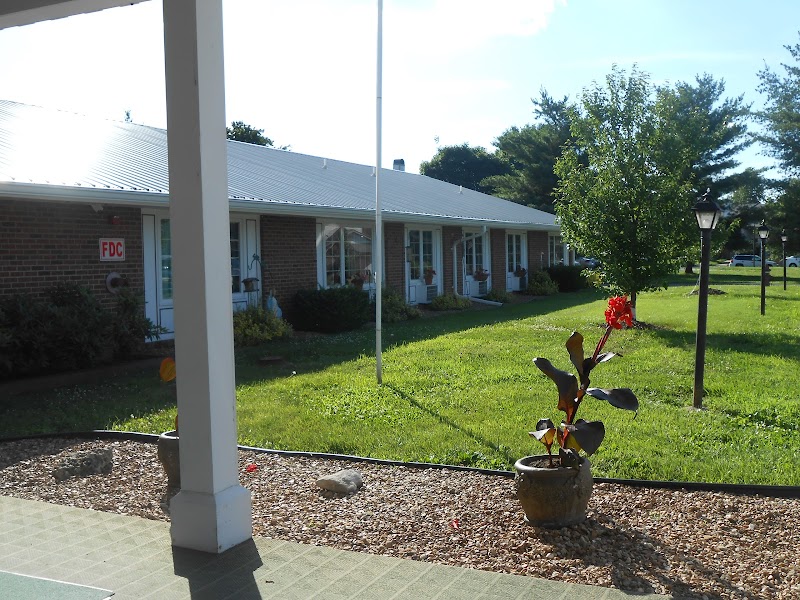
How is St Peters Rehab And Healthcare Center Staffed?

CMS rates ST PETERS REHAB AND HEALTHCARE CENTER's staffing level at 1 out of 5 stars, which is much below average compared to other nursing homes. Staff turnover is 75%, which is 29 percentage points above the Missouri average of 46%. High turnover can affect care consistency as new staff learn residents' individual needs.

What Have Inspectors Found at St Peters Rehab And Healthcare Center?

State health inspectors documented 115 deficiencies at ST PETERS REHAB AND HEALTHCARE CENTER during 2019 to 2025. These included: 2 Immediate Jeopardy (the most serious level, indicating potential for serious harm or death), 8 that caused actual resident harm, 101 with potential for harm, and 4 minor or isolated issues. Immediate Jeopardy findings are rare and represent the most serious regulatory concerns. They require immediate corrective action.
Who Owns and Operates St Peters Rehab And Healthcare Center?

ST PETERS REHAB AND HEALTHCARE CENTER is owned by a for-profit company. For-profit facilities operate as businesses with obligations to shareholders or private owners. The facility is operated by AMA HOLDINGS, a chain that manages multiple nursing homes. With 96 certified beds and approximately 88 residents (about 92% occupancy), it is a smaller facility located in SAINT PETERS, Missouri.
How Does St Peters Rehab And Healthcare Center Compare to Other Missouri Nursing Homes?

Compared to the 100 nursing homes in Missouri, ST PETERS REHAB AND HEALTHCARE CENTER's overall rating (1 stars) is below the state average of 2.5, staff turnover (75%) is significantly higher than the state average of 46%, and health inspection rating (1 stars) is much below the national benchmark.

What Should Families Ask When Visiting St Peters Rehab And Healthcare Center?

Based on this facility's data, families visiting should ask: "What changes have been made since the serious inspection findings, and how are you preventing similar issues?" "What safeguards and monitoring systems are in place to protect residents from abuse or neglect?" "How do you ensure continuity of care given staff turnover, and what is your staff retention strategy?" "Can you walk me through typical staffing levels on day, evening, and night shifts?" These questions are particularly relevant given the facility's Immediate Jeopardy citations, the substantiated abuse finding on record, the facility's high staff turnover rate, and the below-average staffing rating.

Is St Peters Rehab And Healthcare Center Safe?

Based on CMS inspection data, ST PETERS REHAB AND HEALTHCARE CENTER has documented safety concerns. The facility has 1 substantiated abuse finding (meaning confirmed case of resident harm by staff or other residents). Inspectors have issued 2 Immediate Jeopardy citations (the most serious violation level indicating risk of serious injury or death). The facility is currently on the Special Focus Facility watch list (a federal program monitoring the lowest-performing 1% of nursing homes nationwide). The facility has a 1-star overall rating and ranks #100 of 100 nursing homes in Missouri. Families considering this facility should ask detailed questions about what corrective actions have been taken since these incidents.

Do Nurses at St Peters Rehab And Healthcare Center Stick Around?

Staff turnover at ST PETERS REHAB AND HEALTHCARE CENTER is high. At 75%, the facility is 29 percentage points above the Missouri average of 46%. High turnover means new staff may not know residents' individual needs, medications, or preferences. It can also be disorienting for residents, especially those with dementia who rely on familiar faces. Families should ask: What is causing the turnover? What retention programs are in place? How do you ensure care continuity during staff transitions?

Was St Peters Rehab And Healthcare Center Ever Fined?

ST PETERS REHAB AND HEALTHCARE CENTER has been fined $194,699 across 4 penalty actions. This is 5.6x the Missouri average of $35,026. Fines at this level are uncommon and typically indicate a pattern of serious deficiencies, repeated violations, or failure to correct problems promptly. CMS reserves penalties of this magnitude for facilities that pose significant, documented risk to resident health or safety. Families should request specific documentation of what issues led to these fines and what systemic changes have been implemented.

Is St Peters Rehab And Healthcare Center on Any Federal Watch List?

ST PETERS REHAB AND HEALTHCARE CENTER is currently an SFF Candidate, meaning CMS has identified it as potentially qualifying for the Special Focus Facility watch list. SFF Candidates have a history of serious deficiencies but haven't yet reached the threshold for full SFF designation. The facility is being monitored more closely — if problems continue, it may be added to the official watch list. Families should ask what the facility is doing to address the issues that led to this status.