RIVERVIEW AT THE PARK CARE AND REHABILITATION CENT
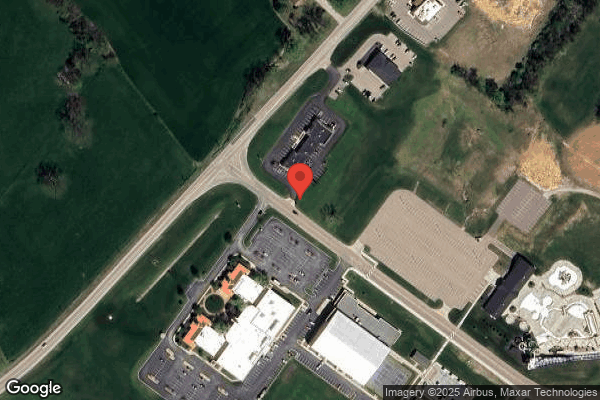
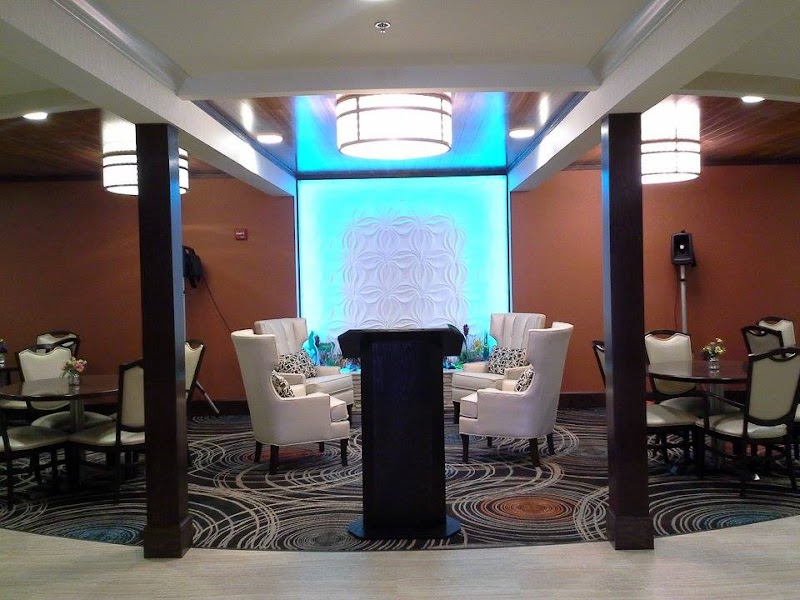
1100 PROGRESS PARKWAY, SAINTE GENEVIEVE, MO 63670 (573) 883-3454
For profit - Individual 120 Beds SHAFIQ MALIK Data: November 2025
Trust Grade
50/100
#293 of 479 in MO
Last Inspection: July 2024

Within standard 12-15 month inspection cycle. Federal law requires annual inspections.

Overview

Riverview at the Park Care and Rehabilitation Center has a Trust Grade of C, which means it is average and ranks in the middle of the pack among nursing homes. It is ranked #293 out of 479 facilities in Missouri, placing it in the bottom half, and #2 out of 2 in Ste. Genevieve County, indicating that only one local option is better. The facility's situation is improving, as the number of issues reported decreased from 12 in 2023 to 6 in 2024. Staffing is a significant concern here, with a low rating of 1 out of 5 stars and a turnover rate of 53%, which is high compared to the Missouri average of 57%. While there have been no fines reported, which is a positive aspect, RN coverage is below average, with less RN presence than 80% of facilities in the state, raising concerns about adequate oversight. Specific incidents noted by inspectors include a failure to implement an effective infection control program related to Legionella, which could pose serious health risks to residents, and an ineffective pest control program that affected several residents. Additionally, the facility did not obtain proper physician orders for bed rails for some residents, which could lead to dangerous entrapment situations. Overall, while there are strengths in the lack of fines and some improvement in issues, families should weigh these against staffing concerns and specific health and safety incidents.

Trust Score
C
50/100
In Missouri
#293/479
Bottom 39%
Safety Record
Low Risk
No red flags
Inspections
Getting Better
12 → 6 violations
Staff Stability
⚠ Watch
53% turnover. Above average. Higher turnover means staff may not know residents' routines.
Penalties
✓ Good
No fines on record. Clean compliance history, better than most Missouri facilities.
Skilled Nurses
⚠ Watch
Each resident gets only 14 minutes of Registered Nurse (RN) attention daily — below average for Missouri. Fewer RN minutes means fewer trained eyes watching for problems.
Violations
⚠ Watch
22 deficiencies on record. Higher than average. Multiple issues found across inspections.
★★☆☆☆
2.0
Overall Rating
★☆☆☆☆
1.0
Staff Levels
★☆☆☆☆
1.0
Care Quality
★★★★☆
4.0
Inspection Score
Stable
2023: 12 issues
2024: 6 issues

The Good

  • Full Sprinkler Coverage · Fire safety systems throughout facility
  • No fines on record

Facility shows strength in fire safety.

The Bad

2-Star Overall Rating

Near Missouri average (2.5)

Below average - review inspection findings carefully

Staff Turnover: 53%

Near Missouri avg (46%)

Higher turnover may affect care consistency

Chain: SHAFIQ MALIK

Part of a multi-facility chain

Ask about local staffing decisions and management

The Ugly 22 deficiencies on record

Jul 2024 6 deficiencies
CONCERN (D) 📢 Someone Reported This

A family member, employee, or ombudsman was alarmed enough to file a formal complaint

Potential for Harm - no one hurt, but risky conditions existed

Safe Environment (Tag F0584)

Could have caused harm · This affected 1 resident

**NOTE- TERMS IN BRACKETS HAVE BEEN EDITED TO PROTECT CONFIDENTIALITY** Based on observation, interview, and record review, the facility failed to provide a safe, clean, comfortable, and homelike envi...

Read full inspector narrative →
**NOTE- TERMS IN BRACKETS HAVE BEEN EDITED TO PROTECT CONFIDENTIALITY** Based on observation, interview, and record review, the facility failed to provide a safe, clean, comfortable, and homelike environment. This deficient practice affected four residents (Residents #3, #13, #66, and #201) out of 20 sampled residents and four residents (Residents #23, #27, #87, and #251) outside the sample, and had the potential to affect all residents in the facility. The facility's census was 99. Review of the facility's policy titled, Work Orders, Maintenance, revised April 2010, showed: - Maintenance work orders shall be completed in order to establish a priority of maintenance service; - In order to establish a priority of maintenance service, work orders must be filled out and forwarded to the maintenance director; - It shall be the responsibility of the department directors to fill out and forward such work orders to the maintenance director; - A supply of work orders is maintained at each nurses' station; - Work order requests should be placed in the appropriate file basket at the nurses' station. Work orders are picked up daily; - Emergency requests will be given priority in making necessary repairs. 1. Observation of Resident #201's bed showed: - On 07/21/24 at 2:50 P.M., the fitted sheet with approximately 3 inch by 4 inch gray-colored stain in right lower quadrant and approximately five inch round hole on bottom right corner; - On 07/22/24 at 8:49 A.M., the resident lay in bed with the same fitted sheet with approximately 3 inch by 4 inch gray-colored stain in right lower quadrant and approximately five inch round hole on bottom right corner; - On 07/22/24 at 10:29 A.M., the resident lay in bed with the same fitted sheet with approximately 3 inch by 4 inch gray-colored stain in right lower quadrant and approximately five inch round hole on bottom right corner; - On 07/23/24 at 9:57 A.M., the resident lay in bed with the same fitted sheet with approximately 3 inch by 4 inch gray-colored stain and approximately five inch round hole on bottom right corner; - On 07/23/24 at 11:22 A.M., the resident lay in bed with the same fitted sheet with approximately 3 inch by 4 inch gray-colored stain and approximately five inch round hole on bottom right corner; - On 07/24/24 at 8:15 A.M., the resident lay in bed with the same fitted sheet with approximately 3 inch by 4 inch gray-colored stain and approximately five inch round hole on bottom right corner. 2. Observation on 07/21/24 at 3:14 P.M. showed Resident #13's bedsheets with multiple tiny holes. 3. Observation on 07/21/24 at 3:40 P.M. showed Resident #66's wheelchair arms cracked and missing pieces of the vinyl covering. 4. Observation on 07/21/24 at 4:20 P.M. showed Resident #27's bedsheets with multiple tiny holes. 5. Observation on 07/21/24 at 4:42 P.M. showed Resident #23's bed sheets with multiple tiny holes. 6. Observation on 07/22/24 at 8:48 A.M. of room [ROOM NUMBER] showed: - The door would not latch and stayed closed all the way unless the door handle was lifted up; - Four holes located next to the closet mid way up the wall; - Black scuffs along the left wall of the room next to bed A; - Black scuff along the right wall at the room's entrance. During an interview on 07/22/24 at 8:50 A.M., Residents #3 and #87 said they were not happy with the condition of room [ROOM NUMBER]. They said they had reported the door not latching three weeks prior and it still had not been fixed. They said they did not like the scuff marks and holes in the wall and would like the issues corrected. 7. Observation of room [ROOM NUMBER] on 07/24/24 at 8:50 A.M. showed thin, tattered sheets on the bed, two screw-sized holes in the wall behind the T.V., and the vinyl peeling and cracking off the recliner's headrest. 8. Observation of room [ROOM NUMBER] on 07/24/24 at 9:06 A.M. showed the toilet paper holder broken off of the wall on the left side with the toilet paper sitting on top of the grab bar and an approximately one square foot area of a clear-colored liquid on the floor in front of the toilet. 9. Observation on 07/24/24 at 10:45 A.M. showed: - Thresholds missing from flooring transitions at the start of each hallway throughout the facility; - Thresholds missing to the entrance of Rooms 111, 112, 114, 115, 117, 201, 202, 203, 204, 205, 206, 207, 209, 212, 214, 215, 216, 217, 218, 308, 409, 411, 412, 415, 414, and 418. 10. Observation on 07/24/24 at 10:50 A.M. showed: - The front vents of the air conditioner units missing from the units in Rooms 109, 110, 112, 201, 203, 205, 207, 208 209, 212, 214, 215, 216, and 218. 11. Observation on 07/24/24 at 12:18 P.M. showed Resident #251's wheelchair arms cracked and missing pieces of the vinyl covering. During an interview on 07/24/24 at 11:01 A.M., Laundry Aide L said the sheets are thin and have holes in them because they are very old. He/She does not know if management is aware of how bad some of the sheets are. He/She reports things like this to his/her supervisor, but does not know what happens once things are reported. During an interview on 07/24/24 at 2:43 P.M., Certified Nurse Aide (CNA) M said if he/she sees something in the building that needs fixed or notices an issue with pests, he/she will notify the nurse or maintenance. During an interview on 07/24/24 at 2:50 P.M., Licensed Practical Nurse (LPN) N said he/she will call the maintenance director if he/she sees something in the building that needs fixed or sees pests somewhere. Maintenance will typically come right away to fix something, and if it's something they can't get to right then, he/she will complete a maintenance slip. During an interview on 07/24/24 at 3:00 P.M., the Maintenance Director said staff typically call, text or page him overhead if they have something that needs attention and he will fix whatever needs fixed right then. Otherwise he does things by priority, such as a water leak would take priority. Most requests are a quick turnaround time. There are also slips staff can complete to request something to be fixed. During an interview on 07/24/24 at 6:30 P.M., the Administrator, Director of Nursing, and Assistant Director of Nursing said they would expect thresholds to be in place between rooms, walls to be free from holes, scratches and marks, and wheelchair arms to be free of rips, cracks, sheets to be in good condition and for resident room doors to close/latch properly. Complaint #MO00238791
CONCERN (D)

Potential for Harm - no one hurt, but risky conditions existed

Abuse Prevention Policies (Tag F0607)

Could have caused harm · This affected 1 resident

Based on interview and record review, the facility failed to ensure that Nurse Aide (NA) Registry checks were completed prior to the employment start date of four employees out of a sample of ten empl...

Read full inspector narrative →
Based on interview and record review, the facility failed to ensure that Nurse Aide (NA) Registry checks were completed prior to the employment start date of four employees out of a sample of ten employees and failed to ensure their policy addressed checking the NA Registry for all employees prior to employment. The facility also failed to follow their policy to ensure the Criminal Background Check (CBC), Employee Disqualification List (EDL) or Family Care Safety Registry (FCSR) were completed prior to the employment date of one employee out of a sample of ten employees. The facility's census was 99. Review of the facility's policy, Background Screening Investigations, revised March 2019, showed: - The director of personnel, or designee, conducts background checks, reference checks and criminal conviction checks (including fingerprinting as may be required by state law) on all potential direct access employees and contractors; - Background and criminal checks are initiated within two days of an offer of employment or contract agreement and completed prior to employment; - For any individual applying for a position as a certified nursing assistant (CNA), the state nurse aide registry is contacted to determine if any findings of abuse, neglect, mistreatment of individuals, and /or theft of property have been entered into the applicant's file; - For any licensed professional applying for a position that may involve direct contact with residents, his/her respective licensing board is contacted to determine if any sanctions have been assessed against the applicant's license; - The policy did not address checking the nurse aide registry for employees other than CNAs. Review of the facility's Nurse Aide Registry Verification Policy, revised August 2022, showed: - Certified nurse aide licenses shall be verified through the state registry of nurse aides before individuals may serve as nurse aides or nursing assistants. 1. Review of Licensed Practical Nurse (LPN) C's personnel file showed: - Hire date of 08/08/23; - The facility failed to check the NA Registry for LPN C. 2. Review of Registered Nurse (RN) D's personnel file showed: - Hire date of 12/21/23; - Family Care Safety Registry (FCSR) letter for RN D dated 05/03/24. 3. Review of Dietary Staff E's personnel file showed: - Hire date of 03/20/24; - NA Registry check for Dietary Staff E dated 04/11/24. 4. Review of LPN F's personnel file showed: - Hire date of 04/02/24; - The facility failed to check the NA Registry for LPN F. 5. Review of LPN G's personnel file showed: - Hire date of 10/27/23; - The facility failed to check the NA Registry for LPN G. During an interview on 07/24/24 at 6:00 P.M., the Administrator and Director of Nursing said they would expect the NA Registry to be run on new hires and background checks to be completed.
CONCERN (D)

Potential for Harm - no one hurt, but risky conditions existed

Transfer Notice (Tag F0623)

Could have caused harm · This affected 1 resident

**NOTE- TERMS IN BRACKETS HAVE BEEN EDITED TO PROTECT CONFIDENTIALITY** Based on interview and record review, the facility failed to notify the resident and/or the resident's representative in writin...

Read full inspector narrative →
**NOTE- TERMS IN BRACKETS HAVE BEEN EDITED TO PROTECT CONFIDENTIALITY** Based on interview and record review, the facility failed to notify the resident and/or the resident's representative in writing of a transfer to hospital, including the reason for transfer, and failed to notify the Office of the State Long-Term Care Ombudsman for four residents (Resident #7, #66, #71, and #201) out of 20 sampled residents and two residents (Resident #41 and #43) outside the sample. The facility's census was 99. Review of the facility's policy, Discharging the Resident, revised December 2016, showed: - The resident should be consulted about the discharge; - If the resident is being discharged to a hospital or another facility, ensure that a transfer summary is completed and telephone report is called to the receiving facility; - The policy does not address notifying the resident and/or representative in writing or notifying the ombudsman. 1. Review of Resident #7's medical record showed: - Transferred to the hospital on [DATE], and readmitted to the facility on [DATE]; - Transferred to the hospital on [DATE], and readmitted to the facility on [DATE]; - Transferred to the hospital on [DATE], and readmitted to the facility on [DATE]; - No documentation that the resident or resident's responsible party had been notified in writing; - No documentation of transfer/discharge notice given to the Ombudsman. 2. Review of Resident #41's medical record showed: - Transferred to the hospital on [DATE], and readmitted to the facility on [DATE]; - No documentation that the resident or resident's responsible party had been notified in writing; - No documentation of transfer/discharge notice given to the Ombudsman. 3. Review of Resident #43's medical record showed: - Transferred to the hospital on [DATE], and readmitted to the facility on [DATE]; - No documentation that the resident or resident's responsible party had been notified in writing; - No documentation of transfer/discharge notice given to the Ombudsman. 4. Review of Resident #66's medical record showed: - Transferred to the hospital on [DATE], and readmitted to the facility on [DATE]; - Transferred to the hospital on [DATE] and readmitted to the facility on [DATE]; - No documentation that the resident or resident's responsible party had been notified in writing; - No documentation of transfer/discharge notice given to the Ombudsman. 5. Review of Resident #71's medical record showed: - Transferred to the hospital on [DATE], and readmitted to the facility on [DATE]; - No documentation that the resident or resident's responsible party had been notified in writing; - No documentation of transfer/discharge notice given to the Ombudsman. 6. Review of Resident #201's medical record showed: - Transferred to the hospital on [DATE], and readmitted to the facility on [DATE]; - No documentation that the resident or resident's responsible party had been notified in writing; - No documentation of transfer/discharge notice given to the Ombudsman. During an interview on 07/24/24 at 1:30 P.M., the Administrator said they have not been sending the transfer/discharge logs to the ombudsman at all this year. The last month they were sent was December 2023, but she was unable to provide email proof to show they were sent. During an interview on 07/24/24 at 6:28 P.M., the Director of Nursing said they cannot produce transfer notices for the residents in question. During an interview on 07/24/24 at 6:30 P.M., the Administrator, Director of Nursing, and Assistant Director of Nursing said they would expect residents or their representatives to be notified in writing when residents are transferred or discharged and would expect the ombudsman to be notified as well.
CONCERN (D)

Potential for Harm - no one hurt, but risky conditions existed

Deficiency F0625 (Tag F0625)

Could have caused harm · This affected 1 resident

**NOTE- TERMS IN BRACKETS HAVE BEEN EDITED TO PROTECT CONFIDENTIALITY** Based on interview and record review, the facility failed to inform the resident and/or resident's representative, in writing, o...

Read full inspector narrative →
**NOTE- TERMS IN BRACKETS HAVE BEEN EDITED TO PROTECT CONFIDENTIALITY** Based on interview and record review, the facility failed to inform the resident and/or resident's representative, in writing, of the facility's bed hold policy at the time of transfer to the hospital for three residents (Resident #7, #66, and #201) out of 20 sampled residents. The facility's census was 99. Review of the facility's policy, Bed Holds and Returns, revised October 2022, showed: - Residents and/or representatives are informed (in writing) of the facility and state (if applicable) bed hold policies; - All residents/representatives are provided written information regarding the facility and state bed-hold policies, which address holding or reserving a resident's bed during periods of absence (hospitalization or therapeutic leave). Residents, regardless of payer source, are provided written notice about these policies at least twice: well in advance of any transfer (e.g., in the admission packet) and at the time of transfer (or, if the transfer was an emergency, within 24 hours). 1. Review of Resident #7's medical record showed: - Transferred to the hospital on [DATE], and readmitted to the facility on [DATE]; - Transferred to the hospital on [DATE], and readmitted to the facility on [DATE]; - Transferred to the hospital on [DATE], and readmitted to the facility on [DATE]; - No documentation the Resident or Resident's Representative was informed in writing of the facility's bed hold policy at the time of transfer. 2. Review of Resident #66's medical record showed: - Transferred to the hospital on [DATE], and readmitted to the facility on [DATE]; - Transferred to the hospital on [DATE] and readmitted to the facility on [DATE]; - No documentation the Resident or Resident's Representative was informed in writing of the facility's bed hold policy at the time of transfer. 3. Review of Resident #201's medical record showed: - Transferred to the hospital on [DATE] and readmitted to the facility on [DATE]; - No documentation the Resident or Resident's Representative was informed in writing of the facility's bed hold policy at the time of transfer. During an interview on 07/24/24 at 6:30 P.M., the Administrator, Director of Nursing, and Assistant Director of Nursing said they would expect residents discharging to the hospital to be notified of the bed hold policy in writing per the regulation.
CONCERN (D)

Potential for Harm - no one hurt, but risky conditions existed

Deficiency F0728 (Tag F0728)

Could have caused harm · This affected 1 resident

Based on interview and record review, the facility failed to ensure three nurse aides (NAs) completed a nurse aide training program within four months of his/her employment at the facility. The facili...

Read full inspector narrative →
Based on interview and record review, the facility failed to ensure three nurse aides (NAs) completed a nurse aide training program within four months of his/her employment at the facility. The facility's census was 99. Review of the facility's policy, Nurse Aide Qualification and Training Requirements, revised August 2022, showed: -The facility will not employ any individual as a nurse aide for more than four months full-time, temporary, per diem, or otherwise unless: that individual is competent to provide designated nursing care and nursing related services; and that individual has completed a training program and competency evaluation program, or a competency evaluation program approved by the state; or that individual has been deemed competent as provided in ss483.150 9 (a) and (b) of the requirements of participation; -Nursing Assistants failing to successfully compete the required training program within the first four months of their date of employment may be terminated from employment or may be reassigned to non-nursing related services. 1. Review of NA I's personnel file showed: - A hire date of 01/06/24; - NA I had completed the nurse aide program, but had not taken the test; - The facility failed to ensure the completion of the program within four months of hire date. 2. Review of NA K's personnel file showed: - A hire date of 04/01/24; - NA K had been attending the nurse aide program; - The facility failed to ensure the completion of the program within four months of hire date. 3. Review of NA P's personnel file showed: - A hire date of 04/01/24; - NA P had been attending the nurse aide program; - The facility failed to ensure the completion of the program within four months of hire date. During an interview on 07/24/24 at 1:45 P.M., the Administrator said their Certified Nursing Assistant (CNA) instructor resigned on 06/26/24 to take another position. The corporate office is actively interviewing and has made an offer for employment, and they are awaiting a response from the candidate for the instructor position. During an interview on 07/24/24 at 6:30 P.M., the Administrator and Director of Nursing said they would expect NAs to be certified within four months of hire. During an interview on 07/31/24 at 12:24 P.M., the Administrator said two NAs are currently enrolled in CNA classes; NA K and NA P. NA K had not completed classes due to being in and out related to medical issues and NA P had not completed classes due to the facility not currently having an instructor. During an interview on 07/31/24 at 3:11 P.M., the Administrator said anyone who is in the nurse aide program and had not completed the nurse aide program within four months would be offered another position in a non-nursing department, such as laundry, housekeeping, or dietary.
CONCERN (E) 📢 Someone Reported This

A family member, employee, or ombudsman was alarmed enough to file a formal complaint

Potential for Harm - no one hurt, but risky conditions existed

Deficiency F0925 (Tag F0925)

Could have caused harm · This affected multiple residents

Based on observation and interview, the facility failed to maintain an effective pest control program. This practice affected five residents (Resident #13, #26, #51, #71, and #201) out of 20 sampled r...

Read full inspector narrative →
Based on observation and interview, the facility failed to maintain an effective pest control program. This practice affected five residents (Resident #13, #26, #51, #71, and #201) out of 20 sampled residents and seven residents (Resident #17, #28, #41, #54, #61, #85 and #86) outside the sample, and had the potential to affect all residents in the facility. The facility's census was 99. Review of the facility's policy, Pest Control, revised May 2018, showed: - Our facility shall maintain an effective pest control program; - This facility maintains an ongoing pest control program to ensure that the building is kept free of insects and rodents; - Pest control services are provided by Van Pest; - Only approved Food and Drug Administration (FDA) and Environmental Protection Agency (EPA) insecticides (a substance used for killing insects) and rodenticides (a substance used for killing rodents) are permitted in the facility and all such supplies are stored in areas away from food storage areas. Windows are screened at all times; - Garbage and trash are not permitted to accumulate and are removed from the facility daily; - Maintenance services assist, when appropriate and necessary, in providing pest control services. 1. Observations of Resident #85 showed: - On 07/21/24 at 2:50 P.M., the resident with a fly buzzing around his/her face and two flies on a stain on the roommate's sheet; - On 07/24/24 at 10:48 A.M., the resident lay in bed with a fly crawling on his/her head. During an interview on 07/21/24 at 2:50 P.M., Resident #85 said there is a fly problem. 2. Observation on 07/21/24 at 3:08 P.M. showed Resident #13 in bed with his/her eyes closed. Five ants were observed climbing on top of the bedside table/dresser which contained a package of peanut butter crackers, a canister of cereal, a 20 ounce bottle of soda pop, and a nebulizer (a drug delivery device used to administer medication in the form of a mist inhaled into the lungs). One fly was on the divider curtain. 3. Observation on 07/21/24 at 3:13 P.M. showed three flies buzzing around Resident #17. During an interview on 07/21/24 at 3:13 P.M., Resident #17 said the flies are bad. 4. Observation on 07/21/24 at 3:29 P.M. showed a fly buzzing around Resident #71. 5. Observation on 07/21/24 at 3:41 P.M. showed Resident #51 lay in bed with eyes closed with a fly buzzing around the room. During an interview on 07/21/24 at 3:41 P.M., Resident #51's roommate, Resident #54, said he/she keeps the door closed to keep the flies out. He/She has to look out for Resident #51 because Resident #51 is bedbound. 6. Observation on 07/21/24 at 5:36 P.M. showed Resident #41 sat in a wheelchair with two flies on his/her hand and shirt. 7. Observation on 07/21/24 at 4:00 P.M. showed one fly continued to buzz and land on Resident #28's face. During an interview on 07/21/24 at 5:36 P.M., Resident #28 said the flies are bad. He/She is a quadriplegic (loss of movement and sensation in all four limbs and, sometimes, parts of the chest, abdomen, and back), so he/she is unable to shoo flies off of himself/herself. 8. Observation on 07/22/24 at 8:49 A.M. showed Resident #201 lay in bed with eyes closed with a fly on a used napkin on the bedside table, a fly on the resident's sheet, and a fly buzzing around the room. 9. Observation on 07/22/24 at 9:55 A.M. showed an ant crawled up Resident #86's wall while the resident received morning medications. 10. Observation on 07/24/24 at 9:50 A.M. showed four dead gnats on the top left of Resident #61's sink. During an interview on 07/22/24 at 9:10 A.M., Resident #61 said he/she has ants in his/her room and kills a few every day. They come in from the outside and around the air conditioner unit beside the bay window. He/she has gnats in his/her room and said, they are real bad. 11. Observation on 07/24/24 at 8:50 A.M. showed an ant crawling in Resident #26's window seat in his/her room. During an interview on 07/24/24 at 2:43 P.M., Certified Nurse Aide (CNA) M said if he/she would see something in the building that needs fixed or noticed an issue with pests, he/she would notify the nurse or maintenance. During an interview on 07/24/24 at 2:50 P.M., Licensed Practical Nurse (LPN) N said he/she will call the maintenance director if he/she sees something in the building that needs fixed or sees pests somewhere. Maintenance will typically come right away to fix something. If it's something they can't get to right away, then he/she will complete a maintenance slip. During an interview on 07/24/24 at 3:00 P.M., the Maintenance Supervisor said they have a contract with a pest control company, and they come once a month to treat the facility. If they need them to come more often, they can. There is a folder in their office that staff can list the date and location they saw pests for the pest control company to treat. During an interview on 07/24/24 6:30 P.M., the Administrator, Director of Nursing, and Assistant Director of Nursing said they would expect the facility to be free from pests. Complaint #MO00238791
Jul 2023 12 deficiencies
CONCERN (D)

Potential for Harm - no one hurt, but risky conditions existed

Deficiency F0582 (Tag F0582)

Could have caused harm · This affected 1 resident

Based on interview and record review, the facility failed to issue a Centers for Medicare and Medicaid Services (CMS) Skilled Nursing Facility Advance Beneficiary Notice (SNF ABN: Medicare requires SN...

Read full inspector narrative →
Based on interview and record review, the facility failed to issue a Centers for Medicare and Medicaid Services (CMS) Skilled Nursing Facility Advance Beneficiary Notice (SNF ABN: Medicare requires SNFs to issue a SNF ABN to beneficiaries prior to providing care that Medicare usually covers, but may not pay for because the care is not medically reasonable and necessary or considered custodial) Form 10055 for one resident (Resident #84) out of two sampled residents who remained in the facility when benefits were not exhausted and failed to get the SNF ABN Form 10055 signed no later than two days before covered services ended for two residents (Resident #4 and #84) out of two sampled residents. The facility's census was 94. 1. Review of Resident #4's SNF ABN form showed: - The resident discharged from skilled Medicare services on 06/15/23, and remained in the facility; - The resident received and signed the form on 06/15/23; - The facility failed to provide the SNF ABN form to the resident at least two calendar days before the skilled Medicare services ended. 2. Review of Resident #84's medical record showed: - The resident discharged from skilled Medicare services on 04/11/23, and remained in the facility; - The facility failed to get verbal consent or provide the resident's representative with the SNF ABN form at least two days prior to services ending. During an interview on 07/26/23 at 10:10 A.M., the Administrator said he/she would expect the SNF ABN form to be completed and signed per the regulatory guidelines. During an interview on 07/27/23 at 3:08 P.M. , the Director of Operations said he/she would expect the SNF ABN form to be completed and signed at least two days prior to a resident's discharge from skilled Medicare services. The facility did not provide a policy.
CONCERN (D)

Potential for Harm - no one hurt, but risky conditions existed

Safe Environment (Tag F0584)

Could have caused harm · This affected 1 resident

**NOTE- TERMS IN BRACKETS HAVE BEEN EDITED TO PROTECT CONFIDENTIALITY** Based on observation, interview, and record review, the facility failed to provide a safe, clean, and comfortable homelike envir...

Read full inspector narrative →
**NOTE- TERMS IN BRACKETS HAVE BEEN EDITED TO PROTECT CONFIDENTIALITY** Based on observation, interview, and record review, the facility failed to provide a safe, clean, and comfortable homelike environment. This had the potential to affect all residents. The facility's census was 94. Observation on 07/24/23 between 10:42 A.M. and 03:00 P.M. showed: - A three foot section of cove base pulled away from the wall and lying in the floor between the bathroom and first bed in room [ROOM NUMBER]; - An approximately five-inch piece of cove base pulled away from the wall and lying in floor on the right side of the bathroom door in room [ROOM NUMBER]; - An approximately two and one half foot (ft) long and approximately one inch (in) wide divot in the drywall by the nutrition room window on 300 hall; - An approximately one foot square area of repaired but unfinished and unpainted drywall on the wall between the bathroom and the first bed in room [ROOM NUMBER]; - The 300 hall restroom door missing paint across an approximately two-foot section at the bottom and the unmarked wide door next to the 300 hall bathroom door missing paint across the middle one-third section. Observation on 07/24/23 at 12:45 P. M. showed a black substance around the top of the air vent of the unit in room [ROOM NUMBER]. Observation on 07/24/23 between 01:18 P.M. and 01:21 P.M. showed: - Two white chairs with a green inlay center, noted coming apart on the outside corner of the right chair arms, in the 200 hall common area; - Approximately 2.5 ft x 3 in base board and 11 in x 3 in base board in hall to right of room [ROOM NUMBER] entry. Observation on 07/25/23 between 01:49 P.M. and 02:00 P.M. showed thresholds missing from Rooms 311, 315, 316, 317, 402, 403, 405, 406, 407, 408, and 409, as well as thresholds missing from the transition from carpet to vinyl floor on 300 hall and the transition from carpet to vinyl flooring on 400 hall. Observation on 07/26/23 between 10:09 A.M. and 10:41 A.M. showed: - Approximately 14 in x 2 in section of damaged drywall with a 5 in hole noted, below and to the left of the red outlet to the left of the bed in room [ROOM NUMBER]A; - Approximately 8 in x 4 in section of damaged drywall , left of the bed below and to the left of the red outlet to the left of the bed, with drywall dust noted on baseboard trim and floor in room [ROOM NUMBER]A; - Approximately 6 in x 2 in section of damaged drywall to the left of the bed in room [ROOM NUMBER]A; - Approximately 2.5 ft x 2.5 ft area of damaged dry wall, with discolorations noted, left of the bed against the wall in room [ROOM NUMBER]A; - Approximately 0.5 in x 0.25 in hole in drywall above the outlet right of the air unit, with air unit plugged into outlet, in room [ROOM NUMBER]B; - approximately 8 in x 4 in, area dry wall in disrepair with three other smaller areas of damage noted to wall behind left of headboard in room [ROOM NUMBER]B; - Approximately 4 in x 1 in damaged dry wall to the right of the headboard in room [ROOM NUMBER]B; - Approximately 12 in x 2 in damaged dry wall with hole through the dry wall, right of the headboard in room [ROOM NUMBER]B; - [NAME] colored dust buildup to front and rear grate of standing fan at foot of bed in room [ROOM NUMBER]B, fan in use; - Second vent in ceiling of 300 hall noted with brown ring to three sides of vent, 15 in x 2 in, 11 in x 2 in, and 8 in x 1 in, peeling noted to 11 in x 2 in area; - Approximately 4 in x 2.5 in divot in dry wall on the wall between room [ROOM NUMBER] and 309. During an interview on 07/26/23 at 4:40 P.M., the Maintenance Director said the nurses and housekeeping report any maintenance issues. Maintenance requests are reported by word of mouth. There is not a maintenance log. The requests used to be able to be sent to the maintenance computer but the application does not work. The Maintenance Director said he/she addresses any issues he/she finds when doing weekly and monthly rounds. During an interview on 07/27/23 at 12:36 P.M., Registered Nurse (RN) B said he/she would tell maintenance if there is an observed or reported issue. RN B was not aware of a maintenance log. During an interview on 07/27/23 at 12:47 P.M., Certified Medication Technician (CMT) C and CMT D said if there was a maintenance issue reported to them or observed, then the maintenance director was called or paged overhead. CMT C and CMT D said they were unaware of any maintenance log to report maintenance issues. CMT C and CMT D said maintenance issues were usually reported by word of mouth. During an interview on 07/27/23 at 1:20 P.M., Licensed Practical Nurse (LPN) E said he/she reported directly to maintenance if he/she noticed any facility issues. LPN E was not aware of a maintenance log. During an interview on 07/27/2023 at 03:08 P.M., the Administrator said she would expect resident rooms to have thresholds in place and thresholds in place leading into the common areas and hallway where flooring transitions occur, drywall repaired and painted, and baseboard (cove base) to be affixed to the walls.
CONCERN (D)

Potential for Harm - no one hurt, but risky conditions existed

Assessment Accuracy (Tag F0641)

Could have caused harm · This affected 1 resident

Based on observation, interview and record review, the facility failed to document an accurate Minimum Data Set (MDS- a federally mandated assessment) for two residents (Resident #8 and #83) out of 19...

Read full inspector narrative →
Based on observation, interview and record review, the facility failed to document an accurate Minimum Data Set (MDS- a federally mandated assessment) for two residents (Resident #8 and #83) out of 19 sampled residents. The facility's census was 94. 1. Record review of Resident #8's MDS showed: - A quarterly MDS assessment, dated 04/16/23, oxygen not marked on Section O: Special Treatments and Programs; - An annual MDS assessment, dated 07/17/23, with pneumonia (an infection that inflames the air sacs in one or both lungs) coded on section I2000; oxygen not marked on Section O: Special Treatments and Programs. Review of the resident's Physician Order Sheet (POS), dated 07/26/23, showed: - Oxygen at 2L via nasal cannula (a tube delivering oxygen to a person's nose) while asleep - obtain and record O2 SAT every shift, every day and night shift related to Chronic Obstructive Pulmonary Disease (COPD, a chronic inflammatory lung disease that causes obstructed airflow from the lungs), dated 06/05/23; - Oxygen tubing to be changed weekly and as needed (PRN) in the evening shift every Friday, dated 07/12/23. Observation of Resident #8 showed: - On 07/26/23 at 10:06 A.M., resident lay in bed with eye mask over eyes, O2 at 3.5L/min via nasal cannula, tubing and humidifier dated 7/25/23; - On 07/27/23 at 09:46 A.M., resident lay in bed with eye mask over eyes, O2 at 3.5L/min via nasal cannula, tubing and humidifier dated 7/25/23. During an interview on 7/27/23 at 02:27 P.M., Licensed Practical Nurse (LPN) A, said Resident #8's chart showed the resident had a chest x-ray on 3/2/22, which showed nothing, no pneumonia; LPN A said he/she could not find where the resident had pneumonia, and the chart only showed suspected in March of 2022. He/she said there was no treatment ordered for the resident, and the diagnosis may be an old one they did not remove. During an interview on 7/27/23 at 02:30 P.M., Resident #8 said he/she had a chest x-ray at the facility and his/her lungs were clear, it had been a while back. He/she had went to the hospital, and they said he/she had pneumonia, but it's been a while back, like over a year. 2. Record review of Resident #83's POS, dated 07/27/23, showed: - No current or discontinued orders for a ventilator (a machine that moves air in and out of the lungs). Record review of the resident's MDS showed: - A comprehensive admission MDS assessment, dated 02/21/2023, with ventilator use coded on Section O0100F; - A quarterly MDS assessment, dated 04/24/23, with ventilator use coded on Section O0100F; - A quarterly MDS assessment, dated 07/19/23, with ventilator use coded on Section O0100F. During an interview on 07/27/23 at 12:05 P.M., the MDS Coordinator said Resident #83 has never had a ventilator since he/she has been here. It should not be coded on the MDS. During an interview on 7/27/23 at 03:08 P.M., the Administrator and MDS Coordinator said they would expect a resident's MDS assessment to accurately reflect the current status of the resident and would expect inactive diagnoses to not be coded on the MDS. The facility did not provide a policy, but follows the Resident Assessment Instrument (RAI) manual.
CONCERN (D)

Potential for Harm - no one hurt, but risky conditions existed

Deficiency F0645 (Tag F0645)

Could have caused harm · This affected 1 resident

Based on interview and record review, the facility failed to provide a Level I Preadmission Screening and Resident Review (PASARR, a federally mandated preliminary assessment to determine whether a re...

Read full inspector narrative →
Based on interview and record review, the facility failed to provide a Level I Preadmission Screening and Resident Review (PASARR, a federally mandated preliminary assessment to determine whether a resident may have a mental illness or an intellectual disorder to determine the level of care needed) for three residents (Residents #11, #24, and #35) out of 19 sampled residents. The facility's census was 94. The facility did not provide a policy regarding PASARR. 1. Review of Resident #11's medical record showed: - An admission date of 12/13/22; - Diagnoses of major depressive disorder (long-term loss of pleasure or interest in life), bipolar disorder (mental disorder that causes unusual shifts in mood) and anxiety disorder (persistent worry and fear about everyday situations); - No level I PASARR. 2. Review of Resident #24's medical record showed: - An admission date of 03/21/23; - Diagnoses of major depressive disorder, bipolar disorder, anxiety disorder, and chronic post traumatic stress disorder (mental health condition that is triggered by a terrifying event, either experiencing it or witnessing it); - No level I PASARR. 3. Review of Resident #35's medical record showed: - An admission date of 11/08/19; - Diagnoses of anxiety disorder, major depressive disorder, bipolar disorder, schizoaffective disorder (a combination symptoms of schizophrenia-a disorder that affects one's ability to think, feel and behave clearly) and mood disorder (condition which can involve mania or depression); -No level I PASARR. During an interview on 07/27/23 at 1:42 P.M., the Administrator said he/she has requested the PASARRs for Residents #11, #24 and #35. The Administrator said the three residents should have a PASARR on file, but they are unable to find them. During an interview on 07/27/23 at 3:08 P.M., the Director of Operations said he/she would expect there to be a Level I PASARR for all residents.
CONCERN (D)

Potential for Harm - no one hurt, but risky conditions existed

Comprehensive Care Plan (Tag F0656)

Could have caused harm · This affected 1 resident

Based on observation, interview, and record review, the facility failed to develop and implement care plans for three residents (Residents #8, #13, and #36) out of 19 sampled residents. The facility's...

Read full inspector narrative →
Based on observation, interview, and record review, the facility failed to develop and implement care plans for three residents (Residents #8, #13, and #36) out of 19 sampled residents. The facility's census was 94. Record review of the facility's policy titled Care Planning - Interdisciplinary Team, revised March 2022, showed: - The interdisciplinary team is responsible for the development of resident care plans; - Comprehensive, person-centered care plans are based on resident assessments and developed by an interdisciplinary team; - The IDT includes but is not limited to: the resident's attending physician; a registered nurse with responsibility for the resident; a nursing assistant with responsibility for the resident; a member of the food and nutrition services staff; to the extent practicable, the resident and/or the resident's representative; and other staff as appropriate or necessary to meet the needs of the resident, or as requested by the resident. Record review of the facility's policy titled Care Plans, Comprehensive Person-Centered, revised March 2022, showed: - A comprehensive, person-centered care plan that includes measurable objectives and timetables to meet the resident's physical, psychosocial, and functional needs is developed and implemented for each resident; - The comprehensive, person-centered care plan is developed within seven (7) days of the completion of the required MDS assessment (Admission, Annual or Significant Change in Status), and no more than 21 days after admission; - The care plan interventions are derived from a thorough analysis of the information gathered as part of the comprehensive assessment; - The comprehensive, person-centered care plan: includes measurable objectives and timeframes; describes the services that are to be furnished to attain or maintain the resident's highest practicable physical, mental, and psychosocial well-being; includes the resident's stated goals upon admission and desired outcomes; builds on the resident's strengths; and reflects currently recognized standards of practice for problem areas and conditions; - Care plan interventions are chosen only after data gathering, proper sequencing of events, careful consideration of the relationship between the resident's problem areas and their causes, and relevant clinical decision making; - Assessments of residents are ongoing and care plans are revised as information about the residents and the residents' conditions change. 1. Review of Resident #8's Face Sheet showed: - admission date of 07/10/19; - Diagnoses of generalized anxiety disorder (persistent worry and fear about everyday situations) and chronic obstructive pulmonary disease (COPD, a chronic inflammatory lung disease that causes obstructed airflow from the lungs). Record review of the resident's Physician Order Sheet (POS) dated 07/26/23, showed: - Oxygen at two liters via nasal cannula (medical device to provide supplemental oxygen therapy) while asleep - obtain and record O2 SAT every shift, every day and night shift related to Chronic Obstructive Pulmonary Disease (COPD, a chronic inflammatory lung disease that causes obstructed airflow from the lungs), dated 06/05/23; - Oxygen tubing to be changed once weekly and as needed (PRN) in the evening every Friday, dated 07/12/23; - Clonazepam (medication for anxiety) one milligram (mg) by mouth two times a day related to generalized anxiety disorder, dated 02/17/23. Review of the resident's care plan, last updated 07/26/23, showed: - No identification of the resident's anxiety disorder, anti-anxiety medications, triggers, or interventions; - No identification of the resident's use of oxygen. Observation of Resident #8 showed: - On 07/24/23 at 11:28 A.M., resident in bed with eyes closed, oxygen concentrator on at four liters via nasal cannula, nasal cannula on pillow beside resident; - On 07/25/23 at 11:31 A.M., resident in bed, head leaned to right side, eye mask over eyes, oxygen concentrator on at four liters via nasal cannula, nasal cannula at neck; - On 07/26/23 at 10:06 A.M., resident lay in bed with eye mask over eyes, oxygen at three and one half liters via nasal cannula in place; - On 07/27/23 at 09:46 A.M., resident lay in bed with eye mask over eyes, oxygen at three and one half liters via nasal cannula in place. 2. Review of Resident #13's Face Sheet showed: - admission date of 06/12/23; - Diagnoses of muscle weakness, reduced mobility, low back pain, pressure ulcer (injuries to skin and underlying tissue resulting from prolonged pressure) of sacral (region between the bottom of the spine and tailbone) region, unspecified, pressure ulcer of buttock, stage two, open wound, right foot, open wound, left foot, congestive heart failure (chronic condition in which the heart doesn't pump blood as well as it should), type II diabetes mellitus (group of diseases that result in too much sugar in the blood), major depressive disorder (mood disorder that causes a persistent feeling of sadness and loss of interest), and Parkinson's disease (disorder of the central nervous system that affects movement, often including tremors). Review of the resident's comprehensive admission MDS assessment (a federally-mandated assessment completed by the facility), dated 06/19/23, showed: - Section V0200A (care area assessments triggered by completion of MDS): delirium, cognitive loss/dementia, communication, urinary incontinence and indwelling catheter, psychosocial well-being, activities, falls, nutritional status, dehydration/fluid maintenance, and pressure ulcer; - Section V0200B (care area assessments triggered by completion of MDS to be addressed in the care plan): cognitive loss/dementia, communication, urinary incontinence and indwelling catheter, activities, falls, nutritional status, and pressure ulcer. Review of the resident's care plan, revised 07/27/23, showed the facility did not develop a care plan within 21 days of admission, in the following areas: - Activities of daily living/weakness; - Falls; - Pain; - Skin breakdown/pressure ulcers; - Activities; - Communication; - Specific diagnoses including congestive heart failure, diabetes mellitus, depression, Parkinson's disease; - Indwelling urinary catheter; - Oxygen use; - Antidepressant use. During an interview on 07/24/23 at 11:27 A.M., the resident said he/she wears two liters of oxygen all of the time. Observation on 07/27/23 at 09:00 A.M. showed the resident lay in bed wearing oxygen at three liters per nasal cannula. 3. Review of Resident #36's face sheet showed: - admission date of 11/04/22; - Diagnoses included unspecified dementia (progressive or persistent loss of intellectual functioning), unspecified severity, with other behavioral disturbance. Review of the resident's POS, dated 07/27/23, showed orders for: - Lexapro (medication for depression) 10 milligrams (mg) one time a day, related to unspecified dementia, with other behavioral disturbance, dated 03/30/23, - Seroquel (antipsychotic medication used to treat schizophrenia, bipolar disorder, and depression) 25 mg by mouth at bedtime for agitation, dated 07/24/23. Review of the resident's progress notes showed: - Physician/Provider visit note, dated 01/04/23 - Depression: started on Lexapro five mg and working well. May need to increase dose soon. Dementia: family very involved. Lives with spouse. Has some sundowning (confusion occurring in the late afternoon and lasting into the night) - symptoms worse in the evenings. Will repeat questions frequently; - Physician/Provider visit note, dated 01/10/23 - Dementia: Lived with spouse. Sundowns every evening, Depression: Seems to be doing well on Lexapro at this time; - Health Status Note, dated 01/12/2023 - New orders received per nurse practitioner to increase Lexapro; - Physician/Provider visit note, dated 07/24/23 - Continues to want to go home. Continues to have anxiety in the evenings. Insomnia: Seroquel has been helping; will increase from 12.5 mg at bedtime to 25 mg at bedtime. Review of the resident's care plan, revised 07/27/23, showed the facility did not develop a plan for the following areas: - The resident's dementia problems, interventions, and goals; - The resident us of psychotropic (a group of medications that affects behavior, mood, thoughts, or perception and includes antidepressants, anti-anxiety medications, and antipsychotics) medication. During an interview on 07/27/23 at 03:08 P.M., the Administrator, Director of Nursing, and MDS Coordinator said they would expect the care plan to accurately reflect the resident's current status and to be individualized.
CONCERN (D)

Potential for Harm - no one hurt, but risky conditions existed

Respiratory Care (Tag F0695)

Could have caused harm · This affected 1 resident

Based on observation, interview, and record review, the facility failed to follow physician's orders for supplemental oxygen therapy for two residents (Residents #8 and #83) out of 19 sampled resident...

Read full inspector narrative →
Based on observation, interview, and record review, the facility failed to follow physician's orders for supplemental oxygen therapy for two residents (Residents #8 and #83) out of 19 sampled residents, and failed to follow physician's orders for one resident (Resident #83) with a tracheostomy (incision in the windpipe to relieve an obstruction to breathing) out of 19 sampled residents. The facility's census was 94. Record review of the facility's policy titled, Oxygen Administration, revised October 2010, showed: - Verify that there is a physician's order for this procedure. Review the physician's orders or facility protocol for oxygen administration; - Review the resident's care plan to assess for any special needs of the resident. 1. Review of Resident #8's medical record face sheet, dated 07/26/23, showed: - Diagnosis of chronic obstructive pulmonary disease (COPD, a chronic inflammatory lung disease that causes obstructed airflow from the lungs), dated 07/11/2019. Review of the resident's Physician's Order Sheet (POS), dated 07/26/23, showed: - Oxygen (O2) at 2 liters/minute (L/min) via nasal cannula while asleep - obtain and record oxygen saturation levels (O2 SAT) every shift, every day and night shift related to COPD, dated 06/05/23; Review of the resident's Medication Administration Record (MAR), dated July 2023, showed O2 SAT not obtained for the night shifts of 07/15/23 and 07/16/23, as per the POS. Observation of Resident #8 showed: - On 07/24/23 at 11:28 A.M., Resident in bed with eyes closed, oxygen concentrator on at 4L/min (POS indicated 2 L/min), nasal cannula laying on pillow, undated tubing, humidifier dated 07/07/23; - On 07/25/23 at 11:31 A.M., Resident in bed, head leaned to right side, eye mask on, nasal cannula at neck, O2 at 4L/min, undated tubing, humidifier dated 07/07/23; - On 07/26/23 at 10:06 A.M., resident in bed, eye mask over eyes, O2 at 3.5L via nasal cannula, tubing and humidifier dated 07/25/23; - On 07/27/23 at 09:46 A.M., Resident in bed with eye mask over eyes, O2 at 3.5L/min via nasal cannula, tubing and humidifier dated 07/25/23. 2. Review of Resident #83's POS, dated 07/27/23, showed: - Diagnoses of acute respiratory failure with hypoxia (condition where there is not enough oxygen in the body's tissues) and tracheostomy status; - An order for Bivona tracheostomy (trach) to be changed once monthly and as needed (PRN) on the 20th every month, dated 02/08/2023; - An order for oxygen at five liters via high humidity trach collar (HHTC) at 28% continuously; - Obtain and record O2 SAT levels every day and night shift, dated 02/08/23; - An order for oxygen and humidification tubing to be changed once weekly and PRN, dated 02/08/23. Review of the resident's MAR, dated June 2023, showed: - O2 SAT not obtained on day shift on 06/25/23; - Bivona tracheostomy tube changed on 06/20/23. Record review of the resident's MAR, dated July 2023, showed: - Oxygen saturation not obtained on night shift on 07/16/23; - Bivona tracheostomy tube not changed on 07/20/23 as ordered with a notation to see progress notes. Record review of the resident's progress notes, dated 07/20/23, showed: - An administration note to change the Bivona trach once a month and PRN on the 20th every month, changed on 06/26/23; - No evidence that the resident's trach was changed on 06/26/23 and no evidence the trach had been changed as ordered in the month of July. Observations of Resident #83 showed: - On 07/24/23 at 12:08 P.M., resident lay in bed with eyes closed wearing oxygen at 6 L via trach; - On 07/25/23 at 09:40 A.M., resident lay in bed with eyes closed wearing oxygen at 6 L via trach; - On 07/26/23 at 09:49 A.M., resident lay in bed with eyes closed wearing oxygen at 6 L via trach; - On 07/26/23 at 02:24 P.M., resident lay in bed wearing oxygen at 6 L via trach; - On 07/27/23 at 09:16 A.M., resident lay in bed wearing oxygen at 6 L via trach. During an interview on 07/26/23 at 02:24 P.M., Registered Nurse (RN) B said Resident #83's oxygen should be set on five liters. During an interview on 08/02/23 at 01:42 PM, the Administrator said she would expect staff to follow physician's orders. The facility did not provide a policy for tracheostomy care.
CONCERN (D)

Potential for Harm - no one hurt, but risky conditions existed

Medication Errors (Tag F0758)

Could have caused harm · This affected 1 resident

Based on observation, interview, and record review, the facility failed to show adequate indication for the use of psychotropic medication for two residents (Residents #36 and #78) out of 19 sampled r...

Read full inspector narrative →
Based on observation, interview, and record review, the facility failed to show adequate indication for the use of psychotropic medication for two residents (Residents #36 and #78) out of 19 sampled residents. The facility's census was 94. The facility did not provide a policy on psychotropic medications. 1. Record review of Resident #36's Physician's Order Sheet (POS), dated 7/27/23, showed: - Diagnosis of unspecified dementia (loss of cognitive ability) with other behavioral disturbance; - An order for Lexapro (antidepressant) five milligrams (mg) once daily, related to unspecified dementia with other behavioral disturbance, dated 12/6/22 and discontinued 01/12/23; - An order for Lexapro 10 mg once daily, related to unspecified dementia with other behavioral disturbance, dated 01/13/23 and discontinued 03/29/23; - An order for Lexapro 10 mg once daily, related to unspecified dementia with other behavioral disturbance, dated 03/31/23. Record review of the resident's progress notes, dated 12/23/22 through 01/22/23, showed: - Physician Note, dated 12/28/22, Lexapro five mg started and working well for depression; - Physician Note, dated 01/04/23, Lexapro five mg and working well for depression. May need to increase dose soon; - Physician Note, dated 01/10/23, the resident seemed to be doing well on Lexapro for depression at this time; - Health Status Note, dated 01/12/23, new orders received nurse practitioner (NP) to increase Lexapro; - Physician Note, dated 01/16/23, depression, paranoia, talked with family that Lexapro can be scaled back if this persists (recently increased from five mg to 10 mg), discussed starting Seroquel (an antipsychotic). - No nursing documentation of the effectiveness of Lexapro or symptoms of depression, behavioral disturbances, or paranoia; - No record of monitoring for side effects of Lexapro. 2. Review of Resident #78's medical record showed: - Diagnoses of schizophrenia (a disorder that affects a person's ability to think, feel, and behave clearly), major depressive disorder (persistent depressed mood or loss of interest), and anxiety (intense, excessive, and persistent worry and fear); - No documentation of specific, targeted behaviors. Record review of the resident's POS, dated July 2023, showed: - An order for Zyprexa (an antipsychotic medication) 2.5 mg twice a day for schizophrenia, dated 02/28/23. Review of the resident's care plan, last updated on 04/17/23, showed: - No antipsychotic medication use with interventions; - No identification of specific, targeted behaviors with interventions; - No monitoring for adverse reactions or side effects of Zyprexa. Observations of the resident showed: - On 7/24/23 at 11:20 A.M., the resident sat quietly in the dining room and ate; - On 7/25/23 at 8:21 A.M., and 1:01 P.M., the resident lay in bed quietly with his/her eyes closed; - On 7/26/23 at 8:06 A.M., and 2:00 P.M., the resident lay in bed quietly with his/her eyes closed. During an interview on 07/27/23 at 3:08 P.M., the Director of Nursing and the Administrator said they would expect residents with psychotropic medications to have their behaviors documented. They would also expect that residents who require psychotropic medications to have an appropriate diagnosis and documentation for psychotropic medications.
CONCERN (D)

Potential for Harm - no one hurt, but risky conditions existed

Deficiency F0761 (Tag F0761)

Could have caused harm · This affected 1 resident

Based on observation, interview, and record review, the facility failed to ensure medications in the facility were not expired in one of three medication storage rooms and one of three medication cart...

Read full inspector narrative →
Based on observation, interview, and record review, the facility failed to ensure medications in the facility were not expired in one of three medication storage rooms and one of three medication carts reviewed. Failure to remove expired medications from circulation increased the likelihood of unintended use and side effects, which had the potential to affect all residents. The facility's census was 94. Review of professional reference from the United States Food and Drug Administration (FDA), Expiration Dates - Questions and Answers last updated 10/24/22, retrieved from https://www.fda.gov/drugs/pharmaceutical-quality-resources/expiration-dates-questions-and-answers, revealed: - 1. Why are expiration dates important for consumers to pay attention to? Drug expiration dates reflect the time period during which the product is known to remain stable, which means it retains its strength, quality, and purity when it is stored according to its labeled storage conditions.; - 4. What potential risks are associated with expired drug? It's important to be aware that there are several potential harms that may occur from taking an expired medicine or one that may have degraded because it was not stored according to the labeled conditions. If a drug has degraded, it might not provide the patient with the intended benefit because it has a lower strength than intended. In addition, when a drug degrades it may yield toxic compounds that could cause consumers to experience unintended side effects. Patients with serious and life-threatening diseases may be particularly vulnerable to potential risks from drugs that have not been stored properly. Review of the facility's policy titled, Discarding and Destroying Medications, showed: - Medications will be disposed of in accordance with federal, state and local regulations governing management of non-hazardous pharmaceuticals, hazardous waste and controlled substances; - Non-controlled and scheduled V (non-hazardous) controlled substances will be disposed of in accordance with state regulations and federal guidelines regarding disposition of non-hazardous medications. Review of the facility's policy titled, Storage of Medications, showed: - The facility stores all drugs and biologicals in a safe, secure and orderly manner; - Medications requiring refrigeration are stored in a refrigerator located in the drug room at the nurses' station or other secured location. Medications are stored separately from food and labeled accordingly. 1. Observation on 07/26/23 at 8:55 A.M., of the 100/200 hall storage room refrigerator showed: - A glass container of a resident's grapefruit juice; - Various frozen foods belonging to residents. Observation on 07/26/23 at 10:30 A.M. of the Central Medication Storage Room showed: - Bacitracin (an antibiotic) ointment 0.9 gram (gm) 40 individual packets, expired 06/2023; - Colace stool softener 100 mg opened bottle, expired 04/2023; - Two unopened bottles of aspirin 325 mg enteric coated, expired 06/2023; - Ocular Vitamins (an eye supplement) unopened bottle, expired 05/2023; - Two unopened bottles of ferrous gluconate (an iron supplement) 240 mg, expired 10/2022; - Five unopened bottles of 2 Cal HN 2.0 (tube feeding formula) supplement 338 milliliters (ml) Ready to Feed (RTF) 5, expired 02/01/23. During an interview on 07/27/23 at 1:23 P.M., Licensed Practical Nurse (LPN) A said he/she would not expect to find expired medications in the medication storage room. The expired medications should have been removed and disposed of. During an interview on 07/27/23 at 3:08 P.M., the Administrator and the Director of Nursing (DON) said they expect medication carts as well as medication rooms to be free from expired medications and supplies, and the medication refrigerators to be free from food.
CONCERN (D)

Potential for Harm - no one hurt, but risky conditions existed

Deficiency F0925 (Tag F0925)

Could have caused harm · This affected 1 resident

Based on observation, interview, and record review, the facility failed to maintain an effective pest control program to control the fly population in the facility. This affected 11 residents (Residen...

Read full inspector narrative →
Based on observation, interview, and record review, the facility failed to maintain an effective pest control program to control the fly population in the facility. This affected 11 residents (Resident #6, #8, #11, #14, #15, #22, #30, #35, #44, #73 and #248 ) out of 19 sampled residents, four residents (Resident #43, #59, #61 & #70) outside the sample and had the potential to affect all residents. The facility's census was 94. 1. Observations of Resident #6 showed: - On 07/25/23 at 11:59 A.M., Resident #6 in bed, three flies observed on resident's bed, then landed on resident's abdomen, then on resident's nose; - On 07/26/23 at 9:56 A.M., Resident #6 in bed, one fly observed on resident's face, another on leg, another fly on resident's face again; - On 07/27/23 at 08:24 A.M., Resident #6 in bed, a fly landed on abdomen. 2. Observations of Resident #8 showed: - On 07/25/23 at 03:26 P.M., resident in bed with eyes open, one fly noted flying around head of bed; - On 07/26/23 at 10:06 A.M., resident in bed with eye mask over eyes, one fly noted flying around resident in bed, landing on covers, eyemask and privacy curtain. During an interview on 07/25/23 at 03:26 P.M., the resident said the flies have been really bad, and they bother him/her when they land on his/her face. 3. Observations of Resident #11 showed: - On 07/24/23 at 11:00 A.M., resident in bed with two flies buzzing around the resident's cup sitting on the bedside table; - On 7/25/23 at 8:49 A.M., resident in bed with eyes closed and two flies buzzing around the resident's window. During an interview on 7/24/23 at 11:00 A.M., the resident said he/she keeps his/her cup covered due to the flies. 4. Observations of Resident #14 showed: - On 7/25/23 at 10:45 A.M., resident in bed with eyes open and two flies buzzing around resident's face; -On 7/26/23 at 2:52 P.M., resident in bed with eyes closed and two flies on resident's arm and one fly buzzing around the resident's window. During an interview on 07/25/23 at 10:45 A.M., the resident said he/she has asked for a sticky fly trap but the administration told him/her that he/she could not have one because the State doesn't allow it. Resident #14 said the flies come in from the 400 hall door when residents go out to smoke. 5. Observation of Resident #15 showed: - On 07/26/23 at 09:58 A.M., resident in recliner in room, two flies noted flying around resident, landing on top of chair by the resident's head, and on the blanket on his/her lap; - On 07/26/23 at 11:04 A.M., resident in recliner in room, one fly noted on a napkin on the bedside table in front of the resident. During an interview on 7/26/23 at 9:58 A.M., the resident said the flies bother him/her. The resident said it's everyday he/she's got the flies. Resident pointed to the fly swatter on the end table on the right side of the recliner and said it's hard to kill them, can't swing it like he/she used to. 6. Observation on 07/25/23 at 01:56 P.M. showed Resident #22 with one fly crawling on his/her dressing on his/her left lower leg and flies on the curtain. 7. Observation on 7/24/23 at 1:23 P.M. showed Resident #30 sat on the side of the bed with a fly swatter attempting to kill two flies buzzing around his/her legs and landing on the resident's wrapped wounds. During an interview on 7/24/23 at 1:23 P.M., the resident said he/she tried to kill as many of the flies as he/she can and believed they came in through the 400 hall door that leads to the smoking area. 8. Observation on 07/25/23 at 11:46 A.M. of Resident #35 showed one fly landed on his/her pillow, then onto the resident's hand and face. Resident unable to swat fly away due to diagnoses. 9. Observation of 200 hall dining room on 07/24/23 from 01:08 P.M. through 01:17 P.M. showed: - Resident #43 sat at a table in the dining area eating lunch meal, two flies on table and plate of food sitting beside the resident; - Resident #44 sat in wheelchair at a table in the dining area, two flies on table top while resident eating, one fly on the lid of open ice cream container, and one fly on open pudding cup; - Resident #59 sat at a table in the dining area, two flies on table surface while resident eating, two flies on white bread slices. 10. Observation on 07/26/23 at 10:56 A.M. showed Resident #61 sat in wheel chair in dining area of 200 hall, drinking from cup of water, one fly noted on table surface near cup of water. 11. Observation on 07/24/23 at 10:48 A.M. showed Resident #70 sat in motorized wheelchair in room with flies crawling on a bandage on his/her right lower leg. 12. Observations of Resident #73 showed: - On 07/25/23 at 11:40 A.M. one fly observed to be buzzing around visitor in room; - On 07/26/23 at 10:10 AM, two flies buzzing around room, landing on bed, bedside table, and then on the resident's leg. During an interview on 07/26/23 at 10:10 A.M., Resident #73 said the flies always land on him/her and he/she could use a fly sticker. 13. Observations of Resident #83 showed: - On 07/25/23 at 01:08 P.M., flies crawling and flying around the resident's room and buzzing the resident's face. Fly paper hanging from ceiling with multiple flies stuck to it. The resident unable to swat them away due to paralysis of upper extremities; - On 07/26/23 at 09:49 A.M., multiple flies on the bedsheet, on the ceiling, and on the wall near the bathroom, and buzzing his/her face; - On 07/27/23 at 09:16 A.M., multiple flies flying in the resident's room. 14. Observation on 07/24/23 at 02:43 P.M. showed Resident #248 with a fly swatter on the bed and flies flying around in the resident's room. During an interview on 07/24/23 at 2:43 P.M., Resident #248 said the flies are bad and he/she woke up the second day he/she was here with flies buzzing in his/her ears. During an interview on 07/26/23 at 4:40 P.M., the Maintenance Director said nursing and housekeeping report any pest issues by word of mouth. There is not a pest control log. Pest control comes to the facility at least monthly and can be called as needed to come in. During an interview on 07/27/23 at 9:09 A.M., Licensed Practical Nurse (LPN) F said he/she wished there was something that could be done about the flies. Although someone comes in to spray the baseboards, he/she feels bad for the residents that can not swat the flies away. During an interview on 07/27/23 at 12:36 P.M., Registered Nurse (RN) B said he/she would tell maintenance if there was a pest issue. RN B was not aware of a pest control log. During an interview on 07/27/23 at 12:47 P.M., Certified Medication Technician (CMT) C and CMT D said if there was a pest issue, the maintenance director was called. CMT C and CMT D said they were unaware of a pest control log. During an interview on 07/27/23 at 1:20 P.M., LPN E said he/she reported directly to maintenance if he/she noticed any facility issues. LPN E was not aware of a pest control log. During an interview on 07/27/23 at 03:08 P.M., the Administrator said she would expect the facility to be free of pests, such as flies. Staff can contact the maintenance director with issues. The Administrator said the facility does not have a pest control log. The facility did not provide a policy.
CONCERN (E)

Potential for Harm - no one hurt, but risky conditions existed

Deficiency F0700 (Tag F0700)

Could have caused harm · This affected multiple residents

**NOTE- TERMS IN BRACKETS HAVE BEEN EDITED TO PROTECT CONFIDENTIALITY** Based on observation, interview, and record review, the facility failed to obtain physician's orders for bed rails and failed to...

Read full inspector narrative →
**NOTE- TERMS IN BRACKETS HAVE BEEN EDITED TO PROTECT CONFIDENTIALITY** Based on observation, interview, and record review, the facility failed to obtain physician's orders for bed rails and failed to care plan specific monitoring and supervision provided during the use of the bed rails, including how needs will be met during use of the bed rails, such as for re-positioning, hydration, meals, use of the bathroom and hygiene for ten residents with side rails (Residents #6, #11, #13, #22, #24, #30, #35, #52, #73, and #248) out of 19 sampled residents. The facility's census was 94. Review of the FDA (Federal Drug Administration) documents entitled, Hospital Bed System Dimensional and Assessment Guidance to Reduce Entrapment dated [DATE] showed 413 people died as a result of entrapment events in the United States. Further review revealed those among the most vulnerable for these entrapment type events are elderly patients and residents, especially those who are frail, confused, restless, or who have uncontrolled body movement. Review of the FDA document entitled, Practice Hospital Bed Safety dated February 2013, showed seven different potential, zones of entrapment. The guidance characterizes the head, neck, and chest as key body parts that are at risk for entrapment. Review of the FDA document entitled, Guide to Bed Safety Rails in Hospitals, Nursing Homes and Home Health Care: The Facts, showed the potential risks of bed rails may include: - Strangling, suffocating, bodily injury or death when patients or part of their body are caught between rails or between the bed rails and mattress; - More serious injuries from falls when patients climb over rails; - Skin bruising, cuts, and scrapes; - Inducing agitated behavior when bed rails are used as a restraint; - Feeling isolated or unnecessarily restricted; - Preventing patients, who are able to get out of bed, from performing routine activities such are going to the bathroom or retrieving something from a closet. 1. Review of Resident #6's quarterly Minimum Data Set (MDS, a federally mandated assessment instrument completed by facility staff), dated [DATE], showed: - Moderately impaired; - Total dependence with bed mobility x 2 staff members; - Physical assist x 2 staff members with transfers; - Diagnoses included cerebral palsy (a congenital disorder of movement, muscle tone or posture caused by abnormal brain development, often before birth), severe obesity due to excess calories and cerebral infarction (stroke). Review of the resident's medical record showed: - No physician order's for side rails; - Side rails not addressed on care plans. Observations of the resident showed: - On [DATE] at 11:53 A.M., Resident #6 laid in bed with quarter side rails up on both sides; - On [DATE] at 9:56 A.M., Resident #6 laid in bed with quarter side rails up on both sides; - On [DATE] at 08:24 A.M., Resident #6 laid in bed with quarter side rails up on both sides. 2. Review of Resident #11's quarterly MDS, dated [DATE], showed: - Cognitively intact; - Limited assistance with bed mobility x 1 staff member; - Supervision with transfers x 1 staff member; - Diagnoses include seizure disorder, anxiety (persistent worry and fear about everyday situations), bipolar disorder (mental disorder that causes unusual shifts in mood), depression (a serious medical illness that negatively affects how you feel, the way you think and how you act) and chronic obstructive pulmonary disease (COPD- a chronic inflammatory lung disease that causes obstructed airflow from the lungs). Review of the resident's medical record showed: - No physician's order for side rails; - Side rails not addressed on care plan. Observations of the resident showed: - On [DATE] at 11:00 A.M., Resident #11 laid in bed with a U-shaped grab bar used for positioning on the right side of the bed. Grab bar on the left side of the bed hung down and did not stay upright when moved to the upright position; - On [DATE] at 8:49 A.M., Resident #11 laid in bed with grab bar on the right side of the bed. Grab bar on the left side of the bed hung down and did not stay upright when moved to the upright position; - On [DATE] at 2:26 P.M., Resident #11 sat on the left side of the bed with grab bar on the right side of the bed. Grab bar on the left side of the bed hung down and did not stay upright when moved it to the upright position; - On [DATE] at 9:47 A.M., Resident laid in bed with grab bar on the right side of the bed. Grab bar on the left side of the bed hung down and did not stay upright when moved to the upright position. During an interview on [DATE] at 11:04 A.M., Resident #11 said he/she used the grab bar to help reposition in bed. Resident said he/she is unsure how long the grab bar on the left side of the bed had been hanging and unable to stay upright, but nursing was aware. Resident said if he/she has an issue with a maintenance problem, he/she notifies nursing staff. Resident said he/she would use the grab bar if it was functioning appropriately and it may have even kept him/her from falling out of bed about a week ago. 3. Review of Resident #13's comprehensive admission MDS assessment, dated [DATE], showed: - Severe cognitive impairment; - Extensive assistance with bed mobility requiring two staff members; - Total dependence with transfers requiring two staff members; - Diagnoses include heart failure (chronic condition in which the heart doesn't pump blood as well as it should), muscle weakness, and reduced mobility. Review of the resident's medical record showed: - No physician's order for side rails; - Side rails not addressed on care plan. Observations of the resident showed: - On [DATE] at 11:27 A.M., resident laid in bed with one side rail on his/her right side in the up position; - On [DATE] at 02:45 P.M., resident utilized side rail on right side to reposition self. 4. Review of Resident #22's quarterly MDS assessment, dated [DATE], showed: - Cognitively intact; - Extensive assistance with bed mobility requiring two staff members; - Total dependence with transfers requiring two staff members; - Diagnoses include heart failure, hypertension (high blood pressure), coronary artery disease (condition that affects the arteries which supply blood to the heart), and COPD. Review of the resident's medical record showed: - No physician's order for side rails; - Side rails not addressed on care plan. Observations of the resident showed: - On [DATE] at 11:55 A.M., resident laid in bed with half rails up on both sides; - On [DATE] at 01:56 P.M., resident laid in bed with half rails up on both sides; - On [DATE] at 10:25 A.M., resident laid in bed with half rails up on both sides. 5. Review of Resident #24's medical record showed: - Impaired cognition; - Limited assistance with bed mobility, x 1 staff member; - Limited assistance with transfers, x 1 staff member; - Diagnoses of heart failure, dementia, anxiety depression, bipolar and post traumatic stress disorder (PTSD- mental health condition triggered by a terrifying event, either experienced or witnessed). Review of the resident's medical record showed: - No physician's order for side rails; - Side rails not addressed on care plan. Observations of the resident showed: - On [DATE] at 1:55 P.M., resident laid in bed with half rails up on both sides; - On [DATE] at 10:56 P.M., resident sat in wheelchair beside his/her bed with half rails up on both sides; - On [DATE] at 4:25 P.M., resident laid in bed with half rails up on both sides. 6. Review of Resident #30's medical record showed: - Cognitively intact; - Limited assistance with bed mobility, x 1 staff member; - Limited assistance with transfers, x 1 staff member; - Diagnoses of heart failure, renal failure, diabetes mellitus, lymphedema of lower extremities (build-up of lymph fluid in the fatty tissues just under the skin), and morbid obesity. Review of the resident's medical record showed: - No physician's order for side rails. Observations of the resident showed: - On [DATE] at 10:55 A.M., resident sat on the edge of the bed with half rails up on both sides; - On [DATE] at 3:20 P.M., resident sat on the edge of the bed with half rails up on both sides; - On [DATE] at 10:36 A.M., resident sat on the edge of the bed with half rails up on both sides. 7. Review of Resident #35's quarterly MDS, dated [DATE], showed: - Cognitively intact; - Total dependent with bed mobility, x 2 staff members; - Total dependent with transfers, x 2 staff members; - Diagnoses of anxiety, bipolar disorder, schizoaffective disorder (a mental health condition that can be a combination of symptoms such as depression or mood disorder) and quadriplegia (inability to control or move muscles from the neck and down). Review of the resident's medical record showed: - No physician's order for side rails; - Side rails not addressed on care plan. Observations of the resident showed: - On [DATE] at 11:46 A.M., resident laid in bed with quarter rails up on both sides; - On [DATE] at 10:00 A.M., resident laid in bed with quarter rails up on both sides; - On [DATE] at 8:20 A.M., resident laid in bed with quarter rails up on both sides. 8. Review of Resident #52's admission MDS, dated [DATE], showed: - Moderately impaired cognition; - Limited assist x 1 staff member for bed mobility; - Limited assist x 1 staff member for transfers; - Diagnoses of Huntington's disease (an inherited condition in which nerve cells in the brain break down over time effecting voluntary movement as well as other areas), dementia and depressive disorder. Review of the resident's medical record showed: - No physician's order for side rails; - Side rails not addressed on care plan. Observations of the resident showed: -On [DATE] at 11:45 A.M., resident laid in bed with quarter rails up on both sides; -On [DATE] at 10:09 A.M., resident laid in bed with quarter rails up on both sides; - On [DATE] at 8:26 A.M., resident laid in bed with quarter rails up on both sides. 9. Review of Resident #73's annual MDS, dated [DATE], showed: - Moderately impaired cognition; - Limited assist x 1 staff member for bed mobility; - Limited assist x 1 staff member for transfers; - Diagnoses of dementia, anxiety and major depressive disorder. Review of the resident's medical record showed: - No physician's order for side rails; - Side rails not addressed on care plan. Observations of the resident showed: - On [DATE] at 11:40 A.M., resident laid in bed with quarter rails up on both sides; - On [DATE] at 10:10 A.M., resident laid in bed with quarter rails up on both sides; - On [DATE] at 8:28 A.M., resident laid in bed with quarter rails up on both sides. 10. Review of Resident #248's medical record showed: - Resident admitted on [DATE] and MDS assessment not yet due; - No physician's order for side rails; - Side rails addressed on baseline care plan. Observation on [DATE] at 09:53 A.M. showed the resident sat on the edge of the bed with half rails up on both sides. During an interview on [DATE] at 4:40 P.M., the Maintenance Director said he/she never assessed the rails for the risk of entrapment as part of a routine maintenance program. The Maintenance Director said the nurses and housekeeping report if there are any loose bed rails. Maintenance requests are reported by word of mouth. There is not a maintenance log. The requests used to be able to be sent to the maintenance computer but the application (app) does not work. During an interview on [DATE] at 12:36 P.M., Registered Nurse (RN) B said the resident should have an order for side rails and it should be added to their care plan. During an interview on [DATE] at 1:20 P.M., Licensed Practical Nurse (LPN) E said he/she would expect a resident to have a physician's order for side rails and the rails should also be addressed on the resident's care plan. During an interview on [DATE] at 3:08 P.M., the Administrator said he/she would expect side rails to have a physician's order. The Administrator said he/she would expect side rails to be on the care plan for monitoring.
CONCERN (E)

Potential for Harm - no one hurt, but risky conditions existed

Deficiency F0909 (Tag F0909)

Could have caused harm · This affected multiple residents

**NOTE- TERMS IN BRACKETS HAVE BEEN EDITED TO PROTECT CONFIDENTIALITY** Based on observation, interview, and record review, facility staff failed to conduct regular inspections of all bed frames, matt...

Read full inspector narrative →
**NOTE- TERMS IN BRACKETS HAVE BEEN EDITED TO PROTECT CONFIDENTIALITY** Based on observation, interview, and record review, facility staff failed to conduct regular inspections of all bed frames, mattresses and side rails as part of a regular maintenance program for ten residents with side rails (Residents #6, #11, #13, #22, #24, #30, #35, #52, #73, and #248) out of 19 sampled residents. The facility's census was 94. Review of the facility's policy titled, Bed Safety and Bed Rails, revised [DATE], showed: - Bed frames, mattresses and bed rails are checked for compatibility and size prior to use; - Maintenance staff routinely inspects all beds and related equipment to identify risks and problems including potential entrapment risks; - Maintenance provides a copy of inspections to the administrator and reports results to the quality assurance committee; - Any worn or malfunctioning bed system components are repaired or replaced using components that meet manufacturer specifications. Review of the FDA (Federal Drug Administration) documents entitled, Hospital Bed System Dimensional and Assessment Guidance to Reduce Entrapment dated [DATE], showed 413 people died as a result of entrapment events in the United States. Further review revealed those among the most vulnerable for these entrapment type events are elderly patients and residents, especially those who are frail, confused, restless, or who have uncontrolled body movement. Review of the FDA document entitled, Practice Hospital Bed Safety dated February 2013, showed seven different potential zones of entrapment. The guidance characterizes the head, neck, and chest as key body parts that are at risk for entrapment. 1. Review of Resident #6's medical record showed: - admitted on [DATE]; - No maintenance assessment for side rails. Observations of the resident showed: - On [DATE] at 11:53 A.M., Resident #6 laid in bed with quarter side rails up on both sides; - On [DATE] at 9:56 A.M., Resident #6 laid in bed with quarter side rails up on both sides; - On [DATE] at 08:24 A.M., Resident #6 laid in bed with quarter side rails up on both sides. 2. Review of Resident #11's medical record showed: - admitted on [DATE]; -No maintenance inspection for side rails. Observations of the resident showed: - On [DATE] at 11:00 A.M., Resident #11 laid in bed with U-shaped grab bar used for positioning on the right side of the bed. Grab bar on the left side of the bed hung down and did not stay upright when moved to the upright position; - On [DATE] at 8:49 A.M., Resident #11 laid in bed with grab bar on the right side of the bed. Grab bar on the left side of the bed hung down and did not stay upright when moved to the upright position; - On [DATE] at 2:26 P.M., Resident #11 sat on the left side of the bed with grab bar on the right side of the bed. Grab bar on the left side of the bed hung down and did not stay upright when moved it to the upright position; - On [DATE] at 9:47 A.M., Resident #11 laid in bed with grab bar on the right side of the bed. Grab bar on the left side of the bed hung down and did not stay upright when moved to the upright position. During an interview on [DATE] at 11:04 A.M., Resident #11 said he/she used the grab bar to help reposition in bed. The resident said he/she is unsure how long the grab bar on the left side of the bed had been hanging and unable to stay upright, but nursing was aware. The resident said if he/she has an issue with a maintenance problem, he/she notifies nursing staff. The resident said he/she would use the grab bar if it was functioning appropriately and it may have even kept him/her from falling out of bed about a week ago. 3. Review of Resident #13's medical record showed: - admitted on [DATE]; - No maintenance inspection for side rail. Observations of the resident showed: - On [DATE] at 11:27 A.M., resident laid in bed with one side rail on his/her right side in the up position; - On [DATE] at 02:45 P.M., resident utilized side rail on right side to reposition self. 4. Review of Resident #22's medical record showed: - admitted on [DATE]; - No maintenance inspection for side rails. Observations of the resident showed: - On [DATE] at 11:55 A.M., resident laid in bed with half rails up on both sides; - On [DATE] at 01:56 P.M., resident laid in bed with half rails up on both sides; - On [DATE] at 10:25 A.M., resident laid in bed with half rails up on both sides. 5. Review of Resident #24's medical record showed: - admitted on [DATE]; - No maintenance inspection for side rails. Observations of the resident showed: - On [DATE] at 1:55 P.M., resident laid in bed with half rails up on both sides; - On [DATE] at 10:56 P.M., resident sat in wheelchair beside his/her bed with half rails up on both sides; - On [DATE] at 4:25 P.M., resident laid in bed with half rails up on both sides. 6. Review of Resident #30's medical record showed: - admitted on [DATE]; - No maintenance inspection for side rails. Observations of the resident showed: - On [DATE] at 10:55 A.M., resident sat on the edge of the bed with half rails up on both sides; - On [DATE] at 3:20 P.M., resident sat on the edge of the bed with half rails up on both sides; - On [DATE] at 10:36 A.M., resident sat on the edge of the bed with half rails up on both sides. 7. Review of Resident #35's medical record showed: - admitted on [DATE]; - No maintenance inspection for side rails. Observations of the resident showed: - On [DATE] at 11:46 A.M., resident laid in bed with quarter rails up on both sides; - On [DATE] at 10:00 A.M., resident laid in bed with quarter rails up on both sides; - On [DATE] at 8:20 A.M., resident laid in bed with quarter rails up on both sides. 8. Review of Resident #52's medical record showed: - admitted on [DATE]; - No maintenance inspection for side rails. Observations of the resident showed: -On [DATE] at 11:45 A.M., resident laid in bed with quarter rails up on both sides; -On [DATE] at 10:09 A.M., resident laid in bed with quarter rails up on both sides; - On [DATE] at 8:26 A.M., resident laid in bed with quarter rails up on both sides. 9. Review of Resident #73's medical record showed: - admitted on [DATE]; - No maintenance inspection for rails. Observations of the resident showed: - On [DATE] at 11:40 A.M., resident laid in bed with quarter rails up on both sides; - On [DATE] at 10:10 A.M., resident laid in bed with quarter rails up on both sides; - On [DATE] at 8:28 A.M., resident laid in bed with quarter rails up on both sides. 10. Review of Resident #248's medical record showed: - admitted on [DATE]; - No maintenance inspection for side rails. Observation on [DATE] at 09:53 A.M. showed the resident sat on the edge of the bed with half rails up on both sides. During an interview on [DATE] at 4:40 P.M., the Maintenance Director said he/she never assessed the rails for the risk of entrapment as part of a routine maintenance program. Maintenance Director said the nurses and housekeeping report if there are any loose bed rails. Maintenance requests are reported by word of mouth. There is not a maintenance log. The requests used to be able to be sent to the maintenance computer but the application (app) does not work. During an interview on [DATE] at 12:36 P.M., Registered Nurse (RN) B said he/she was unsure of who is responsible for checking side rails for safety and regular maintenance but assumed it was the Maintenance Director's responsibility. RN B said if there was an observed side rail issue, then nursing would tell maintenance. RN B was not aware of a maintenance log. During an interview on [DATE] at 12:47 P.M., Certified Medication Technician (CMT) C and CMT D said if there was a maintenance issue, the maintenance director was called or paged overhead. CMT C and CMT D were unaware of any maintenance log to report maintenance issues. CMT C and CMT D said maintenance issues were reported by word of mouth. During an interview on [DATE] at 1:20 P.M., Licensed Practical Nurse (LPN) E said he/she was not sure who was responsible for checking side rails for safety and regular maintenance. LPN E said he/she told maintenance if he/she noticed an issue with a side rail. LPN E was not aware of a maintenance log. During an interview on [DATE] at 3:08 P.M., the Administrator said side rails should have been assessed for safety as part of the regular maintenance program. Administrator said there was a maintenance app on the Maintenance Director's computer to report maintenance issues. The Administrator was unaware that the app was not being used.
CONCERN (F)

Potential for Harm - no one hurt, but risky conditions existed

Infection Control (Tag F0880)

Could have caused harm · This affected most or all residents

Based on observation, interview, and record review, the facility failed to implement an infection control program and a risk management process specific to Legionella disease (a serious type of pneumo...

Read full inspector narrative →
Based on observation, interview, and record review, the facility failed to implement an infection control program and a risk management process specific to Legionella disease (a serious type of pneumonia caused by Legionella bacteria) which had the potential to affect all residents, staff, and the public. The facility's census was 94. 1. Review of the facility's policy titled, Legionella Water Management Program, revised September 2022, showed: - Our facility has a water management program, which is overseen by the water management team; - Water management team consists of infection preventionist, administrator, medical director or designee, director of maintenance and director of environmental services; - Water management program consists of the water management team, a detailed description and diagram of the water system in the facility, identification of areas that could encourage the growth and spread of Legionella or other waterborne bacteria, identifications of situations that can lead to Legionella growth, specific measures to control the introduction and/or spread of Legionella; - Water management program is reviewed at least once a year or sooner if needed. During an interview on 07/26/23 at 2:10 A.M., the Maintenance Supervisor (MS) said he/she did not know of any documentation related to waterborne pathogens or Legionella disease nor were routine checks being performed. He/she said the facility flushes the lines sometimes with really hot water to kill any bacteria. During an interview on 07/27/23 at 12:05 P.M., the Administrator said the facility was in the process of getting a company to come in and set up the Legionella program. He/she said checks were not being performed currently. During an interview on 07/27/23 at 12:06 P.M., the Director of Operations said the facility is currently contacting a company to come in as soon as possible and set up the checks for the Legionella Program.
May 2021 4 deficiencies
CONCERN (D)

Potential for Harm - no one hurt, but risky conditions existed

Tube Feeding (Tag F0693)

Could have caused harm · This affected 1 resident

Based on interview and record review the facility failed to provide appropriate care for a gastrostomy tube (G-tube: a tube placed in the stomach for nutrition and medication administration, also know...

Read full inspector narrative →
Based on interview and record review the facility failed to provide appropriate care for a gastrostomy tube (G-tube: a tube placed in the stomach for nutrition and medication administration, also known as a Peg-tube or enteral feeding tube) for one resident (Resident #110) out of four sampled closed records. The facility's census was 85. Record review of the facility's policy titled, Gastric Tube Feeding via Gravity Bag, dated October 2010, showed: - Verify there is a physician's order for this procedure; - Review the resident's care plan and provide for any special needs to the resident; - Report complications promptly to the supervisor and the attending physician; - Report other information in accordance with facility policy and professional standards of practice. Record review of Resident #110's Nursing admission Screening/History, dated 4/20/21 at 3:45 P.M. showed G-tube noted to abdomen, dark discoloration noted to inside of tubing, flushes without difficulty. Record review of the resident's comprehensive care plan, dated 4/20/21, showed: - The resident requires flushes via G-tube and is on a mechanical minced, moist diet with potassium restrictions; - Check for tube placement and gastric contents/residual volume per facility protocol and record; - The resident's insertion site will be free of signs and symptoms of infection through the review date. Record review of the resident's Skin Observation Tools (an assessment used by staff to address skin issues), dated 4/27/21 and 5/4/21, did not address G-tube and the care of the skin/tissue around the G-tube. Record review of the resident's April 2021 Physician's Order Sheet showed: - admission date of 4/20/21; - Diagnoses of pneumonitis (inflammation of the lung) due to inhalation of food and vomit, diabetes mellitus (a chronic metabolic disorder affecting blood sugar), unspecified heart failure, end stage renal disease (a condition in which the kidneys are no longer able to work as they should to meet the body's needs), chronic obstructive pulmonary disease (COPD, a chronic disease which causes long-term breathing problems and poor airflow), acute respiratory failure with hypoxia (oxygen deficiency in body tissues), and dependence on supplemental oxygen; - The April 2021 POS did not address care of the G-tube and did not address flushes. Record review of the resident's April 2021 Medication Administration Record (MAR), showed: - The April MAR did not address the care of the G-tube and did not address flushes. Record review of the resident's May 2021 POS showed: - No orders to address the care and to flush the G-tube from 5/1/21 through 5/16/21; - An order, dated 5/17/21, for dry dressing/drain sponge to G-tube site daily and every two hours as needed; - An order, dated 5/17/21, flush tube with 50 cubic centimeters (cc) every six hours routine. Record review of the resident's May 2021 MAR, showed: - No orders to address the care of the G-tube from 5/1/21 through 5/16/21; - Flush tube with 50 cc every six hours routine administered 5/17/21 at 12:00 P.M. Record review of the resident's progress notes, dated 5/17/21 at 10:25 A.M., showed enteral feeding tube (G-tube) continues with discoloration as reported per resident baseline with admission to facility. During an interview on 5/28/21 at 12:22 P.M., the Director of Nursing said she would expect instructions for care of a G-tube to be obtained when a resident is admitted . If a G-tube is discolored, she would expect that to be addressed with the physician. If a resident has a G-tube in place that is not used for feeding or medication administration, she would expect it to be flushed on a regular basis. If there are no orders for the G-tube to be flushed, she would expect the nurse to obtain orders. The resident was admitted due to dialysis and had a G-tube that was not being used. The resident received his/her medications through the G-tube for the first week of admission. See Complaint #MO185437
CONCERN (E)

Potential for Harm - no one hurt, but risky conditions existed

Deficiency F0865 (Tag F0865)

Could have caused harm · This affected multiple residents

Based on interview and record review, the facility failed to have a Quality Assurance and Performance Improvement (QAPI: a program to improve processes for the delivery of health care and quality of l...

Read full inspector narrative →
Based on interview and record review, the facility failed to have a Quality Assurance and Performance Improvement (QAPI: a program to improve processes for the delivery of health care and quality of life for the resident) program in place with policies and protocols describing how the facility will identify and correct its own quality deficiencies. This deficient practice had the potential to affect all residents in the facility. The facility's census was 85. Record review of the facility's QAPI plan showed: - The preliminary minutes of the first meeting to be scheduled for 6/25/21 to include Centers for Medicare and Medicaid Services (CMS) quality measures, acquired pressure ulcers, incidents and accidents, weight loss, restraints, resident council, grievances, infection control and vaccines, state survey activity, pharmacy consult reports, safety committee, medical records audit, facility recruitment and retention, safety issues and risk management; - No policies or protocols describing how it will track and measure its performance, establish goals and thresholds for performance measurement, identify and prioritize deviations from performance and other issues, investigate and analyze to determine underlying causes of systemic problems and adverse events, develop and implement corrective action or performance improvement activities, and monitor and evaluate the effectiveness of corrective action and performance improvement activities. During an interview on 5/25/21 at 1:01 P.M., the Administrator said she started working for the facility in February of 2020 just prior to the pandemic. The previous management did not have a QAA/QAPI plan in place. When the pandemic hit, she got so caught up with all of that, she forgot about it. She started getting a plan together a couple of weeks ago and scheduled the first meeting for 6/25/21 to cover the first quarter of 2021. The facility did not provide a policy.
CONCERN (E)

Potential for Harm - no one hurt, but risky conditions existed

Deficiency F0868 (Tag F0868)

Could have caused harm · This affected multiple residents

Based on interview and record review, the facility failed to have a Quality Assessment and Assurance (QAA) committee in place with the minimum required members which meets at least quarterly to develo...

Read full inspector narrative →
Based on interview and record review, the facility failed to have a Quality Assessment and Assurance (QAA) committee in place with the minimum required members which meets at least quarterly to develop and implement appropriate plans of action to correct identified quality deficiencies. This deficient practice had the potential to affect all residents in the facility. The facility's census was 85. Record review of the facility's QAA program showed: - The first preliminary meeting scheduled for 6/25/21 to cover the first quarter of 2021; - The committee should consist of the Medical Director, Administrator, Director of Nursing, Clinical Supervisors, MDS (Minimum Data Set, a federally mandated assessment completed by the facility) Coordinator, Dietary Manager, Housekeeping Supervisor, Social Services Director, Office Manager, Medical Records, Director of Rehabilitation, Activity Director, and Maintenance Director. During an interview on 5/25/21 at 1:01 P.M., the Administrator said she started working for the facility in February of 2020 just prior to the pandemic. The previous management did not have a QAA/QAPI plan in place and when the pandemic hit she forgot about it. She started getting a plan together a couple of weeks ago and scheduled the first meeting for 6/25/21 to cover the first quarter of 2021.
MINOR (C)

Minor Issue - procedural, no safety impact

Deficiency F0582 (Tag F0582)

Minor procedural issue · This affected most or all residents

Based on interview and record review, the facility failed to issue a Centers for Medicare and Medicaid Services (CMS) Notice of Medicare Non-Coverage (NOMNC: a notification with information regarding ...

Read full inspector narrative →
Based on interview and record review, the facility failed to issue a Centers for Medicare and Medicaid Services (CMS) Notice of Medicare Non-Coverage (NOMNC: a notification with information regarding a resident's right to appeal the decision to end Medicare Part A coverage for current services) Form 10123 for one resident (Resident #171) out of three sampled residents when benefit days were not exhausted and the resident remained in the facility. The facility failed to issue a CMS Skilled Nursing Facility Advance Beneficiary Notice (SNF ABN: a notification to choose whether or not to continue to receive skilled services and assume financial responsibility if there is reason to believe that Medicare Part A may not cover or continue to cover care because it isn't reasonable or necessary, or is considered custodial care) Form 10055 for two residents (Resident #170 and #171) out of three sampled residents when benefit days were not exhausted and the residents remained in the facility. The facility's census was 85. 1. Record review of the facility's policy titled, ABN and NOMNC, dated 2/27/20, showed: - The ABN and NOMNC should be issued as soon as possible after the facility determines that Medicare may not continue to cover services , but no less than 48 hours before the end of the services; - The ABN and NOMNC is to be explained in detail to the resident and also the responsible party or family member; - If the resident is not competent to understand and sign, then the responsible party is to sign for them; - A copy of the ABN and NOMNC is to be given to the resident, family, or responsible party and the original is to be kept in the resident's file. 2 Record review of Resident #171's medical record showed: - The resident had a Medicare Part A start date of 12/8/20; - The facility initiated the discharge from Part A services on 1/1/21, 24 days of services; - The medical record did not contain a copy of the CMS NOMNC Form 10123 and CMS SNF ABN Form 10055. 3. Record review of Resident #170's medical record showed: - The resident had a Medicare Part A start date of 12/15/20; - The facility initiated the discharge from Part A services on 1/27/21, 43 days of service; - The medical record did not contain a copy of the CMS SNF ABN Form 10055. 4. During an interview on 5/28/21 at 12:22 P.M., the Administrator said she would expect a resident who is discharged from Medicare Part A services with benefit days remaining and continues to reside in the facility to be provided a copy of the CMS SNF ABN Form 10055 and the CMS NOMNC Form 10123. When they discovered the former Social Services Director (SSD) was not doing what she was supposed to be doing, they moved her to another position and put a new SSD in place who is aware of what needs to be done and is now providing the forms as required.
Understanding Severity Codes (click to expand)
Life-Threatening (Immediate Jeopardy)
J - Isolated K - Pattern L - Widespread
Actual Harm
G - Isolated H - Pattern I - Widespread
Potential for Harm
D - Isolated E - Pattern F - Widespread
No Harm (Minor)
A - Isolated B - Pattern C - Widespread

Questions to Ask on Your Visit

  • "Can I speak with families of current residents?"
  • "What's your RN coverage like on weekends and overnight?"

Our Honest Assessment

Strengths
  • • No major safety red flags. No abuse findings, life-threatening violations, or SFF status.
  • • No fines on record. Clean compliance history, better than most Missouri facilities.
Concerns
  • • 22 deficiencies on record. Higher than average. Multiple issues found across inspections.
  • • Grade C (50/100). Below average facility with significant concerns.
Bottom line: Mixed indicators with Trust Score of 50/100. Visit in person and ask pointed questions.

About This Facility

What is Riverview At The Park Care And Rehabilitation Cent's CMS Rating?

CMS assigns RIVERVIEW AT THE PARK CARE AND REHABILITATION CENT an overall rating of 2 out of 5 stars, which is considered below average nationally. Within Missouri, this rating places the facility higher than 0% of the state's 100 nursing homes. A rating at this level reflects concerns identified through health inspections, staffing assessments, or quality measures that families should carefully consider.

How is Riverview At The Park Care And Rehabilitation Cent Staffed?

CMS rates RIVERVIEW AT THE PARK CARE AND REHABILITATION CENT's staffing level at 1 out of 5 stars, which is much below average compared to other nursing homes. Staff turnover is 53%, compared to the Missouri average of 46%.

What Have Inspectors Found at Riverview At The Park Care And Rehabilitation Cent?

State health inspectors documented 22 deficiencies at RIVERVIEW AT THE PARK CARE AND REHABILITATION CENT during 2021 to 2024. These included: 21 with potential for harm and 1 minor or isolated issues.

Who Owns and Operates Riverview At The Park Care And Rehabilitation Cent?

RIVERVIEW AT THE PARK CARE AND REHABILITATION CENT is owned by a for-profit company. For-profit facilities operate as businesses with obligations to shareholders or private owners. The facility is operated by SHAFIQ MALIK, a chain that manages multiple nursing homes. With 120 certified beds and approximately 107 residents (about 89% occupancy), it is a mid-sized facility located in SAINTE GENEVIEVE, Missouri.

How Does Riverview At The Park Care And Rehabilitation Cent Compare to Other Missouri Nursing Homes?

Compared to the 100 nursing homes in Missouri, RIVERVIEW AT THE PARK CARE AND REHABILITATION CENT's overall rating (2 stars) is below the state average of 2.5, staff turnover (53%) is near the state average of 46%, and health inspection rating (4 stars) is above the national benchmark.

What Should Families Ask When Visiting Riverview At The Park Care And Rehabilitation Cent?

Based on this facility's data, families visiting should ask: "Can you walk me through typical staffing levels on day, evening, and night shifts?" "Can I visit during a mealtime to observe dining assistance and food quality?" "How do you handle medical emergencies, and what is your hospital transfer rate?" "Can I speak with family members of current residents about their experience?" These questions are particularly relevant given the below-average staffing rating.

Is Riverview At The Park Care And Rehabilitation Cent Safe?

Based on CMS inspection data, RIVERVIEW AT THE PARK CARE AND REHABILITATION CENT has a clean safety record: no substantiated abuse findings (meaning no confirmed cases of resident harm), no Immediate Jeopardy citations (the most serious violation level indicating risk of serious injury or death), and is not on the Special Focus Facility watch list (a federal program monitoring the lowest-performing 1% of nursing homes). The facility has a 2-star overall rating and ranks #100 of 100 nursing homes in Missouri. While no facility is perfect, families should still ask about staff-to-resident ratios and recent inspection results during their visit.

Do Nurses at Riverview At The Park Care And Rehabilitation Cent Stick Around?

RIVERVIEW AT THE PARK CARE AND REHABILITATION CENT has a staff turnover rate of 53%, which is 7 percentage points above the Missouri average of 46%. Moderate turnover is common in nursing homes, but families should still ask about staff tenure and how the facility maintains care continuity when employees leave.

Was Riverview At The Park Care And Rehabilitation Cent Ever Fined?

RIVERVIEW AT THE PARK CARE AND REHABILITATION CENT has no federal fines on record. CMS issues fines when nursing homes fail to meet care standards or don't correct problems found during inspections. The absence of fines suggests the facility has either maintained compliance or corrected any issues before penalties were assessed. This is a positive indicator, though families should still review recent inspection reports for the full picture.

Is Riverview At The Park Care And Rehabilitation Cent on Any Federal Watch List?

RIVERVIEW AT THE PARK CARE AND REHABILITATION CENT is not on any federal watch list. The most significant is the Special Focus Facility (SFF) program, which identifies the bottom 1% of nursing homes nationally based on persistent, serious quality problems. Not being on this list means the facility has avoided the pattern of deficiencies that triggers enhanced federal oversight. This is a positive indicator, though families should still review the facility's inspection history directly.