ST GENEVIEVE NURSING
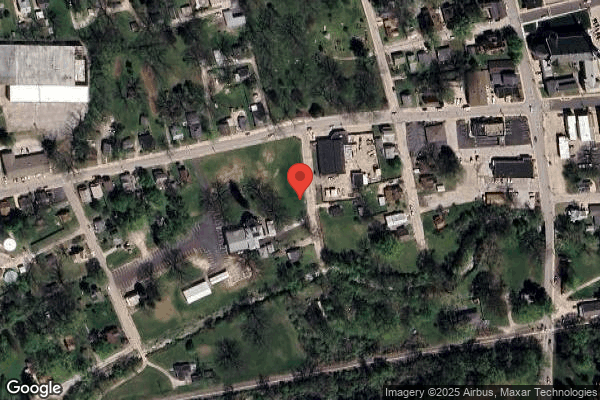
1010 STE GENEVIEVE DRIVE, SAINTE GENEVIEVE, MO 63670 (573) 883-5725
For profit - Corporation 90 Beds COMMUNITY CARE CENTERS Data: November 2025
Trust Grade
75/100
#119 of 479 in MO
Last Inspection: November 2024

Within standard 12-15 month inspection cycle. Federal law requires annual inspections.

Overview

St. Genevieve Nursing has a Trust Grade of B, indicating it is a good choice for families looking for care. It ranks #119 out of 479 nursing homes in Missouri, placing it in the top half of facilities in the state, and #1 out of 2 in Ste. Genevieve County, meaning only one local option is better. However, the facility's trend is worsening, with issues increasing from 3 in 2023 to 5 in 2024. Staffing is average with a 3/5 rating and a turnover rate of 51%, which is below the state average. Notably, there are no fines on record, and the facility has more RN coverage than 86% of Missouri facilities, which is a strength as RNs can identify problems that CNAs might miss. On the downside, the facility has faced concerns regarding food service management and sanitation. Specific incidents include the lack of a qualified professional overseeing food preparation, which could impact all residents, and unsanitary conditions in the kitchen, such as ice buildup in freezers and detergent stored improperly. While there are strengths in staffing and RN coverage, families should be aware of these ongoing issues in food service and sanitation.

Trust Score
B
75/100
In Missouri
#119/479
Top 24%
Safety Record
Low Risk
No red flags
Inspections
Getting Worse
3 → 5 violations
Staff Stability
⚠ Watch
51% turnover. Above average. Higher turnover means staff may not know residents' routines.
Penalties
✓ Good
No fines on record. Clean compliance history, better than most Missouri facilities.
Skilled Nurses
○ Average
Each resident gets 32 minutes of Registered Nurse (RN) attention daily — about average for Missouri. RNs are the most trained staff who monitor for health changes.
Violations
⚠ Watch
15 deficiencies on record. Higher than average. Multiple issues found across inspections.
★★★★☆
4.0
Overall Rating
★★★☆☆
3.0
Staff Levels
★★☆☆☆
2.0
Care Quality
★★★★☆
4.0
Inspection Score
Stable
2023: 3 issues
2024: 5 issues

The Good

  • Full Sprinkler Coverage · Fire safety systems throughout facility
  • No fines on record

Facility shows strength in fire safety.

The Bad

Staff Turnover: 51%

Near Missouri avg (46%)

Higher turnover may affect care consistency

Chain: COMMUNITY CARE CENTERS

Part of a multi-facility chain

Ask about local staffing decisions and management

The Ugly 15 deficiencies on record

Nov 2024 5 deficiencies
CONCERN (D)

Potential for Harm - no one hurt, but risky conditions existed

Resident Rights (Tag F0550)

Could have caused harm · This affected 1 resident

Based on observation, interview, and record review, the facility failed to ensure staff provided care for two residents (Resident #7 and #27) out of 14 sampled residents and three residents (Resident ...

Read full inspector narrative →
Based on observation, interview, and record review, the facility failed to ensure staff provided care for two residents (Resident #7 and #27) out of 14 sampled residents and three residents (Resident #32, #33, and #38) outside the sample, in a manner that maintained their dignity when staff stood while feeding the residents. The facility's census was 53. The facility did not provide a policy. Observation on 11/04/24 at 12:24 P.M. of the dining room showed: - Nursing Assistant (NA) B stood over Resident #32 to feed him/her; - Resident #7, #27, #33, and #38 sat together at a separate table; - Certified Nursing Assistant (CNA) A stood over Residents #7 and #27 while assisting them with eating; - CNA A moved back to Resident #27 and stood over him/her while assisting him/her with eating; - CNA A moved back to Resident #27 and stood over the resident to feed him/her; - NA B then joined the table and stood over Resident #7 to feed him/her. - CNA A and NA B then both stood over Residents #38 and #33 to feed them; - NA B then returned to Resident #32's table and stood over him/her to assist with feeding. During an interview on 11/08/24 at 8:30 A.M., CNA A and NA B said when feeding residents, they should be next to them. During an interview on 11/06/24 at 5:30 P.M., the Administrator and Director of Nursing (DON) said staff should sit and be at eye level rather than standing over the residents while feeding them.
CONCERN (D)

Potential for Harm - no one hurt, but risky conditions existed

Abuse Prevention Policies (Tag F0607)

Could have caused harm · This affected 1 resident

Based on interview and record review, the facility failed to follow their policy to ensure the Criminal Background Check (CBC), Employee Disqualification List (EDL - a listing of individuals who have ...

Read full inspector narrative →
Based on interview and record review, the facility failed to follow their policy to ensure the Criminal Background Check (CBC), Employee Disqualification List (EDL - a listing of individuals who have been determined to have abused or neglected, misappropriated funds or property from a resident) and the Nurse Aide (NA) Registry were completed prior to the employment start date for two employees out of 10 sampled employees. The facility census was 53. Review of the facility's policy titled, Abuse, Prevention and Prohibition, revised 2021, showed: - The facility's abuse prohibition program includes the following seven components: Screening, Training, Prevention, Identification, Investigation, Protection, and Reporting/Response; - All employees will have criminal background checks, state and federal required checks, employment reference checks (previous and current), and license/certification confirmation. Review of the facility's policy titled, Corporate Compliance Process, undated, showed: - Criminal background checks are conducted on all potential employees and volunteers in accordance with state and federal laws; - The facility investigates with other licensing and related bodies, including the certified nurse assistant registry and the Employee Disqualification list for the state, to ensure that the prospective employees currently have the licensing or other status required to be employed by the facility. 1. Review of Certified Nurse Aide (CNA) D's personnel file showed: - Hire date of 06/12/24; - The facility failed to check the CBC, EDL, and NA Registry for CNA D. 2. Review of CNA E's personnel file showed: - Hire date of 09/21/23; - The facility failed to check the CBC, EDL, and NA Registry for CNA E. During an interview on 10/06/24 at 11:55 A.M., the Human Resource/Payroll Manager said that after employees are interviewed, he/she completes the Family Care Safety Registry (FCSR), CBC, EDL, and NA registry checks, then he/she files the forms in his/her cabinet. He/she does not use a checklist to ensure everything gets done but will start implementing one. He/she knows that he/she completed all of the checks for CNA D and CNA E, but can't seem to find them anywhere. The HR Manager said he/she had done all of background checks on the two employees that have nothing filled out on the form. He/She couldn't provide any proof that he/she did the background checks because he/she had misplaced both of the folders that contained that information, for both of those employees. During an interview on 10/06/24 at 5:30 P.M., the Administrator, Director of Nursing (DON), and Human Resource/Payroll Manger all said they would expect the FCSR, CBC, EDL, and Nurse Aide Registry to be completed on all new hires prior to their start date.
CONCERN (D)

Potential for Harm - no one hurt, but risky conditions existed

Unnecessary Medications (Tag F0759)

Could have caused harm · This affected 1 resident

Based on observation, interview, and record review, the facility failed to maintain an error rate of less than five percent (%) when medications were given. There were 28 opportunities with two errors...

Read full inspector narrative →
Based on observation, interview, and record review, the facility failed to maintain an error rate of less than five percent (%) when medications were given. There were 28 opportunities with two errors made, for an error rate of 7.14%. This affected one resident (Resident #13) out of 14 sampled residents. The facility census was 53. The facility did not provide a policy related to insulin administration. Review of Humalog Kwik Pen directions, revised July 2023, showed: - Pull the pen cap straight off; - Check the liquid in the pen; - Select a new needle; - Push the capped needle straight onto pen and twist the needle on until it is tight; - Priming the pen means removing the air from the needle and cartridge that may collect during normal use and ensures that the pen is working correctly; - To prime pen, turn the dose knob to select two units; - Hold pen with needle pointing up. Tap the cartridge holder gently to collect air bubbles at the top; - Push the dose knob in until it stops and 0 is seen in the dose window; - Insulin should be seen at the tip of the needle, if none is seen, repeat priming steps; - Turn dose knob to select unit amount needed; - Always check number dose in window; - Insert needle into skin and hold 5 seconds, if a 0 can be seen in dose window, you have received amount dialed. 1. Review of Resident #13's medical record showed: - Diagnoses of Type ll Diabetes Mellitus (a condition in which the body has trouble controlling blood sugar and using it for energy); - An order, dated 11/02/24, for Humalog (insulin) Kwik Pen, to be given according to sliding scale. Observation on 11/06/24 at 11:35 A.M. showed: - Licensed Practical Nurse (LPN) F obtained blood glucose check for Resident #13; - Ordered amount of insulin to be given was three units; - LPN F failed to prime the insulin pen with two units prior to dosing and administering insulin. During an interview on 11/06/24 at 11:36 A.M., LPN F said he/she should have wasted two units before giving the dose, but didn't. Observation on 11/06/24 at 3:54 P.M. showed: - LPN F obtained glucose check for Resident #13; - Ordered amount of insulin to be given was six units; - LPN F failed to prime the insulin pen with two units prior to dosing and administering insulin. During an interview on 11/06/24 at 3:55 P.M., LPN F said he/she would have normally primed the insulin pen, but had forgotten again. During an interview on 11/06/24 at 5:30 P.M., the Administrator and Director of Nursing (DON) said they would expect insulin pens to be primed per the manufacturer's instructions for use.
CONCERN (D)

Potential for Harm - no one hurt, but risky conditions existed

Food Safety (Tag F0812)

Could have caused harm · This affected 1 resident

Based on observation, interview, and record review, the facility staff failed to follow appropriate infection control practices while assisting two residents (Resident #7 and #27) out of 14 sampled re...

Read full inspector narrative →
Based on observation, interview, and record review, the facility staff failed to follow appropriate infection control practices while assisting two residents (Resident #7 and #27) out of 14 sampled residents and three residents outside the sample (Resident #32, #33 and #38) with their lunch meal. The facility failed to store and distribute food under sanitary conditions, increasing the risk of cross-contamination and food-borne illness. These practices had the potential to affect all residents who are served food from the kitchen. The facility's census was 53. Review of the facility's policy titled, Dietary Policies, undated, showed: - Develop and maintains dietary services polices and procedures; - Assists with infection control and safety policies; - Ensures objectives and philosophy are understood and maintained by dietary staff; - Alerts administrator of existing or potential problem areas; - Ensures sanitary environment for food preparation and proper cleansing of equipment; - Ensure proper storage of foods to protect it from contamination. Review of the facility's policy titled, Food Storage, revised January 2016, showed: - If storage units are provided in community areas, those units shall be equipped with thermometers, shall hold foods which are sealed, labeled and dated; - Units shall be routinely monitored to maintain sanitary units and to discard expired food. Review of the facility's policy, Hand Hygiene, dated 2019, showed: - Appropriate hand hygiene is essential in preventing transmission of infectious agents; - Purpose is to cleanse hands to prevent the spread of potentially deadly infections and to provide a clean and healthy environment for residents, staff, and visitors; - Hand hygiene continues to be the primary means of preventing the transmission of infection: - Antimicrobial gel (hand hygiene that does not require water) cannot be used in place of proper hand washing techniques in a food service setting. 1. Observation on 11/04/24 at 12:24 P.M. of the dining room showed: - Residents #7, #27, #33, and #38 sat together at a table; - Certified Nursing Assistant (CNA) A did not sanitize his/her hands before feeding Resident #7; - CNA A, without sanitizing hands, held his/her hand over Resident #38's hand on the utensil to assist him/her with eating; - CNA A did not sanitize his/her hands before he/she held his/her hand over Resident #33's hand on the utensil to assist him/her with eating; - CNA A assisted Resident #7 by holding his/her hand over the resident's hand to feed him/her, then moved to assist Resident #27 and did not sanitize his/her hands; - After assisting Resident #32 at another table, Nursing Assistant (NA) B fed Resident #7 without sanitizing his/her hands; - CNA A and NA B then assisted Residents #38 and #33 without sanitizing their hands at any time; - NA B then reached over Resident #33 and his/her plate, and touched the rim of the resident's cup with a bare hand to give the resident a drink; - NA B moved back to Resident #32's table to assist him/her with eating without sanitizing hands. During an interview on 11/06/24 at 5:30 P.M., the Administrator and Director of Nursing (DON) said they would expect staff to sanitize hands between serving or assisting residents to eat. During an interview on 11/08/24 at 8:30 A.M., NA B said staff should sanitize their hands when delivering trays from the kitchen to the residents and when picking things up off the floor. When asked about sanitizing hands between assisting residents, CNA A said yes, they were thinking that. 2. Observation on 11/04/24 at 3:51 P.M. of the dry food storage room showed: - Two unopened clear bags of chips, unlabeled and undated; - One opened clear bag of chips, unlabeled and undated; - One opened taco seasoning packet in a plastic storage bag, undated; - One opened bag of cake mix, undated. 3. Observation on 11/04/24 at 3:51 P.M. of the double door fridge showed: - A quart-size plastic storage bag of apple slices, unlabeled and undated. 4. Observation on 11/04/24 at 3:51 P.M. of the walk-in refrigerator showed: - A plate of prepared salad, covered with plastic wrap, unlabeled and undated; - Two one-gallon size plastic storage bags containing sliced cheese, unlabeled and undated; - A quart size plastic storage bag of deli meat, unlabeled and undated; - A gallon size plastic storage bag of boiled eggs, unlabeled and undated; - A gallon size plastic storage bag with a half head of iceberg lettuce, unlabeled and undated. 5. Observation on 11/04/24 at 3:51 P.M. of the walk-in freezer showed: - Six bags of frozen meat, unlabeled and undated; - Ice buildup approximately 2 inch by 1 inch in size on the bottom of the freezer doorstep and the bottom side edge of the door. 6. Observation on 11/06/24 at 11:13 P.M. of the kitchen staff preparing food showed: - The Dietary Manager (DM) laid the thermometer on the table and did not sanitize it before temperature testing meatloaf, burger patties, and pureed food; - Dietary Aide C put on gloves, assembled the blender, picked up a pan of burger patties and dumped them into the blender. He/She struggled to get the patties down into the blender to put the lid on and touched the burgers, wearing the same gloves, while trying to get the patties pushed down into the blender. During an interview on 11/06/24 at 3:20 P.M., Dietary Aide C said he/she should change gloves between dirty to clean and touching food items. Review of the food temperature logs, dated July 2024 through October 2024, showed: - Temperatures were taken on July 31st for 30 out of 31 missed opportunities; - Temperatures were taken August 1st through the 7th for 24 out of 31 opportunities missed; - Temperatures were taken September 23rd, 24th, 29th, and 30th for 26 out of 30 opportunities missed. During an interview on 11/05/24 at 10:30 A.M., the DM said he/she would be responsible for completing temperature logs for the refrigerators, freezer, and dishwasher and was unable to provide any logs. The cook temperature tests the food each meal and provided logs to review. 6. Observation on 11/06/24 at 2:00 P.M. of the 400 hall unit refrigerator showed: - A temperature of 46 degrees; - An opened container of apple juice with no name or date on it; - An opened container of cranberry juice with no name or date on it; - An unopened bottle of pressed juice with no name on it. During an interview on 11/06/24 at 2:00 P.M., Certified Medication Technician (CMT) H said he/she did not think there was a temperature log, but there probably should be one. The apple juice belonged to a resident that is no longer at the facility and should not be in there. He/she dumped the apple juice in the sink and discarded the bottle. 7. Observation on 11/06/24 at 2:15 P.M. of the 100 hall unit refrigerator showed a temperature of 46 degrees. During an interview on 11/06/24 at 2:15 P.M., CMT I said night shift is responsible for completing the temperature logs and provided the log book containing logs for both unit refrigerators. Review of the unit refrigerator temperature log books, dated August through October 2024, showed: - August 2024 - 400 unit - 2 days missed with 21 of the completed days having a temperature over 41 degrees; - August 2024 - 100 unit - 2 days missed with 4 of the completed days having a temperature over 41 degrees; - September 2024 - 400 unit - 18 days missed with 7 of the completed days having a temperature over 41 degrees; - September 2024 - 100 unit - 2 days missed with 7 of the completed days having a temperature over 41 degrees; - October 2024 - 400 unit - 1 day missed with 22 of the completed days having a temperature over 41 degrees; - October 2024 - 100 unit - 1 day missed with 25 of the completed days having a temperature over 41 degrees. During an interview on 11/06/24 at 3:15 P.M., the DM said he/she would expect staff to change gloves between touching surfaces or appliances and touching food, would expect all temperature logs to be completed per regulation, food to be dated and labeled, and the thermometer to be sanitized after it was sitting on the counter prior to testing the food. During an interview on 11/06/24 at 5:30 P.M., the Administrator and Director of Nursing (DON) said they would expect staff to change gloves between touching surfaces or appliances and touching food, would expect all temperature logs to be completed per regulation, food to be dated and labeled, and the thermometer to be sanitized after it was sitting on the counter prior to testing the food.
CONCERN (D)

Potential for Harm - no one hurt, but risky conditions existed

Infection Control (Tag F0880)

Could have caused harm · This affected 1 resident

Based on observation, interview, and record review, the facility failed to maintain appropriate infection control practices for two residents (Resident #13 and #41) out of 14 sampled residents and one...

Read full inspector narrative →
Based on observation, interview, and record review, the facility failed to maintain appropriate infection control practices for two residents (Resident #13 and #41) out of 14 sampled residents and one resident (Resident #14) outside the sample when facility staff did not perform hand hygiene between finger stick blood sugar (FSBS) checks and insulin (a hormone that lowers the level of glucose (a type of sugar) in the blood) administration and failed to disinfect the glucometer (a machine used to measure blood sugar) per the manufacturer's recommendations. The facility's census was 53. Review of the facility's policy titled, Cleaning and Disinfecting Blood Glucose Meters, dated 2019, showed; - Apply gloves before performing a blood glucose test. Glucose monitoring, administration of insulin, and any other procedure that involves potential exposure to bodily fluids; - Remove gloves and perform hand hygiene; - Apply new gloves; - Thoroughly clean all visible soil or organic material (e.g. blood) from glucometer before disinfection; - Perform hand hygiene (i.e. hand washing with soap and water or use of an alcohol-based hand rub) immediately after removal of gloves and before touching other medical supplies intended for use on other residents; - Follow manufacturer's guidelines for cleaning and disinfecting of glucose meters. Specific guidelines for glucose meters may vary with the manufacturer; - Use of disinfectants, antiseptics, and germicides are by manufacturers' instructions and Environmental Protection Agency (EPA) or Food and Drug Administration (FDA) label specifications to avoid harm to staff, residents, and visitors and to ensure effectiveness. All nursing staff is trained in the proper procedure, protective equipment required (if any), and safety precautions. Review of the cleaning and disinfecting instructions for the glucometer showed: - Meter should be cleaned and disinfected after every use on each patient; - Validated cleaning wipes include Sani-Cloth Germicidal Disposable Wipes; - Read instructions provided by manufacturer of Super Sani-Cloth Germicidal Disposable Wipes before using. Review of the Guidelines for Super Sani-Cloth Disposable Wipes showed: - Always dispense wipe through lid; - Remove wipe away from face and eyes and keep lid closed; - Unfold clean wipe and thoroughly wet surface; - Allow treated surface to remain wet for two minutes then let air dry; - Do not reuse towelette and dispose of in trash. Review of the facility's policy titled, Hand Hygiene, dated 2019, showed: - Appropriate hand hygiene is essential in preventing transmission of infectious agents; - Purpose is to cleanse hands to prevent the spread of potentially deadly infections and to provide a clean and healthy environment for residents, staff, and visitors; - Hand hygiene continues to be the primary means of preventing the transmission of infection: - Antimicrobial gel (hand hygiene that does not require water) cannot be used in place of proper hand washing techniques in a food service setting; - Staff must perform hand hygiene even if gloves are utilized; - Gloves or the use of baby wipes are not a substitute for hand hygiene; - Alcohol antiseptic hand rub is appropriate for routine hand hygiene in most clinical situations; - Hand antisepsis using an alcohol antiseptic or antimicrobial soap is indicated when caring for high-risk resident populations, before performing invasive procedures, after caring for residents with infected wounds, and when caring for residents who are infected with resident organisms. Review of the facility's policy titled, Gloves, dated 2019, showed: - Purpose is to prevent healthcare worker exposure to blood and other potentially infectious materials from the resident, equipment, and the environment; - Disposable single-use examination gloves are worn when hand contact with blood, other potentially infectious materials, mucous membranes and non-intact skin is anticipated, and handling or touching contaminated items or surfaces; - Sterile gloves and examination gloves are removed as soon as practical when contaminated, between resident contacts, and before touching uncontaminated surfaces or other areas of the same resident's body that may be uncontaminated. 1. Observation on 11/06/24 at 11:34 A.M. of Resident #14 and Resident #41's fingerstick blood sugar (FSBS) showed: - Registered Nurse (RN) G pushed the cart to Resident #14's door and, without sanitizing hands, donned gloves; - RN G obtained a sani-cloth from its container and wiped the top of the med cart; - RN G obtained a glucometer from a supply caddy on top of the cart, wiped the glucometer with the sani-cloth for a few seconds and laid it on top of the wet cart; - RN G removed gloves, did not sanitize hands, donned new gloves and, after approximately 45 seconds while gathering supplies from the caddy, picked up the glucometer from the top of the cart; - RN G walked into Resident #14's room, performed FSBS, and returned to the cart in the hall and disposed of supplies in the trash bin on the side of the cart; - RN G obtained a new sani-cloth from its container and wiped the glucometer with the sani-cloth for a few seconds and put the glucometer back in a caddy on top of the cart that contained supplies, then pushed the cart to Resident #41's doorway for FSBS; - RN G sanitized hands and donned new gloves; - RN G obtained a sani-cloth from its container, picked up the supply caddy from the top of the cart and wiped off the top of the cart for a few seconds with a sani cloth and set the caddy back down on it without wiping the bottom of the caddy; - RN G obtained the glucometer from the caddy, wiped it with a sani-cloth for a few seconds, and set it back on top of the wet cart; - RN G threw away the sani-cloth and gloves in the trash bin on the side of the cart and donned new gloves without performing hand hygiene; - RN G gathered supplies from the caddy, walked into Resident #41's room and obtained FSBS; - RN G removed gloves in the resident's room, threw trash away, and sanitized hands. 2. Observation on 11/06/24 at 11:35 A.M. showed: - Licensed Practical Nurse (LPN) F donned gloves without sanitizing hands and obtained a FSBS from Resident #13; - LPN F held the glucometer in one hand, walked to medication cart, set the glucometer on the cart and with the same gloves, picked up the insulin pen from a container sitting on top of the cart and needle was placed; - With the same soiled gloves, LPN F administered insulin to Resident #13, then removed gloves; - LPN F returned to the cart and wiped the glucometer with a sani cloth for approximately five to six seconds, then placed on top of the cart to dry; - Three minute timer was started. During an interview on 11/06/24 at 11:36 A.M., LPN F said he/she wipes the glucometer off and allows it to dry for two minutes, then it would be ready for the next use. 3. Observation on 11/06/24 at 3:54 P.M. showed: - LPN F sanitized hands, donned gloves and obtained FSBS from Resident #13; - LPN F returned to the cart and with the same gloves, cleaned insulin pen with alcohol pad, placed needle, and turned dial to ordered dose of insulin; - With the same soiled gloves, LPN F administered insulin to Resident #13 and removed gloves; - LPN F returned to the cart, sanitized hands, cleaned the glucometer with sani wipes for approximately five to six seconds and placed on the cart to allow to dry; - Three minute timer started. During an interview on 11/06/24 at 4:09 P.M., LPN F said he/she should have changed gloves when going from dirty to clean, after obtaining blood glucose check and before administering the insulin. LPN F said he/she thought the disinfectant was bleach and didn't know the glucometer was to stay wet for two minutes but had thought it was supposed to dry for two minutes. 4. Observation on 11/06/24 at 4:08 P.M. of Resident #14's FSBS showed: - RN G sanitized hands and donned gloves; - RN G obtained a sani-cloth from its container and wiped the glucometer for about 10 seconds, laid the glucometer on top of the unsanitized cart, and disposed of the sani-cloth in the trash bin on the side of the cart; - RN G gathered supplies from the caddy on top of the cart, walked into Resident #14's room and obtained FSBS; - RN G obtained a sani-cloth from its container and wiped glucometer for about ten seconds and set on top of the unsanitized cart; - RN G administered Novolog insulin without performing hand hygiene and changing gloves between FSBS and insulin administration; - RN G removed gloves, sanitized hands, and donned new gloves; - RN G administered Humulin 70/30 insulin, then returned to the cart, obtained a sani-cloth from its container, wiped the insulin pen with the sani-cloth for a few seconds, and put the pen in the caddy on top of the cart; - RN G put the glucometer from the unsanitized top of the cart into the supply caddy, wiped off the top of the cart, removed gloves and sanitized hands. During an interview on 11/06/24 at 4:27 P.M., RN G said he/she should have sanitized and changed gloves after FSBS and before giving insulin. He/She is not sure how long to leave items wet after cleaning with a sani-cloth and is not sure what the kill time is for sani-cloths. He/She then looked at a sani-cloth container on the cart and said he/she should have left it in contact for two minutes and that it clearly says that on the container. During an interview on 11/06/24 at 5:30 P.M., the Administrator and Director of Nursing (DON) said they would expect staff to change gloves when going from dirty to clean, ensure hands were sanitized after providing care, and glucometers are to be cleaned after each use per manufacturer's recommendations.
Sept 2023 3 deficiencies
CONCERN (D)

Potential for Harm - no one hurt, but risky conditions existed

Deficiency F0868 (Tag F0868)

Could have caused harm · This affected 1 resident

Based on record review and interview, the facility failed to maintain quarterly Quality Assurance & Performance Improvement (QAPI) meetings with the required members. The facility's census was 52. Rev...

Read full inspector narrative →
Based on record review and interview, the facility failed to maintain quarterly Quality Assurance & Performance Improvement (QAPI) meetings with the required members. The facility's census was 52. Review of the facility's Quality Assurance policy and procedure, undated, showed: - The Administrator will establish a Quality Assurance Committee that will coordinate the review of Quality Assurance activities within the facility organizational plan; - The Administration shall provide equipment, personnel, and support necessary to maintain the Quality Assurance program. 1. Review of the QAPI Quarterly Meeting sign in sheet, dated 04/18/23 and provided by the Administrator, showed the Infection Preventionist (IP) did not attend the meeting. 2. Review of the QAPI Quarterly Meeting sign in sheet, dated 07/27/23 and provided by the Administrator, showed the IP did not attend the meeting. During an interview on 09/13/23 at 11:11 A.M., the IP and Director of Nursing (DON) said the facility has no alternate certified IP. The DON is going to work on getting other staff certified so they will have an alternate IP. In the absence of the IP, the DON will present the IP's information in QAPI meetings, but does not have the certification. During an interview on 09/14/23 at 09:53 A.M., the Administrator said she would expect the IP to attend all QAPI meetings and if unable to, they should have an alternate certified IP to attend QAPI meetings.
CONCERN (F)

Potential for Harm - no one hurt, but risky conditions existed

Deficiency F0801 (Tag F0801)

Could have caused harm · This affected most or all residents

Based on interview and record review, the facility failed to have a clinically qualified nutritional professional designated as the Food and Nutritional Service Manager for one of one food service kit...

Read full inspector narrative →
Based on interview and record review, the facility failed to have a clinically qualified nutritional professional designated as the Food and Nutritional Service Manager for one of one food service kitchens, which prepared food for all residents. This deficient practice potentially affected all of the residents who were served food prepared by the facility. The facility's census was 52. Review of the facility's current employee list, dated 06/15/23, showed a hire date of 08/13/18 for the Dietary Supervisor (DS). During an interview on 09/13/23 at 3:00 P.M., the DS said he/she has worked for the facility about five years and has been the DS for about three years. The DS said he/she had started the certification classes, but did not finish them. The DS said the Administrator is supposed to help get him/her back in the class. The DS said he/she is not enrolled at this time and does not know when he/she will be enrolled. During an interview on 09/14/23 at 11:33 A.M., the Administrator said she would expect the DS to be certified after working for the facility for five years. The Administrator said she does not know when the dietitian is getting the DS scheduled for classes. The facility did not provide a policy.
CONCERN (F)

Potential for Harm - no one hurt, but risky conditions existed

Food Safety (Tag F0812)

Could have caused harm · This affected most or all residents

**NOTE- TERMS IN BRACKETS HAVE BEEN EDITED TO PROTECT CONFIDENTIALITY** Based on observation, interview, and record review, the facility failed to store, prepare, distribute, and serve food under sani...

Read full inspector narrative →
**NOTE- TERMS IN BRACKETS HAVE BEEN EDITED TO PROTECT CONFIDENTIALITY** Based on observation, interview, and record review, the facility failed to store, prepare, distribute, and serve food under sanitary conditions. This deficient practice potentially affected all of the residents who were served food prepared by the facility. The facility's census was 52. Observation on 09/12/23 at 8:45 A.M. of the kitchen showed: - [NAME] crusty build up on top of the dishwasher; - Bucket of pot and pan detergent sitting on the floor under the dishwashing sink; - Bucket of sanitizer sitting in the floor under the handwashing sink; - Ice build up on the freezer door approximately 6 inches at the top right corner, ice build up approximately 6 inches on the bottom right corner of the freezer door, condensation on the outer flange of the freezer and condensation on the floor outside the freezer door. Approximately ¼ inch thick layer of ice on the floor inside the freezer approximately 1 foot wide x 4 feet in length. Approximately 4 inches in width x 7 inches in length icicle formation hanging down in the back of the freezer near the fan. Freezer door seal with approximately a 1/4 inch gap on the top right side of the freezer door. During observations, The Dietary Supervisor (DS) said do not close yourself in the freezer, as the freezer door is broken and does not open from the inside; - Fuzzy brown debris located in the area of the stove and oven knobs; - Garbage can under the counter of the food prep sink half full of food and rubbish and not covered. Garbage can next to the dishwashing sink three quarters full of food and rubbish and not covered. The lids sat on the floor next to the garbage cans. Observation on 09/13/23 at 2:46 P.M. of the kitchen showed: - [NAME] crusty build up on top of the dishwasher; -Bucket of pot and pan detergent sitting on the floor under the dishwashing sink; - Bucket of sanitizer sitting in the floor under the handwashing sink; - Ice build up on the freezer door approximately 6 inches at the top right corner, ice build up approximately 6 inches on the bottom right corner of the freezer door, condensation on the outer flange of the freezer and condensation on the floor outside the freezer door. Approximately ¼ inch thick layer of ice on the floor inside the freezer approximately 1 foot wide x 4 feet in length. Approximately 4 inches in width x 7 inches in length icicle formation hanging down in the back of the freezer near the fan. Freezer door seal with approximately a 1/4 inch gap on the top right side of the freezer door. Freezer door tested and would not open from the inside; - Fuzzy brown debris located in the area of the stove and oven knobs; - Garbage can under the counter of the food prep sink half full of food and rubbish and not covered. Garbage can next to the dishwashing sink three quarters full of food and rubbish and not covered. The lids sat on the floor next to the garbage cans; - Ceiling over the ice machine had approximately a 2 foot crack in the ceiling on the right front side of the vent located above the ice machine, 6 inch crack in the ceiling on the left from side of the vent, 6 inch crack in the ceiling on the right back side of the vent and 6 inch crack in the ceiling on the left rear side of the vent. During an interview on 09/13/23 at 3:00 P.M., the DS said he/she believed the cracks in the ceiling were supposed to be getting fixed. The DS said he/she would expect the dietary staff to be following the cleaning schedule and trash cans should be covered when not in use. Observation on 09/14/23 at 8:47 A.M. of the kitchen showed: - [NAME] crusty build up on top of the dishwasher; - Bucket of pot and pan detergent sitting on the floor under the dishwashing sink; - Bucket of sanitizer sitting in the floor under the handwashing sink; - Ice build up on the freezer door approximately 6 inches at the top right corner, ice build up approximately 6 inches on the bottom right corner of the freezer door, condensation on the outer flange of the freezer and condensation on the floor outside the freezer door. Approximately ¼ inch thick layer of ice on the floor inside the freezer approximately 1 foot wide x 4 feet in length. Approximately 4 inches in width x 7 inches in length icicle formation hanging down in the back of the freezer near the fan. Freezer door seal with approximately a 1/4 inch gap on the top right side of the freezer door. Freezer door tested and would not open from the inside; - Fuzzy brown debris located in the area of the stove and oven knobs; - Garbage can under the counter of the food prep sink half full of food and rubbish and not covered. Garbage can next to the dishwashing sink three quarters full of food and rubbish and not covered. The lids sat on the floor next to the garbage cans, - Ceiling over the ice machine had approximately a 2 foot crack in the ceiling on the right front side of the vent located above the ice machine, 6 inch crack in the ceiling on the left from side of the vent, 6 inch crack in the ceiling on the right back side of the vent and 6 inch crack in the ceiling on the left rear side of the vent. Review of the facility's undated AM [NAME] Daily Task List showed: - Clean stove top, grill top and steam table after each use. Review of the facility's undated PM [NAME] Daily Task List showed: - Clean stove top, grill top, and steam table after each use; - Wipe down all surfaces you have used after each use; - Clean around dishwashing machine and empty grate. Review of the facility's undated PM [NAME] Weekly Cleaning showed: - Monday: Thoroughly clean griddle and back of stove and range hood. Review of the facility's undated AM Aide Daily Task List showed empty trash after each meal and as needed. Review of the facility's undated PM Aide Daily Task List showed: - Empty trash after each meal and as needed; - Empty both humidifiers. During an interview on 09/14/23 at 8:57 A.M., Dietary Aide (DA) A said there is a cleaning schedule that should be followed. The cooks are supposed to be taking care of cleaning the stove and oven. The brown fuzzy debris on the temperature knobs should not be there. The trash cans should have a lid on when they are not being used. DA A said he/she was aware that the freezer door did not open from the inside. He/she did not report to maintenance that the freezer door was broken and was not sure if it was reported and could not remember how long the handle had been broken. During an interview on 09/14/23 at 9:03 A.M., the Maintenance Supervisor (MS) said he/she was not aware there were any issues with the freezer door and it had not been reported. He/she said the handle inside the freezer was probably frozen because the kitchen staff fail to empty the humidifiers that were put into place to help with the ice build up and condensation because the freezer is [AGE] years old. The MS said he/she was headed to the kitchen immediately to fix the door. During an interview on 09/14/23 at 9:53 A.M., the Administrator said she would expect any issues with the freezer to be reported to maintenance immediately. She said trash cans should be covered when not in use, and it is expected for the cleaning schedules to be followed. She said nothing should be stored directly on the floor in the kitchen.
Aug 2021 7 deficiencies
CONCERN (D)

Potential for Harm - no one hurt, but risky conditions existed

Deficiency F0578 (Tag F0578)

Could have caused harm · This affected 1 resident

**NOTE- TERMS IN BRACKETS HAVE BEEN EDITED TO PROTECT CONFIDENTIALITY** Based on interview and record review, the facility failed to ensure the accuracy of the advance directive (a written statement o...

Read full inspector narrative →
**NOTE- TERMS IN BRACKETS HAVE BEEN EDITED TO PROTECT CONFIDENTIALITY** Based on interview and record review, the facility failed to ensure the accuracy of the advance directive (a written statement of a person's wishes regarding medical treatment) regarding the resuscitation status for one resident (Resident #58) out of 15 sampled residents. The facility's census was 59. Record review of the facility's policy titled, Advance Directives, reviewed 1/2017, showed: - Prior to or upon admission of a resident, the Social Services Director or designee will inquire of the resident, and/or his/her representative, about the existence of any written advance directives; - Information about whether or not the resident has executed an advance directive shall be placed in the medical record; - The resident's medical practitioner will clarify and present any relevant medical issues and decisions to the resident or representative as the resident's condition changes in an effort to clarify and adhere to the resident's wishes; - The Interdisciplinary Team will review at regular intervals with the resident his or her advance directives to ensure that such directives are still the wishes of the resident. Staff will assist the resident or representative to make changes to advanced directives in accordance with state law. Changes and/or revocations will be added to the clinical record. Care plan will be updated to reflect the change; - The nurse will be required to inform emergency medical personnel of a resident's advance directive regarding treatment options and provide such personnel with a copy of such directive when transfer from the facility via ambulance or other means is made. Record review of Resident #58's [DATE] Physician's Order Sheet (POS), showed: - admission date [DATE]; - Do Not Resuscitate (DNR: do not allow any interventions to restart heart), order dated [DATE]. Record review of the resident's medical record showed: - Printed Face Sheet Advance Directive, no status; - Electronic record of the resident's profile code status DNR; - Care plan, last revision on [DATE], resident's code status Full Code (allow all interventions needed to restart the heart); - Advance Patient Care Directive, dated [DATE], Full Code; - Health Insurance Portability and Accountability Act (HIPAA: permits disclosure to healthcare professionals as necessary for treatment form) for resident checked for Cardiopulmonary Resuscitation (CPR: an emergency procedure that combines chest compressions often with artificial ventilation in an effort to manually preserve intact brain function until further measures are taken to restore spontaneous blood circulation and breathing in a person who is in cardiac arrest) Full Code, full treatment, use antibiotics, no artificial nutrition by tube, and was not signed by physician. During an interview on [DATE] at 10:40 A.M., Licensed Practical Nurse (LPN) A said he/she usually looks on the computer on the resident's profile or orders to see code status. The resident's chart showed DNR. During an interview on [DATE] at 11:33 A.M., the Director of Nursing (DON) said she would expect the advance directive to be the same on the face sheet, the POS, and the care plan and to be according to the resident's and/or the resident representative's wishes.
CONCERN (D)

Potential for Harm - no one hurt, but risky conditions existed

Transfer Notice (Tag F0623)

Could have caused harm · This affected 1 resident

**NOTE- TERMS IN BRACKETS HAVE BEEN EDITED TO PROTECT CONFIDENTIALITY** Based on interview and record review, the facility failed to document notification in writing to the resident and/or responsible...

Read full inspector narrative →
**NOTE- TERMS IN BRACKETS HAVE BEEN EDITED TO PROTECT CONFIDENTIALITY** Based on interview and record review, the facility failed to document notification in writing to the resident and/or responsible party of the reason for transfer to the hospital for four residents (Resident #35, #42, #48, and #49) out of 15 sampled residents. The facility's census was 59. 1. Record review of the facility's undated policy titled, Emergency Transfer Procedure, showed: - Transfer Notice document needs to be filled out with the following: - Date of discharge; - Resident's name; - Name of hospital to which they are transferring; - It also MUST be signed by the nurse and the resident or a family member - Please place the signed form in Social Service Director's (SSD) mailbox; - If the resident cannot sign and there is no family member available to sign at the time of transfer, please do the following: - Fill out paper and make copy; - Place copy in SSD mailbox and he will obtain the signature at a later date; - Send original with the resident and the rest of the paperwork to the hospital. 2. Record review of Resident #35's nurse's notes showed: - The resident transferred to the hospital on 2/29/21 and readmitted to the facility on [DATE]; - The resident transferred to the hospital on 3/20/21 and readmitted to the facility on the same day; - The resident transferred to the hospital on 4/4/21 and readmitted to the facility on the same day; - The resident transferred to the hospital on 5/6/21 and readmitted to the facility on on 5/8/21: Record review of the resident's medical record showed no written documentation of notification with the reason for transfer to the hospital sent to the responsible party. 3. Record review of Resident #42's nurse's notes showed: - The resident transferred to the hospital on 7/12/21 and readmitted to the facility on [DATE]; - The resident transferred to the hospital on 7/14/21 and readmitted to the facility on [DATE]. Record review of the resident's medical record showed no written documentation of notification with the reason for transfer to the hospital sent to the responsible party. 4. Record review of Resident #48's nurse's notes showed the resident transferred to the hospital on 7/9/11 and readmitted to the facility on [DATE]. Record review of the resident's medical record showed no written documentation of notification with the reason for transfer to the hospital sent to the responsible party. 5. Record review of Resident #49's nurse's notes showed the resident transferred to the hospital on 7/10/21 and readmitted to the facility on [DATE]. Record review of the resident's medical record showed no written documentation of notification with the reason for transfer to the hospital sent to the responsible party. 6. During an interview on 8/27/21 at 11:33 A.M., the Director of Nursing (DON) said the nurses still have a paper form for the transfer form with the details that is sent with Emergency Medical Services (EMS). The form is filled out and given to the Social Services Director (SSD) to complete the bed hold policy. The families are always notified by phone. The SSD does not mail it, he sometimes emails it but not always. The signs and symptoms are not on the form.
CONCERN (D)

Potential for Harm - no one hurt, but risky conditions existed

Deficiency F0624 (Tag F0624)

Could have caused harm · This affected 1 resident

**NOTE- TERMS IN BRACKETS HAVE BEEN EDITED TO PROTECT CONFIDENTIALITY** Based on interview and record review, the facility failed to document preparation and orientation for transfer to the hospital f...

Read full inspector narrative →
**NOTE- TERMS IN BRACKETS HAVE BEEN EDITED TO PROTECT CONFIDENTIALITY** Based on interview and record review, the facility failed to document preparation and orientation for transfer to the hospital for four residents (Resident #35, #42, #48, and #49) out of 15 sampled residents. The facility's census was 59. 1. Record review of Resident #35's nurse's notes showed: - The resident transferred to the hospital on 2/29/21 and readmitted to the facility on [DATE]; - The resident transferred to the hospital on 3/20/21 and readmitted to the facility on the same day; - The resident transferred to the hospital on 4/4/21 and readmitted to the facility on the same day; - The resident transferred to the hospital on 5/6/21 and readmitted to the facility on on 5/8/21. Record review of the resident's medical record did not contain documentation which showed the resident was prepped and oriented for transfer out of the facility. 2. Record review of Resident #42's nurse's notes showed: - The resident transferred to the hospital on 7/12/21 and readmitted to the facility on [DATE]; - The resident transferred to the hospital on 7/14/21 and readmitted to the facility on [DATE]. Record review of the resident's medical record did not contain documentation which showed the resident was prepped and oriented for transfer out of the facility. 3. Record review of Resident #48's nurse's notes showed the resident transferred to the hospital on 7/9/21 and readmitted to the facility on [DATE]. Record review of the resident's medical record did not contain documentation which showed the resident was prepped and oriented for transfer out of the facility. 4. Record review of Resident #49's nurse's notes showed the resident transferred to the hospital on 7/10/21 and readmited to the facility on 7/16/21. Record review of the resident's medical record did not contain documentation which showed the resident was prepped and oriented for transfer out of the facility. 5. The facility did not provide a policy for preparation and orientation of the resident for transfer. 6. During an interview on 8/27/21 at 11:33 A.M., the Director of Nursing (DON) said she would expect there to be documentation that a resident was prepared and oriented for a transfer to the hospital.
CONCERN (D)

Potential for Harm - no one hurt, but risky conditions existed

Deficiency F0625 (Tag F0625)

Could have caused harm · This affected 1 resident

**NOTE- TERMS IN BRACKETS HAVE BEEN EDITED TO PROTECT CONFIDENTIALITY** Based on interview and record review, the facility failed to provide written information to the resident and/or the resident's r...

Read full inspector narrative →
**NOTE- TERMS IN BRACKETS HAVE BEEN EDITED TO PROTECT CONFIDENTIALITY** Based on interview and record review, the facility failed to provide written information to the resident and/or the resident's representative of their bed hold policy at the time of transfer to the hospital for four residents (Resident #35, #42, #48, and #49) out of 15 sampled residents. The facility's census was 59. 1. The facility did not provide a bed hold policy. 2. Record review of Resident #35's nurse's notes showed: - The resident transferred to the hospital on 2/29/21 and readmitted to the facility on [DATE]; - The resident transferred to the hospital on 3/20/21 and readmitted to the facility on the same day; - The resident transferred to the hospital on 4/4/21 and readmitted to the facility on the same day; - The resident transferred to the hospital on 5/6/21 and readmitted to the facility on on 5/8/21. Record review of the resident's medical record showed no written documentation of notification for bed hold provided to resident and/or responsible party. 3. Record review of Resident #42's nurse's notes showed: - The resident transferred to the hospital on 7/12/21 and readmitted to the facility on [DATE]; - The resident transferred to the hospital on 7/14/21 and readmitted to the facility on [DATE]. Record review of the resident's medical record showed no written documentation of notification for bed hold provided to resident and/or responsible party. 4. Record review of Resident #48's nurse's notes showed the resident transferred to the hospital on 7/9/21 and readmitted to the facility on [DATE]. Record review of the resident's medical record showed no written documentation of notification for bed hold provided to resident and/or responsible party. 5. Record review of Resident #49's nurse's notes showed the resident transferred to the hospital on 7/10/21 and readmitted to the facility on [DATE]. Record review of the resident's medical record showed no written documentation of notification for bed hold provided to resident and/or responsible party. 6. During an interview on 8/27/21 at 11:33 A.M., the Director of Nursing (DON) said the bed hold policy is in the admission packet. The transfer paper, the bed hold policy, the code status, the Power of Attorney (POA: a legal document that allows someone else to act on your behalf) and face sheet is sent to the hospital with the resident. It is not sent to the responsible party. The Social Services Director (SSD) documents that the responsible party is called to see if they want the bed held for the resident.
CONCERN (D)

Potential for Harm - no one hurt, but risky conditions existed

Assessment Accuracy (Tag F0641)

Could have caused harm · This affected 1 resident

**NOTE- TERMS IN BRACKETS HAVE BEEN EDITED TO PROTECT CONFIDENTIALITY** Based on interview and record review, the facility failed to ensure the accuracy of the Minimum Data Set (MDS: a federally manda...

Read full inspector narrative →
**NOTE- TERMS IN BRACKETS HAVE BEEN EDITED TO PROTECT CONFIDENTIALITY** Based on interview and record review, the facility failed to ensure the accuracy of the Minimum Data Set (MDS: a federally mandated assessment completed by the facility staff) for one resident (Resident #49) out of 15 sampled residents. The facility's census was 59. Record review of Resident #49's Progress Notes, dated 7/27/21 through 7/28/21, showed: - On 7/27/21 at 3:15 P.M., Spoke with resident, family, physician, and hospice today. The resident and family would be interested in changing his/her status from hospice to Medicare Part A in an effort to increase strength, endurance, ambulation, and diet. Orders received and admitted to skilled Medicare Part A services. Physical, Occupational, and Speech Therapy to evaluate and treat; - On 7/27/21 at 7:41 P.M., Resident found sitting on the floor with his/her legs extended in front of him/her pointing toward the door; - On 7/28/21 at 7:25 A.M., Resident and family decided to revoke hospice and start therapy/skilled nursing under Medicare Part A. Significant change/5-day MDS scheduled for 8/2/21; - On 7/28/21 at 8:44 A.M., Resident complained of right wrist pain. Right wrist is swollen, pink and warm to touch. Range of motion (ROM) limited and painful. Nurse practitioner here, saw resident and informed of right wrist/ hand being swollen, pink and limited ROM with pain. Ordered to X-ray right wrist two views. Called and ordered X-ray to be done today. Record review of the resident's significant change MDS, dated [DATE], showed no falls since the prior significant change MDS assessment, dated 7/23/21. During an interview on 8/27/21 at 11:33 A.M., the MDS Coordinator said she would expect the MDS to reflect falls since the prior assessment. The facility did not provide a policy for MDS accuracy.
CONCERN (F)

Potential for Harm - no one hurt, but risky conditions existed

Deficiency F0801 (Tag F0801)

Could have caused harm · This affected most or all residents

Based on interview and record review, the facility failed to have a clinically qualified nutritional professional designated as the Food and Nutritional Service Manager for one of one food service kit...

Read full inspector narrative →
Based on interview and record review, the facility failed to have a clinically qualified nutritional professional designated as the Food and Nutritional Service Manager for one of one food service kitchens, which prepared food for all residents. This deficient practice potentially affected all of the residents who were served food prepared by the facility. The facility's census was 59. Record review of the facility's current employee list, dated 8/24/21, showed a hire date of 8/13/18 for the Dietary Supervisor (DS). During an interview on 8/27/21 at 11:05 A.M., the DS said she has worked for the facility about four years and has been the DS for about one year. She was supposed to take classes to be certified last year but the pandemic happened so the dietitian is working on getting her in classes this year. She is not yet enrolled and does not know when she will be enrolled. During an interview on 8/27/21 at 11:33 A.M., the Administrator said she does not know when the dietitian is getting the DS scheduled for classes. The facility did not provide a policy.
CONCERN (F)

Potential for Harm - no one hurt, but risky conditions existed

Food Safety (Tag F0812)

Could have caused harm · This affected most or all residents

Based on observation, interview, and record review, the facility failed to store, prepare, distribute, and serve food under sanitary conditions. This deficient practice potentially affected all of the...

Read full inspector narrative →
Based on observation, interview, and record review, the facility failed to store, prepare, distribute, and serve food under sanitary conditions. This deficient practice potentially affected all of the residents who were served food prepared by the facility. The facility's census was 59. Observation of the kitchen on 8/26/21 at 1:17 P.M. showed: - No rubber seal on the walk-in-freezer door and the caulk crumbled in some areas and other areas did not have any caulk. One inch of ice buildup on the freezer door, two inches of ice buildup on the floor, and one inch of ice buildup on top of the unit doorway which dripped onto the floor. A yellow residue build-up on the floor, food debris/particles, pieces of cardboard and tape, and three white square plastic food package clips on the floor; - The walk-in-refrigerator had black fuzzy spots on the door seals and on the outside of the unit; - A three-shelf cart next to the steam table had food debris/particles on all three shelves; - The steam table had a brown sticky-looking residue ran down the front of the steam table and food debris/particles on the bottom shelf; - The bottom shelf of the table contained the coffee maker, a rack of eight large baking sheets and four small baking sheets on the bottom shelf, all with food residue and a brown sticky-looking residue buildup. One baking sheet had rust on the bottom. Three muffin tins had baked on food batter around the cups. There was food debris/particles under the rack holding the baking sheets and muffin tins on the shelf; - The stove had a grimy buildup on the oven door handles and on the inside/outside of the oven doors, and the knobs had food residue caked on them. A brown sticky-looking residue with a buildup of food particles ran down the back splash. The ovens had black, burned on food residue which covered the floor of the ovens. There were handprints on the front of the stove hood and two pieces of rotini pasta on the floor next to the stove; - A three-shelf serving cart next to the food prep table had food debris/particles and dirt/food particle buildup on the second and third shelves; - The food prep table had food debris/particles on the bottom shelf with five stacks of cooking pans stored upside down on top of it and a tray with spices had food debris in it, also stored on the bottom shelf of the food prep table; - The food processor on the food prep table had food residue on the base and canister pieces. A five pound container of peanut butter on the food prep table had food residue on the lid and sides of the container. The can opener mounted on the food prep table contained a buildup of a solidified black-looking substance which hung from the bottom of the can opener; - The free standing refrigerator had black spots built on the door seals. The left door had tape on the bottom of the door seal. One gallon of 2% milk with expiration date of 8/25/21 half full sat in the refrigerator. Two small serving bowls of salad covered with plastic wrap with no dates. Red sticky food residue on the bottom. A used condiment jar with an unknown brown liquid substance and vegetables with no label or date. [NAME] food residue on the bottom shelf on the right side; - The garbage can next to the dishwashing sink three quarters full of pizza boxes and food rubbish and not covered. The garbage can under the counter of the food prep sink full of food rubbish and not covered. The lid sat on the floor next to the garbage can. Observation in the kitchen on 8/26/21 at 1:50 P.M. showed Dietary Aide (DA) B did not wear gloves and filled a two quart pitcher with a handle two times by dipping it into a five gallon bucket of lemonade, the handle touching the lemonade. DA B filled 38 cups with lemonade and transferred them three at a time to a tray by putting his/her fingers inside the rim of the cups and thumbs on the outside of the cups. He/she accepted a handful of wash towels and mop heads from another staff member, stored them in a bucket on a cart, wiped the work table with a wash towel, then filled three cups with juice and three cups with tea, then transferred them to trays touching the rim of each glass with his/her bare hands. During an interview on 8/26/21 at 2:03 P.M., DA B said he/she didn't know it was a problem to dip the pitcher like that, no one had ever said anything about it. DA B did realize he/she should not have transferred three cups at a time by putting his/her fingers inside the cups. DA B will change how he/she was transferring the cups. DA B did think he/she should have probably washed his/her hands after getting the towels and mop heads before continuing to fill the glasses. He/she should have been wearing a mask. Observation of the kitchen on 8/27/21 at 11:05 A.M. showed the garbage can next to the dishwashing sink and under the counter of the food prep sink to have the lids on upside down. Observation of the kitchen on 8/27/21 at 11:23 A.M. showed one gallon of 2% milk with expiration date of 8/25/21 still in the free standing refrigerator, now one third full. During an interview on 8/27/21 at 11:05 A.M., the Dietary Supervisor (DS) said she has a cleaning schedule that is supposed to be done, but there is no check off list showing when it was done and by whom. She had not noticed the muffin tins and moved them to the dishwashing area. She acknowledged the dirty areas on the stove, steam table, food prep tables, and carts. She said the bread has always been stored under the counter next to the food prep sink and doesn't know if it should be kept in the dry storage area. She said the condiment jar of liquid and vegetables was from a family member of a resident. When families bring food in, they will store it in the refrigerator, but if they don't eat it in one day, they throw it away. She told staff to throw it away, but they didn't do it. She did not remove the jar or the expired gallon of milk from the refrigerator. She said she would tell the Maintenance Supervisor about the door seals and the ice buildup in the freezer. She said the yellow stain on the floor of the freezer is probably from ice cream containers staff bring in for activities and she never knows about it. Staff normally keep the garbage cans covered. Staff are supposed to wear a mask and gloves during drink preparation. During an interview on 8/27/21 at 11:33 A.M., the Administrator said she has had the dietitian in the kitchen several times and the facility has had many in-services on cleaning. The facility has had a big problem with it, and the Administrator is working on it with the dietitian and kitchen staff. She is trying to teach them about standards for this kitchen versus their home lifestyle. All the supervisors cleaned the kitchen in November so that it was immaculate. She will ask the Maintenance Supervisor to take a look at the freezer. She would expect staff to wear a mask during drink preparation, not to use bare hands to dip a pitcher into a bucket of lemonade to fill cups, not to touch the inside of the cups or around the rim on the outside, and to wash hands after picking up wash towels and mop heads before filling more cups. Record review of the facility's undated PM [NAME] Daily Task List showed: - Clean stove top, grill top, and steam table after each use; - Clean walls around steam table after every use; - Wipe down can opener after every use (the whole thing) and sanitize; - Sweep around stove and steam table throughout each meal; - Wipe down all surfaces you have used after each use, cook table, around toaster; - Clean up puree machine and area around it after each use. Record review of the facility's undated PM [NAME] Weekly Cleaning showed: - Monday: Thoroughly clean griddle and back of stove and range hood; - Wednesday: Clean bottom of coffee dispensing table. Remove all pans and rack and clean surface and legs of table thoroughly; - Thursday: Clean steam table from top to bottom. Remove pots and pans and clean bottom of table and legs. Remove white tray and clean debris from edge. Remove steam pans and clean all lids and edges thoroughly; - Friday: Clean inside of ovens. Record review of the facility's undated AM [NAME] Weekly Cleaning showed: - Tuesday: Organize walk-in-refrigerator. Make sure all food items are labeled and dated. Throw away items if necessary. Remove all items from stainless steel table and wash it down; - Wednesday: Clean dish cart, making sure it is free of dust and debris. Clean stainless steel table by steam table. Remove items and clean all surfaces including legs. Record review of the facility's undated AM Aide Daily Task List showed empty trash after each meal and as needed. Record review of the facility's undated AM Aide #1 Weekly Cleaning showed: - Tuesday: Remove items from stand-up Refrigerator. Remove racks and wipe them down. Wash all surfaces inside, including seals. Wipe down outside of appliance; - Wednesday: Clean and sanitize all utility carts, stainless steel carts, black dish carts and white drink carts. Make sure all surfaces, including legs and wheels, are clean; - Thursday: Clean stainless drink table and cook's prep table. Remove items from bottom and top of tables. Make sure legs are also scrubbed. Make sure items that are stored on the tables are clean of food debris and dust. Wash if necessary. Record review of the facility's undated AM Aide #2 Weekly Cleaning, showed Friday: Clean walk-in-freezer and refrigerator door inside and out including gaskets. Record review of the facility's policy titled, Nutrition Services Department Access, dated January 2016, showed all authorized traffic in the department shall require proper handwashing. Record review of the facility's policy titled, Procurement of Food and Supplies, dated February 2012, showed: - Food brought to the facility by family members may be served to the visitor's family member; - Did not address food storage or disposal process.
Understanding Severity Codes (click to expand)
Life-Threatening (Immediate Jeopardy)
J - Isolated K - Pattern L - Widespread
Actual Harm
G - Isolated H - Pattern I - Widespread
Potential for Harm
D - Isolated E - Pattern F - Widespread
No Harm (Minor)
A - Isolated B - Pattern C - Widespread

Questions to Ask on Your Visit

  • "Can I speak with families of current residents?"
  • "What's your RN coverage like on weekends and overnight?"

Our Honest Assessment

Strengths
  • • No major safety red flags. No abuse findings, life-threatening violations, or SFF status.
  • • No fines on record. Clean compliance history, better than most Missouri facilities.
Concerns
  • • 15 deficiencies on record. Higher than average. Multiple issues found across inspections.
Bottom line: Generally positive indicators. Standard due diligence and a personal visit recommended.

About This Facility

What is St Genevieve Nursing's CMS Rating?

CMS assigns ST GENEVIEVE NURSING an overall rating of 4 out of 5 stars, which is considered above average nationally. Within Missouri, this rating places the facility higher than 99% of the state's 100 nursing homes. This rating reflects solid performance across the metrics CMS uses to evaluate nursing home quality.

How is St Genevieve Nursing Staffed?

CMS rates ST GENEVIEVE NURSING's staffing level at 3 out of 5 stars, which is average compared to other nursing homes. Staff turnover is 51%, compared to the Missouri average of 46%.

What Have Inspectors Found at St Genevieve Nursing?

State health inspectors documented 15 deficiencies at ST GENEVIEVE NURSING during 2021 to 2024. These included: 15 with potential for harm.

Who Owns and Operates St Genevieve Nursing?

ST GENEVIEVE NURSING is owned by a for-profit company. For-profit facilities operate as businesses with obligations to shareholders or private owners. The facility is operated by COMMUNITY CARE CENTERS, a chain that manages multiple nursing homes. With 90 certified beds and approximately 50 residents (about 56% occupancy), it is a smaller facility located in SAINTE GENEVIEVE, Missouri.

How Does St Genevieve Nursing Compare to Other Missouri Nursing Homes?

Compared to the 100 nursing homes in Missouri, ST GENEVIEVE NURSING's overall rating (4 stars) is above the state average of 2.5, staff turnover (51%) is near the state average of 46%, and health inspection rating (4 stars) is above the national benchmark.

What Should Families Ask When Visiting St Genevieve Nursing?

Based on this facility's data, families visiting should ask: "Can I visit during a mealtime to observe dining assistance and food quality?" "How do you handle medical emergencies, and what is your hospital transfer rate?" "Can I speak with family members of current residents about their experience?"

Is St Genevieve Nursing Safe?

Based on CMS inspection data, ST GENEVIEVE NURSING has a clean safety record: no substantiated abuse findings (meaning no confirmed cases of resident harm), no Immediate Jeopardy citations (the most serious violation level indicating risk of serious injury or death), and is not on the Special Focus Facility watch list (a federal program monitoring the lowest-performing 1% of nursing homes). The facility has a 4-star overall rating and ranks #1 of 100 nursing homes in Missouri. While no facility is perfect, families should still ask about staff-to-resident ratios and recent inspection results during their visit.

Do Nurses at St Genevieve Nursing Stick Around?

ST GENEVIEVE NURSING has a staff turnover rate of 51%, which is 5 percentage points above the Missouri average of 46%. Moderate turnover is common in nursing homes, but families should still ask about staff tenure and how the facility maintains care continuity when employees leave.

Was St Genevieve Nursing Ever Fined?

ST GENEVIEVE NURSING has no federal fines on record. CMS issues fines when nursing homes fail to meet care standards or don't correct problems found during inspections. The absence of fines suggests the facility has either maintained compliance or corrected any issues before penalties were assessed. This is a positive indicator, though families should still review recent inspection reports for the full picture.

Is St Genevieve Nursing on Any Federal Watch List?

ST GENEVIEVE NURSING is not on any federal watch list. The most significant is the Special Focus Facility (SFF) program, which identifies the bottom 1% of nursing homes nationally based on persistent, serious quality problems. Not being on this list means the facility has avoided the pattern of deficiencies that triggers enhanced federal oversight. This is a positive indicator, though families should still review the facility's inspection history directly.