HUNTER ACRES CARING CENTER
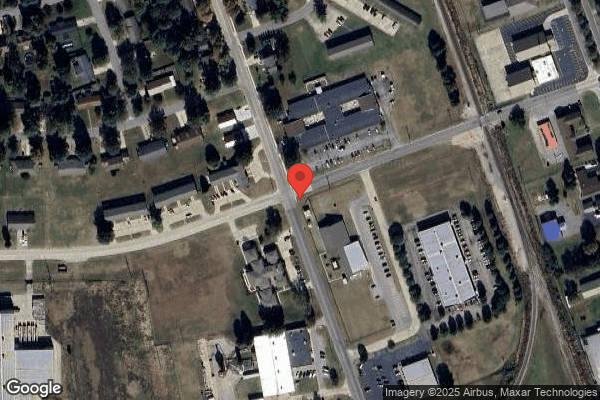
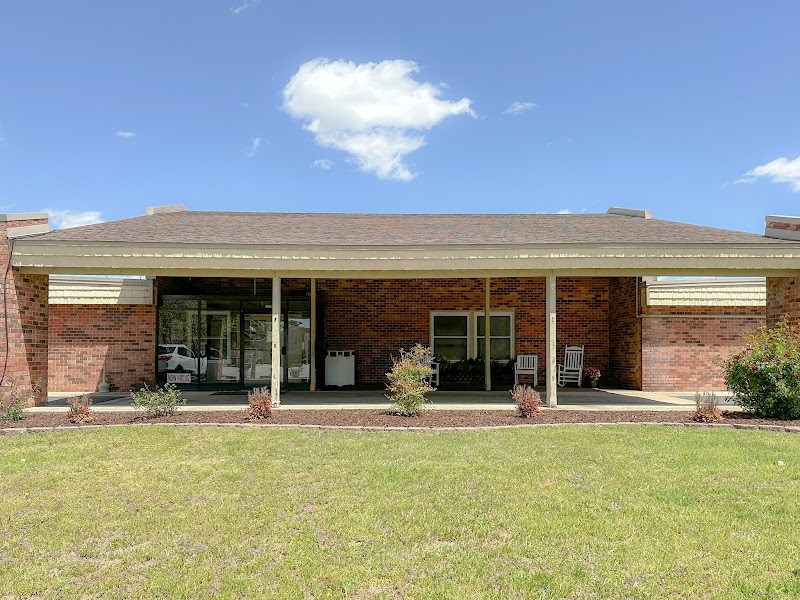
628 NORTH WEST STREET, SIKESTON, MO 63801 (573) 471-7130
For profit - Individual 120 Beds CIRCLE B ENTERPRISES Data: November 2025 1 Immediate Jeopardy citation
Trust Grade
51/100
#157 of 479 in MO
Last Inspection: August 2024

Within standard 12-15 month inspection cycle. Federal law requires annual inspections.

Overview

Hunter Acres Caring Center in Sikeston, Missouri, has a Trust Grade of C, which means it is average and sits in the middle of the pack for nursing homes. It ranks #157 out of 479 facilities in Missouri, placing it in the top half, but is only #4 out of 5 in Scott County, indicating that there is one local option that is better. The facility is improving, with issues decreasing from 11 in 2023 to 4 in 2024. Staffing is a concern, with a rating of 1 out of 5 stars and a turnover rate of 52%, which is better than the state average but still indicates instability. Additionally, the home has faced fines totaling $10,023, which is average, but it has less RN coverage than 89% of Missouri facilities, meaning there may be fewer registered nurses available to catch potential problems. Specific incidents include a critical failure where a resident with memory issues was left unsupervised during a smoke break and wandered away from the facility, and observations of the environment showed peeling paint and cleanliness issues, suggesting a need for better maintenance. On the positive side, the health inspection rating is 4 out of 5 stars, indicating good performance in that area. Overall, families should weigh these strengths and weaknesses carefully when considering this facility for their loved ones.

Trust Score
C
51/100
In Missouri
#157/479
Top 32%
Safety Record
High Risk
Review needed
Inspections
Getting Better
11 → 4 violations
Staff Stability
⚠ Watch
52% turnover. Above average. Higher turnover means staff may not know residents' routines.
Penalties
✓ Good
$10,023 in fines. Lower than most Missouri facilities. Relatively clean record.
Skilled Nurses
⚠ Watch
Each resident gets only 12 minutes of Registered Nurse (RN) attention daily — below average for Missouri. Fewer RN minutes means fewer trained eyes watching for problems.
Violations
⚠ Watch
19 deficiencies on record. Higher than average. Multiple issues found across inspections.
★★★☆☆
3.0
Overall Rating
★☆☆☆☆
1.0
Staff Levels
★★★☆☆
3.0
Care Quality
★★★★☆
4.0
Inspection Score
Stable
2023: 11 issues
2024: 4 issues

The Good

  • Full Sprinkler Coverage · Fire safety systems throughout facility
  • No fines on record

Facility shows strength in fire safety.

The Bad

3-Star Overall Rating

Above Missouri average (2.5)

Meets federal standards, typical of most facilities

Staff Turnover: 52%

Near Missouri avg (46%)

Higher turnover may affect care consistency

Federal Fines: $10,023

Below median ($33,413)

Minor penalties assessed

Chain: CIRCLE B ENTERPRISES

Part of a multi-facility chain

Ask about local staffing decisions and management

The Ugly 19 deficiencies on record

1 life-threatening
Aug 2024 4 deficiencies
CONCERN (D)

Potential for Harm - no one hurt, but risky conditions existed

Safe Environment (Tag F0584)

Could have caused harm · This affected 1 resident

**NOTE- TERMS IN BRACKETS HAVE BEEN EDITED TO PROTECT CONFIDENTIALITY** Based on observation, interview, and record review, the facility failed to provide a safe, clean, comfortable homelike environme...

Read full inspector narrative →
**NOTE- TERMS IN BRACKETS HAVE BEEN EDITED TO PROTECT CONFIDENTIALITY** Based on observation, interview, and record review, the facility failed to provide a safe, clean, comfortable homelike environment. This deficient practice had the potential to affect all residents in the facility. The facility census was 86. The facility did not provide a policy on the environment. 1. Observations on 08/05/24 at 10:21 A.M., and 08/08/24 at 1:05 P.M., of room [ROOM NUMBER] showed: - On 08/05/24 at 10:21 A.M., the bathroom wall to the left of the toilet with a three foot (ft.) area of scratched and/or peeled off paint. 2. Observations of the 300/400 Hall common area showed: - On 08/05/24 at 10:15 A.M., the ceiling tile and the vent near the 300 Hall covered in a brown/black substance, - On 08/05/24 at 10:17 A.M., the wall to the left of the exit door with a four ft. by one inch (in.) hole above the cove base; - On 08/08/24 at 2:10 P.M., a brown substance on the ceiling vent outside the 300/400 Hall. 3. Observation on 08/07/24 at 3:30 P.M., of room [ROOM NUMBER] showed a hole at the bottom of the outside bathroom door. During an interview on 08/08/24 at 2:58 P.M., the Maintenance Director said there were forms on each hall to fill out with what needed to be looked at. He/She didn't know of any current issues. During an interview on 08/08/24 at 4:40 P.M., the Administrator said she would expect all residents to have a homelike environment.
CONCERN (D) 📢 Someone Reported This

A family member, employee, or ombudsman was alarmed enough to file a formal complaint

Potential for Harm - no one hurt, but risky conditions existed

Quality of Care (Tag F0684)

Could have caused harm · This affected 1 resident

**NOTE- TERMS IN BRACKETS HAVE BEEN EDITED TO PROTECT CONFIDENTIALITY** Based on interview and record review, the facility failed to ensure staff provided the necessary care and services in accordance...

Read full inspector narrative →
**NOTE- TERMS IN BRACKETS HAVE BEEN EDITED TO PROTECT CONFIDENTIALITY** Based on interview and record review, the facility failed to ensure staff provided the necessary care and services in accordance with professional standards of practice by failing to notify the physician immediately of one resident's (Resident #22) significant change in status and by failing to provide emergency treatment in a timely manner for one resident (Resident #58) out of two sampled residents. The facility's census was 86. Review of facility policy titled, Change in a Resident's Condition or Status, dated February 2021, showed: - The nurse will notify the resident's attending physician or physician on call when there has been a significant change in the resident's physical/emotional/mental condition, a need to alter the resident's medical treatment significantly, and/or a need to transfer the resident to a hospital/treatment center; - A significant change of condition is a major decline or improvement in the resident's status. 1. Review of Resident #22's medical record showed diagnoses of chronic obstructive pulmonary disease (COPD - a group of lung diseases that block airflow and make it difficult to breathe), stroke, diabetes mellitus (a chronic condition that affects the way the body processes glucose), and hypertrophic cardiomyopathy (a condition in which the heart muscle becomes abnormally thick making it hard for the heart to pump blood). Review of the resident's progress notes showed: - On 6/22/24 at 6:23 P.M., the resident lay in bed lethargic (lack of energy or sluggish) and skin felt warm to the touch. Resident used accessory muscles (muscles that provide assistance to the main breathing muscles when additional power is needed) to breathe. Lungs sounds were coarse with congestion throughout. Vital signs of blood pressure (BP) 86/55, heart rate (HR) 99, respirations (resp) 32, temperature (temp) 101.4 degrees Fahrenheit (F), oxygen saturation 84% on room air. Applied oxygen at 3 liter per minute (lpm) per nasal cannula (NC - a flexible tube used to administer supplemental oxygen through the nose). Blood sugar was 61. Fed resident dairy products and resident drank two cups of orange juice. - On 06/22/24 at 9:00 P.M., the resident's vital signs of BP 106/66, HR 107, resp 28, temp 102.5 F, oxygen saturation 84% on oxygen at 3 lpm per NC. Administered two Tylenol 325 milligram (mg) by mouth per as needed; - On 06/22/24 at 10:35 P.M., contacted the physician on call and received an order to send the resident to the hospital; - On 06/22/24 at 10:45 P.M., report was called to the hospital emergency room (ER) nurse; - On 06/22/24 at 11:00 P.M., the ambulance arrived to transport the resident to the hospital; - On 6/23/24 at 9:54 A.M., the resident was admitted to the intensive care unit (ICU) for possible sepsis (a life-threatening medical emergency that arises when the body's attempt to fight off an infection results in the immune system damaging tissues and organs). Would be on intravenous antibiotics; - On 7/01/24 at 1:45 P.M., the resident returned from the hospital stay via facility transport. No signs and symptoms of distress. No complaints voiced. The facility failed to notify the physician immediately of the resident's significant change of status. Review of the resident's hospital Discharge summary, dated [DATE], showed: - The resident was admitted to ICU for acute and chronic respiratory failure with hypercapnia (occurs when the lungs cannot release enough oxygen into the blood or remove carbon dioxide from the blood causing multiple organ failure), septic shock (a widespread infection causing organ failure and dangerously low blood pressure), healthcare associated pneumonia (infection that causes inflammation and fluid in the lungs), abnormal urine analysis, acute kidney failure (a condition in which the kidneys suddenly cannot filter waste from the blood), acute encephalopathy (inflammation of the brain), acute dehydration (the absence of enough water in the body), elevated D·dimer (a piece of protein that is made when a blood clot dissolves). During an interview on 08/16/24 at 10:55 A.M., Licensed Practical Nurse (LPN) E said he/she worked the night of 06/22/24. He/She remembered sending Resident #22 out to the hospital, but did not remember the events leading up to the transfer. During an interview on 8/08/24 at 3:10 PM, LPN D said he/she would notify the Director of Nursing (DON) and the resident's provider if a resident was short of breath with an elevated temperature. He/She would implement the orders and follow up as needed. If an alert resident had a low blood sugar, he/she would have them drink a sugary drink or give them a snack. If an unresponsive resident had a low blood sugar, he/she would administer a glucagon (a hormone that raises blood sugar) injection. The physician would be notified. The blood sugar would be rechecked in 20 to 30 minutes. If the blood sugar had not increased, he/she would contact the physician. During an interview on 08/16/24 at 10:50 A.M., Nurse Practitioner (NP) F said he/she was on call the night of 06/22/24, and confirmed he/she was contacted by the facility at 10:30 P.M., regarding Resident #22's change in condition. He/She would have expected to be contacted immediately following the resident's assessment at 6:23 P.M., when the resident had a low oxygen level and an elevated temperature. The nurse completing the assessment should have checked Resident #22's oxygen level immediately after applying the oxygen. During an interview on 8/08/24 at 5:00 P.M., the Administrator said she would expect the physician to be notified immediately when a resident had a significant change in condition. 2. Review of Resident #58's medical record showed: - Severe cognitive impairment; - Diagnoses of Alzheimer's disease (a progressive disease that destroys memory and other important mental functions), dementia (a condition characterized by progressive or persistent loss of intellectual functioning, especially with impairment of memory and abstract thinking), heart failure (a chronic condition in which the heart doesn't pump blood as well as it should), diabetes mellitus (a chronic condition that affects the way the body processes glucose), and asthma (a chronic lung disease that inflames and narrows the airways in the lungs). Review of the resident's progress notes showed: - On 08/02/24, at 6:25 P.M., earlier in the shift, the resident was found slumped over in his/her wheelchair and the resident's BP could not be obtained. The DON was notified of the resident's condition and gave instructions to send the resident to the ER. The nurse instructed the Certified Nurse Assistants (CNAs) to place the resident on the bed. The resident had excoriated areas to his/her abdominal folds and coccyx. The ambulance arrived and left with the resident at 5:36 P.M.; - On 08/03/24 at 9:43 A.M., the nurse spoke to the hospital and the resident was admitted to ICU with a diagnosis of acute kidney injury. Review of resident's hospital History and Physical, dated 08/02/24, showed: - The resident admitted with acute metabolic encephalopathy, septic shock, UTI, and acute kidney failure; - admitted to the ICU. During an interview on 08/06/24 at 3:30 P.M., LPN B said that he/she was notified by a CNA the resident was found unresponsive. He/She assessed the resident, was unable to obtain a BP, and called the DON. LPN B instructed the CNAs to move the resident to the bed to make it easier to get the resident on the stretcher when the ambulance came and to clean the resident up. The ambulance was called after the resident was cleaned up, which took about 20 minutes from the time the resident was found unresponsive and the ambulance was called. The resident became more responsive during care. LPN B tried again to check the resident's BP and it was really low. He/She did not remember what the BP reading was. During an interview on 08/08/24 at 4:02 P.M., LPN B said he/she contacted the resident's physician after he/she spoke with the DON. The resident was transferred to the bed and cleaned because he/she was soiled. During an interview on 08/07/24 at 9:07 A.M., the DON said she thought the ambulance was called while the nurse was still on the phone with her that evening. She would expect staff to call an ambulance for a resident who was unresponsive immediately after contacting her. During an interview on 08/19/24 at 9:54 A.M., NP F said he/she was contacted regarding Resident #58's status on 08/02/24 at 4:58 P.M. He/She did not specifically remember all the details of the call but did remember that he/she gave orders to send the resident to the ER. He/She did not feel it was appropriate to delay calling the ambulance in order to clean the resident up. The facility failed to provide emergency treatment in a timely manner. NP F gave an order to send the resident to the ER on [DATE] at 4:58 P.M. LPN B instructed the CNAs to place the resident on the bed and provide incontinent care to the resident. LPN B did not call the ambulance until after the resident's incontinent care was provided. The resident was transported by ambulance to the ER on [DATE] at 5:36 P.M.
CONCERN (D) 📢 Someone Reported This

A family member, employee, or ombudsman was alarmed enough to file a formal complaint

Potential for Harm - no one hurt, but risky conditions existed

Deficiency F0692 (Tag F0692)

Could have caused harm · This affected 1 resident

**NOTE- TERMS IN BRACKETS HAVE BEEN EDITED TO PROTECT CONFIDENTIALITY** Based on observation, interview, and record review, the facility failed to timely and effectively address significant weight los...

Read full inspector narrative →
**NOTE- TERMS IN BRACKETS HAVE BEEN EDITED TO PROTECT CONFIDENTIALITY** Based on observation, interview, and record review, the facility failed to timely and effectively address significant weight loss for one resident (Resident #58) out of 20 sampled residents. The facility's census was 86. Review of the facility's policy titled, Weight Assessment and Intervention, revised March 2022, showed: - Any weight change of 5% of more since the last weight assessment is retaken the next day for confirmation. If the weight is verified, nursing will notify the dietician; - Unless notified of significant weight change, the dietician will review the unit weight record monthly to follow individual weight trends over time.; - The threshold for significant unplanned and undesired weight loss will be based on the following criteria [where percentage of body weight loss=(usual weight - actual weight)/(usual weight) x 100]: For one month - 5% weight loss is significant; greater than 5% is severe. For three months - 7.5% weight loss is significant; greater than 7.5% is severe. For six months - 10% weight loss is significant; greater that 10% is severe; - Care planning for weight loss or impaired nutrition is a multidisciplinary effort and includes the physician, nursing staff, the dietician, the consultant pharmacist, and the resident or resident's legal surrogate. Review of Resident #58's Electronic Medical Record (EMR) showed: - admitted on [DATE] - admission weight was 215 pounds (lbs); - Diagnoses of dementia (a condition characterized by progressive or persistent loss of intellectual functioning, especially with impairment of memory and abstract thinking), congestive heart failure (a chronic condition in which the heart doesn't pump blood as well as it should), hypertension (abnormally high blood pressure), diabetes mellitus (a chronic condition that affects the way the body processes glucose); - On 05/14/24 resident's weight was 215 lbs; - On 06/07/24 resident's weight was 211 lbs; - On 07/08/24 resident's weight was 192 lbs with a 23 lb and 10.7% weight loss in less than 60 days; - On 08/01/24 resident's weight was 163 lbs with a 52 lb and 24.2% weight loss in less than 90 days; - The resident had significant weight loss in less than 90 days. Review of the resident's admission Dietary History and Initial Screening, dated 05/14/24, showed: - Mechanical diet; - Few/broken/poor condition of teeth/mouth sore; - Resident preferences for beverages: water and tea; - Resident likes: ice cream and chips. Review of the resident's Physician's Order Sheet (POS), dated August 2024, showed: - An order for mechanical soft diet, dated 05/14/24; - An order to change the diet to a regular diet, regular consistency and thin liquids, dated 07/09/24; - No other weight loss interventions. Review of the resident's admission Minimum Data Set (MDS - a federally mandated assessment instrument), dated 05/21/24, showed: - Severe cognitive impairment; - Required supervision for eating; - Weight 215 lbs; - No significant weight loss; - Mechanically altered diet. Review of the resident's care plan, dated 05/24/24 showed the care plan did not identify or address interventions related to the resident's weight loss. Review of the resident's Nutritional Progress Notes showed: - On 05/14/24, the resident received a mechanical diet and no current dislikes. Loved ice cream and chips; - On 07/09/24, the resident's diet was changed to a regular diet by the physician. Review of the Registered Dietician (RD) Care form, dated 07/19/24, showed: - Consult with resident; - The resident with a weight loss for the past 30 and 60 days; - Add large portions at breakfast every day; - Add ice cream or an extra item of choice every day x 30 days. Review of resident's Progress Notes showed: - On 05/18/24, the resident complained of bad teeth and says there was no food he/she could eat; - On 07/11/24, the resident was out with family. The family reported the resident ate 25%; - On 07/20/24, the resident still refused to eat meals or take medication. The resident told the nurse it had been a week without him/her having a drink of water. The resident had water at that time; - On 07/22/24, the resident moved to a new room and said he/she hadn't had anything to drink in months; - On 07/26/24, the resident refused medication and refused to eat. Multiple staff asked multiple times; - On 07/29/24, the resident continued to refuse medication and food; - On 07/31/24, Invega Sustenna (an antipsychotic medication) given related to unspecified dementia, severe with psychotic disturbance; - On 08/01/24, the resident continued to refuse medication and meals; - On 08/02/24, the resident slumped over in the chair and not responding. The resident was sent to the emergency room. - On 08/03/24, the resident admitted to intensive care unit with a diagnosis of acute kidney injury. Review of the resident's Behavioral Health (BH) Notes showed: - On 06/25/24, Psychiatric Physician's Assistant (PA) H documented the resident refused medications, to shower, to change clothes and refused care. The resident had paranoid thoughts and thought the staff were trying to poison him/her. The resident told other residents and people that the staff was withholding food from him/her. On interview there, was some confusion and the resident was somewhat circumstantial. The resident said people are trying to kill him/her and cut him/her open. Resident states he/she is not eating because they were putting poison in the food. The resident said no one would give him/her anything to drink. Gave the resident a cup and the resident said he/she did not want to drink out of the sink. He/She made several persecutory and delusional comments. The resident thought he/she was being poisoned. He/She thought staff were trying to kill him/her; - On 07/02/24, Psychiatric PA H documented the resident made several delusional comments. The resident began by saying something about some small children being in his/her room and this caused the resident to vomit every time he/she was in his/her room. The resident said something about a little girl trying to get in his/her bed. When asked if he/she knew where he/she was, the resident said it had changed since the last visit. The resident was quite delusional and would likely require an antipsychotic medication moving forward; - On 07/30/24, Psychiatric PA H documented that according to staff, the resident still had delusional thinking that lead to him/her refusing medical treatments and cares as well as food and medications. Ordered Invega Sustenna as he/she now had a guardian. The resident needed something to treat his/her delusional thinking as it was interfering with his/her hygiene and medical treatments and overall health. During an interview on 08/08/24 at 4:25 P.M., Certified Medication Technician (CMT) G said that the resident was able to feed himself/herself so staff did not assist. During an interview on 08/19/24 at 4:41 P.M., the Registered Dietician (RD) said he/she saw the resident on 07/19/24, and the resident was a tough case because he/she didn't want to eat. The RD recommended to add large portions and ice cream or an extra item of the resident's choice for 30 days on the 07/19/24 visit. During an interview on 08/08/24 at 5:00 P.M., the DON said the RD was scheduled to come every two weeks, but was only required to see the residents monthly. During an interview on 08/08/24 at 5:05 P.M., the Administrator said she would expect a resident with a significant weight loss to be seen by the RD at least monthly. During an interview on 08/20/24 at 1:11 P.M., the resident's physician said that he/she agreed with psychiatry that the resident's weight loss was related to his/her behaviors of refusing medications and meals. The resident was being watched carefully and the resident refused everything they tried to do for him/her.
CONCERN (D)

Potential for Harm - no one hurt, but risky conditions existed

Unnecessary Medications (Tag F0759)

Could have caused harm · This affected 1 resident

**NOTE- TERMS IN BRACKETS HAVE BEEN EDITED TO PROTECT CONFIDENTIALITY** Based on observation, interview and record review, the facility failed to maintain a medication error rate of less than five per...

Read full inspector narrative →
**NOTE- TERMS IN BRACKETS HAVE BEEN EDITED TO PROTECT CONFIDENTIALITY** Based on observation, interview and record review, the facility failed to maintain a medication error rate of less than five percent (%). There were 36 opportunities with two errors made, resulting in an error rate of 5.56% for two residents (Resident #12 and #30) out of five sampled residents. The facility's census was 86. Review of the facility's policy titled, Administering Medications, dated April 2019, showed: - Medications are administered in accordance with prescriber orders, including any required time frame; - Medications are administered within one hour of their prescribed time, unless otherwise specified (for example, before and after meal orders). 1. Review of Resident #12's Physician Order Sheet (POS), dated August 2024, showed: - An order for Novolog FlexPen (a type of insulin - medication used to lower blood sugar) 5 units subcutaneously (an injection below the skin) with meals for diabetes mellitus (a chronic condition that affects the way the body processes glucose), dated 6/04/24; - An order for Novolog FlexPen per sliding scale subcutaneously before meals and at bedtime for blood sugar of 70-180 = 0 units, 181-240 = 4 units, 241-290 = 6 units, 291-340 = 8 units, and [PHONE NUMBER] = call the physician, for diabetes mellitus, dated 6/04/24. Observation of Resident #12's medication pass on 8/07/24 at 12:13 P.M., showed: - The resident's blood sugar was 102; - Licensed Practical Nurse (LPN) D did not administer the resident's scheduled Novolog 5 units before lunch; - The facility failed to administer the resident's Novolog insulin as ordered. During an interview on 8/07/24 at 12:20 P.M., LPN D said Resident #12 did not have any Novolog insulin in the building and it would have to be ordered from the pharmacy. 2. Review of Resident #30's POS, dated August 2024, showed an order for Crestor (cholesterol medication) 40 milligrams (mg) one tablet by mouth daily for hyperlipidemia (high cholesterol in the blood), dated 6/29/24. Observation of Resident #30's medication pass on 8/07/24 at 8:34 A.M., showed: - Certified Medication Technician (CMT) C did not administer Crestor; - The facility failed to administer the resident's Crestor as ordered. During an interview on 8/07/24 at 8:34 A.M., CMT C said the resident was out of Crestor and more would need to be ordered from the pharmacy. During an interview on 8/07/24 at 1:57 P.M., CMT C said the Crestor for Resident #30 had still not arrived. During an interview on 8/08/24 at 5:00 P.M., the Administrator said he/she would expect residents not to run out of medications. She would expect medication be ordered from the pharmacy prior to the resident running out. During an interview on 8/08/24 at 5:00 P.M., the Director of Nursing (DON) said she would expect residents not to run out of medications. She would expect medication to be ordered from the pharmacy prior to the resident running out.
Nov 2023 1 deficiency 1 IJ
CRITICAL (J) 📢 Someone Reported This

A family member, employee, or ombudsman was alarmed enough to file a formal complaint

Immediate Jeopardy (IJ) - the most serious Medicare violation

Accident Prevention (Tag F0689)

Someone could have died · This affected 1 resident

Based on interview and record review, the facility failed to provide adequate supervision for one resident (Resident #1), who had impaired memory, poor judgement and insight, and was assessed as an el...

Read full inspector narrative →
Based on interview and record review, the facility failed to provide adequate supervision for one resident (Resident #1), who had impaired memory, poor judgement and insight, and was assessed as an elopement risk. On 11/04/23, during a supervised smoke break, the supervising staff person left the resident alone and the resident left the facility grounds. The resident was found in a city approximately 30 miles away. The facility census was 87. The Administration was notified on 11/07/23 of a Past Non-Compliance citation Immediate Jeopardy (IJ) which began on 11/4/23. Upon discovery, the facility staff conducted an investigation, implemented facility protocols, and in-serviced staff on protective oversight. The IJ was corrected on 11/04/23. Review of the facility's policy titled, Smoking Policy- Residents, dated August 2022, showed: - The facility has established and maintains safe resident smoking practices; - Smoking is only permitted in designated resident smoking areas, which are located outside the building; - Resident smoking status is evaluated upon admission. The evaluation includes ability to smoke safely with or without supervision per completed Safe Smoking Evaluation; - Any resident with smoking privileges requiring monitoring shall have the direct supervision of a staff member, family member or volunteer worker at all times while smoking. Review of the facility's policy titled, Elopement Precautions/Missing Resident, dated 2007, showed: - Prevention of residents leaving the facility without supervision when assessed to be an elopement risk and measures to take when a resident is found missing; - If a resident is found to be an elopement risk and the facility has a Special Care Unit, placement of the resident in the unit will be considered. If applicable, a more permanent interdisciplinary team decision can be determined; - Residents who are considered an elopement risk are to have their whereabouts confirmed at least every 30 minutes; - Residents who are demonstrating elopement attempts are to remain under constant surveillance until it is safe to return to 30 minute checks; - Residents who are assessed to be elopement risks shall have specific care plan interventions that identify how to manage the resident's elopement behavior; - If a resident is found missing, the charge nurse is immediately notified and an immediate search of the facility is to occur followed by a search of the facility grounds; - If the resident is not located within 15 minutes, the Administrator and/or the Director of Nurses (DON) is to be notified and all available staff will begin a fanned out search; - Any hazards that are close to the facility are assigned for monitoring by a search person and would include highways, railroad tracks, etc. where practicable; - If resident is not located with in 30 to 45 minutes, the local authorities are to be notified for assistance; - The family/power of attorney (POA) is notified and may provide assistance; - When it is necessary to call law enforcement authorities to search for a missing resident, the search will be under their supervision. The facility will maintain contact with the authorities until the resident is found. During an interview on 11/07/23 at 2:25 P.M., the DON said: - Residents were to be supervised at all times during smoke breaks. This requirement was not added to the policy, but it was the expectation following the removal of the key pad locks from the smoking area on the locked unit. 1. Review of Resident #1's medical record showed: - admission date 04/10/23 and re-entry admission date 10/11/23; - Diagnoses of schizophrenia (a disorder that affects a person's ability to think, feel, and behave clearly), bipolar disorder (a disorder associated with episodes of mood swings ranging from depressive lows to manic highs), auditory hallucinations (when a person hears voices or noises that don't exist in reality), depression (a constant feeling of sadness and loss of interest), anxiety (a feeling of worry, nervousness, or unease), visual hallucinations (when a person sees things that don't exist in reality), insomnia (difficulty falling or staying asleep), chronic pain, seizures (a sudden, uncontrolled burst of electrical activity in the brain), asthma (a respiratory condition in which a person's airways become inflamed and makes it difficult to breathe), and hypertension (high blood pressure); - The care plan, dated 04/24/23, showed the resident resided on the secured unit. He/she couldn't always make adequate or appropriate decisions. He/She needed direction and assistance to adequately complete care and make daily decisions. Memory was impaired and had poor judgement and insight. The resident preferred to smoke. Resident would smoke in the designated area. Staff would keep all smoking materials. If the resident had a visitor, the resident could smoke in the designated smoking area supervised by the visitor; - A Risk of Elopement/Wandering Review, dated 07/04/23, showed the resident was at risk for elopement/wandering. No other interventions on care plan regarding elopement/wandering other than what was included on 4/24/23 care plan. - A Safe Smoking Evaluation, dated 07/04/23, showed the resident was a safe smoker. Review of the resident's quarterly Minimum Data Set (MDS) (a federally mandated assessment tool completed by the facility), dated 10/18/23, showed: - Cognition intact; - Disorganized thinking (unclear or illogical flow of ideas, or unpredictable switching from subject to subject which comes and goes, and changes in severity); - Other behavioral symptoms such as pacing or verbal symptoms; - Independent with walking, dressing, bathing and toileting; - Required assistance with functional cognition. Review of the Nurse's Progress Notes, showed: -On 11/04/23, the resident was taken outside to smoke at 8:45 A.M. He/she was supervised by Certified Nurse Assistant (CNA) A. At 9:22 A.M., the resident opened the gate in the smoking area and left the facility. Staff looked for the resident outside and were unable to locate him/her. The facility administration, the physician, the police, and the resident's guardian were notified. At 4:10 P.M., the resident was found in a city approximately 30 miles away and was taken to the hospital. Review of the Facility's Follow up Investigation report showed: -On 11/04/23, at approximately 4:00 P.M., the resident was found in a city 30 miles away; -The resident said he/she left the facility and a friend brought him/her to the city; -CNA A said he/she knew the smoking policy, but was trying to watch Resident #1 and the other residents on the hall since the other CNA went on break; -Upon interview, CNA A admitted that he/she was not to the leave the resident alone during smoke breaks; -CNA A was terminated for not adhering to the facility's policy and procedures. During an interview on 11/07/23 at 2:10 P.M., Registered Nurse (RN) B said: - He/she was the charge nurse working on the day shift on 11/04/23; - He/she went outside for his/her smoke break at approximately 9:15 A.M.; - He/she saw the gate to the smoking area open; - He/she immediately went inside and saw CNA A and other staff sitting at a table; - He/she immediately assigned staff to start checking residents and found Resident #1 could not be located; - All available staff searched the facility and grounds for Resident #1; - The Administrator, DON, the resident's guardian, his/her parent, and the police were notified; - Residents were never allowed to smoke unsupervised. RN B said after the last annual survey the key pad locks were removed from the smoking area on the locked unit and the facility implemented that all residents were to be supervised in the smoking area. During an interview on 11/07/23 at 2:15 P.M., the facility's speech therapist said: -On 11/04/23, he/she was not at the facility but received an alert from the facility that Resident #1 was missing; -At approximately 3:45 P.M., he/she identified Resident #1 who sat on a bench in a city approximately 30 miles away from the facility; -He/she called out to the resident who was anxious, shaking and appeared relieved to see him/her and willingly got into his/her car; -The police were notified and met them at a parking lot; -The police took custody of Resident #1 and escorted him/her to a hospital emergency department for evaluation. During an interview on 11/07/23 at 2:25 P.M., the DON said: - Resident #1 currently resided at another long term care facility. The resident did not incur any physical injuries. During an interview on 11/07/23 at 3:00 P.M., the facility's Corporate Nurse said: -He/she conducted a disciplinary interview with CNA A; -CNA A said the facility's policy was that this resident must be supervised at all times and not to be left alone. Complaint MO00226893
May 2023 10 deficiencies
CONCERN (D)

Potential for Harm - no one hurt, but risky conditions existed

Deficiency F0578 (Tag F0578)

Could have caused harm · This affected 1 resident

**NOTE- TERMS IN BRACKETS HAVE BEEN EDITED TO PROTECT CONFIDENTIALITY** Based on interview and record review, the facility failed to ensure code status (the type of treatment a person would or would n...

Read full inspector narrative →
**NOTE- TERMS IN BRACKETS HAVE BEEN EDITED TO PROTECT CONFIDENTIALITY** Based on interview and record review, the facility failed to ensure code status (the type of treatment a person would or would not receive if their heart or breathing were to stop) was consistent throughout the medical record for one resident (Resident #49) out of 18 sampled residents. The facility's census was 84. Record review of the facility's Advance Directives policy, revised [DATE], showed: - The resdient has the right to formulate an advance directive, including the right to accept or refuse medical or surgical treatment. Advance directives are honored in accordance with state law and facility policy; - The facility defines the following in accordance with current OBRA definitions and guidelines: Do Not Resuscitate (DNR) - indicates that, in case of respiratory or cardiac failure, the resident, legal guardian, health care proxy, or representative (sponsor) has directed that no cardiopulmonary resuscitation (CPR) or other life-sustaining treatments or methods are to be used; - Legal Representative - (i.e. substitute decision-maker, proxy, agent) - a person designated and authorized by an advance directive or state law to make treatment decisions for another person in the event the other person becomes unable to make necessary health care decisions; - The director of nursing services (DNS) or designee notifies the attending physician of advance directives (or changes in advance directives) so that appropriate orders can be documented in the resident's medical record and plan of care; - The resident's wishes are communicated to the residents direct care staff and physician by placing the advance directive documents in a prominent, accessible location in the medical record and discussing the residents wishes in care planning meetings; - The plan of care for each resident is consistent with his or her documented treatment preferences and/or advance directive. 1. Record review of Resident #49's medical record showed: - Face sheet with an admission date of [DATE] and full code (if a person's heart stopped beating and/or they stopped breathing, all resuscitation procedures will be provided to keep them alive) documented; - Physician's Order Sheet (POS), dated [DATE] to [DATE], with an order for full code; - Care plan, dated [DATE], documenting a full code status and a note dated [DATE] that states Reviewed resident's care plan. No changes noted at this time. signed by the MDS (Minimum Data Set - a federally-mandated assessment completed by the facility) Coordinator; - Care plan meeting form, dated [DATE], with no documentation of code status wishes or changes to the code status; - An OHDNR (Outside the Hospital DNR - do not resuscitate - form) signed by the resident's attending physician on [DATE] and signed by the resident's representative on [DATE]. During an interview on [DATE] at 1:30 P.M., Certified Nursing Assistant (CNA) E said he/she would ask the nurse whether a resident is full code or not. During an interview on [DATE] at 1:31 P.M., Certified Medication Technician (CMT) F said he/she would check the face sheet for the resident's code status. During an interview on [DATE] 1:35 P.M., Licensed Practical Nurse (LPN) G said he/she would check the advance directive tab in the resident's chart for code status. It should match everywhere in the chart: POS, face sheet, care plan. If someone were to change code status, the person making the change would change it in the chart. That used to be the social worker, but things have changed, so he/she was unsure of the current process. During an interview on [DATE] at 2:38 P.M., the Administrator and Director of Nursing (DON) said they would expect advanced directives to match on the face sheet, POS, care plan, and under the Advanced Directive tab. Staff should look at the POS should someone code. The process for code status changes would be for social services to copy the OHDNR, and the nurse should notify the physician to change the order on the POS and with the care plan. During an interview on [DATE] at 3:00 P.M., the DON said the resident was hospitalized and, when he came back, the resident and the family had different wishes for the resident's code status.
CONCERN (D)

Potential for Harm - no one hurt, but risky conditions existed

Deficiency F0582 (Tag F0582)

Could have caused harm · This affected 1 resident

Based on interview and record review, the facility failed to issue a Centers for Medicare and Medicaid Services (CMS) Skilled Nursing Facility Advance Beneficiary Notice (SNF ABN: Medicare requires SN...

Read full inspector narrative →
Based on interview and record review, the facility failed to issue a Centers for Medicare and Medicaid Services (CMS) Skilled Nursing Facility Advance Beneficiary Notice (SNF ABN: Medicare requires SNFs to issue a SNFABN to beneficiaries prior to providing care that Medicare usually covers, but may not pay for because the care is not medically reasonable and necessary or considered custodial) Form 10055 for two residents (Resident #17 and #186) out of three sampled residents who remained in the facility when benefits were not exhausted. The facility's census was 84. 1. Record review of Resident #17's CMS Notice of Medicare Non-Coverage (NOMNC: Medicare requires SNFs to issue a NOMNC to beneficiaries no later than two days before covered services end) Form 10123 and SNF ABN forms showed: - The resident's skilled Medicare Part A services started on 2/02/23, ended on 2/21/23, and the resident remained in the facility; - The resident's representative signed the NOMNC on 2/17/23; - The facility failed to get verbal consent or provide the resident's representative with the SNF ABN form. 2. Record review of Resident #186's NOMNC and SNF ABN forms showed: - The resident's skilled Medicare Part A services started on 4/10/23, ended on 4/28/23, and the resident remained in the facility; - The resident's representative signed the NOMNC on 4/16/23; - The facility failed to get verbal consent or provide the resident's representative with the SNF ABN form. During an interview on 5/05/23 at 2:38 P.M. , the Administrator said he/she would expect the SNF ABN forms to be completed and signed prior to a resident's discharge from skilled Medicare services. The facility did not provide a policy.
CONCERN (D)

Potential for Harm - no one hurt, but risky conditions existed

Comprehensive Assessments (Tag F0636)

Could have caused harm · This affected 1 resident

Based on interview and record review, the facility failed to complete a comprehensive Minimum Data Set (MDS-a federally mandated assessment tool) within the required time frames for three residents (R...

Read full inspector narrative →
Based on interview and record review, the facility failed to complete a comprehensive Minimum Data Set (MDS-a federally mandated assessment tool) within the required time frames for three residents (Resident #15, #31, and #65) out of 18 sampled residents. The facility's census was 84. Record review of the facility's MDS Completion and Submission Timeframes, revised March 2017, showed: - Our facility will conduct and submit resident assessments in accordance with current federal and state submission timeframes; - The Assessment Coordinator or designee is responsible for ensuring that resident assessments are submitted in accordance with current federal and state guidelines; - Timeframes for completion and submission of assessments is based on the current requirements published in the Resident Assessment Instrument (RAI) Manual. Record review of the RAI Manual showed: - For the admission assessment, the MDS Completion Date (Z0500B) must be no later than 13 days after the Entry Date (A1600); - The ARD (Assessment Reference Date) of an assessment drives the due date of the next assessment. The next comprehensive assessment is due within 366 days after the ARD of the most recent comprehensive assessment; - For the admission assessment, the Care Area Assessment (CAA) Completion Date (V0200B2) must be no later than than 13 days after the Entry Date (A1600). - For the Annual assessment, the CAA Completion Date (V0200B2) must be no later than 14 days after the ARD (A2300). 1. Record review of Resident #15's medical record showed: - An admission date of 3/17/20; - A comprehensive annual MDS assessment with ARD of 2/2/22 and completion date of 2/2/22; - A comprehensive annual MDS assessment with ARD of 1/9/23, CAA completion date of 3/17/23, and MDS completion date of 3/17/23; - No CAAs completed within 14 days of the ARD; - No comprehensive MDS assessment completed within 366 days of the last comprehensive assessment. 2. Record review of Resident #31's medical record showed: - An admission date of 1/20/23; - A comprehensive admission MDS assessment with CAA completion date of 3/16/23, and MDS completion date of 3/16/23; - No CAAs completed within 14 days of admission; - No comprehensive admission MDS assessment within 14 days of admission. 3. Record review of Resident #65's medical record showed: - An admission date of 1/6/21; - A comprehensive annual MDS assessment with ARD of 1/11/22 and completion date of 1/13/22; - A comprehensive annual MDS assessment with ARD of 1/9/23, CAA completion date of 3/24/23, and MDS completion date of 3/24/23; - No CAAs completed within 14 days of the ARD; - No comprehensive MDS assessment completed within 366 days of the last comprehensive assessment. During an interview on 5/5/23 at 2:38 P.M., the Administrator, Director of Nursing (DON), and MDS Coordinator said they would expect the RAI manual to be followed for completion and submission of every MDS. They would also expect every MDS to be completed and submitted timely.
CONCERN (D)

Potential for Harm - no one hurt, but risky conditions existed

Deficiency F0638 (Tag F0638)

Could have caused harm · This affected 1 resident

Based on interview and record review, the facility failed to complete a quarterly Minimum Data Set (MDS-, a federally mandated assessment) within the required timeframe for eight residents (Resident #...

Read full inspector narrative →
Based on interview and record review, the facility failed to complete a quarterly Minimum Data Set (MDS-, a federally mandated assessment) within the required timeframe for eight residents (Resident #2, #14, #19, #39, #41, #48, #56, and #62) out of 18 sampled residents and three residents (Resident #27, #40, and #54) outside the sample. The facility's census was 84. Record review of the facility's MDS Completion and Submission Timeframes , Revised March 2017, showed: - Our facility will conduct and submit resident assessments in accordance with current federal and state submission timeframes; - The Assessment Coordinator or designee is responsible for ensuring that resident assessments are submitted in accordance with current federal and state guidelines; - Timeframes for completion and submission of assessments is based on the current requirements published in the Resident Assessment Instrument (RAI) Manual. Record review of the RAI Manual showed: - The ARD (Assessment Reference Date) of an assessment drives the due date of the next assessment. The next non-comprehensive assessment is due within 92 days after the ARD of the most recent OBRA assessment (ARD of previous OBRA assessment (Admission, Annual, Quarterly, Significant Change in Status, or Significant Correction assessment) + 92 calendar days); - The Quarterly assessment is an OBRA non-comprehensive assessment for a resident that must be completed at least every 92 days following the previous OBRA assessment of any type. It is used to track a resident's status between comprehensive assessments to ensure critical indicators of gradual change in a resident's status are monitored. As such, not all MDS items appear on the Quarterly assessment. The ARD (A2300) must be not more than 92 days after the ARD of the most recent OBRA assessment of any type. 1. Record review of Resident #2's medical record showed: - An admission date of 8/4/20; - A quarterly MDS assessment with a completion date of 11/2/22; - A quarterly MDS assessment with a completion date of 3/23/23; - The facility failed to complete a quarterly MDS assessment within 92 days of the prior MDS assessment. 2. Record review of Resident #14's medical record showed: - An admission date of 10/1/08; - A quarterly MDS assessment with a completion date of 11/8/22; - A quarterly MDS assessment with a completion date of 3/24/23; - The facility failed to complete a quarterly MDS assessment within 92 days of the prior MDS assessment. 3. Record review of Resident #19's medical record showed: - An admission date of 9/10/19; - A comprehensive annual MDS assessment with a completion date of 10/11/22; - A quarterly MDS assessment with a completion date of 3/24/23; - The facility failed to complete a quarterly MDS assessment within 92 days of the prior MDS assessment. 4. Record review of Resident #27's medical record showed: - An admission date of 5/01/20; - A quarterly MDS assessment with a completion date of 11/22/22; - A quarterly MDS assessment with a completion date of 4/17/23; - The facility failed to complete a quarterly MDS assessment within 92 days of the prior MDS assessment. 5. Record review of Resident #39's medical record showed: - An admission date of 1/23/18; - A comprehensive annual MDS assessment with a completion date of 10/11/22; - A quarterly MDS assessemnt with a completion date of 3/28/23; - The facility failed to complete a quarterly MDS assessment within 92 days of the prior MDS assessment. 6. Record review of Resident #40's medical record showed: - An admission date of 11/17/21; - A comprehensive annual MDS assessment with a completion date of 11/22/22; - A quarterly MDS assessment with a completion date of 4/17/23; - The facility failed to complete a quarterly MDS assessment within 92 days of the prior MDS assessment. 7. Record review of Resident #41's medical record showed: - An admission date of 3/2/22; - A quarterly MDS assessment with a completion date of 9/20/22; - A quarterly MDS assessment with a completion date of 3/22/23; - The facility failed to complete a quarterly MDS assessment within 92 days of the prior MDS assessment. 8. Record review of Resident #48's medical record showed: - An admission date of 10/2/18; - A comprehensive annual MDS assessment with a completion date of 9/20/22; - A quarterly MDS assessment with a completion date of 3/22/22; - The facility failed to complete a quarterly MDS assessment within 92 days of the prior MDS assessment. 9. Record review of Resident #54's medical record showed: - An admission date of 5/19/21; - A comprehensive annual MDS assessment with a completion date of 5/10/22; - A quarterly MDS assessment with a completion date of 11/8/22; - A quarterly MDS assessment with a completion date of 4/17/23; - The facility failed to complete a quarterly MDS assessment within 92 days of the prior MDS assessment. 10. Record review of Resident #56's medical record showed: - An admission date of 9/21/21; - A quarterly MDS assessment with a completion date of 10/25/22; - A quarterly MDS assessment with a completion date of 3/28/23; - The facility failed to complete a quarterly MDS assessment within 92 days of the prior MDS assessment. 11. Record review of Resident #62's medical record showed: - An admission date of 12/7/20; - A quarterly MDS assessment with a completion date of 12/2/22; - A quarterly MDS assessment with a completion date of 3/27/23; - The facility failed to complete a quarterly MDS assessment within 92 days of the prior MDS assessment. During an interview on 5/5/23 at 2:38 P.M., the Administrator said he/she would expect MDSs to be completed in the appropriate timeframe. The MDS Coordinator is responsible to follow the timeframes in the RAI manual.
CONCERN (D)

Potential for Harm - no one hurt, but risky conditions existed

Assessment Accuracy (Tag F0641)

Could have caused harm · This affected 1 resident

**NOTE- TERMS IN BRACKETS HAVE BEEN EDITED TO PROTECT CONFIDENTIALITY** Based on interview and record review, the facility failed to document a complete and accurate Minimum Data Set (MDS- a federally...

Read full inspector narrative →
**NOTE- TERMS IN BRACKETS HAVE BEEN EDITED TO PROTECT CONFIDENTIALITY** Based on interview and record review, the facility failed to document a complete and accurate Minimum Data Set (MDS- a federally mandated assessment) for four residents (Resident #4, #39, #49, and #56) out of 18 sampled residents. The facility's census was 84. 1. Record review of Resident #4's Physician Order Sheet (POS), dated April 2023, showed: - An order, dated 2/21/23, for Plavix (medication which helps prevent blood platelets from sticking together) 75 milligram (mg) by mouth daily. Record review of the resident's significant change MDS, dated [DATE], showed: - The resident received anticoagulant (a blood thinner which can reduce coagulation of blood, prolonging the clotting time) medication; - The resident's MDS did not reflect an accurate assessment of the medication. 2. Record review of Resident #39's POS, dated April 2023, showed: -An order, dated 10/23/18, for Plavix 75 mg by mouth daily. Record review of the resident's quarterly MDS, dated [DATE], showed: - The resident received anticoagulant medication; - The resident's MDS did not reflect an accurate assessment of the medication. 3. Record review of Resident #49's medical record showed: - An admission date of 12/2/22. Record review of the resident's POS, dated March 2023, showed: - An order, dated 2/16/23, to apply Silvadene (a medication used to treat burns or wound infections) dressed Adaptic (a non-adherent dressing) to bilateral heel ulcers, cover with 4 x 4 gauze and secure with Medipore tape (soft cloth surgical tape) BID (twice a day); - An order, dated 1/19/23, for heel boots to be worn at all times for pressure relief. Record review of the resident's wound clinic notes from the hospital, dated 1/19/23, showed: - Unstageable (depth of the ulcer is completely obscured by slough (yellow, tan, gray, green, or brown) and/or eschar (tan, brown, or black) in the wound bed) pressure ulcers (injuries to skin and underlying tissue resulting from prolonged pressure on the skin) of both heels, identified upon admission on [DATE] after an inpatient hospital stay. Record review of the resident's comprehensive MDS assessment, dated 12/9/22, showed: - Section M - Skin Conditions - marked as two Stage I (non-blanchable redness of a localized area usually over a bony prominence) pressure ulcers/injuries present and zero unstageable pressure ulcers/injuries present. Record review of the resident's wound clinic notes from the hospital, dated 3/2/23, showed: - Stage III (wounds where the top two layers of skin, as well as fatty tissue, are affected) pressure ulcer of right heel; - Stage IV (deep wounds that may impact muscle, tendons, ligaments, and bone) pressure ulcer of left heel. Record review of the resident's quarterly MDS assessment, dated 3/7/23, showed: - Section I - Active Diagnoses - does not address pressure ulcer diagnoses; - Section M - Skin Conditions - marked as two Stage I pressure ulcers/injuries present and zero Stage III and Stage IV pressure ulcers present. 4. Record review of Resident #56's POS, dated April 2023, showed: - An order, dated 1/10/23, for aspirin (medication which helps prevent blood platelets from sticking together) 81 mg by mouth daily; - An order, dated 1/10/23, for Plavix 75 mg by mouth daily. Record review of the resident's quarterly MDS, dated [DATE], showed: - The resident received anticoagulant medication; - The resident's MDS did not reflect an accurate assessment of the medication. During an interview on 5/5/23 at 2:38 P.M., the Administrator, MDS Coordinator, and Director of Nursing said they would expect a resident's MDS to accurately reflect the current status of the resident. They would expect an anticoagulant not to be marked on the MDS for a resident on aspirin or Plavix.
CONCERN (D)

Potential for Harm - no one hurt, but risky conditions existed

Comprehensive Care Plan (Tag F0656)

Could have caused harm · This affected 1 resident

Based on observation, interview, and record review, the facility failed to implement care plans with specific interventions to meet individual needs for three residents (Resident #38, #48, and #49) ou...

Read full inspector narrative →
Based on observation, interview, and record review, the facility failed to implement care plans with specific interventions to meet individual needs for three residents (Resident #38, #48, and #49) out of 18 sampled residents. The facility's census was 84. Record review of the facility's care plan titled, Care Plans, Comprehensive Person Centered, revised March 2022, showed: - The interdisciplinary team (IDT), in conjunction with the resident and his/her family or legal representative, develops and implements a comprehensive, person-centered care plan for each resident; - The comprehensive, person-centered care plan is developed within seven days of the completion of the required MDS assessment and no more than 21 days past admission; - The comprehensive , person-centered care plan includes measurable objectives and time frames, to attain or maintain the resident's highest practicable physical, mental and psychosocial well-being; - Services provided for or arranged by the facility and outlined in the comprehensive care plans are provided by qualified persons, culturally competent and trauma-informed; - Care plan interventions are chosen only after data gathering, proper sequencing of events, careful consideration of the relationship between the resident's problem areas and their causes, and relevant clinical decision making; - When possible, interventions address the underlying sources of the problem areas, not just symptoms or triggers; - The IDT reviews and updates the care plans when there has been a significant change, when desired outcome has not been met, readmission from hospital stay, and at least quarterly in conjunction with the required quarterly MDS assessment. 1. Record review of Resident #38's medical record showed: - An admission date of 10/23/18; - Diagnoses of sequelea of poliomyelitis (history of threatening disease caused by the polio virus that can affect a person's spinal cord causing paralysis or inability to move parts of the body), joint disorder of the right knee and difficulty walking; - A current order for Eliquis (an anticoagulant used to treat and prevent blood clots) 2.5 milligrams (MG) by mouth twice daily for for Deep Vein Thrombosis (DVT- a blood clot deep in the vein, usually in legs) prevention, ordered on 6/17/21; - Care plan did not address use of the anticoagulant or the possible side effects. 2. Record review of Resident #48's medical record showed: - An admission date of 10/02/18; - Diagnoses of Post Traumatic Stress Disorder (PTSD- a disorder in which a person has difficulty recovering after experiencing or witnessing a terrifying event and triggers may bring back memories, intense emotions and physical reactions), anxiety, major depressive disorder (long-term loss of pleasure or interest in life) and intellectual disabilities (below average intelligence and life skills before the age of 18); - Care Plan did not address diagnosis of PTSD. During an interview on 05/05/23 at 10:20 A.M., the Director of Nursing (DON) said she had spoken with Resident #48's sister, who said when the resident was a teenager, her parents needed a break and placed the resident in a girls group home, where she had been raped. During an interview on 5/05/23 at 10:35 A.M., the Assistant Director of Nursing (ADON) said she was unaware that the resident had PTSD until today when she was told of the history and what had happened. The resident is continent and showers herself so this had not been an issue. 3. Record review of Resident #49's medical record showed: - An admission date of 12/2/22; - Diagnoses of atherosclerotic heart disease (condition that develops when a sticky substance called plaque builds up inside the arteries), weakness, disorientation, and essential hypertension (high blood pressure); - A quarterly MDS assessment, dated 3/7/23, showed almost constant pain, rated at 7/10 (zero means no pain; one to three means mild pain; four to seven is considered moderate pain; eight and above is severe pain), making it hard to sleep and limiting daily activities; - An order for Tramadol (a pain medication) 50 milligram (mg) one tablet by mouth every six hours as needed for pain, dated 2/22/23; - An order for Tylenol (a pain medication) 325 mg, take two tablets by mouth every six hours as needed for pain, no date listed on Physician Order Sheet. Record review of wound clinic documentation showed: - Pain primarily in the left heel region, dated 1/19/23; - Heel ulcers remain quite sensitive, dated 3/10/23; - Patient reports heavy weights sensation in ankles and heels creating pain at night, dated 4/14/23; - Patient still notes pain and heaviness in feet, dated 4/21/23. During an interview on 5/2/23 at 2:42 P.M., the resident said his/her feet hurt a lot. During an interview on 5/5/23 at 10:25 A.M., the resident said he/she can't remember when he/she last had a pain medication and that he/she does have foot pain. Observation of the resident on 5/3/23 at 11:28 A.M. showed the resident grimacing and holding his/her leg stating his/her feet hurt. Certified Nursing Assistant (CNA) H entered the resident's room and said he/she would tell the Certified Medication Technician (CMT) he/she is having pain. Observation of the resident on 5/4/23 at 10:33 A.M. showed the resident grimacing and verbalizing pain during wound care. Record review of the resident's care plan, dated 12/2/22, showed pain related to wounds not addressed on the care plan. During an interview on 5/5/23 at 2:38 P.M., the Director of Nursing (DON) said she would expect a resident with a diagnosis of PTSD to be care planned with triggers and interventions, a resident on an anticoagulant should be care planned with interventions and possible side effects, and a resident with with an assessment of constant pain, addressed on the MDS, with painful wounds, should also be addressed on the care plan.
CONCERN (D)

Potential for Harm - no one hurt, but risky conditions existed

Pharmacy Services (Tag F0755)

Could have caused harm · This affected 1 resident

Based on observation, interview, and record review, the facility failed to implement procedures to ensure medications were accurately administered, documented, disposed of and reconciled for two resid...

Read full inspector narrative →
Based on observation, interview, and record review, the facility failed to implement procedures to ensure medications were accurately administered, documented, disposed of and reconciled for two residents (Resident #42 and #63) outside of the 18 sampled residents. The facility's census was 84. Record review of the facility's Controlled Substances policy, revised April 2019, showed: - The facility complies with all laws, regulations, and other requirements related to handling, storage, disposal, and documentation of controlled medications; - Only authorized licensed nursing and or pharmacy personnel shall have access to controlled drugs maintained on premises; - Access to controlled medications remains locked at all times and access is recorded; - Controlled substances are reconciled upon receipt, administration, disposition, and at the end of each shift; - Upon administering, the nurse administering the medication is responsible for recording name of the resident receiving the medication; name, strength and dose of the medication; time of administration; method of administration; quantity of the medication remaining; and signature of nurse administering medication; - At the end of each shift, controlled medications are counted at the end of each shift. The nurse coming on duty and the nurse going off duty determine the count together; any discrepancies in the controlled substance count are documented and reported to the Director of Nursing Services immediately; the Director of Nursing Services investigates all discrepancies in controlled medication reconciliation to determine the cause and identify any responsible parties, and reports the findings to the Administrator; the Director of Nursing Services consults with the provider pharmacy and the Administrator to determine whether further legal action is indicated; - Policies and procedures for monitoring controlled medications to prevent loss, diversion, or accidental exposure are periodically reviewed and updated by the Director of Nursing Services and the Consultant Pharmacist. 1. Observation on 5/5/23 at 11:08 A.M. of the medication cart showed: - Resident #42's Hydrocodone-APAP (a narcotic medication to treat severe pain) 5-325 milligram (mg) medication card contained 18 tablets; - The Controlled Drug Record (a separate medication sign out sheet used for additional monitoring when administering a narcotic and for reconciliation with medication cards and Medication Administration Record (MAR)) for Resident #42's Hydrocodone-APAP showed 17 tablets remained in the medication card; - No evidence of reconciliation or notification of the discrepancy between the number of remaining tablets on the medication card and the count on the Controlled Drug Record. Record review of Resident #42's Hydrocodone-APAP Controlled Drug Record, dated 4/21/23, showed: - A beginning total of 60 Hydrocodone-APAP 5-325 mg tablets; - The medication signed out as given 43 times with 18 tablets left in the card (there should be 17 tablets left); - No evidence the discrepancy had been investigated. Record review of Resident #42's Medication Administration Record (MAR), dated 4/16/23 to 5/15/23, showed: - A total of 43 Hydrocodone-APAP 5-325 mg tablets given from 4/16/23 to 5/5/23 day shift. With a beginning total of 60 tablets, 17 should remain in Resident #19's Hydrocodone APAP medication card using the information on the MAR; - On 4/27/23, doses for 8:00 A.M., 2:00 P.M., and 8:00 P.M. are signed off as given on the MAR, but the Controlled Drug Record showed two doses given that day (written times illegible); - No evidence of reconciliation between the MAR and the Controlled Drug Record; - No evidence of an investigation into the discrepancy of the counts. 2. Observation on 5/5/23 at 11:08 A.M. of the medication cart showed: - Resident #63's Hydrocodone-APAP 5-325 mg medication card contained 48 tablets; - The Controlled Drug Record for Resident #63's Hydrocodone-APAP 5-325 mg tablets showed 47 tablets remained in the medication card; - No evidence of reconciliation or notification of the discrepancy between the number of remaining tablets on the medication card and the count on the Controlled Drug Record. Record review of Resident #63's Hydrocodone-APAP Controlled Drug Record dated 5/1/23, showed: - A beginning total of 60 Hydrocodone-APAP 5-325 mg tablets; - The medication signed out as given 13 times with 48 tablets left in the card (there should be 47 tablets left). Record review of the resident's MAR, dated 4/16/23 to 5/15/23, showed: - A total of 13 Hydrocodone-APAP 5-325 mg tablets given from 5/1/23 at 2:00 P.M. (the date and time the Controlled Drug Record started). With a beginning total of 60 tablets, 47 should remain in Resident #63's Hydrocodone-APAP medication card; - The 5/5/23 2:00 P.M. dose already signed out on the MAR when the MAR was reviewed on 5/5/23 at 11:08 A.M.; - No evidence of reconciliation between the MAR and the Narcotic Record; - No evidence of an investigation in to the discrepancy of the counts. Record review of the Eight Hour/Shift Verification of Controlled Substance Count sheet (the form to be used at shift change to show the nurse has completed a narcotic medication reconciliation) for 100 hall from 4/19/23 through 5/5/23 showed a total of 29 blanks out of 60 opportunities. Record review of the Eight Hour/Shift Verification of Controlled Substance Count sheet (the form to be used at shift change to show staff has completed a narcotic medication reconciliation) for 200 hall from 3/11/23 through 5/5/23 showed a total of 120 blanks out of 328 opportunities, and CMT I had already signed the count sheet as the off-going staff for the next shift (3:00 P.M. - 11:00 P.M.) when the count sheet was reviewed on 5/5/23 at 11:08 A.M. Observation on 5/5/23 at 11:10 A.M. showed Certified Medication Technician (CMT) I writing over the times of administration on the dates 5/3/23 to 5/5/23, making them illegible, and crossing through a signed off administration on Resident #42's Controlled Drug Record and crossing through a signed off administration on Resident #63's Controlled Drug Record. During an interview on 5/5/23 at 11:10 A.M., regarding Resident #42, CMT I first said he/she writes too big on the line and missed a line signing a medication out, then he/she said the 2:00 A.M. dose was missed on 4/21/23, then he/she said the night shift nurse from last night signed the medications out but did not give them. He/she had no explanation for the discrepancy for Resident #63. He/she said when they are doing shift count, it has always been correct. During an interview on 5/5/23 at 11:15 A.M., the Director of Nursing said staff should be signing the medications out as they give them and the medication card and sign out sheet should match. Any discrepancies found between the counts and the MAR should be brought to the charge nurse and DON's attention for investigation. During an interview on 5/5/23 at 12:04 P.M., CMT J on 100 hall said he/she forgot to sign the count sheet this morning. During an interview on 5/5/23 at 2:38 P.M., the Administrator and DON said they would expect the on-coming and off-going staff members to count and sign off that medication reconciliation was completed and is accurate. They would expect any medication discrepancy to be reported to the charge nurse, then the charge nurse and DON look at it. The facility does a full investigation for discrepancies.
CONCERN (D)

Potential for Harm - no one hurt, but risky conditions existed

Deficiency F0761 (Tag F0761)

Could have caused harm · This affected 1 resident

Based on observation, interview, and record review, the facility failed to ensure vials of Levemir insulin (medication to control high blood sugar with diabetes) and Aplisol (a solution used during a ...

Read full inspector narrative →
Based on observation, interview, and record review, the facility failed to ensure vials of Levemir insulin (medication to control high blood sugar with diabetes) and Aplisol (a solution used during a tuberculosis test) were dated when opened, and failed to ensure the integrity of medications when they were stored near sticky liquids. This had the potential to affect all residents, including one resident (Resident #18) outside of the 18 sampled residents. The facility's census was 84. Record review of the facility's Storage of Medications policy, revised November 2020, showed: - The facility stores all drugs and biologicals in a safe, secure, and orderly manner; - The nursing staff is responsible for maintaining medication storage and preparation areas in a clean, safe, and sanitary manner; - Discontinued, outdated, or deteriorated drugs or biologicals are returned to the dispensing pharmacy or destroyed; - Medications are stored separately from food and are labeled accordingly. Record review of the manufacturer's recommendations for Aplisol showed the medication to be discarded 30 days after opened. Record review of the manufacturer's recommendations for Levemir showed the medication to be discarded after 42 days, even if there is insulin left in the pen or vial. Record review of Resident #18's Physician's Order Sheet (POS) showed an order for Levemir 35 units subcutaneously (just below the skin) twice a day for Diabetes Mellitus (a disease that results in too much sugar in the blood), dated 1/12/23. Observation on 5/5/23 at 10:17 A.M. of the medication room refrigerator showed: - One opened vial of unexpired Aplisol, not labeled with an opened date; - One opened vial of Levemir for Resident #18, not labeled with an opened date, and an expiration date of 3/31/25; - A wet, sticky, deteriorating box containing five unexpired Fluzone (influenza) vaccines inside a large opened sticky Ziploc bag stored inside a sticky green plastic container; - Three unopened orange juices on the shelf with medication. During an interview on 5/5/23 at 10:30 A.M., the Director of Nursing (DON) said she would expect vials to be dated when opened. During an interview on 5/5/23 at 2:38 P.M., the Administrator and DON said they would expect the TB solution and insulin to be dated when opened and discarded after 28 days. They would expect the refrigerator to be clean from spills, as well as saturated boxes containing medications to be discarded. The only drinks in the refrigerator should be related to medication only and not for personal use.
CONCERN (D)

Potential for Harm - no one hurt, but risky conditions existed

Infection Control (Tag F0880)

Could have caused harm · This affected 1 resident

Based on observation, interview and record review, the facility failed to utilize proper technique during incontinent care for one resident (Resident #38) out of 18 sampled residents when staff touche...

Read full inspector narrative →
Based on observation, interview and record review, the facility failed to utilize proper technique during incontinent care for one resident (Resident #38) out of 18 sampled residents when staff touched the resident's linens and call light with soiled gloves after providing pericare. Staff did not change gloves, perform hand hygiene after performing pericare and gathered trash, opened the resident's door without removing gloves or washing hands and exited the resident's room. During wound care, staff failed to perform appropriate hand hygiene and glove changes, disinfect bandage scissors before placing them on a barrier, discard or leave unused treatment supplies in the resident's room and clean overbed table after utilizing it for wound care for one resident (Resident #49) out of 18 sampled residents. The facility failed to maintain infection control practices to prevent the development and transmission of infection when staff did not wash or sanitize hands and wear gloves during medication administration for one resident (Resident #4) out of 18 sampled residents and three residents (Resident #20, #30, and #286) outside the sample. The facility's census was 84. Record review of the facility's policy, Perineal Care, last revised February 2018, showed: - Place equipment on bedside stands; - Wash and dry hands thoroughly; - After pericare provided, discard disposable items in designated container; - Remove gloves and discard in designated container; - Wash and dry hands thoroughly; - Reposition the bed covers and make resident comfortable; - Place call light within easy reach of the resident; - Wash and dry hands thoroughly. Record review of the facility's policy, Handwashing/Hand Hygiene, last revised August 2019, showed: - All personnel shall follow the handwashing/hand hygiene procedures to help prevent the spread of infections to other personnel, residents and visitors; - Use an alcohol based hand rub or alternatively, soap and water for following situations; - Before and after contact with residents; - Before preparing or handling medications; - Before performing any non-surgical invasive procedures; - After contact with the resident's intact skin; - After contact with blood or body fluids; - After handling used dressings, contaminated equipment, etc; - After contact with objects (such as medical equipment) in the immediate vicinity of the resident; - After removing gloves; - Hand hygiene is the final step after removing and disposing of personal protective equipment; - The use of gloves does not replace hand washing/hand hygiene. Record review of the facility's Wound Care policy, revised October 2010, showed: - The purpose of this procedure is to provide guidelines for the care of wounds to promote healing; - Wash and dry your hands thoroughly; - Put on exam glove. Loosen tape and remove dressing; - Pull glove over dressing and discard into appropriate receptacle. Wash and dry your hands thoroughly/may use antibacterial gel; - Use clean field saturated with alcohol to wipe overbed table; - Wipe reusable supplies with alcohol as indicated (i.e. outsides of containers that were touched by unclean hands, scissor blades, etc.); - Take only the disposable supplies that are necessary for the treatment into the room. Disposable supplies cannot be returned to the cart; - Wash and dry your hands thoroughly. 1. Observation of pericare provided for Resident #38 on 5/04/23 at 2:40 P.M. showed: - Certified Nurse Aide (CNA) A and CNA B washed hands and donned gloves; - CNA A assisted CNA B with positioning the resident, rolling from one side to the other, then cleaned the resident's peri area; - With the same soiled gloves, CNA A adjusted the resident's linens and placed call light in reach; - With the same soiled gloves, CNA A gathered trash, opened the resident's door and left room without removing gloves and washing hands. During an interview, CNA A said he/she should have removed gloves and washed hands before touching clean linens, call light and before leaving the room. CNA A said he/she had hoped this surveyor had missed that and was going to wash hands at that time. 2. Observation of wound care provided for Resident #49 on 5/4/23 at 10:33 A.M. showed: - Without performing hand hygiene, Licensed Practical Nurse (LPN) D donned gloves and opened the treatment cart to gather supplies; - LPN D laid the supplies on a barrier on the resident's overbed table, positioned resident's bed by using his/her bed remote, moved the privacy curtain, and turned on the light; - LPN D, wearing the same gloves, went back to the treatment cart and got the keys, a clean trash bag, a box of gloves carrying it with his/her hand inside the top opening, then put the keys in his/her pocket; - LPN D closed the door, readjusted the privacy curtain, took the resident's protective boot off, removed gloves, and washed hands; - LPN D donned gloves, removed the soiled dressing from the left foot under the toes, and removed gloves; - Without performing hand hygiene, LPN D donned gloves and cleansed the wound with normal saline (a mixture of sodium chloride and water) and gauze, then applied skin prep (a protective film or barrier) to the area around the wound and opened the Adaptic (a non-adhering dressing) package; - LPN D retrieved scissors from his/her pocket and did not clean them before laying them on the barrier; - LPN D removed gloves and, without performing hand hygiene, donned new gloves, picked the scissors up and cleaned them with an alcohol pad, cut the Adaptic to size and dressed the wound with Silvadene (a medication used to treat burns or wound infections), Adaptic, gauze, and Medipore tape (soft cloth surgical tape); - LPN D removed gloves, sanitized hands, and donned gloves; - LPN D removed the soiled dressing from the left heel, removed gloves and, without performing hand hygiene, donned new gloves; - LPN D cleansed the wound with normal saline and gauze, removed gloves and, without performing hand hygiene, donned new gloves; - LPN D applied skin prep to the area around the wound, and dressed the wound with Silvadene, Adaptic, gauze, and Medipore tape, and put the resident's protective boot back on; - LPN D removed the protective boot from the resident's right foot, removed gloves, washed hands, and donned new gloves; - LPN D removed the dressing to the right inner foot and cleansed the wound with normal saline and gauze, removed gloves and, without performing hand hygiene, donned new gloves; - LPN D applied skin prep to the area around the wound, and dressed the wound with Silvadene, Adaptic, gauze, and Medipore tape; - LPN D removed gloves, sanitized hands, and donned gloves; - LPN D's stethoscope slid off of his/her neck. He/she put the stethoscope in his/her pocket, removed gloves and, without performing hand hygiene, donned new gloves; - LPN D removed the dressing from the resident's right heel, removed gloves and, without performing hand hygiene, donned new gloves, cleansed the wound with normal saline and gauze and, without performing hand hygiene or changing gloves after cleansing the wound, applied skin prep to the area around the wound, and and dressed the wound with Silvadene, Adaptic, gauze, and Medipore tape, and put the resident's protective boot back on; - LPN D closed the trash bag and gathered unused alcohol pads and tape and laid them on top of the treatment cart, removed the barrier from the resident's overbed table and did not clean the table; - LPN D removed gloves, washed hands and placed unused supplies inside the treatment cart. During an interview on 5/4/23 at 11:05 A.M., LPN D said he/she should wash or sanitize hands before, during, and after care as many times as needed. It depends on what he/she is doing. He/she should sanitize in between glove changes. He/she should not handle supplies after touching a trash bag holding soiled wound dressings with the same gloves used to handle the trash bag. He/she said unused wound supplies should not be returned to the treatment cart. Scissors should be cleaned before placing them on a barrier. 3. Observation of medication administration by Certified Medication Technician (CMT) C on 5/4/23 from 8:15 A.M. through 8:50 A.M. showed: - CMT C did not wash or sanitize hands prior to or after providing medication to Resident #286; - CMT C did not wash or sanitize hands prior to or after providing medication to Resident #30; - CMT C did not wash or sanitize hands prior to or after providing medication to Resident #20; - CMT C did not wash or sanitize hands prior to or after providing medication to Resident #4. During an interview on 5/4/23 at 9:00 A.M., CMT C said he/she should have washed or sanitized hands between residents. During an interview on 5/05/23 at 2:38 P.M., the Director of Nursing (DON) said she would expect staff to remove gloves and wash/sanitize hands when going from dirty to clean, in between glove changes and before leaving a resident's room. Staff should also, at least, use hand sanitizer between each resident when providing medications. When placing unused wound supplies back into the treatment cart, staff should discard the bag and sanitize prior to placing back into cart. Staff should also clean equipment, such as scissors, when removed from pocket and before placing onto clean barrier.
MINOR (C)

Minor Issue - procedural, no safety impact

Deficiency F0570 (Tag F0570)

Minor procedural issue · This affected most or all residents

Based on interview and record review, the facility failed to maintain the surety bond (a purchased bond for security of residents' personal funds) amount for at least one and one half times the averag...

Read full inspector narrative →
Based on interview and record review, the facility failed to maintain the surety bond (a purchased bond for security of residents' personal funds) amount for at least one and one half times the average monthly balance of the residents' personal funds for the last 12 consecutive months from May 2022 through April 2023. The facility's census was 84. Record review on 5/4/2023 of the residents' personal funds account for the last 12 consecutive months from May 2022 through April 2023 showed: - The facility's approved bond amount equaled $168,000.00; - The average monthly balance for the residents' personal funds equaled $139,154.54; - An average monthly balance of $139,154.54 rounded to the nearest thousand equaled $139,000.00, at one and one half times will equal the required bond amount of at least $208,500.00. During an interview on 5/05/23 at 2:38 P.M., the Administrator said she thought the bond was enough to cover the average balance. Record review of the facility's policy titled Surety Bond, revised March 2021, showed: - This facility holds a surety bond to guarantee the protection of residents' funds managed by the facility on behalf of its residents; - The policy did not address bond amount.
Apr 2021 4 deficiencies
CONCERN (D)

Potential for Harm - no one hurt, but risky conditions existed

Deficiency F0657 (Tag F0657)

Could have caused harm · This affected 1 resident

Based on interview and record review, the facility failed to revise and update the comprehensive care plan for one resident (Resident #48) out of 18 sampled residents. The facility census was 86. 1. R...

Read full inspector narrative →
Based on interview and record review, the facility failed to revise and update the comprehensive care plan for one resident (Resident #48) out of 18 sampled residents. The facility census was 86. 1. Record review of Resident #48's Physician Order Sheet (POS), dated April 2021 showed: - An order for Nutren 1.5 bolus 125 milliliter (ml) per gastrostomy tube (g-tube) (a tube inserted through the abdomen that brings nutrition directly to the stomach) every six hours. Record review of the nurses notes dated 12/16/20 through 2/4/21 showed: - On 12/16/20 the resident had a biopsy of his/her right side of tongue; - On 1/6/21 the resident returned from follow up physician's appointment, with diagnoses of tongue cancer; - On 1/26/21 surgery completed to remove tongue cancer; - On 1/29/21 the resident sent out to emergency room, due to difficulty swallowing, unable to eat or drink; - On 2/4/21 the resident returned to the facility with g-tube in place. Record review of the resident's quarterly Minimum Data Set (MDS), a federally mandated assessment instrument required to be completed by facility staff, dated 2/11/21 showed: - Feeding tube marked. Record review of the resident's care plan did not address the recent diagnoses of cancer or the g-tube. During an interview on 4/9/21 at 1:35 P.M. the MDS coordinator said she had not completed the resident's care plan at this time. Record review of the facility's policy on Comprehensive Person Centered Care Plans, dated December 2016 showed: - Will include measurable objectives and timeframes; - The Interdisciplinary Team must review and update the care plan when there has been a significant change in the resident's condition; - When the resident has been readmitted to the facility from a hospital stay; - At least quarterly, in conjunction with the required quarterly MDS assessment.
CONCERN (D)

Potential for Harm - no one hurt, but risky conditions existed

Deficiency F0761 (Tag F0761)

Could have caused harm · This affected 1 resident

Based on observation, interview, and record review, the facility failed to label and store insulin (a hormone that lowers the level of glucose in the blood) in a safe and effective manner. The facilit...

Read full inspector narrative →
Based on observation, interview, and record review, the facility failed to label and store insulin (a hormone that lowers the level of glucose in the blood) in a safe and effective manner. The facility census was 86. 1. Observation on 4/8/21 at 8:45 A.M., of the 200/400 hall medication room refrigerator showed: - Two opened, undated multi-dose vials of 100 units/milliliter (u/ml) Humalog insulin: - One opened, undated multi-dose vial of Lantus 100 u/ml insulin. Review of manufacturer guidelines for storage of Humalog insulin multi-dose vials showed Humalog insulin should be discarded 28 days after first use. Review of manufacturer guidelines for storage of Lantus insulin multi-dose vials showed Lantus insulin should be discarded 28 days after first use. During an interview on 4/8/21 at 9:15 A.M., the Licensed Practical Nurse (LPN) E said insulin vials should be dated when opened and discarded following manufacturer guidelines. During an interview 4/8/21 at 11:10 AM, the Director of Nursing (DON) said multi-dose vials of insulin should be dated when opened and discarded according to the manufacturer guidelines. Review of the facility policy, Insulin Administration revised September 2014, showed: - Check expiration date if drawing from an opened multi-dose vial; - If opening a new vial, record expiration date and time on the vial; - Follow the manufacturer recommendations for expiration after opening.
CONCERN (D)

Potential for Harm - no one hurt, but risky conditions existed

Menu Adequacy (Tag F0803)

Could have caused harm · This affected 1 resident

Based on observation, interview and record review, the facility failed to follow approved menus and recipes when preparing and serving food to residents. This practice effected all residents in a faci...

Read full inspector narrative →
Based on observation, interview and record review, the facility failed to follow approved menus and recipes when preparing and serving food to residents. This practice effected all residents in a facility with a census of 86. 1. Record review of the facility's approved menu for lunch on 4/8/21 showed the menu directed staff to serve: - Three ounces of meatloaf with ketchup glaze; - One serving of spinach bake; - One serving of mashed potatoes and gravy; - One serving of Chess pie; - Dinner roll and margarine. Observation on 4/8/21 at 10:35 A.M., showed [NAME] D prepared pureed meat loaf using an unmeasured amount of meatloaf, and 1/2 cup of beef broth. [NAME] D did not utilize a recipe. Observations and record review showed the facility served boiled spinach in place of the spinach bake without approval of the Registered Dietician (RD). The Spinach Bake recipe included chopped spinach, bacon, chopped onion, 2% milk, eggs, sour cream, cheddar cheese, salt and pepper. Dietary staff did not utilize a recipe for the boiled spinach. Observation of meal prep on 4/8/21 at 10:46 A.M., showed, - [NAME] D placed 5, #12 scoops (1/3 cup) of boiled spinach and 4 oz of thickening agent in the processor to puree for 8 to 10 servings; - Recipe for pureed Spinach call for 1 quart and 1 cup of spinach, 5 slices of bread and 1/4 cup of margarine for 10 servings; During an interview on 4/8/21 at 10:50 A.M., [NAME] D said he/she was serving boiled spinach in place of baked spinach due to lack of oven space to cook the meatloaf and spinach bake. He/she said a recipe was not utilized in preparing the pureed spinach and meatloaf because the recipe book could not be located. [NAME] D said he/she did not utilize a recipe to prepare the pureed meatloaf, but used approximately 1/2 a pan of meatloaf and 1/2 cup of beef broth for 8-10 servings. During an interview on 04/09/21 at 10:55 A.M., the Dietary Manager (DM) said changes made to the menu should be approved by the RD for nutritional purposes and menus should be followed. The DM said all menu items have a recipe that should be followed. During an interview on 04/09/21 at 11:00 A.M., the Administrator said she would expect menu changes to be approved by the RD, and recipes to be followed. Review of the facility's Policy on Pureed Diet dated 2017, showed: - Gather the equipment needed: Measuring cups, measuring spoons, spatulas, recipes, spoon for tasting; - Weigh or measure the number of drained portions required for the recipe; - Review altered pureed recipes with the registered dietician. Review of the facility's Policy on Menus dated 10/2017, showed: - Menus are developed to meet the residents needs while following established national guidelines for nutritional adequacy; - The Dietician reviews and approves all menus; - Deviations from the posted menus are recorded along with the reason for substitution.
CONCERN (D)

Potential for Harm - no one hurt, but risky conditions existed

Food Safety (Tag F0812)

Could have caused harm · This affected 1 resident

Based on observation, interview, and record review, the facility failed to store and distribute food under sanitary conditions, increasing the risk of cross-contamination and food-borne illness. These...

Read full inspector narrative →
Based on observation, interview, and record review, the facility failed to store and distribute food under sanitary conditions, increasing the risk of cross-contamination and food-borne illness. These practices affected all residents. The facility census was 86. 1. Observations on the 100 hall showed: - On 4/6/21 at 12:30 P.M., the meal cart contained 22 uncovered bowls of banana pudding; - On 4/8/21 at 12:35 P.M., the meal cart contained 22 uncovered plates of cake. 2. Observation of the meal preparation area showed: - On 4/6/21 at 11:15 A.M., Dietary Aide (DA) A wore a hair net on his/her head, with long braids hanging out the back of the hair net; - On 4/8/21 at 8:15 A.M., DA A wore a hair net on his/her head, with long braids hanging out the back of the hair net; On 4/8/21 at 10:30 A.M., DA A wore a hair net on his/her head, with long braids hanging out the back of the hair net; During an interview on 04/08/21 at 11:08 A.M., the Dietary Manager (DM) said all staff/anyone in the kitchen should have their hair covered at all times. During an interview on 04/09/21 at 10:55 A.M. the DM said all food should be covered before it goes on the hall trays . During an interview on 04/09/21 at 11:00 A.M. the Administrator said she would expect all staff to wear a hair net in the kitchen area and all food items should be covered on the meal cart. Record review of the facility's Preventing Foodborne Illness policy, dated 10/2017, showed: - Hairnets, caps and/or beard restraints must be worn to keep hair from contacting exposed food, clean utensils and linens.
Understanding Severity Codes (click to expand)
Life-Threatening (Immediate Jeopardy)
J - Isolated K - Pattern L - Widespread
Actual Harm
G - Isolated H - Pattern I - Widespread
Potential for Harm
D - Isolated E - Pattern F - Widespread
No Harm (Minor)
A - Isolated B - Pattern C - Widespread

Questions to Ask on Your Visit

  • "What changes have you made since the serious inspection findings?"
  • "Can I speak with families of current residents?"
  • "What's your RN coverage like on weekends and overnight?"

Our Honest Assessment

Strengths
  • • Licensed and certified facility. Meets minimum state requirements.
Concerns
  • • Multiple safety concerns identified: 1 life-threatening violation(s). Review inspection reports carefully.
  • • 19 deficiencies on record, including 1 critical (life-threatening) violation. These warrant careful review before choosing this facility.
  • • $10,023 in fines. Above average for Missouri. Some compliance problems on record.
  • • Grade C (51/100). Below average facility with significant concerns.
Bottom line: Mixed indicators with Trust Score of 51/100. Visit in person and ask pointed questions.

About This Facility

What is Hunter Acres Caring Center's CMS Rating?

CMS assigns HUNTER ACRES CARING CENTER an overall rating of 3 out of 5 stars, which is considered average nationally. Within Missouri, this rating places the facility higher than 99% of the state's 100 nursing homes. This mid-range rating indicates the facility meets federal standards but may have areas for improvement.

How is Hunter Acres Caring Center Staffed?

CMS rates HUNTER ACRES CARING CENTER's staffing level at 1 out of 5 stars, which is much below average compared to other nursing homes. Staff turnover is 52%, compared to the Missouri average of 46%.

What Have Inspectors Found at Hunter Acres Caring Center?

State health inspectors documented 19 deficiencies at HUNTER ACRES CARING CENTER during 2021 to 2024. These included: 1 Immediate Jeopardy (the most serious level, indicating potential for serious harm or death), 17 with potential for harm, and 1 minor or isolated issues. Immediate Jeopardy findings are rare and represent the most serious regulatory concerns. They require immediate corrective action.

Who Owns and Operates Hunter Acres Caring Center?

HUNTER ACRES CARING CENTER is owned by a for-profit company. For-profit facilities operate as businesses with obligations to shareholders or private owners. The facility is operated by CIRCLE B ENTERPRISES, a chain that manages multiple nursing homes. With 120 certified beds and approximately 88 residents (about 73% occupancy), it is a mid-sized facility located in SIKESTON, Missouri.

How Does Hunter Acres Caring Center Compare to Other Missouri Nursing Homes?

Compared to the 100 nursing homes in Missouri, HUNTER ACRES CARING CENTER's overall rating (3 stars) is above the state average of 2.5, staff turnover (52%) is near the state average of 46%, and health inspection rating (4 stars) is above the national benchmark.

What Should Families Ask When Visiting Hunter Acres Caring Center?

Based on this facility's data, families visiting should ask: "What changes have been made since the serious inspection findings, and how are you preventing similar issues?" "Can you walk me through typical staffing levels on day, evening, and night shifts?" "Can I visit during a mealtime to observe dining assistance and food quality?" "How do you handle medical emergencies, and what is your hospital transfer rate?" These questions are particularly relevant given the facility's Immediate Jeopardy citations and the below-average staffing rating.

Is Hunter Acres Caring Center Safe?

Based on CMS inspection data, HUNTER ACRES CARING CENTER has documented safety concerns. Inspectors have issued 1 Immediate Jeopardy citation (the most serious violation level indicating risk of serious injury or death). The facility has a 3-star overall rating and ranks #1 of 100 nursing homes in Missouri. Families considering this facility should ask detailed questions about what corrective actions have been taken since these incidents.

Do Nurses at Hunter Acres Caring Center Stick Around?

HUNTER ACRES CARING CENTER has a staff turnover rate of 52%, which is 6 percentage points above the Missouri average of 46%. Moderate turnover is common in nursing homes, but families should still ask about staff tenure and how the facility maintains care continuity when employees leave.

Was Hunter Acres Caring Center Ever Fined?

HUNTER ACRES CARING CENTER has been fined $10,023 across 1 penalty action. This is below the Missouri average of $33,179. While any fine indicates a compliance issue, fines under $50,000 are relatively common and typically reflect isolated problems that were subsequently corrected. Families should ask what specific issues led to these fines and confirm they've been resolved.

Is Hunter Acres Caring Center on Any Federal Watch List?

HUNTER ACRES CARING CENTER is not on any federal watch list. The most significant is the Special Focus Facility (SFF) program, which identifies the bottom 1% of nursing homes nationally based on persistent, serious quality problems. Not being on this list means the facility has avoided the pattern of deficiencies that triggers enhanced federal oversight. This is a positive indicator, though families should still review the facility's inspection history directly.