SIKESTON CONVALESCENT CENTER
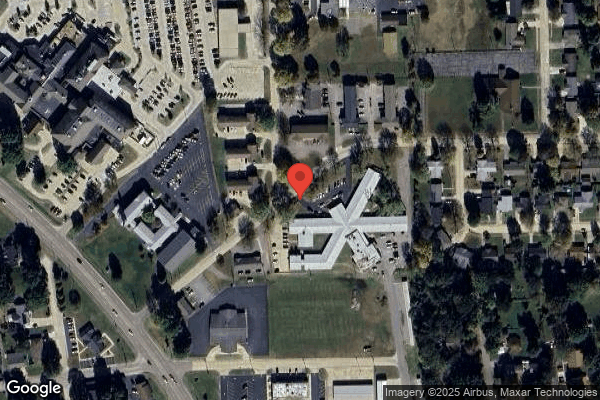
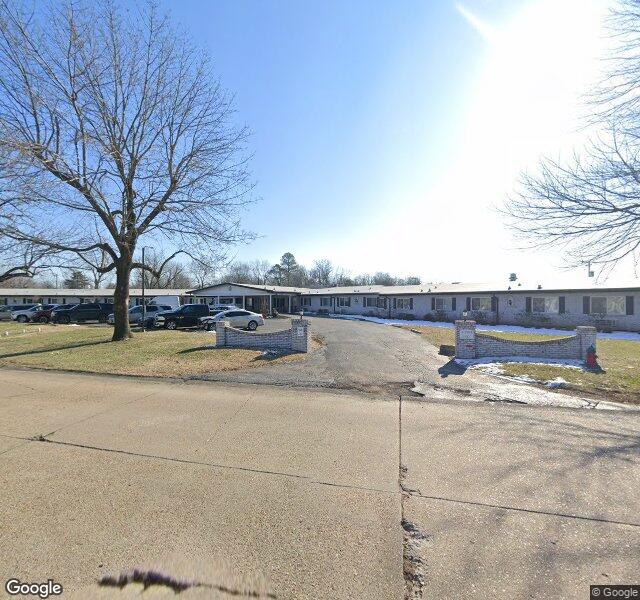
103 KENNEDY DRIVE, SIKESTON, MO 63801 (573) 471-6900
For profit - Individual 120 Beds CIRCLE B ENTERPRISES Data: November 2025 1 Immediate Jeopardy citation
Trust Grade
31/100
#296 of 479 in MO
Last Inspection: January 2025

Within standard 12-15 month inspection cycle. Federal law requires annual inspections.

Overview

Sikeston Convalescent Center has received a Trust Grade of F, indicating significant concerns about its care quality. Ranked #296 out of 479 in Missouri, this facility is in the bottom half of state options, and it is the least favorable choice out of five in Scott County. Unfortunately, the facility's condition is worsening, with issues increasing from 2 in 2024 to 12 in 2025. While staffing has a below-average rating of 2/5 stars and a turnover rate of 67%, which is around the state average, it faces challenges with RN coverage, having less than 75% of Missouri facilities, leading to potential gaps in care. Specific incidents of concern include a critical failure in transferring a resident safely, which resulted in a femur fracture, and lapses in food safety practices that could lead to contamination risks, highlighting both serious weaknesses and the need for significant improvement in care standards.

Trust Score
F
31/100
In Missouri
#296/479
Bottom 39%
Safety Record
High Risk
Review needed
Inspections
Getting Worse
2 → 12 violations
Staff Stability
⚠ Watch
67% turnover. Above average. Higher turnover means staff may not know residents' routines.
Penalties
✓ Good
$13,627 in fines. Lower than most Missouri facilities. Relatively clean record.
Skilled Nurses
⚠ Watch
Each resident gets only 20 minutes of Registered Nurse (RN) attention daily — below average for Missouri. Fewer RN minutes means fewer trained eyes watching for problems.
Violations
⚠ Watch
31 deficiencies on record. Higher than average. Multiple issues found across inspections.
★★☆☆☆
2.0
Overall Rating
★★☆☆☆
2.0
Staff Levels
★☆☆☆☆
1.0
Care Quality
★★★☆☆
3.0
Inspection Score
Stable
2024: 2 issues
2025: 12 issues

The Good

  • Full Sprinkler Coverage · Fire safety systems throughout facility
  • No fines on record

Facility shows strength in fire safety.

The Bad

2-Star Overall Rating

Near Missouri average (2.5)

Below average - review inspection findings carefully

Staff Turnover: 67%

20pts above Missouri avg (46%)

Frequent staff changes - ask about care continuity

Federal Fines: $13,627

Below median ($33,413)

Minor penalties assessed

Chain: CIRCLE B ENTERPRISES

Part of a multi-facility chain

Ask about local staffing decisions and management

Staff turnover is elevated (67%)

19 points above Missouri average of 48%

The Ugly 31 deficiencies on record

1 life-threatening
Jun 2025 3 deficiencies
CONCERN (D) 📢 Someone Reported This

A family member, employee, or ombudsman was alarmed enough to file a formal complaint

Potential for Harm - no one hurt, but risky conditions existed

Notification of Changes (Tag F0580)

Could have caused harm · This affected 1 resident

Based on interview and record review, the facility failed to follow their policy to notify the designated resident representative/emergency contact for one resident (Resident #1) out of three sampled ...

Read full inspector narrative →
Based on interview and record review, the facility failed to follow their policy to notify the designated resident representative/emergency contact for one resident (Resident #1) out of three sampled residents who had a significant change in condition. The facility census was 72. Review of the facility's policy titled, Change in a Resident's Condition or Status, showed: - The facility promptly notifies the resident, his/her attending physician, and the resident representative of changes in the resident's medical/mental condition and or status; - A nurse will notify the resident's representative when there is a significant change in the resident's physical, mental, or psychosocial status. 1. Review of Resident #1's medical record showed: - admission date of 01/09/24; - Diagnoses of diabetes mellitus (a chronic metabolic disorder characterized by abnormally high blood sugar levels), muscle weakness (lack of muscle strength), Alzheimer's (a progressive disease that destroys memory and other mental functions ) disease, anemia (lower number of red blood cells), chronic kidney disease (CKD - a progressive loss of kidney function), and chronic obstructive pulmonary disease (COPD - lung disease that causes persistent airflow obstruction and breathing problem); - Severe cognitive impairment; - Emergency contact list did not include the family member present at the facility on 05/24/25, as the resident representative/emergency contact. Review of the resident's Care Plan, dated 03/31/25, showed: - Displayed a deficiency in cognition. Review of the resident's Progress Notes, dated 05/23/25, showed: - At 5:39 P.M., Certified Medication Technician (CMT) D went into the dining room to administer the resident his/her medication and the resident not responsive as normal. CMT D notified the nurse the resident needed assistance; - At 5:40 P.M., Licensed Practical Nurse (LPN) F assessed the resident, LPN G assisted LPN F. The resident was lethargic, cold, and not responding as normal. Blood pressure was 112/73, pulse was 30 per radial (inside of wrist), and unable to hear the apical (left side of the chest near the heart) pulse; - At 5:47 P.M., LPN F notified emergency medical services (EMS); - At 5:54 P.M., EMS arrived to the facility; - At 6:00 P.M., report called to the emergency department (ER); - At 6:08 P.M., EMS left the facility; - No documentation the family/resident representative was notified of the resident's decline in status and transported by EMS to the hospital. During an interview on 06/05/25 at 12:45 P.M., Registered Nurse (RN) E said if a change in condition of a resident happened, he/she would look at the face sheet in the electronic health record (EHR) and look for the emergency contact or power of attorney (POA) and notify that person, and if needed, would go down the list of contacts. During an interview on 06/05/25 at 12:50 P.M., the Director of Nursing (DON) said she would notify the family by calling the emergency contact, and if no answer. If the resident had a POA, then she would contact that person instead. She expected staff to do the same. During an interview on 06/05/25 at 3:40 P.M., the Administrator said a family member of the resident came into the facility before EMS left with the resident. He did not think the resident representative/emergency contact should have been notified since there was a family member in the facility. He would assume the family member would notify the resident representative/emergency contact of the resident's change in status and transfer to the hospital. Complaint #254888
CONCERN (D) 📢 Someone Reported This

A family member, employee, or ombudsman was alarmed enough to file a formal complaint

Potential for Harm - no one hurt, but risky conditions existed

Incontinence Care (Tag F0690)

Could have caused harm · This affected 1 resident

**NOTE- TERMS IN BRACKETS HAVE BEEN EDITED TO PROTECT CONFIDENTIALITY** Based on observation, interview, and record review, the facility failed to ensure two residents (Residents #4 and #5) out of two...

Read full inspector narrative →
**NOTE- TERMS IN BRACKETS HAVE BEEN EDITED TO PROTECT CONFIDENTIALITY** Based on observation, interview, and record review, the facility failed to ensure two residents (Residents #4 and #5) out of two sampled residents who were incontinent of bladder, received appropriate treatment and services after an incontinent episode which left the residents in urine saturated briefs and with a strong urine odor. The census was 72. Review of the facility's policy titled, Activities of Daily Living (ADLs), Supporting, revised April 2025, showed: - Appropriate care and services are provided for residents who are unable to carry out ADLs independently, with the consent of the resident, and in accordance with the plan of care, including appropriate support and assistance with: a.) hygiene (bathing, dressing, grooming, and oral care), b.) mobility (transfer and ambulation, including walking), c.) elimination (toileting), d.) dining (eating, including meals, and snacks), e.) communication (including speech, language, and other functional communication systems); - A resident's ability to perform ADLs is measured using clinical tools, including the Minimum Data Sets (MDS - a federally mandated assessment instrument completed by the facility staff). The facility did not provide a policy in regards of timing for residents to be assessed for incontinent episodes. 1. Review of Resident #4's medical record showed: - Diagnoses of cerebral infarction (stroke), hemiplegia (paralysis of one side of the body) and hemiparesis (weakness of one side of the body) of the left side, and vascular dementia (dementia caused by impaired blood supply to the brain); Review of the resident's quarterly MDS, dated [DATE], showed: - Moderate cognitive impairment; - Impairment on one side of the upper and lower extremities; - Substantial/Moderate assist for sit to stand and transfers; - Dependent for toileting hygiene; - Frequently incontinent of bladder and always incontinent of bowel. Review of the resident's Care Plan, revised 04/30/25, showed: - Required extensive assist with ADLs; - Incontinent of bowel and bladder and required assistance with toileting. Observation of the resident's incontinent care on 06/05/25 at 12:22 P.M., showed: - Nurse Aide (NA) A and Certified Nurse Aide (CNA) B, and CNA C performed hand hygiene and put on gloves; - NA A and CNA B unfastened the the resident's urine saturated brief with a strong urine odor; - CNA B washed the resident's buttocks and the back of the legs; - CNA B did not clean the resident's pelvic and groin areas; - NA A and CNA B placed a clean brief on the resident and covered the resident with a sheet and blanket. 2. Review of Resident #5's medical record showed: - Diagnoses of Parkinsonism (tremor, slow movements, rigidity, and postural instability), ataxia (impaired balance and movement), spinal stenosis (narrowing of spinal canal), and hemiplegia and hemiparesis of left non-dominant side; Review of the resident's quarterly MDS, dated , 04/01/25, showed: - Moderate cognitive impairment; - No impairment of the upper and lower extremities; - Partial/ Moderate assist for sit to stand and transfers; - Dependent for toileting hygiene; - Occasionally incontinent of bladder and always incontinent of bowel. Review of the resident's Care Plan, dated, 04/13/25, showed: - Required extensive assist with ADLs; - Incontinent of bowel and bladder and required assistance with toileting. Observation of the resident's incontinent care on 06/05/25 at 12:37 P.M., showed: - NA A and CNA B performed hand hygiene and put on gloves; - NA A and CNA B unfastened the resident's urine saturated brief with a strong urine odor; - NA A cleaned the resident's buttocks and the backs of the legs; - NA A removed the urine saturated brief and placed a clean brief under the resident; - NA A and CNA A did not clean the resident's pelvic and groin areas; - NA A and CNA B fastened the clean brief and covered the resident with a sheet and blanket. During an interview on 06/05/25 at 1:51 P.M., Resident #5 said he/she was not changed before lunch and that was why he/she had a urine saturated brief. The staff had changed him/her at least twice today. Staff did come around and checked him/her but didn't know how often. During an interview on 06/05/25 at 1:40 P.M., Resident #6 said he/she was able to use the call light if he/she felt wet but said that he/she waited a long time for them to check. He/She couldn't always tell when he/she was incontinent so depended on the staff to check him/her. During an interview on 06/05/25 at 1:52 P.M., Resident #8 said he/she had been wet for over an hour. He/She had pushed his/her call light, staff entered the room, turned off the light, said they you would get help, and never returned. During an interview on 06/05/25 at 1:55 P.M., Resident #7 said he/she had his/her call light on at this time. He/She needed assistance with care and wanted to go to bed. Staff would come in the room, turn the light off, and would not return sometimes to help him/her. During an interview on 06/05/25 at 1:39 P.M., the Infection Preventionist said staff should clean the front and peri areas when performing incontinent care to residents. During an interview on 06/05/25 at 2:51 P.M., the Director of Nursing said residents should be checked every two hours if they were incontinent and changed if they were soiled. If residents were non-verbal, residents should be checked at least every hour. When staff were performing incontinent care, the front and back peri areas should be cleaned before a clean brief was placed secured. During an interview on 06/05/25 at 2:51 P.M., the Administrator said that there was no regulation stating how often residents were to be checked for incontinence. It was a standard of practice to check the residents every two hours. During an interview on 06/09/25 at 11:05 A.M., CNA B said that he/she was unaware that any mistakes were made during the incontinent care given to the residents. All soiled areas of the resident should be cleaned before putting on a clean brief. Complaint #254888
CONCERN (D) 📢 Someone Reported This

A family member, employee, or ombudsman was alarmed enough to file a formal complaint

Potential for Harm - no one hurt, but risky conditions existed

Infection Control (Tag F0880)

Could have caused harm · This affected 1 resident

**NOTE- TERMS IN BRACKETS HAVE BEEN EDITED TO PROTECT CONFIDENTIALITY** Based on observation, interview, and record review, the facility failed to perform hand hygiene, change gloves and provide appro...

Read full inspector narrative →
**NOTE- TERMS IN BRACKETS HAVE BEEN EDITED TO PROTECT CONFIDENTIALITY** Based on observation, interview, and record review, the facility failed to perform hand hygiene, change gloves and provide appropriate incontinent care for two residents (Resident #4 and #5) out of two sampled residents who were incontinent of bladder. The census was 72. The facility did not provide a policy addressing infection control practices during incontinent care. 1. Review of Resident #4's medical record showed: - Diagnoses of cerebral infarction (stroke), hemiplegia (paralysis of one side of the body) and hemiparesis (weakness of one side of the body) of the left side, and vascular dementia (dementia caused by impaired blood supply to the brain). Review of the resident's quarterly MDS, dated [DATE], showed: - Moderate cognitive impairment; - Impairment on one side of the upper and lower extremities; - Substantial/Moderate assist for sit to stand and transfers; - Dependent for toileting hygiene; - Frequently incontinent of bladder and always incontinent of bowel. Review of the resident's Care Plan, revised 04/30/25, showed: - Required extensive assist with ADLs; - Incontinent of bowel and bladder and required assistance with toileting. Observation of the resident's incontinent care on 06/05/25 at 12:22 P.M., showed: - Nurse Aide (NA) A and Certified Nurse Aide (CNA) B and CNA C performed hand hygiene and put on gloves; - NA A and CNA B unfastened the resident's urine saturated brief, did not change gloves, and did not perform hand hygiene; - CNA B washed the resident's buttocks and the back of the legs; - CNA B removed the urine saturated brief, did not perform hand hygiene, and did not change gloves; - CNA B placed a clean brief under the resident; - NA A and CNA B secured the clean brief, removed gloves, and performed hand hygiene. 2. Review of Resident #5's medical record showed: - Diagnoses of Parkinsonism (tremor, slow movements, rigidity, and postural instability), ataxia (impaired balance and movement), spinal stenosis (narrowing of spinal canal), hemiplegia and hemiparesis of the left non-dominant side. Review of the resident's quarterly MDS, dated , 04/01/25, showed: - Moderate cognitive impairment; - No impairment of the upper and lower extremities; - Partial/Moderate assist for sit to stand and transfers; - Dependent for toileting hygiene; - Occasionally incontinent of bladder and always incontinent of bowel. Review of the resident's Care Plan, dated, 04/13/25, showed: - Required extensive assist with ADLs; - Incontinent of bowel and bladder and required assistance with toileting. Observation of the resident's incontinent care on 06/05/25 at 12:37 P.M., showed: - NA A and CNA B performed hand hygiene and put on gloves; - NA A and CNA B unfastened the urine saturated brief, did not change gloves, and did not perform hand hygiene; - NA A washed the resident's buttocks and the back of the legs, removed the urine saturated brief, did not change gloves, and did not perform hand hygiene; - NA A and CNA B secured the clean brief, removed gloves, and performed hand hygiene. During an interview on 06/05/25 at 1:39 P.M., the Infection Preventionist said staff should change gloves and wash hands between dirty and clean tasks. During an interview on 06/05/25 at 2:51 P.M., the Director of Nursing (DON) said staff should change their gloves and wash their hands between dirty and clean tasks. During an interview on 06/09/25 at 11:05 A.M., CNA B said that he/she was unaware that any mistakes were made during the incontinent care given to the residents. Staff should change gloves when going from dirty to clean task. Complaint #254888
Jan 2025 9 deficiencies
CONCERN (D)

Potential for Harm - no one hurt, but risky conditions existed

Deficiency F0578 (Tag F0578)

Could have caused harm · This affected 1 resident

**NOTE- TERMS IN BRACKETS HAVE BEEN EDITED TO PROTECT CONFIDENTIALITY** Based on interview and record review, the facility failed to document a code status for one resident (Resident #9) outside the s...

Read full inspector narrative →
**NOTE- TERMS IN BRACKETS HAVE BEEN EDITED TO PROTECT CONFIDENTIALITY** Based on interview and record review, the facility failed to document a code status for one resident (Resident #9) outside the sample of 17 sampled residents. The facility census was 66. Review of the facility's policy titled, Cardiopulmonary Resuscitation (CPR - lifesaving technique used in emergencies in which someone's breathing or heartbeat has stopped), revised [DATE], showed: - CPR will be provided to a resident who suddenly ceases to have a spontaneous pulse and respirations unless there is a physician's order for no CPR, Do Not Attempt Resuscitation (DNAR), or a do not resuscitate (DNR) order, Out of Hospital Do Not Resuscitate (OHDNR), or allow a natural death; - A minimum of one CPR certified staff will be available on each shift; - The policy did not address code status documentation throughout the resident's medical record. 1. Review of Resident #9's medical record showed: - admission date of [DATE]: - Diagnoses of urinary tract infection (UTI - a bacterial infection that affects the bladder and kidneys), altered mental status (a change in someone's usual level of thinking or ability to respond to their surroundings) and cerebral infarction (stroke); - No documentation of a code status on the face sheet. Review of the resident's baseline care plan, dated [DATE], showed: - No documentation of the resident's code status. Review of the resident's [DATE] Physician's Order Sheet (POS), showed: - No order for the resident's code status. Review of the resident's care plan, dated [DATE], showed: - No documentation of the resident's code status. During an interview on [DATE] at 3:56 P.M., the Director of Nursing (DON) said she would expect a code status to be on the baseline care plan when a new resident was admitted to the facility. If not, it should be on the face sheet, POS, and should be care planned. During an interview on [DATE] at 4:16 P.M., the Administrator said he would expect a code status to be on the baseline care plan when a new resident was admitted to the facility. If not, it should be on the face sheet, POS, and should be care planned.
CONCERN (D)

Potential for Harm - no one hurt, but risky conditions existed

Safe Environment (Tag F0584)

Could have caused harm · This affected 1 resident

**NOTE- TERMS IN BRACKETS HAVE BEEN EDITED TO PROTECT CONFIDENTIALITY** Based on observation, interview and record review, the facility failed to monitor and keep one resident's (Resident #4) equipmen...

Read full inspector narrative →
**NOTE- TERMS IN BRACKETS HAVE BEEN EDITED TO PROTECT CONFIDENTIALITY** Based on observation, interview and record review, the facility failed to monitor and keep one resident's (Resident #4) equipment in good, working order. The facility also failed to provide a safe, clean and comfortable homelike environment. This deficient practice had the potential to affect all residents in the facility. The facility census was 66. Review of the facility's policy titled, Homelike Environment, revised February 2021, showed: - Residents are provided with a safe, clean, comfortable, homelike environment and encouraged to use their personal belongings to the extent possible; - The facility staff and management maximizes, to the extent possible, the characteristics of the facility that reflect a personalized, homelike setting such as a clean, sanitary and orderly environment. 1. Observations on 01/07/25 at 10:31 A.M., 01/08/25 at 9:24 A.M., and 01/09/25 at 8:34 A.M., showed: - A buildup of spider webs and dirt on the outside ceiling of the awning located at the front entrance; - A buildup of spider webs and dirt on the outside ceiling of the awning located at the exit near the personnel dining room and kitchen. 2. Observations on 01/07/25 at 10:41 A.M., 01/08/25 at 9:29 A.M., and 01/09/25 at 9:40 A.M., of room [ROOM NUMBER] showed: - Several long areas of exposed sheetrock and peeled paint behind the bed next to the door; - Several small areas of exposed sheetrock and peeled paint on the wall behind the nightstand by the bed next to the door. 3. Observations on 1/07/25 at 9:01 A.M., 01/08/25 at 9:48 A.M., and 1/09/25 at 9:26 A.M., of room [ROOM NUMBER] showed: - A large area of peeled paint and dark scuff marks along the bottom wall behind the door; - Several broken slats on the mini-blind hanging in front of the window. 4. Observations on 1/07/25 at 11:30 A.M., 01/08/25 at 9:56 A.M., and 1/09/25 at 9:30 A.M., of room [ROOM NUMBER] showed: - Several small areas of exposed sheetrock and peeled paint located on the bottom left-side wall in the hallway next to the door. 5. Observations on 1/07/25 at 11:30 A.M., 01/08/25 at 9:56 A.M., and 1/09/25 at 9:30 A.M., of Resident #4's Geri-chair (specialized recliner) showed: - The protective covering worn off and with rough edges on the left-side armrest. Observation on 01/13/25 at 11:12 A.M., of Resident #4 showed: - The resident sat in his/her Geri-chair in the dining room and his/her left arm lay on the left-side armrest. Review of the maintenance log, dated 12/01/24 - 01/09/25, showed no documentation of areas of concern addressed. During an interview on 01/09/25 at 4:15 P.M., the Maintenance Supervisor (MS) said he/she was responsible for the upkeep of the outside grounds and the building. The outside entrance awning and ceiling should be free of cobwebs and debris. Staff should be writing down any environmental concerns found inside the facility to be addressed in a timely manner on the maintenance log. During an interview on 01/09/25 at 12:18 P.M., the Administrator said he would expect maintenance to ensure the outside grounds and building to be free of debris and cobwebs. He would expect staff to write down environmental concerns inside the facility on the maintenance log to be addressed in a timely manner. During an interview on 01/13/25 at 9:19 A.M., Housekeeper A said there was a maintenance log at the nurse's station that staff could use to write down any environmental issues. Each housekeeper was assigned a hall and should be writing down any repairs that were found during the daily cleaning rounds. Housekeeping helped with some things outside the facility like window cleaning, but maintenance was responsible for most of the upkeep outside.
CONCERN (D)

Potential for Harm - no one hurt, but risky conditions existed

Deficiency F0655 (Tag F0655)

Could have caused harm · This affected 1 resident

Based on interview and record review, the facility failed to develop and implement a baseline care plan (initial plan for delivering of care and services) within 48 hours of admission for one resident...

Read full inspector narrative →
Based on interview and record review, the facility failed to develop and implement a baseline care plan (initial plan for delivering of care and services) within 48 hours of admission for one resident (Resident #9) outside the sample of two sampled residents that included the instructions needed to provide effective and person-centered care to meet professional standards of quality care. The facility census was 66. Review of the facility's policy titled, Care Plans - Baseline, revised March 2022, showed: - A baseline plan of care to meet the resident's immediate health and safety needs is developed for each resident within 48 hours of admission; - The baseline care plan includes instructions needed to provide effective, person-centered care of the resident that meets professional standards of quality care and must include the minimum healthcare information necessary to properly care for the resident including, but not limited to initial goals based on admission orders, discussion with the resident/representative and physician orders; - The baseline care plan is updated as needed to meet the resident's needs until the comprehensive care plan is developed; - Provision of the summary to the resident and/or resident representative is documented in the medical record. 1. Review of Resident #9's medical record showed: - admission date of 12/20/24: - Baseline care plan, dated 12/24/24; - The facility did not complete the resident's baseline care plan within 48 hours after admission to the facility. During an interview on 01/09/25 at 3:56 P.M., the Director of Nursing (DON) said she would expect a baseline care plan to be completed within 48 hours of a new admission to the facility which should reflect pertinent information regarding the resident's care areas. During an interview on 01/09/25 at 4:16 P.M., the Administrator said he would expect a baseline care plan to be completed within 48 hours of a new admission to the facility addressing the resident's care areas.
CONCERN (D)

Potential for Harm - no one hurt, but risky conditions existed

Medication Errors (Tag F0758)

Could have caused harm · This affected 1 resident

Based on observation, interview and record review, the facility failed to ensure an appropriate diagnosis for the use of a psychotropic (any drug that affects brain activities associated with mental p...

Read full inspector narrative →
Based on observation, interview and record review, the facility failed to ensure an appropriate diagnosis for the use of a psychotropic (any drug that affects brain activities associated with mental processes and behavior) medication for one resident (Resident #45) out of five sampled residents. The facility census was 66. Review of the facility's policy titled, Antipsychotic (medications that treat psychosis-related conditions and symptoms) Medication Use, dated July 2022, showed: - Residents will not receive medications that are not clinically indicated to treat a specific condition; - Residents will only receive antipsychotic medications when necessary to treat specific conditions for which they are indicated and effective; - The attending physician and other staff will gather and document information to clarify a resident's behavior, mood, function, medical condition, specific symptoms, and risks to the resident and others; - Antipsychotic medications shall generally be used only for the following conditions/diagnosis as documented in the record, consistent with the definition(s) in the Diagnostic and Statistical Manual of Mental Disorders: a. Schizophrenia (a long term mental disorder that affects a person's ability to think, feel, or behave clearly, sometimes including delusions or hallucinations); b. Schizoaffective disorder (a mental health condition that combines symptoms of schizophrenia and a mood disorder); c. Schizophreniform disorder (a type of mental health disorder with symptoms similar to those of schizophrenia, but lasting for less than 6 months); d. Delusional disorder (a mental health disorder that causes people to have false beliefs, that are difficult to distinguish from reality); e. Mood disorder (e.g., bipolar disorder, depression with psychotic features, and treatment refractory major depression); f. Psychosis in the absence of dementia (a set of symptoms characterized by delusions, hallucinations, disordered thinking and speech and agitation); g. Medical illnesses with psychotic symptoms and/or treatment-related psychosis or mania (e.g., high-dose steroids); h. Tourette's Disorder (a neurological disorder that causes people to have sudden, repetitive and involuntary movements or sounds); i. Huntington Disease (an inherited disorder that causes nerve cells in parts of the brain to gradually break down); j. Hiccups (not induced by other medications); or k. Nausea and vomiting associated with cancer or chemotherapy. - Antipsychotic medications will not be used if the only symptoms are one or more of the following: a. Wandering; b. Poor self-care; c. Restlessness; d. Impaired memory; e. Mild anxiety; f. Insomnia; g. sadness or crying alone that is not related to depression or other psychiatric disorders; - Residents will be informed of the recommendations, risks, benefits, purpose and potential adverse consequences of antipsychotic medication use. Residents may refuse medications of any kind. 1. Review of Resident #45's medical record showed: - An admission date of 07/18/24; - Diagnoses of congestive heart failure (CHF- a chronic condition where the heart can't pump enough blood to the body), type 2 diabetes mellitus (a problem in the way the body regulates and uses sugar), muscle weakness, and insomnia; - An order for Seroquel (an antipsychotic medication) 50 milligram (mg) by mouth at bedtime for depression, dated 10/17/24; - No documentation of behaviors; - No documentation of an appropriate diagnosis for the Seroquel; - A patient note, dated 01/09/25, showed the Family Nurse Practitioner (FNP) reviewed the resident's extensive medical history. The resident had been on several different depression medications in the past, without success. He/She was started on Seroquel along with Zoloft (an antidepressant medication) to improve his/her symptoms. The resident's Patient Health Questionnaire evaluations in the past reflected feeling down, depressed and hopeless. Some of the symptoms have improved due to being in a safe, clean environment now. The previous psychiatric physician had treated the resident, made appropriate adjustments in the medications. The resident's diagnosis was corrected to major depressive disorder. Review of the resident's Pharmacy Consultant note, dated 09/03/24, showed: - A request to update the diagnosis associated with the Seroquel; - Seroquel was not indicated for the treatment of insomnia/depression. Review of the resident's progress notes dated 10/10/24 showed: - The facility staff sent a request to the previous psychiatric physician on 10/10/24, because the resident had requested the Seroquel 100 mg be decreased due to making the resident too sleepy and the resident refused the medication due to this; - An order, dated 10/10/24, was received to decrease the Seroquel to 50 mg by mouth at bedtime. Observation on 01/07/25 at 11:45 A.M., showed Resident #45 ate lunch in his/her room with the spouse. Observations on 01/07/25 at 3:00 P.M., 01/08/25 at 9:30 A.M., and 01/09/25 at 8:50 A.M., showed Resident #45 sat in his/her room and visited with the spouse. During an interview on 01/09/25 at 11:00 A.M., the Director of Nursing (DON) said after the pharmacy consultant was here, the recommendations came to her, and she sent them to the physicians or wherever they needed to go. During an interview on 01/13/25 at 9:23 A.M., Resident #45 said the medication caused him/her to be really sleepy, even after the dose had been reduced, so he/she had been refusing the medication. The resident did not want to take the medication. During an interview on 01/13/25 at 10:56 A.M., Licensed Practical Nurse (LPN) B said the resident had not had any behaviors that he/she knew of. He/She worked nights a few times and knew the resident took the Seroquel at bedtime. During an interview on 01/13/25 at 11:00 A.M., Certified Medication Technician (CMT) C said the resident had not had any behaviors. He/She didn't think the resident took the Seroquel anymore. During an interview on 01/13/25 at 11:15 A.M., the Director of Nursing (DON) said psychiatry would be here next month to see the resident. He/she said that it was discussed with psychiatry on the phone and the depression diagnosis was the only diagnosis that would cover that medication.
CONCERN (D)

Potential for Harm - no one hurt, but risky conditions existed

Unnecessary Medications (Tag F0759)

Could have caused harm · This affected 1 resident

Based on observation, interview and record review, the facility failed to maintain a medication error rate of less than five percent (%). There were 27 opportunities with two errors made, resulting in...

Read full inspector narrative →
Based on observation, interview and record review, the facility failed to maintain a medication error rate of less than five percent (%). There were 27 opportunities with two errors made, resulting in an error rate of 7.41% for two residents (Residents #7 and #16) out of nine sampled residents. The facility's census was 66. Review of the facility's policy titled, Insulin Administration, last reviewed September 2014, showed: - Depress the plunger and remove the needle after approximately five seconds; - This policy did not address the priming of the insulin pen prior to each use. Review of the Humalog/lispro (a rapid insulin injected just below the skin that helps lower mealtime blood sugar spikes) Kwik Pen (insulin in a pen-type device) instructions, revised, July 2023, showed: - Prime the pen by turning the dose knob to two units; - Hold the pen with the needle pointing up; - Tap the cartridge holder gently to collect air bubbles at the top; - Push the dose knob in until it stops, and zero is seen in the dose window, insulin will be visible at the tip of the needle; - Select the dose; - Give the injection after selecting the area and cleaning the site with an alcohol swab. Leave the needle under the skin while counting to five slowly. Review of the Fiasp/insulin aspart (fast-acting insulin injected just below the skin that helps lower mealtime blood sugar spikes) Flex Pen administration instructions, dated September 2021, showed: - Prime the pen by turning the dose selector to two units; - Keep the needle upwards and press the push-button until the dose selector reads zero; - Turn the dose selector to select the number of prescribed units; - Push the needle into the skin, then press the dose button until dose selector indicates zero; - Keep the push-button fully pushed in after the injection; - Leave the needle under the skin for six seconds and then remove it. 1. Review of Resident #7's Physician Order Sheet (POS), dated January 2025, showed: - An order for insulin aspart inject five units subcutaneously (injection under the skin) before meals, dated 10/17/24; - An order for insulin aspart subcutaneous before meals per a sliding scale of blood sugar if 140-180= 2 units; 181-220=4 units; 221-400=6 units, dated 10/17/24; Observation of Resident #7's medication administration on 01/09/25 at 11:09 A.M., showed: - Licensed Practical Nurse (LPN) F administered 9 units of insulin aspart subcutaneously per the resident's insulin aspart Kwik Pen for a blood sugar of 191 and the meal dosage. LPN F left the needle under the resident's skin for approximately one to two seconds after administering the insulin; - LPN F failed to prime the insulin aspart Kwik Pen per the manufacturer's instructions prior to the administration to the resident; - LPN F failed to leave the needle under the skin per the manufacturer's instructions. 2. Review of Resident #16's POS, dated January 2025, showed: - An order for Humalog insulin pen subcutaneous before meals per a sliding scale of blood sugar if 150-199=1 unit, 200-249=2 units, 250-299=3 units, 300-349=4 units, 350-399=5 units, 400+=6 units, dated 11/22/24. Observation of Resident #16's medication administration on 01/09/25 at 10:57 A.M., showed: - LPN F administered 3 units of Humalog subcutaneously per the resident's Humalog Flex Pen for a blood sugar of 250. LPN F left the needle under the resident's skin for approximately one second after administering the insulin; - LPN F failed to prime the Humalog Flex Pen per the manufacturer's instructions prior to the administration to the resident; - LPN F failed to leave the needle under the skin per the manufacturer's instructions. During an interview on 01/09/25 at 11:10 A.M., LPN F said he/she primed the insulin pens with one unit of insulin prior to each administration. During an interview on 01/09/25 at 11:15 P.M., LPN E said before administering insulin, the insulin pen must be primed with 2 units of insulin before administering the insulin to the resident. During an interview on 01/09/25 at 2:10 P.M., the Corporate Nurse said staff should prime insulin pens with 2 units with every insulin administration. During an interview on 01/15/2025 at 9:55 A.M., the Director of Nursing (DON) said staff should prime the insulin pen using 2 units before administering insulin to a resident.
CONCERN (D)

Potential for Harm - no one hurt, but risky conditions existed

Garbage Disposal (Tag F0814)

Could have caused harm · This affected 1 resident

Based on observation, interview, and record review, the facility failed to ensure the dumpsters were closed at all times and maintained to keep pest out and/or to keep the garbage contained in the dum...

Read full inspector narrative →
Based on observation, interview, and record review, the facility failed to ensure the dumpsters were closed at all times and maintained to keep pest out and/or to keep the garbage contained in the dumpster. The facility census was 66. Review of the facility's policy titled, Food Related Garbage and Refuse Disposal, revised October 2017, showed: - Food-related garbage and refuse (trash) are disposed of in accordance with current state laws; - Garbage and refuse containing food wastes will be stored in a manner that is inaccessible to pests; - Outside dumpsters provided by garbage pickup services will be kept closed and free of surrounding litter. Observations made on 01/07/25 at 8:58 A.M. and 3:47 P.M., 01/08/25 at 8:36 A.M. and 3:10 P.M., 01/09/25 at 9:11 A.M. and 2:40 P.M., of the outside dumpster area showed: - A bed mattress lay on the ground behind the right side of the dumpster; - A box spring mattress lay on the ground beside the right side of the dumpster; - Several scattered white foam cups and bowls on the ground; - The dumpster lid on the right side opened with visible boxes, trash bags, soiled briefs, gloves, and scattered food; - The dumpster lid on the left side opened with visible boxes, trash bags, soiled briefs, gloves, and scattered food. During an interview on 01/09/25 at 5:07 P.M., the Assistant Dietary Manager (ADM) said staff should be closing the dumpster lids after trash or any other miscellaneous items were discarded. During an interview on 01/09/25 at 3:17 P.M., the Dietary Manager (DM) said staff should be closing the dumpster lids after trash or any other miscellaneous items were discarded. During an interview on 01/09/25 at 4:37 P.M., the Maintenance Supervisor (MS) staff should be closing the dumpster lids after trash or any other miscellaneous items were discarded. He/She was responsible for the upkeep of the outside grounds. During an interview on 01/09/25 at 4:58 P.M., the Administrator said he would expect all staff to close the dumpster lids after trash or any other miscellaneous items were discarded. He would expect no debris or large items to be laying around on the ground by the outside dumpsters. During an interview on 01/13/25 at 9:19 A.M., Housekeeper A said staff should always close the lid to the dumpsters after trash or anything else had been discarded into it.
CONCERN (D)

Potential for Harm - no one hurt, but risky conditions existed

Infection Control (Tag F0880)

Could have caused harm · This affected 1 resident

Based on observation, interview, and record review, the facility failed to implement Enhance Barrier Precautions (EBP) during wound care for five residents (Residents #24, #32, #45, #46, and #60) out ...

Read full inspector narrative →
Based on observation, interview, and record review, the facility failed to implement Enhance Barrier Precautions (EBP) during wound care for five residents (Residents #24, #32, #45, #46, and #60) out of five sampled residents and one resident (Resident #3) outside the sample. The facility census was 66. Review of the facility's policy titled, Enhanced Barrier Precautions, not dated, showed: - It is the policy of this facility to implement enhanced barrier precautions for the prevention of transmission of multidrug-resistant organisms; - EBP refer to an infection control intervention designed to reduce transmission of multidrug-resistant organisms that employs targeted gown and gloves use during high contact resident care activities; - High-contact resident care activities include: dressing, bathing, transferring, providing hygiene, changing linens, changing briefs or assisting with toileting, device care or use: central lines, urinary catheters, feeding tubes, and wound care of any skin opening requiring a dressing; - Initiation of Enhanced Barrier Precautions: enhanced barrier precautions will be initiated for residents with any of the following: wounds (e.g., chronic wounds such as pressure ulcers, diabetic foot ulcers, unhealed surgical wounds, and chronic venous stasis ulcers) and/or indwelling/implanted medical devices (e,g., central lines, ports, urinary catheters, feeding tubes tracheostomy/ventilator tubes) even if the resident is known to be infected or colonized with a MDRO; - Implementation of Enhanced Barrier Precautions: make gowns and gloves available immediately near or outside of the resident's room. 1. Observation on 01/08/25 at 9:30 A.M., of Resident #60's wound care showed: - EBP signage not posted outside of the resident's room; - Licensed Practical Nurse (LPN) B did not put on an isolation gown, entered the room, performed hand hygiene, and put on gloves; - LPN B removed the saturated dressing from the resident's left heel; - LPN B performed hand hygiene and changed gloves; - LPN B cleaned the wound with wound cleanser, performed hand hygiene, changed gloves, applied Xeroform (a fine mesh gauze containing medications to promote wound healing) to the open area and placed a border gauze (a three layer adherent dressing) on top of the Xeroform; - LPN B removed the gloves, performed hand hygiene, and left the resident's room. 2. Observation on 01/09/25 at 2:43 P.M., of Resident #32's wound care showed: - EBP signage not posted outside of the resident's room; - LPN B did not put on an isolation gown, entered the resident's room, performed hand hygiene, and put on gloves; - LPN B cleaned the resident's wound on the coccyx (the small, curved bone at the base of the spine) with wound cleanser, changed gloves, performed hand hygiene, applied Santyl (an ointment that removes dead tissue from skin ulcers), and covered with border gauze. - LPN B removed the gloves, performed hand hygiene, and left the resident's room. 3. Observation on 01/09/25 at 2:56 P.M., of Resident #46's wound care showed: - EBP signage posted outside of the resident's room; - LPN B did not put on an isolation gown, entered the resident's room, performed hand hygiene, put on gloves, and removed the resident's saturated dressing from the right heel area; - LPN B changed gloves, performed hand hygiene, cleaned the wound with wound cleanser, patted dry with a 4 x 4 gauze, applied Santyl to the wound bed, cut and applied calcium alginate (highly absorbent wound dressing), and covered with a dressing; - LPN B removed the gloves, performed hand hygiene, and left the resident's room. 4. Observation on 01/09/25 at 3:16 P.M., of Resident #45's wound care showed: - EBP signage posted outside of the resident's room; - LPN B did not put on an isolation gown, entered the resident's room, performed hand hygiene, put on gloves, and cleaned the resident's left lower leg with wound cleanser; - LPN B changed gloves, performed hand hygiene, applied a large piece of Xeroform over the opened area, wrapped with a compressive bandage, performed hand hygiene, and left the resident's room. 5. Observation on 01/09/25 at 3:21 P.M. of Resident #24's wound care showed: - EBP signage posted outside of the resident room; - LPN B did not put on an isolation gown, entered the resident's room, performed hand hygiene, and put on gloves; - LPN B assisted the consultant wound care nurse with repositioning, provided stability for the resident to turn, removed gloves, performed hand hygiene, and left the resident's room. 6. Observation on 01/09/25 at 3:37 P.M., of Resident #3's wound care showed: - EBP signage not posted outside of the resident's room; - LPN B did not put on an isolation gown, entered the resident's room, performed hand hygiene, put on gloves, and used wound cleanser to clean the wound; - LPN B changed gloves, performed hand hygiene, applied Santyl to the wound bed, and covered the wound with a border gauze dressing; - LPN B removed gloves, performed hand hygiene, and left the resident's room. During an interview on 01/09/25 at 5:00 P.M., the Corporate Nurse said he/she would expect the staff to wear a protective gown and gloves when caring for residents with wounds, catheters, feeding tubes, and anything like that. During an interview on 01/13/25 at 10:38 A.M., the Infection Preventionist said residents that require EBP were residents that had any kind of opening, such as catheters, ostomies, wounds with drainage or required a dressing change. Staff should put on gown and gloves when providing high contact care, such as incontinent care, wound dressing changes and anything that required a sterile technique. During an interview on 01/13/25 at 10:54 A.M., LPN B said gloves and gowns should be worn when going into a resident's room with EBP and he/she just forgot to put a gown on when doing the residents' wound care. During an interview on 01/13/25 at 11:04 A.M., the Director of Nursing (DON) said gown and gloves should be worn anytime during resident care with EBP.
CONCERN (E)

Potential for Harm - no one hurt, but risky conditions existed

Pharmacy Services (Tag F0755)

Could have caused harm · This affected multiple residents

Based on interview and record review, the facility failed to ensure staff reconciled narcotics (a process that allows one staff to reconcile the exact narcotic inventory on hand with another staff) at...

Read full inspector narrative →
Based on interview and record review, the facility failed to ensure staff reconciled narcotics (a process that allows one staff to reconcile the exact narcotic inventory on hand with another staff) at each shift change for five out of five medication carts. This practice had the potential to affect all residents. The facility census was 66. The facility did not provide a policy on narcotic reconciliation documentation. 1. Review of the A Hall Certified Medical Technician (CMT) Narcotic Count Log for Controlled Substances on 01/09/25 at 10:17 A.M., showed: - For 7 A.M. - 7 P.M. shift on 11/27/24 - 12/18/24, the staff missed 11 out of 44 opportunities to reconcile the narcotics; - For 7 P.M. - 7 A.M. shift on 12/18/24 - 01/08/25, the staff missed 13 out of 44 opportunities to reconcile the narcotics. 2. Review of the B Hall CMT Narcotic Count Log for Controlled Substances on 01/09/25 at 10:15 A.M., showed: - For 7 A.M. - 7 P.M. shift on 12/01/24 - 12/19/24, the staff missed 20 out of 44 opportunities to reconcile the narcotics; - For 7 A.M. - 7 P.M. shift on 12/20/24 - 01/05/25, the staff missed 11 out of 44 opportunities to reconcile the narcotics; - For 11 P.M. - 7 A.M. shift on 12/24/24 - 01/09/25, the staff missed nine out of 42 opportunities to reconcile the narcotics; - For 7 P.M. - 7 A.M. shift on 01/05/25 - 01/09/25, the staff missed four out of 10 opportunities to reconcile the narcotics. 3. Review of the C Hall CMT Narcotic Count Log for Controlled Substances on 01/09/25 at 10:17 A.M., showed: - For 11 P.M. - 7 A.M. shift on 11/23/24 - 12/09/24, the staff missed 20 out of 44 opportunities to reconcile the narcotics; - For 3 P.M. - 7 A.M. shift on 12/09/24 - 12/25/24, the staff missed nine out of 44 opportunities to reconcile the narcotics; - For 3 P.M. - 6 A.M. shift on 12/25/24 - 01/09/25, the staff missed nine out of 43 opportunities to reconcile the narcotics. 4. Review of the D Hall CMT Narcotic Count Log for Controlled Substances on 01/09/25 at 10:18 A.M., showed: - For 7 A.M. - 7 P.M. shift on 11/24/24 - 12/09/24, the staff missed 12 out of 44 opportunities to reconcile the narcotics; - For 3 P.M. - 7 P.M. shift on 12/09/24 - 12/24/24, the staff missed four out of 44 opportunities to reconcile the narcotics; - For 7 A.M. - 3 P.M. shift on 12/25/24 - 01/08/25, the staff missed five out of 44 opportunities to reconcile the narcotics; - For 7 A.M. - 3 P.M. shift on 01/07/25 - 01/09/25, the staff missed one out of six opportunities to reconcile the narcotics. 5. Review of the Medication Room Nurse Narcotic Count Log for Controlled Substances on 01/09/25 at 10:18 A.M., showed: - For 7 P.M. - 7 A.M. shift on 11/19/24 - 12/10/24, the staff missed nine out of 44 opportunities to reconcile the narcotics; - For 11 P.M. - 7 A.M. shift on 12/10/24 - 01/01/25, the staff missed 13 out of 44 opportunities to reconcile the narcotics; - For 7 P.M. - 7 A.M. shift on 01/01/25 - 01/09/25, the staff missed one out of 16 opportunities to reconcile the narcotics. During an interview on 01/09/25 at 10:18 A.M., CMT D said there should be two signatures on the Narcotic Count Log, one from on-coming staff and one from the out-going staff for each shift. During an interview on 01/13/25 at 11:23 A.M., the Corporate Nurse said the facility did not have a policy regarding how many staff and which staff should sign the narcotic reconciliation log, but it was best practice to have the on-coming staff member and the off-going staff member count the narcotics on each medication cart. During an interview on 01/13/25 at 12:09 P.M., the Director of Nursing said the on-coming staff and the off-going staff should sign the narcotic reconciliation log when counting the medication cart. That was the best standard of practice. During an interview on 01/13/25 at 12:10 P.M., Licensed Practical Nurse (LPN) E said CMT's on-coming to their shift should count with the off-going nurse. On-coming nurse counts with the off-going nurse in the medication room. There should be two signatures on the narcotic reconciliation log. During an interview on 01/15/25 at 11:12 A.M., the Administrator said it was the best practice to have two staff sign off for each shift, but the facility didn't have a specific policy to follow regarding the narcotic reconciliation.
CONCERN (E)

Potential for Harm - no one hurt, but risky conditions existed

Food Safety (Tag F0812)

Could have caused harm · This affected multiple residents

Based on observation, interview, and record review, the facility failed to store and distribute food under sanitary conditions, increasing the risk of cross-contamination and food-borne illness. These...

Read full inspector narrative →
Based on observation, interview, and record review, the facility failed to store and distribute food under sanitary conditions, increasing the risk of cross-contamination and food-borne illness. These deficient practices had the potential to affect all residents. The facility census was 66. Review of the facility's policy titled, Sanitization, revised November 2022, showed: - The food service area is maintained in a clean and sanitary manner; - All utensils, counters, shelves, and equipment are kept clean, maintained in good repair and are free from breaks, corrosions, open seams, cracked and chipped areas that may affect their use or proper cleaning; - All equipment, food contact surfaces, and utensils are cleaned and sanitized; - The policy did not address refrigerator and/or freezer defrosting. Review of the facility's policy titled, Food Receiving and Storage, revised November 2022, showed: - Foods shall be received and stored in a manner that complies with safe food handling practices; - Dry foods and goods are handled and stored in a manner that maintains the integrity of the package until they are ready for use; - Dry foods that are stored in bins are removed from original packaging, labeled and dated, (use-by date). Such foods are rotated using a first in - first out system; - All foods stored in the refrigerator or freezer are covered, labeled and dated; - Refrigerated foods are labeled, dated, and monitored so they are used by their use-by date, frozen, or discarded. 1. Observations on 01/07/25 at 10:05 A.M., and 01/08/25 at 8:42 A.M., of the kitchen area, showed: - A buildup of grease and a black substance on several cooking pans on top of a four-tier metal shelf rack in front of the stove; - A buildup of grease and a black substance on several cooking pans on top of a five-tier metal shelf rack near the walk-in freezer; - A buildup of a white substance on the top and side surfaces of the dish machine; - A dirty bristle brush, dirty scrubbing pads, and miscellaneous debris under the three chemical dispensing switches on top of the dish machine; - Two soiled blankets lay on the floor in front of the dish machine. 2. Observations on 01/07/25 at 10:16 A.M., and 01/08/25 at 8:48 A.M., of the walk-in freezer near the five-tier metal shelf rack with the cooking pans, showed: - A bag of mozzarella cheese opened and expired 11/20/24; - A plastic container of miscellaneous sliced cheeses with no label or date; - A metal container with a frozen thick white substance with no label or date; - An opened package of butter not sealed or dated; - A roll of deli bologna hung out of a zip lock bag, not sealed or dated. 3. Observations on 01/07/25 at 10:21 A.M., and 01/08/25 at 8:52 A.M., of the dry foods and can goods area, showed: - A bag of bread crumbs opened with no label or date; - A bag of marshmallows opened and not sealed; - A five pound (pd.) bag of yellow cake mix opened, not sealed and dated; - A bag of instant mashed potatoes opened, not sealed and dated. 4. Observations on 01/07/25 at 10:28 A.M., and 01/08/25 at 8:56 A.M., of the walk-in freezer next to the dry foods and can goods area, showed: - Large clumps of ice buildup on the floor and under the metal racks containing boxes of food; - A large clump of ice buildup on the double-fan freezer unit above the top shelf on the left side; - A bag of burritos opened, unsealed, with no label or date; - A bag of okra opened, unsealed, with no label or date; - A bag of hot dogs opened, unsealed, with no label or date; - A bag of hash browns opened, unsealed, with no label or date; - A bag of onion rings opened, unsealed, with no label or date; - A bag of fish sticks opened, unsealed, with no label or date; - A large bag of garlic bread opened, unsealed, with no label or date. During an interview on 01/09/25 at 3:17 P.M., the Assistant Dietary Manager (ADM) said he/she would expect staff to seal, label, and date any foods once it had been opened and placed back on the shelf or freezer. He/She would expect staff to keep the kitchen equipment cleaned, sanitized daily or after it was used for preparing food. During an interview on 01/09/25 at 4:07 P.M., the Dietary Manager (DM) said he/she would expect staff to seal, label, and date any foods once it has been opened and placed back on the shelf or freezer. He/She would expect staff to keep the kitchen equipment cleaned, sanitized daily or after it was used for preparing food. During an interview on 01/09/25 at 4:58 P.M., the Administrator said he would expect staff to seal, label, and date any food once it had been opened and placed back on the shelf or freezer. He would expect staff to keep the kitchen equipment cleaned, sanitized daily or after it is used for preparing food. The walk-in freezers and refrigerators should be free of ice buildup and defrosted as needed.
Aug 2024 2 deficiencies 1 IJ
CRITICAL (J) 📢 Someone Reported This

A family member, employee, or ombudsman was alarmed enough to file a formal complaint

Immediate Jeopardy (IJ) - the most serious Medicare violation

Accident Prevention (Tag F0689)

Someone could have died · This affected 1 resident

Based on interview, and record review the facility failed to provide a safe transfer per facility policy and the resident's assessed level of assistance needed when one Nurse Aide attempted to transfe...

Read full inspector narrative →
Based on interview, and record review the facility failed to provide a safe transfer per facility policy and the resident's assessed level of assistance needed when one Nurse Aide attempted to transfer the resident, who was a two person transfer, alone by bear hugging the resident and attempting to pivot him/her, twisting the resident's left leg and resulting in a left femur fracture and loss of the ability to bear weight on the left leg for one resident (Resident #1) out of six sampled residents. The census was 66. On 08/14/24 at 4:00 P.M., the Administrator was notified of the past non-compliance immediate jeopardy (IJ) which began on 08/02/24. The facility immediately conducted an investigation and inserviced staff on the Resident Transfer Safety policy. The IJ was corrected on 08/08/24. Review of the facility's policy titled, Resident Handling Policy, revised 2000 showed: -Policy exists to ensure a safe working environment for resident handlers; -Policy is to be reviewed and signed by all staff who perform or may perform resident handling; -Initial screening will be performed on all residents to assess transfer and ambulation status; -Resident transfer status will be reviewed via care plan time frame and on an as needed basis; -Transfers will be designated into one of the following categories: (I) Independent transfer, (1) One person transfer, (1+) One person transfer with assistive device, (2) Two person transfer or (M) Mechanical transfer [Hoyer, electric lift, etcetera]; -Mandatory gait belts for all resident handling with exception of bed mobility and medical contraindications; -Resident transfer status will be documented in the resident's chart and above the bed as to inform the staff of appropriate transfer use; -Policy is to be followed at all times and failure to adhere to will result in disciplinary action. 1. Review of Resident #1's quarterly Minimum Data Set (MDS), a federally mandated assessment instrument required to be completed by the facility staff, dated, 06/11/2024, showed: - Diagnoses of hypertension (high blood pressure), peripheral vascular disease (condition in which narrowed blood vessels reduces blood flow to the limbs), heart failure, and diabetes mellitus (high blood sugar); -BIMS score 8, indicating moderate cognitive impairment; -Speech clear and usually makes self understood; -Usually understands others; -No behaviors; -No scheduled pain medication; -Receives as needed pain medication; -Dependent on helper for chair to bed transfers requiring two or more helpers to complete the activity. Review of the resident's care plan, last reviewed on 04/15/24, showed it did not address the resident's ability to perform activities of daily living such as transferring from bed to wheelchair. Review of the resident's medical record showed: -On 08/06/24 at 8:14 A.M., a late entry note was entered into the electronic medical record for 08/01/24 at 4:30 P.M. said a nurse was walking into the dining room when Resident #1 reported he/she did not want to eat supper and wanted to go back to his/her room. This nurse pushed him/her via wheelchair back to his/her room when he/she said his/her leg hurt and he/she wanted a pain pill. The resident states that during an earlier transfer with two aides, the resident's left leg got caught when transferring to the wheelchair. This nurse assessed the left leg. No abnormalities were noted, no bruising or swelling. He/she did ask for pain medication which was administered. -On 08/03/24 at 1:56 A.M., a nurse's note indicated an unidentified certified nurse aide (CNA) was performing bed checks and the resident stated his/her left leg was hurting. The left leg had no visible abnormalities noted. No edema/discoloration. The resident appeared to have altered mental status (AMS) and was alert to himself/herself. The resident was requesting an as needed (PRN) pain pill. Vital signs oxygen 92% on room air, pulse rate 75 and blood pressure (BP) 88/58. This nurse rechecked the BP and it was 88/56. This nurse then contacted the on call nurse practitioner, who said to monitor the resident's BP and to give a PRN pain pill. The blood pressure was rechecked 30 mins after the pain pill was given and was 93/61. The blood pressure was checked again 30 mins later and read 115/68. No new complaints from resident at this time. The bed was lowered and the call light was within reach; -On 08/03/24 at 6:56 A.M., a nurse's note showed the resident did not wish to get up this morning due to left leg pain. The resident states it hurts to move, but is not painful to touch. BP this A.M. was 110/72; -On 08/05/24 at 8:55 P.M., a nurse's note showed Resident #1 was sent to the hospital for a left leg injury that was causing substantial pain. The on call nurse practitioner was called and gave an order to send the resident out; -On 08/06/24 at 7:16 A.M., a nurse's note showed the hospital called and Resident #1 was admitted for a left leg femur fracture. During an interview on 08/13/24 at 1:55 P.M., NA A said he/she had been providing incontinent care with CNA B for Resident #1 before dinner at approximately 4:15 P.M. NA A said he/she and CNA B had previously transferred Resident #1 into bed using a 2 person assist. NA A said after completing incontinent care on Resident #1 he/she did not wait for CNA B to return to assist and bearhugged Resident #1 to transfer from the bed to wheelchair. During the transfer, NA A reported Resident #1's weight caused the resident to slide and the left leg slide under the wheelchair and got entangled in the wheel. NA A pulled Resident #1 up and his/her left leg landed in the seat of the wheelchair. NA A was holding Resident #1 up off the ground when CNA B returned to the room. CNA B then assisted NA A with transferring Resident #1 into the wheelchair. NA A said a gait belt was not used at any time during the transfer process and it should have been. NA A said he/she should not have transferred the resident by himself/herself, but thought CNA B had told him/her to just pick the resident up. NA A had been shown how to find a resident's transfer status in the electronic record system. NA A said he/she did not report the incident as he/she thought CNA B was reporting it to the nurse. During interviews on 08/13/24 at 2:19 P.M. and 08/14/24 at 11:45 A.M., CNA B said he/she assisted NA A with a transfer of Resident #1 from the wheelchair into bed. NA A provided incontinent care for Resident #1 as CNA B provided care to Resident #2. CNA B said he/she finished incontinent care on Resident #2 and transported Resident #2 to the dining room for dinner. CNA B said he/she told NA A he/she would be right back to assist with Resident #1. Upon returning to the room, CNA B saw NA A leaning back bearhugging and holding Resident #1 off the ground with the resident's left leg caught up in the seat of the wheelchair. CNA B said he/she assisted NA A by holding onto Resident #1's pants and helping move the resident forward to get the leg out of the seat of the wheelchair and then to sit in the wheelchair. CNA B said the resident complained of nausea after the transfer. CNA B said neither he/she nor NA A used a a gait belt during the transfer. CNA B said Resident #1 is a two person assist and Hoyer lift as needed. CNA B said he/she did not immediately report the incident. CNA B said, about 20 minutes later, he/she spoke with the DON regarding the incident. CNA B confirmed the incident regarding Resident #1 took place on 08/02/24. CNA B said Resident #1 would say Oh, no anytime when going in to provide care after the incident happened, but CNA B didn't think much about it being pain related and thought Resident #1 was just traumatized from the bad transfer. During interviews on 08/13/24 at 11:50 A.M. and 1:00 P.M., the Director of Nursing (DON) said on 08/01/24 around dinner time, Resident #1 asked him/her to push him/her back to his/her room from the dining room because his/her leg hurt and he/she wanted a pain pill. Resident #1 told the DON, during a transfer earlier in the day his/her leg got tangled in the wheelchair when the aides where moving him/her and the leg was hurting and wanted a pain pill. The DON assessed the leg and no abnormalities were noted. The incident had not been reported to the DON by the aides at that time. The DON said he/she asked CNA B what happened during the transfer with Resident #1 and CNA B said NA A transferred the resident by himself/herself and the resident's leg got caught up in the wheelchair. The DON did not start an investigation since he/she had talked with CNA B. The DON did speak with NA A to get a statement regarding what happened during the transfer of the resident. The DON said staff are able to see how a resident transfers on PCC (Point Click Care, facility's electronic medical record) under the area of the system the CNA's document in, as well as it is sometimes listed in the special instructions. The DON confirmed Resident #1 was to a 2 person assist and at times required as needed transferring with Hoyer lift. During an interview on 08/14/24 at 9:40 A.M., Licensed Practical Nurse (LPN) C said he/she was not notified Resident #1 had been involved in an incident regarding his/her leg getting tangled in a wheelchair. LPN C said during his/her night shift rotation on 08/02/24 the resident was complaining of left leg pain, as well as had some altered mental status and his/her blood pressure was low. LPN C said he/she called the on-call nurse practitioner. LPN C said he/she was told to monitor the blood pressure and give pain medication as ordered for the leg pain. LPN C said he/she would have reported the incident to the on-call nurse practitioner and asked for an x-ray had he/she been made aware of the incident that had occurred regarding Resident #1. During an interview on 08/13/24 at 3:15 P.M., LPN E said he/she had not been made aware of an incident regarding Resident #1's leg. LPN E said it was reported during shift change on 08/03/24 around 7:00 A.M. by night shift nurse, LPN C, the resident complained of left leg pain. LPN E said he/she did not observe Resident #1 complain during the day. LPN E said had Resident #1 complained of pain he/she would have repositioned the resident first then tried pain medication if repositioning was ineffective. If the resident still had pain, LPN E said he/she would have notified the physician to see if an x-ray was needed. LPN E said if a resident has had a fall or there is an incident and resident had pain an x-ray is normally ordered to rule out any issue, as well as pain management and monitoring. During an interview on 08/14/24 at 10:50 A.M., Registered Nurse (RN) D said he/she had not been made aware of an incident related to Resident #1s leg being injured during a transfer. RN D said on 08/05/24 Resident #1 had not acted like himself/herself and appeared in pain. RN D said an unidentified CNA reported he/she had heard the resident's leg got hurt during a transfer earlier in the week. RN D questioned Resident #1 and assessed the left leg and the resident complained of significant pain. RN D called the on call nurse practitioner and obtained an order to send to the ER for assessment. During an interview on 8/13/24 at 2:38 P.M., the CNA Instructor said he/she goes through the orientation process with the newly hired CNAs. The CNAs/ NAs are trained where to go in the PCC to find a resident's information on diet, transfer status, bowel and bladder status, etc. The CNA Instructor said he/she teaches the NAs how to use the gait belt and Hoyer lift, and then requires a return demonstration of the gait belt and Hoyer lift prior to signing off that skill. Review of NA A's orientation paperwork showed NA A had a signed competency regarding the resident handling policy dated 07/22/24 and signed off competency on lifting techniques and moving a resident on 07/23/24. During an interview on 08/14/24 at 1:00 P.M., the DON confirmed nursing would not have been able to see that an incident had occurred with Resident #1 as the late entry note was not put into the system until 08/06/24. The DON confirmed the late entry regarding the incident had been put in on the wrong date and the incident regarding Resident #1 took place on 08/02/24 at approximately 4:30 P.M. The DON said he/she did not report the incident to the charge nurses so they would be aware and could monitor the resident as the resident had complained of pain. The DON said the incident should have been reported to the charge nurse's so the resident could be monitored. The DON said he/she would expect all staff to utilize the appropriate transfer technique. During an interview on 08/14/24 at 12:53 P.M., the Administrator said he/she would have expected the incident to have been reported to the oncoming nursing staff so the resident could be monitored, as the documented incident note was a late entry and would not have been available for all nursing staff to see. During an interview on 08/14/24 at 10:10 A.M., the Nurse Practitioner (NP) said he/she had not been notified of an incident regarding Resident #1's leg being entangled in his/her wheelchair resulting in pain. The NP said he/she would have ordered an x-ray if an incident occurred to rule out possible injury. NP said he/she would expect the resident's plan of care to be followed. Complaint #MO00240456
CONCERN (D) 📢 Someone Reported This

A family member, employee, or ombudsman was alarmed enough to file a formal complaint

Potential for Harm - no one hurt, but risky conditions existed

Notification of Changes (Tag F0580)

Could have caused harm · This affected 1 resident

**NOTE- TERMS IN BRACKETS HAVE BEEN EDITED TO PROTECT CONFIDENTIALITY** Based on interview and record review, the facility failed to notify a resident's family in a timely manor, after a transfer wher...

Read full inspector narrative →
**NOTE- TERMS IN BRACKETS HAVE BEEN EDITED TO PROTECT CONFIDENTIALITY** Based on interview and record review, the facility failed to notify a resident's family in a timely manor, after a transfer where the resident's left leg became entangled in the wheelchair resulting in pain and subsequent injury, for one resident (Resident #1) out of six sampled residents. The facility also failed to notify the resident's family/responsible party when the resident was transferred to the hospital related to increased pain in the affected leg which was determined to be a fractured femur. The facility census was 66. The facility did not provide a policy regarding the guidelines to notify the resident's family/representative. 1. Review of Resident #1's quarterly Minimum Data Set (MDS), a federally mandated assessment instrument required to be completed by the facility staff, dated, 06/11/2024, showed: - Diagnoses of hypertension (high blood pressure), peripheral vascular disease (condition in which narrowed blood vessels reduces blood flow to the limbs), heart failure, and diabetes mellitus (high blood sugar); -BIMS score 8, indicating moderate cognitive impairment; -Speech clear and usually makes self understood; -Usually understands others; -No behaviors; -No scheduled pain medication; -Receives as needed pain medication; -Dependent on helper for chair to bed transfers. Review of the resident's medical record showed: -On 08/06/24 at 8:14 A.M., late entry note put in by the Director of Nursing (DON) regarding incident on 08/01/24 at 4:30 P.M. showed: This nurse was walking into the dining room when resident asked to see me. He/she said he/she did not want to eat supper and wanted to go back to his/her room. This nurse pushed him/her via wheelchair back to his/her room when he/she said his/her left leg hurt and he/she wanted a pain pill. The resident continued to state that during a transfer with two aides, the resident's left leg got caught when transferring to the wheelchair. This nurse assessed the left leg. No abnormalities were noted, no bruising or swelling. He/she did ask for pain medication which was administered; -No documentation of family/responsible party notified of the transfer resulting in the resident's leg being caught and the resident's complaints of pain; -On 08/05/24 at 8:55 P.M. note by Registered Nurse (RN) D showed Resident #1 was sent to the hospital for a left leg injury that was causing substantial pain. The on call nurse practitioner was called and gave an order to send the resident out; -No documentation showed the family/responsible party was notified of the resident's transfer to the hospital emergency room. -On 08/06/24 at 7:16 A.M., a nurse's note showed the hospital called and Resident #1 was admitted for left leg femur fracture; -No documentation the family/responsible party was notified of the resident's admission to the hospital. During an interview on 08/14/23 at 9:40 A.M., Licensed Practical Nurse (LPN) C said if there was an incident, the family/responsible party should be notified, as well as the physician. LPN C said anytime a resident is sent to the hospital the family/responsible party is to be notified. During an interview on 08/13/24 at 11:50 A.M., the DON said, he/she did not call the family/responsible party when Resident #1 reported his/her leg was bent back during a transfer into the wheelchair by two aides, reported pain, and requested a pain pill. The DON said the nurse that sent the resident to the hospital should have made the family/responsible party aware of the transfer. During an interview on 08/14/24 at 10:50 A.M., RN D said he/she had not been made aware of an incident related to Resident #1's leg being injured during a transfer. RN D said on 08/05/24 Resident #1 had not acted like himself/herself and appeared in pain. RN D said an unidentified certified nurse aide (CNA) asked him/her to look at Resident #1's leg because the resident complained of pain and the CNA reported he/she had heard the resident's leg got hurt during a transfer earlier in the week. RN D assessed the left leg with no visible abnormalities noted. RN D said Resident #1 complained of significant pain with movement of the left leg. RN D called the on-call nurse practitioner and an order was obtained to send the resident to the emergency room (ER) for assessment. RN D said he/she failed to call and notify the family/responsible party of Resident #1's transfer to the ER. RN D said the family should have been During an interview on 08/12/24 at 3:04 P.M., the resident's Responsible Party (RP) said when he/she visited Resident #1 on 08/03/24, the resident complained of left leg pain and would say don't touch it. The RP thought Resident #1 was sore or uncomfortable as nothing had been reported to him/her. The RP said on 08/06/24 he/she went to visit Resident #1 at the nursing home and was unable to find him/her and was told by staff Resident #1 was sent to the hospital on [DATE]. The RP said he/she had not been notified there had been an incident nor was he/she notified when Resident #1 was sent to the hospital. During an interview on 08/13/23 at 4:39 P.M., the Administrator said he/she would expect the nurse to notify the family/responsible party if a resident is going to the hospital. Complaint #MO00240456
Dec 2023 8 deficiencies
CONCERN (D)

Potential for Harm - no one hurt, but risky conditions existed

Comprehensive Assessments (Tag F0636)

Could have caused harm · This affected 1 resident

**NOTE- TERMS IN BRACKETS HAVE BEEN EDITED TO PROTECT CONFIDENTIALITY** Based on interview and record review, the facility failed to ensure a comprehensive Minimum Data Set (MDS), a federally mandated...

Read full inspector narrative →
**NOTE- TERMS IN BRACKETS HAVE BEEN EDITED TO PROTECT CONFIDENTIALITY** Based on interview and record review, the facility failed to ensure a comprehensive Minimum Data Set (MDS), a federally mandated assessment to be completed by the facility staff, had been completed in a timely manner, for one resident (Resident #12) out of 18 sampled residents and one resident (Resident #14) outside the sample. The facility's census was 74. Review of the facility's policy titled, MDS Completion and Submission Timeframes, dated July 2017, showed: - The Assessment Coordinator or designee is responsible for ensuring that resident assessments are submitted to Centers for Medicare and Medicaid Services (CMS) Quality Improvement and Evaluation System (QIES) Assessment Submission and Processing (ASAP) system in accordance with current federal and state guidelines; - Timeframes for completion and submission of assessment is based on the current requirements published in the Resident Assessment Instrument Manual. 1. Review of Resident #12's medical record showed: - admitted on [DATE]; - An annual MDS, dated [DATE]; - A quarterly MDS, dated [DATE]; - No comprehensive MDS assessment completed within 366 calendar days of the last annual MDS assessment. 2. Review of Resident #14's medical record showed: - admitted on [DATE]; - An annual MDS, dated [DATE]; - No comprehensive MDS assessment completed within 366 calendar days of the last annual MDS assessment. During an interview on 12/15/23 at 3:10 P.M., the MDS Coordinator said that he/she was aware there were several MDS's that were behind schedule. He/She would expect the MDS's to be completed on time. During an interview on 12/15/23 at 3:00 P.M., the Administrator said that he would expect all MDS to be completed on time.
CONCERN (D)

Potential for Harm - no one hurt, but risky conditions existed

Deficiency F0637 (Tag F0637)

Could have caused harm · This affected 1 resident

**NOTE- TERMS IN BRACKETS HAVE BEEN EDITED TO PROTECT CONFIDENTIALITY** Based on interview and record review, the facility failed to complete a significant change Minimum Data Set (MDS) (a federally m...

Read full inspector narrative →
**NOTE- TERMS IN BRACKETS HAVE BEEN EDITED TO PROTECT CONFIDENTIALITY** Based on interview and record review, the facility failed to complete a significant change Minimum Data Set (MDS) (a federally mandated assessment tool completed by the facility) assessment within 14 days of a resident admitted to hospice (health care focused on the quality of life of a terminally ill person). This affected one resident (Resident #46) out of four sampled residents. The facility's census was 74. Review of the facility's policy titled, MDS Completion and Submission Timeframes, dated July 2017, showed: - The Assessment Coordinator or designee is responsible for ensuring that resident assessments are submitted to Centers for Medicare and Medicaid Services (CMS) Quality Improvement and Evaluation System (QIES) Assessment Submission and Processing (ASAP) system in accordance with current federal and state guidelines; - Timeframes for completion and submission of assessment is based on the current requirements published in the Resident Assessment Instrument Manual. 1. Review of Resident #46's medical record showed: - An admission date of 03/23/23; - admitted to hospice on 08/21/23. Review of the resident's MDS record showed: - A significant change MDS, dated [DATE], did not address the resident received hospice services; - The facility failed to complete a significant change MDS within 14 days after the resident admitted to hospice on 08/21/23. During an interview on 12/15/23 at 3:10 P.M., the MDS Coordinator said that he/she would expect a significant change MDS to be completed within 14 days of a resident's admission to hospice. During an interview on 12/15/23 at 3:13 P.M., the Director of Nursing (DON) said that she would expect a significant change MDS to be completed within 14 days after a resident was admitted to hospice.
CONCERN (D)

Potential for Harm - no one hurt, but risky conditions existed

Deficiency F0638 (Tag F0638)

Could have caused harm · This affected 1 resident

**NOTE- TERMS IN BRACKETS HAVE BEEN EDITED TO PROTECT CONFIDENTIALITY** Based on interview and record review, the facility failed to ensure a quarterly Minimum Data Set (MDS), a federally mandated ass...

Read full inspector narrative →
**NOTE- TERMS IN BRACKETS HAVE BEEN EDITED TO PROTECT CONFIDENTIALITY** Based on interview and record review, the facility failed to ensure a quarterly Minimum Data Set (MDS), a federally mandated assessment to be completed by the facility staff, had been completed in a timely manner for 15 residents (Resident #2, #4, #7, #8, #22, #27, #30, #31, #33, #39, #42, #45, #46, #48, and #51) outside the sample. The facility's census was 74. Review of the facility's policy titled, MDS Completion and Submission Timeframes, dated July 2017, showed: - The Assessment Coordinator or designee is responsible for ensuring that resident assessments are submitted to Centers for Medicare and Medicaid Services (CMS) Quality Improvement and Evaluation System (QIES) Assessment Submission and Processing (ASAP) system in accordance with current federal and state guidelines; - Timeframes for completion and submission of assessment is based on the current requirements published in the Resident Assessment Instrument Manual. 1. Review of Resident #2's medical record showed: - admitted on [DATE]; - A significant change MDS, dated [DATE]; - The facility did not complete a quarterly MDS for the resident within 92 days of the last MDS. 2. Review of Resident #4's medical record showed: - admitted on [DATE]; - A quarterly MDS, dated [DATE]; - The facility did not complete a quarterly MDS for the resident within 92 days of the last MDS. 3. Review of Resident #7's medical record showed: - admitted on [DATE]; - An annual MDS, dated [DATE]; - The facility did not complete a quarterly MDS for the resident within 92 days of the last MDS. 4. Review of Resident #8's medical record showed: - admitted on [DATE]; - A quarterly MDS, dated [DATE]; - The facility did not complete a quarterly MDS for the resident within 92 days of the last MDS. 5. Review of Resident #22's medical record showed: - admitted on [DATE]; - A quarterly MDS, dated [DATE]; - The facility did not complete a quarterly MDS for the resident within 92 days of the last MDS. 6. Review of Resident #27's medical record showed: - admitted on [DATE]; - An annual MDS, dated [DATE]; - The facility did not complete a quarterly MDS for the resident within 92 days of the last MDS. 7. Review of Resident #30's medical record showed: - admitted on [DATE]; - A quarterly MDS, dated [DATE]; - The facility did not complete a quarterly MDS for the resident within 92 days of the last MDS. 8. Review of Resident #31's medical record showed: - admitted on [DATE]; - A quarterly MDS, dated [DATE]; - The facility did not complete a quarterly MDS for the resident within 92 days of the last MDS. 9. Review of Resident #33's medical record showed: - admitted on [DATE]; - An annual MDS, dated [DATE]; - The facility did not complete a quarterly MDS for the resident within 92 days of the last MDS. 10. Review of Resident #39's medical record showed: - admitted on [DATE]; - A quarterly MDS, dated [DATE]; - The facility did not complete a quarterly MDS for the resident within 92 days of the last MDS. 11. Review of Resident #42's medical record showed: - admitted on [DATE]; - A quarterly MDS, dated [DATE]; - The facility did not complete a quarterly MDS for the resident within 92 days of the last MDS. 12. Review of Resident #45's medical record showed: - admitted on [DATE]; - A quarterly MDS, dated [DATE]; - The facility did not complete a quarterly MDS for the resident within 92 days of the last MDS. 13. Review of Resident #46's medical record showed: - admitted on [DATE]; - A significant change MDS, dated [DATE]; - The facility did not complete a quarterly MDS for the resident within 92 days of the last MDS. 14. Review of Resident #48's medical record showed: - admitted on [DATE]; - An admission MDS, dated [DATE]; - The facility did not complete a quarterly MDS for the resident within 92 days of the last MDS. 15. Review of Resident #51's medical record showed: - admitted on [DATE]; - An admission MDS, dated [DATE]; - The facility did not complete a quarterly MDS for the resident within 92 days of the last MDS. During an interview on 12/15/23 at 3:10 p.m., the MDS Coordinator said that he/she was aware there were several MDS's that were behind schedule, and he/she would expect the MDS's to be completed on time. During an interview on 12/15/23 at 3:00 p.m., the Administrator said that he would expect all MDS's to be completed on time.
CONCERN (D)

Potential for Harm - no one hurt, but risky conditions existed

Deficiency F0658 (Tag F0658)

Could have caused harm · This affected 1 resident

**NOTE- TERMS IN BRACKETS HAVE BEEN EDITED TO PROTECT CONFIDENTIALITY** Based on interview and record review, the facility failed to obtain a physician's order for medication, oxygen, bilevel positive...

Read full inspector narrative →
**NOTE- TERMS IN BRACKETS HAVE BEEN EDITED TO PROTECT CONFIDENTIALITY** Based on interview and record review, the facility failed to obtain a physician's order for medication, oxygen, bilevel positive airway pressure (BiPAP) (a device that helps with breathing) machine, and an indwelling urinary catheter (tube left in the bladder that allows urine to drain into a drainage bag) prior to administration for one resident (Resident #13) out of 18 sampled residents. The facility census was 74. Review of the facility's policy titled, Medication and Treatment Orders, dated July 2016, showed drugs and biological orders must be recorded on the Physician's Order Sheet (POS) in the resident's chart. 1. Review of Resident #13's medical record showed: - admitted to the facility on [DATE]; - Diagnoses of Type 2 diabetes mellitus (a chronic condition that affects the way the body processes blood sugar) with neuropathy (a type of nerve damage caused by diabetes mellitus), gout (a form of arthritis characterized by severe pain, redness, and tenderness in the joints) to the left ankle and foot, cystitis (inflammation of the bladder), and sepsis (a serious condition when the body responds improperly to an infection); - admitted to the hospital on [DATE], and returned to the facility on [DATE]. Review of the resident's POS, dated 12/2023, showed: - An order for tramadol (a narcotic pain medication) 50 milligrams (mg) four times a day, ordered on 11/01/23 and discontinued on 11/21/23; - An order for tramadol 50 mg four times a day, dated 12/13/23; - An order for an indwelling urinary catheter, dated 12/12/23; - No order for the indwelling urinary catheter care; - No order for oxygen or BiPAP. Review of the resident's tramadol 50 mg narcotic record showed the resident received one dose of tramadol 50 milligrams on 12/12/23 at 8:51 P.M. Review of the resident's Medication Administration Record (MAR), dated 12/2023, showed: - The facility administered tramadol 50 milligrams on 12/12/23; - The facility failed to obtain a physician's order for the tramadol prior to administering it on 12/12/23. Observation of the resident on 12/12/23 at 3:08 P.M., showed the resident sat in a wheelchair with a urinary catheter bag hanging from a dresser drawer handle next to the wheelchair. A BiPAP machine sat on top of the resident's refrigerator and an oxygen concentrator sat in front of the refrigerator by the bed with the tubing attached to the BiPAP machine. During an interview on 12/13/23 at 2:22 P.M., the resident said he/she had pain in his/her low back and down both legs. He/She had pain when it was close to time for the tramadol to be given. The urinary catheter was placed when he/she was in the hospital. The staff provided the catheter care. He/She used the oxygen every night through the BiPAP machine. During an interview on 12/15/23 at 3:20 P.M., the Administrator and Director of Nursing said they would expect to have a physician's order for medication prior to the medication being given to the resident. They would also expect to have physician's orders for indwelling catheter care, oxygen, and for a BiPAP machine.
CONCERN (D)

Potential for Harm - no one hurt, but risky conditions existed

Deficiency F0660 (Tag F0660)

Could have caused harm · This affected 1 resident

Based on interview and closed record review, the facility failed to ensure a discharge planning process was in place which addressed goals and needs and involved the resident and/or the resident's leg...

Read full inspector narrative →
Based on interview and closed record review, the facility failed to ensure a discharge planning process was in place which addressed goals and needs and involved the resident and/or the resident's legal guardian and the interdisciplinary team (IDT) (a group of health care professionals from diverse fields who work in a coordinated effort toward a common goal for a resident) in developing a discharge plan for one resident (Resident #60) out of one sampled discharged resident. The facility census was 74. Review of the facility's policy titled, Discharge Summary and Plan, revised October 2022, showed the discharge plan is developed by the care planning/interdisciplinary team with the assistance of the resident and his or her family. Review of Resident #60's closed medical record showed: - admission date of 10/16/23; - Diagnoses of hypertension (HTN) (high blood pressure), chronic obstructed pulmonary disease (COPD) (a chronic inflammatory lung disease that causes obstructed airflow from the lungs), transient ischemic attack (TIA) (stroke), and urinary tract infection (UTI) (an infection in one or more places in the urinary tract); - Own responsible party; - No documentation that addressed the resident's preference and potential for future discharge; - No documentation of an assessment for the resident's continued care needs; - No documentation of an IDT discharge plan of care for the resident. During an interview on 12/15/23 at 11:40 A.M., the Social Service Director (SSD) said he/she would expect the facility to start discharge planning on the date of admission and assist the resident and/or the responsible party in the discharge process. During an interview on 12/15/23 at 11:44 A.M., the Director of Nursing (DON) said the facility's IDT should assist the resident and/or the responsible party in developing a discharge plan that reflected the resident's discharge needs, goals and treatment preferences upon admission. During an interview on 12/15/23 at 11:49 A.M., the Administrator said he would expect the facility's IDT to assist the resident and/or the responsible party in developing a discharge plan that reflected the resident's discharge needs, goals and treatment preferences upon admission.
CONCERN (D)

Potential for Harm - no one hurt, but risky conditions existed

Deficiency F0661 (Tag F0661)

Could have caused harm · This affected 1 resident

**NOTE- TERMS IN BRACKETS HAVE BEEN EDITED TO PROTECT CONFIDENTIALITY** Based on interview and closed record review, the facility failed to complete a comprehensive discharge summary for one resident ...

Read full inspector narrative →
**NOTE- TERMS IN BRACKETS HAVE BEEN EDITED TO PROTECT CONFIDENTIALITY** Based on interview and closed record review, the facility failed to complete a comprehensive discharge summary for one resident (Resident #60) out of one sampled discharged resident. The facility census was 74. Review of the facility's policy titled, Discharge Summary and Plan, revised October 2022, showed the discharge summary includes a recapitulation of the resident's stay at the facility and a final summary of the resident's status at the time of the discharge in accordance with established regulations governing release of the resident information and as permitted by the resident. Review of Resident #60's closed medical record showed: - The resident discharged to home on [DATE]; - No documentation of a comprehensive discharge summary. During an interview on 12/15/23 at 11:40 A.M., the Social Service Director (SSD) said a discharge summary should be completed on a resident that was discharged home or to another community. During an interview on 12/15/23 at 11:44 A.M., the Director of Nursing said there should have been a completed comprehensive discharge summary, including a recapitulation of the resident's stay, prior to the resident's discharge to another facility and/or home. During an interview on 12/15/23 at 11:49 A.M., the Administrator said he would expect the facility or the nursing department to complete a comprehensive discharge summary, which included a recapitulation of a resident's stay, prior to the discharge to home or another community.
CONCERN (E)

Potential for Harm - no one hurt, but risky conditions existed

Deficiency F0570 (Tag F0570)

Could have caused harm · This affected multiple residents

Based on interview and record review, the facility failed to maintain the surety bond (a purchased bond for security of residents' personal funds) for at least one and one-half times the average month...

Read full inspector narrative →
Based on interview and record review, the facility failed to maintain the surety bond (a purchased bond for security of residents' personal funds) for at least one and one-half times the average monthly balance of the residents' personal funds for the last 12 consecutive months from November 2022 through October 2023. The facility census was 74. Review of the facility's policy titled, Surety Bond, revised March 2021, showed: - A surety bond is an agreement between the facility, the insurance company, and the resident of the State acting on behalf of the resident, wherein in the facility and insurance company agree to compensate the resident for any loss of residents' funds that the facility holds, accounts for, safeguards, and manages; - The facility holds a surety bond to guarantee the protection of residents' funds managed by the facility on behalf of its residents; - All funds (including refundable deposits) entrusted to the facility for a resident are covered by the surety bond; - The purpose of the surety bond is to guarantee that the facility will pay the resident for losses occurring from any failure by the facility to hold, account for, safeguard, and and manage the residents' funds (i.e., losses occurring as a result of acts of errors of negligence, incompetence, or dishonesty). Review of the residents' personal funds account for the last 12 consecutive months from November 2022 through October 2023 showed: - The facility's approved bond amount equaled $66,000.00; - The average monthly balance of the residents' personal funds equaled $50,558.82; - An average monthly balance of $50,558.82 rounded to the nearest thousand equaled $51,000.00, at one and one-half times would equal the required bond amount of at least $76,500.00. During an interview on 12/15/23 at 10:27 A.M., the Business Office Manager (BOM) said the surety bond should be one and one-half times the amount on the ledger. During an interview on 12/15/23 at 9:28 A.M., the Administrator said the surety bond amount should be one and one-half times the amount of the resident trust balance to meet the regulatory requirement.
CONCERN (E)

Potential for Harm - no one hurt, but risky conditions existed

Safe Environment (Tag F0584)

Could have caused harm · This affected multiple residents

**NOTE- TERMS IN BRACKETS HAVE BEEN EDITED TO PROTECT CONFIDENTIALITY** Based on observation, interview, and record review, the facility failed to provide a safe, clean and comfortable homelike enviro...

Read full inspector narrative →
**NOTE- TERMS IN BRACKETS HAVE BEEN EDITED TO PROTECT CONFIDENTIALITY** Based on observation, interview, and record review, the facility failed to provide a safe, clean and comfortable homelike environment. This deficient practice had the potential to affect all residents in the facility. The facility census was 74. Review of the facility's policy titled, Homelike Environment, revised February 2021, showed: - Residents are provided with a safe, comfortable and homelike environment and encouraged to use their personal belongings to the extent possible; - Staff provides person-centered care that emphasizes the residents' comfort, independence, and personal needs and preferences; - The facility staff and management maximizes, to the extent possible, the characteristics of the facility that reflect a personalized, homelike setting which includes a clean, sanitary and orderly environment. Observation on 12/14/23 at 3:02 P.M., of the A Hall, showed several broken mini blind slats in room [ROOM NUMBER]. During an interview on 12/14/23 at 3:03 P.M., the resident in room [ROOM NUMBER] said he/she would like the mini blinds fixed because some of the slats were broken and it looked bad. Observations on 12/14/23 at 9:36 A.M., and 12/14/23 at 3:12 P.M., of the B Hall, showed: - Several broken mini blind slats in room [ROOM NUMBER]; - Several broken mini blind slats in room [ROOM NUMBER]; - Several broken mini blind slats in room [ROOM NUMBER]. - Several areas of exposed sheetrock and peeled paint under the light switch on the right-side of the linen door; - A Hoyer-lift placed against the wall surface with several areas of dark scuff marks, exposed sheetrock and peeled paint in front of soiled utility room; - Scuff marks and several areas of peeled paint on the soiled utility door; - A large area of exposed sheetrock and peeled paint on the left-side of the wall near the employee restroom. Observations on 12/14/23 at 9:56 A.M., of the B Hall spa room, showed: - Several areas of exposed sheetrock and peeled paint on the bottom right wall in the entrance; - Several areas of exposed sheetrock and peeled paint on the left wall near the light switch in the entrance; - A large area of exposed sheetrock and peeled paint at the bottom right-side of the door frame in the entrance of the shower room; - Several areas of exposed sheetrock and peeled paint located on the left-side of the door frame in the entrance of the shower room; - A buildup of hair on the floor drain in the shower room; - Several areas of exposed sheetrock and peeled paint on the left wall under the sharps container by the sink; - Several areas of exposed sheetrock and peeled paint under a picture frame on the right-side wall near the window. Observations on 12/12/23 at 11:44 A.M., of the D Hall, showed: - Several areas of exposed sheetrock and peeled paint on the wall behind the refrigerator near the window in room [ROOM NUMBER]; - Several areas of peeled paint on the right and left side bottoms of the bathroom door frame in room [ROOM NUMBER]; - Several areas of exposed sheetrock on the wall by the bed near the door in room [ROOM NUMBER]; - Several areas of exposed sheetrock on the wall by the bed near the window in room [ROOM NUMBER]; - Several areas of exposed sheetrock and peeled paint by the bed near the door in room [ROOM NUMBER]. Observations on 12/12/23 at 11:56 A.M., of the D Hall bath shower room, showed: - Several areas of exposed sheetrock and peeled paint on the left wall near the outlet in the entrance; - A missing toilet paper holder by the toilet; - Several black splattered markings on the right side of the toilet; - Scuff marks on the wall in front of the toilet; - A buildup of hair and debris on the floor drain in the middle of the room near the window. Observations on 12/12/23 at 11:59 A.M., showed dark scuff marks on the bottom section of the walls across from and surrounding the nurse's stations. Observations on 12/13/23 at 7:49 A.M., and 12/15/23 at 8:08 A.M., showed: - Scattered debris and trash throughout the front entrance grounds; - A buildup of spider webs throughout the ceiling surfaces under the awning of the front entrance drive; - Scattered debris and trash throughout the outside grounds by the exit corridor by the kitchen. Review of the monthly maintenance logs dated July 2023 - December 2023 showed no current requests for areas of concern documented. During an interview on 12/15/23 at 8:14 A.M., the Housekeeping Supervisor said the outside ground debris, exposed sheetrock, peeled paint, broken mini-blinds or other environmental concerns/issues were reported to the maintenance supervisor and/or the Administrator. There was a maintenance log at the nurse's station for staff to write down any environmental concerns. During an interview on 12/15/23 at 8:18 A.M., Certified Nurse Assistant (CNA) A said he/she verbally told the maintenance person about any environmental concerns that needed reported. During an interview on 12/15/23 at 8:23 A.M., the Assistant Maintenance Supervisor said he/she would expect staff to write down any environmental concerns such as outside ground debris, exposed sheetrock, peeled paint and broken mini blinds/slats on the maintenance log and not verbally be told. During an interview on 12/15/23 at 8:27 A.M., the Maintenance Supervisor (MS) said staff verbally told him/her the things that need repaired. It would help if staff would write environmental concerns down on the maintenance log to show it had been addressed and documented. MS tried to write down the things staff say need repaired, but was hard to remember sometimes. During an interview on 12/15/23 at 8:59 A.M., the Administrator said he would expect staff to write down any environmental concerns on the maintenance log so it was addressed in a timely manner. He would expect the MS to make daily rounds as well to address any concerns in a timely manner.
Jan 2023 1 deficiency
CONCERN (D) 📢 Someone Reported This

A family member, employee, or ombudsman was alarmed enough to file a formal complaint

Potential for Harm - no one hurt, but risky conditions existed

Deficiency F0658 (Tag F0658)

Could have caused harm · This affected 1 resident

**NOTE- TERMS IN BRACKETS HAVE BEEN EDITED TO PROTECT CONFIDENTIALITY** Based on interview and record review, the facility failed to assess, provide follow up wound care and contact physician for orde...

Read full inspector narrative →
**NOTE- TERMS IN BRACKETS HAVE BEEN EDITED TO PROTECT CONFIDENTIALITY** Based on interview and record review, the facility failed to assess, provide follow up wound care and contact physician for orders for the surgical wound for one resident (Resident #1) of four sampled residents. The facility census was 66. 1. Record review of the facility's policy on skin, undated, showed: - Skin should be examined with daily care and with bathing per policy; - The treatment record should include weekly skin reports with measurements and description of wound; - A skin care plan should be implemented for any resident at risk for skin breakdown, stating clearly if there is improvement or decline; - A weekly skin audit should be performed to track wound type, improving or worsening, proper documentation completed nurses notes, treatment records, weekly skin sheets. 2. Record review of Resident #1's admission Minimum Data Set (MDS), a federally mandated assessment instrument required to be completed by the facility staff, dated 11/24/2022, showed: - admit date of 11/9/2022; - Cognition intact; - No surgical wounds; - Diagnoses of hypertension (high blood pressure), atrial fibrillation (an irregular and often very rapid heart rhythm that can lead to blood clots in the heart) and peripheral vascular disease (a narrowing, blockage, or spasms in a blood vessel which may affect any blood vessel outside of the heart including the arteries, veins, or lymphatic vessels). Record review of the resident's Physician Order Sheets (POS) dated November and December 2022, showed: - No wound care orders for surgical wound on left groin (the area in the body where the upper thighs meet the lowest part of the abdomen). Record review of the facility admission Data Collection Tool, dated 11/9/2022, showed: - Resident did have major surgery during the 100 days prior to admission; - Resident did not have a major surgical procedure during the prior inpatient stay that required active care during the facility stay. Record review of the hospital record dated November 8, 2022, showed: - Surgical procedure on 11/1/2022 for left femoral cut down (vertical incision is made on the skin just above the inguinal crease), left formal angiogram with angioplasty (procedure used to open the blocked or narrowed femoral artery and to restore arterial blood flow to the lower leg without open vascular surgery); - Follow up in two weeks on 11/21/2022 in surgeon office for staple removal. Record review of the Progress notes dated 11/9/2022 through 1/2/2023, showed: - On 11/10/2022 incision noted to left groin with staples intact; - No documentation of the surgeon's follow up visit on 11/21/2022; - No further documentation of surgical wound and or staples. During an interview on 1/9/2023 at 11:10 A.M. Licensed Practical Nurse (LPN) A said he/she admitted the resident to the facility on [DATE] and was aware of the incision site and staples, there were no orders for care of the site except for a follow up appointment on 11/21/2022 for staple removal. He/she is not aware of any further follow up care orders and or if the staples had been removed. It is the facility policy to document on skin conditions weekly. A nurse should have called for further orders after the resident returned from the follow up visit at the surgeons office. During an interview on 1/9/2022 at 1:15 P.M., the Director of Nursing said he/she would have expected the nursing staff to monitor and document weekly or as needed regarding the surgical wound. The DON said there is no documentation of monitoring, assessment or treatment of the surgical site on Resident #1. The DON said he/she would have expected the nursing staff to call the surgeon for additional wound care orders and or staple removal date. During a telephone interview on 1/10/2022 at 3:45 P.M. Resident #1's surgeon said Resident #1 was seen in his/her office on 11/21/2022, he/she did not remove the staples at that time due to the area was crusty and reddened due to the resident picking at the surgical site. He/she would have expected the facility to monitor the wound and call his/her office for orders to remove staples when the incision site was clear. Record review of the hospital report dated 1/2/2023 showed: - admitted to hospital on [DATE] with retained staples (staples placed during surgery performed on 11/1/2022) on left groin area, surgery performed on 11/1/2022; - Resident #1 passed away at the hospital on 1/2/2023 secondary to cardiopulmonary arrest, secondary to sepsis (infection of the blood). MO212002
Jun 2022 8 deficiencies
CONCERN (D)

Potential for Harm - no one hurt, but risky conditions existed

Deficiency F0582 (Tag F0582)

Could have caused harm · This affected 1 resident

Based on interview and record review, the facility failed to complete and notify in the proper timeframe, at least two calendar days before services were to end, Notice of Medicare Non-Coverage (NOMNC...

Read full inspector narrative →
Based on interview and record review, the facility failed to complete and notify in the proper timeframe, at least two calendar days before services were to end, Notice of Medicare Non-Coverage (NOMNC) and the Skilled Nursing Facility Advanced Beneficiary Notice (SNF ABN) for one resident (Resident #30) out of three sampled residents. The facility census was 74. 1. Record review of Resident #30's NOMNC and SNF ABN forms showed: - The resident discharged from skilled Medicare services on 2/10/22, and remained in the facility; - The resident received and signed the forms on 2/10/22; - The facility failed to provide the NOMNC and the SNF ABN forms to the resident at least two calendar days before the skilled Medicare services ended. During an interview on 6/30/22 at 11:37 A.M., the Social Services Designee (SSD) said he/she was aware of the two-day notification of the SNF ABN and NOMNC forms prior to a resident's discharge from skilled Medicare services. The SSD said Resident #30's forms should have been signed two days before his/her discharge from services, it was just missed. The facility did not provide a policy.
CONCERN (D)

Potential for Harm - no one hurt, but risky conditions existed

Deficiency F0638 (Tag F0638)

Could have caused harm · This affected 1 resident

**NOTE- TERMS IN BRACKETS HAVE BEEN EDITED TO PROTECT CONFIDENTIALITY** Based on interview and record review, facility staff failed to complete a quarterly Minimum Data Set (MDS) (a federally mandated...

Read full inspector narrative →
**NOTE- TERMS IN BRACKETS HAVE BEEN EDITED TO PROTECT CONFIDENTIALITY** Based on interview and record review, facility staff failed to complete a quarterly Minimum Data Set (MDS) (a federally mandated assessment instrument completed by the facility staff), within the required timeframe for two residents (Resident #7 and #8) out of a sample of 18 and seven residents (Resident #1, #2, #3, #4, #5, #6, and #10) outside the sample. The facility's census was 74. Record review of the facility's MDS Completion and Submission Timeframes policy, revised 7/2017, showed: - The Assessment Coordinator or designee will be responsible for ensuring resident assessments will be submitted to Centers of Medicare and Medicaid System (CMS) Quality Improvement and Evaluation System (QIES), Assessment and Submission and Processing system in accordance with current federal and state guidelines; - Timeframes for completion and submission of assessments will be based on the current requirements published in the Resident Assessment Instrument [NAME]. 1. Record review of Resident #1's MDS records showed: - admission to the facility on 9/12/18; - Quarterly MDS dated [DATE]; - An incomplete quarterly MDS dated [DATE]; - The facility did not complete a quarterly MDS for the resident within 92 days of the last MDS. 2. Record review of Resident #2's MDS records showed: - admission to the facility on 8/28/20; - Quarterly MDS dated [DATE]; - An incomplete quarterly MDS dated [DATE]; - The facility did not complete a quarterly MDS for the resident within 92 days of the last MDS. 3. Record review of Resident #3's MDS records showed: - admission to the facility on 8/26/20; - Quarterly MDS dated [DATE]; - An incomplete quarterly MDS dated [DATE]; - The facility did not complete a quarterly MDS for the resident within 92 days of the last MDS. 4. Record review of Resident #4's MDS records showed: - admission to the facility on 5/10/21; - Quarterly MDS dated [DATE]; - An incomplete quarterly MDS dated [DATE]; - The facility did not complete a quarterly MDS for the resident within 92 days of the last MDS. 5. Record review of Resident #5's MDS records showed: - admission to the facility on 8/9/21; - Quarterly MDS dated [DATE]; - An incomplete quarterly MDS dated [DATE]; - The facility did not complete a quarterly MDS for the resident within 92 days of the last MDS. 6. Record review of Resident #6's MDS records showed: - admission to the facility on 2/6/06; - Quarterly MDS dated [DATE]; - An incomplete quarterly MDS dated [DATE]; - The facility did not complete a quarterly MDS for the resident within 92 days of the last MDS. 7. Record review of Resident #7's MDS records showed: - admission to the facility on 6/11/16; - Quarterly MDS dated [DATE]; - An incomplete quarterly MDS dated [DATE]; - The facility did not complete a quarterly MDS for the resident within 92 days of the last MDS. 8. Record review of Resident #8's MDS records showed: - admission to the facility on 1/16/19; - Quarterly MDS dated [DATE]; - An incomplete quarterly MDS dated [DATE]; - The facility did not complete a quarterly MDS for the resident within 92 days of the last MDS. 9. Record review of Resident #10's MDS records showed: - admission to the facility on 1/31/22; - admission MDS dated [DATE]; - An incomplete quarterly MDS dated [DATE]; - The facility did not complete a quarterly MDS for the resident within 92 days of the last MDS. During an interview on 6/29/22 at 1:31 P.M., the MDS coordinator said MDS's should be done upon entry, upon admission, quarterly, annually, upon death, and with significant changes in two or more areas. The MDS coordinator said he/she had been working full time since June to try and get the MDS's caught up. During an interview on 6/30/22 at 11:00 A.M., the Administrator said he knew the MDS's were behind and they were working on hiring an MDS coordinator full time.
CONCERN (D)

Potential for Harm - no one hurt, but risky conditions existed

Comprehensive Care Plan (Tag F0656)

Could have caused harm · This affected 1 resident

**NOTE- TERMS IN BRACKETS HAVE BEEN EDITED TO PROTECT CONFIDENTIALITY** Based on observation, interview, and record review, the facility failed to develop and implement an individualized comprehensive...

Read full inspector narrative →
**NOTE- TERMS IN BRACKETS HAVE BEEN EDITED TO PROTECT CONFIDENTIALITY** Based on observation, interview, and record review, the facility failed to develop and implement an individualized comprehensive care plan with specific interventions to meet the highest practicable physical, mental, and psychosocial well-being for three residents (Resident #25, #39 and #51) out of 18 sampled residents. The facility's census was 74. Record review of the facility's Comprehensive Person Centered Care Plan policy, revised December 2016, showed: - A comprehensive, person-centered care plan that includes measurable objectives and time tables to meet the resident's physical, psychosocial and functional needs will be developed and implemented for each resident; - The care plan interventions will be derived from a thorough analysis of the information gathered as part of the comprehensive assessment; - The care planning process will include an assessment of the resident's strengths and needs; - The comprehensive, person-centered care plan will identify the professional services that will be responsible for each element of care, aid in preventing or reducing decline in the resident's functional status and/or functional levels, and reflect currently recognized standards of practice for problem areas and conditions; - Assessments of residents will be ongoing and care plans will be revised as information about the residents and the residents' conditions change. 1. Observation of Resident #25 showed: - On 6/27/22 at 2:29 P.M., the resident lay in bed with oxygen on at 1.5 Liters (L) per nasal cannula (NC) (a device used to deliver supplemental oxygen to an individual in need of respiratory help); - On 6/29/22 at 12:10 P.M., the resident lay in bed with oxygen on at 1.5 L per NC. Record review of the resident's medical record showed: - An admission date of 9/17/20; - Diagnoses of systemic inflammatory response syndrome (SIRS) (an exaggerated defense response of the body to a noxious stressor), metabolic encephalopathy (neurological disorder caused by systemic illness and chemical changes in the body), and acute kidney failure. Record review of the resident's Physician Order Sheet (POS), dated June 1-30, 2022, showed: - No order for oxygen use. Record review of the resident's care plan, revised on April 2021, showed: - Oxygen use not addressed. 2. Observation of Resident #39 on 6/27/22 at 12:43 P.M., showed: - The resident lay in bed with wound vac appliance (vacuum assisted closure of a wound) applied to his/her lower abdomen. Record review of the resident's POS, dated June 1-30, 2022, showed: - An admission date of 5/27/22; - An order for wound vac to be changed twice weekly, dated 6/7/22; - An order to ensure wound vac plugged in to charger, turned on and working correctly every shift, dated 6/24/22. Record review of the resident's 48-hour care plan did not address wounds. No documentation of an established comprehensive care plan that addressed wound care or any interventions for wound care. 3. Observations of Resident #51 showed: - On 6/27/22 at 11:49 A.M., the resident lay in bed with oxygen on at 3 L per NC; - On 6/29/22 at 12:30 P.M., the resident lay in bed with oxygen on at 3 L per NC. Record review of the resident's medical record showed: - An admission date of 4/22/22; - Diagnoses of pseudomonas (a specific type of bacteria that causes an infection in humans), pleural effusion (a buildup of fluid between the tissues that line the lungs and the chest), and end stage renal (kidney) disease. Record review of the resident's June 1-30, 2022 POS showed: - No order for oxygen use. Record review of the resident's quarterly MDS, dated [DATE], showed: - Received oxygen. During an interview on 6/30/22 at 11:30 A.M., the Director of Nursing said he/she would expect it to be on a resident's care plan when they are receiving wound care interventions and oxygen therapy.
CONCERN (D)

Potential for Harm - no one hurt, but risky conditions existed

Deficiency F0657 (Tag F0657)

Could have caused harm · This affected 1 resident

**NOTE- TERMS IN BRACKETS HAVE BEEN EDITED TO PROTECT CONFIDENTIALITY** Based on interview and record review, the facility failed to update and revise care plans with specific interventions tailored t...

Read full inspector narrative →
**NOTE- TERMS IN BRACKETS HAVE BEEN EDITED TO PROTECT CONFIDENTIALITY** Based on interview and record review, the facility failed to update and revise care plans with specific interventions tailored to meet individual needs for two residents, (Resident #8 and #48) out of 18 sampled residents. The facility census was 74. Record review of the facility's policy titled, Care Plans Comprehensive Person-Centered, revised December 2016, showed: - The Interdisciplinary Team (IDT), in conjunction with the resident and his/her family or legal representative, develops and implements a comprehensive, person centered care plan for each resident; - The care plan interventions will be derived from a thorough analysis of the information gathered as part of the comprehensive assessment; - Areas of concern will be identified during the resident assessment and will be evaluated before interventions can be targeted and meaningful to the resident, and will be at the endpoint of the interdisciplinary process; - Care plan interventions are chosen only after careful data gathering, proper sequencing of events, careful consideration of the relationship between the resident's problem areas and their causes, and relevant clinical decision making; - Assessments of the residents will be ongoing and care plans will be revised as information about the residents and the residents' conditions change. 1. Record review of Resident #8's quarterly Minimum Data Set (MDS), a federally mandated assessment instrument completed by facility staff, dated 2/22/22, showed: - No falls indicated within six months of admission; - No falls indicated since admission or prior to assessment. Record review of nurses notes, dated 5/8/22, showed: - The resident slid out of the wheelchair in the hall onto his/her bottom and then onto his/her back; - Resident with a red area to his/her back. Record review of the resident's care plan, revised on 3/9/22, showed: - Diagnosis of cerebral infarction (stroke, damage to the brain from interrupted blood supply) due to an embolism (blood clot) of the left middle cerebral artery; - At risk for falls, dated 5/27/21; - The facility failed to revise the care plan after the resident's fall on 5/8/22. 2. Record review of Resident #48's Quarterly MDS, dated [DATE], showed: - A fall with an injury since last assessment, dated 1/26/22. Record review of the Resident's care plan, revised on 1/4/22, showed: - Potential for falls; - Unsteady gait; - Diagnosis of dementia (thinking and social symptoms that interfere with daily functioning). Record review of nurses notes, dated 6/19/22, showed: - Resident sat on the floor after he/she attempted to get out of the bed by him/herself; - The assessment showed a small, reddish-purple area to the left side of his/her forehead. During an interview on 6/29/22 at 11:30 A.M., the Director of Nursing (DON) said the care plans should be reviewed quarterly and Resident #48's care plan should have been updated for the fall. During an interview on 6/30/22 at 12:26 P.M., the Quality Assurance Nurse said care plans should be updated with falls. Interventions should be added depending if it is an expected fall verses an unexpected fall, the resident's history, and if there are any other interventions to add.
CONCERN (D)

Potential for Harm - no one hurt, but risky conditions existed

Respiratory Care (Tag F0695)

Could have caused harm · This affected 1 resident

**NOTE- TERMS IN BRACKETS HAVE BEEN EDITED TO PROTECT CONFIDENTIALITY** Based on observation, interview and record review, the facility failed to obtain a physician's order for oxygen (O2) use, to dat...

Read full inspector narrative →
**NOTE- TERMS IN BRACKETS HAVE BEEN EDITED TO PROTECT CONFIDENTIALITY** Based on observation, interview and record review, the facility failed to obtain a physician's order for oxygen (O2) use, to date oxygen tubing (a small, flexible tube that contains two open prongs that sit in the nostrils and attaches to an oxygen source), and to ensure the oxygen tubing did not touch the floor for two residents (Resident #25 and #51 ) out of 18 sampled residents. The facility census was 74. Record review of the facility's Oxygen Administration policy, dated October 2010, showed: - Verify a physician's order for this procedure; - Review the physician's orders or facility protocol for oxygen administration; - Review the resident's care plan to assess for any special needs of the resident. Record review of the facility's Departmental (Respiratory Therapy) Prevention of Infection policy, dated November 2022, showed: - Change the oxygen cannula (a small, flexible tube that contains two open prongs that sit in the nostrils and attaches to an oxygen source) and tubing every seven days, or as needed; - Keep the oxygen cannula and tubing used PRN (as needed) in a plastic bag when not in use. 1. Record review of Resident #25's medical record showed: - An admission date of 9/17/20; - Diagnoses of systemic inflammatory response syndrome (SIRS) (an exaggerated defense response of the body to a noxious stressor), metabolic encephalopathy (neurological disorder caused by systemic illness and chemical changes in the body), and acute kidney failure. Record review of the resident's June 1-30, 2022 Physician Order Sheet (POS) showed: - No order for oxygen use. Record review of the resident's care plan, revised on April 2021, showed: - Oxygen use not addressed. Observations of the resident showed: - On 6/27/22 at 2:29 P.M., the resident lay in bed with oxygen on at 1.5 Liters (L) per nasal cannula (NC) (a device used to deliver supplemental oxygen to an individual in need of respiratory help) with the humidifier bottle dated 6/14/22; - On 6/29/22 at 8:15 A.M., the oxygen tubing lay on the floor in an opened bag with the nasal prongs touching the floor outside of the bag; - On 6/29/22 at 12:10 P.M., the resident lay in bed with the oxygen on at 1.5 L per NC with the humidifier dated 6/14/22. During an interview on 6/28/22 at 11:27 A.M., Resident #25 said he/she used oxygen but did not have to use it all the time. During an interview on 6/29/22 at 12:26 P.M., Licensed Practical Nurse (LPN) I said oxygen had been put on the resident but did not know the tubing had been on the floor. LPN said he/she would get new tubing and that all tubing and humidifier bottles should be dated. All oxygen and nebulizer (a small machine that turns liquid medicine into a mist to breath in) tubing are changed weekly. 2. Record review of Resident #51's medical record showed: - An admission date of 4/22/22; - Diagnoses of pseudomonas (a specific type of bacteria that causes an infection in humans), pleural effusion (a buildup of fluid between the tissues that line the lungs and the chest), and end stage renal (kidney) disease. Record review of the resident's June 1-30, 2022 POS showed: - No order for oxygen use. Record review of the resident's quarterly MDS, dated [DATE], showed: - Received oxygen. Observations of the resident showed: - On 6/27/22 at 11:49 A.M., the resident lay in bed with oxygen on at 3 L per NC with oxygen tubing and humidifier bottle not dated; - On 6/28/22 at 11:14 A.M., the oxygen tubing and humidifier bottle not dated; - On 6/29/22 at 12:30 P.M., the resident lay in bed with oxygen on at 3 L per NC with oxygen tubing and humidifier bottle not dated. During an interview on 6/30/22 at 10:09 A.M., Resident #51 said he/she used the oxygen sometimes. During an interview on 6/30/22 at 11:00 A.M., the Director of Nursing (DON) said oxygen tubing, humidifier bottles, and drug nebulizer tubing are all changed out weekly and dated. During an interview on 6/30/22 at 12:23 P.M., the Quality Assurance Nurse said oxygen should be care planned. The initial care plan paperwork had been missing it and has been redone. If the resident was not on oxygen at admission but received a new order, then it should be added to the care plan. Tubing and humidifier bottles should be changed weekly and dated. Nasal cannulas should be bagged if removed from the resident and to not touch the floor. During an interview on 7/1/22 at 10:40 A.M., the DON said there should be an order for the oxygen on the POS for residents.
CONCERN (D)

Potential for Harm - no one hurt, but risky conditions existed

Deficiency F0730 (Tag F0730)

Could have caused harm · This affected 1 resident

Based on interview and record review, the facility failed to provide the required annual competencies of abuse prevention and dementia care, for one certified nursing assistant (CNA H) out of two nurs...

Read full inspector narrative →
Based on interview and record review, the facility failed to provide the required annual competencies of abuse prevention and dementia care, for one certified nursing assistant (CNA H) out of two nurse aides sampled. The facility census was 74. Record review of the facility's Employee Training and Education policy, dated January 2022, showed: - The facility shall provide staff with appropriate training and education; - All staff and personnel will complete orientation and training upon hire; - New Relias training modules will be assigned monthly and must be completed. The comprehensive final exam must be completed. Record review of the facility's inservice records showed: - CNA H with a hire date of 4/13/21; - The inservice records for CNA H did not provide a length of time for each inservice attended; - CNA H did not attend an annual competencies inservice on abuse prevention. During an interview on 7/1/22 at 1:10 P.M., the Director of Nursing (DON) said every employee should receive inservice training on abuse and neglect of the resident.
CONCERN (E)

Potential for Harm - no one hurt, but risky conditions existed

Deficiency F0569 (Tag F0569)

Could have caused harm · This affected multiple residents

**NOTE- TERMS IN BRACKETS HAVE BEEN EDITED TO PROTECT CONFIDENTIALITY** Based on interview and record review, the facility failed to refund resident funds within 30 days of discharge for three residen...

Read full inspector narrative →
**NOTE- TERMS IN BRACKETS HAVE BEEN EDITED TO PROTECT CONFIDENTIALITY** Based on interview and record review, the facility failed to refund resident funds within 30 days of discharge for three residents (Resident #324, #326 and #371) and failed to refund resident funds within 30 days of when a resident expired for 15 residents, (Resident #315, #316, #317, #318, #319, #320, #321, #322, #325, #327, #328, #329, #366, #370, and #372), all outside the sample. The facility also failed to send out a spend down letter (a letter to notify the resident or the resident's responsible party, when the resident was within $200.00 of the Medicaid limit of $5,035.00) for one resident (Resident #6), also outside the sample. The facility census was 74. Record review of the facility's Conveyance of Resident Funds policy, revised 3/2021, showed: - The resident's personal funds and a final accounting of funds will be returned to the resident, the resident's representative or the the resident's estate, as applicable, within thirty days from the date of the resident's discharge or eviction from the facility, or death. Record review of the facility's Accounting and Records of Resident Funds policy, revised 4/2021, showed a representative of the business office informs the resident: - If the balance in his/her account reaches $200.00 less than the resident's Supplemental Security Income (SSI) (a program which provides monthly payments to adults with low income and resources and or blind or disabled) resource limit; - That if the amount in the account (plus the value of the resident's other non-exempt resources) reaches the SSI resource limit for one person, the resident may lose eligibility for Medicaid or SSI. 1. Record review of the facility's Open Balance Report, dated [DATE], for Resident #6, showed: - The resident with a balance of $11,245.43; - The resident remained in the facility; - The resident should not have over $5,035.00 in his/her account. During an interview on [DATE] at 11:00 A.M., the Business Office Manager (BOM), said Resident #6's primary pay source is Medicaid. 2. Record review of the facility's Open Balance Report, dated [DATE], for Resident #315, showed: - The resident expired on [DATE]; - Funds in the amount of $4,391.26, remained. Funds remained in the account for over 30 days. 3. Record review of the facility's Open Balance Report, dated [DATE], for Resident #316, showed: - The resident expired on [DATE]; - Funds in the amount of $150.58, remained. Funds remained in the account for over 30 days. 4. Record review of the facility's Open Balance Report, dated [DATE], for Resident #317, showed: - The resident expired on [DATE]; - Funds in the amount of $511.43, remained. Funds remained in the account for over 30 days. 5. Record review of the facility's Open Balance Report, dated [DATE], for Resident #318, showed: - The resident expired on [DATE]; - Funds in the amount of $2,442.28, remained. Funds remained in the account for over 30 days. 6. Record review of the facility's Open Balance Report, dated [DATE], for Resident #319, showed: - The resident expired on [DATE]; - Funds in the amount of $10.73, remained. Funds remained in the account for over 30 days. 7. Record review of the facility's Open Balance Report, dated [DATE], for Resident #320, showed: - The resident expired on [DATE]; - Funds in the amount of $63.00, remained. Funds remained in the account for over 30 days. 8. Record review of the facility's Open Balance Report, dated [DATE], for Resident #321, showed: - The resident expired on [DATE]; - Funds in the amount of $1,230.01, remained. Funds remained in the account for over 30 days. 9. Record review of the facility's Open Balance Report, dated [DATE], for Resident #322, showed: - The resident expired on [DATE]; - Funds in the amount of $4.00, remained. Funds remained in the account for over 30 days. 10. Record review of the facility's Open Balance Report, dated for [DATE], Resident #324, showed: - The resident discharged on [DATE]; - Funds in the amount of $8.00, remained. Funds remained in the account for over 30 days. 11. Record review of the facility's Open Balance Report, dated [DATE], for Resident #325, showed: - The resident expired on [DATE]; - Funds in the amount of $620.28, remained. Funds remained in the account for over 30 days. 12. Record review of the facility's Open Balance Report, dated [DATE], for Resident #326, showed: - The resident discharged on [DATE]; - Funds in the amount of $150.13, remained. Funds remained in the account for over 30 days. 13. Record review of the facility's Open Balance Report, dated [DATE], for Resident #327, showed: - The resident expired on [DATE]; - Funds in the amount of $6.02, remained. Funds remained in the account for over 30 days. 14. Record review of the facility's Open Balance Report, dated [DATE], for Resident #328 showed: - The resident expired on [DATE]; - Funds in the amount of $310.04, remained. Funds remained in the account for over 30 days. 15. Record review of the facility's Open Balance Report, dated [DATE], for Resident #329, showed: - The resident expired on [DATE]; - Funds in the amount of $50.19, remained. Funds remained in the account for over 30 days. 16. Record review of the facility's Open Balance Report, dated [DATE], for Resident #366, showed: - The resident expired on [DATE]; - Funds in the amount of $43.41, remained. Funds remained in the account for over 30 days. 17. Record review of the facility's Open Balance Report, dated [DATE], for Resident #370, showed: - The resident expired on [DATE]; - Funds in the amount of $114.05, remained. Funds remained in the account for over 30 days. 18. Record review of the facility's Open Balance Report, dated [DATE],for Resident #371, showed: - The resident discharged on [DATE]; - Funds in the amount of $10.50, remained. Funds remained in the account for over 30 days. 19. Record review of the facility's Open Balance Report, dated [DATE], for Resident #372, showed: - The resident expired on [DATE]; - Funds in the amount of $10.00, remained. Funds remained in the account for over 30 days. During an interview on [DATE] at 2:15 P.M. and [DATE] at 11:00 A.M., the Business Office Manager (BOM), said he/she knew when residents were discharged or expired, their funds needed to be returned to the family/resident representative or to the state. He/she didn't know when he/she or the accountant had last notified anyone about any money left in the resident trust account. The BOM said if a resident received any Medicaid or been a recipient of aid, a Personal Funds Account Balance Report (TPL) was to be sent to [NAME] City. The BOM was not sure if he/she had a copy of the notifications. He/she didn't remember what the limit was for residents who received Medicaid and was not sure when the resident or resident representative should be notified about the resident's account balance. The BOM knew Resident #6 had a large sum of money in his/her account. A letter had not been sent to inform the resident representative, but they had spoken to the resident representative about the account balance. The resident representative had been dragging their feet about doing anything in regards to the account balance. During an email interview on [DATE] at 4:08 P.M., the BOM said he/she believed the TPL's he/she sent in on [DATE] for Resident #315,#316, #317, #318, #320, #321, #325, #326, #327, #328, #366, #369, #370, #371, and #373 were the first time a TPL had been sent to [NAME] City.
CONCERN (F)

Potential for Harm - no one hurt, but risky conditions existed

Food Safety (Tag F0812)

Could have caused harm · This affected most or all residents

Based on observation, interview, and record review, the facility failed to store, prepare, distribute, and serve food under sanitary conditions, increasing the risk of cross-contamination and food-bor...

Read full inspector narrative →
Based on observation, interview, and record review, the facility failed to store, prepare, distribute, and serve food under sanitary conditions, increasing the risk of cross-contamination and food-borne illness. These practices had the potential to affect all residents. The facility census was 74. Record review of the facility's Sanitization policy, dated October 2008, showed: - All utensils, counters, shelves and equipment shall be kept clean, maintained in good repair and shall be free from breaks, corrosions, open seams, cracks and chipped areas that may affect their use of proper cleaning. Seals, hinges and fasteners will be kept in good repair; - All equipment, food contact surfaces and utensils shall be washed to remove or completely loosen soils by using the manual or mechanical means necessary and sanitized using hot water and/or chemical sanitizing solutions. Record review of the facility's Food Receiving and Storage policy, dated October 2017, showed: - Foods shall be received and stored in a manner that complies with safe food handling practices; - Dry foods stored in bins will be removed from the original packaging, labeled and dated (use by date). Such foods will be rotated using a first in - first out system; - All foods stored in the refrigerator or freezer will be covered, labeled and dated (use by date). Record review of the facility's Assistance with Meals policy dated, July, 2017, showed: - All employees who provide resident assistance with meals will be trained and shall demonstrate competency in the prevention of foodborne illness, including personal hygiene practices and safe food handling. 1. Observations of the Dining Room on 6/27/22 at 12:00 P.M., showed: - Dietary Aide (DA) K served drinks to residents in the Dining Room; - DA K touched the rim of multiple cups and straws with ungloved hands; - DA K did not sanitize his/her hands as he/she passed drinks to the residents. Observations of the Dining Room on 6/27/22 at 12:06 P.M., 6/28/22 at 12:14 P.M. and 12:18 P.M., showed DA K: - Unlocked the ice machine lid; - Grabbed the ice scoop out of the holder on the inside of the ice machine; - Placed ice into cups; - Replaced the ice scoop in the holder inside the ice machine; - Closed the ice machine lid and relocked the ice machine lid; - Passed out the cups of ice to the residents in the Dining Room; - Did not wear gloves or sanitize his/her hands before he/she touched the ice scoop. During an interview on 6/30/22 at 9:00 A.M., DA L said staff should not touch the tops of glasses or straws when serving to the residents. He/she said staff should wear gloves or sanitize hands before they touch the inside of the ice machine or the ice scoop inside the ice machine. 2. Observation on 6/29/22 at 10:50 A.M., of the storage room walk-in freezer showed: - Complete door handle broken off, replaced with one skinny bolt with a sharp square piece of metal on the end; - Two large slide latches in place to keep freezer door closed; - A partial 29.7 pound(lb) opened box of frozen biscuits in an open plastic liner not sealed or dated; - A quart size ziplock bag of frozen yellow squash slices not dated; - A one gallon size ziplock bag of frozen flat pastry crust not dated; - A partial 15 lb open bag of frozen fish fillets not sealed; - A large clear plastic bag of frozen breadsticks not labeled or dated; - A large open bag of frozen waffle fries not sealed, not labeled or dated. 3. Observation on 6/29/22 at 10:55 A.M., of the dry storage room showed: - A large open plastic bag of dry pasta noodles, not dated; - A large clear plastic bag of dry macaroni, not labeled or dated; - A partial 25 lb open bag of all purpose flour, not sealed or dated; - A partial 25 lb open bag of fish breading, not sealed or dated; - A partial 10 lb bag of graham crumbs, not sealed. 4. Observation on 6/29/22 at 11:00 A.M., of the food prep equipment area showed: - A four-slice table top toaster of white colored exterior and chrome colored slots with carbon build-up on the complete top area of the slots; - Nine 18 x 24 x 1-inch (in) cookie sheets with carbon build-up on the outside rim and bottom; - One 12 x 15 x 2-in baking pan with carbon build-up on the outside rim and sides; - One 13 x 18 x 2-in baking pan with carbon build-up on the outside rim and sides; - Three 18 x 24 x 2-in baking pans with carbon build-up on the outside rim and sides; - Two 24-cup muffin pans with carbon build-up on the outside rim and bottom, and grime inside the cup holes; - Two deep frying baskets with grease build-up on the complete baskets; - Six 12 x 18 x 5-in steam table trays with carbon build-up on outside rim and sides; - Six 12 x 18 x 2-in steam table trays with carbon build-up on outside rim; - One 12 x 18 x 2-in steam table strainer tray with carbon build-up on outside rim; - Seven 5 x 12 x 5-in steam table trays with carbon build-up on outside rim; - Four 5 x 5 x 5-in steam table trays with carbon build-up on outside rim; - Three 1218-in steam table lids with carbon build-up on outside rim; - Four deep stock pots with carbon build-up on the outside and grime on the inside handles; - Four large boiling pots with long handles with carbon build-up on the outside bottom, sides, and handles; - Two medium boiling pots with long handles with carbon build-up on the outside bottom, sides, and handles, and with silicone handle covers cracked open; - Three large cooking skillets with long handles with carbon build-up on the outside bottom, sides, and rim. 5. Observation on 6/29/22 at 11:20 A.M., of the chemical storage rack near the dish washer showed a tall four shelf chrome-colored wire rack with moderate amount of rust on the complete unit. During an interview on 6/30/22 at 11:30 A.M., the Dietary Manager said he/she has told the kitchen staff that stored foods must be labeled, dated, and sealed once opened. He/she also said they have been using the same pots and pans for more than six years since he/she started working there and they have tried to clean them, but the carbon and grime build-up will not come off completely. He/she will have an inservice immediately with the kitchen staff. During an interview on 6/30/22 at 11:35 A.M., the Administrator said he would expect the food to be stored properly and the kitchen equipment kept clean. He will talk with the dietary staff about making that happen.
Understanding Severity Codes (click to expand)
Life-Threatening (Immediate Jeopardy)
J - Isolated K - Pattern L - Widespread
Actual Harm
G - Isolated H - Pattern I - Widespread
Potential for Harm
D - Isolated E - Pattern F - Widespread
No Harm (Minor)
A - Isolated B - Pattern C - Widespread

Questions to Ask on Your Visit

  • "What changes have you made since the serious inspection findings?"
  • "Why is there high staff turnover? How do you retain staff?"
  • "Can I speak with families of current residents?"
  • "What's your RN coverage like on weekends and overnight?"

Our Honest Assessment

Strengths
  • • Licensed and certified facility. Meets minimum state requirements.
Concerns
  • • Multiple safety concerns identified: 1 life-threatening violation(s). Review inspection reports carefully.
  • • 31 deficiencies on record, including 1 critical (life-threatening) violation. These warrant careful review before choosing this facility.
  • • $13,627 in fines. Above average for Missouri. Some compliance problems on record.
  • • Grade F (31/100). Below average facility with significant concerns.
Bottom line: Trust Score of 31/100 indicates significant concerns. Thoroughly evaluate alternatives.

About This Facility

What is Sikeston Convalescent Center's CMS Rating?

CMS assigns SIKESTON CONVALESCENT CENTER an overall rating of 2 out of 5 stars, which is considered below average nationally. Within Missouri, this rating places the facility higher than 0% of the state's 100 nursing homes. A rating at this level reflects concerns identified through health inspections, staffing assessments, or quality measures that families should carefully consider.

How is Sikeston Convalescent Center Staffed?

CMS rates SIKESTON CONVALESCENT CENTER's staffing level at 2 out of 5 stars, which is below average compared to other nursing homes. Staff turnover is 67%, which is 20 percentage points above the Missouri average of 46%. High turnover can affect care consistency as new staff learn residents' individual needs.

What Have Inspectors Found at Sikeston Convalescent Center?

State health inspectors documented 31 deficiencies at SIKESTON CONVALESCENT CENTER during 2022 to 2025. These included: 1 Immediate Jeopardy (the most serious level, indicating potential for serious harm or death) and 30 with potential for harm. Immediate Jeopardy findings are rare and represent the most serious regulatory concerns. They require immediate corrective action.

Who Owns and Operates Sikeston Convalescent Center?

SIKESTON CONVALESCENT CENTER is owned by a for-profit company. For-profit facilities operate as businesses with obligations to shareholders or private owners. The facility is operated by CIRCLE B ENTERPRISES, a chain that manages multiple nursing homes. With 120 certified beds and approximately 74 residents (about 62% occupancy), it is a mid-sized facility located in SIKESTON, Missouri.

How Does Sikeston Convalescent Center Compare to Other Missouri Nursing Homes?

Compared to the 100 nursing homes in Missouri, SIKESTON CONVALESCENT CENTER's overall rating (2 stars) is below the state average of 2.5, staff turnover (67%) is significantly higher than the state average of 46%, and health inspection rating (3 stars) is at the national benchmark.

What Should Families Ask When Visiting Sikeston Convalescent Center?

Based on this facility's data, families visiting should ask: "What changes have been made since the serious inspection findings, and how are you preventing similar issues?" "How do you ensure continuity of care given staff turnover, and what is your staff retention strategy?" "Can you walk me through typical staffing levels on day, evening, and night shifts?" "Can I visit during a mealtime to observe dining assistance and food quality?" These questions are particularly relevant given the facility's Immediate Jeopardy citations, the facility's high staff turnover rate, and the below-average staffing rating.

Is Sikeston Convalescent Center Safe?

Based on CMS inspection data, SIKESTON CONVALESCENT CENTER has documented safety concerns. Inspectors have issued 1 Immediate Jeopardy citation (the most serious violation level indicating risk of serious injury or death). The facility has a 2-star overall rating and ranks #100 of 100 nursing homes in Missouri. Families considering this facility should ask detailed questions about what corrective actions have been taken since these incidents.

Do Nurses at Sikeston Convalescent Center Stick Around?

Staff turnover at SIKESTON CONVALESCENT CENTER is high. At 67%, the facility is 20 percentage points above the Missouri average of 46%. High turnover means new staff may not know residents' individual needs, medications, or preferences. It can also be disorienting for residents, especially those with dementia who rely on familiar faces. Families should ask: What is causing the turnover? What retention programs are in place? How do you ensure care continuity during staff transitions?

Was Sikeston Convalescent Center Ever Fined?

SIKESTON CONVALESCENT CENTER has been fined $13,627 across 1 penalty action. This is below the Missouri average of $33,215. While any fine indicates a compliance issue, fines under $50,000 are relatively common and typically reflect isolated problems that were subsequently corrected. Families should ask what specific issues led to these fines and confirm they've been resolved.

Is Sikeston Convalescent Center on Any Federal Watch List?

SIKESTON CONVALESCENT CENTER is not on any federal watch list. The most significant is the Special Focus Facility (SFF) program, which identifies the bottom 1% of nursing homes nationally based on persistent, serious quality problems. Not being on this list means the facility has avoided the pattern of deficiencies that triggers enhanced federal oversight. This is a positive indicator, though families should still review the facility's inspection history directly.