BROOKHAVEN NURSING & REHAB

3405 WEST MT VERNON, SPRINGFIELD, MO 65802 (417) 874-9600
For profit - Corporation 90 Beds JAMES & JUDY LINCOLN Data: November 2025
Trust Grade
60/100
#138 of 479 in MO
Last Inspection: December 2024

Within standard 12-15 month inspection cycle. Federal law requires annual inspections.

Overview

Brookhaven Nursing & Rehab has a Trust Grade of C+, indicating a decent but slightly above-average level of care. They rank #138 out of 479 facilities in Missouri, placing them in the top half, and #12 out of 21 in Greene County, where only one local option is better. The facility is showing an improving trend, with issues decreasing from 12 in 2023 to 11 in 2024. Staffing is a strong point, with a turnover rate of 41%, which is well below the Missouri average of 57%. However, RN coverage is concerning, as it is lower than 85% of state facilities, which means that residents may not receive as much nursing oversight as needed. There have been specific incidents noted during inspections, such as failure to keep food stored and prepared safely, which could lead to contamination risks for residents. Additionally, residents reported that food served is often cold, with one resident mentioning that eggs are typically served cold, which affects their meal satisfaction. Lastly, the facility did not properly assess smoking hazards for residents, which could create safety risks. Overall, while there are some strengths, there are also significant areas of concern that families should consider.

Trust Score
C+
60/100
In Missouri
#138/479
Top 28%
Safety Record
Low Risk
No red flags
Inspections
Getting Better
12 → 11 violations
Staff Stability
○ Average
41% turnover. Near Missouri's 48% average. Typical for the industry.
Penalties
✓ Good
No fines on record. Clean compliance history, better than most Missouri facilities.
Skilled Nurses
⚠ Watch
Each resident gets only 14 minutes of Registered Nurse (RN) attention daily — below average for Missouri. Fewer RN minutes means fewer trained eyes watching for problems.
Violations
⚠ Watch
33 deficiencies on record. Higher than average. Multiple issues found across inspections.
★★★☆☆
3.0
Overall Rating
★★★☆☆
3.0
Staff Levels
★★★☆☆
3.0
Care Quality
★★★☆☆
3.0
Inspection Score
Stable
2023: 12 issues
2024: 11 issues

The Good

  • Full Sprinkler Coverage · Fire safety systems throughout facility
  • No fines on record
  • Staff turnover below average (41%)

    7 points below Missouri average of 48%

Facility shows strength in fire safety.

The Bad

3-Star Overall Rating

Above Missouri average (2.5)

Meets federal standards, typical of most facilities

Staff Turnover: 41%

Near Missouri avg (46%)

Typical for the industry

Chain: JAMES & JUDY LINCOLN

Part of a multi-facility chain

Ask about local staffing decisions and management

The Ugly 33 deficiencies on record

Dec 2024 11 deficiencies
CONCERN (D)

Potential for Harm - no one hurt, but risky conditions existed

Deficiency F0645 (Tag F0645)

Could have caused harm · This affected 1 resident

Based on interview and record review, the facility failed to complete the required Preadmission Screening and Resident Review (PASARR - a two-level tool used to screen each resident in a nursing facil...

Read full inspector narrative →
Based on interview and record review, the facility failed to complete the required Preadmission Screening and Resident Review (PASARR - a two-level tool used to screen each resident in a nursing facility for a mental disorder or intellectual disability prior to admission) for one resident (Resident #5), prior to or upon admission to the facility, to ensure the resident received appropriate care and services, out of a selected sample of three residents. The facility census was 75. Review showed the facility did not provide a policy or procedure addressing completion of PASARR forms. 1. Review of Resident #5's face sheet showed the following information: -admission date of 06/04/10; -Diagnoses included paranoid schizophrenia (disorder that affects a person's ability to think, feel, and behave clearly) and major depressive disorder. Review of the resident's quarterly Minimum Data Set (MDS - a federally mandated assessment completed by facility staff), dated 11/18/24, showed the following: -Cognitively intact; -Resident was taking antipsychotic medication on a routine basis. Review of the resident's care plan, last reviewed 11/18/24, showed the following: -Resident had delusions (fixed, false beliefs that persist despite clear evidence to the contrary); -Staff should redirect resident; -Staff should administer medication per physician orders; -Staff will be aware that a delusion is an actual reality to the resident; -Staff will not argue with the resident about the delusion; -Staff will attempt to distract resident from the delusion, Review of the resident's medical record showed no documentation of a PASARR available. During an interview on 12/10/24, at 3:05 P.M., the Business Office Manager (BOM) said he/she was unable to locate a documention of the level one PASARR for the resident. During an interview on 12/13/24, at 9:10 A.M., the Social Services Director (SSD) said that he/she and the BOM were involved in completion of the forms for the level one and level two PASARR. They try to complete them within 48 hours of a resident admission. During an interview on 12/13/24, at 1:00 P.M., Administrator said that the resident's PASARR was done in 2007 before electronic records. Staff should check that residents have a DA 124 on admission if needed according to their diagnosis.
CONCERN (D)

Potential for Harm - no one hurt, but risky conditions existed

Deficiency F0678 (Tag F0678)

Could have caused harm · This affected 1 resident

**NOTE- TERMS IN BRACKETS HAVE BEEN EDITED TO PROTECT CONFIDENTIALITY** Based on observation, interview, and record review, the facility failed to ensure a resident's choice of code status (resident's...

Read full inspector narrative →
**NOTE- TERMS IN BRACKETS HAVE BEEN EDITED TO PROTECT CONFIDENTIALITY** Based on observation, interview, and record review, the facility failed to ensure a resident's choice of code status (resident's wish to receive cardiopulmonary resuscitation (CPR - an emergency procedure for a person whose heart has stopped or who is no longer breathing) or do not resuscitate (DNR - does not wish to receive CPR)) was consistent throughout one resident's (Resident #55) medical records. The facility census was 75. Review showed no facility policy provided. 1. Review of Resident #55's face sheet showed the following: -admission date of [DATE]; -Code status of DNR; -Diagnoses included cerebral infarction (stroke - medical emergency that occurs when blood flow to the brain is interrupted), Parkinson's disease (brain disorder that causes unintended or uncontrollable movements, such as shaking, stiffness, and difficulty with balance and coordination) without dyskinesia (uncontrolled, involuntary muscle movement), cognitive communication deficit, and Type 2 diabetes mellitus (chronic condition that affects the way the body processes blood sugar (glucose)) . Review of the resident's quarterly Minimum Data Set (MDS - a federally mandated assessment instrument completed by facility staff), dated [DATE], showed moderate cognitive impairment. Review of the resident's care plan, last reviewed [DATE], showed the following: -Resident had chosen to be DNR; -Staff should follow the resident's wishes; -No CPR and do not call 911 call for cardiac arrest; -Review quarterly and as needed to ensure residents wishes are as he/she chooses. Review of the resident's Outside the Hospital Do Not Resuscitate (OHDNR - written order that authorizes emergency medical services to withhold (CPR) from a person in a non-hospital setting if they experience cardiac or respiratory arrest showed the resident signed the form on on [DATE] and the physician signed the order on [DATE]. Review of the resident's progress notes, showed the Social Service Director documented the following: -On [DATE], at 2:36 P.M., the resident changed his/her code status from a full code (whish to received CPR) to a DNR status. The resident verbalized understanding of the difference between full code and DNR, including that resuscitation efforts will not be initiated in the event of cardiac arrest. This order has been updated in resident files and documented. Review of the resident's current physician's order sheet showed an order, dated [DATE], for resident to be a full code. During an interview on [DATE], at 12:00 P.M., Certified Nurse Aide (CNA) A said resident code status was located on each resident's door, either a red or green dot, and in the care plan. He/she said staff could also ask the nurse for code status. The code status should be the same in each area. Observation on [DATE], at 1:00 P.M., showed the resident's the name tag on his/her door had a red dot. During an interview on [DATE], at 9:10 A.M., MDS Coordinator & Social Service Director (SSD) said resident code status was located in the care plan and should be consistent throughout the chart. The SSD ensured that code status was consistent in chart and on the resident door. They would not expect the code status to be DNR on the door and in the care plan, but have an physician order noting full code. During an interview on [DATE], on 10:05 A.M., Certified Medication Tech (CMT) B said code status was on the resident door and on the face sheet. It should be the same status in each area. During an interview on [DATE], on 10:12 A.M., CMT C said code status was located on resident doors with colored dots. He/she did not know if there was a second location, but would expect the information to be the same if it was in nursing notes. During an interview on [DATE], on 11:02 A.M., Licensed Practical Nurse (LPN) D said code status was located in the computer system and a colored dot system on resident doors. There was also an advance directive form in the chart. He/she expected the status would be consistent throughout chart. During an interview on [DATE], at 11:16 A.M., LPN E said code status was located in the electronic medical record and on the resident door. He/she said it should be the same throughout the chart. During an interview on [DATE], at 12:19 P.M., the Assistant Director of Nursing (ADON) said resident code status should be consistent throughout the chart. During an interview on [DATE], at 12:48 P.M., the Director of Nursing (DON) said code status was in the medical record on the face sheet and under advance directives tab. The physician orders should not say full code if the face sheet and advance directives show DNR. The information should be the same throughout chart. During an interview on [DATE], at 1:00 P.M., the Administrator said staff should follow policy and ensure accurate code status.
CONCERN (D)

Potential for Harm - no one hurt, but risky conditions existed

Quality of Care (Tag F0684)

Could have caused harm · This affected 1 resident

Based on observation, interview, and record review, the facility failed to ensure that residents receive treatment and care in accordance with professional standards of practice when the facility fail...

Read full inspector narrative →
Based on observation, interview, and record review, the facility failed to ensure that residents receive treatment and care in accordance with professional standards of practice when the facility failed to follow consistently document and physician orders and failed to routinely document of notification of the physician and assessments in an elbow wound for one resident (Resident #60), out of 17 sampled residents. The facility census was 75. Review of the facility's policy titled Physician Orders, undated, showed the following information: -Current lists of orders must be maintained in the clinical record of each resident to avoid confusion and errors; -Orders must be reviewed and renewed; -Treatment orders must specify what is to be done, location, and frequency and duration of the treatment. Review of the facility's policy titled Resident Examination and Assessment, undated, showed the following information: -Examine and note the intactness, moisture, color, texture, and presence of bruises, pressure sores, redness, edema, and rashes of the resident's skin; -Document the following in the resident's chart date and time the assessment was performed; name and title of individuals who performed the assessment; assessment data obtained during the assessment; how the resident tolerated the assessment; if the resident refused and why; the signature and title of the person recording the data; and notify the supervisor if the resident were to refuse; -Notify the physician of any abnormalities such as wounds or rashes on the resident's skin, worsening pain as reported by the resident. 1. Review of the Resident #60's face sheet (brief look at resident information), showed the following information: -admission date of 01/08/24; -Diagnoses included fusion of the spine, dislocation of other internal joint prosthesis, and anxiety. Review of the resident's quarterly Minimum Data Set (MDS - a federally mandated assessment instrument completed by facility staff), dated 10/16/24, showed the following information: -Cognitively intact; -No skin conditions documented. Review of the resident's care plan, last revised on 01/11/24, showed staff to observe for changes in skin condition during daily care and bath days and report. Review of the resident's Comprehensive Shower Sheet, dated 11/05/24, showed the resident did not have any skin abnormality to the left elbow. Review of the resident's Comprehensive Shower Sheet, dated 11/12/24, showed the resident had his/her elbow circled with the indication as other. Review of the resident's physician visit note, dated 11/12/24, showed the following: -Resident had a history of osteomyelitis (inflammation of bone caused by infection) and methicillin-resistant staphylococcus aureus (MRSA - a type of staph bacteria that is resistant to many antibiotics). -Olecranon bursitis (a condition characterized by swelling, redness, and pain) of the left elbow. The resident had an aspiration last week and swelling had returned. Physician reviewed labs from the week prior on the resident's phone. Culture and sensitivity was normal with no need for antibiotics at this time; -Reported increased anxiety. Staff will get psych to visit the resident for adjustments. Review of the resident's nurse's note dated 11/14/24, at 8:47 A.M., showed the resident complained of pain in his/her right elbow. There was a small area that was leaking serosanguineous (a type of wound drainage that contains both blood and serum) fluid. Staff applied bandage and called on-call physician. Staff was waiting for a return phone call. Review of the resident's nurse's note dated 11/14/24, at 1:40 P.M., showed the nurse spoke with the physician's nurse practitioner, who said due to the resident's elbow increasing in blood loss, saturating two rolls of kerlix (a type of bandage), the resident was to be sent to the hospital. The resident left the building at 1:40 P.M. Review of the resident's medical record showed staff did not document when the resident returned to the facility nor any discharge instructions from his/her hospital visit. Review of the resident's comprehensive shower sheet, dated 11/15/24, showed the resident had his/her elbow circled with a note stating pin-hole and the indication as other. Review of the resident's nurse's note dated 11/18/24, at 9:33 P.M., showed the resident had his/her left arm wrapped at around 5:30 P.M The resident asked the nurse to loosen the dressing. While loosing the dressing, the nurse observed red moisture on the kerlix under the ace wrap. Staff changed the kerlix. There was no bleeding observed at the time of the dressing change. Staff reapplied the ace wrap. Resident continued to complain of pain. (Staff did not document notifying the resident's physician of the resident's complaints of pain or of the wound change.) Review of the resident's medical record from 11/19/24 through 11/23/24, showed staff did not document regarding the resident's left elbow wound. Review of the visiting wound clinic visit notes, dated 11/23/24, showed the following information: -The resident had a history of hardware in his/her left elbow following a severe fracture. To date he/she was unable to use the left arm. In the left joint was a large effusion (escape of fluid into the body cavity) and it was apparent that it had been a problem for a while; -The resident has seen his/her specialist for the elbow a few weeks ago and some fluid was aspirated. There was no evidence at that time of infection. Bleeding had since started after the aspiration; -The resident had been to two hospital emergency rooms and the suggestion was for the staff to hold pressure. On today's visit, it took 40 minutes of holding pressure to the area and expressing as much of the serosanguinous fluid as possible; -Measurements included 0.2 centimeters (cm) in length, and 0.3 cm in width; -New orders for treatment included cleanse with hypochlorous (a weak unstable acid that is a powerful disinfectant and antimicrobial agent) acid, apply calcium alginate ( a wound dressing material that absorbs excess moisture and promotes healing) to the wound bed, cover with abdominal pad, cover with conforming gauze roll, and change dressing as needed for soiling. Review of the resident's physician order sheet, dated 11/01/24 through 11/26/24, showed staff did not document any order for treatment of the resident's left elbow wound. Review of the resident's physician visit notes, dated 11/26/24, showed the following information: -Left wound had dehisced (gape or burst open) and was then lanced by the visiting wound clinic. The resident sent to the hospital due to the bleeding (which continued after pressure was applied), reinforcement of the wound was given, and warm compress. Anxiety present. -Resident previously positive for MRSA of another wound. Left arm continues with abscess and is still having some slight bleeding, would like to obtain a culture again if possible; -Obtain culture if possible and keep pressure dressing in place if drainage/bleeding continues. Review of the resident's nurses' notes, dated 11/26/24, showed the following information: -New orders received to increase Buspar (an anxiolytic drug used to treat anxiety) to 20 milligram (mg) three times a day, obtain culture of elbow if possible, and utilize pressure dressing to left elbow if bleeding continues. Review of the resident's physician order sheet, dated 11/01/24 through 12/13/24, showed staff did not document regarding the new wound treatment obtained during November. Review of the resident's medical record from 11/25/24 through 11/30/24, showed staff did not document assessment or treatment of the resident's left elbow wound. Review of the visiting wound clinic's visit notes showed the following information: -The resident's left elbow wound drained just as much as it ever has. The opening has gotten larger and there is now more than just serosanguinous drainage coming out. It is difficult to describe the tissue other than the elbow joint debris. There is one free floating bone portion that expressed out of the wound as well, which measured 1.2 cm by 3 cm. -After expressing as much of the contents of the joint effusion, the wound was covered with dressing. Recommend changing daily for this week. -The resident requested another wound culture, this time of his/her elbow drainage. Given the presence of bone shard, he/she did prepare a portion of the bone to send off to the lab for bacterial identification and sensitivity. Review of the resident's medical record, dated 11/30/24 through 12/02/24, showed staff did not document assessment or treatment regarding the resident's left elbow wound. Review of the resident's physician visit notes, dated 12/03/24, showed the following information: -The resident and staff were concerned regarding the swelling and drainage on the left elbow, now followed by swelling of the resident's wrist and hand; -The resident reports feelings of weakness, increased pain, and a decreased appetite; -Will get a wound culture. The resident reports his/her surgeon said he/she needs to be on antibiotics. Review of the resident's physician order sheet showed staff did not document new orders were entered after the physician's visit on 12/03/24. Review of visiting wound clinic's visit notes, dated 12/06/24, showed the following information: -Wound culture results were back showing staphylococcus epidermis (common blood infection that can cause virulence (damage) once it invades the human body via prosthetic devices). The Assistant Director of Nursing (ADON) sending report to primary care provider; -The entrance of the left elbow wound continued to grow. The resident reported he/she had a similar issue in the past with osteomyelitis and his/her elbow and a replacement of the hardware; -This could best be described as a rejection or infection of the hardware in the elbow; -Measurements included 1.5 cm in length and 1.6 cm in width. Review of the residents' nurses notes, dated 12/06/24, showed the nurse practitioner from the visiting wound clinic was in the facility and new orders received. Review of the resident's physician order sheet showed staff did not enter no new orders until 12/09/24. The new order was to cleanse left elbow with pure and clean, pat dry, place calcium alginate to the wound bed, cut to fit, cover with dry dressing, and change dressing daily and as needed. Review of the resident's medical record on 12/09/24, at 12:07 P.M., showed no weekly skin assessments entered by the nursing staff and showed no weekly wound monitoring of the resident's left elbow wound. Observation on 12/09/24, at 10:38 A.M., showed Licensed Practical Nurse (LPN) F removed the resident's dressing to the left elbow. As soon as LPN F removed the dressing, red and yellow drainage came pouring out of the wound. LPN attempted to stop the drainage with pressure and several pieces of gauze. The resident began weeping and questioning the state of his/her wound. At 11:02 A.M., the drainage continued, and LPN F went ahead and applied the ordered treatment. LPN F told the resident he/she would be getting into contact with the resident's physician regarding the amount of drainage. During an interview on 12/09/24, at 1:44 P.M., the resident said the following: -He/she had concerns regarding a wound to his/her left elbow. Staff have been notified of this wound, but he/she does not believe them when they say they will do something about it. The wound has been there a few weeks now and was supposed to be cultured; -He/she continued to want a culture done. He/she has reported this to the staff. The ADON told him/her no, that she had one recently and the physician will just use those results. -He/she had a history of abscess' busting and then testing positive for MRSA; -His/her surgeon did collect a culture of the left elbow wound on 11/06/24, but the results did not indicate an infection at that time. However, the wound and his/her physical condition has worsened since that time; -He/she most recently had tested positive for MRSA in his/her right hip wound. Review of the resident's physician visit notes, dated 12/10/24, showed the resident was having an increase in drainage and pain. Will do x-ray to rule out any osteomyelitis due to his/her pain. Will use most recent culture and initiate Clindamycin (an antibiotic that fights bacteria in the body) 300 milligram (mg) capsule by mouth four times a day for 7 days, and Flagyl (antibiotic that is used to treat bacterial infections) 500 mg by mouth two times a day for 7 days. Review of the resident's physician order sheet, showed the following orders entered for 12/10/24: -Obtain wound culture of left elbow wound; -Obtain x-ray of left arm to rule out osteomyelitis; -Clindamycin 300 mg capsule, give one capsule by mouth four times a day; -Flagyl 500 mg tablet, give one tablet by mouth two times a day; -STAT (immediately) x-ray 2 view of left forearm and humerus related to severe pain and history of osteomyelitis. During an interview on 12/10/24, at 11:44 A.M., Licensed Practical Nurse (LPN) F said he/she did not know of any orders for a culture to the resident's left elbow wound on 11/26/24. However, he/she did obtain new orders on this date for a wound culture and an x-ray. Review of the resident's nurses' notes, dated 12/10/24, showed per the Director of Nursing (DON) the visiting wound clinic provider reviewed the culture that was completed on 11/13/24 and discontinued the order that was given on 11/26/24 due to at that time there was no evidence of increase in drainage. During an interview on 12/10/24, at 12:15 P.M., the ADON said the following: -She believed the DON said the visiting wound clinic's provider discontinued the 11/26/24 order for the wound culture from the resident's primary physician due to the visiting wound clinic's provider saying there was no drainage to the wound at that time; -She called the primary care physician's nurse practitioner today and told him that the drainage is worse. That nurse practitioner said they can just base treatment off the wound culture that was obtained on 11/13/24 by the visiting wound clinic's provider -The visiting wound clinic started seeing the resident on 11/13/24. Review of the resident's medical record showed staff did not document staff collected a culture collected of the resident's left elbow wound on 11/13/24. The only culture obtained was of the resident's right hip wound, which tested positive for MRSA. During an interview on 12/10/24, at 12:51 P.M., the ADON said the following: -She clarified with the DON regarding the wound culture and he told her that the culture obtained on 11/13/24 was actually on the right hip wound; -No culture has been obtained of the left elbow; -She contacted the primary care physician's nurse practitioner again and he said to go ahead and get a new culture, which is what is reflected in the physician's order sheet. Review of the resident's medical record on 12/11/24 showed results from the x-ray showed no acute forearm or humerus fractures and did not given mention of osteomyelitis. Review of the resident's nurses' notes, dated 12/11/24, showed the wound culture that was obtained per the visiting wound clinic's provider resulted. Staff spoke with primary care physician's nurse practitioner who said to continue with current antibiotic protocol and obtain a new culture. Review of the resident's medical record, as of 12/12/24, showed staff did not document a wound culture had been collected. During an interview on 12/12/24, at 10:29 A.M., the ADON said the following: -She monitors wounds by performing treatments; -Wounds that are not caused by pressure are not measured by her, only by the visiting wound clinic's provider she believes; -She showed the surveyor the resident's wound management log inside the medical record, which did not list or provide any information regarding the resident's left elbow wound. During an interview on 12/13/24, at 10:27 A.M., the visiting wound care provider said the following: -They began treating the resident's left elbow wound on 11/23/24; -He/she had never obtained any tissue cultures on the resident's left elbow wound, nor has he/she seen any results from a tissue culture; -This resident was followed by several physicians which seemed to complicate treatment; -He/she would not and has not discontinued any other physician's orders; -He/she did obtain a bone culture from a bone that was expressed out of the wound. That culture showed staphylococcus epidermidis. The resident started the antibiotics due to these results; -He/she would expect to be contacted regarding any worsening of the wound. During an interview on 12/13/24, at 11:02 A.M., LPN D said the nurses do not measure any type of wounds. The visiting wound clinic does all the measurements. nurses just go and assess the area and report any findings. During an interview on 12/13/24, at 11:18 A.M., LPN E said if a skin issue was brought to his/her attention, he/she would go and assess the area, measure, document, perform a treatment, and contact the physician. During an interview on 12/13/24, at 12:19 P.M., the ADON said the following: -There should be documentation as to when, and why a resident is sent out, as well as documentation as to when the resident returns. If there is no documentation, it's still known due to it being talked about in morning meetings; -Skin assessments are completed weekly during showers. Any issues are reported to the nurses and they assess the issue and are supposed to document and/or tell her and she will measure the area; -Wounds are tracked by visualizing the wound during treatments being completed on them; she realizes documentation is lacking; -The resident's left elbow wound is tracked by completing treatments on the wound, the visiting wound clinic's provider measures every Friday; -The resident has never had a culture on the left elbow wound tissue, he/she has only had the expelled bone cultured, which resulted on 12/05/24; -Once those results were obtained, she called the primary care physician and obtained antibiotic orders; -On 11/26/24, there was an order for a wound culture, but the primary care physician's nurse practitioner discontinued that; -The primary care physician came in and found no reason to do the wound culture at that time; -The resident has so many physicians involved in his/her care, it can make it difficult; -Physician orders should be followed, and residents have a little bit of say in their care but often times that doesn't change it much; -She expects staff to refer to social services if a resident has a mental decline; -The resident's mental status has not been brought to her attention; -Everything should be documented in the resident's chart, but she realized documentation is an issue. During an interview on 12/13/24, at 12:47 P.M., the DON said the following: -If a skin concern is brought to staff's attention, it should be reported to the charge nurse; the charge nurse will consult the primary care provider and put in any new orders; -Wounds should be monitored weekly and the nurses' notes should reflect that. During an interview on 12/13/24, at 1:00 P.M., the Administrator said wounds should be documented somewhere and care planned.
CONCERN (D)

Potential for Harm - no one hurt, but risky conditions existed

Pressure Ulcer Prevention (Tag F0686)

Could have caused harm · This affected 1 resident

Based on observation, interview, and record review, the facility failed to ensure residents with pressure ulcers received services consistent with professional standards of practice when the facility ...

Read full inspector narrative →
Based on observation, interview, and record review, the facility failed to ensure residents with pressure ulcers received services consistent with professional standards of practice when the facility failed to document regular full wound assessments for one resident (Resident #60) out of 17 sampled residents, who had a pressure ulcer to the right hip. The facility census was 75. Review of the facility's policy titled Resident Examination and Assessment, undated, showed the following information: -Examine and note the intactness, moisture, color, texture, and presence of bruises, pressure sores, redness, edema (swelling), and rashes of the resident's skin; -Document the following in the resident's chart the date and time the assessment was performed; name and title of individuals who performed the assessment; assessment data obtained during the assessment; how the resident tolerated the assessment; if the resident refused and why; the signature and title of the person recording the data; and notify the supervisor if the resident were to refuse; -Notify the physician of any abnormalities such as wounds or rashes on the resident's skin, and worsening pain as reported by the resident. 1. Review of the resident's face sheet (brief look at resident information) showed the following information: -admission date of 01/08/24; -Diagnoses included unspecified open wound of right hip. Review of the resident's quarterly Minimum Data Set (MDS - a federally mandated assessment instrument, completed by facility staff), dated 10/16/24, showed the following information: -Cognitively intact; -Not at risk for pressure ulcers; -No skin conditions or pressure ulcers documented; -Diagnoses included anemia, anxiety, and depression. Review of the resident's Physician Order Sheet, dated 10/21/24, showed resident visited wound clinic for evaluation and treatment of wound to right hip. Review of the resident's care plan, dated 10/22/24, showed the following information: -The resident had skin breakdown noted to the right hip measuring 3 centimeters (cm) by 2 cm. The wound bed had eschar (a collection of dry dead tissue within a wound which presents itself as tan, brown, or black) present with wound edges undefined and no drainage or odor noted. Resident visiting wound clinic to treat. Review of the resident's wound management log, dated 11/01/24, showed the right hip wound measured 3.5 cm by 2.5 cm. Review of the resident's medical record, dated 11/02/24 to 11/10/24, showed staff did not document an assessment or measurements of the resident's right hip wound. Review of the resident's progress note, dated 11/11/24, showed resident had a history of poor mobility, was up to the wheelchair most of the day and when was in bed, laid on his/her left side. The resident had a cushion in place on his/her wheelchair. Staff to continue with current orders. Staff educated the resident on offloading to reduce pressure to the hip. (Staff did not document an assessment of the wound.) Review of the resident's wound management log, dated 11/12/24, showed the right hip wound measured 2.3 cm by 3.1 cm (11 days after the prior log entry). Review of the resident's wound manage log, dated 11/13/24 to 12/13/24, showed staff did not document regarding the resident's right hip wound. Review of the resident's medical record, dated 11/13/24 to 11/28/24, showed staff did not document an assessment or measurements of the resident's right hip wound. Review of the resident's Physician Order Sheet, dated 11/29/24, showed the following: -Current treatment for right hip wound included cleanse right hip wound with pure and clean (wound cleaner), pat dry, place calcium alginate ( (a wound dressing made from calcium or sodium alginate, a natural polymer derived from cell walls of brown seaweed, which creates a moist healing environment for wounds and treats moderately heavy draining wounds) inside of the wound bed, and cover with foam border gauze, and change every other day and as needed. Review of the resident's progress note, dated 12/09/24, showed the following: -Resident had a history of poor mobility, was up to the wheelchair most of the day and when in bed, laid on his/her left side. The resident had a cushion in place on his/her wheelchair. Staff to continue with current orders. Staff educated resident on offloading to reduce pressure to the hip. The wound orders for right hip updated. (Staff did not document an assessment of the wound.) Review of the resident's care plan, dated 12/09/24, showed the following information: -A new order to cleanse right hip with pure and clean, pat dry, place calcium alginate inside of the wound bed and cover with foam border gauze every other day and as needed. Review of the resident's medical record, dated 11/13/24 through 12/13/24, showed staff did not document an assessment or measurements of the resident's right hip wound. Review of the resident's medical record showed no visiting wound clinic notes had been scanned into the system. During an interview on 12/09/24, at 12:07 P.M., the resident said staff do not come in and assess his/her wound on a weekly basis. During an interview on 12/12/24, at 10:29 A.M., the Assistant Director of Nursing (ADON) said the following: -She assesses and measured the resident's wounds and puts those measurements in the resident's medical record under the wound management log; -She used the visiting wound clinic's providers measurements and that's what she enters into the chart. The visiting clinic came in weekly. During an interview on 12/13/24, at 11:02 A.M., Licensed Practical Nurse (LPN) D said the following: -When an open area was brought to his/her attention, he/she assessed the wound, called the physician, and documented in the progress notes; -Measurements were not completed unless the resident was seen by the visiting wound clinic, then the clinic obtained measurements. During an interview on 12/13/24, at 11:18 A.M., LPN E said if a new skin issue was brought to his/her attention, he/she would assess, measure, document, perform a treatment, and contact the resident's physician. During an interview on 12/13/24, at 12:19 P.M., the ADON said the following: -The nurses are expected to assess and document any new open areas. They should report to her the area, and she will go and measure it; -Wounds are tracked and or monitored by visual assessments during wound care; -Everything is expected to be documented, but she realized that documentation has been an issue. During an interview on 12/13/24, at 12:47 P.M., the Director of Nursing (DON) said wound monitoring should be completed weekly and documented in the nurses' notes. During an interview on 12/13/24, at 1:00 P.M., the Administrator said wound documentation should be somewhere in the residents medical record.
CONCERN (D)

Potential for Harm - no one hurt, but risky conditions existed

Pharmacy Services (Tag F0755)

Could have caused harm · This affected 1 resident

**NOTE- TERMS IN BRACKETS HAVE BEEN EDITED TO PROTECT CONFIDENTIALITY** Based on record review and interview, the facility failed to provide pharmacy services to meet the needs of each resident when s...

Read full inspector narrative →
**NOTE- TERMS IN BRACKETS HAVE BEEN EDITED TO PROTECT CONFIDENTIALITY** Based on record review and interview, the facility failed to provide pharmacy services to meet the needs of each resident when staff failed to have ordered medications on hand for administration for two residents (Resident #49 and #13). The facility census was 75. Review of the facility policy titled Medication Administration, undated, showed medications are given to benefit a resident's health as ordered by the physician. 1. Review of Resident #49's face sheet (brief information sheet about the resident) showed the following: -admission date of 05/11/23; -Diagnoses included vitamin B12 deficiency (condition that develops when the body cannot make enough healthy red blood cells because it doesn't have enough vitamin B12). Review of the resident's quarterly Minimum Data Set (MDS - a federally mandated assessment instrument completed by facility staff), dated 11/17/24, showed the resident was cognitively intact. Review of the resident's care plan, last reviewed 11/26/24, showed the following: -Resident had the potential for cardiac (heart) complications secondary to hypertension (high blood pressure), hyperlipidemia (high cholesterol), and vitamin deficiency (occurs when the body doesn't have enough of a vitamin over a long period of time); -Staff should administer cardiac medications as ordered. Review of the resident's Physician Order Sheet, current as of 12/13/24, showed an order, dated 06/05/23, for B Complex-Vitamin B12 tablet (group of B vitamins that play a role in your body's function), one tablet once per day. Review of the resident's November 2024 Medication Administration Record (MAR) showed the following: -On 11/01/24 through 11/08/24, staff documented B Complex-Vitamin B12 as administered; -On 11/09/24 and 11/10/24, staff documented B Complex-Vitamin B12 as not administered due to drug/item unavailable; -On 11/11/24 through 11/13/24, staff documented B Complex-Vitamin B12 as administered; -On 11/14/24 through 11/30/24 staff documented B Complex-Vitamin B12 as not administered due to the drug/item unavailable. (Staff documented 18 doses out of 30 doses for the month of November as not available.) Review of the resident's MAR, dated 12/01/24 through 12/13/24, showed the following: -On 12/01/24 through 12/13/24, staff documented the B Complex-Vitamin B12 as not administered due to the drug/item unavailable. (Staff documented 13 doses out of 13 doses for the month of December as not available.) During an interview on 12/09/24, at 2:25 P.M., the resident said there were times that he/she was told that there medications not available. During an interview on 12/13/24, at 12:19 P.M., the Assistant Director of Nursing (ADON) said she was not aware the resident had not received the Vitamin B12 since November. 2. Review of Resident #13's face sheet showed the following: -admission date of 02/02/21; -Diagnoses included constipation and pain. Review of the resident's care plan, last reviewed 11/07/24, showed the following: -Resident had idiopathic progressive neuropathy (a nerve condition that can cause a range of symptoms, including pain, numbness, tingling, swelling, or muscle weakness) which caused his/her pain and resident was not always able to tell staff he/she was in pain; -Staff should ask resident was having pain; -Resident was at risk for pain issues related to muscle spasms and arthritis; -Staff should administer pain medications as directed; -Assess/document/review with physician indications of side effects, ineffectiveness. -Resident was at risk for complications due to constipation to include hemorrhoids and bowel; -Staff interventions will be in place to prevent complications related to constipation to the extent possible related to medical complexities through review; -Staff should administer stool softeners, laxative and/or other interventions as ordered/needed with follow up. Review of the resident's quarterly MDS, dated [DATE], showed the resident had severe cognitive impairment. Review of the resident's POS, current as of 12/13/24, showed the following: -An order, dated 12/31/21, for acetaminophen (used to treat mild to moderate pain) 325 milligrams (mg), administer two tablets twice daily; -An order, dated 05/09/23, for Senna Plus (two different types of laxatives combined in one formula) 8.6-50 mg capsule, administer one capsule twice daily. Review of the resident's MAR, dated 12/01/24 through 12/13/24, showed the following: -On 12/01/24 through 12/06/24, morning dose staff documented the Senna Plus as not administered, drug/item unavailable; -On 12/07/24, staff documented the acetaminophen 325 mg morning dose as not administered; drug/item unavailable. -On 12/08/24 through 12/11/24, staff documented the acetaminophen 325 mg morning and evening dose, as not administered, drug/item unavailable. -On 12/07/24 evening dose through 12/11/24, staff documented the Senna Plus as not administered, drug/item unavailable; (Staff documented nine doses of Tylenol 325 mg out of 25 doses as not available for December and 21 doses of Senna Plus out of 25 doses as not available for December.) 3. During an interview on 12/13/24, at 10:05 A.M., Certified Medication Technician (CMT) B said that staff should follow physician orders when administering medications. If a medication was not available, staff should look in the emergency kit and notify the nurse of medication not available. He/she did not know if the nurse notified the doctor of the unavailable dose. During an interview on 12/13/24, at 10:12 A.M., CMT C said that staff should follow physician orders for medication administration. If a medication was not available, he/she would notify the ADON and make a list of medications needed. He/she would not expect a resident to miss a medication for multiple days to weeks. During an interview on 12/13/24, at 11:02 A.M., Licensed Practical Nurse (LPN) D said staff should notify the ADON if a medication was not available for a resident. Ideally medications should be refilled before running out of medications or over-the-counter vitamins. He/she would not expect a resident to go multiple days without ordered medications without the nurse discussing with a physician. During an interview on 12/13/24, at 11:16 A.M., LPN E said that nurses and CMTs should provide medications as ordered by the physician. If a medication was not available in the medication cart, staff should check the medication room and the emergency kit. If not available, staff should notify the charge nurse for instructions. During an interview on 12/13/24, at 12:19 P.M., the ADON said staff should provide medications according to the physician orders. If a medication was not available, staff should check the medication room and should notify the ADON to have the medication ordered. During an interview on 12/13/24, at 12:48 P.M., the Director of Nursing (DON) said staff should follow the physician orders for medication administration. If a medication was not available, staff should check the medication room for extra supplies or notify the ADON for ordering. Residents should not go multiple days without ordered medications. During an interview on 12/13/24, at 1:00 P.M., the Administrator said the staff should follow policy and procedure for medication administration. The staff should notify the charge nurse, ADON, or DON if a medication was not available.
CONCERN (D)

Potential for Harm - no one hurt, but risky conditions existed

Unnecessary Medications (Tag F0759)

Could have caused harm · This affected 1 resident

Based on record review and interview, the facility failed an medication error of less than 5 percent when staff made four medication errors out of 32 opportunities, affecting two residents (Resident #...

Read full inspector narrative →
Based on record review and interview, the facility failed an medication error of less than 5 percent when staff made four medication errors out of 32 opportunities, affecting two residents (Resident #13 and #42) resulting in a 12.5 percent medication error rate The facility census was 75. Review of the facility policy, Medication Administration,' undated, showed the following: -Medications are given to benefit a resident's health as ordered by the physician; -Read the label three times before administering the medication. First when comparing the label with the medication sheet. Second when setting up the medication. Third when preparing to administer the medication to the resident; -Administer the medication; -Record the medication given on the medication sheet. 1. Review of Resident # 13's face sheet showed the following: -admission date of 02/02/21; -Diagnoses included Vitamin D deficiency, constipation, and pain. Review of the resident's physician orders, dated 12/01/24 through 12/13/24, showed the following: -An order, dated 12/31/21, for acetaminophen (generic for Tylenol) 325 milligrams (mg), administer two tablets twice daily; -An order, dated 11/27/22, for Vitamin D3 2,000 unit, 1 capsule once daily. The order was on hold from 10/16/24 at 12:01 A.M. to 12/11/24 12:59 A.M.; -An order, dated 10/17/24 to 12/12/24, vitamin D3 3,000iu, administer 2 capsules once daily for eight weeks. -An order, dated 05/09/23, for Senna Plus 8.6-50 mg, administer 1 capsule twice daily; During an interview and observation on 12/12/24, at 7:46 A.M., Certified Medication Tech (CMT) B prepared medications for the resident near the nursing station. The CMT administered the following medications: -Vitamin D3 5,000 units, one tablet, and Vitamin D3 1,000 units, one tablet, for a total of 6000 units; -Vitamin D3 1,000 units, one tablet (ordered amount of two tablets); -The CMT did not administer and stated there was no Tylenol 325 mg available. The CMT said the Tylenol had not been available for a couple of days, they were waiting on the supply to arrive; -The CMT did not administer Senna Plus. During an interview on 12/12/24, at 9:30 A.M., CMT B said that he/she realized that he/she did not have the Senna-plus available at the time of administration and had notified the Assistant Director of Nursing (ADON) for supplies of both Tylenol 325 mg and Senna-Plus and they should be available later this day. During an interview on 12/13/24, at 10:05 A.M., CMT B said that if medications were not available, staff should look in the emergency kit and notify the nurse of any medication not available. He/she did not know if the nurses notified the doctor. The order for Vitamin D3 of 2,000 units should have been given as two tablets of the 1,000 units available. During an interview on 12/13/24, at 10:12 A.M., CMT C said that staff should follow physician orders and provide all medications as ordered. If a medication was not available, he/she would tell the ADON and make a list of medications needed. During an interview on 12/13/24, at 11:02 A.M., Licensed Practical Nurse (LPN) D said that if a medication was not available, the staff should notify ADON and put in an order, Ideally it should be refilled before running out of medications or over-the-counter medications. The nurse may need to notify the physician if a medication was unavailable to see if an alternative was recommended instead of the resident being without the medication. During an interview on 12/13/24, at 11:16 A.M., LPN E said that staff should follow physician orders for medication administration and notify the physician if a medication was not available for recommendations to hold or change to an alternative option. During an interview on 12/13/24, at 12:19 P.M., the ADON said staff should notify the ADON when medications were not available for medication administration. During an interview on 12/13/24, at 12:48 P.M., the Director of Nursing (DON) said when medications were not available, staff should check medication room for extra supplies or notify ADON for ordering. Staff should follow physician orders when administering medications. Residents should not have to go without medications. During an interview on 12/13/24, at 1:00 P.M., Administrator said that staff should follow policy and procedure for medication pass. 2. Review of the facility's policy titled Medication Administration, undated, did not show any direction regarding insulin administration and/or fast acting insulin requirements. Review of the publication of the National Library of Medicine, titled Optimal Prandial Timing of Bolus Insulin in Diabetes Management, dated 11/2016, taking rapid acting insulin 15 to 20 minutes before a meal provides significant improvements in post-meal control and is recommended whenever possible. Review of the Mayo Clinic's Insulin aspart,recombiant (intravenous route,subcutaneous (below the skin), updated 10/01/24, showed when used as a mealtime insulin, Novolog® and Insulin Aspart FlexPen® (a fast acting injectable insulin) should be taken within 5 to 10 minutes before a meal or immediately before a meal. Review of Resident #42's face sheet (brief look at resident information) showed the following information: -admission date of 11/06/24; -Diagnoses included chronic kidney disease, high blood pressure, diabetes, and weakness. Review of the resident's care plan, last revised on 03/15/22, showed the following information: -Administer and assess side effects and effectiveness of medications as ordered to include both scheduled and sliding scale insulin; -Accu-Check's (meter quantitatively measures glucose (sugar) in the blood) per physicians orders; -Assess/document/review signs and symptoms of low blood sugar. If symptoms are present, provide a high protein snack and follow physician orders. Review of the resident's admission Minimum Data Set (MDS- a federally mandated assessment tool filled out by facility staff), dated 11/12/24, showed the following information: -Received insulin injections six days out of the week; -Received hypoglycemic (low blood sugar) medications. Review of the resident's physician order sheet, dated 12/13/24, showed the following: - A current order for insulin aspart 100 units/milliliter (ml), administer six units subcutaneously with meals at 7:00 A.M., 12:00 P.M., and 5:00 P.M. Observation on 12/11/24, at 11:21 A.M., showed LPN D obtain the resident's blood sugar reading. LPN D administered six units of insulin aspart subcutaneously (beneath the skin) in the resident's right lower quadrant of the abdomen. The LPN did not offer a snack to the resident room. There were no snacks visiable in the resident's room. Observation on 12/11/24, at 12:15 P.M., showed the resident had not been served a lunch tray (54 minutes after the administration of the fast-acting insulin). During an interview on 12/11/24, at 12:15 P.M., the resident said he/she usually eats or should eat something within 30 minutes of staff administering insulin. The resident said if he/she had to wait an hour or more, it wouldn't be a good thing. During an interview on 12/13/24, at 10:12 A.M., CMT C said insulin should be given as close to meals as possible. During an interview on 12/13/24, at 11:02 A.M., LPN D said insulin administration times depends on the individual resident, some residents are fragile and some are not. The appropriate timing for a resident to have a snack or meal within insulin administration is 30 minutes. During an interview on 12/13/24, at 11:18 A.M., LPN E said a meal or snack should be provided within 30 minutes of insulin administration. During an interview on 12/13/24, at 12:19 P.M., the ADON said the appropriate timing for a resident to have a snack or meal within insulin administration is 30 minutes. It would be acceptable if a resident had to wait up to an hour for a snack or meal after insulin administration, that is just not best practice. During an interview on 12/13/24, at 12:47 P.M., the Director of Nursing (DON) said anytime fast acting insulin is administered, an immediate snack or meal should be provided. During an interview on 12/13/24, at 1:00 P.M., the Administrator said He expects staff to follow policy and procedure related to insulin administration.
CONCERN (D)

Potential for Harm - no one hurt, but risky conditions existed

Deficiency F0760 (Tag F0760)

Could have caused harm · This affected 1 resident

Based on observation, interview, and record review, the facility failed to ensure the residents were free of significant mediation errors when the facility failed to provide a meal service and/or a sn...

Read full inspector narrative →
Based on observation, interview, and record review, the facility failed to ensure the residents were free of significant mediation errors when the facility failed to provide a meal service and/or a snack for one resident (Resident #42) after administering rapid acting insulin. The facility census was 75. Review of the facility's policy titled Medication Administration, undated, did not show any direction regarding insulin administration and/or fast acting insulin requirements. Review of the publication of the National Library of Medicine, titled Optimal Prandial Timing of Bolus Insulin in Diabetes Management, dated 11/2016, taking rapid acting insulin 15 to 20 minutes before a meal provides significant improvements in post-meal control and is recommended whenever possible. Review of the Mayo Clinic's Insulin aspart,recombiant (intravenous route,subcutaneous (below the skin), updated 10/01/24, showed when used as a mealtime insulin, Novolog® and Insulin Aspart FlexPen® (a fast acting injectable insulin) should be taken within 5 to 10 minutes before a meal or immediately before a meal. 1. Review of Resident #42's face sheet (brief look at resident information) showed the following information: -admission date of 11/06/24; -Diagnoses included chronic kidney disease, high blood pressure, diabetes, and weakness. Review of the resident's care plan, last revised on 03/15/22, showed the following information: -Administer and assess side effects and effectiveness of medications as ordered to include both scheduled and sliding scale insulin; -Accu-Check's (meter quantitatively measures glucose (sugar) in the blood) per physicians orders; -Assess/document/review signs and symptoms of low blood sugar. If symptoms are present, provide a high protein snack and follow physician orders. Review of the resident's admission Minimum Data Set (MDS- a federally mandated assessment tool filled out by facility staff), dated 11/12/24, showed the following information: -Received insulin injections six days out of the week; -Received hypoglycemic (low blood sugar) medications. Review of the resident's physician order sheet, dated 12/13/24, showed the following: - A current order for insulin aspart 100 units/milliliter (ml), administer six units subcutaneously with meals at 7:00 A.M., 12:00 P.M., and 5:00 P.M. Observation on 12/11/24, at 11:21 A.M., showed Licensed Practical Nurse (LPN) D obtain the resident's blood sugar reading. LPN D administered six units of insulin aspart subcutaneously (beneath the skin) in the resident's right lower quadrant of the abdomen. The LPN did not offer a snack to the resident room. There were no snacks visible in the resident's room. Observation on 12/11/24, at 12:15 P.M., showed the resident had not been served a lunch tray (54 minutes after the administration of the fast-acting insulin). During an interview on 12/11/24, at 12:15 P.M., the resident said he/she usually eats or should eat something within 30 minutes of staff administering insulin. The resident said if he/she had to wait an hour or more, it wouldn't be a good thing. During an interview on 12/13/24, at 10:12 A.M., Certified Medication Tech (CMT) C said insulin should be given as close to meals as possible. During an interview on 12/13/24, at 11:02 A.M., LPN D said insulin administration times depends on the individual resident, some residents are fragile and some are not. The appropriate timing for a resident to have a snack or meal within insulin administration is 30 minutes. During an interview on 12/13/24, at 11:18 A.M., LPN E said a meal or snack should be provided within 30 minutes of insulin administration. During an interview on 12/13/24, at 12:19 P.M., the Assistant Director of Nursing (ADON) said the appropriate timing for a resident to have a snack or meal within insulin administration is 30 minutes. It would be acceptable if a resident had to wait up to an hour for a snack or meal after insulin administration, that is just not best practice. During an interview on 12/13/24, at 12:47 P.M., the Director of Nursing (DON) said anytime fast acting insulin is administered, an immediate snack or meal should be provided. During an interview on 12/13/24, at 1:00 P.M., the Administrator said He expects staff to follow policy and procedure related to insulin administration.
CONCERN (E)

Potential for Harm - no one hurt, but risky conditions existed

Accident Prevention (Tag F0689)

Could have caused harm · This affected multiple residents

**NOTE- TERMS IN BRACKETS HAVE BEEN EDITED TO PROTECT CONFIDENTIALITY** Based on observation, interview, and record review, the facility failed to ensure an environment as free of accident hazards as...

Read full inspector narrative →
**NOTE- TERMS IN BRACKETS HAVE BEEN EDITED TO PROTECT CONFIDENTIALITY** Based on observation, interview, and record review, the facility failed to ensure an environment as free of accident hazards as possible when the facility failed to complete a smoking assessment per policy and failed to care plan smoking for one resident (Resident #268) and when staff allowed three residents (Resident #27, #48, and #67), who were care planned to store smoking supplies at the nurses' station, to maintain smoking supplies on their person and in their room. The facility census was 75. Review of the facility's Smoking and Marijuana Use Policy, undated, showed the following: -All residents are advised that the facility is a supervised smoking facility; -There is a designated smoking area outside; -All smoking materials will be kept at the nurses' stations in an approved smoking container when not in use; -Residents are not to keep smoking materials, electronic or vapor smoking replacement devices (including juice), or smokeless tobacco in their rooms. -At no time are residents permitted to store tobacco, tobacco paraphernalia, or lighters in their rooms. -Residents will be accompanied by a staff member during all smoke breaks where cigarettes will be provided and the staff member will have the lighter, unless a residents has been assessed to smoke on their own. At that time a resident will be able to ask a staff member to provide them with a cigarette and lighter and smoke on their own; -After the resident has finished smoking all remaining materials will be turned back into the nurses' station; -All smoking will be supervised to ensure the safety of the residents, staff, and the facility, unless a smoking assessment has determined that the resident is safe to smoke on their own. 1. Review of Resident #27's face sheet (admission data) showed the following: -admission date of 01/22/22; -Diagnosis included chronic obstructive pulmonary disease (COPD - a chronic lung disease causing restricted airflow and breathing problems), diabetes, atrial fibrillation (irregular rapid heart rate that causes poor blood flow), infection of the kidneys, and acute upper respiratory infections. Review of the resident's admission packet showed the following: -Resident rules and regulations related to smoking signed on 01/24/22 by the resident the Social Service Director (SSD) and a staff representative as the witness; -For safety reasons, the resident and any visitors to this facility are hereby advised not to smoke except under supervision and/or in designated smoking areas; -Residents may not retain matches or lighters. Review of the resident's Smoking Risk assessment dated , 11/01/24, showed the resident was a safe smoker and should follow facility policy. Review of the resident's Care Plan, dated 01/03/23 and last reviewed on 12/03/24, showed following: -The resident was at risk for potential complications related to smoking cigarettes; -The resident will continue to be safe and follow instructions with smoking; -The resident will maintain cigarettes and lighter at the nurses' station; -The resident will not smoke in his/her room or bathroom or other portions of the facility Review of the resident's quarterly Minimum Data Set (MDS - a federally mandated assessment completed by facility staff), dated 11/01/24, showed the resident was cognitively intact. During an interview on 12/09/24, at 2:30 P.M., the resident said he/she can smoke when he/she wants to and he/she carries cigarettes and a lighter on his/her person. He/she keeps his/her cigarettes and lighter in his/her room. The staff do not keep his/her cigarettes or lighter locked up. An interview and observation on 12/10/24, at 12:20 P.M., showed the following: -The resident's pack of cigarettes with two cigarettes and one black lighter was in his/her black/red checkered jacket in his/her room; -The resident had a brand new pack of cigarettes in his/her jacket pocket; -The resident said he/she orders cigarettes and lighters from another state; -The resident showed a package of what would have been four to five lighters with one blue lighter left in pack kept in his/her nightstand cabinet near bed. During observations throughout the survey process, 12/08/24 through 12/13/24, showed the resident independently propelled self to the end of the 200 hall and exited through the door to a patio area, retrieved cigarettes and a lighter from his/her jacket pocket, and smoked several times through the day. 2. Review of Resident #268's face sheet showed the following: -admission date of 11/29/24; -Diagnoses included COPD, stroke, nicotine dependence, high blood pressure, and heart disease. Review of the resident's admission Packet showed the following: -Resident rules and regulations related to smoking signed on 12/02/24 by the resident, the SSD, and a staff representative as the witness. -For safety reasons, the resident and any visitors to this facility are hereby advised not to smoke except under supervision and/or in designated smoking areas. -Residents may not retain matches or lighters. Review of the resident's care plan, dated 12/03/24, showed staff did not care plan related to the resident smoking or possession of smoking supplies. Review of the resident's admission MDS, dated [DATE], showed the resident was cognitively intact. Review of the residents medical record showed staff did not document completion of a smoking assessment. During an interview on 12/10/24, at approximately 1:00 P.M., the following the resident said he/she smokes unsupervised and keeps his/her cigarettes on his/her person and in his/her room. 3. Review of Resident #49's face sheet showed the following: -admission date of 05/11/23; -Diagnoses included polyosteoarthritis (degeneration of joint cartilage and the underlying bone affecting five or more joints at the same time) and tobacco use. Review of the resident's Smoking risk Assessment, dated 11/17/24, showed the reside was a safe smoker and should follow facility policy. Review of the resident's quarterly MDS, dated [DATE], showed the resident was cognitively intact. Review of the resident's care plan, last reviewed on 11/26/24, showed the following: -The resident was at risk for potential complications related to smoking cigarettes; -The resident will continue to be safe and follow instructions with smoking; -The resident will maintain cigarettes and lighter at the nurses' station; -The resident will not smoke in his/her room or bathroom or other portions of the facility. Interviews and observations showed the following: -On 12/08/24, at 4:30 P.M., the resident was on the edge of his/her bed eating soup and sandwich. There were four individual cigarettes and one lighter on the resident's bedside table. The resident was planning to go outside to smoke after the meal; -On 12/09/24, at 2:25 P.M., the resident said he/she had to go to the nurses' station to get smoking supplies. The resident was leaving his/her room with a cigarette in his/her hand; -On 12/11/24, at 10:45 A.M., two cigarettes were on the resident's bedside table. The resident was not in the room; -On 12/11/24, at 11:16 A.M., after the nurse completed wound care the resident reached inside the bedside table and picked up a cigarette and left the room with the cigarette in his/her hand. 4. Review of Resident #67's face sheet showed the following: -admission date of 08/26/24; -Diagnoses included acute gastric ulcer (open sore that develops in the stomach lining) with hemorrhage (loss of blood from damaged blood vessel) and myocardial infarction (heart attack). Review of the resident's admission Packet showed the following: -Resident rules and regulations related to smoking signed on 08/26/24 by the resident, the SSD, and an registered nurse (RN) witness; -For safety reasons, the resident and any visitors to this facility are hereby advised not to smoke except under supervision and/or in designated smoking areas. Residents may not retain matches or lighters. Review of the resident's care plan, last reviewed on 12/01/24, showed the following: -Resident chooses to smoke, at risk of injury or fire; -The resident usually smoked a pipe; -The resident will have supervised smoking in designated area and will smoke safety; -There will be a designated smoking area, designated time, and staff assigned will assist with residents that smoke; -Pipe and lighters are kept at the nursing station. Review of the resident's Smoking Risk Assessment, dated 12/01/24, showed the reside was a safe smoker and should follow facility policy. Review of the resident's quarterly MDS, dated [DATE], showed the the resident was cognitively intact. During interview and observation on 12/08/24, at 3:55 P.M., the resident was seated in a wheelchair in his/her room. The resident had a tobacco pipe, bag of tobacco grounds, and two lighters on the bedside table. The resident said he/she could come and go to smoke as wanted. 5. During an interview on 12/13/24, at 10:20 A.M., Certified Nurse Aide (CNA) H said that residents carry their own smoking supplies and extras supplies are kept in the medication room. The residents are able to visit each in others room. During an interview on 12/12/24, at 3:00 A.M., RN I said most of the residents who smoke keep their cigarettes and lighters on their person and in their rooms. The residents go outside unsupervised anytime of day or night. The smoking areas are the front entrance area or the patio off of 200 hall. During an interview on 12/13/24, at 12:48 P.M., the Director of Nursing (DON) said that smokers should be assessed for safe smoking and should have the information in the care plan. Some residents carry cigarettes on them daily, their lighter and cigarettes, and some are kept in the medication room. During an interview on 12/13/24, at 11:30 A.M., the Administrator said all residents should turn in their cigarettes and lighters after the smoke breaks. All Cigarettes and lighters should be kept locked up. Cigarettes and lighters cannot be kept on the resident's person or in the residents' rooms. Residents and staff should follow the policy for safety. The Administrator was not aware that residents were allowed to keep their cigarettes and lighters.
CONCERN (E)

Potential for Harm - no one hurt, but risky conditions existed

Deficiency F0804 (Tag F0804)

Could have caused harm · This affected multiple residents

Based on observation, interview, and record review, the facility failed to ensure food prepared by the facility was palatable to the residents. The facility census was 75. Review of the facility polic...

Read full inspector narrative →
Based on observation, interview, and record review, the facility failed to ensure food prepared by the facility was palatable to the residents. The facility census was 75. Review of the facility policy, Food Temperatures, Nutrition and Dining Services Manual, dated May 2015, showed hot foods should be at least 120 degrees Fahrenheit (F) when served to the resident. 1. During an interview on 12/09/24, at 11:14 A.M., Resident #40 said the following: -He/she preferred to eat his/her meals in his/her room; -The food was cold probably at least half the time -He/she would like to have food that is warm, most of the time; -He/she said the eggs are always cold in the morning; -Eggs are his/her biggest complaint about the food, but it would be nice if it could all be warm. During interviews in the resident council meeting on 12/10/24, at 1:00 P.M., residents said the following: -Resident #36 said he/she believed the meat was of low quality and the food is not hot; -Resident #55 said he/she received at least half of his/her food barely warm or cold. -Resident #17 said that day's meal was cold. Observation of a sample hall meal tray on 12/11/24, at approximately 11:55 A.M., showed the following: -The meal consisted of apple glazed chicken, rice, lima beans, a slice of bread, and pears; -The food was not hot and tasted bland with no seasoning present; -The chicken temperature measured 127 degrees F, rice 129.7 degrees F, lima beans 123.2 degrees F, pears at 58 degrees F and two cups of tea read at 75 degrees F each. During an interview on 12/11/24, at approximately 12:25 P.M., Resident #33, said the following: -This was one of the worst meals that he/she has had since being at the facility; -A lot of the food here is not great, but this was very bad; -He/she said it was dry, cold, bland and gross to look at. Observation on 12/12/24, at 8:05 A.M., of a sampled meal tray showed the following: -The sausage patty was greasy and shriveled up as if cooked too long. -Temperature for the scrambled eggs read at 97.1 degrees F; -Temperature for the sausage patty read at 85.9 degrees F; -Temperature for the orange juice read at 54.2 degrees F; During an interview on 12/13/24, at 12:51 P.M., [NAME] T said the following: -Staff do audit trays to check temps if anyone complains about temps; -Drinks should be 32 degrees F or under; -The apple chicken meal is not the normal meal, with all the same colors, as earlier today; During an interview on 12/13/24, at 1:13 P.M., the Dietary Manager said the residents were not too crazy about the chicken meal just served yesterday; During an interview on 12/13/24, at 2:08 P.M., the Administrator said he expected staff to follow the policy regarding food service.
CONCERN (E)

Potential for Harm - no one hurt, but risky conditions existed

Food Safety (Tag F0812)

Could have caused harm · This affected multiple residents

Based on observation, interview, and record review, the facility failed to keep food safe from potential contamination or bacterial growth when staff placed clean dishes upside down on a tray, while s...

Read full inspector narrative →
Based on observation, interview, and record review, the facility failed to keep food safe from potential contamination or bacterial growth when staff placed clean dishes upside down on a tray, while still wet, which could potentially contaminate any food, served from those items. The facility census was 75. 1. Review of the facility's policy, Dish Machine, Nutrition and Dining Services Manual, dated May 2015, showed the following: -Pull the rack out of the machine to air dry; -Allow to air dry and stack in proper area. Record review of the 1999 Food Code, issued by the Food and Drug Administration, showed the following information: -After cleaning and sanitizing, equipment and utensils shall be air-dried or used after adequate draining before contact with food; -Items must be allowed to drain and to air-dry before being stacked or stored. Stacking wet items such as pans prevents them from drying and may allow an environment where microorganisms can begin to grow. Observation on 12/08/24, at 2:10 P.M., showed the following: -110 plastic bowls were stacked, upside down, with visible water droplets trapped, preventing air flow; -78 dessert cups were stacked, upside down, with visible water droplets trapped, preventing air flow; -74 ceramic plates were stacked, upside down, with visible water droplets trapped, preventing air flow; -73 serving trays were stacked, upside down, with visible water droplets trapped, preventing air flow. Observation on 12/10/24, at 10:00 A.M., showed the following: -114 plastic bowls were stacked, upside down, with visible water droplets trapped, preventing air flow; -76 dessert cups were stacked, upside down, with visible water droplets trapped, preventing air flow; -86 ceramic plates were stacked, upside down, with visible water droplets trapped, preventing air flow; -73 serving trays were stacked, upside down, with visible water droplets trapped, preventing air flow; -72 plate covers were stacked, upside down, with visible water droplets trapped, preventing air flow; -6 metal steam table pans were stacked, upside down, with visible water droplets trapped, preventing air flow. Observation on 12/12/24, at approximately 11:50 A.M., showed the following: -58 Dessert cups were stacked, upside down, with visible water droplets trapped, preventing air flow; -29 plastic trays were stacked, upside down, with visible water droplets trapped, preventing air flow; -13 plate covers were stacked, upside down, with visible water droplets trapped, preventing air flow. During an interview on 12/13/24, at 12:35 P.M., Dietary Aide S said the following: -The dishes have to air dry before being putting away; -Dishes should be dry before being stacked. During an interview on 12/13/24, at 12:51 P.M., [NAME] T said all dishes should be dried and then put the dishes away. During an interview on 12/13/24, at 1:13 P.M., the Dietary Manager said the following: -Dishes should be air dried when pulled from the dishwasher, then stacked and put away. -Dishes should not be put away or stacked wet due to bacteria During an interview on 12/13/24, at 2:08 P.M., the Administrator said he expected staff to following food service policy.
CONCERN (E)

Potential for Harm - no one hurt, but risky conditions existed

Infection Control (Tag F0880)

Could have caused harm · This affected multiple residents

10. Review of the facility's undated policy titled Handwashing, showed the purpose was to reduce transmission of organisms from resident to resident, nursing staff to resident, and resident to nursing...

Read full inspector narrative →
10. Review of the facility's undated policy titled Handwashing, showed the purpose was to reduce transmission of organisms from resident to resident, nursing staff to resident, and resident to nursing staff. Review of the facility's policy titled Wound Care and Treatment, undated, showed the following information: -Clean technique is used. Care must be taken to prevent contamination of the supplies and surfaces used in wound care; -Set up supplies on a clean surface at the bedside. Cover the surface with a clean barrier before putting the supplies down; -Handwashing must be done as outlined; -Explain the procedure to the patient, cut the tape with clean scissors, and don gloves; -Remove the soiled dressing and place in a trash bag, place soiled scissors on one corner of setup, not touching any of the other supplies; remove gloves and discard, Clean scissors with 60 seconds of contact with alcohol and place on a clean corner of setup; -Wash hands and don new gloves; -Clean the wound according to the order, clean from the center outward; -Place soiled gauze in the trash; -Remove gloves, place in the trash, and don clean gloves; -Apply clean dressing and wash your hands. Review of Resident #60's face sheet (brief look at resident information), showed the following information: -admission date of 01/08/24; -Diagnoses include unspecified open wound to right hip, chronic viral hepatitis C (a lifelong liver infection caused by the hepatitis C virus), and herpes viral vesicular dermatitis (a skin infection caused by the herpes simplex virus. Review of the resident's care plan, revised on 12/09/24, showed staff to clean hands before and when leaving the room. Staff to wear gloves and a gown for high contact resident care. Observation on 12/10/24, at 10:34 A.M., showed the following: -LPN F and LPN G were outside of the resident's room with gloves on. LPN F sanitized scissors and a bedside table that was being used as a clean barrier with bleach sani-wipes; -LPN F and LPN G entered the resident's isolation room with the supplies and bedside table, donned gowns and gloves, and placed scissors, wound cleanser, a large pack of gauze, calcium alginate, and foam pads on the bedside table; -Both LPN's entered the resident's bathroom, removed gloves, washed hands, and donned clean gloves; -LPN F obtained the scissors from the bedside table and cut off the dressing to the residents left elbow. He/she placed the scissors back down onto a corner of the clean bedside table; -LPN F cleansed the wound and attempted to manage an extensive amount of drainage from the resident's wound. LPN G handed LPN F clean supplies as needed. -LPN F removed gloves, did not complete hand hygiene, and donned clean gloves (potentially contaminating the gloves). The LPN applied the clean dressing to the wound; -LPN F removed gloves, washed hands, donned clean gloves, and moved onto the resident's right hip wound; -LPN F removed the soiled dressing to the right hip, removed gloves, washed hands, and donned clean gloves; -LPN F obtained the wound cleanser bottle and sprayed the wound directly, cleansed wound with gauze, discarded gauze, used hand sanitizer on gloved hands with no glove change, obtained the soiled scissors from the bedside table, laid them back down on the bedside table. The LPN did not perform hand hygiene or change gloves. -LPN F obtained a clean pair of scissors LPN G had laid down onto the bedside table and LPN F cut a small square out of the calcium alginate which was placed onto the right hip's wound bed; -Without performing hand hygiene or a glove change, LPN F moved onto a scabbed area on the residents hip and cleansed the area with wound cleanser and gauze. -LPN F removed gloves, did not perform hand hygiene, donned clean gloves, and collected trash, soiled supplies such as wound cleanser, scissors, gauze pack, and left over supplies left on bedside table; -LPN F and LPN G entered the resident's bathroom, removed gowns and gloves, and washed hands; -Both LPN's exited the room with the bedside table of soiled supplies and sanitized the scissors. Staff did not sanitize the the wound cleanser bottle that had entered the residents isolation room. During an interview on 12/13/24, at 11:02 A.M., LPN D said hand hygiene should be performed before care, when going from dirty to clean, and after care. Supplies brought into resident rooms for wound care, such as wound cleanser and scissors should be sanitized before and after use. During an interview on 12/13/24, at 11:18 A.M., LPN E said all supplies that go into multiple areas should be sanitized before and after use. During an interview on 12/13/24, at 12:19 A.M., the ADON said staff are expected to wash their hands with soap and water when they enter a resident's room, when going from a dirty to clean surface, and before leaving the room. All supplies brought in and out of resident rooms should be sanitized with a sani-wipe and should be allowed to air dry prior to using them again. During an interview on 12/13/24, at 12:47 P.M., the DON said staff are expected to perform hand hygiene in between residents, when going from a dirty to clean surface, and after care. The DON expected staff to be performing glove changes along with the hand hygiene. All supplies brought in and out of resident rooms should be sanitized before and after going into resident rooms. During an interview on 12/13/24, at 1:00 P.M., the Administrator he expected staff to follow policy regarding hand hygiene and infection control. 11. Review of the facility's policy titled Cleaning and Disinfecting, undated, showed the following: -The glucometer should be cleaned and disinfected between each patient; -The following products have been approved for cleaning and disinfecting of the meter: Medline Micro-Kill Bleach germicidal bleach wipes and Clorox Healthcare Bleach germicidal and disinfectant wipes; -Staff should wash hands with soap and water; -Put on single-use medical protective gloves; -Inspect for blood, debris, or lint anywhere on the meter; -Blood and bodily fluids must be thoroughly cleaned from the surface of the meter. Review of the facility's policy titled Diabetic Infection Control, undated, showed the following information: -Enviromental surfaces such as glucometer will be decontaminated anytime contamination with blood or body fluids occurs or is suspected using an Environmental Protection Agency (EPA) registered disinfectant; -Multiple resident use glucometers will be cleaned and disinfected after each use using an EPA registered disinfectant wipe according to container label; -Annual training on diabetic infection control and glucometer use procedure will be completed. Review of the glucometer's manufactures instructions, undated, showed the following information: -The meter should be cleaned and disinfected between each patient; -Wash hands with soap and water, put on single use medical protective gloves, inspect or blood, debris, dust, or lint anywhere on the meter. Blood and bodily fluids must be thoroughly cleaned from the surface of the meter; -Approved disinfection products included Dispatch Hospital Cleaner Disinfectant Towels with Bleach, Clorox Healthcare Bleach Germicidal and Disinfectant Wipes, and Midline Micro-Kill Bleach Germicidal Wipes; -To clean the meter, use a moist, lint free cloth dampened with a mild detergent. Wipe all external areas of the meter including both back and the front until visibly clean; -To disinfect the meter, clean the meter surface with one of the approved disinfecting wipes. Wipe all external areas of the meter including both front and back surfaces until visibly wet; -Wipe meter dry, or allow to air dry, remove gloves, dispose of infectious material. Observation on 12/11/24, at 11:21 A.M., showed LPN D sanitized his/her hands, donned gloves, obtained a glucometer from inside of the medication cart. After LPN D obtained the glucometer, he/she laid the glucometer down on top of the medication cart. LPN D did not disinfect the glucometer again. He/she obtained a glucose test strip, obtained the glucometer, and entered Resident #42's room. LPN D obtained the resident;s blood sugar reading, exited the room, obtained a sani-wipe and placed the glucometer inside of it and placed it on the med cart. The LPN did not wipe/clean the glucometer. Observation on 12/11/24, at 11:30 A.M., showed LPN D sanitized his/her hands, donned gloves, and obtained a glucometer from inside of a sani-wipe on top of the medication cart. The LPN D entered Resident #3's room and attempted to collect glucose level. The glucometer read error. LPN D exited the resident's room and did not disinfect the glucometer. He/she laid the glucometer down onto the medication cart. LPN removed his/her gloves, sanitized hands, and donned clean gloves. The LPN obtained the glucometer and test strip and entered the resident's room for a second attempt, the glucometer read error. LPN D exited the resident's room, did not disinfect the glucometer, and laid the glucometer down onto the medication cart. The LPN removed his/her gloves, sanitized hands, and donned clean gloves. He/she obtained glucometer and test strip and entered the resident's room for a third attempt and was successful. LPN D exited the resident's room and laid the glucometer inside of a sani-wipe on top of the medication cart. The LPN did not wipe/clean the glucometer. During an interview on 12/13/24, at 11:02 A.M., LPN D said glucometers should be wiped clean and kept covered with a sani-wipe. There is a required dry time of two to three minutes. Duringaninterviewon12/13/24, at11:18 AM, LPNEsaidglucometersshouldbesanitizedwithasaniwipeandthenkeptcoveredwithasaniwipeandletsit During an interview on 12/13/24, at 12:19 A.M., the ADON said glucometers should be cleansed with a sani-wipe and then be allowed to air dry. During an interview on 12/13/24, at 1:00 P.M., the Administrator said staff should follow infection control policies. 6. Review of the Centers for Disease Control and Prevention (CDC) Clinical Safety: Preventing Catheter-Associated Urinary Tract Infections (CAUTI) web-site showed a CAUTI occurs when germs (usually bacteria) enter the urinary tract through the urinary catheter and cause infection. Maintain the catheter's closed sterile drainage system Review of the Guidelines for Prevention of Catheter-Associated Urinary Tract Infections 2009, updated 06/06/19, showed a catheter collection bag should not rest on the floor. Observation on 12/10/24, at 9:39 A.M., showed Resident #14 sat in his/her wheelchair in the dining room looking out the window. The resident's catheter (a tube that is inserted into the bladder to drain urine) bag was setting on the floor and the catheter tube was coming out of the resident's pant leg and was on the ground and under the resident's socked foot. Approximately one foot of tubing was touching the ground (potentially contaminating the tubing). Observation on 12/10/24, at 1:24 P.M., showed Resident #14 sat in his/her wheelchair in the hall near the nursing station. The resident's catheter bag was covered by a dignity bag with the bag dragging on the floor. The catheter tubing was coming out of the resident's pant leg and approximately one foot of tubing was dragging on the ground (potentially contaminate the tubing). Observation on 12/10/24, at 1:53 P.M., showed the Activity Director pushed Resident #14 in his/her wheelchair from the hallway to the dining room for a music program. The resident's catheter tubing and dignity bag were dragging on the floor through the hall to the dining room (potentially contaminate the tubing). During an interview on 12/13/24, at 10:20 A.M., CNA H said catheters should be in a dignity bag and the tubing should not be dragging on the floor. During an interview on 12/13/24, at 11:02 A.M., LPN D said catheters are typically under the a resident in a dignity bag. The tubing should be coiled in the bag and should not be dragging on the floor. During an interview on 12/13/24, at 11:16 A.M., LPN E said resident catheters should be in a dignity bag and tubing should be in the bag as much as possible. Tubing and bag should not be dragging on the ground. During an interview on 12/13/24, at 12:48 P.M., the Director of Nursing (DON) said resident catheter tubing and bag should not be on the floor. During an interview on 12/13/24, at 1:00 P.M., the Administrator said resident catheter bags and tubing should not be dragging on the floor. 7. Review of the facility's policy titled Medication Administration, undated, showed the following: -Medications are given to benefit a resident's health as ordered by the physician; -Staff should wash hands; -Administer medications; -Discard disposable items and clean reusable items. Review of the facility's policy titled Handwashing, undated, showed staff to use brush to clean under nails as necessary. Observation on 12/11/24, at 4:00 P.M., showed the following: -Certified Medication Tech (CMT) B was passing medications. The CMT's fingernails were approximately 1/4 inch in length and had black dirt appearance underneath the nails of both hands. -As the CMT prepared medication for Resident #47, he/she put his/her finger into the medication cup (potentially contaminate the medication cup) to remove from the pile of cups. He she prepared three medications and provided to the resident. -The CMT then prepared medications for Resident #24. The CMT put his/her finger into the medication cup (potentially contaminate the medication cup) to remove from the pile of cups. He/she prepared and provided three medications to the resident. -The CMT then prepared medications for Resident #34. The CMT put his/her finger into the medication cup (potentially contaminate the medication cup) to remove from the pile of cups and prepared and administered one medication to the resident. Observation on 12/11/24, at 4:15 P.M., showed the following: -CMT W was preparing medications for Resident #51. The CMT removed a medication card of the medication cart drawer and pushed a tablet out of the card. The tablet landed on the top of the medication cart (potentially contaminating the tablet). The CMT picked up the tablet with his/her bare hands (potentially contaminating the tablet) and put into the medication cup. The CMT then picked up a second medication card and popped out a pill into his/her fingers (potentially contaminating the pill)and put into the medication cup. He/she then entered the resident room and provided the medications. -The CMT returned to the medication cart and prepared the next resident's medication without completing hand hygiene. The CMT removed medication cards for Resident #227. The CMT took the first medication card and pushed one tablet into his/her hand (potentially contaminating the tablet. and put into the medication cup. He/she then took the second medication card and pushed one tablet into his/her fingers (potentially contaminating the tablet) and put the tablet into the medication cup. He/she then entered the resident room and provided the medication. During an interview on 12/13/24, at 10:05 A.M., CMT B said staff should use hand sanitizer between each resident and before each medication pass. Staff should handle medication cups from the outside of the medication cup only. Staff should not put fingers inside the medication cup. If a pill dropped on the medication cart, staff should not touch the pill with their bare finger and put the medication back in the cup. Staff should not administer the dropped pill. Staff should not pop pills from the medication card into their fingers and then put into the cup. Staff should pop the pill directly from the card into the cup. During an interview on 12/13/24, at 10:12 A.M., CMT C said staff should clean hands before the start of the medication pass and should clean hands between each resident. The medication cups should be handled from the bottom or sides and should not be pick up by putting a finger into the cup. Staff should keep their fingernails clean when working. During an interview on 12/13/24, at 11:02 A.M., LPN D said the following: -Staff should not put their finger in the medication cup when picking up medication cups, the cups should be stacked upside down so they can be picked up by the outside of the cups; -Staff should not pop out pills into their fingers or drop a pill on the cart and then pick up with their hand and put into the medication cup; -Staff should keep their fingernails clean. During an interview on 12/13/24, at 11:16 A.M., LPN E said staff should clean hands between each resident and staff should not have dirty fingernails. He/she was aware of staff with dirty fingernails, but had not personally talked to the staff about their fingernails. Staff should pick up medication cups from the sides of the cups and should not put their finger in the cup to pick up. Staff should pop out pills into the cup, not into their hands, and should not pick up a pill that dropped on to the cart and put into the medication cup and give to the resident. During an interview on 12/13/24, at 12:19 P.M., the Assistant Director of Nursing (ADON) said staff should complete hand hygiene between residents before and after medication pass. Staff should take medication card to medication cup and pop the pill directly into cup. Staff should not pop pills into their hand and should not pick up a pill from cart and put into the cup and give to the resident. Staff should dispose of the pill dropped on cart. Staff should have clean fingernails while working. During an interview on 12/13/24, at 1:00 P.M., the Administrator said staff should follow policy and procedure for hand hygiene with medication pass. Staff fingernails should be per policy. 8. Observation on 12/11/24 showed the following: -At 11:18 A.M., CNA J was in Resident #38's room preparing to change resident's incontinent brief; -The CNA applied gloves and prepared the needed supplies; -The aide opened the front of the incontinent brief and provided incontinent care; -Without removing or changing gloves (potentially contaminated gloves) the aide assisted the resident to roll to his/her right side by holding edge of bed pad; -The aide then wiped the resident's buttock with a wet wipe and removed the brief. The brief was saturated with urine and small amount of bowel movement. The aide placed the brief into the trash; -Without changing gloves or completing hand hygiene the aide applied a clean brief; -The aide assisted the resident to roll to back to his/her back side by touching the resident's hip and leg with the same gloved hands; -The aide then pulled the clean brief through to the resident's right side; -The aide then wiped the residents front private area again with one wipe; -He/she pulled the brief up and taped in place with the same gloved hands; -With the same gloved hands, the aide put both of his/her hands on resident's foot to hold the foot down for resident to reposition self; -The aide then pulled down resident's shirt with same gloved hands and put a pillow under the resident's left arm and another pillow under the resident's right arm; -The aide pulled up top sheet to cover resident, with the same gloves; -The aide gave the call light and bed controls to the resident and moved the side table closer to the bed; -The aide then sealed the clean wipes and removed the trash bag from the can; -At 11:29 A.M., the aide left the resident room and walked down the hall with the same gloves on and trash bag in hand; -He/she entered the soiled utility room and disposed of trash bags and removed his/her gloves; -Without using hand sanitizer or washing hands the aide took a drink from his/her pants pockets, opened and took a drink. Then put the drink back in their pocket; -The Aide walked down the hall to talk with other staff and then entered the clean utility to gather additional supplies, then returned to and entered the soiled utility and got trash bins; -The aide then stopped at the nurses' station and used hand sanitizer. During an interview on 12/13/24, at 10:20 A.M., CNA H said during incontinent care staff should clean hands before resident contact and apply gloves. Gloves should be changed at least once during cares, between dirty and clean. Staff should not put on gloves and never take off and not clean hands until they enter the soiled utility room. During an interview on 12/13/24, at 10:12 A.M., CMT C said staff should clean hands before starting any personal cares and should clean their hands between each resident. During an interview on 12/13/24, at 11:02 A.M., LPN D said CNAs should be cleaning their hands before and after every resident care. They should be changing their gloves between dirty and clean tasks. Staff should not put on gloves and use from dirty to clean and leave the room with the same gloves on. During an interview on 12/13/24, at 12:19 P.M., the ADON said staff should wash hands with soap and water before entering resident rooms and should use hand sanitizer or wash hands between dirty and clean personal cares. Staff should change gloves and complete hand hygiene. Staff should not complete incontinent care with the same gloved hands through the entire procedure and then exit the room with same gloved hands to soiled utility room. During an interview on 12/13/24, at 12:48 P.M., DON said hand hygiene should be completed before and after every resident contact. Staff can use an alcohol-based cleanser or soap and water. Staff should clean their hands between every dirty and clean process and use clean gloves. Staff should not use the same gloved hands from beginning to end of cares. During an interview on 12/13/24, at 1:00 P.M., Administrator said staff should follow policy and procedure for hand hygiene with incontinent care. 9. Review of the facility's policy titled Wound Care and Treatment, undated, showed the following: -The treatment cart should be left in the hall and locked; -Move the cart to the resident's room and park it outside the room; -Remove the supplies needed and re-lock the cart; -Set up the supplies on a clean surface at the bedside; -Supplies are never placed on the bed, but the soiled trash bag may be; -Hand washing must be done as outlined in the guidelines; -Remove the soiled dressing and place in the trash bag; -Place the soiled scissors on one corner of the setup, not touching any of the other supplies; -Removed the gloves and discard the bag; -Clean scissors with 60 seconds of contact with alcohol and place on a clean corner of setup; -Wash hands and put on clean gloves; -Clean the wound according to the order. Clean from the center outward; -Place soiled gauze in the trash bag; -Remove gloves, place in trash bag, and put on clean pair of gloves; -Apply clean dressing as ordered; -Wash hands; -Trash is bagged in the room and again in the bag on the cart, then disposed of in the soiled utility room in the infectious waste container. Observations on 12/12/24 showed the following: -At 9:40 A.M., LPN D prepared wound care supplies for Resident #49 in the hallway outside the resident room; -The LPN put the full size wound cleanser bottle (medical product that removes debris, bacteria, and other contaminants from a wound to promote healing and reduce the risk of infection), an unopened package of 200 count gauze pads, an unopened package of 10 count 2 by 2 inch alginate wound dressing (type of absorbent wound dressing) on the table, two tubi-grips (tubular bandage that provides support and compression for a variety of injuries and conditions), 4 unopened packages of ABD pads (highly absorbent dressings that provide padding and protection for large wounds), an open package of sterile cotton tip applicators, a tube of gentamicin ointment (topical antibiotic used to treat infection of the skin), and an open box of exam gloves on the table; -The LPN applied a gown and entered the resident's room. The LPN washed his/her hands at the sink and then applied gloves. The LPN brought the bedside table with supplies into the resident's room; -At 10:19 A.M., after completing wound care the LPN removed the bedside table from the room with the remaining supplies, which included the wound cleanser bottle, an opened package of alginate wound dressing, 2 unopened packages of ABD pads, an open package of sterile cotton tip applicators, the tube of gentamicin ointment, the open box of exam gloves, and moved the table to the nursing station; -The LPN moved the treatment cart to the nursing station; -Without disinfecting any of the supplies the LPN put the wound cleanser bottle, gauze and wound dressing supplies, and the gentamicin ointment tube into the nurse cart. During an interview on 12/13/24, at 11:02 A.M., LPN D said wound care supplies should be sanitized if they are shared supplies. Staff should not take in a whole bottle of wound cleanser and would generally just spray the clean gauze with wound cleanser before entering resident room. Any shared supply or equipment should be cleaned with bleach wipes before putting back into the treatment cart. During an interview on 12/13/24, at 11:16 A.M., LPN E said staff should sanitize wound care equipment between each resident. During an interview on 12/13/24, at 12:19 P.M., ADON said staff should not take wound cleanser bottle into the room. If needed, the bottle should be wiped down with the disinfecting wipes before using again. During an interview on 12/13/24, at 12:48 P.M., DON said staff should only take in the supplies needed and what they will use for wound care. They should not take an entire unopened package of gauze pads and the wound cleanser bottle into the resident room, only dedicated supplies. During an interview on 12/13/24, at 1:00 P.M., Administrator said staff should follow policy and procedure for infection control with wound care. Based on observation, record review, and interviews, the facility failed establish and maintain an effect infection control program when the facility failed to screen all staff for tuberculosis (a contagious infection that usually attacks the lungs) at hire when the facility failed to complete the two-step tuberculin (TB) skin test for three staff member (Certified Nurse Aide (CNA) N, Licensed Practical Nurse (LPN) D, Dietary Aide (DA) M), out of 10 sampled staff members, per facility policy and standards of practice. Staff also failed maintain catheters (a tube that is inserted into the bladder to drain urine) in a manner to prevent the possible introduction bacteria in the system when the catheter bag and tubing for one resident (Resident #14) was on the ground. Staff also failed to administer medication in manner to prevent possible contamination when staff touched medications and the inside of medication cups with bare hands to administer medications to five residents (Resident #47, #24, #24, #51, and #227). Staff also failed to conduct hand hygiene in a manner to prevent possible cross-contamination when staff failed to conduct hand hygiene during incontinent cares for one resident (Resident #38). Staff also failed to prevent possible cross-contamination when staff failed to sanitize items used in a resident room after providing wound care to two resident (Resident #49 and #60) prior to returning the items to the treatment cart. Staff also failed to complete hand hygiene to prevent possible cross-contamination when staff did not complete hand hygiene per standards of practice during wound care for one resident (Resident #60). Staff also failed to sanitize a multi-resident use glucometer (used to check blood glucose levels) per standards of practice and manufacture recommendations for two residents (Resident #42 and #3). The facility census was 75. 1. Review of the facility's policy, Tuberculosis Control, undated, showed the following information: -Provide a tuberculin skin test (Mantoux - five tuberculin units of purified protein derivative (PPD)) to all employees during the pre-employment procedures, unless a previous reaction greater than 10 mm (millimeters) is documented. If the initial skin test result is 0 to 9 mm, a second test should be given at least one week later and no more than three weeks after the first test; -All employees will be screened for TB; -Once the decision has been made to employ an individual, the individual will be asked for documentation of a prior PPD skin test that determines if an individual has TB; -If the employee does not have documentation of a prior PPD, the first step PPD will be administered by the nursing department, documented on the Employee Immunization Record, and must be read prior to or no later than the start date; -All PPDs will be documented on Employee Immunization Record including new hires and annual administration. After the PPD has been administered, the results will be documented in mm. Review of the Centers for Disease Control and Prevention website, updated 03/08/21, showed the following: -The TB skin test is performed by injecting a small amount of fluid (called tuberculin) into the skin on the lower part of the arm; -A person given the tuberculin skin test must return within 48 to 72 hours to have a trained health care worker look for a reaction on the arm; -Results should be documented in mm; -A second skin test should be administered one to three weeks later; -The test should be read 48 to 72 hours after administration; -The results should be documented in mm. 2. Review of CNA N's personnel record showed the following: -Date of hire as 07/31/23; -The first step TB was placed on 08/04/23 (five days after the CNA's hire date) and read on 08/06/23; -The second step was placed on 08/20/23, and read on 08/22/23. 3. Review of LPN D's personnel record showed the following: -Date of hire as 02/13/24; -The first step TB was placed on 02/15/24 and read on 02/19/24 (after the 48 to 72 hours window); -The second step TB was placed on 02/19/24 (the same day the first step was read). The second step was read on 02/22/24. 4. Review of DA M's personnel record showed the following: -Date of hire as 10/14/24; -The first step TB was placed on 10/25/24 (nine days after the DA's hire date) and read on 10/27/24; -The second step TB was placed on 11/01/24 (five days after the first step was read). The second step was read on 11/03/24. 5. During interview on 12/13/24, at 1:00 P.M., the Administrator said that newly hired staff should have the initial TB test done at orientation and the second step should not be started on the same day the first step was read. Staff should follow policy and procedure.
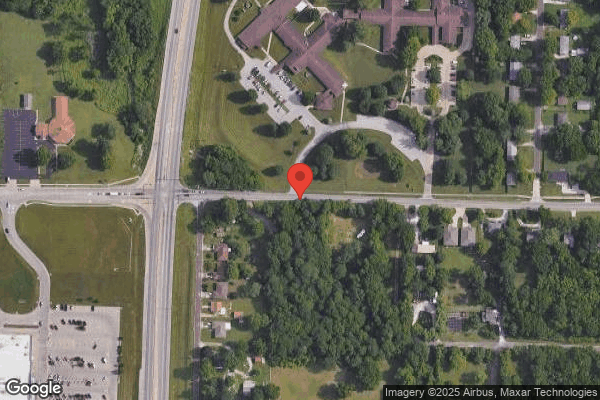
Oct 2023 3 deficiencies
CONCERN (D) 📢 Someone Reported This

A family member, employee, or ombudsman was alarmed enough to file a formal complaint

Potential for Harm - no one hurt, but risky conditions existed

Free from Abuse/Neglect (Tag F0600)

Could have caused harm · This affected 1 resident

Based on interview and record review, the facility failed to protect the resident's (Resident #1) right to be free from verbal and emotional abuse, by a staff member (Certified Nurse Aide (CNA) B) whe...

Read full inspector narrative →
Based on interview and record review, the facility failed to protect the resident's (Resident #1) right to be free from verbal and emotional abuse, by a staff member (Certified Nurse Aide (CNA) B) when staff yelled at and belittled the resident. The facility census was 70. Review of the facility's policy titled Handle with Care, Behavior Management System, Verbal Intervention Manual for Participants, latest publication 2012, showed the following: -Creating a universal perception of physical and psychological safety; -In order to act in the resident's best interest, staff need to be in control of their feelings and behavior; -Staff should interact with the resident during a crisis by allowing ventilation without becoming judgmental; considering the validity of the feeling if not the behavior, as it is impossible to tell another person how to feel; focus on one issue at a time; offer alternate choices the resident can make, contrasted by the inappropriate choices and the attached consequences; and persuade the individual to agree on the course of action to be taken. 1. Review of Resident #1's face sheet (admission data) showed the following: -admission date of 12/16/22; -Diagnoses included bipolar disorder (a mental illness that causes unusual shifts in a person's mood, energy, activity levels, and concentration), depression (medical illness that negatively affects how you feel, the way you think and how you act), anxiety (a feeling of worry, nervousness, or unease, typically about an imminent event or something with an uncertain outcome, and asthma (a respiratory condition marked by spasms in the lungs, causing difficulty in breathing). Review of the resident's current care plan showed the following: -The resident has a history of suicidal ideation, psychotropic drug use, and elopements and/or attempts to elope; -The resident has a guardian. Review of the resident's quarterly, Minimum Data Set (MDS - a federally mandated assessment instrument completed by facility staff), dated 9/24/23, showed the resident was cognitively intact. During interviews on 10/12/23, at 2:06 P.M., and 10/13/23, at 3:30 P.M., Licensed Practical Nurse (LPN) A said the following: -The resident started cursing and was opening the door to the unit, wanting to get out; -He/she and Certified Nurse Aide (CNA) B ran up to try to stop the resident and stepped in between the resident and the doors; -The resident reached around CNA B and grabbed his/her arm and he/she yelled loudly because it hurt; -He/she did hear CNA B saying rude and mean comments to the resident and mocking him/her. CNA B was acting like he/she were crying. Review of the CNA Fs written statement, dated 10/8/23, showed the following: -He/she was called to the unit to help with a resident showing behaviors; -He/she witnessed Certified Medication Tech (CMT) H, LPN A, and CNA B trying to provoke the resident with some song as a joke, laughing, and and laughing about not fist-bumping the resident any longer; -They also cursed towards the resident; -He/she said that was enough and this is not how you redirect. During an interview on 10/12/23, at 10:00 P.M., CNA F said the following: -When CNA F and the resident were outside, CNA B came outside and was yelling at the resident and saying things to hurt the resident's feelings; -CNA was telling the resident that even though the resident wants CNA B to come to the resident's graduation, they (CNA B) would never want to come to see the resident graduate because they don't care; -CNA B would pretend to cry and say Boo-Hoo does that hurt your feelings?; -CNA B also told the resident that since he/she loves to fist-bump, he/she will make sure to never fist bump the resident ever again, but the resident can watch CNA B fist bump everyone else. Review of CNA G's written statement, dated 10/8/23, showed the following: -The resident got very inappropriately verbal and was calling staff names; -CNA B was egging the resident on; -After the resident finally began to calm down, the resident asked CNA B for a fist bump and CNA B replied that I will fist pound or hug any mother fucker in here before I hug or fist pound you! Review of LPN E's written statement, dated 10/8/23, showed the following: -He/she was informed that the resident had gone outside and he/she sent CNA F out to talk to resident and talk into coming back inside; -Upon returning, CNA F reported that CNA B had also come outside to make comments to provoke the resident. During an interview on 10/12/23, at 4:50 P.M., LPN E said the following: -Staff that works the skilled side usually know the residents in the unit because there are times one of them may have to go over there and work a shift; -Staff have to be professional; -The resident did go outside with CNA F; -After some time, CNA F came back in and said CNA B is taunting and making fun of the resident; -CNA F told him/her that CNA B came outside, and probably not realizing CNA F was also outside, and start singing, Boo-Hoo cry baby, and saying, where the resident could hear, that the resident really wants CNA B to be at his/her graduation, but now he/she wouldn't be caught at his/her graduation and carrying on to antagonize the resident; -At this time, CNA F went and got the resident to join them on the SNF side for a little while to let everything cool down; -He/she texted the on-call nurse and requested the Administrator come up. Review of the resident's and facility's records showed no documentation of an investigation into the allegations of verbal abuse. During an interview on 10/12/23, at 11:20 A.M., CMT C said the staff are able to usually deescalate the resident pretty easily. During an interview on 10/13/23, at 12:55 P.M., the MDS Coordinator, said the following: -He/she did hear about the incident involving staff and the resident; -They are supposed to deescalate verbally. During an interview on 10/13/23, at 10:15 A.M., the Assistant Director of Nursing (ADON) said the following: -He/she was not told that there was any yelling or about any staff going out after the resident and taunting/degrading the resident in any way. During an interview on 10/12/23, at 11:00 A.M., at 1:25 P.M., and on 10/13/23, at 9:00 A.M., the Administrator said the comments of possible verbal abuse were no told to him by staff or the resident. MO00225606
CONCERN (D) 📢 Someone Reported This

A family member, employee, or ombudsman was alarmed enough to file a formal complaint

Potential for Harm - no one hurt, but risky conditions existed

Report Alleged Abuse (Tag F0609)

Could have caused harm · This affected 1 resident

Based on interviews and record review, the facility failed to ensure all allegations of possible abuse were reported within two hours to the State Survey Agency (Department of Health and Senior Servic...

Read full inspector narrative →
Based on interviews and record review, the facility failed to ensure all allegations of possible abuse were reported within two hours to the State Survey Agency (Department of Health and Senior Services - DHSS) when staff witnessed and provided written statements regarding allegations verbal abuse of one resident (Resident #1) by a facility staff member. The facility census was 70. Review of the facility's policy abuse policy, undated, showed the following: -All allegations of abuse, neglect, exploitation, and mistreatment, injuries of unknown sources and misappropriation of resident property will be reported immediately, but no later than the following timeframes; -If abuse is alleged or there is serious bodily injury, the allegation must be reported within two hours after the allegation was made; -If the allegation does not allege abuse or result in serious bodily injury, the report must be made within 24-hours after the allegation was made; -All employees of the facility are mandated reporters; -The facility will ensure all reports are made within two hours (abuse or serious bodily injury) or within 24-hours (non-abuse); -The two hour timeframe must be met even during the night shift or during the weekend. 1. Review of Resident #1's face sheet (admission data) showed the following: -admission date of 12/16/22; -Diagnoses included bipolar disorder (a mental illness that causes unusual shifts in a person's mood, energy, activity levels, and concentration), depression (medical illness that negatively affects how you feel, the way you think and how you act), anxiety (a feeling of worry, nervousness, or unease, typically about an imminent event or something with an uncertain outcome, and asthma (a respiratory condition marked by spasms in the lungs, causing difficulty in breathing). Review of the resident's current care plan showed the following: -The resident has a history of suicidal ideation, psychotropic drug use, and elopements and/or attempts to elope; -The resident has a guardian. Review of the resident's quarterly, Minimum Data Set (MDS - a federally mandated assessment instrument completed by facility staff), dated 9/24/23, showed the resident was cognitively intact. During interviews on 10/12/23, at 2:06 P.M., and 10/13/23, at 3:30 P.M., Licensed Practical Nurse (LPN) A said the following: -The resident started cursing and was opening the door to the unit, wanting to get out; -He/she and Certified Nurse Aide (CNA) B ran up to try to stop the resident and stepped in between the resident and the doors; -The resident reached around CNA B and grabbed his/her arm and he/she yelled loudly because it hurt; -He/she did hear CNA B saying rude and mean comments to the resident and mocking him/her. CNA B was acting like he/she were crying. Review of the CNA Fs written statement, dated 10/8/23, showed the following: -He/she was called to the unit to help with a resident showing behaviors; -He/she witnessed Certified Medication Tech (CMT) H, LPN A, and CNA B trying to provoke the resident with some song as a joke, laughing, and and laughing about not fist-bumping the resident any longer; -They also cursed towards the resident; -He/she said that was enough and this is not how you redirect. During an interview on 10/12/23, at 10:00 P.M., CNA F said the following: -When CNA F and the resident were outside, CNA B came outside and was yelling at the resident and saying things to hurt the resident's feelings; -CNA was telling the resident that even though the resident wants CNA B to come to the resident's graduation, they (CNA B) would never want to come to see the resident graduate because they don't care; -CNA B would pretend to cry and say Boo-Hoo does that hurt your feelings?; -CNA B also told the resident that since he/she loves to fist-bump, he/she will make sure to never fist bump the resident ever again, but the resident can watch CNA B fist bump everyone else. Review of CNA G's written statement, dated 10/8/23, showed the following: -The resident got very inappropriately verbal and was calling staff names; -CNA B was egging the resident on; -After the resident finally began to calm down, the resident asked CNA B for a fist bump and CNA B replied that I will fist pound or hug any mother fucker in here before I hug or fist pound you! Review of LPN E's written statement, dated 10/8/23, showed the following: -He/she was informed that the resident had gone outside and he/she sent CNA F out to talk to resident and talk into coming back inside; -Upon returning, CNA F reported that CNA B had also come outside to make comments to provoke the resident. During an interview on 10/12/23, at 4:50 P.M., LPN E said the following: -Staff that works the skilled side usually know the residents in the unit because there are times one of them may have to go over there and work a shift; -Staff have to be professional; -The resident did go outside with CNA F; -After some time, CNA F came back in and said CNA B is taunting and making fun of the resident; -CNA F told him/her that CNA B came outside, and probably not realizing CNA F was also outside, and start singing, Boo-Hoo cry baby, and saying, where the resident could hear, that the resident really wants CNA B to be at his/her graduation, but now he/she wouldn't be caught at his/her graduation and carrying on to antagonize the resident; -At this time, CNA F went and got the resident to join them on the SNF side for a little while to let everything cool down; -He/she texted the on-call nurse and requested the Administrator come up. Review of the resident's and facility's records showed staff did not document reporting the allegation so abuse to the DHSS. Review of DHSS records showed the home did not receive a self-report regarding the allegations of abuse. During an interview on 10/12/23, at 11:20 A.M., CMT C said the following: -He/she would report any complaint of abuse to the charge nurse, right away; -The nurse should then report it to state, immediately, but could not was not sure of the exact timeframe to report. During an interview on 10/12/23, at 11:50 A.M., LPN D said the following: -Staff have two hours to report any abuse allegation to state; -If a staff thinks there is potentially abuse, staff should report to state right away or contacted the Director of Nursing (DON) so they could report it. During an interview on 10/13/23, at 10:15 A.M., the Assistant Director of Nursing (ADON) said the following: -He/she was not told that there was any yelling or about any staff going out after the resident and taunting/degrading the resident in any way. During an interview on 10/12/23, at 11:00 A.M., at 1:25 P.M., and on 10/13/23, at 9:00 A.M., the Administrator said the comments of possible verbal abuse were not told to him by staff or the resident. He expected staff to understand to report up to supervisors and then one of them (supervisors) would report to state within 2 hours if there were allegations of abuse. MO00225606
CONCERN (D) 📢 Someone Reported This

A family member, employee, or ombudsman was alarmed enough to file a formal complaint

Potential for Harm - no one hurt, but risky conditions existed

Investigate Abuse (Tag F0610)

Could have caused harm · This affected 1 resident

Based on interview and record review, the facility failed to document completion of a full investigation of an allegation of employee to resident abuse towards one resident (Resident #1). The facility...

Read full inspector narrative →
Based on interview and record review, the facility failed to document completion of a full investigation of an allegation of employee to resident abuse towards one resident (Resident #1). The facility census was 70. Record review of the facility's Abuse Policy under the section, Investigation, undated, showed the following: -Designated facility personnel will begin the investigation immediately; -A root cause investigation and analysis will be completed; -The information gathered is given to administration; -The Administrator or designee will investigate the incident with the assistance of appropriate personnel; -The investigation will include who was involved; resident's involved statements; resident's roommate's statement; interviews with 3 to 4 residents receiving care from the alleged staff; interviews from 3 to 4 department staff (if possible); involved staff and witness statements of events; a description of the resident's behavior and environment at the time of the incident; injuries present including a resident assessment; observation of resident and staff behaviors; and environmental considerations; -All staff must cooperate during the investigation to assure the resident if fully protected. 1. Review of Resident #1's face sheet (admission data) showed the following: -admission date of 12/16/22; -Diagnoses included bipolar disorder (a mental illness that causes unusual shifts in a person's mood, energy, activity levels, and concentration), depression (medical illness that negatively affects how you feel, the way you think and how you act), anxiety (a feeling of worry, nervousness, or unease, typically about an imminent event or something with an uncertain outcome, and asthma (a respiratory condition marked by spasms in the lungs, causing difficulty in breathing). Review of the resident's current care plan showed the following: -The resident has a history of suicidal ideation, psychotropic drug use, and elopements and/or attempts to elope; -The resident has a guardian. Review of the resident's quarterly, Minimum Data Set (MDS - a federally mandated assessment instrument completed by facility staff), dated 9/24/23, showed the resident was cognitively intact. During interviews on 10/12/23, at 2:06 P.M., and 10/13/23, at 3:30 P.M., Licensed Practical Nurse (LPN) A said the following: -The resident started cursing and was opening the door to the unit, wanting to get out; -He/she and Certified Nurse Aide (CNA) B ran up to try to stop the resident and stepped in between the resident and the doors; -The resident reached around CNA B and grabbed his/her arm and he/she yelled loudly because it hurt; -He/she did hear CNA B saying rude and mean comments to the resident and mocking him/her. CNA B was acting like he/she were crying. Review of the CNA Fs written statement, dated 10/8/23, showed the following: -He/she was called to the unit to help with a resident showing behaviors; -He/she witnessed Certified Medication Tech (CMT) H, LPN A, and CNA B trying to provoke the resident with some song as a joke, laughing, and and laughing about not fist-bumping the resident any longer; -They also cursed towards the resident; -He/she said that was enough and this is not how you redirect. During an interview on 10/12/23, at 10:00 P.M., CNA F said the following: -When CNA F and the resident were outside, CNA B came outside and was yelling at the resident and saying things to hurt the resident's feelings; -CNA was telling the resident that even though the resident wants CNA B to come to the resident's graduation, they (CNA B) would never want to come to see the resident graduate because they don't care; -CNA B would pretend to cry and say Boo-Hoo does that hurt your feelings?; -CNA B also told the resident that since he/she loves to fist-bump, he/she will make sure to never fist bump the resident ever again, but the resident can watch CNA B fist bump everyone else. Review of CNA G's written statement, dated 10/8/23, showed the following: -The resident got very inappropriately verbal and was calling staff names; -CNA B was egging the resident on; -After the resident finally began to calm down, the resident asked CNA B for a fist bump and CNA B replied that I will fist pound or hug any mother fucker in here before I hug or fist pound you! Review of LPN E's written statement, dated 10/8/23, showed the following: -He/she was informed that the resident had gone outside and he/she sent CNA F out to talk to resident and talk into coming back inside; -Upon returning, CNA F reported that CNA B had also come outside to make comments to provoke the resident. During an interview on 10/12/23, at 4:50 P.M., LPN E said the following: -Staff that works the skilled side usually know the residents in the unit because there are times one of them may have to go over there and work a shift; -Staff have to be professional; -The resident did go outside with CNA F; -After some time, CNA F came back in and said CNA B is taunting and making fun of the resident; -CNA F told him/her that CNA B came outside, and probably not realizing CNA F was also outside, and start singing, Boo-Hoo cry baby, and saying, where the resident could hear, that the resident really wants CNA B to be at his/her graduation, but now he/she wouldn't be caught at his/her graduation and carrying on to antagonize the resident; -At this time, CNA F went and got the resident to join them on the SNF side for a little while to let everything cool down; -He/she texted the on-call nurse and requested the Administrator come up. Review of the resident's and facility's records showed staff did not document an investigation into the allegations of physical, verbal, and emotional abuse. During an interview on 10/13/23, at 10:15 A.M., the Assistant Director of Nursing (ADON) said the following: -He/she was not told that there was any yelling or about any staff going out after the resident and taunting/degrading the resident in any way. During an interview on 10/12/23, at 11:00 A.M., at 1:25 P.M., and on 10/13/23, at 9:00 A.M., the Administrator said the comments of possible verbal abuse were not told to him by staff or the resident. MO00225606
Aug 2023 1 deficiency
CONCERN (D) 📢 Someone Reported This

A family member, employee, or ombudsman was alarmed enough to file a formal complaint

Potential for Harm - no one hurt, but risky conditions existed

Notification of Changes (Tag F0580)

Could have caused harm · This affected 1 resident

Based on interview and record review, the facility staff failed to notify one resident's (Resident #1) representative in a timely manner when the resident had a change in condition, including falls. T...

Read full inspector narrative →
Based on interview and record review, the facility staff failed to notify one resident's (Resident #1) representative in a timely manner when the resident had a change in condition, including falls. The facility census was 69. Review of the facility's policy titled, Event Investigation, undated, showed the following: -Notify the resident's representative of a change of condition or any concerns that have been identified; -Detailed procedure for completing the Report of Event Form, Responsible Party: Document who and how related and date and time of notification. This must be documented in the medical record. 1. Review of Resident #1's face sheet (resident's information at a quick glance) showed the following: -admission date of 05/16/22; -On hospice services; -Diagnoses included Alzheimer's disease and primary insomnia (decreased ability to fall asleep and/or stay asleep). Review of the resident's significant change Minimum Data Set (MDS - a federally mandated assessment instrument completed by facility staff), dated 05/09/23, showed the following information: -Severe impaired cognition; -Required extensive assistance with bed mobility, transfers, and toilet use; -Balance when moving from seated to standing position: not steady, only able to stabilize with human assistance; -Balance moving on and off toilet: not steady, only able to stabilize with human assistance; -Balance moving from surface to surface transfer (transfer between bed and chair or wheelchair): not steady, only able to stabilize with human assistance; -Used wheelchair for mobility; Review of the resident's care plan, updated 08/07/23, showed the following: -When the resident sustains a fall, staff to complete an assessment prior to moving the resident, to include vital signs. Staff to notify the resident's physician and responsible party. Review of the resident's Event Report showed a nurse documented the following: -On 07/28/23, at 2:54 A.M., the nurse heard a loud scream. A certified nurse assistant (CNA) went to check the resident and found the resident on the floor by his/her bed. Upon evaluation by the nurse, the resident had a raised area to his/her forehead, and to his/her forearm. The resident complained of pain to his/her right shoulder. Neurological checks and vital signs initiated. Staff placed a call to the physician on call and who gave an order for x-ray to right shoulder and right forearm; -Notifications: Resident representative notified: No. Review of the resident's physician orders, dated 07/28/23, showed a radiology order for an x-ray of the resident's right shoulder and right forearm. Review of the X-Ray results, dated 07/28/23, showed no evidence of acute fractures. Review of the resident's progress notes showed staff did not document on 07/28/23. Staff did not document notifying the resident's family/representative of the fall with injury, the order for x-rays, or the x-ray results. During an interview on 08/19/23, at 6:10 P.M., Registered Nurse (RN) A said after a resident fall, the nurse should assess the resident and notify the physician and the resident's responsible party. During an interview on 08/24/23, at 10:54 A.M., Licensed Practical Nurse (LPN) B said after a resident fall, the nurse should address any immediate injuries, send the resident to the hospital (if needed), and contact the resident's physician and the resident's responsible party. During an interview on 08/24/23, a 2:48 P.M., the Assistant Director of Nursing (ADON) said the following: -After a resident fall, the nurse should notify the resident's responsible party within 20 to 30 minutes, after contacting the resident's physician and assessing the resident for injuries; -If a nurse was unable to reach a resident's responsible party by phone, that nurse should pass on in report for the next shift to contact the resident's responsible party; -The nurse should document the notification of the resident's responsible party on the event report or the resident's progress note; -The nurse should notify the resident's responsible party of x-ray results and document the notification in the resident's progress notes. During an interview on 08/24/23, at 3:00 P.M., the Administrator said the following: -After a resident fall, the nurse should first assess and stabilize the resident, and call the physician; -The nurses should then notify the resident's responsible party within 30 minutes of the fall; -The nurse should notify the resident's responsible party of new physician orders and of any x-ray results; -The nurse should document the resident's fall and notification of the responsible party on the resident's progress note and on the event report. MO00223152
Jun 2023 8 deficiencies
CONCERN (D) 📢 Someone Reported This

A family member, employee, or ombudsman was alarmed enough to file a formal complaint

Potential for Harm - no one hurt, but risky conditions existed

Resident Rights (Tag F0550)

Could have caused harm · This affected 1 resident

Based on interviews, record review, and observations, the facility failed to ensure all residents dignity was protected at all times when staff members failed to assist one resident (Resident #33), wh...

Read full inspector narrative →
Based on interviews, record review, and observations, the facility failed to ensure all residents dignity was protected at all times when staff members failed to assist one resident (Resident #33), who attempted to disrobe in common area, in timely and failed to update the resident's care plan with new interventions related to the disrobing behavior. The facility census was 68. Review of the facility policy titled Resident Rights, undated, showed the resident has a right to a dignified existence, self-determination, and communication with and access to persons and services inside and outside the facility. A facility must protect and promote the rights of each resident. Resident rights are to be fully respected and adhered to. 1. Review of Resident #33 ' s face sheet showed the following: -admission date of 09/01/16; -Diagnoses included dementia (a group of conditions characterized by impairment of a least two brain functions, such as memory loss and judgment), generalized anxiety disorder, and cerebral infarction (stroke). Review of the resident's significant change Minimum Data Set (MDS - a federally mandated assessment tool completed by facility staff), dated 03/28/23, showed the following: -The resident was severely cognitively impaired; -He/she exhibited no physical, verbal, or sexual behaviors during the evaluation period. Observation on 06/06/23, at 3:10 P.M., showed the resident came the length of the 200 hallway, disrobed. The resident past several open doors with staff in the offices. A resident's visitor was present and able to see the resident disrobed. Another resident fixed Resident #33's clothing. After the resident fixed Resident #33's clothing, Resident #33 propelled his/her wheelchair back down the hall and disrobed again. Observation on 06/07/23, at 2:01 P.M., showed the resident just past the nurses' station and disrobed. Staff on the hall did not assist the disrobed resident from the hall and sight of multiple staff and residents. One staff on the hall tired resident tried to reason with resident. place his/her clothing back on. Eventually, another staff approached and guided resident's clothing to the appropriate position. Observation on 06/07/23, at 2:57 P.M., showed the resident was in his/her wheelchair in front of main doors to the facility, mostly disrobed and exposed. A dietary aide came behind the resident, turned the wheelchair back to the main corridor and another staff came and adjusted the resident's clothing. During an interview on 06/08/23, at 9:20 A.M., Resident #21 said Resident #33 roams in his/her wheelchair all the time. He/she has been disrobing for a while. Staff helps the resident with his/her clothing and lets his/her family know, but Resident #33 just disrobes again. It is distressing to the family. Resident #33 doesn't know what he/she is doing. Review of the resident's care plan, updated 03/16/23, showed staff did not care plan related to the resident routinely disrobing or interventions to address this concern. During an interview on 06/08/23, at 10:50 A.M., Certified Nursing Assistant (CNA) D said he/she has seen the resident disrobing. It has been happening a lot lately. Staff tries to get there and do their best to keep the resident's clothes on. This behavior started a few weeks ago. Staff will see it, or residents see it and let them know. Staff should let nurse know when they observe the resident having this behavior. CNA D said he/she would consider this a dignity issue. During an interview on 06/08/23, at 10:55 A.M., Certified Medication Technician (CMT) E said he/she has seen the resident disrobing. This just recently started. Staff should tell the nurse about any new behaviors and let the family and doctor know. The Administration is aware. CMT E said he/she would consider the resident exposing him/herself a dignity issue. During an interview on 06/08/23, at 11:02 A.M., Registered Nurse (RN) C said he/she has seen the resident disrobing. The behavior has been going on for approximately two weeks. Staff does their best to facilitate the resident staying dressed, such as dressing the resident in multiple layers. The physician has been notified, a medication change has been ordered, and a urinalysis has been ordered. RN C said it is a dignity issue with the resident exposing him/herself, both for the resident and other residents and visitors. During an interview on 06/08/23, at 10:46 A.M., the Assistant Director of Nursing (ADON) said the resident has disrobing for approximately a week and a half. Staff has tried putting a coat on him/her, did a med change, tries to keep an eye on him/her, and have discussed the situation with his/her hospice provider. During an interview on 06/08/23, at 11:08 A.M., the Director of Nursing (DON)/MDS Coordinator said the resident roams all the time. The disrobing is relatively new. She is unsure what interventions are in place, but the staff will talk about in next interdisciplinary team (IDT) meeting, then add the interventions to the care plan. The care plan consists of items to help nursing staff and aides take care of residents, After IDT meetings additions are made. Charge nurses are able to make additions if needed to the care plan if needed, but usually the DON/MDS Coordinator makes the addition after the IDT meeting. During an interview on 06/08/23, at 12:55 P.M., the Administrator said the resident has recently started having the disrobing behavior. He has had discussions with staff about keeping eyes on the resident. Staff have notified the provider. Staff try their best to keep the resident in sight and keep him/her covered. He would consider it a dignity issue for him/her to be uncovered in front of other residents and visitors. MO00217930 MO00218800
CONCERN (D) 📢 Someone Reported This

A family member, employee, or ombudsman was alarmed enough to file a formal complaint

Potential for Harm - no one hurt, but risky conditions existed

Incontinence Care (Tag F0690)

Could have caused harm · This affected 1 resident

Based on observation, interview, and record review, the facility failed to provide incontinent care for one resident (Resident #68) in a manner that prevented possible infection when staff failed to f...

Read full inspector narrative →
Based on observation, interview, and record review, the facility failed to provide incontinent care for one resident (Resident #68) in a manner that prevented possible infection when staff failed to following proper hand washing during incontinent care and failed to provide catheter care per stands of practice. The facility census was 68. Review of the Centers for Disease Control and Prevention (CDC) website, updated 01/30/20, showed the following: -Hand hygiene (washing hands or using alcohol based hand rub) should be performed before putting on gloves; -Hand hygiene should be performed before moving from work on a soiled body site to a clean body site on the same resident; -Hand hygiene should be performed after body fluid exposure or assisting with toileting, performing would care, or performing a finger stick; -Hand hygiene should be performed after direct contact with a resident; -Hand hygiene should be performed after removing gloves. Review of the CDC website page for Catheter-Associated Urinary Tract Infections (CAUTI), updated 11/05/15, showed the following: -Use Standard Precautions, including the use of gloves and gown as appropriate, during any manipulation of the catheter or collecting system. Review of the facility policy titled Perineal (genital) Care, undated, showed it did not address when to perform hand hygiene. Review of the facility policy titled Standard and Transmission Based Precautions, undated, showed the following: -Change gloves, as necessary, during the care of a resident to prevent cross-contamination from one body site to another (when moving from a dirty site to a clean one); -Remove gloves promptly after use, before touching non-contaminated items and environmental surfaces, and before going to another resident and wash hands immediately to avoid transfer of microorganisms to other residents or environments; -Wash hands after removing gloves. 1. Review of Resident #68's face sheet showed the following: -admission date of 05/11/23; -Diagnoses included a cerebral infarction (stroke), diabetes, and Parkinson's disease (a disorder of the central nervous system that affects movement, often including tremors). Review of the resident' s admission Minimum Data Set (MDS - a federally mandated assessment completed by facility staff), dated 05/17/23, showed the following: -Cognitively intact; -Had an indwelling catheter (a flexible tube inserted through a narrow opening into a body cavity, particularly the bladder, for removing fluid). Review of the resident's care plan, updated 05/19/23, showed the resident had an indwelling catheter and staff to provide catheter care every eight hours and as needed. Review of the resident's Physician Orders Sheet (POS) showed an order, dated 05/13/23, for catheter care every shift. Observations on 06/07/23, at 10:03 A.M., showed the following: -Certified Nurse Aide (CNA) G entered the resident's room, performed hand hygiene, and applied gloves; -The CNA removed wipes from the wipe container and removed the resident's soiled brief; -The CNA cleaned down the catheter, with one wipe per swipe; -The CNA cleaned the resident's genitals, removed his/ her gloves, and placed on new gloves without performing hand hygiene; -The CNA cleaned stool from the resident's bottom, removing additional wipes from bag twice, removed the incontinent pad from under resident, wiped stool from the resident legs, and removed his/her gloves; -The CNA reached in box of gloves, got new gloves, and placed them on. The CNA did not perform hand hygiene; -The CNA put clean a clean brief underneath the resident, reached in the wipe bag for additional wipes, and removed his/her gloves without performing hand hygiene; -The CNA reached into the box of gloves and removed new gloves without performing hand hygiene; -The CNA reached in for more wipes, and returned to cleaning the catheter in a scrubbing (back and forth) motion (potentially recontaminating the tubing); -The CNA pulled the resident's brief up and attached brief. During an interview on 06/07/23, at 1:07 P.M., CNA G said staff should perform hand hygiene before starting care, after finished with care, and as needed, such as if hands get soiled. During an interview on 06/07/23, at 1:17 P.M., CNA F said staff should perform hand hygiene before beginning incontinent care, after performing incontinent care, and if they have to take their gloves off in the middle, and if they rip or something. During an interview on 06/08/23, at 9:43 A.M., Registered Nurse (RN) C said he/she expects staff to perform hand hygiene before beginning resident care, before going from a dirty to a clean body surface, after completing the task, and any time gloves are changed. It is not appropriate to change gloves without performing hand hygiene. It is not appropriate to return to catheter care after cleaning a dirty surface without performing hand hygiene, and it is not appropriate to change gloves without performing hand hygiene. During an interview on 06/08/23, at 10:50 A.M., CNA D said staff should perform hand hygiene before beginning resident care, between dirty and clean body surfaces, and when finishing the care. During an interview on 06/08/23, at 10:55 A.M., Certified Medication Technician (CMT) E said staff should perform hand hygiene before starting care, between dirty and clean body surfaces, and when completing the care. During an interview on 06/08/23, at 10:46 A.M., the Assistant Director or Nursing (ADON) said she expects staff to perform hand hygiene before beginning care, when they are going from dirty to clean body surface, after completing the task, and any time gloves changed. During an interview on 06/08/23, at 11:08 A.M., the Director of Nursing (DON) said she expects staff to perform hand hygiene before starting care, before going from a clean surface to a dirty surface, after finishing the cares, and any time they change gloves. During an interview on 06/08/23, at 12:55 P.M., the Administrator said he expects staff to do hand hygiene before beginning cares, any time removing gloves, between dirty and clean body surfaces, and after cares. Staff have yearly check-offs for hand hygiene. MO00218951
CONCERN (E)

Potential for Harm - no one hurt, but risky conditions existed

Deficiency F0582 (Tag F0582)

Could have caused harm · This affected multiple residents

Based on interview and record review, the facility failed to provide a Skilled Nursing Facility Advance Beneficiary Notice (SNFABN - form CMS-10055) at the initiation, reduction, or termination of Med...

Read full inspector narrative →
Based on interview and record review, the facility failed to provide a Skilled Nursing Facility Advance Beneficiary Notice (SNFABN - form CMS-10055) at the initiation, reduction, or termination of Medicare Part A benefits for three sampled residents (Resident #67, Resident #123, and Resident #124) who remained in the facility upon discharge from Medicare Part A services. The facility census was 68. Review of the Centers for Medicare and Medicaid Services Survey and Certification memo (S&C -09-20), dated 01/09/09, showed the following information: -The Notice of Medicare Provider Non-Coverage (NOMNC - form CMS-10123) is issued when all covered Medicare services end for coverage reasons; -If the skilled nursing facility (SNF) believes on admission or during a resident's stay that Medicare will not pay for skilled nursing or specialized rehabilitative services and the provider believes that an otherwise covered item or service may be denied as not reasonable or necessary, the facility must inform the resident or his/her legal representative in writing why these specific services may not be covered and the beneficiary's potential liability for payment for the non-covered services. The SNF's responsibility to provide notice to the resident can be fulfilled by use of SNFABN (form CMS-10055); -The SNFABN provides an estimated cost of items or services in case the beneficiary has to pay for them his/herself or through other insurance they may have; -If the SNF provides the beneficiary with the SNFABN at the initiation, reduction, or termination of Medicare Part A benefits, the provider has met its obligation to inform the beneficiary of his/her potential liability for payment and related standard claim appeal rights. Issuing the NOMNC to a beneficiary only conveys notice to the beneficiary of his/her right to an expedited review of a service termination. Review of a chart included as part of the facility's policy Form Instructions SNFABN Form CMS-1055 (2018) showed the facility was required to give residents an SNFABN when the resident drops (Medicare-funded services) to a non-skilled level of care, but (Medicare Part A) benefits have not been used up and the resident remains in the facility. 1. Review of Resident #67's SNF Beneficiary Protection Notification Review showed the following information: -On 04/10/23, Medicare Part A skilled services started; -Staff noted 04/19/23 as the last covered day of Medicare Part A service. (Facility staff did not provide the resident, or his/her legal representative, the required SNFABN form CMS-10055.) 2. Review of Resident #123's SNF Beneficiary Protection Notification Review showed the following information: -On 12/15/22, Medicare Part A skilled services started; -Staff noted 01/26/23 as the last covered day of Medicare Part A service. (Facility staff did not provide the resident or his/her legal representative the required SNFABN form CMS-10055.) 3. Record review of Resident #124's SNF Beneficiary Protection Notification Review showed the following information: -On 12/01/22, Medicare Part A skilled services started; -Staff noted 12/21/22 as the last covered day of Medicare Part A service. (Facility staff did not provide the resident or his/her legal representative the required SNFABN form CMS-10055.) 4. During an interview on 06/07/23, at 2:15 P.M., the Business Office Manager said she did not know about the requirement to send out a SNFABN to qualifying residents in addition to the NOMNC. She thought the facility's only requirement was to confer with therapy and inform the resident or his/her guardian/power of attorney of Medicare Part A services discharge by providing a NOMNC. 5. During an interview on 06/07/23, at 2:45 P.M., the Administrator said the facility was unaware of the need to send the SNFABN form, in addition to providing the NOMNC, for residents who discharge from Part A services with days remaining.
CONCERN (E)

Potential for Harm - no one hurt, but risky conditions existed

Transfer Notice (Tag F0623)

Could have caused harm · This affected multiple residents

Based on record review and interview, the facility failed to notify the resident and the resident's representative in writing of a transfer or discharge to the hospital for three residents (Resident #...

Read full inspector narrative →
Based on record review and interview, the facility failed to notify the resident and the resident's representative in writing of a transfer or discharge to the hospital for three residents (Resident #4, #16, and #17) out of a sample of eight residents. The facility census was 68. The Administrator and Assistant Director of Nursing (ADON) were notified on 05/01/23 of the Past Non-Compliance which had been ongoing and the ADON implemented an in-service for all nurses involved in sending residents to the hospital, provided transfer packets to all the nursing stations, began in-servicing of all nurses as they began their shifts, and began monitoring charts weekly to ensure no other incidents occur. The noncompliance was corrected on 05/02/23. Review of the facility policy titled Bed Hold Guidelines, undated, showed notice must be made as soon as practicable before transfer or discharge when an immediate transfer or discharge is required by the resident's urgent medical needs. 1. Review of Resident #4's nursing notes, dated 04/25/23, showed the resident transported via facility transport to hospital for further evaluation and treatment of open area to second toe of right foot. Staff notified resident's family and primary care physician. Review of the resident's medical record showed the facility staff did not send a written transfer notice to the resident or responsible party. 2. Review of Resident 16's nursing notes, dated 04/15/23, showed resident stated that he/she wrapped the pull cord around his/her neck and tried to strangle him/herself last night. Resident said he/she cannot handle all the chaos and just wants to die. Staff notified the physician and an order was received to send to the emergency room (ER) for evaluation. Staff called Emergency Medical Services (EMS) and left a message left for the resident's responsible party. The resident was sent to the hospital per ambulance. Review of the resident's medical record showed the facility staff did not send a written transfer notice to the resident or responsible party. 3. Review of Resident #17's nursing notes, dated 04/21/23, showed the resident observed laying the floor in the hallway outside of his/her room. Resident had a raised discolored area to left temple. Resident very confused and complained of severe pain. The resident refused to allow vital signs to be taken. Staff spoke with responsible party who requested resident be sent to the ER for evaluation. Staff notified EMS and the transfer form was completed. Staff called report to the ER. Staff sent copies of the resident's medication list, face sheet, and bed hold policy were prepared to send with resident. The resident was taken per stretcher with EMS. All paperwork sent. Review of the resident's medical record showed the facility staff did not send a written transfer notice to the resident or responsible party. 4. During an interview on 06/08/23, at 9:43 A.M., Registered Nurse (RN) C said there is a packet at each nurses' station with the appropriate paperwork, including the written notice of transfer/discharge. 5. During an interview on 06/08/23, at 10:46 A.M., the ADON said they have a packet at the nurses' stations in case they have to transfer someone. The packet included the written notice of transfer/discharge. 6. During an interview on 06/08/23, at 11:08 A.M., the Director of Nursing (DON) said the nurses' stations have packets at them and the nurses are all aware where the packets are located. The packets include the written notice of transfer/discharge. 7. During an interview on 06/08/23, at 12:55 P.M., the Administrator said he expects staff to send the correct paperwork to the responsible parties when residents are transferred to the hospital. This includes a written notice of transfer/discharge.
CONCERN (E)

Potential for Harm - no one hurt, but risky conditions existed

Deficiency F0760 (Tag F0760)

Could have caused harm · This affected multiple residents

Based on observation, record review, and interview, the facility failed to ensure all residents were free of significant medication errors when staff failed to administer medications as scheduled to t...

Read full inspector narrative →
Based on observation, record review, and interview, the facility failed to ensure all residents were free of significant medication errors when staff failed to administer medications as scheduled to three residents (Resident #13, #66, and #13) and when staff to prime an insulin pen and hold the insulin dose for six seconds at the site of administration as recommended by the manufacturer to ensure the resident received the full and correct dose of insulin for one resident (Resident #24). The facility had a census of 68. 1. Review of the facility policy, titled Medication, Administration Guidelines, undated, showed residents should receive their medications on a timely basis. 2. Review of Resident #13's face sheet (a brief resident profile) showed the following information: -admission date of 05/31/22; -Diagnoses included schizoaffective disorder (a condition of psychosis and mood disorder), Type 2 diabetes mellitus (high blood glucose), and major depressive disorder (sadness and loss of interest). Review of the resident's care plan, last updated on 06/08/23, showed the following: -At risk for behaviors such as mood changes and adjustment issues related to psychotropic drug use; -Administer antidepressants as directed by physician; -Administer antipsychotic medications as directed by physician. Review of the resident's Physician Order Sheet (POS), current as of 06/08/23, showed the following orders: -An order, dated 06/01/22, for valproic acid (used to treat seizures and bipolar disorder) 250 milligrams(mg)/5 milliliter (ml), administer 10 ml once a day at 8:00 A.M. for schizoaffective disorder; -An order, dated 06/01/22, for Zyprexa (antipsychotic used to treat schizophrenia) 5 mg, administer twice per day at 8:00 A.M. and 8:00 P.M. for schizoaffective disorder; -An order, dated 07/30/22, for metformin (anti-diabetic used to treat diabetes) 500mg, administer twice per day at 8:00 A.M. and 5:00 P.M. for Type 2 diabetes; -An order, dated 09/24/22, for gabapentin (anticonvulsant used to treat seizures and nerve pain) 300 mg; administer twice per day at 08:00 A.M. and 05:00 P.M. for schizoaffective disorder. Observation on 06/08/23, at 11:00 A.M., showed Licensed Practical Nurse (LPN) H administered valproic acid, Zyprexa, metformin, and gabapentin medications to the resident. (These medications were scheduled to be administered at 8:00 A.M.) Review of the resident's Medication Administration Record (MAR) showed LPN H charted in the electronic medications medications were administered late. 3. Review of Resident #66's face sheet (a brief resident profile) showed the following information: -admission date of 03/17/23; -Diagnoses included paranoid schizophrenia (changes in the way you act or think including delusions and hallucinations) and acute upper respiratory infection (infection that affects the nose, throat, and airways) Review of the resident's care plan, last updated 06/04/23, showed the following: -At risk for behavioral symptoms related to his/her paranoid schizophrenia; -Assess for agitation; -Assess for hearing voices; -Administer medications as ordered by the physician Review of the resident's POS, current as of 06/08/23, showed the following orders: -An order, dated 01/05/23, for amlodipine (used to treat high blood pressure) 10 mg tablet, administer daily at 08:00 A.M. for high blood pressure; -An order, dated 03/17/23, for Mucinex DM (cough and cold medication used to thin mucus) 30-600 mg tablet, administer twice daily at 8:00 A.M. and 5:00 P.M. for allergic rhinitis (seasonal allergies). Observation on 06/08/23, at 11:06 A.M., showed LPN H administered amlodipine and Mucinex DM medications that were scheduled to be administered at 8:00 A.M. Review of the resident's MAR showed LPN H charted in the electronic medications medications were administered late. 4. Review of Resident #8's face sheet (a brief resident profile) showed the following information: -admission date of 02/13/23; -Diagnoses included paranoid schizophrenia (changes in the way you act or think including delusions and hallucinations), bipolar disorder (mood swings ranging from depressive lows to manic highs), major depressive disorder (sadness and loss of interest), parkinsonism (tremors caused from medications), epilepsy, and pneumonia (infection affecting the lungs). Review of the resident's care plan, last updated on 06/08/23, showed the following: -Resident to receive antibiotic until infection is resolved; -At risk for mood changes and adjustment issues related to psychotropic drug use; -Administer antipsychotic medications as directed by physician; -Administer antidepressants as directed by physician. Review of the resident POS, current as of 06/08/23, showed the following orders: -An order, dated 04/13/23, for valsartan (antihypertensive used to treat high blood pressure) 40 mg tablet, administer daily at 8:00 A.M. for high blood pressure; -An order, dated 02/14/23, for meloxicam (nonsteroidal anti-inflammatory used to treat pain) 7.5 mg tablet, administer daily at 8:00 A.M. due to pain; -An order, dated 02/14/23, for lactulose ( used to reduce the amount of ammonia in the blood of patients with liver disease) 20 grams liquid, administer daily at 8:00 A.M. for paranoid schizophrenia; -An order, dated 02/13/23, for propranolol (used to treat blood pressure) 20 mg tablet, administer twice daily at 8:00 A.M. and 7:00 P.M. for high blood pressure; -An order, dated 02/13/23, for olanzapine (used to treat mental disorders including schizophrenia) 10 mg tablet, administer twice daily at 8:00 A.M. and 07:00 P.M.; DX: paranoid schizophrenia; -An order, dated 02/13/23, for levetiracetam (used to treat seizures) 1000 mg tablet, administer twice daily at 8:00 A.M. and 7:00 P.M.; for epilepsy; -An order, dated 02/13/23, for clonazepam (used to prevent seizures and treat anxiety) 0.5 mg tablet, administer three times daily at 8:00 A.M., 12:00 P.M., 7:00 P.M. for anxiety. Observation on 06/08/23, at 11:11 A.M., showed LPN H administered valsartan, meloxicam, lactulose, propranolol, olanzapine, levetiracetam, and clonazepam. Review of the resident's MAR showed LPN H charted in the electronic medications medications were administered late. 5. During an interview on 06/08/23, at 12:54 P.M., LPN H said medications should be given as ordered including the correct time if possible. He/she said it is difficult to administer every resident's medications within the time frame because there is not enough time. Staff do the best they can. 6. During an interview on 06/08/23, at 1:09 P.M., the Assistant Director of Nursing (ADON) said that staff can administer medications one hour before or one hour after the scheduled time. If medications are late then staff should always notify the ADON and the physician as soon as possible. 7. During an interview on 06/08/23, at 1:13 P.M., the Director of Nursing (DON) said that staff have a two hour window to administer medications. If medications are not administered within that time frame then the physician needs to be notified. 8. During an interview on 06/08/23, at 1:13 P.M., the Administrator said that medications should be given when scheduled and if they were late, the certified medication technician or nurse should notify the physician immediately. 9. Review of the facility policy titled Diabetic Infection Control, undated, showed the following: -Insulin injection pens are for single resident use; -Prepare the medication in a centralized area outside the resident's room (i.e., medication cart). (The policy did not address priming insulin pens before injection or holding insulin pens after injection.) Review of the Novolog (rapid-acting insulin) manufacturer's insert showed the following: -Remove the outer and inner needle cap; -Pen must be primed before each injection; -Dial the knob on the pen to a dose of two units prior to administering to prime the pen; -Staff should see a drop or stream of liquid at the end of the needle which indicates the pen is ready to use; -Repeat steps to prime one or two more times if needed, until you see a drop in insulin; -Now that pen is ready, dial the dose ordered by the physician; -The needle should go all the way into the skin; -Slowly push the knob of the pen all the way in to deliver the full dose; -Hold the pen at the site for six seconds, to allow time for the insulin to get into the body, and then pull the needle out. Review of Resident #24's face sheet showed the following information: -admission date of 03/17/23; -Diagnoses included Type 2 diabetes mellitus (high blood glucose). Review of the resident's care plan, last updated 04/02/23, showed the following: -At risk for potential complications related to his/her diabetes; -Staff to perform accu-checks (blood glucose test) as ordered by the physician; -Administer medications as ordered by the physician. Review of the resident's POS, current as of 06/08/23, showed the following orders: -An order, dated 03/17/23, to check blood glucose before meals and at bedtime; -An order, dated 03/17/23, for Novolog FlexPen U-100 Insulin solution 100 unit/ml (unit of fluid volume) insulin pen, 100 unit/ml (3 ml) per sliding scale. Staff to administer subcutaneous (inject under the skin) before meals and at bedtime. The administrations were scheduled for 7:30 A.M., 12:00 P.M., 05:00 P.M., and 8:00 P.M.; -If blood sugar is 151 milligrams/deciliter (mg/dL) to 200 mg/dL, administer three units of insulin; -If blood sugar is 201 mg/dL to 250 mg/dL, administer five units of insulin; -If blood sugar is 251 mg/dL to 300 mg/dL, administer seven units of insulin; -If blood sugar is 301 mg/dL to 350 mg/dL, administer nine units of insulin; -If blood sugar is greater than 350 mg/dL, administer 11 units of insulin and notify physician. Observation on 06/08/23, at 12:10 P.M., showed Licensed Practical Nurse (LPN) H checked the resident's blood sugar. The resident's blood sugar measured 177 mg/dL. LPN applied a needle to the insulin pen, dialed the pen to the ordered amount of three units. The LPN did not prime the insulin pen. The LPN cleansed the upper right arm of the resident with an alcohol wipe then administered the three units of insulin into the resident's right arm. The LPN pushed the knob, administered the dose, and immediately pulled the needle back out. During an interview on 06/08/23, at 12:54 P.M., LPN H said that the insulin pen should be primed prior to use and it was not necessary to hold the pen against the skin after administering the dose. During an interview on 06/08/23, at 1:09 P.M., the ADON said insulin pens need to be primed with two units prior to use. An insulin pen should be held against the skin for 10 seconds during administration. During an interview on 06/08/23, at 1:13 P.M., the Director of Nursing DON said insulin pens must be primed with two units of insulin and held against the skin per the manufacturer's recommendations. During an interview on 06/08/23, at 1:13 P.M., the Administrator said that insulin pens should be administered according the manufacturer and physician's orders.
CONCERN (E) 📢 Someone Reported This

A family member, employee, or ombudsman was alarmed enough to file a formal complaint

Potential for Harm - no one hurt, but risky conditions existed

Infection Control (Tag F0880)

Could have caused harm · This affected multiple residents

2. Review of the Centers for Disease Control and Prevention (CDC) website, updated 01/30/20, showed if glucometers are shared, they should be cleaned and disinfected after every use, to prevent carry-...

Read full inspector narrative →
2. Review of the Centers for Disease Control and Prevention (CDC) website, updated 01/30/20, showed if glucometers are shared, they should be cleaned and disinfected after every use, to prevent carry-over of blood and infectious agents. Review of the facility provided policy, titled Diabetic Infection Control, undated, showed the following information: -Gloves are to be worn when performing fingersticks and changed between resident contacts; -Perform hand hygiene immediately after removal of gloves and before touching other medical supplies intended for use on another resident; -Multiple resident use glucometer will be cleaned and disinfected after each use using an EPA-registered disinfectant wife according to container label. Review of Resident #24's face sheet (a brief resident profile) showed the following information: -admission date of 03/17/23; -Diagnoses included Type 2 diabetes mellitus (high blood glucose). Review of the resident's care plan, last updated 04/02/23, showed the following: -At risk for potential complications related to his/her diabetes; -Staff to perform accu-checks (blood glucose test) as ordered by the physician; -Administer medications as ordered by the physician. Review of the resident's Physician Order Sheet, current as of 06/08/23, showed the following orders: -An order, dated 03/17/23, to check blood glucose before meals and at bedtime; -An order, dated 03/17/23, for Novolog FlexPen U-100 Insulin (insulin aspart - fast acting insulin) solution 100 unit/ml (unit of fluid volume) insulin pen, 100 unit/ml (3 ml) per sliding scale. Administer subcutaneously (inject under the skin) before meals and at bedtime. Administration scheduled at 7:30 A.M., 12:00 P.M., 5:00 P.M., and 8:00 P.M.; -If blood sugar is 151 milligrams/deciliter (mg/dL) to 200 mg/dL, administer three units of insulin; -If blood sugar is 201 mg/dL to 250 mg/dL, administer five units of insulin; -If blood sugar is 251 mg/dL to 300 mg/dL, administer seven units of insulin; -If blood sugar is 301 mg/dL to 350 mg/dL, administer nine units of insulin; -If blood sugar is greater than 350 mg/dL, administer 11 units of insulin and notify physician. Observation on 06/08/23, at 12:10 P.M. showed Licensed Practical Nurse (LPN) H returned to the nurses' desk from outside smoking and put away smoking supplies. The LP did not perform hand hygiene. LPN H donned gloves then checked the resident's blood sugar. LPN H removed his/her gloves and applied needle to the insulin pen without completing hand hygiene. The LPN applied his/her gloves, cleansed the upper right arm of the resident with an alcohol wipe then administered insulin into the resident's right arm. LPN H removed his/her gloves. LPN H did not perform hand hygiene. LPN H did not clean the glucometer machine. LPN H returned the glucometer machine back inside the cart. During an interview on 06/08/23, at 12:54 P.M., LPN H said glucometer should be sanitized in between residents with a bleach wipe. He/she looked in the medication cart, but was not able to locate any wipes and said he/she has not seen any wipes for awhile. LPN H said that hands should be washed before and after each resident. During an interview on 06/08/23, at 1:09 P.M., the ADON said hand hygiene should be done prior, before and after wearing gloves and between residents. The glucometer should be cleaned with a wipe and wrapped for two to three minutes before using again. During an interview on 06/08/23, at 1:13 P.M., the DON said hand hygiene should be done before, after, and when changing gloves. Glucometer should be cleaned with wipe per manufacturer's recommendations. During an interview on 06/08/23, at 1:13 P.M., the Administrator said hand hygiene should be performed before using the pen and after removing gloves. He/she said the glucometer should be cleaned per manufacturer recommendations. 3. Review of the facility provided policy titled Medication, Administration Guidelines, undated, showed the following information: -Bring cart to resident room; -Wash hands; -Administer medication. Review of Resident #66's face sheet (a brief resident profile) showed the following information: -admission date of 03/17/23; -Diagnoses included paranoid schizophrenia (changes in the way you act or think including delusions and hallucinations) and acute upper respiratory infection (infection that affects the nose, throat, and airways) Review of the resident's care plan, last updated 06/04/23, showed staff to administer medications as ordered by the physician. Review of the resident's POS, current as of 06/08/23, showed the following orders: -An order, dated 01/05/23, for amlodipine (used to treat high blood pressure) 10 mg tablet, administer daily at 8:00 A.M. for high blood pressure; -An order, dated 03/17/23, for Mucinex DM (cough and cold medication used to thin mucus) 30-600 mg tablet, administer twice daily at 8:00 A.M. and 5:00 P.M. for allergic rhinitis (seasonal allergies). Observation on 06/08/23, at 11:06 A.M., showed LPN H removing amlodipine from package. The medication landed in the medication cup sitting on the nurses' counter, then bounced out of the cup, knocking the medication cup over. LPN H picked up the medication on the counter with her fingers, placing the medication back into the cup. Then, LPN H removed Mucinex from package placing it directly into LPN H's hand, then placing medication into the medication cup. The LPN did not perform had hygiene prior to or after touching the medication or before/after the medication pass. During an interview on 06/08/23, at 12:54 P.M., LPN H said that hands should be washed before and after medication administration. During an interview on 06/08/23, at 1:09 P.M., the ADON said that hand hygiene should be done before and after administering medications. If you drop a medication, waste that medication and give another medication. During an interview on 06/08/23, at 1:13 P.M., the DON said hand hygiene should be done before and after administering medications. Never touch medications with bare hands. If medication lands on a contaminated surface, staff should discard that medication, perform hand hygiene, and administer a new medication. MO00218951 Based on observation, interview, and record review, the facility failed to use appropriate infection control procedures to prevent the spread of bacteria or other infectious carrying contaminants when staff failed to use appropriate hand hygiene after performing incontinent care for one resident (Resident #4); failed to use appropriate hand hygiene before, during, and after performing glucometer (a machine used to check blood sugar) checks and failed to clean the glucometer after use for one resident (Resident #4); and when staff did not complete hand hygiene during medication pass and directly touched mediations for one resident (Resident #66). The facility census was 68. Review of the Centers for Disease Control and Prevention (CDC) website, updated 01/30/20, showed the following: -Hand hygiene (washing hands or using alcohol based hand rub) should be performed before putting on gloves; -Hand hygiene should be performed before moving from work on a soiled body site to a clean body site on the same resident; -Hand hygiene should be performed after body fluid exposure or assisting with toileting, performing would care, or performing a finger stick; -Hand hygiene should be performed after direct contact with a resident; -Hand hygiene should be performed after removing gloves. Review of the facility policy titled Standard and Transmission Based Precautions, undated, showed the following: - Change gloves, as necessary, during the care of a resident to prevent cross-contamination from one body site to another (when moving from a dirty site to a clean one); -Remove gloves promptly after use, before touching non-contaminated items and environmental surfaces, and before going to another resident and wash hands immediately to avoid transfer of microorganisms to other residents or environments; -Wash hands after removing gloves. 1. Review of Resident #4's face sheet showed the following: -admission date of 04/28/16; -Diagnoses included dementia (a group of conditions characterized by impairment of a least two brain functions, such as memory loss and judgment) and urinary tract infections. Review of the resident's quarterly Minimum Data Set (MDS - a federally mandated assessment tool completed by facility staff), dated 05/24/23, showed the following: -Cognitively intact; -Required extensive assistance with personal hygiene. Review of the resident's care plan, updated 05/25/23, showed the following: -Continent of bowel and bladder, with episodes of bladder incontinence; -Assist with toileting to include toilet hygiene and clothing management. Observations on 06/07/23, at 10:30 A.M., showed the following: -Certified Nursing Assistant (CNA) F entered the resident's room and applied gloves without performing hand hygiene; -The resident removed his/her own brief; -The CNA cleaned the resident's bottom with a wipe and placed a new brief on the resident without removing his/her gloves or performing hand hygiene; -Without performing hand hygiene, the CNA removed the resident's shirt, got the resident clean clothes from the closet, assisted the resident in dressing, and put lotion on the resident's left foot; -The CNA then removed his/her left glove, did not complete hand hygiene, and applied the resident's left sock and sandal; -Without performing hand hygiene, the CNA aide applied the resident's orthopedic boot to his/her right foot and pulled up the resident's pants; -Without performing hand hygiene, the CNA then assisted the resident to his/her wheelchair and pushed the resident to the bathroom and assisted the resident onto the toilet; -The CNA exited the bathroom and removed his/her gloves without performing hand hygiene; -The CNA entered the bathroom to assist the resident from the toilet; -The CNA applied new gloves with no hand hygiene, assisted the resident to stand, and then removed the gloves: -With no hand hygiene, the CNA pulled up the resident's briefs, pulled up the resident's pants, and removed his/her gloves; - He/she applied new gloves without performing hand hygiene; -The CNA removed the resident's dentures from the denture cup on the sink, rinsed them, and placed them in the resident's mouth; -The CNA removed his/her gloves without performing hand hygiene. During an interview on 06/07/23, at 1:07 P.M., CNA G said staff should perform hand hygiene before starting care, after finished with care, and as needed, such as if hands get soiled. During an interview on 06/07/23, at 1:17 P.M., CNA F said staff should perform hand hygiene before beginning incontinent care, after performing incontinent care, and if they have to take their gloves off in the middle, and if they rip or something. During an interview on 06/08/23, at 9:43 A.M., Registered Nurse (RN) C said he/she expects staff to perform hand hygiene before beginning resident care, before going from a dirty to a clean body surface, after completing the task, and any time gloves are changed. It is not appropriate to change gloves without performing hand hygiene. During an interview on 06/08/23, at 10:50 A.M., CNA D said staff should perform hand hygiene before beginning resident care, between dirty and clean body surfaces, and when finishing the care. During an interview on 06/08/23, at 10:55 A.M., Certified Medication Technician (CMT) E said staff should perform hand hygiene before starting care, between dirty and clean body surfaces, and when completing the care. During an interview on 06/08/23, at 10:46 A.M., the Assistant Director or Nursing (ADON) said she expects staff to perform hand hygiene before beginning care , when they are going from dirty to clean body surface, after completing the task, and any time gloves changed. During an interview on 06/08/23, at 11:08 A.M., the Director of Nursing (DON) said she expects staff to perform hand hygiene before starting care, before going from a clean surface to a dirty surface, after finishing the cares, and any time they change gloves. During an interview on 06/08/23, at 12:55 P.M., the Administrator said he expects staff to do hand hygiene before beginning cares, any time removing gloves, between dirty and clean body surfaces, and after cares. Staff have yearly check-offs for hand hygiene.
CONCERN (E)

Potential for Harm - no one hurt, but risky conditions existed

Safe Environment (Tag F0921)

Could have caused harm · This affected multiple residents

Based on observation and interview, the facility failed to provide a sanitary environment when the dietary and maintenance staff failed to ensure the fan located in the walk-in refrigerator and the ve...

Read full inspector narrative →
Based on observation and interview, the facility failed to provide a sanitary environment when the dietary and maintenance staff failed to ensure the fan located in the walk-in refrigerator and the vents on the ice machine were cleaned. The facility census was 68. 1. Review of the facility's policy titled Nutrition and Dining Services Manual, dated May 2015, showed the following: -The outside of the ice machine will be cleaned weekly; -Wash the outside with soft brush or cloth and dry; -Polish the outside with micro-shield or glass cleaner. Observations of the kitchen on 06/05/23, beginning at 9:10 A.M., and on 6/07/2023, at 3:00 P.M., showed the vents on each side of the ice machine had sticky substance and fuzzy lint. During an interview on 06/07/23, at 3:16 P.M., Dietary Aide A said dietary staff have a weekly deep clean and daily cleaning list for A.M. and P.M., staff. Dietary staff wipes and cleans the outside of the ice machine. During an interview on 06/07/23, at 3:20 P.M., Dietary Aide B said dietary staff wipe down the outside of the ice machine, he/she isn't sure who is supposed to clean the vents on each side of the ice machine or how often they're cleaned. During an interview on 06/07/23, at 3:20 P.M., the Dietary Manager said maintenance is responsible for cleaning the vents on each side of the ice machine. He/she verbally lets maintenance know when something needs to be cleaned or there is a binder they can write things down. During an interview on 08/08/23, at 11:52 A.M., the Maintenance Supervisor said dietary cleans the outside of the ice machine, including dusting the vents on each side. During an interview on 06/07/23, at 3:27 P.M., the Administrator, said maintenance is responsible for cleaning the vents on the outside of the ice machine. 2. Review showed the home did not provide a policy regarding maintenance of the refrigerator fans. Review of the facility's daily cleaning schedule, dated May 2023, showed no task for cleaning the fan in the refrigerator. Observations of the kitchen on 06/05/23, beginning at 9:10 A.M., and on 06/07/23 at 3:00 P.M., showed the fan located in the walk in refrigerator, had a black substance, and fuzzy lint on the underside of the cover of the fan. During an interview on 06/07/23, at 3:16 P.M., Dietary Aide A said dietary staff have a weekly deep clean and daily cleaning list for A.M., and P.M., staff. Maintenance is responsible for cleaning the fan in the refrigerator and he/she recently cleaned it. During an interview on 06/07/23, at 3:20 P.M., Dietary Aide B, said he/she hasn't noticed the fan being dirty. Maintenance cleans the fans as needed. During an interview on 6/07/23, at 3:20 P.M., the Dietary Manager said maintenance is responsible for cleaning the fan in the refrigerator. Dietary staff lets maintenance know when it's dirty. During an interview on 06/07/23, at 3:27 P.M., the Administrator, said maintenance is responsible for cleaning the fan in the walk in refrigerator. Dietary staff should be letting maintenance know when it needs to be cleaned. During an interview on 05/08/23, at 11:52 A.M., the Maintenance Supervisor said he/she has not cleaned the fan in the walk in refrigerator. He/she believes dietary staff are probably cleaning it.
CONCERN (F)

Potential for Harm - no one hurt, but risky conditions existed

Food Safety (Tag F0812)

Could have caused harm · This affected most or all residents

Based on observation, interview, and record review the facility failed to ensure food was stored, prepared, and distributed in a manner to prevent possibly contamination when staff failed to keep ice ...

Read full inspector narrative →
Based on observation, interview, and record review the facility failed to ensure food was stored, prepared, and distributed in a manner to prevent possibly contamination when staff failed to keep ice machine free of white substances, failed to dispose of outdated refrigerated foods, and when stored clean, wet dishes on a tray. This had the potential to affect all residents who consumed food from the facility kitchen. The facility census was 68. 1. Review of the 2013 Missouri Food Code showed food-contact surfaces of equipment and utensils shall be clean to sight and touch. Review of the facility's policy titled, Nutrition and Dining Services Manual, May 2015, showed wash the inside of the machine thoroughly with warm detergent solution, rinse with baking soda water, and dry monthly. Inside of the machine will be de-limed per facility guidelines monthly. Observations of the kitchen on 06/05/23, beginning at 9:01 A.M., and on 06/07/23, at 3:00 P.M., showed the inside of the ice machine, above the ice and around the hinges, had a white substance present. During an interview on 06/07/23, at 3:10 P.M., Dietary Aide A said the following: -Kitchen staff have a cleaning list, weekly deep clean and daily cleaning for A.M., and P.M., staff; -Dietary staff clean the outside of the ice machine and maintenance cleans the inside of the machine; -Dietary staff let maintenance know when something needs to be cleaned by maintenance. During an interview on 06/07/23, at 3:16 P.M., Dietary Aide B, said the following: -Kitchen staff have a daily and weekly cleaning schedule; -Maintenance cleans the inside of the ice machine. He/she empties the ice machine; -He/she lets the Dietary Manager know when something needs to be cleaned by maintenance. During an interview on 06/07/23, at 3:20 P.M., Dietary Manager said the following: -Maintenance is responsible for cleaning the inside of the ice machine. He/she done that a couple weeks ago; -Maintenance cleans the ice machine quarterly; -When something needs to be cleaned by maintenance, he/she speaks to maintenance verbally or there is a binder they write requests in. During an interview on 06/07/23, at 3:27 P.M., the Administrator said maintenance is responsible for cleaning the inside of the ice machine and dietary staff should be letting maintenance know when the machine needs to be cleaned. 2. Review of the US Food and Drug Administration policy, under the section of Food Labeling and Handling, currently updated 03/04/23, showed the following: -Facility staff must ensure their proper storage, keeping track of when to discard perishable foods and covering, labeling, and dating all foods stored in the refrigerator or freezer as indicated; -Labeling, dating, and monitoring refrigerated food, including, but not limited to leftovers, so it is used by its use-by date, or frozen (where applicable) or discarded. Review of the facility's policy titled Nutrition and Dining Services Manual, May 2015, said the Dining Services Manager is responsible for receiving and storing food and nonfood items. Observations of the kitchen on 06/05/23, beginning at 9:01 A.M., 06/07/23, at 10:33 A.M., showed the following: -One full gallon of coleslaw dressing and one partial gallon of coleslaw dressing with the manufacturer expiration date of 03/03/23; -One partial gallon of mustard with manufacturer expiration date of 04/21/23. During an interview on 06/07/23, at 3:10 P.M., Dietary Aide A said it's not acceptable to use expired foods. If it's past the manufacture's expiration date, the food should be sent back or thrown out. During an interview on 06/07/23, at 3:16 P.M., Dietary Aide B said it's not acceptable to use expired foods. He/she would let the DM know and it would be thrown out. During an interview on 06/07/23, at 3:20 P.M., Dietary Manager said it's not acceptable to use expired foods. During an interview on 06/07/23, at 3:27 P.M., the Administrator, said it's not acceptable to use foods past the expired date, they should be thrown out. 3. Record review of the 2017 Food Code, issued by the Food and Drug Administration, showed the following: -After cleaning and sanitizing, equipment and utensils shall be air-dried or used after adequate draining before contact with food; -Items must be allowed to drain and to air-dry before being stacked or stored. Stacking wet items such as pans prevents them from drying and may allow an environment where microorganisms can begin to grow. Review of the facility's policy titled Nutrition and Dining Services Manual, May 2015, showed the following: -Items are to be air dried; -No moisture can be found on stacked item. Observations of the kitchen on 06/05/23, beginning at 9:1 A.M., showed two separate trays of small clear cups, placed on the trays, upside down with trapped water inside with no air movement for drying. During an interview on 06/07/23, at 3:10 P.M., Dietary Aide A said all dishes should be air dried and never put away wet. During an interview on 06/07/23, at 3:16 P.M., Dietary Aide B said dishes should be put upside down in the drain to air dry. They should not be put away wet. During an interview on 06/07/23, at 3:20 P.M., Dietary Manager said dishes should be air dried. Staff should never put dishes away wet. During an interview on 06/07/23, at 3:27 P.M., the Administrator, said dishes and cups should be put away dry, not wet.
Jan 2020 10 deficiencies
CONCERN (D)

Potential for Harm - no one hurt, but risky conditions existed

Deficiency F0583 (Tag F0583)

Could have caused harm · This affected 1 resident

**NOTE- TERMS IN BRACKETS HAVE BEEN EDITED TO PROTECT CONFIDENTIALITY** Based on observation and interview, the facility failed to ensure privacy for one resident (Resident #330) in a selected sample ...

Read full inspector narrative →
**NOTE- TERMS IN BRACKETS HAVE BEEN EDITED TO PROTECT CONFIDENTIALITY** Based on observation and interview, the facility failed to ensure privacy for one resident (Resident #330) in a selected sample of 20 residents. The facility's census was 75. Record review of the facility's admission Packet of Resident's Rights included the following information: -Each resident shall be treated with consideration, respect a full recognition of his/her dignity and individuality, including privacy in treatment and care of his/her personal needs. All persons, other than Division of Health Standards and Licensure or Department of Mental Health staff, as appropriate, shall be excluded from observing the Resident during any time of examination, treatment or care unless consent has been given by the Resident. 1. Record review of Resident #330's face sheet (a document that gives a resident's information at a quick glance) showed the following information: -admitted to the facility on [DATE]; -Diagnoses included dementia, acute kidney failure and urinary tract infection. Record review of the resident's baseline care plan, dated 1/28/20, showed the following information: -The resident was confused; -Safety concerns included a history of falls, fall risk, unsteady/unsafe with transfers, and balance/gait unsteady; -Monitor resident's routines and preferences, encourage the resident to make his/her needs known, and provide verbal safety reminders; -Interventions: Provide emotional support for transition to new environment; -Encourage the resident to express his/her feelings and provide comfort; -Assess and monitor for change in condition and notify MD as needed Observation on 1/28/20, at 11:31 A.M., showed resident laid in bed with his/her room door opened. He/she wore a hospital gown pulled up to his/her waist, exposing his/her incontinent brief, which was visible from the hallway outside his/her room door. As the resident laid uncovered in bed, a staff member walked by the resident's room to the therapy room. A few minutes later, the same staff member walked with a resident, passing Resident #330's room. Observation on 1/29/20, at 10:45 A.M., showed the resident sat in his/her wheelchair inside his/her bathroom. A therapy staff member stood behind the resident's wheelchair cuing him/her to stand up using the grab bar near the toilet. The resident's room door and bathroom door were opened. The therapy staff member assisted the resident into a standing position then moved his/her wheelchair to side and entered the bathroom. The therapy staff member assisted the resident to turn, pulled down his/her pants, and assisted him/her to sit on toilet. Therapist did not close the resident's door prior to assisting resident to the bathroom. During an interview on 1/30/20, at 1:35 P.M., Restorative Assistant (RNA) Q said resident privacy included addressing residents by name, shutting their door during cares, closing their curtains, if applicable, during cares, and knocking before entering a resident's room. During an interview on 1/30/20, at 2:34 P.M., Certified Nurse Assistant (CNA) M said ensuring resident privacy included shutting blinds and closing doors when providing care, and covering exposed residents During an interview on 1/30/20, at 2:35 P.M., Licensed Practical Nurse (LPN) B said resident privacy included shutting the door and closing curtains when providing care, and knocking and waiting for the resident to tell you to come in. If staff noticed a resident uncovered in bed, they should enter the resident's room and cover him/her. During interview on 1/31/20, at 1:08 P.M., Director of Nursing (DON) said the facility did not have a specific privacy policy, but Resident's Rights included privacy. If staff observed a resident lying in bed, exposed, staff should check on the resident to determine why he/she laid uncovered, cover the resident and close his/her door.
CONCERN (D)

Potential for Harm - no one hurt, but risky conditions existed

Investigate Abuse (Tag F0610)

Could have caused harm · This affected 1 resident

**NOTE- TERMS IN BRACKETS HAVE BEEN EDITED TO PROTECT CONFIDENTIALITY** Based on interview and record review, the facility failed to complete an investigation of an allegation of misappropriation of r...

Read full inspector narrative →
**NOTE- TERMS IN BRACKETS HAVE BEEN EDITED TO PROTECT CONFIDENTIALITY** Based on interview and record review, the facility failed to complete an investigation of an allegation of misappropriation of resident property for two residents (Resident #2 and Resident #14) in a selected sample of 20 residents. The facility's census was 75. Record review of the facility's Abuse Policy, revised 11/28/16 related to the facility investigative documentation showed the following: -A specific description of the incident; -Relevant information/documentation from the resident's medical record (i.e., face sheet, nurse's notes, MDS, care plan, physician notes and discharge information). -Names, addresses, home telephone numbers, date of birth , social security numbers and positions of staff involved in the incident. -Written statements by all persons with knowledge of the incident. Statements must be signed, dated and give specific details. -Documentation of interviews with other residents who might have been affected or that involved staff person worked with to determine if there were additional concerns. -Documentation of any interviews conducted with person who might have knowledge of the incident. -Copy of the disciplinary action taken including the date, if any action was taken. -Summary of the investigation, including the corrective actions/monitoring the facility implemented to prevent the incident from re-occurring. -Any other relevant information that would be helpful to show what happened for the specific incident and actions taken by the facility not included in the above points. 1. Record review of Resident #2's admission data showed the resident admitted to the facility on [DATE]. His/her diagnoses included psychotic disorder with delusions and depression. Record review of the resident's Quarterly Minimum Data Set (MDS), a federally mandated assessment instrument completed by facility staff, dated 12/13/19 , showed the resident was cognitively intact. Record review of the facility's investigation, dated 1/15/20, showed the following: -The Director of nursing (DON) reported to the administrator at 4:00 P.M., Certified Nursing Assistant (CNA) I and CNA J said CNA K took a soda from the resident's room and drank it in front of them. -When interviewed, CNA K denied the allegation; -CNA K was suspended during the investigation and later terminated. 2. Record review of Resident #14's admission data showed the resident admitted to the facility on [DATE]. His/her diagnoses included major depression. Record review of the resident's Quarterly MDS, dated [DATE] , showed the resident had severe cognitive impairment. Record review of the facility's investigation dated 1/15/20 showed the following: -The Director of Nursing (DON) informed the administrator, at 4:00 P.M., that CNA J reported CNA K took candy from the resident's bedside table when the resident was in the hospital; -When interviewed, CNA K denied all allegations; -CNA K was suspended during the investigation and later terminated. 3. During an interview on 1/31/20 at 1:08 P.M., the DON said -If he received an allegation of misappropriation he notified the administrator immediately. -He assisted assisted with the investigations; he conducted interviews with residents, family members, part of the nursing team, whoever made the allegation, witnesses, victims, staff involved, staff witnesses, and anyone who was aware of the incident. -He did not interview other residents unless directed by Administrator. During an interview on 1/29/20, at 12:35 P.M., and 1/31/20, 1:25 P.M., the administrator said the following: -All allegations of misappropriation should be reported within 24 hrs and investigated. A thorough investigation included interviews with at least five residents and staff, and record review of the resident's medical chart. A summary of the findings should be completed and sent to DHSS within five days. -Regarding CNA K taking a resident's candy and a resident's soda, she did not interview other staff or other residents. She thought it was a cut and dry issue. The two CNAs reported what they saw and named the staff member. The administrator did not think there was any need to interview anyone else, and the named employee was terminated. MO00165529
CONCERN (D)

Potential for Harm - no one hurt, but risky conditions existed

Quality of Care (Tag F0684)

Could have caused harm · This affected 1 resident

**NOTE- TERMS IN BRACKETS HAVE BEEN EDITED TO PROTECT CONFIDENTIALITY** Based on observation, interview, and record review, the facility failed to notify the physician of a new wound and obtain a phys...

Read full inspector narrative →
**NOTE- TERMS IN BRACKETS HAVE BEEN EDITED TO PROTECT CONFIDENTIALITY** Based on observation, interview, and record review, the facility failed to notify the physician of a new wound and obtain a physician's order for wound care. Staff applied wound treatments without a physician's order, failed to apply a treatment as ordered, and failed to use proper hand hygiene according to facility policy, during and after wound care for one resident (Resident #57) out of a sample of 20. The facility census was 75. Record review of the facility's (undated) Physician's Order Policy, showed for treatments orders: Specify what is to be done, location and frequency, and duration of the treatment. Record review of the facility's Wound Care and Treatment Policy, dated March 2015, showed the following: -Universal precautions and strict hand washing procedure for all wound care and/or patient contact; -It is the purpose of this facility to treat all wounds; -Care must be taken to prevent contamination of the supplies and surfaces used in wound care; -Hand washing must be done as outlined in the guidelines; -Remove the soiled dressing and place in the trash bag; -Remove the gloves and discard in the bag; -Wash your hands and put on clean gloves; -Clean the wound according to the order; -Place soiled gauze in the trash bag; -Remove gloves, place in trash bag, and put on clean pair of gloves; -Apply clean dressing as ordered; -Wash your hands; -Trash is bagged in the room and again in the bag on the cart, then disposed of in the soiled utility room in the infectious waste container; -Documentation of the treatment should be done immediately after the treatment; -The care plan should reflect the current status of the wound and appropriate goals and approaches. 1. Record review of Resident #57's face sheet (brief resident information sheet) showed the resident's diagnoses included non-pressure chronic ulcer of lower leg (unspecified site or severity) and lymphedema (condition caused by a blockage in the lymphatic (white blood cells) system that can cause swelling). Record review of the resident's care plan, dated 11/22/19, showed the following information: -Problem: Impaired skin integrity with risk for poor healing, additional breakdown, as well as infection due to weakness, current skin breakdown, and medical complexities; -Interventions: Treatments will be in place to improve/heal existing skin issues and prevent further skin breakdown to the extent possible secondary to medical complexities; -Approaches: Treatments per physician's orders; assess/document/review with physician for wounds without improvement for treatment order changes; -Weekly skin/wound assessments per licensed nurse; report changes/concerns to physician for interventions. Record review of the resident's nursing progress note dated 12/16/19 at 6:38 P.M., showed a nurse documented the resident readmitted to the facility with three superficial open areas on his/her left calf that measured 4.0 centimeters (cm) x 2.0 cm, 2.5 cm x 2.0 cm, and 2.0 cm by 2.0 cm with moderate serosanguinous (thin, watery pale red to pink plasma with red blood cells) drainage. The right calf with one open area 1.9 cm by 1.9 cm. Record review of the resident's nursing progress note dated 12/19/19 at 10:02 A.M., showed the left calf and shin with three superficial open areas-4.0 cm by 2.0 cm, 2.5 cm by 2.0 cm, and 2.0 cm by 2.0 cm, and right calf with one open area 1.9 cm by 1.9 cm. Will continue to monitor. Record review of the resident's weekly skin assessment dated [DATE] at 9:00 A.M., showed the left calf and shin with three superficial open areas that measured 4.0 cm by 2.0 cm, 2.5 cm by 2.0 cm, and 2.0 cm by 2.0 cm with moderate serosanguinous drainage. Right calf: one open area that measured 1.9 cm by 1.9 cm. Treatment in place. Record review of the resident's nursing progress note dated 12/27/19 at 11:47 A.M., showed cellulitis (bacterial skin infection) related to the resident's open wounds on his/her bilateral lower extremities. Left calf wounds measured 4.0 cm by 2.0 cm, 2.5 cm by 2.0 cm, and 2.0 cm by 1.5 cm. Right calf wound measured 1.5 cm by 1.0 cm. Reported current measurements to the physician, and no new orders at this time. The Nurse Practitioner will follow up next week. Record review of the resident's nursing progress note dated 1/3/20 at 8:52 A.M., showed open wounds to bilateral lower extremities. Left calf wounds measured 3.0 cm by 1.0 cm by 0.1 cm, 2.0 cm by 2.0 cm, and 2.0 cm by 1.5 cm with scant drainage. Right calf wound closed (healed). Continue current treatment. Record review of the resident's weekly skin assessment dated [DATE] at 9:00 A.M., showed the left calf and shin with three superficial open areas-4.0 cm by 2.0 cm, 2.5 cm by 2.0 cm, and 2.0 cm by 2.0 cm with moderate serosanguinous drainage. Right calf with one open area that measured 1.9 cm by 1.9 cm. Treatment in place. (Nursing progress note showed right calf wound was closed which did not match the weekly skin assessment). Record review of the resident's weekly skin assessment dated [DATE] at 8:50 A.M., showed slight bilateral lower extremity edema (swelling). Multiple small wounds on the resident's left lower extremity, scabbed over. Treatment to change CoFlex (a self-adherent bandage) wraps on the resident's shower days. (No documentation of right lower extremity wounds or if present or not). Record review of the resident's nursing progress note dated 1/10/20 at 11:01 A.M., showed open wounds to bilateral lower extremities. Left calf wounds measured 3.0 cm by 1.0 cm by 0.1 cm, 2.0 cm by 2.0 cm, and 2.0 cm by 1.5 cm with scant drainage and no signs of infection. The Nurse Practitioner saw the resident for the physician; new order for CoFlex wraps in place. (No documentation of right lower extremity wound measurements or description). Record review of the resident's nursing progress note dated 1/17/20 at 9:31 A.M., showed open wounds to bilateral lower extremities. Left calf wounds measured 3.0 cm by 1.0 cm, 2.0 cm by 2.0 cm, and 2.0 cm by 1.0 cm with scant drainage and no signs of infection. (No documentation of right lower extremity wound measurements or description). Record review of the resident's weekly skin assessment dated [DATE] at 10:15 A.M., showed slight bilateral lower extremity edema. Multiple small wounds to the resident's left lower extremity, scabbed over. Treatment: CoFlex wraps changed on resident shower days. (No documentation of right lower extremity wound measurements or description). Record review of the resident's physican order, dated 1/23/20, showed an order to wrap the resident's left lower extremity with CoFlex and change on bath days until healed. Once healed, use tubi-grips (tubular bandage used for compression-can be used to treat edema) and Triamcinolone (synthetic corticosteroid used to topically treat skin conditions) 0.1% cream once a day on Monday and Thursday, 6:00 A.M. through 6:00 P.M. (No wound treatment order noted for the right lower extremity wound). Record review of the resident's nursing progress note dated 1/24/20 at 10:55 A.M., showed open wounds related to cellulitis to bilateral lower extremities. Current measurements were 3.0 cm by 1.0 cm, 2.0 cm by 2.0 cm, and 2.0 cm by 1.0 cm with scant drainage to left posterior calf and no signs of infection. Nurse Practitioner continued to monitor weekly for the physician. (No documentation of right lower extremity measurements or description). During an observation and interview on 1/28/20, at 08:30 A.M., Certified Nursing Assistant (CNA) C toileted the resident. The resident's left leg bled, and had CoFlex wrap on it with blood soaked through. His/her right leg had no dressing. The resident said he/she had been scratching his/her left leg and the dressing came off his/her right leg. During an observation and interview on 1/28/20, at 8:53 A.M., showed the following: -Licensed Practical Nurse (LPN) D entered the resident's room with supplies, sat them down, and applied gloves. LPN D removed the bloody CoFlex dressing from the resident's left leg and placed it in the trash bag. LPN D cleansed the several opened wounds on the resident's left lower leg with wound cleanser. The skin surrounding the wounds were reddened and peeling. LPN D placed a petroleum gauze (non-adherent) with betadine (a topical antiseptic) on the resident's left leg wounds. LPN D changed his/her gloves and applied a Calamine (a medication used to treat mild itchiness) wrap to the resident's left leg. LPN D applied a stocking to the left leg. LPN D removed his/her gloves and left the room to obtain supplies from the medication cart in the hallway. (LPN D did not use hand hygiene after removing soiled gloves and before applying new ones during the treatment). -LPN D returned to the room, put gloves on then cleansed the opened wound on the resident's right lower leg with wound cleanser and gauze. The right lower leg had a large circular open wound that measured approximately five to seven centimeters. LPN D applied skin prep (a liquid that provides a protective film barrier) to the skin surrounding the wound, then covered the wound with a dry island dressing (a bordered gauze dressing ). LPN D put socks on the resident and removed his/her gloves. (LPN D did not use proper hand hygiene after removing his/her soiled gloves and before applying new ones during the treatment). -LPN D picked up and tied the bagged soiled supplies then took the bags to the soiled utility room, exiting the soiled utility room within 5 seconds. LPN D walked to medication room behind the nursing station with his/her hands held curled up in an upward motion, punched the entry code buttons outside of the door and entered the medication room where he/she washed his/her hands. -LPN D said he/she did not know why the treatments were different for each leg since the wounds were similar in nature. (No physician's orders were seen in the medical record for either treatment LPN D applied to the wounds on this date). During an interview on 1/30/20 at 4:02 P.M., LPN B said the following: -Wound care treatments are administered depending on what nurse was working. If staff discovered a new wound, staff followed the facility's wound protocol. Staff should call the physician on call and ask if they wanted to use the protocol or not. Staff should get a physician's order for treatment. He/she would never do a treatment without an order. CNAs are good about reporting new skin areas. Weekly skin assessments pop up on the treatment administration record (TAR). Staff document any findings there. Staff put measurements, if any, on there. Staff can type in findings under the comments section. The Director of Nursing (DON) tried to do all of these at first. The facility is in process of trying to get one nurse to do those now. Staff would chart any wounds or dressings on that form. For wound care, staff should wash their hands, put on gloves, take off the old gloves, and wash their hands after removing old dressings. Staff then apply the new dressings. Afterward, staff should remove their gloves and wash their hands before leaving the room. Soap and water are available in the bathroom. Staff can also use hand gel between dressing changes. He/she uses soap and water. Germs can go through gloves. Resident # 57 had wounds on both legs. He/she hadn't done Resident # 57's wound treatment in several weeks. Resident # 57 has one wound on left leg now that is getting a treatment with a wrap. He/she had not seen wounds on the right leg. It was important to report wounds and communicate about them with other staff. During an interview on 1/30/20, at 04:14 P.M., the DON said the following: -Wound care was performed by nurses on units daily as ordered. If staff discovered a new wound, they should notify him (the DON), and call the physician to obtain orders for treatment of that wound. -Nurses could administer a treatment, such as first aid, in an emergency, but if not an emergency, staff should not apply a treatment without an order. -He completed the weekly skin assessments, at least the majority of them. He measured the wound and assessed the wound for signs and symptoms of infection. -If a wound care company monitored a resident wound, they should send the notes to the facility, however, one company only sent the new orders. -Sometimes the physician staged the wounds. The resident's wounds were venous stasis ulcers (ulcers caused by abnormal vein function). -Staff documented their skin assessment on the weekly skin assessment form. Staff documented measurements in the nursing progress notes. -As for wound care and hygiene, staff should use standard precautions. They should wash their hands between clean and dirty procedures and change their gloves at the same time. Staff should wash their hands before they leave the room after providing wound care, since they would be touching other things when they left the room. -He saw the resident's right lower leg wound today. The nurses should have notified him about that wound, and should have notified the physician to obtain an order for treatment. Staff called the physician today and obtained a treatment order.
CONCERN (D)

Potential for Harm - no one hurt, but risky conditions existed

Respiratory Care (Tag F0695)

Could have caused harm · This affected 1 resident

Based on observation, interview, and record review, the facility failed to obtain a physician order for continous oxygen, and failed to identify, develop and implement interventions for Oxygen use for...

Read full inspector narrative →
Based on observation, interview, and record review, the facility failed to obtain a physician order for continous oxygen, and failed to identify, develop and implement interventions for Oxygen use for one resident (Resident #58) in a selected sample of 20 residents. The facility's census was 75. Record review of the facility's policy, dated March 2015, titled Oxygen Administration, showed the following information: -At regular intervals, check and clean oxygen equipment, masks, tubing and cannulas; -Place cannula tubing in plastic bag attached to concentrator when tubing is not in use; -Check resident's respiration and observe at regular intervals to assess need for further oxygen therapy after oxygen has been discontinued. 1. Record review of Resident #58 face sheet (a document that gives a patient's information at a quick glance) showed the following: -admission date of 12/18/19; -Diagnoses included heart Attack, Congestive Heart Failure (CHF) (a chronic progressive condition in which fluid builds up around the heart and causes it to pump inefficiently), and pneumonia Record review of the resident's physician order sheet (POS), dated 12/18/19-1/29/20, showed no physician order for oxygen. Record review of the resident's progress notes, showed a nurse documented the following information: -On 12/22/19 showed the resident's respirations were unlabored on room air. -On 12/23/19 showed a nurse documented when the resident arrived at the hospital for a scheduled appointment, the resident was short of breath. Staff placed the resident on 2 Liters (L) Oxygen, and the resident's physician ordered a chest x-ray and blood tests. Record review of the resident's admission Minimum Data Set (MDS), a federally mandated assessment instrument, completed by facility staff, dated 12/24/19, showed the following: -Cognitively intact; -Used oxygen. Record review of the resident's care plan, last revised on 12/24/19, showed staff did not develop or implement interventions related to the resident's Oxygen use. Record review of the resident's progress notes dated 12/24/19 and 12/26/19 showed a nurse documented the resident did not complain of shortness of breath and used 2 Liters (L) of Oxygen per nasal cannula (NC) (a lightweight tube which on one end splits into two prongs which are placed in the nostrils to deliver Oxygen). Record review of the resident's progress note, dated 12/30/19, showed a nurse documented the resident became short of breath when he/she laid flat, and liked to sit in his/her chair. He/she could use Oxygen as needed. Record review of the resident's physician progress note dated 1/22/20, untimed, showed the resident had a diagnosis of CHF. The resident received Oxygen per NC. Observations on 1/27/20, at 9:43 A.M. and 3:25 P.M., showed the resident sat in a chair in his/her room and received 2 L of Oxygen, via an Oxygen concentrator (an oxygen machine that pulls in air from the atmosphere, purifies it, compresses it and then delivers the oxygen-rich air continuously to the user), through a NC. During an interview conducted on 1/27/20 at 3:25 P.M., the resident said he/she did not know why he/she received Oxygen. He/she slept in his/her recliner, instead of his/her bed, because the inclined position made it easier for him/her to breathe. Observations showed the following information: -On 1/28/20, at 4:17 P.M. and 1/29/20 at 4:02 P.M., showed the resident sat in a chair in his/her room. The resident received 2 L of Oxygen via NC. -On 1/30/20 at 11:58 A.M., the resident sat in a chair in the dining room without Oxygen. During an interview on 1/30/20, at 2:02 P.M., Certified Nursing Assistant (CNA) L said the resident required continuous Oxygen. During an interview on 1/30/20, at 2:34 P.M., CNA L said the resident did not have breathing problems, but sleeps in the recliner because that's where the resident wants to sleep. CNA L said he/she thought the resident required Oxygen. During an interview on 1/30/20, at 3:15 P.M., after Licensed Practical Nurse (LPN) N reviewed the resident's physician orders, LPN T said he/she could not find an order for the resident's Oxygen. During an interview on 1/30/20, at 3:15 P.M., LPN E said the resident required Oxygen related to CHF and he/she admitted with Oxygen. If a nurse gave a resident emergency Oxygen, the nurse should notify the physician and obtain an order for continued use. During an interview on 1/30/20, at 3:15 P.M., Registered Nurse (RN) P said the resident required 3 L of Oxygen. During an interview on 1/31/20, at 9:49 A.M., the MDS Coordinator said she had only worked as the MDS coordinator for few days. The MDS Coordinator developed and updated residents' care plans quarterly and as needed with changes in the resident's care. If a resident required Oxygen therapy, staff should add it, with interventions, to the care plan. Record review of the resident's physician order dated 1/31/20, at 10:03 A.M., showed the following: -Oxygen 2 L per nasal cannula, continuously; -Check Oxygen saturation (blood Oxygen level-normal range 90-100%) as needed, and notify physician if it < 90%; -Change Oxygen tubing monthly. During an interview on 1/31/20, at 10:46 A.M., LPN G said resident used Oxygen as needed, but he/she did not know any other information related to the resident's use of Oxygen. During an interview on 1/31/20, at 1:08 P.M., the Director of Nursing (DON) said per the facility's emergency Oxygen protocol, a nurse could apply 2 L of Oxygen for a resident in need, but should call the physician soon after. Staff should have obtained a physician's order for the resident's Oxygen.
CONCERN (D)

Potential for Harm - no one hurt, but risky conditions existed

Unnecessary Medications (Tag F0759)

Could have caused harm · This affected 1 resident

Based on observation, interview, and record review, the facility failed to ensure staff administered medications with an error rate of less than 5%. Facility staff made two errors out of 26 opportunit...

Read full inspector narrative →
Based on observation, interview, and record review, the facility failed to ensure staff administered medications with an error rate of less than 5%. Facility staff made two errors out of 26 opportunities, resulting in an error rate of 7.69%, which affected two residents (Resident #24 and #52). The facility census was 75. Record review of the Humalog (name brand of lispro-a fast acting insulin) FlexPen (device used to administer the insulin) manufacturer's insert, dated November 2019, showed the following information: -Humalog insulin should be administered 15 minutes before a meal or immediately after a meal; -Hypoglycemia (low blood sugar) is the most common adverse reaction to insulin therapy and may be life-threatening. Symptoms may be different for each person and may change from time to time. Severe hypoglycemia can cause seizures and may be life threatening or cause death. -Prime the pen before each injection: Priming the pen means removing the air from the needle and cartridge that may collect during normal use and ensures that the Pen is working correctly; If you do not prime before each injection, you may give too much or too little insulin; -To prime the pen, turn the dose knob to select two units. Hold the pen with the needle pointing up. Tap the cartridge holder gently to collect air bubbles at the top, continue holding the pen with needle pointing up. Push the dose knob in until it stops, and 0 is seen in the dose window. Hold the dose knob in and count to five slowly; -You should see insulin at the tip of the needle; -If you do not see insulin, repeat priming steps six to eight, no more than four times; -If you still do not see insulin, change the needle and repeat priming steps six to eight; -Small air bubbles will not affect the dose; -Turn the dose knob to select the number of units you need to inject. The dose indicator should line up with the dose. 1. Record review of Resident #52's face sheet (brief resident information sheet) showed the resident's diagnoses included type two diabetes mellitus (a chronic condition that affects the way the body processes blood sugar). Record review of the resident's care plan, dated 11/8/18, showed the following information: -Potential for complications related to history of diabetes mellitus; -On 5/31/19 staff added to the care plan: Administer/assess side effects and effectiveness of medications as ordered to include both scheduled and sliding scale insulin. Record review of the resident's January 2020 physician's orders showed the following information: -An order, dated 9/22/19, for Humalog KwikPen, 100 unit/milliliter (ml), per sliding scale. Sliding scale included: If blood sugar was 161 to 200, give 4 units of insulin, under the skin; -An order, dated 10/15/19, to administer Humalog KwikPen, 20 units with meals at 7:30 A.M., 12:00 P.M., and 5:30 P.M. Interview and observation on 1/29/20, at 11:27 A.M., showed the following: -At 11:27 A.M., LPN A said the resident's blood sugar was 197 mg/dl, and according to the sliding scale, the resident should receive 4 units of insulin in addition to the scheduled dose of 20 units. -At 11:33 A.M., the LPN dialed the Humalog insulin pen to 24 units and, without priming the pen, injected the insulin into the resident's abdomen. An observation and interview on 1/29/20, at 12:09 P.M. (36 minutes after insulin administration), showed staff served the resident his/her meal and he/she began eating at that time. 2. Record review of Resident #24's face sheet showed his/her diagnoses included type two diabetes mellitus. Record review of the resident's care plan, dated 8/1/18, showed the resident had a potential for complications related to history of diabetes mellitus. Record review of the resident's January 2020 physician's orders showed the following: -An order dated 7/13/18, for Humalog U-100 Insulin, per sliding scale. The sliding scale included :If blood sugar was 141 to 180, give three units before meals: 7:30 A.M., 12:00 P.M., and 5:30 P.M.; -An order dated 1/10/20, for Humalog U-100 Insulin, administer five units with meals: 7:30 A.M., 12:00 P.M., and 5:30 P.M. Observations on 1/29/20 showed the following: -At 11:39 A.M., LPN A obtained the resident's blood sugar with a result of 163 mg/dl. -At 11:42 A.M., LPN A injected eight units of insulin, which included the scheduled five units and the three units per the sliding scale, into the resident's abdomen. An observation on 1/29/20, at 12:36 P.M. (54 minutes after the insulin administration), showed staff served the resident his/her lunch tray in his/her room. 3. During an interview on 1/30/20, at 10:40 A.M. LPN A said the following: -He/she administered residents' insulin when the computer program showed it was time for administration, which was one hour before the insulin was due. Fast-acting insulins included Humalog and Novolog (name brand of aspart insulin). -Nurses could administer insulin before meals. If a resident's blood sugar was below 100, he/she held the insulin until after the resident ate. -He/she ensured a resident ate by monitoring the intake recorded by the certified nursing assistants. He/she also checked on the residents during the meals. If staff administered insulin too soon or if the resident did not eat after insulin administration, his/her blood sugar could become too low. -Administering insulin using an insulin pen was the same as administering insulin from a vial. The only difference was the nurse dialed the pen to the required dose (the nurse did not mention priming the pen). During an interview on 1/30/20, at 11:01 A.M., LPN B said the following: -Nurses should administer fast-acting insulin no earlier than 30 minutes before a meal. If given too soon, the resident's blood sugar could drop too low. -When preparing the insulin pen for administration, the nurse should prime the pen with one to two units, then waste that amount before dialing the ordered dose. If the nurse did not prime the pen first, the resident would not get an accurate dose. During an interview on 1/30/20, at 3:43 P.M., the Director of Nursing said the following: -Nurses should administer fast-acting insulins, including Humalog, within 15 to 30 minutes of a meal, because the activation time is 30 minutes to one hour. If given too soon, the resident's blood sugar could drop; this was true for all residents. -The CNAs documented residents' meal percentages. Nurses used nursing judgement to ensure the resident ate after the nurse administered insulin. -As for insulin pens, nurses should apply the needle to the insulin pen, click one unit, then waste it. Nurses should then dial the pen to the ordered dose. It is important to waste the unit according to the manufacturer so the nurse administered the proper amount of insulin.
CONCERN (D)

Potential for Harm - no one hurt, but risky conditions existed

Deficiency F0760 (Tag F0760)

Could have caused harm · This affected 1 resident

Based on observation, interview, and record review, the facility failed to ensure residents were free from significant medication errors when staff failed to prime an insulin pen and administer the in...

Read full inspector narrative →
Based on observation, interview, and record review, the facility failed to ensure residents were free from significant medication errors when staff failed to prime an insulin pen and administer the insulin (medication used to lower blood sugar levels) as directed by the manufacturer for one resident (Resident #52), during a random medication pass observation. The facility census was 75. Record review of the Humalog (name brand of lispro-a fast acting insulin) FlexPen (device used to administer the insulin) manufacturer's insert, dated November 2019, included the following information: -Prime the pen before each injection: Priming the pen means removing the air from the needle and cartridge that may collect during normal use and ensures that the pen is working correctly; If you do not prime before each injection, you may give too much or too little insulin; -To prime the pen, turn the dose knob to select two units. Hold the pen with the needle pointing up. Tap the cartridge holder gently to collect air bubbles at the top, continue holding the pen with needle pointing up. Push the dose knob in until it stops, and 0 is seen in the dose window. Hold the dose knob in and count to five slowly; -You should see insulin at the tip of the needle; -If you do not see insulin, repeat priming steps six to eight, no more than four times; -If you still do not see insulin, change the needle and repeat priming steps six to eight; -Small air bubbles will not affect the dose; -Turn the dose knob to select the number of units you need to inject. The dose indicator should line up with the dose. 1. Record review of Resident #52's face sheet (brief resident information sheet) showed the resident's diagnoses included type two diabetes mellitus (a chronic condition that affects the way the body processes blood sugar). Record review of the resident's care plan, dated 11/8/18, showed the following information: -Potential for complications related to history of diabetes mellitus; -On 5/31/19 staff added: Administer/assess side effects and effectiveness of medications as ordered to include both scheduled and sliding scale insulin. Record review of the resident's January 2020 physician's orders showed the following information: -An order dated 9/22/19, for Humalog KwikPen insulin pen; 100 unit/ml, per sliding scale. The sliding scale included: If blood sugar was 161 to 200 milligrams (mg)/deciliter (dl), give 4 units under the skin; -An order dated 10/15/19, for Humalog KwikPen insulin pen,100 units/ml, give 20 units with meals at 7:30 A.M., 12:00 P.M., and 5:30 P.M. Interview and observation on 1/29/20 showed the following: -At 11:27 A.M., Licensed Practical Nurse (LPN) A said the resident's blood sugar was 197 mg/dl. He/she would administer four units of insulin per the sliding scale in addition to the scheduled dose of 20 units of insulin. -At 11:33 A.M., LPN A dialed the Humalog insulin pen to 24 units and, without priming the pen, injected the insulin into the resident's abdomen. During an interview on 1/30/20, at 10:40 A.M. LPN A said administering insulin using an insulin pen, was the same as if you were administering insulin from a vial. The only difference was the nurse dialed the pen to the required dose (the nurse did not mention priming the pen). During an interview on 1/30/20, at 11:01 A.M., LPN B said when a nurse administered Humalog insulin with the FlexPen, the nurse primed the pen with one to two units of insulin, then wasted that amount before dialing the insulin pen to the ordered dose. If the nurse did not prime the pen first, the resident would not get an accurate dose. During an interview on 1/30/20, at 3:43 P.M., the Director of Nursing said when administering insulin using an insulin pen, nurses should prime the pen with one unit of insulin then waste/discard the insulin before dialing the pen to the ordered dose. It was important to waste the unit according to the manufacturer to ensure staff administer the correct dosage.
CONCERN (D)

Potential for Harm - no one hurt, but risky conditions existed

Deficiency F0761 (Tag F0761)

Could have caused harm · This affected 1 resident

Based on record review and interview, the facility failed to ensure temperature-sensitive medications were stored at the appropriate temperatures for two refrigerators in one of two medication rooms. ...

Read full inspector narrative →
Based on record review and interview, the facility failed to ensure temperature-sensitive medications were stored at the appropriate temperatures for two refrigerators in one of two medication rooms. The facility census was 75. Record review of the facility's Storage of Medications Policy, dated March 2015, showed the following: -Biologicals or medications must be kept in a separate, securely fastened refrigerator, at or near the nurse's station within a locked medication room; -Drugs stored in the refrigerator must be stored between 36 and 46 degrees Fahrenheit. 1. Record review of the January 2020 Refrigerator Temperature Log for refrigerator 1 (the top refrigerator), located in the CDE medication room, showed the following: -Staff did not document refrigerator temperatures for 21 days (1/2/20, 1/4/20, 1/7/20-1/16/20, 1/18/20-1/21/20, 1/23/20, 1/24/20, 1/27/20, 1/28/20, and 1/30/20; -On 1/17/20 staff documented the refrigerator's temperature measured 34 degrees Fahrenheit (F). Staff did not document follow-up to the out-of-range temperature. -On 1/29/20 staff documented the refrigerator's temperature measured 32 degrees F. Staff did not document follow-up to the out-of-range temperature. -Reminder: If the temperature exceeds the range of 36-46 degrees (either above or below), please make an adjustment, re-check the temperature in two hours, and document the new temperature. An observation on 1/30/20, at 10:02 A.M., showed the refrigerator contained the following: -Two bottles of Latanoprost eye drops (medicated eye drops to treat glaucoma) labeled for Resident #72; -Eight packages of Perforomost inhalation solution (medication to treat lung disease to make breathing easier) labeled for Resident #4; -Several packages of Brovana (medication used to treat lung disease to make breathing easier) labeled for Resident #61. 2. Record review of the January 2020 Refrigerator Temperature Log for refrigerator 2 (the bottom refrigerator), located in the CDE medication room, showed the following: -Staff did not document temperatures on 7 days (1/2/20,1/11/20,1/12/20, 1/15/20, 1/16/20, 1/21/20, and 1/30/20) out of 30 days; -On 1/29/20 staff documented the refrigerator temperature measured 34 degrees F. Staff did not document follow-up to the out-of-range temperature. -Reminder: If the temperature exceeds the range of 36-46 degrees (either above or below), please make an adjustment, re-check the temperature in two hours, and document the new temperature. An observation and interview on 1/30/20, at 10:02 A.M., showed the refrigerator contained a locked box. Certified Medication Technician (CMT) F said the locked boxes in the refrigerator contained narcotic medications and insulins. 3. During an interview on 1/30/20, at 10:02 A.M., CMT F said the following: -The medication technicians should check and document the refrigerator temperatures daily; he/she did not know who ensured the CMTs completed that task. -When he/she worked as CMT on the day shift, CMT F checked the temperatures and documented them on the log; -The refrigerator temperature should be between 35-45 degrees F. If he/she noticed the temperature was out-of-range, he/she would notify the charge nurse. -Staff should check the refrigerator temperatures daily because, depending on the temperature, the medications could freeze or get too warm. During an interview on 1/30/20, at 11:01 A.M., Licensed Practical Nurse (LPN) B said the following: -Night shift nurses checked and documented the refrigerator temperatures. -Medications could go bad if the temperatures were not right. -No one reported abnormal temperatures to him/her. -He/she noticed staff did not document the refrigerator temperatures consistently. This issue was discussed a few weeks ago. During an interview at 1/30/20, at 3:44 P.M., the Director of Nursing (DON) said the following: -Night shift nurse should check the refrigerator temperatures every 24 hours and document them on the log. -The proper temperature range was written on the log sheets. An out-of-range temperature could damage the medications. -The CDE medication room had two refrigerators. One refrigerator stored medications and one stored food. -Staff should follow-up, document, and recheck temperatures if there were out-of-range, and notify maintenance if the problem was not corrected.
CONCERN (D)

Potential for Harm - no one hurt, but risky conditions existed

Deficiency F0801 (Tag F0801)

Could have caused harm · This affected 1 resident

Based on interview, and record review, the facility staff failed to employ a qualified dietary manager for food and nutrition services with accredited education in food service management. The facilit...

Read full inspector narrative →
Based on interview, and record review, the facility staff failed to employ a qualified dietary manager for food and nutrition services with accredited education in food service management. The facility census was 75. 1. Record review of the facility's dietary staffing schedule showed the facility employed a Dietary Manager (DM). An interview on 1/31/20, at 10:25 A.M., showed the following: -The DM said he worked at the facility for two years as a Certified Nursing Assistant (CNA). -Approximately two months ago, he started working as the DM but he had no experience working in food management in long term care. -The facility gave him a book to study and to use for the Dietary Mangers' certification test. -He was not a Certified Dietary Manager. He had one year to take the certification test. -The Registered Dietitian (RD) came to the facility and reviewed residents' medical records and menus. The RD answered all questions and was always on call. During an interview on 1/31/20 at 1:00 P.M., the nurse consultant said the facility was working to ensure compliance.
CONCERN (E)

Potential for Harm - no one hurt, but risky conditions existed

Deficiency F0700 (Tag F0700)

Could have caused harm · This affected multiple residents

**NOTE- TERMS IN BRACKETS HAVE BEEN EDITED TO PROTECT CONFIDENTIALITY** Based on observation, interview, and record review, the facility failed to complete side rail assessment, including a risk/benef...

Read full inspector narrative →
**NOTE- TERMS IN BRACKETS HAVE BEEN EDITED TO PROTECT CONFIDENTIALITY** Based on observation, interview, and record review, the facility failed to complete side rail assessment, including a risk/benefit review and alternatives attempted prior to use, and failed to obtain informed consent for side rails for three residents (Resident #5, #57, and #65) in a selected sample of 20 residents. The facility's census was 75. Record review of the facility's Bedrails-Siderails-Grab Bars-Safety Rails policy, dated January 2017, showed the following: -Side Rail Assessment and Consent (Matrix (Matrix is electronic medical record system used by the facility) form) may be completed to determine if a side rail , bed rail, grab bar, or safety rail is the least restrictive device to restrain, resident' choice, and/or least restrictive device to treat a problem such as positioning in bed. 1. Record review of Resident #5's face sheet (brief resident information sheet) showed his/her diagnoses included reduced mobility. Record review of the resident's January 2020 physician's orders showed no order for side rails. Record review of the resident's quarterly Minimum Data Set (MDS), a federally mandated assessment instrument completed by facility staff, dated 12/28/19, showed the following: -Required extensive assistance of two staff for bed mobility. Record review of the resident's care plan, last updated 10/2/19, showed staff did not identify, develop or implement interventions related to the side rails. Record review of the resident's medical record showed no side rail assessment form. An observation on 1/27/20, at 3:40 P.M., showed side rails on the the upper half of the resident's bed. 2. Record review of Resident #57's face sheet showed the following: -re-admission date of 12/16/19; -Diagnoses included reduced mobility. Record review of the resident's care plan, dated 11/22/19 (from the previous admission), showed staff did not identify, develop or implement interventions related to the side rails. Record review of the resident's admission MDS, dated [DATE], showed the following: -The resident required extensive assistance of one staff for bed mobility. Record review of the January 2020 physician's orders showed no order for the side rails. Record review of the resident's medical record showed no side rail assessment form (with a risk/benefit review and alternatives attempted prior to use included in that form). An observation on 1/28/20, at 8:52 A.M., showed bilateral half side rails were seen on the resident's bed. 3. Record review of Resident #65's face sheet showed his/her diagnoses included rheumatoid arthritis, muscle weakness, and arm fracture. Record review of the January 2020 physician's orders showed no order for side rails. Record review of the resident's quarterly MDS, dated [DATE], showed the following: -The resident required extensive assistance of two staff for bed mobility. Record review of the resident's care plan last updated 8/19/19, showed staff did not identify, develop or implement interventions related to the side rails. Record review of the resident's medical record showed on 3/31/18 at 12:57 A.M., staff completed a Restraint/Adaptive Equipment-Side Rail Assessment and Consent form; no signature was obtained for consent of the side rails. An observation on 1/28/20, at 9:33 A.M., showed the resident positioned in bed with both of the bed's side rails in the raised position. 4. During an interview on 1/30/20, at 3:14 P.M., Licensed Practical Nurse (LPN) A said he/she didn't know staff needed permission for residents' side rails because the side rails used at the facility were not full side rails, therefore they were not a restraint. On admission, staff completed a questionnaire then therapy evaluated the resident for side rails. During an interview on 1/30/20, at 3:33 P.M., the Director of Nursing said the process for side rails included identifying the need for them, and completing the side rail assessment form in Matrix (electronic record system). Staff completed the side rail assessments to determine if the resident needed side rails and if the side rails were considered a restraint. The previous MDS coordinator completed the side rail assessment form for residents who required side rails for positioning. The facility recently changed this process, and the facility was now training the new MDS Coordinator on how to complete those assessments. The MDS Coordinator obtained permission for the side rails if the resident was not responsible for themselves. Therapy staff also screened residents and if needed, completed an assessment to determine if the MDS coordinator needed to complete the side rail assessment. During an interview on 1/31/20, at 8:44 A.M., the maintenance supervisor said the MDS coordinator used to notify him when a resident's side rail assessment was due. Now he waited for therapy to complete an assessment first. He used to date some of the assessment forms, and the MDS Coordinator would date some of them after he had signed them. They were working on a process now to complete the assessments since the previous MDS coordinator left. During an interview on 1/31/20, at 9:29 A.M., the Director of Rehabilitation said we screened all admissions. If nursing notified therapy, or if therapy staff evaluated the resident while in therapy, the therapy staff would screen the resident. The MDS Coordinator uploaded the screenings into Matrix. During an interview on 1/31/20, at 9:52 A.M., the MDS Coordinator said she worked as the MDS Coordinator for only a few days. No one talked her about completing residents' side rail assessments. Facility staff were training her on care plans. The facility was behind on updating care plans, and she had to play catch-up. During an interview on 1/31/20, at 10:18 A.M., the administrator said the previous MDS Coordinator obtained the signatures on the side rail assessment forms. The facility was in the process of training a new MDS person on this process. During an interview on 1/31/20, at 11:05 A.M., the corporate nurse said the facility had a plan of action in place for side rails since 12/26/19. After the previous MDS coordinator left, the consultant made sure care plans were maintained.
CONCERN (E)

Potential for Harm - no one hurt, but risky conditions existed

Deficiency F0923 (Tag F0923)

Could have caused harm · This affected multiple residents

**NOTE- TERMS IN BRACKETS HAVE BEEN EDITED TO PROTECT CONFIDENTIALITY** Based on observation and interview, the facility failed to maintain the residents' bathroom exhaust ventilation systems in prope...

Read full inspector narrative →
**NOTE- TERMS IN BRACKETS HAVE BEEN EDITED TO PROTECT CONFIDENTIALITY** Based on observation and interview, the facility failed to maintain the residents' bathroom exhaust ventilation systems in proper working condition when 16 residents' bathrooms did not have functioning exhaust vents. The facility had census was 75. 1. Observations on 1/30/20, beginning at 8:30 A.M., showed the exhaust ventilation system in the following resident bathrooms did not have functioning exhaust ventilation system when tested: -room [ROOM NUMBER]; -room [ROOM NUMBER]; -room [ROOM NUMBER]; -room [ROOM NUMBER]; -room [ROOM NUMBER]; -room [ROOM NUMBER]; -room [ROOM NUMBER]; -room [ROOM NUMBER]; -room [ROOM NUMBER]; -room [ROOM NUMBER]; -room [ROOM NUMBER]; -room [ROOM NUMBER]; -room [ROOM NUMBER]; -room [ROOM NUMBER]; -room [ROOM NUMBER]; -room [ROOM NUMBER]. During an interview on 1/30/20, at approximately 1:00 P.M., the Maintenance Supervisor (MS) said he did not know the residents' bathroom exhaust systems did not work The exhaust systems worked off fans located on the roof.
Understanding Severity Codes (click to expand)
Life-Threatening (Immediate Jeopardy)
J - Isolated K - Pattern L - Widespread
Actual Harm
G - Isolated H - Pattern I - Widespread
Potential for Harm
D - Isolated E - Pattern F - Widespread
No Harm (Minor)
A - Isolated B - Pattern C - Widespread

Questions to Ask on Your Visit

  • "Can I speak with families of current residents?"
  • "What's your RN coverage like on weekends and overnight?"

Our Honest Assessment

Strengths
  • • No major safety red flags. No abuse findings, life-threatening violations, or SFF status.
  • • No fines on record. Clean compliance history, better than most Missouri facilities.
  • • 41% turnover. Below Missouri's 48% average. Good staff retention means consistent care.
Concerns
  • • 33 deficiencies on record. Higher than average. Multiple issues found across inspections.
Bottom line: Mixed indicators with Trust Score of 60/100. Visit in person and ask pointed questions.

About This Facility

What is Brookhaven Nursing & Rehab's CMS Rating?

CMS assigns BROOKHAVEN NURSING & REHAB an overall rating of 3 out of 5 stars, which is considered average nationally. Within Missouri, this rating places the facility higher than 99% of the state's 100 nursing homes. This mid-range rating indicates the facility meets federal standards but may have areas for improvement.

How is Brookhaven Nursing & Rehab Staffed?

CMS rates BROOKHAVEN NURSING & REHAB's staffing level at 3 out of 5 stars, which is average compared to other nursing homes. Staff turnover is 41%, compared to the Missouri average of 46%. This relatively stable workforce can support continuity of care.

What Have Inspectors Found at Brookhaven Nursing & Rehab?

State health inspectors documented 33 deficiencies at BROOKHAVEN NURSING & REHAB during 2020 to 2024. These included: 33 with potential for harm.

Who Owns and Operates Brookhaven Nursing & Rehab?

BROOKHAVEN NURSING & REHAB is owned by a for-profit company. For-profit facilities operate as businesses with obligations to shareholders or private owners. The facility is operated by JAMES & JUDY LINCOLN, a chain that manages multiple nursing homes. With 90 certified beds and approximately 70 residents (about 78% occupancy), it is a smaller facility located in SPRINGFIELD, Missouri.

How Does Brookhaven Nursing & Rehab Compare to Other Missouri Nursing Homes?

Compared to the 100 nursing homes in Missouri, BROOKHAVEN NURSING & REHAB's overall rating (3 stars) is above the state average of 2.5, staff turnover (41%) is near the state average of 46%, and health inspection rating (3 stars) is at the national benchmark.

What Should Families Ask When Visiting Brookhaven Nursing & Rehab?

Based on this facility's data, families visiting should ask: "Can I visit during a mealtime to observe dining assistance and food quality?" "How do you handle medical emergencies, and what is your hospital transfer rate?" "Can I speak with family members of current residents about their experience?"

Is Brookhaven Nursing & Rehab Safe?

Based on CMS inspection data, BROOKHAVEN NURSING & REHAB has a clean safety record: no substantiated abuse findings (meaning no confirmed cases of resident harm), no Immediate Jeopardy citations (the most serious violation level indicating risk of serious injury or death), and is not on the Special Focus Facility watch list (a federal program monitoring the lowest-performing 1% of nursing homes). The facility has a 3-star overall rating and ranks #1 of 100 nursing homes in Missouri. While no facility is perfect, families should still ask about staff-to-resident ratios and recent inspection results during their visit.

Do Nurses at Brookhaven Nursing & Rehab Stick Around?

BROOKHAVEN NURSING & REHAB has a staff turnover rate of 41%, which is about average for Missouri nursing homes (state average: 46%). Moderate turnover is common in nursing homes, but families should still ask about staff tenure and how the facility maintains care continuity when employees leave.

Was Brookhaven Nursing & Rehab Ever Fined?

BROOKHAVEN NURSING & REHAB has no federal fines on record. CMS issues fines when nursing homes fail to meet care standards or don't correct problems found during inspections. The absence of fines suggests the facility has either maintained compliance or corrected any issues before penalties were assessed. This is a positive indicator, though families should still review recent inspection reports for the full picture.

Is Brookhaven Nursing & Rehab on Any Federal Watch List?

BROOKHAVEN NURSING & REHAB is not on any federal watch list. The most significant is the Special Focus Facility (SFF) program, which identifies the bottom 1% of nursing homes nationally based on persistent, serious quality problems. Not being on this list means the facility has avoided the pattern of deficiencies that triggers enhanced federal oversight. This is a positive indicator, though families should still review the facility's inspection history directly.