GLENDALE GARDENS NURSING & REHAB

3535 EAST CHEROKEE, SPRINGFIELD, MO 65809 (417) 889-9955
For profit - Limited Liability company 120 Beds JAMES & JUDY LINCOLN Data: November 2025
Trust Grade
65/100
#77 of 479 in MO
Last Inspection: January 2024

Within standard 12-15 month inspection cycle. Federal law requires annual inspections.

Overview

Glendale Gardens Nursing & Rehab has a Trust Grade of C+, which indicates they are slightly above average in quality. They rank #77 out of 479 facilities in Missouri, placing them in the top half, and #4 out of 21 in Greene County, meaning only three local options are better. The facility's trend is improving, having reduced issues from 9 in 2024 to just 2 in 2025. Staffing is a concern, with a rating of 2 out of 5 stars and a turnover rate of 55%, which is below the Missouri average but still indicates some instability. Notably, there have been no fines, and RN coverage is better than 76% of state facilities, ensuring better health oversight. However, there have been specific concerns, such as improper food storage practices that risk contamination and failing to install necessary backflow preventers for hoses, which could threaten the water supply. Overall, while there are strengths in their RN coverage and a lack of fines, the facility does need to address food safety and maintenance issues.

Trust Score
C+
65/100
In Missouri
#77/479
Top 16%
Safety Record
Low Risk
No red flags
Inspections
Getting Better
9 → 2 violations
Staff Stability
⚠ Watch
55% turnover. Above average. Higher turnover means staff may not know residents' routines.
Penalties
✓ Good
No fines on record. Clean compliance history, better than most Missouri facilities.
Skilled Nurses
⚠ Watch
Each resident gets only 29 minutes of Registered Nurse (RN) attention daily — below average for Missouri. Fewer RN minutes means fewer trained eyes watching for problems.
Violations
⚠ Watch
24 deficiencies on record. Higher than average. Multiple issues found across inspections.
★★★★☆
4.0
Overall Rating
★★☆☆☆
2.0
Staff Levels
★★★★★
5.0
Care Quality
★★★☆☆
3.0
Inspection Score
Stable
2024: 9 issues
2025: 2 issues

The Good

  • 5-Star Quality Measures · Strong clinical quality outcomes
  • Full Sprinkler Coverage · Fire safety systems throughout facility
  • No fines on record

Facility shows strength in quality measures, fire safety.

The Bad

Staff Turnover: 55%

Near Missouri avg (46%)

Frequent staff changes - ask about care continuity

Chain: JAMES & JUDY LINCOLN

Part of a multi-facility chain

Ask about local staffing decisions and management

Staff turnover is elevated (55%)

7 points above Missouri average of 48%

The Ugly 24 deficiencies on record

Jul 2025 2 deficiencies
CONCERN (D) 📢 Someone Reported This

A family member, employee, or ombudsman was alarmed enough to file a formal complaint

Potential for Harm - no one hurt, but risky conditions existed

Report Alleged Abuse (Tag F0609)

Could have caused harm · This affected 1 resident

Based on interview and record review, the facility failed to ensure all allegation of verbal abuse were reported immediately to facility management and to the State Survey Agency (Department of Health...

Read full inspector narrative →
Based on interview and record review, the facility failed to ensure all allegation of verbal abuse were reported immediately to facility management and to the State Survey Agency (Department of Health and Senior Services; DHSS) within the required time frame when staff failed to report an allegation of verbal abuse involving one resident (Resident #1) until the following afternoon. The facility census was 99.Review of the facility policy entitled Abuse Prohibition, dated November 2016, showed the following:-It is the purpose of the facility to prohibit mistreatment, neglect, abuse, misappropriation of resident's property, and exploitation of any resident;-Abuse is the willful infliction of injury, unreasonable confinement, intimidation, or punishment with resulting physical harm, pain or mental anguish. Instances of abuse of all residents, irrespective of any mental or physical condition cause physical harm, pain or mental anguish. It includes verbal abuse and mental abuse. Willful, as used in this definition of abuse, means the individual must have acted deliberately, not that the individual must have intended to inflict injury or harm;-Mistreatment means inappropriate treatment or exploitation of a resident;-To assure that everything possible is being done to prevent abuse, the facility has implemented component processes including training, initial and ongoing of employees; prevention of abuse, neglect or mistreatment or any of the types of abuse; identification of suspicious events; protection of residents during an investigation; investigation of all alleged violations; and response and reporting of an abusive situation to necessary agencies. 1. Review of Resident #1's face sheet (gives basic profile information) showed the following:-admission date of 01/09/17;-Diagnoses included anxiety, insomnia, generalized muscle weakness, pain, diarrhea, abnormalities of gait and mobility, and limitation of activities due to disability. Review of the resident's annual Minimum Data Set (MDS - a federally mandated comprehensive assessment tool completed by facility staff), dated 05/09/25, showed the following information:-Cognition intact;-Adequate hearing without assistive devices;-Required moderate assist with upper body dressing, personal hygiene, and bed mobility;-Required substantial assist with showers/bathing, sitting/lying;-Dependent on others for assistance with toileting hygiene, lower body dressing and footwear, sit to stand, and transfers. Review of the resident's care plan, updated 05/27/25, showed the following:-Required assistance of 1 to 2 staff for all activities of daily living (ADLs) including transfers and positioning, hygiene, long distance mobility, incontinence care, bathing;-At risk for complications due to use of psychoactive medications to treat/manage depression. During an interview on 06/21/25, at 4:40 P.M., Licensed Practical Nurse (LPN) A said the following:-During the evening on 06/20/25, Certified Medication Technician (CMT) B told LPN A that Certified Nursing Assistant (CNA) C was rude and verbally abusive to the resident;-LPN A said around 11:00 P.M. he/she went to interview the resident, but the resident was asleep. He/she did not notify the Director of Nursing (DON) or Administrator of the allegation at that time, because he/she had not yet interviewed the resident to confirm or clarify the allegation;-LPN A said he/she spoke with the resident that morning, and the resident said CNA C was short with him/her the previous evening;-LPN A said he/she did not inform the DON of the abuse allegation until 06/21/25, when the LPN called the DON to inform her that a State Surveyor was in the building to investigate a reported complaint. Review of DHSS facility records showed no self report received regarding the allegation of abuse. During an interview on 06/21/25, at 4:52 P.M., CMT B said the following: -On 06/20/25, while he/she was doing his/her last medication pass of the shift, CNA C stood in the hallway approximately five feet from the resident's doorway. CNA C was complaining about the resident having diarrhea and having to change him/her again. The CNA loudly said, What the hell does he/she want now?! I don't know how the fuck he/she could have that much diarrhea! -CMT B went into the resident's room to talk to him/her. The resident looked tearful and said CNA C told him/her he/she would just have to wait for assistance;- CMT B said residents could probably hear the CNA's comments;-CMT B said he/she reported the incident to LPN A and believed the nurse would report the allegation to the DON. During an interview on 07/01/25, at 11:15 A.M., CNA D said staff should tell the charge nurse or the DON if they witnessed or were told allegations of abuse, neglect, or rude staff behavior. The facility has two hours to report abuse allegations to the State. During an interview on 07/01/25, at 11:55 A.M., LPN E said any witnessed or reported abuse should be reported to the State within two hours. During an interview on 07/01/25, at 12:02 P.M., Registered Nurse (RN) F said an allegation of abuse should be reported to the State within two hours. During an interview on 07/01/24, at 11:37 A.M., the Activities Director said staff should report any witnessed or verbalized allegation of abuse so the facility management can report the allegation to the State. During an interview on 06/21/25, at 5:04 P.M., the DON said he/she was not notified on the previous evening regarding the abuse allegation. LPN A called the DON to notify him/her that a surveyor was onsite and informed the DON of the allegation at that time. During an interview on 07/01/25, at 1:25 P.M., the DON said staff should report anything they witness that they feel is abuse or even makes them uncomfortable. Reports should be made to the charge nurse, who is to report immediately to the DON or Assistant Director of Nursing (ADON), who would then report the allegation to the Administrator. MO00256220
CONCERN (D) 📢 Someone Reported This

A family member, employee, or ombudsman was alarmed enough to file a formal complaint

Potential for Harm - no one hurt, but risky conditions existed

Investigate Abuse (Tag F0610)

Could have caused harm · This affected 1 resident

Based on interview and record review, the facility failed to document a timely and thorough investigation, to include interviews with multiple staff and other residents, and steps taken to protect all...

Read full inspector narrative →
Based on interview and record review, the facility failed to document a timely and thorough investigation, to include interviews with multiple staff and other residents, and steps taken to protect all residents during the investigation for an allegation of possible verbal abuse involving one resident (Resident #1). The facility census was 99.Review of the facility policy entitled Abuse Prohibition, November 2016, showed the following:-It is the purpose of the facility to prohibit mistreatment, neglect, abuse, misappropriation of resident's property, and exploitation of any resident;-Abuse is the willful infliction of injury, unreasonable confinement, intimidation, or punishment with resulting physical harm, pain, or mental anguish. Instances of abuse of all residents, irrespective of any mental or physical condition cause physical harm, pain or mental anguish. It includes verbal abuse and mental abuse. Willful, as used in this definition of abuse, means the individual must have acted deliberately, not that the individual must have intended to inflict injury or harm;-Mistreatment means inappropriate treatment or exploitation of a resident;-To assure that everything possible is being done to prevent abuse, the facility has implemented component processes including -training, initial and ongoing of employees; -prevention of abuse, neglect or mistreatment or any of the types of abuse; identification of suspicious events; protection of residents during an investigation; investigation of all alleged violations; and response and reporting of an abusive situation to necessary agencies. 1. Review of Resident #1's face sheet (gives basic profile information) showed the following:-admission date of 01/09/17;-Diagnoses included anxiety, insomnia, generalized muscle weakness, pain, diarrhea, abnormalities of gait and mobility, and limitation of activities due to disability. Review of the resident's annual Minimum Data Set (MDS - a federally mandated comprehensive assessment tool completed by facility staff), dated 05/09/25, showed the following information:-Cognition intact;-Adequate hearing without assistive devices;-Required moderate assist with upper body dressing, personal hygiene, and bed mobility;-Required substantial assist with showers/bathing, sitting/lying;-Dependent on others for assistance with toileting hygiene, lower body dressing and footwear, sit to stand, and transfers. Review of the resident's care plan, updated 05/27/25, showed the following:-Required assistance of 1 to 2 staff for all activities of daily living (ADLs) including transfers and positioning, hygiene, long distance mobility, incontinence care, and bathing;-At risk for complications due to use of psychoactive medications to treat/manage depression. During an interview on 06/21/25, at 4:40 P.M., Licensed Practical Nurse (LPN) A said the following:-During the evening on 06/20/25, Certified Medication Technician (CMT) B told LPN A that Certified Nursing Assistant (CNA) C was rude and verbally abusive to the resident;-Around 11:00 P.M., LPN A went to interview the resident, but the resident was asleep. He/she did not notify the Director of Nursing (DON) or Administrator of the allegation at that time, because he/she had not yet interviewed the resident to confirm or clarify the allegation;- LPN A said he/she spoke with the resident that morning, and the resident said CNA C was short with him/her the previous evening. LPN A did not inform the DON of the abuse allegation until 06/21/25, when the LPN called the DON to inform her that a State Surveyor was in the building to investigate a reported complaint;-LPN A said he/she did not remove CNA C from the worksite the previous evening. CNA C worked through his/her shift (2:00 P.M. - 10:00 P.M.). Review of facility provided records showed no documentation of a timely and complete investigation or staff taken to protect all residents during the investigation of the allegation of abuse. During an interview on 06/21/25, at 4:52 P.M., CMT B said the following:-On 06/20/25, while he/she was doing his/her last medication pass of the shift, CNA C stood in the hallway approximately five feet from the resident's doorway. CNA C was complaining about the resident having diarrhea and having to change him/her again. The CNA loudly said, What the hell does he want now?! I don't know how the fuck he/she could have that much diarrhea! -CMT B went into the resident's room to talk to him/her. The resident looked tearful and said CNA C told him/her he/she would just have to wait for assistance;-CMT B said CNA C had at other times come out of other resident rooms complaining;-The CMT said residents could probably hear the CNA's comments. CMT B reported the incident to the charge nurse, LPN A. During an interview on 07/01/25, at 11:15 A.M., CNA D said staff should tell the charge nurse or the DON if they witnessed or were told allegations of abuse, neglect, or rude staff behavior. The alleged abuser should be separated from the residents. The facility management would begin an investigation. During an interview on 07/01/25, at 11:55 A.M., LPN E said after any witnessed or reported abuse the alleged perpetrator should be walked out of the building, and the charge nurse or management should begin an investigation immediately. During an interview on 07/01/24, at 11:37 A.M., the Activities Director said staff should report any witnessed or verbalized allegation of abuse so the facility management can do an investigation. During an interview on 07/01/25, at 12:02 P.M., Registered Nurse (RN) F said an alleged perpetrator should be pulled away from residents and the situation reported immediately to the DON. During an interview on 06/21/25, at 5:04 P.M., the DON said the following:-He/she was not notified on the previous evening regarding the abuse allegation. LPN A called the DON to notify him/her that a surveyor was onsite and informed the DON of the allegation at that time;-The DON then notified CNA C by phone of the allegation and suspended CNA C pending the facility's investigation;-CMT B should have called the DON if he/she wasn't sure if the nurse had notified the DON/Administrator. During an interview on 07/01/25, at 1:25 P.M., the DON said staff should report anything they witness that they feel is abuse or even makes them uncomfortable. Reports should be made to the charge nurse, who is to report immediately to the DON or Assistant Director of Nursing (ADON), who would then report the allegation to the Administrator. The alleged abuser should be immediately clocked out of the building pending an investigation. MO00256220
Aug 2024 1 deficiency
CONCERN (D) 📢 Someone Reported This

A family member, employee, or ombudsman was alarmed enough to file a formal complaint

Potential for Harm - no one hurt, but risky conditions existed

Free from Abuse/Neglect (Tag F0600)

Could have caused harm · This affected 1 resident

Based on interview and record review, the facility failed to protect each resident's right to be free from physical abuse when Registered Nurse (RN) C slapped one resident's (Resident #1) face in reta...

Read full inspector narrative →
Based on interview and record review, the facility failed to protect each resident's right to be free from physical abuse when Registered Nurse (RN) C slapped one resident's (Resident #1) face in retaliation for the resident biting the RN's finger. The facility census was 89. Review of the facility's policy titled, Abuse Prohibition, dated 2016, showed the following: -It is the purpose of the facility to prohibit mistreatment, neglect, abuse, misappropriation of resident's property, and exploitation of any resident. To assist the facility staff members in recognizing incidents of abuse, the following definitions of abuse are provided; -Abuse is the willful infliction of injury, unreasonable confinement, intimidation, or punishment with resulting physical harm, pain or mental anguish. Abuse also includes the deprivation by an individual, including a caretaker, of goods or services that are necessary to attain or maintain physical, mental, and psychosocial well-being. Instances of abuse of all residents, irrespective of any mental or physical condition, cause physical harm, pain or mental anguish. It includes verbal abuse, sexual abuse, physical abuse, and mental abuse including abuse facilitated or enabled through the use of technology. Willful, as used in this definition of abuse, means the individual must have acted deliberately, not that the individual must have intended to inflict injury or harm; -Physical abuse is defined as hitting, slapping, pinching, kicking, etc. It also includes controlling behavior through corporal punishment. Review of the facility's policy titled, Resident's Rights, undated, showed the following: -Long-term care residents have a right to care which maintains or enhances the quality of life; -A resident has the right to be free from abuse. Residents shall not be subjected to physical, sexual, or emotional injury or harm. 1. Review of Resident #1's face sheet (resident's information at a quick glance) showed the following: -admission date of 08/31/22; -Diagnoses included of anxiety (a feeling of fear, dread, and uneasiness), unspecified dementia (dementia without a specific diagnosis, multiple types of mental and physical conditions present at once), and major depressive disorder (a mental health disorder characterized by persistently depressed mood). Review of the resident's quarterly Minimum Data Set (MDS - a federally mandated comprehensive assessment instrument completed by facility staff), dated 06/14/24, showed the following: -The resident was severely cognitively impaired. -The resident used a wheelchair. -The resident required supervision when eating. -The resident required a therapeutic diet. Review of the resident's care plan, dated 06/20/24, showed the following: -The resident required assistance with eating; -Provide the resident with encouragement and gentle verbal cues with cares. Review of the facility's investigation, dated 07/30/24, showed the following: -At 9:47 P.M., on 07/28/24, the Administrator was contacted by the Director of Nursing (DON); -The DON said Nurse Aide (NA) A and NA B witnessed RN C slap the resident on his/her left cheek; -RN C said the resident had something in his/her mouth that could cause him/her to choke; -The resident refused to open his/her mouth and spit out the object in his/her mouth; -RN C said he/she used his/her thumb and index finger to open the resident's mouth; -RN C said he/she placed his/her finger in the resident's mouth once it opened and the resident bit RN C's finger; -RN C said he/she pulled his/her hand away and in a reactive response very lightly tapped the resident's left cheek; -RN C said the tap was very slight and an automatic response to being bit; -RN C was removed from the facility and sent home. Review of the incident report (written statement), undated, completed by NA A showed the following: -NA A went to the resident's room to get the resident up for dinner; -The resident was chewing on something, but would not spit it out; -NA B and RN C helped remove the item from the resident's mouth; -NA A was completing last rounds when NA A noticed the resident chewing on something again; -The resident refused to spit the item out; -RN C was trying to get the item out of the resident's mouth and the resident refused to spit it out; -The resident chopped down on RN C's finger; -RN C got upset and slapped the resident on the left side of the resident's face; -RN C said he/she was sorry and that was a reaction; -RN C had NA A and NA B remove everything from the residents room. During an interview on 08/01/24, at 2:04 P.M., NA A said the following: -The resident had choked on a straw earlier in the day; -NA A checked on the resident and he/she was chewing on something and would not spit it out when asked; -NA A asked NA B and RN C for help getting the object out of the resident's mouth; -RN C put her finger in the resident's mouth to remove the item; -The resident bit down on RN C's finger and RN C slapped the resident on the left of side of the resident's face; -RN C apologized to the resident and said the slap was a reaction to the bite; -RN C's action of slapping the resident was not appropriate; -NA B left the resident's room and reported the incident to the DON. Review of the incident report (written statement), undated, completed by NA B, showed the following: -NA A had come and got RN C and myself and said the resident have been chewing on something and refused to spit it out; -NA B said all three of them went to the resident's room to remove the item the resident was chewing on; -RN C claimed that the resident bit him/her; -NA B said he/she did not physically see the resident bite RN C; -NA B said he/she saw RN C love tap (smacked the resident) then RN C said he/she was sorry and that it was a reaction; -NA B said that RN C seemed a little upset in his/her voice; -This happened about 9:30 P.M. During an interview on 08/01/24, at 2:14 P.M., NA B said the following: -NA A had checked on the resident and the resident was chewing on something and would not spit it out; -NA A asked him/her and RN C to help NA A get the item out of the resident's mouth; -RN C opened the resident's mouth to remove the item; -From his/her position in the room he/she did not see the resident bite RN C's finger; -He/she saw RN C love tap the resident on the left cheek; -RN C said the hit was a reaction to the resident biting his/her finger; -RN C's reaction to being bit by the resident was not appropriate; -He/she and NA A left the resident's room and reported the incident to the DON. Review of RN C's written statement, dated 07/28/24, showed the following: -RN C was called to the resident's room around 9:30 P.M., for the second time on this shift; -The resident was chewing on a plastic straw and was not spitting the straw out of his/her mouth; -NA A and NA B asked the RN to come to the resident's room because they thought the resident was chewing on a rubber band; -RN C asked a medical technician (med tech) who often works the hall to accompany him/her to assist in getting the rubber band out of the resident's mouth; -The resident was asked several times and the med tech then used his/her thumb and index finger to open her mouth; -The resident finally opened his/her mouth slightly and the med tech was able to get the item which was a plastic straw; -RN C said the second time he/she did the same; -RN C asked the resident several times to open his/her mouth and the resident did not follow command; -RN C said he/she was concerned that the resident could choke on the straw; -RN C said that he/she did as the med tech and placed his/her thumb and index finger on the resident's cheeks; -RN C said the resident opened his/her mouth slightly and RN C put his/her index finger in the residents mouth to retrieve the straw and the resident bit down on RN C's finger; -RN C pulled his/her hand away and in a reactive response very lightly taped the resident left cheek; -RN C said the tap was very very slight and an automatic response to being bit; -RN C said the resident continued to keep his/her mouth tightly closed; -RN C tried the thumb and index finger again and the resident opened his/her mouth slightly more and RN C was able to retrieve the straw; -RN C said he/she was unsure if NA A and NA B were in the room and saw the resident bite RN C; -RN C said he/she did say the resident bit him/her; -RN C said that his/her finger stung from the bite; -RN C said he/she then instructed NA A and NA B to remove all straws and paper products from the residents table and make sure the resident's water pitcher was in reach without a straw; -RN C said that after the NA's left the resident's room he/she told the resident he/she was sorry for doing what he/she did; -RN C said she told the resident he/she was afraid the resident would choke on the straw; -RN C said the resident looked at him/her in the eye, smiled and RN C and said he/she wouldn't have choked; -RN C said she told the resident they did not know that for sure and gave the resident a kiss on the forehead and the resident smiled bigger; -RN C said the med tech he/she lightly pushed on her cheeks. During an interview on 08/02/24, at 3:21 P.M., RN C said the following: -NA A came to him/her and reported the resident was chewing on something and refused to spit it out; -The resident had been chewing on a straw earlier in the evening and had choked on it; -He/she, NA A, and NA B went into the resident's room; -He/she asked the resident several times to spit out what he/she was chewing on; -The resident refused to spit out the item; -She used his/her thumb and index finger to get the resident to open his/her mouth; -The resident opened his/her mouth RN C used his/her index finger to sweep the resident's mouth; -The resident bit down on RN C's finger and let go; -He/she tapped the resident's left cheek lightly; -The tap was a knee jerk reaction to being bit by the resident; -His/her reaction to the resident biting him/her was not appropriate. During an interview on 08/01/24, at 2:43 P.M., the DON said the following: -The DON was contacted by NA A and NA B; -NA A and NA B told the DON that RN C had tried to remove an item from the resident's mouth by putting his/her finger in the resident's mouth and the resident bit RN C's finger; -NA A and NA B told the DON that RN C slapped the resident on the left cheek; -The DON said she reported the incident to the Administrator; -The DON and Administrator spoke with RN C and instructed RN C to leave the facility and he/she was suspended pending the investigation of the incident; -The DON said that RN C's reaction to being bit by the resident was not appropriate. During an interview on 08/01/24, at 3:05 P.M., the Administrator said the following: -The Administrator was contacted by the DON; -The Administrator spoke with NA A and NA B about the incident; -The Administrator spoke with RN C regarding the incident; -RN C was sent home and suspended pending the investigation; -RN C's reaction to being bit by the resident was not appropriate. Complaint MO00239672
Feb 2024 2 deficiencies
CONCERN (D) 📢 Someone Reported This

A family member, employee, or ombudsman was alarmed enough to file a formal complaint

Potential for Harm - no one hurt, but risky conditions existed

Report Alleged Abuse (Tag F0609)

Could have caused harm · This affected 1 resident

**NOTE- TERMS IN BRACKETS HAVE BEEN EDITED TO PROTECT CONFIDENTIALITY** Based on interview and record review, the facility failed to report all allegations of abuse immediately to management and to th...

Read full inspector narrative →
**NOTE- TERMS IN BRACKETS HAVE BEEN EDITED TO PROTECT CONFIDENTIALITY** Based on interview and record review, the facility failed to report all allegations of abuse immediately to management and to the State Survey Agency (Department of Health and Senior Services - DHSS) within the required time two hour frame when an allegation of one staff member staff member (Certified Nursing Assistant (CNA) B) being physically abusive to one resident (Resident #1), out of five sampled residents, was made and not reported in a timely manner. The facility census was 96. Review of the facility's policy titled New Abuse/Neglect Report Regulations - Effective 11/28/16, revised 01/2017, showed the following: -With recent changes to Federal & State Regulations, one important change requiring immediate action involves Abuse Prohibition Protocol; -Immediately educate all staff to report to the Administrator and/or Designees any alleged (all allegations) violations involving abuse, neglect, exploitation or mistreatment, including injuries of unknown source and misappropriation of resident property; -Per regulation 483.12 (c), the Administrator or designee must report to the State Survey agency no later than two hours after the allegation is made if the event that caused the allegation involved abuse or resulted in serious bodily injury, or not later than 24 hours if the event that caused the allegation did not involve abuse and did not result in serious bodily injury. Review of the facility's policy titled, Guidelines for Facility Self-Reporting Effective November 28, 2016, revised 01/2017, showed the following: -The facility must ensure that all alleged violations involving abuse, neglect, exploitation or mistreatment, including injuries of unknown source and misappropriation of resident property, are reported immediately, but not later than two hours after the allegation is made, if the events that cause the allegation involve abuse or result in serious bodily injury, or not later than 24 hours if the events that cause the allegation do not involve abuse and do not result in serious bodily injury, to the administrator of the facility and to other officials (including to the State Survey Agency) in accordance with State law through established procedures. Review of the facility's policy titled Response and Reporting Guidelines, dated 05/2016, showed the following: -It is the purpose of the facility to report all substantiated incidents of abuse or neglect to the appropriate state agencies and the designated individuals at the facility's consultant office; -If the events that cause the reasonable suspicion result in serious bodily injury to a resident, the covered individual shall report the suspicion immediately, but not later than two hours after forming the suspicion. 1. Review of Resident #1's face sheet (a document that gives a patient's information at a quick glance) showed the following: -admission date of 01/16/23; -The resident had a responsible party; -Diagnoses included dementia, depression, hemiplegia (paralysis affecting one side of the body) following a cerebral infarction (occurs as a result of disrupted blood flow to the brain due to problems) affecting the right side, and reduced mobility. Review of the resident's quarterly Minimum Data Set (MDS - a federally mandated comprehensive assessment instrument completed by facility staff), dated 11/01/23, showed the following: -Mild cognitive impairment; -No behaviors; -Functional limitation in range of motion of the upper extremity on one side; -Used a wheelchair and walker for locomotion; -Required moderate assistance of one staff member to roll left and right, move from sit to lying, and move from lying to sitting on the side of the bed; -Required substantial assistance of one staff member to transfer from sitting to standing, from chair or bed to chair, toilet transfers, tub and shower transfers and to walk ten feet. Review of the resident's care plan, revised 11/22/23, showed the following: -Staff to develop a trusting relationship through frequent contact being honest and non-judgmental while projecting an accepting attitude toward the resident; -Staff to explain all cares, procedures, and medications before beginning; -Include the resident in the planning process, giving them choices whenever possible to enhance a sense of trust and respect for the resident; -Resident was at risk for falls; -Resident required a walker for short distances with supervision to set-up assist for safe ambulation; -Resident used a wheelchair for long distance mobility; -Staff to assist resident as needed or requested; -Staff to observe, document, and report any functional decline and provide assistance as needed; -Provide increased activities of daily living (ADL - dressing, grooming, bathing, eating, and toileting) assistance as needed and appropriate due to weakness or unsteady gait; -The resident did transfer self, but provide assistance as needed and requested. Always use a gait belt for all assisted transfers for safety; -Resident required assist of one for all his/her ADL's related to weakness and decreased mobility; -Resident was stand-by assistance to one person assistance with transfers and positioning. Review the facility's investigation, dated 02/06/24, showed the following: -On 02/05/24, at 6:19 A.M., the Administrator received a call from the Director of Nursing (DON) concerning an allegation of possible abuse on involving the resident; -The DON said Registered Nurse (RN) A text her at 4:30 A.M. and the RN called her back at 4:40 A.M.; -The DON said that RN A reported that CNA K responded to the resident's call light around 1:50 A.M. The CNA reported that the resident was hurting because CNA B made the resident go back to bed; -The RN went to the resident's room and asked him/her questions regarding the event. The resident told the RN that CNA B took him/her by the wrist and slammed him/her down hard onto the bed (he/she clarified into a sitting position). The resident said it wasn't necessary and it was uncalled for. CNA B was out of control, almost; -The RN noticed a small bruise to the palm-side of the left thumb proximal (close) to the base on the [NAME] surface (fatty part of the thumb). It measured 0.7 centimeters (cm); -The RN asked when CNA B slammed him/her down onto the bed. The resident stated nine o' clock. The resident said that he/she went to bed and woke up in pain and told CNA K; -The Administrator completed an online, after hours abuse and neglect report with DHSS at 7:00 A.M. (five hours after the allegation of abuse was received by staff); -The Administrator reported incident to DHSS, ombudsman, and the resident's doctor. Review of the resident's nurse's progress note dated 02/05/24, at 7:09 A.M. showed the following: -A CNA reported to the RN at approximately 1:50 A.M., the resident was complaining of wrist pain and reported the events leading to this pain. The RN spent the next half to one hour talking with the resident and staff regarding the events and assessing for facts. At approximately 4:28 A.M., RN was able to get a text to the DON regarding the events. RN then spoke on the phone with the DON. RN provided CNAs with required paperwork for event follow up. During an interview on 02/09/24, at 2:05 P.M., CNA K said the following: -If a resident reported abuse to him/her, he/she reported to the charge nurse immediately; -The charge nurse reported to DHSS within two hours; -On 02/05/24, at approximately 1:30 A.M. to 1:40 A.M., he/she answered the resident's call light and the resident reported that CNA B told the resident he/she had to go to bed, grabbed his/her arm, threw him/her in bed, and told him/her to stay in bed. The resident said his/her arm hurt and when the CNA looked at it, the CNA did not see any marks; -He/she left the room approximately five minutes after answering the resident's call light and reported this the RN A. During an interview on 02/08/24, at 11:54 A.M., RN A said the following: -If a resident reported abuse to a CNA or CMT, they reported to the charge nurse immediately. The charge nurse then reported to the DON immediately; -The Administrator reported to DHSS within two hours; -On 02/05/24, at approximately 1:50 A.M., CNA K reported to him/her that the resident complained of wrist pain and stated that CNA B grabbed the resident by the wrists and slammed him/her down; -The RN spoke with the resident after CNA K reported to the RN and the resident said that he/she hurt his/her wrist. CNA B told him/her to go to bed, grabbed him/her by the wrists, and slammed him/her down on the bed onto his/her bottom; -At 4:28 A.M., the RN reported the allegation to the DON; -He/she should have reported to the DON sooner. During an interview on 02/08/24, at 9:06 A.M., the resident said approximately one week ago, CNA B put him/her in bed strongly. It hurt and the CNA handled her in an inappropriate way. During an interview on 02/08/24, at 9:18 A.M., Housekeeper E said if a resident reported abuse to him/her, he/she reported to his/her supervisor immediately. The DON reported to DHSS within four hours. During an interview on 02/08/24, at 9:25 A.M., Certified Medication Technician (CMT) F said if a resident reported abuse to him/her, he/she reported to the charge nurse immediately. The DON or Administrator reported to DHSS within two hours. During an interview on 02/08/24, at 9:29 A.M., CNA G said if a resident reported abuse to him/her, he/she reported to the charge nurse immediately. The DON or Administrator reported to DHSS within 24 to 48 hours. During an interview on 02/08/24, at 9:31 A.M., RN H said if a resident reported abuse to a CNA or CMT, they reported to him/her immediately after they ensured the resident was safe. He/she assessed the resident then reported to the Assistant Director of Nursing (ADON) or DON. The ADON or DON reported to DHSS immediately but within two hours. During an interview on 02/08/24, at 9:37 A.M., CNA D said if a resident reported abuse to him/her, he/she reported to the charge nurse immediately. The DON reported to DHSS. During an interview on 02/08/24, at 9:39 A.M., Licensed Practical Nurse (LPN) I said if a resident reported abuse to a CNA or CMT, they reported this to the charge nurse immediately. The charge nurse reported to the DON immediately. Reports of abuse in the middle of the night still required to be reported to the DON immediately. The DON reported to DHSS within two hours. During an interview on 02/08/24, at 9:46 A.M., CNA J if a resident reported abuse to him/her, he/she reported to the charge nurse immediately. The charge nurse reported to the DON and the DON reported to DHSS immediately. During an interview on 02/08/24, at 12:35 P.M., the DON said the following: -If a resident reported abuse to a CNA or CMT, they should report to the charge nurse immediately; -The charge nurse interviewed and assessed the resident and then contacted the DON or Administrator immediately; -He/she or the Administrator reported to DHSS within two hours; -On 02/05/24, between 1:45 A.M. and 2:00 A.M., CNA K reported to RN A that the resident stated CNA B slammed him/her down on the bed and told the resident to get to bed; -He/she considered that an allegation of abuse; -RN A texted him/her around 4:30 A.M. and he/she called the RN around 4:40 A.M. and the RN reported the allegation of abuse at that time to him/her; -He/she reported the allegation to the Administrator after 6:00 A.M. but he/she should have reported to the Administrator immediately. During an interview on 02/08/24, at 1:10 P.M., the Administrator said the following: -He/she reported allegations of abuse to DHSS within two hours; -CNA K reported to RN A on 02/05/24, at 1:50 A.M.; -RN A reported to the DON on 02/05/24, at approximately 4:30 A.M.; -The DON reported to him/her at 6:19 A.M. and he/she reported to DHSS at approximately 7:00 A.M.; -The allegation should have been reported to DHSS by 3:50 A.M. MO00231374
CONCERN (D) 📢 Someone Reported This

A family member, employee, or ombudsman was alarmed enough to file a formal complaint

Potential for Harm - no one hurt, but risky conditions existed

Investigate Abuse (Tag F0610)

Could have caused harm · This affected 1 resident

**NOTE- TERMS IN BRACKETS HAVE BEEN EDITED TO PROTECT CONFIDENTIALITY** Based on interview and record review, the facility failed following their abuse policy and take steps to protect all residents d...

Read full inspector narrative →
**NOTE- TERMS IN BRACKETS HAVE BEEN EDITED TO PROTECT CONFIDENTIALITY** Based on interview and record review, the facility failed following their abuse policy and take steps to protect all residents during an investigation of alleged abuse after staff reported that one resident (Resident #1) alleged a staff member (Certified Nursing Assistant (CNA) B) physically abused him/her and the CNA continued to work independently with residents. Five residents were sampled in a facility with a census of 96. Review of the facility's policy titled Abuse Prohibition, dated 11/2016, showed the following: -It is the purpose of this facility to prohibit mistreatment, neglect, abuse, misappropriation of resident's property and exploitation of any resident; -To assure that everything possible is being done to prevent abuse, the facility has implemented the following seven component processes: Screening of potential employees, training, initial and ongoing of employees, prevention of abuse, neglect or mistreatment or any of the types of abuse, identification of suspicious events, protection of residents during an investigation, investigation of all alleged violations, and response and reporting of an abusive situation to necessary agencies. Review of the facility's policy titled Guidelines for Facility Self-Reporting, Effective November 28, 2016, revised 01/2017, showed the following: - The facility must have evidence that all alleged violations are thoroughly investigated, and must prevent further potential abuse, neglect or exploitation or mistreatment while the investigation is in progress. Review of the facility's policy titled Protection Guidelines, dated 03/2012, showed the following: -It is the purpose of the facility to protect the resident from harm during an abuse investigation; -To protect the resident from an employee during an abuse investigation, the employee will be suspended without pay during the investigation process. Review of the facility's policy titled Response and Reporting Guidelines, dated 05/2016, showed the following: -All alleged persons (employees) suspicious of a crime (any resident injury-serious or not) will be immediately suspended during the investigation. 1. Review of Resident #1's face sheet (a document that gives a patient's information at a quick glance) showed the following: -admission date of 01/16/23; -The resident had a responsible party; -Diagnoses included dementia, depression, hemiplegia (paralysis affecting one side of the body) following a cerebral infarction (occurs as a result of disrupted blood flow to the brain due to problems) affecting the right side, and reduced mobility. Review of the resident's quarterly Minimum Data Set (MDS - a federally mandated comprehensive assessment instrument completed by facility staff), dated 11/01/23, showed the following: -Mild cognitive impairment; -No behaviors; -Functional limitation in range of motion of the upper extremity on one side; -Used a wheelchair and walker for locomotion; -Required moderate assistance of one staff member to roll left and right, move from sit to lying, and move from lying to sitting on the side of the bed; -Required substantial assistance of one staff member to transfer from sitting to standing, from chair or bed to chair, toilet transfers, tub and shower transfers and to walk ten feet. Review of the resident's care plan, revised 11/22/23, showed the following: -Staff to develop a trusting relationship through frequent contact being honest and non-judgmental while projecting an accepting attitude toward the resident; -Staff to explain all cares, procedures, and medications before beginning; -Include the resident in the planning process, giving them choices whenever possible to enhance a sense of trust and respect for the resident; -Resident was at risk for falls; -Resident required a walker for short distances with supervision to set-up assist for safe ambulation; -Resident used a wheelchair for long distance mobility; -Staff to assist resident as needed or requested; -Staff to observe, document, and report any functional decline and provide assistance as needed; -Provide increased activities of daily living (ADL - dressing, grooming, bathing, eating, and toileting) assistance as needed and appropriate due to weakness or unsteady gait; -The resident did transfer self, but provide assistance as needed and requested. Always use a gait belt for all assisted transfers for safety; -Resident required assist of one for all his/her ADL's related to weakness and decreased mobility; -Resident was stand-by assistance to one person assistance with transfers and positioning. Review the facility's investigation, dated 02/06/24, showed the following: -On 01/05/24, at 6:19 A.M., the Administrator received a call from the Director of Nursing (DON) concerning an allegations of possible abuse from the resident; -The DON said Registered Nurse (RN) A texted her at 4:30 A.M. and the RN called her back at 4:40 A.M.; -The DON said RN A reported that Certified Nursing Assistant (CNA) K responded to the resident's call light around 1:50 A.M. The CNA reported that the resident was hurting because CNA B made the resident go back to bed; -The RN went to the resident's room and asked him/her questions regarding the event. The resident told the RN that CNA B took him/her by the wrist and slammed him/her down hard onto the bed (he/she clarified into a sitting position). The resident said it wasn't necessary and it was uncalled for. CNA B was out of control, almost; -The RN noticed a small bruise to the palm-side of the left thumb proximal (near) to the base on the [NAME] surface (fatty part of the thumb). It measured 0.7 centimeters (cm); -The RN asked when CNA B slammed him/her down onto the bed. The resident stated nine o' clock. The resident said that he/she went to bed and woke up in pain and told the CNA K; -The Administrator completed an online, after hours abuse and neglect report with DHSS at 7:00 A.M.; -CNA B was not in the building when this writer was called due to the CNA's shift ending at 6:00 A.M.; -RN A stated in his/her report that CNA B was not going back into the resident's room and he/she would have CNA K answer the resident's call light until shift change. During interviews on 02/08/24, at 10:36 A.M. and 11:35 A.M., CNA B said the following: -On 02/05/24, when he/she returned from lunch, the charge nurse told him/her not to go back into the resident's room due to the resident reported he/she slammed the resident on the bed; -He/she worked the rest of his/her shift and left the facility around 6:00 A.M.; -He/she did not have to have another staff member with him/her when he/she entered other residents' rooms that night. During an interview of 02/09/24, at 2:05 P.M., CNA K said the following: -After he/she reported the allegations of abuse made by the resident to RN A, CNA B worked the rest of his/her shift and was not required to have another staff member with him/her; -He/she worked C hall so he/she did not know if CNA B entered the resident's room again during their shift; -The RN did tell him/her to answer the resident's call light for the rest of the shift. During an interview on 02/08/24, at 11:54 A.M., RN A said the following: -On 02/05/24, when CNA B returned from lunch, he/she spoke with the CNA within fifteen minutes of the CNAs return to work about the resident's allegation; -He/she told CNA B to not go in the resident's room the rest of his/her shift; -CNA B worked the rest of his/her shift and the RN did not make the resident work alongside another aide when entering other residents' rooms; -If he/she would have deemed the CNA a threat, he/she would have treated the situation differently, but felt keeping him/her away from the resident was sufficient; -When he/she notified the DON of the allegations, he/she did not receive any further guidance of what to do with the CNA; -He/she believed that a staff member would be sent home pending investigation, depended on the accusation. During an interview on 02/08/24, at 11:17 A.M., RN H said the following: -If a staff member was accused of abuse, he/she had the staff member stay where he/she could monitor them until he/she received further direction from the Administrator; -That staff member should not work until the investigation was completed. During an interview on 02/08/24, at 11:25 A.M., Licensed Practical Nurse (LPN) I said the following: -If a staff member was accused of abuse, he/she made that staff member stay with him/her until he/she received further direction from the DON; -He/she did not believe a staff member accused of abuse should be allowed to come back to work until the investigation was completed. During an interview on 02/08/24, at 12:35 P.M., the DON said the following: -If a staff member was accused of abuse, they would be removed from that resident and normally he/she had them leave the building until the investigation was completed; -When RN A reported the allegation of abuse to him/her, the RN said CNA B was not caring for the resident for the rest of the CNA's shift; -The CNA did care for other residents that night after the allegation was made and was not required to have another staff member with him/her; -He/she felt the other residents were protected from the CNA because there was a charge nurse and other aides in the building; -The Administrator suspended the CNA after his/her shift ended until the investigation was completed. During an interview on 02/08/24, at 1:10 P.M., the Administrator said the following: -If a resident made an allegation of abuse against a staff member, the staff member should be suspended until the investigation was completed; -On 02/05/24, the resident was protected from CNA B, but the other residents were not; -If RN A would have reported immediately, CNA B would have been suspended immediately. MO00231374
Jan 2024 6 deficiencies
CONCERN (D)

Potential for Harm - no one hurt, but risky conditions existed

Deficiency F0561 (Tag F0561)

Could have caused harm · This affected 1 resident

Based on observation and interview, the facility failed to promote and facilitate self-determination when staff did not honor one resident's (Resident #24) preference to close his/her door when reques...

Read full inspector narrative →
Based on observation and interview, the facility failed to promote and facilitate self-determination when staff did not honor one resident's (Resident #24) preference to close his/her door when requested in a selected sample of 26 residents. The facility census was 97. Record review of the facility policy titled, Fall Precaution and Management Program and Guidelines, undated, did not show information regarding keeping doors open if resident is a fall risk. 1. Review of Resident #24's face sheet (document that gives a resident's information at a quick glance) showed the following: -admission date of 01/16/23; -Diagnoses included dementia and stroke with right sided paralysis. Review of resident's care plan, revised 05/30/23, showed the following: -At risk for falls; -Used a walker for short distances and wheelchair for long distances; -Could transfer unassisted; -Provide choices in as many areas as possible with daily activities/cares. Review of the resident's quarterly Minimum Data Set (MDS - a federally mandated assessment completed by facility staff), dated 11/01/23, showed the following: -Moderate cognitive impairment. -Used a walker and wheelchair for mobility; -Resident required partial to moderate assistance with siting on the side of the bed to lying flat on the bed; -Resident required substantial to maximal assistance from sitting to standing, and chair/bed to chair transfer; -Resident required supervision or touching assistance to wheel 150 feet in a wheelchair; -The resident had one fall with injury (except major) since the prior MDS assessment (08/01/23). Observation and interview on 01/24/24, at 9:43 A.M., showed the following: -The resident laid in bed with his/her room door open. The resident's bed had two upper half side rails in the up position; -The resident said he/she liked his/her door closed, but staff said he/she could not close it because he/she was a fall risk; -Staff would not close his/her door when he/she asked. During interviews on 01/25/24, at 12:44 P.M., and on 01/26/24, at 9:00 A.M., Certified Nurse Assistant (CNA) E said the following: -If a resident was at risk for falls, the resident's door had to remain open; -He/she did not know if keeping the room door open was a facility policy; -He/she asked the nurse if a resident was a fall risk before closing the resident's door. During an interview on 01/25/24, at 12:56 P.M., Nurse Assistant (NA) H said staff could close residents' doors if they were not a fall risk. During an interview on 01/25/24, at 2:50 P.M., CNA G said the following: -If a resident asked staff to close his/her room door, staff would unless the resident was at risk for falls. -If a resident had a history of falls then he/she was a fall risk. He/she also considered residents who climbed out of bed or slept close to the edge of the bed a fall risk; -Since the CNA did not close residents' doors if they were at risk for falls, he/she pulled the privacy curtain around the resident's bed to provide privacy. -The resident could transfer himself/herself from the bed to the wheelchair to the toilet. The resident could walk short distances in his/her room. The resident had a history of falls, although that happened a while ago, he/she was still considered at risk for falls; -When the resident asked the CNA to close his/her room door, the CNA would remind the resident he/she was at risk for falling and he/she could not close the door. The resident would say he/she forgot and that he/she understood. During an interview on 01/25/24, at 4:00 P.M., Certified Medication Technician (CMT) J said the following: -Residents had the right to close their room door, but residents who were a fall risk, should have their door open; -The resident was at risk for falls. The resident, had, in the past, asked the CMT to close his/her room door. but the CMT did not close it because the resident was at risk for falls. During an interview on 01/26/24, at 8:54 A.M., CNA F said the following: -Residents could have their room doors closed if they wanted. If he/she did not know the resident, he/she spoke with the nurse before closing the door; -If a resident asked him/her to close his/her door, the CNA would close the door; -If a resident had side rails on the bed or could not walk on his/her own, he/she was considered a fall risk; -The resident was at risk for falls and at times, and had asked staff to close his/her door. During an interview on 01/26/24, at 9:25 A.M., CNA I said the following: -He/she would know if a resident was a fall risk if the resident fell multiple times; -The resident was not a fall risk; -He/she would close the resident's room door if requested. During an interview on 01/26/24, at 10:30 A.M., Registered Nurse (RN) C said the following: -A resident could have his/her room door closed if he/she wanted; -A change of condition or change of medications could cause the resident to be a fall risk; -The resident was at risk for falls due to the medications he/she took. If the resident wanted his/her door closed, he/she could regardless of his/her fall risk. During an interview with 01/26/24, at 12:51 P.M., the MDS Coordinator said the following: -Residents could have their room door closed if they wanted. Although staff did not routinely shut residents' doors, she had never seen it used as a fall intervention; -The resident's desire to keep the room door closed supersedes the need for keeping it open for monitoring. During an interview on 01/26/24, at 2:20 P.M., Director of Nursing (DON) said the following: -If a resident was at risk for falls, staff documented the risk on the care plan, on the closet care plan and in the electronic medical record; -Any resident, including those who were a fall risk, had the right to have their room door closed; -Staff educated residents if they were a fall risk about keeping the door open but honored the resident's wishes; -The resident was at risk for falls, but he/she could have his/her door closed if he/she wanted. During an interview on 01/26/24, at 3:40 P.M., the Administrator said if a resident wanted his/her door closed, staff should close his/her door.
CONCERN (D)

Potential for Harm - no one hurt, but risky conditions existed

Respiratory Care (Tag F0695)

Could have caused harm · This affected 1 resident

Based on observation, interview, and record review, the facility failed to ensure respiratory care consistent with professional standards of practice when facility staff failed to obtain a physician's...

Read full inspector narrative →
Based on observation, interview, and record review, the facility failed to ensure respiratory care consistent with professional standards of practice when facility staff failed to obtain a physician's order for, failed to ensure a process of cleaning, and failed to care plan for use of a BiPAP (bi-level positive airway pressure - a device that helps with breathing while a resident sleeps) for one resident (Resident #13). A sample of two residents were reviewed in a facility with a census of 97. Review of the facility's policy titled Positive Pressure Airway Pressure (CPAP/BiPAP) Administration, undated, showed the following: -Purpose is to administer positive airway pressure to maintain open airway to the resident with obstructive sleep apnea (occurs when one's breathing is interrupted during sleep, for longer than 10 seconds at least 5 times per hour (on average) throughout their sleep period) or respiratory problems breathing when sleeping; -Equipment: CPAP/BiPAP machine, CPAP/BiPAP mask and adjustable head strap, tubing, humidifier (optional), sterile water for humidifier (250 milliliters) and filter for machine; -Contact QA (quality assurance) Nurse prior to placement for clarification of orders and support; -Use during periods of sleep: Check physician's order for pressure setting and method of administration; CPAP/BiPAP machine should be paced on table near bed; fill humidifier with sterile water to appropriate level (observe the fill line); and assist resident as needed with applying and adjusting mask and head strap. 1. Review of Resident # 13's face sheet (a document that gives a patient's information at a quick glance) showed the following: -admission date of 01/04/24; -The resident was his/her own responsible party; -Diagnoses included chronic obstructive pulmonary disease (COPD - a group of lung diseases that block airflow and make it difficult to breathe), shortness of breath, chronic respiratory failure and bronchitis (inflammation of the lining of bronchial tubes, which carry air to and from the lungs). Review of the resident's five day/discharge return anticipated Minimum Data Set (MDS - a federally mandated comprehensive assessment instrument completed by facility staff), dated 01/08/24, showed the following: -The resident was cognitively intact; -The resident had shortness of breath with exertion, when sitting at rest, and when lying flat; -The resident had continuous oxygen therapy, but did not have a BiPAP. Review of the resident's January 2024 Physician's Order Sheet showed no orders for the resident's BiPAP. Review of the resident's baseline care plan, dated 01/15/24, showed the resident was on oxygen therapy, but did not have a BiPAP. Review of the resident's nurses' progress notes showed the following: -On 01/16/24, at 12:52 A.M., a registered nurse (RN) assisted the resident at approximately 10:45 P.M. with getting his/her CPAP set up. The resident said he/she was a night owl and was not ready to put it on, but he/she was capable of doing so. He/she denied respiratory distress. The resident has nasal cannula in place, running 4 liters (L) of oxygen with oxygen saturations running 98%. Staff noted no observed signs or symptoms of physical duress. Staff ensured call light within reach for when he/she needs assist in hooking up the bleed in oxygen tubing (oxygen tubing that connects to the BiPAP); -On 01/17/24, at 12:41 A.M., the resident's child came to visit at approximately 10:00 P.M., bringing the resident pajamas. CPAP is set up and ready to go when he/she was ready to retire for the night. Staff ensured call light within reach; -On 01/19/24, at 4:06 A.M., resident in bed at this time with BiPAP on, resting comfortably; -On 01/21/24, at 1:40 A.M., the resident was skilled for acute respiratory failure. Resident in bed at this time resting comfortably with eyes closed, breathing easy, and call light in reach. Resident was awake earlier on his/her tablet when he/she requested help with changing his/her nasal cannula oxygen to his/her BiPAP; -On 01/24/24, at 4:40 A.M., the resident reported being a night owl. Resident had no complaints of pain or respiratory distress throughout the night. Oxygen saturations 97% on 4 L of oxygen through nasal cannula. He/she engaged his/her own BiPAP when he/she decided to go to sleep and reapplied it after he/she is up to toilet. During an interview on 01/23/24, at 3:20 P.M., the resident said he/she did not know who cleaned his/her BiPAP at the facility. During an interview on 01/25/24, at 1:45 P.M., Certified Nursing Assistant (CNA) A said the following: -The charge nurse cleaned residents' BiPAPs; -A resident's BiPAP should be in their care plan; -The resident had a BiPAP. During an interview on 01/25/24, at 3:27 P.M., Licensed Practical Nurse (LPN) B said the following: -Residents should have an order for their BiPAP and the charge nurses followed those orders. The order tells the settings for the BiPAP; -The company that provided the BiPAP took care of them and cleaned them; -The resident had a BiPAP, but did not have an order for it. The BiPAP should be on the Treatment Administration Record (TAR) and should be treated as a treatment for the resident; -He/she did not know if the resident's BiPAP was on the resident's care plan or MDS. During an interview on 01/26/24, at 8:59 A.M., Registered Nurse (RN) C said the following: -He/she knew a resident had a BiPAP if he/she received that in report from the hospital or the resident told him/her when they brought it from their home; -Residents required a physician's order for their BiPAP. The admitting nurse put the orders in the system when the resident admitted to the facility, or the charge nurse obtains an order from the physician if a resident brought their BiPAP from home; -The Social Worker cleaned residents BiPAPs; -He/she did not know if the BiPAP should be in a resident's care plan or on their MDS; -The resident had a BiPAP, but did not have an order for it and it was not included on the resident's care plan. The resident should have an order for the BiPAP. He/she did not know if the resident's BiPAP should be on the care plan. During an interview on 01/26/24, at 10:23 A.M., the MDS Coordinator said the following: -Nursing staff knew a resident had a BiPAP if the hospital included it on report or if a resident's family brought it in. If the family brought it in, the charge nurse called the resident's pulmonologist to get the current settings and obtained an order from the physician. If the resident did not have a pulmonologist, the facility set up an appointment for the resident with one; -The nurses set the BiPAPs up and they required an order. When the nurse placed the order in the system, the BiPAP showed up on the nurse's task bar; -The Social Worker used to clean them, but now a CNA does. The CNA knows a resident has a BiPAP by the nurses communicating with the CNA or looking at the resident's care plan; -The resident had a BiPAP; -The resident did not have a physician's order for it but he/she should. The charge nurse was responsible for getting the order; -There was a place on the resident's baseline care plan for the BiPAP, but it was not included in their baseline care plan. The admission nurse should have marked the BiPAP on the baseline care plan; -The resident's BiPAP was not on his/her MDS. He/she was responsible for putting the BiPAP on the resident's MDS and comprehensive care plan. During an interview on 01/26/24, at 11:33 A.M., CNA K said the resident had a BiPAP. The charge nurse was responsible for the BiPAP. During an interview on 01/26/24, at 1:33 P.M., the Director of Nursing (DON) said the following: -Residents required a physician's order for a BiPAP; -The Social Worker was cleaning the BiPAPs but he/she was training someone new to do this and the charge nurses were also responsible for cleaning them; -A resident's BiPAP was included on their baseline care plan, comprehensive care plan, and MDS; -The resident should have an order for his/her BiPAP and it should be on his/her baseline care plan and MDS. During an interview on 01/26/24, at 3:38 P.M., the Administrator said the following: -When the resident admitted , the facility did not know he/she had a BiPAP. As soon as nursing knew the resident had one, they should have obtained an order and added it to his/her care plan.
CONCERN (D)

Potential for Harm - no one hurt, but risky conditions existed

Deficiency F0790 (Tag F0790)

Could have caused harm · This affected 1 resident

**NOTE- TERMS IN BRACKETS HAVE BEEN EDITED TO PROTECT CONFIDENTIALITY** Based on observation, interview, and record review, the facility failed to offer and assist with routine dental services for one...

Read full inspector narrative →
**NOTE- TERMS IN BRACKETS HAVE BEEN EDITED TO PROTECT CONFIDENTIALITY** Based on observation, interview, and record review, the facility failed to offer and assist with routine dental services for one resident (Resident #44). The facility census was 97 residents. 1. Review of Resident #44's face sheet (document that gives resident's information at a quick glance) showed the following: -admission date of 05/19/23; -Diagnoses included diabetes, protein-calorie malnutrition, and vitamin deficiency. Review of resident's admission Clinical Assessment, dated 05/19/23, showed the following: -Broken or loosely fitting full or partial dentures (chipped, cracked, uncleanable, or loose); -No dentures. Review of the resident's Speech Therapy Evaluation and Plan of Treatment, dated 05/21/23, showed dentition, oral hygiene, and oral motor structure and function were within functional limits. Record review of the resident's admission Minimum Data Set (MDS-a federally mandated assessment instrument completed by facility staff), dated 5/26/23, showed the following: -Cognitively intact; -Required set up or clean up assistance with eating and oral hygiene; -Broken or loosely fitting full or partial denture (chipped, cracked, uncleanable, or loose). Review of the resident's care plan, dated 8/11/23, showed the following: -Staff to assist the resident with oral hygiene. (Staff did not care plan problems or interventions related to the resident's missing teeth.) Review of the resident's quarterly MDS, dated [DATE], showed the resident required set up or clean up assistance with eating and oral hygiene. (Staff did not document the resident's dental condition). Review of resident's Nutrition Quarterly Review, dated 11/29/23, showed the resident ate a vegan diet. Observations and interviews showed the following: -On 01/23/24, at 2:28 P.M., the resident had no top teeth and was missing multiple bottom teeth. The resident reported no pain or discomfort, but wanted to see a dentist. He/she had not mentioned to staff a desire to see a dentist and staff had not asked if he/she would like to. He/she could not eat certain food due to missing teeth. -On 1/24/24, at 12:45 P.M., the resident ate lunch in his/her room. Lunch consisted of peaches, cottage cheese, vegetables (green beans, broccoli, cauliflower), and a roll. The resident picked up the dinner roll, but had difficulty biting it. He/she said it took a while for him/her to get it to go down, but he/she made do. The resident did not like the vegetables served because they were a little difficult for him/her to eat, but he/she did not want an alternate selection. During interviews on 01/25/24, at 2:02 P.M., and on 01/26/24, at 2:05 P.M., Registered Nurse (RN) C said the following: -Nurses completed residents' dental assessments upon admission; -Dental assessments consisted of checking the resident's mouth for color, dentures, teeth condition, thrush (a fungal (yeast) infection that can grow in your mouth, throat), and any sores or cuts; -He/she also assessed residents' dental/oral condition during a focused assessment based up residents' complaints, problems, or decreased intake; -If he/she found issues with the resident's mouth or teeth after conducting the assessment, he/she would notify the physician, obtain an order for a dental consult, and place a note in the Social Service Designee's (SSD) box to schedule an appointment; -The facility did not have a dentist who visited the facility, but if a resident needed dental care, the SSD set up transport to an outside dental office; -The resident never complained or voiced concern, to the nurse, about his/her dental condition. The nurse had not observed the resident's teeth. During an interview on 01/25/24, at 3:48 P.M., the Registered Dietician (RD) said the following: -He/she completed a comprehensive dietary assessment when a resident admitted to the facility, if the resident experienced a change of condition, and annually; -During the assessment, he/she asked the resident if he/she had problems with swallowing or dentation; -If a resident reported difficulty chewing food, she would refer the resident to speech therapy. Administrative staff also received a copy of the RD recommendations. During an interview on 01/26/24, at 8:54 A.M., Certified Nurse Assistant (CNA) F said the following: -If a resident had a dental issue or problem, he/she would notify the nurse; -He/she did not know if a dentist visited the facility; -The resident had bad teeth, but he/she had not complained of mouth pain; -He/she did not know if the resident had difficulty eating since he/she had not observed the resident eating. During an interview on 01/26/24, at 9:00 A.M., CNA E said the following: -He/she would notify the nurse if a resident had trouble eating or chewing; -The resident had not complained to him/her about his/her teeth or difficulty chewing foods due to the condition of his/her teeth. During an interview on 01/26/24, at 9:25 A.M., CNA I said the following: -He/she would let a nurse know if a resident had a problem with his/her teeth or chewing; -He/she had not seen the resident's teeth or observed him/her eating. During an interview on 01/26/24, at 11:43 A.M., Licensed Practical Nurse (LPN) M said the following: -Nurses completed an oral assessment when a resident admitted to the facility. The assessment included checking for tooth caries (cavities) and red/inflamed gums, noting if the resident had dentures or his/her own teeth, and asking the resident if he/she had any difficulty chewing; -Nurses called the physician to obtain an order if a resident had any dental issues; -The nurse reported a resident's desire to see a dentist to the physician and obtained an order; -The SSD scheduled dental appointments. During interview on 01/26/24, at 1:37 P.M., SSD S said the following: -When a resident admitted to the facility, the nurses completed an oral assessment and spoke with family if available. If the nurse found a problem, he/she would obtain an order for dental services, and let the SSD know; -Sometimes residents would let the SSD know they wanted a dental appointment; -He/she verified the resident's payor source, then made a dental appointment; -If the Dietician found a problem during her assessment, she could also request a dental appointment for the resident; -He/she did not know the resident had any dental issues. The resident had not requested a dental visit. During an interview on 01/26/24, at 2:20 P.M., the Director of Nursing (DON) said the following: -Nurses assessed residents' teeth and mouths on admission and if the resident developed a problem; -The dental assessment consisted of the nurse observing for dentures, sores, or broken teeth; -If a dental problem existed, staff talked to family, and if all agreed, the social worker would schedule an appointment. -If a resident was missing teeth upon admission, he/she would not typically ask a resident if he/she wanted to see a dentist unless the resident mentioned it; -He/she would obtain a dental referral if a resident had difficulty chewing; -He/she had not seen the resident's teeth; -The resident received a regular diet and had not mentioned any tooth pain to the DON; -He/she has not asked the resident if he/she would like to see a dentist. During an interview on 01/26/24, at 3:40 P.M., the Administrator said if a resident had dental issues, staff would arrange for the resident to see a dentist.
CONCERN (E)

Potential for Harm - no one hurt, but risky conditions existed

Deficiency F0700 (Tag F0700)

Could have caused harm · This affected multiple residents

**NOTE- TERMS IN BRACKETS HAVE BEEN EDITED TO PROTECT CONFIDENTIALITY** 3. Review of Resident #24's face sheet showed the following: -admission date of 01/16/23; -Diagnoses include dementia and stroke...

Read full inspector narrative →
**NOTE- TERMS IN BRACKETS HAVE BEEN EDITED TO PROTECT CONFIDENTIALITY** 3. Review of Resident #24's face sheet showed the following: -admission date of 01/16/23; -Diagnoses include dementia and stroke with right sided paralysis. Review of the resident's quarterly MDS, dated [DATE], showed the following: -Moderate cognitive impairment. -Used a walker and wheelchair for mobility; -Resident required partial to moderate assistance with rolling side to side, sitting to lying, and lying to sitting on the side of the bed; -Resident required substantial to maximal assistance from sitting to standing and chair/bed to chair transfer. Review of the resident Care Plan, last reviewed 11/29/23, showed the following: -Required assist of one for all ADLs related to weakness and decreased mobility; -Resident had half bilateral side rails for positioning and transfers; -Resident was at risk for falls; -Resident used a walker for short distances and a wheelchair for long distances. -Resident could transfer self. Review of the resident's January 2024 POS showed an order, dated 01/16/23, for half bilateral side rails for positioning and transfer. Review of resident's Bed Rail Assessment and Consent, dated 01/16/23, showed a signed consent and bed rail assessment with measurements of entrapment zones. Observations on 01/24/24, at 9:43 A.M., and on 01/26/24, at 10:20 A.M., showed the resident laid in bed with both half side rails in the raised position. The left side rail fit securely to the bed frame. The right side rail was loose and moved back and forth when grabbed. Review of the resident's current medical record showed staff did not document a review, update of the consent, or measurements since the initial assessment (01/16/23). During an interview on 01/25/24, at 2:50 P.M., CNA G said the resident had two upper side rails because he/she was a fall risk. 4. Review of Resident #79's face sheet showed the following: -admission date of 08/31/22; -Diagnoses included dementia, repeated falls, and weakness. Review of the resident's Bed Rail and Consent Form, dated 10/27/23, showed half side rails to assist with positioning or transfers. Areas of entrapment listed as passing and a signed paper consent saved to the resident's medical record. Review of the resident's quarterly MDS, dated [DATE], showed the following: -Moderate cognitive impairment; -Required partial to moderate assistance with rolling side to side' -Required substantial to maximal assistance for sitting to lying, and lying to sitting on the side of the bed, sitting to standing, and chair/bed to chair transfer. Review of the resident's care plan, last reviewed 11/29/23, showed the following: -At risk for falls due to history of recent falls and weakness; -Resident used a two-wheeled walker but required a wheelchair for long distance mobility; -Resident required supervision to one person assistance with transfers and positioning. (Staff did not care plan the residents' use of side rails). Review of the resident's January 2024 POS showed no order for side rails. Observation and interviews showed the following: -On 01/23/24, at 3:43 P.M., the resident laid in bed with one raised half side rail on the right side of the bed. The resident said staff placed the side rail on his/her bed. An unattached side rail laid on the floor partially beneath the couch in the resident's room. -On 01/26/24, at 10:21 A.M., the resident laid in bed with the right half side rail raised. During an interview on 01/26/24, at 10:30 A.M., RN C said the resident had a side rail per his/her request for safety. 5. During an interview on 01/25/24, at 1:45 P.M., CNA A said the following: -If a resident needed side rails, he/she asked therapy or the charge nurse to evaluate them and put them on; -Therapy put the side rails on the beds; -He/she did not know who completed gap measurements or how often residents' side rails were assessed. During an interview on 01/26/24, at 11:33 A.M., CNA D said the following: -If a resident requested side rails or he/she thought a resident could benefit from side rails, he/she told the MDS Coordinator, therapy, and the charge nurse; -Maintenance installed the side rails; -If he/she noticed a side rail was loose, he/she told maintenance and they tightened them. He/she also told the charge nurse. During an interview on 01/26/24, at 8:54 A.M., CNA F said the following: -Residents had side rails when they were a fall risk. -He/she would notify the nurse or housekeeping if a resident's side rail was loose or broken; -The nurses or therapy staff reevaluated residents' need for side rails, but he/she did not know when they did that. During an interview on 01/26/23, at 9:00 A.M., CNA E said the following: -The nurses and therapy department staff assessed residents for side rails; -He/she would notify the nurse or maintenance if he/she found an issue with a resident's side rails. During an interview on 01/26/23, at 9:25 A.M., CNA I said the following: -He/she notified the nurse or maintenance if a resident's side rails needed repair; -He/she did not know how often the nurses reassessed residents' side rails for repair or adjustment. During an interview on 01/26/24, at 8:48 A.M., CNA L said the following: -The resident has to have a physician's order for side rails; -Maintenance installed side rails and made sure they were safe for the resident; -Nurses and the DON were responsible for completing evaluation/obtaining consent for the side rails; -CNA L did not know how often residents should be re-evaluated for side rails or how often measurements are to be done. During an interview on 01/25/24, at 3:27 P.M., LPN B said the following: -When a resident admitted , side rails were on the admission assessment. The assessment had seven different categories the charge nurse completed and the charge nurse completed the gap measurements; -Maintenance installed the side rails on the beds if needed; -The charge nurse should write an order for the side rails and they should be included in the resident's care plan. During an interview on 01/26/24, at 8:59 A.M., LPN M said the following: -Maintenance is responsible for installing the side rails; -The side rail evaluation can be completed by the MDS Coordinator, DON, or nursing staff; -Side rail measurements should be done monthly; -The resident has to have a physician's order for side rails; -Side rail use should be documented on the resident's care plan. During interview on 01/26/24, at 8:59 A.M. and 10:30 A.M., RN C said the following: -If a resident requested side rails, he/she completed the side assessment and consent form, then obtained a physician's order for the side rails. The nurse then notified maintenance or added the request to the maintenance book; -Maintenance completed the gap measurement; -Residents required a physician's order and informed consent from the resident or resident's representative for side rails and the side rails should be included in their care plan; -After the first side rail assessment, the side rails are assessed at the charge nurse's discretion as needed. The charge nurse completed the initial side rail assessment if they had time; -If he/she noticed a resident's side rail was loose or broken, he/she attempted to fix it first. If he/she could not fix it, he/she notified maintenance; -Residents used side rails for positioning and transfer assistance. During interviews on 01/26/24, at 10:23 A.M. and 12:51 P.M., the MDS Coordinator said the following: -When a resident or resident's family, requested side rails, the nurse obtained a physician's order then completed the consent form with the resident. After the resident signed the consent, the nurse notified maintenance who attached the side rails to the resident's bed and obtained gap measurements. -If a resident, therapy, or nursing saw a need for side rails, nursing completed a side rail assessment and got signed informed consent. Nursing then notified maintenance and maintenance installed the side rails and completed the gap measurements; -The charge nurse or staff member getting signed informed consent requested a physician's order for the side rails; -He/she added the side rails to the residents' care plans; -He/she reviewed the side rails quarterly when he/she reviewed the residents' care plans, but did not complete a full side rail assessment; -Side rails were only measured again after the initial measurement if the resident changed beds or the bed rails became loose; -The CNAs told maintenance if they noticed a loose side rail. During an interview on 01/26/24, at 12:56 P.M., the Maintenance Supervisor said the following: -He/she installed side rails when the DON or Assistant Director of Nursing (ADON) told him/her to; -He/she measured the gap when he/she installed the side rails. He/she did not measure the gap again unless there was an issue such as a side rail became loose. The gap measurement could only change if the side rail became very loose. If the side rail became a little loose, the measurement would still be within the parameters; -He/she did not measure bed rails on hospice or vendor beds unless he/she was told to; -He/she did not periodically check the side rails. During interviews on 01/25/24, at 3:36 P.M., and on 01/26/24, at 1:33 P.M., the DON said the following: -The resident is evaluated for side rails when the resident asks for them and if the resident would benefit from the use of them for repositioning or turning; -The nurse completes the side rail evaluation and consent at the same time; -Maintenance installed bed rails and measured them; -The nurse updates side rail evaluations and consents if the resident receives a new bed; -The maintenance worker updates the measurements if the resident receives a new bed; -She said that nothing should change on the measurements after maintenance installed them; -The MDS Coordinator, Social Service Director, and DON review the residents MDS quarterly and annually; -The Social Service Director and MDS Coordinator should document side rail use on the resident's care plan; -Nursing staff did not complete a new side rail assessment quarterly unless the resident had a condition change or received a new bed; -Maintenance completed the gap assessment when they installed the side rails and did not measure again unless the bed was changed. He/she did not believe maintenance completed regular side rail checks. During an interview on 01/26/24, at 3:38 P.M., the Administrator said the following: -Maintenance checked gap measurements on side rails if there was a noticeable issue; -The MDS Coordinator assessed the bed rails on the quarterly MDS Assessment; -The charge nurse should obtain a physician's order for bed rails; -He did not believe any staff member checked the side rails on a regular basis, but staff should notify maintenance if they noticed a loose side rail. 2. Review of Resident #20's face sheet showed the following: -admission date of 10/4/22; -Diagnoses included dementia, altered mental status, and muscle weakness. Review of the resident's care plan, dated 10/24/23, showed the following: -The resident had self care deficits with ADLs requiring assist of one to two staff for bathing, hygiene, dressing and toileting, related to weakness, disease process, and cognitive deficits; -The resident was at risk for falling due to weakness, use of psychotropic medications, urinary incontinence, gait disturbance and lack of safety awareness; -The resident had short-term memory deficit with poor safety awareness related to dementia. (Staff did not care plan the use of an enabler or side rail.) Review of the resident's January 2024 POS showed no physician order for bed rails. Review of the resident's quarterly MDS, dated [DATE], showed the following: -Cognitively intact; -Substantial/Maximal staff assistance required for bed mobility, transfer, dressing and toilet use. Observation on 1/23/24, at 10:45 A.M., showed the resident in bed with the half side rail up on both sides of the bed. During an interview and observation on 01/24/24, at 10:11 A.M., the resident said the following: -The resident requested the bed rails to assist with repositioning and getting in and out of bed; -He/She had not had any falls recently; -Resident in bed with the back of the bed against the wall and a half bed rail in the up position on the left side of the bed. During an interview and observation on 01/24/24, at 4:34 P.M., the resident's spouse said the following: -The resident required more care at home then he/she could provide; -The resident has not had any falls recently; -The resident in bed with back of bed against the wall and a half bed rail in the up position on both sides of the bed. During an interview on 01/24/24, at 4:40 P.M., Certified Medical Technician (CMT) K, said the following: -The resident has not had any falls; -The resident can not transfer on his/her own; -The resident will ask for help when getting up and down from bed. Review of the resident's medical record showed staff failed to document ongoing assessments or inspections of the bed frame and rails to ensure the bed rails were appropriate for use. Review showed the facility did provide a side rail assessment, gap measurements, or informed consent for the resident's side rails. During an interview on 01/26/24, at 8:59 A.M., LPN M said the resident had side rails to assist him/her with turning and repositioning. During an interview on 01/26/24, at 2:20 P.M., the DON said the resident had side rails on his/her bed. Staff should have obtained an order from the physician, completed a side rail assessment with measurements, and added it to the care plan. Based on observation, interview, and record review, the facility failed to document assessing risk versus benefits of side rail use; failed to obtain informed consent for the use of side rails prior to installation; and failed to obtain gap measurements for risk of entrapment for two residents (Resident #86 and #20). Staff failed to care plan the use of and failed to obtain order for the use of side rails for three residents (Resident #86, #20, and #79). Staff failed to complete ongoing assessments to ensure the side rails were secure and appropriate for use for one residents (Resident #24). The facility census was 97. Review of the facility's current policy titled Side Rail/Positioning Bar Protocol showed the following: -Before placing a Side Rail/Positioning Bar, read the following process to ensure the appropriateness and safety for the resident; -Physician/Director of Nursing/Therapy Department make side rail/positioning bar request to be placed on a specific resident bed. Since the side rail/positioning bar that is typically used for positioning, make sure to ask if the side rail/positioning bar being placed is left, right, or both; -Begin the Side Rail Assessment in the electronic medical record (EMR) and discuss the risks/benefits with the resident (if responsible party) or family/friend (if responsible party) and receive consent. If family/friend is the responsible party then you may take a verbal consent over the phone,e but the verbal must be noted within the additional Information section of the observation; -Request for the Maintenance Director to place the side rail/positioning bar on the bed and maintenance will then measure to ensure the safety of the rail. As long as the measurements pass the safety requirements the side rail will stay in place. If the side rail/positioning bar do not pass (fail) the safety requirements then maintenance will remove the side rail. Maintenance Director will not place a side rail/positioning bar without consent being in place. If the measurements fail then the nurse will need to notify the resident/family that the side rail/positioning bar cannot remain due to the measurements not meeting the safety requirements; -Once the observation is completed, the observation should be printed and the resident/family will sign the consent line. Please give completed signature form to Medical Records to be uploaded into resident's EMR; -A final nursing progress note summarizing the side rail observation, measurement, and consent was completed upon placing the left, right or both side rail/positioning bar; -If a resident or family are demanding side rails/positioning bar related to keeping the resident in the bed due to a fall or resident coming out of the bed, this is never appropriate. Kindly communicate that side rails/positioning bars are for positioning. The facility never uses the side rail as a restraint to keep the resident in the bed; -The side rail/positioning bar should never be placed except by the designee who is measuring for the safety requirements. Side rails are never to be place without measurements and consent. 1. Review of Resident #86's face sheet (a document that gives a patient's information at a quick glance) showed the following: -admission date of 12/06/22; -The resident was his/her own responsible party; -Diagnoses included heart failure, high blood pressure, repeated falls and senile degeneration of the brain (older individuals who suffered from cognitive decline, particularly memory loss). Review of the resident's annual Minimum Data Set (MDS - a federally mandated comprehensive assessment instrument completed by facility staff), dated 12/21/23, showed the following: -The resident had moderate cognitive impairment; -The resident required moderate assistance from staff to roll left and right, move from sitting to lying, and move from lying to sitting; and maximum assistance from staff for transfers. Review of the resident's care plan, revised 12/29/23, showed the following: -He/she was at risk for falls due to his/her current disease process, weakness, use of diuretics, urinary incontinence with urgency, psychotropic medication, and unstable gait; -Goal was to be free from falling to extent possible related to evaluated risks thru the next review period; -Assure his/her call light was within reach and answered timely; -Provide increased activity of daily living (ADL - dressing, grooming, bathing, eating, and toileting) as needed and appropriate due to weakness or unsteady gait; -Remember to lock bed and wheelchair brakes prior to transfer assistance. Remind him/her as needed to lock wheelchair brakes before transferring to and from the chair; -He/she required assistance of one staff for all of his/her ADL's related to weakness and disease process. He/she would receive the level of care needed to ensure that all needs are met through the review period. He/she was one person assist with transfers and positioning. (Staff did not care plan the use of side rails.) Review of the resident's January 2024 Physician's Order Sheet (POS) showed no physician's order for side rails. Review showed the facility did not provide a side rail assessment, gap measurements, or informed consent for the resident's side rails. Observations on 01/23/24, at 3:44 P.M. and 01/24/24, at 9:37 A.M., showed the resident's bed had half side rails on both sides of his/her bed. The rails were in the upright position. During an interview on 01/24/24, at 9:37 A.M., the resident said he/she used the side rails, but had not seen staff check the side rails. During an interview on 01/25/24, at 1:45 P.M., Certified Nursing Assistant (CNA) A said the resident used his/her side rails for bed mobility. During an interview on 01/25/24, at 3:27 P.M., Licensed Practical Nurse (LPN) B said the following: -The resident had side rails and used them for bed mobility; -The resident did not have an order for the side rails, a side rail assessment, or signed informed consent. During an interview on 01/26/24, at 8:59 A.M., Registered Nurse (RN) C said the following: -The resident had side rails and did very well with them; -The resident did not have a side rail assessment or physician's order for the side rails but he/she should. During an interview on 01/26/24, at 10:23 A.M., the MDS Coordinator said the following: -The resident did not have order, a side rail assessment, or signed informed consent and the side rails were not care planned. The resident should have all of these. During an interview on 01/26/24, at 1:33 P.M., the Director of Nursing (DON) said the following: -The resident should have physician's orders, signed informed consent, and a side rail assessment and the resident's care plan should include the side rails.
CONCERN (E) 📢 Someone Reported This

A family member, employee, or ombudsman was alarmed enough to file a formal complaint

Potential for Harm - no one hurt, but risky conditions existed

Infection Control (Tag F0880)

Could have caused harm · This affected multiple residents

Based on observation, interview, and record review, the facility failed maintain an effective infection control program when staff failed to implement source control when the facility had one resident...

Read full inspector narrative →
Based on observation, interview, and record review, the facility failed maintain an effective infection control program when staff failed to implement source control when the facility had one resident (Resident #299) positive for COVID-19, when staff failed to display signage on the resident's room for proper droplet isolation protocols and on the front entrance to the facility, and when staff failed to initiate contact trace or facility-wide test residents and staff for COVID-19 when the facility was in outbreak status. The facility census was 97. Review of the Centers for Disease Control and Prevention (CDC) Interim Infection Prevention and Control Recommendations for Healthcare Personnel During the Coronavirus Disease 2019 (COVID-19) Pandemic, updated 05/08/23, showed the following: -The recommendations in this guidance continue to apply after the expiration of the federal COVID-19 Public Health Emergency; -Healthcare facilities should have a plan for how SARS-CoV-2 (COVID-19) exposures in a healthcare facility will be investigated and managed and how contact tracing will be performed; -Source control refers to use of respirators or well-fitting face masks or cloth masks to cover a person's mouth and nose to prevent spread of respiratory secretions when they are breathing, talking. sneezing, or coughing. Masks and respirators also offer varying levels of protection to the wearer. People, particularly those at high risk for severe illness, should wear the most protective mask or respirator they can that fits well and that they will wear consistently; -Source control options for health care personnel (HCP) include a NIOSH approved particulate respirator with N95 filters (a safety device that covers the nose and mouth and helps protect the wearer from breathing in some hazardous substances. An N95 mask protects a person from breathing in 95% of small particles in the air) or higher; a respirator approved under standards used in other countries that are similar to NIOSH approved N95 filtering face piece respirators; a barrier face covering that meets ASTM F3502-21 requirements including workplace Performance and Workplace Performance Plus masks; or a well-fitting facemask; -When used solely for source control, any of the options listed above could be used for an entire shift unless they become soiled, damaged, or hard to breathe through. If they are used during the care of patient for which a NIOSH Approved respirator or facemask is indicated for personal protective equipment, they should be removed and discarded after the patient care encounter and a new one should be donned; -Source control is recommended more broadly in the following circumstances: by those residing or working on a unit or area of the facility experiencing a SARS-CoV-2 or other outbreak of respiratory infection; universal use of source control could be discontinued as a mitigation measure once the outbreak is over (e.g., no new cases of SARS-CoV-2 infection have been identified for 14 days); or facility-wide or, based on a facility risk assessment, targeted toward higher risk areas (e.g., emergency departments. Urgent care) or patient populations (e.g., when caring for patients with moderate to severe immunocompromised) during periods of higher levels of community SARS-CoV-2 or other respiratory virus transmission; or have otherwise had source control recommended by public health authorities (e.g., in guidance for the community when COVID-19 hospital admission levels are high); - Responding to a newly identified SARS-CoV-2-infected HCP or resident: When performing an outbreak response to a known case, facilities should always defer to the recommendations of the jurisdiction's public health authority. A single new case of SARS-CoV-2 infection in any HCP or resident should be evaluated to determine if others in the facility could have been exposed. Review of the facility's policy titled Outbreak Management, dated 05/15/23, showed the following: - The strategies CDC recommends to prevent the spread of SARS-CoV-2 in long term care communities are the same strategies used every day to detect and prevent the spread of other respiratory viruses like influenza; -Potential symptoms of SARS-CoV-2 can include fever, chills, cough, muscle or body aches, fatigue, shortness of breath, sore throat, diarrhea, nausea and vomiting, headache and loss of sense of taste or smell; -Ensure facility staff are educated, trained, and have practiced the appropriate use of PPE prior to caring for a resident, including attention to correct use of PPE and prevention of contamination of clothing, skin, and environment during the process of removing such equipment. Post signage regarding donning and doffing of PPE; -Source Control refers to use of respirators or well-fitting face masks or cloth masks to cover a person's mouth and nose to prevent spread of respiratory secretions when they are breathing, talking, sneezing, or coughing. Source control options for HCP include: a NIOSH Approved & particulate respirator with N9Se filters or higher, a respirator approved under standards used in other countries that are similar to NIOSH Approved N95 filtering face piece respirators (Note: These should not be used instead of a NIOSH Approved respirator when respiratory protection is indicated) or a well-fitting facemask; -Source control is recommended in the following circumstances: for individuals who have suspected or confirmed SARS-CoV-2 infection or other respiratory infection and for those individuals who had close contact (patients and visitors) or a higher-risk exposure (HCP) with someone with SARS-CoV-2 infection, for 10 days after their exposure; -Source control is recommended more broadly as described in CDC's Core IPC Practices in the following circumstances: by those residing or working on a unit or area of the facility experiencing a SARS-CoV-2 or other outbreak of respiratory infection; universal use of source control could be discontinued as a mitigation measure once the outbreak is over (e.g., no new cases of SARS-CoV-2 infection have been identified for 14 days); or facility-wide or, based on a facility risk assessment, targeted toward higher risk areas (e.g., emergency departments, urgent care) or patient populations (e.g., when caring for patients with moderate to severe immunocompromise) during periods of higher levels of community SARS-CoV-2 or other respiratory virus transmission (See Appendix); or have otherwise had source control recommended by public health authorities (e.g., in guidance for the community when COVID-19 hospital admission levels are high); - While it is safer for visitors not to enter the facility during an outbreak investigation, visitors must still be allowed in the facility. Visitors should be made aware of the potential risk of visiting during an outbreak investigation and adhere to the core principles of infection prevention; - An outbreak investigation is initiated when a single new case of COVID-19 occurs among residents or staff to determine if others have been exposed. An outbreak investigation would not be triggered when a resident with known COVID-19 is admitted directly Into TBP, or when a resident known to have close contact with someone with COVID-19 is admitted directly into TBP and develops COVID-19 before TBP are discontinued; - Upon identification of a single new case of COVID-19 infection in any staff or residents, testing should begin immediately (but not earlier than 24 hours after the exposure, if known). Facilities have the option to perform outbreak testing through two approaches, contact tracing or broad- based (e.g. facility-wide) testing; -For individuals who test positive for COVID-19, facilities should follow the CDC Interim Infection Prevention and Control Recommendations for Healthcare Personnel During the Coronavirus Disease 2019 (COVID-19) Pandemic guidance for discontinuing TBP for residents and the Interim Guidance for Managing Healthcare Personnel with SARS-CoV-2 Infection or Exposure to SARS-CoV-2. for staff. -Testing of staff and residents during an outbreak investigation: An outbreak investigation is initiated when a single new case of COVID-19 occurs among residents or staff to determine if others have been exposed. Upon identification of a single new case of COVID-19 in any staff or residents, testing should begin immediately (but not earlier than 24 hours after exposure, if unknown). Facilities have the option to perform outbreak testing through two approaches, contact tracing or broad-based testing. If the facility has the ability to identify close contacts of the individual with COVID-19, they could choose to conduct focused testing based on known close contacts. Broader approaches might also be required in situations where all potential contacts are unable to be identified, are too numerous to manage or when contract tracing fails to halt transmission. 1. Review of Resident #299's face sheet (a document that gives a patient's information at a quick glance) showed the following: -admission date of 01/10/24; -Diagnoses included cardiogenic shock (when the heart cannot pump enough blood and oxygen to the brain and other vital organs), heart failure, high blood pressure, and COVID-19. Review of the resident's admission Minimum Data Set (MDS - a federally mandated comprehensive assessment instrument completed by facility staff), dated 01/17/24, showed the following: -The resident had moderate cognitive impairment; -The resident required set-up or clean-up assistance for eating, oral hygiene, toilet hygiene, upper body dressing and personal hygiene, supervision for lower body dressing and putting or taking off footwear and moderate assistance for bathing. He/she required supervision for bed mobility and to go from sitting to standing and moderate assistance for other transfers. Review of the resident's care plan, revised 01/22/24, showed the following: -Resident had a diagnosis of COVID-19 or is suspected of having COVID-19 and required contact and droplet isolation precautions and other monitoring related to actual or possible COVID-19 infection. He/she would have symptoms managed throughout the course of the infection/illness; -Encourage the resident to cover his/her mouth and nose when coughing or sneezing; -Ensure that good infection control measures and personal protective equipment are used when working with him/her; -If he/she can tolerate, he/she will wear a mask when receiving care needs from staff; -Ensure he/she stays in room, away from other people as much as possible (Transmission Based Precautions). Review of the resident's nurses' progress notes showed the following: -On 01/21/24, at 7:32 A.M., the resident was not feeling well, as told to day shift certified nursing aides (CNA). Vital signs taken and resident seemed to be running a low-grade temperature of 99.3 degrees Fahrenheit (F). Resident's lung sounds were clear with some upper airway resonance, light wheezing, especially in the right lower lung. After coughing and bringing up a moderate thick mucus wad, brownish dark green in color, his/her lungs were clear. Oxygen (O2) saturations were initially 88% (below 90% are considered low) per CNA report. When registered nurse (RN) checked out his/her O2 saturations, the RN got 91-92%. When the resident was put on 1 liter (L) O2 with nasal cannula, his/her O2 saturations increased to 94% (again, after coughing out the mucous). He/she agreed his/her symptoms are in his/her head and airway. When RN asked, like a cold?, he/she stated yes. He/she attempted to tell RN he/she vomited a lot during the night, but he/she is referencing a significant episode on evening shift; -On 01/21/24, at 10:17 A.M., new orders received for do a urinalysis (UA) in the morning and compete complete blood count (CBC - labs), basic metabolic panel (BMP- blood test helps doctors check the body's fluid balance and levels of electrolytes, and see how well the kidneys are working) and STAT (order should be prioritized first as it's needed urgently) chest x-ray; -On 01/21/24, at 12:47 P.M., STAT UA, CBC, and BMP collected by the lab at 12:35 P.M Pending results and STAT chest x-ray administration; -On 01/21/24, at 2:56 P.M., STAT chest x-ray completed at 2:40 P.M. and pending results;; -On 01/22/24, at 2:17 P.M., resident continues to complain of upper respiratory symptoms and just feeling poorly. COVID test conducted with positive results. Physician notified of results as well as the family member. Isolation precautions initiated and the Administrator is aware. During an interview on 01/23/24, at 11:05 A.M., the Administrator said the facility only had one resident in isolation due to COVID-19 therefore staff did not need to wear masks as source control. They contact traced and knew how the resident contracted COVID-19. According to the CDC, since they were able to contact trace, they did not have to wear masks as source control. Observations on 01/23/24, various times throughout the day, and on 01/24/24, until approximately 10:00 A.M., showed no sign indicating droplet precautions on the resident's door. At approximately 10:00 A.M., on 01/24/24, a handwritten sign was hung above the PPE cart outside the resident's door that read droplet precautions, face mask N95, gown, eye shield, gloves, and hand wash. Observation on 01/25/24, at 8:56 A.M., showed no staff on the hall where the resident resided wore face masks as source control. During interviews on 01/25/24, at 9:52 A.M. and 12:20 P.M., the Administrator said the following: -On 1/22/24, the resident did not feel well and had a cough; -The physician ordered a COVID-19 test and the resident was positive; -Since the resident did not feel well that morning, he/she did not go to the dining room; -The facility conducted contact tracing and knew four staff assisted the resident on 01/22/24 (prior to him/her testing positive), and did not stay in his/her room more than 15 minutes. Based on the information they obtained during their outbreak investigation, they did not need to conduct broad based testing. Observation on 01/25/24, at 10:18 A.M., showed staff not wearing masks on the resident's hall or in the common area around the nurses' station. Observation on 01/26/24, at 7:33 A.M., showed no signage on the main entrance to the facility regarding COVID-19 outbreak. During an interview on 01/26/24, at 8:59 A.M., Registered Nurse (RN) C said the following: -Signs and symptoms of COVID-19 included cough, fever, low oxygen (O2) saturations, and runny nose. The symptoms varied with each person; -He/she considered an outbreak as more than three COVID-19 positive residents; -Outbreak testing started when there were ten positive residents on a hall; -Staff started wearing masks when there were five positive residents; -The facility was not currently doing outbreak testing of residents or staff; -Signage for precautions should be placed on the resident's door when they tested positive; -The facility did not place signage related to an outbreak on the main entrance until they were in an outbreak; -The resident did not have any COVID-19 symptoms and staff completed a chest x-ray; -On 01/21/24, the resident complained of frequency and pain with urination; -He/she was told the resident had nausea on 01/20/24, but he/she did not know if that was a symptom of COVID-19 or what the resident ate; -The physician ordered a chest x-ray on 01/21/24 because the resident ran a 99.3 degree F fever in the morning; -The resident was on room air, did not have a cough, his/her lungs were clear. The RN had the oncoming nurse listen to the resident at shift change as well; -The resident complained of pressure on his/her head and nursing staff repositioned the resident and that went away; -Nursing staff kept checking on the resident and he/she said he/she was not his/her normal; -The RN thought the resident was dehydrated and encouraged fluids; -The RN did not work 01/22/24, so he/she did not know why the resident was tested for COVID-19. The nurse's note from that date said the resident continued to complain of respiratory symptoms; -The Administrator was responsible for starting COVID-19 outbreak testing and source control. Observation on 01/26/24, at 8:47 A.M., showed no staff on the resident's hall wore masks. During an interview on 01/26/24, at 8:54 A.M., CNA F said the following: -The facility had one resident who tested positive for COVID-19, but he/she did not know if that resident still resided at the facility; -Signs and symptoms of COVID-19 included coughing, chest pain, loss of taste/smell, and fever; -The facility considered an outbreak if more then one person had COVID-19; -The facility tested staff and residents for COVID-19 if they showed symptoms of COVID-19; -If the facility had one COVID-19 positive resident, everyone in the facility should be tested, but no one had tested him/her. During an interview on 01/26/24, at 9:25 A.M., CNA I said the following: -At that time, no residents tested positive for COVID-19; -They had one resident, on a different hall, who was in isolation which could be related to COVID-19; -Anyone who developed COVID-19 symptoms should be tested; -Roommates and staff who had contact with a resident who tested positive for COVID-19, should be tested; -Staff found out about residents who tested positive for COVID-19 in report, but staff only received report on the hall they worked. During an interview on 01/26/24, at 10:23 A.M., the MDS Coordinator said the following: -Signs and symptoms of COVID-19 included cough, fever, nausea and vomiting. Symptoms depend on the strain; -If any resident was sniffling, coughing or had upper respiratory symptoms the facility tested them right away; -He/she considered an outbreak to be as little as two cases; -He/she was not sure when outbreak testing started, the Director of Nursing (DON) was responsible for this; -The facility was not currently doing outbreak testing; -The facility currently had one isolated case of COVID-19 and did contact tracing with this case. Any staff who had significant contact (greater than 15 minutes) would be tested; -The resident should have signage on their door for transmission based precautions; -Unless the facility was in outbreak status, there would not be signage on the front entrance door; -The Administrator told facility staff when to initiate source control and which masks to wear and when to wear them; -The resident was coughing, had thick mucous and his/her lungs were clear on 01/21/24. He/she was placed on O2 for saturation levels of 91-92%. He/she said his/her symptoms were in his head and airway and attempted to tell the RN he/she vomited. The RN called the physician, checked the resident's blood sugar and obtained an order for a UA in the morning and STAT CBC, BMP and chest x-ray; -On 01/22/24, at 2:17 P.M., the MDS Coordinator documented completing the COVID-19 test because the resident's symptoms were suspicious and the family member told him/her the resident had an exposure; -The resident's symptoms started over the weekend with first documentation of them on 01/21/24; -He/she tested a therapist because the therapist had a prolonged exposure with the resident; -The resident's symptoms started before 01/22/24. During an interview on 01/26/24, at 11:33 A.M., CNA D said the following: -Signs and symptoms of COVID-19 included fever, congestion, productive cough, disorientation, nasal congestion, nausea and vomiting. The symptoms vary from person to person; -If he/she noticed a resident had symptoms, he/she wore a gown, gloves, face mask and eye shield to care for the resident. He/she also reported to the charge nurse; -He/she found out about COVID-19 positive residents when he/she returned to work through report or he/she saw plastic on the residents door; -He/she knew what to wear in an isolation room by the sign on the resident's door and through report; -The facility was not doing outbreak testing; -Facility administration required staff to wear masks regularly in the facility when they had more than one case. During an interview on 01/26/24, at 1:59 P.M., the Housekeeping Supervisor said the following: -If a resident tested positive for COVID-19, he/she got the isolation cart ready. He/she stocked them with gloves, goggles, gowns, sanitizing wipes and hand sanitizer and place it outside the room; -He/she placed a sign on the resident's door; -The facility did not place a sign on the front entrance with only one positive resident. During an interview on 01/26/24, at 2:20 P.M., the Director of Nursing (DON) said the following: -Signs and symptoms of COVID-19 included fever, lethargy (tiredness), a general not feeling well. Symptoms of a cold could also mimic COVID-19 symptoms; -If a resident developed signs and symptoms of COVID-19, the nurse contacted the physician and followed his/her instructions, including placing the resident in isolation, which included attaching a drape over the resident's door and an isolation cart that contained the appropriate PPE; -Staff reported in shift report, when a resident tested positive for COVID-19; -The facility implemented masking as source control if a staff member has exposure to a COVID-19 positive resident greater than 15 minutes. Hall specific outbreak source control (masking) occurred when multiple residents, residing on one hall, tested positive. Facility wide source control occurred when multiple residents on multiple halls tested positive for COVID-19; -The resident showed symptoms of an upper respiratory infection on 01/21/24. The physician ordered a chest x-ray and blood tests in response to his/her infection. On 01/22/24, the resident continued with the same symptoms and the physician ordered a COVID-19 test in which he/she tested positive; -Since the resident tested positive on 1/22/24, the facility contact traced the staff who assisted the resident on 01/22/24. The DON did not know if they contact traced staff who assisted the resident on 01/21/24; -Since the resident showed symptoms on 01/21/24 and tested positive on 1/22/24, the facility should have contact traced those who assisted the resident on 01/21/24. During an interview on 01/26/24, at 3:38 P.M., the Administrator said the following: -He/she did not contact trace the staff that had contact with the resident on 01/21/24; -Initially the physician thought the resident's symptoms resulted from his/her comorbitities. -The resident's physician ordered a chest x-ray due to the resident had a mild fever; -He/she based the contact tracing on the date the resident tested positive for COVID-19; -He/she did not expect staff to mask when outside of the resident's room unless the facility had multiple (more than one) cases that he/she could not contact trace; -The guidance from the CDC was a recommendation and not regulation; -He/she interpreted the resident's room as the unit the COVID-19 was isolated to and staff wore gowns, gloves, N95 masks and eye protection when in the resident's room; -Staff knew there was a positive case through report, the isolation cart outside the door, and sign on the resident's door; -The Housekeeping Supervisor usually placed the sign on the resident's door, but ultimately the Infection Preventionist was responsible to ensure it was done; -He/she did not place a sign on the front entrance when they only had one case. He/she notified the physician and family members of the one case. MO00227021
CONCERN (F)

Potential for Harm - no one hurt, but risky conditions existed

Food Safety (Tag F0812)

Could have caused harm · This affected most or all residents

Based on observation, interview, and record review, the facility failed to store and prepare food in accordance with professional standards of practice and protect all food from possible contamination...

Read full inspector narrative →
Based on observation, interview, and record review, the facility failed to store and prepare food in accordance with professional standards of practice and protect all food from possible contamination when the facility staff failed to clean the microwave used to reheat resident food, the hand washing sink, the doors and adjacent walls of the walk-in freezer and cooler, the hot chocolate machine, the dust off ceiling vents, and the side of the dishwashing area. The facility failed to repair chipped paint around ceiling vents in the food service area and repair the floor under a food preparation table and three vat sink to ensure it was a cleanable surface. The facility failed to discard dented cans when staff stored dented cans on the shelves along with cans of food staff used to prepare resident food. The staff failed to discard expired food stored on the shelves along with food used to prepare resident food. The facility census was 97. 1. Review of the Food and Drug Administrator (FDA) 2013 Food Code showed the following: -The objective of cleaning focuses on the need to remove organic matter from food contact surfaces so that sanitization can occur and to remove soil from nonfood contact surfaces so that pathogenic microorganisms will not be allowed to accumulate and insects and rodents will not be attracted; -The presence of food debris or dirt on nonfood contact surfaces may provide a suitable environment for the growth of microorganisms which employees may inadvertently transfer to food. If these areas are not kept clean, they may also provide harborage for insects, rodents, and other pests; -Materials for indoor floor, wall, and ceiling surfaces under conditions of normal use shall be smooth, durable, and easily cleanable for areas where food establishment operations are conducted; closely woven and easily cleanable carpet for carpeted areas; and nonabsorbent for areas subject to moisture such as food preparation areas, walk-in refrigerators, warehousing areas, toilet rooms, mobile food establishment servicing areas, and areas subject to flushing or spray cleaning methods. Review of the facility's policy titled Cleaning Schedules, dated 04/2011, showed the following: -It is the responsibility of the Dining Services Manager (DSM) to enforce the cleaning schedules and to monitor the completion of assigned cleaning tasks; -Daily, weekly, and monthly cleaning schedules prepared by the DSM with all cleaning tasks listed. This will be posted in the dietary department. The schedule should specify the day(s) the cleaning schedule will be done and who is responsible to do the cleaning by shift and position. Post the schedule prior to the beginning of each week. The employee will initial in the column under the day the task is completed; -The purpose is to develop detailed cleaning schedules to ensure sanitation is at acceptable standards; -Divide the department into areas including prep area, dish room area, storage area, etc. List all equipment (small and large) within each area; -List items to be cleaned within each area including walls, floors, vents, etc.; -Determine how frequently each are or item will need to be cleaned (after each use, per shift, daily, weekly or monthly); -Determine time frames needed for different cleaning assignments; -Specify who is to complete the cleaning task by listing the position next to each item or area to be cleaned; -The employee responsible for performing the task is responsible for initialing the cleaning schedule on the day the task is completed; -Cleaning schedules should be kept on file for one year. Review of the facility's daily, weekly and monthly cleaning logs showed the following: -Daily checklist for the morning cook included check freezer/fridge temps, put that day's menu out in main dining room (MDR), clean stove top and griddle, clean steam table inside and out, clean can opener as needed, clean drawers/cook table, clean off shelf above roto-coup (a machine used to puree food), clean roto-coup, check for proper food labeling, check sanitizer, empty and clean three vat sink, temp logs filled out, and empty small trash cans; -Daily checklist for evening cook included clean stove top and griddle, clean steam table inside and out, clean can opener as needed, clean drawers/cook table, clean off shelf above roto-coup, clean roto-coup, check for proper food labeling, check sanitizer, empty and clean three vat sink, wipe down walls over three vat sink, wipe off back door, temp logs filled out, empty small trash cans, sweep and mop, make sure all ovens/fryers off and check freezer/fridge temps; -Daily check list for morning dietary aides included clean and stock MDR fridge, take soiled rags to laundry, bus and clean MDR, put away drink carts, clean and stock drink carts, clean kitchen microwave, clean toaster and counter, stock and label items in reach-in, prep drinks for lunch, stock reach-in for lunch, roll all silverware for lunch,, help break down line after lunch, check hand sink (soap/towels), put non-slip mats out, check dish machine chem levels, record dish machine temp, record machine sanitizer level, finish breakfast dishes, put all dishes up in proper spots, sanitize dish area, clean outside of dishwasher, wipe down dish room walls, empty trashcan, finish lunch dishes, wipe down dish room walls, and empty trashcan; -Daily checklist for evening dietary aides included bus and clean MDR after lunch, put away drink carts, clean and stock drink carts, stock and label items in reach-in, prep drinks for dinner, stock reach-in for dinner, roll all silverware for dinner, bus and clean MDR after dinner, put away drink carts, clean and stock drink carts, empty and clean coffee urns, empty all tea pitchers, empty and clean tea maker, send ice buckets/tongs to wash, clean prep sink area, roll all silverware for breakfast, check hand sink (soap/towels), finish lunch dishes, put all dishes up in proper spots, sanitize dish area, wipe down dish room walls, empty trashcan, help bus MDR after dinner, record dish machine temp, record machine sanitizer lever, finish dinner dishes, put all dishes up in proper spots, empty dish machine filter, clean outside of dishwasher, wipe down dish room walls, empty trashcan, roll up non-slip mats and sweep and mop dish pit; -Weekly tasks included top convection oven (A.M. Cook), steamer table (A.M. Cook), plate warmer (A.M. Cook), left side lower oven (A.M. Cook), lower convection oven (P.M. Cook), fryer (P.M. Cook), right side lower oven (P.M. Cook), base warmer/cart (P.M. Cook), hood filters (Prep), mixers (Prep), clean between prep tables (Prep), sweep/mop dry storage (Prep), sweep freezer (Prep) and sweep/mop walk-in )Prep). The following tasks were not assigned: de-lime dish machine, wipe off doors, and clean shelf above prep sink and clean tray carts; -Monthly de-stain coffee urns, wipe off/clean fire extinguisher, sanitize ice machine, clean floor drains, degrease/clean range hood, clean window/screen, clean dish dry rack, clean baker rack, clean ceiling vents and clean off pipes/plumbing. These tasks were not assigned to a specific position; -The hot chocolate machine was not listed on any of the cleaning logs. Observations on 01/23/24, at 9:45 A.M., on 01/24/24, at 8:22 A.M., and on 01/25/24, at 8:18 A.M., showed the following: -The handwashing sink had a grayish in color build-up around the top edges; -The doors around the door handles to the walk-in freezer and refrigerator and the walls to the left of each had a blackish in color build-up approximately one foot above and below the handles and the walls to the left of the doors; -The black hose that lead to the left side of the cooler fan in the walk-in cooler had a build up of dust and cob webs and a dust ball hung down on the right side of the cooler fan box. There were cartons of milk below the cooler fan and food items on the shelves to the right and left of the cooler fan box; -The cocoa machine's dispensing nozzles had a build up of hot chocolate. The back splash of the machine had splattered hot chocolate on it. The drain tray had hot chocolate standing inside it as well as splattered hot chocolate on the top of the tray; - The vent between the walk-ins and the serving line had blackish brown spots covering the vent and there was peeling, hanging paint around the edges. The first vent in the dish room was covered with a build up of dust and sat above a green wire rack containing clean utensils, cups, and trays. The vent above the clean side of the dish machine had paint peeling and hanging around all edges; -The microwave in the serving area had dried, splattered food particles on the inside top, back and sides; -The floor under the food preparation table to the left of the three vat sink had an area approximately 4.5 feet wide by 3 feet deep area that was a rough, porous surface that appeared to be concrete with deeper cuts along the edges where food and dirt could become trapped. The surface was not painted like the rest of the floor. During an interview on 01/25/24, at 8:28 A.M., Dietary Aide (DA) N said the following: -Kitchen staff had cleaning schedules. Certain tasks were assigned to different workers; -All staff were responsible for cleaning the hand sink and it should be cleaned daily. If he/she saw it was dirty, he/she cleaned it. The hand sink should not have a grayish build-up around the top edge; -Kitchen staff were responsible for cleaning the vents monthly. They should not have paint peeling around the edges or dust on the vents over serving area, clean dishes, or anywhere; -Kitchen staff cleaned microwaves daily. They should not contain dried, stuck on, splattered food inside. This could cross contaminate food and make residents sick; -Kitchen staff are responsible for cleaning doors of walk-ins and walls once or twice a month. They are not clean now. He/she could wipe it, but the substance would not come off without scrubbing it; -Kitchen staff cleaned the hot chocolate machine's tray and nozzles monthly and as needed. This was included on their cleaning lists; -He/she was not sure which kitchen staff was responsible for cleaning the hoses leading to the cooler fan and the fan box in the walk-in cooler, but they should not have dust or cobwebs on them. This could contaminate the milk cartons in the cooler; -Kitchen staff swept and mopped under the food prep table by the three vat sink. The floor should be a non-porous surface. The Dietary Manager (DM) was responsible for getting the floor fixed; -The kitchen staff were responsible for completing the cleaning tasks and the DM was responsible for ensuring the staff completed the tasks. During an interview on 01/25/24, at 8:48 A.M., DA O said he/she was not sure who was responsible for cleaning the vents. During an interview on 01/25/24, at 10:34 A.M., [NAME] Q said the following: -Kitchen staff had daily and weekly cleaning schedules. Different kitchen staff were responsible for different tasks; -All kitchen staff were responsible for cleaning the hand washing sink. If staff saw it was dirty they should clean it; -Staff should clean the doors to the walk-ins daily. Staff scrub on it and it will not come off; -The DM and cooks cleaned the hoses to the cooler fan and the fan box in the walk-in cooler. They should not have dust or cobwebs on them; -DAs cleaned the microwave twice daily. There should not be stuck on food particles inside because it could cross contaminate other food warming up in the microwave; -Night cooks cleaned the vents. They should not have peeling paint, rust, or dust on them because it could contaminate the resident's food; -DAs cleaned the hot chocolate machine. He/she was not sure how often they cleaned it; -The floor under the food preparation table was not a cleanable surface and maintenance was responsible for fixing it. The DM informed maintenance when items needed fixed; -The DM was responsible for ensuring kitchen staff completed all of the cleaning tasks. During an interview on 01/25/24, at 11:36 A.M., the DM said the following: -All DAs and cooks had weekly, daily and monthly cleaning lists and initialed the list when they completed a task. He/she ensured staff completed the tasks; -The hand washing sink should not have a build up on it; -Staff should clean the doors to the walk-ins daily; -Maintenance cleaned the hoses and condensers in the walk-ins. If kitchen staff saw they were dirty, they cleaned them; -DAs cleaned the microwave daily and they should not have stuck on food inside them; -Maintenance was responsible for cleaning the vents monthly and repairing the peeling paint. He/she cleaned them once in a while as well and let maintenance know if they needed cleaned or repaired; -He/she periodically tasked a staff member with cleaning the hot chocolate machine nozzles weekly. They should clean the drain tray and back splash daily. He/she did not have a place for staff to document this was completed; -The floor under the food preparation table by the three vat sink should have been repaired. He/she did not consider it a cleanable surface. He/she told maintenance about the floor. During an interview on 01/26/24, at 12:56 P.M., the Maintenance Supervisor said the following: -Maintenance and kitchen staff cleaned the ceiling vents in the kitchen and completed this when they noticed they were getting bad. They should not have a build up of dust or paint peeling from around them. The kitchen staff let him/her know when they needed repaired; -The facility put in a new septic system eight years ago under the food preparation table by the three vat sink. The floor was mopped by the kitchen. The floor was concrete and porous. The cut grooves should be filled in and the floor should be painted to make it a cleanable surface. He/she was responsible for these repairs. During an interview on 01/26/24, at 3:38 P.M., the Administrator said the following: -The floor under the food preparation table by the three vat sink should be cleanable; -The vent in the kitchen should be clean and should not have peeling hanging paint around the edges; -The hoses to the cooler fan and the cooler fan box in the walk-in cooler should not have dust and cobwebs on them; -The microwaves should be clean and not have dried on, splattered food inside; -The hot chocolate machine should be clean; -He/she and the DM were responsible for ensuring the kitchen was clean. 2. Review of the FDA 2013 Food Code showed the following: -Rusted and pitted or dented cans may present a serious potential hazard; -Products that are held for credit, redemption, or return to the distributor, such as damaged, spoiled, or recalled products, shall be segregated and held in designated areas that are separated from food. Review of the facility's policy titled Food Purchases, dated 04/2011, showed leaking or severely dented cans should be disposed of promptly to prevent contamination of other foods. Observations on 01/23/24, at 9:45 A.M., on 01/24/24, at 8:22 A.M., and on 01/25/24, at 8:18 A.M., of the kitchen and food storage area showed the following: -One dented 6.5 pound (lb.) can of diced peaches, one dented 6 lb. 11 ounce (oz.) can chili con carne, and one dented 6.5 lb. can of sliced apples; -One dented 6 lb. 8 oz. can of spaghetti sauce, one dented 6.31 lb. can of classic green beans, and one dented 50 oz. can chicken noodle soup. During an interview on 01/24/24, at 8:40 A.M., DA R said the following: -He/she helped unload the truck and stock. If they found a dented can they gave it back to the driver. If the driver was gone, he/she did not know where staff put the cans; -Dented cans should not be on the speed rack. They could be busted open. One small puncture could contaminate the contents; -If he/she noticed a dented can on the speed rack, he/she opened it and placed it in another container and dated it if the product was still good; -If he/she did not know where to put a dented can. During an interview on 01/25/24, at 8:28 A.M., DA N said the following: -The DM stocked the food from the truck. DAs and cooks helped too; -If he/she saw a dented can he/she let the DM know; -Dented cans should not be on the speed rack with food to be served to the residents. They could have a broken seal and cause residents to become ill if they were used; -The DM was responsible for checking for dented cans. During an interview on 01/25/24, at 10:31 A.M., [NAME] P said the following: -The DM stocked the food from the truck; -Dented cans went in the DM's office; -Dented cans should not be on the speed racks because they could be contaminated. If on the speed rack they could accidentally be used and could make the residents sick; -Cooks kept an eye out for dented cans and the DM was responsible for ensuring dented cans were not on the speed rack. During an interview on 01/25/24, at 10:34 A.M., [NAME] Q said the following: -The DM stocked the shelves when the truck came and cooks helped as well; -The kitchen did not have a dented can storage except the DM's office; -Dented cans should not be on the speed racks because they could be contaminated; -If dented cans were on the speed rack, they could be used and this could make residents sick; -If he/she saw a dented can on the speed rack, he/she removed it; -The DM was responsible for checking for dented cans. During an interview on 01/25/24, at 11:36 A.M., the DM said the following: -Dented cans should not be on the speed rack; -If he/she saw a dented can, he/she took it to his/her office; -He/she was responsible for stocking food from the delivery truck; -The cooks were aware if they found a dented can to bring it to his/her attention; -If food from a dented can was served, it could contain bacteria. During an interview on 01/26/24, at 3:38 P.M., the Administrator said dented cans should not be on the speed rack. 3. Review of the facility's policy titled Food Purchases, dated 04/2011, showed the following: -Orders will be inspected when received to ensure quality, quantity, and condition. If spoiled or defrosted food is delivered, it is refused and returned at the time of delivery. Observations on 01/23/24, at 9:45 A.M., on 01/24/24, at 8:22 A.M., and on 01/25/24, at 8:18 A.M., showed the following: -Five 14 oz. cans of sweetened condensed milk on a wire rack in the corner of the dry storage room with a best by date of 09/14/22. During an interview on 01/24/24, at 8:40 A.M., DA R said the following: -If he/she saw expired cans on the shelf, he/she would dispose them; -The DM was responsible for checking for expired cans. During an interview on 01/25/24, at 8:28 A.M., DA N said the following: -If he/she saw an expired can on a shelf, he/she threw it away; -There should not be expired cans of sweetened condensed milk on the shelf because it could be used and make the residents sick; -The DM was responsible for checking for expired cans. During an interview on 01/25/24, at 10:31 A.M., [NAME] P said the following: -Expired cans of sweetened condensed milk should not be on the shelf because it could be used and make residents sick; -Cooks check the expiration dates and the DM was responsible for checking for expired items. During an interview on 01/25/24, at 10:34 P.M., [NAME] Q said the following: -Expired sweetened condensed milk should not be on the shelf because cooks could use it and the residents could get sick; -If he/she saw an expired can, he/she removed it; -The DM was responsible for checking for expired cans. During an interview on 01/25/24, at 11:36 A.M., the DM said the following: -He/she and the cooks were responsible for checking for expired food; -Expired sweetened condensed milk should not be on the shelf. During an interview on 01/26/24, at 3:38 P.M., the Administrator said expired cans should not be on the shelf.
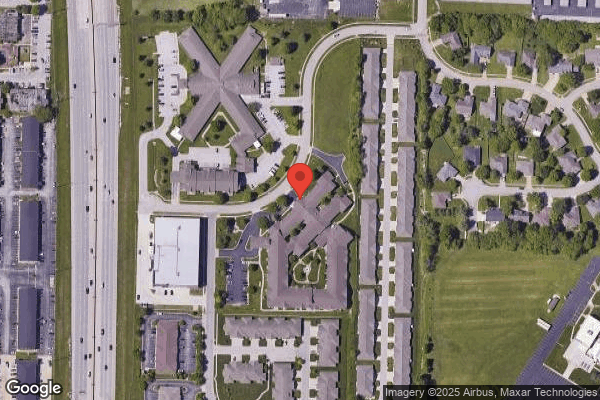
Mar 2023 1 deficiency
CONCERN (D) 📢 Someone Reported This

A family member, employee, or ombudsman was alarmed enough to file a formal complaint

Potential for Harm - no one hurt, but risky conditions existed

Accident Prevention (Tag F0689)

Could have caused harm · This affected 1 resident

Based on observation, interview, and record review, the facility failed to ensure an environment that remained free of possible hazards when a staff member (Dietary Aide (DA) A) provided a non-prescri...

Read full inspector narrative →
Based on observation, interview, and record review, the facility failed to ensure an environment that remained free of possible hazards when a staff member (Dietary Aide (DA) A) provided a non-prescribed controlled substance to one resident (Resident #1). The facility census was 104. Record review of the facility's policy titled Medication Administration Guidelines, undated, showed the following: -An act in which an authorized person, in accordance with all laws and regulations governing such acts, gives a single dose of a prescribed drug or biological to a resident; -The complete act of administration entails removing an individual dose from a previously dispensed, properly labeled container, verifying the physician's orders, giving the individual dose to the proper resident, and promptly recording; -Drugs and biologicals may be administered only by licensed physician's, licensed registered or practical nurses, and other personnel duly licensed to perform such services. Record review showed the facility did not provide a policy regarding use of marijuana or THC (tetrahydrocannabinol - a psychoactive substance found in marijuana). 1. Record review of Resident #1's face sheet (admission data) showed the following: -admission date of 1/09/2015; -Diagnoses included muscle weakness, cerebral infarction (damage to the tissue in the brain due to a loss of oxygen), conduct disorder (a group of behavioral and emotional problems characterized by a disregard for others), chronic systolic heart failure (left side of the heart can't pump blood efficiently), contracture (permanent tightening of the muscles, tendons, skin and nearby tissue) to right hand, cardiomyopathy (abnormal thickening of the heart muscles), hemiplegia (paralysis on one side of the body) on the right side, COPD (chronic obstructive pulmonary disorder-disease that damages the lungs), and major depressive disorder (persistent feeling of sadness). Record review the resident's quarterly Minimum Data Set (MDS - a federally mandated assessment tool completed by facility staff), dated 1/27/23, showed the following: -Memory problems; -Rarely makes self-understood; -Ability to understand others, sometimes misses part or some of the message; -Extensive assistance, one person with bed mobility, transfer, dressing, toilet use and personal hygiene. Record review of the resident's care plan, revised on 1/31/2023, showed the following: -Mood issues, been known to physically act out; -At risk for pain and discomfort; -Had stroke in the past; -Takes medications that have black box warning (a black box warning is meant to draw attention to a medication's serious or life-threatening side effects or risks); -Needs assistance to experience quality of life; -Has difficulty communicating secondary to CVA and aphasia (disorder that affects how one communicates); -Assist for all ADL's (activities of daily living - dressing, grooming, bathing, eating, and toileting) related to weakness and disease process; -Has the potential for psychosocial needs related to loss of independence, communication deficits, and the need to live in a long term care facility. (The care plan did not contain any information regarding marijuana/THC.) Record review of the resident's March 2023 physician's order sheet showed no order for THC gummies. Record review of the resident's March 2023 Medication Administration Record (MAR) showed the administration of THC gummies was not listed. Record review of facility's investigation, started on 3/07/2023, showed the following: -DA A went into the resident's room around 5:00 A.M. on 3/07/2023; -DA A told Registered Nurse (RN) H that he/she gave the resident some candy; -The Administrator went into the resident's room around 8:20 A.M. and asked the resident if he/she received candy that morning. The resident said yes; -The Adminstrator asked to see the candy. The resident agreed. One piece of candy, green in color in a ziplock bag, was located the top drawer of the resident's nightstand; -The Administrator identified the candy to be very similar to THC glaze sour green apple gummies; -The Administrator interviewed DA A, along with Dietary Manager (DM); -DA A said the ziplock bag had two gummies in it when he/she gave it to the resident; -DA A admitted the candy was THC gummy; -DA A said he/she gave the resident the THC gummies one time, and he/she had not give any other resident THC gummies or other drugs; -DA A gave it to the resident as he/she thought it would help the resident. Record review of the resident's nurse practitioner's note, dated 3/08/2023, showed the following: -The resident was given and possibly consumed THC gummies on 3/07/2023; -Ordered urine drug screen panel 10 due to resident admitting to ingesting a THC gummie. During an interview on 3/08/23, at 9:22 A.M., the resident said the following: -DA A offered him/her the THC gummies; -The resident knew the gummies were THC gummies; -He/she took three of the THC gummies; -When asked how the gummies made him/her feel, he/she said yeah, yeah; -He/she has not taken any gummies from any staff before. During an interview on 3/08/23, at 10:46 A.M., Certified Nurse Aide (CNA) B said the following: -Certified medication technicians (CMT) and nurses are the only staff to give residents medications; -Staff knows which medications a resident takes by looking at a note from the doctor, or reading the computer screen; -Staff should not give residents any medications not prescribed; -Staff should not give THC or marijuana to residents, this could cause interactions, throw off the resident's mood, and affect the resident in a lot of ways; -Giving residents medications not prescribed puts their health at risk and puts them in danger; -If he/she witnessed staff giving a resident THC or marijuana, he/she would tell the Director of Nursing (DON). During an interview on 3/08/23, at 10:53 A.M., Housekeeper I said the following: -CMTs and nurses can give residents medications; -Residents are prescribed medications according to their doctor; -Residents need a doctor's order for medications; -Depends on the law as to whether residents can be given THC or marijuana; -Healthcare professionals assess the resident before they take anything new to see if it would put the resident at risk; -It would be against protocol to give a resident a medication not prescribed. During an interview on 3/08/23, at 11:03 A.M., RN G said the following: -CMTs and nurses are the only ones to give residents medications; -The MARS showed what medications a resident takes; -Staff are not allowed to give a resident any med unless it's prescribed; -It is not okay to give a resident THC or marijuana; -The resident could have an allergic reaction, side effects, and interactions with other meds; -Giving a medications not prescribed to a resident puts their health in danger; -If witnesses staff giving a resident a medication not prescribed, he/she would go to the Administrator. During an interview on 3/08/23, at 11:07 A.M., CMT C said the following: -Med techs and nurses are the only staff that can give residents medications; -They know what meds to give residents because they pop up on the MAR; -It is not okay to give a resident medications not prescribed; -It is not okay to give a resident THC or marijuana; -Giving residents medications not prescribed could have adverse reactions. Staff do not know if they're allergic to the medication, or if it would react to other prescribed medications; -Giving resident's medications they're not prescribed puts a resident's health at risk and this is not allowed; -If witnessed staff administering meds not prescribed, he/she would go to the DON, call the doctor, and investigate; -CMT C said he/she was in the middle of doing a thyroid check and RN H told him/her that DA A went into the resident's room about 5:00 A.M.; -CMT C and RN H went to the resident's room as DA A was coming out of the room and RN H asked DA A what he/she was doing and he/she said dropping off candy to the resident; -RN H asked the resident if DA A brought him/her candy and the resident said no, he/she didn't know what DA A wanted when he/she came into the resident's room; -The Administrator went to the resident's room and after speaking to the resident and located the THC gummy. During an interview on 3/08/23, at 11:15 A.M., Licensed Practical Nurse (LPN) F said the following: -Nurse and med techs are the only staff that can give residents meds; -The MARS and physician's orders show what meds a resident takes; -Staff are not allowed to give residents meds that aren't prescribed; -It is not okay to give a resident THC or marijuana; -Giving residents something not prescribed would cause problems and behaviors and puts their health at risk; -If witnessed a resident being given something they aren't prescribed, he/she would tell DON and take it away. During an interview on 3/08/23, at 11:20 A.M., CMT E said the following: -CMTs and nurses are only staff that can give residents medications; -Staff knows what meds to give residents from the MARs on the computer and physician's orders; -It's not okay to give THC or marijuana to residents. This would put their health at risk; -If know staff gave a resident medications not prescribed, he/she would tell the charge nurse. During interviews on 3/08/23, at 11:25 A.M. and 12:55 P.M., the Dietary Manager said the following: -Only med techs and nurses can give residents medications; -Staff needs orders to give residents medications; -It is not okay to give residents medications that aren't ordered; -It is not okay to give residents THC or marijuana. This would put their health at risk; -If he/she knew staff was giving a resident medications not prescribed, he/she would bring it to the Administrator's attention; -He/she sat in on the interview the administrator had with DA A on 3/7/23; -Administrator asked DA A why he/she was in the resident's room. The Administrator told DA A that he/she found something he/she believed to be a THC gummy; -Administrator told DA A that he/she was also viewed on the facility camera, and by other staff, going into the resident's room the morning of 3/7/23; -DA A admitted to giving the resident two THC gummies; -Administrator asked DA A why he/she would give THC gummies to the resident. He/she said he/she thought it would help the resident. During an interview on 3/08/23, at 11:30 A.M., CNA D said the following: -Med techs and nurses can give residents meds; -Staff know what meds a resident takes by looking on the computer; -Giving THC or marijuana to residents would put the resident's health at risk; -Giving residents THC or marijuana could cause allergic reaction; -If know staff is giving residents something the residents shouldn't have, he/she would report it to the nurse or Administrator. During an interview on 3/08/23, at 12:27 P.M., RN H said the following: -DA A walked down the hall between 5:15 A.M. and 5:45 A.M., he/she thought this was odd. DA A went into the resident's room; -RN H went down the hall to go into the resident's room and at that time DA A was coming out of the resident's room. RN H asked DA A what was going on. DA A said he/she just brought the resident some candy; -RN went into the resident's room and he/she was awake. RN H asked the resident if DA A had talked to the resident, and the resident said no. RN H then asked the resident's roommate if DA A had talked to him/her and he/she said no. They left the room; -RN H and CMT C later went into the resident's room, they began to search the resident's drawers and located a sandwich bag with two green type sugary things, in the table at the head of the resident's bed, in the corner; -CMT C said they looked like marijuana gummies. He/she smelled of them and they had no smell. CMT C placed them back in the drawer; -RN H called the DON to report the incident; -RN H said only med techs and nurse's are allowed to administer medications to residents; -Staff knows which meds a resident takes because the computer lists it on the MARS and there is a physician's order; -Not allowed to give residents meds that aren't prescribed; -Not okay to give residents THC or marijuana; -Residents should not be given THC or marijuana. There could be possible interactions; -Putting a resident's health at risk is not okay; -If suspected staff of giving residents THC or marijuana, or any drug not prescribed, he/she would tell supervisor/DON immediately. During an interview on 3/08/23, at 8:35 A.M., the Administrator said the following: -RN H saw DA A walk in the resident's room on 3/07/23 around 5:00 A.M. DA A was seen on the facility camera going into the resident's room; -RN H approached the resident's room to open the door and DA A walked out of the resident's room; -RN H asked DA A what he/she was doing in the resident's room, he/she said giving the resident candy; -Administrator interviewed the resident. He/she said DA A brought him/her candy; -Administrator asked to look in his/her room and the resident agreed; -Administrator found round shaped gummy in a sandwich bag; -Administrator asked the resident who gave him/her the candy and the resident said he/she got it from DA A ; -Administrator asked the resident if he/she took any of the gummies and the resident said yes; -DA A was asked if he/she took the resident candy this morning and he/she said yes; -Administrator showed DA A the bag with the one green gummy and Dietary Aide admitted the gummies are THC gummies, and he/she gave the resident two gummies. He/she denied giving any other residents THC gummies; -DA A said he/she gave the resident the THC gummies because the resident had a bad day earlier in the week. During an interview on 3/08/23, at 1:15 P.M., Administrator and DON said the following: -Only people that have a license to administer medications, such as med techs and nurse's should be administering medications to residents; -Staff know which medication a resident takes by looking at the electronic MAR that has all of the resident's medications listed; -It is not okay to give a resident medications he/she isn't prescribed; -It is not okay to give a resident THC or marijuana; -Staff don't know what reaction giving THC or marijuana could cause or if it would interfere with other medications; -If staff suspect a resident is being given something not prescribed, staff should report his immediately to their supervisor. MO00215049
Nov 2021 8 deficiencies
CONCERN (D)

Potential for Harm - no one hurt, but risky conditions existed

Resident Rights (Tag F0550)

Could have caused harm · This affected 1 resident

Based on observation, interview, and record review, the facility failed to ensure staff treated all residents with dignity when they failed to provide a dignity bag for a catheter (a sterile tube inse...

Read full inspector narrative →
Based on observation, interview, and record review, the facility failed to ensure staff treated all residents with dignity when they failed to provide a dignity bag for a catheter (a sterile tube inserted into the bladder to drain urine) bag, failed to keep the resident covered as much as possible during cares, and failed to cover to knock before entering the room for one resident (Resident #55). The facility census was 79. Record review of the facility's (undated) policy, titled Resident's Rights, showed the following information: -A resident has the right to privacy and respect; -Residents should be treated with consideration and respect and full recognition of their dignity and individuality. 1. Record review of Resident #55's face sheet showed the following: -admission date of 3/10/2019. Record review of the resident's quarterly Minimum Data Set (MDS - a federally mandated assessment instrument completed by facility staff), dated 9/17/2021, showed the following information: -Moderately impaired cognition; -Required extensive assistance for bed mobility; -Total dependence on staff for toilet use and personal hygiene; -The resident had an indwelling urinary catheter (a sterile tube inserted into the bladder to drain urine); -Always incontinent of bowel; -Diagnoses included renal insufficiency (kidney failure), stroke, and dementia. Record review of the resident's care plan, dated 9/21/2021, showed the following information: -Required an indwelling urinary catheter related to urinary incontinence and altered skin integrity; -Observe for leakage. Keep catheter system a closed system as much as possible; -Provide catheter care every shift. (Staff did not care plan the resident's preferences on how he/she preferred staff to address him/her.) Observation on 11/1/2021, at 9:25 A.M., showed the resident lay in bed with his/her catheter bag hanging on the bed frame. The catheter bag did not have a cover and was visible from the hallway. Observation on 11/1/2021, at 11:18 A.M., showed the resident lay in bed without a cover on his/her catheter bag. The catheter bag was visible from the hallway. Observation on 11/1/2021, at 11:32 A.M., showed the resident lay in bed with his/her catheter bag hanging on the bed frame. It did not have a cover over the catheter bag and it was visible from the hallway. Observation on 11/1/2021, at 11:35 A.M., showed the following: -Certified Nursing Assistant (CNA) D and Nursing Assistant (NA) H entered the resident's room to provide personal care. The two aides provided incontinent care for the resident. Neither aide closed the window blinds or pulled the curtain between the resident and the door; -NA H uncovered the resident from the waist down, rolled the resident to his/her side, and discovered the resident had been incontinent of bowel; -The CNA and NA provided incontinent care; -At 11:45 A.M., NA H washed his/her hands and left the room. The resident remained uncovered from the waist down, as CNA D waited for the other aide to return to the room; -NA H returned to the room with a trashbag; -The aides pulled the resident up in bed using the turn pad. NA H picked up the linens and put them in the trash bag; - At 11:49 A.M., the aides covered the resident with a sheet. The resident's catheter bag remained uncovered, not in a dignity bag. No curtain was pulled between the resident and the door. The window blinds remained open while staff provided care for the resident. Observations on 11/2/2021 showed the following: -At 8:53 A.M., showed the resident lay in bed with the catheter bag hung on the bed frame with no dignity bag covering it. It was visible from the hallway; -At 8:57 A.M., CNA D walked into the resident's room without knocking on the door. Observation on 11/2/2021, at 9:14 A.M., showed Certified Medication Technician (CMT) J walked into the resident's room without knocking at the door before entering the room. Observation on 11/2/2021 showed the following: -At 11:40 a.m., the resident sat in the room with the catheter bag under the wheelchair with no covering over the bag; -At 11:52 A.M., staff wheeled the resident to the main dining room. The catheter bag remained uncovered and visible to residents in the dining room; -At 12:00 P.M., the resident continued to sit in the dining room with the catheter bag, under the wheelchair, visible and not in a dignity bag; -At 1:05 P.M., staff just finished transferring the resident to bed and the catheter bag lay on the bed. -At 1:52 P.M., the resident lay in bed watching television with the uncovered catheter bag laying on the floor on the right side of the bed. -At 3:46 P.M., the resident lay in bed with his/her catheter bag laying uncovered on the floor. Observation on 11/3/2021, at 8:29 A.M., showed the resident lay in bed with catheter bag uncovered. Observation on 11/4/2021, at 11:31 A.M., showed CNA D and CNA I entered the resident's room without knocking as they entered. During an interview on 11/4/2021, at 1:23 P.M., CNA A said residents with catheters should have their bags covered at all times with a decency bag. During an interview on 11/4/2021, at 1:23 P.M., CNA D said the resident's catheter bag should be covered at all times, even in the room where the resident spends most of his/her time. During an interview on 11/4/2021, at 2:30 P.M., CNA E said catheter bags should always be covered with a privacy bag at all times. To enter a resident's room, he/she knocks and says nursing and waits for a response before going in and explaining the care about to be provided. When providing care for a resident, staff should shut the door and the curtain even if the resident is in the room alone. When providing care on the bottom area, staff should cover the top of the resident. Staff should cover resident on the bottom area if care has to be paused. Staff should close blinds. During an interview on 11/5/2021, at 8:38 A.M., Licensed Practical Nurse (LPN) G said staff should knock before entering a room. When providing care, staff should always pull the curtain even if the only resident in the room, and close the blinds. Staff should keep the parts of the body covered not providing care for at the time, or if care has to be paused. Dignity bags should be on catheter bags, especially in the general areas. Sometimes they run out of covers because they are in the laundry and then they may use a pillow case and make it fit for the time being. During an interview on 11/5/2021, at 11:04 A.M., the Director of Nursing (DON) said the following: -Expectations for staff entering a room are to knock on door, pause for response and announce themselves; -Expectation of privacy during care is to cover as much as possible unless working on the area. Staff should cover the care area as much as possible if care has to be paused. Staff should pulled curtains, but does not have to be if there is not another resident in the room and the door is shut. Staff should close blinds; -Catheter bags should be covered with dignity bags at all times except when emptying the bag. During an interview on 11/5/2021, at 1:00 P.M., the Administrator said staff should always knock, introduce themselves, and explain why they are coming in the room (when door is open). When door is closed, staff should wait for a response if the resident is able to respond. While providing a care, staff should always pull the curtain and close the door even if no roommate. Staff should close blinds as well. Residents with catheters should have dignity bags covering their catheter bags all of the time except when actively emptying. Residents should be covered as best as possible during providing cares and also cover if the care needs to be paused.
CONCERN (D)

Potential for Harm - no one hurt, but risky conditions existed

Deficiency F0678 (Tag F0678)

Could have caused harm · This affected 1 resident

**NOTE- TERMS IN BRACKETS HAVE BEEN EDITED TO PROTECT CONFIDENTIALITY** Based on observation, record review, and interview, the facility failed to ensure a resident's choice of code status (the desire...

Read full inspector narrative →
**NOTE- TERMS IN BRACKETS HAVE BEEN EDITED TO PROTECT CONFIDENTIALITY** Based on observation, record review, and interview, the facility failed to ensure a resident's choice of code status (the desire to be resuscitated or not if breathing and pulse stops) accessible to staff in the event of an emergency matched through out the medical records for two residents (Resident # 32 and Resident # 60). The facility census was 79. Record review of the facility's policy titled Advanced Directive, from the Nursing Guidelines Manual, dated March, 2012, showed the following: -The facility will respect advance directives in accordance with state law; -Upon admission of a resident to the facility, the social service designee will provide written information to the resident concerning his/her right to make decisions concerning medical care, including the right to accept or refuse medical or surgical treatment, and the right to formulate an advance directive; -Upon admission of a resident, the social services designee will inquire of the resident, and/or his/her family members, about the existence of any written advance directives; -Information about whether or not the resident has executed an advance directive shall be displayed prominently in the resident's medical record; -In accordance with current Omnibus Budget Reconciliation Act (OBRA, also known as the Nursing Reform Act of 1987) definitions and guidelines governing advance directives, the facility has defined advanced directives as preferences regarding treatment options and include, but are not limited to: Do Not Resuscitate (DNR - indicates that, in case of respiratory or cardiac failure, the resident, legal guardian, or health care proxy or representative (sponsor) has directed that no Cardiopulmonary Resuscitation (CPR - an emergency procedure that is performed when a person's heartbeat or breathing has stopped) or other life-saving methods are to be used); -Staff shall be in-serviced annually to ensure that they remain informed about the resident's rights to formulate advance directives and facility policy governing such rights; -Inquiries concerning advance directives should be referred to the social service designee. 1. Record review of Resident #32's face sheet (a document that gives a resident's information at a quick glance) showed the following: -admission date of on [DATE]; -Diagnoses included cerebral infarction (damage to tissues in the brain due to a lack of oxygen to the area) and aphasia (loss of ability to understand or express speech, and reduced mobility; -DNR. Record review of the resident's admission Minimum Date Set (MDS - a federally mandated assessment instrument completed by facility staff), dated [DATE], showed the following: -Moderately impaired cognition; -Required extensive staff assistance for activities of daily living (ADLs - dressing, grooming, bathing, eating, and toileting); -No speech. Record review of the resident's physician order sheet (POS) showed an order, dated [DATE], for the resident's code status to be DNR. Record review of the resident's care plan, last revised [DATE], showed the following: -The resident chose to be a full code (receive CPR); -In case of no pulse and no respirations, start CPR and call the ambulance; -Review quarterly with the resident or responsible party to insure wishes remain the same. During an interview and observation beginning on [DATE], at 1:00 P.M., Licensed Practical Nurse (LPN) A located the quick reference manual located at the nurses station used to quickly find the resident's code status. The LPN said there was no information in the manual for the resident to indicated code status. During an interview on [DATE], at 9:47 A.M., the MDS Coordinator said the care plan directing staff for code status for the resident is not correct. She was not aware of the resident's wishes for DNR code status. 2. Record review of Resident #60's face sheet showed the following: -admitted on [DATE]; -Diagnoses included quadriplegia (paralysis of all 4 limbs and torso) and epilepsy (a disorder in which nerve cell activity in the brains disturbed, causing seizures. -Full code. Record review of the resident's POS showed an order, dated [DATE], that directed staff to perform a Full Code if resident was without pulse or breathing. Record review of the resident's care plan, last revised on [DATE], showed the following: -The resident chose to be a DNR; -The resident will notify the physician if the decision for DNR changes. Record review of the resident's quarterly MDS, dated [DATE], showed the following: -Cognitively intact; -Required total assist for ADL's. During an interview on [DATE], at 9:36 A.M., the resident said if he/she quit breathing he/she would want staff to perform CPR. During an interview and observation beginning on [DATE], at 1:00 P.M., LPN A located the quick reference manual located at the nurses station used to quickly find the resident's code status. The LPN said the resident's face sheet showed full code status. During an interview on [DATE], at 9:47 A.M., the MDS Coordinator said the care plan directing staff for code status for the resident is not correct. She was not aware of the resident's wishes for full code. 3. During an interview on [DATE], at 9:58 A.M., Social Service Staff (SS) said the following: -The resident is asked on admission of their wishes for their code status; -If the resident or responsible party chooses, a DNR request is signed and submitted to the physician for signature; -Nursing enters the order for DNR or Full Code; -The code status is added to the resident's care plan; -She was unaware if the code status is reviewed periodically. 4. During an interview and observation beginning on [DATE], at 1:00 P.M., LPN A said the resident's code status is listed on their face sheet and staff use a quick reference manual located at the nurses station to quickly find the resident's code status. The LPN looked through two cabinet and several manuals to locate the quick reference manual. The resident's physician orders, face sheet , and care plan should all match. 5 During an interview on [DATE], at 2:00 P.M., Certified Nurse Aide (CNA) C said the resident's code status is indicated by the color of their name placard on the residents' door. He/she did not know what the different colors indicated. 6. During an interview on [DATE], at 9:47 A.M., the MDS Coordinator said a resident's code status is addressed on their care plan. The care plan should reflect the resident's choice for code status and will be updated if any changes are made. There is a breakdown in the facility's system. Errors in code status direction can put the residents at risk of receiving the wrong care. 7. During an interview on [DATE], at 10:45 A.M., the Director of Nursing (DON) said staff should look in the computer or at the quick glance manual located at the nurse station for the resident's request for code status. She expects the resident's code status to be addressed in the resident's care plan and the care plan should be updated immediately if the resident's wishes change in code status. The color placard on the resident's door indicate their choice of physician and does not indicate code status. 8. During an interview on [DATE], at 11:15 P.M., the administrator said code status should be consistent through the medical record and indicate the resident's choice and requests.
CONCERN (D)

Potential for Harm - no one hurt, but risky conditions existed

Accident Prevention (Tag F0689)

Could have caused harm · This affected 1 resident

**NOTE- TERMS IN BRACKETS HAVE BEEN EDITED TO PROTECT CONFIDENTIALITY** Based on observation, interview, and record review, the facility failed to ensure all residents were kept as free from accident ...

Read full inspector narrative →
**NOTE- TERMS IN BRACKETS HAVE BEEN EDITED TO PROTECT CONFIDENTIALITY** Based on observation, interview, and record review, the facility failed to ensure all residents were kept as free from accident hazards as possible when staff failed to care plan and implement now interventions regarding smoking for resident (Resident #64) who had a change of condition. The facility census was 79. Record review of the facility's (undated) Resident Smoking Policy, showed the following information: -The purpose is for the facility to establish and maintain safe resident smoking practices; -Prior to, or upon admission, residents shall be informed about any limitations on smoking, including designated smoking areas, and the extent to which the facility can accommodate smoking preferences; -The staff shall consult with the attending physician and the Director of Nursing (DON) to determine any restrictions on a resident's smoking privileges; -Any smoking-related privileges, restrictions and concerns (for example, need for close monitoring) shall be noted on the care plan, and all personnel caring for the resident shall be alerted to these issues; -The facility may impose smoking restrictions on residents at any time if it is determined that the resident cannot smoke safely with the available levels of support and supervision; -Any resident with restricted smoking privileges requiring monitoring shall have the direct supervision of a staff member at all times while smoking according to the facility smoking schedule; -The staff will review the status of a resident's smoking privileges periodically, and consult as needed with the DON and the attending physician; -Residents with independent smoking privileges: -Shall be permitted to keep cigarettes, pipes, tobacco, or other smoking articles in their possession; -May only keep disposable safety lighters. All other forms of lighters, including matches shall be prohibited; -May not have or keep lighter fluids, including butane gas, or any other forms of gas or fluids, at any time; -Residents with independent smoking privileges may not give smoking articles to other residents with restricted smoking privileges. (Note: Anyone who observes this happening shall report it to the on-duty charge nurse immediately.); -Smoking shall not be permitted in living/sleeping areas; -Residents without independent smoking privileges may not have or keep any types of smoking articles, including cigarettes, tobacco, etc., except when they are under direct supervision: -Smoking shall not be permitted in living/sleeping areas; -Anyone who provides smoking supervision to residents shall be advised of any restrictions/concerns and the plan of care related to smoking; -This facility may check periodically to determine if residents have any smoking articles in violation of our smoking policies. Staff shall confiscate any such articles, and shall notify the charge nurse. 1. Record review of Resident #64's face sheet (brief resident profile sheet) showed the following information: -admitted to the facility on [DATE], -Diagnoses included chronic obstructive pulmonary disease (lung disease that blocks airflow and makes it difficult to breathe), altered mental status, shortness of breath, cough, difficulty in walking, right knee contracture (permanent shortening of joint), and nicotine dependence. Record review of the resident's smoking risk assessment, observation date of 4/5/2019 and completion date of 4/24/2019, showed the following information: -A score of 0 (score of 0 to 9 indicated a safe smoker); -Resident did not smoke in unauthorized areas; -Resident was not careless with smoking materials; -Resident capable of following facility's safe smoking guidelines. Record review of the resident's care plan showed staff did not care plan related to the resident's ability to smoke safety independently. Record review of the resident's nurse's note dated 12/09/2020, at 8:50 A.M., showed the following: -During the 6:00 A.M. shift change, staff reported smelling smoke near D hall (the resident's hall). As the staff walked down the hallway, the smell got stronger; -Staff discovered the smoke smell came from the resident's room. The smoke smelled like cigarette smoke; -A partially lit cigarette lay under the resident's wheelchair; -The staff notified the resident that the facility will be holding onto his/her cigarettes at the nurses' station while he/she is in his/her room; -The resident said he/she must have smoked a cigarette in his/her sleep and knew better. Record review of the resident's social service notes dated 12/9/2020, at 11:29 A.M., showed the Social Service Director (SSD) spoke with the resident about the events earlier in the morning. The resident said he/she did not remember smoking in his/her room. The staff informed the resident the nurses will hold on to his/her cigarettes. The resident agreed and understood. The staff also informed the resident he/she will be assessed to see if he/she can still smoke independently. Record review of the resident's care plan showed staff did not care plan related to the resident having a lit cigarette in his/her room or staff storing the resident's smoking supplies. Record review of the resident's medical record showed staff did not document completion of a new smoking risk assessment. Record review of the resident's nurses' notes, showed the following information: -On 1/1/2021, at 3:00 P.M., the nurse and a certified nursing assistant (CNA) heard the resident yelling help repeatedly at the end of A hall. They went to check and found the resident stuck sideways in the day room door coming in from smoking. His/her hand was almost caught between the door and the frame. The porch and the doorway were not icy or wet at the time. Staff asked the resident how he/she managed to get stuck like this and the resident said he/she does it this way all the time and never gets stuck. Staff notified the Assistant Director of Nursing (ADON). Record review of the resident's care plan showed staff did not care plan related to the resident becoming stuck when returning from smoking. Record review of the resident's medical record showed staff did not document completion of a new smoking risk assessment. Record review of the resident's nurses' notes, showed the following information: -On 1/4/2021, at 1:14 P.M., the resident sat in the smoking area when he/she dropped his/her lighter, bent over to pick it up, and fell out of his/her wheelchair on his/her side. The resident had a small skin tear at the elbow. Staff notified the DON. Record review of the resident's care plan showed staff did not care plan related to the resident falling out of his/her chair while smoking. Record review of the resident's medical record showed staff did not document completion of a new smoking risk assessment. Record review of the resident's nurses' notes, showed the following information: -On 1/10/2021, at 8:11 P.M., the resident continued on fall follow-up assessments. The resident denied any pain or discomfort related to the fall. No new injuries noted. Resident continued to need assistance to get his/her legs in the bed even with staff encouraging him/her to attempt. He/she has continued to refuse to attempt. The resident had a nurse bring him/her back from the A hall from smoking because the resident was too worn out to propel him/herself. Staff advised the resident he/she could potentially lose his/her smoking privileges if he/she is unable to propel him/herself in the hallway. The resident sighed and laughed. Record review of the resident's care plan showed staff did not care plan related to the resident not being able to propel self to and from smoking. Record review of the resident's medical record showed staff did not document completion of a new smoking risk assessment. Record review of the resident's nurses' notes, showed the following information: -On 1/27/2021, at 8:14 P.M., the resident moved to the doorway by this nurse and appeared to be very sleepy. He/she mumbled words, which did not make any sense. Earlier in the day, the resident went out to smoke and could not get back in by self. Explained to the resident if this continued, he/she will not be able to go out and smoke. Record review of the resident's care plan showed staff did not care plan related to the resident not being able to return by self from smoking. Record review of the resident's medical record showed staff did not document completion of a new smoking risk assessment. Record review of the resident's nurses' notes, showed the following information: -On 2/7/2021, at 8:08 P.M., the resident reported normal back and hip pain. The resident up in the wheelchair and propelled him/herself outside to smoke. -On 2/10/2021, at 1:17 P.M., another resident approached the nurses' station and told the nurse, Someone needs help at the smoker's door. The nurse walked briskly down the hall toward the smoking area and about halfway down, heard the resident yelling, help. The nurse ran to the door/patio and observed the resident with his/her head and upper torso outside with his/her legs inside and the door to the patio open. The wheelchair was behind the resident, outside on the patio. The nurse asked if the resident hurt anywhere and resident said, No, I don't think so. The nurse assisted the resident to a sitting position and slowly slid the resident from the outside to the inside and alerted other staff members of the need for assistance. Staff assisted the resident to a standing position and into the wheelchair and wheeled to his/her room. Record review of the resident's plan of care, last reviewed 10/8/2021, showed the following information care planned effective 2/24/2021: -Resident chose to smoke, at risk of injury or fire; -Resident will have supervised smoking in designated areas, and will smoke safely over the next review period; -Designated smoking areas; -Staff assigned to assist with the residents that smoke; -Cigarettes and lighters are kept at the nursing station. Record review of the resident's nurses' notes, showed the following information: -On 3/4/2021, at 6:10 P.M., the DON said he/she can go out to smoke if he/she is independent, but the resident cannot go out after dark; -On 3/10/2021, at 4:00 P.M., the resident went out to smoke and could not to get back in the facility independently. Staff notified the DON who said the resident may not go out and smoke anymore. Record review of the resident's care plan showed staff did not care plan related to decision resident could no longer smoke safely independently. Record review of the resident's nurse's notes, dated 10/3/2021, showed the nurse observed the resident coming up D hall and not stopping at the nurses' station for his/her cigarettes. The nurse asked if he/she had been taking them to his/her room and the resident said yes. The nurse reminded the resident that he/she has to give the charge nurse his/her cigarettes when he/she comes back in the building from smoking. The resident was not very happy about it, will monitor. Record review of the resident's quarterly Minimum Data Set (MDS -a federally mandated assessment instrument completed by the facility staff), dated 10/7/2021, showed the following information: -Cognitively intact; -Required limited assistance of one staff with transfers; -Required supervision with locomotion on and off unit; -Required supervision with eating; -Walking in room and corridor did not occur; -Staff documented the resident used a wheelchair. Observation on 11/1/2021, at approximately 10:15 A.M., showed the resident opened a drawer at the nurses' desk, with no staff around, and retrieved cigarettes/lighter. Observation and interview on 11/1/2021, at 12:46 P.M., showed a staff member retrieved cigarettes and a lighter from an unlocked drawer at the nurses' station and gave them to the resident. The resident said he/she is not supervised smoking nor does he/she have any smoking precaution devices. During an interview on 11/2/2021, at 8:35 A.M., the resident said staff keeps his/her cigarettes and lighter at the nurses' station. The resident is able to get them him/herself at times when the staff is too busy. The resident said a couple of staff have told him/her to get them him/herself if they are busy. The resident is not allowed to keep smoking supplies in his/her room. The resident said the only rule is to use the ashtray. Observation and interview on 11/3/2021, at 8:35 A.M., showed the resident sat in his/her wheelchair watching TV. The resident said he/she was upset about having to lock up his/her cigarettes at the nurses' station because it is inconvenient for the staff, and he/she has to wait to get his/her cigarettes to smoke. He/she has been able to get his/her own cigarettes for a while now. Observation on 11/3/2021, at 12:55 P.M., showed the resident went outside to smoke. The resident sat in a wheelchair and went out the exit door on B hall with no assistance or supervision. He/she smoked a cigarette independently. No staff members came outside with the resident to supervise the smoking. Observation on 11/3/2021, at 4:23 P.M., showed the resident propelled him/herself down D hall to the nurses' station, where a staff member retrieved his/her cigarettes and lighter from another location toward C hall and gave them to the resident. During an interview on 11/4/21, at 1:00 P.M., Licensed Practical Nurse (LPN) A said cigarettes and lighters should be locked in the medication cart. Residents ask for the cigarettes and lighters when they want to go smoke. Smoking assessment are not completed. The residents that smoke need to be able to go in and out to the smoking area independently. During interviews on 11/4/2021, at 1:19 P.M., and on 11/5/2021, at 11:56 A.M., CNA D said the resident is the only resident on this hall who smokes, and he/she is not aware of any incidents related to smoking with the resident. The resident is able to get him/her self in and out to smoke. Residents have to be able to make it out the door and back in to be able to smoke unsupervised. Residents should not have lighters, cigarettes or vapes in their rooms. He/she does not know of a sign out sheet for smoking. During an interview on 11/4/2021, at 2:25 P.M., CNA E said the resident is the only smoker on the hall. He/she is not aware of any issues with the resident smoking or any incidents. The resident's supplies are kept at the nursing station. To be able to smoke, residents have to be able to get in and out of the door independently and light their lighters safely, all on their own with no supervision. Lighters and cigarettes are kept at the nurses' station in a drawer, and then they are locked up at night in the nursing office. Residents cannot have cigarettes or lighters in their rooms. During interviews on 11/5/2021, at 8:29 A.M. and 12:20 P.M., Licensed Practical Nurse (LPN) G said the resident is the only smoker on the hall. The resident's smoking supplies are now kept locked in the medication room. They were kept at the nurses' station, unlocked, until recently. The resident would come around and ask to get them out of the drawer. He/she did not know of the resident getting them out by him/herself. When asked if he/she remembered an incident where the resident could not get back in the door, he/she said the resident was not feeling well and was weak and stopped for a while. He/she does not remember the resident having cigarettes or lighters in his/her room. He/she is not aware of the resident or any other residents having any incidents or accidents with smoking. If a resident is alert and oriented and can get out the door and back in by him/herself, he/she can smoke unsupervised. There is no written assessment to determine if a resident is safe to smoke. Sometimes information regarding smoking will be in the progress notes and word of mouth from the MDS coordinator. He/she would notify the MDS coordinator, probably the DON first, if there were any issues with a smoker. No residents should have cigarettes or lighters in their rooms. He/she is not aware of a sign out sheet for smoking, and the residents just tell staff they are going out to smoke. During an interview on 11/5/2021, at 9:37 A.M., the MDS Coordinator said the resident was grandfathered in. If a resident smokes it should be addressed on the resident's care plan. This is a non smoking facility but three residents were grandfathered in and allowed to smoke. Smoking assessment are not completed for the residents. Residents have to be able to enter and exit the building independently and be able to light their own cigarettes and smoke safely. He/she doesn't know where cigarettes are kept, but they should be locked in the medication carts. He/she is not aware of any residents keeping their own supplies. There is no assessment to determine continued safety with unsupervised smoking of grandfathered residents, but he/she would continue to assess residents based on cognitive assessment and ADL assessments regarding weakness and the need for assistance. During an interview on 11/5/2021, at 10:45 A.M. and 11:04 A.M. , the DON said he/she knew about the incident in February with the resident being stuck trying to get back in the door for smoking and was asked not to go back out. The resident was watched after the weather was warmer, about two to three weeks later, before being allowed to smoke outside unsupervised. He/she knew of the incident in December, where the resident had a lit cigarette in his/her room. Staff did not perform a smoking assessment with the resident after the incident, but he/she thought they may have taken the resident's cigarettes from his/her possession afterwards. A smoking risk assessment was probably completed initially, but is no longer being completed. If a resident that smokes has a decline, the staff would look at the resident's abilities to smoke. Residents are not supervised when they smoke. The residents are required to sign out when exiting the building to smoke. Cigarettes and lighters are to be locked at the nurses' station. During an interview on 11/5/2021, at 11:54 A.M., the resident said there is supposed to be a sign out sheet at the nurses' station, but they don't enforce it because they know the ones who smoke are not going to run off. He/she said there is one, but you'd have to ask for it. During an interview on 11/5/2021, at 1:19 P.M., the administrator said the resident was grandfathered in as smokers and have not had assessments recently. He/she remembered the resident getting caught in the door in February and he/she almost lost the privilege, but was put back in therapy and is doing okay now.
CONCERN (D)

Potential for Harm - no one hurt, but risky conditions existed

Incontinence Care (Tag F0690)

Could have caused harm · This affected 1 resident

Based on observation, interview, and record review, the facility failed to provide urinary catheter (care of a sterile tube inserted into the bladder to drain urine) in a manner that prevented possibl...

Read full inspector narrative →
Based on observation, interview, and record review, the facility failed to provide urinary catheter (care of a sterile tube inserted into the bladder to drain urine) in a manner that prevented possible infection for one resident (Resident #55). The facility census was 79. Record review of the facility's indwelling catheter care policy, dated March 2012, showed the following information: -Provide privacy; -Wash hands and put on gloves; -Change the position of the washcloth with each downward stroke. -Use a clean washcloth with warm water to cleanse and rinse the catheter from insertion site to approximately four inches outward; -Wash hands. Record review of the Centers for Disease Control and Prevention (CDC), Infection Control, Catheter-Associated Urinary Tract Infections (CAUTI), updated 2009, showed the following: -Do not rest a catheter bag on the floor. 1. Record review of Resident #55's face sheet (brief resident profile sheet) showed the following: -admission date of 3/10/2019. Record review of the resident's physician order sheet (POS) showed the following information: -An order, dated 6/17/2021, for catheter care as needed; -An order, dated 7/3/2021, for catheter care every shift. Record review of the resident's quarterly Minimum Data Set (MDS - a federally mandated assessment instrument completed by facility staff), dated 9/17/2021, showed the following information: -Moderately impaired cognition; -Required extensive assistance for bed mobility; -Total dependence on staff for toilet use and personal hygiene; -The resident had an indwelling urinary catheter; -Always incontinent of bowel; -Diagnoses included renal insufficiency (poor function of the kidneys that may be due to reduction in blood flow to the kidneys caused by kidney disease), stroke, and dementia. Record review of the resident's care plan, last reviewed 9/21/2021, showed the following information: -Required an indwelling urinary catheter related to urinary incontinence and altered skin integrity; -Document urinary output every shift. Record the amount, type, color, and odor; -Observe for leakage. Keep catheter system a closed system as much as possible; -Change catheter every month and as needed per physician order; -Provide catheter care every shift. Observation on 11/02/2021, at 1:52 P.M., showed the resident lay in bed watching television. The resident's catheter bag lay directly on the floor on the right side of the bed. Observation on 11/02/2021, at 3:46 P.M., showed the resident lay in bed. The resident's catheter bag lay directly on the floor. Observation and interview on 11/4/2021, at 11:31 a.m., showed Certified Nurse Aide (CNA) D said staff provide catheter care every time they go in and provide care. CNA D and CNA I entered the resident's room and applied gloves to provide catheter care. CNA I sprayed the resident's front perineal area with a cleanser. CNA I cleaned the catheter insertion site and approximately two inches of catheter tubing. The aide wiped up and down the catheter tubing not changing parts of the cloth for each wipe and quickly cleaned around the insertion site (potentially introducing bacteria into the urine tract). During an interview on 11/4/2021, at 1:40 P.M., CNA D said catheter care should be performed any time the resident needs to be cleaned for wetness or incontinent care. Catheter care includes cleaning the insertion site and tubing. Staff should clean away from the insertion site and change the part of the cloth with each swipe. Staff should not clean up and down on the tubing without changing parts of the cloth. The resident should have catheter care two or three times during a shift at least. Catheter bag and cover should not touch the floor. During an interview on 11/4/2021, at 2:30 P.M., CNA E said a catheter bag should never touch the floor and neither should a cover due to possible contamination. He/she provides catheter care (cleaning) at the end of his/her shift, and checks the resident every two hours for catheter care needs and cleans the catheter area when he/she is incontinent of bowel. When he/she cleans the catheter area and tube, he/she starts at the insertion area and then cleans away from that area and cleans the tubing. He/she uses one wipe for one swipe and throws it away and gets a clean wipe. During an interview on 11/5/2021, a 8:47 A.M., Licensed Practical Nurse (LPN) G said catheters should be checked every two hours and residents should be repositioned at that time. Care includes checking the tubing, perform peri-care, ensure the tubing is draining. Clean away from the insertion site, use a clean wipe with each swipe during cleaning and clean several inches down the tubing. Staff should clean the catheter if providing care for incontinent of bowel. The resident should be checked every two hours to see if the catheter area needs to be cleaned. CNA's provide catheter care generally. A catheter bag should never be on the floor and the privacy bag should not touch the floor either. During an interview on 11/5/2021, at 9:37 A.M., the MDS Coordinator said catheter care is addressed in the care plan. During an interview on 11/5/2021. at 11:4 A.M the Director of Nursing (DON) said the expectation of catheter care is to be performed every shift and/or during peri care, specifically with a bowel movement. CNA's provide the majority of the catheter care. Expectation is to go from clean to dirty, clean the insertion point first using wipes and switch out wipes or fold over the wipe for each swipe when cleaning the tubing, do not cross contaminate. Only clean one way on tubing and clean to where the tube connects with connector tubing of the bag. The catheter bag should not ever touch the floor nor should the dignity bag. During an interview on 11/5/2021, at 1:15 P.M., the Administrator said catheters should be cleaned every shift and after any type of incontinent care is provided. Staff should clean from insertion site down the tubing and change the wipe with every swipe while cleaning. Staff should not clean up and down the tubing. Catheter bag, cover and tubing should not touch the floor.
CONCERN (D)

Potential for Harm - no one hurt, but risky conditions existed

Respiratory Care (Tag F0695)

Could have caused harm · This affected 1 resident

Based on observation, interview, and record review, the facility failed to ensure staff routinely cleaned and maintained a continuous positive airway pressure (CPAP-treatment for obstructive sleep apn...

Read full inspector narrative →
Based on observation, interview, and record review, the facility failed to ensure staff routinely cleaned and maintained a continuous positive airway pressure (CPAP-treatment for obstructive sleep apnea (breathing repeatedly stops and starts during sleep), with a hose and mask or nose piece to deliver constant and steady air pressure) according to professional standards for one resident (Resident #46). The facility census was 79. Record review of the facility's policy titled Continuous Pressure Airway Pressure (CPAP) Administration, dated March 2012, showed the following: -Unplug the unit when cleaning; -Wipe the outside of the CPAP unit with a damp cloth and let air dry; -Inspect the filter on the machine; -Replace the disposable filter monthly or sooner if appears dirty; -Clean the tubing weekly with mild soap and water. Particles from the air can gather in the tubing through use, and mold can accumulate, which is dangerous to inhale. Rinse the tube thoroughly and air dry; -Clean the mask or nasal pillow connections daily with a damp cloth and mild soap. Rinse and allow to air dry; -Cleanse the holding tank with a damp cloth and mild soap weekly. Record review of the CPAP machine's users manual, dated November 2020, showed the following: -It is vitally important to keep the devise as clean as possible as hoses, tubing, and masks can be a breeding ground for bacteria and mold; -Wipe the mask or nasal cushions daily with a damp cloth and mild detergent and warm water, allow to air dry; -Empty the tank after use; -Drain moisture from tubing after use and allow to air dry; -Inspect the disposable filter daily, replace once a month or sooner if dirty; -Clean tank weekly with mild detergent and water, allow to air dry; -Masks and tubing need a full bath weekly by soaking in water and mild detergent; -Replace the tubing and mask every three months. 1. Record review of Resident #46's face sheet (a document that gives a resident's information at a quick glance showed the following: -admission date of 5/12/21; -Diagnoses included chronic obstructive pulmonary disease (COPD-a lung disease that blocks airflow and makes it difficult to breathe), obstructive sleep apnea, and reduced mobility. Record review of the resident's physician order sheet (POS), dated 5/12/21, showed the resident's physician directed staff to administer CPAP at 12 centimeters of water pressure (CWP) with heated humidifier at night and when napping. (The physician did not direct staff on cleaning or equipment change for the CPAP.) Record review of the resident's Minimum Data Set (MDS - a federally mandated assessment completed by facility staff), dated 8/19/21, showed the following: -Cognitively intact; -Required extensive staff assist with hygiene and mobility. Record review of the resident's care plan, last reviewed 8/20/21, showed the following: -Uses CPAP every night. (Staff did not care plan the cleaning of the CPAP machine or changing tubing masks, or filters.) Observation and interview on 11/1/21, at 9:00 A.M., showed a CPAP machine on the resident's bedside stand. The tubing with attached nose piece laid draped across the CPAP machine and bed side stand. Droplets of water were present throughout the tubing. The resident said he/she used the CPAP every night. He/she maintained the machine when he/she was able, but is not longer able to do so and requires staff assistance. He/she has not observed staff clean the machine. Observation on 11/3/21, at 9:55 A.M., showed the CPAP tubing and attached nose piece laying across the CPAP machine. Condensation droplets were present in the tubing. Observation on 11/4/21, at 2:12 P.M., showed the CPAP tubing and attached nose piece laying across the bedside stand. Condensation droplets were present in the tubing. During an interview on 11/4/21, at 1:00 P.M., Licensed Practical Nurse (LPN) A said the following: -CPAP machines should be cleaned routinely; -He/she thinks cleaning of the CPAP is a night shift responsibility; -He/she is not aware of the facility's policy for cleaning and maintaining a CPAP machine; -There should be a physician orders of how to clean and when to change equipment for the CPAP. During an interview on 11/4/21, at 1:10 P.M., LPN B said the tubing and filters should be changed every three months. He/she does not know when the resident's CPAP machine was last cleaned or the tubing or filter changed. Observation and interview on 11/5/21, at 8:15 A.M., showed the resident in bed. The CPAP tubing and attached nose piece was dropped over the CPAP machine and bedside stand. The resident said the CPAP required a filter. The filter showed a white fuzzy buildup across the entire filter. The resident said he/she does not know when the filter was last changed. An unopened bagged kit of CPAP supplies was in the resident's closet containing tubing , nose piece, and 4 disposable filters sealed in a small clear bag. During an interview on 11/5/21, at 9:47 A.M., the MDS Coordinator said the following; -CPAP use should be addressed on the resident's care plan; -The care plan does not include cleaning or when to change equipment for the CPAP; -The tubing is permanent and does not require changing.; -The filter should be changed as directed by the manufacturer; -The residents maintain care of their CPAP machine and equipment independently. During an interview on 11/5/21, at 10:45 A.M., the Director of Nursing (DON) said staff should wipe out the CPAP machine nightly before filling. The facility does not have orders in place for cleaning and changing CPAP equipment and should follow the vendors recommendations. Changing and cleaning of the CPAP tubing and filters is not documented. During an interview on 11/5/21, at 11:15 A.M., the Administrator said he expects staff to clean and maintain CPAP machines as per the suppliers recommendations. .
CONCERN (E)

Potential for Harm - no one hurt, but risky conditions existed

Deficiency F0657 (Tag F0657)

Could have caused harm · This affected multiple residents

Based on interview and record review, the facility failed to invite the resident, or the resident's family representative, to care plan meetings for four residents (Resident #9, #46, #49, and #74). Th...

Read full inspector narrative →
Based on interview and record review, the facility failed to invite the resident, or the resident's family representative, to care plan meetings for four residents (Resident #9, #46, #49, and #74). The facility census was 79. Record review of the facility's policy titled Care Planning-Interdisciplinary Team , dated March 2012, showed the following: -The interdisciplinary care plan team, with input from the resident, family, and/or legal representative, will develop and maintain a comprehensive care plan for each resident; -The resident, the resident's family and/or legal representative/guardian or surrogate are encouraged to participate in the development of and revisions to the resident's care plan; -Every effort will be made to schedule care plan meetings at the best time of day for the resident and family; -The resident has the right to refuse participation in the development of the care plan. When this occurs it will be addressed in the resident's medical record. 1. Record review of Resident #9's face sheet (a document showing the residents' information at a quick glance) showed the following: -admission date of 4/17/19; -Diagnoses included chronic obstructive pulmonary disease (COPD - a lung disease that blocks airflow and makes it difficult to breathe) and depression; -The resident's family member was the responsible party. Record review of the resident's progress notes, dated 8/9/21 to 11/4/21, showed staff did not document scheduled care conferences for the resident. Record review of the resident's most recent electronic Care Plan, last reviewed 9/17/21, showed staff did not note the care conference date. Staff documented the care conference as not applicable. During an interview on 11/2/21, at 9:47 A.M., the resident said he/she does not remember being invited to a care plan meeting to discuss his/her care. Staff did not come to his/her room to have a meeting. He/she would like to attend the care plan meeting. 2. Record review of Resident #46's face sheet showed the following: -admission date of 5/12/21; -Diagnoses included COPD, reduced mobility, and sleep apnea (a sleep disorder in which breathing repeatedly stops and starts); -The resident's family was the responsible party. Record review of the resident's progress notes, dated 5/12/21 to 11/5/21, showed staff did not document scheduled care conferences for the resident. Record review of the resident's most recent electronic Care Plan, last revised 10/22/21, showed staff did not document the care conference date. Staff documented the care conference as not applicable. During an interview on 11/3/21, at 9:55 A.M., the resident said he/she has not attended a meeting in person or by phone to discuss his/her care. Staff have not talked to him/her regarding a meeting. He/she would attend a care plan meeting if offered. 3. Record review of Resident #49's face sheet showed the following: -admission date 5/14/18; -Diagnoses included repeated falls, muscle weakness, and depression; -The resident's family member was the responsible party. Record review of the resident's progress notes, dated 8/13/21 to 11/5/21, showed staff did not document scheduled care conferences for the resident. Record review of the resident's most recent electronic Care Plan, last revised 8/24/21, showed staff did not document the care conference date. Staff documented the care conference not applicable. During an interview on 11/3/21, at 11:23 A.M., the resident said he/she staff did not talk to him/her about his/her care. He/she has not attended a meeting to discuss his/her care. The resident said he/she would attend if he/she knew about it. 4. Record review of Resident # 74's face sheet showed the following: -admission date of 9/25/19; -Diagnoses included repeated falls, anxiety, heart failure, and reduced mobility; -The resident's family member was the responsible party. Record review of the resident's progress notes, dated 8/5/21 to 11/5/21, showed staff did not document scheduled care conferences for the resident. Record review of the resident's most recent electronic Care Plan, last revised 10/19/21, showed staff did not document the care conference date. Staff documented the care conference not applicable. During an interview on 11/2/21, at 9:40 A.M., the resident said staff did not inform him/her about a meeting to discuss care. The resident said he/she would like to attend. 5. During an interview on 11/4/21, at 9:58 A.M., Social Service Staff (SS) said she calls the residents' family to inform them of the resident's care plan meeting. She does not document the call or the response. She does not know how often care plan meetings should be scheduled. The facility does not use a sign in sheet for care plan meetings. The care plan meeting should be documented in the progress notes and include all in attendance. Staff do not have a way to know when the meeting was scheduled of if a resident or family attended the meeting if it is not documented. 6. During an interview on 11/4/21, at 1:00 P.M., Licensed Practical Nurse (LPN) A said care plan meetings have not been held for several months. Social services or the Minimum Data Set (MDS - a federally mandated assessment tool completed by facility staff) Coordinator would inform nursing if a care plan meeting was scheduled for the resident and the time to have the resident ready to attend. 7. During an interview on 11/4/21, at 2:00 P.M., Certified Nurse Assistant (CNA) C said the following: -He/she is not aware when the resident's care plan meetings are scheduled; -He/she has not seen meetings in the resident rooms; -He/she has not assisted a resident to their care plan meeting. 8. During an interview on 11/5/21, at 9:47 A.M., the MDS Coordinator said social services invites the resident and family to the care plan meeting. Most of the meetings have been held in the resident rooms. Care plan meetings are scheduled quarterly and should be documented in the progress notes to include the time of meeting, who attended, and how the meeting was conducted. 9. During an interview on 11/5//21, at 10:45 A.M., with the Director of Nursing (DON) said she expects social services to invite residents and responsible party/family to the resident's care plan meeting for all annuals and quarterly meeting. She expected social services to document who was invited to include the time and date and to document who attended the meeting. She said the facility has a form that should be completed at each meeting to show who attended. If the resident or family declines to attend the meeting, staff should document the refusal. 10. During an interview on 11/5/21, at 11:15 A.M., the administrator said he expects care meetings to be held quarterly. The resident and family should be invited to attend and participate in all care plan meetings for the residents.
CONCERN (F)

Potential for Harm - no one hurt, but risky conditions existed

Food Safety (Tag F0812)

Could have caused harm · This affected most or all residents

Based on observation, interviews, and record review, the facility failed to protect food from possible contamination when shelves in the kitchen and walk-in refrigerator were kept clean, when dishes w...

Read full inspector narrative →
Based on observation, interviews, and record review, the facility failed to protect food from possible contamination when shelves in the kitchen and walk-in refrigerator were kept clean, when dishes were stacked while still wet, and when dented cans were stored with other food items to be used. The facility census was 79. 1. Record review of the facility policy, Nutrition and Dining Service Manual, Section 8, Sanitation, dated April 2011, showed the following: -Dish room work surfaces must be maintained in a clean and sanitary condition; -All items are to be air dried; -No moisture can be found on any stacked item; -All items must be stored inverted, covered, or stacked with top of dish/tray inverted; -Pots, pans and utensils will be air dried before being stored or will be stored in a self-draining position; -Water pitchers will be air dried; -When using the dishwasher, all items are to thoroughly dry before unloading racks and storing item. Record review of the 2017 Food Code, issued by the Food and Drug Administration, showed the following: -After cleaning and sanitizing, equipment and utensils shall be air-dried or used after adequate draining before contact with food; -Items must be allowed to drain and to air-dry before being stacked or stored. Stacking wet items such as pans prevents them from drying and may allow an environment where microorganisms can begin to grow. Observation on 11/01/21, at 8:58 A.M., of the kitchen showed the following: -Metal service pans that go into the steam table stacked wet three high on top of one another trapping moisture between the pans; -Twelve plastic bowls on plastic trays stacked wet trapping moisture between bowls; -Four black plastic coffee pots on a metal shelf with the lids on and wet inside (trapping moisture); -A two stacked of glass plates, 24 in one stack and 28 in another, stacked wet trapping water between the plates. Observation 11/03/21, at 9:45 A.M., of the kitchen showed the following: -Two trays of the black bowls, stacked upside down, wet on the inside (trapping moisture between the bowls). During an interview on 11/4/21, at 11:00 A.M., Dietary Aide (DA) L, said dishes need to be dried after being washed and not put away until they are completely dried. During an interview on 11/4/21, at 11:00 A.M., Dietary [NAME] (DC) M said the following: -None of the dishes should be put away stacked and still wet; -Putting the dishes on top of one another when wet, can cause a bacteria to grow and it causes a calcium build-up. During an interview on 11/4/21, at 11:15 A.M., Dietary Aide (DA) N said dishes should not be stacked wet. During an interview on 11/4/21, at 11:30 A.M., the Dietary Manager said the following: -Dishes are never to be stacked together when they are wet; -Dishes are supposed to be air-dried before they are put onto the trays and put away. 2. Record review of the 2017 Food Code, issued by the Food and Drug Administration, showed the following information: - Food packages should be in good condition and protect the integrity of the contents so the food is not exposed to potential contamination;. - Food held for credit, such as damaged products, should be segregated and held in an area separate from other food storage. - Food packages that are damaged, spoiled or otherwise unfit for sale or use in a food establishment may become mistaken for safe and wholesome products and/or cause contamination of other foods and should be kept in separate and segregated areas; - Damaged packaging may allow the entry of bacteria or other contaminants into the contained food. Record review of the cleaning schedule for the week of 11/01/21 to 11/07/21, posted on the kitchen wall, showed the dry storage area is to be cleaned and organized by the evening staff. Observation on 11/01/21, beginning at 8:58 A.M., of the kitchen showed the following: -One can 6.94 pound can of red kidney beans dented around the sides and edges of the can; -One can 3 pound 2 ounce can of condensed cream of mushroom soup is dented on the bottom of the can in several areas; -The dented cans were not separated from the other canned goods. During an interview on 11/4/21, at 11:00 A.M., DA L said the following: -He/she is not sure what should happen to any dented cans found; -He/she believes cans that are dented should be thrown away because he/she would not want to eat anything from a dented can. During an interview on 11/4/21, at 11:00 A.M., DC M said the following: -All dented cans should be put to the side or in the manager's office; -Dented cans should be separated from all of the other cans. During an interview on 11/4/21, at 11:15 A.M., DA N said the following: -He/she is not sure what to with dented cans. During an interview on 11/4/21, at 11:30 A.M., the DM said the following: -Dented cans will go into his/her office or be put to the side; -He/she was not aware that there were any dented cans on the shelf. 3. Record review of the facility policy, Nutrition and Dining Service Manual, Section 8, Refrigerators and Freezers, dated April 2011, showed the following: -Shelves and walls should be washed with warm water and a detergent; -Sanitize refrigerators and freezers with a sanitizing solution (appropriate strength) after each washing; -Make sure the refrigerator and freezer dries thoroughly after washing. Observation on 11/03/21, at 11:50 A.M., of the walk-in refrigerator showed a build-up of a white and black mold-like substances on the shelving in the refrigerator. During an interview on 11/4/21, at 11:00 A.M., DC M said he/she believed the substance that is in the refrigerator is some kind of fuzzy mold. During an interview on 11/4/21, at 11:15 A.M., DA N said there is a white and black substance on the shelf in the refrigerator. During an interview on 11/4/21, at 11:30 A.M., the DM said he/she was unaware of the white and black substance on the shelf in the refrigerator. 4. Observation on 11/03/21, beginning at 11:50 A.M., showed the following; -Metal shelving that holds the steam table pans and cookie sheets had a hairy, greasy-like substance hanging from the shelves. During an interview on 11/4/21, at 11:00 A.M., DA L said the following: -He/she cleans up after him/herself in the kitchen, but does not follow any kind of cleaning schedule; -If there is time after serving the meal, he/she will clean up other areas if something looks dirty; -There is not a set person who is actually assigned to any of the cleaning tasks that he/she is aware of. During an interview on 11/4/21, at 11:00 A.M., DC M said the following: -Kitchen staff should be cleaning the kitchen according to the cleaning schedule; -He/she tries to follow the schedule or clean on anything else that may be in need of being cleaned, but sometimes staff does not have the time. During an interview on 11/4/21, at 11:15 A.M., DA N said the following: -He/she tries to clean the best he/she can when there are a few minutes to spare, but sometimes staff are too busy to clean before the shift is over; -Staff should be following and marking off on the cleaning schedule; -Staff should not mark that something has been cleaned if it has not. During an interview on 11/4/21, at 11:30 A.M., the DM said there is not a set person who does the cleaning, but kitchen staff is expected to follow the schedule that is posted on the wall.
CONCERN (F)

Potential for Harm - no one hurt, but risky conditions existed

Safe Environment (Tag F0921)

Could have caused harm · This affected most or all residents

Based on observation and interview, the facility staff failed to ensure all hoses which extended below the flood plane had a backflow preventer. This had the potential to contaminate the entire facili...

Read full inspector narrative →
Based on observation and interview, the facility staff failed to ensure all hoses which extended below the flood plane had a backflow preventer. This had the potential to contaminate the entire facility's potable water supply. The facility staff failed to ensure the resident's bathroom doors were free of gashes. The facility had a census of 79. 1. Observation on 11/2/21, starting at 10:30 A.M., showed no backflow preventer devices on the hoses located in the following rooms that could extend below the flood plane: - A101; - A103; - A105; - A109; - B201; - B205; - B207; - B209; - B213; - C-hall main shower room; - C305; - C307; - C309; - C311; - C313; - D400; - D403; - D405; - D409; - D411; - D417. During an interview on 11/3/21, at 12:01 P.M., the Maintenance Supervisor said he did not know all hoses that extended below the flood plane needed a backflow preventer. 2. Observation on 11/2/21, starting at 10:33 A.M., showed: - A three by one inch gash in the bathroom door in room B201; - A one by 1.5 inch gash in the bathroom door in room B209; - A two by one inch gash in the bathroom door in room C301; - A two by four inch gash in the bathroom door in room D400. During an interview on 11/3/21, at 12:01 P.M., the Maintenance Supervisor said he knew some of the bathroom doors had some gashes in them. All the doors needed to be in good repair.
May 2019 4 deficiencies
CONCERN (D)

Potential for Harm - no one hurt, but risky conditions existed

Deficiency F0561 (Tag F0561)

Could have caused harm · This affected 1 resident

Based on interview and record review, the facility failed to provide showers/baths in accordance with residents' choice and and per care plans for two residents (Resident #16 and #75) out of a sample ...

Read full inspector narrative →
Based on interview and record review, the facility failed to provide showers/baths in accordance with residents' choice and and per care plans for two residents (Resident #16 and #75) out of a sample of 20 residents. The facility's census was 100. Record review of the facility's policy titled Bath(shower), dated March 2015, showed the following information: -Purpose to maintain skin integrity, comfort and cleanliness; -The policy did not address how often showers were to be provided. 1. Interviews during the Resident Council Meeting on 04/30/19, at 12:14 P.M., showed eight of the nine residents said there were issues with not getting showers as needed/wanted. The residents said they have told the nursing staff, Assistant Director of Nursing (ADON), and Director of Nursing (DON). Staff say residents will be put on the list. Some residents said they request a female staff so then they may not get a shower every week. 2. Record review of Resident #16's face sheet (a summary of general information about a resident) showed the following: -admitted the resident on 6/22/18 with a return date of 4/3/19; -Diagnoses included difficulty in walking; encephalopathy (brain disease), muscle weakness, cognitive communication deficit, and Parkinson's disease (progressive nervous system disorder that affects movement). Record review of the resident's quarterly Minimum Date Set (MDS), a federally mandated assessment instrument completed by facility staff, dated 4/10/19, showed the following information: -Severe cognitive impairment; -Required extensive assistance with bed mobility, transfer, dressing, toilet use, and personal hygiene; -Physical help in part of bathing activity; -Always incontinent. Record review of the resident's current care plan showed the following: -Required restorative services due to decrease in strength and mobility; -Required to be kept clean and dry; -Required assistance with hygiene measures such as combing hair, applying deodorant, and brushing teeth; -The resident will be offered two baths per week and have the right to refuse or request additional baths; -Short and long term memory loss; -Impaired decision making skills. Record review of resident's April 2019 shower sheets showed the following: -The resident was in the hospital and returned to the facility on 4/4/19; -The received showers on 4/5/19, 4/11/19, 4/17/19, and 4/24/19; -Staff did not note any refusals on the shower sheets. During an interviews the resident's family member said the following: -On 05/01/19, at 1:52 P.M., the resident had not had a bath for a week and he/she had talked to staff; -On 05/02/19, at 11:44 P.M., a family member said it was day eight for the resident to go without a bath. Record review of resident's May 2019 shower sheets, on 5/6/19, showed the following: -The resident received a shower on the 2nd; -Staff did not note any refusals on the shower sheets. During an interview on 5/3/19, at 8:56 A.M., the resident's family member said the resident had a bath after he/she requested a shower that morning. 2. During an interview on 05/02/19, at 2:35 P.M., with Resident #75 and visitor, the resident said he/she does not get baths often. The visitor said at one point the resident went almost two weeks without a bath. Record review of the resident's bath sheets showed the following: -The resident received a bath on 4/1/19; -The resident received a bath on 4/16/19 (14 days without a bath); -The resident received a bath on 4/30/19 (13 days without a bath); -The resident did not receive a bath from 05/01/19 through 05/06/19; -Staff did not document resident refusal of any baths. 3. During an interview on 05/07/19, at 9:32 A.M., Certified Nurse Assistant (CNA) A said showers are given two or three times a week. CNAs are responsible for giving showers. The Director of Nursing (DON) or Assistant Director of Nursing (ADON) will give the CNAs a list of who needs showers. The aids will give the sheet back to the ADON and she will mark who got showers or refused showers. If there is enough staff, there is a shower aide, but he/she doesn't know if there is a shower aide now. If residents are busy, they will come back and try later to give the residents a shower. If hospice gives showers to a resident, the facility is still responsible to give showers. 4. On 05/07/19, at 9:55 A.M., CNA B said showers should be given three times a week or as needed. There are four shower aides. The ADON makes a list of who needs showers or if a residents ask. If a resident says they are busy, the aide will come back later and check with the resident. Sometimes aides get pulled to hall. 5. On 05/07/19, at 2:14 P.M., Certified Medication Technician (CMT) C said he/she gets a list of residents who need showers from the DON or ADON. If showers are not completed, it will be put on the next shift's list to complete. If a resident refuses, he/she will ask again before the shift is over or will ask another aide to do it. He/she will go to a nurse if they keep declining and let them know. Residents should be showered at least twice a week. If he/she gets pulled to the floor then the aides have to do two showers that shift. Hospice showers do not count for the facility's showers. 6. On 05/08/19, at 10:32 A.M., the administrator said his expectation on showers are twice a week. If a resident refuses, staff reproach and ask again on the same day. If the resident refused again, then they need to be rescheduled. The facility has shower aides and other floor staff who do it. 7. On 05/08/19, at 11:16 AM, CNA D said he/she helps with showers. He/she used to be regular shower aide and now helps with restorative. Showers are to be given twice a week. If a resident refuses, staff should go back three times it is marked refused. The ADON gives staff a list and then give it back to ADON at the end of the shift and she will complete the boxes. 8. On 05/08/19, at 11:25 A.M., the DON said her expectation on showers is to be given twice a week. If a resident refuses, the aides should go back the same day and asked the resident again. The ADON has a chart and she keeps track of the showers. She fills out sheets on who needs showers and gives the list to the aides. The aides give it back to the ADON, and she will record them.
CONCERN (D)

Potential for Harm - no one hurt, but risky conditions existed

Deficiency F0582 (Tag F0582)

Could have caused harm · This affected 1 resident

Based on record review and interview, the facility failed to provide a Skilled Nursing Facility Advance Beneficiary Notice (SNFABN - form CMS-10055) or a denial letter at the initiation, reduction, or...

Read full inspector narrative →
Based on record review and interview, the facility failed to provide a Skilled Nursing Facility Advance Beneficiary Notice (SNFABN - form CMS-10055) or a denial letter at the initiation, reduction, or termination of Medicare Part A benefits for two residents (Residents #85 and #87) who remained in the facility after discharge from Medicare Part A services. The facility census was 100. Record review of the Centers for Medicare and Medicaid Services Survey and Certification memo (S&C -09-20), dated 1/9/09, showed the following: -If the skilled nursing facility (SNF) believes on admission or during a resident's stay that Medicare will not pay for skilled nursing or specialized rehabilitative services and the provider believes that an otherwise covered item or service may be denied as not reasonable or necessary, the facility must inform the resident or his/her legal representative in writing why these specific services may not be covered and the beneficiary's potential liability for payment for the non-covered services. The SNF's responsibility to provide notice to the resident can be fulfilled by use of either the SNFABN (form CMS-10055) or one of the five uniform denial letters; -The SNFABN provides an estimated cost of items or services in case the beneficiary had to pay for them his/herself or through other insurance they may have; -If the SNF provides the beneficiary with either the SNFABN or a denial letter at the initiation, reduction, or termination of Medicare Part A benefits, the provider has met its obligation to inform the beneficiary of his/her potential liability for payment and related standard claim appeal rights. 1. Record review of Resident #85's Skilled Nursing Facility Beneficiary Protection Notification Review showed the following: -Medicare Part A skilled services episode start date 3/11/19; -Services ended on 4/01/19; -Last covered day of Medicare Part A service as 4/02/19; -Facility staff did not provide the resident or his/her legal representative the SNFABN form CMS-10055 or alternative denial letter. 2. Record review of Resident #87's Skilled Nursing Facility Beneficiary Protection Notification Review showed the following: -Medicare Part A skilled services started 2/28/19; -Last covered day of Medicare Part A service as 04/02/19; -Facility had no documentation of when services ended; -Facility staff did not provide the resident or his/her legal representative the SNFABN form CMS-10055 or alternative denial letter. 3. During an interview on 05/02/19, at 9:50 A.M., the administrator in training (AIT) said he had been doing the NOMNC on all residents going off of skilled services and was not aware that residents who remained in the facility should have a SNFABN (form CMS-10055) completed. The Quality Assurance Nurse informed him in April 2019 that the SNF-ABN form was required to be completed on all residents who remained in the facility and a quality assurance was completed on this problem.
CONCERN (D)

Potential for Harm - no one hurt, but risky conditions existed

Infection Control (Tag F0880)

Could have caused harm · This affected 1 resident

Based on observation, interview, and record review, the facility failed to follow infection control guidelines during and after incontinence care for one resident (Resident #59). The facility census w...

Read full inspector narrative →
Based on observation, interview, and record review, the facility failed to follow infection control guidelines during and after incontinence care for one resident (Resident #59). The facility census was 100. According to the Center for Disease Control's (CDC) Guideline for Hand Hygiene in Healthcare Settings, 2002, volume 51 showed the following: -The hands are the most common mode of transmitting pathogens (microorganisms); -Clean hands are the single most important factor in preventing the spread of pathogens and antibiotic resistance (infections caused by microorganisms that are resistant to antibiotics) in healthcare settings; -Hand hygiene reduces the number of healthcare associated infections; -There is substantial evidence that hand hygiene reduces the incidence of infections. Record review of Brunner and Suddarth's textbook of Medical-Surgical Nursing, ninth edition, Guidelines for Standard Precautions, showed staff should do the following: -Wash hands between tasks and procedures on the same patient to prevent cross-contamination of different body sites; -Change gloves between tasks and procedures on the same patient after contact with materials that may contain a high concentration of microorganisms; -Remove gloves promptly after use, before touching non-contaminated items and environmental surfaces, and before going to another patient. 1. Record review of Resident #59's annual Minimum Data Set (MDS), a federally mandated assessment instrument completed by facility staff, dated 3/6/19 showed the following: -Severe cognitive impairment; -Diagnosis includes high blood pressure, diabetes, respiratory failure, depression, and anxiety; -Extensive assistance with bed mobility, transfers, dressing, toileting and personal hygiene; -At risk for pressure ulcers; -Frequently incontinent of bowel and bladder. Record review of the resident's care plan, dated 3/6/19, showed the following: -Skin assessment and inspection weekly; -Keep resident's skin clean and dry as possible; -Provide incontinent care as needed. Observations on 5/6/19, at 8:55 A.M., showed Certified Nurse Aide (CNA) F and CNA G entered the resident's room to perform incontinent care to the resident by cleaning the resident's buttock and perineal area (genitalia and surrounding skin). The CNA's did not wash hands and applied gloves. The CNAs positioned the resident and opened the brief to perform incontinent care. The brief contained stool and urine. CNA F cleaned the front periarea of the resident with multiple swipes of the washcloth. The resident turned toward CNA F and CNA G cleaned the resident's buttocks where stool was noted. The aides did not remove the soiled gloves and did not wash their hands. CNA F touched the resident's bedside table and obtained a tube of protective barrier ointment. The CNA applied the ointment to the resident's genital area using the soiled gloves. CNA G pulled back the privacy curtain with the soiled gloves, walked to the resident's closet and removed a new brief from the package. The aides pulled the residents pants up, adjusted the blankets and pillow using the same soiled gloves. CNA F removed his/her gloves picked up the trash sack and exited the room. CNA F did not wash or sanitize his/her hands before leaving the room. CNA G removed his/her gloves and washed hands then exited the room. During an interview on 5/6/19, at 11:56 A.M., CNA A said the following: -Staff should always wash their hands before and after contact with a resident; -Gloves should be worn anytime there is contact with body fluids; -Staff should change gloves between tasks and sanitize their hands or wash their hands between glove changes; -Hands should be washed and gloves changed before touching anything clean. During an interview on 5/7/19, at 1:55 P.M., LPN E said the following: -Hands should be washed before and after resident care; -Gloves should be used when providing resident care; -Gloves should be changed anytime they become contaminated and before going from a soiled task to a clean task; -Nothing should be touched with soiled gloves in the resident's room , including the resident. If gloves are soiled, staff should remove the gloves and wash or use sanitizing gel before touching clean items. During an interview on 5/7/19, at 8.35 A.M., the Director of Nursing (DON) said the following: -She expects staff to wash or sanitize their hands before and after providing care to residents; -She expects staff to apply clean gloves when gloves become contaminated prior to completing a clean task; -The facility provides proper infection control technique in-services, to include handwashing and glove use, frequently.
CONCERN (E)

Potential for Harm - no one hurt, but risky conditions existed

Quality of Care (Tag F0684)

Could have caused harm · This affected multiple residents

**NOTE- TERMS IN BRACKETS HAVE BEEN EDITED TO PROTECT CONFIDENTIALITY** Based on observation, interview, and record review the facility staff failed to provide wound treatments as ordered for two resi...

Read full inspector narrative →
**NOTE- TERMS IN BRACKETS HAVE BEEN EDITED TO PROTECT CONFIDENTIALITY** Based on observation, interview, and record review the facility staff failed to provide wound treatments as ordered for two residents (Resident #25 and #50) and failed to provide wound care per standards of practice and in manner to prevent possible infection or deterioration for four residents (Resident #25, #42, #50, and #52). The facility census was 100. According to the Center for Disease Control's (CDC) Guideline for Hand Hygiene in Healthcare Settings, 2002, volume 51 showed the following: -The hands are the most common mode of transmitting pathogens (microorganisms); -Clean hands are the single most important factor in preventing the spread of pathogens and antibiotic resistance (infections caused by microorganisms that are resistant to antibiotics) in healthcare settings; -Hand hygiene reduces the number of healthcare associated infections; -There is substantial evidence that hand hygiene reduces the incidence of infections. Record review of Brunner and Suddarth's textbook of Medical-Surgical Nursing, ninth edition, Guidelines for Standard Precautions, showed staff should do the following: -Wash hands between tasks and procedures on the same patient to prevent cross-contamination of different body sites; -Change gloves between tasks and procedures on the same patient after contact with materials that may contain a high concentration of microorganisms; -Remove gloves promptly after use, before touching non-contaminated items and environmental surfaces, and before going to another patient. 1. Record review of Resident #25's annual Minimum Data Set (MDS), a federally mandated assessment instrument completed by facility staff, dated 3/23/19, showed the following: -Cognitively intact; -Diagnosis includes high blood pressure, kidney failure, hemiplegia (one side of the body is paralyzed), depression and dementia; -Extensive staff assistance required for toileting, transfers, and hygiene; -Always incontinent of bowel; -Marked for pressure ulcer treatment. Record review of the resident's care plan, updated on 3/23/19, showed the following: -admitted to the facility on [DATE]; -Keep skin clean and dry, notify charge nurse of any skin problems or breakdown noted while providing cares; -Provide wound care as ordered by physician. Record review of the resident's physician's order sheet (POS), dated 5/2/19, showed for staff to clean right heel with Pure and Clean (a wound cleaner); apply skin prep to periwound and allow to dry of 30 seconds; apply Collagen Product Medifil (promotes wound healing) 1/4 inch thick (do not pack tightly) to base of wound bed and top with foam; and secure with Kerlex (gauze bandage). Staff to change the dressing every other day. Observation and interview on 5/2/19, at 3:02 P.M., with Licensed Practical Nurse (LPN ) H showed the following: -LPN H prepared the supplies including Dakins solution (a wound cleaner); -The nurse cleaned the wound with the Dakins solution with a 4x4 using multiple swipes with the same 4x4 (potentially contaminating the wound); -Applied the collagen product with a q-tip and covered the wound with a dry foam dressing and Kerlex; -The nurse said the Dakins solution is what they have been using instead of the Pure and Clean. He/she said it is ok to use the Dakins instead because it is in the cart. 2. Record review of Resident #50's POS, dated 4/11/19, showed the following: -Clean left shin with normal saline (NS) and pat dry; apply Maxorb (a dressing that promotes wound healing) to open areas and cover with 4x4's; wrap with Kerlex; and secure with tape. Do not apply tape directly to the residents skin. -Change dressing twice a day. Record review of the resident's annual MDS, dated [DATE], showed the following: -Cognitively intact; -Extensive staff assistance required for toileting, transfers, and hygiene; -Diagnosis includes heart failure, high blood pressure, and open lesions other than pressure ulcers requiring dressing changes. Record review of the resident's care plan, last updated on 4/29/19, showed the following: -admitted to the facility on [DATE]; -Diagnosis includes cellulitis unspecified (a bacterial skin infection) with an open wound, respiratory failure, pressure ulcer, and pain; -Keep skin clean and dry, notify charge nurse of any skin problems or breakdown noted while providing cares; -No indication or addition of dressing changes related to a wound noted. Observations on 5/2/19, at 10:09 A.M., with Licensed Practical Nurse (LPN ) E showed the following: -LPN E prepared the supplies at the wound cart in the hall, the LPN did not wash or sanitize his/her hands or clean the top of the cart; -The LPN removed a package of Maxorb AG (dressing to promote wound healing that contains silver. The physician order directed staff to use Maxorb, a dressing that does not contain silver) and laid it on the cart, the LPN removed scissors from his/her pocket laid them on the unclean cart; -The LPN cut the Maxsorb AG package in half using the potentially contaminated scissors and returned the scissors to her pocket; -The LPN removed 4x4's from the general supply package, inside the cart, with bare hands, placed them on top of the Maxsorb AG package and inside two plastic cups. The LPN poured sterile water over the 4x4's inside the cup; -The LPN entered the resident's room and placed the supplies on the paper towels on the resident's over the bed table. The LPN washed hands and applied gloves. He/she removed the scissors from his/her pocket and cut off the Kerlex dressing, removed the direct dressing and verbally noted a small to moderate amount of yellowish red drainage on the dressing. LPN E placed the soiled dressing in the trash bin. The LPN did not remove the soiled gloves and did not wash his/her hands. The LPN returned the scissors to his/her pocket; -The LPN cleaned the wound with the same soiled gloves, with the sterile water soaked 4x4's in a blotting motion back and forth across the wound (potentially contaminating the wound). The LPN then blot dried the wound with the dry 4x4's in a dabbing back and forth motion (potentially contaminating the wound); -LPN E continued the wound treatment wearing the same soiled gloves, applied the Maxsorb AG to the entire wound, covered it with a dry 4x4 and secured with Kerlex. 3. Record review of Resident #52's annual Minimum Data Set (MDS), a federally mandated assessment instrument completed by facility staff, dated 1/30/19 showed the following: -Cognitively intact; -Diagnosis includes high blood pressure, abnormal heart rate, heart failure, and dementia; -Independent with bed mobility and transfers; -Supervision with set up for dressing, toileting, and personal hygiene; -At risk for pressure ulcers; -Marked for treatments other than to feet. Record review of the resident's care plan, dated 1/30/19, showed the following: -Keep the residents skin clean and dry as possible, minimize exposure to moisture; -Report any signs of skin breakdown. Record review of the resident's physician's order sheet (POS), dated 4/11/19, showed the following: -Cleanse back wound with normal saline and pat dry; -Apply Xeroform (a thin, moist, petrolatum/Vaseline based, non-occlusive gauze that promotes wound healing) and cover with a large Band-Aid once a day and as needed. Observations on 5/2/19, at 10:34 A.M., showed the following: -LPN E prepared the supplies at the wound cart in the hall, the LPN did not wash or sanitize his/her hands or clean the top of the cart; -The LPN removed 4x4's from the general supply package, inside the cart, with bare hands, placed them on top of the Xeroform package and inside a plastic cup. The LPN poured normal saline over the 4x4's inside the cup; -LPN E entered the resident's room, placed a washcloth on the bedside table and placed the supplies on the washcloth. The LPN washed his/her hands, reached into his/her pocket, removed scissors and laid them on the washcloth; -The LPN cut through the Xeroform package and two large Band-Aid with the potentially contaminated scissors; -The LPN washed hands, applied gloves and removed the old dressing with a small amount of drainage noted. LPN E placed the soiled dressing in the trash bin. The LPN did not remove the soiled gloves and did not wash his/her hands; -The LPN cleaned the wound with the same soiled gloves, with the saline soaked 4x4's in a blotting motion back and forth across the wound (potentially contaminating the wound). The LPN then blot dried the wound with the dry 4x4's in a dabbing back and forth motion (potentially contaminating the wound); -LPN E continued the wound treatment wearing the same soiled gloves, applied the Xeroform gauze to the wound. The LPN secured only the edges of the Xeroform gauze with the cut in half Band-Aid; -The LPN did not cover the moist wound dressing with a dry dressing as ordered. 4. Record review of Resident #42's quarterly Minimum Data Set (MDS), a federally mandated assessment instrument completed by facility staff, dated 2/24/19 showed the following: -Moderate cognitive impairment; -Diagnosis includes high blood pressure, blood clots to lower extremities, and anxiety; -Extensive assistance with bed mobility, transfers, dressing, toileting, and personal hygiene; -At risk for pressure ulcers; -Marked for treatments to feet. Record review of the resident's care plan, dated 8/29/19, showed the following: -Skin assessment and inspection every shift with close attention to heels; -Elevate heels off bed or use heel protectors; -The care plan did not address dressing changes or wounds. Record review of the resident's physician's order sheet (POS), dated 1/25/19, showed the following: -Clean left heel wound with soap and water, pat dry. Liberally apply Santyl (a wound healing gel) nickel thick to wound area; -Cover with a damp to dry dressing twice a day and secure with Kerlex and tape. Observations on 5/3/19, at 10:00 A.M., showed the following: -LPN E prepared the supplies at the wound cart in the hall, the LPN did not wash or sanitize his/her hands or clean the top of the cart; -The LPN removed 2x2's and 4x4's from the general supply package, inside the cart, with bare hands, placed them on top of the cart and the 2x2's inside a plastic cup. The LPN poured sterile water over the 2x2's inside the cup and placed a small amount of Santyl in a med cup; -LPN E entered the resident's room, placed a washcloth on the bedside table and placed the supplies on the washcloth; -The LPN washed his/her hands and applied gloves; -Removed the dressing to the left heel, removed gloves, and washed hands; -Applied gloves and cleaned the wound with a multiple swiping motion (potentially contaminating the wound) with a 2x2 soaked with sterile water and pat dried; -The LPN removed his/her gloves and washed hands; -The LPN reapplied gloves and applied Santyl with his/her finger to the open wound bed. The LPN continued to apply the new wet to dry dressing, with the same gloves, and secured the dressing with Kerlex and tape. 5. During an interview on 5/2/19, at 10:25 A.M., the facility's Nurse Practitioner (NP) said the following: -He expects the nurses to follow the orders as written; -He said if a dressing change has an order for Maxsorb he would not expect the staff to use Maxsorb AG. That would require a specific order. He said if the order reflects a certain brand or component he expects them to use it. If a generic can be used if the physician says so. 6. During an interview on 5/7/19, at 1:55 P.M., LPN E said the following: -Hands should be washed before and after resident care; -Gloves should be used when providing resident care; -Gloves should be changed anytime they become contaminated and before going from a soiled task to a clean task; -Nothing should be touched with soiled gloves in the resident's room , including the resident. If gloves are soiled, staff should remove the gloves and wash or use sanitizing gel before touching clean items. 7. During an interview on 5/7/19, at 8.35 A.M., the Director of Nursing (DON) said the following: -She expects staff to follow the physician orders; -She does not expect the staff to substitute products without a doctor order and to perform the treatment as ordered; -She expects staff to wash or sanitize their hands before and after providing care to residents; -She expects staff to apply clean gloves when gloves become contaminated prior to completing a clean task; -The facility provides proper infection control technique in-services, to include handwashing and glove use, frequently; -She expects staff to use a Q-tip to apply ointment to a wound and not to use their gloved finger. MO00155478
Understanding Severity Codes (click to expand)
Life-Threatening (Immediate Jeopardy)
J - Isolated K - Pattern L - Widespread
Actual Harm
G - Isolated H - Pattern I - Widespread
Potential for Harm
D - Isolated E - Pattern F - Widespread
No Harm (Minor)
A - Isolated B - Pattern C - Widespread

Questions to Ask on Your Visit

  • "Why is there high staff turnover? How do you retain staff?"
  • "Can I speak with families of current residents?"
  • "What's your RN coverage like on weekends and overnight?"

Our Honest Assessment

Strengths
  • • No major safety red flags. No abuse findings, life-threatening violations, or SFF status.
  • • No fines on record. Clean compliance history, better than most Missouri facilities.
Concerns
  • • 24 deficiencies on record. Higher than average. Multiple issues found across inspections.
  • • 55% turnover. Above average. Higher turnover means staff may not know residents' routines.
Bottom line: Mixed indicators with Trust Score of 65/100. Visit in person and ask pointed questions.

About This Facility

What is Glendale Gardens Nursing & Rehab's CMS Rating?

CMS assigns GLENDALE GARDENS NURSING & REHAB an overall rating of 4 out of 5 stars, which is considered above average nationally. Within Missouri, this rating places the facility higher than 99% of the state's 100 nursing homes. This rating reflects solid performance across the metrics CMS uses to evaluate nursing home quality.

How is Glendale Gardens Nursing & Rehab Staffed?

CMS rates GLENDALE GARDENS NURSING & REHAB's staffing level at 2 out of 5 stars, which is below average compared to other nursing homes. Staff turnover is 55%, which is 9 percentage points above the Missouri average of 46%. High turnover can affect care consistency as new staff learn residents' individual needs.

What Have Inspectors Found at Glendale Gardens Nursing & Rehab?

State health inspectors documented 24 deficiencies at GLENDALE GARDENS NURSING & REHAB during 2019 to 2025. These included: 24 with potential for harm.

Who Owns and Operates Glendale Gardens Nursing & Rehab?

GLENDALE GARDENS NURSING & REHAB is owned by a for-profit company. For-profit facilities operate as businesses with obligations to shareholders or private owners. The facility is operated by JAMES & JUDY LINCOLN, a chain that manages multiple nursing homes. With 120 certified beds and approximately 96 residents (about 80% occupancy), it is a mid-sized facility located in SPRINGFIELD, Missouri.

How Does Glendale Gardens Nursing & Rehab Compare to Other Missouri Nursing Homes?

Compared to the 100 nursing homes in Missouri, GLENDALE GARDENS NURSING & REHAB's overall rating (4 stars) is above the state average of 2.5, staff turnover (55%) is near the state average of 46%, and health inspection rating (3 stars) is at the national benchmark.

What Should Families Ask When Visiting Glendale Gardens Nursing & Rehab?

Based on this facility's data, families visiting should ask: "How do you ensure continuity of care given staff turnover, and what is your staff retention strategy?" "Can you walk me through typical staffing levels on day, evening, and night shifts?" "Can I visit during a mealtime to observe dining assistance and food quality?" "How do you handle medical emergencies, and what is your hospital transfer rate?" These questions are particularly relevant given the facility's high staff turnover rate and the below-average staffing rating.

Is Glendale Gardens Nursing & Rehab Safe?

Based on CMS inspection data, GLENDALE GARDENS NURSING & REHAB has a clean safety record: no substantiated abuse findings (meaning no confirmed cases of resident harm), no Immediate Jeopardy citations (the most serious violation level indicating risk of serious injury or death), and is not on the Special Focus Facility watch list (a federal program monitoring the lowest-performing 1% of nursing homes). The facility has a 4-star overall rating and ranks #1 of 100 nursing homes in Missouri. While no facility is perfect, families should still ask about staff-to-resident ratios and recent inspection results during their visit.

Do Nurses at Glendale Gardens Nursing & Rehab Stick Around?

Staff turnover at GLENDALE GARDENS NURSING & REHAB is high. At 55%, the facility is 9 percentage points above the Missouri average of 46%. High turnover means new staff may not know residents' individual needs, medications, or preferences. It can also be disorienting for residents, especially those with dementia who rely on familiar faces. Families should ask: What is causing the turnover? What retention programs are in place? How do you ensure care continuity during staff transitions?

Was Glendale Gardens Nursing & Rehab Ever Fined?

GLENDALE GARDENS NURSING & REHAB has no federal fines on record. CMS issues fines when nursing homes fail to meet care standards or don't correct problems found during inspections. The absence of fines suggests the facility has either maintained compliance or corrected any issues before penalties were assessed. This is a positive indicator, though families should still review recent inspection reports for the full picture.

Is Glendale Gardens Nursing & Rehab on Any Federal Watch List?

GLENDALE GARDENS NURSING & REHAB is not on any federal watch list. The most significant is the Special Focus Facility (SFF) program, which identifies the bottom 1% of nursing homes nationally based on persistent, serious quality problems. Not being on this list means the facility has avoided the pattern of deficiencies that triggers enhanced federal oversight. This is a positive indicator, though families should still review the facility's inspection history directly.