MAGNOLIA SQUARE NURSING AND REHAB
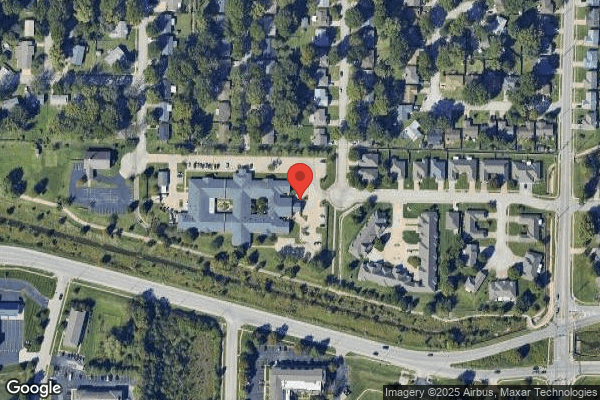
1502 WEST EDGEWOOD, SPRINGFIELD, MO 65807 (417) 877-7545
For profit - Limited Liability company 120 Beds ANTHONY & BRYAN ADAMS Data: November 2025 1 Immediate Jeopardy citation
Trust Grade
41/100
#267 of 479 in MO
Last Inspection: February 2025

Within standard 12-15 month inspection cycle. Federal law requires annual inspections.

Overview

Magnolia Square Nursing and Rehab has a Trust Grade of D, which means it is below average and has some concerning issues. It ranks #267 out of 479 facilities in Missouri, placing it in the bottom half of the state, and #16 out of 21 in Greene County, indicating that only a few local options are better. The facility's trend is worsening, with the number of reported issues increasing from one in 2024 to two in 2025. Staffing is average, with a rating of 3 out of 5 stars and a turnover rate of 60%, which is on par with the state average. However, the nursing home has faced significant challenges, including critical findings where residents were exposed to dangerously hot water, and concerns about food safety and cleanliness, such as improperly stored food and light fixtures filled with debris. While the facility has some strengths, like average RN coverage, these weaknesses suggest potential risks for residents.

Trust Score
D
41/100
In Missouri
#267/479
Bottom 45%
Safety Record
High Risk
Review needed
Inspections
Getting Worse
1 → 2 violations
Staff Stability
⚠ Watch
60% turnover. Above average. Higher turnover means staff may not know residents' routines.
Penalties
○ Average
$21,530 in fines. Higher than 70% of Missouri facilities. Some compliance issues.
Skilled Nurses
○ Average
Each resident gets 31 minutes of Registered Nurse (RN) attention daily — about average for Missouri. RNs are the most trained staff who monitor for health changes.
Violations
○ Average
8 deficiencies on record. Average for a facility this size. Mostly minor or procedural issues.
★★☆☆☆
2.0
Overall Rating
★★★☆☆
3.0
Staff Levels
★★★★☆
4.0
Care Quality
★★☆☆☆
2.0
Inspection Score
Stable
2024: 1 issues
2025: 2 issues

The Good

  • 4-Star Quality Measures · Strong clinical quality outcomes
  • Full Sprinkler Coverage · Fire safety systems throughout facility
  • No fines on record

Facility shows strength in quality measures, fire safety.

The Bad

2-Star Overall Rating

Near Missouri average (2.5)

Below average - review inspection findings carefully

Staff Turnover: 60%

14pts above Missouri avg (46%)

Frequent staff changes - ask about care continuity

Federal Fines: $21,530

Below median ($33,413)

Minor penalties assessed

Chain: ANTHONY & BRYAN ADAMS

Part of a multi-facility chain

Ask about local staffing decisions and management

Staff turnover is elevated (60%)

12 points above Missouri average of 48%

The Ugly 8 deficiencies on record

1 life-threatening
Feb 2025 2 deficiencies 1 IJ (1 affecting multiple)
CRITICAL (K)

Immediate Jeopardy (IJ) - the most serious Medicare violation

Accident Prevention (Tag F0689)

Someone could have died · This affected multiple residents

**NOTE- TERMS IN BRACKETS HAVE BEEN EDITED TO PROTECT CONFIDENTIALITY** Based on observation, interview, and record review, the facility failed to ensure an environment free from accident hazards, whe...

Read full inspector narrative →
**NOTE- TERMS IN BRACKETS HAVE BEEN EDITED TO PROTECT CONFIDENTIALITY** Based on observation, interview, and record review, the facility failed to ensure an environment free from accident hazards, when hot water at the in room hand sinks of seven residents (Residents #24, #44, #46, #48, #54, #65, and #72), of 18 sampled residents on the Special Care Unit measured between 123.2 degrees Fahrenheit (F) and 129.9 degrees F. The residents were cognitively impaired and unable to regulate water temperatures. The facility census was 97. The Administrator was notified on 02/10/25, at 7:47 P.M., of an Immediate Jeopardy (IJ) which began on 01/14/25. The IJ was removed on 02/12/25 as confirmed by surveyor onsite verification. Review of the facility's policy and procedure titled, Water Temperatures, Safety of, showed the following: -Tap water in the facility shall be kept within a temperature range to prevent scalding of residents; -Water heaters that service resident rooms, bathrooms, common areas, and tub/shower areas shall be set to temperatures on no more than the maximum allowable temperature per state regulation. Review of the Journal of American Medical Association's article Scald Burns from Hot Tap Water, dated 1981, showed the following: -At 120 degrees F, the time required for a 3rd degree burn (a burn that damages all three layers of the skin ) was 5 minutes; -At 124 degrees F, the time required for a 3rd degree burn was 3 minutes; -At 127 degrees F, the time required for a 3rd degree burn was 1 minute; -At 133 degrees F, the time required for a 3rd degree burn was 15 seconds. 1. Review of a plumbing contractor's invoice, dated 01/14/25, showed the following: -Arrived onsite and inspected the water heater with a mixing valve. Found a shut off for the recirculating pump that was on and needed to be off. Valve being on was causing the recirculation pump to pump against the tempered water; -Shut valve off and adjusted mixing valve slightly to allow warmer water; -Tempered water was reading approximately 118 degrees F to 120 degrees F at the main feed line; -Informed customer (facility) to keep all mop sinks and three compartment sinks completely off when not in use to prevent hot water mixing issues. 2. Review of Resident #24's ''admission Record,'' located in the ''Profile'' tab of the electronic medical record (EMR), showed the following: -admission date of 11/03/23; -Diagnoses included Alzheimer's disease (a progressive brain disorder that causes memory loss, confusion, and other cognitive decline) with late onset. Review of the resident's quarterly 'Minimum Data Set (MDS - a federally mandated assessment complete by facility staff), with an Assessment Reference Date (ARD) of 02/06/25, and located in the ''MDS'' tab of the EMR, showed the resident had severe cognitive impairment. Review of the resident's ''Care Plan,'' under the ''Care Plan'' tab of the EMR and with a review date of 02/07/25, showed the resident was an elopement risk/wanderer related to dementia (an umbrella term for a decline in cognitive abilities, including memory, thinking, and reasoning, that significantly impacts daily life, and is not a normal part of aging). Observation on 02/10/25, at 11:19 A.M., showed the resident sat in his/her wheelchair in the dining room socializing with other residents while waiting for lunch to be served. The resident was not interviewable. Observation on 02/10/25, beginning at 1:53 PM, showed the Maintenance Director measured the water temperature at the resident's hand washing sink. The hot water temperature measured 129.9 degrees F. Observation on 02/10/25, at 3:57 P.M., showed the Maintenance Director measured the water temperature at the resident's sink after making an adjustment to the water temperature. The hot water measured 128 degrees F. During an interview on 02/10/25, at 6:14 P.M., the Certified Nurse Aide Unit Director (CNA/UD) 5 said the resident would not be able to regulate the water temperatures from the bathroom sink and might not know to pull his/her hands away from the hot water to keep from being scalded. 3. Review of Resident #44's ''admission Record,'' located in the ''Profile'' tab of the EMR, showed the following: -admission date of 08/27/24; -Diagnoses included unspecified dementia. Review of the resident's quarterly MDS, with an ARD of 01/03/25 and located in the ''MDS'' tab of the EMR, showed the resident had severe cognitive impairment. Review of the resident's ''Care Plan,'' under the ''Care Plan'' tab of the EMR and with a review date of 02/10/25, showed the resident was an elopement risk/wanderer related to dementia. Observation on 02/10/25, at 10:50 A.M., showed the resident was in his/her room lying in bed. The resident was not interviewable. Observation on 02/10/25, beginning at 1:53 PM, showed the Maintenance Director measured the water temperature at the resident's hand washing sink. The hot water hot water temperature measured 123.4 degrees F. During an interview on 02/10/25, at 6:14 P.M., the CNA/UD 5 said the resident would not be able to regulate the water temperatures from the bathroom sink and might not know to pull his/her hands away from the hot water to keep from being scalded. 4. Review of Resident #46's ''admission Record,'' located in the ''Profile'' tab of the EMR, showed the following: -admission date of 05/21/24; -Diagnoses included unspecified dementia. Review of the resident's quarterly MDS, with an ARD of 11/28/24 and located in the ''MDS'' tab of the EMR, showed the resident had severe cognitive impairment. Review of the resident's ''Care Plan,'' under the ''Care Plan'' tab of the EMR and with a review date of 11/22/24, showed the resident was an elopement risk/wanderer related to dementia. Observation on 02/10/25, at 10:43 AM, showed the resident sat in the dining room watching television. The resident was not interviewable. Observation on 02/10/25, beginning at 1:53 PM, showed the Maintenance Director measured the water temperature at the resident's hand washing sink, on the memory care unit. The hot water measured 125.1 degrees F. During an interview on 02/10/25, at 6:14 P.M., the CNA/UD 5 said the resident would not be able to regulate the water temperatures from the bathroom sink and might not know to pull his/her hands away from the hot water to keep from being scalded. 5. Review of Resident #48's ''admission Record,'' located in the ''Profile'' tab of the EMR, showed the following: -admission date of 02/09/24; -Diagnoses included unspecified dementia and Alzheimer's disease with late onset. Review of the resident's quarterly ''MDS,'' with an ARD of 11/27/24 and located in the ''MDS'' tab of the EMR, showed the resident had severe cognitive impairment. Review of the resident's ''Care Plan,'' under the ''Care Plan'' tab of the EMR and with a review date of 11/22/24, showed the resident was an elopement risk/wanderer related to dementia. Observation on 02/10/25, at 11:23 AM, showed the resident sat in the dining room. The resident was not interviewable. Observation on 02/10/25, beginning at 1:53 PM, showed the Maintenance Director measured the water temperatures at the resident's hand washing sink. The hot water measured of 124.3 degrees F. During an interview on 02/10/25, at 6:14 P.M., the CNA/UD 5 said the resident would not be able to regulate the water temperatures from the bathroom sink and might not know to pull his/her hands away from the hot water to keep from being scalded. 6. Review of Resident #54's ''admission Record,'' located in the ''Profile'' tab of the EMR, showed the following: -admission date of 11/29/23; -Diagnoses included unspecified dementia. Review of the resident's quarterly MDS, with an ARD of 12/02/24 and located in the ''MDS'' tab of the EMR, showed the resident had moderate cognitive impairment. Review of the resident's ''Care Plan,'' under the ''Care Plan'' tab of the EMR and with a review date of 11/22/24, showed the resident needed secured/special care neighborhood due to dementia (wandering). Observation on 02/10/25, beginning at 1:53 PM, showed the Maintenance Director measured the water temperature at the resident's hand washing sink, on the memory care unit. The hot water temperature measured of 125.0 degrees F. During an interview on 02/10/25, at 6:14 P.M., the CNA/UD 5 said the resident would not be able to regulate the water temperatures from the bathroom sink and might not know to pull his/her hands away from the hot water to keep from being scalded. 7. Review of Resident #65's ''admission Record,'' located in the ''Profile'' tab of the EMR, showed the following: -admission date of 10/26/22; -Diagnosis of Alzheimer's disease with late onset. Review of the resident's quarterly MDS, with an ARD of 02/03/25 and located in the ''MDS'' tab of the EMR, showed the resident had severe cognitive impairment. Review of the resident's ''Care Plan,'' under the ''Care Plan'' tab of the EMR and with a revision date of 07/30/24, showed the resident was an elopement risk/wanderer related to Alzheimer's disease. Observation on 02/10/25, at 11:26 A.M., showed the resident sat in the dining room. The resident was not interviewable. Observation on 02/10/25, beginning at 1:53 PM, showed the Maintenance Director measured the water temperature at the resident's hand washing sink. The hot water temperature measured 123.2 degrees F. During an interview on 02/10/25, at 6:14 P.M., the CNA/UD 5 said the resident would not be able to regulate the water temperatures from the bathroom sink and might not know to pull his/her hands away from the hot water to keep from being scalded. 8. Review of Resident #72's ''admission Record,'' located in the ''Profile'' tab of the EMR, showed the following: -admission date of 11/11/24; -Diagnoses included unspecified dementia. Review of the resident's quarterly MDS, with an ARD of 11/18/24 and located in the ''MDS'' tab of the EMR, showed the resident had severe cognitive impairment Review of the resident's ''Care Plan,'' under the ''Care Plan'' tab of the EMR and with a revision date of 11/26/24, showed the resident could benefit from placement on the secure neighborhood due to need for safe environment and special programing. Observation on 02/10/25, at 11:23 A.M., showed the resident sat in the dining room. The resident was not interviewable. Observation on 02/10/25, beginning at 1:53 P.M., showed the Maintenance Director measured the water temperature at the resident's hand washing sink. The hot water temperature measured of 124.3 degrees F. During an interview on 02/10/25, at 6:14 P.M., the CNA/UD 5 said the resident would not be able to regulate the water temperatures from the bathroom sink and might not know to pull his/her hands away from the hot water to keep from being scalded. 9. During interviews on 02/10/25, at 3:08 P.M. and 3:32 P.M., the Maintenance Director said the following: -After the plumbing company provided services for hot water temperatures on 01/14/25 he did not increase monitoring of the temperatures. He completed weekly checks of water temperatures of one room at each end of the hall for all three halls in the facility. -The reason the plumbing company came to the facility for services on 01/14/25 was due to the hot water at the mop sink on unit 100 was cold and the resident in room [ROOM NUMBER] complained the hot water was cold. -After adjustments were made to the water temperatures, he waited until the following day to follow up on the water temperatures. Observation and interview on 02/10/25, at 3:45 P.M., with the Maintenance Director showed the water temperature at the water tank for units 100 and 300 measured 123 degrees F. The Maintenance Director said the hot water valve needed to be adjusted. After adjustments were made, he would wait until the following day to check to make sure the temperature had come down below 120 degrees. During an interview on 02/11/25, at 10:31 A.M., the Administrator said they were continuing to take temperatures and were looking to see what the underlying problem with the hot water temperatures might be. NOTE: At the time of the abbreviated survey, the violation was determined to be at the immediate and serious jeopardy level K. Based on observation, interview, and record review completed during the onsite visit, it was determined the facility had implemented corrective action to address and lower the violation at the time. A final revisit will be conducted to determine if the facility is in substantial compliance with participation requirements. At the time of exit, the severity of the deficiency was lowered to the E level.
CONCERN (D)

Potential for Harm - no one hurt, but risky conditions existed

Infection Control (Tag F0880)

Could have caused harm · This affected 1 resident

Based on observation, interview, and record review, the facility failed to maintain an effective infection prevention and control program when staff failed to perform proper hand hygiene during and af...

Read full inspector narrative →
Based on observation, interview, and record review, the facility failed to maintain an effective infection prevention and control program when staff failed to perform proper hand hygiene during and after incontinent care and wound care for one resident (Resident #7) out of a total sample of 20. The facility census was 97. Review of the facility's policy titled, Handwashing/Hand Hygiene, revised on 08/2015, showed the following: -Hand hygiene is the primary means to prevent the spread of infections; -All personnel shall follow the handwashing/hand hygiene procedures to help prevent the spread of infections to other personnel, residents, and visitors before and after direct contact with residents; before performing any non-surgical invasive procedures; before handling clean or soiled dressings, gauze pads, etc; before moving from a contaminated body site to a clean body site during resident care; after contact with a resident's intact skin; after contact with blood or bodily fluids; and after handling used dressings, contaminated equipment. 1. Review of Resident #7's undated admission Record, located in the electronic medical record (EMR) under the Resident tab, showed the following: -readmission date of 10/24/23; -Diagnoses included congestive heart failure (CHF - a long-term condition that happens when the heart can't pump blood well enough to give the body a normal supply), acute and chronic respiratory failure, diabetes type II, and chronic kidney failure. Review of the resident's Care Plan, revised on 09/26/23 and located in the EMR under the Care Plan tab, included the risk for impaired skin and an actual integrity issue related to excoriation. Observation on 02/13/25, at 4:05 P.M., showed the following: -Certified Nursing Assistant (CNA) 1 and Wound Nurse (WN) 1 performed hand hygiene and applied gowns and gloves prior to entering the resident's room; -The resident was noted to be incontinent of bowel. WN1 performed incontinent care and passed the soiled wipes to CNA1 across the resident's chest. -WN1 and CNA1 turned the resident on his/her left side, and WN 1 performed incontinent care to the buttock/rectal area. WN1 cleaned the resident with numerous disposable wipes and handed the soiled wipes to CNA1 to dispose of, crossing the resident's chest each time. -Without changing his/her gloves or performing hand hygiene, WN1 removed a dressing from the resident's gluteus wound and continued to clean the resident's buttocks and anal area, wiping towards the wound. -WN1 removed the soiled brief from underneath the resident, passed it to CNA1, crossing the resident's chest. WN1 then removed his/her gloves, and without performing hand hygiene, applied new gloves, and cleansed the resident's gluteus wound. -After the care was performed, CNA1 adjusted the resident's pillow and clothing without changing his/her gloves or performing hand hygiene. During an interview on 02/13/25, at 4:25 P.M., WN1 confirmed that he/she did not perform hand hygiene between glove changes but should have. WN1 confirmed she should not have cleaned the resident's buttocks and anal area with fecal material towards the exposed wound. During an interview on 02/13/25, at 4:50 P.M., CNA1 confirmed that he/she did not perform hand hygiene or apply a clean pair of gloves after handling the soiled incontinent products and before adjusting the resident's pillow and gown. During an interview on 02/13/25, at 5:57 PM, the Infection Preventionist (IP1) said staff should wash their hands with soap and water prior to setting up, before handling clean or soiled dressing, and before moving from a contaminated body area to a clean body area.
Aug 2024 1 deficiency
CONCERN (D) 📢 Someone Reported This

A family member, employee, or ombudsman was alarmed enough to file a formal complaint

Potential for Harm - no one hurt, but risky conditions existed

Report Alleged Abuse (Tag F0609)

Could have caused harm · This affected 1 resident

Based on interviews and record review, the facility failed to ensure all allegation of possible neglect were reported within two hours to the State Survey Agency (SSA - Department of Health and Senior...

Read full inspector narrative →
Based on interviews and record review, the facility failed to ensure all allegation of possible neglect were reported within two hours to the State Survey Agency (SSA - Department of Health and Senior Services (DHSS)) when staff did not report an allegation of possible neglect received from one resident's (Resident #1) family. The facility also failed to ensure all staff were properly trained on the reporting guidelines regarding allegations of neglect. The facility census was 102. Review of the facility's policy titled Preventing Resident Abuse, undated, showed the following information: -The facility will not condone any form of resident abuse and will continually monitor the facility's policies, procedures, training program, and systems to assist in preventing resident abuse; -It is the responsibility of the employees, facility consultants, attending physicians, family members, visitors and volunteers to promptly report any incident or suspected incident of neglect or resident abuse, including injuries of an unknown source and theft or misappropriation of resident property to the administrator or his/her designee; -When an alleged or suspected case of abuse, neglect, injuries of an unknown source, or misappropriation of resident property is reported the facility administrator or his/her designee will notify the following persons or agencies of such incident: the SSA, the responsible representative, law enforcement, and the physician; -Notices to the above agencies/individuals shall be made within the time limitations of the State law after the occurrence of the incident or when the facility learns of the abuse; -The administrator or designee shall report to the SSA according to the facility abuse and neglect policy and local law enforcement agency. -If there is serious bodily injury the report must be made within two hours of forming a reasonable suspicion; -If there is no serious bodily injury the report must be made within 24 hours of forming reasonable suspicion. 1. Review of Resident #1's face sheet (a brief resident profile sheet) showed the following: -admission date of 06/05/24; -Diagnoses included amyotrophic lateral sclerosis (ALS - a nervous system disease that weakens muscles and impacts physical function), foot drop for left and right foot (difficulty lifting front part of foot), and dysarthria (a motor speech disorder that makes it difficult to speak clearly due to issues with the muscles used for speech). Review of the resident's significant change Minimum Data Set (MDS - a federally mandated assessment instrument completed by facility staff), dated 07/24/24, showed the following: -Cognition moderately impaired; -Required total assistance from staff with bed mobility, transfers, dressing, hygiene, toileting, and bathing. Review of the resident's care plan, undated, showed the following: -Resident has an activities of daily living (ADL - dressing, grooming, bathing, eating, and toileting) self-care performance deficit related to ALS diagnosis; -Totally dependent on one to two staff for toilet use. -Deficit in communication related to ALS diagnosis; -Staff to check for incontinence every two hours. During an interview on 08/22/24. at 10:42 A.M., the resident communicated the following: -A few nights ago, he/she was left on the toilet from approximately 2:00 A.M. until approximately 8:00 A.M.; -His/her bottom hurt from it; -The aide got busy and forgot about him/her. Review of a typed conversation between the resident's durable power of attorney (DPOA) and the Director of Nursing (DON), dated 08/19/24, showed the following: -The DPOA informed the DON the resident was placed on the toilet and left for six and half hours during the night; -The DPOA said the resident was not removed from the toilet until 8:00 A.M., by a home care giver who came to visit the resident. Review of the facility's grievance log showed the following: -On 08/19/24 the resident's DPOA filed a grievance regarding patient care. -Staff noted the grievance was resolved on 08/21/24. -The Administrator signed the grievance as resolved. Review of a grievance form regarding the resident, dated 08/19/24, completed by the DON and signed by the Administrator, showed the following: -The resident's DPOA filed a grievance concerning the patient care and treatment; -The concern was prolonged toileting wait time; -Resolution was all staff educated and in-serviced. One-on-one education provided to certified nurses aide and new call light cord installed. Review of the grievance records and the resident's medical record showed the facility staff did not document notifying the DHSS of the allegation of possible neglect. Review of DHSS records showed the home did not self-report the allegation of possible neglect to DHSS. During an interview on 08/22/24, at 10:15 A.M., Licensed Practical Nurse (LPN) A said the following: -All allegations of neglect should be reported to the SSA within two hours; -If a resident was left on the toilet for any extended period of time, like six hours, this would be neglect. During an interview on 08/22/24, at 12:55 P.M., Certified Nurse Aide (CNA) B said the following: -All allegations of neglect should be reported to the charge nurse and then the facility has two hours to report the allegation to the SSA. -If a staff left a resident on the toilet from 2:00 A.M. to 8:00 A.M. that would be neglect. During an interview on 08/23/24, at 11:55 A.M., the resident's Nurse Practitioner (NP) said the resident should not be left on the toilet. If a resident was left for six hours this would be neglect. During an interview on 08/22/24, at 11:55 A.M., the DON said the following: -The resident's DPOA had reported to him the resident had been left on the toilet on 08/19/24 for an extensive amount of time; -The DPOA was concerned about why the resident was left on the toilet for so many hours and if the resident's skin was compromised; -He began an investigation and interviewed the resident and staff to include the named staff; -He did not report to the SSA because he thought the facility could do the investigation and then report to the SSA if they believed any abuse or neglect occurred; -He did not know he had to report any allegations of neglect; -He said if the investigation showed the resident had been left on the toilet for six and half hours they would consider that neglect. During an interview on 08/23/24, at 3:00 P.M., the Administrator said the following: -All allegations of abuse or neglect should be reported to the SSA within two hours; -Staff should be checking on residents every two hours and as needed; -The DON should have reported the allegation of the resident being left on the toilet all night to the SSA within the two hour required time frame and investigated this as neglect; -If a resident was left on the toilet for any extended period of time to include six hours this would be considered neglect. MO00240792 MO00240938
Dec 2023 2 deficiencies
CONCERN (E)

Potential for Harm - no one hurt, but risky conditions existed

Safe Environment (Tag F0921)

Could have caused harm · This affected multiple residents

**NOTE- TERMS IN BRACKETS HAVE BEEN EDITED TO PROTECT CONFIDENTIALITY** Based on observation, interview, and record review, the facility failed to provide a sanitary and comfortable environment for re...

Read full inspector narrative →
**NOTE- TERMS IN BRACKETS HAVE BEEN EDITED TO PROTECT CONFIDENTIALITY** Based on observation, interview, and record review, the facility failed to provide a sanitary and comfortable environment for residents, staff and the public, when staff failed too keep light fixtures throughout the facility clean and free from dead bugs and debris. The facility census was 100. 1. Observations on 12/12/23, beginning at 1:35 P.M., showed the following: -Ceiling light fixtures throughout the common areas of the facility had dead bugs and debris in them; -On the 100 upper hall (rooms 100 to 112) large bugs, dust, and debris were observed in five of the ten hall ceiling light fixtures; -In the back area of the main dining room (MDR) there were four of the five light fixtures with debris in them; -In the MDR there were 16 of the 16 light fixtures that had dust and debris in them; -Outside of the MDR, near the soiled laundry room A32 and exit off the upper 200 hall, one of two light fixtures had dead bugs and debris in it; -The 200 hall/300 hall had two of eight light fixtures with bugs and debris present. Observations on 12/12/23, at 1:45 P.M., of the 100 hall Special Care Unit (SCU) showed the following; - Dark splatters on the light fixture in the medication preparation room; -The 100 hall spa, by the electrical room, light fixture had bugs/debris present; -The 100 hall, by exit door near the electrical room, light fixture had bugs and debris present; -West of room [ROOM NUMBER]C, by exit door, the overhead light in the hall had bugs and debris present; -Near room [ROOM NUMBER]A and 1B, the light fixture had debris and bugs present. During an interview on 12/14/23, at 2:44 P.M., the Maintenance Supervisor (MS) said the following: -He repairs any light fixtures and when he does any maintenance or light bulbs need to be replace. He will clean the light fixture at that time; -He has seen some debris and bugs in the light fixtures throughout the facility, but did not know he was responsible for cleaning them. During an interview on 12/14/23, at 3:34 P.M., the Administrator said the following: -The MS is responsible for cleaning the light fixtures: -The previous maintenance supervisor took the light fixtures down and cleaned them periodically or when light bulbs needed to be replaced; -She was not aware of any issues with the dirty light fixtures; -The light fixtures should be kept cleaned at all times.
CONCERN (F)

Potential for Harm - no one hurt, but risky conditions existed

Food Safety (Tag F0812)

Could have caused harm · This affected most or all residents

Based on observation, interview, and record review, the facility failed to ensure food was stored, prepared, and distributed in a manner to prevent possibly contamination when staff failed to maintain...

Read full inspector narrative →
Based on observation, interview, and record review, the facility failed to ensure food was stored, prepared, and distributed in a manner to prevent possibly contamination when staff failed to maintain failed to properly label and cover food in the walk-in cooler and failed to keep the stove hood, the cooler fans, and the vents above the dish area clean and free from debris. This had the potential to affect all residents who consumed food from the facility kitchen. The facility census was 100. 1. Review of the US Food and Drug Administration policy, under the section of Food Labeling and Handling, currently updated 03/04/23, showed the following: -Facility staff must ensure their proper storage, keeping track of when to discard perishable foods and covering, labeling, and dating all foods stored in the refrigerator or freezer as indicated; -Labeling, dating, and monitoring refrigerated food, including, but not limited to leftovers, so it is used by its use-by date, or frozen (where applicable) or discarded. Review of the facility's policy titled, Food Receiving and Storage, revised October 2017, showed the following: -All foods stored in the refrigerator will be covered, labeled, and dated (use by) date; -Opened containers must be dated and sealed or covered during storage. Observations on 12/10/23, beginning at 3:14 P.M., of the kitchen's walk-in cooler showed the following: -A plastic bag containing three boiled eggs, which had been opened, with no open or used by date noted; -Four trays on a rack, with several small bowls of uncovered jello; -One tray with four cups of what appeared to be pudding, uncovered, undated, and unlabeled; -One bag of cooked sausage patties and pieces of toast with no description or date of when prepared. During an interview on 12/13/23, at 133 P.M., Dietary Aide (DA) A said the following: -All foods should be dated with the date they're opened; -He/she doesn't know how long food can sit once opened; -He/she wouldn't serve food to residents that's not dated or outdated; -All foods put in the refrigerator should be covered. During an interview on 12/13/23, at 137 P.M., DA B said the following: -Foods should be dated with the date they're opened; -Opened foods should be used within four days; -Foods put into the refrigerator should be covered. During an interview on 12/13/23, at 1:45 P.M., Dietary Manager said the following: -Opened foods should be dated with the date opened; -Opened foods should be used within seven days; -If the foods are over seven days, or undated foods should be discarded; -He/she put the sausage patties and toast in the refrigerator one day after breakfast and forgot to date them; -All foods in the refrigerator should be covered. During an interview on 12/13/23, at 1;45 P.M., the Administrator said the following: -Foods should be dated when they're opened; -He/she is not sure how long foods can be safely used once they're opened; -If the foods are past the safe date, they should be thrown away. 2. Review of the facility's December 2023 cleaning schedule showed the the range hood listed, but it did not specify how often it needed cleaned and no staff had checked cleaning it. Observations on 12/10/23, beginning at 3:14 P.M., and on 12/13/23, beginning at 10:24 A.M., showed the hoods above the stove had a build-up of grease and lint on them (which could fall and contaminate food being prepared). During an interview on 12/13/23, at 1:33 P.M., DA A, said the following: -The stove hoods are cleaned by an outside agency every six months and they're due to be cleaned on 12/27/23; -Kitchen staff don't clean the stove hoods; -It is not appropriate for the stove hoods to have lint as it could fall into the food being cook. During an interview on 12/13/23, at 1:37 P.M., DA B, said the following: -Stove hoods are cleaned by another company. There is a white sticker that tells when they've been cleaned; -Kitchen staff don't clean the stove hoods; -If they have lint in the hood, it could fall into the food. During an interview on 12/13/23, at 1:45 P.M., the Dietary Manager said the following: -An outside company cleans the stove hoods every six months; -Kitchen staff clean the back splash, but they don't do anything with the stove hoods; -Lint on the stove hoods could fall into the food. During an interview on 12/13/23, at 1;45 P.M., the Administrator said the following: -Stove hoods are cleaned routinely by an outside source; -She is not sure if the staff maintain in between the cleanings of the agency; -She would expect them to be clean and not have lint to possibly fall into the food. During an interview on 12/13/23, at 1;:5 P.M., the Maintenance Supervisor said the following: -He/she cleans the heads of the stove hoods, but a company comes in and does the actual cleaning of the stove hoods yearly, they're due to come on 12/27/23; -Staff clean them daily. 3. Review of the facility's December 2023 cleaning schedule for showed the following: -Freezer, not specifying the fans, to be cleaned every two weeks; -Staff documented cleaning the freezer eight times from 12/01/23 through 12/11/23. Observations on 12/10/23, beginning at 3:14 P.M., and on 12/13/23, beginning at 10:24 A.M., showed the two fans located in the walk-in refrigerator had a black substances on the undersides of the grill covers with uncovered foods in front of them (potentially contaminating the food). During an interview on 12/13/23, at 1:33 P.M., DA A, said he/she doesn't know who is supposed to clean the fans in the walk-in refrigerator. During an interview on 12/13/23, at 1:45 P.M., the Dietary Manager said the following: -Maintenance is the one who cleans the fans in the walk-in refrigerator; -It would not be good for the fans to be dirty as it could blow onto the food. During an interview on 12/13/23, at 1:45 P.M., the Administrator said the following: -The Dietary Manager is good about alerting maintenance if the fans need to be cleaned; -He/she didn't know the fans have a black substance on them; -Would expect the fans to be clean so it doesn't blow onto food. During an interview on 12/13/23, at 1:45 P.M., the Maintenance Supervisor said the following: -He/she has not been told it's his/her responsibility to clean the fans in the walk in refrigerator. He/she didn't know if there was a corporation that comes into clean them; -He/she didn't know they have black substance on them. 4. Observations on 12/10/23, beginning at 3:14 P.M., and on 12/13/23, beginning at 10:24 A.M., showed two vents in the dishwashing area over half covered with fuzzy lint. There was also lint on the ceiling above the sink. During an interview on 12/13/23, at 13:3 P.M., DA A, said the following: -Maintenance cleans the ceiling and the vents once or twice per month; -it is not appropriate for them to have fuzzy lint as it could fall into the food or on clean dishes; -He/she lets maintenance know when he/she sees the lint During an interview on 12/13/23, at 1:37 P.M., DA B, said the following: -Ceiling and vents are cleaned by maintenance but he/she is not sure if there is a set schedule; -He/she would let maintenance know if there was lint on the ceiling or vents as this could fall into the food. During an interview on 12/13/23, at 1:45 P.M., the Dietary Manager said the following: -The previous maintenance supervisor cleaned the vents and ceiling on a schedule; -If kitchen staff see lint or dirt they let maintenance know or one of the kitchen staff will take care of it; -The vents shouldn't have lint as it could fall into the food. During an interview on 12/13/23, at 1;45 P.M., the Maintenance Supervisor said the following: -He/she has not been told he/she is supposed to clean the vents/ceilings in the kitchen; -He/she expects the vents/ceiling would be cleaned monthly or as needed.
Jan 2023 2 deficiencies
CONCERN (D) 📢 Someone Reported This

A family member, employee, or ombudsman was alarmed enough to file a formal complaint

Potential for Harm - no one hurt, but risky conditions existed

Deficiency F0602 (Tag F0602)

Could have caused harm · This affected 1 resident

Based on interview and record review, the facility failed to protect all residents from misappropriation of property when staff could not account for all of one resident's (Resident #1) diazepam (a co...

Read full inspector narrative →
Based on interview and record review, the facility failed to protect all residents from misappropriation of property when staff could not account for all of one resident's (Resident #1) diazepam (a controlled medications used for to treat anxiety) while the medication was in the possession of the home. The facility census was 80. Record review of the facility policy Investigating Incidents of Theft and/or Misappropriation of Resident Property, revised April 2017, showed the following: -Residents have the right to be free from theft and/or misappropriation of personal property; -Misappropriation of resident property is defined as the deliberate misplacement, exploitation or wrongful temporary or permanent use of a resident's belongings or money without the resident's consent. Record review of the facility Policy Procedures for Controlled Substances, undated, showed in any situation where a properly labeled and identified controlled substance is brought into facility with resident upon admission, every effort must be made to return this quantity with family member or admitting personnel. If controlled substance brought into facility with resident cannot be returned to family or admitting personnel and/or is to be received and used until supply is received from facility's designated provider pharmacy, this quantity of controlled substance must be identified and quantity entered into bound narcotic book. 1. Record review of Resident #1's face sheet (admission data) showed the following: -admission date of 10/28/22; -Diagnoses included sepsis (serious condition resulting from presence of harmful microorganisms in the blood or other tissues and the body's response to their presence, potentially leading to the malfunctioning of various organs, shock, and death), cirrhosis (a chronic disease marked by degeneration of cells, inflammation, and fibrous thickening of tissue typically a result of alcoholism or hepatitis) of liver, major depressive disorder, viral hepatitis C (an infection caused by a virus that attacks the liver and leads to inflammation), rheumatoid arthritis (a chronic inflammatory disorder affecting many joints, including those in the hands and feet), pain , chronic pain syndrome, opioid (narcotic) dependence, Type 2 diabetes mellitus with hyperglycemia (high blood glucose). Record review of the resident's medication list from the hospital, dated 10/28/22, showed an order for diazepam 5 milligrams (mg) tablet with no frequency, route, and indication for use. Record review of the resident's Order Summary Report, dated 10/28/22, showed no physician's order for diazepam 5 mg. Record review of the resident's Progress Notes, dated 11/23/22, showed the nurse practitioner saw the resident and the resident discussed ongoing neuropathy (nerve) pain to both feet and had increasing anxiety. Orders received to resume diazepam as taken prior to hospitalization, 5 mg every 8 hours routinely. Record review of the resident's Order Summary Report, dated 11/23/22, showed the following: -Physicians' order for diazepam 5 mg, give 5 mg by mouth every 8 hours for anxiety. Medication was scheduled for 6:00 A.M., 2:00 P.M., and 10:00 P.M. Record review of the resident's Medication Administration Record (MAR) showed the following: -Staff administered diazepam 5 mg to the resident on 11/27/22 through 12/7/22 at 6:00 A.M., 2:00 P.M., and 10:00 P.M. with staff administering one dose of the diazepam 5 mg at 6:00 A.M. on 12/7/22 prior to the resident's discharged . Record review of the facility's investigation for missing narcotics, dated 12/12/22, showed the following: -On 11/27/22, staff discovered a prescription pill bottle of diazepam 5 mg tablets in the resident's purse in the resident's room. Licensed Practical Nurse (LPN) G and unknown certified medication technician (CMT) took the resident's prescription bottle and counted 77 diazepam tablets. They taped the bottle and initialed it and locked this in the cabinet in the medication room where the E-kit (emergency kit - medications needed right away before the pharmacy delivers them) was located; -On 11/27/22, the day shift LPN A, received report from the night nurse (LPN G) that the resident's medication was locked in the cabinet in the medication room. Later that day, the resident complained of anxiety. LPN A and Registered Nurse (RN) B went to obtain the resident's medication. They counted and verified that the medication was diazepam. Both nurses counted 77 diazepam 5 mg tablets in the resident's prescription bottle. They divided the tablets in a count of 20 tablets and placed them in small plastic bags, then stapled and labeled each plastic bag, and placed the plastic bags in a long white envelope. Each nurse initialed the white envelope. The remaining 17 diazepam tablets were put in the resident's prescription pill bottle and placed in the medication cart and logged the 17 diazepam tablets into the narcotic book; -On 12/2/22, LPN C, CMT D, and CMT E, went into the medication room's locked medication cabinet to get one plastic bag of 20 diazepam tablets because one 5 mg tablet of diazepam was in the medication cart. There were three plastic bags with 20 diazepam tablets in each bag in the white envelope. LPN C, CMT D and CMT E removed one bag of 20 diazepam tablets and counted out 20 diazepam 5 mg tablets and transferred the 20 tablets into the resident's pill bottle and placed this in the medication cart, and added the 20 tablets to the narcotic book count. LPN C, CMT D, and CMT E put a new neon green/yellow sticker on the envelope and wrote #40 on the envelope to indicate 40 diazepam 5 mg tablets remaining; -On 12/5/22, the pharmacy sent 60 diazepam tablets for the resident, but these were not needed, as staff utilized resident's own diazepam medications located in the medication cart; -On 12/7/22, the resident was due to being discharged from the facility. LPN F was getting the resident's medications ready and discovered that in the envelope marked 40 diazepam tablets, there was only one plastic baggie marked 20 tablets, instead of two baggies with 20 tablets in each baggie; -Staff immediately notified administration and performed a thorough search of the medication room, cabinets, and medication carts for the potential missing diazepam medications; -A full investigation was launched; -The findings of the investigation were inconclusive. Record review of LPN G's written statement, dated 12/9/22, showed on 11/25/22, an unidentified certified nurse aide (CNA) told LPN G that the resident had medication in his/her room. LPN G and CMT went to the resident's room and the resident opened his/her purse and they found several bottles of medication. One bottle of narcotic that was counted and there were 77 tablets. They taped the bottle and initialed it and put it in the medication room in the locked cabinet. When LPN G returned to work, there was the resident's prescription bottle in the CMT cart and the CMT was counting the medication. The CMT told him/her they counted 20 tablets out and was using them. LPN G saw the medications in the CMT cart and did not look back in the locked medication cabinet to see how many medications were left. During an interview on 1/5/23, at 4:40 P.M., LPN G said the following: -The night CNA H came to him/her to report the resident had narcotic medications in his/her room; -CMT I went with LPN G to the resident's room and said to the resident that they needed the medications; - LPN G and CMT I took the medication to the medication room and counted 77 tablets; - LPN G and CMT I initialed on the tape and placed the medication bottle in the locked e-kit cabinet; -He/she did not know what to do and did not know the protocol for handling a resident's own home narcotic medication at the facility; - LPN G worked until 6:00 A.M. and passed this on in report to the day charge nurse about finding 77 narcotic medications in the resident's room, which they removed and locked the medications up in the medication room locked cabinet; - LPN G said many days later, he/she noticed many pills in the narcotic count and an unidentified CMT said they had separated the pills from the cabinet and put into the resident's medications on the medication cart; -The resident's medications should have went into the narcotic count on the cart and counted every shift change. Record review of LPN A's written statement, undated, showed on 11/27/22, LPN A received report that the resident's Valium (diazepam) 5 mg was in the locked cabinet in the medication room. Upon assessment, the resident complained of anxiety. LPN A and an unidentified nurse went into the medication room to count and verified the medication. There was 77 Valium 5 mg tablets and LPN A and unidentified nurse placed 17 Valium tablets back into the resident's prescription bottle and placed them on the medication cart. LPN A wrote the 77 narcotic Valium 5 mg medications in the narcotic book to be accounted for. LPN A and the unidentified nurse took the remaining 60 tablets and placed them in plastic envelopes in quantities of 20 tablets, then stapled the plastic bags shut and wrote #20 on them. They took the three bags of 20 tablets which equaled 60 tablets, and place them in a facility envelope and sealed it shut, and placed scotch tape on them. They signed over the tape and envelope with their names and the #60 Valium on the envelope. LPN A placed that envelope into a large pharmacy bag with the resident's name on it and placed the bag into the locked cabinet in the medication room. During interview on 1/5/23, at 10:55 A.M., LPN A said the following: -Staff found the resident with a prescription bottle of diazepam (Valium) 5 mg medication and staff put the resident's Valium up in the locked cabinet in the south hall medication room; -The night nurse told him/her the resident's Valium was in the locked cabinet, but did not know how long it had been in the cabinet; -When LPN A did rounds, the resident said to him/her that he/she had anxiety and pain. He/she went to the med room and didn't think diazepam was in the e-kit which it was not; -There was no narcotic sheet for the 77 (Valium). Registered Nurse (RN) B counted #77 valium with him/her; -They put the Valium 5 mg tablets in groups of 20 tablets and put into a baggy, then put the three baggies in an envelope, signed it, and taped it. They put the 17 diazepam tablets in the resident's prescription bottle in the medication cart and filled out a narcotic sheet for the medication count. Record review of RN B's undated written statement showed on November 27, 2022, LPN A asked RN B to come over to the south side nurse's station because there was medication found in Resident #1's purse the previous night by the night shift nurse. The medication was Valium 5 mg and there were 77 tablets in the bottle. Since Resident #1 did not have any supply left from the pharmacy, as well as the resident's physician was out of the country, they took it upon themselves to use Resident #1's diazepam medication from home until the physician provided a new prescription to the pharmacy. To ensure counting with accuracy, they decided that it was best to place the medication in clear pouches to better count these during the narcotic count. LPN A and RN B placed 20 diazepam tablets into three different pouches that were see through and easier to count and 17 diazepam 5 mg were placed in the resident's prescription bottle and placed those in the medication cart since Resident #1 had this medication diazepam scheduled three times a day. LPN A and RN B both signed each of the three pouches and the envelope that they placed the three pouches in. They sealed the pouches with staples and red dots with their initials on it and the date and the amount in each pouch in the white envelope. They signed and dated the amount that were in the pouches. LPN A placed them in the E-kit cabinet for safekeeping until more were needed. During interview on 1/5/23, at 10:37 A.M., RN B said the following: -LPN A had called him/her from the south side and asked RN B to help him/her figure out the prescription bottle found in the resident's purse on the night shift. The diazepam 5 mg prescription bottle had 77 tablets after RN B and LPN A counted them; -They decided to divide the pills into packages of 20 tablets and put in a clear plastic pill plastic crusher bags into 20 tablets for three packages and then put 17 diazepam tablets in the medication cart; -They wrote #17 diazepam 5 mg tablets on the narcotic record sheet. They put the other three packages of 20's into the e-kit in the locked cabinet; -Only the south medication room has the e-kit and there was one key. The nurses have the key only and no CMTs have access to the medication room key; - Both RN B and LPN A signed the envelope and sealed it and placed this envelope into the cabinet and locked the cabinet before RN B left. Record review of LPN F's written statement, dated 12/7/22, showed when LPN F was collecting medications for the resident's discharge to home. An unidentified CMT gave a prescription bottle of diazepam to LPN F. The prescription bottle was labeled from a retail pharmacy and had been filled on 9/29/22. There were six tablets left in the bottle. The unidentified CMT said that we were given permission by the Director of Nursing (DON) to give the resident's home medications due to an issue with the physician's signature on the script. LPN F asked LPN C to get resident's medications since LPN F had control of the resident's narcotic medications. LPN C gave LPN F a plain mailing envelope with stickers and writing on it. There were two red stickers with initials on the flap at each end, a red sticker with #60 on it in the middle and this was covered by a larger yellow sticker with #40 on it. The writing on one short end was #20 removed and #40 left on envelope. There were two individual signatures and initials below the signatures. LPN F took the envelope to the DON before opening it to have someone else as witness. During interview on 1/10/23, at 9:14 A.M., LPN F said he/she typically worked on the south side and became aware of the resident's Valium medication on the date of discharge 12/7/22; -LPN F was not aware of the resident's home medications in the cabinet until the resident's discharge; -The unidentified CMT told LPN F that the resident had medications on the medication cart and gave the resident's prescription bottle of Valium to him/her. The CMT told LPN F that the resident had more medications in the e-kit locked cabinet. The CMT brought a plastic bag with medication, and an envelope with signatures and numbers on it. It did not say what medication was in the envelope and did not have the resident's name on it. LPN F went to the DON's office to open the envelope; -The DON said he/she was unaware of the resident's own prescription Valium locked up in the cabinet in the med room; -LPN F and the DON opened the envelope that said #40 inside. There was only one plastic baggy with 20 Valium 5 mg tablets. The envelope was secured with stickers that held the envelope flap down but it did not stick well. The envelope flap was secured partially. The prescription bottle of Valium on the medication cart had six 5 mg tablets left inside; -LPN F said he/she would expect staff to keep a narcotic record for the Valium even when locked up in the cabinet. Record review of the resident's narcotic sheet showed the following: -Diazepam 5 mg with directions for staff to administer one tablet by mouth every 8 hours routine; -Balance forward was 17 diazepam 5 mg tablets; -First date recorded was 11/27/22, at 8:00 A.M., with one dose administered to leave a remaining balance of 16 diazepam 5 mg tablets; -On 12/2/22, at 8:00 A.M., staff recorded one diazepam 5 mg tablet as the remaining balance; -Under the received from pharmacy column, staff documented pulled 20 from envelope; -Balance Forward was 21 diazepam 5 mg tablets; -On 12/7/22, staff administered one diazepam 5 mg tablet at 8:00 A.M. with a remaining balance forward of six diazepam 5 mg tablets; -There was no other narcotic sheet record with the resident's total number of 77 diazepam 5 mg tablets from the resident's home medication that was locked in the e-kit narcotic locked cabinet. Staff administered a total of 31 diazepam 5 mg tablets to the resident between 11/27/22 to 12/7/22. During interview on 1/12/23, at 12:30 P.M., CMT I said the following: -LPN G told him/her to go to the resident's room to take the Valium (diazepam) 5 mg to count and lock up; -The prescription bottle for the diazepam had #90 on the bottle, but there were 77 diazepam 5 mg counted; -LPN G taped the lid with the #77 to prove they counted this amount of diazepam 5 mg; -He/she did hint to LPN G that they should put the #77 total diazepam 5 mg on a narcotic sheet in the locked cabinet but thought LPN G did not know what to do with the diazepam 5 mg medication. During interviews on 1/6/23, at 3:35 P.M., and 1/23/23, at 12:30 P.M., the DON said the following: -She expected all staff to reconcile all narcotic medications and do this every shift. This would include narcotic medications in the e-kit; -She was unaware of Resident #1's diazepam kept in the locked medication cabinet in the med room until the day the resident was discharged to home. During interview on 1/5/22, at 11:15 A.M., the Administrator said the following: -On 11/27/22, the resident told a nurse or medication technician that he/she had diazepam in his/her purse. The staff should have told the DON that they found the diazepam medication, but they took the prescription bottle, initialed it, and locked it in the cabinet; - Staff did not count the pouches of diazepam 5 mg tablets that were in the e-kit cabinet each shift. Sometime between 12/2/22 and 12/7/22, one pouch of 20 diazepam 5 mg tablets went missing. MO00210901
CONCERN (D) 📢 Someone Reported This

A family member, employee, or ombudsman was alarmed enough to file a formal complaint

Potential for Harm - no one hurt, but risky conditions existed

Deficiency F0658 (Tag F0658)

Could have caused harm · This affected 1 resident

**NOTE- TERMS IN BRACKETS HAVE BEEN EDITED TO PROTECT CONFIDENTIALITY** Based on interview and record review, the facility failed to provide care in accordance with standards of practice when upon adm...

Read full inspector narrative →
**NOTE- TERMS IN BRACKETS HAVE BEEN EDITED TO PROTECT CONFIDENTIALITY** Based on interview and record review, the facility failed to provide care in accordance with standards of practice when upon admission, staff failed clarify admission orders from the hospital and obtain an order for a medication for one resident (Resident #1) The facility census was 80. Record review of the facility policy Reconciliation of Medications on Admission, revised July 2017, showed the following: -Purpose is to ensure medications safety by accurately accounting for the resident's medications, routes, and dosages upon admission or readmission to the facility; -Medication reconciliation is the process of comparing pre-discharge medications to post-discharge medications by creating an accurate list of both prescription and over-the- counter medications that includes the drug name, dosage, frequency, route, and indication for use for the purpose of preventing unintended changes or omissions; -Reduces medication errors and enhances resident safety by ensuring that the medications the resident needs and has been taking continue to be administered without interruption, in the correct dosages and routes; -Helps to ensure that all medications, routes, and dosages are appropriate for the resident and his/her condition, and do not interact in a negative way with other medications/supplements on the list; -If there is a discrepancy or conflict in medications, dose, route or frequency, determine the most appropriate action to resolve the discrepancy such as contact the physician from the referring facility or contact the resident's primary physician in the community. Record review of the facility admission Packet Policy and Procedures on Pre-admission Medications, undated, showed residents admitted to the facility are not permitted to bring medications into the facility upon admission unless the residents' personal physician prescribes the medications, and packages and labels them according to the requirements of State and Federal law. All subsequent medications administered on the premises of the facility must be obtained by physician order on the date of or subsequent to admission to the facility. Record review of the facility Policy Procedures for Controlled Substances, undated, showed in any situation where a properly labeled and identified controlled substance is brought into facility with resident upon admission, every effort must be made to return this quantity with family member or admitting personnel. If controlled substance brought into facility with resident cannot be returned to family or admitting personnel and/or is to be received and used until supply is received from facility's designated provider pharmacy, this quantity of controlled substance must be identified and quantity entered into bound narcotic book. 1. Record review of Resident #1's face sheet (admission data) showed the following: -admission date of 10/28/22; -Diagnoses included sepsis (serious condition resulting from presence of harmful microorganisms in the blood or other tissues and the body's response to their presence, potentially leading to the malfunctioning of various organs, shock, and death), cirrhosis (a chronic disease marked by degeneration of cells, inflammation, and fibrous thickening of tissue typically a result of alcoholism or hepatitis) of liver, major depressive disorder, viral hepatitis C (an infection caused by a virus that attacks the liver and leads to inflammation), rheumatoid arthritis (a chronic inflammatory disorder affecting many joints, including those in the hands and feet), pain , chronic pain syndrome, opioid (narcotic) dependence, Type 2 diabetes mellitus with hyperglycemia (high blood glucose). Record review of the resident's medication list from the hospital on admission [DATE], showed diazepam (an antianxiety medication) 5 milligram tablet with no frequency, route, and indication for use. Record review of the resident's record showed the staff did not document contacting a physician or hospital to clarify the order listed. Record review of the resident's Order Summary Report, dated 10/28/22, showed no physician's order for diazepam 5 mg. Record review of the resident's progress notes, dated 11/23/22, showed the nurse practitioner saw the resident and the resident discussed ongoing neuropathy (nerve) pain to both feet and had increasing anxiety. Orders received to resume diazepam as taken prior to hospitalization, 5 mg every 8 hours routinely. Record review of the resident's Order Summary Report, dated 11/23/22, showed the following: -A physicians' order for diazepam 5 mg, give 5 mg by mouth every 8 hours for anxiety. The medication scheduled for administration at 6:00 A.M., 2:00 P.M., and 10:00 P.M. During an interview on 1/5/23, at 10:55 A.M., Licensed Practical Nurse (LPN) A said the resident did not have an order for Valium (diazepam) at admission even though the resident told him/her it was a normal medication he/she took. When the resident came from the hospital, he/she did not have that medication ordered. The resident's physician was out of the country at the time and LPN A did not call the physician's nurse practitioner. During interviews on 1/5/23, at 10:37 A.M., and on 1/6/23, at 12:52 P.M., Registered Nurse (RN) B said the following: -The resident's physician was out of the country and staff were to call the physician's nurse practitioner and he/she was to call one of the hospital physician's on call to get an order for diazepam 5 mg. The RN was not sure if this was done for the resident. During an interview on 1/6/23, at 12:00 P.M., Certified Medication Tech (CMT) E said the resident was very anxious, upset, and irritated and had requested his/her diazepam medication; During interview on 1/6/23, at 2:50 P.M., CMT D said the following: -The resident did get anxious and asked for a nerve pill. The resident seemed to get more anxious when getting ready to leave or discharge; -They had to get an order for Valium in November 2022 and sometimes it takes a while like a couple of days for the pharmacy to get narcotic medications filled since they need a hard prescription signed by the physician. During interview on 1/6/23, at 2:35 P.M., the Director of Nursing (DON) and RN J said the following: -They were not aware of of the resident's incomplete physician's order for diazepam 5 mg on admission; -Staff were expected to get a complete order for the diazepam 5 mg from the physician; -Would have expected staff to reconcile all medication orders with the physician upon admission within a time frame of one to two hours. During interview on 1/6/23, at 3:30 P.M., the Administrator and DON said the following: -The facility pharmacy is in Arkansas and pharmacy deliveries on new admissions come in the afternoon and in the evening; -They do have a double check system they call match back and this occurs in their start up meeting daily with staff. One person looks at discharge and admission orders while the other staff person put this into the EMR (electronic medical record) system to see if they match; -They may have missed doing this process the week the resident was admitted to the facility due to sickness and staff not working; -When they send a narcotic prescription to the pharmacy, the pharmacy needs the original prescription with the actual physician's signature and it is challenging to get this. The physicians don't send the prescription or leave before getting this done; -It should take no more than 12 hours to get prescriptions filled for the residents on admission.
Jun 2021 1 deficiency
CONCERN (D)

Potential for Harm - no one hurt, but risky conditions existed

Deficiency F0692 (Tag F0692)

Could have caused harm · This affected 1 resident

Based on observation, interview, and record review, the facility staff failed to consistently provide cueing assistance at meal time for one resident (Resident #32) who had a history of weight loss. T...

Read full inspector narrative →
Based on observation, interview, and record review, the facility staff failed to consistently provide cueing assistance at meal time for one resident (Resident #32) who had a history of weight loss. The sample size was 19 in a facility with a census of 79. Record review of the facility's policy, titled Weight Assessment and Intervention, dated September 2008, showed the following: -The multidisciplinary team will strive to prevent, monitor, and intervene for undesirable weight loss for residents; -Care planning for weight loss or impaired nutrition would be a multidisciplinary effort and will include the physician, nursing staff, dietician, consultant pharmacist, and the resident or resident's legal surrogate; -Individualized care plans would address, to the extent possible, the identified cause of weight loss, goals and benchmarks for improvement, and time frames and parameters for monitoring and assessment; -Interventions for undesirable weight loss shall be based on careful consideration of the following resident choices and preferences; nutrition and hydration needs of the resident; functional factors that may inhibit independent eating; environmental factors that may inhibit appetite or desire to participate in meals; chewing and swallowing abnormalities and the need for diet modifications; medications that may interfere with appetite, chewing, swallowing, or digestion; the use of supplementation and/or feeding tubes; and end of life decisions and advance directives. 1. Record review of Resident #32's face sheet (a brief resident profile sheet) showed the following: -An admission date of 6/26/2015; -Diagnoses included congestive heart failure (CHF-a condition in which the heart doesn't pump blood as well as it should), type 2 diabetes (an impairment in the way the body regulates and uses sugar as a fuel), chronic kidney disease stage 3 (moderate kidney damage), a history of COVID-19 (an infectious disease caused by severe acute respiratory syndrome coronavirus 2 (SARS-CoV-2)), schizophrenia (a mental disorder characterized by disturbances in thought, perceptions, and behaviors) anxiety, and depression. Record review of the resident's vital signs showed the following: -On 6/1/2020, the resident's weight was 195 pounds; -On 1/5/2021, the resident's weight was 155 pound (a 25.64 % loss). Record review of the resident's Physician's Progress Note dated 1/13/2021, at 12:23 P.M., showed staff to assist resident with eating. Record review of the resident's care plan, updated 3/22/2021, showed the following: -Resident may have nutritional problems or potential problems related to unplanned weight gain (vitals showed weight loss), related to CHF and loosely fitting dentures. Resident has a diagnoses of gastroesophageal reflux disease (GERD-acid reflux); -Provide and serve diet as ordered; -Regular-enhanced diet, mechanical soft texture (a diet that involves foods that are physically soft), regular consistency; -Monitor and report any signs of dysphagia (difficulty swallowing), pocketing (holding food in the cheeks), choking, coughing, drooling, holding food in mouth, several attempts at swallowing, refusing to eat, or if appears concerned during meals; -Monitor and report to the physician signs and symptoms of malnutrition, such as emaciation (becoming so thin that bones protrude under the skin), muscle wasting, significant weight loss equal to or above 5% in one month, 7.5% in 3 months, or 10 % in 6 months. Record review of the resident's annual Minimum Data Set (MDS - a federally mandated assessment tool completed by facility staff), dated 4/17/2021, showed the following: -Resident was severely cognitively impaired; -The resident did not refuse cares; -The resident required oversight, encouragement, and cueing for eating; -Resident had a 5% or more weight loss in the prior month, or 10% or more loss in the prior 6 months and was not on a weight loss plan. Record review of the resident's vital signs showed the following: -On 6/14/2021, the resident's weight was 147 pounds (5.81% loss). Record review of the resident's Progress Notes dated 6/18/2021, at 6:57 P.M., showed an interdisciplinary team (IDT) weekly weight note that listed interventions facility staff had implemented to prevent the resident's weight loss as: -Mirtazapine (an antidepressant used to help increase appetite and weight gain in older adults); -Two cal (a calorie and protein dense nutritional drink to assist with weight gain); -Snacks twice daily; -Super cereal (a calorie dense hot cereal) at breakfast; -Weekly weights; -Total assist in the dining room. Observations on 6/23/21, from 11:27 A.M. to 12:35 P.M. (continuous), of the assisted dining room showed the following: -At 11:27 A.M., the resident was seated in the dining room at a table; -At 11:39 A.M., staff brought the resident's tray and opened items. The resident had a mechanical soft Salisbury steak, chopped up potatoes, a roll, cherry cobbler, ice cream, milk, Kool aid, and water. The resident picked up his/her milk and started drinking. The resident then picked up coffee and drank. Resident put down his/her coffee and picked up milk and drank. Facility staff did not ask if the food was okay, offer an alternative, or offer assistance; - At 11:47 A.M., the resident sat in his/her chair at the table. Staff had not offered assistance or cued him/her to eat. The resident was not eating; -At 11:58 A.M., the resident picked up the cobbler and started to eat. He/she ate two bites, then, after a few minute took two more bites of cobbler; -At 12:11 P.M., staff had not offered assistance to cued him/her to eat; -At 12:12 P.M., the resident picked up his/her roll and started eating it. Approximately 25 percent of the roll was eaten; -At 12:18 P.M., the resident started eating his/her ice cream. The resident consumed all of the ice cream. Staff did not prompt or cue resident to eat. Staff did not offer to assist resident; -At 12:35 P.M., staff took resident to his/her room. Staff did not ask resident if he/she would like more food. Staff did not ask if resident would like an alternative. Resident had eaten his/her ice cream, cobbler, and approximately 25 percent of a dinner roll. Observations on 6/24/2021, from 7:45 A.M. to 8:20 A.M. (continuous), of the assisted dining room showed the following: -At 7:45 A.M., the resident sat seated in dining room at the table. He/she had a plate with eggs, mechanical soft sausage, super cereal, toast, milk, and coffee; -At 8:00 A.M., the Director of Nursing (DON) came by and asked resident how the resident was, and adjusted his/her clothing. The DON did not cue the resident to eat or offer to assist the resident; -At 8:15 A.M., the DON asked the resident if he/she would like to eat more or an alternative. The DON did not offer assistance with eating; -At 8:20 A.M., staff took the resident to his/her room. Resident ate approximately 50% of the toast and 75% of the super cereal. He/she drank approximately 50% of the milk and 50% of the coffee. Staff did not offer any alternative food or to assist the resident prior to taking him/her to his/her room. Observations on 6/24/2021, from 11:44 A.M. to 12:32 P.M. (continuous), of the assisted dining room showed the following: -At 11:44 A.M., staff gave the resident coffee and lemonade; -At 11:47 A.M., staff brought the resident's meal to him/her. The staff unwrapped the resident's silverware and uncovered his/her food. Resident started eating pasta. Resident also had mixed vegetables, cake, and bread. Staff did not cue or offer to assist; -At 11:59 A.M., the resident was taking sporadic bites. Staff did not offer assistance or cue the resident to eat; -At 12:04 P.M., staff offered the resident more coffee, but did not cue him/her to eat more food; -At 12:07 P.M., the resident began eating his/her ice cream; -At 12:13 P.M., staff had not offered to assist resident or cued resident to eat; -At 12:29 P.M., staff asked the resident if he/she was finished eating and washed the resident's hands. Facility staff did not offer the resident an alternative or cue the resident to eat more; -At 12:32 P.M., staff took the resident to his/her room. The resident ate less than 25% of his/her meal. Observations on 6/25/2021, from 11:34 A.M. to 12:02 P.M. (continuous), of the assisted dining room showed the following: -At 11:34 A.M., the resident's food was brought out. Staff opened his/her silverware. The resident had fried fish, curly fries, and pudding. The staff did not cue or offer to assist the resident; -At 11:44 A.M., staff came and cut fish for resident and put tartar sauce on the fish for the resident. Staff gave him/her fork instead of spoon. The staff did not cue or offer to assist the resident; -At 11:51 A.M., the resident started eating his/her pudding; -At 12:02 P.M., staff came and asked resident how he/she was doing, and if he/she was going to eat some more. During an interview on 6/25/2021, at 8:00 A.M., the Kitchen Supervisor said when a resident has weight loss, staff should look at the resident, the DON and restorative therapy gets together and will add snacks, and shakes. Weights are done more frequently, and possible underlying issues are considered. The restorative aides assist in dining. Residents are weighed every week. She is not part of the IDT. The Dietary Manager is on leave and she is on the IDT. A resident who has had a significant weight loss should be assisted. During an interview on 6/25/21, at 8:46 A.M., Restorative Nursing Aide (RNA) A, said if a resident has weight loss, the staff will add snacks, shakes, and weekly weights. The DON and physician will be notified. If a resident is in the dining room and is not eating, staff should ask if they are doing ok and need some help. An alternative food item would be offered. A speech therapy (ST) evaluation would be ordered if needed if a resident had been getting choked on food while eating. The resident had weight loss starting when he/she was diagnosed with COVID-19. He/she was given snacks and shakes. Staff weighed the resident weekly. He/she had speech therapy for two weeks and different textures tried. He/she was in assisted dining. He/she had assist with dining and did not like different textures. During an interview on 06/25/21, at 9:09 A.M., Registered Nurse (RN) B said if a resident had weight loss, staff should let the nurses know. Staff would make the physician and dietary department aware. The resident would be offered snacks, shakes, supplements, and weight monitoring would increase. If staff notices resident having difficulty eating, staff should assist and let someone know the resident is having difficulty so an assessment is done to see what the underlying problem was. The resident started losing weight when he/she had COVID-19. The nursing department got involved, the Registered Dietitian was consulted, restorative therapy was involved, and ST did an assessment. The resident is in assisted dining. He/she is able to eat by his/herself. He/she should have someone cuing him/her to eat if he/she is not eating. During an interview on 6/25/21, at 9:15 A.M., the MDS Coordinator/Care Plan Coordinator said when a resident has a change or addition to their care plan, staff alerts her to the change and the change is made. Things that should be on the care plan include activities of daily living (bathing, grooming, the amount of staff needed to provide care), hospice, diet, certain preferences, weight gain or loss. If a resident needs assist in the dining room, that would be listed under ADLs. The IDT team discusses weight loss. The resident is discussed and is listed on IDT as total assist. He/she does not like someone sitting with him/her and assisting him/her, but someone should cue him/her to continue eating. During an interview on 6/25/21, on 9:22 A.M., Licensed Practical Nurse (LPN) C said if a resident starts showing weight loss, staff should let dietary know, provide the resident extra snacks, and let the physician know. The physician might order medications or increase the frequency of weights. Staff will start monitoring in the dining room to see if the resident is having problems. If a resident has difficulty eating, staff should assist and let nursing know they needed assist. The resident had weight loss after COVID-19. Staff has offered snacks, two cal, enhanced diet, mirtazapine, and the resident is in assisted dining. She does not like staff sitting by her to help, but staff should be cueing her. During an interview on 6/25/21, at 10:39 A.M., Certified Nursing Assistant (CNA) D said if a resident started showing weight loss, staff should let the nurse know. Staff should get with restorative therapy, and let the doctor know. Speech therapy is consulted if needed. Weights are taken by a set person at a set time for consistency. The resident may get a supplement if needed. If someone is having difficulty eating, staff will assist. The resident goes to assisted dining. She is able to eat by his/herself, but staff should be cueing him/her if he/she is not eating. During an interview on 6/25/21, at 11:06 A.M., the DON said if a resident has weight loss staff should report to nursing and start implementing interventions. Staff should see if the interventions are effective and sit with the providers to see what other options are available before using medications. The Registered Dietician should be consulted. The families are made aware. Snacks and supplements are added. The resident has been challenging. His/her intake is up and down. He/she may eat 25%, or he/she may eat 75%, or he/she may not eat. He/she hasn't responded to intervention. He/she eats better when staff is interacting with her. Staff should be cuing him/her or providing conversation. During an interview on 6/25/21, at 12:05 P.M., the Administrator said she expects staff who has observed a resident with weight loss, to get orders from physician, and start interventions such as shakes, snacks, medications, and assisted dining. Anyone who is on weight monitoring is in the assisted dining. If staff observes someone has slowed down eating, they should encourage bites, or ask if they would like an alternative. It is difficult to get the resident to eat, but staff should be cueing and encouraging him/her if he/she is not eating.
Understanding Severity Codes (click to expand)
Life-Threatening (Immediate Jeopardy)
J - Isolated K - Pattern L - Widespread
Actual Harm
G - Isolated H - Pattern I - Widespread
Potential for Harm
D - Isolated E - Pattern F - Widespread
No Harm (Minor)
A - Isolated B - Pattern C - Widespread

Questions to Ask on Your Visit

  • "What changes have you made since the serious inspection findings?"
  • "Why is there high staff turnover? How do you retain staff?"
  • "Can I speak with families of current residents?"
  • "What's your RN coverage like on weekends and overnight?"

Our Honest Assessment

Strengths
  • • Licensed and certified facility. Meets minimum state requirements.
Concerns
  • • Multiple safety concerns identified: 1 life-threatening violation(s). Review inspection reports carefully.
  • • 8 deficiencies on record, including 1 critical (life-threatening) violation. These warrant careful review before choosing this facility.
  • • $21,530 in fines. Higher than 94% of Missouri facilities, suggesting repeated compliance issues.
  • • Grade D (41/100). Below average facility with significant concerns.
Bottom line: Trust Score of 41/100 indicates significant concerns. Thoroughly evaluate alternatives.

About This Facility

What is Magnolia Square Nursing And Rehab's CMS Rating?

CMS assigns MAGNOLIA SQUARE NURSING AND REHAB an overall rating of 2 out of 5 stars, which is considered below average nationally. Within Missouri, this rating places the facility higher than 0% of the state's 100 nursing homes. A rating at this level reflects concerns identified through health inspections, staffing assessments, or quality measures that families should carefully consider.
How is Magnolia Square Nursing And Rehab Staffed?

CMS rates MAGNOLIA SQUARE NURSING AND REHAB's staffing level at 3 out of 5 stars, which is average compared to other nursing homes. Staff turnover is 60%, which is 14 percentage points above the Missouri average of 46%. High turnover can affect care consistency as new staff learn residents' individual needs.

What Have Inspectors Found at Magnolia Square Nursing And Rehab?

State health inspectors documented 8 deficiencies at MAGNOLIA SQUARE NURSING AND REHAB during 2021 to 2025. These included: 1 Immediate Jeopardy (the most serious level, indicating potential for serious harm or death) and 7 with potential for harm. Immediate Jeopardy findings are rare and represent the most serious regulatory concerns. They require immediate corrective action.
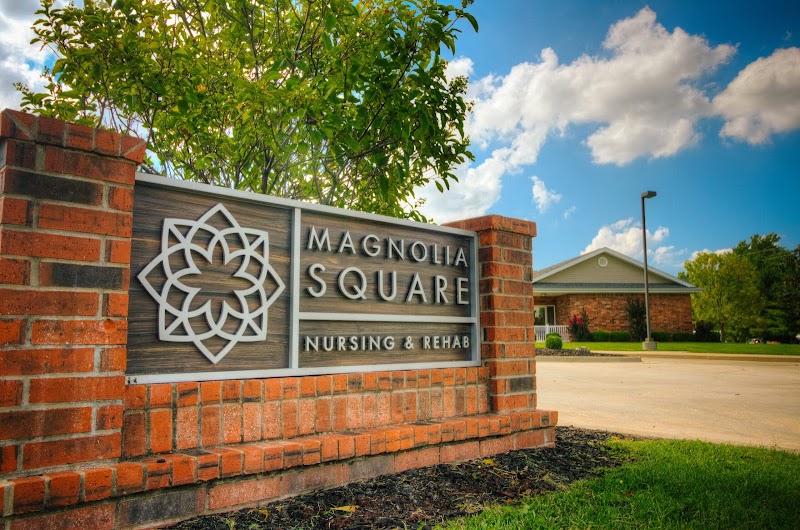
Who Owns and Operates Magnolia Square Nursing And Rehab?

MAGNOLIA SQUARE NURSING AND REHAB is owned by a for-profit company. For-profit facilities operate as businesses with obligations to shareholders or private owners. The facility is operated by ANTHONY & BRYAN ADAMS, a chain that manages multiple nursing homes. With 120 certified beds and approximately 94 residents (about 78% occupancy), it is a mid-sized facility located in SPRINGFIELD, Missouri.
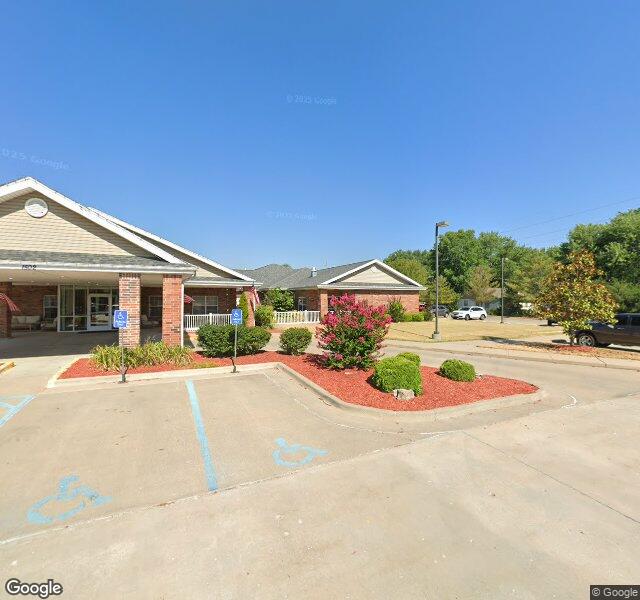
How Does Magnolia Square Nursing And Rehab Compare to Other Missouri Nursing Homes?

Compared to the 100 nursing homes in Missouri, MAGNOLIA SQUARE NURSING AND REHAB's overall rating (2 stars) is below the state average of 2.5, staff turnover (60%) is significantly higher than the state average of 46%, and health inspection rating (2 stars) is below the national benchmark.

What Should Families Ask When Visiting Magnolia Square Nursing And Rehab?

Based on this facility's data, families visiting should ask: "What changes have been made since the serious inspection findings, and how are you preventing similar issues?" "How do you ensure continuity of care given staff turnover, and what is your staff retention strategy?" "Can I visit during a mealtime to observe dining assistance and food quality?" "How do you handle medical emergencies, and what is your hospital transfer rate?" These questions are particularly relevant given the facility's Immediate Jeopardy citations and the facility's high staff turnover rate.

Is Magnolia Square Nursing And Rehab Safe?

Based on CMS inspection data, MAGNOLIA SQUARE NURSING AND REHAB has documented safety concerns. Inspectors have issued 1 Immediate Jeopardy citation (the most serious violation level indicating risk of serious injury or death). The facility has a 2-star overall rating and ranks #100 of 100 nursing homes in Missouri. Families considering this facility should ask detailed questions about what corrective actions have been taken since these incidents.

Do Nurses at Magnolia Square Nursing And Rehab Stick Around?

Staff turnover at MAGNOLIA SQUARE NURSING AND REHAB is high. At 60%, the facility is 14 percentage points above the Missouri average of 46%. High turnover means new staff may not know residents' individual needs, medications, or preferences. It can also be disorienting for residents, especially those with dementia who rely on familiar faces. Families should ask: What is causing the turnover? What retention programs are in place? How do you ensure care continuity during staff transitions?

Was Magnolia Square Nursing And Rehab Ever Fined?

MAGNOLIA SQUARE NURSING AND REHAB has been fined $21,530 across 1 penalty action. This is below the Missouri average of $33,294. While any fine indicates a compliance issue, fines under $50,000 are relatively common and typically reflect isolated problems that were subsequently corrected. Families should ask what specific issues led to these fines and confirm they've been resolved.

Is Magnolia Square Nursing And Rehab on Any Federal Watch List?

MAGNOLIA SQUARE NURSING AND REHAB is not on any federal watch list. The most significant is the Special Focus Facility (SFF) program, which identifies the bottom 1% of nursing homes nationally based on persistent, serious quality problems. Not being on this list means the facility has avoided the pattern of deficiencies that triggers enhanced federal oversight. This is a positive indicator, though families should still review the facility's inspection history directly.