MARANATHA VILLAGE, INC
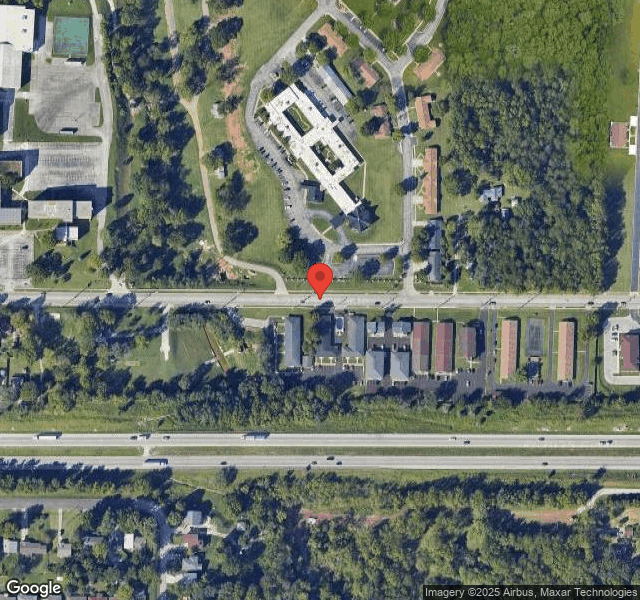
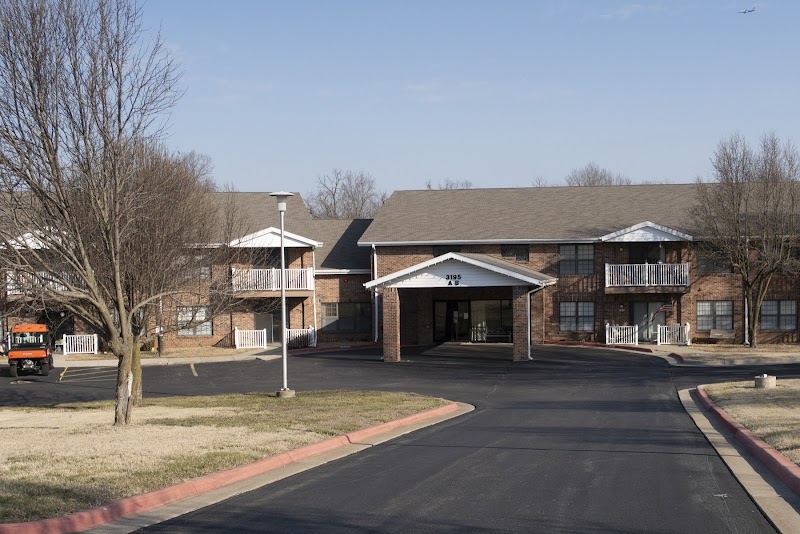
233 EAST NORTON ROAD, SPRINGFIELD, MO 65803 (417) 833-0016
Non profit - Corporation 120 Beds Independent Data: November 2025
Trust Grade
65/100
#97 of 479 in MO
Last Inspection: April 2024

Within standard 12-15 month inspection cycle. Federal law requires annual inspections.

Overview

Maranatha Village, Inc. has a Trust Grade of C+, indicating it's slightly above average but not outstanding. With a state rank of #97 out of 479 in Missouri, it sits in the top half of facilities, and it's #6 out of 21 in Greene County, meaning only five local options are better. The facility is improving, having reduced its issues from ten in 2024 to just one in 2025. Staffing is a strength, with a rating of 4 out of 5 stars and a turnover rate of 46%, which is below the state average, indicating that staff are more likely to stay and build relationships with residents. Notably, the facility has not incurred any fines, which is a positive sign. However, there have been some concerning incidents, such as a resident experiencing verbal abuse from another resident and staff failing to properly maintain hygiene protocols in the kitchen, as well as not effectively managing infection prevention measures for potential waterborne illnesses. Overall, while Maranatha Village has strengths, families should be aware of these weaknesses when considering care for their loved ones.

Trust Score
C+
65/100
In Missouri
#97/479
Top 20%
Safety Record
Moderate
Needs review
Inspections
Getting Better
10 → 1 violations
Staff Stability
⚠ Watch
46% turnover. Above average. Higher turnover means staff may not know residents' routines.
Penalties
✓ Good
No fines on record. Clean compliance history, better than most Missouri facilities.
Skilled Nurses
⚠ Watch
Each resident gets only 28 minutes of Registered Nurse (RN) attention daily — below average for Missouri. Fewer RN minutes means fewer trained eyes watching for problems.
Violations
⚠ Watch
28 deficiencies on record. Higher than average. Multiple issues found across inspections.
★★★★☆
4.0
Overall Rating
★★★★☆
4.0
Staff Levels
★★★★★
5.0
Care Quality
★★★☆☆
3.0
Inspection Score
Stable
2024: 10 issues
2025: 1 issues

The Good

  • 4-Star Staffing Rating · Above-average nurse staffing levels
  • 5-Star Quality Measures · Strong clinical quality outcomes
  • Full Sprinkler Coverage · Fire safety systems throughout facility
  • No fines on record

Facility shows strength in staffing levels, quality measures, fire safety.

The Bad

Staff Turnover: 46%

Near Missouri avg (46%)

Higher turnover may affect care consistency

The Ugly 28 deficiencies on record

1 actual harm
Jun 2025 1 deficiency
CONCERN (D) 📢 Someone Reported This

A family member, employee, or ombudsman was alarmed enough to file a formal complaint

Potential for Harm - no one hurt, but risky conditions existed

Quality of Care (Tag F0684)

Could have caused harm · This affected 1 resident

Based on observation, interview, and record review, the facility failed provide care per standards of practice to all residents when staff failed to document timely and complete assessments and monito...

Read full inspector narrative →
Based on observation, interview, and record review, the facility failed provide care per standards of practice to all residents when staff failed to document timely and complete assessments and monitoring, and failed to notify the physician in a timely fashion for one resident (Resident #1) after the reisdent fell and when the resident began having low blood oxygen readings. The facility census was 102 residents. Review of the facility's policy titled Change in Resident's Condition or Status, revised on 02/2021, showed the following: -The facility promptly notifies the resident, his/her attending physician, and the resident's representative of changes in the resident's medical/mental condition and or status; -The nurse will notify the resident's attending physician or on call physician when there is significant change in the resident's physical/emotional/mental condition, need to alter the resident's medical treatment; -The nurse will record in the resident's medical record information relative to the changes in medical/mental condition/status. Review of the facility's current policy, titled Oxygen Administration, showed the following: -Verify that there is a physician's order for this procedure or facility protocol for oxygen administration; -Before administering oxygen, and while the resident is receiving oxygen therapy, assess for signs of cyanosis (blue tone to the skin), signs or symptoms of hypoxia (lack of oxygen), vital signs, and lung sounds; -Document the date and time the oxygen procedure was performed, the name and title of person performing the procedure, rate of oxygen flow, route, rationale and frequency and duration of the treatment. Review of the facility's dyspnea/low oxygen saturation call book guidelines, showed the following: -Dyspnea (low oxygen) saturation of less than 90%, apply oxygen at 2 liters via nasal cannula and call the doctor; -What should not be written in the book, but instead called to the doctor, included changes in a resident's consciousness, falls which require immediate treatment, changes in breath sounds that require intervention, especially residents admitted with pneumonia, congestive heart failure, new crackles, wheezes, or rhonichi with decreased pulse oxygen or labored respirations. Abnormal vital signs that you would expect to be treated immediately. 1. Review of the Resident #1's face sheet (resident's information at a quick glance) showed the following: -admission date of 05/24/25; -Diagnoses included pulmonary hypertension (high pressure in the arteries of the lungs), chronic respiratory failure (lungs cannot adequately supply the body with oxygen), diabetes mellitus (commonly known as diabetes, is a chronic condition characterized by high blood sugar levels), heart failure (occurs with the heart can't pump enough blood to meet the body's needs), cerebral infarction (brain tissue is damaged due to lack of blood flow), and sleep apnea (person's breathing repeatedly stops). Review of the resident's May 2025 Physician's Order Sheet (POS) showed the following: -An active order to monitor and record vital signs two times per day. Staff to contact physician if oxygen saturation (measures the percentage of hemoglobin in your blood that is carrying oxygen) is below 90% (a normal oxygen saturation range is typically between 95% to 100%); -An active order to record on weights tab of chart each shift the vital signs and include liter flow of O2 (oxygen) if on supplemental oxygen; -Staff did not have an order for oxygen usage. Review of the resident's May 2025 Nurse's Notes showed the following: -On 05/30/25, at 4:50 A.M., the resident had dried blood on his/her lips and in his/her mouth. The resident reported that his/her mouth hurt. The nurse cleaned resident's mouth and could not see where blood was coming from. Staff will continue to monitor for bleeding; -On 05/30/25, at 4:11 P.M., nurse called to resident's bathroom and upon entering noted resident to be laying on his/her left side in front of the toilet with his/her head against the opposite door. Blood was noted to back of both hands from skin tears and hematoma (a closed wound where blood collects and fills a space inside the body )/knot was noted to the left top of his/her forehead. Resident stated he/she was trying to pull up his/her briefs and lost his/her balance. Staff completed head to toe assessment, obtained vitals, and started neuro checks. Resident was able to move all extremities without difficulty and voiced no new pain. Resident was brought to nurses' station for better monitoring and ice pack applied to forehead. Nurse notified nurse practitioner. Blood pressure noted as 115/52 millimeters of Mercy (mmHg) (normal blood pressure is 120/80 mmHg); -On 05/31/25, at 12:54 A.M., resident was alert and able to make needs known, required extensive assist of one person with activities of daily living (ADLs) and transfers. Respirations even and unlabored. Resident had no complaints of shortness of breath or cough and no complaints of pain or discomfort. -Staff did not document any additional nurses notes regarding the fall or follow-up monitoring for May 2025. Review of the resident's vital signs recorded in the electronic medical record showed the following: -On 05/31/25, at 8:31 A.M., the resident's oxygen saturation level was 72% on room air; -On 05/31/25, at 6:33 P.M., the resident's oxygen saturation level was 95% on room air; -Staff did not document any additional vitals. Review of the nurse's daily nursing assessments showed the following: -On 05/30/25, at 2:20 P.M., staff noted no concerns with lung sounds; -On 05/31/25, at 2:18 P.M., Licensed Practical Nurse (LPN) B documented abnormal lung sounds with oxygen saturation in the 80's on 3 liters of oxygen via nasal cannula (device used to deliver supplemental oxygen). Review of the resident's medical record showed staff did not document physician notification of the resident's change in condition, reduced oxygen levels, or the need for an order for oxygen usage. Review of the resident's June 2025 Nurses' Notes showed the following: -On 06/01/25, at 12:39 A.M., LPN F obtained the resident's oxygen saturation and found it to be 73%. Oxygen was in place. LPN F increased the oxygen per protocol. Oxygen saturation continued to decrease to 43%. Resident's fingertips appeared to have a bluish hue. Saturation continued to be 43% to 51% and resident appeared to have some confusion. Resident thought he/she lived in Lebanon, Missouri and thought he/she was late for a wedding. LPN F called the physician and new orders received to send the resident to hospital for evaluation and treatment; -On 06/02/25, at 3:30 P.M., the Assistant Director of Nursing (ADON) called the hospital for an update and was told the resident was in intensive care unit with a gastrointestinal (GI) bleed. During an interview on 06/03/25, at 10:47 A.M., Certified Nurse Aide (CNA) A said the following: -When a resident has a fall or change in condition, he/she tells the nurse; -The nurse does an assessment and asks about pain and takes the resident's vitals; -If it's a fall, staff try to figure out why the fall occurred; -He/she knew the resident had a fall but wasn't present when the fall happened; -He/she did work the day after the resident fell, on 05/31/25, and he/she noticed the resident had a blue tone to his/her fingers and his/her oxygen was low. He/she did not notice a change in the resident's cognition as the resident was able to tell what he/she needed. During interviews on 06/03/25, at 10:51 A.M. and 2:30 P.M., LPN B said the following: -When a resident falls or has a change in condition, he/she completes a head to toe assessment. If the fall is unwitnessed, neuro checks are completed and the doctor and family are notified; -He/she worked on 05/31/25 the day shift. The resident was around the nurses' station and he/she had a goose egg on his/her head, but did not have any complaints of pain; -Neuro checks were being completed and vitals were okay; -He/she could not get a reading on the resident's oxygen saturation; -He/she put oxygen on the resident. He/she thought the resident had an order as the resident had sleep apena; -Seemed like the resident began having problems on Sunday (06/01/25); -He/she was aware the resident's oxygen saturation was documented at 72% on 05/31/25 at 8:31 A.M. He/she put oxygen on the resident; -He/she did offer for the resident to go to the hospital and sent the physician a message that morning. He/she did not remember if he/she documented sending the message in the record; -When a resident has low oxygen saturation, they have a standing order to put on oxygen; -He/she said there are parameters to follow on when oxygen should be placed on a resident, but he/she doesn't know them off hand. During interviews on 06/03/25, at 10: 57 A.M. and 2:20 P.M., Certified Medical Technician (CMT) C said the following: -If there is a change in condition or falls, he/she gets the nurse; -Nurses do assessment, vitals, and neurochecks; -When he/she came in on 05/31/25, the resident had a knot and discoloration on his/her head; -There were some issues with the resident's oxygen saturation. He/she did check the resident's vitals on 05/31/25, at 8:31 A.M., and the oxygen saturation was 72% and the resident's fingertips were cold and a bluish color. He/she told LPN B; -LPN B put the resident on oxygen; -They were to monitor through the day and it became increasingly difficult to get a reading for the oxygen. He/she did not recall getting another reading that day and the only one they documented was the first one; -He/she checked the pulse oximeter (device used to measure oxygen saturation), to make sure it was functioning and it was fine; -Normal oxygen saturation levels are 90 to 100% and anything below 90% is too low; -Each time he/she tried to get the oxygen saturation reading, and he/she couldn't, he/she would let LPN B know. He/she worked until 3:00 P.M. and he/she did not get another reading. He/she wasn't sure how many times he/she attempted. During an interview on 06/03/25, at 1:33 P.M., CNA D said the following: -He/she was told to keep an eye on the resident after the fall happened; -He/she worked the night shift on 05/31/25 and he/she noticed the resident having confusion and he/she was normally alert an oriented; -On 05/31/25, when coming to work, LPN E was telling LPN F to be aware of the resident's oxygen is going up and down; -LPN F was upset because there was nothing charted in the record about the oxygen saturation and what had been done for the resident; -He/she didn't recall if the resident normally wore oxygen but thought he/she might have been wearing oxygen when he/she saw the resident; -On 05/31/25, around 10:30 P.M., he/she went to the resident's room, and the resident was in a nightgown, and had another one in his/her hand and said can you help me I need to go to a wedding; -LPN F took the resident's vitals and the oxygen saturation and he/she believed it was around 50%, and they were having difficulties even getting a reading; -LPN F immediately called the doctor. -He/she did remember the resident's fingers being blue. During an interview on 06/03/25, at 1:47 P.M., LPN E said the following: -He/she worked worked the evening shift on 05/30/25 and 05/31/25; -The resident was a one person assist and shouldn't walk alone; -When falls or change in conditions occur, monitoring, neuro checks, and vital sign sheets are completed; -The resident was fine on 05/30/25; -On 05/31/25, he/she noticed the resident's oxygen level was dropping and his/her fingers turned a different color. He/she put oxygen on the resident and the resident had some confusion; -When he/she put the oxygen on the resident, the oxygen saturation went back up; -He/she didn't recall the oxygen saturation levels, or if they were documented, but they do check vitals each shift; -The resident came from the hospital with oxygen and had an order to wear as needed; -He/she noticed the resident's fingers were blue on Saturday (05/31/25); -On 05/31/25, before his/she left, the resident wasn't ready for bed; -He/she passed on to the next shift nurse to monitor the resident due to the fluctuating oxygen level; -The resident's vitals were good at dinnertime and around 9:00 P.M. he/she noticed the resident's fingers were blue; -Vitals are documented in the record and neuro checks on a sheet; -LPN B said the resident was having oxygen issues and he/she would put on the oxygen and the levels would go back up; -He/she didn't notify the doctor because the oxygen levels would go back up; -He/she doesn't know if LPN B notified the doctor but he/she believes LPN B probably did. He/she didn't know if there was a response from the doctor; -When a resident had low oxygen saturation, if not within parameters, which he/she believed was 85%, staff were supposed to put on oxygen and call the doctor; -The resident's lungs were clear, he/she checked the resident's blood sugar and it was fine, and the resident didn't seem to have any cognitive issues. -He/she did notice the resident's fingers were bluish and cold. During an interview on 06/03/25, at 2:55 P.M., LPN G said the following: -When a resident had a change in condition the nurse did a head to toe assessment and started the 72 hour monitoring; -If a resident had an oxygen saturation of 72%, the resident would be put on oxygen immediately and the doctor would be notified; -Anytime the doctor was notified it was documented in the resident's electronic medical record. During an interview on 06/05/25, at 7:30 A.M., LPN F said the following: -He/she did work on 05/31/25, the overnight shift, and received report from LPN E saying the resident had battled low oxygen levels through the day and he/she was told to monitor; -He/she checked the resident's oxygen saturation and from what he/she remembered, it was around 53%. He/she tried a few different fingers as it was so low and the resident's fingers were cold and had a blue hue; -He/she put the pulse ox on his/herself and it read 96%; -The resident was wearing oxygen and it was set on 1 liter, so he/she increased it per protocol to 2 liters. He/she took the oxygen saturation again and it decreased to 43%; -He/she called the doctor and the doctor couldn't believe it was that low and asked they test it with another pulse ox but it ready the same; -He/she was directed to send the resident to the hospital -He/she was not told anyone called the doctor about the resident's condition; -He/she could not find any documentation on monitoring or what had been going on with the resident; -They have parameters for oxygen saturation and if it's below 90% staff put on oxygen and call the doctor as it could be a life threatening condition; -The resident did not refuse to go to the hospital. During an interview on 06/03/25, at 2:30 P.M., the Assistant Director of Nursing (ADON) said the following: -If a resident had an unwitnessed fall, staff were to do neuro checks, fall incident report, notify the family and provider. If witnessed without head strike 72 hour fall monitoring and document for three days; -If a resident has low oxygen saturation, staff would apply oxygen and call the doctor; -He/she didn't believe the resident had an order for oxygen and they have a standing order from their medical director; -He/she wasn't notified of the resident's low oxygen saturation; -The facility has parameters and if the oxygen saturation is lower than 90%, the staff are to call the doctor; -Oxygen level of 72% is too low and he/she would expect the staff to place the resident on oxygen and call the doctor; -Staff would document in the resident's record when they called the doctor, any conversations they had, and the orders given by the doctor; -He/she assumed if the physician would have been notified about the 72% oxygen saturation the doctor would have sent the resident to the hospital. During an interview on 06/03/25, at 3:04 P.M., the Physician said the following: -If a resident has an O2 of 72%, he/she would expect staff to start oxygen and call the doctor; -He/she looked at the resident's chart and did recall seeing the resident one time and noted the resident to currently be in the hospital; -He/she said staff do call him/her in most situations, but he/she doesn't have a recollection of whether staff called him/her; -Low oxygen saturation could be related to a GI bleed. MO00255086
Dec 2024 1 deficiency
CONCERN (D) 📢 Someone Reported This

A family member, employee, or ombudsman was alarmed enough to file a formal complaint

Potential for Harm - no one hurt, but risky conditions existed

Transfer Requirements (Tag F0622)

Could have caused harm · This affected 1 resident

Based on interview and record review, the facility failed to ensure documentation was present in the medical record to support any discharge when staff failed to document to the resident's medical rec...

Read full inspector narrative →
Based on interview and record review, the facility failed to ensure documentation was present in the medical record to support any discharge when staff failed to document to the resident's medical records the specific needs the facility could not meet, the attempts the facility made to meet those needs, and the services available at the receiving facility to meet the need, including documentation from the physician, for one resident (Resident #1) who was issued a facility initiated discharge notice. The facility's census was 87. Review of a facility policy titled Transfer or Discharge, Facility-Initiated, revised October 2022, showed the following: -Once admitted to the facility, residents have the right to remain in the facility; -Facility-initiated discharges must meet specific criteria and require resident/representative notification and orientation, and documentation as specified in this policy; -A resident will not be discharged unless the discharge is necessary for the resident's welfare and the resident's needs cannot be met in facility; -A resident's declination of treatment is not grounds for discharge, unless the facility is unable to meet the needs of the resident; -The facility will document that the resident received information regarding the risks of refusal of treatment and staff conducted the appropriate assessment to determine if care plan revisions would allow the facility to meet the needs of the resident; -The attending physician should document the basis for the transfer or discharge in the resident clinical record if the resident is discharged due to the resident's welfare and the resident's needs cannot be met in the facility. 1. Review of Resident #1' s face sheet (document that gives resident's information at a quick glance) showed the following: -admission date of 09/07/22; -Resident was his/her own responsible party; -Diagnoses included chronic obstructive pulmonary disease (COPD - condition causing constriction of the airways making it difficult to breathe), congestive heart failure (CHF - condition in which heart does not pump blood as well as it should), anxiety disorder, and chronic kidney disease (disease characterized by progressive damage and loss of function in the kidneys). Review of the resident's care plan, revised 10/08/24, showed the following: -Resident required one staff assistance for activities of daily living (ADL- dressing, grooming, bathing, eating, and toileting); -Resident had a need to be heard and used negative and untrue statements to seek attention; -Resident had potential to demonstrate frustration and anger directed towards staff and family with ineffective coping skills. (Staff did not care plan regarding noncompliance with medical care or orders.) Review of the resident's quarterly Minimum Data Set (MDS - a federally mandated instrument required to be completed by facility staff), dated 10/08/24, showed the following: -Cognitively intact; -Resident had delusions; -Resident had verbal behaviors directed at others four to six days a week; -Resident rejected evaluation and care (e.g., blood work, taking medications, ADL assistance) four to six days a week; -Used a walker or wheelchair for mobility; -Required assistance of one staff with showering, dressing, and ADL's; -Independent with transfers and mobility. Review of the resident's notification of transfer or discharge, dated 11/18/24, showed the following: -Facility notified the resident of intent to transfer or discharge for the following reason: facility is unable to meet the needs of the resident's welfare due to resident not maintaining a physician with 24-hour coverage, refusal of medications, and disrespect of care provided by staff and physician; -The effective date of transfer or discharge: within 30 days or as of December 30, 2024; -The name and address to a facility which had available beds was documented. Review of the resident's electronic medical record showed staff did not have documentation by the resident's physician regarding what needs the facility could not meet, what the facility had attempted to meet those needs, and what the accepting facility could do different to meet the resident's needs. Review of the resident's progress notes showed staff did not have documentation of the facility being unable to meet the resident's needs. During interviews on 12/03/24, at 10:17 A.M. and 12:26 P.M., the resident said the following: -He/she thinks the facility is trying to get rid of him/her; -The facility gave him/her three eviction letters; -His/her physician is not available 24 hours a day and the Administrator said he/she needs an in-house physician; -He/she planned to appeal the discharge. During an interview on 12/03/24,at 1:44 P.M., the Director of Nursing (DON) said the following: -The Administrator issued facility-initiated discharges; -Staff discussed resident in stand-up meetings and staff have tried to resolve the problem with the resident and family; -He/she discussed 24-hour physician coverage with resident and resident will use emergency medical services after hours if needed. During an interview on 12/03/24, at 2:16 P.M., the Physician Assistant said he/she worked with the Medical Director and is in the facility two to three days a week. He/she no longer sees resident due to resident aggressiveness and refusing care. Resident told the facility he wanted another provider. During an interview on 12/03/24, at 2:21 P.M., the Medical Director said the nurse reported the resident fired him/her. The resident had no physician to contact after hours. The facility was discharging resident due to noncompliance. During an interview on 12/03/24, at 3:58 P.M., the Administrator said the following: -The resident refused to meet the requirement for physician available 24 hours a day; -Resident's current physician does not provide 24-hour care; -Facility staff have explained physician requirement with resident; -The resident has fired the medical director and refused to follow physician orders; -All information related to refusal of care should be documented in chart; -He/she called local hospitals to see if a physician would be available to assist with 24-hour coverage for resident, but none are available. MO00245803
Aug 2024 1 deficiency
CONCERN (D) 📢 Someone Reported This

A family member, employee, or ombudsman was alarmed enough to file a formal complaint

Potential for Harm - no one hurt, but risky conditions existed

Resident Rights (Tag F0550)

Could have caused harm · This affected 1 resident

Based on record review and interview, the facility failed to ensure staff treated all residents in a dignified fashion when one staff member (Licensed Practical Nurse (LPN) B) made rude and degrading ...

Read full inspector narrative →
Based on record review and interview, the facility failed to ensure staff treated all residents in a dignified fashion when one staff member (Licensed Practical Nurse (LPN) B) made rude and degrading comments during a procedure to replace an indwelling (Foley) catheter (sterile tube inserted to drain the bladder) for one resident (Resident #1). A sample of eight residents with catheters was reviewed. The facility census was 94. Review of the facility policy entitled Resident Rights, revised February 2021, showed the following: -Employees shall treat all residents with kindness, respect, and dignity; -All residents of the facility have the right to a dignified existence; -Orientation and in-service training programs are conducted quarterly to assist employees in understanding the residents' rights. Review of the facility policy entitled Dignity, revised February 2021, showed the following: -Each resident shall be cared for in a manner that promotes and enhances his or her sense of well-being, level of satisfaction with life, and feelings of self-worth and self-esteem; -Residents are treated with dignity and respect at all times; -Staff speak respectfully to residents at all times; -Demeaning practices and standards of care that compromise dignity are prohibited. Staff are expected to promote dignity and assist residents. 1. Review of Resident #1's face sheet (gives basic resident profile information) showed the following: -admission date of 12/12/22; -Diagnoses included mini-stroke and stroke with dominant sided weakness, chronic pain, major depressive disorder, hydronephrosis with renal and ureteral calculous obstruction (back up of urine from bladder to the kidney due to abnormal vessel structure), flaccid neuropathic bladder (dysfunction of the bladder muscles), retention of urine, history of urinary tract infection (UTI), kidney inflammation, pain in right knee, contracture of muscle, osteoarthritis, and adjustment disorder with mixed anxiety and depressed mood. Review of the resident's quarterly Minimum Data Set (MDS - a federally mandated assessment instrument completed by facility staff), dated 07/31/24, showed the following: -Hearing adequate with no difficulty in normal conversation; -Cognition intact; -Indwelling catheter; -Functional impairment of upper and lower extremity, one side. Review of the resident's Physician Order Sheet (POS), current as of 08/29/24, showed the following: -An order, dated 12/15/22, for catheter care daily on every shift; -An order, dated 02/10/24, for may change Foley catheter as needed for accidental removal, displacement or obstruction with 18 French (size) catheter instilled with 10 cubic centiliters (cc) balloon. Staff to document in progress note the reason for as needed change, how procedure was tolerated, and any output; -An order, dated 04/27/24, for Foley catheter change every month and as needed on the 28th day of every month related to flaccid neuropathic bladder. Staff to put in progress note when Foley catheter is changed. Review of the resident's care plan, last updated 07/29/24, showed indwelling catheter related to diagnosis of flaccid neuropathic bladder. Staff to assess and monitor for signs/symptoms of potential UTI. Review the resident's nurse's note dated 07/30/24, at 7:31 A.M., showed staff documented they discontinued (removed) Foley after deflating the balloon. Staff cleaned area and instilled new #18 Foley with sterile technique and placed 10 cc sterile water in balloon, attached (leg) stabilizer, and received return of yellow urine. During an interview on 08/29/24, at 8:48 A.M., the Director of Nursing (DON) said on 07/30/24, at around 8:00 A.M., an aide reported that Licensed Practical Nurse (LPN) B had spoken inappropriately to the resident during catheter insertion a short time before, making comments about the resident having to spread his/her legs for sex with his/her spouse. The DON said the witnessed interaction during the catheter procedure was very rude and undignified for the resident. Review of a written statement by Certified Nursing Assistant (CNA) A, signed and dated 07/30/24, showed the following: -At 7:15 A.M., CNA A was asked by the overnight nurse to assist with a catheter change; -As the nurse was trying to insert the catheter, the resident kept tensing up. The nurse made remarks to resident that included Haven't you had sex before? You had to relax for your spouse to get in there; -Then after the resident still didn't relax, the nurse threw resident's leg over his/her (the nurse's) head and then told the resident if he/she broke his/her neck, he/she was going to jail. During an interview on 08/29/24, at 2:35 P.M., CNA A verified his/her written statement. CNA A added that LPN B didn't use lubricant, at least at first, for the catheter insertion, because he/she forgot to bring any in with him/her. During the procedure, the resident emitted a high pitched whining, which he/she does when tense or anxious. He/she reported the rude and inappropriate comments and behavior to management. Review of a written statement by CNA D, signed and dated 07/30/24, showed the following: -CNA D entered the resident's room to help his/her hall partner and the overnight nurse with the catheter; -CNA D witnessed the overnight nurse saying it would not bother him/her if the resident stayed wet. The nurse was upset because he/she could not find the right placement for the catheter; -The nurse lifted the resident's leg over the nurse's head and told the resident that if his/her leg broke the nurse's neck the resident would go to jail; -The overnight nurse also stated that the catheter was in as far as he/she could put it in, and it either worked or not, and left the room. During an interview on 08/30/24, at 10:22 A.M., CNA D verified his/her written statement. CNA D said LPN B didn't use any lubricant for the catheter insertion at first, because he/she forgot to bring it into the room. The LPN said, I'm just going in dry. LPN B was out of sorts and was rude to the resident regarding the resident's paralysis and stiff legs. The LPN put the resident's leg over his/her own head and said, If you break my neck, you'll go to jail. CNA D said the resident tried to pull away during the procedure. After they exited the room, CNA A told CNA D about the LPN's sexual comments to the resident. CNA D had heard LPN B say to other staff that residents should be able to bend and open their legs if they've ever had sex before. CNA D said the whole procedure was very rude and undignified for the resident. During an interview on 08/30/24, at 10:00 A.M., LPN C said staff should speak politely to residents, using softer tones and respectful language. The LPN said it would not be appropriate to refer to sexual positions while completing catheter care. During an interview on 08/30/24, beginning at 11:23 A.M., the DON and the Administrator's Executive Assistant both said staff should not use inappropriate comments when speaking to or in front of a resident. They said the witnessed comments made by LPN B were very rude and disrespectful to the resident. MO00241200 MO00241175
Apr 2024 8 deficiencies
CONCERN (D)

Potential for Harm - no one hurt, but risky conditions existed

Resident Rights (Tag F0550)

Could have caused harm · This affected 1 resident

Based on observation, interviews, and record review, the facility failed to protect the dignity of all residents when the facility failed to respect one resident's (Resident #50) preference to help wi...

Read full inspector narrative →
Based on observation, interviews, and record review, the facility failed to protect the dignity of all residents when the facility failed to respect one resident's (Resident #50) preference to help with nighttime care and when staff failed to protect one resident's (Resident #39) health information from public viewing. A sample of 33 residents was reviewed in a home with a census of 85. Review of the facility's policy titled, Dignity, dated 02/21, showed the following: -Each resident shall be cared for in a manner that promotes and enhances his or her sense of well-being, level of satisfaction with life, and feelings of self-worth and self-esteem; -Residents are treated with dignity, and respect at all times; -The facility culture supports dignity and respect for residents by honoring resident goals, choices, preferences, values, and beliefs. This begins with the initial admission and continues throughout the resident's facility stay; -Staff protect confidential clinical information. The resident's clinical status or care needs are not openly posted in the resident's room unless specifically requested by the resident or family member. Discreet posting of important clinical information for safety reasons is permissible. 1. Review of Resident #50's Face Sheet located in the electronic medical record (EMR) under the Clinical tab, showed the following: -readmission date of 01/30/24; -Diagnoses included monoplegia (paralysis limited to a single limb) of upper limb following cerebral infarction (stroke) affecting left side and other sequelae (condition which is the consequence of a previous disease or injury) of cerebral infarction. Review of the resident's significant change Minimum Data Set (MDS - a federally mandated assessment tool completed by facility staff) with an Assessment Reference date of 02/01/24, located in the EMR under the RAI tab, showed the resident was cognitively intact. During an observation and interview on 04/16/24, at 11:00 AM, the resident said the night Certified Nurse Aide (CNA) #3 is uncouth, treats the resident in an undignified manner when changing the resident's brief at night. The resident said CNA #3 barges in and yells at the resident to roll over. The resident said he/she didn't like that the CNA rolled him/her so close to the bed. The resident feels like he/she is going to fall when that happens. The resident has asked CNA #3 not to do that and he/she does it anyway. The resident became teary in the interview and said, CNA #3 just doesn't like me. During an interview on 04/17/24, at 7:40 P.M., the resident's Family Member (FM) #1 confirmed the resident's comments stating, I'm surprised he/she told you about this. He/she is a very good reason and will not complain as that is not his/her belief. FM #1 said he/she can always tell when CNA #3 has taken care of the resident. The resident is very upset and says he/she hasn't slept all night and feels like he/she is going to fall off the bed. FM #1 does not like to see the resident upset. FM #1 said he/she was going to bring up the concern at the next care conference in May. He/she and the resident had brought up the concern to the nursing staff, but could not remember who as it had been going on for a while. During an interview on 04/18/24, at 10:39 A.M., the Administrator and the Director of Nurses (DON) said they did not have knowledge of the concern. During an interview on 04/18/24, at 10:50 P.M., CNA #3 said he/he worked on the night shift on the 100 hall and would answer a call light on the 200 hall if the other CNAs were busy. CNA #3 confirmed that he/she had cared for the resident many times and that the resident will say don't roll me too close to the edge and I tell him I'm right here, I won't let you fall. CNA #3 denied providing care to the resident in another way to help alleviate his/her fear of falling off the bed. During an interview on 04/18/24, at 6:02 P.M., the DON said the resident did not want CNA #3 to care for him/her any longer, even if he/she was retrained. During an interview on 04/19/24, at 10:50 A.M., the resident said CNA #3 only wanted to do it his/her way and not allow the resident to help with lifting him/herself up. 2. Review of Resident #39's Profile located in the EMR under the Clinical tab, showed the following: -admission date of 03/22/22; -Diagnoses included acute and chronic respiratory failure with hypoxia (low levels of oxygen in body tissues), acute and chronic respiratory failure with hypercapnia (high levels of carbon dioxide in the blood), and acute kidney failure; -The resident was placed on Hospice care on 03/18/24. Review of the resident's significant change MDS with an ARD of 03/26/24, showed the resident was severely cognitively impaired. Observations of the resident's room on 04/16/24, at 10:47 A.M., 04/18/24, at 10:20 A.M., and on 04/18/24, at 3:00 P.M., showed a sign on the outside of the door that read 1800 fluid restriction. The sign was visible to other residents, staff, and visitors utilizing the hallway where the resident resided. During an interview on 04/18/24, at 9:03 A.M., in reference to the fluid restriction sign on the door, the resident said, I don't know what it means, no one's told me, I don't ask. During an interview on 04/18/24 at 10:25 A.M., with the unit charge nurse Licensed Practical Nurse (LPN) #5 confirmed that the sign, 1800 fluid restriction, was on the outside of the resident's door. LPN #5 said that's a HIPPA (Health Insurance Portability and Accountability Act of 1996) violation and maybe the MDS Coordinator put the sign up. During an interview on 04/18/24, at 10:36 A.M., the MDS Coordinator (MDSC) #1 said, It shouldn't be on the outside of the door.
CONCERN (D)

Potential for Harm - no one hurt, but risky conditions existed

Respiratory Care (Tag F0695)

Could have caused harm · This affected 1 resident

Based on observations, interviews, and record reviews, the facility failed provide respiratory care per standards of practice when staff did not have physician orders for oxygen usage for two resident...

Read full inspector narrative →
Based on observations, interviews, and record reviews, the facility failed provide respiratory care per standards of practice when staff did not have physician orders for oxygen usage for two residents (Residents #37 and #9). A sample of residents was reviewed in a facility with a census of 85. Review of the facility's policy titled, Oxygen Administration, dated October 2010, showed the following: -The purpose of this procedure is to provide guidelines for safe oxygen administration; -Verify there is a physician's order for this procedure; -Review the physician's order or facility protocol for oxygen administration. 1. Review of Resident 37's admission Record located in the Profile tab of the EMR, showed the following: -admission date of 01/23/24; -Diagnoses included of pleural effusion (the buildup of excess fluid between the layers of the pleura outside the lungs), unspecified fibrillation (a heart condition that causes an irregular and often abnormally fast heart rate), heart disease and hypertension (high blood pressure). Review of the resident's quarterly Minimum Data Set (MDS - a federally mandated assessed tool completed by facility staff) located in the MDS tab of the EMR with an ARD of 03/13/24, showed the resident was cognitively intact. Review of the resident's doctor's orders located in the EMR under the Orders tab, showed no order for oxygen usage. Review of the resident's nurse's progress note, dated 04/16/24 and located in the EMR under the Progress Notes tab, showed resident observed asleep wearing oxygen via nasal cannula at two LPM (liters per minute). Review of the resident's nurse's progress note, dated 04/11/24 and located in the EMR under the Progress Notes tab, showed resident observed asleep wearing oxygen via nasal cannula at two LPM. Review of the resident's nurse's progress note, dated 03/31/24 and located in the EMR under the Progress Notes tab, showed the resident was put on two liters oxygen and his/her pulse ox (blood oxygen level) went up to 94% on two liters. 2. Review of Resident #9's admission Record located in the EMR under the Profile tab, showed a readmission date of 01/08/24. Review of the resident's Medical Diagnosis located in the EMR under the Diagnosis tab, showed diagnoses included acute and chronic respiratory failure with hypoxia and heart disease. Review of the resident's Care Plan, provided by the facility and dated 04/15/24, did not include the use of oxygen. Review of the resident's significant change MDS located in the EMR under the MDS tab, with an ARD of 01/15/24, showed it did not include the use of oxygen. During an observation and interview on 04/16/24, at 7:45 A.M., Registered Nurse (RN) 1 confirmed that the resident was receiving oxygen at two LPM via nasal cannula while lying in bed. During an observation on 04/17/24, at 9:30 A.M., the resident was sitting up in a chair in her bedroom, receiving two LPM oxygen via nasal cannula. Review of the resident's Order Details, provided by the facility and dated 11/23/23, showed oxygen via nasal cannula at two liters per minute to keep oxygen saturation greater than 90. The order was started on 11/23/23 and discontinued 12/04/23. Review of the resident's hospital History and Physicals, dated 12/28/23, located in the EMR under the Miscellaneous tab, showed supplemental oxygen to maintain sats (oxygen saturation level) of 88% to 92%. Resident currently on home dose oxygen at two liters per nasal cannula. Review of the resident's document titled, Visit-Routine, dated 03/07/24, located in the EMR under the Miscellaneous tab, showed the resident was on room air. No other physician progress notes were available for review after 03/07/24. During an interview on 04/18/24, at 3:32 P.M., the Minimum Data Set Coordinator (MDSC) 1 confirmed that the resident was on intermittent oxygen without an order. All oxygen administration should have a physician's order. During an interview on 04/19/24, at 9:09 A.M., Hospice Registered Nurse (RN) 2 said the resident required oxygen at two LPM off and on since the resident had been on hospice services (01/08/24). During an interview on 04/19/24, at 7:22 P.M., the Director of Nursing (DON) confirmed the resident had been receiving oxygen without a physician's order. The DON said that she was not aware that multiple residents were receiving oxygen without a current physician's order. All residents requiring oxygen should have had a physician's order prior to oxygen administration. During an interview on 04/22/24, at 9:39 A.M., Hospice RN2 clarified that the resident did not have orders on file for oxygen administration with hospice, but there should have been. The resident had required oxygen as needed. Recently the resident had been requiring oxygen more often than in the past. During an interview on 04/22/24, at 9:00 A.M., the resident's Family Member (FM) 2 confirmed that the resident received oxygen as needed and recently had been requiring oxygen more often than in the past. 3. During an interview on 04/18/24, at 1:31 P.M., the Administrator said the nursing staff followed policies and federal guidelines when providing any medical services. No services should have been provided without a doctor's order. 4. During an interview on 04/19/24, at 5:55 P.M., the Infection Preventionist, (IP) said several residents received oxygen without a doctor's order. No resident should have received oxygen or any treatments without a physician's order.
CONCERN (D)

Potential for Harm - no one hurt, but risky conditions existed

Deficiency F0806 (Tag F0806)

Could have caused harm · This affected 1 resident

Based on observation, interview, and record review, the facility failed to accommodate one resident's (Resident #88) known dietary preferences. A sample of 33 residents were reviewed in a home with a ...

Read full inspector narrative →
Based on observation, interview, and record review, the facility failed to accommodate one resident's (Resident #88) known dietary preferences. A sample of 33 residents were reviewed in a home with a census of 85. Review of the facility's policy titled, Resident Food Preferences, revised July 2017, showed the following: -Individual food preferences will be assessed upon admission and communicated to the interdisciplinary team; -Upon the resident's admission (or within twenty-four (24) hours after his/her admission) the dietitian or nursing staff will identify a resident's food preferences; -The food services department will offer a variety of foods at each scheduled meal, as well as access to nourishing snacks throughout the day and night. 1. Review of Resident #88's admission Record from the electronic medical record (EMR) Profile tab showed an admission date of 03/25/24. Review of the resident's admission Minimum Data Set (MDS - a federally mandated assessment tool completed by facility staff ) with an Assessment Reference Date (ARD) of 04/02/24, showed the following: -Diagnoses included debility, coronary artery disease, heart failure, and diabetes; -Resident was cognitively intact. Review of the resident's EMR Progress Notes tab showed a dietary note dated 03/25/24, at 10:01 P.M., that showed the following: -Resident receives a regular/regular/thin diet with no adaptive equipment and sugar free house shakes at all meals; -No reported allergies and no trouble with chewing or swallowing have been noted; -Care plan has been initiated with preferences will be learned and put on tray card ticket; -No admit weight] or height at this time; -Registered Dietitian (RD) is available for any nutritional concerns; -Dietary to remain available for any preference or nutritional changes. Review of the resident's Admitting Nutritional Assessment, completed on 04/03/24 by an RD, did not show any food preferences. During an observation on 04/17/24, at 3:00 P.M., the resident's midday meal tray contained breaded fish filet with approximately three fork mark bites removed from the filet, all but one floret of the broccoli was consumed, three hush puppies, an untouched house supplement shake, an untouched coffee cup, and an untouched cup of juice, and an untouched dessert cup of fruit cobbler. Review of the resident's tray card for the meal showed at the bottom of the page (in all capital letters) NO BREADS OR DESSERTS. During an observation and interview on 04/16/24, at 3:38 P.M., the resident said he/she had been there for about three weeks. The food is delicious, except I'm a diabetic. They serve high carb diet. I've talked to the kitchen about many things, and you can request something else, sometimes you get it. The resident's midday meal tray remained on the over bed table and a large serving of the dessert strawberry lasagna was untouched. During an interview on 04/18/24, at 1:40 P.M., the resident said he/she requested meat loaf, a side salad, and tomato juice on the side and he/she didn't get it. The resident's midday meal tray was observed to have meat loaf, mashed potatoes, green beans, an untouched nutrition shake, and cheesecake dessert. The resident said the nutrition shake was too sweet. During an interview on 04/18/24, at 2:05 P.M., the Dietary Manager (DM) provided the menus. The DM said he/she spoke with resident last week and the resident said things were fine, but the resident is very picky about what he/she eats. When asked if the nutrition shake was diabetic, the DM confirmed it was not. The DM said the resident's card states no bread or desserts. The DM showed the order sheet on the clip board that was used to record resident diet choices for the midday meal. The order sheet showed the resident's request for meat loaf, side salad, and tomato juice. During an interview on 04/18/24, at 4:37 P.M., the DM said the dietary aide that completed the lunch trays the past few days got in a hurry and admitted to the DM that he/she didn't read the card. The DM continued. During an interview on 04/19/24, at 6:30 P.M., the Director of Nursing (DON) said the expectation regarding food preferences was for staff to offer what is on the menu and if there is an alternate, the resident has the right to choose it. If a choice is made, the DON would expect that the resident to get it.
CONCERN (D)

Potential for Harm - no one hurt, but risky conditions existed

Deficiency F0883 (Tag F0883)

Could have caused harm · This affected 1 resident

Based on record review and interviews, the facility failed to provide the pneumococcal vaccine as ordered for two residents (Resident #43 and #75) of the seven residents reviewed for immunization out ...

Read full inspector narrative →
Based on record review and interviews, the facility failed to provide the pneumococcal vaccine as ordered for two residents (Resident #43 and #75) of the seven residents reviewed for immunization out of 33 sampled residents. The facility census was 85. Review of the facility's policy titled, Pneumonia Vaccine, revised March 2022, showed the policy did not address the procedure of who should administer the vaccine when ordered and arrived at the facility. 1. Review of Resident #43's Medication Administration Record (MAR), dated November 2023, from the electronic medical record (EMR) under the Orders tab, showed the following: -The PCV 20 (pneumonia vaccine) was ordered and scheduled to be administered either on 11/21/23 or 11/22/23; -On 11/21/23, at 10:29 A.M., the nurse on duty charted a code 9 which, according to the legend, was Other / See Nurse Note. Review of of the resident's EMR Progress Notes, dated 11/2024, showed a following: -A note, dated 11/08/23, where the Infection Preventionist (IP) documented regarding consent for the vaccine; -Staff did not enter a note dated 11/21/23, or regarding not administering the vaccine. Observation of the Lodge 2 medication room on 04/19/24, at 4:20 P.M., with Registered Nurse (RN) 2, showed a box with the Prevnar 20 (pneumonia vaccine) for the resident present. The prescription filled date was 11/08/23. The RN confirmed the fill date and said the IP was supposed to give the vaccines. The IP must not know they are here. 2. Review of Resident #75's MAR, dated March 2024 from the EMR under the Orders tab, showed the following: -The PCV 20 was to be administered on either 03/11/24 or 03/12/24; -On 03/12/24, at 2:32 A.M., the nurse on duty documented a code 7 which according to the legend noted the resident was sleeping. Review of the resident's EMR Progress note by the IP on 02/02/24 at 10:01 AM showed the resident consented for the pneumonia vaccine. Staff did not document administration of the vaccine on or since 02/02/24. Observation of the Lodge 2 medication room on 04/19/24, at 4:20 P.M., with RN 2 showed a box of Prevnar 20 (PCV (pneumococcal conjugate vaccine) 20) vaccine for the resident, with prescription filled date of 03/01/24. RN 2 confirmed the fill date and said the IP was supposed to give the vaccines. The IP must not know they are here. 3. During an interview on 04/19/24, at 6:10 P.M., the IP said the expectation was the residents should have received the vaccine as ordered. 4. During an interview on 04/19/24, at 6:40 P.M., the Director of Nursing (DON) said an expectation was that the nurse on duty, when the vaccine came, should have administered it.
CONCERN (E)

Potential for Harm - no one hurt, but risky conditions existed

Deficiency F0625 (Tag F0625)

Could have caused harm · This affected multiple residents

**NOTE- TERMS IN BRACKETS HAVE BEEN EDITED TO PROTECT CONFIDENTIALITY** Based on interview and record review, the facility failed to provide the resident and/or responsible party (RP) information rega...

Read full inspector narrative →
**NOTE- TERMS IN BRACKETS HAVE BEEN EDITED TO PROTECT CONFIDENTIALITY** Based on interview and record review, the facility failed to provide the resident and/or responsible party (RP) information regarding a Bed Hold for three residents (Resident #30, #50, and #67) of a sample of three residents reviewed for hospitalizations of 33 sampled residents. The facility census was 85. Review of the facility's policy titled, Bed Hold Policy, undated, showed the following: -The resident and/or responsible party will be held responsible for 75% of the daily room rate should they wish to reserve their room while in the hospital; -The nursing home has an obligation to inform the resident or the responsible person that is paying them to hold a bed is voluntary; -When a resident is transferred to a hospital, the nursing home is required both by federal statute and by federal regulation, to readmit the resident immediately upon the first availability of a bed in a semiprivate room should the resident choose not to do a bed hold. Review of the facility's policy titled, Bed-Holds and Returns, revised 10/22, showed the following: -Residents and/or representatives are informed in writing of the facility and state (if applicable) bed-hold policies; -All residents/representatives are provided written information regarding the facility and state bed-hold policies which address holding or reserving a resident's bed during periods of absence (hospitalization or therapeutic leave); -Residents, regardless of payor source, are provided written notice about these policies at least twice including well in advance of any transfer and at the time of transfer or, if the transfer was an emergency, within 24 hours; -The written bed-hold notices provided to the resident/representatives explain in detail the duration of the state bed-hold policy, the reserve bed payment policy, the facility policy regarding bed-hold periods, and the facility per-diem rate required to hold a bed. 1. Review of Resident #30's admission Record located in the electronic medical record (EMR) under the Admission tab, showed an admission date of 01/29/16. Review of the resident's significant change Minimum Data Set (MDS - a federally mandated assessment tool completed by facility staff), with an Assessment Reference Date (ARD) of 03/07/24, showed revealed the resident was severely cognitively impaired. Review of the resident's Progress Notes located in the EMR under the Progress Notes tab showed the resident was discharged to the hospital on [DATE] and returned on 02/28/24. Review of the resident's medical records, provided by the facility, did not include Bed Hold Notification documentation provided to the resident or the RP as required. 2. Review of Resident #50's admission Record located in the EMR under the Admission tab showed an admission date of 12/07/22. Review of the resident's significant change MDS with an ARD of 02/01/24, showed the resident was cognitively intact. Review of the resident's Progress Notes located in the EMR under the Progress Notes tab showed the resident was discharged to the hospital on [DATE] and returned on 01/30/24. Review of the resident's medical records, provided by the facility, did not include Bed Hold Notification documentation provided to the resident or the RP as required. During an interview on 04/18/24, at 3:25 P.M., the resident said he/she had not received a Bed Hold Notification form/paper in January when he/she went to the hospital. When asked if bed holds were discussed or explained to him/her, he/she said no and that he/she assumed everything would just stay the same when he returned. 3. Review of Resident #67's admission Record located in the EMR under the Admission tab, showed an admission date of 06/13/23. Review of the resident's significant change MDS with an ARD of 02/28/24, the resident was severely cognitively impaired. Review of the resident's Progress Notes, located in the EMR under the Progress Notes tab, showed the resident was discharged to the hospital on [DATE] and returned on 02/26/24. Review of the resident's medical records, provided by the facility, did not include Bed Hold Notification documentation provided to the resident or the RP as required. During an interview on 04/18/24, at 1:42 P.M., the resident's Family Member (FM) #3 said he/she was notified via telephone of the resident being sent to the hospital, but did not receive any paperwork or written notification of transfer or Bed Hold Notification 4. During an interview on 04/18/24, at 12:20 P.M., the Director of Resident Services (DRS) said when a nurse sent out a resident to the hospital, the RP was notified by phone, and the DRS mailed out an Emergency Transfer Notice within 24 hours. He/she was not aware of the need to send out Bed Hold Notices to the resident/RP. 5. During an interview on 04/18/24, at 12:50 P.M., the Director of Social Services (DSS) said when a resident was sent out to the hospital, the RP was notified by phone and was sent a copy of the Emergency Transfer Notice. He/she was not aware of the need to send out Bed Hold Notices to the resident/RP. 6. During an interview on 04/19/24, at 7:22 P.M., the Director of Nursing (DON) said she was aware that the facility provided a copy of the Bed Hold Policy in the admission Agreement Packet, but was not aware of the need to provide a Bed Hold Notification when a resident was discharged to the hospital.
CONCERN (E)

Potential for Harm - no one hurt, but risky conditions existed

Deficiency F0657 (Tag F0657)

Could have caused harm · This affected multiple residents

Based on observations, interviews, and record review, the facility failed to maintain and update comprehensive care plan to ensure their accuracy when staff failed to care plan the use of usage for fo...

Read full inspector narrative →
Based on observations, interviews, and record review, the facility failed to maintain and update comprehensive care plan to ensure their accuracy when staff failed to care plan the use of usage for four residents (Resident #9, #30, #45, and #54) and failed to care plan anticoagulant (medicines that help prevent blood clots) usage for one resident (Resident #75). The facility census was 85. Review of the facility's policy titled, Care Plans, Comprehensive Person-Centered, revised March 2022, showed the following: -A comprehensive, person-centered care plan that includes measurable objectives and timetables to meet the resident's physical, psychosocial and functional needs is developed and implemented for each resident; -The comprehensive, person-centered care plan includes measurable objectives and timeframes; describes the services that are to be furnished to attain or maintain the resident's highest practicable physical, mental, and psychosocial well-being, including services that would otherwise be provided for the above, but are not provided due to the resident exercising his or her rights, including the right to refuse treatment; which professional services are responsible for each element of care; includes the resident's stated goals upon admission and desired outcomes; builds on the resident's strengths; and reflects currently recognized standards of practice for problem areas and conditions; -Care plan interventions are chosen only after data gathering, proper sequencing of events, careful consideration of the relationship between the resident's problem areas and their causes, and relevant clinical decision making; -When possible, interventions address the underlying source(s) of the problem area(s), not just symptoms or triggers; -Assessments of residents are ongoing and care plans are revised as information about the residents and the residents' conditions change. 1. Review of Resident #9's admission Record, located in the electronic medical record (EMR) under the Profile tab, showed an admission date of 01/08/24. Review of the resident's Medical Diagnosis, located in the EMR under the Diagnosis tab, showed diagnoses included acute and chronic respiratory failure with hypoxia (low blood oxygen levels) and heart disease. Review of the resident's significant change Minimum Data Set (MDS - a federally mandated assessment tool completed by facility staff) located in the EMR under the MDS tab, with an Assessment Reference Date (ARD) of 01/15/24, showed staff did not indicate the use of oxygen. Review of the resident's Order Details provided by the facility and dated 11/23/23, showed an order, dated 11/23/23 and discontinued on 12/04/23, showed oxygen via nasal cannula at two liters per minute (LPM) to keep oxygen saturation greater than 90%. Observations during the survey showed staff administered oxygen to the resident during survey. Observation during the initial tour on 04/16/24, between 9:50 A.M. and 10:30 A.M., showed the resident had an oxygen concentrators in his/her rooms. Review of the resident's Care Plan, provided by the facility and dated 04/15/24, showed staff did not care plan the use of oxygen. During an interview on 04/18/24, at 3:32 P.M., the Minimum Data Set Coordinator (MDSC) 1 confirmed that the resident's care plan did not include the use of oxygen, but should have. 2. Review of Resident #30's admission Record, located in the EMR under the Profile tab, showed an re-admission date of 01/29/16. Review of the resident's Medical Diagnosis, located in the EMR under the Diagnosis tab, showed diagnoses included heart disease with heart failure. Review of of the resident's significant change MDS, located in the EMR under the MDS tab, with an ARD of 03/07/24, showed the MDS included the use of oxygen. Review of of the resident's Order Summary Report, provided by the facility and dated 04/15/24, showed an order, with a start date of 02/28/24, for oxygen at four LPM via nasal cannula to maintain oxygen saturation greater than 90%. Observation during the initial tour on 04/16/24, between 9:50 A.M. and 10:30 A.M., showed the resident had an oxygen concentrators in his/her rooms. Review of the resident's Care Plan, provided by the facility and dated 04/15/24, showed staff did not care plan the resident's oxygen use. During an interview on 04/18/24, at 3:32 P.M., the MDSC 1 confirmed that the resident's care plan did not include the use of oxygen, but should have. 3. Review of Resident #45's admission Record, located in the EMR under the Profile tab, showed a re-admission date of 10/02/23. Review of the resident's Medical Diagnosis, located in the EMR under the Diagnosis tab, showed diagnoses included chronic obstructive pulmonary disease (COPD - a chronic inflammatory lung disease that causes obstructed airflow from the lungs) and heart disease with heart failure. Review of the resident's quarterly MDS, located in the EMR under the MDS tab, with an ARD of 04/05/24, showed staff included the use of oxygen. Review of the resident's Order Summary Report, provided by the facility and dated 04/15/24, showed an order, dated 03/13/24, for the use of oxygen at one LPM via nasal cannula to maintain oxygen saturation level between 89% to 92%. Observation during the initial tour on 04/16/24, between 9:50 A.M. and 10:30 A.M., showed the resident had an oxygen concentrators in his/her rooms. Review of the resident'sCare Plan, provided by the facility and dated 04/15/24, showed staff did not care plan the use of oxygen. During an interview on 04/18/24, at 3:32 P.M., the MDSC 1 confirmed that the resident's care plan did not include the use of oxygen, but should have. 4. Review of Resident #54's admission Record, located in the EMR under the Profile tab, showed an admission date of 12/23/22. Review of the resident's Medical Diagnosis, located in the EMR under the Diagnosis tab, showed diagnoses included pulmonary embolism (a sudden blockage in your pulmonary arteries, the blood vessels that send blood to your lungs) and COPD. Review of the resident's Order Summary Report, provided by the facility and dated 04/15/24, showed an order, dated 06/22/23, for oxygen at one to two LPM via nasal cannula continuously. Review of the resident's quarterly MDS, located in the EMR under the MDS tab, with an ARD of 03/29/24, showed use of oxygen. Observation during the initial tour on 04/16/24, between 9:50 A.M. and 10:30 A.M., showed the resident had an oxygen concentrators in his/her rooms. Review of the resident's undated Care Plan, located in the EMR under the Care Plan tab, showed staff did not care plan the use of oxygen. During an interview on 04/18/24, at 3:32 P.M., the MDSC 1 confirmed that the resident's care plan did not include the use of oxygen, but should have. 5. Review of Resident #75's admission Record, from the EMR Profile tab, showed an admission date of 01/30/24. Review of the resident's admission MDS, with an ARD of 02/07/24, showed the resident was cognitively intact. Review of the resident's EMR Orders tab showed the resident had an active order for warfarin (an anticoagulant medication) three milligrams (mg) daily except on Wednesdays. On Wednesdays, the resident was prescribed two mg for the presence of the prosthetic heart valve. During an interview on 04/17/24, at 10:37 A.M., the resident said he/she had an artificial heart valve and took warfarin. Review of the resident's undated Care Plan, provided by the facility, showed diagnoses that included the presence of prosthetic heart valve. Staff did not care plan regarding the resident taking an anticoagulant. During an interview on 04/18/24, at 5:03 P.M., MDSC1 reviewed the care plan and said the anticoagulant was not care planned. The anticoagulant medication should have been care planned. During an interview on 04/19/24, at 6:22 P.M., the Director of Nursing (DON) said if a resident was on a blood thinner, the expectation is that staff care plan it.
CONCERN (F)

Potential for Harm - no one hurt, but risky conditions existed

Food Safety (Tag F0812)

Could have caused harm · This affected most or all residents

2. Observation on 04/16/24, at 12:20 P.M., showed Certified Nurse Aide (CNA) 4 was filled a cup with ice from a cooler sitting on the island counter. The CNA opened the cooler took out the scoop, and ...

Read full inspector narrative →
2. Observation on 04/16/24, at 12:20 P.M., showed Certified Nurse Aide (CNA) 4 was filled a cup with ice from a cooler sitting on the island counter. The CNA opened the cooler took out the scoop, and when done, stored the scoop in the ice, then closed the lid. (potentially contaminating the ice). At 12:27 PM, Certified Medication Technician (CMT) 1 went to the cooler and repeated the process, again storing the scoop in the ice. At 12:28 P.M., the DM arrived at the kitchen as CMT 1 was storing the scoop, removed the scoop from the ice, washed the scoop at the kitchen sink and found a plate to place the scoop on, placing the plate next to the cooler. During an interview on 04/19/24, at 2:40 P.M., DM said staff knows better than to put the scoop back in the bucket. He/she has told them to to do that. 3. Observations on 04/17/24, from 11:40 A.M. to 12:52 P.M., during the meal service in the rehabilitation dining room showed the following: -Dietary Aide (DA) 3 placed a can of soup inside each of three serving bowls. The cans of soup were stored in a drawer, with other food items and kitchen equipment; -DA 3 opened the can of soup, pour it into the bowl, heated the soup, and without washing his/her hands carried the soup with his/her hand gripping the rim of the bowl (potentially contaminating the eating surface), hand over the soup, and delivered it to a resident; -DA 3 placed stainless steel containers of food on the steam table. During the placement, a divider fell into the steaming water. Without washing his/her hands, DA 3 retrieved the divider which fell into the noodles. The noodles were served to the residents. During an interview on 04/19/24, at 2:40 P.M., the Dietary Manager (DM) said staff know what to do and have been trained. Based on observation, interview, and record review, the facility failed to protect food from possible contamination at all times in accordance with professional standards of practice when staff failed to wear hairnets in the kitchen, failed to store the ice scoop outside of the ice container, and failed to complete proper handwashing during meal service/prep. The facility census was 85. 1. Observations on 04/16/24, from 9:15 A.M. to 10:20 A.M., showed the following: -In the serving kitchen, Certified Nurse Aide (CNA) 1 was inside the kitchen, scooping ice into a cooler without wearing a hairnet. At the time of the observation, food preparation was in process. The Dietary Manager (DM) told CNA 1 that he/she needed to have a hairnet on anytime he/she entered the kitchen. CNA 1 replied I know I do. Observation on 04/19/24, at 10:00 A.M., showed the following: -The Maintenance Director (MD) entered the kitchen without a hairnet, walked past the staff slicing meat for the residents' lunch, and proceeded to the sink. Maintenance Worker (MW) 5 directed the MD to put on a hairnet. The MD left the kitchen and returned with a beard cover placed on top of his/her head. The DM and MW 5 directed the MD to put on a hairnet. The MD repeatedly walked past the staff slicing meat without putting on a hairnet. During an interview on 04/19/24, at 2:40 P.M., the DM said the staff have all been in-serviced on wearing hairnets at any time when they entered the kitchen.
CONCERN (F)

Potential for Harm - no one hurt, but risky conditions existed

Infection Control (Tag F0880)

Could have caused harm · This affected most or all residents

Based on observation, interview, and record review, the facility failed to maintain their infection prevention program to reduce the likelihood of a legionella (the bacterium which causes legionnaires...

Read full inspector narrative →
Based on observation, interview, and record review, the facility failed to maintain their infection prevention program to reduce the likelihood of a legionella (the bacterium which causes legionnaires' disease (a severe form of pneumonia) which can grow in areas with stagnant water) in the water when the facility failed to follow their water management program by not completing the preventative steps outlined and when the facility failed to ensure staff were educated regarding the water management program. The facility census was 85. 1. Review of the facility's policy titled, Water Management Program, undated, showed the following: -Specific measures used to control the introduction and/or spread of Legionella; -The control limits or parameters that are acceptable and that are monitored; -A diagram of where control measures are applied; -A system to monitor control limits and the effectiveness of control measures; -a plan for when control limits are not met and/or control measures are not effective; -Documentation of the program. Review of an undated document, provided by the facility, titled Lodge Paperwork, showed the following: -The back flow inspection should be done annually; -Eye wash inspections should be done weekly; -Wastewater should be done quarterly; -Water temperatures should be checked weekly; -Water temperatures at mixing valves should be checked weekly. Review of facility documentation binder for Water Management Program, provided by the Maintenance Director (MD), showed the following: -An eye wash inspection log which indicated weekly inspections should be conducted. The last recorded inspection was on 12/26/23; -The Lodge main water temperature checks should be conducted weekly. The last recorded temperatures were logged on 03/18/24. During an interview on 04/19/24, at 4:28 P.M., the MD said the facility did not have a water management program due to them being on city water and that Legionella could not grow in the pipes. The MD was unable to report any control measures that were in place to ensure the facility was free from Legionella. During an interview on 04/19/24, at 5:30 P.M., the Director of Nursing (DON) said the facility used city water and that she was aware that water should not sit still for more than two to three days. She said if there were unoccupied resident rooms, then the water should be flushed in the sinks and commodes every two to three days. During an interview on 04/19/24, at 7:07 P.M., the Infection Preventionist (IP) said she was previously told by the Administrator that the MD would be handling the water maintenance program and that she did not need to be involved. During an interview on 04/19/24, at 7:22 P.M., the DON said the city last tested the water on 07/05/23 to check chemical levels. The DON confirmed that weekly water temperatures had not been monitored and recorded since 12/28/23 and that she did not have any additional information to ensure control measures had been monitored. The last meeting that was held to review the Water Management Program was 06/22/21.
Nov 2023 5 deficiencies
CONCERN (D) 📢 Someone Reported This

A family member, employee, or ombudsman was alarmed enough to file a formal complaint

Potential for Harm - no one hurt, but risky conditions existed

Deficiency F0561 (Tag F0561)

Could have caused harm · This affected 1 resident

Based on interview and record review, the facility failed to allow all resident the right of self-determination when staff failed to honor the one resident's (Resident #1) wishes to have an ambulance ...

Read full inspector narrative →
Based on interview and record review, the facility failed to allow all resident the right of self-determination when staff failed to honor the one resident's (Resident #1) wishes to have an ambulance called and blocked the resident from exiting the facility to await an ambulance. The facility census was 93. Review of the facility policy titled Resident Rights, revised February 2021, showed, federal and state laws guarantee certain basic rights to all residents of the facility. These rights include the resident's right to: -A dignified existence; -Be treated with respect, kindness, and dignity; -Be free from abuse, neglect, misappropriation of property, and exploitation; -Be free from corporal punishment or involuntary seclusion, and physical or chemical restraints not required to treat the resident's symptom's; -Self-determination; -Communication with and access to people and services, both inside and outside the facility 1. Review of Resident #1's face sheet showed the following: -admission date of 09/27/22; -Resident listed as his/her own responsible party. Review of the resident's quarterly Minimum Data Set (MDS - a federally mandated assessment tool completed by facility staff), dated 09/29/23, showed the following: -Cognitively intact; -No behaviors; -Diagnoses included dizziness, restless leg syndrome (a condition that causes an uncontrollable urge to move the legs, usually because of an uncomfortable sensation), peripheral neuropathy (happens when the nerves that are located outside of the brain and spinal cord (peripheral nerves) are damaged), and degenerative disk disease (a condition in which a damaged disc causes pain). Review of the resident's current physician orders for October 2023 showed the following orders: -An order, dated 05/26/23, stating the resident may go out on leave of absence (LOA) with medications; -An order, dated 05/26/23, stating the resident may leave the premises with responsible party; -Functional status, dated 05/26/23, up as tolerated and locomotion per wheelchair. Review of the resident's nurse's note dated 10/27/23, at 4:01 A.M., showed the following: -At around 3:00 A.M., the resident woke up coughing and getting a large amount of phlegm coughed up. The resident demanded to go to the hospital because he/she just choked to death. The nurse and other staff attempted to calm the resident down. The nurse explained to the resident that getting the phlegm coughed up was a good thing. The resident called 911 and said he/she was choking and no one was helping him/her. Emergency medical services (EMS) arrived and transported the resident to the hospital. During an interview on 11/01/23, at 10:30 A.M., the resident said the following: -On 10/27/23, at approximately 2:00 A.M., he/she became congested and short of breath and wanted to got to the hospital emergency room to be evaluated. The resident said he/she has a diagnosis of chronic obstructive pulmonary disease (COPD - a group of diseases that cause airflow blockage and breathing-related problems). The resident said he/she told an aide that he/she wanted to go to the hospital. The aide said he/she would report to the nurse. The nurse, Licensed Practical Nurse (LPN) A, came in to his/her room and informed the resident he/she could not go to the emergency room because the resident had to go to dialysis (a treatment for people whose kidneys are failing) later that morning. The resident said he/she was going and asked the nurse to call an ambulance, but the nurse refused. The resident said he/she told the nurse he/she had been coughing up phlegm and was not feeling good. The nurse refused to help the resident get dressed and left the room. The resident then called 911 on his/her personal cell phone and asked for an ambulance. The resident then dressed him/herself and went past the nurses' station in his/her wheelchair. The resident punched in the door code and headed out the first set of sliding doors. After the ambulance arrived, the nurse then came up alongside the resident and pinned the resident's wheelchair against the door frame using a walker. The nurse told the paramedics that the resident was not going to the hospital. The paramedics told the nurse that was for the resident to decide. The resident said he/she pushed against the nurse's walker and the nurse finally gave up and got out of the way. During an interview on 11/02/23, at 11:05 A.M., a hospital emergency medical technician (EMT) said the following: -On 10/27/23, the EMT arrived at the facility to transport the resident to the hospital. Upon arrival, the EMT observed the nurse came up to the resident and hit into the resident's wheelchair with his/her walker. The nurse tried to prevent the resident from coming outside. The nurse informed the EMT the resident had a coughing fit, but did not need to go to the hospital. The EMT and paramedic assisted the resident into the ambulance; -The resident reported to the EMT, he/she had asked the nurse to send him/her to the hospital for past two hours, but the nurse refused. During an interview on 11/01/23, at 9:22 A.M., Licensed Practical Nurse (LPN) A said the following: -On the night of 10/26/23 to 10/27/23, he/she worked 10:30 P.M. to 7:00 A.M. as a charge nurse at the facility; -Sometime during the night, he/she heard the resident coughing and the resident then coughed up a large amount of phlegm into a tissue. The nurse asked the resident if he/she wanted cough medication, but the resident refused and said he/she did not need anything; -Later that same night, at approximately 3:00 A.M., one of the certified nurse aides (CNA) came to the nurse desk and reported the resident was talking on the phone. The nurse went to the resident's room and found the resident on the phone with emergency medical services (EMS) and was requesting an ambulance. The resident told the nurse, he/she had choked to death, and needed an ambulance to take him/her to the hospital; -The nurse informed the resident that it was cold outside and 3:00 A.M. The resident got off the phone and the nurse returned to the desk. The nurse thought the resident would calm down and go back to sleep, but the resident got him/herself dressed and up into a wheelchair and came wheeling past the nurses' desk. The resident punched in the security code on the key pad and went through the first of two sets of sliding doors leading to the facility parking lot; -The nurse then stepped in front of the resident and blocked the resident from exiting the facility. The nurse told the resident it was cold outside, and he/she would need to wait inside for the ambulance, but the resident wanted to wait outside. The nurse used his/her own walker to block the resident's wheelchair wheel and prevent the resident from leaving the building. The resident was swinging his/her arm at the nurse to get out of the resident's way. The resident told the nurse, he/she could not take care of the resident, so he/she was going to the hospital. The resident said, I want out of here; -The nurse said he/she was not trying to prevent the resident from going to the hospital, but rather trying to keep the resident inside until the ambulance arrived; -The nurse said once the ambulance arrived and the paramedics walked up to the door, the nurse punched in the code to open the outer sliding door and moved out of the resident's way; -According to the facility policy, if a resident wants to leave, he/she cannot stop them. The nurse said he/she did not want the resident to sustain an injury/fall. The nurse said he/she knew the resident had a right to go to the hospital. During an interview on 11/01/23, at 11:28 A.M., CNA C said the following: -On 10/31/23, the resident was telling all the staff, a few nights ago, he/she was not feeling good and thought he/she was having a heart attack. The resident called 911 for an ambulance and the paramedics came. LPN A tried to stop the resident from going to the hospital by pulling on his/her wheelchair; -The resident informed CNA C, he/she had the right to leave the facility, if he/she wanted to leave. During an interview on 11/03/23, at 9:30 A.M., CNA E said the following: -He/she worked on the night of 10/26/23 to 10/27/23. In the middle of the night the resident turned his/her call light on and CNA F went to the resident's room. CNA E walked into the room and the resident was on the phone with EMS and wanted to go to the hospital. CNA E notified LPN A of the resident's request to go to the hospital. The nurse went to the resident's room to try to calm the resident down. CNA E then went to care for other residents; -Approximately 10 to 15 minutes later, CNA E saw the resident in a wheelchair, in between the two sets of sliding doors, and the nurse was standing in front of the resident. During an interview on 11/03/23, at 9:33 A.M., CNA F said the following: -He/she worked on the night of 10/26/23 to 10/27/23. In the middle of the night, the resident turned his/her call light on and the CNA answered the light. The resident said he/she woke up and was choking on phlegm. The CNA reported the information to LPN A and returned to work, caring for the other residents; -The next time the CNA saw the resident, approximately 30 minutes to one hour later, he/she was up in his/her wheelchair by the exit doors and LPN A was standing near the resident. LPN A told the resident, he/she did not need to go to the hospital. During an interview on 11/01/23, at 2:38 P.M., LPN D said the following: -The nurse should send the resident to the hospital, if the resident wanted to go; -The resident is his/her own responsible person, so he/she should be allowed to go outside; -The resident goes outside frequently on his/her own; -The nurse can try to discourage the resident from going outside in the middle of the night, but staff cannot stop him/her. During an interview on 11/02/23, at 11:40 A.M., the Social Service Designee (SSD) said the following: -On 10/30/23, the Director of Nursing (DON) informed the SSD a few days prior the resident reported he/she was choking and wanted to go to the hospital. The resident wanted to wait outside on the ambulance, but LPN A did not want the resident to go outside; -Later that same day, on 10/30/23, the SSD spoke with the resident. The resident said he/she wanted to go sit outside and wait on the ambulance, but LPN A would not allow him/her to go outside. The resident said LPN A blocked him/her from going outside; -It is the resident's right to go outside if he/she wants to, but the SSD said he/she understood the nurse was worried about the resident being outside in the cold; -The resident was alert and oriented, frequently went outside on the day shift, and knew the security code to open the door. During an interview on 11/01/23, at 12:27 P.M., the Assistant Director of Nursing (ADON) said the following: -The hospital social worker called the ADON on 11/28/23 to report the resident said a facility nurse tried to block the resident from exiting the building; -The resident has the right to go to the hospital; -The resident goes outside by him/herself frequently; -The resident has the right to move about freely and go outside. During interviews on 11/01/23, at 10:12 A.M., and on 11/02/23, at 3:33 P.M., the director of nursing said the following: -LPN A asked if the DON was aware the resident knew the door code. The DON informed the LPN, yes and the resident went outside on his/her own during the day and went outside to meet the transport person three times per week for trips to dialysis; -The LPN said he/she did not know the resident went outside by him/herself; -LPN A reported he/she was trying to keep the resident from going outside by blocking the resident with his/her walker; -The DON said the nurse should have used a different approach with the resident; -The DON said the nurse should have tried to persuade the resident to wait inside for the ambulance to arrive. Complaint # MO00226524
CONCERN (D) 📢 Someone Reported This

A family member, employee, or ombudsman was alarmed enough to file a formal complaint

Potential for Harm - no one hurt, but risky conditions existed

Notification of Changes (Tag F0580)

Could have caused harm · This affected 1 resident

Based on interview and record review, the facility failed to notify the physician of all changes in condition when staff failed to notify the physician that one resident (Resident #1) verbalized a cha...

Read full inspector narrative →
Based on interview and record review, the facility failed to notify the physician of all changes in condition when staff failed to notify the physician that one resident (Resident #1) verbalized a change in condition and requested to go to the emergency room for evaluation. The facility census was 93. Review of the facility policy titled, Discharging a Resident Without a Physician's Approval, revised October 2012, showed: -A physician's order should be obtained for all discharges, unless a resident or representative is discharging himself or herself against medical advice; -Should a resident, or his or her representative, request an immediate discharge, the resident's attending physician will be promptly notified; -The order for an approved discharge must be signed and dated by a physician and recorded in the resident's medical record no later than seventy-two (72) hours after the discharge; -If the resident or representative insists upon being discharged without the approval of the attending physician, the resident and/or representative must sign a release of responsibility form. Should either party refuse to sign the release, such refusal must be documented in the resident's medical record and witnessed by two staff members; -Should a resident and/or representative request a discharge from the facility during the time the resident is on isolation precautions, the charge nurse must notify the Director of Nursing Services (DON) and the resident's attending physician of the discharge request; -The DON, or charge nurse, shall inform the resident, and/or representative of the potential hazards involve in the early discharge of the resident and shall request that the resident remain in the facility until such time as the precautionary period has ended. Review of the facility policy titled, Change in a Resident's Condition or Status, revised February 2021, showed the following: -The facility promptly notifies the resident, his or her attending physician, and the resident representative of changes in the resident's medical/mental condition and/or status (e.g., changes in level of care, billing/payments, resident rights, etc.); -The nurse will notify the resident's attending physician or physician on call when there has been a(an): accident, injuries of unknown source, adverse medication reaction, significant change in the resident's physical/emotional/mental condition, need to alter the resident's medical treatment significantly, refusal of treatment or medications two (2) or more significant times, need to transfer the resident to a hospital, discharge without proper medical authority, and/or specific instruction to notify the physician of changes in the resident's condition; -A significant change in the resident's condition is a major decline or improvement in the resident's status that will not normally resolve itself without intervention by staff or by implementing standard disease related clinical interventions, impacts more than one area of the resident's health status, requires interdisciplinary review and/or revision to the care plan, and ultimately is based on the judgement of the clinical staff and the guidelines outlined in the resident assessment instrument. -Except in medical emergencies, notifications will be made within 24 hours of a change occurring in the resident's medical/mental condition or status; -The nurse will record in the resident's medical record information relative to changes in the resident's medical/mental condition or status. 1. Review of Resident #1's face sheet admission date of 09/27/22. Review of the resident's quarterly Minimum Data Set (MDS - a federally mandated assessment tool completed by facility staff), dated 09/29/23, showed the following: -Cognitively intact; -No behaviors; -Diagnoses included dizziness, restless leg syndrome (a condition that causes an uncontrollable urge to move the legs, usually because of an uncomfortable sensation), peripheral neuropathy (happens when the nerves that are located outside of the brain and spinal cord (peripheral nerves) are damaged), and degenerative disk disease (a condition in which a damaged disc causes pain). Review of the resident's current physician orders for October 2023 showed the following: -An order, dated 5/26/23, stating the resident may go out on leave of absence (LOA) with medication; -An order, dated 5/26/23, stating the resident may leave the premises with responsible party; -Functional status, dated 5/26/23, up as tolerated and locomotion per wheelchair; -An order, dated 6/05/23, oxygen per nasal cannula at 2 liters to keep oxygen saturation greater than 90%, contact physician if saturation drops below 89% as needed. Review of the resident's nurse's note dated 10/27/23, at 4:01 A.M., showed a nurse documented: -At around 3:00 A.M., the resident woke up coughing and getting a large amount of phlegm coughed up. The resident demanded to go to the hospital because he just choked to death. The nurse and other staff attempted to calm the resident down. The nurse explained to the resident that getting the phlegm coughed up was a good thing. The resident called 911 and said he was choking and no one was helping him/her. Emergency medical services (EMS) arrived and transported the resident to the hospital. (The nurse did not document notification of the physician.) During an interview on 11/01/23, at 9:22 A.M., Licensed Practical Nurse (LPN) A said the following: -On the night of 10/26/23 to 10/27/23, he/she worked 10:30 P.M. to 7:00 A.M. as a charge nurse at the facility; -During the night, he/she heard the resident coughing and the resident then the resident coughed up a large amount of phlegm into a Kleenex. The nurse asked the resident if he/she wanted cough medication, but the resident refused and said he/she did not need anything; -Later that same night at approximately 3:00 A.M., one of the CNAs, came to the nurse desk, and reported the resident was talking on the phone. The nurse went to the resident's room and found the resident on the phone with emergency medical services (EMS) and was calling for an ambulance. The resident told the nurse, he/she had choked to death, and needed an ambulance to take him/her to the hospital. The nurse informed the resident that it was cold outside and 3:00 A.M. The resident got off the phone and the nurse returned to the desk. The nurse thought the resident would calm down and go back to sleep, but the resident got him/herself dressed and up into a wheelchair and came past the nurse desk. The resident punched in the security code and went through the first of two sets of sliding doors leading to the facility parking lot. The nurse then stepped in front of the resident and blocked the resident from exiting the facility. The nurse told the resident it was cold outside and he/she would need to wait inside for the ambulance, but the resident wanted to wait outside. The nurse used his/her own walker to block the resident's wheelchair wheel and prevent the resident from leaving the building. The resident was swinging his/her arm at the nurse to get out of the resident's way. The resident told the nurse, he/she could not take care of him/her and he/she was going to the hospital. The resident said, I want out of here. -The nurse said he/she was not trying to prevent the resident from going to the hospital, but rather was trying to keep the resident inside until the ambulance arrived; -The nurse said he/she did not call and notify the resident's physician of the situation. During an interview on 11/01/23, at 2:38 P.M., LPN D said the following: -If a resident asked to go to the hospital, the nurse should assess the resident. If the resident has respiratory complaints, the nurse should listen to the resident's lungs, check the resident's weight, and vital signs, and call the resident's physician. During an interview on 11/01/23, at 12:27 P.M., the Assistant Director of Nursing (ADON) said the following: -The nurse should assess the resident, listen to the resident's heart/lungs and check the resident's vital signs and notify the resident's physician. During an interview on 11/02/23, at 3:33 P.M., the DON said the following: -The DON said the nurse should have called the resident's physician to notify of the resident wanting to go to the hospital and should have notified the physician of the resident going to the hospital and documented in the medical record, in the nurse notes. Complaint #MO00226524
CONCERN (D) 📢 Someone Reported This

A family member, employee, or ombudsman was alarmed enough to file a formal complaint

Potential for Harm - no one hurt, but risky conditions existed

Quality of Care (Tag F0684)

Could have caused harm · This affected 1 resident

**NOTE- TERMS IN BRACKETS HAVE BEEN EDITED TO PROTECT CONFIDENTIALITY** Based on interview and record review, the facility failed to provide all residents with care per standards of practice when staf...

Read full inspector narrative →
**NOTE- TERMS IN BRACKETS HAVE BEEN EDITED TO PROTECT CONFIDENTIALITY** Based on interview and record review, the facility failed to provide all residents with care per standards of practice when staff failed to remove one resident's (Resident #2's) topical dressings, located on the resident's arms, and failed to complete a head to toe skin assessment upon admission to the facility. The facility census was 93. Review of the facility protocol titled, Pressure Ulcers/Skin Breakdown - Clinical Protocol, revised April 2018, showed the following: -The staff and practitioner will examine the skin of newly admitted residents for evidence of existing pressure ulcers or other skin conditions; -The physician will order pertinent wound treatments, including pressure reduction surfaces, wound cleansing and debridement approaches, dressings, and application of topical agents. 1. Review of Resident #2's face sheet showed the resident admitted to the facility on [DATE] from the hospital. Review of the resident's diagnosis report showed diagnoses included of encephalopathy (a group of conditions that cause brain dysfunction), congestive heart failure (CHF - the heart's capacity to pump blood cannot keep up with the body's need), history of non-Hodgkin's lymphoma (a disease in which malignant (cancer) cells form in the lymph system), rheumatoid arthritis, type 2 diabetes mellitus (body doesn't make enough insulin or can't use it as well as it should), and malnutrition. Review of the resident's hospital discharge information, dated 10/12/23, showed no orders related to to wound care. Review of the resident's physician order summary showed no orders for skin treatments or dressings. Review of the resident's October 2023 nurse Medication Administration Record (MAR) showed no orders for skin treatments. Review of the resident's admit/readmit Med A assessment dated [DATE], at 4:26 P.M., showed the follwoing: -admitted to the facility on [DATE], at 3:30 P.M., via wheelchair from the hospital; -Frequently incontinent of bowel and bladder; -Skin conditions - Sensory perception slightly limited, skin occasionally moist, chairfast, mobility slightly limited, nutrition probably inadequate, friction and shear, and potential problem; -Section for skin assessment findings was left blank. Review of the resident's nursing admission note dated 10/12/23, at 4:00 P.M., showed staff did not document regarding any skin condition or the presence of dressings. Review of the resident's Medicare A daily care record, dated 10/13/23, showed nurses selected the following responses: -Answered No to new changes to skin integrity noted; -Answered No to resident has wounds, treatable or healing under observation. Review of the resident's Medicare A daily care record, dated 10/14/23, showed nurses selected the following responses: -Answered No to new changes to skin integrity noted; -Answered No to resident has wounds, treatable or healing under observation. Review of the resident's admission Minimum Data Set (MDS - a federally mandated comprehensive assessment tool completed by facility staff), dated 10/14/23, showed the following: -Entered the facility on 10/12/23 from the hospital; -Moderately impaired cognitive skills; -Risk of pressure ulcer development; -No current unhealed pressure ulcers; -Pressure reduction devices to chair and bed; -Goal to discharge to community. Review of the resident's Medicare A daily care record, dated 10/15/23, showed nurses selected the following responses: -Answered No to new changes to skin integrity noted; -Answered No to resident has wounds, treatable or healing under observation. Review of the resident's Medicare A daily care record, dated 10/16/23, showed nurses selected the following responses: -Answered No to new changes to skin integrity noted; -Answered No to resident has wounds, treatable or healing under observation. Review of the resident's Medicare A daily care record, dated 10/17/23, showed nurses selected the following responses: -Answered No to new changes to skin integrity noted; -Answered No to resident has wounds, treatable or healing under observation. Review of the resident's physician history and physical, dated 10/17/23, showed skin intact, warm, and appropriate color. No wounds reported. Review of the resident's bathing skin assessment completed on 10/17/23, at 11:50 A.M., showed the following: -Resident eager/cooperative with offer to bathe; -No skin issues observed at this time; -Required physical help in part of bathing; -One person physical assist. Review of the resident's Medicare A daily care record, dated 10/18/23, showed the nurse did not select an answer of yes or no to the following questions: -New changes to skin integrity noted; -Resident has wounds, treatable or healing under observation. Review of the resident's Medicare A daily care record, dated 10/19/23, showed nurses selected the following responses: -Answered No to new changes to skin integrity noted; -Answered No to resident has wounds, treatable or healing under observation. Review of the resident's bathing skin assessment completed on 10/19/23, at 9:00 P.M., showed the following: -Resident eager/cooperative with offer to bathe; -Abnormal skin findings included left antecubital (of or relating to the region of the arm in front of the elbow ) with Mepilex (an absorbent foam dressing) intact; left elbow with Mepilex intact; and coccyx with Mepilex intact; -Totally dependent on staff; -Required two or more staff physical assistance with bathing; -Nurse notified of (please check all that apply): new skin issue not checked, changed skin condition not checked, refused the bath not checked, or resident is diabetic and needs toenails trimmed not checked. Review of the resident's Medicare A daily care record, dated 10/20/23, showed nurses selected the following responses: -Answered No to new changes to skin integrity noted; -Answered No to resident has wounds, treatable or healing under observation. Review of the resident's bathing skin assessment completed on 10/20/23, at 2:07 P.M., showed resident refused the bath and staff notified nurse of refusal. Review of the resident's Medicare A daily care record, dated 10/21/23, showed nurses selected the following responses: -Answered No to new changes to skin integrity noted; -Answered No to resident has wounds, treatable or healing under observation. Review of the resident's Medicare A daily care record, dated 10/22/23, showed nurses selected the following responses: -Answered No to new changes to skin integrity noted; -Answered No to resident has wounds, treatable or healing under observation. Review of the resident's Medicare A daily care record, dated 10/23/23, showed nurses selected the following responses: -Answered No to new changes to skin integrity noted; -Answered No to resident has wounds, treatable or healing under observation. Review of the resident's Medicare A daily care record, dated 10/24/23, showed nurses selected the following responses: -Answered No to new changes to skin integrity noted; -Answered No to resident has wounds, treatable or healing under observation. Review of the resident's bathing skin assessment completed on 10/24/23, at 2:20 P.M., showed resident refused the bath and staff notified nurse of refusal. Review of the resident's nurse's note dated 10/25/23, at 12:22 A.M., showed the following: -A certified nurse assistant (CNA) notified this nurse the resident's blood pressure (BP) was 58/40 (normal range is less than 120/80) and pulse was 120 beats per minute (normal range = 60-100). This nurse took a manual BP on the resident's right arm and was unable to obtain then tried on the left arm and was unable to obtain. Staff placed the resident's head flat and raised the resident's feet as high as they could go. Staff retrieved a pediatric BP cuff and was able to obtain ad BP to the left arm 70/50. This nurse was unable to hear the resident's heart tones with a stethoscope. Able to feel a radial pulse to the left arm, but was weak and thready. Resident was semi-responsive, did moan, and tried to speak, but the nurse was unable to be understood. Nail beds were cyanotic (blue) and the nurse was unable to obtain a pulse oximetry result. Message left with responsible parties and notified emergency medical services (EMS). When EMS arrived, the resident's BP was 60/30. Review of the resident's record showed no documentation of orders for treatments, treatments put in place by staff, or removeable of any prior dressings. During an interview on 11/01/23, at 9:22 A.M., Licensed Practical Nurse (LPN) A said the admitting nurse was responsible for assessing the resident's skin and obtaining any necessary wound care orders. During an interview on 11/01/23, at 4:07 P.M., LPN G said the following: -He/she admitted the resident to the facility. The resident arrived at the facility in the evening. He/she looked at the resident's skin, but did not remove his/her sweatshirt or complete the head to toe skin assessment; -On the day the resident discharged to the hospital, he/she barely remembered a conversation with one of the Certified Nurse Aides (CNA) about the resident having a coccyx (tailbone) dressing on, but did not recall what he/she did. He/she might have passed on in report to the next shift; -He/she was unsure what the schedule for skin assessments was at this building; -The nurse said the daily skilled charting did not include a head to toe skin assessment of the residents; -He/she believed the shower aides were supposed to complete a form on the resident's skin after the shower. -He/she thought the resident had marks on upper bilateral arms, but they were open to air with no dressings; -If a resident has dressings, the aides would not necessarily tell the nurses, because the aides do not know what the treatment orders are for the resident. During an interview on 11/02/23, at 2:45 P.M., LPN H said he/she care for the resident one day and did not recall any skin dressings. During an interview on 11/02/23, at 2:37 P.M., Certified Medication Technician (CMT) I said the following: -He/she knew the resident had bandages on his/her arms and a Mepilex to his/her buttocks; -The CMT did not recall the condition of the dressings or whether or not they were dated; -The CMT said he/she discovered the bandages approximately two weeks prior while giving the resident a bed bath; -The CMT said he/she did not report the bandages to anyone at that time, but one or two days before the resident discharged to the hospital, he/she reported the dressings to LPN G; -LPN G informed the CMT that the resident did not have a treatment order, but he/she would look at the resident's dressings. During an interview on 11/01/23, at 12:27 P.M., the Assistant Director of Nursing (ADON) said the following: -He/she was responsible for weekly wound assessments and measurements of wounds for residents with pressure ulcers or other significant wounds; -The nurses report to the wound nurse if a resident had any skin breakdown; -The temporary agency nurses do not necessarily know the proper channels for reporting skin breakdown; -He/she instructed the aides to take dressings off before showering the residents, but the aides reported that the nurses said to leave dressings on during the showers; -A hospital emergency room staff member called the facility and talked to one of the charge nurses about the resident having dressings with abrasions on his/her upper arms. The hospital was concerned about the dressings to the resident's arms and preventative dressing to the resident's coccyx; -The ADON said he/she was not aware that the resident had any skin issues; -The ADON said he/she had not examined the resident's skin because no one had mentioned any skin concerns; -If residents do not have existing skin issues, he/she did not typically examine those residents' skin; -The regular day shift nurse was off work for several days and the facility was utilizing a higher number of temporary agency nurses. These temporary nurses were not familiar with the facility's routine; -Staff gave the resident a shower and a bed bath during his/her stay at the facility; -The aides told the nurses about the resident's dressings and the aides thought the nurses were changing the dressings, and the aides assumed the nurses took care of the wound care; -The facility did not require the nurses to complete weekly skin assessments since the nurses complete daily skilled charting. The ADON assumed since the nurses were completed daily charging, they were also assessing all the resident's skin daily, but that was not the case; -The resident came during suppertime and the admitting nurse said he/she got busy and forgot to complete the skin assessment; -Other nurses said they did not notice the skin assessment was not complete nor did they notice the resident's dressings; -Shower aides do skin assessments with showers; -The nurses did not complete the admitting skin assessment on the resident; -The ADON did not have any knowledge of any skin concern the resident. During an interview on 11/02/23, at 3:33 P.M., the Director of Nursing (DON) said the following: -The admitting nurse should complete a head to toe skin assessment on every resident upon admission and complete the admitting assessment form; -If the admitting nurse did not have time to complete the admission skin assessment, the nurse should pass on in report for the next shift nurse to complete; -On admission, the nurse should remove any existing dressings/bandages unless the resident has an order not to remove the dressings; -The hospital notified the ADON, the resident went to the hospital with dressings on and the facility should have removed the dressings, but did not. Complaint #MO00226413, #MO00226438, and #MO00226445
CONCERN (D) 📢 Someone Reported This

A family member, employee, or ombudsman was alarmed enough to file a formal complaint

Potential for Harm - no one hurt, but risky conditions existed

Pressure Ulcer Prevention (Tag F0686)

Could have caused harm · This affected 1 resident

**NOTE- TERMS IN BRACKETS HAVE BEEN EDITED TO PROTECT CONFIDENTIALITY** Based on interview and record review, the facility failed to provide all residents with care of pressure ulcers and pressure sor...

Read full inspector narrative →
**NOTE- TERMS IN BRACKETS HAVE BEEN EDITED TO PROTECT CONFIDENTIALITY** Based on interview and record review, the facility failed to provide all residents with care of pressure ulcers and pressure sore prevention per standards of practice when staff failed to remove preventative pressure dressing for two residents (Resident #2 and #3) and failed to complete a head to toe skin assessment upon admission to the facility for both residents. The facility census was 93. Review of the facility policy titled, Prevention of Pressure Injuries, revised April 2020, showed the following: -The purpose of this procedure is to provide information regarding identification of pressure injury risk factors and interventions for specific risk factors; -Assess the resident on admission (within eight hours) for existing pressure injury risk factors. Repeat the risk assessment weekly and upon any changes in condition; -Conduct a comprehensive skin assessment upon (or soon after) admission, with each risk assessment, as indicated according to the resident's risk factors, and prior discharge; -Inspect the skin on a daily basis when performing or assisting with personal care of ADLs (activities of daily living - dressing, grooming, bathing, eating, and toileting); -Inspect pressure points (sacrum (lower back), heels, buttocks, coccyx (tail bone), elbows, ischium (area between buttocks and posterior), trochanter (hip), etc.) Review of the facility protocol titled, Pressure Ulcers/Skin Breakdown - Clinical Protocol, revised April 2018, showed the following: -The staff and practitioner will examine the skin of newly admitted residents for evidence of existing pressure ulcers or other skin conditions; -The physician will order pertinent wound treatments, including pressure reduction surfaces, wound cleansing and debridement approaches, dressings, and application of topical agents. 1. Review of Resident #2's face sheet showed the resident admitted to the facility on [DATE] from the hospital. Review of the resident's diagnosis report showed diagnoses included of encephalopathy (a group of conditions that cause brain dysfunction), congestive heart failure (CHF - the heart's capacity to pump blood cannot keep up with the body's need), history of non-Hodgkin's lymphoma (a disease in which malignant (cancer) cells form in the lymph system), rheumatoid arthritis, type 2 diabetes mellitus (body doesn't make enough insulin or can't use it as well as it should), and malnutrition. Review of the resident's hospital discharge information, dated 10/12/23, showed no orders related to to wound care. Review of the resident's physician order summary showed no orders for skin treatments or dressings. Review of the resident's October 2023 nurse Medication Administration Record (MAR) showed no orders for skin treatments. Review of the resident's admit/readmit Med A assessment dated [DATE], at 4:26 P.M., showed the following: -admitted to the facility on [DATE], at 3:30 P.M., via wheelchair from the hospital; -Frequently incontinent of bowel and bladder; -Skin conditions - sensory perception slightly limited, skin occasionally moist, chair fast, mobility slightly limited, nutrition probably inadequate, friction and shear, and potential problem; -Section for skin assessment findings left blank. Review of the resident's nursing admission note dated 10/12/23, at 4:00 P.M., showed staff did not document regarding any skin condition or presence of dressings. Review of the resident's Medicare A daily care record, dated 10/13/23, showed nurses selected the following responses: -Answered No to new changes to skin integrity noted; -Answered No to resident has wounds, treatable or healing under observation. Review of the resident's Medicare A daily care record, dated 10/14/23, showed nurses selected the following responses: -Answered No to new changes to skin integrity noted; -Answered No to resident has wounds, treatable or healing under observation. Review of the resident's admission Minimum Data Set (MDS - a federally mandated comprehensive assessment tool completed by facility staff), dated 10/14/23, showed the following: -Entered the facility on 10/12/23 from the hospital; -Moderately impaired cognitive skills; -Risk of pressure ulcer development; -No current unhealed pressure ulcers; -Pressure reduction devices to chair and bed; -Goal to discharge to community. Review of the resident's Medicare A daily care record, dated 10/15/23, showed nurses selected the following responses: -Answered No to new changes to skin integrity noted; -Answered No to resident has wounds, treatable or healing under observation. Review of the resident's Medicare A daily care record, dated 10/16/23, showed nurses selected the following responses: -Answered No to new changes to skin integrity noted; -Answered No to resident has wounds, treatable or healing under observation. Review of the resident's Medicare A daily care record, dated 10/17/23, showed nurses selected the following responses: -Answered No to new changes to skin integrity noted; -Answered No to resident has wounds, treatable or healing under observation. Review of the resident's physician history and physical, dated 10/17/23, showed skin intact, warm, and appropriate color. No wounds reported. Review of the resident's bathing skin assessment completed on 10/17/23, at 11:50 A.M., showed the following: -Resident eager/cooperative with offer to bathe; -No skin issues observed at this time; -Required physical help in part of bathing; -One person physical assist. Review of the resident's Medicare A daily care record, dated 10/18/23, showed the nurse did not select an answer of yes or no to the following questions: -New changes to skin integrity noted; -Resident has wounds, treatable or healing under observation. Review of the resident's Medicare A daily care record, dated 10/19/23, showed nurses selected the following responses: -Answered No to new changes to skin integrity noted; -Answered No to resident has wounds, treatable or healing under observation. Review of the resident's bathing skin assessment completed on 10/19/23, at 9:00 P.M., showed the following: -Resident eager/cooperative with offer to bathe; -Abnormal skin findings included left antecubital (of or relating to the region of the arm in front of the elbow ) with Mepilex (an absorbent foam dressing) intact; left elbow with Mepilex intact; and coccyx with Mepilex intact; -Totally dependent on staff; -Required two or more staff physical assistance with bathing; -Nurse notified of (please check all that apply): new skin issue not checked, changed skin condition not checked, refused the bath not checked, or resident is diabetic and needs toenails trimmed not checked. Review of the resident's Medicare A daily care record, dated 10/20/23, showed nurses selected the following responses: -Answered No to new changes to skin integrity noted; -Answered No to resident has wounds, treatable or healing under observation. Review of the resident's bathing skin assessment completed on 10/20/23, at 2:07 P.M., showed resident refused the bath and staff notified nurse of refusal. Review of the resident's Medicare A daily care record, dated 10/21/23, showed nurses selected the following responses: -Answered No to new changes to skin integrity noted; -Answered No to resident has wounds, treatable or healing under observation. Review of the resident's Medicare A daily care record, dated 10/22/23, showed nurses selected the following responses: -Answered No to new changes to skin integrity noted; -Answered No to resident has wounds, treatable or healing under observation. Review of the resident's Medicare A daily care record, dated 10/23/23, showed nurses selected the following responses: -Answered No to new changes to skin integrity noted; -Answered No to resident has wounds, treatable or healing under observation. Review of the resident's Medicare A daily care record, dated 10/24/23, showed nurses selected the following responses: -Answered No to new changes to skin integrity noted; -Answered No to resident has wounds, treatable or healing under observation. Review of the resident's bathing skin assessment completed on 10/24/23, at 2:20 P.M., showed resident refused the bath and staff notified nurse of refusal. Review of the resident's nurse's note dated 10/25/23, at 12:22 A.M., showed the following: -A certified nurse assistant (CNA) notified this nurse the resident's blood pressure (BP) was 58/40 (normal range is less than 120/80) and pulse was 120 beats per minute (normal range = 60-100). This nurse took a manual BP on the resident's right arm and was unable to obtain then tried on the left arm and was unable to obtain. Staff placed the resident's head flat and raised the resident's feet as high as they could go. Staff retrieved a pediatric BP cuff and was able to obtain ad BP to the left arm 70/50. This nurse was unable to hear the resident's heart tones with a stethoscope. Able to feel a radial pulse to the left arm, but was weak and thready. Resident was semi-responsive, did moan, and tried to speak, but the nurse was unable to be understood. Nail beds were cyanotic (blue) and the nurse was unable to obtain a pulse oximetry result. Message left with responsible parties and notified emergency medical services (EMS). When EMS arrived, the resident's BP was 60/30. Review of the resident's record showed no documentation of orders for treatments, treatments put in place by staff, or removable of any prior dressings. During an interview on 11/02/23, at 2:37 P.M., Certified Medication Technician (CMT) I said the following: -He/she knew the resident had bandages on his/her arms and a Mepilex to his/her buttocks; -The CMT did not recall the condition of the dressings or whether or not they were dated; -The CMT said he/she discovered the bandages approximately two weeks prior while giving the resident a bed bath; -The CMT said he/she did not report the bandages to anyone at that time, but one or two days before the resident discharged to the hospital, he/she reported the dressings to LPN G; -LPN G informed the CMT that the resident did not have a treatment order, but he/she would look at the resident's dressings. During an interview on 11/02/23, at 2:45 P.M., Licensed Practical Nurse (LPN) H said he/she care for the resident one day and did not recall any skin dressings. During an interview on 11/01/23, at 4:07 P.M., LPN G said the following: -He/she admitted the resident to the facility. The resident arrived at the facility in the evening, he/she looked at the resident's skin, but did not remove his/her sweatshirt or complete the head to toe skin assessment; -On the day the resident discharged to the hospital, he/she barely remembered a conversation with one of the CNA's about the resident having a coccyx dressing on, but did not recall what he/she did. He/she might have passed on in report to the next shift; -He/she was unsure what the schedule for skin assessments was at this building; -The nurse said the daily skilled charting did not include a head to toe skin assessment of the residents; -He/she believed the shower aides were supposed to complete a form on the resident's skin after the shower. -He/she thought the resident had marks on upper bilateral arms, but they were open to air with no dressings. -If a resident has dressings, the aides would not necessarily tell the nurses, because the aides do not know what the treatment orders are for the resident. During an interview on 11/01/23, at 12:27 P.M., the Assistant Director of Nursing (ADON) said the following: -He/she was responsible for weekly wound assessments and measurements of wounds for residents with pressure ulcers or other significant wounds; -The nurses report to the wound nurse if a resident had any skin breakdown; -The temporary agency nurses do not necessarily know the proper channels for reporting skin breakdown; -He/she instructed the aides to take dressings off before showering the residents, but the aides reported that the nurses said to leave dressings on during the showers; -A hospital emergency room staff member called the facility and talked to one of the charge nurses about the resident having dressings with abrasions on his/her upper arms. The hospital was concerned about the dressings to the resident's arms and preventative dressing to the resident's coccyx; -The ADON said he/she was not aware that the resident had any skin issues; -The ADON said he/she had not examined the resident's skin because no one had mentioned any skin concerns; -If residents do not have existing skin issues, he/she did not typically examine those residents' skin; -The regular day shift nurse was off work for several days and the facility was utilizing a higher number of temporary agency nurses. These temporary nurses were not familiar with the facility's routine; -Staff gave the resident a shower and a bed bath during his/her stay at the facility; -The aides told the nurses about the resident's dressings and the aides thought the nurses were changing the dressings, and the aides assumed the nurses took care of the wound care; -The facility did not require the nurses to complete weekly skin assessments since the nurses complete daily skilled charting. The ADON assumed since the nurses were completed daily charging, they were also assessing all the resident's skin daily, but that was not the case; -The resident came during suppertime and the admitting nurse said he/she got busy and forgot to complete the skin assessment; -Other nurses said they did not notice the skin assessment was not complete nor did they notice the resident's dressings; -Shower aides do skin assessments with showers; -The nurses did not complete the admitting skin assessment on the resident. -The ADON did not have any knowledge of any skin concern with the resident. 2. Review of Resident #3's face sheet admitted to the facility on [DATE] from the hospital. Review of the resident's hospital discharge information sheet, dated 10/10/23, showed no orders related to wound care. Review of the resident's admit/readmit Med A assessment dated [DATE], at 4:51 P.M., showed the following: -Arrived to the facility on [DATE], at 5:05 P.M., via wheelchair from the hospital; -Skin conditions: sensory perception slightly limited, skin rarely moist, walks occasionally, mobility slightly limited, nutrition probably inadequate, friction and shear, and potential problem; -Skin assessment findings - pitting edema (swelling) to bilateral (both sides) lower extremities. Review of the resident's October 2023 Physician Order Sheet (POS) showed the following: -Admit to the facility for skilled care services; -Primary diagnosis of acute respiratory failure with hypercapnia ( high levels of carbon dioxide in the blood); -Diagnoses included acute respiratory failure with hypercapnia, acute metabolic acidosis (caused when the body produces an excess amount of organic acids), and osteoporosis; -An order, dated 10/10/23, for staff to apply barrier cream to buttocks/peri-area as needed during personal care following toileting or during moisture related attention. Review of the resident's admission MDS, dated [DATE], showed the following: -Entered the facility on 10/10/23 from the hospital; -Cognitively intact; -Used wheelchair and walker for mobility devices; -Required partial to moderate assistance of staff with toileting, showers, personal hygiene, and bed mobility; -At risk for the development of pressure ulcers; -No current unhealed pressure ulcer; -Pressure reduction devices for bed and chair; -Goal - Plans to remain in the facility. Review of the resident's Medicare A daily care record, dated 10/11/23, showed nurses selected the following responses: -Answered No to new changes to skin integrity noted; -Answered No to resident has wounds, treatable or healing under observation. Review of the resident's Medicare A daily care record, dated 10/12/23, showed nurses selected the following responses: -Answered No to new changes to skin integrity noted; -Answered No to resident has wounds, treatable or healing under observation. Review of the resident's bathing skin assessment completed on 10/12/23, at 1:45 P.M., showed the following: -Resident eager/cooperative with offer to bathe; -No skin issues observed at this time; -Required physical help in part of bathing; -One person physical assist. Review of the resident's Medicare A daily care record, dated 10/13/23, showed nurses selected the following responses: -Answered No to new changes to skin integrity noted; -Answered No to resident has wounds, treatable or healing under observation. Review of the resident's Medicare A daily care record, dated 10/14/23, showed nurses selected the following responses: -Answered No to new changes to skin integrity noted; -Answered No to resident has wounds, treatable or healing under observation. Review of the resident's Medicare A daily care record, dated 10/15/23, showed nurses selected the following responses: -Answered No to new changes to skin integrity noted; -Answered No to resident has wounds, treatable or healing under observation. Review of the resident's Medicare A daily care record, dated 10/16/23, showed nurses selected the following responses: -Answered No to new changes to skin integrity noted; -Answered No to resident has wounds, treatable or healing under observation. Review of the resident's bathing skin assessment completed on 10/16/23, at 1:51 P.M., showed the following: -Resident eager/cooperative with offer to bathe; -No skin issues observed at this time; -Required physical help in part of bathing; -One person physical assist. Review of the resident's Medicare A daily care record, dated 10/17/23, showed nurses selected the following responses: -Answered No to new changes to skin integrity noted; -Answered No to resident has wounds, treatable or healing under observation. Review of the resident's Medicare A daily care record, dated 10/18/23, showed nurses selected the following responses: -Answered No to new changes to skin integrity noted; -Answered No to resident has wounds, treatable or healing under observation. Review of resident's physician visit, dated 10/18/23, showed skin intact, warm, appropriate color, and no wounds reported. Review of the resident's Medicare A daily care record, dated 10/19/23, showed nurses selected the following responses: -Answered No to new changes to skin integrity noted; -Answered No to resident has wounds, treatable or healing under observation. Review of the resident's Medicare A daily care record, dated 10/20/23, showed nurses selected the following responses: -Answered No to new changes to skin integrity noted; -Answered No to resident has wounds, treatable or healing under observation. Review of the resident's bathing skin assessment completed on 10/20/23, at 2:17 P.M., showed the following: -Resident eager/cooperative with offer to bathe; -Abnormal skin condition- Buttocks slightly red, but not bad, nurse notified; -Required physical help in part of bathing; -One person physical assist. Review of the resident's Medicare A daily care record, dated 10/21/23, showed nurses selected the following responses: -Answered No to new changes to skin integrity noted; -Answered No to resident has wounds, treatable or healing under observation. Review of the resident's Medicare A daily care record, dated 10/22/23, showed nurses selected the following responses: -Answered No to new changes to skin integrity noted; -Answered No to resident has wounds, treatable or healing under observation. Review of the resident's Medicare A daily care record, dated 10/23/23, showed nurses selected the following responses: -Answered No to new changes to skin integrity noted; -Answered No to resident has wounds, treatable or healing under observation. Review of the resident's bathing skin assessment completed on 10/23/23 at 11:45 A.M., showed the following: -Resident eager/cooperative with offer to bathe; -No skin issues observed at this time; -Required physical help in part of bathing; -One person physical assist. Review of the resident's Medicare A daily care record, dated 10/24/23, showed nurses selected the following responses: -Answered No to new changes to skin integrity noted; -Answered No to resident has wounds, treatable or healing under observation. Review of the hospital's law enforcement document, dated 10/25/23, showed the following: -The resident presented to the emergency department via EMS (emergency medical services) from the facility with reports of unresponsiveness and intubated (tube placed to assist resident to breath) via EMS. Narrative of events collected from EMS due to patient condition. EMS called for patient by the facility due to finding the resident unresponsive. Last known well was around 10:30 A.M. this morning. Forensic nurse at the bedside and notices Mepilex dressings applied to feet dated 10/9/23 on the right foot and 10/07/23 on the left foot. As today is 10/25/23, concerns for neglect noted. Review of the resident's record showed no documentation of orders for treatments, treatments put in place by staff, or removable of any prior dressings. During an interview on 11/01/23, at 9:22 A.M., LPN A said the admitting nurse was responsible for assessing the resident's skin and obtaining any necessary wound care orders. During an interview on 11/01/23, at 4:07 P.M., LPN G said the following: -The nurse admitted the resident, but did not recall if the hospital said anything about heel dressings in report; -On the day the resident came to the facility, the nurse had two other admissions the same day; -He/she did not recall any facility staff telling him/her about the resident's heel dressings. During an interview on 11/02/23, at 2:45 P.M., CNA J, the shower aide, said the following: -While assisting the resident with a shower on two separate occasions, he/she saw the dressings on his/her feet; -CNA J, said he/she thought he/she informed a temporary agency nurse (name unknown) about the dressings and the nurse was supposed to check the resident's skin, but CNA J was unsure if that occurred or not; -CNA J did not remember the dates of when he/she showered the resident. During an interview on 11/01/23, at 12:27 P.M., the ADON said the following: -He/she looked at the hospital records for the resident after discharge to the hospital and read the resident had heel dressing on that he/she left the hospital with. -The admitting nurse said the resident's skin looked great on admission; -The ADON asked the shower aide about the resident's heel dressings, but the shower aide could not recall whether resident had any or not; -Shower aides do skin assessments with showers; -The ADON did not have any knowledge of any skin concern with the resident. 3. During an interview on 11/02/23, at 3:33 P.M., the Director of Nursing (DON) said the following: -The admitting nurse should complete a head to toe skin assessment on every resident upon admission and complete the admitting assessment form; -If the admitting nurse did not have time to complete the admission skin assessment, the nurse should pass on in report for the next shift nurse to complete; -On admission, the nurse should remove any existing dressings/bandages unless the resident has an order not to remove the dressings. -The hospital notified the ADON that two residents, Resident #2 and Resident #3, went to the hospital with dressings on and the facility should have removed the dressings. Complaint #MO00226413, MO00226438, and MO00226445
CONCERN (D) 📢 Someone Reported This

A family member, employee, or ombudsman was alarmed enough to file a formal complaint

Potential for Harm - no one hurt, but risky conditions existed

Medical Records (Tag F0842)

Could have caused harm · This affected 1 resident

Based on interview and record review, the facility failed to ensure medical records were complete when staff failed to document an assessment and vital signs for one resident (Resident #1) when the re...

Read full inspector narrative →
Based on interview and record review, the facility failed to ensure medical records were complete when staff failed to document an assessment and vital signs for one resident (Resident #1) when the resident expressed a change in condition. The facility census was 93. Review of the facility policy titled, Change in a Resident's Condition or Status, revised February 2021, showed the following: -A significant change in the resident's condition is a major decline or improvement in the resident's status that will not normally resolve itself without intervention by staff or by implementing standard disease related clinical interventions, impacts more than one area of the resident's health status, requires interdisciplinary review and/or revision to the care plan, and ultimately is based on the judgement of the clinical staff and the guidelines outlined in the resident assessment instrument. -Prior to notifying the physician or healthcare provider, the nurse will make detained observations and gather relevant and pertinent information for the provider; -The nurse will record in the resident's medical record information relative to changes in the resident's medical/mental condition or status. 1. Review of Resident #1's face sheet showed an admission date of 09/27/22. Review of the resident's quarterly Minimum Data Set (MDS - a federally mandated assessment tool completed by facility staff), dated 09/29/23, showed: -Cognitively intact; -No behaviors; -Diagnoses included dizziness, restless leg syndrome (a condition that causes an uncontrollable urge to move the legs, usually because of an uncomfortable sensation), peripheral neuropathy (happens when the nerves that are located outside of the brain and spinal cord (peripheral nerves) are damaged), and degenerative disk disease (a condition in which a damaged disc causes pain). Review of the resident's current October 2023 physician orders showed the following: -An order, dated 5/26/23, stating the resident may go out on leave of absence (LOA) with medication; -An order, dated 5/26/23, stating the resident may leave the premises with responsible party; -Functional status, dated 5/26/23, up as tolerated and locomotion per wheelchair; -An order, dated 6/05/23, for oxygen per nasal cannula at 2 liters to keep oxygen saturation greater than 90%, contact physician if saturation drops below 89% as needed. Review of the resident's nurse's note dated 10/27/23, at 4:01 A.M., showed the following: -At around 3:00 A.M., the resident awoke coughing and getting a large amount of phlegm coughed up. The resident demanded to go to the hospital because he just choked to death. The nurse and other staff attempted to calm the resident down. The nurse explained to the resident that getting the phlegm coughed up was a good thing. The resident called 911 and said he was chocking and no one was helping him/her. Emergency medical services (EMS) arrived and transported the resident to the hospital; Review of the resident's medical record staff did not document a nurse assessment of the resident on 10/27/23. Review of the resident's nurse October 2023 Medication Administration Record (MAR) showed the nurse did not document the resident's oxygen saturation or oxygen use on 10/27/23. Review of the resident's vitals summary, dated 10/27/23, showed staff did not document blood pressure, pulse, temperature, or oxygen saturations checks for the resident. During an interview on 11/01/23, at 9:22 A.M., Licensed Practical Nurse (LPN) A said the following: -On the night of 10/26/23 to 10/27/23, he/she worked 10:30 P.M. to 7:00 A.M. as a charge nurse at the facility; -In the middle of then night, he/she heard the resident coughing and the resident then the resident coughed up a large amount of phlegm into a Kleenex. The nurse asked the resident if he/she wanted cough medication, but the resident refused and said he/she did not need anything; -Later that same night, at approximately 3:00 A.M., one of the CNAs came to the nurse desk and reported the resident was talking on the phone. The nurse went to the resident's room and found the resident on the phone with emergency medical services (EMS) and was calling for an ambulance. The resident told the nurse, he/she had choked to death, and needed an ambulance to take him/her to the hospital. The nurse informed the resident that it was cold outside and 3:00 A.M. The resident got off the phone and the nurse returned to the desk. The nurse thought the resident would calm down and go back to sleep, but the resident got him/herself dressed and up into a wheelchair and came past the nurse desk. The resident punched in the security code and went through the first of two sets of sliding doors leading to the facility parking lot. The nurse then stepped in front of the resident and blocked the resident from exiting the facility. The nurse told the resident it was cold outside and he/she would need to wait inside for the ambulance, but the resident wanted to wait outside. The nurse used his/her own walker to block the resident's wheelchair wheel and prevent the resident from leaving the building. The resident was swinging his/her arm at the nurse to get out of the resident's way. The resident told the nurse, he/she could not take care of him/her and he/she was going to the hospital. The resident said, I want out of here. -The nurse said he/she did not call and notify the resident's physician of the situation; -The nurse said he/she wrote a progress note in the resident's electronic health record (EHR); -The resident kept saying he choked to death. The nurse said he/she listened to the resident's lungs and sounded clear and the resident did not appear short of breath. Earlier in the shift, he/she believed the aides checked the resident's vital signs and they were stable; -The nurse said he/she did not chart the resident's assessment. During an interview on 11/01/23, at 2:38 P.M., LPN D said the following: -If a resident asked to go to the hospital, the nurse should assess the resident. If the resident has respiratory complaints, the nurse should listen to the resident's lungs, check the resident's weight, and vital signs, and call the resident's physician. During a phone interview on 11/02/23, at 11:05 A.M., a hospital emergency medical technician (EMT) said the following: -Upon arrival to the facility to pick up the resident, the nurse informed the EMT the resident had a coughing fit, but did not need to go to the hospital. The EMT assisted the resident into the ambulance. The resident reported he/she had been asking to go to the hospital for two hours. During an interview on 11/01/23, at 12:27 P.M., the Assistant Director of Nursing (ADON) said the following: -The nurse should assess the resident, listen to the resident's heart/lungs, check the resident's vital signs, and notify the resident's physician. During an interview on 11/02/23, at 3:33 P.M., the Director of Nursing (DON) said the following: -Staff have documented the resident's assessment in the medical record, to include lung sounds vital signs, oxygen saturation. Complaint #MO00226413 and #MO00226524
Jan 2023 3 deficiencies 1 Harm
SERIOUS (G) 📢 Someone Reported This

A family member, employee, or ombudsman was alarmed enough to file a formal complaint

Actual Harm - a resident was hurt due to facility failures

Free from Abuse/Neglect (Tag F0600)

A resident was harmed · This affected 1 resident

**NOTE- TERMS IN BRACKETS HAVE BEEN EDITED TO PROTECT CONFIDENTIALITY** Based on interview and record review, the facility failed to protect the resident's right to be free from verbal abuse from anot...

Read full inspector narrative →
**NOTE- TERMS IN BRACKETS HAVE BEEN EDITED TO PROTECT CONFIDENTIALITY** Based on interview and record review, the facility failed to protect the resident's right to be free from verbal abuse from another resident when one resident (Resident #1) was yelled by repeatedly another resident (Resident #2), his/her roommate, making the resident (Resident #1) obviously anxious and upset. The facility census was 102. Record review of the facility policy titled, Abuse and Neglect Policy and Procedures, revised on 11/28/23, showed the following: -This policy and procedure is implemented to provide a system to prevent and detect abuse, neglect, exploitation, and mistreatment and to provide a system of reporting suspected cases of abuse and neglect and to assure thorough investigation and appropriate follow-up action in alleged incidents of abuse, neglect, exploitation, and mistreatment; -The facility has zero tolerance of verbal, sexual, physical, and mental abuse, corporal punishment, involuntary seclusion, neglect, or misappropriation of resident property; -This facility is committed to protecting residents from abuse by anyone including, but not necessarily limited to: facility staff, other residents, consultants, volunteers, staff from other agencies providing services to our residents, family members, legal guardians, surrogates, sponsors, friends, visitors, or any other individual; -Abuse is defined as the willful infliction of injury, unreasonable confinement, intimidation, or punishment with resulting physical harm or pain or mental anguish, or deprivation by any individual, including a caretaker, of goods or services that are necessary to attain or maintain physical, mental, and psychosocial well-being. This presumes that all instances of abuse of any resident, even if in a coma, causes physical harm, or pain, or mental anguish; -Verbal abuse is defined as any use of oral, written, or gestured language that willfully includes disparaging and derogatory terms to a resident or their families, or within hearing distance, regardless of their age, ability to comprehend, or disability. Examples of verbal abuse include, but are not limited to, threats of harm; saying things to frighten a resident, such as telling a resident that she will never see her family again; -The safety of the resident involved during and after any such allegations will be assured by the facility; -When the accused or suspected individual is not an employee, while the investigation is being conducted the accused individual will not be allowed to remain alone with the resident. It shall be the responsibility of the administrator, or designee, to inform the individual of any limitation on visitation. If the accused individual is another resident, immediate interventions shall occur to prevent a future incident. 1. Record review of Resident #1's face sheet an admission date of 10/31/19. Record review of the resident's annual minimum data set (MDS - a federally-mandated assessment tool completed by facility staff), dated 11/09/22, showed the following: -Moderate cognitive impairment; -Inattention and disorganized thinking, behavior present, fluctuates (comes and goes, changes in severity); -Experienced hallucinations (perceptual experiences in the absence of real external sensory stimuli); -Experienced delusions (misconceptions or beliefs that are firmly held contrary to reality); -Experienced wandering 4 to 6 days, but less than daily; -Required supervision from staff with transfers, and eating; -Required limited assistance from staff with dressing and toilet use; -Used a wheelchair for mobility; -Diagnoses included Lewy-body dementia (disease that causes a progressive decline in mental abilities, may cause visual hallucinations and changes in alertness and attention), anxiety disorder, and depression; -Staff administered antipsychotic medication, antianxiety medication, and antidepressant medication to the resident on a daily basis. Record review of the resident care plan showed: -Undated, resident used psychoactive medication for anxiety disorder and depression; -Target date 2/27/23, resident will be free from discomfort or adverse reactions or be free to choose an acceptable level of what effects he/she can tolerate when taking this medication by review date; -Undated, if staff notice that the resident is very anxious, encourage the resident to play the piano to help calm the resident; -Undated, remove resident from stressful situations that will increase the resident's anxiety; -Undated, administer medication as ordered; -Undated, monitor for behaviors. -Undated, resident have a behavior problem related to Lewy-Body dementia and obsessive compulsive disorder; -Target date 2/27/23, resident will have no evidence of behavior problems by review date; -Undated, administer medications as ordered. Monitor for side effects and effectiveness; -Undated, intervene as necessary to protect the rights and safety of others. Approach/speak in a calm manner. Divert attention. Remove the resident from situation and take to alternative location as needed. -Undated, monitor behavior episodes and attempt to determine underlying cause. Consider location, time of day, persons involved, and situations. Document behavior and potential causes. Record review of the resident's progress notes showed the following: -On 4/3/22, at 3:48 P.M., Resident #1 approached the nurse and said Resident #2 was being mean to him/her and he/she was having a difficult time. A certified nurse assistant (CNA) later told the nurse that the resident asked about moving rooms because Resident #2 is difficult for him/her; -On 4/5/22, at 10:06 P.M., Resident #1 was visibly upset after Resident #2 left the room. Resident #1 said he/she was having difficulty dealing with Resident #2 being mean to him/her and he/she did not know what to do. Resident #1 became quiet when Resident #2 came back into the room and looked at the floor. Will continue to monitor; -On 4/20/22, at 12:40 P.M., Resident #1's confusion appear to be starting to make Resident #2 in the room very worried and stressed. Resident #2 had been yelling at Resident #1 more and this makes Resident #1 worse; -On 4/29/22, at 8:57 A.M., Resident #1 was more anxious today as he/she was playing the piano for a funeral. He/she began visible hand shaking when Resident #2 began raising his/her voice at Resident #1. Will continue to monitor; -On 5/12/22, at 2:11 P.M., care conference held with Director of Nursing (DON), MDS, Activities, Dietary Manager (DM) and restorative nurse assistant present. Resident #1 invited, but did not come. Resident #1 had a decline in cognition and can get very anxious at times. This does upset Resident #2 and Resident #2 can be rude to Resident #1 at times; -On 8/4/22, at 3:25 P.M., Resident #1 came to the nurses' station and said the person in his/her room told the resident that what his/her cleaning of the room was terrible and the the person really hurt the resident's feelings. The nurse directed the resident to stay and hang out away from the room for a while and that the resident had a right to be hurt about the situation and could come to the nurse to talk; -On 8/8/22, at 12:18 P.M., Resident #1 became upset when he/she could not remember when he/she got a shower. The resident was reminded and redirected two times. The resident became visibly upset when his/her when Resident #2 began yelling at Resident #1 while Resident #1 was wheeling in to the bathroom and Resident #2 thought Resident #1 was going to back into his/her feet that were sticking out on a pillow. Resident #1 was removed from the room and sat in a dayroom for a few minutes, so Resident #2 could cool down. Will continue to monitor; -On 8/17/22, at 1:24 P.M., Resident #1 packed up his/her belongings and bedding in a trash bag. Resident #2 was yelling at the resident, asking what Resident #1 was doing. This nurse put the resident's things away while Resident #1 was not in the room. Will continue to monitor; -On 9/25/22, at 1:38 P.M., Resident #1 came to staff and said he/she did not feel comfortable in his/her room with Resident #2. Resident #1 said that he/she needed space and Resident #2 would not allow Resident #1 to go to another room. Resident was redirected; -On 10/25/22, at 11:34 A.M., due to recent issues between Resident #1 and Resident #2. It was decided to move Resident #1 to a different table in the dining room away from Resident #1. Resident #2 did make a scene and upset Resident #1 when re-entering the dining room. Staff sat with Resident #1 and calmed the resident's anxiety so Resident #1 could eat his/her lunch; -On 10/25/22, at 3:30 P.M., staff reported incident of Resident #2 yelling at Resident #1 loudly this morning. Upon Social Services Designee (SS) and DON going to the room to check on the situation. Resident #1 was acting confused. When staff suggested that Resident #1 and Resident #2 possibly eat at different tables at mealtimes to have a break, Resident #1 did not appear to fully understand, but Resident #2 was refusing to allow this. DON stressed importance of trying this. At lunch time, Resident #1 was sitting with a group of peers and doing okay. Resident #2 came in the dining room and insisted Resident #1 come to Resident #2's table. When staff encouraged her to remain at the other table, Resident #2 loudly objected and asked to go back to his/her room. This morning even though Resident #1 was confused while staff were talking with both resident's in their room. Resident #1 said, Maybe I should just be quiet and take it. After Resident #1 ate his/her meal, Resident #2 agreed to eat if Resident #2 were allowed to return to the dining room and have Resident #1 at his/her side which staff allowed. Kitchen staff were in the dining room. Nursing staff have been educated to separate the two residents, if any further incidents of yelling at Resident #1 until Resident #2 calms down. SS spoke with the long-term care ombudsman in the past about the behaviors and the ombudsman suggested getting books on dementia for Resident #2 to read to help him/her to understand Resident #1's disease process. SS has also spoken with the resident's family member to get extra support to encourage different behaviors from Resident #2. Administration made aware of the situation as well and the resident's physician's assistant (PA); -On 10/26/22, at 1:37 P.M., Resident #1 was upset that Resident #2 was upset in the dining room because Resident #1 was not at Resident #2's table. Resident appeared to calm down and become happier when a family member arrived to facility. After the family member left, the resident again became confused and upset; -On 11/10/22, at 11:02 A.M., care plan reviewed. Resident #1 having increased confusion. Resident #2 gets frustrated with Resident #1 and will yell and Resident #1. Attempted to sit Resident #1 at a different table in the dining room to help with Resident #1's anxiety, but Resident #1 wanted to return to Resident #2's table. Will continue to monitor for any needs and assist as indicated. 2. Record review of Resident #2's face sheet showed an admisison date of 12/12/18. Record review of the resident's significant change MDS, dated [DATE], showed the following: -Severe cognitive impairment; -No physical, verbal, or other behaviors directed toward others; -Required extensive staff assistance with bed mobility, transfers, dressing, toileting, and personal hygiene; -Required staff supervision with eating; -Used a wheelchair for mobility; -Diagnoses of post-hemorrhagic (bleeding) anemia, congestive heart failure (CHF - inability for heart to pump enough blood.), high blood pressure, diabetes mellitus (a group of diseases that affect how the body uses blood sugar), and depression. Record review of the resident's care plan showed: -Undated, resident has a behavior problem; -Target date of 1/3/23, resident will have fewer episodes of yelling at staff and spouse, resistance to care through the review period; -Undated, in the past, resident has been known to yell at my Resident #1, as he/she can get frustrated with his/her psychosis behaviors. Resident's physician, ombudsman, and family are aware of impatience with Resident #1 at times. Family and Resident #2 have declined to split them. Staff will continue to redirect and educate Resident #2 when he/she get out of line; -Undated, intervene as necessary to protect the rights and safety of others. Approach/speak in a calm manner. Divert attention. Remove from situation and take to an alternate location as needed. Record review of Resident #2's progress notes showed the following: -On 4/15/22, at 1:12 P.M., staff was standing in the main dining room and heard loud yelling coming from the resident's room. Staff opened the door and Resident #2 was yelling at Resident #1, because Resident #1 could not find the soap for handwashing. The nurse assisted Resident #1 until finished and then moved Resident #1 away from the sink, so Resident #2 could use the sink. Resident #2 said he/she was getting agitated with Resident #1's forgetfulness. Social services notified; -On 4/15/22, at 4:20 P.M., the DON and the SS staff spoke with Resident #2 and Resident #1 about the incident that morning where Resident #2 yelled and Resident #1. Resident #2 stated Resident #1 was looking for the soap dispenser and could not find it and Resident #2 got very frustrated. Resident #2 admits that he/she gets very frustrated at times with Resident #1's forgetfulness and that he/she needs to not do this. Resident #2 agreed to work on this and even possibly go out to the room when frustrated in the future. Resident #2 and Resident #1 state that they love each other and do not want to live in separate rooms. The resident's family member was aware of the incident and will encourage Resident #2 to try not to get frustrated. The resident's family member requested extra visits from the facility chaplain as well. Social services to pass on to the chaplain; -On 4/21/22, at 1:01 P.M., care conference held with the DON, MDS nurse, SS, the restorative nurse assistant, and Resident #2. Resident #2 is having issues with losing his/her temper with Resident #1, who is his/her roommate. Offered moving Resident #1 in the dining room to a different table, but Resident #2 refused and said he/she wouldn't even consider the changes. Will monitor for future needs. Will continue current plan of care; -On 4/29/22, at 8:54 A.M., the resident was becoming increasingly agitated with Resident #1 today. Resident #2 starting yelling at Resident #1 and staff removed Resident #1 from the room until Resident #2 calmed down. Will continue to monitor; -On 5/2/22, at 12:15 P.M., Resident #1 stated he/she was sleepy and did not want to go to lunch, but instead wanted to go to bed. Resident #2 quite loudly told Resident #1 to stop because Resident #1 was going to the dining room. Resident #1 put own hand over mouth and began to softly cry. In the dining room, Resident #2 ate his/her own food, and then began to eat Resident #1's food. Will continue to monitor; -On 8/11/22, at 10:08 A.M., Resident #2 was yelling at Resident #1 when staff entered the room. Resident #1 finally did tell Resident #1 to stop and that he/she was not feeling well; -On 9/6/22, at 12:45 P.M., Resident #2 was yelling at Resident #1 multiple times in the dining room, about a purse, making Resident #1 cry. Resident #2 again began yelling at Resident #1 in their room and would not stop until the nurse and other staff asked the resident to stop. The nurse removed Resident #1 from the room until Resident #2 calmed down; -On 9/7/22, at 2:19 P.M., Resident #2 continued yelling at staff and was yelling at Resident #1 in the dining room to the point that Resident #1 was almost in tears. The dietary staff notified the nurse of Resident #2's behaviors. This nurse has talked to Resident #2 several times this week about doing this. The nurse notified the DON, and the DON spoke to Resident #2; -On 9/8/22, at 12:38 P.M., Resident #2 continued to yell at Resident #1 in the dining room making Resident #1 cry. Will continue to monitor; -On 9/15/22, at 2:14 P.M., earlier Resident #2 was yelling at Resident #1 in their room so loud you could hear every word through the door. Resident #1 was taken out of the room and this nurse told Resident #2 that yelling at Resident #1 was not okay to do; -On 10/3/22, at 2:51 P.M., Resident #2 was yelling at Resident #1 in the dining room and staff moved Resident #1 to a different table with the nurse. Resident #2 was again yelling at Resident #1 in their room. Will continue to monitor; -On 10/3/22, at 3:55 P.M., the nurse had a lengthy conversation with Resident #2's family member regarding yelling behaviors toward Resident #1 and staff. Resident's family member stated that he/she would talk with Resident #2 about the behaviors toward staff and request sitting the residents at separate tables at meals. The facility will want to hear from the family member with a response from the above mentioned concerns; -On 10/25/22, at 11:35 A.M., Resident #2 was very upset when he/she went to the dining room for lunch related to Resident #1 being moved to a different table due to his/her yelling/belittling Resident #1 during meals. SS took Resident #2 back to his/her room upon the resident's request. Staff will monitor when Resident #1 goes back to their room; -On 10/25/22, at 12:48 P.M., staff reported that morning that Resident #2 was yelling loudly at Resident #1 in their room. The DON and SS went to the resident's room to speak with Resident #2. The resident neither admitted nor denied. When staff suggested the residents possibly needed to eat at separate table in the dining room to help ease frustration. Resident #2 stated, Absolutely not. That is not acceptable. In the dining room, various times staff have reported Resident #2 makes Resident #1 nervous to the point that Resident #1 does not want to eat, then Resident #2 will eat Resident #1's food. At the noon meal, staff moved Resident #1 to another table. Resident #2 then approached Resident #1 and told Resident #1 that Resident #1 needed to come to their table. Staff asked Resident #2 to give eating at separate tables, but the resident raised his/her voice and said he/she would not eat without Resident #1 at his/her side. SS asked Resident #2 no to disrupt the dining room as it affects other residents at meal time. Resident #2 requested to go to his/her room. The DON offered Resident #2 a meal. The resident said, if he/she could go to the dining room with Resident #1 by his/her side, then Resident #2 would eat. Took both residents to the dining room for Resident #1 to eat. Kitchen staff in the dining room to observe the residents. Educated staff to remove Resident #1 from the situation if there are any further incidents of Resident #2 yelling. Ombudsman had suggested offering to give Resident #2 books on dementia so Resident #2 could further understand the disease process. Resident #2 refused. Also, have offered psychologist to visit with Resident #2 to help with coping, but he/she also refused. Will continue to monitor and assist with coping as indicated; -On 10/25/22, at 3:43 P.M., administration and the resident's physician assistant (PA) made aware of today's behaviors and interventions; -On 10/26/22, at 12:14 P.M., Administrator spoke with the resident's family member about the dining room seating arrangement. The resident refused to eat without Resident #1 by his/her side. Agreement was made that Resident #1 and #2 can resume eating at the same table with Resident #1 across from Resident #2 rather than next to one another. The administrator reminded Resident #2 that he/she could not yell at Resident #1 even though staff understand that Resident #1 irritates Resident #2 with certain behaviors. Staff continue to educate and give support to understand her disease process. Per administration, the resident's family member agrees with the plan of care also; -On 10/27/22, at 7:52 A.M., Resident #2 had an agreement about seating arrangement in the dining room with the Administrator. Per the agreement, Resident #1 was to sit across from Resident #2, not next to Resident #2. When Resident #2 got to the dining room, he/she said, this is not going to work, Resident #1 needs to be moved next to him/her. Resident #2 was reminded of the agreement, but Resident #2 said he/she did not agree to that. Resident #1 was moved as Resident #1 wished to avoid an incident in the dining room. 3. During an interview on 1/5/23, at 3:05 P.M., Licensed Practical Nurse (LPN) D said the following: -Resident #1 did whatever Resident #2 told him/her to do; -Resident #2 frequently yelled at Resident #1 to shut up and would yell loudly at Resident #1 to the point Resident #1 would cry; -Resident #2 yelled at Resident #1 in their room and in the dining room; -Staff attempted to separate the two residents in the dining room, but Resident #2 refused to eat until the two were allowed to sit together again; -LPN D attempted to talk with Resident #2 and tell him/her the yelling was inappropriate and would bring Resident #1 out of the room when Resident #2 was yelling; -LPN D notified the Director of Nursing (DON) and the Administrator and they both spoke with Resident #2 about the yelling and treatment of Resident #1; -The DON mentioned to LPN D that the facility might have to notify DHSS of the yelling, because the DON thought Resident #2's yelling might be abuse; -On one occasion, Resident #2 was yelling at Resident #1 loudly enough that staff could hear the yelling from down the hall; -LPN D thought the yelling was abusive. Resident #1's would say that Resident #2 hurt his/her feelings and LPN D would bring the resident out of the room and away from Resident #1 temporarily; -LPN D charted the yelling behavior in the residents' progress notes; -LPN D did not notify the resident's physician or physician assistant because they generally read resident progress notes when they came to the facility; -LPN D notified social services (SS) about the yelling and staff discussed the issues during care plan meetings; -If someone was abusing a resident, LPN D would separate the resident from the alleged perpetrator, ensure the resident's safety, and notify the DON immediately. 4. During an interview on 1/5/23, at 3:15 P.M., Certified Medication Technician (CMT) E said the following: -Resident #2 frequently yelled at Resident #1 and told Resident #1 to shut up and treated Resident #1 like a child. Resident #1 would become upset and cry; -CMT E said this behavior had occurred since he/she began working at the facility approximately one year ago and occurred every day or every other day between the residents; -CMT E told Resident #2 the yelling was not okay and tried to educate Resident #2 on Resident #1's forgetfulness; -CMT E reported the yelling to the charge nurses and they charted the behaviors in the progress notes; -CMT E told the DON in the past; -CMT E said that yelling at a resident was a form of verbal abuse; -If CMT E saw someone abusing a resident, he/she would immediately separate the residents, and notify the charge nurse. 5. During an interview on 1/5/23, at 3:26 P.M., Certified Nurse Assistant (CNA) F said the following: -Resident #2 was verbally abusive to Resident #1; -Resident #2 yelled at Resident #1 and would tell Resident #1 to shut up and would interrupt Resident #1 while he/she was trying to talk with staff; -Resident #1's voice would tremble, he/she would cry, become more anxious, and confused when Resident #2 yelled at him/her; -CNA F said he/she always reported the abuse to the charge nurse and had reported to the DON in the past; -CNA F attempted to redirect the residents and separate the two when the abuse occurred, but this was difficult due to Resident #1's dementia. 6. During an interview on 1/5/23, at 3:30 P.M., LPN G said the following: -Resident #2 yelled at Resident #1 and this yelling lead to the majority of Resident #1's anxiety; -Resident #1 would try to explain something, but Resident #2 and he/she would belittle him/her for doing so; -Resident #2 would tell Resident #1 not to ask questions and would not allow Resident #2 to explain things; -Resident #1 would then become upset and start shaking, worrying about what he/she was trying to say; -As Resident #2's anxiety increased, so did his/her confusion; -On one occasion in the dining room Resident #2 would not allow Resident #1 to eat until after Resident #2 was finished eating; -At times, Resident #2 would tell Resident #1 how much to eat; -Resident #2 was verbally abusive to Resident #1 and LPN G spoke to the previous DON about the issue. 7. During an interview on 1/6/23, at 10:30 A.M., CNA A said the following: -Resident #2 had Resident #1 on a schedule, including telling Resident #1 when he/she could go to the bathroom; -On five or six occasions in the past, CNA A heard Resident #2 yell at Resident #1 in their room from down the hallway; -Resident #2 yelled at Resident #1, if he/she did something that Resident #2 did not like or if Resident #1 tried to leave the room; -Resident #2's yelling upset Resident #1 and he/she would cry. -Staff attempted to comfort Resident #1 during these times and tried to explain to Resident #2 not to yell. Resident #2 would agree not to yell at Resident #1; -He/she reported to different nurses over the last several months when Resident #2 yelled at Resident #1. The nurse would then talk with the residents; -He/she did not report the yelling to anyone else in management; -Verbal abuse is one type of abuse. 8. During an interview on 1/6/23, at 10:50 A.M., CMT B said the following: -The types of abuse included verbal. -If he/she observed abuse, he/she would separate the persons involved and immediately to the charge nurse, DON, or administrator; -Resident #2 was loud with Resident #1; -CMT B said that Resident #2 was sometimes verbally abusive to Resident #1 and he/she notified the nurses; -The nurses would try to redirect Resident #1 and would talk with Resident #2 about his/her actions. 9. During an interview on 1/6/23, at 10:55 A.M., LPN C said the following: -He/she was responsible for resident MDS and care plans; -Resident #2 yelled at staff, but most of his/her yelling was toward Resident #1; -Staff addressed the yelling with Resident #2 and with the resident's family; -Resident #2 wanted to attend Resident #1's care plan meetings, but he/she did not want Resident #1 to attend the meetings. Resident would get upset if staff tried to invite Resident #1 to the meetings; -Resident #2 yelled at Resident #1; -At times in the dining room Resident #2 would yell at Resident #1 to stop pilfering, and tell Resident #1 to eat his/her own food. If Resident #2 did not eat, Resident #1 would eat the food; -Resident #2's yelling was upsetting to Resident #1, but then Resident #1 would forget about it 5 to 10 minutes later due to the dementia; -Resident #1 would say Resident #2 yelled at him/her; -Staff tried to separate the residents in the dining room, but Resident #2 refused to eat until allowed to sit with Resident #1; -Staff offered counseling from the pastor to Resident #2 and SS offered the resident education regarding dementia; -LPN C was unsure if Resident #1 was offered counseling or psychosocial services; -The residents were offered separate rooms, but Resident #2 refused; -LPN C worked on resident care plan for Resident #2 related to his/her yelling, the yelling would decrease for a little while, but he/she would get frustrated with Resident #1 pilfering in their room and would yell at Resident #1; -LPN C tried to take Resident #1 out of the room for a while to separate the two residents when this occurred; -LPN C reported the yelling to the DON, Social Service Designee (SS), and the Administrator; -The DON would talk with the residents' about the issues; -The LPN thought the DON and Administrator had discussed the issues with the resident's family; -The LPN said he/she did not report the yelling to the resident's PA or physician, but he/she did not frequently work the floor; -He/she was unsure if notifying the resident's physician would have been beneficial; -Resident #2 was offered psychologist, but he/she refused; -The nurse said Resident #2 was verbally abusive to Resident #1; -Resident #2 would belittle Resident #1 and would tell the resident he/she did not know what he/she was doing; -Resident #2's yelling was upsetting to Resident #1, he/she was guarded and would hug a purse and cross arms over his/her chest; -The yelling occurred over the last 4 to 5 months of Resident #2's stay at the facility; -The different types of abuse include verbal and emotional; -The facility tried in-house counseling from the facility chaplain, the ombudsman and family were notified of the issues; -Different staff mentioned Resident #2 yelled at Resident #1 on multiple occasions; -When the care plan team putting interventions in place due to the yelling, they placed the interventions in Resident #2's care plan and not in Resident #1's care plan, because Resident #2 had the behaviors and Resident #1 did not have these behaviors. 10. During an interview on 1/6/23, at 11:55 A.M., the SS said the following: -Different types of abuse included physical, verbal, and emotional abuse; -If he/she was made aware of an allegation of abuse, he/she would remove the resident from the situation and take them to a safe place; -He/she would then notify the DON or Administrator; -Resident #2 would get frustrated with Resident #1 and would yell at her at times, but it is documented in the progress notes. Resident #1's dementia was frustrating for Resident #2; -He/she spoke with the ombudsman about Resident #2 yelling at Resident #1 and the ombudsman wanted the SS to provide Resident #2 reading material on dementia, but Resident #2 refused. Resident #2 took offense at the offer and said he/she was perfectly well aware and did not need; -SS said he/she offered Resident #2 a psychologist to talk with, but the resident refused and said he/she did not need the service; -SS also informed a family member of the issues; -The DON and SS contacted the resident's family and informed them that Resident #2 would yell at Resident #1 in the dining room which would make Resident #1 nervous and not eat; -Staff tried to separate Resident #1 from Resident #2 in the dining room, but Resident #2 would refuse to eat; -Staff reported to SS that Resident #2 yelled at Resident #1 in the dining room and in their room, but SS did not personally witness the yelling; -The DON was aware of the yelling; -Staff reported the yelling made Resident #1 more anxious; -The SS was unsure if Resident #1 was offered any psychological services related to his/her increased anxiety due to the yelling; -The family said yelling was Resident #2's way of communicating with Resident #1. 11. During an interview on 1/6/23, at 12:35 P.M., the Assistant Director of Nursing (ADON) said the following: -He/she was aware of Resident #2 yelling at Resident #1 and that it was upsetting to Resident #1; -The facility tried to offer Resident #2 education regarding dementia, but he/she refused; -The facility notified the family of Resident #2 and Resident #1; -The facility care planned Resident #2's behavior of yelling and put interventions in place; -Unsure if any psychological services were offered to Resident #1; -The DON and ADON usually review all resident progress notes on a daily basis; -The ADON said it would be hard to say whether Resident #2 yelling at Resident #1 would constitute resident abuse, because he/she never witnessed the yelling. 12. During an interview on 1/6/23, at 1:50 P.M., the DON said the following: -Resident #1 and Resident #2 were initially in separate rooms, but sometime in the late spring or early summer of 2022 a room opened up and the residents moved into that room together; -At fi
CONCERN (D) 📢 Someone Reported This

A family member, employee, or ombudsman was alarmed enough to file a formal complaint

Potential for Harm - no one hurt, but risky conditions existed

Report Alleged Abuse (Tag F0609)

Could have caused harm · This affected 1 resident

**NOTE- TERMS IN BRACKETS HAVE BEEN EDITED TO PROTECT CONFIDENTIALITY** Based on interview and record review, the facility failed to report multiple allegations of resident-to-resident verbal abuse to...

Read full inspector narrative →
**NOTE- TERMS IN BRACKETS HAVE BEEN EDITED TO PROTECT CONFIDENTIALITY** Based on interview and record review, the facility failed to report multiple allegations of resident-to-resident verbal abuse to the State Survey Agency (Department of Health and Senior Services - DHSS), within the required two-hour time frame, when one resident (Resident #2) yelled at and belittled another resident (Resident #1), his/her roommate, on multiple occassions. The facility census was 102. Record review of the facility policy titled, Abuse and Neglect Policy and Procedures, revised on 11/28/23, showed: -This policy and procedure is implemented to provide a system to prevent and detect abuse, neglect, exploitation, and mistreatment to provide a system of reporting suspected cases of abuse and neglect and to assure through investigation and appropriate follow-up action in alleged incidents of abuse, neglect, exploitation, and mistreatment. The facility has zero tolerance of verbal, sexual, physical and mental abuse, corporal punishment, involuntary seclusion, neglect, or misappropriation of resident property. -Abuse is defined as the willful infliction of injury, unreasonable confinement, intimidation, or punishment with resulting physical harm or pain or mental anguish, or deprivation by any individual, including a caretaker, or good or services that are necessary to attain or maintain physical, mental, and psychosocial well-being. This presumes that all instances of abuse of any resident, even if in a coma, causes physical harm, or pain or mental anguish; -Verbal abuse is defined as any use of oral, written, or gestured language that willfully includes disparaging and derogatory terms to a resident or their families, or within hearing distance, regardless of their age, ability to comprehend, or disability. Examples of verbal abuse include, but are not limited to, threats of harm; saying things to frighten a resident, such as telling a resident that she will never see her family again; -Any witnessed incidents, allegations of incidents, suspected incidents, including sources of unknown injuries, are to be immediately reported to a supervisor or the charge nurse who will report the incident to the administrator or director of musing and or designee; -The facility must ensure that all alleged violations involving abuse, neglect, exploitation or mistreatment, including injuries of unknown source, and misappropriation of resident property are reported immediately, but not later than two hours after the allegation is made. Report is made to the administrator of the facility and to other officials (including to the state survey agency) in accordance with state law through established procedures. 1. Record review of Resident #1's face sheet an admission date of 10/31/19. Record review of the resident's annual minimum data set (MDS - a federally-mandated assessment tool completed by facility staff), dated 11/09/22, showed the following: -Moderate cognitive impairment; -Inattention and disorganized thinking, behavior present, fluctuates (comes and goes, changes in severity); -Experienced hallucinations (perceptual experiences in the absence of real external sensory stimuli); -Experienced delusions (misconceptions or beliefs that are firmly held contrary to reality); -Experienced wandering 4 to 6 days, but less than daily; -Required supervision from staff with transfers, and eating; -Required limited assistance from staff with dressing and toilet use; -Used a wheelchair for mobility; -Diagnoses included Lewy-body dementia (disease that causes a progressive decline in mental abilities, may cause visual hallucinations and changes in alertness and attention), anxiety disorder, and depression; -Staff administered antipsychotic medication, antianxiety medication, and antidepressant medication to the resident on a daily basis. Record review of the resident care plan showed: -Undated, resident used psychoactive medication for anxiety disorder and depression; -Target date 2/27/23, resident will be free from discomfort or adverse reactions or be free to choose an acceptable level of what effects he/she can tolerate when taking this medication by review date; -Undated, if staff notice that the resident is very anxious, encourage the resident to play the piano to help calm the resident; -Undated, remove resident from stressful situations that will increase the resident's anxiety; -Undated, administer medication as ordered; -Undated, monitor for behaviors. -Undated, resident have a behavior problem related to Lewy-Body dementia and obsessive compulsive disorder; -Target date 2/27/23, resident will have no evidence of behavior problems by review date; -Undated, administer medications as ordered. Monitor for side effects and effectiveness; -Undated, intervene as necessary to protect the rights and safety of others. Approach/speak in a calm manner. Divert attention. Remove the resident from situation and take to alternative location as needed. -Undated, monitor behavior episodes and attempt to determine underlying cause. Consider location, time of day, persons involved, and situations. Document behavior and potential causes. Record review of the resident's progress notes showed the following: -On 4/3/22, at 3:48 P.M., Resident #1 approached the nurse and said Resident #2 was being mean to him/her and he/she was having a difficult time. A certified nurse assistant (CNA) later told the nurse that the resident asked about moving rooms because Resident #2 is difficult for him/her; -On 4/5/22, at 10:06 P.M., Resident #1 was visibly upset after Resident #2 left the room. Resident #1 said he/she was having difficulty dealing with Resident #2 being mean to him/her and he/she did not know what to do. Resident #1 became quiet when Resident #2 came back into the room and looked at the floor. Will continue to monitor; -On 4/20/22, at 12:40 P.M., Resident #1's confusion appear to be starting to make Resident #2 in the room very worried and stressed. Resident #2 had been yelling at Resident #1 more and this makes Resident #1 worse; -On 4/29/22, at 8:57 A.M., Resident #1 was more anxious today as he/she was playing the piano for a funeral. He/she began visible hand shaking when Resident #2 began raising his/her voice at Resident #1. Will continue to monitor; -On 5/12/22, at 2:11 P.M., care conference held with Director of Nursing (DON), MDS, Activities, Dietary Manager (DM) and restorative nurse assistant present. Resident #1 invited, but did not come. Resident #1 had a decline in cognition and can get very anxious at times. This does upset Resident #2 and Resident #2 can be rude to Resident #1 at times; -On 8/4/22, at 3:25 P.M., Resident #1 came to the nurses' station and said the person in his/her room told the resident that what his/her cleaning of the room was terrible and the the person really hurt the resident's feelings. The nurse directed the resident to stay and hang out away from the room for a while and that the resident had a right to be hurt about the situation and could come to the nurse to talk; -On 8/8/22, at 12:18 P.M., Resident #1 became upset when he/she could not remember when he/she got a shower. The resident was reminded and redirected two times. The resident became visibly upset when his/her when Resident #2 began yelling at Resident #1 while Resident #1 was wheeling in to the bathroom and Resident #2 thought Resident #1 was going to back into his/her feet that were sticking out on a pillow. Resident #1 was removed from the room and sat in a dayroom for a few minutes, so Resident #2 could cool down. Will continue to monitor; -On 8/17/22, at 1:24 P.M., Resident #1 packed up his/her belongings and bedding in a trash bag. Resident #2 was yelling at the resident, asking what Resident #1 was doing. This nurse put the resident's things away while Resident #1 was not in the room. Will continue to monitor; -On 9/25/22, at 1:38 P.M., Resident #1 came to staff and said he/she did not feel comfortable in his/her room with Resident #2. Resident #1 said that he/she needed space and Resident #2 would not allow Resident #1 to go to another room. Resident was redirected; -On 10/25/22, at 11:34 A.M., due to recent issues between Resident #1 and Resident #2. It was decided to move Resident #1 to a different table in the dining room away from Resident #1. Resident #2 did make a scene and upset Resident #1 when re-entering the dining room. Staff sat with Resident #1 and calmed the resident's anxiety so Resident #1 could eat his/her lunch; -On 10/25/22, at 3:30 P.M., staff reported incident of Resident #2 yelling at Resident #1 loudly this morning. Upon Social Services Designee (SS) and DON going to the room to check on the situation. Resident #1 was acting confused. When staff suggested that Resident #1 and Resident #2 possibly eat at different tables at mealtimes to have a break, Resident #1 did not appear to fully understand, but Resident #2 was refusing to allow this. DON stressed importance of trying this. At lunch time, Resident #1 was sitting with a group of peers and doing okay. Resident #2 came in the dining room and insisted Resident #1 come to Resident #2's table. When staff encouraged her to remain at the other table, Resident #2 loudly objected and asked to go back to his/her room. This morning even though Resident #1 was confused while staff were talking with both resident's in their room. Resident #1 said, Maybe I should just be quiet and take it. After Resident #1 ate his/her meal, Resident #2 agreed to eat if Resident #2 were allowed to return to the dining room and have Resident #1 at his/her side which staff allowed. Kitchen staff were in the dining room. Nursing staff have been educated to separate the two residents, if any further incidents of yelling at Resident #1 until Resident #2 calms down. SS spoke with the long-term care ombudsman in the past about the behaviors and the ombudsman suggested getting books on dementia for Resident #2 to read to help him/her to understand Resident #1's disease process. SS has also spoken with the resident's family member to get extra support to encourage different behaviors from Resident #2. Administration made aware of the situation as well and the resident's physician's assistant (PA); -On 10/26/22, at 1:37 P.M., Resident #1 was upset that Resident #2 was upset in the dining room because Resident #1 was not at Resident #2's table. Resident appeared to calm down and become happier when a family member arrived to facility. After the family member left, the resident again became confused and upset; -On 11/10/22, at 11:02 A.M., care plan reviewed. Resident #1 having increased confusion. Resident #2 gets frustrated with Resident #1 and will yell and Resident #1. Attempted to sit Resident #1 at a different table in the dining room to help with Resident #1's anxiety, but Resident #1 wanted to return to Resident #2's table. Will continue to monitor for any needs and assist as indicated. Record review of the resident's medical record showed staff did not document reporting these allegations of abuse to the DHSS. Record review of DHSS records showed the facility did not self-report these allegations of abuse. 2. Record review of Resident #2's face sheet showed an admission date of 12/12/18. Record review of the resident's significant change MDS, dated [DATE], showed the following: -Severe cognitive impairment; -No physical, verbal, or other behaviors directed toward others; -Required extensive staff assistance with bed mobility, transfers, dressing, toileting, and personal hygiene; -Required staff supervision with eating; -Used a wheelchair for mobility; -Diagnoses of post-hemorrhagic (bleeding) anemia, congestive heart failure (CHF - inability for heart to pump enough blood.), high blood pressure, diabetes mellitus (a group of diseases that affect how the body uses blood sugar), and depression. Record review of the resident's care plan showed: -Undated, resident has a behavior problem; -Target date of 1/3/23, resident will have fewer episodes of yelling at staff and spouse, resistance to care through the review period; -Undated, in the past, resident has been known to yell at my Resident #1, as he/she can get frustrated with his/her psychosis behaviors. Resident's physician, ombudsman, and family are aware of impatience with Resident #1 at times. Family and Resident #2 have declined to split them. Staff will continue to redirect and educate Resident #2 when he/she get out of line; -Undated, intervene as necessary to protect the rights and safety of others. Approach/speak in a calm manner. Divert attention. Remove from situation and take to an alternate location as needed. Record review of Resident #2's progress notes showed the following: -On 4/15/22, at 1:12 P.M., staff was standing in the main dining room and heard loud yelling coming from the resident's room. Staff opened the door and Resident #2 was yelling at Resident #1, because Resident #1 could not find the soap for handwashing. The nurse assisted Resident #1 until finished and then moved Resident #1 away from the sink, so Resident #2 could use the sink. Resident #2 said he/she was getting agitated with Resident #1's forgetfulness. Social services notified; -On 4/15/22, at 4:20 P.M., the DON and the SS staff spoke with Resident #2 and Resident #1 about the incident that morning where Resident #2 yelled and Resident #1. Resident #2 stated Resident #1 was looking for the soap dispenser and could not find it and Resident #2 got very frustrated. Resident #2 admits that he/she gets very frustrated at times with Resident #1's forgetfulness and that he/she needs to not do this. Resident #2 agreed to work on this and even possibly go out to the room when frustrated in the future. Resident #2 and Resident #1 state that they love each other and do not want to live in separate rooms. The resident's family member was aware of the incident and will encourage Resident #2 to try not to get frustrated. The resident's family member requested extra visits from the facility chaplain as well. Social services to pass on to the chaplain; -On 4/21/22, at 1:01 P.M., care conference held with the DON, MDS nurse, SS, the restorative nurse assistant, and Resident #2. Resident #2 is having issues with losing his/her temper with Resident #1, who is his/her roommate. Offered moving Resident #1 in the dining room to a different table, but Resident #2 refused and said he/she wouldn't even consider the changes. Will monitor for future needs. Will continue current plan of care; -On 4/29/22, at 8:54 A.M., the resident was becoming increasingly agitated with Resident #1 today. Resident #2 starting yelling at Resident #1 and staff removed Resident #1 from the room until Resident #2 calmed down. Will continue to monitor; -On 5/2/22, at 12:15 P.M., Resident #1 stated he/she was sleepy and did not want to go to lunch, but instead wanted to go to bed. Resident #2 quite loudly told Resident #1 to stop because Resident #1 was going to the dining room. Resident #1 put own hand over mouth and began to softly cry. In the dining room, Resident #2 ate his/her own food, and then began to eat Resident #1's food. Will continue to monitor; -On 8/11/22, at 10:08 A.M., Resident #2 was yelling at Resident #1 when staff entered the room. Resident #1 finally did tell Resident #1 to stop and that he/she was not feeling well; -On 9/6/22, at 12:45 P.M., Resident #2 was yelling at Resident #1 multiple times in the dining room, about a purse, making Resident #1 cry. Resident #2 again began yelling at Resident #1 in their room and would not stop until the nurse and other staff asked the resident to stop. The nurse removed Resident #1 from the room until Resident #2 calmed down; -On 9/7/22, at 2:19 P.M., Resident #2 continued yelling at staff and was yelling at Resident #1 in the dining room to the point that Resident #1 was almost in tears. The dietary staff notified the nurse of Resident #2's behaviors. This nurse has talked to Resident #2 several times this week about doing this. The nurse notified the DON, and the DON spoke to Resident #2; -On 9/8/22, at 12:38 P.M., Resident #2 continued to yell at Resident #1 in the dining room making Resident #1 cry. Will continue to monitor; -On 9/15/22, at 2:14 P.M., earlier Resident #2 was yelling at Resident #1 in their room so loud you could hear every word through the door. Resident #1 was taken out of the room and this nurse told Resident #2 that yelling at Resident #1 was not okay to do; -On 10/3/22, at 2:51 P.M., Resident #2 was yelling at Resident #1 in the dining room and staff moved Resident #1 to a different table with the nurse. Resident #2 was again yelling at Resident #1 in their room. Will continue to monitor; -On 10/3/22, at 3:55 P.M., the nurse had a lengthy conversation with Resident #2's family member regarding yelling behaviors toward Resident #1 and staff. Resident's family member stated that he/she would talk with Resident #2 about the behaviors toward staff and request sitting the residents at separate tables at meals. The facility will want to hear from the family member with a response from the above mentioned concerns; -On 10/25/22, at 11:35 A.M., Resident #2 was very upset when he/she went to the dining room for lunch related to Resident #1 being moved to a different table due to his/her yelling/belittling Resident #1 during meals. SS took Resident #2 back to his/her room upon the resident's request. Staff will monitor when Resident #1 goes back to their room; -On 10/25/22, at 12:48 P.M., staff reported that morning that Resident #2 was yelling loudly at Resident #1 in their room. The DON and SS went to the resident's room to speak with Resident #2. The resident neither admitted nor denied. When staff suggested the residents possibly needed to eat at separate table in the dining room to help ease frustration. Resident #2 stated, Absolutely not. That is not acceptable. In the dining room, various times staff have reported Resident #2 makes Resident #1 nervous to the point that Resident #1 does not want to eat, then Resident #2 will eat Resident #1's food. At the noon meal, staff moved Resident #1 to another table. Resident #2 then approached Resident #1 and told Resident #1 that Resident #1 needed to come to their table. Staff asked Resident #2 to give eating at separate tables, but the resident raised his/her voice and said he/she would not eat without Resident #1 at his/her side. SS asked Resident #2 no to disrupt the dining room as it affects other residents at meal time. Resident #2 requested to go to his/her room. The DON offered Resident #2 a meal. The resident said, if he/she could go to the dining room with Resident #1 by his/her side, then Resident #2 would eat. Took both residents to the dining room for Resident #1 to eat. Kitchen staff in the dining room to observe the residents. Educated staff to remove Resident #1 from the situation if there are any further incidents of Resident #2 yelling. Ombudsman had suggested offering to give Resident #2 books on dementia so Resident #2 could further understand the disease process. Resident #2 refused. Also, have offered psychologist to visit with Resident #2 to help with coping, but he/she also refused. Will continue to monitor and assist with coping as indicated; -On 10/25/22, at 3:43 P.M., administration and the resident's physician assistant (PA) made aware of today's behaviors and interventions; -On 10/26/22, at 12:14 P.M., Administrator spoke with the resident's family member about the dining room seating arrangement. The resident refused to eat without Resident #1 by his/her side. Agreement was made that Resident #1 and #2 can resume eating at the same table with Resident #1 across from Resident #2 rather than next to one another. The administrator reminded Resident #2 that he/she could not yell at Resident #1 even though staff understand that Resident #1 irritates Resident #2 with certain behaviors. Staff continue to educate and give support to understand her disease process. Per administration, the resident's family member agrees with the plan of care also; -On 10/27/22, at 7:52 A.M., Resident #2 had an agreement about seating arrangement in the dining room with the Administrator. Per the agreement, Resident #1 was to sit across from Resident #2, not next to Resident #2. When Resident #2 got to the dining room, he/she said, this is not going to work, Resident #1 needs to be moved next to him/her. Resident #2 was reminded of the agreement, but Resident #2 said he/she did not agree to that. Resident #1 was moved as Resident #1 wished to avoid an incident in the dining room. Record review of Resident #2's medical record showed staff did not document reporting these allegations of possible perpetration of abuse. Record review of the resident's medical record showed staff did not document reporting these allegations of abuse to the DHSS. Record review of DHSS records showed the facility did not self-report these allegations of abuse. 3. During an interview on 1/5/23, at 3:05 P.M., Licensed Practical Nurse (LPN) D said the following: -Resident #1 did whatever Resident #2 told him/her to do; -Resident #2 frequently yelled at Resident #1 to Shut up and would yell loudly at Resident #1 to the point Resident #1 would cry; -Resident #2 yelled at Resident #1 in their room and in the dining room; -The Director of Nursing (DON) mentioned to LPN D that the facility might have to notify DHSS of the yelling, because the DON thought Resident #2's yelling might be abuse. 4. During an interview on 1/5/23 at 3:15 P.M., Certified Medication Technician (CMT) E said the following: -Resident #2 frequently yelled at Resident #1 and told Resident #1 to shut up and treated Resident #1 like a child. Resident #1 would become upset and cry; -CMT E said this behavior had occurred since he/she began working at the facility approximately one year ago and occurred every day or every other day between the residents; -CMT E reported the yelling to the charge nurses and they charted the behaviors in the progress notes; -CMT E told the DON in the past; -CMT E said that yelling at a resident was a form of verbal abuse; -CMT E did not know the time frames for notifying DHSS of an allegation of abuse. 5. During an interview on 1/5/23, at 3:26 P.M., Certified Nurse Assistant (CNA) F said the following: -Resident #2 was verbally abusive to Resident #1; -Resident #2 yelled at Resident #1 and would tell Resident #1 to shut up and would interrupt Resident #1 while he/she was trying to talk with staff; -Resident #1's voice would tremble, he/she would cry, become more anxious, and confused when Resident #2 yelled at him/her; -CNA F said he/she always reported the abuse to the charge nurse and had reported to the DON in the past; -The facility was required to report all allegations of abuse to DHSS, but did not know the timeframe for reporting. 6. During an interview on 1/5/23, at 3:30 P.M., LPN G said the following: -Resident #2 yelled at Resident #1 and this yelling lead to the majority of Resident #1's anxiety; -Resident #2 would tell Resident #1 not to ask questions and would not allow Resident #2 to explain things; -Resident #1 would then become upset and start shaking, worrying about what he/she was trying to say; -As Resident #2's anxiety increased, so did his/her confusion; -On one occasion in the dining room Resident #2 would not allow Resident #1 to eat until after Resident #2 was finished eating; -At times, Resident #2 would tell Resident #1 how much to eat; -Resident #2 was verbally abusive to Resident #1 and LPN G spoke to the previous DON about the issue; -If he/she observed or was informed of an allegation of abuse, he she would immediately notify the DON; -He/she had never had to report an allegation of abuse to DHSS, but thought the facility had 24 hours or 4 hours to report. 7. During an interview on 1/6/23, at 10:30 A.M., Certified Nurse Assistant (CNA) A said the following: -Resident #2 had Resident #1 on a schedule, including telling Resident #1 when he/she could go to the bathroom; -On five or six occasions in the past, CNA A heard Resident #2 yell at Resident #1 in their room from down the hallway; -Resident #2 yelled at Resident #1, if he/she did something that Resident #2 did not like or if Resident #1 tried to leave the room; -Resident #2's yelling upset Resident #1 and he/she would cry; -He/she reported to different nurses over the last several months when Resident #2 yelled at Resident #1. The nurse would then talk with the residents; -He/she did not report the yelling to anyone else in management; -Verbal abuse is one type of abuse; -The facility had 2 hours to report allegations of resident abuse to DHSS. 8. During an interview on 1/6/23, at 10:50 A.M., CMT B said the following: -The types of abuse included verbal, if he/she observed abuse, he/she would separate the persons involved and immediately to the charge nurse, DON, or Administrator; -The facility had 24 hours to report an allegation of verbal abuse; -CMT B said that Resident #2 was sometimes verbally abusive to Resident #1 and he/she notified the nurses. 9, During an interview on 1/6/23, at 10:55 A.M., LPN C said the following: -Resident #2's yelling was upsetting to Resident #1, but then Resident #1; -Resident #1 would say Resident #2 yelled at him/her; -LPN C reported the yelling to the DON, SS, and the Administrator; -The nurse said Resident #2 was verbally abusive to Resident #1; -Resident #2 would belittle Resident #1 and would tell the resident he/she did not know what he/she was doing; -Resident #2's yelling was upsetting to Resident #1, he/she was guarded and would hug a purse and cross arms over his/her chest; -The LPN said he/she thought the facility notified DHSS of Resident #2 being verbally abusive to Resident #1. 10. During an interview on 1/6/23, at 11:55 A.M., the SS said the following: -Different types of abuse included physical, verbal, and emotional abuse; -If he/she was made aware of an allegation of abuse he/she would then notify the DON or Administrator; -If actual abuse should be reported to DHSS within 2 hours, this would be determined based on the investigation by the DON of if witnessed abuse would report to DHSS. 11. During an interview on 1/6/23, at 12:35 P.M., the Assistant Director of Nursing (ADON) said the following: -All allegations of verbal abuse should be reported to the DON and administrator and reported to DHSS within two hours. 12. During an interview on 1/6/23, at 1:50 P.M., the DON said the following: -Resident #1 had a diagnosis of dementia and staff could tell that Resident #2 made Resident #1 nervous; Resident #2 would yell and Resident #1 and at staff; -One morning, staff heard Resident #2 yelling at Resident #1 from down the hallway and went to, check on the resident's. Resident #2 was upset because Resident #1 was in the way at the sink; -Resident #2's yelling caused Resident #1 increased anxiety; -At times, Resident #1 would place a hand over his/her mouth and became tearful; -Types of abuse include physical, verbal, and silent treatment; -All allegations of abuse should be reported to DHSS within 2 hours.
CONCERN (D) 📢 Someone Reported This

A family member, employee, or ombudsman was alarmed enough to file a formal complaint

Potential for Harm - no one hurt, but risky conditions existed

Deficiency F0742 (Tag F0742)

Could have caused harm · This affected 1 resident

Based on interview, and record review, the facility failed to provide one resident (Resident #1) with psychological services, when his/her roommate/family member (Resident #2) yelled at the resident (...

Read full inspector narrative →
Based on interview, and record review, the facility failed to provide one resident (Resident #1) with psychological services, when his/her roommate/family member (Resident #2) yelled at the resident (Resident #1) on multiple occasions, making the resident (Resident #1) anxious and upset. The facility census was 102. 1. Record review of Resident #1's face sheet an admission date of 10/31/19. Record review of the resident's annual minimum data set (MDS - a federally-mandated assessment tool completed by facility staff), dated 11/09/22, showed the following: -Moderate cognitive impairment; -Inattention and disorganized thinking, behavior present, fluctuates (comes and goes, changes in severity); -Experienced hallucinations (perceptual experiences in the absence of real external sensory stimuli); -Experienced delusions (misconceptions or beliefs that are firmly held contrary to reality); -Experienced wandering 4 to 6 days, but less than daily; -Required supervision from staff with transfers, and eating; -Required limited assistance from staff with dressing and toilet use; -Used a wheelchair for mobility; -Diagnoses included Lewy-body dementia (disease that causes a progressive decline in mental abilities, may cause visual hallucinations and changes in alertness and attention), anxiety disorder, and depression; -Staff administered antipsychotic medication, antianxiety medication, and antidepressant medication to the resident on a daily basis. Record review of the resident care plan showed: -Undated, resident used psychoactive medication for anxiety disorder and depression; -Target date 2/27/23, resident will be free from discomfort or adverse reactions or be free to choose an acceptable level of what effects he/she can tolerate when taking this medication by review date; -Undated, if staff notice that the resident is very anxious, encourage the resident to play the piano to help calm the resident; -Undated, remove resident from stressful situations that will increase the resident's anxiety; -Undated, administer medication as ordered; -Undated, monitor for behaviors. -Undated, resident have a behavior problem related to Lewy-Body dementia and obsessive compulsive disorder; -Target date 2/27/23, resident will have no evidence of behavior problems by review date; -Undated, administer medications as ordered. Monitor for side effects and effectiveness; -Undated, intervene as necessary to protect the rights and safety of others. Approach/speak in a calm manner. Divert attention. Remove the resident from situation and take to alternative location as needed. -Undated, monitor behavior episodes and attempt to determine underlying cause. Consider location, time of day, persons involved, and situations. Document behavior and potential causes. Record review of the resident's progress notes showed the following: -On 4/3/22, at 3:48 P.M., Resident #1 approached the nurse and said Resident #2 was being mean to him/her and he/she was having a difficult time. A certified nurse assistant (CNA) later told the nurse that the resident asked about moving rooms because Resident #2 is difficult for him/her; -On 4/5/22, at 10:06 P.M., Resident #1 was visibly upset after Resident #2 left the room. Resident #1 said he/she was having difficulty dealing with Resident #2 being mean to him/her and he/she did not know what to do. Resident #1 became quiet when Resident #2 came back into the room and looked at the floor. Will continue to monitor; -On 4/20/22, at 12:40 P.M., Resident #1's confusion appear to be starting to make Resident #2 in the room very worried and stressed. Resident #2 had been yelling at Resident #1 more and this makes Resident #1 worse; -On 4/29/22, at 8:57 A.M., Resident #1 was more anxious today as he/she was playing the piano for a funeral. He/she began visible hand shaking when Resident #2 began raising his/her voice at Resident #1. Will continue to monitor; -On 5/12/22, at 2:11 P.M., care conference held with Director of Nursing (DON), MDS, Activities, Dietary Manager (DM) and restorative nurse assistant present. Resident #1 invited, but did not come. Resident #1 had a decline in cognition and can get very anxious at times. This does upset Resident #2 and Resident #2 can be rude to Resident #1 at times; -On 8/4/22, at 3:25 P.M., Resident #1 came to the nurses' station and said the person in his/her room told the resident that what his/her cleaning of the room was terrible and the the person really hurt the resident's feelings. The nurse directed the resident to stay and hang out away from the room for a while and that the resident had a right to be hurt about the situation and could come to the nurse to talk; -On 8/8/22, at 12:18 P.M., Resident #1 became upset when he/she could not remember when he/she got a shower. The resident was reminded and redirected two times. The resident became visibly upset when his/her when Resident #2 began yelling at Resident #1 while Resident #1 was wheeling in to the bathroom and Resident #2 thought Resident #1 was going to back into his/her feet that were sticking out on a pillow. Resident #1 was removed from the room and sat in a dayroom for a few minutes, so Resident #2 could cool down. Will continue to monitor; -On 8/17/22, at 1:24 P.M., Resident #1 packed up his/her belongings and bedding in a trash bag. Resident #2 was yelling at the resident, asking what Resident #1 was doing. This nurse put the resident's things away while Resident #1 was not in the room. Will continue to monitor; -On 9/25/22, at 1:38 P.M., Resident #1 came to staff and said he/she did not feel comfortable in his/her room with Resident #2. Resident #1 said that he/she needed space and Resident #2 would not allow Resident #1 to go to another room. Resident was redirected; -On 10/25/22, at 11:34 A.M., due to recent issues between Resident #1 and Resident #2. It was decided to move Resident #1 to a different table in the dining room away from Resident #1. Resident #2 did make a scene and upset Resident #1 when re-entering the dining room. Staff sat with Resident #1 and calmed the resident's anxiety so Resident #1 could eat his/her lunch; -On 10/25/22, at 3:30 P.M., staff reported incident of Resident #2 yelling at Resident #1 loudly this morning. Upon Social Services Designee (SS) and DON going to the room to check on the situation. Resident #1 was acting confused. When staff suggested that Resident #1 and Resident #2 possibly eat at different tables at mealtimes to have a break, Resident #1 did not appear to fully understand, but Resident #2 was refusing to allow this. DON stressed importance of trying this. At lunch time, Resident #1 was sitting with a group of peers and doing okay. Resident #2 came in the dining room and insisted Resident #1 come to Resident #2's table. When staff encouraged her to remain at the other table, Resident #2 loudly objected and asked to go back to his/her room. This morning even though Resident #1 was confused while staff were talking with both resident's in their room. Resident #1 said, Maybe I should just be quiet and take it. After Resident #1 ate his/her meal, Resident #2 agreed to eat if Resident #2 were allowed to return to the dining room and have Resident #1 at his/her side which staff allowed. Kitchen staff were in the dining room. Nursing staff have been educated to separate the two residents, if any further incidents of yelling at Resident #1 until Resident #2 calms down. SS spoke with the long-term care ombudsman in the past about the behaviors and the ombudsman suggested getting books on dementia for Resident #2 to read to help him/her to understand Resident #1's disease process. SS has also spoken with the resident's family member to get extra support to encourage different behaviors from Resident #2. Administration made aware of the situation as well and the resident's physician's assistant (PA); -On 10/26/22, at 1:37 P.M., Resident #1 was upset that Resident #2 was upset in the dining room because Resident #1 was not at Resident #2's table. Resident appeared to calm down and become happier when a family member arrived to facility. After the family member left, the resident again became confused and upset; -On 11/10/22, at 11:02 A.M., care plan reviewed. Resident #1 having increased confusion. Resident #2 gets frustrated with Resident #1 and will yell and Resident #1. Attempted to sit Resident #1 at a different table in the dining room to help with Resident #1's anxiety, but Resident #1 wanted to return to Resident #2's table. Will continue to monitor for any needs and assist as indicated. Record review of the resident's record showed staff did not document obtaining services to assist the resident with his/her anxiety and psychosocial well-being related to these interactions. During an interview on 1/6/23, at 10:30 A.M., Certified Nurse Assistant (CNA) A said the following: -Resident #2 had Resident #1 on a schedule, including telling Resident #1 when he/she could go to the bathroom; -On five or six occasions in the past, CNA A heard Resident #2 yell at Resident #1 in their room from down the hallway; -Resident #2 yelled at Resident #1, if he/she did something that Resident #2 did not like or if Resident #1 tried to leave the room; -Resident #2's yelling upset Resident #1 and he/she would cry. -Staff attempted to comfort Resident #1 during these times and tried to explain to Resident #2 not to yell. Resident #2 would agree not to yell at Resident #1; -He/she reported to different nurses over the last several months when Resident #2 yelled at Resident #1. The nurse would then talk with the residents. During an interview on 1/6/23, at 10:50 A.M., Certified Medication Technician (CMT) B said the following: -Resident #2 was loud with Resident #1; -CMT B said that Resident #2 was sometimes verbally abusive to Resident #1 and he/she notified the nurses; -The nurses would try to redirect Resident #1 and would talk with Resident #2 about his/her actions. During an interview on 1/6/23, at 10:55 A.M., Licensed Practical Nurse (LPN) C said the following: -He/she was responsible for resident MDS and care plans; -Resident #2 yelled at staff, but most of his/her yelling was toward Resident #1; -Staff addressed the yelling with Resident #2 and with the resident's family; -Resident #2 wanted to attend Resident #1's care plan meetings, but he/she did not want Resident #1 to attend the meetings. Resident would get upset if staff tried to invite Resident #1 to the meetings; -Resident #2 yelled at Resident #1; -At times in the dining room Resident #2 would yell at Resident #1 to stop pilfering, and tell Resident #1 to eat his/her own food. If Resident #2 did not eat, Resident #1 would eat the food; -Resident #2's yelling was upsetting to Resident #1, but then Resident #1 would forget about it 5 to 10 minutes later due to the dementia; -Resident #1 would say Resident #2 yelled at him/her; -Staff tried to separate the residents in the dining room, but Resident #2 refused to eat until allowed to sit with resident #1; -Staff offered counseling from the pastor to Resident #2 and SS offered the resident education regarding dementia to Resident #2; -LPN C was unsure if Resident #1 was offered counseling or psychosocial services; -LPN C reported the yelling to the DON, SS, and the administrator; -The DON would talk with the residents about the issues; -The LPN thought the DON and Administrator had discussed the issues with the resident's family; -The LPN said he/she did not report the yelling to the resident's physician, but he/she did not frequently work the floor; -Resident #2 was offered psychologist, but he/she refused; -Resident #2 would belittle Resident #1 and would tell the resident he/she did not know what he/she was doing; -Resident #2's yelling was upsetting to Resident #1, he/she was guarded and would hug a purse and cross arms over his/her chest; -The yelling occurred over the last 4 to 5 months of Resident #2's stay at the facility; -When the care plan team putting interventions in place due to the yelling, they were placed in Resident #2's care plan and not in Resident #1's care plan, because Resident #2 had the behaviors and Resident #1 did not have these behaviors. During an interview on 1/6/23, at 11:55 A.M., the SS said the following: -Resident #2 would get frustrated with Resident #1 and would yell at her at times, but it is documented in the progress notes. Resident #1's dementia was frustrating for Resident #2; -He/she spoke with the ombudsman about Resident #2 yelling at Resident #1 and the ombudsman wanted the SS to Resident #2 reading material on dementia, but Resident #2 refused. Resident #2 took offense at the offer and said he/she was perfectly well aware and did not need; -SS said he/she offered Resident #2 a psychologist to talk with, but the resident refused and said he/she did not need the service; -SS also informed a family member of the issues; -The DON and SS contacted the resident's family and informed them that Resident #2 would yell at Resident #1 in the dining room which would make Resident #1 nervous and not eat; -Staff tried to separate Resident #1 from Resident #2 in the dining room, but Resident #2 would refuse to eat; -Staff reported to SS that Resident #2 yelled at Resident #1 in the dining room and in their room, but SS did not personally witness the yelling; -The DON was aware of the yelling; -Staff reported the yelling made Resident #1 more anxious; -The SS was unsure if Resident #1 was offered any psychological services, but that decision was usually made by nursing and then they asked the physician for an order. During an interview on 1/6/23. at 12:35 P.M., the Assistant Director of Nursing (ADON) said the following: -He/she was aware of Resident #2 yelling at Resident #1 and that it was upsetting to Resident #1; -The facility tried to offer Resident #2 education regarding dementia, but he/she refused; -The facility notified the family of Resident #2 and Resident #1; -The facility care planned Resident #2's behavior of yelling and put interventions in place; -The ADON was unsure if the facility offered any psychological services to Resident #1. During an interview on 1/6/23, at 1:50 P.M., the DON said the following: -Resident #1 and Resident #2 were initially in separate rooms, but sometime in the late spring or early summer of 2022 a room opened up and the residents moved into that room together; -At first Resident #2 would just tell Resident #1 to hush or would talk over Resident #1; -Resident #1 was forgetful and Resident #2 became increasingly frustrated and would try to correct Resident #1; -Resident #2 was kind of gruff in his/her speech; -The SS and the DON spoke with Resident #2 several times about this and talked with his/her family about the issues; -At one point, Resident #2 yelled at Resident #1 in the dining room, each time staff would try to calm the resident down; -Staff offered Resident #2 psychological services and he/she refused; -Staff asked the resident's family to talk with Resident #2 and they did, the resident's behavior would improve for a little while; -Resident #1 had a diagnosis of dementia and staff could tell that Resident #2 made Resident #1 nervous; -Resident #2 would yell and Resident #1 and at staff; -In August 2022, staff notified the resident physician and they suggested moving the resident's apart in the dining room; -The physician spoke with Resident #2 about his/her behaviors of yelling, but the resident did not change; -Resident #2's yelling caused Resident #1 increased anxiety. At times, Resident #1 placed a hand over his/her mouth and became tearful; -Staff would temporarily remove Resident #1 from the room and within a few minutes, Resident #1 had forgotten about the episode and was looking for Resident #2; -The DON did not offer Resident #1 psychological services due to her disease process of dementia and forgetfulness; -Resident #1 had good days where he/she remembered things and bad days when he/she did not; -The DON said staff care planned Resident #2's yelling, but did not care plan Resident #1 specifically about situation. Resident #2 insisted on coming to Resident #1's care plan meetings.
Jun 2021 7 deficiencies
CONCERN (D)

Potential for Harm - no one hurt, but risky conditions existed

Deficiency F0760 (Tag F0760)

Could have caused harm · This affected 1 resident

**NOTE- TERMS IN BRACKETS HAVE BEEN EDITED TO PROTECT CONFIDENTIALITY** Based on observation, record review, and interview, the facility failed to ensure residents were free of significant medication ...

Read full inspector narrative →
**NOTE- TERMS IN BRACKETS HAVE BEEN EDITED TO PROTECT CONFIDENTIALITY** Based on observation, record review, and interview, the facility failed to ensure residents were free of significant medication errors when staff failed to give the correct amount of sliding scale insulin (medication used to manage elevated blood glucose (sugar) levels) to one resident (Resident #17) during random medication pass observations. The facility had a census of 38. Record review of the facility's policy, titled Insulin Administration, dated September 2014, included the following information: -The type of insulin, dosage requirements, strength, and method of administration must be verified before administration, to assure that it corresponds with the order on the medication sheet and the physician's order; -Check blood glucose per physician order or facility protocol; -Remove insulin vial/pen from storage point; -Check and re-check that the type of insulin on the vial/pen matches the type of insulin ordered; -Check the order for the amount of insulin; -Disinfect the top of the vial/pen with an alcohol wipe; -Double check the order for the amount of insulin; -Prepare the ordered amount of insulin in the syringe; -Re-check that the amount of insulin drawn up in the syringe matches the amount of insulin ordered; -Select an injection site; -Clean the injection site with an alcohol wipe and allow to air dry; -Insert the needle into the skin at a 90 degree angle; -Depress the plunger and remove the needle after approximately five seconds; -Dispose of the needle in a designated container; -Wash hands; -Document the resident's blood glucose results, as ordered; -Document the dose of the insulin injection; -Document the injection site; -Notify the physician if the resident has signs and symptoms of hypoglycemia (low blood glucose levels) that are not resolved by following the facility protocol for hypoglycemia management. 1. Record review of Resident #17's face sheet (brief resident information sheet) showed the following information: -admitted on [DATE]; -Diagnoses included type 2 diabetes mellitus (impairment in the way the body regulates and uses sugar (glucose) as a fuel) with diabetic neuropathy (type of nerve damage that can occur if you have diabetes). Record review of the resident's June 2021 physician's orders showed the following information: -Check blood glucose before every meal, at bedtime, and as needed for blood glucose monitoring; -Check blood glucose as ordered and as needed for signs of hypoglycemia, hyperglycemia (high blood glucose levels) and before meals and at bedtime; -Novolog FlexPen Solution (Insulin Aspart), subcutaneously (below the skin) before meals and at bedtime related to type 2 diabetes mellitus; depress and hold dispense button down six seconds when administering. Administer insulin per the sliding scale: -If blood glucose level is 0 to 59, administer 0 units of insulin and follow facility diabetes hypoglycemia protocol orders; -If blood glucose level is 60 to 120, administer 0 units of insulin; -If blood glucose level is 21 to 160, administer 3 units of insulin; -If blood glucose level is 61 to 200, administer 5 units of insulin; -If blood glucose level is 201 to 240, administer 8 units of insulin; -If blood glucose level is 241 to 280, administer 12 units of insulin; -If blood glucose level is 281 to 320, administer 16 units of insulin; -If blood glucose level is 321 or higher; administer 20 units of insulin, notify physician, and follow hyperglycemia protocol. Observation on 6/16/2021, at 12:12 P.M., showed Licensed Practical Nurse (LPN) O prepared the glucometer (machine used to test blood glucose levels) and obtained the resident's blood glucose. The result read 297. LPN O entered the blood glucose level into the computer and the dose due showed 8 units. He/she prepared Novolog Flexpen, primed with 2 units, and turned the dial indicator to 8. He/she administered 8 units of Novolog insulin to the resident. He/she then took the resident immediately to the dining room for the lunch meal. (The current order indicated staff should have administered 16 units of insulin.) During an observation and interview on 6/16/2021, at 12:43 P.M., LPN O verified the glucose reading with the surveyor by reviewing the glucometer. It showed 297 as the blood glucose reading for the resident. The LPN looked at the computer and said he/she had entered 237 into the computer and the computer instructed to inject 8 units. The amount due should have been 16 units. LPN O said he/she would notify the physician of the incorrect dose and see if the physician directed any new orders. The resident was not a good eater. He/she would not give the additional 8 units without speaking to the physician. During an interview on 6/16/2021, at 1:58 P.M., LPN O said the physician instructed him/her to monitor the resident and recheck the blood glucose. The rechecked blood glucose read 260. He/she will continue to monitor the resident until the next meal and blood glucose reading. He/she did not administer any additional insulin. During an interview on 6/17/2021, at 12:47 P.M., Registered Nurse (RN) P said if staff incorrectly entered a blood glucose number into the computer, they would receive the incorrect dose to administer. If staff did not administer enough insulin, the staff could administer the remaining amount due, if it was still in the time frame of the resident having the meal. If it was after the meal, or the amount given was too much, the staff should contact the physician for orders and contact the Director of Nursing (DON). During an interview on 6/17/2021, at 4:17 P.M., the DON said staff should follow physician orders for insulin administration. Some residents only receive sliding scale and others have a standing order along with the sliding scale. The sliding scale parameters are set specific to each person. If there is any error in administration, the staff is to contact the supervisor and call the physician. The DON can help the staff with monitoring the resident. If a resident received too much insulin they are at risk for death. If a resident received too little insulin, the blood glucose could continue to rise and requires monitoring and notifying the physician of the new reading, especially if some medicine was already administered.
CONCERN (E)

Potential for Harm - no one hurt, but risky conditions existed

Deficiency F0582 (Tag F0582)

Could have caused harm · This affected multiple residents

Based on record review and interview, the facility failed to provide a Skilled Nursing Facility Advance Beneficiary Notice (SNFABN - form CMS-10055) or a denial letter at the initiation, reduction, or...

Read full inspector narrative →
Based on record review and interview, the facility failed to provide a Skilled Nursing Facility Advance Beneficiary Notice (SNFABN - form CMS-10055) or a denial letter at the initiation, reduction, or termination of Medicare Part A benefits for three residents (Resident #27, #68 and #278) out of three sampled residents who remained in the facility upon discharge from Medicare Part A services. The facility census was 74. Record review of the Centers for Medicare and Medicaid Services (CMS) Survey and Certification memo (S&C -09-20), dated 1/9/09, showed the following information: -The Notice of Medicare Provider Non-Coverage (NOMNC - form CMS-10123) is issued when all covered Medicare services end for coverage reasons; -If the skilled nursing facility (SNF) believes on admission or during a resident's stay that Medicare will not pay for skilled nursing or specialized rehabilitative services and the provider believes that an otherwise covered item or service may be denied as not reasonable or necessary, the facility must inform the resident or his/her legal representative in writing why these specific services may not be covered and the beneficiary's potential liability for payment for the non-covered services. The SNF's responsibility to provide notice to the resident can be fulfilled by use of either the SNFABN (form CMS-10055) or one of the five uniform denial letters; -The SNFABN provides an estimated cost of items or services in case the beneficiary has to pay for them his/herself or through other insurance they may have; -If the SNF provides the beneficiary with either the SNFABN or a denial letter at the initiation, reduction, or termination of Medicare Part A benefits, the provider has met its obligation to inform the beneficiary of his/her potential liability for payment and related standard claim appeal rights. Issuing the NOMNC to a beneficiary only conveys notice to the beneficiary of his/her right to an expedited review of a service termination. Record review of Form Instructions: Advance Beneficiary Notice of Non-coverage (ABN), OMB Approval Number: 0938-0566, showed the following information: -The ABN is a notice given to beneficiaries in Original Medicare to convey that Medicare is not likely to provide coverage in a specific case. Notifiers include: physicians, providers (including institutional providers), practitioners and suppliers paid under Part B; -All of the aforementioned healthcare providers and suppliers must complete the ABN as described (below) in order to transfer potential financial liability to the beneficiary, and deliver the notice prior to providing the items or services that are the subject of the notice. 1. Record review of Resident #68's Skilled Nursing Facility Beneficiary Protection Notification Review, completed by facility staff on 6/16/2021, showed the following information: -Medicare Part A skilled services episode start date 11/12/2020; -Last covered day of Medicare Part A service 12/24/2020; -The facility initiated the discharge from Medicare Part A services when benefit days were not exhausted; -Facility staff did not provide the resident or his/her legal representative the SNFABN form CMS-10055 or alternative denial letter. 2. Record review of Resident #27's Skilled Nursing Facility Beneficiary Protection Notification Review, completed by facility staff on 6/16/2021, showed the following information: -Medicare Part A skilled services episode start date 11/12/2020; -Last covered day of Medicare Part A service 12/30/2021; -The facility initiated the discharge from Medicare Part A services when benefit days were not exhausted; -Facility staff did not provide the resident or his/her legal representative the SNFABN form CMS-10055 or alternative denial letter; -A copy of the form CMS-10123-NOMNC showed staff documented verbal notice, but did not include the name of the person spoken with. 3. Record review of Resident #278's Skilled Nursing Facility Beneficiary Protection Notification Review, completed by facility staff on 6/16/2021, showed the following information: -Medicare Part A skilled services episode start date 1/30/2021; -Last covered day of Medicare Part A service 2/25/2021; -The facility initiated the discharge from Medicare Part A services when benefit days were not exhausted; -Facility staff did not provide the resident or his/her legal representative the SNFABN form CMS-10055 or alternative denial letter. 4. During interviews on 6/16/2021, at 1:20 P.M., and 6/17/2021, at 9:50 A.M., Social Service Director U said he/she did not know that the CMS-10055 needed to be completed. Verbal authorizations should be noted with whom spoken with and the date/time of the conversation. The facility did not have a policy pertaining to discharge forms, CMS-10055 and CMS-10123. He/she provided a copy of the Form Instructions: Advance Beneficiary Notice of Non-coverage (ABN). The facility provided the resident and/or their responsible party with the appeal information on the CMS-10123 (NOMNC) when a resident was going to come off of Medicare Part A. They had not been issuing the CMS-10055.
CONCERN (E)

Potential for Harm - no one hurt, but risky conditions existed

Deficiency F0602 (Tag F0602)

Could have caused harm · This affected multiple residents

**NOTE- TERMS IN BRACKETS HAVE BEEN EDITED TO PROTECT CONFIDENTIALITY** Based on record review and interview, the facility failed to protect four residents (Resident #273, #274, #275, and #276) from m...

Read full inspector narrative →
**NOTE- TERMS IN BRACKETS HAVE BEEN EDITED TO PROTECT CONFIDENTIALITY** Based on record review and interview, the facility failed to protect four residents (Resident #273, #274, #275, and #276) from misappropriation of medications when narcotic pain medications went missing while in the possession of the facility staff. The facility census was 74. Record review of the facility's Abuse and Neglect Policy and Procedures Reporting Reasonable Suspicion of a Crime, dated 3/1/2017 showed the following information: -Purpose: This policy and procedure is implemented to provide a system to prevent and detect abuse, neglect, exploitation and mistreatment to provide a system of reporting suspected cases of abuse and neglect and to assure thorough investigation and appropriate follow-up action in alleged incidents of abuse, neglect, exploitation and mistreatment; -Misappropriation of resident property is defined as the deliberate misplacement, exploitation, or wrongful, temporary or permanent use of a resident's belongings or money without the resident's consent; -If an incident occurs, or there is any reason to suspect that an incident might have occurred, of abuse, neglect, mistreatment, or misappropriation of resident property, the administrator, Director of Nursing (DON) and/or designee will investigate; -The facility must ensure that all alleged violations involving abuse, neglect, exploitation or mistreatment, including injuries of unknown source and misappropriation of resident property, are reported immediately, but not later than two hours after the allegation is made, if the events that cause the allegation involve abuse and do not result in serious bodily injury, or not later than 24 hours if the events that cause the allegation do not involve abuse and do not result in serious bodily injury, report to the administrator of the facility and to other officials (including the State Survey Agency) in accordance with State law through established procedures; -Any person observing, or having reason to suspect, resident abuse, neglect, mistreatment or misappropriation of resident property, is to report the findings to either their supervisor or the charge nurse immediately. If the report is made to a supervisor that is not the charge nurse assigned to the resident involved, the charge will be informed immediately; -While the investigation is being conducted, accused individuals, or those suspected of being responsible for abuse, neglect, mistreatment, or misappropriation of resident property, and who are employees of the facility will be placed on suspension pending the results of the investigation. -Should the investigation reveal that abuse occurred, or there is reasonable cause to believe that an employee failed to follow facility policy and/or current standards of practice in resident management that resulted in abuse, neglect, mistreatment, or misappropriation of resident property, the employee is subject to termination and will not be eligible for re-hire. Record review of the facility's undated policy, Medication Count Discrepancy, showed the following information: -All nursing staff remains until the missing medication is found or a solution to the count is found and DON is notified and all clear given to leave; -If there is no solution to missing medication, no one leaves, and the DON comes into the facility and reviews staff measures to solve the issue; -If the DON is not able to the solve the issue, a drug test is performed on all staff and anyone testing positive is terminated. All staff is interviewed; -The administrator is notified of the situation and a full investigation is started; -The facility notifies Department of Health and Senior Services (DHSS) of the current situation and the investigation in process; -Report the investigation finding to DHSS and possibly the local police. Record review of the facility policy, revised December 2017, controlled substances, showed the following information: -The facility shall comply with all laws, regulations, and other requirements related to handling, storage, disposal, and documentation of Scheduled II and other controlled substances; -Controlled substances must be counted upon delivery. The nurse receiving the medication, along with the person delivering the medication, must count the controlled substances together. Both individuals must sign the designated controlled substance record; -Nursing staff must count controlled medications at the end of each shift. The nurse coming on duty and nurse going off duty must make the count together. They document and report any discrepancies to the Director of Nursing Services; -The Director of Nursing Services shall investigate any discrepancies in narcotics reconciliation to determine the cause and identify any responsibility parties, and shall give the administrator a written report of such findings. 1. Record review of the facility's investigation report, dated 10/8/2020, showed the following information: -On 9/29/2020, at 8:31 P.M., the DON received a call from a charge nurse who called concerned about the narcotic cards that came from the rehab COVID (Coronavirus Disease 2019 - an infectious disease caused by severe acute respiratory syndrome, Coronavirus 2 (SARS-CoV-2)) unit; -Licensed Practical Nurse (LPN) Q and LPN R reported that Resident #273's hydrocodone/APAP (schedule II controlled substance - used to treat moderate to severe pain) 5/325 milligram (mg) tablets, Resident #274's hydrocodone/APAP 7.5 mg tablets, and Resident #275's hydrocodone 5/325 mg tablet narcotic cards had been tampered with. All the cards were popped open with a white pill with no markings. The charge nurse LPN R, working the COVID unit that evening, reported LPN A let him/her know he/she took all the Norco out of their original narcotic card packages and taped them back up due to spilling liquid on the cart; -The DON submitted an online report of initial findings to Department of Health and Senior Services (DHSS) on 10/8/2020, at 10:14 P.M., and the facility started an investigation. The facility physicians were informed of possible tampering of medications. All residents/family members possibly affected were made aware of the situation and interviewed. The facility ordered and will pay for new narcotics for the affected residents; -After further investigation, the DON found the date of the incident occurred on 09/26/20; -All cameras in the COVID unit were reviewed and showed the following information: -On 9/29/2020, at 3:51 P.M., LPN A was the charge nurse on the COVID unit with one agency certified nurse aide (CNA); -LPN A stood at the medication cart. The laptop sat on the top of the medication cart with a Styrofoam cup on the back-left corner of the medication cart; -LPN A opened the first drawer and took one pill out of the top drawer and placed it into a medication cup. He/she then moved the Styrofoam cup with liquid to the front of the medication cart in front of the laptop; -LPN A picked up a stack of multiple narcotic cards and placed them back in the middle of the top drawer. He/she kept the drawer open, then knocked the Styrofoam cup into the drawer right on top of the narcotics. At that point, he/she did not remove all the items that liquid spilled on from the cart; -LPN A started to pass medication at 4:07 P.M.; -At 4:52 P.M., LPN A took the cart and parked it in front of the room designated as an employee break room on the COVID unit. The back of the cart was against the wall; -He/she wiped off and removed items off the top and side of the cart; -At 5:09 P.M., he/she turned the cart around, facing the inside of the designated employee break room, grabbed a chair and sat down. -He/she started to pull narcotic cards out one at a time, examining them carefully, wiping the card down with a white wash cloth and taping narcotic cards; -He/she picked a pill up from the top drawer, taped it up and placed it on top of the cart; -At 5:15 P.M., the CNA walked up to the cart and LPN A stepped away until 5:17 P.M.; -At 5:17 P.M., LPN A moved the cart and chair farther into the break room door and started taping the cards again. He/she then started to wipe down the cards again; -At 5:20 P.M., LPN A moved back, mostly out of the camera view and appeared to be popping medication out of a narcotic card; -He/she then started putting pills back in the narcotic cards and taped them back up; -At 5:32 P.M., LPN A started to wipe the cart down again and then went into the dirty utility room next to the break room with conjoining bathrooms. He/she came back to the hall after a few minutes; -There were thirteen narcotic cards that LPN A taped after the liquid spill. Only a couple appear to have any water marks. The narcotics were not affected by this because they were individually bubble foil packed; -Five of the thirteen cards were Norco 5/325 mg or 7/325 mg. All five of the hydrocodone/APAP narcotic cards were punched open and taped back up. The medication taped back up in the cards were not hydrocodone/APAP. The medication is the same shape and size but does not have a score with numbers and letters; -LPN A taped the side of the cards without popping each individual pill out and re-taped. -LPN A was suspended from work on 10/9/2020. The DON contacted him/her on 10/8/2020 with no response. LPN A called back on 10/9/2020, at 6:10 A.M. When asked why multiple narcotics cards were taped, he/she replied I spilled liquid on them that we use to destroy medication. Ask the agency CNA, he/she was there. I made sure to do it in front of the camera. He/she was asked why the Norco narcotic cards had a white pill with no markings taped back in them. He/she replied, I don't know how that could have happened. When asked directly if he/she removed the hydrocodone/APAP from the package and placed a different pill back in the card, he/she would not reply with a yes or no answer. He/she only stated, I don't know how that could have happened. He/she was very quiet after this statement. 2. Record review of Drugs.com website showed all versions of hydrocodone/APAP or Norco (named brand of hydrocodone/APAP) have scores and markings to identify them regardless of manufacturer. None of them are a plain white pill. 3. Record review of Resident #273's face sheet (brief resident information sheet) showed the following information: -admitted to the facility on [DATE]; -discharged to another facility on 10/23/2020; -Diagnoses included malignant neoplasm (cancerous tumor) of lower-outer quadrant of right breast, rheumatoid arthritis (chronic progressive disease causing inflammation in the joints and resulting in painful deformity and immobility), and Alzheimer's disease (dementia that affects memory, thinking and behavior). Record review of the resident's physician order sheet (POS), for the period 9/1/2020 to 10/31/2020, showed an order for hydrocodone/APAP tablet 5-325 mg, give one tablet by mouth every four hours as needed for pain. Record review of the facility provided photograph of the resident's narcotic cards showed the following information: -The hydrocodone/APAP 5-325 mg card contained twenty white oblong tablets with no markings, all of the tablets appeared punched out through foil backing and the card had white medical tape covering the back side and the right edge of the card; -No water damage apparent. -The label appeared intact and dated 10/3/2020. Record review of resident's medication administration record (MAR), dated 9/1/2020 through 9/30/2020, and Controlled Drug Receipt, Record, Disposition form showed the following information: -On 9/25/2020, at 6:29 A.M., LPN A documented administration of hydrocodone/APAP 5-325 mg, one tablet, for pain level of eight; -On 9/25/2020, at 10:30 A.M., LPN A documented administration of hydrocodone/APAP 5-325 mg, one tablet, for pain level of seven; -On 9/25/2020, at 2:30 P.M., LPN A documented administration of hydrocodone/APAP 5-325 mg, one tablet, for pain level of six; -On 9/25/2020, at 6:44 P.M., LPN A documented administration of hydrocodone/APAP 5-325 mg, one tablet, for pain level of seven; -On 9/26/2020, at 6:34 P.M., LPN A documented administration of hydrocodone/APAP 5-325 mg, one tablet, for pain level of seven; -On 9/26/2020, at 11:35 P.M., LPN A documented administration of hydrocodone/APAP 5-325 mg, one tablet, for pain level of six; -On 9/27/2020, no staff documented administration of hydrocodone/APAP 5-325 mg; -On 9/28/2020, at 6:21 A.M., LPN A documented administration of hydrocodone/APAP 5-325 mg, one tablet, for pain level of six; -On 9/28/2020, at 10:24 A.M., LPN A documented administration of hydrocodone/APAP 5-325 mg, one tablet, for pain level of six; -On 9/29/2020, at 6:34 A.M., LPN A documented administration of hydrocodone/APAP 5-325 mg, one tablet, for pain level of six; -On 9/29/2020, at 10:24 A.M., LPN A documented administration of hydrocodone/APAP 5-325 mg, one tablet, for pain level of six; -On 9/29/2020, at 2:28 P.M., LPN A documented administration of hydrocodone/APAP 5-325 mg, one tablet, for pain level of seven; -On 9/29/2020, at 6:09 P.M., LPN A documented administration of hydrocodone/APAP 5-325 mg, one tablet, for pain level of seven; -On 9/30/2020, no staff documented administration of hydrocodone/APAP 5-325 mg. Record review of resident's MAR, dated 10/1/2020 through 10/31/2020, and Controlled Drug Receipt, Record, Disposition form showed the following information: -On 10/1/2020, no staff documented administration of hydrocodone/APAP 5-325 mg; -On 10/2/2020, at 6:27 A.M., LPN A documented administration of hydrocodone/APAP 5-325 mg, one tablet, for pain level of six; -On 10/2/2020, at 10:29 A.M., LPN A documented administration of hydrocodone/APAP 5-325 mg, one tablet, for pain level of seven; -On 10/2/2020, at 2:29 P.M., LPN A documented administration of hydrocodone/APAP 5-325 mg, one tablet, for pain level of six; -On 10/2/2020, at 6:24 P.M., LPN A documented administration of hydrocodone/APAP 5-325 mg, one tablet, for pain level of six; -On 10/3/2020, LPN A signed receipt for thirty tablets of hydrocodone/APAP 5-325 mg; -On 10/3/2020, at 6:20 A.M., LPN A documented administration of hydrocodone/APAP 5-325 mg, one tablet, for pain level of six; -On 10/3/2020, at 6:19 P.M., LPN A signed out one tablet of hydrocodone/APAP 5-325 mg; -On 10/3/2020, at 10:27 A.M., LPN A documented administration of hydrocodone/APAP 5-325 mg, one tablet, for pain level of six; -On 10/3/2020, at 6:20 P.M., LPN A documented administration of hydrocodone/APAP 5-325 mg, one tablet, for pain level of six; -On 10/4/2020, at 6:26 A.M., LPN A documented administration of hydrocodone/APAP 5-325 mg, one tablet, for pain level of six. Record review of the facility's time sheets showed LPN A did not clock in or out on 10/4/2020. Record review of resident's MAR, dated 10/1/2020 through 10/31/2020, and Controlled Drug Receipt, Record, Disposition form showed the following information: -On 10/4/2020, at 6:30 A.M., LPN A signed out one tablet of hydrocodone/APAP 5-325 mg; -On 10/4/2020, at 10:30 A.M., LPN A signed out one tablet of hydrocodone/APAP 5-325 mg; -On 10/4/2020, at 10:29 A.M., LPN A documented administration of hydrocodone/APAP 5-325 mg, one tablet, for pain level of six; -On 10/8/2020 at 8:04 A.M., LPN A signed out one tablet of hydrocodone/APAP 5-325 mg. -On 10/8/2020, at 8:05 A.M., LPN A documented administration of Norco 5-325 mg, one tablet, for pain level of six. Record review of the facility's time sheets showed LPN A did not clock in or out on 10/8/2020. 4. Record review of Resident #274's face sheet showed the following information: -admitted to the facility on [DATE]; -discharged to another facility on 12/3/2020; -Diagnoses included personal history of malignant neoplasm of bronchus (major air passages of the lungs which diverge from the windpipe) and lung; personal history of malignant neoplasm of larynx (the area of the throat containing the vocal cords and used for breathing, swallowing, and talking); hypertrophic osteoarthropathy (severe disabling arthralgia (joint pain) and arthritis (inflammation and stiffness of the joints), digital clubbing (condition that results in thickening and widening of the fingers and toes, the nails are abnormally curved, and skin over them red and shiny); periostosis (inflammation of the membrane enveloping a bone) of tubular bones (long round and hollow like tube) of multiple sites; tracheostomy status (opening in the neck in order to place a tube into a person's windpipe. This allows air to enter the lungs); and anxiety disorder due to known psychological condition. Record review of the resident's POS, for the period 9/1/2020 to 10/31/2020, showed the following information: -Hydrocodone/APAP 10-325 mg, give one tablet by mouth every six hours as needed for moderate pain. Record review of the facility provided photographs of the resident's narcotic cards showed the following information: -Hydrocodone/APAP 10-325 mg, the card contained ten white oblong tablets with no markings, the tablets appeared punched out through foil backing and the card had white medical tape covering the back side and the right edge of the card. No water damage apparent with label intact. Label dated 9/23/2020. Record review of the resident's MAR, dated 9/1/2020 through 9/30/2020, and Controlled Drug Receipt, Record, Disposition form showed the following information -On 9/25/2020, at 6:15 A.M., LPN A signed out one tablet of hydrocodone/APAP 10-325 mg; -On 9/25/2020, at 6:19 A.M., LPN A documented administration of hydrocodone/APAP 10-325 mg, one tablet, for pain level of seven; -On 9/25/2020, at 12:15 P.M., LPN A signed out one tablet of hydrocodone/APAP 10-325 mg; -On 9/25/2020, at 12:18 P.M., LPN documented administration of hydrocodone/APAP 10-325 mg, one tablet for pain level of six; -On 9/25/2020, at 6:15 P.M., LPN A signed out one tablet of hydrocodone/APAP 10-325 mg and marked as dropped; -On 9/25/2020, at 6:15 P.M., LPN A signed out one tablet hydrocodone/APAP 10-325 mg and marked as dropped; -On 9/25/2020, at 6:15 P.M., LPN A signed out one tablet hydrocodone/APAP 10-325 mg; -On 9/25/2020, no documentation on resident MAR of receiving hydrocodone/APAP; -On 9/26/2020, at 6:30 P.M., LPN A documented administration of hydrocodone/APAP 10-325 mg, one tablet, for pain level of six; -On 9/26/2020, at 6:30 P.M., LPN A signed out one tablet of hydrocodone/APAP 10-325 mg; -On 9/27/2020, at 12:30 A.M., LPN A signed out one tablet of hydrocodone/APAP 10-325 mg; -On 9/27/2020, at 6:30 A.M., LPN A signed out one tablet of hydrocodone/APAP 10-325 mg; -On 9/27/2020, at 6:30 A.M., LPN A signed out one tablet of hydrocodone/APAP 10-325 mg and marked as popped wrong pill; -On 9/27/2020, at 6:30 P.M., LPN A signed out one tablet of hydrocodone/APAP 10-325 mg; -On 9/27/2020, staff did not document administration of hydrocodone/APAP on the resident's MAR; -On 9/28/2020, at 6:24 A.M., LPN A documented administration of hydrocodone/APAP 10-325 mg, one tablet, for pain level of six; -On 9/28/2020, at 6:30 A.M., LPN A signed out one tablet of hydrocodone/APAP 10-325 mg, time was written at 12:30 P.M., line crossed through and time added 6:30 A.M.; -On 9/28/2020, at 12:20 P.M., LPN A documented administration of hydrocodone/APAP 10-325 mg, one tablet, for pain level of seven; -On 9/28/2020, at 12:30 P.M., LPN A signed out one tablet of hydrocodone/APAP 10-325 mg; -On 9/28/2020, at 6:30 P.M., LPN A signed out one tablet of hydrocodone/APAP 10-325 mg; -On 9/29/2020, at 6:30 A.M., LPN A signed out one tablet of hydrocodone/APAP 10-325 mg; -On 9/29/2020, at 6:36 A.M., LPN A documented administration of hydrocodone/APAP 10-325 mg, one tablet, for pain level of six; -On 9/29/2020, at 12:17 P.M., LPN A documented administration of hydrocodone/APAP 10-325 mg, one tablet, for pain level of six; -On 9/29/2020, at 12:31 P.M., LPN A signed out one tablet of hydrocodone/APAP 10-325 mg; -On 9/29/2020, at 6:30 P.M., LPN A signed out one tablet of hydrocodone/APAP 10-325 mg. Record review of resident's MAR, dated 10/1/2020 through 10/31/2020, and the Controlled Drug Receipt, Record, Disposition form showed the following information: -On 10/3/2020, at 7:45 A.M., LPN A signed out one tablet of hydrocodone/APAP 10-325 mg; -On 10/3/2020, at 7:48 A.M., LPN A documented administration of hydrocodone/APAP 10-325 mg, one tablet, for pain level of seven. 5. Record review of Resident #275's face sheet showed the following information: -admitted to facility on 9/1/2020; -discharged to hospital on 9/26/2020; -re-admitted to facility on 9/28/2020; -discharged to another facility on 11/15/2020; -Diagnoses included primary osteoarthritis (degeneration of joint cartilage and the underlying bone, causes pain and stiffness) of right shoulder and displaced (parts of the bone at the break no longer line up correctly) spiral (occurs due to a rotational, or twisting, force) fracture of left humerus (bone of the upper arm). Record review of the resident's POS, for the period 9/1/2020 to 10/31/2020, showed the following information: -Hydrocodone/APAP 5-325 mg, one tablet every six hours as needed for pain related to fracture of shaft of left humerus; -Hydrocodone/APAP 7.5-325 mg one tablet every six hours as needed for pain. Record review of the facility provided photograph of the resident's narcotic cards showed the following information: -Hydrocodone/APAP 5-325 mg, the card contained one white oblong tablet with no markings, the tablet appeared punched out through foil backing and the card was covered with white medical tape on the back side and the right edge of the card. No water damage apparent. Label intact. Label dated 9/22/2020. -Hydrocodone/APAP 7.5-325 mg, the card contained twenty-seven white oblong tablets with no markings, the tablets appeared punched out through foil backing and the card was covered with white medical tape on the back side and the right edge of the card. No water damage apparent. Label intact. Label dated 10/8/2020. Record review of resident's MAR dated 9/1/2020 through 9/30/2020 and Controlled Drug Receipt, Record, Disposition form showed the following information: -On 9/24/2020, at 8:49 A.M., LPN A signed out one tablet of hydrocodone/APAP 5/325 mg; -On 9/24/2020, at 11:39 A.M., LPN A signed out one tablet of hydrocodone/APAP 5/325 mg; -On 9/24/2020, at 3:48 P.M., LPN A signed out one tablet of hydrocodone/APAP 5/325 mg; -On 9/25/2020, at 8:30 A.M., LPN A signed out one tablet of hydrocodone/APAP 5/325 mg; -On 9/25/2020, at 11:00 A.M., LPN A signed out one tablet of hydrocodone/APAP 5/325 mg; -On 9/25/2020, at 4:02 P.M., LPN A signed out one tablet of hydrocodone/APAP 5/325 mg; -On 9/26/2020, at 10:30 A.M., LPN A signed out one tablet of hydrocodone/APAP 5/325 mg and marked as wasted; -On 9/26/2020, at 8:00 P.M., LPN A signed out one tablet of hydrocodone/APAP 5/325 mg and marked as wasted; -On 9/26/2020, at 4:00 P.M., LPN A documented administration of hydrocodone/APAP 5-325 mg, one tablet, for pain level of 3; -On 9/26/2020, at 8:00 P.M., LPN A documented administration of hydrocodone/APAP 5-325 mg, one tablet, for pain level of six; -On 9/28/2020, at 8:00 A.M., LPN A signed out one tablet of hydrocodone/APAP 5/325 mg; -On 9/28/2020, at 8:00 A.M., LPN A documented administration of hydrocodone/APAP 5-325 mg, one tablet, for pain level of six; -On 9/28/2020, at 12:00 P.M., LPN A signed out one tablet of hydrocodone/APAP 5/325 mg, signed remaining tablets seventeen; -On 9/28/2020, at 12:00 P.M., LPN A documented administration of hydrocodone/APAP 5-325 mg, one tablet, for pain level of six; -On 9/28/2020, at 4:00 P.M., LPN A signed out one-half tablet of hydrocodone/APAP 5/325 mg; -On 9/28/2020, at 4:00 P.M., LPN A documented administration of hydrocodone/APAP 5-325 mg, one tablet, for pain level of seven; -On 9/29/2020, at 8:00 A.M., LPN A signed out one and one-half tablet of hydrocodone/APAP 5/325 mg; -On 9/29/2020, at 11:33 A.M., LPN A signed out one and one-half tablet of hydrocodone/APAP 5/325 mg; -On 9/29/2020, at 12:00 P.M., LPN A documented administration of hydrocodone/APAP 7.5-325 mg, one tablet, for pain level of seven; -On 9/29/2020, at 3:51 P.M., LPN A signed out one and one-half tablet of hydrocodone/APAP 5/325 mg; -On 9/29/2020, at 4:00 P.M., LPN A documented administration of hydrocodone/APAP 7.5-325 mg, one tablet, for pain level of seven; -On 9/29/2020 at 8:00 P.M., LPN A signed out one and one-half tablet of hydrocodone/APAP 5/325 mg. Record review of resident's MAR, dated 10/1/2020 through 10/31/2020, and Controlled Drug Receipt, Record, Disposition form showed the following information: -On 10/2/2020, at 8:00 A.M., LPN A documented administration of hydrocodone/APAP 7.5-325 mg, one tablet, for pain level of five; -On 10/2/2020, at 8:45 A.M., LPN A signed out one and one-half tablet of hydrocodone/APAP 5/325 mg; -On 10/2/2020, at 12:00 P.M., LPN A documented administration of hydrocodone/APAP 7.5-325 mg, one tablet, for pain level of six; -On 10/2/2020, at 12:19 P.M., LPN A signed out one and one-half tablet of hydrocodone/APAP 5/325 mg; -On 10/2/2020, at 3:36 P.M., LPN A signed out one and one-half tablet of hydrocodone/APAP 5/325 mg; -On 10/2/2020, at 4:00 P.M., LPN A documented administration of hydrocodone/APAP 7.5-325 mg, one tablet, for pain level of six; -On 10/3/2020, at 8:00 A.M., LPN A documented administration of hydrocodone/APAP 7.5-325 mg, one tablet, for pain level of five; -On 10/3/2020, at 12:00 P.M., LPN A documented administration of hydrocodone/APAP 7.5-325 mg, one tablet, for pain level of four; -On 10/3/2020, at 4:00 P.M., LPN A documented administration of hydrocodone/APAP 7.5-325 mg, one tablet, for pain level of four; -On 10/4/2020, at 8:00 A.M., LPN A documented administration of hydrocodone/APAP 7.5-325 mg, one tablet, for pain level of four. Record review of the facility's time sheets showed LPN A did not clock in or out on 10/4/2020. Record review of resident's MAR, dated 10/1/2020 through 10/31/2020, and Controlled Drug Receipt, Record, Disposition form showed the following information: -On 10/4/2020, at 12:00 P.M., LPN A documented administration of hydrocodone/APAP 7.5-325 mg, one tablet, for pain level of four; -On 10/4/2020, at 4:00 P.M., LPN A documented administration of hydrocodone/APAP 7.5-325 mg, one tablet, for pain level of four; -On 10/5/2020, at 8:00 P.M., LPN A documented administration of hydrocodone/APAP 7.5-325 mg, one tablet, for pain level of five; -On 10/5/2020, at 12:00 A.M., LPN A documented administration of hydrocodone/APAP 7.5-325 mg, one tablet, for pain level of three; -On 10/5/2020, at 4:00 A.M., LPN A documented administration of hydrocodone/APAP 7.5-325 mg, one tablet, for pain level of four; -On 10/8/2020, at 8:00 A.M., LPN A documented administration of hydrocodone/APAP 7.5-325 mg, one tablet, for pain level of four; -On 10/8/2020, at 11:00 A.M., LPN A signed out one tablet of hydrocodone/APAP 7.5/325 mg; -On 10/8/2020, at 12:00 P.M., LPN A documented administration of hydrocodone/APAP 7.5-325 mg, one tablet, for pain level of four; -On 10/8/2020, at 4:00 P.M. LPN A signed out one tablet of hydrocodone/APAP 7.5/325 mg; -On 10/8/2020, at 4:00 P.M., LPN A documented administration of hydrocodone/APAP 7.5-325 mg, one tablet, for pain level of four. Record review of the facility's time sheets showed LPN A did not clock in or out on 10/8/2020. 6. Record review of Resident #276''s face sheet showed the following information: -admitted to the facility on [DATE]; -Diagnoses included malignant neoplasm of the breast, right hip osteoarthritis, and chronic pain. Record review of the resident's POS, for the period 9/1/2020 to 10/31/2020, showed the following: -An order for hydrocodone/APAP 5-325 mg, one tablet every six hours as needed for pain not to exceed four tablets per 24 hours. Record review of photographs of the resident's narcotic cards provided by the facility showed the following information; -Hydrocodone/APAP 5-325 mg, thirty tablets received on 10/4/2020, the card contained twenty nine white oblong tablets with no markings, the tablets appeared punched out through foil backing and the card is covered with white medical tape on the back side of the card and the right edge of the card. No water damage apparent. Label intact. Label dated 10/4/2020. Record review of the resident's MAR, dated 9/1/2020 through 9/30/2020, showed the following information: -On 9/24/2020, at 6:13 A.M., LPN A documented administration of hydrocodone/APAP 5-325 mg, for pain level of seven; -On 9/24/2020, at 12:41 P.M., LPN A documented administration of hydrocodone/APAP 5-325 mg, for pain level of six; -On 9/25/2020, at 6:30 A.M., LPN A documented administration of hydrocodone/APAP 5-325 mg, for pain level of seven; -On 9/25/2020, at 12:30 P.M., LPN A documented administration of hydrocodone/APAP 5-325 mg, for pain level of six; -On 9/25/2020, at 6:44 P.M., LPN A documented administration of hydrocodone/APAP 5-325 mg, for pain level of six; -On 9/26/2020, at 6:30 P.M., LPN A documented administration of hydrocodone/APAP 5-325 mg, for pain level of six; -On 9/27/2020, at 2:33 A.M., LPN A documented administration of hydrocodone/APAP 5-325 mg, for pain level of five; -On 9/28/2020, at 6:24 A.M., LPN A documented administration of hydrocodone/APAP 5-325 mg, for pain level of six; -On 9/29/2020, at 12:21 P.M., LPN A documented administration of hydrocodone/APAP 5-325 mg, for pain level of six. Record review of the resident's MAR, dated 10/1/2020 through 10/31/2020, showed the following information: -On 10/2/2020, at 6:29 A.M., LPN A documented administration of hydrocodone/APAP 5-325 mg, for pain level of six; -On 10/2/2020, at 12:30 P.M., LPN A documented administration of hydrocodone/APAP 5-325 mg, for pain level of seven; -On 10/2/2020, at 6:22 P.M., LPN A documented administration of hydrocodone/APAP 5-325 mg, for pain level of six; -On 10/3/2020, at 6:25 A.M., LPN A documented administration of hydrocodone/APAP 5-325 mg, for pain level of six; -On 10/3/2020, at 12:25 P.M., LPN A documented administration of hydrocodone/APAP 5-325 mg, for pain level of six. 7. During an interview on 6/22/2021, at 8:39 A.M., Office M said that LPN A did not clock in or out on 10/4/2020 or 10/8/2020. 8. During an interview on 6/16/2021, at 10:02 A.M., LPN O said staff should always notify the DON or supervisor on call if there was any discrepancy of narcotic cards. Staff receive training and in-services regarding abuse, neglect, and misappropriation of resident property. Staff should never open medications and attempt to reseal the container. The DON and pharmacy should be notified if there was a liquid spilled on the medication cards. 9. During an interview on 6/16/2021, at 10:31 A.M., Certified Medication Technician (CMT) T said staff count narcotic cards at the beginning and end of shift. If there was ever discrepancy, the staff would first double check with the MAR to see if the medication was administered but not signed out. If the discrepancy was not found, the staff had to notify the charge nurse, who would then notify the DON. No staff were able leave until the DON has completed an investigation and allowed staff to leave. One time, I popped out a pill and it flew out of the package and I could not locate it anywhere. Even though there was a witness, he/she was required to complete a drug screening test before being allowed to work with resident care. 10. During an interview on 6/17/2021, at 4:10 P.M., the administrator said staff should immediately notify the DON of any narcotic count discrepancy or alleged tampering of narcotic cards. The DON would start an immediate investigation. 11. During an interview on 6/17/2021, at 4:20
CONCERN (E)

Potential for Harm - no one hurt, but risky conditions existed

Abuse Prevention Policies (Tag F0607)

Could have caused harm · This affected multiple residents

Based on interview and record review, the facility failed to check criminal background checks (CBC) or Nurse Aide (NA) registry for a Federal Indicator (a registry that indicated a list of individuals...

Read full inspector narrative →
Based on interview and record review, the facility failed to check criminal background checks (CBC) or Nurse Aide (NA) registry for a Federal Indicator (a registry that indicated a list of individuals who had a previous incident involving abuse, neglect, or misappropriation of property that would prevent the employee from working in a certified long-term are facility) prior to starting employment and continued resident contact for three staff (Maintenance Staff D, Administration Staff E, and Certified Nursing Assistant (CNA) F) out of ten sampled staff. The facility census was 74. Record review of the facility's undated policy titled, Employee Screening, showed the following information: -It is the policy to undertake background checks of all employees to the fullest extent required and/or permitted by applicable law and available sources and to retain on file applicable records of current employees regarding such investigations; -Check with Missouri nurse assistant registry; -Check Family Care Safety Registry; -Have not been convicted of an offense or otherwise been found under applicable local, state or federal law to have committed an offense that would preclude employment in a nursing facility; -Have not been excluded from participation in any state or federal health care program, including Medicaid and Medicare; -Will check all public sources; -Will complete ongoing and continuous checks to alert facility of any conviction or finding that would disqualify them from continued employment under state or federal law. 1. Record review of Maintenance Staff D's personnel record showed the following information: -Hire/start date of 8/26/19; -The facility completed a CBC and NA registry check for a Federal indicator on 10/1/2020 (approximately 1 1/2 months after the staff's start date). 2. Record review of Administration/clerical E's personnel record showed the following information: -Hire/start date of 2/24/2020; -The facility did not complete a CBC or NA registry check for a Federal indicator for the employee. 3. Record review of CNA F's personnel record showed the following information: -Hire/start date of 6/15/2020; -The facility completed a CBC and NA registry check for a Federal indicator on 7/8/2020 (three weeks after the CNA's start date). 4. During an interview on 6/17/2021, at 1:20 P.M., Administration J said he/she did not know how the three staff members did not get the background checks completed in a timely manner. He/she believes these were unfortunately overlooked. 5. During an interview on 6/17/2021, at 4:10 P.M., Administration K said he/she would expect the CBC/NA checks to be completed before a new staff member worked directly with residents. 6. During an interview on 6/17/2021, at 4:10 P.M., the administrator said he/she already spoke with the facility business office staff regarding the CBC's and is aware of the three staff that had incomplete or late CBC/NA checks.
CONCERN (E)

Potential for Harm - no one hurt, but risky conditions existed

Report Alleged Abuse (Tag F0609)

Could have caused harm · This affected multiple residents

Based on interview and record review, the facility failed to report an allegation of misappropriation of resident property to the state licensing agency (Department of Health and Senior Services - DHS...

Read full inspector narrative →
Based on interview and record review, the facility failed to report an allegation of misappropriation of resident property to the state licensing agency (Department of Health and Senior Services - DHSS) within the required time frame of 24 hours. The facility census was 74. Record review of the facility policy, dated 3/1/2017, abuse and neglect policy and procedures reporting reasonable suspicion of a crime, showed the following information: -This policy and procedure is implemented to provide a system to prevent and detect abuse, neglect, exploitation and mistreatment to provide a system of reporting suspected cases of abuse and neglect and to assure thorough investigation and appropriate follow-up action in alleged incidents of abuse, neglect, exploitation and mistreatment; -Misappropriation of resident property is defined as the deliberate misplacement, exploitation, or wrongful, temporary or permanent use of a resident's belongings or money without the resident's consent; -The facility must ensure that all alleged violations involving abuse, neglect, exploitation or mistreatment, are reported immediately, but not later than two hours after the allegation is made, if the events that cause the allegation involve abuse or result in serious bodily injury, or not later than 24 hours if the events that cause the allegation do not involve abuse, report to the administrator of the facility and to other officials (including to the State Survey Agency)( in accordance with state law through established procedures; -Any person observing, or having reason to suspect, resident abuse, neglect, mistreatment or misappropriation of resident property, is to report the finding to either their supervisor or the charge nurse immediately; -Any person observing, or having reason to suspect, resident abuse, neglect, mistreatment or misappropriation of resident property, is to report the findings to either their supervisor or the charge nurse immediately. If the report is made to a supervisor that is not the charge nurse assigned to the resident involved, the charge will be informed immediately. 1. Record review of the facility's investigation report, dated 10/8/2020, showed the following information: -On 9/29/2020, at 8:31 P.M., the Director of Nursing (DON) received a call from the rehabilitation unit charge nurse about a concern with the narcotic cards that came from the rehab COVID (Coronavirus Disease 2019 - an infectious disease caused by severe acute respiratory syndrome, Coronavirus 2 (SARS-CoV-2)) unit. Licensed Practical Nurse (LPN) Q and LPN R reported Resident #273's hydrocodone/APAP (generic Norco - schedule II controlled substance - used to treat moderate to severe pain) 5/325 milligram (mg) tablets, Resident #274's Hydrocodone/APAP 7.5 mg tablets, and Resident #275's Hydrocodone 5/325 mg tablet narcotic cards had been tampered with. All the medication cards had been punctured through the back side and appeared all the pills had been removed and replaced with a white pill that had no markings. The charge nurse, LPN R, working the COVID unit that evening reported LPN A let him/her know he/she took all the Norco out of their original narcotic card packages and taped them back up due to spilling liquid on the cart;. -The DON submitted an online report of initial findings to Department of Health and Senior Services (DHSS) on 10/8/2020, at 10:14 P.M. and am investigation was started immediately. (The report to DHSS was made nine days after the initial allegation as made by facility staff.) During an interview on 6/17/2021, at 9:54 A.M., Certified Medication Technician (CMT) N said he/she had received training regarding abuse, neglect, and misappropriation of resident property. He/she would immediately notify the charge nurse and DON of any suspicion of narcotics being taken or tampered with. During an interview on 6/17/2021, at 10:02 A.M., LPN O said he/she would notify the supervisor on call if he/she had any concerns related to misappropriation of narcotics. The DON would start an investigation and notify the State. During an interview on 6/17/2021, at 12:54 P.M., Registered Nurse (RN) P said that any time there is a concern of abuse, neglect, or misappropriation, he/she would go to the leadership and notify them of the concern or evidence. The DON and administrator would start an investigation and the State has to be notified in a timely manner. 5. During an interview on 6/17/2021, at 9:23 A.M., the DON said the facility started the investigation and called the State Survey office within 48 hours after completing the investigation. He/she did not know the facility should call DHSS within 24 hours of the alleged violation. 6. During an interview on 6/17/2021, at 4:10 P.M., with the administrator and DON, the DON said the facility would start an investigation immediately for any allegation of misappropriation of medications and would notify the State Survey Office. The facility can call the police if feels it is needed. The alleged staff is not to be working during the investigation and cannot return until after the investigation is completed. MO000176493
CONCERN (E)

Potential for Harm - no one hurt, but risky conditions existed

Investigate Abuse (Tag F0610)

Could have caused harm · This affected multiple residents

Based on interview and record review, the facility failed to immediately investigate an allegation of misappropriation of medications by Licensed Practical Nurse (LPN) A, failed to take steps to prote...

Read full inspector narrative →
Based on interview and record review, the facility failed to immediately investigate an allegation of misappropriation of medications by Licensed Practical Nurse (LPN) A, failed to take steps to protect residents from further misappropriation during an investigation, and failed to submit the investigation to the state agency (Department of Health and Senior Services) within the required five days after the allegation was made. The facility census was 74. Record review of the facility's policy Abuse and Neglect Policy and Procedures Reporting Reasonable Suspicion of a Crime, dated 3/1/2017, showed the following information: -This policy and procedure is implemented to provide a system to prevent and detect abuse, neglect, exploitation and mistreatment to provide a system of reporting suspected cases of abuse and neglect and to assure thorough investigation and appropriate follow-up action in alleged incidents of abuse, neglect, exploitation and mistreatment; -Misappropriation of Resident Property is defined as the deliberate misplacement, exploitation, or wrongful, temporary or permanent use of a resident's belongings or money without the resident's consent; -The safety of the resident involved during and after any such allegations will be assured by the facility; -If an incident occurs, or there is any reason to suspect that an incident occurred, of abuse, neglect, mistreatment, or misappropriation of resident property, the administrator, Director of Nursing (DON), and/or designee, will investigate; -The person doing the investigation will complete an (alleged) resident abuse/neglect investigation report; -Investigation reports and all investigations will remain confidential, except that the findings and actions shall be reported according to state requirements; -The DON and/or designee will complete (alleged) resident abuse/neglect investigation report and written statements are to be forwarded to the administrator or designee, prior to the completion of the work period that the report occurred; -While the investigation is being conducted, accused individuals, or those suspected of being responsible for abuse, neglect, mistreatment, or misappropriation of resident property, and who are employees of the facility will be placed on suspension pending the results of the investigation; -When the accused or suspected individual is not an employee, while the investigation is being conducted the accused individual will not be allowed to remain alone with the resident. -All individuals participating in the investigation shall report their findings to the administrator and complete the information in writing on the (alleged) resident/abuse investigation report form. -The facility must report the results of all investigations to the administrator or his designated representative and to other officials in accordance with State law, including the State Survey Agency, within 5 working days of the incident, and if the alleged violation is verified appropriate corrective action must be taken; -While the investigation is being conducted, accused individuals, or those suspected of being responsible for abuse, neglect, mistreatment, or misappropriation of resident property, and who are employees of the facility will be placed on suspension pending the results of the investigation; -Should the investigation reveal that abuse occurred, or there is reasonable cause to believe that an employee failed to follow facility policy and/or current standards of practice in resident management that resulted in abuse, neglect, mistreatment, or misappropriation of resident property, the employee is subject to termination and will not be eligible for re-hire. 1. Record review of the facility's investigation report, dated 10/8/2020, showed the following information: -On 9/29/2020, at 8:31 P.M., the DON received a call from the rehab unit charge nurse, he/she called concerned about the narcotic cards that came from the rehab COVID (Coronavirus Disease 2019 - an infectious disease caused by severe acute respiratory syndrome, Coronavirus 2 (SARS-CoV-2)) unit. Licensed Practical Nurse (LPN) Q and LPN R reported that Resident #273's hydrocodone/APAP (generic Norco - generic Norco - schedule II controlled substance - used to treat moderate to severe pain) 5/325 milligram (mg) tablets, Resident #274's hydrocodone/APAP 7.5 mg tablets, and Resident #275's hydrocodone-APAP 5/325 mg tablet narcotic cards had been tampered with. All the medication cards had been punctured through the back side and appeared all the pills had been removed and replaced with a white pill that had no markings. The charge nurse, LPN R, working the COVID unit that evening reported LPN A let him/her know he/she took all the Norco out of their original narcotic card packages and taped them back up due to spilling liquid on the cart; -The DON submitted an online report of initial findings to Department of Health and Senior Services (DHSS) on 10/8/2020, at 10:14 P.M., (approximately nine days after the incident occurred) and an investigation was started; -After further investigation, the DON found out the date of the incident occurred on 9/29/2020; -LPN A was suspended from work on 10/9/2020 (approximately 10 days after the allegation was made). Record review of facility provided staff written statements, dated 10/9/2020, showed LPN R said two weeks prior he/she was present when LPN A said he/she spilled liquid into the top drawer of the medication cart, and it had got on the narcotic packages and he/she had dried them then taped the packages back together so the medication would not fall out. Certified Nursing Assistant (CNA) S was present that day and had seen LPN A tape the medication packages. Record review of the facility provided (undated) staff written statement from Certified Nursing Assistant (CNA) S showed that he/she was present when LPN A spilled a cup of liquid in the medication cart and sat in the breakroom door, drying off the medication cards, and taped the side of the medication cards. He/she wrote LPN A said, you are my witness that I am taping these medication cards closed. During an interview on 6/17/2021, at 9:54 A.M., Certified Medication Technician (CMT) N said he/she had received training regarding abuse, neglect, and misappropriation of resident property. He/she would immediately notify the charge nurse and DON of any suspicion of narcotics being taken or tampered with. During an interview on 6/17/2021, at 10:02 A.M., LPN O said he/she would notify the supervisor on call if he/she had any concerns related to misappropriation of narcotics. The DON would start an investigation and notify the State. During an interview on 6/17/2021, at 12:54 P.M., Registered Nurse (RN) P said that any time there is a concern of abuse, neglect, or misappropriation, he/she would go to the leadership and notify them of the concern or evidence. The DON and administrator would start an investigation and the State has to be notified in a timely manner. During an interview on 6/17/2021, at 9:23 A.M., the DON said the facility started the investigation and called the state survey office within 48 hours after completing the investigation. During an interview on 6/17/2021, at 4:10 P.M., with the administrator and DON, the DON said the facility should start an investigation immediately for any allegation of misappropriation of medications and should notify the State Survey Office. The facility should call the police if felt it was needed. The alleged staff person should not be working during the investigation and cannot return until after the investigation is completed. MO000176493
CONCERN (E)

Potential for Harm - no one hurt, but risky conditions existed

Deficiency F0761 (Tag F0761)

Could have caused harm · This affected multiple residents

Based on record review, observation, and interview, the facility failed to dispose of expired medications and supplies stored in the 100/200 hall medication storage room and the 300/400 hall medicatio...

Read full inspector narrative →
Based on record review, observation, and interview, the facility failed to dispose of expired medications and supplies stored in the 100/200 hall medication storage room and the 300/400 hall medication cart. The facility census was 74. Record review of the facility's Storage of Medications Policy, dated November 2020, showed the following information: -The nursing staff is responsible for maintaining medication storage and preparation areas in a clean, safe, and sanitary manner; -Discontinued, outdated, or deteriorated drugs or biologicals are returned to the dispensing pharmacy or destroyed. 1. Observation of the 100/200 hall medication storage room on 6/15/2021, at 9:53 A.M., showed the following medications stored for current and future use: -One bottle of oyster shell calcium 500 milligram (mg), with best by date 4/2021; -Fourteen 5 milliliter (ml), 20 gauge x 1 1/2 inch safety syringe, with expiration date 1/2020; -Ten 5 ml syringes, with expiration date 5/2020; -One 5 ml syringe, with expiration date 11/2019; -One bottle of vitamin D3, with expiration date 1/2021; -Twenty plastic wrapped ondansetron (medication used to treat nausea/vomiting) 4 mg tablets, with expiration date 6/13/2021; -One bottle of meloxicam (nonsteroidal anti-inflammatory drugs (NSAID)) 7.5 mg tablets, with expiration date 3/8/2021; -One ventolin HFA inhalation aerosol (used to treat asthma and breathing difficulties), with expiration date 5/2021; -Twenty eight loperamide (an antidiarrheal) 2 mg tablets, with expiration date 6/14/21; -Twenty 10 ml saline flushes, with expiration date 10/2020; -Thirty six 5 ml saline flushes, with expiration date 5/2020; -One box of 50 peri-stoma (opening in stomach wall) cleanser and adhesive remover pads, with expiration date 5/15/2021; -Four boxes of 25 no sting skin barrier film wipes (two boxes with expiration date 12/2/2020, one box with expiration date 3/29/2021, and one box with expiration date 5/20/2021); -Fifty adhesive tape pad remover wipes, with expiration date 4/2021; -Forty three adhesive tape pad remover wipes, with expiration date 2/2021. 2. Observation of the 300/400 hall medication cart on 6/15/2021, at 12:29 P.M., showed one bottle of cetirizine Hcl (antihistamine) 10 mg tablets, with expiration date 4/2021 stored for current use. 3. During an interview on 6/15/2021, at 9:53 A.M., Licensed Practical Nurse (LPN) L said central supply checks for expiration dates when refilling stock medications, and then an registered nurse (RN) and LPN will destroy expired medications and supplies. Medication technicians go through their medications every Friday to check for expired medications. He/she didn't know needles expire and he/she didn't know that the hour glass on the supply packages designated an expiration date. 4. During an interview on 6/17/2021, at 4:10 P.M., the Director of Nursing (DON) said the facility checks the medication storage room weekly for expired medications. The Assistant Director of Nursing (ADON) is designated to check the medication storage room for expired medications. He/she is aware that the hourglass symbol on supply packages designates an expiration date.
May 2019 2 deficiencies
CONCERN (E)

Potential for Harm - no one hurt, but risky conditions existed

Unnecessary Medications (Tag F0759)

Could have caused harm · This affected multiple residents

**NOTE- TERMS IN BRACKETS HAVE BEEN EDITED TO PROTECT CONFIDENTIALITY** Based on observation, interview, and record review, the facility failed to ensure staff administered medications with an error r...

Read full inspector narrative →
**NOTE- TERMS IN BRACKETS HAVE BEEN EDITED TO PROTECT CONFIDENTIALITY** Based on observation, interview, and record review, the facility failed to ensure staff administered medications with an error rate of less than five percent (5%) when staff made three errors out of 28 opportunities, resulting in an error rate of 10.71%, affecting three residents (Resident #22, #54, and #80). The facility census was 96. Record review of the Novolog and Humalog (rapid-acting insulins) manufacturer's inserts showed the following information: -Novolog and Humalog start acting fast; -A meal should be eaten within five to ten minutes of taking a dose of Novolog or Humalog; -Dosage adjustments may be needed in regards to timing of food intake. Record review of Medscape website (medical reference website for healthcare professionals) showed the following information: -Rapid acting insulins can cause hypoglycemia (low blood glucose). This may occur when enough calories are not consumed after taking the insulin within the time frame; -Older adults may be more sensitive to the side effects of low blood glucose from Novolog and Humalog insulin. Record review of the facility's policy titled Insulin Administration, dated September 2014, showed rapid acting insulin had an onset (when the insulin starts to work) of 10 to 15 minutes. 1. Record review of Resident #80's face sheet (a document that gives a resident's basic information at a quick glance) showed the following information: -admission date of 4/3/18; -Diagnosis of insulin dependent diabetes mellitus (IDDM - a chronic condition in which the body does not produce enough insulin). Record review of the resident's physician order sheet (POS) showed the following information: -An order, dated 8/1/18, for staff to administer Humalog insulin according to the sliding scale (progressive increase in the pre-meal insulin dose, based on pre-defined blood glucose ranges): -If blood glucose level is 70-120 milligrams/deciliter (mg/dL), administer no insulin; -If blood glucose level is 121-160 mg/dL, administer 3 units of insulin; -If blood glucose level is 161-200 mg/dL, administer 5 units of insulin; -If blood glucose level is 201-240 mg/dL, administer 8 units of insulin; -If blood glucose level is 241-280 mg/dL, administer 12 units of insulin; -If blood glucose level is 281-320 mg/dL, administer 16 units of insulin; -If blood glucose level is [PHONE NUMBER] mg/dL, administer 20 units of insulin and notify the physician. Observation on 5/16/19 showed the following: -At 10:39 A.M., Licensed Practical Nurse (LPN) F administered three units of Humalog insulin according to the sliding scale (based on a blood glucose level of 129). Staff assisted the resident to the dining room; -At 11:23 A.M., staff served the resident lunch. The resident began eating 44 minutes after staff administered the Humalog insulin. 2. Record review of Resident #54's face sheet showed the following information: -admission date of 3/26/15: -Diagnosis of IDDM. Record review of the resident's POS showed the following information: -An Order, dated 10/5/18, to administer Novolog insulin according to the sliding scale, based on pre-defined blood glucose ranges: -If blood glucose level is 70-120 mg/dL, administer no insulin; -If blood glucose level is 121-160 mg/dL, administer 3 units of insulin; -If blood glucose level is 161-200 mg/dL, administer 5 units of insulin; -If blood glucose level is 201-240 mg/dL, administer 8 units of insulin; -If blood glucose level is 241-280 mg/dL, administer 12 units of insulin; -If blood glucose level is 281-320 mg/dL, administer 16 units of insulin; -If blood glucose level is [PHONE NUMBER] mg/dL, administer 20 units of insulin and notify the physician. Observations on 5/16/19 showed the following: -At 10:43 A.M., LPN F administered 3 units of Novolog insulin according to the sliding scale based on a blood glucose level of 136. The resident walked to the dining room; -At 11:10 A.M., staff served the resident lunch. The resident began eating 27 minutes after staff administered the Novolog insulin. 3. Record review of Resident #22's face sheet showed the following information: -admission date of 9/24/15; -Diagnosis of IDDM. Record review of the resident's POS, dated 6/5/18, showed the physician directed staff to administer Novolog insulin 10 units, three times a day with meals. Observations on 5/17/19 showed the following: -At 11:00 A.M., LPN G administered 10 units of Novolog insulin to the resident; -At 11:05 A.M., staff assisted the resident to the dining room; -At 11:32 A.M., staff served the resident lunch. The resident began eating 32 minutes after staff administered the Novolog insulin. 4. During an interview on 5/16/19, at 9:55 A.M., LPN F said the following: -He/she starts administering insulin injections at 10:35 A.M.; -Staff start serving lunch at 11:00 A.M. 5. During an interview on 5/17/19, at 9:18 A.M., LPN G said the following: -He/she administers the resident's lunch time insulin at 10:30 A.M.; -The residents need to eat within 30 minutes after receiving a rapid acting insulin. 6. During an interview on 5/21/19, at 9:30 A.M., Registered Nurse (RN) H said the residents should have food within 15 minutes of receiving a rapid acting insulin. It does not always work out like that. Residents often go longer than 15 minutes without receiving food after insulin injections. The facility does not have a monitoring system to assure the residents eat within the time frame. 7. During an interview on 5/21/19, at 10:12 A.M., the Director of Nursing (DON) said the following: -She expects staff to provide rapid-acting insulins right before the resident goes to the dining room for their meal; -Residents should receive food within 15 minutes after receiving a rapid-acting insulin injection; -The facility has an open dining policy and she expects the nurses to monitor to assure the residents eat within 15 minutes; -Facility dining is on a first-come, first-serve basis, so residents receiving insulin are not served their meals first; -The goal of the facility is to follow manufacturer's directions when administering insulin; -When a resident does not receive food within 15 minutes after receiving a rapid action insulin, it puts them at risk for their blood glucose level dropping.
CONCERN (F)

Potential for Harm - no one hurt, but risky conditions existed

Food Safety (Tag F0812)

Could have caused harm · This affected most or all residents

Based on observation, interview, and record review, the facility failed to ensure staff was prepared and stored food under sanitary conditions when staff did not keep potentially hazardous food at the...

Read full inspector narrative →
Based on observation, interview, and record review, the facility failed to ensure staff was prepared and stored food under sanitary conditions when staff did not keep potentially hazardous food at the proper temperature; staff failed date open food containers; staff failed to ensure the dish machine worked properly; staff failed to follow proper hand hygiene while serving food; and failed to wear hair restraints. The facility census was 96. 1. Record review of the facility's (undated) policy titled, cold holding, showed the following information: -Foods that require cold holding must remain at or below 41 degrees Fahrenheit (F); -Store the food in a refrigerated unit or refrigerated serving unit; -Do not let food stand at room temperatures because bacteria will grow; -Harmful microorganisms can grow on foods and cause illnesses when between 41 degrees F and 135 degrees F; -When using ice to keep cold foods cold, the ice should come up to the level of the food in the container; -Check foods often with a clean and sanitized metal stem thermometer to make sure cold foods stay below 41 degrees F and hot foods above 135 degrees F; - The danger zone for food temperatures is between 41 degree F and 135 degrees F. This temperature range promotes the rapid growth of pathogenic microorganisms that cause foodborne illness; -Potentially hazardous foods include meats, poultry, seafood, cut melon, eggs, milk, yogurt, and cottage cheese. Record review of the 2013 Missouri Food Code showed that except during preparation, cooking, or cooling, control of food temperature shall be maintained at or above 135 degrees F for hot foods, and at or below 41 degrees F for cold foods. Record review of the facility's April 2019 tray line temperature records showed the following information: -Staff did not document the food temperatures for lunch on 4/8/19, 4/13/19, 4/14/19, and 4/26/19 in the log; -The log did not have a section to record the temperatures for the alternate meat or vegetable/starch. Observation on 5/16/19, at 10:53 A.M., showed Dietary Aide (DA) A served potato salad to residents with a temperature of 44.6 degrees F and pureed potato salad with a temperature of 47 degrees F. Observation on 5/17/19, at 11:46 A.M., showed staff served milk on a test tray with a temperature of 44 degrees F and key lime pie with a temperature of 66 degrees F. Observation on 5/21/19, at 11:48 A.M., showed DA A finishing up serve out lunch on the rehabilitation unit. He/she said that he/she forgot to check the temperatures of all of the cold foods and food on the steam table today. He/she began checking temperatures after the final resident had been served. The temperature of the alternate cold turkey sandwich was 56 degrees F. During an interview on 5/16/19, at 10:56 A.M., DA A said the following: -The dietary staff has not been checking the temperatures of the alternate meat; -The temperature log does not have a section for the alternate meat or sides to be logged. During an interview on 5/16/19, at 11:02 A.M., DA B said the following: -The dietary staff checked all of the required temperatures for foods on the steam table; -Dietary staff had not checked the temperatures for the alternate meat; -Dietary staff does not check the temperatures for the alternate meat or vegetable due to it not being on the log form. During an interview on 5/16/19, at 11:05 A.M., the Dietary Manager (DM) said the following: -He/she would expect temperatures to be taken and logged for all food items. During an interview 05/21/19, at 2:15 P.M., the DM said the following: -The temperature for cold food items should be kept at 40 degrees F or below before serving to residents; -The cold food should be put in the cooler after it comes over from the main building to the rehabilitation unit; -The facility staff were not checking or logging the temperature of the alternate meat; -Facility staff should have checked the temperature of all of the food including the alternate meat and vegetable. 2. Record review of the facility's policy titled Food Safety - Date Marking, dated 1/26/09, showed the following information: -Food must be date marked if it is, prepared on-site and refrigerated or commercially prepared, potentially hazardous, ready-to-eat, or held more than 24 hours; -Food should be marked with the date to be consumed by or discarded. Record review of the 2013 Missouri Food Code showed the following information: -Refrigerated, ready-to-eat, potentially hazardous food, prepared and packaged by a food processing plant shall be clearly marked, at the time the original container is opened in a food establishment and if the food is held for more than twenty four (24) hours, to indicate the date or day by which the food shall be consumed on the premises, sold, or discarded, based on the temperature and time combinations specified. Observation on 5/15/19, at 9:28 A.M., of the main kitchen refrigerator showed undated prepared pudding in bowls. Observation on 5/15/19, at 10:24 A.M., of the rehabilitation unit kitchen and refrigerator showed the following -An open/unsealed bag of Nilla wafers; -Undated bag of hamburger patties; -Undated bag of tamales. During an interview on 5/21/19, at 11:48 A.M., DA A said all food should be dated when it is opened and should be kept in a sealed container. During an interview 5/21/19, at 2:15 P.M., the DM said the following: -Dietary staff should be labeling all items that have been opened with the date it was opened; -He/she expects dietary staff to make sure that food is stored in sealed containers or bags. 3. Record review of the facility's policy titled, Food Safety - No Bare Hand Contact, dated 1/26/09, showed the following information: -There should be no bare hand contact with ready-to-eat foods; -Glove usage does not replace hand washing practices; -Hands should be washed before putting on gloves; -Put gloves on only when ready to handle ready-to-eat food; -Use gloves for only one task, then discard; -If an interruption occurs during food preparation, remove gloves. Use clean gloves when food preparation is resumed; -Gloves are susceptible to contamination, discard when soiled or damaged. Record review of the 2013 FDA Food Code showed the following information: -Food employees shall clean hands immediately before engaging in food preparation, before donning gloves to initiate a task working with food, after handling soiled equipment, or after engaging in other activities that contaminate the hands. Observations on 5/15/19, beginning at 11:07 A.M., showed Dietary Aide (DA) E walked out of the kitchen area donning gloves. The DA dropped one of the gloves on the floor, picked the contaminated glove up, and put it on his/her hand. He/she pushed a cart to the serving line and placed plates of food on the cart (touching food contact surfaces). The DA served the residents' food. DA E opened cartons, unwrapped silverware, and cut up the resident's food without changing his/her gloves. DA E wore the contaminated gloves throughout the meal service. Observations on 5/16/19, beginning at 10:47 A.M., showed the following: -DA E walked out of the kitchen area with gloves on and pushed a food cart to the serving line; -DA E placed plates of food on the cart and served the residents. The DA did not change his/her gloves; -At 11:03 A.M., DA E grasped the handles of a residents' wheel chair and moved the resident. The DA did not remove the soiled gloves. He/she served the resident a plate, picked up a slice of bread, and buttered the bread. -At 11:07 A.M., DA E continued and unwrapped another resident's silverware, buttered the residents' bread by holding the bread in his/her hand, and cut up the resident's food wearing the soiled gloves; -At 11:13 A.M., DA E continued and buttered another resident's bread. The DA did not change the soiled gloves; -At 11:19 A.M., DA E continued and sat a resident's plate on the table. The DA grasped a resident's walker and moved the walker with his/her gloved hands. The DA picked up the resident's bread and applied butter. The DA did not change his/her soiled gloves. During an interview on 5/21/19, at 11:48 A.M., DA A said the facility staff should wash their hands when they touch something that is not clean and before putting on gloves. During an interview on 5/21/19 at 1:15 P.M., the Director of Nursing said the following: -Facility staff should wash hands prior to putting on gloves to handle food; -Facility staff should remove gloves and rewash their hands if they touch anything that is not clean. During an interview on 5/21/19, at 2:15 P.M., the DM said the following: -Facility staff should wash hands prior to putting on gloves to serve food or assist in the dining room; -Facility staff should rewash hands and put on new gloves after touching anything that is not clean or picking up food off the floor. 4. Record review of the 2013 FDA Food Code showed the following information: -Food employees shall clean hands immediately before engaging in food preparation, before donning gloves to initiate a task working with food, after handling soiled equipment, or after engaging in other activities that contaminate the hands; -Hair restraints, hair covers and beard restraints cover body hair and when worn, effectively keep hair from contacting exposed food. Consumers are particularly sensitive to food contaminated by hair. Hair can be both a direct and indirect vehicle of contamination. Food employees may contaminate their hands when they touch their hair. A hair restraint keeps dislodged hair from ending up in the food and may keep employees from touching their hair. Observation on 5/17/19, at 11:15 A.M., of the rehabilitation unit dining room showed DA C serving food to residents. DA C had a mustache approximately one inch to one half inch long and did not wear a hair cover. Observation on 5/17/19, at 1:20 P.M., in the main kitchen, showed DA E cutting onions without wearing a hair cover or facial hair cover with hair approximately one inch long and facial hair one half inch long. Observation on 5/17/19, at 1:25 P.M., showed the DM entered and walked through the kitchen while food prep occurred with hair up in a ponytail and no hair cover. During an interview on 5/21/19, at 11:48 A.M., DA A said the facility staff should wear hair nets if they have hair, including facial hair. During an interview on 5/21/19 at 1:15 P.M., the Director of Nursing said the following: -Hair nets should be worn by staff serving or preparing food; -He/she is not sure what the recommendations are for covering facial hair while working with food. During an interview on 5/21/19, at 2:15 P.M., the DM said the following: -Hair nets should be worn by all staff with hair when serving food or cooking food; -The facility has not been using beard covers for men with facial hair. 5. Record review of the facility's (undated) policy titled, Machine Dishwashing, showed the following information: -Check the machine to make sure that it is in good operating condition; -To make sure that items are properly sanitized, always use a thermometer to check the water temperature or a chemical test strip to check the concentration of the sanitizer. Record review of the 2013 FDA Food Code showed the following information: -Dishwashing machines require the presence of a temperature measuring device in each tank of the dishwashing machine and is based on the importance of temperature in the sanitization step; -In hot water machines, it is critical that minimum temperatures be met at various cycles so that the cumulative effect of successively rising temperatures causes the surface of the item being washed to reach the minimum temperature for sanitization; -When chemical sanitizers are used, specific minimum temperatures must be met because of the effectiveness of chemical sanitization is directly affected by the temperature of the solution. Observation on 5/21/19, at 3:30 P.M., of the rehabilitation unit dishwasher showed the following: -A temperature of 90 degrees F for the initial rinse, 90 degrees F for the wash cycle, and 30 degrees F for the final wash using the gauge on the outside of the machine; -The dietary manager checked the temperature of the water following the rinse cycle, it registered 110 degrees F. During an interview on 5/16/19, at 12:24 P.M., DA A said the following: -The facility staff do not check the temperatures of the dishwasher. -The sanitizer being used is sodium hydrochlorite (bleach). During an interview on 5/21/19, at 2:15 P.M., the DM said the following: -The facility has not been recording or checking the temperatures for the dishwasher in the main kitchen or the dish washer on the rehabilitation unit; -He/she has become aware that the rehabilitation unit dishwasher thermometer on the outside of the machine is not working; -The temperatures should be 140 for the initial rinse, 120 for the wash cycle, and 120 for the final rinse cycle. During an interview on 12/21/19, at 3:40 P.M., the administrator said the following: -The dietary staff should follow the manufacturer's recommendations and policy for use and maintenance of the dishwasher.
Understanding Severity Codes (click to expand)
Life-Threatening (Immediate Jeopardy)
J - Isolated K - Pattern L - Widespread
Actual Harm
G - Isolated H - Pattern I - Widespread
Potential for Harm
D - Isolated E - Pattern F - Widespread
No Harm (Minor)
A - Isolated B - Pattern C - Widespread

Questions to Ask on Your Visit

  • "Can I speak with families of current residents?"
  • "What's your RN coverage like on weekends and overnight?"

Our Honest Assessment

Strengths
  • • No fines on record. Clean compliance history, better than most Missouri facilities.
Concerns
  • • 28 deficiencies on record, including 1 serious (caused harm) violation. Ask about corrective actions taken.
Bottom line: Mixed indicators with Trust Score of 65/100. Visit in person and ask pointed questions.

About This Facility

What is Maranatha Village, Inc's CMS Rating?

CMS assigns MARANATHA VILLAGE, INC an overall rating of 4 out of 5 stars, which is considered above average nationally. Within Missouri, this rating places the facility higher than 99% of the state's 100 nursing homes. This rating reflects solid performance across the metrics CMS uses to evaluate nursing home quality.
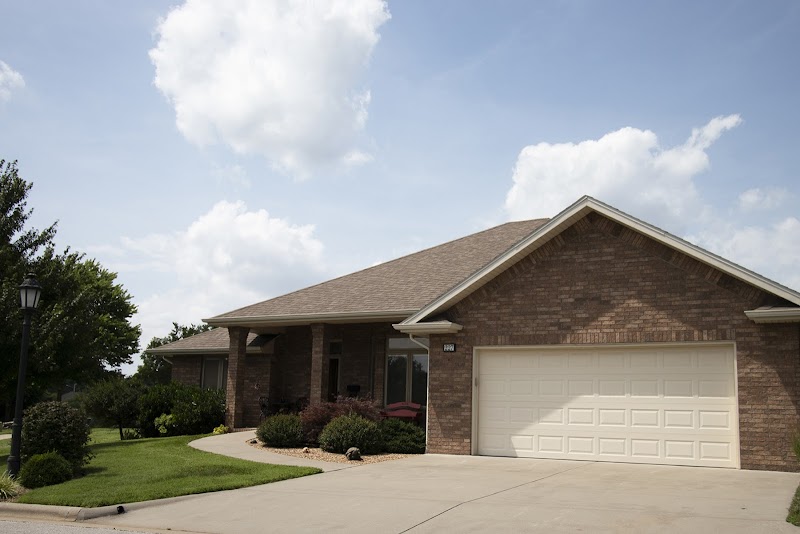
How is Maranatha Village, Inc Staffed?

CMS rates MARANATHA VILLAGE, INC's staffing level at 4 out of 5 stars, which is above average compared to other nursing homes. Staff turnover is 46%, compared to the Missouri average of 46%. This relatively stable workforce can support continuity of care.

What Have Inspectors Found at Maranatha Village, Inc?

State health inspectors documented 28 deficiencies at MARANATHA VILLAGE, INC during 2019 to 2025. These included: 1 that caused actual resident harm and 27 with potential for harm. Deficiencies causing actual harm indicate documented cases where residents experienced negative health consequences.
Who Owns and Operates Maranatha Village, Inc?

MARANATHA VILLAGE, INC is owned by a non-profit organization. Non-profit facilities reinvest revenue into operations rather than distributing to shareholders. The facility operates independently rather than as part of a larger chain. With 120 certified beds and approximately 102 residents (about 85% occupancy), it is a mid-sized facility located in SPRINGFIELD, Missouri.
How Does Maranatha Village, Inc Compare to Other Missouri Nursing Homes?

Compared to the 100 nursing homes in Missouri, MARANATHA VILLAGE, INC's overall rating (4 stars) is above the state average of 2.5, staff turnover (46%) is near the state average of 46%, and health inspection rating (3 stars) is at the national benchmark.

What Should Families Ask When Visiting Maranatha Village, Inc?

Based on this facility's data, families visiting should ask: "Can I visit during a mealtime to observe dining assistance and food quality?" "How do you handle medical emergencies, and what is your hospital transfer rate?" "Can I speak with family members of current residents about their experience?"

Is Maranatha Village, Inc Safe?

Based on CMS inspection data, MARANATHA VILLAGE, INC has a clean safety record: no substantiated abuse findings (meaning no confirmed cases of resident harm), no Immediate Jeopardy citations (the most serious violation level indicating risk of serious injury or death), and is not on the Special Focus Facility watch list (a federal program monitoring the lowest-performing 1% of nursing homes). The facility has a 4-star overall rating and ranks #1 of 100 nursing homes in Missouri. While no facility is perfect, families should still ask about staff-to-resident ratios and recent inspection results during their visit.

Do Nurses at Maranatha Village, Inc Stick Around?

MARANATHA VILLAGE, INC has a staff turnover rate of 46%, which is about average for Missouri nursing homes (state average: 46%). Moderate turnover is common in nursing homes, but families should still ask about staff tenure and how the facility maintains care continuity when employees leave.

Was Maranatha Village, Inc Ever Fined?

MARANATHA VILLAGE, INC has no federal fines on record. CMS issues fines when nursing homes fail to meet care standards or don't correct problems found during inspections. The absence of fines suggests the facility has either maintained compliance or corrected any issues before penalties were assessed. This is a positive indicator, though families should still review recent inspection reports for the full picture.

Is Maranatha Village, Inc on Any Federal Watch List?

MARANATHA VILLAGE, INC is not on any federal watch list. The most significant is the Special Focus Facility (SFF) program, which identifies the bottom 1% of nursing homes nationally based on persistent, serious quality problems. Not being on this list means the facility has avoided the pattern of deficiencies that triggers enhanced federal oversight. This is a positive indicator, though families should still review the facility's inspection history directly.