SPRING VALLEY HEALTH & REHABILITATION CENTER
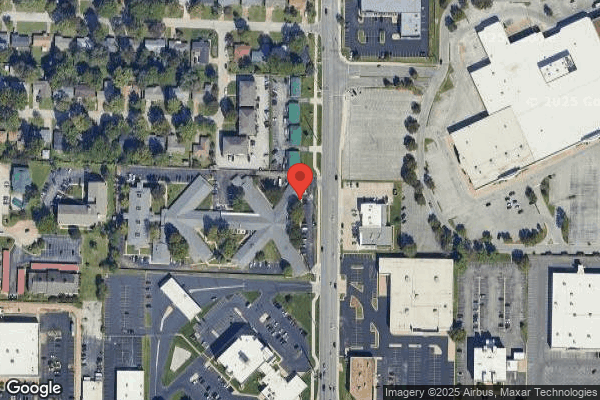
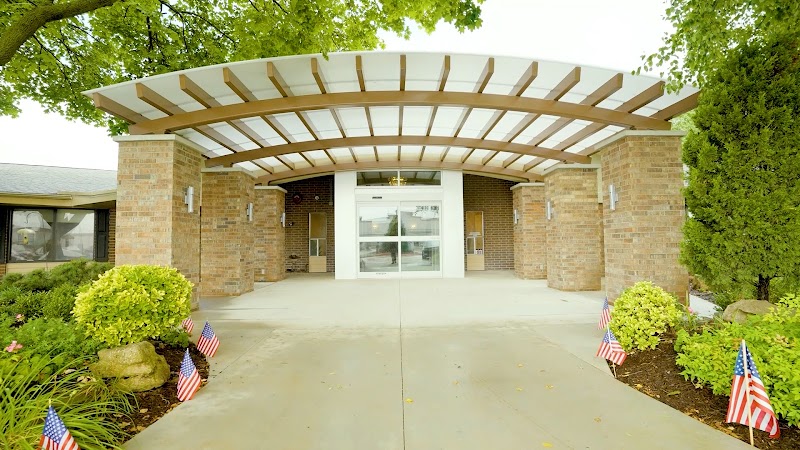
2915 SOUTH FREMONT AVE, SPRINGFIELD, MO 65804 (417) 883-4022
For profit - Limited Liability company 194 Beds MGM HEALTHCARE Data: November 2025 3 Immediate Jeopardy citations
Trust Grade
4/100
#298 of 479 in MO
Last Inspection: December 2023

Within standard 12-15 month inspection cycle. Federal law requires annual inspections.

Overview

Spring Valley Health & Rehabilitation Center has received a Trust Grade of F, indicating significant concerns about the quality of care provided. Ranking #298 out of 479 facilities in Missouri places it in the bottom half, and #17 out of 21 in Greene County suggests that only a few local options are better. The facility’s performance is worsening, with reported issues increasing from 8 in 2024 to 18 in 2025. Staffing is a weakness here, with a low rating of 1 out of 5 stars and a turnover rate of 56%, which is slightly better than the state average but still concerning. Additionally, specific incidents of critical concern include failures to properly manage pressure sores, which led to a resident needing an amputation, and instances of staff physically restraining residents against their will without proper orders. While there are some strengths in quality measures, the overall picture raises serious red flags for families considering this home for their loved ones.

Trust Score
F
4/100
In Missouri
#298/479
Bottom 38%
Safety Record
High Risk
Review needed
Inspections
Getting Worse
8 → 18 violations
Staff Stability
⚠ Watch
56% turnover. Above average. Higher turnover means staff may not know residents' routines.
Penalties
✓ Good
$47,327 in fines. Lower than most Missouri facilities. Relatively clean record.
Skilled Nurses
⚠ Watch
Each resident gets only 15 minutes of Registered Nurse (RN) attention daily — below average for Missouri. Fewer RN minutes means fewer trained eyes watching for problems.
Violations
⚠ Watch
84 deficiencies on record. Higher than average. Multiple issues found across inspections.
★★☆☆☆
2.0
Overall Rating
★☆☆☆☆
1.0
Staff Levels
★★★★★
5.0
Care Quality
★☆☆☆☆
1.0
Inspection Score
Stable
2024: 8 issues
2025: 18 issues

The Good

  • 5-Star Quality Measures · Strong clinical quality outcomes
  • Full Sprinkler Coverage · Fire safety systems throughout facility
  • No fines on record

Facility shows strength in quality measures, fire safety.

The Bad

2-Star Overall Rating

Near Missouri average (2.5)

Below average - review inspection findings carefully

Staff Turnover: 56%

Near Missouri avg (46%)

Frequent staff changes - ask about care continuity

Federal Fines: $47,327

Above median ($33,413)

Moderate penalties - review what triggered them

Chain: MGM HEALTHCARE

Part of a multi-facility chain

Ask about local staffing decisions and management

Staff turnover is elevated (56%)

8 points above Missouri average of 48%

The Ugly 84 deficiencies on record

3 life-threatening
Aug 2025 14 deficiencies
CONCERN (D) 📢 Someone Reported This

A family member, employee, or ombudsman was alarmed enough to file a formal complaint

Potential for Harm - no one hurt, but risky conditions existed

Pressure Ulcer Prevention (Tag F0686)

Could have caused harm · This affected 1 resident

**NOTE- TERMS IN BRACKETS HAVE BEEN EDITED TO PROTECT CONFIDENTIALITY** Based on interview and record review, the facility failed to provide care per standards of practice when staff failed to consist...

Read full inspector narrative →
**NOTE- TERMS IN BRACKETS HAVE BEEN EDITED TO PROTECT CONFIDENTIALITY** Based on interview and record review, the facility failed to provide care per standards of practice when staff failed to consistently assess and document complete, thorough, and accurate wound tracking of pressure ulcers (localized damage to the skin and/or underlying soft tissue usually over a bony prominence or related to a medical or other device), failed to obtain treatment orders for an identified pressure ulcer in a timely manner, and failed to document wound treatments per physician orders for one resident (Resident #169) who was admitted from the hospital. The facility's census was 149.Review of the facility policy titled Wound Management, dated 11/15/22, showed the following:-To promote wound healing of various types of wounds, the facility will provide evidence-based treatments in accordance with current standards of practice and physician orders;-Wound treatment will be provided in accordance with physician's order: cleansing method, type of dressing, and frequency of dressing change;-Charge nurse will notify physician in the absence of treatment orders;-Treatments will be documented on the Treatment Administration Record (TAR). 1. Review of Resident #169's face sheet (admission data) showed the following:-admission date of 06/10/25;-Diagnoses included pressure ulcer of other site stage 3 (full-thickness loss of skin). Review of the resident's Nursing admission Evaluation and Baseline Care Plan dated 06/10/25, at 3:43 P.M., showed Licensed Practical Nurse (LPN) A/Unit Manager documented the resident admitted from the hospital. Skin had treatment ordered or required.Review of the resident's Physician Order Sheet (POS), dated 06/10/25, showed no order for wound care. Review of the resident's June 2025 TAR showed no orders for wound care added at admission. Review of the resident's Skin Observation Tool dated 06/11/25, at 2:05 P.M., showed LPN A/unit manager documented the following:-Present on admission: Edema (swelling) to bilateral lower extremities with bruising and scabs to bilateral upper extremities;-Open area to left abdominal fold;-Bruising to left shoulder;-Open area to left buttock.(Staff did not document measurements, description of, or treatment orders for the opean area on the resident's buttock.) Review of the resident's admission note dated 06/11/25, at 2:25 P.M., showed LPN A/Unit Manager documented the resident admitted from the hospital. The resident's skin was warm and dry. The resident had scabs and bruising to the resident's bilateral upper extremities. The resident had an open area to his/her right abdominal fold and an open area to his/her left buttock. Review of the resident's POS, dated 06/11/25, showed the following:-An order, dated 06/10/25, for staff to complete Skin Observation Tool form on day shift on Tuesday one time a day, every Tuesday for skin observation.-An order, dated 06/11/25, for wound company consult.(The POS did not show an order for wound care of the resident's open area to buttock.) Review of the resident's wound physician's visit , dated 06/12/25, showed the following:-At the request of the referring provider, a thorough wound care assessment and evaluation was performed;-The resident had wounds on his/her left and right buttock (previously only left buttock documented);-The resident was non ambulatory with bowel incontinence and stage 3 pressure wounds of the bilateral buttocks;-Stage 3 pressure wound of the left buttock measured 8 centimeters (cm) long by 6 cm wide by 0.4 cm in depth, light serosanguinous (a fluid that contains both clear, watery and blood), 50% granulation (red bumpy tissue) tissue, and noted to be present on admission per staff;-Stage 3 pressure wound of the right buttock measured 12 cm long by 7 cm wide by 0.4 cm in depth, light serosanguinous, 50% granulation tissue and noted to be present on admission per staff;-Hydrocolloid paste (wound cream) apply once daily and as needed if saturated, soiled, or dislodged, for 30 days; -General recommendation cleanse wounds with wound cleanser at time of dressing changes. Review of the resident's June 2025 TAR showed staff did not add the wound care, ordered on 06/12/25, for the resident's stage 3 pressure ulcers. Review of the resident' weekly wound observation dated 06/13/25, at 3:15 P.M., showed the wound nurse documented the following:-Stage 3 pressure wound of the resident's left buttock;-The Stage 3 pressure wound was present on admission;-Overall impression: first observation, no reference;-Drainage: small amount serosanguinous;-No odor present;-The resident's left buttock wound measured 8 cm long by 6 cm wide and 0.4 cm in depth;-No inflammation/induration present;-Current treatment plan: Triad (hydrocolloid paste) once daily and as needed. Review of the resident' weekly wound observation dated 06/13/25, at 3:17 P.M., showed the wound nurse documented the following:-Stage 3 pressure wound of the resident's right buttock;-The stage 3 pressure wound was present on admission;-Overall impression: first observation, no reference;-Drainage: small amount serosanguinous;-No odor present;-The right buttock measured 12 cm long by 7 cm wide and 0.4 cm in depth;-No inflammation/induration present;-Current treatment plan: Triad once daily and as needed. Review of the resident's hospice nurse practitioner's visit notes, dated 06/13/25, showed the following:-Reports of wound to the resident's sacrum (bottom of spine);-Sacral wound reported, unable to assess the resident this visit. The resident reports the wound doctor evaluated him/her on 06/12/25. Review of the resident's POS, dated 06/13/25 showed the following:-An order, dated 06/13/25, for site 1 stage 3 pressure wound of the left buttock. Staff to cleanse area with wound cleanser, pat dry, and apply triad paste daily and as needed for wound care;-An order, dated 06/13/25, for site 2 stage 3 pressure ulcer of the right buttock. Staff to cleanse area with wound cleanser and apply triad cream daily and as needed for wound care. Review of the resident's June 2025 TAR showed on 06/13/25, 06/14/25, 06/15/25, and 06/16/25, staff did not document completion of the treatment to the resident's wounds on his/her buttocks.During an interview on 08/20/25, at 6:48 P.M., Certified Nurse Aide (CNA) K said if he/she observed a new skin area on a resident, he/she would report it to the charge nurse. During interviews on 08/21/25, at 10:32 A.M., and on 08/22/25, at 9:47 A.M., LPN B said the following: -The admission director was responsible for new admissions;-Nurses complete a skin assessment for any abnormalities, breakdown, and wound, for new admissions;-Nurses enter wound orders. The wound nurse is responsible, but if a resident was admitted after hours, the charge nurse would notify the physician to obtain a temporary wound care order. -He/she did not do wound care on the resident. During interviews on 08/21/25, at 10:45 A.M., on 08/22/25, at 10:02 A.M., and on 08/25/25, at 10:11 A.M., LPN A/Unit Manager said the following: -The admissions coordinator completes new admissions and conducts a skin assessment;-Staff should assess if a resident's skin;-Staff notify the wound nurse if a resident has wounds;-The admission Director or the admitting nurse enters all orders upon admission; -On 06/10/25, the resident was admitted to the facility. He/she should had called the physician to obtain a wound order;-The wound physician comes to the facility on Thursdays; -There should be an order for wound care if a resident has a stage 3 pressure wound;-Staff should provide wound treatments unless the resident was noncompliant;-Staff should document if the resident refused wound treatments;-Staff complete skin assessments upon admission;-Staff enter admission wound orders or follow the wound doctor orders.During an interview on 08/21/25, at 1:29 P.M., Registered Nurse (RN) X said the following:-He/she had not completed any skin assessments;-He/she did not observe the resident's wounds;-The wound nurse or charge nurse completed daily wound care if a resident had an order for wound care.During an interview on 08/22/25, at 10:44 A.M., the Wound Nurse said the following:-The admission Director completes the first skin assessment upon admission and enters any hospital orders;-Staff notify him/her if a resident has a wound;-He/she notifies the wound doctor for a wound order. Staff enter wound orders if received from the hospital;-The wound doctor stages any wounds;-On 06/12/25, the wound doctor saw the resident. The resident had a stage 3 wound on his/her left and right buttock;-Staff should have had a cream or notified the physician for a wound order;-Staff should not wait for the wound doctor to come to the facility and called for a wound order.During an interview on 08/21/25, at 3:07 P.M., the Admissions Director said the following:-He/she entered the orders and completes the assessments upon admission;-On 06/10/25, staff entered the resident's wound orders;-Staff should had started the resident's wound treatment the day of admission or following day.During an interview on 08/22/25, at 11:41 A.M., MDS Coordinator A said he/she said expected staff to document wound treatments. During an interview on 08/22/25, at 11:08 A.M., the resident's nurse practitioner said the following:-The admission Director received the discharge orders from the hospital for new admissions and the Medical Director adds orders if needed;-If a resident did not have orders from the hospital, staff should notify the physician of what type of wound treatment order is needed;-She did know for sure why wound orders were not entered until 06/13/25 for the resident;-If the resident was admitted from the hospital, she assumes the staff would use those orders;-Staff should document and notify the provider if the resident refused wound care treatments;-She expected staff to document wound treatment as ordered.During an interview on 08/25/25, at 9:25 A.M., the Medical Director said the following:-A resident should come with discharge orders if admitted from a hospital;-He expected staff to notify him if a resident has a significant wound and no wound treatment orders;-He considered a Stage 3 pressure ulcer as significant;-He expected staff to do whatever is appropriate and get the wound doctor involved;-He expected staff to notify him if no orders from the hospital for wound orders; -He expected staff to document on the TAR the admitting wound order and inform him of an admission;-If the resident did not have a wound order from the hospital, staff should notify him for an order before the wound doctor sees the resident.During an interview on 08/21/25, at 12:23 P.M., the Director of Nursing (DON) said the following:-The resident admitted to the facility on [DATE];-The admission director entered the physician orders for new admissions;-Staff should start wound treatments the following day after an admission;-If the resident was admitted on [DATE], staff should had called the physician to confirm wound orders and started the wound treatments the next day. During an interview on 08/25/25, at 12:29 P.M., the Administrator said the following:-Staff should document wound measurements and a description of a wound upon admission;-She expected staff to notify the physician after the admission was completed;-Staff have up to 24 hours to complete a full assessment;-If the wound doctor is on the way to the facility, staff have him look at a resident's wound but until then, the staff should notify the wound doctor of wound orders;-The wound nurse should observe a resident with a wound after or upon an admission;-She expected staff to document wound treatments on the TAR;-She expected staff to notify the physician if a resident refuses care, wound treatments medications and to document in the progress notes. Complaints 1534271, 2572207, 2590129, 2595498 and 2595716
CONCERN (D) 📢 Someone Reported This

A family member, employee, or ombudsman was alarmed enough to file a formal complaint

Potential for Harm - no one hurt, but risky conditions existed

Incontinence Care (Tag F0690)

Could have caused harm · This affected 1 resident

Based on record review and interview, the facility failed to ensure all residents with urinary catheters (a tube inserted into the bladder, allowing urine to drain freely), received appropriate treatm...

Read full inspector narrative →
Based on record review and interview, the facility failed to ensure all residents with urinary catheters (a tube inserted into the bladder, allowing urine to drain freely), received appropriate treatment for the catheter and prevent urinary tract infections per standards of practice when staff failed to document monitoring of urine output, abnormal urine color, and care of the catheter as ordered for one resident (Resident #169) The Facility census was 149. Review of the facility's policy titled Catheter Care, dated 07/13/22, showed the facility will maintain consistent and adequate hygiene standards for residents with an indwelling catheter to maintain function and prevention of infection or complications. 1. Review of Resident #169's face sheet (admission data) showed the following:-admission date of 06/10/25;-Diagnoses included acute kidney failure.Review of the resident's Nursing admission Evaluation and Baseline Care Plan dated 06/10/25, at 3:43 P.M., showed Licensed Practical Nurse (LPN) A/Unit Manager documented the resident was incontinent of the bladder and had an indwelling catheter. Review of the resident's progress note dated 06/10/25, at 4:12 P.M., showed LPN A/Unit Manager documented the resident admitted from the hospital. The resident had a catheter coude (urinary catheter with a curved or bent tip) size 16 indwelling catheter. Review of the resident's June 2025 Physician Order Sheet (POS) showed the following:-An order, dated 06/11/25, for a size 16 coude indwelling catheter, 10 cubic centimeters (cc) change every month and as needed;-An order, dated 06/11/25, for catheter care every day and night shift;-An order, dated 06/11/25, to change the catheter bag every month and as needed;-An order, dated 06/11/25, for staff to record the amount of urine output every shift, to monitor urine for signs and symptoms of infection every day and night shift. Review of the resident's June 2025 Medication Administration Record (MAR) showed the following:-An order, dated 06/11/25, to record the amount of urine output every shift, to monitor urine for signs and symptoms of infection every day and night shift;-An order, dated 06/11/25, for catheter care every day and night shift;-On 06/14/25, 06/15/25, and 06/16/25, staff did not document the amount of urine output from the resident's catheter or completion of catheter care. Review of the resident's nurse practitioner's progress note, dated 06/16/25, showed the following:-The resident was seen for hematuria (blood in urine);-The resident had Kool-aid colored urine in his/her catheter with no clots present;-Per the urology (physician that specializes in diseases related to the urinary system) consult the resident was a poor candidate for further evaluation;-Recommendation for the resident to continue Foley catheter and change it every 30 days or as needed. Review of the resident's medical record showed show staff did not document regarding the resident's off-color urine in his/her catheter.During an interview on 08/25/25, at 9:45 A.M., Certified Nurse Aide (CNA) K said the following:-Staff should ask the nurse of residents who have a catheter. He/she asked the nurse upon his/her shift of any residents who have a catheter;-Staff should check to ensure a resident's catheter bag is covered and positioned correctly;-Staff should monitor a resident's urine output, write it down, and inform the charge nurse;-Staff should report to the charge nurse if a resident's urine has particles or is cloudy.During an interview on 08/24/25, at 5:00 P.M., Certified Medication Technician (CMT) Z said staff should document input and output of urine. Staff should report to the charge nurse if a resident has blood in their urine. During interviews on 08/21/25, at 10:45 A.M., and on 08/25/25, at 10:11 A.M., LPN A/Unit Manager said the following: -Staff should document observation of the catheter site and color of the urine. -Staff should monitor urine for any discoloration, amount of urine, color, pain or discomfort and report to the charge nurse if any issues;-Staff should document any issues with a resident's catheter;-Staff should document catheter care on the TAR.During an interview on 08/24/25, at 4:46 P.M., LPN B said the following:-Staff should monitor urine output and provide catheter every shift and as need for a resident with a catheter;-Staff should monitor the resident's urine color, amount, and odor, and notify the physician if a resident has issues with their catheter;-Staff should document catheter care on the Treatment Administrator Record (TAR).During an interview on 08/24/25, at 7:20 P.M., Registered Nurse (RN) X said the following:-Staff should monitor a resident's urine output, color of the urine, and odor;-Staff should notify the physician if a resident has issues with their catheter and document it in the resident's medical record; -Staff should document catheter care on the TAR.During an interview on 08/22/25, at 11:08 A.M., the Nurse Practitioner said the following:-The resident had a catheter and had consulted with urology when the resident was in the hospital; -The resident had blood in the bag of his/her catheter. The blood was not frank red blood;-The resident wanted her to take the catheter out;-The urologist was aware of the blood in the resident's urine and wanted no changes. During an interview on 08/25/25, at 9:25 A.M., the Medical Director said the following:-Staff should follow protocol for catheter care;-Staff should monitor urine, provide catheter care, and replace the catheter one time per month;-Staff should document catheter care;-Staff should inform him if a resident has any blood in their catheter bag;-Staff should document in the resident's medical record of any blood in the urine and notification of him. During an interview on 08/25/25, at 10:40 A.M., the Director of Nursing (DON) said staff should document if a resident has red or dark urine. During an interview on 08/25/25, at 12:29 P.M., the Administrator said she expected staff to document the amount of urine output and catheter care of a resident who has a catheter. Complaints 2594499, 2595498, 2595716
CONCERN (D) 📢 Someone Reported This

A family member, employee, or ombudsman was alarmed enough to file a formal complaint

Potential for Harm - no one hurt, but risky conditions existed

Deficiency F0692 (Tag F0692)

Could have caused harm · This affected 1 resident

Based on interview and record review, facility staff failed to ensure all residents were offered sufficient meals and fluid intake to maintain proper hydration and health when staff failed to ensure a...

Read full inspector narrative →
Based on interview and record review, facility staff failed to ensure all residents were offered sufficient meals and fluid intake to maintain proper hydration and health when staff failed to ensure all residents received breakfast, including on dialysis (life-sustaining medical treatment that removes waste, excess fluid, and toxins from the blood when the kidneys can no longer perform their filtering function) days when staff failed to provide breakfast tray one day and failed to provide a sack meal prior to dialysis for one resident (Resident #48). The facility census was 149. 1. Review of Resident #48's face sheet showed the following:-admission date of 02/24/25;-Diagnoses included dependence on renal dialysis (life-sustaining medical treatment that removes waste, excess fluid, and toxins from the blood when the kidneys can no longer perform their filtering function), end stage renal disease (final, permanent stage of chronic kidney disease where the kidneys have lost their ability to function effectively), and type 2 diabetes mellitus (chronic condition that affects the way the body processes blood sugar (glucose)).Review of the resident's quarterly Minimum Data Set (MDS - a federally mandated assessment instrument completed by facility staff), dated 05/30/25, showed the following:-Cognitively intact;-Set up or clean up assistance required for eating.Review of the resident's care plan, updated 07/28/25, showed the following:-Resident had impaired cognitive function or impaired thought processes related to difficulty making decisions as evidenced by intention and disorganized thinking that comes and goes;-Staff should cue, reorient. and supervise as needed;-Resident had potential for malnutrition related to dialysis patient and other multiple comorbidities;-Resident was at risk of dehydration or potential fluid deficit related to history pneumonia infection;-Staff should ensure the resident had access to fluids whenever possible;-Resident would receive adequate nutrition to maintain quality of life;-Staff should refer to dietary card for resident preferences.Review of the resident's dietary card, dated 08/25/25, showed the following:-Regular, low calorie sweetener diet, thin liquids;-Alerts: double protein, one cup milk daily, no orange juice, banana, tomato, or potato.Review of the resident's Dialysis Communication Transfer Forms, showed the following:-For treatment on 08/04/25, time of last meal 08/03/25, at 6:00 P.M.;-For treatment on 08/06/25, time of last meal 08/05/25, at 5:30 P.M.;-For treatment on 08/08/25, time of last meal 08/07/25, at 6:00 P.M.;-For treatment on 08/15/25, time of last meal 08/14/25, at 5:45 P.M.;-For treatment on 08/20/25, time of last meal 08/19/25, at 6:00 P.M. During an interview on 08/21/25, at 9:50 A.M., the resident said he/she did not receive breakfast this day.During an interview on 08/21/25, at 10:00 A.M., Dietary Manager said he/she did not know why the resident did not get breakfast tray. There was an order for breakfast on hold for Monday, Wednesday, and Fridays. The resident should receive breakfast upon return from dialysis. This day was Thursday. The Dietary Manager did not know why the resident did not receive a meal tray. During an interview on 08/21/25, at 10:10 A.M., Registered Nurse (RN) C said he/she did not know why the resident was not provided with a breakfast meal tray. Once he/she was notified by the resident's roommate he/she went to the kitchen, but all breakfast foods were put away. During an interview on 08/21/25, at 12:35 P.M., the resident said there was another day a couple weeks ago that staff also forgot to bring his/her breakfast tray. He/she goes to dialysis on Monday, Wednesday, and Fridays and leaves between 5:00 A.M. and 5:30 A.M. The staff used to bring his/her breakfast tray when he/she returned, but he/she did not get back until almost lunch time, so he/she told them to not bring the breakfast tray those days. On dialysis days he/she was given cookies or crackers before leaving. The resident said it would be nice to have a breakfast sack to go with him/her as dialysis did not provide food and he/she did get hungry.During an interview on 08/22/25, at 9:25 A.M., the Dietary Manager said when a resident has dialysis they just have to ask if want sack lunch. Some of the residents do want a sack lunch, other do not. Some want their meal to be reheated when return. The sack lunch would include deli meat or peanut butter sandwich, fresh fruit and bag chips, along with applesauce or pudding. To ensure all residents get a tray at each meal, each morning, dietary staff gets a census sheet and when they print out the tickets, they go through those to verify all residents are on there. On Thursday, the resident's tray was on the dining room cart. He/she did not know why staff did not take the meal tray to his/her room.During an interview on 08/25/25, at 11:20 A.M., the Director of Nursing (DON) said residents should be provided with meals before dialysis if they want. The nursing staff should let kitchen know and get a sack meal if needed. The resident should be provided with breakfast, and he/she was not aware that he/she did not get breakfast last Thursday. There should be a nutrition assessment with resident preferences. During an interview on 08/25/25, at 12:30 P.M., the Administrator said residents have to talk to the Dietary Manager to get a meal before leaving for dialysis. There is a nutrition assessment done on admission. Staff should be asking on admission when would like meals in relation to dialysis schedule. The staff should ensure the resident get meal with paper sacks at least. Complaint 2562196
CONCERN (E) 📢 Someone Reported This

A family member, employee, or ombudsman was alarmed enough to file a formal complaint

Potential for Harm - no one hurt, but risky conditions existed

Deficiency F0554 (Tag F0554)

Could have caused harm · This affected multiple residents

**NOTE- TERMS IN BRACKETS HAVE BEEN EDITED TO PROTECT CONFIDENTIALITY** Based on observation, interview, and record review, the facility failed to ensure the right to self-administer medications if th...

Read full inspector narrative →
**NOTE- TERMS IN BRACKETS HAVE BEEN EDITED TO PROTECT CONFIDENTIALITY** Based on observation, interview, and record review, the facility failed to ensure the right to self-administer medications if the interdisciplinary team has determined that this practice is clinically appropriate when staff failed to assess for, care plan regarding, and obtain a physician's order for self-administration and bedside storage one medications for three residents (Resident #37, #148, and #31). The facility census was 149. Review of the facility policy titled Bedside Medication Storage, dated December 2017, showed the following information:-Bedside medication storage is permitted for residents who wish to self-administer medications, upon the written order of the prescriber, and once self-administration skills have been assessed and deemed appropriate in the judgment of the facility's interdisciplinary resident assessment team;-A written order for the bedside storage of medication is present in the resident's medical record;-Bedside storage of medications is indicated on the resident Medication Administration Record (MAR) and in the care plan for the appropriate medications;-For residents who self-administer medications, for bedside storage to occur the manner of storage must prevent access by other residents, lockable drawers or cabinets were required only if unlocked storage was deemed inappropriate, and facility management should have acopy of the key in addition to the resident;-The medications provided to the resident for bedside storage are kept in the containers dispensed by the provider pharmacy, or in the original container if a nonprescription medication;-The resident is instructed in the proper use of bedside medications, including what the medication is for, how it is to be used, how often it may be used, proper cleaning of inhalers where applicable, proper storage of the medication;-All nurses and aides are required to report to the charge nurse on duty any medications found at the bedside not authorized for bedside storage and to give unauthorized medications to the charge nurse for return to the family or responsible party.Review of the facility policy titled Medication Administration - General Guidelines, dated December 2017, showed the following:-Residents are allowed to self-administer medications when specifically authorized by the attending physician and in accordance with procedures for self-administration of medications.1. Review of Resident # 37's face sheet (brief look at resident information) showed the following information:-re-admission date of 08/04/25;-Diagnoses included ocular hypertension (a condition where the pressure inside the eye is consistently higher than normal).Review of the resident's comprehensive Minimum Data Set (MDS - a federally mandated assessment tool filled out by facility staff), dated 08/20/25, showed the following information:-Vision impairment;-Required partial to moderate assistance from staff for mobility;-Diagnoses include cataracts (clouding of the normally clear lens of the eye), glaucoma(a group of eye conditions that can cause blindness), and/or macular degeneration (an eye disease that causes vision loss).Review of the resident's care plan, dated 08/25/25, showed the following information:-The resident had cataracts and glaucoma;-Arrange consultation with eye care practitioner as required;-Review medications for side effects that affect vision;-Tell the resident where you are placing their items and be consistent.(Staff did not care plan related to the resident ability to maintain at bedside and self-administer medications.) Review of the resident's August 2025 Physician Order Sheet (POS) showed no order to maintain the drops at bedside and self-administer the drops.Review of the resident's record show no documented self-administrator assessment for the resident. Observation and Interview on 08/22/25, at 8:54 A.M., showed Certified Medication Technician (CMT) H said the resident kept his/her eye drops in his/her room. Upon entering the resident's room, two bottles of eye drops were observed on the resident's bedside table. The bottles had prescription labels identifying one bottle as prednisolone acetate 1 % (a topical corticosteroid ophthalmic suspension used for treating inflammatory eye conditions) and Systane (an over-the-counter lubricant eye drop used to relieve dryness, burning, and irritation in the eyes).2. Review of Resident #148's face sheet showed the following:-admission date of 11/24/21;-Diagnoses included chronic pain syndrome (persistent pain interferes with daily life), suicidal ideations, and anxiety disorder.Review of the resident's care plan, last updated 03/27/25, showed the following:-Resident had depression and anxiety with a history of suicidal ideations;-Staff should monitor, document, report as needed any risk for harm to self: suicidal plan, past attempt at suicide, and risky actions including stockpiling pills;-Staff should administer medications as ordered and monitor and document for side effects and effectiveness.(Staff did not care plan regarding the resident self-administering medications or having medications at bed side.) Review of the resident POS, current as of 08/25/25, showed the following:-An order, dated 01/11/22, to monitor side effects of all medications;-An order, dated 11/24/23, for acetaminophen tablet 325 mg, give 2 tablets by mouth every 6 hours as needed for pain.(Staff did not document an order related to the resident self-administering medications or storing medications at bedside.) Review of the resident's quarterly MDS, dated [DATE], showed the resident was cognitively intact.Review of the resident's record show no documented self-administrator assessment for the resident. Review of the resident's August 2025 Medication Administration Record (MAR) showed the following:-An order, dated 11/24/23, for acetaminophen 325 mg, give 2 tablets by mouth every 6 hours as needed for pain;-On 08/03/25, at 9:41 P.M., staff documented resident had a pain level of 6 out of 10 and acetaminophen 325 mg two tablets were administered and documented as effective response;-On 08/04/25, at 10:08 P.M., staff documented resident had a pain level of 5 out of 10 and acetaminophen 325 mg two tablets were administered and documented as effective response.During observation and interview on 08/17/25, at 5:00 P.M., the resident said staff told him/her that there was not a pain pill available for his/her chronic back pain and instead gave him/her Tylenol. Observation of resident room showed a medication cup with four white round tablets on the bedside table. The resident said the tablets were Tylenol and that Tylenol was not effective for his/her pain, so he/she did not take them.Review of the resident's August 2025 Medication Administration Record (MAR) showed the following:-On 08/17/25, at 10:06 P.M., staff documented resident had a pain level of 6 out of 10 and acetaminophen 325 mg two tablets were administered and documented as effective response.During observation and interview on 08/18/25, at 2:25 P.M., the resident said that he/she had physical therapy today and that his/her left shoulder pain had increased. Staff provided with him/her two Tylenol, but it did not help, so he/she did not take it. The resident picked up a medication cup from his/her bedside table that had four round white tablets. The resident said he/she did not know what to do with the medications because he/she was not going to take the Tylenol.3. Review of Resident #31's face sheet showed the following:-admission date of 02/16/23;-Diagnoses included chronic obstructive pulmonary disease (COPD - group of lung diseases that block airflow and make it difficult to breathe), metabolic encephalopathy (brain's function is impaired due to a chemical imbalance or issue in the body), and cognitive communication deficit.Review of the resident's care plan, updated 08/12/25, showed the following:-Resident had altered respiratory status and difficulty breathing related to COPD and asthma;-Staff should administer medications as ordered and monitor for effectiveness and side effects;-Resident had alteration in neurological status related to metabolic encephalopathy;-Staff should cue and re-orient as needed;-Staff should administer medications as ordered and monitor for effectiveness and side effects;-Resident had impaired cognitive function and/or dementia or impaired thought processes confusion diagnosis of encephalopathy;-Staff should administer medications as ordered and monitor for effectiveness and side effects.Review of the resident's quarterly MDS, dated [DATE], showed the resident was cognitively intact.Review of the resident's POS, current as of 08/25/25, showed the following:-An order, dated 06/15/23, to monitor side effects of all medications;-An order, dated 06/15/23, for albuterol sulfate inhalation solution (used to a help with breathing) 108 micrograms (mcg)/actuation (act), give 2 puffs orally every 4 hours as needed for shortness of breath.(Staff did not document orders regarding medications being left at bedside or self-administration of medications.)Review of the resident's record show no documented self-administrator assessment for the resident. Observation on 08/17/25, at 5:20 P.M., showed the resident was resting in bed with eyes closed. There was an albuterol inhaler on the top of the bedside dresser.Observation on 08/20/25, at 12:00 P.M., showed the resident was not in his/her room and an albuterol inhaler was on the top of the bedside dresser.4. During an interview on 08/22/25, at 11:08 A.M., Certified Nursing Assistant (CNA) J said the following:-He/she did not believe residents were able to keep medications at bedside;-He she would report medications at beside to the charge nurse.During an interview on 08/22/25, at 10:00 A.M., Certified Medication Tech (CMT) D said staff are to stay with residents until any medication has been taken. Staff should not leave medications at bedside for the resident to take later unless the resident had an order to keep at bedside. When he/she has seen medications at bedside in the past, he/she would take the medication and notify the charge nurse. During an interview on 08/22/25, at 12:30 P.M., CMT A said medications should not be left at bedside for residents unless there was a physician order for bedside medications. He/she would remove the medication and notify the charge nurse if found in a resident's room. During an interview on 08/25/25, at 10:20 A.M., CMT G said medications should not be left at resident's bedside. Staff should stay and ensure the resident takes the medication and if necessary, take the medication and return later if the resident did not want to take it at that time.During an interview on 08/22/25, at 12:35 P.M., the Wound Nurse said the following:-Medications can be kept at bedside, but the resident must be screened for safety of administration prior. The type of medication also mattered;-A physician's order was also required to keep medications at bedside.During an interview on 08/22/25, at 2:02 P.M., Licensed Practical Nurse (LPN) A/Unit Manager said the following:-Residents can keep medications at bedside if they have a physician's order to do so;-Medications being on the resident's bedside has not been brought to her attention.During an interview on 08/22/25, at 12:40 P.M., Registered Nurse (RN) C said staff should not leave any type of medication, including over the counter, at resident's bedside to be taken later. There were too many safety concerns for that resident and other residents if medications were left in resident rooms. During an interview on 08/22/25, at 2:22 P.M., the Director of Nursing (DON) said the following: -Only certain medications can be kept at bedside;-A physician's order is needed;-Staff must fill out a self-administration assessment on the resident to ensure safe administration;-The residents must keep the medications in a lock box in their room.During an interview on 08/25/25, at 12:29 P.M., the Administrator said the following:-In order for a resident to keep medications at bedside, there must be a physician's order;-Staff should care plan medications at the bedside;-There would have to be a process to keep that medication locked up from other resident's if the resident was safe to keep their own medications. Complaint numbers 1534273, 1534275, 2585250
CONCERN (E) 📢 Someone Reported This

A family member, employee, or ombudsman was alarmed enough to file a formal complaint

Potential for Harm - no one hurt, but risky conditions existed

Deficiency F0561 (Tag F0561)

Could have caused harm · This affected multiple residents

**NOTE- TERMS IN BRACKETS HAVE BEEN EDITED TO PROTECT CONFIDENTIALITY** Based on record review and interview, the facility failed to promote and facilitate each resident's right of self-determination ...

Read full inspector narrative →
**NOTE- TERMS IN BRACKETS HAVE BEEN EDITED TO PROTECT CONFIDENTIALITY** Based on record review and interview, the facility failed to promote and facilitate each resident's right of self-determination when staff failed to provide timely bathing, in the form the resident preferred, for four residents (Resident #20, Resident #37 and Resident #113) out of a sample of nine resident. The facility census was 149. Review of the facility's policy titled, ADL (activities of daily living) Care Bathing, dated 07/21/22, showed the following: -Nursing staff will assist in bathing residents to promote cleanliness and dignity; -The charge nurse will be made aware of residents who refuse bathing. 1. Review of Resident #20’s face sheet showed the following information: -admission date of 06/06/24; -Diagnoses included nontraumatic intracerebral hemorrhage (type of stroke when bleeding occurs on the brain), encephalopathy (condition that affects the brain’s function leading to various issues), hemiplegia (paralysis of one or both sides of the body), and depression (persistent feelings of sadness). Review of the resident’s quarterly Minimum Data Set (MDS – a federally mandated assessment completed by facility staff), dated 08/06/25, showed the following: -Moderately impaired cognition; -Dependent upon staff for showers. During interviews on 08/17/25, at 4:56 P.M., on 08/20/25, at 9:35 A.M., and on 08/21/25, at 3:20 P.M., the resident said the following: -He/she was not receiving showers. He/she didn’t know how long it had been since he/she received a shower. He/she had received some bed baths, but he/she would prefer a shower; -He/she feels yucky when he/she does not get regular showers; -He/she had not refused a bed bath, there have been times when the resident didn’t understand the staff giving a bed bath when he/she would like a shower; -He/she would rather the staff give him/her a shower instead of receiving a bed bath from a family member. Review of the resident’s July 2025 Shower Sheets showed the following: -On 07/24/25, the resident received a bed bath; -On 07/29/25, the resident’s family provided a bed bath; -On 07/31/25, staff noted the resident refused a bed bath. Review of the resident’s August 2025 Shower Sheets showed the following: -On 08/05/25, the resident’s family member provided a bed bath (seven days after the last document bed bath); -On 08/08/25, staff noted dryness over much of the resident’s body, Staff noted the resident’s head was washed, but did not indicate there was a shower; -On 08/11/25, the resident’s family member provided a bed bath; -On 08/14/25, staff noted resident bathed. Staff did not specify if it was a shower or bed bath; -On 08/18/25, the resident’s family member provided a bed bath. During an interview on 08/22/25, at 11:10 A.M., Certified Nurse’s Aide (CNA) I said he/she didn’t know if the resident was getting showers. He/she had not been at the facility when the resident had been given a shower. He/she had not given the resident a shower. During an interview on 08/22/25, at 12:22 P.M., Licensed Practical Nurse (LPN B) the resident or his/her parents have complained about showers. He/she believed the resident had received a bed bath, as the shower hurts his/her back. He/she didn’t know if the resident was offered a shower. During an interview on 08/22/25, at 2:22 P.M., Director of Nursing (DON) said the resident used to receive a bed bath. He/she didn’t know if that had changed. He/she would assume staff are offering him/her a shower. 2. Review of Resident #37’s face sheet showed the following information: -admission date of 08/04/25; -Diagnoses included fracture to lower left leg. Review of the resident’s entry MDS, dated [DATE], showed the following: -Moderately impaired cognition; -Substantial with showers. Review of the resident’s care plan, dated 08/18/25, showed the following: -Resident had ADL self-care performance deficit related to activity intolerance, impaired balance, limited mobility and pain; -Staff to offer bathing/showering two times per week and as necessary; -Staff to offer sponge bath when a full bath or shower cannot be tolerated. During interviews 08/18/25, at 9:40 A.M., and on 08/21/25, at 8:12 A.M., the resident said the following: -He/she admitted on [DATE], and he/she has received one sponge bath on 08/08/25 and 08/20/25; -He/she can’t have a full shower but would like a couple of sponge baths per week. Review of the resident’s August 2025 Shower Sheets showed the following: -On 08/08/25, staff signed off on the shower review sheet, but did not specify what type of shower was provided; -On 08/15/25, (seven days after the previous shower/bed bath), staff noted the resident refused a shower. The unit manager signed off as the charge nurse. (Staff did not document if a bed bath was offered.); -On 08/17/25, staff noted the resident refused a shower. The unit manager signed off as the charge nurse. (Staff did not document if a bed bath was offered.); -On 08/20/25, staff noted resident had a shower, but didn’t specify the type. During an interview on 08/22/25, at 12:22 P.M., LPN B said he/she believed the resident was receiving showers, as far as he/she knew. The resident hadn’t complained to him/her about not receiving showers; During an interview on 08/22/25, at 2:22 P.M., the DON said the resident received bed baths due to his/her leg cast. 3. Review of Resident #113’s face sheet showed the following information: -admission date of 02/19/21; -Diagnoses included altered mental status. Review of the resident’s quarterly MDS, dated [DATE], showed the following: -Moderately impaired cognition; -Substantial assistance with showers. During interviews on 08/18/25, at 1:18 P.M., and on 08/21/25, at 10:44 A.M., the resident said the following: -The resident has a calendar where he/she kept track of showers; -He/she showed the surveyor his/her calendar and he/she had one day in July where he/she was provided a shower, and it was 07/10/25; -He/she had no days marked in August. He/she said he/she had not received a shower in August; -He/she feels dirty. He/she would like two showers per week, it doesn’t matter the day; -He/she had not refused any showers, but there have been a couple of times he/she wanted to participate in activities, and he/she came back to his/her room immediately after the activity to wait for a shower and never got one; -He/she has asked for showers several times and they don’t have time. Review of the resident’s July 2025 and August 2025 Shower Sheets showed the following: -On 07/18/25, staff noted the received a shower; -On 07/23/25, staff noted the resident received a shower (a five day gap); -On 07/29/25, staff noted the resident received a shower (a six day gap); -On 08/09/25, staff noted the resident received a shower (an 11 day gap); -On 08/12/25, staff noted the resident received a shower; -On 08/17/25, staff noted the the resident received a shower (a five day gap). During an interview on 08/22/25, at 11:10 A.M., CNA I said he/she imagined the resident had been given a shower, but he/she had not seen the resident take one and he/she had not given the resident a shower. During an interview on 08/22/25, at 12:22 P.M., LPN B said the resident was receiving showers. During an interview on 08/22/25, at 2:22 P.M., DON said the resident was receiving showers as he/she requests them. 4. Review of Resident # 39’s face sheet showed the following: -admission date of 11/21/23; -Diagnoses included cerebral infarction (stroke), hemiplegia and hemiparesis (weakness or paralysis on one side of the body) following cerebral infarction affecting left non-dominant side, and cognitive communication deficit (condition where a person experiences difficulties with various aspects of communication due to underlying cognitive impairments). Review of the resident’s quarterly MDS, dated [DATE], showed the following: -Cognitively intact; -Dependent on staff for bathing. Review of the resident’s care plan, updated 07/28/25, showed the following: -Resident had an ADL self-care performance deficit due to activity intolerance, hemiplegia, and impaired balance; -The resident required two staff assistance for bathing. Review of the facility’s “Skin Monitoring: Comprehensive CNA Shower Review” forms, showed the following: -On 06/18/25, staff documented no new skin issued; -On 06/25/25, staff documented no new skin issued (a seven-day gap); -On 07/03/25, staff documented arterial wound on coccyx region (small triangular bone at the base of the spinal column) (eight-day gap); -On 07/10/25; staff documented resident received a bed bath and hair was washed (seven day gap); -On 07/17/25, staff documented resident refused; -On 08/06/25, staff documented resident received a bed bath and hair was washed (20 days after last offered shower); -On 08/13/25, staff documented resident received a bed bath and hair was washed (a 7 day gap). Review of the resident’s medical record showed staff documented in nursing progress notes on 08/19/25, at 2:23 P.M., that neurosurgery office called and stated that resident needed a shower and the pads in his/her neck brace needed changed and the ones in there now need washed. During an interview on 08/20/25, at 11:00 A.M., the resident said he/she would prefer two baths per week. He/she felt dirty without a bath at least that he/she had a shower list laminated in the shower room. Most residents received two showers per week. twice per week. During an interview on 08/22/25, at 1:00 P.M., CNA E the resident preferred two bed baths per week. He/she was not aware of him/her going longer than once per week. During an interview on 08/25/25, at 11:20 A.M., DON said the resident had no scheduled shower dates attached to his/her room number. 5. During an interview on 08/22/25, at 11:10 A.M., CNA I said the following: -The residents should be offered a shower at least two times per week. He/she believed the residents are receiving showers, but may refuse; -When a resident received a shower, it’s documented in the EHR (electronic health record) and on a shower sheet. If the resident refuses staff get a signature on the sheet; -Residents should have an option to have a shower or bed bath. During an interview on 08/22/25, at 11:24 A.M., CNA K said the following: -He/she was not sure if they [NAME] a shower aide for 500 and 600 halls. He/she did not know of a shower schedule; -Sometimes the shower aide from 300 and 400 halls will do the 500 and 600 halls; -He/she was not sure how often a resident should be offered a shower. He/she washes the residents up when they need it. He/she has offered a shower when he/she she has time; -The residents should be given an option of a bed bath or shower; -The shower aide completes a shower sheet on each resident, and he/she didn’t know if showers are documented in the EHR; -If a resident refused a shower, he/she isn’t sure but thinks maybe they let the nurse know. During an interview on 08/22/25, at 1:00 P.M., CNA E said that he/she had a shower list laminated in the shower room. Most residents received two showers per week. During an interview on 08/22/25, at 11:35 A.M., Certified Medication Technician (CMT) A said the following: -The shower aide for 500 and 600 hall was out and now the CNAs working the floor were giving showers; -He/she was not sure how often showers were offered. They should offer a shower first and then a bed bath; -CNAs document the showers on shower sheets and he/she didn’t know if they’re documented in the HER; -If the resident refused the shower, staff wrote refused on the shower sheet. He/she didn’t know of the nurse was told about the refusal. During an interview on 08/22/25, at 12:22 P.M., LPN B said the following: -The aides are expected to provide showers to the residents. They should offer showers at least weekly and maybe two times per week; -Residents should be offered a shower or a bed bath. If they’re attending activities, they should offer at another time; -The showers are documented on a shower sheet, and he/she believed they’re also put into the computer; -If a resident refuses, they should put refused on the sheet. He/she doesn’t know that they tell the nurse; -He/she had one resident complain and they gave him/her a shower. During an interview on 08/22/25, at 2:02 P.M., the Unit Manager/LPN said the following: -All CNAs can give residents showers. The CNAs should be offering daily to anyone that wants a shower; -The residents should be able to choose whether it’s a shower of bed bath; -There is a task in the EHR where the staff select when a shower is provided. They should also be completing shower sheets. If the resident refuses, they should note that and offer another day. They should also let the nurse know when the resident refuses; -If the resident is going to an activity, staff should offer a shower later. During an interview on 08/22/25, at 2:22 P.M., DON said the following: -They do not have a specific shower aide. Any aide can give showers; -The residents should be offered showers at last two times per week. Every room comes with two days for showers. This is provided upon admission; -He/she has a schedule, which is flexible, with certain rooms scheduled on certain days; -Some residents are given a bed bath if therapy makes that suggestion, or the resident prefers a bed bath. He/she would assume aides are offering a shower. During an interview on 08/25/25, at 12:30 P.M., the Administrator said the following: -He/she wanted every resident to be happy about getting a shower; -If a resident refused, they would work hard to get them to take one; -Residents should be asked daily if they want a shower; -If residents want two per week, they should be getting them and they should have a choice; -Any nursing staff can give showers. They don’t have a specific shower aide for 400 and 500 halls since the regular aide is out. Complaint #2572207
CONCERN (E) 📢 Someone Reported This

A family member, employee, or ombudsman was alarmed enough to file a formal complaint

Potential for Harm - no one hurt, but risky conditions existed

Safe Environment (Tag F0584)

Could have caused harm · This affected multiple residents

**NOTE- TERMS IN BRACKETS HAVE BEEN EDITED TO PROTECT CONFIDENTIALITY** Based on observation, interview, and record review, the facility failed to ensure a clean and homelike environment for all resid...

Read full inspector narrative →
**NOTE- TERMS IN BRACKETS HAVE BEEN EDITED TO PROTECT CONFIDENTIALITY** Based on observation, interview, and record review, the facility failed to ensure a clean and homelike environment for all residents when staff failed to maintain the cleanliness of the floors, walls, doors, and/or bathrooms for 9 residents (Resident #13, #36, #94, #123, #125, #39, #73, #51, and #141), when staff failed to address odors in the rooms of 5 residents (Resident #13, #123, #125, #141, and #135), when staff failed to a provide a clean over the bed table to one resident (Resident #72), when staff failed to maintain the facility at comfortable temperature in a family dining room and two residents' rooms (Resident #148 and #103), and when staff failed to maintain furniture in good condition in the special care unit. The facility census was 149. 1. Review of Resident #13's face sheet showed an admission date of 06/27/25. Review of the resident's admission Minimum Data Set (MDS - a federally mandated assessment tool completed by facility staff), dated 07/10/25, showed the resident had severely impaired cognitive skills. Observations on 08/19/25, at 9:46 A.M., and on 08/20/25, at 10:27 A.M., of the resident’s room showed the following: -The room had a strong urine odor;-The wall under the window had paint peeled off;-The bathroom floor had brown substances in the corner. During an interview on 08/21/25, at 1:09 P.M., the Housekeeping Supervisor acknowledged the resident's bathroom floor had some black substance in the corner and the resident's wall under the window had paint peeled off. He/she did not know how long the resident's wall had areas of peeling paint. 2. Review of Resident #36's face sheet showed an admission date of 04/15/24. Review of the resident's quarterly MDS assessment, dated 07/13/25, showed the resident had severely impaired cognitive skills. Observation on 08/18/25, at 2:34 P.M., of the resident’s room showed the resident's bathroom floor contained a brown substance on the caulking around the toilet stool. The bathroom floor felt sticky to the bottom of shoes. During an observation on 08/19/25, at 9:46 A.M., a housekeeper had his/her cart and went into the resident's room to clean. Observation on 08/19/25, at 9:51 A.M., of the resident’s room, after the housekeeper cleaned the room, showed the following: -The resident's floor under his/her bed contained several ants, two to three pair of shoes, chunks of a black unknown material the size of a half dollar and brown splatters;-The floor under the chair located next to the resident's bed had brown splatters;-The resident's bathroom floor felt sticky to the bottom of shoes. Observation on 08/19/25, at 10:48 A.M., of the resident’s room showed the following: -The resident sat on his/her bed;-The resident's bathroom floor contained a brown substance on the caulking around the toilet stool;-The bathroom floor felt sticky to the bottom of shoes;-The floor under the resident's bed had a few ants, several pair of shoes, chunks of a black unknown material the size of a half dollar, and brown splatters;-The floor under the chair located next to the resident's bed had brown splatters. Observation on 08/20/25, at 10:27 A.M, of the resident’s room showed the following: -The bathroom floor contained a brown substance on the caulking around the toilet stool;-The bathroom floor felt sticky to the bottom of shoes;-The floor under the resident's bed had a few ants, several pair of shoes, approximately three chunks of a black unknown material the size of a half dollar, and brown splatters;-The floor under the chair located next to the resident's bed had brown splatters. During an interview on 08/21/25, at 1:09 P.M., the Housekeeping Supervisor said the following:-Staff keep cans of bug spray on supply. The pest control company comes twice per month and treats for ants;-The resident's bathroom floor around the toilet needed cleaned;-The resident's floor under his/her bed and chair should be swept and mopped;-If the mop water is too cold, the mop solution can become sticky. Staff should re-mop the floors if they are sticky. 3. Review of Resident's 94's face sheet showed an admission date of 04/20/24. Review of the resident's quarterly MDS assessment, dated 07/13/25, showed the resident had moderately impaired cognitive skills. Observations on 08/19/25, at approximately 9:50 A.M., of the resident’s room showed the following: -The resident's bathroom floor contained a brown substance around the base of the toilet stool;-The resident's wall in the bathroom had a black substance on the wall with paint peeled off. Observations on 08/20/25, a 10:27 A.M., showed the following: -The resident's bathroom floor contained a brown substance around the base of the toilet stool; -The resident's wall in the bathroom had a black substance on the wall with paint peeled off. During an interview on 08/21/25, at 1:09 P.M., the Housekeeping Supervisor said he/she did not know what the black substance was on the wall. During an observation and interview on 08/22/25, at 3:15 P.M., the Maintenance Supervisor said the resident's wall in the bathroom needed cleaned and painted. 4. Review of Resident #123's face sheet showed an admission date of 08/30/19. Review of the resident's quarterly MDS, dated [DATE], showed the resident was cognitively intact. Review of Resident #125’s face sheet showed an admission date of 04/07/21. Review of the resident's quarterly MDS, dated [DATE], showed the resident was cognitively intact. During an interview and observation on 08/18/25, at 1:00 P.M., Resident #123 and #125’s room, showed the following:-The room had an unpleasant odor, that can be smelled in the hall before opening the door;-There was a beside commode with no lid with bag full of urine tied into the commode;-There was debris and crumbs on the floor;-The corner of the wall had several areas of to damage dry wall;-The toilet seat was loose and moved when pressure placed on the seat;-When the light switch was turned on the above bed light did not illuminate;-The resident said it had been almost two months since maintenance staff said he/she would fix the above light bulb above his/her bed and the door handle had been broken for several months. Review of the Maintenance Log at the 100/200 nurses’ station showed staff wrote the following on the log:-On 07/21/25, Residents #123 and #125 room, staff noted neither overhead light worked when the switch was turned on. Staff did not mark or note that had been completed;-On 08/16/25, staff noted “bathroom needs help.” Staff marked as done on 8/21/25. During an interview on 08/21/25, at 1:24 P.M., Housekeeper (HK) DD said he/she noticed the room had an odor. The odor could be smelled in the hallway. He/she sprayed the room with an air freshener which the residents did not like. 5. Review of Resident #39’s face sheet showed an admission date of 11/21/23. Review of the resident's quarterly MDS, dated [DATE], showed the resident was cognitively intact. Review of Resident #73’s face sheet showed an admission date of 10/10/18. Review of the resident's quarterly MDS, dated [DATE], showed the resident was cognitively intact.-Use of wheelchair; Observation on 08/19/25, at 4:00 P.M., of Resident #39’s and #72’s room showed the following:-Bathroom air and heat vent on the wall showed gaping holes above and below the air vent approximately 4 inches tall and the width of the vent approximately 12 inches and approximately 2 inches tall by the width of the vent with no drywall in place;-The inside of the wall was visible and air coming out surrounding the vent could be felt;-Air and heat vent in the resident room on the floor had rust colored damage throughout the vent and the floor vent right side was pulled away from the wall by approximately 2 inches;-The towel rod and toilet paper holder were not attached to the wall. 6. Review of Resident #72’s face sheet showed an admission date of 06/13/25. Review of the resident’s MDS, dated [DATE], showed the resident had severely impaired cognition. Observations, on 08/25/25, showed the following:-At 10:05 A.M., the resident was not present in his/her room. The resident’s bed was made, and an adjustable height rolling table was positioned over the bed. The surface of the table was soiled, as was the plate-sized square blue non-slip pad stuck to the table. A full, uncovered mug of ice water was on the table;-At 10:48 A.M., the resident was not present in his/her room. The resident’s bed was made, and an adjustable height rolling table was positioned over the bed. The surface of the table remained soiled, including the blue non-slip pad stuck to the table. A full, uncovered mug of ice water was on the table. During an interview on 08/25/25, at 11:53 A.M., the Director of Nursing (DON) said staff should clean residents’ bedside tables as needed, especially after a meal. The resident would not be expected to clean his/her own table. During an interview on 08/25/25, at 1:06 P.M., the Administrator said a resident’s bedside table should not be left soiled. Staff should ensure the table was cleaned after a meal. 7. Review of Resident #51’s face sheet showed a readmission date of 11/15/24. Review of the resident’s quarterly MDS, dated [DATE], showed the resident had moderately impaired cognition. Observation on 08/17/25, at 4:30 P.M, showed a softball-sized jagged hole in the lower part of the hollow core closet door. Observation on 08/22/25, at 3:00 P.M., showed the same softball-sized jagged hole in the lower part of the hollow core closet door. Observation and interview on 08/25/25, at 10:14 A.M., showed the same softball-sized jagged hole in the lower part of the hollow core closet door. The resident said the large hole was on his/her roommate's side of the closet and said, It doesn't look very good. He/she thought it had been that way for a while. Review on 08/25/25, at 11:28 A.M., of the Maintenance Book, showed no documentation regarding the damaged closet door. 8 .Review of Resident #141's face sheet showed an admission date of 04/26/24. Review of the resident's quarterly MDS, dated [DATE], showed the resident was cognitively intact. Observation and interview on 08/17/25, at 5:01 P.M., showed the following:-The room had an unpleasant odor, that could be smelled in the hall;-An empty soda box was under the resident’s bed, clothes were on the floor, and the tables had various items on them, including empty bottles;-The floor appeared dirty with brown places and pieces of food on the floor;-The floor had clothes, stuffed animals, and soda on it;-The trashcan was mostly full;-The urinal was half full of urine. Observation and interview on 08/21/25, at 11:00 A.M., showed the following:-The room has an unpleasant odor, that could be smelled in the hall;-An empty soda box under the resident’s bed, clothes on the floor, the tables had various items on the, including empty bottles;-The floor appeared dirty with brown places and pieces of food on the floor;-The urinal was fourth of the way full of urine;-The floor had clothes, stuffed animals and soda on it;-The resident’s dogfood bowl had spilled and there was dogfood in the floor. During an interview on 08/22/25, at 11:10 A.M., CNA I said he/she felt like the dog was causing most of the odors in the room. When he/she comes in, the urinal is usually full, so that probably adds to the odors. During an interview on 08/22/25, at 12:22 P.M., Licensed Practical Nurse (LPN B) said he/she had noticed odors in and around the room. He/she had also received complaints from staff about the odors. He/she believed it was a combination of things. During an interview on 08/22/25, at 2:02 P.M., LPN A/Unit Manager said he/she had received complaints about the resident’s room. He/she had addressed the complaints with housekeeping who should be cleaning the room and making sure the trash is emptied. Nursing should make sure the urinal in empty. During an interview on 08/22/25, at 2:22 P.M., the Director of Nursing (DON) said the resident does not want housekeeping in his/her room. He/she knew there were odors in and around the resident’s room. During an interview on 08/25/25, at 12:30 P.M., the Administrator said because of the resident’s size, weight, and food choices, his/her odors can be different. The room has been a challenge as the resident doesn’t want housekeeping in his/her room when he/she is asleep. The staff have taken the dog out because the dog will sometimes pee in the room as the resident doesn’t always take the dog out timely. During an interview on 08/25/25, the Housekeeping Supervisor said the resident did not like for his/her room to be cleaned often. Some days the resident will allow him/her to clean, but most days he/she will say no. When the resident refuses he/she will do what he/she can, and try to get a deep clean in the room one time per week. He/she notices odors coming from the resident room. 9. Review of Resident #135's face sheet showed an admission date of 02/26/25. Review of the resident's quarterly MDS assessment, dated 07/30/25, showed the resident had cognitively intact skills. Observation on 08/17/25, at 5:30 P.M., showed the resident lay in his/her bed. The resident's room smelled of urine. The hallway just outside the resident's room smelled of urine. During an observation and interview on 08/18/25, at 11:00 A.M., the resident lay in his/her bed. The resident said he/she received his/her shower and had no complaints of his/her care. The resident's room smelled of urine. The hallway just outside the resident's room smelled of urine. Observations on 08/19/25, at 11:33 A.M., and 2:00 P.M., showed the resident lay in his/her bed. The resident's room smelled of a strong urine odor. The hallway just outside the resident's room smelled of urine. During an interview on 08/21/25, at 10:45 A.M., LPN A/Unit Manager said the resident had odors in his/her room and the hall at times. During an interview on 08/21/25, at 12:23 P.M., the Director of Nursing (DON) said the following: -The resident's former roommate moved out because the resident smelled;-Staff should monitor for odors on rounds;-Offensive odors is not homelike. 10. During an interview on 08/21/25, at 9:21 A.M., CNA I said housekeepers mop and sweep daily. Staff check the halls for odors and change a resident if needed. During an interview on 08/20/25, at 6:48 P.M., CNA K said staff should report to the housekeepers if there is something on a resident’s floors. During an interview on 08/21/25, at 1:24 P.M., HK DD said the following:-Housekeeping clean the residents' rooms every day;-Housekeeping should take out the trash, refill the bathrooms with washcloths, and sweep and mop the floors;-Housekeeping should sweep and mop under the residents' beds;-Staff should report to maintenance of any damage to walls. During an interview on 08/21/25, at 1:56 P.M., Registered Nurse (RN) EE said the following: -Staff should check under residents' beds daily for debris and items;-He/she had complaints of odors and sticky floors in the residents' rooms. He/she did not know what housekeeping mopped with but there were several rooms with had sticky floors. During an interview on 08/21/25, at 1:09 P.M., the Housekeeping Supervisor said the following:-A housekeeper was on every hall every day;-Housekeeping staff sweep, mop, and disinfectant the sink and toilet every day;-Housekeeping staff should clean under residents’ beds.-He/she walked the halls when he/she arrives on shift and made a list of resident rooms with a stronger odor. He/she informs the charge nurse if it is a task outside of his/her department such as incontinent care. During an observation and interview on 08/22/25, at 3:15 P.M., the Maintenance Supervisor said the following: -He/she audited every room to determine what repairs are needed;-Staff should report any damage to him/her and write in the maintenance logbook. During an interview on 08/25/25, at 12:29 P.M., the Administrator said the following:-Housekeeping should make sure rooms with odors are clean;-Any person in the building including staff and visitors can inform staff of odors;-The facility did not have a policy for repairs. Staff, family members, vendors or anyone can inform facility staff of a repair that needs addressed. The maintenance logbook is available 24 hours seven days a week for any staff member. Maintenance staff reviews the logbook and implements;-Staff should report any repairs needed and write it in the maintenance log;-The water should be hot for staff to mop the floors. Housekeeping should check the floors and re-mop if the floor are sticky. 11. Multiple observations on 08/18/25, at 10:18 A.M., through 08/20/25, at 10:27 A.M., during survey showed a recliner in the dementia unit's sunroom that contained a dried brown substance on both arm rests, seat, and down the footrest. During an interview on 08/21/25, at 1:09 P.M., the Housekeeping Supervisor said the recliner in the sunroom needed wiped down. During an interview on 08/21/025, at 1:24 P.M., HK DD said the recliner in the sunroom was dirty. During an observation and interview on 08/22/25, at 3:15 P.M., the Maintenance Supervisor said the recliner in the sunroom was ”disgusting.” During an interview on 08/25/25, at 12:29 P.M., the Administrator said the recliner in the sunroom should be clean. 12. Review of Resident #148’s face sheet showed the following:-admission date of 10/13/21;-Diagnosis included anxiety disorder. Review of the resident's quarterly MDS, dated [DATE], showed the resident was cognitively intact. During an interview and observation on 08/17/25, at 4:30 P.M., of the resident’s room, showed the temperature in the room measured 84.6 degrees Fahrenheit (F). The resident said that it was very warm and without his/her small fan it would be too hot. Observation on 08/17/25, at 5:10 P.M., showed the thermostat in the 200-hallway set at 71 degrees F with the temperature reading 82 degrees F. 13. Observation and interview on 08/17/25, at 5:00 P.M., of Resident #103’s room showed the following: -The resident flushed/red in color and said the following he/she was hot;-The resident said the 300-hall air conditioner unit had been broken for about a month and his/her room gets too warm for comfort;-The facility provided mini-air conditioner units for his/her room, but it does not help much. Observation on 08/17/25, at 5:15 P.M., showed the thermostat outside the resident’s room was set to 71 degrees F, but the temperature read 84 degrees F. Observation on 08/17/25, at 6:17 P.M., showed the resident’s room temperature measured 84.2 degrees F. 14. Observation on 08/19/25, at 3:07 P.M., showed the private family dining room’s temperature measured 84.4 degrees F. 15. Review of the Maintenance Director’s weekly temperature logs showed the following:-On 08/08/25, the highest temperature collected for 300 hall was 78 degrees F;-On 08/15/25, the highest temperature obtained for 300 hall was 77 degrees F. 16. During an interview on 08/22/25, at 2:22 P.M., the DON said the following:-She believed by regulation, building temperatures should be kept below 80 degrees F;-The facility bought ten mini-air conditioners and fans for the residents for half of 300 hall to keep them comfortable;-The air conditioner has been restored. During an interview on 08/25/25, at 12:30 P.M., Administrator said there had been an issue on the 100 hall with the air conditioner but that air conditioner unit had been replaced. The 300 hall had more than one air conditioner and one of the units had been weaker and it had affected a few of the rooms. There was bid out for the air conditioner to be replaced. There was not an air conditioner on the 200-hall broken. No one had shared with her that 200 hall had been hot. She obtained mini-air conditioners for each resident that was in the affected area. She was not aware that any residents were too hot. The air conditioner has been restored. Complaint #1534275, #1534276, #2572207, #2590129, and #2591593
CONCERN (E) 📢 Someone Reported This

A family member, employee, or ombudsman was alarmed enough to file a formal complaint

Potential for Harm - no one hurt, but risky conditions existed

Deficiency F0679 (Tag F0679)

Could have caused harm · This affected multiple residents

Based on observation, interview, and record review, the facility failed to provide activity programs to meet the needs of all residents when staff failed to provide activities as scheduled on the Spec...

Read full inspector narrative →
Based on observation, interview, and record review, the facility failed to provide activity programs to meet the needs of all residents when staff failed to provide activities as scheduled on the Special Care Unit (SCU); when staff failed to document routinely offering or completing meaningful activities to with three residents (Resident #13, #17, and #123); and when staff failed to provide preferred independent activities for one resident (Resident #123). The facility census was 149.Review of the facility policy titled Activities, dated 09/14/23, showed the following:-It is the policy of the facility to provide an ongoing program to support residents in their choice of activities based on their comprehensive evaluation, care plan, and preferences. Facility sponsored group, individual, and dependent activities will be designed to meet the interest of and support the physical, mental, and psychosocial well-being of each resident, as well as encourage both independence and interaction within the facility;-Activities may be conducted in several ways including one-on-one programs; person appropriate; activities relevant to the specific needs, interests, culture, background and program of activities; and include a combination of large and small groups, 1:1, and self-directed as the resident desires to attend. 1. Observations during the survey showed staff provided an activities calendar for the SCU on a large board outside of the dining room. Review of the August 2025 Activity Calendar showed a music activity scheduled for 08/18/25 at 3:00 P.M. Observation on 08/18/25, at 3:05 P.M. and 3:13 P.M., showed no activities were observed on the unit at that time. Review of the August 2025 Activity Calendar showed an activity scheduled for 08/21/25, at 2:00 P.M., for a craft activity. Observation on 08/21/25, at 2:02 P.M., showed no activities offered at that time. 2. Review of Resident #13's face sheet showed the following:-admission date of 06/27/25;-Diagnoses included hypertension, and bilateral primary osteoarthritis of knee. Review of the resident's initial review of activities, dated 07/08/25, showed the following:-The resident refused to answer his/her activities/interests/hobbies;-Current activity participation unknown. Review of the resident's admission Minimum Data Set (MDS – a federally mandated assessment completed by facility staff), dated 07/10/25, showed the following:-Severely impaired cognitive skills-No rejection of care;-Not important at all for activities. Review of the resident's current care plan, undated, showed the following:-The resident required assistance for meeting emotional, intellectual, physical, and social needs;-One-on-one bedside/in-room visits and activities if unable to attend out of room events;-Invite to scheduled activities. Review of the resident's August 2025 Participation Record showed on 08/08/25 through 08/13/25, 08/15/25, 08/18/25, and 08/20/25, staff did not document attendance at or offering of a group, independent, or one-on-one activity. 3. Review of Resident #17's face sheet showed the following:-admission date of 10/25/23;-Diagnoses included cognitive communication deficit, schizophrenia (a disorder that affects a person's ability to think, feel, and behave clearly), and bipolar disease (a disorder associated with episodes of mood swings ranging from depressive lows to manic highs). Review of the resident's admission MDS assessment, dated 11/06/23, showed the following:-The resident has severely impaired cognitive skills;-No behaviors;-The resident prefers listening to music and participating in favorite activities. Review of the resident's care plan, revised 08/14/25, showed the following:-The resident required assistance for meeting emotional, intellectual, physical and social needs related to cognitive deficits;-Assist/escort the resident to activity functions;-Invite the resident to scheduled activities;-Preferred activities are music programs, coffee socials, arts and crafts and cardio drumming. Review of the resident's quarterly activities participation review, dated 08/19/25, showed the following:-Staff to provide clear verbal reminders and assist the resident to the location of activities;The resident generally enjoys singing during sing along and musical groups;-The resident enjoys groups with snacks, ice cream, coffee and social time. Review of the resident's activity participation record showed on 08/01/25 through 08/10/25, 08/15/25 through 08/17/25, and 08/19/25 staff did not document attendance at or offering of a group, independent, or one-on-one activity. 4. Review Resident #123’s face sheet showed the following:-admission date of 08/30/19;-Diagnoses included muscle weakness, chronic obstructive pulmonary disease (COPD - group of lung diseases that block airflow and make it difficult to breathe), chronic kidney disease (CKD - kidneys are damaged and can't filter blood the way they should), and congestive heart failure (CHF – condition in which the heart can't pump enough blood to the body's other organs). Review of the resident’s care plan, updated 07/25/26, showed the following:-Resident enjoyed activities such as creative being on his/her computer, having friends over, listening to music and watching movies;-Staff should ensure that the activities the resident attended were compatible with physical and mental capabilities;-Staff should establish and record resident’s level of activity involvement and interests;-Staff should thank resident for attendance at activity function. Review of the Activities Quarterly Participation Review, dated 04/30/25, showed the following:-Resident preferred independent activities;-Resident’s favorite activities included playing on the computer and talking on the phone. Review of the facility provided Activity Participation Form, dated August 2025, showed staff did not document any information. During an interview on 08/18/25, at 10:15 A.M., the resident said he/she did not see activity staff for one-to-one visits. He/she said that it would be nice if he/she could get library books at times and even get a library card so he/she could check out books online. He/she said that it would be nice if the staff would tell him/her what was available to residents. During an interview on 08/25/25, at 9:10 A.M., Activities Certified Nurse Aide (CNA) F said that he/she visited with residents in their room and asked if need anything and if doing okay. The conversation only lasted about five minutes. There was a log that activities staff document activities attendance including one-to-one visits. He/she opened a 3-ring binder and turned to the resident’s sheet. There was no documentation of visits for the month of August. He/she said he/she forgot to document the dates he/she talked to the resident. 5. During an interview on 08/21/25, at 1:56 P.M., Registered Nurse (RN) EE said the following: -Staff try to do activities on the SCU, but it is difficult because the residents have attention spans like children;-Activity staff have coffee and conversation, movies, and balloon toss;-He/she did not see any one-on-one activities on the unit;-He/she thinks there should be more activities on the SCU; During an interview on 08/22/25, at 8:21 A.M., the Activity Director said the following:-He/she worked at the facility for three weeks;-Activity staff asked the resident's interests upon admission;-Activity staff asked the residents of group and one on one interests;-Activity staff should document activity attendance in the logbook for each hall;-Activity staff should document activity progress notes for residents;-Activity staff did not document on activities other than the activity assessment;-He/she needed to educate the activity staff to document one-on-one activities;-He/she expected activity staff to document one-on-one activities;-The activity program was for quality of life for residents and having something for them to participate in. During an interview on 08/22/25, at 8:40 A.M., Certified Nurse Aide (CNA) FF said staff did not instruct him/her to provide any one-on-one activities with the residents on the dementia unit. During an interview on 08/22/25, at 8:42 A.M., Certified Medication Technician (CMT) G said he/she did not observe any one-on-one activities with the residents on the dementia unit. The residents ambulate up and down the halls. During an interview on 08/22/25, at 9:00 A.M., Activity Staff GG said the following:-Activity staff complete an activity assessment with the residents;-Activity staff ask what the resident likes to do in their spare time;-Activity staff ask the resident of hobbies, if they like to read;-Activity staff document on the activity assessment and give it to the director who enters the information in the computer;-The care plan coordinator develops the care plan;-Activity staff talk with the residents and family members who reside on the dementia unit to determine interests;-It is more difficult for one-on-one activity on the dementia unit due to the residents change every five minutes and some did not converse. During an interview on 08/25/25, at 10:40 A.M., the Director of Nursing (DON) said she expected one-on-one activities on the dementia unit and for staff to document activities provided to residents. During an interview on 08/25/25, at 12:29 P.M., the Administrator said she expected staff to provide one-on-one and group activities on the SCU. Activities should be provided to all residents, even residents not attending in the activity room. Complaint 1534276
CONCERN (E) 📢 Someone Reported This

A family member, employee, or ombudsman was alarmed enough to file a formal complaint

Potential for Harm - no one hurt, but risky conditions existed

Pharmacy Services (Tag F0755)

Could have caused harm · This affected multiple residents

**NOTE- TERMS IN BRACKETS HAVE BEEN EDITED TO PROTECT CONFIDENTIALITY** Based on record review and interview, the facility failed to provide pharmacy services to meet the needs of each resident when t...

Read full inspector narrative →
**NOTE- TERMS IN BRACKETS HAVE BEEN EDITED TO PROTECT CONFIDENTIALITY** Based on record review and interview, the facility failed to provide pharmacy services to meet the needs of each resident when the facility failed to document administration or refusal of medications on the Medication Administration Record (MAR) for two residents (Resident #169 and #200) and when staff failed to follow-up with a provider when one resident (Resident #141) went to an outside appointment and received an order for a medication. The facility census was 149. Review of the facility policy titled “ Medication Administration – General Guidelines,” dated December 2017, showed medications are administered as prescribed in accordance with good nursing principles and practices and only by persons legally authorized to do so; 1. Review of Resident #169's face sheet showed the following:-admission date of 06/10/25;-Diagnoses included acute kidney failure, cognitive communication deficit, Type 2 diabetes mellitus (a group of diseases that result in too much sugar in the blood) with hyperglycemia (high blood sugar levels) and pressure ulcer. Review of the resident's Nursing admission Evaluation and Baseline Care Plan dated 06/10/25, at 3:43 P.M., showed Licensed Practical Nurse (LPN) A/Unit Manager documented the following:-The resident admitted from the hospital;-Current medication list provided to the resident and representative;-Physician orders: see current MAR and TAR orders. Review of the resident's June 2025 POS showed an order, dated 06/10/25, with a start date of 06/11/25, for apixaban (Eliquis-anticoagulant-blood thinner) tablet 5 milligrams (mg), give one tablet by mouth two times a day for anticoagulant. Review of the resident’s June 2025 Medication Administrator Record (MAR) showed the following:-On 06/14/25, at 8:00 A.M. and 4:00 P.M., staff did not document administration of the Eliquis on the MAR;-On 06/15/25, at 08:00 A.M. and 04:00 P.M., staff did not document administration of the Eliquis on the MAR;-On 06/16/25, at 08:00 A.M. and 04:00 P.M. staff did not document administration of the Eliquis on the MAR. Review of the resident's June 2025 POS showed an order, dated 06/10/25, for mirtazapine (treats depression) tablet 15 mg, for staff to give by mouth at bedtime for depression. Review of the facility's June 2025 MAR showed the following:-On 06/14/25, at 8:00 P.M., staff did not document administration of the mirtazapine tablet on the MAR;-On 06/15/25, at 8:00 P.M., staff did not document administration of the mirtazapine tablet on the MAR;-On 06/16/25, at 8:00 P.M., staff did not document administration of the mirtazapine tablet on the MAR. Review of the resident's June 2025 POS showed an order, dated 06/10/25, for oxycodone (treats moderate to severe pain) HCL oral tablet 5 mg, give one tablet by mouth every four hours as need for moderate to severe pain for five days. Review of the facility's Medication Machine Report and June 2025 MAR showed the following:-On 06/14/25, at 10:58 P.M. the machine dispensed oxycodone 5 mg tablet two times;-On 06/14/25, staff did not document administration of the oxycodone on the MAR;-On 06/15/25 at 7:21 P.M., the machine dispensed oxycodone 5 mg tablet two times;-On 06/15/25, staff did not document administration of the oxycodone on the MAR. Review of the resident's June 2025 POS showed an order, dated 06/10/25, start date of 06/11/25, for pantoprazole sodium (treats gastroesophageal reflux disease) tablet delayed release 40 mg, give 40 mg by mouth two times a day for gastrointestinal (GI). Review of the facility's June 2025 MAR showed the following:-On 06/14/25 at 8:00 A.M. and 4:00 P.M., staff did not document administration of the pantoprazole sodium tablet;On 06/15/25, at 8:00 A.M. and 4:00 P.M., staff did not document administration of the pantoprazole sodium tablet;-On 06/16/25, at 8:00 A.M. and 4:00 P.M., staff did not document administration of the pantoprazole sodium tablet. Review of the resident's June 2025 POS showed an order, dated 06/10/25, start date of 06/11/25, for potassium chloride (treats low levels of potassium in your body) ER tablet extended release 10 milliequivalent (meq), give one tablet by mouth one time a day for supplement. Review of the resident’s June 2025 MAR showed the following:-On 06/14/25, at 8:00 A.M., staff did not document administration of the potassium chloride ER tablet on the MAR;-On 06/15/25, at 8:00 A.M., staff did not document administration of the potassium chloride ER tablet on the MAR;-On 06/16/25, at 08:00 A.M., staff did not document administration of the potassium chloride ER tablet on the MAR. Review of the resident's June 2025 POS showed an order, dated 06/10/25, for tizanidine (treats muscle spasms) HCL tablet two mg, one tablet by mouth every eight hours for muscle relaxant. Review of the resident’s June 2025 MAR showed the following:-On 06/14/25, at 6:00 A.M., 2:00 P.M., and 10:00 P.M., staff did not document administration of the tizanidine on the MAR;-On 06/15/25, at 6:00 A.M., 2:00 P.M., and 10:00 P.M., staff did not document administration of the tizanidine tablet on the MAR;-On 06/16/25, at 6:00 A.M., 2:00 P.M., and 10:00 P.M., staff did not document administration of the tizanidine tablet on the MAR. During interviews on 08/22/25, at 10:02 A.M and 3:00 P.M., and on 08/25/25, at 10:11 A.M., Licensed Practical Nurse (LPN) A/Unit Manager said the following: -Staff should document if the resident refused medications;-He/she was not sure what happened with the resident' medications not documented on the MAR. -Resident was noncompliant with care;-Staff should had notified the physician if the resident refused cares;-The resident refused his/her medications;-Staff should document if a resident refuses medications. During interviews on 08/22/25, at 3:50 P.M., and on 08/25/25, at 11:20 A.M., the MDS Coordinator said the following:-Staff did not administer the resident's morning medications on 06/14/25 due to the resident was not in the building;-On 06/15/25, the resident was in the facility and staff administered the medications;-Staff sent the resident out for an evaluation on 06/16/25;-Staff should document on the MAR of medications to show the medication was given. During an interview on 08/24/25, at 7:20 P.M., Registered Nurse (RN) X said the following:-Staff should document if the resident refused his/her medications;-He/she did not remember the issue with staff not documenting the resident's medications on the MAR for 06/14/25 through 06/16/25. During an interview on 08/25/25, at 10:40 A.M., the Director of Nursing (DON) said she did not know what happened with the resident's medication dropping of the MAR. 2. Review of Resident #141's face sheet showed the following:-admission date of 04/26/24;-Diagnosis of type 2 diabetes (body does not use insulin effectively and morbid obesity (excessive weight). Review of the resident's quarterly Minimum Data Set, dated [DATE], showed the following:-Resident was cognitively intact;-No noted skin issues. Review of the resident's care plan, updated 01/17/25, showed the following:- Staff will complete skin observations weekly and as needed. Report changes in skin integrity to the nurse;-Administer medications as ordered;-Resident has diabetes. Check all body for breaks in skin and treat promptly. Review of the resident's July 2025 POS showed the following:-An order, dated 09/04/24, for Elocon cream (topical corticosteroid used to treat inflammation), every 24 hours as needed for rash, eczema (chronic skin condition characterized by itchy, inflamed red skin);-An appointment, on 07/30/25, with the dermatologist. Review of the resident’s progress note, dated 08/04/25, showed the following:-Review of the resident’s systems, noting on dermatological, skin rash due to psoriasis;-Physical exam psoriasis, an order as needed for Elocon cream, daily, recent appointment with dermatology; note not available. No new orders. During an interview and observation on 08/17/25, at 5:01 P.M., the resident said he/she saw the dermatologist on 07/30/25. He/she said they sent in a prescription for a diagnosis of psoriasis (inflamed patches of skin with silvery scales). The facility had not applied the cream, and he/she did not believe they had the cream. He/she had told a nurse, and he/she didn’t know if they followed up with the clinic. The spots are uncomfortable and itch. The resident had multiple large, and small red raised spots on his/her arms. The Resident also has multiple spots on his/her legs of a darker color. He/she reported asking several staff to look into the prescription. Review of the resident’s August 2025 POS showed an order, dated 08/22/25, for Triamcinolone Acetonide externa cream 0.1% (used to treat various inflammatory skin conditions including psoriasis). During an interview on 08/22/25, at 11:35 A.M., Certified Medication Technician (CMT) A said the following;-He/she does nothing with the orders. The nurses put new orders into the resident’s electronic record;-He/she did not apply cream to residents, that was the nurses’ job;-He/she has seen spots on the resident. During an interview on 08/22/25, at 12:22 P.M., LPN B said the following:-If a resident brings a prescription back from an outside provider, he/she gets it clarified with the facility doctor. Once it’s cleared, he/she would put the order into the electronic record, and it shows on the MAR;-He/she didn’t recall the resident bringing a prescription back from the dermatologist;-The resident did bring it to his/her attention that he/she had been prescribed a medication, and the resident was going to call the dermatologist to follow up. The resident did call and told him/her that a prescription had been sent into the pharmacy;-He/she called the dermatology clinic a couple of times, but didn’t get through. He/she didn’t recall when that was, and he/she didn’t document that in the resident’s progress notes;-If it was sent to the pharmacy, it should have been delivered to the facility. He/she did not follow up with the pharmacy;-He/she did text the resident transport driver and the driver said he/she didn’t know if the resident had a prescription;-He/she said the calls to the dermatologist clinic and the pharmacy should have been documented. During an interview on 08/22/25, at 2:02 P.M., LPN A/Unit manager said the following:-Nurses are responsible for putting in new orders;-If the resident comes back from an outside appointment, the nurse should be following up with the provider, especially if the resident did not bring back paperwork;-He/she was not aware of the resident going to the dermatologist, or getting a prescription for a cream;-He/she would expect the nurse to follow up with the provider to see which prescription was ordered and the pharmacy until they have obtained the prescription. During an interview on 08/22/25, at 2:22 P.M., DON said the following:-If a resident does not bring back paperwork from an outside appointment, the nurse should be following up with the provider to see what was done for the resident;-If the resident was ordered a medication, the nurse should call the outside clinic to see what was ordered, and the pharmacy if needed to ensure the medication is there and follow up until it’s delivered to the facility. During an interview on 08/25/25, at 10:37 A.M., the resident’s physician said the following:-He/she would expect staff to let him/her know if there is an outside order from another provider;-If the resident did not provide paperwork after an appointment, he/she would expect the nurse to follow up with the provider for direction, and to see if there were new orders. During an interview on 08/25/25, at 12:30 P.M., the Administrator said staff should follow up with the provider if a resident does not bring paperwork back from the appointment. Staff should see if a medication was prescribed and follow up to get the medication. 3. Review of Resident 200’s face sheet showed the following information:-admission date of 08/06/25;-Diagnosis included acute post-hemorrhagic anemia (type of anemia (condition characterized by a low level of red blood cells or hemoglobin in the blood) that develops rapidly after a significant and acute loss of blood, such as from an injury, surgery, or internal bleeding, leading to a reduced ability to deliver oxygen to tissues), type 2 diabetes mellitus with hyperglycemia (chronic condition where the body doesn't use insulin effectively (insulin resistance) and/or doesn't produce enough of it, leading to consistently high blood sugar (hyperglycemia) levels), malignant neoplasm (cancer) of the colon (large intestines), and paroxysmal atrial fibrillation (type of irregular heartbeat that occurs in short, intermittent episodes). Review of the resident’s POS, current as of 08/11/25, showed an order, dated 08/06/25, for apixaban oral tablet 5 mg (blood thinner medication), give 1 tablet by mouth two times a day for atrial fibrillation. Review of the resident’s August 2025 MAR showed the following:-On 08/06/25, at 8:00 P.M., staff documented apixaban 5 mg as received; -On 08/07/25, at 8:00 A.M. and 8:00 P.M., staff documented apixaban 5 mg as administered;-On 08/08/25, at 8:00 A.M., staff did not document if medication was given or not given;-On 08/08/25, at 8:00 P.M., staff documented apixaban 5 mg as administered;-On 08/09/25 through 08/11/25, staff did not document if medication was given or not given. Review of the resident’s POS, current as of 08/11/25, showed an order, dated 08/06/25, for glipizide oral tablet 10 mg (used to manage blood sugar levels), give 1 tablet by mouth two times a day for diabetes mellitus. Review of the August 2025 MAR showed the following:-On 08/06/25, at 5:00 P.M., staff did not document if glipizide was given or not given;-On 08/07/25, at 8:00 A.M. and 5:00 P.M., staff documented the glipizide 20 mg as administered;-On 08/08/25 through 08/11/25, staff did not document if the glipizide was given or not given. Review of the resident’s POS, current as of 08/11/25, showed an order, dated 08/06/25, for pantoprazole sodium oral tablet delayed release 40 mg (used to treat and manage conditions caused by excessive stomach acid), give 1 tablet by mouth two times a day for gastroesophageal reflux disease (GERD – type of acid reflux). Review of the resident’s August 2025 MAR showed the following:-On 08/06/25, at 5:00 P.M., staff did not document if the pantoprazole was given or not given;-On 08/07/25, at 5:00 A.M. and 5:00 P.M., staff documented the pantoprazole as administered;-On 08/08/25, at 5:00 A.M., staff documented the resident as out of the facility;-On 08/08/25, at 5:00 P.M., staff did not document if the pantoprazole was given or not given;-On 08/09/25, at 5:00 A.M., staff documented the pantoprazole as administered;-On 08/09/25, at 5:00 P.M., through 08/11/25, staff did not document if the pantoprazole was given or not given. Review of the resident’s POS, current as of 08/11/25, showed an order, dated 08/06/25, for gabapentin oral capsule 100 mg (used to treat seizures and nerve pain), give 1 capsule by mouth three times a day for nerve pain. Review of the resident’s August 2025 MAR showed the following:-On 08/06/25, at 6:00 P.M., staff did not document if the gabapentin was given or not given;-On 08/07/25, at 7:00 A.M., 12:00 P.M. and 6:00 P.M., staff documented the gabapentin 100 mg was administered;-On 08/08/25 through 08/11/25, staff did not document if the gabapentin was given or not given. Review of the resident’s POS, current as of 08/11/25, showed an order, dated 08/07/25, for aspirin 81 mg, give one tablet by mouth one time daily for coronary artery disease. Review of the resident’s August 2025 MAR showed the following:-On 08/07/25, at 8:00 A.M., staff documented aspirin 81mg as administered;-On 08/08/25 through 08/11/25, staff did not document if the aspirin was given or not given. Review of the resident’s POS, current as of 08/11/25, showed an order, dated 08/07/25, for bupropion extended-release tablet 150 mg (used to treat depression), give 1 tablet by mouth one time a day for depression. Review of the resident’s August 2025 MAR showed the following:-On 08/07/25, at 8:00 A.M., staff documented bupropion 150 mg as administered;-On 08/08/25 through 08/11/25, staff did not document if the bupropion was given or not given. Review of the resident’s POS, current as of 08/11/25, showed an order, dated 08/07/25, for duloxetine capsule delayed release 30 mg (used to treat depression, anxiety, and some chronic pain), give 1 capsule by mouth one time a day for depression. Review of the resident’s August 2025 MAR showed the following:-On 08/07/25, at 8:00 A.M., staff documented the resident received the duloxetine;-On 08/08/25 through 08/11/25, staff did not document if the duloxetine was given or not given. Review of the resident’s POS, current as of 08/11/25, showed an order, dated 08/07/25, for ferrous sulfate oral tablet 325 mg (form of mineral iron used to treat and prevent anemia), give 1 tablet by mouth one time a day for anemia. Review of the resident’s August 2025 MAR showed the following:-On 08/07/25, at 8:00 A.M., staff documented the resident received the ferrous sulfate;-On 08/08/25 through 08/11/25, staff did not document if the ferrous sulfate was given or not given. Review of the resident’s POS, current as of 08/11/25, an order, dated 08/07/25, for metoprolol extended-release tablet 25 mg (used to treat high blood pressure, chest pain, and heart failure), give one-half tablet by mouth one time a day for hypertension (high blood pressure). Hold if systolic blood pressure (first/top number of blood pressure) measured 100 millimeters of Mercury (mm/Hg) or less and notify physician if held for three consecutive doses. Review of the resident’s August 2025 MAR showed the following:-On 08/07/25, at 8:00 A.M., staff documented the resident received he metoprolol with a blood pressure reading of 143/64 mm/Hg;-On 08/08/25 through 08/11/25, staff did not document if the metoprolol was given or not given. 4. During an interview on 08/25/25, at 9:15 A.M., Certified Medication Tech (CMT) AA said staff should document on the MAR any administered medications. During an interview on 08/22/25, at 10:00 A.M., CMT D said staff should be documenting medications as administered or not administered with the reason. There should not be blank areas on the MAR. During an interview on 08/22/25, at 12:30 P.M., CMT A said staff should be documenting medication as administered or not administered with the reason. There should not be blank areas on the MAR. During an interview on 08/22/25, at 12:40 P.M., RN C said staff should be documenting medication as administered or not administered with the reason. There should not be blank areas on the MAR. During an interview on 08/25/25, at 11:20 A.M., Director of Nursing (DON) said staff should be documenting medication as administered or not administered with the reason. There should not be blank areas on the MAR. If was not documented it was not done. During an interview on 08/25/25, at 12:29 P.M., the Administrator said she expected staff to administer resident's medications as ordered and document on the MAR. Staff should be documenting medication as administered or not administered with the reason. There should not be blank areas on the MAR. Complaints number #1534273, #1534275, #2572207, and #2585250
CONCERN (E) 📢 Someone Reported This

A family member, employee, or ombudsman was alarmed enough to file a formal complaint

Potential for Harm - no one hurt, but risky conditions existed

Unnecessary Medications (Tag F0759)

Could have caused harm · This affected multiple residents

**NOTE- TERMS IN BRACKETS HAVE BEEN EDITED TO PROTECT CONFIDENTIALITY** Based on observation, record review, and interview, the facility failed to ensure residents were free of medication errors great...

Read full inspector narrative →
**NOTE- TERMS IN BRACKETS HAVE BEEN EDITED TO PROTECT CONFIDENTIALITY** Based on observation, record review, and interview, the facility failed to ensure residents were free of medication errors greater than 5% when the staff failed to administer the correct medication dose for two residents (Resident #109 and #97), when staff administered the wrong medication for one resident (Resident #38), and when staff failed to prime insulin pens prior to administration for two residents (Resident #23 and #132). This resulted in 5 medication errors out of 25 observations opportunities resulting in an error rate of 20%. The facility census was 149.1. Review of the facility policy titled “Medication Administration – General Guidelines,” dated December 2017, showed the following:-Medications are administered as prescribed in accordance with good nursing principles and practices and only by persons legally authorized to do so;-The five rights of medication administration were the right resident, right drug, right dose, right route, and right time. These are applied for each medication being administered. A triple check of these rights is recommended;-Prior to administration of any medication, the medication and dosage schedule on the resident's Medication Administration Record (MAR) are compared with the medication label. If the label and MAR are different and the container has not already been flagged indicating a change in directions, or if there is any other reason to question the dosage or directions, the physician's orders are checked for the correct dosage schedule.-If a medication with a current, active order cannot be located in the medication cart/drawer, other areas of the medication cart, medication room, and facility (e.g., other units) are searched, if possible. If the medication cannot be located after further investigation, the pharmacy is contacted or medication removed from the night box/emergency kit;-Medications are administered in accordance with written orders of the prescriber. 2. Review of Resident #109’s face sheet showed the following:-admission date of 01/07/25;-Diagnoses included adult failure to thrive (condition characterized by a significant decline in weight, muscle mass, and overall health and function in adults). Review of the resident’s quarterly Minimum Data Set (MDS - a federally mandated comprehensive assessment completed by facility staff), dated 08/01/25, showed the resident had severe cognitive impairment. Review of the resident’s Physician Order Sheet (POS), current as of 08/25/25, showed an order, dated 01/07/25, for folic acid (man-made B vitamin, also known as folate or vitamin B9, that is essential for cell growth, red blood cell formation, and proper brain health) 1 milligram (mg), give 1 tablet by mouth one time daily for supplement. During observation on 08/21/25, at 9:20 A.M., Certified Medication Techn (CMT) D prepared and administered folic acid 800 micrograms (mcg) one tablet to the resident. During an interview on 08/22/25, at 9:15 A.M., CMT A if a resident’s order was written for folic acid 1 mg the staff should not administer 800 mcg. He/she said that staff should get clarification from the physician and ask central supply staff to order the 1 mg if not available in the facility. During an interview on 08/22/25, at 10:00 A.M., CMT D said the order for folic acid 1 mg should have been given as 1 mg. It should not have been given as 800 mcg. Currently the 1 mg dose was not available. He/she had placed an order for the 1 mg dose. He/she said the nurse had contacted the doctor about the 800 mcg dose being available, but did not know the response. He/she said the folic acid dose should have been held until received clarification if could give the 800 mcg that was available. 3. Review of Resident #38’s face sheet showed the following information:-admission date of 07/28/23;-Diagnoses include diabetes, vitamin d deficiency, high blood pressure, and muscle weakness. Review of the resident’s comprehensive MDS, dated [DATE], showed intact cognition. Review of the resident’s care plan, dated 08/04/25 showed the following:-Give medications as ordered;-Monitor and record medication side effects and notify physician as needed. Review of the resident’s August 2025 POS showed an order, dated 07/28/25, for ferrous sulfate (also known as iron with a higher concentration of elemental iron per dose compared to ferrous gluconate; used to treat iron deficiencies) 325 mg, give one tablet daily. Observation on 08/20/25, at 11:53 A.M., showed Registered Nurse (RN) O obtained one tablet of ferrous gluconate (also known as iron, used to treat iron deficiencies.) 27 mg from its bottle in the top of 300 hall’s medication cart. The RN then then administered it to the resident. During an interview on 08/22/25, at 10:30 P.M., RN C said staff should not give ferrous gluconate 27 mg if order is ferrous sulfate 325 mg. 4. Review of Resident #97’s face sheet showed the following information:-admission date of 10/02/24;-Diagnoses included kidney failure, weakness, and iron deficiency. Review of the resident’s quarterly MDS assessment, dated 08/01/25, showed the resident had moderate cognitive impairment. Review of the resident’s care plan, dated 10/18/24, showed staff to administer medications as ordered. Staff to monitor for and document side effects and effectiveness. Review of the resident’s August 2025 POS showed an order, dated 03/08/25, for folic acid 400 mcg one time a day. Observation on 08/20/25, at 10:46 A.M., showed RN O obtained one tablet of folic acid 800 mcg from its bottle in the top of 300 hall’s medication cart. The RN then administered the tablet to the resident. 5. During an interview on 08/22/25, at 9:15 A.M., CMT A said staff should follow physician orders for medication administration and should follow the five rights of medication administration, including the right dose. During an interview on 08/22/25, at 10:00 A.M., CMT D said staff should give medications and doses as ordered by the physician. During an interview on 08/22/25, at 10:50 A.M., Director of Nursing (DON) said staff should provide medications as ordered. Staff should provide folic acid in the dose ordered. If there was an order for 1 mg staff should not provide 800 mcg and if there was an order for 400 mcg staff should not give as 800 mcg. Staff should not administer ferrous gluconate if the order was for ferrous sulfate. Staff should notify central supply and the correct items can be ordered if they are out of any over-the-counter supplements. During an interview on 08/22/25, at 11:10 A.M., the Administrator said staff should follow physician orders for administering medications. Staff should not administer the incorrect dose or the incorrect medications. If the order was for Folic acid 1 mg or Folic acid 400 mcg, staff should provide as ordered. Staff should not give ferrous gluconate if the order was for ferrous sulfate. 6. Review of the facility policy titled “Injectable Medication Administration,” dated August 2018, showed prime pen needle per manufacturer guidelines. Review of Lilly manufacturer instructions titled “Humalog (insulin lispro – rapid actin insulin) KwikPen – Instructions for Use,” dated March 2020, showed the following:- KwikPen™ is a disposable prefilled pen containing 300 units of insulin;-Multiple doses are in one pen;-Prime the pen before each injection;-Priming the pen means removing the air from the needle and cartridge that may collect during normal use and ensures that the pen is working correctly;-If you do not prime before each injection, you may get too much or too little insulin. 7. Review of Resident #23’s face sheet showed the following:-admission date of 08/09/24;-Diagnoses included Type 2 diabetes mellitus (chronic condition that affects the way the body processes blood sugar (glucose)) with diabetic polyneuropathy (complication of diabetes that damages the nerves, causing various symptoms and health problems) and hyperglycemia (high blood sugar levels). Review of the resident’s quarterly MDS, dated [DATE], showed the following:-Cognitively intact;-Used of insulin seven days of the prior seven days. Review of the resident’s care plan, updated 07/21/25, showed the following:-Resident had diabetes mellitus;-He/she was prescribed hyperglycemic medication;-Staff administer diabetes medication as ordered by doctor;-Staff should monitor/document for side effects and effectiveness. Review of the resident’s POS, current as of 08/25/25, showed the following:--An order, dated 01/25/25, for Humalog injection solution 100 unit/milliliter (ml), inject 12 unit subcutaneously (applied under the skin) with meals for diabetes mellitus in addition to sliding scale;-An order, dated 01/28/25, for Humalog injection solution 100 unit/ml, inject as per sliding scale (diabetes management method that involves administering a dose of fast-acting insulin based on a person's current blood glucose reading) as follows:-If blood sugar measures 0 to 119 mg/deciliter (dL), then administer no inulin;-If blood sugar measures 120 mg/dL to 160 mg/dL, then administer 3 units of insulin;-If blood sugar measures 161 mg/dL to 200 mg/dL, then administer 5 units of insulin;-If blood sugar measures 201 mg/dL to 240 mg/dL, then administer 8 units of insulin;-If blood sugar measures 241 mg/dL to 280 mg/dL, then administer 12 units of insulin;-If blood sugar measures 281 mg/dL to 320 mg/dL, then administer 16 units of insulin;-If blood sugar measures 321 mg/dL or more, then administer 20 units of insulin and notify physician if blood sugar is 400 mg/dL or greater. Observation and interview on 08/21/25, at 9:30 A.M., showed the following:-RN C prepared medications for the resident at the nurse’s cart near the resident room;-The resident’s blood glucose reading was 225 mg/dL;-He/she prepared the Humalog KwikPen by removing the top cap, wiped with the rubber stopper with an alcohol wipe, applied the needle, turned the dial to 21 and the returned to 20 units. The nurse did not prime the pen;-The nurse said that he/she did not prime the Humalog pen due to it not being a new pen and the medication would already be at the top of the syringe. He/she said only brand-new pens were primed and if they were not primed the resident may not receive the correct dose;-The nurse entered the resident’s room and wiped the resident’s abdomen with an alcohol wipe and administered Humalog. 8. Review of Resident #132’s face sheet showed the following information:-admission date of 08/30/24;-Diagnoses include diabetes. Review of the resident’s quarterly MDS, dated [DATE], showed the resident was cognitively intact. Review of the resident’s care plan, dated 09/17/24, showed staff to administer medications as order and monitor for side effects and effectiveness. Review of the resident’s August 2025 POS showed the following orders:-An order, dated 08/29/25, for insulin lispro 100 u/ml, inject 7 units subcutaneously with meals, in addition to the sliding scale;-An order, dated 08/29/25, for insulin lispro 100 u/ml, inject as per sliding scale that follows:-If blood sugar is 0 mg/dL to 119 mg/dL, then do not administer insulin;-If blood sugar is 120 mg/dL to 160 mg/dL, then administer two units of insulin;-If blood sugar is 161 mg/dL to 200 mg/dL, then administer four units of insulin;-If blood sugar is 201 mg/dL to 240 mg/dL, then administer six units of insulin;-If blood sugar is 241 mg/dL to 280 mg/dL, then administer eight units of insulin;-If blood sugar is 281 mg/dL to 320 mg/dL, then administer 11 units of insulin;-If blood sugar is 321 mg/dL or greater, then administer 15 units of insulin and notify the physician if blood sugar is over 400 mg/dL. Observation on 08/20/25, at 12:24 P.M., showed RN O obtain the resident’s blood sugar at 148 mg/dL. RN O performed hand hygiene, donned gloves, obtained Humalog and drew up nine units of insulin and administered the insulin to the resident. RN O did not prime the needle prior to administering the insulin. 9. During an interview on 08/20/25, at 12:50 P.M., RN O said the following:-Staff do not prime insulin pens;-The insulin pens have plungers in them, so there is no need to prime the pen;-If there are bubbles seen in the pen, staff should just watch how they position the pen while administering the insulin;-Even if the resident does get a little bit of air injected, it won't hurt them. During an interview on 08/22/25, at 10:30 P.M., RN C said he/she was not aware that insulin pens required primed with each use. He/she thought it was just with new pens. During an interview on 08/22/25, at 10:50 A.M., the DON said all insulin pens are required to be primed each time before insulin is administered. Insulin pens should be primed before each use, every pen, every time. This is manufacturer guidelines. The dose would not be correctly administered if not primed. During an interview on 08/22/25, at 11:10 A.M., the Administrator said all insulin pens require priming each time. During an interview on 08/22/25, at 11:20 A.M., Corporate Nurse Consultant said that staff should always prime insulin pens with each use. Complaint #1534275, #2585250
CONCERN (E) 📢 Someone Reported This

A family member, employee, or ombudsman was alarmed enough to file a formal complaint

Potential for Harm - no one hurt, but risky conditions existed

Deficiency F0760 (Tag F0760)

Could have caused harm · This affected multiple residents

**NOTE- TERMS IN BRACKETS HAVE BEEN EDITED TO PROTECT CONFIDENTIALITY** Based on observation, interview, and record review, the facility failed to ensure all residents were free of significant medicat...

Read full inspector narrative →
**NOTE- TERMS IN BRACKETS HAVE BEEN EDITED TO PROTECT CONFIDENTIALITY** Based on observation, interview, and record review, the facility failed to ensure all residents were free of significant medication errors when staff failed to document administration of insulin to two residents (Resident #5 and #65) and when staff failed to prime insulin pens prior to administration for two residents (Resident #23 and #132). The facility census was 149. Review of the facility policy titled “Medication Administration – General Guidelines,” dated December 2017, showed the following:-Medications are administered as prescribed in accordance with good nursing principles and practices and only by persons legally authorized to do so;-The five rights of medication administration were the right resident, right drug, right dose, right route, and right time. These are applied for each medication being administered. A triple check of these rights is recommended;- The medication administration record (MAR) is always employed during medication administration.-Medications are administered in accordance with written orders of the prescriber. Review of the facility policy titled “Injectable Medication Administration,” dated August 2018, showed the following:-Check order on the medication administration record to see that an injection is currently ordered and due;-Prime pen needle per manufacturer guidelines;-Check five rights again after dose is prepared and before medication is put away and injection administered. 1.Review of Resident #5's face sheet (resident's information at a quick glance) showed the following:-admission date of 04/20/24;Diagnoses included Type 2 diabetes (body can’t use insulin properly resulting in high blood sugar levels). Review of the resident's care plan, updated 07/22/25, showed the resident had diabetes mellitus. Staff to administer diabetes medication as ordered by the doctor. Review of the resident's quarterly Minimum Data Set (MDS - a federally mandated assessment tool completed by staff), dated 08/20/25, showed the following:-Cognitively intact;-Diagnosis of diabetes. Review of the resident's July 2025 Physician Order Sheet (POS) showed the following:-An order, dated 06/09/25, for admelog soslstar (insulin lispro – rapid acting insulin), subcutaneous (under the skin) solution pen-injector 100 unit/milliliter (ml), inject subcutaneously before meals related to type two diabetes with hyperglycemia as per sliding scale that follows:-If blood sugar level measured 124 milligrams/deciliter (mg/dL) to 150 mg/dL, administer two units of insulin;-If blood sugar level measured 151 mg/dL to 200 mg/dL, administer four units of insulin;-If blood sugar level measured 210 mg/dL to 250 mg/dL, administer six units of insulin;-If blood sugar level measured 251 mg/dL to 300 mg/dL, administer eight units of insulin;-If blood sugar level measured 301 mg/dL to 350 mg/dL, administer 10 units of insulin;-If blood sugar level measured 351 mg/dL to 400 mg/dL, administer 12 units of insulin;-An order, dated 06/13/25, to monitor resident’s blood sugar. Review of the resident’s July 2025 MAR showed the following:-On 07/09/25, at 7:00 A.M., the blood sugar was not checked, and no insulin administered;-On 07/09/25, at 11:30 A.M., the blood sugar was not checked, and no insulin administered;-On 07/09/25, at 4:30 P.M., the blood sugar was not checked, and no insulin administered;-On 07/10/25, at 7:00 A.M., the blood sugar was not checked, and no insulin administered;-On 07/10/25, at 11:30 A.M., the blood sugar was not checked, and no insulin administered;-On 07/10/25, at 4:;30 P.M., the blood sugar was not checked, and no insulin administered;-On 07/11/25, at 7:00 A.M., the blood sugar was not checked, and no insulin administered;-On 07/11/25, at 11:30 A.M., the blood sugar was not checked, and no insulin administered;-On 07/11/25, at 4:30 P.M., the blood sugar was not checked, and no insulin administered;-On 07/24/25, at 7:00 A.M., the blood sugar was not checked, and no insulin administered;-On 07/24/25, at 11:30 A.M., the blood sugar was not checked, and no insulin administered;-On 07/24/25, at 4:30 P.M., the blood sugar was not checked, and no insulin administered;-On 07/25/25, at 7:00 A.M., the blood sugar was not checked, and no insulin administered;-On 07/25/25, at 11:30 A.M., the blood sugar was not checked, and no insulin administered;-On 07/25/25, at 4:30 P.M., the blood sugar was not checked, and no insulin administered;-On 07/26/25, at 11:30 A.M., the blood sugar was not checked, and no insulin administered;-On 07/26/25, at 4:30 P.M., the blood sugar was not checked, and no insulin administered;-On 07/28/25, at 11:30 A.M., the blood sugar was not checked, and no insulin administered;-On 07/28/25, at 4:30 P.M., the blood sugar was not checked, and no insulin administered;-On 07/29/25, at 7:00 A.M., the blood sugar was not checked, and no insulin administered;-On 07/29/25, at 11:30 A.M., the blood sugar was not checked, and no insulin administered;-On 07/29/25, at 4:30 P.M., the blood sugar was not checked, and no insulin administered-On 07/31/25, at 11:30 A.M., the blood sugar was not checked, and no insulin administered;-On 07/31/25, at 4:30 P.M., the blood sugar was not checked, and no insulin administered. Review of the resident's August 2025 POS showed the following:-An order, dated 06/09/25, for admelog soslstar, subcutaneous solution pen-injector 100 unit/milliliter (ml), inject subcutaneously before meals related to type two diabetes with hyperglycemia as per sliding scale that follows:-If blood sugar level measured 124 mg/dL to 150 mg/dL, administer two units of insulin;-If blood sugar level measured 151 mg/dL to 200 mg/dL, administer four units of insulin;-If blood sugar level measured 210 mg/dL to 250 mg/dL, administer six units of insulin;-If blood sugar level measured 251 mg/dL to 300 mg/dL, administer eight units of insulin;-If blood sugar level measured 301 mg/dL to 350 mg/dL, administer 10 units of insulin;-If blood sugar level measured 351 mg/dL to 400 mg/dL, administer 12 units of insulin;-An order, dated 06/13/25, to monitor resident’s blood sugar. Review of the resident August 2025 MAR showed the following:-On 08/01/25, at 7:00 A.M., the blood sugar was not checked, and no insulin administered;-On 08/01/25, at 11:30 A.M., the blood sugar was not checked, and no insulin administered;-On 08/01/25, at 4:30 P.M., the blood sugar was not checked, and no insulin administered;-On 08/02/25, at 7:00 A.M., the blood sugar was not checked, and no insulin administered;-On 08/02/25, at 11:30 A.M., the blood sugar was not checked, and no insulin administered;-On 08/02/25, at 4:30 P.M., the blood sugar was not checked, and no insulin administered;-On 08/03/25, at 7:00 A.M., the blood sugar was not checked, and no insulin administered;-On 08/03/25, at 11:30 A.M., the blood sugar was not checked, and no insulin administered;-On 08/03/25, at 4:30 P.M., the blood sugar was not checked, and no insulin administered. 2.Review of Resident #65's face sheet showed the following:-admission date of 10/10/23;-Diagnosis included Type 2 diabetes (body can’t use insulin properly resulting in high blood sugar levels. Review of the resident's care plan, last updated 05/13/25, showed resident had diabetes mellitus. Staff to administer diabetes medication as ordered by the doctor. Review of the resident's quarterly MDS, dated [DATE], showed the following:-Severally cognitively impaired;-Diagnosis of diabetes. Review of resident's July 2025 POS showed an order, dated 10/31/25, for insulin glargine (long-acting insulin) subcutaneous solution 100 unit/ml, inject 25 units subcutaneously two times a day for diabetes. Review of the resident July 2025 MAR showed the following:-On 07/09/25, at 7:00 A.M., the blood sugar was not checked, and no insulin administered;-On 07/10/25, at 7:00 A.M., the blood sugar was not checked, and no insulin administered;-On 07/11/25, at 7:00 A.M., the blood sugar was not checked, and no insulin administered;-On 07/16/25 at 7:00 P.M., the blood sugar was not checked, and no insulin administered;-On 07/24/25 at 7:00 A.M., the blood sugar was not checked, and no insulin administered;-On 07/24/25 at 7:00 P.M., the blood sugar was not checked, and no insulin administered;-On 07/25/25 at 7:00 A.M., the blood sugar was not checked, and no insulin administered;-On 07/26/25 at 7:00 A.M., the blood sugar was not checked, and no insulin administered. 3. During an interview on 08/22/25, at 11:35 A.M., Certified Medication Technician (CMT) A said the following;-He/she knew which medications to administer by looking at the MAR;-The MAR tells staff when to administer or check the blood sugar of a resident;-He/she didn’t do the blood sugar checks or administer insulin, the nurse did it;-If a medication is not administered, it would be a medication error. During an interview on 08/22/25, at 12:22 P.M., Licensed Practical Nurse (LPN B) said the following:-Staff know which medications to administer by looking at the MAR, which is driven by the physicians’ orders;-When the medication is due, or the blood sugar check, it pops up on the MAR and the staff know to complete that medication or check;-He/she didn’t believe it was an administration issue if the MAR was blank because he/she believed all the blood sugar checks were being completed and the insulin was being administered. During an interview on 08/22/25, at 2:02 P.M., LPN A/Unit Manager said the following:-The MARs have the orders for each resident;-He/she would expect staff to administer the medication as ordered;-If the MAR is blank, he/she would have to assume the medication and task was not completed and it would be a medication error;-He/she expected staff to follow the five medication rights. During an interview on 08/25/25. at 9:25 A.M., the Medical Director said the following: -Staff should document a resident's blood sugar and administration of insulin;-He was very particular on insulin orders;-Staff should check blood sugars three to four times a day;-If it is not documented, it was not done;-He considers insulin not administered as a significant medication error. During an interview on 08/22/25, at 2:22 P.M., the Director of Nursing (DON) said the following:-The staff know who is responsible for which medication as they each have a MAR;-The MAR tells staff what medications or task need to be completed at what time;-The electronic medication record (EMR) pops up the task or medication at that time and the staff should mark off if it’s being administered or why if it’s not;-Some staff go through and check blood sugars, writing them down and come back and put them into the computer and administer insulin as needed when they get to the resident;-If the MAR is blank, it could mean the medication or blood sugar check was missed and that would be a medication error. During an interview on 08/25/25, at 12:30 P.M., the Administrator said when residents have an order for insulin, he/she would expect staff to administer the medication as ordered. If checking the blood sugar is required before, they should be checking the blood sugar. Staff should be double checking the MAR to ensure all tasks and medications have been administered. 4. Review of Lilly manufacturer instructions titled “Humalog (insulin lispro – rapid actin insulin) KwikPen – Instructions for Use,” dated March 2020, showed the following:- KwikPen™ is a disposable prefilled pen containing 300 units of insulin;-Multiple doses are in one pen;-Prime the pen before each injection;-Priming the pen means removing the air from the needle and cartridge that may collect during normal use and ensures that the pen is working correctly;-If you do not prime before each injection, you may get too much or too little insulin. 5. Review of Resident #23’s face sheet showed the following:-admission date of 08/09/24;-Diagnoses included Type 2 diabetes mellitus (chronic condition that affects the way the body processes blood sugar (glucose)) with diabetic polyneuropathy (complication of diabetes that damages the nerves, causing various symptoms and health problems) and hyperglycemia (high blood sugar levels). Review of the resident’s quarterly MDS, dated [DATE], showed the following:-Cognitively intact;-Used of insulin seven days of the prior seven days. Review of the resident’s care plan, updated 07/21/25, showed the following:-Resident had diabetes mellitus;-He/she was prescribed hyperglycemic medication;-Staff administer diabetes medication as ordered by doctor;-Staff should monitor/document for side effects and effectiveness. Review of the resident’s POS, current as of 08/25/25, showed the following:--An order, dated 01/25/25, for Humalog injection solution 100 unit/milliliter (ml), inject 12 unit subcutaneously (applied under the skin) with meals for diabetes mellitus in addition to sliding scale;-An order, dated 01/28/25, for Humalog injection solution 100 unit/ml, inject as per sliding scale (diabetes management method that involves administering a dose of fast-acting insulin based on a person's current blood glucose reading) as follows:-If blood sugar measures 0 to 119 mg/deciliter (dL), then administer no inulin;-If blood sugar measures 120 mg/dL to 160 mg/dL, then administer 3 units of insulin;-If blood sugar measures 161 mg/dL to 200 mg/dL, then administer 5 units of insulin;-If blood sugar measures 201 mg/dL to 240 mg/dL, then administer 8 units of insulin;-If blood sugar measures 241 mg/dL to 280 mg/dL, then administer 12 units of insulin;-If blood sugar measures 281 mg/dL to 320 mg/dL, then administer 16 units of insulin;-If blood sugar measures 321 mg/dL or more, then administer 20 units of insulin and notify physician if blood sugar is 400 mg/dL or greater. Observation and interview on 08/21/25, at 9:30 A.M., showed the following:-RN C prepared medications for the resident at the nurse’s cart near the resident room;-The resident’s blood glucose reading was 225 mg/dL;-He/she prepared the Humalog KwikPen by removing the top cap, wiped with the rubber stopper with an alcohol wipe, applied the needle, turned the dial to 21 and the returned to 20 units. The nurse did not prime the pen;-The nurse said that he/she did not prime the Humalog pen due to it not being a new pen and the medication would already be at the top of the syringe. He/she said only brand-new pens were primed and if they were not primed the resident may not receive the correct dose;-The nurse entered the resident’s room and wiped the resident’s abdomen with an alcohol wipe and administered Humalog. 6. Review of Resident #132’s face sheet showed the following information:-admission date of 08/30/24;-Diagnoses include diabetes. Review of the resident’s quarterly MDS, dated [DATE], showed the resident was cognitively intact. Review of the resident’s care plan, dated 09/17/24, showed staff to administer medications as order and monitor for side effects and effectiveness. Review of the resident’s August 2025 POS showed the following orders:-An order, dated 08/29/25, for insulin lispro 100 u/ml, inject 7 units subcutaneously with meals, in addition to the sliding scale;-An order, dated 08/29/25, for insulin lispro 100 u/ml, inject as per sliding scale that follows:-If blood sugar is 0 mg/dL to 119 mg/dL, then do not administer insulin;-If blood sugar is 120 mg/dL to 160 mg/dL, then administer two units of insulin;-If blood sugar is 161 mg/dL to 200 mg/dL, then administer four units of insulin;-If blood sugar is 201 mg/dL to 240 mg/dL, then administer six units of insulin;-If blood sugar is 241 mg/dL to 280 mg/dL, then administer eight units of insulin;-If blood sugar is 281 mg/dL to 320 mg/dL, then administer 11 units of insulin;-If blood sugar is 321 mg/dL or greater, then administer 15 units of insulin and notify the physician if blood sugar is over 400 mg/dL. Observation on 08/20/25, at 12:24 P.M., showed RN O obtain the resident’s blood sugar at 148 mg/dL. RN O performed hand hygiene, donned gloves, obtained Humalog and drew up nine units of insulin and administered the insulin to the resident. RN O did not prime the needle prior to administering the insulin. . During an interview on 08/20/25, at 12:50 P.M., RN O said the following:-Staff do not prime insulin pens;-The insulin pens have plungers in them, so there is no need to prime the pen;-If there are bubbles seen in the pen, staff should just watch how they position the pen while administering the insulin;-Even if the resident does get a little bit of air injected, it won't hurt them. During an interview on 08/22/25, at 10:30 P.M., RN C said he/she was not aware that insulin pens required primed with each use. He/she thought it was just with new pens. During an interview on 08/22/25, at 10:50 A.M., the DON said all insulin pens are required to be primed each time before insulin is administered. Insulin pens should be primed before each use, every pen, every time. This is manufacturer guidelines. The dose would not be correctly administered if not primed. During an interview on 08/22/25, at 11:10 A.M., the Administrator said all insulin pens require priming each time. During an interview on 08/22/25, at 11:20 A.M., Corporate Nurse Consultant said that staff should always prime insulin pens with each use. Complaint #1534275, #2585250
CONCERN (E) 📢 Someone Reported This

A family member, employee, or ombudsman was alarmed enough to file a formal complaint

Potential for Harm - no one hurt, but risky conditions existed

Room Equipment (Tag F0908)

Could have caused harm · This affected multiple residents

Based on observation, interview, and record review, the facility failed to maintain equipment in the kitchen in a safe operating condition when three stove knobs were missing. The facility census was ...

Read full inspector narrative →
Based on observation, interview, and record review, the facility failed to maintain equipment in the kitchen in a safe operating condition when three stove knobs were missing. The facility census was 149.Review showed the facility did not provide a policy regarding upkeep of kitchen appliances.1. Observations on 08/17/25, beginning at 3:46 P.M., and on 08/19/25, at 12:36 P.M., showed the cook stove located in the kitchen had three of the seven burner control knobs missing. During an interview on 08/22/25, at 8:50 A.M., Dietary Aide (DA) L said there are knobs missing. He/she didn't know how long they had been missing. He/she was still able to turn the stove burners on and off. The Dietary Manager was aware of the knobs missing.During an interview on 08/22/25, at 9:05 AM., DA M said stove knobs were missing, but they were still able to use them as far as he/she knew. If they have kitchen issues, they let the DM know and she tells maintenance. During an interview on 08/22/25, at 9:25 A.M., the DM said he/she was aware there were stove knobs missing. The staff were still able to turn the stove on. He/she needed to order new ones. During an interview on 08/22/25, at 9:57 A.M., the Administrator said the stove should have all knobs present.
CONCERN (E) 📢 Someone Reported This

A family member, employee, or ombudsman was alarmed enough to file a formal complaint

Potential for Harm - no one hurt, but risky conditions existed

Safe Environment (Tag F0921)

Could have caused harm · This affected multiple residents

Based on observation, record review, and interview, the facility failed to provide a sanitary environment for all residents and staff when the floors and walls in the kitchen were not kept clean and f...

Read full inspector narrative →
Based on observation, record review, and interview, the facility failed to provide a sanitary environment for all residents and staff when the floors and walls in the kitchen were not kept clean and free of debris. The facility census was 149.Review of the facility's policy titled Nutritional Services Sanitation, dated 03/31/21, showed nutritional services shall ensure a clean and sanitary work environment to promote and protect food safety and to maintain compliance with federal, state and local governing food sanitation and safety.1. Observations beginning on 08/17/25, at 3:46 P.M., showed the following:-The floors throughout the kitchen had black and white substances in several areas, especially under the sink areas and dishwasher;-There were pieces of food in and around the sink and dishwasher area;-The baseboards in most areas were black with dirt. Observation on 08/17/25, at 3:46 P.M., and on 08/19/25, at 11:29 A.M., showed the following:-The backsplash above the sink to the left when entering the kitchen had a mold looking substance along the section that met the sink, approximately 12 ft. The backsplash had a brown substance on it;-The wall underneath of the sink has large brown splatters in different sections;-The wall under the dishwasher had a black substance present;-The wall behind the stove had grease drops present.During an interview on 08/22/25, at 8:50 A.M., Dietary Aide (DA) L said the floor was swept and mopped each shift, day and evening. The evening cook was supposed to sweep and mop everywhere. The floors should be clean. The walls are cleaned sometimes. Staff have a deep cleaning day two to three times weekly and that is when the walls are done. During an interview on 08/22/25, at 9:05 AM., DA M said the floors are swept and mopped by whichever staff is working. The walls are more of a deep clean job, and those are done on occasion, he/she doesn't know how often. During an interview on 08/22/25, at 9:16 A.M., DA N said the floors were done by housekeeping. He/she was not sure how often. They should be clean. The walls are done weekly by someone. He/she was not aware of dirty walls or mold.During an interview on 08/22/25, at 9:25 A.M., the Dietary Manager (DM) M said the following:-Floors should be swept and mopped during the day and at night. They also have a deep cleaning where maintenance does a power wash. Housekeeping also buffers the floors three times per week;-He/she wouldn't expect there to not be black stuff and food on the floors. They should be clean for the most part;-The walls are cleaned by maintenance. There shouldn't be dirt or mold on the walls.During an interview on 08/22/25, at 9:57 A.M., the Administrator said the floors should be clean. The DM is monitoring the cleaning of the kitchen. He/she wasn't aware of mold long the sink where the backsplash meets.
CONCERN (E) 📢 Someone Reported This

A family member, employee, or ombudsman was alarmed enough to file a formal complaint

Potential for Harm - no one hurt, but risky conditions existed

Deficiency F0925 (Tag F0925)

Could have caused harm · This affected multiple residents

**NOTE- TERMS IN BRACKETS HAVE BEEN EDITED TO PROTECT CONFIDENTIALITY** Based on observation and interview, the facility failed to implement and maintain an effective pest control system when multiple...

Read full inspector narrative →
**NOTE- TERMS IN BRACKETS HAVE BEEN EDITED TO PROTECT CONFIDENTIALITY** Based on observation and interview, the facility failed to implement and maintain an effective pest control system when multiple flies were located four resident rooms affected five residents (Resident #62, #123, #125, #141 and #147). The facility census was 149.Review showed the facility did not provide a Pest Control Policy. 1. Review of Resident #62's face sheet (admission data) showed an admission date of 02/28/25. Review of the resident's significant change in status Minimum Data Set (MDS-a federally mandated assessment instrument completed by facility staff), dated 07/08/25, showed the resident's cognitive skills intact. Observation and interviews on 08/17/25, at 5:35 P.M., showed the resident in bed. The resident's pillow had a black substance on it. A fly landed on the resident's pillow and the resident waved his/her hand at the fly. The resident said the fly was annoying. Observation on 08/20/25, at 10:07 A.M., showed the resident in bed. A fly flew around the resident and landed on the resident's pillow. Observation on 08/21/25, at 9:35 AM., showed the resident in bed. A fly flew around the resident's room. 2. Review of Resident #123's face sheet showed an admission date of 08/30/19. Review of the resident's quarterly MDS, dated [DATE], showed the resident was cognitively intact. Review of Resident #125’s face sheet showed an admission date of 04/07/21. Review of the resident's quarterly MDS, dated [DATE], showed the resident was cognitively intact. During an interview and observation on 08/18/25, at 1:00 P.M., of Resident #123 and #125’s room showed the following:-The room had an unpleasant odor, that could be smelled in the hall before opening the door;-There were about eight to ten live flies flying in the room;-Two or three gnats were seen flying in the room;-There was a beside commode with no lid with urine in the commode;-There was debris and crumbs on the floor;-A pest control light that was not plugged in to the outlet;-Resident #123 said it had not been plugged in for some time or working to his/her knowledge. 3. Review of Resident #141's face sheet showed an admission date of 04/26/24. Review of the resident's quarterly MDS, dated [DATE], showed the resident was cognitively intact. Observation and interview on 08/17/25, at 5:01 P.M., showed the following:-The room has an unpleasant odor, that could be smelled in the hall;-An empty soda box under the resident’s bed, clothes on the floor, and the tables had various items on them, including empty bottles;-The floor appeared dirty with brown places and pieces of food on the floor;-The floor had clothes, stuffed animals, and soda present;-The trash can was mostly full;-The urinal was half full of urine;-There was a fly trap on the resident’s triangle bar, hanging above his/her bed. The sticky fly trap that hung down about 16 inches was completely full of flies;-About four or five live flies flying around the room and eight or nine dead flies laying in the window seal;-The resident said housekeeping cleaned his/her room every other day. He/she doesn’t like for housekeeping to move his/her belongings. Observation and interview on 08/21/25, at 11:00 A.M., showed the following:-The room has an unpleasant odor, that can could be smelled in the hall;-An empty soda box was under the resident’s bed, clothes were on the floor, and the tables had various items on them, including empty bottles;-The floor appeared dirty with brown places and pieces of food on the floor;-The urinal was fourth of the way full of urine;-The floor had clothes, stuffed animals and soda;-The resident’s dog food bowl had spilled and there was dogfood in the floor;-About four or five live flies flying around the room and eight or nine dead flies laying in the window seal. During an interview on 08/22/25, at 11:10 A.M., Certified Nurse’s Aide (CNA) I, he/she had noticed some flies in the resident’s room. During an interview on 08/22/25, at 12:22 P.M., Licensed Practical Nurse (LPN) B said he/she had seen flies in and around the resident’s room. He/she didn’t know how often they spray for flies. 4. Review of Resident #147’s face sheet showed an admission date of 08/07/24. Review of the resident’s annual comprehensive MDS, dated [DATE], showed the resident had severely impaired cognition. Observation on 08/22/2025, at 1:15 P.M., showed the resident eating lunch in bed. The plate contained cut-up pieces of chicken fried steak, mashed potatoes with gravy, and a sandwich. Beside the plate was an empty ice cream cup. A fly landed on the sandwich twice and continued to fly around the bed and lunch tray. The resident waved his/her hand around to shoo it away several times and said, That's just wrong; go away! 5. During an interview on 08/21/25, at 9:21 A.M., CNA I said he/she had seen flies on the 500 hall. Staff use fly swatters to kill the flies. During an interview on 08/21/25, at 1:09 P.M., the Housekeeping Supervisor said housekeepers do their best to get rid of flies. Staff should have a fly swatter to kill the flies as needed. During interviews on 08/22/25, at 12:50 P.M., and on 08/25/25, at 11:09 A.M., the Maintenance Director said he/she checked the logbooks at the nursing stations every day for staff requests. If only one fly was seen he/she would wait for the monthly pest control service. If more issues were identified he/she would quarantine the room if needed and would notify pest control to schedule services sooner. He/she has not received complaints about flies. He/she has a company that comes at least one time per month, or more often as needed. During an interview on 08/25/25, at 12:29 P.M., the Administrator said staff address flies with the use of fly baits in drains, contacting the pest control company, making sure the doors get shut faster, and making sure screens in resident rooms are intact. She was not aware of an issue with flies. There is an exterminator that comes in as needed to treat whatever is causing an issue. Complaint #1534276, #2572207
CONCERN (F) 📢 Someone Reported This

A family member, employee, or ombudsman was alarmed enough to file a formal complaint

Potential for Harm - no one hurt, but risky conditions existed

Food Safety (Tag F0812)

Could have caused harm · This affected most or all residents

Based on observation, interview, and record review, the facility failed to ensure all food was protected from possible contamination during storage and preparation when staff failed to ensure the air ...

Read full inspector narrative →
Based on observation, interview, and record review, the facility failed to ensure all food was protected from possible contamination during storage and preparation when staff failed to ensure the air gap for the ice machine had the required two-inch gap between the drain and the floor, when staff failed to wear a hairnet covering all exposed hair, when staff failed to clean the outside of the appliances, when staff failed to date and label opened food, and when staff failed to keep fans and vents above food items clean. The facility census was 149. Review of the facility's policy titled Nutritional Services Sanitation, dated 03/31/21, showed nutritional services shall ensure a clean and sanitary work environment to promote and protect food safety and to maintain compliance with federal, state and local governing food sanitation and safety.1. Review of the 2013 Missouri Food Code showed an air gap between the water supply inlet and the flood level rim of the plumbing fixture equipment, or nonfood equipment shall be at least twice the diameter of the water supply inlet and may not be less than one inch.Review showed the facility did not provide a policy related to the air gap.During an observation on 08/17/25, at 3:46 P.M., and on 08/19/25, at 11:29 A.M., showed an ice machine located in the kitchen. The plastic drainpipe tubing from the ice machine rested directly on the floor next to the drain area and did not have the required two inch gap. During an interview on 08/22/25, at 8:50 A.M., Dietary Aide (DA) L said he/she doesn't know anything about the drain on ice machine, and whether it should have a gap.During an interview on 08/22/25, at 9:25 A.M., the Dietary Manager (DM) said he/she didn't know anything about the gap on the ice machine drain. He/she didn't know if it was supposed to have a one-inch gap from the drain. During an interview on 08/22/25, at 9:57 A.M., the Administrator said he/she wasn't aware of an issue with the drain outside of the ice machine and that it needed an one inch air gap.2. Review of the facility's policy titled, Nutritional Services Personal Hygiene and Appearance, dated 03/31/21, said hair nets or hair coverings shall be worn while in the kitchen or storage areas. Facial hair, except the eyebrows, shall be covered with a hairnet or beard cover.Review of the 2013 Food Code, issued by the Food and Drug Administration, showed food employees shall wear hair restraints such as hats, hair coverings or nets, beard restraints, and clothing that covers body hair, that are designed and worn to effectively keep their hair from contacting exposed food, clean equipment, utensils, and linens, and unwrapped single-service and single-use articles.Observation on 08/17/25, at 3:46 P.M., showed DA Y in the kitchen folding silverware. DA Y had a mustache, and he/she was not wearing a net to cover. He/she also wore a ball cap, with two to three inches of hair that hung outside of the ball cap with no hair net. During an interview on 08/22/25, at 8:50 A.M., DA L said hair nets should cover all of staff's hair, including facial hair. They should be worn when staff are in the kitchen. If staff are wearing a hat, and hair is hanging out, that should be covered with a hair net. During an interview on 08/22/25, at 9:05 AM., DA M said hair nets should be worn at all times when in the kitchen. It should cover all the hair, facial or if there's hair sticking out of a cap.During an interview on 08/22/25, at 9:16 A.M., DA N said hair nets should be on as soon as staff come through door. The hair nets should cover all hair, including beards, mustache, and any hair hanging out of a ball cap.During an interview on 08/22/25, at 9:25 A.M., the DM said he/she expected staff to wear a hairnet as soon as they pass the line that's set up in the kitchen. The hair net should cover all hair, facial hair if it's over a 1/4 inch. If they have hair coming under a cap, it should be covered as well.During an interview on 08/22/25, at 9:57 A.M., the Administrator said staff should be wearing hair nets in the kitchen and they should cover all hair, including facial hair and any hair outside of the cap.3. Review of the 2013 Missouri Food Codes showed the following information:-Equipment food-contact surfaces and utensils shall be clean to sight and touch;-The food-contact surfaces of cooking equipment and pans shall be kept free of encrusted grease deposits and other soil accumulations;-The physical facilities shall be cleaned as often as necessary to keep them clean.Observations on 08/17/25, at 3:46 P.M., and on 08/19/25, at 11:29 A.M., showed the following:-The front of the stove had multiple pieces of food on the front;-Multiple streaks of white substance were on the front and sides of the stove;-The dehydrator had multiple white streaks down the sides and front. During an interview on 08/22/25, at 8:50 A.M., DA L said appliances are cleaned by the cooks and prep cooks. There should not be grease on or around the appliances. These should be wiped down morning and evening.During an interview on 08/22/25, at 9:05 AM., DA M said the appliances should be cleaned daily.During an interview on 08/22/25, at 9:25 A.M., the DM said appliances should be cleaned daily, wiped down, and there should not be streaks of stuff on them.During an interview on 08/22/25, at 9:57 A.M., the Administrator said the appliances should be wiped down daily. 4. Review of the Missouri Food Code, published 2013, regarding refrigerator food storage showed the following:-Refrigerated, ready-to-eat, potentially hazardous food, prepared and held in a food establishment for more than twenty-four (24) hours shall be clearly marked to indicate the date or day by which the food shall be consumed on the premises, sold, or discarded when held at a temperature of forty-one degrees Fahrenheit (F) or less for a maximum of seven days or when held at a temperature of forty-five degrees F or less for a maximum of four days;-Refrigerated, ready-to-eat, potentially hazardous food, prepared and packaged by a food processing plant shall be clearly marked, at the time the original container is opened in a food establishment and if the food is held for more than twenty four hours, to indicate the date or day by which the food shall be consumed on the premises, sold, or discarded, based on the temperature and time combinations specified:-The day the original container is opened in the food establishment shall be counted as day 1;-The day or date marked by the food establishment may not exceed a manufacturer's use-by-date if the manufacturer determined the use-by date based on food safety.Observation on 08/17/25, at 3:46 P.M., showed the following:-One package of turkey lunchmeat, opened, in a Ziplock bag, with no date or label;-One large container of jelly, no label or use by date;-Two large containers of salad mix with no label or use by date;-One open bag of strawberries, in the original package, with an open top and no open or use by date.During an interview on 08/22/25, at 8:50 A.M., DA L said anything opened should be put in another container if needed, labeled, and staff write down the date it's opened so they know when to throw it out.During an interview on 08/22/25, at 9:05 AM., DA M said when opening a food item, there should be a date opened and if it needs to be put in another, it should be labeled.During an interview on 08/22/25, at 9:16 A.M., DA N said when foods are opened, such as lunchmeat, they should be put in another container and dated.During an interview on 08/22/25, at 9:25 A.M., the DM said when staff open food, they should cover it, or put in another container, label and date it.During an interview on 08/22/25, at 9:57 A.M., the Administrator said when staff open food, they should cover it, or put in another container, label and date it.5. Observation on 08/17/25, at 3:46 P.M., and on 08/19/25, at 11:29 A.M., showed the following:-Two fans located in the walk-in refrigerator with a black fuzzy substance on the fan covers (that could fall and contaminate food in the refrigerator);-Two fans located in the walk-in freezer with a black fuzzy substance on the fan covers (that could fall and contaminate food in the refrigerator). There were 13 cups of pudding, uncovered, sitting below the fans. During an interview on 08/22/25, at 8:50 A.M., DA L said the following:-Maintenance cleans the fans in the walk in freezer and refrigerator. He/she doesn't know how often. He/she knew there shouldn't be black, crusty stuff on them;-When there are issues in the kitchen, he/she tells the DM and the DM lets maintenance know of the issues. During an interview on 08/22/25, at 9:05 AM., DA M said the following:-Fans in the walk-in freezer or fridge should be clean and not have black fuzzy stuff, could get into the food. He/she was not sure who cleaned them;-If they have kitchen issues, they let the DM know and she tells maintenance. During an interview on 08/22/25, at 9:16 A.M., DA N said he/she didn't know who cleaned the fans in the fridge and freezer, but they shouldn't have black stuff on them.During an interview on 08/22/25, at 9:25 A.M., the DM said maintenance cleans the fans in the walk-in fridge and freezer. He/she didn't know how long it had been since they were cleaned. They should not have black fuzzy stuff on them.During an interview on 08/22/25, at 9:57 A.M., the Administrator said fans in the walk-in fridge and freezer are cleaned by maintenance. They should not have black fuzzy lint on them.5. Observations on 08/17/25, at 3:46 P.M., and on 08/19/25, at 11:29 A.M., showed the following:-Two vents to the right of the steam table on the ceiling had a fuzzy lint;-A vent over the food prep area on the wall had fuzzy lint on it;-A vent to the right as you enter the kitchen, on the ceiling, near clean dishes, had fuzzy lint.(The lint could fall on food items or food service items.)During an interview on 08/22/25, at 8:50 A.M., DA L said he/she believed maintenance cleaned the vents, he/she didn't know how often or when they were clean last time. Fuzzy lint could fall into the food.During an interview on 08/22/25, at 9:05 AM., DA M said he/she is not sure who cleans vents on walls and ceiling, but fuzzy lint could get into the food.During an interview on 08/22/25, at 9:16 A.M., DA N said he/she didn't know who cleaned the vents, but they shouldn't have lint. During an interview on 08/22/25, at 9:25 A.M., the DM said vents in the kitchen are cleaned by maintenance. He/she didn't know how often they're cleaned. He/she did not realize they have fuzzy lint on them.During an interview on 08/22/25 at 3:11 P.M., the Maintenance Director said he/she was responsible for cleaning the vents in the kitchen. He/she cleaned those as needed, but isn't sure how long it had been since they were cleaned. They should not have fuzzy lint on them. During an interview on 08/22/25, at 9:57 A.M., the Administrator said the following:-All vents in the kitchen are cleaned by maintenance. He/she looks at them weeklyThe vents get dirty quickly due to the grease, but they should not have fuzzy lint;-The DM is monitoring the cleaning of the kitchen.
Mar 2025 1 deficiency
CONCERN (D) 📢 Someone Reported This

A family member, employee, or ombudsman was alarmed enough to file a formal complaint

Potential for Harm - no one hurt, but risky conditions existed

Incontinence Care (Tag F0690)

Could have caused harm · This affected 1 resident

Based on observation, interview, and record review, the facility failed to ensure all residents with catheters (a thin, flexible tube inserted into the urethra (the tube that carries urine from the bl...

Read full inspector narrative →
Based on observation, interview, and record review, the facility failed to ensure all residents with catheters (a thin, flexible tube inserted into the urethra (the tube that carries urine from the bladder to the outside of the body) to drain urine from the bladder) received care per standards of practice and in a manner to prevent possible infections when staff failed to document completion of monitoring of output and signs/symptoms of infection, failed to document catheter changes timely, failed to document catheter care completion, failed to update physician orders appropriately, and failed to update the care plan regarding the care/changes of the catheter for one resident (Resident #1). The facility census was 157. Review of the facility's inservice titled, Catheter Care/Orders, undated, showed the following: -All foley catheters (a type of catheter) must have an order with size of foley and balloon with orders to change as needed for obstruction with the diagnosis; -There must be an order for catheter care every shift and as needed; -There must be an order to change catheter bag monthly and as needed; -The certified nurse aides (CNAs) that have a resident with a catheter should just know that they are doing catheter care on that resident at least once on per shift, more if it is needed or soiled; -Nurses should know that all catheters should have a stat lock to keep the tubing secure; -The catheter bag and tubing should never touch the ground and there should always be a dignity cover. 1. Review of Resident #1's face sheet showed the following: -admission date of 07/31/24; -Diagnosis included urinary tract infection (UTI), obstructive and reflux uropathy (refer to conditions where urine flow is blocked or flows backward in the urinary tract, potentially damaging the kidneys), acute kidney failure, prediabetes, and weakness. Review of the resident's quarterly Minimum Data Set (MDS - a federally mandated assessment completed by facility staff), dated 12/11/24, showed the following: -The resident had moderate cognitive impairment; -The resident was dependent on staff for toilet hygiene; -The resident had an indwelling catheter. Review of the resident's admission care plan, dated 07/31/24, showed the following: -The resident has a 16F (size) foley catheter; -Staff to position catheter bag and tubing below the level of the bladder and away from the entrance door; -Staff to check tubing for kinks each shift. Review of the resident's July 2024 Physician Order Sheet (POS) showed the following: -An order, dated 07/31/24, for foley catheter care with soap and water; -An order, dated 07/31/24, to record the amount of output from catheter per shift and monitor for signs and symptoms of infection every day and night shift. Review of the resident's August 2024 POS showed an order, dated 08/06/24, for foley catheter bag change weekly every day shift and every Tuesday for catheter care. Review of the resident's August 2024 Treatment Administration Record (TAR) showed the following: -An order, dated 07/31/24, for foley catheter care with soap and water. Staff did not document completion of the care on night shift on 08/09/24. Staff did not document a reason the care was not provided. -An order, dated 07/31/24, to record the amount of output from catheter each shift and monitoring for signs and symptoms of infection, every day and night shift. Staff did not record the output or document monitoring completed on the night shift on 08/09/24. Staff did not document a reason the order was not completed. Review of the resident's admission care plan, updated 08/13/24, showed the following: -The resident had an activities of daily living (ADL) self-care performance deficit and was dependent on staff for most ADLs; -Resident had a catheter in place; -The resident required an indwelling catheterization due to diagnosis of obstructive and reflux uropathy; -The resident was at risk for UTI's due of a history of UTI's and a foley catheter; -The resident had a 16F foley catheter; -Staff to position catheter bag and tubing below the level of the bladder and away from the entrance room door; -Staff to check tubing for kinks each shift; -Staff to monitor for signs/symptoms of discomfort on urination and frequency; -Staff to monitor/record/report to physician for signs/symptoms of a UTI including pain, burning, blood tinged urine, cloudiness, no output, deepening of urine color, increased pulse, increased temp urinary frequency, foul smelling urine, chills, altered mental status, change in behavior, and change in eating patterns. Review of the resident's August 2024 TAR showed the following: -An order, dated 07/31/24, for foley catheter care with soap and water. Staff did not document completion of the care on night shift on 08/16/24, 08/17/24, 08/23/24, 08/24/24, and 08/31/24. Staff did not document a reason the care was not provided. -An order, dated 07/31/24, to record the amount of output from catheter per shift , monitoring for signs and symptoms of infection, every day and night shift. Staff did not record the output or document monitoring completed on the night shift on 08/16/24, 08/17/24, 08/23/24, 08/24/24, and 08/31/24. Staff did not document a reason the order was not completed. Review of the resident's September 2024 POS showed an order, dated 07/31/24 with a start date of 09/01/24, to maintain 18 French/10 ml bulb foley catheter to straight drain. Staff to change every month, every day shift, every 30 days for obstruction and reflux uropathy. The order was discontinued on 09/07/24. Review of the resident's September 2024 TAR showed the following: -An order, dated 0731/24, for foley catheter care with soap and water. Staff did not documented completion of the care on the night shift on 09/04/24, 09/05/24, and 09/06/24. Staff did not document a reason the care was not provided. The order was discontinued on 09/07/24. -An order, dated 07/31/24, to record the amount of output from catheter per shift and monitoring for signs and symptoms of infection every day and night shift. Staff did not document urine output and monitoring completed on 09/04/24, 09/05/24, and 09/06/24. Staff did not document a reason the order was not completed. The order was discontinued on 09/07/24. -An order, dated 09/07/24, to record the amount of output from catheter per shift , monitoring for signs and symptoms of infection every day and night shift. Staff did not document urine output and monitoring completed on 09/07/24 and 09/08/25. (Staff did not keep transcribe an order for catheter care after 09/07/24.) Review of the resident's Nurse Practitioner(NP) note dated 09/10/24, at 5:04 P.M., showed resident had a history of chronic indwelling foley now with hematuria (blood in urine) and large clots causing obstructions to his/her foley catheter. Resident pulled foley out and decision made to leave it out to avoid trauma/further bleeding. Staff to hold resident's Eliquis (blood thinner). Since then, he/she had been urinating without difficulty and no blood noted in briefs currently. Staff was working on getting him/her in to see a urologist. Review of the resident's September 2024 POS showed an order, dated 09/10/24, to schedule Urology consult as soon as possible for hematuria and urinary retention. Review of the resident's September 2024 TAR showed the following: -An order, dated 09/07/24, to record the amount of output from catheter per shift and monitoring for signs and symptoms of infection every day and night shift. Staff did not document completion of the order on 09/08/24, 09/13/24, and 09/21/24. Staff did not document why the order wad not completed. Review of the resident's NP note dated 09/23/24, at 12:54 P.M., showed the resident was readmitted after a three day stay in emergency room for urinary obstruction. During the hospital stay the foley catheter was reinserted due to obstruction. Otherwise, the resident returned with no new orders. Review of the resident's September 2024 TAR showed the following: -An order, dated 09/07/24, to record the amount of output from catheter per shift and monitoring for signs and symptoms of infection every day and night shift. Staff did not document completion of the order on 09/25/24, 09/27/24, and 09/28/24. Staff did not document why the order wad not completed. (Staff did not transcribe and carry over the order for catheter cares.) Review of the resident's October 2024 TAR showed the following: -An order, dated 09/07/24, to record the amount of output from catheter per shift and monitoring for signs and symptoms of infection every day and night shift for urine output. Staff did not record the output or monitoring completed on night shift on 10/11/24, 10/14/24, 10/15/24, 10/16/24, 10/17/24, 10/18/24, 10/21/24, 10/23/24 and 10/31/24. Staff did not document the reason the order was not completed. (Staff did not document orders to for catheter care or to change the resident's foley catheter as needed.) Review of the resident's Urology records, dated 10/25/25, showed the following: -The resident was referred for hematuria possibly related to foley trauma. The resident said he/she thought the foley was sometimes pulled or tripped on. The resident had been managed with a foley for urinary diversion given incontinence and poor mobility; -An order was provided to the facility to bring the resident on a stretcher so they can perform a cystoscopy (a medical procedure that allows a healthcare professional to examine the inside of the bladder and urethra using a thin, flexible tube called a cystoscope) and foley catheter exchange. He/she was unable to transfer the resident given the resident's body habitus and lack of staff. Review of the resident's nurse's note, entered on 03/13/25 at 3:29 P.M. for 10/25/24 at 5:27 P.M., showed the Assisted Director of Nursing (ADON) noted the resident's catheter was changed while at his/her urology appointment. Review of the resident's October 2024 TAR showed the following: -An order, dated 09/07/24, to record the amount of output from catheter per shift and monitoring for signs and symptoms of infection every day and night shift for urine output. Staff did not record the output or monitoring completed on night shift on 10/31/24. Staff did not document the reason the order was not completed. (Staff did not document orders to for catheter care or to change the resident's foley catheter as needed.) Review of the resident's November 2024 TAR showed the following: -An order, dated 09/07/24, to record the amount of output from catheter per shift and monitoring for signs and symptoms of infection every day and night shift. Staff did not document completion of the order on on the morning shift of 11/02/24, 11/09/24, 11/10/24, 11/13/24, 11/16/24, and 11/23/24, or the night shift on 11/01/24, 11/02/24, 11/09/24, 11/10/24, 11/14/24 ,11/19/24, 11/20/24, 11/22/24, and 11/23/24. Staff did not document a reason the order was not completed. (Staff did not document orders to for catheter care or to change the resident's foley catheter as needed.) Review of the resident's nurse's note, created on 03/13/25 at 3:27 P.M. for 11/25/24 at 5:27 P.M., showed the ADON noted the resident had a cystoscopy and catheter change while at urology appointment. Review of the resident's November 2024 TAR showed the following: -An order, dated 09/07/24, to record the amount of output from catheter per shift , monitoring for signs and symptoms of infection every day and night shift. Staff did not document completion of the order on the night shift on 11/26/24, 11/27/24, 11/29/24, and 11/30/24. Staff did not document a reason the order was not completed. (Staff did not document orders to for catheter care or to change the resident's foley catheter as needed.) Review of the resident's physician notes dated 12/03/24, at 1:20 P.M., showed the following: -The resident had increased risk of infection due to chronic indwelling foley catheter due to benign prostatic hyperplasia (BPH - an enlarged prostate) with obstruction. The resident had a history of recurrent urinary tract infections; -Foley bag with clear yellow liquid. The resident was followed by urology; -Plan to follow enhanced barrier precautions (EBP - infection control intervention designed to reduce transmission of multidrug-resistant organisms (MDROs) in nursing homes) and monthly foley changes and routine catheter care every shift. Review of the resident's Urology records, dated 12/06/24, showed a cystoscopy was performed and post-procedure a 16 French coude' catheter was placed. Review of the resident's nurses note, created on 03/13/25 at 3:52 P.M. for 12/06/24 at 1:20 P.M., showed resident's catheter was changed at a urology appointment. Review of the resident's December 2024 TAR showed the following: -An order, dated 09/07/24, to record the amount of output from catheter per shift and monitoring for signs and symptoms of infection every day and night shift for urine output. Staff did not document completion of the order on the night shift on 12/23/24 and 12/27/24. Staff did not document a reason the order was not completed. (Staff did not document orders to for catheter care or to change the resident's foley catheter as needed.) Review of the resident's Urology notes, dated 01/06/25, showed the resident was seen for the retention of urine. Bladder catheterization completed. Next appointment scheduled for 03/27/25. Review of the nurse's note dated 01/06/25, at 5:22 P.M. (late entry), showed the resident was seen by the urologist. His/her catheter was changed at appointment. Review of the resident's physician notes dated 01/20/25, at 3:39 P.M., showed the following: -The resident had increased risk of infection due to chronic indwelling foley catheter due to BPH with obstruction. The resident had a history of recurrent urinary tract infections; -Foley bag with clear yellow liquid. The resident was followed by urology; -Plan to follow EBP and monthly foley changes and routine catheter care every shift. Review of the resident's January 2025 TAR showed staff did not transcribe any orders regarding catheter changes or catheter care. Review of the resident's February 2025 TAR showed the following: -An order, dated 09/07/24, to record the amount of output from catheter per shift and monitoring for signs and symptoms of infection every day and night shift. Staff did not document completion of the order on 02/22/25. Staff did not document the reason the order was not completed. (Staff did not document orders to for catheter care or to change the resident's foley catheter as needed.) Record review of the resident's February 2025 nurses' notes showed the following: -On 02/27/25, a change of condition note showed resident had an altered level of consciousness/ mental status. Recommended to get a urinalysis or culture. -Created on 03/13/25, at 2:20 P.M., for 02/27/25 , the ADON noted staff received a verbal order to change the foley catheter to obtain a urine specimen. Catheter was changed with no cares of pain or discomfort. Review of the resident's nursing note dated 03/03/25, at 10:54 P.M., showed Licensed Practical Nurse (LPN) B noted urine was obtained for a urinanalysis (per current order) collected via foley catheter and placed in the specimen cup. Observations on 03/03/25, at 12:05 P.M., showed resident lying in bed with covers over his/her legs. The catheter bag hung on side of the bed. The urine was amber (dark yellow) in color. Observations on 03/03/25, at 2:15 P.M., showed the Family Nurse Practitioner (FNP) in the resident's room. The FNP said the resident's urine present in the catheter bag was amber in color with a scant amount of sediment. He/she checked the catheter tubing and rolled the foreskin naturally to assess the approximate 1 inch erosion area on the left side of the resident's penis. The FNP completed peri care on the resident with wet wipes present at the bedside. He/she asked the ADON to accompany him/her to the resident's room and showed the ADON the red erosion area on the resident's foreskin and informed him/her the erosion was due to his catheter tubing not being rotated from side to side. The FNP informed the ADON that staff needed to move the resident's catheter tubing frequently. Review of the resident's physician's note, dated 3/04/25, showed the following: -The resident had an indwelling catheter present with amber urine with scant sediment noted. There was a small area of penile erosion; -Chronic indwelling foley catheter due to obstructive uropathy, continue with foley and monitor output; -Continue foley catheter, start stat lock and adjust position of the foley every shift to prevent breakdown; -Continue frequent and as needed foley catheter cleaning. Review of the resident's March 2025 POS showed an order, dated 03/04/25, for STAT lock or foley catheter, replace as needed. Review of the resident's nursing notes dated 03/07/25, at 11:21 A.M., showed the ADON noted the physician was notified of the urinalysis results and received new order to obtain new specimen and repeat the urinalysis. Review of the resident's physician's notes, dated 03/10/25, showed the following: -The resident was seen to check chronic indwelling catheter and review recent urine culture results. He/she was positive for E.coli (bacteria - specimen likely contaminated) and enterococcus faecalis(gram-positive bacteria). Per the physician, the culture was to be collected and sent again; -Resident needed catheter, clamping of foley before changing out in order to obtain urine for urine culture. -Indwelling catheter present, yellow/amber urine without hematuria, and small area of penile erosion. Review of the resident's nursing notes showed the following: - On 03/12/25, at 7:30 A.M., the ADON noted the resident's catheter was changed with no cares of pain or discomfort; -Created on 3/13/25 for 03/12/25 at 7:31 A.M., the ADON noted specimen for urinalysis was collected and collected by lab. Review of the resident's admission care plan, updated 03/12/25, showed staff did not update the care plan to include information regarding urology seeing the resident for catheter changes or catheter care being managed by urology. During an interview on 03/03/25 at 2:54 P.M., CNA A said peri care was completed every two hours and as needed. He/she had assisted the resident. He/She had not seen blood in his/her urine/catheter bag or dried blood on his/her peri area. If he/she observed blood in a resident's urine, he/she would report it to the nurse, charge nurse, or others in chain of command. During an interview on 03/12/25, at 10:30 A.M., CNA E said the following: -He/she would expect catheter care to be done every time they do pericare which is generally when a person has a bowel movement; -He/she was not aware if he/she was supposed to document catheter care being completed. During an interview on 03/14/25, at 10:53 A.M., CNA D said the following: -He/she was not sure if there were orders for catheter care in the computer or who documented it getting done. He/she did not document in the EMR when he/she completed catheter care and the nurse does not ask; -He/she completed the catheter care if he/she saw that the resident had a bowel movement and emptied the bag when it was full. During an interview on 03/12/25, at 9:45 A.M.,. Licensed Practical Nurse (LPN) B said catheter care was provided by nurses or aides every shift per the physician orders and as needed. During an interview on 03/14/25, at 10:48 A.M., LPN C said the following: -Generally there is an order for residents with a catheter to have it changed every 30 days with the specifications on what size and bulb. If not, then there is an order with instructions for when it should be changed or if it is only to be changed by Urology; -There is always an order put in for catheter care to ensure that it is getting done. There may also be an order for monitoring output and signs and symptoms of infection; -The orders are generally in an order set and that was what gets put in when the resident admitted with a catheter or they had one put in at the facility; -The nurse should at least make observations of the catheter every shift to ensure there is no infection or kinks. This should be documented on the TAR; -If a resident was seeing a Urologist then they will send orders on how often they would like the catheter changed or if they would prefer to wait until their next appointment. This information should be in the chart; -If a resident was seeing a Urologist for catheter changes, the facility was still responsible for overall catheter care; -If the nurse had a question they can call the Urologist's office to get more information; -The care plan should have information regarding if the Urologist is doing the resident's catheter changes. During an interview on 03/12/25, at 10:37 A.M., Registered Nurse (RN) F said the following: -Catheter care should be completed at least once per day and then checked off on the TAR; -The catheter tubing/bag should be changed weekly and the actual foley changed once per month. Those are the standard orders; -Some resident's see a Urologist for most of their catheter changes, but there should be a as needed (prn) order with instructions regarding possible need for catheter changes; -There should also still be orders for catheter care. During an interview on 03/13/25, at 4:02 P.M., the Urology FNP said the following: -The resident was seen by Urology in October 2024 for hematuria (blood in urine) that was caused by trauma from being pulled on; -There was communication with the facility in November 2024 and the facility said they would try to change the catheter; -The resident had a cystoscopy in December 2024 and a catheter change by Urology; -He/she last saw the resident on 01/06/25; -He/she expected that the facility would follow their protocols and standard practice regarding orders for catheter care and changes of the catheter as needed; -He/she would expect there would be orders for the care of the catheter; -The facility was allowed to change the catheter as needed if there is blood or sediment; -The facility can call Urology for clarification, if they have questions or if they need orders. During interviews on 03/12/25, at 1:12 P.M., and on 03/14/25, at 9:58 A.M. and 12:04 P.M., the MDS Coordinator said the following: -The resident's orders to change his/her catheter are being handled by his/her urologist. The resident had a urology visit 01/06/25 and his/her catheter was changed at that time; -Urology saw the resident on 10/25/24 and recommended a cystostomy, which was scheduled for 11/26/24. He/she was seen by urology on 12/06/24 for a catheter change. Him/her next appointment with urology was 03/27/25, which will include a catheter change; -Facility staff should change the catheter bag and tubing as needed per standing orders; -Facility staff should clean the resident's catheter tubing every time he/she was incontinent of bowel; -The resident would not have an order in his/her chart to change the catheter due to urology taking care of it. He/She had never viewed his catheter, tubing, or bag because he/she did not work on that hall; -The facility physician provided an order on 03/11/25 for facility staff to change the resident's catheter, and facility staff changed his/her catheter at that time; -The resident was not seen by Urology in February; -He/she was not aware of any staff calling or communicating with the resident's urologist; -The electronic medical record (EMR) does have an order set that the facility generally uses when a resident has a foley catheter. The orders included pericare/catheter care every shift; -There was usually an order for when the catheter could be changed with specifications of size and an diagnosis; -The CNA's can also document in the EMR under the cardex when they complete catheter care; -Care plans should include the specifications for changing the catheter, catheter care and if the resident sees urology for catheter changes; -Any orders regarding the catheter should be completed and documented on the TAR. During interviews on 03/03/15, at 2:15 P.M., and on 03/14/25, at 11:11 A.M., the Assistant Director of Nursing (ADON) said the following: - Residents should be receiving peri-care every two hours and as needed with soiling. He/she had not recently observed any dried blood on the resident's peri area. He/She had never witnessed him/her pull his/her catheter out, but he/she was aware of him/her pulling on the catheter due to confusion. If he/she noticed blood in his/her urine he/she would contact his/her physician and follow any orders or protocol that are in place. There should be catheter orders should be in the EMR; -He/she received an order from the FNP to get a UA on the resident and change the resident's catheter due to the resident having a change in mental status; -The catheter was changed, but he/she did not document that at the time and put in a late entry note; -The sample was obtained and then due to inconclusive results from the culture the physician requested another sample be obtained; -There was a standing protocol for orders for any resident that admits with a foley catheter. The standing order was to change the catheter every 30 days and as needed with the size and specifications; -He/she changed the resident's catheter on 01/20/25. There should be an order; -There should be a catheter care order or output orders to be completed per shift and as needed and is checked off on the TAR; -He/she had not spoken with Urology to get specifications for orders or catheter changes; -The facility was responsible or catheter care in the facility; -The resident's care plan should have in included information regarding the resident seeing urology. During an interview on 03/14/25, at 11:28 A.M., the Director of Nursing (DON) said the following: -If a resident had a catheter is was standard for them to have an order for the catheter with the size, diagnosis and when to change it; -The expectation was to do catheter care with every bowel movement, but it should be done at least once per shift and documented on the TAR; -There should also be an order for checking for signs and symptoms of infection and checked off on the TAR; -If the resident had an order for to track output it should be filled out on the TAR or reason given if not; -He/she would expect to see a note in the nurses' notes regarding resident visits to Urology especially if the resident had a catheter change or a procedure done; -He/she would expect information regarding resident seeing Urology for catheter changes to be in the care plan. During an interview on 03/14/25, at 1:30 P.M., the Administrator said the following: -If a resident was admitted with a catheter the admission team put in orders regarding the catheter; -If they had any questions they can contact the facility physician; -If urology does not send back any orders after a resident is seen, then the facility can just call the facility physician if they have a question. MO00250400
Feb 2025 1 deficiency
CONCERN (D) 📢 Someone Reported This

A family member, employee, or ombudsman was alarmed enough to file a formal complaint

Potential for Harm - no one hurt, but risky conditions existed

Deficiency F0658 (Tag F0658)

Could have caused harm · This affected 1 resident

Based on interview and record review, the facility failed to ensure all residents received care per professional standards of practice when staff failed to obtain an ordered urinalysis in a timely fas...

Read full inspector narrative →
Based on interview and record review, the facility failed to ensure all residents received care per professional standards of practice when staff failed to obtain an ordered urinalysis in a timely fashion for one resident (Resident #1) out of ten sampled residents. The facility census was 152. Review of the facility's policy titled, Laboratory Test, last updated on 04/2023, showed the following: -Staff shall obtain the lab ordered by the physician or physician extender; or labs to be completed routinely per policy, and enter the information on the lab scheduling/tracking form, indicating the resident, room number, month and date lab orders are to be obtained and when results were received; -Any newly ordered lab test needing immediate attention will be added to the lab scheduling/tracking form and the lab will be obtained as ordered; -When the lab has been obtained the Director of Nursing (DON)/designee indicates this on the lab scheduling/tracking form; -Any lab test not obtained as indicated will be rescheduled by the licensed nurse; -Licensed nurse/designee, will review lab test scheduled routine to ensure scheduled labs have been drawn and lab results have been received. Review of the facility's policy titled, Change in Condition, last updated on 02/2025, showed the attending physician/physician extender will be notified of change in resident's condition, per standards of practice and federal and/or state law. 1. Review of Resident #1's face sheet (gives basic profile information) showed the following information: -admission date of 03/14/15; -readmission date of 11/19/24; -Diagnoses included chronic obstructive pulmonary disease (COPD - difficulty breathing), muscle weakness, heart failure (a chronic condition that occurs when the heart can't pump enough blood and oxygen to the body), and chronic pain syndrome. Review of the resident's care plan, dated 03/15/15, showed the following: -Resident was on diuretic therapy to treat high blood pressure and at risk for adverse affects; -Staff to report signs/symptoms of dehydration, hypotension (low blood pressure), and dizziness; review electrolytes/renal function lab results; and notify physician if labs abnormal. Review of the resident's annual Minimum Data Set (MDS - a federally mandated assessment tool completed by facility staff), dated 12/18/24, showed the following: -Cognitively intact; -Rejection of care behavior not exhibited; -Substantial assistance required from staff for oral hygiene, lower body dressing, and personal hygiene; -Resident dependent upon staff for toileting hygiene, showers, and lower body dressing; -Resident was always incontinent of bladder and bowels. Review of the resident's progress notes, dated December 2024, showed the following: -On 12/06/24, at 2:10 P.M., staff informed nurse that resident was experiencing hallucinations. Resident had said there were bugs crawling all over him/her and while watching tv, the resident said there was a man looking at him/her and he wouldn't quit. Nurse informed the nurse practitioner (NP) and order for stat (immediate) CBC (complete blood count - blood test that measures the number and types of various blood cells) and CMP (comprehensive metabolic panel - test that measures several substances in the blood); -On 12/06/24, at 2:13 P.M., change in condition reported of altered mental status; -On 12/06/24, at 7:50 P.M., lab results sent to NP for review; -On 12/06/24, at 11:23 P.M., order received for urinalysis (UA) with C & S (culture and sensitivity), may cath (a thin, flexible tube that is inserted into the body to drain urine or deliver fluids) to obtain. Review of the resident's December 2024 Physician Order Sheet (POS) showed the following: -An order, dated 12/07/24, for a UA with C & S, staff may cath, for mental status changes. The order was discontinued on 12/19/24 with reason noted as obtained; -An order, dated 12/20/24, for Keflex (used to treat infections caused by bacteria) 500 mg by mouth four times per day for positive UA, culture pending until 12/30/24. Review of the Resident's Treatment administration record, dated December 2024, showed the following: -On 12/07/24, at 6:30 A.M. and 2:30 P.M., staff selected a checkmark (indicating the UA sample was obtained); -On 12/08/24, at 6:30 A.M. and 2:30 P.M., staff selected a checkmark; -On 12/08/24, at 10:30 P.M., staff selected RE (indicating resident refused); -On 12/09/24, at 6:30 A.M., 2:30 P.M., and 10:30 P.M., staff selected a checkmark; -On 12/10/24 at 6:30 A.M., and 2:30 P.M., staff selected a checkmark; -On 12/10/24 at 10:30 P.M., staff selected RE; -On 12/11/24 at 6:30 A.M., 2:30 P.M., and 10:30 P.M., staff selected RE; -On 12/12/24 at 6:30 A.M., 2:30 P.M., and 10:30 P.M., staff selected a checkmark; -On 12/13/24 at 6:30 A.M. and 2:30 P.M., staff selected RE; -On 12/13/24 at 10:30 P.M., staff selected a checkmark; -On 12/14/24 at 6:30 A.M., 2:30 P.M., and 10:30 P.M., staff selected RE; -On 12/15/24 at 6:30 A.M., 2:30 P.M., and 10:30 P.M., staff selected RE; -On 12/16/24 at 6:30 A.M., and 2:30 P.M., staff selected RE; -On 12/16/24 at 10:30 P.M., staff selected a checkmark; -On 12/17/24 at 6:30 A.M., 2:30 P.M., and 10:30 P.M., staff selected a checkmark; -On 12/18/24 at 6:30 A.M., staff selected a checkmark; -On 12/18/24 at 2:30 P.M., and 10:30 P.M., staff selected RE; -On 12/19/24 at 6:30 A.M., 2:30 P.M., and 10:30 P.M., staff selected a checkmark. Review of the resident's progress notes, dated 12/06/25 to 12/19/25, showed staff did not document obtaining the UA, why the UA had not been obtained, or notification of the NP or doctor regarding the ordered UA. Review of the UA lab results, dated 12/19/24, showed the following: -Collection date 12/17/24 at 10:50 A.M. (10 days after the order was received); -Received date 12/19/24 at 10:13 A.M. (12 days after the order was received); -Reported date 12/22/24, at 12:19 A.M.; -Blood 1+ (normal results: negative - presence of red blood cells in urine can be due to infection); -Protein trace (normal results: negative - high levels of protein in the urine may indicate kidney disease); -Leukocytes 3+ (high levels of white blood cells in the urine) (normal results: negative); -White blood cells (WBC - presence may indicate a urinary tract infection) greater than 50 (normal results: less than 6); -Mucous present (normal results: absent); -WBC clumps present (large clusters of WBC can indicate inflammation or infection) (normal results: absent). During an interview on 02/14/25, at 12:28 P.M., Certified Nurse's Aide (CNA) A said the following: -When he/she had a resident showing different behavior, such as hallucinations, he/she told the charge nurse; -The resident will tell staff when he/she doesn't feel well; -When the resident has a urinary tract infection (UTI) he/she will have confusion and hallucinations; -He/she has assisted nurses with getting a UA, but a nurse is the one that must do the cath UA. During an interview on 02/14/25, at 12:37 P.M., Licensed Practical Nurse (LPN) B said the following: -If a resident is complaining of pain, or showing signs of a possible UTI, he/she would fill out a change in condition form, and call the doctor to obtain an order for a UA; -Nurses put those orders into the computer, and once it's completed, they're removed; -Nurses are the only ones that can straight cath a resident; -If the order is for a straight cath with C & S, they would straight cath the resident and put the urine in a cup and they also need vials of urine; -The urine is put in a refrigerator, and staff let the lab company know and they come pick up the urine; -The lab company knows they have a sample that needs to be picked up as the nursing staff go to the website and put that in when they get the order; -The urine must be picked up within 24 hours after being obtained; -He/she believed the lab company came on the weekends; -The tests ordered with culture and sensitivity normally take one to three days to get the results; -The lab order is printed and put in the lab book at the nurses' station and that's what the lab takes when they pick up the urine; -If staff put in a check mark on the Medication Administration Record (MAR), that would indicate the task was completed. A RE would mean refused; -The resident is hard to straight cath; -The resident required two staff to turn him/her and it takes two to obtain a straight cath as well; -If a UA was not obtained until 10 days after the order, that would be too long; -Staff should continue attempting to get the sample until the UA is obtained; -He/she doesn't know why it took ten days to obtain the resident's UA. During an interview on 02/14/25, at 2:50 P.M., LPN C said the following: -He/she would be unable to say how long would take to obtain a UA by catheter. It would depend on whether resident refused or was combative; -If a resident was combative or refused, staff should notify the provider; -He/she is unsure if it should take ten days to obtain a UA; -He/she did not remember December 2024 labs for the resident and did not know if the provider was notified. During an interview on 02/14/25, at 12:55 P.M., Registered Nurse (RN) C said the following: -Nurses put in orders in the medical record for the a cath UA with C & S; -The order would pop up on the nurse's TAR each time it's ordered; -He/she usually puts the order in for two to five days; -He/she also puts an order into the lab company's website so they know to pick the order up at the facility; -They must get a cup and two vials of urine for the lab; -Once a UA is obtained, it must be picked up within 24 hours; -The order is printed off and put into the lab book at the nurses' station, by the shredder; -When the lab comes into pick up the sample, they take the order out of the book, if there's no order, the don't take the sample; -Once the nurse obtains the UA, they should remove the order from the TAR; -Most nurse's have the order completed as soon as possible; -If it's not completed on one shift, the nurse should attempt the next shift as that's how the orders are put into the system, until it's completed or the doctor is notified of the issues; -It should not take ten days to obtain a UA, that would be too long; -There has been some issues with getting a UA from the resident; -When the resident has a UTI, he/she has confusion, hallucinations, and is sometimes combative which isn't like him/her; -He/she doesn't think the labs come on the weekends, unless it's a stat order; -He/she would wait until Sunday night to do the UA and it would be picked up Monday; -A checkmark on the TAR doesn't always mean the task was completed; -The task is usually removed when it's completed; -He/she did initial the TAR on 12/10/24, at 6:30 A. M. and 2:30 P.M., with a checkmark, but he/she doesn't remember the circumstances at that time. During an interview on 02/14/25, at 2:52 P.M., the NP said the following: -When he/she orders a UA, he she expects it to be done and sent the following morning; -If it's over the weekend, it the UA should be done Sunday and sent out Monday; -Ten days to obtain a UA is too long. During an interview on 02/14/25, at 1:52 P.M., the Director of Nursing (DON) said the following: -When UA straight cath is ordered, the nurse puts that order into the medical record; -The nurse also goes to lab company web-site and puts in the order for the lab to pick up the UA; -Nurses are responsible for obtaining the UA, and they are to mark the cup and vial of urine from the resident and place in the refrigerator; -The lab comes each morning, but not on the weekends; -If the order is done Friday night, the UA should be in the refrigerator for labs to pick up Monday morning; -There is a lab book where the lab orders are put once the UA is obtained; -Two things are printed, the requisition form and the lab form; -The lab people take the requisition form when they come to pick up the labs; -The lab people come every morning, Monday through Friday; -An order for a UA on 12/10/24, that wasn't completed until 12/17/24, would be too long; -Staff should be attempting the UA as ordered and if they're not getting the UA timely, they should be contacting the doctor; -A check mark on the TAR would indicate the activity was completed; -If the UA was not obtained, the TAR should not have a check mark; -He/she doesn't know why it took ten days to obtain a UA for the resident. During an interview on 02/14/25, at 3:30 P.M., the Administrator said the following: -When there's an order for UA Cath with C & S, resident's don't always want this and refuse; -There may not be enough urine from the resident and some don't like to get out of bed; -If the resident refuses, the staff should keep coming back to get the UA; -If they can't get the UA, they should call the doctor; -Timeliness of labs, taking ten days, labs ordered on the weekends are different, the urine can't sit over 24 hours. MO00249407
Jan 2025 2 deficiencies
CONCERN (D) 📢 Someone Reported This

A family member, employee, or ombudsman was alarmed enough to file a formal complaint

Potential for Harm - no one hurt, but risky conditions existed

Report Alleged Abuse (Tag F0609)

Could have caused harm · This affected 1 resident

Based on interview and record review, the facility failed to ensure all allegations of possible abuse were reported immediately to management and within two hours to the state licensing agency (Depart...

Read full inspector narrative →
Based on interview and record review, the facility failed to ensure all allegations of possible abuse were reported immediately to management and within two hours to the state licensing agency (Department of Health and Senior Services - DHSS) when staff failed to report an allegation of physical abuse by one resident (Resident #1) to management and DHSS in a timely fashion. The facility census was 159. Review of the facility's policy titled, Abuse Prevention, revised October 2022, showed the following: -The facility is committed to protecting the residents from abuse by anyone including, but not limited to: facility staff; -Abuse is the willful infliction of injury, unreasonable confinement, intimidation, or punishment with resulting physical harm, pain, mental anguish or emotional distress; -Abuse is an employee purposefully beating, striking, wounding, or injuring any consumer; -Abuse is an employee mistreating or maltreating a consumer in a brutal or inhumane manner; -Abuse is an employee handling a consumer with any more force than is reasonable for a consumer's proper control; -The Administrator and Director of Nursing (DON) must be promptly notified of suspected abuse or incidents of abuse; -Alleged violations involving abuse, neglect, exploitation or mistreatment, including injuries of unknown source, are reported immediately, but not later than two hours after the allegation is made. 1. Review of Resident #1's face sheet (admission data) showed the following: -admission date of 12/13/24; -Diagnoses included malignant neoplasm of larynx (cancer of the voice box), spinal stenosis (narrowing of the spinal column that puts pressure on the spinal cord and nerves), muscle weakness, cognitive communication disorder (difficult to speak due to brain injury), and paraplegia (inability to voluntarily move the lower parts of the body). Review of the resident's care plan, initiated on 12/20/24, showed the following: -Resident had inability to manage, respond to, or make decisions surrounding a stressful situation, or everyday tasks; -Resident required assistance for meeting emotional, intellectual, physical and social needs; -Assist with activities of daily living (ADL - dressing, grooming, bathing, eating, and toileting) as required during the activity. Review of the resident's admission Minimum Data Set (MDS - a federally mandated assessment instrument completed by facility staff), dated 12/20/24, showed the following: -Memory okay, independent on decision making, and no behaviors; -Dependent upon staff for eating, toileting hygiene, showers, upper and lower body dressing, personal hygiene, sit to lying, lying to sitting, chair to bed transfer and toilet transfer; -Substantial assistance required with rolling from left to right. During an interview on 01/23/25, at 1:35 P.M., Licensed Practical Nurse (LPN) A said the following: -On 01/17/25, around 1:00 P.M. or 2:00 P.M., Certified Nurse Aide (CNA) C came to him/her and said the resident was going to tell him/her that CNA C was rough with him/her, when CNA C and CNA D, put the resident to bed; -LPN asked CNA C, if he/she was rough and CNA C said no; -LPN went into the resident's room and the resident said CNA C jerked his/her leg and the resident was mad; -Resident also said CNA C broke his/her leg, but the resident didn't complain of pain; -LPN A completed an assessment on the resident's leg; -The resident's family came in and the resident complained of the aides to the family; -LPN A told LPN B, the resident said CNA A broke his/her leg, He/she didn't know if anyone else knew, but there were several staff in and out of the resident's room; -He/she didn't feel like it was an allegation of abuse. LPN A thought the resident was only mad at CNA C; -He/she questioned CNA C and CNA D, on whether anything happened during the transfer and they both said nothing out of the ordinary happened; -He/she felt like CNA C should not do cares for the resident any longer, and that would take care of the situation; -He/she reports abuse to the Administrator. Review of DHSS records showed the facility did not self-report the allegation of staff to resident abuse. During an interview on 01/23/25, at 2:00 P.M., CNA C said the following: -On 01/17/25, he/she assisted CNA D with transferring the resident; -The resident had a normal transfer and did not complain of pain during the transfer; -The resident put on his/her call light later, and said he/she was having pain; -If a resident said a staff jerked or broke his/her leg, he/she would report that to the nurse and the Administrator as it would be abuse; -The facility reports abuse to the state within two hours. During an interview on 01/23/25, at 2:00 P.M., CNA D said the following: -On 01/17/25, he/she assisted CNA C with transferring the resident from the wheelchair to the bed; -There were no issues during the transfer, and the resident did not complain of pain during the transfer, it was after he/she was in bed; -Once the resident was in bed he/she yelled out my leg, you broke my leg; -He/she didn't see anything out of the ordinary on the resident's leg; -He/she didn't know why the resident would think someone broke his/her leg; -If staff jerked or broke a resident's leg, it would be abuse; -If he/she saw abuse, he/she would report it to the Administrator, Director of Nursing (DON) and charge nurse; -He/she didn't know if the facility was supposed to report allegations of abuse to the state. During an interview on 01/23/25, at 3:00 P.M., CNA E said the following: -If a resident said staff jerked, or broke their leg, it would be considered abuse; -He/she would inform the charge nurse and the state was to be called in two hours. During an interview on 01/23/25, at 3:15 P.M., CNA H said the following: -He/she would consider jerking a resident's leg, or breaking it to be abuse; -He/she would tell human resources. During an interview on 01/23/25, at 3:05 P.M., Certified Medication Technician (CMT) F said the following: -If a resident accused staff of being rough, or breaking his/her leg, he/she would assess the resident to ensure the resident was stable and report to the charge nurse; -The facility reports any allegations of abuse to the state immediately, but no later than two hours. During an interview on 01/23/25, at 3:10 P.M., LPN G, said the following: -If a resident reported their leg being jerked and/or broke by staff, he/she would report it to administration immediately; -Jerking on a resident to intentionally cause pain, or breaking a bone would be considered abuse; -The state is to be called immediately or within two hours. During an interview on 01/23/25, at 3:27 P.M., the Social Service Director (SSD) said the following: -If a resident says staff jerked and/or broke their leg, he/she would tell the Administrator; -Facility is to report all allegations of abuse within two hours; -He/she was not aware of the resident saying staff jerked or broke his/her leg. That should be reported to the state. During an interview on 01/23/25, at 2:28 P.M., the DON said the following: -On 01/17/25, he/she was told the resident thought his/her knee popped when he/she was transferred; -When he/she arrived to the resident's room, the resident's knee was upright and LPN A was doing an assessment; -There was no redness or bruising, but the resident said his/her knee ached; -He/she got an order for an x-ray of the knee; -The resident never made the accusation an aide jerked or broke the resident's leg; -He/she wasn't told by any staff the resident said an aide jerked, or broke his/her leg; -Accusations of abuse are reported to the Administrator and the state is notified within two hours. During an interview on 01/23/25, at 3:47 P.M., the Administrator said the following: -On 01/17/25, the resident had been out for treatment and upon return he/she was transferred to bed using a Hoyer lift (mechanical lift); -To the best of his/her knowledge, the resident did not complain of knee pain during the Hoyer transfer. It was after the transfer; -He/she was not told the resident made an accusation that staff jerked or broke his/her leg; -If residents make accusations of abuse, staff should check out the body part and follow the facility policy; -Staff should be notifying the DON and the Administrator; -He/she would send in a report to the state within two hours. MO00248329
CONCERN (D) 📢 Someone Reported This

A family member, employee, or ombudsman was alarmed enough to file a formal complaint

Potential for Harm - no one hurt, but risky conditions existed

Investigate Abuse (Tag F0610)

Could have caused harm · This affected 1 resident

Based on interview and record review, the facility staff failed to immediately begin an investigation and take steps to protect all residents after all allegations of possible abuse when staff failed ...

Read full inspector narrative →
Based on interview and record review, the facility staff failed to immediately begin an investigation and take steps to protect all residents after all allegations of possible abuse when staff failed to follow their abuse policy by not completing an abuse investigation and taking steps to protect all residents immediately after one resident's (Resident #1) allegation of possible abuse by staff. The facility census was 159. Review of the facility's policy titled, Abuse Prevention, revised October 2022, showed the following: -The facility is committed to protecting the residents from abuse by anyone including, but not limited to: facility staff; -Abuse is the willful infliction of injury, unreasonable confinement, intimidation, or punishment with resulting physical harm, pain, mental anguish or emotional distress; -Abuse is an employee purposefully beating, striking, wounding, or injuring any consumer; -Abuse is an employee mistreating or maltreating a consumer in a brutal or inhumane manner; -Abuse is an employee handling a consumer with any more force than is reasonable for a consumer's proper control; -The facility will initiate at the time of any finding of potential abuse or neglect an investigation to determine cause and effect, and provide protection to any alleged victims to prevent harm during the continuance of the investigation. 1. Review of Resident #1's face sheet (admission data) showed the following: -admission date of 12/13/24; -Diagnoses included malignant neoplasm of larynx (cancer of the voice box), spinal stenosis (narrowing of the spinal column that puts pressure on the spinal cord and nerves), muscle weakness, cognitive communication disorder (difficult to speak due to brain injury), and paraplegia (inability to voluntarily move the lower parts of the body). Review of the resident's care plan, initiated on 12/20/24, showed the following: -Resident had inability to manage, respond to, or make decisions surrounding a stressful situation, or everyday tasks; -Resident required assistance for meeting emotional, intellectual, physical and social needs; -Assist with activities of daily living (ADL - dressing, grooming, bathing, eating, and toileting) as required during the activity. Review of the resident's admission Minimum Data Set (MDS - a federally mandated assessment instrument completed by facility staff), dated 12/20/24, showed the following: -Memory okay, independent on decision making, and no behaviors; -Dependent upon staff for eating, toileting hygiene, showers, upper and lower body dressing, personal hygiene, sit to lying, lying to sitting, chair to bed transfer and toilet transfer; -Substantial assistance required with rolling from left to right. During an interview on 01/23/25, at 1:35 P.M., Licensed Practical Nurse (LPN) A said the following: -On 01/17/25, around 1:00 P.M. or 2:00 P.M., Certified Nurse Aide (CNA) C came to him/her and said the resident is going to tell you he/she was rough with him/her, when CNA C and CNA D, put the resident to bed; -LPN asked CNA C, if he/she was rough and CNA C said no; -LPN went into the resident's room, and the resident said CNA C jerked his/her leg and the resident was mad; -The resident also said CNA C broke his/her leg, but the resident didn't complain of pain; -LPN A completed an assessment on the resident's leg; -The resident's family came in and the resident complained of the aides to the family; -LPN A told LPN B, the resident said CNA C broke his/her leg. He/she didn't know if anyone else knew, but there were several staff in and out of the resident's room; -He/she didn't feel like it was abuse. He/she thought the resident was only mad at CNA C; -He/she questioned CNA C and CNA D, on whether anything happened during the transfer and they both said nothing out of the ordinary happened; -He/she felt like CNA C should not do cares for the resident any longer and that would take care of the situation; -CNA C did continue to work the remainder of his/her shift, he/she just didn't work with the resident; -He/she reports abuse to the Administrator and he/she does an investigation; -The accused staff is suspended. Review of facility records showed the facility did not provide a written investigation of the allegation of possible abuse. Review of the Department of Health and Senior Services records showed the facility did not provide a written investigation of the allegation of abuse. During an interview on 01/23/25, at 2:00 P.M., CNA C said the following: -On 01/17/25, he/she assisted CNA D with transferring the resident; -The resident had a normal transfer and did not complain of pain during the transfer; -The resident put on his/her call light later, and said he/she was having pain; -He/she did not provide any more cares for the resident after the transfer; -He/she did work the floor the remainder of his/her shift, that ended at 6:30 P.M.; -If a resident said a staff jerked or broke his/her leg, he/she would report that to the nurse and the Administrator as it would be abuse; -The facility investigates the allegations; -The accused would be sent home. During an interview on 01/23/25, at 2:00 P.M., CNA D said the following: -On 01/17/25, he/she assisted CNA C with transferring the resident from the wheelchair to the bed; -There were no issues during the transfer and the resident did not complain of pain during the transfer, it was after he/she was in bed; -Once the Resident was in bed, he/she yelled out my leg, you broke my leg; -He/she didn't see anything out of the ordinary on the resident's leg; -He/she doesn't know why the resident would think someone broke his/her leg; -He/she didn't feel like it was abuse; -CNA C worked the rest of his/her shift, but not with the resident; -If staff jerked or broke a resident's leg, it would be abuse; -The facility probably investigates allegations of abuse. During an interview on 01/23/25,at 3:00 P.M., CNA E said the following: -If a resident says staff jerked, or broke their leg, it would be considered abuse; -He/she would inform the charge nurse and he/she believes the facility suspends the accused staff, and the facility investigates the allegations. During an interview on 01/23/25, at 3:15 P.M., CNA H said the following: -He/she would consider jerking a resident's leg, or breaking it to be abuse; -He/she believed the facility would talk to other residents, but he/she wasn't sure of the process; -He/she wasn't sure if the staff accused of breaking the resident's leg would be sent home, but if it's abuse they would probably be suspended. During an interview on 01/23/25, at 3:05 P.M., Certified Medication Technician (CMT) F said the following: -If a resident accused staff of being rough, or breaking his/her leg, he/she would assess the resident to ensure the resident is stable and report to the charge nurse; -The staff accused of causing the resident pain, would be sent home; -The facility does an investigation. During an interview on 01/23/25, at 3:10 P.M., LPN G said the following: -If a resident reported their leg being jerked and/or broke by staff, he/she would report it to administration immediately; -He/she was not sure if the accused staff would be sent home, but they probably would be sent home; -Jerking on a resident to intentionally cause pain, or breaking a bone would be considered abuse; -The facility would investigate the allegations. During an interview on 01/23/25, at 3:27 P.M., the Social Service Director (SSD) said the following: -If a resident says staff jerked and/or broke their leg, he/she would tell the Administrator; -The staff being accused of breaking the resident's leg would be suspended, pending an investigation; -The facility does an investigation which includes speaking to residents and appropriate staff; -He/she was not aware of the resident saying staff jerked or broke his/her leg. That should be investigated. During an interview on 01/23/25, at 2:28 P.M., DON said the following: -On 01/17/25, he/she was told the resident thought his/her knee popped when he/she was transferred; -When he/she arrived to the resident's room, the resident's knee was upright and LPN A was doing an assessment; -There was no redness, bruising, but the resident said his/her knee ached; -The resident never made the accusation an aide jerked or broke the resident's leg; -He/she wasn't told by any staff the resident said an aide jerked, or broke his/her leg; -He/she did not do an investigation of the resident saying an aide jerked or broke his/her leg; -If he/she would've been made aware of the accusation, he/she would've done an investigation, and CNA C would've been sent home; -The Adminstrator does an investigation. During an interview on 01/23/25, at 3:47 P.M., the Administrator said the following: -On 01/17/25, the resident had been out for treatment and upon return he was transferred to bed using a Hoyer lift (mechanical lift); -To the best of his/her knowledge, the resident did not complain of knee pain during the Hoyer transfer; -The resident did complain of knee pain when he got back from the chemo treatment; -He/she was not told the resident made an accusation that staff jerked or broke his/her leg; -If residents make accusations of abuse, staff should check out the body part and follow the facility policy; -The accused staff would be removed and he/she would interview the staff; -He/she would complete an investigation, including interviewing residents and other staff; -He/she would ensure the resident was protected. MO00248329
Dec 2024 5 deficiencies
CONCERN (D) 📢 Someone Reported This

A family member, employee, or ombudsman was alarmed enough to file a formal complaint

Potential for Harm - no one hurt, but risky conditions existed

Pressure Ulcer Prevention (Tag F0686)

Could have caused harm · This affected 1 resident

Based on record review and interview, the facility failed to ensure staff provided pressure ulcer care was provided per standards of practice when staff failed to care plan a pressure ulcer and failed...

Read full inspector narrative →
Based on record review and interview, the facility failed to ensure staff provided pressure ulcer care was provided per standards of practice when staff failed to care plan a pressure ulcer and failed to provide wound care to a pressure ulcer according to physician orders for one resident (Resident #10) of five sampled residents. The facility census was 160. Review of a facility policy titled Wound Management, reviewed 11/15/22, showed the following: -The facility will provide evidence-based treatments in accordance with current standards of practice and physician orders; -Wound treatment will be provided in accordance with physician's orders regarding cleansing method, type of dressing, and frequency of dressing change; -Treatments will be documented on the Treatment Administration Record (TAR). 1. Review of Resident #10's face sheet (gives basic profile information) showed the following information: -admission date of 11/22/24; -Diagnoses included high blood pressure, throat cancer, bladder infection, spinal disc degeneration and stenosis (narrowing of the spine which causes pressure to the spinal cord and nerves), low back pain, atrial fibrillation (a-fib - irregular heart function), presence of implanted cardiac pacemaker, history of blood clots, type 2 diabetes mellitus, and pressure ulcer of sacral (a triangular bone in the lower back) region. Review of the resident's nurses' admission note, dated 11/22/24, showed the following information: -Resident admitted from home for seven weeks while getting chemo and radiation treatment; -Coccyx (tailbone) red. Review of the resident's discharge Minimum Data Set (MDS - a federally mandated assessment tool completed by facility staff), dated 11/25/24, showed the following information: -Cognitively intact; -Required substantial assistance for activities of daily living (ADLs - dressing, grooming, bathing, eating, and toileting). Review of the resident's Physician Order Sheet (POS), current as of 12/13/24, showed an order, dated 12/05/24, to cleanse coccyx wound with normal saline and pat dry; apply Mepilex border (flexible and highly absorbent all-in-one bordered foam dressing for treating chronic and acute wounds); and change every three days and as needed per soiling. Review of the resident's December 2024 Treatment Administration Record (TAR) showed the following: -A current order to cleanse coccyx wound with normal saline and pat dry; apply Mepilex border; and change every three days and as needed per soiling. -Staff did not document completion of the treatment on 12/05/24. Review of the resident's care plan, last updated 12/06/24, showed the following: -Discharge planning for home. Evaluate and discuss with the resident/family/caregivers the prognosis for independent or assisted living; -Actual/potential or history of pain related to neuropathy (a condition that occurs when nerves outside of the brain and spinal cord are damaged) and spinal stenosis. (Staff did not care plan related to a pressure ulcer or redness of coccyx.) Review of the resident's December 2024 Treatment Administration Record (TAR) showed the following: -A current order to cleanse coccyx wound with normal saline and pat dry; apply Mepilex border; and change every three days and as needed per soiling. -Staff did not document completion of the treatment on 12/06/24, 12/07/24, 12/08/24, and 12/09/24. During an interview on 12/13/24, at 2:03 P.M., Licensed Practical Nurse (LPN) G said the nurses should follow the physician orders for wound treatment. They should document completion of the treatment and any other pertinent information, such as the appearance or changes to the wound. During an interview on 12/13/24, beginning at 3:40 P.M., the Administrator, the Director of Nursing (DON), the Assistant Director of Nursing (ADON), and the corporate Quality Assurance Registered Nurse (QA RN) said staff should follow the physician's order for wound treatment and document any changes in the appearance of the wound, any new information, or refusal of treatment by the resident. MO00245170
CONCERN (D) 📢 Someone Reported This

A family member, employee, or ombudsman was alarmed enough to file a formal complaint

Potential for Harm - no one hurt, but risky conditions existed

Deficiency F0761 (Tag F0761)

Could have caused harm · This affected 1 resident

Based on observation, interview, and record review, the facility failed to store all medications per standards of practice when staff left medication at bedside for one resident (Resident #7) and when...

Read full inspector narrative →
Based on observation, interview, and record review, the facility failed to store all medications per standards of practice when staff left medication at bedside for one resident (Resident #7) and when staff left medication carts unlocked and unattended with medications accessible to unauthorized staff and residents. The facility census was 160. Review of a facility policy entitled Medication Administration - Preparation and General Guidelines, revised August 2014, showed the following information: -When administering as needed medications (PRN) medications at times other than the medication pass, the dose may be prepared in the medication cart storage area and taken to the resident's bedside, leaving the cart locked and secured; -During administration of medications, the medication cart is kept closed and locked when out of sight of the medication nurse or aide. No medications are kept on top of the cart. The cart must be clearly visible to the personnel administering medications, and all outward sides must be inaccessible to residents or others passing by; -The resident is always observed after administration to ensure that the dose was completely ingested. Review of a facility policy titled Storage of Medications, dated November 2018, showed the following: -Medications and biologicals are stored safely, securely, and properly; -Medication supply is accessible only to licensed nursing personnel, pharmacy, or staff members lawfully authorized to administer medication; -Medication rooms, carts, and medication supplies are locked when not attended by persons with authorized access. 1. Review of Resident #7's face sheet (a document that gives a resident's information at a quick glance) showed the following: -admission date of 02/28/20; -Diagnoses included diabetes mellitus (disease that results in too much sugar in the blood), chronic obstructive pulmonary disease (COPD - a group of lung disease that block airflow and make it difficult to breathe), and congestive heart failure (CHF - chronic condition in which the heart does not pump blood as well as it should). Review of the resident's significant change Minimum Data Set (MDS - a federally mandated assessment tool completed by facility staff), dated 10/21/24 showed the following: -Resident cognitively intact; -Dependent on staff for dressing, transfers, toileting, and bed mobility; -Used a wheelchair for mobility. Observation and interview on 12/12/24, at 3:30 P.M., showed two white oblong tablets in a medication cup sitting on the resident's bedside table. He/she said staff leave his/her potassium (a supplement) medication on the bedside table for him/her every day. He/she preferred to take the medication at night with milk. Observation on 12/13/24, at 10:58 A.M., showed two white oblong pills in a medication cup on the resident's bedside table. Review of the resident's medical record showed staff did not have documentation of a physician order for the resident to have medication at bedside. During an interview on 12/13/24, at 8:02 A.M., Certified Medication Technician (CMT) D said medications should not be left at the resident bedside. During an interview on 12/13/24, at 1:19 P.M., CMT B said medications should not be left on residents' bedside tables. Staff should confirm residents have taken medications before leaving. During an interview on 12/13/24, at 11:35 A.M., Licensed Practical Nurse (LPN) F said he/she was not aware of any residents with physician orders to leave medications at their bedside to take later. The nurse or CMT should wait with the resident until the medications are taken. During an interview on 12/13/24, at 3:40 P.M., the Administrator and Director of Nursing (DON) said staff should not leave medications at resident bedside. 2. Observation on 12/13/24, at 7:49 A.M., showed an Ozempic (injectable medication used for diabetes) pen and a clear plastic container unlocked with insulin (medication used to manage high blood sugar) vials inside on top of a medication cart. The medication cart was unlocked and unattended. Observation on 12/13/24 showed the following: -At 10:49 A.M., a nurse walk away from a medication cart with both bottom drawers open and the cart unlocked; -At 10:55 A.M., the medication cart with both bottom drawers remained open and the cart unlocked. Observation on 12/13/24, at 11:22 A.M., showed a medication cart unlocked and unattended. Observation on 12/13/24, at 12:46 P.M., showed a medication cart with the bottom left drawer open and unlocked with no staff present. During an interview on 12/13/24, at 1:19 P.M., CMT B said the medication cart should always be locked when unattended. During an interview on 12/13/24, at 3:40 P.M. the Administrator and DON said medication carts should be locked when unattended. MO00244756, MO00245884, MO00245949
CONCERN (E) 📢 Someone Reported This

A family member, employee, or ombudsman was alarmed enough to file a formal complaint

Potential for Harm - no one hurt, but risky conditions existed

Quality of Care (Tag F0684)

Could have caused harm · This affected multiple residents

**NOTE- TERMS IN BRACKETS HAVE BEEN EDITED TO PROTECT CONFIDENTIALITY** Based on record review and interview, the facility failed to provide care for all residents per standards of practice when staff...

Read full inspector narrative →
**NOTE- TERMS IN BRACKETS HAVE BEEN EDITED TO PROTECT CONFIDENTIALITY** Based on record review and interview, the facility failed to provide care for all residents per standards of practice when staff failed to obtain wound orders for all wounds and failed to provided wound care according to physician orders for two residents (Residents #6 and #7) and when staff failed to administer medication and treatments according to physician orders for two residents (Residents #5 and #9) of five sampled residents. The facility census was 160. Review of a facility policy titled Wound Management, reviewed 11/15/22, showed the following information: -The facility will provide evidence-based treatments in accordance with current standards of practice and physician orders; -Wound treatment will be provided in accordance with physician's order regarding cleansing method, type of dressing, and frequency of dressing change; -Treatments will be documented on the Treatment Administration Record (TAR). Review of a facility policy titled Physician Orders, dated 09/2022, showed the following: -Ensure physician orders are transcribed and implemented in accordance with professional standards and state and federal guidelines; -Orders must be recorded in the medical record by the licensed nurse authorized to transcribe such orders; -Physician order sheets will be maintained with current physician orders as new orders are received; -Physician orders will be transcribed to the appropriate administration record; -Monthly review of the physician orders will be completed to assure appropriateness, accuracy, and completeness. 1. Review of Resident #6's face sheet (a document that gives a resident's information at a quick glance) showed the following: -admission date of 10/22/24; -Diagnoses included aphasia (disorder that affects how a person communicates), high blood pressure, open wound of lower leg, and chronic ulcer (open wound) of right lower leg. Review of the resident's admission minimum data set (MDS; a federally mandated assessment tool completed by facility staff), dated 10/22/24 showed the following: -Resident had moderate cognitive impairment; -Required assistance of one staff for dressing, transfers, toileting, and bed mobility; -At risk for developing pressure ulcers; -Had one unstageable (unable to visualize wound bed due to slough (yellow/white colored dead cells) or eschar (brown or black colored dead tissue)) ulcer; -Had three venous (chronic wound that results from prolonged venous insufficiency (a condition that occurs when blood pools in the veins of the legs or arms)) ulcers; -Had ointments and dressings applied to body other than to feet. Review of the resident's care plan, revised 12/10/24, showed the following: -Resident had impairment to skin integrity related to wounds to bilateral lower extremities, left heel, and right buttocks; -Perform treatment to wound per current treatment order; -Weekly treatment documentation to include measurement of each area of the skin breakdowns width, length, depth, type of tissue and exudate and any other notable changes. Review of the resident's nursing admission note, dated 10/22/24, showed resident admitted with the following present: -An open area to right buttocks; -Venous ulcer to left posterior leg; -Venous ulcer to left lower leg measuring 1.5 centimeters (cm) by 1.0 cm; -Pressure ulcer to left heel measuring 1.1 cm by 2.3 cm by 0.1 cm; -Right lower leg venous ulcer measuring 3.2 cm by 7.3 cm by 0.1 cm. Review of resident's October 2024 Physician Order Sheet (POS) showed the following: -An order, dated 10/23/24, for bilateral lower extremities. Staff to cleanse with phisoderm (skin cleanser) and water in a circular motion for 30 seconds; rinse and pat dry; cut a section of Exufiber AG (antimicrobial fiber dressing) apply to wound bed to absorb drainage; cover with mepilex (bordered foam dressing); cover with ABD (abdominal) pad; wrap with kerlix (sterile, bulky, gauze bandage rolls used to protect and dress wounds); and secure with tape every day. (Staff did not document wound care orders for the open area to the buttock or left heel.) Review of the resident's nursing note, dated 11/04/24, showed the resident had the following: -An open area to right buttocks; -Venous ulcer to left posterior leg; -Venous ulcer to left lower leg measuring 1.5 cm by 1.0 cm; -Pressure ulcer to left heel measuring 1.1 cm by 2.3 cm by 0.1 cm; -Right lower leg venous ulcer measuring 3.2 cm by 7.3 cm by 0.1 cm; -Nurse noted all wounds showed no change since admission. Review of resident's November 2024 POS showed the following: -An order, dated 10/23/24, and discontinued on 11/19/24, for bilateral lower extremities. Staff to cleanse with phisoderm and water in a circular motion for 30 seconds. Rinse and pat dry. Cut a section of Exufiber Ag apply to wound bed to absorb drainage. Cover with mepilex Cover with ABD pad and wrap with kerlix, secure with tape every day. -An order, dated 11/19/24, for bilateral lower extremities. Staff to cleanse with wound cleanser. Rinse and pat dry. Cut a section of Calcium Ag (highly absorbent dressing) apply to wound bed to absorb drainage. Cover with mepilex. Cover with ABD pad and wrap with kerlix, secure with tape every day. (Staff did not document wound care orders for the open area to the buttock or left heel.) Review of resident's November 2024 Treatment Administration Record (TAR) showed staff did not document wound care completed on 11/02/24, 11/09/24, 11/10/24, 11/13/24, 11/16/24, and 11/23/24. Review of the resident's December 2024 POS showed the following: - An order, dated 11/19/24, for bilateral lower extremities. Staff to cleanse with wound cleanser. Rinse and pat dry. Cut a section of Calcium Ag (highly absorbent dressing) apply to wound bed to absorb drainage. Cover with mepilex. Cover with ABD pad and wrap with kerlix, secure with tape every day. (Staff did not document wound care orders for the open area to the buttock or left heel.) 2. Review of Resident #7's face sheet showed the following: -admission date of 02/28/20; -Diagnoses included diabetes mellitus (disease that results in too much sugar in the blood), chronic obstructive pulmonary disease (COPD - a group of lung disease that block airflow and make it difficult to breathe), and congestive heart failure (CHF - chronic condition in which the heart does not pump blood as well as it should). Review of the resident's significant change MDS, dated [DATE], showed the following: -Resident cognitively intact; -Dependent on staff for dressing, transfers, toileting, and bed mobility; -At risk for developing pressure ulcers; -No pressure ulcers; -Had one venous ulcer. Review of the resident's wound physician note, dated 11/13/24, showed the following: -Lymphademic (pooling of lymphatic fluid) wound of the left calf measuring 7.0 cm by 6.2 cm by 0.1 cm. -Treatment plan for left calf is collagen powder (used to enhance wound healing) and unna boot (compression bandage to treat and manage venous leg ulcers) covered with Coban (self-adherent wrap) twice weekly and as needed for 30 days. Absorbent pad under leg and knee every shift and as needed for saturation for 30 days. -Lymphademic wound of the right shin measuring 2.2 cm by 3.0 cm by 0.1 cm. -Treatment plan for right shin is apply unna boot covered with Coban once weekly on Wednesdays and as needed for 30 days. Review of the resident's November 2024 POS showed the following: -An order, dated 11/13/24, for the left calf. Staff to cleanse wound with wound cleanser; pat dry; apply collagen powder to wound bed; and wrap with bilateral unna boot once weekly on Wednesday. (Staff did not included the full order from the physician's wound note. Staff did not document the order for the right leg.) Review of the resident's November 2024 TAR showed staff documented the treatment to the left calf completed on held on 11/27/24 and see nurse's note. Review of the resident's nurses' notes showed staff did not document the reason the ordered treatment was held on 11/27/24. Review of the resident's wound physician note, dated 12/11/24, showed the following: -Lymphademic wound of the left calf measuring 2 cm by 2.1 cm by 0.1 cm. -Treatment plan for left calf is collagen powder and unna boot covered with Coban twice weekly for 9 days. Absorbent pad under leg and knee every shift and as needed for saturation for 9 days. -Lymphademic wound of the right shin measuring 1.2 cm by 1.2 cm by 0.1 cm. -Treatment plan for right shin is apply unna boot covered with Coban once weekly on Wednesdays and as needed for 9 days. Review of the resident's care plan, updated 12/13/24, showed the following: -Alteration in skin integrity to the left lower extremity; -Resident followed by lymphedema clinic and wraps are completed by facility; -Has impaired skin integrity as evidenced by a venous would to left lower lateral leg and treatment to right lower extremity; -Staff to report progress/wound healing to physician; -Unna boots once weekly as ordered for edema (swelling); -Weekly treatment documentation to include measurement of each area of the skin breakdowns width, length, depth, type of tissue and exudate and any other notable changes. Review of the resident's December 2024 POS showed the following: -An order, dated 06/10/24, for the left calf. Staff to cleanse wound with wound cleanser; pat dry; apply collagen powder to wound bed; wrap with bilateral unna boot once weekly on Wednesday. (Staff did not document the full physician order from the wound physician's note and did not document an order for the resident's right leg.) Review of resident's December TAR showed staff documented the treatment to the left calf as held, see nurse notes, on 12/03/24. Review of the resident's nurses' notes showed staff did not document the reason the ordered treatment was held on 12/03/24. Observation and interview on 12/13/24, at 12:50 P.M., showed the following: -Licensed Practical Nurse (LPN) E entered the resident's room to observe the resident's legs; -Dressing in place to the resident's left lower extremity. No dressing noted to right lower extremity; -LPN E reported he/she was unaware of any wound to the right leg; -Resident right lower leg appeared swollen with scaly, flaky skin with a red dried area noted to right shin. Area appeared to be approximately 1 cm by 1 cm with no drainage noted. -LPN E reported the right lower leg was scaly with dry skin. He/she noted a red, scabbed area to right shin approximately 1 cm x 1 cm. LPN E was unaware of any wound care orders to this area; -Resident reported the wound care physician reported it was 1.2 cm by 1.2 cm yesterday and did something to it during his/her visit, but the resident was unable to recall what treatment was done. 3. Review of Resident #5's face sheet showed the following: -admission date of 10/23/24; -Diagnoses included bacterial meningitis (infection of the membranes that surround the brain and spinal cord), sepsis (condition in which body responds improperly to an infection), high blood pressure, and muscle weakness. Review of the resident's quarterly MDS, dated [DATE] showed the following: -Moderate cognitive impairment; -Dependent on staff for dressing, transfers, toileting, and bed mobility; -Used a wheelchair for mobility; -Resident is on antibiotic medication. Review of the resident's care plan, dated 11/18/24, showed the following: -The resident required staff assistance with activities of daily living (ADL - basic skills required to care for oneself) due to confusion, impaired balance, and limited mobility; -Resident is on diuretic (medication to help reduce fluid in the body) medication related to high blood pressure. Staff to administer as ordered by physician; -Resident is on antibiotic therapy related to sepsis and meningitis. Staff to administer as ordered by the physician. Review of the resident's October 2024 and November 2024 POS showed an order, dated 10/24/24, for bupropion (an antidepressant) extended-release tablet 300 milligrams (mg), give one tablet once daily. Review of the resident's October 2024 Medication Administration Record (MAR) showed staff did not document administering the bupropion on 10/27/24 and 10/28/24. Review of the resident's November 2024 MAR showed staff did not document administering the bupropion on 11/09/24, 11/10/24, and 11/14/24. Review of the resident's October 2024 and November 2024 POS showed an order, dated 10/24/24, for allopurinol (medication to lower uric acid levels) 300 mg, give one tablet daily. Review of the resident's October 2024 and November 2024 MAR showed staff did not document administering the allopurinol 10/27/24 and 10/28/24. Review of the resident's November 2024 MAR showed staff did not document administering the allopurinol on 11/09/24, 11/10/24, and 11/14/24. Review of the resident's October 2024 POS showed an order, dated 10/24/24, for aspirin 81 mg, give one tablet daily. Review of the resident's October 2024 MAR showed staff did not document administering the aspirin on 10/27/24 and 10/28/24. Review of the resident's November 2024 MAR showed staff did not document administering the aspirin on 11/09/24, 11/10/24, and 11/14/24. Review of the resident's October 2024 and November 2024 POS showed an order, dated 10/24/24, for clopidogrel bisulfate (a blood thinner) 75 mg tablet, give one tablet once daily. Review of the resident's October 2024 MAR showed staff did not document administering the clopidogrel bisulfate on 10/27/24 and 10/28/24. Review of the resident's November 2024 MAR showed staff did not document administering the clopidogrel bisulfate on 11/09/24, 11/10/24, and 11/14/24. Record review of the resident's October 2024 and November 2024 POS showed an order, dated 10/24/24, for citalopram hydrobromide (an antidepressant) 20 mg tablet, give one tablet once daily. Review of the resident's October 2024 MAR showed staff did not document administering the citalopram hydrobromide on 10/27/24 and 10/28/24. Review of the resident's November 2024 MAR showed staff did not document administering the citalopram hydrobromide on 11/09/24, 11/10/24, and 11/14/24. Review of the resident's October 2024 and November 2024 POS showed an order, dated 10/24/24, for loratadine (allergy medication) 10 mg tablet, give one tablet daily. Review of the resident's October 2024 MAR showed staff did not document administering the loratadine on 10/27/24 and 10/28/24. Review of the resident's November 2024 MAR showed staff did not document administering the loratadine on 11/09/24, 11/10/24, and 11/14/24. Review of the resident's October 2024 POS showed an order, dated 10/24/24, for gabapentin (pain medication) 600 mg, give one tablet three times daily. Review of the resident's October 2024 MAR showed staff did not document administering the gabapentin on 10/27/24 and 10/28/24, at 7:00 A.M. and 12:00 P.M., and on on 10/28/24 and 10/31/24, at 8:00 P.M Review of the resident's October 2024 and November 2024 POS showed an order, dated 10/23/24, for atorvastatin calcium (medication to treat high cholesterol) 40 mg tablet, give one tablet at bedtime. Review of the resident's October 2024 MAR showed staff did not document administering the atorvastatin on 10/28/24 and 10/31/24. Review of the resident's November 2024 MAR showed staff did not document administering the atorvastatin on 11/01/24, 11/05/24, 11/09/24, and 11/14/24 as ordered. Review of the resident's October 2024 and November 2024 POS showed an order, dated 10/29/24, for ibuprofen (pain medication) 200 mg, give 600 mg three times daily. Review of the resident's October 2024 MAR showed staff did not document administering the ibuprofen on 10/30/24 and 10/31/24 at 6:00 P.M Review of the resident's November 2024 MAR showed staff did not document administering the ibuprofen at the following dates and times; -On 11/01/24 at 6:00 P.M.; -On 11/04/24 at 6:00 P.M.: -On 11/05/24 at 12:00 P.M. and 6:00 P.M.; -On 11/06/24 at 6:00 P.M.; -On 11/07/24 at 6:00 P.M.; -On 11/08/24 at 6:00 P.M.; -On 11/09/24 at 12:00 P.M. and 6:00 P.M.; -On 11/10/24 at 12:00 P.M. and 6:00 P.M.; -On 11/14/24 at 12:00 P.M. and 6:00 P.M. Review of the resident's October 2024 and November 2024 POS showed an order, dated 10/24/24, for trazodone (antidepressant) 50 mg tablet, give one tablet at bedtime. Review of the resident's October 2024 MAR showed staff did not document administering the trazodone on 10/28/24 and 10/31/24. Review of the resident's November 2024 MAR showed staff did not document administering the trazodone on 11/01/24, 11/05/24, 11/09/24, and 11/14/24. 4. Review of Resident #9's face sheet showed the following information: -admission date of 10/01/24; -Diagnoses included COPD, type 2 diabetes mellitus with polyneuropathy (multiple nerve malfunction), morbid obesity, seizure disorder, bipolar disorder (mood swings), paranoid personality disorder, thyroid dysfunction, major depressive disorder, and degenerative disc disease. Review of the resident's quarterly MDS, dated [DATE], showed the following information: -Cognitively intact; -Required supervision/standby assistance with activities of daily living (ADLs). Review of the resident's care plan, last updated 12/11/24, showed the following: -Administer antipsychotic medications as ordered by physician; -Administer anti-anxiety medications as ordered by physician; -Administer mood stabilizer medication for bipolar, depression, paranoia as ordered. Review of the resident's POS, current as of 12/13/24, showed an order, dated 10/01/24, for buspirone hydrochloride (used to treat anxiety) oral tablet 15 mg, give one tablet by mouth at bedtime. Review of the resident's October 2024 MAR showed the following: -Staff did not document administration of the buspirone morning dose on 10/14/24, 10/17/24, 10/22/24, 10/23/24, 10/25/24, 10/26/24, 10/27/24, and 10/28/24 (eight of 30 opportunities in October 2024); -Staff did not document administration of the buspirone bedtime dose on 10/04/24, 10/12/24, 10/14/24, 10/15/24, 10/17/24, 10/28/24, and 10/31/24 (seven of 30 opportunities in October 2024). Review of the resident's November 2024 MAR showed the following: -Staff did not document administration of the buspirone morning dose on 11/01/24, 11/09/24, 11/10/24, 11/13/24, 11/14/24, 11/15/24, and 11/16/24 (seven of 30 opportunities in November 2024); -Staff did not document administration of the buspirone bedtime dose on 11/01/24, 11/05/24, 11/09/24, 11/14/24, 11/20/24, and 11/28/24 (six of 30 opportunities in November 2024). Review of the resident's December 2024 MAR showed staff did not document administration of the buspirone morning dose on 12/03 and 12/07 (two of 12 opportunities in December 2024). Review of the resident's POS, current as of 12/13/24, showed an order dated 10/01/24 for duloxetine hydrochloride (used to treat depression) oral capsule delayed release particles 60 mg, give 2 capsules by mouth one time a day. Review of the resident's October 2024 MAR showed staff did not document administration of the duloxetine on 10/14/24, 10/17/24, 10/22/24, 10/23/24, 10/25/24, 10/26/24, 10/27/24, 10/28/24, 10/30/24, and 10/31/24 (10 of 30 opportunities in October 2024). Review of the resident's November 2024 MAR showed staff did not document administration of the duloxetine on 11/01/24, 11/09/24, 11/10/24, 11/13/24, 11/14/24, 11/15/24, and 11/16/24 (seven of 30 opportunities in November 2024). Review of the resident's December 2024 MAR showed staff did not document administration of the duloxetine on 12/03/24 and 12/07/24 (two of 12 opportunities in December 2024). Review of the resident's POS, current as of 12/13/24, showed an order, dated 10/01/24, for meloxicam (non-steroidal anti-inflammatory) oral tablet 15 mg, give 1 tablet by mouth one time a day. Review of the resident's October 2024 MAR showed staff did not document administration of the meloxicam on 10/14/24, 10/17/24, 10/22/24, 10/23/24, 10/25/24, 10/26/24, 10/27/24, 10/28/24, 10/30/24, and 10/31/24 (10 of 30 opportunities in October 2024). Review of the resident's November 2024 MAR showed staff did not document administration of the meloxicam on 11/01/24, 11/09/24, 11/10/24, 11/13/24, 11/14/24, 11/15/24, and 11/16/24 (seven of 30 opportunities in November 2024). Review of the resident's December 2024 MAR , as of 12/12/24, showed staff did not document administration of the meloxicam on 12/03/24 and 12/07/24 (two of 12 opportunities in December 2024). Review of the resident's POS, current as of 12/13/24, showed an order, dated 10/10/24, for nystatin external cream, apply to affected areas every day and night shift for red/raw skin. Review of the resident's October 2024 MAR showed staff did not document application of nystatin cream bedtime dose on 10/11/24, 10/14/24, 10/15/24, 10/16/24, 10/17/24, 10/18/24, 10/21/24, and 10/31/24 (eight of 31 opportunities in October 2024). Review of the resident's November 2024 MAR showed the following: -Staff did not document application of the nystatin cream morning dose on 11/02/24, 11/09/24, 11/10/24, 11/13/24, 11/16/24, and 11/23/24 (six of 30 opportunities in November 2024); -Staff did not document application of the nystatin cream bedtime dose on 11/01/24, 11/02/24, 11/09/24, 11/10/24, 11/14/24, 11/19/24, 11/20/24, 11/22/24, 11/23/24, 11/26/24, 11/27/24, 11/29/24, and 11/30/24 (13 of 30 opportunities in November 2024). Review of the resident's POS, current as of 12/13/24, showed an order, dated 10/01/24, for potassium chloride extended release oral tablet 10 millequivalent (mEq), give 1 tablet by mouth two times per day for supplement. Review of the resident's October 2024 MAR showed the following: -Staff did not document administration of the potassium chloride morning dose 10/14/24, 10/17/24, 10/22/24, 10/23/24, 10/25/24, 10/26/24, 10/27/24, 10/28/24, 10/30/24, and 10/31/24 (10 of 30 opportunities in October 2024); -Staff did not document administration of the potassium chloride evening dose per physician orders on 10/02/24, 10/06/24, 10/08/24, 10/09/24, 10/14/24, 10/17/24, 10/18/24, 10/21/24, 10/22/24, 10/23/24, 10/25/24, 10/26/24, 10/27/24, 10/28/24, 10/30/24, and 10/31/24 (16 of 31 opportunities in October 2024). Review of the resident's November 2024 MAR showed the following: -Staff did not document administration of the potassium chloride morning dose on 11/01/24, 11/09/24, 11/10/24, 11/13/24, 11/14/24, 11/15/24, and 11/16/24 (seven of 30 opportunities in November 2024); -Staff did not document administration of the potassium chloride evening dose on 11/01/24, 11/04/24, 11/06/24, 11/07/24, 11/08/24, 11/09/24, 11/10/24, 11/13/24, 11/14/24, 11/15/24, 11/16/24, and 11/26/24 (12 of 30 opportunities In November 2024). Review of the resident's December 2024 MAR, as of 12/12/24, showed the following: -Staff did not document administration of the potassium chloride morning dose on 12/03/24 and 12/07/24 (two of 12 opportunities in December 2024); -Staff did not document administration of the potassium chloride evening dose on 12/02/24, 12/03/24, 12/04/24, 12/06/24, 12/07/24, and 12/08/24 (six of 11 opportunities in December 2024). Review of the resident's POS, current as of 12/13/24, showed an order, dated 10/01/24, for Qulipta (used to treat migraines) oral tablet 30 mg, give one tablet by mouth one time a day. Review of the resident's October 2024 MAR showed staff did not document administration of the Qulipta on 10/14/24, 10/17/24, 10/22/24, 10/23/24, 10/25/24, 10/26/24, 10/27/24, 10/28/24, 10/30/24, and 10/31/24 (10 of 30 opportunities in October 2024). Review of the resident's November 2024 MAR showed staff did not document administration of the Qulipta on 11/09/24, 11/10/24, 11/13/24, 11/14/24, 11/15/24, and 11/16/24 (six of 30 opportunities in November 2024). Review of the resident's December 2024 MAR, as of 12/12/24, showed staff did not document administration of the Qulita on 12/03/24 and 12/07/24 (two of 12 opportunities in December 2024). Review of the resident's POS, current as of 12/13/24, showed an order, dated 10/01/24, for Seroquel (antipsychotic) oral tablet, give 1 tablet by mouth at bedtime. Review of the resident's October 2024 MAR showed staff did not document administration of the Seroquel on 10/04/24, 10/12/24, 10/14/24, 10/15/24, 10/17/24, 10/28/24, and 10/31/24 (seven of 31 opportunities in October 2024). Review of the resident's November 2024 MAR showed staff did not document administration of the Seroquel on 11/01/24, 11/05/24, 11/09/24, 11/14/24, 11/20/24, and 11/28/24 (six of 30 opportunities in November 2024). 5. During an interview on 12/12/24, at 2:09 P.M., Certified Medication Technician (CMT) B said if staff does not document a medication as given in the medical record it was possibly not given. During an interview on 12/13/24, at 2:05 P.M., LPN A said the following: -The facility had a wound care nurse, but he/she quit; -Residents are followed by a wound physician that comes to facility; -Nurses enter new orders into the electronic medical record and it automatically sends an alert to the pharmacy; -When an order is entered into the medical record it automatically populates in the TAR; -He/she would contact the physician for a wound care order and enter order in the electronic chart; -Staff did not give a medication if it is not documented as given in the medical record. During an interview on 12/13/24, at 3:40 P.M., the Administrator and the Director of Nursing (DON) said the following: -Staff should follow physician orders; -Staff should document that wound care is completed or enter a note stating why it was not done; -The facility has a new wound physician that is treating residents. MO00244756, MO00245170, MO00245884, MO00245949
CONCERN (E) 📢 Someone Reported This

A family member, employee, or ombudsman was alarmed enough to file a formal complaint

Potential for Harm - no one hurt, but risky conditions existed

Deficiency F0760 (Tag F0760)

Could have caused harm · This affected multiple residents

**NOTE- TERMS IN BRACKETS HAVE BEEN EDITED TO PROTECT CONFIDENTIALITY** 3. Review of Resident #5's face sheet showed the following: -admission date of 10/23/24; -Diagnoses included bacterial meningiti...

Read full inspector narrative →
**NOTE- TERMS IN BRACKETS HAVE BEEN EDITED TO PROTECT CONFIDENTIALITY** 3. Review of Resident #5's face sheet showed the following: -admission date of 10/23/24; -Diagnoses included bacterial meningitis (infection of the membranes that surround the brain and spinal cord), sepsis (condition in which body responds improperly to an infection), high blood pressure, and muscle weakness. Review of the resident's quarterly MDS, dated [DATE], showed the following: -Moderate cognitive impairment; -Resident is on antibiotic medication. Review of the resident's care plan, dated 11/18/24, showed the following: -Resident on diuretic (medication to help reduce fluid in the body) medication related to high blood pressure. Staff to administer as ordered by physician; -Resident is on antibiotic therapy related to sepsis and meningitis. Staff to administer as ordered by the physician. Review of the resident's October 2024 and November 2024 POS showed an order, dated 10/23/24, for levetiracetam (a seizure preventing medication) 500 mg, give one tablet twice daily. Review of the resident's October 2024 MAR showed staff did not document administering the 8:00 A.M. dose of levetiracetam on 10/27/24 and 10/28/24. Review of the resident's October 2024 MAR showed staff did not document administering the 8:00 P.M. dose of levetiracetam on 10/28/24 and 10/31/24. Review of the resident's November 2024 MAR showed staff did not document administering the 8:00 A.M. dose of levetiracetam on 11/09/24, 11/10/24, and 11/14/24. Review of the resident's November 2024 MAR showed staff did not document administering the 8:00 P.M. dose of levetiracetam on 11/1/24, 11/05/24, 11/09/24, and 11/14/24. Review of the resident's October 2024 and November 2024 POS showed an active order for metoprolol succinate (blood pressure medication) extended-release tablet 50 mg, give one tablet daily. Hold for SBP of 100 mm/Hg or less and notify physician if held three consecutive doses. Review of the resident's October 2024 MAR showed staff did not document administering the metoprolol succinate on 10/27/24 and 10/28/24. Review of the resident's November 2024 MAR showed staff did not document administering the metoprolol succinate on 11/09/24, 11/10/24, and 11/14/24. Review of the resident's October 2024 and November 2024 POS showed a active order for Vancocin (an antibiotic) 125 mg capsule, give one capsule every 6 hours for clostridium difficile (bacteria that can cause inflammation of the colon) prevention. Taper after intravenous (iv) antibiotics have been discontinued. Review of the resident's October 2024 MAR showed staff did not document administering the Vancocin on the following dates: -10/23/24 at 6:00 P.M.; -10/24/24 at 6:00 P.M.; -10/25/24 at 6:00 A.M. and 6 :00 P.M.; -10/26/24 at 6:00 P.M.; -10/27/24 and 10/28/24 at 12:00 P.M. and 6:00 P.M.; -10/29/24 at 12:00 A.M. and 6:00 A.M.; -10/30/24 and 10/31/24 at 8:00 P.M. Review of the resident's November 2024 MAR showed staff did not document administering the Vancocin on the following dates: -11/01/24 at 12:00 A.M., 6:00 A.M. and 6:00 P.M.; -11/02/24 at 12:00 A.M. and 6:00 A.M.; -11/04/24 at 6:00 P.M.; -11/05/24 at 12:00 P.M. and 6:00 P.M.; -11/06/24 at 12:00 A.M., 6:00 A.M. and 6:00 P.M.; -11/07/24 at 6:00 P.M.; -11/08/24 at 6:00 P.M.; -11/09/24 at 12:00 P.M. and 6:00 P.M.; -11/10/24 at 12:00 A.M., 6:00 A.M., 12:00 P.M., and 6:00 P.M.; -11/11/24 at 11:00 A.M.; -11/14/24 at 12:00 P.M. and 6:00 P.M.; -11/15/24 at 12:00 A.M. and 6:00 A.M. Review of the resident's October 2024 and November 2024 POS showed a current active order for lisinopril-hydrochlorothiazide (blood pressure medication) 20-25 mg tablet, give one tablet daily. Staff to hold if SBP 100 mm/Hg or less and notify physician is held three consecutive doses. Review of the resident's October 2024 MAR showed staff did not document administering the lisinopril-hydrochlorothiazide on 10/27/24 and 10/28/24. Review of the resident's November 2024 MAR showed staff did not document administering the lisinopril-hydrochlorothiazide on 11/09/24, 11/10/24, and 11/14/24. 4. During an interview on 12/12/24, at 2:09 P.M., Certified Medication Technician (CMT) B said if staff does not document a medication as given in the medical record it was possibly not given. During an interview on 12/13/24, at 2:05 P.M., License Practical Nurse (LPN) A said staff did not give a medication if it is not documented as given in the medical record. During an interview on 12/13/24, at 3:40 P.M., the Administrator and the Director of Nursing (DON) said the following: -Staff should follow physician orders; -Staff should be documenting medication is administered or enter a note stating why it was not done. MO00244756, MO00245884, MO00245949 Based on record review and interview, the facility failed to ensure residents were free from significant medication errors when staff failed to document administration of multiple medications for three residents (Residents #8, #9, and #5) of 15 sampled residents. The facility census was 160. Review of a facility policy titled Physician Orders, dated 09/2022, showed staff to ensure physician orders are transcribed and implemented in accordance with professional standards and state and federal guidelines. Review of a facility policy titled Medication Administration - Preparation and General Guidelines, revised August 2014, showed the following information: -Medications are administered as prescribed in accordance with good nursing principles and practices; -Medications are administered in accordance with written orders of the prescriber; -The individual who administers the medication dose records the administration on the resident's Medication Administration Record (MAR) directly after the medication is given. At the end of each medication pass, the person administering the medications reviews the MAR to ensure necessary doses were administered and documented. In no case should the individual who administered the medications report off-duty without first recording the administration of any medications; -The resident's MAR is initialed by the person administering the medication, in the space provided under the date, and on the line for that specific medication dose administration. Initials on each MAR are cross referenced to a full signature in the space provided; -If a dose of regularly scheduled medication is withheld, refused, not available, or given at a time other than the scheduled time (e.g., the resident is not in the facility at scheduled dose time, or a starter dose of antibiotic is needed), the space provided on the front of the MAR for that dosage administration is initialed and circled. An explanatory note is entered on the reverse side of the record. If a vital medication is withheld, refused, or not available the physician is notified. Nursing documents the notification and physician response; -If and electronic MAR system is used, specific procedures required for resident identification, identifying mediations due at specific times, and documentation of administration, refusal, holding of doses, and dosing parameters such as vital signs and lab values are described in the system's user manual. These procedures should be followed, and may differ slightly from the procedures for using paper MARs; electronic systems also describe procedures for electronic signatures. 1. Review of Resident #8's face sheet (gives basic profile information) showed the following information: -admission date of 11/06/24; -Diagnoses included congestive heart failure (CHF - a chronic condition that occurs when the heart can't pump enough blood to meet the body's needs), coronary artery disease (CAD - heart disease that occurs when the arteries that supply blood to the heart narrow), hyperlipidemia (high cholesterol), chronic obstructive pulmonary disease (COPD - breathing disorder), history of mini-strokes and stroke, atrial fibrillation (a-fib - irregular heart function), type 2 diabetes mellitus, muscle wasting with generalized weakness, acute kidney failure, schizophrenia, depression, hypertension (high blood pressure); gastro-esophageal reflux disease (GERD - stomach acid back up into the esophagus/throat), and gout (arthritis). Review of the resident's care plan, updated 11/12/24, showed the following information: -History/potential for behavior problem related to diagnosis of schizophrenia. Staff to administer medications as ordered; -Antipsychotic medication use related to depression and schizophrenia. Staff to administer medications as ordered; -Diagnosis of congestive heart failure. Staff to give cardiac medications as ordered; -Resident has diabetes mellitus. Staff to administer medication as ordered by doctor and monitor for signs/symptoms of high or low blood sugar. Review of the resident's admission Minimum Data Set (MDS - a federally mandated assessment tool completed by facility staff), dated 11/13/24, showed the resident had severely impaired cognition. Review of the resident's current Physician Order Sheet (POS) showed an order, dated 11/06/24, for amlodipine besylate (used to treat high blood pressure) oral tablet 10 milligram (mg), give one tablet by mouth one time a day. Staff to hold if systolic blood pressure (SBP) is 100 millimeters of mercury (mm/Hg) or less and notify physician if held three consecutive doses. Review of the resident's November 2024 Medication Administration Record (MAR) showed staff did not document assessment of the resident's blood pressure, or administration of the amlodipine besylate on 11/09/24, 11/10/24, and 11/16/24. Review of the resident's current POS showed an order, dated 11/06/24, for apixaban (used to treat a-fib) oral tablet 5 mg tablet, give one tablet by mouth two times. Review of the resident's November 2024 MAR showed the apixaban scheduled for administration at 8:00 A.M. and 8:00 P.M. Staff did not document administration of the apixaban on 11/09/24, at 8:00 A.M. or 8:00 P.M., on 11/10/24, at 8:00 A.M., and on 11/14/24 at 8:00 P.M. Review of the resident's current POS showed an order, dated 11/06/24, for aripiprazole (used to treat schizophrenia) oral tablet 5 mg, give one tablet by mouth one time a day. Review of the resident's November 2024 MAR showed staff did not document administration of the aripiprazole on 11/09/24, 11/10/24, or 11/16/24. Review of the resident's current POS showed an order, dated 11/06/24, for aspirin 81 mg oral tablet chewable, give one tablet by mouth one time a day. Review of the resident's November 2024 MAR staff did not document administration of the aspirin on 11/09/24, 11/10/24, or 11/16/24. Review of the resident's current POS showed an order, dated 11/06/24, for atorvastatin calcium (used to treat high cholesterol) oral tablet 40 mg, give one tablet by mouth at bedtime for. Review of the resident's November 2024 MAR staff did not document administration of the atorvastatin calcium 11/09/24 or 11/14/24. Review of the resident's current POS showed an order, dated 11/06/24, for clonidine transdermal patch (used to treat high blood pressure) weekly 0.2 mg/24 hour, apply one patch to the skin one time a day every Saturday. Review of the resident's November 2024 MAR showed staff did not document administration of the clonidine transdermal patch 11/09/24 or 11/16/24. Review of the resident's current POS showed an order, dated 11/06/24, for Coreg (used to treat high blood pressure) oral tablet 25 mg tablet, give one tablet by mouth two times a day. Staff to hold if SBP is 100 mm/Hg or less and notify physician if held three consecutive doses. Review of the resident's November 2024 MAR showed the Coreg scheduled for administration at 8:00 A.M. and 8:00 P.M. daily. Staff did not document administration for the Coreg on 11/09/24, at 8:00 A.M. or 8:00 P.M., on 11/10/24, at 8:00 A.M., on 11/14/24, at 8:00 P.M., or on 11/16/24 at 8:00 A.M. Review of the resident's current (POS) showed an order, dated 11/06/24, for gabapentin (used to treat nerve pain) oral capsule 100 mg, give two capsules by mouth at bedtime. Review of the resident's November 2024 MAR showed staff did not document administration of the gabapentin on 11/09/24 or 11/14/24. Review of the resident's current POS showed an order, dated 11/06/24, for hydralazine hydrochloride (used to treat high blood pressure) oral tablet 50 mg, give one tablet by mouth three times a day. The order was discontinued 11/20/24. Review of the November 2024 MAR showed staff the hydralazine hydrochloride scheduled for administration at 6:00 A.M., 2:00 P.M., and 10:00 P.M. Staff did not document administration of the hydralazine hydrochloride 1/07/24, at 2:00 P.M., on 11/09/24, at 2:00 P.M. or 10:00 P.M., on 11/10/24 at 2:00 P.M., on 11/12/24, at 6:00 A.M., on 11/14/24, at 10:00 P.M., or on 11/15/24. at 6:00 A.M. Review of the resident's current POS showed an order, dated 11/20/24, for hydralazine hydrochloride oral tablet 10 mg, give one tablet by mouth every eight hours. Staff to hold if SBP is 100 mm/Hg or less and notify physician if held for three consecutive doses. The order was discontinued on 11/24/24. Review of the resident's November 2024 MAR showed staff the hydralazine hydrochloride scheduled for administration at 6:00 A.M., 2:00 P.M. and 10:00 P.M. daily. Staff did not document assessment of the resident's blood pressure or administration of the hydralazine hydrochloride oral tablet 100 mg on 11/20/24, at 10:00 P.M., or 11/21/24, at 6:00 A.M. Review of the resident's current POS showed an order, dated 11/26/24, for hydralazine hydrochloride oral tablet 10 mg, give one tablet by mouth every eight hours. Staff to hold if SBP is 100 mm/Hg or less and notify physician if held for three consecutive doses. The order was discontinued on 12/02/24. Review of the resident's November 2024 MAR showed the hydralazine hydrochloride oral tablet 100 mg scheduled for administration at 6:00 A.M., 2:00 P.M., and 10:00 P.M. Staff did not document assessment of the resident's blood pressure or administration of the hydralazine hydrochloride on 11/27/24 at 6:00 A.M. Review of the resident's current POS showed an order, dated 12/02/24, for hydralazine hydrochloride oral tablet 100 mg, give one table by mouth every eight hours. Staff to hold if SBP was 100 mm/Hg or less and notify physician if held three consecutive doses Review of the resident's November 2024 MAR showed the hydralazine hydrochloride oral tablet 100 mg scheduled for administration 8:00 A.M., 2:00 P.M., and 10:00 P.M. Staff did not document assessment of the resident's blood pressure or administration the hydralazine hydrochloride on 12/04/24 at 8:00 A.M., on 12/10/24, at 8:00 A.M., or on 12/11/24 at 8:00 A.M. Review of the resident's current POS showed an order, dated 11/06/24, for insulin lispro (fast-acting insulin) injection solution 100 unit/ml scheduled for 8:00 A.M., 12:00 P.M., and 5:00 P.M. Staff to inject subcutaneously (below the skin) per the following sliding scale: -If blood sugar measured 0 mg/deciliter (dL) to 119 mg/dL, administer no insulin and notify physician if blood sugar measured 60 mg/dL or less; -If blood sugar measured 120 mg/dL to 160 mg/dL, administer 3 units of insulin; -If blood sugar measured 161 mg/dL to 200 mg/dL, administer 5 units of insulin; -If blood sugar measured 201 mg/dL to 240 mg/dL, administer 8 units of insulin; -If blood sugar measured 241 mg/dL to 280 mg/dL, administer 12 units of insulin; -If blood sugar measured 281 mg/dL to 320 mg/dL, administer 16 units of insulin; -If blood sugar measured 321 mg/dL or more, administer 20 units of insulin and notify physician if blood sugar measured 400 mg/dL or greater. Review of the resident's November 2024 MAR showed staff did not document assessment of the resident's blood sugar level of administration of the insulin lispro injection on 11/09/24, at 8:00 A.M., on 11/10/24, at 12:00 P.M. or 5:00 P.M., or on 11/13/24, at 12:00 P.M. Review of the resident's current POS showed an order, dated 11/06/24 and discontinued on 11/20/24, for insulin lispro (fast-acting insulin) injection solution 100 unit/ml scheduled for 9:00 P.M. Staff to inject subcutaneously per the following sliding scale: -If blood sugar measured 0 mg/deciliter (dL) to 119 mg/dL, administer no insulin ; -If blood sugar measured 120 mg/dL to 160 mg/dL, administer 2 units of insulin; -If blood sugar measured 161 mg/dL to 200 mg/dL, administer 4 units of insulin; -If blood sugar measured 201 mg/dL to 240 mg/dL, administer 6 units of insulin; -If blood sugar measured 241 mg/dL to 280 mg/dL, administer 8 units of insulin; -If blood sugar measured 281 mg/dL to 320 mg/dL, administer 11 units of insulin; -If blood sugar measured 321 mg/dL or more, administer 15 units of insulin. Review of the resident's November 2024 MAR showed staff did not document assessment of the resident's blood sugar level of administration of the insulin lispro injection, scheduled at 9:00 P.M., on 11/08/24, 11/09/24, 11/10/24, 11/11/24, 11/12/24, or 11/14/24. Review of the resident's current POS showed an order, dated 11/20/24, for insulin lispro injection solution 100 unit/ml per the following sliding scale: -If blood sugar measured 0 mg/dL to 119 mg/dL, administer no insulin ; -If blood sugar measured 120 mg/dL to 160 mg/dL, administer 2 units of insulin; -If blood sugar measured 161 mg/dL to 200 mg/dL, administer 4 units of insulin; -If blood sugar measured 201 mg/dL to 240 mg/dL, administer 6 units of insulin; -If blood sugar measured 241 mg/dL to 280 mg/dL, administer 8 units of insulin; -If blood sugar measured 281 mg/dL to 320 mg/dL, administer 11 units of insulin; -If blood sugar measured 321 mg/dL or more, administer 15 units of insulin. Review of the resident's November 2024 MAR showed administration of the insulin lispro 100 unit/ml scheduled for 7:00 A.M., 11:30 A.M., 4:30 P.M., and 9:00 P.M.). Staff did not document assessment of the resident's blood sugar level of administration of the insulin lispro injection 11/20/24, at 4:30 P.M. or 9:00 P.M., on 11/21/24, at 9:00 P.M., or on 11/22/24, at 9:00 P.M. Review of the resident's current POS showed an order, dated 11/06/24, for isosorbide mononitrate extended release 24-hour (used to treat high blood pressure) 30 mg oral tablet, give one tablet by mouth one time a day with 60 mg tablet = 90 mg. Staff to hold if SBP is 100 mm/Hg or less and notify physician if held three consecutive doses. Review of the resident's November 2024 MAR showed the staff did not document assessment of the resident's blood pressure or administration of the isosorbide mononitrate extended release 24-hour 30 mg oral tablet on 11/09/24, 11/10/24, or 11/16/24. Review of the resident's current POS showed an order, dated 11/06/24, for isosorbide mononitrate extended release 24-hour 60 mg oral tablet, give one tablet by mouth one time a day along with 30 mg tablet = 90 mg. Staff to hold if SBP is 100 mm/Hg or less and notify physician if held three consecutive doses. Review of the resident's November 2024 MAR showed the staff did not document assessment of the resident's blood pressure or administration of the isosorbide mononitrate extended release 24-hour 60 mg oral tablet on 11/09/24, 11/10/24, or 11/16/24. Review of the resident's current POS showed an order, dated 11/06/24, for pantoprazole sodium oral tablet delayed release (used to treat acid reflux) 40 mg tablet, give one tablet by mouth one time a day. Review of the resident's November 2024 MAR showed staff did not document administration of the pantoprazole sodium on 11/10/24, 11/11/24, 11/12/24, or 11/15/24. Review of the resident's current POS showed an order, dated 11/06/24, for Seroquel (used to treat a schizoprenia) oral tablet 200 mg, give two tablets by mouth at bedtime. Review of the resident's November 2024 MAR showed staff did not document administration of the resident's Seroquel 11/09/24 or 11/14/24. Review of the resident's current POS showed an order, dated 11/12/24, for Lantus (insulin glargine - long acting) subcutaneous solution 100 u/ml, inject 10 units subcutaneously at bedtime. Review of the resident's November 2024 MAR showed staff did not document administration of the resident's Lantus on 11/14/24. Review of the resident's current POS showed an order, dated 12/02/24, for Metformin hydrochloride (antidiabetic) oral tablet 500 mg, give one tablet by mouth two times a day. Review of the resident's December 2024 MAR showed the Metformin hydrochloride scheduled for administration at 8:00 A.M. and 5:00 P.M. Staff did not document administration of the 5:00 P.M. dose of Metformin hydrochloride on 12/02/24, 12/03/24, 12/04/24, 12/06/24, or 12/08/24. 2. Review of Resident #9's face sheet showed the following information: -admission date of 10/01/24; -Diagnoses included chronic obstructive pulmonary disease (COPD), type 2 diabetes mellitus with polyneuropathy (multiple nerve malfunction), seizure disorder, bipolar disorder (mood swings), paranoid personality disorder, legal blindness, thyroid dysfunction, major depressive disorder, and degenerative disc disease. Review of the resident's quarterly MDS, dated [DATE], showed the resident was cognitively intact. Review of the resident's care plan, last updated 12/11/24, showed the following: -Currently taking an anticonvulsant medication. Staff to administer medication as ordered and monitor for side effects; -Diagnosis of diabetes mellitus and administer medication as ordered by doctor; -Diagnosis of hypothyroidism and administer thyroid replacement therapy as ordered; -Diagnosis of seizure disorder and administer medications as ordered. Review of the resident's current POS showed an order, dated 10/01/24, for glipizide oral tablet (antidiabetic) 5 mg, give one tablet by mouth one time a day. Review of the resident's October 2024, November 2024, and December 2024 MAR showed the following: -Staff did not document administration of the glipizide on 10/14/24, 10/17/24, 10/22/24, 10/23/24, 10/25/24, 10/26/24, 10/27/24, 10/28/24, 10/30/24, and 10/31/24 (10 of 30 opportunities in October 2024); -Staff did not document administration of the glipizide 11/01/24, 11/09/24, 11/10/24, 11/13/24, 11/14/24, 11/15/24, and 11/16/24 (seven of 30 opportunities in November 2024); -Staff did not document administration of glipizide on 12/03/24 and 12/07/24 (two of 12 opportunities in December 2024). Review of the resident's current POS showed an order, dated 10/01/24, for levothyroxine sodium (used to treat thyroid levels) oral tablet 50 microgram (mcg), give 1 tablet by mouth one time a day. Review of the resident's October 2024, November 2024, and December 2024 MAR showed the following: -Staff did not document administration of the levothyroxine sodium on 10/05/24, 10/12/24, 10/13/24, 10/15/24, 10/16/24, 10/17/24, 10/18/24, 10/23/24, 10/25/24, 10/29/24 (10 of 30 opportunities in October 2024); -Staff did not document administration of the levothyroxine sodium on 11/01/24, 11/02/24, 11/06/24, 11/10/24, 11/11/24, 11/12/24, 11/15/24, 11/16/24, 11/20/24, 11/21/24, 11/24/24, 11/25/24, 11/27/24, and 11/29/14 (14 of 30 opportunities in November 2024); -Staff did not document administration of the levothyroxine sodium on 12/04/24, 12/10/24, and 12/11/24 (three of 12 opportunities in December 2024). Review of the resident's current POS showed an order, dated 10/01/24, for Metformin hydrochloride extended release oral tablet, give 1 tablet by mouth one time a day. Review of the resident's October 2024, November 2024, and December 2024 MAR showed the following: -Staff did not document administration of the Metformin 10/14/24, 10/17/24, 10/22/24, 10/23/24, 10/25/24, 10/26/24, 10/27/24, 10/28/24, 10/30/24, and 10/31/24 (10 of 30 opportunities in October 2024); -Staff did not document administration of the Metformin on 11/01/24, 11/09/24, 11/10/24, 11/13/24, 11/14/24, 11/15/24, and 11/16/24 (seven of 30 opportunities in November 2024); -Staff did not document administration of the Metformin on 12/03/24 and 12/07/24 (two of 12 opportunities in December 2024). Review of the resident's current POS showed an order, dated 10/01/24, for oxcarbazepine (used to treat seizures) oral tablet 300 mg, give 3 tablets by mouth two times a day. Review of the resident's October 2024, November 2024, and December 2024 MAR showed the following: -Staff did not document administration of the oxcarbazepine morning dose on 10/14/24, 10/17/24, 10/22/24, 10/23/24, 10/25/24, 10/26/24, 10/27/24, 10/28/24, 10/30/24, and 10/31/24 (10 of 30 opportunities in October 2024); -Staff did not document administration of the oxcarbazepine bedtime dose on 10/04/24, 10/12/24, 10/14/24, 10/15/24, 10/17/24, 10/28/24, and 10/31/24 (seven of 30 opportunities in October 2024); -Staff did not document administration of the oxcarbazepine morning dose on 11/01/24, 11/09/24, 11/10/24, 11/13/24, 11/14/24, 11/15/24, and 11/16/24 (seven of 30 opportunities in November 2024); -Staff did not document administration of the oxcarbazepine bedtime dose on 11/01/24, 11/05/24, 11/09/24, 11/14/24, 11/20/24, and 11/28/24 (six of 30 opportunities in November 2024); -Staff did not document administration of the oxcarbazepine morning dose on 12/03/24 and 12/07/24 (two of 12 opportunities in December 2024). Review of the resident's current POS showed an order, dated 10/01/24, for Symbicort inhalation aerosol (used to treat breathing problems) 160-4.5 mcg/actuation, inhale two puffs orally two times. Review of the resident's October 2024, November 2024, and December 2024 MAR showed the following: -Staff did not document administration of the Symbicort inhaler morning dose on 10/14/24, 10/17/24, 10/22/24, 10/23/24, 10/25/24, 10/26/24, 10/27/24, 10/28/24, 10/30/24, and 10/31/24 (10 of 30 opportunities in October 2024); -Staff did not document administration of the Symbicort inhaler bedtime dose on 10/04/24, 10/12/24, 10/14/24, 10/15/24, 10/17/24, 10/28/24, and 10/31/24 (seven of 31 opportunities in October 2024); -Staff did not document administration of the Symbicort inhaler morning dose 11/01/24, 11/09/24, 11/10/24, 11/13/24, 11/14/24, 11/15/24, and 11/16/24 (seven of 30 opportunities in November 2024); -Staff did not document administration of the Symbicort inhaler bedtime dose on 11/01/24, 11/05/24, 11/09/24, 11/14/24, 11/20/24, and 11/28/24 (six of 30 opportunities in November 2024); -Staff did not document administration of the Symbicort inhaler morning dose on 12/03/24 and 12/07/24 (two of 12 opportunities in December 2024). Review of the resident's current POS showed an order, dated 10/01/24, for tiotropium bromide monohydrate inhalation aerosol (used to treat COPD) solution 1.25 mcg/actuation, inhale 2 puffs orally twice a day. Review of the resident's October 2024, November 2024, and December 2024 MAR showed the following: -Staff did not document administration of the tiotropium bromide inhaler morning dose on 10/14/24, 10/17/24, 10/22/24, 10/23/24, 10/25/24, 10/26/24, 10/27/24, 10/28/24, 10/30/24, and 10/31/24 (10 of 30 opportunities in October 2024); -Staff did not document administration of the tiotropium bromide inhaler bedtime dose on 10/04/24, 10/12/24, 10/14/24, 10/15/24, 10/17/24, 10/28/24, and 10/31/24 (seven of 30 opportunities in October 2024); -Staff did not document administration of the tiotropium bromide inhaler morning dose on 11/01/24, 11/09/24, 11/10/24, 11/13/24, 11/14/24, 11/15/24, and 11/16/24 (seven of 30 opportunities in November 2024); -Staff did not document administration of the tiotropium bromide inhaler bedtime dose on 11/01/24, 11/05/24, 11/09/24, 11/14/24, 11/20/24, and 11/28/24 (six of 30 opportunities in November 2024); -Staff did not document administration of the tiotropium bromide inhaler morning dose on 12/03/24 and 12/07/24 (two of 12 opportunities in December 2024. Review of the resident's current POS showed an order,order dated 10/01/24, for topiramate (used to treat seizures) oral tablet 100 mg, give 1 tablet by mouth two times a day. Review of the resident's October 2024, November 2024, and December 2024 MAR showed the following: -Staff did not document administration of the topiramate morning dose on 10/14/24, 10/17/24, 10/22/24, 10/23/24, 10/25/24, 10/26/24, 10/27/24, 10/28/24, 10/30/24, and 10/31/24 (10 of 30 opportunities in October 2024); -Staff did not document administration of the topiramate bedtime dose on 10/04/24, 10/12/24, 10/14/24, 10/15/24, 10/17/24, 10/28/24, and 10/31/24 (seven of 31 opportunities in October 2024). -Staff did not document administration of the topiramate morning dose per physician orders on 11/01/24, 11/09/24, 11/10/24, 11/13/24, 11/14/24, 11/15/24, and 11/16/24 (seven of 30 opportunities in November 2024); -Staff did not document administration of the topiramate bedtime dose per physician orders on 11/01/24, 11/05/24, 11/09/24, 11/14/24, 11/20/24, and 11/28/24 (six of 30 opportunities in November 2024). -Staff did not document administration of the topiramate morning dose on 12/03/24 and 12/07/24 (two of 12 opportunities in December 2024).
CONCERN (E) 📢 Someone Reported This

A family member, employee, or ombudsman was alarmed enough to file a formal complaint

Potential for Harm - no one hurt, but risky conditions existed

Infection Control (Tag F0880)

Could have caused harm · This affected multiple residents

**NOTE- TERMS IN BRACKETS HAVE BEEN EDITED TO PROTECT CONFIDENTIALITY** Based on observation and interview, the facility failed maintain an effective infection prevention and control program when staf...

Read full inspector narrative →
**NOTE- TERMS IN BRACKETS HAVE BEEN EDITED TO PROTECT CONFIDENTIALITY** Based on observation and interview, the facility failed maintain an effective infection prevention and control program when staff failed to ensure multi-use resident equipment was sanitized between uses, failed to place appropriate barriers for supplies, and failed to perform hand hygiene per standards of practice while checking resident blood sugar levels and administering insulin with four residents (Resident #2, #4, #3, and #1). The facility census was 160. Review of a facility policy titled Hand Hygiene, dated 04/28/22, showed the following: -Hand hygiene should be performed before and after providing care; before and after performing aseptic (to prevent infection) task; contact with blood, body fluids, or contaminated surfaces; before and after applying and removing gloves or personal protective equipment; and after handling soiled linens or items potentially contaminated with blood, body fluids, or secretions. Review of the facility policy titled Injectable Medication Administration, dated August 2018, showed the following: -Purpose was to administer medications in a safe, accurate, and effective manner; -Equipment required includes medication, sterile syringe, alcohol wipes, gloves, and a barrier (if medication will be set down in resident room); -Procedure for subcutaneous injection included heck the medication order; prepare resident; wash hands; prepare medication; gather supplies; clean stopper of medication with alcohol wipe and withdraw medication; sanitize hands; bring supplies to bedside and maintain a clean space; inject medication; and remove and discard gloves and clean hands by sanitizing or washing. Review of a facility policy titled Blood Glucose Monitoring, undated, showed the following: -The Center for Disease Control and Prevention recommends that, whenever possible, blood glucose meters should not be shared among patients. If a device must be shared, it should be cleaned and disinfected after every use to prevent carryover of blood and infectious agents; -Staff should verify the order, gather equipment, perform hand hygiene and put on gloves, perform blood glucose test, dispose of lancet and test strip, remove gloves, perform hand hygiene, and clean and disinfect the blood glucose meter. -Contaminated blood glucose monitoring equipment increases the risk of infection by such blood borne pathogens as hepatitis B (condition that causes inflammation of the liver), hepatitis C (virus that causes liver inflammation), and human immunodeficiency virus (virus that attacks and weakens the immune system). 1. Review of Resident #2's face sheet (a document that gives a resident's information at a quick glance) showed the following: -admission date of 08/12/22; -Diagnoses included diabetes mellitus (disease that results in too much sugar in the blood). -Resident is own responsible party. Review of the resident's quarterly Minimum Data Set (MDS - a federally mandated assessment tool completed by facility staff), dated 10/10/24 showed the following: -Resident cognitively intact; -Dependent on staff for dressing, transfers, toileting, and bed mobility. Review of the resident's care plan, revised on 04/05/24, showed the resident had diabetes mellitus and was at risk for hyperglycemia (high blood sugar). Review of the resident's December 2024 Physician Order Sheet (POS) showed a current active order for Admelog (fast acting insulin) injection solution 100 units/milliliter (ml). Staff to inject per the following sliding scale: -If blood glucose level is 0 milligrams/deciliter (mg/dL) to 119 mg/dL, do not administer insulin; -If blood glucose level is 120 mg/dL to 160 mg/dL, administer 2 units of insulin; -If blood glucose level is 161 mg/dL to 200 mg/dL, administer 4 units of insulin; -If blood glucose level is 201 mg/dL to 240 mg/dL, administer 6 units of insulin; -If blood glucose level is 241 mg/dL to 280 mg/dL, administer 8 units of insulin; -If blood glucose level is 281 mg/dL to 320 mg/dL, administer 10 units of insulin; -If blood glucose level is 321 mg/dL and higher, administer 12 units of insulin. Observation on 12/13/24, at 11:22 A.M., showed Licensed Practical Nurse (LPN) A entered the resident's room to obtain a blood sugar reading. LPN A washed his/her hands and placed the supplies including a glucometer (a device used to measure the concentration of glucose in the blood), lancet (small, disposable needle), and alcohol wipe on the resident's bedside table without a barrier possibly contaminating supplies or the resident's table with infectious organisms. LPN A picked up the glucometer without gloves and the resident instructed the nurse where the gloves were in the room. LPN A then obtained a pair of gloves and proceeded to obtain the resident's blood sugar. He/she wiped the resident's finger with an alcohol wipe and used a lancet to pierce skin and obtain blood for glucometer strip. The glucometer and supplies were placed back on the resident table and LPN A removed his/her gloves and washed his/her hands. LPN A then gathered the supplies and disposed of the testing strip in the resident's trash can and the nurse left the room. The nurse then placed the used lancet and glucometer on the medication cart without a barrier, possibly contaminating the treatment cart with infectious organisms. The lancet was thrown in the sharps container and LPN A began preparing for the next resident without performing hand hygiene or cleaning the used glucometer. 2. Review of Resident #4's face sheet showed the following: -admission date of 08/30/19; -Diagnoses included diabetes mellitus. Review of the resident's quarterly MDS, dated [DATE], showed the resident cognitively intact. Review of the resident's care plan, revised on 04/05/24, showed the resident had diabetes mellitus and was at risk for hypoglycemia (low blood sugar) and hyperglycemia. Review of the resident's December 2024 POS showed an order for accu-check (blood sugar monitoring) once daily on Monday, Wednesday, and Friday. Observation on 12/13/24, at 11:30 A.M., showed LPN A entered the resident's room to obtain a blood sugar reading. LPN A did not perform hand hygiene on don gloves. LPN A handed the resident alcohol wipe and obtained a testing strip out of his/her pocket and prepared the glucometer for testing. LPN A then placed the glucometer on the resident's bed without a barrier and handed the a lancet. The resident used the lancet on his/her finger and the nurse handed the glucometer to the resident who then applied blood sample to strip. The resident then handed LPN A the glucometer and the nurse left the room. LPN A then placed used testing strip in the trash, set the used glucometer on the medication cart without a barrier and placed the lancet in the sharps container. The LPN did not complete hand hygiene or disinfect the glucometer. 3. Review of Resident #3's face sheet showed the following: -admission date of 10/13/21; -Diagnoses included diabetes mellitus. Review of the resident's quarterly MDS, dated [DATE], showed the resident cognitively intact. Review of the resident's care plan, revised on 09/24/24, showed the resident had diabetes mellitus and is at risk for complications. Review of the resident's December 2024 POS showed the following: -An order, dated 11/24/24, for Humalog (fast acting insulin) injection solution 100 units/milliliter (ml). Staff to Inject as per sliding scale if blood glucose was 0 mg/dL to 119 mg/dL, administer 0 unit of insulin; if blood glucose was 120 mg/dL to 160 mg/dL, administer 3 units of insulin; if blood glucose was 161 mg/dL to 200 mg/dL, administer 5 units of insulin; if blood glucose level was 201 mg/dL to 240 mg/dL, administer 8 units of insulin; if blood glucose was 241 mg/dL to 280 mg/dL, administer 12 units of insulting; and if blood glucose level was 281 mg/dL to 399 mg/dL, administer 16 units of insulin; -An order, dated 11/24/24, for Humalog injection solution, inject 8 units subcutaneously (below the skin) two times a day. Observation on 12/13/24, at 11:40 A.M., showed LPN A prepared the resident's insulin medication for a blood sugar reading of 159 mg/dL. LPN A did not perform hand hygiene prior to preparing medication possibly contaminating medication and supplies with infectious organisms. LPN A obtained a syringe, alcohol wipe, and the medication for the medication cart. The nurse then wiped the bottle of Humalog with an alcohol wipe and withdrew the medication with the syringe. LPN A then set the syringe without a cap covering the needle on the medication cart without a barrier possibly contaminating the syringe with infectious organisms. The nurse then obtained an alcohol wipe and the syringe with no cover over the needle and walked to the resident room. LPN A entered the room and did not perform hand hygiene or don gloves. Nurse then provided injection to resident and walked out of the room with the syringe. LPN A then placed used syringe in the sharps container and did not perform hand hygiene. 4. Review of Resident #1's face sheet showed the following: -admission date of 05/20/22; -Diagnoses included diabetes mellitus. Review of the resident's quarterly MDS, dated [DATE], showed the resident was cognitively intact. Review of the resident's care plan, revised on 09/25/24, showed the resident has diabetes mellitus and is at risk for hyperglycemia and hypoglycemia. Review of the resident's December 2024 POS showed the following: -An order, dated 08/09/24, for Humalog injection solution 100 units/milliliter (ml) inject as per sliding scale: if blood glucose 0 mg/dL to 119 mg/dL, administer 0 units of insulting; if blood glucose 120 mg/dL to 160 mg/dL, administer 3 units of insulting; if blood glucose was 161 mg/dL to 200 mg/dL, administer 5 units of insulting; if blood glucose 201 mg/dL to 240 mg/dL, administer 8 units of insulin; if blood glucose was 241 mg/dL to 280 mg/dL, administer 12 units of insulting; and if blood glucose was 281 mg/dL to 399 mg/dL, administer 16 units of insulin; -An order, dated 08/09/24, for Humalog injection solution, inject 8 units subcutaneously with meals. Observation on 12/13/24, at 11:43 A.M., showed LPN A prepared the resident's insulin medication for a blood sugar reading of 149 mg/dL. LPN A did not perform hand hygiene prior to preparing medication possibly contaminating medication and supplies with infectious organisms. LPN A obtained a syringe, alcohol wipe, and the medication for the medication cart. The nurse did not then cleanse the top of the bottle of Humalog with an alcohol wipe, possibly infecting the syringe and medication with infectious organisms, and withdrew the medication with the syringe. LPN A then set the syringe without a cap covering the needle on the medication cart without a barrier possibly contaminating the syringe with infectious organisms. The nurse then obtained an alcohol wipe and the syringe with no cover over the needle and walked to the resident room. LPN A entered the room and did not perform hand hygiene or don gloves. Nurse then provided injection to resident and walked out of the room with the syringe. LPN A then placed the lid back on the used syringe and disposed of it in the sharps container. LPN A did not perform hand hygiene. X. During an interview on 12/13/24 at 1:10 P.M., Certified Nurse Assistant (CNA) B said multi use equipment should be cleansed with a disinfecting wipe between residents. X. During an interview on 12/13/24 at 1:19 P.M., Certified Medication Technician (CMT) C said the following: -Supplies should not be placed on resident belongings; -Hand hygiene should be performed when entering and exiting resident rooms, before and after resident contact, and during medication pass; -Staff should use disinfecting wipes to clean equipment between residents after use. X. During an interview on 12/13/24 at 2:05 P.M., LPN A said the following: -Staff should complete hand hygiene upon entering and exiting resident rooms and after any resident contact; -Staff should don gloves for resident contact, especially wound care, incontinence care, or if in contact with soiled items; -Multi use supplies should be cleaned and wiped down with disinfecting wipes; -Syringes should not be capped when walking to resident rooms, as they are safety syringes that can be pulled back before and after use; -Supplies should be placed on a clean surface. Staff should wipe the bedside table to create a clean surface before use; -Staff should cleanse the glucometer with a disinfecting wipe and wrap it up with the wipe for 2 minutes. There should be a back up glucometer to use on other residents during the 2-minute cleaning time. X. During an interview on 12/13/24, at 2:08 P.M., LPN F said the following: -Glucometers should be wiped down and wrapped with a disinfectant wipe in between residents; -Staff should place all treatment supplies on a barrier cloth to prevent contamination; -Staff should wear gloves to perform any treatment, including blood sugar checks and injecting medication; -The nurse should use an alcohol wipe to cleanse the top of an insulin vial prior to withdrawing the insulin; -The nurse should retract the safety needle on a syringe immediately after use; staff should not walk around with an exposed contaminated needle. x. During an interview on 12/13/24 at 3:40 P.M., the administrator and the Director of Nursing (DON) said the following: -Hand hygiene should be completed all the time; before, after, and in between resident contact and before and after performing blood sugar checks; -Staff should wear gloves during blood sugar checks and administering injections; -Insulin vials should be wiped with alcohol prior to using; -Syringes should not be uncapped while walking to resident rooms. MO00244933
Apr 2024 1 deficiency
CONCERN (E) 📢 Someone Reported This

A family member, employee, or ombudsman was alarmed enough to file a formal complaint

Potential for Harm - no one hurt, but risky conditions existed

Safe Environment (Tag F0584)

Could have caused harm · This affected multiple residents

**NOTE- TERMS IN BRACKETS HAVE BEEN EDITED TO PROTECT CONFIDENTIALITY** Based on observation, interview, and record review, the facility failed to provide sufficient housekeeping and maintenance servi...

Read full inspector narrative →
**NOTE- TERMS IN BRACKETS HAVE BEEN EDITED TO PROTECT CONFIDENTIALITY** Based on observation, interview, and record review, the facility failed to provide sufficient housekeeping and maintenance services in order to maintain a sanitary and comfortable environment in resident access areas when floors, shower rooms, bathrooms, and walls were found dirty and/or with odor. The facility census was 143. Review showed the facility did not provide a written policy specific to maintaining the facility's cleanliness. 1. Observation on 04/09/24, at 10:15 A.M., of the 200 hall shower room showed a disorganized array of used towels and plastic gloves. A bucket along the wall contained a rusty, dirty substance. The shower room floor was soiled with an unknown substance. 2. Observation on 04/09/24, at 11:10 A.M., of the 600 hall shower room showed the spa tub was dirty inside. The surface contained discolored water residue/stains and bits of paper. The top edge of the tub had a smear of dried substance with the appearance of feces. On the floor around the tub were used plastic gloves and paper towels. 3. Observation on 04/09/24, at 11:20 A.M., of the 500 hall shower room showed the inside of the whirlpool tub was dirty. On the doorway, into the shower area, was a brown/rusty stain. The brown/rusty stains were also noted to appear as drip marks down the shower walls. 4. Observation and interview on 04/09/24, at 11:27 A.M., showed a streak of fecal matter on the floor outside Resident #1's bathroom door. The resident said he/she went to the bathroom by herself, but accidentally went on the floor. The resident said he/she had not told anyone yet, and staff had not come in his/her room since then. Observation in his/her bathroom showed soiled clothing and very loose fecal matter on the floor in front of the toilet and in front of the sink. During observation and interview on 04/09/24, at 11:31 A.M., Housekeeper/Maintenance E mopped the hallway floor outside the resident's room. He/she said if there was a priority cleaning situation, staff should tell the housekeeping supervisor or just tell the housekeeper assigned for that particular hall. The surveyor notified Housekeeper/Maintenance E regarding the situation in the resident's bathroom. He/she briefly looked into the room and bathroom and said he/she would tell the housekeeper or the Housekeeping Supervisor. During an interview on 04/09/24, at 3:40 P.M., the Housekeeping Supervisor he/she was not aware of the need for cleaning in the resident's room and bathroom. Observation on 04/09/24, at 3:50 P.M., showed the resident's bathroom floor still contained soiled clothing and drying loose fecal matter. The streak of fecal matter remained on the floor outside the bathroom door. 5. Observation on 04/09/24, at 12:35 P.M., of the 400 hall shower room showed a shower chair with feces on the right front leg. The room smelled like feces. Dried fecal matter was noted on the doorway wall into the shower area. [NAME] splatters of unknown substance were noted on the shower wall. Barrels of soiled linens were in the room. 6. Observation on 04/09/24, at 12:45 P.M., showed brown, dried splatters on the 400 hall wall, across from the doorway to the dining area. 7. Observation on 04/09/24, at 3:00 P.M., of the 300 hall shower room showed rust/black substance around the base perimeter of the shower tiles. Tile at the lower left corner entering the shower area was missing a section approximately the size of a large egg, appearing to have been broken off by force. A shower chair was positioned in the shower area. The floor under the chair was soiled with feces. At the hallway doorway, the floor tiles were soiled/stained with the rust/black substance in the grout lines and appeared to be jagged. Worn blue construction/painter's tape was across the threshold gap. During an interview on 04/09/24, at 2:50 P.M., Resident #2 said the 300 hall shower room was very bad. The resident described it as old and dirty. 8. Observation on 04/09/24, at 10:05 A.M., showed on the A hall in resident room [ROOM NUMBER], the floor had scattered popcorn and other food debris. There was a pair of clear plastic gloves lying on the floor with a couple of tissues by the resident's bed next to the window. In the residents' bathroom, there was a dark fecal streak on the toilet seat and on the lower wall just above the trash next to the bathroom door. There was several dark colored dried streaks on the wall. There were scraps of toilet paper on the bathroom floor. Under the bedside table, there was a plastic cup on the floor, and the bedside table metal feet were streaked and soiled. During an interview on 04/09/24, at 11:50 A.M., Housekeeper A said housekeepers worked only on day shift from 8:30 A.M. to 5:00 P.M. His/her routine was to clean residents' rooms each day. He/she was to re-stock supplies, sweep and mop floors, clean window sill, vents, toilet, sink, and mirror. If the residents' rooms get dirty again, staff will let him/her know to come clean it. He/she normally worked the 100 hall. Today, the housekeeper on 300 hall took off today, so he/she was to clean 300 hall. It was a smaller hall and can get it done by lunch. He/she was going to clean from the end of the 100 hall up to the front nurses' desk today. He/she does clean the residents' bedside tables. He/she will move the residents' items to one side and clean it or will move their items off to clean the bedside table. Observation on 04/09/24, at 3:15 P.M., showed Housekeeper A take his/her cart and leave the 100 hall after cleaning the residents' rooms. Observation on 04/09/24, at 3:36 P.M., showed in resident room [ROOM NUMBER], the floors and toilet seat were clean, but the several dark dried streaks on the lower wall by the trash can remained. 9. During an interview on 04/09/24, at 11:02 A.M., the Housekeeping Supervisor said staff are assigned by resident halls. there is a check-off list for each resident room and the common areas. The assigned housekeeper will clean the shower rooms at the end of their shift after the scheduled showers have been completed. 10. During an interview on 04/09/24, at 4:55 P.M., Certified Nurse Aide (CNA) D said there is usually an aide assigned to do the showers on each hall. The bath aide should use wipes, spray cleaner, and the squeegee to sanitize the shower room after each resident, leaving the shower room clean for the next resident. 11. During an interview on 04/09/24, at 3:40 P.M., Housekeeper A said the following: -He/she cleans all of the rooms in his/her assigned halls, but will go from hall-to-hall to assist anyone who may need help; -He/she does follow a checklist, which includes task such as sweep, mop, toilets, sinks, mirrors, bedside tables, and window seals; -Sometimes he/she may have interruptions in their schedule, such as when a resident has an accident involving being incontinence; -If there was a really big problem that would require a lot of deep cleaning, he/she would contact the Housekeeping Supervisor and get additional help; -Housekeepers do all of the cleaning and maintenance takes care of the repairs; -If it's a really bad substance on the walls, he/she would let the supervisor know and they have deep-cleaning solutions that can be tried; -If it looks like a black substance that is growing, maintenance may get involved with the Housekeeping Supervisor, and work together. 12. During an interview on 04/09/24, at 4:05 P.M., Housekeeper B said the following: -He/she cleans all the rooms in the hall assigned as well as the hall and shower rooms; -If he/she finds an area on the shower walls that is difficult to clean, he/she will let the supervisor know so they can work with maintenance to get rid of it; -If there are bowel smears on the surfaces, such as floor, tub, walls, then housekeeping will clean it; -If there is an actual bowel pile on the floor, then the aides are expected to clean it; -He/she does have a list, but just does his/her own cleaning because he/she knows what is to be done. 13. During an interview on 04/09/24, at 3:40 P.M., the Housekeeping Supervisor said the following: -There is a checklist that the housekeepers are expected to follow; -The aides can check-off each room as they complete the tasks listed across the bottom; -If something comes up in a different room, where a housekeeper may be needed, he/she will notify that housekeeper by text or call; -There may be new issues that happen over night, and he/she will have a message when they arrive for the shift. This will determine how areas needing cleaned are prioritized; -Shower rooms are usually cleaned late day/evening; -He/she has not received any complaints about any areas of growth substances, stains, or rust in the shower; -He/she was not aware of any issues with a leaking tub or stained or rusty areas in the showers, but said he/she would look at them. 14. During an interview on 04/09/24, at 5:20 P.M., with the Administrator, Director of Nursing (DON), and Corporate Quality Assurance Nurse (QA RN), the Administrator said the housekeeping staff clean all resident room, shower rooms, and common areas daily. Housekeeping staff use a checklist to track the duties as they finish them. Shower rooms should be cleaned in between residents by the aide giving the shower and are thoroughly cleaned by housekeeping staff at the end of their shift after the scheduled showers are finished. If a need arises during the day for a priority cleaning, the staff should call or text the Housekeeping Supervisor and she notifies the assigned staff. If the staff is unable to remove soiling/stains from a surface, they should tell the supervisor or the maintenance department. They may need to use different equipment or a specialized chemical. MO00232850, MO00233240, MO00234207
Jan 2024 2 deficiencies
CONCERN (D) 📢 Someone Reported This

A family member, employee, or ombudsman was alarmed enough to file a formal complaint

Potential for Harm - no one hurt, but risky conditions existed

Report Alleged Abuse (Tag F0609)

Could have caused harm · This affected 1 resident

Based on interviews and record review, the facility failed to ensure all allegation of possible abuse were reportedly immediately to the Administrator and within two hours to the State Survey Agency (...

Read full inspector narrative →
Based on interviews and record review, the facility failed to ensure all allegation of possible abuse were reportedly immediately to the Administrator and within two hours to the State Survey Agency (SSA - Department of Health and Senior Services (DHSS)) when staff did not report an allegation of possible abuse received from one resident (Resident #1). The facility census was 147. Review of the facility's policy titled Abuse Prevention, last reviewed 10/21/22, showed the following information: -Alleged violations involving abuse, neglect, exploitation, or mistreatment, including injuries of an unknown source and misappropriation of resident property are reported immediately, but not later than two hours after the allegation is made, if the events that cause the allegation involve abuse or result in serious bodily injury; -If the events that cause the allegation do not involve abuse and do not result in serious bodily injury, they are reported immediately, but no later than 24 hours after the allegation is made, to the Administrator of the facility and to other officials (including SSA-DHSS, and local law enforcement as required). 1. Review of Resident #1's face sheet (a brief resident profile sheet) showed the following: -admission date of 05/19/23; -Diagnoses included cancer, anxiety, and insomnia Review of the resident's quarterly Minimum Data Set (MDS - a federally mandated comprehensive assessment instrument completed by facility staff), dated 11/08/23, showed the resident cognitively intact. Review of the resident's nurses' notes, dated 1/18/24, showed the following: -At 6:46 P.M., the resident reported that there were people in his/her room; -At 8:01 P.M., the resident smeared bowel movement (BM) on the floor from the windows to the doorway. The resident had BM on both hands. The resident said, those people made him/her do it. When questioned about the people the resident said don't talk about it they'll make me have sex with them again. The resident said you know what's going on here; -The staff, Licensed Practical Nurse (LPN) A, did not document reporting the allegation of possible abuse to the Director of Nursing or the Administrator. Review of DHSS records showed the facility did not self-report the resident's allegation of possible abuse. During an interview on 01/24/24, at 4:00 P.M., LPN A said the following: -All allegations of abuse should be reported to the Administrator; -On 1/18/24, LPN A remembers the resident reporting there were people in his/her room and he/she documented this in the progress notes; -The resident reported the people in his/her room were going to make him/her have sex again; -What the resident reported was an allegation of sexual abuse; -The resident was alert and oriented with some confusion; -He/she did not assess the resident for any injury just a visual head to toe assessment. -He/she should have reported the allegation of sexual abuse to the Administrator; -All allegations of abuse have to be reported to DHSS within two hours. During an interview on 01/24/24, at 3:05 P.M., the Medical Director said the following: -All allegations of abuse should be reported if the facility finds out through their investigation abuse occurred; -He was not sure of the time frame of abuse being reported to DHSS. During an interview on 01/24/24, at 4:25 P.M., the Assistant Director of Nursing (ADON) said the following: -All allegations of abuse should be reported to the DON and Administrator immediately; -All allegations of abuse have to be reported to DHSS within two hours. During an interview on 01/24/24, at 5:00 P.M., the Administrator said the following: -She was not aware of the nurses note in the resident's medical record previously; -All allegations of abuse should be reported immediately to the DON and the Administrator; -LPN A should have reported the allegation of abuse he/she documented in the resident's progress notes dated 01/18/24; -All allegations of abuse should be reported DHSS within two hours.
CONCERN (D) 📢 Someone Reported This

A family member, employee, or ombudsman was alarmed enough to file a formal complaint

Potential for Harm - no one hurt, but risky conditions existed

Investigate Abuse (Tag F0610)

Could have caused harm · This affected 1 resident

Based on interview and record review, the facility failed to document a timely investigation of an allegation of sexual abuse and failed to immediately take steps to protect all residents when staff d...

Read full inspector narrative →
Based on interview and record review, the facility failed to document a timely investigation of an allegation of sexual abuse and failed to immediately take steps to protect all residents when staff documented an allegation of sexual abuse and failed to report the allegation of abuse and initiate an investigation. The facility census was 147. Review of the facility's policy titled, Abuse Prevention, last reviewed 10/21/22, showed the following information: -The facility is committed to protecting the residents from abuse by anyone including, but not necessarily limited to: facility staff, other residents, and staff from other agencies providing services to the residents, family members, legal guardians, surrogates, sponsors, friends, visitors, or any other individual; -The facility will initiate at the time of any finding of potential abuse or neglect an investigation to determine cause and effect, and provide protection to any alleged victims to prevent harm during the continuance of the investigation; -Suspected or substantiated cases of resident abuse, neglect, misappropriation of property, or mistreatment shall be thoroughly investigated, documented, and reported to the physician, families, and/or representative, and as required by state guidelines; -Report the results of all investigations to the Administrator or designated representative and other officials in accordance with state law including State Survey Agency (Department of Health and Senior Services - DHSS) within five working days of the incident. 1. Review of Resident #1's face sheet (a brief resident profile sheet) showed the following: -admission date of 05/19/23; -Diagnoses included cancer, anxiety, and insomnia Review of the resident's quarterly Minimum Data Set (MDS - a federally mandated comprehensive assessment instrument completed by facility staff), dated 11/08/23, showed the resident cognitively intact. Review of the resident's nurses' notes, dated 1/18/24, showed the following: -At 6:46 P.M., the resident reported that there were people in his/her room; -At 8:01 P.M., the resident smeared bowel movement (BM) on the floor from the windows to the doorway. The resident had BM on both hands. The resident said, those people made him/her do it. When questioned about the people the resident said don't talk about it they'll make me have sex with them again. The resident said you know what's going on here; -The staff, Licensed Practical Nurse (LPN) A, did not document reporting the allegation of possible abuse to the Director of Nursing or the Administrator. Review of DHSS records showed DHSS did not receive a self-report form the facility regarding the resident's allegation of abuse. Review of facility records and DHSS records showed the facility did not provide documentation of an immediate investigation and steps taken to protect all residents at the time the allegation of possible abuse was reported and documented. During an interview on 01/24/24, at 4:00 P.M., LPN A said the following: -All allegations of abuse should be reported to the Administrator; -On 1/18/24, LPN A remembered the resident reporting there were people in his/her room and LPN A documented this in the progress notes; -The resident reported the people in his/her room were going to make him/her have sex again; -The resident reported an allegation of sexual abuse; -The resident was alert and oriented with some confusion; -He/she should have reported the allegation of sexual abuse to the Administrator so the Administrator could begin an investigation. During interviews on 01/24/24, at 3:05 P.M., the Medical Director said the following: -All allegations should be investigated by the facility; -All allegations of abuse should be reported if the facility finds out through their investigation abuse occurred. During an interview on 01/24/24, at 4:25 P.M., the Assistant Director of Nursing (ADON) said the following: -All allegations of abuse must be reported; -All allegations should be investigated by the facility. During an interview on 01/24/24, at 5:00 P.M , the Administrator said the following: -The Administrator was not aware of the nurses' note previously; -All allegations of abuse should be reported immediately to the DON and the Administrator so an investigation can be initiated.
Dec 2023 17 deficiencies
CONCERN (D)

Potential for Harm - no one hurt, but risky conditions existed

Deficiency F0558 (Tag F0558)

Could have caused harm · This affected 1 resident

Based on observation, interview, and record review, the facility failed to keep a wheelchair readily accessible for one resident (Resident #37), of one resident reviewed for accommodation of needs, wh...

Read full inspector narrative →
Based on observation, interview, and record review, the facility failed to keep a wheelchair readily accessible for one resident (Resident #37), of one resident reviewed for accommodation of needs, who did not have a record of documented offers or refusals to get out of bed. A total sample of 38 residents was reviewed. 1. Review of Resident #37's quarterly Minimum Data Set (MDS - a federally mandated assessment tool completed by facility staff), with an Assessment Reference Date (ARD) date of 09/27/23, located in the MDS tab of the Electronic Medical Record (EMR), showed the following: -admission date of 08/12/21; -Cognition was severely impaired; -Dependent on a help to transfer from bed to chair; -Diagnoses included stroke (when a blood vessel that carries oxygen and nutrients to the brain is either blocked by a clot or bursts), and hemiplegia (paralysis of one side of the body) or hemiparesis (weakness of one side of the body) following other nontraumatic intracranial hemorrhage. Review of the resident's Care Plan, located in the EMR under the Care Plan tab, revised 12/03/21, showed the following: -The resident had an ADL (activities of daily living - dressing, grooming, bathing, eating, and toileting) Self Care Performance Deficit related to to impaired cognition, hemiplegia, generalized weakness, and impaired mobility; -Interventions included staff participation with transfers and assist of Hoyer (mechanical lift used for residents who cannot bear weight); -Staff did not care plan related the resident's mode of locomotion. Review of the resident's transferring history, located in the EMR under the Task tab, showed the following: -In December 2023, the resident was transferred twice with one refusal to transfer documented to transfer; -The other 28 days showed Not Applicable. Review of the resident's locomotion history, located in the EMR under the Task tab, showed the following: -For the past 30 days, three days were listed and the response included Not Applicable. Review of the resident's Progress Notes, dated 01/19/23 to 12/13/23, located in the EMR under the Progress Note tab, showed staff did not document regarding the resident refusing to get out of bed. During observations on 12/18/23, at 12:57 P.M. and 3:01 P.M.; on 12/19/23 at 8:06 A.M., 12:52 P.M., and 3:31 P.M.; and on 12/20/23, at 7:45 A.M., at 12:40 P.M., and at 1:46 P.M., the resident was observed in bed. There was no wheelchair in or around the resident's side of the room. During an interview on 12/21/23, at 7:36 A.M., Certified Nurse Aide (CNA) 2 said the resident needed a wheelchair. CNA 2 said he/she worked on 300-hall for a few months and the resident has never had a wheelchair. Observation and interview on 12/21/23, at 7:40 A.M., of the resident's bathroom showed a high back wheelchair present. Resident #37's roommate said the wheelchair was his/hers. There was no other wheelchair was observed in the room. During an interview on 12/21/23, at 9:00 A.M., the Director of Therapy (DT) said the last time the resident was in therapy was 10/04/23 with goals that included bed mobility, transfers from bed to wheelchair, and sitting balance. The DT confirmed the resident had cognition impairment and needed the CNA to help as the resident will never be at a point to transfer himself to the wheelchair on his/her own. The DT said he/she wasn't aware there was only one wheelchair in the resident's room and there should always be a wheelchair in the room for each resident. During an interview on 12/21/23, at 11:34 A.M., CNA 6 some wheelchairs are stored in therapy and upstairs. He/she thought there was someone on duty, usually the Activity Director, had a key to the room upstairs. CNA 6 said someone should have a key. During an interview on 12/21/23, at 11:35 A.M., Assistant Director of Nursing (ADON) 2 said she was aware the resident did not have a wheelchair in his/her room. The resident's wheelchair was stored upstairs on the other side of the building and whenever he/she wanted to get up staff would retrieve it. Observation on 12/21/23, at 12:54 P.M., with the Activities Supervisor (ACTS) showed the extra wheelchairs were stored upstairs. The path to get to the room upstairs from the 300-hall, which was located at the front of the building, included walking to the far side of the facility and taking an elevator to the second floor. The elevator opened to another hall that led to a second hall and into the room where the wheelchairs were stored. During an interview on 12/21/23, at 2:15 P.M., the Administrator said the resident refused to get out of bed and that was why the resident didn't have a wheelchair in his/her room.
CONCERN (D)

Potential for Harm - no one hurt, but risky conditions existed

Notification of Changes (Tag F0580)

Could have caused harm · This affected 1 resident

Based on interview and record review, the facility failed to notify the resident's physician, and document notification of the resident's physician notification in the medical record, of elevated bloo...

Read full inspector narrative →
Based on interview and record review, the facility failed to notify the resident's physician, and document notification of the resident's physician notification in the medical record, of elevated blood sugar levels for one resident (Resident #51), of one resident reviewed for change of condition, in the sample of 38 residents. Review of the facility's policy titled, Notification of a Change in Condition, dated 04/26/23, showed the following: -The attending physician/physician extender (nurse practitioner, physician assistant, or clinical nurse specialist) and the resident representative will be notified of a change in a resident's condition, per standards of practice and federal guideline for Notification of Physician/Resident Representative (not all inclusive); -Changes that required notification included glucometer (blood sugar reading) below 70 milligrams/deciliter (mg/dL) or above 200 mg/dL unless specific parameters were given by the physician for reporting; -Staff to document in the Interdisciplinary Team (IDT) notes resident change in condition and physician/physician extender notification. 1. Review of Resident #51's quarterly Minimum Data Set (MDS - a federally mandated assessment tool completed by facility staff), with an Assessment Reference Date (ARD) date of 11/08/23, located in the MDS tab of the Electronic Medical Record (EMR), showed the following: -admission date of 08/15/23; -Resident cognitively in tact; -Diagnoses included of diabetes mellitus (a metabolic disease involving inappropriately elevated blood glucose levels) and resident received insulin. Review of the resident's Physician Order, dated 09/07/23, located in the EMR under the Orders tab, showed the following: -An order for insulin lispro injection solution (insulin lispro - a rapid acting insulin), inject insulin as ordered per the sliding scale; -If blood glucose level was 120 mg/dL to 160 mg/dL, administer 0 units of insulin; -If blood glucose level was 161 mg/dL to 200 mg/dL, administer 4 units of insulin; -If blood glucose level was 201 mg/dL to 240 mg/dL, administer 6 units of insulin; -If blood glucose level was 241 mg/dL to 280 mg/dL, administer 8 units of insulin; -If blood glucose level was 281 mg/dL to 320 mg/dL, administer 11 units of insulin; -If blood glucose level was great than 321 mg/dL, administer 15 units of insulin; -Inform the doctor if blood sugar is above 321 mg/dL. Review of the resident's blood sugars for 12/01/23 through 12/20/23, located in the EMR under the Vitals tab showed blood sugar levels above 321 mg/dL on the following dates: -On 12/01/23, at 12:51 P.M., a blood glucose level of 349 mg/dL; -On 12/01/23, at 5:56 P.M., a blood glucose level of 442 mg/dL; -On 12/02/23, at 5:11 P.M., a blood glucose level of 343 mg/dL; -On 12/02/23, at 10:18 P.M., a blood glucose level of 357 mg/dL; -On 12/05/23, at 6:01 P.M., a blood glucose level of 358 mg/dL; -On 12/06/23, at 6:30 P.M., a blood glucose level of 325 mg/dL; -On 12/06/23, at 6:30 P.M., a blood glucose level of 421 mg/dL; -On 12/06/23, at 9:13 P.M., a blood glucose level of 330 mg/dL; -On 12/07/23, at 11:50 A.M., a blood glucose level of 356 mg/dL; -On 12/07/23, at 6:25 P.M., a blood glucose level of 343 mg/dL; -On 12/08/23, at 7:23 P.M., a blood glucose level of 338 mg/dL; -On 12/11/23, at 12:26 P.M., a blood glucose level of 340 mg/dL; -On 12/12/23, at 11:56 A.M., a blood glucose level of 341 mg/dL; -On 12/12/23, at 8:59 P.M., a blood glucose level of 384 mg/dL; -On 12/13/23, at 10:14 A.M., a blood glucose level of 335 mg/dL; -On 12/14/23, at 2:48 P.M., a blood glucose level of 323 mg/dL; -On 12/15/23, at 9:32 P.M., a blood glucose level of 368 mg/dL; -On 12/16/23, at 12:51 P.M., a blood glucose level of 376 mg/dL; -On 12/16/23, at 6:37 P.M., a blood glucose level of 334 mg/dL; -On 12/17/23, at 6:45 P.M., a blood glucose level of 340 mg/dL; -On 12/17/23, at 9:42 P.M., a blood glucose level of 398 mg/dL; -On 12/18/23, at 12:28 P.M., a blood glucose level of 442 mg/dL; -On 12/18/23, at 6:00 P.M., a blood glucose level of 349 mg/dL; -On 12/18/23, at 10:36 P.M., a blood glucose level of 403 mg/dL; -On 12/19/23, at 7:22 A.M., a blood glucose level of 405 mg/dL; -On 12/20/23, at 12:10 A.M., a blood glucose level of 436 mg/dL; -On 12/20/23, at 8:28 A.M., a blood glucose level of 374 mg/dL. Review of the resident's Medication Administration Record (MAR), dated 12/01/23 to 12/20/23, located in the EMR under the Progress Notes showed staff documented the physician notified of the elevated blood sugar on 12/03/23, 12/16/23, 12/18/23, and 12/20/23. Staff did not document document reporting the other elevated blood sugars to the resident's physician. During an interview on 12/20/23, at 9:28 A.M., Assistant Director of Nursing (ADON) 2 reviewed the resident's EMR and said over 321 mg/dL the physician is to be notified and a second blood sugar should be taken to know if the blood sugar remained high. There was no documentation in the EMR that the physician was notified each time. During an interview on 12/21/23, at 12:43 P.M., Licensed Practical Nurse (LPN) 4 reviewed the December 2023 blood sugar levels above 321 mg/dL and said he/she tries to let the physician know when the blood sugars are not in the normal range per the protocol. Sometimes it's hard to get her documentation in the record. For him/her to document in the EMR, he/she had to go to the nurses' stations outside the locked unit and he/she didn't want to leave the only nurse aide by herself During an interview on 12/21/23, at 12:58 P.M., the Director of Nurses (DON) said LPN 4 did have access to a computer when working on the locked unit. The nurse should be documenting the resident's physician, or the nurse practitioner (NP) was notified. The DON was unable to find documentation of the physician or NP notification of each of the resident's elevated blood sugar levels.
CONCERN (D)

Potential for Harm - no one hurt, but risky conditions existed

PASARR Coordination (Tag F0644)

Could have caused harm · This affected 1 resident

Based on record review and interview, the facility failed to ensure that a new Preadmission Screening and Resident Review (PASARR) Level 1 assessment was submitted after a new mental illness diagnosis...

Read full inspector narrative →
Based on record review and interview, the facility failed to ensure that a new Preadmission Screening and Resident Review (PASARR) Level 1 assessment was submitted after a new mental illness diagnosis for one resident (Resident #68) out of eight residents reviewed for PASARR. Review showed the facility did not provide a policy related to the PASARR process. 1. Review of Resident #68's admission Record, located in the Profile tab of the electronic medical record (EMR), showed the following: -admission date of 05/14/21; -Diagnoses included chronic obstructive pulmonary disease (COPD - a group of diseases that cause airflow blockage and breathing-related problems), encephalopathy (a group of conditions that cause brain dysfunction), cognitive communication deficit, and essential hypertension (high blood pressure). Review of the resident's initial PASARR located under the Resident Documents tab in the EMR, dated 07/16/21, showed no indication of a mental illness diagnosis at that time. There were no other PASARRs completed since 07/16/21. Review of the resident's quarterly Minimum Data Set (MDS - a federally mandated assessment completed by facility staff) assessment under the MDS tab of the EMR, with an Assessment Reference Date (ARD) of 07/31/22, showed the following: -Moderate cognitive impairment; -New active diagnosis of schizophrenia (a chronic brain disorder, symptoms can include delusions, hallucinations, disorganized speech, trouble with thinking and lack of motivation). Review of the resident's Care Plan, located under the Care Plan tab of the EMR, dated 08/06/22, showed the resident used psychotropic medication related to a diagnosis of schizoaffective disorder. Staff care planned intervention to administer medications as ordered. Review of the resident's Diagnosis List, located under the Medical Diagnosis tab of the EMR, dated 12/21/23, showed a diagnosis of schizoaffective disorder on 07/03/22. During an interview on 12/20/23, at 12:22 P.M., the admission Coordinator (AC) said she used to be the person responsible for completing PASARR Level 1 assessments. She said there was no process to ensure any new diagnosis was communicated to her so she could notify COMRU (Central Office Medical Review Office) or complete a new PASARR Level 1. She confirmed she did not notify COMRU or complete a new Level I assessment after the resident was diagnosed with schizoaffective disorder in July 2022 because she was not aware that needed to be completed. During an interview on 12/21/23, at 1:07 P.M., the Administrator said she expected staff to call and inform COMRU when the resident had a new diagnosis.
CONCERN (D)

Potential for Harm - no one hurt, but risky conditions existed

Comprehensive Care Plan (Tag F0656)

Could have caused harm · This affected 1 resident

Based on observation, interview, and record review, the facility failed to develop comprehensive care plans for two residents (Residents #39 and #63) that address all pertinent health concerns. A samp...

Read full inspector narrative →
Based on observation, interview, and record review, the facility failed to develop comprehensive care plans for two residents (Residents #39 and #63) that address all pertinent health concerns. A sample of 38 residents was reviewed. Review of the facility policy titled Comprehensive Person-Centered Care Plan, review date of 10/23/19, showed the following: -Each resident will have a person centered plan of care to identify problems, needs, strengths, preferences, and goals that will identify how the interdisciplinary team will provide care; -The Interdisciplinary Team, along with the resident and/or resident representative, will identify resident problems, needs, strengths, life history, preferences, and goals; -For each problem, need, or strength a resident-centered measurable goal is developed. 1. Review of Resident #39's admission Record, located in the Electronic Medical Record (EMR) under the Profile tab, showed the following: -admission date of 03/16/23; -Diagnoses included chronic PTSD (post-traumatic stress disorder - makes a person feel stressed and afraid after the danger is over). Review of the resident's Minimum Data Set (MDS - a federally mandated assessment completed by facility staff), with an Assessment Reference Date (ARD) of 03/23/23, located in the EMR section under the MDS tab, showed the following: -Moderate cognition impairment; -Active diagnoses list included PTSD. Review of the resident's Care Plan, revised 10/18/23, located in the resident's EMR under the Care Plan tab, showed staff did not care plan regarding the resident's diagnosis of PTSD. During an interview on 12/20/23, at 1:30 P.M., MDS Coordinator (MDSC) 1 confirmed the resident did have a diagnosis of PTSD and the current Care Plan did not address the diagnosis with goals or interventions to address what triggers the resident might have related to the diagnosis of PTSD. 2. Review of Resident #63's admission Sheet, located in the EMR under the Profile tab, showed the following: -admission date of 01/07/22; -Diagnoses included chronic obstructive pulmonary disease (COPD - a group of diseases that cause airflow blockage and breathing-related problems) and sleep apnea (a potentially serious sleep disorder in which breathing repeatedly stops and starts). Review of the resident's current December 2023 Physician's Orders, located in the resident's EMR under the Order Summary Report tab, showed an order for the resident to have CPAP (continuous positive airway pressure - a machine that uses mild air pressure to keep breathing airways open while one sleeps) at bedtime for sleep apnea. Review of the resident's Care Plan, revised 10/14/23, located in the resident's EMR under the Care Plan tab, showed staff did not care plan regarding the resident's use of a CPAP machine. Observation on 12/18/23, at 9:45 A.M., showed the resident sat on the side of the bed wearing a CPAP face mask. During an interview on 12/20/23, at 1:30 P.M., MDSC 1 confirmed the resident used a CPAP machine and this should have been documented in the resident's care plan.
CONCERN (D)

Potential for Harm - no one hurt, but risky conditions existed

ADL Care (Tag F0677)

Could have caused harm · This affected 1 resident

Based on observation, interview, and record review, the facility failed to consistently provide bathing/showers for two residents (Residents #119 and #308) of 14 sampled residents in a total sample of...

Read full inspector narrative →
Based on observation, interview, and record review, the facility failed to consistently provide bathing/showers for two residents (Residents #119 and #308) of 14 sampled residents in a total sample of 38, who were dependent or required extensive assistance from staff to complete their activities of daily living (ADLs.) This failure placed the residents at risk for a diminished quality of life and unmet care needs. Review shoed the facility did not provide a policy related to dependent residents who required assistance with ADLs. 1. Review of Resident #119's admission Record. located in the Profile tab of the electronic medical record (EMR), showed an admission date of 11/03/23. Review of the residents' admission Minimum Data Set (MDS - a federally mandated assessment completed by facility staff) assessment located in the MDS tab of the EMR, with an Assessment Reference Date (ARD) of 11/09/23, showed the following: -Moderately impaired in cognition; -Dependent on staff to provide bathing/showering. Review of the the residents care plan, dated 11/16/23, located in the Care Plan tab of the EMR, showed staff to offer the resident bathing/showering twice weekly and as necessary. Review of the resident's Skin Monitoring Certified Nurse Aide (CNA) Bathing Review Sheets, showed the following: -On 12/12/23 and 12/18/23 was marked, however, there was no documentation on the Bathing Review sheet to indicate if a shower was given or a bed bath. CNA 4 signed the two forms however, there was no charge nurse signature, as indicated on the form. Review of the EMR Tasks tab showed on 12/18/23, the resident was provided either bed bath or a shower. There was no documentation a bed bath or shower was given in the previous 14 days. The documentation showed the resident was dependent on staff for this ADL. During an observation and interview on 12/19/23, at 8:10 AM, the resident sat on his/her bed. His/her hair appeared greasy, and his/her facial hair was unkempt. The resident said staff have to give him/her sponge bath. During an interview on 12/21/23, at 9:02 A.M., CNA 3 said he/she normally worked 500 and 600 halls and the halls were very busy. He/she did not know who got a shower on any given day, as they don't have a shower book to let staff know. He/she would have to go to the computer and do a search and there is not enough time. During an interview on 12/21/23, at 11:11 A.M., CNA 4 he/she is supposed to have the nurse sign the shower sheets, but he/she was not aware if they sign them or not. The CNA did verbally tell them. During an interview on 12/21/23, at 11:12 A.M., Registered Nurse (RN) 1 he/she could not always get to reviewing/signing shower sheets. 2. Review of Resident #308's admission Record, located in the Profile tab of the EMR, showed an admission date 12/09/23. Review of the residents' admission MDS assessment, located in the MDS tab of the EMR, showed the following: -Severely cognitively impaired; -Dependent on staff for ADLs. Review of the resident's care plan, dated 12/19/23, located in the Care Plan tab of the EMR, showed the following: -Activity intolerance and impaired balance; -Offer bathing/showering twice weekly and as necessary; -Provide sponge bath when a full bath or shower cannot be tolerated. Review of the resident's documentation for Bathing/Showering, for December 2023, located in the Task tab of the EMR, showed on 12/11/23 and 12/18/23, the resident was to have had a bath/shower however, there was no documentation on the form to indicate a bath/shower had been provided to the resident. Review of the resident's Skin Monitoring CNA Bathing Review, dated 12/13/23, showed CNA 3 had indicated that the resident had cradle cap (crusting on the scalp) and it had improved after it was washed. CNA 3 signed the form; however, it did not indicate that a shower or bath had been given. In addition, there was no nurse signature on the form, to indicate the nurse had been made aware of the issue or if the resident was given a shower/bath or refused. Review of the resident's Skin Monitoring CNA Bathing Review, dated 12/20/23, showed CNA 4 had signed the sheet however, there was no indication that a bath/shower was obtained on that date. In addition, there was no nurse signature on the form to indicate the nurse had been made aware if the resident had a shower/bath or refused. During an interview on 12/21/23, at 7:28 A.M., CNA 4 said he/she came in yesterday and gave the resident a shower. He/she does them on his/her days off. There is not a shower schedule book to know who is due for a shower on any given day During an interview on 12/21/23, at 11:12 A.M., RN 1 said he/she could not get to reviewing shower sheets.
CONCERN (D)

Potential for Harm - no one hurt, but risky conditions existed

Deficiency F0692 (Tag F0692)

Could have caused harm · This affected 1 resident

Based on observation, interview, and record review, the facility failed to provide care and services to ensure acceptable parameters of nutrition were maintained for all residents when staff failed to...

Read full inspector narrative →
Based on observation, interview, and record review, the facility failed to provide care and services to ensure acceptable parameters of nutrition were maintained for all residents when staff failed to monitor daily weights as ordered for two residents (Resident #119 and #308) and when staff failed to care plan the nutritional needs of one resident (Resident #119). Six sampled residents were reviewed for nutrition. Review showed the facility did not provide a policy regarding weight management and nutrition. 1. Review of Resident #119's admission Record, located in the Profile page of the electronic medical record (EMR) showed the following: -admission date of 11/03/23; -Diagnoses included of end-stage renal disease (ESRD) and was dependent on hemodialysis (a machine filters wastes, salts and fluid from the blood when the kidneys are no longer healthy enough to do this work adequately). Review of the resident's admission Minimum Data Set (MDS - an federally mandated assessment tool completed by facility staff), located in the MDS tab of the EMR with an Assessment Reference Date (ARD) of 11/09/2, showed the following: -Resident was moderately impaired in cognition; -Resident weighed 212 pounds (lbs.); -Resident on dialysis. Review of the the resident's Order Summary, located in the Orders tab of the EMR, showed the following: -An order, dated 11/14/23, for weight daily for ESRD on hemodialysis. Review of the resident's Care Plan, dated 11/16/23, located in the Care Plan tab of the EMR, showed staff did not care plan related to dialysis, weights, and nutritional needs. Review of the resident's Weights and Vitals, located in the Weights and Vitals tab of the EMR, showed the following: -The resident had been weighed three times (12/04/23, 12/11/23, and 12/19/23) out of 36 days from 11/14/23 to 12/19/23. During an interview on 12/20/23, at 12:33 P.M.,, MDS Coordinator (MDSC) 1 said he/she was not aware that he did not have a nutrition care plan. During an interview on 12/21/23, at 8:10 A.M., Certified Nurse Aide (CNA) 4 the resident was not on his/her list for daily weights. 2. Review of Resident #308's admission Record, located in the Profile tab of the EMR, showed the following: -admission date of 12/09/23; -Diagnoses included dementia, rheumatoid arthritis, and major depressive disorder. Review of the resident's admission MDS assessment, located in the MDS tab of the EMR with an ARD of 12/15/23, showed the following: -Severely impaired in cognition; -Resident weighed 122 lbs. Review of the resident's Nutritional Care Plan, dated 12/19/23, and located in the Care Plan tab of the EMR showed the following: -The resident had a nutritional problem or potential nutritional problem related to dementia; -Interventions occupational therapy to screen and provide adaptive equipment for feeding as needed; -Provide and serve diet as ordered; -Provide and serve supplements as ordered; -Registered dietician (RD) to evaluate and make diet change recommendations as needed. Review of the resident's Nurse Practitioner Visit Note, dated 12/11/23, located in the EMR under the Progress Notes tab, showed the plan included weekly weights and house shake with meals for the resident. Review of the resident's Weights and Vitals, located in the Weights and Vitals tab of the EMR, showed staff had not weighed the resident since admission. During an interview on 12/21/23, at 7:20 AM, Registered Nurse (RN) 1 said staff don't have time to get to everything. There just isn't enough staff down here and it's pretty high acuity, so the RN documented the weight as not administered. Observation 12/21/23, at 7:58 A.M., showed the resident weighed 109.4 lbs (a 12.6 lb. weight loss or 9% of body weight since admission). 3. During an interview on 12/21/23, at 12:03 P.M., the Director of Nursing (DON) said weight orders should be followed.
CONCERN (D)

Potential for Harm - no one hurt, but risky conditions existed

Deficiency F0698 (Tag F0698)

Could have caused harm · This affected 1 resident

Based on interview and record review, the facility failed to provide dialysis (a procedure to remove waste products and excess fluid from the blood when the kidneys stop working properly) care and ser...

Read full inspector narrative →
Based on interview and record review, the facility failed to provide dialysis (a procedure to remove waste products and excess fluid from the blood when the kidneys stop working properly) care and services to meet the needs of one resident (Resident #119) of one sampled resident reviewed for dialysis. The facility failed to initiate a dialysis communication form, to indicated the resident's current weight, any medications administered, and any complication related to the dialysis access catheter, prior to dialysis treatments three times weekly, since admission to the facility. This had the potential to place the resident at risk for complications that might otherwise have gone unnoticed. Review of the facility's Dialysis Contract, dated 01/04/23, showed the following: -It is essential that communications process be established between the SNF (skilled nursing facility) and the clinic; -The care of the patient receiving services must reflect ongoing communication, coordination, and collaboration between the SNF and clinic staff including timely medication administration by the SNF and clinic; advanced directives and code status; nutritional/fluid management including documentation of weights, provisions of meals before, during, and/or after dialysis; monitoring intake and output measurements, as ordered; dialysis treatments provided and resident response, including declines in functional status, falls, the identification of symptoms such as anxiety, depression, confusion, and/or behaviors that might interfere with treatment; and observations and monitoring of any concerns raised with the vascular access site/or PD (peritoneal dialysis) site. 1. Review of Resident #119's admission Record, located in the Profile tab of the electronic medical record (EMR), showed the following: -admission date of 11/03/23; -Diagnoses of end-stage renal disease (ESRD) and was dependent on hemodialysis (a machine that filters wastes, salts and fluid from your blood when your kidneys are no longer healthy enough to do work adequately). Review of the the resident's Order Summary, located in the Orders tab of the EMR, showed the following: -An order, dated 11/13/23, for hemodialysis per physician order Tuesday, Thursday, Saturday at 11:15 A.M. During an interview on 12/19/23, at 8:09 A.M., the resident was asked if he/she took a communication form with him/her to dialysis. He/she stated, No, I don't take anything. Review of the Miscellaneous tab in the EMR showed staff did not have documentation of dialysis communication forms uploaded to the EMR. During an interview on 12/21/23, at 8:11 A.M., the Assistant Director of Nursing (ADON) 1 said dialysis is reported by exception and if there any reports, staff will call them. The ADON said the facility does not provide the dialysis center with a communication that goes with the resident.
CONCERN (D)

Potential for Harm - no one hurt, but risky conditions existed

Deficiency F0699 (Tag F0699)

Could have caused harm · This affected 1 resident

**NOTE- TERMS IN BRACKETS HAVE BEEN EDITED TO PROTECT CONFIDENTIALITY** Based on observation, interview, and record review, the facility failed to identify the trauma and triggers for one resident(Res...

Read full inspector narrative →
**NOTE- TERMS IN BRACKETS HAVE BEEN EDITED TO PROTECT CONFIDENTIALITY** Based on observation, interview, and record review, the facility failed to identify the trauma and triggers for one resident(Resident #39) with a diagnosis of post-traumatic stress disorder (PTSD - makes a person feel stressed and afraid after the danger is over) from a total of 38 sampled residents. This failure has the potential for staff being unable to identify when the resident is experiencing a PTSD episode. 1. Review of Resident #39's admission Record, located in the electronic medical record (EMR), under the Profile tab, showed the resident admitted to the facility on [DATE] with diagnoses that included PTSD. Review of the resident's Minimum Data Set (MDS - a federally mandated assessment completed by facility staff), with an Assessment Reference Date of 03/23/23, located in the EMR under the MDS tab, showed the following: -Resident had moderate cognition impairment; -Diagnoses included PTSD. Review of the resident's Psychotherapy Progress Notes, dated 12/10/18, located in the EMR under the Miscellaneous tab, showed the resident was covertly abuse by his/her parents. When stressed the resident loses memory. Review of the resident's Social Services Note, dated 04/27/20, located in the EMR under the Progress Notes tab showed the resident was scheduled to see a psychologist on a weekly basis due to the diagnoses of mood disorder, depressive disorder, and anxiety. Review of the resident's Care Plan, with a revision date of 10/18/23, located in the EMR under the Care Plans tab, showed staff did not care plan related to the resident's diagnosis of PTSD, to include triggers and interventions. Review of the resident's Physician Orders, for the month December 2023, located in the EMR under the Orders tab, showed the following: -Active orders for buspirone (for anxiety), clonazepam (for panic attacks), and duloxetine (for depression). During an interview on 12/19/23, at 1:00 P.M., the resident said he/she was diagnosed several years ago with PTSD while he/she was going to school, but was unable to identify the specific event as to the cause of trauma. The resident said that he/she has trouble sleeping, nightmares, and difficulty at times being around people. The resident said since seeing the therapist monthly this seems to help. During an interview on 12/21/23, at 7:59 A.M., Certified Nursing Aide (CNA) 7 said he/she was familiar with the resident. He/she was unaware of the resident's diagnosis of PTSD and did not know of any triggers for the resident's diagnosis of PTSD. During an interview on 12/21/23, at 7:40 A.M., Registered Nurse (RN) 4 said the resident did not have a diagnosis of PTSD. The resident exhibits behaviors of manipulation to get her way. During an interview on 12/21/23, at 11:30 A.M., the Assistant Director of Nursing (ADON) 1 said he/she she was unsure if the resident had a diagnosis of PTSD and would have to check the resident's EMR. After checking the resident's EMR the ADON confirmed the resident had a diagnosis of PTSD, but was unaware of what triggers might cause the resident to have a PTSD episode. ADON 1 said he/she was unaware that the PTSD diagnosis was not care planned
CONCERN (D)

Potential for Harm - no one hurt, but risky conditions existed

Unnecessary Medications (Tag F0759)

Could have caused harm · This affected 1 resident

Based on observation, interview, and record review, the facility failed to ensure the medication error rate was below five percent (%) when staff made five medication errors out of 27 opportunities, i...

Read full inspector narrative →
Based on observation, interview, and record review, the facility failed to ensure the medication error rate was below five percent (%) when staff made five medication errors out of 27 opportunities, involving two residents (Residents #15 and #105), resulting in an error rate of 18.5% Review of facility policy titled Medication Administration General Guidelines, review date of December 2017, showed the following: -Prior to administration of any medication, the medication and dosage schedule on the resident's medication administration record are compared with medication label; -Medications are administered within 60 minutes of schedule by the facility, except before, with, or after meals orders. 1. Review of Resident #15's 'Medication Administration Record (MAR), located in the electronic medical record (EMR) under the Reports'' tab, showed the following: -An active order for liquid protein (supplement) 60 cc (cubic centimeters) mixed with four ounces of juice or water; -Timoptic (used to treat glaucoma) 5% eye drops one drop to right eye; -Ipratropium bromide nasal solution 0.03% two sprays to each nostril. During an observation on 12/20/23, at 7:11 A.M., Licensed Practical Nurse (LPN) 4 did not administer the liquid protein supplement at the time of the observation. LPN 4 administered Timoptic eye drops (one drop) to both the right and left eye. LPN 4 administered one spray of the Ipratropium Bromide nasal spray to each nasal. During an interview on 12/20/23, at 12:40 P.M., LPN 4 confirmed that he/she administered the Timoptic eye drops and the ipratropium bromide nasal spray incorrectly for the resident. LPN 4 said he/she also realized when documenting on the resident's MAR that the liquid protein supplement was not given 2. Review of Resident #105's MAR, located in EMR under the Reports tab, showed the following active orders: -An order for an accucheck (check for blood sugar level) and glargine insulin 22 units subcutaneously (below the skin), and additional Humalog Insulin coverage for elevated blood glucose at 7:00 AM. During an observation on 12/20/23, at 9:11 A.M., LPN 4 performed an accucheck reading that measured 149 milligrams/deciliter (mg/dL). LPN 4 administered the glargine insulin 22 units (maintenance insulin) and Humalog insulin one unit (for sliding scale). This medication was administered two hours past the scheduled time of 7:00 AM. During an interview on 12/20/23, at 12:40 P.M., LPN 4 acknowledged that the resident was late receiving the insulin medication. The nurse said he/she was late arriving to work that morning and that put him/her behind schedule with the resident's medications. During an interview on 12/20/23, at 12:20 P.M., the Assistant Director of Nursing (ADON) 2 said there was no system in place when a nurse is late arriving to work to ensure that residents receive medications in a timely manner. During an interview on 12/22/23, at 4:03 P.M., the Director of Nursing (DON) said that if a nurse is late reporting to work the Unit Manager or the Certified Medication Technician should administer those medications until the scheduled nurse arrives.
CONCERN (E)

Potential for Harm - no one hurt, but risky conditions existed

Deficiency F0583 (Tag F0583)

Could have caused harm · This affected multiple residents

**NOTE- TERMS IN BRACKETS HAVE BEEN EDITED TO PROTECT CONFIDENTIALITY** Based on observations and interview, the facility failed to ensure that it provided full visual privacy to all residents when fi...

Read full inspector narrative →
**NOTE- TERMS IN BRACKETS HAVE BEEN EDITED TO PROTECT CONFIDENTIALITY** Based on observations and interview, the facility failed to ensure that it provided full visual privacy to all residents when five resident rooms (rooms 404, 407, 409, 411, and 413) did not have sufficient privacy curtains to provide each resident full privacy in the semi-private rooms. 1. Observation on 12/19/23, at 2:30 P.M., of resident room [ROOM NUMBER] showed the door was open and two beds were occupied by two residents with one privacy curtain track. The track went to the footboard of each bed but did not go around the bed for full visual privacy. Observation from the hallway showed one could see both residents even if the curtain was pulled. Observation on 12/19/23, at 2:40 P.M., of resident rooms 407, 409, 411, and 413, showed two occupied beds in each room, with two tracks each around each bed, but only one curtain. Neither residents could have full visual privacy at the same time. During interviews on 12/19/23, at 2:30 P.M. and 2:40 P.M., the Housekeeping Supervisor (HKPS) said there was a lack of full visual privacy for the five room with 10 residents.
CONCERN (E)

Potential for Harm - no one hurt, but risky conditions existed

Safe Environment (Tag F0584)

Could have caused harm · This affected multiple residents

**NOTE- TERMS IN BRACKETS HAVE BEEN EDITED TO PROTECT CONFIDENTIALITY** Based on record review and interview, the facility failed to ensure they provided a homelike environment and made needed repairs...

Read full inspector narrative →
**NOTE- TERMS IN BRACKETS HAVE BEEN EDITED TO PROTECT CONFIDENTIALITY** Based on record review and interview, the facility failed to ensure they provided a homelike environment and made needed repairs in six resident rooms (Rooms 104, 105, 106, 113, 404, and 407) and the facility failed to ensure the dining room on the 400 Hall was clean and in good repair. 1. Observations during a tour of the facility on 12/19/23, at 2:17 P.M., showed the following: -Resident room [ROOM NUMBER] was had a metal pole behind the head of the resident bed without an attached trapeze bar; -Resident room [ROOM NUMBER]'s call light switch was without a protective cover; -Resident room [ROOM NUMBER], bed B, overbed table was missing the laminated cover around the edge exposing the splintered wood edging; -Resident room [ROOM NUMBER]'s bathroom floor had a tile that was loose and the corner was folded back. The base of the wall in the bathroom had a large gaping hole. The closet door for bed A had a large hole at the bottom exposing the plastic framework inside. Observations and interview on 12/21/23, at 8:59 A.M., with the Maintenance Supervisor (MS) showed the following: -He relied on housekeeping staff to alert him that something in a resident's room needed to be replaced or fixed; -He did a walkthrough at least monthly and checked in all the resident rooms; -When a bedside table edging (lament) came undone the table was replaced to ensure a resident did not sustain any injuries from touching it; -He confirmed the trapeze pole should have been removed and was unaware it was there; -In room [ROOM NUMBER] he said he was unaware that the protective cover to the call light plug was missing; -In room [ROOM NUMBER], he said the bedside table should have been removed because there was no way that it could be fixed due to how it was made; -In room [ROOM NUMBER] he said he was aware the bathroom tile was peeling back, but said it had gotten worse and needed to be replaced. He was also aware of the large hole in the wall and that he had tried fixing it three times already. He stated the bathroom door panel needed to be replaced, but he was not aware that paneling was missing from the bottom of the closet door. During an interview on 12/21/23, at 1:07 P.M., the Administrator said they had fixed the wall in room [ROOM NUMBER] several times, and the damage was due to the resident's wheelchair. The paneling has been replaced for the door before, but the resident's wheelchair was causing the damage. She said they had a COVID outbreak which has slowed the process for them to make repairs. She was unaware that the cover to the call light plug was missing in room [ROOM NUMBER]. 2. Observation on 12/18/23, at 9:50 A.M., during the initial tour showed resident room [ROOM NUMBER] had sticky floors with wheel marks from walkers or wheelchairs. When walking in the room, one's shoes would stick from the doorway to the bed near the window. The Housekeeping Supervisor (HKPS) verified the condition of the room on 12/18/23, at 12:55 P.M. Observation on 12/18/23, at 9:55 A.M. during the initial tour showed resident room [ROOM NUMBER] had large amounts of empty snack chip bags, plastic utensils, paper, plastic, and plastic throw away cups on the floor. Observations on 12/19/23, at 1:50 P.M., showed an over bed table in the 400-dining room had large amounts of food splashes on the base and neck of the stand. In addition, food debris was noted on the outside rim of the over bed tabletop. Observation of the floor and dining room tables on 12/19/23, at 1:50 P.M., in the 400-dining room showed large amounts of food debris under two tables and on top of one table for two hours after lunch. Also observed was large red blotches the size of a dollar bill on the white chair rail near the light switch and on the light switch as well as down the wall under the light switch. Observation on 12/19/23, at 1:50 P.M., showed a two-foot high by two-foot-wide white heating and air conditioning grill full in the 400-dining room of dirt and dust. Dust was hanging off the grill vents. During an interview with the HKPS on 12/19/23, at 2:00 P.M., he/she verified the above observations and indicated the area has not been cleaned as of yet. 3. During an interview on 12/21/23, at 10:58 A.M., the Director of Nursing (DON) said he expected the facility to be maintained in a homelike environment.
CONCERN (E)

Potential for Harm - no one hurt, but risky conditions existed

Accident Prevention (Tag F0689)

Could have caused harm · This affected multiple residents

**NOTE- TERMS IN BRACKETS HAVE BEEN EDITED TO PROTECT CONFIDENTIALITY** Based on record review, interview, and record review, the facility failed to ensure an environment as free of accident hazards a...

Read full inspector narrative →
**NOTE- TERMS IN BRACKETS HAVE BEEN EDITED TO PROTECT CONFIDENTIALITY** Based on record review, interview, and record review, the facility failed to ensure an environment as free of accident hazards as possible when staff failed to accurately complete initial and quarterly smoking risk assessments and failed to care plan related to smoking for five (Resident #5, #35, #136, #116, and #129) reviewed out of 28 residents the facility identified as smokers. Review of facility policy titled Smoking Protocol, reviewed date 10/25/22, showed the following: -Safety concerns, residents may be supervised during smoking based on their smoking evaluation; -Smoking safety screens will be completed upon admission, readmission, quarterly, annually, after significant change, or as needed. 1. Review of Resident #5's admission Record, located in the Profile tab of the electronic medical record (EMR), showed an admission date of 11/09/23. Review of the resident's admission Minimum Data Set (MDS - a federally mandated assessment completed by facility staff) assessment, under the MDS tab of the EMR, with an Assessment Reference Date (ARD) of 11/18/23, showed the resident had moderate cognitive impairment. Review of the resident's care plan, located under the Care Plan tab of the EMR, dated 12/04/23, showed staff did not care plan regarding the resident's ability to smoke safely. Review of the resident's Smoking Risk Assessment, located under the Observations tab in the EMR, dated 11/09/23, showed the resident was not a smoker. Further review showed no other smoking risk assessments were completed since the resident's 11/09/23 admission. During an observation and interview on 12/20/23, at 1:30 P.M., staff provided the resident with a cigarette and took the resident out to the courtyard and lit the resident's cigarette. The resident said he/she informed staff on admission that he/she smoked, and he/she has been allowed to smoke since that time. During an interview on 12/20/23, at 12:08 P.M., the Assistant Director of Nursing (ADON) 3 said the resident told him/her he/she was a not a smoker when he/she completed the smoking assessment at admission, but the resident must have requested to smoke at some point. During an interview on 12/20/23, at 12:46 P.M., the Activities Supervisor (ACTS) said the resident did not smoke in the beginning, but has smoked for a while. He confirmed he did allow the resident to smoke prior to verifying that an accurate smoking assessment was completed. 2. Review of Resident #35's admission Record, located in the Profile tab of the EMR, showed an admission date of 04/04/18 and a readmission date of 09/30/23. Review of the resident's admission MDS, under the MDS tab of the EMR, with an ARD of 10/07/23, showed the resident had moderate cognitive impairment. Review of the resident's care plan, located under the Care Plan tab of the EMR, dated 10/16/23, showed staff did not care plan regarding the resident's ability to smoke safely. Review of the resident's Smoking Risk Assessment, located under the Observations tab in the EMR, dated 12/12/22, showed the resident was not a smoker. Further review showed no other smoking risk assessments were completed since 09/30/23 readmission. During an observation and interview on 12/21/23, at 10:10 A.M., the resident said he/she had smoked for 60 years. The resident he/she had always smoked at the facility and staff have always been aware. During an interview on 12/20/23, at 11:20 A.M., the Minimum Data Set Coordinator (MDSC) 1 said he/she was unsure why a smoking assessment had not been done in the last 12 months for the resident. He/she confirmed that all the quarterly assessments should have been done for resident after the initial one completed in December 2022. During an interview on 12/20/23, at 12:46 P.M., the ACTS said the resident was a smoker on admission, but he said he never went back to check that an accurate smoking assessment was completed. 3. Review of Resident #136's admission Record, located in the Profile tab of the EMR, showed she was admitted to the facility on [DATE]. Review of the residents' quarterly MDS, under the MDS tab of the EMR, with an ARD of 11/22/23, showed the resident had moderate cognitive impairment. Review of the resident's care plan, located under the Care Plan tab of the EMR, dated 07/12/23, showed staff did not care plan regarding the resident's ability to smoke safely. Review of the resident's Smoking Risk Assessment, located under the Observations tab in the EMR, dated 11/22/23, showed the resident was not a smoker. Further review showed no other smoking risk assessments were completed since 05/24/23 admission. During an observation and interview on 12/20/23, at 1:30 P.M., staff provided the resident with a cigarette and took him/her out to the courtyard and lit the resident's cigarette. The resident said he/she did not smoke when he/she was first admitted to the facility, but as soon as he/she recovered and was able to go outside to smoke, he/she started smoking again. The resident said she let staff know and they provided her with cigarettes. During an interview on 12/20/23, at 11:20 A.M., the MDSC 1 said he/she may have completed the resident's smoking assessment incorrectly. He/she also said he/she was unable to state if the resident was a safe smoker or if he/she required any adaptive equipment since he/she did not complete the assessment correctly. During an interview on 12/20/23, at 12:46 P.M., the ACTS said the resident had been smoking for a while. He confirmed he did allow residents to smoke prior to verifying that an accurate smoking assessment was completed. 4. Review of Resident #116's admission Record, located in the Profile tab of the EMR, showed an admission date of 06/06/22. Review of the resident's quarterly MDS, under the MDS tab of the EMR, with an ARD of 10/04/23, revealed the resident had cognitive impairment. Review of the resident's care plan, located under the Care Plan tab of the EMR, dated 06/16/22, showed staff did not care plan regarding the resident's ability to smoke safely. Review of the resident's Smoking Risk Assessment, located under the Observations tab in the EMR, dated 06/22/23, showed the resident was not a smoker. Further review showed no other smoking risk assessments were completed since 06/06/22 admission. During an observation and interview 12/20/23, at 1:30 P.M., staff provided the resident with a cigarette and took him/her out to the courtyard and lit the resident's cigarette. The resident said he/she had always been a smoker and staff have always been aware. During an interview on 12/20/23, at 11:20 A.M., the MDSC 1 said he/she was unsure why the quarterly smoking assessment in September 2023 wasn't completed for the resident. He/she confirmed there should have been another smoking assessment done for the resident in September. During an interview on 12/20/23, at 12:46 P.M., the ACTS said the resident had always been a smoker and he was not aware of any time when the resident did not smoke. He confirmed he did allow the resident to smoke prior to verifying that an accurate smoking assessment was completed. 5. Review of the Resident #129's admission Record, located in the resident's EMR under the Profile tab, showed an admission date of 02/21/23. Review of the resident's quarterly MDS, with an ARD of 10/26/23, located in the resident's EMR under the MDS tab, showed the resident was cognitively intact. Review of the resident's admission Smoking Assessment, dated 02/21/23, located in the EMR under the Assessment tab, showed the resident was able to smoke unsupervised. Review of the resident's Quarterly Smoking Assessments, dated 09/28/23 and 11/06/23, located in the resident's EMR under the Assessment tab showed the resident was a non-smoker. During an observation on 12/18/23, at 1:45 P.M., the resident was observed on the smoking patio with six other residents. A staff member was observed handing out cigarettes to the residents and lit their cigarettes. During an interview on 12/20/23, at 1:30 P.M., MDSC1 said the resident did smoke upon admission to the facility, however, she thought the resident no longer smoked. MDSC1 acknowledged the two quarterly smoking assessments were inaccurate. 6. During an interview on 12/20/23, at 11:20 A.M., the MDSC 1 said smoking assessments were completed at admission by either the admission Coordinator or the floor nurse and the MDSC completed them quarterly. If there was ever any change in a resident's smoking status another smoking assessment should have been completed prior to them being allowed to smoke to ensure any safety measures needed were put in place. He/she said that any resident that smoked should have been care planned for smoking. 7. During an interview on 12/20/23, at 12:08 P.M., the ADON 3 said he/she assisted in completing admission assessments when the regular admission person was not in. He/she said when completing a smoking assessment, she would ask the resident if they were a smoker or not. He/she said when staff became aware a resident was requesting to smoke a smoking assessment should have been completed. 8. During an interview on 12/20/23, at 12:22 P.M., the admission Coordinator (AC) said smoking assessments were completed on admission. She received a report from the hospital that would usually indicate if the resident was a smoker or not and she also asked all the cognitive residents if they smoked. If they said yes, she would go over the smoking policy at that time. 9. During an interview on 12/20/23, at 12:46 P.M., the Activities Supervisor (ACTS) said he always checked in the electronic medical record to see if a smoking assessment was completed prior to allowing a resident to have smoking privileges. He said even if staff or a resident told him a resident was a smoker they were not allowed to smoke until the assessment was completed. 10. During an interview on 12/21/23, at 10:58 A.M., the Director of Nursing (DON) said a resident should not be allowed to smoke until an assessment had been completed to ensure the resident was safe when smoking. 11. During an interview on 12/21/23, at 1:07 P.M., the Administrator said during admission a smoking assessment should have been completed accurately and staff should have been aware if a resident was a smoker.
CONCERN (E)

Potential for Harm - no one hurt, but risky conditions existed

Deficiency F0761 (Tag F0761)

Could have caused harm · This affected multiple residents

Based on observation, interview, and record review, the facility failed to ensure that two of six medication/treatment carts on the 400 Hall (dementia hall) were secure when staff were not present. Th...

Read full inspector narrative →
Based on observation, interview, and record review, the facility failed to ensure that two of six medication/treatment carts on the 400 Hall (dementia hall) were secure when staff were not present. The facility also failed to ensure that expired medications were removed from one medication cart on the 300 Hall. Review of the facility policy titled Medication Administration - General Guidelines, reviewed December 2017, showed the following: -During administration of medications, the medication cart is kept closed and locked when out of the sight of the medication nurse or aide; -No medications are kept on top of the cart; -The cart must be clearly visible to the personnel administering medications, and all outward sides must be inaccessible to residents or others passing by. 1. Observation on 12/20/23, at 6:44 A.M., on the 400 Hall dementia care unit, showed the office door was open. There were three cognitively impaired residents sitting in chairs by the office. Both the medication and treatment carts were unlocked. There was no staff in the office. During an interview on 12/20/23, at 6:50 A.M., Licensed Practical Nurse (LPN) 3 said both carts were supposed to be locked and the office should be locked when staff were not present. 2. Observation of the medication cart on the 300 Unit with the Certified Medication Technician (CMT) 2 on 12/20/23. at 6:01 A.M. , showed the following expired medications: -Two bottles of calcium carbonate with an expiration date of 12/22 and one with an expiration date of 05/23; -One bottle of ibuprofen with an expiration date of 11/23; -One bottle of multi vitamin supplement with an expiration date of 05/23; -One bottle of multi vitamin with iron with an expiration date of 08/23; -One bottle of meclizine chewable tablets with an expiration date of 10/23; -One bottle of gas relief chewable tablets with an expiration date of 05/23; -One bottle of geri knot vegetable laxative with an expiration date of 12/22; -One bottle of total B with C with an expiration date of 05/22; -One bottle of zinc sulfate with an expiration date of 09/23. During an interview on 12/20/23, at 6:20 A.M., CMT 2 said the medications are checked once a month for expiration dates. During an interview on 12/20/23, at 12:23 P.M., the Assistant Director of Nursing (ADON) 2 said the nurses are responsible for checking the medication carts and the medication room for expired medications on a monthly basis.
CONCERN (E)

Potential for Harm - no one hurt, but risky conditions existed

Deficiency F0806 (Tag F0806)

Could have caused harm · This affected multiple residents

**NOTE- TERMS IN BRACKETS HAVE BEEN EDITED TO PROTECT CONFIDENTIALITY** Based on observation, interview, and record review, the facility failed to honor food preferences and/or provide options of simi...

Read full inspector narrative →
**NOTE- TERMS IN BRACKETS HAVE BEEN EDITED TO PROTECT CONFIDENTIALITY** Based on observation, interview, and record review, the facility failed to honor food preferences and/or provide options of similar nutritive value to residents who choose not to eat the food served for three residents (Resident #21, #43, and #63) of 11 residents reviewed for food preferences. Review of the facility's policy titled Menu Alternates & Substitutions, dated 11/27/23, showed the following: -Alternates shall be available for all meals for residents who dislike the menu item; -In cases when the menu item as well as the alternate is refused, staff shall investigate a reasonable solution within product availability. 1. Review of the Resident Council Minutes, dated 07/23 through 11/23, showed the following: -A comment, dated 08/17/23, to read resident dietary cards better; -A comment, dated 09/21/23, of still need to be reading dietary cards. 2. Review of Resident #21's quarterly Minimum Data Set (MDS - a federally mandated assessment completed by facility staff), with an Assessment Reference Date (ARD) date of 12/06/23, located in the MDS tab of the Electronic Medical Record (EMR), showed the following: -admission date of 03/09/22; -Cognition was moderately impaired; -Diagnoses included anemia (a condition that develops when blood produces a lower-than-normal amount of healthy red blood cells) and protein-calorie malnutrition. Review of the resident's diet order, dated 08/23/23, located in the EMR under the Orders tab, showed resident to receive a regular diet, regular texture, and thin consistency. Review of the resident's revised care plan, dated 12/20/23, located in the EMR under the Care Plan tab, showed the following: -The resident had nutritional problem related to potential for unavoidable weight/appetite loss with diagnoses; -Selective eater and does not like vegetables; -Provide and serve diet as ordered. Honor food preferences. Lactose intolerant; -Resident does not want even lactose free milk, soy, or almond milk. Does not like eggs or biscuits and gravy; -Resident will accept tomato juice for vegetable substitute. During an observation on 12/19/23, at 8:11 A.M., staff served the resident breakfast in his/her room. The resident's breakfast included a biscuit, two links of sausage, and juice. The resident confirmed he/she was not served eggs. The resident said the kitchen doesn't replace items he/she doesn't like with an alternative item. Review of the resident's meal ticket showed resident dislikes eggs, vegetables, and biscuits with gravy. Review of the breakfast menu, dated 12/19/23, showed a regular diet was to receive hashbrown patty, cereal, egg and cheese, and a biscuit. During an observation and interview on 12/19/23, at 1:03 P.M., staff served the resident lunch in his/her room that included a hamburger, a roll, fruit, and a beverage. A vegetable or an alternative was observed to not be provided. The resident stated he/she didn't like the goulash that was served and confirmed the vegetable wasn't replaced with an alternative item. Review of the lunch menu, dated 12/19/23, showed a regular diet was to receive goulash, mixed vegetables, roll, and oranges. During an interview on 12/20/23, at 9:52 A.M., the Registered Dietitian (RD) the resident was nutritionally compromised and stated the resident had a multivitamin and supplement ordered. During an interview on 12/21/23, at 10:20 A.M., the Dietary Supervisor (DS) said on 12/19/23 at breakfast the resident should have been given a replacement. 3. Review of Resident #43's quarterly MDS, with an ARD date of 10/04/23, located in the MDS tab of the EMR, showed the following: -admission date of 07/14/20; -Severely cognitively impaired. Review of the resident's nutrition history, dated 11/11/20, located in the EMR under the Assessment tab, showed a list the resident's least favorite foods included no fruit, vegetables, or fish/seafood. Review of the resident's revised care plan, dated 12/12/23, located in the EMR under the Care Plan tab, showed the following: -The resident at risk for nutritional problem or potential nutritional problem related to therapeutic diet, obesity in addition to undesirable food choice and often chooses to not follow therapeutic diet, drinks regular Dr. Pepper and order food like pizza; -No teeth, mechanical altered diet, but able to request regular; -Eats meals in room, has been known to place tray on chest to feed self; -Selective eater; -Interventions included resident is a very selective eater and therefore potential for choosing to not follow therapeutic diet, does not eat fruit; -Orders out food often including, but not limit to BBQ, pizza, etc. ; -Usually orders hamburgers/cheeseburgers, hot dogs, grilled cheese alternates; -Multivitamin with iron/mineral in place; -Not a fan of ground meat with gravy. Able to eat regular burgers and hot dogs; -Food preferences honored. Review of the resident's diet order, dated 01/14/23, located in the EMR under the Orders tab, showed low concentrated sweets diet, regular texture, and thin consistency. Review of the resident's meal ticket showed dislikes fruit. During an observation and interview on 12/18/23, at 1:12 P.M., the resident was observed with his/her lunch. The resident's meal included a portion of pears that wasn't consumed. The resident said he/she doesn't like fruit, but they keep sending it. During an observation and interview on 12/19/23, at 12:55 P.M., the resident was served lunch. The resident's lunch included oranges along with other food items. The oranges were not consumed. The resident said he/she was served fruit again. During an interview on 12/19/23, at 1:03 P.M., Registered Nurse (RN) 2 confirmed he/she served the resident's lunch tray to the resident. RN 2 said they've gone over this issue with the kitchen before with no results. During an interview on 12/20/23 at 9:52 AM, the Registered Dietician was asked if she was aware food preferences weren't always honored as residents received foods listed on their meal ticket as a dislike but still get it on their tray. The RD was asked about the resident's meal ticket included some fruit as a dislike, but she was served fruit at lunch on 12/18/23 and 12/19/23. The RD provided no response. 4. Review of Resident #63's admission Record, located in the Electronic Medical Record (EMR) under the Profile tab, showed the resident was admitted to the facility on [DATE]. Review of the resident's admission Nutritional Assessment, dated 01/7/23, located in the EMR under the Assessments tab, showed the resident's least favorite foods were pineapple, oranges, salad, fish/seafood, lima beans, and meatballs. Review of the resident's quarterly Nutritional Assessment, dated 07/06/23, located in the EMR under the Assessments tab, showed the resident had a food intolerance/allergy to vitamin C (ascorbic acid). The assessment indicated no orange juice or oranges. During an observation and interview on 12/18/23, at 10:45 A.M., the resident said the kitchen continued to send him/her oranges. According to the resident, the kitchen sends oranges on the breakfast and lunch trays. The resident's breakfast tray was noted to have a half of an orange wrapped in plastic. The dietary slip on the tray read alert no orange juice or oranges and no pineapples. Observation on 12/19/23, at 1:00 P.M., showed the resident's lunch tray contained a half an orange wrapped in plastic. 5. During an interview on 12/20/23, at 10:08 A.M., with the Registered Dietician said she had been trying to train the staff to read the dietary tickets correctly to avoid serving the residents' dislikes.
CONCERN (E)

Potential for Harm - no one hurt, but risky conditions existed

Medical Records (Tag F0842)

Could have caused harm · This affected multiple residents

Based on interview, and record review, the facility failed to maintain complete and accurate records for all residents when staff failed to document regarding administration of medications for three r...

Read full inspector narrative →
Based on interview, and record review, the facility failed to maintain complete and accurate records for all residents when staff failed to document regarding administration of medications for three residents (Resident #24, #39, and #63) out of a selected sample of 38 residents. Review of the facility policy titled Medication Administration - General Guidelines, reviewed December 2017, showed the following: -Medications are administered as prescribed in accordance with good nursing principles and practices and only by persons legally authorized to do so; -Medications are administered in accordance with written orders of the prescriber. 1. Review of Resident #24's admission Record, located in the resident's Electronic Medical Records (EMR) under the Profile tab, showed the following: -admission date of 08/23/23; -Diagnoses of included diabetes mellitus type II (body cannot regulate blood sugar on it's own) and hypothyroidism (thyroid does not work effectively). Review of the resident's significant change Minimum Data Set (MDS - a federally mandated assessment completed by facility staff), with an Assessment Reference Date (ARD) of 09/04/23, located in the resident's EMR under the MDS tab, showed the resident had moderately impaired cognition. Review of the resident's Physician Orders, for the month of December 2023, located in the resident's EMR under the Orders tab, showed the following: -The resident was to receive Lantus subcutaneous solution 100 units/milliliter (insulin glargine - used to help control blood sugar levels) inject 65 units subcutaneously (below the skin) two times a day for insulin dependent diabetes mellitus (IDDM); -The resident was to receive levothyroxine sodium oral tablet 88 microgram (mcg) one tablet daily for hypothyroidism. Review of the resident's Medication Administrator Record (MAR), for October 2023, located in the EMR under the Reports tab, showed there was no documentation to show the resident received levothyroxine and Lantus on 10/13/23. Review of the residents' MAR, for November 2023, under the Reports tab in the EMR showed there was no documentation to show the resident received the levothyroxine medication on 11/10/23, 11/11/231, 11/15/23, 11/23/23, 11/24/23 and 11/29/23. The MAR also showed there was no documentation to show the resident received Lantus (glargine) insulin 65 units. Review of the resident's MAR, for December 2023, located in the EMR under the Reports tab, showed there was no documentation to show the resident received levothyroxine at 5:00 AM on 12/08/23 and 12/14/23. During an interview on 12/18/23, at 11:30 A.M., the resident said the nurse that worked this past Saturday (12/16/23) from 6:30 P.M. to 6:30 A.M. failed to give him/her the evening insulin and the thyroid medication. The resident said this was not the first time he/she had not received the prescribed medication. 2. Review of Resident #39's admission Record, located in the EMR under the Profile tab, showed the following: -admission date of 03/16/23; -Diagnoses included hypothyroidism. Review of the resident's Physician's Orders, located in the EMR under the Orders tab, for month of December 2023, showed the resident was to receive levothyroxine 25 mcg daily. Review of the resident's MAR, for the month of October 2023, located in the EMR under the Reports tab, showed there was no documentation to show the resident received the levothyroxine on 10/14/23. Review of the resident's MAR, for the month of November 2023, in the EMR under the Reports tab, showed there was no documentation to show the resident received the levothyroxine on 11/10/23, 11/11/23, 11/15/23, 11/23/23, 11/24/23, and 11/29/23. Review of the resident's MAR, for the month of December 2023, located in the EMR under the Reports tab, showed there was no documentation to show the resident received the levothyroxine on 12/08/23 and 12/14/23. 3. Review of Resident #63's admission Record, located in the EMR under the Profile tab, showed the following: -admission date of 01/07/22; -Diagnoses included hypothyroidism. Review of the resident's Physician Orders, for the month of December 2023, located in the EMR under the Orders tab, showed the resident was to receive levothyroxine 125 mcg daily for hypothyroidism. Review of the resident's MAR, for the month of October 2023, located in the EMR under the Reports tab, showed there was no documentation to show the resident received the levothyroxine medication on 10/18/23, 10/22/23, and 10/23/23. Review of the resident's MAR, for the month of November 2023, located in the EMR under the Reports tab, showed there was no documentation to show the resident received the levothyroxine medication on 11/10/23, 11/11/23, 11/15/23, 11/23/23, 11/24 /23, and 11/29/23. Review of the resident's MAR, for the month of December 2023, located in the EMR under the Reports tab, showed there was no documentation to show the resident received the levothyroxine medication on 12/08/23 and 12/14/23. 4. During an interview on 12/20/23, at 12:59 P.M., the Assistant Director of Nursing (ADON) 1 was given a list of the residents who did not have documentation of receiving the above noted medications. ADON 1 said he/she was not aware of the missed medications. 5. During an interview on 12/20/23, at 2:10 P.M., the Director of Nursing (DON) said he was unaware of residents not receiving medications according to physicians' orders. The DON said that he receives reports related to residents' medication administration and reviews the reports with the Regional Nurse Consultant. The reports are discussed with the Unit Managers during the morning meetings.
CONCERN (E)

Potential for Harm - no one hurt, but risky conditions existed

Infection Control (Tag F0880)

Could have caused harm · This affected multiple residents

Based on observation, interview, and record review, the facility failed to ensure infection control standards were maintained during intravenous (IV- existing or taking place within, or administered i...

Read full inspector narrative →
Based on observation, interview, and record review, the facility failed to ensure infection control standards were maintained during intravenous (IV- existing or taking place within, or administered into, a vein or veins) medication administration for one resident (Resident #307), of one sampled resident, who received IV antibiotic medications. The facility failed to ensure personal protective equipment (PPE) removal containers were near the door for for one resident (Resident #51) on COVID-19 isolation. The facility failed to ensure glucometers were sanitized per the manufacturer's guidelines in between the use for three residents (Resident #52, #76, and #97). These failures placed the residents at risk for cross contamination from infectious agents. 1. Review of Resident #307's admission Record, located in the Profile tab of the electronic medical record (EMR), showed the following: -admission date of 12/15/23; -Diagnoses included a colostomy (surgery to create an opening that creates a passage from the large intestine to the outside of the body) malfunction with subsequent sepsis (an infection in the whole body)], and heart failure. Review of the resident's Order Summary, located in the Orders tab of the electronic medical record (EMR), showed the following: -An active order for daptomycin (an antiinfective medication) IV solution, use 535 milligrams (mg) intravenously one time a day for infection for 27 days. During the IV infusion observation on 12/19/23, at 3:37 P.M., Licensed Practical Nurse (LPN) 5 obtained his/her supplies which included the antibiotic medication, a syringe of saline flush, gloves, and antibiotic wipes. LPN 5 entered the resident's room and laid the supplies on the resident's bed linens, without a clean barrier, while he/she washed his/her hands and applied gloves (potentially contaminating the supplies). LPN 5 opened a port to the PICC (type of central line used for IV infusions) and laid the sterile cap on top of the bed linens (potentially contaminating the cap) while she flushed the PICC line. LPN 5 then obtained the flush syringe, used half of the amount of flush and then laid the syringe back on the bed. The LPN then connected the IV to the PICC line. During an interview on 12/19/23, at 3:37 P.M., LPN 5 said he/she was not aware of a need to use a clean barrier to protect the supplies instead of the resident's bed linens. The LPN said he/she had not had any training regarding the use of barriers. During an interview on 12/21/23, at 12:30 P.M., the Director of Nursing said there should be a barrier placed or have cleaned the over bed table. 2. Review of Centers for Disease Control and Prevention (CDC) guidelines at https://www.cdc.gov/infectioncontrol/pdf/strive/PPE103-508.pdf showed the following current guidelines: -PPE for contact precautions should be removed at the doorway of the patient's room or immediately outside the room. Review of Resident #51's quarterly Minimum Data Set (MDS - a federally mandated assessment completed by facility staff), with an Assessment Reference Date (ARD) date of 11/08/23, located in the MDS tab of the EMR, showed the following: -admission date of 08/15/23; -Cognitively intact; -Diagnoses included pneumonia and asthma. Review of the resident's Care Plan, revised 11/14/23, located in the EMR under the Care Plan tab, showed the following: -Resident is at risk of contracting COVID-19 (coronavirus); - An intervention included, follow CDC guidelines and recommendations for COVID-19 and nursing centers. Review of the resident's nurses note, dated 12/13/23, located in the EMR under the Progress Note tab, showed the resident currently in isolation for being COVID positive. Review of the resident's nurses note, dated 12/18/23, located in the EMR under the Progress Note tab, showed the resident continued on droplet isolation due to covid positive test. The resident says that the only symptom he/she has had is a cough. During an observation on 12/18/23, at 11:27 A.M., the resident was observed in his/her room. The only bins to discard PPE were located in the back of the room against the window. One bin was for trash and one bin was for gowns. Once the PPE was discarded, staff and/or visitors were required to pass through the resident's room unprotected to get to the door and leave the room. During an interview on 12/21/23, at 12:56 P.M., the Assistant Director of Nursing/Infection Preventionist (ADON) 3 said there was no where else to place the bins in the resident's room. The resident couldn't be changed to the B- bed side and placing the bins closer to the front because the B-bed belonged to another resident who was moved out of the room temporarily. During an interview on 12/21/23, at 2:34 PM, ADON3/IP confirmed the resident was in isolation from 12/11/23 to 12/18/23 3. Review of facility's policy titled, Blood Glucose Monitoring, undated, showed the following: -Clean and disinfect the blood glucose meter with a disinfectant pad, following the manufacturer's instructions; -Contaminated blood glucose monitoring equipment increases the risk of infection by such bloodborne pathogens as hepatitis B, hepatitis C, and human immunodeficiency viruses. Review of the manufacturer's instructions for the Assure Platinum meter (glucometer) showed the following: -Testing confirmed the following will not damage the functionality or performance of the meter through the cleaning and disinfecting cycle, including Super-Sani Cloth Germicidal Disposable Wipes. Review of the directions for Super Sani Cloth Germicidal wipes showed the following: -To disinfect, use a wipe to remove visible soil prior to disinfecting thoroughly, wet the surface and allow it to remain wet for two minutes and air dry. Review of Resident #54's admission Sheet, located in the electronic medical records (EMR), under the Profile tab, showed an admission date of 09/13/17. Review of Resident #76's admission Sheet, located in EMR, under the Profile tab, showed an admission date of 02/28/22. Review of Resident #97's admission Sheet, located in the EMR, under the Profile tab, showed an admission date of 07/29/22. Observation on the 100 Hall on 12/18/23, at 11:30 A.M., showed the following: -Licensed Practical (LPN) 6 completed an accucheck on Resident #97; -LPN 6 returned to the medication cart and did not sanitize the glucometer; -The nurse obtained another lancet and took the same glucometer to Resident #76 and performed an accucheck on the resident; -LPN 6 returned to the medication cart and obtained another lancet and strip for the glucometer. LPN 6 did not sanitize the glucometer before proceeding to Resident #54 to perform an accucheck on him/her. During an interview on 12/18/23, at 11:35 A.M., LPN 6 said the glucometers are supposed to be sanitized in between each resident use. The LPN said he/she had not been sanitizing the glucometer between each resident use. He/she usually sanitized the machine with an alcohol wipe or hand sanitizer. During an interview on 12/19/23, at 8:14 A.M., LPN 2 said glucometers are sanitized with Super Sani Cloth germicidal wipes and left to air dry for two minutes. During an interview on 12/19/23, at 9:30 A.M., the Director of Nursing (DON) said the glucometers are to be sanitized with the Super Sani Cloth germicidal wipes for two minutes and left to air dry. It was his/her expectation that the glucometers are to be sanitized between each resident's use.
CONCERN (F)

Potential for Harm - no one hurt, but risky conditions existed

Food Safety (Tag F0812)

Could have caused harm · This affected most or all residents

Based on observation, interview, and record review, the facility failed to ensure food was stored, prepared, and served per professional standard when the kitchen walls, floors, and appliances were no...

Read full inspector narrative →
Based on observation, interview, and record review, the facility failed to ensure food was stored, prepared, and served per professional standard when the kitchen walls, floors, and appliances were not clean and in good repair; when proper handwashing was not utilized; and when food was not properly stored. This had the potential to affect 153 of 154 residents who received meals prepared in the kitchen. Review of the facility's policy titled Nutritional Services Sanitation, dated 11/27/23, showed the following: -Nutritional Services shall ensure a clean and sanitary work environment to promote and protect food safety and to maintain compliance with Federal, State, and Local regulations governing food sanitation and safety; -Cleaning assignments shall include equipment, cabinets, storage areas, walls, food service-related carts, and refrigeration units. Frequency of completion shall be in conjunction with food safety regulation and with consideration of manufacturer guidelines; -Cleaning of equipment condensers, lights, vents/fans, ceiling, ice machine, etc. shall be completed by the Maintenance Department as determined by the Administrator and in accordance to meet minimum standards; -Equipment shall be cleaned, sanitized, delimed, etc. in accordance with manufacturer recommendations; -Exhaust system and hoods shall be clean, operational, and maintained in good repair. Review of the kitchen's Cleaning Schedule did not include walls, the storage room, or the walk-in refrigerator. 1. During the kitchen tours on 12/18/23, at 9:19 A.M., the following observations and interviews were made with the Dietary Supervisor (DS). -The handwashing sink, located in the dish room, had water draining directly onto floor due to no pipe connecting the sink to the floor drain. The floor drain was full of water and debris. The DS said maintenance was aware; -The wall in and around the hand sink was soiled with a collection of dried splatters and spills; -The walls in and around the dish machine were soiled with a black mold-type build-up. A section of the metal lining around the dish machine was noted to be partly detached and numerous spots of glue-like substance, cracks, and split areas were observed, making it difficult to clean. An accumulation of food debris was noted on top of the dish machine. The DS said dietary staff should clean the dish machine and the walls behind the dish machine every day; -The wall at the beverage station had discolored areas/spots that felt raised and had a rough texture making it difficult to properly clean; -The base boards and corners throughout the kitchen had a thick black build-up. The DS said kitchen staff were responsible for the cleaning them; -The floors throughout the kitchen had crushed food residue and trash debris. The base board tiles were broken and missing along the walls in the dish room and on the lower corner adjacent the steamer; -The range had an accumulation of grease drippings and build-up of food residue on the left side. The grease pan contained soiled foil and burnt-on residue with food particles. The filters above the range had grease build-up; -The shelving in the dry food storage room was observed with a large sack of breadcrumbs, a box of rice, and a bag of corn tortillas open and exposing the food products. The corn tortillas appeared dried out. Two 21-gallon storage bins containing flour and sugar were open and exposing the food products; -The floor in the food storage room had trash debris in and around the shelves and the air filter on the side wall was heavily soiled with a dark dust-like substance. The DS said maintenance was responsible for the cleaning of the filter; -The floor in the walk-in refrigerator was soiled with spills, trash and food debris, and scuff marks. A box of meat patties and a box of sausage located on the shelf was open and exposing the food product. The DS confirmed during an interview at this time that the boxes should be closed after use; -The two convection ovens and a standard oven were noted to be soiled with baked-on spillage and splatters. Behind the range, ovens, and steamer was a build-up of grease and food debris along the wall, floor, and pipes; -Cook 1 was observed to not wash his/her hands before touching clean dishes after touching soiled dishes. [NAME] 1 loaded a rack with soiled dishes and stepped over to the clean dishes and then touched the clean dishes without washing his/her hands. During interviews on 12/19/23, at 2:22 P.M., and 2:37 P.M., the DS was said the following: -All staff had been trained in handwashing; -The storage bins in the dry storage room was to be cleaned daily. During an interview on 12/21/23, at 9:30 A.M., the Maintenance Supervisor (MS) said the food carts knock off the pipes under the sink. He had fixed the sink pipes twice already and glued it this time.
Dec 2023 2 deficiencies
CONCERN (D) 📢 Someone Reported This

A family member, employee, or ombudsman was alarmed enough to file a formal complaint

Potential for Harm - no one hurt, but risky conditions existed

Tube Feeding (Tag F0693)

Could have caused harm · This affected 1 resident

Based on observation, interview, and record review, the facility failed to ensure one resident (Resident #1) with a gastrostomy tube feeding (a tube involving or passing through the intestine, either ...

Read full inspector narrative →
Based on observation, interview, and record review, the facility failed to ensure one resident (Resident #1) with a gastrostomy tube feeding (a tube involving or passing through the intestine, either naturally via the mouth and esophagus (part of the canal that connects the throat to the stomach) or through an artificial opening), received adequate nutrition when staff failed to document that they administered the ordered volume (amount) of tube feeding on multiple shifts; failed to document they administered water flushes as ordered; and failed to transcribe an order for tube feeding correctly. The facility census was 154. Review of the facility policy Tube Feedings, undated, showed the following: -Gastric enteral tube feeding involves delivery of a liquid feeding formula directly to the stomach via an enteral tube (a tube involving or passing through the intestine, either naturally via the mouth and esophagus (part of the canal that connects the throat to the stomach), or through an artificial opening). It's typically indicated for patients who can't eat normally because of dysphagia (difficulty swallowing) or oral or esophageal obstruction or injury; -Patients usually receive gastric feedings on an intermittent schedule; -Verify the physician's order for the prescribed enteral formula, volume and rate of administration, type, volume, and frequency of water flushes; -Flush the enteral tube with 30 millimeters (ml) of water, if ordered; -Monitor the gravity drip or pump infusion rate frequently to ensure accurate delivery of the enteral formula; -Make sure the enteral feeding pump alarm limits are set according the patient's condition, that the alarms are turned on, functioning properly, and audible to staff; -Assess every four hours for gastrointestinal intolerance to enteral tube feedings by assessing for abdominal distention, monitoring for complaints of abdominal pain, and observing for passage of flatus (gas) and stool. Don't monitor gastric residual volume (GRV) routinely; -Disconnect the administration set tubing from the feeding tube. Flush the enteral feeding tube with at least 30 ml of water, if ordered and tolerated; -Document the date, volume of formula, and volume of water. In your notes, document abdominal assessment finding, amount of residual gastric contents if used, tube patency, and verification of tube placement. Also, note the amount, type, and time of feeding. Discuss the patient's tolerance of the feeding, including whether the patient experienced nausea, vomiting, cramping, diarrhea, or distention. Document any tube feeding problems, the date and time the practitioner was notified interventions provided, and patient's response to the interventions. 1. Review of Resident #1's face sheet (admission information) showed the following: -admission date of 07/31/23; -Diagnoses included dysphagia (difficult swallowing), generalized anxiety, severe protein-calorie malnutrition, adult failure to thrive, and Parkinson's disease (a long term degenerative disorder of the central nervous system that affects mainly the motor system and causes tremors, slowness of movement, and difficulty in walking). Review of the resident's physician's order sheet, dated 07/31/23, showed the resident had a NPO (nothing by mouth) diet. Review of the resident's care plan, revised 11/01/23, showed the following: -Alternate nutritional intake via tube feeding related to dysphagia; -Assist with tube feeding and water flushes. See physician's orders for current feeding orders; -Check for tube placement and gastric contents/residual volume per facility protocol and record. Hold feeding per order if residual requirement amount noted; -RD (Registered Dietitian) to evaluate quarterly and as needed. Monitor caloric intake and estimate needs. Make recommendations for changes to tube feeding as needed. Review of the resident's physician's order, dated 10/25/23 and discontinued 11/21/23, showed the following: -An order to provide enteral feeding of Jevity 1.5 (a calorically dense, fiber-fortified therapeutic nutrition for long or short term tube feeding) at 6:00 P.M. every day at a rate of 70 milliliters (ml) /hr (hour) for 16 hours with 1372 ml total volume, infused with 65 ml/hr water (automatic flush). The stop time for the enteral feeding was 10:00 A.M. Review of the resident's November 2023 nurses' Medication Administration Record (MAR) showed the following: -On 11/01/23, staff did not document how much or volume of tube feeding they administered to the resident; -On 11/04/23, staff did not document how much or volume of tube feeding they administered to the resident; -On 11/05/23, staff did not document how much or volume of tube feeding they administered to the resident; -On 11/07/23, staff documented a zero (volume) for the off at 10:00 A.M.; -On 11/08/23, staff documented a zero (volume) for the off at 10:00 A.M Review of the resident's nurses'/progress notes, dated 11/07/23 and 11/08/23, showed staff did not document regarding the zero volume of tube feeding. Review of the resident's November 2023 nurses' MAR showed the following: -On 11/09/23, staff did not document how much or volume of tube feeding they administered to the resident; -On 11/10/23, staff did not document how much or volume of tube feeding they administered to the resident; -On 11/11/23, staff did not document how much or volume of tube feeding they administered to the resident; -On 11/12/23, staff did not document how much or volume of tube feeding they administered to the resident; -On 11/13/23, staff documented administering a volume of 2995 milliliters (ml) tube feeding. (The order was 1372 ml total volume.) Review of the resident's nurses'/progress notes, dated 11/13/23, showed staff did not document about the excess of 1372 ml tube feeding administered). Review of the resident's November 2023 nurses' MAR showed the following: -On 11/14/23, staff did not document how much or volume of tube feeding they administered to the resident; -On 11/15/23, staff did not document how much or volume of tube feeding they administered to the resident; -On 11/16/23, staff did not document how much or volume of tube feeding they administered to the resident; -On 11/17/23, staff did not document how much or volume of tube feeding they administered to the resident; -On 11/18/23, staff did not document how much or volume of tube feeding they administered to the resident; -On 11/19/23, staff did not document how much or volume of tube feeding they administered to the resident. -On 11/21/23, staff did not document they turned the resident's feeding on at 6:00 P.M. Review of the resident's current physician's order, dated 11/22/23, showed the following: -An enteral feeding order for staff to start the intermittent pump enteral feeding Jevity 1.5 at 9:00 A.M. every day at a rate of 70 ml/hr for 16 hours with 1120 ml total volume, infused with 65 ml/hr water (automatic flush). The stop time for the enteral feeding was approximately 1:00 A.M. (the next morning). Review of the resident's November 2023 nurses' MAR showed the following: -An intermittent pump enteral feeding ordered 11/22/23 for Jevity 1.5 at the rate of 70 ml/hr for 16 hours with total volume to be infused 1120 ml with water 65 ml/hr automatic flush to start at 9:00 A.M. and stop at 1:00 A.M.; -The intermittent enteral feeding pump was to go ON at 1:00 A.M.; -The feeding was to go OFF at 8:00 A. M; (The time period from 1:00 A.M. to 8:00 A.M., was seven hours and the physician's order was for 16 hours with a total volume of 1120 ml with 65 ml water flushes to be administered.) Review of the resident's November 2023 nurses' MAR showed the following: -On 11/22/23, staff did not document turning the tube feeding on or off and did not document any volume administered; -On 11/23/23, staff documented the tube feeding was started at 1:00 A.M. and off at 8:00 A.M. with no total volume documented; -On 11/24/23, staff documented the tube feeding was started at 1:00 A.M. and off at 8:00 A.M. with no total volume documented; -On 11/25/23, staff documented the tube feeding was started at 1:00 A.M. and off at 8:00 A.M. with no total volume documented. Staff did not document they flushed the resident's enteral feeding tube; -On 11/26/23, staff documented the resident's tube feeding was off at 1:00 A.M. and off at 8:00 A.M. Staff did not document any volume of feeding administered. Record review of the resident's nurses'/progress notes, dated 11/26/23, showed staff did not document what occurred with the tube feeding or any physician notification. Review of the resident's November 2023 nurses' MAR showed the following: -On 11/27/23, staff left the tube feeding at 1:00 A.M. blank. Staff did not document volume administered. Record review of the resident's nurses'/progress notes, dated 11/27/23, showed staff did not document what occurred with the tube feeding or any physician notification. Review of the resident's November 2023 nurses' MAR showed the following: -On 11/28/23, staff left the tube feeding at 1:00 A.M. blank and a 0 was documented for 8:00 A.M. time. Staff did not document volume administered. Record review of the resident's nurses'/progress notes, dated 11/28/23, showed staff did not document what occurred with the tube feeding or any physician notification. Review of the resident's November 2023 nurses' MAR showed the following: -On 11/29/23 and 11/30/23, staff documented both 8:00 A.M. and 1:00 A.M. the tube feeding was off Staff did not document volume administered. Record review of the resident's nurses'/progress notes, dated 11/29/23 and 11/30/23, showed staff did not document what occurred with the tube feeding or any physician notification. Review of the resident's December 2023 MAR showed the following: -On 12/01/23, staff documented the tube feeding for 8:00 A.M. was off and left the 1:00 A.M. blank. Staff did not document the volume of tube feeding administered to the resident; -On 12/02/23, staff documented the tube feeding for 8:00 A.M. was off and the 1:00 A.M. was left blank. Staff did not document volume of tube feeding administered. Record review of the resident's nurses'/progress notes, dated 12/02/23, showed staff did not document what occurred with the tube feeding or any physician notification. Review of the resident's December 2023 MAR showed the following: -On 12/3/23, staff documented the tube feeding for both 1:00 A.M. and 8:00 A.M. was off. Staff did not document volume of tube feeding administered to the resident. Observation on 12/03/23, at 12:05 P.M., showed the resident lying in bed with no tube feeding attached or running on the IV (intravenous) pole. During an interview on 12/03/23 at 12:05 P.M., the resident said he/she gets a tube feeding every night. Once in a while, they don't give him/her a tube feeding at night which usually happened once a week. Sometime, he/she doesn't want the tube feeding because it made him/her uncomfortable. He/she did not really feel hungry when he/she did not get fed at night. Observation on 12/03/23, at 1:28 P.M., showed the resident's tube feeding was hung and beginning to flow down with the tube with the flow rate of 70 ml/hr to feed the resident. During an interview on 12/05/23, at 8:16 A.M., Licensed Practical Nurse (LPN) B (night charge nurse) said the resident's tube feeding goes off at 1:00 A.M. to 1:30 A.M. in the morning and he/she turns it off. They start the next tube feeding at 9:00 A.M. He/she had been on vacation and they had been running the resident's tube feeding at night. He/she would turn on the feeding at approximately 6:00 P.M. and then the day shift would turn the resident's feeding off. He/she thought the feeding was to run for 20 hours. When he/she returned from vacation, they were running the tube feeding during the day shift. Day shift would turn it off about 2:00 P.M. He/she said when he/she came in at 6:00 P.M. for the night shift, there was a few times a nurse would not run the tube feeding because the resident begged for them to turn the feeding off. Lately, the spouse had spoken to the physician and they deemed it in the resident's best interest to turn the feedings on. He/she sees the resident as depressed and confused. The resident will say he/she was too full and doesn't want the tube feeding. During an interview on 12/03/23, at 9:00 A.M., LPN A said there was some changes in the tube feeding times that needed clarification because there was confusion about the tube feeding off in the day and running at night. He/she was unaware of the resident missing or not getting any tube feedings unless the resident refused to have the feedings. If the resident gets visibly upset, he/she holds off on the feeding because he/she gets real anxious. During interview on 12/03/23, at 1:30 P.M., Registered Nurse (RN) C said only the nurses administer tube feedings to the resident. The orders for the tube feeding were found on the physician's order sheet (POS) and MAR. The resident was receiving continuous tube feeding for 16 hours from 9:00 A.M. to 1:00 A.M. the next morning. When he/she worked, the resident did get his/her tube feeding. The resident sometimes refused to have a tube feeding but he/she was not responsible for self. Sometimes the resident will refuse when he/she tries to administer the tube feeding to him/her. He/she will try again and the resident will let him/her administer the tube feeding. The resident may not have gotten the tube feeding because there may have been other reasons. The resident's spouse was his/her DPOA (Durable Power of Attorney) and it was possible staff did not know the resident was to get the tube feeding even if the resident refused. The resident was NPO (nothing by mouth). Staff were to tell the resident that his/her spouse wanted him/her to get the tube feeding and the resident would receive the tube feeding. During interviews on 12/03/23, at 2:30 P.M., and on 12/08/23, at 12:05 P.M.,the Assistant Director of Nursing (ADON) said the resident had been NPO (nothing by mouth) for a year. If the resident refused the tube feeding at night, the night staff were to tell him/her that they will call his/her spouse and he/she will take the tube feeding. He/she had been getting his/her feeding all week. The ADON said he/she was unaware the tube feeding order was written backward to read tube feeding on at 1:00 A.M. and off at 8:00 A.M. (time period of approximately seven hours). He/she knew staff were to begin the tube feeding at 8:00 A.M.-9:00 A.M. and end at 1:00 A.M. the next morning for a time period of 16 hours. Staff were to notify the nurse practitioner by text or calling and the spouse if or when the resident refused his/her tube feeding. Staff were to try and re-approach the resident a little bit later, but that was why they changed the feeding to the day shift and not the night shift because the resident seemed to have more behaviors and curse and swing at staff on evenings. Staff were to flush the gastrostomy tube and check for the residual feeding as ordered. The feeding pump did have an alarm when the volume of feeding was reached. The one night, the nurse was doing a treatment and had told the resident he/she would return to discontinue the feeding and forgot. The resident did receive more than what was ordered. During interview on 12/08/23, at 12:25 P.M., the Director of Nursing (DON) said staff were to re-approach the resident at another time, depending on the situation, and to notify the physician and family if a resident refused treatments, medications, and tube feeding. Staff were to do what the physician directed for them to do at that time. Staff were to follow the physician's orders for gastrostomy tube flushes. During interview on 12/05/23, the Administrator said the staff were to follow the physician's order to administer medications and treatments to the residents. MO00228246
CONCERN (D) 📢 Someone Reported This

A family member, employee, or ombudsman was alarmed enough to file a formal complaint

Potential for Harm - no one hurt, but risky conditions existed

Medical Records (Tag F0842)

Could have caused harm · This affected 1 resident

Based on observations, interview, and record review, the facility failed to maintain complete and accurate records for all residents when staff failed to document regarding administration of medicatio...

Read full inspector narrative →
Based on observations, interview, and record review, the facility failed to maintain complete and accurate records for all residents when staff failed to document regarding administration of medications for one resident (Resident #3) out of a selected sample of 10 residents. Facility census was 154. Review of the facility's policy, undated, titled Medication Administration-Preparation and General Guidelines, Charting and Documentation, revised August 2014, showed the following: -Medications are administered in accordance with written orders of the prescriber; -The medication administration record (MAR) is always employed during medication administration; -The individual who administers the medication dose records the administration on the resident's MAR directly after the medication is given; -At the end of each medication pass, the person administering the medications reviews the MAR to ensure necessary doses were administered and documented. 1. Review of Resident #3's face sheet (basic information sheet) showed the following: -admission date of 11/09/23; -Diagnoses included wedge compression fracture of the T11-T12 vertebra (small breaks or cracks in the vertebrae), muscle wasting and atrophy (thinning of the muscle mass), cognitive communication deficit (problems with communication), acute and chronic respiratory failure (lungs unable to get enough oxygen into the blood), congestive heart failure (heart unable to pump enough blood), migraine without aura (vision changes), and polyneuropathy (nerve damage). Review of the resident's admission Minimum Data Set Assessment (MDS - a federally mandated assessment tool completed by facility staff), dated 11/18/23, showed the following: -Moderately impaired cognition, inattention, and disorganized thinking comes and goes; -Substantial assistance required with toileting and personal hygiene; -Occasionally incontinent of the bladder, frequently incontinent of bowels. Review of the resident's physician's order sheet, dated November 2023, showed the following: -An order, dated 11/09/23, for furosemide (a diuretic) 40 milligrams (mg) one time per day for chronic diastolic heart failure; -An order, dated 11/09/23, for gabapentin (an anticonvulsant) 600 mg four times per day for polyneuropathy; -An order, dated 11/09/23, for lamotrigine (an anticonvulsant) 100 mg two times per day; -An order, dated 11/09/23, for lithium carbonate (a psychotropic agent) 300 mg two times per day for mood problem; -An order, dated 11/09/23, for quetiapine fumarate (an antipsychotic) 50 mg three times per day for mood problem; -An order, dated 11/09/23. for simvastatine (used to treat high cholesterol) 40 mg one time per day for cholesterol; -An order, dated 11/09/23, for topiaramate (an anticonvulsant) 50 mg two times per day for migraines; -An order, dated 11/09/23 for trazadone HCI (an antidepressant) 50 mg one time per day for mood disorder; -An order, dated 11/27/23, for Suboxone Sublingual film (used to treat opioid disorder) 8-2 mg three times a day for opioid addiction. Review of the resident's November 2023 MAR, dated 11/10/23, showed the following: -At 6:00 P.M., the resident's ordered lamotrigine 100 mg, two times per day, showed a blank box with no initials showing staff administered the medication; -At 6:00 P.M., the resident's ordered topiramate 50 mg, two times per day, showed blank box with no initials showing staff administered the medication; -At 6:00 P.M., the resident's ordered gabapentin 600 mg, four times per day, showed blank box with no initials showing staff administered the medication. Review of the resident's November 2023 MAR, dated 11/22/23, showed the following: -At 6:00 P.M., the resident's ordered lamotrigine 100 mg, two times per day, showed blank box with no initials showing staff administered the medication; -At 6:00 P.M., the resident's ordered topiramate 50 mg, two times per day, showed a blank box with no initials showing staff administered the medication; -At 6:00 P.M., the resident's ordered gabapentin 600 mg, four times per day, showed blank box with no initials showing staff administered the medication. Review of the resident's November 2023 MAR, dated 11/29/23, showed the following: -At 8:00 P.M., the resident's ordered lithium carbonate 300 mg, one time per day, showed a blank box with no initials showing staff administered the medication; -At 8:00 P.M., the resident's ordered quetiapine fumarate 50 mg, one time per day, showed blank box with no initials showing staff administered the medication; -At 8:00 P.M., the resident's ordered simvastatin 40 mg, one time per showed blank box, showed a blank box with no initials showing staff administered the medication; -At 8:00 P.M., the resident's ordered trazodone HCI 50 mg, one time per day, showed blank box with no initials showing staff administered the medication; -At 8:00 P.M., the resident's is ordered gabapentin 600 mg, four times per day, showed a blank box with no initials showing staff administered the medication. Review of the resident's progress notes, dated November 2023, showed staff did not document regarding the blanks on the MAR or any refused or missing medications. Review of the resident's physician's order sheet, dated December 2023, showed the following: -An order, dated 11/09/23, for furosemide 40 mg, one time per day, for chronic diastolic heart failure; -An order, dated 11/09/23, for gabapentin 600 mg, four times per day, for polyneuropathy; -An order, dated 11/09/23, for lamotrigine 100 mg, two times per, day for anticonvulsant; -An order, dated 11/09/23, for lithium carbonate 300 mg, two times per day, for mood problem; -An order, dated 11/09/23, for quetiapine fumarate 50 mg, three times per day, for mood problem; -An order, dated 11/09/23, for simvastatine 40 mg, one time per day for cholesterol; -An order, dated 11/09/23 for topiaramate 50 mg, two times per day for migraines; -An order, dated 11/09/23, for trazadone HCI 50 mg, one time per day for mood disorder; -An order, dated 11/27/23, for Suboxone Sublingual film 8-2 mg, three times a day for opioid addition. Review of the resident's December 2023 MAR, dated 12/02/23, showed the following: -Staff initialed Suboxone as administered two times instead of the ordered three times. Review of the resident's December 2023 MAR, dated 12/03/23, showed the following: -Staff initialed Suboxone as administered two times instead of the ordered three time; -At 8:00 P.M., lithium carbonate 300 mg showed a blank box with no initials showing staff administered the medication; -At 8:00 P.M., quetiapine fumarate 50 mg showed blank box with no initials showing staff administered the medication; -At 8:00 P.M., simvastatin 40 mg showed a blank box with no initials showing staff administered the medication; -At 8:00 P.M., trazodone HCI 50 mg showed a blank box with no initials showing staff administered the medication. Review of the resident's December 2023 MAR, dated 12/04/23, showed the following: -Staff initialed Suboxone as administered two times instead of the ordered three times. Review of the resident's progress notes, dated December 2023, showed staff did not document regarding the blanks on the MAR or any refused or missing medications. During an interview on 12/05/23, at 8:21 A.M., the resident said the following: -He/she has been in the facility three weeks; -He/she gets medications as prescribed and staff stick around to make sure he/she takes them. During an interview on 12/05/23, at 2:15 P.M., Licensed Practical Nurse (LPN) A said the following: -Staff know what medications to administer by looking at the MARS; -Staff document medication administration on the MARS; -If an X is marked on the MARS the screen would come up yellow and staff would select if it was offered, or given and there are codes staff would put in and a progress note; -If the MARS is blank, he/she would hope it's one staff missed marking, but if it's not documented it didn't happen; -He/she would investigate if he/she saw blank boxes and would follow the chain of command; -He/she would assume if there's a blank box the medication wasn't given; -Staff should always follow doctors' orders and give medication as ordered. During an interview on 12/05/23, at 2:30 P.M., Certified Medication Tech (CMT) D said the following: -CMTs and nurses can administer medications; -He/she knows what medications to administer by looking at the resident's MARs; -He/she doesn't know what an X would mean if it was on the MAR; -If the MAR is blank, he/she would assume the medication was not given; -If the medication is given to the resident there is a checkmark in the system that shows it has been administered; -Should always administered medications as ordered by the physician. During an interview on 12/05/23, at 4:15 P.M., the Assistant Director of Nursing (ADON) said the following: -If the MAR is blank, there should be a progress note giving an explanation; -The resident has not been on a leave of absence. During an interview on 12/05/23, at 2:36 P.M., Licensed Practical Nurse (LPN) E said the following: -He/she knows what medications to administer to residents by looking at the electronic MAR; -He/she doesn't know what the X would indicate on the MAR as he/she hasn't seen an X; -If the MAR is blank staff didn't chart it and didn't give the medication; -Staff should always follow the physician's orders and administer medications as ordered. During an interview on 12/05/23, at 5:20 P.M., the Administrator, Director of Nursing (DON), ADON, and LPN G said the following: -Staff know what medications to administer by the MAR and physician's order sheet; -If the MARS has an X, the resident didn't receive or it's been stopped, and there would be a progress note; -If the MARS is blank, not documented, would investigate to determine why it's blank; -Residents should be receiving medications as ordered. MO00228003
Feb 2023 2 deficiencies 1 IJ
CRITICAL (J) 📢 Someone Reported This

A family member, employee, or ombudsman was alarmed enough to file a formal complaint

Immediate Jeopardy (IJ) - the most serious Medicare violation

Pressure Ulcer Prevention (Tag F0686)

Someone could have died · This affected 1 resident

**NOTE- TERMS IN BRACKETS HAVE BEEN EDITED TO PROTECT CONFIDENTIALITY** Based on observation, interview, and record review, the facility failed to have a process in place to routinely and thoroughly t...

Read full inspector narrative →
**NOTE- TERMS IN BRACKETS HAVE BEEN EDITED TO PROTECT CONFIDENTIALITY** Based on observation, interview, and record review, the facility failed to have a process in place to routinely and thoroughly track and assess pressure sores and failed to administer Augmentin (a broad spectrum antiinfective) as ordered for one resident (Resident #1). The resident was admitted to hospital and diagnosed with acute osteomyelitis (infection of the bone), involving the right ankle and foot, and required an above the knee amputation. The facility failed to follow acceptable infection control practices when providing wound care, failed to follow physician orders for wound care, and failed to routinely track/assess wounds for one resident (Resident #2). The facility census was 141. The Administrator was notified on 2/10/23, at 7:45 P.M., of an Immediate Jeopardy which began on 12/26/22. The Immediate Jeopardy was removed on 2/10/23, as confirmed by surveyor onsite verification. 1. Record review of the facility policy titled, Skin Evaluation, last reviewed on 12/28/22, showed the following: -The facility may conduct head-to-toe skin evaluation performed and documented on a weekly basis. The weekly skin evaluation will be documented electronically or on the Skin Observation Tool; -Licensed Nurses, Wound Care Nurse, Administration, and Director of Nursing (DON) are responsible; -Residents will have head-to-toe skin evaluation performed and documented on a routine basis. The evaluation will be documented electronically or on the Skin Observation Tool; -Any skin abnormality identified through this evaluation may be documented in the interdisciplinary notes. Physician, resident representative, wound nurse, and DON will be notified of any abnormalities; -Treatment will be initiated per the physician's order; -The unit manager/wound nurse will review and sign the skin observation tool if documented manually. The signature indicates follow-up, documentation, and care plan interventions have been implemented; -Manual Skin Observation Evaluations are to be kept with the treatment record and filed in the medication/treatment section of the medical record. Record review of the facility policy titled, Wound Management, last reviewed on 11/15/22, showed the following: -The facility will provide evidence-based treatments in accordance with current standards of practice and physician orders; -Wound documentation included location of the wound, pressure injury and stage, size (shape, depth, tunneling (a passageway of tissue destruction under the skin surface that has an opening at the skin level from the edge of the wound) and/or undermining (the destruction of tissue or ulceration extending under the skin edges (margins) so that the pressure ulcer is larger at its base than at the skin surface), volume and exudate (any fluid that has been forced out of the tissues or its capillaries because of inflammation or injury) characteristics, pain evaluation, presence of infection, condition of wound bed and wound edges, condition of peri-wound; -The effectiveness of treatments will be monitored through ongoing evaluation of the wound. Record review of the facility policy titled, Physician Orders, last reviewed on 9/28/22, showed: -The facility is to ensure orders are transcribed and implemented in accordance with professional standards, state and federal guidelines; -Licensed nurses, nursing administration, and DON are responsible; -Physician orders shall be provided by licensed practitioners authorized to prescribe orders; -Orders must be recorded in the medical record by the licensed nurse authorized to transcribe such orders; -Physician orders must be documented clearly in the medical record; -Physician order sheet (POS) will be maintained with current physician orders as new orders are received; -Physician orders will be transcribed to the appropriate administration record, medication administration record/electronic medication administration record (MAR/eMAR) or treatment administration record/electronic treatment administration record (TAR/eTAR); -Medications will be ordered from the pharmacy to ensure prompt delivery. Medications available from the emergency drug supply (E-Kit) or Automatic Dispensing Unit shall be utilized for the first dose until a supply arrives from pharmacy, if available. Record review of Resident #1's admission record showed the following: -admitted to the facility from the hospital on [DATE]; -Diagnoses included metabolic encephalopathy (brain dysfunction caused by other health condition), alcohol abuse, dementia, muscle wasting and atrophy (decrease in size or wasting away of a body part or tissue), and muscle weakness. Record review of the resident's pressure injury risk assessment, completed on 11/28/22, showed the resident at high risk for the development of pressure ulcers. Record review of the resident's nursing admission screening/history, dated 11/28/22, showed the following: -Open area to the right outer ankle that measured 0.8 centimeters (cm) long by 1.0 cm wide with redness surrounding area. -Staff did not document wound stages, descriptions of wound bed, or the presence of any drainage or odor. Record review of the resident's November 2022 medication review report showed the following physician order: -An order, dated 11/28/22, for a body audit every seven days for skin observation; -Staff documented a check mark and initials indicating the audit was completed on 11/29/22. Record review of the resident's progress note dated 11/29/22, at 4:03 P.M., showed Licensed Practical Nurse (LPN) D (the wound nurse) documented the following: -Resident lying on the bed and skin assessment completed; -Left foot red old wounds; -Right lateral side toward pinky toe old wound; -Right outer ankle open area 1 cm x 0.8 cm x 0.1 cm, left hip scratches; -No other wounds at this time. -The wound nurse did not document wound stages, descriptions of wound bed or peri-wound appearance, or the presence of any drainage or odor. Record review of the facility skin log, dated 11/30/22, showed the resident had the following: -Stage 2 pressure ulcer (partial-thickness loss of skin with exposed dermis, presenting as a shallow open ulcer) to the right outer ankle wound that measured 1.0 cm long by 0.8 cm wide by 0.1 cm deep; -Treatment order of calcium alginate (an absorbent wound dressing material)/dry dressing. -The nurse did not document a description of the wound bed or peri-wound appearance, or presence of any drainage or odor. Record review of the resident's December 2022 medication review report showed the following physician orders: -An order, dated 11/30/22, for wound care to right outer ankle. Clean with wound cleanser, pat dry, collagen/calcium alginate (a wound dressing used to support healing), border bandage (a bandage with an adhesive edge), keep in soft boot as needed; -An order, dated 11/30/22, for wound care to right outer ankle. Clean with wound cleanser, pat dry, collagen/calcium alginate, border bandage, keep in soft boot one time a day. Record review of the resident's progress note dated 12/3/22, at 8:35 P.M., showed the DON documented the following: -Resident was admitted to the facility on [DATE]. He/she has a wound to his/her right outer ankle that measures 1.0 cm long by 0.8 cm wide by 0.1 cm deep. Treatment is for calcium alginate. Record review of the resident's admission Minimum Data Set (MDS - a federally mandated comprehensive assessment tool completed by facility staff), dated 12/5/22, showed the following: -admitted to the facility on [DATE] from the hospital; -Total dependence on two or more staff for bed mobility, transfers, dressing, toilet use, personal hygiene, and bathing; -Diagnoses of metabolic encephalopathy, dementia, alcohol abuse, and muscle wasting; -Risk of pressure ulcer development; -No unhealed pressure ulcers; -Other open lesion on the foot; -Application of dressings to the feet. Record review of the resident's skin observation tool, dated 12/5/22, showed the following: -Open areas to the right outer ankle, right lateral foot, and right pinky toe. -Staff did not document a description of the wound bed or peri-wound appearance, or presence of any drainage or odor. Record review of the December 2022 Treatment Administration Record (TAR) showed a check mark and nurse initials, indicating completion of a body audit, on 12/6/22. There was no accompanying documentation. Record review of a handwritten note provided by the wound nurse, dated 12/7/22, showed the following wound measurements for the resident: -Right outer ankle 2.0 cm long by 1.2 cm wide by 0.1 cm deep; -Lateral foot 2.2 cm long by 2.0 cm wide by 0.5 cm deep; -Pinky toe 0.5 cm long by 0.2 cm wide; -The nurse did not document a description of the wound bed or peri-wound appearance, or presence of any drainage or odor. Record review of the facility skin log, dated 12/8/22, showed the following: -The resident had a Stage 2 pressure ulcer of his/her right outer ankle, measured 1.0 cm long by 0.8 cm wide by 0.1 cm deep; -Treatment of calcium alginate/dry dressing; -Staff did not document a description of the wound bed or peri-wound appearance, or presence of any drainage or odor. Record review of the resident's skin observation tool, dated 12/12/22, showed the following: -Open areas to the right outer ankle and right lateral foot. -The staff did not document a description of the wound bed or peri-wound appearance, or presence of any drainage or odor. Record review of the resident's December 2022 TAR showed a check mark and nurse initials, indicating completion of a body audit, on 12/13/22. There was no accompanying documentation. Record review of the resident's progress note dated 12/14/22, at 10:50 A.M., showed the facility's Advanced Practice Registered Nurse (APRN) I documented following: -Resident seen for continued open wound to right lateral ankle; -Resident followed by the wound nurse with treatment orders in place, current wound approximately 0.5 cm long by 0.5 cm wide; -Wound care for right outer ankle - clean with wound cleanser, pat dry, apply collagen/calcium alginate, cover with border bandage, and keep foot in soft boot. -The APRN did not document a description of the wound bed or peri-wound appearance, or presence of any drainage or odor. Record review of a correction of the 12/14/22 wound assessment, dated 2/10/23, showed the following: -Right outer ankle 1.0 cm long by 0.8 cm wide by 0.1 cm deep with 90% necrotic (dead) tissue; -Right pinky toe 0.5 cm long by 0.2 cm wide with 95% necrotic tissue; -Both wounds with no change in measurement noted; -Left lateral foot with intact scab noted. Record review of the facility skin log, dated 12/15/22, showed the following: -The resident had a Stage 2 pressure ulcer to the right outer ankle wound, measured 2.0 cm long by 21.2 cm wide by 0.1 cm deep; -Treatment of calcium alginate/dry dressing. -The staff did not document a description of the wound bed or peri-wound appearance, or presence of any drainage or odor. Record review of the resident's progress note dated 12/16/22, at 1:59 P.M., showed the wound nurse documented the following: -Resident's wound is red and warm to touch, localized infection around area of right lateral foot. Physician notified. Starting Keflex (an antibiotic) 500 milligrams four times per day for seven days. Record review of the resident's December 2022 Registered Nurse (RN) / Licensed Practical Nurse Medication Administration Record (MAR) showed the following: -On 12/16/22, staff did not begin administration of the resident's Keflex; -On 12/17/22, staff administered Keflex four times, as ordered; -On 12/18/22, staff administered Keflex three of four ordered doses, but did not initial administration the fourth dose of Keflex. Record review of the resident's progress note dated 12/18/22, at 8:36 P.M., showed the DON documented the following: -Wound to the right outer ankle, measuring 2.0 cm wide by 21.2 cm long by 0.1 cm deep, deteriorated; -New order for Keflex 500 mg, four times per day for seven days for wound infection. Record review of the resident's progress note dated 12/19/22, at 5:17 P.M., showed a nurse documented the following: -Resident on alert charting for diagnosis of cellulitis (an infection of the tissue). Resident has a new order for Keflex. Wounds cared for by the wound nurse. No signs of symptoms of adverse reaction. Will continue to monitor. Record review of the resident's December 2022 RN/LPN MAR showed the following: -On 12/19/22, staff administered Keflex four times, as ordered; -On 12/20/22, staff administered Keflex two times and then the resident left the facility that day for the hospital. Record review of the December 2022 TAR showed a check mark and nurse initials, indicating completion of a body audit on 12/20/22. There was no accompanying documentation. Record review of the resident's progress note dated 12/20/22, at 10:07 A.M., showed staff transferred the resident to the emergency room due to displacement of his/her gastric feeding tube. Record review of the hospital discharge information, dated 12/26/22, showed the following: -Discharge plan instructions - Complete antibiotics. Continue wound care per wound specialty direction. Follow up with wound center in one to two weeks, outpatient; -An order for Augmentin 875/125 mg one tablet, by mouth, every 12 hours for 10 days. Record review of the resident's December 2022 medication review report, showed the following: -An order, dated 12/26/22, for a body audit every day shift for skin observation order dated 12/26/22; -Staff initialed completion of a body audit every day from 12/26/22-12/31/22. Record review of the resident's December 2022 RN/LPN MAR showed the following: -An order, dated 12/26/22, for Augmentin 875/125 mg, staff to give one tablet by mouth two times per day for a urinary tract infection (UTI) for 10 days; -On 12/26/22, staff did not document administration of the antibiotic, area left blank; -On 12/27/22, Certified Medication Technician (CMT) L documented a '4' indicating other/see nurse notes for both ordered doses. Record review of the resident's nurses' notes, dated 12/27/22, showed staff did not address if the Augmentin was administered. Record review of the resident's progress note dated 12/27/22, at 2:20 P.M., showed a nurse documented the following: -Skin/Wound Note - Resident on charting for wound to right outer foot. Wound nurse to see. Record review of the resident's nurse admission screening/history dated 12/27/22 ,at 4:31 P.M., showed the following: -A pressure ulcer (no stage listed) to the left, lower extremity, measured 6 cm long by 4 cm wide by 0.1 cm deep; -Right lateral foot pressure ulcer, stage 3 (full thickness tissue loss. subcutaneous fat may be visible but bone tendon or muscle are not exposed. Slough (non-viable yellow, tan, gray, green or brown tissue) may be present but does not obscure the depth of tissue loss. May include undermining and tunneling), measured 7.5 cm long by 2 cm wide by 0.3 cm deep; -Treatment ordered or required. Record review of the resident's December 2022 TAR showed the following: -No treatment to the resident's left lower extremity; -No orders for treatment to the resident's right outer ankle or lateral foot on 12/27/22 or 12/28/22. Record review of the resident's progress note dated 12/28/22, at 4:16 P.M., showed the wound nurse documented the following: -Resident seen by wound physician today and he/she assessed the resident's right ankle/lateral foot, open areas, infected. Treatment changed to Dakin's (a topical antiseptic) wet to dry dressing daily until the wound physician sees the resident again in one week. Staff to monitor for redness to the foot. Record review of an untitled form, dated 12/28/22, with Pressure written on side of form showed the following: -Resident's right outer ankle, Stage 3, measured 2.8 cm by 2 cm by 0.3 cm, worse'; -Resident's right lateral foot, Stage 3, measured 12 cm by 3.3 cm by 0.3 cm, worse. -Staff did not document a description of the appearance of the wound bed or peri-wound, or the presence of any drainage or odor. Record review of the resident's December 2022 RN/LPN MAR showed the following: -On 12/28/22, CMT L documented a '4' indicating other/see nurse notes for the evening dose of Augmentin. Record review of the resident's nurses' notes, dated 12/28/22, showed staff did not address if the Augmentin was administered. Record review of the resident's re-admission history and physical, completed on 12/29/22, by Family Nurse Practitioner (FNP) H showed the following: -The resident was admitted to the hospital on [DATE] with a dislodged gastric (PEG) tube and low blood pressure; -The resident had excoriation from suspected scratching of the upper torso with signs of cellulitis to the left lower flank (side); -Right, lateral, lower leg and foot also had ulcerations with purulent (contains pus), odorous drainage; -He/she was started on vancomycin (antiinfective) and rocephin (antibiotic) for wounds; -Right foot MRI showed no osteomyelitis (infection of the bone); -His/her antibiotics were transitioned to oral; -Assessment and plan: Right foot wound cellulitis, continue Augmentin and continue wound care and off-loading; -Diagnosis of cellulitis of right foot. Record review of the resident's December 2022 medication review report showed the following order: -An order, dated 12/29/22, for right ankle/lateral foot. Clean wound with Dakin's solution, pat dry, Dakin's soaked gauze to ankle/lateral foot, ABD pad, wrap with Kerlix, place boot on foot, two times per day related to local infection of the skin and subcutaneous tissue. Record review of the resident's December 2022 TAR showed the following treatment order: -An order, dated 12/29/22, for right ankle/lateral foot treatment. Clean wound with Dakin's solution, pat dry, Dakin's soaked gauze to ankle/lateral foot, ABD pad, wrap with Kerlix, place boot on foot, two times per day, related to local infection of the skin and subcutaneous tissue. Record review of the resident's December 2022 RN/LPN MAR showed the following: -An order, dated 12/26/22, for Augmentin 875/125 mg, staff to give one tablet by mouth two times per day; -On 12/29/22, CMT L documented a '4' indicating other/see nurse notes for both doses; -On 12/30/22, CMT L documented a '4' indicating other/see nurse notes for the evening dose. Record review of nurse notes (progress notes), dated 12/29/22 and 12/30/22, showed staff did not document regarding why staff did not administer the Augmentin as ordered. Record review of the resident's progress note dated 12/30/22, at 5:52 P.M., showed a nurse documented the resident is on alert charting for a new order for Augmentin. No adverse reaction have been noted. Record review of the resident's December 2022 RN/LPN MAR showed the following: -On 12/31/22, CMT L documented a '4' indicating other/see nurse notes for both doses. Record review of the resident's progress note dated 12/31/22, at 3:59 P.M., showed a nurse documented the following: -The resident continues on alert charting for a new order for Augmentin . No signs or symptoms of adverse effects thus far; -Staff did not document a rationale for why staff did not administer the Augmentin as ordered. Record review of the resident's January 2023 TAR showed the following: -An order, dated 12/26/22, for Augmentin 875/125 mg, staff to give one tablet by mouth two times per day for a urinary tract infection (UTI) for 10 days; -On 1/1/23, staff did not document administration of the ordered morning dose of Augmentin 875/125 mg. Record review of the resident's January 2023 medication review report showed the following: -An order, dated 12/26/22, for body audit every day shift for skin observation. Record review of the wound physician's progress note dated 2/15/23, as a late entry for 12/28/22, showed the physician documented the resident was seen on 12/28/22 and his/her wound assessed with the wound care nurse present. Due to the concern of an acute (severe and sudden in onset) infection, staff considered starting the resident on an oral antibiotic regimen of Levaquin (antiinfective) and doxycycline (antiinfective), but were advised that the resident had already been started on Augmentin. With that understanding, we acceded to the previous order. The impression overall was that this situation was grave and that amputation of the extremity was a very possible outcome. Record review of the resident's January 2023 medication review report showed the following: -An order, dated 12/29/22, for right ankle/lateral foot. Clean wound with Dakin's solution, pat dry, Dakin's soaked gauze to ankle/lateral foot, ABD pad, wrap with Kerlix, place boot on foot, two times per day related to local infection of the skin and subcutaneous tissue. Record review of the resident's January 2023 TAR showed the following: -Staff initialed completion of a body audit every day on 1/1/23 and 1/2/23. Staff did not document any further information regarding the resident's wounds. -On 1/3/23, staff did not document administration of the morning dose of Augmentin 875/125 mg. Record review of the resident's progress note dated 1/3/23, at 12:02 P.M., showed a nurse documented the following: -Order to send the resident to the emergency room due to resident's gastric tube displaced. Record review of the resident's re-admission history and physical, completed on 1/23/23, by the resident's primary physician/medical director, showed the following: -The resident was re-admitted to the hospital on [DATE], diagnosis of acute osteomyelitis (infection of the bone), involving the right ankle and foot. The resident underwent right above the knee amputation (AKA) without complications. Post-operative course was uneventful. He/she was discharged back to the facility on 1/20/23. Record review of the resident's progress note, dated 1/23/23, showed APRN I documented the resident with a right above the knee amputation (AKA) of the right leg. During an interview on 2/9/23, at 9:50 A.M., Certified Nurse Aide (CNA) B said staff should inform the charge nurse if they noticed a pressure ulcer. During interviews on 2/9/23, at 10:53 A.M., and on 2/10/23, at 3:13 P.M. Registered Nurse (RN) E said the following: -If the shower aide discovered a resident had a new wound, then he/she filled out a shower sheet form and gave to the charge nurse; -RN E assessed a resident if staff reported a new wound to him/her. He/she informed the wound nurse of any new resident wound; -Staff should report a pressure ulcer to the wound nurse and unit manager and document the wound in the resident's progress notes; -He/she would measure the pressure ulcer and document what he/she observed and notify the physician for orders to treat the pressure ulcer; -Nurses should notify the physician, if the pressure ulcer or wound looks worse; -He/she did not remember the resident's wounds. During interviews on 2/9/23, at 11:52 A.M., and 2/10/23, at 11:57 A.M., RN C said the following: -Nurses should enter an antibiotic order into the computer system and check the facility's medication system to pull the first couple of doses. If the medication was not available, the nurse should send order to the pharmacy to be filled; -Nursing staff monitored residents' skin when providing incontinent care and repositioning every two hours; -Nurses should notify the physician and the wound nurse with signs of wound infection; -Nurses notify the physician by text or phone call; -The wound nurse usually entered an order in the electronic medical record, if the physician ordered an antibiotic; -The wound nurse informed the nurses of new orders for a resident. During an interview on 2/9/23, at 12:55 P.M., LPN D (wound nurse), said the following: -His/her responsibilities include weekly wound assessments, weekly skin assessments, and all skin treatments for the entire facility; -Residents with significant pressure ulcers were referred to the wound physician, by the wound nurse. The wound physician visited the facility weekly, on Wednesdays, and assessed and measured wounds for those residents on his/her caseload; -If residents were not in the facility during the wound physician's visit, the wound nurse did not measure those residents' pressure ulcers for the week; -In the past, the facility did not provide any training to the wound nurse on pressure ulcer staging or assessment; -The wound nurse did not begin staging pressure ulcers until sometime in January 2023; -On the wound nurse's days off from the facility, some of the other nurses were not completing resident skin treatments/pressure ulcer treatments as ordered; -The wound nurse said the resident's right outer foot wound contained some black tissue in the wound bed, since his/her admission, but on 12/15/22 or 12/16/22, the resident's wounds had deteriorated significantly with black and yellow tissue present to the wound bed and the wounds were much larger in size. The surrounding intact skin became red and warm to touch. The wound nurse contacted the resident's physician and obtained antibiotic order; -The wound physician saw the resident one time only, on 12/28/22; -On 12/28/22, the resident's right foot was swollen, red, and painful to touch. The right foot pressure ulcers were necrotic and draining serosanguineous (containing blood and serum) drainage of varying amounts, with no odor. During an interview on 2/10/23, at 9:45 A.M., LPN J said the following: -He/she completed skin treatments, if the treatment was ordered to be completed at night or as needed if the dressing became soiled; -If a staff member documented a '4' code on the TAR or MAR that meant the nurse did not complete the treatment or administer the medication; -The LPN said he/she had experience staging pressure ulcers, but the facility administration staff did not provide the nurse with wound care training; -The wound nurse completed the weekly skin assessments; -If the nurse observed a new pressure ulcer, he/she would notify the physician for treatment, but the physician usually referred to the wound nurse to assess and recommend a treatment; -The wound nurse then obtained the physician order and placed the order into the electronic health record; -A body audit was the same thing as a bath aide shower sheet, which was completed by the CNA/shower aide and reviewed by the nurse; -A check mark on the body audit section of the TAR, meant no new observed skin issues; -Skin treatments were the responsibility of the wound nurse or charge nurses. -He/she did not know why the CMT would sign a '4' for the resident's medications on the RN/LPN MAR indicating medication not administered; -Licensed nurses should administer any resident medications listed on the RN/LPN MAR, and CMTs administer medications listed on the regular MAR; -The nurses, not the CMTs, should have administered medications to the resident via gastric tube. During an interview on 2/10/23 at 10:28 A.M., LPN K said the following: -The facility admitted the resident from the hospital on [DATE], but LPN K did not complete the admission assessment until 11/29/22; -He/she documented the resident had a an area to his/her right outer ankle, measured 0.8 cm by 1.0 cm with redness surrounding the area; -He/she did not stage pressure ulcers; -If he/she observed a pressure ulcer, he/she informed the wound nurse; -If the resident was admitted without a treatment for an existing pressure ulcer, he/she would notify the nurse of the need to obtain a treatment order; -On the resident's re-admission assessment, dated 12/27/22, he/she documented the resident had a stage 3 pressure ulcer to the right lateral foot that measured 7.5 cm long by 2.0 cm wide by 0.3 cm deep and left lower extremity pressure ulcer measured 6.0 cm long by 4.0 cm wide by 0.1 cm deep; -He/she may have been mistaken when he/she documented left lower extremity, instead of right, but was unsure. During an interview on 2/10/23, at 11:10 A.M., CMT L said the following: -On the December 2022 RN/LPN MAR for the resident, the CMT documented a '4' meaning other. This meant he/she did not administer the medication, therefore it would be the responsibility of the charge nurse to administer the resident's medication because a nurse needed to administer the resident's medication via gastric tube; -The tube feeding medication should go on the RN/LPN MAR for the nurse to administer; -For some reason, the resident's Augmentin popped up on the computer for the CMT to administer, but he/she did not give the medications; -The CMT documented a code '4' and said the nurse should then know to give the resident medications; -The medication comes in plastic strips. The CMT would take the plastic strips of medications and hand the plastic strips of medication for any medications that the nurse was responsible for administering the following day and give to the nurse; -The nurse would place these medication strips into the top drawer of their nurse medication cart. The CMT did not document which nurse that he/she handed the medication to. During an interview on 2/10/23, at 11:32 A.M., and 2/15/23, at 10:19 A.M., LPN G/Unit Manager said the following: -Nurses enter an antibiotic order into the EMAR and can pull a medication from the facility medication system; -Staff can print and fax a medication order to the pharmacy, to ensure a medication will be delivered, but the electronic order goes directly to the pharmacy, once staff places the order into the electronic medical record; -He/she prints a new order listing, from the previous day, to review ordered medications. He/she then looks at the resident's MAR which was automatically populated, if the order was entered; -The nurse who took the order or recommendation from the physician, should enter the order into the system; -Staff should contact the resident's primary physician with any new treatment or medication order; -Staff can contact the physician by fax, phone call, or in-person; -Staff should document the physician order in the resident's progress note; -Staff should obtain medications for residents who have tube feeding from the facility medication system and staff should enter the order on the nurse MAR; -The order should show the route by tube or peg tube and a nurse would then be responsible for administration of any gastric tube medication. During a phone interview on 2/10/23, at 12:36 P.M., Family Nurse Practitioner (FNP) H said the following: -The facility should assess and measure resident pressure ulcers on admission and weekly thereafter; -The wound nurse should complete weekly wound documentation to include: measurements, wound bed and peri-wound appearance, any redness to surrounding skin, any odor, any necrotic tissue or slough; -If a resident's wound deteriorated, the wound nurse or assessing nurse should notify the primary physician, the wound physician, or the FNP within the same day as the nurse observed the change; -The wound physician communicates recommendations to the wound nurse; -The wound nurse should notify the primary care physician of all wound physician recommendations for change in pressure ulcer treatment or recommendations for antibiotics; -If the facility staff lacked to properly assess a resident's pressure ulcer, failed to treat a resident's pressure ulcer as ordered, or failed to administer antibiotics to a resident as ordered, these failures could contribute to the decline of the resident's pressure ulcer. During an interview on 2/10/
CONCERN (D) 📢 Someone Reported This

A family member, employee, or ombudsman was alarmed enough to file a formal complaint

Potential for Harm - no one hurt, but risky conditions existed

ADL Care (Tag F0677)

Could have caused harm · This affected 1 resident

Based on observation, interview, and record review, the facility failed to ensure all residents received assistance with activities of daily living (ADL - dressing, grooming, bathing, eating, and toil...

Read full inspector narrative →
Based on observation, interview, and record review, the facility failed to ensure all residents received assistance with activities of daily living (ADL - dressing, grooming, bathing, eating, and toileting) as needed when staff failed to provide timely toileting assistance and incontinent care for one resident (Resident #3) who resided in the dementia unit. The facility census was 141. Record review of the facility's policy titled Incontinent Care, dated 7/21/22, showed the following: -The facility will provide incontinent care as directed in the plan of care. Incontinent care will include a skin evaluation of the resident. Incontinent care will promote hygiene and skin prevention of infection and/or irritation. 1. Record review of Resident #3's face sheet (admission data) showed the following information: -Most recent admission date of 12/2/19; -Diagnoses included dementia without behavioral disturbance, major depressive disorder, chronic kidney disease-stage 3 (loss of kidney function), and personal history of urinary tract infections (UTI-bladder infection). Record review of the resident's quarterly Minimum Data Set (MDS - a federally mandated assessment instrument completed by facility staff), dated 1/3/23, showed the following information: -Severe cognitive impairment; -Required extensive assistance for bed mobility, transfers, dressing, toilet use, and personal hygiene; -Always incontinent of bowel and bladder. Record review of the resident's care plan, dated 1/17/23, showed the following information: -The resident had an ADL self care performance deficit related to impaired cognition, weakness, impaired mobility and incontinence of bowel and bladder; -The resident required supervision and one staff assistance with personal hygiene; -The resident had a history of UTI's and has occasional incontinence which increases his/her risk of UTI's; -Assist the resident to the bathroom as desired/indicated; -Check and change for incontinence; -The resident is at risk for alteration in skin integrity related to impaired mobility and occasional bladder incontinence. Observation and interview on 2/9/23, at 11:15 A.M., showed the following: -The resident was lying on the bed, partially covered with a blanket, pulling at the top edge of his/her incontinent brief; -A pungent urine odor permeated the resident's room; -The resident said he/she was wet and needed to go to the bathroom; -Certified Nurse Assistant (CNA) A entered the resident's room; -The CNA pulled the resident's blanket down to expose a saturated incontinent bed pad under the resident; -Under the bed pad, the resident's bottom sheet also appeared wet, with a faint brownish-yellow ring extending from the approximate level of the resident's shoulders to the resident's knees; -The CNA assisted the resident to stand and ambulate to the bathroom; -The resident's saturated brief drooped down between the resident's mid-thighs; -The CNA removed the resident's saturated brief and the inside of the brief appeared light brown in color; -The CNA removed the resident's gown and assisted the resident to put on dry clothing;. During an interview on 2/9/23 at 11:20 A.M., CNA A said the following: -The resident's bed, brief, and gown were wet with urine; -The CNA was the only aide working in the dementia unit; -The CNA needed a second aide to help with resident cares; -The CNA had not had time to check/change the resident since arriving to work at 5:00 A.M. During interviews on 2/9/23, at 11:52 A.M., and on 2/10/23, at 11:57 A.M., Registered Nurse C said the following: -CNAs should complete rounds at the beginning of their shift and every two hours; -CNAs should change incontinent residents every two hours and as needed; -The resident was prone to getting UTIs; -Staff should wake the resident up during rounds to ensure he/she was not wet or dirty; -Residents have potential for skin breakdown, if left wet or soiled; -The resident was difficult to wake up at times;. -It would be helpful to have another staff person to assist with toileting residents on the dementia unit. During an interview on 2/15/23, at 3:56 P.M., the Director of Nursing said staff should do walking resident rounds at shift change and as needed. During an interview on 2/15/23, at 3:56 P.M., the Administrator said she expected staff to make rounds and ask for assistance if needed with providing cares to the residents on the dementia unit. Complaint # MO00212484, MO00212898, and MO00213675
Jan 2023 1 deficiency
CONCERN (D) 📢 Someone Reported This

A family member, employee, or ombudsman was alarmed enough to file a formal complaint

Potential for Harm - no one hurt, but risky conditions existed

Accident Prevention (Tag F0689)

Could have caused harm · This affected 1 resident

Based on observation, interview, and record review, the facility failed to ensure all staff could quickly access the front door in a timely manner when all staff did not know the code to the front ent...

Read full inspector narrative →
Based on observation, interview, and record review, the facility failed to ensure all staff could quickly access the front door in a timely manner when all staff did not know the code to the front entrance. The facility also failed to ensure they had an appropriate process in place for one resident (Resident #1) with a wanderguard (device used to alert staff when wandering residents get too close to exit doors) when the facility did not ensure the front door alarm could not be heard in the event staff were not present at the front entrance or front nurses' station and did not have alternative notification systems when staff were in areas they could not hear the alarm if triggered. The facility had a census of 146. Record review showed the facility did not provide a policy or procedures regarding maintenance of door alarms or the wanderguard system. 1. Record review of Resident #1's face sheet (basic information sheet) showed the following: -re-admission date of 5/13/2022; -Diagnoses included dementia (a group of thinking and social symptoms that interferes with daily functioning) with agitation, intermittent explosive disorder (a mental health condition marked by frequent impulsive anger outbursts or aggression), unspecified psychosis, mild intellectual disabilities, schizoaffective disorder (a combination of symptoms of schizophrenia (a mental disorder in which people interpret reality abnormally) and mood disorder), and hallucinations (a mental health disorder characterized by perceptions of having seen, heard, touched, tasted, or smelled something that wasn't actually there). Record review of the resident's Elopement and Wandering Risk Assessment, dated 5/13/2022, showed the following: -The resident had a history of wandering; -The resident was ambulatory; -The resident had an elopement/wandering risk score of 11 indicating the resident as a high risk for wandering. Record review of the resident's Physicians Order Sheet, dated 1/10/2023, showed the following: -An order, dated 5/13/2022, for an alert bracelet; -Staff to check the function of the alert bracelet at bedtime; -Staff to check the placement of the alert bracelet once per shift; Record review of the resident's current care plan showed the following information: -The resident walks the halls and watches people in their rooms; -The resident has the potential to be physically aggressive and has poor impulse control; -The resident has potential for elopement and wandering; -The resident is disoriented to place and has impaired safety awareness; -The resident wanders aimlessly and significantly intrudes on the privacy or activities of others; -The residents location is to be observed frequently; -An intervention states Wander Alert :Device and Model Number. The information for a Wander alert was not provided. Observations on 1/4/2023, starting at 9:45 A.M., of the front entrance showed the following: -Two sets of automatic horizontal sliding doors to enter the facility. One exterior sliding door and one interior door to enter the front lobby; -Each door had emergency signage located on the crash bar of the doors to push open for emergency; -The interior sliding door had a code pad mounted to the wall on the right side of the door on the interior lobby side; -The doors had a touch pad (no code required) located at the nurses station next to the lobby to activate the doors; -The touch pad activated the doors ability to open for a 30 second window; -The doors had an activation button located at the reception desk; -The button was located on the interior side of the reception desk not immediately accessible from the lobby side; -The doors did not open in non-emergency without a code entered to the keypad located next to the door, the reception desk button, or touch pad located at the nurses station. Observation on 1/4/2023, at 5:09 P.M., showed the following: -The Maintenance Director tested the alarm system to the front door with a wanderguard door tester; -The alarm sounded to the alarm device next to the door; -The alarm did not audibly alarm to any other devices; -The door was manually reset by the Maintenance Director. Observation on 1/10/2023, at 4:28 P.M., showed the following: -The Maintenance Director tested the alarm system to the front door located in the front lobby with a wanderguard door tester; -The alarm sounded to the alarm device next to the door; -The alarm was faintly able to be heard at the nurses' station next to the front lobby; -The front nurses' station is separated from the front lobby by a wall and a door. The door was in a closed position. During an interview on 1/4/2023. at 10:25 A.M., Receptionist A said the following: -Reception staff are present at the front desk from 8:00 A.M. to 8:00 P.M., daily; -From 8:00 P.M., to 8:00 A.M., staff have to use the touch pad located at the nurses' station near the lobby to activate the front door; -Reception staff, administration, and maintenance staff are the only staff that know the code to the front door. During an interview on 1/4/2023, at 11:00 A.M., Certified Nursing Assistant (CNA) B said the following: -During the day the facility has reception staff that open the front door for staff, visitors, and residents; -There is a pad at the nurses station by the lobby to utilize the door when reception staff are not present; -There is a code pad for the front door, but he/she does not know the code; -He/She did not know who knew the code to the front door. During an interview on 1/4/2023, at 1:16 P.M., Licensed Practical Nurse (LPN) C said the following: -There is a pad at the nurses' station that opens the front door when reception is not present; -The touch pad only opens the front door for approximately 5 seconds; -A second staff is typically needed to use the touch pad for staff to utilize the front door; -He/She does not know the code for the front door; -He/She does not know what staff have the code to the front door. During an interview on 1/4/2023, at 1:22 P.M., Registered Nurse (RN) D said the following: -There is a code to the front door, but no one knows the code but administration; -He/She does not know the code to the front door; -All staff should know the code to the front door to utilize it when needed. During an interview on 1/10/2023, at 4:23 P.M., Certified Medication Technician (CMT) E said the following: -Staff are not present at the front entrance at all times; -The front doors cannot open without entering the code for the door; -There is not an alarm for the front door. During an interview on 1/10/2023, at 4:27 P.M., LPN F said the following: -Staff are not present at the front entrance at all times; -He/She has heard the front door alarm sound before; -He/She is not sure if the front door alarm can be heard from all down the hall/resident rooms; -The alarm could probably not be heard if staff were in a resident room with the door shut. During an interview on 1/10/2023, at 4:48 P.M., CNA G said the following: -Staff are not present at the front entrance at all times; -He/She has heard the alarm to the front door sound; -Staff could not hear the alarm sound if they were in a resident room; -The alarm to the front door is not very loud. During an interview on 1/10/2023, at 4:31 P.M., LPN C said the following: -Reception staff are at the front entrance from 8:00 A.M. to 8:00 P.M. daily; -He/She has heard the front door alarm sound before; -The alarm can be heard from the nurses' station near the lobby; -The alarm can only be heard from approximately half-way down the resident halls. During an interview on 1/4/2023, at 2:48 P.M., the Maintenance Director said the following: -The front door has two codes. One code bypasses the wanderguard and the second code does not; -The Administrator, reception, and maintenance know both codes; -He is unsure if all staff know the code that does not bypass the wanderguard system; -The front door only alarms at the front door; -The alarm continues until it is manually reset. During an interview on 1/10/2023, at 5:06 P.M., the Director of Nursing (DON) said the following: -The resident exit seeks at times; -There is always staff at the nurses' station by the front lobby, but there is not a staff assigned to the nurses' station at all times; -The front door alarm is a distinct sound and is able to be heard from the front dining room; -She was unable to identify if the front door alarm could be heard from all resident rooms for hallways near the front nurses station in the event staff were not at the nurses' station; -The door to the lobby by the nurses' station is closed at all times. During an interview on 1/4/2023, at 5:21 P.M., and on 1/10/2023, at 5:36 P.M., the Administrator said the following: -Reception staff are present from 8:00 A.M. to 8:00 P.M. daily; -There is a pad at the nurses' station to use to open the front door when reception is not present; -Staff have the ability to ask for the front door code; -The front door code is incorporated in orientation; -The front door code has not changed in a year; -Staff are not educated each time the door code changes. -All exit doors alarm when a wanderguard gets too close; -The front door alarm is a distinct sound; -Unless there is an unexpected event there are staff at the nurses' station near the front lobby all the time; -She was unable to identify if the front door alarm could be heard from all resident rooms for hallways near the front nurses station in the event staff were not at the nurses' station; -The front lobby door near the nurses' station is closed during the day; -She was unable to identify if the door is closed at night. MO00212033
May 2021 13 deficiencies 2 IJ
CRITICAL (J)

Immediate Jeopardy (IJ) - the most serious Medicare violation

Deficiency F0604 (Tag F0604)

Someone could have died · This affected 1 resident

Based on observation, interview, and record review, the facility failed to ensure all residents were free from manual restraint for the convenience of staff when two staff members (Certified Nurse Aid...

Read full inspector narrative →
Based on observation, interview, and record review, the facility failed to ensure all residents were free from manual restraint for the convenience of staff when two staff members (Certified Nurse Aide (CNA) X and Registered Nurse (RN) V) physically restrained one resident (Resident #1) against the resident's wishes and without physician's orders. The facility census was 134. The administrator was notified on 07/16/21, at 8:20 P.M., of an Immediate Jeopardy (IJ) which began on 07/11/21. The IJ was removed on 07/16/21 as confirmed by surveyor onsite verification. Record review of the facility's policy titled Abuse Prevention, dated 8/30/18, showed the following: -Employees shall be able to provide appropriate interventions to deal with aggressive and/or catastrophic reactions of residents; -Employees shall be able to recognize signs of burnout, frustration and stress that may lead to abuse; -Employees shall be able to identify abuse, neglect, exploitation, and misappropriation of resident property; -Employees shall report to facility management any suspected or determined resident abuse, regardless of the time lapse since the incident occurred; -The facility will identify events, such as suspicious bruising of residents, occurrences, patterns, and trends that may constitute abuse and to determine the direction of the investigation; -The Administrator and Director of Nursing (DON) must be promptly notified of suspected abuse or incidents of abuse. If such incidents occur or are discovered after hours, the Administrator and Director of Nursing must be called at home or must be paged and informed of such incident; -Staff shall provide a safe environment for the resident. Resident care and treatments shall be monitored by all staff, on an ongoing basis, so that residents are free from abuse, neglect, or mistreatment. Care will be monitored so that the resident's care plan is followed; -Any instances of employee disregard for the policies and procedures of this facility are cause for corrective action up to and including suspension, termination, and reporting to licensing agencies. Record review of the facility's Employment Policies and Procedures, located in the facility's most current employee handbook, page 48, included the following information: -The facility strictly prohibits the abuse of dependent adults. All residents in the facility are considered to be dependent adults. It is the responsibility of all employees to safeguard residents from abuse and to report any knowledge or suspicion of abuse to the facility's Administrator or to the state's Department of Health and Senior Services (DHSS) immediately; -The following is a non-inclusive list of abusive conduct: the willful, negligent act or omission by an individual that results in physical or mental injury to a dependent adult; unreasonable confinement, restraint or corporal punishment of a dependent adult. Record review of the facility's physical Restraint Management Guidelines, revised 9/2017, showed the following definition of a physical restraint per the Centers for Medicare & Medicaid Services (CMS): -A physical restraint is any manual method, physical or mechanical device/equipment or material that limits a resident's freedom of movement and cannot be removed by the resident in the same manner as it was applied by staff. 1. Record review of Resident #1's face sheet (a brief resident profile sheet) showed the following: -An admit date of 6/7/21; -Diagnoses included pressure injury (injury to skin and underlying tissue resulting from prolonged pressure on the skin), anxiety, mild cognitive impairment (decline in the mental ability affecting memory, language, thinking, or judgment), chronic obstructive pulmonary disease (COPD - chronic lung disease that makes it hard to breathe), hypertension (high blood pressure), heart failure, urinary tract infection (UTI - an infection in any part of the urinary system, the kidneys, bladder or urethra); -The resident was responsible for him/herself. Record review of the resident's admission Minimum Data Set (MDS-a federally mandated assessment instrument completed by facility staff), dated 6/20/21, showed the following: -Severely impaired cognition; -Independent with toileting and bed mobility; -Required supervision from one person for transfers, personal hygiene, and dressing; -No aggressive behaviors exhibited; -Occasional urinary incontinence; -Used a walker for mobility; -Moving off/on toilet - not steady, but able to stabilize without staff assistance. Record review of the resident's progress notes, dated 6/7/21 through 7/22/21, showed no documentation of combative behavior. Record review of the resident's current physicians' orders showed no order for use of a restraint. Record review of the resident's nurses' notes dated 7/11/21, at 12:01 P.M., showed a nurse documented staff found the resident on the bathroom floor, between the toilet and his/her wheelchair, after an apparent fall while attempting to transfer himself/herself from the toilet to the wheelchair. Record review of the resident's skin assessment, dated 7/11/21, showed registered nurse (RN) V documented the resident, after a fall, had no new skin issues at that time. He/she continued with resolving bruising on his/her buttocks and posterior (the back part of) thigh with slight redness observed on his/her left forearm/hand. During an interview on 7/13/21, at 12:45 P.M., certified nursing assistant (CNA) U said the following: -Although he/she did not work when the resident apparently fell (7/11/21), facility staff told him/her that the resident sustained bruising on his/her arms as a result of a fall, or from the transfer after the fall; -The CNA asked the resident how he/she got the bruises on his/her arms and the resident said staff hurt him/her and caused the bruises; -The resident did not identify the staff that hurt him/her. During interviews on 7/13/21, at 3:26 P.M., and 7/16/21, at 11:32 A.M., RN V said the following: -On 7/11/21, around 12:00 P.M., staff found the resident confused and agitated on the bathroom floor after an apparent fall; -He/she entered the bathroom and assessed the resident, then he/she and CNA X assisted the resident off the floor; -When the resident became combative, RN V held the resident's hands, crossing the resident's arms over one another; -RN V placed his/her hands, flat open-handed, on the resident's forearms; -RN V demonstrated how he/she crossed the resident's arms, with one arm on top of the other, placed in front of the stomach area; -RN V did not think his/her actions caused bruising on the resident's arms; -The resident took aspirin and Plavix (a blood thinner); -The resident stood at the sink and became anxious with fear of falling due to weak knees and feet slipping, even with non-skid socks; -The resident had soiled clothing that fell to floor when he/she stood up; -The resident held on to the sink, but then began swinging at staff; -The resident began slapping at staff and pulling their clothing; -RN V and CNA X sat the resident on the toilet to clean him/her and the resident continued slapping at them; -RN V and CNA X did not leave the resident as they felt he/she was unsafe and the priority was to prevent the resident from hurting him/herself; -RN V did not believe the resident was safe sitting on the toilet; -RN V held the resident's hands to de-escalate, then crossed his/her arms across the stomach; -RN V held the resident's arms down flat handed for approximately two to three minutes; -RN V had used this method previously on other residents without bruising as a result; -RN V had received training for this hold from a memory unit; -RN V reported the fall to DON, physician, and son of the resident; -RN V completed a skin assessment which showed the resident's arms were pink, but not enough to imply there would be bruising; -RN V did not document the resident's combative behavior or the hold placed on the resident; -RN V did not report the hold to the DON, physician or the son; -RN V self-reported and demonstrated to the DON on the morning of 7/12/21 how he/she held the hands and crossed the arms of the resident; -RN V denied any prior known combative behavior from the resident; -RN V would make sure a combative resident was in safe area, talk to de-escalate, put in a safe position, and monitor until they are calm; -RN V would try to hold the hand(s) of a combative resident, and walk away if not working. Record review of written statements from RN V, dated 7/12/21, showed the following: -RN V held the resident's hand placing the resident's arms crossed across his/her stomach; -The resident calmed slightly, but did continue to resist; -When finished the resident's arms were pink, but no indication of bruising. Record Review of written statements from CNA X, dated 7/12/21, showed the following: -Because of the resident hitting, staff began to gently cross his/her arms; -He/she had red marks, but no bruising. During interviews on 7/13/21, at 4:17 P.M., and 7/14/21, at 3:00 P.M., CNA X said the following: -On 7/11/21, at 10:30 A.M., a certified medication technician (CMT) found the resident on the bathroom floor and immediately reported it to CNA X; -When the CNA entered the resident's room, he/she saw the resident lying on the bathroom floor; -CNA X and RN V transferred the resident from the floor to the toilet; -The resident became combative when they attempted to transfer him/her from the toilet to the wheelchair; -CNA X and RN V both crossed the resident's arms across his/her chest with open hand placement; -CNA X demonstrated on the surveyor how he/she and RN V held the resident by crossing (restraining) the surveyor's arms across his/her chest placing the surveyor's left hand on her right shoulder and right hand on her left shoulder and held the resident from both sides while the resident sat on the toilet; -The resident had soiled his/her brief which was near his/her ankles; -CNA X attempted to prevent the resident's fecal matter from getting on the resident and surroundings. The CNA was trying to sit the resident on the toilet so he/she could change the resident's brief. The resident became combative. Staff tried to reassure the resident who can't hear well. The resident got more agitated; -The resident grabbed at his/her clothing, and grabbed at the sink; -The resident did not want his/her brief to drop on the floor and became combative while trying to assist with his/her brief and clothing; -CNA X and RN V crossed the resident's arms over his/her body and gently told him/her to calm down. CNA X and RN V held the resident's shoulder and forearm with an open hand on each side of the resident. They held the resident this way for approximately two minutes. During the time the CNA and RN held the resident's arms, the resident asked them what they were doing; -After RN V and CNA X let go of the resident, they noticed the resident's arms were red; -CNA X thought the redness came from resident flailing his/her arms in the bathroom, but he/she did not think the resident hit anything with his/her arms; -After CNA X and RN V cleaned up the resident, they transferred him/her to a wheelchair; -If a resident became combative when he/she assisted him/her, CNA X would put his/her hands up (not touching the resident) and reassure the resident, then report the behavior to a nurse. Sometimes, he/she hugged the agitated resident; -On 7/12/21, at 6:30 A.M., CNA X arrived to work and observed bruising on the resident's top of forearms and hand. At the time, CNA X thought the night shift staff caused the bruising because, when he/she left the facility after his/her shift about ended at 6:30 P.M., the resident did not have bruising on his/her arms; -CNA X immediately reported the resident's bruises to RN V. Observation and interview on 7/13/21, at 10:50 A.M., showed the resident sat in his/her wheelchair in the hallway with a lap blanket covering his/her lower extremities and right arm. The resident's left arm and hand were exposed revealing dark purple and black bruising. The resident did not want to tell how he/she received the bruising, became visibly upset, and began rubbing bruises to the left arm and hand. Observation and interview on 7/13/21, at 11:20 A.M. with the resident, showed the following: -The resident said he/she did not remember a recent fall. The mean girl who was too rough caused his/her bruises. The resident did not name or describe the mean girl; -The resident had black and purple bruising to the posterior part of his/her left forearm that measured approximately 8 centimeters (cm) by 5 cm, with a 1 cm skin tear in the center, black and purple bruising that covered the back of his/her left hand, black and purple bruising to the medial (towards the center or middle) portion of his/her right forearm that measured approximately 8 cm x 4 cm. Observation and interview on 7/14/21, at 11:45 A.M., and on 7/15/21, at 12:15 P.M. with the resident, showed the following: -The surveyor asked the resident what caused the bruising and he/she said he/she did not fall or bump himself/herself. He/she did not cause the bruising, she did this to me; -The resident did not want to talk about it at first, but then said somebody hurt me and pointed to a place on his/her hand and said those are finger marks; -The resident said he/she did not want her (the staff member) around him/her or taking care of him/her anymore; -The resident said he/she did not feel comfortable talking about it and that staff member was not a good person; -The resident said he/she felt nervous and frightened talking about what happened to him/her, and became very tearful; -The resident said they crossed his/her arms and held his/her arms and hands tightly. Record review of the resident's Skin Assessments showed the following: -On 7/14/21, left forearm bruising, left upper arm bruising, right forearm bruising, right upper arm bruising; -On 7/16/21, left hand (back) bruising 5 cm length (L) x 6 cm width (W), right forearm (outer) bruising 10 cm (L) x 6 cm (W), left forearm (distal post) bruising 11.5 cm (L) x 7 cm (W). During an interview on 7/14/21, at 3:05 P.M., Restorative Care Aide (RNA) S said the following: -The resident had no known history of combative behavior; -The resident told RNA S he/she did not want to talk about how he/she got the bruises; -He/she would not cross the arms of a combative resident; -He/she would document and report any combative resident behavior. During an interview on 7/15/21, at 9:20 A.M., licensed practical nurse (LPN) E said the following: -He/she observed bruises to both of the resident's forearms and left hand; -He/she asked the resident about his/her bruises and was told the girl, but could not provide any additional information. -He/she would step away from a combative resident, leave alone to calm down and attempt later; -He/she would never cross a resident's arms to calm them down; -He/she would step in, remove staff, and report if he/she witnessed a staff cross a resident's arms; -He/she would ask a resident about any observed bruises and, if unknown how the bruises were obtained, start an investigation. During an interview on 7/21/21, at 1:20 P.M., RN EE said the following: -The resident's bruises were dark purple in color on left forearm and hand; -The resident does not have a history of combative behavior. During an interview on 7/15/21, at 10:20 A.M., CMT Z said the following: -The resident has never been observed being combative. -He/she would ask for help if resident became combative; -He/she would try to calm a combative resident, then leave and return later to attempt; -He/she would never touch or cross the arms of a combative resident. During an interview on 7/15/21, at 11:30 A.M., Social Services Director (SSD) J said the following: -The resident had been upset lately; -He/she heard of alleged abuse towards the resident; -He/she saw the resident's bruises, but did not ask him/her about them; -He/she had been vaguely told details of the resident being held down; -He/she did not speak with the resident about being held down; -He/she thought another Social Worker had spoken with the resident concerning bruises and allegations; -He/she would see a resident if he/she was made aware of behavioral changes. During an interview on 7/15/21 at 12:40 P.M., SSD L said the following: -The resident has never been observed with combative behavior to SSD L's knowledge. -He/she would step out of reach and would not physically touch a combative resident; -He/she would document any combative behavior and report it to a nurse. During an interview on 7/15/21, at 12:00 P.M., LPN AA said the following: -The resident had been confused and combative two weeks prior and staff redirected the resident, then walked away to allow the resident to calm down. -He/she would walk away from a combative resident; -He/she would not cross the arms of a combative resident; -He/she would report if he/she witnessed a staff crossing the arms of a resident. During an interview on 7/16/21, at 8:50 A.M., LPN D said the following: -The resident was never observed as combative; -He/she did not observe any bruises to the resident prior to 7/12/21; -He/she observed bruises to the resident's forearms and left hand. -He/she would step away from a combative resident, if talking or distraction did not calm down; -He/she would notify physician of combative behavior and document; -He/she would consider this a physical restraint, would stop the staff and report it. During an interview on 7/16/21, at 12:47 P.M., CNA BB said the following: -He/she had never seen or heard of the resident being combative. -He/she would never touch a combative resident, but rather give them space, and notify the nurse; -He/she considered holding arms across the stomach or chest of a combative resident as a restraint and if witnessed he/she would stop the staff then report it; -He/she would not touch a resident who was upset and on the toilet; -He/she would not leave the resident, but would stand around the corner or crouch down to the resident's level to let them calm down. During an interview on 7/21/21, at 2:42 P.M., CMT FF said the following: -He/she did not recall the resident having combative behavior. -He/she would step back from a combative resident, attempt to approach later, and report the behavior to a nurse; -He/she would never hold or cross arms of combative resident. This is considered a restraint; -He/she has never witnessed a staff cross the arms of a combative resident and would stop it if witnessed. During interviews on 7/16/21, at 3:22 P.M., and 7/22/1, at 12:57 P.M., the DON said the following: -The resident's child reported during a visit on 7/12/21 the resident said his/her bruises were caused by someone who beat him/her up; -He/She attempted to interview the resident who said it happened at nighttime and was a staff person, but did not know the name and was unable to describe; -He/She spoke with RN V on 7/12/21 who said the resident had become combative while getting the resident off the toilet to clean him/her up post fall; -RN V told and demonstrated to the DON how he/she had put the resident's arm on top of the other one across the abdomen area; -RN V told the DON he/she had hoped he/she did not cause the bruises to the resident's arms; -DON asked RN V why he/she thought it could have caused bruises, RN V said the bruises were where the resident was told to hold his/her arms; -The resident had some redness to arms, but no signs of bruising; -DON requested RN V and CNA X provide written statements of the resident's alleged fall on 7/11/21; -The resident took blood thinners, which would have caused the bruising; -Facility staff are trained to back off and step away from an abusive resident, but not to leave them to make sure they are safe; -Facility staff should care for combative residents by taking a step back and allow the resident to calm down, reproach at a later time, ensure the resident is safe, and document any behavior of resident; -Holds that prevent a resident from getting hurt (like a fall) are not considered a restraint; -He/She would require documentation any time a resident is combative; -He/She would require documentation any time a resident is held during combative behavior; -He/She would consider it a restraint and abuse if someone were to constrict a resident's movement; -He/She said if a resident is fighting against the hold it would be considered a restraint; -Restraints are not appropriate. During an interview on 7/16/21, at 4:52 P.M., Regional Nurse Consultant (RNC) said the following: -The resident fell on 7/11/21 at 10:30 A.M.; -The resident had a visit from his/her child on 7/12/21; -The resident's child was upset and reported the resident said he/she got the bruises from someone who had hurt him/her; -RNC interviewed CNA X on 7/14/21 who said the resident became combative during assistance after the resident fell; -CNA X told RNC they crossed the resident's arms and held them to keep the resident from grabbing the staff and hurting their self while cleaning him/her up. -Combative residents are to never be held down, as that is a restraint which is a form of abuse; -Facility staff should back away from a combative resident, but stay with resident if unsafe; -Residents who take blood thinners can bruise easily. During an interview on 7/16/21, at 4:55 P.M., the Advance Practice Register Nurse said the following: -Staff holding a resident's arms across a resident's body would not be appropriate and doing so could cause bruising on the resident, especially if the staff held the resident this way for two to three minutes; -If staff have a resident who is combative, he/she would need to step back, allow the resident to calm down and approach the resident in a different manor. During an interview on 7/26/21, at 12:39 P.M. the Medical Director said the following: -If staff held a resident's arms across their body, he/she would consider that a physical restraint. This would be appropriate if a resident's safety was at risk. If staff held a resident like this, they could definitely cause bruising; -He/she did not recall any reports of the resident being combative; -He/she did not know what kind of restraints the facility allowed. NOTE: At the time of the abbreviated survey, the violation was determined to be at the immediate jeopardy level J. Based on observation, interview and record review completed during the onsite visit, it was determined the facility had implemented corrective action to remove the IJ violation at the time. A final revisit will be conducted to determine if the facility is in substantial compliance with participation requirements. At the time of exit, the severity of the deficiency was lowered to the D level. This statement does not denote that the facility has complied with State law (Section 198.026.1 RSMo.) requiring that prompt remedial action to be taken to address Class I violation(s). MO00187969
CRITICAL (J)

Immediate Jeopardy (IJ) - the most serious Medicare violation

Investigate Abuse (Tag F0610)

Someone could have died · This affected 1 resident

Based on observation, interview, and record review, the facility failed to start an immediate investigation and take steps to protect all residents when an allegation of a manual restraint, type of ab...

Read full inspector narrative →
Based on observation, interview, and record review, the facility failed to start an immediate investigation and take steps to protect all residents when an allegation of a manual restraint, type of abuse, involving two staff (Registered Nurse (RN) V and Certified Nurse Aide (CNA) X) and one resident (Resident #1) was reported. The facility census was 134. The administrator was notified on 07/16/21, at 8:20 P.M., of an Immediate Jeopardy (IJ) which began on 07/11/21. The IJ was removed on 07/16/21 as confirmed by surveyor onsite verification. Record review of the facility's policy titled Abuse Prevention, dated 8/30/18, showed the following: -Employees shall be able to provide appropriate interventions to deal with aggressive and/or catastrophic reactions of residents; -Employees shall be able to recognize signs of burnout, frustration and stress that may lead to abuse; -Employees shall be able to identify abuse, neglect, exploitation, and misappropriation of resident property; -Employees shall report to facility management any suspected or determined resident abuse, regardless of the time lapse since the incident occurred; -The facility will put into place steps to prevent further potential abuse, including but not limited to, staffing changes, increased supervision, protection from retaliation, and follow-up counseling for the resident(s); -The facility will identify events, such as suspicious bruising of residents, occurrences, patterns, and trends that may constitute abuse; and to determine the direction of the investigation; -The Administrator and Director of Nursing (DON) must be promptly notified of suspected abuse or incidents of abuse. If such incidents occur or are discovered after hours, the Administrator and DON must be called at home or must be paged and informed of such incident; -Any employee suspected of allegation of abuse, or neglect, misappropriation or exploitation must result in his/her immediate suspension to protect the resident; -Suspected or substantiated cases of resident abuse, neglect, misappropriation of property, or mistreatment shall be thoroughly investigated, documented, and reported to the physician, families, and/or representative, and as required by state guidelines. In addition, the facility will follow Section 1150B of the Social Security Act's time limits for reporting a reasonable suspicion of crime (immediately but no later than 2 hours if abuse or serious bodily injury and 24 hours for all others). In addition to reporting to the State Agency, a reasonable suspicion of crime or allegation of abuse, neglect, or misappropriation of resident property is to be reported to at least one law enforcement agency; -Any instances of employee disregard for the policies and procedures of this facility are cause for corrective action up to and including suspension, termination, and reporting to licensing agencies. 1. Record review of Resident #1's face sheet (a brief resident profile sheet) showed the following: -An admit date of 6/7/21; -Diagnoses included pressure injury (injury to skin and underlying tissue resulting from prolonged pressure on the skin), anxiety, mild cognitive impairment (decline in the mental ability affecting memory, language, thinking, or judgment), chronic obstructive pulmonary disease (COPD - chronic lung disease that makes it hard to breathe), hypertension (high blood pressure), heart failure, urinary tract infection (UTI - an infection in any part of the urinary system, the kidneys, bladder or urethra), -The resident was responsible for him/herself. Record review of the resident's admission Minimum Data Set (MDS-a federally mandated assessment instrument completed by facility staff), dated 6/20/21, showed the following: -Severely impaired cognition; -Independent with toileting and bed mobility; -Required supervision from one person for transfers, personal hygiene, and dressing; -No aggressive behaviors exhibited; -Occasional urinary incontinence; -Used a walker for a mobility; -Moving off/on toilet - not steady, but able to stabilize without staff assistance. Record review of the resident's current physicians' orders showed no order for use of a restraint. Record review of the resident's nurses' notes dated 7/11/21, at 12:01 P.M., showed a nurse documented staff found the resident on the bathroom floor, between the toilet and his/her wheelchair, after an apparent fall while attempting to transfer himself/herself from the toilet to the wheelchair. Record review of the resident's skin assessment, dated 7/11/21, showed RN V documented the resident, after a fall, had no new skin issues at that time. He/she continued with resolving bruising on his/her buttocks and posterior (the back part of) thigh with slight redness observed on his/her left forearm/hand. During interviews on 7/13/21, at 3:26 P.M., and 7/16/21, at 11:32 A.M., RN V said the following: -On 7/11/21, around 12:00 P.M., staff found the resident confused and agitated on the bathroom floor after an apparent fall; -He/she entered the bathroom and assessed the resident, then he/she and CNA X assisted the resident off the floor; -When the resident became combative, RN V held the resident's hands, crossing the resident's arms over one another; -RN V placed his/her hands, flat open-handed, on the resident's forearms; -RN V demonstrated how he/she crossed the resident's arms, with one arm on top of the other, placed in front of the stomach area; -RN V did not think his/her actions caused bruising on the resident's arms; -The resident took aspirin and Plavix (a blood thinner); -The resident stood at the sink and became anxious with fear of falling due to weak knees and feet slipping, even with non-skid socks; -The resident had soiled clothing that fell to floor when he/she stood up; -The resident held on to the sink, but then began swinging at staff; -The resident began slapping at staff and pulling their clothing; -RN V and CNA X sat the resident on the toilet to clean him/her and the resident continued slapping at them; -RN V and CNA X did not leave the resident as they felt he/she was unsafe and the priority was to prevent the resident from hurting him/herself; -RN V did not believe the resident was safe sitting on the toilet; -RN V held the resident's hands to de-escalate, then crossed his/her arms across the stomach; -RN V held the resident's arms down flat handed for approximately two to three minutes; -RN V had used this method previously on other residents without bruising as a result; -RN V had received training for this hold from a memory unit; -RN V did not document the resident's combative behavior or the hold placed on the resident; -RN V did not report the hold to the DON, physician or the son; -RN V self-reported and demonstrated to the DON on the morning of 7/12/21 how he/she held the hands and crossed the arms of the resident. Record review of written statements from RN V, dated 7/12/21, showed the following: -RN V held the resident's hand placing the resident's arms crossed across his/her stomach; -The resident calmed slightly, but did continue to resist; -When finished the resident's arms were pink, but no indication of bruising. During interviews on 7/13/21, at 4:17 P.M., and 7/14/21, at 3:00 P.M., CNA X said the following: -On 7/11/21, at 10:30 A.M., a certified medication technician (CMT) found the resident on the bathroom floor and immediately reported it to CNA X; -When the CNA entered the resident's room, he/she saw the resident lying on the bathroom floor; -CNA X and RN V transferred the resident from the floor to the toilet; -The resident became combative when they attempted to transfer him/her from the toilet to the wheelchair; -CNA X and RN V both crossed the resident's arms across his/her chest with open hand placement; -CNA X demonstrated on the surveyor how he/she and RN V held the resident by crossing (restraining) the surveyor's arms across his/her chest placing the surveyor's left hand on her right shoulder and right hand on her left shoulder and held the resident from both sides while the resident sat on the toilet. -The resident had soiled his/her brief which was near his/her ankles; -CNA X attempted to prevent the resident's fecal matter from getting on the resident and surroundings. The CNA was trying to sit the resident on the toilet so he/she could change the resident's brief. The resident became combative. Staff tried to reassure the resident who can't hear well. The resident got more agitated; -The resident grabbed at his/her clothing, and grabbed at the sink; -The resident did not want his/her brief to drop on the floor and became combative while trying to assist with his/her brief and clothing; -CNA X and RN V crossed the resident's arms over his/her body and gently told him/her to calm down. CNA X and RN V held the resident's shoulder and forearm with an open hand on each side of the resident. They held the resident this way for approximately two minutes. During the time the CNA and RN held the resident's arms, the resident asked them what they were doing; -After RN V and CNA X let go of the resident, they noticed the resident's arms were red; -CNA X thought the redness came from resident flailing his/her arms in the bathroom, but then the CNA said he/she did not think the resident hit anything with his/her arms; -After CNA X and RN V cleaned up the resident, they transferred him/her to a wheelchair; -If a resident became combative when he/she assisted him/her, CNA X would put his/her hands up (not touching the resident) and reassure the resident, then report the behavior to a nurse. -On 7/12/21, at 6:30 A.M., CNA X arrived to work and observed bruising on the resident's top of forearms and hand. -CNA X immediately reported the resident's bruises to RN V. Record Review of written statements from CNA X, dated 7/12/21, showed the following: -Because of the resident hitting, staff began to gently cross his/her arms; -He/she had red marks, but no bruising. Observation and interview on 7/13/21, at 10:50 A.M., showed the resident sat in his/her wheelchair in the hallway with a lap blanket covering his/her lower extremities and right arm. The resident's left arm and hand revealed dark purple and black bruising. The resident did not want to tell how he/she received the bruising, became visibly upset, and began rubbing bruises to the left arm and hand. Observation and interview on 7/13/21, at 11:20 A.M. with the resident, showed the following: -The resident said he/she did not remember a recent fall. The mean girl who was too rough caused his/her bruises. The resident did not name or describe the mean girl; -The resident had black and purple bruising to the posterior part of his/her left forearm that measured approximately 8 centimeters (cm) by 5 cm, with a 1 cm skin tear in the center, black and purple bruising that covered the back of his/her left hand, black and purple bruising to the medial (towards the center or middle) portion of his/her right forearm that measured approximately 8 cm x 4 cm. Observation and interview on 7/14/21, at 11:45 A.M., and at 12:15 P.M. with the resident, showed the following: -The surveyor asked the resident what caused the bruising and he/she said he/she did not fall or bump himself/herself. He/she did not cause the bruising, she did this to me; -The resident did not want to talk about it at first, but then said somebody hurt me and pointed to a place on his/her hand and said those are finger marks; -The resident said he/she did not want her (the staff member) around him/her or taking care of him/her anymore; -The resident said he/she did not feel comfortable talking about it and that staff member was not a good person; -The resident said he/she felt nervous and frightened talking about what happened to him/her and became very tearful; -The resident said they crossed his/her arms and held his/her arms and hands tightly. During an interview on 7/14/21, at 1:28 P.M., the DON said RN V had been suspended pending investigation and he/she would notify CNA X that he/she would also be suspended pending investigation (three days after the incident and two days after statements were requested by the DON and provided by RN V and CNA X.) During interviews on 7/16/21, at 3:22 P.M., and 07/22/21, 12:57 P.M., the DON said the following: -He/She would consider it a restraint and abuse if someone were to constrict a resident's movement; -The resident's child reported during a visit on 7/12/21 the resident said his/her bruises were caused by someone who beat him/her up; -He/She spoke with RN V on 7/12/21 who said the resident had become combative while getting the resident off the toilet to clean him/her up post fall; -RN V told and demonstrated to the DON how he/she had put the resident's arm on top of the other one across the abdomen area; -RN V told the DON he/she had hoped he/she did not cause the bruises to the resident's arms; -He/She asked RN V why he/she thought it could have caused bruises, RN V said the bruises where resident was told to hold his/her arms; -He/She requested RN V and CNA X provide written statements of the resident's alleged fall on 7/11/21; -He/She thought he/she had read RN V and CNA X's statements prior to leaving for an out of town meeting; -He/She did not think of abuse when he/she received the statements, but helping the resident; -He/She would have suspended CNA X and RN V if he/she thought the staff were holding the resident down; -He/She denied knowing on 7/14/21 there was an issue with the two staff who said they crossed the resident's arms, as the two staff reported they had only crossed the resident's arms. During an interview on 7/16/21, at 4:52 P.M., Regional Nurse Consultant (RNC) said the following: -Combative residents are to never be held down, as that is a restraint which is a form of abuse; -The resident fell on 7/11/21 at 10:30 A.M.; -The resident had a visit from his/her child on 7/12/21; -The resident's child reported the resident said he/she got the bruises from someone who had hurt him/her; -RNC had not been made aware of RN V or CNA X's verbal or written statements prior to 7/14/21; -RNC interviewed CNA X on 7/14/21 who said the resident became combative during assistance after the resident fell; -CNA X told RNC they crossed the resident's arms and held them to keep the resident from grabbing the staff and hurting their self while cleaning him/her up; -RNC said if he/she had seen the statements, both staff would have been suspended pending investigation for restricting the resident's movement. NOTE: At the time of the abbreviated survey, the violation was determined to be at the immediate jeopardy level J. Based on observation, interview and record review completed during the onsite visit, it was determined the facility had implemented corrective action to remove the IJ violation at the time. A final revisit will be conducted to determine if the facility is in substantial compliance with participation requirements. At the time of exit, the severity of the deficiency was lowered to the D level. This statement does not denote that the facility has complied with State law (Section 198.026.1 RSMo.) requiring that prompt remedial action to be taken to address Class I violation(s). Complaint: MO00187969
CONCERN (D)

Potential for Harm - no one hurt, but risky conditions existed

Deficiency F0602 (Tag F0602)

Could have caused harm · This affected 1 resident

**NOTE- TERMS IN BRACKETS HAVE BEEN EDITED TO PROTECT CONFIDENTIALITY** Based on record review and interview, the facility failed to keep two residents (Resident #415 and Resident #64) free from misap...

Read full inspector narrative →
**NOTE- TERMS IN BRACKETS HAVE BEEN EDITED TO PROTECT CONFIDENTIALITY** Based on record review and interview, the facility failed to keep two residents (Resident #415 and Resident #64) free from misappropriation of property when staff took the resident's debit card and/or the resident's cash. The facility census was 127. Record review of the facility policy Abuse Prevention, dated 3/20/19, showed the following information: -The facility is committed to protecting the residents from abuse by anyone including, but not limited to: facility staff, other residents, and staff from other agencies providing services to our residents, family members, legal guardians, surrogates, sponsors, friends, visitors, or any other individual; -Misuse of Funds/Resident Property: The misappropriation or conversion for any purpose of a consumer's funds or property by an employee or employees with or without the consent of the consumer or the purchase of the property or services from a consumer in which the purchase price substantially varies from market value; -All facility staff shall be in-serviced upon initial employment, and at least annually thereafter, regarding resident's rights, including freedom from abuse, neglect, mistreatment, misappropriation of property, exploitation and the related reporting requirements and obligations. Employees will also be notified of their rights and the facility will post information on employee rights including the right to be free from retaliation for reporting a suspected crime; -Staff members, volunteers, family members and others shall be encouraged to report incidents of abuse. There will be no negative repercussions for reporting against anyone who reports suspected abuse, neglect, involuntary seclusion, exploitation, or misappropriation of resident property. When an incident of resident abuse is suspected or determined, such incident must be reported to facility management regardless of the time lapse since the incident occurred; -The facility will initiate, at the time of any finding of potential abuse or neglect, an investigation to determine cause and effect, and provide protection to any alleged victims to prevent harm during the continuance of the investigation; -Any allegation of abuse, neglect, or misappropriation against any employee must result in his/her immediate suspension to protect the resident; -Suspected or substantiated cases of resident abuse, neglect, misappropriation of property, or mistreatment shall be thoroughly investigated, documented, and reported to the physician, families, and/or representative, and as required by state guidelines. The facility will follow section 1150B of the Social Security Act's time limits for reporting a reasonable suspicion of crime, immediately but no later than two hours if abuse or serious bodily injury and 24 hours for all others. In addition to reporting to the State Agency, a reasonable suspicion of a crime or allegation of abuse, neglect, or misappropriation of resident property is to be reported to at least one law enforcement agency; -It is the responsibility of all staff to provide a safe environment for the residents. Resident care and treatments shall be monitored by all staff, on an ongoing basis, so that residents are free from abuse, neglect, or mistreatment; -Any instances of employee disregard for the policies and procedures of this facility are cause for corrective action, up to and including suspension, termination, and reporting to licensing agencies; -Alleged violations involving abuse, neglect, exploitation or mistreatment, including injuries of an unknown source and misappropriation of resident property are reported immediately, but not later than two hours after the allegation is made. -Report the results of all investigations to the administrator or designated representative and other officials in accordance with state law including State Survey Agency (Department of Health and Senior Services (DHSS)) within five working days of the incident. 1. Record review of Resident #415's face sheet showed the following information: -admitted to the facility on [DATE]; -Transferred to the hospital on 5/13/20, at 2:20 P.M.; -Expired at the hospital on 5/17/20; -Diagnoses included: cognitive communication deficit (deficit result in difficulty with thinking and how someone uses language). Record review of a facility provided email dated 3/31/2020, at 6:03 P.M., titled Grievance on 3/31/2020, showed the following information: -The resident gave his/her debit card to Certified Nurse Aide (CNA) R on Sunday, 3/29/2020, to withdraw $200. He/she had requested CNA R to purchase items from the store, such as food and miscellaneous items; -$220 withdrawn from local Automated Teller Machine (ATM) on 3/29/2020, at 1:02 P.M.; -$300 withdrawn from ATM on 3/29/2020, at 1:00 P.M.; -Both withdraws occurred from same local ATM; -Facility staff will make police report. Record review of the facility's investigation, dated 3/31/20, showed the following information: -On 3/31/2020, the resident reported to the unit manager that he/she had given CNA R two hundred dollars to help him/her buy groceries for his/her family; -The Director of Nursing (DON) and Social Services (SS) interviewed the resident; -Interviewed appropriate staff; -Interviewed appropriate residents; -Facility contacted the staff and he/she returned $220.00 cash in an envelope with a grocery list. CNA R stated the resident had given him/her the $20.00 in cash on hand; -The resident denied giving $20.00 in cash to CNA R, he/she said he/she only gave him/her the debit card and authorized $200.00 to be withdrawn; -Suspended CNA R; -Upon completion of investigation, the facility completed the following interventions; -CNA R terminated; -All staff education for abuse and neglect/misappropriation; -Police report filed by resident with staff assistance; -Social services to have one-on-one visit with the resident three times weekly for four weeks. Record review of the resident's bank statement provided by the facility, dated 4/15/20, showed the following information: -Bank transaction, dated 3/30/20, withdrawal from local ATM of $220.00; -Bank transaction, dated 3/30/20, withdrawal from same local ATM of $300.00; -Bank transaction dated 3/30/20, withdrawal from same local ATM of $300.00. Record review of facility provided information, on 5/11/21, showed a police report case number. During an interview on 5/11/21, at 10:23 A.M., with the administrator and Director of Nursing (DON), the DON said there were no other complaints of resident money taken by staff. There are frequent complaints of money missing, such as $7.00 off my table, often the money will show up in the clothing sent to the laundry. The DON said if the amount a resident voices complaints of missing can be verified and traced that the resident did have that money and it is not located, then the facility will reimburse that amount. The administrator said the facility offered to reimburse Resident #415 the remaining $300.00 that was taken from the debit card. The resident had refused and was going to discuss with his/her bank regarding fraud. During an interview on 5/11/21, at 10:25 A.M., the Business Office Manager (BOM) said the resident had $220.00 returned and the facility offered to return an additional $300.00, but the resident refused the offer. During an interview on 5/11/21, at 11:50 A.M., the administrator reviewed the resident's bank statement with the surveyor. He/she did not know of an additional $300.00 withdrawn from same ATM until this time. CNA R denied withdrawing any other money except the initial $200.00. CNA R refused to make an official statement. The administrator contacted the police department for a copy of the police report. The police department said there was not a final disposition and that the case had been turned over to the prosecutor's office on 4/26/2021. 2. Record review of Resident #64's face sheet included the following information: -admitted to the facility on [DATE]; -readmitted on [DATE]; -Diagnoses included post-traumatic stress disorder, chronic pain, and major depressive disorder. Record review of facility's investigation, dated 9/14/20, included the following information: -Resident #64 alerted the administrator on 9/14/20 that he/she had given $40 to CNA X who worked for a staffing agency on or about 9/9/2020. Originally, the resident said the money was loaned to CNA X for bills. The resident was concerned that he/she had not seen CNA X since this occurrence; -The administrator contacted the staffing agency and was informed CNA X had resigned and was no longer employed with the staffing agency. The administrator informed the staffing agency that there may be a situation regarding money being gifted or loaned and this was inappropriate, to which the staffing agency agreed; -The administrator returned to visit with the resident and shared the information with him/her. During an interview on 5/11/21, at 9:30 A.M., the resident said he/she once gave $60 to an agency nurse who asked him/her for it. It was a loan, not a gift. He/she was never paid back, and he/she never saw the agency nurse again. The administrator came and talked with him/her about it and told him/her to never give money to any staff again. He/she did not share this information with anyone other than the administrator. 3. During an interview on 5/11/21, at 12:00 P.M., Certified Medication Technician (CMT) S said lost items are reported missing, and then staff looks for them and keeps an eye for the lost items. When found, staff returns the lost item. Nothing has stayed missing. 4. During an interview on 5/11/21, at 12:40 P.M., CNA T said there have been no complaints of missing items or money. 5. During an interview on 5/11/21, at 1:20 P.M., CNA F said one resident reported missing items once, and the staff helped him/her look for it and then once found staff gave the item back to the resident. 6. During an interview on 5/12/21, at 9:20 A.M., Registered Nurse (RN) B said he/she had received abuse and neglect training. Taking a resident's money or debit card for a staff person's own use would be considered abuse and should be reported to the administrator immediately. He/she did not know of any allegations of missing money or debit cards at the time. 7. During an interview on 5/13/21, at 10:40 A.M., the DON said staff receives abuse/neglect training, this includes misappropriation of resident property, on hire and at least annually. 8. During an interview on 5/13/21, at 1:20 P.M., the administrator said staff receives abuse and neglect training on hire and through in-services. This includes misappropriation of resident property and money. Staff and residents should notify the charge nurse and administration with any complaint of missing money or property. An investigation would be started immediately and would notify the state hotline within two hours. MO00168533, MO00179327, and MO00180153
CONCERN (D)

Potential for Harm - no one hurt, but risky conditions existed

Report Alleged Abuse (Tag F0609)

Could have caused harm · This affected 1 resident

Based on interview and record review, the facility failed to report an alleged violation of misappropriation of resident property within 24 hours to the State Survey Agency (Department of Health and S...

Read full inspector narrative →
Based on interview and record review, the facility failed to report an alleged violation of misappropriation of resident property within 24 hours to the State Survey Agency (Department of Health and Senior Services (DHSS)) for one resident (Resident #64). The facility census was 127. Record review of the facility's Abuse and Neglect Prevention Policy and Procedure, revised on February 2017, showed the following information: -Policy is for all residents to have the right to be free from abuse, neglect, misappropriation of resident property, exploitation, corporal punishment, involuntary seclusion, and any physical or chemical restraint not required to treat the resident's medical symptoms. This includes prohibiting nursing facility staff from taking or using photographs or recordings in any manner that would demean or humiliate a resident, and prohibits using any type of equipment (e.g., cameras, smart phones, and other electronic devices) to take, keep, or distribute photographs and/or recordings on social media or through multimedia messages. Residents must not be subjected to abuse by anyone, including, but not limited to, facility staff, other residents, consultants or volunteers, staff of other agencies serving the resident, family members or legal guardians, friends, or other individuals; -All allegations of resident abuse, neglect, exploitation, mistreatment, injuries of unknown origin, and misappropriation should be reported immediately to the charge nurse. The charge nurse is responsible for immediately reporting the allegations of abuse to the administrator, or designated representative; -All allegations of resident abuse, neglect, exploitation, mistreatment, injuries of unknown origin and misappropriation shall be reported to the state survey agency, not later than two hours after the allegation is made, if the events that cause the allegation involve abuse or result in serious bodily injury, or not later than 24 hours if the events that cause the allegation do not involve abuse and do not result in serious bodily injury; -A report shall be made by calling or emailing the survey agency as they have defined to do. 1. Record review showed the following documentation written by the administrator regarding Resident #64's report of alleged misappropriation of property: -The resident alerted the administrator on 9/14/20 that he/she had given $40 to Certified Nursing Assistant (CNA) X who worked for the staffing agency on or about 9/9/20; -Originally, the resident stated the money was lent to CNA X for bills; -The resident was concerned that he/she had not seen CNA X since this occurrence; -The administrator called the staffing agency and spoke with an agency staff as to inquire, at which time they informed the administrator CNA X had resigned and no longer was employed as of 9/14/20; -The administrator informed the agency staff that there may be a situation regarding money being gifted or lent and that was inappropriate, to which the agency staff agreed; -The administrator went back to visit with the resident and shared this information with him/her. (The administrator did not document notifying DHSS of the allegation of misappropriation.) Record review of the resident's progress notes, dated January 2019 to May 2021, showed staff did not document reporting the misappropriation of money to the State Survey Agency. Record review of DHSS records showed no record of the facility reporting the allegation. During an interview on 5/11/21, at 9:30 A.M., the resident said once he/she gave $60 to an agency nurse who asked him/her for it. It was a loan, not a gift. He/she was never paid back and he/she never saw that nurse again. The administrator talked with him/her about it. The administrator told the resident to never give money to staff again. During interviews on 5/11/21, at 2:15 P.M., and 5/13/2021, at 1:20 P.M., the administrator said he knew of the resident's allegation and he had completed an investigation. It should have been reported to the state agency, but he was not sure if he did this. Staff receive abuse and neglect training on hire and through in-services. This includes misappropriation of resident property and money. Staff and residents should notify the charge nurse and administration with any complaint of missing money or property. An investigation would be started immediately and would notify the state hotline within two hours. MO00168533
CONCERN (D)

Potential for Harm - no one hurt, but risky conditions existed

Deficiency F0658 (Tag F0658)

Could have caused harm · This affected 1 resident

Based on observation, interview, and record review, the facility failed to follow professional standards of practice when staff failed to administer one resident's (Resident #34) oxygen as ordered and...

Read full inspector narrative →
Based on observation, interview, and record review, the facility failed to follow professional standards of practice when staff failed to administer one resident's (Resident #34) oxygen as ordered and failed to care plan the resident's oxygen usage. The facility census was 127. 1. Record review showed the facility did not provide a policy regarding oxygen usage or following physician's orders. Record review of Resident #34's face sheet (a document that gives a resident's information at a quick glance) showed the following: -admission date 5/4/2020; -Diagnoses included chronic obstructive pulmonary disease (COPD - a lung disease that blocks airflow and makes it difficult to breathe). Record review of the resident's quarterly Minimum Data Set (MDS - a federally mandated assessment instrument completed by facility staff), dated 2/10/21, showed the following: -Moderately impaired cognition; -Extensive assist of two required for transfers; -Shortness of breath/trouble breathing on exertion and when lying flat; -Oxygen therapy required. Record review of the resident's physician's order sheet (POS), dated 2/12/21, showed the physician directed staff to administer oxygen therapy at two liters per minute via a nasal cannula (a device to deliver oxygen directly into the nose) day and night for COPD. Record review of the resident's care plan, last revision dated 5/15/20, showed staff did not care plan regarding the resident's oxygen use. During observation and interview on 5/10/21, at 9:40 A.M., the resident sat in a recliner in his/her room. An oxygen in use sign hung on the doorway. An oxygen concentrator (a device which uses a battery or plugs into an outlet to receive, purify, and distribute air for those who have a low level of oxygen) was located behind the resident's chair. The nasal cannula and oxygen tubing was coiled on top of the concentrator out of the resident's reach. An E-tank (a tank of compressed oxygen) hung in a carrier on the back of the resident's wheelchair. The resident said he/she had problems breathing and is suppose to wear oxygen, but staff do not come to help put it on. Observations showed the following: -On 5/11/21, at 12:22 P.M., the resident sat in his/her room without the supplemental oxygen tubing in place; -On 5/12/21, at 10:08 A.M., the resident sat in his/her room with his/her eyes closed without the supplemental oxygen tubing in place. The oxygen tubing was coiled on the top of the concentrator; -On 5/13/21, at 10:13 A.M., the resident sat in a recliner with his/her eyes closed, without the supplemental oxygen in place. The nasal cannula and oxygen tubing laid on the floor, out of the resident's reach; -On 5/13/21, at 5:33 P.M., the resident sat in his/her recliner with his/her eyes closed. The oxygen tubing laid on the floor; -On 5/14/21, at 9:43 A.M., the resident sat in his/her recliner. The supplemental oxygen lay coiled on the top of the concentrator. Record review of the resident's medical record showed staff did not document any resident refusals to wear oxygen. During an interview on 5/17/21, at 10:05 A.M., Certified Nurse Assistant (CNA) C said the following: -Staff can look at residents' care plans to see if a resident requires oxygen; -The resident is supposed to have oxygen, but it depends on his/her mood if he/she uses it or not; -The resident requires staff assistance to administer oxygen. During an interview on 5/17/21, at 10:31 A.M., Registered Nurse (RN) B said the following: -The facility's software directs staff on inventions and tasks for residents' needs, including oxygen use; -The use of oxygen should be addressed on the resident's care plan; -The resident has a physician's order for oxygen; -Staff are responsible to put the oxygen on the resident and monitor the resident. During an interview on 5/17/21, at 11:57 A.M., MDS Coordinator V said the following: -The resident's care plan should be updated with any new issues as soon as they are identified; -Oxygen use should be addressed on the resident's care plan to include the amount of oxygen and how often the oxygen should be used. During an interview on 5/17/21, at 12:15 P.M., with the Administrator and the Director of Nursing (DON), the DON said she expected staff to follow the physician orders. Oxygen use should be included on the resident's care plan to include the liters of use and how often oxygen is used. She expected staff to follow the resident's careplan. MO00171204, MO00180964, MO00182630, and MO00183796
CONCERN (D)

Potential for Harm - no one hurt, but risky conditions existed

Quality of Care (Tag F0684)

Could have caused harm · This affected 1 resident

**NOTE- TERMS IN BRACKETS HAVE BEEN EDITED TO PROTECT CONFIDENTIALITY** Based on observation, interview, and record review the facility staff failed to complete wound care as ordered for two residents...

Read full inspector narrative →
**NOTE- TERMS IN BRACKETS HAVE BEEN EDITED TO PROTECT CONFIDENTIALITY** Based on observation, interview, and record review the facility staff failed to complete wound care as ordered for two residents (Resident #167 and #173). The facility census was 127. Record review showed the facility did not provide a policy regarding following physician's orders. 1. Record review of Resident #167's face sheet showed, the following: -admit date of 4/22/21; -Diagnoses included open wounds of the right and left upper arms, psychoactive (affecting mind or mental processes) substance abuse, muscle wasting and atrophy (decreased muscle mass) of right and left upper arms, elevated white blood count, and osteomyelitis (bone infection) of vertebrae. Record review of the resident's care plan, dated 5/5/21, showed the following: -Impaired skin integrity as evidenced by trauma injuries to bilateral forearms related to surgical history; -Perform treatment to wound per current treatment order. Assess wound for signs and symptoms of infections with each dressing change/treatment. Record review of the resident's physician orders showed the following: -An order, dated 5/6/21, to cleanse left forearm with wound cleanser, pat dry, apply xeroform (occlusive dressing to help protect and promote healing), cover with 4 x 4 gauze, and secure with kerlix (gauze) daily every day shift; -An order, dated 5/6/21, to cleanse right forearm with wound cleanser, pat dry, apply hydrogel (a gel used to maintain a moist wound bed to promote healing), cover with telfa (primary dressing for lightly draining wounds) and secure with kerlix daily every day shift. Record review of the resident's treatment administration record (TAR), dated 5/9/21, showed staff did not initial completing the ordered wound care to the resident's forearms. During interview on 5/11/21, at 9:05 A.M., the resident said sometimes his/her arm dressings don't get changed daily. He/she pointed to the dressings on her arms and said the dressings hadn't been changed since Sunday (5/9/21). (The dressings were undated.) Observation on 5/11/21, at 1:40 P.M., showed the resident in bed wearing a hospital gown. Both the right and left forearms had white gauze bandages on them that were not initialed or dated. Record review of the resident's TAR, dated 5/15/21, showed staff did not initial the wound treatment was done to both the right and left forearm. 2. Record review of Resident #173's face sheet showed the following information: -admitted on [DATE]; -Diagnoses included paraplegia (paralysis of the legs and lower body), muscle wasting and atrophy, type II diabetes mellitus (chronic condition that affects the way the body processes blood sugar (glucose), and pressure ulcer of sacral region (a lesion caused by unrelieved pressure resulting in damage to underlying tissue of the triangular-shaped bone region at the base of the spine). Record review of the resident's care plan, dated 4/28/21, showed the following information: -Impaired skin integrity as evidenced by trauma to left great toe; -Staff to perform treatment to wound per current treatment order and assess wound for signs and symptoms of infection with each dressing change/treatment. Report positive findings of redness, warmth, swelling, increased drainage, and increased pain. Record review of the resident's physician's orders showed the following: -An order, dated 4/29/21, to cleanse the wound to the left great toe with wound cleanser, pat dry, apply hydrogel, and cover with border gauze daily every day shift. Record review of the facility's non-pressure wound log showed the following: -On 4/30/21, the resident's trauma wound on the left great toe measured 2.5 centimeters (cm) x 1.8 cm x 0.1 cm depth; -Staff to administer hydrogel on the left great toe daily. Record review of the resident's TAR showed the staff did not initial completing the treatment to the resident's toe on 4/30/21, 05/09/21, 05/15/21, and 05/16/21. During observation and interview on 5/17/21, at 8:25 A.M., the resident was in bed with the head of the bed raised. The resident said the wound nurse came last night (05/16/21) and did the treatment on his/her bottom, but no other pressure ulcer or wound treatments were done on Saturday (05/15/21). The resident said it must be different here at the facility than in the hospital because the hospital staff did his/her wound treatments daily. 3. During interview on 5/11/21, at 10:00 A.M., Licensed Practical Nurse (LPN) A said the following: -He/she was responsible for all the wound and pressure ulcer treatments in the building. 4. During an interview on 5/13/21, at 1:16 P.M., the Director of Nursing (DON) said the following: -Facility nurses complete weekly skin assessments. 5. During interview on 5/17/21, at 10:30 A.M., Registered Nurse (RN) H said the following: -Treatments were on the TAR and it comes up on the computer for nursing; -He/she talked to LPN A last week about the treatments and the LPN gave him/her a list of residents' names that he/she could do the treatments for; -He/she asks the LPN every day if the list of names has changed or if there are any changes in the treatments he/she was to complete; -The LPN does rounds with the wound physician every Wednesday; -Last Friday, 5/14/21, was hectic and the nurse on the hall was to do the treatments if the wound nurse was not there that day; -There was a list of body audits to check the residents' skin, but he/she was unsure about daily skin assessments on residents at risk for pressure ulcers. 6. During an interview on 5/17/21, at 10:31 A.M., RN B said the following: -The facility's electronic software directs staff on interventions and tasks for residents' needs. MO00171204, MO00180964, MO00182630, and MO00183796
CONCERN (E)

Potential for Harm - no one hurt, but risky conditions existed

Deficiency F0568 (Tag F0568)

Could have caused harm · This affected multiple residents

Based on interview and record review, the facility failed to maintain a system to ensure the resident trust accounts were reconciled for an accurate accounting of all monies held in the accounts for t...

Read full inspector narrative →
Based on interview and record review, the facility failed to maintain a system to ensure the resident trust accounts were reconciled for an accurate accounting of all monies held in the accounts for the 12 month period of May 2020 through April 2021. The facility managed funds for 84 residents. The facility census was 127. Record review of the (undated) facility policy, Business Office - Resident Trust Fund Policy and Procedure, showed the following information: -For the benefits of its residents, the facility shall provide a resident trust cash box and a separate bonded interest-bearing account for all residents who choose to have their personal money safeguarded and managed by the facility; -The facility will have, at all times, a current copy of the surety bond, per state regulations, to cover resident trust funds; -The resident trust account is to be reconciled monthly and balanced to the bank statement; -The resident petty cash on hand is to be counted monthly and anytime the cashbox is replenished; -The count is to be completed by someone not affiliated with the day-to-day operations of the resident trust, along with the administrator, and the count sheet signed and dated, and uploaded in the facility specific folder on the shared drive labeled Month End Forms - Resident Fund Management Service (RFMS) and Checklist. 1. Record review of the facility resident trust accounts, dated May 31, 2020 through April 30, 2021, showed the following information: -Binder with 12 months of bank statements for three accounts for the facilty; -Bank Account #1 titled Resident Trust Accounts, Account #2 titled Care Cost, and Account #3 titled Petty Cash; -RFMS reconciliation for Account #1, dated May 31, 2020, showed balance of $62,418.94; -RFMS reconciliation for Account #1, dated June 30, 2020, showed balance of $63,338.09; -RFMS reconciliation for Account #1, dated July 31, 2020, showed balance of $57,333.18; -RFMS reconciliation for Account #1, dated August 31, 2020, showed balance of $62,728.93; -RFMS reconciliation for Account #1, dated September 30, 2020, showed balance of $66,436.60; -RFMS reconciliation for Account #1, dated October 31, 2020, showed balance of $68,267.07; -RFMS reconciliation for Account #1, dated November 30, 2020, showed balance of $90,453.05; -RFMS reconciliation for Account #1, dated December 31, 2020, showed balance of $102,119.82; -RFMS reconciliation for Account #1, dated January 31, 2021, showed balance of $86,619.86; -RFMS reconciliation for Account #1, dated February 28, 2021, showed balance of $76.036.55; -RFMS reconciliation for Account #1, dated March 31, 2021, showed balance of $90,973.35; -RFMS reconciliation for Account #1, dated April 30, 2021, showed balance of $102,293.91; -RFMS reconciliation page for Account #1 included the bank balance, unpaid invoices, and un-awarded interest. The reconciliation page did not include outstanding checks or pending credits; -No reconciliation page for Account #2 or Account #3 available for the time frame reviewed; -No facility reconciliation for petty cash on hand. During an interview on 5/12/2021, at 1:00 P.M., with the Business Office Manager (BOM) and a facility bank officer, the bank officer said the RFMS completes the reconciliation of the resident trust account and the facility should be completing reconciliation of the additional two accounts to balance to the first account. During an interview on 5/12/2021, at 1:25 P.M., the BOM said he/she learned today the facility needed to reconcile the petty cash bank account and the care cost bank account to the resident trust bank account statement. He/she had been with the facility one year and there had been three other employees in the Resident Fund Manager (RFM) position during that time. The currrent RFM had been in the position one month and he/she was still learning. The BOM was told in the past that the bank completed the reconciliation of the account. During an interview on 5/12/2021, at 2:30 P.M., with the corporate nurse and business office staff at the sister facility, the business office staff said all resident money is initially entered into the main resident trust account and then the monies are moved to the care cost account for resident room and board to pay the corporate office, if the resident signed up for this option. Money is also sent into the petty cash account as the resident needs. He/she said the petty cash and the care cost account reconciled totals should be $0 each month. The facility business office staff should reconcile the bank accounts every month. During an interview on 5/12/2021, at 2:50 P.M., the administrator said the business office should be reconciling the resident trust accounts.
CONCERN (E)

Potential for Harm - no one hurt, but risky conditions existed

Deficiency F0657 (Tag F0657)

Could have caused harm · This affected multiple residents

9. Record review of the facility's policy titled, Comprehensive Person-Centered Care Plan, dated 10/23/2019, showed the following: -Each resident will have a person-centered plan of care to identify p...

Read full inspector narrative →
9. Record review of the facility's policy titled, Comprehensive Person-Centered Care Plan, dated 10/23/2019, showed the following: -Each resident will have a person-centered plan of care to identify problems, needs, strengths, preferences, and goals that will identify how the interdisciplinary team will provide care; -All disciplines will collaborate to develop a plan of care that meets the resident's needs, preferences, and goals; -The comprehensive person-centered care plan contains services provided, preference, ability and goals for admission, desired outcomes, and care level guidelines; -The comprehensive person-centered care plan shall be fully developed within seven days after completion of the admission minimum data set (MDS) assessment; -The interdisciplinary team, along with the resident and resident representative, will identify resident problems, needs or strengths, life history, preferences, and goals; -For each problem, need, or strength a resident-centered measurable goals is developed; -Staff approaches are to be developed for each problem/strength/need. Assigned disciplines will be identified to carry out the intervention; -The comprehensive person-centered care plan can be reviewed and/or revised at quarterly intervals in conjunction with the completion of the MDS quarterly, significant change and annual assessments; -Upon change in condition, the comprehensive person centered care plan is updated to reflect risk/ occurrences with a problem area, including goals and interventions to reduce the risk/occurrence. 10. Record review of Resident #95's face sheet showed the following: -admission date 7/7/2018; -Diagnoses included chronic respiratory failure, COPD, and chronic diastolic heart failure (heart failure in a patient with preserved left ventricular function). Record review of the resident's physician's order sheet (POS), dated 1/28/2020, showed the physician directed staff to administer oxygen therapy at 4 liters per minute via a nasal cannula from concentrator continuously. Record review of the resident's quarterly MDS (Minimum Data Set - a federally mandated assessment tool completed by facility staff), dated 2/10/21, showed the following: -Moderately impaired cognition; -Independent to supervision with transfers and mobility; -Shortness of breath/trouble breathing on exertion and when lying flat; -Oxygen therapy required. Observations on 5/13/21, at 12:48 P.M., showed the resident in his room sitting on the edge of the bed with an oxygen concentrator at bedside. The resident had the nasal cannula in his/her nose and the concentrator was on 4 liters per minute via a nasal cannula. On 05/10/21, at 12:55 A.M., the resident said the following: -He/she has to wear oxygen all the time; -He/she gets short of breath; -He/she is not supposed to wear oxygen if he is smoking. Record review of the resident's current care plan, review date 4/13/21, showed staff did not care plan the resident's oxygen use. During an interview on 5/17/21, at 10:31 A.M., Registered Nurse (RN) B said the following: -Oxygen use should be addressed on the resident's care plan. During an interview on 5/17/21, at 11:20 A.M., Licensed Practical Nurse (LPN) G said the resident's specifications for oxygen usage should be on the care plan. During an interview on 5/17/21, at 11:57 A.M., MDS Coordinator V said the following: -The resident's care plan should be updated with any new issues as soon as they are identified; -Oxygen use should be addressed on the resident's care plan to include the amount of oxygen and how often the oxygen should be used. During an interview on 5/17/21, at 12:53 P.M., the DON said the following: -Oxygen use and specifications should be included on the care plan. Based on interview and record review, the facility failed to revise and update the comprehensive care plans for one resident (Resident #95) and failed to invite the resident, or the resident's family representative, to the care plan meeting for three residents (Resident #34, #93, and #94). The facility census was 127. 1. Record review of the facility's policy titled Interdisciplinary Care Plan Meeting, dated 1/23/19, showed the following: -The social service staff will notify the resident, and if applicable the resident's representative, prior to each meeting; -If the resident and/or representative is unable to attend, the care plan will be reviewed with the resident/representative and their response will be documented; -If the resident/representative does not attend or participate with the care plan development, documentation should be noted in the resident's medical record, including the steps takes to include the resident/representative; -Attendance will be documented on the Care Plan Conference Sheet. 2. Record review of Resident #34's face sheet showed the following: -admission date 5/4/2020; -Diagnoses included chronic obstructive pulmonary disease (COPD - a lung disease that blocks airflow and makes it difficult to breathe). Record review of the resident's most recent electronic Care Plan Meeting Attendance Sheet, dated 8/28/20, showed the form included the resident's name and the date, but the remainder of the form was incomplete. During an interview on 5/10/21, at 9:40 A.M., the resident said he/she does not remember being invited to a care plan meeting to discuss his/her care. He/She would like to attend the care plan meeting. 3. Record review of Resident #93's face sheet showed the following: -admission date 9/22/20; -Diagnoses included adult failure to thrive, depression, and anxiety. Record review of the resident's most recent electronic Care Plan Meeting Attendance Sheet, dated 1/12/21, showed the form included the resident's name and the date, but the remainder of the form was incomplete. During an interview on 5/11/21, at 10:01 A.M., the resident said he/she was not aware of a meeting to discuss his/her care. Staff have not talked to him/her regarding a meeting. He/she would attend a care plan meeting if offered. 4. Record review of Resident #94's face sheet showed the following: -admission date 7/24/20. -Diagnoses included malignant neoplasm (abnormal cell growth) to the prostate, malignant neoplasm to the large intestine, and heart disease. Record review of the resident's most recent Care Plan Meeting Attendance Sheet, dated 1/12/21, showed the form included the resident's name and the date, but the remainder of the form was incomplete. During on interview on 5/11/21, at 10:30 A.M., the resident said he/she had not been to a meeting to discuss his/her care. The resident said he would most definitely attend if he/she was allowed. 5. During an interview on 5/17/21, at 10:05 A.M., Certified Nurse Assistant (CNA) C said the following: -He/she is not aware when the resident's care plan meetings are scheduled; -He/she has not assisted a resident to their care plan meeting. 6. During an interview on 5/17/21, at 11:15 A.M., Social Services Staff (SS) BB said the following: -All residents should have a care meeting scheduled quarterly; -Social services informs the resident in person and notifies the resident's family by phone; -Care plan invitations to residents and families are not documented; -Attendance is documented on the resident's Care Plan Meeting Attendance Form. Staff have no way to know if a resident or family was invited or attended the meeting if the attendance form is not completed. 7. During an interview on 5/17/21, at 11:57 A.M., Minimum Data Set (MDS) Coordinator V said social services invites the resident and family to the care plan meeting. 8. During an interview on 5/17/21, at 12:15 P.M., with the Administrator and the Director of Nursing (DON), the DON said she expects social services to invite residents and responsible party/family to the resident's care plan meeting. She expected social services to document who was invited to include the time and date and to document who attended the meeting.
CONCERN (E)

Potential for Harm - no one hurt, but risky conditions existed

Pressure Ulcer Prevention (Tag F0686)

Could have caused harm · This affected multiple residents

**NOTE- TERMS IN BRACKETS HAVE BEEN EDITED TO PROTECT CONFIDENTIALITY** Based on observations, interviews, and record review, the facility failed to utilize acceptable infection control practices whil...

Read full inspector narrative →
**NOTE- TERMS IN BRACKETS HAVE BEEN EDITED TO PROTECT CONFIDENTIALITY** Based on observations, interviews, and record review, the facility failed to utilize acceptable infection control practices while performing pressure ulcer (localized damage to the skin and/or underlying soft tissue usually over a bony prominence or related to a medical or other device) care for three residents (Resident #8, # 88, and #173); failed to follow or obtain physicians' orders in a timely manner to promote pressure ulcer healing for two residents (Resident #8 and #173); failed to document timely and complete tracking and assessments of wounds for one resident (Resident #8); and failed to update care plans to reflect current wounds and interventions for one resident (Resident #8). The facility census was 127. Record review of the U.S. Department of Health and Human Services Clinical Practice Guidelines, Number 15, Treatment of Pressure Ulcers, showed the following: -Assess the pressure ulcer initially for location, stage, size, tracts, exudate (any fluid that has been forced out of the tissue in response to disease or injury), and presence or absence of granulation tissue (formation of new tissue, usually pink to red in color) and epithelialization (healing outer layer of a body's surface over a denuded (loss of surface layer of skin) surface; -To monitor progress or deterioration, the examiner must accurately measure the length, width, and depth of the ulcer; -Reassess pressure ulcers at least weekly; -Indicators of a deteriorating pressure ulcer include increases in exudate and wound edema (swelling or puffiness from fluid), loss of granulation tissue, and a purulent (containing pus) discharge; -A clean pressure ulcer should show evidence of some healing within two to four weeks. If no progress can be demonstrated, reevaluate the adequacy of the overall treatment plan as well as adherence to this plan, making modifications as necessary. Record review of the facility's policy titled Skin Management Guidelines, dated July 2017, showed the following: -Residents who are at risk or with ulcers and/or pressure injury and those at risk for skin compromise are identified, assessed, and provided appropriate treatment to encourage healing and/or integrity; -Ongoing monitoring and evaluation will be provided to ensure optimal resident outcomes. Record review of the facility's policy titled Handwashing dated February, 2016 showed staff will perform hand hygiene by washing hands for at least 15 seconds with soap and water under the following conditions: -When hands are visibly dirty or soiled with blood or other body substances; -Before applying gloves and after removing gloves; -After handling items potentially contaminated with blood, body fluids, or secretions, or non-intact skin; -Before moving from a contaminated body site to a clean body site during resident care. 1. Record review of Resident # 8's face sheet (a document that gives a resident's information at a quick glance) showed the following: -admission date 8/3/16; -Diagnoses included multiple sclerosis (MS - disease in which the immune system eats away at the protective covering of nerves), dysphagia (difficulty in swallowing), muscle wasting, and speech disturbance. Record review of the resident's nursing progress note dated 4/12/21, at 9:32 A.M., showed the resident had three purple fluid-filled blisters to the right foot. (Staff did not document location, size, or a complete assessment of the blisters.) Record review of the resident's physician order sheet (POS) showed staff did not document an order to treat the area on resident's right foot on 4/12/21 through 4/15/21. Record review of the resident's weekly skin observation tool, dated 4/14/21, showed staff did not document pressure ulcers or impaired skin to the resident's feet. Record review of the resident's Wound Specialty Physician's Evaluation Summary, dated 4/16/21, showed the physician documented the resident had three unstageable (full-thickness skin and tissue loss in which the extent of tissue damage within the ulcer cannot be confirmed because the wound bed is obscured by slough (non-viable yellow, tan, gray, green or brown tissue) or eschar (dead or devitalized tissue that is hard or soft in texture; usually black, brown, or tan in color, and may appear scab-like)) deep tissue injuries (intact skin with localized area of persistent non-blanchable deep red, maroon, purple discoloration due to damage of underlying soft tissue. This injury results from intense and/or prolonged pressure and shear forces at the bone-muscle interface.) to the right foot for a duration of at least seven days. The pressure ulcers likely due to positioning. Record review of the resident's POS showed an order, dated 4/16/21, to cleanse the right foot pressure ulcer areas with wound cleanser, pat dry, apply hydrogel (a gel used to maintain a moist wound bed to promote healing), cover with telfa (a non-adherent dressing), and wrap every day shift. Record review of the facility's multi-resident weekly pressure ulcer log showed the following: -On 4/16/21, staff documented the resident had three left foot and toe unstageable pressure ulcers. (Staff previously document the areas on the right foot of the resident. Staff did not document location on foot, size, or a complete assessment of the pressure ulcers.) Record review of the resident's quarterly Minimum Data Set (MDS - a federally mandated assessment instrument completed by facility staff), dated 4/17/21, showed the following: -Severely impaired cognition; -Extensive two person assistance required for bed mobility and transfers; -At risk for developing pressure ulcers; -Two unstageable pressure ulcers with suspected deep tissue injury. Record review of the resident's weekly skin observation tool, dated 4/21/21, showed the resident had areas on the with a treatment was in place. (Staff did not document location, size, or a complete assessment of the areas.) Record review of the resident's care plan, revision date of 4/21/21, showed the following; -At risk for impaired skin integrity; -Report new findings to the charge nurse for follow up; -Provide the treatment as ordered. -The care plan did not give direction for prevention of pressure ulcers or the development of pressure ulcers. (Staff did not update the care plan to specifically address the areas of the resident's right foot or current interventions/treatments for the areas.) Record review of the facility's multi-resident weekly pressure ulcer log showed the following: -On 4/23/21, staff documented the resident had three left foot and toe unstageable pressure ulcer. (Staff previously the areas were on the resident's right foot. Staff did not document location, size, or a complete assessment of the pressure ulcers.) Record review of the resident's weekly skin observation tool, dated 4/28/21, showed a treatment in place for the resident's right foot and there were no other skin issues. (Staff did not document location, size, or a complete assessment of the pressure ulcers.) Record review of the facility's multi-resident weekly pressure ulcer log showed the following: -On 4/30/21, staff documented the resident had a left medial (middle) foot stage II (partial-thickness loss of skin with exposed dermis, presenting as a shallow open ulcer) pressure ulcer; a left third toe stage III (full-thickness loss of skin, in which subcutaneous fat may be visible in the ulcer and granulation tissue and epibole (rolled wound edges) are often present) wound, and a left great toe stage III. (Staff did not document size or a complete assessment of the pressure ulcers.) Record review of the resident's POS showed an order, dated 5/3/21, to discontinue the current order and begin cleansing the right foot pressure ulcers with wound cleanser and apply skin prep (a liquid film forming dressing for intact skin) daily. Record review of the resident's weekly skin observation tool, dated 5/6/21, showed the resident continued with areas to his/her feet. The wound team continues to follow for treatment. (Staff did not document location, size, or a complete assessment of the areas.) Record review of the facility's multi-resident weekly pressure ulcer log showed on 5/7/21 staff did not document tracking of the resident's pressure ulcers. Record review of the resident's weekly skin observation tool, dated 5/12/21, showed the resident continued to have area on his/her right foot, with a treatment in place, and there were no other skin issues. (Staff did not document location, size, or a complete assessment of the pressure ulcers.) Observation and interview on 5/13/21, at 10:30 A.M., showed the following: -Licensed Practical Nurse (LPN) A said he/she is the only wound nurse for the facility. He/she does not measure pressure ulcers. He/she provides the measurements provided by the wound physician for the weekly tracking and submits an email to the Director of Nursing (DON); -The three pressure ulcer's to resident's right foot are doing fantastic. The pressure ulcers are healed and the facility is not tracking them. The pressure ulcers are being treated with skin prep; -The LPN gathered the wound care supplies, entered the resident's room and placed a bag on the resident's bed, along with a bag for soiled items; -The LPN used hand sanitizing gel and donned gloves; -The LPN removed a padded boot from the resident's right foot. The inside of the padded boot showed a reddish/brown stain; -Without performing hand hygiene, the nurse sprayed a thick layer of four by four gauze pads with wound cleanser and wiped, in a back and forth motion, an area on the third toe across the wound bed several times. The area was approximately 0.5 centimeters (cm) circumference. The wound bed was tan in color with a slightly darker area in the center of the wound; -Without performing hand hygiene or removing gloves, the LPN turned the resident's foot to the side and showed the outer side of the great toe. Using the same potentially contaminated gauze the nurse scrubbed back and forth across the toe. There was no pressure ulcer observed to the great toe; -The LPN kept the used gauze in his/her hand and raised the resident's foot and showed the bottom of the resident's foot. The resident had an open ulcer to the ball of the foot below the great toe, approximately 3.0 cm by 2.0 cm. Red drainage was seeping from the ulcer. The nurse used the potentially contaminated gauze and rubbed over the area in a back and forth motion; -The LPN placed the soiled gauze under the pressure ulcer and placed the resident's foot on the bed; -The LPN removed his/her gloves and exited the room without performing hand hygiene; -The LPN returned to the room and donned gloves without performing hand hygiene; -The LPN shined a cell phone light on the resident's open pressure ulcer and placed the cell phone on the residents bed without a barrier. The LPN picked up the gauze from under the resident's foot and wiped over the open pressure ulcer multiple times and placed the soiled gauze in the bag of clean wound supplies. The LPN said Oh, that doesn't go in there and took the used gauze from the clean bag and placed the gauze in the soiled bag; -Without changing gloves or performing hand hygiene, the LPN removed a gauze pad out of the potentially contaminated clean bag of supplies and wiped across two black areas, between the open pressure ulcer and the base of the great toe, each approximately 0.3 cm in diameter. The LPN used his/her gloved thumb nail and scraped across two black areas. The LPN said I guess those are unstageable areas, skin prep treatment is not appropriate so he/she will call to get a new order; -The nurse removed his/her gloves and did not complete hand hygiene. The LPN went to the treatment cart for additional hydrogel and a border dressing; -The LPN returned to room and donned gloves without performing hand hygiene; -The LPN laid the supplies directly on the resident's bed, removed the cap to a bottle of hydrogel, applied the gel to the resident's pressure ulcer, recapped the bottle, placed the bottle back on the resident's bed, and covered the opened wound with a border dressing; -The LPN removed his/her gloves, picked up the bags, the cell phone, the hand sanitizer gel, and the hydrogel from the residents bed and placed all the items on top of the treatment cart. The nurse then returned to the resident's room to wash his/her hands. During an interview on 5/17/21, at 10:05 A.M., Certified Nurse Assistant (CNA) C said the resident does not have any open pressure ulcers. During an interview on 5/17/21, at 10:31 A.M., Registered Nurse (RN) B said the the resident has an open pressure ulcer on the ball of his/her right foot. 3. Record review of the Resident #88's face sheet (admission data) showed the following: -admission date of 03/17/21; -Diagnoses included chronic obstructive lung disease, respiratory failure, heart flutters, muscle wasting, atrophy, and diabetes. Record review of the resident's annual MDS, dated [DATE], showed the following: -Cognition intact; -Required extensive/two person assist for bed mobility and transfers; -At risk for developing pressure ulcers. Record review of the resident's care plan, dated 04/14/21, showed the following; -At risk for impaired skin integrity; -Report new findings to charge nurse for follow up; -Treatment as ordered. Record review of the resident's progress notes dated 04/23/21, day shift, showed staff discovered a new Stage II pressure ulcer located to the resident's sacrum that measured 3.2 cm x 4.1 cm x 0.1. cm. Staff applied barrier cream every shift and as needed. Record review of the resident's weekly skin observation tool showed the following: -On 4/23/21, pressure ulcer located to sacrum, Stage II, 3.2 cm x 4.1 cm x 0.1 cm, wound nurse cover with mepilex; -On 4/30/21, pressure ulcer to sacrum, Stage II that measured 3.2 cm x 4.1 cm x 0.1 cm, new order dated 4/28/21, barrier cream every shift, pressure ulcer improved; -On 05/07/21, pressure ulcer to sacrum, Stage II, 1.8 x 1.5 x 0.2, barrier cream every shift, pressure ulcer improving. Record review of the resident's physician's order, dated 05/05/21, showed the following: -Cleanse sacrum pressure ulcer with wound cleanser, pat dry, apply hydrogel, and cover with boarder gauze dressing every day on day shift. Observation on 05/13/21, beginning at 9:24 A.M., showed the following: -LPN A (wound nurse) stood outside the resident's room gathering supplies from the treatment cart; -LPN A placed the supplies in a clean plastic bag and ask Certified Medication Technician (CMT) CC to assist with the dressing change; -LPN and CMT used hand sanitizer and donned on gloves; -LPN A and CMT CC positioned the resident on his/her left side. LPN A unfastened the tape from the resident's wet brief. Both LPN A and CMT CC rolled the brief down to expose the pressure ulcer; -With the same gloves on, LPN A cleansed the pressure ulcer using wound cleanser and a gauze. 4. During interview on 5/11/21, at 10:00 A.M., LPN A said the following: -He/she was responsible for all the wound and pressure ulcer treatments in the building; -He/she had three daily dressings on 500 hall, three daily dressings on 200 hall and some skin preps, one daily dressing change on 100 hall, and one dressing on 300 hall. Some days like Monday, Wednesday, and Friday, she had multi- wraps for residents with edema (extra fluid in the tissues). 5. During an interview on 5/13/21, at 1:16 P.M., the DON said the following: -Facility nurses complete weekly skin assessments; -She is not aware if the wound physician follows the resident when the pressure ulcer is closed/healed; -She has no expectations on how long a pressure ulcer should be followed after it closes. 6. During an interview on 5/17/21, at 10:05 A.M., CNA C said the following: -Charge nurses inform the CNA staff of any new pressure ulcers and precautions needs for that specific resident; -Staff can look at care plans for interventions to prevent skin breakdown and promote healing. 7. During interview on 5/17/21, at 10:30 A.M., RN H said the following: -Treatments were on the TAR and it comes up on the computer for nursing; -He/she talked to LPN A last week about the treatments and the LPN gave him/her a list of residents' names that he/she could do the treatments for; -He/she asks the LPN every day if the list of names has changed or if there are any changes in the treatments he/she was to complete; -The LPN does rounds with the wound physician every Wednesday; -Last Friday, 5/14/21, was hectic and the nurse on the hall was to do the treatments if the wound nurse was not there that day; -He/she had not assessed any pressure ulcers; -There was a list of body audits to check the residents' skin, but he/she was unsure about daily skin assessments on residents at risk for pressure ulcers. 8. During an interview on 5/17/21, at 10:31 A.M., RN B said the following: -The facility's electronic software directs staff on interventions and tasks for residents' needs; -The resident's pressure ulcer care is addressed electronic software/record; -CNA's do walking round at the beginning of each shift. The charge nurse provides staff with an update of any new issues related to the resident's after the rounds are completed; -Care plans should be updated with new pressure ulcers and interventions; -When a new pressure ulcer is found, the nurse should assess the ulcer, document the assessment, contact the physician, and begin the treatment immediately; -Pressure ulcers should be cleaned from the center area outwards using a clean gauze with each wipe; -All wound supplies should be placed on a barrier in the resident's room; -Contaminated supplies should be discarded. 9. During an interview on 05/17/21, at 11:14 A.M., the Director of Nursing (DON) said the following: -Treatment procedures consist of reviewing the physician's orders, gather supplies, knock on the door, introduce yourself and explained the dressing change process; wash hands and don gloves; remove the resident's brief, positioned resident and change gloves after washing hands; -Staff should always change gloves going from dirty to clean. 10. During an interview on 5/17/21, at 11:51 A.M., MDS Coordinator V said the following: -Care plans should be updated with wound status; -Care plans should include wound type, location, dressing used, and all preventative measures to be used. 11. During an interview on 5/17/21, at 12:15 P.M., with the Administrator and the DON, the DON said the following: -She expects all pressure wounds to be addressed on the resident's care plan and the plan should include interventions for healing and prevention. The care plan should be updated at the time of the identification of a wound; -New wounds should have treatment started immediately upon identification; -Wound tracking should include a full assessment of the wound, to include location, size, type, drainage, odor, description of surrounding tissue; -Wounds are not tracked after closed; -Facility nurses do not stage wounds, only the physician stages the wounds; -Not using a barrier during wound treatment places the resident at risk for infection and cross contamination; -Nurses should clean wounds from the center outward, using clean 4 x 4; -Hand hygiene should be performed any time the hands are contaminated and when going from soiled to clean; -Soiled or contaminated items should not be placed on or inside the treatment cart. 2. Record review of Resident #173's face sheet, showed the following: -admitted on [DATE]; -Diagnoses included paraplegia (paralysis of the legs and lower body), muscle wasting and atrophy (a decrease in size due to lack of use or disease), type II diabetes mellitus (chronic condition that affects how the body processes blood sugar (glucose)), pressure ulcer of sacral region (the triangular-shaped bone region at the base of the spine), unstageable wound, and urinary tract infection. Record review of the resident's care plan, dated 4/28/21, showed the following information: -Pressure reducing mattress to bed; -Wound measurement weekly; -Assess areas and initiate skin sheet and treatment per order; -Perform treatment to wound per current treatment order. Assess wound for signs and symptoms of infection with each dressing change/treatment. Report positive findings of redness, warmth, swelling, increased drainage, increased pain; -Follow pressure ulcer prevention guidelines to prevent additional skin problems, promote healing, and prevent complications; -Report progress/wound healing to physician, with any changes or lack or response to treatment; -Apply pressure reducing cushion to wheelchair; -Monitor for verbal and nonverbal symptoms of pain. Administer analgesics (pain relief medication) as ordered by physician; -Update physician regarding effectiveness. Record review of the resident's Treatment Administration Record (TAR), dated 4/1/21 to 4/30/21, showed the following information: -An order, dated 4/28/21, for mepilex (absorbent foam dressing) to coccyx (tailbone) once daily every day shift. Order was discontinued on 4/29/21; -An order, dated 4/28/21, to cleanse right heel with wound cleanser, pat dry, apply mepilex transfer every Wednesday and as needed (PRN). Staff did not initial the TAR on 4/28/21, 4/29/21, and 4/30/21 (indicating the ordered treatment was not completed). Record review of the facility's pressure wound log, dated 4/30/21, showed the following information for the resident: -admitted with a Stage II pressure ulcer on the sacrum (triangular-shaped bone region at the base of the spine); -Pressure ulcer measured 7.1 cm length by 5.2 cm width by 0.2 cm depth; -Treatment of mepilex weekly; -admitted with a Stage II pressure ulcer on the right heel; -Pressure ulcer measured 1.0 cm length by 1.8 cm width by 0.1 cm depth; -Treatment of mepilex weekly. Record review of the resident's physicians' orders, dated 5/5/21, showed the following information: -An order, dated 5/6/21, to cleanse coccyx with wound cleanser, pat dry, apply nickel thick layer of santyl (ointment that debrides (removal of dead or damaged tissue) wounds to help wounds progress toward closure), cover with calcium alginate (wound dressing that absorbs exudate and forms a covering to maintain a moist wound healing environment), and secure with border gauze daily every day shift; -An order, dated 5/6/21, to cleanse right heel with wound cleanser, pat dry, apply alginate with silver, cover with ABD pad (highly absorbent dressing that provides padding and protection for large wounds), and secure with kerlix (gauze) daily every day shift and as needed. Record review of the resident's TAR, dated 5/1/21 to 5/31/21, showed the following information: -An order, dated 5/5/21, to cleanse coccyx with wound cleanser, pat dry, apply mepilex weekly on Wednesday and as needed. The order was discontinued on 5/5/21; -An order, dated 5/6/21, to cleanse coccyx with wound cleanser, pat dry, apply nickel thick layer of santyl, cover with calcium alginate and secure with border gauze daily every day shift. Staff did not initial the treatment on the TAR on 5/9/21 (indicating the ordered treatment was not completed). The order was discontinued on 5/12/21; -An order, dated 5/5/21, to cleanse right heel with wound cleanser, pat dry, apply mepilix transfer every Wednesday and as needed. The order was discontinued on 5/5/21; -An order, dated 5/6/21, to cleanse right heel with wound cleanser, pat dry, apply alginate with silver, cover with ABD pad and secure with kerlix daily every day shift. Record review of the facility's pressure wound log, dated 5/7/21, for the resident, showed the following: -Stage II pressure ulcer on the resident's sacrum; -Pressure ulcer measured 6.5 cm length by 3.9 cm width by 0.2 cm depth; -Treatment of santyl/alginate daily; -Progress was stable; -Stage II pressure ulcer on the resident's right heel; -Pressure ulcer measured 1.0 cm length by 1.8 cm width by 0.1 cm depth; -Progress was stable. Record review of the resident's TAR, dated 5/1/21 to 5/31/21, showed the following information: -Staff failed to initial they completed the wound treatment on the resident's coccyx and right heel on 05/09/21. Record review of the resident's admission Pressure Injury Risk assessment, dated 5/11/21, showed the following information; -A score of 12 which indicates high risk for developing pressure ulcers; -Pressure ulcers on sacrum and right heel. Record review of the resident's physician's evaluation dated 5/11/2021, at 9:02 A.M., showed the following: -Date of Service: 05/11/2021; -Resident seen per staff request to assess multiple wounds to bilateral feet; -Resident has wound to sacrum not assessed today. Right, lateral heel wound with 50% granulation (new connective tissue and blood vessels that form on the surfaces of the wound) and 50% slough and currently a Stage III pressure injury treated with daily alginate. Stage III pressure injury right heel; -Treatment orders per wound care provider, wound care provider to follow up tomorrow; -Active diagnosis of pressure ulcer of right heel, stage III. During an interview on 5/11/21, at 9:20 A.M., LPN A (wound nurse) said the resident had a Stage II pressure ulcer on the sacrum and had a Stage II pressure ulcer on the right heel. He/she said there were physician orders for Santyl with alginate due to some drainage and he/she would place a 6 x 6 border gauze on the sacrum. The wound physician came on Wednesdays and Fridays to look at the pressure ulcers. Interview and observation on 5/11/21, at 9:35 A.M., showed the following: -The resident's right foot wrapped with gauze and dated 5/7 MC on it (four days prior); -LPN A (wound nurse) said the resident's pressure ulcer treatments and dressings were to be done daily; -LPN A said the dressing on the resident's right foot and ankle evidently was last changed on 5/7; -The wound nurse sprayed wound cleanser on the dry dressing on the resident's right heel and peeled off the dry dressing stuck to the surface of the heel. There was a red arch discoloration on the heel. The heel appeared red with a dark colored blister in the center. During an interview on 5/11/21, at 10:00 A.M., LPN A said the following: -She told the floor nurse that she was leaving early for the day yesterday (5/10/21) and that she had not gotten the resident's treatments done; -The charge nurse should have completed the resident's wound dressings and treatments; -These were daily dressing changes on the resident. During an interview on 5/12/21, at 12:15 P.M., the wound physician said he/she was changing the dressing order to only silver alginate and not Santyl since the layer of biofilm on the skin would heal faster. Observation on 5/12/21, at 12:20 P.M., showed the wound nurse put silver alginate on the sacral pressure ulcer, covered it with border gauze, and then dated and initialed the dressing. Record review of the resident's May 2021 TAR showed the following: -An order, dated 5/6/21, to cleanse coccyx with wound cleanser, pat dry, apply nickel thick layer of santyl, cover with calcium alginate and secure with border gauze daily. The order was discontinued on 5/12/21; -An order, dated 05/17/21, to cleanse coccyx with wound cleanser, pat dry, apply alginate with silver daily and PRN (five days after the physician changed the order); -The TAR did not show an order for the coccyx wound from 5/13/21 to 5/16/21. Observation on 5/14/21, at 9:23 A.M., showed the following: -The LPN A used hand sanitizer and put on gloves; -He/she took the bed pad and rolled the resident over to his/her side and removed his/her incontinence brief. The resident had feces smeared on the lower half of the sacral pressure ulcer dressing; -The wound nurse removed the dressing, then the brief, and wiped off the extra feces from between his/her buttocks with the brief; -Without removing gloves and performing hand hygiene, he/she opened the wet wipe package and pulled several wet wipes out and cleansed the resident's buttocks and perineal area. The Stage III pressure ulcer on the sacrum appeared as a bright red color; -Without removing gloves or performing hand hygiene, he/she sprayed wound cleanser on a gauze pad and wiped around the pressure ulcer, and then with another gauze, he/she wiped over the pressure ulcer (possibly contaminating it). He/she did not pat the wound dry. Record review of the resident's TAR, dated 5/1/21 to 5/31/21, showed staff failed to initial they completed the wound treatment on the resident's coccyx and right heel on 05/15/21 and 05/16/21. Observation and interview on 5/17/21, at 8:25 A.M., showed the resident was in bed with the head of the bed raised. The resident said it must be different here at the facility than in the hospital because the hospital staff did is/her wound treatments daily.
CONCERN (E)

Potential for Harm - no one hurt, but risky conditions existed

Deficiency F0761 (Tag F0761)

Could have caused harm · This affected multiple residents

Based on record review, observation, and interview, the facility failed to dispose of expired medications and supplies by the expiration date. The facility census was 127. Record review of the facilit...

Read full inspector narrative →
Based on record review, observation, and interview, the facility failed to dispose of expired medications and supplies by the expiration date. The facility census was 127. Record review of the facility's medication storage policy, dated November, 2018, showed the following information: -The nurse will check the expiration date of each medication before administering it; -No expired medication will be administered to a resident; -All expired medications will be removed from the active supply and destroyed in the facility, regardless of the amount remaining; -The medication will be destroyed in the usual manner. 1. Observation on 5/12/2021, at 10:15 A.M., of the 500 Hall medication administration cart showed the following over the counter medications and supplies being stored for current and future use: -One bottle of Folic Acid 400 micrograms (mcg) with expiration date 4/2021; -One bottle of Aspirin 325 milligram (mg) with expiration date 4/2021; -One bottle of Prenatal Multivitamins with best-by date of 2/2021; -One bottle of Ferrous Gluconate (iron replacement) 240 mg/ 27 mg with best-by date of 3/2021. 2. Observation on 5/12/2021, at 10:55 A.M., of the 500 Hall medication storage room showed the following expired over the counter medications and supplies stored for future use: -One bottle of Aspirin 325 mg with expiration date of 3/21; -One bottle of Ferrous Gluconate 240 mg/ 27 mg with best-by date of 3/21; -Twenty nine IV start kits with expiration date 12/19/2020; -Three IV start kits with expiration date 7/31/2020. 3. Observation on 5/12/2021, at 11:15 A.M., showed two bottles of Curad Iodoform Packing Strips, both with expiration dates of 1/2021 in the 500/600 Hall treatment cart. 4. Observation on 5/12/2021, at 9:34 A.M., showed the 300 Hall medication administration cart had one box of facility supplied Assure dose control solution (solution used to check the accuracy of glucose meters and test strips (diabetic testing supplies) every day), with a hand-written opened date of 4/22/2021, and a manufacturer's expiration date of 3/31/2021. 5. Observation on 5/12/2021, at 10:41 A.M., showed the 100 hall medication cart had one bottle of facility supplied over-the-counter Coenzyme Q 10 (acts as an antioxidant and occurs naturally in the body and most commonly used for conditions that affect the heart such as heart failure, chest pain, and high blood pressure), 100 mg, with a hand-written opened date of 7/3/2020, and a manufacturer's expiration date of 11/2020. 6. During an interview on 5/12/2021, at 10:30 A.M., Certified Medication Technician (CMT) Y said he/she is unsure if any other staff check the medication cart. He/she checks the medication cart when working. He/she was not sure what to do with the expired medications, but would go to the Director of Nursing (DON) and find out. 7. During an interview on 5/12/2021, at 1:38 P.M., CMT N said with expired over the counter medications he/she takes the expired medication off the cart and replaces it with one that is within the date. If it's a card medication expired, he/she notifies the nurse. Then, the nurse calls the pharmacy and takes it from there. He/she checks his/her own cart daily, and unit managers check all medication carts monthly for expired medications. 8. During an interview on 5/12/2021, at 10:41 A.M. and 1:45 P.M., the unit manager, Licensed Practical Nurse (LPN) M, said staff who work with the medication carts, including nurses and CMTs, are responsible for checking medication carts for expired medications before administering medications. All unit managers check medication carts for expired medications about every month. With an over the counter expired medication, he/she sets it aside and when he/she is finished passing medications he/she will replace it with a new medication. If it is a medication card of non-narcotics, it gets destroyed in the medication storage room and thrown away in the trash can. Narcotics are put into the safe and destroyed every couple of weeks. 9. During an interview on 5/12/2021, at 9:34 A.M., LPN W said the unit nurse managers check the medication carts for expired medicine every week. 10. During an interview on 5/12/2021, at 1:32 P.M., LPN L said if he/she finds an expired medication, he/she pulls it from the cart and puts it in the medication storage room. If there is another nurse available, he/she will destroy the medication with them and trash it. The unit manager, LPN M, normally checks for expired medications. 11. During an interview on 5/13/2021, at 10:40 A.M., the Director of Nursing (DON) said he/she expects the nursing and medication technicians to check medication for expiration dates prior to administering any medication, prior to putting into the medication cart, and staff should check the medication storage rooms as well. Staff should destroy expired medications per facility policy, and should put expired/unused narcotic medications into the safe to be destroyed by the DON and unit managers. 12. During an interview on 5/13/2021, at 1:20 P.M., the administrator said he expects the nursing staff to monitor medications for expiration dates and follow facility protocol for proper disposal.
CONCERN (E)

Potential for Harm - no one hurt, but risky conditions existed

Deficiency F0809 (Tag F0809)

Could have caused harm · This affected multiple residents

Based on observation, interview and record review, the facility failed to provide meals in a timely manner in accordance with the residents' preferences when staff served meals outside the posted hour...

Read full inspector narrative →
Based on observation, interview and record review, the facility failed to provide meals in a timely manner in accordance with the residents' preferences when staff served meals outside the posted hours. The facility census was 127. Record review of the facility's policy titled, Meals and Snacks, dated 3/31/2021, showed the following: -Meal service shall be provided to residents on a regularly scheduled basis according to facility established times; -Nutritional services shall be responsible for all food preparation including snacks and shall deliver meals (with assigned assistance) to the residents or to the nursing units. Nursing shall be responsible for delivering snacks to the residents; -Mealtimes shall be scheduled to ensure a maximum of fourteen hours from dinner to breakfast on the following day. An example of meal times is: Breakfast at 7:30 A.M., Lunch at 12:00 P.M., and Dinner at 6:00 P.M., -Nutritional Services, nursing and other departments, as assigned shall participate in the distribution of meals. 1. Review of the facility's current posted meal service times showed: -Breakfast at 7:00 A.M.; -Lunch at 12:30 P.M.; -Dinner at 5:30 P.M.; -Start the tray-line at 6:45 A.M. for breakfast, 12:15 P.M. for lunch, and 5:15 P.M. for dinner; -Service sequence 400 Hall SCU, Assisted Living, 500/600 hall, 300 hall SCU and 100/200 halls. Record review of the Resident Council minutes, dated 5/06/21, showed the council voiced concerns stating the meals keep getting later and dinner was always served out very late. During an interview on 05/12/21, at 8:30 A.M., Resident #106 said the following: -He/she is served dinner at the earliest at 7:30 P.M. Most of the time it is closer to 8:30 P.M.; -Nobody wants to eat dinner at 8:00 P.M.; -Lunch is served at 2:00 P.M., or sometimes 2:30 P.M. This can interfere with activities and smoking. Observations and interviews on 5/10/21, beginning at 1:25 P.M., showed the following: -Random residents said meals are served out pretty late, they said they don't get their lunch meal until 1:30 P.M. to 2:00 P.M.; -On the 300 Hall Special Care Unit (SCU) five residents sat in the common area waiting on lunch to be served with no staff present; -At 1:27 P.M., two staff entered the SCU and said lunch might make it sometime today and the residents said yeah we are hungry; -At 1:30 P.M., lunch cart arrived and staff began to serve out meal trays within 5 minutes; -Nine residents were seated in the dining area waiting for their lunch meal to be served and the remaining residents were in their rooms in bed asleep; -On the 400 hall at 1:45 P.M., six residents sat in the common/therapy area where the medication cart sat. The residents sat in their wheelchairs with a bedside table in front of them for their meal to be placed on; -At 2:05 P.M., staff entered with the lunch meal cart and began serving out the meal trays. Observations on 5/10/21 of the 200 hall showed the following: - At 2:00 P.M., the final meal trays being delivered to residents. Observations on 5/12/21 of the 200 hall showed the following: -At 2:30 P.M., the final cart of trays arrived to the hall and residents began being served. During the group resident interview on 5/12/21, at 3:10 P.M., the residents all said the meals are served out late and continue to get later and later. The residents said they cannot go to activities because the meals are so late. Residents cannot participate in afternoon activities when the meals are served out 1:30 P.M. to 2:00 P.M. The supper meal sometimes does not get served out until 7:00 P.M. to 8:00 P.M. During an interview on 5/13/21, at 9:20 A.M., the dietitian said the following: -Breakfast served out should start by 6:45 A.M. and be on the cart headed to the first hall by 7:00 A.M.; -Lunch serve out should start by 12:15 P.M. and the trays should be on the cart and headed to the first hall by 12:30 P.M.; -Dinner serve out should start by 5:15 P.M. and the trays should be on the cart headed to the first hall by 5:30 P.M., -He/she expects all residents to be served within an hour and a half from when the first cart goes out. Observations in the facility's kitchen on 5/13/21, at 5:12 P.M., showed the dietitian said the food needed to start being served out to Dietary Aide (DA) Q. DA Q said no serve out started at 5:30 P.M. The dietitian pointed at the sign on the wall that said serve out starts at 5:15 P.M. The dietitian said the food should be on the cart going to the 500 hall (first hall served). DA Q said he could not start serving the food because it was not done cooking. The food was not being served out at 5:30 P.M. Observation and interview on 5/13/21, at 5:40 P.M., showed the following: -The 300/400 hall no dinner meal; -Certified Medication Technician (CMT) CC said the dinner meal gets here when it gets here; -Resident #54 said all the meals are late and keep getting later and later. He/she said it really upsets him/her; -At 6:30 P.M., the dinner meal had been served and CMT CC said the meal arrived unusually early at approximately 6:15 P.M. During an interview on 5/13/21, at 6:38 P.M., Resident #46 said the following: -Sometimes the dinner trays do not come until 8:00 P.M. Nobody wants to eat this late at night; -He/she had not been served dinner. Observations on 5/13/21, at 7:00 P.M., showed the following: -The final meal cart holding resident trays arrived on 200 hall (the final hall to be served); -The final tray was passed to a resident at 7:05 P.M. During an interview on 5/13/21, at 7:09 P.M., Certified Nurse Aide (CNA) EE said the following: -There is usually only two staff passing trays during dinner; -The meal carts usually arrive to the hall around 7:00 P.M. to 8:00 P.M. During an interview on 5/17/21, at 9:51 A.M., the Dietary Manager (DM) said the following: -Serve out time of breakfast should be started by 6:45 A.M. for breakfast, 12:15 P.M. for lunch, and by 5:15 P.M. for dinner. The trays should be on the hall between 6:30 P.M. and 7:15 P.M. for dinner. He/she has been told by staff that it arrives by 7:30 P.M. and then staff are not passing the trays timely. During an interview on 5/17/21, at 10:03 A.M., Licensed Practical Nurse (LPN) G said the following: -The mealtimes can be really late. The residents usually get their lunch between 1:30 P.M. and 2:00 P.M. During an interview on 5/17/21, at 10:08 A.M., CMT FF said the following: -Residents are usually served dinner at 6:30 P.M. to 7:00 P.M. It is 7:00 P.M., or after on the weekend, due to there being less staff. The residents seem to have gotten used to it. During an interview on 5/17/21, at 11:30 A.M., the Director of Nursing (DON) said the following: -Meal times have been a challenge. Lunch should be served between 12:00 and 1:30 P.M. It has interfered with activities and smoking times; -He/she talked to activities about pushing the time back a little bit to accommodate the meal times. During an interview on 5/17/21, at 2:00 P.M., CMT CC said the he/she works 6:00 A.M. to 7:30 P.M., and he/she is on shift for all three meals throughout the day. Breakfast usually gets back in the SCU at 8:30 A.M., lunch at 2:00 P.M., and dinner at 6:45 P.M. Dinner has been served as late as 7:00 P.M. During an interview on 5/17/21, at 3:30 P.M., the Activity Director (AD) said the residents have complained about the meals getting later and later and they miss the scheduled activities in the morning and afternoon. The activities in the morning start at 9:00 A.M. and at times breakfast has not been served out to all the residents until after 8:00 A.M. Lunch should start serving out at 12:00 P.M., and a lot of time the meals are not served out until 1:30 P.M. to 2:00 P.M. The residents have been upset about missing activities, they look forward to them. Most afternoon activities are scheduled for 2:00 P.M. Record review of the April and May Activity Calendar showed the following: -All daily morning activities are scheduled on the activity calendar beginning at 9:00 A.M.; -All daily afternoon activities are scheduled on the activity calendar beginning at 2:00 P.M. During an interviews on 5/17/21, at 1:55 P.M. and 4:00 P.M., the administrator said the following: -Meals should be served at the times posted, or as close to it as possible; -The kitchen staff should have the meal trays leaving the kitchen at 7:30 A.M. for breakfast, at 12:30 P.M. for lunch, and at 5:30 P.M. for the supper meal; -Breakfast should be served by 8:30 A.M., lunch should be served at 1:30 P.M., and dinner should be served between 6:00 P.M. and 7:00 P.M.; -There has been some difficulty to get the meals out on time and the facility is working on it; -The resident's preferences should be considered with meal times.
CONCERN (F)

Potential for Harm - no one hurt, but risky conditions existed

Food Safety (Tag F0812)

Could have caused harm · This affected most or all residents

Based on observation, interview, and record review, the facility failed to ensure the steam table wells and frying pans were free of a buildup and food debris and failed to ensure all opened or leftov...

Read full inspector narrative →
Based on observation, interview, and record review, the facility failed to ensure the steam table wells and frying pans were free of a buildup and food debris and failed to ensure all opened or leftover food was dated. The deficient practice had the potential to affect all residents. The census was 127. 1. Record review of the facility's policy titled, Refrigeration, dated 3/31/21, showed the following: -Foods shall be stored in an organized manner and shall be maintained in their original containers unless they are considered a left over. All leftovers shall be labeled and dated with expiration date no more than three days later. Record review of the 2013 Missouri Food Code showed the following: -Refrigerated, ready-to-eat, potentially hazardous food, prepared and packaged by a food processing plant shall be clearly marked, at the time the original container is opened in a food establishment. Observations on 5/10/21, at 9:29 A.M., of the walk- in refrigerator in the kitchen showed the following: -A plastic container that contained what appeared to be spaghetti sauce in the walk in refrigerator. The container was dated 3/10/21; -Two pieces of cut watermelon dated 5/6/2021; -Three prepared dinner salads containing cooked egg on plates and wrapped in plastic wrap. The salads were undated. During an interview on 5/10/21, at 9:45 A.M., the Dietary Manager (DM) said the following: -All food that has been opened should be dated; -Food that has been opened should be discarded after three days; -If the food is not dated, it should not be used and thrown away; -He/she did not know when the salads had been made. During an interview on 5/14/21, at 9:30 A.M., a dietary aide (DA) said the following: -Food should be labeled with the date. During an interview on 5/17/21, at 1:55 P.M., the Administrator said the following: -Opened food should be dated. 2. Record review of the facility's policy titled, Department Sanitation, dated 3/31/21, showed the following: -Nutritional Services shall ensure a clean and sanitary work environment to promote and protect food safety and to maintain compliance with Federal, State, Local regulations governing food sanitation and safety; -Personnel shall be responsible for daily, weekly, and monthly cleaning assignments as determined by the dietary manager. -Cleaning assignments shall include equipment, cabinets, storage areas, walls, food service- related carts and refrigeration units. Record review of the 2013 Missouri Food Code showed physical facilities shall be cleaned as often as necessary to keep them clean. 3. Observations on 5/12/21, at 10:17 A.M., of the kitchen showed the following: -A metal frying pan on the counter by the three compartment sink with chunky black/burnt residue around the inside of the pan, on the sides and bottom of the pan. The pan had pieces of a cooked egg inside of it; -A second metal frying pan with brownish/ black thick residue on the inside of the pan. The pan had left over oil in it. During an interview on 5/12/21, at 10:18 A.M., DA O said the following: -The two pans by the sink had been used that morning to make breakfast for the residents. He/she was not the one who used it and he/she would not use it due to black residue in the bottom of the cooking area of the pan. He/she was not sure why the pan was used. Interview and observation on 5/12/21, at 11:09 A.M., in the kitchen showed the following: -The DM said the pans should not have been used to cook resident food because the staff could not get them completely clean. The facility staff have scrubbed and scrubbed the pans and could not get the burnt residue off of the inside of the pan; -The DM moved the pans aside and told DA O to throw the pans away. The DM looked through pans in clean storage and found another frying pan with blackish brown residue on the inside of the pain and also set it aside to be thrown away; -The DM said it was unacceptable to cook with the dirty pans. During an interview on 5/14/21, at 9:30 A.M., DA Z said the following: -If there is black build up on pots and pans, staff should let the manager know and not use the pan. During an interview on 5/17/21, at 1:55 P.M., the Administrator said the following: -The kitchen should not use dirty pans to cook resident food. 4. Observations on 5/12/21, at 12:46 P.M., in the kitchen food cooking area showed the following: -The steam table well had about one inch of cloudy water with food particles floating in the bottom with creamy brown and yellow scale on the bottom. DA O placed a pan of Kielbasa sausage in the well. Observations on 5/13/21, at 5:12 P.M., in the the kitchen food cooking area showed the following: -The first three steam table wells had a brownish yellow film around the well bottom and food particles with about an inch and a half inch of standing water that was cloudy. DA Q put a pan of pork steak and corn inside of the dirty steam table. During an interview on 5/13/21, at 5:12 P.M., DA Q said the following: -The steam table is supposed to be cleaned every night. He/she did not clean the steam table last night and he/she was not sure if anyone else cleaned it last night. On 5/14/21, at 9:15 A.M., the DM said the following: -The steam table should be cleaned daily. If the dietary staff notice it is dirty they should clean it. During an interview on 5/17/2021 at 1:55 P.M., the Administrator said the following: -He/she expects the all kitchen services including the steam tables to be kept clean and sanitary.
CONCERN (F)

Potential for Harm - no one hurt, but risky conditions existed

Safe Environment (Tag F0921)

Could have caused harm · This affected most or all residents

**NOTE- TERMS IN BRACKETS HAVE BEEN EDITED TO PROTECT CONFIDENTIALITY** Based on observation and interview, the facility staff failed to ensure all floors, walls, and nightlight grates were maintained...

Read full inspector narrative →
**NOTE- TERMS IN BRACKETS HAVE BEEN EDITED TO PROTECT CONFIDENTIALITY** Based on observation and interview, the facility staff failed to ensure all floors, walls, and nightlight grates were maintained and in good repair; failed to ensure all resident's bathrooms had a night light; failed to ensure all closets had doors; and failed to ensure all hoses, which extended beyond the flood plain, had a backflow preventer. The facility had a census of 127. 1. Observation on 5/11/21, starting at 11:30 A.M., showed the following: -No backflow preventer on the 100 hall shower room hose; -No backflow preventer on the 200 hall shower room hose; -No backflow preventer on the 400 hall shower room hose; -No backflow preventer in the storage room hose next to room [ROOM NUMBER]; -No backflow preventer on the shower hose in the bathroom in room [ROOM NUMBER]; -No backflow preventer on the 500 hall shower room hose; -No backflow preventer on the 600 hall shower room hose; -No closet doors on the closet in room [ROOM NUMBER]; -A 2 by 6 inch area of scraped drywall in the bathroom in room [ROOM NUMBER]; -Multiple gashes in the wallpaper up to an 8 by 2 inch area in room [ROOM NUMBER]; -Wallpaper separated 1 inch from the wall in room [ROOM NUMBER]; -Curling wallpaper 2 inches from the wall in the bathroom of room [ROOM NUMBER]; -Four feet of curling wallpaper separated from the wall 1 inch in room [ROOM NUMBER]; -An 8 by 1 inch area of exposed drywall in room [ROOM NUMBER]; -An 8 by 1 foot area of scrape marks on the wall and closet door in room [ROOM NUMBER]; -A 2 by 4 inch square hole in the wall in room [ROOM NUMBER]; -A 1 by 0.5 by 0.75-inch gash in the bathroom wall in room [ROOM NUMBER]; -Broken nightlight grate in the bathroom of room [ROOM NUMBER]; -Broken nightlight grate in the bathroom of room [ROOM NUMBER]; -Broken nightlight grate in the bathroom of room [ROOM NUMBER]; -Broken nightlight grate in the bathroom of room [ROOM NUMBER]; -Broken nightlight grate in the bathroom of room [ROOM NUMBER]; -No nightlight in the bathroom of in rooms 316; -No nightlight in the bathroom of in rooms 317; -A discolored area around the toilet and along the wall boarder in the bathroom in room [ROOM NUMBER]; -Two-4 inch areas of cracked tiles on the floor in the 400 hall shower room; -Six cracked tiles and debris in the grout in a 5 by 0.5 inch area along the shower to the door in the 400 hall shower room. -Thirty-two tiles with scuff marks in room [ROOM NUMBER]; -A 3 by 2 inch area of damage on the bathroom door in room [ROOM NUMBER]; -Over 50% of the area between the shower and the shower wall's silicone had a blackened tint in the 500 hall shower room. During an interview on 5/12/21, at 4:24 P.M., the Maintenance Supervisor said: - He did not know hoses that extended below the flood plain needed a backflow preventer; - Wallpaper, doors, floors, and walls all needed to be in good repair free of scrapes and scuff marks; - He did not know all resident bathrooms needed a nightlight; - All the nightlight grates needed to be in good repair; - He did not know about the condition of the silicone in the 500 hall shower room; - Closet doors needed to be on the closets.
May 2019 23 deficiencies
CONCERN (D)

Potential for Harm - no one hurt, but risky conditions existed

Resident Rights (Tag F0550)

Could have caused harm · This affected 1 resident

Based on observation and interview, the facility failed to ensure staff provided care in a manner that promoted dignity when staff failed to ensure one resident's (Resident #92) catheter bag (tube pla...

Read full inspector narrative →
Based on observation and interview, the facility failed to ensure staff provided care in a manner that promoted dignity when staff failed to ensure one resident's (Resident #92) catheter bag (tube placed to drain the bladder into an external collection bag) was kept covered. A sample of 32 residents was sampled in a facility with a census was 142. 1. Record review of Resident #92's face sheet (basic patient information) showed the following information: -admitted to the facility 3/13/19; -Diagnoses included compression fracture of the spine, anxiety disorder, cancer of the rectum and anus, colostomy status (opening from the colon through the abdominal wall to allow for external expulsion of fecal matter, bypassing the rectum), benign prostatic hyperplasia (BPH - enlarged prostate) with lower urinary tract symptoms, and retention of urine. Record review of the resident's care plan, dated 3/15/19, showed the following information: -Has a colostomy related to history of rectal cancer; -Has an indwelling catheter related to urinary retention. Record review of the resident's May 2019 physician order sheet (POS) showed the following orders: -Maintain Foley catheter with size 16 French/10 cubic centiliter (cc) balloon for urinary retention; change as needed for obstruction; -An order dated 3/13/19, for indwelling catheter care every shift; -An order dated 4/18/19, to change Foley catheter monthly for infection for prevention. Observation on 4/29/19, at 2:51 P.M., showed the resident rested in bed. The resident's catheter collection bag was not inside a dignity bag and hung on an outside bed rail facing the open doorway with collected urine visible from the hallway. Observation on 5/6/19, beginning at 3:17 P.M., showed the resident lay in bed. The resident's catheter collection bag did not rest inside a dignity bag and hung on a lower bed rail facing the open doorway, with collected urine visible from the hallway. Licensed Practical Nurse (LPN) O and Certified Medication Tech (CMT) N performed personal hygiene, catheter care, and changed the sheet and bed pad for the resident, moving the catheter bag as needed. After repositioning the resident onto his/her back, CMT N re-hung the catheter bag on a lower bed rail, not inside a dignity bag, facing the doorway with urine visible from the hallway. During an interview on 5/7/19, at 11:05 A.M., CNA P said catheter bags should be placed inside a dignity bag and hung below the resident's bladder for proper drainage. The bag should not be hung facing the doorway without a dignity bag. During an interview on 5/7/19, at 3:16 P.M., the Director of Nursing (DON) said all catheter bags should be placed inside a dignity bag, either under their wheelchair or on a lower bed rail. The bag should not be hung facing the doorway with collected urine visible from the doorway.
CONCERN (D)

Potential for Harm - no one hurt, but risky conditions existed

Deficiency F0558 (Tag F0558)

Could have caused harm · This affected 1 resident

Based on observation, interview, and record review, the facility failed to place a call light within reach for one resident (Resident #236) who was dependent on staff for cares. A sample of 32 residen...

Read full inspector narrative →
Based on observation, interview, and record review, the facility failed to place a call light within reach for one resident (Resident #236) who was dependent on staff for cares. A sample of 32 residents were selected for review in a facility with a census of 142. 1. Review of Resident #236's admission record (face sheet) showed the facility admitted the resident on 4/11/19 from the hospital. Record review of the resident's care plan, dated 4/11/19, showed the following: -Resident has an activities of daily living (ADL - dressing, grooming, bathing, eating, and toileting) self-care performance deficit related to hemiplegia (paralysis of one side of the body) and stroke diagnoses; -Ensure the resident's call light is within reach and encourage the resident to use the call bell to call for assistance; -Resident has a communication problem related to expressive aphasia (an impairment of language, affecting the production or comprehension of speech and the ability to read or write); -Staff to anticipate and meet needs; -Resident is able to nod head yes or no. Record review of the resident's fall scale, dated 4/11/19, showed the resident is a high fall risk. Record review of the resident's admission nurse note dated 4/12/19, at 9:11 A.M., showed the following: -Late entry for 4/11/19 at 11:40 P.M.; -Resident arrived from the hospital; -admission orders verified with physician; -Resident is non-verbal, but is able to follow conversation and make needs known by nodding or shaking head. Record review of the resident's admission minimum data set (MDS - a federally mandated comprehensive assessment tool), dated 4/18/19, showed the following: -Severe cognitive impairment; -Disorganized thinking, behavior present, fluctuates (comes and goes); -Required extensive assistance of two or more staff with bed mobility; -Required extensive assistance of one staff with transfers, dressing, eating, toileting, and personal hygiene; -Total dependence on staff for bathing assistance; -Functional limitation in range of motion, upper extremity and lower extremity impairment on one side; -Diagnoses of aphasia, stroke, hemiplegia; -Receives physical therapy (PT), occupational therapy (OT), and speech therapy (ST), five times per week each. Observation on 4/24/19, at 3:15 P.M., showed the resident lay on the bed in his/her room, and the resident's call light lay in the middle of the room on the resident's floor, out of the resident's reach. Observation on 4/26/19, at 10:50 A.M., showed the resident lay on the bed in his/her room, and the resident's call light lay in the middle of the room on the resident's floor, out of the resident's reach. Observation on 4/30/19, at 12:40 P.M., showed the following: -The resident lay on the bed, he/she asked surveyor for assistance in getting out of bed for lunch; -The resident's call light lay across a table located approximately 18 inches away from the resident's bed on the resident's immobile right side, out of reach of the resident's left hand. Observation on 5/02/19, at 12:15 P.M., showed the following: -The resident alone in his/her room, laying on the bed with the tray table across the bed with a lunch plate on the tray; -The resident's drinks were out of his/her reach. -The resident's call light was connected to the bed frame below the level of the mattress on the right side, out of the resident's sight and reach. During an interview on 5/07/19, at 11:05 P.M., the Director of Nursing (DON) said all staff should ensure the resident's call light is in the resident's reach before leaving the resident's room. MO00154938
CONCERN (D)

Potential for Harm - no one hurt, but risky conditions existed

Free from Abuse/Neglect (Tag F0600)

Could have caused harm · This affected 1 resident

**NOTE- TERMS IN BRACKETS HAVE BEEN EDITED TO PROTECT CONFIDENTIALITY** Based on observation, interview, and record review, the facility failed to protect one resident (Resident # 70) from verbal abus...

Read full inspector narrative →
**NOTE- TERMS IN BRACKETS HAVE BEEN EDITED TO PROTECT CONFIDENTIALITY** Based on observation, interview, and record review, the facility failed to protect one resident (Resident # 70) from verbal abuse when Licensed Practical Nurse (LPN) X yelled loudly at the resident and made threat of possible harm of resident to other staff members. Additional staff members overheard the yelling and did not take steps to protect the resident. A sample of 32 residents were selected for review. The facility census was 142. Record review of the facility Abuse and Neglect Prevention Policy and Procedure, revised on February 2017, showed the following: -Purpose to establish guidelines that prevents, identifies and report resident abuse and neglect; -All residents have the right to be free from abuse, neglect, misappropriation of resident property, exploitation, corporal punishment, involuntary seclusion, and any physical or chemical restraint not required to treat the resident's medical symptoms. This includes prohibiting nursing facility staff from taking or using photographs or recordings in any manner that would demean or humiliate a resident, and prohibits using any type of equipment (e.g., cameras, smart phones, and other electronic devices) to take, keep, or distribute photographs and/or recordings on social media or through multimedia messages. Residents must not be subjected to abuse by anyone, including, but not limited to, facility staff, other residents, consultants or volunteers, staff of other agencies serving the resident, family members or legal guardians, friends, or other individuals; -Abuse means the willful infliction of injury, unreasonable confinement, intimidation, or punishment with resulting physical harm, pain or mental anguish. This also includes the deprivation by an individual, including a caretaker, of goods or services that are necessary to attain or maintain physical, mental, and psychosocial well-being. Instances of abuse of all residents, irrespective of any mental or physical condition, cause physical harm, pain or mental anguish. It includes verbal abuse, sexual abuse, physical abuse, and mental abuse including abuse facilitated or enabled through the use of technology; -Verbal abuse is defined as the use of oral, written or gestured language that willfully includes disparaging and derogatory terms to residents or their families, or within their hearing distance, regardless of their age, ability to comprehend, or disability. Examples of verbal abuse include but are not limited to: threats of harm, saying things to frighten a resident such as telling a Resident that he/she will never be able to see his/her family again; -Mental abuse includes, but is not limited to, humiliation, harassment, threats of punishment or deprivation ; -Residents must not be subjected to abuse by anyone, including, but not limited to, facility staff, other residents, consultants or volunteers, staff of other agencies serving the resident, family members or legal guardians, friends, or other individuals; -All allegations of resident abuse, neglect, exploitation, mistreatment, injuries of unknown origin and misappropriation should be reported immediately to the charge nurse. The charge nurse is responsible for immediately reporting the allegations of abuse to the administrator, or designated representative; -Should an incident or suspected incident of resident abuse (as defined above) be reported or observed, the administrator or his/her designee will designate a member of management to investigate the alleged incident; -The administrator or designee will complete documentation of the allegation; -Upon receiving a report of an allegation of resident abuse, neglect, exploitation or mistreatment, the facility shall immediately implement measures to prevent further potential abuse of residents from occurring while the facility investigation is in process. If this involves an allegation of abuse by an employee, this will be accomplished by separating the employee accused of abuse from all residents through the following or a combination of the following, if practicable: (1) suspending the employee; and/or (2) segregating the employee by moving the employee to an area of the facility where there will be no contact with any residents of the facility; -Following completion of the facility investigation, if the facility concludes that the allegations of resident abuse are unfounded, the employee will be allowed to return to job duties involving resident contact. 1. Record review of the Resident #70's admission Minimum Data Set (MDS - a federally mandated assessment tool completed by facility staff), dated 3/14/19, showed the following: -admitted to the facility on [DATE] from the hospital; -Resident is cognitively intact; -Resident exhibited no problem behaviors; -Resident has diagnoses of quadriplegia (paralysis resulting in the partial or total loss of use of all four limbs), depression, and fusion of cervical spine; -Resident takes scheduled and as needed (PRN) pain medications; -Resident experiences frequent pain that makes sleep difficult; -Resident rates pain as a '5' (on a scale of 0=no pain to 10=most severe pain). During an interview on 4/26/19, at 11:30 A.M., the resident said the following: -On 4/25/19 at approximately 7:30 P.M., the resident woke up after falling asleep in his/her chair; -The resident was in pain and woke up whimpering; -The resident told Certified Nurse Aide (CNA) Y to let Licensed Practical Nurse (LPN) X know that he/she was in pain; -CNA Y returned and said he/she spoke to LPN X and the nurse said the resident could not have any more pain medication; -The resident said he/she then turned on his/her call light and waited approximately 30-45 minutes for staff to answer the call light; -At approximately 9:30 P.M., LPN X came to the resident's room and at that point the resident said he/she needed to go the bathroom; -After the resident was assisted to the bathroom,LPN X came in with the resident's other routine medications and the resident attempted to talk to the nurse about his/her need for pain medication; -The nurse responded by telling the resident he/she had already received his/her pain medications and there was nothing the nurse could do about it; -The nurse then said she was not going to discuss the matter and turned away and walked out of the resident's room; -The resident said he/she called out to the nurse that she could call the physician and the nurse hollered back that she had already done that; -The resident said he/she then placed a call to his/her family member to discuss the issue; -The resident said while trying to have a private conversation with his/her family member about the issue, the nurse came back into the room and stood, listening to the conversation; -The resident then told the nurse to get out of his/her room and the nurse waved and slammed the resident's door; -The resident said it is known by the staff that he/she does not like to have his/her door closed; -The resident said he/she then began yelling at the nurse to open the door and the nurse returned and told the resident he/she needed to be quiet; -This angered the resident and he/she began yelling at and cursing the nurse, the nurse then began to yell back at the resident; -The resident said he/she believed other residents and staff heard the yelling; -The resident said no other staff intervened while the nurse yelled at the resident. The allegation of possible abuse was reported to the Director of Nursing (DON) on 4/26/19, at approximately 12:15 P.M. During an interview on 4/26/19, at 3:33 P.M., the DON said the following: -The resident said he/she was angry with LPN X and the LPN pulled the resident's door shut hard and yelled at the resident; -The resident reported the nurse walked out of the room; -The nurse reported a few minutes later, the nurse re-entered the room while the resident was on the phone and tried to listen in on the resident's private phone conversation; -The resident said he/she did not report the incident to anyone. During an interview on 4/26/19, at 11:53 P.M., Certified Nurse Aide (CNA) Y said the following; -He/she worked on the night the resident had problems with LPN X; -The CNA said that night, he/she heard LPN X yelling at the resident from up at the nurses' station while the nurse was halfway down the hall; -The nurse then came to the nurse's station and said the resident was being a b word and the nurse said she needed to go vape before she knocked the resident out; -The CNA said there were at least two other staff at the desk at the time; -The CNA did not report the incident to administration; -The CNA did not intervene or attempt to stop the staff member from yelling at the resident. During an interview on 4/27/19, at 12:37 A.M., CNA Z said the following: -LPN X was very angry and yelling at the resident; -The nurse was calling the resident names and cursing about the resident at the nurse's desk; -The nurse said while at the desk, if he/she did not go vape, she was going to slap the resident in the face; -The CNA said he/she did not report the incident, but there were other staff that overheard the nurse's comments; -The CNA did not intervene or attempt to stop the staff member from yelling at the resident. During an interview on 5/06/19, at 3:55 P.M., RN K said the following: -From now on if resident makes an allegation of abuse or neglect, staff are supposed to report immediately to the RN supervisor/unit manager or the administrator; -The facility has two hours to report the allegation to DHSS. During an interview on 5/07/19, at 11:05 A.M., the DON said the CNAs who overheard LPN X yelling and cursing about the resident, should have intervened and reported the incident immediately. During an interview on 5/07/19 at 3:15 P.M., the administrator said the following: -Staff should report all allegations of resident abuse or neglect immediately to the administrator; -The alleged staff should be immediately suspended pending the completion of the investigation; -The administrator is the facility abuse coordinator. During an interview on 5/07/19 at 3:15 P.M., the facility administrator said the following: -All allegations of abuse/neglect should be reported immediately to the abuse/coordinator which is the administrator; -Any staff member accused of or observed abusing a resident should be immediately suspended, pending the result of the investigation. MO00155318, MO00155364, MO00155384, MO00155417 and MO00155587
CONCERN (D)

Potential for Harm - no one hurt, but risky conditions existed

Report Alleged Abuse (Tag F0609)

Could have caused harm · This affected 1 resident

**NOTE- TERMS IN BRACKETS HAVE BEEN EDITED TO PROTECT CONFIDENTIALITY** Based on observation, interview, and record review, the facility staff failed to report an allegation of abuse timely to managem...

Read full inspector narrative →
**NOTE- TERMS IN BRACKETS HAVE BEEN EDITED TO PROTECT CONFIDENTIALITY** Based on observation, interview, and record review, the facility staff failed to report an allegation of abuse timely to management and the Survey Agency when staff heard Licensed Practical Nurse X yelling at one resident (Resident # 70). A sample of 32 residents were selected for review. The facility census was 142. Record review of the facility Abuse and Neglect Prevention Policy and Procedure, revised on February 2017, showed the following: -Purpose of the is to establish guidelines that prevents, identifies and report resident abuse and neglect; -Policy is for all residents have the right to be free from abuse, neglect, misappropriation of resident property, exploitation, corporal punishment, involuntary seclusion, and any physical or chemical restraint not required to treat the resident's medical symptoms. This includes prohibiting nursing facility staff from taking or using photographs or recordings in any manner that would demean or humiliate a resident, and prohibits using any type of equipment (e.g., cameras, smart phones, and other electronic devices) to take, keep, or distribute photographs and/or recordings on social media or through multimedia messages. Residents must not be subjected to abuse by anyone, including, but not limited to, facility staff, other residents, consultants or volunteers, staff of other agencies serving the resident, family members or legal guardians, friends, or other individuals; -Abuse means the willful infliction of injury, unreasonable confinement, intimidation, or punishment with resulting physical harm, pain or mental anguish. This also includes the deprivation by an individual, including a caretaker, of goods or services that are necessary to attain or maintain physical, mental, and psychosocial well-being. Instances of abuse of all residents, irrespective of any mental or physical condition, cause physical harm, pain or mental anguish. It includes verbal abuse, sexual abuse, physical abuse, and mental abuse including abuse facilitated or enabled through the use of technology; -Verbal abuse is defined as the use of oral, written or gestured language that willfully includes disparaging and derogatory terms to residents or their families, or within their hearing distance, regardless of their age, ability to comprehend, or disability. Examples of verbal abuse include but are not limited to: threats of harm, saying things to frighten a Resident such as telling a resident that he/she will never be able to see his/her family again; -Mental abuse includes, but is not limited to, humiliation, harassment, threats of punishment or deprivation; -All allegations of resident abuse, neglect, exploitation, mistreatment, injuries of unknown origin and misappropriation should be reported immediately to the charge nurse. The charge nurse is responsible for immediately reporting the allegations of abuse to the Administrator, or designated representative; -All allegations of Resident abuse, neglect, exploitation, mistreatment, injuries of unknown origin and misappropriation shall be reported to the state survey agency, not later than two (2) hours after the allegation is made, if the events that cause the allegation involve abuse or result in serious bodily injury, or not later than twenty-four (24) hours if the events that cause the allegation do not involve abuse and do not result in serious bodily injury. -A report shall be made by calling or emailing the survey agency as they have defined to do. 1. Record review of the Resident #70's admission MDS, dated [DATE], showed the following: -admitted to the facility on [DATE] from the hospital; -Resident is cognitively intact; -Resident exhibited no problem behaviors; -Resident has diagnoses quadriplegia (paralysis resulting in the partial or total loss of use of all four limbs), depression, and fusion of cervical spine; -Resident takes scheduled and as needed (PRN) pain medications; -Resident experiences frequent pain that makes sleep difficult. During an interview on 4/26/19, at 11:30 A.M., the resident said the following: -On 4/25/19 at approximately 7:30 P.M., he/she woke up after falling asleep in my chair; -The resident was in pain and woke up whimpering; -The resident told Certified Nurse Aide (CNA) Y to let Licensed Practical Nurse (LPN) X know that he/she was in pain; -The CNA Y returned and said she spoke to the nurse LPN X and the nurse said the resident could not have any more pain medication; -The resident said he/she then turned on his/her call light and waited approximately 30 to 45 minutes for staff to answer the call light; -At approximately 9:30 P.M., LPN X came to the resident's room and at that point the resident said he/she needed to go the bathroom; -After the resident was assisted to the bathroom the LPN X came in with the resident's other routine medications and the resident attempted to talk to the nurse about his/her need for pain medication; -The nurse responded by telling the resident he/she had already received his/her pain medications and there was nothing the nurse could do about it; -The nurse then said she was not going to discuss the matter and turned away and walked out of the resident's room; -The resident said he/she called out to the nurse that she could call the physician and the nurse hollered back that she had already done that; -The resident said he/she then placed a call to his/her family member to discuss the issue; -The resident said while trying to have a private conversation with his/her family member about the issue, the nurse came back into the room and stood, listening to the conversation; -The resident then told the nurse to get out of his/her room and the nurse waved and slammed the resident's door; -The resident said it is known by the staff that he/she does not like to have his/her door closed; -The resident said he/she then began yelling at the nurse to open the door and the nurse returned and told the resident he/she needed to be quiet; -This angered the resident and he/she began yelling at and cursing the nurse, the nurse then began to yell back at the resident; -The resident said he/she believed other residents and staff heard the yelling. During an interview on 4/26/19, at 3:33 P.M., the Director of Nursing (DON) said the following: -The resident said he/she was angry with LPN X and the LPN pulled the resident's door shut hard and yelled at the resident; -The resident reported the nurse walked out of the room; -The nurse reported a few minutes later, the nurse re-entered the room while the resident was on the phone and tried to listen in on the resident's private phone conversation; -The resident said he/she did not report the incident to anyone. During an interview on 4/26/19, at 11:53 P.M., CNA Y said the following; -He/she worked on the night the resident had problems with LPN X; -The CNA said that night, he/she heard LPN X yelling at the resident from up at the nurse's station while the nurse was halfway down the hall; -The nurse then came to the nurse's station and said the resident was being a b word and the nurse said she needed to go vape before she knocked the resident out; -The CNA said there were at least two other staff at the desk at the time; -The CNA did not report the incident to administration. During an interview on 4/27/19, at 12:37 A.M., CNA Z said the following: -LPN X was very angry and yelling at the resident; The nurse was calling the resident names and cursing about the resident at the nurse's desk; -The nurse said while at the desk, if he/she did not go vape, she was going to slap the resident in the face; -The CNA said he/she did not report the incident, but there were other staff that overheard the nurse's comments. During an interview on 5/06/19, at 3:55 P.M., Registered Nurse (RN) K said the following: -From now on if resident makes an allegation of abuse or neglect, staff are supposed to report immediately to the RN supervisor/unit manager or the administrator; -The facility has two hours to report the allegation to Department of Health and Senior Services (DHSS). During an interview on 5/07/19, at 11:05 A.M., the DON said the following: -The CNAs who overheard LPN X yelling and cursing about the resident, should have reported immediately. -All allegation of abuse and neglect must be reported to DHSS within 2 hours. During an interview on 5/07/19 at 3:15 P.M., the administrator said the following: -Staff should report all allegations of resident abuse or neglect immediately to the administrator; -The administrator is the facility abuse coordinator.
CONCERN (D)

Potential for Harm - no one hurt, but risky conditions existed

Comprehensive Care Plan (Tag F0656)

Could have caused harm · This affected 1 resident

**NOTE- TERMS IN BRACKETS HAVE BEEN EDITED TO PROTECT CONFIDENTIALITY** 2. Record review of Resident #57's face sheet (a document that gives a resident's information at a quick glance) showed the foll...

Read full inspector narrative →
**NOTE- TERMS IN BRACKETS HAVE BEEN EDITED TO PROTECT CONFIDENTIALITY** 2. Record review of Resident #57's face sheet (a document that gives a resident's information at a quick glance) showed the following: -admitted to the facility on [DATE]; -The resident's diagnoses included atrial fibrillation (irregular heartbeat), hyperlipidemia (high cholesterol), major depressive disorder, generalized anxiety disorder, post-traumatic stress disorder, hypertension (high blood pressure), and chronic kidney disease. Record review of resident's nurse's note dated 11/24/18, at 2:03 A.M., showed staff spoke to resident about leaving the facility. The resident said he/she had gone to the emergency room because he/she was feeling out of control and did not know what else to do. Staff discussed if resident has overwhelming emotions again and feels out of control to notify staff in order to help. Resident understood and agreed. Record review of resident's nurse's note dated 11/24/18, at 8:58 A.M., showed staff interviewed the resident at this time in regard to leaving facility and feeling out of control. The resident said he/she gets nervous and feels like they are going to explode so he/she just walks. Staff explained they would like to help and the resident needs to let staff know how they are feeling. Record review of the resident's social service note dated 11/24/18, at 9:18 P.M., showed staff educated resident on the facility leave of absence policy. Record review of resident's care plan, dated 11/24/18, showed the following: -Resident has habit of signing self out and leaving facility; -He/she likes to walk when he becomes stressed. He/she usually walks to nearby store or will walk to Walmart; -Resident will be able to leave as desired to stress relief without event; -Encourage resident to notify staff when leaving; -Encourage resident to talk to staff prior becoming too stress that he has to leave facility; -Target date 03/12/19. Record review of nurse's notes dated 11/25/18, at 9:16 P.M., showed resident was on leave of absence from the facility and returned after he/she attended church and watched movies with his friends. Record review of resident's care plan, dated 11/26/18, showed the following: -Resident is an elopement risk/wanderer with a history of attempts to leave facility unattended, not sign out, impaired safety awareness; -The resident will not leave the facility unattended through the review date; -Identify pattern of wandering; -Target date 03/12/19. Record review of the resident's social service notes dated 11/27/18, at 5:38 P.M., showed staff met with resident to ensure he/she remembered to sign out and let staff know if he/she is leaving the building. Record review of resident's nurse's note dated 12/01/18, at 11:02 P.M., showed the resident left the facility at 6:15 P.M. to attend a play and returned at 10:30 P.M. Record review of resident's social services note dated 12/26/18, at 10:45 A.M., showed staff asked the resident where he/she was on the evening of 12/24/18. The resident said he/she left the facility to visit a friend and to attend late church. The resident advised he/she told the nursing staff where he/she was going and signed out. 3. During an interview on 05/07/19, at 1:18 P.M., Social Services (SS) said care plan goals should coincide. He/she reviews the care plans to make ensure they do not have conflict information. 4. During an interview on 05/07/19, at 1:18 P.M., the MDS Coordinator said care plans that are due for review are discussed that month at the weekly care plan meeting with the interdisciplinary team (IDT). The IDT will review care plans to ensure there is no conflicting information. 5. During an interview on 05/07/19, at 3:30 P.M., the Administrator said care plans should not have conflicting information. Based on observation, record review and interviews, the facility failed to develop and implement comprehensive care plans inclusive of wounds for one resident (Resident #92) and toileting needs for one resident (Resident #5). Staff documented conflicting information for one resident's (Resident #57) care plan. A sample of 32 residents was selected for review. The facility was 142. Record review of the facility's policy entitled Comprehensive Person Centered Care Plan, last reviewed 1/24/19, showed the following: -Each resident will have a person centered plan of care to identify problems, needs,strengths, preferences, and goals that will identify how the interdisciplinary team will provide care; -For each problem, need, or strength a resident-centered measurable goal is developed; -Staff approaches are to be developed for each problem/strength/need; assigned disciplines will be identified to carry out the intervention. 1. Record review of Resident #92's face sheet (basic patient information) showed the following information: -admitted to the facility 3/13/19; -Admitting diagnoses included compression fracture of the spine, diabetes, cancer of the rectum and anus, and colostomy status (opening from the colon through the abdominal wall to allow for external expulsion of fecal matter, bypassing the rectum). The admitting diagnoses did not include wounds. Observation on 4/29/19, at 2:48 P.M., showed the resident sat in a wheelchair in his/her room. His/her left great toe appeared black from the tip to the toenail. The resident's left heel and foot were wrapped in gauze. Record review of the resident's May 2019 physician order sheet (POS) showed an order, dated 4/19/19, for Medihoney (used to help with wound healing) to wound (left heel), then cover with non-stick gauze and Kerlex (gauze wrap) daily. Record review of the resident's May 2019 Treatment Administration Record showed staff documented completion of left heel wound treatment daily as ordered. Record review of the resident's current care plan, dated 3/15/19, showed staff did not document information pertaining to a wound on the left heel or the left great toe.
CONCERN (D)

Potential for Harm - no one hurt, but risky conditions existed

Deficiency F0676 (Tag F0676)

Could have caused harm · This affected 1 resident

**NOTE- TERMS IN BRACKETS HAVE BEEN EDITED TO PROTECT CONFIDENTIALITY** Based on observation, interview, and record review, the facility failed to provide adequate assistance with dining to one reside...

Read full inspector narrative →
**NOTE- TERMS IN BRACKETS HAVE BEEN EDITED TO PROTECT CONFIDENTIALITY** Based on observation, interview, and record review, the facility failed to provide adequate assistance with dining to one resident (Resident #236) who was at risk for aspiration and required extensive assistance with eating. A sampled of 32 residents was selected for review in a facility with a census of 142 1. Record review of Resident #236's admission record (face sheet) showed the resident admitted to the facility on [DATE] from the hospital. Record review of the resident's medication review report, dated April 2019, showed a physician order, dated 4/11/19, for regular diet, mechanical soft texture. Record review of the resident's care plan, dated 4/11/19, showed the following: -Resident has an activities of daily living (ADL- dressing, grooming, bathing, eating, and toileting) self-care performance deficit related to hemiplegia and stroke diagnoses; -Resident requires extensive assistant by one staff to eat, aspiration risk; -Resident has a communication problem related to expressive aphasia; -Staff to anticipate and meet needs; -Resident is able to nod head yes or no; -Requires tube feeding related to dysphagia. Record review of the resident's speech therapy evaluation and plan of treatment, dated 4/12/19, showed, recommendation of close supervision during oral intake. Record review of the resident's admission Minimum Data Set (MDS - a federally mandated comprehensive assessment took completed by facility staff), dated 4/18/19, showed the following: -Severe cognitive impairment; -Disorganized thinking, behavior present, fluctuates (comes and goes); -Required extensive assistance of one staff with eating; -Functional limitation in range of motion, upper extremity and lower extremity impairment on one side; -Wheelchair for mobility device; -Diagnoses of aphasia (loss of ability to understand or express speech), stroke, and hemiplegia (partial paralysis to one side of the body); -Resident has feeding tube and consumes mechanically altered diet for nutritional needs. Observation on 4/29/19 showed the following: -At 1:05 P.M., the resident sat in his/her wheelchair at a dining room table; -The resident's immobile right arm rested on a half tray connected to the wheelchair; -The resident's plate held a small biscuit and plain iceberg lettuce. The resident also had a small bowl of stew, a piece of cake in a Styrofoam bowl, an unopened packet of salad dressing, and an unopened tub of butter on his/her table; -The resident did not have any drinks on his/her table; -The resident attempted to eat plain lettuce off a plate with his/her left fingers; -The resident attempted to eat a few bites of the stew with a fork using his/her left hand, but was unable to get any meat or vegetables to stay on the fork; -At 1:10 P.M., a certified nursing assistant (CNA) walked over to the resident's table and handed the resident an open carton of milk with no glass or straw; -The CNA said to the resident, If you need anything else, let me know, and walked away; -The resident looked confused, but attempted to drink the milk from the carton out of the side of the open spout, milk spilled down the resident's chin; -The resident attempted to get a bite of cake out of the Styrofoam bowl, but was unable to. The resident dumped the cake out of the bowl onto the plate and ate the cake with his/her fingers; -The CNA did not offer to put salad dressing on the resident's salad; did not offer to cut, open, or butter the biscuit; did not offer the resident a cup of a straw for the carton of milk; and did not offer the resident a spoon for the stew; -At 1:15 P.M. a CNA asked from approximately 10 feet away if the resident is doing okay, the resident nods his/her head up and down; -At 1:20 P.M., the resident has consumed approximately approximately 25 % of his her lunch and drank most of the carton of milk; -A CNA walked up behind the resident and pulled the resident away from the table without speaking to the resident; -The CNA propelled the resident to the hallway near the nurse's station and left the resident. Observation on 4/30/19, at 12:40 P.M., showed the following: -The resident lay in bed asking if staff were getting him/her up out of bed for lunch. Observation on 4/30/19, at 1:20 P.M., showed the following: -The resident lay in bed with the head of the bed elevated approximately 30 degrees; -Staff had positioned the resident's over bed table across the resident's bed; -No staff were present to assist the resident or to monitor for swallowing problems; -The plate held a slice of plain bread, an unopened tub of butter, buttered pasta with no sauce, and ground meat with stewed chunks on the meat, the resident had a glass of lemonade to drink; -The resident attempted to eat the pasta with a fork, but the pasta slid around the resident's plate. Observation and interview on 5/01/19, at 1:15 P.M., showed the following: -The resident lay in bed with a lunch tray on the over bed table across the resident's bed; -The resident ate stuffing covered with gravy and a dry roll, the resident pointed to the meat and asked this surveyor what it was, when the surveyor replied pork roast, the resident shoved the entire over table away from the bed and frowned; -The resident indicated he/she did not like pork because of religious reasons; -The resident indicated no staff had asked the resident about his/her food preferences; -No staff were present to assist the resident, offer an alternative, or monitor the resident for swallowing problems. Observation on 5/02/19, at 12:15 P.M., showed the following: -The resident lay in bed, alone in the room with the tray table across the bed with a lunch plate which held chicken, peas, and carrots, and a slice of bread; -The resident's drinks were out of his/her reach. -The resident's call light was connected to the bed frame below the level of the mattress on the right side, out of the resident's sight and reach. During an interview on 5/07/19, at 8:20 A.M., the Speech Therapist (ST) JJ, said the resident needs supervision and cueing with meals and assistance with opening containers and cutting up food. During an interview on 5/07/19, at 11:05 P.M., the Director of Nursing (DON) said all staff should ensure the resident's call light is in the resident's reach before leaving the resident's room. During an interview on 5/07/19, at 3:15 P.M., the administrator and DON said the following: -A nurse should be present in the dining room during meals; -Staff should assist residents with opening containers, pouring milk into glasses, and with dining assistance if needed during meals. MO00154938 and MO00155041
CONCERN (D)

Potential for Harm - no one hurt, but risky conditions existed

Pressure Ulcer Prevention (Tag F0686)

Could have caused harm · This affected 1 resident

**NOTE- TERMS IN BRACKETS HAVE BEEN EDITED TO PROTECT CONFIDENTIALITY** Based on observation, interview, and record review, the facility failed to meet the ensure dietary recommendations were addresse...

Read full inspector narrative →
**NOTE- TERMS IN BRACKETS HAVE BEEN EDITED TO PROTECT CONFIDENTIALITY** Based on observation, interview, and record review, the facility failed to meet the ensure dietary recommendations were addressed timely, failed to ensure medications were administered as ordered, failed to complete wound care following infections control guidelines, and failed to ensure a wound was seen by a physican after a significant declines for one resident (Resident #95) with two pressure ulcers. Staff failed to follow acceptable methods of infection control when they did not wash their hands and change gloves during wound treatment and staff failed to care plan the wound for one resident (Resident #92). A sample of 35 residents were selected for review. The facility census was 142. Record review of the facility's skin management guidelines, revised July 2017, showed the following: -Purpose to identify at risk residents for potential breakdown or ulcerations; -Risk factors include impaired mobility, resident right of choice in some aspect of care and treatment, under nutrition, malnutrition, and hydration deficits; -Upon admission, all residents are assessed for skin integrity by completing an assessment and documenting in the electronic health record (EHR). Following admission the Braden scale should be completed quarterly and with a change in condition, for the risk of development of pressure ulcers. Appropriate preventative measures will be implemented on all residents identified as at risk and the intervention documented on the care plan; -Residents admitted with skin impairments will have appropriate interventions implemented to help to promote healing, a physician's order for treatment, wound location an characteristics documented on the HER, referral for rehabilitation services, registered dietitian to assess resident's nutritional needs, care plan implemented; -Residents who are at risk or with wounds and/or pressure ulcers and those at risk for skin compromise are identified, assessed and provided appropriate treatment to encourage healing and/or integrity. Ongoing monitoring and evaluation are provided to ensure optimal resident outcomes; -Staging classification: the following staging classification is consistent with the national pressure ulcer advisory panel (NPUAP). A pressure ulcer is a localized injury to the skin and/or underlying tissue, usually over a bony prominence, as a result of pressure or pressure in combination with shear and/or friction; -Stage 1 pressure ulcer: Non-blanchable (a reddened area that does not temporarily turn white or pale when pressure is applied; usually a result of impaired circulation) erythema (redness) of intact skin; -Stage 2 pressure ulcer: Partial-thickness skin loss with exposed dermis; -Stage 3 pressure ulcer: Full thickness skin loss, in which adipose (fat) is visible in the ulcer and granulation tissue (formation of new tissue, usually pink to red in color) and epibole (rolled wound edges) are often present. Slough (non-viable yellow, tan, gray, green or brown tissue; usually moist, can be soft, stringy and mucinous in texture) and/or eschar (dead or devitalized tissue that is hard or soft in texture) may be visible. The depth of tissue damage varies by anatomical location. Undermining and tunneling may occur. Fascia, muscle, tendon, ligament, cartilage and/or bone are not exposed. If slough or eschar obscures the extent of tissue loss this is an unstageable pressure ulcer; -Stage 4 pressure ulcer: Full thickness skin and tissue loss with exposed or directly palpable fascia, muscle, tendon, ligament, cartilage or bone in the ulcer. Slough and/or eschar may be visible. Epibole (rolled edges), undermining and/or tunneling often occur. Depth varies by anatomical location. If slough or eschar obscures the extent of tissue loss this is an unstageable pressure ulcer; -Unstageable pressure ulcer: Obscured full-thickness skin and tissue loss in which the extent of tissue damage within the ulcer cannot be confirmed because it is obscured by slough or eschar. If slough or eschar is removed, a Stage 3 or Stage 4 pressure ulcer will be revealed. 1. Record review of Resident #95's admission record showed the following: -admitted to the facility on [DATE] from the hospital; -Diagnoses of stage 4 pressure ulcer to the sacral region (triangular-shaped bone at the base of the spine); complete paraplegia (paralysis of the legs and lower body), cutaneous abscess (collection of pus in the skin) of the buttock, cellulitis of the left lower limb, stage 4 pressure ulcer of the right buttock, muscle wasting and atrophy (decrease in muscle mass) both arms, chronic osteomyelitis (bone infection), reduced mobility, and adult failure to thrive. Record review of the resident's physician order summary report, dated 2/28/19, showed in part the following: -Order for intravenous piggyback (IVPB) medication infusion of meropenem (Merrem) (an antibiotic) staff to administer 1000 milligrams (mg) every 8 hours for wound infection for 27 days; -Order for IVPB medication vancomycin (antiinfective) 1750 mg one time a day for wound infection for 27 days; -Negative pressure wound therapy 150 millimeters (mm)/mercury (hg) every day shift Monday and Thursday for wound care; -Daily-Vite (multi-vitamin) tablet give one tablet by mouth one time a day for supplement; -Zinc sulfate tablet 110 mg give one tablet one time daily for supplement; -Regular diet with double portions and high protein diet with supplements. Record review of the resident's pressure injury risk assessment, dated 2/28/19, showed the resident is a moderate risk. Record review of the resident's nursing admission screening/history, signed 3/01/19, showed the following: -admitted from the hospital; -Reason for admission was wound care and intravenous (IV) antibiotic therapy; -Sacral ulcer; -Stage 4 pressure ulcer to sacrum measured 13 centimeters (cm) in length by 15 cm in width by 6 cm in depth; -Right ischial (hip bone) pressure ulcer (no stage listed) 7.0 cm in length by 7.0 cm in width by 6.0 cm in depth with an irregular shape. Record review of the resident's weekly wound observation, dated 3/01/19, completed by the facility wound nurse, showed the following: -Stage 4 pressure ulcer sacrum to left buttock to ischial area; -Slough tissue present (yellow, tan, white, stringy); -Unable to determine the extent of necrosis and/or slough in the wound bed; -Scant amount of serosanguineous drainage; -No odor to wound; -Wound measurements: 13.0 cm in length by 15.0 cm in width by 6.0 cm in depth; -Peri-wound pink blanching normal in color; -Wound edges and shape are irregular; -Current treatment plan: wound vacuum with scheduled changes; -Wound present on admission. Record review of the resident's physician order summary sheet showed the following: -An order dated 3/4/19, for negative pressure wound therapy 150 mm/hg every day shift every Monday and Thursday for wound care. Record review of the resident's admission minimum data set (MDS - a federally mandated assessment tool completed by facility staff), dated 3/07/19, showed the following: -Severe cognitive impairment; -Did not reject care; -Required extensive assistance of 2 or more staff with bed mobility, dressing, toileting, and personal hygiene; -Impaired range of motion to both lower extremities; -Wheelchair for mobility; -Has one stage 3 pressure ulcers, 2 stage 4 pressure ulcers and 2 unstageable pressure ulcers; -Pressure reducing device to chair and bed; -Staff apply dressings and ointments/medications to resident's skin. Record review of the resident's nutritional assessment, dated 3/07/19, completed by the dietitian, showed the following: -Plan/recommendations to change daily vite to multivitamin with minerals, evaluate the discontinuation of zinc sulfate after 14 days use, start Prosource 30 milliliters (ml) two times per day, and draw prealbumin lab. Record review of the skin observation tool, dated 3/08/19, completed by the facility wound nurse, showed the following: -Resident frequently complains of discomfort with wounds, he/she has additional wound report. Record review of the resident's weekly wound observation, dated 3/08/19, completed by the facility wound nurse, showed the following: -Stage 4 sacral pressure ulcer; -Overall impression, wound is improving; -Epithelial tissue present (pink); -Granulation tissue present (beefy red); -Slough tissue present (yellow, tan, white, stringy); -5% necrosis and/or slough in the wound bed; -Scant amount of serosanguineous drainage; -No odor to wound; -Wound measurements: 15.0 cm in length by 15.0 cm in width by 5.0 cm in depth; -Peri-wound pink blanching normal in color; -Wound edges and shape=irregular at one edge and well defined on the other edge; -Current treatment plan: no change, continue wound vacuum with scheduled changes; -Wound present on admission; -Slowly improving cleaner than previous. Record review of the resident's weekly wound observation, dated 3/08/19, completed by the facility wound nurse, showed the following: -Stage 3 right gluteal/posterior thigh pressure ulcer; -Overall impression, wound is improving; -Granulation tissue present (beefy red); -Scant amount of serosanguineous drainage; -No odor to wound; -Wound measurements: 5.5 cm in length by 4.4 cm in width by 2.0 cm in depth; -Peri-wound pink blanching, no increased temperature; -Wound edges and shape=rolled, well defined; -Current treatment plan: cleanse are with normal saline, cover with black foam and apply wound vacuum at negative pressure of 150 millimeters (mm)/mercury (hg) pressure; -Resident non-compliant with leaving dressing intact, will begin peeling at dressing immediately upon completion; -Cleaner than previously observed. Record review of the resident's care plan, dated 3/13/19, showed the following -Has nutritional problem or potential nutritional problem related to alteration in skin integrity related to pressure ulcers; -Administer medications as ordered; -Obtain and monitor lab and diagnostic work as ordered. Report results to the resident's physician and follow up as indicated; -Provide and serve diet as ordered. Record review of the resident's weekly wound observation, dated 3/15/19, completed by the facility wound nurse, showed the following: -Stage 3 coccyx (tailbone) pressure ulcer; -Overall impression, unchanged; -Visible tissue moist; -5% necrosis and/or slough in the wound bed; -Scant amount of serous drainage; -No odor to wound; -Wound measurements: 15.0 cm in length by 14.6 cm in width by 5.0 cm in depth; -Peri-wound pink blanches; -Wound edges and shape=rolled; -Current treatment plan: no change; -Wound progress= little change. Record review of the skin observation tool, signed 3/17/19, completed by the facility wound nurse, showed the following: -Resident frequently complains of discomfort with wounds, he/she has additional wound report. Record review of the resident's weekly wound observation, dated 3/17/19, completed by the facility wound nurse, showed the following: -Stage 3 right posterior thigh pressure ulcer; -Overall impression, wound is improving; -Visible tissue moist -Scant amount of serous drainage; -No odor to wound; -Wound measurements: 4.3 cm in length by 5.6 cm in width by 1.8 cm in depth; -Peri-wound pink blanching, no induration; -Wound edges and shape=rolled; -Current treatment plan: no changes at this time; -Cleaner than previous. Record review of the resident's March 2019 physician order summary report showed the following: -A order dated 3/18/19, for Prosource (nutritional supplement) give 30 ml by mouth three times per day. (This order came 11 days after dietitian recommendation to start Prosource.) Record review of the resident's care plan, revised on 3/20/19, showed the following: -Resident has (multiple) pressure ulcers; -Assess/record/monitor wound healing sacrum, both hips, left buttock, right heel; -Measure length, width, and depth where possible; -Assess and document status of wound perimeter, wound bed and healing progress. Report improvements and declines to the physician; -Follow facility policies/protocols for the prevention/treatment of skin breakdown; -Monitor/document/report as needed any changes in skin status: appearance, color, wound healing signs/symptoms of infection, wound size (length by width by depth), and stage. Record review of the skin observation tool, dated 3/28/19, completed by the facility wound nurse, showed the following: -Resident states he/she always hurts. Record review of the resident's 30-day MDS, dated [DATE], showed the following: -Resident admitted to the facility on [DATE]; -Moderately impaired cognitive ability; -Exhibits inattention and disorganized thinking, behaviors present, fluctuate (comes and goes, changes in severity); -Delusions; -Verbal behavioral symptoms directed toward others and not directed toward others, occurred 4-6 days in a week, but less than daily; -Rejection of care 4-6 days in a week; -Required extensive assistance of one staff with bed mobility, dressing, toileting, and personal hygiene; -Transfers, activity only occurred once or twice, resident required assistance of two or more staff; -Functional limitation in range of motion or both lower extremities; -Wheelchair for mobility device; -Diagnoses of paraplegia, malnutrition, and stage 4 sacral pressure ulcer; -Resident has one stage 3 pressure ulcer, two stage 4 pressure ulcers, and two unstageable pressure ulcers; -Resident has pressure reducing device for chair and bed; -Resident takes as needed pain medication for frequent pain, rates pain a 6 on a scale of 0-10. Record review of the resident's physician order summary sheet showed the following: -An order dated 3/28/19, for treatment to coccyx/sacrum and right gluteal fold. Treatment included wound vacuum negative pressure therapy 150 mm/hg every day shift every Monday and Thursday on the day shift for wounds related to pressure ulcer of sacral region, stage 4. Record review of the resident's care plan, revised on 3/31/19, showed the following: -Resident is resistive to wound vacuum at times as well as removing dressings; -Allow the resident to make decisions about treatment regime, to provide a sense of control; -Give clear explanation of all care activities prior to and as they occur during each contact. Record review of the resident's March 2019 Registered Nurse (RN)/Licensed Practical Nurse (LPN) medication administration record (MAR) for March 2019 showed the following: -Nurses failed to sign administration of the resident's Meropenem 1000 mg per IV ordered every 8 hours for wound infection for 27 days (beginning on 2/28/19); -Nurses failed to sign administration of the Meropenem 6:00 A.M., dose on 3/14/19, 3/19/19, and 3/27/19; -Nurses failed to sign administration of the Meropenem 2:00 P.M. dose on 3/05/19, 3/06/19, 3/10/19, 3/15/19, 3/16/19, and 3/18/19-3/23/19; -Nurses failed to sign administration of the Meropenem 10:00 P.M. dose on 3/11/19, 3/14/19, and 3/25/19; -Staff did not document the reason for the missed doses. Record review of the skin observation tool, dated 4/05/19, completed by the facility wound nurse, showed the following: -Coccyx wound was 9.4 cm in length by 12 cm in width by 3.4 cm in depth, red beefy granulation wound base, tunnel at 9 o'clock 2.2 cm depth; -Right ischial wound was 4.2 cm in length by 1.3 cm in width by 0.1 cm in depth, red beefy wound base. Record review of the resident's laboratory results, dated 4/08/19, showed the following: -Resident's white blood cell count result of 7.9 K/UL (reference range 4.0-10.00) result is in normal range. Record review of the resident's weekly wound observation, signed 4/15/19, completed by the facility wound nurse, showed the following: -Stage 4 coccyx pressure ulcer; -Overall impression, improving; -Granulation tissue present (beefy red) and moist; -No necrosis and/or slough in the wound bed; -Moderate amount of serosanguineous (containing or consisting of both blood and serous fluid) drainage; -No odor to wound; -Wound measurements: 9.2 cm in length by 11.5 cm in width by 3.4 cm in depth; -Peri-wound pink blanching normal in color; -Wound edges and shape=well defined; -Current treatment plan: wound vacuum to area, maintain and change on Monday and Thursday; -Wound progress= healing. Record review of the resident's weekly wound observation, signed 4/15/19, completed by the facility wound nurse, showed the following: -Stage 4 right ischial pressure ulcer; -Overall impression, wound is improving; -Visible tissue granulation tissue present (beefy red) and moist; -Moderate amount of serosanguineous drainage; -No odor to wound; -Wound measurements: 4.0 cm in length by 3.2 cm in width by 3.6 cm in depth; -Peri-wound pink blanching, normal in color; -Wound edges and shape= well defined; -Current treatment plan: no changes, maintain wound vacuum change on Monday and Thursday; -Wound progress= healing. Record review of the resident's physician progress note, dated 4/15/19, showed the following: -Resident was seen and examined today. Resident continues to tolerate wound vac. Strong odor noticeable. No concerns or new events reported by the nursing staff; -Skin color, texture, turgor normal. No rashes or lesions, sacral wound not assessed; -Assessment and plan: infected sacral pressure ulcer and right ischial pressure ulcer and probable osteomyelitis sacrum; -Status post debridement; -Completed Merrem (and IV Vancomycin; -Continue wound vacuum; -Follow up with wound clinic and infectiousdisease. Record review of the resident's progress note dated 4/18/19, at 1:53 P.M., showed a nurse documented the following: -Resident returned from the infectious disease physician office on 4/17/19 with the following note from the physician indicating the wounds are doing well and to call for an appointment if the wounds are doing poorly. The resident's FNP notified of the report, no new orders at this time. Record review of the resident's family nurse practitioner (FNP) progress note, dated 4/18/19, showed the following: -Resident was seen and examined today. Resident is up in a wheelchair. Resident denies any specific complaints. Pain is controlled. Resident continues to tolerate the wound vacuum. Encouraged offloading to his/her sacral wound as the resident has been up in a wheelchair 10 or more hours per day for the past two weeks. No concerns or new events reported by the nursing staff; -Skin color, texture, turgor normal. No rashes or lesions, sacral wound with wound vacuum in place and declining per nursing report, no signs of infection; -Assessment and plan: Infected sacral pressure ulcer and right ischial ulcer and probable osteomyelitis sacrum -Status post debridement; -Completed Merrem and IV Vancomycin; -Continue wound VAC; -Follow up with wound clinic and ID. Record review of the resident's weekly wound observation, signed 4/19/19, completed by the facility wound nurse, showed the following: -FNP notified of wound status deterioration on 4/19/19 (Friday); -Stage 4 coccyx pressure ulcer; -Overall impression, worsening; -Granulation tissue present (beefy red) and moist; -Necrotic tissue present (brown, black, leather, scab-like); -Resident noted with three necrotic areas to wound base related to extended time in the wheelchair, refusing to lie down; -5% necrosis and/or slough in the wound bed; -Moderate amount of serosanguineous drainage; -Odor present to wound; -Wound measurements: 11.0 cm in length by 11.0 cm in width by 3.5 cm in depth; -No tunneling or undermining; -Peri-wound pink blanches normal in color and temperature; -Wound edges and shape=well defined; -Current treatment plan: no changes, continue with wound vacuum change as needed and on Monday and Wednesday; -Wound progress= Wound has deteriorated with 3 necrotic areas at 8 o'clock 1.5 cm by 1.4 cm, at 6 o'clock 2.0 cm by 3.5 cm by 2.0 cm, center of wound base 4.0 cm by 0.4 cm black to gray line; -Continue to educate resident to the need of relieving pressure to area at least every two hours. Resident will respond, I know, but I'm tired and don't want to spend my life in bed. Record review of the resident's weekly wound observation, signed 4/19/19, completed by the facility wound nurse, showed the following: -FNP notified of wound status deterioration on 4/19/19; -Stage 4 right ischial pressure ulcer; -Overall impression, wound is improving; -Visible tissue epithelial tissue present (pink); -Small amount of serosanguineous drainage; -Wound measurements: 4.4 cm in length by 2.5 cm in width by 5.6 cm in depth; -Peri-wound pink blanching, normal in color and temperature; -Wound edges and shape= well defined; -Current treatment plan: no changes, cleanse area with normal saline, apply wound vacuum change as needed and on Monday and Wednesday; -Wound progress= showing reserved progress at this time. Record review of the resident's nurse progress notes dated 4/22/19, at 3:54 P.M., showed the wound nurse documented the following: -Wound vacuum dressing change this date; -Resident noted to have dark necrotic increase to surface of coccyx wound; -Resident educated that the wound has deteriorated related to his increased amount of time in wheelchair and decline request from staff to lay down and relieve pressure to coccyx wound; -Wound has foul odor and increased drainage; -Notified the resident's physician of the wound and requested lab and culture of wound with next wound vacuum change. Record review of the resident's physician progress note, date of visit 4/22/19, showed the following: -Skin color, texture, turgor normal, no rashes or lesions, sacral wound not assessed but reportedly stable; -Assessment and plan: Infected sacral pressure ulcer and right ischial ulcer and probable osteomyelitis sacrum -Status post debridement; -Completed Merrem and IV Vancomycin -Continue wound VAC; -Follow up with wound clinic and ID. Record review of resident's care plan, dated 4/23/19, showed the following -Resident is non-compliant with cares, will refuse dressing changes, will loosen and try to pull wound vacuum off, resident will stay up in wheelchair for hours and refuses to lay down to take pressure off his coccyx/sacral area; -Educate the resident on the consequences of his noncompliance with relieving pressure, allowing the dressing changes to be done as ordered; -Encourage the resident to lay down frequently during the day. Record review of the resident's nurse progress notes dated 4/23/19, at 8:22 A.M., showed the following: -Physician order for stat complete blood count (CBC) and complete metabolic profile (CMP) to be drawn. Lab notified, resident aware of new order. Record review of the resident's nurse progress notes, dated 4/23/19, showed the following: -At 1:03 P.M., a nurse documented he/she called the wound clinic to set up an appointment for the resident and left a message for a return call; -At 2:28 P.M., a nurse documented the wound clinic returned call and would send paperwork for the facility to fill out and return to set up an appointment for the resident. Record review of the resident's laboratory results, dated 4/23/19, showed the following: -The resident's white blood cell count result of 13.3 K/UL (cubic millilieter) (reference range 4.8-10.8) result is above normal range. Record review of the resident's nurse progress notes dated 4/24/19, at 8:36 A.M., showed the following: -A nurse documented paperwork completed and faxed back to the wound clinic, waiting for the wound clinic to review and give appointment for wound clinic. During an interview on 4/24/19, at 10:15 A.M., the RN Q, the facility wound nurse, said the following: -The wound nurse completes one hall of skin assessments/wound assessments/treatments per day; -The wound nurse attempts to get to each hall in the facility (except the dementia unit) one day per week; -The resident had multiple pressure ulcers on admission; -The resident currently has a stage 4 pressure ulcer to his/her coccyx and a stage 4 pressure ulcer to his/her right ischium, both with current treatments for wound vacuum; -The facility is attempting to set up an appointment for the wound clinic because the coccyx wound is deteriorating. During observation and interview on 4/24/19, at 11:50 A.M., the resident lay in bed and a strong foul odor permeated the resident's room. The resident said he/she spoke to the administrator because some of the nurses were refusing to change his/her pressure ulcer dressings. The resident said the issue is better. Observation and interview on 04/25/19, at 11:15 A.M., showed the following: -A foul odor present in the hallway outside of the resident's room. Upon entering the room the smell became very strong; -RN Q entered the resident's room to perform wound care to the resident's pressure ulcers; -The resident's existing wound vacuum dressing appeared displaced and rolled off halfway (dated 4\22), a persistent odor of rotten eggs permeated the room; -The RN removed the resident's wound vacuum dressing exposing a coccyx pressure ulcer presenting as a deep crater, the approximate diameter of a cantaloupe and a right ischial pressure ulcer presenting as a golf ball sized opening to a tunneling wound; -The RN measured the resident's coccyx pressure ulcer as 12.4 centimeters (cm) in length by 14.0 cm in width by 3.0 cm in depth, with undermining from 9 to 10 o'clock with an undermining lateral distance of 4.2 cm. The wound nurse described the wound base as 30% necrotic tissue and 50% yellow slough. The peri-wound showed an area of redness spreading out from the entire circumference of the wound measured approximately 3.0 cm wide; -The RN said he/she was trying to get information to the wound clinic for a referral; -The RN said the resident's coccyx wound showed major deterioration within the past 5 days; -The RN said the resident had a misunderstanding about the appropriate amount of time to be up in a wheelchair; -The RN measured the resident's right ischial pressure ulcer as 3.5 cm in length by 5 cm in width by 5.2 cm in depth with pink tissue to the wound; -The RN said the resident removes his/her pressure ulcer dressings at times and at times the dressings come loose during transfers/re-positioning; -During the dressing change, the wound nurse cut black wound vacuum foam to fit into the coccyx pressure ulcer and placed the foam into the wound with gloved hands. The nurse's gloved fingers touched the pressure ulcer wound bed. The wound nurse then covered the foam with clear adhesive. Without washing or sanitizing his/her hands, the wound nurse picked up another piece of black foam wearing the same gloves and cut and placed the foam into the ischial pressure ulcer. The nurses' gloved fingers touched the pressure ulcer wound bed. The nurse then covered the foam with wounds then covered second wound with clear adhesive. The nurse then removed his/her gloves and cleaned his/her hands with alcohol gel; -The RN nurse said the resident's physician looked at pictures of the resident's pressure ulcers on 4/23/19. The wound nurse said he/she took the photos on Thursday 4/18/19 and Monday 4/22/19. The RN said the physician looked at the photos and ordered a wound consult and a culture and sensitivity of the wound drainage; -The RN said he/she consistently measured the pressure ulcers weekly, except for a period of time in March, 2019 when the facility had staffing issues and the wound nurse was pulled to work the floor as a charge nurse for three weeks; -The RN said he/she noted an odor to the resident's coccyx pressure ulcer on Thursday 4/18/19 and a deterioration in the appearance of the resident's coccyx pressure ulcer on Monday, 4/22/19. The pressure ulcer had an increased odor and an increase in the amount of necrotic tissue. During an interview on 4/26/19, at 9:50 A.M., Certified Nursing Assistant (CNA) P said the following: -The CNA said he/she could smell the odor of the resident's pressure ulcer in the resident's room and outside of the resident's room into the hall for approximately the last one and one-half weeks; -The CNA said the odor has continued to get worse. During an interview on 4/26/19, at 10:15 A.M., the RN Q said the following: -He/she just heard from the resident that the wound vacuum needed changed and this is the first the nurse knew about it; -The wound nurse said he/she spoke to the resident's physician on Monday 4/22/19 to notify him/her of the condition of the resident's pressure ulcer and the physician ordered wound cultures and the lab picked up the wound cultures this AM on 4/26/19; -The lab drew blood work for ordered lab tests on Tuesday 4/23/19, but the nurse was unsure if the physician or nurse practitioner were aware of the results; -The wound clinic called with an appointment scheduled for the resident, but the wound clinic first available appointment is not until 5/10/19 (in two weeks from now). During an observation on 4/26/19, at 10:20 A.M., the wound nurse informed the Director of Nursing (DON) of the date of the resident's wound clinic appointment and the DON asked if the resident's physician could get the resident into the wound clinic sooner and the wound nurse said, no the physician could not get the resident in sooner. During an interview on 4/26/19, at 10:25 A.M., the DON said the following: -The DON said he/she makes rounds with the wound nurse every now and then; -The DON said he/she saw part of the resident's pressure ulcer on Monday night, 4/22/19; -The DON said the resident's dressing was coming off and the coccyx wound had an odor and gray eschar covered approximately 80 % of the wound bed; -The DON said he/she worked as a charge nurse on the evening shift, but he/she did not change the dressing, but passed it on to the night shift that the resident's dressing needed changed; -The DON said, other than that night, he/she had never seen the resident's pressure ulcers; -The DON said he/she had never spoken the resident's physician or nurse practitioner about the resident's pressure ulcers. During an interview on 4/26/19, at 10:55 A.M., RN K said the following: -He/she had never personally seen the resident's pressure ulcers, but has viewed pictures of the pressure ulcers; -The RN said the resident received IV antibiotics from the time of admission, but when the IV antibiotics were finished the resident started getting out of bed more; -The RN said he/she believes the combination of being off the antibiotics and being out of bed more (increased pressure to the ulcers) has led to a decline of the pressure ulcers; -The RN said the resident's coccyx pressure ulcer has necrotic tissue and an odor that it probably did not have one week ago; -The RN said the resident's physician asked if he could see the resident's pressure ulcer and the wound nurse took a picture of her cell phone and showed the photo to the physician, approximately three to four days ago, the RN said that was the same day that the physician gave orders for a wound culture; The RN said the resident's coccyx pressure ulcer has had an odor for approximately 2 weeks, but in the past week the odor has gotten really bad; -The RN said he/she believes the resident's family nurse practitioner has looked at his/her pressure ulcers. During an interview on 4/26/19, at 1:22 P.M., the resident's FNP said the following: -The FNP has not looked at the resident's coccyx or ischial pressure ulcers because t
CONCERN (D)

Potential for Harm - no one hurt, but risky conditions existed

Incontinence Care (Tag F0690)

Could have caused harm · This affected 1 resident

Based on observation, interview, and record review, the facility failed to ensure staff performed catheter (a sterile tube inserted into the bladder to drain urine) care in a manner to prevent potenti...

Read full inspector narrative →
Based on observation, interview, and record review, the facility failed to ensure staff performed catheter (a sterile tube inserted into the bladder to drain urine) care in a manner to prevent potential urinary tract infections for one resident (Resident #92) of 32 sampled residents. The facility census was 142. Record review of a facility's policy and procedure entitled Catheter Care, dated October 2016, showed the following information: -Wash hands and apply clean gloves; -Cleanse the urethral meatus (the point where urine leaves the body) using soap and water and a clean washcloth down the length of the catheter; -Remove gloves and wash hands. 1. Record review of Resident #92's face sheet (basic patient information) showed the following information: -admitted to the facility 3/13/19; -Diagnoses included cancer of the rectum and anus, colostomy status (opening from the colon through the abdominal wall to allow for external expulsion of fecal matter, bypassing the rectum), Benign Prostatic Hyperplasia (BPH - enlarged prostate) with lower urinary tract symptoms, and retention of urine. Record review of the resident's care plan, dated 3/15/19, showed the following information: -Has a colostomy related to history of rectal cancer; -Has an indwelling catheter related to urinary retention. Record review of the resident's May 2019 physician order sheet (POS) showed the following orders: -Maintain Foley catheter with size 16 French/10 cubic centiliter (cc) balloon for urinary retention; change as needed for obstruction; -An order dated 3/13/19, for indwelling catheter care every shift; -An order dated 4/18/19, to change Foley catheter monthly for infection for prevention. Observation on 5/6/19, at 3:17 P.M., showed Certified Medication Tech (CMT) N and LPN O washed their hands and donned gloves prior to providing personal care to the resident, stating the resident's catheter was possibly leaking. CMT N and LPN O assisted the resident to turn to his/her right side. CMT N rolled a saturated sheet and bed pad inside toward the resident, tucking them under him/her. Without changing gloves or performing hand hygiene, CMT N placed a clean sheet and bed pad on the bed, tucking them under the resident as far as possible. CMT N and LPN O assisted the resident to turn over to his/her left side. LPN O removed the wet sheet and bed pad. Without changing gloves or performing hand hygiene, LPN O unrolled and positioned the clean sheet and bed pad and assisted the resident to turn onto his/her back. Still wearing the same contaminated gloves, LPN O secured the catheter tubing with his/her left hand and used his/her right hand to clean the catheter tubing. During an interview on 5/7/19, at 11:05 A.M., Certified Nurse Aide (CNA) P said staff should wash their hands and don gloves prior to performing catheter care. Staff should remove their gloves and wash their hands prior to proceeding to any other body part or other task. During an interview on 5/7/19, at 3:16 P.M., the Director of Nursing (DON) said staff should wash their hands upon entering a resident's room and prior to performing any care. After completing the catheter care, staff should remove their gloves and wash or sanitize their hands before touching other things or proceeding to another task.
CONCERN (D)

Potential for Harm - no one hurt, but risky conditions existed

Tube Feeding (Tag F0693)

Could have caused harm · This affected 1 resident

**NOTE- TERMS IN BRACKETS HAVE BEEN EDITED TO PROTECT CONFIDENTIALITY** Based on observation, interview, and record review, the facility failed to follow physician's orders or dietitian recommendation...

Read full inspector narrative →
**NOTE- TERMS IN BRACKETS HAVE BEEN EDITED TO PROTECT CONFIDENTIALITY** Based on observation, interview, and record review, the facility failed to follow physician's orders or dietitian recommendations for one resident (Resident #236) with a gastric/enteral feeding tube (a tube inserted into the abdomen that delivers nutrition directly to the stomach). A sample of 32 residents was selected for review in a facility with a census of 142. Record review of the facility's policy titled, Tube Feeding: Continuous Tube Feeding, dated February 2016, showed the following: -Purpose to provide nourishment to the resident who is unable to obtain nourishment orally; -Procedure: Verify the physician order for tube feeding, connect the infusion pump, set the rate and start the feeding; -If intermittent feeding, disconnect tube feeding bag when not in use and cap end. 1. Record review of Resident #236's admission record (face sheet) showed resident admitted on [DATE] from the hospital. Record review of the resident's April 2019 medication review report showed the following physician orders dated 4/11/19: -Regular diet, mechanical soft texture; -Flush enteral tube with 30 milliliters (ml) of water pre/post medication administration and 5-10 ml between each medication; -Every shift, nurse to check feeding tube residual volume; -One time a day intermittent pump enteral feeding: Formula Glucerna 1.5 at 60 ml/hour (hr) until 1200 ml infused with 60 ml/hr autoflush of water. (The resident's enteral pump feeding for 20 out of every 24 hours at 60 ml/hr to equal 1200 ml.) Record review of the resident's care plan, dated 4/11/19, showed the following: -Resident requires tube feeding related to dysphagia (difficulty or discomfort in swallowing); -The resident needs the head of bed elevated 45 degrees during and thirty minutes after tube feed; -Staff to check for tube placement and gastric contents/residual volume per facility protocol and record; -Speech therapy evaluate and treat; -Resident has an activities of daily living (ADL - dressing, grooming, bathing, eating, and toileting) self-care performance deficit related to hemiplegia (paralysis of one side of the body) and stroke diagnoses; -Resident has a communication problem related to expressive aphasia (loss of the ability to produce and/or comprehend language, due to injury to brain areas); -Staff to anticipate and meet needs; -Resident is able to nod head yes or no. Record review of the resident's admission nurse note dated 4/12/19, at 9:11 A.M., showed the following: -Late entry for 4/11/19 at 11:40 P.M.; -Resident arrived from the hospital; -admission orders verified with physician; -Resident is non-verbal, but is able to follow conversation and make needs known by nodding or shaking head; -Resident has PEG (feeding) tube with tube feeding of Glucerna 1.5 hung and started at 60 ml/hour and water flushes as per orders. Record review of the resident's April 2019 treatment administration record (TAR) showed the following: -Order dated 4/11/19, for every shift to check peg tube residual volume (aspiration of stomach contents to determine amount of liquid remaining in stomach); -Nurses to initial three times per day at 6:30 A.M., 2:30 P.M., and 10:30 P.M.; -Nurses failed to document the residual checks on 4/13/19, 4/15/19, 4/17/19 at 2:30 P.M., 4/25/19 at 2:30 P.M., and 4/28/19 at 6:30 A.M. Record review of the resident's April 2019 TAR for April 2019 showed the following: -Order dated 4/12/19, for one time a day intermittent pump enteral feeding: formula, Glucerna 1.5 at 60 ml/hr until 1200 ml infused with 60 ml/hr autoflush; -Nurses to initial daily at 7:00 P.M. (the order contains no stop time); -Nurses failed to document the administration of the resident's enteral feedings on 4/13/19, 4/15/19 through 4/17/19, 4/25/19, and 4/29/19. Record review of the resident's admission Minimum Data Set (MDS - a comprehensive assessment tool completed by facility staff), dated 4/18/19, showed the following: -Severe cognitive impairment; -Disorganized thinking, behavior present, fluctuates (comes and goes); -Required extensive assistance of two or more staff with bed mobility; -Required extensive assistance of one staff with transfers, dressing, eating, toileting, and personal hygiene; -Functional limitation in range of motion, upper extremity and lower extremity impairment on one side; -Diagnoses of aphasia, stroke, and hemiplegia; -Resident has feeding tube and consumes mechanically altered diet for nutritional needs; -Receives physical therapy (PT), occupational therapy (OT), and speech therapy (ST), five times per week each. Record review of the resident's nutritional assessment, dated 4/18/19, completed by the dietitian, showed the following: -Diet order of mechanical soft and Glucerna 1.5 calorie at 60 ml/hr until 1200 ml infused with 60 ml/hr autoflush; -No known food allergy; -Monitor intake; -Resident receives tube feeding and oral diet; -No evidence of skin breakdown; -Regimen is supportive of needs, but would change tube feeding to Glucerna 1.5 240 ml bolus three times per day after meals if consumes less than 50 % of meals, Glucerna 1.5 ml at 60 ml/hr from 10:00 P.M. until 6:00 A.M. (480 ml infused), flush feeding tube with 200 ml of water every four hours. New regime to allow for increased oral intake if resident is accepting. Observation on 4/24/19, at 3:15 P.M., showed the following: -The resident lay awake on the bed on his/her back; -A full pre-filled bottle of Glucerna 1.5 (a high calorie nutritional formula) hung in the resident's room with approximately 1200 ml remaining in the bottle, dated 4/23/19 at 7:00 P.M. (20 hours prior), with the tubing inserted into the bottle, but not attached to the resident; -The tube feeding pump was turned off; -A full bag of water hung in the resident's room, undated and not attached up to the resident. (A bottle of 1200 ml running at 60 ml/hr, hung at 7:00 P.M., should have completely infused in 20 hours.) Observation on 4/26/19, at 10:50 A.M., showed the following: -A bottle of Glucerna 1.5 hung in the resident's room with approximately 525 ml remaining in the bottle, dated 4/23/19 at 7:00 P.M. (3 days prior) with tubing inserted into bottle, but not hooked up to the resident; -The tube feeding pump was turned off; -A bag of water containing approximately 500 ml remaining in the bag hung in the resident's room, dated 4/25/19 at 7:00 P.M., and not hooked up to the resident. (A bottle containing 1200 ml running at 60 ml/hr, hung at 7:00 P.M. on 4/23/19 should have completely infused in 20 hours on 4/24/19 at approximately 3:00 P.M.) Observation in the resident's room on 4/29/19, at 1:25 P.M., showed the following: -A bottle of Glucerna hung in the resident's room with approximately 550 ml remaining in the bottle, dated 4/28/19 and no time, with tubing inserted into the bottle; -The tube feeding pump was turned off; -A bag of water hung in the resident's room with approximately 400 ml remaining in the bag, dated 4/28/19. (A bottle of 1200 ml running at 60 ml/hr, hung at 7:00 P.M., should have completely infused in 20 hours.) -The resident sat in the hallway. Observation on 5/02/19 showed the following: -At 8:20 A.M., a bottle of Glucerna hung in the resident's room with approximately 550 ml remaining in the bag, dated 4/30/19 at 9:30 P.M., with tubing inserted; -The tube feeding pump was turned off; -A bag of water hung in the resident's room with approximately 400 ml remaining in the bag, dated 4/29/19 at 7:00 P.M.; -At 10:30 A.M., the resident lay in bed, the tube feeding remained disconnected and turned off. (A bottle of 1200 ml running at 60 ml/hr, hung on 4/30/19 at 9:30 P.M., should have completely infused in 20 hours on 5/01/19.) During an interview on 5/02/19, at 10:35 A.M., Licensed Practical Nurse (LPN) MM said the following: -The day shift nurses do not administer the resident's tube feeding, it is evening or night shift's responsibility; -The nurse said the resident only gets one medication and 30 ml of water thru the feeding tube during the day. During an interview on 5/02/19, at 10:45 A.M., Registered Nurse/Unit Manager (RN) K said the following: -He/she does not know the resident's tube feeding orders; -He/she does not know if the dietitian sees the resident; -If the RD makes a recommendation, RN K sends it to the Director of Nursing (DON). During an interview on 5/02/19, at 11:24 A.M., the DON said the following: -The resident's feeding tube would need to run for 20 out of 24 hours to administer the ordered amount; -Dietitian recommendations first go to the dietary manager, then to the DON; -If the resident needs a new diet or tube feeding order, the DON contacts the physician. During an interview on 5/02/19, at 12:30 P.M., the dietary manager (DM) said the following: -The facility previously had a full time RD, who left in January 2019; -Since the beginning of the year, the dietitian reviews the resident's charts remotely and does not generally come to the facility to see residents. During an interview on 5/06/19, at 3:55 P.M., RN K said the following: -The resident's tube feeding orders came from the hospital; -If the RD makes a recommendation, RN K generally finds the recommendations when auditing the progress notes; -He/she unaware of any recommendations to change the resident's tube feedings; -He/she does not know the resident's current tube feeding orders; -He/she expects nurses to replace bottles of Glucerna and bags for water at least every 24 hours; -He/she said she does not follow up to ensure nurses are giving the residents their ordered tube feedings; -After reviewing the resident's current orders, RN K said the resident should be hooked up to the tube feeding all the time except for 4 hours during the day for meals and therapy. During an interview on 5/07/19, at 11:05 P.M., the DON said the following: -Staff should change out the resident's Kangaroo bag at least every 48 hours and each nurse shift should check the tube feeding and document on the amount of tube feeding administered; -The administration record should prompt nurses on every shift about the tube feeding orders. During an interview on 5/07/19, at 1:20 P.M., the facility medical director said the following: -The facility should notify a resident's physician of any dietary recommendations made the RD; -The facility staff should administer tube feeding to a resident as ordered.
CONCERN (D)

Potential for Harm - no one hurt, but risky conditions existed

Deficiency F0697 (Tag F0697)

Could have caused harm · This affected 1 resident

**NOTE- TERMS IN BRACKETS HAVE BEEN EDITED TO PROTECT CONFIDENTIALITY** Based on observations, record review, and interview, the facility failed to provide pain medications to one resident (Resident #...

Read full inspector narrative →
**NOTE- TERMS IN BRACKETS HAVE BEEN EDITED TO PROTECT CONFIDENTIALITY** Based on observations, record review, and interview, the facility failed to provide pain medications to one resident (Resident #95) in a timely fashion and failed to ensure pain medications were on-hand for one resident (Resident #70). A sample of 32 sampled residents was selected for review. The facility census was 142. Record review of the facility's policy titled Pain Management Guidelines, revised September 2017, showed the following: -Purpose to attain and maintain the highest practicable level of well-being and to prevent or manage pain, the facility to the fullest extent possible will: Recognize when a resident is experiencing pain, identify circumstances when pain can be anticipated, and evaluate existing pain and cause; -Upon admission, residents will be assessed for pain by using the nursing admission assessment form; -Residents will be screened for pain by using the assessment form quarterly, annually, and with significant change and/or new onset of pain; -Pain intensity and pain relief will be assessed prior to administration of medication and post pain medication administration to assess for effectiveness of pain medication; -Those who cannot report pain may present with non-specific signs such as grimacing, increased confusion, restlessness, etc. To distinguish between pain and other signs of distress it is imperative to assess resident to confirm signs and symptoms are indeed related to pain; -If any resident reports inadequate pain control, residents will have an assessment performed; -Following the pain evaluation, notify the physician of the findings; -Each resident identified for pain will have a pain management care plan, The care plan will have individualized interventions related to the resident's individualized control of pain management; -The nurse will implement a medication administration record (MAR) as needed (PRN) flow sheet for documentation of pain, medication, interventions and outcomes for all pain medication; -The nurse when administering PRN pain medication, will record the drug administration and the following on the MAR: -Pain level prior to the administration of the pain medication administration; -Pharmacological interventions attempted: -Non-pharmacological interventions attempted; -Follow up observation post intervention to determine the effectiveness of PRN pain interventions. If resident is asleep or resting, document as an observation; -PRN pain medications may be reviewed for the need for routinely scheduled orders. 1. Record review of Resident #95's admission record showed the following: -admitted to the facility on [DATE] from the hospital; -Diagnoses of pressure ulcer to the sacral region (bottom of the spine), complete paraplegia (paralysis of the legs and lower body), cutaneous abscess (collection of pus in the skin) of the buttock, cellulitis (acute bacterial infection of the skin and subcutaneous tissue) of the left lower limb, pressure ulcer of the right buttock, muscle wasting and atrophy (decrease in muscle mass) both arms, chronic osteomyelitis (bone infection), reduced mobility, and adult failure to thrive. Record review of the resident's physician order summary report, dated 2/28/19, showed the following: -Staff to complete pain evaluation every day shift for monitoring of the resident's pain level; -Staff to administer Percocet (oxycodone/acetaminophen, a narcotic pain medication) tablet 10/325 milligrams (mg), give one tablet every six hours as needed for pain; -Staff to apply negative pressure wound therapy 150 millimeters (mm)/mercury (hg) every day shift Monday and Thursday for wound care. Record review of the resident's nursing admission screening/history, signed 3/01/19, showed the following: -admitted from the hospital; -Oriented to person, place, and time; -Reason for admission was wound care and intravenous (IV) antibiotic therapy; -Resident has pain rated as a '9' on the numeric rating scale with 1=mild pain to 10=worst possible pain. Location of pain is bilateral lower extremities and wounds (pressure ulcers). Record review of the resident's care plan, dated 3/01/19, showed the following: -Has chronic pain related to chronic physical disability, paraplegia, and wounds; -Staff to administer analgesics (Percocet) as per orders; -Anticipate the residents need for pain relief and respond immediately to any complaint of pain. Record review of the resident's March 2019 Registered Nurse (RN)/Licensed Practical Nurse (LPN) medication administration record (MAR) showed on 3/01/19, at 3:30 A.M., staff documented administration of one dose of Percocet 10/325 mg for complaints of pain rated as an '8' with effective results. Record review of the resident's activities progress note dated 3/01/19, at 8:59 A.M., completed by the activity assistant showed the following: -The resident said he/she would like a pain pill; -The resident said when he/she asked the nurse, the nurse said no and was very rude; -The activity assistant spoke to the resident's nurse and then returned to the resident's room and informed the resident is was too early for a pain pill; -The resident became angry and said he/she had not yet asked for a pain pill; -The resident then pulled the blanket over his/her head. (Nursing staff did not document about the resident's request for pain medication). Record review of the resident's March 2019 RN/LPN MAR showed the following: -On 3/02/19, nurses did not document administration of any PRN Percocet for pain to the resident; -On 3/02/19, nurses did not document a pain assessment for the resident. Record review of the resident's March 2019 MAR showed the following: -On 3/02/19, at 6:30 A.M., a certified medication technician (CMT) documented the resident's pain level at a '7'; -Staff did not document any pain interventions. Record review of the resident's physician progress note dated 3/04/19, at 6:28 P.M., showed the following: -Physician's order for Norco (a narcotic pain medication) tablet 10/325 milligrams (mg) give one table every four hours as needed for pain. Record review of the facility's narcotic receipt packing slip, signed on 3/05/19, showed the following: -The facility received a card of 30 tablets of Percocet 10/325 mg on 3/05/19 for the resident; Record review of the resident's admission minimum data set (MDS - a federally mandated assessment tool completed by facility staff), dated 3/07/19, showed the following: -Severe cognitive impairment; -Inattention, behavior present, fluctuates (comes and goes); -Experiences delusions; -Exhibits behavioral symptoms toward others; -Staff administer pain medications as needed (PRN); -Staff did not utilize non-medication interventions for pain; -Pain is frequent and rated as a '7'. Record review of the resident's March 2019 MAR showed the following: -On 3/08/19 at 6:30 A.M., a CMT documented the resident's pain at a 7; -Staff did not document any pain interventions related to the resident's complaint of pain. Record review of the skin observation tool dated 3/08/19, at 8:49 A.M., completed by the facility wound nurse, showed the following: -Resident frequently complains of discomfort with wounds; -Staff did not document any pain interventions related to the resident's complaint of pain. Record review of the resident's March 2019 RN/LPN MAR showed the following: -On 3/08/19, the resident complained of pain at 6:30 A.M. and at 8:49 A.M.; -On 3/08/19, the nurse administered a pain pill (Percocet 10/325 mg) to the resident 9:40 P.M. (over 15 hours after the first complaint of pain. Record review of the skin observation tool dated 3/15/19, at 8:49 A.M., completed by the facility wound nurse, showed the following: -Resident frequently complains of discomfort with wounds; -Staff did not document any pain interventions related to the resident's complaints of discomfort. Record review of the resident's March 2019 RN/LPN MAR showed the following: -On 3/15/19, the resident complained of discomfort at 8:49 A.M.' -Staff administered pain medication at 6:21 P.M. for resident's for complaints of pain rated as a '7' with effective results (a nine hour delay in medication administration). Record review of the resident's nurse progress note dated 3/22/19, at 3:15 P.M., showed the nurse entered the resident's room to let him/her know the nurse was working on getting his/her pain medications and the facility had notified the resident's physician of the need to fax a script to the pharmacy. The resident became upset about it and stated he/she just did not understand. The nurse attempted to explain to the resident that sometimes the physicians do not get things done in a timely fashion and the resident acknowledged understanding. The nurse did not document any other pain interventions for the resident. Record review of the resident's March 2019 RN/LPN MAR showed the following: -On 3/22/19, at 7:11 P.M., the resident rated his/her pain level as an '8' and staff administered a pain pill, nearly 4 hours after the resident's request for pain medication. Record review of the resident's nurse progress notes, dated 3/26/19 at 5:26 A.M., showed the following: -The resident requested his/her pain medication early; -The nurse instructed the resident that the pain medication is to be given every six hours only; -The nurse did not document any other attempted pain intervention. Record review of the resident's March 2019 RN/LPN MAR showed the following: -On 3/26/19 at 8:45 P.M., the resident rated his/her pain as a 7 and staff administered a pain pill (Percocet), 15 hours after the resident's original request for pain medication; Record review of the resident's skin observation tool dated of 3/28/19, at 8:56 A.M., completed by the facility wound nurse, showed the following: -Resident states he/she always hurts; -The wound nurse did not document any other attempted pain interventions or address the resident's pain. Record review of the resident's 30-day minimum data set (MDS), dated [DATE], showed the following: -Resident admitted to the facility on [DATE]; -Moderately impaired cognitive ability; -Resident takes as needed pain medication for frequent pain, rates pain a 6 on a scale of 0-10. Record review of the resident's family nurse practitioner (FNP) progress note, dated 4/18/19, showed the following: -Resident denies any specific complaints. Pain is controlled. Resident continues to tolerate the wound vacuum; -Encouraged offloading to his/her sacral wound as the resident has been up in a wheelchair 10 or more hours per day for the past 2 weeks; Observation and interview on 4/25/19, at 11:15 A.M., showed the following: -Registered Nurse (RN) Q entered the resident's room to complete wound care; -During the dressing change, the resident cried out and said, It hurts! and the wound nurse replied, I'm sure it does. -The resident rated his/her pain as an 8 on a scale of 1-10. -During the dressing change, the resident made a grunting noise. The nurse asked the resident if he/she was okay and the resident responded he/she was hurting. The nurse responded by telling the resident, You are being really patient with me and I appreciate it. (The nurse did not stop to administer pain medication to the resident and did not pretreat the resident for the pain.) During an interview on 4/26/19, at 9:50 A.M., Certified Nurse Assistant (CNA) P said the resident complain of pain all the time, once the resident wakes up, he/she is in constant pain. During an interview on 4/26/19, at 10:55 A.M., the RN K said the facility has an issue with having pain medications available for the residents. During an interview on 4/26/19, at 1:22 P.M., the resident's family nurse practitioner (FNP) said the following: -The FNP said the resident's pain level is no different than normal for the resident; -The FNP said he/she did not know if the resident was experiencing pain to the pressure ulcer, he/she would have to ask the resident. 2. Record review of Resident #70's admission MDS, dated [DATE], showed the following: -admitted to the facility on [DATE] from the hospital; -Resident is cognitively intact; -Resident has diagnoses of diabetes, quadriplegia (paralysis resulting in the partial or total loss of use of all four limbs), depression, and fusion of cervical spine; -Resident takes scheduled and as needed (PRN) pain medications; -Resident experiences frequent pain that makes sleep difficult; -Resident rates pain as a '5' (on a scale of 0=no pain to 10=most severe pain). Record review of the resident's nurse's progress notes dated 3/15/19, at 12:30 P.M., showed a nurse documented the following: -Contacted the resident's physician related to resident complaints of neuropathy (weakness, numbness, and pain from nerve damage) and pain and requested that gabapentin (anticonvulsant) order be clarified and changed back to the dosage the resident was taking at home, as well as request to increase the resident's pain medication; -The physician gave orders to increase the resident's gabapentin to 800 mg four times a day and gave an order for Oxycodone (narcotic pain medication) 7.5 mg as needed (PRN) every four hours for pain; -The nurse faxed the orders to the pharmacy. Record view of the resident's medication review report showed the following current orders: -Order dated 3/15/19 for Oxycodone 15 mg, give 0.5 tablet (to equal 7.5 mg) by mouth every four hours as needed for diabetic neuropathy or pain; -Order dated 3/15/19 for gabapentin 800 mg, give one tablet by mouth four times a day related to diabetes with diabetic neuropathy. Record review of the resident's nurse progress note dated 3/16/19, at 10:39 A.M., showed a nurse documented the following: -Off-going nurse reported that he/she had called the pharmacy to relay new orders of an increase dosage in the resident's PRN oxycodone as well as requested to pull the medication from the emergency kit at the facility; -The pharmacy denied the facility's request; -The nurse placed two calls to the resident's physician and left messages for return call regarding the need for pharmacy communication; -The nurse provided the resident with a PRN Tylenol and the medication was determined to be effective as the resident is sleeping. Record review of the resident's nurse progress notes dated 3/16/2019, at 10:04 P.M., showed the following: -The nurse went into the resident's room to give his/her medications; -The nurse had to wake the resident up to give the medications and check the resident's blood sugar; -The resident did not complain of pain to the nurse all shift; -The resident asked if his/her pain pills were at the facility yet, and the nurse told the resident they were not; -The nurse explained to the resident that there is nothing the nurse can do to further help the situation of pain pills; -The pharmacy will not dispense the resident's pain medications because the facility received 60 pills the previous day and then the physician discontinued that order upon resident request, because he/she wanted a higher dosage of pain medication; -The resident has slept all shift other than when he/she had to be woke up for medications and blood sugar checks along with insulin administration; -The nurse notified the DON; -The nurse spoke with the resident's family member who stated he/she would be at this facility in the morning to come up with a solution to correct the problem of pain medications. Record review of the resident's care plan, revised on 3/21/19, showed the following: -Resident has chronic pain related to arthritis and diabetic neuropathy; -Staff to administer pain medications as per orders; -Evaluate the effectiveness of pain interventions, review for compliance, alleviation of symptoms, dosing schedules and resident satisfaction with results, impact on functional ability and impact on cognition; -Identify and record previous pain history and management of that pain and impact on function. Identify previous response to analgesia including pain relief, side effects and impact on function; -Notify physician if interventions are unsuccessful or if current complaint is a significant change from the resident's past experience of pain. Record review of the resident's nurse progress notes dated 4/02/19, at 9:25 P.M., showed the following: -A nurse notified the pharmacy of the need for the resident's Oxycodone 7.5 mg; -The pharmacy said they sent out the medication on Wednesday and the facility should still have a supply for the resident; -The nurse informed the pharmacy, the facility did not have the medication and would need to have the medication refilled; -The pharmacy said the DON would need to call and give authorization of the medication to be sent; -The nurse called the DON and notified of the situation. Record review of the resident's nurse progress notes dated 4/03/19, at 12:34 A.M., showed the following: -The nurse placed a call to the pharmacy in regards to the medication not available in emergency kit; -The pharmacy said the medication was out for delivery; -Notified the resident of the situation; -Call placed to the physician; -Resident told the nurse to ask the physician for a temporary order for another pain medication because the nurses did so in the past. Record review of the resident's progress notes dated 4/03/19, at 8:09 A.M., showed a nurse documented the following: -Received a physician's order at 5:55 A.M. for Oxycodone 5 mg, give one tablet every four hours as needed for pain, and discontinue this order when the resident's regular supply of pain medication is available from the pharmacy; -At 6:18 A.M., nurse administered the oxycodone 5 mg for resident complaint of 4 out of 1-10 pain scale. Record review of the resident's progress notes dated 4/03/19, at 10:56 A.M., showed a nurse documented the following: -The facility restarted the resident's order for Oxycodone 15 mg, give 0.5 tablet (to equal 7.5 mg) and the nurse administered a dose of the medication. During an interview on 4/24/19, at 3:30 P.M., the resident said the following: -The resident states he/she has difficulty getting pain medications when needed; -The resident said at times the facility runs out of pain medications for the residents; -The resident said other times, the nurses are slow to deliver the pain medications; -The resident said he/she frequently waits an hour for pain medication after requesting the medicine. Record review of the resident's April 2019 RN/LPN MAR showed the following: -On 4/25/19, at 1:30 A.M., a nurse documented the resident's pain level as a '4' and administered Oxycodone 15 mg, 0.5 tablet; -On 4/25/19 at 5:30 A.M. a nurse documented the resident's pain level as a '4' and administered Oxycodone 15 mg, 0.5 tablet; -Staff did not document administration of any additional doses of Oxycodone 15 mg, 0.5 tablet on 4/25/19. Record review of the resident's April 2019 MAR showed the following: -On 4/25/19, staff documented a pain evaluation at 6:30 A.M., showing the resident's pain level as a '3'; -On 4/25/19, staff did not document any interventions. Record review of the resident's progress notes dated 4/25/19, at 3:36 P.M., showed LPN X entered the following order: -Oxycodone/Acetaminophen tablet 5/325/ milligrams (mg) give one table every 4 hours as needed for pain use order until Oxycodone 7.5 mg arrives from pharmacy then discontinue. Record review of the resident's care plan, revised on 4/25/19, showed the following: -Resident has potential to have verbally aggressive and manipulative behaviors related to pain management. Examples include keeping narcotics at bedside, becoming tearful when he/she is unable to get his/her wishes, and calling a family member to speak to staff when he/she does not get his/her wishes; -Staff to give the resident as many choices as possible about care and activities; -Provide positive feedback for good behavior. Emphasize the positive aspects of compliance; -Resident will be compliant with physician orders regarding pain management. During an interview on 4/25/19, at 4:37 P.M., RN K said the following: -The resident has had an issue with pain management and pain control; -A CNA reported that the resident had a bottle of pain pills in his/her room, staff asked the resident about the medications and the resident said admitted to having the medication; -The facility does have an issue with pain medication availability, but when that occurs the nurses put another medication in place; -The resident had a bottle of Hydrocodone 5/325 mg (20 pills) in his/her dresser with a note dated that family brought the medication into the facility on 3/17/19; -The facility does not believe the resident has taken any of the pain pills. During an interview on 4/26/19, at approximately 12:00 P.M., the resident's family member arrived to the resident's room and said the following: -He/she did bring the resident a bottle of Norco for emergencies to keep in his/her room, but the resident had not taken any of the pills; -The family member said he/she brought the medication to the resident because the facility ran out of the resident's pain medication and the resident went without medication for 24 hours. 3. During an interview on 4/26/19, at 9:30 A.M., CMT GG, said the following: -For approximately the past month, the facility has had an issue with running out of pain medications for the residents; -The facility is using a different pharmacy a couple months ago and this pharmacy does not send medications timely when staff order the medications; Facility staff call the pharmacy and the pharmacy often gives the excuse they are waiting on the physician's script; -Residents are in pain and they need their pain medications; -Sometimes the nurses have to call the physicians and get an order for a different pain medication because the pain medication ordered for the resident is not in the building; -The PRN pain medications are what the facility generally runs out of for the residents. 4. During an interview on 4/26/19, at 10:25 P.M., the Director of Nursing (DON) said the following: -The facility has a new pharmacy provider; -Since the new pharmacy started, the facility has a problem with running out of narcotic pain medications for the residents; -The facility has a problem with getting one of the facility physicians to sign narcotic scripts; -The physician refuses to sign scripts during the day, he will only sign in the evening from his home; -This sometimes results in a delay in the pharmacy sending the resident's ordered pain medications; -This creates a delay of up to 24 hours at times; -The administrator is aware of the issue with not getting narcotics timely. 5. During an interview on 4/26/19, at 10:55 A.M., the RN K said the following: -The RN said the facility has an issue with having pain medications available for the residents; -One of the facility physician will only sign scripts one time per day; -He/she has asked the physician to sign scripts for resident pain medication in the middle of the day, while the physician is in the facility, and the physician refuses; -The nurses also run out of medications to use in the emergency kit or do not have certain medications in the kit; -Some of the staff/residents have reported that nurses tell them the facility does not have their pain medications and they will have to wait; -The RN said she would expect the nurses to treat the resident's complaints of pain with ordered medications, or by contacting the physician, or by offering non-pharmacological interventions. 6. During an interview on 4/26/19, at 11:20 P. M., CNA HH said the facility has difficulty getting pain medications from the pharmacy, especially for the newly admitted residents. 7. During an interview on 5/07/19, at 1:20 P.M., the medical director said the following: -He expected the facility to have the ordered pain medications available for the residents; -The facility has changed pharmacies three times in the last year and he suspects some of the nursing staff may not be educated on the medication ordering process. 8. During an interview on 5/07/19, at 3:15 P.M., the facility administrator and DON said the following: -They expect medications to be administered as ordered and call physician when needed for change in order. MO00154966 and MO00155354
CONCERN (D)

Potential for Harm - no one hurt, but risky conditions existed

Deficiency F0761 (Tag F0761)

Could have caused harm · This affected 1 resident

**NOTE- TERMS IN BRACKETS HAVE BEEN EDITED TO PROTECT CONFIDENTIALITY** 2. According to the United States Food and Drug Administration, once opened insulin must not be used after 28 days due to loss o...

Read full inspector narrative →
**NOTE- TERMS IN BRACKETS HAVE BEEN EDITED TO PROTECT CONFIDENTIALITY** 2. According to the United States Food and Drug Administration, once opened insulin must not be used after 28 days due to loss of potency and the risk of contamination. According to the United States Pharmacopeia Dispensing Information (USPDI) as well as the United States Food and Drug Administration (FDA), once opened, insulin must not be used after 28 days due to loss of potency and the risk of contamination. Record review of Resident #70's admission Minimum Data Set (MDS - a federally mandated assessment tool completed by facility staff), dated 3/14/19, showed the following: -admitted to the facility on [DATE] from the hospital; -Cognitively intact; -Resident has diagnoses of diabetes, quadriplegia (paralysis resulting in the partial or total loss of use of all four limbs), depression, and fusion of cervical spine. Record review of the resident's medication review report showed the following current order: -Humalog insulin (rapid action insulin) inject 10 units subcutaneously (SQ) with meals for diagnosis of diabetes. Record review of the resident's electronic medication administration record (EMAR), dated 5/02/19, showed an order Humalog insulin, 10 Units SQ ordered to be given each morning. Observation and interview on 05/02/19, at 8:30 A.M., showed the following: -Licensed Practical Nurse (LPN) MM stood outside of the resident's room and prepared to administer insulin to the resident; -The nurse initially pulled a vial of Lantus insulin (long lasting insulin) from the medication cart and then realized his/her mistake and replaced the Lantus into the cart and removed a vial of Humalog insulin from a box labeled with the resident's information on a prescription label; -The nurse cleaned the top of the vial with an alcohol wipe and using an insulin syringe to withdraw 10 units of Humalog insulin from the vial; -The Humalog insulin vial did not have a date on the vial as to when staff opened the vial; -The nurse looked on the vial and on the box and said he/she could not find a date when opened; -The nurse entered the resident's room cleaned the resident's left upper arm with alcohol and administered the insulin into the resident's left upper arm. During an interview on 5/06/19, at 3:55 P.M., the Registered Nurse/Unit Manager (RN) K said the following: -When a nurse opens a new vial of insulin that nurse is responsible for dating and initialing the vial; -The insulin is considered good for 28 days after opening, insulin dated older than 28 days should be discarded and replaced with a new vial; -If an open vial of insulin is not dated when opened, that vial should be discarded and replaced with a new vial of insulin. During an interview on 5/07/19, at 3:15 P.M., the Director of Nursing (DON) said the following: -Nurses should date insulin when a new vial is opened; -Insulin vials should be discarded 28 days after opening; -Nurses should not administer insulin from an undated vial. Based on observation and interview, the facility failed to ensure stock medication was stored in the original manufacturer's packaging and failed to date a vial of insulin when opened for one resident (Resident #70). The facility census was 142. 1. Observation and interview on 5/2/19, at 10:02 A.M., of the 300 hall medication cart showed a clear plastic medication cup in the top drawer, which was filled with off-white capsules. Handwritten on the outside of the cup in black marker was the word Probiotics. Certified Medication Technician (CMT) A said staff had borrowed some of the capsules from the stock bottle (used for administration to any resident with a physician order for that medication) in another hall's medication cart. The 300 hall stock bottle was empty, and the medication was still on order from the supplier. During the observation, CMT A said, We probably shouldn't do that.
CONCERN (D)

Potential for Harm - no one hurt, but risky conditions existed

Deficiency F0806 (Tag F0806)

Could have caused harm · This affected 1 resident

**NOTE- TERMS IN BRACKETS HAVE BEEN EDITED TO PROTECT CONFIDENTIALITY** Based on observation, interview, and record review, the facility failed to determine and honor one resident's (Resident #236) re...

Read full inspector narrative →
**NOTE- TERMS IN BRACKETS HAVE BEEN EDITED TO PROTECT CONFIDENTIALITY** Based on observation, interview, and record review, the facility failed to determine and honor one resident's (Resident #236) religious food preferences. A sample of 32 residents was selected for review in a facility with a census of 142. Record review of the facility's policy titled, Meal Service-Alternates and Substitutes, dated 4/01/16, showed the following information: -Purpose to ensure residents receive adequate nutrition and hydration and to ensure resident preferences are honored and monitored; -Alternates shall be available for all meals for residents who dislike the menu item; -Alternates whether on a selective menu or always available menu must be approved by a consultant registered dietitian (RD); -Alternates shall be offered to residents who refuse the menu items. In cases where the menu item as well as the alternate is refused, staff shall investigate a reasonable solution within product availability; -When resident choices interfere with appropriate nutritional practices, information shall be documented in the resident care plan; -Alternates shall be prepared and made available at all meals; -Residents who refuse the menu item based on preference, shall be offered a reasonable alternative within product availability and consistent with nutritional value; -The dietary manager (DM) shall monitor meal service to ensure alternate are available. 1. Record review of Resident #236's admission record (face sheet) showed the following: -admitted to the facility on [DATE] from the hospital; -Religion unknown. Record review of the resident's medication review report, dated April 2019, showed an physician orders, dated 4/11/19, for regular diet, mechanical soft texture. Record review of the resident's care plan, dated 4/11/19, showed the following: -Resident has an activities of daily living (ADL- dressing, grooming, bathing, eating, and toileting) self-care performance deficit related to hemiplegia (paralysis of one side of the body) and stroke diagnoses; -Resident requires extensive assistant by one staff to eat, aspiration risk; -Resident has a communication problem related to expressive aphasia (an impairment of language, affecting the production or comprehension of speech and the ability to read or write); -Staff to anticipate and meet needs; -Resident is able to nod head yes or no; -The care plan did not address a meal preference for the resident. Record review of the resident's admission nurse note dated 4/12/19, at 9:11 A.M., showed the following: -Late entry for 4/11/19 at 11:40 P.M.; -Resident arrived from the hospital; -admission orders verified with physician; -Resident is non-verbal, but is able to follow conversation and make needs known by nodding or shaking head. Record review of the resident's activity progress note dated 4/12/19, at 12:22 P.M., showed the activity assistant documented the following: -Resident only able to answer yes and no to the questions asked; -Resident enjoys music, being outside, puzzles, reading, religion, television, due to his/her inability to speak, it is unknown what exact things the resident is into. Record review of the resident's admission minimum data set (MDS - a federally mandated assessment tool completed by facility staff), dated 4/18/19, showed the following: -Severe cognitive impairment; -Disorganized thinking, behavior present, fluctuates (comes and goes); -Very important to the resident to participate in religious practices; -Diagnoses of aphasia, stroke, and hemiplegia; -Resident has feeding tube and consumes mechanically altered diet for nutritional needs; -Receives physical therapy (PT), occupational therapy (OT), and speech therapy (ST), five times per week each. Record review of the resident's social service admission note dated 4/18/19, at 3:49 P.M., showed the following: -Severe cognitive impairment; -No depression; -Resident is his/her own responsible party; -Resident expressed that his/her discharge plan is to go back home with family; -The note did not address any religious preference of the resident. Record review of the resident's nutritional assessment, dated 4/18/19, completed by the dietitian, showed the following: -Mechanical soft diet; -Glucerna (a high calorie nutritional formula) 1.5 calorie at 60 ml/hour (hr) until 1200 milliliters (ml) infused with 60 ml/hr autoflush; -No known food allergy; -Monitor intake; -The assessment did not address any religious preferences. Record review of the resident's social services evaluation, dated 4/18/19, showed the following: -Religious/cultural/hobbies section left blank; -Staff failed to answer questions about the resident's religious affiliation/church, cultural/spiritual influences, medical sanctions or restrictions, or what faith traditions are important to the resident. Record review of the resident's care plan, revised on 4/25/19, showed the resident's religion is non-denominational. Observation on 4/30/19, at 1:20 P.M., showed the following: -The resident had a meal of a slice of plain bread an unopened tub of butter, buttered pasta with no sauce, and ground meat with stewed chunks on the meat, the resident had a glass of lemonade to drink; -The resident did not eat the ground meat. Observation and interview on 5/01/19, at 1:15 P.M., showed the following: -The resident lay in bed with a lunch tray on the over bed table across the resident's bed; -The resident ate stuffing covered with gravy and a dry roll, the resident pointed to the meat and asked what it was. When told the meat was pork roast, the resident shoved the entire over table away from the bed and frowned; -The resident indicated he/she did not like pork because of religious reasons; -The resident indicated no staff had asked the resident about his/her food preferences. During an interview on 5/02/19, at 10:45 A.M., Registered Nurse/Unit Manager (RN) K said he/she did not know if the dietitian ever saw the resident. During an interview on 5/02/19, at 11:24 A.M., the Director of Nursing (DON) said if a resident needs a new diet ordered, the DON or a nurse would contact the physician. During an interview on 5/02/19, at 12:30 P.M., the Dietary Manager (DM) said the following: -The facility previously had a full time RD, who left in January 2019; -Since the beginning of the year, the dietitian charts remotely on the residents; -The DM said she has seen the RD one time in the facility; -The DM said she attempted to talk with the resident about his/her food preferences, but the resident has a communication problem; -The DM was unaware of any special dietary needs/religious preferences/restrictions; -The DM said he/she has not attempted to contact the resident's family to discuss the resident's preferences. During an interview on 5/02/19, at 2:00 P.M., a family member of the resident said the following: -Another family member tried to talk with different facility staff about not giving the resident pork, but the resident is still being served pork; -The family member said the resident does not eat pork for religious reasons. During an interview on 5/07/19, at 8:20 A.M., Speech Therapist (ST) JJ, said the resident refused to eat bacon in the past, but the ST was unsure of the reason. During an interview on 5/07/19, at 8:35 A.M., the Social Service Coordinator (SSC) said the SSC has not spoken with the resident's family and was unaware of any religious/food preferences. During an interview on 5/07/19, at 9:32 A.M., the Activity Director (AD) said the following: -On the resident's initial activity assessment completed by the activity assistant, the resident indicated that his/he religious preference was non-denominational; -Today, the resident is indicating he/she is kosher, so the AD will notify dietary. During an interview on 5/07/19, at 11:05 P.M., the DON said the DON said the admissions coordinator and the activity department are responsible for determining resident food preferences and religious restrictions. During an interview on 5/07/19, at 1:15 P.M., the admissions nurse said the following: -He/she visited with the resident on admission, but the resident was non-verbal, so he/she had no way of finding out the resident's religious preferences; -He/she documented unknown on the resident's religion; -He/ she never got an opportunity to contact the resident's family.
CONCERN (D)

Potential for Harm - no one hurt, but risky conditions existed

Infection Control (Tag F0880)

Could have caused harm · This affected 1 resident

Based on observation and interview, the facility failed to ensure staff followed acceptable standards of practice for infection control when they did not properly clean and disinfect glucometers (digi...

Read full inspector narrative →
Based on observation and interview, the facility failed to ensure staff followed acceptable standards of practice for infection control when they did not properly clean and disinfect glucometers (digital machine used to test the glucose/sugar level in blood) for two randomly observed residents (Residents #20 and #89). The facility census was 142. Record review showed the facility did not provide a policy pertaining to glucometer use and cleaning. According to the manufacturer's label for Micro-Kill Plus Disinfectant Wipes, the product is effective against MRSA (methicillin-resistant staphylococcus aureus), VRE (Vancomycin-resistant enterococcus), and other common viruses in two minutes. The surface being cleaned should remain wet throughout that timeframe. 1. During an observation on 5/1/19, at 11:10 A.M., Certified Medication Tech (CMT) R performed an AccuCheck (blood test to determine sugar level) for Resident #20 in the resident's room. CMT R returned to the medication cart and placed the glucometer on top of the cart. CMT R retrieved an alcohol swab from the cart, wiped off the machine for less than 10 seconds, and then placed the glucometer directly back into a box inside the right bottom draw in the contaminated medication cart. 2. During an observation and interview on 5/2/19, at 8:12 A.M., showed CMT A performed an AccuCheck for Resident #89 in the resident's room. CMT A returned to the medication cart and placed the glucometer on top of the cart. The CMT said he/she didn't know what other staff did, but he/she thought the machine should be cleaned between uses. CMT A retrieved a Microkill disinfectant wipe, wiped off the machine for less than 10 seconds, and then placed the glucometer directly back on the top of the contaminated medication cart. 3. During an interview on 5/7/19, at 10:35 A.M., CMT L said he/she used an alcohol swab to wipe off the glucometer before and after use. He/she said another CMT spent a day or two oriented him/her upon hire. 4. During an interview on 5/7/9, at 3:16 P.M, with the Administrator and the Director of Nursing (DON), the DON said staff should use a Microkill wipe to clean off a glucometer after use. The machine should then be placed on a barrier cloth to air dry for at least two minutes. MO00155428
CONCERN (E)

Potential for Harm - no one hurt, but risky conditions existed

Deficiency F0561 (Tag F0561)

Could have caused harm · This affected multiple residents

**NOTE- TERMS IN BRACKETS HAVE BEEN EDITED TO PROTECT CONFIDENTIALITY** Based on interview and record review, the facility failed to provide showers/baths per care plan and/or resident's preference fo...

Read full inspector narrative →
**NOTE- TERMS IN BRACKETS HAVE BEEN EDITED TO PROTECT CONFIDENTIALITY** Based on interview and record review, the facility failed to provide showers/baths per care plan and/or resident's preference for three residents (Resident#19, #42, #73) out of a selected sample of 32 residents. The facility census was 142. Record review showed the facility did not provide a policy regarding showers 1. Record review of Resident #19's face sheet (a document that gives a resident's information at a quick glance) showed the following information: -Original admission date of 04/24/18; -Diagnoses included cellulitis (skin infection), lymphedema (swelling of legs), diabetes, morbid obesity, and hypertension (high blood pressure). Record review of the resident's care plan, dated 11/02/18, showed the following: -Resident has activities of daily living (ADL - dressing, grooming, bathing, eating, and toileting) self-care deficit related to weakness and failure to thrive; -Resident will receive assistance necessary to meet ADL needs; -Assist with daily hygiene, grooming, dressing, oral care, and eating as needed. Record review of the resident's quarterly Minimum Data Set (MDS), a federally mandated assessment instrument completed by facility staff, dated 01/23/19, showed the following information: -Cognitively intact; -Extensive assistance with bed mobility, transfers, dressing, toilet use, personal hygiene; -Physical help with bathing, one person assist. Record review of the resident's February 2019 shower sheets showed the resident received a shower/bed bath on 02/01/19, 02/08/19, 02/15/19, 02/21/19, and 02/27/19. Record review of the resident's March 2019 shower sheets showed the following the resident received a shower/bed bath on 03/06/19, 03/13/19, 03/22/19, and 03/27/19. Record review of the resident's April 2019 shower sheets showed the following: -Resident received a shower/bed bath on 04/05/19, 04/12/19, and 04/24/19; -Not applicable was marked on 04/09/19, 04/16/19, 04/18/19, 04/19/19, 04/20/19, and 04/25/19. Record review of the resident's shower sheets from 05/01/19 to 05/03/19, did not show any showers/bed baths complete. During an interview on 05/01/19, at 4:00 P.M., the resident said he/she has not had a shower in seven days. The shower aide is always too busy. He/she wants to receive a shower regularly, as he/she feels dirty. 2. Record review of Resident #42's face sheet showed the following information: -Original admission date of 08/06/17; -Diagnoses included cirrhosis of the liver, diabetes, vascular dementia without behavioral disturbance, major depressive disorder; and chronic obstructive pulmonary disease (COPD - chronic bronchitis and emphysema, a pair of two commonly co-existing diseases of the lungs in which the airways become narrowed. This leads to a limitation of the flow of air to and from the lungs causing shortness of breath). Record review of the resident's care plan, dated 12/21/18, showed the following: -Resident has activities of daily living self-care deficit as evidenced by need for extensive assist at times related to disease process, vascular dementia; -Resident will receive assistance necessary to meet ADL needs; -Assist to bath/shower as needed. Daughter-in-law to give shower due to his refusal to allow staff to give shower; -Assist with daily hygiene, grooming, dressing, oral care, and eating as needed; -The focus, goal, and interventions were initiated on 11/16/17. Record review of the resident's quarterly MDS, dated [DATE], showed the following information: -Moderate cognitive impairment; -Supervision with bed mobility, transfers, dressing, toilet use, and personal hygiene; -Total dependence with bathing, one person assist. Record review of the resident's February 2019 shower sheets showed the following information: -Resident received a shower/bed bath on 02/06/19, 02/13/19, 02/20/19, and 02/27/19. Record review of the resident's March 2019 shower sheets for March 2019 showed the following: -Resident received a shower/bed bath on 03/06/19, 03/13/19, and 03/28/19. Record review of the resident's April 2019 shower sheets for April 2019 showed the following: -Resident received a shower/bed bath on 04/10/19; -Resident refused a shower on 04/13/19; -Not applicable was marked on 04/12/19, 04/18/19, 04/19/19, 04/20/19, and 04/25/19. Record review of the resident's shower sheets from 05/01/19 to 05/03/19, did not show any showers/bed baths complete. During an interview on 04/29/19, at 3:15 P.M., the resident's responsible party (RP) said the resident is not receiving regular showers. He/she said at one time her daughter-in-law would assist due to the facility not bathing the resident regularly. 3. Record review of Resident #73's face sheet showed the following information: -readmission date of 06/05/18; -Diagnoses included surgical amputation, vascular dementia without behavioral disturbance, generalized anxiety disorder, hypertension (high blood pressure), major depressive disorder, heart disease, and hemiplegia and hemiparesis affecting non-dominant side (paralysis). Record review of the resident's February 2019 shower sheets showed the following the resident received a shower/bed bath on 02/06/19, 02/13/19, 02/20/19, and 02/27/19. Record review of the resident's March 2019 shower sheets showed the following the resident received a shower/bed bath on 03/06/19, 03/11/19, 03/13/19, and 03/27/19. Record review of the resident's quarterly MDS, dated [DATE], showed the following information: -Severe cognitive impairment; -Extensive assistance with bed mobility, transfers, dressing, toilet use, personal hygiene; -Bathing, activity did not occur during this period. Record review of the resident's care plan, dated 03/24/19, showed the following: -Resident has ADL self-care deficit related to weakness and impaired mobility; -Resident will receive assistance necessary to meet ADL needs; -Assist with daily hygiene, grooming, dressing, oral care, and eating as needed. Record review of the resident's shower sheets for April 2019 showed the following: -Resident received a shower/bed bath on 04/10/19 and 04/24/19; -Resident refused a shower on 04/13/19; -Not applicable was marked on 04/12/19, 04/18/19, 04/19/19, and 04/25/19. Record review of the resident's shower sheets, dated from 05/01/19 to 05/03/19, did not show any showers/bed baths complete. During an interview on 04/26/19, at 9:32 A.M., the resident said he/she has not been receiving two baths a week since being discharged from hospice in March 2019. She would like to have at least two showers a week. 4. During an interview on 05/03/19, at 12:45 P.M., Certified Nurse Aide (CNA) C said he/she assists with showers/bed baths of the 200 hall. He/she is able to complete all his/her baths. He/she will get pulled to the floor, and is currently the only aide on the 200 hall, and will also be assisting with showers. He/she does not mark not applicable on the electronic shower log. He/she does not regularly have residents that refuse showers. Sometimes residents will request their shower at a different time. 5. During an interview on 05/06/19, at 1:18 P.M., CNA J said he/she assists with showers on the 100 hall. He/she normally does not get pulled to the floor, and will sometimes assist staff on other halls with showers. He/she is able to complete all his/her showers. If he/she is unable to, he/she will complete the next day. He/she was marking not applicable on the electronic shower log if a resident received a shower the day before and did not want one on their regularly scheduled day. Management staff have advised for staff not to select the not applicable option. 6. During an interview on 05/06/19, at 3:08 P.M., Registered Nurse (RN) D said residents should receive two showers a week and as needed. The residents have had complaints about not getting their showers. Most days the shower aides are able to keep up, however they do have to occasionally have to pull a shower aide to the floor. He/she tracks the shower sheets. The shower aide brings the shower sheets to RN D at the end of day. Staff should be completing 12 showers a day. Not applicable should not be marked on the electronic shower sheet. He/she is unsure why staff mark that option. An in-service training has been held to advise staff not to mark that option. 7. During an interview on 05/07/19, 9:35 A.M., RN K said shower aides should check resident's finger nails and trim their nails, if they are not diabetic. Activity staff should also be checking nails when they are painting nails. 8. During an interview on 05/07/19, at 3:19 P.M., the Director of Nursing (DON) said residents should be receiving two showers/bed baths per week. RN D monitors the shower sheets for the front of the facility and RN K monitors the shower sheets for the back of the facility. There is always a shower aide assigned to the hall, and CNA's can also assist with bathing. He/she is unsure with staff select the not applicable option on the electronic show sheet. MO00154975, MO00154963, MO00155041 and MO00155486
CONCERN (E)

Potential for Harm - no one hurt, but risky conditions existed

Safe Environment (Tag F0584)

Could have caused harm · This affected multiple residents

Based on observation, interview, and record review, the facility failed to provide a clean, orderly, homelike environment for when one resident's (Resident #57) room was not kept clean; when strong ur...

Read full inspector narrative →
Based on observation, interview, and record review, the facility failed to provide a clean, orderly, homelike environment for when one resident's (Resident #57) room was not kept clean; when strong urine odors were present on 100 hall; when staff did not clean the dining room in a timely fashion; and when left over trays and lids were stacked on the tables of four residents (Resident #48, #52, #79, and #123). The facility had a census of 142. 1. During an interview on 04/25/19, at 4:05 P.M., with eight members of the resident council, the residents said they were unhappy with the housekeeping. The facility has smells throughout the facility, specifically the 100 and 500 resident halls. Trash cans are not being changed and bathrooms are not being cleaned. The residents have to tell the facility staff to clean the bathrooms. The dining room is not cleaned up on Saturdays and activities are being done without the dining room being cleaned from previous meals. 2. Observation on 4/24/19, at 9:25 A.M., showed a strong urine odor in the common area between the 100 hall entrance and the nurses' station. Observation on 5/3/19, at 11:40 A.M., showed a strong urine odor on the 100 hall toward a sunroom throughout the length of the hall. At that time, a resident made a face and said, This hall always stinks really bad! Observation on 5/6/19, at 7:25 A.M., showed a strong urine odor in the common area between the 100 hall entrance and the nurses' station. 3. Observation of Resident #57's room on 04/25/19, at 10:51 A.M., showed the following: -Privacy curtain drawn, several dried blood stains the size of a dime covering a two feet by two feet area; -Fecal matter on the wall behind the toilet and on the toilet tank around the handle; -Two scratches on the wall, above resident's bed, approximately 6 to 12 inches long and 6 inches wide. During an interview on 04/25/19, at 10:51 A.M., the resident said the blood stain on the curtain is from at least two months ago. The nurse is aware of the stains and has advised the head housekeeper. He/she said housekeeping staff do not clean the bathroom very good, as he/she has pointed out the fecal matter behind the wall and on the toilet. He/she was advised by housekeeping staff that they clean it the best they can. Observation of the resident's room on 05/02/19, at 11:05 A.M., showed the following: -Privacy curtain drawn, several dried blood stains the size of a dime covering a two feet by two feet area; -Fecal matter on the wall behind the toilet and on the toilet tank around the handle; -Two scratches on the wall, above resident's bed, approximately 6 to 12 inches long and 6 inches wide. Observation of the resident's room on 05/03/19, at 11:26 A.M., showed the following: -Privacy curtain drawn, several dried blood stains the size of a dime covering a two feet by two feet area; -Fecal matter on the wall behind the toilet and on the toilet tank around the handle; -Two scratches on the wall, above resident's bed, approximately 6 to 12 inches long and 6 inches wide. Observation of the resident's room on 05/07/19, at 10:16 A.M., showed the following: -Privacy curtain drawn, several dried blood stains the size of a dime covering a two feet by two feet area; -Small amount of fecal matter on the wall behind the toilet and on the toilet tank around the handle; -Two scratches on the wall, above resident's bed, approximately 6 to 12 inches long and 6 inches wide. During an interview on 05/03/19, at 10:12 A.M., Housekeeping (HK) H said he/she cleans rooms every day. If a door is closed, he/she knocks, and if the resident is not in there he/she will enter the room and clean. No residents on the 200 hall refuse room cleanings, as they all like their rooms cleaned. He/she cleans the bathrooms daily, and will wipe down the toilet and faucets. He/she said maintenance is responsible for removing soiled curtains. He/she will report if a curtain is soiled and needs to be replaced. Deep cleanings are conducted when someone moves out, if someone dies, or as needed. A deep cleaning consists of spraying down the whole room with cleaner, including the bed, TV, walls, and bathroom. During an interview on 05/06/19, at 10:51 A.M., Certified Medication Tech (CMT) A said he/she will advise housekeeping if something in room is dirty, like a privacy curtain or floors. During an interview on 05/06/19, at 11:41 A.M., the Housekeeping Supervisor (HS) said housekeeping cleans rooms daily. They will sweep and mop floor, clean bathrooms, and will clean toilet and surrounding areas. If a privacy curtain in a room is dirty, housekeeping will write down on a board in housekeeping area and he/she or maintenance will change. He/she said the curtains are changed as needed. During an interview on 05/06/19, at 11:43 A.M., HK I said when he/she cleans rooms he/she empties the trash, sweeps and mops floor, and will clean the toilet. If he/she observes a privacy curtain to be soiled, he/she will take it down. During an interview on 05/06/19, at 1:15 P.M., the Maintenance Supervisor said housekeeping or maintenance will change out resident privacy curtains. He/she said housekeeping has a schedule and changes all curtains periodically. During an interview on 05/07/19, at 3:19 P.M., the Administrator said resident rooms should be cleaned daily and privacy curtains should be changed as needed. He/she said it is all of staff's responsibility; housekeeping, maintenance, nursing staff, to regularly observe a resident's room to ensure proper cleanliness. 4. Record review of the Meal Service Schedule showed the following: -Lunch service in the East Dining room is at 12:55 P.M.; -Lunch service in the [NAME] Dining room is at 12:15 P.M.; -Dinner service in the East Dining room is at 5:55 P.M.,; -Dinner service in the [NAME] Dining room is at 5:15 P.M. Observations of the west dining room on 04/25/19, at 5:00 P.M., showed the following: -A large spill, which looked like milk, underneath a table; -Green beans underneath three tables; -Two tables that had white drink spatters on the legs. Observations of the east dining room on 04/25/19, at 5:00 P.M., showed the following: -Several pieces of paper/trash on floor; -A large spill of a clear liquid. Observations of the west dining room on 05/02/19, at 3:02 P.M., showed the following: -Mashed potatoes on the floor; -Brown clumps resembling gravy on the floor; -The table legs of five tables had visibly dirt and white liquid splatters. The legs appeared to be sticky. During an interview on 05/03/19, at 1:14 P.M., HK H said the HS will advise housekeeping staff as to who is responsible for cleaning dining rooms that day. He/she normally cleans the dining room, which consists of wiping down legs of tables. He/she said kitchen staff cleans tops of tables and maintenance cleans the floors. During an interview on 05/06/19, at 11:41 A.M., HS said he/she assigns staff to clean the dining room daily. The dining rooms should be cleaned up between meals. Housekeeping staff sweeps the floors and cleans the table legs. Maintenance runs the floor cleaning machine and dietary staff cleans off the table tops. If there is a spill, housekeeping staff cover the spill with an absorbent pad and then will spot clean spill. During an interview on 05/06/19, at 1:15 P.M., MS said he cleans dining room floors on Mondays and the floor tech cleans the dining room floors on the other days. The dining room floors need to be cleaned after breakfast before activities. Either dietary staff or the floor tech will sweep the floors as needed. Dietary staff will clean the chairs and tables. 5. Observation on 05/01/19, at 1:23 P.M., showed Resident #123 sitting at a four top table by him/herself with approximately 11 trays stacked on his/her table. Observation on 05/02/19, at 1:30 P.M., showed Resident #48 and #79 were sitting at four top table. Staff placed nine trays and four lids on their table while they were eating. Observation on 05/03/19, at 2:08 P.M., showed Resident #123 sitting at a four top table with nine trays and nine lids stacked up in front of where he/she is eating. Observation on 05/06/19, at 1:28 P.M., showed Resident #52 sitting at a four top table with ten trays and ten lids stacked on his/her table while he/she was eating. During an interview on 05/07/19, at 8:27 A.M., Registered Nurse (RN) D said staff should not stack lids or trays on a tables where residents are eating. During an interview on 05/07/19, at 3:19 P.M., the Director of Nursing (DON) said staff should not stack trays or lids on a table while residents are eating. If the resident sits down at a table where trays and lids are already stacked, staff should remove the items. MO00154834, MO00154938, MO00154975, MO00155041 and MO00155486
CONCERN (E)

Potential for Harm - no one hurt, but risky conditions existed

Quality of Care (Tag F0684)

Could have caused harm · This affected multiple residents

**NOTE- TERMS IN BRACKETS HAVE BEEN EDITED TO PROTECT CONFIDENTIALITY** Based on observation, interview, and record review, the facility failed to obtain orders regarding when to change a Peripherally...

Read full inspector narrative →
**NOTE- TERMS IN BRACKETS HAVE BEEN EDITED TO PROTECT CONFIDENTIALITY** Based on observation, interview, and record review, the facility failed to obtain orders regarding when to change a Peripherally Inserted Central Catheter (PICC line-a type of catheter that is inserted through a peripheral vein, often in the arm, into a larger vein in the body, used when intravenous treatment is required over a long period) dressing and failed to change the dressing per standards of practice for one sampled resident (Resident #243) as ordered; failed to complete treatments per physician order for two residents (Residents #93, and #94); and failed to document information pertaining to a death in the facility for one resident (Resident #134) out of 32 sampled residents. The facility census was 142 residents. 1. Record review of the Hopkins Medicine Interdisciplinary Clinic Practice Manual, Infection Control, Vascular Access Device Policy, Dated [DATE], a semi-permeable sterile transparent dressing in the appropriate size shall be used and is changed every seven days or when it becomes damp, loose, soiled or if the patient develops problems at the site that require further inspection. Record review showed the facility did not provide a policy showing regarding the specific timing for PICC-line dressing changes. Record review of Resident #243's face sheet (a summary of important information about a resident) showed the following: -admitted on [DATE]; -Diagnoses included pleural effusion (a buildup of fluid between the tissues that line the lungs and the chest), diabetes, major depression, generalized anxiety disorder, chronic kidney disease (Stage 5), and heart failure. Record review of the resident's physician's order sheets (POS), dated [DATE] through [DATE] showed: -Staff did not document an order to change a PICC line dressing; -On [DATE], an order was received for ceftriaxone (broad-spectrum antibiotic), two grams intravenously one time daily for 25 days. Record review of the resident's admission minimum data set (MDS - a federally mandated comprehensive assessment tool completed by facility staff), dated [DATE], showed no PICC line or IV medication. Record review of the resident's care plan, dated [DATE], showed a care plan entry for the PICC line. Staff did not address how often to change the PICC line dressing on the care plan. Record review of the resident's admission note dated [DATE], at 7:28 P.M., showed the following: -Resident was alert and oriented x 4; -Resident had multiple bruises over abdomen at different healing stages; -Port for hemodialysis (a process where wastes, salts, and fluid are filtered from blood when kidneys are no longer healthy enough to do this work adequately): Right tunneled intra-jugular (IJ) catheter (a thin tube that is placed under the skin in a vein, most commonly in the neck) placed [DATE]. Left SVC Powerline Double Lumen (a PICC line with two separate tubings leading into the same line) placed [DATE]. Record review of the resident's [DATE] and [DATE] treatment administration record (TAR) showed: -No order to change the PICC line dressing in March or [DATE]; -No documentation of the PICC line dressing being changed in either March or April. Record review of the resident's Dialysis Communication Record, dated [DATE], showed a note from a dialysis nurse to the facility which showed, Also concerned about Patient's PICC line dressing. Has not been changed since it was placed. Who is responsible of changing that dressing? Record review of the resident's nurse's note dated [DATE], at 2:17 P.M., showed staff returned call to dialysis about PICC line. Notified nurse that staff are removing here at facility. Resident has completed antibiotic therapy and is being discharged on [DATE] to home health care. During an interview on [DATE], at 11:37 A.M., the admissions nurse said the following: -Every new admission with a PICC line gets a dressing change the day after admission and every seven (7) days; -Any time a resident with a PICC line was admitted , orders are added that say to change dressing every seven days and flush line every shift. If the admission came during a shift he/she wasn't working the floor, nurses might not know to put the order in; however, they should know to do the actual tasks. During an interview on [DATE] at 2:05 P.M. Registered Nurse (RN) D said: -Dressing changes to PICC line can be done by the RN only. If there is not an RN available to change the dressing, one of the unit managers will do it; -Dressings to PICC lines and central lines are to be changed every seven days; - If a resident admits to the facility and no orders to change the dressing are sent from the hospital, they are put in place upon admission. During an interview on [DATE], at 3:15 P.M., the Director of Nursing (DON) said: -PICC line dressing should be changed within the first 24 hours of admission then weekly and as needed; -RNs only change the PICC line dressing; -She was unaware of the communication from dialysis regarding the resident. 4. Record review of Resident #94's admission MDS, dated [DATE], showed the following: -Resident re-entered the facility from the hospital on [DATE]; -Cognitively intact; -No behaviors; -Required extensive assistance of one staff with bed mobility, transfers, dressing, personal hygiene, and toileting; -Always continent of bowel and bladder; -Diagnoses of above the knee amputation of the right leg, chronic kidney disease, and peripheral vascular disease (PVD - a disease of the large blood vessels of the arms, legs, and feet). Record review of the resident's current care plan, revised on [DATE], showed the following: -Resident has potential for impairment to skin integrity related to PVD and impaired mobility; -Encourage good nutrition and hydration in order to promote healthier skin; -Identify and document potential causative factors and eliminate/resolve where possible; -Weekly treatment documentation to include measuring each area of skin breakdown, type of tissue, exudate, and any other notable changes in observations; -Monitor/document/report any signs and symptoms of skin problems: redness, edema, blistering, itching, burning, bruises, cuts, other skin lesions. Record review of the resident's physician order recap report show the following: -An order dated [DATE], for Nystatin powder (an antifungal medicated powder) 100,000 units/gram, apply to rash topically every six hours as needed for rash. Record review of the resident's [DATE] TAR showed the following: -An order dated [DATE], for Nystatin Powder 100,000 units/gram, apply to rash topically every 6 hours as needed for rash; -No nurses initialed completion of the treatment in [DATE]. Record review of the resident's [DATE] TAR showed the following: -An order dated [DATE], for Nystatin Powder 100,000 units/gram, apply to rash topically every 6 hours as needed for rash; -No nurses initialed completion of the treatment in [DATE]. During an interview and observation on [DATE], at 2:30 P.M., the resident said the following: -The resident has a yeast infection to his/her groin; -The resident cannot get staff to put medicine on the area; -Staff brought the resident a bottle of Nystatin powder; -The resident cannot put the powder on and needs assistance with it; -The resident said his/her groin had, Really gotten bad; -The resident said the yeast infection areas on his/her groin and inner thighs drain fluid and the fluid gets the resident's pants wet; -A small bottle of Nystatin powder sat on the resident's over bed table. During an interview on [DATE], at 12:45 P.M., the resident said the following: -The resident ran out of Nystatin powder approximately two to three days prior; -The resident said he/she informed the nurses of the need to order Nystatin powder. During an interview on [DATE], at 12:50 P.M., Licensed Practical Nurse (LPN) NN said the resident does not have a skin treatment to his/her groin. Record review of the resident's [DATE] TAR showed the following: -An order dated [DATE] for Nystatin Powder 100,000 units/gram, apply to rash topically every 6 hours as needed for rash; -No nurses initialed completion of the treatment in [DATE]. Observation and interviews on [DATE], at 11:05 A.M., showed the following: -Certified Nurse Aide (CNA) P and CNA OO entered the resident's room to assist the resident with changing his/her pants; -The resident had peeling skin and redness to his/her inner upper thighs bilaterally, and to his/her anterior and posterior groin; -The resident said the areas are painful; -The resident said staff are not performing treatments to the areas; -CNA P said the resident did have Nystatin powder in his/her room in the past for staff to apply to the yeast infected areas. During an interview on [DATE], at 11:05 P.M., the DON said the following: -She was not aware of any skin issues with the resident's groin. -The wound nurse should be checking all of the residents' skin on a weekly basis and documenting the findings. MO00154938, MO00154963, MO00155428, MO00155429, and MO00155467 2. Record review of the Resident #93's face sheet (gives basic information) showed the following: -admitted to the facility [DATE]; -Admitting diagnoses included incisional hernia with obstruction, cutaneous abscess of abdominal wall, Crohn's disease of both small and large intestine with abscess, fistula of intestine (abnormal connection), post-procedural adhesions (abnormal tissue growth), intestinal bypass and anastomosis status (sections reconnected past obstruction), diabetes, severe obesity, anxiety disorder, depressive disorder, chronic obstructive pulmonary disease (COPD). Record review of the resident's current care plan, reviewed on [DATE], showed the following: -On [DATE], actual impairment to skin integrity of the abdomen related to surgical wound, small bowel resection hernia repair with infected mesh; -On [DATE], goal of skin injury abdominal wound to be healed; -On [DATE], interventions of monitor and document location, size and treatment of skin injury; report abnormalities, failure to heal, signs/symptoms of infection, maceration (softening and break down of skin due to prolonged exposure to moisture, etc. Record review of the resident's [DATE] physician order sheet (POS) showed the following: -An order dated [DATE], for treatment to midline incision wound abdomen. Treatment ordered included cleanse with normal saline (NS), apply wet/dry (moistened, not dripping) Kerlix (gauze) rol in wound bed, cover with ABD (gauze) pad, secure with Medipore (breathable, flexible) tape; every day and evening shift; -An order dated [DATE], for treatment to drain tube of right lower abdomen. Treatment ordered flush with 5 to 10 cubic centiliters (cc) NS, every shift; -An order dated [DATE], for treatment to small abdominal wound. Treatment ordered included clean with normal saline (NS), apply moistened 1/4 inch packing gauze in wound, cover with gauze, and secure with Medipore (breathable, flexible) tape every day and evening shift. Record review of the resident's [DATE] treatment administration record (TAR) showed the following: -An order dated [DATE], clarified [DATE], for treatment to drain tube of right lower abdomen. Treatment included measure output and flush with 5 to 10 cc NS every shift. Staff did not document completion of the treatment on 4 of 22 opportunities; -An order dated [DATE], for treatment to small abdominal wound. Treatment included clean with NS, apply moistened 1/4 inch packing gauze in wound, cover with gauze, secure with Medipore tape every day and evening shift. Staff did not document completion of the treatment on 4 of 22 opportunities; -An order dated [DATE], for treatment to midline incision wound abdomen. Treatment included apply wet/dry (moistened, not dripping) Kerlix rol in wound bed, cover with ABD pad, secure with Medipore tape; every day and evening shift. Staff did not document completion of the treatment on 4 of 22 opportunities. Record review of the resident's [DATE] TAR showed the following: -An order dated [DATE], clarified [DATE], for treatment to the drain tube of the right lower abdomen. Treatment included measure output and flush with 5 to 10 cc NS every shift. Staff did not document completion of the treatment on 14 of 60 opportunities; -An order dated [DATE], for treatment to small abdominal wound. Treatment included clean with normal saline (NS), apply moistened 1/4 inch packing gauze in wound, cover with gauze, secure with Medipore tape, every day and evening shift. Staff documented did not document completion of the treatment on 12 of 60 opportunities; -An order dated [DATE], for treatment to midline incision wound abdomen. Treatment included apply wet/dry (moistened, not dripping) Kerlix rol in wound bed, cover with ABD pad, secure with Medipore tape, every day and evening shift. Staff did not document completion of the treatment on 12 of 60 opportunities; During an interview on [DATE], at 10:40 A.M., the resident said staff did not always change his/her wound dressing and empty the drain tube as directed by the physician's orders. The resident said he/she was going to return to the hospital that day for treatment because the drain site was leaking, the sutures were not in place, and the wound might still be infected. Record review of the resident's current care plan, reviewed on [DATE], showed the following: -On [DATE], infection of the abdominal wall; -On [DATE], goal for resident to be free from complications related to infection; -On [DATE], interventions of administer antibiotic as per physician orders, maintain universal precautions when providing resident care. Record review of the resident's [DATE] TAR showed the following: -An order dated [DATE], for treatment to drain tube of the right lower abdomen. Treatment included measure output and flush with 5 to 10 cc NS every shift. Staff did not document completion of the treatment on 3 of 18 opportunities. During an interview on [DATE], at 1:45 P.M., RN K said the floor nurses should complete all treatments per physician orders. The nurse should document the treatment on the TAR and note any descriptions in a progress note. During an interview on [DATE], beginning at 3:16 P.M., the Director of Nursing (DON) said the nurses were responsible for completing all dressing changes and other treatments according to the physician orders. The nurse should document the treatment on the TAR and make notes in the progress notes. 3. Record review of Resident #134's face sheet showed the following information: -admitted to the facility [DATE]; -Diagnoses included right femur fracture, subsequent encounter for closed fracture with routine healing, aortic valve stenosis, muscle weakness, muscle wasting and atrophy, abnormal gait and mobility, dysphagia (difficulty swallowing), cognitive communication deficit, high blood pressure, tachycardia (increased heart rate), severe protein-calorie malnutrition, hypothyroidism, and gastro-esophageal reflux disease; -discharged to the mortician [DATE] at 10:15 A.M. Record review of an Outside the Hospital Do-Not Resuscitate (DNR) Order showed the resident's next of kin signed the form on [DATE]. The attending physician for the skilled nursing facility signed the form on [DATE]. Record review of a County Medical Examiners Office document entitled Notification of Death in a Nursing Facility showed the following information: -admission diagnosis: fall resulting in hip fracture; -No fall, accident, or unusual event while at facility; -Not on hospice services; -date of death : [DATE]; -Time of death: 9:15 A.M. Record review of the resident's progress notes showed an admission note that included the following: -admitted after a fall at home resulting in hip fracture; -Alert and oriented only to self; nonverbal and unable to make needs known; -Next of kin stated resident was walking and talking prior to fall; -Assessment showed lungs clear, breathing even and unlabored, oxygen saturation at 94% on room air, heart rate 93 with regular rate and rhythm, denies pain or shortness of breath; -Discussed code status with family; elected to sign DNR form, sent to physician for signature. Record review of the resident's progress notes showed staff did not document information pertaining to the resident's death. During an interview on [DATE] at 2:25 P.M., the medical records personnel said no written documentation pertaining to the resident's death was found in the closed medical record, with the exception of the coroner notice. During an interview on [DATE], at 3:50 P.M., the Director of Nursing (DON) said he/she was unable to locate any nurses' notes pertaining to the resident's death. He/she did not recall any details regarding the event. He/She would expect the nurse to document a narrative regarding a death. During an interview on [DATE] at 1:45 P.M., RN K said two nurses must assess a resident and determine death has occurred. A nurse should notify the physician and resident's family and document the event in progress notes. During an interview on [DATE] at 10:55 A.M., LPN M said if a resident expires in the facility, a staff member should check the resident's code status to determine whether or not to begin or continue coronary pulmonary resuscitation (CPR). Staff should record a time line of events and document the information in the progress notes.
CONCERN (E)

Potential for Harm - no one hurt, but risky conditions existed

Deficiency F0692 (Tag F0692)

Could have caused harm · This affected multiple residents

**NOTE- TERMS IN BRACKETS HAVE BEEN EDITED TO PROTECT CONFIDENTIALITY** Based on observation, interview, and record review, the facility failed to implement, monitor, and modify interventions, includi...

Read full inspector narrative →
**NOTE- TERMS IN BRACKETS HAVE BEEN EDITED TO PROTECT CONFIDENTIALITY** Based on observation, interview, and record review, the facility failed to implement, monitor, and modify interventions, including Registered Dietitian recommendations, to maintain acceptable parameters of nutritional status for three residents (Residents #81, #117, and #242) out of a sample of 32 residents. The facility census was 142. 1. Record review of Resident #81's face sheet (a one page summary of important information about a resident) showed the following: -admission on [DATE]; -Diagnoses included: Alzheimer's dementia, diabetes, hypertension (high blood pressure), and muscle weakness. Record review of the resident's vital signs showed the following: -On 10/3/18, the resident weighted 127.1 pounds; -On 10/3/18, the resident weighed 124.0 pounds. Record review of the resident's current physician order sheet (POS) showed the following: -An active order for a mechanical soft (foods that are physically soft) texture, with a regular consistency liquid diet; -An order for Ensure Plus twice daily that was ordered on 12/20/18 and started on 12/21/18. Record review of the resident's progress notes dated 2/26/19, at 7:37 P.M., showed the registered dietitian (RD) noted resident at 121.6 pounds with loss from 131.1 pounds since September. The resident is within recommended weight range, however, further loss is undesired. RD recommended Ensure Plus to 90 milliliter (ml) Med Pass Supplement three times daily and monitor for stable weight pattern. Record review of the resident's Order Summary Report showed no new orders were entered based on the RD's recommendations. Record review of the resident's annual Minimum Data Set (MDS - a federally mandated comprehensive assessment tool completed by facility staff), dated 3/19/19, showed the following: -Severe cognitive impairment; -Needs supervision, oversight, encouragement or cueing for eating, and requires one-person physical assist for eating. Record review of the resident's care plan, last revised on 3/28/19, showed the following: -History of involuntary weight loss related to inadequate oral intake, as evidenced by greater than 5% weight loss in one month; -Staff is to encourage and assist as needed to consume foods and or supplements and fluids offered, honor food preferences, provide diet as ordered, provide supplements as ordered, review weights, and notify physician and responsible party of significant weight changes. Record review of the resident's vital signs showed the following: -On 4/11/19, the resident weighed 111.2 pounds. Record review of the resident's progress note dated 4/19/19, at 9:08 A.M., showed a note by the RD that resident is at 111.2 pounds with 8.9 pound loss in one month, 12.4 pound loss in 3 months, and 15.9 pound loss in 6 months. Further loss is undesired. Diet is mechanical soft with Ensure Plus twice daily. The RD recommended to change Ensure Plus to 90 ml Med Pass Supplement three times daily and add a multi vitamin with minerals secondary to weight loss. Record review of the resident's Order Summary Report showed no new orders were entered based on the RD's recommendations. 2. Record review of Resident #117's face sheet showed the following: -admission on [DATE]; -Diagnoses included unspecified dementia without behavioral disturbances, ischemic cardiomyopathy (a condition when the heart muscle is weakened as a result of a heart attack or coronary artery disease), chronic obstructive pulmonary disease (a group of lung diseases that block airflow and make it difficult to breathe), attention and concentration deficit, and history of a stroke. Record review of the resident's vital sign charting showed the following: -On 10/3/18, the resident weighed 203.5 pound. Record review of the resident's May 2019 POS for May 2019 showed the following orders: -An order dated 11/9/18, for nutritious Juice (a calorie rich, vitamin and protein enhanced juice drink), six ounces with meals; -An order dated 11/11/16, for regular diet with regular liquids. Record review of the resident's vital sign charting showed the following: -On 1/16/19, the resident weighed 185.2 pounds. Record review of the resident's progress notes dated 3/22/19, at 12:12 P.M., showed the RD noted resident at 180.2 pounds with a six pound loss in one month, 10.1 pound loss in 3 months, and 18.7 pound loss in 6 months. Further loss is undesired. The RD recommended to change Nutritious Juice to 90 ml Med Pass Supplement twice daily. Monitor for weight stabilization. Record review of the resident's Order Summary Report showed no new orders were entered to indicate the RD's recommendations were followed. Record review of the resident's quarterly MDS, dated [DATE], showed the following: -Cognition severely impaired; -Needs limited assistance with activities; -Staff provides guided assistance and one person physical assistance with eating. Record review of the resident's care plan, last updated 4/17/19, showed: -At risk for weight loss related to cognitive deficit; -Staff was to honor food preferences, provide diet as ordered; -Resident to go to restorative dining; -Staff to review weights and notify the physician and responsible party of a significant weight change. Record review of the resident's vital sign charting showed on 4/18/19 the resident weighed 177.4 pounds. Record review of the resident's progress notes dated 4/20/19, at 8:21 A.M., showed a note by the RD that resident is 177.4 pounds with a loss from 203.5 pounds since October. Further loss is undesired. The RD recommended Nutritious Juice changed to 90 ml Med Pass Supplement three times daily to mitigate (make less severe) further weight change. Monitor weight pattern, intake, and skin. Record review of the resident's Order Summary Report showed no new orders were entered to indicate the RD's recommendations were followed. 3. Record review of Resident #242's face sheet showed the following: -admission on [DATE]; -Diagnoses included traumatic subdural hemorrhage (a type of bleeding that often occurs outside the brain as a result of a severe head injury) with loss of consciousness, protein-calorie malnutrition, Alzheimer's disease (a progressive disease that destroys memory and other important mental functions), respiratory failure, and history of recurrent pneumonia. Record review of the resident's vital signs showed the following: -On 2/20/19, the resident weighed 96.1 pounds; -On 2/28/19, the resident weighted 94.3 pounds. Record review of the resident's care plan, last updated 3/5/19, showed: -Required tube feeding related to dysphagia (difficulty swallowing); -Elevate the head of the bed 45 degrees during and for thirty minutes after tube feeding; -Staff to check for tube placement and residual (left over) volume per facility protocol and record; -RD to evaluate quarterly and as needed. Monitor caloric intake, estimate needs, and make recommendations for changes to tube feeding as needed; -Speech Therapy evaluation and treatment as ordered. Record review of the resident's vital signs showed: -On 3/14/19, the resident weighed 91.7 pounds. Record review of the resident's 30-day Scheduled Assessment MDS, dated [DATE], showed: -Cognition severely impaired; -Needs extensive physical assist with all Activities of Daily Living (ADLs); -Had a feeding tube and received 51% or more of daily caloric intake through the tube. Record review of the resident's vital signs showed: -On 3/28/19, the resident weighed 89.5 pounds. Record review of the resident's progress [NAME] dated 3/29/19, at 7:45 P.M., showed the RD noted resident is at 89.5 pounds with a loss from 96.1 pounds in one month. Further loss is undesired. Receives Jevity 1.5 Calorie at 48 ml/hr until 960 ml infused with 42 ml/hour auto flush. Recommended changing tube feeding to Jevity 1.5 Calorie at 50 ml/hr until 1000 ml infused with 42/ml hour auto flush. New regimen would provide 1500 calories, 63.8 g protein, and 1900 ml fluid per day. Record review of the resident's vital signs showed the following: -On 4/11/19, the resident weighed 84.9 pounds. Record review of resident's hospital records titled Nutrition Focused Physical Exam-Summary, dated 4/13/19 at 10:28 A.M., showed: -Dietitian assessment of severe protein-calorie; -Severe fat loss; -Muscle wasting assessment showed severe; -Weight loss greater than 7.5% in three months (severe). Record Review of the resident's hospital notes dated 4/13/19, at 11:03 A.M., showed the resident's family member told the nurse that the facility had only been feeding the resident 50 ml every 12 hours. The family member had a picture of the tube feeding that was labeled open 3/31 and the photograph was taken on 4/3 with only about 400 ml missing from the bottle. Record review of the resident's Order Recap Report, dated 4/3/19, showed an order for: Intermittent Pump Enteral Feeding (delivery of a nutritionally complete feed directly into the stomach): Formula: Jevity 1.5 @ 50 ml per hour until 1000 ml infused with 42 ml/hr auto flush. 5. During an interview on 5/6/19, at 2:05 P.M., RN K said tube feeding is expected to run the directed amount of time. The RD made recommendations to increase tube feeding. The RD recommendations were put in place immediately for Resident #242. RN K said it felt like the amount should have been raised a little more. The RD that is currently contracted has never been in the facility. The Director of Nursing (DON) emails the RD with issues regarding tube feedings. Risk Management meetings are on Wednesdays to discuss weight loss, antibiotics, falls, or anything of concern. If someone has weight loss the unit managers usually tell the doctors. 6. During an interview on 5/07/19, at 11:05 P.M., the Director of Nursing said the following: -Staff should change out the resident's Kangaroo bag at least every 48 hours and each nurse shift should check the tube feeding and document on the amount of tube feeding administered; -The administration record should prompt nurses on every shift about the tube feeding orders. 7. During an interview on 5/07/19, at 1:20 P.M., the facility medical director said the following: -The facility should notify a resident's physician of any dietary recommendations made the RD; -The facility staff should administer tube feeding to a resident as ordered. MO00154938 and MO00154975
CONCERN (E)

Potential for Harm - no one hurt, but risky conditions existed

Respiratory Care (Tag F0695)

Could have caused harm · This affected multiple residents

**NOTE- TERMS IN BRACKETS HAVE BEEN EDITED TO PROTECT CONFIDENTIALITY** Based on observation, interview, and record review, the facility failed to ensure staff changed oxygen equipment per professiona...

Read full inspector narrative →
**NOTE- TERMS IN BRACKETS HAVE BEEN EDITED TO PROTECT CONFIDENTIALITY** Based on observation, interview, and record review, the facility failed to ensure staff changed oxygen equipment per professional standards for three residents (Resident #47, #87, and #112) out of a sample of 32 residents selected for review. The facility had a census of 142. Record review of the facility's policy titled Oxygen Administration and Storage, dated 01/01/14, showed the following: -Tubing should be changed weekly; -Nasal cannula tubing may need to be changed more frequently. 1. Record review of Resident #47's face sheet (a document that gives a resident's information at a quick glance) showed the following: -admitted to the facility on [DATE]; -Diagnoses include chronic obstructive pulmonary disease (COPD - chronic bronchitis and emphysema, a pair of two commonly co-existing diseases of the lungs in which the airways become narrowed. This leads to a limitation of the flow of air to and from the lungs causing shortness of breath.), bipolar disorder, and generalized anxiety disorder. Record review of the resident's quarterly assessment Minimum Data Set (MDS - a federally mandated comprehensive assessment instrument completed by facility staff), dated 02/20/19, showed the following information: -Cognitively intact; -Oxygen therapy. Record review of the resident's care plan, revised on 03/09/19, showed staff did not care plan the use of oxygen. Record review of the resident's Physician Order Sheet (POS), dated 05/07/19, showed the following: -2 liters of oxygen per minute via nasal cannula for COPD, start date 08/13/18; -No order was present indicating the frequency staff should replace the nasal cannula/tubing. Record review of the resident's treatment administration record (TAR), dated 05/07/19, did not show a scheduled change in oxygen tubing. Observation on 05/03/19, at 11:28 A.M., showed Resident #47 receiving oxygen. The tubing was dated 04/03/19. CNA C entered his/her room and Resident #47 asked the aide to change his/her tubing. During an interview on 05/03/19, at 11:28 A.M., Resident #47 said his/her tubing has not been changed since 04/03/19. 2 .Record review of Resident #87's face sheet (a document that gives a resident's information at a quick glance) showed the resident readmitted to the facility on [DATE]. The resident's diagnoses include absence of left leg above knee; respiratory failure with hypoxia (lack of oxygen); type 2 diabetes; major depressive disorder; hypertension (high blood pressure; and heart failure. Record review of the resident's care plan, revised on 02/13/19, staff did not care plan the use of oxygen. Record review of the resident's 60 day MDS, dated [DATE], showed the following information: -Cognitively intact; -Oxygen therapy. Record review of the resident's POS, dated 05/07/19, showed the following: -Two liters of oxygen per minute via nasal cannula for COPD, start date 08/23/18; -No order was present indicating the frequency staff should replace the nasal cannula/tubing. Observation on 04/25/19, at 03:48 P.M., showed the resident in bed, receiving 2.5 liters oxygen, via nasal cannula. No date was present on the oxygen tubing. Observation on 05/03/19, at 02:05 P.M., showed the the resident in bed, receiving 2.5 liters oxygen, via nasal cannula. No date was present on the oxygen tubing. During an interview on 05/03/19, at 2:05 P.M., the resident said he/she tells the aide whenever he/she needs it changed. He/she states staff will change it every month or two. The last time it was changed was about three weeks ago. Record review of the resident's TAR, dated 05/07/19, showed no scheduled change in oxygen tubing. 3. Record review of Resident #112's face sheet showed the following: -admitted on [DATE]; -Diagnoses included of heart failure and respiratory failure. Record review of the resident's 14 day MDS, dated [DATE], showed: -Cognitively intact; -Requires extensive assist with transfers, activities of daily living (ADLs-dressing, grooming, bathing, eating, and toileting) and locomotion (movement from one place to another); -Resident receives oxygen and tracheostomy (an opening through the neck into the windpipe to provide and airway and to remove secretions). Record review of the resident's POS showed a current order for oxygen at three liters per cannula. Observation on 4/26/19, at 9:30 A.M., showed the resident's oxygen tubing had no date written on it. The resident's oxygen humidifier bottle was empty and had no date on it. During an interview on 04/26/19, at 9:30 A.M., the resident said the oxygen tubing gets changed about every month. It was last changed approximately two weeks ago. 4. During an interview on 05/02/19, at 10:37 A.M., Registered Nurse (RN) D said night nursing staff change the oxygen tubing. 5. During an interview on 05/03/19, at 9:00 A.M., the Director of Nursing (DON) said there is no documentation of staff changing oxygen tubing. The night nurses change the tubing once a wk. 6. During an interview on 05/03/19, at 11:07 A.M., CNA C said he/she does not know when oxygen tubing needs to be changed, but he/she will change the tubing if a resident requests it. MO00154938 and MO00155233
CONCERN (E)

Potential for Harm - no one hurt, but risky conditions existed

Unnecessary Medications (Tag F0759)

Could have caused harm · This affected multiple residents

**NOTE- TERMS IN BRACKETS HAVE BEEN EDITED TO PROTECT CONFIDENTIALITY** Based on observation, record review, and interviews, the facility failed to ensure a medication error rate of less then 5% when ...

Read full inspector narrative →
**NOTE- TERMS IN BRACKETS HAVE BEEN EDITED TO PROTECT CONFIDENTIALITY** Based on observation, record review, and interviews, the facility failed to ensure a medication error rate of less then 5% when staff made five errors out of 29 opportunities resulting in a 17% error rate. Staff administered the wrong eye drops for the scheduled time to one resident (Resident #89) and failed to prime insulin pens for three residents (Residents #4, #15, and #67) during random medication pass observations. The facility had a census of 142. 1. Record review of the Resident #89's May 2019 physician order sheet (POS) showed the following orders: -An order dated 4/13/19, for Latanoprost Solution 0.005%; instill one drop in both eyes at bedtime for Glaucoma; -An order dated 1/4/19, for Visine Tears Solution 0.2-0.2-1 % (Glycerin-Hypromellose-PEG 400); instill two drops in both eyes two times a day for dry eyes; may use generic artificial tears. Record review of the resident's May 2019 medication administration record (MAR) showed the following: -Visine Tears Solution scheduled for 6:00 A.M. and 7:00 P.M. daily; -Latanoprost Solution scheduled for 8:00 P.M. daily. Observation and interview on 5/2/19, at 8:12 A.M., showed Certified Medication Technician (CMT) A picked up a box from the medication cart drawer that contained Visine Tears Solution, pharmacy labeled for the resident. The CMT told the surveyor he/she did not administer those eye drops to the resident; the night shift might give those drops. CMT A washed his/her hands, donned gloves, and instilled one drop of Latanoprost 0.005% solution into each of the resident's eyes. 2. According to the manufacturer's guidelines, a Novolog insulin (fast acting insulin) pre-filled pen should be primed with each use by expelling two units of insulin prior to the administration of the ordered units for the dose. Record review of a facility's policy and procedure entitled Medication Administration - Subcutaneous Insulin, dated May 2016, showed the following: -Administer subcutaneous (under skin) insulin as ordered and in a safe, accurate and effective manner; -When using a pre-filled insulin pen, always perform the safety test before each injection to ensure that you get an accurate dose: -Set the dose; -Hold the pen with the needle pointing upwards; -Tap the insulin reservoir so that any air bubbles rise up toward the needle -Press the injection button all the way in; check to see if insulin cones out of the needle tip. Repeat if necessary; change needles after three failed tests; -Check that the dose window shows 0 following the safety test. 3. Record of Resident #15's May 2019 POS for May 2019 showed an order, dated 3/22/19, for Novolog Solution (Insulin Aspart); inject eight units subcutaneously in the afternoon for diabetes. Record review of the resident's May 2019 MAR showed the following: -Novolog Solution, 8 units, scheduled for 12:00 P.M. daily. Observation and interview on 5/2/19, at 11:57 A.M., showed CMT B performed an AccuCheck (blood test to determine glucose/sugar level) for the resident. The CMT said the resident had physician orders to receive eight units of Novolog (quick acting) insulin prior to the noon meal. CMT B removed the cap from the insulin pen, wiped the tip with an alcohol swab, and attached a disposable needle. Without priming the insulin pen, CMT B turned the dial on the pen to the 8 indicator mark and administered the insulin to the resident's upper right arm. 4. Record review of Resident #67's May 2019 POS showed an order, dated 4/19/19, for Novolog (fast acting insulin) PenFill Solution Cartridge 100 units/ml (Insulin Aspart); inject three units subcutaneously with meals related to diabetes. Record review of the resident's [DATE], showed the following: -Novolog PenFill Solution Cartridge, 3 units, scheduled for 12:00 P.M. daily. Observation and interview on 5/2/19 at 12:12 P.M., showed CMT B performed an AccuCheck for Resident #67. The CMT said resident had physician orders to receive three units of Novolog insulin prior to the noon meal. CMT B removed the cap from the insulin pen, wiped the tip with an alcohol swab, and attached a disposable needle. Without priming the pen, CMT B turned the dial on the pen to the 3 indicator mark and administered the insulin to the resident's abdomen. 5. Record review Resident #4's physician's order sheet show: -An order for Levemir (a long acting insulin) 70 units twice daily; -An order for Humalog 10 units plus the sliding scale amount before each meal. Observation and interview on 5/2/19, at 8:01 A.M., showed CMT R had already performed an AccuCheck for the resident. The CMT said resident had physician orders to receive 70 units of Levemir insulin twice daily. CMT R removed the cap from the insulin pen, wiped the tip with an alcohol swab, and attached a disposable needle. Without priming the pen, CMT R turned the dial on the pen to the 70 indicator mark and administered the insulin to the resident's abdomen. 6. During an interview on 5/7/19, at 10:35 A.M., CMT L said he/she attended a specialized class pertaining to insulin administration. At the conclusion of the class, he/she took both a written and hands-on test to become certified to administer insulin in a nursing facility. CMT L said he/she spent a day or two with CMT B as orientation at this facility and received no instructions pertaining to priming insulin pens. CMT L was unaware of the need to prime an insulin pen. 7. During an interview on 5/7/19, at 10:55 A.M., Licensed Practical Nurse (LPN) M said an insulin pen should be primed before the first use of the pen, but was not aware of recommendations to prime with every use. 8. During an interview on 5/7/19, at 3:16 P.M., the Director of Nursing (DON) said nurses and CMTs should verify that a medication matches the MAR before administering the medication. The DON said insulin pens should be primed with two units prior to every use. 9. During an interview on 5/2/19, at 8:00 A.M., CMT R said he/she has been at the facility approximately 3 months and took a two day class for insulin certification. MO00154938, MO00154966, MO00155354, MO00155428 and MO00155587
CONCERN (E)

Potential for Harm - no one hurt, but risky conditions existed

Deficiency F0760 (Tag F0760)

Could have caused harm · This affected multiple residents

Based on observation, record review, and interviews, the facility failed to ensure residents were free of significant medication errors when staff failed to prime insulin pens for three residents (Res...

Read full inspector narrative →
Based on observation, record review, and interviews, the facility failed to ensure residents were free of significant medication errors when staff failed to prime insulin pens for three residents (Residents #4, #15, and #67) during random medication pass observations. The facility had a census of 142. According to the manufacturer's guidelines, a Novolog insulin (rapid acting insulin) pre-filled pen should be primed with each use by expelling two units of insulin prior to the administration of the ordered units for the dose. Record review of a facility's policy and procedure entitled Medication Administration - Subcutaneous Insulin, dated May 2016, showed the following: -Administer subcutaneous (under the skin) insulin as ordered and in a safe, accurate and effective manner; -When using a pre-filled insulin pen, always perform the safety test before each injection to ensure that an accurate dose: -Set the dose; -Hold the pen with the needle pointing upwards; -Tap the insulin reservoir so that any air bubbles rise up toward the needle; -Press the injection button all the way in; check to see if insulin cones out of the needle tip. Repeat if necessary; change needles after three failed tests; -Check that the dose window shows 0 following the safety test. 1. Record of Resident #15's May 2019 physicians' order sheet (POS) showed an order, dated 3/22/19, for Novolog Solution (Insulin Aspart - rapid acting insulin); inject eight units subcutaneously in the afternoon for diabetes. Record review of the the resident's May 2019 medication administration record (MAR) showed the following: -Novolog Solution (quick acting insulin), 8 units, scheduled for 12:00 P.M. daily; -Staff documented administration of the Novolog Solution, 8 units, daily. Observation and interview on 5/2/19, at 11:57 A.M., showed Certified Medication Tech (CMT) B performed an AccuCheck (blood test to determine glucose/sugar level) for the resident. The CMT said the resident had a physician orders to receive eight units of Novolog insulin prior to the noon meal. CMT B removed the cap from the insulin pen, wiped the tip with an alcohol swab, and attached a disposable needle. Without priming the insulin pen, CMT B turned the dial on the pen to the 8 indicator mark and administered the insulin to the resident's upper right arm. 2. Record review of the Resident #67's May 2019 POS showed an order, dated 4/19/19, for Novolog PenFill Solution Cartridge 100 units/ml (Insulin Aspart - rapid acting insulin); inject three units subcutaneously with meals related to diabetes. Record review of the resident's May 2019 MAR showed the following: -Novolog PenFill Solution Cartridge, 3 units, scheduled for 12:00 P.M. daily; -Staff documented administration of the Novolog Solution, 3 units, daily. Observation and interview on 5/2/19, at 12:12 P.M., showed CMT B performed an AccuCheck for the resident. The CMT said the resident had physician orders to receive three units of Novolog insulin prior to the noon meal. CMT B removed the cap from the insulin pen, wiped the tip with an alcohol swab, and attached a disposable needle. Without priming the pen, CMT B turned the dial on the pen to the 3 indicator mark and administered the insulin to the resident's abdomen. 3. Record review Resident #4's physician's order sheet show: -An order for Levemir (a long acting insulin) 70 units twice daily; -An order for Humalog 10 units plus the sliding scale amount before each meal. Observation and interview on 5/2/19, at 8:01 A.M., showed CMT R had already performed an AccuCheck for the resident. The CMT said resident had physician orders to receive 70 units of Levemir insulin twice daily. CMT R removed the cap from the insulin pen, wiped the tip with an alcohol swab, and attached a disposable needle. Without priming the pen, CMT R turned the dial on the pen to the 70 indicator mark and administered the insulin to the resident's abdomen. 4. During an interview on 5/7/19, at 10:35 A.M., CMT L said he/she attended a specialized class pertaining to insulin administration. At the conclusion of the class, he/she took both a written and hands-on test to become certified to administer insulin in a nursing facility. CMT L said he/she spent a day or two with CMT B as orientation at this facility and received no instructions pertaining to priming insulin pens. CMT L was unaware of the need to prime an insulin pen. 5. During an interview on 5/7/19, at 10:55 A.M., LPN M said an insulin pen should be primed before the first use of the pen, but was not aware of recommendations to prime with every use. 6. During an interview on 5/7/19, at 3:16 P.M., the Director of Nursing (DON) said insulin pens should be primed with two units prior to every use. MO00154938, MO00154966, MO00155354, MO00155428 and MO00155587
CONCERN (E)

Potential for Harm - no one hurt, but risky conditions existed

Safe Environment (Tag F0921)

Could have caused harm · This affected multiple residents

Based on observation and interview, the facility failed to maintain a clean medication room floor located in the 500-600 hall medication room. The facility census was 142. 1. Observation on 05/07/19, ...

Read full inspector narrative →
Based on observation and interview, the facility failed to maintain a clean medication room floor located in the 500-600 hall medication room. The facility census was 142. 1. Observation on 05/07/19, at 11:30 A.M., of the 500-600 hall medication room showed a brown dried substance smeared over approximately a three foot area on floor. During an interview on 5/07/19, at 11:35 A.M., Certified Medication Technician (CMT) GG said he/she was unsure of what the dried brown substance on the floor was. During an interview on 5/07/19, at 11:45 A.M., Licensed Practical Nurse (LPN) M said housekeeping is responsible for cleaning the floor of the medication room. During an interview on 5/07/19, at 11:50 A.M., the Director of Nursing (DON) said housekeeping is responsible for cleaning the medication room floors. MO00154834, MO00154938, MO00154975 and MO00155486
CONCERN (F)

Potential for Harm - no one hurt, but risky conditions existed

Deficiency F0804 (Tag F0804)

Could have caused harm · This affected most or all residents

**NOTE- TERMS IN BRACKETS HAVE BEEN EDITED TO PROTECT CONFIDENTIALITY** Based on observation, interview, and record review, the facility failed to serve residents palatable and attractive food. The fa...

Read full inspector narrative →
**NOTE- TERMS IN BRACKETS HAVE BEEN EDITED TO PROTECT CONFIDENTIALITY** Based on observation, interview, and record review, the facility failed to serve residents palatable and attractive food. The facility census was 142. Record review of the facility's policy titled Meal Service-Menus and Recipes, dated 04/01/16, showed the following: -Meals shall be prepared according to the facility approved menu; -Corresponding recipes shall be used in conjunction with meal service. Record review of the facility's recipe titled Pureed Side Dishes-Noodles, dated April 1997, showed the following; -Place side dish in food processor, blend; -If necessary, add small amount of broth or milk, and blend. Alternate adding broth or milk and blending until consistency is smooth; -Use only the amount of liquid necessary to puree the product. Do not increase or decrease the amount of side dish. Record review of the facility's recipe titled Pureed Entrée (Meat, Poultry, Fish), dated April 1997, showed the following: -Place entrée in blender, grind; -Add bread, grind -Add 4 ounces or half a cup of liquid, blend. Continue alternating adding a half a cup of liquid until consistency is smooth and between pudding and mashed potato consistency. 1. Observation on 04/30/19, at 10:58 A.M., of the puree meal being prepared, showed the following: -Dietary Aide (DA) E place noodles in the food processor; -DA E added two slices of bread, followed by water and thickener. Observation on 04/30/19, at 1:30 P.M., showed the following: -The regular lunch meal consisted of Swiss steak with tomatoes, buttered noodles, stewed tomatoes, and bread with margarine; -The puree lunch meal consisted of pureed Swiss steak, buttered noodles, and stewed tomatoes; -The Swiss steak had a dry texture and was hard to swallow; -The noodles were bland, overcooked, and had a gummy texture; -The pureed noodles were bland. Observation on 05/01/19, at 1:35 P.M., showed the following: -The regular lunch menu consisted of pork roast, mashed potatoes, and broccoli; -The puree lunch menu consisted of pureed pork roast, broccoli, and mashed potatoes; -The mashed potatoes were bland; -The pureed broccoli was bland, and did not taste like broccoli. Observation on 05/02/19, at 1:40 P.M., showed the following: -The regular lunch menu consisted of baked chicken, mashed potatoes, and baby carrots; -The baby carrots were mushy, with a [NAME] consistency. Observation on 05/02/19, at 1:30 P.M., showed the following: -The regular lunch menu consisted of breaded white fish, breaded popcorn shrimp, sugar snap peas, and fruit gelatin with topping; -The puree lunch menu consisted of pureed white fish with country gravy, mashed potatoes, and fruit gelatin with topping; -The breaded white fish was thin, approximately a fourth of an inch thick, rectangles; -The puree white fish was mechanical consistency, as it had small chucks; -The snap peas had a slick texture and had a mushy consistency. During an interview on 04/25/19, at 10:53 A.M., Resident #57 said the food is bland and often it consists of only starchy foods. During an interview on 04/30/19, at 10:58 A.M., DA E said he/she follows the puree recipes. He/she always adds thickener to the purees. During an interview on 05/07/19, at 1:49 P.M., the Dietary Manager (DM) said staff are to follow the recipe when preparing puree meals. Staff can add thickeners if there is an inconsistency issue, however they should not add it if not necessary. Puree meals should have a smooth consistency. The DM said she tastes the food prior to it being served to ensure quality. During an interview on 05/07/19, at 3:19 P.M., the Administrator said the food should look appetizing and taste good. MO00154938 and MO00155354
CONCERN (F)

Potential for Harm - no one hurt, but risky conditions existed

Food Safety (Tag F0812)

Could have caused harm · This affected most or all residents

Based on observation, interview, and record review, the facility failed to serve food under sanitary conditions when the facility staff stacked dishes wet, failed to perform proper hand hygiene, faile...

Read full inspector narrative →
Based on observation, interview, and record review, the facility failed to serve food under sanitary conditions when the facility staff stacked dishes wet, failed to perform proper hand hygiene, failed to wear a proper hair restraint; and failed to keep a resident use refrigerator clean. The facility had a census of 142 residents. 1. Record review of the 2013 Missouri Food Code showed the following information: -After cleaning and sanitizing, equipment and utensils shall be air-dried; -May not be cloth dried. Observation of the kitchen on 05/01/19, at 1:40 P.M., showed eight warming lids stacked wet. Observation of the kitchen on 05/03/19, at 1:30 P.M., showed nine warming lids stacked wet. Observation of the kitchen on 05/07/19, at 11:00 A.M., showed the following: -Four small steam pans stacked wet; -Two large steam pans stacked wet; -Six dinner plates stacked wet; -Thrity-three fruit cups in a large bin stacked wet; -Dietary Aide (DA) G stacking visibly wet trays out of the dishwasher. During an interview on 05/07/19, at 1:51 P.M., the Dietray Manager (DM) said when staff are putting dishes away, they should ensure the dishes are clean and dry. During an interview on 05/07/19, at 2:03 P.M., DA G said prior to putting dishes away, he/she makes sure his/her hands are clean hands and the dishes are clean and dry. During an interview on 05/07/19, at 11:35 A.M., DA F said dishes need to be clean and pretty well dry before putting away. 2. Record review of the facility's policy titled, Sanitation-Handwashing, dated 04/01/16, showed the following: -Employees shall wash their hands after handling soiled equipment, as much as possible during food preparation to remove soil and contamination and to prevent cross contamination, when changing tasks, before donning gloves, and after engaging in any activity or task which contaminates hands. Record review of the 2013 Missouri Food Code showed the following information: -Food employees shall clean their hands and exposed portions of their arms immediately before engaging in food preparation including working with exposed food, clean equipment and utensils, and unwrapped single-service and single-use articles; -After engaging in other activities that contaminate the hands. Observation of the kitchen on 04/30/19, begining at 11:00 A.M., showed the following: -DA E wearing gloves while serving out food and cooking grilled sandwiches. DA E touched the sandwich with gloved hands and then removed gloves; -DA E left the kitchen and returned. The DA did not perform hand hygiene and reapplied gloves; -DA F put on gloves, no hand hygiene observed; -DA F touched bread and cheese with gloved hands and placed sandwiches in a bin; -DA F went into dry storage with gloved hands to get a new loaf of bread, removed twist tie, and continued making sandwiches; -DA F placed the bin of sandwiches in the walk-in refrigerator while still wearing gloves; -DA F then directly touched cheese and wrapped in saran wrap with the same gloved hands; -DA E put on gloves without performing hand hygiene. He/she started to puree vegetables; -DA E directly touched bread with gloved hands; -DA E took off his/her gloves and touched the trashcan lid with bare hands. The DA did not perform hand hygiene; -DA E wrapped a steam tray with saran wrap and then retrieved clean serving utensils; -DA F put on a pair of gloves without performing hand hygiene. DA F removed sandwiches from the fridge, moved carts, rearranging bins, took off glasses and put back on, and then got ice. DA F removed gloves and put on a new pair without performing hand hygiene. He/she then touched bread. -DA F removed pudding from walk-in refrigerator with gloved hands. He/she then placed bread on resident's plates, while also touching individual butter cups, hall tray carts, and the sandwich bin; -DA F went in walk-in refrigerator to a get salad. He/she did not removed their gloves and continued placing bread on resident's plates; -DA E served food onto resident's plates with gloved hands. He/she touched lids, utensils other staff had touch, and directly touched noodles on a resident's plate; -DA F closed up hall cart with his/her gloved hands. He/she pushed the cart out of the way and pulled over a new cart. He/she then put a new pair of gloves over her existing pair. He/she continued to place bread on resident's plates. -DA F entered the walk-in refrigerator with gloved hands, got fruit plate, and then directly touched a grilled cheese sandwich; -DM put on gloves without performing hand hygiene. The DM pushed drink cart, got a pair of scissors, went into dry storage, directly touched hot dog buns, and then proceeded to roll silverware in napkins; -DA F went into the walk-in refrigerator with gloved hands and retrieved hot dogs; -DA E while wearing gloves, took the hot dogs over to prep area and wrapped in saran wrap. He/she removed gloves, put the hot dogs in walk-in refrigerator. He/she put on new gloves wihtout performing hand hygiene; -DA F still wearing the same gloves, cut up hot dog buns, then pulled up room tray cart. He/she then touched bread and a grilled cheese sandwich. Observation of the kitchen on 05/01/19, at 1:35 P.M., showed DA F wearing gloves. He/she placed rolls on resident's plates with his/her gloved hands. He/she then touch a hall tray cart and then placed a second pair of gloves over his/her existing gloves. During an interview on 05/07/19, at 11:26 A.M., DA E said he/she will wash hands before serve out and will do again when changing tasks. He/she will wash hands between each use if wearing gloves. During an interview on 05/07/19, at 1:51 P.M., the DM said staff are to wear gloves when handling ready to eat food. Staff must change gloves and wash hands when changing tasks. Staff need to wash their hands when they enter the kitchen and before putting on gloves. Staff should not put on two pairs of gloves. During an interview on 05/07/19, at 11:35 A.M., DA F said he/she washes hands and puts on a fresh pair gloves frequently. He/she will put on gloves over top of old gloves. Everyone working in the kitchen needs hair net. 3. Record review of the 2013 Missouri Food Code showed the following information: -Food employees shall wear hair restraints such as hats, hair coverings or nets, beard restraints, and clothing that covers body hair, that are designed and worn to effectively keep their hair from contacting exposed food; clean equipment, utensils, and linens; and unwrapped single-service and single-use articles. Observation of the kitchen on 04/30/19, starting at 11:00 A.M., showed DA G in the kitchen without a hair net. Observation of the kitchen on 05/01/19, at 1:40 P.M., showed DA G in the kitchen without a hair net. Observation of the kitchen on 05/03/19, at 1:30 P.M., showed DA G in the kitchen without a hair net. Observation of the kitchen on 05/07/19, at 11:00 A.M., showed DA G in the kitchen without a hair net. During an interview on 05/07/19, at 11:26 A.M., DA E said anyone working in the kitchen must have a hair net. During an interview on 05/07/19, at 1:51 P.M., the DM said staff must wear hair nets. During an interview on 05/07/19, at 11:35 A.M., DA F said everyone working in the kitchen needs hair net. 4. Observation on 05/07/19, at 11:30 A.M., showed the following: -A food refrigerator used for resident foods had multiple dried sticky fluid spills on the shelving and on the floor of the refrigerator which were brown and yellow in color. During an interview on 5/07/19, at 11:45 A.M., Licensed Practical Nurse (LPN) M said the night shift nursing staff are responsible for cleaning resident food refrigerator. During an interview on 5/07/19, at 11:50 A.M., the Director of Nursing (DON) said the following: -Nursing staff (no specific staff member designated) is responsible for cleaning the resident food refrigerators in the medication room; -The DON said she did not have a cleaning schedule for the refrigerator.
Understanding Severity Codes (click to expand)
Life-Threatening (Immediate Jeopardy)
J - Isolated K - Pattern L - Widespread
Actual Harm
G - Isolated H - Pattern I - Widespread
Potential for Harm
D - Isolated E - Pattern F - Widespread
No Harm (Minor)
A - Isolated B - Pattern C - Widespread

Questions to Ask on Your Visit

  • "What changes have you made since the serious inspection findings?"
  • "Why is there high staff turnover? How do you retain staff?"
  • "Can I speak with families of current residents?"
  • "What's your RN coverage like on weekends and overnight?"

Our Honest Assessment

Strengths
  • • Licensed and certified facility. Meets minimum state requirements.
Concerns
  • • Multiple safety concerns identified: 3 life-threatening violation(s), $47,327 in fines, Payment denial on record. Review inspection reports carefully.
  • • 84 deficiencies on record, including 3 critical (life-threatening) violations. These warrant careful review before choosing this facility.
  • • $47,327 in fines. Higher than 94% of Missouri facilities, suggesting repeated compliance issues.
  • • Grade F (4/100). Below average facility with significant concerns.
Bottom line: This facility has 3 Immediate Jeopardy findings. Serious concerns require careful evaluation.

About This Facility

What is Spring Valley Health & Rehabilitation Center's CMS Rating?

CMS assigns SPRING VALLEY HEALTH & REHABILITATION CENTER an overall rating of 2 out of 5 stars, which is considered below average nationally. Within Missouri, this rating places the facility higher than 0% of the state's 100 nursing homes. A rating at this level reflects concerns identified through health inspections, staffing assessments, or quality measures that families should carefully consider.
How is Spring Valley Health & Rehabilitation Center Staffed?

CMS rates SPRING VALLEY HEALTH & REHABILITATION CENTER's staffing level at 1 out of 5 stars, which is much below average compared to other nursing homes. Staff turnover is 56%, which is 10 percentage points above the Missouri average of 46%. High turnover can affect care consistency as new staff learn residents' individual needs.

What Have Inspectors Found at Spring Valley Health & Rehabilitation Center?

State health inspectors documented 84 deficiencies at SPRING VALLEY HEALTH & REHABILITATION CENTER during 2019 to 2025. These included: 3 Immediate Jeopardy (the most serious level, indicating potential for serious harm or death) and 81 with potential for harm. Immediate Jeopardy findings are rare and represent the most serious regulatory concerns. They require immediate corrective action.
Who Owns and Operates Spring Valley Health & Rehabilitation Center?

SPRING VALLEY HEALTH & REHABILITATION CENTER is owned by a for-profit company. For-profit facilities operate as businesses with obligations to shareholders or private owners. The facility is operated by MGM HEALTHCARE, a chain that manages multiple nursing homes. With 194 certified beds and approximately 151 residents (about 78% occupancy), it is a mid-sized facility located in SPRINGFIELD, Missouri.
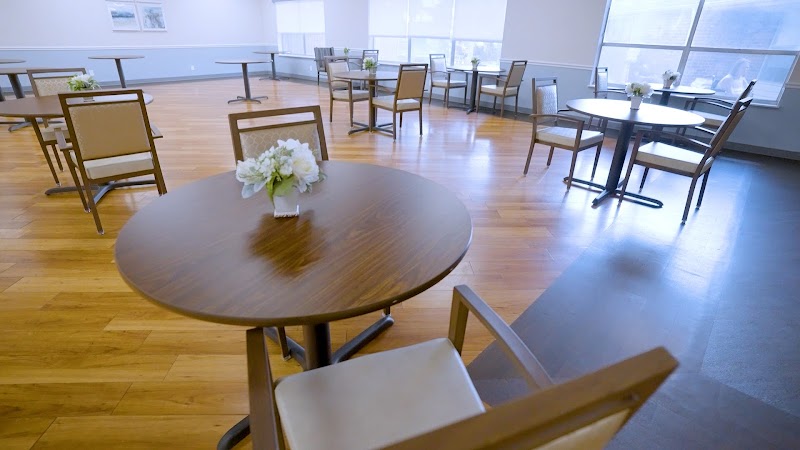
How Does Spring Valley Health & Rehabilitation Center Compare to Other Missouri Nursing Homes?

Compared to the 100 nursing homes in Missouri, SPRING VALLEY HEALTH & REHABILITATION CENTER's overall rating (2 stars) is below the state average of 2.5, staff turnover (56%) is near the state average of 46%, and health inspection rating (1 stars) is much below the national benchmark.

What Should Families Ask When Visiting Spring Valley Health & Rehabilitation Center?

Based on this facility's data, families visiting should ask: "What changes have been made since the serious inspection findings, and how are you preventing similar issues?" "How do you ensure continuity of care given staff turnover, and what is your staff retention strategy?" "Can you walk me through typical staffing levels on day, evening, and night shifts?" "Can I visit during a mealtime to observe dining assistance and food quality?" These questions are particularly relevant given the facility's Immediate Jeopardy citations, the facility's high staff turnover rate, and the below-average staffing rating.

Is Spring Valley Health & Rehabilitation Center Safe?

Based on CMS inspection data, SPRING VALLEY HEALTH & REHABILITATION CENTER has documented safety concerns. Inspectors have issued 3 Immediate Jeopardy citations (the most serious violation level indicating risk of serious injury or death). The facility has a 2-star overall rating and ranks #100 of 100 nursing homes in Missouri. Families considering this facility should ask detailed questions about what corrective actions have been taken since these incidents.

Do Nurses at Spring Valley Health & Rehabilitation Center Stick Around?

Staff turnover at SPRING VALLEY HEALTH & REHABILITATION CENTER is high. At 56%, the facility is 10 percentage points above the Missouri average of 46%. High turnover means new staff may not know residents' individual needs, medications, or preferences. It can also be disorienting for residents, especially those with dementia who rely on familiar faces. Families should ask: What is causing the turnover? What retention programs are in place? How do you ensure care continuity during staff transitions?

Was Spring Valley Health & Rehabilitation Center Ever Fined?

SPRING VALLEY HEALTH & REHABILITATION CENTER has been fined $47,327 across 1 penalty action. The Missouri average is $33,552. While any fine indicates a compliance issue, fines under $50,000 are relatively common and typically reflect isolated problems that were subsequently corrected. Families should ask what specific issues led to these fines and confirm they've been resolved.

Is Spring Valley Health & Rehabilitation Center on Any Federal Watch List?

SPRING VALLEY HEALTH & REHABILITATION CENTER is not on any federal watch list. The most significant is the Special Focus Facility (SFF) program, which identifies the bottom 1% of nursing homes nationally based on persistent, serious quality problems. Not being on this list means the facility has avoided the pattern of deficiencies that triggers enhanced federal oversight. This is a positive indicator, though families should still review the facility's inspection history directly.