SPRINGFIELD SKILLED CARE CENTER
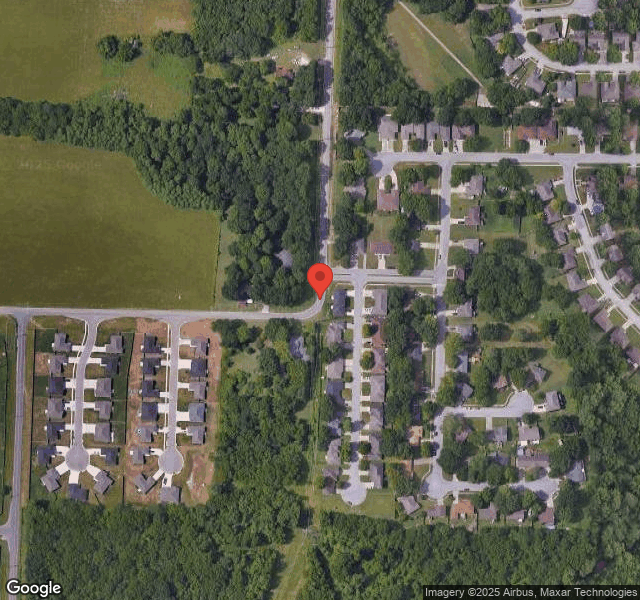
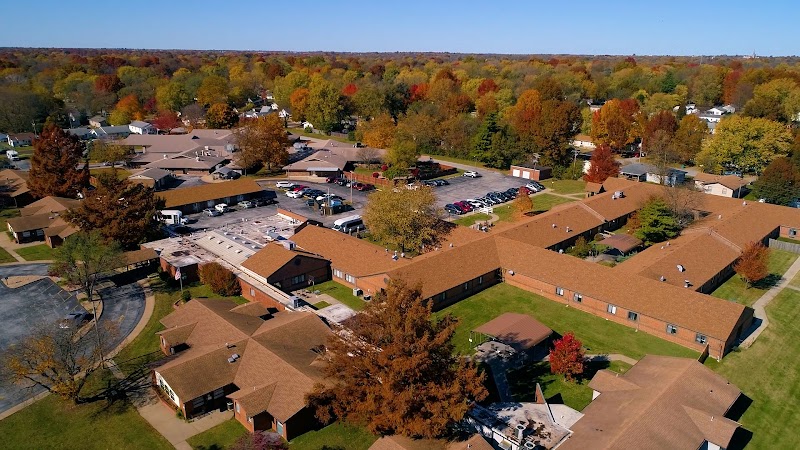
2401 WEST GRAND, SPRINGFIELD, MO 65802 (417) 864-4545
For profit - Corporation 120 Beds MGM HEALTHCARE Data: November 2025 1 Immediate Jeopardy citation
Trust Grade
6/100
#454 of 479 in MO
Last Inspection: February 2025

Within standard 12-15 month inspection cycle. Federal law requires annual inspections.

Overview

Springfield Skilled Care Center has received a trust grade of F, indicating significant concerns and poor overall quality of care. It ranks #454 out of 479 facilities in Missouri, placing it in the bottom half, and #20 out of 21 in Greene County, meaning there is only one other local option that is better. While the facility is showing some improvement, as the number of issues decreased from 25 in 2024 to 20 in 2025, it still reports a concerning 70% staff turnover rate, which is higher than the state average. The center does have good RN coverage, exceeding that of 88% of facilities in the state, which is a positive aspect. However, there are serious deficiencies, including a critical incident where a resident developed severe pressure ulcers due to inadequate wound care, and medication errors that led to a hospitalization for one resident, highlighting significant gaps in care.

Trust Score
F
6/100
In Missouri
#454/479
Bottom 6%
Safety Record
High Risk
Review needed
Inspections
Getting Better
25 → 20 violations
Staff Stability
⚠ Watch
70% turnover. Very high, 22 points above average. Constant new faces learning your loved one's needs.
Penalties
✓ Good
$15,000 in fines. Lower than most Missouri facilities. Relatively clean record.
Skilled Nurses
○ Average
Each resident gets 34 minutes of Registered Nurse (RN) attention daily — about average for Missouri. RNs are the most trained staff who monitor for health changes.
Violations
⚠ Watch
91 deficiencies on record. Higher than average. Multiple issues found across inspections.
★☆☆☆☆
1.0
Overall Rating
★☆☆☆☆
1.0
Staff Levels
★★★☆☆
3.0
Care Quality
★☆☆☆☆
1.0
Inspection Score
Stable
2024: 25 issues
2025: 20 issues

The Good

  • Full Sprinkler Coverage · Fire safety systems throughout facility
  • No fines on record

Facility shows strength in fire safety.

The Bad

1-Star Overall Rating

Below Missouri average (2.5)

Significant quality concerns identified by CMS

Staff Turnover: 70%

24pts above Missouri avg (46%)

Frequent staff changes - ask about care continuity

Federal Fines: $15,000

Below median ($33,413)

Minor penalties assessed

Chain: MGM HEALTHCARE

Part of a multi-facility chain

Ask about local staffing decisions and management

Staff turnover is very high (70%)

22 points above Missouri average of 48%

The Ugly 91 deficiencies on record

1 life-threatening 2 actual harm
Apr 2025 1 deficiency
CONCERN (D) 📢 Someone Reported This

A family member, employee, or ombudsman was alarmed enough to file a formal complaint

Potential for Harm - no one hurt, but risky conditions existed

Pharmacy Services (Tag F0755)

Could have caused harm · This affected 1 resident

Deficiency Text Not Available

Read full inspector narrative →
Deficiency Text Not Available
Feb 2025 19 deficiencies 1 IJ
CRITICAL (J) 📢 Someone Reported This

A family member, employee, or ombudsman was alarmed enough to file a formal complaint

Immediate Jeopardy (IJ) - the most serious Medicare violation

Pressure Ulcer Prevention (Tag F0686)

Someone could have died · This affected 1 resident

**NOTE- TERMS IN BRACKETS HAVE BEEN EDITED TO PROTECT CONFIDENTIALITY** Based on observation, interview, and record review, the facility failed to provide wound prevention and treatment per standards ...

Read full inspector narrative →
**NOTE- TERMS IN BRACKETS HAVE BEEN EDITED TO PROTECT CONFIDENTIALITY** Based on observation, interview, and record review, the facility failed to provide wound prevention and treatment per standards of practice when staff failed to complete a full assessment and obtain treatment orders timely upon discovery of a wound, failed to follow physician orders for interventions, completion of wound treatments and labs, and failed to care plan interventions for one resident (Resident #95) who developed facility acquired pressure ulcers (localized damage to the skin and/or underlying soft tissue usually over a bony prominence or related to a medical or other device). The resident developed infection and was referred to a surgeon for possible amputation of the right lower leg. The facility census was 98. The Administrator was notified on 02/07/25, at 4:59 P.M., of an Immediate Jeopardy (IJ) which began on 12/05/24. The IJ was removed on 02/07/25, as confirmed by surveyor onsite verification. Review of a facility policy titled Wound Management, dated 11/15/22, showed the following: -The facility will provide evidence-based treatments in accordance with current standards of practice and physician orders; -Wound treatment will be provided in accordance with physician's order; -Charge nurse will notify the physician in the absence of treatment orders; -Wound characteristics and documentation will included location of the wound; pressure injury and stage; size (shape, depth, tunneling (passageway of tissue destruction under the skin surface that has an opening at the skin level from the edge of the wound), and/or undermining (the destruction of tissue or ulceration extending under the skin edges); volume and exudate (drainage) characteristics; pain evaluation; presence of infection; condition of the wound bed and wound edges; condition of the peri wound (skin surrounding wound); and resident preference and goals. -Treatments will be documented on the Treatment Administration Record (TAR); -The effectiveness of treatments will be monitored through ongoing evaluation of the wound. Review of a facility policy titled Comprehensive Person-Centered Care Plan, dated 10/23/19, showed the following: -Each resident will have a person-centered plan of care to identify problems, needs, strengths, preferences, and goals that will identify how the interdisciplinary team will provide care; -The interdisciplinary team (IDT), along with the resident and/or resident representative, will identify resident problems, needs, strengths, life history, preferences, and goals; -For each problem, need, or strength a resident centered measurable goal is developed; -Staff approaches are to be developed for each problem, need, and strength. Assigned disciplines will be identified to carry out the intervention; -The comprehensive person-centered care plan can be reviewed and/or revised at quarterly intervals; -Upon a change in condition the care plan will be updated if applicable: -The care plan is updated to reflect risk/occurrences with a problem area, including goals and interventions to reduce the risk/occurrence. 1. Review of Resident #95's face sheet (document that gives resident's information at a quick glance) showed the following: -admission date of 05/01/24; -Diagnoses included encephalopathy (brain disease that alters brain function and structure), cerebral infarction (when blood flow to the brain is blocked leading to brain tissue death), non-pressure ulcer of the right foot with fat layer exposed (skin breakdown or open sore that develops due to a cause other than pressure), and type two diabetes mellitus (the body has trouble controlling blood sugar and using it for energy). Review of the resident's current care plan showed on 09/05/24, staff care planned following: -Resident had potential impairment to skin integrity related to deconditioning and incontinence; -Staff to follow facility protocols for treatment of injury; -Staff to educate resident/family/caregivers of causative factors and measures to prevent skin injury and encourage good nutrition and hydration in order to promote healthier skin. Review of the resident's skin assessment, dated 09/12/24, showed resident had no wounds and a rash to the groin area. Review of the resident's record, dated 09/13/24 to 10/18/24, showed staff did not document completion of skin assessments. Review of the resident's skin assessment, dated 10/19/24, showed the following: -An unstageable pressure ulcer to the right heel, measuring 5 centimeters (cm) by 3 cm; -Drainage noted when staff assisted resident to get dressed; -Bordered gauze dressing applied and heel offloaded; -Staff notified the Director of Nursing (DON), physician, and family. Record review of the resident's medical record, dated 10/19/24 and 10/21/24, showed no wound orders in place for the unstageable pressure ulcer on right heel. Review of the resident's physician progress note, dated 10/21/24, showed the nurse practitioner evaluated the resident due to staff report of a right heel wound. Resident found to have a stage 3 full thickness wound with eschar (dead tissue that forms over healthy skin). New orders included to cleanse with house wound cleanser, apply calcium alginate (absorbent wound dressings made from seaweed (alginate)) to wound and cover with bordered gauze and change daily, wound care consult, and Tylenol (pain reliever) 325 milligrams (mg) two tablets every six hours. Review of the resident's October 2024 Physician Order Sheet (POS) showed an order, dated 10/22/24, to cleanse with house wound cleanser, apply calcium alginate to wound and cover with bordered gauze and change daily. (The order did not specify the location of the wound.) Review of the resident's initial wound evaluation from the wound care provider, dated 10/24/24, showed the following: -Stage 3 full thickness pressure wound of the right heel; -Wound size 4.0 cm by 1.8 cm with depth not measurable; -Depth not measurable due to nonviable tissue and necrosis (death of body tissue); -Wound had moderate amount of serous (clear, watery fluid that leaks from a wound); -Wound had 80% necrotic (dead or non-viable tissue) and 20% slough (dead, yellow or white tissue that covers wound). Review of the resident's care plan showed staff did not update the care plan regarding the right heel wound. Review of the resident's October 2024 POS showed a new order, dated 10/26/24, was received to cleanse the right heel with house wound cleanser, apply calcium alginate to wound and cover with bordered gauze and change daily. Review of the resident's wound evaluation and management summary from the wound care provider, dated 10/31/24, showed the following: -Resident had wounds on the right posterior (back of body) heel and right plantar (sole of foot) heel; -Full thickness pressure wound of the right posterior heel measured 2.9 cm by 1 cm by 0.1 cm with moderate serous drainage; -Right posterior heel was improved; -Wound covered in 25% slough and 75% granulation tissue (soft, pink-red tissue that forms as wound heals). -Unstageable deep tissue injury (DTI) of the right plantar heel measured 1.7 cm by 1.8 cm by non-measurable depth with no drainage. Review of the resident's care plan showed staff did not update the care plan regarding the two identified wounds. Review of the resident's nursing progress notes, dated 10/19/24 to 10/31/24, showed staff did not document related to the resident's unstageable pressure ulcer or right heel stage 3. Review of resident's November 2024 POS showed the following: -An order, dated 11/01/24, for stage 3 right posterior heel to cleanse with house wound cleanser, apply calcium alginate to wound and cover with bordered gauze and change daily; -An order, dated 11/01/24, for unstageable DTI to right heel to cleanse with facility choice wound cleanser and apply bordered gauze daily until healed. Review of resident's November 2024 TAR showed the following: -Staff did not document completion of the wound treatment to stage 3 right posterior heel 11/01/24 and 11/02/24. -Staff did not document completion of the wound treatment to the unstageable right heel wound on 11/01/24 and 11/02/24. Review of the resident's wound evaluation and management summary from the wound care provider, dated 11/06/24, showed the following: -Stage 3 pressure ulcer of the right posterior heel measured 2.5 cm by 1.0 cm by 0.1 cm and was improved; -Wound had moderate serous drainage with 25% slough and 75% granulation tissue in wound bed; -Unstageable DTI to right heel measured 1.5 cm by 1.8 cm by 0.1 cm with light serous drainage was improved. Review of resident's November TAR showed the following: -Staff did not document completion of the the wound treatment to the stage 3 right posterior heel on 11/07/25. -Staff did not document completion of the wound treatment to the unstageable right heel on 11/07/24. Review of resident's November 2024 POS showed the following orders -An new order, dated 11/08/24, for stage 3 right heel to cleanse with normal saline, apply Santyl (medication used to remove damaged skin) to wound and cover with bordered gauze and change daily; -An new order, dated 11/08/24, for unstageable right heel to cleanse wound with normal saline, apply small amount of Santyl to wound and cover with bordered gauze daily and as needed. Review of the resident's care plan showed staff did not update the care plan with the wounds or change in treatment. Review of resident's November 2024 TAR showed the following: -Staff did not document completion of the wound treatment to the stage 3 right posterior heel on 11/08/24 and 11/10/24. -Staff did not document completion of the wound treatment to unstageable right heel on 11/08/24 and 11/10/24. Review of the resident's wound evaluation and management summary from a wound care provider, dated 11/13/24, showed the following: -Stage 3 pressure ulcer of the right posterior heel measured 2.4 cm by 0.9 cm by 0.1 cm and was improved. Wound had light serous drainage with 20% slough and 80% granulation tissue in wound bed; -Unstageable DTI to right heel measured 0.9 cm by 1.4 cm by 0.1 cm with light serous drainage. Wound bed with 25% slough and 50% granulation tissue and not at goal. Review of resident's November 2024 POS showed the following orders: -An new order, dated 11/15/24, for stage 3 right heel to cleanse with normal saline, apply small amount of Santyl to wound and cover with bordered gauze daily and as needed; -An new order, dated 11/15/24, for unstageable right heel to cleanse with normal saline, apply small amount of Santyl to wound bed, cover with bordered gauze daily and as needed. Review of the resident's quarterly Minimum Data Set (MDS - a federally mandated assessment instrument completed by facility staff), dated 11/06/24, showed the following: -Cognitively intact; -Resident had impairment to lower extremities; -Required partial to moderate assistance with dressing, showers, hygiene, bed mobility, and transfers; -At risk for development of pressure ulcers; -Had one stage 3 (full thickness tissue loss, fat may be visible, but bone, tendon, or muscle is not exposed) pressure ulcer; -Had one unstageable (full thickness pressure injury in which the base is obscured by eschar (dead tissue that forms over healthy skin) or slough (dead, yellow or white tissue that covers wound)) pressure ulcer due to a non-removable dressing or device that was present on entry to facility; -Pressure reducing device for chair and bed. Review of the resident's care plan showed staff did not update the care plan with the wounds or change in treatment. Review of the resident's November 2024 TAR showed the following: -Staff did not document completion of wound treatment to stage 3 right posterior heel on 11/14/24, 11/16/24, and 11/17/24. -Staff did not document completion of wound treatment to unstageable right heel on 11/14/24, 11/16/24, and 11/17/24. Review of the resident's wound evaluation and management summary from a wound care provider, dated 11/20/24, showed the following: -Stage 3 pressure ulcer of the right posterior heel measured 2.2 cm by 0.8 cm by 0.1 cm and was improved; -Wound had moderate serous drainage with 25% slough and 75% granulation tissue in wound bed; -Unstageable DTI to right heel measured 0.5 cm by 0.5 cm by 0.1 cm with light serous drainage; -Wound bed with 25% slough, 25% necrotic tissue and 50% granulation tissue and not at goal. Review of the resident's care plan showed on 11/20/24 staff updated the care plan with the following: -Resident had a stage 4 (full thickness skin loss that exposes muscle, bone, and other tissue) pressure wound to the right heel. -Administer vitamins and minerals per order; -Off load affected area as resident allows; -Provide nutrition and hydration per current orders; -Provide treatment per current order. Review of the resident's weekly wound observation, dated 11/21/24, showed the following: -Pressure ulcers to right posterior heel and right plantar heel acquired on 10/30/24; -Stage 3 to right heel is improved and measured 2.2 cm by 0.8 cm by 0.1 cm; -Stage 3 right heel had moderate serous drainage with epithelial tissue and slough visible; -DTI to right planter heel is now a stage 3 pressure ulcer measuring 0.5 cm by 0.5 cm by 0.1 cm; -Right plantar heel has serous drainage and wound bed is covered in 25% slough, 25% necrotic tissue, and granulation tissue. Review of resident's November 2024 TAR showed the following: -Staff did not document completion of wound treatment to stage 3 right posterior heel on 11/22/24 and 11/23/24. -Staff did not document completion of wound treatment to the unstageable right heel on 11/22/24 and 11/23/24. Review of the resident's wound evaluation and management summary from a wound care provider, dated 11/26/24, showed the following: -Stage 3 pressure ulcer of the right posterior heel measured 2.5 cm by 1.2 cm by 0.1 cm and was not at goal. Wound had moderate serous drainage with 25% viable tissue and 75% granulation tissue in wound bed; -Unstageable DTI to right heel measured 0.7 cm by 0.8 cm by 0.1 cm with light serous drainage. Wound bed with 5% slough, 75% necrotic tissue and 20% granulation tissue and not at goal. Review of resident's November 2024 TAR showed the following: -Staff did not document completion of wound treatment to stage 3 right posterior heel was on 11/27/24. -Staff did not document completion of wound treatment to unstageable right heel on 11/27/24. Review of resident's November 2024 POS showed the following orders: -An new order, dated 11/28/24, for stage 3 right heel to cleanse with wound cleanser and apply Medi honey (dressing that removes necrotic tissue and aids in healing) to wound bed, cover with bordered gauze daily and as needed; -An new order, dated 11/28/24, for unstageable right heel, cleanse with wound cleanser, skin prep with wound area, apply Medi honey to wound bed, cover with bordered gauze dressing daily and as needed. Review of a resident's weekly wound observation, dated 11/28/24, showed the following: -Pressure ulcers to right posterior heel and right plantar heel acquired on 10/30/24; -Stage 3 to right heel is improved and measured 2.5 cm by 1.2 cm by 0.1 cm; -Stage 3 right heel had moderate serous drainage with 25% slough visible; -DTI to right plantar heel is now a stage 3 pressure ulcer measuring 0.7 cm by 0.8 cm by 0.1 cm; -Right plantar heel had light serous drainage and wound bed was covered in 5% slough and granulation tissue. Review of resident's December 2024 TAR showed the following: -Staff did not document completion of the wound treatment to the stage 3 right posterior heel on 12/01/24. -Staff did not document completion of the wound treatment to unstageable right heel on 12/01/24. Review of the resident's wound evaluation and management summary from a wound care provider, dated 12/05/24, showed the following: -Stage 3 pressure ulcer of the right posterior heel was now unstageable due to necrosis and measured 2.4 cm by 1.4 cm by 0.2 cm and was exacerbated (worse) due to infection. Wound had moderate purulent (thick, yellowish fluid containing pus) drainage with 25% slough, 10% necrotic, and 40% granulation tissue in wound bed. -Unstageable DTI to right plantar heel was now a stage 3 and measured 1.5 cm by 1.0 cm by 0.1 cm with moderate serous drainage. Wound bed with 100% granulation tissue and not at goal. -The provider recommended the following tests white blood cell (WBC - measures amount of blood cells to detect infections); erythrocyte sedimentation rate (ESR - blood test to check for inflammation), C-reactive protein (CRP - test to check for inflammation); deep swab wound culture on right posterior heel (test used to diagnose a suspected deep wound infection), and hemoglobin A1C (HBA1C - measures average blood sugar over the past couple months). Review of the resident's December 2024 POS showed the following: -A new order, dated 12/05/24, for unstageable right heel to cleanse wound with Dakin's (solution used to prevent and treat skin and tissue infections) and half normal saline, cut to size sterile Dakin's moistened gauze and apply to wound bed, cover with bordered gauze twice daily and as needed; -A new order, dated 12/06/24, for stage 3 right heel to cleanse wound with normal saline, apply calcium alginate with silver (cut to size) to wound bed, cover with bordered gauze daily and as needed. Review of the resident's care plan showed staff did not update the care plan to reflect the new treatment interventions. Review of the resident's December 2024 POS showed staff did not place labs on the resident's order sheet of completion. Review of the resident's nurses' notes, dated 12/05/24, showed staff did not document why the labs orders were not placed on the POS. Review of resident's December 2024 TAR showed the following: -Staff did not document wound treatment to the stage 3 right posterior heel on 12/05/24, 12/06/24, 12/10/24, and 12/11/24. -Staff did not document wound treatment to unstageable right heel on 12/05/24 and 12/11/24. Staff documented completion of wound treatment once daily (instead of the twice daily as ordered) on 12/06/24, 12/09/24, and 12/10/24. Review of the resident's wound evaluation and management summary from a wound care provider, dated 12/12/24, showed the following: -Stage 3 pressure ulcer of the right posterior heel was now unstageable due to necrosis and measured 3 cm by 3.5 cm by unmeasurable depth and was not at goal. Wound intact with purplish discoloration with no drainage; -Unstageable DTI to right plantar heel was now a stage 3 and measured 1.6 cm by 1.2 cm by 0.3 cm with moderate serosanguinous (fluid containing blood and serum (liquid part of blood) drainage. Wound bed with 80% granulation tissue and 20% slough and not at goal; -The following tests recommended on 12/05/24 visit still pending including WBC, ESR, C-Reactive Protein, Deep swab wound culture on right posterior heel, and HBA1C. Review of the resident's December 2024 POS showed labs were not placed on the resident's order sheet of completion. Review of the resident's nurses' notes, dated 12/12/24, showed staff did not document why the labs orders were not placed on the POS. Review of resident's December 2024 TAR showed the following: -Staff did not document completion of the wound treatment to the stage 3 right posterior heel on 12/12/24. -Staff document completion of the unstageable wound once (instead of the order twice daily) on 12/12/24. Review of the resident's nursing progress note, dated 12/17/24, showed resident noted with increased pain with treatment. Physician called and new order for Ultram (pain medication) 50 milligrams (mg) four times daily ordered. Review of December 2024 POS showed an order, dated 12/18/24, for an air mattress, pressure relief. Review of the resident's care plan showed staff did not update the care plan with the new intervention. Review of the resident's wound evaluation and management summary from the wound care provider, dated 12/19/24, showed the following: -Unstageable pressure ulcer of the right posterior heel was now stage 3 and measured 3.5 cm by 3 cm by 0.1 cm and exacerbated due to infection and resident noncompliance with wound care. Wound bed 50% necrotic, 30% slough, and 20% granulation with moderate serosanguinous drainage; -Stage 3 to right plantar heel measured 2 cm by 1.4 cm by 0.2 cm with moderate serosanguinous drainage. Wound bed with 100% granulation tissue and improved; -The following tests still pending WBC, ESR, CRP, deep swab wound culture on right posterior heel, and HBA1C. Review of the resident's medical record showed staff did not document why the labs were not completed. Review of resident's December 2024 TAR showed the following: -Staff did not document completion of the wound treatment to stage 3 right posterior heel on 12/20/24, 12/21/24, and 12/22/24. -Staff did document completion of the unstageable heel once daily (instead of the ordered twice daily) on 12/20/24 and 12/21/24. Staff did not complete a treatment to the unstageable heel on 12/22/24. Review of a the resident's wound evaluation and management summary from the wound care provider, dated 12/23/24, showed the following: -Stage 3 pressure ulcer of the right posterior heel measured 4.1 cm by 3.9 cm by 0.1 cm and not at goal;. Wound bed 50% necrotic, 30% slough, and 20% granulation with moderate serosanguinous drainage; -Stage 3 to right plantar heel measured 1 cm by 1.5 cm by 0.2 cm. Wound bed with 100% granulation tissue and improved; -The following tests still pending WBC, ESR, CRP, deep swab wound culture on right posterior heel, and HBA1C. -Wound care physician discussed offloading, obtaining lab results, and further management with resident and facility wound nurse. Review of resident's December 2024 POS showed the following: -A new order, dated 12/24/24, for stage 3 right heel to cleanse wound with Dakin's and half normal saline, cut to size sterile Dakin's moistened gauze, and apply to wound bed, cover with bordered gauze twice daily and as needed. Record review of the resident's care plan showed staff did not address the new treatment/intervention on the care plan. Review of resident's December TAR showed the following: -A new order, dated 12/24/24, for wound care to stage 3 pressure wound of the right plantar heel, to cleanse wound with Dakin's and half normal saline, cut to size sterile Dakin's moistened gauze, and apply to wound bed, cover with bordered gauze twice daily and as needed every day shift for wound care. (The POS showed the order to be completed twice daily.) Review of resident's December 2024 TAR showed staff documented completing the treatment to the unstageable heel once on 12/25/24 and 12/29/24. Review of the resident's record showed the resident was discharged to the hospital on [DATE] for seizures. Review of the resident's hospital facility to facility discharge paperwork, dated 01/10/25, showed a diagnosis of acute osteomyelitis (bone infection) of the right ankle and foot. New order to paint right heel with betadine (antiseptic solution), cover with ABD pad and wrap with kerlix (gauze bandage) daily. Facility to make appointment with the vascular surgeon for follow up in 3 to 4 weeks. Review of the resident's admission note, dated 01/10/25, showed resident returned from hospital for suspected seizure activity and sepsis (a life-threatening condition that occurs when the body's immune system overreacts to an infection). The right heel has eschar present with 1.3 cm by 0.5 cm open area, betadine applied to eschar and calcium alginate applied to open area after cleaning with normal saline. Review of the resident's January 2025 POS showed an order, dated 01/11/25, to paint right heel with betadine and cover with ABD pad and wrap with kerlix daily. Review of the resident's physician progress note, dated 01/13/25, showed resident seen due to readmission from hospital. Resident reported pain in right heel with odor and drainage noted on exam. Cellulitis (bacterial infection of the skin and underlying tissues. It typically causes redness, swelling, pain, and warmth in the affected area) of right heel and will order clindamycin (antibiotic) 300 mg twice daily for 10 days. Review of the resident's January 2025 POS showed an order, dated 01/11/25, to paint right heel with betadine and cover with ABD pad and wrap with kerlix daily. -An order, dated 01/13/25, for clindamycin capsule 300 mg twice daily for right heel cellulitis for 10 days. Review of the resident's wound evaluation and management summary from a wound care provider, dated 01/16/25, showed the following: -Right posterior heel wound resolved; -Pressure wound to right heel measured 7 cm by 9 cm by 0.2 cm with moderate serosanguinous drainage. Wound bed is 40% necrotic, 30% slough, 30% granulation tissue. Exacerbated due to infection. -Physician discussed starting antibiotic for wet gangrene (condition where tissue dies due to lack of blood flow and bacterial infection); -The following tests recommended on 12/05/24 visit were still pending: WBC, ESR, CRP, deep swab wound culture on right posterior heel, and HBA1C. Review of the resident's medical record showed staff did not address the need for the ordered labs or why they were not completed. Review of the resident's care plan showed staff did not update the care plan upon readmission to the facility. Review of the resident's nurse practitioner progress note, dated 01/17/25, showed right heel eschar present with two areas that have now joined, 2 cm by 2 cm, open area distally with foul odor. Resident currently taking clindamycin. Obtain right foot x-ray for concern of osteomyelitis. Review of the resident's January 2025 POS showed an order, dated 01/17/25, for a right foot x-ray. Review of the resident's nurse progress note, dated 01/17/25, showed x-ray results reviewed and no acute findings noted. Review of radiology report, dated 01/17/25, showed foot suspicious for acute osteomyelitis and cellulitis. Review of the resident's skin/wound note, dated 01/20/25, showed the following: -Stage 3 pressure wound of the right posterior heel in resolved. -Stage 3 pressure wound of the right heel measured 7.0 cm by 9.0 cm by 0.2 cm with moderate serosanguinous drainage. Wound progress exacerbated due to infection. Surgical debridement done to remove infected and necrotic tissue. No treatment changes this visit. -Pending labs of CRP, deep wound culture on pressure wound of heel, ESR, WBC, and HBA1C. Review of the resident's medical record showed staff did not address the need for the ordered labs or why they were not completed. Review of resident's January 2025 TAR showed staff did not document completion of the wound treatment to right heel on 01/20/24. Review of the resident's physician's progress note, dated 01/20/25, showed resident seen due to right heel and osteomyelitis noted on x-ray. Patient requested to go to emergency room for evaluation and treatment of osteomyelitis and wound. Review of the nurse's progress note dated 01/21/25, at 12:28 P.M., showed results from x-ray noted and per physician send resident to emergency room for follow up (the day after physician noted the order to transfer). Review of the resident's nurse progress note dated 01/21/25, at 6:18 P.M., showed the resident returned from hospital. Staff did not document any new diagnoses or orders. Review of the resident's physician progress note, dated 01/22/25, showed resident returned from the emergency room with decision to make regarding amputation of right leg or palliative care. On exam resident stated, I want to see a surgeon, I would rather lose my leg then my life. Treatment plan indicated patient to consult with vascular surgeon and continue cipro 50 mg (antibiotic) twice daily until evaluation for osteomyelitis. Review of the resident's January 2025 POS showed the following: -An order, dated 01/22/25, for ciprofloxacin tablet 500 mg, one tablet twice daily for infection with no end date. Review of resident's January 2025 TAR showed the following: -Staff did not document completion of the wound treatment to right heel on 01/22/25; -An order dated 01/27/25, for a vascular surgeon consult documented as completed on 01/27/25. Review of resident progress notes showed staff did not document an appointment made with vascular surgeon. Review of the resident's January 2025 POS showed the following: -An order, dated 01/23/25, to cleanse right heel with Dakins and normal saline, apply Dakin's gauze to area, cover with ABD pad and kerlix three times weekly. Review of the resident's wound evaluation and management summary from a wound care provider, dated 01/23/25, showed the following: -Pressure wound to right heel measured 5.6 cm by 6.8 cm by 0.3 cm with moderate serosanguinous drainage. Wound bed is 60% necrotic, 20% slough, 20% granulation tissue. Exacerbated due to infection. -The tests recommended on 12/05/24 visit still pending ESR and CRP. Review of the resident's medical record showed staff did not document regarding the need for the labs or why they were not completed. Review of resident's January 2025 TAR showed staff did not document completion of the wound treatment to right heel on 01/24/25. Review of the resident's January 2025 POS showed the following: -A new order, dated 01/25/25, to cleanse right heel with Dakin's, apply calcium alginate with silver and cover with ABD pad and kerlix, skin prep peri wound. Review of the resident's wound evaluation and management summary from a wound care provider, dated 01/30/25, showed the following: -Pressure wound to right heel measured 5 cm by 7 cm by 0.3 cm with moderate serosanguinous drainage. Wound bed is 60% necrotic, 20% slough, 20% granulation tissue. -The tests recommended on 12/5/24 visit still pending ESR and CRP. Review of the resident's medical record showed staff did not document regarding the need for the labs or why they were not completed. Review of resident's January 2025 TAR showed staff did not document completion of the wound treatment to right heel on 01/31/25. Observation and interview on 02/05/25, at 10:01 A.M. showed the resident resting in bed on a regular mattress (not an air mattress as ordered on 12/18/24). Resident reported he/she was unsure how long he/she had the wound on right heel, but staff clean it and change the bandage on it. The wound was not improving and he/she was seeing a vascular physician about amputation. He/she was on antibiotics due to an infection to the right foot, but was unsure how long. Resident reported pain to the right foot and that he/she was currently receiving pain medication to help. During an interview on 02/07/25, at 11:27 A.M., the wound care physician said the following: -The wound care company had been seeing the resident for right heel pressure wound for 93 days; -The right heel was non purulent (not containing or producing pus) and did not have an infection on initial consult; -The resident had two wounds that merged into one during treatment; -The wound was currently malodorous (unpleasant-smelling) and had bone exposed; -He/she was unsure when osteomyelitis started, but spoke with the nurse practitioner about starting antibiotics related to wet gangrene and osteomyelitis; -If wound treatments are missed it can cause a wound to deteriorate; -The resident's wound would get worse due to heavy exudate that could cause maceration (softening of the skin) and infection; -Missing wound treatments could have contributed to infection or osteomyelitis. Observation of [TRUNCATED]
SERIOUS (G)

Actual Harm - a resident was hurt due to facility failures

Quality of Care (Tag F0684)

A resident was harmed · This affected 1 resident

**NOTE- TERMS IN BRACKETS HAVE BEEN EDITED TO PROTECT CONFIDENTIALITY** Based on observation, record review, and interview, the facility failed to provide care per physician's orders and professional ...

Read full inspector narrative →
**NOTE- TERMS IN BRACKETS HAVE BEEN EDITED TO PROTECT CONFIDENTIALITY** Based on observation, record review, and interview, the facility failed to provide care per physician's orders and professional standards of practice for all residents when staff failed to document complete and thorough assessments, provide care per physician's orders, and to care plan treatment of a burn for one resident (Resident #2). The facility census was 98. Review of the facility's policy titled, Accident and Incident Documentation and Investigation, revised 04/26/23, showed the following: -The licensed nurse at the time of an incident is responsible for documenting the incident in the resident's medical record; -The licensed nurse shall document the incident and notify the supervisor and Director of Nursing (DON) for follow through as needed; -The licensed nurse may complete a nurses' note and update the resident's care plan as needed; -The nurse's notes may contain clear objective facts of what occurred; an evaluation of the resident's condition at the time of the accident/incident; description of the resident; vital signs; other physical characteristics apparent as a result of the accident/incident; any treatment provided; notification or attempts to notify the resident's physician, family, and/or legal representative, or any other health care professional or individuals involved with the resident's care; and the charge nurse's signature, date, and time of the documentation. Review of a facility policy titled Wound Management, dated 11/15/22, showed the following: -The facility will provide evidence-based treatments in accordance with current standards of practice and physician orders; -Wound treatment will be provided in accordance with physician's order; -Charge nurse will notify the physician in the absence of treatment orders; -Treatments will be documented on the Treatment Administration Record (TAR); -The effectiveness of treatments will be monitored though ongoing evaluation of the wound. Review of a facility policy titled Comprehensive Person-Centered Care Plan, dated 10/23/19, showed the following: -Each resident will have a person-centered plan of care to identify problems, needs, strengths, preferences, and goals that will identify how the interdisciplinary team will provide care; -The interdisciplinary team, along with the resident and/or resident representative, will identify resident problems, needs, strengths, life history, preferences, and goals; -For each problem, need, or strength a resident centered measurable goal is developed; -Staff approaches are to be developed for each problem, need, and strength. Assigned disciplines will be identified to carry out the intervention; -The comprehensive person-centered care plan can be reviewed and/or revised at quarterly intervals; -Upon a change in condition the care plan will be updated if applicable: -The care plan is updated to reflect risk/occurrences with a problem area, including goals and interventions to reduce the risk/occurrence. 1. Review of Resident #2's face sheet (a document that gives a resident's information at a quick glance) showed the following: -admission date of 09/01/02; -Diagnoses included burn of unspecific degree of left thigh, subsequent encounter, epilepsy (a chronic brain disorder characterized by recurrent seizures, which are brief episodes of involuntary movements, loss of consciousness, or altered awareness), and unspecified open wound, left hip, burn of first degree (a minor injury that affects only the top layer of skin) of left lower leg. Review of the resident's annual Minimum Data Set (MDS - a federally mandated assessment instrument completed by facility staff), dated 10/01/24, showed the following: -The resident was cognitively intact; -The resident required supervision or touching assistance with meals; -The resident can use a manual wheelchair to wheel 50 feet with two turns with supervision or touching assistance. Review of the resident's current care plan showed the following: -On 08/19/24, staff care planned the resident will remain free from injury related to seizure activity through the review date; -On 09/30/24, staff care planned the resident continued to have seizures, however, they are noted to be becoming further apart and vary; -On 09/30/24, staff care planned to not leave the resident alone during a seizure. Protect him/her from injury. If he/she is out of bed, help to the floor to prevent injury and remove or loosen tight clothing. Do not attempt to restrain the resident during a seizure as it could make convulsions more severe, protect onlookers, draw a curtain etc; -On 09/30/24, staff care planned seizure documentation should include location of seizure activity, type of seizure activity (jerks, convulsive movements, trembling), duration, level of consciousness, any incontinence, sleeping or dazed post-ictal state, after seizure activity; -On 09/30/24, staff care planned to give seizure medication as ordered; -On 08/23/23, staff care planned the resident has an activities of daily living (ADL) self care performance deficit due to impaired cognition and staff to assist with ADLs. Staff updated the care plan on 09/30/24 with resident is able to eat without assistance. Review of an incident report dated 12/29/24, at 4:30 P.M., showed the following: -The resident was in the dining room having a cup of coffee before dinner when it spilled in his/her lap causing burns to develop to the anterior (front of the body) and posterior (back of the body) aspects of the left thigh. The resident believed as he/she reached to place the coffee cup on the dining table, he/she experienced a mild seizure which caused him/her to spill the hot liquid from his/her cup; -Staff removed resident from the dining room, assessed for injury, and notified physician. Assistant Director of Nursing (ADON) present and notified. Staff contacted the wound doctor and a treatment order was received, noted, and completed. Staff assessed resident for pain and the ADON initiated new pain management orders; -No injuries were observed at the time of the incident; -The resident was alert and level of pain was a seven; -The resident was oriented to person, place, and situation; -Anterior and posterior left thigh were red, hot to the touch, and painful; -No injuries observed post incident. During an interview on 02/13/25. at 11:36 A.M., the Director of Nursing (DON) said he/she added an incident report regarding the burn on 02/07/25, at 11:13 A.M., after speaking with a Department of Health and Senior Services (DHSS) staff and realizing there was not one. Staff should have completed it on 12/19/24 after the incident. Review of the resident's December 2024 Physician's Order Sheet (POS) showed an order, dated 12/19/24, to cover blistered area of the right thigh with a thin layer of Silvadene (topical treatment to prevent and treat wound infections in second and third degree burns) and cover with telfa (non-adherent dressing) BID (two times a day) for superficial burn from spilled coffee. Review of the resident's medical record showed staff did not document a full assessment of the resident's wound on 12/19/24. Review of the resident's care plan showed staff did not update the care plan with the burn or ordered treatment from 12/19/24. Review of the resident's December 2025 Treatment Administration Record (TAR) showed the following: -An order, dated 12/19/24, to cover blistered area of the right thigh with a thin layer of Silvadene and cover with telfa BID for superficial burn from spilled coffee; -On 12/19/24, staff coded treatment as HD (HD - hold see nurses notes); -On 12/21/24 staff did not document completion of the morning treatment; -On 12/22/24 staff did not document completion of the treatment. Review of the resident's nurses' notes, dated 12/19/24 to 12/22/24, showed staff did not document why the ordered treatments were not completed. Review of the resident's physician note, dated 12/23/24, showed the resident was seen at the request of nursing staff for a coffee burn to his/her left leg. The resident believed he/she had a seizure causing him/her to spill his/her coffee onto his/her leg. He/she reported being amnestic (experiencing or relating to a partial or total loss of memory) prior to spilling coffee. He/she had superficial burns along with two partial thickness burns. The wound physician will be asked to examine and give recommendations for treatment. Review of the resident's nurse's note, dated 12/23/24, at 8:33 A.M., showed Registered Nurse (RN) A noted the resident was sent to the hospital for treatment of a burn received from spilling coffee on 12/19/24. The wound worsened since the incident. Staff notified the physician and guardian of the transfer. Review of the resident's Skilled Nursing Facility/Nursing Facility (SNF/NF) to hospital transfer form dated 12/23/24, at 9:00 A.M., showed the reason for transfer was burn to the thigh on 12/19/24 and need for wound evaluation and management. Review of the resident's hospital records, dated 12/23/24, showed the following: -The resident said he/she spilled hot coffee on his/her leg around five days ago; -He/she was concerned that he/she may have had a seizure which caused the spill; -The burn was located on the lateral left hip; -Initially the leg was only red, but it has since worsened and developed blisters; -The facility assessed the burn a few days ago after the incident and applied bandages; -The burn was discussed with the on-call trauma surgeon. The burn was debrided and the wound was dressed with an antibiotic ointment placed on the wound. The resident was referred to the burn clinic and discharged back to the facility; -Diagnosis of burn involving less than 10% of body surface-left thigh; -Order to change dressing daily and apply triple antibiotic ointment and sterile gauze. Review of the resident's wound physician's note, dated 12/23/24. showed the following: -Resident presented with wounds to his/her left proximal (situated near the center of the body) anterior(near the front of the body) thigh and left posterior (near back of the body) thigh; -The facility physician requested a thorough wound care assessment and evaluation performed; -Burn wound of the left proximal, anterior thigh full thickness, wound size 8.3 centimeter (cm) x 5.2 cm x .2 cm with 20% slough (soft yellow or white material that builds up on the surface of a wound) and 80% granulation tissue (new, pink or red soft tissue that forms in the healing process of wounds); -Surgical excisional debridement (removing non-viable tissue) procedure, removal of necrotic tissue to establish the margins of viable tissue; -Burn wound of the left, posterior and lateral (away from the middle of the body) thigh with undetermined thickness 28.5 cm x 36.2 cm with depth not being measurable with fluid filled blister. Open ulceration area of 928.53 squared cm; -The resident was requiring an increased level of care and was being sent to the hospital. The resident has 18% second degree burn (an injury that damages the outer layer of skin (epidermis) and part of the underlying layer (dermis)) on his/her thigh area. Review of the resident's December 2024 POS showed the following: -An order, dated 12/24/24, for Silvadene external cream 1%, apply to left thigh two times a day for burn cleanse with normal saline, cover with telfa; -An order, dated 12/24/24, for left thigh at left posterior thigh to cleanse with the wound cleanser, pat dry, and apply triple antibiotic cream to area. Review of the resident's December 2024 TAR showed staff did not complete the order for Silvadene the evening of 12/25/24 and 12/26/24. Staff entered a code of HD. Review of the resident's nurses' notes, dated 12/25/24 and 12/26/24, showed staff did not document why the Silvadene order was not completed. Review of the resident's hospital records showed the following: -On 12/27/24, the resident presented to the burn unit office for status post burn from hot coffee; -The resident is an epileptic and thinks he/she may have had a seizure. The resident does now have burn cellulitis (a bacterial infection of the skin), thick eschar (dead or devitalized tissue), and a fairly deep burn. Diagnosis of deep partial thickness burn of thigh, cellulitis, burn any degree involving less than 10 percent body surface; -On 01/07/25, preoperative diagnosis of full thickness burn (third-degree - involve all of the layers of skin and sometimes the fat and muscle tissue under the skin) of the left proximal thigh measuring 19 cm x 13 cm. Postoperative diagnosis of full thickness burn (third-degree) of the left proximal thigh measuring 19 cm x 13 cm. Patient had developed burn cellulitis. He/she was admitted to the hospital and the cellulitis was treated. He/she had been receiving local wound care, but the wound failed to heal. Given these findings we discussed the optic of proceeding with operative intervention. A graft was applied over the burn wound, cut to size, secured with skin staples. -On 01/13/25, resident returned to the facility. Review of the resident's nurse's notes, dated 01/13/25, at 5:07 P.M., showed the resident was re-admitted to the facility from the hospital for a burn of the left outer thigh. The resident had a dressing around his/her left thigh. On 01/07/25, he/she had a skin graft to burn on left outer thigh from a donor site on the left inner thigh. It was reported to be healing well. The dressing is intact and will be changed tomorrow. Review of the resident's care plan showed the staff did not update the care plan to reflect the burn or new treatments upon the resident's return from the hospital. Review of the resident's January 2025 POS showed an order, dated 01/14/25, for Bacitracin (prevents infection in cuts and burns) zinc external ointment 500 unit/gram, apply to affected area topically two times a day for wound care. Review of the resident's physician note, dated 01/15/25, showed the resident was seen for readmission to the facility after recent hospitalization for 2nd and 3rd degree burns to the left thigh. The resident underwent a skin graft and has a donor site on the anterior left thigh with silver dressing in place to be removed by surgeon. Review of the resident's January 2025 TAR showed staff did not complete the Bacitracin treatment on 01/15/25 and 01/18/25 evening treatments. The staff entered a code of HD. Review the resident's nurses' notes, dated 01/15/25 and 01/18/25, showed staff did not document whey the Bacitracin treatment was not completed. Review of the resident January 2025 POS showed an order, dated 01/16/25, for calcium alginate-honey 4 x 5, apply four each to affected area for three days every day shift, every three days for wound care. Review of the resident's January 2024 TAR showed staff did not complete the calcium alginate wound treatment on 01/16/25 and 01/19/25. Staff entered a code of HD. Review of the resident's nurses' notes, dated 01/16/25 and 01/19/25, showed staff did not document the reason the wound treatment was not completed. Review of the resident's quarterly MDS, dated [DATE], showed the following: -The resident had a moderate cognitive impairment; -Resident had second or third degree burns; -Resident had a surgical wound. Review of the resident's January 2025 POS showed the following: -An order, dated 01/19/25, for Bacitracin zinc external ointment 500 unit/gram, apply to affected area topically weekly seven days for wound care, cover with xeroform (petroleum-impregnates gauze dressing used to cover wounds) gauze and abdominal pad as needed; -An order, dated 01/21/25, for donor site, to wash wound bases with wound cleanser, apply a thin layer Bacitracin and xeroform, secure with gauze, and gentle compression as needed, one time a day for burn left thigh; -An order, dated 01/21/24, for graft site, for dry dressing daily until scab is formed, one time a day. Review of the resident's January 2025 TAR showed the following: -On 01/25/25, staff did not document completion of the 01/21/25 order to donor site or graft site orders; -On 01/26/25 staff did not complete the Bacitracin wound treatment (order 01/19/25) and entered a code of HD; -On 01/26/25 and 01/27/25, staff did not complete the wound treatment to the donor cite and coded with a HD; -On 01/27/25, staff did not complete the graft site order and coded as HD. Review of the resident's nurses' notes, dated 01/25/25 to 01/27/25, showed the staff did not document why the wound treatments were not completed. Review of the resident's medical record, 01/13/25 to 02/06/25, showed staff did not document a full assessment of the wound. Review of the resident's current care plan showed staff updated the care plan on 02/07/25, with the following: -The resident has a burn and donor site to his/her left thigh; -The resident will remain free from complications related to wound healing and infection; -Encourage good nutrition and hydration in order to promote healthier skin; -Follow wound care as ordered by provider; -Monitor/document location, size and treatment of the wound; -Offer resident lids with hot liquids, resident does remove lids his/herself; -Use caution during transfers and bed mobility. During an interview on 02/05/25, at 11:12 A.M., the resident said the following: -He/she got a burn on his/her left thigh in December 2024 after spilling hot coffee on him/herself. He/She thinks he/she had a seizure which caused the spill; -The staff treated the burn and he/she was sent to the hospital a few days after. It was a pretty bad burn and was painful; -He/she had to have a skin graft; -It was a third degree burn. Observations on 02/05/25, at 11:12 A.M., showed the resident lifted up his/her clothing to show a large scarred reddish pink area with a few scabs that appeared to be closed on her left thigh spanning from just above his/her knee cap to close to his/her abdomen. A dressing was covering a small portion of the top of the healing burn. There was a rectangular smaller area that was reddish but also appeared closed on his/her lower leg. The resident said the smaller area on the lower leg was from the skin graft. During an interview on 02/05/25, at 11:20 A.M., Certified Nurse Aide (CNA) I said the following: -On 12/19/24, he/she went to change the resident around 7:00 P.M. and saw that the resident's left thigh appeared to be covered with a burn and there was a large blister; -He/she told the nurse; -He/she believed the burn was being cared for and the resident was sent to the hospital sometime after that. During an interview on 02/05/25, at 12:36 P.M., CNA K said the following: -He/she was aware the resident burned his/her thigh from hot coffee; -He/she did not remember who assisted the resident; -The resident was sent to the hospital and then returned a day later, but was sent a second time and stayed. He/she believed the burn was being treated. During an interview on 02/7/25, at 12:14 P.M., Licensed Practical Nurse (LPN) G said the following: -The resident spilled coffee on him/herself. The resident was sent to the hospital at one point and had to get skin grafts. He/she did not do any of the treatments or assessments until after he/she returned from the hospital; -He/she was not aware that treatments had not been completed; -The resident's burn should have been assessed and documented in a nurse's note. The nurse should also document communication with the physician. During an interview on 02/06/25, at 10:25 A.M., RN A said the following: -The resident spilled coffee on him/herself on 12/19/24 around 5:00 P.M.; -He/she was informed by a CNA who was pushing the resident back to her room in a wheelchair. He/she believed the resident got the coffee herself and then spilled it after having a seizure; -He/she assessed the resident's burn and it was originally just a reddish, pink area that was warmer to the touch than the outlying skin. The redness was from just above the knee to his/her abdomen/groin and it wrapped around to the back of the thigh. There was about an inch strip of skin that was shriveled and wrinkled with loose skin on the back of the thigh. He/she did not measure it. He/she sent a picture of the burn to the resident's physician, and he/she provided orders for treatment of the burn and pain medication; -He/she put in the orders for wound care and completed the wound care and left the facility. He/she did not remember what documentation he/she completed; -The resident's physician requested that the wound physician see the resident's burn on 12/23/24 due to the burn being significantly worse. The burn was found to be completely covered in a blister; -The wound physician assessed and debrided the burn and then recommended the resident go to the hospital. The resident was sent to the emergency room and was sent back to the facility the same day with a follow-up scheduled with the burn center for 12/26/24; -He/she did notify the wound physician that he/she had returned, and he/she gave new orders for treatment. The treatment was being completed as far as he/she knew; -He/she did not recall making any nurses' notes, incident reports, events or documenting any assessments regarding the burn; -The nurse should documented assessments and a nurse's note in the chart. The nurse should document any changes in condition and communication with the physician in a nurses note; -The resident went to his/her appointment on 12/26/24 and was sent to the hospital burn unit where he/she stayed for a few weeks and had to have a skin graft; -He/she believed the new orders from the hospital were completed as ordered and as far as he/she knew the burn was improving; -He/she is not sure if anything was added to the care plan. During an interview on 02/06/25, at 3:23 P.M., the ADON said the following: -He/she saw the resident's burn on either Saturday or Sunday (12/21/24 or 12/22/24); -He/she believed he/she assessed the burn on the front of the thigh. He/she thought he/she made a nurse's note; -The burn covered most of the outer thigh and was blistered. It progressively was getting worse; -He/she did not look at the back of the leg/thigh; -He contacted the physician, but could not recall what instructions were given if any; -He/she used nursing judgement and chose not to complete the wound treatment as ordered or any treatment because he/she was worried it might stick to the blister and cause it to pop; -The burn should have been measured and any observations documented; -The resident ended up going to the hospital and getting a skin graft for the burn. During an interview on 02/07/25, at 3:33 P.M., the resident's physician said the following: -The resident spilled coffee on him/herself. The resident said he/she had a seizure, but he/she did not think the resident had a seizure due to the resident not having any seizure's recently and they are well controlled; -He/she believed the burns were only partial thickness and not full thickness initially; -The burn was at least 5 cm x 10 cm. The burn initially was just redness, but burns can continue to decline for 4 to 5 days; -He/she was made aware that the burn was declining and he/she had the wound physician look at the burn on 12/23/24; -The resident was sent to the hospital and then came back and went back to the hospital due to continued decline; -The facility staff should document assessments and change in condition in the chart; -Wound treatments should be completed as ordered and if not there should be a documented reason why given. During interviews on 02/05/25, at 1:57 P.M., and on 02/13/25, at 11:36 A.M., the DON said the following: -The resident was in the dining room, around dinner time and had a mug with a handle. The resident wheeled him/herself in front of the table and either had a seizure or fell asleep. He/she spilled coffee on him/herself; -He/she believed this occurred on 12/19/24 based on an order for pain medication and wound care for the burn placed on that date; -He/she was unable to find any nurses notes, assessments, or an incident/event report regarding the burn or incident from 12/19/24 until 12/23/24; -The nurse should have completed an assessment of the burn, including measurements and a description of what it looked like; -RN A did look at the wound and it was reported to the DON and it was just a red area that was warmer than the surrounding area to the touch; -He/she saw the wound on 12/20/24 and had redness that went from just below the mid-thigh to the groin and then back behind the leg. There was a blister approximately the size of a hot dog bun. He/she did not look at the back of the leg; -On 12/23/24, the burn was more extensive and the resident was assessed by the wound physician and sent to the hospital; -RN A should have documented an assessment and communication with physician in the computer. He/she should have completed an incident report. During an interview on 02/13/25, at 12:38 P.M., the MDS Coordinator said the following: -He/she responsible for care plans; -Burns and wounds should be on the care plan with the appropriate interventions; -Wounds should be treated per the physicians orders. During an interview on 02/06/25, at 2:45 P.M., the Administrator said the following: -He/she was informed that the resident had spilled coffee on him/herself when he/she fell asleep or had a seizure; -The resident was assessed by nursing staff after the incident. -Wound care should be completed as ordered. New wounds should be assessed by the nurse.
SERIOUS (G) 📢 Someone Reported This

A family member, employee, or ombudsman was alarmed enough to file a formal complaint

Actual Harm - a resident was hurt due to facility failures

Deficiency F0760 (Tag F0760)

A resident was harmed · This affected 1 resident

**NOTE- TERMS IN BRACKETS HAVE BEEN EDITED TO PROTECT CONFIDENTIALITY** Based on interview and record review, the facility failed to ensure all residents were free from significant medication errors. ...

Read full inspector narrative →
**NOTE- TERMS IN BRACKETS HAVE BEEN EDITED TO PROTECT CONFIDENTIALITY** Based on interview and record review, the facility failed to ensure all residents were free from significant medication errors. The facility failed to ensure physician orders were entered and/or reviewed by nurses, failed to document monitoring of medication side effects, and failed to follow physician orders to discontinue Xanax (a drug in a class of medications called benzodiazepines (class of medications that act as central nervous system (CNS) depressants) that works by decreasing abnormal excitement in the brain) for one resident (Resident #94) who suffered a hospitalization due to a benzodiazepine overdose. The facility staff failed to notify management and the physician of the medication error. The facility census was 98. Review of the facility's policy titled Physician Orders, dated 09/28/22, showed the following information: -Physician orders must be recorded in the medical record by the licensed nurse authorized to transcribe such orders; -Physician orders must be documented clearly in the medical record and must include date and time, name of practitioner providing the order, name and strength of the medication, quantity and duration, dosage and frequency, route of administration, indication, and stop date if indicated; -Discontinued orders will be marked as discontinued with the date and all new orders will be written in the appropriate area on the physician order sheet with the date the order was received; -Telephone/Verbal orders may only be received by a licensed nurse and are required to be signed by the ordering physician within 30 days; -Written/Faxed orders must be documented and entered into the medical record by a licensed nurse. Review of the facility's policy titled Psychotropic Management Guidelines, dated 07/26/23, showed the following information: -A licensed nurse will implement the physician order for the medication including an approved diagnosis or targeted behavior, a psychoactive medication consent and review, and standardized behavior tracking monitoring to identify targeted behaviors, documentation of episodes, and documentation of interventions and outcomes. -Care plans will be individualized. Review of the facility's policy titled Medication Administration-General Guidelines, dated 12/2017, showed the following information: -Medications are administered in accordance with written orders of the prescriber; -If a dose seems excessive considering the resident's age and condition, or a medication order seems to be unrelated to the resident's current diagnoses or conditions, the nurse calls the provider pharmacy for clarification prior to administration of the medication or if necessary contacts the prescriber for clarification. This interaction with the pharmacy or prescriber and the resulting order should be documented in the nursing notes. 1. Review of the Resident #94's face sheet (brief look at resident information), showed the following information: -admission date of 06/19/24; -Diagnoses included Guillain-Barre syndrome (condition in which the immune system attacks the nerves), bi-polar disorder (disorder associated with episodes of mood swings ranging from depressive lows to manic highs), low blood pressure, and restless legs syndrome. Review of the resident's quarterly Minimum Data Set (MDS- a federally mandated assessment tool filled out by facility staff), dated 11/27/24, showed the following information: -Cognitively intact with no episodes of delirium (serious disturbance in mental abilities that results in confused thinking and reduced awareness of surroundings); -Required substantial to maximum assistance from staff for mobility; -Received antipsychotic (drugs that treat psychotic disorders), antianxiety (drugs that treat anxiety disorders), antidepressant (drugs that treat depressive disorders), hypnotic (drugs that promote and induce sleep by depressing the CNS system), and opioid (a class of natural, semi-synthetic, and synthetic drugs that are used for treatment of pain) medications; -Antipsychotics received on a scheduled basis with no gradual dose reductions attempted. Review of the resident's care plan, initiated on 08/30/24, showed the following information: -The resident takes several Black Box Warning (the highest safety-related warnings that medications can have assigned by the Food and Drug Administration (FDA). These warnings are intended to bring the consumers attention to the major risk of the drugs, including potential risks of death, serious injury, and/or disability. The severe risk is associated with the mechanism of action and its undesired effects on the body. These warnings emphasize the need for careful monitoring.) medications and will not sustain any harm from the use of the medications; -The resident took antidepressant medications. Staff to monitor and document any side effects and effectiveness every shift; -The resident took antianxiety medications. Staff to monitor and document any side effects and effectiveness every shift. Review of the resident's Physician Order Sheet (POS), dated 01/01/25, showed the following medication orders: -An order, dated 12/11/24, for Cymbalta capsule delayed release (antidepressant that belongs to a group of medicines called serotonin- norepinephrine reuptake inhibitor (SNRI)), 30 milligram (mg) tablet. Staff to give three capsules po (by mouth) daily at 7:00 A.M., for bipolar disorder; -An order, dated 07/28/24, for Effexor XR (antidepressant that belongs to a group of medicines called SNRI), 75 mg. Staff to give three capsules po at bedtime for depression; -An order, dated 10/28/24, for lorazepam (controlled substance that belongs to the benzodiazepine drug class) 0.5 mg. Staff to give 1 tablet po three times a day (tid) as needed for anxiety; -An order, dated 12/16/24, for amitriptyline (tricylic antidepressant that increases certain chemicals in the brain) 100 mg tablet. Staff to give two tablets po at bedtime for depression; -An order, dated 01/01/25, for amitriptyline 50 mg tablet. Staff to give one tablet po at bedtime for insomnia, give with 200 mg tablet to equal 250 mg dose; -An order, dated 12/18/24, for Seroquel (antipsychotic that balances dopamine and serotonin in the brain) 50 mg tablet. Staff to give two tablets po one time a day in the morning for bipolar disorder; -An order, dated 12/18/24, for Seroquel 50 mg tablet. Staff to give two tablets po in the afternoon for bipolar disorder; -An order, dated 10/04/24, for Lyrica (FDA approved as an antiepileptic drug that works by slowing down impulses to the brain) 50 mg capsule. Staff to give one capsule po after meals for neuropathy (weakness, numbness, and pain from nerve damage, usually in the hands and feet); -An order, dated 08/26/24, for Norco (opioid pain medication that contains acetaminophen and hydrocodone) 5-325 mg tablet. Staff to give one tablet po four times a day (qid) at 8:00 A.M., 12:00 P.M., 4:00 P.M., and 8:00 P.M., for pain; -An order, dated 07/28/24, for Seroquel 300 mg tablet. Staff to give two tablets po at bedtime for panic disorder; -An order, dated 12/18/24, for Ambien (a controlled substance that belongs to the hypnotic drug class) 5 mg tablet. Staff to give one tablet po at bedtime for insomnia; (Staff did to obtain orders to monitor for adverse effects of antipsychotic, antidepressant, antianxiety or hypnotic medications. Cymbalta, Effexor ER, lorazepam, amitriptyline, Seroquel, and Norco carried black box warnings.) Review of the resident's nurse's note, dated 01/09/25, showed the medical records personnel documented the following: -The resident was seen on this day by the psychiatrist via telehealth visit; -New order received to start Xanax (controlled substance that belongs to the benzodiazepine drug class) 1 mg po q (every) six hours as needed; -New order received to lower amitriptyline to 100 mg po at bedtime; -New order received to increase Seroquel to 600 mg po at bedtime; -New order received to discontinue Ativan (lorazepam) once Xanax starts. Review of the resident's January 2025 MAR and POS showed the following: -An order, dated 01/09/25, for Xanax 1 mg tablet. Staff to give one tablet po every six hours as needed for severe anxiety with first administration on 01/12/25; -An order, dated 01/09/25, to decreased previously ordered amitriptyline 100 mg tablet. Staff to give one tablet po at bedtime for depression; dated 01/09/25 -An order, dated 01/10/25, to discontinue lorazepam. -An order, dated 07/28/24, for Seroquel 300 mg tablet. Staff to give two tablets (600 mg) po at bed time for panic disorder continued. The prior order for 50 mg was discontinued. Review of the resident's nurses' notes, dated 01/10/25, showed a system generated, moderate drug interaction warning between lorazepam, Xanax, and Norco for coadministration may cause Central Nervous System (CNS, refers to the brain and spinal cord) depression especially in misuse/overdose situations. Staff did not document regarding contacting the prescribing physician for the triggered drug interaction. Review of the resident's nurse's note, dated 01/22/25, showed the resident's Nurse Practitioner ordered Depakote (anticonvulsant used to treat psychiatric disorders) 500 mg po in the morning. The system generated the following following drug interaction warning: -Coadministration with Seroquel may increase the risk for neutropenia (low white blood cell count) and leukopenia (low white blood cell count); -Coadministration with amitriptyline may cause plasma concentrations (agent becomes concentrated in the plasma) and toxic effects of amitriptyline. -Staff did not document regarding contacting the prescribing physician for the triggered drug interaction. Review of the resident's January 2025 MAR and POS showed the following: -An order, dated 01/22/25, for Depakote 500 mg tablet. Staff to give two tablets po each night; -An order, dated 01/23/25, changed Depakote 500 mg tablet, Staff to give one tablet po in the morning. Review of the resident nurse's note, dated 01/22/25, showed the medical records personnel noted the resident was seen by the psychiatrist via telehealth with several new orders. Staff noted see POS for orders and follow up in 4 to 6 weeks. Review of the Psychiatrist's POS, dated 01/23/25, showed the following new orders: -An order, dated 01/23/25, for Valium (controlled substance that belongs to the benzodiazepine drug class) 10 mg po qid. -An order, dated 01/23/25, for once Valium began, discontinue the as needed Xanax; -An order, dated 01/23/25, to discontinue Depakote; -An order, dated 01/23/25, to begin Lamictal (an antiepileptic medication) 25 mg po each night for two weeks, then increase to 50 mg po each night for two weeks, then increase to 100 mg po at night for three nights, then increase to 100 mg po every morning and each night; -An order, dated 01/23/25, to restart trazodone (antidepressant) 150 mg po at night; -Medication changes were phoned into the pharmacy and follow up in the next 4-6 weeks. Review of the residents January 2025 MAR showed the following information: -An order, dated 01/24/25, for Valium 10 mg po qid at 8:00 A.M., 12:00 P.M., 4:00 P.M., and 8 P.M., administered as order with the first dose administered on 01/24/25, at 8:00 P.M.; -The order for Xanax was continued and administered on 01/24/25, at 1:56 A.M., 8:32 A.M., and 4:30 P.M., on 01/25/25, at 2:15 A.M., and on 01/26/25, at 4:12 A.M., and 12:19 P.M.; -The order for Depakote was discontinued on 01/23/25; -An order, dated 01/24/25, for Lamictal 25 mg po each night for two weeks, then increase to 50 mg po each night for two weeks, then increase to 100 mg po at night for three nights, then increase to 100 mg po every morning and each night; -An order, dated 01/24/25, for trazodone 150 mg po each night. (Staff did not obtain orders regarding monitoring of adverse effects of antipsychotic, antidepressant, antianxiety or hypnotic medications.) Review of the resident's nurse's note, dated 01/23/25, showed the following: -System generated warning for moderate to severe drug interactions with coadministration of Cymbalta, trazodone, Effexor, and amitriptyline, which could result in serotonin syndrome (potentially life-threatening condition that occurs when you take medications that affect serotonin levels) and toxicity may be increased. CNS depression may also occur; -System generated warning for coadministration of Norco, Xanax, and Valium that may cause additive CNS depression especially in misuse/overdose situations. -Staff did not document contacting the prescribing physician regarding the triggered drug interaction warnings. Review of the residents' nurses notes, dated 01/23/25 through 01/25/25, showed no entries regarding the resident's behavior and/or any care concerns. Review of the resident's nurse's note, dated 01/26/25, showed Licensed Practical Nurse (LPN) D noted he/she nurse sent resident to the hospital due to altered mental status. The resident was alert and oriented to self, slurred speech, and pupils slowly reactive. Resident had weak grips. Staff notified the Director of Nursing (DON) notified and the medical provider. Review of the resident's nurse's note, dated 01/26/25, showed the DON noted charge nurse called the DON and requested him/her to assess the resident as he/she wasn't acting like his/herself. The DON responded to the smoke area to see the resident up in the motorized wheelchair, fidgeting with his/her clothes, which were wet from him/her spilling his/her drink. The peripheral spontaneous movements he/she was experiencing previously have minimized significantly; however, the resident was having difficulty holding his/her head up and with fine motor movement. The resident could follow simple commands and completed a neurological assessment. The resident's pupils were dilated and he/she was not aware of the year and had slurred speech. The resident was taken to his/her room to lay down. The DON instructed the certified medication technician (CMT) to hold all narcotic medications. The DON attempted to call the psychiatrist as he/she had ordered valium recently with no answer. The DON attempted to call the primary care physician with no answer. The DON returned to bedside and provided sternal rubs to the resident alongside a cold washcloth. DON was unable to make out any words the resident attempted to communicate. The resident was unable to sit up. Staff called emergency medical services (EMS) for emergent response for altered mental status. The resident left the facility awake, but disoriented. Review of the resident's admitting hospital's documentation, dated 01/26/25, showed the following information: -At the time of the examination the resident was comatose and minimally responsive only to painful stimulus; -Diagnosis of benzodiazepine overdose, accidental (unintentional). Hospital staff to admit to inpatient, place in step-down for close monitoring. Once resident has recovered from acute ingestion, psychology referral in place to review and restart home medications once reconciled; -The resident required intubation with mechanic ventilation (a procedure that uses a breathing machine to help the patient breathe when they can't on their own) on admission; -The resident was extubated (breathing machine removed) on 01/29/25 and was adamant he/she did not intentionally overdose his/herself and the facility administered his/her medications. Review of the residents' nurses note, dated 01/31/25, showed the resident arrived back to the facility on this date, via ambulance. The resident was alert and oriented with fine motor skills intact. Review of the resident's nurses notes, dated 01/26/25 to 01/31/25, showed staff did not document regarding the medication errors of Xanax not being discontinued and coadministered with Valium. Staff did not document any notifications to the physician regarding the medication errors. During an interview on 01/30/25, at 12:11 P.M., Certified Nursing Assistant (CNA) B, said the following: -The resident started to complain about not feeling well and experiencing extra anxiety around the middle of January 2025; -The resident suffered from panic attacks at baseline; -The staff spoke to the resident's doctor about the increased anxiety and this CNA believed the doctor had made some medication changes; -He/she believed that two of those medications were Xanax and Valium; -After starting the medication the resident began getting increasingly confused and had to be sent out to the hospital; -Some of the symptoms the resident started to experience leading up to the hospitalization were jitteriness and slurring of the words; -The resident was alert and oriented to self, time, and place at baseline. By the time the resident needed to be sent to the hospital he/she was only alert to him/herself and could not communicate his/her needs. During an interview on 01/30/25, at 12:26 P.M., LPN C said the following: -If a resident exhibited a change of condition, he/she would document it in the progress notes, notify the physician and DON, and begin monitoring the resident; -He/she was not aware of who entered new medication orders into the electronic medical record. He/she was a new nurse and did not know if certain medications such as antipsychotics should be monitored for adverse effects; -Nurses do monitor for adverse effects of medications, they just aren't the ones who put the orders in. -All he/she knows in regard to the resident, he/she was alert and oriented at baseline, then had a change of condition, and was sent to the hospital. During an interview on 02/05/25, at 11:45 A.M., CMT F said he/she was not the resident's CMT, but did see the resident up at the nurses' station at one point between 01/24/25 and 01/26/25, and the resident was slurring his/her words and talking about how the doctor was not prescribing the right medication. During this time the resident was also running into walls with his/her electric wheelchair and had poor fine motor skills. During an interview on 01/30/25, at 12:40 P.M., CMT E said the following information: -Charge nurses enter physician orders into the electronic medical record. When new orders are put into the system, the system will alert that person putting the order in with any possible drug interactions; -If a drug interaction is triggered, the nurse should contact the physician and address the concerns, but physician's orders trump the interaction in most cases; -CMT's do not have drug side effect monitoring on their MAR's. CMT's only monitor for pain; -The resident had a lot of anxiety and the doctor increased his/her Valium to four times a day, plus his/her Norco four times a day, and Lyrica three times a day; -He/she thought the resident was receiving a lot of medication and believed it to be too much for the resident; -The resident was on the increased medication for two days prior to having to be sent to the hospital. During an interview on 01/30/25, at 1:16 P.M., LPN D, said the following information: -He/she was the nurse on duty the day the resident had to be sent to the hospital; -He/she was familiar with the resident and the resident appeared to be acting within normal limits for most of the day (01/26/25); -Later in the evening, the nurse took the resident out for a smoke break around 6:00 P.M. During the smoke break the resident was acting funny and was confused. He/she completed a neuro assessment and found the resident was not oriented and did not know where he/she was and was only oriented to his/herself. Previously the resident was alert and oriented to person, place, and time; -The nurse believed the resident had been administered an as needed dose of Xanax around 12:00 P.M. At that time the resident had an order for Xanax, but he/she was pretty sure the Xanax was discontinued after that; -After seeing the change in condition in the resident, the nurse contacted the DON who came and assessed the resident. After the DON assessed the resident, he/she told the LPN that the resident had some recent mediation changes and maybe that was why the resident was acting this way; -He/she did think it was a lot of medication to administer to the resident; -He/she was shocked at the amount of Valium the resident was ordered; -The CMTs did not bring any concerns to the nurse throughout the day; -Nurses put medication orders into the electronic medical record and the system does trigger for any interactions or contraindications at the time of the medication being entered; -If he/she were the nurse whom entered the medication, he/she would have caught it and immediately called the physician. During interviews on 02/05/25, at 11:50 A.M., and on 02/11/25, at 11:20 A.M., LPN G said the following; -The resident was experiencing increased anxiety and had seen the psychiatrist and was prescribed new medication for it; -The medical records personnel rounds with the physician and entered new orders into the EMR. The charge nurses should sign off on those orders. He/she did not recall the medical records personnel bringing him/her any orders or interactions to sign off. -If a CMT were to make a medication error, they would report it to the charge nurse, the charge nurse would then go and assess the resident, notify the physician, and do an incident report. The physician would tell the staff to begin monitoring the resident for any adverse effects; -Antipsychotics, antianxiety, antidepressants, and hypnotics should be monitored for adverse side effect. The use of these should also be care planned. During an interview on 02/04/25, at 10:10 A.M., the resident said the following: -He/she came back to the facility on [DATE]; -He/she was experiencing a lot of anxiety, and he/she believed the doctors put him/her on too much medication which led him/her to being hospitalized ; -When he/she started taking the Valium, two days prior to being sent to the hospital, he/she was having trouble speaking. The medical records personal was aware of this and told the resident that he/she needed to speak with the psychiatrist again. He/she was also experiencing vomiting so much to the extent that he/she did not even eat the day he/she was hospitalized ; -He/she believed the amount of Valium he/she was prescribed and given was too much for his/her body to handle. During an interview on 02/04/25, at 11:44 A.M., the DON said the following information: -The resident was starting to experience some spontaneous movements of his/her extremities. The psychiatrist then seen the resident via telehealth and ordered Valium; -Before the ordering of Valium the resident was and had always been very anxious; -The resident started taking Valium on the night of 01/24/25; -He/she was not aware the Xanax was ordered to be discontinued so it was administered as well; -On Sunday, 01/26/25, the DON was called to the smoke break area by the charge nurse, LPN D, and upon assessment the resident was noted to have a hard time articulating words and following commands; -The DON told the CMT on duty to hold all narcotics at this time and attempted to contact the physician and psychiatrist without success; -The DON and LPN D took the resident to his/her room and laid him/her down onto the bed. The resident immediately went into a sleep. The resident would respond to sternal rubs, but would not keep his/her eyes open; -Paperwork was gathered and the resident was sent to the hospital for altered mental status; -Charge nurses are the only staff members to enter physician orders into the electronic medical record (EMR); -The medical records personal was a CMT and he/she was the one who entered the Valium order, as he/she was the one who rounded with the psychiatrist; -Two Black Box Warnings did trigger with the entering of Valium and the DON would have expected that to be addressed by the person entering the order. During an interview on 02/04/25, at 12:49 P.M., the Medical Records Personal/CMT said the following information: -The policy and procedure for entering orders is that the physician's nurse enters it into the EMR, then one of the facility staff nurses confirm the order; -He/She was not able to enter physician orders at this time. He/she used to be able to, but that was taken away about a week ago, around 01/28/25. He/she was not sure why he/she was not able to enter physician orders anymore; -When he/she was able to enter orders, he/she would do so, and any drug interactions or warnings that populated were the charge nurse's responsibility to double check and follow up on; -There were warnings and interactions when she entered the Valium order, but the charge nurse should have followed up on those; -The nurses were able to see that order and alerts within the system and should have followed up; -He/she did feel that the resident was on an excessive amount of medication. During interviews on 02/04/25, at 1:45 P.M., and on 02/05/25, at 1:25 P.M., the resident's physician said the following information: -He was aware of the new orders by the psychiatrist, and tries not to interfere with psychiatry; -All drugs have interactions and/or warnings and those interactions should be monitored for; -Coadministering Valium and Xanax is not a great idea; -He was not notified of the medication error; -Staff should always monitor for any adverse effects related to medication. During interviews on 02/04/25, at 5:01 P.M., and 02/05/25, at 2:38 P.M., the resident's psychiatrist said the following: -The medical records personnel rounds with him/her and he/she explained the orders to him/her, as well as faxing them to the facility and the pharmacy; -Anytime a resident was on these types of medications, staff should be monitored for adverse effects; -No staff member expressed any concerns to him/her, regarding the medication. He/she did expect to be notified of any concerns. -He/she was not aware that Xanax had not been discontinued and/or was administered with the Valium. Coadministering the two would not do the resident any favors; -No one notified him of the medication error; -Administering two benzodiazepines could lead to increased sedation and is not a good practice. During an interview on 02/13/25, at 9:15 A.M., the DON said the following; -If a medication error was made, the charge nurse should be notified immediately; -The charge nurse would notify the physician, family, and monitor the resident for any adverse side effects. -Antipsychotics, antianxiety, antidepressants, and hypnotics should be monitored for adverse side effects, and the use of these should be care planned; -He/she assumed the Valium is what led the resident to overdose and wished the documentation in the residents chart were better; -The medical records personnel use to be able to input physician orders. He/she no longer had that ability as of 01/28/25. This was a decision that came from corporate, no other reasoning; -He/she was not aware there was an order to discontinue the Xanax, nor of the medication error that occurred six times. During an interview on 02/13/25, at 1:00 P.M., the Administrator said the following: -Physician orders should be followed; -He expected medication errors to be addressed, notifications to be made, and follow up of the residents adverse effects; -Antipsychotics, antianxiety, antidepressants, and hypnotics should be monitored for adverse side effects, and the use of these should be care planned. MO00248656
CONCERN (D) 📢 Someone Reported This

A family member, employee, or ombudsman was alarmed enough to file a formal complaint

Potential for Harm - no one hurt, but risky conditions existed

Deficiency F0554 (Tag F0554)

Could have caused harm · This affected 1 resident

Based on observation, interview, and record review, the facility failed to ensure residents only self-administer their medication once assessed by an interdisciplinary team and if clinically indicated...

Read full inspector narrative →
Based on observation, interview, and record review, the facility failed to ensure residents only self-administer their medication once assessed by an interdisciplinary team and if clinically indicated when staff failed to observe one resident (Resident #28) take his/her medications, who had not been assessed for self-administration. The facility census was 98. Review of the facility's policy titled Self Administration of Medications, dated 12/2017, showed the following information: -If a resident desired to self-administer medications, an assessment was conducted by the interdisciplinary team (IDT) of the resident's cognitive, physical, and visual ability to carry out this responsibility during the care planning process. The resident should be re-assessed quarterly; -If the resident demonstrated the ability to safely self-administer medications, a further assessment of the safety of the bedside medication storage was conducted; -Bedside medication storage was permitted only when it did not present a risk to confused residents who wandered into rooms. When there was a safety concern with bedside medication storage, the medications would be stored in a central medication cart and the resident may request each dose. 1. Review of Resident #28's face sheet showed the following information: -admission date of 06/08/18; -Diagnoses include anxiety, extrapyramidal and movement disorder (a group of conditions that affect the body's voluntary and involuntary movements), pain, and intellectual disabilities. Review of the resident's quarterly Minimum Data Set (MDS - a federally mandated assessment completed by facility staff), dated 11/13/24, showed the following information: -Resident had moderate cognitive impairment; -Resident received antipsychotic (a class of drugs used to treat mental health conditions characterized by psychosis), antianxiety (a class of drugs used to treat anxiety), antidepressant (a class of drugs used to treat depression), diuretic (medications that increase urine output by promoting the excretion of water and electrolytes from the body through the kidneys), opioid (a class of drugs used to treat moderate to severe pain), and hypoglycemic (a group of drugs used to help reduce the amount of sugar present in the blood) medications. Observation on 01/30/25, at 10:37 A.M., showed the resident sat on the side of his/her bed. There were three empty medication cups on his/her bedside table. One of those medication cups had a pink colored, circular tablet (appeared to be a Tums - calcium carbonate, an antacid) inside of it. There were two additional circular tablets, one green and one orange, laying directly on the resident's bedside table. Observation on 02/05/25, at 10:09 A.M., showed the resident's room door open and two circular tablets, one pink and one orange, laying on the resident's bedside table. Observation on 02/06/25, at 10:29 A.M., showed the residents' room door open and two circular tablets, one pink and one orange, laying on the resident's bedside table. Review of the resident's care plan, with a target date of 04/16/25, showed staff did not care plan the resident self-administered medication or the ability to keep medications at bedside. Review of the resident's January 2025 Physician Order Sheet (POS) showed the resident did not have an order to self-administer medication or keep medications at bedside. During an interview on 01/30/25, at 10:54 A.M., Resident #205 said staff administered his/her medication, but at times they leave the medication on the resident's bedside table for him/her to take at his/her discretion. During an interview on 01/30/25, at 12:51 P.M., Resident # 83 said there was one staff member that watched him/her take his/her medication. The rest of the staff left his/her medications on the bedside table for him/her to take at his/her discretion. During an interview on 01/30/25, at 1:08 P.M., Laundry Aide H said the following: -He/she has found loose medications in residents' rooms; -There is no particular resident and it's sporadic; -He/she collected the loose medications and took them to the charge nurse; -He/she had found loose medications in Resident #28's soiled clothing prior to washing them. During an interview on 01/30/25, at 12:11 A.M., Certified Nursing Assistant (CNA) B said the following: -If he/she saw loose medications in any resident room, he/she would remove them from the room and report it to the charge nurse and/or Director of Nursing (DON); -It was not acceptable for residents to have medications in their rooms without a physician's order. During an interview on 02/11/25, at 10:54 A.M., CNA I said loose medications should be gathered and reported to the charge nurse immediately. The charge nurse will then take it from there as far as policy and procedure goes. During an interview on 01/30/25, at 12:40 A.M., Certified Medication Technician (CMT) E said the following: -Staff must always stay with the residents when administering mediation; -He/she had seen loose medications in resident rooms on several occasions; -He/she was not aware of any current residents that self-administered medications. During an interview on 01/30/25, at 12:26 P.M., Licensed Practical Nurse (LPN) C said the following: -He/she expected staff to watch residents take their medication; -Medications should never be left at bedside; -When staff finds loose medications, they bring the medication to him/her and he/she destroyed them and notified the DON. -He/she was not aware of any current residents that self-administer medications. During an interview on 02/11/25, at 11:20 A.M., LPN D said the following: -If medications were to be found in resident rooms, the staff member who found the medication should immediately turn it into the DON and provide education to the staff member who is passing medication that day; -Staff should stay with residents when administering medication; -He/she was not aware of any current residents that self-administered medications; -If a resident was able to self-administer medications an assessment would be completed. During an interview on 02/13/25, at 9:13 A.M., the DON said the following: -If medications were found in resident rooms, those medications need to be identified; -The staff member who found the medication needed to report it to the charge nurse and the charge nurse would then have to contact the physician; -Medications should not be left at bedside. No residents in the facility have an order for medications at bedside with the exception of creams; -Staff should stay with residents when administering medication; -Self-administer assessments were completed on admission and quarterly; -There were no current residents who self-administered medications. During an interview on 02/13/25, at 1:00 P.M., the Administrator said the following: -Loose medications should not be found a resident's room; -If loose medications are found a resident's room, the medication should be identified and the physician should be notified immediately; -Staff should stay with residents when administering medication; -Self-administer assessments were completed on admission and quarterly; -There were no current residents who self-administered medications
CONCERN (D)

Potential for Harm - no one hurt, but risky conditions existed

Deficiency F0582 (Tag F0582)

Could have caused harm · This affected 1 resident

Based on interview and record review, the facility failed to provide the resident or resident representative with a Notice of Medicare Provider Non-Coverage (NOMNC-form CMS-10123) when all covered Med...

Read full inspector narrative →
Based on interview and record review, the facility failed to provide the resident or resident representative with a Notice of Medicare Provider Non-Coverage (NOMNC-form CMS-10123) when all covered Medicare services were ending for two residents (Resident #62 and #98) and failed to provide a Skilled Nursing Facility Advance Beneficiary Notice (SNFABN - form CMS-10055) or a denial letter at the initiation, reduction, or termination of Medicare Part A benefits for one resident (Resident #98) who remained in the facility after discharge from Medicare Part A services. The facility census was 98. Review of the Centers for Medicare and Medicaid Services Survey and Certification memo (S&C-09-20), dated 01/09/09, showed the following information: -The Notice of Medicare Provider Non-Coverage (NOMNC, form CMS-10123) is issued when all covered Medicare services end for coverage reasons; -If the Skilled Nursing Facility (SNF) believes on admission or during a resident's stay that Medicare will not pay for skilled nursing or specialized rehabilitative services and the provider believes that an otherwise covered item or service may be denied as not reasonable or necessary, the facility must inform the resident or his/her legal representative in writing why these specific services may not be covered and the beneficiary's potential liability for payment for the non-covered services. The SNFs responsibility to provide notice to the resident can be fulfilled by the use of either the SNFABN (form CMS-10055) or one of the five uniform denial letters; -The SNFABN provides an estimated cost of items or services in case the beneficiary had to pay for them him/herself or through other insurance they may have; -If the SNF provides the beneficiary with either the SNFABN or a denial letter at the initiation, reduction, or termination of Medicare Part A benefits, the provider has met is obligation to inform the beneficiary of his/her potential liability for payment and related standard claim appeal rights. Issuing the NOMNC to a beneficiary only conveys notice to the beneficiary of his/her right to an expedited review of a service termination; -The SNF provider is required to notify the beneficiary of the decision to terminate covered services no later than two days before the proposed end of services. Review showed the facility did not provide a policy regarding Notice of Medicare Provider Non-Coverage (NOMNC-form CMS-10123) or Skilled Nursing Facility Advance Beneficiary Notices (SNFABN - form CMS-10055). 1. Review of Resident #62's Skilled Nursing Facility Beneficiary Protection Notification Review showed the following: -Medicare Part A skilled services episode start date of 08/29/24; -Services ended on 11/24/24; -Last covered day of Medicare Part A service was 11/24/24; -Facility staff did not provide the resident or his/her legal representative the NOMNC CMS-10123. 2. Review of Resident #98's Skilled Nursing Facility Beneficiary Protection Notification Review showed the following: -Medicare Part A skilled services episode start date of 06/12/24; -Services ended on 08/15/24; -Last covered day of Medicare Part A service was 08/14/24; -Facility staff provided a SNFABN CMS-10055 blank form with writing on the form someone had notified the guardian. There were no dates or signature that it had been received by the resident or guardian or who the guardian was; -NOMNC CMS-10123 was provided with no date and no signature from the resident or the representative. 3. During an interview on 02/06/25, at 2:20 P.M., the Social Service Designee (SSD) said the following: -She recently started and had not completed any of these notices. -She was just learning how to do the NOMNC and ABN notices. -The notices should have been provided as required. During an interview on 02/06/25, at 3:30 P.M., the Administrator said the beneficiary notifications should be provided to the residents or responsible party as required. The Administrator was not aware that these notices were not completed.
CONCERN (D)

Potential for Harm - no one hurt, but risky conditions existed

PASARR Coordination (Tag F0644)

Could have caused harm · This affected 1 resident

Based on observation, interview, and record review the facility failed to coordinate with the appropriate state-designated authority to ensure that individuals with a mental disorder, intellectual dis...

Read full inspector narrative →
Based on observation, interview, and record review the facility failed to coordinate with the appropriate state-designated authority to ensure that individuals with a mental disorder, intellectual disability, or related condition receive care and services in the most integrated setting appropriate to their needs, when the facility failed to obtain and maintain a copy of a level II Pre-admission Screening and Resident Review (PASRR) for one resident (Resident #61). The facility census was 98. Review showed the facility did not provide a policy regarding PASRR requirements. 1. Review of Resident #61's face sheet (brief look at resident information) showed the following information: -admission date of 10/17/23; -Diagnoses included anoxic brain damage (occurs when the brain is deprived of oxygen for an extended period of time, leading to damage),cognitive communication deficit, anxiety, bipolar disorder (a disorder associated with episodes of mood swings ranging from depressive lows to manic highs), schizoaffective disorder (a combination of symptoms of schizophrenia and mood disorder), and major depressive disorder. Review of the resident's quarterly Minimum Data Set (MDS- a federally mandated assessment tool filled out by facility staff), dated 01/15/25, showed the resident was cognitively intact. Review of the resident's care plan, dated 09/08/24, showed the following information: -Allow the resident time to answer questions and to verbalize feelings, perceptions, and fears; -Assist and encourage the resident to set realistic goals; -Encourage participation; -Monitor and document the resident's response to problems; -Provide opportunities for the resident and family to participate in his/her care; -When conflict arises, remove the resident to a calm and safe environment; -Observe for signs of mania, and document and report mood patterns. Review of the resident's Electronic Medical Record (EMR) on 02/06/25, at 1:07 P.M., showed the following: -Level I PASRR completed on 11/23/24; -Level II PASRR indicated and due by 12/07/24; -Level II PASRR not found in the resident's EMR. During an interview on 02/13/25, at 1:15 P.M., the Social Services Director said he/she was unable to locate the resident's level II PASRR. He/she was sure it had been completed by the prior Social Services Director. During an interview on 02/13/25, at 9:15 A.M., the Director of Nursing (DON) said the following: -The PASRR's are usually completed by the admissions nurse however the admissions nurse no longer worked at the facility; -PASRR's should be completed prior to admission to the facility and the facility should have them in the resident's EMR. During an interview on 02/13/25, at 1:00 P.M., the Administrator said the following: -All resident's have to have a completed Level I prior to entering the facility; -If level II's are indicated, they should be completed, and the facility should have them in the resident's EMR.
CONCERN (D)

Potential for Harm - no one hurt, but risky conditions existed

Deficiency F0658 (Tag F0658)

Could have caused harm · This affected 1 resident

Based on observation, interview, and record review, the facility failed to ensure services provided met professional standards of practice when the facility failed to obtain an order for, care plan, a...

Read full inspector narrative →
Based on observation, interview, and record review, the facility failed to ensure services provided met professional standards of practice when the facility failed to obtain an order for, care plan, and monitor the use of a brace for one resident (Resident #12). Facility had a census of 98. 1. Review of Resident #12's face sheet (a document that gives a resident's information at a quick glance) showed the following: -admission date of 11/17/22; -Diagnoses included cerebral infarction (stroke that occurs when the blood supply to part of the brain is blocked or reduced), hemiplegia (paralysis or weakness on one side of the body) of the left side, foot drop, and left ankle contracture. Review of the resident's admission Minimum Data Set (MDS - a federally mandated assessment instrument completed by facility staff), dated 06/02/24, showed the following: -Cognitively intact; -Required set up and clean up assistance with personal and oral hygiene; -Dependent with dressing, transfers, toileting, showers, and mobility; -Used wheelchair for mobility. Review of the resident's care plan, revised on 12/20/24, showed the following: -Required maximum assistance for transfers, toileting, and dressing; -At risk for falls related to gait and balance problems; -Staff should ensure resident shoes were on and secured. Resident wore an ankle foot orthotic (AFO - brace that supports the ankle and foot). -Staff did not care plan further regarding the AFO brace care and use. Review of resident's January 2025 Physician Order Sheet (POS) showed no orders for the application or monitoring of an assistive device to left lower extremity. Review of the resident's January 2025 physical therapy notes showed staff did not document regarding the AFO brace use. Review of the resident's January 2025 nursing progress notes showed staff did not document regarding the AFO brace use. Review of the resident's February 2025 POS showed no orders for the application or monitoring of an assistive device to left lower extremity. Review of the resident's February 2025 physical therapy notes showed staff did not document regarding the AFO brace use. Review of the resident's February 2025 nursing progress notes showed staff did not document regarding the AFO brace use. Observation and interview on 02/06/25, at 11:37 A.M., showed the resident sat in a wheelchair with a brace on the left lower extremity. The resident said he/she wore the brace for therapy. The brace allowed him/her to walk due to a leg and foot that had turned in from a previous stroke. Observation of the resident on 02/10/25, at 11:42 A.M., showed resident sat in wheelchair with a brace applied to his/her left leg. During an interview on 02/06/25, at 2:25 P.M., the Certified Occupational Therapist Assistant/Licensed (COTA/L) L said the resident came to the facility with an AFO brace. The nurse is responsible for entering any therapy orders during the interdisciplinary team meeting. The brace should have an order and be included in the care plan. During an interview on 02/06/25, at 2:30 P.M., Physical Therapy Assistant (PTA) M said the following: -The resident had an AFO brace that he/she came to the facility with years ago; -The resident wore the brace to hold his/her leg in correct position and provides stability; -Staff know to apply the brace as the resident had the brace for years and staff are familiar with him/her; -Brace should be worn when out of bed; -Any staff can apply the brace before the resident is out of bed; -He/she would assume there would be an order for an AFO brace; -He/she does not have access to resident care plans but an AFO brace should be included. During an interview on 02/07/25, at 11:45 A.M., Certified Nurse Assistant (CNA) I said the following: -Therapy advises staff about any assistive devices and provides training; -Therapy sometimes places a sign on the wall or the resident can let staff know about the need for a brace to be applied; -He/she applies the resident # 12's hand brace (resident not observed wearing a hand brace or had no order to use one); -Resident's leg brace should be applied when out of bed and removed when in bed; -CNA's are responsible for applying and removing assistive devices. During an interview on 02/11/25, at 9:23 A.M., CNA K said the following: -CNAs know to apply or remove a resident brace based upon visually seeing the resident in a brace; -The resident was to wear a brace when out of bed; -The resident had a brace when he/she started working at the facility; -He/she would ask the nurse if there was a question regarding an assistive device; -He/she could ask therapy to show how to apply a brace if needed; -He/she did not know where a care plan was, but the facility should have some information that allows staff to know about resident care. During an interview on 02/11/25, at 9:40 A.M., Registered Nurse (RN) J said the following: -Any resident with an assistive device should have the information listed on the Treatment Administration Record (TAR) or Medication Administration Record (MAR); -The resident's skin should be monitored if they have a brace on; -There should be an order for residents who use a brace; -The resident did not have an order for a brace or to monitor the brace; -The resident did not have an order for the brace so it is unknown when it should be applied or removed; -An assistive device such as a brace should be included in the care plan. During an interview on 02/11/25, at 11:50 A.M., Licensed Practical Nurse (LPN) G said the following: -A brace should have an order, be included on the care plan, and have an order for monitoring of brace; -Therapy was responsible for applying and removing braces; -Therapy was who would recommend a brace and would also be responsible for putting in an order. During an interview on 02/13/25, at 12:38 P.M., the MDS Coordinator said the following: -He/she is responsible for care plans; -He/she would think that the use of an orthotic device would be on the care plan. During an interview on 02/11/25, at 2:50 P.M., the Assistant Director of Nursing (ADON) said the following: -Any splint or brace should have an order and be included in the care plan; -Skin should be assessed if a resident wears a brace. During an interview on 02/13/25, at 11:15 A.M., the Director of Nursing (DON) said the following: -Any brace needs to have an order and be included in the care plan; -Staff should monitor skin under a brace routinely; -Nursing staff is responsible for applying and monitoring a brace; -The resident has always had a brace; -The brace should be applied in the morning and removed at bedtime. During an interview on 02/13/25, at 1:05 P.M., the Administrator said that there should be an order for brace use and monitoring.
CONCERN (D)

Potential for Harm - no one hurt, but risky conditions existed

Deficiency F0661 (Tag F0661)

Could have caused harm · This affected 1 resident

**NOTE- TERMS IN BRACKETS HAVE BEEN EDITED TO PROTECT CONFIDENTIALITY** Based on observation, interview, and record review, the facility failed to initiate a discharge summary for an anticipated disch...

Read full inspector narrative →
**NOTE- TERMS IN BRACKETS HAVE BEEN EDITED TO PROTECT CONFIDENTIALITY** Based on observation, interview, and record review, the facility failed to initiate a discharge summary for an anticipated discharge (a discharge that is planned and not due to the resident's death and/or emergency) for one resident (Resident #102). The facility census was 98. Review of the facility's policy titled Discharge Plan/Summary Voluntary, dated 11/01/18, showed the following information: -A physician order must be obtained; -If the resident is discharged home, the resident's community based physician is sent a copy of the residents Minimum Data Set (MDS - a federally mandated assessment completed by facility staff), discharge summary (final summary of the resident's status which includes the residents most recent comprehensive assessment), physician order sheet (POS), progress notes, the resident's face sheet (brief look at resident information), advance directives, contact information for physicians, and any special precautions; -Social work should meet with the person accepting responsibility for the resident. Referrals needed should be made to home health, or others based upon the needs of the resident; -Therapy may complete a home assessment to ensure a safe discharge and arrange any assistive equipment needed for home care; -Nursing should meet with the person responsible for the resident at home and provide instruction to that person as appropriate regarding medications and treatment to be continued at home. Referral should be ensured for home care as needed; -The nursing portion of the discharge summary should identify continuing nursing needs, specify level of nursing care needed, verify resident understanding of orders including all medication prescribed by physicians, details nursing plan of care, special problems, and teaching steps and level of progress and further teaching needs as appropriate; -Food and nutrition services should identify the resident's nutritional needs; -Social services should identify the resident's personal, financial, and social needs in relation to medical and psychological problems; -Therapy should identify resident problems based on evaluations and outline a treatment plan; -Activities should identify the resident's recreational needs; -A copy of the summary is given to the resident/family and the original is stored in the resident's medical record; -There should be documentation in the nurses' notes regarding resident status at the time of discharge. 1. Review of the Resident #101's face sheet, showed the following information: -admission date of 02/16/24; -Diagnoses included paraplegia (paralysis that affects all or part of the truck, legs, and pelvic organs), obesity, spina bifida (a birth defect in which a developing baby's spinal cord fails to develop properly), and lymphedema (swelling most often in the arm or leg, caused by lymphatic system blockage). Review of the resident's discharge MDS, dated [DATE], showed anticipated discharge to home and reconciled medication list provided to the resident. Review of the resident's care plan, with a target date of 01/08/25, showed staff did not care plan related to discharge planning. Review of the resident's progress note, dated 10/01/24, showed the IDT (Interdisciplinary Team) met to review the resident's current skilled care stay. The resident's goal was to return to prior level of functional independence at home/assisted living/skilled nursing facility. The resident actively participated with therapy and required daily nursing care. It was determined by IDT that it was reasonable and necessary that the resident remains on Skilled Care Services currently. IDT to continue to monitor the resident's daily skilled care needs. (Staff did not document any further IDT progress notes.) Review of the resident's progress note, dated 12/20/24, showed the resident's Nurse Practitioner (NP) noted the resident was seen at the request of nursing staff for pulmonary embolism (PE - a condition in which one or more arteries in the lungs become blocked by a blood clot) history and generalized weakness. The resident continued skilled services for weakness, wounds, and required therapy for strengthening. The resident denied any cough, trouble breathing, or wheezing. The resident denied any nausea, vomiting, or abdominal pain. The resident denied chest pain or irregular heartbeat. The resident reported a good appetite and was sleeping well. The resident was planning to discharge home this week with home health and have wounds managed by an outside wound clinic. Review of the resident's December 2024 POS showed the resident may discharge home on [DATE] with home health and wound care management through an outside wound clinic. Review of the resident's record on 02/13/25, at 2:20 P.M., showed the following: -Staff did not complete the Discharge summary dated [DATE]; -Staff did not document progress notes related to the resident's discharge. During an interview on 02/11/24, at 11:20 A.M., Licensed Practical Nurse (LPN) D said discharges should be documented in the progress notes and discharge summaries should be completed. During an interview on 02/13/24, at 9:15 A.M., the Director of Nursing said discharges should be documented in the progress notes and discharge summaries should be completed. During an interview on 02/13/24, at 1:00 P.M., the Administrator said discharges should be documented in the progress notes and discharge summaries should be completed.
CONCERN (D)

Potential for Harm - no one hurt, but risky conditions existed

ADL Care (Tag F0677)

Could have caused harm · This affected 1 resident

**NOTE- TERMS IN BRACKETS HAVE BEEN EDITED TO PROTECT CONFIDENTIALITY** Based on observation, interview, and record review, the facility failed to provide good grooming and personal hygiene for reside...

Read full inspector narrative →
**NOTE- TERMS IN BRACKETS HAVE BEEN EDITED TO PROTECT CONFIDENTIALITY** Based on observation, interview, and record review, the facility failed to provide good grooming and personal hygiene for residents who were unable to carry out activities of daily living (ADL- basic care tasks that are essential for maintaining independence and daily life) for themselves when the facility failed to document bathing attempts for one resident (Resident #205), who was dependent on staff for bathing. The facility census was 98. Review of the facility's policy ADL Care Bathing, dated 07/21/22, showed the following information: -Nursing staff will assist in bathing residents to promote cleanliness and dignity; -The charge nurse will be made aware of residents who refuse bathing. 1. Review of Resident #205's face sheet (brief look at resident information) showed the following information: -admission date of 01/16/25; -Diagnoses included acquired absence of right and left below the knee, diabetes, anxiety, high blood pressure, and syncope and collapse (temporary loss of consciousness with a quick recovery). Review of the resident's admission Minimum Data Set (a federally mandated assessment tool filled out by facility staff), dated 01/22/25, showed the following information: -Moderate cognitive impairment; -Dependent on staff for personal hygiene, bathing, and toileting. Review of the resident's care plan, dated 01/31/25, showed the following information: -The resident had a self care deficit; -Staff to observe/document and report any changes, potential for improvement, reasons for self-care deficit, expected course, and declines in function. -Staff did not care plan related to the resident need for assistance from staff for bathing or any history of refusal of cares. Observation and interview on 02/06/25, at 10:22 A.M., showed the resident lay in bed on his/her back. The resident's hair appeared to be unbrushed and had an oily look to it. The resident was dressed in a hospital gown that had brown staining around the collar of the gown. The resident said he/she was hoping to receive a shower that day. He/she had only been offered one shower since admission on [DATE]. Observation and interview on 02/07/25, at 8:59 A.M., showed the resident lay in bed on his/her back. The resident's hair appeared to be unbrushed and had an oily look to it. The resident was dressed in a hospital gown that had brown staining around the collar of the gown. The resident said that a staff member had came into his/her room yesterday and explained they would be unable to provide his/her shower due to staffing. Review of the facility provided shower sheets showed staff documented the resident had one shower sheet completed on 01/22/25. Staff did not have shower sheets since 01/22/25 that indicated the resident had been offered a shower since that date. Review of the resident's Electronic Medical Record (EMR) showed the resident had a bathing task assigned. There were no specifications for his/her shower days and/or times. Review of the resident's progress notes, dated 01/16/25 to 02/07/23, showed staff did not document any shower refusal from the resident. During an interview on 02/11/25, at 10:54 A.M., Certified Nursing Assistant (CNA) I said the following: -All aides, on all shifts should provide bathing to the residents; -Refusals should be documented on the shower sheet by the aide offering the shower; -The resident does say he/she does not get offered showers, but he/she often refuses to get up out of bed; -In the cases of the resident refusing, that should be documented, and a bed bath should be offered. During an interview on 02/11/25, at 11:20 A.M., Licensed Practical Nurse (LPN) G said the following: -Showers should be completed according to the resident's preference, regarding which days and times; -Refusals should be documented on the shower sheet, by the aide offering the shower. Those forms are then turned into the charge nurse; -The resident had not complained to him/her about not being offered showers; -He/she had heard the resident refused to get out of bed; -The resident had been showered more than once, but there was a lack in documentation. During an interview on 02/13/25, at 9:15 A.M., the Director of Nursing (DON) said the following: -Residents should be offered two showers a week and this should be on the resident's preferred schedule; -If the resident had a preference, that should be documented and care planned; -If the resident frequently refused to bathe, that should be documented and care planned; -The resident has refused his/her showers; -When the resident refuses, staff should continue to fill out a shower sheet, indicating the resident refused, and have the resident sign that sheet before turning it into the charge nurse. During an interview on 02/13/25, at 1:00 P.M., the Administrator said the following: -Residents should receive two showers a week; -If the resident refuses, that should be documented and care planned.
CONCERN (D)

Potential for Harm - no one hurt, but risky conditions existed

Accident Prevention (Tag F0689)

Could have caused harm · This affected 1 resident

Based on record review and interview, the facility failed to keep an environment free from accident hazards when staff did not complete and document a timely investigation or assessment into the cause...

Read full inspector narrative →
Based on record review and interview, the facility failed to keep an environment free from accident hazards when staff did not complete and document a timely investigation or assessment into the cause of a coffee spill that resulted in a burn and did not update the resident's care plan timely regarding new interventions to prevent future burns for one resident (Resident #2). The facility census was 98. Review of the facility's policy titled, Accident and Incident Documentation and Investigation, revised 04/26/23, showed the following: -Accidents and/or Incidents involving residents will be investigated and documented on an Incident Report in the electronic health record (EHR). An incident is defined as an occurrence which is not consistent with the routine operation of the facility or the routine care of a particular resident. Accidents and incidents will be analyzed for trends or patterns to enable the facility to enhance preventive measures to reduce the occurrence of Incidents; -The licensed nurse assigned at the time of the resident care accident/incident was responsible for conducting an investigation of the circumstances surrounding the accident/incident, and for notifying the supervisor, Director of Nursing (DON), and/or the Administrator as appropriate; -The licensed nurse at the time of the incident was responsible for initiating/completing the Incident Report and ensuring that all items had been completed as applicable to the accident/incident;. -The licensed nurse at the time of the incident was responsible for documenting the incident in the resident's medical record, in accordance with the guidelines below and set forth in the incident report. -The licensed nurse shall document the incident and notify the supervisor and DON for follow through as needed; -The licensed nurse may complete a nurses' note and update the resident's care plan as needed; -The nurses' notes may contain clear objective facts of what occurred; an evaluation of the resident's condition at the time of the accident/incident; description of the resident; vital signs; other physical characteristics apparent as a result of the accident/incident; any treatment provided; notification or attempts to notify the resident's physician, family, and/or legal representative, or any other health care professional or individuals involved with the resident's care; and the charge nurse's signature, date, & time of the documentation; -Accidents/incidents will be reviewed as part of the quality assurance program; -The Incident Report will be completed in the Electronic Medical Record (EMR); -In the event the computer is down paper copies of an Incident Report will be available. Review showed the facility did not provide a policy regarding monitoring of hot water for coffee. 1. Review of Resident #2's face sheet (a document that gives a resident's information at a quick glance) showed the following: -admission date of 09/01/02; -readmit date of 01/13/25; -Diagnoses included burn of unspecific degree of left thigh, muscle weakness, abnormalities of gait and mobility, unsteadiness on feet, cognitive communication deficit, unspecified dementia (a decline in mental abilities, including memory, thinking, and reasoning, severe enough to interfere with daily life, and is caused by damage to or changes in the brain), epilepsy (a chronic brain disorder characterized by recurrent seizures, which are brief episodes of involuntary movements, loss of consciousness, or altered awareness) ,and unspecified open wound, left hip, burn of first degree (a minor injury that affects only the top layer of skin) of left lower leg. Review of the resident's annual Minimum Data Set (MDS - a federally mandated assessment instrument completed by facility staff), dated 10/01/24, showed the following: -The resident was cognitively intact; -The resident required supervision or touching assistance with meals; -The resident could use a manual wheelchair to wheel 50 feet with two turns with supervision or touching assistance. Review of the resident's current care plan showed the following : -On 01/14/19, staff revised the care plan to reflect the resident had a seizure disorder; -On 08/19/24, staff care planned the resident would remain free from injury related to seizure activity through the review date; -On 09/30/24, staff care planned the resident continued to have seizures, however, they were noted to be further apart although they could vary; -On 09/30/24, staff care planned to not leave the resident alone during a seizure. Protect him/her from injury. If he/she was out of bed, help to the floor to prevent injury and remove or loosen tight clothing. Do not attempt to restrain the resident during a seizure as it could make convulsions more severe, protect onlookers, draw a curtain etc; -On 09/30/24,staff care planned seizure documentation should include location of seizure activity, type of seizure activity ( jerks, convulsive movements, trembling) duration, level of consciousness, any incontinence, and sleeping or dazed post-ictal state, after seizure activity; -On 09/30/24, staff care planned to give seizure medication as ordered; -On 08/23/23, staff care planned the resident had an activities of daily living (ADL) self care performance deficit due to impaired cognition and staff to assist with ADLs. Staff updated the care plan on 09/30/24, to reflect resident was able to eat without assistance. Review of the facility's Incident Report, for date 12/19/24 at 4:30 P.M., showed the following: -The resident was in the dining room having a cup of coffee before dinner when it spilled in his/her lap causing burns to develop to the anterior (front of the body) and posterior (back of the body) aspects of the left thigh. The resident believed he/she reached to place the coffee cup on the dining table and he/she experienced a mild seizure which caused him/her to spill the hot liquid from his/her cup; -Staff removed the resident from the dining room, assessed for injury, and notified the physician. The Assistant Director of Nursing (ADON) was present and notified. Staff contacted the wound doctor and a treatment order was received, noted, and completed and resident assessed for pain. The ADON initiated new pain management orders; -The resident was alert and level of pain was a seven; -The resident was oriented to person, place, and situation; -Anterior and posterior left thigh red hot to the touch and painful. -Staff did not document new interventions to prevent future burn injury. During an interview on 02/13/25, at 11:36 A.M., the DON said he/she added an incident report regarding the burn on 02/07/25, at 11:13 A.M., after speaking with Department of Health and Senior Services (DHSS) staff and realized there was not one. Staff should have completed the Incident report on 12/19/24 after the incident. Review of the resident's December 2024 Physician's Order Sheet (POS) showed an order, dated 12/19/24, to cover blistered area of the right thigh with a thin layer of Silvadene (topical treatment to prevent and treat wound infections in second and third degree burns) and cover with telfa (non-adherent dressing) BID (two times a day) for superficial burn from spilled coffee. Review of the resident's physician note, dated 12/23/24, showed the resident was seen at the request of nursing staff for a coffee burn to his/her left leg. The resident believed he/she had a seizure causing him/her to spill his/her coffee onto his/her leg. He/she reported being amnestic (experiencing or relating to a partial or total loss of memory) prior to spilling coffee. He/she had superficial burns along with two partial thickness burns. The wound physician will be asked to examine and give recommendations for treatment. Record review of the resident's medical record showed staff did not document completion of a timely investigation or what immediate interventions were put in place to prevent future burns. Review of the resident's current care plan showed the following: -On 02/07/25, the resident has a burn and donor site to his/her left thigh; -On 02/07/25, the resident will remain free from complications related to wound healing and infection; -On 02/07/25, encourage good nutrition and hydration in order to promote healthier skin; -On 02/0725, follow wound care as ordered by provider; -On 02/07/25, monitor/document location, size and treatment of the wound; -On 02/07/25, offer resident lids with hot liquids, resident does remove lids herself; -On 02/07/25, use caution during transfers and bed mobility. (Staff did not update the care plan with new interventions to prevent future burns prior to 02/07/25.) During an interview on 02/05/25, at 11:12 A.M., the resident said the following: -He/she got a burn on his/her left thigh in December 2024 after spilling hot coffee on him/herself. He/She thought he/she had a seizure which caused the spill; -He/she often got coffee for her/himself and had not been told not to. During an interview on 02/05/25, at 11:20 A.M., CNA I said the resident was generally pretty safe with the coffee and he/she did not believe it was usually hot enough to burn someone. During an interview on 02/05/25, at 12:36 P.M., CNA K said the residents help themselves to the coffee in the dining room. He/she thought the residents were supposed to ask for help, but they do not; -They do have lids for the resident's coffee mug. During an interview on 02/05/25, at 1:49 P.M., the Dietary Manager said the following: -The resident spilled coffee on him/herself causing a burn. He/she believed the resident fell asleep; -There is in a coffee dispenser in the dining room that dietary staff fill up in the dining room. The residents can get coffee themselves; -They ordered lids for the resident to use on his/her coffee mug. During an interview on 02/07/25, at 11:59 A.M., the Registered Dietician (RD) said the residents that are ambulatory or more mobile get coffee for themselves from the dispenser in the dining room. During an interview on 02/7/25, at 12:14 P.M., Licensed Practical Nurse (LPN) G said the following: -The residents like to get their own coffee from the dispenser in the dining room; -He/she would check the care plan to see what new interventions have been implemented. He/she was not sure if the resident is using lids. During an interview on 02/6/25, at 10:25 A.M., Registered Nurse (RN) A said the following: -The resident spilled coffee on him/herself on 12/19/24 around 5:00 P.M.; -He/she was informed by a CNA who was pushing the resident back to her room in a wheelchair. He/she believed the resident got the coffee him/herself and then spilled it after having a seizure; -He/she was not aware of any education being completed regarding the incident. A staff member did test the coffee temperature, but he/she is not aware of any other interventions implemented for the resident to prevent future burns; -He/she was not sure if anything was added to the care plan. During an interview on 02/13/25, at 12:38 P.M., the MDS Coordinator said the following: -He/she was responsible for care plans; -Burns and wounds should be on the care plan with the appropriate interventions; -He/she would think there would be interventions added if the resident had an incident/accident and burned themselves; -A resident should have an incident report and nurse's note if there is an accident such as a burn. During an interview on 02/07/25, at 3:33 P.M., the resident's physician said the following: -The resident spilled coffee on him/herself. The resident said he/she had a seizure, but he/she did not think the resident had a seizure due to the resident not having any seizures recently and they are well controlled; -He/she believed the resident was capable of handling hot liquids independently. During an interview on 02/05/25, at 1:57 P.M., the DON said the following: -The resident was in the dining room, around dinner time and had a mug with a handle. The resident wheeled him/herself in front of the table and either had a seizure of fell asleep. He/she spilled coffee on him/herself; -The staff are to put lids on hot drinks; -The residents should not be getting coffee for themselves. During an interview on 02/13/25, at 11:36 A.M., the DON said the following: -RN A should have documented an assessment and communication with the physician in the computer. He/she should have completed an incident report; -Interventions to prevent future incidents should be added to the care plan. During an interview on 02/06/25, at 2:45 P.M. the Administrator said the following: -He/she was informed the resident had spilled coffee on him/herself when he/she fell asleep or had a seizure; -He/she thinks the resident had gotten the coffee him/herself out of the dispenser in the dining room; -He/she preferred the residents not get it themselves, but they do it all the time; -They are providing lids for the resident.
CONCERN (D) 📢 Someone Reported This

A family member, employee, or ombudsman was alarmed enough to file a formal complaint

Potential for Harm - no one hurt, but risky conditions existed

Incontinence Care (Tag F0690)

Could have caused harm · This affected 1 resident

Based on observation, interview, and record review, the facility failed to ensure catheters (a thin, flexible tube used to drain fluids, including urine, from the body) were only used when indicated a...

Read full inspector narrative →
Based on observation, interview, and record review, the facility failed to ensure catheters (a thin, flexible tube used to drain fluids, including urine, from the body) were only used when indicated and were maintained in a manner to prevent possible infection when staff failed to obtain an order with indication for use for an indwelling catheter, failed to obtain timely orders for catheter care, failed to complete the catheter care as ordered, and failed to care plan catheter use timely for one resident (Resident #95). The facility census was 98. Review of the facility policy titled, Catheter Care, dated 07/13/22, showed it was the the policy of the facility to maintain consistent and adequate hygiene standards for residents with an indwelling catheter to maintain function and prevention of infection or complications. 1. Review of Resident #95's face sheet (document that gives resident's information at a quick glance) showed the following: -admission date of 05/01/24; -Diagnoses included encephalopathy (brain disease that alters brain function and structure), cerebral infarction (when blood flow to the brain is blocked leading to brain tissue death), and type two diabetes mellitus (the body has trouble controlling blood sugar and using it for energy). Review of the resident's quarterly Minimum Data Set (MDS - a federally mandated assessment instrument completed by facility staff), dated 11/06/24, showed the following: -Cognitively intact; -Required partial to moderate assistance with dressing, showers, hygiene, bed mobility, and transfers; -Resident did not have an indwelling catheter; -Resident was frequently incontinent of bladder and bowel. Review of the resident's current care plan showed the following: -On 09/05/24, staff care planned the resident had potential impairment to skin integrity related to deconditioning and incontinence; -On 09/05/24, staff care planned the resident was dependent on one staff for showers, dressing, toileting, transfers, and showers; -On 09/05/24, staff care planned the resident was occasionally incontinent of bladder. Review of the resident's progress note, dated 12/29/24, showed the resident was unresponsive and had seizure activity while visiting family. Resident was sent to emergency room via emergency medical services for evaluation. Review of the resident's hospital discharge note, dated 01/10/25, showed the resident had a catheter placed on 12/29/24. The hospital did not state the indication for use. Review of the resident's nursing note, dated 01/10/25, showed the resident returned from the hospital and was incontinent of bladder with an indwelling Foley catheter in place. The hospital reported catheter placed due to urine retention. Staff did not document physician notification of the resident returning from the hospital with a catheter in place. Review of the resident's medical record showed no indication of urine retention prior to the hospitalization. Review of the resident's physician progress note, dated 01/13/25, showed the resident was seen for readmission to the facility after a recent hospitalization for seizure and sepsis. (The physician did not address the resident's catheter or reason for the catheter usage.) Review of resident's January 2025 Physician Order Sheet (POS) showed the following: -An order, dated 01/16/25, for catheter care every day and night shift; -An order, dated 01/16/25, to record the amount of output from catheter every shift, monitor for signs and symptoms of infection; (Staff did not obtain an order of the use of the catheter.) Review of resident's January 2025 Treatment Administration Record (TAR) showed the following: -Staff did not document providing catheter care as ordered on 01/23/25, 01/24/25, 01/30/25, and 01/31/25. -Staff did not document catheter output as ordered on one shift on 01/29/25 and 01/31/25. Observation and interview on 02/05/25, at 9:52 A.M., showed the resident had a Foley catheter with drainage bag in place. The resident said he/she had the catheter for a while, but did not know why he/she had it. The resident said he/she possibly returned from the hospital with it. Review of the resident's current care plan showed on 02/06/25, the staff updated the resident's care plan to reflect the resident had a Foley catheter. Review of the resident's February 2025 TAR, on 02/06/25, showed the following: -Staff did not document providing catheter care as ordered on 02/01/25; -Staff did not document catheter output as ordered on one shift on 02/04/25. (The TAR did not reflect an order for use or when to change the catheter.) During an interview on 02/11/25, at 9:23 A.M., Certified Nurse Assistant (CNA) K said the following: -Catheter care should be done once per shift; -The resident returned from hospital with a catheter and he/she does not know why. During an interview on 02/11/25, at 11:50 A.M., Licensed Practical Nurse (LPN) G said the following: -Catheter care should be done every shift and as needed; -Catheters should have an order to include size of catheter and balloon; -Catheters should have an order to include diagnosis and be included on the care plan; -The resident had a catheter due to acute kidney injury and hydronephrosis (a condition where there is excess fluid in the kidney due to a backup of urine). During an interview on 02/11/25, at 9:40 A.M., Registered Nurse (RN) J said catheters should have an order, indication, and be included on the care plan. The resident does not have an order for a catheter, but does have one for catheter care and monitoring urine output. Review of the resident's February 2025 POS showed an order, dated 02/11/25, for catheter size 16, balloon 30, medical necessity, change every other month as needed. The order did not specify what the medical necessity was. During an interview on 02/13/25, at 12:38 P.M., the MDS Coordinator said the following: -He/she was responsible for care plans; -If a resident had a catheter, it should be included in the care plan. It should also include any important information regarding the catheter; -Catheter care and changing of the catheter should be provided per physician orders. During an interview on 02/11/25, at 2:50 P.M., the Assistant Director of Nursing (ADON) said the following: -Indwelling catheters should have an order, indication, and should indicate how often catheter should be changed; -The resident returned from the hospital with a catheter due to a diagnosis of acute kidney injury and hydronephrosis; -Staff should advise the physician that the resident returned from hospital and an order for the catheter and follow up care should be received. During an interview on 02/13/25, at 11:15 A.M., the Director of Nursing (DON) said the following: -Catheters should have an order and be included in the care plan; -Catheter care should be provided every shift; -The resident had urine retention in the hospital and the catheter remained in place until consultation with urologist; -Resident is still waiting for urology consult. During an interview on 02/13/25, at 1:05 P.M., the Administrator said catheters should have an order that included diagnosis. MO00248978
CONCERN (D)

Potential for Harm - no one hurt, but risky conditions existed

Respiratory Care (Tag F0695)

Could have caused harm · This affected 1 resident

**NOTE- TERMS IN BRACKETS HAVE BEEN EDITED TO PROTECT CONFIDENTIALITY** Based on observation, interview, and record review, the facility failed to provide respiratory care consistent with standards of...

Read full inspector narrative →
**NOTE- TERMS IN BRACKETS HAVE BEEN EDITED TO PROTECT CONFIDENTIALITY** Based on observation, interview, and record review, the facility failed to provide respiratory care consistent with standards of practice and residents' care plans when staff failed to ensure staff changed oxygen equipment per physician order for two residents (Resident #12 and #83) and failed to include the use of oxygen on the care plan for one resident (Resident #12). The facility had a census of 98. Review of the facility policy titled, Oxygen Administration, undated, showed the policy did not address care of oxygen concentrators, humidifiers, or oxygen tubing. 1. Review of the Resident #12's face sheet (a document that gives a resident's information at a quick glance) showed the following: -admission date of 11/17/22; -Diagnoses included cerebral infarction (stroke that occurs when the blood supply to part of the brain is blocked or reduced), hemiplegia (paralysis or weakness on one side of the body) of the left side, foot drop, and left ankle contracture. Review of the resident's annual Minimum Data Set (MDS - a federally mandated assessment instrument completed by facility staff), dated 11/14/24, showed the resident was cognitively intact and received continuous oxygen. Review of the resident's care plan, dated 08/30/23, showed the resident was at risk for impaired gas exchange and shortness of breath. Staff did not care plan related the resident's oxygen use. Review of resident current Physician Order Sheet (POS) showed the following orders: -An order, dated 09/20/24, for 1 to 6 liters (L) of oxygen via nasal cannula to maintain oxygen saturation above 92% every day and night shift for cough and congestion; -An order, dated 12/03/24, to change humidifier bottle on oxygen concentrator weekly and as needed at bedtime every Tuesday related to acute respiratory failure. The order was discontinued on 01/14/25. -An order, dated 01/14/25, to change humidifier bottle on oxygen concentrator weekly and as needed at bedtime every Sunday related to acute respiratory failure. (Staff did not obtain an order regarding oxygen tubing care.) Review of the resident's January 2025 Treatment Administration Record (TAR) showed the following: -On 01/07/25, staff did not document changing the resident's humidifier bottle; -On 01/14/25, staff did not document changing the resident's humidifier bottle; -On 01/19/25, staff documented changing the resident's humidifier bottle; -On 01/26/25, staff documented changing the resident's humidifier bottle. Review of the resident's February 2025 showed the following: -On 02/02/25, staff documented changing the resident's humidifier bottle; -On 02/09/25, staff documented changing the resident's humidifier bottle. Observation on 02/05/25, at 11:00 A.M., showed the resident sat in his/her wheelchair with a portable oxygen tank attached to nasal cannula with no date on the tubing. The oxygen concentrator in room had no date on the nasal cannula tubing and the humidifier was dated 01/20. Observation on 02/10/25, at 10:02 A.M., showed the resident's nasal cannula tubing to concentrator was dated 02/10. The oxygen concentrator humidifier was dated 01/20. 2. Review of the Resident #83's face sheet showed the following: -admission date of 10/12/22; -Diagnoses included chronic obstructive pulmonary disease (COPD - lung disease causing restricted airflow and breathing problems), congestive heart failure (CHF - a chronic condition in which the heart does not pump blood as well as it should), and dyspnea (difficulty breathing). Review of the resident's care plan, dated 10/08/24, showed the following: -Resident had oxygen therapy related to CHF; -Staff to monitor for signs and symptoms of respiratory distress; -Resident had altered respiratory status and difficulty breathing. Review of the resident's quarterly MDS, dated [DATE], showed the resident was cognitively intact and on oxygen. Review of resident's current POS showed the following: -An order, dated 03/07/23, to change oxygen tubing every week, label and date, every night shift on Sunday; -An order, dated 03/14/23, for oxygen at 2 to 4 L via nasal cannulas needed to keep oxygen saturation above 90%. (Staff did not obtain an order regarding changing the humidifier on the oxygen concentrator.) Review of the resident's January 2025 TAR showed staff did not document changing the resident's oxygen tubing on 01/19/25. Observation on 02/05/25, at 12:53 P.M., showed the resident sat in his/her room in a wheelchair with nasal cannula in place. The tubing to oxygen concentrator was not dated and the humidifier had a date of 01/24. Observation on 02/10/25, at 10:00 A.M., showed tubing to oxygen concentrator dated 02/10 and the humidifier had a date of 01/24. 3. During an interview on 02/10/25, at 11:45 A.M., Certified Nursing Assistant (CNA) I said CNAs make sure nasal cannulas are clean and notify the nurse if anything appears wrong. Oxygen tubing should be changed on Sunday night shift. During an interview on 02/11/25, at 9:23 A.M., CNA K said the following: -CNAs should make sure the concentrator is turned on and there is water in the humidifier; -Night shift is supposed to change and date the tubing and humidifier on Sunday. During an interview on 02/11/25, at 9:40 A.M., Registered Nurse (RN) J said oxygen tubing and humidifiers should be changed weekly. During an interview on 02/11/25, at 11:50 A.M., Licensed Practical Nurse (LPN) G said night shift nurses are responsible for changing oxygen tubing and humidifiers weekly. During an interview on 02/13/25, at 12:38 P.M., the MDS Coordinator said he/she was responsible for care plans and the use of oxygen should be included on the care plan. During an interview on 02/11/25, at 2:50 P.M., the Assistant Director of Nursing (ADON) said oxygen tubing should be changed every Sunday on night shift. During an interview on 02/13/25, at 11:15 A.M., the Director of Nursing (DON) said oxygen tubing and humidifier changes should occur Sunday night shift. During an interview on 02/13/25, at 1:05 P.M., the Administrator said oxygen tubing and humidifiers should be changed and dated weekly.
CONCERN (D)

Potential for Harm - no one hurt, but risky conditions existed

Medical Records (Tag F0842)

Could have caused harm · This affected 1 resident

**NOTE- TERMS IN BRACKETS HAVE BEEN EDITED TO PROTECT CONFIDENTIALITY** Based on interview and record review, the facility failed to maintain records that were complete for all residents, when staff f...

Read full inspector narrative →
**NOTE- TERMS IN BRACKETS HAVE BEEN EDITED TO PROTECT CONFIDENTIALITY** Based on interview and record review, the facility failed to maintain records that were complete for all residents, when staff failed to document how a burn occurred, and assessment of the burn for five days, and failed to document regarding the reason for a follow-up hospitalization for one resident (Resident #2). The facility census was 98. Review of the facility's policy titled, Accident and Incident Documentation and Investigation, revised 04/26/23, showed the following: -Accidents and/or Incidents involving residents will be investigated and documented on an Incident Report in the electronic health record (EHR); -The licensed nurse at the time of the incident was responsible for initiating/completing the Incident report; -The licensed nurse at the time of the incident was responsible for documenting the incident in the resident's medical record, in accordance with the guidelines below and set forth in the incident report. -The licensed nurse shall document the incident and notify the supervisor and Director of Nursing for follow through as needed; The licensed nurse may complete a nurses' note and update the resident care plan as needed; -The nurse's notes may contain clear objective facts of what occurred; an evaluation of the resident's condition at the time of the accident/incident; any treatment provided; notification or attempts to notify the resident's physician, family, and/or legal representative, or any other health care professional or individuals involved with the resident's care; and the charge nurse's signature, date, and time of the documentation. 1. Review of Resident #2's face sheet (a document that gives a resident's information at a quick glance) showed the following: -admission date of 09/01/02; -Diagnoses included a burn of unspecific degree of the left thigh and a burn of first degree (affects the epidermis, or outer layer of skin) of the left lower leg. Review of the resident's annual Minimum Data Set (MDS - a federally mandated assessment instrument completed by facility staff), dated 10/01/24, showed the resident was cognitively intact. Review of the resident's December 2024 Treatment Administration Record (TAR) showed an order, dated 12/19/24, to cover a blistered area of the right thigh with a thin layer of Silvadene (topical treatment to prevent and treat wound infections in second and third degree burns) and cover with telfa (non-adherent dressing) two times a day (BID) for a superficial burn from spilled coffee. Review of the resident's physician note, dated 12/23/24, showed the resident was seen at the request of nursing staff for a coffee burn to his/her left leg. The resident believed he/she had a seizure causing him/her to spill his/her coffee onto his/her leg. He/she had superficial burns along with two partial thickness burns. The wound physician will be asked to examine and give recommendations for treatment. Review of the resident's nurses' note dated 12/23/24, at 8:33 A.M., showed Registered Nurse (RN) A noted the resident was sent to the hospital for treatment of a burn received from spilling coffee on 12/19/24. The wound had worsened since the incident. Staff notified the physician and guardian of the transfer. Review of the resident's Skilled Nursing Facility (SNF)/Nursing Facility (NF) to hospital transfer form, dated 12/23/24, at 9:00 A.M., showed the reason for transfer was a burn to the thigh on 12/19/24, and for wound evaluations and management. Review of the resident's medical record showed staff did not document nursing notes between 12/19/24 (time of the burn) and 12/23/24 (time resident was sent to the hospital) regarding the accidental burn and did not document an investigation into the cause of the accidental burn. Review of the resident's hospital records, dated 12/23/24, showed the following: -The resident came to the emergency room with a chief complaint of a burn; -The resident said he/she spilled hot coffee on his/her leg around five days ago; -Initially the leg was only red, but it had since worsened and developed blisters; -The facility assessed the burn a few days ago after the incident and applied bandages; -The burn was discussed with the on-call trauma surgeon. The burn was debrided and the wound was dressed with an antibiotic ointment placed on the wound. The resident was referred to the burn clinic and discharged back to the facility. Review of the resident's hospital records showed on dated 12/27/24 the resident presented to the burn unit office for status post burn from hot coffee and on 01/13/25 the resident returned to the facility. Review of the resident's records showed staff did not document regarding the resident's discharge to the hospital on [DATE]. Review of the resident's current care plan showed on 02/07/25, staff updated the care plan with the following: -Resident had a burn and donor site to his/her left thigh; -Follow wound care as ordered by the provider; -Monitor/document location, size, and treatment of the wound; -Offer resident lids on cups containing hot liquids, however the resident does remove the lids herself. During an interview on 02/07/25, at 12:14 P.M., Licensed Practical Nurse (LPN) G said the following: -The resident spilled coffee on him/herself. The resident was sent to the hospital at one point and had to get skin grafts; -The resident's burn should have been assessed and documented in a nurse's note. The nurse should also document communication with the physician. During an interview on 02/06/25, at 10:25 A.M., Registered Nurse (RN) A said the following: -The resident spilled coffee on him/herself on 12/19/24, around 5:00 P.M.; -He/she assessed the resident's burn and it was originally just a reddish, pink area that was warmer to the touch than the outlying skin. The redness was from just above the knee to her abdomen/groin and it wrapped around to the back of the thigh. There was about an inch strip of skin that was shriveled and wrinkled with loose skin on the back of the thigh. He/she did not measure it. He/she sent a picture of the burn to the resident's physician, and he/she provided orders for treatment of the burn and pain medication; -He/she put in the orders for wound care and completed the wound care and left the facility. He/she did not remember what documentation he/she completed; -He/she did not work again until 12/23/24; -He/she did not recall making any nurses notes, incident reports, events or documenting any assessments regarding the burn; -The nurse should document assessments and a nurses note in the chart. The nurse should document any changes in condition and communication with the physician in a nurses note. During an interview on 02/06/25, at 3:23 P.M., the Assistant Director of Nursing (ADON) said the burn should have been measured and any observations documented. During an interview on 02/05/25, at 1:57 P.M., the Director of Nursing (DON) said he/she believed the burn occurred on 12/19/24 based on an order for pain medication and wound care for the burn placed on that date. He/she was unable to find any nurses notes, assessments, or an incident/event report regarding the burn or incident from 12/19/24 until 12/23/24. The nurse should have completed an assessment of the burn, including measurements and a description of what it looked like. During an interview on 02/07/25, at 3:33 P.M., the resident's physician said the resident spilled coffee on him/herself. The facility staff should document assessments and change in condition in the chart.
CONCERN (D)

Potential for Harm - no one hurt, but risky conditions existed

Deficiency F0919 (Tag F0919)

Could have caused harm · This affected 1 resident

**NOTE- TERMS IN BRACKETS HAVE BEEN EDITED TO PROTECT CONFIDENTIALITY** Based on observation, record review, and interview, the facility failed to have a working call light system for all residents wh...

Read full inspector narrative →
**NOTE- TERMS IN BRACKETS HAVE BEEN EDITED TO PROTECT CONFIDENTIALITY** Based on observation, record review, and interview, the facility failed to have a working call light system for all residents when the call light was not working properly in one resident room, affecting two residents (Resident #34 and #91). The facility census was 98. Review of the facility's policy titled, Resident Call System, revised 10/20/22, showed the following: -The facility call system relay calls directly to a centralized work area from the resident's bedside, toilet, and bathing area. The call system is accessible to a resident lying on the floor as required by state/federal guidelines; -During rounds nursing and the Interdisciplinary Team (IDT) members will ensure resident call systems are within reach of residents; -In the event the resident call system is down, call bells will be utilized until power is restored; -The Maintenance Director will complete routine call system inspections. 1. Review of the current resident room roster showed Resident #34 and Resident #91 shared a room. 2. Review of Resident #34's face sheet (a document that gives a resident's information at a quick glance) showed the following: -admission date of 12/20/23; -Diagnoses included polyneuropathy (a condition that affects multiple peripheral nerves, causing damage and dysfunction), Type 2 diabetes mellitus, muscle weakness, unsteadiness on feet, repeated falls, bipolar disorder (mental health conditions characterized by periodic, intense emotional states affecting a person's mood, energy, and ability to function), major depressive disorder, and schizoaffective disorder (a mental health condition that combines symptoms of schizophrenia and a mood disorder, such as depression or bipolar disorder). Review of the resident's annual Minimum Data Sheet (MDS - a federally mandated assessment instrument completed by facility staff), dated 11/13/24, showed the following information: -Resident had moderate cognitive impairment; -Resident required supervision with transfers and toileting. During an interview on 02/08/25, at 10:02 A.M., the resident said the call light had not been working for at least a few weeks. It just constantly goes off. The staff gave him/her a bell to use. 2. Review of Resident #91's face sheet showed the following: -admission date of 06/06/23; -Diagnoses included chronic obstructive pulmonary disease (COPD - is a group of lung diseases that cause airflow obstruction and breathing difficulties), muscle weakness, unsteadiness on feet, and aphasia (a disorder that affects how one communicates). Review of the resident's quarterly MDS, dated [DATE], showed the following information: -Resident had moderate cognitive impairment; -Resident required supervision with transfers and toileting. During an interview on 02/13/24, at 9:58 A.M., the resident said the following: -The call light had been messed up for a while, at least two weeks now; -The light on the outside of the door just goes off all of the time; -The staff gave him/her a bell to ring if he/he needed help. 3. Observation on 02/08/25, at 9:25 A.M., showed Resident #34's and Resident #91's call light indicator above the door was continually blinking. Observation on 02/08/25, at 10:05 A.M., showed the following: -Certified Nurse Aide (CNA) O entered the residents' room and pushed the button on the wall to turn off the call light and it continued to blink above the outside of the door; -CNA O then pushed each resident's call light and the light above the door continued to blink. Observation on 02/11/25, at 11:02 A.M., showed the following: -The call light alert system at the nurses' station did not show that the residents' room call light was activated; -The room light above the door was lit up and blinking. 4. During an interview on 02/08/25, at 10:05 A.M., CNA O said the following: -Resident #34's and Resident #91's call light was not working properly and would not go off when it was pressed due to it just continually going off; -The staff can press the button to make the call light stop going off, but it doesn't work for the residents' room; -He/she believed it has been this way since December 2024, on and off; -If the residents needed something they generally just yell; -The residents were given bells to use; -He/she thought maintenance was aware that it was not working; -The nurse generally put in a work order if the call light was not working properly; -The bathroom call light was working as far as he/she knew. During an interview on 02/13/25, at 9:53 A.M., CNA K said the following: -The call lights for the residents' room had not been working properly for at least a few months; -He/she thought maintenance knew about it. During an interview on 02/13/25, at 10:56 A.M., CNA P said the following: -He/she was aware that the call light for the residents' room had not been working correctly for a while. He/she was not sure exactly how long; -He/she believed it was reported to maintenance. During an interview on 02/11/25, at 11:24 A.M., Registered Nurse (RN) J said the following: -He/she was not aware if there were any call lights not working properly; -He/she didn't really pay any attention to the call lights or if they are going off or not; -If a call light was not working properly maintenance should be informed. During an interview on 02/08/25, at 10:15 A.M., the Assistant Director of Nursing (ADON) said the following: -The call light had not been working properly in the residents' room since December 2024; -If the call lights were not working and it should be reported to maintenance if nursing is unable to get it working; -He/she believed it was reported to maintenance. During an interview on 02/13/25, at 11:44 A.M., the Director of Nursing (DON) said the following: -He/she was aware that the call lights for the residents' room was not working correctly and the residents were given hand bells; -He/she believed that maintenance was aware. During an interview on 02/11/25, at 11:02 A.M., the Maintenance Supervisor said the following: -He/she was not aware of any call lights not operating correctly; -He/she was not aware the residents' room call light was continually going off or he/she would have addressed it; -The staff did not put in a work order for maintenance to come fix it; -The call lights should alert at the nurses' station if they are pressed. The call light for this room was not alarming at the nurses' station. During interviews on 02/08/25, 10:18 A.M., and on 02/13/25, at 12:31 P.M., the Administrator said the following: -He/she thought the call light had been repaired in January; -The residents had been given bells in the mean time; -He/she was not aware that maintenance did now know it was currently not working correctly.
CONCERN (E)

Potential for Harm - no one hurt, but risky conditions existed

Deficiency F0700 (Tag F0700)

Could have caused harm · This affected multiple residents

**NOTE- TERMS IN BRACKETS HAVE BEEN EDITED TO PROTECT CONFIDENTIALITY** Based on observation, interview, and record review, the facility failed to document an ongoing evaluation of bed rails and faile...

Read full inspector narrative →
**NOTE- TERMS IN BRACKETS HAVE BEEN EDITED TO PROTECT CONFIDENTIALITY** Based on observation, interview, and record review, the facility failed to document an ongoing evaluation of bed rails and failed to complete regular inspections of the bed frame and side rails for risk of entrapment for one resident (Resident #2) whose side rails were loose. The facility failed to document identification and use of possible alternatives prior to use of side rails; failed to document assessing risk versus benefits of side rail use; failed to obtain informed consent for the use of side rails prior to installation; failed to care plan side rail use; and failed to complete initial and ongoing assessments to ensure the side rails were appropriate for use for two residents (Resident #12 and # 93 ). The facility census was 98. Review of the facility procedure titled, Restraints: Bed Rail Safety Check, undated, showed the following: -When using bed rails, close attention must be given to the design of the rails and the relationship between rails and other parts of the bed. Entrapment may occur in flat or raised bed positions with the rails fully or partially raised; -The bars within the bed rails should be closely spaced to prevent a resident's head from passing through the openings and becoming entrapped; -The mattress to the bed rail interface should prevent an individual from falling between the mattress and bed rails and possibly smothering; -Mattresses may shrink overtime or after cleaning and causing space between the rails and the mattress; -Check for compression of the mattress's outside perimeter. Easily compressed perimeters can increase the gaps between the mattress and the bed rail; -Ensure the mattress is appropriately sized for the bed frame. Not all bed and mattresses are interchangeable; -The space between the bed rails and the mattress and the headboard and the mattress should be filled by the mattress or by the added firm inlay. This creates an interface with the bed rail that prevents an individual from falling between the mattress and the bed rails; -Latches securing bed rails should be stable so that the bed rails will not fall when shaken; -Maintenance and monitoring of the bed, mattresses, and accessories should be ongoing. Review of the facility procedure titled, Device Care Planning Process, undated, showed the following: -The use of any device requires a care plan; -Document a detailed history of the symptom for using the device; -Document ability to purposely remove the device and resident to perform activity of choosing; -Identify likely causes for using the device; -Monitor impact of device on resident and problems or risks for which it is used; -Document why continued use was needed despite complications; -Maintain ongoing monitoring for safety hazard; -Periodically (as least quarterly) reassess the resident for continued need for device and document in care plan. 1. Review of Resident #2's face sheet (a document that gives a resident's information at a quick glance) showed the following: -admission date of 09/01/02; -Diagnoses included muscle weakness, abnormalities of gait and mobility, unsteadiness on feet, cognitive communication deficit, and unspecified dementia (a decline in mental abilities, including memory, thinking, and reasoning, severe enough to interfere with daily life, and is caused by damage to or changes in the brain). Review of the resident's current care plan showed the following: -On 03/06/20, staff care planned the resident had a grab bar in his/her bed to use for positioning as he/she needed. Staff are to encourage him/her to use this for bed mobility and positioning; -On 09/20/24, staff care planned staff will ensure adaptive equipment is provided, is present, and is functional. Review of the resident's quarterly Minimum Data Set (MDS - a federally mandated assessment instrument completed by facility staff), dated 01/19/25, showed the resident had moderate cognitive impairment and required substantial/maximal assistance with transfers. Review of the resident's Restraints: Bed Rail Safety Check, dated 11/22/19, showed the following: -Use the bed rail safety check to determine if the resident's bed meets the safety measurement requirements suggested by the Food and Drug Administration (FDA); -For each side, go through every zone and measure according to the FDA's instructions found online on the FDA's website; -Measurements for quarter side rails on either side of the bed were documented and passed the assessment. Review of the resident's record showed staff did not document any completion of additional bed rail safety checks. Review of the resident's February 2025 Physicians Order Sheet (POS) showed an order, dated 02/25/22, for the resident may have half side rail/grab bar for positioning. Review of the resident's Assistive Device Consent Form, dated 09/30/24, showed the following: -The form addressed understanding of the use of the device and the potential risks and benefits of using the assistive device; -The name of the resident representative was typed in the signature box with no date given; -The staff completing and witnessing the form was typed in the signature box with no date given. Observation on 02/05/25, at 11:11 A.M., showed the following: -The resident's bed had quarter bed rails towards the head of each side of the bed; -The bed rails were loose with at least one inch of give when the bed rail was pushed down on the side towards the head of the bed or the end of the bed. The bed rail was able to turn side to side in a steering type motion one to two inches. -The resident told Certified Nurse Aide (CNA) I his/her bed rails were loose and CNA I shook the bed rails to show they were loose. During an interview on 02/05/25, at 11:11 A.M., the resident said the following: -He/she had bed rails for awhile. He/she used them to move around in bed and to get out of bed; -His/her bed rails have been loose on both sides for at least two weeks. They have been loose before and maintenance had to tighten them back up at least four times, but they just keep getting loose. It makes him/her scared to use them; -He/she told a nurse about it at least a week ago. During an interview on 02/05/25, at 11:14 A.M., CNA I said the following: -The resident used the bed rails to help him/her move around in the bed; -He/she believed the bed rails were maintained by maintenance staff; -He/she was aware the resident's bed rails were loose and reported it to Registered Nurse (RN) A about two weeks ago. The bed rails should not be loose. The resident was concerned for his/her safety; -Generally, the nurse lets maintenance know if bed rails need adjusted; -He/she thought maintenance staff had fixed the rails. During an interview on 02/05/25, at 10:25 A.M., RN A said he/she was not sure who was in charge of assessing the residents for bed rails. If a bed rail was loose or broken staff should let maintenance know. He/she was not aware of any loose bed rails. During an interview on 02/11/25, at 9:40 A.M., RN J said side rails should be checked daily and if loose, reported to the physician. During an interview and observation on 02/11/25, at 11:02 A.M., the Maintenance Director said the following: -He/she was not aware the resident's bed rail was currently loose; -He/she had to tighten the resident's bed rails periodically because they got loose; -The bed rails cannot be changed due to being the ones that work for that bed; -He/she does not monitor or have a maintenance schedule to check any of the residents' bed rails; -He installs the bed rails and use to measure for entrapment, but he/she stopped doing that when he/she got new maintenance staff that did not know how to do it; -He/she was not sure who is responsible for that; -He/she would fix the bed rail if the nursing staff made a request; -There was no request made for the resident's bed rail recently. During an interview on 02/11/25, at 2:50 P.M., the Assistant Director of Nursing (ADON) said he/she was not aware of any measurements done on side rails, but they should be checked daily. During an interview on 02/13/25, at 11:36 A.M., the Director of Nursing (DON) said maintenance staff should be checking and monitoring bed rails regularly to make sure they are not becoming a hazard. Staff should report any loose bed rails to maintenance. During an interview on 02/13/25, at 12:31 P.M., the Administrator said maintenance staff measure the bed/bed rails and check them regularly. 2. Review of the Resident #12's face sheet (a document that gives a resident's information at a quick glance) showed the following: -admission date of 11/17/22; -Diagnoses included cerebral infarction (stroke that occurs when the blood supply to part of the brain is blocked or reduced), hemiplegia (paralysis or weakness on one side of the body) of the left side, foot drop, and left ankle contracture. Review of the resident's current February 2025 POS showed an order, dated 11/21/22, for grab bars for mobility. Review of the resident's Safety Device Evaluation Tool, dated 11/13/24, showed staff indicated no safety device was present, used, or indicated. Review of the resident's annual MDS, dated [DATE], showed the following: -Cognitively intact; -Dependent with transfers, and mobility. Observations on 02/04/25, at 1:52 P.M., on 02/06/25, at 10:19 A.M., and on 02/10/25, at 10:02 A.M., showed two half side rails at head of bed in upright position. Review of the resident's care plan, revised on 12/20/24, showed the following: -Required maximum assistance for transfers; -At risk for falls related to gait and balance problems; -Required two staff assist with bed mobility. -Staff did not care plan related to the use of side rails. Review of resident's current medical record showed staff did not document related to the use of possible alternatives prior to use of the side rails, assessing risk versus benefits of side rail use, an informed consent, or of an initial or ongoing assessment to ensure the side rails were appropriate and safe to use. During an interview on 02/06/25, at 2:25 P.M., the Licensed Certified Occupational Therapy Assistant (COTA/L) L said the resident had been assessed by physical therapy and side rails were recommended to assist with mobility and position change. 3. Review of the Resident #93's face sheet showed the following: -admission date of 01/15/24; -Diagnoses included Guillain-Barre syndrome (condition in which a person's immune system attacks the peripheral nerves) and muscle weakness. Review of the resident's annual MDS, dated [DATE], showed the resident was cognitively intact. Review of the resident's Safety Device Evaluation Tool, dated 10/09/24, showed no safety device was present, used, or indicated. Observation on 02/04/25, at 3:35 P.M., showed two U-shaped grab bars at head of bed in upright position. Review of the resident's care plan, revised on 09/04/24, showed the following: -Required one staff assistance for transfers and mobility; -Resident had a history of fall. -Staff did not care plan related to the use of side rails. Observation and interview on 02/05/25, at 1:07 P.M., showed the resident sat up to the edge of bed without the use of grab bars. Two U-shaped grab bars were in an upright position at the head of the bed with a bed controller hanging on the right-side bar. He/she said the side rails were used to hang the bed controller on. Observations on 02/06/25, at 11:47 A.M., and on 02/10/25, at 10:02 A.M., showed two U-shaped grab bars at head of bed in upright position. Review of the resident's February 2025 POS showed staff did not obtain an order for side rails. Review of resident's current medical record showed staff did not document related to the use of possible alternatives prior to use of the side rails, assessing risk versus benefits of side rail use, an informed consent, or of an initial or ongoing assessment to ensure the side rails were appropriate and safe to use. During an interview on 02/06/25 at 2:25 P.M., COTA/L L said the resident used side rails for weakness due to Guillain-Barre syndrome. 4. During an interview on 02/06/25, at 2:25 P.M., the COTA/L L said the following: -Therapy will request grab bars if it would benefit a resident with mobility or positioning; -Physical therapy will evaluate the resident to see if they would benefit from side rail usage; -There is no specific assessment related to side rail use that is filled out by physical therapy; -He/she discussed obtaining side rails for residents during the interdisciplinary plan meeting (IDT); -Maintenance was responsible for installing side rails; -Nursing will put an order for resident side rails in during the IDT meeting; -Maintenance will install the side rails after their use is placed in care plan. During an interview on 02/10/25, at 11:15 A.M., the Maintenance Assistant said the following: -Nursing staff advised maintenance if a resident required side rails; -Side rails required an order, or the resident should request them for mobility help; -Maintenance installed side rails and nursing was responsible for them after that; -Nursing staff will notify maintenance if the resident needed side rails removed or a resident had a room change; -There were no safety checks needed as all the beds come with the exact bars to install the side rails. During an interview on 02/11/25, at 9:40 A.M., RN J said the following: -Maintenance staff install side rails after a physician order is obtained; -Facility should be measuring and assessing side rails; -Side rails should be included in the care plan and there should be a consent on file due to being a type of restraint. During an interview on 02/11/25, at 11:50 A.M., Licensed Practical Nurse (LPN) G said the following: -Side rails should have an informed consent; -Side rails should have an initial assessment and follow up to make sure they are not a restraint. During an interview on 02/13/25, at 12:38 P.M., the MDS Coordinator said the following: -Bed rails should be included on the resident's care plan. The resident should be assessed prior to getting the bed rails put on their bed; -He/she was not sure who completed the assessments. The residents should be reassessed regularly to ensure the side rails have not become a hazard or restraint. During an interview on 02/11/25, at 2:50 P.M., the ADON said side rails should have an order and a consent before use. During an interview on 02/13/25, at 9:05 A.M., the DON said the following: -Therapy evaluates residents for side rails based upon appropriate need for mobility; -Side rails required an order, a consent from the resident or responsible party, and then maintenance staff installed side rails; -Maintenance was responsible for assessment and evaluation of side rails; -Side rails should be included in the care plan. During an interview on 02/13/25, at 12:31 P.M., the Administrator said the following: -If residents need or want a bed rail, nursing staff and the MDS Coordinator should do a risk versus benefits assessment and it should be reassessed annually; -Maintenance staff measure the bed/bed rails and check them regularly; -There should be a completed consent form.
CONCERN (E) 📢 Someone Reported This

A family member, employee, or ombudsman was alarmed enough to file a formal complaint

Potential for Harm - no one hurt, but risky conditions existed

Pharmacy Services (Tag F0755)

Could have caused harm · This affected multiple residents

**NOTE- TERMS IN BRACKETS HAVE BEEN EDITED TO PROTECT CONFIDENTIALITY** Based on observation, interview, and record review, the facility failed to provide a safe and effective medication system in a m...

Read full inspector narrative →
**NOTE- TERMS IN BRACKETS HAVE BEEN EDITED TO PROTECT CONFIDENTIALITY** Based on observation, interview, and record review, the facility failed to provide a safe and effective medication system in a manner that met the needs of each resident when staff failed to document administration of multiple doses of scheduled medications for three resident (Resident #1, #3, and #4) with no reason documented. In addition, staff documented administration of medications not available in the facility for administration for two residents (Resident #3 and #4). The facility census was 97. Review of the facility policy titled, Medication Administration-Preparation and General Guidelines, revised August 2014, showed the following: -Medications are administered in accordance with written orders of the prescriber; -A schedule of routine dose administration times is established by the facility and utilized on the administration records; -The individual who administers the medication dose records the administration on the resident's Medication Administration Record (MAR) directly after the medication is given. At the end of each medication pass, the person administering the medications reviews the MAR to ensure necessary doses were administered and documented. In no case should the individual who administered the medications report off-duty without first recording the administration of any medications; -Current medications, except topicals used for treatments, are listed on the MAR; -The resident's MAR is initialed by the person administering the medication, in the space provided under the date, and on the line for that specific medication dose administration. Initials on each MAR are cross referenced to a full signature in the space provided. 1. Review of Resident #1's face sheet (a brief resident profile) showed the following: -admission date of 11/17/22; -Diagnoses included hemiplegia and hemiparesis following cerebral infarction affecting left non-dominant side (paralysis or partial weakness following a stroke), gastro-esophageal reflux disease (GERD-acid reflux), low back pain, contracture (shortening and hardening) of muscle of left shoulder and left hand, and pain in joints of right hand. Review of the resident's quarterly Minimum Data Set (MDS - a federally mandated assessment tool completed by staff), dated 02/06/25, showed the resident was cognitively intact. Review of the resident's current care plan, undated, showed the following: -Resident had an activities of daily living (ADL) self-care performance deficit activity intolerance related to contracture of muscle in left shoulder; -Resident had GERD. Staff are to give medications as ordered and monitor/document side effects and effectiveness. Review of the resident's current Physician Order Sheet (POS) showed an order, dated 11/08/24, for Zanaflex (a muscle relaxant used to treat muscle spasms) oral tablet 4 milligrams (mg), give one table by mouth four times a day for muscle spasm. Review of the resident's March 2025 Medication Administration Record (MAR) showed staff did not document administering the resident's 6:00 A.M. scheduled dose of Zanaflex on 03/27/25, 03/28/25, 03/29/25, 03/30/25, and 03/31/25. The staff did not document why the medication was not administered. Review of the resident's current POS showed an order, dated 12/16/24, for Protonix (a proton-pump inhibitor used in reducing the acid in the stomach) oral tablet delayed release 40 mg, give one tablet by mouth one time a day for GERD. Review of the resident's March 2025 MAR showed staff did not document administering the resident's 6:00 A.M., scheduled dose on 03/27/25, 03/28/25, 03/29/25, and 03/31/25. The staff did not document why the medication was not administered. During an interview on 03/29/25, at 6:32 P.M., the resident said he/she did not always receive early morning medications as physician ordered. 2. Review of Resident #3's face sheet showed the following: -admission date of 11/03/12; -Diagnoses included insomnia, major depressive disorder, and generalized anxiety disorder. Review of the resident's care plan, created on 02/17/25, showed the following: -Resident had depression, and staff will monitor as needed for and report any signs or symptoms of depression, including hopelessness, anxiety, sadness, insomnia, anorexia, verbalizing, negative statements, repetitive anxious or health-related complaints and tearfulness; -Resident had a history of pain, and staff should observe and report changes in usual routine, sleep patterns, decrease in functional abilities, decrease of range of motion, and resistance to care. Review of the resident's quarterly MDS, dated [DATE], showed the following: -Moderate cognitive impairment; -Resident had almost constant pain which effected his/her sleep almost constantly; -Resident was taking a hypnotic. Review of the resident's current POS showed an order, dated 03/24/25, for Zolpidem Tartrate (medication used for treating insomnia) tablet 5 mg, give one tablet by mouth at bedtime for difficulty sleeping. Review of the resident's March 2025 and April 2025 MAR showed the following: -An order, dated 03/24/25, for Zolpidem Tartrate tablet 5 mg, give one tablet by mouth at bedtime for difficulty sleeping; -Staff documented not administering the medication on 03/27/25 and 03/28/25. Staff did not document the reason; -Staff documented administering the medication on 03/29/25, 03/30/25, 03/31/25, 04/01/25, and 04/02/25. Observation and interview on 04/02/25, at 2:03 P.M., with Certified Medication Tech (CMT) F showed the following: -The CMT said the resident had an order for Zolpidem, which staff documented as administered for three to four days when the medication had not been received from the pharmacy; -CMT F showed the surveyor on the MAR where staff had documented administering a dose of Zolpidem on 03/29/25, 03/30/25, 03/31/25, and 04/01/25. CMT F opened the medication cart and showed the surveyor there was no Zolpidem medication available for the resident and no narcotic sheet for the order in the narcotic book. Review of the resident's controlled substance accountability sheet for Zolpidem 5 mg showed the facility received the medication for the resident on 04/02/25 and administered the first does at 8:00 P.M. on 04/02/25. During an interview on 04/02/25, at 3:50 P.M., CMT C said he/she was not paying attention when he/she documented administering Zolpidem to the resident on 03/29/25, 03/30/25, and 03/31/25, when the medication was not available. 3. Review of Resident #4's face sheet showed the following: -admission date of 12/07/23; -Diagnoses included fracture of unspecified phalanx of right thumb (broken thumb). Review of the resident's quarterly MDS, dated [DATE], showed the following: -Severe cognitive impairment; -Resident received an opioid. Review of the resident's current care plan showed staff did not care plan related to the resident's pain or administration of pain medication. Review of the resident's current POS showed an order, dated 03/31/25, for tramadol HCI (an opioid analgesic used for treating pain) tablet 50 mg, give one tablet by mouth three times a day for moderate to severe pain for three days. Review of the resident's March 2025 and April 2025 MAR showed the following: -An order, dated 03/31/25, for tramadol HCI tablet 50 mg, give one tablet by mouth three times a day for moderate to severe pain for three days; -Staff did not document administration information for the 8:00 A.M., 2:00 P.M. or 8:00 P.M. doses of the medication on 03/31/25. Staff did not document a reason the medication was not administered. -Staff documented administering the 8:00 A.M. dose on 04/01/25; -Staff did not document administration information for the 2:00 P.M. dose on 04/01/25; -Staff documented not administered with no reason given for the 8:00 P.M. dose on 04/01/25; -Staff did not document any administration information for the 8:00 A.M. or 2:00 P.M. dose on 04/02/25; -Staff documented administering the 8:00 P.M. dose on 04/02/25. During observation and interview on 04/02/25, at 2:03 P.M., CMT F said the following: -The resident had an order for tramadol from the previous day and the medication had not been received when staff documented administering a dose; -CMT F showed the surveyor on the MAR where staff had documented administering a dose of tramadol on 04/01/25. CMT F opened the medication cart and showed this surveyor there was no tramadol medication available for the resident and no narcotic sheet for the order in the narcotic book. 4. During an interview on 04/01/25, at 2:37 P.M., Certified Medication Technician (CMT) D said the following: -Staff use the MAR for passing and documenting medication administration; -Staff should not leave blanks on the MAR for scheduled medication administration; -Staff should chart a reason for not administering a scheduled medication such as refused or out of facility. During an interview on 04/01/25, at 2:59 P.M., CMT E said the following: -Staff use the MAR for passing and documenting medication administration; -Staff should not leave blanks on the MAR for scheduled medication administration; -Staff should chart a code reason for not administering a scheduled medication and make a progress note. During an interview on 04/02/25, at 2:03 P.M., CMT F said the following: -Staff use the MAR for passing and documenting medication administration; -Staff should not leave blanks on the MAR for scheduled medication administration; -Staff should chart a code reason for not administering a scheduled medication and make a corresponding progress note. During an interview on 04/02/25, at 3:50 P.M., CMT C said the following: -Staff use the MAR for passing and documenting medication administration; -Staff should not leave blanks on the MAR for scheduled medication administration; -Staff should document a code for the reason a scheduled medication was not administered. -Staff should not document administering medications that were not administered. During an interview on 04/02/25, at 4:13 P.M., License Practical Nurse (LPN) G said the following: -Staff used the MAR for passing and documenting medication administration; -Staff should not leave blanks on the MAR for scheduled medication administration; -Staff should document a code for the reason a scheduled medication was not administered; -Residents have complained about not receiving their morning medications; -Staff should not document administering a medication that was not actually administered. During an interview on 04/10/25, at 9:09 A.M., LPN H said the following: -If a medication is missing, staff should check the cart and the e-kit for it; -If a medication is unavailable, staff notify the charge nurse and the Director of Nursing; -Staff were supposed to document when a medication was not available; -CMTs pass scheduled narcotics and nurses pass as needed narcotics; -He/she was not aware of any issues with running out of medication. During an interview on 04/10/25, at 9:34 A.M., LPN I said the following: -He/she expected the CMT to notify him/her if a medication was not given; -He/she will call the pharmacy to get the medication and notify the DON; -If a medication was not given he/she assessed the resident and notified the physician and family. During an interview on 04/10/25, at 9:12 A.M., the facility Medical Director said the following: -The MAR should reflect if a scheduled medication was administered or why the medication was not administered; -Staff should not document administering a medication if the medication was not administered and if it was not available. During an interview on 04/10/25, at 4:00 P.M., the DON said the following: -Staff use the MAR for passing and documenting medication administration; -Staff should not leave blanks on the MAR for scheduled medication administration; -Staff should document the reason a scheduled medication was not administered; -Staff should not document administering a medication that was not actually administered; -Staff should notify nurse if a medication was not available and should not fail to administer medications for three days; -The DON was responsible for lack of documentation of medication administration and for medications not available for residents. During an interview on 04/10/25, at 4:46 P.M., the Administrator said the following: -Staff use the MAR for passing and documenting medication administration; -Staff should document the administration of scheduled medications in the MAR; -Staff should document reason a scheduled medication was not administered in the MAR; -Staff should not document administering a medication that was not available. MO00251860
CONCERN (F)

Potential for Harm - no one hurt, but risky conditions existed

Deficiency F0868 (Tag F0868)

Could have caused harm · This affected most or all residents

Based on record review and interview, the facility failed to have the required minimum of six staff members attend the Quality Assessment Committee (QAA) meetings. The facility census was 98. Review o...

Read full inspector narrative →
Based on record review and interview, the facility failed to have the required minimum of six staff members attend the Quality Assessment Committee (QAA) meetings. The facility census was 98. Review of the facility's Quality Assurance Process Improvement (QAPI) policy showed the following: -QAPI takes a systematic comprehensive and data-driven approach to maintaining and improving safety and quality in nursing homes while involving all nursing home caregivers in practical and creative problem solving. -Responsibility of the interdisciplinary team to meet at a minimum of quarterly and as needed; -Best practice is to meet monthly; -The QAPI members shall include representatives from all departments in the interdisciplinary teams; -This also includes seeking input from residents, residents representatives, and frontline care staff. 1. Review of the facility's QAA minutes log showed the following QAA meetings held in 2024: -On 01/17/24, the Administrator, the Director of Nursing (DON), the Infection Preventionist (IP), and the Medical Director attended the QAA meeting; -On 02/14/24, the Administrator, DON, IP, and the Medical Director attended the QAA meeting; -On 03/13/24, the Administrator, DON, IP, and the Medical Director attended the QAA meeting; -On 04/10/24, the Administrator, DON, IP, and the Medical Director attended the QAA meeting; -On 05/08/24, the Administrator, DON, IP, and the Medical Director attended the QAA meeting; -On 06/12/24, the Administrator, DON, and IP attended the QAA meeting; -On 07/10/24, the Administrator, DON, and IP attended the QAA meeting; -On 08/14/24, the Administrator, DON, IP, and the Medical Director attended the QAA meeting; -On 09/11/24, the Administrator, DON , IP, and the Medical Director attended the QAA meeting; -On 10/16/24, the Administrator, DON, IP, and the Medical Director attended the QAA meeting; -On 11/13/24, the Administrator, DON, IP, and the Medical Director attended the QAA meeting. During an interview on 02/11/24, at 3:30 P.M., the Administrator said the following: -The QAA members include the Administrator, the DON, MDS Coordinator, the Medical Director at least quarterly, and most department heads; -He was not aware there was a required number of staff who must attend the QAA meetings.
MINOR (C)

Minor Issue - procedural, no safety impact

Deficiency F0577 (Tag F0577)

Minor procedural issue · This affected most or all residents

Based on observation and interview, the facility failed to ensure the prior survey results were kept current and complete in a readily accessible, public location for residents, family members, and re...

Read full inspector narrative →
Based on observation and interview, the facility failed to ensure the prior survey results were kept current and complete in a readily accessible, public location for residents, family members, and residents' legal representatives. The facility census was 98 at the time of survey. 1. Observation on 02/04/25, at 10:50 A.M., showed the following; -A maroon binder located in a wall pocket close to the television/day area near the junction of 100, 200, and 300 halls. -The binder contained the most recent survey results for 05/02/24. -The binder did not contain the other survey results from the previous three years including the results of the last recertification survey completed on 02/03/23. During interviews on 02/05/25, starting at 10:00 A.M., during the resident council group meeting, the residents said they did not know where any survey results were available at the facility. None of the residents were aware they could look at previous survey results. During an interview on 02/05/25, at 2:10 P.M., Certified Nurse Aide (CNA) I said the survey results should be at the nurses' desk, but he/she did not know the exact location of the survey results book. Observation and interview on 02/06/25, at 8:50 A.M., showed Registered Nurse (RN) A was at the at the nurses' station on 300 hall. RN A said he/she didn't know where the survey results were, but anyone could ask for them at the front desk. RN A looked around the nurses' station, but was unable to find any survey results. Observation and interview on 02/06/25, at 9:07 A.M., showed Licensed Practical Nurse (LPN) D was at the nurses' station on 400 hall. LPN D said the survey results were probably at the nurses' stations, or up front. He/she could not specify where up front was and said it was some place close to the Administrator's office. LPN D looked around the nurse station, but was unable to find any kind of survey results. During observation and interview on 02/06/25, at 11:41 A.M., LPN G said the survey results were close to the TV area (at the junction of 100, 200, and 300 halls). The Administrator puts in results after the surveys. He/she didn't know if they were available anywhere else in the facility. He/she then looked around the nurse station on 600 hall, and was unable to find any survey results. During an interview on 02/06/25, at 11:50 A.M., the Director of Nursing (DON) said she thought the past survey results were located at the nurses' station. The results were also in a binder close to the junction of 100, 200, and 300 halls. The survey results book should be labeled and easily accessible to family, visitors, or residents. During an interview on 02/06/25, at 12:50 P.M., the Administrator said the annual survey results were in a binder close to the junction of 100, 200, and 300 halls. The binder should have all results of complaints, through the last annual survey (completed in February 2023). The Administrator said it was his responsibility to make sue the binder was up to date with the most recent results of complaints and surveys. He said he didn't know the results from the previous annual survey were not in the binder.
MINOR (C)

Minor Issue - procedural, no safety impact

Staffing Information (Tag F0732)

Minor procedural issue · This affected most or all residents

Based on observation, interview, and record review, the facility failed to post the required nurse staffing in a prominent place readily accessible to residents and visitors on a daily basis. The faci...

Read full inspector narrative →
Based on observation, interview, and record review, the facility failed to post the required nurse staffing in a prominent place readily accessible to residents and visitors on a daily basis. The facility census was 98. Review of facility policy Direct Care Staff Daily Report, updated 02/28/23, showed the following: -The facility will post direct care staffing hours daily, as required by federal/state agencies. -The posting will include actual hours worked and total hours worked. -The responsibility for the report falls on the Staffing Coordinator, nursing, nursing administration, Director of Nursing (DON), and the Administrator. 1. During interviews on 02/05/25, starting at 10:00 A.M., at the resident council group meeting, residents said the following: -Most residents said they did not know staffing levels were posted anywhere in the facility; -One resident confirmed the daily staffing sheet was located in a display area close to the television area (junction of 100, 200, and 300 halls). The same resident said the daily staffing sheet was often days or weeks behind, and sometimes not posted in the display area at all. Observation on 02/06/25, at 9:12 A.M., showed the facility daily staffing sheet posted was dated 02/05/25. Observation on 02/07/25, at 8:50 A.M., showed the facility daily staffing sheet posted was dated 02/05/25. Observation on 02/08/25, at 9:20 A.M., showed the facility daily staffing sheet posted was dated 02/05/25. Observation on 02/10/25, at 11:50 A.M., showed the frame where the facility daily staffing sheet had been posted was empty. No staffing sheet was observed at any other location in the facility. Observation on 02/11/25, at 10:30 A.M., showed the frame where the facility daily staffing sheet had been posted was empty. No staffing sheet was observed at any other location in the facility. During an interview on 02/13/25, at 12:45 P.M., the DON said the charge nurses sometimes post the daily staffing sheets. The Assistant Director of Nursing (ADON) had been overseeing the daily posting, but the current ADON was new, and they facility was without an ADON for a time before that. The DON said she didn't know the sheet was not posted and updated daily. During an interview on 02/13/25, at 1:10 P.M., the Administrator said the DON or the charge nurse of the day was responsible for posting the daily staffing sheet. He didn't know the sheet was not posted and updated daily. The only location in the building the daily staffing sheet was located in a display area close to the front television area.
Nov 2024 1 deficiency
CONCERN (D) 📢 Someone Reported This

A family member, employee, or ombudsman was alarmed enough to file a formal complaint

Potential for Harm - no one hurt, but risky conditions existed

Transfer Notice (Tag F0623)

Could have caused harm · This affected 1 resident

**NOTE- TERMS IN BRACKETS HAVE BEEN EDITED TO PROTECT CONFIDENTIALITY** Based on interview and record review, the facility failed to provide a written notice discharge, including the reason for discha...

Read full inspector narrative →
**NOTE- TERMS IN BRACKETS HAVE BEEN EDITED TO PROTECT CONFIDENTIALITY** Based on interview and record review, the facility failed to provide a written notice discharge, including the reason for discharge and right to appeal, to all resident upon discharge when the home failed to provide a written discharge notice to one resident (Resident #1) when they refused to accept the resident back to the facility after hospitalization. The facility census was 99. 1. Review of Resident #1's face sheet showed the following: -admission date of 05/13/19; -Diagnoses included paraplegia (paralysis that affects all or part of the trunk, legs, and pelvic organs), bi-polar disorder (a disorder associated with episodes of mood swings ranging from depressive lows to manic highs), type II diabetes mellitus (a long-term condition in which the body has trouble controlling blood sugar and using it for energy), dysphagia oropharyngeal phase (difficulty swallowing), cognitive communication deficit, and schizophrenia (disorder that affects a person's ability to think, feel, and behave correctly). Review of the resident's care plan, revised 08/19/24, showed the following: -Active discharge planning to the community after completion of a skilled stay; -Resident will verbalize/communicate an understanding of the discharge plan and describe the desired outcome by the review date; -Establish a pre-discharge plan with the resident/family/caregivers and evaluate progress and revise plan as indicated; -Evaluate and discuss with the resident/family/caregivers the prognosis for independent or assisted living. Identify, discuss, and address limitations, risks, benefits and needs for maximum independence; -Evaluate the resident's motivation to return to the community; -Evaluate/record the resident's abilities and strengths, with family, caregivers and interdisciplinary team. Determine gaps in abilities which will affect discharge. Address gaps by community referral to pre-discharge physical therapy/occupational therapy, internal referral or home health services as indicated; -Make arranges with required community resources to support independence post discharge. Review of the resident's quarterly Minimum Data Set (MDS - a federally mandated assessment completed by facility staff), dated 8/21/24, showed the following: -Moderately cognitive impairment; -Resident used a wheelchair and required partial to moderate assistance from staff for toilet hygiene and transfers, staff supervision with showering, and substantial assistance with transferring to shower. Review of the resident's progress notes showed the following: -On 10/18/24, at 1:34 A.M., resident signed leave of absence at 1:10 A.M., and had returned inside the building; -On 10/18/24, 3:03 A.M., resident had been very talkative and active during the evening. Resident has been in/out of building numerous times. Resident now sitting on the toilet stating he/she can't stand, incontinent of bladder, heart pounding, and screaming to go to the hospital. Resident is self-responsible party. Staff notified emergency medical services (EMS) and paperwork obtained. Resident transported to hospital with EMS and his/her request for evaluation; -On 10/18/24, at 9:17 A.M., (late entry) Social Service Director (SSD) was in front office when yellow cab driver came to window and stated he/she needed someone to get this man/woman out of my car. SSD asked cab driver to pull around to skilled side of building and SSD would meet him/her there. Upon arriving to skilled side the resident refused to get out of cab until SSD contacted his/her family member for payment for cab. SSD explained that SSD had spoken to his/her family member earlier that day and that his/her family member was currently at work. SSD stated she would pay for cab. Resident continued to refuse to get out of cab until SSD paid driver along with $10 tip. SSD asked the resident several times to get out of cab as cab driver had another ride waiting on him. Resident finally got out of cab and then would not move away from cab door. SSD had to move resident's wheelchair away from cab as cab driver was pulling away. SSD called hospital emergency room regarding not contacting the facility for the resident's return. ER said that they had provided resident with a cab voucher, but he/she refused to go with that cab and was being difficult. Resident stated that he/she had cash to pay for the cab, so they allowed him/her to schedule his/her own ride. -On 10/18/24, at 8:21 P.M., the resident returned from the hospital emergency room with no new orders. He/she continued behaviors of rapid speech, restlessness, agitation and not following medication protocol. The resident left per EMS for different hospital for psychiatric evaluation; -On 10/18/24, at 8:22 P.M., clarification of previous behavioral note, the resident returned from hospital on [DATE], at 9:00 A.M., with continued behaviors and no new orders. He/she was later transferred the evening of 10/18/24, to a different hospital on a 96-hour hold and was admitted . (Staff did not document a written notice of discharge provided to the resident.) Review of the resident's Affidavit in Support of Application for Detention, Evaluation and Treatment/Rehabilitation-admission for 96 Hours, dated 10/18/24, showed the following: -Resident had been escalating and was currently in a manic state in which he/she was refusing all prescribed medication including anti-psychotic medications; -Resident was engaging in risky behavior without concern for his/her well being or well-being of others; -Resident had a history of self-harm; -Physician agreed resident needed a 96-hour hold for medication adjustment. Review of the resident's record showed staff did not have a copy of a written discharge notice sent to the resident or a resident representative. Review of the resident's electronic record showed staff did not document a discharge notice completed or given to the resident on or after 10/18/24. During interviews on 11/20/24, at 2:09 A.M. and 5:08 P.M., the SSD said the following: -Nurses start transfers when sending a resident out to the hospital; -The resident signs the paperwork if able; -The resident would leave and say he/she was going to a family member's house, but did not and would come back and demand to go to the hospital. The resident would then return and refuse to come inside the facility; -The resident returned from the hospital in a cab and refused to get out of the cab; -On 10/18/24, the physician said to complete an affidavit to send to the resident to the hospital for a 96-hour hold; -The facility does emergency discharges when the facility is unable to meet a resident's needs; -The resident was not safe at the facility and was not allowed to return due to behaviors; -She did not know why the facility did not issue a written emergency discharge for the resident; -She did not not know the facility policy regarding emergency discharges. During an interview on 11/20/24, at 2:46 P.M., Registered Nurse (RN) A said the following: -He/she was the admissions nurse; -The resident was at the hospital and the hospital social worker called on the Thursday prior to discharge from the hospital on [DATE], and asked him/her to come to the hospital before Monday to assess the resident. He/she went to the hospital and assessed the resident the next day, Friday. The resident could not follow train of thought, was manic with more of a flat affect. He/she was unable to talk to the social worker until Monday and expressed the resident was not well enough to return. The social worker from the hospital called the next day (Tuesday) and said he/she had a great conversation with the resident, and he/she seemed normal. He/she asked the social worker for a progress note and to come and assess the resident again. The hospital social worker said the resident would be discharged on Thursday or Friday. He/she advised the hospital social worker the facility would not be accepting the resident back. The hospital sent the resident back in a cab on 11/13/24. He/she went out to the cab and explained to the resident he/she was not coming back to the facility and the cab to the resident back to the hospital. During an interview on 11/20/24, at 5:45 P.M., the Administrator and Licensed Practical Nurse (LPN) C said the following: -Transfers are completed when a resident is sent out to the hospital. The resident signs if he/she is able; -Residents are re-evaluated following a return from a 96-hour hold; -Staff issues immediate discharges for behaviors and all involved will sign the paperwork, including guardian, ombudsman, physician, and resident; -Staff at the hospital were advised the resident did not want to return to the facility; -The resident told the Administrator, he/she did not want to return. He would have let the resident in the building if he/she had wanted to return; -There was no documentation of the resident not wanting to return to the facility; -The facility did not complete and give any type of discharge notice to the resident. MO00245098
Oct 2024 3 deficiencies
CONCERN (D) 📢 Someone Reported This

A family member, employee, or ombudsman was alarmed enough to file a formal complaint

Potential for Harm - no one hurt, but risky conditions existed

Resident Rights (Tag F0550)

Could have caused harm · This affected 1 resident

Based on interview and record review, the facility failed to ensure all residents were treated with dignity and respect at all times when one staff member (Licensed Practical Nurse (LPN F)) raised his...

Read full inspector narrative →
Based on interview and record review, the facility failed to ensure all residents were treated with dignity and respect at all times when one staff member (Licensed Practical Nurse (LPN F)) raised his/her voice at one resident (Resident #1) and told the resident he/she could lose the right to smoke after a fall. The facility census was 106. Review of the facility's policy titles (Resident Rights), dated April 2023, showed the facility staff shall treat residents with kindness, respect, and dignity and ensure resident rights are being following. 1. Review of Resident #'1's face sheet showed the following: -admission date of 06/15/21; -Diagnoses included metabolic encephalopathy (brain dysfunction caused by a chemical imbalance in the blood that affects brain chemistry), personal history of traumatic brain injury (external force or blow to the head causing temporary or permanent brain dysfunction), acute kidney failure, cognitive communication deficit (difficulty with communication caused by impaired cognitive processes), schizoaffective disorder (mental health problem where you experience psychosis as well as mood symptoms), weakness, and unsteadiness. Review of the resident's quarterly Minimum Data Set (MDS - a federally mandated assessment instrument completed by facility staff), dated 07/17/24, showed the resident had moderate cognitive impairment. Review of the resident's care plan, revised on 09/24/24, showed the following information: -Resident had history of falls. -Staff to educate resident to use call light and wait for staff to assist. -Staff to be sure call lights in reach, assist, and ensure proper footwear; -Resident smoked. Review of a written statement completed by LPN F, dated 09/30/24, showed the following: -LPN F was leaving the locked unit as residents were going outside to smoke; -The resident was walking crooked and shuffling his/her feet while staring at LPN F; -LPN F told the resident to watch where he/she was going and when the resident turned around he/she tripped over the table; -Certified Nurse's Aide (CNA) A tried to catch the resident by his/her shirt, but staff was not able to keep the resident from falling; -LPN F went to check on the resident and make sure the resident was okay; -LPN F used both hands to pick the resident up off from the floor; -LPN F told the resident he/she had to slow down and stay off the floor if he/she wanted to go smoke. During an interview on 10/04/24, at 3:30 P.M., LPN F said the following: -On 09/30/24, around 3:30 P.M. to 4:30 P.M., he/she was completing blood-sugar checks; -The resident was late to smoke and he/she and CNA A were coming out the unit door; -CNA A was in front of the resident. The resident tends to be inappropriate. LPN F told the resident to quit staring at his/her butt and pick up his/her feet and not shuffle when he/she walks; -The resident fell over the table. CNA A grabbed for the resident's shirt in an attempt to prevent the fall, but the resident fell on the floor; -He/she asked the resident if he/she was okay and the resident said he/she was fine and wanted to go smoke; -After the resident was up, LPN F told the resident he/she needed to pay attention and stay on his/her feet or the resident wasn't going to get to smoke. He/she probably shouldn't have said that as he/she doesn't make that decision. Review of a written statement completed by Certified Medication Technician (CMT) G, dated 09/30/24, showed the following: -He/she was taking residents on the unit to smoke in the court yard; -CMT G heard a loud thud, turned around, and opened the door to the unit; -LPN F assisted the resident off the floor; -When the resident was on his/her feet, LPN F screamed in the resident's face, if you can't fucking walk right, then you're not fucking smoking at all. During an interview on 10/04/24, at 3:43 P.M., CMT G said the following: -On Sunday 09/29/24, about 3:30 P.M., he/she was taking residents out to smoke; -The resident had been unsteady on his/her feet and had prior falls; -CNA A and LPN F were walking the resident out to smoke; -He/she heard the door from the unit open and then while the resident was walking out, he/she collapsed; -LPN F said if he/she couldn't fucking walk right, he/she had no business fucking going outside to smoke. Review of a written statement completed by CNA A, undated, showed the following: -CNA A was leading the resident out to the smoke area. The resident was walking a little behind the aide; -CNA A held the smoke area door open and heard someone yelling and then heard a thud; -CNA A turned around and saw the resident hit/fall onto a small table and then hit the ground; -LPN F walked up assisted the resident up; -CNA A remembered LPN F being upset and saying to the resident, if he/she does not stop falling, he/she won't being allowed to go smoke. During interviews on 10/04/24, at 10:07 A.M. and 3:07 P.M., CNA A said the following: -On 09/30/24, around 4:00 P.M., he/she was beside the resident escorting the resident to smoke; -CNA A grabbed the door to go out to the smoke area and he/she heard a crash behind him/her; -The resident had fallen into the wall, hit the table, and then fell to the floor; -LPN A was a ways away, but he/she screamed God damit, knock the falls off, he/she is sick of this and tired of the paperwork because it's the third or fourth fall. -LPN F also told the resident if the resident didn't stop the falling, he/she wouldn't be smoking. During an interview on 10/04/24, at 1:42 P.M., CNA B, said the following: -It is not appropriate to curse at a resident; -The resident has inappropriate behaviors and LPN F is stern with the resident. The LPN tells the resident to not talk that way or behave that way. During an interview on 10/04/24, at 2:55 P.M., CNA E said the following: -It would not be appropriate to curse at a resident; -He/she would tell the charge nurse if he/she witnessed staff treat a resident disrespectfully. During an interview on 10/07/24, at 9:56 A.M., CNA J said cursing at a resident is not acceptable and he/she would report it to the nurse. During an interview on 10/07/24, at 10:03 A.M., LPN K, said if he/she witnessed staff cursing, he/she would report it to the Director of Nursing (DON). During an interview on 10/07/24, at 1:35 P.M., the DON said if a staff witnesses an employee cursing at a resident, he/she would expect the staff to report it to the charge nurse, DON or the Administrator; During an interview on 10/07/24, at 2:45 P M., the Administrator said concerns related to treatment of residents by staff should be reported. MO00242882
CONCERN (D) 📢 Someone Reported This

A family member, employee, or ombudsman was alarmed enough to file a formal complaint

Potential for Harm - no one hurt, but risky conditions existed

Deficiency F0919 (Tag F0919)

Could have caused harm · This affected 1 resident

**NOTE- TERMS IN BRACKETS HAVE BEEN EDITED TO PROTECT CONFIDENTIALITY** Based on observation, interview, and record review, the facility failed to ensure sufficient a fully functional call light syste...

Read full inspector narrative →
**NOTE- TERMS IN BRACKETS HAVE BEEN EDITED TO PROTECT CONFIDENTIALITY** Based on observation, interview, and record review, the facility failed to ensure sufficient a fully functional call light system for all residents when the call lights for two residents (Resident #2 and #4) did not function properly. The facility census was 106. Review of the Facility's Resident Call System, dated 10/22, showed the following: -During rounds nursing an Interdisplinary Team (IDT) Member will ensure the resident call system is within reach of the resident; -In the event the resident call system is down, call bells will be utilized until power is restored; -The Maintenance Director will complete routine resident call system checks. 1. Review of Resident #'2's face sheet showed the following: -admission date of 10/25/23; -Diagnoses included respiratory failure (lungs cannot get enough oxygen), diabetes (body doesn't produce enough insulin), hemiplegia (paralysis or weakness on one side), and anxiety (feelings of fear or dread); -Resided on 300 Hall. Review of the resident's quarterly Minimum Data Set (MDS - a federally mandated assessment tool used by facility staff), dated 07/12/24, showed the following: -Moderate cognitive impairment; -Makes self understood -Usually understands others; -Required substantial assistance for toileting hygiene, showers, lower body dressing roll left to right, and lying to sitting; -Impaired upper and lower extremity on one side; -Did not walk; -Used a wheelchair; -Always incontinent of bladder and frequently incontinent of bowel. Review of the resident's care plan, revision date of 08/19/24, showed the following: -Resident required assistance with assistance with activities of daily living (ADLs). The resident required two assist with showers, bed mobility, dressing, toilet use, and transfers; -Staff to encourage use of call bell for assistance. Interviews and observation on 10/04/24, beginning at 9:16 A.M., showed the following: -The call light was on outside of the resident's room; -The resident said within the last week, he/she had been left in a wet brief for four hours. He/she turned his/her light on and when staff finally came to answer, they said the light wasn't working; -The resident said he/she also tried to call out for help to get changed, but no one assisted him/her; -He/she does have a bell, but it's located in a drawer out of his/her reach; -The resident said he/she was wet and needed to be changed; -He/she is incontinent of the bladder and is dependent upon staff for all of his/her cares; -At 9:25 A.M., an employee from the business office came into speak with the resident and then left. There was observed one other call light on next door to the resident's; -At 9:30 A.M., two staff came from the opposite direction and went into a room and then back up the hall. One staff went into the break room, which was opposite the resident's room; -At 9:35 A.M., the resident's light was not showing on at the nurses' station, only the room next to it. Registered Nurse (RN) D said some call lights are malfunctioning and there isn't a consistent one. Staff are doing rounds more to ensure residents needs are met. All residents are supposed to have bells to use if they're call light doesn't work; -At 9:43 A.M., two aides came up the hall with a bag, went into a room and then went back down the hall in the opposite direction of the resident's room; -At 9:53 A.M., Certified Medication Tech (CMT) C came out with his/her med cart and the resident said his/her name and the CMT said something and continued up the hall; -At 9:54 A.M., the Family Nurse Practitioner (FNP) went into the resident's room and asked the resident how he/she is feeling, and if the resident needed help. The resident acknowledged he/she needed help; -At 9:57 A.M., (41 minutes after the call light was observed to be on outside of the resident's room), CNA A went into the resident's room to provide cares. During an interview on 10/04/24, at 10:07 A.M., Hospitality Aide M said there are two rooms on 300 hall with call lights that stuck on sometimes, but they shut off at the nurses' station. There is a box in front of the nurses' station that shows the rooms that need assistance. During an interview on 10/04/24, at 10:11 A.M., Certified Nurse Aide (CNA) A said some of the call lights have electrical issues. All of the residents have a bell for backup. 2. Review of Resident #4's face sheet showed the following: -admission date of 01/31/24; -Diagnosis included diabetes, chronic pain syndrome, and metabolic encephalopathy (brain dysfunction that occurs when there is an imbalance of chemicals); -Resided on 400 hall. Review of the resident's quarterly MDS, dated [DATE], showed the following: -Moderate cognitive impairment; -Makes self understood -Understands others; -Required substantial assistance for toileting hygiene, showers, lower body dressing, and personal hygiene; -Did not walk; -Used a wheelchair. Review of the resident's care plan, revision date of 09/30/24, showed the following: -At risk for falls. Staff to anticipate and meet resident's needs; -Staff to be sure resident's call light within reach and encourage use for assistance; -Resident needs prompt response to all requests for assistance; -Encourage use of call bell for assistance. Observations and interviews on 10/04/24, at 11:15 A.M., and on 10/07/24, at 11:56 A.M., the resident said the following: -He/she reported needing assistance with getting off from the toilet, pulling up his/her pants, and toileting hygiene; -He/she said the bathroom call light sounds at the nurses' station, however, it doesn't light up outside of his/her room; -Observed the call light in the bathroom turned on, however it did not light up outside. It did sound at the nurses' station; ; -Last week he/she put on his/her call light and no one answered for a long time; -Two days ago, on the day shift, he/she was on the toilet for two hours. During an interview on 10/04/24, at 1:50 P.M., CNA B said the resident was able to take him/herself to the bathroom, but needs help with getting off of the toilet and toileting hygiene. The resident's bathroom call light does not light in the hall, but does go off at the desk. During an interview on 10/04/24, at 2:55 P.M., CNA E said the only light that doesn't work on the hall is the resident's bathroom call light. It does sound at the nurses' station loudly, but not at his/her room. 3. During an interview on 10/04/24, at 2:19 P.M., RN D said the following: -Certain call lights don't function properly at times. It is not consistent; -All residents have bells and those that have call light issues are more independent; -If they do find a call light not working they let maintenance know and until the light works, they check on the resident more often. 4. During an interview on 10/04/24, at 2:44 P.M., the Admission's Nurse said there have been functionality issues with the call lights and when that happens the maintenance person takes care of it. The residents have bells to use. 5. During an interview on 10/04/24, at 3:30 P.M., Licensed Practical Nurse (LPN) F said there are some issues with call lights. They may not sound at the nurses' station, but work on the hall, or the other way around. Residents do have call bell. 6. During an interview on 10/07/24, at 9:51 A.M., CMT I said he/she knows there have been some issues with calls lights, but when they residents have issues, they repair them. 7. During an interview on 10/07/24, at 2:45 P M., the Administrator said he was not aware of any call lights not working. The ones that were noted are now all working and the entity that put in the new system will be here Wednesday to look at them. Maintenance also does weekly checks on the call light system. MO00242839
CONCERN (E) 📢 Someone Reported This

A family member, employee, or ombudsman was alarmed enough to file a formal complaint

Potential for Harm - no one hurt, but risky conditions existed

Deficiency F0725 (Tag F0725)

Could have caused harm · This affected multiple residents

**NOTE- TERMS IN BRACKETS HAVE BEEN EDITED TO PROTECT CONFIDENTIALITY** Based on observation, interview, and record review, the facility failed to ensure sufficient staff present to provide nursing an...

Read full inspector narrative →
**NOTE- TERMS IN BRACKETS HAVE BEEN EDITED TO PROTECT CONFIDENTIALITY** Based on observation, interview, and record review, the facility failed to ensure sufficient staff present to provide nursing and related services to attain or maintain the highest practicable physical, mental, and psychosocial well-being of residents when there was insufficient staff to answer call lights in a timely manner for four residents (Resident #2, #3, #4 and #5), in a review of 16 sampled residents. The facility census was 106. Review showed the facility did not provide a policy regarding answering call lights. 1. Review of the facility's Resident Council Meeting Minutes, dated 08/15/24, showed residents requested administration to hire more nursing staff. Review of the facility's Resident Council Meeting Minutes, dated 09/19/24, showed one resident complained of aides not answering call lights quickly enough. 2. Review of the facility census sheet, dated for 10/04/24, showed the following: -600 hall had 16 residents; -500 hall had 26 residents; -400 hall had 30 residents; -300 hall had 15 residents; -200 hall had 15 residents; -100 hall had 8 residents. Review of the facility's staffing sheet, dated 10/04/24, showed the following: -Day shift, from 7:00 A.M. to 7:00 P.M. Two nurses with one nurse coming in at 3:00 P.M. Two certified med techs (CMT) on duty. Two certified nurse aides (CNA) each covering 100 hall, 200 hall, and 300 hall. One CNA each covering 400 hall, 500 hall, and 600 hall; -Night shift, from 7:00 P.M. to 7:00 A.M. Two nurses and two CMTs on duty. One CNA beginning at 7:00 P.M. and another aide beginning at 11:00 P.M. on 100 hall, 200 hall, an 300 hall. One aide on 400 hall, 500 hall, and 600 hall. 3. Review of Resident #'2's face sheet showed the following: -admission date of 10/25/23; -Diagnosis included respiratory failure (lungs cannot get enough oxygen), diabetes (body doesn't produce enough insulin), hemiplegia (paralysis or weakness on one side), and anxiety (feelings of fear or dread); -Resided on 300 Hall. Review of the resident's quarterly Minimum Data Set (MDS - a federally mandated assessment tool used by facility staff), dated 07/12/24, showed the following: -Moderate cognitive impairment; -Makes self understood -Usually understands others; -Required substantial assistance for toileting hygiene, showers, lower body dressing roll left to right, and lying to sitting; -Impaired upper and lower extremity on one side; -Did not walk; -Used a wheelchair; -Always incontinent of bladder and frequently incontinent of bowel. Review of the resident's care plan, revision date of 08/19/24, showed the following: -Resident required assistance with assistance with activities of daily living (ADLs). The resident required two assist with showers, bed mobility, dressing, toilet use, and transfers; -Staff to encourage use of call bell for assistance. Interviews and observations on 10/04/24, beginning at 9:16 A.M., showed the following: -The call light was on outside of the resident's room; -The resident said within the last week, he/she had been left in a wet brief for four hours. He/she turned his/her light on and when staff finally came to answer, they said the light wasn't working; -The resident said he/she also tried to call out for help to get changed but no one assisted Him/her; -The resident said he/she was wet and needed to be changed; -He/she is incontinent of the bladder and is dependent upon staff for all of his/her cares; -At 9:25 A.M., an employee from the business office came into speak with the resident and then left; -At 9:30 A.M., two staff came from the opposite direction and went into a room and then back up the hall. One staff went into the break room, just opposite the resident's room; -At 9:43 A.M., two aides came up the hall with a bag, went into a room and then went back down the hall in the opposite direction of the resident's room; -At 9:53 A.M.,CMT C came out with his/her med cart and the resident said his/her name and the CMT said something and continued up the hall; -At 9:54 A.M., the Family Nurse Practitioner (FNP) went into the resident's room and asked the resident how he/she is feeling, and if the resident needed help. The resident acknowledged He/she needed help; -At 9:57 A.M., 41 minutes after the call light was observed to be on, CNA A went into the resident's room to provide cares. During an interview on 10/04/24, at 10:11 A.M., CNA A said the following: -He/she doesn't believe there are enough staff to meet the resident's needs; -There is an aide on 400 hall, an aide on 500 hall, and one on 600 hall; -The 100, 200, and 300 halls are the heaviest halls with the census showing a total of 38 residents and there are two CNAs; -There is a problem with staff that are supposed to work 12 hours. They leave early or they don't come in until later and there is a lapse in coverage. 4. Review of Resident #'3's face sheet showed the following: -admission date of 03/21/20; -Diagnosis included Parkinson's disease (progressive nervous system disorder), aphasia (affects person's ability to communicate), and unsteadiness on feet; -Resides on 300 hall. Review of the resident's care plan, revision date of 05/10/24, showed resident had bladder incontinence and needed assistance with toileting. Review of the resident's quarterly MDS, dated [DATE], showed the following: -No cognitive impairment; -Usually makes self understood -Usually understands others; -Required partial assistance for toileting hygiene, showers, and personal hygiene; -Did not walk; -Used a wheelchair. During an interview on 10/04/24, at 9:59 A.M., the resident said the following: -It sometimes takes staff a long time to answer the call light; -Two to three weeks ago, he/she put his/her call light on at 9:00 P.M. and the staff did not answer the light until 2:00 A.M.; -He/she usually takes him/herself to the bathroom, but once in bed he/she needed help to change the brief. During an interview on 10/07/24, at 12:24 P.M., CNA L said the resident needs help to get into bed so it takes a long to put him/her in bed and he/she has to wait awhile. 5. Review of Resident #4's face sheet showed the following: -admission date of 01/31/24; -Diagnoses included diabetes, chronic pain syndrome, and metabolic encephalopathy (brain dysfunction that occurs when there is an imbalance of chemicals); -Resided on 400 hall. Review of the resident's quarterly MDS, dated [DATE], showed the following: -Moderate cognitive impairment; -Makes self understood -Understands others; -Required substantial assistance for toileting hygiene, showers, lower body dressing, and personal hygiene; -Did not walk; -Used a wheelchair. Review of the resident's care plan, revision date of 09/30/24, showed the following: -At risk for falls. Staff to anticipate and meet resident's needs; -Be sure resident's call light is within reach and encourage use for assistance; -Resident needs prompt response to all requests for assistance; -Resident to participate to the fullest extent possible with ADL's; -Encourage use of call bell for assistance. During interviews on 10/04/24, at 11:15 A.M., and on 10/07/24, at 11:56 A.M., the resident said the following: -He/she reported needing assistance with getting off from the toilet, pulling up his/her pants, and toileting hygiene; -Last week he/she put on his/her call light and no one answered for a long time; -He/she began to yell out for help; -Two days ago, on the day shift, he/she was on the toilet for two hours; -He/she began to yell and the admission nurse came in and helped him/her with cares. During an interview on 10/04/24, at 2:07 P.M., CMT C said the resident needed toileting assistance. Staff do encourage the resident to do what he/she can for him/herself, but they have not refused to provide care. He/she likes for call lights to be answered within 5 to 10 minutes. During an interview on 10/04/24, at 3:07 P.M., CNA A said the following: -The other day the resident was on the toilet screaming; -He/she did tell another staff the resident needed help and he/she believed another aide helped the resident in 30- minutes. 6. Review of Resident #5's face sheet showed the following: -admission date of 11/21/19; -Diagnosis included diabetes, weakness, dislocation of left hip, dependence on wheelchair, and absence of limb; -Resides on 300 hall. Review of the resident's care plan revision, date of 07/02/24, showed the following: -Resident at risk for falls. Staff to be sure call light is within reach and encourage use for assistance. Resident needs prompt response to all requests; -Resident has bladder incontinence, needs assistance with changing soiled under garments and perform peri care, and he/she wears briefs. Review of the resident's quarterly MDS, dated [DATE], showed the following: -Moderate cognitive impairment; -Makes self understood -Understands others; -Required substantial assistance for toileting hygiene, showers, upper and lower body dressing and personal hygiene; -Did not walk; -Used a wheelchair; -Always incontinent of bowel and bladder. Review of the resident's care plan, revision date of 09/30/24, showed the following: -At risk for falls. Staff to anticipate and meet resident's needs; -Be sure resident's call light is within reach and encourage use for assistance; -Resident needs prompt response to all requests for assistance; -Resident to participate to the fullest extent possible with ADL's; -Encourage use of call bell for assistance. During interviews on 10/04/24, at 10:52 A.M., and on 10/07/24, at 12:40 P.M., the resident said the following: -It takes staff a while to answer call lights, sometimes up to an hour; -Staff will come when the resident has his/her call light on and they aren't able to help, but they shut if off and don't come back; -In the past he/she has had to wait 3 ½ hours to get help; -The facility can't keep help. During an interview on 10/07/24, at 12:24 P.M., CNA L said the the resident was in a wet brief all of the time. 7. During an interview on 10/04/24, at 1:50 P.M., CNA B said it doesn't take over 10 minutes to answer most call lights, unless there are multiple lights on and other things going on, 8. During an interview on 10/04/24, at 2:07 P.M., CMT C said he/she has heard it takes longer to answer call lights over night. He/she is not aware of any residents left wet or soiled. 9. During an interview on 10/04/24, at 2:19 P.M., Registered Nurse (RN) D said the following: -The facility is understaffed; -They have one aide on 600 hall with 16 residents, one aide on 400 hall with about 25 residents, and two aides on 100, 200 and 300 halls and sometimes a hospitality aide. For all the 106 residents, there are five aides and the one in the memory care unit, 600 must be in the unit at all times. 10. During an interview on 10/04/24, at 2:55 P.M., CNA E said the following: -He/she is the only aide on 400 Hall from 6:00 A.M., to 6:00 P.M.; -The hall has four residents that require a Hoyer lift (mechanical lift used for non-weight-bearing residents) and one of the residents wants to get up for each meal and go to the dining room; -He/she will go into a room and let the resident know they're helping someone else and sometimes he/she does shut off the call light. 11. During an interview on 10/04/24, at 3:30 P.M., Licensed Practical Nurse (LPN) F said the following: -Staffing is lacking some days, especially with call ins; -There is usually one aide to each hall, sometimes no one for hall 600 so he/she will cover until someone comes in; -He/she knows residents on 100, 200, and 300 halls have longer wait times during the night as there is one aide after 7:00 P.M. 12. During an interview on 10/07/24, at 9:56 A.M., CNA J said the following: -He/she is on 500 hall and it's a lighter hall; -He/she usually answers call lights in two minutes; -There are usually three staff on 100, 200 and 300 halls. 13. During an interview on 10/07/24, at 10:32 A.M., the MDS Coordinator said the following: -He/she is presently doing the staffing schedule; -The staffing and call lights have improved the last few months; -Days and nights are staffed the same, one aide each on 600, 500 and 400. 100, 200 and 300 halls have two aides. 14. During an interview on 10/07/24, at 12:24 P.M., CNA L said the following: -The facility is understaffed; -The 100, 200 and 300 halls usually have two staff, sometimes one and they are heavy halls so they really need three. Lately there has been a float to help; -There is one aide each on 400, 500, and 600 halls; -Often there is a gap on 400 hall so the aide on that hall has to go cover the memory care unit/600 hall from 3:00 P.M., until 7:00 P.M., so that leaves no aide assigned to 400 hall. 15. During an interview on 10/07/24, at 1:35 P.M., the Director of Nursing (DON) said the following: -Call lights are being answered timely, however it can be longer depending on if staff are helping another resident; -He/she expects call lights to be answered within 5 to 10 minutes; -They have one aide on 400, one on 500, and one on 600 halls. There are two aides on 100, 200, and 300 halls and sometimes a float. There is a shower aide and CMTs on the halls, however, the CMTs do leave at 11:00 P.M There is also a nurse. 16. During an interview on 10/07/24, at 2:45 P M., the Administrator said he would like to see call lights answered within 5 minutes. MO00242839
Sept 2024 1 deficiency
CONCERN (D) 📢 Someone Reported This

A family member, employee, or ombudsman was alarmed enough to file a formal complaint

Potential for Harm - no one hurt, but risky conditions existed

Report Alleged Abuse (Tag F0609)

Could have caused harm · This affected 1 resident

Based on interview and record review, the facility failed to ensure that all abuse allegations were reported to the State Survey Agency (Department of Senior Services -DHSS) within two hours of staff ...

Read full inspector narrative →
Based on interview and record review, the facility failed to ensure that all abuse allegations were reported to the State Survey Agency (Department of Senior Services -DHSS) within two hours of staff being made aware of the allegation when the facility failed to report an anonymous allegation of possible verbal/mental abuse by a staff member to DHSS. The facility census was 110. Record review of the facility's protocol titled, Abuse Prevention, dated 08/30/18 and last revised 10/21/22, showed the following information: -Staff members, volunteers, family members, and others shall be encouraged to report incidents of abuse; -The Administrator and Director of Nursing (DON) must be promptly notified of suspected abuse or incidents of abuse; -Abuse is the willful infliction of injury, unreasonable confinement, intimidation, or punishment with resulting physical harm, pain, mental anguish, or emotional distress. This includes the deprivation by an individual, including a caretaker of goods or services that are necessary to attain or maintain physical, mental and psychosocial well-being. Abuse may be resident-to-resident, staff-to-resident, family-to-resident, or visitor-to-resident. -Mental Abuse is the use of verbal or nonverbal conduct which causes or has the potential to cause the resident to experience humiliation, intimidation, fear, shame, agitation, or degradation. -If incidents occur or are discovered after hours, the Administrator and DON must be called at home or must be paged and informed of such incident; -Alleged violations involving abuse, neglect, exploitation or mistreatment, are reported immediately, but not later than two hours after the allegation is made. 1. Review of the facility's email communication from their corporate office to the Administrator, dated 09/09/24, showed the following: -Please see the anonymous hotline regarding Certified Nurse Aide (CNA) A smoking while working and not being respectful to residents. -There was also another hotline that just came in as well about CNA A and his/her interactions with residents; -Please investigate; -The following report was submitted to the facility's corporate website; -Individual involved was CNA A; -The incident occurs all the time; -Did the incident occur more than once, yes multiple times; -CNA A smokes a weed pen on duty while clocked in; -CNA A is highly verbal with residents to the extent of calling them a waste of space and picks on and belittles the residents who are non-verbal. Review of DHSS records showed the home did not self-report the allegation of possible verbal and/or mental abuse to DHSS. Review of the facility's partial investigation, provided by facility staff, dated 09/09/24 showed the following: -Interviews were completed with seven residents; -One resident said the CNA could be goofy at time; -One resident said comments like he had to go smoke the crazies. During an interview on 09/10/24, at 10:25 A.M., CNA B said the following: -All allegations of possible abuse have to be reported immediately to the charge nurse; -The charge nurse then reports to the Director of Nursing and/or the Administrator; -An investigation is started; -When a staff member is accused of abuse that staff member is suspended pending the investigation; -The administrator reports all allegations of abuse to DHSS within two hours. During an interview on 09/10/24, at 3:18 P.M., CNA A said the following: -All allegations of abuse should be reported to the charge nurse; -All allegations of abuse of abuse should be reported to DHSS within 24 hours; -Calling a resident names or belittling a resident would be verbal abuse. During an interview on 09/12/24, at 1:50 P.M., Certified Medication Technician (CMT) C said the following: -All allegations of abuse should be reported to the charge nurse and then the charge nurse reports to the DON and the Administrator; -The Administrator and/or the DON report all allegations of abuse to DHSS within two hours; -If staff called a resident names or belittled a resident in any way this would be verbal abuse and should be reported as abuse. During an interview on 09/12/24, at 1:18 P.M., Licensed Practical Nurse (LPN) D said the following: -All allegations of abuse are to be reported immediately to the DON and the Administrator; -All allegations of abuse have to be reported to DHSS within two hours. -Calling names or belittling a resident is verbal abuse and should be reported and investigated. During an interview on 09/12/24, at 11:15 A.M., the DON said the following: -All allegations of abuse should be reported to DHSS within two hours; -The report that came from the corporate office would be considered verbal abuse. -She suspended CNA A pending the investigation; -She was not sure if the Administrator reported the allegations of abuse to DHSS. -Any report that alleges abuse should have been reported to DHSS within the two required frame time. During an interview on 09/12/24 at 2:45 P.M., the Administrator said the following: -The facility's corporate office sent him a hotline regarding CNA A and they have completed their investigation; -He reports all abuse within the two hour required time frame. -He said he had the two hours to investigate whether there was abuse or not; -The facility's investigation showed no abuse; -He did not report to the allegations from corporate as abuse to DHSS. MO00241764
Aug 2024 5 deficiencies
CONCERN (D) 📢 Someone Reported This

A family member, employee, or ombudsman was alarmed enough to file a formal complaint

Potential for Harm - no one hurt, but risky conditions existed

Safe Environment (Tag F0584)

Could have caused harm · This affected 1 resident

1. Please refer to event ID JJ94112 for citation details. Based on observation, interview, and record review, the facility failed to ensure a clean and homelike environment for all residents when sta...

Read full inspector narrative →
1. Please refer to event ID JJ94112 for citation details. Based on observation, interview, and record review, the facility failed to ensure a clean and homelike environment for all residents when staff failed to adequately and in a timely manner clean the floor of the resident room and failed to change the soiled bedding for one resident (Resident #2). The facility census was 110. Record review of the facility's policy titled, Resident Room Cleaning Procedures, dated 05/09/23, showed the following: -In each room bag and remove all trash from room. Clean inside and outside of trash cans when needed; -Always disinfect high touch areas in resident rooms; -Sweep bathroom and resident room floor, including under the bed. If the bed can be moved, move and clean the floor up against the wall; -Mop the resident room floor first and mop the bathroom floor last; -Identify and report any maintenance or cleanliness issues. Record review of the facility's policy titled, Cleaning Detail Forms, undated, showed the following: -Clean and disinfect the resident room using disinfectant cleaner and cleaning clothes; -Clean the patient bed, raise and wipe down arm rails - high touch areas, wipe foot of bed, and if the call box or phone is on the bed wipe these down at this time; -Final check for room cleanliness, mop floor; -Remove all soiled line. Remove linen from bed one piece at a time and place into linen hamper; -Clean and disinfect the patient bed using disinfectant cleaner and cleaning cloths; -Clean mattress - top and bottom. 1. Review of Resident #2's face sheet (resident's information at a quick glance) showed admission date of 01/23/20. Review of the resident's annual Minimum Data Set (MDS-a federally mandated assessment tool completed by staff), dated 07/30/24, showed the following: -Moderate cognitive impairment; -Uses a wheelchair; -Frequently incontinent of bladder and bowel. Review of the resident's care plan, updated 08/19/24, showed the staff to provide resident with a homelike environment. The resident preferred consistent care routines. Observation of the resident's room, located on the special care unit, showed the following: -On 08/30/24, at 8:50 A.M., the floor next to the the resident's bed was be covered in a dried, yellow in color liquid with papers dried and stuck to floor. There were three dry, dark brown objects, formed like a sausage but with cracks on the surface, and what appeared to be human feces under the resident's bed. There was a strong odor of urine in the room. The resident was laying in bed covered by two blankets. -On 08/30/24, at 10:26 A.M., the resident's bed had been made. The top two covers on the resident's bed were pulled back showing dirt and debris in the resident's bed along with two large wet spots, yellow in color, on the bedding that smelt like urine. -On 08/30/24, at 10:55 A.M., the resident's floor was in the same condition with the three objects on the floor along with the dried liquid next to the resident's bed. The resident's bed was also in the same condition. -On 08/30/24, at 11:31 A.M., the resident's bed and floor were in the same condition. -On 08/30/24, at 1:10 P.M., the resident's bed and floor were in the same condition. During an interview on 08/29/24, at 9:31 A.M., Certified Nursing Assistance (CNA) E said housekeeping does not come back to the special care unit (unit). Nursing staff clean the resident's rooms. During interviews on 08/30/24, at 1:12 P.M., and 6:12 P.M., CNA F said the following: -Housekeeping was in the unit this morning and was called to another floor so nothing got done; -CNA F had to stop cleaning to get supplies; -The aides were responsible for cleaning the dining room tables and taking out the trash; -Resident bedding was changed as needed; -The resident won't let staff touch his/her stuff or change his/her bed; -The resident gets angry and violent; -If urine was on the floor he/she would clean it up; -The housekeeping department was responsible for cleaning the residents' rooms; -Aides are responsible for cleaning up bodily fluids to include urine and feces; -The resident was very possessive and does not like his/her bedding changed; -He/she did not notice the dried liquid or what appeared to be feces on the floor by the resident's bed. During an interview on 08/30/24, at 1:56 P.M., Certified Medication Tech (CMT) G said the following: -The housekeeping department was short staffed and it was everybody's responsibility to clean right now; -The aide that works the unit on third shift did a majority of the cleaning on the unit; -The day shift aides on the unit were not very good at cleaning resident's rooms. Observation and interview on 08/30/24, at 5:36 P.M., with Registered Nurse (RN) B showed the following: -RN B said the CNAs are responsible for changing residents' bedding; -RN B pulled back the resident's top two blankets showing dirt and debris in the bed; -RN B continued to pull back blankets three and four, showing five large yellow in color dried spots on the resident's blankets; -RN B pulled back the chuck pad on the resident's bed showing a sheet, brown in color from what appears to be from dirt and debris on the sheet; -RN B said that the condition of the resident's bed was not acceptable; -RN B pulled the bedding off the corner of the bed and left it laying in the middle of the resident's bed for the CNA to change; -RN B said the condition of the resident's floor next to his/her bed was unacceptable; -RN B said the three dry, dark brown objects, formed like a sausage but with cracks on the surface, under the resident's bed appeared to be human feces. -RN B said that he/she was not aware of the resident ever resisting having his/her bedding changed; -The resident came into his/her room while RN B was pulling back the covers on his/her bed and the resident did not appear to be bothered by this. During an interview on 08/30/24, at 1:28 P.M., the Admissions Nurse said the following: -The housekeeping department is short staffed; -The housekeepers are responsible for cleaning three halls, 400, 500, 600 (unit) and management is responsible for cleaning halls 100, 200, 300; -The facility is not as clean as it should be. During interviews on 08/29/24, at 2:25 P.M., and on 08/30/24, at 6:00 P.M., the Maintenance/Housekeeping Supervisor said the nursing staff were cleaning rooms on the unit due to housekeeping being short staffed. The nursing staff were responsible for cleaning up bodily fluids. Housekeeping is not responsible for changing residents bedding. During an interview on 08/30/24, at 3:55 P.M., the MDS Coordinator said the following: -The resident's bedding should be changed every shower day and as needed; -Nursing staff are responsible for changing resident's bedding. During an interview on 08/30/24, at 6:56 P.M., the Director of Nursing (DON) said the following: -Aides on the night shift are responsible for cleaning the unit; -The aides should be sweeping and mopping; -The nursing staff are responsible for cleaning up bodily fluids and feces. During an interview on 08/30/24, at 7:52 P.M., the Administrator said the following: -The nursing staff working on the unit were responsible for cleaning the unit at this time; -The nursing staff are responsible for cleaning up bodily fluids and feces. MO00240384, MO00240390
CONCERN (D) 📢 Someone Reported This

A family member, employee, or ombudsman was alarmed enough to file a formal complaint

Potential for Harm - no one hurt, but risky conditions existed

Deficiency F0657 (Tag F0657)

Could have caused harm · This affected 1 resident

**NOTE- TERMS IN BRACKETS HAVE BEEN EDITED TO PROTECT CONFIDENTIALITY** 1. Please refer to event ID JJ94112 for citation details. MO00240384 Based on record review and interview, the facility failed ...

Read full inspector narrative →
**NOTE- TERMS IN BRACKETS HAVE BEEN EDITED TO PROTECT CONFIDENTIALITY** 1. Please refer to event ID JJ94112 for citation details. MO00240384 Based on record review and interview, the facility failed to maintain a comprehensive person-centered care plan for all residents when staff failed to update the care plan for one resident (Resident #2) to include new information on communicating with the resident effectively when the resident returned from the hospital and failed to ensure all staff were aware of the change. The facility's census was 110. Review of the facility's policy titled, Comprehensive Person-Centered Care Plan, last reviewed 10/23/19, showed the following: -Each resident will have a person-centered plan of care to identify problems, needs strengths, preferences, and goals that will identify how the interdisciplinary team will provide care; -Comprehensive Person Centered Care Plan (CCP) contains services provided, preference, ability and goals for admission, desired outcomes, and care level guidelines; -[NAME] is part of the comprehensive care plan and is used as a tool to make staff aware of the resident's daily care needs; -The CCP shall be fully developed within 7 days after completion of the admission Minimum Data Set (MDS - a federally mandated assessment completed by facility staff) assessment; -For each problem, need, or strength a resident-centered measurable goal is developed; -Staff approaches are to be developed for each problems/strength/need. Assigned disciplines will be identified to carry out the intervention; -The CCP can be reviewed and/or revised at quarterly intervals in conjunction with the completion of MDS quarterly, significant change, and annual assessments per the RAI manual; -Upon a change in condition, the CCP or baseline care plan will be updated if applicable. The CCP is updated to reflect risk/occurrences with a problem area, including goals, and interventions to reduce the risk occurrence. 1. Review of Resident #2's face sheet (resident's information at a quick glance) showed the following: -admission date of 01/23/20; -Diagnoses included unspecified intracranial injury with loss of consciousness (damage inflicted to the brain), muscle weakness, and anxiety disorder (worrying constantly and cannot control the worrying). Review of the resident's quarterly MDS, dated [DATE], showed the following information: -Minimal difficulty in some environments with hearing; -Clear speech, sometimes understands; -Responds adequately to simple, direct communication only; -Severe cognitive impairment. Review of the resident's care plan updated, dated 08/19/24, showed the following: -The resident had a psychosocial well-being problem related to dementia and other diagnoses; -Allow resident to answer questions and to verbalize feelings perceptions and fears; -When conflict arises, remove residents to a calm safe environment and allow to vent/share feelings; -Explain procedures and care. Encourage resident's participation by providing cueing as needed; -Psychiatric/Psychogeriatric consult as directed. Review of the residents nurses' progress notes showed the following: -On 08/14/24, at 1:20 A.M., the resident left facility via emergency medical transport (EMS) for a 96-hour hold; -On 08/20/24, at 4:45 P.M., the Admissions Coordinator noted the resident re-admitted to facility. During hospitalization, a behavior was identified. It was determined that the resident was hard of hearing which made communication difficult. It was identified that writing a note to the resident which resulted in him/her reading it and answering or complying with action was successful. The behavior plan will be communicated to the nursing staff for their use. Review of the resident's Patient Health Summary, provided by the hospital, dated 8/20/24, showed the following: -Reason for admission was aggressive behavior, agitation, and cognitive impairment; -Resident was hard of hearing which made communication difficult with resident; -Use a calm reassuring approach. It often takes a while for the resident to process what is being communicated to him/her. Explain all care before and during cares. Staff may need to re-explain to resident what they are doing; -If resident appears agitated, stop what is being done, re-explain to the resident, give him/her a few minutes, and continue with cares; -When redirecting the resident be firm but gentle and use soft reassuring approach; -Allow resident to have time to express his/her needs and concerns, listen empathetically; -Be aware of the environment and alert for any triggers that may cause aggressive behaviors; -The resident was unable to answer the staff's questions accurately, just shaking his/her head yes for every question asked before the full question was stated; -The staff wrote the question in large print on a piece of paper and the resident read it aloud then answered the question correctly; -The resident's degree of difficulty with hearing explains why he/she was resistive to cares. Review of the resident's care plan on 08/30/24 showed staff did not update the care plan to reflect the recommendations of the hospital including written communication. During an interview on 08/30/24, at 1:28 P.M., the admission Coordinator said the following: -The MDS Coordinator is responsible for completing care plans and nurses can update care plans as needed; -Each hall has a binder that included the MDS [NAME] report for each resident on the hall, the [NAME] report showed the care the resident requires; -The MDS [NAME] report was updated monthly; -The resident was recently hospitalized ; -The hospital determined that the resident is extremely hard of hearing and the best way to communicate with the resident is to write down questions and the resident will then read question and answer; -He/she shared the new information with nursing staff and provided paper for staff to use. Review of [NAME] report for the resident, last updated 03/13/24, showed the resident's hearing was adequate, speech was clear, the resident was usually able to make self understood, and the resident usually understood others. During an interview on 8/30/24, at 3:55 P.M., the MDS Coordinator said the following: -The aides find resident care in the [NAME] binder located on every unit; -He/she was responsible for updating the [NAME]; -The resident returned from the hospital recently and the hospital determined that the resident was very hard of hearing and writing down questions for the resident was the best way to communicate; -The Interdisciplinary Team was responsible for care plans; -The resident's care plan had not been updated with the new information on how to communicate with the resident. During interviews on 08/30/24, at 1:12 P.M., 1:54 P.M., and 2:33 P.M., Certified Nursing Assistant (CNA) F said the following: -If there is an important message regarding a resident a note is taped to the back the unit's storage closet door; -He/she is not aware of a binder on the unit to find/document care for the residents. -The resident was hard of hearing; -To communicate with the resident staff had to get close to the resident's so he/she can hear what is being said; -He/she also used motions to show/explain to the resident what was happening. During an interview on 08/30/24, at 1:56 P.M., Certified Medical Technician (CMT) G said the staff at the hospital determined the resident was hard of hearing and the best way to communicate with him/her was to write questions on paper for the resident to read. During an interview conducted on 08/30/24, at 5:14 P.M., the Social Service Director (SSD) said the following: -The MDS Coordinator was responsible for updating care plans; -New information related to a resident should be updated on the resident's care plan as soon as provided/made aware of. During an interview on 08/30/24, at 6:56 P.M., the Director of Nursing (DON) said the following: -The MDS Coordinator is responsible for initiating care plans. Nurses, admissions, SSD, and dieticians can update the care plans; -Medical records is responsible for updating the [NAME]. During an interview on 08/30/24, at 7:52 P.M., the Administrator said the following: -The MDS Coordinator is responsible for care plans; -Nursing can update care plans; -Care plans should be updated as needed and on a quarterly basis. MO00240384
CONCERN (D) 📢 Someone Reported This

A family member, employee, or ombudsman was alarmed enough to file a formal complaint

Potential for Harm - no one hurt, but risky conditions existed

ADL Care (Tag F0677)

Could have caused harm · This affected 1 resident

1. Please refer to event ID JJ94112 for citation details. MO00240384, MO00240390 Based on observation, interview, and record review, the facility failed to ensure staff provided necessary services fo...

Read full inspector narrative →
1. Please refer to event ID JJ94112 for citation details. MO00240384, MO00240390 Based on observation, interview, and record review, the facility failed to ensure staff provided necessary services for all dependent residents to maintain grooming and personal hygiene when staff failed to complete routine attempts to change urine-soaked clothing and complete bathing and/or showering for one resident (Resident #2) . The facility had a census of 110. Review of the facility's policy titled, ADL (activities of daily living) Care Bathing, dated 07/21/22, showed the following: -Nursing staff will assist in bathing residents to promote cleanliness and dignity. The charge nurse will be made aware of residents who refuse bathing; -Ensure bathing area is at a comfortable temperature; -Be gentle and do not rush the procedure. Allow for breaks if needed; -Encourage resident to bathe him/herself and assist as needed; -Assist with dressing/grooming as needed. 1. Review of Resident #2's face sheet (resident's information at a quick glance) showed the following: -admission date of 01/23/20; -Diagnoses included unspecified intracranial injury with loss of consciousness (damage inflicted to the brain), muscle weakness, and anxiety disorder (worrying constantly and cannot control the worrying). Review of the resident's quarterly Minimum Data Set (MDS - a federally mandated assessment instrument completed by facility staff), dated 08/07/24, showed the following information: -Severe cognitive impairment; -No physical or verbal behaviors toward others, or other behaviors not directed toward others exhibited; -The resident did not reject evaluation or care including taking medications and ADL assistance; -Required partial/moderate assistance with toileting, lower body dressing, and personal hygiene; -Required supervision or touching assistance with shower/bathing self, upper body dressing. Review of the resident's care plan, last updated 08/19/24, showed the following: -The resident had a psychosocial well-being problem related to dementia and other diagnoses; -Staff to explain procedures and care; -Staff to encourage the resident to participate by providing cueing as needed; -Staff to identify self at each interaction. Face the resident when speaking and make eye contact. Reduce any distractions. The resident understands consistent, simple, and direct sentences. Staff to provide the resident with necessary cues and stop and return if agitated; -The resident is resistive to care at times, specifically refusing to bathe and change clothes; -Give the resident clear explanations of all care activities prior to and as they occur during each contact; -When possible, negotiate a time for ADL's so that the resident participates in the decision-making process. Return at the agreed upon time; -If resident resists with ADL's reassure resident, leave and return five to ten minutes later and try again; -Provide consistency in care to promote comfort with ADL's. Maintain consistency in timing of ADL's, caregivers and routine, as much as possible; -Provide resident with opportunities for choice during care provision; -The resident required supervision with showers. He/she was able to perform all task associated with bathing independently to limited assist, but may need cues at times to remember to perform them. Staff to assist the resident to ensure that the resident is completing the tasks. The resident may need more assistance at times. The resident quite often refuses to shower. The staff must re-approach and encourage him/her to bathe, even it is just a sponge bath; -The resident is supervision to independent with dressing. He/she is able to dress self and likes to choose his/her own clothing; -The resident is independent to supervision with personal hygiene. He/she is able to perform all tasks, but at times requires cues to remember to brush hair, wash hands, etc.; -Staff to monitor/document/report to physician as needed any changes, any potential for improvement, reasons for self-care deficit, expected course, and declines in function. Review of the resident's shower sheets, dated 06/01/24 through 08/29/24, showed the following: -On 06/11/24, the resident refused a shower (at least 11 days since last shower attempt). Staff noted reason of fighting CNA; -On 06/27/24, the resident refused shower (16 days after the last shower attempt). Staff noted reason of yelling/trying to hit; -On 07/24/24, the resident refused shower (approximately one month after the last shower attempt.) Staff reason of combative/yelling; -On 08/06/24, the resident refused shower (13 days after the last shower attempt). Staff noted reason of aggressive; -On 08/12/24, the resident refused shower (6 days after the last shower attempt.) Staff noted reason of yelling and hit at CNA; -On 08/26/24, the resident refused shower (14 days after the last shower attempt. Staff noted reason of combative. Observations of the resident, who resided on the special care unit, showed the following: -On 08/29/24, at 9:30 A.M., the resident sat at a table in the dining room. The resident wore a red t-shirt and faded blue jeans. The resident's jeans were wet from the area around the groin and front pockets on the jeans down to the resident's calves on both legs. -On 08/29/24, at 2:37 P.M., the resident walked down the hallway. The resident's jeans were dry. The front left pocket area of the resident's jeans was yellow in color. The resident was wearing the same red t-shirt. -On 08/30/24, at 8:50 A.M., the resident was in bed, covered up from the waist down, wearing the same red t-shirt as the previous day. There was a strong odor of urine in the resident's room. -On 08/30/24, at 10:26 A.M., the resident sat at a table in the dining room. The resident was in the same red t-shirt and faded blue jeans from the previous day. The resident's jeans were wet from his/her waist to his/her knees. The jeans had a line, that ran below the knee on the left leg to the bottom of the jeans, that was yellow in color and appeared to be dry urine. The resident had an odor of urine about him/her. -On 08/30/24, at 2:32 P.M., the resident in the same red t-shirt and jeans. The resident's jeans were wet in the front groin area as the resident was walking outside. -On 08/30/24, at 3:46 P.M., the resident in the same red t-shirt and jeans. The resident's jeans were wet on the inside of both legs from the crotch area to the resident's knees. (During these observations staff did not attempt to assist the resident with changing his/her clothes or to bathe.) Review of the residents nurses' progress notes, dated 06/01/24 through 08/30/24, showed staff did not document attempts to have the resident change his/her clothing or shower/bathe, the resident's refusals, or re-approaches attempted. During an interview on 08/29/24, at 9:31 A.M., Certified Nursing Assistant (CNA) E said the following: -The resident becomes agitated quickly and was resistive to cares; -Therapy staff would assist with bathing resident when they were available to do so; -There was no way for aides to to chart on residents. Aides relayed information to nurses by word of mouth. During interviews on 08/30/24, at 1:12 P.M. and 1:54 P.M., CNA F said the following: -The resident was hard of hearing; -To communicate with the resident staff had to get close to the resident so he/she could hear what was being said; -He/she also used motions to show/explain to the resident what was happening; -CNA's do not chart on residents; -He/she passed resident information on by reporting to the nurse through phone call or text messaging; -He/she does not attempt to shower the resident; -The only shower he/she knows of the resident receiving was while the resident was sedated in the hospital. During an interview on 08/30/24, at 1:56 P.M., CNA D said the following: -The CNA was a shower aide, but did not assist residents on the unit with showers; -The aide working the unit showers the residents; -The residents should be receiving two showers per week; -The staff should document all shower refusals on the shower sheet and re-approach the resident. During an interview on 08/30/24, at 1:28 P.M., the admission Coordinator said the following: -Each hall had a binder that the ADL documentation flow sheet for the month where staff document the ADL's performed; -The ADL documentation flow sheet were updated monthly; -The resident responded to some staff better than others; -The resident would swing to hit people when he/she was agitated. During an interview on 08/30/24, at 3:55 P.M., the MDS Coordinator said the following: -He/she was responsible for updating the ADL documentation flow sheets monthly; -Aides were responsible for documenting when ADL's were completed. During an interview on 08/30/24, at 2:33 P.M., CNA F said that he/she is not aware of a binder on the unit to find/document care for the residents. During an interview on 08/30/24, at 4:01 P.M., Registered Nurse (RN) B said the following: -The CNAs and certified medication techs (CMTs) on the memory care unit did not have access to resident's electronic record, and the nurses had to complete the charting; -The CNA's on the memory care unit know how to provide care for residents through the report received from other staff; -The resident did refuse showers; -The resident had a recent hospital stay, which revealed he/she was hard of hearing. The staff should write out communication with him/her; -The resident will change clothes about two times per week. The staff laid out clothes for him/her, but the resident would sit around in soiled clothes by choice; -The staff should document showers refused by the resident on the shower sheet and attempt to re-approach the resident at a later time. During an interview on 08/30/24, at 6:56 P.M., the Director of Nursing (DON) said the following: -Staff had been educated on completing shower sheets even when a resident refuses a shower; -The shower sheets were given to the nurse to review and pass on to the DON for review; -Staff should document, every shift, in the ADL binder what assistance was provided to the resident in completing the ADL's. During an interview conducted on 08/30/24, at 7:52 P.M., the Administrator said the following: -The resident refused showers on a regular basis; -Therapy services would sometime assist with showering the resident when they were available; -Staff should document all shower attempts and attempts/refusals to have the resident change clothes in the ADL binder and in the resident nurse notes. MO00240384, MO00240390
CONCERN (D) 📢 Someone Reported This

A family member, employee, or ombudsman was alarmed enough to file a formal complaint

Potential for Harm - no one hurt, but risky conditions existed

Accident Prevention (Tag F0689)

Could have caused harm · This affected 1 resident

1. Please refer to event ID JJ94112 for citation details. Based on observation, interview, and record review, the facility failed to ensure an environment as free from accident hazards as possible wh...

Read full inspector narrative →
1. Please refer to event ID JJ94112 for citation details. Based on observation, interview, and record review, the facility failed to ensure an environment as free from accident hazards as possible when staff failed to to place the call light in reach of one resident (Resident #1) as care planned for fa fall intervention. The facility census was 110. Review showed the facility did not provide a policy regarding care light accessibility. 1. Review of Resident #1's face sheet (a brief resident profile) showed the following: -admission date of 02/21/23; -Diagnoses included pyogenic arthritis (bacterial arthritis), schizophrenia (a disorder that affects a person's ability to think, feel and behave clearly), chronic obstructive pulmonary disease (COPD - a group of lung diseases that block airflow and make it difficult to breathe), unspecified fracture of the kneecap closed with routine healing, unspecified abnormalities of gait and mobility, difficulty in walking, unsteadiness on feet, and localization-related (focal) (partial) idiopathic epilepsy (a type of epilepsy that occurs when abnormal neuronal activity is localized to a specific area of the brain). Review of the resident's annual Minimum Data Set (MDS - a federally mandated assessment tool completed by staff), dated 07/30/24, showed the following: -Moderate cognitive impairment; -Required supervision or touch assistance with toileting hygiene, transfers, and bed mobility. Review of the resident's care plan, last revised 08/19/24, showed the following: -At risk for falls as evidenced by de-conditioning, lower extremity wounds, recent illness with increased weakness, and unsteady gate; -Fall related injuries will be minimized through review date; -Staff to anticipate and meet needs, provide education and reminders to call for assistance as needed, and place call light within reach while in room; -On 02/19/24, resident was noted to fall while self-transferring. Staff encouraged resident to ask for assist with transfers and utilize his/her call light. Observation on 08/30/24, beginning at 9:37 A.M. and ending at 12:23 P.M., showed the following: -Strong odor of urine in the resident's room; -Resident sat in wheelchair with liquid dripping from the seat of his/her wheelchair forming a puddle in the floor; -At 10:23 A.M., the Director of Nursing (DON) entered the resident's room and attached the resident's call light to his/her bed while the resident remained across the room in his/her wheelchair; -At 10:27 A.M., Certified Nurse Aide (CNA) A entered the room and asked the resident if he/she was feeling well. CNA said he/she was going to tell the nurse to check on him/her because the resident seemed off; -At 10:30 A.M., CNA A returned to take the resident's vitals; -At 10:33 A.M., Registered Nurse (RN) B entered the room to assess the resident; -At 10:35 A.M., RN B exited the room to call the nurse practitioner. CNA A remained in the resident's room; -At 10:39 A.M., RN B returned to the room with Licensed Practical Nurse (LPN) C. LPN C advised the resident he/she needed to go the hospital for signs of congestive heart failure (CHF - long-term condition that happens when the heart can't pump blood well enough to give the body a normal supply) exacerbation (temporary worsening of a long-term condition that occurs when the heart doesn't function properly) and needed to be changed first due to an incontinent episode; -LPN C said the resident was typically a one-person transfer, but because he/she was so sleepy, they will complete a two person transfer with a gait belt; -At 10:48 A.M., LPN C exited the room to contact the physician; -At 11:14 A.M., three emergency medical services (EMS) workers entered the resident's room; -At 11:29 A.M., EMS exited the room and no staff were in the room with the resident. The resident's call light was in the floor near the headboard and out of reach of the resident; -At 11:34 A.M., housekeeping staff entered the room, cleaned the floor, and exited at approximately 11:44 A.M. The call light remained on the floor and out of reach of the resident; -At 12:05 P.M., the Assistant Director of Nursing (ADON) entered the room. The resident said he/she wanted to cover up, and the ADON exited the room. The call light remained on the floor and out of reach of the resident; -At 12:10 P.M., the ADON returned to the resident's room and briefly assessed him/her and exited the room. The call light remained on the floor and out of reach of the resident; -At 12:23 P.M., the ADON and RN B entered the resident's room assessed the resident and placed the call light and a call bell within reach of the resident. Review of the resident's progress notes showed the following: -On 08/30/24, at 11:00 A.M., the DON was notified by charge nurse the resident was not acting like him/herself. The DON entered the resident's room. Assessment completed and DON will contact practitioner; -On 08/30/24, at 11:03 A.M., resident noticed to be very lethargic with edema (swelling) present to bilateral upper and lower extremities. Staff notified provider of vitals and resident's condition with new orders received to transport to the emergency department for evaluation and treatment; -On 08/30/24, 12:15 P.M., the ADON, while rounding on unit, noticed resident in bed. Resident said he/she was cold and would like blankets. After assessment, staff gave resident the call light and confirmed he/she knew how to use it. During an interview on 08/30/24, at 1:40 P.M., CNA A said staff should ensure call lights are always within reach of the residents. The resident required one person assistance to ambulate and transfer; During an interview on 08/30/24, at 12:13 P.M., CNA D said staff should ensure call lights are always within reach of the residents. During an interview on 08/30/24, at 2:37 P.M., LPN C said staff should ensure call lights are always within reach of the residents. The resident has poor safety awareness. During an interview on 08/30/24, at 4:01 P.M., RN B said staff should ensure call lights are always within reach of the residents. During an interview on 08/30/24, at 6:56 P.M., the DON said the following: -She observed the resident's call light on the floor earlier in the day and attached it to the bed; -Staff should ensure call lights are always within reach of the residents; -Staff should check call lights are within reach of residents on rounds; -Staff should perform rounds on residents every two hours and as needed. During an interview on 08/30/24, at 7:54 P.M., the Administrator said staff should ensure call lights are always within reach of the residents. MO00239914, MO00240161
CONCERN (D) 📢 Someone Reported This

A family member, employee, or ombudsman was alarmed enough to file a formal complaint

Potential for Harm - no one hurt, but risky conditions existed

Infection Control (Tag F0880)

Could have caused harm · This affected 1 resident

1. Please refer to event ID JJ94112 for citation details. Based on observation, interview, and record review, the facility failed to implement an effective infection control program when staff failed...

Read full inspector narrative →
1. Please refer to event ID JJ94112 for citation details. Based on observation, interview, and record review, the facility failed to implement an effective infection control program when staff failed to clean urine on a resident's floor in a timely manner, stepped in the urine and walked through the facility without the cleaning of shoes, and left a resident's bare feet in a urine puddle for one resident (Resident #1). Staff also failed to clean the blood pressure monitor between making contact with the floor and using on one resident (Resident #1). The facility census was 110. Review of the facility policy's entitled, Blood/Body Fluid Spill, dated 07/21/22, showed the following: -The facility will clean and disinfect blood/bodily fluid spills following a two-step method; -This task is the responsibility of housekeeping, environmental services, and the Administrator; -Staff should clean spills in resident areas as soon as possible; -Staff should wash hands and wear appropriate PPE (personal protective equipment); -Staff should confine the spill and wipe it up immediately with absorbent (paper) towels, cloths, or absorbent granules (if available) that are spread over the spill to solidify the blood or body fluid and dispose in infectious waste; -Staff should clean and disinfect and not use combined detergent/disinfectant product; -Staff should use intermediate level product; -Staff should remove PPE and dispose in trash and complete hand hygiene. Review showed the facility did not provide a policy related to cleaning of medical equipment. 1. Review of Resident #1's face sheet (a brief resident profile) showed the following: -admission date of 02/21/23; -Diagnoses included retention of urine. Review of the resident's annual Minimum Data Set (MDS-a federally mandated assessment tool completed by staff), dated 07/30/24, showed the following: -Moderate cognitive impairment; -Uses a wheelchair; -Required supervision or touch assistance with toileting hygiene, transfers, and bed mobility; -Frequently incontinent of bladder and bowel. Review of the resident's current physician order sheet showed the following: -An order, dated 04/01/24, for Multidrug-Resistant Organisms (MDRO) Enhanced Barrier Precautions (a strategy to reduce the spread of MDRO in long-term care facilities); -An order, dated 08/29/24, for Bactrim DS (an antiinfective medication) tablet 800-160 milligram (mg), give one tablet by mouth two times a day for UTI (urinary tract infection) for seven days. Observations and interviews on 08/30/24, beginning at 9:37 A.M. and ending at 11:34 A.M., showed the following: -A strong odor of urine was present; -The resident sat in a wheelchair with liquid dripping from the seat of the wheelchair forming a puddle in the floor. The resident wore a t-shirt and pajama pants and had bare feet; -At 10:23 A.M., the Director of Nursing (DON) entered the resident's room and spoke to the resident while liquid continued to drip from the seat of his/her wheelchair to the floor. The DON's shoes touched the fluid in the floor. She assisted the resident in readjusting in the wheelchair and locked his/her brakes, which moved the wheelchair to a position where the resident's bare feet sat in the puddle of liquid. The DON exited the room at 10:27 A.M., without addressing the liquid puddle in the floor, the resident's bare feet sitting in the liquid, or cleaning the bottom of his/her shoes; -At 10:28 A.M., Certified Nurse Assistant (CNA) A entered the resident's room and squatted down to talk to the resident, placing his/her shoes in the puddle. He/she exited the room at 10:30 A.M., after telling the resident he/she was going to have him/her checked out because he/she seemed off. The CNA did not clean the bottom of his/her shoes; -At 10:30 A.M., CNA A returned with equipment to take the resident's vitals, stepped in the liquid puddle. and stood in the liquid puddle while taking the resident's vitals. CNA dropped the portable blood pressure monitor and cuff on the floor near the liquid puddle; -At 10:33 A.M., Registered Nurse (RN) A entered the resident's room, stepped in the liquid puddle, and attempted to obtain the resident's blood pressure without cleaning the equipment after it had been dropped on the floor. The resident's bare feet continued to be sitting in the liquid puddle; -CNA A and RN B did not address the liquid puddle or attempt to clean it; -At 10:35 A.M., RN B exited the room without cleaning the bottom of his/her shoes; -At 10:39 A.M., RN B returned to the room with Licensed Practical Nurse (LPN) C, and both donned gown and gloves. LPN C advised the resident he/she needed to go the hospital and needed to be changed first due to an incontinent episode. LPN C advised RN B the liquid on the floor needed to be cleaned and then housekeeping would need to sanitize; -RN B said the resident is always incontinent of bladder; -RN B and LPN C transferred the resident to the bed walking in the liquid puddle and spreading it on the floor and closed the curtain; -RN B said the resident was soaked in the crotch area and down his/her legs; -At 10:48 A.M., LPN C exited the room to contact the physician and notify housekeeping to clean the room and did not clean the bottom of his/her shoes; -RN B said he/she did not notice all the liquid in the floor and CNA A did not advise him/her the portable blood pressure monitor had been dropped on the floor; -At 10:58 A.M., CNA A entered the room and RN B asked him/her to get a towel to clean up the urine in the floor. He/she left the room briefly and returned with towels and plastic bags; -RN B wiped the urine off the floor with the towels and put them in a large plastic bag along with the resident's clothing, and bed pad and CNA A exited the resident's room with the bag; -At 11:05 A.M., the DON entered the room, donned a gown and gloves, and stepped in the area where the urine had been wiped up with towels, but not sanitized. She said she was told the resident was incontinent while she was in the room, but she did not observe the incontinence; -At 11:31 A.M., the Activities Director pushed the house keeping cart outside the room and said she was told house keeping needed to immediately clean the urine on the floor of the resident's room. A staff member from house keeping began cleaning the room at approximately 11:34 A.M. During an interview on 08/30/24, at 1:40 P.M., CNA A said the following: -Staff should clean blood pressure monitors with sanitary wipes after contact with the floor; -He/she observed and smelled the puddle of urine under the resident's wheelchair, but was unaware he/she stepped in the urine; -He/she did not address the urine in the floor due to obtaining vitals and notifying a nurse of his/her condition. During an interview on 08/30/24, at 2:37 P.M., LPN C said the following: -He/she observed the liquid puddle on the floor under the resident's wheelchair and the strong odor of urine, which is why he/she changed the resident and notified housekeeping to clean up; -Staff should use bleach wipes on the bottom of shoes after stepping in urine. It is not considered best practices to walk around the facility after stepping in urine; -Staff should clean equipment such as blood pressure monitors with an appropriate wipe after contact with the floor; During an interview on 08/30/24, at 4:01 P.M., RN B said the following: -Staff should clean urine from the floor as soon as possible and should not walk out of room without cleaning shoes after stepping in urine; -He/she did not notice the puddle of urine on the resident's floor or the odor; -He/she could smell the strong odor of urine on the resident's pants when changing him/her and the pants were wet on the backside and the groin creases; -A resident's bare feet should never be touching urine; it is an infection control issue. During an interview on 08/30/24, at 6:56 P.M., the DON said the following: -Residents should not have puddles of urine in the floor; -Staff should clean the blood pressure monitor after contact with the floor; -He/she did not notice the strong odor of urine in the resident's room or the puddle of urine in the floor; -She did not clean her shoes after stepping in urine and walking in the building; -Nurses clean bodily fluids and housekeeping sanitizes; the resident's floor should have been sanitized. During an interview on 08/30/24, at 7:54 P.M., the Administrator said the following: -Staff should provide incontinent care every two hours and as needed; -There should be no puddles of urine in the floor, staff should notice a resident dripping urine in the floor and should avoid tracking urine in the building; -Medical staff should clean urine from the floor and housekeeping then sanitizes; -Staff should clean the blood pressure monitor after contact with the floor. MO00240390
Jul 2024 6 deficiencies
CONCERN (D) 📢 Someone Reported This

A family member, employee, or ombudsman was alarmed enough to file a formal complaint

Potential for Harm - no one hurt, but risky conditions existed

Safe Environment (Tag F0584)

Could have caused harm · This affected 1 resident

1. Please refer to event ID JJ94112 for citation details. MO00240384, MO00240390 Based on observation, interview, and record review, the facility failed to ensure a clean and homelike environment for...

Read full inspector narrative →
1. Please refer to event ID JJ94112 for citation details. MO00240384, MO00240390 Based on observation, interview, and record review, the facility failed to ensure a clean and homelike environment for all residents when staff failed to adequately and in a timely manner clean the floor of the resident room and failed to change the soiled bedding for one resident (Resident #2). The facility census was 110.
CONCERN (D) 📢 Someone Reported This

A family member, employee, or ombudsman was alarmed enough to file a formal complaint

Potential for Harm - no one hurt, but risky conditions existed

Deficiency F0657 (Tag F0657)

Could have caused harm · This affected 1 resident

1. Please refer to event ID JJ94112 for citation details. MO00240384 Based on record review and interview, the facility failed to maintain a comprehensive person-centered care plan for all residents ...

Read full inspector narrative →
1. Please refer to event ID JJ94112 for citation details. MO00240384 Based on record review and interview, the facility failed to maintain a comprehensive person-centered care plan for all residents when staff failed to update the care plan for one resident (Resident #2) to include new information on communicating with the resident effectively when the resident returned from the hospital and failed to ensure all staff were aware of the change. The facility's census was 110.
CONCERN (D) 📢 Someone Reported This

A family member, employee, or ombudsman was alarmed enough to file a formal complaint

Potential for Harm - no one hurt, but risky conditions existed

ADL Care (Tag F0677)

Could have caused harm · This affected 1 resident

1. Please refer to event ID JJ94112 for citation details. MO00240384, MO00240390 Based on observation, interview, and record review, the facility failed to ensure staff provided necessary services fo...

Read full inspector narrative →
1. Please refer to event ID JJ94112 for citation details. MO00240384, MO00240390 Based on observation, interview, and record review, the facility failed to ensure staff provided necessary services for all dependent residents to maintain grooming and personal hygiene when staff failed to complete routine attempts to change urine-soaked clothing and complete bathing and/or showering for one resident (Resident #2) . The facility had a census of 110.
CONCERN (D) 📢 Someone Reported This

A family member, employee, or ombudsman was alarmed enough to file a formal complaint

Potential for Harm - no one hurt, but risky conditions existed

Accident Prevention (Tag F0689)

Could have caused harm · This affected 1 resident

1. Please refer to event ID JJ94112 for citation details. MO00239914, MO00240161 Based on observation, interview, and record review, the facility failed to ensure an environment as free from accident...

Read full inspector narrative →
1. Please refer to event ID JJ94112 for citation details. MO00239914, MO00240161 Based on observation, interview, and record review, the facility failed to ensure an environment as free from accident hazards as possible when staff failed to to place the call light in reach of one resident (Resident #1) as care planned for fa fall intervention. The facility census was 110.
CONCERN (D) 📢 Someone Reported This

A family member, employee, or ombudsman was alarmed enough to file a formal complaint

Potential for Harm - no one hurt, but risky conditions existed

Infection Control (Tag F0880)

Could have caused harm · This affected 1 resident

1. Please refer to event ID JJ94112 for citation details. MO00240390 Based on observation, interview, and record review, the facility failed to implement an effective infection control program when s...

Read full inspector narrative →
1. Please refer to event ID JJ94112 for citation details. MO00240390 Based on observation, interview, and record review, the facility failed to implement an effective infection control program when staff failed to clean urine on a resident's floor in a timely manner, stepped in the urine and walked through the facility without the cleaning of shoes, and left a resident's bare feet in a urine puddle for one resident (Resident #1). Staff also failed to clean the blood pressure monitor between making contact with the floor and using on one resident (Resident #1). The facility census was 110.
CONCERN (E) 📢 Someone Reported This

A family member, employee, or ombudsman was alarmed enough to file a formal complaint

Potential for Harm - no one hurt, but risky conditions existed

Pharmacy Services (Tag F0755)

Could have caused harm · This affected multiple residents

**NOTE- TERMS IN BRACKETS HAVE BEEN EDITED TO PROTECT CONFIDENTIALITY** Based on observation, interview, and record review, the facility failed to maintain an ongoing monitoring process to include acc...

Read full inspector narrative →
**NOTE- TERMS IN BRACKETS HAVE BEEN EDITED TO PROTECT CONFIDENTIALITY** Based on observation, interview, and record review, the facility failed to maintain an ongoing monitoring process to include accurate documentation and accountability of expired or unusable medications, failed to ensure medications that could not be returned to the pharmacy were destroyed in a timely manner for eleven residents (Resident #1, #2, #3, #4, #5, #6, #7, #8, #9, #10, and #11), and failed to develop a policy to address the proper documentation, destruction, and disposal of medications. The facility census was 105. Review of the facility's policy titled Controlled Substance Disposal, revised [DATE], showed the following: -Medications included in the Drug Enforcement Administration (DEA) classification as controlled substances are subject to special handling, storage, disposal, and record keeping in the facility in accordance with federal and state laws and regulations; -The Director of Nursing, in collaboration with the consultant pharmacist, is responsible for the facility's compliance with federal and state laws and regulations in the handling of controlled medications. Only authorized licensed nursing and pharmacy personnel have access to controlled medications; -All controlled substances remaining in the facility after a resident has been discharged , or the order is discontinued, are disposed of: in the facility by the Administrator, Director of Nursing and/or consultant pharmacist (or others as allowed by state law); or by returning to the DEA, or by retaining for destruction by an agent of the DEA or by sending to the appropriate state agency, as directed by state laws, regulations, and/or the DEA; -The Administrator, nurse(s) and/or pharmacist witnessing the destruction ensures that the following information is entered on the individual controlled substance accountability record/book: date of destruction, resident's name, name and strength of medication, prescription number, amount of medication destroyed and signatures of witnesses; -Accountability records for controlled substance that are disposed of or destroyed are maintained with the unused supply until it is destroyed or disposed of and then stored for five years or per applicable law or regulation. Review of the facility's policy titled Medication Destruction, revised [DATE], showed the following: -Discontinued medications and medication left in the facility after a resident's discharge, which do not qualify for return to the pharmacy for credit, or are donated are destroyed. Destruction methods comply with federal and state laws and regulations for medication destruction; -All discontinued medications will be immediately removed from the resident's active mediation and stored in a separate locked area for up to 90 days or as required by applicable law, and then destroyed by a manner in accordance with applicable state and federal laws. 1. Observations on [DATE], at 2:50 P.M., of medication room [ROOM NUMBER] showed the following: -A pile of discontinued pills in bubble packs and individual pill packs located on the counter; -A green 18-gallon storage tote with a lid on the floor. Inside the tote were several bubble packs with tablets, individual pill packs with tablets, and bottles containing liquid medication. During an interview on [DATE], at 2:50 P.M., Registered Nurse (RN) A said the following: -The process to destroy medications that had been discontinued were to put the discontinued medications into the Drug Buster solution; -Controlled substances that were discontinued had to be destroyed by two RN's; -There was a logbook kept documenting destroyed medications; -Medications were destroyed when there were extra staff available to destroy the medications; -He/she did not know how long after medications are discontinued that they have to be destroyed; -There were approximately 200 to 300 pills on the counter to be destroyed and approximately 600 to 700 pills in the green tote to be destroyed; -Controlled substances that were discontinued were kept in the Director of Nursing's (DON) office. Observation on [DATE], at 3:08 P.M., in the DON's office showed the following: -A desk drawer approximately 13 inches wide, 11 inches tall, and 20 inches deep; -The drawer contained bubble packs, pill packs, and bottles of discontinued controlled substances. Not all medications contained the Controlled Substance Accountability Sheet; -Medications from the drawer had fallen out behind the drawer and were lying loose in the back of the desk. During an interview on [DATE], at 3:06 P.M., the DON said the following: -Two RN's or an RN and the pharmacist had to be present to destroy controlled substances; -Controlled substances are kept in his/her office in a drawer; -There should be a logbook that contained information on previously destroyed controlled substances; -There were approximately 200 different controlled substances in the drawer. During an interview on [DATE], at 3:04 P.M., the Minimum Data Set (MDS - a federally mandated assessment completed by facility staff) Coordinator/Licensed Practical Nurse (LPN) said there was a logbook that contained information from previous destroyed controlled substances. Reviews showed the facility did not provide the logbook containing documentation of previously destroyed controlled substances. During an interview on [DATE], at 3:56 P.M., RN B said the following: -Discontinued medications are removed from the medication cart and put in the medication room, in a designated space, to be destroyed; -Controlled substances took two RN's to destroy them; -Discontinued controlled substances were kept in a lock drawer in the DON's office; -He/she was not involved in destroying discontinued medications; -He/she was not aware of a time frame that discontinued meds had to be destroyed by. 2. Review of Resident #1's medical record showed the resident expired on [DATE]. Observation on [DATE], at 4:25 P.M., in the DON's office showed a pill pack with two tablets of clonazepam (used to treat panic disorder and anxiety), 1 milligram (mg), dated [DATE], with the resident's name in a drawer located in the DON's desk. 3. Review of Resident #2's medical record showed the resident currently admitted to the facility. Observation on [DATE], at 4:25 P.M., in the DON's office showed 23 pill packs each containing 1 tablet of lorazepam, (used to treat anxiety), .5 mg, with the resident's name and no controlled substance accountability sheet, in a drawer located in the DON's desk. 4. Review of Resident #3's medical record showed the resident currently admitted to the facility. Observation on [DATE], at 4:25 P.M., in the DON's office showed a bottle containing 20 milliliters (ml) of morphine sol (used to treat pain), expiration date of [DATE], with the resident's name. 5. Review of Resident #4's medical record showed the resident currently admitted to the facility. Observation on [DATE], at 4:25 P.M., in the DON's office showed the following medication in a drawer located in the DON's desk: -One pill pack containing one tablet of lorazepam, .5 mg, use by date of [DATE], with the resident's name; -Four pill packs containing 1 tablet each of lorazepam, .5 mg, use by date of [DATE], with the resident's name; -Three pill packs containing 1 tablet each of lorazepam, .5 mg, use by date of [DATE], with the resident's name; -Four pill packs containing 1 tablet each of lorazepam, .5 mg, use by date of [DATE], with the resident's name; -Four pill packs containing 1 tablet each of lorazepam, .5 mg, use by date of [DATE], with the resident's name; -Two pill packs containing 1 tablet each of lorazepam, .5 mg, use by date of [DATE], with the resident's name; -Two pill packs containing 1 tablet each of lorazepam, .5 mg, use by date of [DATE], with the resident's name. 6. Review of Resident #5's medical record showed the resident currently admitted to the facility. Observation on [DATE], at 4:25 P.M., in the DON's office showed the following medication in a drawer located in the DON's desk: -A medication card with 29 tablets of clonazepam (used to treat panic disorder and anxiety), .5 mg, dated [DATE], with the resident's name; -A medication card with 29 tablets of clonazepam, .5 mg, dated [DATE], with the resident's name; -A medication card with 7 tablets of clonazepam, .5 mg, dated [DATE], with the resident's name; -A medication card with 30 tablets of clonazepam, .5 mg, dated [DATE], with the resident's name. 7. Review of Resident #6's medical record showed the resident discharged to home on [DATE]. Observation on [DATE], at 4:25 P.M., in the DON's office showed seven pill packs containing one tablet each of clonazepam, .5 mg, dated [DATE], with the resident's name and no controlled substance accountability sheet, in a drawer located in the DON's desk. Observation on [DATE], at 5:21 P.M., in the green tote located in the med room showed a medication card with four and a half tablets of losartan (used to treat high blood pressure), 50 mg, dated [DATE], with the resident's name. 8. Review of Resident #7's medical record showed the resident expired on [DATE]. Observation on [DATE], at 4:25 P.M., in the DON's office showed the following medication in a drawer located in the DON's desk: -A medication card with 23 tablets of clonazepam, .5 mg, dated [DATE], with the resident's name and no controlled substance accountability sheet; -A medication card with 34 tablets of clonazepam, .5 mg, dated [DATE], with the resident's name and no controlled substance accountability sheet. 9. Review of Resident #8's medical record showed the resident discharged to the hospital on [DATE]. Observation on [DATE], at 5:21 P.M., in the green tote located in the medication room showed one pill pack containing one tablet of mirtazapine (used to treat depression), 15 mg, dated [DATE], with the resident's name. 10. Review of Resident #9's medical record showed the resident currently at the facility. Observation on [DATE], at 5:21 P.M., in the green tote located in the med room showed a medication card with three tablets of sucralfate (used to treat ulcers), 1 mg, dated [DATE], with the resident's name. 11. Review of Resident #10's medical record showed the resident currently at the facility. Observation on [DATE], at 5:21 P.M., in the green tote located in the medication room showed the following: -One pill pack containing one tablet of atorvastatin (used to treat high cholesterol), 40 mg, dated [DATE], with the resident's name; -One pill pack containing one tablet of olanzapine (used to treat schizophrenia), 5 mg, dated [DATE], with the resident's name. 12. Review of Resident #11's medical record showed the resident currently at the facility. Observation on [DATE], at 5:21 P.M., in the green tote located in the medication room showed the following: -One pill pack containing one tablet of glipizide (used to treat high blood sugar levels), 5 mg, dated [DATE], with the resident's name; -One pill pack containing one tablet of citalopram (used to treat depression), 40 mg, dated [DATE], with the resident's name. 13. During an interview on [DATE], at 6:37 P.M., the DON said the following: -Discontinued medications were to be put in the Drug Buster solution to be destroyed as soon as possible; -The DON said the number of discontinued medications the facility had on hand was not acceptable. 14. During an interview on [DATE], at 6:45 P.M., the Administrator said discontinued medications should be destroyed within 30 days. MO00239651
Jul 2024 6 deficiencies
CONCERN (D) 📢 Someone Reported This

A family member, employee, or ombudsman was alarmed enough to file a formal complaint

Potential for Harm - no one hurt, but risky conditions existed

Safe Environment (Tag F0584)

Could have caused harm · This affected 1 resident

Based on observation, interview, and record review, the facility failed to ensure a clean and homelike environment for all residents when staff failed to adequately and in a timely manner clean the fl...

Read full inspector narrative →
Based on observation, interview, and record review, the facility failed to ensure a clean and homelike environment for all residents when staff failed to adequately and in a timely manner clean the floor of the resident room and failed to change the soiled bedding for one resident (Resident #2). The facility census was 110. Record review of the facility's policy titled, Resident Room Cleaning Procedures, dated 05/09/23, showed the following: -In each room bag and remove all trash from room. Clean inside and outside of trash cans when needed; -Always disinfect high touch areas in resident rooms; -Sweep bathroom and resident room floor, including under the bed. If the bed can be moved, move and clean the floor up against the wall; -Mop the resident room floor first and mop the bathroom floor last; -Identify and report any maintenance or cleanliness issues. Record review of the facility's policy titled, Cleaning Detail Forms, undated, showed the following: -Clean and disinfect the resident room using disinfectant cleaner and cleaning clothes; -Clean the patient bed, raise and wipe down arm rails - high touch areas, wipe foot of bed, and if the call box or phone is on the bed wipe these down at this time; -Final check for room cleanliness, mop floor; -Remove all soiled line. Remove linen from bed one piece at a time and place into linen hamper; -Clean and disinfect the patient bed using disinfectant cleaner and cleaning cloths; -Clean mattress - top and bottom. 1. Review of Resident #2's face sheet (resident's information at a quick glance) showed admission date of 01/23/20. Review of the resident's annual Minimum Data Set (MDS-a federally mandated assessment tool completed by staff), dated 07/30/24, showed the following: -Moderate cognitive impairment; -Uses a wheelchair; -Frequently incontinent of bladder and bowel. Review of the resident's care plan, updated 08/19/24, showed the staff to provide resident with a homelike environment. The resident preferred consistent care routines. Observation of the resident's room, located on the special care unit, showed the following: -On 08/30/24, at 8:50 A.M., the floor next to the the resident's bed was be covered in a dried, yellow in color liquid with papers dried and stuck to floor. There were three dry, dark brown objects, formed like a sausage but with cracks on the surface, and what appeared to be human feces under the resident's bed. There was a strong odor of urine in the room. The resident was laying in bed covered by two blankets. -On 08/30/24, at 10:26 A.M., the resident's bed had been made. The top two covers on the resident's bed were pulled back showing dirt and debris in the resident's bed along with two large wet spots, yellow in color, on the bedding that smelt like urine. -On 08/30/24, at 10:55 A.M., the resident's floor was in the same condition with the three objects on the floor along with the dried liquid next to the resident's bed. The resident's bed was also in the same condition. -On 08/30/24, at 11:31 A.M., the resident's bed and floor were in the same condition. -On 08/30/24, at 1:10 P.M., the resident's bed and floor were in the same condition. During an interview on 08/29/24, at 9:31 A.M., Certified Nursing Assistance (CNA) E said housekeeping does not come back to the special care unit (unit). Nursing staff clean the resident's rooms. During interviews on 08/30/24, at 1:12 P.M., and 6:12 P.M., CNA F said the following: -Housekeeping was in the unit this morning and was called to another floor so nothing got done; -CNA F had to stop cleaning to get supplies; -The aides were responsible for cleaning the dining room tables and taking out the trash; -Resident bedding was changed as needed; -The resident won't let staff touch his/her stuff or change his/her bed; -The resident gets angry and violent; -If urine was on the floor he/she would clean it up; -The housekeeping department was responsible for cleaning the residents' rooms; -Aides are responsible for cleaning up bodily fluids to include urine and feces; -The resident was very possessive and does not like his/her bedding changed; -He/she did not notice the dried liquid or what appeared to be feces on the floor by the resident's bed. During an interview on 08/30/24, at 1:56 P.M., Certified Medication Tech (CMT) G said the following: -The housekeeping department was short staffed and it was everybody's responsibility to clean right now; -The aide that works the unit on third shift did a majority of the cleaning on the unit; -The day shift aides on the unit were not very good at cleaning resident's rooms. Observation and interview on 08/30/24, at 5:36 P.M., with Registered Nurse (RN) B showed the following: -RN B said the CNAs are responsible for changing residents' bedding; -RN B pulled back the resident's top two blankets showing dirt and debris in the bed; -RN B continued to pull back blankets three and four, showing five large yellow in color dried spots on the resident's blankets; -RN B pulled back the chuck pad on the resident's bed showing a sheet, brown in color from what appears to be from dirt and debris on the sheet; -RN B said that the condition of the resident's bed was not acceptable; -RN B pulled the bedding off the corner of the bed and left it laying in the middle of the resident's bed for the CNA to change; -RN B said the condition of the resident's floor next to his/her bed was unacceptable; -RN B said the three dry, dark brown objects, formed like a sausage but with cracks on the surface, under the resident's bed appeared to be human feces. -RN B said that he/she was not aware of the resident ever resisting having his/her bedding changed; -The resident came into his/her room while RN B was pulling back the covers on his/her bed and the resident did not appear to be bothered by this. During an interview on 08/30/24, at 1:28 P.M., the Admissions Nurse said the following: -The housekeeping department is short staffed; -The housekeepers are responsible for cleaning three halls, 400, 500, 600 (unit) and management is responsible for cleaning halls 100, 200, 300; -The facility is not as clean as it should be. During interviews on 08/29/24, at 2:25 P.M., and on 08/30/24, at 6:00 P.M., the Maintenance/Housekeeping Supervisor said the nursing staff were cleaning rooms on the unit due to housekeeping being short staffed. The nursing staff were responsible for cleaning up bodily fluids. Housekeeping is not responsible for changing residents bedding. During an interview on 08/30/24, at 3:55 P.M., the MDS Coordinator said the following: -The resident's bedding should be changed every shower day and as needed; -Nursing staff are responsible for changing resident's bedding. During an interview on 08/30/24, at 6:56 P.M., the Director of Nursing (DON) said the following: -Aides on the night shift are responsible for cleaning the unit; -The aides should be sweeping and mopping; -The nursing staff are responsible for cleaning up bodily fluids and feces. During an interview on 08/30/24, at 7:52 P.M., the Administrator said the following: -The nursing staff working on the unit were responsible for cleaning the unit at this time; -The nursing staff are responsible for cleaning up bodily fluids and feces. MO00240384, MO00240390
CONCERN (D) 📢 Someone Reported This

A family member, employee, or ombudsman was alarmed enough to file a formal complaint

Potential for Harm - no one hurt, but risky conditions existed

Deficiency F0657 (Tag F0657)

Could have caused harm · This affected 1 resident

**NOTE- TERMS IN BRACKETS HAVE BEEN EDITED TO PROTECT CONFIDENTIALITY** Based on record review and interview, the facility failed to maintain a comprehensive person-centered care plan for all resident...

Read full inspector narrative →
**NOTE- TERMS IN BRACKETS HAVE BEEN EDITED TO PROTECT CONFIDENTIALITY** Based on record review and interview, the facility failed to maintain a comprehensive person-centered care plan for all residents when staff failed to update the care plan for one resident (Resident #2) to include new information on communicating with the resident effectively when the resident returned from the hospital and failed to ensure all staff were aware of the change. The facility's census was 110. Review of the facility's policy titled, Comprehensive Person-Centered Care Plan, last reviewed 10/23/19, showed the following: -Each resident will have a person-centered plan of care to identify problems, needs strengths, preferences, and goals that will identify how the interdisciplinary team will provide care; -Comprehensive Person Centered Care Plan (CCP) contains services provided, preference, ability and goals for admission, desired outcomes, and care level guidelines; -[NAME] is part of the comprehensive care plan and is used as a tool to make staff aware of the resident's daily care needs; -The CCP shall be fully developed within 7 days after completion of the admission Minimum Data Set (MDS - a federally mandated assessment completed by facility staff) assessment; -For each problem, need, or strength a resident-centered measurable goal is developed; -Staff approaches are to be developed for each problems/strength/need. Assigned disciplines will be identified to carry out the intervention; -The CCP can be reviewed and/or revised at quarterly intervals in conjunction with the completion of MDS quarterly, significant change, and annual assessments per the RAI manual; -Upon a change in condition, the CCP or baseline care plan will be updated if applicable. The CCP is updated to reflect risk/occurrences with a problem area, including goals, and interventions to reduce the risk occurrence. 1. Review of Resident #2's face sheet (resident's information at a quick glance) showed the following: -admission date of 01/23/20; -Diagnoses included unspecified intracranial injury with loss of consciousness (damage inflicted to the brain), muscle weakness, and anxiety disorder (worrying constantly and cannot control the worrying). Review of the resident's quarterly MDS, dated [DATE], showed the following information: -Minimal difficulty in some environments with hearing; -Clear speech, sometimes understands; -Responds adequately to simple, direct communication only; -Severe cognitive impairment. Review of the resident's care plan updated, dated 08/19/24, showed the following: -The resident had a psychosocial well-being problem related to dementia and other diagnoses; -Allow resident to answer questions and to verbalize feelings perceptions and fears; -When conflict arises, remove residents to a calm safe environment and allow to vent/share feelings; -Explain procedures and care. Encourage resident's participation by providing cueing as needed; -Psychiatric/Psychogeriatric consult as directed. Review of the residents nurses' progress notes showed the following: -On 08/14/24, at 1:20 A.M., the resident left facility via emergency medical transport (EMS) for a 96-hour hold; -On 08/20/24, at 4:45 P.M., the Admissions Coordinator noted the resident re-admitted to facility. During hospitalization, a behavior was identified. It was determined that the resident was hard of hearing which made communication difficult. It was identified that writing a note to the resident which resulted in him/her reading it and answering or complying with action was successful. The behavior plan will be communicated to the nursing staff for their use. Review of the resident's Patient Health Summary, provided by the hospital, dated 8/20/24, showed the following: -Reason for admission was aggressive behavior, agitation, and cognitive impairment; -Resident was hard of hearing which made communication difficult with resident; -Use a calm reassuring approach. It often takes a while for the resident to process what is being communicated to him/her. Explain all care before and during cares. Staff may need to re-explain to resident what they are doing; -If resident appears agitated, stop what is being done, re-explain to the resident, give him/her a few minutes, and continue with cares; -When redirecting the resident be firm but gentle and use soft reassuring approach; -Allow resident to have time to express his/her needs and concerns, listen empathetically; -Be aware of the environment and alert for any triggers that may cause aggressive behaviors; -The resident was unable to answer the staff's questions accurately, just shaking his/her head yes for every question asked before the full question was stated; -The staff wrote the question in large print on a piece of paper and the resident read it aloud then answered the question correctly; -The resident's degree of difficulty with hearing explains why he/she was resistive to cares. Review of the resident's care plan on 08/30/24 showed staff did not update the care plan to reflect the recommendations of the hospital including written communication. During an interview on 08/30/24, at 1:28 P.M., the admission Coordinator said the following: -The MDS Coordinator is responsible for completing care plans and nurses can update care plans as needed; -Each hall has a binder that included the MDS [NAME] report for each resident on the hall, the [NAME] report showed the care the resident requires; -The MDS [NAME] report was updated monthly; -The resident was recently hospitalized ; -The hospital determined that the resident is extremely hard of hearing and the best way to communicate with the resident is to write down questions and the resident will then read question and answer; -He/she shared the new information with nursing staff and provided paper for staff to use. Review of [NAME] report for the resident, last updated 03/13/24, showed the resident's hearing was adequate, speech was clear, the resident was usually able to make self understood, and the resident usually understood others. During an interview on 8/30/24, at 3:55 P.M., the MDS Coordinator said the following: -The aides find resident care in the [NAME] binder located on every unit; -He/she was responsible for updating the [NAME]; -The resident returned from the hospital recently and the hospital determined that the resident was very hard of hearing and writing down questions for the resident was the best way to communicate; -The Interdisciplinary Team was responsible for care plans; -The resident's care plan had not been updated with the new information on how to communicate with the resident. During interviews on 08/30/24, at 1:12 P.M., 1:54 P.M., and 2:33 P.M., Certified Nursing Assistant (CNA) F said the following: -If there is an important message regarding a resident a note is taped to the back the unit's storage closet door; -He/she is not aware of a binder on the unit to find/document care for the residents. -The resident was hard of hearing; -To communicate with the resident staff had to get close to the resident's so he/she can hear what is being said; -He/she also used motions to show/explain to the resident what was happening. During an interview on 08/30/24, at 1:56 P.M., Certified Medical Technician (CMT) G said the staff at the hospital determined the resident was hard of hearing and the best way to communicate with him/her was to write questions on paper for the resident to read. During an interview conducted on 08/30/24, at 5:14 P.M., the Social Service Director (SSD) said the following: -The MDS Coordinator was responsible for updating care plans; -New information related to a resident should be updated on the resident's care plan as soon as provided/made aware of. During an interview on 08/30/24, at 6:56 P.M., the Director of Nursing (DON) said the following: -The MDS Coordinator is responsible for initiating care plans. Nurses, admissions, SSD, and dieticians can update the care plans; -Medical records is responsible for updating the [NAME]. During an interview on 08/30/24, at 7:52 P.M., the Administrator said the following: -The MDS Coordinator is responsible for care plans; -Nursing can update care plans; -Care plans should be updated as needed and on a quarterly basis. MO00240384
CONCERN (D) 📢 Someone Reported This

A family member, employee, or ombudsman was alarmed enough to file a formal complaint

Potential for Harm - no one hurt, but risky conditions existed

ADL Care (Tag F0677)

Could have caused harm · This affected 1 resident

Based on observation, interview, and record review, the facility failed to ensure staff provided necessary services for all dependent residents to maintain grooming and personal hygiene when staff fai...

Read full inspector narrative →
Based on observation, interview, and record review, the facility failed to ensure staff provided necessary services for all dependent residents to maintain grooming and personal hygiene when staff failed to complete routine attempts to change urine-soaked clothing and complete bathing and/or showering for one resident (Resident #2) . The facility had a census of 110. Review of the facility's policy titled, ADL (activities of daily living) Care Bathing, dated 07/21/22, showed the following: -Nursing staff will assist in bathing residents to promote cleanliness and dignity. The charge nurse will be made aware of residents who refuse bathing; -Ensure bathing area is at a comfortable temperature; -Be gentle and do not rush the procedure. Allow for breaks if needed; -Encourage resident to bathe him/herself and assist as needed; -Assist with dressing/grooming as needed. 1. Review of Resident #2's face sheet (resident's information at a quick glance) showed the following: -admission date of 01/23/20; -Diagnoses included unspecified intracranial injury with loss of consciousness (damage inflicted to the brain), muscle weakness, and anxiety disorder (worrying constantly and cannot control the worrying). Review of the resident's quarterly Minimum Data Set (MDS - a federally mandated assessment instrument completed by facility staff), dated 08/07/24, showed the following information: -Severe cognitive impairment; -No physical or verbal behaviors toward others, or other behaviors not directed toward others exhibited; -The resident did not reject evaluation or care including taking medications and ADL assistance; -Required partial/moderate assistance with toileting, lower body dressing, and personal hygiene; -Required supervision or touching assistance with shower/bathing self, upper body dressing. Review of the resident's care plan, last updated 08/19/24, showed the following: -The resident had a psychosocial well-being problem related to dementia and other diagnoses; -Staff to explain procedures and care; -Staff to encourage the resident to participate by providing cueing as needed; -Staff to identify self at each interaction. Face the resident when speaking and make eye contact. Reduce any distractions. The resident understands consistent, simple, and direct sentences. Staff to provide the resident with necessary cues and stop and return if agitated; -The resident is resistive to care at times, specifically refusing to bathe and change clothes; -Give the resident clear explanations of all care activities prior to and as they occur during each contact; -When possible, negotiate a time for ADL's so that the resident participates in the decision-making process. Return at the agreed upon time; -If resident resists with ADL's reassure resident, leave and return five to ten minutes later and try again; -Provide consistency in care to promote comfort with ADL's. Maintain consistency in timing of ADL's, caregivers and routine, as much as possible; -Provide resident with opportunities for choice during care provision; -The resident required supervision with showers. He/she was able to perform all task associated with bathing independently to limited assist, but may need cues at times to remember to perform them. Staff to assist the resident to ensure that the resident is completing the tasks. The resident may need more assistance at times. The resident quite often refuses to shower. The staff must re-approach and encourage him/her to bathe, even it is just a sponge bath; -The resident is supervision to independent with dressing. He/she is able to dress self and likes to choose his/her own clothing; -The resident is independent to supervision with personal hygiene. He/she is able to perform all tasks, but at times requires cues to remember to brush hair, wash hands, etc.; -Staff to monitor/document/report to physician as needed any changes, any potential for improvement, reasons for self-care deficit, expected course, and declines in function. Review of the resident's shower sheets, dated 06/01/24 through 08/29/24, showed the following: -On 06/11/24, the resident refused a shower (at least 11 days since last shower attempt). Staff noted reason of fighting CNA; -On 06/27/24, the resident refused shower (16 days after the last shower attempt). Staff noted reason of yelling/trying to hit; -On 07/24/24, the resident refused shower (approximately one month after the last shower attempt.) Staff reason of combative/yelling; -On 08/06/24, the resident refused shower (13 days after the last shower attempt). Staff noted reason of aggressive; -On 08/12/24, the resident refused shower (6 days after the last shower attempt.) Staff noted reason of yelling and hit at CNA; -On 08/26/24, the resident refused shower (14 days after the last shower attempt. Staff noted reason of combative. Observations of the resident, who resided on the special care unit, showed the following: -On 08/29/24, at 9:30 A.M., the resident sat at a table in the dining room. The resident wore a red t-shirt and faded blue jeans. The resident's jeans were wet from the area around the groin and front pockets on the jeans down to the resident's calves on both legs. -On 08/29/24, at 2:37 P.M., the resident walked down the hallway. The resident's jeans were dry. The front left pocket area of the resident's jeans was yellow in color. The resident was wearing the same red t-shirt. -On 08/30/24, at 8:50 A.M., the resident was in bed, covered up from the waist down, wearing the same red t-shirt as the previous day. There was a strong odor of urine in the resident's room. -On 08/30/24, at 10:26 A.M., the resident sat at a table in the dining room. The resident was in the same red t-shirt and faded blue jeans from the previous day. The resident's jeans were wet from his/her waist to his/her knees. The jeans had a line, that ran below the knee on the left leg to the bottom of the jeans, that was yellow in color and appeared to be dry urine. The resident had an odor of urine about him/her. -On 08/30/24, at 2:32 P.M., the resident in the same red t-shirt and jeans. The resident's jeans were wet in the front groin area as the resident was walking outside. -On 08/30/24, at 3:46 P.M., the resident in the same red t-shirt and jeans. The resident's jeans were wet on the inside of both legs from the crotch area to the resident's knees. (During these observations staff did not attempt to assist the resident with changing his/her clothes or to bathe.) Review of the residents nurses' progress notes, dated 06/01/24 through 08/30/24, showed staff did not document attempts to have the resident change his/her clothing or shower/bathe, the resident's refusals, or re-approaches attempted. During an interview on 08/29/24, at 9:31 A.M., Certified Nursing Assistant (CNA) E said the following: -The resident becomes agitated quickly and was resistive to cares; -Therapy staff would assist with bathing resident when they were available to do so; -There was no way for aides to to chart on residents. Aides relayed information to nurses by word of mouth. During interviews on 08/30/24, at 1:12 P.M. and 1:54 P.M., CNA F said the following: -The resident was hard of hearing; -To communicate with the resident staff had to get close to the resident so he/she could hear what was being said; -He/she also used motions to show/explain to the resident what was happening; -CNA's do not chart on residents; -He/she passed resident information on by reporting to the nurse through phone call or text messaging; -He/she does not attempt to shower the resident; -The only shower he/she knows of the resident receiving was while the resident was sedated in the hospital. During an interview on 08/30/24, at 1:56 P.M., CNA D said the following: -The CNA was a shower aide, but did not assist residents on the unit with showers; -The aide working the unit showers the residents; -The residents should be receiving two showers per week; -The staff should document all shower refusals on the shower sheet and re-approach the resident. During an interview on 08/30/24, at 1:28 P.M., the admission Coordinator said the following: -Each hall had a binder that the ADL documentation flow sheet for the month where staff document the ADL's performed; -The ADL documentation flow sheet were updated monthly; -The resident responded to some staff better than others; -The resident would swing to hit people when he/she was agitated. During an interview on 08/30/24, at 3:55 P.M., the MDS Coordinator said the following: -He/she was responsible for updating the ADL documentation flow sheets monthly; -Aides were responsible for documenting when ADL's were completed. During an interview on 08/30/24, at 2:33 P.M., CNA F said that he/she is not aware of a binder on the unit to find/document care for the residents. During an interview on 08/30/24, at 4:01 P.M., Registered Nurse (RN) B said the following: -The CNAs and certified medication techs (CMTs) on the memory care unit did not have access to resident's electronic record, and the nurses had to complete the charting; -The CNA's on the memory care unit know how to provide care for residents through the report received from other staff; -The resident did refuse showers; -The resident had a recent hospital stay, which revealed he/she was hard of hearing. The staff should write out communication with him/her; -The resident will change clothes about two times per week. The staff laid out clothes for him/her, but the resident would sit around in soiled clothes by choice; -The staff should document showers refused by the resident on the shower sheet and attempt to re-approach the resident at a later time. During an interview on 08/30/24, at 6:56 P.M., the Director of Nursing (DON) said the following: -Staff had been educated on completing shower sheets even when a resident refuses a shower; -The shower sheets were given to the nurse to review and pass on to the DON for review; -Staff should document, every shift, in the ADL binder what assistance was provided to the resident in completing the ADL's. During an interview conducted on 08/30/24, at 7:52 P.M., the Administrator said the following: -The resident refused showers on a regular basis; -Therapy services would sometime assist with showering the resident when they were available; -Staff should document all shower attempts and attempts/refusals to have the resident change clothes in the ADL binder and in the resident nurse notes. MO00240384, MO00240390
CONCERN (D) 📢 Someone Reported This

A family member, employee, or ombudsman was alarmed enough to file a formal complaint

Potential for Harm - no one hurt, but risky conditions existed

Accident Prevention (Tag F0689)

Could have caused harm · This affected 1 resident

Based on observation, interview, and record review, the facility failed to ensure an environment as free from accident hazards as possible when staff failed to to place the call light in reach of one ...

Read full inspector narrative →
Based on observation, interview, and record review, the facility failed to ensure an environment as free from accident hazards as possible when staff failed to to place the call light in reach of one resident (Resident #1) as care planned for fa fall intervention. The facility census was 110. Review showed the facility did not provide a policy regarding care light accessibility. 1. Review of Resident #1's face sheet (a brief resident profile) showed the following: -admission date of 02/21/23; -Diagnoses included pyogenic arthritis (bacterial arthritis), schizophrenia (a disorder that affects a person's ability to think, feel and behave clearly), chronic obstructive pulmonary disease (COPD - a group of lung diseases that block airflow and make it difficult to breathe), unspecified fracture of the kneecap closed with routine healing, unspecified abnormalities of gait and mobility, difficulty in walking, unsteadiness on feet, and localization-related (focal) (partial) idiopathic epilepsy (a type of epilepsy that occurs when abnormal neuronal activity is localized to a specific area of the brain). Review of the resident's annual Minimum Data Set (MDS - a federally mandated assessment tool completed by staff), dated 07/30/24, showed the following: -Moderate cognitive impairment; -Required supervision or touch assistance with toileting hygiene, transfers, and bed mobility. Review of the resident's care plan, last revised 08/19/24, showed the following: -At risk for falls as evidenced by de-conditioning, lower extremity wounds, recent illness with increased weakness, and unsteady gate; -Fall related injuries will be minimized through review date; -Staff to anticipate and meet needs, provide education and reminders to call for assistance as needed, and place call light within reach while in room; -On 02/19/24, resident was noted to fall while self-transferring. Staff encouraged resident to ask for assist with transfers and utilize his/her call light. Observation on 08/30/24, beginning at 9:37 A.M. and ending at 12:23 P.M., showed the following: -Strong odor of urine in the resident's room; -Resident sat in wheelchair with liquid dripping from the seat of his/her wheelchair forming a puddle in the floor; -At 10:23 A.M., the Director of Nursing (DON) entered the resident's room and attached the resident's call light to his/her bed while the resident remained across the room in his/her wheelchair; -At 10:27 A.M., Certified Nurse Aide (CNA) A entered the room and asked the resident if he/she was feeling well. CNA said he/she was going to tell the nurse to check on him/her because the resident seemed off; -At 10:30 A.M., CNA A returned to take the resident's vitals; -At 10:33 A.M., Registered Nurse (RN) B entered the room to assess the resident; -At 10:35 A.M., RN B exited the room to call the nurse practitioner. CNA A remained in the resident's room; -At 10:39 A.M., RN B returned to the room with Licensed Practical Nurse (LPN) C. LPN C advised the resident he/she needed to go the hospital for signs of congestive heart failure (CHF - long-term condition that happens when the heart can't pump blood well enough to give the body a normal supply) exacerbation (temporary worsening of a long-term condition that occurs when the heart doesn't function properly) and needed to be changed first due to an incontinent episode; -LPN C said the resident was typically a one-person transfer, but because he/she was so sleepy, they will complete a two person transfer with a gait belt; -At 10:48 A.M., LPN C exited the room to contact the physician; -At 11:14 A.M., three emergency medical services (EMS) workers entered the resident's room; -At 11:29 A.M., EMS exited the room and no staff were in the room with the resident. The resident's call light was in the floor near the headboard and out of reach of the resident; -At 11:34 A.M., housekeeping staff entered the room, cleaned the floor, and exited at approximately 11:44 A.M. The call light remained on the floor and out of reach of the resident; -At 12:05 P.M., the Assistant Director of Nursing (ADON) entered the room. The resident said he/she wanted to cover up, and the ADON exited the room. The call light remained on the floor and out of reach of the resident; -At 12:10 P.M., the ADON returned to the resident's room and briefly assessed him/her and exited the room. The call light remained on the floor and out of reach of the resident; -At 12:23 P.M., the ADON and RN B entered the resident's room assessed the resident and placed the call light and a call bell within reach of the resident. Review of the resident's progress notes showed the following: -On 08/30/24, at 11:00 A.M., the DON was notified by charge nurse the resident was not acting like him/herself. The DON entered the resident's room. Assessment completed and DON will contact practitioner; -On 08/30/24, at 11:03 A.M., resident noticed to be very lethargic with edema (swelling) present to bilateral upper and lower extremities. Staff notified provider of vitals and resident's condition with new orders received to transport to the emergency department for evaluation and treatment; -On 08/30/24, 12:15 P.M., the ADON, while rounding on unit, noticed resident in bed. Resident said he/she was cold and would like blankets. After assessment, staff gave resident the call light and confirmed he/she knew how to use it. During an interview on 08/30/24, at 1:40 P.M., CNA A said staff should ensure call lights are always within reach of the residents. The resident required one person assistance to ambulate and transfer; During an interview on 08/30/24, at 12:13 P.M., CNA D said staff should ensure call lights are always within reach of the residents. During an interview on 08/30/24, at 2:37 P.M., LPN C said staff should ensure call lights are always within reach of the residents. The resident has poor safety awareness. During an interview on 08/30/24, at 4:01 P.M., RN B said staff should ensure call lights are always within reach of the residents. During an interview on 08/30/24, at 6:56 P.M., the DON said the following: -She observed the resident's call light on the floor earlier in the day and attached it to the bed; -Staff should ensure call lights are always within reach of the residents; -Staff should check call lights are within reach of residents on rounds; -Staff should perform rounds on residents every two hours and as needed. During an interview on 08/30/24, at 7:54 P.M., the Administrator said staff should ensure call lights are always within reach of the residents. MO00239914, MO00240161
CONCERN (D) 📢 Someone Reported This

A family member, employee, or ombudsman was alarmed enough to file a formal complaint

Potential for Harm - no one hurt, but risky conditions existed

Deficiency F0760 (Tag F0760)

Could have caused harm · This affected 1 resident

Based on observation, interview, and record review, the facility staff failed to ensure all residents were free from significant medication errors when staff failed to have a system to accurately docu...

Read full inspector narrative →
Based on observation, interview, and record review, the facility staff failed to ensure all residents were free from significant medication errors when staff failed to have a system to accurately document the timely administration of medications per professional standards when staff frequently documented two doses of medications administered at or near the same time and medication administered out of scheduled time frames for one resident (Resident #1), when the facility failed to have a policy related to a liberalized medication administration system, and when the facility failed to train nursing staff on a liberalized medication administration system. The facility census was 104. Review of the facility policy titled, Medication Administration-Preparation and General Guidelines, revised August 2014, showed the following: -Medications are administered in accordance with written orders of the prescriber; -A schedule of routine dose administration times is established by the facility and utilized on the administration records; -Medications are administered within 60 minutes of scheduled time, except before, with, or after meal orders, which are administered based on mealtimes. Unless otherwise specified by the prescriber, routine medications are administered according to the established medication administration schedule for the facility; -Medications designed to be administered over a 24-hour period are scheduled accordingly. In these cases, an order for twice daily, for example, shall be interpreted as every 12 hours; -The individual who administers the medication dose records the administration on the resident's medication administration record (MAR) directly after the medication is given. At the end of each medication pass, the person administering the medications reviews the MAR to ensure necessary doses were administered and documented. In no case should the individual who administered the medications report off-duty without first recording the administration of any medications; -Current medications, except topicals used for treatments, are listed on the MAR; -The resident's MAR is initialed by the person administering the medication, in the space provided under the date, and on the line for that specific medication dose administration. Initials on each MAR are cross referenced to a full signature in the space provided. (The facility policy did not address if the home had a liberalized medication system and what that entailed.) 1. Review of the Resident #1's face sheet showed the following: -admission date of 09/09/22; -Diagnoses included metabolic encephalopathy (brain dysfunction caused by a chemical imbalance in the blood due to an underlying condition), exocrine pancreatic insufficiency (inability to properly digest food), non-pressure chronic ulcer of unspecified part of right lower leg with unspecified severity (a wound to the leg commonly due to poor drainage of blood and/or poor blood supply to the legs), anxiety disorder, and bipolar disorder (a disorder associated with episodes of mood swings ranging from depressive lows to manic highs), and chronic pain syndrome. Review of the resident's care plan, revised 04/30/24, showed the following: -Resident used antipsychotic medications related to disease processes; -Administer antipsychotic medications as ordered by physician and monitor for side effects and effectiveness every shift; -Resident on pain medication related to chronic pain syndrome; -Administer analgesic medications (pain relievers) as ordered by physician and monitor/document side effects and effectiveness every shift; -Resident had a mood problem related to the disease process of bi-polar disorder; -Administer medications as ordered and monitor/document for side effects and effectiveness. Review of the resident's quarterly Minimum Data Set (MDS -a federally mandated assessment tool completed by staff), dated 05/01/24, showed the following: -Cognitively intact; -Resident received opioid and anti-anxiety medication during the look back period. Review of the resident's current Physician Order Sheet (POS) showed an order, dated 02/02/24, for Creon (medication used to treat people who cannot digest food normally) oral capsule delayed release particles 6000-19000 unit, give one capsule by mouth three times a day with meals. Review of the Creon Medication Guide, dated 02/2024, approved by the U.S. Food and Drug Association, showed the following: -Take Creon exactly as the healthcare provider directs; -Do not take more capsules in a day than the number the healthcare provider directs; -Always take Creon with a meal or snack and enough liquid to swallow Creon completely. Review of the resident's June 2024 Medication Administration Audit Report showed the following: -An order, dated 02/02/24, for Creon oral capsule delayed release particles 6000-19000 unit, give one capsule by mouth three times a day with meals. Staff scheduled the medication administration times as 7:00 A.M., 12:00 P.M., and 7:00 P.M.; -On 06/01/24, staff documented the 7:00 A.M. dose of Creon was administered at 11:29 A.M.; -On 06/01/24, staff documented the 12:00 P.M. does of Creon was administered at 11:31 A.M. (Staff administered the 7:00 A.M. and 12:00 P.M. doses two minutes apart.); -On 06/02/24, staff documented the 7:00 A.M. dose of Creon was administered at 12:58 P.M.; -On 06/02/24, staff documented the 12:00 P.M. dose of Creon was administered at 1:02 P.M. (Staff administered the 7:00 A.M. and 12:00 P.M. doses two minutes apart.); -On 06/12/24, staff documented the 7:00 A.M. dose of Creon was administered at 11:04 A.M.; -On 06/12/24, staff documented the 12:00 P.M. dose of Creon was administered at 11:05 A.M. (Staff administered the 7:00 A.M. and 12:00 P.M. doses one minute apart.); -On 06/26/24, staff documented the 7:00 A.M. dose administered at 1:07 P.M.; -On 06/26/24, staff document the 12:00 P.M. dose administered at 1:09 P.M. (Staff administered the 7:00 A.M. and 12:00 P.M. doses two minutes apart.). Review of the resident's July 2024 medication administration audit report showed the following: -An order, dated 02/02/24, for Creon oral capsule delayed release particles 6000-19000 unit, give one capsule by mouth three times a day with meals. Staff scheduled the medication administration times as 7:00 A.M., 12:00 P.M., 7:00 P.M.; -On 07/03/24, staff documented the 7:00 A.M. dose of Creon administered at 12:52 P.M.; -On 07/03/24, staff documented the 12:00 P.M. dose of Creon administered at 12:53 P.M. (Staff administered the 7:00 A.M. and 12:00 P.M. doses one minute apart.). Review of the resident's current POS showed an order, dated 03/04/24, for oxycodone HCI (an extended-release opioid used to relieve severe pain) oral tablet 5 mg, give one tablet by mouth four times a day for osteoarthritis (degenerative joint disease)/leg wounds. (The order did not specify the times of administration.) Review of the oxycodone HCL package insert, dated 09-07-07, showed the following: -The oxycodone HCL is indicated for the management of moderate to severe pain when a continuous, around-the-clock analgesic is needed for an extended period of time; -Do not adjust the dose of oxycodone HCL without consulting the prescribing professional; -Use oxycodone HCL the way the doctor states; -If a dose is missed, take it as soon as possible. If it is almost time for the next dose, skip the missed dose and go back to your regular dosing schedule. Do not take two doses at once unless a doctor directs this. Review of the resident's June 2024 Medication Administration Audit Report showed the following: -An order, dated 03/04/24, for oxycodone HCI oral tablet 5 mg, give one tablet by mouth four times a day for OA/leg wounds. Staff scheduled administration at 7:00 A.M., 12:00 P.M., 3:00 P.M., at 7:00 P.M.; -On 06/01/24, staff document the 7:00 A.M. dose of oxycodone administered at 11:31 A.M. Review of the resident's Controlled Substance Accountability sheet for oxycodone 5 mg tablet, take one tablet four times daily, showed on 06/01/24, staff signed a dose out at 8:00 A.M. (3 1/2 hours prior to documented administration). Review of the resident's June 2024 Medication Administration Audit Report showed on 06/01/24, staff documented the 12:00 P.M. dose of oxycodone administered at 11:31 A.M. (the same time as the 7:00 A.M. dose). Review of the resident's Controlled Substance Accountability sheet for oxycodone 5 mg tablet, take one tablet four times daily, showed on 06/01/24, staff signed one dose out at 12:00 P.M. (29 minutes after documentation of administration of the dose). Review of the resident's June 2024 Medication Administration Audit Report showed on 06/02/24 staff document the 7:00 A.M. dose of oxycodone administered at 1:01 P.M. Review of the resident's Controlled Substance Accountability Sheet for oxycodone 5 mg tablet, take one tablet four times daily, showed on staff signed one dose out at 8:00 A.M. (five hours before the medication was documented as administered). Review of the resident's June 2024 Medication Administration Audit Report showed on 06/02/24 staff documented the 12:00 P.M. does of oxycodone administered at 1:02 P.M. (one minute after the 7:00 A.M.). Review of the resident's Controlled Substance Accountability Sheet for oxycodone 5 mg tablet, take one tablet four times daily, showed on 06/02/24 staff signed one dose out at 12:00 P.M. (one hour before documented administration). Review of the resident's June 2024 Medication Administration Audit Report showed on 06/02/24 staff documented the 3:00 P.M. dose administered at 7:31 P.M. Review of the resident's Controlled Substance Accountability Sheet for oxycodone 5 mg tablet, take one tablet four times daily, showed staff signed one dose out at 4:00 P.M. (three and on-half hours before documented administration). Review of the resident's June 2024 Medication Administration Audit Report showed on 06/02/24 staff documented the 7:00 P.M. dose administered at 8:28 P.M. (less than one hour after the prior dose was administered). Review of the resident's Controlled Substance Accountability Sheet for oxycodone 5 mg tablet, take one tablet four times daily, showed on 06/02/24 staff signed one dose out at 8:00 P.M. Review of the resident's June 2024 Medication Administration Audit Report showed on 06/03/24 staff documented the 3:00 P.M. dose of oxycodone administered at 8:12 P.M. (five hours after the scheduled dose time). Review of the resident's Controlled Substance Accountability Sheet for oxycodone 5 mg tablet, take one tablet four times daily, showed on 06/03/24 staff signed one dose out at 4:00 P.M. (over four hours before staff documented administration). Review of the resident's June 2024 Medication Administration Audit Report showed on 06/03/24, staff document the 7:00 P.M. dose of oxycodone was administered at 8:12 P.M. (the same time as the prior dose). Review of the resident's Controlled Substance Accountability Sheet for oxycodone 5 mg tablet, take one tablet four times daily, showed on 06/03/24 staff signed one dose out at 8:00 P.M. Review of the resident's June 2024 Medication Administration Audit Report showed on 06/09/24 staff documented the 3:00 P.M. dose of oxycodone was administered at 8:40 P.M. Review of the resident's Controlled Substance accountability Sheet for oxycodone 5 mg tablet, take one tablet four times daily showed on 06/09/24 staff signed one dose out at 4:00 P.M. (over four hours before documentation of administration of the dose). Review of the resident's June 2024 Medication Administration Audit Report showed the 7:00 P.M. dose of oxycodone administered at 8:40 P.M. (the same time as the 3:00 P.M. dose). Review of the resident's Controlled Substance Accountability Sheet for oxycodone 5 mg tablet, take one tablet four times daily showed on 06/09/24 staff signed one dose out at 8:00 P.M. (40 minutes before documented administration of the medication). Review of the resident's June 2024 Medication Administration Audit Report showed on 06/10/24 staff documented the 3:00 P.M. dose of oxycodone administered at 8:55 P.M Review of the resident's Controlled Substance Accountability Sheet for oxycodone 5 mg tablet, take one tablet four times daily, showed on 06/10/24 staff signed one dose out at 4:00 P.M.(almost five hours before staff documented administration). Review of the resident's June 2024 Medication Administration Audit Report showed on 06/10/24 staff documented the 7:00 P.M. dose of oxycodone administered at 8:56 P.M. (one minute after the 3:00 P.M. dose). Review of the resident's Controlled Substance Accountability Sheet for oxycodone 5 mg tablet, take one tablet four times daily, showed on 06/10/24 staff signed one dose out at 8:00 P.M. (almost one hour before staff documented administration). Review of the resident's June 2024 Medication Administration Audit Report showed on 06/12/24 staff documented the 7:00 A.M. dose of oxycodone administered at 11:05 A.M. Review of the resident's Controlled Substance Accountability Sheet for oxycodone 5 mg tablet, take one tablet four times daily, showed on 06/12/24 staff signed one dose out at 8:00 A.M. (over three hours prior to documented administration). Review of the resident's June 2024 Medication Administration Audit Report showed on 06/12/24 staff documented the 12:00 P.M. dose of oxycodone administered at 11:05 A.M. (the same time as the 7:00 A.M. dose). Review of the resident's Controlled Substance Accountability Sheet for oxycodone 5 mg tablet, take one tablet four times daily, showed on 06/12/24 staff signed one dose out at 12:00 P.M. (almost one hour after staff documented administration). Review of the resident's June 2024 Medication Administration Audit Report showed on 06/13/24 staff documented the 3:00 P.M. dose administered at 7:18 P.M. Review of the resident's Controlled Substance Accountability Sheet for oxycodone 5 mg tablet, take one tablet four times daily, showed on 06/13/24 staff signed one dose out at 4:00 P.M. (over three hours before staff documented administration). Review of the resident's June 2024 Medication Administration Audit Report showed on 06/13/24 staff documented the 7:00 P.M. dose administered at 7:19 P.M. (one minute after the 3:00 P.M. dose). Review of the resident's Controlled Substance Accountability Sheet for oxycodone 5 mg tablet, take one tablet four times daily, showed on 06/13/24 staff signed one dose out at 8:00 P.M. (approximately 40 minutes after documented administration). Review of the resident's June 2024 Medication Administration Audit Report showed on 06/23/24, staff documented the 3:00 P.M. dose of oxycodone administered at 7:34 P.M Review of the resident's Controlled Substance Accountability Sheet for oxycodone 5 mg tablet, take one tablet four times daily, showed on 06/23/24 staff signed one dose out at 4:00 P.M. (over three hours before staff documented administration). Review of the resident's June 2024 Medication Administration Audit Report showed on 06/23/24 staff documented the 7:00 P.M. dose of oxycodone administered at 8:09 P.M. (approximately one-half hour after the 3:00 P.M. dose). Review of the resident's Controlled Substance Accountability Sheet for oxycodone 5 mg tablet, take one tablet four times daily, oxycodone 5 mg tablet, take one tablet four times daily, showed on 06/23/24 staff signed one dose out at 8:00 P.M. Review of the resident's current POS showed an order, dated 05/03/24, for diazepam (medication used to treat anxiety) oral tablet 5 mg, give one table by mouth four times a day related to anxiety disorder. (The order did not specify the time of administration.) Review of www.drugs.com, dated 2024, showed the following regarding diazepam: -Take diazepam exactly as prescribed by the doctor; -If a dose is missed, take the medicine as soon as possible, but skip the missed dose if it is almost time for the next dose. Do not take two doses at one time. Review of the resident's June 2024 Medication Administration Audit Report showed the following: -An order, dated 05/03/24, for, diazepam 5 mg oral tablet give four times a day related to anxiety disorder. Staff scheduled administration at 7:00 A.M., 12:00 P.M., 3:00 P.M., and 7:00 P.M.; -On 06/01/24, staff documented the 7:00 A.M. dose of diazepam administered at 11:31 P.M. Review of the resident's Controlled Substance Accountability Sheet for diazepam 5 mg tablet, take one tablet four times daily, showed on 06/01/24, staff signed a dose out at 8:00 A.M. (3 ½ hours prior to documented administration). Review of the resident's June 2024 Medication Administration Audit Report showed the following: -On 06/01/24, staff documented the 12:00 P.M. dose of diazepam administered at 11:31 P.M. (the same time as the 7:00 A.M. dose). Review of the resident's Controlled Substance Accountability Sheet for diazepam 5 mg tablet, take one tablet four times daily, showed on 06/01/24, staff signed a dose out at 12:00 P.M. (29 minutes after documentation of administration of dose). Review of the resident's June 2024 Medication Administration Audit Report showed on 06/02/24, staff documented the 7:00 A.M. dose of diazepam administered at 12:58 P.M. Review of the resident's Controlled Substance Accountability Sheet for diazepam 5 mg tablet, take one tablet four times daily, showed on 06/02/24, staff signed a dose out at 8:00 A.M. (4 hours and 58 minutes prior to documented administration). Review of the resident's June 2024 Medication Administration Audit Report showed on 06/02/24, staff documented the 12:00 P.M. dose of diazepam administered at 1:02 P.M. (four minutes after the 7:00 A.M. dose). Review of the resident's Controlled Substance Accountability Sheet for diazepam 5 mg tablet, take one tablet four times daily, showed on 06/02/24, staff signed a dose out at 12:00 P.M. (one hour and two minutes prior to documented administration). Review of the resident's June 2024 Medication Administration Audit Report showed on 06/02/24, staff documented the 3:00 P.M. dose of diazepam administered at 7:31 P.M. Review of the resident's Controlled Substance Accountability Sheet for diazepam 5 mg tablet, take one tablet four times daily, showed on 06/02/24, staff signed a dose out at 4:00 P.M. (3 hours and 1/2 hours prior to documented administration). Review of the resident's June 2024 Medication Administration Audit Report showed on 06/02/24, staff documented the 7:00 P.M. dose of diazepam administered at 8:28 P.M. (less than one hour after the prior dose was administered). Review of the resident's controlled substance accountability sheet for diazepam 5 mg tablet, take one tablet four times daily, showed on 06/02/24, staff signed a dose out at 8:00 P.M. Review of the resident's June 2024 Medication Administration Audit Report showed on 06/03/24, staff documented the 3:00 P.M. dose of diazepam administered at 8:12 P.M. (five hours after the scheduled dose time). Review of the resident's Controlled Substance Accountability Sheet for diazepam 5 mg tablet, take one tablet four times daily, showed on 06/03/24, staff signed a dose out at 4:00 P.M. (over four hours before staff documented administration). Review of the resident's June 2024 Medication Administration Audit Report showed on 06/03/24, staff documented the 7:00 P.M. dose of diazepam administered at 8:12 P.M. (the same time as the prior dose). Review of the resident's Controlled Substance Accountability Sheet for diazepam 5 mg tablet, take one tablet four times daily, showed on 06/03/24, staff signed a dose out at 8:00 P.M. Review of the resident's June 2024 Medication Administration Audit Report showed on 06/09/24, staff documented the 3:00 P.M. dose of diazepam administered at 8:40 P.M. (over four hours after the scheduled dose time). Review of the resident's Controlled Substance Accountability Sheet for diazepam 5 mg tablet, take one tablet four times daily, showed on 06/09/24, staff signed a dose out at 4:00 P.M. (over four hours before staff documented administration). Review of the resident's June 2024 Medication Administration Audit Report showed on 06/09/24, staff documented the 7:00 P.M. dose of diazepam administered at 8:40 P.M. (the same time as the prior dose). Review of the resident's Controlled Substance Accountability Sheet for diazepam 5 mg tablet, take one tablet four times daily, showed on 06/09/24, staff signed a dose out at 8:00 P.M. Review of the resident's June 2024 Medication Administration Audit Report showed on 06/10/24, staff documented the 3:00 P.M. dose of diazepam administered at 8:55 P.M. (almost five hours after the scheduled dose time). Review of the resident's Controlled Substance Accountability Sheet for diazepam 5 mg tablet, take one tablet four times daily, showed on 06/10/24, staff signed a dose out at 4:00 P.M. (almost five hours before staff documented administration). Review of the resident's June 2024 Medication Administration Audit Report showed on 06/10/24, staff documented the 7:00 P.M. dose of diazepam administered at 8:56 P.M. (one minute after the 3:00 P.M. dose). Review of the resident's Controlled Substance Accountability Sheet for diazepam 5 mg tablet, take one tablet four times daily, showed on 06/10/24, staff signed a dose out at 8:00 P.M. (almost one hour before staff documented administration). Review of the resident's June 2024 Medication Administration Audit Report showed on 06/12/24, staff documented the 7:00 A.M. dose of diazepam administered at 11:04 A.M. Review of the resident's Controlled Substance Accountability Sheet for diazepam 5 mg tablet, take one tablet four times daily, showed on 06/12/24, staff signed a dose out at 8:00 A.M. (over three hours before staff documented administration). Review of the resident's June 2024 Medication Administration Audit Report showed on 06/12/24, staff documented the 12:00 P.M. dose of diazepam administered at 11:05 A.M. (one minute after the 7:00 A.M. dose). Review of the resident's Controlled Substance Accountability Sheet for diazepam 5 mg tablet, take one tablet four times daily, showed on 06/12/24, staff signed a dose out at 12:00 P.M. (over three hours before staff documented administration). Review of the resident's June 2024 Medication Administration Audit Report showed on 06/13/24, staff documented the 3:00 P.M. dose of diazepam administered at 7:18 P.M. (almost five hours after the scheduled dose time). Review of the resident's Controlled Substance Accountability Sheet for diazepam 5 mg tablet, take one tablet four times daily, showed on 06/13/24, staff signed a dose out at 4:00 P.M. (over three hours before staff documented administration). Review of the resident's June 2024 Medication Administration Audit Report showed on 06/13/24, staff documented the 7:00 P.M. dose of diazepam administered at 7:19 P.M. (one minute after the 3:00 P.M. dose). Review of the resident's Controlled Substance Accountability Sheet for diazepam 5 mg tablet, take one tablet four times daily, showed on 06/13/24, staff signed a dose out at 8:00 P.M. (approximately 40 minutes after documented administration). Review of the resident's June 2024 Medication Administration Audit Report showed on 06/19/24, staff documented the 3:00 P.M. dose of diazepam administered at 9:40 P.M. (almost five hours after the scheduled dose time). Review of the resident's controlled substance accountability sheet for diazepam 5 mg tablet, take one tablet four times daily, showed entry was not legible. Review of the resident's June 2024 Medication Administration Audit Report showed on 06/19/24, staff documented the 7:00 P.M. dose of diazepam administered at 9:41 P.M. (one minute after the 3:00 P.M. dose). Review of the resident's controlled substance accountability sheet for diazepam 5 mg tablet, take one tablet four times daily, showed entry was not legible. Review of the resident's June 2024 Medication Administration Audit Report showed on 06/23/24, staff documented the 3:00 P.M. dose of diazepam administered at 7:33 P.M. (almost five hours after the scheduled dose time). Review of the resident's Controlled Substance Accountability Sheet for diazepam 5 mg tablet, take one tablet four times daily, showed on 06/23/24, staff signed a dose out at 4:00 P.M. (over three 1/2 hours before staff documented administration). Review of the resident's June 2024 Medication Administration Audit Report showed on 06/23/24, staff documented the 7:00 P.M. dose of diazepam administered at 8:09 P.M. (approximately 30 minutes after the 3:00 P.M. dose). Review of the resident's Controlled Substance Accountability Sheet for diazepam 5 mg tablet, take one tablet four times daily, showed on 06/23/24, staff signed a dose out at 8:00 P.M. Review of the resident's June 2024 Medication Administration Audit Report showed on 06/26/24, staff documented the 3:00 P.M. dose of diazepam administered at 7:18 P.M. (almost five hours after the scheduled dose time). Review of the resident's Controlled Substance Accountability Sheet for diazepam 5 mg tablet, take one tablet four times daily, showed on 06/26/24, staff signed a dose out at 4:00 P.M. (over three hours before staff documented administration). Review of the resident's June 2024 Medication Administration Audit Report showed on 06/26/24, staff documented the 7:00 P.M. dose of diazepam administered at 7:19 P.M. (approximately one minute after the 3:00 P.M. dose). Review of the resident's Controlled Substance Accountability Sheet for diazepam 5 mg tablet, take one tablet four times daily, showed on 06/26/24, staff signed a dose out at 8:00 P.M. Review of the resident's June 2024 Medication Administration Audit Report showed on 06/27/24, staff documented the 3:00 P.M. dose of diazepam administered at 9:42 P.M. (over six hours after the scheduled dose time). Review of the resident's Controlled Substance Accountability Sheet for diazepam 5 mg tablet, take one tablet four times daily, showed on 06/27/24, staff signed a dose out at 4:00 P.M. (over five hours before staff documented administration). Review of the resident's June 2024 Medication Administration Audit Report showed on 06/27/24, staff documented the 7:00 P.M. dose of diazepam administered at 9:42 P.M. (the same time as the 3:00 P.M. dose). Review of the resident's Controlled Substance Accountability Sheet for diazepam 5 mg tablet, take one tablet four times daily, showed on 06/27/24, staff signed a dose out at 8:00 P.M. (over one hour prior to staff documented administration). Review of the resident's June 2024 Medication Administration Audit Report showed on 06/29/24, staff documented the 3:00 P.M. dose of diazepam administered at 8:39 P.M. (over five hours after the scheduled dose time). Review of the resident's Controlled Substance Accountability Sheet for diazepam 5 mg tablet, take one tablet four times daily, showed on 06/29/24, staff signed a dose out at 4:00 P.M. (over four hours before staff documented administration). Review of the resident's June 2024 Medication Administration Audit Report showed on 06/29/24, staff documented the 7:00 P.M. dose of diazepam administered at 8:39 P.M. (the same time as the 3:00 P.M. dose). Review of the resident's Controlled Substance Accountability Sheet for diazepam 5 mg tablet, take one tablet four times daily, showed on 06/29/24, staff signed a dose out at 8:00 P.M. (over 30 minutes before staff documented administration). Review of the resident's June 2024 Medication Administration Audit Report showed on 06/30/24, staff documented the 3:00 P.M. dose of diazepam administered at 6:50 P.M. (almost four hours after the scheduled dose time). Review of the resident's Controlled Substance Accountability Sheet for diazepam 5 mg tablet, take one tablet four times daily, showed on 06/30/24, staff signed a dose out at 4:00 P.M. (almost three hours before staff documented administration). Review of the resident's June 2024 Medication Administration Audit Report showed on 06/30/24, staff documented the 7:00 P.M. dose of diazepam administered at 6:52 P.M. (two minutes after the 3:00 P.M. dose). Review of the resident's Controlled Substance Accountability Sheet for diazepam 5 mg tablet, take one tablet four times daily, showed on 06/30/24, staff signed a dose out at 8:00 P.M. (over one hour after staff documented administration). Review of the resident's current POS showed an order, dated 02/25/24, for gabapentin (medication used to treat nerve pain) capsule 100 mg, give three capsules by mouth three times a day related to chronic pain syndrome, two capsules make 200 mg. (The order did not specify order times.) Review of www.drugs.com, 08/22/23, showed the following regarding gapapentin: -Take gabapentin exactly as prescribed by the doctor; -if a dose in missed, take the medicine as soon possible, but skip the missed dose if it is almost time for the next dose. Do not take two doses at one time. Review of the resident's June 2024 Medication Administration Audit Report showed the following: -An order, dated 02/25/24, for gabapentin capsule 100 mg, give three capsules by mouth three times a day related to chronic pain syndrome, two capsules make 200 mg. Staff scheduled doses at 7:00 A.M., 12:00 P.M., and 7:00 P.M.; -On 06/01/24, staff documented the 7:00 A.M. dose of gabapentin administered at 11:31 A.M .; -On 06/01/24, staff documented the 12:00 P.M. dose of gabapentin administered at 11:31 A.M. (the same time as the 7:00 A.M. dose); -On 06/02/24, staff documented the 7:00 A.M. dose of gabapentin administered at 1:01 P.M.; -On 06/02/24, staff documented the 12:00 P.M. dose of gabapentin administered at 1:01 P.M. (the same time as the 7:00 A.M. dose). Review of the resident's current POS showed the prior order for gabapentin discontinued on 06/05/24 and a new order, dated 06/05/24, for gabapentin capsule 100 mg, give three capsules by mouth three times a day related to chronic pain syndrome, two capsules to make 200 mg. (The order did not specify times of administration.) Review of the resident's June 2024 Medication Administration Audit Report showed the following: -An order, dated 06/05/24, for gabapentin capsule 100 mg, gabapentin capsule 100 mg, give three capsules by mouth three times a day related to chronic pain syndrome, two capsules to make 200 mg. Staff scheduled doses at 7:00 A.M., 12:00 P.M., 7:00 P.M.; -On 06/12/24, staff documented the 7:00 A.M. dose of gabapentin administered at 11:04 A.M.; -On 06/12/24, staff documented the 12:00 P.M. dose of gabapentin administered at 11:05 A.M. (one minute after the 7:00 A.M. dose). Review of the resident's current POS showed the prior order for gabapentin discontinued on 06/23/24 and a new order, dated 06/23/24, for gabapentin capsule 100 mg, give three capsules by mouth three times a day related to chronic pain syndrome, two capsules to make 300 mg. (The order incorrectly states two capsules are 300 mg instead of 200 mg.) Review of the resident's June 2024 Medication Administration Audit report showed the following: -An order, dated 06/23/24, for gabapentin capsule 100 mg, give three capsules by mouth three times a day related to chronic pain syndrome, two capsules to make 300 mg. Staff scheduled doses at 7:00 A.M., 12:00 P.M., and 7:00 P.M.; -On 06/26/24, staff documented the 7:00 A.M. dose of gabapentin administered at 1:08 P.M.; -On 06/26/24, staff documented the 12:00 P.M. dose of gabapentin by mouth three times at 1:10 P.M. (two minutes after the 7:00 A.M. dose.) Review of the resident's July 2024 Medication Administration Audit Report showed the following: -An order, dated 06/23/24, for gabapentin capsule 100 mg, give three capsules by mouth three times a day related [TRUNCATED]
CONCERN (D) 📢 Someone Reported This

A family member, employee, or ombudsman was alarmed enough to file a formal complaint

Potential for Harm - no one hurt, but risky conditions existed

Infection Control (Tag F0880)

Could have caused harm · This affected 1 resident

Based on observation, interview, and record review, the facility failed to implement an effective infection control program when staff failed to clean urine on a resident's floor in a timely manner, s...

Read full inspector narrative →
Based on observation, interview, and record review, the facility failed to implement an effective infection control program when staff failed to clean urine on a resident's floor in a timely manner, stepped in the urine and walked through the facility without the cleaning of shoes, and left a resident's bare feet in a urine puddle for one resident (Resident #1). Staff also failed to clean the blood pressure monitor between making contact with the floor and using on one resident (Resident #1). The facility census was 110. Review of the facility policy's entitled, Blood/Body Fluid Spill, dated 07/21/22, showed the following: -The facility will clean and disinfect blood/bodily fluid spills following a two-step method; -This task is the responsibility of housekeeping, environmental services, and the Administrator; -Staff should clean spills in resident areas as soon as possible; -Staff should wash hands and wear appropriate PPE (personal protective equipment); -Staff should confine the spill and wipe it up immediately with absorbent (paper) towels, cloths, or absorbent granules (if available) that are spread over the spill to solidify the blood or body fluid and dispose in infectious waste; -Staff should clean and disinfect and not use combined detergent/disinfectant product; -Staff should use intermediate level product; -Staff should remove PPE and dispose in trash and complete hand hygiene. Review showed the facility did not provide a policy related to cleaning of medical equipment. 1. Review of Resident #1's face sheet (a brief resident profile) showed the following: -admission date of 02/21/23; -Diagnoses included retention of urine. Review of the resident's annual Minimum Data Set (MDS-a federally mandated assessment tool completed by staff), dated 07/30/24, showed the following: -Moderate cognitive impairment; -Uses a wheelchair; -Required supervision or touch assistance with toileting hygiene, transfers, and bed mobility; -Frequently incontinent of bladder and bowel. Review of the resident's current physician order sheet showed the following: -An order, dated 04/01/24, for Multidrug-Resistant Organisms (MDRO) Enhanced Barrier Precautions (a strategy to reduce the spread of MDRO in long-term care facilities); -An order, dated 08/29/24, for Bactrim DS (an antiinfective medication) tablet 800-160 milligram (mg), give one tablet by mouth two times a day for UTI (urinary tract infection) for seven days. Observations and interviews on 08/30/24, beginning at 9:37 A.M. and ending at 11:34 A.M., showed the following: -A strong odor of urine was present; -The resident sat in a wheelchair with liquid dripping from the seat of the wheelchair forming a puddle in the floor. The resident wore a t-shirt and pajama pants and had bare feet; -At 10:23 A.M., the Director of Nursing (DON) entered the resident's room and spoke to the resident while liquid continued to drip from the seat of his/her wheelchair to the floor. The DON's shoes touched the fluid in the floor. She assisted the resident in readjusting in the wheelchair and locked his/her brakes, which moved the wheelchair to a position where the resident's bare feet sat in the puddle of liquid. The DON exited the room at 10:27 A.M., without addressing the liquid puddle in the floor, the resident's bare feet sitting in the liquid, or cleaning the bottom of his/her shoes; -At 10:28 A.M., Certified Nurse Assistant (CNA) A entered the resident's room and squatted down to talk to the resident, placing his/her shoes in the puddle. He/she exited the room at 10:30 A.M., after telling the resident he/she was going to have him/her checked out because he/she seemed off. The CNA did not clean the bottom of his/her shoes; -At 10:30 A.M., CNA A returned with equipment to take the resident's vitals, stepped in the liquid puddle. and stood in the liquid puddle while taking the resident's vitals. CNA dropped the portable blood pressure monitor and cuff on the floor near the liquid puddle; -At 10:33 A.M., Registered Nurse (RN) A entered the resident's room, stepped in the liquid puddle, and attempted to obtain the resident's blood pressure without cleaning the equipment after it had been dropped on the floor. The resident's bare feet continued to be sitting in the liquid puddle; -CNA A and RN B did not address the liquid puddle or attempt to clean it; -At 10:35 A.M., RN B exited the room without cleaning the bottom of his/her shoes; -At 10:39 A.M., RN B returned to the room with Licensed Practical Nurse (LPN) C, and both donned gown and gloves. LPN C advised the resident he/she needed to go the hospital and needed to be changed first due to an incontinent episode. LPN C advised RN B the liquid on the floor needed to be cleaned and then housekeeping would need to sanitize; -RN B said the resident is always incontinent of bladder; -RN B and LPN C transferred the resident to the bed walking in the liquid puddle and spreading it on the floor and closed the curtain; -RN B said the resident was soaked in the crotch area and down his/her legs; -At 10:48 A.M., LPN C exited the room to contact the physician and notify housekeeping to clean the room and did not clean the bottom of his/her shoes; -RN B said he/she did not notice all the liquid in the floor and CNA A did not advise him/her the portable blood pressure monitor had been dropped on the floor; -At 10:58 A.M., CNA A entered the room and RN B asked him/her to get a towel to clean up the urine in the floor. He/she left the room briefly and returned with towels and plastic bags; -RN B wiped the urine off the floor with the towels and put them in a large plastic bag along with the resident's clothing, and bed pad and CNA A exited the resident's room with the bag; -At 11:05 A.M., the DON entered the room, donned a gown and gloves, and stepped in the area where the urine had been wiped up with towels, but not sanitized. She said she was told the resident was incontinent while she was in the room, but she did not observe the incontinence; -At 11:31 A.M., the Activities Director pushed the house keeping cart outside the room and said she was told house keeping needed to immediately clean the urine on the floor of the resident's room. A staff member from house keeping began cleaning the room at approximately 11:34 A.M. During an interview on 08/30/24, at 1:40 P.M., CNA A said the following: -Staff should clean blood pressure monitors with sanitary wipes after contact with the floor; -He/she observed and smelled the puddle of urine under the resident's wheelchair, but was unaware he/she stepped in the urine; -He/she did not address the urine in the floor due to obtaining vitals and notifying a nurse of his/her condition. During an interview on 08/30/24, at 2:37 P.M., LPN C said the following: -He/she observed the liquid puddle on the floor under the resident's wheelchair and the strong odor of urine, which is why he/she changed the resident and notified housekeeping to clean up; -Staff should use bleach wipes on the bottom of shoes after stepping in urine. It is not considered best practices to walk around the facility after stepping in urine; -Staff should clean equipment such as blood pressure monitors with an appropriate wipe after contact with the floor; During an interview on 08/30/24, at 4:01 P.M., RN B said the following: -Staff should clean urine from the floor as soon as possible and should not walk out of room without cleaning shoes after stepping in urine; -He/she did not notice the puddle of urine on the resident's floor or the odor; -He/she could smell the strong odor of urine on the resident's pants when changing him/her and the pants were wet on the backside and the groin creases; -A resident's bare feet should never be touching urine; it is an infection control issue. During an interview on 08/30/24, at 6:56 P.M., the DON said the following: -Residents should not have puddles of urine in the floor; -Staff should clean the blood pressure monitor after contact with the floor; -He/she did not notice the strong odor of urine in the resident's room or the puddle of urine in the floor; -She did not clean her shoes after stepping in urine and walking in the building; -Nurses clean bodily fluids and housekeeping sanitizes; the resident's floor should have been sanitized. During an interview on 08/30/24, at 7:54 P.M., the Administrator said the following: -Staff should provide incontinent care every two hours and as needed; -There should be no puddles of urine in the floor, staff should notice a resident dripping urine in the floor and should avoid tracking urine in the building; -Medical staff should clean urine from the floor and housekeeping then sanitizes; -Staff should clean the blood pressure monitor after contact with the floor. MO00240390
Jan 2024 2 deficiencies
CONCERN (D) 📢 Someone Reported This

A family member, employee, or ombudsman was alarmed enough to file a formal complaint

Potential for Harm - no one hurt, but risky conditions existed

Safe Environment (Tag F0584)

Could have caused harm · This affected 1 resident

Based on observation, interview, and record review, the facility failed to provide a clean and homelike environment for all residents when staff failed to replace and/or fix the resident room walls an...

Read full inspector narrative →
Based on observation, interview, and record review, the facility failed to provide a clean and homelike environment for all residents when staff failed to replace and/or fix the resident room walls and closet ceiling where a black substance was present in one resident's room (Resident #1). The facility census was 104. Review showed the facility did not provide a policy pertaining to maintenance of the building. 1. Review of Resident #1's admission Minimum Data Set (MDS-a federally mandated assessment tool completed by facility staff), showed the following: -admission date of 12/07/23; -Resident required supervision or touching assistance with most activities of daily living (ADL's - dressing, grooming, bathing, eating, and toileting); -Diagnoses included pulmonary disease (a group of lunch diseases that block airflow and make it difficult to breathe. Observations on 01/31/24, at 10:30 A.M., of Resident #1's room showed the following: -The walls had a black substance between the bathroom and closet, between the two closets, and in the corner between the closet and the main door; -The substance went approximately four inches from above the baseboard area up the wall and covered approximately a three feet wide area between the bathroom and closet door, about 10 inches between the two closets, and about 10 inches in the corner of the room between the closet and main door; -The closet closest to the main door had a black substance completely circling the sprinkler head and went one to one and a half inches out from the edge of the sprinkler head. There were several circle spots of black substance on the ceiling of the same closet, ranging from pea sized, to quarter sized, to half dollar size. During interviews on 01/31/24, at 9:49 A.M., and on 02/02/24, at 9:29 A.M., Certified Nursing Assistant (CNA) E said the following: -He/she observed a black substance on the ceiling of the closet closest to the main door in Resident #1's about two weeks ago; -Staff had moved the resident's clothes out of the closet; -He/she reported the black substance to a nurse, but could not remember which nurse; -He/she did not recall observing other black substances in the room. During interviews on 01/31/24, at 11:34 A.M. and 3:25 P.M., the Maintenance Supervisor said the following: -Maintenance is responsible for checking resident rooms for substances on the walls and ceilings; -Staff should treat black substances found on surfaces with bleach and primer, then remove and replace the sheet rock; -He was not made aware of any black substances on surfaces requiring attention; -A contractor recently replaced the sprinkler head in the closet closest to the main door; -Staff should check for any type of bacterial growth following a leak; -His policy as the Maintenance Supervisor is to inspect five to 15 rooms on a weekly basis for any issues; -Maintenance staff also rely on housekeeping staff to notify of any type of substance growth in the resident rooms because they are in them daily cleaning. During an interview on 01/31/24, at 2:52 P.M., Housekeeper G said if he/she would notify the housekeeping supervisor immediately of any black substances found on surfaces in a resident's room. During an interview on 01/31/24, at 2:54 P.M., the Housekeeping Supervisor said staff should notify her immediately of any black substances found on surfaces in a resident's room and she immediately notifies maintenance. During an interview on 01/31/24, at 4:20 P.M., the Director of Nursing (DON) and Administrator said the following: -Maintenance completes weekly inspections of the condition of resident rooms; -Maintenance should inspect every resident room in the facility at least monthly and as needed; -Maintenance also relies on housekeeping to notify of any environmental concerns as they clean the rooms daily; -Residents should be removed from a room with concerns of bacterial growth, maintenance staff should then treat with bleach, remove and replace the surface, and check for leaks. MO00230861
CONCERN (E) 📢 Someone Reported This

A family member, employee, or ombudsman was alarmed enough to file a formal complaint

Potential for Harm - no one hurt, but risky conditions existed

Infection Control (Tag F0880)

Could have caused harm · This affected multiple residents

**NOTE- TERMS IN BRACKETS HAVE BEEN EDITED TO PROTECT CONFIDENTIALITY** Based on observation, interview, and record review, the facility failed to maintain an effective infection control program when ...

Read full inspector narrative →
**NOTE- TERMS IN BRACKETS HAVE BEEN EDITED TO PROTECT CONFIDENTIALITY** Based on observation, interview, and record review, the facility failed to maintain an effective infection control program when staff failed to don the appropriate Personal Protective Equipment (PPE - gloves, gowns, and masks) when entering isolation rooms with residents positive with influenza A, when staff failed to perform appropriate hand hygiene when exiting isolation rooms, and when staff failed to dispose of contaminated PPE properly. The facility census was 104. Review of the Center for Disease Control and Prevention's (CDC), Interim Guidance for the Use of Masks to Control Seasonal Influenza Virus Transmission, last reviewed 08/09/23, showed the following: -A combination of infection prevention control strategies are recommended to decrease transmission of influenza viruses in health care settings; -These include promptly placing suspected influenza patients in private rooms and having healthcare personnel wear PPE when caring for patients with suspected influenza; -Droplet precautions should be used during the care of any patient in a healthcare facility with suspected or confirmed seasonal influenza for seven days past illness onset or at least 24 hours after resolution of fever without use of anti-pyretic medication and with improvement in respiratory symptoms. Review showed the facility did not provide a policy regarding droplet precautions. Review of the facility's policy titled, Hand Hygiene, reviewed 04/28/22, showed the following: -The facility will provide guidelines to employees on proper handwashing and hand hygiene techniques that will aid in the prevention of the transmission of infection; -Hand hygiene should be performed, before/after providing care and before/after applying/removing gloves/PPE; -Employees may use an alcohol-based hand rub when hands are not visibly soiled. Review of the CDC's Hand Hygiene in a Healthcare Setting, dated 01/08/21, showed the following: -Healthcare personnel should use an alcohol-based hand rub or wash with soap and water for the following clinical indications immediately before touching a patient; before performing an aseptic task (e.g., placing an indwelling device) or handling invasive medical devices; before moving from work on a soiled body site to a clean body site on the same patient; after touching a patient or the patient ' s immediate environment; after contact with blood, body fluids, or contaminated surfaces; and immediately after glove removal. Healthcare facilities should: 1. Review of Resident #2's physician order sheet, dated 01/25/24, showed the resident on droplet isolation for seven days related to influenza A. Review of Resident #3's physician order sheet, dated 01/25/24, showed the resident on droplet isolation for seven days related to influenza A. Observations on 01/30/24, at 1:45 P.M., showed the following: -A stop sign on the door to Resident #2's and #3's room. The sign said do not enter this area and any questions see Director of Nursing (DON) or Skilled 1 Nurse. A second sign said please see nurse prior to entering this room; -A plastic cart outside the door of the residents' room contained gloves, surgical masks, and gowns; -A hand sanitizer unit containing hand sanitizer was located outside next to the door of the residents' room; -Certified Nurse Aide (CNA) A entered the residents' isolation room without donning a surgical mask, gloves, or a gown; -He/she exited the room carrying two large resident water cups, did not perform hand hygiene, went to an area next to the room, and filled the cups with ice from a cooler: -The CNA returned to the residents' room [ROOM NUMBER] and took the water cups of ice into the room without donning a surgical mask, gloves or a gown; -He/she exited the residents' room, did not perform hand hygiene, walked down the hall a few feet, and began assisting a resident by pushing his/her wheelchair down the hall. Observations on 01/30/24, at 3:41 P.M., showed the following: -CNA A, Nurse Aide (NA) C, and NA D, were in the residents' isolation room with the door open. Three staff were not wearing PPE; During an interview on 01/30/24, at 1:52 P.M., CNA A said the following: -He/she forgot to don PPE when entering the residents' room; -He/she should don gloves, gown, and a surgical mask before entering a resident's room with transmission-based precautions, currently influenza A; -He/she should remove the PPE inside the room and place in biohazard trash prior to exiting the room; -He/she should perform hand hygiene, including hand sanitizer and washing hands after exiting the room. During an interview on 01/30/24, at 3:43 P.M., NA C said the following: -He/she did not know the residents were on isolation; -Staff should don gloves, gown, and surgical mask when entering a room of a resident positive for influenza A; -Staff should take off all PPE inside the room and place in a red hazardous bag, perform hand hygiene with hand sanitizer outside of the room, and then go wash hands. 2. Review of Resident #4's physician order sheet, dated 01/25/24, showed the resident on droplet isolation for seven days related to influenza A. Observation on 01/30/24, at 3:25 P.M., showed the resident's room door closed and a sign on the door that read to see nurse before entering. A cart containing PPE, including gowns, gloves, and surgical masks was outside the door of the room. Observation on 01/31/24, at 9:17 A.M., the resident's room with the door closed and a sign on the door read to see nurse before entering. A cart containing PPE, including gowns, gloves and surgical masks was outside the door of the room. Observation on 01/31/24, at 11:20 A.M., showed the following: -Certified Medication Technician (CMT) F in the resident's isolation room with the door open, donning a surgical mask only. The CMT did not have any other PPE on; -The CMT discarded the surgical mask in the trash inside the room. During an interview on 01/31/24, at 11:23 A.M., CMT F said the following: -Staff should don a gown, gloves, and surgical mask upon entering an isolation room; -Staff should remove PPE and place in the trash inside the room before exiting; -Staff should perform hand hygiene with hand sanitizer upon exiting the room, and then wash hands at nearest available sink; -He/she did don gloves upon entering room [ROOM NUMBER], but removed them to assist the resident with medication. He/she did not don a gown; -He/she did not ask the nurse before entering the room per the sign on the door. 3. During an interview on 01/30/24, at 2:26 P.M., Registered Nurse (RN) B said the following: -Staff should don gloves, surgical mask, and gown when entering the room of a resident positive for influenza A; -Staff should remove the gloves, surgical mask, and gown inside the room and place in biohazard trash inside the room, wash hands in the room, and then perform hand hygiene with hand sanitizer located outside the room. 4. During an interview on 01/31/24, at 9:49 A.M., CNA E said the following: -Staff should don gown, gloves, and surgical mask before entering an isolation room; -Staff should remove the gown, gloves, and surgical mask upon exiting the isolation room and place the PPE in a biohazard trash either inside the room or just outside the room, wash hands inside the room, and perform hand hygiene by using hand sanitizer outside of the room. 5. During an interview on 01/31/24, License Practical Nurse (LPN) G said the following: -Staff should perform hand hygiene, including washing hands and hand sanitizer, prior to entering an isolation room; -Staff should don gloves, gown and surgical mask prior to entering an isolation room; -Staff should remove PPE and place in a hazardous barrel inside the room prior to exiting; -Staff should perform hand hygiene, including washing hands and hand sanitizer, upon exiting an isolation room. 6. During an interview on 01/31/24, at 1:48 P.M., the Infection Control Preventionist said the following: -The facility follows the best practice of keeping residents positive for influenza A on isolation for at least seven days; -Staff should don gown, gloves, and surgical mask prior to entering an isolation room on droplet precautions related to influenza A; -The facility places signs on the doors so staff and visitors will ask about the precautions in place prior to entering an isolation room; -Staff should remove PPE and place in biohazard inside the room prior to exiting; -Staff should perform hand hygiene upon exiting an isolation room, best practice is to wash hands, but can be alcohol based if no soiled material on the gloves. 7. During an interview on 01/31/24, at 4:20 P.M., DON and the Administrator said the following: -Staff should don a surgical mask, gown, and gloves when entering an isolation room with droplet precautions for influenza A; -Staff should remove PPE and place in a biohazard trash inside the room and prior to exiting; -Staff should perform hand hygiene upon exiting the room by washing hands or using hand sanitizer; -The facility has signs on the doors of residents on isolation for visitors and staff to ask the nurse before entering; -Staff should never enter an isolation room without donning PPE and then assist another resident in the hallway without performing hand hygiene; -Residents positive for influenza A should be on isolation for seven to ten days depending on symptoms and per CDC guidelines; -The facility follows guidance from the CDC and does not have a specific policy regarding transmission-based precautions related to influenza. MO00230861
Jan 2024 1 deficiency
CONCERN (D) 📢 Someone Reported This

A family member, employee, or ombudsman was alarmed enough to file a formal complaint

Potential for Harm - no one hurt, but risky conditions existed

Deficiency F0698 (Tag F0698)

Could have caused harm · This affected 1 resident

Based on record review and interviews, the facility failed to ensure all residents who required dialysis (a process of cleaning the blood by a special machine necessary when the kidneys are not able t...

Read full inspector narrative →
Based on record review and interviews, the facility failed to ensure all residents who required dialysis (a process of cleaning the blood by a special machine necessary when the kidneys are not able to filter the blood) services received care consistent with professional standards when staff failed to obtain orders related to dialysis services, failed to ensure the resident received scheduled dialysis services, failed to document monitoring due to missed dialysis services, and failed to notify the dialysis clinic and physician of the missed dialysis services for one resident (Resident #1). The facility census was 107. Review of the facility policy titled Physician Orders, dated 09/2022, showed the following information: -Orders must be recorded in the medical record by the licensed nurse authorized to transcribe such orders; -Physician orders must be documented clearly in the medical record; -Physician orders sheet will be maintained with current physician orders as new orders are received; -Physician orders will be transcribed to the appropriate administrator record; -Verbal orders the licensed nurse is required to transcribe the order accurately in the medical record/physician order sheet and on the appropriate medication administrator record/treatment administration record. Review of the facility policy titled Dialysis Communication Transfer, dated 09/2023, showed the following information: -A dialysis communication transfer form is completed each time a resident receives inpatient/outpatient dialysis. This ensures enhanced communication between the two facilities; -The top section of the form is completed by the nurse responsible for sending the resident to the dialysis facility; -The bottom section of the form is completed by personnel responsible for the resident at the dialysis facility and returned to the nursing home with the resident; -Once the form is completed, the most recent form should be stored in the medical record; -Any instructions related to the resident care received from the dialysis unit should be related to the appropriate facility staff (nursing, dietary, etc.) and followed up as indicated. 1. Review of Resident #1's face sheet (brief information sheet about the resident) showed the following: -admission date of 04/16/21; -readmission date of 03/02/23; -Diagnoses included end stage renal disease (medical condition in which a person's kidneys cease functioning on a permanent basis leading to the need for a regular course of long-term dialysis or a kidney transplant to maintain life) and dependence on renal dialysis (procedure to remove waste products and excess fluid from the blood when the kidneys stop working properly). Review of the resident's quarterly Minimum Data Set (MDS - a federally mandated comprehensive assessment instrument completed by facility staff), dated 12/20/23, showed the following information: -Diagnoses included renal insufficiency, renal failure, or end stage renal disease (ESRD); -Staff did not indicate on the MDS the resident received dialysis while a resident of the facility. Review of the resident's care plan, updated on 09/28/23, showed the following: -Resident has diagnosis of chronic renal failure and received dialysis; -Resident continued to be noncompliant at times with going to dialysis as he/she states he/she doesn't feel well or just doesn't want to go or refusing to ride in an ambulance; -Resident goes to dialysis facility, leaving the facility between 5:30 A.M. to 5:45 A.M. on Mondays, Wednesdays, and Fridays; -Assist resident as needed to attend sessions; -Let dialysis and transportation know if the resident is not going to attend dialysis; -Perform labs, obtain vital signs as ordered, and notify physician of any abnormal results; -Assess the resident's vital signs and investigate abnormal findings, monitor for complications, and notify physician of any abnormal finding. Review of the resident's Physician Order Sheet (POS), dated 01/23/24, showed no physician's order related to when and where the resident was to receive dialysis. Review of the resident's dialysis treatment sheet, dated 01/10/24, showed treatment status as absent with last treatment date of 01/08/24. Resident's weight noted to be 267 pounds (lbs). Review of the resident's progress note, dated 01/10/24, showed the resident missed dialysis because the scheduled ride did not have a provider to fulfill the trip. Staff notified the dialysis clinic and confirmed ride and chair time for the next dialysis session. Staff notified the Director of Nursing (DON) of the situation. (Staff did not document physician notification of the missed appointment.) Review of the resident's medical record, dated 01/10/24 to 01/12/24, showed staff did not document additional monitoring due to the missed dialysis appointment. Review of the resident's dialysis treatment sheet, dated 01/12/24, showed treatment status absent and last treatment was 01/08/24. Review of the resident's progress note, dated 01/12/24, showed staff did not document why the resident did not have dialysis. Staff did not document contact with the dialysis clinic or the physician. Review of the resident's medical record, dated 01/12/24 to 01/15/24, showed staff did not document additional monitoring due to the missed dialysis appointment. Record review of the resident's dialysis treatment sheet, dated 01/15/24, showed treatment status absent, and last treatment was on 01/08/24. Review of the resident's progress note, dated 01/15/24, showed staff did not document why the resident did not have dialysis. Staff did not document contact with the dialysis clinic or the physician. Review of the resident's medical record, dated 01/15/24 to 01/17/24, showed staff did not document additional monitoring due to the missed dialysis appointment. Review of the resident's dialysis treatment, dated 01/17/24, showed treatment completed. Resident's weight noted to be 285 lbs (a weight gain of 18 lbs). During an interview on 01/23/24, at 10:13 A.M., the resident said the following: -He/she has missed three dialysis appointments because the driver would drive recklessly and the driver would asked him/her about others and other residents in the facility; -He/she said the DON and staff knew about the issues with the driver and why he/she didn't want to ride with the driver. During an interview on 01/24/24, at 10:10 A.M., Certified Nurse Aide (CNA) C said the following: -Aides are told during shift change what residents have appointments and there is also a list at the nurses' station; -Aides assist and prepare the resident for dialysis; -He/she doesn't know if this is charted somewhere. During an interview on 01/24/24, at 10:13 A.M., Licensed Practical Nurse (LPN) A said the following: -Residents should have an order for dialysis that says where the resident goes to dialysis and how often; -The resident has been on dialysis. The resident goes on Monday, Wednesday and Fridays and should have an order; -If a resident misses dialysis, staff should find out why the resident missed the appointment, notify the physician, guardian, and dialysis clinic; -If the resident refuses to go, the charge nurse should be aware and go over the risks and benefits of dialysis and it should be documented; -If the dialysis treatment says absent, the resident did not go; -He/she was not aware the resident missed three dialysis treatments in a row. During an interview on 01/24/24, at 10:25 A.M., Certified Medication Tech (CMT) D said the following: -There is a list of residents with appointments that need transportation. Staff can see this on the dashboard of the electronic medical record; -The aides ensure the residents are dressed and ready for their appointments. During an interview on 01/24/24, at 10:46 A.M., LPN B said the following: -A resident would need an order for dialysis; -There is a form staff are to send with the resident; -The resident is to be receiving dialysis three times per week; -When a resident misses an appointment he/she tries to notify the dialysis clinic, transportation, physician, and others depending on the situation; -When a resident misses dialysis, he/she would monitor vitals and any additional resident complaints; -If a resident doesn't go to dialysis, it would be documented in the nurses' notes. During an interview on 01/24/24, at 11:28 A.M., DON said the following: -Nurses tells the aides which residents receive dialysis; -The resident should have an order for dialysis; -The resident has an order for dialysis, he/she doesn't know if the resident had an order prior to today as a couple staff got the hospital order and put it in; -Staff are supposed to fill out the dialysis communication form each trip. The form is completed whether the resident goes to dialysis or not; -The form should be sent back with the resident, but sometimes the staff have to call the dialysis clinic to get it faxed; -When residents miss appointments the nurse calls to set up an appointment for the following day; -If resident refuses dialysis the staff would call and update the dialysis and ask for a new chair time; -He/she doesn't know why the resident missed three dialysis appointments in a row; -Staff should document the reason a resident misses dialysis; -He/she is not aware of any issues the resident experienced from not going to dialysis. During an interview on 01/24/24, at 12:00 P.M., the Administrator said the following: -When a resident admits dialysis is set up, along with transportation; -The medical record shows on the dashboard each day which residents have appointments; -Residents would need an order for dialysis; -The resident did have an order and he/she goes to the hospital every 30 days and the orders get discontinued and have to be reactivated; -The residents take a communication dialysis form each time to bring back to the facility. This form breaks down the resident's treatment; -If the resident doesn't go to dialysis, the staff notify the doctor, monitor for fluid overload and this should be documented in the resident's medical record; -Sometimes residents refuse to go and some drivers don't want to transport some residents; -The physician was notified of the missed appointments; -Dialysis should be on the MDS and care planned. MO00230345
Dec 2023 1 deficiency
CONCERN (E) 📢 Someone Reported This

A family member, employee, or ombudsman was alarmed enough to file a formal complaint

Potential for Harm - no one hurt, but risky conditions existed

Deficiency F0919 (Tag F0919)

Could have caused harm · This affected multiple residents

**NOTE- TERMS IN BRACKETS HAVE BEEN EDITED TO PROTECT CONFIDENTIALITY** Based on observation, interview, and record review, the facility failed to have a fully functional call light system since Augus...

Read full inspector narrative →
**NOTE- TERMS IN BRACKETS HAVE BEEN EDITED TO PROTECT CONFIDENTIALITY** Based on observation, interview, and record review, the facility failed to have a fully functional call light system since August 2023, for resident Halls 100, 200, 300 and part of 400 Halls. The facility census was 111. Review showed the facility did not provide a policy addressing the call light system. 1. Review of facility records shows the following: -Weekly checks for call bell placement in resident rooms beginning 08/15/2023 through 11/13/2023; -On 08/09/23, quote to supply/install the parts to repair/replace non-functional nurse call system; -On 10/30/23, the company completed installation new equipment and connections. 2. Review of Resident # 1's face sheet (gives basic profile information) showed the following: -admission date of 09/15/22; -Diagnoses included cerebral infarction (occurs as a result of disrupted blood flow to the brain due to problems with the blood vessels that supply it), difficulty walking, muscle weakness, hemiplegia (paralysis that affects one side of the body) and hemiparesis (weakness or inability to move one side of the body), traumatic brain injury (an injury that affects how the brain works), Type II diabetes (blood sugar levels are too high), cognitive social or emotional deficit, chronic atrial fibrillation (irregular or rapid heart rhythm), schizoaffective disorder (mental health problem where you experience psychosis as well as mood symptoms), major depression (feelings of sadness), and kidney failure. Review of resident's care plan, revised on 07/11/23, showed the following: -Requires staff assistance to turn and reposition in bed; -Resident will be free from falls; -Resident's call light is within reach and encourage the resident to use it for assistance as needed. Review of the resident's quarterly Minimum Data Set (MDS - a federally mandated assessment tool completed by facility staff), dated 10/05/23, showed the following: -Moderately cognitive impairment; -Substantial assistance with transfer from chair to bed, toilet transfer, upper and lower body dressing, and toileting hygiene. During an interview on 12/03/23, at 9:12 A.M., Certified Medication Tech (CMT) A said the following: -Call lights are not working on halls 100, 200, 300 and part of 400; -Call lights have not worked in at least three weeks; -All residents have call bells to ring. Observations and interview on 12/03/23, at 9:15 A.M., with the resident showed the following: -The resident lying in bed, visibly upset, and crying; -Resident said he/she needed help to go to the bathroom; -He/she said the call light doesn't work; -He/she had a bell on the table, he/she began to ring the bell; -He/she began to ring the bell from 9:15 A.M. to 9:17 A.M.; -He/she began to cry and yelling out hey, hey intermitting until staff walked by at 9:24 A.M. and went in and helped the resident. 3. Review of Resident #2's face sheet showed the following: -admission date of 10/06/23; -Diagnoses included Type II diabetes, osteomyelitis (infection in the bone), chronic kidney disease (gradual loss of kidney function), cellulitis (bacterial skin infection), ulcer on right heel and midfoot with fat layer exposed (open sores), and reduced mobility. Review of the resident's admission MDS, dated [DATE], showed the following: -No cognitive impairment; -Requires partial assistance with lower body dressing, transfer from bed to chair, and toilet transfers. Review of resident's care plan, dated 11/28/23, showed the following: -The resident required staff assistance to dress, encourage resident to use call light bell for assistance; -Totally dependent upon staff for repositioning and turning; -Encourage use of call bell for assistance. Observations and interview on 12/03/23, at 9:15 A.M., with the resident showed the following: -Sitting in a wheelchair in his/her room; -No call light observed in the room; -Resident said the call lights don't work; -He/she doesn't have a bell, he/she yells when help is needed; -it takes a while to get help. 4. Review of Resident #3's face sheet showed the following: -admission date of 11/21/19; -Diagnoses included Type II diabetes, left hip prosthesis (removal of damaged sections of hip/joint and replacement with parts constructed of metal, ceramic or hard plastic), muscle wasting, repeated falls, major depressive disorder, and dependence on wheelchair. Review of the resident's quarterly annual MDS, dated [DATE], showed the following: -Moderate cognitive impairment; -Required partial assistance with bed to chair transfer, toilet transfer, and upper body dressing; -Required substantial assistance with lower body dressing, personal hygiene, and toileting hygiene. Review of resident's care plan, dated 11/28/23, showed the following: -At risk for falls, be sure call light is within reach and encourage to use it for assistance; -Anticipate and meet needs, be sure call light is within reach and respond promptly. Observations and interviews on 12/03/23, at 10:22 A.M., and on 12/06/23, at 12:55 P.M., with the resident showed the following: -Resident sat in a wheelchair; -He/she said the call lights have not worked in six months; -Staff are not able to tell which room is ringing their bell for help; -He/she has a bell, but when he/she is in the room with the door shut, the staff are not able to hear the bell; -He/she has waited up to 30 minutes and gives up on ringing the bell 5. Review of Resident #4's face sheet showed the following: -admission date of 10/25/23; -Diagnoses included respiratory failure (condition that makes it difficult to breath), hemiplegia and hemiparesis, type II diabetes, muscle weakness, contracture (tightening of the muscle), anxiety disorder (feeling of fear, dread and uneasiness), cognitive communication deficit, seizures (uncontrolled activity between the brain cells that causes muscle tone or movements), depression, atherosclerosis (sticky substance builds up inside your arteries), kidney failure (kidneys stop working). Review of the resident's annual MDS, dated [DATE], showed the following: -Moderate cognitive impairment; -Substantial assistance with personal hygiene, rolling left to right; -Dependent on staff to transfer from bed to chair. Review of resident's care plan, revised 11/19/23, showed the following: -At risk for falls, be sure call light is within reach and encourage to use it for assistance as needed; -Dependent upon staff for repositioning, dressing, toilet use. Encourage use of call bell for assistance. Observations and interview on 12/06/23, at 2:03 P.M., with the resident showed the following: -Observed bell on the resident's bedside table; -Resident said the call lights have been out for quite a while; -He/she gets sick of hearing some of the residents constantly ringing the call bells; -He/she has a system set up to where the staff know when he/she rings the call bell as he/she rings it two times, waits and rings it three more times. 5. During interviews on 12/03/23, at 10:00 AM., and on 12/06/23, at 10:20 A.M., the Administrator said the following: -Call lights work intermittently on 100, 200, 300, and part of 400 halls; -They've had the circuit board replaced, now they're working on testing the wiring in all of the rooms; -They do weekly checks to make sure each resident has a bell. During an interview on 12/03/23, at 10:27 A.M., Hospitality Aide B said the following: -Call lights have not worked in over 1 ½ months. Half of 400 hall works and 500 hall does, the rest do not; -Each resident has a bell to ring for help; -He/she hears the bells fine, not always sure whose ringing the bell so he/she walks down the hall and calls out to request the resident say who needs help. During interviews on 12/06/23, at 10:00 A.M. and 1:17 P.M., the Maintenance Director said the following: -Call lights have been out since around August; -Circuit boards were replaced in August, this made the lights work spotty; -Company said some wires shorted out. During interviews on 12/06/23, at 11:12 A.M. and 1:03 P.M., Certified Nurse Aide (CNA) C said the following: -Call lights have not worked in 1 ½ months; -Call lights don't work on some of the halls. He/she works on 500 hall and they work; -He/she can hear the bells when they're rang on other halls. During an interview on 12/06/23, at 11:20 A.M., CMT A said the following: -All residents have call bells; -It is more difficult with the call bells then when we had functional call lights. Staff don't know whose ringing the bell, it takes longer to answer, and other residents get frustrated from hearing the call bells ring. During interviews on 12/06/23, at 11:30 A.M. and 12:59 P.M., Nurse Aide (NA) D said the following: -He/she can hear the call bells, but doesn't know whose ringing the bell so he/she walks the hall to see who calls out; -The call lights haven't worked in three months. During an interview on 12/06/23, at 12:58 P.M., CMT F said the following: -Some of 400 hall lights works. Hall 100, 200, and 300 lights don't work; -The other call lights haven't worked in three or four weeks. During an interview on 12/06/23, at 1:03 P.M., CNA G said the call lights haven't worked in over two months. During an interview on 12/06/23, at 1: 09 P.M., Registered Nurse (RN) E said the following: -The lights on 100, 200, 300, and half of 400 halls aren't working; -They haven't worked in six to eight weeks; -Staff can hear the bells and answer them; -One resident complained because he/she had to ring the bell a long time. During an interview on 12/06/23, at 1:40 P.M., the Administrator, Director of Nursing (DON), and MDS Coordinator said the following: -He/she doesn't have a policy on call lights. They follow the regulatory requirement; -Call lights haven't worked for a few months. They have worked sporadically here and there, but haven't functioned properly in a few months; -The facility replaced the mother board in August and they worked temporarily; -The company has been back multiple times to look at the wiring. MO00227846
Nov 2023 1 deficiency
CONCERN (E) 📢 Someone Reported This

A family member, employee, or ombudsman was alarmed enough to file a formal complaint

Potential for Harm - no one hurt, but risky conditions existed

Deficiency F0602 (Tag F0602)

Could have caused harm · This affected multiple residents

**NOTE- TERMS IN BRACKETS HAVE BEEN EDITED TO PROTECT CONFIDENTIALITY** Based on record review and interview, the facility failed to protect all residents from misappropriation of property when narcot...

Read full inspector narrative →
**NOTE- TERMS IN BRACKETS HAVE BEEN EDITED TO PROTECT CONFIDENTIALITY** Based on record review and interview, the facility failed to protect all residents from misappropriation of property when narcotic medications for multiple residents (including Residents #1, #2, #3, and #4) went missing while in the possession of the facility. The facility census was 108. The facility Administrator and the Director of Nursing (DON) were notified on 11/06/23 of the Past Non-Compliance which occurred on 11/06/23. The facility staff began an investigation on 11/06/23, suspended all involved certified medication technicians (CMT), notified the Department of Health and Senior Services (DHSS), local law enforcement agency, the pharmacy, and the residents' physicians. The facility made system changes that allow only nurses to have access to narcotics. The facility provided an in-service on misappropriation of property and the narcotic counting policy to all staff that access medications. The facility completed a complete medication audit and they reviewed the as needed narcotic medication administration records and eMAR. The facility added misappropriation of property and stolen medications to their QAPI (Quality Assurance and Performance Improvement) agenda. The noncompliance was corrected on 11/10/23. Review of the facility's policy titled Discrepancies, Loss and/or Diversion of Medications, dated 12/2017, showed the following: -All discrepancies, suspected loss and/or diversion of medications, regardless of drug type or class, are investigated and reported as required; -Upon the discovery or suspicion of a discrepancy or suspected loss through diversion, the Administrator, DON, and Consultant Pharmacist are notified and an investigation conducted. The DON leads the investigation; -If there is a discrepancy in a drug count, corrective action as appropriate should be taken; -If there is loss of supply of a medication that is a controlled substance, all controlled drug accountability procedures and documentation should be reviewed and audited. 1. Review of the facility's investigation, dated 11/10/23, showed the following: -On 11/6/23, at approximately 5:45 P.M., the Administrator was contacted by facility Assistant Director of Nursing (ADON), who said they were unable to locate multiple residents' narcotics; -The ADON states the evening CMT C was unable to pull the as needed medications for residents because they had already been pulled by the previous CMT; -The log indicated all medications had been pulled by CMT A earlier in the day; -The ADON searched the medication cart; -Staff notified the Administrator, the resident's representative, the Regional Nurse Consultant (RNC), the Regional Director of Operations (RDO), and local police department; -CMT A said he/she did pull all the meds and she put them in the top drawer of the med-cart; -CMT D and CMT C denied medication being in top drawer and both were suspended pending outcome of investigation; -Staff contacted residents' physicians and pharmacy to ensure residents had medications available; -Staff completed an audit and searched all medication carts; -On 11/8/23, at approximately 6:14 P.M., the Administrator received a call from MDS (Minimum Data Set - a federally mandated assessment completed by facility staff) Coordinator, who stated that CMT E was unable to pull PRN (as needed) medication because it had already been pulled by CMT B. CMT B was questioned about pulling medications for two residents that he/she was not assigned. CMT B was unable to give an explanation and declined to write a statement as to the disposition of the PRN medications; -Staff contact the local police department; -The facility suspended CMT B pending outcome of investigation; -Staff contacted the residents' physicians and pharmacy to ensure residents had medications available; -Staff completed a medication audit conducted and searched all medication carts; -Upon completion of the investigation the facility was determined CMT A and CMT B may have diverted as many as 54 needed narcotic medications tablets; -Review of the eMAR/narcotic count forms, CMT A and CMT B did not document as needed narcotic administration nor add medications to the narcotic count form. 2. Review of Resident #1's face sheet (admission data) showed the following: -admission date of 01/23/023; -Diagnoses included of chronic obstructive pulmonary disease (COPD - a progressive lung disease characterized by long-term respiratory symptoms and airflow limitation), malignant neoplasm of lung (cancer of the lung), secondary malignant neoplasm of brain (cancer of the brain), and tobacco use. Review of the resident's quarterly MDS, dated [DATE], showed the following: -Cognitive skills intact; -Diagnoses of cardiorespiratory conditions, cancer, anemia (a condition marked by a deficiency of red blood cells or of hemoglobin in the blood, resulting in pallor and weariness), and hypertension (high blood pressure); -Had been on a scheduled and as needed pain regimen in the prior five days and had moderate pain intensity. Review of the resident's care plan, revised 11/21/23, showed the following: -Resident had actual/potential or history of pain related to disease process of cancer; -Intervention to administer oxycodone (a semi-synthetic opioid used to treat moderate to severe pain) and Fentanyl (a potent synthetic opioid drug used to treat pain) per orders. Review of the resident's physician order sheet, dated November 2023, showed the following: -An order, dated 07/15/23, for oxycodone-acetaminophen 10-325 milligram (mg) every six hours as needed for severe pain. Review of the resident's Controlled Substance Accountability Sheet, dated 10/25/23, showed a count sheet for oxycodone/acetaminophen 10-325 mg, one tablet by mouth every six hours as needed, with the following: -One tablet was dispensed on 11/6/23, at 4:00 P.M. It was added to the narcotic count and one tablet was left in the count; -One tablet was dispensed on 11/6/23, at 4:18 P.M. It was added to the narcotic count, it was then administered to the resident, and no tablets were left in the count; -On 11/6/23, no other tablets were recorded. Review of the resident's medication administration record (MAR), dated November 2023, showed the resident did not receive an as needed oxycodone 10-325 mg medication on 11/6/23. Review of the facility's investigation, dated 11/10/23 at 9:39 A.M., showed the resident had four oxycodone-acetaminophen tablets removed from the automated dispensing unit (ADU). During an interview on 11/21/23, at 10:14 A.M., the resident said he/she had been made aware that a CMT signed out his/her Percocet (a pain medication combination of acetaminophen and oxycodone) tens, but then never gave them to the resident. The other CMTS told the resident about this. They told the resident to check his/her meds. The resident said he/she never got Percocet two or three times. The resident has severe arthritis in his/her lower back, fibromyalgia (a condition characterized by chronic widespread pain, fatigue,waking unrefreshed, cognitive symptoms, lower abdominal pain or cramps, and depression), and stage 4 lung cancer, which makes the resident's bones ache. 3. Review of Resident 2's face sheet showed the following: -admission date of 4/28/23; -Diagnoses included metabolic encephalopathy (a problem in the brain caused by a chemical imbalance in the blood), type two diabetes mellitus (a chronic condition that affects the way the body processes blood sugar where the body either doesn't produce enough insulin or it resists insulin), and chronic respiratory failure. Review of the resident's quarterly MDS, dated [DATE], showed the following: -Moderate cognitive impairment; -Diagnoses of other neurological conditions, diabetes mellitus, heart failure, and anemia; -Had been on an as needed pain medication the past five days and had no signs of pain. Has shortness of breath when lying flat. Review of the resident's care plan, revised 07/25/23, showed the following: -The resident had actual/potential or history of pain related to age/generalized; -Intervention to administer analgesia (Norco (a narcotic analgesic combination of acetaminophen and hydrocodone)) per orders. Review of the resident's physician order sheet, dated November 2023, showed the following: -An order, dated 08/10/23, for Norco oral tablet 5-325 mg (hydrocodone-acetaminophen) every four hours as need for pain. Review of the resident's Controlled Substance Accountability Sheet, dated 11/04/23, showed a count sheet for Norco hydrocodone/acetaminophen 5-325 mg, one tablet by mouth every four hours as needed, with the following: -Staff did not document tablets dispensed on 11/06/23; -Staff dispersed one tablet was dispensed on 11/08/23, at 8:00 P.M It was added to the narcotic count, it was not administered, and one tablet was left in the count. Review of the facility's investigation, dated 11/10/23, showed the following: -On 11/6/23, at 9:41 A.M., staff dispensed two Norco 5-325 mg tablets from the ADU; -On 11/6/23, at 12:04 P.M., staff dispensed one Norco 5-325 mg tablet from the ADU; -On 11/8/23, at 3:32 A.M., staff dispensed one Norco 5-325 mg tablet from the ADU. Review of the resident's MAR, dated November 2023, showed the resident did not receive an as needed Norco 5-325 mg medication on 11/6/23 or 11/8/23. 4. Review of Resident #3's face sheet showed the following: -admission date of 04/19/23; -Diagnoses of type two diabetes mellitus, hemiplegia and hemiparesis following cerebral infarction affecting right dominant side (paralysis and partial weakness following a stroke), and stage three pressure ulcer of left heel (a deep open wound). Review of the resident's quarterly MDS, dated [DATE], showed the following: -Cognitive skills intact; -Diagnoses of heart failure, diabetes mellitus, and hemiplegia or hemiparesis; -Has been on a scheduled pain regimen and received an as needed pain medication in the past five days and had moderate pain intensity. Review of the resident's care plan, revised 7/25/23, showed the following: -The resident on pain medication therapy related to pressure ulcer with an intervention to administer analgesic medications as ordered by the physician; -The resident had actual/potential or history of pain; -Intervention to anticipate the resident's need for pain relief and respond immediately to any complaint of pain. Review of the resident's physician order sheet, dated November 2023, showed the following: -An order, dated 06/07/23, for oxycodone oral capsule 5 mg, give 2 capsules every four hours as need for pain related to pressure ulcer. Review of the resident's Controlled Substance Accountability Sheet, dated 11/4/23, showed a count sheet for oxycodone 5 mg, take two tablets by mouth every four hours as needed, with the following: -No tablets were marked dispensed on 11/06/23; -Two tablets were administered on 11/06/23, at 4:43 P.M., and two tablets were left in the count. Review of the facility's investigation, dated 11/10/23, showed the following: -On 11/6/23, at 9:43 A.M., staff dispensed three oxycodone 5 mg capsules from the ADU; -On 11/6/23, at 2:26 P.M., staff dispensed four oxycodone 5 mg capsules from the ADU. Review of the resident's medication administration record, dated November 2023, showed the resident did not receive an as needed oxycodone 5 mg capsules on 11/6/23. 5. Review of Resident #4's face sheet showed the following: -admission date of 03/11/21; -Diagnoses included alcohol dependence with withdrawal, schizophrenia (a mental disorder characterized by continuous or relapsing episodes of psychosis), and cognitive communication deficit. Review of the resident's quarterly MDS, dated [DATE], showed the following: -Moderate cognitive impairment; -Diagnoses of anemia, aphasia (the inability to comprehend or formulate language), anxiety disorder, depression, and schizophrenia (a mental disorder characterized by continuous or relapsing episodes of psychosis); -Has been on a scheduled pain regimen and received an as needed pain medication in the past five days. Resident has shortness of breath with exertion, while sitting at rest, and when lying flat. Review of the resident's care plan, revised 07/28/23, showed the following: -Resident is at risk for pain and is on a pain medication therapy; -Intervention to administer analgesic medications as ordered by physician. Review of the resident's physician order sheet, dated November 2023, showed the following: -An order, dated 06/07/23, for oxycodone oral capsule 5 mg, give 1 capsule every four hours as need for moderate pain. Review of the resident's Controlled Substance Accountability Sheet, undated at the top, showed a count sheet for oxycodone 5 mg, one tablet by mouth every four hours as needed, with the following: -There was no documentation of tablets dispensed or administered on 11/6/23. Review of facility's investigation, dated 11/10/23, showed the following: -On 11/6/23, at 9:45 A.M., staff dispensed two oxycodone 5 mg capsules from the ADU; -On 11/6/23, at 12:08 P.M., staff dispensed one oxycodone 5 mg capsule from the ADU; -On 11/6/23, at 1:37 P.M., staff dispensed one oxycodone 5 mg capsule from the ADU; -On 11/6/23, at 2:24 P.M., staff dispensed two oxycodone 5 mg capsules from the ADU. Review of the resident's medication administration record, dated November 2023, showed the resident did not receive as needed oxycodone 5 mg capsules on 11/6/23. 6. During an interview on 11/21/23, at 1:42 P.M., Licensed Practical Nurse (LPN) F said residents' medications are given per the physician orders. He/she was not sure if there have been any missing or stolen medications. LPN F gives all his/her meds. 7. During an interview on 11/21/23, at 2:35 P.M., the Administrator said in the misappropriation of property investigation the missing narcotics were all as needed drugs that went missing on 11/6/23. The investigation shows the number of narcotics that were missing and the time they were taken out of the ADU. 8. During an interview on 11/21/23, at 3:12 P.M., CMT D said residents get their medications as prescribed by their doctor. He/she has never noticed missing or stolen medications or narcotics. The narcotic counts have never been off for CMT D. CMT D said at the end of each shift he/she counts the narcotics with another CMT, or a nurse, if he/she cannot find a CMT. He/she worked on 11/6/23 and was unaware narcotics were stolen on this day until the end of the shift. CMT D did not work that medication cart. CMT D was asked by CMT A, who was leaving the day shift, to count narcotics with him/her. CMT D went into the medication room with CMT A on 11/06/23 and CMT A had the narcotic count book. CMT D counted all the cards of narcotics in the drawer first, and at that time there were no loose narcotics in the back of the cart's narcotic drawer. CMT D got almost to the end of the 500 hall narcotics. Then CMT C, the oncoming CMT, arrived. As CMT D counted with CMT A, at that point, all numbers were equal between the narcotic book and the narcotics. CMT D then turned to CMT C and asked him/her if he/she would like to take over the count. CMT C agreed to take over the narcotic count. Then CMT D left the medication room and went back to his/her medication cart. At the end of CMT D's shift the DON approached CMT D, and the DON asked CMT D confidentially to count narcotics with the DON. That's when CMT D got the keys from the DON, and when CMT opened up the locked narcotic drawer CMT D found all these loose as needed loose narcotics in packages that had been dispensed from the ADU. There was about 16 to 20 of them loose in the medication cart. CMT D said the DON did a manifest print of all the medications the day shift CMT pulled from the ADU that day. CMT D said upon investigation CMT A had pulled as need narcotics and never added them to narcotic count book. CMT D said not all the missing narcotics were found in the medication cart drawer. Only some of them were found. CMT D did know that on 11/06/23 while he/she was working, management called the doctor and got a one-time order for all the missing narcotics to be pulled from the ADU, so residents did not miss any medications. 9. During an interview on 11/21/23, at 3:42 P.M., CMT C said residents get their medications as prescribed by their doctor. CMT C said there have been missing medications. CMT C said CMT A was working the medication cart, and CMT C was working that day as an aide. CMT A was supposed to work until 6:00 P.M., that day, but the ADON said it was fine that CMT C take over the medication cart at 3:00 P.M. instead, so that CMT A could go home. That way CMT A would not have to stay late past her 7:00 A.M. to 3 P.M. shift. CMT A told CMT C that he/she was not ready to count narcotics with CMT C yet, because CMT A hadn't signed out any of his/her narcotics in the narcotic book yet. CMT C said CMT A should have already done this during each individual narcotic pass. CMT C then left the medication cart and went to answer a couple call lights with CMT A signed out his/her narcotics. When CMT C got back to the medication cart in the medication room [ROOM NUMBER] to 20 minutes later, CMT D was in the medication room counting narcotics with CMT A. CMT D said CMT C could take over the narcotic count. CMT C proceeded to count the rest of the narcotics with CMT A. CMT A and CMT D were a littler more than halfway through their count when CMT C took over. The narcotic count was fine for CMT C, and CMT D said the narcotic count had been fine for him/her too. Before CMT A left he/she said there were some narcotics up in the top drawer that CMT A didn't add to the count because he/she thought he/she would be working till 6:00 P.M. and CMT A hadn't added them to the narcotic count yet. CMT C said when he/she was trained in the facility, he/she was trained that it's okay to pull as needed narcotics that will be needed throughout the shift at the beginning of the shift. CMT C assumed that was how CMT A was trained too. CMT C did add the loose narcotics into the narcotic count book less than an hour later once CMT A had left for the day. CMT C said there were only four loose narcotics in the drawer then. CMT C said CMT A had not pulled every narcotic CMT A would need up till 6:00 P.M. After CMT C added the narcotics to the narcotic count book CMT C went to shop at the scrub bus, which was at the front of the facility at that time. When CMT C got back from shopping, he/she went to pull the rest of the narcotics needed for the whole shift. This was around 4:30 P.M. CMT C noticed the second resident who popped up didn't have any oxycodone's available, but the facility had just gotten new signed in oxycodone's for this resident. CMT C dispensed out the as needed narcotics for the shift, but there were not oxycodone immediate release narcotics available for any residents on 500 and 600 hall. CMT C went back to his/her narcotic count book to see if he/she had missed that CMT A signed them in, but CMT A had not signed any of them in. The last ones signed into the narcotic book were from the night before. These missing narcotics were not in the medication drawers, medication room, or anywhere. CMT C said he/she did search for them, but they had not been signed in or out of the narcotic count book. CMT C called the ADON, who was still present in the building. CMT C went a printed the dispense report sheet for the as needed narcotics for 500 hall, and it showed CMT A's name for all the oxycodone's that CMT C could not find. The printed form also showed CMT A's name for the narcotics CMT C found in the top drawer, and the ones that CMT A supposedly gave that day that he/she signed in and out. CMT C took the dispense report to the ADON to explain that it looked like there had been stolen narcotics. The ADON called the Administrator. The Administrator told the ADON to call the DON. Both the Administrator and DON came in. The police were called. CMT C was suspended and they took his/her med cart keys away. Management made it to where only nurses were allowed to pass as needed narcotics and that is still the case. There have been no issues since this change. 10. During an interview on 11/21/23, at 4:23 P.M., the Administrator, DON, ADON, and Regional Nurse Consultant said they added misappropriation of property and stolen medications to their QAPI agenda. They said residents get their medications as prescribed. There was excessive access of medications and many narcotics could not be accounted for where they went on 11/06/23. Registered Nurse (RN) H reported that CMT C went to pull medications in the ADU and couldn't pull them. Several as needed narcotics were not available to pull. All CMTs involved were suspended, and they started an investigation. The pharmacy and the doctor were notified, and the facility paid for replacement of narcotics. They switched all the CMTs to medication aides in the ADU, so they can no longer pull any as needed narcotics. With the house doctor, all the residents who met criteria were changed from as needed narcotic orders to scheduled narcotic orders. They educated all nursing staff on misappropriation of property and their narcotic counting policy. Now there are only 15 residents who have as needed narcotics, and they can only be accessed by a nurse. There have been no issues with missing narcotics since this change. MO00227058
Aug 2023 2 deficiencies
CONCERN (D) 📢 Someone Reported This

A family member, employee, or ombudsman was alarmed enough to file a formal complaint

Potential for Harm - no one hurt, but risky conditions existed

Notification of Changes (Tag F0580)

Could have caused harm · This affected 1 resident

**NOTE- TERMS IN BRACKETS HAVE BEEN EDITED TO PROTECT CONFIDENTIALITY** Based on interview and record review, the facility failed to document in residents' medical records notification of the physicia...

Read full inspector narrative →
**NOTE- TERMS IN BRACKETS HAVE BEEN EDITED TO PROTECT CONFIDENTIALITY** Based on interview and record review, the facility failed to document in residents' medical records notification of the physician regarding one resident's (Resident #1) refusal of medications and next of kin notification for one resident (Resident #2) following falls. The facility census was 110. 1. Review showed the facility did not provide a policy regarding physician notification with resident medication refusals. Review of Resident #1's face sheet (basic medical information sheet) showed the following information: -admission date of 08/03/21; -Diagnoses included residual schizophrenia (a subtype of schizophrenia (a disorder that affects a person's ability to think, feel, and behave clearly) in which the individual has suffered an episode of schizophrenia,but there are no longer any delusions, hallucinations, disorganized speech or behavior), type two diabetes (a chronic condition that affects the way the body processes blood sugar), and anxiety (intense, excessive, and persistent worry and fear about everyday situations), and major depressive disorder (a mental health disorder characterized by persistently depressed mood or loss of interest in activities, causing significant impairment in daily life). Review of the resident's Minimum Data Sheet (MDS- a federally mandated assessment tool completed by facility staff), dated 07/14/23, showed the following: -Severe cognitive impairment; -The resident rejected care daily. Review of the resident's Care Plan, dated 07/26/23, showed the following: -Interventions related to diabetes included the resident to receive diabetic medications as ordered by the physician and to monitor for side effects and effectiveness; -Interventions related to psychotropic medication use included administration of medications as ordered and to monitor/document for side effects and effectiveness. (Staff did not care plan refusals of medication or notifications to the physician following refusals.) Review of the resident's physician's orders, as of 08/08/23, showed the following: -An order, dated 11/15/22, for sertraline HCL (selective serotonin reuptake inhibitor (SSRI) used to treat depression and other mood disorders) 100 mg, two tablets once daily (200 mg total) for depression; -An order, dated 01/09/23, for Novolog (rapid acting insulin) administered on a sliding scale (scale of certain units of insulin required based on a particular blood sugar range) with the following increments: blood sugar level of 70 milligrams/deciliter (mg/dl) to 130 mg/dl, administer 0 units of insulin; blood sugar level of 131 mg/dl to 180 mg/dl, administer two units of insulin; blood sugar level of 181 mg/dl to 240 mg/dl, administer four units of insulin; blood sugar level of 241 mg/dl to 300 mg/dl, administer six units of insulin; blood sugar level of 301 mg/dl to 350 mg/dl, administer eight units of insulin; blood sugar level of 351 mg/dl to 400 mg/dl, administer 10 units of insulin; blood sugar level of 401 mg/dl to 500 mg/dl, administer 15 units of insulin; and blood sugar of over 501 mg/dl, administer no insulin and contact the physician; -An order, dated 05/05/23, for Lantus (long-acting insulin) inject 20 units subcutaneously (insertion of medications beneath the skin either by injection or infusion) at bedtime; -An order, dated 05/08/23, for buspirone (an antianxiety medication) 10 mg, one tablet three times per day for agitation; -An order, dated 05/10/23, for olanzapine (an antipsychotic medication used to treat schizophrenia) 10 mg, one tablet taken twice daily for residual schizophrenia; -An order, dated 05/10/23, for depakote (an anticonvulsant medication used to treat seizures and bipolar disorder) give 500 mg (delayed release) two tablets twice daily; -An order, dated 06/06/23, for haloperidol (antipsychotic medication) 2 milligrams (mg), give one tablet by mouth once daily for behaviors related to residual schizophrenia. The ordered was ended on 06/16/23; -An order, dated 06/17/23, for haloperidol 2 milligrams (mg), give one tablet by mouth once daily for behaviors related to residual schizophrenia. Review of the resident's June 2023 Medication Administration Record (MAR) showed the following: -The resident refused 22 of 25 possible doses of haloperidol; -The resident refused 27 of 30 morning doses of depakote; -The resident refused 27 of 30 possible doses of sertraline HCL; -The resident refused 27 of 30 morning doses of olanzapine; -The resident refused 56 of 90 possible doses of buspirone. Review of the resident's July 2023 MAR showed the following: -The resident refused four consecutive doses of Lantus from 07/29/23 to 07/31/23; -The resident refused eight consecutive blood sugar accuchecks and sliding scale Novolog from 07/29/23 to 07/31/23. Review of the resident's August 2023 MAR showed the following: -The resident refused 22 of 22 possible blood sugar accuchecks and sliding scale Novolog; -The resident refused 6 of 7 possible doses of Lantus. Review of the resident's nursing notes, dated 06/01/23 to 08/08/23, showed the following: -On 07/12/23, at 12:04 P.M., staff documented notification of the physician regarding medication refusal; -Multiple instances of resident refusal of medications including notations of nurse aware; -No documented notification of the physician regarding refusals of medications prior to 07/12/23 or after 07/12/23. During an interview on 08/08/23, at 2:45 P.M., Licensed Practical Nurse (LPN) A said the following: -After three consecutive refusals of medication the physician is notified with a call or by documenting the refusal in the physician communication book (an internal facility communication book, not part of the resident's medical record); -The physician checks the communication book twice per week; -The resident frequently refuses all medications and insulin; -The resident has not had any known adverse reactions to not taking his/her medication or insulin; -The physician has been informed of the refusals in the past and most recently over the weekend due to the resident refusing all medications and insulin and no new orders or changes were made. During an interview on 08/08/23, at 3:00 P.M., Registered Nurse (RN) B said the following: -The resident has been refusing medications and insulin; -The resident's reasoning for refusing medications varies often such stating the medications were not working; -The resident has not had any known adverse reactions related to refusing medications and insulin; -After three consecutive doses of medication are refused a note is made in the physician communication book; -He/She sends a text to the nurse practitioner regarding refusals as well. During an interview on 08/08/23, at 4:05 P.M., Certified Medication Technician (CMT) C said the following: -Medication refusals and insulin refusals are to be reported to the nursing staff; -Nursing staff are responsible for notifying the physician of refusals. During an interview on 08/08/23, at 4:25 P.M., CMT D said the following: -Medication refusals and insulin refusals are to be reported to the nursing staff; -He/She has not had issues administering medications to the resident; -Nursing staff are responsible for notifying the physician of refusals. During an interview on 08/08/23, at 4:28 P.M., the Director of Nursing (DON) said the following: -The resident refuses medications often including insulin; -Insulin and blood glucose refusal has been recent; -Staff are to document medication refusal and nurse notification in the nurses notes; -Staff are to document medication refusal in the physician communication book as well; -The physician has been notified multiple times regarding the resident medication refusals; -The resident has not had any known adverse reactions to not taking his/her medications and insulin; -She is responsible for medication refusal documentation and follow up. During an interview on 08/08/23, at, 5:11 P.M., the Administrator said the following: -Medication refusals should be documented in the nurses notes and the physician should be notified; -The DON is responsible for medication refusal documentation and follow up. 2. Review showed the facility did not provide a policy regarding notification of next of kin/responsible parties notification following falls or changes in condition. Review of Resident #2's face sheet showed the following information: -admission date of 06/28/21; -Diagnoses included bipolar disorder (a disorder associated with episodes of mood swings ranging from depressive lows to manic highs), schizophrenia, anxiety, major depressive disorder, panic disorder, and type two diabetes. Review of the resident's MDS), dated [DATE], showed the following: -The resident was cognitively intact; -The resident had a history of falls; -The resident utilized a walker for mobility assistance; -The resident required supervision for walking; -The resident required limited assistance for transfers. Review of the resident's Care Plan, revised 06/26/23, showed interventions for falls included review of falls and education of the resident, family, and caregivers as to causes of the falls. Review of the resident's nursing notes showed the following information: -On 05/14/23, at 6:43 A.M., staff documented the resident was observed on the floor in the hallway. The resident had no injuries and had noted confusion to the time. Neurological checks were started and staff notified the DON and Nurse Practitioner (NP). (Staff did not document notification of next of kin or family. Staff did not document the resident requested family/next of kin not be notified.); -On 05/14/23, at 7:24 A.M., staff documented the resident fell and hit his/her head. The resident reported he/she was going to the bathroom and fell. The resident reported he/she had a pain level of 9 out of 10. Neurological checks were started and staff notified the DON and NP. (Staff did not document notification of next of kin or family. Staff did not document the resident requested family/next of kin not be notified.); -On 05/14/23, at 8:58 A.M., staff documented the resident rolled off his/her bed onto the floor. The resident reported he/she hit his/her head. The resident had no noted injuries. Staff documented the resident remained on neurological checks. Staff notified the DON and physician. (Staff did not document notification of the next of kin or family. Staff did not document the resident requested family/next of kin not be notified.); -On 05/14/23, at 12:05 P.M., staff documented the resident slid out of bed to the floor. Staff notified the DON and physician. (Staff did not document notification of the next of kin or family. Staff did not document the resident requested family/next of kin not be notified.); -On 06/24/23, at 10:33 P.M., staff documented the resident was found sitting on the floor next to his/her night stand. The resident reported he/she felt dizzy all day and fell hitting his/her head. The resident complained of right temple and cheek pain. The resident had no new contusions, lacerations, abrasions or discolorations noted. Neurological checks were initiated and vital signs were within normal limits. Staff notified the DON and NP of the fall and dizziness. (Staff did not document notification of next of kin or family. Staff did not document the resident requested family/next of kin not be notified.) During an interview on 08/08/23, at 2:45 P.M., Licensed Practical Nurse (LPN) A said the following: -Next of kin or family are to be notified following falls unless the resident is responsible for themselves and request no notification; -If the resident refuses to have next of kin or family notified staff are to document in the [NAME] report (internal facility document) and link to the nurses notes; -The resident was responsible for himself/herself and had voiced frequently he/she did not want family notified of falls. During an interview on 08/08/23, at 3:00 P.M., RN B said the following: -The resident had multiple falls and had refused notification of next of kin/family in the past; -The resident was alert and oriented; -He/She could not recall next of kin or family notifications for the resident's falls; -Next of kin or family are to be notified following falls; -If the resident is responsible for themselves and requests next of kin or family to not be notified the facility staff are to document the refusal in the incident report which is linked to the nurses notes. During an interview on 08/08/23, at 4:28 P.M., the DON said the following: -The resident has had multiple falls in the past including four falls in one day; -The next of kin or family is to be notified following changes in condition; -The next of kin or family is not notified following falls if the resident is responsible for themselves and requests they not be contacted. This is not documented; -If the next of kin or family is notified staff are to document the notification in the nurses' notes; -Nursing staff are responsible for documenting notifications. During an interview on 08/08/23, at 5:11 P.M., the Administrator said the following: -Next of kin or family are to be contacted for changes in condition and documented in the nurses' notes; -If the resident is responsible for themselves and requests next of kin or family not be contacted staff are to document the request in the nurses notes; -Nursing staff are responsible for documenting notifications. MO00222536, MO00222564
CONCERN (D) 📢 Someone Reported This

A family member, employee, or ombudsman was alarmed enough to file a formal complaint

Potential for Harm - no one hurt, but risky conditions existed

Quality of Care (Tag F0684)

Could have caused harm · This affected 1 resident

Based on interview and record review, the facility failed to ensure neurological checks were completed per standards of practice after multiple falls involving, some involving head strikes, for one re...

Read full inspector narrative →
Based on interview and record review, the facility failed to ensure neurological checks were completed per standards of practice after multiple falls involving, some involving head strikes, for one resident (Resident #2). The facility had a census of 110. Review of Saunder's Medical-Surgical Nursing, 4th edition, 2002, showed that neurological assessments (neuro checks) can detect early signs of central nervous system (brain) deterioration and are commonly done after a person sustains a head injury to detect complications. One of the most serious types of head injuries is a subdural hematoma, which consists of a collection of blood on the surface of the brain, and is an emergency condition. The purpose of performing neurological assessments is to establish a baseline upon which subsequent assessments can be compared and changes in neurological status can be determined. Review of the facility post-fall 72-hour monitoring report form, undated, showed the following monitoring intervals for assessment: -Initial assessment to be completed at the time of the fall; -Assessment every 15 minutes for one hour following the initial assessment; -Assessment every 30 minutes for one hour following the last 15 minute assessment completed; -Assessment every hour for two hours following the last 30 minute assessment completed; -Assessment every eight hours for three days following the last hourly assessment completed. 1. Review of Resident #2's face sheet showed the following information: -admission date of 06/28/21; ; -Diagnoses included bipolar disorder (a disorder associated with episodes of mood swings ranging from depressive lows to manic highs), schizophrenia (a disorder that affects a person's ability to think, feel, and behave clearly), anxiety, major depressive disorder, panic disorder, and type two diabetes. Review of the resident's Minimum Data Sheet (MDS- a federally mandated assessment tool completed by facility staff), dated 05/29/23, showed the following: -Cognitively intact; -History of falls; -Utilized a walker for mobility assistance; -Required supervision for walking; -Required limited assistance for transfers; Review of the resident's Care Plan, revised 06/26/23, showed facility to follow fall protocol. (Staff did not care plan regarding neurological checks.) Review of the resident's nursing notes showed the following information: -On 05/14/23, at 6:43 A.M., staff documented the resident was observed on the floor in the hallway. The resident had no injuries noted upon assessment and had noted confusion to the time. Neurological checks were started. Review of the resident's neurological checks, dated 05/14/23, showed the following: -An initial neurological assessment was completed on 05/14/23 at 5:00 A.M.; -Neurological assessments were documents at fifteen minute intervals from 5:15 A.M., to 6:00 A.M.; -Neurological assessments were documents at thirty minute intervals from 6:30 A.M., to 7:00 A.M. Review of the resident's nursing notes showed the following information: -On 05/14/23, at 7:24 A.M., staff documented the resident fell in his/her room and and hit his/her head. The resident reported he/she was going to the bathroom and fell. The resident reported he/she had a pain level of 9 out of 10. Staff documented neurological checks were started; -On 05/14/23 at 8:58 A.M., staff documented the resident rolled off his/her bed onto the floor. The resident reported he/she hit his/her head. The resident had no noted injuries. Staff documented the resident remained on neurological checks. Review of the resident's neurological checks, dated 05/14/23, showed hourly neurological assessment were documented at 9:00 A.M., and 11:00 A.M., (two hours apart). Staff did not restart the neurological assessment process for the new falls. Review of the resident's nursing notes showed the following information: -On 05/14/23, at 12:05 P.M., staff documented witnessing the resident sliding out of bed to the floor. Staff documented neurological checks continued for the resident. Review of the resident's neurological checks, dated 05/14/23, showed the following: -The facility staff did not document neurological assessments between 11:00 A.M., and 7:00 P.M.; -The resident was noted as in the hospital for 8 hour neurological assessments starting 05/14/23 at 7:00 P.M. During an interview on 08/08/23, at 2:45 P.M., Licensed Practical Nurse (LPN) A said the following: -Neurological checks are to be restarted for each fall when needed; -Nursing staff are responsible for ensuring neurological checks are implemented properly. During an interview on 08/08/23, at 3:00 P.M., Registered Nurse (RN) B said the following: -He/She was working when the resident had multiple falls on 05/14/23; -He/she could not recall each fall instance; -If a resident hit his/her head neurological checks are to be started; -Neurological checks should be restarted for each instance of possible head hit; -Nursing staff are responsible for proper implementation of neurological checks. During an interview on 08/08/23, at 4:28 P.M., the Director of Nursing (DON) said the following: -Neurological checks should be restarted for each instance of possible head hit; -Nursing staff are responsible for proper implementation of neurological checks. During an interview on 08/08/23, at 5:11 P.M., the Administrator said the following: -Neurological checks should be restarted for each instance of possible head hit; -Nursing staff are responsible for proper implementation of neurological checks. MO00222564
Mar 2023 1 deficiency
CONCERN (D) 📢 Someone Reported This

A family member, employee, or ombudsman was alarmed enough to file a formal complaint

Potential for Harm - no one hurt, but risky conditions existed

Resident Rights (Tag F0550)

Could have caused harm · This affected 1 resident

Based on interview and record review, the facility failed to ensure all residents were treated with dignity and respect when one staff member (Certified Medication Tech (CMT) A) yelled at one resident...

Read full inspector narrative →
Based on interview and record review, the facility failed to ensure all residents were treated with dignity and respect when one staff member (Certified Medication Tech (CMT) A) yelled at one resident (Resident #1). The facility census was 111. Record review of the facility's policy titled, Resident's [NAME] of Rights, dated 11/16, showed the following: -Residents have the right to a dignified existence and self-determination; -A facility must treat each resident with respect and dignity and care for each resident in a manner and in an environment that promotes maintenance or enhancement of his or her quality of life, recognizing each resident's individuality. The facility must protect and promote the rights of the resident; -The resident has the right to be treated with respect and dignity. 1. Record review of Resident #1's face sheet (a document that gives a resident's information at a quick glance) showed the following information: -admission date of 10/24/22; -Diagnoses included schizophrenia (a serious mental disorder in which people interpret reality abnormally), difficulty walking, depression, mood disorder, borderline personality disorder (a mental health disorder that impacts the way you think and feel about yourself and others, causing problems functioning in everyday life), antisocial personality disorder (a particularly challenging type of personality disorder characterized by impulsive and irresponsible behavior), and anxiety disorder. Record review of the resident's care plan, revision date of 1/9/23, showed the following: -The resident has the potential to demonstrate physical behaviors due to poor impulse control; -Analyze key times, places, circumstances, triggers, and what de-escalates behavior and document; -Provide physical an verbal cues to alleviate anxiety, give positive feedback, assisted with verbalization of source of agitation, assist with setting goals for more pleasant behavior, and encourage resident to seek out a staff member when agitated; -Give the resident as many choices as possible with care and activities; -Evaluate for side effects of medications; -Monitor the resident for behavioral issues; -When the resident becomes agitated intervene before agitation escalates. Guide away from source of distress. Engage calmly in conversation, if response is aggression, staff is to walk calmly away and approach later. Record review of the resident's quarterly Minimum Data Set (MDS - a federally mandated assessment instrument completed by facility staff), dated 1/26/23, showed the following: -The resident was cognitively intact; -The resident is independent with walking and transfers. Record review of the resident's physicians order sheet, dated 2/28/23, showed the following: -An order, dated 10/24/22, for behavior monitoring for itching, picking at skin, restlessness (agitation), hitting, increase in complaints, biting, kicking, spitting, cussing, racial slurs, elopement, stealing, delusions, hallucinations, psychosis, aggression, and refusing care. Record review of facility's investigation, dated 3/3/23, showed the following: -On 2/28/2023, at approximately 8:00 A.M., the resident approached CMT A at the medication cart. Licensed Practical Nurse (LPN) C witnessed CMT A leaning over his/her cart was yelling at the resident and the resident was yelling back. CMT A then yelled that the resident had called him/her a son of a bitch and he/she did not have to take it. They continued to yell and the resident went back to his/her room; -Through resident interviews, it was determined that CMT A provided poor customer service and failed to respect the resident's dignity. CMT A was terminated as result of his/her poor customer service. Record review of a statement, dated 2/28/23 and signed by the Social Services Director (SSD), showed the following: -The resident said he/she was on his/her way out of the 8:00 A.M. smoke break and stopped to ask CMT A if he/she could have her medications; -CMT A said he/she was taking care of another resident and he/she would bring the medications to him/her; -The resident went back to his/her room to wait and noticed other residents were getting their medications, but not him/her; -He/she went back to CMT A to ask for his/her medications again and CMT A said, I told you to wait! CMT A also yelled other things which he/she could not remember. He/she said, Why do you have to be such an asshole, can't you just give me my medications?. CMT A still did not give him/her the medications. He/she walked away to find Registered Nurse (RN) D. During an interview on 3/1/23, at 11:25 A.M., the resident said the following: -On 2/28/23, at around 7:50 A.M., he/she asked CMT A if he/she could get his/her medications. CMT A said he/she did not have time at that moment so he/she went back to his/her room. A little later he/she was going to go outside and he/she saw other residents getting their medications before him/her. He/she said, I don't know why you don't like me to CMT A; -CMT A yelled at him/her. He/she is not sure what CMT A said, but it kind of scared him/her. He/she did yell back at him/her; -He/she then left and went to tell the Assistant Director of Nursing (ADON) and LPN A; -He/she felt like it was disrespectful and hurt his/her feelings. During an interview on 3/1/23, at 11:30 A.M., Resident #2 said the following: -He/she is Resident #1's roommate; -Yesterday morning he/she heard CMT A yell, Why are you always rude to me at Resident #1; -Resident #1 called him/her an asshole and CMT A yelled at Resident #1, if you are going to talk to me like that then he/she was not going to respect him/her; -He/she did not feel like that was very respectful or appropriate what to treat each other. During an interview on 3/1/23, at 12:53 P.M., CMT A said the following: -He/she was passing morning medications. He/she was trying to get a resident done that was going to be leaving when Resident #1 came to the cart and asked for pain medication. Resident #1 left and then returned and starred at him/her as he/she was getting medications for other residents; -The resident started yelling at him/her asking, why don't you like me?, and calling him/her an asshole. It escalated and he/she may have raised his/her voice at the resident; -He/she believes it would be disrespectful to yell at a resident. During an interview on 3/1/23, at 9:57 A.M., the LPN B said the following: -He/she saw the resident coming down the hallway and the resident said that he/she and CMT A had gotten into it when he/she asked for medication; -The resident, later, said that he/she does not feel like he/she and CMT A get along; -LPN C said he/she overheard CMT A and the resident yelling at each other in the hallway; -LPN C did not specify what was said; -The incident was immediately reported to the Administrator; -He/she was on a different hall and did not hear what was going on. During an interview on 3/1/23, at 10:11 A.M., LPN C said the following: -He/she was coming out of a resident's room and heard shouting; -He/she saw CMT A and the resident down the hall. CMT A was yelling at the resident and he/she was yelling back; -He/she waited a minute to make sure they were not playing around, but it was obvious that it was serious and not play. He/she could not make out exactly what was being said until he/she got closer; -He/she walked closer and heard CMT A yell, you just called me a son of a bitch and I don't have to take that and then told the resident to go away or go on; -The resident walked away; -He/she immediately reported the incident to LPN B and the ADON; -He/she felt that CMT A's behavior was inappropriate. Staff cannot yell at residents even if they yell at you. During an interview on 3/1/23, at 12:09 P.M., RN D said the following: -On 2/28/23, in the morning, LPN C said the resident and CMT A were yelling at each other in the hallway; -The resident came up to the nurses' station around that time crying and appeared upset. He/she had asked for his/her medication and CMT A was busy causing them to have an argument; -CMT A was told to leave the building; -It is never appropriate for a staff member to yell at a resident. He/she would consider it to be disrespectful. During an interview on 3/1/23, at 11:10 A.M., Certified Nursing Aide (CNA) E said the following: -It is not appropriate for yell at residents; -He/she would consider it disrespectful for staff to yell at residents. During an interview on 3/1/23, at 3:28 P.M., the Administrator and the Director of Nursing (DON) said the following: -It is never appropriate to yell at a resident. The residents should be treated with respect and yelling at a resident is not respectful; -CMT A did not handle the situation appropriately and even if a resident is exhibiting behaviors it doesn't make it appropriate to yell at a resident. MO00214690
Feb 2023 22 deficiencies
CONCERN (D)

Potential for Harm - no one hurt, but risky conditions existed

Deficiency F0554 (Tag F0554)

Could have caused harm · This affected 1 resident

Based on observation, record review, and interviews, the facility failed to ensure the interdisciplinary team approved all self-administration of medication, obtained orders for the self-administratio...

Read full inspector narrative →
Based on observation, record review, and interviews, the facility failed to ensure the interdisciplinary team approved all self-administration of medication, obtained orders for the self-administration of medication and care planned the self-administration for one resident (Resident #78) with a medication at bedside The facility census was 109. Record review of the facility policy titled Medication Administration - General Guidelines:, dated December 2017, showed the following information: -Medications are administered as prescribed in accordance with good nursing principles and practices and only by persons legally authorized to do so; -Five rights - right resident, right drug, right dose, right route, and right time, are applied for each medication being administered; -The medication administration record (MAR) is always employed during medication administration; -The MAR should contain supplemental information to help assure accurate dosing. Exampled could include location of medication. 1. Record review of Resident #78's face sheet included the following information: -admission date of 6/28/21; -Diagnoses included chronic obstructive pulmonary disease (COPD - group of diseases that cause airflow blockage and breathing-related problems), schizophrenia (serious mental condition of a type involving a breakdown in the relation between thought, emotion, and behavior, leading to faulty perception, inappropriate actions), type 2 diabetes mellitus (an impairment in the way the body regulates and uses sugar (glucose) as a fuel), and chronic pain syndrome. During observation and interview on 1/24/23, at 9:01 A.M., the resident said that he/she used an inhaler (portable device for administering a drug which is to be breathed in) twice per day for COPD. The resident opened the bedside table and removed Symbicort (fixed dose combination medication used in the management of COPD) inhaler. The resident then took a dose of the inhaler and returned it to the bedside table. The resident said that he/she kept the inhaler in the drawer. He/she said that staff bring his/her other medications throughout the day. Record review of the resident's physician order sheet, current as of 2/3/23, showed the following: -An current order for Symbicort Aerosol 160-4.5 mcg (microgram), two puffs inhaled orally two times a day, for inhalation aerosol, use with aerochamber (plastic tube with a mouthpiece, a valve to control mist delivery and a soft sealed end to hold the inhaler), rinse mouth with water and spit after each use; -Staff did not have an order for the resident to have the inhaler at bedside. Record review of the resident's current care plan showed staff did not care plan related to the resident keeping a medication at bedside and self-administering medication. Record review of the resident's January 2023 Medication Administration Record (MAR) showed the following: -Staff documented the Symbicort Aerosol 160-4.5 mcg as administered at 8:00 A.M. and 5:00 P.M. every day. Record review showed staff did not document an interdisciplinary assessment of the resident's ability to self-administer medication. During an interview on 2/01/23, at 2:10 P.M., Registered Nurse (RN) C said that staff should not leave medications at resident's bedside to be taken later. Staff should remain with resident while taking medications and return any items, such as inhalers, to the medication cart. If a resident would be able to keep a medication at bedside there should be a physician order. During an interview on 2/02/23, at 11:50 A.M., Licensed Practical Nurse (LPN) D said he/she did not know of any residents with medications at bedside. He/she said there may be some creams that are at resident bedsides. He/she said that residents should not have medications or inhalers at bedside. During an interview on 2/03/23, at 9:21 A.M., Certified Medication Tech (CMT) E said that if a resident wanted to keep a medication at their bedside there should be a physician order. He/she was not aware of any residents with medications in their room. During an interview on 2/03/23, at 10:06 A.M., with the Administrator and the Director of Nursing (DON). The DON said that medications should not be at resident bedside. If a resident would be able to have medications at bedside there should be an order and be included on the care plan.
CONCERN (D) 📢 Someone Reported This

A family member, employee, or ombudsman was alarmed enough to file a formal complaint

Potential for Harm - no one hurt, but risky conditions existed

Safe Environment (Tag F0584)

Could have caused harm · This affected 1 resident

2. Observation on 2/2/23, at 9:15 A.M., showed Resident #263's bathroom toilet to have brown discoloration on the floor surrounding the toilet, with broken pieces of white caulk at the base of the toi...

Read full inspector narrative →
2. Observation on 2/2/23, at 9:15 A.M., showed Resident #263's bathroom toilet to have brown discoloration on the floor surrounding the toilet, with broken pieces of white caulk at the base of the toilet. The resident sat down on the toilet lid to demonstrate that the toilet rocked back and forth when seated on, approximately one inch in right or left direction. The gold metal threshold strip was broken and only covered approximately one-third of the threshold, the broken edge was sharp to touch. The tiles between the bathroom and resident room had approximately one inch of brown colored substance. The wall above the resident sink had two holes that appeared larger than one inch in diameter, on either side of the light bar. The holes had gray fuzz appearance surrounding on the wall. Above the toilet there were two holes that were approximately one-half inch in size that appeared to be where a towel rod had been located. The ceiling vent had rust appearance with gray fuzz surrounding the vent. During an interview on 2/2/23, at 9:15 A.M., the resident said that the bathroom was filthy and ugly. He/she said that it made him/her upset and felt unsafe to use the toilet. A staff person told him/her to use a friend's bathroom, but he/she was new to the facility and did not know anyone that he/she could go use their bathroom. 3. During an interview on 2/2/23, at 2:35 P.M., with the Maintenance Director, said that a rocking toilet should be reported to maintenance department. There are maintenance log books at all the nurses' stations for staff to complete work order requests and maintenance staff check these log books every morning and get the work order into the system. He said that staff should not tell a resident to use a different bathroom, if there is a safety issue it should be fixed immediately. A broken metal threshold and a wobbling toilet could be a potential risk for injury and should be reported as soon as possible. 4. During an interview on 2/3/23, at 9:20 A.M., Certified Medication Technician (CMT) E said that if there was a broken metal threshold strip in a resident room would be a potential hazard to a resident. If staff was told or aware of a broken toilet they should tell maintenance staff. There is also a maintenance book at the nurses' desk, but often it the log cannot be found. 5. During an interview on 2/3/23, at 10:30 A.M., with the Administrator and Director of Nursing (DON), they said that staff should notify the maintenance department immediately if there is a broken toilet or broken metal floor threshold that could cause harm to a resident. The staff are able to write routine maintenance requests in the log books at the nurses' stations. The staff could always tell the administration staff of maintenance request. MO00213432 Based on observation, interview, and record review, the facility failed to ensure a clean and homelike environment for all residents when staff failed to adequately clean resident bathroom floors, repair, and maintain the bathrooms's of two residents (Resident #83 and #263). The facility census was 109. Record review showed the facility did not provide a policy related to cleaning and upkeep of the facility. 1. Observations on 1/27/23, at 1:57 P.M., showed tile on the floor of Resident #83's bathroom had been removed and the black area beneath was visible throughout. The walls of the bathroom were torn up and partially repaired with drywall putty/spackle. During an interview on 1/27/23, at 2:00 PM, the resident said the state of the bathroom bothered him/her. It was ugly, only partially repaired, and appeared dirty. He/She said the bathroom had been in the current state for as long as he/she had been a resident in the room.
CONCERN (D) 📢 Someone Reported This

A family member, employee, or ombudsman was alarmed enough to file a formal complaint

Potential for Harm - no one hurt, but risky conditions existed

Free from Abuse/Neglect (Tag F0600)

Could have caused harm · This affected 1 resident

Based on interview and record review, the facility failed to protect the resident's right to be free from verbal abuse by staff when one staff member (Certified Nurse Aide (CNA) I) cursed at one resid...

Read full inspector narrative →
Based on interview and record review, the facility failed to protect the resident's right to be free from verbal abuse by staff when one staff member (Certified Nurse Aide (CNA) I) cursed at one resident (Resident #14). The facility census was 109. Record review of the facility policy titled Abuse Prevention, dated 4/28/21, showed the following: -The facility is committed to protecting the residents from abuse by anyone; -Identify, correct, and intervene in situations in which abuse and/or neglect if more likely to occur; -It is the responsibility of all staff to provide a safe environment for the residents. 1. Record review of the Resident #14's face sheet showed the following information: -admission date of 11/3/12; -Diagnoses included Type 2 diabetes mellitus (impairment in the way the body regulates and uses sugar (glucose) as a fuel) with diabetic neuropathy (nerve damage that can occur if you have diabetes), acquired absence (limb was amputated) of right leg below the knee, acquired absence of left leg below the knee, fracture of right middle of phalanx (bone of the finger), cognitive communication deficit (impairment in organization/ thought organization, sequencing, attention, memory, planning, problem-solving, and safety awareness), and schizoaffective disorder (mental health disorder that is marked by a combination of schizophrenia (serious mental disorder in which people interpret reality abnormally) symptoms, such as hallucinations or delusions, and mood disorder symptoms, such as depression or mania). Record review of the resident's quarterly Minimum Data Set (MDS - a federally mandated assessment tool completed by facility staff), dated 1/9/23, showed the following: -Moderate cognitive impairment; -Supervision of one staff needed for bed mobility and eating; -Independent with locomotion; -Used manual wheelchair. Record review of the resident's care plan, last updated 1/17/22, showed the following: -The resident had impaired cognitive function, dementia, or impaired thought process; -The resident is able to communicate his/her needs; -The resident may be easily frustrated when he/she does not get what he/she wants or needs; -Staff should engage the resident in simple, structured activities that avoid overly demanding tasks; -Staff should try to redirect the resident with a calm, positive approach. During an interview on 1/22/23, at 12:10 P.M., the resident said that on Friday night (1/20/23) he/she was watching a movie on television and two aides entered the room and said you are going to bed. The resident said he/she told them he/she was not ready to go to bed. He/she said that CNA I grabbed the wheelchair and turned the resident around, causing his/her broken finger to be pinched in the wheel and increased the pain from the broken finger. CNA I said you SOB are going to fucking bed. He/she said that CNA K said that the resident did not have to go to bed and told CNA I to calm down. He/she said that CNA I had cursed at him/her other times in the past. The resident said that he/she notified the nurse on 1/21/23, but did not know the nurse's name. During an interview on 1/25/23, at 8:10 A.M., CNA K said he/she considered cursing at a resident verbal abuse. On Friday night, 1/20/23, he/she and CNA I went to the resident's room. The resident said that he/she did not want to go to bed. CNA I told the resident something like I don't care if you fucking fall out or bust your head. CNA K said that this was reported to the nurse, but unsure of the nurse's name. During an interview on 1/26/23, at 2:06 P.M., Licensed Practical Nurse (LPN) L said the resident reported to the nurse that CNA K had reported an incident that CNA I cursed at the resident and said Fucker you are going to bed. During an interview on 2/03/23, at 10:06 A.M., with the Administrator and the Director of Nursing (DON), the DON said that staff had said the resident filed a grievance, but no grievance report was located related to the resident's allegation. The resident told staff that he/she wanted to file a grievance because he/she was not happy with the way he/she was treated. It was not reported to the administration staff that resident complained of verbal abuse. The Administrator said that cursing at a resident is considered to be abuse. MO00212928, MO00213101
CONCERN (D) 📢 Someone Reported This

A family member, employee, or ombudsman was alarmed enough to file a formal complaint

Potential for Harm - no one hurt, but risky conditions existed

Report Alleged Abuse (Tag F0609)

Could have caused harm · This affected 1 resident

Based on interview and record review, the facility failed to ensure all allegations of abuse were reported immediately to management and within two hours to the State Survey Agency (Department of Heal...

Read full inspector narrative →
Based on interview and record review, the facility failed to ensure all allegations of abuse were reported immediately to management and within two hours to the State Survey Agency (Department of Health and Senior Services) when one resident (Resident #14) and one staff member reported an allegation of abuse against a staff member (Certified Nurse Aide (CNA I) to nurse who did not report to management or DHSS. The facility census was 109. Record review of the facility's protocol titled, Abuse Prevention, dated 4/28/21, showed the following information: -Staff members, volunteers, family members and others shall be encouraged to report incidents of abuse; -The Administrator and Director of Nursing (DON) must be promptly notified of suspected abuse or incidents of abuse; -If incidents occur or are discovered after hours, the Administrator and DON must be called at home or must be paged and informed of such incident; -Alleged violations involving abuse, neglect, exploitation or mistreatment, are reported immediately, but not later than two hours after the allegation is made. 1. Record review of Resident #14's face sheet showed the following information: -admission date of 11/3/12; -Diagnoses included Type 2 diabetes mellitus (impairment in the way the body regulates and uses sugar (glucose) as a fuel) with diabetic neuropathy (nerve damage that can occur if you have diabetes), acquired absence (limb was amputated) of right leg below the knee, acquired absence of left leg below the knee, fracture of right middle of phalanx (bone of the finger), cognitive communication deficit (impairment in organization/ thought organization, sequencing, attention, memory, planning, problem-solving, and safety awareness), and schizoaffective disorder (mental health disorder that is marked by a combination of schizophrenia (serious mental disorder in which people interpret reality abnormally) symptoms, such as hallucinations or delusions, and mood disorder symptoms, such as depression or mania). Record review of the resident's quarterly Minimum Data Set (MDS - a federally mandated assessment tool completed by facility staff), dated 1/9/23, showed the following: -Moderate cognitive impairment; -Supervision of one staff needed for bed mobility and eating; -Independent with locomotion; -Used manual wheelchair. Record review of the resident's care plan, last updated 1/17/22, showed the following: -The resident had impaired cognitive function, dementia, or impaired thought process; -The resident is able to communicate his/her needs; -The resident may be easily frustrated when he/she does not get what he/she wants or needs; -Staff should engage the resident in simple, structured activities that avoid overly demanding tasks; -Staff should try to redirect the resident with a calm, positive approach. During an interview on 1/22/23, at 12:10 P.M., the resident said on Friday night (1/20/23) he/she was watching a movie on television and two aides entered the room and said you are going to bed. The resident said he/she told them he/she was not ready to go to bed. CNA I grabbed the wheelchair and turned him/her around, causing his/her broken finger to be pinched in the wheel and increased the pain from the broken finger. The CNA said you SOB are going to fucking bed. He/she said that CNA K said that the resident did not have to go to bed and told CNA I to calm down. The resident said that he/she notified the nurse on 1/21/23 but did not know the nurse's name. During an interview on 1/25/23, at 8:10 A.M., CNA K said he/she would report abuse to the nurse and can go up the chain of command if need be. He/she considered cursing at a resident verbal abuse. On Friday night, 1/20/23, he/she and CNA I went to the resident's room. The resident said that he/she did not want to go to bed, CNA I told the resident something like I don't care if you fucking fall out or bust your head. CNA K said that this was reported to the nurse, but was unsure of the nurse's name. During an interview on 1/26/23, at 2:06 P.M., Licensed Practical Nurse (LPN) L said the resident reported to the nurse that CNA I had cussed at the resident and said Fucker you are going to bed. Record review of the resident's record showed staff did not document reporting the allegation of abuse to DHSS. Record review of DHSS records showed the facility staff did not report the allegation of abuse against CNA I. During an interview on 2/03/23, at 10:06 A.M., with the Administrator and the DON, the DON said this was not reported to state. The resident told staff that he/she wanted to file a grievance because he/she was not happy with the way he/she was treated. It was not reported to the administration staff that resident complained of verbal abuse. The Administrator said that the facility would report allegations of abuse if they were notified. The Administrator said that cursing at a resident is considered to be abuse. MO00212928, MO00213101
CONCERN (D) 📢 Someone Reported This

A family member, employee, or ombudsman was alarmed enough to file a formal complaint

Potential for Harm - no one hurt, but risky conditions existed

Investigate Abuse (Tag F0610)

Could have caused harm · This affected 1 resident

Based on interview and record review, the facility failed to complete an a timely written investigation of an allegation of possible employee-to-resident abuse when one staff member and one resident (...

Read full inspector narrative →
Based on interview and record review, the facility failed to complete an a timely written investigation of an allegation of possible employee-to-resident abuse when one staff member and one resident (Resident #14) reported allegations of abuse again one staff member (Certified Nurse Aide (CNA) I) to a nurse. The facility census was 109. Record review of the facility policy titled Abuse Prevention, dated 4/28/21, included the following: -Staff members, volunteers, family members and others shall be encouraged to report incidents of abuse; -Suspected or substantiated cases of resident abuse, neglect, misappropriation of property, or mistreatment shall be thoroughly investigate, documented, and report to the physician, families, and/or representatives, and as required by state guidelines; -Report the results of investigation to the administrator or designated representative and other officials in accordance with state lay, including State Survey Agency, within 5 working days of the incident. 1. Record review of Resident #14's face sheet (brief information sheet about the resident) showed the following: -admission date of 11/3/12; -Diagnoses included Type 2 diabetes mellitus (impairment in the way the body regulates and uses sugar (glucose) as a fuel) with diabetic neuropathy (nerve damage that can occur if you have diabetes), acquired absence (limb was amputated) of bilateral legs below the knee, fracture of right middle of phalanx (bone of the finger), cognitive communication deficit (impairment in organization/ thought organization, sequencing, attention, memory, planning, problem-solving, and safety awareness), and schizoaffective disorder (mental health disorder that is marked by a combination of schizophrenia (serious mental disorder in which people interpret reality abnormally) symptoms, such as hallucinations or delusions, and mood disorder symptoms, such as depression or mania). Record review of the resident's quarterly Minimum Data Set (MDS - a federally mandated assessment tool completed by facility staff), dated 1/9/23, showed the following: -Moderate cognitive impairment; -Supervision of one staff needed for bed mobility and eating; -Independent with locomotion; -Used manual wheelchair. Record review of the resident's care plan, last updated 1/17/22, showed the following: -The resident had impaired cognitive function, dementia, or impaired thought process; -The resident is able to communicate his/her needs; -The resident may be easily frustrated when he/she does not get what he/she wants or needs; -Staff should engage the resident in simple, structured activities that avoid overly demanding tasks; -Staff should try to redirect the resident with a calm, positive approach. During an interview on 1/22/23, at 12:10 P.M., the resident said on Friday night (1/20/23) he/she was watching a movie on television and two aides entered the room and said you are going to bed. The resident said he/she told them he/she was not ready to go to bed. He/she said that CNA I grabbed the wheelchair and turned the resident around, causing his/her broken finger to be pinched in the wheel and increased the pain from the broken finger. The CNA said you SOB are going to fucking bed. He/she said that CNA K said that the resident did not have to go to bed and told CNA I to calm down. The resident said that he/she notified the nurse on 1/21/23, but did not know the nurse's name. During an interview on 1/25/23, at 8:10 A.M., CNA K said the following: -He/she said on Friday night (2/20/23), he/she and CNA I went to the resident's room. The resident said that he/she did not want to go to bed. CNA I told the resident something like I don't care if you fucking fall out or bust your head.; -CNA K said that this was reported to the nurse, but unsure of the nurse's name; -He/she considered cursing at a resident verbal abuse and he/she would expect the facility to investigate when reported. During an interview on 1/26/23, at 2:06 P.M., Licensed Practical Nurse (LPN) L said that the resident reported to the nurse that a CNA I had reported an incident of CNA I cussing at the resident. CNA I was reported as saying, Fucker you are going to bed. He/she would expect the facility to investigate the complaint of staff cursing at a resident. Record review showed the facility did not provide a written timely investigation into the allegation of possible staff to resident abuse. During an interview on 2/03/23, at 10:06 A.M., with the Administrator and the Director of Nursing (DON), the DON said that a grievance report had been filed, but that no grievance report was located related to the resident's allegation. The resident told staff that he/she wanted to file a grievance because he/she was not happy with the way he/she was treated. It was not reported to the administration staff that resident complained of verbal abuse. This was not investigated. The Administrator said that the facility would investigate allegations of abuse if notified. The Administrator said that cursing at a resident is considered to be abuse. MO00212928, MO00213101
CONCERN (D) 📢 Someone Reported This

A family member, employee, or ombudsman was alarmed enough to file a formal complaint

Potential for Harm - no one hurt, but risky conditions existed

MDS Data Transmission (Tag F0640)

Could have caused harm · This affected 1 resident

**NOTE- TERMS IN BRACKETS HAVE BEEN EDITED TO PROTECT CONFIDENTIALITY** Based on record review and interview the facility failed to electronically transmit encoded, accurate, and complete a Minimum Da...

Read full inspector narrative →
**NOTE- TERMS IN BRACKETS HAVE BEEN EDITED TO PROTECT CONFIDENTIALITY** Based on record review and interview the facility failed to electronically transmit encoded, accurate, and complete a Minimum Data Set (MDS - a federally mandated comprehensive assessment instrument, completed by facility staff) to the Center for Medicare & Medicaid Services (CMS) System within 14 days after a facility completed a resident's discharge for one resident (Resident #71). The facility census was 109. 1. Record review of Resident #71's face sheet showed the following information: -admission date of 5/20/22; -Diagnoses included metabolic encephalopathy (problem in the brain, caused by a chemical imbalance in the blood), anoxic brain damage (brain injury caused by a complete lack of oxygen to the brain, which results in the death of brain cells after approximately four minutes of oxygen deprivation), history of falling, cognitive communication deficit, and generalized weakness. Record review of the resident's medical records showed the following: -On 5/20/22, staff documented the resident was admitted to the facility; -On 10/1/22, staff documented the resident was discharged to the sister-facility residential care facility (RCF - residential care that provides 24-hour care to three or more adults who need or are provided with shelter, board, and with protective oversight). Record review of the resident's MDS assessments showed no discharge MDS encoded and sent after the resident's discharge on [DATE]. During an interview on 2/02/23, at 10:31 A.M., with MDS Director and MDS N, the MDS Director said that MDS coding should be accurate and should include discharge coding if resident is no longer in the facility. During an interview on 2/03/23, at 10:06 A.M., with the Administrator and Director of Nursing (DON), the DON said that comprehensive assessment MDS should be completed on admission, discharge, quarterly, with significant change of health status, and annually. If a resident discharge to their sister-facility RCF there should have been a discharge MDS.
CONCERN (D)

Potential for Harm - no one hurt, but risky conditions existed

Assessment Accuracy (Tag F0641)

Could have caused harm · This affected 1 resident

**NOTE- TERMS IN BRACKETS HAVE BEEN EDITED TO PROTECT CONFIDENTIALITY** Based on observation, interview, and record review, the facility failed to ensure all assessments were accurate when staff faile...

Read full inspector narrative →
**NOTE- TERMS IN BRACKETS HAVE BEEN EDITED TO PROTECT CONFIDENTIALITY** Based on observation, interview, and record review, the facility failed to ensure all assessments were accurate when staff failed to identity dialysis received by one resident (Resident #29) on his/her Minimum Data Set (MDS - a federally mandate assessment tool completed by facility staff). The facility census was 109. Record review of the facility-provided policy MDS 3.0, revised 10/1/19, showed the following: -The MDS Coordinator, in conjunction with the Interdisciplinary Team (IDT), is expected to complete assessments using the MDS 3.0 Resident Assessment Instrument (RAI) specified by the state in compliance with the MDS 3.0 RAI User's Manual guidelines; -Everyone completing a portion of the assessment must sign and certify the accuracy of the portion of the assessment he/she completed; -Upon completion of the assessment, a Registered Nurse is responsible for coordination and should sign to certify that the assessment has been completed. 1. Record review of Resident #29's face sheet (brief information sheet about the resident) showed the following: -admission date of 9/29/22; -Diagnoses included end stage renal disease (medical condition in which a person's kidneys cease functioning on a permanent basis leading to the need for a regular course of long-term dialysis or a kidney transplant to maintain life) and dependence on renal dialysis (procedure to remove waste products and excess fluid from the blood when the kidneys stop working properly). Record review of the resident's care plan, updated on 1/23/23, showed the following: -Resident required dialysis related to renal failure; -Staff should not draw blood or take blood pressure in the arm with the graft; -Staff should encourage the resident to go for scheduled dialysis appointment on Tuesday, Thursday, and Saturdays from 6:00 A.M. to 10:00 A.M.; -Staff should monitor vital signs and labs as ordered and report to the doctor as needed. Record review of the resident's admission MDS, dated [DATE], and quarterly MDS, dated [DATE], showed the following information: -Diagnoses included renal insufficiency, renal failure, or end stage renal disease (ESRD); -The admission MDS and the quarterly MDS did not indicate that the resident received dialysis while not being a resident or while a resident of the facility. During an interview on 2/02/23, at 10:31 A.M., the MDS Director and MDS N said that the MDS should be accurate and should include all special items including dialysis. They said that staff should answer questions on MDS accurately. They were unable to state why the MDS did not have dialysis listed for the resident. During an interview on 2/03/23, at 10:06 A.M., with the Administrator and the Director of Nursing (DON), the DON said that staff dialysis should be coded on resident MDS's. She said that the staff likely missed the code for the dialysis on the resident.
CONCERN (D)

Potential for Harm - no one hurt, but risky conditions existed

Comprehensive Care Plan (Tag F0656)

Could have caused harm · This affected 1 resident

3. During an interview on 1/27/23, at 11:39 A.M., the MDS Coordinator said he knows staff have not kept care plans up to date. 4 .During an interview on 2/01/23, at 2:10 P.M., Registered Nurse (RN) C...

Read full inspector narrative →
3. During an interview on 1/27/23, at 11:39 A.M., the MDS Coordinator said he knows staff have not kept care plans up to date. 4 .During an interview on 2/01/23, at 2:10 P.M., Registered Nurse (RN) C said that information can be found on resident's care needs should be on the care plan and was updated by the care plan coordinator. 5. During an interview on 2/02/23, at 10:31 A.M., with MDS Coordinator and MDS N, they said that MDS and care plans should be should be accurate and should include special items including catheter and catheter care. 6. During an interview on 2/02/23, at 11:50 A.M., Licensed Practical Nurse (LPN) D said that care plans included any special care needs for each resident. 7. During an interview on 2/03/23, at 10:06 A.M., with the Administrator and the DON, the DON said that care plans should include any special items of care to each resident including, dialysis, oxygen, catheters, pressure ulcers, suicide attempts, wounds, diets, even non-compliance by the resident. Any special preferences, falls and interventions of cares should be on the care plans. Care plans should be updated quarterly and as needed. Based on observation, interview, and record review, the facility failed to timely develop a comprehensive care plan that included interventions to address facility identified resident care needs for two residents (Resident #35 and #107). The facility had a census of 109. Record review of the facility policy titled Comprehensive Person-Center Care Plan, and revised on 10/23/19, showed the following: -It is facility policy that each resident will have a person centered plan of care to identify problems, needs, strengths, preferences, and goals that will identify how the interdisciplinary team will provide care; -The Baseline Care Plan is the baseline plan of care and is developed within 48 hours of admission and updated with a change in resident condition as applicable until completion of the comprehensive care plan; -The Comprehensive Person Centered Care Plan (CCP) contains services provided, preference, ability, and goals for admission, desired outcomes, and care level guidelines. The Comprehensive Person-Centered Care Plan shall be fully developed within seven days after completion of the admission MDS (Minimum Data Set - a federally mandated assessment tool completed by facility staff) Assessment; -Staff, along with the resident and/or resident representative, will identify resident problems, needs, strengths, life history, preferences, and goals; -The Comprehensive Person Centered Care Plan can be reviewed and/or revised at quarterly intervals in conjunction with the completion of MDS quarterly, significant change and annual assessments; -Upon a change in condition, the Comprehensive Person Centered Care Plan or Baseline Care Plan will be updated to reflect risk/occurrences with a problem area, including goals and interventions to reduce the risk/occurrence. 1. Record review of Resident #107's Face Sheet (an overview of resident-specific information) showed the following: -admission date of 11/23/22; -Diagnoses included of schizophrenia and depression. Record review of the resident's medical record, completed on 1/24/2023 at 3:11 P.M., (62 days after the resident was admitted to the facility)showed the resident did not have a care plan of any kind. Staff did not complete a baseline care plan or comprehensive care plan. During an interview on 2/2/23, at 2:50 P.M., the resident said he/she was not familiar with a care plan. He/She said he/she was never invited to a meeting at the facility where he/she and staff talked about resident needs, goals, and care. 2. Record review of Resident #35's face sheet showed the following: -admission date of 9/1/22; -Diagnoses included functional quadriplegia (refers to complete immobility due to severe physical disability or frailty without injury to the spinal cord), neuromuscular dysfunction of the bladder (lack of bladder control due to brain, spinal cord or nerve problems); cystostomy status (surgical creation of an opening into the bladder); and retention of urine (condition in which urine cannot empty from the bladder). Record review of the resident's physician order sheet (POS), current as of 2/3/23, showed the following: -An order, dated 9/3/22, for indwelling catheter (flexible tube inserted through a narrow opening into a body cavity, particularly the bladder, for removing fluid) care every shift related to neuromuscular dysfunction of the bladder and retention of urine. During an interview and observation on 1/24/23, at 8:58 A.M., the resident said that the staff change the catheter and catheter bag as needed. He/she said that he/she can empty the bag. The resident's catheter bag was in a dignity cover under the wheelchair. During observation on 2/01/23, at 9:40 A.M., the resident was seated in his/her electric wheelchair working on a computer, the resident had a catheter in dignity bag below bladder hooked under the wheelchair. Record review of the resident's care plan, updated on 1/22/23, showed staff did not care plan regarding the resident's cystostomy status or catheter use or care.
CONCERN (D)

Potential for Harm - no one hurt, but risky conditions existed

ADL Care (Tag F0677)

Could have caused harm · This affected 1 resident

**NOTE- TERMS IN BRACKETS HAVE BEEN EDITED TO PROTECT CONFIDENTIALITY** Based on observation, interview, and record review, the facility failed to provide adequate activities of daily living (ADLs - d...

Read full inspector narrative →
**NOTE- TERMS IN BRACKETS HAVE BEEN EDITED TO PROTECT CONFIDENTIALITY** Based on observation, interview, and record review, the facility failed to provide adequate activities of daily living (ADLs - dressing, grooming, bathing, eating, and toileting) to maintain good grooming when staff failed to provide routine showers to two dependent residents (Resident #21 and #32). The facility census was 109. Record review of the facility policy titled, ADL Care Bathing, last reviewed on 7/21/22, showed the following: -Nursing staff will assist in bathing residents to promote cleanliness and dignity; -The charge nurse will be made aware of residents who refuse bathing. (The policy did not address how many showers per week residents should receive.) 1. Record review of Resident #32's quarterly Minimum Data Set (MDS - a federally-mandated comprehensive assessment tool completed by facility staff), dated 1/10/23, showed the following: -admission date of 4/16/21; -Cognitively in tact; -Required total dependence of two ore more staff for transfer and toileting; -Required extensive assistance of one staff for dressing and personal hygiene; -Required physical help in part of bathing activity. Record review of the resident's care plan, revised on 3/6/20, showed the following: -He/she has an ADL self care performance deficit; -He/she is extensive assist with showers; -He/she is able to wash his/her arms, face, and front of upper body with cues/reminders; -He/she needs extensive assistance with lower legs, back, and hair; -He/she would like two to three showers a week and day/night does not matter. Record review of the resident's shower sheets showed the following: -Staff gave the resident no showers during the month of October 2022 and documented the resident refused one shower (one opportunity); -Staff gave the resident three showers during the month of November 2022 and documented he/she refused one shower (four opportunities); -Staff gave the resident four showers during the month of December 2022, and documented he/she refused one shower (five opportunities); -Staff gave the resident two showers during the month of January 2023, and documented he/she refused one shower (three opportunities). During an observation and interview on 1/26/23, at 9:50 A.M., the resident said the following: -Today is the first day since November staff has asked him/her If she wanted to shower; -He/she is supposed to have a shower twice a week; -Staff tell him/her there is not enough staff to give him/her showers; -He/she prefers two showers per week; -He/she feels disgusting, especially when he/she has to go to dialysis with body odor; -Staff sometimes uses wipes to clean the resident; -The resident's hair appeared to be greasy and unkempt. During an interview on 2/01/23, at 12:10 P.M. the resident said the following: -Staff did not give the resident a shower last week because the shower aide was pulled to the floor before he/she returned from physical therapy. 2. Record review of Resident #21's quarterly MDS, dated [DATE], showed the following: -admission date of 10/12/2022; -Required limited assistance of one staff with dressing and personal hygiene; -Required physical help in part of bathing activity. Record review of the resident's care plan, revised on 10/15/2022, showed staff did not care plan related to the resident's ADL deficit, needs, or the resident's preferences related to showers. Record review of the resident's shower sheets showed the following: -Staff did not give the resident a shower during the month of October 2022; -Staff gave the resident two showers during the month of November 2022 (two opportunities); -Staff gave the resident three showers during the month of December 2022, and documented he/she refused one shower (four opportunities); -Staff gave the resident two showers during the month of January 2023, and documented he/she refused one shower (three opportunities). During an observation and interview on 1/24/23, at 10:20 A.M., the resident said the following: -He/she prefers two showers per week; -He/she received two showers in the past two months; -He/she feels yucky, and his/her hair feels gritty. -The resident's hair appeared unkempt. 3. During an interview on 2/01/23, at 9:45 A.M., Certified Nurse Aide (CNA) O said there was a shower schedule posted behind the door in the skilled one nurse area and in the shower room. He/she said that residents should receive shower at least two times per week. He/she said that several residents in the 500 hall were able to shower themselves and the staff would assist them into the shower room. 4. During an interview on 2/2/2023, at 10:36 A.M., CNA B said the following: -Residents should receive two showers per week; -It is not feasible for him/her to give two showers per week to the residents on halls 100/200/300/400; -He/she is pulled from showers to work the floor at least one day per week and sometimes two; -It is not okay for residents to not have showers for a month or two; -The facility has not had a consistent shower aide or shower schedule in over a year; -He/she completes shower sheets and turns into the charge nurse; -He/she documents refusals on the shower sheets; -A PRN (as needed) aide assists with showers on the weekends. 5. During interview on 2/03/23, at 9:21 A.M., Certified Medication Tech (CMT) E said residents usually go without showers because the facility is so understaffed. He/she said that residents often appear dirty and oily. He/she said there are some residents that do refuse showers. 6. During an interview on 2/2/23, at 12:18 P.M., Registered Nurse (RN) F said the following: -Residents should be receiving two or three showers per week and/or per preference; -Residents have complained about not receiving showers; -Shower refusals are documented with the resident's signature; -The shower aide gets pulled to the floor at least one day per week; -He/she has observed residents look dirty or greasy; -It is not acceptable for residents to not receive showers for one or two months; -He/she does not think any resident has went an entire month without a shower, maybe three weeks; -The shower aide completes shower sheets, and he/she signs off on them after checking for skin issues and then the sheets go to the Director of Nursing (DON); -A PRN aide assists with showers on the weekends; -All residents are not receiving two showers per week, but they should be at least receiving one shower per week. 7. During an interview on 2/3/22, at 10:06 A.M., the DON and Administrator said the following: -Showers should be given twice per week, as needed, and by resident preference; -They were aware there were issues with showers; -The facility has one shower aide; -Shower refusals should be documented with the resident signature if the resident will agree to sign.
CONCERN (D) 📢 Someone Reported This

A family member, employee, or ombudsman was alarmed enough to file a formal complaint

Potential for Harm - no one hurt, but risky conditions existed

Pressure Ulcer Prevention (Tag F0686)

Could have caused harm · This affected 1 resident

Based on observation, interview, and record review, the facility failed to ensure residents received necessary care to promote healing and prevent possible infection of wounds when staff failed to upd...

Read full inspector narrative →
Based on observation, interview, and record review, the facility failed to ensure residents received necessary care to promote healing and prevent possible infection of wounds when staff failed to update the care plan regarding treatment and failed to perform hand hygiene during wound care for one resident's (Resident #7) pressure ulcer (injuries to the skin and underlying tissue primarily caused by pressure on the skin). The facility census was 109. Record review of the facility policy, titled Wound Management, dated 11/15/2022, showed the following: -The facility will provide evidence based treatments in accordance with current standards of practice and physician orders; -Wound treatments will be provided in accordance with physician orders; -Wound dressings will be applied in accordance with manufacturer's directions. Record review of the facility policy, titled Handwashing, dated 2/2016, showed the following: -Staff will perform hand hygiene for at least fifteen seconds by washing hands or using alcohol based hand rub under the following conditions: -When hands are visibly dirty or soiled with blood or other body substances; -Before applying and after removing gloves or other personal protective equipment (PPE-gowns, masks, face shields etc.); -Before moving from a contaminated body site to a clean body site during resident care such as after providing incontinent care, before applying moisture barrier or other treatments; -After providing direct resident care. 1. Record review of Resident #7's face sheet showed the following: -admission date of 7/27/2018; -Diagnoses included Type 2 diabetes (a chronic condition that affects the way the body processes blood sugar), acquired absence of right leg below the knee, acquired absence of left leg below the knee, and pressure ulcer to sacrum (the portion of the spine between the lower back and tailbone). Record review of the resident's quarterly Minimum Data Set (MDS - a federally mandated assessment tool completed by facility staff), dated 1/16/2023, showed the following: -Cognitively intact; -Totally dependent on staff for turning and positioning; -Stage 4 pressure ulcer (a deep wound reaching the muscle, ligament, or bone). Record review of the resident's physician's orders, dated 1/2023, showed the following: -An order, dated 1/25/2023, to clean the sacral wound with a wound cleaner of choice, apply collagen gel/paste (a gel or paste used to promote healing of a wound), skin prep (a liquid that when applied to the skin forms a protective film or barrier), cover with an ABD pad (a pad used for large wounds or wounds requiring large absorbency), then gauze, with border dressing once daily and as needed (PRN) until resolved. Record review of the resident's Treatment Administration Record (TAR), dated 1/1/2023-1/31/2023, showed the following: -An order, dated 1/25/2023, to clean the sacral wound with a wound cleaner of choice, apply collagen gel/paste, skin prep, cover with an ABD pad, then gauze, with border dressing once daily and as needed until resolved. Record review of the resident's current care plan, updated 6/11/2019, showed the resident had a wound vac (a vacuum assisted closure device used on wounds to assist wound healing) on the sacral wound. Observations on 1/27/2023, at 2:26 P.M., showed the following: -Registered Nurse (RN) C and Licensed Practical Nurse (LPN) D entered the room; -The RN performed hand hygiene; -The nurses rolled resident to his/her left side; -The RN removed old dressing and cleaned the wound with wound cleanser; -The RN removed his/her gloves and applied new gloves without performing hand hygiene; -The RN applied collagen paste to wound bed (the bottom of the wound) with a plastic spoon; -The RN opened an ABD pad and applied it to the wound and taped it to the wound. (The RN did not complete hand hygiene curing the wound care.) During an interview on 2/02/2023, at 2:28 P.M., RN F said he/she expects staff to do hand hygiene before starting wound care, between dirty and clean surfaces, and when finishing wound care. Staff should always perform hand hygiene before changing gloves. During an interview on 2/02/2023, at 2:59 P.M., LPN G said he/she expects staff to perform hand hygiene before beginning wound treatments, between clean and dirty surfaces, between glove changes, and after finishing the task. During an interview on 2/03/2023, at 10:06 A.M., the Administrator and Director of Nursing said they expect staff to perform hand hygiene anytime gloves are changed, before starting wound care, between dirty and clean surfaces, and when finished performing the wound care. It is not appropriate for staff to not perform hand hygiene during wound care MO00212307
CONCERN (D)

Potential for Harm - no one hurt, but risky conditions existed

Respiratory Care (Tag F0695)

Could have caused harm · This affected 1 resident

**NOTE- TERMS IN BRACKETS HAVE BEEN EDITED TO PROTECT CONFIDENTIALITY** Based on observation, interview, and record review, the facility failed to have a physician order for use of oxygen, failed to c...

Read full inspector narrative →
**NOTE- TERMS IN BRACKETS HAVE BEEN EDITED TO PROTECT CONFIDENTIALITY** Based on observation, interview, and record review, the facility failed to have a physician order for use of oxygen, failed to care plan the use of oxygen, and failed to document use of oxygen on the Minimum Data Set (MDS - a federally mandated comprehensive assessment instrument completed by facility staff) for one resident (Resident #71). The facility census was 109. Record review of the facility policy titled Oxygen Administration and Storage, dated 1/1/2014, showed the following information: -It is the nurse's responsibility to provide emergency administration of oxygen when it is necessary the care of the resident; -The nurse will then call the physician as soon as reasonable to obtain a physician order; -Staff should verify the physician's order for oxygen prior to oxygen administration except in the case of emergencies. 1. Record review of Resident # 71's face sheet (brief information sheet about the resident) showed the following information: -admission date of 3/11/21; -Diagnoses included acute respiratory failure (impairment of gas exchange between the lungs) with hypoxia (too little oxygen), anxiety disorder, emphysema (lung condition that causes shortness of breath), schizophrenia (serious mental condition of a type involving a breakdown in the relation between thought, emotion, and behavior, leading to faulty perception), and bilateral (both sides) hearing loss. Observation and interview showed the following: -On 1/23/23, at 10:35 A.M., the resident was seated in a wheelchair in his/her room. An oxygen concentration tank (machine that pulls in the air around you and filters out the nitrogen to provide oxygen) at bedside with tubing wrapped on top. The resident said he/she had a chest cold; -On 1/26/23, at 2:00 P.M., the resident was not in his/her room. An oxygen concentration tank was at the bedside with tubing wrapped on the top; -On 2/02/23, at 12:40 P.M., the resident was seated in a wheelchair in his/her room. An oxygen concentration tank was in room at the resident's bedside. The resident said when he/she has a panic attack and feels like he/she is suffocating, he/she uses the oxygen and within 10 minutes he/she feels better. Record review of the resident's physician order sheet, current as of 2/3/23, showed the following information: -No order for the use of oxygen; -No order for the oxygen tubing to be changed. Record review of the resident's current care plan, last reviewed on 11/7/22, showed the following information: -Resident had asthma (respiratory condition marked by spasms in the lungs, causing difficulty in breathing) related to tobacco use; -Staff should encourage prompt treatment for any respiratory infection; -Staff should monitor vital signs, pulse oximetry (test used to measure the oxygen level (oxygen saturation) of the blood), airway functioning, and restlessness which may indicate hypoxia. -Staff did not care plan related to the use of oxygen. Record review of the resident's annual MDS, dated [DATE], showed the following: -Moderate cognitive impairment; -Staff did not indicate oxygen used while a resident. During an interview on 2/01/23, at 2:10 P.M., Registered Nurse (RN) C said that there should be a physician order for a resident to use oxygen. The order should include how much oxygen, and when to be in use. During an interview on 2/03/23, at 9:21 A.M., Certified Medication Technician (CMT) E said if a resident used oxygen there should be an order in the resident's chart. During an interview on 2/03/23, at 10:06 A.M., with the Administrator and the Director of Nursing (DON), the DON said that there should be an order for oxygen in the resident's chart and it should say liters and how to use and when to change tubing.
CONCERN (D)

Potential for Harm - no one hurt, but risky conditions existed

Deficiency F0698 (Tag F0698)

Could have caused harm · This affected 1 resident

**NOTE- TERMS IN BRACKETS HAVE BEEN EDITED TO PROTECT CONFIDENTIALITY** Based on record review and interviews, the facility failed to ensure all residents who required dialysis (a process of cleaning ...

Read full inspector narrative →
**NOTE- TERMS IN BRACKETS HAVE BEEN EDITED TO PROTECT CONFIDENTIALITY** Based on record review and interviews, the facility failed to ensure all residents who required dialysis (a process of cleaning the blood by a special machine necessary when the kidneys are not able to filter the blood) services received care consistent with professional standards when staff failed to obtain orders related to dialysis services for one resident (Resident #29) and when the facility failed to have a contract with a dialysis provider for two residents (Resident #29 and #32) currently receiving dialysis services. The facility census was 109. Record review of the facility policy titled Dialysis Communication Transfer, dated 10/7/21, showed the following information: -A dialysis communication transfer form is completed each time a resident received outpatient dialysis. This ensured enhanced communication between the two facilities; -The top section of the form is completed by the nurse responsible for sending the resident to the dialysis facility; -The bottom section of the form is completed by personnel responsible for the resident at the dialysis facility and returned to the nursing home with the resident; -Once the form is completed, the most recent form should be stored in the medical record; -Any instructions related to the resident care received from the dialysis unit should be related to the appropriate facility staff (nursing, dietary, etc.) and followed up as indicated. Record review showed the facility did not provide a contract with a dialysis center. 1. Record review of Resident #29's face sheet (brief information sheet about the resident) showed the following: -admission date of 9/29/22; -Diagnoses included end stage renal disease (medical condition in which a person's kidneys cease functioning on a permanent basis leading to the need for a regular course of long-term dialysis or a kidney transplant to maintain life) and dependence on renal dialysis (procedure to remove waste products and excess fluid from the blood when the kidneys stop working properly). Record review of the resident's quarterly Minimum Data Set (MDS - a federally mandated comprehensive assessment instrument completed by facility staff), dated 1/6/23, showed the following information: -Diagnoses included renal insufficiency, renal failure, or end stage renal disease (ESRD); -Staff did not indicate on the MDS the resident received dialysis while a resident of the facility. Record review of the resident's care plan, updated on 1/23/23, showed the following: -Resident required dialysis related to renal failure; -Staff should not draw blood or take blood pressure in the arm with the graft; -Staff should encourage the resident to go for scheduled dialysis appointment on Tuesday, Thursday, and Saturdays from 6:00 A.M. to 10:00 A.M.; -Staff should monitor vital signs and labs as ordered and report to the doctor as needed. Record review of the resident's Physician Order Sheet (POS), dated 2/3/23, showed no physician's order related to when and where the resident was to receive dialysis. 2. Record review of Resident #32's face sheet showed the following: -admission date of 9/17/19; -Diagnosis included: end stage renal disease, type 2 diabetes mellitus, coronary artery disease (damage or disease in the heart's major blood vessels). Record review of the resident's quarterly MDS, dated [DATE], showed the following information: -Cognitively intact; -Diagnoses included renal insufficiency, renal failure, or end stage renal disease (ESRD); -Resident received dialysis while a resident at the facility. Record review of the resident's POS, dated 2/3/23, showed the following: -An order for resident to attend dialysis on Monday, Wednesday, and Friday. 3. During an interview on 2/01/23, at 2:10 P.M., Registered Nurse (RN) C said that resident physician orders should include basic information of dialysis, such as dialysis on Monday, Wednesday, Friday and the dialysis center sends paperwork with any new information and that is sent to medical records to be scanned to chart. 4. During an interview on 2/02/23, at 11:50 A.M., Licensed Practical Nurse (LPN) D said that residents on dialysis usually have a physician order that states if there is fluid restriction due to dialysis and an order that states the resident goes to dialysis on what days. 5. During an interview on 2/02/23, at 10:31 A.M., MDS Director and MDS N said that the MDS should be accurate and should include all special items including dialysis. They said that staff should answer questions on MDS accurately. They were unable to state why the MDS did not have dialysis listed for Resident #29. 6. During an interview on 2/03/23, at 10:06 A.M., with the Administrator and the DON, the Administrator said the facility did not have a contract with the dialysis facility. The DON said that resident's physician orders should include dialysis instructions, such as the date and time they go to dialysis. The DON said that staff dialysis should be coded on resident MDS's. She said that the staff likely missed the code for the dialysis on Resident #29.
CONCERN (E) 📢 Someone Reported This

A family member, employee, or ombudsman was alarmed enough to file a formal complaint

Potential for Harm - no one hurt, but risky conditions existed

Deficiency F0561 (Tag F0561)

Could have caused harm · This affected multiple residents

**NOTE- TERMS IN BRACKETS HAVE BEEN EDITED TO PROTECT CONFIDENTIALITY** 4. Record review of Resident #102's quarterly MDS, dated [DATE], showed the following; -admission date of 10/12/22; -Cognitively...

Read full inspector narrative →
**NOTE- TERMS IN BRACKETS HAVE BEEN EDITED TO PROTECT CONFIDENTIALITY** 4. Record review of Resident #102's quarterly MDS, dated [DATE], showed the following; -admission date of 10/12/22; -Cognitively intact; -Required limited assistance of one staff with dressing and personal hygiene; -Required physical help in part of bathing activity. Record review of the resident's care plan, revised on 1/26/23, showed staff did not care plan related to the resident's ADL deficit, needs, or the resident's preferences related to showers. Record review of the resident's shower sheets showed the following: -Staff did not give the resident a shower during the month of October 2022; -Staff gave the resident two showers during the month of November 2022 (two opportunities); -Staff gave the resident three showers during the month of December 2022, and documented he/she refused one shower (four opportunities); -Staff gave the resident three showers during the month of January 2023 (three opportunities). During an interview on 1/24/23, at 10:15 A.M., the resident said the following: -He/she prefers two showers per week; -The resident feels like he/she has body odor. During an interview on 2/2/2023, at 10:36 A.M., CNA B said the following: -The resident received a shower last week and two weeks prior; -The resident has not refused a shower. 5. During an interview on 2/01/23, at 9:45 A.M., CNA O said there was a shower schedule posted behind the door in the skilled one nurse area and in the shower room. He/she said that residents should receive shower at least two times per week. He/she said that several residents in the 500 hall were able to shower themselves and the staff would assist them into the shower room. 6. During an interview on 2/2/2023, at 10:36 A.M., CNA B said the following: -Residents should receive two showers per week; -It is not feasible for him/her to give two showers per week to the residents on halls 100/200/300/400; -He/she is pulled from showers to work the floor at least one day per week and sometimes two; -It is not okay for residents to not have showers for a month or two; -The facility has not had a consistent shower aide or shower schedule in over a year; -He/she completes shower sheets and turns into the charge nurse; -He/she documents refusals on the shower sheets; -A PRN (as necessary) aide assists with showers on the weekends 7. During an interview on 2/2/23, at 12:18 P.M., Registered Nurse (RN) F said the following: -Residents should be receiving two or three showers per week and/or per preference; -Residents have complained about not receiving showers; -Shower refusals are documented with the resident's signature; -The shower aide gets pulled to the floor at least one day per week; -He/she has observed residents look dirty or greasy; -It is not acceptable for residents to not receive showers for one or two months; -He/she does not think any resident has went an entire month without a shower, maybe 3 weeks; -The shower aide completes shower sheets, and he/she signs off on them after checking for skin issues and then the sheets go to the Director of Nursing (DON); -A PRN aide assists with showers on the weekends; -All residents are not receiving two showers per week, but they should be at least receiving one shower per week. 8. During interview on 2/03/23, at 9:21 A.M., Certified Medication Tech (CMT) E said residents usually go without showers because the facility is so understaffed. He/she said that residents often appear dirty and oily. He/she said there are some residents that do refuse showers. 9. During an interview on 2/3/22, at 10:06 A.M., the DON and Administrator said the following: -Showers should be given twice per week, as needed, and by resident preference; -They were aware there were issues with showers; -The facility has one shower aide; -Shower refusals should be documented with the resident signature if the resident will agree to sign. 2. Record review of Resident #2's face sheet showed the following information: -admission date of 7/31/14; -Diagnoses included generalized muscle weakness. Record review of the resident's annual MDS, dated [DATE], showed the following information: -Moderate cognitive impairment; -Resident was independent with bed mobility, transfers, walking in room, dressing, eating, toilet use, personal hygiene; -Required supervision of one staff for walking in the halls, locomotion on and off the unit, and bathing. Record review of the resident's current care plan showed the following information: -The resident had the potential for ADL self-care performance deficit due to declining cognitive status, history of falls; -The resident requires some assistance with activities of daily living; -The resident is generally able to communicate his/her needs; -The resident required limited to extensive assistance with baths; -The resident does refuse baths at times and may need much encouragement, at time, to even take on bath in a week; -The resident is able to wash own body with help on the hard to reach areas and his/her hair; -The resident reports he/she does not 'really care' what day or time he/she showers - generally in the morning and one to two times per week. Record review of the facility provided showers sheets showed the following information: -Staff gave the resident two showers during the month of November 2022 (two opportunities); -Staff gave the resident three showers during the month of December 2022, staff documented the resident refused one showers (four opportunities); -Staff gave the resident one shower during the month of January 2023, staff documented the resident refused one shower due to feeling too tired (two opportunities). During an interview on 1/23/23, 10:00 A.M., the resident said he/she would like showers every other day, but is lucky to get showers once per week. He/she felt dirty and unkempt when he/she had not received a shower. 3. Record review of Resident #29's face sheet showed the following information: -admission date of 9/29/22; -Diagnoses included hemiplegia (paralysis on one side of the body) affecting left non-dominant side. Record review of the resident's quarterly MDS, dated [DATE], showed the following information: -Cognitively intact; -Limited assistance of one staff for toilet use, bed mobility, and personal hygiene; -Extensive assistance of one staff for transfers, locomotion, and dressing; -Physical help of one staff in part of bathing activity. Record review of the resident's care plan, updated on 1/23/23, showed the following information: -Resident had a self-care deficit related to left side weakness as evidenced by requiring assistance with ADL, with impaired balance during transitions or walking, and functional limitation in range of motion; -Staff will assist with ADL; -Resident will participate with staff to perform self-care activities to the level of his/her own ability; (Staff did not care plan related the resident's bathing needs or preferences.) During record review of the facility provided showers sheets showed the following information: -Staff gave the resident two showers during the month of November 2022 (two opportunities); -Staff gave the resident one shower during the month of December 2022, staff documented the resident refused two showers due to going out once and due to feeling sick on the second sheet (three opportunities); -Staff gave the resident one shower during the month of January 2023 (one opportunity). During an interviews the resident said the following: -On 1/23/23, at 1:00 P.M., he/she had not had a shower for about 10 days; -On 1/24/23, at 10:33 A.M., he/she said I feel dirty and can smell myself by the time I get a shower, and I have to use a lot of deodorant to cover up the smell. Based on interview and record review, the facility failed to promote resident self-determination when staff failed to provide routine baths or showers to four residents (Residents #2, #19, #29, and #102). The facility had a census of 109. Record review of the facility policy titled, ADL Care Bathing, last reviewed on 7/21/22, showed the following: -Nursing staff will assist in bathing residents to promote cleanliness and dignity; -The charge nurse will be made aware of residents who refuse bathing. (The policy did not address how many showers per week residents should receive.) 1. Record review of Resident #19's annual Minimum Data Set (MDS - a federally mandated assessment tool completed by facility), dated 1/17/23, showed the following: -admission date of 4/19/18; -Diagnoses included of reduced mobility, history of UTIs (urinary tract infections), anxiety, and depression; -Cognitively intact; -Required extensive, one-person physical assistance for transferring, dressing, and personal hygiene; -Required one-person physical assistance in part of a bathing activity. Record review of the resident's current care plan, last revised 8/8/2022, showed the following: -Has an activities of daily living (ADLs - dressing, grooming, bathing, eating, and toileting) deficit and requires assistance with ADLs; -Interventions include resident requiring extensive assist with bathing, requires assist with lower half and washing hair; -Generally takes showers one to two times a week; -Resident is noted to refuse showers often; -Staff to continue to encourage the resident to have at least one shower per week. Record review of the resident's Skin Monitoring: Comprehensive CNA Shower Review sheets showed the following: -Staff gave the resident two showers during the month of November 2022. Staff documented the resident refused two showers (a total of four opportunities); -Staff gave the resident no showers during the month of December 2022, while staff documented the resident refused two showers (a total of two opportunities); -Staff gave the resident one shower during the month of January 2023, while staff documented the resident refused two showers and was unable to shower another time due to being quite sick (a total of for opportunities). During an interview on 2/1/23, at 9:50 AM, the resident said he/she hasn't had a bath in a couple months. His/her hadn't been brushed by staff, either. As a result, he/she had to have the hair dresser cut off some of his/her hair yesterday because it was so tangled and dirty for so long. He/she said he/she would like many more baths than staff gives. During an interview on 2/2/23, at 10:36 A.M., Certified Nurse Aide (CNA) B said the resident has not had a shower in at least 1 ½ months. Staff have given the resident a couple of bed baths.
CONCERN (E) 📢 Someone Reported This

A family member, employee, or ombudsman was alarmed enough to file a formal complaint

Potential for Harm - no one hurt, but risky conditions existed

Transfer Notice (Tag F0623)

Could have caused harm · This affected multiple residents

4. Record review of the Resident #14's face sheet showed the following information: -admission date of 11/3/2012; -Diagnoses included Type 2 diabetes mellitus with diabetic neuropathy (nerve damage th...

Read full inspector narrative →
4. Record review of the Resident #14's face sheet showed the following information: -admission date of 11/3/2012; -Diagnoses included Type 2 diabetes mellitus with diabetic neuropathy (nerve damage that can occur if you have diabetes), acquired absence (limb was amputated) of bilateral (both) legs below the knee, fracture of right middle of phalanx (bone of the finger), cognitive communication deficit (impairment in organization/ thought organization, sequencing, attention, memory, planning, problem-solving, and safety awareness), schizoaffective disorder (mental health disorder that is marked by a combination of schizophrenia. Record review of the resident's medical record showed the following information: -Hospital transfer form dated 1/11/2023, at 4:30 A.M., with reason for transfer related to fall. Record review of the resident' s medical record showed facility staff did not give a written transfer notification letter to the resident or the resident's representative. 5. Record review of Resident #29's face sheet (brief information sheet about the resident) showed the following: -admission date of 9/29/2022; -Diagnoses included end stage renal disease (medical condition in which a person's kidneys cease functioning on a permanent basis leading to the need for a regular course of long-term dialysis or a kidney transplant to maintain life), dependence on renal dialysis (procedure to remove waste products and excess fluid from the blood when the kidneys stop working properly), type 2 diabetes mellitus, personal history of transient ischemic attack (brief episode of neurological dysfunction resulting from an interruption in the blood supply to the brain or the eye) and cerebral infarction (stroke), hemiplegia (paralysis of one side of the body) affecting left non-dominant side, vascular dementia (common form of dementia (problems with mental abilities caused by gradual changes and damage in the brain) caused by an impaired supply of blood to the brain, such as may be caused by a series of small strokes), and bipolar disorder (mental illness that causes unusual shifts in mood, energy, activity levels, concentration, and the ability to carry out day-to-day tasks). Record review of the resident's medical record showed the following: -On 10/29/2022, at 8:56 A.M., staff documented the resident became very confused and eyes were opened widely as if in distress. The resident stated that he/she didn't feel right. The resident was due for dialysis at 11:00 A.M. The resident was on Macrobid (prescription medicine used to treat the symptoms of urinary tract infection) for urinary tract infection. Staff also observed that right leg was red and swollen. The staff called the on-call provider and received an order to send the resident to the hospital. Staff phoned the family and the DON. Resident was sent via EMS at 9:30 A.M.; -On 11/21/2022, at 2:49 A.M., staff documented the resident had been vomiting on day shift and given medication with no relief. Resident started vomiting again 12:30 A.M. and starting to space out, not making any sense, bowing his/her back from pain, and having small tremors. The nurse texted on call provider with no answer and decided to send to the resident to the hospital. Resident was sent via EMS at 2:51 A.M. The staff notified the DON and called the family; -On 12/30/2022, at 10:18 AM., staff documented resident complained of a headache and was sent to emergency room for evaluation at 10:00 A.M. Staff notified the DON, physician, dialysis, and resident's family member by phone; Record review of the resident' s medical record showed facility staff did not give a written transfer notification letter to the resident or the resident's representative for the transfers on 10/29/2022, 11/21/2022, and 12/30/2022. 6. Record review of Resident #35's face sheet showed the following information: -admission date of 9/1/22; -Diagnosis included functional quadriplegia (complete immobility due to severe physical disability without physical injury or damage to the spinal cord), acquired absence (amputation) of left leg below the knee, and type 2 diabetes mellitus. Record review of the resident's medical record showed the following information: -On 12/12/2022, at 12:05 P.M., staff documented the resident had been seen at wound clinic and returned to the facility with recommendation to go to the emergency room for intravenous (IV) antibiotics to treat infection in left foot; -On 12/12/2022, at 12:42 P.M., staff documented the emergency medical services at the facility to transfer the resident to the emergency room. The pertinent paperwork was given to the emergency medical technician (EMT). The resident was own responsible party; -On 12/31/2022, at 3:20 A.M., staff documented the resident had started antibiotics for altered mental status and elevated temperature. At 10:15 P.M. there was several large blood clots noted in the incontinent brief. The on-call physician was notified and received order to send the resident to emergency room. The emergency medical services arrived and left with the resident at 10:55 P.M. Record review of the resident' s medical record showed facility staff did not give a written transfer notification letter to the resident or the resident's representative for the transfers on 12/12/2022, and 12/31/2022. 7. Record review of Resident #161's face sheet showed the following information: -admission date of 11/22/2017; -Diagnoses included metabolic encephalopathy (problem in the brain, caused by a chemical imbalance in the blood), vascular dementia, acute kidney failure (kidneys suddenly become unable to filter waste products from the blood), and cognitive communication deficit. Record review of the resident's medical record showed the following information: -On 1/11/2023, at 12:54 P.M., staff documented the resident went to the hospital via ambulance per the dentist recommendation for evaluation of lesion under his/her tongue. Record review of the resident' s medical record showed facility staff did not give a written transfer notification letter to the resident or the resident's representative. 8. During an interview on 2/01/2023, at 12:07 P.M., Assistant Social Services Director (SSD) said they send a monthly report to the ombudsman of resident discharges and transfers. If a resident has a public administrator for a guardian they send a notice to them when a resident is sent to hospital. They do not give or send letters to the residents or their families. He/she did not know that was required. 9. During an interview on 2/01/2023, at 1:13 P.M., SSD said that he/she sends information to the ombudsman monthly regarding residents that are discharged from the facility. He/she sends a notice of discharge to a resident's public administrator. He/she does not send any written notice of transfer to residents or residents family members. 10. During an interview on 2/01/2023, at 2:19 P.M., Registered Nurse (RN) C said when he/she had to send a resident to the hospital he/she completed a resident transfer assessment that included why the resident was being sent, the medication list, and brief health history. He/she contacted the family or resident representative by phone regarding transfer. He/she said that he/she did not send any written notice to the family or resident. 11. During an interview on 2/2/2023, at 11:50 A.M., Licensed Practical Nurse (LPN) D said when a resident is sent to the hospital or emergency room the nurse sends a resident face sheet, medication list, and code status with the emergency medical services to the hospital. He/she contacts the resident's family by phone of resident transfer to the hospital. He/she does not send any written notice of transfer. 12. During an interview on 2/3/23, at 10:06 A.M., with the Administrator and Director of Nursing (DON), the DON said staff usually call guardians or family members. She was not aware that a written notice of transfer needed to be sent. Based on record review and interview, the facility failed to notify the resident and the resident's representative in writing of a transfer or discharge to a hospital, including the reasons for the transfer, for seven residents (Resident #14, #25, #29, #35, #51, #88, and #161). The facility census was 109. Record review of the facility policy, titled Emergency Transfer Procedures, dated 10/07/2021, showed the following: -The family or responsible party will be notified of the transfer to the hospital by the nursing shift supervisor or designee; -A transfer form is used to accompany the resident to include medication information pertinent to the transfer, such as diagnosis, medications, diet, insurance information, responsible party, and a brief description of the resident's medical problem; -Document accordingly under nursing/progress notes. -The policy did not address the manner in which the responsible party will be notified. 1. Record review of Resident #25's face sheet (brief information sheet about the resident) showed the following: -admission date of 5/17/2021; -Diagnoses included Type 1 diabetes (a chronic condition in which the pancreas produces little or no insulin), and quadriplegia (paralysis of all four limbs). Record review of the resident's nursing notes dated 1/20/2023, at 4:27 P.M., showed the following: -Resident left facility via Emergency Medical Services (EMS) per family request with resident approval for hospital for evaluation. The resident took a personal bag with him/her that contained his/her cell phone and charger and other unknown contents. The Director of Nursing (DON) and physician were aware of the situation. Record review of the resident's medical record showed facility staff did not give a written transfer notification letter to the resident or the resident's representative. 2. Record review of Resident #51's face sheet showed the following: -admission date of 1/14/2020; -Diagnoses included hemiplegia (paralysis on one side of the body) and hemiparesis (weakness on one side of the body) following a cerebral infarction (stroke) affecting an unspecified side, and chronic kidney disease stage 3 (moderate kidney damage). Record review of the resident's nursing notes showed the following: -On 12/12/2022, at 8:43 P.M., the resident had two other residents call 911 and ask for an ambulance to go to the emergency room. The registered nurse (RN) notified the nurse practitioner and Administrator in charge that resident went out. The RN contacted emergency contact to let her know he/she went to the ER. Record review of the resident's medical record showed facility staff did not give a written transfer notification letter to the resident or the resident's representative. 3. Record review of Resident #88's face sheet showed the following: -admission date of 8/03/2021; -Diagnoses included type 2 diabetes (a chronic condition that affects the way the body processes blood sugar), major depressive disorder and schizophrenia (a disorder that affects a person's ability to think, feel, and behave clearly). Record review of the resident's nursing notes showed the following: -On 1/21/2023, at 5:55 P.M., the resident hit another resident three times and started cussing at him/her. An RN and certified nurse aide (CNA) broke up the fight and notified the nurse practitioner. Orders were received to send resident to the hospital for a psychiatric evaluation. The RN notified the Director of Nursing (DON) as well as resident's responsible party of the situation. Record review of the resident' s medical record showed facility staff did not give a written transfer notification letter to the resident or the resident's representative.
CONCERN (E) 📢 Someone Reported This

A family member, employee, or ombudsman was alarmed enough to file a formal complaint

Potential for Harm - no one hurt, but risky conditions existed

Deficiency F0625 (Tag F0625)

Could have caused harm · This affected multiple residents

4. Record review of the Resident #14's face sheet showed the following information: -admission date of 11/3/2012; -Diagnoses included Type 2 diabetes mellitus with diabetic neuropathy (nerve damage th...

Read full inspector narrative →
4. Record review of the Resident #14's face sheet showed the following information: -admission date of 11/3/2012; -Diagnoses included Type 2 diabetes mellitus with diabetic neuropathy (nerve damage that can occur if you have diabetes), acquired absence (limb was amputated) of bilateral (both) legs below the knee, fracture of right middle of phalanx (bone of the finger), cognitive communication deficit (impairment in organization/ thought organization, sequencing, attention, memory, planning, problem-solving, and safety awareness), and schizoaffective disorder (mental health disorder that is marked by a combination of schizophrenia symptoms, such as hallucinations or delusions, and mood disorder symptoms, such as depression or mania). Record review of the resident's medical record showed the following information: -Hospital transfer form dated 1/11/2023, at 4:30 A.M., with reason for transfer related to fall. Record review of the resident's medical record showed facility staff did not give a written bed hold policy to the resident or the resident's representative. 5. Record review of Resident #29's face sheet showed the following: -admission date of 9/29/2022; -Diagnosis included: end stage renal disease (medical condition in which a person's kidneys cease functioning on a permanent basis leading to the need for a regular course of long-term dialysis or a kidney transplant to maintain life), dependence on renal dialysis (procedure to remove waste products and excess fluid from the blood when the kidneys stop working properly), type 2 diabetes mellitus, personal history of transient ischemic attack (brief episode of neurological dysfunction resulting from an interruption in the blood supply to the brain or the eye) and cerebral infarction (stroke), hemiplegia (paralysis of one side of the body) affecting left non-dominant side, vascular dementia (common form of dementia (problems with mental abilities caused by gradual changes and damage in the brain) caused by an impaired supply of blood to the brain, such as may be caused by a series of small strokes), and bipolar disorder (mental illness that causes unusual shifts in mood, energy, activity levels, concentration, and the ability to carry out day-to-day tasks). Record review of the resident's medical record showed the following: -On 10/29/2022, at 8:56 A.M., staff documented the resident became very confused and eyes were opened widely as if in distress. The resident stated that he/she didn't feel right. The resident was on antibiotic for urinary tract infection. Staff also observed that right leg was red and swollen. The staff called the on-call provider and received an order to send the resident to the hospital. Staff phoned the family and the DON. Resident was sent via EMS at 9:30 A.M.; -On 11/21/2022, at 2:49 A.M., staff documented the resident had been vomiting on day shift and given medication with no relief, patient started vomiting again 12:30 A.M. and starting to space out, not making any sense, bowing his/her back from pain, and having small tremors. The nurse texted on call provider with no answer and decided to send to the resident to the hospital. Resident was sent via EMS at 2:51 A.M. The staff notified the DON and called the family; -On 12/3020/22, at 10:18 AM., staff documented resident complained of a headache and was sent to emergency room for evaluation at 10:00 A.M. Staff notified the DON, physician, dialysis and resident's family member of transfer by phone. Record review of the resident's medical record showed facility staff did not give a written bed hold policy to the resident or the resident's representative for the transfers on 10/29/2022, 11/21/2022, and 12/30/2022. 6. Record review of Resident #35's face sheet showed the following information: -admission date of 9/1/2022; -Diagnoses included functional quadriplegia (complete immobility due to severe physical disability without physical injury or damage to the spinal cord), acquired absence (amputation) of left leg below the knee, and type 2 diabetes mellitus. Record review of the resident's medical record showed the following information: -On 12/12/2022, at 12:05 P.M., staff documented the resident had been seen at wound clinic and returned to the facility with recommendation to go to the emergency room for intravenous (IV) antibiotics to treat infection in left foot; -On 12/12/2022, at 12:42 P.M., staff documented the emergency medical services at the facility to transfer the resident to the emergency room. The pertinent paperwork was given to the emergency medical technician (EMT). The resident was own responsible party; -On 12/31/2022, at 3:20 A.M., staff documented the resident had started antibiotics for altered mental status and elevated temperature. At 10:15 P.M. there was several large blood clots noted in the incontinent brief. The on-call physician was notified and received order to send the resident to emergency room. The emergency medical services arrived and left with the resident at 10:55 P.M. Record review of the resident's medical record showed facility staff did not give a written bed hold policy to the resident or the resident's representative for the transfers on 12/12/2022, and 12/31/2022. 7. Record review of Resident #161's face sheet showed the following information: -admission date of 11/22/2017; -Diagnoses included metabolic encephalopathy, vascular dementia, acute kidney failure; Record review of the resident's medical record showed the following information: -On 1/11/2023, at 12:54 P.M., staff documented the resident went to the hospital via ambulance per the dentist recommendation for evaluation of lesion under his/her tongue. Record review of the resident's medical record showed facility staff did not give a written bed hold policy to the resident or the resident's representative. 8. During an interview on 2/01/2023, at 12:07 P.M., Assistant Social Services Director (SSD) said that he/she did not know if the bed hold policy was sent to resident or resident's representative, or who was responsible for that task. 9. During an interview on 2/01/2023, at 1:13 P.M., SSD said he/she does not send any bed hold information. 10. During an interview on 2/01/2023, at 2:19 P.M., RN C said he/she did not send any any bed hold information. 11. During an interview on 2/2/2023, at 11:50 A.M., Licensed Practical Nurse (LPN) D said when a resident is sent to the hospital or emergency room he/she does not notify of the family or the resident of the bed hold policy. 12. During an interview on 2/3/23, at 10:06 A.M., with the Administrator and DO, the DON said the nurses on the floor have the bed hold policy and should be giving to the resident's when being sent to the hospital. Based on record review and interview, the facility failed to notify the resident and the resident's representative in writing of the bed hold policy when transferring residents to the hospital for seven residents (Resident #14, #25, #29, #25, #51, #88, and #161). The facility census was 109. Record review of the facility policy titled Resident Bed Hold, dated 11/15/2022, showed the following: -The facility will provide written information to the resident and/or the resident/representative regarding the bed hold policy prior to transferring a resident to the hospital or therapeutic leave as required by state and federal guidelines. 1. Record review of Resident #25's face sheet (brief information sheet about the resident) showed the following: -admission date of 5/17/2021; -Diagnoses included Type 1 diabetes (a chronic condition in which the pancreas produces little or no insulin), and quadriplegia (paralysis of all four limbs). Record review of the resident's nursing notes dated 1/20/2023, at 4:27 P.M., showed the following: -Resident left facility via Emergency Medical Services (EMS) per family request with resident approval for hospital for evaluation. The resident took a personal bag with him/her that contained his/her cell phone and charger and other unknown contents. The Director of Nursing (DON) and physician were aware of the situation. Record review of the resident's medical record showed facility staff did not give a written bed hold policy to the resident or the resident's representative. 2. Record review of Resident #51's face sheet showed the following: -admission date of 1/14/2020; -Diagnoses included hemiplegia (paralysis on one side of the body) and hemiparesis (weakness on one side of the body) following a cerebral infarction (stroke) affecting an unspecified side, and chronic kidney disease stage 3 (moderate kidney damage). Record review of the resident's nursing notes showed the following: -On 12/12/2022, at 8:43 P.M., the resident had two other residents call 911 and ask for an ambulance to go to the emergency room. The registered nurse (RN) notified the nurse practitioner and Administrator in charge that resident went out. RN contacted emergency contact to let her know he/she went to the ER. Record review of the resident's medical record showed facility staff did not give a written bed hold policy to the resident or the resident's representative. 3. Record review of Resident #88's face sheet showed the following: -admission date of 8/03/2021; -Diagnoses included type 2 diabetes (a chronic condition that affects the way the body processes blood sugar), major depressive disorder, and schizophrenia (a disorder that affects a person's ability to think, feel, and behave clearly). Record review of the resident's nursing notes showed the following: -On 1/21/2023, at 5:55 P.M., the resident hit another resident three times and started cussing at him/her. An RN and certified nurse aide (CNA) broke up the fight and notified the nurse practitioner. Orders were received to send resident to the hospital for a psychiatric evaluation. The RN notified the DON as well as resident's responsible party of the situation. Record review of the resident's medical record showed facility staff did not give a written bed hold policy to the resident or the resident's representative.
CONCERN (E) 📢 Someone Reported This

A family member, employee, or ombudsman was alarmed enough to file a formal complaint

Potential for Harm - no one hurt, but risky conditions existed

Deficiency F0657 (Tag F0657)

Could have caused harm · This affected multiple residents

**NOTE- TERMS IN BRACKETS HAVE BEEN EDITED TO PROTECT CONFIDENTIALITY** Based on interview and record review, the facility failed to revise and update the comprehensive care plans for five resident (R...

Read full inspector narrative →
**NOTE- TERMS IN BRACKETS HAVE BEEN EDITED TO PROTECT CONFIDENTIALITY** Based on interview and record review, the facility failed to revise and update the comprehensive care plans for five resident (Resident #7, #25, #61, #66, and #88). The facility census was 109 Record review of the facility policy titled Comprehensive Person-Centered Care Plan, dated 10/23/2019, showed the following: -Each resident will have a person centered care plan to identify problems, needs strengths, preferences, and goals that will identify how the interdisciplinary team will provide care; -All disciplines will collaborate to develop a plan of care that meets the residents' needs, preferences, and goals; -The comprehensive person centered care plan contains services provided, preferences, abilities, and goals for admission, desired outcomes, and care level guidelines; 1. Record review of Resident #7's face sheet showed the following: -admission date of 7/27/2018; -Diagnoses included Type 2 diabetes (a chronic condition that affects the way the body processes blood sugar), acquired absence of right leg below the knee, acquired absence of left leg below the knee, and pressure ulcer to sacrum (the portion of the spine between the lower back and tailbone). Record review of the resident's quarterly Minimum Data Set (MDS - a federally mandated assessment tool completed by facility staff), dated 1/16/2023, showed the following: -The resident was cognitively intact; -He/she was totally dependent on staff for turning and positioning; -He/she had a Stage 4 pressure ulcer (a deep wound reaching the muscle, ligament, or bone). Record review of the resident's physician's orders, dated 1/2023, showed the following: -An order, dated 1/25/2023, to clean the sacral wound with a wound cleaner of choice, apply collagen gel/paste (a gel or paste used to promote healing of a wound), skin prep (a liquid that when applied to the skin forms a protective film or barrier), cover with an ABD pad (a pad used for large wounds or wounds requiring large absorbency), then gauze, with border dressing once daily and as needed (PRN) until resolved. Record review of the resident's Treatment Administration Record (TAR), dated 1/1/2023-1/31/2023, showed the following: -An order, dated 1/25/2023, to clean the sacral wound with a wound cleaner of choice, apply collagen gel/paste, skin prep, cover with an ABD pad, then gauze, with border dressing once daily and as needed until resolved. Record review of the resident's current care plan, last updated 6/11/2019, showed the following: -The resident had a wound vac (a vacuum assisted closure device used on wounds to assist wound healing) on the sacral wound. (The facility staff did not document the removal of the wound vac or update with the new treatments.) 2. Record review of Resident #25's face sheet showed the following: -admission date of 5/17/2021; -Diagnoses included Type 1 diabetes (a chronic condition in which the pancreas produces little or no insulin), and quadriplegia (paralysis of all four limbs). Record review of the resident's quarterly MDS, dated [DATE], showed the following: -The resident was cognitively intact; -He/she had one or more unhealed pressure ulcers at Stage 1 (a reddened, painful area on the skin that does not turn white when pressed); -He/she had one unstageable (a pressure ulcer that is covered by a thick layer of other tissue or pus that may be yellow, grey, green, brown, or black. The base of the sore cannot be seen) pressure ulcer. Record review of the the resident's Wound Evaluation and Management Summary, dated 1/18/2023, showed the following: -An unstageable deep tissue injury (an injury to the underlying tissue below the skin's surface that results from prolonged pressure in an area of the body) to the left plantar (the part of the foot that contacts the ground), lateral (towards the outside) foot that measured 1.0 centimeters (cm) length x 0.5 cm width x an unmeasurable depth; -A non-pressure wound of the right, inferior (lower) buttock, that measured 3.2 cm length x 3.6 cm width x 2.2 cm depth; -An unstageable deep tissue injury of the left plantar posterior (back of) heel that measured 1.0 cm length x 4.2 cm width x an unmeasurable depth. Record review of the resident's care plan, updated 6/02/2021, showed facility staff did not update the care plan to address the resident's buttock wound. 3. Record review of Resident #61's face sheet showed the following: -admission date of 7/27/2022; -Diagnoses included hemiplegia (paralysis of one side of the body) and hemiparesis (weakness or inability to move on one side of the body) following a cerebral infarction (stroke) affecting the right dominant side, cerebral infarction, type 2 diabetes, adjustment disorder with depressed mood (an emotional or behavioral reaction to a stressful event or change in a person's life), and chronic kidney disease stage 4 (advanced kidney damage). Record review of the resident's quarterly MDS, dated [DATE], showed the following: -The resident was severely cognitively impaired; -He/she felt down, depressed, or hopeless two to six days of the 14 day evaluation period; -He/she felt badly about him/herself, felt like a failure, or felt like he/she had let him/herself or his/her family down seven to 11 days of the 14 day evaluation period. Record review of the resident's nursing notes showed the following: -A note dated 9/10/2022, at 8:42 P.M., said a Certified Nursing Assistant (CNA) spotted the resident in bed in his/her room with the residents call light wrapped around his/her neck. The CNA removed the call light and placed it out of reach from the resident and left door open for observation. The CNA immediately told the nurse and management. The resident was assessed and no signs of acute trauma were observed. The resident stated it was an accident, but resident also stated his/her heart hurt with his/her mother being sick from cancer. Resident was placed on 15 min checks and given a bell to ring for his/her needs. The physician and administration was informed of situation and decision was made to send resident out to ER for evaluation. Resident left facility at 4:00 P.M., for the hospital. The resident's guardian was notified of the situation; -A note dated 9/11/2022, at 5:59 P.M., showed the resident admitted to the hospital for psych evaluation. The resident was in observation at this time and will have evaluation on 9/12/2022. No anticipated date of discharge as of yet. Record review of the resident's care plan showed facility staff did not update the care plan to address the resident's suicide attempt or psychiatric admission to the hospital. 4. Record review of Resident #88's face sheet showed the following: -admission date of 8/03/2021; -Diagnoses included type 2 diabetes, major depressive disorder, and schizophrenia (a disorder that affects a person ' s ability to think, feel, and behave clearly). Record review of the resident's quarterly MDS, dated [DATE], showed the following: -The resident was moderately cognitively impaired; -The resident had hallucinations and delusions during the evaluation period; -The resident did not have behaviors such as hitting, kicking, yelling, or screaming during the evaluation period. Record review of the resident's nursing notes showed the following: -A note dated 1/17/2023, at 12:27 P.M., read the resident has had severe increased agitation. He/she started yelling while in his/her room. When staff arrived, he/she started yelling and cussing at staff and demanding that they get him/her some Koolaid. The CNA told the resident that he/she would not be able to get him/her any Koolaid until lunchtime. The resident then yelled Then get me some damn Koolaid! and then threw his/her tumbler cup at the CNA. When the RN and Assistant Director of Nursing (ADON) tried to step in, the resident continued to try to throw things. Staff walked out and notified the nurse practitioner of the resident's increased agitation. The nurse practitioner ordered a one-time dose of 1 milligram (mg) intramuscular (IM) Haldol (an antipsychotic medication), lab work, and a urinalysis (a test to check for a urinary infection). When the RN went in to give Haldol shot, the resident did not refuse. Other aides had gone in to assist resident in getting dressing to go to lunch and the resident was trying to hit them and throw things at them as well. Haldol given and all orders placed. Staff will continue to monitor; -A note dated 1/21/2023, at 5:55 P.M., that read resident has been physically and verbally aggressive to staff, having hallucinations and throwing items around her room and at staff. IM Haldol ordered and given with no effect. The resident hit another resident three times and started cussing at him/her. An RN and CNA broke up the fight and notified the nurse practitioner. Orders were received to send the resident to the hospital for a psychiatric evaluation. The RN notified the Director of Nursing (DON) as well as resident's guardian of the situation. Record review of the resident's care plan showed staff did not update the care plan to include the resident's behaviors or psychiatric hospitalization. 5. Record review of Resident #66's face sheet showed the following information: -admission date of 7/21/21. Record review of the resident's quarterly MDS, dated [DATE], showed the following information: -Moderate cognitive impairment; -Resident had three non pressure ulcers present; -Resident had application of non-surgical dressings to skin (with or without ointment). Record review of the resident's medical record showed the following information: -On 12/8/2022, at 7:50 A.M., staff documented the resident had doctor's visit on 12/720/22 for evaluation and management of wounds to lower limbs including: -Wound on left posterior (back) calf that showed improvement; -Wound of the left 1st toe that showed improvement; -Wound of the left posterior superior (upper) calf that showed improvement; -Wound of the left anterior (bottom) shin that had healed; -Wound of the right anterior ankle that showed improvement; -Wound of the right lateral ankle that was healed; -Wound of the right posterior calf that showed improvement; -Wound of the right posterior calf that was healed; -Staff documented new treatment orders were received and the next scheduled visit will be on 12/14/2022. Record review of the resident's POS, current as of 2/3/23, showed the following information: -An order, dated 12/8/22, for wound care left first toe daily. Record review of the resident's medical record showed the following information: -On 1/16/2023, at 1:16 P.M., staff documented the resident had wounds to bilateral lower extremities. There was foul smelling drainage of moderate amount and light yellow in color. The physician changed the resident's antibiotic orders related to wound culture results. Record review of the resident's POS, current as of 2/3/23, showed the following information: -An order dated 1/25/23, for wound care right posterior leg daily and as needed until healed; -An order dated 1/25/23, for wound care right lateral leg, daily and as needed until resolved; -An order dated 1/25/23, for wound care to left calf, daily and as needed until resolved. Record review of the resident's medical record showed the following information: - On 2/1/23, staff documented resident visited with wound care provider with multiple wounds showing improvement. Record review of the resident's current care plan, dated 10/25/21, showed staff did not care plan the related to wounds or wound care. 6. During an interview on 2/02/2023, at 1:30 P.M., Licensed Practical Nurse (LPN) D said suicidal ideations, wounds, behaviors, dialysis, smoking, weight loss, and side rails for beds should all be on the care plans. 7. During an interview on 2/02/2023, at 2:43 P.M., MDS Coordinator and MDS N said the care plans are done after the completion of the MDS. The care plan should include catheters, oxygen, smoking, wounds, behaviors as they are identified, siderails, and dialysis. The care plans should be updated quarterly and as needed. 8. During an interview on 2/03/2023, at 10:06 A.M., the DON and Administrator said they expect dialysis, oxygen, catheters, pressure ulcers, suicidal ideations, cpap, oxygen, nutrition, activities of daily living (bathing, grooming, dressing, eating), and any noncompliance with ADLs, to be on the care plans. The care plans should be updated quarterly and as needed. .
CONCERN (E) 📢 Someone Reported This

A family member, employee, or ombudsman was alarmed enough to file a formal complaint

Potential for Harm - no one hurt, but risky conditions existed

Unnecessary Medications (Tag F0759)

Could have caused harm · This affected multiple residents

Based on observation, record review, and interview, the facility failed to ensure a medication error rate of less than 5% when the facility staff made five errors out of 26 opportunities resulting in ...

Read full inspector narrative →
Based on observation, record review, and interview, the facility failed to ensure a medication error rate of less than 5% when the facility staff made five errors out of 26 opportunities resulting in an error rate of 19.2% error rate when staff failed to administer the correct amount of medication for one residents (Resident #43), when staff failed to ensure four residents (Resident #7, #35, #39, and #88) had a meal intake within 30 minutes of insulin administration, and when staff failed to administer insulin correctly for the four residents (Resident #7, #35, #39, and #88). The facility census was 109. Record review of the facility policy, titled Injectable Medication Administration, dated August 2018, showed the following: -Check order on the medication administration record to see that an injection is currently ordered or due; -Prepare the resident; -Prepare medication, assure label is attached, check expiration date, check vial for cracks, check that stopper is intact, and check contents for discoloration or other unusual appearance; -Check five rights as medication selected is checked against the order. Record review of the facility policy titled Medication Administration - General Guidelines, dated December 2017, showed the following: -Medications are administered as prescribed in accordance with good nursing principles and practices and only by persons legally authorized to do so; -Personnel authorized to administer medications do so only after they have been properly oriented to the facility's medication distribution system (procurement, storage, handling, and administration); -The facility has sufficient staff and a medication distribution system to ensure safe administration of medication without unnecessary interruptions; -Five rights - right resident, right drug, right dose, right route, and right time, are applied for each medication being administered; -A triple check of the five rights is recommend at three steps in the process of preparation of a medication for administration; -When the medication is selected; -When the dose is removed from the container -And just after the dose is prepared and the medication is put away; -The medication administration record (MAR) is always employed during medication administration; -Prior to administration of any medication, the medication and dosage schedule on the resident's MAR are compared with the medication label. Record review of the website Medscape (medical reference website for healthcare professionals) showed the following information: -Rapid-acting insulin can cause hypoglycemia (low blood glucose). This may occur when enough calories are not consumed after taking the insulin within the time frame; -Older adults may be more sensitive to the side effects of low blood glucose from rapid acting insulin's. Record review of the Novolog (rapid-acting insulin manufacturer's insert, dated October 2021, showed the following: -Novolog starts acting fast; -A meal should be eaten within five to ten minutes of taking a dose; -Dosage adjustments may be needed in regards with changes in food intake or time; -The needle should go all the way into the skin; -Slowly push the knob of the pen all the way in to deliver the full dose; -Remember to hold the pen at the site for 6 to 10 seconds, and then pull the needle out. Record review of the Humalog (rapid-acting insulin) manufacturer's insert, dated February 2020, showed the following: -Humalog is a fast-acting insulin that's taken within 15 minutes before you eat or right after eating a meal; -Humalog is absorbed quickly and starts working in about 15 minutes after injection to lower blood sugars after meals; -Low blood sugar is the most common side effect of Humalog. Low blood sugar (happens when a person's blood sugar falls below 70). It can be caused by eating at the wrong time for the medication taken and not finishing meals or snacks; -The needle should go all the way into the skin; -Slowly push the knob of the pen all the way in to deliver the full dose; -Remember to hold the pen at the site for 6 to 10 seconds, and then pull the needle out. 1. Record review of the Resident #88's physician order sheet (POS), current as of 2/3/23, showed the following orders: -An order, dated 1/9/23, for Novolog Pen 100 unit/ml (unit of fluid volume), inject as per sliding scale subcutaneously (injected under the skin) before meals for diabetes mellitus (impairment in the way the body regulates and uses sugar (glucose) as a fuel): -If blood sugar (BS) is 70 milligrams (mg)/deciliter (dL) to 130 mg/dL, administer no insulin; -If BS is 131 mg/dL to 180 mg/dL, administer 2 units of insulin; -If BS is 181 mg/dL to 240 mg/dL, administer 4 units of insulin; -If BS is 241 mg/dL to 300 mg/dL, administer 6 units of insulin; -If BS is 301 mg/dL to 350 mg/dL, administer 8 units of insulin; -If BS is 351 mg/dL to 400 mg/dL, administer 10 units of insulin; -If BS is 401 mg/dL to 500 mg/dL, administer 15 units of insulin; -If BS is 501 mg/dL or more, notify doctor. Observation of medication administration pass, on 01/17/23, showed the following: -At 11:00 A.M., Licensed Practical Nurse (LPN) D checked the resident's blood sugar level. The blood sugar level measured 302 mg/dL. The LPN prepared the Novolog insulin pen for the resident. The LPN primed the pen with 2 units and then turned the dial to the prescribed 8 units. He/she entered the resident's room and administered the insulin to the resident's right upper arm. The nurse pushed the knob and administered the dose, but did not hold the pen in the resident's arm for any length of time after pushing the knob. The resident had no food or drink in his/her room; -At 12:05 P.M., lunch meal had not been served in the dining room or resident rooms; -At 12:15 P.M., a hospitality aide entered the resident's room and asked if the resident wanted assistance to go to the dining room or planned to eat in his/her room, the resident said he/she would eat in her room. The resident was resting on the bed with no food or drink at bedside, -At 1:03 P.M., staff brought the resident's lunch tray to his/her room and said that it had been on the 600 hall cart, the resident resided on the 500 hall. (The meal was provided two hours after insulin was administered.) 2. Record review of Resident #7's POS, current as of 2/3/23, showed the following information: -An order, dated 7/16/20, to administer Novolog pen 100 unit/ml, inject 12 units subcutaneously before meals related to type 2 diabetes mellitus. Observation of a medication administration pass on 1/27/23 showed the following: -At 11:06 A.M., LPN D prepared Novolog insulin pen for the resident. The LPN primed the pen with 2 units and then turned the dial to the prescribed 12 units. He/she entered the resident's room and administered the insulin to the resident's right upper arm. The nurse pushed the knob and administered the dose, but did not hold the pen in the resident's arm for any length of time after pushing the knob. The resident had no food or drink at his/her bedside table; -At 11:45 A.M., the resident had no lunch or snacks at his/her bedside table; -At 12:05 P.M., the lunch meal had not been served in the dining room or resident rooms; -At 1:15 P.M., the meal tray was taken to the resident's room. The resident asked what was on the tray and then refused the meal and sent the tray away with the staff. The resident said that there was nothing good to eat. The resident noted to be drowsy, but denied any concerns. The staff did not offer any alternative option for meal or provide snack due to insulin administration; -At 2:26 P.M., the resident stated he/she felt that his/her blood sugar may be too low and requested food. The staff notified the kitchen to make a sandwich for the resident. 3. Record review of Resident #39's POS, current as of 2/3/23, showed the following information: -An order, dated 8/25/22, for Humalog pen 100 unit/ml, inject 10 units subcutaneously before meals and at bedtime related diabetes mellitus. Observation of a medication administration pass on 1/27/23, showed the following: -At 11:12 A.M., LPN D prepared the resident's Humalog insulin pen. The LPN primed the pen with 2 units and then turned the dial to the prescribed 10 units and entered resident room. The nurse administered the insulin to the resident's abdomen. The nurse pushed the knob and administered the dose, but did not hold the pen in the resident's arm for any length of time after pushing the knob; -At 11:45 A.M., the resident had no lunch or snacks at his/her bedside table; -At 12:05 P.M., the lunch meal had not been served in the dining room or resident rooms; -At 1:14 P.M., the meal tray taken to the resident's room. (Two hours after the insulin was administered.) 4. Record review of Resident #35's POS, current as of 2/3/23, showed the following information: -An order, dated 12/19/22, for Novolog pen 100 unit/ml, inject 12 units subcutaneously before meals related to type 2 diabetes mellitus. Observation of a medication administration pass on 1/27/23 showed the following: -At 11:18 A.M., LPN D prepared Novolog insulin pen for the resident. The LPN primed the pen with 2 units and then turned the dial to the prescribed 12 units. He/she entered the resident's room and administered the insulin to the resident's abdomen. The nurse pushed the knob and administered the dose, but did not hold the pen in the resident's arm for any length of time after pushing the knob. The resident had no food or drink at his/her bedside table; -At 11:45 P.M., the resident had no lunch or snack at his/her bedside table. The resident self-propelled out of his/her room in an electric wheelchair; -At 12:05 P.M., lunch meals had not yet served in the dining room or resident rooms (over 45 minutes after the insulin was administered); -At 12:51 P.M., the resident returned to his/her room and said that he/she had just finished lunch in the dining room. 5. Record review of Resident #43's POS, current as of 2/3/23, showed the following information: -An order, dated 12/27/22, for dicyclomine solution (medication used to treat the symptoms of irritable bowel syndrome (IBS)) 10 mg (milligrams /5 ml (milliliter), give 20 ml by mouth four times per day for IBS ( intestinal disorder causing pain in the belly, gas, diarrhea, and constipation), at 9:00 A.M., 12:00 P.M., 5:00 P.M., and 9:00 P.M. Observation of a medication administration pass on 2/1/23 showed the following: -At 12:30 P.M., Certified Medication Tech (CMT) P said that the internet was out so he/she was passing medications from memory and the information on the medication packages; -At 12:38 P.M., the resident came to the medication cart. CMT P prepared the following medications: -Dicyclomine solution 10mg/5ml, prepared and administered 10ml (order was for 20 ml); -The CMT said that there was no way to currently chart this information until the internet came back on. 6. During interview on 2/01/23, at 2:10 P.M., RN C said that residents should receive insulin no more than 30 minutes before meals. He/she said there is one resident that staff do not check glucose or provide insulin until the meal carts are on the hall because his/her sugar will bottom out very quickly and he/she had given multiple glucogan (used to treat low blood sugar) injections in the past because of low blood sugars. He/she said that most of the residents here can tell when their BS is dropping. He/she said that receiving insulin two hours before meals is not typically what is wanted. 7. During an interview on 2/03/23, at 9:21 A.M., CMT E said that residents should receive food within 30 minutes of receiving insulin. He/she said that at this facility the nurses are responsible for providing insulin. He/she said that most staff was aware of which residents receive insulin. 8. During an interview on 2/03/23, at 10:06 A.M., with the Administrator and Director of Nursing (DON). the DON said that staff should always follow the physician orders for medication administration. She said an order is written for 20 ml of a liquid medication the resident should not receive 10 ml. The DON said that residents should receive food within 30 minutes after receiving insulin. Two hours after insulin would not be appropriate. The staff should not give medications by memory with no MAR information visible.
CONCERN (E)

Potential for Harm - no one hurt, but risky conditions existed

Deficiency F0760 (Tag F0760)

Could have caused harm · This affected multiple residents

Based on observation, record review, and interviews, the facility failed to ensure residents were free of significant medication errors when staff failed to ensure four residents (Resident #7, #35, #3...

Read full inspector narrative →
Based on observation, record review, and interviews, the facility failed to ensure residents were free of significant medication errors when staff failed to ensure four residents (Resident #7, #35, #39, and #88) had a meal intake within 30 minutes of insulin administration and failed to ensure staff administered the full dose of insulin to the four residents by not the holding insulin dose for 6 to 10 seconds at the site of administration as recommended by the manufacturer. The facility census was 109. Record review of the facility policy, titled Injectable Medication Administration, dated August 2018, showed the following: -Check order on the medication administration record to see that an injection is currently ordered or due; -Prepare the resident; -Prepare medication, assure label is attached, check expiration date, check vial for cracks, check that stopper is intact, and check contents for discoloration or other unusual appearance; -Check five rights as medication selected is checked against the order. Record review of the website Medscape (medical reference website for healthcare professionals) showed the following information: -Rapid-acting insulin can cause hypoglycemia (low blood glucose). This may occur when enough calories are not consumed after taking the insulin within the time frame; -Older adults may be more sensitive to the side effects of low blood glucose from rapid acting insulin's. Record review of the Novolog (rapid-acting insulin manufacturer's insert, dated October 2021, showed the following: -Novolog starts acting fast; -A meal should be eaten within five to ten minutes of taking a dose; -Dosage adjustments may be needed in regards with changes in food intake or time; -The needle should go all the way into the skin; -Slowly push the knob of the pen all the way in to deliver the full dose; -Remember to hold the pen at the site for 6 to 10 seconds, and then pull the needle out. Record review of the Humalog (rapid-acting insulin) manufacturer's insert, dated February 2020, showed the following: -Humalog is a fast-acting insulin that's taken within 15 minutes before you eat or right after eating a meal; -Humalog is absorbed quickly and starts working in about 15 minutes after injection to lower blood sugars after meals; -Low blood sugar is the most common side effect of Humalog. Low blood sugar (happens when a person's blood sugar falls below 70). It can be caused by eating at the wrong time for the medication taken and not finishing meals or snacks; -The needle should go all the way into the skin; -Slowly push the knob of the pen all the way in to deliver the full dose; -Remember to hold the pen at the site for 6 to 10 seconds, and then pull the needle out. 1. Record review of the Resident #88's physician order sheet (POS), current as of 2/3/23, showed the following orders: -An order, dated 1/9/23, for Novolog Pen 100 unit/ml (unit of fluid volume), inject as per sliding scale subcutaneously (injected under the skin) before meals for diabetes mellitus (impairment in the way the body regulates and uses sugar (glucose) as a fuel): -If blood sugar (BS) is 70 milligrams (mg)/deciliter (dL) to 130 mg/dL, administer no insulin; -If BS is 131 mg/dL to 180 mg/dL, administer 2 units of insulin; -If BS is 181 mg/dL to 240 mg/dL, administer 4 units of insulin; -If BS is 241 mg/dL to 300 mg/dL, administer 6 units of insulin; -If BS is 301 mg/dL to 350 mg/dL, administer 8 units of insulin; -If BS is 351 mg/dL to 400 mg/dL, administer 10 units of insulin; -If BS is 401 mg/dL to 500 mg/dL, administer 15 units of insulin; -If BS is 501 mg/dL or more, notify doctor. Observation of medication administration pass, on 01/17/23, showed the following: -At 11:00 A.M., Licensed Practical Nurse (LPN) D checked the resident's blood sugar level. The blood sugar level measured 302 mg/dL. The LPN prepared the Novolog insulin pen for the resident. The LPN primed the pen with 2 units and then turned the dial to the prescribed 8 units. He/she entered the resident's room and administered the insulin to the resident's right upper arm. The nurse pushed the knob and administered the dose, but did not hold the pen in the resident's arm for any length of time after pushing the knob. The resident had no food or drink in his/her room; -At 12:05 P.M., lunch meal had not been served in the dining room or resident rooms; -At 12:15 P.M., a hospitality aide entered the resident's room and asked if the resident wanted assistance to go to the dining room or planned to eat in his/her room, the resident said he/she would eat in her room. The resident was resting on the bed with no food or drink at bedside, -At 1:03 P.M., staff brought the resident's lunch tray to his/her room and said that it had been on the 600 hall cart, the resident resided on the 500 hall. (The meal was provided two hours after insulin was administered.) 2. Record review of Resident #7's POS, current as of 2/3/23, showed the following information: -An order, dated 7/16/20, to administer Novolog pen 100 unit/ml, inject 12 units subcutaneously before meals related to type 2 diabetes mellitus. Observation of a medication administration pass on 1/27/23 showed the following: -At 11:06 A.M., LPN D prepared Novolog insulin pen for the resident. The LPN primed the pen with 2 units and then turned the dial to the prescribed 12 units. He/she entered the resident's room and administered the insulin to the resident's right upper arm. The nurse pushed the knob and administered the dose, but did not hold the pen in the resident's arm for any length of time after pushing the knob. The resident had no food or drink at his/her bedside table; -At 11:45 A.M., the resident had no lunch or snacks at his/her bedside table; -At 12:05 P.M., the lunch meal had not been served in the dining room or resident rooms; -At 1:15 P.M., the meal tray was taken to the resident's room. The resident asked what was on the tray and then refused the meal and sent the tray away with the staff. The resident said that there was nothing good to eat. The resident noted to be drowsy, but denied any concerns. The staff did not offer any alternative option for meal or provide snack due to insulin administration; -At 2:26 P.M., the resident stated he/she felt that his/her blood sugar may be too low and requested food. The staff notified the kitchen to make a sandwich for the resident. 3. Record review of Resident #39's POS, current as of 2/3/23, showed the following information: -An order, dated 8/25/22, for Humalog pen 100 unit/ml, inject 10 units subcutaneously before meals and at bedtime related diabetes mellitus. Observation of a medication administration pass on 1/27/23, showed the following: -At 11:12 A.M., LPN D prepared the resident's Humalog insulin pen. The LPN primed the pen with 2 units and then turned the dial to the prescribed 10 units and entered resident room. The nurse administered the insulin to the resident's abdomen. The nurse pushed the knob and administered the dose, but did not hold the pen in the resident's arm for any length of time after pushing the knob; -At 11:45 A.M., the resident had no lunch or snacks at his/her bedside table; -At 12:05 P.M., the lunch meal had not been served in the dining room or resident rooms; -At 1:14 P.M., the meal tray taken to the resident's room. (Two hours after the insulin was administered.) 4. Record review of Resident #35's POS, current as of 2/3/23, showed the following information: -An order, dated 12/19/22, for Novolog pen 100 unit/ml, inject 12 units subcutaneously before meals related to type 2 diabetes mellitus. Observation of a medication administration pass on 1/27/23 showed the following: -At 11:18 A.M., LPN D prepared Novolog insulin pen for the resident. The LPN primed the pen with 2 units and then turned the dial to the prescribed 12 units. He/she entered the resident's room and administered the insulin to the resident's abdomen. The nurse pushed the knob and administered the dose, but did not hold the pen in the resident's arm for any length of time after pushing the knob. The resident had no food or drink at his/her bedside table; -At 11:45 P.M., the resident had no lunch or snack at his/her bedside table. The resident self-propelled out of his/her room in an electric wheelchair; -At 12:05 P.M., lunch meals had not yet served in the dining room or resident rooms (over 45 minutes after the insulin was administered); -At 12:51 P.M., the resident returned to his/her room and said that he/she had just finished lunch in the dining room. 5. During interview on 2/01/23, at 2:10 P.M., RN C said that residents should receive insulin no more than 30 minutes before meals. He/she said there is one resident that staff do not check glucose or provide insulin until the meal carts are on the hall because his/her sugar will bottom out very quickly and he/she had given multiple glucogan (used to treat low blood sugar) injections in the past because of low blood sugars. He/she said that most of the residents here can tell when their BS is dropping. He/she said that receiving insulin two hours before meals is not typically what is wanted. 6. During an interview on 2/03/23, at 9:21 A.M., Certified Medication Tech (CMT) E said that residents should receive food within 30 minutes of receiving insulin. He/she said that at this facility the nurses are responsible for providing insulin. He/she said that most staff was aware of which residents receive insulin. 7. During an interview on 2/03/23, at 10:06 A.M., with the Administrator and Director of Nursing (DON). the DON said that staff should always follow the physician orders for medication administration. She said an order is written for 20 ml of a liquid medication the resident should not receive 10 ml. The DON said that residents should receive food within 30 minutes after receiving insulin. Two hours after insulin would not be appropriate. The staff should not give medications by memory with no MAR information visible.
CONCERN (E) 📢 Someone Reported This

A family member, employee, or ombudsman was alarmed enough to file a formal complaint

Potential for Harm - no one hurt, but risky conditions existed

Infection Control (Tag F0880)

Could have caused harm · This affected multiple residents

**NOTE- TERMS IN BRACKETS HAVE BEEN EDITED TO PROTECT CONFIDENTIALITY** 5. Record review of the facility policy titled Glucose Meter Cleaning, dated December 2015, showed the following information: -P...

Read full inspector narrative →
**NOTE- TERMS IN BRACKETS HAVE BEEN EDITED TO PROTECT CONFIDENTIALITY** 5. Record review of the facility policy titled Glucose Meter Cleaning, dated December 2015, showed the following information: -Point of care blood testing devices, such as blood glucose meters, should be used on one resident and not shared. If dedicating one machine to a single resident is not possible, the meters must be properly cleaned and disinfected after every use following the manufacturer's guidelines; -Obtain and gather equipment and supplies: Disinfectant wipes, glucometer, gloves; -After obtaining resident blood sample, remove gloves and wash hands prior to exiting the room; -Reapply gloves if there is visible contamination of the device; -Retrieve disinfectant wipe from the container; -Cleanse the glucometer with the wipe; -Discard disinfectant wipe in waste receptacle; -Allow device to dry thoroughly (or per manufacturer's guidelines); -Wash hands or use alcohol gel as appropriate; -Change gloves between resident contacts and after every procedure that involves potential exposure to blood or bodily fluids; -Perform hand hygiene with soap and water or alcohol hand sanitizer immediately after removal of gloves and before touching medical supplies intended for use on other residents; -Be familiar with the amount of time the disinfectant solution is supposed to contact the equipment or how long active cleaning should be performed to ensure complete disinfection; -For example, simply wiping equipment with a disinfectant-soaked swab may not be adequate. Wiping for a specific length of time or ensuring the equipment is wet or saturated for a specific length of time may be required. Record review of the facility policy titled Medication Administration - General Guidelines, dated December 2017, showed the following information: -The person administering mediation adheres to good hand hygiene, which includes washing hands thoroughly: -Before beginning a medication pass; -Prior to handling any medication; -After coming into direct contact with a resident; -Before and after administration of ophthalmic (eye), topical, vaginal, rectal, and parenteral (administered or occurring elsewhere in the body other than the mouth) preparation; -Examination gloves are worn when necessary; -Before and after administration of medication, via enteral tubes (tube that goes directly to the stomach); -Hand sanitization is done with an approved sanitizer, -Between hand washings, when returning to the medication cart or preparation area (assuming hands have not touched a resident or potentially contaminated surface); -At regular intervals during the medication pass such as after each room, again assuming handwashing is not indicated. Record review of the Sani-Cloth Plus Germicidal Disposal Cloth, dated 2022, manufactured by Professional Disposables International Incorporated product guide, showed the following information: -PDI Sani-Cloth Plus is a broad spectrum disinfectant (substance or other agent that destroys harmful microorganisms), an antiseptic (substance that stops or slows down the growth of microorganisms), and germicidal (substance or other agent that destroys harmful microorganisms; an antiseptic) wipe effective against 16 microorganisms (microscopic organism, especially a bacteria, virus, or fungus) in three minutes including the following MDROs (multidrug-resistant organisms - bacteria that have become resistant to certain antibiotics), bloodborne pathogens (microorganisms that cause disease and are present in human blood), and viruses; -Non-woven, disposable cloth, pre-saturated with a powerful, broad-spectrum disinfectant; -Compatible with a broad range of surfaces and equipment found in healthcare environments; -Directions for use: Unfold a clean wiped and thoroughly wet surface. Allow surface to remain wet for three minutes. Let air dry. Observation on 1/27/23 showed the following: -At 10:50 A.M., LPN D applied gloves without completing hand hygiene and entered Resident #29's room with a glucometer (small, portable machine that's used to measure how much glucose (a type of sugar) is in the blood) and supplies. The LPN wiped the resident's left 3rd finger with an alcohol wipe and obtained the needed blood sample. The LPN returned to the nurse cart and removed gloves and disposed of testing supplies; -At 10:52 A.M., the LPN applied gloves and wiped the glucometer and placed it on a clean paper towel. He/she then removed the gloves and did not complete hand hygiene; -At 10:53 A.M., the LPN moved down hall and applied gloves without completing hand hygiene. Without waiting the required three minutes for the glucometer to remain wet, the LPN entered Resident #262's room with the same glucometer. He/she wiped the resident's right fifth finger with an alcohol wipe and obtained the needed blood sample. The LPN returned to the nurse cart, removed gloves, disposed of testing supplies, and charted in the computer system. He/she did not complete hand hygiene; -At 10:55 A.M., the LPN applied gloves and wiped the glucometer with a wet wipe, then removed the gloves and moved the cart to next resident room. -At 10:57 A.M., the LPN applied gloves without completing hand hygiene and prepared the glucometer and test supplies. Without waiting the required three minutes for the glucometer to remain wet, the LPN entered Resident #88's room. He/she wiped the resident's right second finger and obtained the needed blood sample. He/she returned to the nurse cart and removed the gloves and disposed of test supplies and charted in the computer with no hand hygiene completed; -At 11:00 A.M., the LPN applied gloves and wiped the glucometer with a wet wipe then set it on new paper towel. He/she removed his/her gloves and did not complete hand hygiene. The LPN opened the nurse cart and located the resident's insulin pen (an injection device with a needle that delivers insulin into the subcutaneous tissue (the tissue between your skin and muscle); -At 11:02 A.M., after preparing the insulin pen, including priming the pen, the LPN entered Resident #88's room and injected the insulin into resident's upper right arm, without gloves and without completing hand hygiene. He/she returned to cart and disposed of the testing supplies, and returned the insulin pen into the drawer with no hand hygiene. He/she charted in the computer and took a second glucometer out of the cart; -At 11:04 A.M., the LPN moved the cart to the next resident room. He/she prepared testing supplies, put on gloves and entered Resident #7's room without completing hand hygiene. He/she wiped the resident right third finger with an alcohol wipe and obtained the needed blood sample. He/she removed his/her gloves and changed the resident's television channel per the resident request, without completing hand hygiene; -At 11:06 A.M., the LPN returned to the nurse cart and located the resident's insulin in the nurse cart drawer. After preparing the insulin pen, including priming the pen, the LPN entered Resident #7's room and administered the insulin to the resident's abdomen. The LPN did not have on gloves and did not complete hand hygiene; -At 11:08 A.M., the LPN returned to the nurse cart, disposed of testing supplies, and put the insulin pen into the nurse cart, without completing hand hygiene. The LPN then went to the CNA cart on the hall and put ice into a cup from the ice chest for the resident and returned the cup to the resident; -At 11:10 A.M., the LPN applied gloves without hand hygiene, prepared the glucometer and testing supplies. Without waiting the required three minutes for the glucometer to remain wet, the LPN entered Resident #39's room. The LPN wiped the resident's right second finger, and obtained the needed blood sample; -At 11:12 A.M., the LPN returned to the nurse cart, removed his/her gloves and disposed of the testing supplies. The LPN removed a bandage scissor from his/her pocket and re-entered the resident's room and cut off a hospital name bracelet. He/she returned the scissors to his/her pocket without cleaning/disinfecting them. He/she did not complete hand hygiene; -At 11:13 A.M., the LPN took out the insulin pen from the nurse cart and prepared, including priming the pen, and set for the amount needed. He/she then entered Resident #39's room and administered insulin to the resident's abdomen, with no gloves and without completing hand hygiene; -At 11:14 A.M., the LPN returned to the cart, and disposed of the supplies and returned the insulin pen to the cart, without completing hand hygiene; -At 11:16 A.M., the nurse moved the cart down the hall and applied gloves. He/she took out a wet wipe and wiped down glucometer #1 and placed it on a clean paper towel. He/she picked up glucometer #2 and wiped with the same wet wipe and placed on the clean paper towel. He/she removed his/her gloves and prepared supplies for next resident; -At 11:18 A.M., the LPN prepared needed testing supplies. Without waiting the required three minutes for the glucometer to remain wet, the LPN entered Resident #35's room with glucometer #2. He/She obtained the needed blood sample; -At 11:19 A.M., the nurse left the room and removed his/her gloves and disposed of the testing supplies and put glucometer #2 on the cart. He/she took out the resident's insulin pen from the cart without completing hand hygiene; -At 11:21 A.M., the nurse entered the resident's room, primed the pen, and administered the insulin to the resident's abdomen, with no gloves and without completing hand hygiene. He/she returned to the cart and put the insulin pen into the nurse cart. Without completing hand hygiene he/she applied gloves and wiped glucometer #2 with a wet wipe. He/she removed his/her gloves and used hand sanitizer and charted in the computer. During an interview on 2/01/23, at 2:10 P.M., RN C said staff should wash hands or use hand sanitizer before and after every resident care, including between dirty and clean personal hygiene and wound care. During an interview on 2/03/23, at 9:21 A.M., Certified Medication Tech (CMT) E said hand hygiene should be completed between every resident when administering medications. He/she said hand hygiene should be competed between dirty and clean for any process including resident cares. During an interview on 2/03/23, at 10:06 A.M., with the Administrator and DON, the DON said hand hygiene should be completed between every resident, and should be completed between dirty and clean personal hygiene cares. She said the staff should wash hands after removing gloves. The DON said the glucometer should be cleaned with the sani-wipes on the cart and let sit for one minute. She said if the manufacturer of the wet wipe states it should be wet for three minutes and the glucometer was used before the time stated, it would be a potential cross-contamination. The Administrator agreed with the DON. Based on observation, interview, and record review, the facility failed to use appropriate infection control procedures to prevent the spread of bacteria or other infectious carrying contaminants, when staff failed to use appropriate hand hygiene after performing wound care for one resident (Resident #7), failed to use appropriate hand hygiene after performing incontinent care for three residents (Resident #7, Resident #33, and Resident #213), failed to use appropriate hand hygiene after performing glucometer (a machine used to check blood sugar) checks for two residents (Resident #29 and Resident # 262), and failed to use appropriate hand hygiene after performing glucometer checks and insulin injections for four residents, (Resident #7, Resident #35, Resident #39, and Resident #88). The facility also failed to properly clean/disinfect the shared glucometer between uses/residents. The facility census was 109. Record review of the Centers for Disease Control and Prevention (CDC) website, updated 1/30/2020, showed the following: -Hand hygiene (washing hands or using alcohol based hand rub) should be performed before putting on gloves; -Hand hygiene should be performed before moving from work on a soiled body site to a clean body site on the same resident; -Hand hygiene should be performed after body fluid exposure or assisting with toileting, performing would care, or performing a finger stick; -Hand hygiene should be performed after direct contact with a resident; -Hand hygiene should be performed after removing gloves. Record review of the facility policy titled Handwashing, dated February 2016, showed the following information: -Staff will perform hand hygiene by washing hands for at least fifteen seconds with anti-microbial or non-anti-microbial soap and water under the following conditions: -When hands are visibly dirty or soiled with blood or other body substances; -Before applying gloves and after removing gloves or other personal protective equipment (PPE); -Before moving from a contaminated body site to a clean body site during resident care: such as, after providing peri-care, before applying moisture barrier or other treatments; -After providing direct resident care; -After contact with blood, body fluids, secretions, mucous membranes, or other non-intact skin; -If hands are not visibly soiled, use and alcohol-based hand rub for all the following situations: -When hands are not visibly soiled; -Before preparing or handling medications; -Before applying gloves and after removing gloves or other PPE; -After handling items potentially contaminated with blood, body fluids, or secretions; -Before moving from a contaminated body site to a clean body site during resident care, such as: after providing peri-care, before applying moisture barrier or other treatments; -After providing direct resident care; -Before moving from a contaminated body site to a clean body site during resident care; -After contact with inanimate objects (such as medical equipment) in the immediate vicinity of the resident. 1. Record review of Resident #7's face sheet showed the following: -An admission date of 7/27/2018; -Diagnoses included Type 2 diabetes (a chronic condition that affects the way the body processes blood sugar), acquired absence of right leg below the knee, acquired absence of left leg below the knee, and pressure ulcer to sacrum (the portion of the spine between the lower back and tailbone). Record review of the resident's quarterly Minimum Data Set (MDS - a federally mandated assessment tool completed by facility staff), dated 1/16/2023, showed the following: -The resident was cognitively intact; -He/she had an indwelling catheter (a tube that drains fluid from the body, usually urine); -He/she was totally dependent on staff for turning and positioning; -He/she had a Stage 4 pressure ulcer (a deep wound reaching the muscle, ligament, or bone). Observations on 1/27/2023, at 2:26 P.M., showed the following: -Registered Nurse (RN) C and Licensed Practical Nurse (LPN) D entered the room; -The RN performed hand hygiene and applied gloves. LPN D did not perform hand hygiene and applied gloves; -The nurses rolled resident to his/her left side; -The RN removed old dressing and cleaned the wound with wound cleaner; -The RN removed his/her gloves and applied new gloves without performing hand hygiene; -The RN applied collagen paste (a gel or paste used to promote healing of a wound) to the wound bed (the bottom of the wound) with a plastic spoon; -The RN opened an ABD pad (a pad used for large wounds or wounds requiring large absorbency) and applied it to the wound and taped it to the wound; -The nurses put a new pad underneath the resident; -The RN scratched the resident's back; -The RN put a new gown on the resident; -The RN removed the trash from the resident's room; -The RN removed his/her gloves (without performing hand hygiene) and walked from the room to get wash cloths; -The RN returned to the room and performed hand hygiene; -LPN D left the room to get wash cloths (without removing gloves or performing hand hygiene) to perform incontinent care for the resident. The LPN returned to the room wearing gloves, with the washcloths; -The LPN wet the washcloths in the sink, went to the resident, and cleaned the catheter with a washcloth; -The LPN provided incontinent care without performing hand hygiene; -The RN and LPN moved the sheets to cover the resident; -The RN and LPN removed their gloves, did not perform hand hygiene, and exited the room with the trash bag; -Both nurses walked to the dirty utility room; -The LPN unlocked the dirty utility room door, and both went in the dirty utility room door; -Both nurses exited the dirty utility room, walked back across the hall and performed hand hygiene. 2. Record review of Resident #213's face sheet showed the following: -An admission date of 1/10/2023; -Diagnoses included metabolic encephalopathy (a problem in the brain caused by a chemical imbalance in the blood), type 2 diabetes, chronic kidney disease stage 2 (mild kidney damage), and hemiplegia (paralysis on one side of the body) and hemiparesis (muscle weakness on one side of the body) following a cerebral infarction (stroke) affecting the left non-dominant side. Record review of the resident's admission MDS, dated [DATE], showed the following: -The resident was cognitively intact; -He/she was totally dependent on staff for toileting. Record review of the resident's care plan, updated 1/11/2023, showed the following: -Resident has hemiplegia/hemiparesis related to stroke; -Maintain bladder/bowel program to improve or maintain continence PRN (as needed). Observations on 2/01/2023, at 10:59 A.M., showed the following: -Certified Nursing Assistant (CNA) B placed gloves on his/her hands without performing hand hygiene; -He/she removed the resident's urine soaked linens and clothes from the resident; -The CNA did not perform hand hygiene or change gloves; -The CNA cleaned the resident's front genitals with cloths, one wipe per swipe; -The CNA did not perform hand hygiene or change gloves; -The CNA grasped the bottle of spray cleaner in his/her gloved hand, and reached to retrieve a sling for a Hoyer lift (a mechanical device with a sling attached to lift and transfer a non-ambulatory resident) that had fallen from the other side of the bed to the floor with the other gloved hand; -The CNA did not perform hand hygiene or change gloves; -The CNA took the resident's hand in his/her gloved hand to assist the resident to turn, then cleaned the resident's back and bottom; -The CNA did not perform hand hygiene or change gloves; -The CNA pushed a clean brief under the resident and rolled the resident to his/her other side; -The CNA removed the dirty linens from under the resident and put them in a bag; -He/she put the wipe container on a shelf over the resident's bed and pulled the clean brief over the resident's genitals; -The CNA put the resident's pants over his/her feet, and partway up his/her legs; -The CNA put the resident's protective boots on his/her feet; -The CNA grasped the footboard and scooted out the bed, took both the resident's hands, and rolled him/her to his/her right side; -The CNA went in the bathroom, got body lotion from a container on the sink and applied it to the resident's left buttock; -The CNA removed gloves from his/her pocket and applied them without performing hand hygiene; -The CNA rubbed the resident's back and put on the resident's shirt; -He/she rolled the resident toward him/her and pulled up the resident's pants and pulled down his/her shirt; -The CNA raised the head of the resident's bed with the bed remote, and moved the resident in bed twice; -He/she handed the resident his/her call light, and moved the wedge pillow from the resident's wheel chair so the resident could get up later; -The CNA moved the clean linens from the bedside table to the resident's bed, and spread out the clean top sheet over the resident; -He/she moved the resident's water cup and bedside table closer to the resident; -The CNA carried the bag of dirty linens the length of the 400 hall to the 300 hall dirty utility room and placed the dirty linens in the dirty utility room; -The CNA came out of the dirty utility room and performed hand hygiene. 3. Record review of Resident #33's face sheet showed the following: -admission date of 9/29/2018; -Diagnoses included contracture (shortening and hardening of muscles, tendons, or other tissue, often leading to deformity and rigidity of joints) and cognitive communication deficit (difficulty with thinking and how someone uses language). Record review of the resident's quarterly MDS, dated [DATE], showed the following: -Cognitively intact; -Total dependence of one staff for dressing, personal hygiene, eating, toileting, locomotion, bed mobility; -Total dependence of two staff for transfers. Record review of the resident's current care plan, last updated 3/6/20, showed the following: -The resident had an alteration in urinary elimination; -The resident required assistance with toileting needs; -He/she is generally able to tell staff when he/she has to go; -He/she often signs makes a sign for toileting; -Staff should assist the resident with toileting needs and incontinence care on routine rounds and as needed, soiled, or resident request; -Provide assist as needed with toileting hygiene and skin care; -Assist as needed with wearing and changing incontinence undergarments as needed. Observation on 2/01/23, at 9:50 A.M., showed the following: -CNA A entered the resident's room. The CNA did not perform hand hygiene and applied gloves; -The CNA removed the resident's blanket and removed the incontinent brief tape, then pulled down the front of the brief; -He/she obtained the cleanser wipes and wiped the resident's front private area; -Without performing hand hygiene and with the same gloved hands, he /she used the pull sheet and assisted the resident to roll to the right side; -The CNA removed the wet brief and wiped the resident's buttock with wet wipes; -With the same gloved hand and without completing hand hygiene, the CNA applied a clean incontinent brief under the resident; -The CNA picked up the skin protectant lotion and put a small amount into his/her same gloved hands and applied to the resident's buttock; -With the same gloved hands and without completing hand hygiene the CNA assisted the resident to roll to his/her back side. The CNA then put a small amount of skin protectant lotion into his/her gloved hand and applied to the resident's groin area with same gloved hands; -The CNA pulled the incontinent brief through the resident legs and taped into place. The CNA then removed his/her gloves and applied new gloves and put on the resident's pants and then the shirt; -The staff exited the resident room into the hall with no hand hygiene and requested assistance from CNA B to transfer the resident to the wheelchair; -CNA A and CNA B entered the resident room and did not complete any hand hygiene; -CNA A applied gloves and gathered trash from room and placed a clean trash liner; -CNA A removed his/her gloves and used hand sanitizer; -CNA B placed foam protective boots to the resident's feet; -The CNA's then assisted the resident to seated position and then to standing position and assisted the resident to rotate and sit in the wheelchair. The staff situated resident in the wheelchair; -As staff left the room, CNA A cleaned hands with hand sanitizer and CNA B left without completing hand hygiene and went down the hall to the next resident's room. 4. During an interview on 2/02/2023, at 2:28 P.M., RN F said he/she expects staff to do hand hygiene before starting incontinent or wound care, between dirty and clean surfaces, and when finishing incontinent or wound care. Staff should always perform hand hygiene when changing gloves. During an interview on 2/02/2023, at 2:59 P.M., LPN G said he/she expects staff to perform hand hygiene before beginning wound treatments or incontinent care, between clean and dirty surfaces, between glove changes, and after finishing the task. During an interview on 2/02/2023, at 3:01 P.M., CNA H said staff should perform hand hygiene before starting incontinent cares, between dirty and clean surfaces, and when finished. Anytime gloves are changed, hands should be washed. During an interview on 2/03/2023, at 10:06 A.M., the Administrator and Director of Nursing (DON) said they expect staff to perform hand hygiene anytime gloves are changed, before starting wound or incontinent cares, between dirty and clean surfaces, and when finished performing the care. It is not appropriate for staff to not perform hand hygiene during care
CONCERN (E) 📢 Someone Reported This

A family member, employee, or ombudsman was alarmed enough to file a formal complaint

Potential for Harm - no one hurt, but risky conditions existed

Deficiency F0883 (Tag F0883)

Could have caused harm · This affected multiple residents

**NOTE- TERMS IN BRACKETS HAVE BEEN EDITED TO PROTECT CONFIDENTIALITY** Based on interview and record review, the facility failed to offer the pneumococcal vaccine to three residents (Resident #19, #3...

Read full inspector narrative →
**NOTE- TERMS IN BRACKETS HAVE BEEN EDITED TO PROTECT CONFIDENTIALITY** Based on interview and record review, the facility failed to offer the pneumococcal vaccine to three residents (Resident #19, #35, and #44) following admission to the facility. Staff also failed to provide information and education to the residents or the residents' representatives of the risks and benefits of the pneumococcal vaccine. The facility census was 109. According to the Centers for Disease Control and Prevention (CDC) Pneumococcal Vaccine Timing for adults, dated 4/01/2022, showed the following recommendations: -Two pneumococcal vaccines are recommended for adults 65 years or older; -CDC recommends vaccination with the pneumococcal conjugate vaccine (PCV13 or Prevnar 13) for all adults 65 years or older and people two through [AGE] years old with certain medical conditions, including chronic (ongoing) conditions; -CDC recommends vaccination with the pneumococcal polysaccharide vaccine (PPSV23 or Pneumovax23) for all adults 65 years of older regardless of previous history of vaccinations with pneumococcal vaccines, and people 19 through [AGE] years old with certain medical conditions including chronic medical conditions. The PPSV23 should be given at least a year after the PCV13 vaccination. Record review of the facility policy titled Pneumococcal Vaccine, dated 4/28/2022, showed the following: -The opportunity to receive the pneumococcal vaccine will be extended to all residents. The facility will provide pertinent information regarding the risks/benefits of receiving the vaccine; -Residents will be offered the pneumococcal vaccine upon admission. Administration of additional doses will be completed in accordance with CDC guidelines; -Residents/resident representatives will be notified of the availability of the pneumococcal vaccine; -Resident/resident representatives and employees will be provided education per CDC guidelines on the risks/benefits and potential side effects of receiving the Pneumococcal vaccine. 1. Record review of Resident #19's face sheet showed the following: -admission date of 6/05/2020: -Diagnoses included chronic obstructive pulmonary disease (COPD - a condition involving constriction of the airways and difficulty or discomfort breathing) and viral hepatitis (an infection that causes liver inflammation and damage). Record review of the resident's annual Minimum Data Set (MDS - a federally mandated assessment tool completed by facility staff), dated 1/17/2023, showed the following: -The resident's pneumococcal vaccine was not up to date; -Facility staff did not offer the resident a pneumococcal vaccine. Record review of the resident's medical record showed staff did not document providing education regarding, or offering, the pneumococcal vaccine. 2. Record review of Resident #35's face sheet showed the following: -admission date of 9/01/2022; -Diagnoses included Type 2 diabetes (a chronic condition that affects the way the body processes blood sugar) and quadriplegia (paralysis of all four limbs). Record review of the resident's quarterly MDS, dated [DATE], showed the following: -The resident's pneumococcal vaccine was not up to date; -Facility staff did not offer the resident a pneumococcal vaccine. Record review of the resident's medical record showed staff did not document providing education regarding, or offering, the pneumococcal vaccine. 3. Record review of Resident #44's face sheet showed the following: -admission date of 4/07/2017; -Diagnoses included Type 1 diabetes (a chronic condition in which the pancreas produces little or no insulin), COPD, and chronic hepatitis C (an infection causes by a virus that attacks the liver and leads to inflammation). Record review of the resident's annual MDS, dated [DATE], showed the following: -The resident's pneumococcal vaccine was not up to date; -Facility staff did not offer the resident a Pneumococcal vaccine. Record review of the resident's medical record showed staff did not document providing education regarding, or offering, the pneumococcal vaccine. 4. During an interview on 2/03/2023, at 8:57 A.M., the Director of Nursing (DON) said the facility does not offer the pneumococcal vaccines to residents. Most residents are offered the vaccines at the hospital or have one before they arrive at the facility. 5. During an interview on 2/03/2023, at 10:06 A.M., the Administrator said the facility has not been offering pneumococcal vaccines to residents and he said it was an oversight on the part of the facility.
MINOR (B)

Minor Issue - procedural, no safety impact

Deficiency F0575 (Tag F0575)

Minor procedural issue · This affected multiple residents

Based on observation, record review, and interview, the facility failed to post the abuse and neglect hotline number in a manner that residents and family could easily access it when the number was po...

Read full inspector narrative →
Based on observation, record review, and interview, the facility failed to post the abuse and neglect hotline number in a manner that residents and family could easily access it when the number was posted in an elevated position not easily seen from a wheelchair and in small print. The facility census was 109. Record review of the facility policy titled Abuse Prevention, dated 4/28/2021, showed the policy did not address where and how the abuse and neglect hotline number should be posted. 1. Observations on 1/26/2023, at 1:44 P.M., and on 2/2/2023, at 8:05 A.M., showed the following: -The abuse/neglect hotline number posted just to the left down hallway from main entrance, approximately four feet high, with small print. The print would be difficult for a resident or family member with poor eyesight to read. The level of the sign and fine print would make it difficult for a resident in a wheelchair to view. During an interview on 2/02/2023, at 2:43 P.M., the Minimum Data Set (MDS - a federally mandated assessment tool completed by facility staff) Coordinator and MDS N said they would have to look to see if a resident was visually impaired or in a wheelchair to know if the postings were too high. The postings could potentially be too high. During an interview on 2/03/2023, at 9:30 A.M., Housekeeping Staff R said the abuse/neglect postings are too small for someone with a visual impairment. Someone in a wheelchair might not be able to read the postings. During an interview on 2/03/2023, at 10:07 A.M., the Director of Nursing and Administrator said they were not aware of anyone having issues reading the abuse/neglect postings.
MINOR (C)

Minor Issue - procedural, no safety impact

Staffing Information (Tag F0732)

Minor procedural issue · This affected most or all residents

Based on observation, record review, and interview, the facility failed to post staff hours and census in a prominent place easily accessible to all residents and visitors. The facility census was 109...

Read full inspector narrative →
Based on observation, record review, and interview, the facility failed to post staff hours and census in a prominent place easily accessible to all residents and visitors. The facility census was 109. Record review showed the facility did not provide a policy related to nurse staff hours. 1. Observation on 1/23/23, at 1:43 P.M., showed no staffing census hours located in the facility. Observation on 1/24/23, at 12:24 P.M., showed no staffing census hours located in the facility. Observation on 1/26/23, at 9:23 A.M., showed nurse staff census hours located near the front entrance towards the left side going towards the 500 hall. The posting was in a picture frame type box on an orange piece of paper. The posting was at approximately 5 feet 5 inches from the floor. A resident in a wheelchair would have trouble viewing the information. It would be difficult for residents or visitors from other halls to access/view. During an interview on 2/02/2023, at 2:43 P.M., the Minimum Data Set (MDS - a federally mandated assessment tool completed by facility staff) Coordinator and MDS N said they would have to look to see if a resident was visually impaired or in a wheelchair to know if the postings were too high. The postings could potentially be too high. During an interview on 2/03/2023, at 9:30 A.M., Housekeeping Staff R said the postings are too high for someone with a visual impairment. Someone in a wheelchair might not be able to read the postings. During an interview on 2/03/2023, at 10:07 A.M., the Director of Nursing and Administrator said they were not aware of anyone having issues reading the postings. They said that there had been a water fountain at the location of the nurse staff hours in the past. Currently there was nothing else on that wall.
Nov 2019 19 deficiencies
CONCERN (D)

Potential for Harm - no one hurt, but risky conditions existed

Report Alleged Abuse (Tag F0609)

Could have caused harm · This affected 1 resident

Based on interview and record review, the facility failed to report an allegation of abuse to the Department of Health and Senior Services (DHSS) within the required two hours timeframe when staff rec...

Read full inspector narrative →
Based on interview and record review, the facility failed to report an allegation of abuse to the Department of Health and Senior Services (DHSS) within the required two hours timeframe when staff received an allegation of one resident (Resident #33) hitting another resident. The facility census was 106. Record review of a facility policy titled, Abuse Prevention, showed the following information: -Alleged violations involving abuse, neglect, exploitation or mistreatment, including injuries of an unknown source and misappropriation of a resident property are reported immediately, but not later than two hours after the allegations made, if the events that cause the allegation involve abuse or result in serious bodily injury; -If the events that cause the allegation do not involve abuse and do not result in in serious bodily injury, are reported immediately, but not later than 24 hours after the allegation is made, to the administrator of the facility and to other officials (including State Survey Agency, and local law enforcement as required); -Report the results of all investigations to the administrator and designated representative and other officials in accordance with state law including State Survey Agency within 5 working days of the incident. 1. Record review of Resident #33's face sheet (gives basic profile and health information) showed the following information: -An admission date of 6/23/17; -Diagnoses included schizoaffective disorder (mental health condition including schizophrenia and mood disorder symptoms), bipolar disorder (disorder associated with episodes of mood swings ranging from depressive lows to manic highs), and moderate intellectual disabilities. Record review of the resident's nurses' notes showed the following information: -On 7/29/19, at 7:02 A.M., a nurse documented the resident punched his/her roommate because the roommate was in his/her space. The nurse documented he/she will let management know and will continue to monitor; --On 7/29/19, at 8:52 A.M., a nurse documented upon investigation, the resident was upset that his/her roommate was on his/her side of the room and told the roommate to leave or he/she would punch him/her; -On 7/29/19, at 12:20 P.M., a nurse documented the resident continued to try and hit a resident and staff he/she felt was in his/her space. The facility staff notified the physician and new orders were received and entered. The resident was taken to the therapy gym to work with therapy and remove the resident from the environment. No residents were injured. Record review of DHSS records shows the facility staff did not report the events of 7/29/19 as an allegation of possible abuse. During an interview on 11/25/19, at 12:24 P.M., the Corporate Quality Assurance (QA) Nurse said any allegation of abuse or neglect should be reported to the administrator immediately. The allegation would be reported within the appropriate time frames to appropriate agencies and the corporate office. During an interview on 11/26/19, at 9:31 A.M., Certified Nurses Assistance (CNA) Q said allegations of abuse should be reported to state within two hours. The CNA said any staff can report an allegation of abuse to the state (DHSS). During an interview on 11/26/19, at 10:07 A.M., Certified Medication Technician (CMT) R said allegations of abuse or neglect should be reported immediately to the nurse. The staff are trained monthly on abuse and neglect. Allegations of abuse and neglect should be reported to DHSS within two hours. During an interview on 11/26/19, at 12:11 P.M., Housekeeper S said he/she was trained on reporting abuse and neglect. The housekeeper said allegations of abuse and neglect should be reported to the administrator or charge nurse with two hours. During an interview on 11/26/19, at 12:26 P.M., Licensed Practical Nurse (LPN) A said he/she was trained on the facility abuse and neglect policy when he/she was hired. The LPN said allegations of abuse or neglect should be reported immediately to a supervisor. The LPN said staff also have the ability to contact the state to report if a supervisor is unavailable. The LPN said allegations of abuse or neglect should be reported within two hours of the incident to DHSS.
CONCERN (D)

Potential for Harm - no one hurt, but risky conditions existed

Deficiency F0661 (Tag F0661)

Could have caused harm · This affected 1 resident

**NOTE- TERMS IN BRACKETS HAVE BEEN EDITED TO PROTECT CONFIDENTIALITY** Based on record review and interview, the facility failed to complete a comprehensive discharge summary for one resident (Reside...

Read full inspector narrative →
**NOTE- TERMS IN BRACKETS HAVE BEEN EDITED TO PROTECT CONFIDENTIALITY** Based on record review and interview, the facility failed to complete a comprehensive discharge summary for one resident (Resident #105) who discharged to the community. Three residents were reviewed for discharge. The facility census was 106. Record review of a facility's policy entitled Discharge Planning Process (April 2017), showed the following information: -Purpose: Development and implementation of a discharge plan for residents interested in being discharged to facilitate safe transitions from the nursing center back to the community; -Evaluate the resident's discharge potential and needs; -Develop a discharge plan as part of the comprehensive care plan which includes: goals of care and treatment preferences, resident's interest in being discharge or transferred, needs upon discharge, capacity of the resident and care givers to meet the needs of the resident upon discharge/transfer, determine feasibility of discharge (who made decision and why), names of Interdisciplinary Team involved in developing the discharge plan, and date discharge plan was reviewed and updated; -Share the discharge plan with the resident and/or representative; -Prepare the resident for discharge; -Provide required information; -Complete a discharge summary. 1. Record review of Resident #105's face sheet (gives basic profile and health information) showed the following information: -admitted to the facility on [DATE]; -discharged from the facility to home on 8/29/19; -Diagnoses included Type 2 diabetes mellitus, alcohol dependence, other stimulant dependence, paranoid schizophrenia (symptoms include distorted thoughts, hallucinations, and feelings of fright and paranoia), delusional disorders, bipolar disorder (a mental health condition that causes extreme mood swings that include emotional highs (mania or hypomania) and lows (depression)), anxiety, insomnia, high blood pressure, atrial flutter (irregular heart beat), cerebrovascular disease, and abnormal liver function test results. Record review of the resident's current care plan showed only the following information: -Fall risk; -Assess potential of fall risk on admit, quarterly, with change in condition and as needed (PRN); -Orient to facility and environment on admit; keep call light in reach, encourage to use as needed, answer promptly; -Keep fluids and frequently used items within easy reach; -Monitor medication use for side effects; involve resident and responsible party in treatment plan; -Nutritional problem (or potential problem); -Administer medication as ordered, explain the importance of maintaining the diet ordered (no diet specified); -Monitor/document/report signs of swallowing disorder or malnutrition/weight loss. Record review of the resident's Discharge Summary, effective 8/29/19 at 9:00 A.M., showed the following information: -admission date 8/22/19: -Nursing Summary of Stay: most recent vital signs - (8/22/19) height 65 inches, weight 209, temperature 97.9; (8/26/19) blood pressure 132/72, pulse 72, respiration rate 18; -Dietary Summary of Stay: Most recent height 65 inches, weight 209; (Staff did not document any further information under the Nursing Summary of Stay or Dietary Summary of Stay sections. Staff did not document any information under the sections for Recap of Stay or Social Services.) During an interview on 11/26/19, at 1:35 P.M., the Director of Social Services (SSD) said the departments did not complete their sections of the resident's Discharge Summary. During an interview on 11/26/19, at 2:15 P.M., the Director of Nursing (DON) said Social Services starts/opens the Discharge Plan and each department should complete their portion of the plan before the plan is closed out.
CONCERN (D)

Potential for Harm - no one hurt, but risky conditions existed

Quality of Care (Tag F0684)

Could have caused harm · This affected 1 resident

Based on interview and record review, the facility failed to adequately assess, monitor, treat, and document a change of condition for one resident (Resident #76) out of a sample selection of 23 resid...

Read full inspector narrative →
Based on interview and record review, the facility failed to adequately assess, monitor, treat, and document a change of condition for one resident (Resident #76) out of a sample selection of 23 residents in a facility with a census of 106. Record review of the mayoclinic.org website, showed the following information: -Diabetic ketoacidosis is a serious complication of diabetes that occurs when the body produces high levels of blood acids called ketones; -The condition develops when the body cannot produce enough insulin. Insulin normally plays a key role in helping glucose, a major source of energy for muscles and other tissues; -Without enough insulin, the body begins to break down fat as fuel. This process produces a buildup of acids in the bloodstream called ketones, eventually leading to DKA if untreated; -DKA signs and symptoms often develop quickly, sometimes within 24 hours; -Symptoms may include excessive thirst, frequent urination, nausea and vomiting, abdominal pain, weakness or fatigue, shortness of breath, fruity-scented breath, confusion, high blood glucose level; -DKA is usually triggered by an illness, pneumonia and urinary tract infections are common culprits or a problem with insulin therapy, such as missed insulin treatments or inadequate insulin therapy can leave you with too little insulin in your system, triggering DKA. 1. Record review of Resident #76's care plan, revised on 5/25/18, showed the following information: -The resident had diabetes mellitus; -Diabetes medication as ordered by the physician. Monitor and document for side effects and effectiveness; -Fasting blood glucose levels as ordered by the physician; -Monitor/document/report to the physician as needed signs and symptoms of hyperglycemia (high blood glucose levels): increased thirst and appetite, frequent urination, weight loss, fatigue, dry skin, muscle cramps, abdominal pain, acetone breath (smells fruity), stupor, and coma; -On 1/31/19, staff added intervention of the resident had been declining his/her diabetic medication and choosing when he/she will or if he/she will take his/her insulin and how much he/she feels is needed. The physician was aware. Continue to document and report. It is the resident's right to decline. Record review of the resident's code status, showed 1/22/19, the resident documented his/her wishes of no code, no cardiopulmonary resuscitation (CPR - emergency procedure that combines chest compressions and artificial ventilation in a person who is in cardiac arrest to restore spontaneous blood circulation and breathing), meaning no measures of resuscitation will be taken including emergency intravenous fluids or medications, intubation/ventilator (placement of a flexible plastic tube into the trachea to maintain an open airway/machine that moves air in and out of the lungs mechanically) or tube feeding. Record review of the resident's weight graphic, dated 4/10/19, showed the resident weighed 174.6 pounds. Record review of the resident's quarterly Minimum Data Set (MDS), a federally mandated assessment instrument completed by facility staff, dated 4/17/19, showed the following information: -Cognitively intact; -Independent with bed mobility; -Required supervision for transfers; -Ate with supervision and set up only; -Staff did not document any behaviors for the resident; -Diagnoses included high blood pressure, pneumonia, diabetes mellitus, dementia, anxiety, and bipolar disease (mental disorder that causes periods of depression and abnormally elevated moods); -The resident received insulin seven days out of the seven day assessment look back period; -The resident weighed 174 pounds and had no significant weight loss. Record review of the resident's weight graphic, dated 5/6/19, showed the resident weighed 147 pounds (27.6 pound weight loss since 4/10/19). Record review of the resident's care plan showed the following updates: -On 5/9/19, staff documented the resident was down 27 pounds in a month. New staff were weighing residents. The resident ate in his/her room per his/her request. Sometimes, the resident came down to supper. The resident reported he/she was ready to die. The physician and registered dietitian knew. Record review of the resident's June 2019 treatment administration record (TAR), showed the following information: -An order, dated 10/22/18, for Novolog FlexPen (rapid acting insulin) 100 unit/milliliter (ml) subcutaneously (injection just under the skin directly below the dermis) as per the sliding scale parameters listed. Record review of the resident's physician telephone/verbal order form, dated 6/5/19, showed the following orders: -Oxygen two liters per nasal canula for dyspnea (shortness of breath); -Maximist treatment (breathing treatment) four times a day for five days; -Ceftin (antibiotic) 500 mg twice a day for seven days; -Chest x-ray to rule out dyspnea. Record review of the resident's vital sign summary showed the following information: -On 6/7/19, at 6:12 A.M., the resident's blood glucose level was 286 milligrams/deciliter (mg/dL) (normal range is 70 mg/dL to 100 mg/dL); Record review of the resident's June 2019 treatment administration record (TAR), showed the following information: -On 6/7/19, at 7:00 A.M., staff documented the resident's blood glucose level as 278 mg/dL and the resident received 6 units of sliding scale insulin. Record review of the resident's vital sign summary, showed the following information: -On 6/7/19, at 8:46 A.M., the resident's blood glucose level registered as 278 mg/dL; -Staff did not document any other blood glucose level checks on 6/7/19. Record review of the resident's June 2019 TAR, showed the following information: -On 6/7/19, at 11:00 A.M., staff documented the blood glucose level with an X and the staff's initials. Staff documented an 8 where administration of sliding scale insulin would be documented. Documentation codes listed did not include an 8; -On 6/7/19, at 4:00 P.M., staff left blank the resident's blood glucose level and sliding scale insulin administration. Record review of the resident's vital sign summary, showed the following information: -On 6/7/19, staff documented the resident's heart rate at 33 at 5:22 P.M. (Normal resting heart rate for adults ranges from 60 to 100 beats per minute.) (Staff did not document any other checks of the resident's heart rate on 6/7/19.); -On 6/7/19, staff documented the resident's oxygen saturation level as 77% at 5:23 P.M. (Normal range is 95% to 100%.) (Staff did not document any other checks of the resident's oxygen saturation level on 6/7/19.); -On 6/7/19, staff documented the resident's respiratory rate as 26 at 5:23 P.M. (Normal is 12 to 20 respiration per minute.) (Staff did not document any other checks of the resident's respiratory rate on 6/7/19.); (Staff did not document any other checks of the resident's blood pressure, heart rate, oxygen saturation level, respiratory rate, or temperature from 6/1/19 through 6/7/19.) Record review of the progress notes showed staff did not document any notes regarding the resident's condition, behaviors, overall well-being, or transfer to the hospital during the time period of 6/1/19 through 6/7/19. Record review of the resident's Skilled Nursing Facility (SNF) to Hospital Transfer Form, dated 6/7/19, showed the following information: -Date of transfer: 6/7/19, at 5:28 P.M.; -Reason for transfer included abnormal vital signs (low/high blood pressure, high respiratory rate); -Relevant diagnoses included diabetes mellitus; -Staff documented the most recent blood glucose level as 286 mg/dL on 6/7/19, at 6:12 A.M.; -Most recent vital signs as follows: temperature 98.7 degrees on 5/2/19, blood pressure 110/72 on 5/2/19; heart rate 33 on 6/7/19 at 5:22 P.M.; respiratory rate 26 on 6/7/19, at 5:23 P.M., , and oxygen saturation level 77% on 6/7/19, at 5:23 P.M.; -Code status as do not resuscitate (DNR); -Usual functional status before the acute change in condition: ambulates with assistive device; -Usual activities of daily living (ADLs) before acute change in condition: independent for toileting, transfers, eating, dressing, and bathing; -Usual mental status for acute change in condition: alert, disoriented, but can follow simple instructions; -Behavioral issues: refuses to eat, states he/she wants to die to be with his/her spouse. Record review of the resident's hospital admission history and physical, dated 6/7/19, showed the following information: -Arrival date/time: 6/7/19, at 5:53 P.M.; -History of present illness: resident presented from the nursing home after being found unresponsive. CPR and intubation performed by emergency medical services (EMS) to obtain Roscoe (ROSC indicates return of spontaneous circulation, return to normal heart rhythm with a perceptible pulse). While in the emergency room, staff found the resident in diabetic ketoacidosis (DKA), with a blood glucose level of over 1600 mg/dL, atrial fibrillation (irregular heartbeat), and acute kidney injury; -Physical exam showed the resident as dehydrated and unresponsive; -Assessment/plan: DKA, cardiopulmonary arrest; -Critical care admission with ventilator support. Record review of the resident's hospital palliative care consult, dated 6/11/19, showed the following information: -History of present illness: resident brought from the nursing home via EMS who had performed CPR and intubated the resident en route. In the emergency room, the resident diagnosed as in DKA with blood glucose level of 1600 mg/dL. Resident still intubated Record review of the resident's SNF progress notes, dated 6/18/19, showed the resident returned to the facility via the facility van. Staff documented the resident's vital signs as within normal limits. The resident was alert and oriented. Record review of the resident's code status, dated 6/18/19, showed the resident as full code, meaning all measures of resuscitation will be taken including CPR, emergency IVs and medications. Record review of the resident's care plan showed the following updates: -On 6/19/19, staff documented the resident had elected to be full code, changed his/her code status from DNR to full code upon return from the last hospital stay; -On 6/20/19, staff added intervention of resident had a recent hospital stay from 6/7/19 to 6/18/19 for DKA, atrial fibrillation. The resident may need more assist as the resident recovers related to weakness, tired etc. Assist as needed. During an interview on 11/20/19, at 9:52 A.M., the resident said if he/she is in therapy before lunch, staff do not check his/her blood glucose level. It depends who is working. About three weeks ago, the resident's blood glucose level was 561 mg/dL. The nurse called the physician, but could not get a hold of the physician, so staff did not do anything. During an interview on 11/22/19, at 1:26 P.M., Licensed Practical Nurse (LPN) B said the resident was unresponsive. His/her blood glucose level was high. The resident never refuses blood glucose checks for him/her. Sometimes, the resident is over in attached residential care facility. The nurse missed doing accucheck (blood glucose level checks) levels a couple times because he/she couldn't find him/her. The nurse received in report that the resident was DNR at the time. Emergency medical services (EMS) did CPR in the parking lot. The resident went to the hospital and they got him/her to change it. The resident is now full code. The resident was having problems before that day. The resident was dehydrated. Someone came in and started an intravenous line (IV) on him/her. The facility gave him/her fluids the day staff sent him/her out. The resident drinks a lot of soda, no water. The resident does not eat a healthy diet. The resident doesn't like the food here. The resident will order out or just eat junk. During an interview on 11/25/19, at 1:54 P.M., Certified Nursing Assistant (CNA) E said he/she worked the day they sent the resident out to the hospital. On his/her shift, the resident was really lethargic and wouldn't answer questions. The resident would not respond. The resident would look at staff, but he/she did not process what staff said. The change came on suddenly that morning and got worse throughout the day. Staff monitored the resident's blood pressure and vital signs. The nurse determined something was going on and made the decision to send the resident out,. He/she thought staff even got the resident's family member to come over because of the concern. They sent the resident out. They now have a book at the nurses' station with resident code status. Before, the nurse had to look in the computer to check code status. He/she didn't see or hear about CPR being done on the resident. He/she thought they sent the resident out before it got to that stage. During an interview on 11/25/19, at 3:16 P.M., the Social Services Assistant said the resident was DNR at the time when he/she went to the hospital. When the resident came back, he/she had changed to a full code. The resident told her he/she had died and they brought him/her back. She thought that happened at the hospital, but did not know for sure. During an interview on 11/26/19, at 2:27 P.M., the Corporate Quality Assurance (QA) nurse, the administrator, and the Director of Nursing (DON) said the following: -If a resident had a change in condition, staff should fill out a change of condition form, complete 72 hours of charting in the progress notes; -Staff should document checking vital signs and respiratory. They should be checking all systems; -Staff should let the physician and family know of the situation; -Staff should notify the physician immediately if a resident has a significant change in condition. It should be documented in the progress notes.
CONCERN (D)

Potential for Harm - no one hurt, but risky conditions existed

Pressure Ulcer Prevention (Tag F0686)

Could have caused harm · This affected 1 resident

Based on observation, record review, and interviews, the facility failed to ensure staff provided wound treatment for pressure ulcers consistent with professional standards of practice, to promote hea...

Read full inspector narrative →
Based on observation, record review, and interviews, the facility failed to ensure staff provided wound treatment for pressure ulcers consistent with professional standards of practice, to promote healing and prevent infection, and failed to consistently monitor the status of pressure ulcers for two residents (Residents #9 and #74). A sample of 23 residents was selected for review in a facility of 106. Record review of the facility's policy entitled Wound Care/Treatment Guidelines (revised 2009), showed the following information: -At weekly assessment should be done on all wounds requiring treatment. This should include measurement and a description; -Documentation of the treatment should be done immediately after the treatment; -The care plan should reflect the current status of the wound and appropriate goals. Record review of the facility's policy entitled Wound Care Procedure for Major Wounds (revised 2009), included the following information: -Wash hands and cut tape with clean scissors; -Put gloves on; -Remove the soiled dressing and place in a bag at the bedside; -Remove gloves and discard in the bag; -Wash hands; -Put on clean gloves; -Clean the wound according to the order; -Discard soiled gauze; -Put on new gloves (The policy did not indicate to wash or sanitize hands before donning the new gloves.); -Apply clean dressing as ordered; -Remove gloves and place in the bag; -Wash hands. Record review of the facility's policy entitled Handwashing (February 2016), showed the following information: -Purpose: To provide guidelines for proper and appropriate hand washing and hygiene techniques that will aid in the prevention of the transmission of infections; -Perform hand hygiene by washing hands under the following conditions: before applying gloves and after removing gloves; -If hands are not visibly soiled, use an alcohol-based hand rub before applying gloves and after removing gloves. 1. Record review of Resident #9's face sheet (give basic profile and health information) showed the following information: -readmitted to the facility from the hospital on 6/27/19 with a new diagnosis of acute respiratory failure; -Other diagnoses included lack of coordination, muscle weakness, high blood pressure, chronic obstructive pulmonary disease (COPD - a chronic inflammatory lung disease that causes obstructed airflow from the lungs ), morbid obesity, pressure ulcer of sacral region (Stage III - full-thickness loss of skin, in which subcutaneous fat may be visible in the ulcer and granulation tissue (pink-red moist tissue that fills an open wound, when it starts to heal) and epibole (rolled wound edges) are often present), and very low level of personal hygiene. Record review of the resident's care plan, revised 6/28/19, showed the resident at risk for actual pressure ulcers. Record review of the resident's physician order sheet (POS), as of 11/26/19, showed an order dated 8/1/19, for the following: -Cleanse the buttock wound with cleanser and pat dry; -Pack gauze soaked in Dakins (antimicrobial cleanser) half-strength solution into wound; -Cover with ABD (surgical wound pad); -Secure with mesh underwear; -Do dressing change twice daily. Record review of the resident's Skin Observations Tools (SOT), dated 8/1/19, showed the following: -Site - left buttock; -Type - Pressure; -Notes - Wound care continues. (Staff did not document a description or measurements of the wound.) Record review of the resident's SOT, dated 8/8/19, showed the following: -Left buttock pressure ulcer; -Wound care continues; -Showing more granulation (beefy red tissue) and healing. (Staff did not document more details or measurement.) Record review of the resident's care plan, revised 6/28/19, showed a revision on 8/12/19 for the following: -To measure any wound every week and as needed; -Record size, color, presence and characteristics of drainage; -Monitor wound(s) for signs of improvement, decline in healing. Record review of the resident's SOT, dated 8/15/19, showed the following: -Left buttock pressure ulcer; -Stage IV (full-thickness skin and tissue loss with exposed or directly palpable fascia, muscle, tendon, ligament, cartilage or bone in the ulcer), 6.5 centimeter (cm) x 2.6 cm x .2 cm; -Moderate to heavy drainage noted. Record review of the resident's Weekly Wound Observations (WWO) dated 8/22/19, at 1:39 P.M., showed the following: -Left buttock pressure ulcer; -Stage IV 6.5 cm x 2.9 cm x 1.5 cm; -Improving, granulation tissue present; -10% slough (non-viable yellow, tan, gray, green or brown tissue) tissue present with moist, moderate serosanguinous (containing or consisting of both blood and serous fluid) drainage; -Slight tunneling on lateral side of wound; -Pink peri-wound, well defined edges, with inflammation present; -Cleanse wound, insert Dakins moistened gauze into wound, and cover with ABD pad. Record review of the resident's WWO, dated 8/29/19, showed the following: -Left buttock pressure ulcer; -Stage IV 5.5 cm x 2.6 cm x 1.5 cm; -Improving, granulation tissue present with 10% slough tissue present; -Moderate serosanguinous drainage with slight undermining and pink/healthy peri-skin with well defined edges; -Inflammation present; -No change to treatment orders. Record review of the resident's WWO, dated 9/13/19, showed the following: -Left buttock pressure ulcer; -Stage IV 4.5 cm x 2.9 cm x 1.5 cm; -Improving, granulation tissue present, no slough to wound bed, moderate serous drainage, healthy peri-skin, irregular edges, no inflammation; -No change to treatment orders. (The assessment was two weeks after the last documented assessment.) Record review of the resident's WWO, dated 9/20/19, showed the following: -Left buttock pressure ulcer; -Stage IV 4.8 cm x 3.5 cm x 1 cm; -Improving, epithelial (pink), granulation, and 10% slough tissue present; -Moderate serous drainage, slight undermining, healthy peri-skin, irregular edges, no inflammation; -Cleanse wound, apply Dakins-moistenend gauze (1/2 strength), cover with dry dressing. Record review of the resident's WWO, dated 9/27/19, showed the following: -Left buttock pressure ulcer; -Stage IV 3.5 cm x 2.5 cm x 0.8 cm; -Improving, epithelial, granulation, and 10% slough tissue present; -Moderate serosanguinous drainage, healthy peri-wound, irregular edges, no inflammation; -No change to treatment. Record review of the resident's SOT, dated 10/04/19, showed the following: -Left gluteal fold pressure ulcer; -Wound care continues. (Staff did not document a description or measurements of the wound.) Record review of the resident's SOT, dated 10/11/19, showed the following: -Left gluteal fold pressure ulcer; -Wound care continues. (Staff did not document a description or measurements of the wound.) Record review of the resident's SOT, dated 10/18/19, showed the following: -Left gluteal fold pressure ulcer; -Wound care continues. (Staff did not document a description or measurements of the wound.) Record review of the resident's SOT, dated 10/25/19, showed the following: -Left gluteal fold pressure ulcer; -Wound care continues. (Staff did not document a description or measurements of the wound.) Record review of the resident's SOT, dated 11/01/19, showed the following: -Coccyx (tailbone) open -Draining red wound. (Staff did not document measurements of the wound.) Record review of the resident's SOT, dated 11/08/19, showed the following: -Coccyx open; -Draining red wound. (Staff did not document measurements of the wound.) Record review of the resident's SOT, dated 11/10/19, showed the following: -Left gluteal fold Stage III pressure ulcer; -Improving; -Wound care continues. (Staff completed this over two weeks since last documentation on the gluteal fold wound. Staff did not document a description or measurements of the wound.) Record review of the resident's SOT, dated 11/10/19, showed the following: -Coccyx wound; -Open draining. (Staff did not document measurements of the wound.) Observation on 11/20/19, at 10:55 A.M., showed Registered Nurse (RN) L entered the resident's room, closed the door and pulled the privacy curtain. The RN used hand sanitizer and donned gloves. RN L removed the old dressing from the left buttock wound and without sanitizing his/her hands, the RN changed gloves and applied adhesive remover to the skin surrounding the wound. Without sanitizing his/her hands, the RN changed gloves and cleaned the wound using gauze and wound spray cleanser. Without sanitizing his/her hands, the RN soaked gauze with Dakins Solution and packed it into the wound. RN L did not sanitize his/her hands. The resident moved, causing the packed gauze to fall out of the wound. RN L re-soaked gauze, packed it into the wound, and covered it with a foam dressing. 2. Record review of Resident #74's face sheet showed the following information: -admitted to the facility 7/27/18; -Diagnoses included Type 2 diabetes mellitus, ethicality resistant staphylococcus aureus (MRSA), pressure ulcer of sacral (triangular-shaped bone at the base of the spine) region, reduced mobility, right and left below the knee amputations, need for assistance with personal care, and history of urinary tract infections (UTIs). Record review of the resident's care plan, revised 6/11/19 and revised on 7/18/19, showed the following: -The resident at risk for pressure ulcer development related to bilateral below the knee amputations; -admitted with a sacral/coccyx pressure ulcer with tunneling; -He/she goes to the wound clinic as scheduled; -Treatments and dressing changes as ordered; -Follow up with wound doctor; -Sees outside clinic. Record review of the resident's POS, as of 11/26/19, showed the following: -An order, dated 7/26/19, for sacral wound, apply A&D Ointment to peri-wound, 1/2 strength Dakins to Kerlix (gauze) and pack the entire wound, cover with ABD pad. Complete two to three times per day. Record review of the resident's SOT, dated 08/06/19, showed the following: -Left knee, rear, Stage II (partial-thickness loss of skin with exposed dermis, presenting as a shallow open ulcer) pressure ulcer; -Stage IV sacrum pressure ulcer; -Wound care continues; -Wounds improving. (Staff did not document a description or measurements of the wounds.) Record review of the resident's SOT, dated 08/13/19, showed the following: -Left knee, rear, Stage II pressure ulcer; -Stage IV sacrum pressure ulcer; -Wound care continues; -Wounds improving. (Staff did not document a description or measurements of the wounds.) Record review of the resident's SOT, dated 08/20/19, showed the following: -Coccyx (surgical incision) 14.5 cm x 6.3 cm x 2 cm; -Left lower leg, rear, Stage II; -Wound care continues as ordered; -Heavy drainage to coccyx, light drainage to other; -Some improvement. (Staff did not document a description or measurements of the leg wound.) Record review of the resident's WWO, dated 8/28/19, showed the following: -Coccyx surgical incision 14.5 cm x 6.3 cm x 2 cm; -Improving - smaller, shallower, epithelial and granulation tissue present; -Moist, large amount serosanguinous drainage, slight tunneling to left lower side of wound, healthy peri-wound, well defined edges, no inflammation; -Cleanse wound, apply Dakins moistened gauze to wound bed, cover with ABD pad, change 2-3 times per day; -Left lower leg pressure ulcer, Stage II, 1.4 cm x 1.4 cm x 0.1 cm; -Improving, epithelial tissue, small amount serosanguinous drainage, healthy peri-wound, slightly irregular edges, getting more shallow. Record review of the resident's WWO, dated 09/04/19, showed the following: -Coccyx surgical incision 14.4 cm x 6.3 cm x 2 cm; -Improving - slowly getting more shallow and smaller in diameter. (Staff did not document a description or measurements of the left lower leg wound.) Record review of the resident's WWO, dated 09/04/19, showed the following: -Coccyx surgical wound 14.4 cm x 6.3 cm x 2 cm; -Improving - little progress recently; -No changes to treatment. -Left lower leg pressure ulcer; -Stage II 0.5 cm x 0.5 cm x 0 cm; -Good progress, almost closed; -Cleanse, cover with dry dressing. Record review of the resident's SOT, dated 09/17/19, showed the following: -Coccyx surgical incision; -Left lower leg rear pressure ulcer; -Wound care continues as ordered. (Staff completed the assessment 13 days after the last assessment. Staff did not document a description or measurements of either wound.) Record review of the resident's SOT, dated 09/24/19, showed the following: -Coccyx surgical incision; -Left lower leg rear pressure ulcer; -Wound care continues as ordered. (Staff did not document a description or measurements of either wound.) Record review of the resident's POS, as of 11/26/19, showed the following: -An order, dated 10/3/19, to cleanse wound to left lower leg with wound cleanser, apply collagen (dressing that absorbs drainage), and cover with dry dressing. Change Monday/Wednesday/Friday or as needed due to soiling or dislodgement of dressing. Record review of the resident's SOT, dated 10/15/19, showed the following: -Left knee (rear) pressure ulcer, Stage II; -Sacrum pressure ulcer, Stage IV; -Wound care continues. (Staff completed the assessment three weeks after the prior assessment. Staff did not document a description or measurements of either wound.) Record review of the resident's SOT, dated 10/22/19, showed the following: -Left knee (rear) pressure ulcer; -Sacrum pressure ulcer; -Wound care continues. (Staff did not document a description or measurements of either wound.) Record review of the resident's SOT, dated 10/29/19, showed the following: -Left knee (rear) Stage I (intact skin with a localized area of non-blanchable erythema (redness)) pressure ulcer; -Sacrum Stage III pressure ulcer; -Treatment continues. (Staff did not document a description or measurements of either wound.) Record review of the resident's SOT, dated 11/5/19, showed the following: -Pressure points clear. (Staff did not document a description or measurements of either wound.) Record review of the resident's SOT, dated 11/10/19, showed the following: -Left knee (rear) Stage II pressure ulcer; -Sacrum Stage IV pressure ulcer; -Wound care continues. (Staff did not document a description or measurements of either wound.) Record review of the resident's POS, as of 11/26/19, showed the following: -An order, dated 11/18/19, for wound care specialist to evaluate and treat; -An order, dated 11/18/19, for wound measurements weekly on Wednesday day shift. Observation on 11/20/19, at 11:10 A.M. showed RN T entered the resident's room, applied hand gel and donned gloves. RN T removed the old dressing and packing from the coccyx wound, did not sanitize his/her hands, and changed gloves. RN T cleaned the midline coccyx wound with wound cleanser and gauze. The RN changed gloves without sanitizing his/her hands. RN T packed clean gauze into the wound, applied a foam/island dressing, and and then applied skin prep to the lower coccyx area. Without sanitizing his/her hands, RN T changed gloves and placed a clean bed pad. The resident had a second wound to the back of his/her left upper calf, just below the bend in the knee. Without washing his/her hands or using hand gel, RN T donned gloves, cut alginate (packing), and dated the foam dressing. The RN removed the old dressing. Without sanitizing his/her hands, RN T changed gloves and cleansed the wound with gauze and spray cleanser. Wearing the same gloves, the RN placed alginate in the wound and covered it with a foam dressing. 3. During an interview on 11/26/19 at 2:00 P.M., Licensed Practical Nurse (LPN) A said wound treatment procedures should include: -Gather supplies and pre-cut packing/dressing if the size is known; -Pre-clean scissors; -Use a barrier cloth for supplies, have trash can ready, and have plenty of gloves ready; -Wash your hands in the room and don gloves -Remove the old dressing; then change gloves and use hand sanitizer or wash hands; -Clean the wound; change gloves and sanitize hands; -Dress the wound, changing gloves and sanitizing as needed; -Bag trash; -Wash hands prior to leaving the room. 4. During an interview on 11/26/19, at 2:15 P.M., the Director of Nursing (DON) said wound tracking was missed due to staff responsible for its completion leaving the employment of the facility. 5. During an interview on 11/26/19, at 3:30 P.M., the Corporate Quality Assurance Nurse (QA RN) said staff should was or sanitize their hands with glove changes during wound care.
CONCERN (D)

Potential for Harm - no one hurt, but risky conditions existed

Incontinence Care (Tag F0690)

Could have caused harm · This affected 1 resident

Based on observation, interview, and record review, the facility failed to obtain physician orders and care plan the use and care of an indwelling catheter (a sterile tube inserted into the bladder to...

Read full inspector narrative →
Based on observation, interview, and record review, the facility failed to obtain physician orders and care plan the use and care of an indwelling catheter (a sterile tube inserted into the bladder to drain urine) for one resident (Resident #33). A sample of 23 residents was selected for review in a facility with a census of 106. 1. Record review of Resident #33's quarterly Minimum Data Set (MDS - a federally mandated comprehensive assessment tool completed by facility staff), dated 9/4/19, showed the following information: -re-admitted to the facility from a hospital on 4/29/15; -Diagnoses included history of urinary tract infections (UTIs); -Moderately impaired cognition; -Total dependence on staff assistance for bed mobility, transfers, dressing, toileting, personal hygiene, and bathing; -Required extensive assistance for eating; -Occasionally incontinent of bowel and bladder; -No indwelling catheter present. Record review of the resident's nurse's note, dated 10/27/19, showed catheter care provided and found purulent (thick, milky) drainage around penis opening and Foley catheter. Cleaned well and will monitor closely. During observation and interview, on 11/18/19, at 2:37 P.M., showed the resident rested in bed. His/her Foley catheter collection bag hung on the lower bed rail facing the doorway, with the drain spigot and bag resting on the floor. During the observation, CNA D said the resident recently went out to the hospital and returned with a Foley catheter in place. Observation on 11/19/19, at 12:59 P.M., showed the resident rested in bed. His/her Foley catheter collection bag hung on the lower bed rail facing the doorway. Observation on 11/20/19 at 2:42 P.M., showed the resident rested in bed. His/her Foley catheter collection bag hung on the lower bed rail facing the doorway. Observation on 11/21/19, at 1:44 P.M., showed the resident rested in bed. His/her Foley catheter collection bag hung on the lower bed rail facing the doorway. The urine in the bag was very red. After completing personal care for the resident, CNA C lowered the bed and left the collection bag resting on the floor against the drain spigot. Observation on 11/25/19, at 3:45 P.M., showed the resident rested in bed. His/her Foley catheter collection bag hung on the lower bed rail facing the doorway. The urine in the bag was very dark amber/red. Record review of the resident's physician order sheet (POS), active as of 11/26/19, showed no order for the placement, maintenance, or care of an indwelling catheter. Record review of the resident's November 2019 treatment administration record (TAR) showed no information pertaining to an indwelling catheter. Record review of the resident's care plan, current as of 11/26/19, showed the following: -Occasional bladder incontinence related to his/her disease process, impaired mobility, physical limitations, dependence with toileting; -Wears briefs; -Check routinely for incontinence; -Monitor for signs/symptoms of UTI: blood tinged urine, cloudiness, no output, deepening of urine color, or urinary frequency; -Interventions reviewed 10/22/19; (Staff did not care plan the related to the indwelling catheter.) During an interview on 11/26/19, at 2:00 P.M., LPN A said there should be a physician order for placement of an indwelling catheter. If a resident is admitted with a catheter, there should be an order on the hospital discharge orders. The nurse should call the physician if necessary to obtain an order, and then put it on the POS. During an interview on 11/26/19 at 2:15 P.M., the Administrator and Director of Nursing (DON) both said there should be a physician order for placement of an indwelling catheter. If the resident is admitted with a catheter, there should be an order, including a correct diagnosis, listed on the hospital discharge orders and put on the facility admit orders. The admitting nurse should get the order, and put it into the electronic charting system. Information related to a catheter should be added to the care plan.
CONCERN (D)

Potential for Harm - no one hurt, but risky conditions existed

Deficiency F0698 (Tag F0698)

Could have caused harm · This affected 1 resident

**NOTE- TERMS IN BRACKETS HAVE BEEN EDITED TO PROTECT CONFIDENTIALITY** Based on observation, record review, and interviews, the facility failed to ensure one resident (Resident #67) had a physician's...

Read full inspector narrative →
**NOTE- TERMS IN BRACKETS HAVE BEEN EDITED TO PROTECT CONFIDENTIALITY** Based on observation, record review, and interviews, the facility failed to ensure one resident (Resident #67) had a physician's order indicating where and when the resident was to go to dialysis (a process of cleaning the blood by a special machine necessary when the kidneys are not able to filter the blood) treatment. A sample of 23 residents was selected for review in a facility with a census of 106. 1. Record review of Resident #67's face sheet (gives basic profile information) showed the following information: -admitted to the facility on [DATE]; -Diagnoses included end stage renal disease (Stage 5). Record review of the resident's Care Plan, initiated on 9/30/19 and current as of 11/26/19, showed the following: -A focus area of Chronic Renal Failure (CRF) and receiving hemodialysis (cleansing the blood by pumping it outside the body and through a filtering system) and at risk for complications; -Interventions: Arrange for resident's transportation to and from dialysis center on Tuesday, Thursday and Saturday; leave facility between 6:15 A.M. and 7:00 A.M.; chair time (treatment) 7:20 A.M. to 11:20 A.M.-12:00 Noon; chair time can vary, with pick-up around 12:15 P.M. and return to facility around 1:00 P.M.; -Assist to attend sessions; -Send a snack/meal with resident on dialysis session days; -Perform labs and obtain vital signs as ordered; -Assess dialysis port/shunt for signs/symptoms of bleeding every shift and upon return from dialysis. Record review of the resident's admission Minimum Data Set (MDS - a federally mandated comprehensive assessment tool completed by facility staff), dated 10/2/19, showed the resident was not receiving dialysis treatments. Record review the resident's nurses' notes showed the following: -On 10/10/19, at 3:12 A.M., staff documented there were no problems from emergency dialysis. Resident slept well; -On 10/10/19, at 8:38 A.M., staff documented the resident refused to go to dialysis that day or the next and stated he/she was not feeling well; -On 10/30/19, at 6:00 P.M., staff documented resident returned from surgery performed to place shunt to left arm for dialysis. Record review of the resident's November 2019 physician order sheet (POS) showed no order for the resident to receive scheduled dialysis. During an interview on 11/26/19, at 2:00 P.M., Licensed Practical Nurse (LPN) A said there should be a physician order for dialysis. If a resident is admitted already on dialysis, there should be an order on the hospital discharge orders. If not, the nurse should call the physician if necessary to obtain an order, and then put it on the POS. During an interview on 11/26/19, at 2:15 P.M., the Administrator and Director of Nursing (DON) both said there should be a physician order for dialysis treatment. The charge nurse should get the order and put it into the electronic charting system. Information related to dialysis should be added to the care plan.
CONCERN (D)

Potential for Harm - no one hurt, but risky conditions existed

Deficiency F0700 (Tag F0700)

Could have caused harm · This affected 1 resident

**NOTE- TERMS IN BRACKETS HAVE BEEN EDITED TO PROTECT CONFIDENTIALITY** Based on observation, interview, and record review, the facility failed to complete a side rail gap assessment, to obtain a risk...

Read full inspector narrative →
**NOTE- TERMS IN BRACKETS HAVE BEEN EDITED TO PROTECT CONFIDENTIALITY** Based on observation, interview, and record review, the facility failed to complete a side rail gap assessment, to obtain a risk/benefit review, document alternatives attempted prior to use, document ongoing assessments, and/or failed to obtain informed consent for the use of side rails prior to use for two residents (Resident #69 and #17) out of a sample of 23 residents in a facility with a census of 106. 1. Record review of Resident #69's care plan, revised date 1/22/19, showed the following information: -Potential for impairment to skin integrity related to wheelchair use, incontinence of urine and bowel, and assistance with transfers and toileting; -The care plan did not address the use of a side rail. Record review of the resident's safety device audit assessment tool, dated 2/4/19, showed the following information: -The device did not restrict movement or prevent the resident from performing a movement they would otherwise be capable of performing; -The device assists in the improvement in the resident's functional status, improves quality of life, and allows the resident to participate in activity they would otherwise be unable to participate, and improves functional or emotional status; -Assessment tool determined device as an enabler/assistive device; -Staff check marked option for physician's order reflecting the enabler/assistive device and time frame to be used; -Staff check marked option for consent form completed; -Staff check marked option for updated care plan to reference use; -Staff check marked option to review at minimum quarterly and as needed; -Signed as completed on 2/12/19. Record review of the resident's quarterly Minimum Data Set (MDS), a federally mandated assessment instrument completed by facility staff, dated 10/2/19, showed the following information: -Cognitively intact; -Required limited assistance for bed mobility, -Required extensive assistance for transfers and toilet use; -Independent for eating, with no set up or physical help from staff; -Diagnoses included anxiety disorder, depression, and personality disorder. Observation and interview on 11/19/19, at 3:34 P.M., showed the resident had approximately quarter size side rails on both sides of the bed. The side rail was loose. The resident said he/she uses it to sit up in bed. Record review of the resident's care plan, showed on 11/21/19, staff added intervention of the resident had ½ side rails on his/her bed to use for positioning as the resident needs. Encourage the resident to use this for bed mobility and positioning. Record review of the resident's current physician order sheet (POS) showed an order, dated 11/21/19, for 1/2 side rail times one for positioning. Record review of the restraint consent form, dated 11/22/19, showed the following information: -Half side rail for positioning, not a restraint; -Signed by the resident on 11/22/19. Record review of the resident's medical record did not show documentation of a side rail gap assessment or interventions attempted prior to use of a side rail on the resident's bed. 2. Record review of Resident #17's care plan, revised 5/17/19, showed the following information: -At risk for falls related to deconditioning, medication use, assist with activities of daily living (ADLs), and other diagnoses; -Side rails as ordered, handrails on walls, and personal items within reach. Record review of the resident's quarterly MDS, dated [DATE], showed the following information: -Cognitively intact; -Independent for bed mobility; -Required supervision for transfers, toilet use, and personal hygiene; -Required limited assistance for dressing; -Diagnoses included diabetes mellitus, hemiplegia/paresis (paralysis),pain in leg, transient ischemia attack (TIA - like a stroke, producing similar symptoms, but usually lasting only a few minutes and causing no permanent damage), syncope (fainting) and collapse, and insomnia. Observation and interview on 11/20/19, at 12:44 P.M., showed the resident had a half side rail on his/her bed. The resident said it was loose and demonstrated it was loose. The resident did not know for sure if he/she told anyone it was loose. Record review of the resident's care plan, showed on 11/21/19, staff added the intervention of ½ rail on resident's bed to use for positioning as needed. Encourage the resident to use this for bed mobility and positioning. Record review of the resident's safety device audit assessment tool, dated 11/22/19, showed the following information: -The device did not restrict movement or prevent the resident from performing a movement they would otherwise be capable of performing; -The device assisted in the improvement of the resident's functional status, quality of life, and allowed the resident to participate in activity in which they would otherwise be unable to participate; -Device determined to be enabler/assistive device; -Staff check marked option for physician's order reflecting the enabler/assistive device and time frame to be used; -Staff check marked option for consent form completed; -Staff check marked option for updated care plan to reference use; -Staff check marked option to review at minimum quarterly and as needed; -Form signed as completed on 11/22/19. Record review of the resident's restraint consent form, signed by the resident on 11/22/19, showed the physician ordered the ½ rail for positioning, not a restraint. Record review of the resident's medical record did not show documentation of a side rail gap assessment or interventions attempted prior to use of a side rail on the resident's bed. 3. During an interview on 11/21/19, at 11:59 A.M., the Corporate Quality Assurance (QA) nurse said she had not been able to find any side rail information in the residents' medical records. Facility staff should have obtained a physician order, obtained consent by the resident/family, completed a medical necessity form, and side rail gap assessment. Lot of facilities look at them as a positioning device, but they still need to do the paperwork for any half or full rail. At 12:08 P.M., the nurse said she talked to the interim maintenance director about the side rails. The facility has never completed any kind of side rail assessment, obtained consents or completed gap assessments. Facility staff are going to go room to room now and start doing assessments. The nurse planned to teach the interim maintenance director how to do the gap assessments. At 1:21 P.M., the nurse said the facility has completed an audit and they know their challenges. They met with therapy. For those with medical necessity, they are completing initial evaluations, obtaining physician orders, obtaining consent, completing the safety device tool, and adding the information to the residents' care plan. Plus, the facility staff are completing the gap assessments for all side rails. At 1:39 P.M., the nurse said Resident #69's side rail is an enabler device, so they completed the safety device audit assessment tool. Staff completed the tool February 2019. They haven't found anything else yet. 4. During an interview on 11/22/19, at 1:26 P.M., Licensed Practical Nurse (LPN) B said the facility does not have side rails. Side rails are restraints. They had some residents with positioning bars, those are approximately 1/8 rails. If a resident is on hospice services, the resident can have half side rails. Until yesterday, the facility didn't consider positioning bars as a restraint. They are not restraints. Administration said state regulations said the residents could not have positioning bars. Several residents are upset about their positioning bars being taken away. He/she thought it was a therapy thing. Therapy would recommend side rails for positioning. He/she did not know for sure if Resident #17 had side rails or not. Resident #69 had a positioning bar. He/she uses it to turn in bed when changing him/her. The nurse did not know about assessments for the side rails. He/she thought therapy did those. 5. During an interview with the Corporate QA nurse, the administrator, and the Director of Nursing (DON) on 11/26/19, at 2:27 P.M., they said the following: -The DON said at her previous facility, they did not have side rails. They had little lollipop bars, positioning bars. They just documented they weren't restraints, but for mobility. Here, they were not doing gap assessments. They were not doing any assessments, or any documentation of trying other interventions prior to using side rails.
CONCERN (D)

Potential for Harm - no one hurt, but risky conditions existed

Unnecessary Medications (Tag F0759)

Could have caused harm · This affected 1 resident

Based on observation, record review, and interview, the facility failed to ensure staff administered medications with an error rate of less than 5%. Facility staff made two errors out of 27 opportunit...

Read full inspector narrative →
Based on observation, record review, and interview, the facility failed to ensure staff administered medications with an error rate of less than 5%. Facility staff made two errors out of 27 opportunities for error, affecting two residents (Resident #65 and #76), resulting in an error rate of 7.4%. The facility census was 106. Record review of the facility's policy entitled Medication Administration: Subcutaneous Insulin (2007) showed to administer subcutaneous insulin as ordered and in a safe, accurate and effective manner. 1. Record review of Mosby's 2017 Nursing Drug Reference (30th ed.), showed Humalog (insulin lispro) is a rapid acting insulin and should be administered within 15 minutes before beginning a meal. The onset is 15-30 minutes with its peak at ½ to 1 ½ hours. Record review of Resident #65's current physician order sheet (POS) showed the following information: -An order, dated 12/22/18, to administer Humalog Solution (fast acting insulin), inject as per sliding scale subcutaneously (under the skin) before meals and at bedtime for diabetes; -Sliding scale as follows: -Blood glucose level of 60 milligrams/deciliter (mg/dL) to 124 mg/dL, administer 0 units of insulin; -Blood glucose level of 125 mg/dL to 150 mg/dL, administer 2 units of insulin; -Blood glucose level of 151 mg/dL to 200 mg/dL, administer 4 units of insulin; -Blood glucose level of 201 mg/dL to 250 mg/dL, administer 6 units of insulin; -Blood glucose level of 251 mg/dL to 300 mg/dL, administer 8 units of insulin; -Blood glucose level of 301 mg/dL to 350 mg/dL, administer 10 units of insulin; -Blood glucose level of 351 mg/dL to 400 mg/dL, administer 12 units of insulin. Observation on 11/22/19, at 11:15 A.M., showed Licensed Practical Nurse (LPN) B performed an AccuCheck (finger-stick blood test to determine glucose level) for randomly observed Resident #65. The test result was 210 mg/dL. LPN B proceeded to administer six (6) units of Humalog insulin to the resident. Observation on 11/22/19, at 11:54 A.M., showed the resident wheeled his/her wheelchair down the hall towards the dining room. The resident sat at the table and waited for lunch. At 12:30 P.M.,(an hour and 15 minutes after staff administered the insulin) staff served the resident lunch. The resident took his/her first bite of pizza and began to eat lunch. 2. Record review of Mosby's 2017 Nursing Drug Reference (30th ed.), showed Novolog (insulin aspart) is a rapid acting insulin and should be administered just before beginning a meal. The onset is 10-20 minutes and its peak is ½ to 1 ½ hours. Record review of Resident #76's POS, showed the following information: -An order, dated 10/16/19, to administer Novolog FlexPen 100 unit/milliliter (ml), inject as per sliding scale subcutaneously before meals related to diagnosis of type II diabetes mellitus with hypoglycemia (low blood glucose) without coma; -Sliding scale as follows: -Blood glucose level of 70 mg/dL to 130 mg/dL, administer 0 units of insulin; -Blood glucose level of 131 mg/dL to 180 mg/dL, administer 4 units of insulin; -Blood glucose level of 181 mg/dL to 240 mg/dL, administer 8 units of insulin; -Blood glucose level of 241 mg/dL to 300 mg/dL, administer 10 units of insulin; -Blood glucose level of 301 mg/dL to 350 mg/dL, administer 12 units of insulin; -Blood glucose level of 351 mg/dL to 400 mg/dL, administer 16 units of insulin; -Blood glucose level of 401 mg/dL to 450 mg/dL, administer 25 units of insulin; -Blood glucose level of 451 mg/dL to 500 mg/dL, administer 30 units of insulin; -Blood glucose level greater than 500 mg/dL, call provider. Observation on 11/22/19, at 11:12 A.M., showed LPN B performed an AccuCheck for randomly observed Resident #76; the test result was 299. LPN B proceeded to administer 10 units of Novolog insulin to the resident. Observation on 11/22/19, at 12:42 P.M., ( 1 1/2 hours after staff administered the insulin) showed staff served the resident lunch, which included two pieces of pizza, tater tots, bowl of salad, cake, and coffee to drink. The resident took a bite of the pizza. 3. During an interview on 11/26/19, at 2:27 P.M., the QA RN, the administrator, and the Director of Nursing (DON), said the following: -Insulin should be given before meals; -The DON completes AccuChecks about 30-45 minutes before the meal; -Insulin should be given at the same time as the AccuCheck; -If staff administered insulin 1 1/2 hours before the meal, that would be too long between administration and the meal.
CONCERN (D)

Potential for Harm - no one hurt, but risky conditions existed

Infection Control (Tag F0880)

Could have caused harm · This affected 1 resident

**NOTE- TERMS IN BRACKETS HAVE BEEN EDITED TO PROTECT CONFIDENTIALITY** Based on record review, and interview, staff did not document the results of the first step of a tuberculosis (TB) test in milli...

Read full inspector narrative →
**NOTE- TERMS IN BRACKETS HAVE BEEN EDITED TO PROTECT CONFIDENTIALITY** Based on record review, and interview, staff did not document the results of the first step of a tuberculosis (TB) test in millimeters (mm) of induration on admission and did not complete the second step or a screening in lieu of the second step during a shortage of test solution for one resident (Resident #37). A sample of 23 resident was selected for review in a facility with a census of 106. Record review of the facility's policy entitled Infection Prevention Manual for Long Term Care, Section 9: Tuberculosis showed the following information: -All first time residents will be screened for infection with tubercle bacilli (TB) on admission, see the form Immunization and TB skin Testing Record; -Review of the form showed a space labeled results in mm/date; -Skin testing will employ the two-step procedure; -For purposes of interpretation, a reaction of greater than 10 mm induration is generally considered positive. 19 CSR 20-20.100 - General requirements for Tuberculosis Testing for Residents in Long-Term Care Facilities states the following: -Long-term care facilities shall screen their residents for tuberculosis. Each facility shall be responsible for ensuring that all test results are completed and that documentation is maintained; -Within one month prior to or one week after admission, all residents new to long-term care are required to have the initial test of a two-step TB test. If the initial test is negative, the second test should be given one to three weeks later; -All skin test results are to be documented in millimeters (mm) of induration. 1. Record review of Resident #37's face sheet (gives basic profile and health information) showed the following information: -admitted to the facility on [DATE]; -Diagnoses included chronic obstructive pulmonary disease (COPD - refers to chronic bronchitis and emphysema, a pair of two commonly co-existing diseases of the lungs in which the airways become narrowed. This leads to a limitation of the flow of air to and from the lungs causing shortness of breath), emphysema (lung condition that causes shortness of breath), and pneumonia. Record review of the resident's physician order sheet (POS) showed the following orders: -An order, dated 9/12/19, to administer Mantoux (TB skin skin test) upon admission; one time only for purified protein derivative (PPD) test until 9/12/19, give skin test; -An order, dated 9/14/19, may have Mantoux upon admission, one time only for PPD test until 9/15/19, read skin test. Record review of the resident's September 2019 medication administration record (MAR) showed the following information: -Staff did not document administration of a Mantoux skin test (TB) as ordered on 9/12/19; -Staff documented they read the Mantoux skin test as ordered on 9/15/19. Record review of the resident's electronic record of immunizations showed the following information: -Staff documented administration of the first step of a TB test on 9/12/19. (Staff did not document the route, amount administered, location given, manufacturer's name, substance expiration date, or lot number.); -Staff documented results as Negative. Staff did not document the induration in mm in space provided; -Staff did not document administration of a the second step of the TB test. Record review of the resident's electronic medical chart showed staff did not document a TB screening. During an interview on 11/26/19, at 2:15 P.M., the Director of Nursing (DON) said it is the facility's policy to complete a two-step TB test for residents upon admission. During the shortage of TB testing solution, per Centers for Disease Control (CDC) guidelines, the facility only administered a one-step TB test and staff were to complete a TB screening. They were not aware the results were to be documented in mm'.
CONCERN (E)

Potential for Harm - no one hurt, but risky conditions existed

Resident Rights (Tag F0550)

Could have caused harm · This affected multiple residents

**NOTE- TERMS IN BRACKETS HAVE BEEN EDITED TO PROTECT CONFIDENTIALITY** Based on observation and interview, the facility failed to ensure staff treated residents with dignity and respect when they did...

Read full inspector narrative →
**NOTE- TERMS IN BRACKETS HAVE BEEN EDITED TO PROTECT CONFIDENTIALITY** Based on observation and interview, the facility failed to ensure staff treated residents with dignity and respect when they did not provide dignity bags for two residents (Residents #33 and #66) with indwelling catheters (tubing placed internally to drain the bladder) and when staff failed to assist four residents (Residents #27, #35, #64, and #96) to dress in a dignified manner for dinner. A sample of 23 residents was selected for review; the facility census was 106. 1. Record review of Resident #33's quarterly Minimum Data Set (MDS - a federally mandated comprehensive assessment tool completed by facility staff), dated 9/4/19, showed the following information: -re-admitted to the facility from a hospital on 4/29/15; -Diagnoses included heart failure, Type II diabetes mellitus, dementia, Parkinson's disease (slowly progressive , degenerative, neurological disorder characterized by resting tremor, muscle rigidity and weakness), anxiety and depression; -Moderately impaired cognition; -Total dependence on staff assistance for bed mobility, transfers, dressing, toileting, personal hygiene and bathing; -Required extensive assistance for eating. Record review of the resident's care plan, current as of 11/26/19, showed the following: -Occasional bladder incontinence related to his/her disease process, impaired mobility, physical limitations, dependence with toileting; -Wears briefs; -Check routinely for incontinence; -Monitor for signs/symptoms of UTI: blood tinged urine, cloudiness, no output, deepening of urine color, or urinary frequency; -Interventions reviewed 10/22/19. (Staff did not care plan the resident's catheter or use of a dignity bag.) Observation on 11/18/19, at 2:37 P.M., showed the resident rested in bed. His/her Foley catheter collection bag hung on the lower bed rail facing the doorway, with the drain spigot and bag resting on the floor. The bag was not covered or inside a dignity bag. Observation on 11/19/19, at 12:59 P.M., showed the resident rested in bed. His/her Foley catheter collection bag hung on the lower bed rail facing the doorway. The bag was not covered or inside a dignity bag. Observation on 11/20/19, at 2:42 P.M., showed the resident rested in bed. His/her Foley catheter collection bag hung on the lower bed rail facing the doorway. The bag was not covered or inside a dignity bag. Observation on 11/21/19, at 1:44 P.M., showed the resident rested in bed. His/her Foley catheter collection bag hung on the lower bed rail facing the doorway. The bag was not covered or inside a dignity bag. After completing personal care for the resident, CNA C lowered the bed and left the collection bag resting on the floor against the drain spigot. Observation on 11/25/19, at 3:45 P.M., showed the resident rested in bed. His/her Foley catheter collection bag hung on the lower bed rail facing the doorway. The bag was not covered or inside a dignity bag. The urine in the bag was very dark amber/red. 2. Record review of Resident #66's quarterly MDS, dated [DATE], showed the following information: -re-admitted to the facility from a hospital on 5/6/19; -Diagnoses included anemia, high blood pressure, neurogenic bladder (lack bladder control due to a brain, spinal cord or nerve problem), anxiety, and depression; -Cognitively intact; -Extensive assistance for bed mobility, transfers, dressing, toileting, personal hygiene, and bathing; -Impairment of both sides of upper and lower extremities; -Indwelling catheter. Record review of the resident's care plan, current as of 11/26/19, showed the following: -Resident has a Foley catheter with instruction to position the catheter bag and tubing below the level of the bladder and away from the entrance room door; -The care plan indicated the catheter bag to be in a dignity bag when up; -Interventions reviewed on 10/2/2019. Observation on 11/18/19, at 2:12 P.M., showed the resident rested in bed. His/Her Foley catheter collection bag hung on the bed rail facing the doorway. The bag was not covered or inside a dignity bag. Observation on 11/25/19, at 10:07 A.M., showed the resident rested in bed. His/Her Foley catheter collection bag hung on the bed rail facing the doorway. The bag was not covered or inside a dignity bag. 3. During an interview on 11/26/19, at 9:31 A.M., Certified Nurse Aide (CNA) Q said catheter bags should be placed in a dignity bag. 4. During an interview on 11/26/19, at 10:07 A.M., Certified Medication Technician (CMT) R said residents with catheters should have the catheter bag in a dignity bag. 5. During an interview on 11/26/19 at 2:15 P.M., the Administrator and the Director of Nursing (DON) both said catheter bags should be covered or kept inside a dignity bag. 6. Record review of Resident #96's quarterly MDS, dated [DATE], showed the following information: -re-admitted to the facility from a hospital on [DATE]; -Diagnoses included dementia, high blood pressure, a seizure disorder, anxiety, and depression; -Severe cognitive impairment; -Extensive assistance with dressing, eating, toileting, and personal hygiene. Observation on 11/18/19, at 4:53 P.M., showed the resident being wheeled in a wheelchair out of the shower room next to the 600 hall dining room by facility staff. The resident was wearing a button up hospital type gown. Observation showed the back to the gown was open exposing the residents back and depends. Facility staff placed the resident at a table with multiple residents. The resident wore the gown for the entire evening meal. Observation on 11/25/19, at 5:10 P.M., showed the resident sitting in the 600 hall dining room with other residents eating his/her meal. The resident was wearing a hospital type gown with an open back and hanging exposing the resident's back, left shoulder, left side of chest, stomach and depends. 7. Record review of Resident #64's annual MDS assessment, dated 9/25/19, showed the following information: -re-admitted to the facility from a hospital on [DATE]; -Diagnoses included a seizure disorder, depression, need for assistance with personal care, lack of coordination, and high blood pressure; -Moderate cognitive impairment; -Extensive assistance with dressing. Observation on 11/18/19, at 4:46 P.M., of the 600 dining room during the evening meal showed the resident wearing button down hospital type gowns. The resident's gown was open exposing the resident's back. Observation on 11/25/19, at 5:10 P.M., showed the resident sitting the 600 hall dining room eating his/her meal. The resident was observed in a hospital type gown with an open back exposing the resident's back. 8. Record review of Resident #27's annual MDS, dated [DATE], showed the following information: -admission to the facility on 9/26/16; -Diagnoses included schizophrenia (a disorder that affects a person's ability to think, feel, and behave clearly), dementia, anxiety, and depression; -Severe cognitive impairment; -Supervision with dressing; -Extensive assistance with personal hygiene. Observation on 11/18/19, at 4:46 P.M., of the 600 dining room during the evening meal showed Resident #27 wearing button down hospital type gowns. 9. Record review of Resident #35's quarterly MDS, dated [DATE], showed the following information: -re-admission to the facility from a hospital on 8/4/17; -Diagnoses included schizophrenia, dementia, anxiety, and depression; -Severe cognitive impairment; -Limited assistance with dressing. Observation on 11/18/19, at 4:46 P.M., of the 600 dining room during the evening meal showed the resident wearing button down hospital type gowns. 10. During an interview on 11/18/19, at 5:16 P.M., CNA O said the residents wearing gowns were given showers prior to eating. The residents are given showers around 3:00 P.M. The CNA said he/she takes the residents to the dining room after showering them. 11. During an interview on 11/26/19, at 9:31 A.M., CNA Q said it is inappropriate for residents to be in any type of gown while in the dining room. Residents should be in their normal clothing when in the dining room. If a resident is observed in a gown while in the dining room the resident should be brought to their room and changed into appropriate clothing. 12. During an interview on 11/26/19, at 10:07 A.M., CMT R said he/she has observed residents in the dining room wearing hospital type gowns during meals. He/She said it occurs during the second shift. He/She said it is not appropriate for residents to be wearing hospital type gowns during meals and they should be dressed in normal clothing. 14. During an interview on 11/26/19 at 12:26 P.M., LPN A said it is not appropriate for a resident to be in a gown for meals. He/She said residents should be dressed in typical clothing for meals. The LPN said he/she has observed a resident in the main dining room wearing a hospital type gown in the past. 15. During an interview on 11/26/19, at 2:15 P.M., the Administrator and the DON both said residents should be assisted to dressed in appropriate attire for dining. The residents should be clean and dressed, and they should not be dressed in hospital gowns.
CONCERN (E)

Potential for Harm - no one hurt, but risky conditions existed

Transfer Notice (Tag F0623)

Could have caused harm · This affected multiple residents

**NOTE- TERMS IN BRACKETS HAVE BEEN EDITED TO PROTECT CONFIDENTIALITY** Based on interview and record review, the facility failed to notify the resident and the resident's representative in writing o...

Read full inspector narrative →
**NOTE- TERMS IN BRACKETS HAVE BEEN EDITED TO PROTECT CONFIDENTIALITY** Based on interview and record review, the facility failed to notify the resident and the resident's representative in writing of a transfer or discharge to the hospital, including the reason for the transfer, for four residents (Resident #17, #30, #76, and #83), and failed to provide the ombudsman (a resident advocate who provides support and assistance with problems and/or complaints regarding the facility) a copy of the notification for four residents (Resident #17, #30, #76, and #83). A sample of 23 residents was selected for review out of a facility with a census of 106. 1. Record review of Resident #76's Skilled Nursing Facility (SNF) progress notes did not showed staff did not make an entry for a transfer to the hospital on [DATE] or any progress note leading up to the transfer. Record review of the SNF to Hospital Transfer form dated [DATE], at 5:28 P.M., showed the resident transferred to the hospital for abnormal vital signs. Staff did not document any written notification made to the resident's responsible party or ombudsman. Record review of the resident's hospital history and physical arrival date [DATE], at 5:53 P.M., showed the resident presented from the nursing home after being found unresponsive. Cardiopulmonary resuscitation (CPR - emergency procedure that combines chest compressions and artificial ventilation in a person who is in cardiac arrest to restore spontaneous blood circulation and breathing) and intubation (placement of a flexible plastic tube into the trachea to maintain an open airway) performed by emergency medical services (EMS) to obtain Roscoe (ROSC indicates return of spontaneous circulation, return to normal heart rhythm with a perceptible pulse). The emergency department staff diagnosed the resident as in diabetic ketoacidosis (DKA - serious complication of diabetes ), with a blood glucose level of over 1600 milligrams/deciliter (mg/dL - normal range is 70 mg/dL to 100 mg/dL). Record review of the resident's SNF progress note, dated [DATE], showed the resident returned to the facility per the facility van. Resident's vital signs within normal limits. Resident was alert and oriented, polite, and cooperative at this time. Record review of the resident's medical record showed staff did not document any written notification sent to the resident's responsible party or to the ombudsman regarding the transfer on [DATE]. 2. Record review of Resident #30's progress note dated [DATE], at 6:21 P.M., showed the resident's percutaneous endoscopic gastrostomy (PEG) tube (tube passed into a patient's stomach through the abdominal wall, most commonly to provide a means of feeding when oral intake is not adequate) clogged and staff changed it to a Foley 16 French (urinary catheter sometimes used in place of gastric tube) until the next day. The resident will go to the hospital for new PEG tube. Record review of the resident's progress note dated [DATE], at 6:42 P.M., showed staff sent the resident out to the emergency room for PEG tube replacement per the ambulance at 11:00 A.M. that morning. The emergency room (ER) called at 5:30 P.M. with report of staff successfully replaced the PEG tube and it flushes easily. Resident will return to the facility that evening. Record review of the resident's progress note dated [DATE], at 7:45 P.M., showed the resident returned from the emergency room via emergency medical services (EMS). The resident was alert with new feeding tube intact and no bleeding at site. Record review of the resident's medical record showed staff did not document any letter sent to the resident's responsible party or to the ombudsman regarding the transfer on [DATE]. 3. Record review of Resident #83's progress note dated [DATE], at 1:16 P.M., late entry by activities, showed the resident outside in front of the skilled side on the sidewalk. The resident said he/she sat on his/her walker and moved back. The wheel went off the concrete, he/she fell backwards, and hit the back of his/her head on the ground/grass. The resident did not verbalize any other complaints. The resident had no bumps or red marks on the back of the head. Record review of the resident's progress note dated [DATE], at 1:30 P.M., showed staff sent the resident to the emergency room for evaluation and treatment if needed. Staff also reeducated the resident on locking brakes on walker before sitting. Record review of the resident's progress note dated [DATE], at 7:30 P.M., showed staff responded to a report of the resident falling in the courtyard. Resident said he/she sat on his/her walker and the walker wheel moved off of the ledge, causing him/her to fall backward and the walker to fold up underneath the resident. Resident complained of head, neck, and back pain. Staff immobilized the resident's spine until the ambulance staff arrived. Resident transferred to the hospital. Staff notified the resident's family member and the physician. Record review of the resident's progress note dated [DATE], at 11: 00 P.M., showed the resident arrived back to the facility around 11:00 P.M. The resident walked into the facility with his/her walker and then walked down the hall to his/her room. Record review of the resident's medical record showed staff did not document any letter sent to the resident's responsible party or to the ombudsman regarding the transfers on [DATE] and [DATE]. 4. Record review of Resident #17's progress note dated [DATE], at 4:40 P.M., showed the resident complained of weakness to the right side of his/her body that started approximately two days ago, including visual changes to his/her right eye. Staff notified the physician who ordered to send the resident to the emergency room for evaluation. Record review of the resident's progress note dated [DATE], at 2:10 P.M., showed the resident returned to the facility from the hospital via transport by the resident's family member. Record review of the resident's medical record showed staff did not document any letter sent to the resident's responsible party or to the ombudsman regarding the transfer on [DATE]. 5. During an interview on [DATE], at 1:26 P.M., Licensed Practical Nurse (LPN) B said when staff transfers a resident out of the facility, staff notify the resident's family member, the Director of Nursing (DON), and the physician. The physician gives the order to transfer. The DON tells the administrator. Staff notify the family by a phone call. The facility staff complete an e-transport form that is sent with the resident. Staff send the resident's face sheet and a medication list with EMS. The facility does not send a written notice to family about the transfer. The nurse did not know of anyone sending any notification about the transfer to the ombudsman. 6. During an interview on [DATE], at 3:21 P.M., the Director of Social Services showed the surveyor a facility form entitled Notification of Transfer or Discharge. He/she said the facility does not send the notification to the resident/responsible party and the Ombudsman unless the resident chooses not to return to this facility. They only mail/fax the form if the resident is discharged from the facility to the community or to another facility or is not returning from the hospital.
CONCERN (E)

Potential for Harm - no one hurt, but risky conditions existed

Deficiency F0676 (Tag F0676)

Could have caused harm · This affected multiple residents

**NOTE- TERMS IN BRACKETS HAVE BEEN EDITED TO PROTECT CONFIDENTIALITY** Based on observation, interview, and record review, the facility failed to provide supervision and/or meal assistance for three...

Read full inspector narrative →
**NOTE- TERMS IN BRACKETS HAVE BEEN EDITED TO PROTECT CONFIDENTIALITY** Based on observation, interview, and record review, the facility failed to provide supervision and/or meal assistance for three residents (Residents #33, #35, and #64) who were identified as needing assistance with meals. A sample of 23 residents was selected for review in a facility with a census of 106. 1. Record review of Resident #33's quarterly Minimum Data Set (MDS - a federally mandated comprehensive assessment tool completed by facility staff), dated 9/4/19, showed the following information: -re-admitted to the facility from a hospital on 4/29/15; -Diagnoses included Type II diabetes mellitus, dementia, and Parkinson's disease (slowly progressive , degenerative, neurological disorder characterized by resting tremor, muscle rigidity and weakness), anxiety and depression; -Moderately impaired cognition; -Required extensive assistance for eating; -Record of weight loss of greater than 5% in the past month or 10% in the past six months, not on a physician-prescribed weight loss plan; -Required nutrition or hydration interventions to manage skin problems. Record review of the resident's physician order sheet (POS), active as of 11/26/19, showed the following: -An order, dated 3/10/16, for regular diet, pureed texture, built-up handle spoon with all meals; -Supplement 2.0, five 100 cubic centiliters (cc) three times a day for weight loss. Record review of the resident's Care Plan, current as of 11/26/19, showed the following information: -Focus (revision date 1/5/19) for actual or potential for nutrition deficit related to his/her Parkinson's disease; -Can at times hold his/her own drink; -When the Parkinson's signs/symptoms are increased he/she often is not able to hold items. -Revision, dated 3/25/19, assist and encourage resident to feed him/herself at meals. Record review of the resident's physician order sheet (POS), active as of 11/26/19, showed the following: -An order, dated 3/25/19, for resident to have built-up utensils with meals to improve independence with self feeding. Record review of the resident's Care Plan, current as of 11/26/19, showed the following information: -Revision date 5/9/19 - resident goes to all meals in the main dining room; sits at the assisted table. Record review of the resident's physician order sheet (POS), active as of 11/26/19, showed the following: -An order, dated 8/19/19, for prune juice 8 ounces every morning for constipation; -An order, dated 8/19/19, to increase fluid intake every day; Record review of the resident's progress notes, dated 9/26/19, showed the Nutrition Services Director documented the resident's weekly weights were stable for past week; still down 10% over the past six months. Resident needed assistance with meals. Record review of the resident's physician order sheet (POS), active as of 11/26/19, showed the following: -An order, dated 11/12/19, for mighty Shake with meals for weight loss. Observation on 11/18/19, at 5:33 P.M., showed the resident sat at a dining table with several beverage cups in front of him/her. The resident's hand shook due to tremors. The resident tried for approximately 45 seconds before being able to get a straw into his mouth to drink from one of the beverage cups. Observation on 11/20/19, at 12:45 P.M., showed the resident sitting at the dining table using a built-up handle spoon to try to feed him/herself bites of pureed food. The resident's hand had tremors, making it very difficult to maneuver the spoon into his/her mouth. Observation and interview on 11/25/19, at 7:50 A.M., showed the resident sat at a dining table. One other resident was sitting at the far end of the 10-person table. No staff was present in the dining room. On the table in front of the resident were two full cups of juice with straws in them, one half-full cup of milk with a straw in it, and two fairly full bowls of pureed food with a built-up handle spoon resting in one. The resident was not eating by him/herself. In response to the surveyor's questions, the resident responded that he/she was hungry, staff had not helped him/her eat, but he/she would like someone to assist him/her to eat. 2. Record review of Resident #35's quarterly MDS, dated [DATE], showed the following information: -re-admission to the facility from a hospital on 8/4/17; -Diagnoses included schizophrenia (a disorder that affects a person's ability to think, feel, and behave clearly), dementia, anxiety, and depression; -Severe cognitive impairment; -Supervision for eating; Record review of the resident's POS, active as of 11/26/19, showed the following: -An order, dated 7/14/19, for regular diet, pureed texture, nectar consistency, trial of puree for aspiration. Record review of the resident's Care Plan, current as of 11/26/19, showed the following information: -Focus, revision date 9/23/19, for resident is at risk for a nutritional problem related to dementia and history of hip fracture, history of weight loss and refusal to eat at times; -Intervention, revision date 9/24/19, to open foods for resident and hand to him/her with a spoon and the resident will generally eat. Assist the resident as needed and assess the need with each meal. Assist with cutting meats, buttering breads, and opening containers. Observation on 11/18/19, at 5:10 P.M., showed the resident sitting in the 600 hall dining room attempting to eat his/her meal. The resident stared at his/her food. The resident attempted multiple times to spoon the pureed food into his/her mouth. The resident was unable to spoon the food into his/her mouth and only dipped his/her spoon into the food. The resident licked food off of his/her fingers. The resident did not receive staff assistance with his/her meal. Observation on 11/21/19, at 12:14 P.M., showed the resident sitting in the 600 hall dining room attempting to eat his/her meal. The resident was unable to effectively eat his/her meal. The resident dipped his/her spoon multiple times into his/her pureed food and then placed the spoon in his/her water cup. The resident transferred a large amount of his/her puree into his/her water cup. The resident picked up the puree food splatter off of the table and placed the food into his/her mouth. Observation showed another resident sitting at the table with Resident #35 stood from the table and removed Resident #35's food and water cup. One facility staff observed in the dining room. The facility staff present in the dining room assisted another resident in the corner of the dining room and faced away from the dining room. Resident #35 did not receive dining assistance during the meal observation. 3. Record review of Resident #64's annual MDS assessment, dated 9/25/19, showed the following information: -re-admitted to the facility from a hospital on [DATE]; -Diagnoses included a seizure disorder, depression, need for assistance with personal care, lack of coordination, and high blood pressure; -Moderate cognitive impairment; -Supervision for eating. Record review of the resident's Care Plan, current as of 11/26/19, showed the following information: -Focus, revision date 10/16/19, for resident is at risk for a nutritional problem or potential nutritional problem related to poor vision, cognitive impairment, and diabetes; -Interventions, revision date 10/1/19, to offer resident more finger foods at meals and with snacks, give the resident meals in a bowl to keep food separated; -Focus, revision date 10/16/19, for resident has an Activities of Daily Living (ADL) self care performance deficit related to dementia, history of visual problems, and need for assistance with some ADL's; -Interventions, revision date 10/1/19, for resident needs encouragement and cueing for eating. Resident receives his/her meals in bowls to aide in ability to feed him/her-self. Observation on 11/18/19, at 5:09 P.M., showed the resident sitting in the 600 hall dining room for his/her meal. The resident asked for assistance with his/her meal. Observation showed one facility staff present in the dining room providing one-on-one dining assistance with another resident. Observation showed another resident came to the resident and began handing the resident his/her foods for the resident to eat. The resident had his/her foods separated into cups. 4. During an interview on 11/26/19, at 9:30 A.M., Certified Nurses Aide (CNA) Q said residents' care plans should indicate if a resident needs dining assistance. Residents should be assisted as needed with dining. 5. During an interview on 11/26/19, at 10:07 A.M., Certified Medication Technician (CMT) P said staff should observe residents in the dining room and assist them as needed. Residents needing assistance with dining should be care planned and documented. 6. During an interview on 11/26/19, at 12:26 P.M., Licensed Practical Nurse (LPN) A said he/she did not know how to identify which residents require dining assistance. The LPN said he/she typically asks the aides which residents need assistance with dining. The LPN said residents who need dining assistance should be indicated in the resident care plan. The LPN said he/she has observed staff assisting Resident #64 in the past. The staff hand the resident food. The LPN said Resident #64 needs staff to hand him/her the cups of food. The LPN did not know if the resident had the cognitive ability to utilize the clock system for eating (placing items in a pattern closely to that of positions on a clock face to grab food more easily). The LPN said any resident observed having difficulty eating should be assisted by facility staff. 7. During an interview on 11/26/19, at 2:15 P.M., the Director of Nursing (DON) said a resident's care plan should include information regarding the need for assistance with eating. Staff should monitor all residents daily to see if anyone needs more assistance due to having an off day, and they should notify the nurse. Staff should ask the residents if they would like help.
CONCERN (E)

Potential for Harm - no one hurt, but risky conditions existed

Accident Prevention (Tag F0689)

Could have caused harm · This affected multiple residents

**NOTE- TERMS IN BRACKETS HAVE BEEN EDITED TO PROTECT CONFIDENTIALITY** Based on observation, interview, and record review, the facility failed to ensure staff and residents stored smoking supplies in...

Read full inspector narrative →
**NOTE- TERMS IN BRACKETS HAVE BEEN EDITED TO PROTECT CONFIDENTIALITY** Based on observation, interview, and record review, the facility failed to ensure staff and residents stored smoking supplies in a safe manner for four residents (Resident #17, #19, #69 and #83) selected for review out of a sample of 23 residents in a facility with a census of 106. Record review of the facility's smoking policy, dated 2/1/16, showed the following information: -Prior to, or upon admission, and as needed, residents and resident representatives shall be informed about any limitations on smoking, including designated smoking areas, and the extent the facility can accommodate their smoking or nonsmoking preferences; -All residents/resident representatives shall receive a copy of the smoking policy; -The facility will establish designated times to provide smoking times to residents requiring assistance and/or supervision; -The nursing staff will perform a smoking assessment upon admission, quarterly, and as needed. Nursing staff will consult with the attending physician and the Director of Nursing (DON) to share results of the smoking assessment and determine restrictions on a resident's smoking privileges; -Smoking articles for residents with independent smoking privileges included the following information: -Residents who have independent smoking privileges shall be permitted to keep cigarettes, tobacco, or other smoking articles in their possession in a locked box; -Residents may only keep disposable safety lighters; -Residents with independent smoking privileges may not give smoking articles to other residents with restricted smoking privileges. 1. Record review of Resident #83's admission Minimum Data Set (MDS), a federally mandated comprehensive assessment instrument completed by facility staff, dated 9/6/19, showed the following information: -Cognitively intact; -Required supervision for bed mobility and walking in room; -Required limited assistance for transfers and walking in corridor -Required extensive assistance for dressing and toilet use; -Required supervision for eating, with set up help only; -Diagnoses included anxiety disorder, depression, asthma, and mood disorder. Record review of the resident's care plan, initiated date of 9/17/19, showed the following information: -Focus area: Resident was a smoker, unsupervised; -Complete smoking assessment and inform the resident and/or responsible party of results. Notify the physician of the smoking assessment; -Inform the resident and/or responsible party of facility smoking policy and document accordingly; -Monitor the resident's smoking activity in designated smoking areas. Monitor use of electronic cigarettes; -Complete periodic smoking evaluation/assessment per policy or as needed with a change in condition; -Report the resident's non-compliance with facility smoking policy or unsafe smoking practices to supervisor as indicated. During an interview on 11/20/19, at 10:49 A.M., the resident said he/she had missing cigarettes when he/she first came and about two weeks ago. They just disappeared. He/she told the staff and they listen, but they are not sure what do in response. Record review of the resident's smoking safety screen, dated 11/21/19, showed the following information: -No cognitive loss or dexterity problems; -Smoked 5 to 10 cigarettes per day; -Resident could light own cigarettes; -The resident did not need the facility to store lighter and cigarettes; -The team determined the resident as safe to smoke unsupervised. Observation and interview on 11/25/19, at 1:41 P.M., showed the resident said he/she keeps the cigarette lighter/cigarettes in the top drawer of his/her dresser. The lighter lay in the drawer. The residents have to buy their own lockbox if they want to lock up the supplies. The resident's top drawer of the dresser will lock, but the facility staff won't give the residents the key. At 3:14 P.M., the resident said he/she usually put his/her cigarettes and lighter in the walker seat or in the bag hanging on the walker. He/she did not know of any way to lock up stuff. 2. Record review of Resident #69's quarterly MDS, dated [DATE], showed the following information: -Cognitively intact; -Required limited assistance for bed mobility, -Required extensive assistance for transfers and toilet use; -Independent for eating, with no set up or physical help from staff; -Diagnoses included anxiety disorder, depression, and personality disorder. Record review of the resident's care plan, revised on 1/22/19, showed the following information: -Resident was an unsupervised smoker; -The resident kept his/her smoking materials in his/her room and had been deemed safe to do so; -Complete smoking assessment and inform the resident and/or responsible part of results, -Inform the resident and/or responsible party of facility smoking policy and document accordingly; -Complete periodic smoking evaluation/assessment for resident per policy or as needed with change in condition; -Report the resident's non-compliance with facility smoking policy or unsafe smoking practices to supervisor and physician as indicated. Observation and interview on 11/19/19, at 3:32 P.M., showed the resident said he/she keeps the cigarette lighter and cigarettes in the dresser drawer. The dresser is unlocked. The cigarettes lay in the unlocked dresser drawer. The resident had the cigarette lighter in his/her pocket. Record review of the resident's smoking safety screen, dated 11/21/19, showed the following information: -The resident did not have cognitive loss, visual deficit, or dexterity problems; -The resident smoked 5 to 10 cigarettes a day; -The resident could light his/her own cigarette; -The resident did not need the facility to store his/her lighter and cigarettes; -The team determined the resident is safe to smoke without supervision. 3. Record review of Resident #17's quarterly MDS, dated [DATE], showed the following information: -Cognitively intact; -Independent for bed mobility; -Required supervision for transfers, toilet use, and personal hygiene; -Required limited assistance for dressing; -Independent for eating, -Diagnoses included hemiplegia/paresis (paralysis), depression, bipolar (a mental health condition that causes extreme mood swings that include emotional highs (mania or hypomania) and lows (depression)), pain in leg, transient ischemia attack (TIA - is like a stroke, producing similar symptoms, but usually lasting only a few minutes and causing no permanent damage), syncope (fainting) and collapse, and insomnia. Record review of the resident's smoking safety screen, dated 11/21/19, showed the resident as safe to smoke without supervision. Record review of the resident's care plan, revised on 11/21/19, showed the following information: -The resident's preferred activities included smoking; -The resident had impaired cognitive function/dementia related to psychotropic drug use, declines cares, behaviors of yelling; -The care plan did not address the resident's smoking plan or what his/her smoking assessment showed regarding his/her ability to smoke unsupervised or if he/she required supervision with smoking. Observation and interview on 11/25/19, at 1:47 P.M., showed the resident said he/she keeps his/her cigarette lighter and cigarettes in the top drawer of his/her dresser. Observation showed the resident had cigarettes in his/her coat pocket and a cigarette lighter in his/her pocket at this time. The dresser drawer does not lock. The facility has not offered any lockbox to secure the items. Things come up missing all the time. 4. Record review of Resident #19's care plan, revised 12/13/18, showed the following information: -The resident was an unsupervised smoker; -The resident had been deemed safe to keep his/her smoking materials in his/her room; -Inform the resident and his/her responsible party of the facility smoking policy and document accordingly; -Remind the resident as needed to take off oxygen prior to smoking and to help put it back on when he/she is finished smoking to help prevent his/her oxygen level from dropping; -Complete smoking assessment and inform the resident and/or responsible party of results; -Complete periodic smoking evaluation/assessment for the resident per policy or as needed with change in condition; -Report the resident's non-compliance with facility smoking policy or unsafe smoking practices to supervisor as indicated. Record review of the resident's quarterly MDS, dated [DATE], showed the following information: -Moderately impaired cognition; -Required supervision for bed mobility, transfers, and toilet use; -Independent for eating, with no set up or physical help from staff; -Required limited assistance for personal hygiene; -Diagnoses included alzheimer's disease, Parkinson's disease, anxiety disorder, depression, asthma or chronic lung disease, and mild cognitive impairment. -Staff document the resident had shortness of breath or trouble breathing with exertion, when sitting at rest; -The resident received oxygen while a resident at the facility. During an interview on 11/19/19, at 12:32 P.M., the resident said he/she keeps his/her cigarette lighter and cigarettes in a drawer in his/her room. Record review of the resident's smoking safety screen, dated 11/21/19, showed the following information: -The resident had cognitive loss and visual deficits; -The resident did not have any dexterity problems; -The resident smoked 5 to 10 cigarettes a day; -The resident could light his/her own cigarette; -The resident did not need the facility to store his/her lighter and cigarettes; -The team determined the resident safe to smoke without supervision. 5. During an interview on 11/22/19, at 1:26 P.M., Licensed Practical Nurse (LPN) B said usually they can find missing clothes, not a big problem with other items missing except cigarettes. There are issues with that. If a resident is an independent smoker, they keep the lighter and cigarette on them or in their top drawer, not locked. If the resident wants a lock box, the resident's family has to provide it or they have to buy it for themselves. The facility does not provide lock boxes. 6. During an interview on 11/25/19, at 1:54 P.M., LPN A said he/she had been at this facility for a month now. Independent smokers can keep their supplies themselves. He/she did not know where residents and staff stored the supplies. The nurse did not think the residents had a way to lock up anything in their room. Some residents complained people get into their cigarettes. The nurse did not know about lockboxes. 7. During an interview on 11/25/19, at 1:54 P.M., Certified Nursing Assistant (CNA) E said there is a locked cabinet of overstock smoking supplies for supervised smokers in the business office. They give them so many to get through the weekend. Some supervised smoking residents keep supplies in the medication cart. For unsupervised smokers, they keep their supplies on their person. The facility does not have anything to lock up their stuff. Some residents will bring their own lockbox, but most keep their smoking supplies in their room in their nightstand. 8. During an interview on 11/25/19, at 3:16 P.M., the Social Services Director said if a resident is an unsupervised smoker, they keep their smoking supplies with them. 9. During an interview on 11/25/19, at 3:16 P.M., the Social Services Assistant said some smokers will put their supplies in the outer administration office locked up, but most keep their supplies on them. The facility does have problems frequently with cigarettes going missing. Cigarette lighters are everywhere. Residents have the option to lock their supplies in their room in a lock box, but the facility does not provide that. That's why several residents opt to keep their supplies in the administration office cabinet. The residents all know that option. They would have access to their smoking supplies during business hours. 10. During an interview with the administrator, Director of Nursing (DON), and the corporate quality assurance (QA) nurse on 11/26/19, at 2:27 PM, they said the following: -Regarding storage of unsupervised smokers' supplies, never thought about it; -The DON said she was used to facilities keeping everything locked in a box; -The administrator said she didn't know if they should keep their lights/cigarettes in their room regardless; -The corporate QA nurse said this is her only home in the corporation that has a free for all smoking. They do not want cigarettes lights accessible to all.
CONCERN (E)

Potential for Harm - no one hurt, but risky conditions existed

Deficiency F0725 (Tag F0725)

Could have caused harm · This affected multiple residents

**NOTE- TERMS IN BRACKETS HAVE BEEN EDITED TO PROTECT CONFIDENTIALITY** Based on observation, interview, and record review, the facility failed to have sufficient nursing staff to meet the needs of th...

Read full inspector narrative →
**NOTE- TERMS IN BRACKETS HAVE BEEN EDITED TO PROTECT CONFIDENTIALITY** Based on observation, interview, and record review, the facility failed to have sufficient nursing staff to meet the needs of the residents when call lights were not answered in a timely manner for residents. The facility census was 106. 1. Record review of the facility's resident council minutes, dated 9/12/19, showed the following information: -The residents said there is an issue with the facility not having enough staff; -The residents' call lights are not being answered in a timely manner. 2. During an interview on 11/18/19, at 12:30 P.M., Resident #120 said the facility needs more aides. It takes 30 to 40 minutes for staff to answer call lights. He/she has had to wait to use the bathroom, but has not had any accidents from it. 3. During an interview on 11/18/19, at 12:30 P.M., Resident #125 said staff are slow to answer call lights. 4. During interviews on 11/18/19, at 12:30 P.M., and 11/20/19, at 10:51 A.M., Resident #83 said the following: -It takes two hours for staff to administer a pain pill; -Staff are slow to answer call lights; -Call lights take hours to get answered. It doesn't matter which shift, but first shift is better than second shift, and third shift is better than second shift; -He/she can usually go find a staff member to help him/her, but friends tell him/her about the call lights not answered timely and he/she had seen that. 5. During the resident council meeting on 11/19/19, at 1:16 P.M., residents voiced the following concerns: -Call lights are answered between 30 minutes to an hour; -The staff ignore the call lights at times if there is frequent use of the call light; -Some residents reported having to wait over an hour and a half for staff to respond to a call light. 6. Record review of Resident #54's quarterly Minimum Data Set (MDS), a federally mandated assessment instrument completed by facility staff, dated 9/18/19, showed the following information: -Moderately impaired cognition; -Required limited assistance for bed mobility and toilet use; -Required extensive assistance for transfers. Observation and interview on 11/19/19 showed the following: -At 1:20 P.M., the resident had his/her call light sounding. The resident sat in his/her wheelchair by the bed. The resident said he/she wanted to go to bed; -At 1:38 P.M., a housekeeping staff member entered the resident's room with the call light still sounding. The housekeeping staff carried a mattress into the room for the other bed in the room. The staff asked if the resident turned on the call light, the surveyor said yes. The housekeeper left the resident's room. The call light continued to sound; -At 1:39 P.M., the housekeeper returned to the room with clean sheets for the other bed in the room. The housekeeper began to put the sheets on the other bed. The housekeeper did not say anything to the resident. The resident's call light continued to sound; -At 1:41 P.M., the housekeeper asked the surveyor if he/she should get him/her (Resident #54) some help. The housekeeper left the room; -At 1:42 P.M., an aide entered the room and asked the resident what he/she needed. The resident pointed to the bed. The aide said he/she needed to grab another staff to help transfer him/her to bed. The aide said he/she would be right back; -At 1:43 P.M., (23 minutes after the surveyor observed the call light sounding) two aides reentered the room and began to assist the resident with getting into bed. 7. During an interview on 11/19/19, at 3:24 P.M., Resident #69 said the facility is short on staff on average about four days a week. Call lights do not get answered timely. Last Saturday, he/she lay in urine, waiting for help for three hours. It occurred Saturday afternoon. 8. During an interview on 11/19/19, at 3:02 P.M., Resident #154 said Saturday, from noon to 3:00 P.M., it took three hours for staff to answer his/her call light. He/she wanted to lay down because he/she hurt. During that time, his/her pain level increased, probably couple numbers higher. The resident said he/she also has anxiety and became more anxious because he/she could not lay down. 9. During an interview on 11/20/19, at 12:30 P.M., Resident #17 said the facility did not have enough staff. It takes an hour to hour and half for staff to answer the call light. He/she fell in the floor a few times and it took forever for someone to come. Couple times, the resident got up on his/her own because no one came to help. 10. Observation and interview on 11/21/19 showed the following: -At 4:42 P.M., Resident #66 had the call light indicator on. The resident laid in his/her bed. The resident said he/she wanted a drink of water. The call light was left on and the door was closed per resident request; -At 4:43 P.M., a certified medication technician (CMT) , was observed walking down the hallway near the Resident #66's room. The CMT walked up to the resident's door and walked away from the residents door without opening the door to check on the resident. The CMT walked away from the resident door without answering the call light; -At 4:45 P.M., three call lights were observed with the indicator on (Resident #66's room, resident rooms 406, and resident room [ROOM NUMBER]). Observation showed a CMT standing in the hall with a medication cart passing medication; -At 4:49 P.M., a second staff walked down the hall passing all three resident rooms with the call light indicators on. The staff did not answer any of the call lights; -At 4:54 P.M., the CMT continued passing medications on the 400 hall with the call light indicators still on for Resident #66's, resident room [ROOM NUMBER], and resident room [ROOM NUMBER]; -At 4:54 P.M., the resident in room [ROOM NUMBER] yelled out for assistance. A resident next to the medication cart with the CMT yelled, Shut up 406. The CMT continued to pass medication without answering the call light; -At 5:00 P.M., a resident went into room [ROOM NUMBER] after knocking. The resident left the room at 5:01 P.M., The call light was still on; -At 5:03 P.M., a housekeeping staff walked onto the 400 hall and unlocked a linen closet. The staff did not answer any call lights; -At 5:07 P.M., a staff responded to the call light for room [ROOM NUMBER]; -At 5:08 P.M., a staff responded to the call light for rooms 406 and Resident #66. 11. During an interview on 11/25/19, at 5:02 P.M., CMT P said staff should answer call lights when observed on. All staff are responsible for answering call lights. If a staff is passing medications staff do not enter the resident's room with another resident's medication. The CMT said the staff should finish passing the medication and then return to answer the call light. If staff are passing medication at the medication cart staff should finish passing the medication they are currently on and then lock the medication cart and answer the call light. 12. During an interview on 11/26/19 at 9:31 A.M., Certified Nurse Aide (CNA) Q said if a call light is observed on the staff should go check on the resident. If the staff member cannot assist the staff should leave the call light on and get a staff member who is able to assist the resident. 13. During an interview on 11/26/19, at 10:07 A.M., CMT R said call lights should be answered as quickly as possible. If a staff observes a call light on they should check on the resident and get them the assistance needed. 14. During an interview on 11/26/19, at 12:26 P.M., Housekeeper S said if a call light is observed on the staff should check on the resident to make sure they are okay and if the resident needs more assistance than can be provided the staff member should get the appropriate staff to assist the resident. 15. During an interview on 11/26/19, at 12:26 P.M., LPN A said call lights should be answered as quickly as possible. The LPN said all staff are responsible for answering call lights. 15. During an interview on 11/26/19, at 2:15 P.M., the Administrator and DON said all staff should respond to call lights, within three to five minutes. If the person responding cannot assist the resident with a specific need, they should communicate with someone who can.
CONCERN (E)

Potential for Harm - no one hurt, but risky conditions existed

Pharmacy Services (Tag F0755)

Could have caused harm · This affected multiple residents

Based on observation, interview, and record review, the facility failed to conduct glucose meter control testing per nursing standards of practice which could affect insulin administration in a facili...

Read full inspector narrative →
Based on observation, interview, and record review, the facility failed to conduct glucose meter control testing per nursing standards of practice which could affect insulin administration in a facility with a census of 106. Record review of the facility's policy, dated December 2015, titled Glucose Meter Control Testing, showed the following information: -Check dates on control bottle label and test strip via label (date when opened, good for 90 days); -Do not use control if three months past opened date or after expiration printed date on control bottle label; -Do not use test strips if 120 days past written opened date or after expiration date printed on test strip vial label; -Swirl or invert control bottle gently to mix control, do not shake; -Open test strip vial by pushing under lip of the vial cap, remove one test strip. Close vial immediately; -Use the vial strip quickly after removing the vial. Test strips left outside the vial too long will give an error message. If an error message appears, discard the strip and test with a new strip; -Control test should be performed at the following times: -Before using the System for the first time; -For practice to ensure that testing technique is good; -When opening a new vial of strips; -If results seem unusually high or low based on resident condition; -Whenever a check on the performance of the system is needed; -If meter damage is suspected. 1. Record review of the glucometer machine audit tool for Skilled II, machine #1, showed the following information: -The log did not show any glucose testing results 11/1/19 through 11/21/19; -On 11/22/19, for machine #1, the high range listed as 202 milligrams/deciliter (mg/dL) to 252 mg/dL, the high level reading showed 326 mg/dL (out of range); -On 11/22/19, for machine #2, the high range listed as 202 mg/dL to 252 mg/dL, the high level reading showed 351 mg/dL (out of range); -On 11/23/19, the high range listed as 202 mg/dL to 252 mg/dL, the high level reading showed 337 mg/dL (out of range); -On 11/24/19, the high range listed as 202 mg/dL to 252 mg/dL, the high level reading showed 325 mg/dL (out of range); -On 11/25/19, the high range listed as 215 mg/dL to 265 mg/dL, the high level reading showed 362 mg/dL (out of range); -Staff did not document any action taken to resolve the out of range high control level readings. Record review of the glucometer machine audit tool for Skilled II, machine #2, showed the following information: -The log did not show any glucose testing results 11/1/19 through 11/22/19; -On 11/23/19, the high range listed as 202 mg/dL to 252 mg/dL, the high level reading showed 317 mg/dL (out of range); -On 11/24/19, the high range listed as 202 mg/dL to 252 mg/dL, the high level reading showed 333 mg/dL (out of range); -On 11/25/19, the high range listed as 215 mg/dL to 265 mg/dL, the high level reading showed 374 mg/dL (out of range); -Staff did not document any action taken to resolve the out of range high control level readings. During an interview on 11/26/19, at 9:35 A.M., Registered Nurse (RN) T said he/she could not find the glucometer control logs on Skilled I side. The glucometer control log is kept at the nurses' station, but he/she could not find it. The nurse thought it might be over on Skilled II side. Observation and interview on 11/26/19, at 9:50 A.M., showed Licensed Practical Nurse (LPN) A said night shift checks the controls for the accucheck machines. The nurse looked at the control log and found the high controls not in range. The nurse said the control bottles are different lot number than what is on the log. It shows the same range. The range shows 252 mg/dL as the upper limit. If the control reading is not in range, staff should get a new supply to see if the problem is the machine or the supplies. Staff should document on the log any corrective action. The nurse thinks the night shift is not doing the controls correctly, but he/she could not remember how to do the control tests. During an interview on 11/26/19, at 2:27 P.M., the corporate quality assurance (QA) nurse, the administrator, and the Director of Nursing (DON) said the following: -The corporate QA nurse said she redid the glucometer sheets. Both machines must have controls done per regulation. Each machine is kept with its own control sample supplies. Controls have to be done every night shift; -If the control is not in range, staff should troubleshoot the problem, call the company, or get a new machine. The facility has extra new machines available.
CONCERN (E)

Potential for Harm - no one hurt, but risky conditions existed

Food Safety (Tag F0812)

Could have caused harm · This affected multiple residents

Based on observation, interview, and record review, the facility staff failed to ensure foods were held at an appropriate temperature to inhibit the growth of pathogens that can cause foodborne illnes...

Read full inspector narrative →
Based on observation, interview, and record review, the facility staff failed to ensure foods were held at an appropriate temperature to inhibit the growth of pathogens that can cause foodborne illness. The facility census was 106. Record review of the facility policy titled, Meal Service-Temperatures, dated 4/1/16 and revised 2/23/17, showed the following: -Meal temperatures shall be monitored by the Dietary Manager and the Cooks on a daily basis; -Temperatures shall be taken once food it placed on the steam table prior to the start of meal service; -Temperatures shall be taken at the end of the meal service to ensure temperature maintenance throughout service; -Food which registers temperatures outside acceptable range shall be removed and reheated or rechilled to meet acceptable holding and/or service temperatures; -The facility policy did not specify acceptable food holding temperatures for food. Record review of the United States Department of Agriculture (USDA) guidelines titled, Food Safety Basics revised 12/20/2016, showed hot food should be held at 140 degrees Fahrenheit (F) or warmer. 1. Observation on 11/22/19, at 12:33 P.M., showed the following food temperatures while held in the steam table, located in the kitchen, during serve out: -Green beans, placed in a container, had an internal temperature of 118 degrees F; -Tater Tots, placed in a container, had an internal temperature of 120 degrees F; -Continuous observation showed facility staff continued serving foods at these holding temperatures and did not replace or reheat the foods to the appropriate temperature prior to serving to residents. During an interview on 11/22/19, at 1:19 P.M., [NAME] L said the following: -Temperature of foods on the steam table should be taken prior to serving food to the residents; -Hot foods on the steam table should not go below 175 degrees F; -Foods not at the appropriate temperature should be reheated to at least 165 degrees F. During an interview on 11/22/19, at 1:28 P.M., [NAME] M said the following: -Temperature for foods should be taken on the steam table and before serving to residents; -Food on the steam table should be between 165 and 175 degrees F; -Food below 165 degrees F should be removed from the steam table and reheated to 165 degrees F before serving to residents. During an interview on 11/22/19, at 1:39 P.M., [NAME] N said the following: -Temperatures of foods are to be taken when put on the steam table prior to serving residents; -Foods on the steam table should be 120 degrees F; -Foods not reaching the proper holding temperature should be reheated to the proper temperature or be thrown out. During an interview on 11/22/19, at 1:48 P.M., the Dietary Supervisor said the following: -Temperatures of foods on the steam table should be taken prior to serving to residents; -Food on the steam table should be at least 180 degrees F and a minimum of 120 degrees F when served to the table. During an interview on 11/22/19, at 3:24 P.M., the Administrator said the Dietary Supervisor is responsible for ensuring food temperatures are taken. Staff should be regularly taking and documenting food temperatures.
CONCERN (E)

Potential for Harm - no one hurt, but risky conditions existed

Medical Records (Tag F0842)

Could have caused harm · This affected multiple residents

**NOTE- TERMS IN BRACKETS HAVE BEEN EDITED TO PROTECT CONFIDENTIALITY** 2. Record review of Resident #33's quarterly MDS, dated [DATE], showed the following information: -re-admitted to the facility f...

Read full inspector narrative →
**NOTE- TERMS IN BRACKETS HAVE BEEN EDITED TO PROTECT CONFIDENTIALITY** 2. Record review of Resident #33's quarterly MDS, dated [DATE], showed the following information: -re-admitted to the facility from a hospital on [DATE]; -Diagnoses included anemia, heart failure, Type II diabetes mellitus, dementia, Parkinson's disease (slowly progressive , degenerative, neurological disorder characterized by resting tremor, muscle rigidity and weakness), anxiety, and depression; -Moderately impaired cognition; -Total dependence on staff assistance for bed mobility, transfers, dressing, toileting, personal hygiene and bathing; -Required extensive assistance for eating; -Occasionally incontinent of bowel and bladder. No indwelling catheter present. Observation on [DATE], at 2:37 P.M., showed the resident rested in bed. His/her Foley catheter collection bag hung on the lower bed rail facing. During the observation, CNA D said the resident recently went out to the hospital and returned with a Foley catheter in place. Observation on [DATE], at 12:59 P.M., showed the resident rested in bed. His/her Foley catheter collection bag hung on the lower bed rail. Observation on [DATE], at 2:42 P.M., showed the resident rested in bed. His/her Foley catheter collection bag hung on the lower bed rail. Observation on [DATE], at 1:44 P.M., showed the resident rested in bed. His/her Foley catheter collection bag hung on the lower bed rail. The urine in the bag was very red. Observation on [DATE], at 3:45 P.M., showed the resident rested in bed. His/her Foley catheter collection bag hung on the lower bed rail facing the doorway; the bag was not covered or inside a dignity bag. The urine in the bag was very dark amber/red. Record review of the resident's physician order sheet (POS), active as of [DATE], showed no order for the placement, maintenance, or care of an indwelling catheter. Record review of the resident's [DATE] treatment administration record (TAR) showed no information pertaining to an indwelling catheter. Record review of the resident's care plan, current as of [DATE], showed the following: -Occasional bladder incontinence related to his/her disease process, impaired mobility, physical limitations, and dependence with toileting; -Wears briefs; -Check routinely for incontinence; -Monitor for signs/symptoms of UTI: blood tinged urine, cloudiness, no output, deepening of urine color, or urinary frequency; -Interventions reviewed [DATE]; (Staff did not include information pertaining to an indwelling catheter on the care plan.) Record review of the resident's nurses' notes from [DATE] through [DATE] showed the following entries: -On [DATE], at 5:13 A.M., staff documented the resident moaning repeatedly throughout the evening, extremely distended, hard abdomen, report of two liquid stools on previous shift, bowel sounds reduced to lower quadrants, and no sounds to left upper quadrant. Resident's face red and hair wet with perspiration. Physician order received and resident sent to hospital emergency room (ER) via ambulance; -On [DATE], at 3:33 P.M., Staff documented the returned to the facility; transferred from cot to bed, then dressed to get up and go to dinner; no new orders received. Staff did not document any information pertaining to the ER evaluation or placement of a Foley catheter; -On [DATE], catheter care provided and found purulent (thick, milky) drainage around penis opening and Foley catheter; cleaned well and will monitor closely; -Staff did not document any other references to an indwelling catheter. During an interview on [DATE], at 2:00 P.M., LPN A said there should be a physician order for placement of an indwelling catheter. If a resident is admitted with a catheter, there should be an order on the hospital discharge orders. The nurse should call the physician if necessary to obtain an order, and then put it on the physicians' order sheet. During an interview on [DATE], at 2:15 P.M., the Administrator and DON both said there should be a physician order for placement of an indwelling catheter. If the resident is admitted with a catheter, there should be an order, including a correct diagnosis, listed on the hospital discharge orders and put on the facility admit orders. The admitting nurse should get the order, and put it into the electronic charting system. Information related to a catheter should be documented in progress notes and added to the Care Plan. 3. Record review of Resident #67's face sheet (gives basic profile information) showed the following information: -admitted to the facility on [DATE]; -Diagnoses included hypertensive heart (can result in heart failure, thickening of the heart muscle, or coronary artery disease define) and end stage renal disease (Stage 5), Type 2 diabetes mellitus, muscle wasting and atrophy (tissue breakdown), slow transit constipation, and history of transient ischemic attack (TIA - mini-stroke due to lack of adequate blood and oxygen to the brain define). Record review of the resident's nurses' notes showed nursing staff did not document an admit note. Record review of the resident's Care Plan, initiated on [DATE] and current as of [DATE], showed the following: -A focus area of Chronic Renal Failure (CRF) and receiving hemodialysis (cleansing the blood by pumping it outside the body and through a filtering system) and at risk for complications; -Interventions: Arrange for resident's transportation to and from dialysis center on Tuesday, Thursday and Saturday; leave facility between 6:15 A.M. and 7:00 A.M.; chair time (treatment) 7:20 A.M. to 11:20 A.M.-12:00 Noon; chair time can vary, with pick-up around 12:15 P.M. and return to facility around 1:00 P.M.; -Assist to attend sessions; -Send a snack/meal with resident on dialysis session days; -Perform labs and obtain vital signs as ordered; -Assess dialysis port/shunt for signs/symptoms of bleeding every shift and upon return from dialysis. Record review of the resident's admission MDS, dated [DATE], showed the resident was not receiving dialysis treatments. Record review of the resident's nurses' notes showed the following: -On [DATE], Social Services documented admit information regarding the resident, but did not state the resident was on dialysis treatment; -On [DATE], at 3:12 A.M., staff documented there were no problems from emergency dialysis. Resident slept well. (Staff did not document any other information pertaining to an emergency dialysis.); -On [DATE] at 8:38 A.M., staff documented the resident refused to go to dialysis that day or the next; stated not feeling well; -On [DATE], at 6:00 P.M., staff documented resident returned from surgery performed to place shunt to left arm for dialysis. Record review of the resident's quarterly MDS, in progress for a completion date of [DATE], showed the resident was not on dialysis treatments. During an interview on [DATE], at 2:15 P.M., the DON said while the resident was at an offsite appointment it was determined that he/she needed immediate dialysis and was transferred directly there. Staff should have documented information pertaining to that dialysis upon notification by the clinic and upon return to the facility. Based on observations, interview, and record review, the facility failed to document complete information in the resident's medical record regarding a significant change in condition and transfer to the hospital for one resident (Resident #76); information pertaining to the rationale and placement of an indwelling catheter (a sterile tube inserted into the bladder to drain urine) for one resident (Resident #33); and information regarding an episode of emergency dialysis (process of removing the excess water, solutes, and toxins from the blood in people whose kidneys can no longer perform these functions naturally) for one resident (Resident #67). A sample of 23 residents was selected for review in a facility with a census of 106. 1. Record review of the mayoclinic.org website, showed the following information: -Diabetic ketoacidosis (DKA) is a serious complication of diabetes that occurs when the body produces high levels of blood acids called ketones; -The condition develops when the body cannot produce enough insulin. Insulin normally plays a key role in helping glucose; -Without enough insulin, the body begins to break down fat as fuel. This process produces a buildup of acids in the bloodstream called ketones, eventually leading to DKA if untreated; -DKA signs and symptoms often develop quickly, sometimes within 24 hours; -Symptoms may include excessive thirst, frequent urination, nausea and vomiting, abdominal pain, weakness or fatigue, shortness of breath, fruity-scented breath, confusion, high blood glucose level; -DKA is usually triggered by an illness, pneumonia and urinary tract infections are common culprits or a problem with insulin therapy, such as missed insulin treatments or inadequate insulin therapy can leave you with too little insulin in your system, triggering DKA. Record review Resident #76's quarterly Minimum Data Set (MDS), a federally mandated assessment instrument completed by facility staff, dated [DATE], showed the following information: -Cognitively intact; -Independent with bed mobility; -Required supervision for transfers; -Ate with supervision and set up only; -Staff did not document any behaviors for the resident; -Diagnoses included high blood pressure, pneumonia, diabetes mellitus, dementia, anxiety, and bipolar disease (mental disorder that causes periods of depression and abnormally elevated moods); -The resident received insulin seven days out of the seven day assessment lookback period; -The resident weighed 174 pounds and had no significant weight loss. Record review of the resident's progress notes showed staff did not document any notes regarding the resident's condition, behaviors, overall well-being, or transfer to the hospital during the time period of at least [DATE] through [DATE]. Record review of the resident's physician telephone/verbal order form, dated [DATE], showed the following orders: -Oxygen two liters per nasal canula for dyspnea (shortness of breath); -Maximist treatment (breathing treatment) four times a day for five days; -Ceftin (antibiotic) 500 milligrams (mg) twice a day for seven days; -Chest x-ray to rule out dyspnea. Record review of the Skilled Nursing Facility (SNF) to Hospital Transfer Form, dated [DATE], showed the following information: -Date of transfer: [DATE] at 5:28 P.M.; -Reason for transfer included abnormal vital signs (low/high blood pressure, high respiratory rate); -Relevant diagnoses included diabetes mellitus; -Staff documented the most recent blood glucose level as 286 on [DATE], at 6:12 A.M.; -Most recent vital signs as follows: temperature 98.7 degrees on [DATE], blood pressure 110/72 on [DATE]; heart rate 33 on [DATE] at 5:22 P.M.; respiratory rate 26 on [DATE], at 5:23 P.M., , and oxygen saturation level 77% on [DATE], at 5:23 P.M.; -Code status as do not resuscitate (DNR); -Usual functional status before the acute change in condition: ambulates with assistive device; -Usual activities of daily living (ADLs) before acute change in condition: independent for toileting, transfers, eating, dressing, and bathing; -Usual mental status for acute change in condition: alert, disoriented, but can follow simple instructions; -Behavioral issues: refuses to eat, states he/she wants to die to be with his/her spouse. Record review of the resident's hospital admission history and physical, dated [DATE], showed the following information: -Arrival date/time: [DATE], at 5:53 P.M.; -History of present illness: resident presented from the nursing home after being found unresponsive. CPR and intubation performed by emergency medical services (EMS) to obtain Roscoe (ROSC indicates return of spontaneous circulation, return to normal heart rhythm with a perceptible pulse). While in the emergency room, staff found the resident in diabetic ketoacidosis (DKA), with a blood glucose level of over 1600, atrial fibrillation (an abnormal heart rhythm characterized by a rapid and irregular beating), and acute kidney injury; -Physical exam showed the resident as dehydrated and unresponsive; -Assessment/plan: DKA, cardiopulmonary arrest; -Critical care admission with ventilator support. Record review of the resident's SNF progress notes, dated [DATE], showed the resident returned to the facility via the facility van. Staff documented the resident's vital signs as within normal limits. The resident was alert and oriented. During an interview on [DATE], at 1:26 P.M., Licensed Practical Nurse (LPN) B said the resident was unresponsive. His/her blood glucose level was high. The resident never refuses blood glucose checks. Sometimes, the resident is over in attached resident care facility. The nurse missed doing accucheck (blood glucose level checks) levels a couple times because he/she couldn't find him/her. The nurse received in report that the resident was DNR at the time of discharge. Emergency medical services (EMS) did CPR (emergency procedure that combines chest compressions and artificial ventilation in a person who is in cardiac arrest to restore spontaneous blood circulation and breathing)in the parking lot. The resident went to the hospital and they got him/her to change it. The resident is now full code. The resident was having problems before that day. The resident was dehydrated. Someone came in and started an intravenous line (IV) on him/her. The facility gave him/her fluids the day staff sent him/her out. During an interview on [DATE], at 1:54 P.M., Certified Nursing Assistant (CNA) E said he/she worked the day they sent the resident out to the hospital. On his/her shift, the resident was really lethargic and wouldn't answer questions. The resident would not respond. The resident would look at staff, but he/she did not process what staff said. The change came on suddenly that morning and got worse throughout the day. Staff monitored the resident's blood pressure and vital signs. The nurse determined something was going on and made the decision to send the resident out. He/she thought staff even got the resident's family member to come over because of the concern. They sent the resident out. He/she didn't see or hear about CPR being done on the resident. He/she thought they sent the resident out before it got to that stage. During an interview on [DATE], at 3:16 P.M., the Social Services Assistant said the resident was DNR at the time when he/she went to the hospital. When the resident came back, he/she had changed to a full code. The resident told her he/she had died and they brought him/her back. She thought that happened at the hospital, but did not know for sure. During an interview on [DATE], at 2:27 P.M., the Corporate Quality Assurance (QA) nurse, the administrator, and the Director of Nursing (DON) said the following: -If a resident had a change in condition, staff should fill out a change of condition form, complete 72 hours of charting in the progress notes; -Staff should document checking vital signs and respiratory. They should be checking all systems; -Staff should notify the physician immediately if a resident has a significant change in condition. It should be documented in the progress notes.
CONCERN (F)

Potential for Harm - no one hurt, but risky conditions existed

Deficiency F0804 (Tag F0804)

Could have caused harm · This affected most or all residents

**NOTE- TERMS IN BRACKETS HAVE BEEN EDITED TO PROTECT CONFIDENTIALITY** 15. Record review of the facility menu's corresponding puree menu showed the following instructions for Puree Pizza (Meat) for 5...

Read full inspector narrative →
**NOTE- TERMS IN BRACKETS HAVE BEEN EDITED TO PROTECT CONFIDENTIALITY** 15. Record review of the facility menu's corresponding puree menu showed the following instructions for Puree Pizza (Meat) for 5 servings: -5 slices of pizza; -1 3/4 teaspoons of beef broth; -1 3/4 cups of water; -Blend until smooth. Observation of the pizza (meat) puree completed by [NAME] M on 11/22/19, at 11:11 A.M., showed the following: -The cook puree consisted of preparation for 5 servings; -The cook added 3 slices of meat pizza to the food processor and blended; -The cook added 2 cups of tomato sauce to the blended meat pizza and blended; -The cook added 4 additional cups of tomato sauce and blended; -The cook added 2 slices of meat pizza and blended; -The cook added 3 additional cups of tomato sauce and blended; -The cook poured approximately half of the puree into a separate container; -The cook added 2 cups of tomato sauce to the remaining puree and blended; -The cook added 1/2 an additional cup of tomato sauce to the puree and blended; -The cook added the second half of the puree back into the processor and blended; -The cook added an additional 3 cups of tomato sauce to the puree and blended; -The cook added an additional 1/2 cup of tomato sauce to the puree and blended; -The cook poured the puree into a container and placed in the oven to reheat; -The consistency of the puree appeared appropriate. .Observation on 11/22/19, at 12:14 P.M., showed the following: -A test tray was requested and received on a warming plate and covered at 12:09 P.M.; -The lunch meal sampled included puree pizza; -The puree pizza had a temperature of 117 degrees F; -The pizza puree was thick with a strong taste of tomato. The taste of pizza was not identifiable. During an interview on 11/22/19, at 1:19 P.M., [NAME] L said the recipes for the pureed food should be followed. During an interview on 11/22/19, at 1:28 P.M., [NAME] M said the recipes for the pureed food should be followed. He/She realized he/she was not following the recipe for the puree. During an interview on 11/22/19, at 1:39 P.M., [NAME] N said staff should follow the designated recipe for the pureed foods and throw away and restart if not followed correctly. During an interview on 11/22/19, at 1:48 P.M., the Dietary Supervisor said the recipe designated for the puree should be followed and add liquid as needed to reach the correct consistency. The employee should have discarded and restarted the pureed pizza. During an interview on 11/22/19 at 3:24 P.M., the Administrator said the Dietary Supervisor is responsible for ensuring recipes. The Administrator said staff should follow the recipe for pureed foods. Based on observation, interview, and record review the facility staff failed to ensure food was palatable, attractive, and served at an appropriate temperature at the time the food was delivered to residents. The facility staff failed to ensure the nutritive value of all foods was maintained when staff failed to follow prepare pureed food according to the corresponding puree food instructions. The facility census was 106. 1. Record review of the facility's policy titled, Meal Service-Temperatures, dated 4/1/16 and revised 2/23/17, showed the following: -Meal temperatures shall be monitored by the Dietary Manager and the Cooks on a daily basis; -Temperatures shall be taken once food it placed on the steam table prior to the start of meal service; -Temperatures shall be taken at the end of the meal service to ensure temperature maintenance throughout service; -Food which registers temperatures outside acceptable range shall be removed and reheated or rechilled to meet acceptable holding and/or service temperatures; -The facility policy did not specify acceptable food holding temperatures for food; -The facility policy did not address appropriate temperatures of foods when delivered to residents. 2. Record review of the Resident Council Meeting minutes, dated 10/8/19, showed residents said the food is served cold. Record review of the Resident Council Meeting minutes, dated 9/12/19, showed one resident reported his/her food is terrible. The resident said the food is bland and unappealing. The resident suggested offering the residents spices and seasonings on table tops. 3. During the resident council meeting on 11/19/19. at 1:16 P.M., residents said the food was not hot enough. The residents said the food is barely warm enough to eat. 4. Observation on 11/22/19, at 12:14 P.M., showed the following: -A test tray was requested and received on a warming plate and covered at 12:09 P.M.; -The lunch meal included mashed potatoes with gravy; -The lunch meal sampled also consisted of the alternate meal of shredded pork and mashed potatoes with gravy; -The mashed potatoes with gravy was bland and the surveyor was unable to taste the gravy; -The shredded pork was bland, unappealing in appearance, and difficult to chew due to a rubbery texture. 5. Observation on 11/22/19 of a hall tray cart serve out showed the following: -At 12:39 P.M., the hall tray cart serve out began; -The last hall tray was served from the cart to a resident at 12:51 P.M.; -The additional test tray was removed from the hall cart at 12:51 P.M. to sample; -The test tray consisted of the regular diet of pizza, tater tots, cucumber salad, and salad; Observation on 11/22/19, at 12:52 P.M., of the hall cart test tray pulled at 12:51 P.M., showed the following: -The pizza had a temperature of 116 degrees F; -The tater tots had a temperature of 94 degrees F; -The cucumber salad had a temperature of 54 degrees F; -The salad had a temperature of 56 degrees F; -The tater tots were cold and mushy with a rubbery texture. 6. Record review of Resident #17's quarterly Minimum Data Set, (MDS - a federally mandated assessment instrument completed by facility staff), dated 11/6/19, showed the following information: -Cognitively intact; -Independent for eating, Record review of the resident's physician order sheet (POS) showed an order, dated 8/21/19, for consistent carbohydrate diet, regular texture, regular consistency. Record review of the resident's care plan, revised on 6/5/19, showed the resident required supervision with eating. The resident generally ate in his/her room. During an interview on 11/20/19, at 12:32 P.M., the resident said he/she would not feed most of the food to a dog. This day's meal was good. Usually, it is cooked too long or not long enough. The french fries are generally hard and the food doesn't usually have good taste. 7. Record review of Resident #19's POS showed an order, dated 2/4/19, for no added salt diet, regular texture, and regular consistency liquids. Record review of the resident's care plan, revised on 8/20/19, showed the following information: -Staff to provide the resident with diet and fluids as ordered and assist him/her with intake as needed. -Encourage adequate nutrition; -The resident ate in his/her room and the main dining room; -The resident was on a no added salt diet. Record review of the resident's quarterly MDS, dated [DATE], showed the following information: -Moderately impaired cognition; -Independent for eating, with no set up or physical help from staff. During an interview on 11/19/19, at 12:16 P.M., the resident said most of the time, food is cold when it gets to his/her room. It also needs more salt. 8. Record review of Resident #69's quarterly MDS, dated [DATE], showed the following information: -Cognitively intact; -Independent for eating, with no set up or physical help from staff. Record review of the resident's POS showed the resident had a physician's order for regular diet, regular texture, and thin consistency liquids. Record review of the resident's care plan, revised 4/19/19, showed the following information: -Provide and serve diet as ordered; -Encourage good nutrition and hydration in order to promote healthier skin; -The resident liked to eat in his/her room and was independent with eating; -At times, the resident ate in the Skilled II dining room. During an interview on 11/19/19, at 3:26 P.M., the resident said he/she hated the food. He/she said they serve chicken every day and stringy roast that he/she can't chew it to get it down. 9. Record review of Resident #76's quarterly MDS, dated [DATE], showed the following information: -Cognitively intact; -Required supervision, with no set up or physical help from staff for eating; -Weight loss, not on prescribed weight-loss regimen. Record review of the resident's POS showed current diet of consistent carbohydrate diet, regular texture, and regular consistency fluids. Record review of the resident's care plan, revised 6/28/19, showed the following information: -Nutritional problem or potential nutritional problem related to diabetes mellitus type II and anxiety; -Resident reported he/she can be picky at times; -Declining treatments and medications at times, skipping meals/not eating at times; -Encourage good nutrition and fluid intake; -Supervision with eating, offer a bedtime snack, does sometimes ask for the substitute when he/she does not want the main meal, resident reports he/she can be picky at times. Record review of the progress notes showed the following information: -On 8/7/19, the resident's current weight was 141 pounds. The resident had lost 33.6 pounds in three months, severe per standards. The resident weighed 187 pounds one year ago. The resident reported his/her appetite had been good, but said he/she did not enjoy the food. The resident was excited to have recently obtained a small fridge in his/her room. The resident liked to keep hot dogs, yogurt, and cheese for snacks. -On 9/27/19, the resident ate in his/her room. The resident's weight was stable for four months. The resident had snacks in his/her room that he/she likes. -On 10/10/19, the resident had lost five pounds in the last month. The resident refused meals, often said he/she doesn't like the food. The resident kept peanut butter and sodas in his/her room. Record review of the social services progress note, dated 10/16/19, showed the resident continued to eat meals in his/her room. The resident has had some weight loss. During an interview on 11/20/19, at 10:00 A.M., the resident said the food was tasteless with no seasoning and sometimes, the food is not hot. 10. Record review of Resident #83's admission MDS, dated [DATE], showed the following information: -Cognitively intact; -Required supervision for eating, set up help only. Record review of the resident's care plan, revised 9/17/19, showed the following information: -The resident had a nutritional problem, actual or potential nutritional problem, related to major depressive disorder, anxiety disorder, chronic obstructive pulmonary disease (COPD - refers to chronic bronchitis and emphysema, a pair of two commonly co-existing diseases of the lungs in which the airways become narrowed. This leads to a limitation of the flow of air to and from the lungs causing shortness of breath.), and other diagnoses; -Explain and reinforce to the resident the importance of maintaining the diet ordered. Encourage the resident to comply. Explain consequences of refusal, obesity/malnutrition risk factors. -Provide and serve diet as ordered. During an interview on 11/20/19, at 10:58 A.M., the resident said the food sucks. It starts out frozen, and then sometimes comes out partially frozen when it is served. Most of the time, it comes out burned. It is too hard to chew. Every meal is like that, except breakfast. Breakfast is okay. 11. During an interview on 11/22/19, at 1:19 P.M., [NAME] L said hall trays should be completed within 15 minutes of serve out. The cook said the food should be replaced a resident complains of the food being cold. 12. During an interview on 12/22/19, at 1:28 P.M., [NAME] N said hall trays should be completed within 10-15 minutes after serve out starts. Dietary staff should make a fresh plate if a resident reports their food being cold. 14. During an interview on 11/22/19, at 1:48 P.M., the Dietary Supervisor said hot food should be a minimum of 120 degrees F when served to a resident. Hall trays should be completed and ready for serve out within 15 minutes of starting serve out. The Dietary Supervisor said he/she used to pull a test tray from each meal service once per week, but has not completed this recently.
CONCERN (F)

Potential for Harm - no one hurt, but risky conditions existed

Safe Environment (Tag F0921)

Could have caused harm · This affected most or all residents

Based on observation, interview, and record review, the facility staff failed to ensure a sanitary environment when the kitchen had two areas with standing water observed on multiple days. The facilit...

Read full inspector narrative →
Based on observation, interview, and record review, the facility staff failed to ensure a sanitary environment when the kitchen had two areas with standing water observed on multiple days. The facility census was 106. 1. Observation on 11/18/19, at 12:57 P.M., showed standing water covering an area approximately three to five feet wide underneath the cup storage racks in the kitchen. Observation on 11/22/19, at 8:56 A.M., showed standing liquid underneath the cup storage racks in the kitchen. The liquid was a light brown color. Observation on 11/22/19, at 9:00 A.M., showed standing water underneath a food preparation table near the reach in fridge along the back wall in the kitchen. Observation on 11/22/19, at 10:20 A.M., showed standing liquid underneath the cup storage racks in the kitchen. Observation on 11/22/19, at 10:58 A.M., showed standing water underneath a food preparation table near the reach in fridge along the back wall in the kitchen. Observation on 11/22/19, at 1:11 P.M., showed standing water underneath a food preparation table near the reach in fridge along the back wall in the kitchen. During an interview on 11/22/19, at 2:53 P.M., the Administrator said there should not be any standing water in the kitchen and the Dietary Supervisor is responsible for monitoring. During an interview on 11/26/19, at 10:32 A.M., the Dietary Supervisor said there should not be any standing water in the kitchen. Standing water should be cleaned up immediately.
Understanding Severity Codes (click to expand)
Life-Threatening (Immediate Jeopardy)
J - Isolated K - Pattern L - Widespread
Actual Harm
G - Isolated H - Pattern I - Widespread
Potential for Harm
D - Isolated E - Pattern F - Widespread
No Harm (Minor)
A - Isolated B - Pattern C - Widespread

Questions to Ask on Your Visit

  • "What changes have you made since the serious inspection findings?"
  • "Why is there high staff turnover? How do you retain staff?"
  • "Can I speak with families of current residents?"
  • "What's your RN coverage like on weekends and overnight?"

Our Honest Assessment

Strengths
  • • Licensed and certified facility. Meets minimum state requirements.
Concerns
  • • Multiple safety concerns identified: 1 life-threatening violation(s), 2 harm violation(s), Payment denial on record. Review inspection reports carefully.
  • • 91 deficiencies on record, including 1 critical (life-threatening) violation. These warrant careful review before choosing this facility.
  • • $15,000 in fines. Above average for Missouri. Some compliance problems on record.
  • • Grade F (6/100). Below average facility with significant concerns.
Bottom line: Trust Score of 6/100 indicates significant concerns. Thoroughly evaluate alternatives.

About This Facility

What is Springfield Skilled's CMS Rating?

CMS assigns SPRINGFIELD SKILLED CARE CENTER an overall rating of 1 out of 5 stars, which is considered much below average nationally. Within Missouri, this rating places the facility higher than 0% of the state's 100 nursing homes. A rating at this level reflects concerns identified through health inspections, staffing assessments, or quality measures that families should carefully consider.
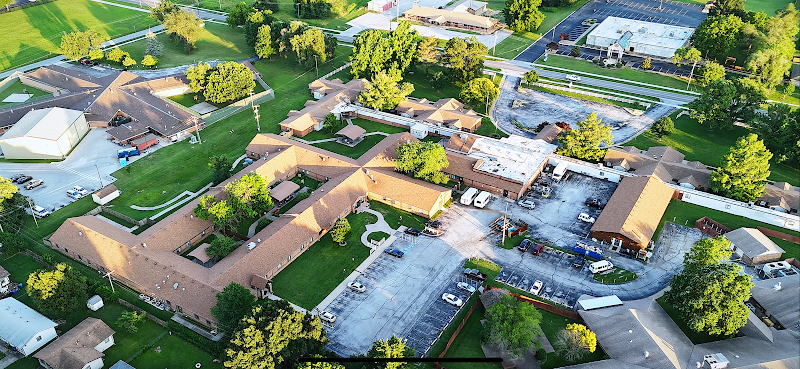
How is Springfield Skilled Staffed?

CMS rates SPRINGFIELD SKILLED CARE CENTER's staffing level at 1 out of 5 stars, which is much below average compared to other nursing homes. Staff turnover is 70%, which is 24 percentage points above the Missouri average of 46%. High turnover can affect care consistency as new staff learn residents' individual needs. RN turnover specifically is 73%, which is notably high. RNs provide skilled clinical oversight, so turnover in this role can affect medical care quality.

What Have Inspectors Found at Springfield Skilled?

State health inspectors documented 91 deficiencies at SPRINGFIELD SKILLED CARE CENTER during 2019 to 2025. These included: 1 Immediate Jeopardy (the most serious level, indicating potential for serious harm or death), 2 that caused actual resident harm, 84 with potential for harm, and 4 minor or isolated issues. Immediate Jeopardy findings are rare and represent the most serious regulatory concerns. They require immediate corrective action.
Who Owns and Operates Springfield Skilled?

SPRINGFIELD SKILLED CARE CENTER is owned by a for-profit company. For-profit facilities operate as businesses with obligations to shareholders or private owners. The facility is operated by MGM HEALTHCARE, a chain that manages multiple nursing homes. With 120 certified beds and approximately 97 residents (about 81% occupancy), it is a mid-sized facility located in SPRINGFIELD, Missouri.
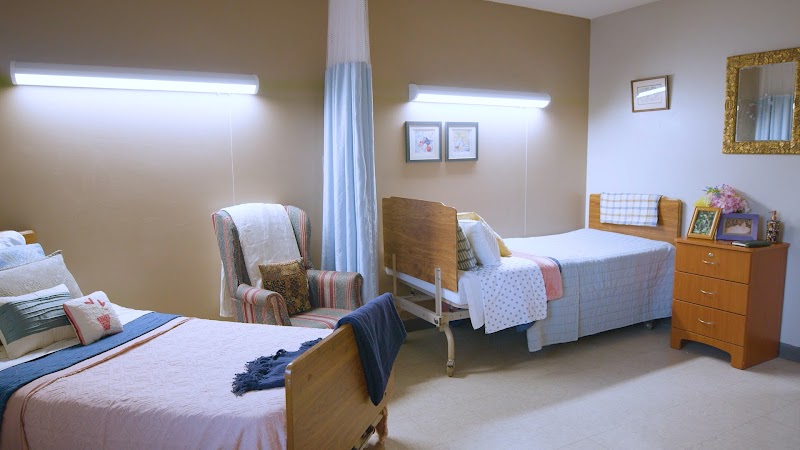
How Does Springfield Skilled Compare to Other Missouri Nursing Homes?

Compared to the 100 nursing homes in Missouri, SPRINGFIELD SKILLED CARE CENTER's overall rating (1 stars) is below the state average of 2.5, staff turnover (70%) is significantly higher than the state average of 46%, and health inspection rating (1 stars) is much below the national benchmark.

What Should Families Ask When Visiting Springfield Skilled?

Based on this facility's data, families visiting should ask: "What changes have been made since the serious inspection findings, and how are you preventing similar issues?" "How do you ensure continuity of care given staff turnover, and what is your staff retention strategy?" "Can you walk me through typical staffing levels on day, evening, and night shifts?" "Can I visit during a mealtime to observe dining assistance and food quality?" These questions are particularly relevant given the facility's Immediate Jeopardy citations, the facility's high staff turnover rate, and the below-average staffing rating.

Is Springfield Skilled Safe?

Based on CMS inspection data, SPRINGFIELD SKILLED CARE CENTER has documented safety concerns. Inspectors have issued 1 Immediate Jeopardy citation (the most serious violation level indicating risk of serious injury or death). The facility has a 1-star overall rating and ranks #100 of 100 nursing homes in Missouri. Families considering this facility should ask detailed questions about what corrective actions have been taken since these incidents.

Do Nurses at Springfield Skilled Stick Around?

Staff turnover at SPRINGFIELD SKILLED CARE CENTER is high. At 70%, the facility is 24 percentage points above the Missouri average of 46%. Registered Nurse turnover is particularly concerning at 73%. RNs handle complex medical decisions and coordinate care — frequent RN changes can directly impact care quality. High turnover means new staff may not know residents' individual needs, medications, or preferences. It can also be disorienting for residents, especially those with dementia who rely on familiar faces. Families should ask: What is causing the turnover? What retention programs are in place? How do you ensure care continuity during staff transitions?

Was Springfield Skilled Ever Fined?

SPRINGFIELD SKILLED CARE CENTER has been fined $15,000 across 1 penalty action. This is below the Missouri average of $33,229. While any fine indicates a compliance issue, fines under $50,000 are relatively common and typically reflect isolated problems that were subsequently corrected. Families should ask what specific issues led to these fines and confirm they've been resolved.

Is Springfield Skilled on Any Federal Watch List?

SPRINGFIELD SKILLED CARE CENTER is not on any federal watch list. The most significant is the Special Focus Facility (SFF) program, which identifies the bottom 1% of nursing homes nationally based on persistent, serious quality problems. Not being on this list means the facility has avoided the pattern of deficiencies that triggers enhanced federal oversight. This is a positive indicator, though families should still review the facility's inspection history directly.