SUNTERRA SPRINGS SPRINGFIELD
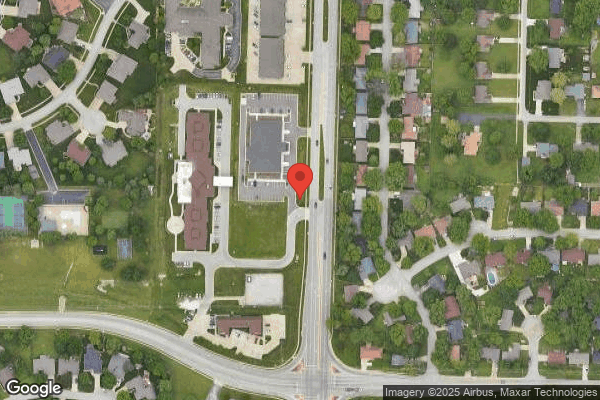

4935 S NATIONAL AVE, SPRINGFIELD, MO 65810 (417) 720-8050
For profit - Limited Liability company 38 Beds SUNTERRA SPRINGS Data: November 2025 1 Immediate Jeopardy citation
Trust Grade
43/100
#124 of 479 in MO
Last Inspection: November 2023

Within standard 12-15 month inspection cycle. Federal law requires annual inspections.

Overview

Sunterra Springs Springfield has a Trust Grade of D, which indicates below-average quality and raises some concerns about care standards. They rank #124 out of 479 facilities in Missouri, placing them in the top half, and #9 out of 21 in Greene County, meaning there are only a few local options that are better. The facility's performance has been stable, with two issues reported in both 2024 and 2025. Staffing is rated at 3 out of 5 stars, with a 62% turnover rate, which is average. However, they have concerning fines totaling $70,171, which is higher than 94% of facilities in Missouri, suggesting ongoing compliance issues. In terms of strengths, the facility has more RN coverage than 98% of state facilities, ensuring that registered nurses can catch issues that might be missed by other staff. However, there are significant weaknesses, including a critical incident where a resident did not receive insulin as prescribed for two days, resulting in hospitalization. Additionally, there were concerns about food safety practices, such as improper food storage and washing procedures, and inconsistencies in residents' code status documentation, which could lead to serious treatment issues. Overall, while there are some strengths in staffing and RN coverage, the facility has critical areas that need improvement.

Trust Score
D
43/100
In Missouri
#124/479
Top 25%
Safety Record
High Risk
Review needed
Inspections
Holding Steady
2 → 2 violations
Staff Stability
⚠ Watch
62% turnover. Above average. Higher turnover means staff may not know residents' routines.
Penalties
⚠ Watch
$70,171 in fines. Higher than 94% of Missouri facilities. Major compliance failures.
Skilled Nurses
✓ Good
Each resident gets 67 minutes of Registered Nurse (RN) attention daily — more than 97% of Missouri nursing homes. RNs are the most trained staff who catch health problems before they become serious.
Violations
⚠ Watch
21 deficiencies on record. Higher than average. Multiple issues found across inspections.
★★★★☆
4.0
Overall Rating
★★★☆☆
3.0
Staff Levels
★★★★★
5.0
Care Quality
★★★☆☆
3.0
Inspection Score
Stable
2024: 2 issues
2025: 2 issues

The Good

  • 5-Star Quality Measures · Strong clinical quality outcomes
  • Full Sprinkler Coverage · Fire safety systems throughout facility
  • No fines on record

Facility shows strength in quality measures, fire safety.

The Bad

Staff Turnover: 62%

16pts above Missouri avg (46%)

Frequent staff changes - ask about care continuity

Federal Fines: $70,171

Well above median ($33,413)

Moderate penalties - review what triggered them

Chain: SUNTERRA SPRINGS

Part of a multi-facility chain

Ask about local staffing decisions and management

Staff turnover is elevated (62%)

14 points above Missouri average of 48%

The Ugly 21 deficiencies on record

1 life-threatening
Jun 2025 1 deficiency
CONCERN (D) 📢 Someone Reported This

A family member, employee, or ombudsman was alarmed enough to file a formal complaint

Potential for Harm - no one hurt, but risky conditions existed

Deficiency F0697 (Tag F0697)

Could have caused harm · This affected 1 resident

**NOTE- TERMS IN BRACKETS HAVE BEEN EDITED TO PROTECT CONFIDENTIALITY** Based on interview and record review, the facility failed ensure pain services provided per standards of practice when staff fai...

Read full inspector narrative →
**NOTE- TERMS IN BRACKETS HAVE BEEN EDITED TO PROTECT CONFIDENTIALITY** Based on interview and record review, the facility failed ensure pain services provided per standards of practice when staff failed to document providing appropriate pain medication to address pain in a timely manner for one resident (Resident #93) admitted from the hospital after knee replacement surgery. The facility census was 37. Review of the facility policy admission Orders. revised 04/2025, showed the following: -A physician must personally approve, in writing, a recommendation that an individual be admitted to a facility. A physician, physician assistant, nurse practitioner, or clinical nurse specialist must provide written and/or verbal orders for the resident's immediate care and needs; -The written and/or verbal orders should include at a minimum dietary, medication orders if indicated, and routine care orders; -The orders should allow facility staff to provide essential care to the resident consistent with the resident's mental and physical status on admission; -The orders should provide information to maintain or improve the resident's functional abilities until staff can conduct a comprehensive assessment and develop an interdisciplinary care plan. Review of the facility's policy Pain Management, revised 04/2025, showed the following: -Acute pain refers to pain that is usually sudden in onset and time-limited with a duration of less than one month and often is caused by injury, trauma, or medical treatments such as surgery; -Chronic pain refers to pain that typically lasts greater than three months and can be the result of an underlying medical disease or condition, injury, medical treatment, inflammation, or unknown cause; -Subacute pain refers to pain that has been present for one to three months; -Recognize when the resident is experiencing pain and identify circumstances when the pain can be anticipated; -Evaluate the resident for pain and the cause(s) upon admission, during ongoing scheduled assessments, and when a significant change in condition or status occurs; -Manage or prevent pain, consistent with the comprehensive assessment and plan of care, current professional standards of practice, and the resident's goals and preferences; -Facility staff will observe for nonverbal indicators which may indicate the presence of pain. These indicators include but are not limited to change in gait (e.g. limping), skin color, vital signs (increased heart rate, respirations, and/or blood pressure), perspiration; loss of function or inability to perform activities of daily living (ADLs); fidgeting, increased or recurring restlessness; facial expressions (grimacing, frowning, fright, or clenching of the jaw); behaviors such as resisting care, distressed pacing, irritability, depressed mood, or decreased participation in usual physical and/or social activities; difficulty eating or loss of appetite; weight loss; difficulty sleeping (insomnia); negative vocalizations (groaning, crying, whimpering, or screaming); decline in activity level; and skin conditions; -Facility staff will be aware of verbal descriptor a resident may use to report or describe their pain. Descriptors include but are not limited to heaviness or pressure, stabbing, throbbing, hurting or aching, gnawing, cramping, burning, numbness, tingling, shooting or radiating, spasms, soreness, tenderness, discomfort, pins and needles, feeling rough, tearing, or ripping; -The facility will use a pain assessment tool, which is appropriate for the resident's cognitive status, to assist staff in consistent assessment of a resident's pain; -Based on professional standards of practice, an assessment or evaluation of pain by the appropriate members of the interdisciplinary team may necessitate gathering the following information as applicable to the resident such as history of pain and its treatment; asking the patient to rate the intensity of his/her pain using a numerical scale, a verbal or visual de scriptor that is appropriate and preferred by the resident; reviewing the resident's current medical conditions (pressure injuries, diabetes with neuropathic pain, immobility, infections, amputation, oral health conditions, post CVA (stroke), venous and arterial ulcers, and multiple sclerosis); identifying key characteristics of the pain: duration of pain, frequency, location, timing, pattern (constant or intermittent), radiation of pain; -Obtaining descriptors of the pain (stabbing, aching, pressure, spasms); identifying activities, resident care or treatment that precipitate or exacerbate pain and those that reduce or eliminate pain; impact of pain on quality of life (sleeping, functioning, appetite, and mood); current prescribed pain medications, dosage and frequency; and the resident's goals for pain management and his/her satisfaction with the current level of pain control; -Based upon the evaluation, the facility in collaboration with the attending physician, other health care professionals, and the resident and/or the resident's representative will develop, implement, monitor and revise as necessary interventions to prevent or manage each individual resident's pain beginning at admission; -Factors influencing the choice of treatments include cause, location and severity of resident's pain, current medical condition, current medications, resident's desired level of relief and tolerance for adverse consequences (partial pain relief for fewer significant adverse consequences), potential benefits, risks and adverse consequences of medications; -Non-pharmacological interventions will include, but are not limited to environmental comfort measures(adjusting room temperature, smoothing linens, comfortable seating, assistive devices or pressure redistributing mattress and positioning), loosening any constrictive bandage, clothing or device, applying splinting (pillow or folded blanket), physical modalities (cold compress, warm shower/bath, massage, turning and repositioning), cognitive/behavioral interventions (music, relaxation techniques, activities, diversions, spiritual and comfort support, teaching the resident coping techniques and education about pain); -Pharmacological interventions will follow a systematic approach for selecting medications and doses to treat pain. The interdisciplinary team is responsible for developing a pain management regimen that is specific to each resident who has pain or who has the potential for pain. The following general principles the facility will utilize for prescribing analgesics: -Evaluate the resident's medical condition, current medication regimen, cause and severity of the pain and course of illness to determine the most appropriate analgesic therapy for pain; -Consider administering medication around the clock instead of PRN (on demand) or combining longer acting medications with PRN medications for breakthrough pain; -Use lower doses of medication initially and titrate slowly upward until comfort is achieved; -Reassess and adjust the medication dose to optimize the resident's pain relief while monitoring the effectiveness of the medication and work to minimize or manage side effects; -Opioid treatment for acute pain, subacute pain, and chronic pain will be prescribed and dosed in accordance with current professional standards of practice and manufacturers' guidelines to optimize their effectiveness and minimize their adverse consequences; -Opioid treatment should be individualized for each resident with consideration by the prescriber of utilizing immediate-release opioids instead of extended-release and long-acting forms of opioids; -Facility staff will notify the practitioner, if the resident's pain is not controlled by the current treatment regimen. 1. Review of Resident #93's face sheet (admission information at a glance) showed the following: -admission date of 05/25/25; -Diagnoses included aftercare following joint replacement surgery, osteoarthritis (degeneration of joint cartilage and underlying bone which causes pain and stiffness, especially in hip, knees, and thumb joints), anxiety disorder, fibromyalgia (widespread body pain and tiredness), and neuropathy (a nerve problem that causes pain, numbness, tingling, swelling, or muscle weakness in different parts of the body). Review of the resident's care plan, initiated 05/25/25, showed the following: -At risk for acute pain related to right total knee replacement; -Goal to have no unaddressed pain with current pain interventions; -Interventions included monitor pain as prescribed, offer non-pharmacological approaches to pain management (massage, ice, reposition), monitor for side effects of pharmacological pain interventions, and notify physician with positive signs or symptoms of side effects; -Administer medications as prescribed. Review of the resident's Physician's Orders (POS), dated 05/25/25, showed the following: -Complete and document pain assessment using numeric/facial/[NAME] pain scale every shift; -Non-pharmacological interventions for pain include 1=repositioning, 2=cool pack, 3=warm pack, 4=dim light/quiet environment, 5=relaxation, 6=distraction, 7=music, and 8=massage every shift; -Acetaminophen (for mild pain) oral tablet 500 milligrams (mg) two tablets by mouth every eight hours as needed for mild pain; -Hydromorphone HCL (opioid narcotic to treat moderate to severe pain) tablet, 2 mg tablet, give one tablet by mouth every four hours as needed for pain (maximum daily amount 12 mg); -Tramadol HCL (narcotic medication for moderate to severe pain) 50 mg tablet give one tablet by mouth every six hours as needed for moderate and severe pain. Review of the resident's progress note dated 05/25/25, at 1:11 P.M., showed Registered Nurse (RN) C did a pain assessment that showed the resident had frequent moderate pain making it hard to sleep at night, limited participation in rehabilitation therapy sessions, limited day-to-day activities, pain intensity of five with worst pain moderate, and resident vocalized complaints of pain. Location was the right knee with aching, spasm, stiffness, cramping, nonradiating, and multiple times a day. Cool compresses applied. Non-medication interventions provided relief. PRN medication provided. Review of the resident's pain level summary sheet dated 05/25/25, at 1:12 P.M., showed a pain level of 5 (moderate pain). Review of the resident's Medication Administration Record (MAR), dated 05/25/25, showed an order for acetaminophen oral tablet 500 mg, give two tablets every eight hours as needed for mild pain. Staff did not documentation administration of the resident's acetaminophen on 05/25/25. Review of the resident's pain level summary sheet dated 05/26/25, at 1: 08 A.M., showed a pain level of moderate pain. Review of the resident's progress notes dated 05/26/25, at 9:07 A.M., showed Registered Nurse (RN) F documented the resident was very upset this morning about not having any pain medications. RN F called the pharmacy and the pharmacy said they would STAT (immediately send) them to the facility. Review of the resident's pain level summary sheet dated 05/26/25, at 2:26 P.M., showed Certified Medication Tech (CMT) A documented pain level 5 (moderate pain). Review of the resident's medical records showed staff did not document administration of pain medication to address the resident's pain. Review of the resident's pain level summary sheet dated 05/26/25, at 8:40 P.M., showed Licensed Practical Nurse(LPN) N documented resident's pain level was 6 (moderate pain). Review of the resident's MAR, dated 5/26/25, showed at 8:40 P.M., LPN N administered hydromorphone 2 mg and documented the medication was effective for treatment of the resident's pain. Review of the resident's pain level summary sheet dated 05/26/25, at 9:51 P.M., showed LPN N documented pain level of 4 (less pain but moderate level). Review of the resident's MAR, dated 5/27/25, showed the following: -At 12:40 A.M. and 12:51 A.M., (2 1/2 hours after hydromorphone administered), LPN N administered another hydromorphone 2 mg tablet and the pain level was 5 (moderate). The LPN document the medication was effective in treating the resident's pain; -At 5:41 A.M., the resident's pain level was 6 (moderate pain) and LPN administered hydromorphone 2 mg; -At 7:10 A.M., the resident's pain level was 5 (moderate pain); -At 12:11 P.M., the resident's pain level was 7 (moderate to severe pain) and staff administered hydromorphone 2 mg tablet. Review of the resident's medical record showed staff did not notify the physician of the increased pain level. During an interview on 05/30/25, at 9:25 A.M., RN C said the following: -He/she worked days from 6:30 A.M. to 7:00 P.M. usually. Last weekend, 05/24/25 and 05/25/25, there were lots of new admissions. He/she will go over paperwork, do a head-to-toe assessment, make progress note when a new admission arrived at the facility, how they arrived, put on a regular diet, if they were on O2 (oxygen), chart vital signs, do their 1st step tuberculin tine (tuberculosis) test, go over their paper work with the resident and/or family, and get something for them to drink. -The residents are upset when they get there. They expect all their medications to be there and their pharmacy is in Lenexa, Kansas which takes 3 to 4 hours to deliver medications. If they have a common medication, they may have the medication there in the facility. Monday to Friday, the pharmacy made a 5:00 P.M. delivery. On weekends, they deliver later; -f a resident requested pain medication, they can give Tylenol (for mild pain); -If they don't have a physician's prescription, they won't get the narcotic medications; -Narcotic medications were the biggest things. It has been taking too long for the physician to sign the hard (written) prescription and the staff were unable to get an electronic code to pull the narcotics. -They do try to get them Tylenol (a medication for mild pain); -The hospitals were to send the prescription with the resident or send an electronic prescription directly to the pharmacy; -RN C admitted the resident in the afternoon. The resident's family brought him/her there. The resident had a recent knee replacement surgery. They assisted the resident in a wheelchair to a room. The resident didn't want to sign any paperwork, but the family member signed it. RN C got ice water for the resident who wanted to lie down in bed. -They did not have signed physician's orders for pain medicines for the resident yet and he/she had not asked for any pain medications. The resident came from the hospital and had an order for Valium (for anxiety). RN C thought the resident was angry and not necessarily in pain. The resident was frustrated. The hospital staff was supposed to administer pain medication before the resident discharged such as a narcotic pain medication like hydromorphone or Dilaudid (for moderate to severe pain). They would have needed the hard prescription order or an electronic prescription there at the facility to give pain medications to the resident. They did have Tylenol they could administer every 8 hours; -On admission, he/she did a pain assessment and he/she put a 5 for a little bit of pain from the ride over from the hospital. This was what the resident said. The resident did not ask for any pain medication. During an interview on 05/30/25, at 12:13 P.M., Certified Nurse Aide (CNA) K said the resident's family came in with the resident. RN C helped toilet the resident and he/she helped transfer the resident to bed and put an ice bag on the resident's right knee. Later, the resident mentioned having pain to him/her after the Assistant Director of Nursing (ADON) had been in the resident's room. When he/she helped toilet the resident later, the resident said his/her leg was hurting. They had to wait for the pharmacy medications to come in. The ADON did bring pain medicine to the resident after 5:00 P.M. During an interview on 05/30/25, at 8:22 A.M., CMT B said she/he worked last Saturday (05/24/25) and Sunday (05/25/25) on the day shift. They had several new admissions which was normal at this facility. They usually did not get the new resident's medications orders until the second day for the medication cart. They usually have to pull medications for the resident the first day. A majority of new admissions come in the afternoon and early evening. As soon as they get a signed physician's order, such as a hard copy from the physician, they will pull medications such as blood pressure, diabetic and pain medications from the emergency kit. Sometimes there was a delay getting a signed order from the physician. The nurses talk to the physician. He/she did not remember administering any medications or any pain medication to the resident that first day the resident was admitted on [DATE]. During interview on 06/02/25, at 2:15 P.M., Licensed Practical Nurse (LPN) M said the following: -He/she worked as charge nurse on the 200 hall on Sunday night (05/25/25). He/she began work around 5:30 P.M. since this was the first time to work at this facility. He/she remembered the resident because the resident turned his/her call light on frequently all night. The resident complained of not getting his/her medication and had not received them for the second day. LPN M said the resident had admitted to the facility that day and felt the resident was confused. -The resident did not complain of pain and was in bed and covered up. The main thing the resident asked was to get a hold of his/her family member; -LPN M did not remember giving any medications to the resident including any pain medications. He/she did assess for pain and the resident said he/she had no pain. The resident didn't show any signs of severe pain. He/she said Tramadol was delivered for the resident early and he/she put the medication in the narcotic drawer on the shared narcotic cart; -He/she did not administer Tramadol or any pain medication to the resident. During an interview on 06/02/25, at 8:40 A.M., LPN L said the following: -If they have an admission early, like mid-day or in the week, and know the resident is coming, the physician signs the orders. The delay can be on the weekend or at night. They do have an on-call pharmacy for urgent meds; -If a resident needed pain med, they can get it out of the emergency kit. They can give a code and make sure the doctor signed the order. -If a resident had a knee replacement, he/she would expect a lot pain and hope the pain is more manageable by the time they come to the facility; -Tylenol would not be a drug of choice for moderate and severe pain, but for mild pain; -He/she would assess pain and pain was subjective. If he/she saw grimacing, withdrawing, not getting up to transfer to toilet, or verbalized pain, it could be a higher level of pain; -Nonverbal pain can be with assessed with facial expressions; -He/she would be looking at higher doses of medication if pain was at a severe level. During an interview on 05/29/25, at 3:30 P.M., LPN G (unit manager) said the following: -Usually they knew beforehand of a new admission. admission information was faxed, emailed, or scanned from the hospital beforehand; -There was a 5:00 P.M. cut off time for the pharmacy. If a resident admitted to the facility before noon, they would receive their medications before 5:00 P.M. If they were admitted in the afternoon, they received their medications at night; -Physician's orders were only activated when resident was in the building. There was an emergency supply kit. The kit contained vital medications for blood pressure and pain; -The hospital was to send a medications-electronic script or hard script (written copy) to send with the resident. The hospitals were different with how they sent the information. Then the facility will contact the physician and get temporary approval of medication until the physician can see the resident. They have to go to their facility physician and get a temporary approval until the physician can see the resident; -If this resident was admitted on Sunday in the evening, they can get local medications. They don't get many Sunday admissions. They would pull the medication from their kit if it was available. Their pharmacy medications come from Lenexa, Kansas. During interviews on 05/30/25, at 10:11 A.M. and 10:42 A.M., the ADON said the following: -He/she came in on Sunday (05/25/25). The resident sat in his/her wheelchair eating a meal when he/she talked to him/her. The ADON was there from noon to the 6:30 P.M. shift change. -The resident said he/she felt like he/she was dropped off there and left and no one in to see him/her. The ADON explained what type of facility they were and talked about rehabilitation from his/her surgery. It seemed to satisfy him/her. The resident brought up about having pain in her right knee and asked if he/she could have any pain medication; -The resident gave a pain level above a 5. The resident had moderate pain and would have needed something for pain, like a narcotic medication. The resident had just gotten to the facility and his/her medication list wasn't there yet. The physician has a standing order for Tylenol and he/she asked and the resident said yes; -The ADON went to get a soda for the resident and let CMT B know that the resident needed something for pain. He/she got a Tylenol 325 milligrams (mg) per the physician's standing orders. When he/she came back with the soda, the resident was in bed and he/she administered the Tylenol 325 mg two tablets by mouth; -Since this was on the weekend, the staff didn't add the physician's orders into the electronic medical record (EMR). Their corporate staff had a process for this. The corporate office was in the state of Utah and the pharmacy didn't deliver until later after the physician signed orders; -He/she would expect the pharmacy to deliver the resident's medications by 5:00 P.M. even on a weekend; -The resident's admission note said admitted on [DATE], at 12:35 P.M. Someone looks at the paperwork at the corporate and puts in the medication orders and it goes to the pharmacy. During an interview on 05/30/25, at 11:05 A.M., Corporate Staff said a for a new admission, they would get physician's orders from the hospital. The hospitals fax, email, or send through an electronic portal. The corporate intake nurse entered the orders and then will double checks the orders. The second corporate nurse reviewed again and orders go into a queue to triple check. The nurse in the facility gets the physician's orders, and they review the pending status and then activate the orders to send to the pharmacy. Nurses were available 24/7 for new intakes. They will reconcile all the orders. Sometimes hospitals arrange transportation for the patient to the facility and the patient gets there before the orders come. When the corporate has the orders, the time to double check takes 25 minutes. The resident's orders from the hospital were in their corporate queue at 11:37 A.M. on 05/25/25. During interviews on 06/02/25, at 9:28 A.M. and 11:24 A.M., the Director of Nursing (DON) said the CMTs can't go into the regular progress notes on the electronic medical record and chart, but if they document in the MAR and it should show up in the progress notes. They should have documented they administered Tylenol to the resident on 05/25/25. She would expect the staff to assess residents for pain. They won't have controlled substances until signed by physician. There was a Tramadol (for mild to moderate pain) order on the MAR. The pharmacy delivered the Tramadol the first night after 5:00 P.M. and the physician would have signed for this. RN C was responsible for putting the narcotic medication in the narcotic drawer for the resident. The resident had allergies and could only have Dilaudid which is hydromorphone (he/she was allergic to codeine). RN F would have handled the Dilaudid, but had to track it down to get it for the resident. The physician did order this and released this, but it takes the pharmacy three hours to deliver the medication. They do have a local pharmacy if need medication. During an interview on 06/02/25, at 12:49 P.M., the Administrator said pain medications should be administered timely. Upon a resident's admission, she would expect to get the resident's medications from pharmacy by the evening pharmacy delivery and if admission was later in the day, the pharmacy would deliver at 1:00 AM. If the physician signs the orders, like for narcotic pain medications, they should get it by early morning. The physician has to sign the orders for the pharmacy to send the medications. MO00254937
Mar 2025 1 deficiency
CONCERN (D) 📢 Someone Reported This

A family member, employee, or ombudsman was alarmed enough to file a formal complaint

Potential for Harm - no one hurt, but risky conditions existed

Pressure Ulcer Prevention (Tag F0686)

Could have caused harm · This affected 1 resident

Based on observation, interview, and record review, the facility failed to provide care per professional standards related to pressure ulcers (refers to localized damage to the skin and/or underlying ...

Read full inspector narrative →
Based on observation, interview, and record review, the facility failed to provide care per professional standards related to pressure ulcers (refers to localized damage to the skin and/or underlying soft tissue usually over a bony prominence or related to a medical or other device) when the facility staff failed to document a full assessment of wounds upon admission, failed to obtain physician's orders for treatment and interventions of wounds, and failed to update the care plan regarding skin breakdown intervention changes for one resident (Resident #1) out of 7 sampled residents. The facility census was 37. Review of the facility's policy titled, Skin Assessment, dated 07/21, showed the following information: -A full body, or head to toe skin assessment will be conducted by a licensed or registered nurse (RN) upon admission/re-admission and weekly thereafter. The assessment may also be performed after a change of condition or after any newly identified pressure injury; -The following should be documented: date and time of the assessment, staff members name and position title, observations, type of wound, measurements, if the resident refused the assessment and why; and any other information as indicated or appropriate. Review of the facility's policy titled, Wound Treatment Management, dated 07/21, showed the following information: -Wound treatments will be provided in accordance with physician orders, including the cleansing method, type of dressing and frequency of dressing change; -In the absence of treatment orders, the licensed nurse will notify physician to obtain treatment orders. This may be the treatment nurse, or the assigned licensed nurse in the absence of the treatment nurse; -Treatment decisions will be based on the following: etiology of the wound, characteristics of the wound, and location of the wound, and goals and preferences of the resident; -Treatments will be documented on the Treatment Administration Record (TAR) inside the resident's Electronic Medical Record (EMR); -The effectiveness of treatments will be monitored through ongoing assessment of the wound; -Considerations for needed modifications include lack of progression towards healing, changes in the characteristics of the wound. And changes in the resident's goals and preferences. 1. Review of the Resident #1's face sheet (brief look at resident information) showed the following information: -admission date of 02/17/25; -Diagnoses included malignant neoplasm of the spinal cord (a cancer containing tumor within the spinal cord), severe protein-calorie malnutrition ( a condition that occurs when an adult doesn't get enough protein, calories, and other nutrients), and diabetes. Review of the resident's care plan, initiated on 02/17/25, showed the following information: -Staff to encourage and assist with frequent repositioning to alleviate areas of pressure; -Staff to provide skin and incontinence care as needed; -Standard facility pressure reduction mattress; -Staff to complete weekly skin checks per facility schedule and notify physician of alterations for prompt/proper intervention; -Wound to the sacrum (a large, triangular bone at the base of the spine that forms the back wall of the pelvis). Staff to use enhanced barrier precautions (EBP - an infection control intervention designed to reduce transmission of multidrug-resistant organisms (MDROs) in nursing homes); -In house wound care provider to assess and treat; -Treatments as prescribed. Review of the resident's admission orders from the discharging hospital, dated 02/17/25, showed the following information: -Coccyx (a small triangular bone at the base of the spinal column) and gluteal (buttock) wounds; Cleanse wounds with normal saline and pat dry. Apply Mepilex border (a foam dressing used for treating low to medium exudating (draining) wounds). Change every three days and as needed per soiling. If the resident is frequently incontinent, discontinue using Mepilex and apply barrier cream instead; -Low loss air mattress with repositioning every two hours; -Float heels off the bed with pillows. Review of the resident's February 2025 Physician Order Sheet (POS) showed the following: -An order, dated 02/17/25, for pressure relieving cushion to wheelchair; -An order, dated 02/17/25, for pressure reduction mattress; -An order, dated 02/17/25, for outside wound clinic to evaluate and treat. (staff did not transcribe the hospital orders for wound treatment or floating heels on 02/17/25.) Review of the residents admission assessment, dated 02/17/25, showed the following: -Wound to sacrum with type documented as other; -Staff did not document a description and measurements; -Staff did not indicate the resident had wounds to the buttocks as noted on the hospital summary; -Staff did not note any current treatment orders. Review of the resident's progress notes, dated 02/17/25, showed staff did not document regarding the resident's wounds and or treatment. Review of the resident's Braden Scale assessment (an assessment filled out by facility staff to determine a resident's likely hood of developing pressure ulcers), dated 02/17/25, showed staff assessed the resident at moderate risk for developing pressure ulcers. Review of the resident's February 2025 POS showed an order, dated 02/18/25, for wound to sacrum. Staff to cleanse with vashe (a wound cleanser that contains hypochlorous acid, which helps remove debris and microorganisms) , pat dry, apply calcium alginate (a highly absorbent wound dressing made from alginate, a natural polymer derived from the cell walls of brown seaweed), and cover with bordered dressing every day shift. (Staff did not document treatment orders for the resident's buttock wounds.) Review of the resident's February 2025 Treatment Administration Record (TAR) showed the following information: -An order, dated 02/18/25, for sacrum. Staff to wash with vashe, pat dry, apply calcium alginate and Mepilex daily; -Staff did not document completion of the treatment on 02/18/25. Review of the resident's progress notes, dated 02/18/25 through 02/21/25, showed staff did not document regarding the resident's wounds and/or treatment. Review of the resident's wound assessment, dated 02/21/25, showed the following: -Pressure ulcer to the right buttock measuring 1.8 centimeters (cm) by 1 cm with a depth of 0.1 cm; -Pressure ulcer to the left buttock measuring 1.5 cm by 1.2 cm with a depth of 0.1 cm; -Pressure ulcer to left buttock measuring 2.6 cm by 1.9 cm with a depth of 0.1 cm; -Wounds were worsening and have outside wound clinic to evaluate and treat; -Supplementary healing included, air mattress, offloading, cushion in wheelchair, and supplements. Review of the resident's progress note, dated 02/23/25, showed the resident utilized the call light frequently, did not participate in self-cares, and refused to assist staff. The resident's buttocks wounds were extensive and causing pain to the resident despite frequent repositioning by staff. Review of the resident's February 2025 TAR showed the following information: -Staff did not document completion of the ordered treatment to the sacrum wound on 02/24/25 through 02/26/25; -An order, dated 02/24/25, for buttocks. Staff to wash with vashe, pat dry, apply calcium alginate and Mepilex on Monday, Wednesday, Friday, and as needed. Staff did not document completion of the ordered treatment on 02/24/25 and 02/26/25. Review of the resident's care plan, initiated on 02/17/25, showed staff did not update the care plan to reflect the resident's additional identified wounds and/or treatments. Review of the resident's progress notes, dated 02/24/25 through 02/26/25, showed staff did not document regarding the residents' wounds, treatments, or why treatments were not completed. The resident discharged from the facility on 02/26/25. Review showed the facility did not provide shower sheets for the resident from 02/17/25 through 02/26/25. During an interview on 02/28/25, at 1:38 P.M., Certified Nursing Assistant (CNA) A said the following: -If he/she noticed a new area of concern on a resident's skin, he/she reported it to the charge nurse; -Areas of concern are also found during showers, documented on shower sheets, and turned into the charge nurse; -The charge nurse will assess and measure the wound and decide on an appropriate treatment if the wound nurse was not on shift that day. The wound nurse works Monday, Wednesday, and Friday; -The charge nurse would notify the wound nurse of the new area of concern. During an interview on 02/28/25, at 2:23 P.M., Certified Medication Technician (CMT) B said the following: -If he/she noticed a new area of concern on a resident's skin, he/she reports it to the wound nurse, if the wound nurse was not here that day, he/she would notify the charge nurse; -The nurse that was at the facility, will assess and measure the wound, notify the physician, and obtain orders for treatment; -The resident did have wounds upon admission;. During an interview on 02/28/25, at 2:37 P.M., Licensed Practical Nurse (LPN) C said the following: -The resident was admitted to the facility with really bad wounds to both buttocks and the sacrum; -He/she was the resident's nurse the day after he/she admitted to the facility. On that day, 02/18/25, the resident's wound beds had slough (a non-viable yellow, tan, gray, green or brown tissue; usually moist, can be soft, stringy and mucinous in texture. Slough may be adherent to the base of the wound or present in clumps throughout the wound bed) and eschar (a dead or devitalized tissue that is hard or soft in texture; usually black, brown, or tan in color, and may appear scab-like. Necrotic tissue and eschar are usually firmly adherent to the base of the wound and often the sides/ edges of the wound.); -He/she spoke with the facility wound nurse regarding the residents' wounds, the wound nurse then completed her own assessment of the wounds; -The admission skin assessment should be completed within 48 hours of the resident's admission to the facility; -Wound treatment should be initiated immediately upon discovering of the wounds, and should be documented in the progress notes, and care planned; -There should be documentation of the wounds and treatment in the progress notes and care plan. During an interview on 03/24/25, at 10:24 A.M., Registered Nurse (RN) D said the following: -The admitting nurse should do a full head to toe assessment of the resident. If the wound nurse is on shift during the admission, she can do the skin assessment; -If concerns are found during the head-to-toe assessment, the nurse on staff gets into contact with the wound nurse and initiates an appropriate treatment; there are standing orders that can be used until the wound nurse assesses the wound herself; -Floor nurses were responsible for looking at the resident's skin weekly and the wound nurse does weekly wound documentation as well; -The resident had wounds upon admission, and he/she believes the hospital he transferred from sent orders for wound treatment; -Wound care was not due on any of the shifts he/she worked. He/she did see a Mepilex pad on the wounds during repositioning; -Wounds and treatment of wounds should be documented in the progress notes, notifications should be made to the physician, and the resident's responsible parties, and should also be care planned. During an interview on 03/04/25, at 12:36 P.M., LPN E said the following: -He/she was the admitting nurse for the resident; -The resident had open wounds on both buttocks, and a reddened sacrum upon admission; -The resident admitted to the facility with treatment orders from the discharging hospital; -Nurses should perform skin assessments daily and should document their findings in the progress notes. Findings should also be reported to the wound nurse; -The wound nurse does wound assessments weekly. During an interview on 03/04/25, at 10:45 A.M., the Wound Nurse said the following: -The admitting nurse should do a full head to toe assessment of the resident as well as initiate a treatment, if she is not there that day; -She does wound assessments on Mondays and measures wounds on Wednesdays or Fridays; -She documents her wound assessments in the EMR, under assessments; -Aides will bring her their shower sheets if there is a concern with skin, and she also has a book on her desk that staff can fill out when she is not on shift; -The resident admitted with a reddened sacrum and stage two (partial-thickness loss of skin with exposed dermis, presenting as a shallow open ulcer) wounds to both buttocks; -A couple days after the resident admitted , a nurse had reported to her that the wounds appeared to be worsening, initially the staff were applying barrier cream; -During her assessment of the wounds, on 02/21/25, she noticed the wounds needed more attention and ordered an air mattress, an outside wound clinic to evaluate and treat, and initiated a new treatment; -When an area of concern is found or is found to be worsening, the finding nurse should notify her, as well as document that in the progress notes, and the care plan. During an interview on 03/24/25, at 11:09 A.M., the Director of Nursing (DON) said the following: -She expected staff that find new and/or worsening wounds to notify the nurse. The nurse would then go and assess the wound, decide an appropriate treatment, and document in the progress notes, update the care plan, and notify the Wound Nurse; -The admitting nurse is responsible for obtaining a full head to toe assessment on the residents, if areas of concern are found they should also initiate treatment, the wound nurse should complete the measurements of the wounds and document her assessment; -The resident had wounds to his/her sacrum and both buttocks; -The resident refused repositioning and care often, which should also be documented. During an interview on 03/04/25, at 11:57 A.M., the Administrator said the following: -She expected head to toe assessments to be completed upon admission; -She expected all staff members who notice a area of concern or worsening of the skin to notify the nurse on duty and the wound nurse. The nurse should assess the wound and initiate a treatment; -Nurses should be laying eyes on resident's skin daily and should be documenting and care planning any concerns. MO00250192
Aug 2024 2 deficiencies
CONCERN (D) 📢 Someone Reported This

A family member, employee, or ombudsman was alarmed enough to file a formal complaint

Potential for Harm - no one hurt, but risky conditions existed

Report Alleged Abuse (Tag F0609)

Could have caused harm · This affected 1 resident

**NOTE- TERMS IN BRACKETS HAVE BEEN EDITED TO PROTECT CONFIDENTIALITY** Based on interview and record review, the facility failed to ensure all allegations of possible abuse were reported timely when ...

Read full inspector narrative →
**NOTE- TERMS IN BRACKETS HAVE BEEN EDITED TO PROTECT CONFIDENTIALITY** Based on interview and record review, the facility failed to ensure all allegations of possible abuse were reported timely when staff failed to report an allegation of abuse involving one resident (Resident #3) to the state survey agency (Department of Health and Senior Services (DHSS)) within the required two hour time frame. The facility census was 36. Review of the facility's policy Abuse, Neglect and Exploitation, revised 06/2023, which showed the following: -Abuse means the willful infliction of injury, unreasonable confinement, intimidation, or punishment with resulting physical harm, pain or mental anguish, which can include staff to resident abuse and certain resident to resident altercations; -Alleged violation is a situation or occurrence that is observed or reported by staff, resident, relative, visitor or other but has not yet been investigated and, if verified, could be indication of noncompliance with the Federal requirements related to mistreatment, exploitation, neglect, or abuse, including injuries of unknown source, and misappropriation of resident property; -The facility will have written procedures that include reporting of all alleged violations to the Administrator, state agency, adult protective services, and to all other required agencies such as law enforcement when applicable within specified timeframes; -The facility reports immediately, but not later than two hours after the allegation is made, if the events that cause the allegation involve abuse or result in serious bodily injury; or -The facility reports not later than 24 hours if the events that cause the allegation do not involve abuse and do not result in serious bodily injury. 1. Review of Resident #3's face sheet (admission information at a glance) showed the following: -admission date of 07/23/24; -Diagnoses that included left arm fracture, depression, and generalized anxiety disorder. Review of the resident's admission Minimum Data Set (MDS - a federally mandated assessment instrument completed by facility staff), dated 07/29/24, showed the resident was cognitively intact. Review of the resident's progress note dated 07/24/24, at 8:41 A.M., showed the Social Services Director (SSD) met with the resident to discuss a complaint regarding two nurses in the facility. The resident wanted to leave the facility after being recently admitted . The resident responded, Two nurses came in here and absolutely humiliated me. They pulled down my pants, smacked my ass, and then ran both of their fingers up my ass. The SSD reiterated that it was a nurse's responsibility to check the buttocks area of residents. The resident responded, It's like they were on something, ya know? I couldn't smell nothin', like marijuana or [NAME]. But, they acted like they were on something. During an interview on 08/01/24, at 10:52 A.M., the SSD said when he/she talked to the resident on 07/24/24, at 8:17 A.M., the resident kept bringing up his/her home situation. The home kept trying to reach a specified family member several times and when they talked to this family member, he/she said he/she would not come pick up the resident until 07/30/24. On 07/31/24, the resident said he/she was going home and this was when the SSD hotlined DHSS for adult protective services regarding concerns with him/her going home. The Administrator was responsible for making self reports of abuse and neglect. Review of the resident's record showed staff did not document reporting the resident's allegation of abuse involving facility staff to DHSS. Review of DHSS records showed the facility reported the allegation of abuse on 07/31/24 (seven days after the allegation was made). During an interview on 08/01/24, at 11:33 A.M., Licensed Practical Nurse (LPN) A said he/she admitted the resident. Certified Nurse Aide (CNA) C assisted LPN during the assessment process. The resident did not make an allegation of abuse at that time. Staff were to report any allegation of abuse/neglect within two hours to the on-call nurse first. Then the on-call nurse was to report to the Director of Nursing (DON) who reported to the Administrator. The Administrator was to report to the state. During an interview on 08/01/24, at 1:14 P.M., CNA C said the resident was in the recliner in the room when he/she and LPN A went in to check the resident's skin. The resident was already agitated. Both he/she and LPN A explained that they were going to do a skin assessment on the resident. The resident did not make any allegation of abuse during or right after the skin assessment. CNA C knew to report any allegation of abuse to the charge nurse and said they were to do this right away and staff were to report any allegation of abuse to the state within two hours of incident. During an interview on 08/01/24, at 10:35 A.M., the Assistant Director of Nursing (ADON) said the Administrator called him/her at the facility on 07/24/24, about 7:00 A.M., and asked him/her to talk to the resident regarding the allegation. He/she asked the resident if he/she had any care concerns. The resident said, when two nurses came in and did assessment they pulled up his/her gown, pulled his/her underwear down, and one of them patted his/her butt and said It's a cute butt and then put their finger in his/her butt. The resident knew who he/she was and where he/she was but seemed off. He/she talked to LPN A and CNA C and got their statements. The Administrator was to call the state for abuse and neglect. During interviews on 08/01/24, at 10:05 A.M. and 5:12 P.M., the DON said the resident had concerns with LPN A who admitted the resident. The resident said LPN A had the resident drop his/her pants, swatted him/her on the butt, and said he/she had a nice butt, and stuck his/her finger in it. At first, the resident seemed lucid (thinking clearly), but when speaking more with the resident, the story grew. When the admitting nurse does the initial skin assessment, they try to have two staff go into the room to do the assessment. If the nurse had been the only one to go do the initial skin assessment on the resident and they felt it was possible abuse, they would have reported this to the state. They thought with two staff in the room who described what they did, that there was no abuse. The resident did not make any allegation of abuse then. During interviews on 08/01/24, at 10:10 A.M. and 11:20 A.M., the Administrator said the night shift nurse called him/her at 6:11 A.M. on 07/24/24 and said the resident asked the night CNA if it was normal for a nurse to stick her finger in his butt. The Administrator called the ADON to start an investigation to talk to the resident. The resident did not report this until hours later to the night CNA. The staff that did the skin assessment were LPN A and CNA C. The resident never said he/she was abused, neglected, or harmed or she would have reported this to DHSS within the two hour time frame. She was on the fence about calling the state. She had two witnesses in the room at the time (the nurse and the aide), but she should have made a self report to the DHSS state survey agency. MO00239812
CONCERN (D) 📢 Someone Reported This

A family member, employee, or ombudsman was alarmed enough to file a formal complaint

Potential for Harm - no one hurt, but risky conditions existed

Pressure Ulcer Prevention (Tag F0686)

Could have caused harm · This affected 1 resident

**NOTE- TERMS IN BRACKETS HAVE BEEN EDITED TO PROTECT CONFIDENTIALITY** Based on observation, interview, and record review, the facility failed to provide care per professional standards related to pr...

Read full inspector narrative →
**NOTE- TERMS IN BRACKETS HAVE BEEN EDITED TO PROTECT CONFIDENTIALITY** Based on observation, interview, and record review, the facility failed to provide care per professional standards related to pressure ulcers when staff failed to document a full assessment of wounds upon admission; failed to document on-going full assessments of wound to assist with monitoring and possible decline of wound; failed to obtain physician's orders for treatment and failed to follow ordered treatments of pressure ulcers; and failed to care plan and update care plans regarding actual skin breakdown and intervention changes for two residents (Residents #1 and #2) of six sampled residents. The facility census was 36. Review of the facility policy Skin Assessment, revised 7/2024, showed the following: -A full body, or head to toe, skin assessment will be conducted by a licensed or registered nurse upon admission/re-admission, daily for three days, and weekly thereafter; -The assessment may also be performed after a change of condition or after any newly identified pressure injury; -Procedure included begin head to toe and thoroughly examining the resident's skin for conditions. Pay close attention to pressure points, bony prominences, and underneath of medical devices; -Remove any dressings, unless contraindicated ordered to remain in place, and note findings; -Note any skin conditions such as redness, bruising, rashes, blisters, skin tears, open areas, ulcers, and lesions; -Consider the general status of the resident's skin such as color, temperature, moisture status, sensory perception, and skin texture/turgor (firmness); -Documentation included observations of the skin conditions, type of wound, wound measurements, color, type of tissue in wound bed, drainage, odor, and pain. Review of the facility policy Wound Care Best Practice Guidelines, undated, showed the following: -Upon admission and readmission (during 24 hour chart check) all new admissions will be carefully examined for any wounds. It is very important that any wounds received prior to admission are documented as such. Additionally, any factors which contribute to a wound such as boggy heels, non-blanchable areas, etc should be documented also; -Each time a new wound is found, it should be assessed by the nurse designated for wound management. The Wound Nurse will add each wound to resident Wound Management Documentation or the facility wound report. The Wound Nurse will complete a new Braden assessment (scale developed to identify patients at risk for forming pressure sores) and update the at risk for skin impairment care plan; -Every wound will be measured and assessed weekly in the facility. This included resident receiving hospice or palliative care (comfort measures); -The assessment will be documented in electronic medical record Wound Management and will include date of assessment, measurements, description of wound and peri-wound, wound bed, current treatments/interventions, pain, wound status, and physician notification, etc.; -Any time a wound is not improving or worsening, showing signs and symptoms of infection, or has uncontrolled pain associated with it, the physician will be notified, and new orders obtained; -The care plan will be updated as needed with assessment/new orders for the wound, and interventions. 1. Review of Resident #1's face sheet (admission information at a glance) showed the following: -admission date of 07/19/24; -Diagnoses included right femur (lower leg) fracture, atrial fibrillation (abnormal heart rhythm), peripheral vascular disease (PVD - reduced circulation of blood to a body part due to a narrowed or blocked blood vessel), chronic obstructive pulmonary disease (COPD - lung disease that blocks air flow and makes it difficult to breathe), high blood pressure, history of abnormal weight loss, and pain. Review of the resident's care plan, dated 07/19/24, showed the following: -At risk for alteration to skin integrity secondary to surgical wounds as well as other open area to skin, thin fragile skin, and decreased meal intake due to poor appetite. Patient frequently refuses protein supplement or meal alternatives; -Approaches included air mattress applied to bed, dietitian/nutritional evaluation as needed, provide skin and incontinence care assistance as needed, weekly skin check per facility schedule, and notify physician of alterations for prompt/proper intervention. Review of the resident's admission assessment, dated 07/20/24, showed the following: -Right knee and leg fracture; -Lifted manually; -Limitation on one side; -Occasionally incontinent of bladder and usually continent of bowel; -Mild pain daily; -DTI (deep tissue injury - intact skin with localized area of persistent non-blanchable deep red, maroon, purple discoloration due to damage of underlying soft tissue. The injury results from intense and/or prolonged pressure and shear forces at the bone-muscle interface) to resident's coccyx (tailbone). (Staff did not document a description or complete assessment of the DTI.) Review of the resident's Braden scale (a risk assessment tool that helps identify residents at risk of developing pressure ulcers or injuries), dated 07/20/24, showed staff assessed the resident as at mild risk for developing pressure ulcers. Review of the resident's physician's orders, dated 07/20/24, showed a treatment order for the DTI to coccyx. Staff to cleanse with vashe (a wound cleanser), pat dry, and apply calmoseptine (a moisture barrier ointment) every shift on the DTI to coccyx. Review of the resident's progress note, dated 07/20/24, showed a DTI to coccyx with dark purple/black and open area. Staff obtained treatment orders. (Staff did not document a full and complete assessment of the area.) Review of the resident's current care plan, last reviewed 07/19/24, showed staff did not address the resident's DTI on the care plan. Review of the resident's daily skilled charting, dated 07/21/24, showed the resident had moisture associated skin damage (MASD) on the resident's buttocks. (Staff did not document regarding the resident's DTI to the coccyx.) Review of the resident's daily skilled charting, dated 07/22/24, showed the resident had multiple skin tears on his/her bottom. (Staff did not document regarding the resident's DTI to the coccyx.) Review of the resident's weekly skin assessment, dated 07/22/24, and completed by the wound nurse showed the following: -Skin turgor was fair, warm, dry, and pale; -Open lesions; -DTI to coccyx; -New skin tears over weekend were measured, and treatment put in place. (The wound nurse did not document a full and complete assessment of the resident's DTI on the coccyx.) Review of the facility's wound report, dated 07/24/24, showed the wound nurse measurements as follows: -The wound nurse documented measurements of three skin tears on the resident's left buttock, the right buttock, and the right rear thigh; -The unspecified ulcer on the top of the coccyx was 4 cm (centimeters) by 4 cm width by 4 cm length by 0.1 cm depth (depth would indicate this area was open). (The wound nurse did not document any further description of the open area or the DTI on the coccyx) Review of the resident's admission Minimum Data Set (MDS - a federally mandated assessment instrument completed by facility staff), dated 7/25/24, showed the following: -Cognitively intact; -Required substantial/maximum assistance to shower, toilet, and dress, transfer, and change position in bed; -Occasionally incontinent of urine and bowel; -admitted for fracture and malnutrition; -At risk for developing pressure ulcers/injuries; -Has one or more unhealed pressure ulcers/injuries; -One unstageable (full-thickness skin and tissue loss in which the extent of tissue damage within the ulcer cannot be confirmed because the wound bed is obscured) pressure injury present upon admission. During an interview on 07/30/24, at 9:05 A.M., the resident said he/she had an open sore on his/her behind and staff put ointment on it. He/she said his/her skin was sensitive and he/she had lymphedema (swelling in the tissues). Observation on 07/30/24, at 9:28 A.M., showed the resident told Licensed Practical Nurse (LPN) B that his/her pain level was 10 (10 is severe pain on a level from 1 to 10). The resident told LPN B that the crack in his/her butt was hurting. Observation on 07/30/24, at 12:15 P.M., showed the following: -The resident was in bed and said his/her bottom was hurting and kept trying to raise up off his/her bottom and his/her hand underneath his/her right leg; -The Director of Nursing (DON) and Certified Nurse Aide (CNA) C assisted the resident to his/her side. There was a dressing on the sacrum (the large triangular bone at the base of the spine) at the top of the buttocks on the coccyx with a darker color drainage beneath the dressing. The DON removed the undated mepilex foam dressing (foam dressing to treat pressure ulcers) and the pressure ulcer was red, open, with a scant to moderate amount of darker color drainage with a slight odor. The DON measured the pressure ulcer as 3.5 cm by 6 cm by 0.2 cm depth. She removed a small piece of calcium alginate (dressing for moderate to heavy drainage) from the wound bed on the upper coccyx/sacrum. (The resident's physician's order did not address use of a dressing.) During interviews on 07/30/24, at 1:30 P.M. and 4:04 P.M., LPN A said for the resident the physician's order was to cleanse and put calmoseptine ointment over the pressure wound on the coccyx. The physician's order did not say to put a dressing over this. During interviews on 07/30/24, at 2:10 P.M. and 4:06 P.M., LPN B said for the resident, LPN A notified the physician to put the resident on antibiotics for the wound. When he/she changed the resident's dressing on the coccyx, he/she just followed the order to put calmoseptine ointment on the wound. He/she did not cover the wound with a dressing. Review of the resident's physician's order, dated 07/30/24, showed the following: -Cephalexin (antibiotic for skin infection) 500 mg (milligrams) three times a day for wound to coccyx and leg; -Staff to cleanse wound to coccyx with vashe, pat dry, and cover wound with bordered optifoam (an absorbant foam dressing) dressing or equivalent once a day. Review of the resident's wound care companys progress notes, dated 7/31/24, showed the resident had very fragile skin exacerbated by fluid overload which made his/her skin susceptible to tearing and once an opening was there. H e/she may weep heavily from the wound because of the fluid. They cleansed the open pressure ulcer injury and applied santyl (debrides the skin) to wound bed with dressing changes. During an interview on 08/01/24, at 2:33 P.M., LPN E (wound nurse) said the resident had calmoseptine ointment for his/her bottom which wasn't too bad. Calmoseptine can be used for for reddened skin and when the wound is not real deep like sheering. The resident wanted to sit in bed and the wound physician told him/her to get up for one hour a day. The wound physician debrided the coccyx and other areas on the resident and then gave orders for the foam dressing with calcium alginate (absorbs wound fluid). 2. Review of Resident #2's hospital progress note, dated 07/01/24, showed the following: -Deep tissue pressure injury (DTI), unstageable pressure ulcer, on the left buttock; -Non-blanchable purple, red appearance that measured 1.5 cm length by 4.5 cm width. Review of the resident's face sheet showed the following: -admission date of 07/05/24 from the hospital; -Diagnoses included surgical wound/colostomy (a piece of colon is diverted to an artificial opening in the abdominal wall to bypass a damaged part of the colon) with colostomy complication and peritoneal abscess (a collection of pus or infected fluid within the abdomen). Review of the resident's care plan, dated 07/05/24, showed the following: -At risk for infection secondary to multiple wounds. Staff to use universal precautions and notify physician of signs and symptoms of infection; -At risk for alteration to skin integrity secondary to moisture. Staff to provide skin and incontinence care assistance as needed, dietitian/nutritional evaluation as needed, standard facility pressure reduction mattress, weekly skin check per facility schedule, and notify physician of alterations for prompt/proper intervention; -Resident has actual skin impairment/wound to midline abdomen and left buttock. In house wound care provider to assess and treat, followed by outside wound care provider, enhanced barrier precautions, supplements to promote wound healing as prescribed, and treatments as prescribed. Review of the resident's nursing admission assessment, dated 07/05/24, showed a small area to buttock noted. Staff cleansed area and applied a dressing. (Staff did not document a full and complete description of the wound.) Review of the resident's Braden scale, dated 07/05/24, showed staff assessed the resident as not at risk for developing pressure ulcers. Review of the resident's skin assessment, dated 7/5/24, showed left buttock shearing and MASD. (Staff did not document a full and complete description of the wound.) Review of the resident's physician's orders showed no documented treatment orders put in place on 07/05/24 for the shearing and MASD. Review of the resident's admission MDS, dated [DATE], showed the following: -Cognitively intact; -Supervision for activities of daily living such as toileting, dressing, transfers, rolling left to right in bed; -At risk for developing pressure ulcers; -Had a surgical wound. Review of the resident's skin assessment, dated 07/08/24, showed the following: -A pressure ulcer to the left buttock, pale in color with fair skin turgor and cool to touch. Dry skin and area on left buttock measured 5.5 cm width by 2 cm length and depth 0.4 cm. Resident reports as painful. Large amount of drainage without dressing (soaked through patient's pants); -Cleaned with wound cleanser, pat dry, and cover with foam dressing. Nurse notified the wound care nurse. Resident reported pain with touch or pressure. Nurse recommended pressure cushion in chair. (There was no order in the record for this treatment.) Review of the resident's physician's orders, dated 07/05/24, showed no treatment ordered for the resident's left buttock. (There was a delay in treatment from the resident's admission on [DATE] to when a treatment was ordered on 7/10/24) Review of the resident's daily skilled charting, dated 07/10/24 and 07/12/24, showed open lesions, MASD, and other with wound to left buttocks and inner buttocks MASD. (Staff did not document any further description of the wound.) Review of the facility wound report for the resident, dated 7/17/24, showed unspecified ulcer on left buttock, present on admission. Staff identified on 07/10/24, the wound measured 1.2 cm length by 1.8 cm width by 0.1 cm depth. Review of the resident's physician orders, dated 07/10/24, showed a treatment order for the left buttock . Staff to wash with vashe, pat dry, santyl (an enzymatic debridement ointment) to eschar (dark dead tissue on wound), calcium alginate (absorbs wound fluid), border mepilex (a protective foam dressing) once a day every other day and as needed if soiled. (This was the first ordered treatment after admission on [DATE].) Review of the resident's current care plan showed the staff did not update the resident's care plan with new or change in interventions for prevention and treatment of pressure ulcers. Review of the resident's daily skilled charting, dated 07/14/24, showed open areas to buttocks. (Staff did not document any further description.) Review of the resident's weekly skin assessment, dated 07/15/24, showed an ulcer to the left buttock, MASD and the wound care company to see the resident on Wednesday (07/17/24). (Staff did not document any further description.) Review of the resident's daily skilled charting, dated 07/17/24, showed an ulcer to left buttock. (Staff did not document any further description.) Review of the resident's wound management charting, dated 07/17/24, showed the following: -Unspecified ulcer identified on 07/10/24 on left buttock 1.2 cm by 1.8 cm ; -Unspecified ulcer identified on 07/17/24, sacrum both sides, present on admission, 7.2 cm X 10 cm . During interview on 08/07/24, at 2:23 P.M., LPN E said the following; -He/she did assess the resident's skin day the resident was admitted on [DATE]. He/she observed the left buttock which was black with red around it like it was a big bruise. It was blackish/purple DTI in the middle. He/she measured it as 4.2 cm length by 4 cm width, but it was not open and had no depth. The resident would not lie down, but stayed up in the recliner because he/she said it was hard to breathe lying down. -He/she does measurements on Wednesdays and measured the resident's wounds on 07/10/24. The left buttock measured 6.3 cm length by 4.5 cm width by 0.1 cm depth with pinhole drainage. He/she called the physician and the wound care physician to see this resident. He/she did put a dressing of calcium alginate with Santyl on the left buttock; -The wound care physician saw the resident on 07/17/24 and the left wound pressure injury measured 7.2 cm length by 10 cm width by 0.2 cm depth and had opened up. The wound care physician debrided the wound and then the resident went to the hospital that night. 3. During interviews on 07/30/24, at 1:30 P.M. and 4:04 P.M., LPN A said when they have a new admission to the facility, the admitting nurse does the skin assessment from head to toe. The former DON, did not want them to measure wounds, but just say what it looked like in the documentation. They recently found out from the DON that they were to measure any wound, describe the appearance, location, drainage, and any odor. They have a full time wound nurse who works Monday, Wednesday, and Friday. The wound nurse does the weekly skin assessments. They were to notify the physician for any wound treatments. 4. During interviews on 07/30/24, at 2:10 P.M. and 4:06 P.M., LPN B said when they admit a new resident to the facility, they were to do a head to toe skin assessment and look for wounds and pressure areas. He/she did not measure any wounds, but was taught like quarter size and dime size as describing sizes and would describe its appearance. The wound nurse comes in on Monday, Wednesday, and Friday and they were to look at wounds and document any changes. 5. During an interview on 08/01/24, at 12:55 P.M., Registered Nurse (RN) D said when they admitted a new resident, they were to do a head to toe skin assessment which included their bottom, for redness and breakdown. If the wound nurse was here that day, he/she would go with him/her to catch anything he/she might miss. They look at the size and appearance of wounds, but since there was a discrepancy with measuring wounds, they would just document drainage, odor, color, how much drainage, temperature, and would notify the physician. They have training for staging pressure wounds, but they were to describe them. Calmoseptine is a barrier cream and they do use a foam dressing when needed. DTI-coccyx is not a skin assessment. The wound nurse does the weekly skin assessments. 6. During interviews on 08/01/24, at 2:33 P.M., and on 08/07/24, at 2:23 P.M., LPN E said the following: -He/she worked at the facility on Monday, Wednesday, and Friday and usually worked 7:30 A.M. to 5:30 P.M. He/she did not work on his/her days off or weekends; -He/she does all wound measurements on Wednesdays at the facility and documents all measurements in a wound book kept at the nurses' station; -He/she will try to get all this documentation in the residents' wound management in their electronic medical record, but it takes a long time; -He/she has the wound book to check if something was missed in the resident's electronic medical record for wounds; -Staff were to assess any wounds and leave a note for him/her. They were to call the wound physician for treatment orders. LPN A was the only nurse who calls him/her about residents' wounds; -He/she expected staff to measure any open area, bruise, and pressure and see what was going on with this; -Staff were to do daily treatments on wounds, but not always getting done; -They did stage wounds and the physician was to measure and/or stage wounds for him/her. He/she will let the physician and the wound physician know when the resident's wounds have changed in condition; -For the wound description of Coccyx-DTI, this could be an area that was badly bruised and could be open but would need more description of this; -He/she would expect staff to daily look at the residents' coccyx, heels, and when staff do daily cares and showers/baths. During interviews on 07/30/24, at 10:55 A.M., and on 08/01/24, at 12:06 P.M., the DON said the following: -The nurses were not describing or measuring wounds upon admission. They were dependent on the wound nurse to do the skin assessments; -Nurses were to measure all wounds and observe for odor, signs and symptoms of infection, appearance of the wound but were not to stage any wounds; -They were to call the physician or the physician's nurse practitioner for wound orders; -Calmoseptine was a barrier cream; -There were no standing orders for wound treatments and dressings; -If a small wound was stable and had a treatment and they were on supplements, they would not contact the wound company physician unless interventions were not working and the wounds became worse; -They were to update the care plan with any changes and new interventions. During an interview on 08/06/24, at 1:37 P.M., the Administrator said the following: -Staff were to do a full skin assessment on a resident and document this assessment; -They were to describe, measure all pressure injuries and wounds and notify physician of open areas for treatment; -If there was no dressing on an open pressure injury or wound, he/she would expect staff to call the physician and ask what was best for this; -She would expect staff to update the care plan with new interventions for any new pressure injuries and wounds with changes. During an interview on 08/05/24, at 3:38 P.M., the Medical Director said the following: -Prevention is the biggest factor for skin breakdown; -A resident's skin can have breakdown within three hours due to being partially immobile, too weak, and incapacitated. Healing wounds were difficult and staff need to prevent wounds developing and getting worse; -When a resident comes in the door, staff need to identify issues with skin breakdown and what factors could cause skin breakdown and attempt to prevent them. MO00239551 and MO00240004
Nov 2023 8 deficiencies
CONCERN (D)

Potential for Harm - no one hurt, but risky conditions existed

Deficiency F0554 (Tag F0554)

Could have caused harm · This affected 1 resident

Based on observation, record review, and interviews, the facility failed to ensure the interdisciplinary team approved all self-administration of medication, obtained orders for the self-administratio...

Read full inspector narrative →
Based on observation, record review, and interviews, the facility failed to ensure the interdisciplinary team approved all self-administration of medication, obtained orders for the self-administration of medication, and care planned the self-administration for two residents (Resident #182 and #87) with a medication at bedside. The facility census was 37. Review of the facility policy titled Resident Self-Administration of Medication, dated June 2023, showed the following information: -It is the policy of this facility to support each resident's right to self-administer medication; -A resident may only self-administer medications after the facility's interdisciplinary team has determined which medications may be self-administered safely; - Each resident is offered the opportunity to self-administer medications during the routine assessment by the facility's interdisciplinary team; -Resident's preference will be documented on the appropriate form and placed in the medical record; -When determining if self-administration is clinically appropriate for a resident, the interdisciplinary team should at a minimum consider the medications appropriate and safe for self-administration; the resident's physical capacity to swallow without difficulty, open medication bottles, administer injections; the resident's cognitive status, including their ability to correctly name their medications and know what conditions they are taken for; the resident's comprehension of instructions for the medications they are taking, including dosing, timing, and signs of side effects, and when to report to staff; the resident's ability to understand what refusal of medication is, and appropriate steps taken by staff to education when this occurs; and the resident's ability to ensure the medication is stored safely and securely; -The results of the interdisciplinary team assessment are recorded on the Medication Self-Administration Form, which is placed in the resident's medical record; -Upon notification of the use of bedside medication by the resident, the medication nurse records the self-administration on the Medication Administration Record (MAR); -Only one signature per shift is required when documenting the resident's report of self-administration; -Bedside medication storage is permitted only when it does not present a risk to confused resident who wander into the other resident's rooms or to confused roommates of the resident who self-administers medication; -All nurses and aides are required to report to the charge nurse on duty any medication found at the bedside not authorized for bedside storage; -Unauthorized medications are given to the charge nurse for return to the family or responsible party; -Families or responsible parties are reminded of policy and procedures regarding resident self-administration when necessary; -Medications stored at the bedside are re-ordered in the same manner as other medications; -Diabetic resident with attached insulin pumps for glucose control will follow the physician's orders for basal rates and/or bolus doses, blood glucose checks, and changing of infusion sets/tubing, cartridges, reservoirs, or syringes for the insulin and will notify staff of any changes in glucose reading, skin changes at the site of insertion or pain at the delivery site; -The care plan must reflect resident self-administration and storage arrangements for such medications; -Medication errors occurring with residents who self-administer will not be counted in the facility's medication error rate; -A re-assessment for safety at a minimum should be considered by the interdisciplinary team for signification change in resident's status and medications errors. 1. Review of Resident #182's face sheet included the following: -admission date of 11/03/23; -Diagnoses included asthma (respiratory condition causing difficulty in breathing, usually results from an allergic reaction). During observation and interview on 11/08/23, at 11:34 A.M., an albuterol inhaler (used to prevent and treat difficulty breathing, wheezing, shortness of breath, coughing, and chest tightness caused by lung disease) was on the resident's bedside table. The resident said he/she required the inhaler for use as needed due to history of asthma. Review of the resident's physician order sheet, current as of 11/09/23, showed the following: -An order, dated 11/03/23, for albuterol sulfate HFA aerosol inhaler, 90 mcg (micrograms)/actuation (dose of medication), two puffs every four hours as needed for wheezing; -No order for the resident to have the inhaler at bedside. Review of the resident's care plan, dated 11/07/23, showed staff did not care plan related to the resident keeping a medication at bedside and self-administering medication. 2. Review of Resident #87's face sheet included the following information: -admission date of 10/26/23; -Diagnosis included congestive heart failure (CHF - the heart can't pump enough blood), pneumonia (lung inflammation caused by bacterial or viral infection), chronic obstructive pulmonary disease (COPD - condition involving constriction of the airways and difficulty or discomfort in breathing), acute respiratory failure (the inability of the respiratory system to meet the oxygen requirements) with hypoxia (reduction in the normal level of oxygen available to cells or tissues that arises when oxygen demand exceeds oxygen supply), and generalized muscle weakness. During observation and interview on 11/08/23, at 3:26 P.M., an albuterol inhaler was on the resident's bedside table. The resident said he/she required the inhaler for use as needed due occasional shortness of breath. Review of the resident's physician order sheet, current as of 11/09/23, showed the following: -An order, dated 10/26/23, for albuterol sulfate HFA aerosol inhaler, 90 mcg/actuation, two puffs every six hours as needed for shortness of breath; -No order for the resident to have the inhaler at bedside. Review of the resident's care plan, dated 11/07/23, showed staff did not care plan related to the resident keeping a medication at bedside and self-administering medication. 3. During an interview on 11/09/23, at 9:55 A.M., Certified Medication Tech (CMT) A said that medications, including inhalers, should not be in a resident room without a physician order. He/she would remove the medication if seen in a resident's room without an order and notify the nurse. 4. During an interview on 11/09/23, at 10:10 A.M., Registered Nurse (RN) C said that if he/she saw a medication in a resident room, he/she would check for an order for the medication to be at bedside and if there was not an order he/she would notify the Director of Nursing (DON). 5. During an interview on 11/09/23, at 11:20 A.M., RN B said medications, including inhalers, should be left in the medication cart to ensure the resident is receiving the medication at the right time and the right amount of times per day. Occasionally, there will be a doctor's order that medication may be left at bedside, but staff would want to ensure the resident is cognitively intact. Even if a resident was on isolation precautions the inhaler could be kept in a baggy and put away from the resident in the resident's room. 6. During an interview on 11/09/23, at 1:35 P.M., the DON said that inhalers should not be in resident rooms unless there is a physician order. Some families will bring in from home even when advised against policy. 7. During an interview on 11/09/23, at 2:00 P.M., the Administrator said that medications should not be left in the resident room without an order. If a family/resident wants a medication in the room, staff should request an order from the physician.
CONCERN (D)

Potential for Harm - no one hurt, but risky conditions existed

Assessment Accuracy (Tag F0641)

Could have caused harm · This affected 1 resident

**NOTE- TERMS IN BRACKETS HAVE BEEN EDITED TO PROTECT CONFIDENTIALITY** \\ Based on record review and interview, the facility failed to complete a discharge Minimum Data Sets (MDS - a federally mandat...

Read full inspector narrative →
**NOTE- TERMS IN BRACKETS HAVE BEEN EDITED TO PROTECT CONFIDENTIALITY** \\ Based on record review and interview, the facility failed to complete a discharge Minimum Data Sets (MDS - a federally mandated comprehensive assessment instrument completed by facility staff) for one resident (Resident #6) in a timely manner. The facility census was 37. Review showed the facility did not provide a policy related to MDS assessments. 1. Review of Resident #6's face sheet showed an admission date of 06/30/23. Review of the resident's electronic medical record (EMR), census tab, showed the following: -admission date of 06/08/23; -discharge date of 06/30/23 with return not anticipated. Review of the resident's EMR progress notes showed the following: -On 06/29/23, at 5:00 P.M., Social Services documented the resident planned to discharge home with family and any needed services and/or equipment were in place. Family planned to pick up the resident at 4:00 P.M. on 06/30/23; -On 06/30/23, at 8:39 A.M., nursing staff documented the resident plan was to discharge this date. Review of the resident's EMR, MDS tab, showed the following: -Entry MDS dated [DATE]; -Five-day MDS dated [DATE]; -admission MDS dated [DATE]; -No discharge MDS in the EMR (greater than 120 days since discharge). During an interview on 11/08/23, at 1:46 P.M., the MDS Coordinator said he/she started in the current position in early September. He/she runs a report daily to every other day to determine what MDS need to be completed. He/she ran the report back to September. During an interview on 11/08/23, at 1:49 P.M., the Administrator said the expectation is for staff to run reports and complete MDS as scheduled in a timely manner.
CONCERN (D)

Potential for Harm - no one hurt, but risky conditions existed

Unnecessary Medications (Tag F0759)

Could have caused harm · This affected 1 resident

**NOTE- TERMS IN BRACKETS HAVE BEEN EDITED TO PROTECT CONFIDENTIALITY** Based on observation, interview, and record review, the facility failed to ensure a medication error rate of less than 5% when t...

Read full inspector narrative →
**NOTE- TERMS IN BRACKETS HAVE BEEN EDITED TO PROTECT CONFIDENTIALITY** Based on observation, interview, and record review, the facility failed to ensure a medication error rate of less than 5% when the facility staff made two errors out of 27 opportunities resulting in an error rate of 7.4% when staff failed to administer the correct insulin type for one resident (Resident #132); failed to administer the correct insulin dosage for one resident (Resident #134); and failed to follow manufacturer guidelines and did not prime the insulin pen prior to insulin administration for two residents (Resident #132 and #134). The facility census was 37. Review of the facility policy titled Medication Administration, dated June 2023, showed the following information: -Medications are administered by licensed nurses, or other staff who are legally authorized to do so in this state, as ordered by the physician and in accordance with professional standards of practice, in a manner to prevent contamination or infection; -Review the Medication Administration Record (MAR) to identify the medication to be administered; -Compare medication card with MAR to verify the resident name, medication name, form, dose, route, and time; -Refer to drug reference material if unfamiliar with the medication, including its mechanism of action or common side effects; -Administer medication as ordered in accordance with manufacturer specifications. Review of the facility policy titled Insulin Pen, dated June 2023, showed the following information: -It is the policy of this facility to use insulin (hormone that lowers the level of glucose (a type of sugar) in the blood) pens in order to improve the accuracy of insulin dosing, provide increased resident comfort, and serve as a teaching aid to prepare resident for self-administration of insulin therapy upon discharge; -Insulin pens contain multiple doses of insulin, but are used for a single resident only; -Insulin pens must be clearly labeled with the resident name, physician name, date dispensed, type of insulin, amount to be given, frequency, and expiration date; -A new needle will be used for each injection; -Monitor blood sugar as ordered by physician; -Insulin pens will be primed prior to each use to avoid collection of air in the insulin reservoir; -Always review physician orders prior to administering any medication; -Remove the pen cap from the insulin pen, wipe the rubber seal with an alcohol pad, screw the pen needle onto the insulin pen, twist open, and remove outer cover from the pen needle; -Prime the insulin pen by dialing pen to two units by turning the dose selector clockwise, with the needle pointing up. Push the plunger and watch to see that at least one drop of insulin appears on the tip of the needle. If not, repeat until at least one drop of insulin appears; -Set the insulin dose by turning the dose selector to ordered dose. Check the dose a second time; -Administer the insulin; -Document the dosage, site, and time in the medication record. Record review of the insulin aspart (generic for Novolog - rapid acting insulin) flexpen manufacturer's website, dated February 2023, showed the following information: -This product is a rapid acting human insulin indicated to improve glycemic (measure of how quickly a food causes our blood sugar levels to rise) control in adults and children with diabetes mellitus (chronic condition that affects the way the body processes blood sugar (glucose)); -Instruction for use include: -Pull off the pen cap and wipe the rubber stopper with an alcohol swab; -Attach a new needle. Pull off the paper tab. Push and twist the needle on until it is tight. Pull off both needle caps; -Give an air shot before each injection. Turn the dose selector to select two units, hold the pen with the needle pointing up, tap the cartridge gently a few time to make any air bubbles collect at the top; -Keep the needle pointing upwards, press the push-button all the way in. The dose selector returns to 0. A drop of insulin should appear at the needle tip. If not, change the needle and report the procedure no more than six times; -Turn the dose selector to select the number of units you need to inject. The pointer should line up with the dose. Record review of the insulin lispro (generic name for Humalog - short acting insulin) last revised December 2021, showed the following: -Insulin lispro injection products are short-acting, man-made version of human insulin. It works by replacing the insulin that is normally produced by the body and by helping move sugar from the blood into other body tissues where it is used for energy; -Instruction for use include; -Pull off the pen cap and wipe the rubber seal with an alcohol swab; -Attach a new needle. Pull off the paper tab. Push and twist the needle on until it is tight. Pull off both needle caps; -Prime the pen before each injection. Priming the pen means removing the air from the needle and cartridge that may collect during normal use and ensures the pen is working correctly. If the pen is not primed before each injection, may get too much or too little insulin; -To prime the pen, turn the dose selector to select two units, hold the pen with the needle pointing up, and tap the cartridge gently a few times to make any air bubbles collect at the top; -Continue holding the pen with the needle pointing upwards, press the dose knob all the way in and count to five slowly. Insulin should appear at the tip of the needle. If not, repeat priming, no more than four times; -Turn the dose selector to select the number of units needed to inject. The dose indicator should line up with the dose; -Always check the number in the dose window to ensure the dialed dose is correct; -Give the injection. 1. Record review of Resident #132's face sheet showed to the following: -admission date of 10/31/23; -Diagnoses included type 2 diabetes mellitus with hyperglycemia (excess of glucose in the bloodstream). Review of the resident's physician orders sheet (POS), current as of 11/09/23, showed the following: -An order, dated 10/31/23 with discontinued date of 11/07/23, for insulin lispro (Humalog) solution 100 unit/milliliter (ml), give per sliding scale before meals and at bedtime; -If resident's blood sugar is less than 70 milligrams/deciliter (mg/dL), call the physician; -If resident's blood sugar is 131 mg/dL to 180 mg/dL, administer four units of insulin; -If resident's blood sugar is 181 mg/dL to 240 mg/dL, administer eight units of insulin; -If resident's blood sugar is 241 mg/dL to 300 mg/dL, administer ten units of insulin; -If resident's blood sugar is 301 mg/dL to 350 mg/dL, administer 12 units of insulin; -If resident's blood sugar is 351 mg/dL to 400 mg/dL, administer 16 units of insulin; -If resident's blood sugar is 401 mg/dL to 450 mg/dL, administer 25 units of insulin; -If resident's blood sugar is 451 mg/dL to 500 mg/dL, administer 30 units of insulin; -If resident's blood sugar is greater than 500 mg/dL, call the physician. -An order, dated 11/07/23, for insulin aspart (insulin mixture) U-100 cartridge, 100 unit/ml, give per sliding scale before meals and at bedtime due to type 2 diabetes mellitus; -If resident's blood sugar is less than 70 mg/dL, call the physician; -If resident's blood sugar is 131 mg/dL to 180 mg/dL, administer four units of insulin; -If resident's blood sugar is 181 mg/dL to 240 mg/dL, administer eight units of insulin; -If resident's blood sugar is 241 mg/dL to 300 mg/dL, administer ten units of insulin; -If resident's blood sugar is 301 mg/dL to 350 mg/dL, administer 12 units of insulin; -If resident's blood sugar is 351 mg/dL to 400 mg/dL, administer 16 units of insulin; -If resident's blood sugar is 401 mg/dL to 450 mg/dL, administer 25 units of insulin; -If resident's blood sugar is 451 mg/dL to 500 mg/dL, administer 30 units of insulin; -If resident's blood sugar is greater than 500 mg/dL, call the physician. Observation on 11/08/23, at 11:10 A.M., showed Licensed Practical Nurse (LPN) K prepared the resident's insulin. He/she removed an insulin lispro pen from the medication cart with the resident's name on it, removed the cap from the insulin Lispro pen, and put on a new needle. Without priming the pen, the LPN turned the dial to the 4 indicator mark for a blood glucose ready of 137 mg/dL. He/she entered the resident's room and used an alcohol wipe to clean the resident's left upper arm. The LPN injected the 4 units of insulin lispro. He/she the returned to the medication cart, removed the needle, and entered the required information into the resident's medication administration record and put the pen back into the medication cart. (The order for insulin lispro ended on 11/07/23.) 2. Review of Resident #134's face sheet showed to the following: -admitted on [DATE]; -Diagnosis included type 2 diabetes mellitus with hyperglycemia. Review of the resident's POS, current as of 11/09/23, showed the following: -An order, dated 10/27/23, for Humalog Kwikpen Insulin (insulin lispro) insulin pen, 100 unit/ml, give seven units subcutaneous (administered under the skin), three times per day with meals; -An order, dated 10/27/23, for Humalog Kwikpen Insulin (insulin lispro) insulin pen, 100 unit/ml, give per sliding scale due to type 2 diabetes mellitus, four times per day before meals and at bedtime; -If blood sugar is less than 70 mg/dL call the physician; -If resident's blood sugar is 70 mg/dL to 130 mg/dL, administer zero units of insulin; -If resident's blood sugar is 131 mg/dL to 180 mg/dL, administer four units of insulin; -If resident's blood sugar is 181 mg/dL to 240 mg/dL, administer eight units of insulin; -If resident's blood sugar is 301 mg/dL to 350 mg/dL, administer 12 units of insulin; -If resident's blood sugar is 351 mg/dL to 400 mg/dL, administer 16 units of insulin; -If resident's blood sugar is 401 mg/dL to 450 mg/dL, administer 25 units of insulin; -If resident's blood sugar is 451 mg/dL to 500 mg/dL, administer 30 units of insulin; -If resident's blood sugar is greater than 500 mg/dL, call the physician. Observation on 11/08/23, at 11:20 A.M., showed Licensed Practical Nurse (LPN) K removed an insulin Lispro pen from the medication cart with the resident's name on it, removed the cap and applied a new needle. Without priming the pen the LPN turned the dial to '15' indicator mark for a blood glucose of 193. He/she entered the resident's room and used an alcohol wipe to clean the resident's right upper arm. The LPN injected the 15 units of insulin Lispro. He/she the returned to the medication cart, removed the needle, and entered the required information into the resident's medication administration record and put the pen back into the medication cart. 3. During an interview on 11/09/23, at 10:10 A.M., Registered Nurse (RN) C said that staff should follow the manufacturer instructions when administering insulin pens. Nursing staff should check the blood sugar, then follow physician orders for dose and type of insulin. The nurse should remove the lid, turn the dose to the unit to administer, put on a needle, and proceed with administration including alcohol wipe to the resident skin site. The nurse should then document and dispose of supplies appropriately and store the pen in the medication cart. 4. During an interview on 11/09/23, at 10:20 A.M., LPN I said that when staff are preparing to administer insulin from an insulin pen, they should take off pen cap, apply needle after wiping the stopper with alcohol wipe. Staff should turn to two units to prime the pen and remove any air bubbles. Then they should dial to the dose to administer per the physician orders. 5. During an interview on 11/09/23, at 11:20 A.M., RN B said that nursing staff should take the cap off the appropriate insulin pen, take off the cap, wipe with alcohol wipe, and apply a new needle. Staff should prime with two units to remove air bubbles and then dial to the total dose ordered. Staff should ensure to have the correct medication according to physician orders. 6. During an interview on 11/09/23, at 1:35 P.M., the Director of Nursing (DON) said that staff should ensure they use the correct insulin pens per physician orders, they should prime the pen with two units prior to turning the dose to the physician ordered dose. Staff should always follow physician orders for name and dose of medication. Staff should not give insulin lispro if order is for insulin aspart, they are different medications. 7. During an interview on 11/09/23, at 2:00 P.M., the Administrator said that staff should follow the physician orders for medication administration and staff should prime the pen. Staff should follow the physician orders for medication name and dose.
CONCERN (D)

Potential for Harm - no one hurt, but risky conditions existed

Deficiency F0760 (Tag F0760)

Could have caused harm · This affected 1 resident

**NOTE- TERMS IN BRACKETS HAVE BEEN EDITED TO PROTECT CONFIDENTIALITY** Based on observation, interview, and record review, the facility failed to ensure resident were free of significan medication er...

Read full inspector narrative →
**NOTE- TERMS IN BRACKETS HAVE BEEN EDITED TO PROTECT CONFIDENTIALITY** Based on observation, interview, and record review, the facility failed to ensure resident were free of significan medication erros when failed to administer the correct insulin type for one resident (Resident #132); failed to administer the correct insulin dosage for one resident (Resident #134); and failed to follow manufacturer guidelines and did not prime the insulin pen prior to insulin administration for two residents (Resident #132 and #134). The facility census was 37. Review of the facility policy titled Medication Administration, dated June 2023, showed the following information: -Medications are administered by licensed nurses, or other staff who are legally authorized to do so in this state, as ordered by the physician and in accordance with professional standards of practice, in a manner to prevent contamination or infection; -Review the Medication Administration Record (MAR) to identify the medication to be administered; -Compare medication card with MAR to verify the resident name, medication name, form, dose, route, and time; -Refer to drug reference material if unfamiliar with the medication, including its mechanism of action or common side effects; -Administer medication as ordered in accordance with manufacturer specifications. Review of the facility policy titled Insulin Pen, dated June 2023, showed the following information: -It is the policy of this facility to use insulin (hormone that lowers the level of glucose (a type of sugar) in the blood) pens in order to improve the accuracy of insulin dosing, provide increased resident comfort, and serve as a teaching aid to prepare resident for self-administration of insulin therapy upon discharge; -Insulin pens contain multiple doses of insulin, but are used for a single resident only; -Insulin pens must be clearly labeled with the resident name, physician name, date dispensed, type of insulin, amount to be given, frequency, and expiration date; -A new needle will be used for each injection; -Monitor blood sugar as ordered by physician; -Insulin pens will be primed prior to each use to avoid collection of air in the insulin reservoir; -Always review physician orders prior to administering any medication; -Remove the pen cap from the insulin pen, wipe the rubber seal with an alcohol pad, screw the pen needle onto the insulin pen, twist open, and remove outer cover from the pen needle; -Prime the insulin pen by dialing pen to two units by turning the dose selector clockwise, with the needle pointing up. Push the plunger and watch to see that at least one drop of insulin appears on the tip of the needle. If not, repeat until at least one drop of insulin appears; -Set the insulin dose by turning the dose selector to ordered dose. Check the dose a second time; -Administer the insulin; -Document the dosage, site, and time in the medication record. Record review of the insulin aspart (generic for Novolog - rapid acting insulin) flexpen manufacturer's website, dated February 2023, showed the following information: -This product is a rapid acting human insulin indicated to improve glycemic (measure of how quickly a food causes our blood sugar levels to rise) control in adults and children with diabetes mellitus (chronic condition that affects the way the body processes blood sugar (glucose)); -Instruction for use include: -Pull off the pen cap and wipe the rubber stopper with an alcohol swab; -Attach a new needle. Pull off the paper tab. Push and twist the needle on until it is tight. Pull off both needle caps; -Give an air shot before each injection. Turn the dose selector to select two units, hold the pen with the needle pointing up, tap the cartridge gently a few time to make any air bubbles collect at the top; -Keep the needle pointing upwards, press the push-button all the way in. The dose selector returns to 0. A drop of insulin should appear at the needle tip. If not, change the needle and report the procedure no more than six times; -Turn the dose selector to select the number of units you need to inject. The pointer should line up with the dose. Record review of the insulin lispro (generic name for Humalog - short acting insulin) last revised December 2021, showed the following: -Insulin lispro injection products are short-acting, man-made version of human insulin. It works by replacing the insulin that is normally produced by the body and by helping move sugar from the blood into other body tissues where it is used for energy; -Instruction for use include; -Pull off the pen cap and wipe the rubber seal with an alcohol swab; -Attach a new needle. Pull off the paper tab. Push and twist the needle on until it is tight. Pull off both needle caps; -Prime the pen before each injection. Priming the pen means removing the air from the needle and cartridge that may collect during normal use and ensures the pen is working correctly. If the pen is not primed before each injection, may get too much or too little insulin; -To prime the pen, turn the dose selector to select two units, hold the pen with the needle pointing up, and tap the cartridge gently a few times to make any air bubbles collect at the top; -Continue holding the pen with the needle pointing upwards, press the dose knob all the way in and count to five slowly. Insulin should appear at the tip of the needle. If not, repeat priming, no more than four times; -Turn the dose selector to select the number of units needed to inject. The dose indicator should line up with the dose; -Always check the number in the dose window to ensure the dialed dose is correct; -Give the injection. 1. Record review of Resident #132's face sheet showed to the following: -admission date of 10/31/23; -Diagnoses included type 2 diabetes mellitus with hyperglycemia (excess of glucose in the bloodstream). Review of the resident's physician orders sheet (POS), current as of 11/09/23, showed the following: -An order, dated 10/31/23 with discontinued date of 11/07/23, for insulin lispro (Humalog) solution 100 unit/milliliter (ml), give per sliding scale before meals and at bedtime; -If resident's blood sugar is less than 70 milligrams/deciliter (mg/dL), call the physician; -If resident's blood sugar is 131 mg/dL to 180 mg/dL, administer four units of insulin; -If resident's blood sugar is 181 mg/dL to 240 mg/dL, administer eight units of insulin; -If resident's blood sugar is 241 mg/dL to 300 mg/dL, administer ten units of insulin; -If resident's blood sugar is 301 mg/dL to 350 mg/dL, administer 12 units of insulin; -If resident's blood sugar is 351 mg/dL to 400 mg/dL, administer 16 units of insulin; -If resident's blood sugar is 401 mg/dL to 450 mg/dL, administer 25 units of insulin; -If resident's blood sugar is 451 mg/dL to 500 mg/dL, administer 30 units of insulin; -If resident's blood sugar is greater than 500 mg/dL, call the physician. -An order, dated 11/07/23, for insulin aspart (insulin mixture) U-100 cartridge, 100 unit/ml, give per sliding scale before meals and at bedtime due to type 2 diabetes mellitus; -If resident's blood sugar is less than 70 mg/dL, call the physician; -If resident's blood sugar is 131 mg/dL to 180 mg/dL, administer four units of insulin; -If resident's blood sugar is 181 mg/dL to 240 mg/dL, administer eight units of insulin; -If resident's blood sugar is 241 mg/dL to 300 mg/dL, administer ten units of insulin; -If resident's blood sugar is 301 mg/dL to 350 mg/dL, administer 12 units of insulin; -If resident's blood sugar is 351 mg/dL to 400 mg/dL, administer 16 units of insulin; -If resident's blood sugar is 401 mg/dL to 450 mg/dL, administer 25 units of insulin; -If resident's blood sugar is 451 mg/dL to 500 mg/dL, administer 30 units of insulin; -If resident's blood sugar is greater than 500 mg/dL, call the physician. Observation on 11/08/23, at 11:10 A.M., showed Licensed Practical Nurse (LPN) K prepared the resident's insulin. He/she removed an insulin lispro pen from the medication cart with the resident's name on it, removed the cap from the insulin Lispro pen, and put on a new needle. Without priming the pen, the LPN turned the dial to the 4 indicator mark for a blood glucose ready of 137 mg/dL. He/she entered the resident's room and used an alcohol wipe to clean the resident's left upper arm. The LPN injected the 4 units of insulin lispro. He/she the returned to the medication cart, removed the needle, and entered the required information into the resident's medication administration record and put the pen back into the medication cart. (The order for insulin lispro ended on 11/07/23.) 2. Review of Resident #134's face sheet showed to the following: -admitted on [DATE]; -Diagnosis included type 2 diabetes mellitus with hyperglycemia. Review of the resident's POS, current as of 11/09/23, showed the following: -An order, dated 10/27/23, for Humalog Kwikpen Insulin (insulin lispro) insulin pen, 100 unit/ml, give seven units subcutaneous (administered under the skin), three times per day with meals; -An order, dated 10/27/23, for Humalog Kwikpen Insulin (insulin lispro) insulin pen, 100 unit/ml, give per sliding scale due to type 2 diabetes mellitus, four times per day before meals and at bedtime; -If blood sugar is less than 70 mg/dL call the physician; -If resident's blood sugar is 70 mg/dL to 130 mg/dL, administer zero units of insulin; -If resident's blood sugar is 131 mg/dL to 180 mg/dL, administer four units of insulin; -If resident's blood sugar is 181 mg/dL to 240 mg/dL, administer eight units of insulin; -If resident's blood sugar is 301 mg/dL to 350 mg/dL, administer 12 units of insulin; -If resident's blood sugar is 351 mg/dL to 400 mg/dL, administer 16 units of insulin; -If resident's blood sugar is 401 mg/dL to 450 mg/dL, administer 25 units of insulin; -If resident's blood sugar is 451 mg/dL to 500 mg/dL, administer 30 units of insulin; -If resident's blood sugar is greater than 500 mg/dL, call the physician. Observation on 11/08/23, at 11:20 A.M., showed Licensed Practical Nurse (LPN) K removed an insulin Lispro pen from the medication cart with the resident's name on it, removed the cap and applied a new needle. Without priming the pen the LPN turned the dial to '15' indicator mark for a blood glucose of 193. He/she entered the resident's room and used an alcohol wipe to clean the resident's right upper arm. The LPN injected the 15 units of insulin Lispro. He/she the returned to the medication cart, removed the needle, and entered the required information into the resident's medication administration record and put the pen back into the medication cart. 3. During an interview on 11/09/23, at 10:10 A.M., Registered Nurse (RN) C said that staff should follow the manufacturer instructions when administering insulin pens. Nursing staff should check the blood sugar, then follow physician orders for dose and type of insulin. The nurse should remove the lid, turn the dose to the unit to administer, put on a needle, and proceed with administration including alcohol wipe to the resident skin site. The nurse should then document and dispose of supplies appropriately and store the pen in the medication cart. 4. During an interview on 11/09/23, at 10:20 A.M., LPN I said that when staff are preparing to administer insulin from an insulin pen, they should take off pen cap, apply needle after wiping the stopper with alcohol wipe. Staff should turn to two units to prime the pen and remove any air bubbles. Then they should dial to the dose to administer per the physician orders. 5. During an interview on 11/09/23, at 11:20 A.M., RN B said that nursing staff should take the cap off the appropriate insulin pen, take off the cap, wipe with alcohol wipe, and apply a new needle. Staff should prime with two units to remove air bubbles and then dial to the total dose ordered. Staff should ensure to have the correct medication according to physician orders. 6. During an interview on 11/09/23, at 1:35 P.M., the Director of Nursing (DON) said that staff should ensure they use the correct insulin pens per physician orders, they should prime the pen with two units prior to turning the dose to the physician ordered dose. Staff should always follow physician orders for name and dose of medication. Staff should not give insulin lispro if order is for insulin aspart, they are different medications. 7. During an interview on 11/09/23, at 2:00 P.M., the Administrator said that staff should follow the physician orders for medication administration and staff should prime the pen. Staff should follow the physician orders for medication name and dose.
CONCERN (D)

Potential for Harm - no one hurt, but risky conditions existed

Medical Records (Tag F0842)

Could have caused harm · This affected 1 resident

Based on interview and record review, the facility failed maintain all residents records per standard of practice when the facility failed to document administration and placement of a Fentanyl patch ...

Read full inspector narrative →
Based on interview and record review, the facility failed maintain all residents records per standard of practice when the facility failed to document administration and placement of a Fentanyl patch in the Medication Administration Record (MAR) for one resident (Resident #183). The facility census was 37. 1. Review of showed the facility did not provide a policy regarding documentation of medication administration. Review of Resident #183's face sheet (a brief profile) showed the following: -admission date of 10/27/23; -Diagnoses included of spinal stenosis of sacral and sacrococcygeal region (narrowing of the spine causing compression of the bottom of the spine near the tailbone) and spondylosis without myelopathy or radiculopathy of lumber region (osteoarthritic changes affecting the triad of joints forming the spinal columns). Review of the resident's care plan, revised 10/28/23, showed the following: -The resident has chronic lower back pain; -Staff will monitor the resident for interruption of activities of daily living (ADL - dressing, grooming, bathing, eating, and toileting) due to pain through the review date; -Administer analgesics as ordered; -Monitor and document level of pain using pain scale every shift; -Monitor for alterations in bowels related to narcotic medication use; -Notify nurse of any patient complaints of pain; -Notify provider of any increased pain or pain not relieved by current medications. Review of the resident's current physician orders showed the following: -An order, dated 10/30/23, for fentanyl (an opioid drug used in the treatment of severe pain), 50 mcg patch, administer one transdermal (relating to or denoting the application of a medicine or drug through the skin) patch every 72 hours. Review of the resident's admission Minimum Data Set (MDS - a federally mandated assessment tool completed by facility staff), dated 11/02/23, showed the following: -Resident cognitively intact; -Required partial moderate assistance from staff in bed mobility, toileting, bathing, dressing and transfers; -Pain management interview conducted. Resident said pain rarely or does not interfere with therapy; -Pain level six/moderate; -Pain occasionally interferes with daily activities; -Opioids administered 7 out of 7 days in look back period. Review of the resident's MAR, dated 11/01/23 to 11/09/23, showed an order, dated 10/30/23, for fentanyl 50 mcg patch, administer one transdermal patch every 72 hours. Review of the resident's narcotic book showed the following: -Staff administered a 50 mcg fentanyl patch on 11/03/23; -Staff administered a 50 mcg fentanyl patch on 11/05/23; -Staff administered a 50 mcg fentanyl patch on 11/08/23. Review of the resident's MAR, dated 11/01/23 to 11/09/23, showed staff documented patch placement on 11/02/23 and 11/08/23. (Staff did not document placement of the patch on 11/05/23.) During an interview on 11/09/23, at 11:23 A.M., Certified Medication Technician (CMT) A said the following: -Medications are administered per the MAR and physician order sheet (POS); -Staff document medication administration in the MAR by following administration documentation, clicking prep and then given and the time administrated is automatically entered; -CMT's do not administer narcotics. During an interview on 11/09/23, at 11:35 A.M., Registered Nurse (RN) B said the following: -Medications are administered per the MAR and POS; -Narcotics, such as a fentanyl patch, are signed out of narcotic book first and then documented in the MAR; -Staff sometimes get busy and forget to document medication administration in the MAR. During an interview on 11/09/23,, at 1:30 P.M., the Director of Nursing (DON) said the following: -Staff administer medications per the MAR and should document administration in the MAR; -Narcotics such as a fentanyl patch are also documented in the narcotic log book; -Staff have forgotten to document narcotic administration in the MAR after documenting in the narcotic book. During an interview on 11/09/23, at 2:00 P.M., the Administrator said the following: -Staff administer medications per the MAR and should document in the MAR; -Staff also document administrating narcotics in the narcotic book.
CONCERN (D)

Potential for Harm - no one hurt, but risky conditions existed

Infection Control (Tag F0880)

Could have caused harm · This affected 1 resident

Based on record review and interview, the facility failed to maintain an effective infection prevention program when staff failed to ensure two residents (Residents #5 and #82) and three staff members...

Read full inspector narrative →
Based on record review and interview, the facility failed to maintain an effective infection prevention program when staff failed to ensure two residents (Residents #5 and #82) and three staff members were tested for tuberculosis (a type of bacterial infection mainly affecting the lungs and is a communicable disease) per standards of practice and current guidance. A sample of 13 residents was selected for review out of a facility census of 37. 1. Review showed the facility did not provide a policy regarding TB testing or monitoring of residents. Review of the Centers for Disease Control (CDC) guidance for resident TB testing showed the following: -Skin tests should be administered to all new residents as soon as their residency begins unless they have documentation of a previous positive reaction; -A two-step procedure is advisable for the initial testing of residents in order to establish a reliable baseline; -Each skin test should be administered and read by appropriately trained personnel and recorded (in millimeters (mm) induration) in the person's medical record; -A record of all reactions of greater than or equal to 10 mm should be placed in a prominent location in order to facilitate the consideration of tuberculosis if the person develops signs or symptoms of tuberculosis; -All persons with a reaction of greater than or equal to 10 mm should receive a chest radiograph (x-ray, etc.) to identify current or past disease. Review of the general requirements for TB testing for residents in Long Term Care Facilities, 19 CSR 20-20.100, showed the following: -Long-term care facilities shall screen their residents for tuberculosis using the Mantoux method purified protein derivative (PPD) five tuberculin unit test. Each facility shall be responsible for ensuring all test results are completed and documentation is maintained for all residents; -Within one month prior to or one week after admission, all residents new to long-term care are required to have the initial test of a Mantoux PPD (tuberculin sensitivity test) two-step tuberculin test. If the initial test is negative, the second test can be given after admission and should be given one to three weeks later; -All skin test results are to be documented in mm of induration; -All long-term care facility residents shall have a documented annual evaluation to rule out signs and symptoms of tuberculosis disease. 2. Review of Resident #5's face sheet showed the following information: -admission date of 9/25/23; -Diagnoses included chronic kidney disease (CKD - kidneys are damaged and can't filter blood the way they should), history of cancers, heart disease, and depression. Review on 11/08/23, of the resident's medical records, showed the following: -Staff administered step one of a two step TB test on 9/25/23. Staff read the results of the test on 9/28/25 as negative; -Staff administered step two of the two step of the TB test on 10/10/23. Staff did not record a read date or other follow-up information regarding the TB test. During an interview on 11/08/23, at 11:43 A.M., the Assistant Director of Nursing (ADON) said she could not find that staff had completed the second step of the TB test. During an interview on 11/09/23, at 2:54 P.M., with the Director of Nursing (DON) and Administrator, the Administrator said the resident was admitted to the hospital (from the facility) so staff was unable to read the second step of the test. The facility did not previously have a plan to complete the second step of the TB testing for the resident. 3. Review of Resident #82's face sheet included the following information: -admission date of 10/27/23; -Diagnoses included congestive heart failure (CHF - the heart can't pump enough blood), hip fracture, dementia, and depression. Review on 11/9/23, of the resident's physician order sheet showed, the following: -An order, dated 10/27/23, for a PPD Skin Test (a type of test for TB). Review of the resident's medical record showed staff failed to administer the two-step TB test. During an interview on 11/08/23, at 11:43 A.M., the ADON said she could not find that staff had completed a TB test. During an interview on 11/09/23, at 2:54 P.M., with the DON and Administrator, the DON said the facility did not have any records staff had completed the TB test for the resident. She said she did not know why it was never administered by staff to the resident. 4. During an interview on 11/08/23, at 11:43 A.M., the ADON said she helps oversee TB testing for residents. All TB tests and screens are put into the resident's electronic medical records. As a result, if there is no information in the resident's medical records, the facility does not have any record of the resident receiving any TB test or screen. The ADON said all residents should receive the TB skin-test upon admission to the facility and follow-up (second-step), or else be screened for TB symptoms if the resident had a history of positive TB tests. 5. During an interview on 11/09/23, at 2:54 P.M., with the DON and Administrator, the Administrator said all residents should receive the TB skin-test upon admission to the facility and also have a second step TB test a couple weeks later if the resident is able and available. The TB test results are always recorded by staff in the resident's electronic medical records. 6. Review of facility-provided policy labeled Employee Tuberculosis Testing, updated 06/2023, showed all staff should receive two Mantoux TB skin tests given two weeks apart, with a few exceptions (like a previous positive TB skin test). All initial and follow-up TB tests shall be administered and interpreted (48 to 72 hours for skin tests) by a trained healthcare provider on facility staff, or any licensed physician. Tests shall be interpreted according to current CDC guidelines. Review of the CDC guidance for health care workers and TB testing, updated 08/30/22, showed the following: -If the Mantoux tuberculin skin test (TST) is used to test health care personnel upon hire (preplacement), two-step testing should be used; -The first step includes administering the first TST following proper protocol and review the result; -If results are positive, personnel should be considered TB infected, no second TST needed and evaluate for TB disease; -If results are negative, a second TST is needed. Retest in one to three weeks after first TST result is read; -Administer second TST one to three weeks after first test and review and read results. If the test is positive, personnel should be considered TB infected and evaluated for TB disease. If results are negative, consider person not infected. Review of the Missouri Code of State Regulations (CSR) 19 CSR 20-20.010 through 19 CSR 20-20.100, showed the following requirement for long-term care employees and volunteers: -Long-term care facility employees and volunteers who work ten or more hours per week are required to obtain a Mantoux PPD two-step tuberculin test within one month prior to starting employment in the facility; -If the initial test is zero to nine millimeters (mm), the second test should be given as soon as possible within three weeks after employment begins, unless documentation is provided indicating a Mantoux PPD test in the past and at least one subsequent annual test within the past two years; -It is the responsibility of each facility to maintain a documentation of each employee ' s and volunteer ' s tuberculin status; -All skin test results are to be documented in millimeters (mm) of induration. -Evidence of tuberculosis infection is considered to be a reaction of five mm or more for all contacts to infectious tuberculosis or for an individual who is immunosuppressed or has abnormal chest X ray findings consistent with old healed tuberculosis disease, and ten mm or more for all others; 7. Review of Licensed Practical Nurse (LPN) L's personnel record showed the following: -Hire date of 06/05/23 -The first step of a two-step TB test was administered on 06/06/23 (one day after his/her hire date) and read on 06/08/23 (three days after his/her hire date) with negative results; -Staff failed to complete the second step of TB testing for LPN L. During an interview on 11/09/23, at 2:54 P.M., with the DON and the Administrator, the DON said she was unable to find documentation that staff had completed a second step of the TB test for LPN L. She was also unable to find evidence of a prior TB test. 8. Review of Certified Medication Assistant (CMA) M's personnel record showed the following; -Hire date of 10/05/21; -Staff failed to complete TB testing for CMA M During an interview on 11/09/23, at 2:54 P.M., with the DON and the Administrator, the DON said said she was unable to find documentation staff had completed the TB test for CMA M. 9. Review of Certified Nurse Aide (CNA) N's personnel records showed the following: -Hire date of 06/15/23; -The first step of a two-step TB test was administered on 06/15/23 and read on 06/19/23 (approximately 4 days, or 96 hours, after the test was administered). During an interview on 11/09/23, at 2:54 P.M., with the DON and the Administrator, the DON the facility was unaware the TB test for CNA N was read after the maximum of 72 hours after the test had been administered. The DON said staff should have administered another first step TB test to CNA N since the initial test would have been considered invalid. 10. During an interview on 11/09/23, at 2:54 P.M., with the DON and the Administrator, the DON said she had been in charge of completing TB tests for staff since she was first employed at the facility, and she was also in charge of keeping the records for staff TB tests. The Administrator said the facility was unaware staff failed to complete the second step of TB testing for LPN L, failed to complete the first step of TB testing for CMA M, or failed to read results within 48 to 72 hours for CNA N. The DON said all new staff should be given a two-step TB skin test, with each test given about two weeks apart. Results from the skin tests should be read 48 to 72 hours after first being administered.
CONCERN (E)

Potential for Harm - no one hurt, but risky conditions existed

Deficiency F0678 (Tag F0678)

Could have caused harm · This affected multiple residents

Based on record review and interview, the facility failed to ensure a resident's choice of code status (the type of emergency treatment a person would or would not receive if their heart or breathing ...

Read full inspector narrative →
Based on record review and interview, the facility failed to ensure a resident's choice of code status (the type of emergency treatment a person would or would not receive if their heart or breathing were to stop) was accurate and matched throughout the record when three residents' (Resident #135, #133, & #132) code statuses (do not resuscitate (DNR - the resident did not wish to received cardiopulmonary resuscitation (CPR - an emergency procedure consisting of chest compressions often combined with artificial ventilation) or CPR (full code status)) failed matched through the medical record. A sample of 13 residents was selected for review out of a facility census of 37. Review of the facility policy titled Communication of Code Status. dated June 2023, showed the following: -It is the policy of this facility to adhere to residents' rights to formulate advance directives; -In accordance to these rights, this facility will implement procedures to communicate a resident's code status to those individuals who need to know this information; -The facility will follow policy regarding a resident's right to request, refuse and/or discontinue medication or surgical treatment and to formulate an Advance Directive; -When an order is written pertaining to a resident's presence or absence of an Advance Directive, the directions will be clearly documented in designated sections of the medication record; -Examples of directions to be documented include, but are not limited to full code, do not resuscitate, do not intubate, and do not hospitalize; -The nurse who notates the physician order is responsible for documenting the directions in all relevant sections of the medical record; -In the absence of an Advance Directive or further direction from the physician, the default direction will be full code; -The presence of an Advance Directive or any physician directives relate to the absence or presence of an Advance Directive shall be communicated to Social Services; -The Social Services Director (SSD) shall maintain a list of residents who have an Advance Directive on file; -The resident's code status will be reviewed at least quarterly and documented in the medical record. 1. Review of Resident #135's face sheet showed the following information: -admission date of 10/24/23; -Diagnoses included non-rheumatic aortic valve stenosis (thickening and narrowing of the valve between the heart's main pumping chamber and the body's main artery), congestive heart failure (CHF - a condition in which the heart doesn't pump blood as efficiently as it should), chronic kidney disease state 3 (kidneys have mild to moderate damage, and they are less able to filter waste and fluid out of the blood), history of malignant neoplasm (cancer) of large intestine (portion of the digestive system most responsible for absorption of water from the indigestible residue of food); -DNR status. Review of the resident's physician's order sheet, up to date as of 11/09/23, showed an order, dated 10/24/23, for full code status. Review of the facility binder titled Code Book at the nursing station showed a purple signed sheet titled Outside the Hospital DNR Order, dated 10/24/23, signed by the resident. Review of the resident's care plan, dated 10/26/23, showed the following: -Resident had a do not resuscitate form signed and in place; -The resident code status will be honored during their stay in the facility; -If the patient's heart stops or patient stops breathing, CPR will not be initiated; -The patient may change their code status any time. 2. Review of Resident #133's face sheet showed the following information: -admission date of 10/27/23; -Diagnoses included asthma (respiratory condition causing difficulty in breathing, usually from an allergic reaction) with acute exacerbation (sudden worsening of symptoms), chronic obstructive pulmonary disease (COPD, condition involving constriction of the airways and difficulty or discomfort in breathing), pneumonia (lung inflammation caused by bacterial or viral infection), shortness of breath, acute and chronic respiratory failure (a condition in which the blood doesn't have enough oxygen or has too much carbon dioxide) with hypoxia (deficiency in the amount of oxygen reaching the tissues), chronic kidney disease stage 3 (kidneys have mild to moderate damage, and are less able to filter waste and fluid out of your blood), cardiomyopathy (chronic disease of the heart muscle), atrial fibrillation, and heart failure (lifelong condition in which the heart muscle can't pump enough blood to meet the body's needs for blood and oxygen); -DNR code status. Review of the physician's order sheet, up to date as of 11-09-23, showed an order, dated 10/31/23, for full code status. Review of the resident's care plan, dated 10/28/23, showed the following: -Resident has a full code post signed and in place; -The resident code status will be honored during their stay in the facility; -If the patient's heart stops or patient stops breathing, CPR will be immediately initiated per protocol; -The patient may change their code status any time. Review of the binder titled Code Book at the nursing station showed a purple signed sheet titled Outside the Hospital DNR Order, dated 10/27/23, signed by the resident. 3. Review of Resident #132's face sheet (brief information sheet about the resident) showed the following information: -admission date of 10/31/23; -Diagnosis included cerebral infarction (stroke), acute kidney failure (kidneys suddenly become unable to filter waste products from the blood), gastrointestinal hemorrhage (any type of bleeding that starts in the digestive tract), type 2 diabetes mellitus (problem in the way the body regulates and uses sugar as a fuel), atrial fibrillation (irregular and often very rapid heart rhythm), metabolic encephalopathy (an alteration in consciousness caused due to brain dysfunction), and other signs and symptoms involving cognitive function following cerebral infarction; -DNR code status. Review of the resident's physician's order sheet, up to date as of 11/09/23, showed an order, dated 10/31/23, for full code status. Review of the binder titled Code Book at the nursing station showed. a purple signed sheet titled Outside the Hospital DNR Order, dated 10/31/23, signed by the resident. Review of the resident's care plan, dated 11/03/23, showed the following: -Resident has a full code post signed and in place; -The resident code status will be honored during their stay in the facility; -If the patient's heart stops or patient stops breathing, CPR will be immediately initiated per protocol; -The patient may change their code status any time. 4. During an interview on 11/09/23, at 9:30 A.M., Certified Nurse Aide (CNA) D said code status is discussed during shift report and can be found on the resident profile in the EMR and in a book at the nurse station. He/she said it should match at each area. 5. During an interview on 11/09/23, at 9:45 A.M., CNA J and CNA E said that resident code status is found on the face sheet in the EMR and is on the printed ADL sheets. It should match on all areas. 6. During an interview on 11/09/23, at 9:55 A.M., Certified Medication Tech (CMT) A said that code status is in the resident electronic medical record and in the code book at the nurse desk and should match. He/she would notify the nurse if it did not match. 7. During an interview on 11/09/23, at 10:20 A.M., Licensed Practical Nurse (LPN) I said that code status should be on the resident's face sheet, physician orders, care plan, and the code status book and it should all match. He/she thought the Assisted Director of Nursing (ADON)/Director of Nursing (DON) audit charts. When he/she entered information into the care plan, he/she checked that it matches the orders. 8. During an interview on 11/09/23, at 11:20 A.M., Registered Nurse (RN) B said that code status can quickly be found in the EMR on the resident's face sheet and there is also a signed copy in the code book at the nurse desk. There will also be a physician order, but it was quickest to check the face sheet and code book. He/she said the information should match throughout the chart. 9. During an interview on 11/09/23, at 1:35 P.M., the DON said that code status was located on the resident's face sheet in the EMR and in the physician orders and that it should match throughout chart. The DON and ADON audit resident charts within 48 hours of admission for accuracy. The offsite central intake from corporate enters the physician orders, which included the code status, and should be auditing the chart as well. 10. During an interview on 11/09/23, at 2:00 P.M., the Administrator said that a resident's code status can be found in EMR on the face sheet, the physician orders, and the care plan. The code status should match throughout the record.
CONCERN (F)

Potential for Harm - no one hurt, but risky conditions existed

Food Safety (Tag F0812)

Could have caused harm · This affected most or all residents

Based on observation, interview, and record review, the facility failed to ensure food was stored, prepared, and served in a manner to protect the food from possible contamination when staff failed to...

Read full inspector narrative →
Based on observation, interview, and record review, the facility failed to ensure food was stored, prepared, and served in a manner to protect the food from possible contamination when staff failed to store food in sealed containers, when staff stacked dishes while still wet, and when staff failed to ensure the dishwasher rinsed the dishes at the recommended temperature. This had the potential to affect all residents who consumed food from the facility kitchen. The facility had a census of 37 residents. 1. Review of the 2013 Missouri Food Code showed food shall be protected from contamination by storing the food in a clean, dry location and where it is not exposed to splash, dust, or other contamination. Observations of the kitchen on 11/06/23, at 8:45 A.M., showed the following: -An opened bag of parmesan cheese in the walk in refrigerator with a binder clip on it. The bag was not sealed and was partially opened to the air; -A large steel container in the walk in freezer with aluminum foil covering the top labeled chicken rice soup. The aluminum foil had several holes in it leaving it exposed to the air ; -Boxes of frozen broccoli, chopped spinach, and cauliflower in plastic with the plastic opened. The vegetables were exposed to the open air. Observations of the kitchen on 11/07/23, at 10:25 A.M., showed the following: -A large steel container in the walk in freezer with aluminum foil covering the top labeled chicken rice soup. The aluminum foil had several holes in it leaving it exposed to the air; -Boxes of frozen broccoli, chopped spinach, and cauliflower in opened plastic bags that were not sealed. The vegetables were exposed to the open air; -A box of individual frozen rolls in a plastic bag, opened and not sealed. Observations of the kitchen on 11/08/23, at 12:29 P.M., showed the following: -A large steel container in the walk in freezer with aluminum foil covering the top labeled chicken rice soup. The aluminum foil had several holes in it leaving it exposed to the air; -Boxes of frozen broccoli, chopped spinach, and cauliflower in opened plastic bags that were not sealed. The vegetables were exposed to the open air; -A box of individual frozen rolls in a plastic bag, opened and not sealed. During an interview on 11/09/23, at 10:17 AM, Dietary Aide G said the following: -Staff should ensure opened food packages are sealed; -Soup should be stored in plastic with a lid; -Staff should seal opened frozen vegetables and rolls. Unsealed food in freezer can become freezer burnt; -Bags of opened food, such as parmesan cheese, should be placed in a zip lock bag, sealed. During an interview on 11/09/23, at 10:32 A.M., [NAME] H said the following: -Staff should seal food; -A bag of opened parmesan cheese should be stored in a sealed zip lock bag; -Plastic bags of vegetables and rolls in the freezer should have the bag tied for sealing to protect from freezer burn; -Soup should stored in plastic and sealed. During interviews on 11/09/23, at 10:45 A.M. and 12:30 P.M., the Dietary Manager said the following: -All opened foods should be sealed; -An opened bag of parmesan cheese should be placed in a plastic container with a lid or original bag by rolling it and placing a black clip on it or bread tie; -Soup should not be stored in a metal container in the freezer with aluminum foil covering. Soup should be stored in a plastic container with a lid and be labeled. During an interview on 11/09/23, at 2:00 P.M., the Administrator said the following: -All opened foods should be sealed; -A bag of opened parmesan cheese should be sealed; -Bags of opened frozen vegetables and rolls should be sealed; -Soup should be stored in plastic and sealed. 2. Review showed the facility did not provide a policy regarding drying, stacking, and storing dishes. Review of the Missouri Food Code, published 2013, showed dishes are required to be air dried before being stacked and stored. Observations of the kitchen on 11/06/23, at 8:45 A.M., showed the following: -Multiple plastic cups stacked upside down with moisture visible trapped inside; -Multiple water cups stored upside down with visible moisture trapped inside. Observations of the kitchen on 11/07/23, at 10:25 A.M., showed the following: -Multiple water cups stored upside down with visible trapped moisture inside; -Multiple small cups stacked upside down with visible trapped moisture inside. Observations of the kitchen on 11/08/23, at 9:30 A.M., showed multiple water cups stored upside down with visible trapped moisture inside. During an interview on 11/09/23, at 10:17 A.M., Dietary Aide G said the following: -Dishes should be air dried on dish rack before storing; -Staff should never store cups containing moisture, which can cause bacteria or mold. During an interview on 11/09/23, at 10:32 A.M., [NAME] H said the following: -Dishes should be air dried on racks before being stored for use; -Cups never be stacked with moisture, which can cause bacteria and mold. During interviews on 11/09/23, at 10:45 A.M. and 12:30 P.M., the Dietary Manager said the following: -Dishes should be air dried before storing; -Cups should be checked for moisture before stacking or storing as moisture can cause bacteria. During an interview on 11/09/23, at 2:00 P.M., the Administrator said the following: -Dishes should be air dried prior to storing; -Cups should not contain moisture before storing/stacking. 3. Record review of the facility policy titled, Dishwasher Temperature, showed the following: -It is the policy of this facility to ensure dishes and utensils are cleaned under sanitary conditions through adequate dishwasher temperatures; -Manufacturer's instructions shall be followed for machine washing and sanitizing; -For high temperature washers the wash temperature for a stationary rack, dual temperature machine 150 degrees Fahrenheit (F); -The final rinse shall be 180 degree F; -Water temperatures shall be measured and recorded prior to each meal and/or after the dishwasher has been emptied or re-filled for cleaning purposes. Observations of the kitchen and record review of the dishwasher temperature logs on 11/08/23, at 1:19 P.M. showed the following: -The rinse cycle showed a temperature of 177 degrees F during the first observation; -The rinse cycle showed a temperature of 172 degrees F during four subsequent cycles; -The temperature logs for the rinse cycle from 11/01/23 to 11/07/23 showed the highest temperature documented to be 167 degrees F. During an interview on 11/09/23, at 10:17 A.M., Dietary Aide G said the following: -Manufacture recommendations for the dishwasher temperatures are 150 degrees for the wash cycle and 180 degrees for the rinse cycle; -Staff should document temperatures in the log book two times per day, morning and evening; -Staff should notify maintenance immediately if the temperatures are not meeting 150 degrees during the wash cycle and 180 degrees during the rinse cycle. During an interview on 11/09/23, at 10:32 A.M., [NAME] H said the following: -Dishwasher temperatures should be documented daily in the temperature log; -The dishwasher temperatures should 160 degrees for the wash cycle and 180 degrees for the rinse cycle; -Staff should notify the Dietary Manager or maintenance immediately if the dishwasher is not running at the appropriate temperatures. During an interview on 11/09/23, at 10:45 A.M. and 12:30 P.M., the Dietary Manager said the following: -Staff should document dishwasher temperatures in the morning and evening in the temperature log; -Manufacture recommendations for dishwasher temperatures are 150 degrees for wash cycle and 180 degrees for rinse cycle; -Staff should notify the Dietary Manager or maintenance immediately if the temperatures are not running at manufacturer's recommendations. During an interview on 11/09/23, at 2:00 P.M., the Administrator said the following: -Staff should document the dishwasher temperatures in the temperature log daily; -Manufacture recommendations for the dishwasher temperatures are 150 for the wash cycle and 180 for the rinse cycle; -Staff should notify the Dietary Manager if the temperatures are not hot enough.
Sept 2023 2 deficiencies
CONCERN (D) 📢 Someone Reported This

A family member, employee, or ombudsman was alarmed enough to file a formal complaint

Potential for Harm - no one hurt, but risky conditions existed

Deficiency F0602 (Tag F0602)

Could have caused harm · This affected 1 resident

**NOTE- TERMS IN BRACKETS HAVE BEEN EDITED TO PROTECT CONFIDENTIALITY** F602 Based on observation, interview, and record review, the facility the facility failed to keep all residents free from misapp...

Read full inspector narrative →
**NOTE- TERMS IN BRACKETS HAVE BEEN EDITED TO PROTECT CONFIDENTIALITY** F602 Based on observation, interview, and record review, the facility the facility failed to keep all residents free from misappropriation of property when one staff (Registered Nurse (RN) A) took medications belonging to one resident (Resident #1). The census was 35. Please refer to event OSDG11 for full survey text. The surveyor interviewed seven residents, 12 staff, and one family members,and reviewed five medical records, including the record of [NAME] Revie. The facility conducted proper pre-employment screening of the alleged perpetrator (AP), [NAME], prior to hiring him. This screening included, application for employment, Missouri Certified Nurse Assistant Registry check, the Family Care Safety Registry Check, and an exclusions screening. In addition, the facility provided Resident Rights, and Abuse and Neglect training. The allegation of misappropriation was made to DHSS on 8/23/2023 and F602 was issued. (Exhibit A, page 1-4 and 6 ) Please see the information below regarding the EDL referral. The facility failed to protect the residents' right to be free from misappropriation by staff when [NAME] Person took medications belonging to [NAME] Revie. (Exhibit A, pages 1-9) For the purpose of the EDL referral, please see below: [NAME], CNA Contracted from Fassnight Medical Solutions Hire date to facility:10/2/22 DOB: [DATE] SSN: 613-44-4837 Address: 525 N. Belview Ave [NAME] MO, 65802 Phone #: [PHONE NUMBER] CNA license: 2287 (Exhibit A, page 1-4 and 6 ) 1. Review of Resident #1's face sheet (a document that gives a resident's information at a quick glance) showed the following: -admission date of 08/20/23; -discharge date of 09/07/23; -Diagnoses included acute chronic (congestive) heart failure (heart failure can occur if the heart cannot pump or fill adequately), Sjogren syndrome (an autoimmune disorder that attacks the glands), chronic respiratory failure, and edema (swelling). Review of the resident's census record showed the following: -admission date of 07/11/23; -discharge date of 08/08/23; -admission date of 08/20/23. Review of the resident's admission Minimum Data Sheet (MDS - a federally mandated comprehensive assessment instrument completed by facility staff), dated 08/26/23, showed the resident was cognitively intact. Review of the resident's Physicians Order Sheet (POS) showed the following: - An order, dated 07/11/23, for tadaliafil (an impotence agent) administer two tablets of 20 milligrams (mg) once daily. Review of the resident's August 2023 MAR showed the following: -On 08/21/23, staff noted the tadalafil was administered as ordered; -On 08/22/23, staff noted the tadalafil was not administered due to item being unavailable; -On 08/23/23, staff noted the tadalafil was not administered due to item being unavailable; -On 08/24/23, staff noted the tadalafil was not administered due to item being unavailable. Review of the resident's nursing notes showed the following: -On 08/23/23, at 4:30 P.M., Licensed Practical Nurse (LPN) D said this morning Certified Medication Technician (CMT) B notified him/her about missing medication from the cart. The resident's home tadalafil was brought in due to the high price. The resident brought in a three month supply of pills in a bottle. The resident said the medication was given to Registered Nurse (RN) A on 08/20/23. The resident has not received the medication since then. After not being able to find medication, the Director of Nursing (DON) was notified of the lost medication; -On 08/24/2023, at 1:34 P.M., RN E noted on 08/21/23 the resident's daily tadalafil not given due to unavailability. Review of the facility's Self-Report Misappropriation Timeline, dated 08/23/23, showed the following: -On 08/23/23, at approximately 1:00 P.M., CMT B reported to the DON that medication was unavailable and an investigation was initiated; -The DON spoke with nurses RN C and RN A about the resident/family reporting handing off the medication on 08/20/23; -The DON asked Human Resources (HR) Manager to review the camera footage; -The HR manager called after reviewing the camera footage and a text was placed to RN A to return the medication; -RN A came to the facility and returned the medication, on camera; -The medical director was notified and an order was placed to replace the medications and resume. Review of the facility's investigation, dated 08/23/23, showed the following: -On 08/23/23 The DON said he/she received a report from CMT B that he/she was unable to locate the tadaladil for the resident. The DON notified the resident's family who reported that the resident's spouse had them when admitted and handed them to RN A to put in the medication room. RN A said that RN C verified with him/her what he/she was putting in the medication room. RN C said he/she did not verify any medications and had no recollection of the incident. The DON again notified RN A and he/she said he/she put the medication in the home medication box on the counter in the medication room. The medication was not in the medication room. The medication carts were checked and no other missing medications were reported. The investigation was then initiated; -On 08/23/23, at 1:45 P.M., the Human Resources (HR) Manager was asked to assist in locating a resident's medication using the facility recorded footage. Video footage clearly displayed RN A taking the lid from a pill bottle dumping and placing them in his/her right pants pocket. RN A was then observed bending over with pill bottle in hand and reached to what appeared the bottom of the trash can and upon pulling hand out his/her hand was empty; -The HR Manager sent a text to advise RN A asking about the video footage found from the mediation room; -RN A called the HR Manager. The HR Manager asked RN A if he/she felt they would have any findings of indiscretion from the video in the medication room. RN A denied any wrong doing or theft. The HR manager asked RN A to return any medication that he/she had taken from the facility and after a long pause RN A said Okay I will bring them back; -RN A arrived at the facility within 30 minutes and handed the HR manager the pills in a quart size bag and said I had a lapse in judgement. -The HR Manager called the Police Department to file a report. Review of a police report, dated 08/23/23 at 6:19 P.M., showed the following: -On 08/23/23, at about 2:33 P.M., he/she was dispatched to the facility in reference to a nurse that had stolen a resident's medication. -Upon arrival, the HR Manager said he/she was notified by a staff member that morning some medication had been stolen on 08/20/23. The HR manager watched video footage and saw a RN A, take tadalafil that belonged to the resident. The HR Manager advised that he/she did not know how many pills were in the bottle taken by RN A, but he/she called RN A that morning, and he/she returned the pills in a plastic bag at 1:20 P.M. on 08/23/23. -The HR Manager showed him/her a bag that contained 164 tan colored oval pills marked N 9, which the officer later confirmed via the drugs.com pill identifier as tadalafil. The HR Manager advised that, since the pills had left the facility and come back into the facility, they could not be administered, so they would destroy the pills; -On 08/23/23 at 7:00 P.M., the officer made contact with RN A on his/her porch and told him/her he/she was there to talk about missing medication from the facility. RN A said something to the effect of he/she made a stupid mistake; -RN A told him/her that he/she was angry with his/her employer about another situation at work and wanted to make trouble for his/her employer. He/she said that he/she took a bottle of blood pressure medicine which he/she knew belonged to a resident and not to him/her. He/she also said he/she knew he had no right to the medication, and he/she just took it to cause problems for the facility; -RN A was arrested for stealing medication. During an interview on 09/18/23, at 10:03 A.M., RN A said the following: -On his/her last day, 08/20/23, at the facility he/she was feeling very stressed out and overwhelmed by a readmit of a resident; -The family brought in two pill bottles and he/she took one of the bottles and put the pills into his pocket and threw the pill bottle in the trash; -He did not know what the policy or procedure was for checking in pills that came from the resident's home. He/she felt too overwhelmed to check with anyone to find out and just put the pills in his pocket of one of the bottles; -He/she cannot remember who the resident was or what the medication was; -It did not register to him/her after he/she left the building with the pills in his/her pocket that he had stolen pills; -The HR manager called him/her and he/she brought back the medication to the facility. He/she was not sure how many pills there were; -He/she knows he/she should not have taken the medication from the premises and it was an unethical thing to do; -He/she is aware that it is not appropriate to steal from residents; -He/she did not consider that the resident might miss medication because he/she took it. Observations on 09/12/23, at 11:40 A.M., of the facility video footage from the medication room, dated 08/20/23, showed the following: -At 2:26 P.M., RN A (as confirmed by the HR manager and the Administrator) had his/her back to the camera. It appears he/she opens a pill bottle and then soon after his/her right hand goes into his/her pocket. He/she takes his/her hand out of his/her pocket. He/she then leans over and puts what appears to be a pill bottle into the trash and when he leans back he/she no longer has it. Observations on 09/12/23, at 11:24 A.M., of facility's video camera footage, dated 08/23/23 showed the following: -At 2:40 P.M., the HR manager was standing with RN A near the entrance of the facility. RN A appears to hand the HR manager a small ziplock bag at 2:11 P.M During an interview on 09/12/23, at 11:24 A.M. the HR manager said the following: -There were white pills in the Ziploc bag that was handed to him/her by RN A; -He/she confirmed that it was RN A that was in the video footage. -On 08/23/23, the DON told her there was missing medication and asked him/her to watch the security footage; -While watching the footage from the medication room from 08/20/23, he/she saw RN A open a bottle of pills and then put his/her right hand into his/her pocket appearing that he/she put something into the pocket; -He/she then put the pill bottle in the bottom of the trash can; -He/she contacted RN A and asked if he/she had taken any mediations and he/she initially said no. He/she then informed him/her about the medication room camera footage. The RN then agreed to bring the stolen medication back to the facility; -He/she met RN A at the front of the facility; -RN A said, It was a lapse in judgement. He then handed the pills to the HR Manager in a Ziploc bag; -It is never acceptable for staff to take resident medication from the facility; -The resident missed some days of medication due to him taking them. During an interview on 09/12/23, at 12:48 P.M., CMT B said the following: -He/she first noticed that the resident did not have his/her tadalifil on the cart on 08/22/23. He/she could not administer it; -He/she also passed medications on 08/23/23 and again there was no tadalifil to administer; -He/she then asked the resident about it and he/she said his/her family had brought in the medication and handed it to RN A when he/she readmitted on [DATE]; -On 08/23/23 he/she told the nurse and the DON about the missing medication when it could not be found; -Staff should never take medication from a resident. During an interview on 09/12/23, at 2:48 P.M., LPN F said the following: -It is never appropriate for staff to steal resident medication or take the medication off the property; -He/she would report misappropriation so the DON could further investigate. During an interview on 09/12/23, at 1:48 P.M., RN E said the following: -He/she passed medications on 08/20/23. He/she was having difficulty remembering, but she did document that she gave the resident tadalifil in error and he/she wrote a late entry note that it was not given, but she did not realize it until a few days later. Due to his/her error he/she did not notice that the medication was missing; -If is not acceptable to steal medication from a resident and if medication is noticed to be missing it needs to be reported to the DON and investigated. During an interview on 09/12/23, at 3:16 P.M., RN G said the following: -If he/she suspected misappropriation he/she would report it to the DON; -There is never a reason for staff to take resident medication off the property. During an interview on 09/12/23, at 2:15 P.M., the DON said the following: -He/she was informed on 8/23/23 that the resident's tadalifil was missing and had not been given; -The video footage was reviewed by the HR Manager. RN A was seen putting pills in his pocket and then returned the medication when asked to do so. RN A returned 164 pills; -It is not acceptable to take medications from residents and if a medication is found missing and cannot be found or has not been delivered from the pharmacy it should be investigated immediately and the physician should be notified. During interviews on 09/12/23, at 11:17 A.M. and 3:34 P.M., the Administrator said the following: -RN A taking the medication was wrong and there is video footage of him/her taking the medication and bringing the medication back to the facility; -The facility staff are educated about misappropriation upon hire and at least annually; -He/she became aware of RN A taking the resident's medication on 08/23/23 during the investigation. He/she was not made aware prior because CMT B did not report it missing on 08/22/23; -It is never appropriate for staff to take a resident's medication off of the premises. MO00223177, MO00223398
CONCERN (D) 📢 Someone Reported This

A family member, employee, or ombudsman was alarmed enough to file a formal complaint

Potential for Harm - no one hurt, but risky conditions existed

Deficiency F0658 (Tag F0658)

Could have caused harm · This affected 1 resident

**NOTE- TERMS IN BRACKETS HAVE BEEN EDITED TO PROTECT CONFIDENTIALITY** Based on interview and record review, the facility failed to provide all resident with care in accordance with professional stan...

Read full inspector narrative →
**NOTE- TERMS IN BRACKETS HAVE BEEN EDITED TO PROTECT CONFIDENTIALITY** Based on interview and record review, the facility failed to provide all resident with care in accordance with professional standards when staff failed to follow physician orders and did not administer a medication as ordered for four days for one resident (Resident #1). The facility census was 35. Review of the facility policy, Medication Administration, revised 06/2023, showed the following information: -Medications are administered by licensed nurses or other staff who are legally authorized to do so in this state, as ordered by the physician, in accordance with the professional standards of practice, and in a manner to prevent contamination or infection; -Keep medication cart clean, organized, and stocked with adequate supplies; -Review Medication Record Administration (MAR) to identify medication to be administered; -Administer medication as ordered; -Sign MAR after administered; -Correct any discrepancies and report to nurse manager. 1. Review of Resident #1's face sheet (a document that gives a resident's information at a quick glance) showed the following: -admission date of 08/20/23; -discharge date of 09/07/23; -Diagnoses included acute chronic (congestive) heart failure (heart failure can occur if the heart cannot pump or fill adequately), Sjogren syndrome (an autoimmune disorder that attacks the glands), chronic respiratory failure, and edema (swelling). Review of the resident's census record showed the following: -admission date of 07/11/23; -discharge date of 08/08/23; -admission date of 08/20/23. Review of the resident's admission Minimum Data Sheet (MDS - a federally mandated comprehensive assessment instrument completed by facility staff), dated 08/26/23, showed the resident was cognitively intact. Review of the resident's Physicians Order Sheet (POS) showed the following: - An order, dated 07/11/23, for tadaliafil (an impotence agent) administer two tablets of 20 milligrams (mg) once daily. Review of the resident's August 2023 MAR showed the following: -On 08/21/23, staff noted the tadalafil was administered as ordered; -On 08/22/23, staff noted the tadalafil was not administered due to item being unavailable; -On 08/23/23, staff noted the tadalafil was not administered due to item being unavailable; -On 08/24/23, staff noted the tadalafil was not administered due to item being unavailable. Review of the resident's nursing notes showed the following: -On 08/23/23, at 4:30 P.M., Licensed Practical Nurse (LPN) D said this morning Certified Medication Technician (CMT) B notified him/her about missing medication from the cart. The resident's home tadalafil was brought in due to the high price. The resident brought in a three month supply of pills in a bottle. The resident said the medication was given to Registered Nurse (RN) A on 08/20/23. The resident has not received the medication since then. After not being able to find medication, the Director of Nursing (DON) was notified of the lost medication; -On 08/24/2023, at 1:34 P.M., RN E noted on 08/21/23 the resident's daily tadalafil not given due to unavailability. During an interview on 09/12/23, at 12:48 P.M., CMT B said the following: -He/she first noticed that the resident did not have his/her tadalifil on the cart on 08/22/23. He/she could not administer it; -He/she believed he/she told the nurse, but could not remember which one. Generally, the nurse will call pharmacy or check into it further. He/she also remembered that the family brought some in on his/her last admission and thought maybe it had not been brought in yet; -He/she also passed medications on 08/23/23 and there was no tadalifil to administer; -He/she then asked the resident about it and he/she said his/her family had brought in the medication and handed it to RN A when he/she readmitted on [DATE]; -On 08/23/23 he/she told the nurse and the DON about the missing medication when it could not be found; -He/she believed the resident missed three or four doses of the medication; -If a resident brings in medication from home to be used during their stay the nurse should document that; -Medications should be administered as ordered. During an interview on 09/12/23, at 1:48 P.M., RN E said the following: -He/she passed medications on 08/20/23. He/she was having difficulty remembering, but he/she did document that he/she gave the resident tadalifil in error and he/she wrote a late entry note that it was not given ,but she did not realize it until a few days later. Due to his/her error he/she did not notice that the medication was missing; -Missing medication should be reported to the DON; -Medication should be administered according to physician orders. He/she is not sure there is a policy of what to do if resident mediation cannot be administered. During an interview on 09/18/23, at 10:03 A.M., RN A said the following: -On 08/20/23 a resident's family brought in two pill bottles and he/she took one of the bottles and put the pills into his/her pocket and threw the pill bottle in the trash; -He/she did not know what the policy/procedure was for checking in pills that came from the resident's home. He/she felt too overwhelmed to check with anyone to find out and just put the pills in his/her pocket of one of the bottles; -He cannot remember who the resident was or what the medication was; -He/she did not consider that the resident might miss medication because he/she took it; -Resident medication should be administered as ordered by the physician. During an interview on 09/12/23, at 2:48 P.M., LPN F said the following: -He/she was not aware of the resident missing any medication; -Resident medication should be administered as ordered by the physician. If medication cannot be located it should be followed up on by contacting the pharmacy or the DON; -Medication should be documented correctly on the MAR. During an interview on 09/12/23, at 3:16 P.M., RN G said the following: -If a resident brings in medication from home it is put in the home medication box and documented; -Medications should be administered as ordered by the physician. During an interview on 09/12/23, at 2:15 P.M., the DON said the following: -He/she was not aware of the documentation error made by RN E regarding the resident on 08/21/23; -He/she was informed on 08/23/23 that the resident's tadalifil was missing and had not been given; -The staff should have documented that the medication was brought in by family; -It is not acceptable to take medications from residents and if a medication is found missing and cannot be found or has not been delivered from the pharmacy it should be investigated immediately and the physician should be notified; -Medication should be administered as ordered by the physician. The physician was notified that he medication was not given on 08/23/23. During an interview on 09/12/23, at 3:34 P.M., the Administrator said the following: -He/she became aware of RN taking the resident's medication on 08/23/23 during the investigation. He/she was not made aware prior because CMT B did not report it missing on 08/22/23; -He/she is a aware that the resident missed having a medication administered; -Staff should alert the nurse or DON if medication is missing and cannot be located; -Resident medication should be administered as ordered by the physician and should be documented correctly on the MAR; -The physician was contacted on 08/23/23 that the resident had missed medication administration. MO00223177, MO00223797, MO00223802
Jul 2023 2 deficiencies 1 IJ
CRITICAL (J) 📢 Someone Reported This

A family member, employee, or ombudsman was alarmed enough to file a formal complaint

Immediate Jeopardy (IJ) - the most serious Medicare violation

Deficiency F0760 (Tag F0760)

Someone could have died · This affected 1 resident

**NOTE- TERMS IN BRACKETS HAVE BEEN EDITED TO PROTECT CONFIDENTIALITY** Based on interview and record review, the facility failed to ensure residents were free of significant medication errors when st...

Read full inspector narrative →
**NOTE- TERMS IN BRACKETS HAVE BEEN EDITED TO PROTECT CONFIDENTIALITY** Based on interview and record review, the facility failed to ensure residents were free of significant medication errors when staff failed to administer insulin as ordered for two days for one resident (Resident #1,) out of a sample of one resident, resulting in the resident being hospitalized with hyperglycemia (high blood sugar). The facility census was 33. On 07/15/23, at 12:30 P.M., the Administrator was notified of the past noncompliance immediate jeopardy (IJ) which occurred on 07/10/23. On 07/14/23, the facility notified the Department of Health and Senior Services (DHSS) of the noncompliance, started an investigation, started having the corporate office enter all new orders for admissions, began doing multiple checks of all new orders, and in-serviced all facility staff involved in new orders prior to working the floor. The IJ was removed and corrected on 7/14/23. Review of the facility's policy titled Administering Medications, dated December 2012, showed the following: -Medications shall be administered in a safe and timely manner and as prescribed; -Medications must be administered in accordance with the orders, including any required time frame. 1. Review of Resident #1's face sheet showed the following: -admission date of 07/10/23; -Diagnoses included Type 1 diabetes (a chronic condition in which the pancreas produces little or no insulin), Alzheimer's disease (a progressive disease that destroys memory and other important mental functions), and chronic kidney disease stage 3 (moderate kidney damage). Review of the resident's hospital Discharge summary, dated [DATE], showed the following: -Finger stick blood glucose check before meals and at bedtime; -Insulin aspart 100 unit/milliliter (a short acting insulin), 5 units with meals plus sliding scale. Maximum dose of 50 units daily; -Insulin degludec (a long acting insulin) 100 units/milliliter (ml) solution, 20 units by subcutaneous (beneath the skin) injection daily; -The discharge summary did not show parameters for a sliding scale. Review of the resident's admission Minimum Data Set (MDS - a federally mandated assessment tool completed by facility staff), dated 07/12/23, showed the resident was severely cognitively impaired. Review of the resident's care plan, updated 07/12/23, showed the following: -The resident had impaired cognition secondary to Alzheimer's; -The resident was a diabetic; -Monitor blood sugar levels as prescribed. Review of the resident's physician orders, dated 07/01/23 to 07/15/23, showed facility staff did not enter insulin orders or blood sugar checks for the resident. Review of the resident's Medication Administration Record (MAR), dated 07/01/23 to 07/15/23, showed staff did not document performing insulin administration or glucose checks. Review of the resident's nursing note dated 07/13/23, at 12:26 A.M., showed the resident had been lethargic and belly breathing (using abdominal muscles to assist breathing) according to the off-going nurse. Labs and a chest x-ray were ordered. A nurse aide expressed concern of resident being sweaty and lethargic. The nurse assessed the resident to see Kussmaul breathing (an abnormal breathing pattern characterized by rapid, deep breathing at a consistent pace. It is a sign of a medical emergency, usually occurring with diabetes-related ketoacidosis (a condition that occurs when there is not enough insulin in the body), which can affect people with diabetes) and the resident was sweaty. An accu-check (glucose test) was performed and read hi with no number. Resident did not respond to the finger stick or sternal rub (a firm rub on the flat part of the chest to see if there is a reaction). The nurse called 911 and Emergency Medical Services (EMS) instructed staff to get the defibrillator (devices that apply an electrical charge or current to the heart to restore a normal heartbeat). The crash cart was brought to the room while EMS was on the way and the resident was being prepared for transport. The nurse prepared the paperwork for transport and observed the lack of insulin orders, though insulin pens were present with the resident's name on them. The resident left the facility at approximately 10:20 P.M., on 7/12/23 to the hospital via EMS. Review of the facility self report dated 07/14/23, at 3:01 P.M., showed the following: -The resident was admitted to the facility on [DATE]; -He/she went to the hospital on [DATE] late at night with hyperglycemia (high blood sugar) and was admitted ; -The hospital had been in contact with the facility to clarify insulin orders. The resident had insulin orders on a sliding scale on admission to the facility, but was not given the insulin. During an interview on 07/20/23, at 12:45 P.M., hospital Registered Nurse (RN) E said the resident had been admitted to the Intensive Care Unit (ICU) with high blood sugar and had to have dialysis (a treatment to clean blood when the kidneys are unable). During an interview on 07/15/23, at 12:12 P.M., Licensed Practical Nurse D said he/she enters some of the orders for new admissions and after the physician makes rounds. He/she did the admission orders for the resident and just missed the insulin orders. During an interview on 07/15/23, at 11:30 A.M., RN A said he/she would expect a diabetic resident to get glucose checks and medications for diabetes. The nurse managers were responsible for entering the medications for new residents until recently, when the central office took over the admission orders. If he/she feels like there is a medication missing, or an error, he/she would look at the hospital discharge orders and put the concern in the physician's notebook for them to look at on the rounding days of Monday, Wednesday, or Thursday. If the need was emergent, he/she would email the physician. It is not appropriate for a resident to go without a needed medication. The nurse said he/she remembered the resident and knew he/she was diabetic because the resident was missing toes. The nurse remembered the resident having insulin in the medication cart, but it came in after his admission orders were entered. The nurse would have expected the resident to receive glucose checks and insulin. During an interview on 07/15/23, at 11:45 A.M., RN B said the unit managers were responsible for entering the orders until recently, but the central office had taken over. The nurses were responsible for performing checks for accuracy. If the nurses feel there is an error or medication missing, they should contact the physician and get clarification. It is not appropriate for a resident to go without medication due to an error. Diabetics usually get glucose checks and either oral or injectable medications. During an interview on 07/15/23, at 11:55 A.M., RN C said central office will now be doing the admission order entries, and the nurses will be checking for accuracy. The unit managers were doing the entries when they had time, but the nurses ended up doing a lot of them. He/she would expect a diabetic to have glucose monitoring and medication. If the nurse found a medication missing or suspected an error, he/she would call the physician or the pharmacy. If the resident had an order for a medication, it is not appropriate to not give the medication. During an interview on 07/15/23, the Director of Nursing and Administrator said they expect staff to enter a complete set of orders on the resident's admission. If the floor staff notice medications that do not match the orders, or see diagnoses that don't match the medications, they expect the staff to clarify. The residents should have the correct medications. It is not appropriate for a resident to not get the correct medications. MO00221451, MO00221467, and MO00221797
CONCERN (D) 📢 Someone Reported This

A family member, employee, or ombudsman was alarmed enough to file a formal complaint

Potential for Harm - no one hurt, but risky conditions existed

Deficiency F0658 (Tag F0658)

Could have caused harm · This affected 1 resident

Based on interview and record review, the facility failed to obtain orders regarding when to change a Peripherally Inserted Central Catheter (PICC line-a type of catheter that is inserted through a pe...

Read full inspector narrative →
Based on interview and record review, the facility failed to obtain orders regarding when to change a Peripherally Inserted Central Catheter (PICC line-a type of catheter that is inserted through a peripheral vein, often in the arm, into a larger vein in the body, used when intravenous treatment is required over a long period) dressing and failed to change the dressing per professional standards of practice for one resident (Resident #2) out of a sample of one resident. The facility census was 33. Review of the Hopkins Medicine Interdisciplinary Clinic Practice Manual, Infection Control, Vascular Access Device Policy, dated 05/01/07, showed a semi-permeable sterile transparent dressing in the appropriate size shall be used and changed every seven days, or when it becomes damp, loose, soiled, or if the patient develops problems at the site that require further inspection. Review showed the facility did not provide a policy regarding the specific timing for PICC-line dressing changes. 1. Review of Resident #2's face sheet showed the following: -admission date of 06/02/23; -Diagnoses included left knee effusion (excessive fluid on the knee), Type 2 diabetes (a chronic condition that affects the way the body processes blood sugar), and chronic kidney disease stage 5 (severe kidney damage). Review of the resident's physician orders, dated 06/01/23 to 06/30/23, showed the following: -An order, dated 06/05/23, for cefazolin (an antibiotic), one gram reconstituted (add a specific amount of water to a powder to make a liquid) and given per IV (intravenous - through the vein) over 30 minutes, every 12 hours. -The facility staff did not enter an order regarding changing the resident's PICC line dressing. Review of the resident's Medication Administration Record (MAR), dated 06/01/23 to 06/30/23, showed the following: -An order, dated 06/05/23, for cefazolin, one gram reconstituted and given per IV over 30 minutes, every 12 hours, ending on 07/12/23; -Staff documented giving the IV antibiotics twice daily as scheduled except the evening does on 06/11/23 when no staff was available to administer the medication; -Facility staff did not enter an order to change the PICC line dressing. Facility staff did not document changing the PICC line dressing. Review of the resident's care plan, updated 06/03/23, showed the care plan did not address the resident's PICC line. Review of the resident's admission Minimum Data Set (MDS - a federally mandated assessment tool completed by facility staff), dated 06/07/23, showed the resident cognitively intact and received IV medications. Review of the resident's nursing notes showed the following: -On 06/09/23, at 4:40 P.M., staff documented PICC in right jugular (a large vein in the neck) with dressing clean, dry, and intact. Staff flushed the PICC without difficulty. Staff did not document changing the dressing; -On 06/12/23, at 2:59 P.M., staff documented the resident's PICC was flushing well. Staff did not document changing the dressing; -On 06/13/23, at 2:12 P.M., staff documented the resident's PICC dressing was clean, dry, and intact and flushed well. Staff did not document changing the dressing. Review of the resident's physician orders, dated 06/01/23 to 06/30/23, showed the following: -An order, dated 06/14/23, to administer one liter of normal saline, 0.9%, one time, per the PICC line. -The facility staff did not enter an order to change the PICC line dressing. Review of the resident's MAR, dated 06/01/23 to 06/30/23, showed the following: -An order, dated 6/14/23, to administer one liter of normal saline, 0.9%, one time, per the PICC line. Staff indicated the normal saline was administered; -Facility staff did not enter an order to change the PICC line dressing. Facility staff did not document changing the PICC line dressing. Review of the resident's nursing notes showed the following: -On 06/18/23, at 11:02 A.M., staff documented the resident continued on IV antibiotics via right jugular PICC. The dressing was changed on this date; -Staff did not document obtaining an order to change the dressing. Staff did not clarify which dressing (the resident had wounds being treated as well). (The dressing change was 16 days after admission.) Review of the resident's MAR and Treatment Administration Record (TAR) showed staff did not document a PICC line dressing change on the MAR or TAR on 06/18/23. Review of the resident's nursing notes showed the following: -On 06/26/23, at 12:47 P.M., staff documented the resident's PICC dressing was clean, dry, and intact. There was good blood return and flushed without difficulty; -Staff did not document changing the dressing. Review of the resident's TAR, dated 06/01/23 to 06/30/23, showed staff did not document any PICC line dressing changes for the month of June 2023. Review of the resident's MAR, dated 07/01/23 to 07/18/23, showed the following: -An order, dated 06/05/23, for cefazolin, one gram reconstituted and given per IV over 30 minutes, every 12 hours, ending on 07/12/23; -Staff documented giving the IV antibiotics twice daily as scheduled; -Staff did not document an order to change the PICC line dressing. Review of the resident's nursing notes showed the following: -On 07/05/23, at 2:35 P.M., staff documented the resident continued on IV antibiotics via right the jugular vein. Staff changed the dressing on this date; -Staff did not document obtaining an order for a PICC line dressing change. (The dressing change was 17 days after the last documented dressing change.) Review of the resident's July 2023 MAR and TAR showed staff did not document a PICC line dressing change for 07/05/23. Review of the resident's TAR, dated 07/01/23 to 07/18/23, showed staff did not document any PICC line dressing changes for July 2023. During an interview on 07/15/23, at 11:30 A.M., RN A said if a resident had a PICC line, they usually have dressing changes every seven days. If he/she felt like there was a medication or treatment missing, or an error, he/she would look at the hospital discharge orders and put the concern in the physician's notebook for the physician to look at on the rounding days of Monday, Wednesday, or Thursday. If the need was emergent, he/she would email the physician. The unit managers were responsible for putting in admission orders, but this had recently changed to the corporate office doing them. The nurses double and triple check for accuracy. During an interview on 07/15/23, at 11:45 A.M., RN B said unit managers were responsible for entering the orders until recently when the central office had taken over. The nurses were responsible for performing checks for accuracy. If the nurses feel there is an error or medication or treatment missing, they should contact the physician and get clarification. The nurse did take care of the resident and remembered the resident having a PICC line, but did not remember doing a dressing change. The PICC dressings should be changed every seven days. During an interview on 07/15/23, at 11:55 A.M., RN C said central office will now be doing the admission order entries, and the nurses will be checking for accuracy. The unit managers were doing the entries when they had time, but the nurses ended up doing a lot of them. If the nurse found a medication or treatment order missing or suspected an error, he/she would call the physician or the pharmacy. RN C said he/she did not remember if the resident had a PICC line dressing change or not. If the resident had a PICC line, the dressing should be changed every seven days. During interviews 07/15/23, at 12:40 P.M., and on 07/18/23, at 1:40 P.M., the Director of Nursing and Administrator said if a resident has a PICC line, they expect staff to get with the physician for either an order for dressing changes, or clarification why to not do dressing changes. They did not know why the resident would not have an order for a dressing change. MO00220097
Jul 2021 3 deficiencies
CONCERN (D)

Potential for Harm - no one hurt, but risky conditions existed

Deficiency F0806 (Tag F0806)

Could have caused harm · This affected 1 resident

**NOTE- TERMS IN BRACKETS HAVE BEEN EDITED TO PROTECT CONFIDENTIALITY** Based on observation, interview, and record review, the facility failed to accommodate one resident's (Resident #267) intoleranc...

Read full inspector narrative →
**NOTE- TERMS IN BRACKETS HAVE BEEN EDITED TO PROTECT CONFIDENTIALITY** Based on observation, interview, and record review, the facility failed to accommodate one resident's (Resident #267) intolerances and food preferences. The facility census was 38. Record review of the facility's policy titled, Resident Food Preferences, dated 11/17/2017, showed the following information: -Upon the resident's admission, or within twenty-four hours after his/her admission, the dietician or nursing staff will identify a resident's food preferences. When possible, this will be done by direct interview with the resident; -The resident's clinical record (orders, care plan, or other appropriate locations) will document the resident's likes and dislikes and special dietary instructions or limitations such as altered food consistency and caloric restrictions; -The dietician will visit residents periodically to determine if revisions are needed regarding food preferences; -The nursing staff will inform the kitchen about resident requests; -The Food Services Department will offer a limited number of food substitutes for individuals who do not want to eat the primary meal; -The facility's Quality Assessment and Assurance (QAA) program will periodically review issues related to food preferences and meals to try to identify more widespread concerns about meal offerings, food preparation, etc. 1. Record review of Resident #267's face sheet showed the resident admitted to the facility on [DATE]. Record review of the resident's care plan, initiated on 7/13/2021, showed the following information: -Diagnoses of potential nutritional problem, related to post-surgical healing, pneumonia; -Provide, serve diet as ordered and monitor intake and record with meal. Record review of the resident's nutritional screen, dated 7/15/2021, showed the following information: -Regular diet, no food intolerance or allergies listed and no assistance needed with eating or drinking; -Preferences for breakfast of offered a variety; -Preferences for lunch of offered a variety; -Preferences for dinner of offered a variety; -Resident informed of alternate meal choices; -No documented issues with swallowing or chewing. Record review of the resident's admission Minimum Data Set (MDS - a federally mandated comprehensive assessment instrument completed by facility staff), dated 7/17/2021, showed the resident cognitively intact. Record review of the resident's nutritional evaluation, dated 7/20/2021, showed current diet of regular/thin, and no known food allergies. During an interview on 7/26/2021, at 9:45 A.M., the resident said staff do not follow the menu. He/she marks a choice and they give him/her something different. Record review of the posted lunch menu, dated 7/26/2021, showed herb roasted turkey, mashed potatoes, gravy, broccoli, hot roll, and cake. Observation on 7/26/2021, at 12:35 P.M., showed the following: -Staff delivered the resident's his/her lunch tray, which included a plate of turkey, mashed potatoes and gravy, and broccoli; -The resident told staff he/she cannot stand the smell of turkey. He/she did not want the turkey or the broccoli; -The resident told staff he/she did not like turkey and did not want turkey brought to him/her ever again; -Staff took the plate and left to get mashed potatoes and gravy; -Staff brought a new plate with just mashed potatoes and gravy on it, no turkey or broccoli; -The original tray also contained a bowl of soup with vegetables and rice and a piece of cake. Observation on 7/26/2021, at 1:23 P.M., showed the resident's food ticket showed soup of the day and iced tea as the only items marked. Record review on 7/29/2021, of the resident's dietary ticket did not show any food preferences. It did not show the resident did not like turkey or the resident's request made to staff three days earlier to never have it served again. During an interview on 7/29/2021, at 11:40 A.M., the Dietary Manager said the resident did not have any food preferences marked. She did not know the resident did not like turkey. During an interview on 7/28/2021, at 1:12 P.M., Certified Nursing Assistant (CNA) F said the following: -The nurse completes an assessment upon admission to obtain resident's food preferences. This is communicated to the dietary manager verbally. This is incorporated into resident's meal plan; -The dietary aide will add to the sheet on the wall in the kitchen about resident food preferences; -Residents receive menus in the morning and can put preferences on the slip. During an interview on 7/29/2021, at 9:06 A.M., CNA G said the following: -Talks to residents about food preferences on admission; -Doesn't know if the residents' likes/dislikes are documented; -Follow up during resident's stay is completed by dietary after admission and within a day or two of being at the facility. If resident expresses interest in something different, he/she doesn't know if dietary documents food preferences anywhere. During an interview on 7/29/2021, at 11:28 A.M., with Dietary Aide I said the following; -Looks at the menu ticket before preparing the food; -If resident dislikes the food, they may choose other foods; -The physician gives the diet order upon new admission, and then it is passed to the dietary manager; -Dietary manager creates a ticket that shows allergies, medical issues related to food, and preferences; -When a resident tells staff they do not like the food, kitchen staff are notified, along with the dietary manager. He/she adds any new preferences from staff to the back of the ticket. During an interview on 7/29/2021, at 11:39 A.M., the Dietary Manager said the following: -Completes an initial interview with the resident and enters the resident's likes, dislikes, and allergies on nutrition screen; -Preferences also noted on the back of the diet ticket. Staff make changes to information in the computer as the facility is made aware of food preferences; -Dietary aide verifies the food matches the diet ticket and food preferences; -Residents receives a menu in the morning where they circle what they want for the next day's three meals. During interviews on 7/29/2021, at 10:45 A.M. and 2:30 P.M., the Director of Nursing said the following: -Dietary completes welcome packet with new residents including food likes or dislikes; -Residents are offered other food choices if served something they do not want; -Staff communicates resident's food preferences to dietary manager; -Dietary manager documents on food tickets and care plan in the computer. -When residents receive their tray, it has a diet slip that shows the resident's name, room number, diet, and allergies; -She did not know where to locate this information in the system. During an interview on 7/29/2021, at 2:08 P.M., the administrator said the following: -New admissions have a diet from the hospital; -Dietary manager meets with the resident upon admission and asks food preferences; -Administrator also meets with the residents regarding food preferences; -Dietary manager documents the resident food preferences; -When residents tell staff they dislike food, they are not served this food again; -Staff tell the dietary manager and it is documented in the computer system.
CONCERN (E)

Potential for Harm - no one hurt, but risky conditions existed

Deficiency F0804 (Tag F0804)

Could have caused harm · This affected multiple residents

During interviews on 7/28/2021, at 11:30 A.M., and 7/29/2021, at 11:39 A.M., the Dietary Manager said the following: -She has not received any complaints from residents regarding cold food temperature...

Read full inspector narrative →
During interviews on 7/28/2021, at 11:30 A.M., and 7/29/2021, at 11:39 A.M., the Dietary Manager said the following: -She has not received any complaints from residents regarding cold food temperatures; -Meats should be 155 degrees when served to the residents; -Casseroles should be 165 degrees out of the oven and 135 degrees when served according to the policy; -The ideal temperature for hot food on the serving line is 160 degrees, then it will be a safe temperature by the time it gets to the resident. It should be 140 degrees when it gets to the resident; -Residents have not complained of cold food unless they were in isolation because food is served on paper plates; -No other complaints of cold food except bacon or toast because this food is difficult to keep warm; -When serving food, staff place the plate, with a heated base, on the counter. The counter has a heat lamp providing direct heat on the plate. The next staff takes the plate and adds the rest of the food to the tray, and covers it with a plate cover. The tray is placed in the cart and delivered to the residents. The hall cart, when fully loaded for 100 hall has meal trays for 17 residents. During an interview on 7/29/2021, at 2:30 P.M., the Director of Nursing (DON) said she did not know of any complaints from residents or staff about cold food. She checks with residents weekly regarding food issues. During an interview on 7/29/2021, at 2:08 P.M., the administrator said the plates of food are put on hot plates, which goes on the tray, which is then placed in the food cart to be passed. The cart is passed out and then stocked again for the second hall. The CNAs and dietary aides pass the trays on the halls. She could not remember the ideal temperature for meats or hot foods. She did not know of any complaints from residents or staff about cold food. If a resident did complain, they would get a new plate. Based on observation, interview, and record review, the facility failed to have practices in place to ensure food served to residents was palatable, attractive, and at an appetizing temperature. The facility had a census of 38. 1. During an interview on 7/27/2021, at 9:50 A.M., Resident #266 said he/she received cold green beans on the first evening meal when he/she came to the facility. During the resident council meeting on 7/27/2021, at 2:00 P.M., Resident #220 said the following: -Breakfast is always cold on 100 hall; -The biscuits and gravy are so cold, the grease sticks to the roof of his/her mouth. Observation on 7/28/2021, at 12:25 P.M., of a sampled food tray pulled from the 200 hall cart showed the following: -The chicken sandwich and roasted potatoes were both cold and unappetizing. During an interview on 7/28/2021, at 2:50 P.M., Resident #169 said his/her meal tray is served in his/her room and the food is always cold. During an interview on 7/29/2021, at 8:38 A.M., Certified Nursing Assistant (CNA) F said sometimes a resident will complain of cold food. During an interview on 7/29/2021, at 8:48 A.M., CNA G said maybe on occasion a resident will complain the food is too cold. He/she may try to talk the resident into going to the dining room where the plates may keep their warmth better. If the food was served out faster, he/she thinks the residents would be happier with the temperature of the food. During an interview on 7/29/2021, at 9:21 A.M., Certified Medication Technician (CMT) H said he/she has been told by the residents that the food is mostly good, but it is often cold. It is a fairly common complaint. During an interview on 7/29/2021, at 11:28 A.M., Dietary Aide I the CNAs and the dietary aides pass the trays out on the hall to the residents in their rooms. He/she did not know the temperature meats should be served at. He/she did not know the ideal temperatures for hot foods for serve out. The cook takes care of that. He/she did not know of any cold food complaints from residents or other staff.
CONCERN (E)

Potential for Harm - no one hurt, but risky conditions existed

Infection Control (Tag F0880)

Could have caused harm · This affected multiple residents

**NOTE- TERMS IN BRACKETS HAVE BEEN EDITED TO PROTECT CONFIDENTIALITY** During an interview on 7/29/2021 at 12:33 P.M., Certified Nurse Aide (CNA) K said face masks should always cover the nose and mo...

Read full inspector narrative →
**NOTE- TERMS IN BRACKETS HAVE BEEN EDITED TO PROTECT CONFIDENTIALITY** During an interview on 7/29/2021 at 12:33 P.M., Certified Nurse Aide (CNA) K said face masks should always cover the nose and mouth at all times when in the facility, the only exception is when staff is in the break room eating a meal. During an interview on 7/29/2021 at 12:42 P.M., CNA F said face masks should cover the nose and mouth at all times while at work. Staff should keep the face mask on at all times except when eating. During an interview on 7/29/2021 at 12:47 P.M., Certified Medication Technician (CMT) H said face masks should cover the nose and mouth and fit up against the skin as best as it can. It should be worn anytime in the building except for when eating. During an interview on 7/29/2021, at 12:49 P.M. RN L said face masks should cover the mouth and nose while at work. Staff should wear the face mask at all times while working. During an interview on 7/29/2021 at 1:40 P.M., the Director of Nursing (DON) said staff should wear face masks over their nose and mouth while in the facility. Staff received annual PPE training last year. During an interview on 7/29/2021 at 2:05 P.M., the Administrator said face masks should be worn over the staff's nose and mouth. The face mask should not be worn to only cover the chin and it should be on during the whole work time in the building. The metal part should be pinched around the nose. The blue side should be out and there are no staff waivers to have the mask off or below the nose.Based on observation, interview, and record review, the facility failed to maintain proper infection control practices based on facility policy and acceptable standards of practice when all staff did not properly wear face coverings in the rooms of residents and common areas of the facility during a Coronavirus disease 2019 (COVID-19 - an infectious disease caused by severe acute respiratory syndrome Coronavirus 2 (SARS-CoV-2)) pandemic. Additionally, staff failed to properly clean and disinfect glucometers (machine used to test blood glucose levels) between uses for four residents (Residents #1, #121, #123 and #223). The facility census was 38. 1. Record review of the updated guidance for healthcare workers from Centers for Disease Control and Prevention (CDC) titled, Interim Infection Prevention and Control Recommendations for Healthcare Personnel during the Coronavirus Disease 2019 (COVID-19) Pandemic, updated on 02/23/2021, showed the following: -Health Care Providers (HCP) should wear well-fitting source control at all times while they are in the healthcare facility; -Source control refers to use of well-fitting cloth masks, facemasks, or respirators to cover a person's mouth and nose to prevent spread of respiratory secretions when they are breathing, talking, sneezing, or coughing. Record review of the CDC guidance for healthcare workers, titled Facemask Do's and Don'ts, dated 06/02/2020, showed the following: -Do secure the bands around the ears; -Do secure the straps at the middle of the head and the base of the head; -Don't wear the facemask under the nose or mouth; -Don't wear the facemask around the neck. Record review of the facility's policy titled, Policy and Procedure Coronavirus COVID-19, revised on 7/06/2021, showed the following information: -Put on clean surgical mask or N95 respirator (a respiratory protective device designed to achieve a very close facial fit and very efficient filtration of airborne particles), depending on personal protective equipment (PPE) availability, prior to entering a patient room. Change the mask if it becomes wet or soiled; -For the duration of the state of emergency, all facility personnel should wear a facemask (source control) while they are in the facility. Record review of facility's policy titled, Personal Protective Equipment-Using Face Masks, review date 4/06/2021, showed staff to be sure the face mask covers the nose and mouth while performing treatment or services for the patient. Observation on 7/26/2021 at 9:33 A.M., showed Registered Nurse (RN) E exited a resident room with his/her mask below his/her nose and returned to the nurse cart with wound care supplies. RN E prepared additional supplies and entered another resident room with his/her face mask below his/her mouth. Both of the residents were in their rooms . Observation on 7/26/2021 at 9:24 A.M., showed Housekeeper D pushed the cart down 200 Hall. The housekeeper's face mask covered his/her mouth; it did not cover his/her nose. Observation on 7/28/2021 at 2:19 P.M., showed Physical Therapy Assistant (PTA) C in Resident #216's room with his/her face mask below his/her mouth and nose. Resident #216 sat in his/her wheelchair. PTA C stood in front of Resident #216 and put on the resident's shoes and discussed therapy options for the session with the resident. PTA C put the gait belt on the resident and talked into the resident's right ear with his/her face mask not covering his/her nose or mouth. PTA put the face mask on to cover the nose and mouth before he/she exited the resident room and pushed the resident in the wheelchair to the therapy room. Observation and interview on 7/29/2021 at 12:45 P.M., showed Housekeeper D vacuumed Resident #224's room. Resident #224 sat in his/her room in his/her recliner. Housekeeper D's face mask covered his/her mouth; it did not cover his/her nose. Housekeeper D said he/she cannot breathe with the mask over the nose. He/she tried to keep it above the mouth and nose when possible. The facility policy is to wear the mask over the mouth and nose while working. 2. Record review of a facility policy and procedure entitled Glucometer Checks (Revised 8/2019) showed the following information: -Purpose to monitor glucose level while ensuring infection control practices are followed to prevent the spread of infectious disease; -Place clean barriers (paper towel) on medication cart; -Place supplies on clean barrier; -Perform hand hygiene and don (put on) gloves to obtain a small amount of blood for glucometer testing; -Return glucometer to the original paper towel barrier; -Remove gloves, perform hand hygiene, and don clean gloves; -Obtain a disinfectant wipe from the open container of disinfection wipes on cart; -Cleanse the glucometer, ensure all surfaces are covered; -While holding the disinfected glucometer with a designated clean hand, use the other hand to pick up the remaining (used) barrier and throw away in trash can; -Place the glucometer on the clean barrier on medication cart. Be sure not to contaminate with other dirty hand. Let air dry for 1-2 minutes depending on the manufacturer recommendations before using again; -Remove gloves and perform hand hygiene; record test result; -A risk of blood glucose testing is the opportunity for exposure to bloodborne viruses such as hepatitis B virus and hepatitis C virus (can cause serious liver infections) and HIV (human immunodeficiency virus - impairs the body's immune system) through contaminated equipment and supplies. If devices used for testing must be shared, the device should be cleaned and disinfected after every use, per manufacturer's instructions. Record review of the instruction label on Micro-Kill Bleach (Germicidal Bleach Wipes) showed the disinfectant is effective on most germs (bacteria, viruses, or other microorganisms that can cause infection and disease) with a 30-second contact time on hard, nonporous surfaces (three minutes is required to kill clostridium difficile (C. diff - bacteria that causes diarrhea and inflammation of the colon)). Allow the disinfected surface to air dry. Record review of Resident #1's admission Minimum Data Set (MDS - a federally mandated comprehensive assessment tool completed by facility staff), dated 7/16/2021, showed the following: -admission date of 7/10/2021; -Diagnoses included anemia (low red blood cell count which makes the body more susceptible to infection). Record review of Resident #121's admission MDS, dated [DATE], showed the following: -admission date of 7/8/2021; -Diagnoses included pneumonia and an infected wound. Record review of Resident #123's admission MDS, dated [DATE], showed the following: -admission date of 7/7/2021; -Diagnoses included septicemia (blood infection). Observation on 7/28/2021 showed the following: -At 11:44 A.M., Licensed Practical Nurse (LPN) A performed an Accucheck (blood test to determine level of glucose/sugar) for Resident #1. LPN A then used a Micro-Kill Bleach (disinfectant wipe) to briefly wipe off the glucometer (less than 15 seconds) and placed the machine directly on top of the treatment cart to dry. The LPN did not use a barrier cloth under the machine and did not sanitize the top of the cart prior to or following the testing.; -At 11:47 A.M., LPN A performed an Accucheck for Resident #121, using a different glucometer than the previous test. LPN A then briefly wiped off the glucometer (less than 15 seconds) and, without using a barrier cloth under the machine, placed the machine directly on top of the non-sanitized treatment cart to dry. -At 11:52 A.M., LPN A performed an Accucheck for Resident #123, using the same machine used for testing Resident #1. LPN A then briefly wiped off the glucometer, did not use a barrier cloth, and placed the machine directly on top of the non-sanitized treatment cart to dry. During an interview on 7/29/2021 at 11:50 A.M., LPN A said they are to use a bleach wipe to wipe down the top and all sides of a glucometer after use, allowing it to air dry on top of the treatment cart for three minutes. He/she cleans the top of the cart often throughout the day. Several minutes later, LPN A approached the surveyor and said the contact time for the bleach wipes was three minutes. Record review of Resident #223's admission MDS, dated [DATE], showed the following: -admission date of 6/21/2021; -Diagnoses included anemia. Observation and interview on 7/28/2021 at 12:19 P.M., showed LPN B performed an Accucheck for Resident #223. LPN B then used a Micro-Kill Bleach wipe to wipe off the glucometer for 10 to 15 seconds and placed the machine into a drawer of the treatment cart. Following the observation, LPN B said the glucometer has to air dry for two to three minutes prior to the next use. During an interview on 7/29/2021 at 12:01 P.M., the Director of Nursing (DON) said staff should clean glucometers with a bleach wipe according to the label directions. The machine should be placed on a barrier, such as a dry paper towel, to air dry prior to re-use or placing it back into the treatment cart drawer.
Jul 2019 2 deficiencies
CONCERN (D)

Potential for Harm - no one hurt, but risky conditions existed

Deficiency F0657 (Tag F0657)

Could have caused harm · This affected 1 resident

**NOTE- TERMS IN BRACKETS HAVE BEEN EDITED TO PROTECT CONFIDENTIALITY** Based on observation, interview, and record review, the facility failed to ensure staff revised one resident's (Resident #33) co...

Read full inspector narrative →
**NOTE- TERMS IN BRACKETS HAVE BEEN EDITED TO PROTECT CONFIDENTIALITY** Based on observation, interview, and record review, the facility failed to ensure staff revised one resident's (Resident #33) comprehensive care plan to include the resident's choice for code status. The facility census was 25. Record review of the facility's policy titled, Care Planning-Interdisciplinary Team, dated [DATE], showed the following: -The interdisciplinary team is responsible for the development of an individualized comprehensive care plan for each resident; -The resident and resident's family are encouraged to participate in the development of and revisions to the resident's care plan. Record review of the facility's policy titled Advance Directives, dated [DATE], showed the following: -Upon admission the Social Service Director (SSD) or designee will provide information regarding Do Not Resuscitate (DNR - indicates that in case of respiratory or cardiac failure (no pulse and not breathing) staff will not start cardiopulmonary resuscitation (CPR)); -If the resident elects a DNR, no CPR will be used; -The interdisciplinary team will conduct ongoing review of the resident's decision making and will document any changes in the resident's care plan and medical record; -A physician's order will be obtained for the resident's wishes for advanced directives and will be documented in the medical record and the plan of care. 1. Record review of Resident #33 face sheet (a document that gives a resident's information at a quick glance) showed the following: -admitted on [DATE]; -Diagnoses included end stage renal disease (long standing disease of the kidneys leading to renal failure), dependent on renal dialysis (a treatment that rids your body of unwanted toxins, waste products, and excess fluids by filtering the blood) and diabetes mellitus (a group of diseases that result in too much sugar in the blood); -Full Code Status (CPR if required). Record review of the resident's care plan, dated [DATE] and revised on [DATE], showed the following: -The resident's code status is DNR; -The residents code status will be honored though out his/her stay. Record review of the resident's admission Minimum Date Set (MDS- a federally mandated assessment instrument completed by facility staff), dated [DATE], showed the following: -Cognitively intact; -The resident participated in the assessment; -The resident's life expectancy was greater than six months. Record review of the resident's physician order sheet (POS) showed the following: -An order, dated [DATE], directed staff to provide CPR if indicated. During an interview on [DATE], at 8:45 A.M., Certified Nurse Aide (CNA) A said the following: -The name placard color at the resident's door indicates the code status of the resident. He/she said a blue placard indicates the resident requested full code and a yellow placard indicates the resident requested DNR; -The code status will be documented on the resident's care plan. Observation on [DATE], at 8:45 A.M., showed a blue name placard (indicating full code) on the resident's door to his/her room. During an interview on [DATE], at 9:04 A.M., the Social Service Director said when residents admit to the facility, staff provide a welcome conference and staff will go over the resident's wishes if they stop breathing or their pulse tops beating. If the resident chooses to be DNR, the resident or responsible party will sign a DNR request. If they choose to be a full code they do not sign a form. Nursing staff will obtain a physician order for the resident's wishes. A name placard will be placed on the resident's door indicating the resident's choice, and the resident's choice will be documented on the care plan. She said if there is a change in the resident's wishes for code status the team works together to assure the POS, care plan, and name placard all indicate the residents' wishes. During an interview on [DATE], at 9:40 A.M., the MDS Coordinator said the following: -Residents are allowed to make their choice of code status; -A physician's order is obtained for the resident's choice of full code or DNR; -The MDS Coordinator is responsible to document the choice of code status on the care plan; -Code status is reviewed at each care conference meeting; -The resident's care plan should show the resident is a full code as ordered by the physician. During an interview on [DATE], at 10:50 A.M., the Director of Nursing (DON) said all residents are considered full code unless they sign a request for DNR. The social worker and MDS Coordinator will provide information to the residents on admission and the resident will make their choice on code status. She expects there to be a physician's order for the resident's code status, the care plan to indicate the resident's choice of code status, and the name placard on the resident's door to indicate the resident's code status. She said if the resident's code status changes she expects all to be reviewed and updated.
CONCERN (D)

Potential for Harm - no one hurt, but risky conditions existed

Medication Errors (Tag F0758)

Could have caused harm · This affected 1 resident

Based on interview and record review, the facility failed to provide a medication regimen free from unnecessary medication when the facility failed to provide a rationale to continue an as needed (PRN...

Read full inspector narrative →
Based on interview and record review, the facility failed to provide a medication regimen free from unnecessary medication when the facility failed to provide a rationale to continue an as needed (PRN) psychotropic (mind altering) medication past 14 days for one resident (Resident #2) in a selected sample of 12 residents. The facility census was 25. 1. Record review of Resident #2's face sheet (a document that gives a resident's information at a quick glance) showed the following: -admission date of 5/29/19; -Diagnoses included anxiety disorder and major depression. Record review of the resident's physician's order sheet (POS) showed the resident's physician directed staff to administer alprazolam (an antianxiety medication) 0.25 milligram (mg) every 12 hours as needed (PRN) for anxiety with a start date of 5/29/19. The alprazolam did not have a stop date. Record review of the resident's care plan, dated 5/30/19, showed the following: -Administer anti-anxiety medications as ordered; -Monitor for side effects and effectiveness of the anti-anxiety medication; -At risk for falls related to use of anti-anxiety medications. Record review of the resident's admission Minimum Data Set (MDS - a federally mandated assessment instrument completed by facility staff), dated 6/5/19, showed the following: -Cognitively intact; -Received anti-anxiety medication three out of the previous seven days. Record review of the resident's June 2019 medication administration record (MAR) showed the following: -On 6/13/19, staff administered the resident's PRN alprazolam; -On 6/14/19, staff administered the resident's PRN alprazolam; -On 6/15/19, staff administered the resident's PRN alprazolam; -On 6/18/19, staff administered the resident's PRN alprazolam. Record review of the pharmacist's note to attending physician, dated 6/18/19, showed the following: -Recommended if the physician wanted to continue the PRN alprazolam past the 14 days limitation to document a rationale for continuing the medication with a specific duration. Record review of the resident's June 2019 medication administration record (MAR) showed the following: -On 6/20/19, staff administered the resident's PRN alprazolam; -On 6/21/19, staff administered the resident's PRN alprazolam; -On 6/22/19, staff administered the resident's PRN alprazolam. Record review of the pharmacist's note to attending physician, dated 6/18/19, regarding a rational to continue PRN alprazolam showed the following: -The physician signed and dated on 6/26/19; -The physician did not include a rationale for continuing the alprazolam or a specific duration. Record review of the resident's July 2019 MAR showed the following: -On 7/2/19, staff administered the resident's PRN alprazolam; -On 7/5/19, staff administered the resident's PRN alprazolam; -On 7/8/19, staff administered the resident's PRN alprazolam; -On 7/14/19, staff administered the resident's PRN alprazolam. During an interview on 7/17/19, at 10:34 A.M., Licensed Practical Nurse (LPN) B said the following: -Nurses administers all PRN anti-anxiety medications; -Most PRN anti-anxiety medications do not have a stop date. During an interview on 7/17/19, at 10:44 A.M., the Director of Nursing (DON) said some residents admit with PRN anti-anxiety that do not have a stop dates. She is aware that PRN anti-anxiety medication should have a stop date and should be reviewed by the physician. The physician should document a rationale if the medication is to be continued after 14 days. She said the physician did not document a rationale to continue the alprazolam for the resident. The pharmacist reviews PRN anti-anxiety medications during their monthly medication reviews and makes recommendations to the physician. The facility does not have a policy for PRN psychotropic medications.
Understanding Severity Codes (click to expand)
Life-Threatening (Immediate Jeopardy)
J - Isolated K - Pattern L - Widespread
Actual Harm
G - Isolated H - Pattern I - Widespread
Potential for Harm
D - Isolated E - Pattern F - Widespread
No Harm (Minor)
A - Isolated B - Pattern C - Widespread

Questions to Ask on Your Visit

  • "What changes have you made since the serious inspection findings?"
  • "Why is there high staff turnover? How do you retain staff?"
  • "Can I speak with families of current residents?"
  • "What's your RN coverage like on weekends and overnight?"

Our Honest Assessment

Strengths
  • • Licensed and certified facility. Meets minimum state requirements.
Concerns
  • • Multiple safety concerns identified: 1 life-threatening violation(s), $70,171 in fines, Payment denial on record. Review inspection reports carefully.
  • • 21 deficiencies on record, including 1 critical (life-threatening) violation. These warrant careful review before choosing this facility.
  • • $70,171 in fines. Extremely high, among the most fined facilities in Missouri. Major compliance failures.
  • • Grade D (43/100). Below average facility with significant concerns.
Bottom line: Trust Score of 43/100 indicates significant concerns. Thoroughly evaluate alternatives.

About This Facility

What is Sunterra Springs Springfield's CMS Rating?

CMS assigns SUNTERRA SPRINGS SPRINGFIELD an overall rating of 4 out of 5 stars, which is considered above average nationally. Within Missouri, this rating places the facility higher than 99% of the state's 100 nursing homes. This rating reflects solid performance across the metrics CMS uses to evaluate nursing home quality.

How is Sunterra Springs Springfield Staffed?

CMS rates SUNTERRA SPRINGS SPRINGFIELD's staffing level at 3 out of 5 stars, which is average compared to other nursing homes. Staff turnover is 62%, which is 16 percentage points above the Missouri average of 46%. High turnover can affect care consistency as new staff learn residents' individual needs.

What Have Inspectors Found at Sunterra Springs Springfield?

State health inspectors documented 21 deficiencies at SUNTERRA SPRINGS SPRINGFIELD during 2019 to 2025. These included: 1 Immediate Jeopardy (the most serious level, indicating potential for serious harm or death) and 20 with potential for harm. Immediate Jeopardy findings are rare and represent the most serious regulatory concerns. They require immediate corrective action.
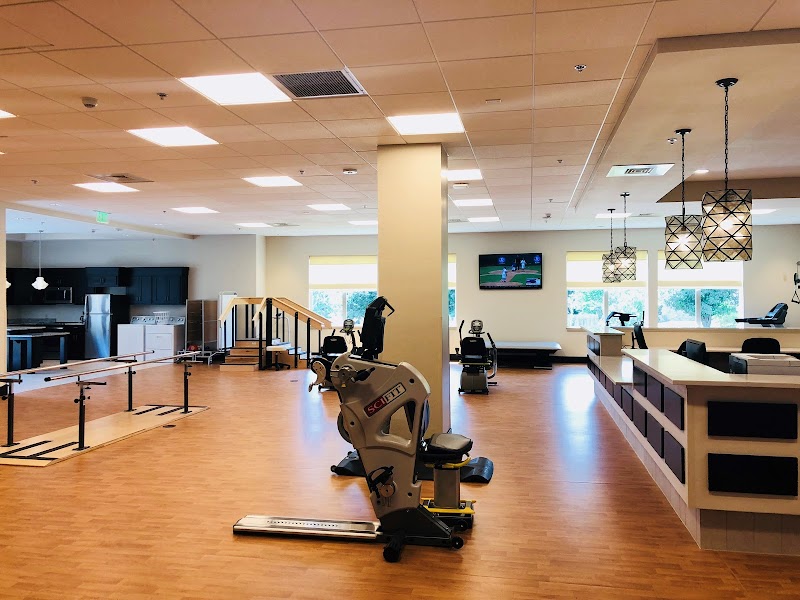
Who Owns and Operates Sunterra Springs Springfield?

SUNTERRA SPRINGS SPRINGFIELD is owned by a for-profit company. For-profit facilities operate as businesses with obligations to shareholders or private owners. The facility is operated by SUNTERRA SPRINGS, a chain that manages multiple nursing homes. With 38 certified beds and approximately 36 residents (about 95% occupancy), it is a smaller facility located in SPRINGFIELD, Missouri.

How Does Sunterra Springs Springfield Compare to Other Missouri Nursing Homes?

Compared to the 100 nursing homes in Missouri, SUNTERRA SPRINGS SPRINGFIELD's overall rating (4 stars) is above the state average of 2.5, staff turnover (62%) is significantly higher than the state average of 46%, and health inspection rating (3 stars) is at the national benchmark.

What Should Families Ask When Visiting Sunterra Springs Springfield?

Based on this facility's data, families visiting should ask: "What changes have been made since the serious inspection findings, and how are you preventing similar issues?" "How do you ensure continuity of care given staff turnover, and what is your staff retention strategy?" "Can I visit during a mealtime to observe dining assistance and food quality?" "How do you handle medical emergencies, and what is your hospital transfer rate?" These questions are particularly relevant given the facility's Immediate Jeopardy citations and the facility's high staff turnover rate.

Is Sunterra Springs Springfield Safe?

Based on CMS inspection data, SUNTERRA SPRINGS SPRINGFIELD has documented safety concerns. Inspectors have issued 1 Immediate Jeopardy citation (the most serious violation level indicating risk of serious injury or death). The facility has a 4-star overall rating and ranks #1 of 100 nursing homes in Missouri. Families considering this facility should ask detailed questions about what corrective actions have been taken since these incidents.

Do Nurses at Sunterra Springs Springfield Stick Around?

Staff turnover at SUNTERRA SPRINGS SPRINGFIELD is high. At 62%, the facility is 16 percentage points above the Missouri average of 46%. High turnover means new staff may not know residents' individual needs, medications, or preferences. It can also be disorienting for residents, especially those with dementia who rely on familiar faces. Families should ask: What is causing the turnover? What retention programs are in place? How do you ensure care continuity during staff transitions?

Was Sunterra Springs Springfield Ever Fined?

SUNTERRA SPRINGS SPRINGFIELD has been fined $70,171 across 13 penalty actions. This is above the Missouri average of $33,781. Fines in this range indicate compliance issues significant enough for CMS to impose meaningful financial consequences. Common causes include delayed correction of deficiencies, repeat violations, or care failures affecting resident safety. Families should ask facility leadership what changes have been made since these penalties.

Is Sunterra Springs Springfield on Any Federal Watch List?

SUNTERRA SPRINGS SPRINGFIELD is not on any federal watch list. The most significant is the Special Focus Facility (SFF) program, which identifies the bottom 1% of nursing homes nationally based on persistent, serious quality problems. Not being on this list means the facility has avoided the pattern of deficiencies that triggers enhanced federal oversight. This is a positive indicator, though families should still review the facility's inspection history directly.