WILSON'S CREEK NURSING & REHAB
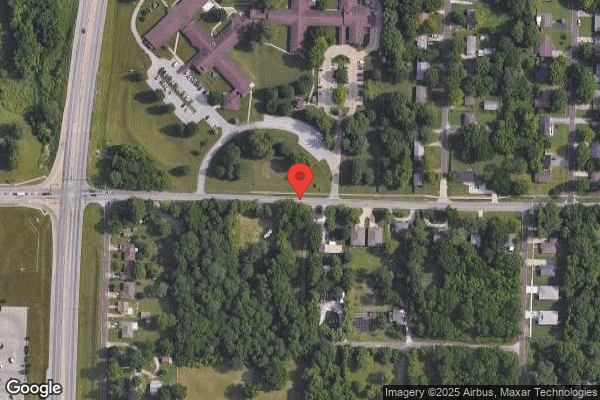

3403 WEST MT VERNON, SPRINGFIELD, MO 65802 (417) 864-5600
For profit - Limited Liability company 172 Beds JAMES & JUDY LINCOLN Data: November 2025
Trust Grade
58/100
#217 of 479 in MO
Last Inspection: November 2023

Within standard 12-15 month inspection cycle. Federal law requires annual inspections.

Overview

Wilson's Creek Nursing & Rehab has a Trust Grade of C, which means it is average and sits in the middle of the pack among nursing homes. It ranks #217 out of 479 facilities in Missouri, putting it in the top half, but only #15 out of 21 in Greene County, indicating that there are better local options. Unfortunately, the facility is worsening, with reported issues increasing from 7 in 2021 to 11 in 2023. Staffing is a relative strength, earning 4 out of 5 stars, with a low turnover rate of 29%, which is significantly better than the state average. However, there have been serious concerns, including an incident where a staff member verbally abused a resident, and issues with kitchen cleanliness that could affect all residents, indicating both strengths and weaknesses in care quality.

Trust Score
C
58/100
In Missouri
#217/479
Top 45%
Safety Record
Moderate
Needs review
Inspections
Getting Worse
7 → 11 violations
Staff Stability
✓ Good
29% annual turnover. Excellent stability, 19 points below Missouri's 48% average. Staff who stay learn residents' needs.
Penalties
✓ Good
No fines on record. Clean compliance history, better than most Missouri facilities.
Skilled Nurses
⚠ Watch
Each resident gets only 18 minutes of Registered Nurse (RN) attention daily — below average for Missouri. Fewer RN minutes means fewer trained eyes watching for problems.
Violations
⚠ Watch
21 deficiencies on record. Higher than average. Multiple issues found across inspections.
★★★☆☆
3.0
Overall Rating
★★★★☆
4.0
Staff Levels
★★★★☆
4.0
Care Quality
★★★☆☆
3.0
Inspection Score
Stable
2021: 7 issues
2023: 11 issues

The Good

  • 4-Star Staffing Rating · Above-average nurse staffing levels
  • 4-Star Quality Measures · Strong clinical quality outcomes
  • Low Staff Turnover (29%) · Staff stability means consistent care
  • Full Sprinkler Coverage · Fire safety systems throughout facility
  • No fines on record
  • Staff turnover is low (29%)

    19 points below Missouri average of 48%

Facility shows strength in staffing levels, quality measures, staff retention, fire safety.

The Bad

3-Star Overall Rating

Above Missouri average (2.5)

Meets federal standards, typical of most facilities

Chain: JAMES & JUDY LINCOLN

Part of a multi-facility chain

Ask about local staffing decisions and management

The Ugly 21 deficiencies on record

1 actual harm
Nov 2023 8 deficiencies
CONCERN (D)

Potential for Harm - no one hurt, but risky conditions existed

Deficiency F0625 (Tag F0625)

Could have caused harm · This affected 1 resident

**NOTE- TERMS IN BRACKETS HAVE BEEN EDITED TO PROTECT CONFIDENTIALITY** Based on interview and record review, the facility failed to ensure a bed-hold policy was provided to all residents at time of t...

Read full inspector narrative →
**NOTE- TERMS IN BRACKETS HAVE BEEN EDITED TO PROTECT CONFIDENTIALITY** Based on interview and record review, the facility failed to ensure a bed-hold policy was provided to all residents at time of transfer when staff failed to provide a written bed hold notice at the time of a transfer to two (Resident #108 and #20) of two sampled residents. Facility census was 128. Review of the facility's Bed Hold Policy Guidelines showed the following: -The facility will notify all residents, and/or their representative of the bed hold policy guidelines; -The notification shall be given upon admission of the facility; at the time of transfer to the hospital or leave; and at the time of non-covered therapeutic leave. 1. Review of Resident #108's quarterly Minimum Data Set (MDS - a federally mandated assessment completed by facility staff), with an Assessment Reference Date (ARD) date of 10/16/23, located in the Resident Assessment Instrument (RAI) tab of the Electronic Medical Report (EMR), showed the following: -An admission date of 07/11/23; -Resident had a moderately impaired cognition; -Diagnoses included cerebral palsy (a group of conditions that affect movement and posture), anxiety, and anemia (a condition that develops when your blood produces a lower-than-normal amount of healthy red blood cells). Review the resident's Progress Note, located in the EMR under the Event tab, showed the following: -On 09/14/23, staff evaluated resident on several occasions during the evening shift on 09/14/23 until about 11:40 P.M., at which time the resident was transported to the hospital via EMS [emergency medical services]. The resident was having difficulty expressing what was bothering or hurting him/her, or what staff could do to make it better. This nurse unable to ascertain what is directly bothering the resident. Staff had repositioned the resident for comfort and staff checked vitals. Discharge summary, face sheet, med [medication] list provided to resident along with brief synopsis of events leading to transfer. Resident left facility with EMS at 11:40 P.M. and staff notified family. Staff will also notify the Director of Nursing(DON)] later this morning. Review of the resident's EMR showed staff did not document notification of a bed hold notice provided to the resident or resident representative when the resident was sent to the hospital on [DATE]. 2. Review of Resident #20's quarterly MDS, with an ARD date of 10/27/23, located in the RAI tab of the EMR, showed the following: -An admission date of 10/29/20; -Resident's cognition was severely impaired; -Diagnoses included of stroke and Type 2 diabetes mellitus with hyperglycemia (high blood sugar levels). Review of the resident's General Notes, located in the EMR under the Progress Note tab, showed the following: -On 06/19/23, at 12:40 A.M., the resident was still able to press the call light, however staff went in and found the resident not responding. Staff called the nurse who assessed the resident. The resident was awake but unresponsive in speech with audible gurgling sounds heard. Vitals were taken. Resident had weak pulse and pupils were not reactive to light. Staff called the physician and received an order to send resident to hospital. -On 06/19/23, at 12:55 A.M., pertinent documents and notification of transfer filled out sent with resident. Resident was transferred out to hospital via stretcher and left the facility at 12:55 A.M. Resident is self responsible. Staff tried to notify family/friend, but no number was provided on the system. Staff made physician and DON aware. Review of the resident's EMR showed staff did not document notification of a bed hold notice provided to the resident or resident representative when the resident was sent to the hospital on [DATE]. 3. During interviews on 11/28/23, at 12:16 P.M., and on 11/30/23, at 1:43 P.M., the Administrator said they do not provide a bed hold policy if they are taking the resident back. They will just give a transfer notice in these cases.
CONCERN (D)

Potential for Harm - no one hurt, but risky conditions existed

PASARR Coordination (Tag F0644)

Could have caused harm · This affected 1 resident

Based on record review and interviews, the facility failed to ensure a Level 2 PASARR (Pre-admission Screening and Resident Review) screen was completed for one resident (Resident #45) and failed to i...

Read full inspector narrative →
Based on record review and interviews, the facility failed to ensure a Level 2 PASARR (Pre-admission Screening and Resident Review) screen was completed for one resident (Resident #45) and failed to incorporate recommendations from a Level 2 PASARR into one resident's (Resident #104) overall plan of care. Six residents were reviewed for PASARR. The facility census was 128. Review of the facility's Preadmission Screening and Annual Resident Review (PASARR) Tool, dated 2017 , showed the following: -Intent was to ensure that the facility coordinates with the appropriate, State-designated authority, to ensure that individuals with a mental disorder, intellectual disability or a related condition receives care and services in the most integrated setting appropriate to meet their needs; -Coordination includes: Incorporating the recommendations from the PASARR Level 2 determination and the PASARR evaluation report into a resident's assessment, care planning, and transitions of care. 1. Review of Resident #45's Resident Face Sheet, found in the electronic medical record (EMR) under the Continuity of Care (CCD) Tab, showed the following: -admission date of 12/20/21; -Diagnoses included cerebral palsy (a group of conditions that affect movement and posture), unspecified mood disorder, intellectual disabilities, autistic disorder (developmental disability caused by differences in the brain), and conduct disorder. Review of the resident's quarterly Minimum Data Set (MDS - a federally mandated assessment completed by facility staff), with an Assessment Reference Date (ARD) of 09/21/23, showed the following: -Resident rarely or never understood; -Resident had short and long-term memory problems; -Resident received anti-psychotic medication on a routine basis; -Resident was not exhibiting any behavioral symptoms during the assessment period. Review of the resident's Level 1 PASSAR document, dated 06/18/15, showed the following: -Resident met the federal definition of Intellectual Disability/Related Condition (ID/RC), but does not require specialized services. Please incorporate the lesser intensity services into the resident's care plan; -OBRA (Omnibus Budget Reconciliation Act) and the Department of Health and Senior Services require this letter, the DA-124s and the Level 2 determinations must be sent with the client if transferring to another facility. Review of the resident's PASARR Care Plan, dated 12/29/21, found in the EMR under the Care Plan Tab, showed the following: -Resident required a Level 2 PASARR Evaluation for admission to the facility; -Interventions included the resident was received behavioral health services; -Resident required a Level 2 PASARR Evaluation due to intellectual disabilities. Review of the resident's record showed staff did not document a Level 2 PASARR completed/received. During an interview on 11/29/23, at 10:40 A.M., the Administrator confirmed the resident's Level 2 PASSAR was not in the resident's record. He expected Level 2 PASARR information should be available in the resident records of anyone qualifying for a Level 2 Evaluation. 2. Review of Resident #104'sResident Face Sheet, undated, found in the EMR under the CCD tab, showed the following: -admission date of 05/12/23; -Diagnoses included major depression, anxiety, and post-traumatic stress disorder (PTSD - psychiatric disorder that may occur in people who have experienced or witnessed a traumatic event, series of events or set of circumstances). Review of the resident's quarterly Minimum Data Set (MDS), with an Assessment Reference Date (ARD) of 08/17/23, showed the following: -Cognitively intact; -Resident was not exhibiting any behavioral symptoms during the assessment period. Review of the resident's Physician Order Report, dated 10/31/23 through 11/30/23, found in the EMR under the Orders tab, showed the following: -An active order for Celexa (an antidepressant medication) 40 milligrams (mg) once daily for depression; -An active order for Lamictal (an anti-seizure medication used to treat severe depression) 50 mg daily for severe depression; -An active order for Valium (an anti-anxiety medication) two mg as needed three times daily for anxiety; -An active order for mirtazapine (an anti-depressant medication) 30 mg once daily at bedtime for severe depression. Review of the resident's Level 2 PASSAR document, dated 07/18/23, found in the EMR under the Resident Documents tab, showed the following: -Current diagnoses of PTSD, depressive disorder, anxiety, alcohol abuse, and adjustment disorder; -Symptoms indicated on the document included increased anxiety, increased depression, tearfulness, worry about his/her physical condition, feelings of isolation and being overwhelmed, occasional paranoia, and inability to sleep; -Plan should identify clear steps that will be taken to support individual during a crisis situation, specify who to contact for assistance, how staff should work together with individual during the crisis, as well as to identify when the physician, emergency medical services and/or law enforcement should be contacted. Facility may also wish to utilize (Behavioral Health Crisis Hotline), and Provide for individual personal space, maintain environment with low stimulation, maintain an environment with a minimum of visual/auditory distractions, and establish consistent routines. Review of the resident's Behavioral Health, Psychosocial Well-Being, and Psychotropic Medication Care Plans, dated 11/03/23,found in the EMR under the Care Plan tab, showed staff did not care plan recommendations from the resident's specific level 2 PASSAR. During an interview on 11/29/23, at 10:40 A.M., the Administrator said the recommendations made in the resident's Level 2 PASSAR had not been incorporated into her overall plan of care. He expects any recommendations made in the PASSAR Level 2 evaluation was expected to be incorporated into a resident's overall plan of care.
CONCERN (D)

Potential for Harm - no one hurt, but risky conditions existed

Deficiency F0645 (Tag F0645)

Could have caused harm · This affected 1 resident

Based on facility policy, record review, and staff interviews, the facility failed to ensure a Level 1 PASARR (Pre-admission Screening and Resident Review) was complete for one resident (Resident #24)...

Read full inspector narrative →
Based on facility policy, record review, and staff interviews, the facility failed to ensure a Level 1 PASARR (Pre-admission Screening and Resident Review) was complete for one resident (Resident #24) of six residents reviewed for PASARR. The facility census was 128. Review of the facility's Preadmission Screening and Annual Resident Review (PASARR) Tool, dated 2017, showed the following: -Intent is to ensure that the facility coordinates with the appropriate, State-designated authority, to ensure that individuals with a mental disorder, intellectual disability or a related condition receives care and services in the most integrated setting appropriate to meet their needs; -The PASARR process requires that all applicants to Medicaid-certified nursing facilities be screened for possible serious mental disorders or intellectual disabilities and related conditions; -The initial pre-screening is referred to as a PASARR Level 1, and is completed prior to admission to a nursing facility. 1. Review of Resident #24's Resident Face Sheet, undated, found in the electronic medical record (EMR) under the Continuity of Care (CCD) Tab, showed the following: -admission date of 07/21/22; -Diagnoses included major depression with psychotic features, obsessive compulsive disorder (OCD - a long-lasting disorder in which a person experiences uncontrollable and recurring thoughts (obsessions), engages in repetitive behaviors (compulsions), or both), anxiety, and unspecified psychosis (a collection of symptoms that affect the mind, where there has been some loss of contact with reality). Review of the resident's quarterly Minimum Data Set (MDS - a federally mandated assessment completed by facility staff), with an Assessment Reference Date (ARD) of 08/31/23, showed the following: -Moderately cognitively intact; -Receiving anti-psychotic medication on a routine basis; -Not exhibiting any behavioral symptoms during the assessment period. Review the resident's Behavioral Symptoms Care Plan, dated 03/08/21, found in the EMR under the Care Plan tab, showed the following: -Monitor for and intervene as needed if inappropriate behaviors were displayed; -Behaviors were speaking or yelling loudly without realizing it, cursing, and sexually inappropriate behaviors; -Interventions included the resident was being seen by a behavioral health professional as needed for medication management, give medication as ordered, monitor behavior changes, do not argue with the resident, and reinforce the unacceptability of inappropriate behaviors as needed. Review of the resident's Physician Order Report, dated 10/30/23 to 11/30/23, found in the EMR under the Orders tab, showed the following: -An active order for Depakote Sprinkles (a mood stabilizing medication) 250 mg (milligrams) twice daily, for unspecified psychosis not due to a substance or known physiological condition; -An active order for fluvoxamine (an antidepressant medication) 50 mg twice daily for major depressive disorder with severe with psychotic features; -An active order for Seroquel (an anti-psychotic medication) 100 mg once daily and 75 mg once daily for unspecified psychosis not due to a substance or known physiological condition. Review of the resident's record showed staff had not documented completion of a Level 1 PASARR. During an interview on 11/28/23, at 12:12 P.M., the Social Services Director (SSD) confirmed a Level 1 PASARR could not be found for the resident. She said the resident should have had a Level 1 in the record. During an interview on 11/28/23, at 12:20 P.M., the Administrator said a Level 1 PASARR is expected to be in the record. The resident should have had a Level 1 PASARR Screening in the his/her record.
CONCERN (D)

Potential for Harm - no one hurt, but risky conditions existed

Accident Prevention (Tag F0689)

Could have caused harm · This affected 1 resident

Based on observation, interviews, and record reviews, the facility failed to ensure staff safely turned and repositioned a resident during care, failed to complete fall investigations, and failed to c...

Read full inspector narrative →
Based on observation, interviews, and record reviews, the facility failed to ensure staff safely turned and repositioned a resident during care, failed to complete fall investigations, and failed to conduct root cause analysis of falls in an effort to identify appropriate intervention to help prevent future falls for one resident (Resident #69) of four sampled residents reviewed for falls. The facility census was 128. Review of the facility's fall prevention manual, dated June 2006, showed the following: -Keep a fall log to analysis causes of falls and facility trends or needs. The data in the log may point to variables that are present when falls commonly occur' -Review the surveillance fall log to make sure the process is working, and falls are being prevented; -The committee should plan interventions individualized for each resident; -When a resident falls, caregivers must conduct an investigation and fill out an incident report, which must provide specific data related to the fall and any injury sustained and identify the probable cause. 1. Review of Resident #69's admission Record, located in the Profile tab of the electronic medical record (EMR), showed the following: -admission date of 12/17/19; -Diagnoses included Alzheimer's disease, shortness of breath, anxiety disorder, restlessness and agitation, and major depressive disorder. Review of the resident's Care Plan, located under the Care Plan tab of the EMR, dated 12/30/19, showed the following: -Resident was at risk for falls related to poor safety awareness; -Keep call light within reach; -Keep pathways free of clutter; -If resident falls, don't get resident until assessed by a licensed nurse; -Assist resident to the restroom before and after meals and at bedtime; -Resident unable to turn and reposition self and required staff assistance; -Staff had not updated the resident's Care Plan since it was implemented on 12/30/19. Review of the resident's quarterly Minimum Data Set (MDS - a federally mandated assessment completed by facility staff), located under the MDS tab of the EMR, with an Assessment Reference Date (ARD) of 08/30/23, showed the following: -Resident was rarely understood; -Resident's cognitive ability for daily decision making was severely impaired; -Resident had short- and long-term memory problems; -Resident was dependent on staff for bed mobility, transfers, toileting, and eating. Review of the resident's Event Report, dated 11/20/23, showed the following: -Staff was repositioning the resident so a treatment to his/her buttock could be done. When staff rolled the resident over the resident slid off the bed onto floor, landing on right side of the bed, at 8:15 A.M.; -The resident had a laceration to his/her right eyebrow and steri-strips were applied; -The resident had two small skin tears to his/her left elbow that might have occurred when he/she was moved from off the floor; -Staff notified the resident's family, hospice provider, and physician; -Staff did not document an investigation of the fall. Review of the resident's Care Plan showed staff did not add revisions or interventions related to the fall. During an observation on 11/27/23, at 11:36 A.M., the resident sat in a recliner chair in the dining room. The resident had a large laceration above his/her right eye, with steri-strips in place. During an interview on 11/28/23, at 2:35 P.M., Licensed Practical Nurse (LPN) 1 said the following: -He/she was the nurse that completed the event report on 11/20/23 related to the resident's fall; -The resident's fall occurred on 11/20/23 when he/she along with the assistance of Restorative Nursing Assistant (RNA) 1 was providing care. They had pulled the resident's bed away from the wall while he/she stood on the window side, and RNA 1 stood on the other side, facing the window. They were using the Hoyer lift (mechanical lift) to place the resident in bed and RNA 1 rolled the resident towards him/her and rolled the resident a little too forward towards the side of the bed. The resident rolled off the bed onto the floor. He/she was unable to keep the resident from falling off the bed; -LPN 1 said the Director of Nursing (DON) was on the unit, and they called for her. The DON never discussed the fall or the circumstances of the fall or how the resident rolled off the bed during care; -LPN 1 said he/she never completed any additional training related to turning and repositioning after the resident's fall; -LPN 1 said he/she observed the resident's mattress seemed firmer on the day the fall occurred, but there had not been any monitoring of the mattress to ensure it remained at the appropriate firmness. He/she did tell the DON he/she noticed the mattress was a little firmer than it normally was, but she was unaware if any changes to the resident's care or any updates to the care plan interventions were ever made because the DON would have handled that. During an interview on 11/30/23, at 9:22 A.M., RNA 1 said the following: -Certified nurse aide (CNA)/RNA staff were able to go into the Kiosk under a resident profile/Care Plan to see what type of care a resident required; -RNA 1 said the resident was a fall risk and required total assistance; -The resident had a recent fall on 11/20/23; -The resident was in a wheelchair in his/her room and he/she, along with LPN 1, were attempting to lay the resident down for wound care; -They used a Hoyer lift to get the resident back into the bed with no issues; -LPN 1 was by the window and RNA 1 was on the outside of the bed. He/she went to roll the resident over in the direction of LPN 1 and the resident rolled off the bed onto the floor; -LPN 1 told him/her to get the DON, so he/she called for the DON. They used a sheet to lift the resident back into the bed and he/she left the room; -The DON never spoke with him/her about the fall and he/she was not asked to write a statement. During an interview on 11/20/23, at 12:37 P.M., Medical Director (MD) 1 said the staff should try to prevent falls since it is part of the care, and he expected staff to investigate all falls. During an interview on 11/30/23, at 1:20 P.M., the DON said the following: -The floor nurse was responsible for completing an Event Report and he/she would review and close it; -She did investigate to identify the root cause of falls, but she did not document that in the medical records or anywhere else; -It was a team effort and falls were discussed during the IDT (Interdisciplinary Team) meeting, along with care plan interventions, and the MDS coordinator would update the care plan; -Staff did not receive any falls training other than what they received during new hire orientation and that was nurse to nurse; -The fall that the resident had on 11/20/23 was not investigated because he/she was told that staff pulled the bed away from the wall and the resident was a little too far over, and the resident rolled off the bed onto the floor; -He/she confirmed there had been no additional training for both staff since the fall occurred. During an interview on 11/30/23, at 2:51 PM, the Administrator said he expected the fall event/investigations to be completed and reviewed for completion.
CONCERN (D)

Potential for Harm - no one hurt, but risky conditions existed

Unnecessary Medications (Tag F0759)

Could have caused harm · This affected 1 resident

Based on record review, observations, and staff interviews, the facility failed to ensure a medication error rate of less than 5% when staff made three errors out of 30 opportunities, resulting in a 1...

Read full inspector narrative →
Based on record review, observations, and staff interviews, the facility failed to ensure a medication error rate of less than 5% when staff made three errors out of 30 opportunities, resulting in a 10.00% error rate. The errors involved two residents of five residents (Resident #71 and #124) reviewed for medication administration. The facility census was 128. 1. Review of the directions for use for Miralax showed stir and dissolve into any four to eight ounces of beverage (cold, hot or room temperature) then drink. Review of Resident #71's Resident Face Sheet, undated, found in the electronic medical record (EMR) under the Continuity of Care (CCD) Tab, showed the following; -admission date of 04/10/18; -Diagnoses included constipation. Review of the resident's Physician Order Report, dated 10/30/23 to 11/30/23, found in the EMR under the Orders tab, showed the following: -An active order for Miralax, give 17 grams orally once daily for constipation. Observations on 11/28/23, at 9:19 A.M., showed Certified Medication Technologist (CMT) 1 was observed administering the resident's medication. CMT 1 dissolved 17 grams of Miralax powder in approximately three ounces of water and then administered the medication to the resident. During an interview on 11/28/23, at 9:29 A.M., CMT 1 said he/she was unsure of how much fluid Miralax was to be dissolved in for administration. The CMT checked the directions for use on the side of the Miralax container and said the directions indicated the medication was to be dissolved in four to eight ounces of fluid. During an interview on 11/30/23, at 11:42 A.M., the Pharmacy Consultant said Miralax was expected to be given with at least four ounces of water to be effective and she generally recommended the medication be administered with six to eight ounces of water unless a resident was on a fluid restriction. During an interview on 11/30/23, at 1:02 P.M., the Director of Nursing (DON) said her expectation was that Miralax be given with at least four to eight ounces of fluid. 2. Review of Resident #124's undated Resident Face Sheet, found in the EMR under the CCD tab, showed the following: -admission date of 08/22/23; -Diagnoses included chronic obstructive pulmonary disease (COPD - refers to a group of diseases that cause airflow blockage and breathing-related problems). Review of the resident's Physician Order Report, dated 10/30/23 to 11/30/23, found in the EMR under the Orders tab, showed the following: -An active order for Spiriva (an inhaled medication used to prevent bronchospasm (narrowing of airways in the lungs)) two inhalations daily; -An active order for Symbicort (an inhaled steroid medication used to prevent chronic inflammation in the lungs) two inhalations twice daily. During an interview on 11/30/23, at 11:42 A.M., the Pharmacy Consultant said Spiriva was expected to be administered before Symbicort and there was expected to be a two-minute wait time between inhalations of the same medication and at least a five minute wait time between the administration of two different inhaled medications to ensure effectiveness of the medication. Observations on 11/30/23, at 9:32 A.M., showed CMT 2 was administering the resident's medication. CMT 2 administered the resident's Symbicort first, waiting approximately 10 seconds between the two ordered inhalations of the medication. CMT 2 waited approximately 20 seconds between medications and then administered the resident's Spiriva, waiting approximately 10 seconds between the two ordered inhalations of the medication. During an interview on 11/30/23, at 9:36 A.M., CMT 2 said he/she thought Symbicort should be administered before Spiriva and stated he/she was not aware of any recommended wait time between inhalations of either medication or between the administration of each medication. During an interview on 11/30/23, at 1:02 P.M., the DON said nursing staff was to follow manufacturer's instructions for use with the administration of all medication, including inhaled medication. Non-steroidal medication (Spiriva) was expected to be administered before steroidal medication (Symbicort).
CONCERN (E)

Potential for Harm - no one hurt, but risky conditions existed

Drug Regimen Review (Tag F0756)

Could have caused harm · This affected multiple residents

Based on interview and record review, the facility failed to ensure monthly medication regimen reviews (MRR) were completed in a timely manner for five of five sampled residents (Residents #104, #33, ...

Read full inspector narrative →
Based on interview and record review, the facility failed to ensure monthly medication regimen reviews (MRR) were completed in a timely manner for five of five sampled residents (Residents #104, #33, #34, #90, and #89) reviewed for unnecessary medications. The facility census was 128. 1. Review of Resident #104's Resident Face Sheet, undated, found in the electronic medical record (EMR) under the Continuity of Care (CCD) Tab, showed the following: -admission date of 05/12/23; -Diagnoses included major depression, anxiety, and post-traumatic stress disorder (PTSD- mental health condition that's triggered by a terrifying event - either experiencing it or witnessing it. Symptoms may include flashbacks, nightmares and severe anxiety, as well as uncontrollable thoughts about the event). Review of the resident's quarterly Minimum Data Set (MDS - a federally mandated assessment completed by facility staff), with an Assessment Reference Date (ARD) of 08/17/23, showed the following: -Resident cognitively intact; -Resident was not exhibiting any behavioral symptoms during the assessment period. Review of the resident's Physician Order Report, dated 10/31/23 through 11/30/23, found in the EMR under the Orders tab, showed the following: -An active order for Celexa (an antidepressant medication) 40 milligrams (mg) once daily for depression; -An active order for Lamictal (an anti-seizure medication used to treat severe depression) 50 mg daily for severe depression; -An active order for Valium (an anti-anxiety medication) two mg as needed three times daily for anxiety; -An active order for mirtazapine (an anti-depressant medication) 30 mg once daily at bedtime for severe depression. Review of the resident's record showed the facility's consultant pharmacist had not completed a monthly review of the resident's medication regimen since 08/31/23. There was no documentation in the resident's record to indicate the consultant pharmacist had completed the resident's medication regimen review for the months of September 2023, October 2023, or November of 2023. During an interview on 11/29/23, at 1:06 P.M., the Administrator said the pharmacy consultant was expected to review each resident's medication regimen at least monthly and confirmed the facility had not received any pharmacy reviews for the resident since 08/31/23. The consulting pharmacist was behind on her medication regimen reviews. During an interview on 11/30/23, at 11:50 A.M., the facility's Pharmacy Consultant said she had not provided the facility with any medication regimen reviews for any resident in the facility since 08/31/23. She was expected to review each resident's medication regimen monthly. During an interview on 11/30/23, at 1:08 P.M., the Director of Nursing (DON) said her expectation was medication regimen reviews be completed monthly for each resident. 2. Review of Resident #33's admission Record, undated, located in the EMR under the Admission tab, showed the following: -admission date of 09/04/19; -Diagnoses included dementia, with other behavioral disturbance, altered mental status, anxiety disorder, major depressive disorder, chronic kidney disease (CKD), and type II diabetes mellitus. Review of the resident's quarterly MDS, with an ARD of 09/07/23, located in the EMR under the MDS tab, showed the following: -The resident severely cognitively impaired. Review of the resident's Comprehensive Care Plan, dated 09/11/23, located under the Care Plan tab of the EMR, showed the following: -The resident takes psychotropic medications; -Monitor medications and attempt GDR (gradual dose reduction) as indicated to provide least restricted pharmacological plan and treatment; -Resident to continue to benefit from my psychotropic medications. Review of the resident's Note to Attending Physician/Prescriber, dated 10/31/23, showed the the resident was taking the following psychotropic medications that are due for review: -An order, dated 12/04/20, for Celexa 10 mg po (by mouth) QD (every day) for anxiety; -An order, dated 07/01/23, for Remeron 7.5 mg po for eating disorder; -An order, dated 07/01/23, for Zyprexa 2.5 mg 1/2 tab (1.25 mg) po QD for dementia with behavioral disturbance; -An active order for Xanax (alprazolam) 0.5 mg po Q6H PRN. Review of the resident's Progress Notes, dated 11/29/23, located under the Progress Notes tab of the EMR, showed the Pharmacy Consultant entered medication regimen reviews for the resident on October 2023 as a late entry. During an interview on 11/29/23, at 10:30 AM, the Administrator confirmed the Pharmacy Consultant did not perform timely drug regimen review of medications for the resident. During an interview on 11/30/23, at 11:45 A.M., the Pharmacy Consultant said that she entered the monthly reviews for the months of September, October, and November 2023 on 11/29/23, and the resident's monthly medications regimen review for September and October 2023 were not completed timely. 3. Review of Resident #34's Face Sheet, located in the Profile tab of the EMR, showed the following: -admission date of 06/13/23; -Diagnoses included Alzheimer's disease, vascular dementia with behavior disturbance, anxiety disorder, major depressive disorder, and generalized anxiety disorder. Review of the resident's quarterly MDS, located under the MDS tab of the EMR, with an ARD of 09/18/23, showed the following: -Severe cognitive impairment; -Received antipsychotics on a routine basis. Review of the resident's Care Plan, located under the Care Plan tab of the EMR, dated 06/20/23, showed the following: -Resident received psychotropic medications for Alzheimer's disease, anxiety, and depression; -Administer antipsychotics as ordered and observe/document/report any effects/adverse reactions to doctor. Review of the resident's Physician Orders, located under the Orders tab in the EMR, dated 11/30/23, showed the following: -An order for Seroquel, a psychotropic medication, 50 mg tab twice daily. Review of the resident's EMR showed the last documented MRR on 08/30/23. 4. Review of Resident #90's Face Sheet, located in the Profile tab of the EMR, showed the following: -admission date of 12/24/20; -Diagnoses included Alzheimer's disease, anxiety disorder, and insomnia. Review of the resident's quarterly MDS, located under the MDS tab of the EMR, with an ARD of 09/18/23, showed the following: -Severe cognitive impairment; -Received antipsychotic on a routine basis. Review of the resident's Care Plan, located under the Care Plan tab of the EMR, dated 11/27/20, showed the following: -Receiving psychotropic medications for Alzheimer's disease, anxiety, and depression; -Administer antipsychotic as ordered and observe/document/report any effects/adverse reactions to doctor. Review of the resident's Physician Orders, located under the Orders tab in the EMR, dated 11/30/23, showed the following: -An active order for haloperidol, a psychotropic medication, .05 mg tab twice daily and 2 mg once a day. Review of the resident's EMR showed the last documented MRR on 08/30/23. 5. Review of Resident #89's Face Sheet, located in the Profile tab of the EMR, showed the following: -admission date of 07/06/21; -Diagnoses included psychotic disorder with delusions, anxiety disorder, major depressive disorder, and major depressive disorder. Review of the resident's quarterly MDS, located under the MDS tab of the EMR, with an ARD of 10/11/23, showed the following: -Mild cognitive impairment; -Received antipsychotic on a routine basis. Review of the resident's Care Plan, located under the Care Plan tab of the EMR, dated 06/20/23, showed the following: -Taking psychotropic medications for Alzheimer's disease, anxiety, and depression; -Administer antipsychotic as ordered and observe/document/report any effects/adverse reactions to doctor. Review of the resident's Physician Orders, located under the Orders tab, dated 11/30/23, showed the following: -An active order for risperidone, an antipsychotic medication, two mg tab twice daily. Review of the resident's EMR showed the last documented MRR on 08/30/23. 6. During an interview on 11/30/23, at 11:42 A.M., the Pharmacy Consultant said she had been behind with completing the monthly regimen reviews since September. She had now completed the September reviews, but they had not been finalized and sent to the facility for review. She said there were no irregularities for Resident #34 for September and October, and she just completed the resident's November review yesterday (11/29/23) and sent it to the facility. She said there were no irregularities for Resident #90 and #89 in September and she completed their October and November reviews yesterday (11/29/23). 7. During an interview on 11/30/23, at 1:06 PM the Director of Nursing (DON) said she was the one who reviewed the MRRs and identified that the pharmacy consultant was behind. She expected them to be completed monthly.
CONCERN (E)

Potential for Harm - no one hurt, but risky conditions existed

Medication Errors (Tag F0758)

Could have caused harm · This affected multiple residents

Based on interview and record review, the facility failed to monitor for side effects and target behaviors for three residents (Resident #33, #34, and #104) of five sampled residents reviewed for unne...

Read full inspector narrative →
Based on interview and record review, the facility failed to monitor for side effects and target behaviors for three residents (Resident #33, #34, and #104) of five sampled residents reviewed for unnecessary medications and who received psychotropic medications. The facility census was 128. 1. Review of Resident #104 Resident Face Sheet, undated, found in the electronic medical record (EMR) under the Continuity of Care (CCD) Tab, showed the following: -admission date of 05/12/23; -Diagnoses included major depression, anxiety, and post-traumatic stress disorder (PTSD - makes one feel stressed and afraid after the danger is over). Review of the resident's quarterly Minimum Data Set (MDS - a federally mandated assessment completed by facility staff), with an Assessment Reference Date (ARD) of 08/17/23, showed the following: -Cognitively intact; -Resident was not exhibiting any behavioral symptoms during the assessment period. Review of the resident's Physician Order Report, dated 10/31/23 through 11/30/23, found in the EMR under the Orders Tab, showed the following: -An active order for Celexa (an antidepressant medication) 40 milligrams (mg) once daily for depression; -An active order for Lamictal (an anti-seizure medication used to treat severe depression) 50 mg daily for severe depression; -An active order for Valium (an anti-anxiety medication) two mg as needed three times daily for anxiety; -An active order for mirtazapine (an anti-depressant medication) 30 mg once daily at bedtime for severe depression. Review of the resident's Medication Administration Record (MAR), dated 11/01/23 through 11/30/23, found in the EMR under the Orders Tab, showed no documentation to show side effects of the resident's psychotropic medication or specific behaviors associated with the administration of the resident's psychotropic medications were being routinely monitored. Review of the resident's Progress Notes, dated 11/01/23 through 11/30/23, showed no documentation of side effects of the resident's psychotropic medication or specific behaviors associated with the administration of the resident's psychotropic medications were being routinely monitored. Review of the resident's record showed no documentation to show the risks and benefits of any of the resident's orders psychotropic medication had been reviewed with the resident or that his informed consent for the use of the medications had ever been obtained. 2. Review of Resident #33's Face Sheet, undated, showed the following: -admission date of 09/04/19; -Diagnoses included dementia with other behavioral disturbance, altered mental status, anxiety disorder; major depressive disorder, chronic kidney disease (CKD), and type II diabetes mellitus. Review of the resident's quarterly MDS, with an ARD of 09/07/23, located in the EMR under the MDS tab, showed the following: -Severely cognitively impaired; -Did not exhibit any behaviors or moods during the assessment period. Review of the resident's Note to Attending Physician/Prescriber, dated 10/31/23, written by Pharmacist Consultant (PC), showed the resident was taking the following psychotropic medications that are due for review: -An order, dated 01/24/20, for Celexa 10 mg po (by mouth) QD (every day) for anxiety; -An order, dated 07/01/23, for Remeron 7.5 mg po for eating disorder; -An order, dated 07/01/23, for Zyprexa 2.5 mg 1/2 tab (1.25 mg) po QD for dementia with behavioral disturbance; -An active order for Xanax (alprazolam) 0.5 mg po Q6H PRN (every six hours as needed). Review of the resident's Progress Notes, dated 09/08/23, located under the Progress Notes tab of the EMR, showed the most recent behavior monitoring documentation was on 09/08/23. There were no other behavior progress notes documented in the resident's progress notes. Review of the resident's Comprehensive Care Plan, dated 09/13/23, located under the Care Plan tab, showed the following: -Resident to not have signs and symptoms of mood distress as evidenced by verbalizing feeling down, depressed, or hopeless; -Resident will not exhibit signs of isolation (e.g., sad, dull affect, non-communicative, withdrawn, inattention to self-care, etc ). 3. Review of Resident #34's Face Sheet, located in the Profile tab of the EMR, showed the following: -admission date of 06/13/23; -Diagnoses included Alzheimer's disease, vascular dementia with behavior disturbance, anxiety disorder, major depressive disorder, and generalized anxiety disorder. Review of the resident's quarterly MDS, with an ARD of 09/18/23, located under the MDS tab of the EMR, showed the following: -Severe cognitive impairment; -Resident received antipsychotic on a routine basis. Review of the resident's Care Plan, located under the Care Plan tab of the EMR, dated 06/20/23, showed the following: -Resident taking psychotropic medications for Alzheimer's disease, anxiety, and depression; -Administer antipsychotic as ordered and observe/document/report any effects/adverse reactions to my doctor. Review of the resident's Physician Orders, located under the Orders tab in the EMR, dated 10/20/23, showed the following: -An active order for Seroquel, a psychotropic medication, 50 mg tab twice daily. Review of the resident's Progress Notes, dated 11/01/23 through 11/30/23, showed no documention to show side effects of the resident's psychotropic medication or specific behaviors associated with the administration of the resident's psychotropic medications were being routinely monitored. 4. During an interview on 11/30/23, at 9:45 AM, Registered Nurse (RN) 3 said residents were monitored daily for seven days if there is a change in their medication or if the resident had a new prescription. The RN confirmed that behaviors should be monitored and documented daily. 5. During an interviews on 11/30/23, at 10:00 A.M. and 1:08 P.M., the Director of Nursing (DON) said the following: -If residents did not exhibit any negative behaviors. The facility did not chart because it is time consuming to document every day if there were non-existing behaviors; -The facility had not been aware that the risks and benefits related to the administration of psychotropic medications were to be reviewed with residents receiving psychotropic medications or that specific behaviors and side effects related to the administration of psychotropic medications should be routinely monitored after the first seven days of administration of a medication. 6. During an interview on 11/29/23, at 1:06 P.M., the Administrator said risks and benefits had not been reviewed and informed consent was not being obtained for any residents' use of psychotropic medications. He stated behaviors were tracked for psychotropic medications for seven days after a resident began receiving a new psychotropic medication and behaviors were generally tracked in progress notes. Specific behaviors related to the administration of psychotropic medications for each resident were not being routinely tracked.
CONCERN (F)

Potential for Harm - no one hurt, but risky conditions existed

Food Safety (Tag F0812)

Could have caused harm · This affected most or all residents

Based on observation, interview, and record review, the facility failed to ensure the kitchen ceiling, walls, floors, appliances, and dishware were clean and in good repair, failed to handle left-over...

Read full inspector narrative →
Based on observation, interview, and record review, the facility failed to ensure the kitchen ceiling, walls, floors, appliances, and dishware were clean and in good repair, failed to handle left-overs appropriately, and failed to date foods after opening. This deficient practice had the potential to affect 128 of 128 residents who received meals prepared in the facility's only kitchen. The facility census was 128. Review of the facility policy titled, Basics for Handling Food Safely, dated 08/13, showed the following: -Leftovers- Place food into shallow containers and immediately put in the refrigerator or freezer for rapid cooling; -Hot food should be held at 140 F or warmer; -Cold food should be held at 40 degrees F or colder. Review of the facility guidelines itemized in the Nutrition and Dining Services Manual, dated May 2015, showed the following: -Temperature of refrigerators should be 33 to 40 degrees F; -There should be a thermometer in all refrigerators; -Refrigerators should be cleaned per cleaning schedule (at least daily). Spills should be wiped up immediately; -Walls, doors, vents, and ceiling must be free from chipped and/or peeling paint and must be kept in good repair; -Walls, doors, vents, and ceiling must be washed thoroughly at least twice a year; -Heavily soiled surfaces must be cleaned more frequently. 1. Review of the kitchen's Daily Cleaning Schedule, for the days of 11/26/23 through 11/28/23, showed the following: -The convection oven was not initialed as cleaned; -The range ovens were only initialed as cleaned on 11/28/23; -The walls in the walk-in refrigerator were initialed as cleaned on 11/27/23 and 11/28/23; -The floors in the walk-in refrigerator were initialed as mopped on 11/28/23; -The dishwasher floors were initialed as cleaned 11/26/23, 11/27/23, and 11/28/23; -The dry storage room floor was initialed as cleaned on 11/28/23; -The dish machine rack holders were to be cleaned Tuesday and Saturdays was initialed as cleaned on Tuesday, 11/28/23. Observations and interviews during the kitchen tour on 11/27/23, at 10:33 A.M., and on 11/28/23, at 1:22 P.M., showed the following: -The kitchen's only hand sink was observed with coffee-like liquid in the basin. The Dietary Manger (DM) confirmed coffee was poured in the sink and the sink was used for disposing of such liquids. -The walls, wall boards, pipes, and fixtures in and around the kitchen were observed soiled with dried splatters, dirt, and dust debris buildup, especially in and around the hand sink. The wall board behind the hand sink also contained cereal debris and a small earring; -A fly light trap was observed mounted on the upper wall above the pot rack. The trap and the adjacent wall had an accumulation of dust debris. The confirmed the dust debris -The floor in the dry food storage was observed with large yellow stains, sticky residue, and numerous scuff marks. The DM said she thought the yellow was wax build-up; -The interior of the reach-in refrigerator contained dried spillage and no temperature gauge. The DM said they used to have a temperature gauge inside, so they use the outside gauge. -The walk-in refrigerator contained an open gallon container of milk and a half gallon container of chocolate milk with no open date. The floor in the walk-in refrigerator was noted to be sticky, and the back floor area had a heavy dark build-up of dried spillage with a black substance. The interior walls had a collection of black speckled mold- type substance. The DM said the milk was used within a few days and confirmed they didn't date the milk with an open date; -DM was asked about the walls and the floors. DM said it was on the cleaning schedule; -The floor under the three-compartment sink was noted to have a collection of soap suds and a section of the floor was constructed of concrete. The DM said the suds were from an overflow in the drain; -The convection ovens contained a collection of residues and baked on spillage on the inside. Both convection ovens were observed heavily soiled on the exterior with dried food debris and dried spillage. The range ovens had a heavy build-up of spills and splatters. The DM said the top convection oven did not work and the ovens were on the cleaning schedule. -The walls, pipes, and floors behind the ovens, range, and fryer were heavily coated with a thick layer of grease and food residue. The sides of the range ovens and fryer had an accumulation of food particles stuck to the metal; -The floors in and around the hand sink and throughout the kitchen were observed to be worn and soiled with dark spots, scuffed, and stained. The DM said they had a company scheduled to clean the floors, but they never came; -The ceiling along the dish machine and the three-compartment sink was observed with pieces of peeling paint hanging off the boxed areas. The DM said the boxed areas contained pipes and they were repaired due to the pipes freezing last winter. Observation and interview on 11/28/23, at 1:39 P.M., the DM said they place the left-over food product in containers straight from the steam table and place them in the freezer. DM pointed to a covered quart size container filled to the top with a gravy-type product on the walk-in freezer shelf. DM confirmed it was gravy. The container of gravy measured 117 degrees Fahrenheit (F). The DM said the gravy was placed in the freezer 30 minutes ago. The DM was asked if she was aware of the requirements of cooling foods fast to prevent bacteria from growing in the center of such containers. DM then poured the gravy into two short/shallow containers and placed them back into the freezer. Observations and interview on 11/28/23, at 1:53 P.M., of the nutrition rooms were showed the B-hall refrigerator was noted to be soiled with a large, dried spillage on the inside. The DM said housekeeping or nursing maintain the cleanliness of the nutrition rooms. The C-hall temperature gauge in the refrigerator was noted to measure 48 degrees F. A quart size container of soy milk was stored in this refrigerator. The DM said she was not sure the gauge was working properly, and she would replace it with a new one. Observations on 11/29/23, at 11:10 A.M., showed a residue build-up of a dark substance on eighteen hard plastic dish machine racks and on the exterior of 30 hard plastic plate lids that were in the clean stacks near the dish machine. Observations and interview on 11/29/23, at 11:18 A.M., of the tray line showed several trays of bowls of mixed fruit and apple sauce were observed sitting at room temperature. The DM measured the mixed fruit at 50 degrees F and the apple sauce at 45.5 degrees F. The temperature of the grilled cheese sandwiches, also observed on the tray line, were not taken. The DM stated the fruit items came straight from refrigeration and they did not use provisions to keep the fruit and apple sauce cold during meal service. During an interview on 11/30/23, at 11:34 A.M., the Registered Dietitian (RD) said he/she has told the DM about the general cleanliness of the kitchen and listed it in her report.
Aug 2023 3 deficiencies
CONCERN (D) 📢 Someone Reported This

A family member, employee, or ombudsman was alarmed enough to file a formal complaint

Potential for Harm - no one hurt, but risky conditions existed

Free from Abuse/Neglect (Tag F0600)

Could have caused harm · This affected 1 resident

Based on interview and record review, the facility failed to protect the resident's right to be free from verbal abuse by staff when one staff member (Certified Nursing Assistant (CNA) A) acted in an ...

Read full inspector narrative →
Based on interview and record review, the facility failed to protect the resident's right to be free from verbal abuse by staff when one staff member (Certified Nursing Assistant (CNA) A) acted in an abusive manor by cursing at one resident (Resident #1) out of six sampled residents. The facility census was 127. Review of the facility's Abuse Policy, undated, showed the following: -The objective of the abuse policy is to comply with the seven-step approach to abuse and neglect detection and prevention. The abuse policy will be reviewed on an annual basis or more frequently and will be integrated into the facility Quality Assurance and Performance Improvement (QAPI) program. 1. Review of the Resident #1's face sheet (a document that gives a patient's information at a quick glance) showed the following: -admission date of 02/24/23; -Diagnoses included diabetes, osteoporosis, right femur fracture and chronic pain. Review of the resident's quarterly Minimum Data Set (MDS - a federally mandated comprehensive assessment instrument completed by facility staff), dated 06/01/23, showed the following: -The resident was cognitively intact; -The resident had no behaviors; -The resident required no assistance from staff for all activities of daily living (ADL - dressing, grooming, bathing, eating, and toileting). Review of the resident's care plan, revised 08/16/23, showed the following: -The resident was mostly independent with dressing, bathing, toileting, hygiene, transfers and mobility. He/she would have his/her needs met with staff assistance. Staff assisted him/her with his/her activities of daily living. Please encourage him/her to do what he/she could safely to promote independence; -He/she had a history of falls because he/she had an unsteady gait, poor safety awareness, and took medication that increased his/her risk of falls. Encourage him/her to stand up slowly to help prevent dizziness. Keep his/her bed in the lowest position with the brakes locked. Keep his/her pathways free of clutter. Please keep his/her call light within reach so he/she could call for staff if he/she needed staff. Review of the facility's investigation, received 08/31/23, showed the following: -On 08/27/23, facility staff notified the Director of Nursing (DON) that CNA A said he/she would laugh his/her ass off if the resident fell, but said this in a joking manner meant as banter; -The DON notified the Administrator with discussion with other staff. It was discussed that the CNA was inappropriate and needed counseling notice and guidance of appropriate conversation and interactions; -On 08/28/23, the allegation of verbal abuse was relayed to facility management; -On 08/31/23, the Administrator and DON reviewed records, conversations. and interviews with staff members. The result of the investigation deemed abuse unsubstantiated, however counseling notice for instances of improper conduct stands. During an interview on 08/28/23, at 10:48 A.M., Resident #2 said he/she heard CNA A curse at Resident #1 last night. He/she did not know what the CNA said for sure, but it was not nice. Review of the written statement of CNA B, undated, showed on 08/27/23, at approximately 6:45 P.M., an incident took place between CNA A and Resident #1. The resident placed his/her call light on and CNA B, CNA H, and CNA A went to answer it. When CNA A got to the resident's door, the CNA observed the resident sitting at the edge of the bed. CNA A yelled at the resident saying if you fall again I'm going to laugh my fucking ass off! Registered Nurse (RN) G immediately turned around to tell CNA A that she could not speak to residents like that. During an interview on 08/28/23, at 12:36 P.M., CNA B said the following: -On 08/27/23, during shift change, at approximately 6:45 P.M., he/she and CNA H went to answer Resident #1's call light and when they reached the resident's doorway, the resident was sitting up on the side of the bed. CNA A stood in the resident's doorway and yelled If you fall again, I am going to laugh my fucking ass off at the resident; -RN G overheard CNA A's comments and told the CNA they could not speak to the resident that way; -CNA A went into the resident's room and assisted the resident. The resident and the CNA bickered. CNA B could not remember what they bickered about; -He/she went home and the CNA's comments bothered him/her all night because he/she considered the CNA's comments verbal abuse. Review of the written statement by RN E, undated, showed on 08/27/23, as he/she was leaving, the RN noticed Resident #1 sitting on the side of bed with his/her call light on. The aides (CNA A and CNA B) were on their way to answer and help. While turning the corner by the beauty shop, The RN heard loud voices from CNA A. CNA A said what are you doing Resident #1? then paused if you fall again I'm going to laugh my fucking ass off. During an interview on 08/28/23, at 1:05 P.M., RN E said the following: -On 08/27/23, he/she and RN G were leaving when CNA A walked into the resident's room. The resident sat on the side of the bed. The CNA asked the resident what they were doing and said if the resident fell the CNA would fucking laugh and walk away; -He/she considered this verbal abuse; -He/she did not document the incident or complete an assessment of the resident due to his/her shift was completed, but RN F should have documented and assessed the resident as that RN was on duty and present for the incident. Review of a written statement by CNA H, dated 08/29/23, showed he/she was working 7:00 A.M. to 7:00 P.M. on Sunday 08/27/23 on Ashwood hall. CNA A came in at approximately 5:40 P.M. for his/her night shift on Ashwood hall. At about approximately 6:45 P.M., CNA H heard yelling from hall one. CNA H was not in range to hear what was being said. From asking among staff what had happened, he/she was told CNA A was frustrated because a resident (Resident #1) had gotten out of bed and tried walking by him/herself. In the past the resident has had falling episodes, one that led him/her to have hip surgery. CNA A expressed his/her concerns about the resident falling and getting hurt again. CNA H had expressed to CNA A how yelling was inappropriate, along with several staff members that night working. During an interview on 08/28/23, at 1:32 P.M., CNA H said the following: -On 08/27/23, CNA H heard another staff yelling, but was unable to hear what was being said; -CNA H said that the yelling the staff member was doing was inappropriate. Review of the written statement by RN F, undated, showed he/she worked on 08/27/23, 7:00 P.M. to 7:00 A.M. After taking shift change from RN G, he/she sat at the nurses' station when the call light for Resident #1's room went off. CNA A got up to respond to the call light and CNA B and CNA H followed behind CNA A shortly after. He/she then heard CNA A shout If you fall again I will fucking laugh at your ass. He/she got up from the desk and walked towards the resident's room. During an interview on 08/28/23, at 1:35 P.M., RN F said the following: -On 08/27/23, before 7:00 P.M., he/she was behind the nurses' station and the resident's call light came on; -CNA A walked to answer the light and CNA B and CNA H walked behind CNA A; -He/she heard CNA A shout if you fall again, he/she was going to fucking laugh his/her ass off; -He/she and the Assistant Director of Nursing (ADON) spoke with the CNA and told the CNA they could not speak to residents that way no matter what. The CNA stated he/she was having a bad day and RN F told the CNA he/she needed to walk away and ask for assistance; -He/she considered what the CNA said to be verbal abuse. Review of the written statement from the ADON, undated, showed he/she was working on B wing as charge nurse 08/27/23, 7:00 P.M. to 7:00 A.M. At approximately 6:45 P.M., RN F came over from A wing where the RN was charging and said the CNA A was overheard telling a resident if you fall I'm going to laugh my ass off. He/she called and told the DON what was reported to him/her. During an interview on 08/28/23, at 8:03 P.M., the ADON said the following: -On 08/27/23, RN F told him/her there was an issue with CNA A. The RN said the CNA told the resident if the resident fell the CNA would laugh his/her ass off; -The CNA's comments were not appropriate; -He/she did not consider the CNA's comments verbal abuse; -If staff told him/her the CNA told the resident that if the resident fell the CNA would laugh his/her fucking ass off and leave the resident, the ADON would only consider that verbal abuse because of the leave the resident part of the comment. Just saying going to laugh his/her fucking ass off is an inappropriate statement. Review of the written statement from Certified Medication Technician (CMT) I, undated, showed he/she was passing meds on A wing on Sunday 08/27/23, when he/she overheard CNA A on 7:00 P.M. to 7:00 A.M. shift tell Resident #1 If you fall on your fucking ass I will laugh my ass off. During an interview on 08/28/23, at 2:05 P.M., CMT I said the following: -On 08/27/23, at approximately 7:00 P.M., he/she was at the nurses' desk in A-wing, hall 2, when he/she heard CNA A yelling at Resident #1; -CMT I heard CNA A yell at Resident #1 if you fall on your fucking ass I'll laugh my fucking ass off at you. During an interview on 08/28/23, at 2:31 P.M., CNA A said on 08/27/23, he/she told the resident if the resident fell, he/she would not fucking pick the resident up. During an interview on 08/28/23, at 12:56 P.M., Licensed Practical Nurse (LPN) D said if a staff member told a resident they would laugh their fucking ass off if the resident fell again, he/she considered that verbal abuse. During an interview on 08/28/23, at 2:05 P.M., RN G said if he/she heard a staff member tell a resident if the resident fell the staff member would laugh their fucking ass off, he/she would consider that verbal abuse. During an interview on 08/28/23, at 3:06 P.M., the DON said the following: -On 08/27/23, between 7:10 P.M. and 7:20 P.M., the ADON informed him/her that CNA A allegedly told the resident that if the resident fell the CNA would laugh at her; -The ADON and RN F spoke with the CNA about the CNA's comments not being appropriate; -If staff told him/her the CNA told the resident if the resident fell again the CNA was going to fucking laugh his/her ass off, he/she would consider that verbal abuse. MO00223585
CONCERN (D) 📢 Someone Reported This

A family member, employee, or ombudsman was alarmed enough to file a formal complaint

Potential for Harm - no one hurt, but risky conditions existed

Report Alleged Abuse (Tag F0609)

Could have caused harm · This affected 1 resident

Based on interview and record review, the facility failed to report an allegation of abuse to the State Survey Agency (Department of Health and Senior Services- DHSS) within the required time two hour...

Read full inspector narrative →
Based on interview and record review, the facility failed to report an allegation of abuse to the State Survey Agency (Department of Health and Senior Services- DHSS) within the required time two hour frame when an allegation of one staff member staff member (Certified Nursing Assistant (CNA) A) being verbally abusive to one resident (Resident #1), out of six sampled residents, was made. The facility census was 127. Review of the facility's Abuse Policy, undated, showed the following: -All allegations of abuse, neglect, exploitation, mistreatment, injuries of unknown sources and misappropriation of resident property by facility employees, contract employees, volunteers, contract services, consultants, physicians, visitors, family members, or other individuals will be reported immediately, but no later than the following timeframes. If abuse is alleged or the allegation results in serious bodily injury, the allegation must be reported within two hours after the allegation was made. If the allegation does not allege abuse or result in serious bodily injury, the report must be made within 24 hours after the allegation was made; -The facility will ensure that all reports are made within two hours (abuse or serious bodily injury) or 24 hours (non-abuse). The two hour timeframe must be met even during the night shift or during the weekend; -The facility must ensure that all alleged violations involving abuse, neglect, exploitation or mistreatment, including injuries of unknown source and misappropriation of resident property, are reported immediately, but not later than two hours after the allegation is made, if the events that cause the allegation involve abuse or result in serious bodily injury, or not later than 24 hours if the events that cause the allegation do not involve abuse and do not result in serious bodily injury, to the administrator of the facility and to other officials (including to the State Survey Agency} in accordance with State law through established procedures; -Employees must always report any abuse or suspicion of abuse immediately to the Administrator. If Administrator is not there, report to the DON or your immediate Supervisor and they will report to the Administrator; -The Administrator, will involve key leadership personnel as necessary to assist with reporting, investigation and follow up; -Initial reporting of allegations: If an incident or allegation is considered reportable, the Administrator or designee will make an initial immediate (within 2 hours for allegations of abuse or an incident which results in serious bodily injury) or within 24 hours report to the State Agency. 1. Review of the Resident #1's face sheet (a document that gives a patient's information at a quick glance) showed the following: -admission date of 02/24/23; -Diagnoses included diabetes, osteoporosis, right femur fracture and chronic pain. Review of the resident's quarterly Minimum Data Set (MDS - a federally mandated comprehensive assessment instrument completed by facility staff), dated 06/01/23, showed the following: -The resident was cognitively intact; -The resident had no behaviors; -The resident required no assistance from staff for all activities of daily living (ADL - dressing, grooming, bathing, eating, and toileting). Review of the resident's care plan, revised 08/16/23, showed the following: -The resident was mostly independent with dressing, bathing, toileting, hygiene, transfers and mobility. He/she would have his/her needs met with staff assistance. Staff assisted him/her with his/her activities of daily living. Please encourage him/her to do what he/she could safely to promote independence; -He/she had a history of falls because he/she had an unsteady gait, poor safety awareness, and took medication that increased his/her risk of falls. Encourage him/her to stand up slowly to help prevent dizziness. Keep his/her bed in the lowest position with the brakes locked. Keep his/her pathways free of clutter. Please keep his/her call light within reach so he/she could call for staff if he/she needed staff. During an interview on 08/28/23, at 10:48 A.M., Resident #2 said he/she heard CNA A curse at Resident #1 last night. He/she did not know what the CNA said for sure, but it was not nice. During an interview on 08/28/23, at 12:36 P.M., CNA B said the following: -On 08/27/23, at approximately 6:45 P.M., he/she and CNA H went to answer Resident #1's call light and when they reached the resident's doorway, the resident was sitting up on the side of the bed. CNA A stood in the resident's doorway and yelled If you fall again, I am going to laugh my fucking ass off at the resident; -Registered Nurse (RN) G overheard CNA A's comments and told the CNA they could not speak to the resident that way; -RN G reported the situation to RN F, who was the oncoming charge nurse; -The Assistant Director of Nursing (ADON) worked that evening; -On 08/28/23, at approximately 8:00 A.M., he/she reported the comments to the Director of Nursing (DON); -He/she believed the DON should have reported the incident to DHSS too. During an interview on 08/28/23, at 1:05 P.M., RN E said the following: -On 08/27/23, he/she and RN G were leaving when CNA A walked into the resident's room. The resident sat on the side of the bed. The CNA asked the resident what they were doing and said if the resident fell the CNA would fucking laugh and walk away; -He/she did not report the incident to the ADON, DON, or Administrator, but should have reported it to them immediately. During an interview on 08/28/23, at 1:05 P.M., RN E said the following: -If he/she heard or received an allegation of abuse, he/she reported to the DON immediately; -The Administrator or DON reported allegations of abuse to DHSS within eight or twenty-four hours. During an interview on 08/28/23, at 1:35 P.M., RN F said the following: -On 08/27/23, before 7:00 P.M., he/she was behind the nurses' station and the resident's call light came on; -CNA A walked to answer the light and CNA B and CNA H walked behind CNA A; -He/she heard CNA A shout if you fall again, he/she was going to fucking laugh his/her ass off; -He/she went to report the incident to the ADON at approximately 7:00 P.M. on 08/27/23, but before he/she got to the B wing, Certified Medication Technician (CMT) I reported the incident to the ADON; -The facility administration was required to report any allegation of abuse and should have reported it; -The ADON said he/she reported the incident to the DON, but he/she did not know what time the ADON did. During an interview on 08/28/23, at 2:05 P.M., CMT I said the following: -On 8/27/2023, at approximately 7:00 P.M., he/she was at the nurses' desk in A-wing, hall 2, when he/she heard CNA A yelling at Resident #1; -He/she heard CNA A yell at Resident #1 if you fall on your fucking ass I'll laugh my fucking ass off at you. -He/she spoke with RN F after the incident to make sure the RN reported the incident to the state; -He/she reports allegations of abuse to the charge nurse immediately; -The charge nurse then notified the DON of the allegations. Review of DHSS records showed the facility did not report the allegation of abuse to the State. During an interview on 08/28/23, at 10:55 A.M., Nursing Assistant (NA) C said if he/she heard a staff member verbally abuse a resident, he/she reported this to the charge nurse or DON immediately. The DON reported allegations of abuse to DHSS within two hours. During an interview on 08/28/23, at 1:32 P.M., CNA H said he/she reports allegations of abuse to the charge nurse. The state should be notified immediately and if not within 24 hours. During an interview on 08/28/23, at 11:00 A.M., CNA J said if abuse was reported to him/her, he/she reports that to the charge nurse and the DON. The state requires allegations of abuse, neglect, and misappropriation reported to the state within two hours. During an interview on 08/28/23, at 11:05 A.M., CNA K. said he/she reports allegations of abuse to the DON. The state requires allegations of abuse to be reported within 24 hours. During an interview on 08/28/23, at 12:36 P.M., CNA B said if he/she heard a staff member verbally abuse a resident, he/she reported this to the charge nurse immediately and then to DHSS. The DON reported allegations of abuse to DHSS within 24 hours. During an interview on 08/28/23, at 12:30 P.M., CMT L said he/she reports allegations of abuse to the charge nurse. -Allegations of abuse are reported to the state within 24 hours. During an interview on 08/28/23, at 12:56 P.M., Licensed Practical Nurse (LPN) D said if he/she heard or received an allegation of abuse, he/she reported to the ADON, DON, or Administrator immediately. The DON or Administrator reported allegations of abuse to DHSS within two hours. During an interview on 08/28/23, at 1:35 P.M., RN F said he/she reported allegations of abuse to the DON or Administrator and they had twenty-four hours to report an allegation to DHSS. During an interview on 08/28/23, at 2:05 P.M., RN G said the following: -He/she reported allegations of abuse to the Administrator or DON as soon as possible; -The DON or Administrator reported allegations of abuse to DHSS within two hours; -If he/she heard a staff member tell a resident if they fell again, the CNA would fucking laugh my ass off, he/she would report this to the DON immediately and the DON or Administrator would need to report this to DHSS within two hours. During an interview on 08/28/23, at 12:34 P.M., RN M said if he/she witnessed abuse, he/she would intervene, separate the residents, and report to supervisor. The state required allegations of abuse to be reported within two hours. During an interview on 08/28/23, at 8:03 P.M., the ADON said the following: -On 08/27/23, after 6:50 P.M., RN F told him/her there was an issue with CNA A. The RN said the CNA told the resident if the resident fell the CNA would laugh his/her ass off; -The CNA's comments were not appropriate, but did not consider them verbal abuse; -He/she reported the incident to the DON immediately and the DON said they would not report to DHSS; -RN F was the only staff that reported the incident to him/her on 08/27/23; -If staff heard abuse, they reported it to the charge nurse immediately and the charge nurse reported to the ADON, DON or Administrator immediately; -The DON or Administrator reported to DHSS within two hours. During an interview on 08/28/23, at 3:06 P.M., the DON said the following: -On 08/27/23, between 7:10 P.M. and 7:20 P.M., the ADON informed him/her that CNA A allegedly told the resident that if the resident fell the CNA would laugh at her; -On 08/27/23, between 7:25 P.M. and 7:30 P.M., he/she reported the incident to the Administrator; -On 08/28/23, around 8:00 A.M. CNA B reported the incident to her; -None of the staff reported that CNA A cursed and he/she did not specifically ask CNA A what he/she said; -If staff would have reported the CNA cursed at the resident, he/she would have reported this to DHSS within two hours; -He/she did not report the incident to DHSS because he/she did not feel what staff reported to him/her was abuse; -If staff overheard abuse they should report to the charge nurse immediately and the charge nurse reported to the Administrator or DON immediately; -He/she or the Administrator reported all allegations of abuse to DHSS within two hours. During an interview on 08/28/23, at 4:08 P.M., the Administrator said the following: -If staff heard the CNA tell the resident they would laugh their fucking ass off if the resident fell again, they should report that; -If they reported this to the ADON, the ADON should report that on to the DON; -If staff hear abuse, they should report to their immediate supervisor immediately and that supervisor reported to ADON, DON or Administrator immediately; -He/she or his/her designee reported all allegations of abuse to DHSS within two hours. MO00223585
CONCERN (D) 📢 Someone Reported This

A family member, employee, or ombudsman was alarmed enough to file a formal complaint

Potential for Harm - no one hurt, but risky conditions existed

Investigate Abuse (Tag F0610)

Could have caused harm · This affected 1 resident

Based on interview and record review, the facility failed to take steps to protect all residents after staff reported that a staff member (Certified Nursing Assistant (CNA) A) acted in an abusive mano...

Read full inspector narrative →
Based on interview and record review, the facility failed to take steps to protect all residents after staff reported that a staff member (Certified Nursing Assistant (CNA) A) acted in an abusive manor by cursing at one resident (Resident #1) and CNA continued to work independently with residents. Six residents were sampled and the facility census was 127. Review of the facility's Abuse Policy, undated, showed the following: -All employees who have been alleged to commit abuse will be suspended as appropriate pending investigation; - The facility must have evidence that all alleged violations are thoroughly investigated, and must prevent further potential abuse, neglect or exploitation or mistreatment while the investigation is in progress. 1. Review of the Resident #1's face sheet (a document that gives a patient's information at a quick glance) showed the following: -admission date of 02/24/23; -Diagnoses included diabetes, osteoporosis, right femur fracture and chronic pain. Review of the resident's quarterly Minimum Data Set (MDS - a federally mandated comprehensive assessment instrument completed by facility staff), dated 06/01/23, showed the following: -The resident was cognitively intact; -The resident had no behaviors; -The resident required no assistance from staff for all activities of daily living (ADL - dressing, grooming, bathing, eating, and toileting). Review of the resident's care plan, revised 08/16/23, showed the following: -The resident was mostly independent with dressing, bathing, toileting, hygiene, transfers and mobility. He/she would have his/her needs met with staff assistance. Staff assisted him/her with his/her activities of daily living. Please encourage him/her to do what he/she could safely to promote independence; -He/she had a history of falls because he/she had an unsteady gait, poor safety awareness, and took medication that increased his/her risk of falls. Encourage him/her to stand up slowly to help prevent dizziness. Keep his/her bed in the lowest position with the brakes locked. Keep his/her pathways free of clutter. Please keep his/her call light within reach so he/she could call for staff if he/she needed staff. During an interview on 08/28/23, at 12:36 P.M., CNA B said the following: -On 08/27/23, at approximately 6:45 P.M., he/she and CNA H went to answer Resident #1's call light and when they reached the resident's doorway, the resident was sitting up on the side of the bed. CNA A stood in the resident's doorway and yelled If you fall again, I am going to laugh my fucking ass off at the resident; -He/she, CNA H, and Registered Nurse (RN) G stood outside the resident's doorway while CNA A went in to assist the resident; -He/she should have intervened and asked CNA A to leave the resident's room to protect the resident; -Staff moved CNA A to a different hall and CNA B did not know if CNA A worked all night. During an interview on 08/28/23, at 1:05 P.M., RN E said the following: -He/she and RN G listened to the conversation between CNA A and the resident, went in to the resident's room to intervene and take care of the resident's needs, and then spoke with CNA A; -Night staff sent CNA A home later that night. During an interview on 08/28/23, at 1:35 P.M., RN F said the following: -He/she heard CNA A shout if you fall again, he/she was going to fucking laugh his/her ass off; -He/she walked down the hall to intervene and the CNA left the resident's room and went to the front of the facility; -A couple of staff members mentioned to him/her they were surprised the CNA was not sent home and was still in the facility; -The ADON made the decision to move the CNA to a different hall and the CNA did not work the whole night. He/she did not know what time the CNA was sent home. During an interview on 08/28/23, at 2:05 P.M., Certified Medication Technician (CMT) I said the following: -RN G walked by Resident #1's room and told CNA A to get out of the room; -RN G and RN F talked to CNA A in the nurse's room on A wing; -RN G moved CNA A moved to B Wing; -CNA A went home at 8:30 P.M. During an interview on 08/28/23, at 12:56 P.M., Licensed Practical Nurse (LPN) D said if staff heard abuse, they should remove the other staff member to protect the resident. Staff accused of abuse should be sent home pending investigation. During an interview on 08/28/23, at 1:05 P.M., RN E said staff accused of abuse should be sent home pending investigation. During an interview on 08/28/23, at 2:05 P.M., RN G said if he/she overheard abuse, he/she removed the accused abuser and then reported to the DON. During an interview on 08/28/23, at 1:35 P.M., RN F said if he/she overheard abuse, he/she went to the resident's room and removed the staff member before reporting to the DON. During an interview on 08/28/23, at 8:03 P.M., the ADON said the following: -When staff reported the incident to him/her on 08/27/23, he/she did not fear for the safety of any of the residents; -The CNA went home because he/she was upset and crying because they (the ADON and RN F) talked to him/her about the incident. The CNA left the building around 7:30 P.M.; -Staff should remove a staff member accused of abuse from the situation and then speak with the DON to get guidance on what to do. Usually the accused staff member was suspended pending investigation. During interviews on 08/28/23, at 3:06 P.M. and 4:02 P.M., the DON said the following: -CNA A did not work all night. He/she and the ADON moved the CNA to a different hall because the CNA was emotional about the situation; -The ADON sent the CNA home between 8:30 P.M. and 9:00 P.M. because the CNA was emotional; -If staff would have reported exactly what the CNA said, he/she would have suspended the CNA pending investigation; -He/she would suspend the CNA pending investigation; -If staff witnessed or overheard abuse, they should separate and remove the resident immediately prior to reporting to him/her; -Staff accused of abuse were suspended pending investigation. During an interview on 08/28/23, at 4:08 P.M., the Administrator said the following: -If staff witnessed or overheard abuse, they should ensure the residents safety first before reporting to their immediate supervisor; -The accused staff member should either be suspended pending investigation or assigned to a different area, depending on the circumstances. MO00223585
Jul 2021 7 deficiencies 1 Harm
SERIOUS (G)

Actual Harm - a resident was hurt due to facility failures

Free from Abuse/Neglect (Tag F0600)

A resident was harmed · This affected 1 resident

Based on record review and interview, the facility failed to ensure all residents were free from abuse when one staff member (Certified Nurse Aide (CNA) Q) used curse words when speaking to one reside...

Read full inspector narrative →
Based on record review and interview, the facility failed to ensure all residents were free from abuse when one staff member (Certified Nurse Aide (CNA) Q) used curse words when speaking to one resident (Resident #107). The facility census was 133. Record review of facility's policy titled Abuse, Neglect, Exploitation, and Misappropriation, undated, showed the following: -Every nursing home resident has the right to quality care and quality of life including freedom from neglect, abuse, exploitation, and misappropriation of property; -Abuse is deliberate infliction in injury, unreasonable confinement, intimidation, or punishment which results in physical harm, pain, mental anguish. This also includes verbal, sexual, physical, or mental abuse as well as abuse through technology. Examples include, hitting, pinching, shoving slapping, spitting, scolding, ignoring, ridiculing, or cursing at resident, threats of punishment or deprivation, sexual contact, talking, using, and/or sharing photographs or recording that could be used for humiliation. Record review of the facility's Abuse Policy, undated, showed the following information: -It is the policy of the facility to prevent abuse by providing residents, families, and staff information and education on how and to whom to report concerns, incidents, and grievances without fear of reprisal or retribution; -Staff will be supervised to identify inappropriate behaviors while caring for, or in attendance with residents; -All staff are to monitor residents and will know how to identify potential signs and symptoms of abuse; -Occurrences, patterns, and trends that may constitute abuse will be investigated. 1. Record review of Resident #107's face sheet showed the following: -admission date 12/3/19; -Diagnoses included Down Syndrome (a genetic disorder caused by the presence of all or part of a third copy of chromosome 21); difficulty in walking; muscle weakness; bipolar disorder (a mood disorder characterized by periods of depression and periods of abnormally elevated mood that last from days to weeks each); generalized anxiety disorder; and major depressive disorder (a mental disorder characterized by at least two weeks of pervasive low mood). Record review of the resident's quarterly Minimum Data Set (MDS - a federally mandated comprehensive resident assessment completed by facility), dated of 6/8/21, showed the resident had a moderate cognitive impairment. During an interview on 7/20/21, at 9:56 AM, the resident said a staff member is mean to him/her. The staff comes into his/her room and doesn't get other staff when the resident needs help. The resident said the staff member calls him/her different curse names. The resident said being called those curse names makes him/her feel unhappy. The resident said he/she has told other staff about it and they don't do anything. During an interview on 7/20/21, at 1:18 PM, Certified Nurse Aide (CNA) P said CNA Q gets mouthy and thinks it is a joke, but some of the residents can get their feelings hurt. CNA Q was getting the resident up from bed. CNA P was walking by the resident's room and overheard CNA Q say to the resident, Okay bitch, it's time to get you up. Last night, every time at the resident's two hour check, CNA Q would call the resident random names like bitch, cunt, or hey dumbass, in a joking manner to get a rise out of the resident when he/she was sleeping. CNA P has never heard any other staff speak to the resident in that way. CNA P said CNA Q doesn't call anyone else those names. During an interview on 7/20/21, at 3:00 P.M., CNA Q said he/she has never overheard staff address residents with curse words. He/she said some residents address staff with curse words when they get upset. He/she has never heard of staff to resident abuse happening. He/she said he/she has never verbally abused a resident. If so, he/she would report it to the charge nurse or Director of Nursing (DON), and he/she would make sure the resident was safe from the staff person. He/she said physical, emotional, and verbal are all forms of abuse, including using curse words towards a resident. During an interview on 7/20/21, at 10:30 A.M., the DON said staff should treat residents with respect. This is their home. Staff should not yell or speak in a demeaning manner. The DON has not had reports of staff calling residents curse words. If so, it is considered verbal abuse, so the DON would report it to the state within two hours. The facility would send the employee home till the investigation was started. The facility would emotionally support the resident, assess for physical abuse, and offer therapy with a psychologist or counselor. During an interview on 7/20/21, at 12:05 PM, the Administrator said he and the Assistant Director of Nursing (ADON) specifically talked to CNA Q last week about cursing in the hallway. The Administrator explained to CNA Q that even if not directed at residents, cursing is not appropriate. The Administrator told CNA Q just because he or she doesn't think he or she has an audience, doesn't mean they are not there. CNA Q was receptive to the discussion. The Administrator said that a lot of staff have banter with residents. MO00188326
CONCERN (D)

Potential for Harm - no one hurt, but risky conditions existed

Deficiency F0692 (Tag F0692)

Could have caused harm · This affected 1 resident

Based on observation, interview, and record review, the facility staff failed to consistently provide nutritional interventions, including supplements and cueing, for one resident (Resident #12) with ...

Read full inspector narrative →
Based on observation, interview, and record review, the facility staff failed to consistently provide nutritional interventions, including supplements and cueing, for one resident (Resident #12) with a history of weight loss The facility was census of 133. Record review of the facility's policy titled Nutritional Risk Interventions, dated April 2011, showed the following: -The individual condition of each resident at nutritional risk must be considered when instituting nutritional interventions; -Unacceptable parameters of nourishment include weight loss; -Risk factors for malnutrition includes poor eyesight. 1. Record review of Resident #12's face sheet (a document that gives a resident's information at a quick glance) showed the following: -admission dated 09/03/19; -Diagnoses included Alzheimer's (memory loss and other cognitive abilities serious enough to interfere with daily life) disease, breast cancer, visual impairment, and anxiety. Record review of the resident's physician order, dated 10/15/20, showed direction for staff to provide a regular diet with fortified foods. Record review of the resident's weight record, dated 1/6/21, showed staff documented a weight of 128 pounds. Record review of the resident's physician order, dated 03/12/21, showed direction for staff to provide VHC (a high calorie dense supplement) 80 milliliters (ml) three times a day. Record review of the resident's weight record, dated 4/1/21, showed a weight of 121 pounds (greater than five percent in three months loss). Record review of the resident's physician's progress note, dated 04/07/21, showed the physician documented the following: -The resident is legally blind; -Cognitive dysfunction is advancing with worsening memory loss, confusion, and disorientation; -The family is concerned with the resident's nutrition. Record review of the resident's care plan, updated 04/13/21, showed direction to staff for the following: -Provide regular diet with fortified foods; -The resident is blind. Monitor for extra assistance as needed; -The resident eats independently with staff direction. Encourage the resident to eat well. Notify the nurse if the resident does not eat 25% of a meal. Record review of the resident's weight record, dated 05/06/21,showed staff documented a weight of 117 pounds (an 8.59% loss in four months). Record review of the resident's physician order, dated 05/13/21, showed direction for staff to provide 120 ml fortified juice at breakfast. Record review of the resident's weight record, dated 06/01/21, showed staff documented a weight of 123 pounds. Record review of the resident's quarterly Minimum Data Set (MDS - a federally mandated assessment tool completed by facility staff), dated 07/09/21, showed the following: -Severely impaired cognition; -Severely impaired vision; -Independent with eating. Record review of the resident's Medication Administration Record (MAR) showed the following: -On 07/09/21, at 5:00 P.M., staff documented the VHC was not available and was not administered; -On 07/12/21, at 5:00 P.M.,staff documented the VHC was not available and was not administered. Observations on 07/12/21, from 11:25 A.M. to 12:40 P.M., showed staff brought the resident's tray and cut the crust from a grilled cheese sandwich. The resident picked up the sandwich and took a bite and laid it on his/her plate. A tablemate took the sandwich from Resident #12's plate and ate it. Resident #12 felt his/her plate for food. Staff did not provide the resident with additional food and assisted the resident from the table to his/her room. Record review of the resident's dietary intake record dated 07/12/21, at 12:31 P.M., showed staff documented the resident ate 51% to 75% of lunch. Observations on 07/13/21 showed the following: -At 11:42 A.M., staff provided the resident with chicken, potatoes, carrots, pudding, and a biscuit. Each food was served in a separate bowl. Staff removed the chicken from the bone, and set the bowls in front of the resident. Staff placed a spoon in the resident's hand and walked away. The staff did not unwrap the biscuit from the plastic covering. The resident ate three bites of potatoes and set the bowl down. The resident sat at the table with the spoon in his/her hand without eating; -At 12:20 P.M., a table mate picked up the resident's bowl of pudding and placed it in Resident #12's hand. Resident #12 ate approximately 90% of the pudding; -At 12:45 P.M., staff removed the resident from the table. Staff did not encourage or assist the resident to finish the meal. Record review of the resident's dietary intake record dated 07/13/21, at 12:36 P.M., showed staff documented the resident ate 26% to 50% of the meal. Record review of the resident's MAR dated 07/13/21, at 8:00 A.M., 12:00 P.M., and at 5:00 P.M., showed staff documented VHC was not available and was not administered. Record review of the resident's MAR dated 07/14/21, at 8:00 A.M., staff documented the VHC was not available and was not administered. Observations on 07/14/21, at 8:40 A.M., showed staff completed passing the hall trays. Resident #12 was in bed with eyes closed. There was no room tray in the room. During an interview on 07/14/21, at 8:45 A.M., Certified Nurse Assistant (CNA) U said Resident #12 does not like to get up in the morning, so staff do not wake the resident for breakfast. Record review of the resident's dietary intake record dated 07/14/21, at 9:02 A.M., showed staff documented the resident did not receive breakfast. Observations on 07/14/21 showed the following: -At 11:25 A.M., the resident sat at the dining room table holding a glass of water; -At 11:39 A.M., staff provided the resident's lunch tray. Staff placed four individual bowls in front of the resident containing ham, sweet potatoes, green beans, fruit and a roll in a clear plastic covering. Staff told the resident what was in the bowls and placed a spoon in the green beans and walked away from the resident. Staff did not unwrap the roll; -At 11:44 A.M., the resident put his/her fingers into the bowl and licked his/her fingers; -At 11:47 A.M., the resident picked up the bowl of sweet potatoes and placed the rim of the bowl to his/her mouth. The resident did not get any of the potatoes in his/her mouth and set the bowl back on the table. The resident picked up the bowl of ham and placed the rim of the bowl to his/her mouth. The resident ate three small bite size pieces of cubed ham. Three CNA's were in the dining room. Staff did not assist or encourage the resident to eat his/her lunch; -At 12:03 P.M., staff picked up the resident's roll and gave it to another resident. Record review of the resident's dietary intake record dated 07/14/21, at 12:37 P.M., showed staff documented the resident ate 1% to 25% of lunch. Observation and interview on 07/15/21, at 9:00 A.M., showed the resident in bed with his/her eyes closed. The resident's roommate was eating breakfast from a room tray. The roommate said Resident #12 does not eat breakfast, staff do not wake Resident #12 and provide a breakfast tray in the morning. Record review of the resident's dietary intake record dated 07/15/21, at 8:33 A.M., showed staff documented the resident did not receive breakfast. During an interview on 07/19/21, at 8:39 A.M., CNA V said the following: -If a resident is not eating staff should assist them and notify the nurse; -Residents eating in the main dining room do not need assistance; -Resident #12 is blind, but eats very well on his/her own; -Resident #12 has not had a weight loss to his or her knowledge; -Resident #12 hates mornings, so a room tray is not provided. During an interview on 07/19/21, at 10:43 A.M., CNA R said the following: -If Resident #12 is not eating staff should cue and encourage him/her to eat; -Resident #12 does not eat breakfast. The nurses are aware the resident does not eat breakfast. During an interview on 07/19/21, at 11:29 A.M., the MDS Coordinator said the following: -Care plans should include everything staff need to know to properly care for the resident; -Residents requiring assistance with meals should dine in the cafe dining room; -Staff should assist resident's in the main dining room if needed and notify the nurse; -Resident #12 is blind, but is able to feed him/her self with set-up assistance. During an interview on 07/19/21, at 11:47 A.M., Licensed Practical Nurse (LPN) W said when residents are not eating well in the main dining room they will be moved to the cafe room for assistant. Resident #12 is blind, so staff should place his/her food in a clock based pattern, and explain where food and drinks are located based on the clock. Staff should monitor and move food closer as needed and explain as food is moved. Staff cue and encourage the resident at the same time. Resident #12 is declining and not eating well. During interviews on 07/19/21, at 12:53 P.M., staff said the following: -The Dietary Manager (DM) said resident's weight loss is discussed during the Interdisciplinary team (IDT) meetings. The CNA's in the dining room document the resident's nutritional intake for the meal. She is not sure who monitors the residents' intakes. It is a residents choice if they do not want to eat; -The Dietary Supervisor (DS) said Resident #12 eats breakfast and dietary sends a breakfast room tray daily, with the fortified juice on the tray. During an interview on 07/19/21, at 1:32 P.M., Certified Medication Technician (CMT) X said when the facility is out of VHC, staff will document it as not administered. Sometimes the delivery truck runs late and the facility does not have the VHS to administer as ordered. During an interview on 07/19/21, at 1:52 P.M., the Director of Nursing (DON) said the following: -She monitors all nutritional intakes. Staff should offer assistance to residents at meals as needed; -Resident #12 has a history of weight loss and is at risk for additional weight loss. The resident is not eating well and is receiving Hospice services. The resident has an order for VHC supplements to prevent weight loss. -If VHC is not available, staff should offer chocolate milk or something with calories in it. Staff should notify the nurse if VHC is not available. -Staff should offer help to the resident if he/she is not eating; -Resident #12 receives fortified juice on his/her breakfast tray. Staff should offer the tray every morning; -A resident's care plan should indicate when they are at risk for weight loss and the interventions in place. During an interview on 07/19/21, at 2:35 P.M., the Administrator said the following: -Staff should cue and talk to residents to see if they would like something different if they are not eating their meal; -Resident #12 has dementia with confusion. The resident's last weight was up some and he would be more concerned if the resident continued to lose weight. Staff monitor what is appropriate for Resident #12 daily.
CONCERN (D)

Potential for Harm - no one hurt, but risky conditions existed

Unnecessary Medications (Tag F0759)

Could have caused harm · This affected 1 resident

**NOTE- TERMS IN BRACKETS HAVE BEEN EDITED TO PROTECT CONFIDENTIALITY** Based on observation, interview, and record review, the facility failed to ensure staff administered medications with an error r...

Read full inspector narrative →
**NOTE- TERMS IN BRACKETS HAVE BEEN EDITED TO PROTECT CONFIDENTIALITY** Based on observation, interview, and record review, the facility failed to ensure staff administered medications with an error rate of less than 5% when staff failed to correctly administer fast-acting insulin (a manufactured drug that helps to regulate the amount of sugar in the blood) for two residents (Resident # 49 and Resident # 91), out of 25 opportunities, resulting in an medication error rate of 8%. The facility census was 133. Record review of the facility's Diabetes Mellitus (an impairment in the way the body regulates and uses sugar as a fuel) Control Policy, dated 3/2015, showed the policy did not address time frames between fast acting insulin administration and eating times. Record review of the facility's Medication Administration Policy, dated 3/2015, showed the policy did not address time frames between fast acting insulin administration and eating times. Record review of the facility's Hyperglycemia (high blood sugar)/Hypoglycemia (low blood sugar) Guidelines, dated 3/2015, showed the policy did not address time frames between fast acting insulin administration and eating times. 1. Record review of Resident #49's quarterly Minimum Data Set (MDS - a federally mandated assessment instrument completed by facility staff), dated 5/7/21, showed the following information: -Cognitively intact; -Diagnoses included diabetes mellitus; -Received insulin injections seven of the last seven days of the assessment lookback period. Record review of the resident's Physician Order Report (a direction given to medical personnel available to follow up on the procedure given by the physician authorized to write orders for residents), dated 6/21/21 to 7/21/21, showed the following information: -An order, dated 4/17/21, for Accuchecks (blood sugar checks utilizing a finger stick) before meals and at bedtime, at 7:00 A.M., 12:00 P.M., 5:00 P.M., and 8:00 P.M.; -An order, dated 4/18/21 , for Humalog U-100 Insulin solution (a type of fast acting insulin used to treat diabetes), 100 unit/milliliter (mL), 10 units subcutaneous (the layer of skin directly below the dermis and epidermis) for diagnosis of Type 2 Diabetes mellitus without complications, administer with meals at 7:00 A.M., 12:00 P.M., and 5:00 P.M. -An order, dated 4/18/21, to administer Humalog U-100 Insulin solution, 100 unit/mL, at meals (7:00 A.M., 12:00 P.M., and 5:00 P.M.) per the following sliding scale: -If blood sugar is 171 milligrams(mg)/decilter (dL) to 200 mg/dL, administer 1 unit of Humalog; -If blood sugar is 201 mg/dl to 230 mg/dl, administer 2 units of Humalog; -If blood sugar is 231 mg/dl to 260 mg/dl, administer 3 units of Humalog; -If blood sugar is 261 mg/dl to 290 mg/dl, administer 4 units of Humalog; -If blood sugar is 291 mg/dl to 320 mg/dl, administer 5 units of Humalog; -If blood sugar is 321 mg/dl to 350 mg/dl, administer 6 units of Humalog; -If blood sugar is 351 mg/dl to 380 mg/dl, administer 7 units of Humalog; -If blood sugar is 381 mg/dl to 410 mg/dl, administer 8 units of Humalog; -If blood sugar is greater than 410 mg/dl, call medical physician. Record review of the Humalog.com website, last updated 4/2021, showed the following information: -Inject insulin under skin within 15 minutes before or right after eating a meal. Observation on 07/13/21 showed the following: -At 11:11 A.M., Registered Nurse (RN) H checked the resident's blood sugar and received a reading of 190 mg/dL; -At 11:15 A.M., RN H gave the resident 11 units of Humalog via subcutaneous injection in the abdomen; -At 11:45 AM, staff served Resident #49 a lunch tray and the resident immediately started eating it (30 minutes after the insulin was administered); -Staff did not offer the resident a snack while he/she waited for his/her lunch. 2. Record review of Resident #91's annual MDS, dated [DATE], showed the following information: -Moderately impaired cognition; -Diagnoses included diabetes mellitus; -Received insulin injections seven of the seven last days of the assessment lookback period. Record review of the resident's Physician Order Report, dated 6/21/21 to 7/21/21, showed the following information: -An order, dated 9/30/20, for accuchecks three times a day, at 7:00 A.M., 12:00 P.M., and 8:00 P.M. -An order, dated 9/30/20, to administer Novolog U-100 (a type of manufactured fast-acting insulin used to treat diabetes), 100 units/mL at 7:00 A.M., 12:00 P.M., and 8 P.M., per the following sliding scale: -If blood sugar is 141 mg/dl to 180 mg/dl, administer 2 units of Novolog; -If blood sugar is 181 mg/dl to 220 mg/dl, administer 4 units of Novolog; -If blood sugar is 221 mg/dl to 280 mg/dl, administer 6 units of Novolog; -If blood sugar is greater than 280 mg/dl, administer 6 units of Novolog. Record review of the Novolog patient information insert from the Novolog box, revised 11/2019, showed the following information: -Novolog starts acting fast; -One should eat a meal within 5 to 10 minutes after taking a dose of Novolog. Observation on 07/13/21 showed the following: -At 11:16 A.M., RN I checked the resident's blood sugar level and received a reading of 227 mg/dL; -At 11:18 A.M., RN I administered six units of Novolog to the resident via subcutaneous injection in the abdomen. -At 11:57 A.M., staff served the resident a lunch tray and the resident immediately started eating it (40 minutes after receiving the insulin injection); -Staff did not offer him/her a snack while he/she waited for the lunch tray. 3. During an interview on 07/16/21, at 12:11 P.M., Licensed Practical Nurse (LPN) J said a resident must eat within 30 minutes after taking their fast acting insulin. The facility has a policy on it and it might be an hour time frame from blood sugar reading to eating, and then within 30 minutes after receiving insulin a resident should eat. Resident #49's morning blood sugar reading is later than most residents because he/she wants to sleep in. For lunch, Resident #49 gets the same time frame as everyone else. Resident #91 has no special parameters on his/her insulin time frames. During an interview on 07/16/21, at 12:16 P.M., the Director of Nursing (DON) said nurses should administer fast acting insulin no sooner than thirty minutes before a resident eats. No residents have different requirements, including Resident #49 or Resident #91. The facility's insulin administration policy does not address a specific time frame for residents to eat within once fast acting insulin is administered. During an interview on 07/19/21, at 8:24 A.M., the administrator said he doesn't know the time frame between administering fast acting insulin and needing to eat. The Administrator refers to the DON or the physician for that information.
CONCERN (E)

Potential for Harm - no one hurt, but risky conditions existed

Safe Environment (Tag F0584)

Could have caused harm · This affected multiple residents

Based on observation and interview, the facility failed to maintain a clean, comfortable, and homelike environment when there were urine odors on the special care unit (SCU - locked memory unit); floo...

Read full inspector narrative →
Based on observation and interview, the facility failed to maintain a clean, comfortable, and homelike environment when there were urine odors on the special care unit (SCU - locked memory unit); floor tiles in one shared resident bathroom were stained and smelled of urine; and a hot water faucet did not work in one resident's room (Resident #85) room. The deficient practice had the potential to affect all residents who lived on the SCU. The facility census was 133. 1. Observations beginning on 7/12/21, beginning at approximately 9:15 A.M., showed upon entering the SCU a strong urine odor around the nurses' station and on the resident hallways. Observation on 7/12/21, at approximately 10:00 A.M., of resident room C119 (SCU) showed the resident's sheets had been stripped from his/her bed. On the floor next to the bed was a puddle of yellow substance that looked like urine. The bathroom adjacent to C119 and C121 had a strong urine odor coming from the bathroom. Observation on 7/12/21, at 2:23 P.M., showed urine observed on the floor in room C119 in front of the bathroom in the middle of the floor. Observation on 7/12/21, at 2:40 P.M., showed urine odors present in the hallways of the SCU and in resident room C119. Observation on 7/12/21, at 2:47 P.M., showed Resident #104 wandering the halls with socks and no shoes on. The resident wandered into C119, walked through a puddle of urine on the floor with and then wandered out into the hall with soiled socks. The resident continued to wander the SC hallways with soiled socks. Observation on 7/12/21, at 3:06 P.M., showed strong urine odors present in the hallways of the SCU and resident room C119. The resident's urinal looked like it had been thrown from the bed and landed in the middle of the floor in front of the bathroom. Urine had spilled from the urinal onto the resident's floor. Observation on 7/12/21, at 3:49 P.M., showed urine odors present in the hallways of the SCU and in resident room C119. Observation on 7/13/21, at 9:00 A.M., showed urine odors present in the hallways of the SCU and in resident room C119. Observation on 7/15/21, at 10:46 A.M., showed urine odors present in the hallways of the SCU and in resident room C119. Observation on 7/16/21, at 8:30 A.M., showed urine odors present in the hallways of the SCU and in resident room C119. Observation on 7/16/21, at 1:03 P.M., showed urine odors present in the hallways of the SCU and in resident room C119. During an interview on 7/15/21, at 10:48 A.M., Certified Nurse Aide (CNA) E said he/she had noticed urine odors on the SCU. He/she said one resident (Resident #48) urinates everywhere. He/she has severe confusion and throws his/her urinal. He/she will urinate wherever he/she is. During an interview on 7/15/21, at 2:50 P.M., Registered Nurse (RN) F said he/she had noticed urine odors on the SCU. He/she said it does not matter how much housekeeping cleans, the odors remain. The RN said there are a lot of incontinent residents on the SCU. At times some of the residents like to hang around the nurses' station and have incontinent episodes. On the SCU, there is one resident (Resident #48) who will urinate wherever he/she wants and has been known to throw his/her urinal on the floor and spill the urine. The staff on SCU have reported the urine odors to housekeeping and housekeeping has tried to clean the carpet and use an extractor on the floor and it does not help get rid of the urine odors. The RN said there is another resident who often urinates wherever he/she is. During an interview on 7/19/21, at 12:34 P.M., Housekeeping Supervisor G said he/she has noticed the urine odors on the SCU. He/she said housekeeping has tried using enzymes for the odors, have used an extractor, and have cleaned the carpet, but the odors remain. He/she said the odors are trapped in the carpet. 2. Observations beginning on 7/12/21, at 10:00 A.M., showed the floor in the resident bathroom adjacent to C119 and C121 (SCU) had stains that were yellow, black, and brown around the toilet and throughout the bathroom floor. The bathroom smelled strongly of urine and the floor felt sticky. Observation on 7/13/21, at 9:00 A.M., showed the bathroom adjacent to C119 and C121 had stained floor tiles throughout the bathroom that were, black, yellow, and brown in color. There was a strong urine odor in the bathroom and the floor felt sticky. During an interview on 7/15/21, at 10:48 A.M., CNA E said Resident #48's bathroom floor is stained because he/she urinates everywhere and the urine gets trapped in the floor tile. During an interview on 7/15/21, at 2:50 P.M., RN G said Resident #48's bathroom floor tiles are stained because he/she urinates everywhere. Housekeeping has tried to clean the tile, but cannot get the stains up. Housekeeping has stripped the floor tiles in this bathroom and resealed the floors, but it did not help. During an interview on 7/19/21, at 8:54 A.M., the Maintenance Director said the facility has replaced the floor tile more than once for Resident #48's bathroom. He said the facility keeps track of floors that need to be replaced in the facility and he periodically does this. He was not aware that Resident #48's floor tile in the bathroom needed to be replaced again. 3. Observation on 7/12/21, at 10:15 A.M., of the faucet for the sink in resident room C121 showed when the hot water faucet was turned on, no water came out. Observation on 7/12/21, at 3:40 P.M., showed the hot water faucet in C121 did not work. No water came out when the hot water faucet was turned to the on position. Observation on 07/13/21, at 3:06 P.M., showed the hot water faucet did not work at the sink in resident room C121. During an interview on 7/19/21, at 8:40 A.M., Housekeeping Staff A said he/she had not noticed any hot water faucets that were not working in resident rooms. If he/she saw a maintenance concern, he/she records this in the maintenance log for a work order to repair the concern. Maintenance usually checks the maintenance book kept at each nurse's station daily. During an interview on 7/19/21, Housekeeping Staff B said if a staff person observes a maintenance concern, he/she should record this in the maintenance log. He/she said there is a maintenance log at every nurses' station. He/she had not noticed any hot water faucets in resident rooms not working. He/she said he/she does not work on the SCU. During an interview on 7/15/21, at 10:48 A.M., CNA E said he/she had not noticed the hot water faucet did not work in room C121. If he/she noticed maintenance issues he/she would record this in the maintenance log at the nurse's station on the SCU. During an interview on 7/15/21, at 2:50 P.M., RN F said he/she had not noticed the hot water was not working in room C121. If staff find a maintenance concern they should record it in the maintenance book so maintenance staff were aware of the issue and could fix it. During an interview on 7/19/21, at 8:54 A.M., the Maintenance Director said he had not had anyone report a hot water faucet was not working. He said maintenance has a book at each nurse's station for staff to report maintenance concerns and he checks this book twice a day for needed repairs. 4. During an interview on 7/19/21, the Administrator said he has noticed urine odors on occasions on the SCU. He said there are residents who do not use the bathroom appropriately on the SCU. One resident (Resident #48) the facility has had to replace his/her bathroom tile on more than one occasion. The Administrator said this resident does not use the bathroom appropriately and urine gets into the tiles. The Administrator said staff should report maintenance concerns in the maintenance book kept on each hall. The administrator was not aware of any hot water faucets not working. MO00185115
CONCERN (E)

Potential for Harm - no one hurt, but risky conditions existed

Food Safety (Tag F0812)

Could have caused harm · This affected multiple residents

Based on observation and interview, the facility failed to store and prepare food in accorandance with professional standards of practice and protect from possible contamination when two dietary staff...

Read full inspector narrative →
Based on observation and interview, the facility failed to store and prepare food in accorandance with professional standards of practice and protect from possible contamination when two dietary staff (Dietary Staff (DS) K and DS L) failed to wear beard nets when working in the kitchen; failed to ensure trash cans were properly covered when not actively in use; and when dietary staff placed left over food from breakfast in the walk-in uncovered to allow the food to cool. The facility census was 133. 1. Record review of the Missouri Food Code, dated 6/3/13, showed the following: -Food employees shall wear hair restraints such as hats, hair coverings or nets, beard restraints, and clothing that covers body hair, that are designed and worn to effectively keep their hair from contacting exposed food; clean equipment, utensils, and linens; and unwrapped single-service and single-use articles. Observation on 7/12/21, beginning at 8:49 A.M., showed DS K washing dishes in the dish room area of the kitchen. DS K had a surgical face mask on. Facial hair extended below the face mask and was visible. DS K did not have a beard net on to cover the facial hair. Observation on 7/14/21, at 11:00 A.M., showed DS L in the dish room putting dishes away. DS L had a surgical mask on. Facial hair extended below the face mask and was visible. DS L did not have a beard net on. During an interview on 7/15/21, at 8:58 A.M., DS M said he/she has seen staff in the kitchen not wearing beard nets under their face masks. During an interview on 7/15/21, at 9:11 A.M., Dietary Manager (DM) O said staff with facial hair should wear a beard net when in the kitchen. 2. Record review of the Missouri Food Code, dated 6/3/13, showed the following: -Receptacles and waste handling units for refuse, recyclables, and returnables shall be kept covered: (A) Inside the food establishment if the receptacles and units: (1) Contain food residue and are not in continuous use; or (2) After they are filled; and (B) With tight-fitting lids or doors if kept outside the food establishment. Observation on 7/12/21, beginning at 8:49 A.M., showed the following trash cans left uncovered: -A trash can partially full of discarded food and paper items next to the ice machine in the kitchen. The trash can did not have a lid on it. No staff observed actively using the trash can when it was left uncovered; -A trash can in the dish room with discarded food and paper products was left uncovered. No staff were actively using the trash can. On 7/14/21, the trash can next to the three vat sink did not have a lid on it. The trash can had trash including discarded food, paper products, and metal cans from food in it. The trash can was left uncovered for approximately 30 minutes with staff not actively using the trash can. During an interview on 7/15/21, at 8:58 A.M., DS M said the trash cans in the kitchen should be covered when not in use. During an interview on 7/15/21, at 9:05 A.M., DS N said the trash cans in the kitchen should be covered when not in use. During an interview on 7/15/21, at 9:11 A.M., DM O said trash cans should be covered when not in use. 3. Record review of the Missouri Food Code, dated 6/3/13, showed the following: -When placed in cooling or cold holding equipment, food containers in which food is being cooled shall be: (1) Arranged in the equipment to provide maximum heat transfer through the container walls; and (2) Loosely covered, or uncovered if protected from overhead contamination as specified under Subparagraph 3-305.11(A)(2), during the cooling period to facilitate heat transfer from the surface of the food. Observation on 7/14/21, at approximately 9:00 A.M., of the walk-in freezer showed a cart had been placed in the walk-in freezer. On the cart were pans of left over breakfast including eggs, gravy, pancakes, and sausage. The pans of food had been placed in tubs of ice. The eggs, gravy, sausage patties, and pancakes had all been left uncovered. During an interview on 7/15/21, at 8:58 A.M., DS M said the left over breakfast food in the walk-in freezer was placed in there to cool the food down before placing it in storage containers and labeling and dating. During an interview on 7/15/21, at 9:05 A.M., DS N said he/she did not know why left over food in the walk-in freezer uncovered. During an interview on 7/15/21, at 9:11 A.M., DM O said the staff had put food in the walk-in freezer to cool. Food in the walk-in freezer should always be covered.
CONCERN (E)

Potential for Harm - no one hurt, but risky conditions existed

Infection Control (Tag F0880)

Could have caused harm · This affected multiple residents

**NOTE- TERMS IN BRACKETS HAVE BEEN EDITED TO PROTECT CONFIDENTIALITY** Based on observation, record review, and interview, the facility failed to maintain an infection control program that provided a...

Read full inspector narrative →
**NOTE- TERMS IN BRACKETS HAVE BEEN EDITED TO PROTECT CONFIDENTIALITY** Based on observation, record review, and interview, the facility failed to maintain an infection control program that provided a safe and sanitary environment for all residents during a Coronavirus Disease 2019 (COVID-19, an infectious disease caused by severe acute respiratory syndrome Coronavirus 2 (SARS-CoV-2)) pandemic when staff failed to follow their policy and standards of practice and failed to wear personal protective equipment (PPE) facemasks appropriately around at least 12 residents (Resident #8, Resident #33, Resident #45, Resident #51, Resident #58, Resident #62, Resident #70, Resident #85, Resident #97, Resident #103, Resident #104, and Resident #106). The facility census was 133. Record review of the facility's policy titled Outbreak Management, dated 3/17/21, showed the following: -The strategies Centers for Disease Control and Prevention (CDC) recommends to prevent the spread of COVID-19 in long term care communities are the same strategies used every day to detect and prevent the spread of other respiratory viruses like influenza; - For prevention, the facility staff should support hand and respiratory hygiene, as well as cough etiquette by residents, vendors, and employees; -Ensure facility employees are educated, trained, and have practiced the appropriate use of PPE (personal protective equipment such as masks, gowns, and gloves) prior to caring for a resident, including attention to correct use of PPE and prevention of contamination of clothing, skin, and environment during the process of removing such equipment. (The facility policy did not address the correct way to wear a facemask.) Record review of the updated guidance for healthcare workers from the CDC titled Interim Infection Prevention and Control Recommendations for Healthcare Personnel during the Coronavirus Disease 2019 (COVID-19) Pandemic, updated on 02/23/21, showed the following: -Source control refers to use of well-fitting cloth masks, facemasks, or respirators to cover a person's mouth and nose to prevent spread of respiratory secretions when they are breathing, talking, sneezing, or coughing; -Health Care Providers (HCP) should wear well-fitting source control at all times while they are in the healthcare facility, including in breakrooms or other spaces where they might encounter co-workers. Record review of the CDC guidance for healthcare workers, titled Facemask Do's and Don'ts, dated 06/02/20, showed the following: -Do secure the bands around the ears; -Do secure the straps at the middle of the head and the base of the head; -Don't wear the facemask under the nose or mouth; -Don't wear the facemask around the neck. 1. Record review of Resident #133's face sheet (a brief resident profile sheet), showed the following: -Diagnoses included end stage renal (kidney) disease (the stage of kidney disease where the kidneys are no longer functioning and dialysis (a treatment for kidney failure that purifies the blood using machines) is necessary, chronic obstructive pulmonary disease (COPD- a group of lung diseases that obstructs air flow from the lungs) and type 2 diabetes (an impairment in the way the body regulates and uses sugar as a fuel). Record review of Resident #133's quarterly Minimum Data Set (MDS - a federally mandated assessment tool completed by facility staff), dated 6/4/21, showed the following: -The resident received supplemental oxygen; -The resident received dialysis. Record review of Resident #133's care plan, updated 3/13/20, showed the following: -The resident received oxygen for treatment of COPD; -The resident received dialysis three days weekly for treatment of renal failure; -The resident was at risk for infection; -Staff to ensure additional facility precautions were taken for hygiene and sanitation practices. Record review of Resident #51's face sheet showed the following: -Diagnoses included COPD, atrial fibrillation (an irregular and often rapid heart rate that can increase the risk of strokes, heart failure, and other heart-related complications), cerebral infarction (stroke), and type 2 diabetes. Record review of Resident #51's care plan, updated 5/11/21, showed the following: -The resident had a potential for respiratory distress because he/she had COPD which caused compromised lung capacity: -The resident was at risk for infection; -Staff was to ensure additional facility precautions were taken for hygiene and sanitation practices. Observation on 7/19/2021, at 12:42 P.M., showed the following: -Housekeeping Staff A stood in Resident #133's room with his/her N95 (respirator) mask down below his/her mouth, talking to the resident, who was sitting in his/her recliner; -Resident #51 propelled his/her wheelchair into Resident #133' s room from across the hall; -Neither resident was masked; -Housekeeping Staff A did not adjust his/her mask to cover his/her mouth while he/she was in the resident's room; -Staff was within six feet of the resident; -Housekeeping Staff A exited the room, saw a surveyor, and pulled his/her mask back over his/her mouth and nose. 2. Record review of Resident #104's face sheet showed the following: -Diagnoses included cerebral infarction, and diabetes. Record review of the resident' care plan, updated 3/11/21, showed the following: -The resident had been admitted to hospice on 6/9/21; -The resident was at risk for infection; -Staff to ensure additional facility precautions were taken for hygiene and sanitation practices. Observation on 7/15/21, at 9:41 A.M., showed the following: -Housekeeping Staff A was in the resident's room, with the unmasked resident present, mopping the floor with his/her surgical mask down below his/her nose; -Staff was within six feet of the resident; -Housekeeping Staff A left the resident's room and went down the hallway towards the center of the Special Care Unit (locked memory unit), with his/her mask still below his/her nose; -When the staff member observed the surveyor, he/she adjusted his/her mask by putting it back over his/her nose. 3. Record review of Resident #85's face sheet showed the following: -Diagnoses included a history of pulmonary embolism (a blood clot that travels to the artery of the lung), congestive heart failure (CHF- a serious condition in which the heart doesn ' t pump blood as well as it should), and type 2 diabetes. Record review of the resident's care plan, updated 5/20/21, showed the following: -The resident was at risk for infection; -Staff to ensure additional facility precautions were taken for hygiene and sanitation practices. Observation on 7/15/21, at 1:27 P.M., showed the following: -Housekeeping Staff A was in the hallway of the Special Care Unit and pulled his/her surgical mask down below his/her mouth and nose to enter the resident's room to clean, while the unmasked resident was in the room; -He/she was within six feet of the resident; -He/she continued cleaning until he/she saw the surveyor and pulled his/her mask up; -Housekeeping Staff B walked to the room, pulled his/her surgical mask down below his/her mouth, entered the resident's room, and spoke to Housekeeping Staff A; -Housekeeping Staff B was within six feet of resident; -Housekeeping Staff B exited the room and pulled his/her mask back up. 4. Observation on 7/19/2021, at 10:26 A.M., showed the following: -Housekeeping Staff A walked in the hallway of the Special Care Unit with his N95 mask below his nose; -When Housekeeping Staff A saw the surveyor, he/she adjusted his/her mask over his/her nose. During an interview on 7/19/21, at 12:45 P.M., Housekeeping Staff A said he/she had no training regarding PPE usage. He/she said he/she did not know how a mask should be worn. He/she did not know the policy regarding when to wear a mask, or what kind of mask to wear. 5. Observation on 7/15/2021, at 8:33 A.M., showed the following: -CNA R was removing trays from the hall rack to distribute breakfast trays to the residents on B and C hall; -CNA R's surgical mask was below his/her nose; -He/she removed a tray from the rack, turned, and started down the hallway towards B hall; -When the CNA saw the surveyor, he/she adjusted his/her mask over his/her nose. Observation on 7/19/21, at 8:20 A.M., showed the following: -CNA R exited from an unnamed resident's room, pulled his/her mask down below his/her mouth and started walking down the hallway to the B/C hall nurses' station; -CNA R had his/her mask down below his her mouth until reaching the nurses' station; -CNA R pulled his/her mask back up once he/she reached the nurses' station. Record review of facility testing results dated 7/21/21, at 10:30 A.M., showed the following: -CNA R tested positive for COVID-19. 6. Observation on 7/15/21, at 8:30 A.M., showed the following: -CNA S exited the shower room on the Special Care Unit with his/her surgical mask down below his/her mouth. Five unnamed, unmasked residents were sitting outside the shower door. 7. Record review of Resident #33's face sheet showed the following: -Diagnoses included, type 2 diabetes, and chronic kidney disease stage 3 (moderate kidney damage) Record review of Resident #33's care plan, updated 4/22/21, showed the following: -The resident was at risk for infection; -Staff to ensure additional facility precautions were taken for hygiene and sanitation practices. Record review of Resident #45's face sheet showed the following: -Diagnoses included Parkinson's disease (a progressive nervous system disorder that affects movement). Record review of Resident #45's care plan, updated 4/29/21, showed the following: -The resident was at risk for infection; -Staff was to ensure additional facility precautions were taken for hygiene and sanitation practices. Record review of Resident #97's care plan, updated 3/4/21, showed the following: -The resident was at risk for infection; -Staff was to ensure additional facility precautions were taken for hygiene and sanitation practices. Record review of Resident #106's care plan, updated 6/16/21, showed the following: -The resident was at risk for infection; -Staff to ensure additional facility precautions were taken for hygiene and sanitation practices. Observation on 7/15/21, at 8:32 A.M., showed the following: -Certified Medication Technician (CMT) T came from the Special Care Unit medication room with his/her surgical mask below his/her nose; -CMT T pushed Resident #106 from the nurses' station to his/her room; -CMT T did not adjust his/her mask; -Resident #106 was not masked. Observation on 7/15/21, at 9:41 A.M., showed the following: - CMT T was in the medication room on the Special Care Unit, directly behind the nurses' station, with the door open; -His/her surgical mask was down to his/her chin, exposing his/her mouth and nose; -Resident #33, Resident #45, Resident #97, and Resident #106 were directly across the nurses' station, unmasked. Observation on 7/16/21, at 9:54 A.M., showed the following: -CMT T was in the medication room on the Special Care unit, directly behind the nurses' station, with the door open; -His/her N95 mask was down to his/her chin, exposing his/her mouth and nose; -Four unmasked, unnamed residents were at the nurses' station. 8. Record review of Resident #70's care plan, updated 5/13/21, showed the following: -The resident was at risk for infection; -Staff to ensure additional facility precautions were taken for hygiene and sanitation practices. Record review of Resident #8's face sheet showed the following: -Diagnoses included hypoxemia (an abnormally low level of oxygen in the blood), chronic kidney disease stage 3, and type 2 diabetes. Record review of Resident #8's quarterly MDS, dated [DATE], showed the following: -The resident received supplemental oxygen. Record review of Resident #8's care plan, updated 7/1/21, showed the following: -The resident was at risk for infection; -Staff to ensure additional facility precautions were taken for hygiene and sanitation practices. Record review of Resident #62's face sheet showed the following: -His/her diagnoses included degenerative disease of the nervous system, and type 2 diabetes. Record review of Resident #62's care plan, updated 5/6/21, showed the following: -The resident was at risk for infection; -Staff to ensure additional facility precautions were taken for hygiene and sanitation practices. Observation on 7/15/21, at 12:49 P.M., showed the following: -The facility beautician was in the facility salon with his/her mask down below his/her nose; -Resident #70 was having his/her hair cut/styled by the beautician and was unmasked; -Resident #8 and Resident #62 were in the salon waiting for haircuts/styles; -Both residents were unmasked. 9. Record review of Resident #58's face sheet showed the following: -Diagnoses included history of a non-ST elevated myocardial infarction (a type of heart attack). Record review of the resident's care plan, updated 5/6/21, showed the following: -The resident was at risk for infection; -Staff to ensure additional facility precautions were taken for hygiene and sanitation practices. Observation on 7/15/21, at 1:32 P.M., showed the following: -CNA S walking in the hallway with the resident directing him/her by guiding, with his/her hand to the resident's shoulder to his/her room; -Staff was within six feet of the resident, touching and guiding resident; -CNA S's surgical mask was down below his/her nose; -The resident was unmasked. 10. Observation on 7/15/21, at 8:33 A.M., showed the following: -Licensed Practical Nurse (LPN) J was passing breakfast trays on A hall; -His/her surgical mask was below his/her nose; -When the LPN saw the surveyor observing, he/she pulled his/her mask up over his/her nose. 11. Observation on 7/16/21, at 2:08 P.M., showed the following: -CNA V pulled down his/her N95 mask at the nurses' station on A hall; -He/she walked across the hall to the clean utility room; -He/she kept the utility room door open, talking to the nurse at the nurses' desk across the hall; -CNA V came out of the utility room door with his/her N95 mask down, walked out of the door, and pulled the mask up. 12. Observations on 7/15/21, at 9:50 A.M., showed the following: -The receptionist had his/her mask down below his/her nose and mouth. Observations on 7/19/21, at 9:13 A.M., showed the following: -The receptionist had his/her mask down below his/her nose and mouth and was coughing. Observations on 7/19/21, at 3:38 P.M., showed the following: -The receptionist had his/her mask down below her nose and mouth and was coughing. 13. During an interview on 7/19/21, at 9:38 A.M., CNA Y said staff should wear surgical masks when they approach the building and anytime they are in the building. Vaccination status would not change the need for staff to wear masks. Masks should be worn above the nose and below the mouth. Staff was given training on how to properly wear PPE. When the facility is in outbreak status (COVID-19 positive staff or residents), the staff is to wear N95 masks. When the facility is not in outbreak status, the staff is to wear surgical masks. Staff encourage residents to wear masks when they are out of their rooms. During an interview on 7/19/21, at 12:47 P.M., CNA BB said he/she was given training on how to appropriately wear PPE. Masks should be worn over the mouth and nose. If he/she saw a staff member with his/her mask worn correctly, he/she would remind them to wear it properly. It would never be acceptable for staff to wear their mask with their masks incorrectly. Masks should be worn any time staff is in the building. During an interview on 7/19/21, at 9:42 A.M., LPN Z said staff were to wear masks any time they were in the building. Staff were given training on how the masks should properly fit, and should cover the mouth and nose. If the facility was not in outbreak status, the staff can wear surgical masks. If the facility is in outbreak status, the staff should wear N95 masks. Vaccination status would not determine whether staff wore masks or not. During an interview on 7/19/21, at 10:31 A.M., Registered Nurse (RN) F said staff should wear masks any time they are in the building. Staff had been in-serviced on how to properly wear PPE. Masks should be worn covering the mouth and nose, with no gaps. It would never be appropriate to be around residents with masks not on appropriately. RN F said he/she has seen some staff members with masks not on appropriately, and has told the staff to fix his/her mask. Vaccine status would not determine whether staff wears masks. Every staff member should wear a mask. During an interview on 7/19/21, at 10:42 A.M., Housekeeping Staff AA said staff should wear a mask any time they are in the building. He/she recently started employment and was trained on how to appropriately wear PPE. Masks are to cover the mouth and nose. Staff should have masks on any time they are working unless they are in the bathroom or break room. It would not matter if staff are vaccinated or not. They are to wear masks. During an interview on 7/19/21, at 11:29 A.M., the Care Plan Coordinator said staff should wear masks any time they are in the building. Staff were trained on how to wear masks. Masks should cover the mouth and nose. It would never be appropriate for staff to not wear masks appropriately. During an interview on 7/19/21, at 11:52 A.M., the Director of Nursing (DON) said since the facility was in outbreak status, staff should come in the building with a surgical mask on, and switch out to an N95 mask. Staff would be able to take their masks off if they were alone, behind closed doors for a quick breath. Staff should not take their masks off in front of residents or other staff. Vaccination status should play no part in how or when to wear a mask. It would never be acceptable for staff to pull their masks down to enter a resident's room. It would never be acceptable for staff to wear their masks below their nose or mouth. Staff were trained and had on-going education about how masks should be worn. Masks should be worn covering the mouth and nose. During an interview on 7/19/21, at 1:22 P.M., the Administrator said he expects staff to wear masks any time they are in the building. N95 masks are to be worn if the facility is having a COVID-19 outbreak. If the facility is not having an outbreak, staff is to wear a surgical mask. It would never be appropriate for staff to wear masks with their nose or mouth exposed. Staff are given training upon hire and during regular in-services regarding PPE usage. Masks are to be worn covering the mouth and nose. He expects staff to put masks back on immediately if they eat or drink. It would never be acceptable for staff to pull their mask down before entering a room. It would never be acceptable for staff to wear their mask incorrectly.
CONCERN (E)

Potential for Harm - no one hurt, but risky conditions existed

Safe Environment (Tag F0921)

Could have caused harm · This affected multiple residents

Based on observation and interview, the dietary staff (DS) failed to clean the metal wire shelves used in the kitchen to store food on and failed to ensure the two intake vents above the walk-in freez...

Read full inspector narrative →
Based on observation and interview, the dietary staff (DS) failed to clean the metal wire shelves used in the kitchen to store food on and failed to ensure the two intake vents above the walk-in freezer and walk-in cooler were cleaned. The facility census was 133. 1. Observation on 7/12/21, beginning at 8:49 A.M., showed the following metal wire shelves were dirty with a build-up of fuzzy lent: -The metal wire shelves across from the steam table where plates were stored; -The metal wire shelves near the dish room where cups and silverware were stored; -The metal wire shelves to the right of the three vat sink. Observation on 7/14/21, beginning at 8:06 A.M., showed the following metal wire shelves were dirty with a build-up of fuzzy lent: -The metal wire shelves across from the steam table where plates were stored; -The metal wire shelves near the dish room where cups and silverware were stored; -The metal wire shelves to the right of the three vat sink; -Themetal wire shelves where the cookie sheets were stored; -The metal wire shelves where plasti wear and cups were stored; -The metal wire shelves near the dish room where glasswear was stored. During an interview on 7/14/21, at 8:58 A.M., DS M said they try to wipe off weekly the metal wire shelves. He/she had noticed some shelves had fuzzy lint on them. During an interview on 7/14/21, at 9:05 A.M., DS N said the metal wire racks in the kitchen do get dirty and the dietary supervisor power washes the shelves about monthly. During an interview on 7/15/21, at 9:11 A.M., Dietary Manager (DM) O said the Dietary Supervisor usually takes the wire metal shelves outside in the summer to power wash them, but has not gotten to them recently. 2. Observation on 7/12/21, beginning at 8:49 A.M., showed two intake vents above the walk-in cooler and walk-in freezer. The vents had a build-up of fuzzy lint on the louvers. Observation on 7/14/21, at 8:06 A.M., showed the two intake vents above the walk-in cooler and walk-in freezer remained dirty with a build-up of fuzzy lint. Observation on 7/14/21, at 9:10 A.M., showed the two intake vents above the walk-in cooler and walk-in freezer remained dirty with a build-up of fuzzy lint. During an interview on 7/15/21, at 9:11 A.M., DM O said the vents above the walk-in cooler and walk-in freezer have to be cleaned by maintenance.
Oct 2019 3 deficiencies
CONCERN (D)

Potential for Harm - no one hurt, but risky conditions existed

Resident Rights (Tag F0550)

Could have caused harm · This affected 1 resident

Based on observation, interview, and record review, the facility failed to ensure staff treated two residents (Resident #5 and Resident #22) with dignity and respect when a staff member (Licensed Prac...

Read full inspector narrative →
Based on observation, interview, and record review, the facility failed to ensure staff treated two residents (Resident #5 and Resident #22) with dignity and respect when a staff member (Licensed Practical Nurse (LPN) A) spoke to the residents in a demeaning manner. The facility census was 126. Record review of the facility's undated policy titled, Nursing Home Residents' Rights, showed the following: -The residents had the right to be treated with consideration, respect, and dignity, recognizing each resident's individuality; -The residents had the right to exercise their rights without interference, coercion, discrimination or reprisal. Record review of the facility's undated policy titled, Resident Rights located in the Social Service/Marketing manual, showed the following: -It is the purpose of this facility to meet the Federal and State Mandate in respect to resident rights. The resident has a right to dignified existence, self-determination and communication with and access to persons and services inside and outside the facility. A facility must protect and promote the rights of each resident. -The resident has the right to have privacy and be respected. Record review of a facility provided training titled, Treating Residents with Dignity showed the following: -The dictionary defines dignity as the quality or state of being worthy, honored or esteemed. It is also understood through the department of Health and Senior Services that the facility must provide care for individuals in a manner and in an environment that maintains or enhances the individual's dignity and is in respect to the full recognition of his or her individuality; -Residents have the right to be treated with dignity and respect at all times. Dignity means the resident will be assisted in maintaining and enhancing his or her self-worth; -Staff shall speak respectfully to residents at all times and not label them by room number, diagnosis or care needs. 1. Record review of Resident #5's quarterly Minimum Data Set (MDS), a federally mandated assessment instrument, completed by facility staff, dated 9/6/19, showed the following: -admission dated 01/06/12; -Cognitively intact; -Independent with walking; -Diagnoses included depression and schizophrenia (disorder that affects a person's ability to think, feel, and behave clearly) . Observation on 10/24/19, at 9:57 A.M., at the nurses' station, showed LPN A was looking at a computer screen when Resident #5 approached but was still a couple feet away. LPN A was overheard saying to Resident #5 to get out of my face. LPN A did not shout but was very firm and the resident looked at the nurse with a flat affect (condition of reduced emotional reactivity, exhibits as failure to express feelings) and did not respond following the incident. During an interview on 10/24/19, at approximately 10:45 A.M., the resident said he/she was used to LPN A speaking like that, because LPN A is rude. 2. Record review of Resident #22's quarterly MDS, completed by facility staff, dated 10/14/19, showed the following: -admission dated 07/09/18; -Cognitively intact; -Diagnoses of dementia, anxiety disorder, and depression. During an interview on 10/21/19, at 3:39 P.M., the resident said LPN A was obnoxious and rude. 3. During an interview on 10/28/19, at approximately 1:00 P.M., the Director of Nursing (DON) said there is no tolerance for staff to not show residents respect and dignity. 4. During an interview on 10/28/19, at approximately 1:10 P.M., the administrator said all new hires receive training on resident rights, which includes treating residents with dignity, providing privacy, and showing respect.
CONCERN (E)

Potential for Harm - no one hurt, but risky conditions existed

Food Safety (Tag F0812)

Could have caused harm · This affected multiple residents

Based on observation, interview, and record review, the facility failed to ensure food was stored and served in accordance with professional standards for food safety when undated or uncovered food wa...

Read full inspector narrative →
Based on observation, interview, and record review, the facility failed to ensure food was stored and served in accordance with professional standards for food safety when undated or uncovered food was kept in a refrigerator or freezer containing resident food; staff failed to prepare food in a sanitary manner when staff used a metal cart with a build up of grease and lint for drying cookware; used food storage bins with a build up of grease, dust, and food residue. This could lead to possible contamination affecting all residents. The facility census was 126. Record review of Missouri Food Code published 2013, showed the following: -Refrigerated, potentially hazardous food prepared and held for more than 24 hours shall be clearly marked to indicate the date or day by which the food shall be consumed on the premises or discarded when held at a temperature of 41 degrees Fahrenheit (F) or less for a maximum of seven days or when held at a temperature of 45 degrees F or less for a maximum of four days. Record review of the facility's policy titled, Safe Food Handling dated April 2011, showed the following: -Potentially hazardous foods should be thawed in the refrigerator; -Food items are to be labeled and dated when removed from the freezer to be thawed. Record review of facility's policy titled, Cleaning Dishwashing Area, dated April 2011, showed the following: -Scrub area around dishwashing center with detergent water after each meal; -Wash outside of dishwasher and entire dishwashing area; -Scrub dish tables. 1. Observation on 10/21/19, at 9:36 A.M., during the initial kitchen tour showed the following: -Four thawed, undated tubes of ground beef in a plastic bin in the walk-in cooler; -Four uncovered, unlabeled containers of food dated 10/21/19. Observation on 10/23/19 at 11:20 A.M., showed the following: -Seven to eight thawed, undated tubes of ground beef in the walk-in cooler; -Six bags of undated/unlabeled thawed chicken pieces in the walk-in cooler. 2. Observation on 10/23/19, at 10:50 A.M., in the kitchen showed staff used a metal cart, by the draining/drying area of the three compartment sink, with cookware draining atop, that was caked with dark grease and dust. Observation on 10/21/19, at 9:36 A.M., during the initial kitchen tour showed the following: -The convection oven interior with burnt spills and a greasy exterior; -A greasy stove top with food residue and spills down the front of the stove. 3. Observation on 10/23/19, at 11:30 A.M., showed three large plastic bins under the food preparation table labeled thickener, oatmeal, and flour. The interiors and exteriors had food residue and were sticky and greasy. 4. During an interview on 10/28/19, at 1:18 P.M., Dietary Manager (DM) said the following: -Staff washed pots and pans in the three compartment sink; -Staff air-dried cookware on the metal area next to the sanitizer compartment in dish racks. -Staff clean the area, wash and rinse the rack. -Staff also used a metal cart for drying and it is cleaned at least twice a week; -Staff follow a cleaning schedule. Staff clean stoves and ovens every few days and as needed; -Staff should clean up spills at the time of the spill; -Staff clean out storage bins when refilled and the tops are wiped everyday; -She would lay additional tubes of thawing ground beef in a different direction so that staff would know which to use first. 5. During an interview on 10/28/19, at 1:18 P.M., Kitchen Supervisor (KS) said: -He pulls frozen food for the next few days and dates it; -He thaws meat in the bottom, right side of the walk-in freezer, placing and dating meat on the bin, as labels do not always stick to the actual bag or plastic containing the meat; -He said meat pulled to thaw should be prepared within three or four days and if he added the same type of meat for thawing, he would place and date it in another bin for thawing.
CONCERN (F)

Potential for Harm - no one hurt, but risky conditions existed

Deficiency F0577 (Tag F0577)

Could have caused harm · This affected most or all residents

Based on observation and interview, the facility failed to ensure the prior survey results were posted in a readily accessible public location for residents, family members, and legal representatives ...

Read full inspector narrative →
Based on observation and interview, the facility failed to ensure the prior survey results were posted in a readily accessible public location for residents, family members, and legal representatives of residents. The facility census was 126. Observations throughout the annual survey, from 10/21/19 to 10/24/19 showed the most recent survey results could not be located. Observation on 10/24/19, at 8:50 A.M., showed in a hallway, within the front office management area, a large white book with the most recent survey results. The location of the hall would not be easily accessible to residents, or anyone else, in a wide wheelchair or with difficulty walking, without asking for assistance to see the results. During the Resident Council meeting on 10/22/19, at 9:58 A.M., Resident #69, #77, #95, #112 and #115 said they did not know for sure where the facility kept the survey results. They did not know they could ask to see the previous survey results. During an interview on 10/28/19, at approximately 4:15 P.M., the administrator said the following: -Anyone can ask and see the survey results; -Anyone can come back through the doors to review the survey results without asking; -There is a framed sign, located in the very first hall, that directs where the survey results may be located. The door that opens to the hall, where the survey results are located, are locked after normal business hours but staff on the floor would have a key. Observation on 10/28/19, at approximately 4:20 P.M., showed a framed notification that directed the reader to the survey results. The print was small and difficult to see.
Understanding Severity Codes (click to expand)
Life-Threatening (Immediate Jeopardy)
J - Isolated K - Pattern L - Widespread
Actual Harm
G - Isolated H - Pattern I - Widespread
Potential for Harm
D - Isolated E - Pattern F - Widespread
No Harm (Minor)
A - Isolated B - Pattern C - Widespread

Questions to Ask on Your Visit

  • "Can I speak with families of current residents?"
  • "What's your RN coverage like on weekends and overnight?"

Our Honest Assessment

Strengths
  • • No fines on record. Clean compliance history, better than most Missouri facilities.
  • • 29% annual turnover. Excellent stability, 19 points below Missouri's 48% average. Staff who stay learn residents' needs.
Concerns
  • • 21 deficiencies on record, including 1 serious (caused harm) violation. Ask about corrective actions taken.
  • • Grade C (58/100). Below average facility with significant concerns.
Bottom line: Mixed indicators with Trust Score of 58/100. Visit in person and ask pointed questions.

About This Facility

What is Wilson'S Creek Nursing & Rehab's CMS Rating?

CMS assigns WILSON'S CREEK NURSING & REHAB an overall rating of 3 out of 5 stars, which is considered average nationally. Within Missouri, this rating places the facility higher than 99% of the state's 100 nursing homes. This mid-range rating indicates the facility meets federal standards but may have areas for improvement.

How is Wilson'S Creek Nursing & Rehab Staffed?

CMS rates WILSON'S CREEK NURSING & REHAB's staffing level at 4 out of 5 stars, which is above average compared to other nursing homes. Staff turnover is 29%, compared to the Missouri average of 46%. This relatively stable workforce can support continuity of care.

What Have Inspectors Found at Wilson'S Creek Nursing & Rehab?

State health inspectors documented 21 deficiencies at WILSON'S CREEK NURSING & REHAB during 2019 to 2023. These included: 1 that caused actual resident harm and 20 with potential for harm. Deficiencies causing actual harm indicate documented cases where residents experienced negative health consequences.

Who Owns and Operates Wilson'S Creek Nursing & Rehab?

WILSON'S CREEK NURSING & REHAB is owned by a for-profit company. For-profit facilities operate as businesses with obligations to shareholders or private owners. The facility is operated by JAMES & JUDY LINCOLN, a chain that manages multiple nursing homes. With 172 certified beds and approximately 130 residents (about 76% occupancy), it is a mid-sized facility located in SPRINGFIELD, Missouri.

How Does Wilson'S Creek Nursing & Rehab Compare to Other Missouri Nursing Homes?

Compared to the 100 nursing homes in Missouri, WILSON'S CREEK NURSING & REHAB's overall rating (3 stars) is above the state average of 2.5, staff turnover (29%) is significantly lower than the state average of 46%, and health inspection rating (3 stars) is at the national benchmark.

What Should Families Ask When Visiting Wilson'S Creek Nursing & Rehab?

Based on this facility's data, families visiting should ask: "Can I visit during a mealtime to observe dining assistance and food quality?" "How do you handle medical emergencies, and what is your hospital transfer rate?" "Can I speak with family members of current residents about their experience?"

Is Wilson'S Creek Nursing & Rehab Safe?

Based on CMS inspection data, WILSON'S CREEK NURSING & REHAB has a clean safety record: no substantiated abuse findings (meaning no confirmed cases of resident harm), no Immediate Jeopardy citations (the most serious violation level indicating risk of serious injury or death), and is not on the Special Focus Facility watch list (a federal program monitoring the lowest-performing 1% of nursing homes). The facility has a 3-star overall rating and ranks #1 of 100 nursing homes in Missouri. While no facility is perfect, families should still ask about staff-to-resident ratios and recent inspection results during their visit.

Do Nurses at Wilson'S Creek Nursing & Rehab Stick Around?

Staff at WILSON'S CREEK NURSING & REHAB tend to stick around. With a turnover rate of 29%, the facility is 17 percentage points below the Missouri average of 46%. Low turnover is a positive sign. It means caregivers have time to learn each resident's needs, medications, and personal preferences. Consistent staff also notice subtle changes in a resident's condition more quickly. Registered Nurse turnover is also low at 11%, meaning experienced RNs are available to handle complex medical needs.

Was Wilson'S Creek Nursing & Rehab Ever Fined?

WILSON'S CREEK NURSING & REHAB has no federal fines on record. CMS issues fines when nursing homes fail to meet care standards or don't correct problems found during inspections. The absence of fines suggests the facility has either maintained compliance or corrected any issues before penalties were assessed. This is a positive indicator, though families should still review recent inspection reports for the full picture.

Is Wilson'S Creek Nursing & Rehab on Any Federal Watch List?

WILSON'S CREEK NURSING & REHAB is not on any federal watch list. The most significant is the Special Focus Facility (SFF) program, which identifies the bottom 1% of nursing homes nationally based on persistent, serious quality problems. Not being on this list means the facility has avoided the pattern of deficiencies that triggers enhanced federal oversight. This is a positive indicator, though families should still review the facility's inspection history directly.