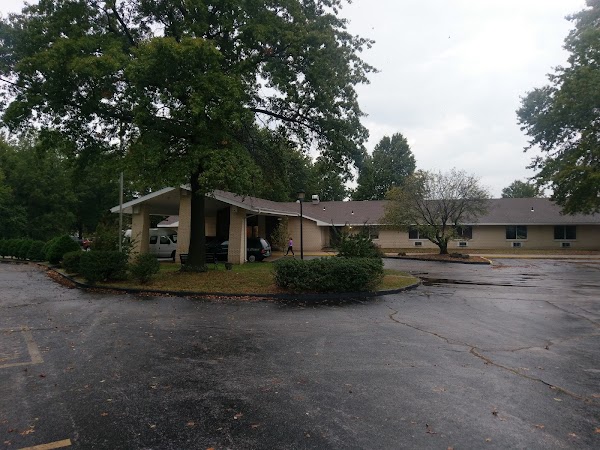
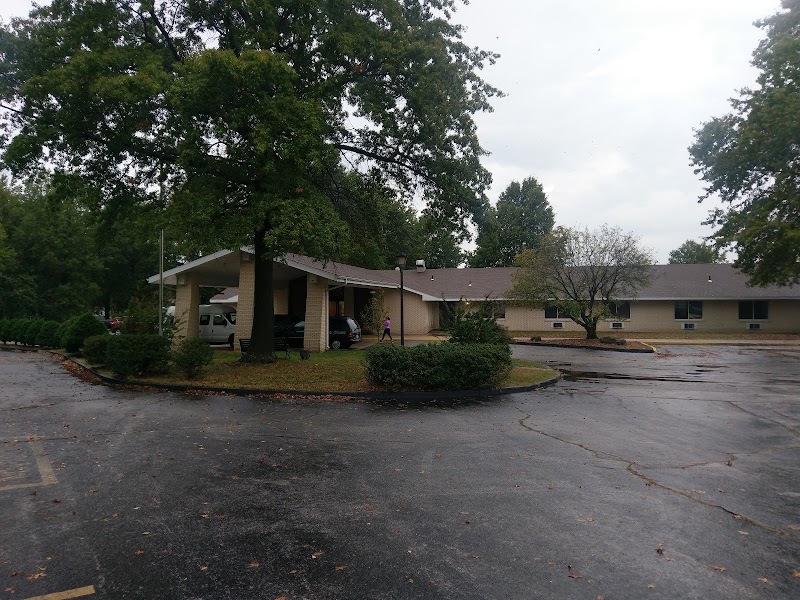
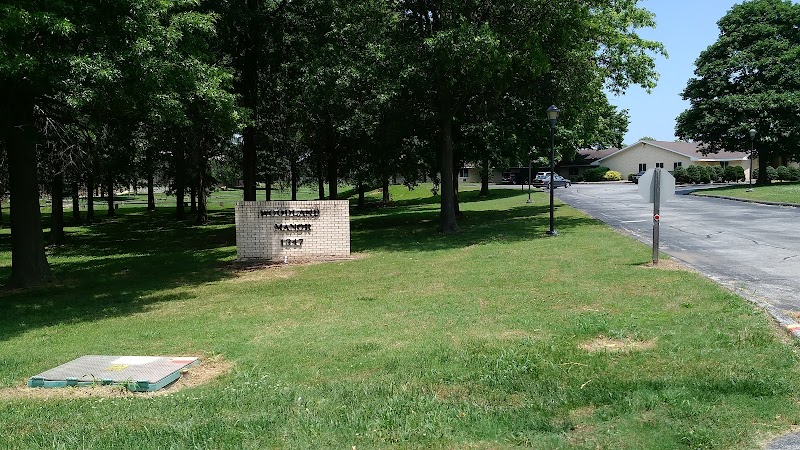
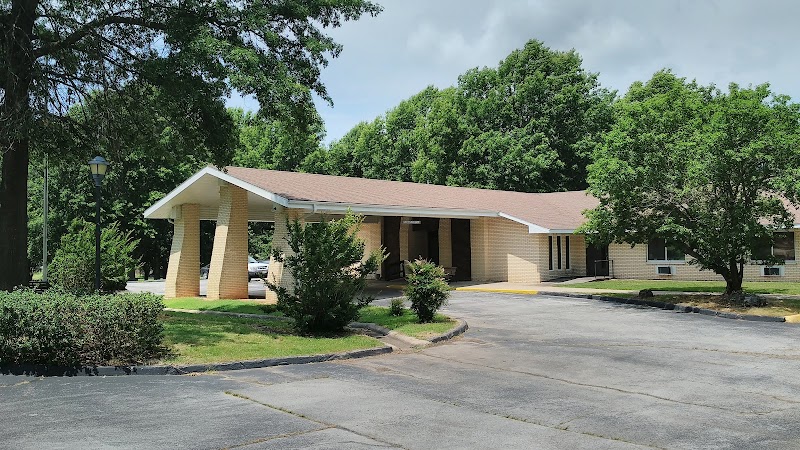
WOODLAND MANOR

1347 EAST VALLEY WATERMILL ROAD, SPRINGFIELD, MO 65803 (417) 833-1220
For profit - Individual 94 Beds Independent Data: November 2025
Trust Grade
40/100
#315 of 479 in MO
Last Inspection: October 2023

Over 2 years since last inspection. Current conditions may differ from available data.

Overview

Woodland Manor has a Trust Grade of D, which indicates below-average performance and some concerns about care quality. It ranks #315 out of 479 facilities in Missouri, placing it in the bottom half of the state, and #19 out of 21 in Greene County, suggesting limited local options for better care. The facility is worsening, with issues increasing from 4 in 2024 to 5 in 2025, and a staffing rating of only 1 out of 5 stars, showing a troubling turnover rate of 73%, significantly higher than the state average. While the facility has not incurred any fines, which is a positive sign, there are serious concerns regarding food safety practices, such as improper food storage, and a failure to ensure nurse aides completed required training, indicating a need for improvement in both staff training and overall care standards.

Trust Score
D
40/100
In Missouri
#315/479
Bottom 35%
Safety Record
Low Risk
No red flags
Inspections
Getting Worse
4 → 5 violations
Staff Stability
⚠ Watch
73% turnover. Very high, 25 points above average. Constant new faces learning your loved one's needs.
Penalties
✓ Good
No fines on record. Clean compliance history, better than most Missouri facilities.
Skilled Nurses
⚠ Watch
Each resident gets only 24 minutes of Registered Nurse (RN) attention daily — below average for Missouri. Fewer RN minutes means fewer trained eyes watching for problems.
Violations
⚠ Watch
35 deficiencies on record. Higher than average. Multiple issues found across inspections.
★★☆☆☆
2.0
Overall Rating
★☆☆☆☆
1.0
Staff Levels
★★★☆☆
3.0
Care Quality
★★★☆☆
3.0
Inspection Score
Stable
2024: 4 issues
2025: 5 issues

The Good

  • Full Sprinkler Coverage · Fire safety systems throughout facility
  • No fines on record

Facility shows strength in fire safety.

The Bad

2-Star Overall Rating

Near Missouri average (2.5)

Below average - review inspection findings carefully

Staff Turnover: 73%

27pts above Missouri avg (46%)

Frequent staff changes - ask about care continuity

Staff turnover is very high (73%)

25 points above Missouri average of 48%

The Ugly 35 deficiencies on record

Apr 2025 1 deficiency
CONCERN (D) 📢 Someone Reported This

A family member, employee, or ombudsman was alarmed enough to file a formal complaint

Potential for Harm - no one hurt, but risky conditions existed

Deficiency F0742 (Tag F0742)

Could have caused harm · This affected 1 resident

Based on Interview and record review, the facility failed to ensure all residents with a history of prior trauma received appropriate treatment and services to attain the highest practical psychosocia...

Read full inspector narrative →
Based on Interview and record review, the facility failed to ensure all residents with a history of prior trauma received appropriate treatment and services to attain the highest practical psychosocial well-being when staff failed to care plan triggers and failed to provide care in a manner that was responsive to triggers caused by a history of post-traumatic stress disorder (PTSD - a mental health condition that can develop after a person has experienced or witnessed a traumatic event) for one resident (Resident #1). Facility census was 81. Review of the facility policy titled Dignity and Quality of Life, undated, showed the following: -The facility will promote care for the residents in a manner and an environment that maintains the resident's dignity, quality of life, and respect in full recognition of his/her individuality. The facility will respect and promote the rights of the resident to exercise his/her autonomy regarding what he resident considers important facets of his/her life. The facility staff will provide services in a manner which enhances/maintains a dignified existence for the residents; -Staff must carry out activities in a manner which assist the residents to maintain and enhance his/her self-esteem and self-worth; -The facility best practice guide for all facility staff members who will care for the residents in the manner in which/ he/she would expect to be treated or would expect loved ones to be treated; -Respecting resident social status, speaking respectfully, listening carefully, and always treating residents with respect; -Staff members should respond in a dignified manner to residents with cognitive impairments, such as not contradicting what a resident is saying and addressing what the resident are trying to express behind their behavior. Review showed the facility did not provide a policy regarding PTSD or trauma based care. 1. Review of Resident #1's face sheet (a document that gives a resident's information at a quick glance) showed the following: -admission date of 01/09/25; -Diagnoses included complete traumatic amputation at level between right hip and knee, complete traumatic amputation at level between left hip and knee, major depressive disorder, generalized anxiety disorder, PTSD, and insomnia. Review of the resident's annual Minimum Data Set (MDS - a federally mandated assessment instrument completed by facility staff), dated 04/04/25, showed the following: -The resident was cognitively intact; -The resident had trouble falling asleep or staying sleep for 12 to 14 days of the review period (nearly every day); -The resident was dependent on staff for transfers to get from the bed to the wheelchair. Review of the resident's nurse's note dated 01/09/25, at 3:32 P.M., showed the Social Services Designee (SSD) noted the resident admitted to the facility for a therapy stay after an amputation. The resident had PTSD and preferred for his/her door to be left open when he/she was alone in his/her room and would like a light left on at night. Review of the resident's care plan, dated 01/24/25 and revised 03/17/25, showed the following: -The resident has experiences traumatic events in the past, that currently affects their mental and psych-social well-being. The resident has a diagnosis of PTSD due to those traumatic events; -Interventions will minimize exposure to trauma triggers and promote de-escalation should triggering occur; -Allow resident to share thoughts and feelings. Offer support through listening one-on-one; -Consult with pastoral care if the resident approves; -Include the resident/family/representative with the plan of care; -Provide a calm environment; -Refer to social services or counseling as needed; -The resident had a recent above the knee amputation; -The resident will be monitored for withdrawn behavior, negative self-talk, or over concern with actual and preserved changed due to amputation: -The resident will be encouraged to express fears, negative feelings, and grief over the loss of the lower extremity; -The resident will referral for psychologist if needed for the resident to voice his/her feelings related to amputation and to learn positive coping behaviors. (Staff did not care plan related to resident specific triggers related to prior PTSD and trauma history.) Review of the resident's care plan, dated 03/26/25, showed the following: -The resident has an amputation above the right knee due to vascular insuffiency; -The resident will have an acceptable level of comfort and have well-controlled phantom pain through the review date; -Staff will complete pain assessment every shift and as needed and to administer analgesics as ordered from the physician. (Staff did not care plan related to resident specific triggers related to prior PTSD and trauma history.) Review of the resident's nurses' notes showed the following: -On 03/30/25, at 5:31 A.M., Registered Nurse (RN) A noted prior to recent surgery resident would be up and down all night long from bed to wheelchair. Now that resident was a double amputee and required a Hoyer lift (mechanical lift for non-weight bearing residents) for transfers, he/she still wanted to be up and down throughout the night. -On 03/31/25, at 6:14 A.M., RN A noted the resident refused to go to bed and stayed up in his/her wheelchair the entire night. The resident expected staff to get him/her up and down multiple times throughout the night. Now the resident was a double amputee and required a Hoyer lift. The resident had been educated that it was not possible to do this. Resident had also been educated on the importance of getting out of his/her wheelchair and into bed in order to help alleviate the risk of developing pressure ulcers to his/her buttocks. Despite this resident was still refusing to go to bed. -On 04/07/25, at 10:40 A.M., RN A noted the resident continued to stay up in his/her wheelchair all night rather than going to bed. The resident was a Hoyer lift for transfers and said that unless staff will get him/her up immediately upon request he/she will just stay up in her wheelchair. Educated resident that there must be two staff present with all Hoyer transfers and that at night there was just usually one certified nurse aide (CNA) per wing and that a CNA from another wing would have to be called to assist, so therefore staff can't guarantee that he/she would not have to wait a short time. Resident said he/she won't go to bed and will just stay up in his/her wheelchair. The resident has been educated multiple times by multiple staff that he/she needs to go to bed to help alleviate pressure to his/her buttocks and that staying up in his/her wheelchair all day and night is putting him/her at risk of pressure wounds. Resident still refused to allow staff to put him/her to bed. -On 04/08/25, at 5:20 A.M., RN A noted the resident was put to bed and changed and said he/she would stay in bed at that time. After only 1.5 hours the resident was heard cursing loudly and the CNA went into room and resident demanding to get out of bed. The CNA explained to resident that using the Hoyer required two staff. Resident continued cursing at CNA. When the shower aide got there, he/she and the CNA went into room and got resident up into wheelchair. There was only a ten minute wait from the time he/she first called out until he/she was gotten up. Resident continued to complain to staff saying he/she was going to call a lawyer because he/she shouldn't have to wait to get up. Resident is noncompliant with his/her care and continuously threatens staff if his/her call light isn't answered immediately. Staff answers call light as quickly as possible, but per facility policy there must be two staff present when transferring with lift; -On 04/09/25, at 1:46 A.M., RN A noted the resident was put to bed around 10:30 P.M., and at that time had a bowel movement and his/her Hoyer pad was soiled and placed in laundry. Resident requested to get up at 1:30 A.M. and CNA E went into the resident's room and told him/her that the other CNA went to get a Hoyer pad to get him/her up. Resident said, this is unacceptable, and I am reporting you to the Director of Nursing (DON). I am to be gotten up immediately when I ask. The resident was up within eight minutes from the time he/she called requesting to get up. Resident continued to tell the CNA's that he/she was reporting them to the DON for not getting him/her up immediately when he/she requested to get up. Resident was rude to staff and complained about staff the entire time they were in the room getting him/her up to his/her wheelchair. Review of the Resident Grievance Form dated 04/09/25, at 9:30 A.M., showed the following: -The resident said that he/she did not sleep a lot at night. He/she would sleep between two hours and four hours. Once he/she was up, he/she was awake and he/she wanted to get up at that time. The resident said staff did not want to do it. Last night he/she had to wait for the Hoyer pad and it was not explained to him/her. They do not communicate with him/her very well. Signed by the resident and SSD on 04/09/25; -The DON and Administrator were notified on 04/10/25; -Nursing staff have been informed that when the resident is awake and wants to get up, the staff are to get him/her up; -The staff will leave an extra Hoyer pad in his/her room so they will have one available; -If staff have to wait for help, let the resident know that he/she called another staff member to help. The staff can get the resident ready so when he/she has the help there the resident is ready for transfer; -The staff will anticipate the resident getting up between 12:30 and 1:30 A.M., and they will be ready. Review of the resident's care plan, dated 04/09/25, showed the following: -The resident has chronic insomnia and as said he/she only sleeps three to four hours at a time. He/she had requested to be gotten up and out of bed round midnight to 1:00 A.M.; -The resident required a Hoyer lift for transfers; -Resident has had an increase in weakness and a decline in transferring safely; -Two staff will assist resident with transfers utilizing the Hoyer lift. (Staff did not care plan related to resident specific triggers related to prior PTSD and trauma history.) Review of the resident's nurse's note, dated 04/17/25, showed the resident continued to complain about staff and was refusing to go to bed again tonight because the staff could not guarantee that he/she would be gotten up immediately as soon as he/she puts his/her light on. RN A and the CNA just put him/her in bed and changed him/her and he/she requested to get back up in his/her wheelchair because staff makes him/her wait hours and hours and hours to get back up when he/she puts his/her light on. The resident has not waited longer than ten minutes at any time has worked, so this is false. The resident was again educated that the lift requires two staff to operate and that they will not operate it with only one staff present. Resident said he/she was going to report staff again in the morning and things are going to change. The nurse told him/her he/she she could do that but two staff are still going to be required. Resident's expectation that two staff are in his/her room within seconds of his/her call light going on is completely unreasonable and unrealistic. This continues to be an ongoing daily issue with this resident. Review of the facility's investigation summary, dated 04/22/25, showed the following: -The facility opened an investigation concerning the resident and RN A telling the resident they could not get the resident up and down all night that they don't have the staff because it takes two people to use the Hoyer lift. RN A and CNA B were immediately suspended on 04/22/25. The SSD and the DON discussed with the resident the situation with Hoyer lift and getting the resident up during the nighttime. SSD wrote a grievance and came up with a plan for the resident to get up during the night. They discussed with the resident that they would make sure there was a Hoyer pad and two staff members to get her up when she wanted to get up around 1:30 A.M. to 2:00 A.M., in the morning. They also discussed with the staff to make sure they were getting the resident up when she wanted too during the night. -RN A said they were getting the resident up when she asked. RN A said the resident would be crying and upset if they had to wait for another staff member to get him/her up and that he/she was impatient and had behaviors. -CNA B said he/she was following the direction of the charge nurse. He/she was getting the resident up when he/she asked. -The overnight staff that work on the resident's hall said they get him/her up when he/she requested it but he/she would get upset when they told him/her they would have to wait a few minutes for the another CNA to come to assist him/her to get up. One CNA said RN A would refuse to help him/her transfer the resident with the Hoyer Lift. -RN A was written up and required to do education concerning PTSD and trauma care and resident rights before returning to the floor as a charge nurse. The facility also got new orders to treat the resident's PTSD and depression. During an interview on 04/22/25, at 11:10 A.M., the resident said the following: -He/she has PTSD that causes him/her to have triggers. He/she has communicated his/her triggers to the staff, DON, and Administrator; -He/she generally wakes up after sleeping for two to three hours and cannot stand to be left in bed when he/she is awake. It is very triggering to him/her and makes him/her feel trapped in the bed; -He/she used to be able to at least get out of the bed by him/herself. He/she recently had his/her other leg amputated and now he/she required a lift. He/she realized that it takes two people to operate the lift safely and he/she did not mind waiting ten to 15 minutes for staff to get him/her up. He/she realized sometimes it may take a little longer, but sometimes staff do not communicate that to him/her. After about 10 minutes the PTSD starts to trigger due to the past sexual assault making him/her feel trapped and restrained in the bed. He/she can play games on his/her phone to try to distract herself/himself; -The staff leaving him/her in bed after he/she is awake and not communicating with him/her is very triggering for him/her due to trauma from her past; -On 03/31/25, RN A told him/her after he/she had returned from the hospital from his/her most recent amputation that they wound not be able to get him/her up at night and that was very triggering for him/her. It made him/her not want to go to bed due to fear that staff may not get him/her up; -On 04/05/25, CNA B said they do not have to get the resident up if they did not want to. He/she believed he/she was just repeating what RN A had said; -When RN A and CNA B worked together he/she did not feel sure that they would get him/her back up and he/she would choose to stay up in the wheelchair all night so he/she did not feel trapped in the bed; -RN A has said to him/her, We won't have any acting up tonight. RN A appeared to think that his/her triggers are just him/her acting up. During an interview on 04/23/25, at 8:08 A.M., RN A said the following: -He/she felt the resident wanted one staff to get him/her up with the lift, but that was not safe; -The resident had never had to wait over 10 minutes, but the resident gets upset if he/she has to wait for any amount of time and complains until he/she gets his/her way. The resident behaviors this way with any staff that is caring for him/her; -He/she could not remember exactly what he/she said to the resident on 03/31/25, but said whatever was in the note was what he/she said to the resident; -He/she said that the staff may not be able to get the resident out of bed multiple times because he/she used to get up and down around six to seven times prior to his/her most recent surgery, however, that is not the facility policy; -The resident can get up as much as they want; -He/she had never refused to get the resident out bed; -He/she was aware that the resident had PTSD and was familiar with PTSD, but did not believe that PTSD and possible triggers had anything to do with the resident's behaviors and desire to get up as soon as possible after waking up. During an interview on 04/24/25, at 1:51 A.M., CNA C said the following: -The resident gets very anxious and will yell out because he/she was panicking if he/she had to wait to long for assistance to get out of bed; -If the staff go in and explain to him/her that they are just getting the lift and will return he/she does do a bit better; -The resident said it makes him/her feel trapped when he/she is stuck in the bed and awake. It was easier for him/her prior to his/her most recent amputation about a month ago because now he/she required assistance, and he/she used to get up on his/her own; -The resident did have a strong reaction to certain triggers and he/she tried to make sure he/she was responsive to that; -The resident slept from 10:00 P.M. to around 12:30 A.M. He/she got him/her up and it was not an issue; -The residents have the right to get up when they want to and they should not be told that they cannot. During an interview on 04/24/25 at 2:03 A.M., RN D said the following: -The residents have the right to get up out of bed as much as they want and when they desire. The staff should assist them as timely as possible; -Staff should not tell resident's that if they lay down they will not be able to get them back up. During an interview on 04/24/25. at 2:15 A.M., CNA E said the following: -He/she is aware that the resident has PTSD and had triggers such as keeping the door open and getting out of bed as soon as possible after waking up; -Residents have the right to get up whenever they would like; -There was one night shift when he/she was working with RN A that the resident had woken up and wanted to get out of bed. He/she informed the resident that he/she would have to wait until the other CNA had returned because he/she went to lunch and it would be around 10 to 15 minutes. RN A was also working the same halls and was available to help and aware that the resident wanted to get up but he/she did not offer to help get the resident up so he/she would not have to wait as long. During an interview on 04/24/25, at 9:52 A.M., CNA F said the following: -The residents have the right to get when they want to. It would not be appropriate to say to a resident that they could not; -The resident did get upset if he/she had to wait more than about five to ten minutes to get up and sometimes he/she would start screaming; -He/she was aware the resident had PTSD and had certain triggers, like keeping the lights on and wanting to get out of bed immediately upon waking up; -He/she always gets the resident up as soon as he/she can and tries to tell him/her what is going on to help keep him/her calm. During an interview on 04/24/25, at 10:37 A.M., CNA B said the following: -He/she was aware that the resident had PTSD and he/she tried to be responsive to that because he/she knew the resident had certain triggers; -He/she was not educated about PTSD or trauma informed care that he/she can remember; -He/she thinks the resident wanted staff to get him/her up with one person using the Hoyer, but that was not safe; -The resident wanted to get out of bed as soon as he/she woke. However, that was not always possible and he/she will put on his/her timer on his/her phone; -It would not be appropriate to tell a resident that they may not be able to get them up multiple times in a night. The residents have the right to get up as much as they want to. During an interview on 04/22/25, at 1:58 P.M., the MDS Coordinator said the following: -He/she was aware that the resident had PTSD and it was not in his/her care plan. His/her specific triggers were not on the care plan. He/she was not aware that it should be; -On or around 04/04/25, it was reported to him/her by staff the resident was refusing to lay down at night. He/she investigated further and spoke with the resident; -The resident said he/she sleeps three to four hours a night and then would like to get up due to laying in bed while awake triggering his/her PTSD. The resident was told by RN A that they may not be able to get her up and the staff would be unable to get him/her up multiple times in a night. He/she told the ADON and the Administrator. He/she was not sure what happened after that; -The staff should not tell a resident that they will not be able to get them up. Due to the resident's PTSD this is triggering for him/her and every resident has the right to get out of bed when they want to; -The resident generally slept about three to four hours and then got up and was up for the rest of the morning; -He/she had worked the overnight shift on the resident's hall and had no issues because the resident was gotten up timely. The resident was willing to wait a short amount of time for staff to come get him/her up. During an interview on 4/24/25, at 12:42 P.M., the SSD said the following: -He/she was told the resident was having behaviors. He/she went to speak with him/her and filed a grievance on his/her behalf. The DON and ADON were responsible for instructing the staff; -The resident specifically said that RN A told him/her that the staff would not be able to get him/her up; -The resident was diagnosed with PTSD and that can make a person act out due to triggers. Staff should be aware of the resident's triggers; -It was not appropriate to tell a resident that staff cannot get them up multiple times in a night. Due to the resident's past trauma that could be very triggering for them. He/she could see how it could cause the resident to have behaviors or not want to go to bed out of fear that the staff might not get them back up; -If a nurse was available then they should assist the CNA's with care so the resident does not have to wait longer; -The resident specifically said RN A was rude and hateful to him/her; -He/she thought trauma informed care would be on the care plan with known triggers. During an interview on 04/24/25, at 2:41 P.M., the ADON said the following: -The resident had PTSD with specific triggers that the staff should be aware of. The resident preferred to have the light left on and the door left open; -He/she was not aware of the nurses note that was written by RN A. It is not appropriate to tell any resident that staff may not be able to get them out of bed multiple times in a night; -If he/she had been aware of the note, he/she would have immediately educated the nurse that it was not appropriate an every resident has the right to get out of bed as much as they want to; -He/she was not aware of the resident requesting to get up multiple times in a night. He/she was not sure why staff would say that to the resident; -He/she felt that a staff member saying that to the resident could be triggering for him/her due to his/her diagnosis of PTSD. It could cause him/her not to want to lay down at night due to being worried that staff might not get her back up. The resident appeared to be very triggered by that; -The resident generally slept around four hours and then he/she gets up and is up for the rest of the morning per his/her choice; -He/she was not aware of any specific education given to RN A. During an interview on 04/24/25, at 2:59 P.M., the DON said the following: -He/she felt it is was unacceptable for staff to say that it might not be possible to get the resident up multiple times in a night to a resident. They can tell them it might take longer to get to them; -He/she was not aware of all of the resident's specific triggers due to their PTSD; -It could be triggering for the resident to feel like they are stuck in bed; -There was no excuse for a nurse not assisting a CNA with a transfer if they are available; -RN A said there was not enough staff when asked why he/she said the staff may not be able to get the resident up multiple times in a night. However, there was plenty of staff. It was no excuse to say that to a resident. During an interview on 04/24/25, at 4:28 P.M., the Administrator said the following: -He/she did not understand why RN A would document that he/she told the resident something about not being able to get the resident up. The staff should get them up and not argue with them; -It was not appropriate to say that to any resident; -He/she was not aware of the note written by RN A on 03/31/25 the investigator came onsite; -He/she did not know the specific details of the resident's past trauma but was aware that he/she has PTSD; -The staff should be aware of the resident's triggers and it should probably be on the resident's care plan; -He/she felt that staff was aware of some of the resident's triggers; -He/she would expect a nurse to assist the CNA if their partner is on lunch; -He/she was not aware of the resident having issues with RN A. MO00252465, MO00252927
Mar 2025 1 deficiency
CONCERN (D) 📢 Someone Reported This

A family member, employee, or ombudsman was alarmed enough to file a formal complaint

Potential for Harm - no one hurt, but risky conditions existed

Comprehensive Care Plan (Tag F0656)

Could have caused harm · This affected 1 resident

Deficiency Text Not Available

Read full inspector narrative →
Deficiency Text Not Available
Feb 2025 2 deficiencies
CONCERN (D) 📢 Someone Reported This

A family member, employee, or ombudsman was alarmed enough to file a formal complaint

Potential for Harm - no one hurt, but risky conditions existed

Deficiency F0658 (Tag F0658)

Could have caused harm · This affected 1 resident

**NOTE- TERMS IN BRACKETS HAVE BEEN EDITED TO PROTECT CONFIDENTIALITY** Based on observation, interview, and record review, the facility failed to provide care per standards of practice when staff fai...

Read full inspector narrative →
**NOTE- TERMS IN BRACKETS HAVE BEEN EDITED TO PROTECT CONFIDENTIALITY** Based on observation, interview, and record review, the facility failed to provide care per standards of practice when staff failed to address and notify the provider in a timely manner of a change in condition for one resident (Resident #1) when the resident showed decline in cognition and required increased assistance with cares. The facility census was 87. Review of the facility's current policy titled Change in a Resident's Condition or Status, showed the following: -The facility promptly notifies the resident, his/her attending physician, and the resident representative of changes in the resident's medical/mental condition and/or status; -The nurse will notify the resident's attending physician or physician on-call when there has been a significant change in the resident's physical/emotional/mental condition or the need to transfer the resident to the hospital; -Prior to notifying the physician or healthcare provider, the nurse will make detailed observations and gather relevant and pertinent information for the provider, including for example information prompted by the Interact SBAR Communication form (designed to enhance the nursing evaluation of and documentation on residents who have an acute change in condition). 1. Review of Resident #1''s face sheet (brief resident profile sheet) showed the following: -admission date of 12/31/24; -Diagnoses included acute and chronic respiratory failure, acute kidney failure (kidneys lose their ability to filter waste products), reduced mobility, malignant neoplasm of the uterus (cancer that develops in the uterus), non traumatic intracerebral hemorrhage (bleeding within the brain), and pneumonia (infection in the lungs). Review of the resident's care plan, dated 03/16/23, showed the following: -Resident had a diagnosis of hypertension (condition in which the force of blood against the walls of the arteries are consistently too high) related to inappropriate diet, lifestyle choices, stroke, congestive heart failure (heart muscle is weak), or smoking; -Resident had impaired vision; -Resident had an activities of daily living (ADL) self care performance deficit related to weakness, impaired mobility, unsteady gait, and change in condition with increased weakness and lethargy; -Assistance required for safe transfers. Review of the resident's admission Minimum Data Set (MDS - a federally mandated assessment instrument completed by facility staff), dated 12/31/24, showed the following information: -Moderately impaired cognitive skills; -Dependent upon staff for toileting hygiene, showers, upper/lower body dressing, and substantial assistance with personal hygiene. Review of resident's Monthly Observation Detail List Report, dated 02/03/25, showed the following: -Memory okay, modified independence, and some difficulty in new situations only; -Makes self understood, has clear speech, and understands others; -Limited assistance with bed mobility, transfers, toilet use,and personal hygiene; -One person physical assist with moving between surfaces and dressing; -Wheeled self and other person wheeled resident; -Special treatments include chemotherapy, monitoring acute medical conditions, oxygen therapy, and radiation. During an interview on 02/21/25, at 1:27 P.M., Certified Nurse Aide (CNA) H said the following: -The resident was not fully dependent upon staff, but did need one person assist for getting out of bed and toileting; -The resident was normally oriented and able to make his/her needs know; -He/she worked with the resident on 02/07/25. That evening the resident was showing some confusion. He/she thought he/she had an appointment but he/she did not. The resident was still talkative and had no complaints; -On 02/08/25, he/she was getting the resident up and the resident was not pivoting as normal. CNA H got another aide to assist him/her as the resident required more help and was not verbal. He/she told Licensed Practical Nurse (LPN) A shortly after getting the resident up, about the resident's changes, the disorientation, and not being alert to surroundings. During lunch, the resident fell asleep, so after lunch the staff laid the resident down. The resident normally did not nap during the daytime. The resident stayed in bed the remainder of his/her shift. He/she wasn't sure if LPN A assessed the resident and was told to keep an eye on the resident. He/she knows the resident's vitals were taken one time on 02/08/25; -On 02/09/25, the resident still had trouble with talking and even more trouble with toileting. He/she told LPN A about the increased problems the resident had with standing and speaking and he/she wasn't given any direction. During an interview on 02/21/25, at 2:15 P.M., LPN A said the following: -Aides should report a change in condition to him/her; -He/she assesses the resident, taking vitals, looks for any clues as to what's going on, and after assessing usually calls the doctor; -The resident is an assist, standby with one person and able to transfer with one person assist; -On 02/08/25, he/she was watching the resident, because he/she thought the resident was more sleepy. He/she did vitals signs on 02/08/25 and they were good, they do them each shift when there's a change. He/she puts the vitals in the electronic record. At the end of the day the aides reported the resident seemed more sleepy. He/she told the aides to keep an eye on the resident. The resident went down to the dining room and he/she didn't see any issues; -On 02/09/25, the resident got up in the morning and staff took him/her to the dining room. Between breakfast and lunch or not sure if it was after lunch, the resident was still sleepy and not as responsive so he/she took vital signs and they were normal. He/she called the doctor after lunch, and while waiting for the return call, the family came. Then the aide told LPN A the resident was not standing or acting normal in the morning. The resident was able to talk the day before. He/she doesn't believe the aide told him/her about the resident's change until after lunch. The resident didn't eat breakfast or lunch. He/she called the doctor before the family arrived, the doctor had not returned the call, and the family was back and forth on whether they wanted the resident sent out. He/she sent the Resident out for altered mental status; -He/she passed on a change in condition to the next shift, which he/she did passed along to the Assistant Director of Nursing (ADON) on 02/08/25; -He/she told the ADON on 02/08/25 that resident wasn't feeling quite him/herself and they're watching the resident and doing more frequent checks; -When resident has a change staff check vitals more often. During an interview on 02/21/25, at 1:44 P.M., the ADON said the following: -He/she expected the nurse to assess the resident, chart on vital signs, mental status, and notify the doctor, Director of Nursing (DON), ADON, Administrator, and family with a change in condition; -Vitals are taken as needed, with certain meds, weekly during skin assessments, when residents readmit, during monthly and quarterly assessments; -On 02/08/25, he/she worked that evening a few hours. The resident may have been in bed. He/she didn't know about any changes in the resident; -Nursing does shift change reports and should be passing on information to the next staff and writing it on the white board; -He/she only worked a few hours and he/she believes the Administrator worked the night shift. Review of the resident's monthly vitals, located in the resident's medical record, showed staff documented vitals taken on 02/08/25, at 12:18 P.M. The electronic medical record did not contain any additional vitals for 02/08/25 or 02/09/25. Review of the resident's progress notes showed the following: -On 02/028/25, staff did not document regarding the resident's change in condition, monitoring, or physician notification of the change in condition; -On 02/09/25, at 3:44 P.M., LPN A documented the resident had increased lethargy and weakness yesterday and today. The resident's vital signs were stable. The resident refused breakfast and lunch this day. The resident had poor fluid intake. Staff placed call to primary care provider on call to request labs at 3:00 P.M. Family arrived at 3:25 P.M., and voiced concerns over resident's poor responsiveness. The Family Nurse Practitioner (FNP) returned call at 3:30 P.M. and gave orders to send resident to the emergency room for evaluation and treatment for altered mental status per family request. The resident left the facility at 3:55 P.M., with emergency medical services, for hospital; -On 02/10/25, at 9:25 A.M., staff documented calling the hospital for an update on the resident. The resident was currently on medical intensive care unit floor with diagnosis of sepsis with urinary tract infection and pneumonia. Review of the resident's hospital records, dated 02/09/25, showed the following: -Resident presented with altered mental status. The onset was two days ago. The course/duration of symptoms was unknown. The character of the symptoms was decreased responsiveness. The degree at onset was severe. The degree at present was severe. Baseline status is conversational, now aphasic (difficulty speaking); -At 7:12 P.M., resident was very hypothermic (low body temperature) and placed under a bail [NAME] (air warming blanket that helps prevent hypothermia). Urine showed acute UTI (urinary tract infection), chest xray possible right upper lobe pneumonia; -Care discussed with pulmonology intensivist and they will admit due to the severe hypothermia. During an interview on 02/21/25, at 2:42 P.M., Nurse Aide (NA) F said the following: -When a resident had a change in condition, he/she told the charge nurse and the nurse assesses the resident; -He/she worked with the resident. The resident was normally one person assist. During an interview on 02/21/25, at 1:15 P.M., Certified Medication Technician (CMT) G said the following: -If a resident's mental status changes, and/or they require more assistance with cares, he/she would take the resident's vial signs and report the change to the nurse; -Once the nurse is notified they will do an assessment of the resident and call the doctor. During an interview on 02/21/25, at 2:07 P.M., Licensed Practical Nurse (LPN) I said the following: -CNAs should let the nurse know when there's a change in condition; -The nurse completes vitals and call the doctor and family; -If a resident was not doing well, vitals should be done at shift change; -He/she heard the resident wasn't doing well over the weekend and LPN A sent the resident to the hospital. During an interview on 02/25/25, at 10:10 A.M., the FNP said the following: -When residents have a change in condition, he/she would expect staff to call and or page him/her; -He/she would expect staff to obtain vitals, determine what's going on with the resident, the resident's baseline, and how long the changes have been going on, and pass this along to him/her; -If there is a change in the mental status, or amount of care the resident requires, he/she would expect staff to call immediately so that he/she could order a urinalysis, labs, or depending on the vitals, if not stable, send the resident out to the hospital; -Staff paged him/her about the resident on 02/09/25 at 3:08 P.M. During an interview on 02/21/25, at 2:50 P.M., the DON said the following: -Aides should report a change in resident's condition to the charge nurse with as much detail as possible to what's going on with the resident; -After a nurse gets a change in condition from the aide, they should assess, determine baseline, and communicate with nurse practitioner or the doctor; -He/she was not aware of any changes to the resident until the day the resident went to the hospital on [DATE]; -LPN A came to him/her about some changes and he/she told LPN A he/she needed to call the doctor to at least get some labs on the resident; -The family came in and requested the resident go to the hospital; -If the resident went from one person to a two person assist, and had changes in mental status, the aide should have been telling the nurse and the nurse should have done an assessment and followed up with the doctor immediately; -If a resident was not doing well the nurse should be passing that on to the next shift. During interviews on 02/21/25, at 2:50 P.M., and on 02/25/25, at 11:11 A.M., the Administrator said the following: -When there is a change in a resident's condition, aides should report this to the nurse and the nurse will complete an assessment and call the nurse practitioner, doctor, and family; -The family requested the resident be sent out when they came to the facility; -He/she did not receive a report of a change in condition for resident on 02/08/25 or 02/09/05. MO00249286
CONCERN (E) 📢 Someone Reported This

A family member, employee, or ombudsman was alarmed enough to file a formal complaint

Potential for Harm - no one hurt, but risky conditions existed

Deficiency F0728 (Tag F0728)

Could have caused harm · This affected multiple residents

Based on interview and record review, the facility failed to have a system in placed to ensure nurse aides (NA) completed their training, competencies, and testing in a timely manner when five NA's fa...

Read full inspector narrative →
Based on interview and record review, the facility failed to have a system in placed to ensure nurse aides (NA) completed their training, competencies, and testing in a timely manner when five NA's failed to complete a state approved certified nursing assistant (CNA) training program, competency evaluation, and certification test within four months of hire and continued to work providing direct care to residents. The facility's census was 87. Review showed the facility did not provide a policy regarding NA training classes. 1. Review of the facility's list of NA's currently employed at the facility, and working the floor as an NA, as of 02/24/25, showed the following: -NA B was hired as a NA on 07/22/24; -NA C was hired as a NA on 08/05/24; -NA D was hired as a NA on 10/29/24; -NA E was hired as a NA on 11/19/24; -NA F was hired as a NA on 01/21/25. During an interview on 02/21/25, at 2:42 P.M., NA F said the following: -He/she has worked at the facility since August 2024; -He/she hasn't started NA classes; -He/she has been fired and rehired four times; -He/she took one class at the end of last year and nothing more. During an interview on 02/24/25, at 3:30 P.M., NA C said the following: -He/she has worked at the facility almost six months; -He/she is currently an NA, and was hired as an NA; -He/she has not taken NA classes, or been offered to take NA classes; -He/she received and email today, to begin online classes; -He/she didn't know how long an NA had to become certified, so he/she looked it up online and it's four months. During interviews on 02/21/25, at 1:44 P.M., on 02/24/25, at 11:15 A.M., and on 02/25/25, at 11:11 A.M., the Assistant Director of Nursing (ADON) said the following: -NA's complete nursing classes online; -When NA's first apply, they're enrolled through online provider the 16 hour online course that's completed before they're hired; -Once the 16 hours are completed, they're put on the schedule to work and are orientated by another aide; -They're enrolled in the CNA course, once enrolled the CNA completes the 120 hours and the nurse signs off on this and it's sent to the online provider; -A profile is completed through the online provider and once the course is completed, another profile is set up to take the test; -When a test is scheduled, if there is not enough people for a test, it's canceled. He/she has had one person reschedule three times; -NA C was one who couldn't get signed in for online classes. When a NA goes to the online provider website, there are two options. They can sign up for the 16 hour course or the CNA online courses. There was a time when it reverted to the 16 hour courses and wouldn't allow him/her to sign NA C up for classes; -The online provider sends notification once an NA completes the online training course; -Corporate keeps track of the NA's and when they're enrolled and pass the class; -They try to schedule the staff to test as soon as possible, but sometimes it's difficult; -Its' hard to say how long after completion of the course before staff are scheduled for the test; -Once hired the NA has 120 days to complete the test and become certified; -He/she was not aware of any NA's working past the 120 day requirement; -If the aides are employed past the 120 days, and don't become certified, they're moved to non care areas such as maintenance or dietary; -NA B has completed the online classes and he/she is waiting to take the test; -NA C and NA D, haven't began classes, the facility just paid for them to start; -NA E hasn't began classes. During an interview on 02/21/25, at 2:50 P.M., Director of Nursing (DON) said the following: -NAs complete classes online and do the on the job training at the facility; -The NAs complete their 16 hours before they begin working the floor; -He/she doesn't know off the top of his/her how long NAs have to become certified; -He/she doesn't know if any NAs are working the floor if they're not certified within the 120 days; -He/she knows if they're not certified in that time frame they should be moved to a non-care area or let go; -He/she doesn't do anything with the NA classes or scheduling the test. During an interview on 02/21/25, at 3:10 P.M., the Administrator said the following: -NA's go through the 16 hours of training upon hire; -NA's are supposed to be certified within four months; -He/she is not aware of any NAs working over the 120 days; -If they're employed over the 120 days and not certified, they're moved to laundry or somewhere that does not do patient care; -The ADON is in charge of getting the staff set up for the classes and monitoring the progress; -NA F has only been at the facility a couple of weeks. He/she did work at the home a while back. MO00249599
Jan 2025 1 deficiency
CONCERN (D) 📢 Someone Reported This

A family member, employee, or ombudsman was alarmed enough to file a formal complaint

Potential for Harm - no one hurt, but risky conditions existed

Resident Rights (Tag F0550)

Could have caused harm · This affected 1 resident

**NOTE- TERMS IN BRACKETS HAVE BEEN EDITED TO PROTECT CONFIDENTIALITY** Based on interview and record review, the facility failed to ensure all residents were treated in a dignified manner when one st...

Read full inspector narrative →
**NOTE- TERMS IN BRACKETS HAVE BEEN EDITED TO PROTECT CONFIDENTIALITY** Based on interview and record review, the facility failed to ensure all residents were treated in a dignified manner when one staff member (Licensed Practical Nurse (LPN) A) made disrespectful comments and spoke in a harsh tone to three residents (Resident #1, Resident #2 and Resident #3). The facility census was 86. Review of the facility's policy titled Dignity and Quality of Life Policy, undated, showed the following: -The facility will promote care for residents in a manner and in an environment that maintains and enhances each resident's dignity, quality of life and respect in full recognition of his or her individuality; -Staff will provides services in a manner which enhances/maintains a dignified existence for the residents; -Staff will respect resident's social status, speaking respectfully, listen carefully, treating residents with respect at all times. 1. Review of Resident #'1's face sheet (a document that gives a resident's information at a quick glance) showed the following: -admission date of 07/23/23; -Diagnoses included parkinsonism (progressive brain disorder that causes movement problems, stiffness and tremors), depression (feelings of sadness), and neurocognitive disorder with lewy bodies (progressive form of dementia that causes a decline in thinking abilities). Review of the resident's care plan, last revised 08/03/24, showed the following information: -Resident required set-up and supervision assistance with transfers and activities of daily living (ADLs - dressing, grooming, bathing, eating, and toileting); -Monitor for signs and symptoms of anxiety. Review of the resident's admission Minimum Data Set (MDS - a federally mandated assessment instrument completed by facility staff), dated 11/15/24, showed the following: -No cognitive impairment; -No behaviors. Review of the facility's grievance record, dated 01/03/25, showed the following: -The resident reported to the Social Services Director (SSD) that he/she was sitting in his/her doorway, waiting on his/her medications, and LPN A was rude and said what are you doing sitting here, trying to make someone have pity for you, and help you. Review of the resident's progress note, dated 01/11/25, showed the following: -Resident had been complaining of fatigue and weakness and very emotional, crying and saying others are mean to him/her, but can't tell what occurred or what was said; -Resident accused others of coming into his/her room and stealing his/her things and had very fixed ideas about his/her family and staff. Review of the resident's progress note, dated 01/15/25, showed the following: -LPN A received a call from C wing due to the resident at nurses' station with attention seeking behaviors; -LPN A went to retrieve the resident as residents were supposed to remain on their floors during sleeping hours to minimize disruptions to other residents; -When LPN arrived to get the resident, he/she said come on lets go back to your room; -Resident was agitated and threatened to call the police, stating your don't know anything and you don't care. You're a horrible nurse and need to find a different line of work; -LPN A tried to keep the resident calm while transporting back to B hall; -Once back to B hall the resident threatened to call the state on the nurse, secondary to this nurse watching the resident take medications due to resident having recent history of hoarding medications; -Tried to talk resident into going back to his/her room, but resident continued with argumentative behaviors; -Nurse walked away into the charting room. During an interview on 01/17/25, at 10:09 A.M., the resident said the following: -He/she was not certain of the date, but a few weeks ago, he/she was sitting in his/her doorway crying due to being in pain, and LPN A came to the resident's door and said, what are you doing sitting there feeling sorry for yourself, want someone to take pity on you; -He/she feels like each LPN A is going to smart off something each time he/she sees LPN A after the incident. During an interview on 01/17/25, at 11:25 A.M., Certified Nurse Aide (CNA) B said the resident said LPN A had made hateful comments to the resident and doesn't help the resident. He/she reported this to the SSD one to two weeks ago. During an interview on 01/17/25, at 2:30 P.M., Registered Nurse (RN) D said the following: -The resident was telling a story but he/she had a difficult time following the resident's story, but it was something about LPN A saying the resident needed to stop whining; -The resident's mood has been down since Christmas when the family went out to dinner and did not invite the resident; -He/she was not told anything about LPN A being disrespectful towards the resident; -The resident has been asking LPN A a lot if he/she is mad at the resident. During an interview on 01/17/25, at 3:45 P.M., LPN A said the following: -He/she had an incident with the resident where the resident had gone to another wing around 3:30 A.M. and he/she had to get the resident and bring him/her back to his/her wing; -While bringing the resident back, the resident went off on LPN A and said he/she was going to call the police on LPN A, and that LPN A was a horrible nurse; -He/she never said to the resident, what are you doing sitting there feeling sorry for yourself, want someone to take pity on you; -He/she said that would be disrespectful; -The resident had been emotional since Christmas. During an interview on 01/17/25, at 3:05 P.M., the SSD said the following: -The resident told him/her, not sure of the date, that he/she was sitting in his/her chair in the doorway of his/her room and LPN A asked what are you doing sitting there, you want someone to feel sorry for you and help you; -He/she knows LPN A was spoken to about the situation, but he/she didn't know the outcome; -If staff says something like that to a resident it would be disrespectful. During an interview on 01/17/25, at 4:15 P.M., the Administrator said he/she had not heard that LPN A said to the resident, what are you doing sitting there feeling sorry for yourself, want someone to take pity on you. That would be disrespectful and he/she would expect staff to not talk to residents like that. 2. Review of Resident #'2's face sheet showed the following: -admission date of 11/11/24; -Diagnoses included of dementia without behavioral disturbances (loss of memory). Review of the resident's admission MDS, dated [DATE], showed the resident had no cognitive impairment. Review of the resident's care plan, revised on 01/17/25, showed staff assist resident with ADLs. Review of the facility's grievance record, dated 01/13/25, showed the following: -On the night of 01/13/25, the SSD received a text from the resident's family member; -The text read we need to talk, you have a nurse over here that is out of control with his/her attitude; -The family member reported he/she went to LPN A and asked LPN A about the resident getting something for pain; -The family member stated LPN A rudely said, I have 30 some other residents to care for when I am done with them, I'll get to him/her; -The family member said when LPN A did come in the room with the Tylenol, the resident asked what it was, and LPN A stated rudely, it's your pain medicine you asked for and stormed out of the room. During an interview on 01/17/25, at 3:05 P.M., the SSD said the following: -On 1/13/25, the resident's family member texted him/her and said the family member was at the facility and LPN A was out of control with the family member and had an attitude; -The SSD called the family member and then SSD came to the facility; -The resident had fallen earlier in the day and when the family member had gotten to the facility, the resident was miserable with pain; -The family member asked LPN A for pain medication for the resident and LPN A said he/she had 30 residents to care for and LPN A would get to the resident when he/she gets done taking care of the others; -When LPN A did bring in the pain meds, which wasn't very much later. The resident asked LPN A what the medications are for and LPN A said rudely, it's your pain medication that you asked for. 3. Review of Resident #'3's face sheet showed the following: -admission date of 01/09/25; -Diagnoses included surgical amputation (removal of a limb), absence of left leg above the knee, chronic kidney disease stage 3, major depressive disorder,anxiety disorder (feeling of fear, dread uneasiness), and post traumatic stress disorder (PTSD - condition that can develop after experiencing or witnessing a traumatic event). During an interview on 01/17/25, at 11:51 A.M., the resident said the following: -He/she had been holding his/her urine for an hour and it was hurting his/her stomach; -He/she had PTSD and certain things set this off; -The resident had been yelling in pain for 20 minutes when LPN A and Certified Nurse Aide (CNA) B came to the resident's door; -LPN A, with a tone, said as soon as you pull yourself together, we'll help you; -The resident said later in the night he/she needed help being put to bed and LPN A said sarcastically, you should probably take him/her to the bathroom; -He/she reported being in pain and due to the incident would not ask LPN A for pain medication but told CNA B, he/she would wait until day shift came to work. During interviews on 01/17/25, at 11:25 A.M. and 8:30 P.M., CNA B said the following: -He/she was putting other residents to bed and the resident had put on his/her call light; -He/she came out from helping the other resident and the resident was crying and screaming; -CNA B and LPN A went to the resident's doorway and the resident told him/her that the resident's stomach was hurting bad because He/she needed to go to the bathroom; -LPN A asked the resident if you can calm yourself down, we can help and understand you more; -He/she said the resident took two deep breaths and then said he/she was ready; -He/she assisted the resident with toileting as LPN A went to finish His/her work; -The resident did say he/she was in pain in the morning, but he/she was going to wait until day shift staff came on to ask for pain medication, but didn't say why; -The resident also said LPN A was rude to him/her and made rude comments about the resident being inpatient; -If resident needed to go to the bathroom and staff tells the resident to pull themselves together before the staff would help the resident, that would be disrespectful During an interview on 01/17/25, at 2:40 P.M., Nurse's Aide (NA) E said it would be disrespectful to tell a resident to pull themselves together before the staff would help the resident use the bathroom. During an interview on 01/17/25, at 3:45 P.M., LPN A said the following: -He/she believes on 01/14/25, the resident had his/her call light on, and the aide was in with another resident, and he/she was knee deep in something else; -He/she told the resident that CNA B was in with another resident and would be with him/her shortly, The resident said you didn't have to say it like that; -LPN A didn't know what the resident meant by that, and the resident said it was LPN A's tone; -Later in the evening the resident was sitting in the room crying. LPN A said are you ready for help now and the resident said yes. LPN A said he/she needed the resident to calm so LPN A and CNA B could transfer the resident and no one would get hurt; -LPN A said the resident was in hysterics, because the resident had been waiting for someone to help him/her and the resident needed to calm down; -He/she didn't know how long the resident had been waiting for and aide to help him/her; -Telling a resident they need to calm down before staff would assist with toileting would be disrespectful. During an interview on 01/17/25, at 2:30 P.M., RN D said it would be disrespectful to tell a resident to pull themselves together before the staff would help the resident to the bathroom. 4. During an interview on 01/17/25, at 2:40 P.M., NA E said it would be disrespectful to be rude or hateful with a resident. He/she would tell the charge nurse if he/she witnessed staff being disrespectful. During an interview on 01/17/25, at 8:30 P.M., CNA B said he/she would tell the charge nurse if he/she witnessed staff being disrespectful to residents. During an interview on 01/17/25, at 3:45 P.M., LPN A said if he/she was aware of staff being disrespectful, he/she documented that in the resident's chart. During an interview on 01/17/25, at 2:30 P.M., RN D said he/she would tell the Director of Nursing (DON) if he/she witnessed staff being disrespectful, or was told about a situation of staff being disrespectful. During an interview on 01/17/25, at 3:05 P.M., the SSD said he/she took care of any grievances filed by residents and their families. There had been two grievances filed on LPN A. During an interview on 01/17/25, at 2:53 P.M., the DON said the following: -He/she had not worked with LPN A, but knows LPN A's personality doesn't always mesh with everyone; -He/she has not heard of LPN A being rude or hateful; -It would not be appropriate to make fun of residents or tell them they needed to do something before staff would help toilet them. This would be disrespectful; -He/she would expect staff to report any concerns of staff being disrespectful to the charge nurse, DON and Administrator. During an interview on 01/17/25, at 4:15 P.M., the Administrator said the following: -He/she believed Resident #3 was having difficulty due to losing his/her leg; -He/she spent three hours with Resident #1 the other night and the resident only complaint about medication, not that any staff had been disrespectful; -He/she was not ware of any other complaints on LPN A, other than the ones from Resident #1's and the family of Resident #2; -If residents tell staff they've been disrespected, staff should report it to the charge nurse, or administration. MO00248076
Dec 2024 3 deficiencies
CONCERN (D) 📢 Someone Reported This

A family member, employee, or ombudsman was alarmed enough to file a formal complaint

Potential for Harm - no one hurt, but risky conditions existed

Comprehensive Care Plan (Tag F0656)

Could have caused harm · This affected 1 resident

**NOTE- TERMS IN BRACKETS HAVE BEEN EDITED TO PROTECT CONFIDENTIALITY** Based on observation, interview, and record review, the facility failed to develop and implement a comprehensive care plan for a...

Read full inspector narrative →
**NOTE- TERMS IN BRACKETS HAVE BEEN EDITED TO PROTECT CONFIDENTIALITY** Based on observation, interview, and record review, the facility failed to develop and implement a comprehensive care plan for all residents when staff failed to address the use of, care of, and monitoring of and related to an indwelling urinary catheter (a sterile tube inserted into the bladder to drain urine) for one resident (Resident #5). The facility census was 88. Review of the facility policy Urinary Catheter Care, revised August 2022, showed the following: -Purpose of procedure was to prevent urinary catheter-associated complications, including urinary tract infections; -Empty the collection bag at least every eight hours using a separate, clean collection container; -Be sure the catheter tubing and drainage bag are kept off the floor; -Observe the resident's urine level for noticeable increases or decreased. If the level stays the same, or increases rapidly, report it to the physician; -Follow the facility procedure for measuring and documenting input and output; -Position the drainage bag lower than the bladder at all times to prevent urine from flowing back into the urinary bladder; -If the catheter material contributes to obstruction, notify the physician and change the catheter if instructed to do so; -Catheter irrigation may be ordered to prevent obstruction in residents at risk for obstruction; -Observe the resident for complications associated with urinary catheters. Report unusual finding to the physician or supervisor immediately if resident indicates that bladder was full or that need to void or urinate; if urine had an unusual appearance such as color, blood, etc, in event of bleeding or if the catheter was accidentally removed; complaint of burning, tenderness, or pain the urethral area (extends from the bladder to the urinary meatus or opening); or signs and symptoms of urinary tract infection or urinary retention occurred. 1. Review of Resident #5's face sheet (admission information at a glance) showed the following: -admission date of 01/31/25; -Diagnoses included neuromuscular dysfunction of bladder (lack of bladder control due to a brain, spinal cord, or nerve condition). Review of the resident's quarterly Minimum Data Set (MDS - a federally mandated assessment instrument completed by facility staff), dated 11/08/24, showed the following: -Severely impaired cognition; -Did not reject care; -Indwelling urinary catheter; -Dependent on staff for toileting hygiene, personal hygiene, upper and lower body dressing, roll left to right, chair to bed transfer, lying to sitting, and sitting to lying. Review of the resident's physician's orders, dated 01/31/25, showed the following: -Provide foley catheter care every shift; -Change foley catheter as needed (PRN) for leaking or blockage. Review of the resident's care plan, dated 01/31/25, showed staff did not care plan the use of, care of, and monitoring of and related to an indwelling urinary catheter. Review of the resident's Treatment Administration Record (TAR), dated 02/22/25, showed Licensed Practical Nurse (LPN) D attempted to flush the indwelling urinary catheter when there was no urinary output. The tubing was blocked. During interview on 03/20/25, at 1:52 P.M., LPN D said he/she had changed the resident's catheter once because the resident had no urinary output. He/she tried to flush the catheter and it was clogged. He/she changed the catheter and had a urine return. If there had been a problem after changing the catheter, he/she would have called the physician but there was a urine return after changing it. There was a physician's protocol to change the catheter if it clogged up. Review of the resident's progress notes showed the following: -On 03/05/25, the resident had a change in condition when the resident was lethargic and nonresponsive but awake, opened eyes and moaned. The resident had decreased urine output. Staff sent the resident to the hospital; -On 03/06/25, the Assistant Director of Nursing (ADON) documented the certified nurse aide (CNA) saw the resident at 3:00 A.M. on 03/05/25 and the resident sat on the bed drinking water. Later that day, the resident was lethargic and had minimal urine output in the indwelling urinary catheter. The CNA notified the charge nurse who notified the physician who sent the resident to the hospital on [DATE]. -On 03/14/25, the resident returned from the hospital with indwelling foley catheter in place and draining light yellow urine with sediment. Fluids encouraged and offered frequently. Review of the resident's care plan, dated 01/31/25, showed staff did not care plan the use of, care of, and monitoring of and related to an indwelling urinary catheter. Observation on 03/19/25, at 9:25 A.M., showed the resident lying in a low bed with fall mat on the right side of the bed. The urinary catheter bag with urine in the tubing was sitting on the fall mat. Observation on 03/20/25, at 1:40 P.M., showed the resident in the low bed with eyes closed. The urinary catheter bag was tucked under the bed and rested on the blue mat. CNA E pulled the catheter bag out from under the low bed and attached it to the bed. He/she raised the bed a little for it to hang down. During an interview on 03/20/25, at 1:20 P.M., CNA E said they were to empty or drain the urinary catheter bag every one and a half to two hours. He/she had drained the resident's catheter bag and would check if the urine was cloudy or had sediment in it. He/she would provide perineal care if the resident had a bowel movement and would provide catheter care by cleaning the tubing. During an interview on 03/20/25, at 1:30 P.M., CNA G said when a resident had a urinary foley catheter, he/she would provide perineal care with the catheter every two hours when turn and reposition the resident or when the resident had a bowel movement, and do catheter care at least once a shift. They were to empty the catheter bag once a shift unless it was full before the end of the shift. They were to report to the nurse if the resident was complaining of the catheter and yanking on it, if the catheter was leaking urine, any odor, excess drainage, and would report any urine output if under 50 cubic centimeters (cc) of urine. During observation and interview on 03/20/25, at 1:45 P.M., CNA E said the nurse aides chart on paper and the certified medication technicians (CMTs) and the nurses chart in the electronic medical record. He/she found the book on the nurses' desk for their charting. Under the resident, there was no fluid intake or urinary output tracking. CNA E said he/she had not charted any urinary output on this resident, but thought they did on other residents here in the facility. During an interview on 03/20/25, at 1:52 P.M., LPN D said the following: -He/she would change the resident's catheter if he/she would assess the catheter by trying to flush the tubing, and if there was no return, he/she would change the catheter. There were no standing orders to do this. Another resident had orders to flush his/her catheter tubing daily; -If there were no orders for flushing the catheter, there was a PRN order to change the catheter; -He/she did change the resident's catheter once. There was no urinary output and he/she tried to flush it but it was clogged. He/she changed the catheter and there was a urine return; -They do not chart urinary outputs on the resident but they should chart this; -There was a place to chart urinary outputs for one resident on another hall; -The nurse aides do come to him/her and report at the end of the shift and have put it on the vital signs sheet but not on this particular hall for the resident; -Staff were to check if the resident's indwelling urinary catheter was cleaned and draining urine properly with the catheter bad hanging below the level of the bladder.; -They were to check if the urine was clear and monitor for any blood in the urine, assess and check for decreased urine output and check for kinks in the tubing; -If they go and flush the catheter and there was no return, he/she would change the urinary catheter; -The nurse aides report the resident's urine output every day; -He/she would expect staff to let him/her know if the catheter bag had at least 600 milliliters (ml) of urine in a shift. It would depend on the resident's fluid intake too. It would concern him/her if the urinary output was not more than 600 ml; -When staff check and change the resident every two hours, they were to empty the catheter bag if over 600 ml or check on it at least a couple of times a shift. It depends on the nurse aides' routine. During record review and interview on 03/20/25, at 4:00 P.M., LPN H said the following: -There was an expectation for intake and outputs for residents with catheters; -Catheter care with perineal care should be done at minimum every shift since the resident was incontinent of bowel; -The nurse aides working were usually good to let the nurses know if they did not have urinary output; -They were to check for sediment in the resident's catheter tubing; -He/she would check to see if the resident was drinking well; -If the tubing was kinked and not positioned right, he/she would call the physician and go back to see the resident and re-assess and see if any urinary output; -They have a input and output form but not sure if the resident had a form. It was a daily form they used and it was not in the notebook; During interview on 03/20/25, at 2:50 P.M., the Director of Nursing (DON) said the following: -She would expect staff to provide perineal care with foley catheter care; -Staff were to document the intakes and outputs for residents with catheters and anyone on fluid restrictions were monitored; -The aides and nurses were to check catheters for leaking and if clogged. They were to flush the catheters twice a shift if ordered and in their plan of care for the resident; -The output is usually 30 ml/hour if a good drinker or what the resident can tolerate orally; -The aide was to report to the charge nurse if no urinary output, foul odor, discoloration, sediment, blood, and anything else not normal for the resident; -She would expect staff to hang the urinary catheter bag below the level of the resident's bladder and off the floor. During interviews on 03/19/25, at 2:00 P.M. and 4:20 P.M., the Administrator said the following: -There were standing orders on the nurse's MAR for the nurse to keep the intake and output on residents with urinary catheters; -They do also have standing orders for irrigation and changing the catheter on the computer; -The physician did have standing orders for nurses to irrigate with normal saline and if the resident's catheter tubing was more difficult to flush, they could order the acetic acid if needed to clear the tubing; -She expected nurse aides to check the urinary catheter for sediment, blood, etc. and report this to the charge nurse; -The nurses were to do the intakes and outputs and the aides to drain the catheter bag every shift or when the catheter bag was full of urine. MO00250596
CONCERN (D) 📢 Someone Reported This

A family member, employee, or ombudsman was alarmed enough to file a formal complaint

Potential for Harm - no one hurt, but risky conditions existed

Quality of Care (Tag F0684)

Could have caused harm · This affected 1 resident

Based on interview and record review, the facility failed to provide care per standard of practice when facility staff failed to accurately and consistently track one resident's skin conditions, faile...

Read full inspector narrative →
Based on interview and record review, the facility failed to provide care per standard of practice when facility staff failed to accurately and consistently track one resident's skin conditions, failed to document timely full assessments of skin conditions, and failed to document orders for completion of skin care for one resident's (Resident #1) who developed cellulitis (a potentially serious bacterial skin infection). The facility census was 88. Review of the facility's policy Change in a Resident's Condition or Status, revised February 2021, showed the following: -The nurse will notify the resident's attending physician or physician on-call when there has been a significant change in the resident's physical, emotional, or mental condition; a need to alter the resident's medical treatment significantly; or specific instruction to notify the physician of changes in the resident's condition; -A significant change of condition is a major decline or improvement in the resident's status that will not normally resolve itself without intervention by staff; impacts more than one area of the resident's health status; and requires interdisciplinary review and/or revision to the care plan. Except in medical emergencies, notifications will be made within 24 hours of a change occurring in the resident's medical/mental condition or status. Review of the facility's undated policy Assessment, Treatment, and Notification of Wounds, showed the following: Review of the facility's Wound Care Protocol other than Pressure Ulcers, and Stasis Ulcers, undated, showed the following: -Purpose to resolve and prevent infection; -Residents will be free of wounds if possible; -Should a wound occur, treatment and healing is a priority; -Complete skin assessment upon admission, readmission, and weekly; -Document in nurses' notes the wound size length by width by depth, drainage, wound bed, peri-wound and edges weekly with skin assessments; -Treat as directed by physician; -Notify physician for all wounds and get treatment orders at time of notification; -Notify Director of Nursing (DON) or Assistant Director of Nursing (ADON) of all wounds. 1. Review of Resident #1's face sheet (admission information) showed the following: -admission date of 03/22/21; -Diagnoses included vascular dementia (progressive impairments in memory, thinking, and behavior which negatively impacts a persons' ability to function and carry out every day activities), chronic kidney disease stage 3 (moderate damage to the kidneys where they are less efficient at filtering waste from the blood, causing a buildup that can lead to high blood pressure and anemia), cellulitis (bacterial skin infection that causes redness, swelling, and pain), type 2 diabetes mellitus (high blood sugar), hypertension (high blood pressure), anemia (lack of red blood cells that leads to reduced oxygen flow to the body's organs), and edema (excess fluid trapped in the body's tissues). Review of the resident's care plan, dated 09/24/24, showed the following: -Resident had a pressure ulcer related to not wearing socks with ill-fitting shoes. -Avoid friction and shearing forces during transfers or position changes; -Conduct a systematic skin inspection weekly; -Report any signs of further skin breakdown; -Resident will wear socks with her shoes. Review of the resident's quarterly Minimum Data Set (MDS - a federally mandated assessment completed by facility staff), dated 10/1/24, showed the following: -Moderately impaired cognition; -Required supervision or touching assistance where the helper provides verbal clues or touching/steadying assistance as resident completes the activity for toileting, upper and lower body dressing, and putting on and taking off footwear; -Required substantial/maximal assistance where the helper does more than half the effort for showering; -At risk for pressure ulcer development. Review of the resident's Weekly Skin Assessment, dated 11/14/24, showed the following: -At risk for developing pressure ulcers/injuries; -Diabetic foot check showed bilateral (both sides) feet with no findings; -Alteration in skin location and details showed a slight redness to the right lower extremity calf (lower back of leg) to the ankle. (The assessment did not include a full description of the resident's skin condition.) Review of the resident's nurse practitioner's (NP) visit for the resident's change in condition, dated 11/16/24, showed the following: -Reason for visit was pain and redness to right leg; -Resident complained of right leg redness and pain. The resident reported right leg pain for about one week that had been gradually getting worse. He/she also noticed some increased redness in his/her right leg and foot over the last few days. Resident had a history of peripheral arterial disease (condition in which narrowed arteries reduce blood flow to the arms or legs) and had struggled with cellulitis in the past. Resident did have several chronic appearing wounds to right toes and heels. -Bilateral lower extremity with chronic-appearing redness, worse on the right. Area of increased color discrepancy noted to top of right foot, marked; -Non-pressure chronic ulcer of other part of right foot with fat layer exposed; -Recurrent diabetic foot ulcers, now with wound to right heel. No drainage, redness, warmth noted to wounds. Concerns for right lower extremity cellulitis given generalized right calf redness, treating with antibiotics. Continue to monitor for sites for worsening or infection, continue to off load pressure as able. Keep wounds clean, wash with soap and water. Dry well after washing. Further evaluation with arterial/venous ultrasound as ordered. Review of the resident's progress note dated 11/16/24, at 2:51 P.M., showed the NP looked at the resident's right foot at the request of the staff. The right foot was discolored. Staff received new orders to start doxycycline (an antibiotic for wound healing) 100 milligrams (mg) twice a day for seven days. Review of the resident's Physician Orders showed an order, dated 11/16/24 to 11/22/24, for doxycycline 100 mg, one tablet by mouth twice a day for cellulitis. (Staff did not document an order regarding wound care including keeping wound clean with soap and water and drying after washing.) Review of the resident's progress notes showed the following: -On 11/17/24, at 9:35 A.M., the resident continued to receive doxycycline 100 mg twice a day for possible right foot cellulitis. There was no change in the appearance of the right foot; -On 11/18/24, at 3:14 P.M., the resident remained on antibiotic for right lower extremity. The area reddened with no increase warmth to the area noted; -On 11/18/24, at 8:32 P.M., the resident continued on antibiotic for right lower extremity cellulitis. Slight redness to right lower extremity with minimal swelling; -On 11/19/24, the resident continued on antibiotic for cellulitis. The leg was a little red. Resident had venous Doppler done today and waiting results; -On 11/20/24, at 2:01 P.M., the resident continued on antibiotic for cellulitis to right lower extremity . The right lower extremity remained slightly reddened with no warmth or edema noted. The resident was able to extend and retract foot without complaints of pain or discomfort; -On 11/21/24, at 5:52 A.M. and 4:55 P.M., the resident continued on antibiotic for right lower extremity cellulitis. Resident stated it felt much better and was not as red. Review of the resident's weekly skin assessment, dated 11/21/24, showed slight redness to right lower extremity. Currently on antibiotic for cellulitis. (The assessment did not include a full description of the resident's skin condition.) Review of the resident's progress notes showed the following: -On 11/22/24, at 6:43 P.M., the resident on antibiotic for leg. Improvement to leg notes. No Doppler report received and physician unaware of any report; -On 11/24/24, at 10:33 A.M., the resident continued on antibiotic for cellulitis; -On 11/26/24, at 3:37 P.M., the resident left the facility at approximately 2:40 P.M. with family as planned. Narcotics, insulins, and regular medications sent. Review of the resident's shower sheet, dated 11/26/24, showed staff documented no issues with the resident's skin. Review of the resident's progress notes, dated 11/26/24 to 12/04/24, showed staff did not document regarding the resident's right lower leg and foot (a period of 8 days). Review of the resident's weekly skin assessment, dated 11/28/24, showed the following: -At risk for developing pressure ulcers/injuries; -Diabetic foot check: alteration in right foot. Blistered areas to 5th toe. Skin split on heel. -Skin and Ulcer/Injury Treatments: wound care. (The assessment did not include a full description of the resident's skin condition.) Review of the resident's Physician's Order, dated 11/17/24 to 11/28/24, showed staff did not note any wound care orders. Review of the resident's shower sheet, dated 11/28/24, showed staff documented no issues with the resident's skin. Review of the facility's Skin/Wound Logs, dated 11/24/24 and for 12/1/24, showed the resident was not listed as having wounds. Review of the resident's shower sheets, dated 12/2/24 and 12/4/24, showed staff documented no issues with the resident's skin. Review of the resident's NP's visit for the resident's change in condition, dated 12/04/24, showed the following: -Reason for visit: malaise (feeling tired, no energy), follow up of labs; -Completed antibiotics for cellulitis and feels right leg looks better than before. Review of the resident's shower sheet, dated 12/5/24, showed staff documented no issues with the resident's skin. Review of the resident's medical record showed staff did not complete the weekly skin assessment, scheduled for 12/05/24. Review of the resident's progress note, dated 12/6/24, showed the resident complained of pain to the right lower extremity. The nurse practitioner ordered an ultrasound to rule out deep vein thrombosis (blood clot) since the leg was red with diminished pedal (foot) pulses. Wound was present. Order for consult with wound company for right foot multiple wounds. Review of the resident's NP's visit for the resident's change in condition, dated 12/07/24, showed the following: -Reason for visit: follow-up; -Complained of new right leg tenderness and discomfort at chronic right heel wound. -Non-pressure ulcer on the right foot, 2 cm by 0.25 cm, and under treatment. Right lower leg with redness and mild warmth, new since exam on 12/4, also with tenderness to palpation. Right heel wound/fissure (a narrow opening or crack, or split), no drainage or surrounding redness; -Concerns for developing right lower extremity cellulitis with peripheral artery disease(affects blood flow) and right heel wound as evidenced by new right lower leg redness, mild warmth, and tenderness. Orders placed for Keflex (antibiotic for skin infection) 500 mg twice a day for seven days. Orders for wound care and dressing to right heel per facility protocol such as mepilex or hydrogel. Refer to wound care company. If any decreased right lower extremity distal (moves away from the center of the body) sensation, consider transfer to acute setting for prompt evaluation. Review of the resident's physician's orders from 11/29/24 to 12/07/24, showed staff did not document orders for wound treatment for wounds to the right lower leg, feet, and/or toes. During an interview on 12/12/24, at 1:50 P.M., and on 12/13/24, at 12:36 P.M., Licensed Practical Nurse (LPN) B said the spot on the resident's foot comes and goes. The wound care company nurse had told the resident not to wear the ill fitting shoes, but the resident would stop a while and then begin wearing them again. Resident was on services for the wound care company when he/she had wounds, then when the area was healed, the resident is discharged off their services. If the wound opened up, they get a referral to see them again. If a wound was on his/her lower leg and foot, no one had reported this to the physician. The resident's foot looked the same as before, but he/she was non-compliant with wearing proper shoes and no socks. The resident had seen the wound care company a few times before. All nurses do weekly skin assessments and it depends on the day of the week which residents he/she will do a skin assessment on. This will trigger on the electronic medical record to do. He/she looks at all skin from head to toe. If he/she noticed something, he/she will get a measurement and then pulls the wound protocol book for wound, do a wound report and give copy to the physician and to the wound nurse. During an interview on 12/13/24, at 10:19 A.M., Certified Nurse Aide (CNA) G said he/she worked the past month as the shower aide on the resident's hall. He/she will put lotion on resident's skin and in the red skin folds. If he/she saw any skin issues, he/she would tell the nurse and would fill out the shower sheet by marking on the figure, circling it even if new bruising, and give a description. The resident was very private and did not want help. He/she would ask for the aide's help if scared to take a step. He/she did not check the resident's skin. He/she sat in a chair by the door in the shower room to assist the resident if needed. The resident pulled the shower curtain and did his/her own shower. The resident walked to the shower room and used a shower chair. He/she was unaware of any lower leg wounds on the resident. If he/she had seen any bruising or was checking the skin and saw redness, open areas on lower legs, feet, and heels, he/she would have reported this. No other nurses came in to check the resident's skin. Some of the nurses will say to let them know when he/she gives a certain resident a shower so they can come and check the resident's skin. During interviews on 12/12/24, at 3:05 P.M. and 3:17 P.M., and on 12/13/24, at 9:20 A.M. and 1:26 P.M., the Wound Nurse, Registered Nurse (RN) C said, there was no weekly skin assessment done for the resident on 12/05/24 and he/she was not sure why it was not completed. He/she was unaware of the resident having multiple wounds on his/her feet until he/she saw the NP's order on 12/06/24 for an order for an ultrasound to the right lower leg and a consult for the wound care company which only comes on Wednesdays. The wound management report showed on 09/24/24, the resident had a right pinky toe ulcer that was healed on 10/08/24. It was a diabetic stasis ulcer and he/she had a chronic history of wearing inappropriate shoes. RN C did not get a treatment order from the NP until today, 12/13/24, for the resident's wound care, when he/she had to request the NP's notes for each visit. These visit notes had not been uploaded into the resident's electronic medical record. During interview on 12/12/24, at 11:54 A.M., CNA A said the resident had nerve pain on his/her feet and the staff did treat the wound on his/her right ankle. During an interview on 12/13/24, at 8:31 A.M., LPN D said the resident went out with family for the holiday on Thanksgiving and came back on 11/29/24. The family had noticed blisters on the resident's lower legs and told the nurse. The night nurse, RN E, told LPN D and the wound nurse about the red and edematous legs with blisters. LPN D did assess the resident's lower legs and feet and did not see any blisters, just red and edematous. During interview on 12/13/24 at 1:52 P.M., LPN H said the resident had issues on his/her feet. The NP gave order for the wound care company and he/she made a copy of the order to give to the wound nurse. There were no orders for the resident's feet for wound care, but the resident wore ill fitting shoes and he/she put mineral cream and lotion on the resident's feet since he/she was diabetic too. During an interview on 12/13/24, at 8:40 A.M., RN F said he/she was unaware of any skin issues with the resident. During an interview on 12/13/24, at 3:00 P.M., the Administrator said he/she would expect the charge nurses to do a skin assessment on all residents upon admission and weekly. The shower aides were to complete the shower sheets for each resident and were to report any skin redness, bruising, open areas to the charge nurse. The charge nurse was to assess the resident's wound and initiate treatment. They have a wound protocol they fill out and give to the wound nurse. This form will go to the physician for the physician to fill out and sign. The nurses were to contact the physician and follow the wound protocol. If the wound protocol was not appropriate for the wound, they were to call the physician. The nurse that finds the wound or assess a wound is to initiate treatment. MO00246398
CONCERN (E) 📢 Someone Reported This

A family member, employee, or ombudsman was alarmed enough to file a formal complaint

Potential for Harm - no one hurt, but risky conditions existed

Pressure Ulcer Prevention (Tag F0686)

Could have caused harm · This affected multiple residents

**NOTE- TERMS IN BRACKETS HAVE BEEN EDITED TO PROTECT CONFIDENTIALITY** Based on observation, interview, and record review, the facility failed to provide care per standard of practice for all residen...

Read full inspector narrative →
**NOTE- TERMS IN BRACKETS HAVE BEEN EDITED TO PROTECT CONFIDENTIALITY** Based on observation, interview, and record review, the facility failed to provide care per standard of practice for all residents with pressure ulcers when the facility staff failed to complete and document full wound assessments in a consistent and timely fashion to track if wounds improved or declined for four residents (Residents #1, #2, #3, and #4) who had identified pressure ulcers. The facility census was 88. Review of the facility's policy Wound Protocol/Procedure, undated, showed the following: -The charge nurse should document in the wound event or progress note about the wound's drainage, wound bed, peri-wound and edges. This is also charted in the weekly skin assessment while the the wound is present, until healed; -The wound nurse will follow the wounds weekly with measurements and assessment and staging of the wounds or other skin issues until the wound heals. 1. Review of Resident #1's face sheet (admission information) showed the following: -admission date of 01/09/25; -Diagnoses included orthopedic aftercare following surgical amputation, absences of left leg above the knee, diabetic neuropathy (complication of diabetes that damages the nerves), non-pressure chronic ulcer of skin with unspecified severity, cellulitis (a bacterial infection of your skin and the tissues beneath your skin), and venous insufficiency (condition in which veins have problems moving blood back to the hear). Review of the resident's quarterly Minimum Data Set (MDS - a federally mandated assessment completed by facility staff), dated 01/09/25, showed the following: -No cognitive impairment; -No record of behaviors; -No record of pressure ulcers. Review of the resident's care plan, dated 03/17/25, showed the following: -Resident had a left above the knee amputation; -Resident had history of refusing wound care to right leg; -Resident had diabetes; -Resident had open wounds to right leg. Review of the resident's Wound Management Report showed on 02/13/25, at 12:22 P.M., staff noted a new 0.8 centimeter (cm) x 0.5 cm x 0.1 cm stage three pressure ulcer (full thickness tissue loss) to residents' right thigh. Review of the resident's progress note dated 02/13/25, at 7:21 P.M., showed staff identified a new open area to resident's inner thigh of his/her right leg and notified the wound nurse. Review of the resident's Wound Management Reports, dated 02/14/25 to 03/19/25, showed the facility staff did not document wound measurements or wound descriptions for the staff identified pressure ulcer. Review of the resident's progress notes, dated 02/14/25 to 03/19/25, showed staff did not document full assessments of the staff identified pressure ulcer. 2. Review of Resident #2's face sheet showed the following: -admission date of 12/03/23; -Diagnoses included quadriplegia (a condition that causes paralysis in all four limbs), stage 4 pressure ulcer (full-thickness skin and tissue loss with exposed bone, tendon, or muscle) of right buttock, and unspecified injury at unspecified level of cervical spinal cord. Review of the resident's quarterly Minimum Data Set (MDS - a federally mandated assessment completed by facility staff), dated 10/01/24, showed the following: -No cognitive impairment; -At risk for pressure ulcers; -Two stage four pressure ulcers. Review of resident's care plan, dated 03/20/25, showed the following: -Resident had a stage 4 pressure ulcer; -Resident utilized an air mattress; -Resident had dementia; -Resident had a suprapubic catheter (a thin, flexible tube inserted into the bladder through a small incision in the lower abdomen); -Resident was at risk for pressure ulcer due to friction and shear. Review of the resident's Wound Management Report dated 02/01/25, at 4:20 P.M., showed a stage 4 wound to the right ischial (bony area above the back side of the thigh and beneath the buttocks), that measured 2.2 cm x 2.5 cm x 0.5 cm with serosanguineous (thin watery drainage, light pink or pale red in color) drainage. Review of the resident's Wound Management Report dated 03/12/25, at 4:22 P.M., showed a stage 4 wound to the right ischial measuring 3.0 cm x 2.0 cm x 0.8 cm with moderate serous (thin, watery drainage clear or yellow in color) drainage and a foul odor. Review of the resident's progress notes, dated from 02/01/25 to 03/22/25, showed staff did not document a completed assessment of the resident's pressure ulcer. 3. Review of Resident #3's face sheet showed the following: -admission date of 03/22/21; -Diagnoses included acquired absence of right leg below the knee following surgical amputation, type 2 diabetes mellitus (high blood glucose) with diabetic nephropathy (damaged kidneys can't filter blood properly), and cellulitis (bacterial skin infection that causes redness, swelling, and pain). Review of the resident's care plan, dated 01/24/25, showed the following: -At risk of a pressure ulcer related to not wearing socks with shoes; -Resident had a diabetic ulcer(s) related to diabetic neuropathy (nerve damage that often affects the legs and feet) and poor circulation on the left lower extremity. Currently a wound care company monitored wound healing process; -Resident recently had a right below the knee amputation. Review of the resident's admission MDS, dated [DATE], showed the following: -Moderately impaired cognition; -At risk for pressure ulcers; -Open lesion on foot; -Surgical wound with wound care; -Applications of dressing to feet with or without topical medications. Review of the facility's Skin/Wound Log for Non-Pressure Wounds, dated 02/09/25, showed the resident had a facility acquired abrasion (type of pressure ulcer) on the left heel that measured 1.6 cm length by 3.9 cm width by 0.2 cm depth and was an ulcer injury. Interventions included therapeutic bed, heel protectors, positioning pillows, turning/positioning, nutrition/hydration, application of dressings, application of ointments/medications and wound care company. Review of the resident's Wound Tracker Report, in the electronic medical record, dated 2/12/25, showed the wound care nurse documented the arterial ulcer (left heel) measured 3.9 cm length by 1.6 cm width by 0.2 cm depth with light serous exudate with slough. Review of the resident's wound log, dated 02/12/25, in the electronic medical record (EMR) under Wound Management Detail Report tab showed a nurse documented the left heel ulcer measured 1.6 cm length by 3.9 cm width by 0.2 centimeters depth with light exudate (drainage), serous (clear, amber, thin and watery) and slough (a soft, yellow or white, stringy or thick substance that is on the wound bed which can hinder healing and increase infection). Staff noted to see wound care company progress notes. Review of the resident's medical record showed no wound care company progress noted related to the 02/12/25 entry present on-site. Review of the resident's Skin/Wound Log for Non-Pressure Wounds (binder), on 3/19/25 at approximately 3:00 P.M., showed staff did not document a complete wound assessment of the ulcer on the resident's heel after 02/09/25. Review of the resident's progress notes, dated 02/24/25 to 03/17/25, showed staff did not document an assessment or regarding the left heel wound. Observation and interview on 03/19/25, at 12:15 P.M., showed Licensed Practical Nurse (LPN) B said he/she had a wound treatment to do on the resident's left heel pressure ulcer. LPN completed the treatment to the resident's left hell. The resident's heel had an ulcer that measured approximately a 2.7 cm length by 1.5 cm width by 0.2 cm depth with scant clear drainage. LPN B did not measure the pressure ulcer on the left heel. 4. Review of Resident #4's face sheet showed the following: -admission date of 03/07/24; -Diagnoses included deep vein thrombosis (blood clots) of lower bilateral extremities and cellulitis. Review of the resident's care plan, dated 05/23/24, showed following: -The resident had edema (build up of fluid in the body's tissues) related to congestive heart failure (chronic condition where the heart doesn't pump the body as well as it should); -The resident had actual skin impairment to skin integrity related to poor safety awareness, impaired mobility, weakness, and incontinence; -The resident had a healed wound on right buttock that will reopen often because of choice to stay in wheelchair all day or will lay on back when in bed. Review of the resident's quarterly MDS, dated [DATE], showed the following: -Moderately impaired cognition; -At risk for pressure ulcers; -Does not have any unhealed pressure ulcer at Stage 1 (intact skin with non-blanchable redness of a localized area usually over a bony prominence) or higher; -Used a wheelchair. Review of the facility's Skin/Wound Log, dated 02/09/25, showed the resident had a Stage 2 (partial thickness loss of dermis presenting as a shallow open ulcer with a red or pink wound bed, without slough. May also present as an intact or open/ruptured blister) pressure injury on the right buttock that measured 1.1 cm by 0.5 cm by 0.1 cm depth. Interventions included turning and positioning, nutrition/hydration, application of dressings, and application of ointments/medications. Review of the resident's progress notes, dated 03/19/25, showed the Director of Nursing (DON) and unknown certified nurse aide (CNA) went in to do a skin assessment on resident to rule out possible skin breakdown. The nurse observed an area of irritation on right lower buttocks and noted an area of redness 2.5 cm length by 0.5 cm width with no depth or open areas. DON advised CNA to use barrier after toileting and showering resident. Nursing staff advised to place 4 by 4 dressing after barrier cream application to prevent further irritation. Review of the resident's progress notes and Skin/Wound log, dated 02/10/25 to 03/18/25, showed staff did not document a complete assessment of the pressure ulcer, or if the ulcer had healed. 5. During an interview on 03/20/25, at 12:50 P.M., LPN D said the following: -The charge nurses complete the treatments from the tar (treatment administration record); -If staff are not sure about a wound, they can check the charting to see if its new; -If staff have a resident with a new wound, staff will assess it and report to the doctor. During an interview on 03/19/25, at 3:15 P.M., Registered Nurse (RN) C said the following: -The administrator and the ADON track the wounds; -Charge nurses do weekly skin assessments and the treatments; -If staff report a new wound the charge nurse, the nurse will go assess it and will report it to the doctor if necessary. During an interview on 03/19/25, at 2:39 P.M., the Assistant Director of Nursing (ADON) said the following: -They had a wound care nurse here until a few weeks ago; -When the wound care company nurse practitioner was at the facility, he/she rounded with him/her; -He/she rounded with the wound care company nurse practitioner last on 03/05/25; ( -The charge nurses handled the daily wound dressings; -The nurses do the weekly skin assessments on all residents; - If the charge nurse, or aide, or shower aide/restorative aide on the floor discovers a skin problem, they fill out a form and get this to the administrator and to the facility physician; -The former wound care nurse, RN A, would round with the wound care nurse practitioner and would keep the wound log; -The Administrator was now doing rounds and measuring wounds; -The facility was responsible for oversight and tracking of wounds. During an interview on 03/19/25, at 12:54 P.M., the Director of Nursing (DON) said the following: -The Administrator and her were now tracking wounds in the facility; -The wound care company tracked treatments when they were in the building. A nurse will go on rounds with them since the former wound nurse left 02/22/25. During an interview on 03/19/25, at 1:00 P.M., the Administrator said the following: -The former wound care nurse tried to measure wounds on the day the wound care nurse practitioner (NP) was at the facility that week. Sometimes the nurse would do measurements on Saturday or Sunday that he/she worked; -The former wound nurse did monitor all wounds with the wound care NP and did track the wounds in a wound log. If the wound care NP had changes in treatment orders, they would initiate treatment at that time; -The facility physician had a wound protocol. If a nurse found a wound on a resident, the nurse would uses this protocol to initiate treatment, then the nurse would call the on-call physician, the facility physician, or the physician's nurse practitioner, and the family. They would send a wound report to the facility physician to know what treatment to initiate for the resident; -When a wound was found, the charge nurse would report it to the DON or Administrator since the wound care nurse left; -The nurse does call the DON and the Administrator if they find a wound on a resident; -Since the wound care nurse left on 02/22/25, the Administrator tracked the wounds that the wound care company did not see or follow at the facility. The wound care company NP looked at the residents' wounds that they follow in the facility; -The ADON would do rounds with this wound care NP. The ADON was to chart in the resident's electronic medical record; -The Administrator did room rounds on residents if the wound care NP did not come as scheduled; -The Administrator did talk to staff about the residents' skin when she saw a wound problem, but did not keep a running wound log with the weekly assessments. -The wound care nurse last documented measurements of wounds on 02/09/25.
Jun 2024 1 deficiency
CONCERN (E) 📢 Someone Reported This

A family member, employee, or ombudsman was alarmed enough to file a formal complaint

Potential for Harm - no one hurt, but risky conditions existed

Infection Control (Tag F0880)

Could have caused harm · This affected multiple residents

**NOTE- TERMS IN BRACKETS HAVE BEEN EDITED TO PROTECT CONFIDENTIALITY** Based on observation, interview, and record review, the facility failed to maintain a complete infection prevention and control ...

Read full inspector narrative →
**NOTE- TERMS IN BRACKETS HAVE BEEN EDITED TO PROTECT CONFIDENTIALITY** Based on observation, interview, and record review, the facility failed to maintain a complete infection prevention and control program when the facility failed to develop a policy regarding enhanced barrier precautions (EBP - precautions for use during high-contact resident care activities for residents infected with a multidrug-resistant organism (MDRO - microorganisms that are resistant to one or more classes of antimicrobial agents) or any resident who has a chronic wound and/or indwelling medical device), failed to train staff on EBP, failed to have personal protective equipment (PPE) and signage present for residents that met the guidelines for EBP, and failed to ensure staff wore PPE in accordance with the Centers for Disease Control (CDC) guidelines for three or three residents (Residents #1, #2 and #3) who met the guidelines for EBP. A sample of nine residents were reviewed in a facility with a census of 83. Review of the CDC's Implementation of Personal Protective Equipment Use in Nursing Homes to Prevent Spread of Multidrug-resistant Organisms, dated 07/12/22, showed the following: -MDRO transmission is common in skilled nursing facilities, contributing to substantial resident morbidity and mortality and increased healthcare costs; -EBP are an infection control intervention designed to reduce transmission of resistant organisms that employs targeted gown and glove use during high contact resident care activities; -EBP may be indicated (when contact precautions do not otherwise apply) for residents with any of the following: wounds or indwelling medical devices, regardless of MDRO colonization status, and infection or colonization with an MDRO; -Effective implementation of EBP requires staff training on the proper use of personal protective equipment (PPE) and the availability of PPE and hand hygiene supplies at the point of care; -EBP use of PPE refers to the use of gown and gloves during high-contact resident care activities that provide opportunities for transfer of MDROs to staff hands and clothing; -Examples of high-contact resident care activities requiring gown and glove use for EBP includes dressing, bathing/showering, transferring, providing hygiene, changing linens, changing briefs or assisting with toileting, device care or use such as central line, urinary catheter (flexible tubing that is used to drain urine from the bladder), feeding tube, and tracheostomy/ventilator, and wound care on any skin opening requiring a dressing; -Post clear signage on the door or wall outside of the resident room indicating the type of precautions and required PPE. For EBP signage should also clearly indicate the high-contact resident care activities that require the use of gown and gloves; -Make PPE, including gowns and gloves, available immediately outside of the resident room. Review showed the facility did not provide a policy that addressed Enhanced Barrier Precautions. Review of the facility's policy titled Infection Control Policy, revised September 2022, showed the following; -Transmission-based precautions are additional measures that protect staff, visitors, and other residents from becoming infected; -When a resident is placed on transmission-based precautions, appropriate notification is placed on the room entrance and on the front of the charge so that personnel and visitors are aware of the need for and the type or precaution; -The signage informs the staff of the type of CDC precautions, instructions for use of PPE, and/or instructions to see a nurse before entering the room. Review of the facility documents show the facility has six residents with foley catheters (medical device that helps drain urine from the bladder), eight residents with pressure wounds, and six residents with non-pressure wounds. 1. Review of Resident #1's face sheet showed the following: -admission date of 12/29/23; -Diagnoses included quadriplegia and colostomy (opening in the abdomen to divert the large intestines, colon, to the outside of the body). Review of the resident's quarterly Minimum Data Set (MDS - a federally mandated assessment tool completed by facility staff), dated 04/30/24, showed the following: -Dependent upon staff for toileting and personal hygiene; -Indwelling catheter (collects urine by attaching to a drainage bag). Review of the resident's care plan, dated 03/13/24, showed the following: -Access the drainage every shift, record amount, type, color, odor, and observe for leakage for suprapubic (through a hole in abdomen and then directly into the bladder) catheter; -Stage four pressure injury (extend to muscle, tendon or bone) on sacrum (triangle bone at base of spine), anterior (found towards the front of the body) perianal and right ischial (the right and left sides of your pelvis); -Cleanse sacral wound with pure and clean (cleansing for wounds). Use 4 X 4 gauze soaked with pure and clean to gently wipe inside wound bed. Pat wound bed with dry 4 X 4 s. Moisten kerlex (pre-moistened washcloths) with pure and clean, gently pack wound bed. Place calcium alginate (dressing for a wound) over ulcer to distal right ischial. Cover with 4 X 4 s, then ABD pads (gauze pads used to absorb discharged from wounds) secure with medipore tape. (Staff did not care plan related to EBP.) Review of the resident's June 2024 Physician's Order Sheet (POS), showed the following: -An order, dated 02/04/24, for suprapubic catheter; -An order, dated 02/04/24, to provide catheter care each shift; -An order, dated 02/04/24, to change foley catheter as needed for leaking or blockage; -An order, dated 02/04/24, to change colostomy wafer and bag as needed for leaking; -An order, dated 02/06/24, for treatment of perianal wound, right ischial wound and sacrum wound. Observations and interviews on 06/14/24, at 8:48 A.M. and 2:15 P.M., showed the following: -No signage on the front of the resident's door indicating resident on EBP; -No PPE outside or inside of the resident's room; -Resident lying on his/her bed with catheter on the side of his/her bed; -Resident said the staff take care of his/her catheter and they wear gloves only. 2. Review of Resident #2's face sheet showed the following: -admission date of 04/16/24; -Diagnoses included multiple sclerosis (condition that affects brain and spinal cord) and quadriplegia (paralysis of the body). Review of the resident's care plan, dated 05/05/24, showed the following: -Resident has an indwelling catheter related to urine retention; -Staff will change catheter as ordered and monitor intake/output. Review of the resident's admission assessment MDS, dated [DATE], showed the following: -Cognitively intact; -Resident had impairment on both sides of the body; -Resident is dependent for toileting hygiene, shower, and required substantial assist with personal hygiene; -Resident had indwelling catheter. Review of the resident's June 2024 POS showed the following: -An order, dated 04/16/24, for suprapubic catheter; -An order, dated 04/19/24, to flush suprapubic catheter two times per day; -An order, dated 04/19/24, to record intake and output every shift; -An order, dated 05/03/24, to change supra pubic catheter one time monthly. Observation on 06/14/24, at 8:15 A.M., showed the following: -No signage on the front of the resident's door indicating resident on EBP; -No PPE inside or outside of the resident's room; -Two staff in the resident's room, not wearing personal protective equipment (PPE), with a shower table where they had brought resident back to his/her room after a shower. Observation and interview on 06/14/24, at 11:58 A.M., showed the following: -The resident in his/her wheelchair, with a catheter bag at the side; -No PPE inside or outside of the resident's room; -He/she knows staff provide catheter care and empty his/her bag, however, he/she doesn't know what PPE the staff wear except he/she does feel gloves on his/her skin when care is provided. 3. Review of Resident #3's face sheet showed the following: -admission date of 02/20/24; -Diagnoses included chronic kidney disease, retention of urine, and cognitive communication deficit. Review of the resident's care plan, dated 03/13/24, showed the following: -Resident required indwelling urinary catheter in place related to urine retention; -Staff will change catheter as directed. Review of the resident's quarterly MDS, dated [DATE], showed the following: -Moderately impaired cognition; -Resident requires partial assistance with toileting hygiene and supervision with personal hygiene; -Resident has indwelling catheter. Review of the resident's June 2024 POS showed the following: -An order, dated 02/20/24, for foley catheter; -An order, dated 02/20/24, to provide catheter care each shift; -An order, dated 02/20/24, to change foley catheter as needed for leaking and blockage; -An order, dated 02/20/24 to irrigate foley catheter every shift for sediment as needed. Observations and interviews on 06/14/24, at 2:15 P.M. showed the following: -No signage on the front of the resident's door indicating resident on EBP; -No PPE inside or outside of the resident's room; -Resident lying in his/her bed with the catheter bag hanging on the side of his/her bed; -Resident didn't think staff wore gloves or gown when providing catheter care. 4. During an interview on 06/14/24, at 12:05 P.M., Certified Medication Technician (CMT) A said he/she doesn't remember what EBP is and doesn't know what PPE should be used when a resident is on EBP. 5. During an interview on 06/14/24, at 12:14 P.M., Licensed Practical Nurse (LPN) B said residents on EBP would have a sign and report, as well as PPE in a cart outside of the door. 6. During an interview on 06/14/24, at 1:13 P.M., Registered Nurse (RN) C said he/she had heard about EBP. Staff wear gloves when providing catheter care. He/she isn't aware of any other requirements. 7. During an interview on 06/14/24, at 1:25 P.M., Certified Nurse Aide (CNA) D said when he/she provides catheter care for residents he/she wears gloves and no other PPE. He/she isn't sure about EBP. He/she knows there are signs on residents' doors when they have a transmittable disease and the PPE containers. 8. During an interview on 06/14/24, at 1:36 P.M., CNA E said he/she isn't sure about EBP. When he/she provides catheter care, he/she wears gloves only. 9. During an interview on 06/14/24, at 1:53 P.M., the Assistant Director of Nursing (ADON) said the following: -They haven't put procedures in place for the EBP; -The Infection Preventionist (IP)/Director of Nursing (DON) is working on this; -At this time there isn't notification of resident's on EBP; -At this time there is no additional PPE required for residents on EBP; -When staff are providing catheter care they are required to wear gloves. 10. During an interview on 06/14/24, at 2:23 P.M., CNA F said the following: -He/she wasn't aware of EBP until today; -He/she wears gloves only when providing catheter care to residents. 11. During an interview on 06/17/24, at 8:55 A.M., LPN G said the following: -He/she had never heard about EBP until today; -He/she and staff wear gloves when performing catheter care; -Residents do not have signage for EBP, but they do when they're on transmission based precautions, as well as PPE outside of the door. 12. During an interview on 06/14/24, at 2:55 P.M., Administrator and DON/IP said the following: -Staff do not currently know when residents are on EBP; -In considering the EBP staff should be wearing gloves, gown, goggles, and masks when providing catheter care; -He/she will be working on implementing enhanced barrier precautions. MO00235341
Oct 2023 6 deficiencies
CONCERN (D)

Potential for Harm - no one hurt, but risky conditions existed

Resident Rights (Tag F0550)

Could have caused harm · This affected 1 resident

Based on observation, interview, and record review, the facility failed to ensure that two residents (Resident #11 and #47), of 39 sampled residents, were treated with dignity and respect when one res...

Read full inspector narrative →
Based on observation, interview, and record review, the facility failed to ensure that two residents (Resident #11 and #47), of 39 sampled residents, were treated with dignity and respect when one resident's (Resident #11)' urinary catheter (a flexible tube used to empty the bladder and collect urine in a drainage bag) bag was observed uncovered and visible from the hallway and when one resident (Resident #47) was not provided with appropriate grooming to ensure the removal of her facial hair. The facility census was 73. Review of the facility's policy titled, admission Contract, undated, showed the resident's rights will be respected by staff. 1. Review of the facility's policy titled, Policy and Procedure Foley Catheter, dated 10/09/23, showed the equipment and supplies necessary when performing this procedure included dignity bag (bag that covered catheter collection bag). Review of the Resident #11's Face Sheet, undated, found in the electronic medical record (EMR) under the Resident tab, showed an admission date of 03/15/22 with a diagnoses that included of acute kidney failure and epilepsy (seizures). Review of the resident's Care Plan, dated, 05/02/23, showed resident had an indwelling catheter and staff to store collection bag inside a protective dignity pouch. Review of the resident's quarterly Minimum Data Set (MDS - a federally mandated assessment tool completed by facility staff), with an Assessment Reference Date (ARD) of 09/23/23, showed the resident was cognitively intact and had an an indwelling catheter. Observations on 11/17/23, at 11:43 A.M., and on 11/18/23, at 8:51 A.M. showed the resident's catheter collection bag was uncovered and could be seen from the hallway. During an interview on 10/18/23, at 2:27 P.M., Nursing Assistant (NA) #1 said that the facility provides dignity bags to cover a resident's catheter bag. A resident's urinary catheter bags are always covered with a blue dignity bag. During an interview on 10/18/23, at 2:53 PM, Registered Nurse (RN) #1 said stated that to ensure dignity to residents, all urinary catheter collection bags are covered with a blue dignity bag. During an interview on 10/19/23, at 3:13 P.M., the Director of Nursing (DON) said that the expectation of the facility was that catheter bags should be covered to sustain the resident's dignity. 2. Review of the facility's policy titled, Dignity and Quality of Life Policy, undated, showed maintaining a resident's dignity included grooming residents as they wish to be groomed, respecting care needs, and assuming resident preferences with matters relating to personal appearance. Review of the facility's policy titled, Activities of Daily Living (ADL), Supporting, dated revised March 2018,showed residents will be provided with care, treatment, and services to ensure that their activities of daily living do not diminish. Appropriate care and services will be provided with hygiene (bathing, dressing, grooming, and oral care). Review of the resident's ADL Resident Care Card, initiated on 06/12/23, showed the resident required assistance with his/her ADLs. The resident's showers and grooming days were scheduled for Tuesday and Friday. Review of the resident's quarterly MDS, with an ARD of 08/09/23, showed the resident had severely impaired cognition. The resident required extensive assistance from one staff member to complete her daily grooming tasks. Review of the resident's Care Plan, dated, 09/27/23, showed staff to honor resident's lifestyle and customary routines. The resident required extensive assistance from staff to complete washing and bathing. Observations on 10/17/23, at 10:47 A.M., showed the resident had four to five ¼ inch curly white hairs growing out the chin. During an Interview with the resident at the time of the observation showed the resident asked Do you have anything to help me remove them? .I do not like them there. Observation of the resident in his/her room on 10/18/23, at 8:45 A.M., showed the resident's clothes had been changed from the previous observation on 10/17/23. The gray chin hair had not been removed. During an interview on 10/18/23 ,at 2:07 P.M., Certified Nursing Aide (CNA) #1 said the CNAs were responsible for grooming the residents. Observation made at this same time showed that the resident's chin hairs were still not removed from the chin. The resident voiced to the CNA, I want them off. During an interview on 10/19/23, at 3:15 P.M., the DON said the expectation of the facility was that facial hair should be groomed every week.
CONCERN (D)

Potential for Harm - no one hurt, but risky conditions existed

Grievances (Tag F0585)

Could have caused harm · This affected 1 resident

**NOTE- TERMS IN BRACKETS HAVE BEEN EDITED TO PROTECT CONFIDENTIALITY** Based on interviews and record review, the facility failed to implement an effective grievance policy and procedure when staff f...

Read full inspector narrative →
**NOTE- TERMS IN BRACKETS HAVE BEEN EDITED TO PROTECT CONFIDENTIALITY** Based on interviews and record review, the facility failed to implement an effective grievance policy and procedure when staff failed to file a grievance and follow-up with the resident for one resident (Resident #31), of 39 sampled residents, who reported multiple personal items missing. The facility census was 73. Review of the facility policy titled Grievance Policy, undated, showed no reference to missing personal items, reimbursement, or restitution for missing items. 1. Review of Resident #31's quarterly Minimum Data Set (MDS - a federally mandated assessment completed by facility staff) with an Assessment Reference Date (ARD) of 05/14/23, located in the Electronic Medical Record (EMR) under the MDS tab, showed an admission date of 07/29/19 and moderately impaired cognitive. During an interview on 10/17/23, at 12:10 P.M., the resident said he/she had plenty of things missing, things missing all the time. He/She had a bright orange hunting shirt that's been missing for two months, two beautiful blankets that were stitched with the [NAME] and a Christmas scene, and an electric toothbrush missing since the first of the year. When asked if the the resident told the facility staff, he/she said yes, everyone including the Administrator, laundry supervisor, and nurse manager. He/ She also said strangers come in her room all the time and take things. During an interview on 10/19/23, at 9:45 A.M., the Housekeeping Supervisor (HSK) said he/she recalls the two nice blankets and the hunting shirt. He/She stated that his/her staff, including him/herself and the housekeepers looked for the items, but found nothing. He/She said for the resident to get reimbursed, staff have to report to the social worker. When asked if that was done, he/she said no. He/She said that she did not have a log for missing items or evidence anyone has searched or found anything. During an interview on 10/20/23, at 10:45 A.M., the Social Services Director (SSD) said he/she had not heard about any of the missing items belonging to the residents. Review of the facility's grievance files showed the home did create a grievance for the resident's missing items. During an interview on 10/20/23, at 10:45 AM, the Administrator said the facility does not have a policy for logging or tracking missing items or a personal property policy to address missing or lost items at the facility. The Administrator said if a resident is missing something, they can file a grievance.
CONCERN (D)

Potential for Harm - no one hurt, but risky conditions existed

Deficiency F0685 (Tag F0685)

Could have caused harm · This affected 1 resident

Based on observation, interview, and record review, the facility failed to ensure all residents received assistive devices to maintain their hearing abilities when staff failed to assist one resident ...

Read full inspector narrative →
Based on observation, interview, and record review, the facility failed to ensure all residents received assistive devices to maintain their hearing abilities when staff failed to assist one resident (Resident #25), of 39 sampled residents, with ensuring his/her hearing aids were being worn and that hearing aid's batteries were functioning. The facility census was 73. Review showed the facility did not provide a policy related to hearing aids. 1. Review of Resident #25's Electronic Medical Record's (EMR) Face Sheet, undated, under the Profile tab, showed diagnoses included bilateral hearing loss. Review of the resident's Care Plan, dated 12/12/22, showed the resident was hard of hearing and wore hearing aids for communication. Nursing staff is responsible for ensuring that hearing aids are clean, functioning, and properly placed in both ears. Review of the resident's reentry/quarterly Minimum Data Set (MDS - a federally mandated assessment completed by facility staff) with an Assessment Reference Date (ARD) of 09/15/23, showed the resident's cognition was intact and the resident wore hearing aid appliances. Observation and interview on 10/17/23, at 10:43 A.M., showed the resident said his/her left hearing aid was missing and was not sure about what was wrong with the right one. There were no hearing aides were observed in the resident's ears. During an interview on 10/19/23, at 12:12 P.M., the resident said that his/her hearing aides are not in his/her ears because all three hearing aids need batteries. Observation and interview on 10/20/23, at 12:12 PM, showed the resident said he/she was unable to hear clearly and that he/she was not wearing his/her hearing aids. The resident pointed to his/her hearing aids on the table. During an interview on 10/19/23, at 2:35 P.M., Licensed Practical Nurse (LPN) #1 said the resident puts in his/her own hearing aids or staff may assist with them. It would be on the Treatment Administration Record (TARS) document . Review of the resident's TARS showed no documentation to alert staff to put the resident's hearing aids in his/her ears. During an interview on 10/20/23, at 11:49 AM, the Assistant Director of Nursing (ADON) said that he/she was not aware if the facility had a hearing aid policy. He/She also said that the expectation was that staff should assist the resident with putting in his/her hearing aids. During an Interview on 10/20/23, at 3:30 PM, the Administrator confirmed that the facility did not have a policy on hearing aids for the residents.
CONCERN (E)

Potential for Harm - no one hurt, but risky conditions existed

Comprehensive Assessments (Tag F0636)

Could have caused harm · This affected multiple residents

**NOTE- TERMS IN BRACKETS HAVE BEEN EDITED TO PROTECT CONFIDENTIALITY** Based on interview and record review, the facility failed to timely complete and submit Minimum Data Set (MDS - federally mandat...

Read full inspector narrative →
**NOTE- TERMS IN BRACKETS HAVE BEEN EDITED TO PROTECT CONFIDENTIALITY** Based on interview and record review, the facility failed to timely complete and submit Minimum Data Set (MDS - federally mandated assessment completed by facility staff) assessments for three residents (Resident #52, #53, and #63), out of 39 sample residents. The facility census was 73. Review of the Resident Assessment Instrument (RAI) Manual, dated 10/19, showed the following: -The RAI helps nursing home staff look at residents holistically-as individuals for whom quality of life and quality of care are mutually significant and necessary; -Interdisciplinary use of the RAI promotes this emphasis on quality of care and quality of life; -Nursing homes have found that involving disciplines such as dietary, social work, physical therapy, occupational therapy, speech language pathology, pharmacy, and activities in the RAI process has fostered a more holistic approach to resident care and strengthened team communication; -The next comprehensive assessment is due within 366 days after the ARD of the most recent comprehensive assessment. Review of facility policy titled Comprehensive Assessments, dated of March 2022, showed the following: -The annual assessment is a comprehensive assessment for a resident that must be completed on an annual basis (at least every 366 days). 1. Review of Resident #52's electronic medical record's (EMR) Face Sheet, undated, located under the Resident tab, showed an admission date of 08/05/20. Review of the resident's list of MDSs showed an annual assessment had not been submitted. The last MDS completed was a quarterly assessment completed on 05/10/23. 2. Review of Resident #53's EMR's Face Sheet, undated, located under the Resident tab, showed the resident was admitted to the facility on [DATE]. Review of the resident's list of MDSs showed an annual assessment had not been submitted. The last quarterly MDS was completed on 05/10/23. 3. Review of Resident #63's EMR's Face Sheet, undated, located under the Resident tab, showed the resident was admitted to the facility on [DATE]. Review of the resident's list of MDSs showed an annual assessment had not been submitted. The last quarterly assessment was completed on 4/23/23. 4. During an interview on 10/18/23, at 4:35 P.M., the MDS Coordinator (MDSC) said there are several assessments, quarterly and annual, that were not submitted. 5. During an interview 10/19/23, at 9:38 A.M., the Administrator said the MDS assessments were not getting done.
CONCERN (E)

Potential for Harm - no one hurt, but risky conditions existed

Deficiency F0638 (Tag F0638)

Could have caused harm · This affected multiple residents

**NOTE- TERMS IN BRACKETS HAVE BEEN EDITED TO PROTECT CONFIDENTIALITY** Based on record review and interview, the facility failed to timely complete and submit Minimum Data Set (MDS - a federally mand...

Read full inspector narrative →
**NOTE- TERMS IN BRACKETS HAVE BEEN EDITED TO PROTECT CONFIDENTIALITY** Based on record review and interview, the facility failed to timely complete and submit Minimum Data Set (MDS - a federally mandated assessment completed by facility staff) assessments for four residents (Resident #13, #19, #21, and #22), out of 39 sample residents. The facility census was 732. Review of the Resident Assessment Instrument (RAI) Manual, dated 10/01/19, showed the following: -The Quarterly assessment is an OBRA (Omnibus Reconciliation Act) non-comprehensive assessment for a resident that must be completed at least every 92 days following the previous OBRA assessment of any type; -It is used to track a resident's status between comprehensive assessments to ensure critical indicators of gradual change in a resident's status are monitored; -The ARD (Assessment Reference Date) must be not more than 92 days after the ARD of the most recent OBRA assessment of any type. 1. Review of Resident #13's electronic medical record's (EMR) Face Sheet, undated, located under the Resident tab, indicated the resident was admitted to the facility on [DATE]. Review of the resident's list of MDS's showed no quarterly MDS was in progress or had been submitted. The last MDS was a quarterly assessment completed on 05/03/23. 2. Review of Resident #19's EMR's Face Sheet, undated, located under the Resident tab, showed the resident was admitted to the facility on [DATE]. Review of the resident's list of MDS's showed no quarterly MDS was in progress or had been submitted. The last quarterly MDS was completed on 05/28/23. 3. Review of Resident #21's EMR's Face Sheet, undated, located under the Resident tab, showed the resident admitted to the facility on [DATE]. Review of the resident's list of MDS's showed the last MDS was a significant change assessment completed on 05/24/23. No other MDS's had been submitted. 4. Review of Resident #22's EMR's Face Sheet, undated, located under the Resident tab, showed the resident was admitted to the facility on [DATE]. Review of the resident's list of MDS's showed the last quarterly MDS was completed on 04/28/23. No other MDS has been submitted since. 5. During an interview on 10/18/23, at 4:35 P.M., the MDS Coordinator (MDSC) said there were several quarterly assessments that were not submitted. 6. During an interview on 10/19/23, at 9:38 A.M., the Administrator confirmed that MDS assessments were not getting done.
MINOR (C)

Minor Issue - procedural, no safety impact

Infection Control (Tag F0880)

Minor procedural issue · This affected most or all residents

Based on interview and record review, the facility failed to review or update their Infection Prevention Program (IPCP), policies and procedures yearly. The facility census was 73. 1. Review of the f...

Read full inspector narrative →
Based on interview and record review, the facility failed to review or update their Infection Prevention Program (IPCP), policies and procedures yearly. The facility census was 73. 1. Review of the facility's Policy and Procedures related to the IPCP showed the Policies and Procedues had not been reviewed or updated since 2020. During an Interview on 10/20/23, at 9:07 A.M., with the Administrator and the Infection Preventionist trainee (IP) showed both were not sure why the IPCP had not been reviewed and revised since 2020.
Aug 2023 3 deficiencies
CONCERN (D) 📢 Someone Reported This

A family member, employee, or ombudsman was alarmed enough to file a formal complaint

Potential for Harm - no one hurt, but risky conditions existed

Free from Abuse/Neglect (Tag F0600)

Could have caused harm · This affected 1 resident

Based on observations, interviews, and record review, the facility failed to protect the resident's right to be free from abuse by staff when one staff member (Certified Nursing Assistant (CNA) A) for...

Read full inspector narrative →
Based on observations, interviews, and record review, the facility failed to protect the resident's right to be free from abuse by staff when one staff member (Certified Nursing Assistant (CNA) A) forced cares when he/she placed one resident's (Resident #1) dentures in his/her mouth with after the resident refused. The facility census was 72. Review of the facility policy titled Abuse and Neglect Policy and Procedure, dated 06/17/23, showed the following: -It is the policy and right of each resident to be free from abuse, neglect, misappropriation, and exploitation; -Abuse means the willful infliction of injury, unreasonable confinement, intimidation or punishment with resulting in physical harm, pain or mental anguish. Abuse also includes the deprivation by an individual of goods or services that are necessary to attain or maintain physical, mental, and psychosocial well-being; -Physical abuse includes, but it not limited to hitting, slapping, punching, biting, and kicking. 1. Review of Resident #1's face sheet showed the following: -admission date of 09/11/19; -Diagnoses included congestive heart failure (a chronic condition in which the heart does not pump blood as well as it should), chronic kidney failure stage 3 (moderate kidney damage), dementia (a condition characterized by progressive or persistent loss of intellectual functioning, especially with impairment of memory), and anorexia (lack or loss of appetite for food). Review of the resident's quarterly Minimum Data Set (MDS- a federally mandated assessment tool completed by facility staff), dated 07/02/23, showed the following: -The resident was severely cognitively impaired; -He/she required one person assist with dressing, grooming, and oral care; -Staff did not assess the resident's oral/dental status on MDS. Review of of the resident's care plan, updated 05/09/23, showed the following: -Resident has no natural teeth and wears upper and lower dentures; -He/she needs one person assist with caring for his/her dentures; -Please make sure that dentures are in for meals and removed at night for cleaning. Review of the facility investigation, dated 08/25/23 and 08/27/23, showed the following: -It was reported on 08/25/23 by an onsite Department of Health and Senior Services (DHSS) investigator that CNA C reported he/she had witnessed cares being forced upon a resident. At that time, the nurse reported the incident to management and inquired if management was aware of the incident; -According to witness statements from CNA C, CNA D, and CNA E, all were witness to CNA A approaching the resident in the dining room and sticking his/her fingers in the resident's mouth to force his/her jaw open and place his/her dentures in the oral cavity. Upon review of Nurse Assistant (NA) B's witness statement, it is noted this event was effectuated when an unknown staff member asked for the resident's meal to be something softer as the resident did not have his/her dentures in at the time. It was also noted that multiple staff had attempted to place the resident's dentures before going to the dining room with him/her refusing all staff attempts. Review of CNA E's written statement, undated, showed the following: -CNA E was in the dining room assisting the resident with the meal when CNA A came in with the resident's dentures; -CNA A was attempting to get the resident to open his/her mouth by moving the dentures back and forth with his/her head and slightly prying his/her mouth open so the dentures would go in because Resident #1 had his/her mouth clamped closed. Review of NA B's written statement dated 08/25/23, at 11:20 A.M., showed the following: -Sometime last week or the week before, NA B went to the dining room to assist serving food; -A staff member served the resident's meal and noticed the resident did not have his/her dentures in because he/she had refused multiple staff members' attempts to insert them; -A staff member had asked CNA A if the resident could have a meal containing soft foods; -NA B heard CNA A go ask the staff why the resident was not wearing his/her dentures so he/she could eat; -The staff present in the dining room told CNA A that they had all attempted and the resident had refused. Review of CNA D's written statement dated 08/25/23, at 10:50 A.M., showed the following: -He/she doesn't remember the exact day, but it was during lunch. He/she was assisting the resident with the meal; -The resident did not have his/her dentures in; -CNA A was working in the kitchen and noticed that the resident did not have his/her teeth in, and stated that he/she might be able to put them in, so he/she left to go get them; -CNA A came back, bent down, and put the resident's teeth in his/her mouth; -The resident did turn his/her head a couple times as if refusing them. During an interview on 08/25/23, at 11:00 A.M., CNA D said the aides got the resident up and asked CNA A to get the resident's dentures. The resident did not want to wear his/her dentures. The resident turned his/her head like he/she did not want them in. CNA D did not recall if CNA A pulled the resident's mouth open to insert the dentures, but it was forceful. He/she would consider what happened to be abuse. Residents should not have any cares they do not want. Review of CNA C's written statement dated 08/25/23, at 11:02 A.M., showed the following: -He/she doesn't remember the day of the incident, but it was at lunch; -CNA C had gone to the dining room to get something for a resident on the hall and saw CNA A standing next to the resident attempting to insert his/her dentures; -The resident was shaking his/her head in a no motion, side to side; -CNA A took his/her finger and stuck it in the side of the resident's mouth, opening the resident's mouth, and shoved the dentures in, saying He/she has to have his/her teeth in to eat to the staff at the table; -The resident had a change and refused his/her dentures, which was reported to the nurse, other aide, and certified medication technician (CMT), as well as hospice and the responsible party (RP). During an interview on 08/25/23, at 9:50 A.M., CNA C said one day in the last week he/she saw CNA A forcing the resident to wear his/her dentures when the resident did not wish to wear them. The resident had been taken to the dining room, CNA A got the dentures, brought them to the dining room, forced the resident's mouth open, and forced them in the resident's mouth. It would not be appropriate to force cares on a resident. He/she would consider that abuse. During an interview on 08/25/23, at 9:45 A.M., Licensed Practical Nurse (LPN) G said it would never be appropriate for a resident to have cares forced upon him/her. He/she would consider that abuse. During an interview on 08/25/23, at 9:47 A.M., CNA F said it would never be appropriate to force cares. Staff can encourage cares, but never force. If a resident refuses cares, staff should re-approach, but let the charge nurse know. During an interview on 08/25/23, at 12:05 P.M., the Director of Nursing (DON) and Administrator said they would assume a resident shaking their head no meant they did not consent to cares. Staff should have immediately intervened. MO00223427, MO00223507
CONCERN (D) 📢 Someone Reported This

A family member, employee, or ombudsman was alarmed enough to file a formal complaint

Potential for Harm - no one hurt, but risky conditions existed

Report Alleged Abuse (Tag F0609)

Could have caused harm · This affected 1 resident

Based on interview and record review, the facility staff failed to report allegations of abuse involving one resident (Resident #1) immediately to facility management and within two hours of staff bei...

Read full inspector narrative →
Based on interview and record review, the facility staff failed to report allegations of abuse involving one resident (Resident #1) immediately to facility management and within two hours of staff being aware of the allegation to the State Survey Agency (Department of Health and Senior Services (DHSS)). The facility census was 72. Review of the facility policy titled, Abuse and Neglect Policy and Procedure, dated 06/17/23, showed the following: -All reports of resident abuse will be reported to the local, state, and federal agencies within two hours of an allegation involving abuse or result in serious bodily injury. 1. Review of Resident #1's face sheet showed the following: -admission date of 09/11/19; -Diagnoses included congestive heart failure (a chronic condition in which the heart does not pump blood as well as it should), chronic kidney failure, stage 3 (moderate kidney damage), dementia (a condition characterized by progressive or persistent loss of intellectual functioning, especially with impairment of memory), and anorexia (lack or loss of appetite for food). Review of the resident's quarterly Minimum Data Set (MDS- a federally mandated assessment tool completed by facility staff), dated 07/02/23, showed the following: -The resident was severely cognitively impaired; -He/she required one person assist with dressing, grooming, and oral care; -Staff did not assess resident's oral/dental status on MDS. Review of the resident's care plan, updated 05/09/23, showed the following: -Resident had no natural teeth and wore upper and lower dentures; -He/she needed one person assist with caring for his/her dentures; -Please make sure that dentures are in for meals and removed at night for cleaning. Review of Nurse Aide (NA) B's written statement dated 08/25/23, at 11:20 A.M., showed the following: -Sometime last week or the week before, NA B went to the dining room to assist serving food; -A staff member served the resident's meal and noticed the resident did not have his/her dentures in because he/she had refused multiple staff members' attempts to insert them; -A staff member had asked Certified Nurse Aide (CNA) A if the resident could have a meal containing soft foods; -NA B heard CNA A go ask the staff why the resident was not wearing his/her dentures so he/she could eat; -The staff present in the dining room told CNA A that they had all attempted and the resident had refused. Review of CNA D's written statement dated 08/25/23, at 10:50 A.M., showed the following: -He/she doesn't remember the exact day, but it was during lunch. He/she was feeding the resident; -The resident did not have his/her dentures in; -CNA A was working in the kitchen and noticed that the resident did not have his/her teeth in, and stated that he/she might be able to put them in, so he/she left to go get them; -CNA A came back, bent down, and put the resident's teeth in his/her mouth; -The resident did turn his/her head a couple times as if refusing them. During an interview on 08/25/23, at 11:00 A.M., CNA D said the aides got the resident up and asked CNA A to get the resident's dentures. The resident did not want to wear his/her dentures. The resident turned his/her head like he/she did not want them in. CNA D did not recall if CNA A pulled the resident's mouth open to insert the dentures, but it was forceful. He/she would consider what happened to be abuse. Residents should not have any cares they do not want. He/she said it should have been reported to charge nurse and Director of Nursing (DON). He/she would have said something if he/she was thinking about. Abuse should be reported to the State Agency within 2 hours. Review of CNA C's written statement dated 08/25/23, at 11:02 A.M., showed the following: -He/she doesn't remember the day of the incident, but it was at lunch; -CNA C had gone to the dining room to get something for a resident on the hall and saw CNA A standing next to the resident attempting to insert his/her dentures; -The resident was shaking his/her head in a no motion, side to side; -CNA A took his/her finger and stuck it in the side of the resident's mouth , opening the resident's mouth, and shoved the dentures in, saying He/she has to have his/her teeth in to eat to the staff at the table. During an interview on 08/25/23, at 9:50 A.M., CNA C said one day in the last week he/she saw CNA A forcing the resident to wear his/her dentures when the resident did not wish to wear them. The resident had been taken to the dining room, and CNA A got the dentures, brought them to the dining room, forced the resident's mouth open, and forced them in the resident's mouth. It would not be appropriate to force cares on a resident. He/she would consider that abuse. CNA said he/she has witnessed abuse, or a resident said they have been abused, staff should ensure they are safe, report the incident to the charge nurse, and the nurse will do an assessment. The incident is reported to the DON and Administrator. It is then reported to the State Agency within two hours. Review of resident records showed facility staff did not document reporting the allegation of abuse immediately to manager or DHSS. During an interview on 08/25/23, at 9:45 A.M., Licensed Practical Nurse (LPN) G said if a resident says they are abused, staff should report to the DON and Administrator. The State Agency should be notified within two hours. During an interview on 08/25/23, at 9:47 A.M., CNA F said if a resident says they were abused, or he/she witnessed abuse, staff should let the charge nurse know, and the State Agency should be notified within two hours. During an interview on 08/25/23, at 12:05 P.M., the DON and Administrator said they expect staff to report an allegation of abuse immediately to them. It should be reported to the State Agency within two hours. They would assume a resident shaking their head no meant they did not consent to cares. Staff should have reported the incident with the resident. MO00223427, MO00223507
CONCERN (D) 📢 Someone Reported This

A family member, employee, or ombudsman was alarmed enough to file a formal complaint

Potential for Harm - no one hurt, but risky conditions existed

Investigate Abuse (Tag F0610)

Could have caused harm · This affected 1 resident

Based on interview and record review, the facility staff failed to immediately begin an investigation and immediately take steps to protect all residents during the investigation when staff observed o...

Read full inspector narrative →
Based on interview and record review, the facility staff failed to immediately begin an investigation and immediately take steps to protect all residents during the investigation when staff observed one staff member (Certified Nursing Assistant, (CNA) A) force one resident (Resident #1) to wear dentures when he/she had refused. The facility census was 72. Review of the facility policy titled Abuse and Neglect Policy and Procedure, dated 06/17/23, showed the following: -All allegations will be thoroughly investigated; -The Administrator, Director of Nursing (DON)/and/or designee shall initiate the investigation; -Within five days of the incident, the Administrator or designee will provide a follow up investigation report to the State surveying Agency. 1. Review of Resident #1's face sheet showed the following: -admission date of 09/11/19; -Diagnoses included congestive heart failure (a chronic condition in which the heart does not pump blood as well as it should), chronic kidney failure, stage 3 (moderate kidney damage), dementia (a condition characterized by progressive or persistent loss of intellectual functioning, especially with impairment of memory), and anorexia (lack or loss of appetite for food). Review of the resident's quarterly Minimum Data Set (MDS- a federally mandated assessment tool completed by facility staff), dated 07/02/23, showed the following: -The resident was severely cognitively impaired; -He/she required one person assist with dressing, grooming, and oral care; -Staff did not assess resident's oral/dental status on MDS. Review of the resident's care plan, updated 05/09/23, showed the following: -Resident had no natural teeth and wore upper and lower dentures; -He/she needed one person assist with caring for his/her dentures; -Please make sure that dentures are in for meals and removed at night for cleaning. Review of Nurse Aide (NA) B's written statement dated 08/25/23, at 11:20 A.M., showed the following: -Sometime last week or the week before, NA B went to the dining room to assist serving food; -A staff member served the resident's meal and noticed the resident did not have his/her dentures in because he/she had refused multiple staff members' attempts to insert them; -A staff member had asked CNA A if the resident could have a meal containing soft foods; -NA B heard CNA A go ask the staff why the resident was not wearing his/her dentures so he/she could eat; -The staff present in the dining room told CNA A that they had all attempted and the resident had refused. Review of CNA D's written statement dated 08/25/23, at 10:50 A.M., showed the following: -He/she doesn't remember the exact day, but it was during lunch. He/she was assisting the resident with the meal; -The resident did not have his/her dentures in; -CNA A was working in the kitchen and noticed that the resident did not have his/her teeth in, and stated that he/she might be able to put them in, so he/she left to go get them; -CNA A came back, bent down, and put the resident's teeth in his/her mouth; -The resident did turn his/her head a couple times as if refusing them. During an interview on 08/25/23, at 11:00 A.M., CNA D said the aides got the resident up and asked CNA A to get the resident's dentures. The resident did not want to wear his/her dentures. The resident turned his/her head like he/she did not want them in. CNA D did not recall if CNA A pulled the resident's mouth open to insert the dentures, but it was forceful. An investigation should be started and the residents protected. Review of CNA C's written statement dated 08/25/23, at 11:02 A.M., showed the following: -He/she doesn't remember the day of the incident, but it was at lunch; -CNA C had gone to the dining room to get something for a resident on the hall and saw CNA A standing next to the resident attempting to insert his/her dentures; -The resident was shaking his/her head in a no motion, side to side; -CNA A took his/her finger and stuck it in the side of the resident's mouth , opening the resident's mouth, and shoved the dentures in, saying He/she has to have his/her teeth in to eat to the staff at the table. During an interview on 08/25/23, at 9:50 A.M., CNA C said one day in the last week he/she saw CNA A forcing the resident to wear his/her dentures when the resident did not wish to wear them. The resident had been taken to the dining room, and CNA A got the dentures, brought them to the dining room, forced the resident's mouth open, and forced them in the resident's mouth. It would not be appropriate to force cares on a resident. He/she would consider that abuse. If has been abused, staff should ensure they are safe, report the incident to the charge nurse, and the nurse will do an assessment. Review of the facility investigation, dated 08/25/23 and 08/27/23, showed the began an investigation, and took steps to protect all residents, beginning on 08/25/23. During an interview on 08/25/23, at 9:45 A.M., Licensed Practical Nurse (LPN) G said if a resident says they are abused, staff should make sure the resident is safe, assess for injuries, and report to the DON and Administrator. During an interview on 08/25/23, at 9:47 A.M., CNA F said if a resident says they were abused, or he/she witnessed abuse, staff should let the charge nurse know and someone should start an investigation. During an interview on 08/25/23, at 12:05 P.M., the DON and Administrator said they expect staff to report an allegation of abuse immediately and an investigation should be started. They would assume a resident shaking their head no meant they did not consent to cares. Staff should have reported the incident with the resident and immediately acted to intervene. MO00223427, MO00223507
Jun 2023 2 deficiencies
CONCERN (D) 📢 Someone Reported This

A family member, employee, or ombudsman was alarmed enough to file a formal complaint

Potential for Harm - no one hurt, but risky conditions existed

Deficiency F0602 (Tag F0602)

Could have caused harm · This affected 1 resident

1. Please refer Event ID CL4Z12, exit date 06/14/23, for citation details. MO00219495 Based on observation, interview, and record review, the facility failed to protect all residents from misappropri...

Read full inspector narrative →
1. Please refer Event ID CL4Z12, exit date 06/14/23, for citation details. MO00219495 Based on observation, interview, and record review, the facility failed to protect all residents from misappropriation of resident property when staff documented two extra doses of a narcotic medication for one resident (Resident #1) as administered on the narcotic drug sheet. The resident did not receive the extra two doses of the narcotic medication and the facility staff could not account for the extra two doses of the medication that had been in the possession of the facility. The facility census was 73. Review of the facility's policy titled Abuse and Neglect, updated 12/26/22, showed misappropriation of resident's property meant the deliberate misplacement, exploitation or wrongful, temporary or permanent use of a resident's belongings or money without the resident's consent. Review of the facility's policy titled 'Narcotic Control,' updated 06/01/23, showed the following: -It is the policy of the facility to ensure the proper handling and tracking of controlled medications, controlled medications will be subject to special receipt, record-keeping, medication assistance, change of shift count verification, storage and disposal procedures; -Narcotics cannot be borrowed from resident to resident; -The nurse going off duty will read the resident's individual narcotic sheets contained in the binder while the nurse coming on duty examines the containers/cards of controlled medications. Nurses must pull out every card in the narcotic's box to view the full card and review over the individual narcotic sheets on every count done to have an accurate count. Monitor for any excessive doses being given that are not in accordance with the physician's order or days being duplicated. The nurses must be aware to watch for discrepancies and notify the Director of Nursing (DON) or Assistant Director of Nursing (ADON) immediately; -If a count discrepancy occurs during the change of shift verification, an investigation will be started immediately to determine the error by the nurse is associated with the medication delivery system; -If the count still can not be reconciled an investigation will be self-reported to DHSS; -Narcotics should be administered per physician' order due to the toxicity to the liver and/or kidneys; -Do not initial the electronic medication administration record until after the narcotic has been taken by the resident. 1. Review of Resident #1's face sheet (admission data) showed the following: -admission date of 06/08/21; -Diagnoses included aphasia (a disorder that affects how you communicate), major depressive disorder, and hypertension (high blood pressure). Review of the resident's significant change in status Minimum Data Set (MDS - a federally mandated assessment tool completed by facility staff), dated 04/24/23, showed the following: -Cognitive skills intact; -Frequent pain with three on a pain scale of one out of 10. Review of the resident's current care plan, revised 05/09/23, showed the following: -The resident at high risk for falls related to his/her need for one person limited assistance with transfers, unsteady balance during transfers, use of psychotropic and narcotic pain medications; -The resident has chronic pain to his/her right shoulder and receives routine pain medication; -Administer methadone (opioid medication used to treat severe pain and opioid addiction) 7.5 milligrams (mg) twice a day Review of the resident's Physician's Order Sheet (POS), dated 05/30/23, showed an order,dated 04/08/22, for methadone 5 milligrams (mg), one and one-half tablet (7.5 mg) by mouth every twelve hours for chronic pain. Review of the resident's June 2023 Medication Administration Record (MAR) showed the following: -An order, dated 04/08/22, for methadone 5 mg, one and one-half tablet (7.5 mg) by mouth every twelve hours; -On 06/01/23, at 8:00 A.M., Licensed Practical Nurse (LPN) A documented administration of the medication; -On 06/01/23, at 8:00 P.M., LPN B documented administration of the medication. Review of the resident's Individual Narcotic Log, dated 05/30/23, showed a count sheet for methadone tab 5 mg, one and one-half (7.5 mg) by mouth every twelve hours. The methadone log showed the following: -On 06/01/23, at 8:30 A.M. LPN A documented administration of the medication; -On 06/01/23, at 7:00 P.M., LPN B documented administration of the medication; -On 06/01/23 , unreadable time, showed a signature for the administration of the medication -On 06/01/23, at 19 (assume 7:00 P.M.), showed a signature for the administration of the medication. Review of the facility's self report, received in the DHSS office on 06/05/23, showed the following: -Allegation type: misappropriation of resident property/exploitation; -Facility staff became aware of the incident on 06/02/23 at 11:23 P.M.; -DON and ADON discovered discrepancy during a cart audit; -Resident had an order for methadone 7.5 mg by mouth every twelve hours. On 06/01/23, records show doses given at 8:30 A.M., 7:00 P.M., 8:00 A.M., and 7:00 P.M. Review of the facility's summary of the investigation, dated 06/07/23, showed the following: -The DON notified the former Administrator on 06/02/23, at 11:23 P.M., of the discrepancy with the methadone; -The Administrator notified the pharmacy to replace the two methadone 7.5 mg doses for the resident and charge the cost to the facility; -The Administrator notified the sheriff's department and informed of a total of three missing methadone 7/5 mg on 06/01/23. During interviews on 06/13/23, at 10:01 A.M., and on 6/14/23, at 11:35 A.M., LPN C said the following: -The nurses have access to the medication carts that contain narcotics; -Nurses sign out the narcotic in the narcotic book and on the MAR; -Nurses have access to the narcotic medication cart keys; -Nurses count the narcotics with the oncoming nurse every shift; -Nurses should notify the DON immediately if the narcotic count is off; -Nurses should administer an order for medication every 12 hours only every 12 hours and should not be administered four times in one day; -Misappropriation means anything belonging to residents used not to their benefit which includes medications; -Nurse should notify the DON and Administrator if they notice additional doses documented. During an interview on 06/13/23, at 10:35 A.M., Registered Nurse (RN) D said the following: -Nurses administer the narcotics; -Only nurses have access to the medication cart/narcotic keys; -Nurses should document on the MAR and narcotic drug sheet when a narcotic medication is administered; -The MAR and narcotic drug sheets should match according to the physician order. During interviews on 06/13/23, at 12:16 P.M., and on 06/14/23, at 1:19 P.M., LPN E said the following: -The DON investigates any reported missing medications; -The resident's methadone order is for every 12 hours. Staff should administer the medication every 12 hours. During an interview on 06/13/23, at 1:14 P.M., the DON said the following: -Nurses should compare the physician order on the MAR and narcotic drug sheet; -Nurses should document on the narcotic drug sheet and MAR when they administer a medication; -She did not find the missing methadone; -She reported the methadone discrepancy to the former Administrator on 06/02/23; -LPN B said the two extra 06/01/23 signatures were forged; -The facility has no other residents on methadone; -She did not prove where the two extra doses were; -Misappropriation is anytime a medication is removed and not administered to a resident or two nurses did destroy a medication that a resident refused. During an interview on 06/14/23, at 10:09 A.M., the Administrator said the following: -On 06/01/23, LPN B said someone forged his/her signature for the two extra doses of methadone; -Facility staff did not determine where the two extra doses of methadone went; -She informed the pharmacy to bill the facility for the two doses of methadone due to not able to determine where they went; -She would consider the incident a misappropriation of property. MO00219495
CONCERN (D) 📢 Someone Reported This

A family member, employee, or ombudsman was alarmed enough to file a formal complaint

Potential for Harm - no one hurt, but risky conditions existed

Report Alleged Abuse (Tag F0609)

Could have caused harm · This affected 1 resident

1. Please refer Event ID CL4Z12, exit date 06/14/23, for citation details. MO00219495 Based on interview and record review, the facility failed to report an allegation of misappropriation of resident...

Read full inspector narrative →
1. Please refer Event ID CL4Z12, exit date 06/14/23, for citation details. MO00219495 Based on interview and record review, the facility failed to report an allegation of misappropriation of resident property to the state licensing agency (Department of Health and Senior Services- DHSS) within the required 24 hour time frame when narcotic medication of one resident (Resident #1) was documented as given two extra times and the facility staff did not account for the extra two doses of the narcotic medication. The facility was census of 73. Review of the facility's policy titled Abuse and Neglect, updated 12/26/22, showed misappropriation of resident's property means the deliberate misplacement, exploitation or wrongful, temporary or permanent use of a resident's belongings or money without the resident's consent. Review of the facility's policy titled 'Narcotic Control,' updated 06/01/23, showed the following: -It is the policy of the facility to ensure the proper handling and tracking of controlled medications, controlled medications will be subject to special receipt, record-keeping, medication assistance, change of shift count verification, storage and disposal procedures; -Narcotics cannot be borrowed from resident to resident; -If a count discrepancy occurs during the change of shift verification, an investigation will be started immediately to determine the error by the nurse is associated with the medication delivery system; -If the count still can not be reconciled the investigation will be self-reported to DHSS. 1. Review of Resident #1's face sheet (admission data) showed the following: -admission date of 06/08/21; -Diagnoses included aphasia (a disorder that affects how you communicate), major depressive disorder, and hypertension (high blood pressure). Review of the resident's significant change in status Minimum Data Set (MDS - a federally mandated assessment tool completed by facility staff), dated 04/24/23, showed the following: -Cognitive skills intact; -Frequent pain with three on a pain scale of one out of 10. Review of the resident's current care plan, revised 05/09/23, showed the following: -The resident at high risk for falls related to his/her need for one person limited assistance with transfers, unsteady balance during transfers, use of psychotropic and narcotic pain medications; -The resident has chronic pain to his/her right shoulder and receives routine pain medication; -Administer methadone (opioid medication used to treat severe pain and opioid addiction) 7.5 milligrams (mg) twice a day Review of the resident's Physician's Order Sheet (POS), dated 5/30/23, showed an order, dated 04/08/22, for methadone 5 milligrams (mg), one and one-half tablet (7.5 mg) by mouth every twelve hours for chronic pain. Review of the resident's June 2023 Medication Administration Record (MAR) showed the following: -An order, dated 04/08/22, for methadone 5 mg, one and one-half tablet (7.5 mg) by mouth every twelve hours; -On 06/01/23, at 8:00 A.M., Licensed Practical Nurse (LPN) A documented administration of the medication; -On 06/01/23, at 8:00 P.M., LPN B documented administration of the medication. Review of the resident's Individual Narcotic Log, dated 05/30/23, showed a count sheet for methadone tab 5 mg, one and one-half (7.5 mg) by mouth every twelve hours. The methadone county sheet showed the following: -On 06/01/23, at 8:30 A.M. LPN A documented administration of the medication; -On 06/01/23, at 7:00 P.M. LPN B documented administration of the medication; -On 06/01/23, (unreadable time), showed a signature for the administration of the medication; -On 06/01/23, at 19 (assumed 7:00 P.M.), showed a signature for the administration of the medication. Review of the facility's self report, received in the DHSS office on 06/05/23, at 08:57 A.M. , showed the following: -Allegation type of misappropriation of resident property/exploitation; -Facility staff became aware of the incident on 06/02/23 at 11:23 P.M.; -The Director of Nursing (DON) and Assistant Director of Nursing (ADON) discovered discrepancy during a cart audit; -Resident had an order for methadone 7.5 mg by mouth every twelve hours. On 06/01/23 the narcotic drug sheet showed doses given at 08:30 A.M., 07:00 P.M., 08:00 A.M., and 07:00 P.M. (Staff became aware of the allegation three days prior to reporting the allegation.) Review of the facility's summary of the investigation, dated 06/07/23, showed the following: -The DON notified the former administrator on 06/02/23, at 11:23 P.M., of the discrepancy with the methadone; -The administrator notified the pharmacy to replace the two methadone 7.5 mg for the resident and charge the cost to the facility; -The administrator notified the sheriff's department and informed of a total of three missing methadone 7.5 mg; -The administrator faxed a self report to DHSS on 06/04/23 at 9:31 P.M. and on 06/05/23 discovered the facsimile went to the incorrect number. The administrator resent the self report to DHSS on 06/05/23 at 8:59 A.M. During interviews on 6/13/23, at 10:01 A.M., and 6/14/23, at 11:35 A.M., LPN C said the following: -Nurses should notify the DON immediately if the narcotic count is off; -Misappropriation means anything belonging to residents used not to their benefit which includes medications; -Nurse should notify the DON and administrator if they notice additional doses documented. During interviews on 06/13/23, at 12:16 P.M., and on 06/14/23, at 1:19 P.M.,LPN E said the following: -The DON investigates any reported missing medications; -The DON or the Administrator notify DHSS for misappropriation of medications. He/she believes the notification occurs within 24 hours. During an interview on 06/13/23, at 1:14 P.M., the DON said the following: -She reported the methadone discrepancy to the former administrator on 06/02/23; -The former administrator should have notified DHSS timely of the discrepancy; -LPN B said the signatures on 06/01/23 appear to be forged for the two extra doses; -She did not determine where the two extra doses went; -Anytime a medication is removed and not administered to a resident or two nurses did not destroy a medication that a resident refused is considered misappropriation of property. During an interview on 6/14/23, at 10:09 A.M., the Administrator said the following: -On 06/01/23, LPN B said someone forged his/her signature on the narcotic drug sheet for the two extra doses of methadone; -Facility staff did not determine where the two extra doses of methadone went; -She informed the pharmacy to bill the facility for the two doses of methadone due to not able to determine where they went; -She would consider the incident a misappropriation of property; -The former administrator should have notified DHSS within 24 hours; -Review of the facility's abuse and neglect policy showed it did not state when to notify DHSS with a misappropriation of property; -She always notifies any allegation of abuse or misappropriation of property within two hours. MO00219495
Apr 2023 3 deficiencies
CONCERN (D) 📢 Someone Reported This

A family member, employee, or ombudsman was alarmed enough to file a formal complaint

Potential for Harm - no one hurt, but risky conditions existed

Deficiency F0602 (Tag F0602)

Could have caused harm · This affected 1 resident

Based on observation, interview, and record review, the facility failed to protect all residents from misappropriation of resident property when staff documented two extra doses of a narcotic medicati...

Read full inspector narrative →
Based on observation, interview, and record review, the facility failed to protect all residents from misappropriation of resident property when staff documented two extra doses of a narcotic medication for one resident (Resident #1) as administered on the narcotic drug sheet. The resident did not receive the extra two doses of the narcotic medication and the facility staff could not account for the extra two doses of the medication that had been in the possession of the facility. The facility census was 73. Review of the facility's policy titled Abuse and Neglect, updated 12/26/22, showed misappropriation of resident's property meant the deliberate misplacement, exploitation or wrongful, temporary or permanent use of a resident's belongings or money without the resident's consent. Review of the facility's policy titled 'Narcotic Control,' updated 06/01/23, showed the following: -It is the policy of the facility to ensure the proper handling and tracking of controlled medications, controlled medications will be subject to special receipt, record-keeping, medication assistance, change of shift count verification, storage and disposal procedures; -Narcotics cannot be borrowed from resident to resident; -The nurse going off duty will read the resident's individual narcotic sheets contained in the binder while the nurse coming on duty examines the containers/cards of controlled medications. Nurses must pull out every card in the narcotic's box to view the full card and review over the individual narcotic sheets on every count done to have an accurate count. Monitor for any excessive doses being given that are not in accordance with the physician's order or days being duplicated. The nurses must be aware to watch for discrepancies and notify the Director of Nursing (DON) or Assistant Director of Nursing (ADON) immediately; -If a count discrepancy occurs during the change of shift verification, an investigation will be started immediately to determine the error by the nurse is associated with the medication delivery system; -If the count still can not be reconciled an investigation will be self-reported to DHSS; -Narcotics should be administered per physician' order due to the toxicity to the liver and/or kidneys; -Do not initial the electronic medication administration record until after the narcotic has been taken by the resident. 1. Review of Resident #1's face sheet (admission data) showed the following: -admission date of 06/08/21; -Diagnoses included aphasia (a disorder that affects how you communicate), major depressive disorder, and hypertension (high blood pressure). Review of the resident's significant change in status Minimum Data Set (MDS - a federally mandated assessment tool completed by facility staff), dated 04/24/23, showed the following: -Cognitive skills intact; -Frequent pain with three on a pain scale of one out of 10. Review of the resident's current care plan, revised 05/09/23, showed the following: -The resident at high risk for falls related to his/her need for one person limited assistance with transfers, unsteady balance during transfers, use of psychotropic and narcotic pain medications; -The resident has chronic pain to his/her right shoulder and receives routine pain medication; -Administer methadone (opioid medication used to treat severe pain and opioid addiction) 7.5 milligrams (mg) twice a day Review of the resident's Physician's Order Sheet (POS), dated 05/30/23, showed an order,dated 04/08/22, for methadone 5 milligrams (mg), one and one-half tablet (7.5 mg) by mouth every twelve hours for chronic pain. Review of the resident's June 2023 Medication Administration Record (MAR) showed the following: -An order, dated 04/08/22, for methadone 5 mg, one and one-half tablet (7.5 mg) by mouth every twelve hours; -On 06/01/23, at 8:00 A.M., Licensed Practical Nurse (LPN) A documented administration of the medication; -On 06/01/23, at 8:00 P.M., LPN B documented administration of the medication. Review of the resident's Individual Narcotic Log, dated 05/30/23, showed a count sheet for methadone tab 5 mg, one and one-half (7.5 mg) by mouth every twelve hours. The methadone log showed the following: -On 06/01/23, at 8:30 A.M. LPN A documented administration of the medication; -On 06/01/23, at 7:00 P.M., LPN B documented administration of the medication; -On 06/01/23 , unreadable time, showed a signature for the administration of the medication -On 06/01/23, at 19 (assume 7:00 P.M.), showed a signature for the administration of the medication. Review of the facility's self report, received in the DHSS office on 06/05/23, showed the following: -Allegation type: misappropriation of resident property/exploitation; -Facility staff became aware of the incident on 06/02/23 at 11:23 P.M.; -DON and ADON discovered discrepancy during a cart audit; -Resident had an order for methadone 7.5 mg by mouth every twelve hours. On 06/01/23, records show doses given at 8:30 A.M., 7:00 P.M., 8:00 A.M., and 7:00 P.M. Review of the facility's summary of the investigation, dated 06/07/23, showed the following: -The DON notified the former Administrator on 06/02/23, at 11:23 P.M., of the discrepancy with the methadone; -The Administrator notified the pharmacy to replace the two methadone 7.5 mg doses for the resident and charge the cost to the facility; -The Administrator notified the sheriff's department and informed of a total of three missing methadone 7/5 mg on 06/01/23. During interviews on 06/13/23, at 10:01 A.M., and on 6/14/23, at 11:35 A.M., LPN C said the following: -The nurses have access to the medication carts that contain narcotics; -Nurses sign out the narcotic in the narcotic book and on the MAR; -Nurses have access to the narcotic medication cart keys; -Nurses count the narcotics with the oncoming nurse every shift; -Nurses should notify the DON immediately if the narcotic count is off; -Nurses should administer an order for medication every 12 hours only every 12 hours and should not be administered four times in one day; -Misappropriation means anything belonging to residents used not to their benefit which includes medications; -Nurse should notify the DON and Administrator if they notice additional doses documented. During an interview on 06/13/23, at 10:35 A.M., Registered Nurse (RN) D said the following: -Nurses administer the narcotics; -Only nurses have access to the medication cart/narcotic keys; -Nurses should document on the MAR and narcotic drug sheet when a narcotic medication is administered; -The MAR and narcotic drug sheets should match according to the physician order. During interviews on 06/13/23, at 12:16 P.M., and on 06/14/23, at 1:19 P.M., LPN E said the following: -The DON investigates any reported missing medications; -The resident's methadone order is for every 12 hours. Staff should administer the medication every 12 hours. During an interview on 06/13/23, at 1:14 P.M., the DON said the following: -Nurses should compare the physician order on the MAR and narcotic drug sheet; -Nurses should document on the narcotic drug sheet and MAR when they administer a medication; -She did not find the missing methadone; -She reported the methadone discrepancy to the former Administrator on 06/02/23; -LPN B said the two extra 06/01/23 signatures were forged; -The facility has no other residents on methadone; -She did not prove where the two extra doses were; -Misappropriation is anytime a medication is removed and not administered to a resident or two nurses did destroy a medication that a resident refused. During an interview on 06/14/23, at 10:09 A.M., the Administrator said the following: -On 06/01/23, LPN B said someone forged his/her signature for the two extra doses of methadone; -Facility staff did not determine where the two extra doses of methadone went; -She informed the pharmacy to bill the facility for the two doses of methadone due to not able to determine where they went; -She would consider the incident a misappropriation of property. MO00219495
CONCERN (D) 📢 Someone Reported This

A family member, employee, or ombudsman was alarmed enough to file a formal complaint

Potential for Harm - no one hurt, but risky conditions existed

Report Alleged Abuse (Tag F0609)

Could have caused harm · This affected 1 resident

Based on interview and record review, the facility failed to report an allegation of misappropriation of resident property to the state licensing agency (Department of Health and Senior Services- DHSS...

Read full inspector narrative →
Based on interview and record review, the facility failed to report an allegation of misappropriation of resident property to the state licensing agency (Department of Health and Senior Services- DHSS) within the required 24 hour time frame when narcotic medication of one resident (Resident #1) was documented as given two extra times and the facility staff did not account for the extra two doses of the narcotic medication. The facility was census of 73. Review of the facility's policy titled Abuse and Neglect, updated 12/26/22, showed misappropriation of resident's property means the deliberate misplacement, exploitation or wrongful, temporary or permanent use of a resident's belongings or money without the resident's consent. Review of the facility's policy titled 'Narcotic Control,' updated 06/01/23, showed the following: -It is the policy of the facility to ensure the proper handling and tracking of controlled medications, controlled medications will be subject to special receipt, record-keeping, medication assistance, change of shift count verification, storage and disposal procedures; -Narcotics cannot be borrowed from resident to resident; -If a count discrepancy occurs during the change of shift verification, an investigation will be started immediately to determine the error by the nurse is associated with the medication delivery system; -If the count still can not be reconciled the investigation will be self-reported to DHSS. 1. Review of Resident #1's face sheet (admission data) showed the following: -admission date of 06/08/21; -Diagnoses included aphasia (a disorder that affects how you communicate), major depressive disorder, and hypertension (high blood pressure). Review of the resident's significant change in status Minimum Data Set (MDS - a federally mandated assessment tool completed by facility staff), dated 04/24/23, showed the following: -Cognitive skills intact; -Frequent pain with three on a pain scale of one out of 10. Review of the resident's current care plan, revised 05/09/23, showed the following: -The resident at high risk for falls related to his/her need for one person limited assistance with transfers, unsteady balance during transfers, use of psychotropic and narcotic pain medications; -The resident has chronic pain to his/her right shoulder and receives routine pain medication; -Administer methadone (opioid medication used to treat severe pain and opioid addiction) 7.5 milligrams (mg) twice a day Review of the resident's Physician's Order Sheet (POS), dated 5/30/23, showed an order, dated 04/08/22, for methadone 5 milligrams (mg), one and one-half tablet (7.5 mg) by mouth every twelve hours for chronic pain. Review of the resident's June 2023 Medication Administration Record (MAR) showed the following: -An order, dated 04/08/22, for methadone 5 mg, one and one-half tablet (7.5 mg) by mouth every twelve hours; -On 06/01/23, at 8:00 A.M., Licensed Practical Nurse (LPN) A documented administration of the medication; -On 06/01/23, at 8:00 P.M., LPN B documented administration of the medication. Review of the resident's Individual Narcotic Log, dated 05/30/23, showed a count sheet for methadone tab 5 mg, one and one-half (7.5 mg) by mouth every twelve hours. The methadone county sheet showed the following: -On 06/01/23, at 8:30 A.M. LPN A documented administration of the medication; -On 06/01/23, at 7:00 P.M. LPN B documented administration of the medication; -On 06/01/23, (unreadable time), showed a signature for the administration of the medication; -On 06/01/23, at 19 (assumed 7:00 P.M.), showed a signature for the administration of the medication. Review of the facility's self report, received in the DHSS office on 06/05/23, at 08:57 A.M. , showed the following: -Allegation type of misappropriation of resident property/exploitation; -Facility staff became aware of the incident on 06/02/23 at 11:23 P.M.; -The Director of Nursing (DON) and Assistant Director of Nursing (ADON) discovered discrepancy during a cart audit; -Resident had an order for methadone 7.5 mg by mouth every twelve hours. On 06/01/23 the narcotic drug sheet showed doses given at 08:30 A.M., 07:00 P.M., 08:00 A.M., and 07:00 P.M. (Staff became aware of the allegation three days prior to reporting the allegation.) Review of the facility's summary of the investigation, dated 06/07/23, showed the following: -The DON notified the former administrator on 06/02/23, at 11:23 P.M., of the discrepancy with the methadone; -The administrator notified the pharmacy to replace the two methadone 7.5 mg for the resident and charge the cost to the facility; -The administrator notified the sheriff's department and informed of a total of three missing methadone 7.5 mg; -The administrator faxed a self report to DHSS on 06/04/23 at 9:31 P.M. and on 06/05/23 discovered the facsimile went to the incorrect number. The administrator resent the self report to DHSS on 06/05/23 at 8:59 A.M. During interviews on 6/13/23, at 10:01 A.M., and 6/14/23, at 11:35 A.M., LPN C said the following: -Nurses should notify the DON immediately if the narcotic count is off; -Misappropriation means anything belonging to residents used not to their benefit which includes medications; -Nurse should notify the DON and administrator if they notice additional doses documented. During interviews on 06/13/23, at 12:16 P.M., and on 06/14/23, at 1:19 P.M.,LPN E said the following: -The DON investigates any reported missing medications; -The DON or the Administrator notify DHSS for misappropriation of medications. He/she believes the notification occurs within 24 hours. During an interview on 06/13/23, at 1:14 P.M., the DON said the following: -She reported the methadone discrepancy to the former administrator on 06/02/23; -The former administrator should have notified DHSS timely of the discrepancy; -LPN B said the signatures on 06/01/23 appear to be forged for the two extra doses; -She did not determine where the two extra doses went; -Anytime a medication is removed and not administered to a resident or two nurses did not destroy a medication that a resident refused is considered misappropriation of property. During an interview on 6/14/23, at 10:09 A.M., the Administrator said the following: -On 06/01/23, LPN B said someone forged his/her signature on the narcotic drug sheet for the two extra doses of methadone; -Facility staff did not determine where the two extra doses of methadone went; -She informed the pharmacy to bill the facility for the two doses of methadone due to not able to determine where they went; -She would consider the incident a misappropriation of property; -The former administrator should have notified DHSS within 24 hours; -Review of the facility's abuse and neglect policy showed it did not state when to notify DHSS with a misappropriation of property; -She always notifies any allegation of abuse or misappropriation of property within two hours. MO00219495
CONCERN (E) 📢 Someone Reported This

A family member, employee, or ombudsman was alarmed enough to file a formal complaint

Potential for Harm - no one hurt, but risky conditions existed

Pharmacy Services (Tag F0755)

Could have caused harm · This affected multiple residents

Based on interview and record review, the facility failed to ensure five residents' (Resident #6, Resident #2, Resident #3, Resident #4, and Resident #7) scheduled and prn (as needed) narcotic medicat...

Read full inspector narrative →
Based on interview and record review, the facility failed to ensure five residents' (Resident #6, Resident #2, Resident #3, Resident #4, and Resident #7) scheduled and prn (as needed) narcotic medication was administered per professional nursing standards when staff prepared medications prior to administration time, removed the medications from their original medication cards, and documented conflicting administration information between the treatment administration record and the narcotic log. Staff failed to ensure one resident's (Resident #5) scheduled narcotic liquid morphine (for severe pain) was administered per professional nursing standards when staff documented conflicting administration information between the treatment administration record and the narcotic log. A sample of seven residents were selected for review. The facility census was 72. Review of the facility policy Narcotic Control: Logging, Documentation, Count and Discrepancies dated 06/08/21, showed the following: -Log all medication on to an individual resident's Narcotic Record Form; -Document the RX (prescription) number, resident's name, delivery date, dosage frequency, and quantity on the individual resident's narcotic record form; -Initial each pill that you administer; -Do not initial the electronic medication administration record (EMAR) until after the narcotic has been administered. 1. Review of the facility self-report/investigation by the administrator dated 04/10/23, showed the following: -On 04/10/23 at 1:30 P.M., staff found four pre-popped narcotic medications in the top of the nurse's cart in the drawer with one pill in each cup and cups labeled with the resident's room and time medication was to be administered; -Medications found included: one tablet Clonazepam (for anxiety) for Resident #4, hydrocodone10-325mg (Norco) for Resident #2, and one tablet oxycodone for Resident #3, and labeled to be administered at 2:00 P.M.; -One tablet hydrocodone 10-325 mg for Resident #7 was labeled to be administered at 4:00 P.M.; -Licensed Practical Nurse (LPN) A, who prepared these medications, refused to do a drug test and left the facility before 2:00 P.M. on 04/10/23. -On 04/10/23, LPN A signed out in the narcotic book for Resident #5's sublingual liquid morphine (for severe pain) scheduled for 8:00 A.M., 12:00 noon, and 4:00 P.M. but left the building at 1:55 P.M. and did not administer the 4:00 P.M. morphine to the resident. In the narcotic book, LPN A did not document he/she administered the sublingual morphine to the resident at 8:00 A.M. and 12:00 noon; -During this incident with LPN A, Certified Medication Technician (CMT) D reported LPN A gave him/her at approximately 7:30 A.M., a hydrocodone 10-325 mg tablet every six hours prn for him/her to administer to Resident #6 when the resident asked for it at breakfast. Resident #6 did not ask him/her for a pain pill and CMT D did not administer the hydrocodone 10-325 mg but kept it in the top drawer of the CMT's medication cart until 1:30 P.M. when he/she notified staff about this hydrocodone 10-325 mg medication on the medication cart. 2. Review of Resident #6's medical record showed diagnoses that included chronic pain syndrome (persistent pain that may be caused by inflammation or dysfunctional nerves), obesity, and history of lower limb fracture. Review of the resident's physician order, dated 12/30/22, showed Hydrocodone/APAP 10-325 mg, one tablet by mouth every six hours as needed (prn), maximum of four tablets daily for chronic pain. Review of the resident's electronic Treatment Administration Record (TAR) for April, 2023, showed the following: -On 04/10/23, at 4:03 A.M., night staff administered one tablet of hydrocodone/apap 10-325 mg to the resident for general pain; -On 4/10/23, staff did not document administration of any further doses of the Hydrocodone/APAP 10-325 mg tablets on the day shift. Review of the resident's narcotic sheet for the hydrocodone-apap 10-325 mg tablet showed the following: -On 04/10/23 at 4:00 A.M., staff documented administering one hydrocodone-apap 10-325 mg tablet to the resident; -On 04/10/23 at 1:45 P.M., LPN A documented administering one hydrocodone-apap 10-325 mg tablet to the resident (Staff did not document this dose on the TAR) During interview on 04/26/23, at 1:00 P.M., CMT D said the following: -Resident #6 would normally ask for pain medication when in the dining room for breakfast; -On 04/10/23, LPN A asked CMT D to give Resident #6 the hydrocodone 10-325 mg one tablet for pain if the resident asked for it in the dining room and gave the hydrocodone 10-325 mg tablet in a medication cup to CMT D to keep on his/her medication cart; -CMT D never gave the hydrocodone 10-325 mg pain tablet to Resident #6 because the resident did not ask for pain medication. He/she should have given this medication back to LPN A; -CMT D left the hydrocodone/apap 10-325 mg in the medication cup in the top drawer of the medication cart and forgot about it; -CMT D got the hydrocodone 10-325 mg medication from the top of his/her medication cart later in the shift, approximately 1:30 P.M., and gave it to the DON (Director of Nursing). During interview on 04/26/23 at 10:00 A.M., the administrator said the following: -On 04/10/23, at about 1:30 P.M., LPN A agreed to count off the narcotics and then leave the building; -She and LPN A went to the B wing to count the narcotics and LPN A began signing off all the narcotics he/she administered that day on the residents' narcotic sheets right in front of the administrator. They did not know of Resident #6's hydrocodone 10-325 mg tablet in CMT D's possession until just before the narcotic count. During interview on 04/26/23, at 12:15 P.M., the resident said the following: -Had pain in both his/her feet and left knee; -His/her pain level was usually a 6 or 7(moderate) , on a scale of 0-10 with 10 being the highest level of pain; -Takes hydrocodone for pain and can have this every six hours as needed for pain which helps relieve some pain. 3. Review of Resident #2's medical record showed diagnoses that included low back pain, chronic pain, pain in both knees, and muscle weakness. Review of the resident's original physician order dated 09/01/20, showed hydrocodone/apap 10- 325 mg one tablet three times daily and scheduled at 8:00 A.M., 2:00 P.M., and 8:00 P.M. Review of the resident's electronic TAR for April, 2023, showed the following: -On 04/10/23, at 8:00 A.M., staff (LPN A) did not initial to document administration of the 8:00 A.M. dose of Hydrocodone/Apap 10-325 mg tablet. -The TAR did not show a 9:30 A.M. dose of Hydrocodone/Apap 10-325 mg tablet administered. (The medication was scheduled for 8 A.M., 2 P.M., and 8:00 P.M.) Review of the resident's narcotic sheet for hydrocodone/apap 10-325 mg tablet (one tablet by mouth three times daily), showed LPN A documented the following: -On 04/10/23, at 8:00 A.M., LPN A administered one hydrocodone/apap 10-325 mg tablet (staff did not document this dose as administered per the TAR); -On 04/10/23, at 9:30 A.M. (1 hour and 30 minutes after the first dose), LPN A administered one hydrocodone/apap 10-325 mg tablet (staff did not document this dose as administered per the TAR) During interview on 04/26/23, at 10:00 A.M., the administrator said the following: -On 04/10/23, at approximately 1:30 P.M., she and the DON found Resident #2's hydrocodone 10-325 mg tablet was pre-popped (removed from the medication card several minutes to hours before administration of the medication) into a medication cup and labeled with name and time of 2:00 P.M. and was in the top drawer of the nurse's treatment/narcotic medication cart; -On 04/10/23, she and LPN A went to the B wing to count the narcotics at about 1:30 P.M. since LPN A wanted to count narcotics and leave the building. LPN A began signing off all the narcotics he/she administered that day on the residents' narcotic sheets right in front of the administrator. They had made a copy of some of the narcotic sheets before the narcotic count. During interview on 04/26/23, at 11:46 A.M., the resident said he/she did get a pain pill every four hours and usually it worked. His/her lower legs hurt even with taking the pain medication. He/she gets his/her pain medications okay and they do work. 4. Review of Resident #3's medical record showed diagnoses that included repeated falls, pain in both shoulders, wedge compression fracture of T12-12 vertebrae (bottom part of the spine), age-related osteoporosis (bones become brittle and fragile from loss of tissue). Review of Resident #3's original physician's order dated 10/05/22 showed Oxycodone 10 mg one tablet by mouth every eight hours and scheduled administration times were 8:00 A.M., 2:00 P.M., and 8:00 P.M. (six hours between administration times versus the order time frame of eight hours between doses.) Review of the resident's electronic TAR for April, 2023, showed the following: -On 4/10/23, staff (LPN A) did not initial to document administering the 8:00 A.M. dose of the Oxycodone 10 mg tablet. -The administrator documented administration of the Oxycodone 10 mg tablet at 2:00 P.M. (since LPN A had left the facility before it was due at 2:00 P.M.) Review of the resident's narcotic sheet for the Oxycodone 10 mg one tablet by mouth every eight hours (This narcotic sheet did not specify the times of administration), showed LPN A documented the following: -On 04/10/23, at 8:00 A.M., LPN A administered one tablet oxycodone 10 mg to the resident; -On 04/10/23 at 10:40 A.M., LPN A administered one tablet oxycodone 10 mg to the resident (time period of two hours and 40 minutes between doses instead of every 8 hours as ordered. Staff did not document this dose as administered per the TAR); -On 04/10/23, at 2:00 P.M., LPN A administered one tablet oxycodone 10 mg to the resident (time period of 3 hours and 20 minutes between doses instead of every 8 hours as ordered. LPN A did not document this dose as administered per the TAR.) During interview on 04/26/23, at 10:00 A.M., the administrator said on 04/10/23 at approximately 1:30 P.M., he/she and the DON found Resident #3's Oxycodone 10 mg tablet had been placed into a medication cup and labeled with name and time 2:00 P.M. and was in the top drawer of the nurse's treatment/narcotic medication cart. During interview on 04/26/23, at 2:18 P.M., the resident said staff administered his/her medications okay. No staff had ever left medications in his/her room at the bedside. 5. Review of Resident #5's medical record showed diagnoses that included dementia (memory loss in older adults that are prone to stroke and obesity), weakness, type 2 diabetes mellitus (high blood glucose) with diabetic neuropathy ( a nerve problem that causes pain, numbness, tingling, swelling, or muscle weakness in different parts of the body), anxiety, chronic pain syndrome (constant pain), and hospice (end-of- life) care. Review of the resident's original physician's order dated 01/26/23, showed Morphine sulfate solution (for severe pain) 100 mg/5 milliliters (ml) to give 0.5 ml (10 mg) by mouth sublingual (SL) (applied under the tongue in the salivary glands) every four hours for chronic pain). Review of the resident's quarterly Minimum Data Set (MDS), a federally mandated assessment instrument, completed by facility staff, dated 12/30/22, showed the resident had short and long tem memory problems. Review of the resident's electronic TAR for April, 2023, showed the following: -On April 10, 2023, at 8:00 A.M. and 12:00 noon, staff (LPN A) did not initial to document administration of morphine sulfate 0.5 ml to the resident. -Staff did not document administration of morphine sulfate 0.5 ml to the resident for the 4:00 P.M. dose.(LPN A had left the facility before 2:00 P.M.) Review of the resident's narcotic sheet for the Morphine sulfate solution 100 mg/5 ml (milliliters) to give 0.5 ml (10 mg) by mouth SL (sublingual-under the tongue) every four hours, showed LPN A initialed to document the following: -On 04/10/23 at 8:00 A.M., LPN A administered 0.5 ml to the resident; -On 04/10/23 at 12:00 Noon, LPN A administered 0.5 ml to the resident; -On 04/10/23 at 4:00 P.M., LPN A administered 0.5 ml to the resident (LPN A left the facility before 2:00 P.M. after he/she counted narcotics with the Administrator); 6. Review of Resident #4's medical record showed diagnoses of cellulitis (common bacterial skin infection that causes redness, swelling, and pain), anxiety, and type 2 diabetes mellitus. Review of the resident's original physician order, dated 03/14/23, was for Clonazepam 0.5 mg (for anxiety) one tablet by mouth three times daily and scheduled at 8:00 A.M., 2:00 P.M., and 8:00 P.M. Review of the resident's electronic TAR for April, 2023, showed the following: -On April 10, 2023, at 8:00 A.M., staff (LPN A) failed to initial to document administration of the 8:00 A.M. Clonazepam 0.5 mg tablet to the resident. -The administrator administered the Clonazepam (2:00 P.M. dose) to the resident and initialed it since LPN A refused to drug screen and said he/she wanted to do the narcotic count and leave.) Review of the resident's narcotic sheet for the Clonazepam 0.5 mg one tablet by mouth three times daily, showed LPN A documented the following: -On 04/10/23, at 8:00 A.M., LPN A administered one Clonazepam 0.5 mg tablet to the resident; -On 04/10/23, at 2:00 P.M., LPN A administered one Clonazepam 0.5 mg tablet to the resident; During interview on 04/26/23, at 10:00 A.M., the administrator and LPN A went to the B wing to count the narcotics about 1:30 P.M. and LPN A began signing off all the narcotics he/she administered that day 04/10/23 on the residents' narcotic sheets right in front of the administrator. During interview on 04/26/23, at 10:00 A.M., the administrator said on 04/10/23, at approximately 1:30 P.M., she and the DON found Resident #4's Clonazepam 0.5 mg tablet about 1:30 P.M. in a medication cup and labeled with the resident's name and time of 2:00 P.M. The administrator and DON found it in the top drawer of the nurse's treatment/narcotic medication cart. 7. Review of Resident #7's medical record showed diagnoses including Alzheimer's disease (progressive disease that destroys memory and other important mental functions) with early onset, pain in knees, generalized osteoarthritis (degeneration of join cartilage and underlying bone which causes pain and stiffness, especially in hip, knee, and thumb joints), osteoporosis (bones become brittle and fragile from loss of tissue), and major depression. Review of the resident's original physician order, dated 01/05/22, for Hydrocodone/Apap 10-325 milligrams (mg) one tablet by mouth four times daily, and scheduled for 8:00 A.M., 12:00 P.M., 5:00 P.M., and 8:00 P.M. for pain. (maximum 3000 mg/day of acetaminophen from all sources); Review of the resident's electronic TAR for April, 2023, showed the following: -On April 10, 2023, at 8:00 A.M. and 12:00 noon, staff (LPN A) failed to initial to document administration of hydrocodone/apap 10-325 mg to the resident. -Staff (not LPN A) documented administration of the 5:00 P.M. dose. Review of the resident's narcotic sheet for hydrocodone/apap 10-325 mg one tablet by mouth four times daily, showed LPN A documented the following: -On 04/10/23, at 8:00 A.M., LPN A administered one hydrocodone/apap 10-325 mg tablet; -On 04/10/23, at 12:00 P.M., LPN A administered one hydrocodone/apap 10-325 mg tablet; -On 04/10/23, at 4:00 P.M., LPN A administered one hydrocodone/apap 10-325 mg tablet (LPN A left the building at 1:55 P.M.); -LPN A and the Director of Nursing signed this hydrocodone 10-325 mg tablet for 4:00 P.M. as destroyed on the resident's narcotic sheet since it was scheduled another two hours after LPN A left the building before 2:00 P.M During interview on 04/26/23, at 10:00 A.M., the administrator said that on 04/10/23, at about 1:30 P.M., she and the DON found Resident #7's hydrocodone/apap 10-325 mg tablet was placed into a medication cup and labeled with the resident's name and time of 4:00 P.M., and was in the top drawer of the nurse's treatment/narcotic medication cart. During interview on 04/27/23, at 10:50 A.M., the resident said he/she had pain in both knees that sometimes was at a pain level of 6 (moderate pain) at times out of level 10. 8. During interview on 04/27/23 at 10:34 A.M., CMT F said the following: -He/she did not like to even touch narcotic medications but can administer narcotic medications to the residents; -They were not to pre-pop medications (take medications out of a medication card from minutes to hours before scheduled administration times) to administer to the residents; -They were not to leave medications in the top drawer of the medication cart; -If a resident refused to take a medication, they were to put it in the destroy container in the medication room. 9. During interview on 04/27/23 at 1:50 P.M., CMT G said the following: -They were to scan all pre-packaged medications and check the times, the date, and name; -They were not to leave any medications at the bedside; -They were not to pre-pop medications and not to administer any narcotic medications the nurse would give them since they did not pop it out of the medication card. 10. During interview on 04/27/23 at 2:00 P.M., LPN B said the following: -When administering narcotic pain medications, they were to check the resident first and ask for their level of pain; -Many residents have scheduled pain medications; -Some residents ask for other pain medications and they have to check if there was enough time from the last pain medication to administer another pain medication; -Most of the residents' pain was controlled; -They were not to pre-pop medications, especially narcotic medications; -They were not to leave medications at the bedside and must always watch the resident take the medication; -As he/she administers the narcotic medications, he/she comes back to the medication room and will put the name, date, and amount in the narcotic book and signs the medication out of the book located on top of the treatment/narcotic cart; -One resident has liquid morphine order and there was a clear strip on the side of the bottle to read the amount; -If a resident refused the medication, they put this in the electronic treatment administration record and leave comments so the other nurse and physicians will know. 11. During interview on 04/27/23 at 12:20 P.M., LPN C said the following: -Staff were not to sign out narcotic medication before administering the medication. They were to go and sign them out after administering any medication right away like on the MAR and TAR and if a narcotic medication, on the narcotic sheet; -Staff were not to pre-pop medications; -If a resident refused to take their medication, they would wait to sign it as given, but would go back in 10-15 minutes and ask the resident again about taking it like a narcotic pain medication; -If a resident refuses again, they take it to the medication room and put it into the medication destroyer and then will put this on the narcotic count sheet as to what they did with the medication; -The nurses were not to give a narcotic medication to a nurse's aide like a norco or hydrocodone to administer to a resident; -They were to initial the narcotic medication card and date it each time when they administer a narcotic medication to a resident; -They were to sign their name to the narcotic sheets; -The B wing was the heaviest wing for administering narcotic medications and most of the narcotics were scheduled medications. 12. During interview on 04/26/23, at 1:00 P.M., CMT D said the following: -Narcotic medications were kept in the nurse's cart in the nurse's file room where the nurses do their charting; -Only Tylenol (for mild pain), Ibuprofen (for pain), and tizanidine (muscle relaxer) were kept on the CMT cart; -When a resident requested pain medication, he/she asks the location of the pain. If they say a knee hurts and they have an order for tizanidine (muscle relaxer), he/she may offer this; -If pain is worse, will ask the charge nurse if it is time for their prn pain medication; -Able to look on the facility computer about narcotic pain medication but can't get it since it is locked up on the nurse's cart; 13. During interview on 4/26/23 at 4:17 P.M., the DON said the following: -None of the residents had been complaining of pain; -Staff (nurses and CMTs) were not to pre-pop their medications and keep them in the top drawer of the medication and or nurses' medication/treatment cart; -Staff were to document in the MAR and/or TAR and on the narcotic sheet for that particular resident at the time they administer a medication which included narcotic medication; -Staff were to administer their own medications they put into a medication cup and not pass their medication, including any medication to another staff member such as the certified medication technician. 14. During interview on 04/27/23 at 2:30 P.M., the administrator said the following: -She told staff they were not to accept any narcotic medications from a nurse if they did not pop the medication out of the medication card themselves; -She did an inservice with the staff on 4/14/23, at 7:00 A.M. about the medication technicians and CNAs were not to accept medications or narcotics popped by another individual such as a nurse and give them to a resident. If they pop the medication out, they need to be responsible to administer it. MO00216788
Jan 2023 2 deficiencies
CONCERN (E) 📢 Someone Reported This

A family member, employee, or ombudsman was alarmed enough to file a formal complaint

Potential for Harm - no one hurt, but risky conditions existed

Notification of Changes (Tag F0580)

Could have caused harm · This affected multiple residents

Based on record review and interview, the facility failed to document notification of the responsible party of the change of condition of weight loss for three residents (Resident #1, #2, and #3). The...

Read full inspector narrative →
Based on record review and interview, the facility failed to document notification of the responsible party of the change of condition of weight loss for three residents (Resident #1, #2, and #3). The facility had a census of 79. Record review of the facility's Change in a Resident's Condition or Status policy, revised February 2021, showed the following: -The facility promptly notifies the resident, his or her attending physician, and the resident representative of changes in the resident's medical/mental condition and/or status (e.g., changes in level of care); - A significant change of condition is a major decline or improvement in the resident's status that will not normally resolve itself without intervention by staff or by implementing standard disease-related clinical interventions (is not self-limiting), impacts more than one area of the resident's health status, requires interdisciplinary review and/or revision to the care plan, and ultimately is based on the judgement of the clinical staff and the guidelines outlined in the Resident Assessment Instrument; -Unless otherwise instructed by the resident, a nurse will notify the resident's representative when there is a significant change in the resident's physical, mental, or psychosocial status. 1. Record review of Resident #1's face sheet showed the following: -admission date of 3/19/2019; -Diagnoses included respiratory disease, bronchitis (inflammation of the lungs), and cognitive communication deficit. Record review of the resident's care plan, dated 8/3/2022, showed the following: -The resident will be weighed weekly and as needed to monitor for weight loss/gain; -House shakes three times a day. Record review of the resident's monthly weights showed the following: -In August 2022, the resident weighed 172 pounds. Record review of the resident's weight sheets, dated 9/7/22 to 10/31/22, showed the following information: -On 9/7/22, the resident weighed was 169 pounds (three pounds less than August 2022); -On 10/12/22, the resident weighed was 160 pounds (nine pounds less than the resident's last weight on 9/7/22); -On 10/13/22, the resident's reweigh showed a weight of 159 pounds (one pound less than the day before). Record review of the resident's chart notes, dated 10/19/2022, showed the following: -The Registered Dietician (RD) wrote that the resident showed a 10 pound weight loss this month, to 159 pounds. He/she has gradually lost weight since around April. The RD spoke to agency nurse, who reported resident ate well, and had no recent changes. Noted in NP progress note in September that resident had 3+ edema (swelling) to bilateral legs but that seems usual for him/her. Plan is to continue current plan of care, provide diet as ordered, and ensure resident is receiving house shakes three times daily. Staff to offer meal alternates as needed. Staff to continue to monitor intake, weight, and skin. The RD made no new recommendations at this time. Record review of the resident's weight sheets, dated 11/01/22 to 12/31/22, showed the following information: -On 11/2/22, the resident weighed 159 pounds; -On 12/07/22, the resident weighed 157 pounds (a two pound weight loss since 11/2/22). Record review of the resident's record, dated 9/1/2022 to 1/19/23, showed staff did not document notifying the resident's responsible party of the resident's weight loss. 2. Record review of Resident #2's face sheet showed the following: -admission date of 11/14/2022; -Diagnoses included cerebral infarction (stroke) and aphasia (inability to comprehend or formulate language) following cerebral infarction. Record review of the resident's monthly weight showed the following: -In August 2022, the resident weighed 243 pounds. Record review of the resident's weight sheets, dated 9/1/22 to 10/31/22, showed the following: -On 9/7/22, the resident weighed 241 pounds (a two pound weight loss since August 2022); -On 10/12/22, the resident's weight was not taken due the resident was in the hospital; -On 10/13/22, the resident weighed 226 pounds (a 15 pound loss since 9/7/22). Record review of the resident's chart notes, dated 10/19/2022, showed the following: -The RD wrote that after completing an assessment the resident's October weight was 226 pounds, down 15 pounds from last month. Plan to recommend to add house supplement twice a day, rather than once a day on first recommendation. Record review of the resident's weight sheets, dated 11/1/22 to 12/31/22, showed the following: -On 11/2/22, the resident weighed 230 pounds; -On 12/7/22, the resident weighed 223 pounds (a seven pound loss since 11/2/22). Record review of the resident's chart notes, dated 12/7/22, showed the following: -The RD wrote the resident's November weight was 230 pounds, down 11 pounds from September weight and about 30 pounds since June, which is a nutrition concern. Plan to recommend to add fortified foods to meals and house shakes twice a day between meals. Continue to monitor tolerance to diet texture, monitor weight, intake, and skin. Record review of the resident's weight sheets, dated 1/1/23 to 1/19/23, showed the following: -On 1/15/23, the resident weighted 227 pounds. Record review of the resident's medical record, dated 9/1/2022 to 1/19/23, showed staff did not document the resident's responsible party being notified of his/her weight loss. 3. Record review of the Resident #3's face sheet showed the following: -admission date of 2/26/2021; -Diagnoses included Alzheimer's disease (a neurodegenerative disease involving inability to remember events and function normally) and high blood pressure. Record review of the resident's care plan, dated 6/13/22, showed the following: -Monitor/record weight weekly. Record review of the resident's monthly record showed the following: -In August 2022, the resident weighed 165 pounds. Record review of the resident's weight sheets, dated 9/1/22 to 10/31/23, showed the following information: -On 9/7/22, the resident weighed was 164 pounds (a one pound weight loss since August 2022); -On 10/12/22, the resident weighed 153 pounds (an 11 pound loss since 9/7/22); -On 10/13/22, the resident weighed 153 pounds. Record review of the resident's chart notes, dated 10/19/2022, showed the following: -The RD wrote the resident showed a 6% weight loss since last month. This is considered significant for the time frame. The resident is on Hospice care and per physician notes having decreased oral intake and reports of pocketing food. Plan to recommend to add 2 Cal (a supplement) with med pass, 60 milliliters three times a day. Staff to encourage and assist with meals as needed. Monitor tolerance to diet texture. Record review of the resident's weight sheets, dated 11/01/22 to 1/19/23, showed the following information: -On 11/2/22, the resident weighed 156 pounds; -On 12/7/22, the resident weighed 152 pounds (a four pound drop since 11/2/22). -On 1/5/23, the resident weighed 156 pounds. Record review of the resident's record, dated 9/1/2022 to 1/19/23, showed staff did not document notifying the resident's responsible party of the resident's weight loss. 4. During an interview on 1/19/23, at 10:20 A.M., Certified Nurse Aide (CNA) A said significant weight loss should be reported to a resident's responsible party. The notification to responsible party of significant weight loss should be documented by nursing staff. 5. During an interview on 1/19/23, at 10:32 A.M., Registered Nurse (RN) B said the Dietary Manager (DM), Director of Nursing (DON), and management monitor residents for weight loss. The notifications should be documented in the nursing chart notes. 6. During an interview on 1/19/23, at 12:28 P.M., Restorative Nurse Aide (RNA) C said weight loss should be reported to the resident's responsible party, and that Management should do this notification. He/she was unsure if Management documents the notifications. 7. During an interview on 1/19/23, at 12:51 P.M., CNA D said said anything over or under a five pound difference is reported up to management, and then the resident is reweighed on Thursday. He /she was unsure if responsible parties are notified of weight loss changes. The charge nurse, DON, or Assistant Director of Nursing (ADON) would be responsible for making the responsible party notifications. 8. During an interview on 1/19/23, at 1:14 P.M., the DM said nurses monitor residents for weight loss. He/she did not know if weight loss concerns should be notified to a resident's responsible party. The nurses would know that and be responsible for the notifications. 9. During an interview on 1/13/23, at 4:20 P.M., the MDS Coordinator said he/she gets weights from the ADON. Management is supposed to meet on Fridays with the Medicare meeting to go over weights, but he/she has been out, so unsure if recent weight meetings have happened. Significant weight loss should be reported to the resident's responsible party by he/she assumes the ADON, who is over weights. The ADON should document the notification to responsible party in the online chart notes. 10. During an interview on 1/19/23, at 2:32 P.M., the Administrator and DON said the facility has weight meetings every Friday, but they have not been happening due to the interdisciplinary team having to work the floor. Management monitors monthly weights. The facility's policy says to notify the resident's responsible party with changes in condition. Weight loss is a change in condition. These changes in these three residents' weights should have been notified to their responsible parties. Management should do these notifications after discussing them in weight meetings. No staff reported these weight loss changes in condition to the residents' responsible parties. There is no documentation showing any notifications for these three residents. Documentation should be done when notifying responsible parties of the weight changes. MO00212539
CONCERN (E) 📢 Someone Reported This

A family member, employee, or ombudsman was alarmed enough to file a formal complaint

Potential for Harm - no one hurt, but risky conditions existed

Deficiency F0692 (Tag F0692)

Could have caused harm · This affected multiple residents

**NOTE- TERMS IN BRACKETS HAVE BEEN EDITED TO PROTECT CONFIDENTIALITY** Based on record review and interview, the facility failed to ensure any weight loss was unavoidable when the facility did not fo...

Read full inspector narrative →
**NOTE- TERMS IN BRACKETS HAVE BEEN EDITED TO PROTECT CONFIDENTIALITY** Based on record review and interview, the facility failed to ensure any weight loss was unavoidable when the facility did not follow the care planned intervention of weekly weights for three residents (Resident #1, #2 and #3) resulting in a possible delay of identifying weight loss and when the facility failed to ensure care plans were updated with weight loss and new interventions to prevent weight loss for three residents (Resident #1, #2, and #3) causing some staff to not be aware of the weight loss and interventions. The facility census was 79. Record review of the facility's Goals and Objectives, Care Plans policy, revised April 2009, showed the following: -When goals and objectives are not achieved, the resident's clinical record will be documented as to why the results were not achieved and what new goals and objectives have been established. Care plans will be modified accordingly; -Goals and objectives are reviewed and/or revised when there has been a significant change in the resident's condition, when the desired outcome has not been achieved, and when the resident has been readmitted to the facility from a hospital/rehabilitation stay, and at least quarterly. 1. Record review of Resident #1's face sheet showed the following: -admission date of 3/19/2019; -Diagnoses included respiratory disease, bronchitis (inflammation of the lungs), and cognitive communication deficit. Record review of the resident's care plan, dated 8/3/2022, showed the following: -The resident will be weighed weekly and as needed to monitor for weight loss/gain; -House shakes three times a day. Record review of the resident's monthly weights showed the following: -In August 2022, the resident weighed 172 pounds. Record review of the resident's weight sheets, dated 9/1/22 to 9/30/22, showed the following information: -On 9/7/22, the resident weighed was 169 pounds (three pounds less than August 2022). (Staff did not document any other weights for 09/2022. Staff did not complete the care planned weekly weights.) Record review of the resident's quarterly Minimum Data Set (MDS- a federally mandated comprehensive assessment tool completed by facility staff), dated 9/30/22, showed the resident was cognitively intact. The MDS did not indicate the resident had any weight loss. Record review of the resident's weight sheets, dated 10/1/22 to 10/31/22, showed the following information: -On 10/12/22, the resident weighed was 160 pounds (nine pounds less than the resident's last weight on 9/7/22); -On 10/13/22, the resident's reweigh showed a weight of 159 pounds (one pound less than the day before). (Staff did not document any other weights for 10/2022. Staff did not complete the care planned weekly weights.) Record review of the resident's chart notes, dated 10/19/22, showed the following: -The Registered Dietician (RD) wrote that the resident showed a 10 pound weight loss this month, to 159 pounds. He/she has gradually lost weight since around April. The RD spoke to agency nurse, who reported resident ate well, and had no recent changes. Noted in NP progress note in September that resident had 3+ edema (swelling) to bilateral legs but that seems usual for him/her. Plan is to continue current plan of care, provide diet as ordered, and ensure resident is receiving house shakes three times daily. Staff to offer meal alternates as needed. Staff to continue to monitor intake, weight, and skin. The RD made no new recommendations at this time. Record review of the resident's care plan showed staff did not update the care plan with the weight loss. Staff did not care plan any new interventions for the resident. Record review of the resident's weight sheets, dated 11/01/22 to 12/31/22, showed the following information: -On 11/2/22, the resident weighed 159 pounds; -On 12/07/22, the resident weighed 157 pounds. (Staff did not document any other weights for 11/2022 and 12/2022. Staff did not complete the care planned weekly weights.) Record review of the resident's MDS, dated [DATE], showed the resident had moderate cognitive impairment. The MDS did not indicate the resident had any weight loss. Record review of the resident's MDS Coordinator Progress Notes, dated 8/1/2022 to 1/19/23, showed staff did not document the resident's care plan being reviewed, updated, or revised for the resident's weight loss. Record review of the resident's medical record, dated 8/1/2022 to 1/19/23, showed staff did not document the care plan being reviewed, updated, or revised to reflect the resident's weight loss. 2. Record review of Resident #2's face sheet showed the following: -admission date of 11/14/2022; -Diagnoses included cerebral infarction (stroke) and aphasia (inability to comprehend or formulate language) following cerebral infarction. Record review of the resident's monthly weight showed the following: -In August 2022, the resident weighed 243 pounds. Record review of the resident's weight sheets, dated 9/1/22 to 09/30/22, showed the following: -On 9/7/22, the resident weighed 241 pounds (a two pound weight loss since August 2022). Record review of the resident's quarterly MDS, dated [DATE], showed the resident was moderately cognitively impaired. The MDS did not indicate the resident had any weight loss. Record review of the resident's weight sheets, dated 10/1/22 to 10/31/22, showed the following: -On 10/12/22, the resident's weight was not taken due the resident was in the hospital; -On 10/13/22, the resident weighed 226 pounds (a 15 pound loss since 9/7/22). Record review of the resident's chart notes, dated 10/19/2022, showed the following: -The RD wrote that after completing an assessment the resident's October weight was 226 pounds, down 15 pounds from last month. Plan to recommend to add house supplement twice a day, rather than once a day on first recommendation. Record review of the resident's care plan showed staff did not update the care plan with the recommended intervention of house shakes twice a day. Record review of the resident's weight sheets, dated 11/1/22 to 11/30/22, showed the following: -On 11/2/22, the resident weighed 230 pounds. Record review of the resident's MDS Coordinator Progress Notes, dated 11/9/22, showed the following: -Completed significant change of status for decline in weight loss. Resident is currently in hospital. Will await readmit to determine care plan updates. Record review of the resident's care plan, dated 11/21/22, showed the following: -The resident will be weighed weekly and as needed to monitor for weight loss/gain. Record review of the resident's MDS, dated [DATE], showed the resident is severely cognitively impaired. The MDS did not show weight loss. Record review of the resident's weight sheets, dated 11/1/22 to 11/30/22, showed the staff did not document any weights from 11/21/22 to 11/30/22. Record review of the resident's weight sheets, dated 12/1/22 to 12/31/22, showed the following: -On 12/7/22, the resident weighed 223 pounds (a seven pound loss since 11/2/22). (Staff did not document any other weights for 12/2022. Staff did not complete the care planned weekly weights.) Record review of the resident's chart notes, dated 12/7/22, showed the following: -The RD wrote the resident's November weight was 230 pounds, down 11 pounds from September weight and about 30 pounds since June, which is a nutrition concern. Plan to recommend to add fortified foods to meals and house shakes twice a day between meals. Continue to monitor tolerance to diet texture, monitor weight, intake, and skin. Record review the resident's care plan showed staff did not update the care plan with the additional weight loss or the new interventions recommended on 12/7/22. Record review of the resident's weight sheets, dated 1/1/23 to 1/19/23, showed the following: -On 1/15/23, the resident weighted 227 pounds. (Staff did not document any other weights for 01/2023. Staff did not complete the care planned weekly weights.) Record review of the resident's MDS Coordinator Progress Notes, dated 11/10/22 to 1/19/23, showed no documentation of the care plan being reviewed, updated, or revised for the resident's weight loss. Record review of the resident's chart notes, dated 11/10/22 to 1/19/23, showed staff did not documentation the care plan being reviewed, updated, or revised for the resident's weight loss. 3. Record review of the Resident #3's face sheet showed the following: -admission date of 2/26/2021; -Diagnoses included Alzheimer's disease (a neurodegenerative disease involving inability to remember events and function normally) and high blood pressure. Record review of the resident's care plan, dated 6/13/22, showed the following: -Monitor/record weight weekly. Record review of the resident's quarterly MDS, dated [DATE], showed the resident was severely cognitively impaired. The MDS did not show any recent weight loss. Record review of the resident's monthly record showed the following: -In August 2022, the resident weighed 165 pounds. Record review of the resident's weight sheets, dated 9/1/22 to 9/30/23, showed the following information: -On 9/7/22, the resident weighed was 164 pounds (a one pound weight loss since August 2022). (Staff did not document any other weights for 09/2022. Staff did not complete the care planned weekly weights.) Record review of the resident's weight sheets, dated 10/1/22 to 10/31/22, showed the following information: -On 10/12/22, the resident weighed 153 pounds (an 11 pound loss since 9/7/22); -On 10/13/22, the resident weighed 153 pounds. (Staff did not document any other weights for 10/2022. Staff did not complete the care planned weekly weights.) Record review of the resident's chart notes, dated 10/19/2022, showed the following: -The RD wrote the resident showed a 6% weight loss since last month. This is considered significant for the time frame. The resident is on Hospice care and per physician notes having decreased oral intake and reports of pocketing food. Plan to recommend to add 2 Cal (a supplement) with med pass, 60 milliliters three times a day. Staff to encourage and assist with meals as needed. Monitor tolerance to diet texture. Record review of the resident's care plan showed staff did not update the care plan with these new interventions or the weight loss. Record review of the resident's weight sheets, dated 11/01/22 to 11/30/22, showed the following information: -On 11/2/22, the resident weighed 156 pounds. (Staff did not document any other weights for 11/2022. Staff did not complete the care planned weekly weights.) Record review of the resident's Minimum Data Set, dated [DATE], showed the resident was severely cognitively impaired. The MDS did not show any recent weight loss. Record review of the resident's weight sheets, dated 12/1/22 to 12/31/22, showed the following information: -On 12/7/22, the resident weighed 152 pounds (a four pound drop since 11/2/22). (Staff did not document any other weights for 12/2022. Staff did not complete the care planned weekly weights.) Record review of the resident's MDS Coordinator Progress Notes, dated 12/9/22, showed the following: quarterly MDS completed. Resident unable to participate in interviews. Staff assessment completed. Noted 5% weight loss, no other changes noted. Resident discharge from hospice 12/8/22, significant change of status set to be done in 14 days. Record review of the resident's chart notes, dated 12/29/22, showed the following: -The RD spoke with the Director of Nursing (DON) regarding resident's weight loss and DON felt it was related to a recent COVID illness the resident had when he/she was eating and drinking very little. Intake is reportedly improving. Recommend a daily multivitamin with minerals and 2 Cal (a supplement) or other supplement with med passes for nutritional support. Record review of the resident's care plan showed staff did not update the care plan with these new interventions or the weight loss. Record review of the resident's weight sheets, dated 1/1/23 to 1/19/23, showed the following information: -On 1/5/23, the resident weighed 156 pounds. (Staff did not document any other weights for 12/2022. Staff did not complete the care planned weekly weights.) Record review of the resident's MDS Coordinator Progress Notes, dated 8/1/22 to 1/19/23, showed no documentation of the care plan being reviewed, updated, or revised for the resident's weight loss. Record review of the resident's chart notes, dated 8/1/2022 to 1/19/23, showed no documentation of the resident's care plan being reviewed, updated, or revised for the resident's weight loss. 4. During an interview on 1/19/23, at 10:20 A.M., Certified Nurse Aide (CNA) A said the restorative nurse aide (RNA) is responsible for monitoring for weight loss, and if noticed the restorative nurse aide would report the changes to the nurse. The CNA was not aware of the three residents' recent weight losses. The nurses and the MDS Coordinator update a resident's care plan. He/she said he/she does look at care plans, especially if a resident is new. They do and should update care plans with changes. If there is weight loss, the care plan should be updated. 5. During an interview on 1/19/23, at Registered Nurse (RN) B said the Dietary Manager, DON, and management monitor residents for weight loss. Nursing staff follow their orders for weight loss. RN B said she was unaware of Resident #1's, Resident #2's, and Resident #3's weight loss. RN B said weight loss changes are added to the care plan by the MDS Coordinator. This should be done to reflect changed needs RN B said he/she does look at care plans when he/she needs more information about a resident. 6. During a phone interview on 1/19/23, at 12:28 P.M., RNA C said he/she just took over monitoring residents for weight loss about two weeks ago. RNA C said he/she was not aware of Resident #1's, Resident #2's, or Resident #3's weight loss. He/she does not update care plans. The Administrator or the doctor update the care plan. RNA C does look at care plans to find out information about the residents. Weight loss should be documented and updated in the care plan. Management is supposed to do that. Residents who are weighed monthly and have lost significant weight then go to weekly weights until they gain their weight back unless the weight loss is expected. 7. During a phone interview on 1/19/23, at 12:51 P.M., CNA D said he/she used to be an RNA. The RNA does weekly and monthly weights ever Wednesday. Resident #1 was a weekly weight. He/she said anything over or under a 5 pound difference is reported up to management, and then the resident is reweighed on Thursday. Resident #2 had weight loss after his first hospitalization, so CNA D reported it to management. Resident #3 had weight loss in the last couple of months due to COVID and not eating. CNA D reported this to the Assistant Director of Nursing (ADON). CNA D said he/she is not involved with care plans. The DON would give CNA D a sheet of residents to weigh, and then give verbal updates if anyone was added to the list. Resident #2 was a monthly weight, was a weekly weight at one point, but went back to monthly weights about a year ago because he/she was maintaining his/her weights. 8. During an interview on 1/19/23, at 1:14 P.M., the Dietary Manager (DM) said nurses monitor residents for weight loss. He/she was not aware of weight loss for Resident #1, Resident #2, or Resident #3. He/she is supposed to update care plans, but he/she has not been trained on it yet, so he/she has not done this yet. If he/she sees a resident not eating or not liking food he/she will check their care plan to get more information what they do like to eat. He/she is unsure how frequently residents are weighed. Nursing staff would be able to answer if care plans should be updated with weight loss concerns. 9. During a phone interview on 1/19/23, at 1:30 P.M., the RD said nursing tracks weight loss. There's been some leadership turnover, so he/she doesn't know who is doing it now. He/she makes a note for each weight loss resident he/she sees. He/she is not involved with residents' care plans. 10. During an interview on 1/19/23, at 4:20 P.M., the MDS Coordinator said he/she gets weights from the ADON. Management is supposed to meet on Fridays with the Medicare meeting to go over weights, but he/she has been out so he/she is unsure if recent weight meetings have happened. In November and December, the MDS Coordinator did several MDS assessments for significant weight loss. He/she updates care plans when he/she does a change of status with the MDS assessment. The MDS Coordinator writes in the care plans any updates for quarterly reviews, or if something has resolved he/she will cross it out. The MDS Coordinator does not get a copy of weekly weights. He/she just goes by what's in the physical chart. Resident #1 and Resident #2's care plans should have been updated for their changes in weight loss. It's hit and miss if the MDS Coordinator sees the weekly weights. He/she will usually see the monthly weights. He/she said he/she hasn't received a monthly weight percentage grid in a while where it shows significant weight loss percentages. The MDS Coordinator refers to the care plans regularly, and they help him/her know how to take care of residents when he/she works the floor. Weekly weights are documented in the care plan, and the MDS Coordinator tries to keep them updated, but this frequency changes for residents. 11. During an interview on 1/19/23, at 2:32 P.M., the Administrator and DON said the facility has weight meetings every Friday, but they have not been happening due to the interdisciplinary team having to work the floor. Management monitors monthly weights. The MDS Coordinator is responsible for updating a resident's care plan, or any staff can update them since it is a working care plan. If a resident has weight loss, their care plan should be updated to reflect the weight change. Weekly and daily weights are physician order, and all other residents are a monthly weight. For weekly weights done for a short time the care plan would show weekly weight times four weeks, and then in handwriting staff should go in and cross it off the care plan when it has been completed, signing with their initials and date. Resident #1 is a weekly weight, and has a physician order for this. They were unsure if Resident #2 was a weekly or monthly weight order. Resident #3 is on Hospice, so the doctor normally discontinues weekly weights on hospice residents. Resident #3's care plan should have been updated to reflect this change. MO00212539
Dec 2022 1 deficiency
CONCERN (D) 📢 Someone Reported This

A family member, employee, or ombudsman was alarmed enough to file a formal complaint

Potential for Harm - no one hurt, but risky conditions existed

Resident Rights (Tag F0550)

Could have caused harm · This affected 1 resident

Based on record review and interviews, the facility failed to ensure residents were treated in a respectful and dignified fashion when one staff (Certified Nurse Aide (CNA A)) yelled and talked rudely...

Read full inspector narrative →
Based on record review and interviews, the facility failed to ensure residents were treated in a respectful and dignified fashion when one staff (Certified Nurse Aide (CNA A)) yelled and talked rudely to one resident (Resident #1) the presence of other staff and residents. The facility census was 79. Record review of the facility's policy titled Dignity and Quality of Care Policy, dated 03/13/17, showed the following information: -Facility will promote care for residents in a manner and environment that maintains and enhances each resident's dignity, quality of life, and respect in full recognition of his/her individuality; -Staff members shall respond in a dignified manner to residents with cognitive impairments, such as not contradicting what a resident is saying and addressing what the resident are trying to express behind that behavior; -Staff shall focus on the resident as an individual when talking to them and addressing residents as individuals, when providing cares and services -Staff shall speak to residents respectfully. 1. Record review of Resident# 1's face sheet (a document that gives a resident's information at a quick glance) showed the following information: -admission date 7/22/15; -Diagnoses included a right avulsion fracture with delayed healing (fracture of the foot), displaced fracture of surgical neck (part of the humerus (upper arm bone)), and Alzheimer's disease (progressive disease affecting memory loss and ability to carry on conversation and cognition communication). Record review of the resident's quarterly Minimum Data Set (MDS - a federally mandated assessment instrument completed by facility staff), dated 9/21/22, and showed the following information: -Highly impaired vision; -Not cognitively intact; -Required extensive assistance for bed mobility, transfers, toilet use, dressing and personal hygiene. Record review of the facility's investigation, dated 12/15/22, showed the following: -On 12/14/22, CNA B approached CNA E and said CNA A yelled and used derogatory language at the resident; -CNA B told CNA E he/she reported the incident to Registered Nurse (RN) F; -CNA E accompanied CNA B to the Social Services Director (SSD); -SSD told CNA B to write a statement regarding the incident; -On 12/15/19, at 9:40 A.M., SSD notified the Administrator of allegation which occurred on approximately on 12/9/2022; -The facility concluded the investigation and found reason to believe CNA A, violated facility policy and substantiated the allegation. Record review of CNA B's written statement, dated 12/15/22, included in the facility's investigation, showed the following: -On 12/9/19, he/she watched the resident self-propel towards CNA A at the nurses' station; -CNA A, yelled at the resident and said he/she was preparing a shift hand over report; -CNA A used derogatory language, and yelled at the resident, don't even start your bull shit with me today, get the fuck away from me; -CNA B reported the incident to LPN G. During an interview on 12/16/22, at 11:35 A.M., CNA B said the following: -On 12/9/22 at approximately 7:15 A.M., he/she walked to the shower room close to the nurses' station on C Wing; -The resident self-propelled around the nurses' station towards CNA A; -CNA A was preparing a shift report at the end of the evening shift; -CNA A appeared irritated by the resident; -CNA A angrily yelled at the resident and used derogatory language; -CNA A said, don't even start your bull shit with me today, get the fuck away from me; -The resident was startled and kept quiet; -On 12/9/22, he/she reported the incident to RN F at the end of his/her evening shift; -RN F said he/she was aware; -CNA A was rude and disrespectful to residents, including cursing at residents; -He/she believes, CNA A was disrespectful to the resident; -Facility policy requires all staff to treat all residents with dignity and respect regardless of the resident's cognitive status. Record review of CMT C's written statement, dated 12/15/22, included in the facility's investigation, showed the following: -On 12/9/22, at approximately 7:15 A.M., he/she saw the resident at the nurses' station; -CNA A yelled at the resident, shut up and said he/she was giving a report; -He/she thought RN D heard CNA A yelling at the resident. During an interview on 12/16/22, at 12:15 P.M., CMT C said the following: -On 12/9/22, at approximately 7:00 A.M., he/she started the morning shift on the C-wing; -The resident was at the nurses' station in his/her wheel chair talking to him/herself; -CNA A told the resident to shut up, he/she was trying to finish up his/her work; -CNA A, said was disrespectful towards the resident. During an interview on 12/16/22, at 12:40 P.M., RN D said he/she expects all staff to treat all residents with dignity and respect. During an interview on 12/16/22, at 1:30 P.M., the Assistant Director of Nursing (ADON) said the following: -On 12/15/22, at approximately 9:00 A.M., CNA B approached her and said he/she had a written statement regarding the incident that occurred on 12/9/22; -CNA B said CNA A yelled and disrespected the resident on 12/9/22. During an interview on 12/16/22, at 1:41 P.M., RN F said staff are expected to respect all residents, Yelling at residents was against facility policy and disrespectful. During an interview on 12/16/22, at 2:05 P.M., LPN G said the following: -He/she expects all staff to treat all residents with dignity and respect; -Yelling at residents is disrespectful and is not in accordance with facility policy. During an interview on 12/21/22, at 11: 45 A.M., SSD said the following: -On 12/14/22, CNA E and CNA B approached her in the activities room; -CNA B said CNA A yelled, was disrespectful, and used derogatory language towards the resident; -She instructed CNA B to write a report and bring it back to her. During an interview on 12/21/22, at 1:45 P.M., the Assistant Director of Nursing (ADON) said the following: -All staff are instructed to follow facility policy regarding Residents' Rights; -Yelling to residents is not in accordance with facility policy and is disrespectful to residents. During an interview on 12/21/22, at 1:45 P.M., the Administrator said the following: -CNA A said inappropriate and derogatory remarks to the resident; -Facility policy prohibits use of derogatory language by staff to residents and is against facility policy; -She expects staff to treat all resident with dignity and respect. MO00211248.
Nov 2022 2 deficiencies
CONCERN (D) 📢 Someone Reported This

A family member, employee, or ombudsman was alarmed enough to file a formal complaint

Potential for Harm - no one hurt, but risky conditions existed

Deficiency F0602 (Tag F0602)

Could have caused harm · This affected 1 resident

**NOTE- TERMS IN BRACKETS HAVE BEEN EDITED TO PROTECT CONFIDENTIALITY** Based on record review and interview, the facility failed to keep all residents free from misappropriation of property when a bo...

Read full inspector narrative →
**NOTE- TERMS IN BRACKETS HAVE BEEN EDITED TO PROTECT CONFIDENTIALITY** Based on record review and interview, the facility failed to keep all residents free from misappropriation of property when a bottle of one resident's (Resident #1) narcotic pain medication was diluted and a card of one resident's (Resident #2) narcotic pain medication went missing while in the possession of facility staff. The facility census was 80. Record review of the facility's policy Abuse and Neglect, updated 1/18/2018, showed the following information: -Misappropriation of resident's property means the deliberate misplacement, exploitation or wrongful, temporary permanent use of a resident's belongings or money without the resident's consent. Record review of the facility's policy Narcotic Control, updated 11/3/2004, showed the following information: -It is the policy of the facility to ensure proper handling and tracking of controlled medications. Controlled medications will be subject to special receipt, record keeping, medication assistance, change of shift count verification, and storage and disposal procedures; -A shipping invoice accompanies the pharmacy driver for all controlled medications; -Inventory all controlled medication upon receipt from the pharmacy by verifying the name of the medication, name of the resident, correct dose of medication and the number or amount of medication received. Look for discrepancies before delivery individual leaves; -The shipping invoice is to be signed by the individual receiving the order and responsible for the controlled medication on that shift; -Notify the pharmacy immediately of any discrepancies: -The staff must sign one line for every card; -Log all medication on to an individual Resident's Narcotic Record; -Once the nurse has verified everything on the card of narcotics, place immediately in the narcotic logbook on each wing. Have a second nurse from another wing verify the information on the card, invoice and the individual resident's narcotic record form then place their initials in the logbook for the second nurse verification; -If a revision or correction is necessary draw a single line through the original entry, write error, initial and make a secondary entry if applicable; -It takes two licensed nurses to correct a count, to destroy narcotic patches, if a staff member drops a pill or spills liquid narcotics, two nurses must sign off on the disposal of any narcotics; -At the change of shift, the on-coming and out-going charge nurse jointly count all controlled medications, including discontinued or expired medications awaiting destruction. 1. Record review of Resident #1's face sheet (a document that gives a resident's information at a quick glance) showed the following: -admission date of 4/20/18; -The resident on hospice; -Diagnoses included congestive heart failure (CHF - occurs when the heart muscle doesn't pump blood as well as it should), diabetes (refers to a group of diseases that affect how the body uses blood sugar), chronic kidney disease, and chronic pain syndrome. Record review of the resident's care plan, dated 10/13/21, showed the following: -The resident had chronic pain to his/her legs and feet due to a past fracture and degenerative joint disease; -Staff to administer medications, morphine 10 mg four times daily. He/she also has morphine available as needed for break through pain; -Staff to evaluate for effectiveness of pain management interventions and adjust if ineffective or adverse side effects emerge; -Monitor and record any complaints/nonverbal signs of pain. Record review of the resident's annual Minimum Data Set (MDS - a federally mandated assessment instrument completed by facility staff), dated 9/29/2022, showed the following: -The resident received pain medication as needed in the past five days; -The resident required extensive physical assistance for all transfers and self-care. Record review of the resident's physicians order sheets (POS), dated October 2022, showed the following: -An order, dated 2/28/2022, for morphine sul solution 100/5ml, give .5 ml (10mg) by mouth/sublingual (situated or applied under the tongue) four times per day; -An order, dated 7/30/2021, for morphine sul solution 100/5ml, give .5 ml (10mg) by mouth/sublingual every two hours as needed. Record review of the facility's investigation, dated 10/31/22, showed the following: -On 10/31/22, at around 10:00 P.M., the Administrator was on the phone with the Assistant Director of Nursing (ADON) when Certified Med Tech (CMT) A came to the ADON questioning the morphine of the resident. The ADON kept the Administrator on the phone while attempting to distinguish if the morphine had been tampered with; -On 10/31/2022, at approximately 10:00 P.M., the Administrator to view, and it was determined by the ADON and the Administrator that there was a significant change in coloration of the liquid and the facility needed to make a self-report, A new bottle of morphine was pulled out of the emergency-kit and given to CMT A for the resident and a new bottle was ordered from the pharmacy at facility cost; -On 11/01/2022, the facility called the pharmacy to get the remaining solution in the bottle of morphine tested to confirm solution had been diluted. The pharmacist, came to the facility and visually reviewed morphine solution bottle. A statement was provided by pharmacist stating product appeared to have been diluted with water or other clear liquid. The police department was called. The nurse practitioner was notified; -There were five staff members with access to the narcotic box where the Morphine is located, The staff members were Registered Nurse (RN) B, CMT A, CMT C, Licensed Practical Nurse (LPN) D, and LPN E. The ADON was able to interview, take statements and obtain drug tests from all five staff. LPN E arrived on shift 11/03/2022 at approximately 4:45 P.M., and said I thought that appeared to be light, (regarding the resident's morphine,) but I did not say anything, I am sorry. Administrator asked when he/she noticed the liquid to be light and his/her response was, On Friday night (10/28), but he/she did not administer any on Thursday (10/27) because RN B said the resident was lethargic all day.; -CMT A said he/she attempted to administer the resident's morphine. When he/she drew up the resident's .5 ml dose ml, the liquid looked a lighter shade of pink than normal as well as runny. He/she took the bottle to the ADON to have her look at it. but the dosage amount was correct at 11 mls (milliliters). The ADON notified the Administrator and the bottle was put up and a new bottle was administered; -LPN D said, It was brought to his/her attention during count this morning that the resident's morphine was very pale in color almost appearing white. A new bottle of morphine had been pulled from the e-kit and replaced the bottle that appeared to be light in color. He/she had administered resident's schedules doses on 10/31/2022 as ordered, it did not register with him/her that the doses looked any different in syringe and he/she did not pay close enough attention to medication appearance once it was pulled up into the syringe and administered, however medication had appropriate color appearance in bottle; -CMT C said, on 10/30/2022, he/she stayed and helped pass the narcotics, he/she did not pass any liquid medication to the resident; -RN B said when he/she worked on 10/27/22, he/she did not administer morphine to the resident due to his/her lethargy. He/she did not draw up any of the morphine that shift; -The pharmacist said he/she visually reviewed the morphine solution bottle. The medication was a very light pink when normally dark pink. Solution was not as thick as manufacturer's product. Therefore, product appeared to have been diluted with water or other clear liquid; -The results to this investigation are inconclusive. During an interview on 11/17/22, at 10:38 A.M., the Administrator said the following: -He/she was notified on 10/31/22 that the resident's morphine did not look like it was the right color and appeared to have been watered down. The morphine was significantly lighter in color than the unopened bottle of morphine; -The facility pharmacist came to the facility and verified that the resident's liquid morphine had been diluted due to it being a different color/consistency; -On 10/27/22, was the last time staff noted the morphine was the correct color/consistency. During an interview on 11/17/22, at 12:37 P.M., the ADON said the following: -All narcotic medication including morphine is kept in a locked box on a locked med cart and it is stored in a locked medication room when not in use; -On 10/31/22, she was approached by CMT A due to the resident's morphine appeared to be a lighter pink color when it is usually a dark pink and was thinner in consistency; -He/she agreed that it did not look the right color or consistency and he/she told the Administrator. They compared it to another bottle and it was not the same color or consistency; -The facility pharmacist was contacted and agreed that the morphine had been diluted. During an interview on 11/17/22, at 1:06 P.M., RN B said the following: -The narcotic medication is kept in a locked box in a locked medication cart. A very limited number of staff have keys. He/she did not give her keys to anyone. He/she is not aware of anyone diluting the the resident's medication, but he/she got a call about it on 11/1/22; -He/she had not noticed a difference in the resident's medication color or consistency. He/she held the resident's morphine on 10/27/22 due to him/her being lethargic. The resident did not appear to be having any pain; -He/she would report any misappropriation of medication to the ADON. During an interview on 11/17/22, at 1:37 P.M., the facility pharmacist said the following: -He/she went to the facility on [DATE] due to a call received from the facility regarding the resident's medication possibly being tampared with; -He/she inspected the liquid morphine and compared it with a new unopened bottle. It was obvious due to the resident's morphine being a significantly lighter shade of pink and the consistency was less viscus that the medication had been diluted with water or some other clear liquid; -It is not possible that the morphine would have looked that way on it's own. During an interview on 11/18/22, at 2:40 P.M., LPN D said the following: -He/she did not dilute of tamper with the resident's morphine. He/she has not seen any staff tampering with resident medication and he/she would report it if he/she did; -He/she did not notice any difference in the morphine color of consistency. The resident appeared to have his/her pain well controlled; -Narcotic medication including morphine are kept inside a locked box in a locked cart. The nurse or CMT are the only ones that have a key to the box/cart and it is not given to anyone. He/She has never given her key to any other staff. During an interview on 11/21/22, at 12:30 P.M., CMT A said the following: -On 10/31/22, he/she noticed the resident's morphine did not appear to be as bright pink or thick as usual. He/she thought this was odd and he/she took it to the ADON to look at; -The ADON agreed that it did not look the way it should and when it was compared to other bottles of morphine it significantly lighter in color and thinner in consistency; -He/she would report any misappropriation of resident medication. 2. Record reivew of Resident #2's face sheet showed the following: -admission date of 1/29/2016; -Diagnoses included congestive heart failure, diabetes, chronic kidney disease, and low back pain. Record review of the resident's care plan, dated 3/22/22, showed the following: -The resident had chronic pain to his/her legs and feet due to neuropathy (any condition that affects the nerves outside your brain or spinal cord) and edema (swelling). He/she had acute pain in his/her wounds; -Staff to administer medications including hydrocodone (narcotic used for the treatment of moderate to moderately severe pain) 10/325 mg one tablet every four to six hours as needed; -Staff to evaluate for effectiveness of pain management interventions and adjust if ineffective or adverse side effects emerge; -Monitor and record any complaints/nonverbal signs of pain. Record review of the resident's physician's orders, dated October 2022, showed the following: -An order, dated 8/4/22, for oxycodone/APAP (equivalent to Percocet, used to relieve pain severe enough to require opioid treatment) tablet 10-325 mg, give one and one half tablet by mouth every four to six hours as needed for pain. Record review of the pharmacy's packing slip, dated 10/21/22 showed the following -The resident's oxycodone/APAP, 30 tablets, 10-325 mg; -The slip was not signed. Record review of the resident's narcotic count sheet showed the following: -On 10/22/22, a card of oxycodone/APAP, 30 tablets, 20-325 mg was added for the resident. Record review of the facility's investigation, dated 11/3/22, showed the following: -The Administrator was notified on 11/03/2022 that a card of the resident's Percocet (30 tablets) was missing from count along with the narcotic count sheet. The resident had been been sent out to the hospital on [DATE]. The Narcotic Count Sheet was pulled and copied from where the card of Percocet was checked into count; -During the investigation, a note was found that had been left on the resident's narcotic count sheet that there was a missing a card of Percocet 10 mg (30 tablets). The nursing staff did not report the missing card to the Administrator as policy and protocol states to do. The Administrator contacted the ADON and requested to pull manifest from pharmacy dated 10/21/2022. The manifest, dated 10/21/2022, showed delivery of a card of thirty Percocet for the resident. The narcotic count sheet showed a card of thirty Percocet for the resident put into count on 10/21/2022. This gave a total of two cards of Percocet into count for the resident, a full card of 30-tabs and a card of 10-tabs; -The resident was sent out to the hospital on [DATE]. RN F said at the end of shift count on 10/28/2022 at 7:00 A.M., there was a full card of 30 tablets of Percocet and a card with 8 tablets Percocet in Narcotic Cart Count. When RN F returned to work on 10/30/2022, he/she noticed a 30 tablet card of Percocet was not in the cart for count. RN F made a note and put on the narcotic count sheet in the narcotic book. The Narcotic Count Sheet, one can see where someone scratched out the addition of the 30 count Percocet card the count sheet on the line dated 10/28/2022. Three nurses verified on their shifts this mark through was not there of it would have been questioned if it was; -The card of Percocet 30 tablets and narcotic sheet was accounted for on 10/28/2022, at 7:00 A.M. and were missing when RN F returned to work on 10/30/22 . A note was left on the narcotic sheet in the narcotic count book by RN F. During an interview on 11/17/22 ,at 12:37 P.M, the ADON said the following: -A nurse reported to him/her that they thought a card of the resident's medication (oxycodone) was missing. He/she was positive it had been in the drawer two to three days prior; -Upon investigation it was found that the medication card had been signed in from the pharmacy; -They were not able to determine where the medication had gone. During an interview on 11/17/22, at 1:06 P.M, RN B said the following: -RN F told him/her that a card of the resident's oxycodone had gone missing. RN F had checked th medication in and that was why she noticed it was gone; -He/she reported it to the ADON. Staff is to report any medication to the ADON and Administrator. During an interview on 11/17/22, at 3:49 P.M., RN F said the following: -A couple of weeks ago a card with 30 tablets of the resident's oxycodone went missing from the medication cart; -He/she last saw the card on 10/28/22 at shift change and when she returned to work on 10/30/22 he/she noticed it was no longer in the medication cart; -He/She put a note on the narcotics book that the card was missing. He/she did not notify the administrator; -He/she thinks she reported it to the ADON. During an interview on 11/17/22, at 12:37 P.M, the ADON said the following: -A nurse reported to him/her that they thought a card of the resident's medication (oxycodone) was missing. He/she was positive it had been in the drawer two to three days prior; -Upon investigation it was found that the medication card had been signed in from the pharmacy; -They were not able to determine where the medication had gone. During an interview on 11/17/22, at 4:45 P.M., the Administrator said the following: -He/she became aware of the allegation of misappropriation of the resident's medication on 11/2/22; -The facility staff was never able to find the missing medication and but they know the facility received it due to the pharmacy manifest and the Narcotic Count sheet. MO00209267
CONCERN (D) 📢 Someone Reported This

A family member, employee, or ombudsman was alarmed enough to file a formal complaint

Potential for Harm - no one hurt, but risky conditions existed

Report Alleged Abuse (Tag F0609)

Could have caused harm · This affected 1 resident

**NOTE- TERMS IN BRACKETS HAVE BEEN EDITED TO PROTECT CONFIDENTIALITY** Based on interview and record review, the facility staff failed to report an allegation of misappropriation of medications to fa...

Read full inspector narrative →
**NOTE- TERMS IN BRACKETS HAVE BEEN EDITED TO PROTECT CONFIDENTIALITY** Based on interview and record review, the facility staff failed to report an allegation of misappropriation of medications to facility management immediately and failed to report the allegation of misappropriation of medications to the State Survey Agency (Department of Health and Senior Services - DHSS) within 24 hours when staff could not account of all of one resident's (Resident #2) medications. The facility census was 80. Record review of the facility's policy, Abuse and Neglect, updated 1/18/2018, showed the following information: -It is the policy of the facility that all residents be free from verbal, sexual, physical, and mental abuse, corporal punishment and involuntary seclusion. Residents will not be subjected to abuse or neglect by anyone, including, but not, limited to facility staff, other residents, consultants, volunteers, or staff of the agencies serving the residents family members or legal guardians, friends, or other individuals; -Misappropriation of resident's property means the deliberate misplacement, exploitation or wrongful, temporary permanent use of a resident's belongings or money without the resident's consent; -It is the policy of the facility that any allegations of abuse will be reported immediately, but no later than two hours after allegation is made to the Administrator and Director of Nursing (DON) and DHSS without fear of reprisal from any party; -Allegations of abuse will be reported to state immediately, no later than two hours, and be investigated within 5 days and sent to state whether substantiated or unsubstantiated. Record review of the facility policy, Narcotic Control, updated 11/3/2004, showed the following information: -It is the policy of the facility to ensure proper handling and tracking of controlled medications. Controlled medications will be subject to special receipt, record keeping, medication assistance, change of shift count verification, storage and disposal procedures; -If the count cannot be reconciled the investigation will be self-reported to DHSS. 1. Record review of Resident #2's face sheet (a document that gives a resident's information at a quick glance) showed the following: -admission date of 1/29/2016; -Diagnoses included congestive heart failure (CHF - occurs when the heart muscle doesn't pump blood as well as it should) and diabetes (refers to a group of diseases that affect how the body uses blood sugar). Record review of the resident's care plan, dated 3/22/22, showed the following: -The resident had chronic pain to his/her legs and feet due to neuropathy (any condition that affects the nerves outside your brain or spinal cord) and edema (swelling). He/she had acute pain in his/her wounds; -Staff to administer medications including hydrocodone (narcotic used for the treatment of moderate to moderately severe pain) 10/325 milligrams (mg) one tablet every four to six hours as needed; -The staff is to evaluate for effectiveness of pain management interventions and adjust if ineffective or adverse side effects emerge; -Monitor and record any complaints/nonverbal signs of pain. Record review of the resident's care plan, dated 3/22/22, showed the following: -The resident had chronic pain to his/her legs and feet due to neuropathy (any condition that affects the nerves outside your brain or spinal cord) and edema (swelling). He/she has acute pain in his/her wounds; -The staff is to administer medications, hydrocodone 10/325 mg one tablet every four to six hours as needed. Record review of the resident's physician's orders, dated October 2022, showed the following: -An order, dated 8/4/22, for oxycodone/APAP (equivalent to Percocet, used to relieve pain severe enough to require opioid treatment) tablet 10-325 mg, give one and one half tablet by mouth every four to six hours as needed for pain. Record review of the pharmacy's packing slip, dated 10/21/22, showed the following: -The resident's oxycodone/APAP, 30 tablets, 10-325 mg; -The slip was not signed. Record review of the resident's Narcotic Count Sheet showed the following: -On 10/22/22, a card of oxycodone/APAP, 30 tablets, 20-325 mg was added for the resident. Record review of the facility's investigation, dated 11/3/22, showed the following: -The Administrator was notified on 11/03/2022 that a card of the resident's Percocet (30 tablets) was missing from count along with the narcotic count sheet. The resident had been been sent out to the hospital on [DATE]. The Narcotic Count Sheet was pulled and copied from where the card of Percocet was checked into count; -During the investigation, a note was found that had been left on the resident's narcotic count sheet that there was a missing a card of Percocet 10 mg (30 tablets). The nursing staff did not report the missing card to the Administrator as policy and protocol states to do. The Administrator contacted the Assistant Director of Nursing (ADON) and requested to pull manifest from pharmacy dated 10/21/2022. The manifest, dated 10/21/2022, showed delivery of a card of thirty Percocet for the resident. The narcotic count sheet showed a card of thirty Percocet for the resident put into count on 10/21/2022. This gave a total of two cards of Percocet into count for the resident, a full card of 30-tabs and a card of 10-tabs; -The resident was sent out to the hospital on [DATE]. Registered Nurse (RN) F said at the end of shift count on 10/28/2022 at 7:00 A.M., there was a full card of 30 tablets of Percocet and a card with 8 tablets Percocet in Narcotic Cart Count. When Registered Nurse (RN) F returned to work on 10/30/2022, he/she noticed a 30 tablet card of Percocet was not in the cart for count. RN F made a note and put on the narcotic count sheet in the narcotic book. The Narcotic Count Sheet, one can see where someone scratched out the addition of the 30 count Percocet card the count sheet on the line dated 10/28/2022. Three nurses verified on their shifts this mark through was not there of it would have been questioned if it was; - The card of Percocet 30 tablets and narcotic sheet was accounted for on 10/28/2022 at 7:00 A.M. and were missing when RN F returned to work on 10/30/22 . A note was left on the narcotic sheet in the narcotic count book by RN F. The Administrator was not notified that day. No other facility staff can confirm the card of Percocet card in the medication cart, they can only verify the count being accurate. The Administrator did not complete follow policy and protocol because the Administrator did not report the event within the window to the DHSS. Record review of DHSS records showed the facility did not report an allegation of missing/misappropriated medication for the resident. During an interview on 11/17/22, at 11:10 A.M., Certified Medication Tech (CMT) G said misappropriation of resident medication should be reported to the ADON, Administrator, and to DHSS. During an interview on 11/17/22, at 12:37 P.M., the ADON said the following: -A nurse reported to him/her that they thought a card of the resident's medication (oxycodone) was missing. He/she was positive it had been in the drawer two to three days prior; -Upon investigation it was found that the medication card had been signed in from the pharmacy; -They were not able to determine where the medication had gone; -She does not believe the allegation of misappropriation was reported to DHSS. Any allegation of misappropriation should be reported to DHSS. During an interview on 11/17/22, at 1:06 P.M., RN B said the following: -RN F told him/her that a card of the resident's oxycodone had gone missing. RN F had checked the medication in and that was why she noticed it was gone; -He/she reported it to the ADON. Staff is to report any medication missing to the ADON and Administrator; -All allegation of misappropriation are supposed to be reported to DHSS and investigated timely. During an interview on 11/17/22, at 3:49 P.M., RN F said the following: -A couple of weeks ago a card with 30 tablets of the resident's oxycodone went missing from the medication cart; -He/she last saw the card on 10/28/22 at shift change and when he/she returned to work on 11/30/22 he/she noticed it was no longer in the medication cart; -He/She put a note on the narcotics book that the card was missing. He/she did not notify the Administrator; -He/she thinks he/she reported it to the ADON; -Misappropriation is supposed to be reported to DHSS. During an interview on 11/17/22, at 4:45 P.M., the Administrator said the following: -He/she became aware of the allegation of misappropriation of the resident's medication on 11/2/22; -He/she did not report it to DHSS; -He/she should have reported to DHSS; -The facility staff was never able to find the missing medication, but they know the facility received it due to the pharmacy manifest and the Narcotic Count sheet. MO00209267
Feb 2020 3 deficiencies
CONCERN (E)

Potential for Harm - no one hurt, but risky conditions existed

Transfer Notice (Tag F0623)

Could have caused harm · This affected multiple residents

**NOTE- TERMS IN BRACKETS HAVE BEEN EDITED TO PROTECT CONFIDENTIALITY** 2. Record review of Resident #89's nurses' notes, dated 12/14/19, showed the resident had severe mental changes the later part o...

Read full inspector narrative →
**NOTE- TERMS IN BRACKETS HAVE BEEN EDITED TO PROTECT CONFIDENTIALITY** 2. Record review of Resident #89's nurses' notes, dated 12/14/19, showed the resident had severe mental changes the later part of the shift. The resident became very confused and made no sense when he/she spoke. The nurse called the provider with results of stat (emergency) labs that were ordered and informed him/her of the resident's change in mentality. The provider suggested facility staff send the resident to the emergency room (ER) to be evaluated. Family talked the resident into going to the ER. Staff notified emergency medical services (EMS). The resident left the facility via ambulance at 7:30 P.M. and went to the hospital. Record review of the resident's Discharge summary, dated [DATE], showed the resident discharged to the hospital on [DATE], at 7:40 P.M. Record review of the resident's medical record showed staff did not have a copy of a letter sent to the resident, the resident's responsible party, or ombudsman regarding the transfer on 12/14/19. Based on interview and record review, the facility failed to notify the resident and/or the resident's representative in writing of a transfer or discharge to a hospital, including the reasons for the transfer, for five residents (Resident #6, #35, #57, # 89, and #138). The facility failed to notify the Ombudsman (a resident advocate who provides support and assistance with problems and/or complaints regarding the facility) a copy of the notification for three residents (Resident #57, #89, and #138) out of 18 sampled residents. The facility census was 90. Record review of the facility's policy titled, Transfer or Discharge Documentation, included the following information to be documented in the medical record when a resident is transferred or discharged from the facility: -That an appropriate notice was provided to the resident and/or legal representative; -Should it become necessary to make an emergency transfer or discharge to a hospital or other related institution, the facility will prepare a transfer form to send with the resident; -The policy did not address written notification of the transfer to the ombudsman's office. 1. Record review of Resident #35's nursing progress notes showed the following information: -On 12/5/19, at 10:30 P.M., staff sent the resident to the hospital due to vomiting at 9:10 P.M.; -On 12/8/19, at 6:30 P.M., the resident returned to the facility. Record review showed staff did not have a copy of written notice sent to the resident or representative regarding the discharge to the hospital on [DATE], including the reason for the transfer to the hospital. Record review of the resident's nursing progress notes showed the following information: -On 12/14/19, at 7:45 P.M., the resident had severe nausea around 4:00 P.M., and staff sent the resident to the hospital around 7:40 P.M.; -On 12/18/19, at 7:50 P.M., the resident arrived back to the facility at 12:10 P.M. Record review showed staff did not have a copy of written notice sent to the resident or representative regarding the discharge to the hospital on [DATE], including the reason for the transfer to the hospital. Record review of the resident's nursing progress notes showed the following information: -On 1/15/2020, at 2:30 P.M. to 3:00 P.M., the physician gave an order to send the resident to the hospital for a swollen scrotum (pouch of skin containing the testicles) with thick yellow serosanguinous (blood and clear yellow fluid) drainage; -On 1/23/2020, at 6:15 P.M., the resident arrived back at the facility at 4:45 P.M. by ambulance. Record review showed staff did not have a copy of written notice sent to the resident or representative regarding the discharge to the hospital on 1/15/2020, including the reason for the transfer to the hospital. 3. Record review of Resident #6's nurses' notes, dated 10/8/19, showed the following information: -At 6:00 A.M., the resident had emesis (vomiting) at 2:45 A.M. The resident did not have a fever; -At 2:00 P.M., the resident experienced nausea and vomiting three times that day. The resident's pulse elevated and continued to complain of breakthrough pain. The nurse paged the physician. The resident was alert and oriented. The resident said he/she had a bowel movement yesterday. The resident did not have any complaints of burning with urination and had a temp that registered at 98.9 degrees Fahrenheit (F); -At 2:15 P.M., staff obtained a new order to start the resident on a clear liquid diet, administer Zofran (antiemetic) 4 milligram (mg) every 8 hours as needed and obtain labs; -At 11:45 P.M., staff called the x-ray results to the physician. The physician ordered additional pain medication. Staff called the laboratory to obtain laboratory results and the laboratory said the labwork would not be drawn until the next day. The nurse called the physician back and reported the status of the laboratory tests. The physician ordered staff to send the resident to the ER. Staff left a message for the resident's family member. EMS arrived at 11:15 P.M. and transported the resident to the emergency room. During an interview on 2/24/2020, at 11:26 A.M., the resident said he/she went to the hospital about one month ago, throwing up and diarrhea. The hospital said he/she had an infection somewhere and did every test imaginable, but could not find the origin. Record review of the resident's medical record showed staff did not have a copy of a letter sent to the resident or resident's responsible party regarding the transfer on 10/8/19. 4. Record review of Resident #57's nurses' notes showed the following information: -On 12/5/19, at 6:00 P.M., the nurse documented a late entry for 11/30/19, at 9:00 P.M. New order received to send the resident to the ER for evaluation due to possible right hip fracture from fall; -On 12/9/19, the nurse documented a late entry for 11/30/19, at 8:00 P.M. The resident observed on the floor with complaints of pain to the right hip. Staff notified the resident's durable power of attorney (DPOA) and the physician. Order received to send the resident to the emergency room for evaluation. Resident sent to the emergency room. Record review of the resident's medical record showed staff did not have a copy of a letter/notification sent to the resident, resident's responsible party, or the ombudsman regarding the transfer on 11/30/19. Record review of the resident's skilled daily nurses' notes, dated 1/9/2020, showed staff found the resident laying face up on the floor at the end of his/her bed. Record review of the resident's Skilled Nursing Facility (SNF) to hospital transfer form, showed date of transfer of 1/9/2020 due to fall at 6:30 P.M. The resident complained of left hip pain and could not straighten his/her left lower extremity. The nurse documented he/she could not reach the resident's representative to notify him/her of the transfer. Record review of the resident's medical record showed staff did not have a copy of any letter/notification sent to the resident or resident's responsible party regarding the transfer on 1/9/2020. 5. Record review of Resident #138's nurses' notes, dated 12/19/19, showed the following information: -At 4:05 P.M., staff found the resident lying on his/her back on the floor in his/her room. Previously, staff had assisted the resident to the recliner in the room. The resident sustained a laceration that bled from the right eyebrow, measured 1.5 centimeter (cm) in length. The resident's glasses lay on the floor with blood. The resident had one slipper sock on and the other foot was barefoot. The resident was alert, verbally responsive, and confused as per the resident's usual. The resident's neurochecks were within normal limits. The nurse cleansed the resident's forehead with soap and water and applied a pressure dressing; -At 4:20 P.M., staff notified the nurse practitioner of the fall and received a new order to send the resident to the emergency room for evaluation and treatment. -At 4:25 P.M., staff notified the resident's family member of the fall and transport to the emergency room. -At 4:45 P.M., the resident left the facility in the ambulance. The resident's family member at the facility said he/she would meet the resident at the emergency room. -At 8:30 P.M., the resident returned to the facility via paramedics. Record review of the facility's discharge/admission journal showed the resident transferred to the hospital on [DATE] and readmitted to the facility on [DATE]. The emergency room transfer on 12/19/19 was not on the journal. Record review of the resident's medical record showed staff did not have a copy of any letter/notification sent to the resident, resident's responsible party, or the ombudsman regarding the transfer on 12/19/19. 6. During an interview on 2/27/2020, at 9:16 A.M., Licensed Practical Nurse (LPN) E said the charge nurses do not notify the family in writing when a resident is transferred to the hospital. The charge nurse is just responsible for calling the family via phone to notify them. Then the charge nurse reports the hospital transfer to the nursing office and Director of Nursing (DON). The DON would know who is responsible for notifying the family in writing. 7. During an interview on 2/27/2020, at 10:02 A.M., Registered Nurse (RN) C said if a resident is his/her own responsible party, he/she asks the resident if the resident wants him/her to call the family and let them know of the transfer. Staff give the resident a bed hold policy paper that the resident signs before the resident transfers. The nurse said he/she does not notify the ombudsman. Management does that. He/she only gives the bed hold notification. He/she does not give the resident or family any other written notification. 8. During an interview on 2/27/2020, at 10:05 A.M., RN J said the social services designee notifies the ombudsman. He completes and sends all the written notifications to the family and ombudsman. The facility is starting a new process of giving the resident and family a whole package of information. This change started after the annual survey started. 9. During an interview on 2/25/2020, at 10:34 A.M., the Social Services Designee (SSD) said the facility has the resident sign the bed hold notification prior to transfer. Facility staff send a copy of the bed hold notification to the family. The facility does not send a written notification of the transfer or the reasons for the transfer to the resident or family. They just call the family and let them know. He provided a book of the ombudsman notifications (discharge/admission journal). 10. On 2/27/2020, at 11:06 A.M., the social services designee said no one had been sending a written notification to the resident or family about the reasons for transfer. After September 2019, social services staff was sending the bed hold notification for each transfer to the families. The facility staff are changing the facility's process. 11. During an interview on 2/27/2020, at 11:06 A.M., the Assistant Director of Nursing said since she came to the facility in September 2019, the facility initiated for the bed hold policy to be signed prior to the hospital transfer. The nurse calls the family. The nurses have to get the bed hold policy signed by the resident or the DPOA prior to the transfer. She thought social services staff send a copy of the bed hold policy to the family. The only written notice the facility does is the bed hold policy. 12. During an interview on 2/27/2020, at 11:54 A.M., the DON said staff call the physician to obtain an order to send the resident out for the change in condition. The nurse calls the family, or whomever would be the one responsible and concerned about the resident and notify them of the concern and the physician's recommendation. The nurse verifies the hospital of choice. The nurse fills out the SNF to Hospital Transfer form, makes a copy of it, and sends it to the hospital with the resident. Also, the nurse makes copies of the physician orders, face sheet, and pertinent labs or diagnostic tests to send with the resident. The facility calls the ambulance for transport. If a hospice resident, staff should notify hospice also. If a resident is sent out during normal office hours, the social services designee gets the bed hold policy signed before the resident is sent out. If the transfer occurs during offhours, the nurse gets the bedhold signed before the resident is transferred. The bedhold policy is mailed to the family, or whomever is responsible for legal stuff for each transfer. Staff should notify the DON they are sending the resident out. The DON notifies the rest of administration of the transfer. The SSD notifies the ombudsman of the transfer with a written notification. Anything sent in writing would be completed by social services. The DON does not send any kind of written notification of the transfer to the resident or family.
CONCERN (E)

Potential for Harm - no one hurt, but risky conditions existed

Deficiency F0625 (Tag F0625)

Could have caused harm · This affected multiple residents

**NOTE- TERMS IN BRACKETS HAVE BEEN EDITED TO PROTECT CONFIDENTIALITY** 2. Record review of Resident #89's nurses' notes, dated 12/14/19, showed the resident had severe mental changes the later part o...

Read full inspector narrative →
**NOTE- TERMS IN BRACKETS HAVE BEEN EDITED TO PROTECT CONFIDENTIALITY** 2. Record review of Resident #89's nurses' notes, dated 12/14/19, showed the resident had severe mental changes the later part of the shift. The resident became very confused and made no sense when he/she spoke. The nurse called the provider with results of stat (emergency) labs that were ordered and informed her of the resident's change in mentality. The provider suggested the facility send the resident to the emergency room (ER) to be evaluated. The family talked the resident into going to the ER. Staff notified emergency medical services (EMS). The resident left the facility via ambulance at 7:30 P.M. and went to the hospital. Record review of the resident's Discharge summary, dated [DATE], showed the resident discharged to the hospital on [DATE], at 7:40 P.M. Record review on 2/27/2020 of the facility discharge/admission journal and bed hold policy binder showed staff did not have documentation of a bedhold notice given to the resident or the resident's responsible party during the hospital transfer on 12/14/19. Based on interview and record review, the facility failed to notify the resident and/or the resident's representative in writing of the bed hold policy at the time of a transfer to the hospital for four residents (Resident #35, #57, # 89, and # 138) out of 18 sampled residents. The facility census was 90. Record review of the facility's policy titled, bed-holds and returns, showed the following information: -Prior to a transfer, written information will be given to the resident and the resident representative that explains in detail: -The rights and limitations of the resident regarding bed-holds; -The reserve bed payment policy as indicated by the state plan (Medicaid residents); -The facility per diem rate required to hold a bed (non-Medicaid residents), or to hold a bed beyond the state bed-hold period (Medicaid residents); and - he details of the transfer (per the Notice of Transfer) 1. Record review of Resident # 35's nursing progress notes showed the following information: -On 12/5/19, at 10:30 P.M., staff sent the resident to the hospital due to vomiting at 9:10 P.M.; -On 12/8/19, at 6:30 P.M., the resident returned to the facility by ambulance from the hospital. Record review of the resident's medical record showed staff did not document provision of a copy of the bed hold policy to the resident or representative, and no written notice of the bed hold policy was found in the facility's log book to show staff provided the resident or representative a copy of the bed hold policy when a transfer to the hospital occurred on 12/5/19. Record review of the resident's nursing progress notes showed the following information: -On 1/15/2020, at 2:30 P.M. to 3:00 P.M., the physician gave an order to send the resident to the hospital for a swollen scrotum (pouch of skin containing the testicles) with thick yellow serosanguinous (blood and clear yellow fluid) drainage; -On 1/23/2020, at 6:15 P.M., the resident arrived back at the facility at 4:45 P.M. by ambulance. Record review of the resident's medical record showed staff did not document provision of a copy of the bed hold policy to the resident or representative, and no written notice of the bed hold policy was found in the facility's log book to show staff provided the resident or resident representative a copy of the bed hold policy when a transfer to the hospital occurred on 1/15/2020. 3. Record review of Resident #57's nurses' notes showed the following information: -On 12/5/19, at 6:00 P.M., the nurse documented a late entry for 11/30/19, at 9:00 P.M. New order received to send the resident to the ER for evaluation due to possible right hip fracture from fall. -On 12/9/19, the nurse documented a late entry for 11/30/19, at 8:00 P.M. The resident observed on the floor with complaints of pain to the right hip. Staff notified the resident's durable power of attorney (DPOA) and the physician. Order received to send the resident to the emergency room for evaluation. Resident sent to the emergency room. Record review of the resident's skilled daily nurses' notes, dated 1/9/2020, showed staff found the resident laying face up on the floor at the end of his/her bed. Record review of the Skilled Nursing Facility (SNF) to Hospital Transfer form, showed date of transfer of 1/9/2020 due to fall at 6:30 P.M. The resident complained of left hip pain and could not straighten his/her left lower extremity. The nurse documented he/she could not reach the resident's representative to notify him/her of the transfer. Record review of the facility's discharge/admission journal book showed staff did not have a bed hold notification for the resident or resident's family regarding the transfers on 11/30/19 or 1/9/2020. 4. Record review of Resident #138's nurses' notes, dated 12/19/19, showed the following information: -At 4:05 P.M., staff found the resident lying on his/her back on the floor in his/her room. Previously, staff had assisted the resident to the recliner in the room. The resident sustained a laceration that bled from the right eyebrow, measured 1.5 centimeter (cm) in length. The resident's glasses lay on the floor with blood. The resident had one slipper sock on and the other foot was barefoot. The resident was alert, verbally responsive, and confused as per the resident's usual. The resident's neurochecks were within normal limits. The nurse cleansed the resident's forehead with soap and water and applied a pressure dressing; -At 4:20 P.M., staff notified the nurse practitioner of the fall and received a new order to send the resident to the emergency room for evaluation and treatment; -At 4:25 P.M., staff notified the resident's family member of the fall and transport to the emergency room; -At 4:45 P.M., the resident left the facility in the ambulance. The resident's family member at the facility said he/she would meet the resident at the emergency room; -At 8:30 P.M., the resident returned to the facility via paramedics. Record review of the facility's discharge/admission journal book showed a notification of the bed hold policy for the resident on 11/6/19 (admission to the facility). Staff did not have a bed hold policy notification for the resident's transfer on 12/19/19. 5. During an interview on 2/25/2020, at 10:34 A.M., the Social Services Designee (SSD) said the facility has the resident sign the bed hold notification prior to transfer. Facility staff send a copy of the bed hold notification to the family. He provided a book of the ombudsman notifications (discharge/admission journal). 6. During an interview on 2/27/2020, at 10:02 A.M., Registered Nurse (RN) C said staff give the resident a bed hold policy paper that the resident signs before the resident transfers. 7. During an interview on 2/27/2020, at 11:06 A.M., the Assistant Director of Nursing (ADON) said since she came to the facility in September 2019, the facility initiated for the bed hold policy to be signed prior to the hospital transfer. The nurses have to get the bed hold policy signed by the resident or the DPOA prior to the transfer. She thought social services staff send a copy of the bed hold policy to the family. The only written notice the facility does is the bed hold policy. 8. During an interview on 2/27/2020, at 11:54 A.M., the Director of Nursing (DON) said if a resident is sent out during normal office hours, the social services designee gets the bed hold policy signed before the resident is sent out. If the transfer occurs during offhours, the nurse gets the bedhold signed before the resident is transferred. The bedhold policy is mailed to the family/DPOA, or whomever is responsible for legal stuff for each transfer.
CONCERN (E)

Potential for Harm - no one hurt, but risky conditions existed

Deficiency F0678 (Tag F0678)

Could have caused harm · This affected multiple residents

**NOTE- TERMS IN BRACKETS HAVE BEEN EDITED TO PROTECT CONFIDENTIALITY** 4. Record review of Resident #66's social services note, dated [DATE], showed the SSD documented an update to the Advance Direct...

Read full inspector narrative →
**NOTE- TERMS IN BRACKETS HAVE BEEN EDITED TO PROTECT CONFIDENTIALITY** 4. Record review of Resident #66's social services note, dated [DATE], showed the SSD documented an update to the Advance Directive as DNR status and placed a copy in the resident's medical record. Record review of the resident's MDS quarterly review, dated [DATE], showed diagnoses of intellectual disability and diabetes. The MDS also showed the resident was cognitively intact. Record review of the Outside the Hospital Do Not Resuscitate form showed the resident signed and dated it on [DATE]. Record review of the Advanced Directive sheet, signed and dated by the resident on [DATE], showed staff circled, will attempt CPR for the resident. Record review showed staff did not document a social services note, dated [DATE], signifying the resident's change of code status. Record review of the resident's POS, dated [DATE], showed Do Not Resuscitate at the top of each POS page. Record review of the front cover of the resident's medical record showed a green resuscitate sticker. Record review of the first page inside the resident's medical record showed a green colored sheet with Full Code written in large letters. Record review of the resident's face sheet showed the resident as Do Not Resuscitate status. Record review of the resident's care plan showed staff did not address the resident's code status status wishes. Observation on [DATE], at 10:26 A.M., showed a green sticker located on the resident's name plate by the room door. Record review of the resident's code status in the code status book for his/her wing showed the resident as a full code. During an interview on [DATE], at 10:22 A.M., Certified Nursing Assistant (CNA) D said the resident's door has a green sticker so the resident is a full code. During an observation and interview on [DATE], at 10:26 A.M., Licensed Practical Nurse (LPN) E observed the resident's eMAR and said it showed a DNR code status. He/she observed a discrepancy between the hard chart pages and the eMAR, so he/she checked the POS for the physician's order. Since he/she could not find a written physician's order for code status, staff would need to call the physician and clarify the order. He/she would notify social services staff and he would notify the resident's guardian and clarify the resident's wishes. During an interview on [DATE], at 10:44 A.M., the SSD said the resident changed his/her code status wishes in [DATE] from a DNR to a full code status. He notified the guardian at that time and then updated the resident's medical record at that time. 5. During an interview on [DATE], at 10:09 A.M., CNA A said if a resident is in situation of heart stops beating or not breathing, he/she gets the nurse and looks for the code status sticker on the front of the resident's medical record. 6. During an interview on [DATE], at 10:10 A.M., CNA B said he/she looks in the medical record on the face sheet for a resident's code status. He/she also looks for a red sticker or green sticker on the residents' doors. A red sticker signifies a DNR status and a green sticker signifies a full code status. 7. During an interview on [DATE], at 10:40 A.M., CNA F said he/she looks in the Wing Code Status book for a resident's code status. He/she also checks the sticker on the front of the resident's chart. He/she also looks at the sticker on the resident's door for code status if a resident has stopped breathing and/or the resident's heart has stopped beating. 8. During an interview on [DATE], at 10:22 A.M., CNA D said the staff look for the green sticker or red sticker on the resident's door. The doors are usually accurate. 9. During an interview on [DATE], at 1:36 P.M., CNA G said the following: -Staff can look at a resident's medical record which shows the resident's decision regarding advance directives; -Red sticker on the resident's name plate by their door means no CPR and a green sticker means to provide CPR; -The front sheet of the resident's record has a green page for CPR or red page for no CPR; -Each resident relays their wishes at admission; -If a resident's wishes are changed, they discuss with social service staff and the resident's information is updated. 10. During an interview on [DATE], at 1:44 P.M., Certified Medication Technician (CMT) H said the following: -Resident's code status is in the front of the resident chart; -Red sheet indicates no CPR and green sheet indicates CPR; -A DNR form is behind that page if the resident chose DNR; -Red sticker on the resident's name plate signifies DNR and green sticker means provide CPR; -Code status is in the physician order sheet and should match the other information. 11. During an interview on [DATE], at 10:26 A.M., Licensed Practical Nurse (LPN) E said staff look in the front of the chart on the big sheet for code status. Staff also look at the advanced directive sheet, and code status is also on the eMAR on the computer. 12. During an interview on [DATE], at 1:57 P.M., LPN I said the following: -Each resident chooses code status at admission; -If the resident chooses DNR, a form is signed and placed in the resident's medical record; -A red sheet at the front of the medical record indicates DNR and a green sheet indicates CPR; -Every wing of the facility, as well as the dining room, has a Code Status Book which staff update monthly; -A red dot on the resident's name plate means DNR and a green dot means CPR; -The resident's POS should match all of the code status references. 13. During interviews on [DATE], at 10:28 A.M., and [DATE], at 10:02 A.M., Registered Nurse (RN) C said staff look for a resident's code status on the front of the resident's medical record designated with a sticker and on the first page in the medical record. Some residents have stickers on their room nameplates, but some do not due to room changes. Sometimes, due to room changes, the stickers on the name plates aren't always accurate. He/she will usually check the medical record for code status. Code status is also on the electronic medication administration record (E-MAR). The crash cart has a code book on it also. 14. During interviews on [DATE], at 11:05 A.M., and [DATE], at 10:44 A.M. and 11:44 A.M., the SSD said the staff check for code status on the stickers on the door of residents' rooms. [NAME] stickers signify a full code status and red stickers signify a DNR. Staff also check the sticker on the front of the chart, the resident's face sheet, and the first page of each chart to determine the resident's code status. When a resident decides to change his/her code status, he explains the differences, and then updates the resident's paperwork. He has the resident sign a DNR sheet if needed. He notifies corporate and then corporate sends an updated face sheet. He updates the stickers on chart and on the resident's door, a code status sheet on inside of medical record and replaces updated signed form. If the physician talks to the resident and there is a change, the physician lets him know about the change. The POS should coincide with the remainder of the resident's information. If the resident has a guardian, he notifies the guardian that the resident wants a change of code status. He would document annual updates. 15. During an interview on [DATE], at 11:06 A.M., the ADON said the facility has code status books on each unit. Each resident's medical record has a paper in the front showing full code or DNR sheet,. The resident's face sheet and in the electronic record are her go to places for code status information. The resident's room door also has a sticker showing code status wishes. She would expect all those places to match each other. When a resident changes code status or if the resident has questions, either the ADON, charge nurse, or DON talks to them. They explain what it entails. The facility's medical director will also talk to them if they have more questions. The SSD designee is the one who will make those changes, on the stickers, sheet, and advance directive sheet. The SSD completes the outside the hospital DNR request order form. The charge nurse or ADON changes the information on the E-Mar. 16. During an interview on [DATE], at 11:54 A.M., the DON said a resident's code status is documented in multiple places. Nurses can find it in the front of the chart. There is a green page for full code and a red page for DNR. There is a code status book on each wing and on both crash carts. There are red and green stickers on the outside of the door with green indicating full code and red indicating DNR. If a resident wants to change his/her code status, staff notify social services. The SSD talks to the resident to ensure they are making an informed choice, then he initiates the paperwork, which is sent to the medical director. The medical director will go talk to the resident and ensure the resident understands the risks/side effects. The SSD makes sure everything gets signed, such as the DNR form. If there is a change, he changes the stickers and papers in the front of the medical record. He might delegate the red/green paper to medical records. 2. Record review of Resident #37's face sheet showed the following information: -DNR at the top of the page; -admission date of [DATE]; -Diagnoses included chronic obstructive pulmonary disease (COPD - constriction of airways and difficulty breathing ) and congestive heart failure (CHF - condition in which the heart does not pump blood well). Record review of the resident's significant change MDS, dated [DATE], showed no cognitive impairment. Record review of the resident's Advance Directive form, dated [DATE], showed staff will not attempt CPR for the resident. Record review of the resident's social service note, dated [DATE], showed the resident requested to change his/her code status to DNR and staff notified the physician to obtain a signature. Record review of the resident's February 2020 POS showed full code at the top of the page. Record review of the front page in the resident's medical record showed a red sheet marked DNR. Record review of the resident's current plan showed staff did not address the resident's code status wishes. Record review of the Code Status book, last updated [DATE], showed the resident is DNR. During an interview on [DATE], at 11:44 A.M., the SSD said the resident recently changed his/her code status to DNR. 3. Record review of Resident #43's face sheet showed the following information: -admission date of [DATE]; -Diagnoses included respiratory failure, history of heart failure, and COPD; -Full code. Record review of the resident's care plan, last reviewed [DATE], showed the resident as his/her own responsible party and wished to make his/her own decisions. Staff did not address the resident's code status wishes in the care plan. Record review of the resident's Advance Directive form, dated [DATE], showed the resident chose CPR. Record review of the resident's quarterly MDS, dated [DATE], showed the resident had no cognitive impairment. Record review of the resident's February 2020 POS showed a code status of DNR. Record review of the Code Status book, last updated [DATE], showed the resident as DNR. Record review of the resident's medical record showed a green sheet marked with CPR in the front of the record. Record review of the social services notes showed staff did not document about the resident's code status after [DATE]. Observations on [DATE], at 10:26 A.M., and [DATE], at 4:15 P.M., showed a red sticker on the resident's name plate by the room door. During an interview on [DATE], at 4:15 P.M., the resident said the following: -A couple weeks ago he/she changed his/her mind about his/her code status; -He/she changed it from DNR to full code; -The resident feels better with the help of pain patches and decided he/she could be of help to others; -He/she advised the SSD, nursing staff, and the physician of the change. During an interview on [DATE], at 11:44 A.M., the SSD said he does not recall any recent conversation with the resident about a change in code status wishes. Based on observation, interview, and record review, the facility failed to ensure a resident's choice on code status (the level of medical interventions a resident wishes to have if their heart or breathing stops) was clearly and consistently documented throughout the resident's medical record for four residents (Resident #37, #42, #43, and #66) out of a facility sample of 18 residents in a facility with a census of 90. Record review of the facility's policy, titled Advance Directives, last revised [DATE], showed the following information: -Upon admission, the resident will be provided with written information concerning the right to refuse or accept medical or surgical treatment and to formulate an advance directive (a written statement of a person's wishes regarding medical treatment, often including a living will, made to ensure those wishes are followed should a person be unable to communicate them to the physician) if he or she chooses to do so; -Information about whether or not the resident has executed an advance directive shall be displayed prominently in the medical record; -If the resident indicates that he or she has not established advance directives, the facility staff will offer assistance in establishing advance directives; -The plan of care for each resident will be consistent with his or her documented treatment preferences and/or advance directive; -The interdisciplinary team will review annually with the resident his or her advance directives to ensure that such directives are still the wishes of the resident; -The Director of Nursing (DON) or designee will notify the attending physician of advance directives so that appropriate orders can be documented in the resident's medical record and plan of care. Record review of the facility's Do Not Resuscitate (DNR - directs to withhold cardiopulmonary resuscitation (CPR- an emergency procedure that is performed when a person's heartbeat or breathing has stopped)) Order policy, revised [DATE], showed the following information: -Do not resuscitate orders must be signed by the resident's attending physician on the physician order sheet (POS) maintained in the resident's medical record; -A DNR order form must be completed and signed by the attending physician and resident (or legal surrogate) and placed in the front of the resident's medical record; -DNR orders will remain in effect until the resident (or legal surrogate) provides the facility with a signed and dated request to end the DNR order; -Verbal orders to cease the DNR will be permitted when two staff members witness such request; -The interdisciplinary care plan team will review advance directives with the resident during quarterly care planning sessions to determine if the resident wishes to make changes in such directives; -The resident's attending physician will clarify and present any relevant medical issues and decisions to the resident or legal representative as the resident's condition changes in an effort to clarify and adhere to the resident's wishes. 1. Record review of Resident #42's face sheet showed the following information: -Latest return admit date [DATE]; -Diagnoses included diabetes with neuropathy (numbness or weakness in peripheral nerves), lymphedema (condition of localized swelling in arm or leg due to blockage), dementia, major depressive disorder, and anxiety disorder; -Full code at the top of the page and under the advance directive information. Record review of the resident's social service progress notes, dated [DATE], showed staff did not document any information or discussion about code status wishes. Record review of the resident's social service progress notes, dated [DATE], showed staff did not document any discussion regarding the resident's code status. Record review of the resident's advance directive form, dated [DATE], showed staff circled the choice of would attempt CPR for the resident. The physician signed the form on [DATE]. Record review of the resident's physician's progress note, dated [DATE], showed the following information: -Resident alert, conversational, knew the physician, knew his/her age, and his/her location; -The resident understood what hospice was and what it meant; -The resident said he/she was ready to go; -The physician and resident discussed the resident's code status and the resident said he/she did not want anything, he/she was ready to go, and ready for God to take him/her; -The physician said he was comfortable with the resident's decisions, specific competency that he/she was able to understand that specific discussion; -Resident remained appropriate for hospice; -Diagnosis is protein calorie malnutrition. Record review of the resident's social services progress notes showed staff did not make any entries regarding the resident's to change to a DNR. Staff did not document any social service progress notes after [DATE]. Record review of the resident's significant change Minimum Data Set (MDS - a federally mandated comprehensive assessment instrument completed by facility staff), dated [DATE], showed the following information: -Severely cognitively impaired; -Independent for bed mobility, transfers, dressing, eating, and personal hygiene; -Required limited assistance for toilet use; -Frequently incontinent of bladder and always continent of bowel; -Diagnoses included diabetes mellitus and non-Alzheimer's dementia. Record review of the resident's physician order sheet, current orders as of [DATE], showed the resident's code status as full code (wants CPR performed). Record review on [DATE], at 11:42 A.M., showed the following: -The resident's medical record showed a green resuscitate sticker (meaning wants CPR performed) on the front cover of the record; -Inside the front cover of the medical record showed a green full code sheet. Record review of the resident's current care plan showed staff did not address the resident's code status wishes. During observation and interview on [DATE], at 10:02 A.M., Registered Nurse (RN) C said the resident had a red sticker on the resident's door name plate, indicating the resident as DNR (does not want CPR performed). During observation and interview on [DATE], at 10:05 A.M., RN J looked at the unit's code book regarding the resident's code status. It showed the resident as full code status. During an interview on [DATE], at 11:06 A.M., the Social Services Designee (SSD) said the resident was a DNR prior to [DATE]. In [DATE], facility staff updated the DNRs in the medical records. He explained to the resident about full code versus DNR. At that time, the resident wanted to change to a full code status because he/she was not comfortable with being a DNR. He did not know of any change in the resident's code status wishes after that time. The resident is basically his/her own person and makes his/her own decisions. He did not know the physician talked to him/her in December about his/her code status. Normally, he should have documented the [DATE] conversation in his social service progress notes. Yesterday, he replaced all the green and red stickers on the room doors because some were falling off. He assumed he probably accidentally put the wrong one on the resident's door yesterday. During an interview on [DATE], at 11:06 A.M., the Assistant Director of Nursing (ADON) said she thought the resident changed his/her code status since the ADON came to the facility. She did not remember the resident's code status without looking. She thought when the physician talked to the resident when he/she started hospice services, he probably had that conversation with the resident then. During an interview on [DATE], at 11:54 A.M., the Director of Nursing (DON) said she thought there was a conversation when the resident first admitted to hospice. The resident chose to not change his/her code status. He/she remained a full code status. She did not know of any further conversations about it. The resident knows what he/she wants.
Jan 2019 4 deficiencies
CONCERN (D)

Potential for Harm - no one hurt, but risky conditions existed

Report Alleged Abuse (Tag F0609)

Could have caused harm · This affected 1 resident

**NOTE- TERMS IN BRACKETS HAVE BEEN EDITED TO PROTECT CONFIDENTIALITY** Based on interview and record review, the facility staff failed to report an allegation of abuse made by one resident (Resident ...

Read full inspector narrative →
**NOTE- TERMS IN BRACKETS HAVE BEEN EDITED TO PROTECT CONFIDENTIALITY** Based on interview and record review, the facility staff failed to report an allegation of abuse made by one resident (Resident #20) to the state licensing agency (Department of Health and Senior Services-DHSS) within the required two hour time frame out of a selected sample of 20 residents. The facility's census of 94. Record review of the facility's policy titled, Abuse and Neglect, Policy and Procedure, dated 1/18/18, showed the following information: -All employees will receive training through orientation, yearly all staff in-services and on-going sessions on issues related to abuse prohibition practices to include what constitutes abuse, neglect and misappropriation; -Any allegations of abuse will be reported immediately, but no later than 2 hours after an allegation is made to Department of Health and Senior Services (DHSS) without fear of reprisal from any party. 1. Record review of Resident #20's face sheet (a document that gives a patient's information at a quick glance) showed the following information: -admitted [DATE], with readmission on [DATE]; -Diagnoses included dementia without behavioral disturbance, major depressive disorder, anxiety, and insomnia. Record review of the resident's significant change Minimum Data Set (MDS), a federally mandated assessment instrument completed by facility staff, dated 10/22/18, showed the following information: -Moderate cognitive impairment; -Limited assistance with transfers, dressing, toileting, hygiene, and bathing. Record review of the resident's care plan, revised 11/07/18, showed the following information: -Resident has episodes of confusion and forgetfulness, reorient as needed; -Reassure resident during periods of paranoia and delusions. Record review of the facility's investigation dated 1/8/19, showed the following information: -At 2:20 P.M., the Director of Nursing (DON) was notified by telephone that Resident #20 said the aide who gave him/her a shower took pictures of his/her belly and put something in his/her rectum; -At 2:23 P.M., the Assistant Director of Nursing (ADON), in the facility at the time of the allegation, spoke with charge nurse, Licensed Practical Nurse (LPN) A, to obtain more information and assess the situation. LPN A said the resident complained of constipation in the morning. Assessment showed there was no injury, no bruising, and no indication there had been an object in the resident's rectum. The shower aide had gone home for the day; -The DON contacted the temporary staffing agency to obtain a statement from the shower aide. The statement from the aide was returned the same day. The aide reported the resident complained of constipation during his/her shower, and this was reported to the charge nurse. The resident already had medication for constipation that morning. The resident asked the shower aide again if he/she should tell someone about the problem. In his/her statement, the aide denied taking any pictures or engaging in any inappropriate activity; -The ADON spoke with the resident who said the shower aide stuck this thing up in him/her and took pictures (describing the shower head). Record review of DHSS records showed the facility reported the allegation of abuse to DHSS on 1/9/19, at 9:41 A.M. (seven hours after the allegation was made). During an interview on 1/20/19, at 3:20 P.M., the resident said staff treated him/her well. Some staff are better than others. No staff had ever been abusive or inappropriate. The resident said he/she would report bad treatment. During an interview on 1/23/19, at 10:20 A.M., LPN A said any abuse or neglect is reported to his/her supervisor immediately. The resident would be removed from harm, and the staff accused walked out of the building pending the investigation. The physician, family and the state agency are notified as soon as possible. The DON or administrator usually notified the state agency. After the resident made the allegation, the nurse assessed Resident #20 for injury. The shower aide had already gone home for the day. The resident had ongoing problems with constipation and had increased hallucinations. The ADON was immediately made aware of the allegation, and the nurse assumed the state agency had been notified. During an interview on 1/23/19, at 12:04 P.M., LPN B said if abuse is witnessed or alleged the resident is immediately made safe. If staff are accused they are escorted out of the building or prevented from coming in the building until the investigation is complete. He/she immediately notify a supervisor, and they notify the state agency. During an interview on 1/24/19, at 9:17 A.M., Certified Nurse Aide (CNA) E said the charge nurse, DON, or ADON are notified immediately of any abuse. The DON calls the state agency. During an interview on 1/24/19, at 10:12 A.M., the ADON said allegations of abuse are immediately investigated. The state agency is contacted within 2 hours. He/she started the investigation of Resident #20's allegations, including notification of the DON. She, the ADON, should have notified DHSS within 2 hours. During an interview on 1/24/19, at 10:40 A.M., the DON said he/she or the administrator usually contacted DHSS on allegations of abuse. The DON said the investigation of Resident 20's allegations were not called within 2 hours. During an interview on 1/24/19, at 12:10 P.M., the administrator said all allegations of abuse should be called to DHSS within the 2 hour time frame, and any staff can be responsible for the telephone call or fax. Many times the DON, ADON, or the administrator will call, but if they are not available a charge nurse or other staff can call. MO00151535
CONCERN (D)

Potential for Harm - no one hurt, but risky conditions existed

Medication Errors (Tag F0758)

Could have caused harm · This affected 1 resident

**NOTE- TERMS IN BRACKETS HAVE BEEN EDITED TO PROTECT CONFIDENTIALITY** Based on observation, interview, and record review, the facility failed to provide adequate indications for use of antipsychotic...

Read full inspector narrative →
**NOTE- TERMS IN BRACKETS HAVE BEEN EDITED TO PROTECT CONFIDENTIALITY** Based on observation, interview, and record review, the facility failed to provide adequate indications for use of antipsychotic medications, failed to document appropriate target behaviors, failed to have appropriate diagnoses for antipsychotic medications, and failed to show the medication helped promote or maintain the resident's highest practicable mental, physical, and psychological well-being for one resident (Resident #21). The facility failed to obtain a stop date of 14 days or less on as needed (PRN) psychotropic medications (a chemical substance that changes brain function and results in alterations in perception, mood, consciousness or behavior) for one resident (Resident #88). A sample of 20 residents was selected for review in a facility census with a census of 94. Record review of the facility's policy titled, Psychotropic Policy, (undated), showed the following information: -The facility will make every effort to comply with state and federal regulations related to the use of psychopharmacological medications in the nursing home to include regular review for continued need, appropriate dosage, side effects, risk and/or benefits; -The facility supports the goal of determining the underlying cause of behavioral symptoms so the appropriate treatment of environmental, medical, and/or behavioral interventions, as well as psychopharmacological medications can be utilized to meet the needs of the individual resident; -Efforts to reduce dosage or discontinue use of psychopharmacological medications will be ongoing, as appropriate, for the clinical situation; -Psychotropic medications include: anti-anxiety/hypnotic, antipsychotic, and antidepressant classes of drugs; -The primary care physician or nurse practitioner (APN) will: Document the rationale and diagnosis for the use of the psychotropic medication. Document discussion with the resident/responsible party regarding the risk versus benefit of the use of psychotropic medication; -The nursing staff will: Monitor psychotropic drug use daily noting any adverse effects such as increased somnolence (sleepiness) or functional decline. Monitor for the presence of target behaviors on a daily basis. On identification of behaviors, will initiate 7 day tracking of behaviors before the medication is started. Exception will be if behaviors are distressful to the resident; -The pharmacist will: Notify the physician and nursing, Director of Nursing (DON) if whenever a psychotropic medication is past due for review. Record review of the facility's policy titled, Interventions to attempt before Psychotropic is offered, (undated), showed the following information: -Chart in resident's chart all interventions attempted whether they were successful or failed. These may include; redirection, toileting, food or drink offered, music/activity offered, adjust environment, assess for pain, medication offered beside psychotropic, and change positions; -Safety concerns to chart; threat to self, threat to others, and interferes with care. 1. Record review of Resident #21's face sheet showed the following information: -admission date of 6/11/17, with readmission date of 10/16/18; -Diagnoses included dementia without behavioral disturbance, insomnia, major depressive disorder, and pain. Record review of the resident's annual Minimum Data Set (MDS), a federally mandated assessment instrument completed by facility staff, dated 10/25/18, showed the following information: -Cognitively intact; -No mood or behavior issues; -Independent with transfers, walking, dressing, grooming, bathing, and eating. Record review of the resident's care plan updated, 11/13/18, showed the following information: -Can be intrusive with the care of others, redirect; -Episodes of increased activity with episodes of inactivity, monitor and report to the physician; -Monitor and assess effectiveness of medication and treatment. Record review of the resident's physician's order sheet (POS) showed the following information: -On 12/29/17, the physician ordered Olanzapine (an antipsychotic medication), 2.5 milligrams (mg), at bedtime for depression. Record review of a pharmacy recommendation, dated 7/25/18, showed the following information: -Gradual dose reduction (GDR) review due for Olanzapine 2.5 mg; -Physician response/recommendation, dated 8/7/18, showed no change to current therapy. Attempted GDR would be likely to impair the resident's function and/or exacerbate underlying medical or psychiatric disorder. Record review of the resident's progress notes, from 11/1/18 to 1/24/19, showed no documentation regarding resident behaviors. Record review of the resident's November 2018 and December 2018 mood and behavior tracking tool showed no behaviors or mood issues. Record review of a pharmacy recommendation, dated 12/19/18, showed the following information: -Gradual dose reduction (GDR) review for Olanzapine 2.5 mg, for depression since 12/29/17 (no hallucinations, delusions, or other symptoms of psychosis are documented in the chart); -Physician response/recommendation, dated 12/28/18, showed the physician would discuss with the resident tapering or discontinuing the medication during his/her next office visit. During observation and interview on 1/24/19, at 9:10 A.M., the resident sat quietly, in his/her room, looking at a crossword puzzle book. The resident said he/she did not have any hallucinations or delusions. The resident did not know he/she had an order for an antipsychotic medication, but if the doctor said he/she needed it, then he/she supposes he/she did need it. During an interview on 1/24/19, at 9:15 A.M., Certified Nurse Aide (CNA) D said he/she never had any problems with the resident. The resident did not exhibit behaviors. During an interview on 1/24/19, at 9:20 A.M., CNA E said the resident was very independent. The resident did not exhibit any behaviors, or have any hallucinations or delusions. The resident may get grumpy at times, but he/she could be cheered up. During an interview on 1/24/19, at 10:40 A.M., the DON said the following: -Antipsychotic medications should be used when a resident has behaviors towards others, delusions, is aggressive, or has psychosis. Target behaviors might include talking to themselves, auditory or visual hallucinations. Specific behavioral incidents must be charted. -The resident had not exhibited any behaviors in a long time. The resident used to become very anxious, pace the halls, and go into other resident rooms, or the resident would be the opposite and sit in his/her room doing nothing. The resident was very independent, and oriented the majority of the time. During an interview on 1/24/19, at 12:10 P.M., the administrator said antipsychotic medication should be used with diagnoses of schizophrenia (a disorder in which people interpret reality abnormally and may result in some combination of hallucinations, delusions, and extremely disordered thinking and behavior that impairs daily functioning) or bipolar disorder (a condition that causes extreme mood swings that include emotional highs and lows). To use the medication the resident must have the correct diagnoses or condition. The behavioral monitoring should identify the target behaviors. Non-pharmacological interventions should be tried before medications. The pharmacy reviews for appropriate use and gradual dose reductions. 2. Record review of Resident #88's face sheet showed the following information: -admission date of 3/9/17; -Diagnoses of dementia without behavioral disturbance, generalized anxiety disorder, chronic pain, and major depressive disorder. Record review of the resident's quarterly MDS, dated [DATE], showed the following information: -Cognitively intact; -Minimal mood issues; -No behaviors; -Required maximum assistance with bed mobility, dressing, hygiene, toileting and bathing. Record review of the resident's care plan last, updated 7/9/18, showed the following information: -Remain oriented to self and time with reminders and cues from staff as needed; -Related to psychotropic medication use: resident will be prescribed the lowest effective dose of medication without worsening of hallucinations/delusions, depression and anxiety; -Monitor for signs and symptoms of increasing anxiety; -Monitor mood and response to medication on the monthly behavior monitoring flow sheet. Record review of the resident's progress note, dated 11/26/19, a hospice nurse documented the resident exhibited anxious behavior. The hospice nurse asked the facility's nurse to notify physician to reinstate the clonazepam (an anti-anxiety medication) order. Record review of a physician's order, dated 11/27/18, showed an order for clonazepam, one half tablet (0.25 mg) every 6 hours as needed, for anxiety. The order did not contain a stop date. Record review of the resident's November 2018, December 2018, and January 2019 Medication Administration Record (MAR) showed the following: -On 11/30/18 staff documented he/she administered clonazepam to the resident; -On 12/4/18, 12/7/18 and 12/28/18 staff documented they administered clonazepam to the resident; -On 1/11/19 (two times), 1/12/19, 1/16/19, and 1/18/19 staff documented they administered clonazepam to the resident. An observation and interview of the resident showed the following: -On 1/20/19, at 2:25 P.M., the resident, laid in bed, in a curled up position. The resident had contractures of both hands. The resident said everything was good at the facility except he/she was uncomfortable most of the time due to his/her contractures and his/her inability to turn on his/her own. The resident had visitors in his/her room. -On 1/21/19, at 1:27 P.M., the resident was distressed and anxious and wanted to call a family member. The resident's call light was on, and when the CNA entered the resident's room, the resident could not express what he/she needed. The resident said he/she felt alone, and family had not visited in months. He/she said bills needed to be paid. During an interview on 1/23/19, at 10:20 A.M., Licensed Practical Nurse (LPN) A said the resident was anxious most of the time, and yelled at people when they passed by his/her room. The resident's anxiety had increased in the last two months. During an interview on 1/23/19, at 3:45 P.M., the DON said behavioral assessment/or mental status change is completed with new psychotropic medications or on admission. PRN psychotropic medication should be reviewed for frequency of use and the pharmacy should alert the physician when due for review. The resident had PRN clonazepam ordered for anxiety. He/she did not know when the physician ordered the medication. Any review necessary for the medication should be conducted by the pharmacy then referred to the physician. During an interview on 1/24/19, at 12:10 P.M., the administrator said the pharmacy should review the PRN psychotropic medications.
CONCERN (F)

Potential for Harm - no one hurt, but risky conditions existed

Food Safety (Tag F0812)

Could have caused harm · This affected most or all residents

**NOTE- TERMS IN BRACKETS HAVE BEEN EDITED TO PROTECT CONFIDENTIALITY** Based on observation, interviews and record review, the facility failed to store food under sanitary conditions in the kitchen, ...

Read full inspector narrative →
**NOTE- TERMS IN BRACKETS HAVE BEEN EDITED TO PROTECT CONFIDENTIALITY** Based on observation, interviews and record review, the facility failed to store food under sanitary conditions in the kitchen, failed to labeled and dated refrigerated food properly, and failed to cool food properly before placing it in the freezer. The facility's census was 94. Record review of Missouri Food Code, published 2013, showed the following: -Cooling method: Cooling shall be accomplished in accordance with the time and temperature criteria by placing food in shallow pans and cooled within 2 hours from 135 degrees to 70 degrees and within six hours from 135 degrees to 41 degrees. -Food should be loosely covered, or uncovered to facilitate heat transfer from the surface of the food. -Refrigerated, potentially hazardous food prepared and held for more than 24 hours, shall be clearly marked to indicate the date or day by which the food shall be consumed on the premises or discarded. 1. Observation on 1/20/19, beginning at 12:45 P.M., of the refrigerator located in the kitchen showed trays of juice, poured into small glasses, covered with plastic wrap. Staff did not date or label the glasses. During interviews on 1/22/19, at 10:30 A.M., and on 1/24/19, at 10:30 A.M., Dietary Aide (DA) G said the following: -Staff tried to write the date on food items; -Staff placed refrigerated food into labeled and dated bags. During an interview on 1/24/19, at 11:00 A.M., the Registered Dietitian (RD) said the following: -Staff do not write the date on a lot of food because they use it so quickly; -Staff do not write the date on freezer or refrigerated food unless bags are opened and they repackage it. There is not a lot of space, so staff goes through items quickly. 2. Observation on 1/20/19, beginning at 12:45 P.M., of the freezer located in the kitchen showed a sealed Ziploc bag of cut up ham from lunch. The ham in the bag was hot to the touch. During interviews on 1/22/19, at 10:30 A.M., and 1/24/19, at 10:30 A.M., DA G said the following: -Meat has to be at a certain temperature before it goes into the refrigerator. It needs to cool down 30 to 40 minutes before it goes into the refrigerator; -Staff follow the health department's policy on cool down; -Staff placed the food in shallow pans and set the pans in the walk-in refrigerator. Staff checked the temperature of the food at two hours and four hours. The DA did not know the target temperatures; -Staff did not want to put food in the refrigerator if it was too hot. During an interview on 1/23/19, at 11:00 A.M., the Dietary Manager (DM) said the following: -Staff did not save the cool down sheets; -Staff put food in the refrigerator and check it after two hours; -Staff cut meat in half before placing it in the walk-in refrigerator. During an interview on 1/24/19, at 11:00 A.M., the RD said the following: -The facility did not have a food cooling policy. The facility used [NAME] County Health Department Policies; -Placing hot ham into the freezer was not the ideal way to cool it down. 3. Observation on 1/20/19, beginning at 12:45 P.M., of the dry storage area showed bins of dry cereal with no label or date. During interviews on 1/22/19, at 10:30 A.M., and 1/24/19, at 10:30 A.M., DA G said the following: -New product has stickers; -Staff tried to write the date on food items; -Staff did not write the date on dry goods because they used it so fast. During an interview on 1/23/19, at 11:00 A.M., the DM said the following: -The staff who puts the truck up will date the product. If the product comes out of a box, it is put in the freezer or refrigerator. Staff would not write the date on these items because staff use it within four days; -Staff usually did not write a date on dry storage items. The DM had been doing trucks and she did not write the date on the items. During an interview on 1/24/19 at 11:00 A.M., the RD said staff did not write the date on a lot of food because we use it so quickly.
CONCERN (F)

Potential for Harm - no one hurt, but risky conditions existed

Safe Environment (Tag F0921)

Could have caused harm · This affected most or all residents

Based on observation, interview, and record review, the facility to keep non-food contact surfaces in the kitchen clean and sanitary. The facility census was 94. Record review of Missouri Food Code, p...

Read full inspector narrative →
Based on observation, interview, and record review, the facility to keep non-food contact surfaces in the kitchen clean and sanitary. The facility census was 94. Record review of Missouri Food Code, published 2013, showed the following: -Physical facilities shall be cleaned as often as necessary to keep them clean. -Nonfood-contact surfaces of equipment shall be kept free of accumulation of dust, dirt, food residue, and other debris. 1. Observations of the kitchen on 1/20/19, at 12:45 P.M., 1/22/19, at 10:45 A.M., and 1/23/19, at 11:15 A.M., showed the following: -Dried brown liquid ran down the front of the oven doors; -Grease on the front of the oven doors. During an interview on 1/24/19, at 10:30 A.M., Dietary Aide (DA) G said weekly and monthly cleaning schedules are located in the office, but staff do not on them when a cleaning task is completed. During an interview on 1/23/19, at 11:00 A.M., the Dietary Manager (DM) said staff have cleaning charts. but staff have not been filling them out. During an interview on 1/24/19, at 11:00 A.M., he Registered Dietitian said the facility did not have a cleaning policy. She had not seen signed off on and completed.
Understanding Severity Codes (click to expand)
Life-Threatening (Immediate Jeopardy)
J - Isolated K - Pattern L - Widespread
Actual Harm
G - Isolated H - Pattern I - Widespread
Potential for Harm
D - Isolated E - Pattern F - Widespread
No Harm (Minor)
A - Isolated B - Pattern C - Widespread

Questions to Ask on Your Visit

  • "Why is there high staff turnover? How do you retain staff?"
  • "Can I speak with families of current residents?"
  • "What's your RN coverage like on weekends and overnight?"

Our Honest Assessment

Strengths
  • • No fines on record. Clean compliance history, better than most Missouri facilities.
Concerns
  • • 35 deficiencies on record. Higher than average. Multiple issues found across inspections.
  • • Grade D (40/100). Below average facility with significant concerns.
  • • 73% turnover. Very high, 25 points above average. Constant new faces learning your loved one's needs.
Bottom line: Trust Score of 40/100 indicates significant concerns. Thoroughly evaluate alternatives.

About This Facility

What is Woodland Manor's CMS Rating?

CMS assigns WOODLAND MANOR an overall rating of 2 out of 5 stars, which is considered below average nationally. Within Missouri, this rating places the facility higher than 0% of the state's 100 nursing homes. A rating at this level reflects concerns identified through health inspections, staffing assessments, or quality measures that families should carefully consider.

How is Woodland Manor Staffed?

CMS rates WOODLAND MANOR's staffing level at 1 out of 5 stars, which is much below average compared to other nursing homes. Staff turnover is 73%, which is 27 percentage points above the Missouri average of 46%. High turnover can affect care consistency as new staff learn residents' individual needs.

What Have Inspectors Found at Woodland Manor?

State health inspectors documented 35 deficiencies at WOODLAND MANOR during 2019 to 2025. These included: 34 with potential for harm and 1 minor or isolated issues.

Who Owns and Operates Woodland Manor?

WOODLAND MANOR is owned by a for-profit company. For-profit facilities operate as businesses with obligations to shareholders or private owners. The facility operates independently rather than as part of a larger chain. With 94 certified beds and approximately 82 residents (about 87% occupancy), it is a smaller facility located in SPRINGFIELD, Missouri.

How Does Woodland Manor Compare to Other Missouri Nursing Homes?

Compared to the 100 nursing homes in Missouri, WOODLAND MANOR's overall rating (2 stars) is below the state average of 2.5, staff turnover (73%) is significantly higher than the state average of 46%, and health inspection rating (3 stars) is at the national benchmark.

What Should Families Ask When Visiting Woodland Manor?

Based on this facility's data, families visiting should ask: "How do you ensure continuity of care given staff turnover, and what is your staff retention strategy?" "Can you walk me through typical staffing levels on day, evening, and night shifts?" "Can I visit during a mealtime to observe dining assistance and food quality?" "How do you handle medical emergencies, and what is your hospital transfer rate?" These questions are particularly relevant given the facility's high staff turnover rate and the below-average staffing rating.

Is Woodland Manor Safe?

Based on CMS inspection data, WOODLAND MANOR has a clean safety record: no substantiated abuse findings (meaning no confirmed cases of resident harm), no Immediate Jeopardy citations (the most serious violation level indicating risk of serious injury or death), and is not on the Special Focus Facility watch list (a federal program monitoring the lowest-performing 1% of nursing homes). The facility has a 2-star overall rating and ranks #100 of 100 nursing homes in Missouri. While no facility is perfect, families should still ask about staff-to-resident ratios and recent inspection results during their visit.

Do Nurses at Woodland Manor Stick Around?

Staff turnover at WOODLAND MANOR is high. At 73%, the facility is 27 percentage points above the Missouri average of 46%. High turnover means new staff may not know residents' individual needs, medications, or preferences. It can also be disorienting for residents, especially those with dementia who rely on familiar faces. Families should ask: What is causing the turnover? What retention programs are in place? How do you ensure care continuity during staff transitions?

Was Woodland Manor Ever Fined?

WOODLAND MANOR has no federal fines on record. CMS issues fines when nursing homes fail to meet care standards or don't correct problems found during inspections. The absence of fines suggests the facility has either maintained compliance or corrected any issues before penalties were assessed. This is a positive indicator, though families should still review recent inspection reports for the full picture.

Is Woodland Manor on Any Federal Watch List?

WOODLAND MANOR is not on any federal watch list. The most significant is the Special Focus Facility (SFF) program, which identifies the bottom 1% of nursing homes nationally based on persistent, serious quality problems. Not being on this list means the facility has avoided the pattern of deficiencies that triggers enhanced federal oversight. This is a positive indicator, though families should still review the facility's inspection history directly.