RIVER OAKS CARE CENTER
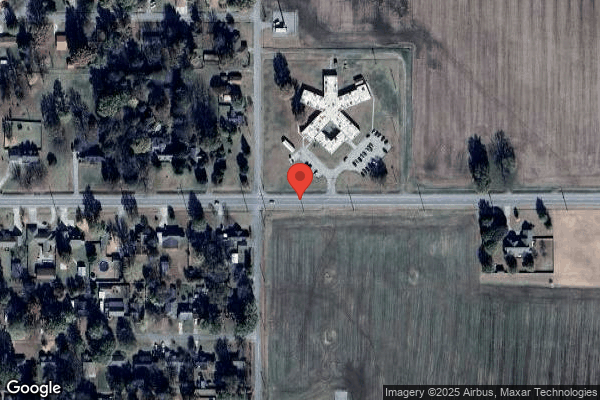
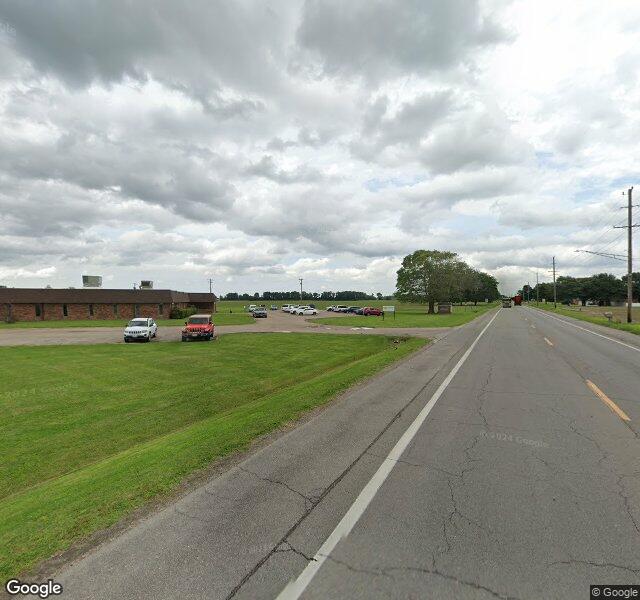
1001 NORTH WALNUT, STEELE, MO 63877 (573) 695-2121
For profit - Individual 90 Beds CIRCLE B ENTERPRISES Data: November 2025 2 Immediate Jeopardy citations
Trust Grade
0/100
#447 of 479 in MO
Last Inspection: August 2024

Within standard 12-15 month inspection cycle. Federal law requires annual inspections.

Overview

River Oaks Care Center in Steele, Missouri has received a Trust Grade of F, indicating poor performance with significant concerns. They rank #447 out of 479 facilities in Missouri, placing them in the bottom half, and #2 out of 2 in Pemiscot County, meaning there is only one local option that performs better. The facility is worsening, with issues increasing from 3 in 2023 to 7 in 2024. Staffing is a major concern, with a low rating of 1 out of 5 stars and a turnover rate of 68%, significantly higher than the state average of 57%. Additionally, the center has incurred fines totaling $41,389, which is concerning as it is higher than 79% of Missouri facilities. Despite these issues, the facility does have some strengths, such as a commitment to addressing abuse, although there have been serious failures to protect residents from physical and verbal abuse by staff. For example, a Certified Nurse Aide hit one resident with a mug and later shook and threw another resident into bed, with both incidents inadequately investigated. Furthermore, inspections revealed that the facility did not provide a safe and clean environment, which could affect the comfort and well-being of all residents. Overall, families should approach River Oaks Care Center with caution, weighing the serious deficiencies against any positives they may consider.

Trust Score
F
0/100
In Missouri
#447/479
Bottom 7%
Safety Record
High Risk
Review needed
Inspections
Getting Worse
3 → 7 violations
Staff Stability
⚠ Watch
68% turnover. Above average. Higher turnover means staff may not know residents' routines.
Penalties
✓ Good
$41,389 in fines. Lower than most Missouri facilities. Relatively clean record.
Skilled Nurses
⚠ Watch
Each resident gets only 15 minutes of Registered Nurse (RN) attention daily — below average for Missouri. Fewer RN minutes means fewer trained eyes watching for problems.
Violations
⚠ Watch
18 deficiencies on record. Higher than average. Multiple issues found across inspections.
★☆☆☆☆
1.0
Overall Rating
★☆☆☆☆
1.0
Staff Levels
★☆☆☆☆
1.0
Care Quality
★★☆☆☆
2.0
Inspection Score
Stable
2023: 3 issues
2024: 7 issues

The Good

  • Full Sprinkler Coverage · Fire safety systems throughout facility
  • No fines on record

Facility shows strength in fire safety.

The Bad

1-Star Overall Rating

Below Missouri average (2.5)

Significant quality concerns identified by CMS

Staff Turnover: 68%

21pts above Missouri avg (46%)

Frequent staff changes - ask about care continuity

Federal Fines: $41,389

Above median ($33,413)

Moderate penalties - review what triggered them

Chain: CIRCLE B ENTERPRISES

Part of a multi-facility chain

Ask about local staffing decisions and management

Staff turnover is elevated (68%)

20 points above Missouri average of 48%

The Ugly 18 deficiencies on record

2 life-threatening
Nov 2024 2 deficiencies 2 IJ
CRITICAL (J) 📢 Someone Reported This

A family member, employee, or ombudsman was alarmed enough to file a formal complaint

Immediate Jeopardy (IJ) - the most serious Medicare violation

Free from Abuse/Neglect (Tag F0600)

Someone could have died · This affected 1 resident

**NOTE- TERMS IN BRACKETS HAVE BEEN EDITED TO PROTECT CONFIDENTIALITY** Based on interview and record review, the facility failed to ensure two residents (Residents #1 and #2) were free from physical ...

Read full inspector narrative →
**NOTE- TERMS IN BRACKETS HAVE BEEN EDITED TO PROTECT CONFIDENTIALITY** Based on interview and record review, the facility failed to ensure two residents (Residents #1 and #2) were free from physical and verbal abuse by staff. On 11/07/24, Certified Nurse Aide (CNA) A hit Resident #2 on the hand with a mug. The resident reported this to the administrator, in front of a witness. CNA A continued to work and measures were not taken after this incident to protect residents from further abuse. On 11/11/24, CNA A cursed at, shook and roughly threw Resident #1 into bed. This was witnessed by another staff member who reported up the command chain and the administrator was informed. The facility census was 73. The administrator was notified on 11/14/24 at 4:15 P.M., of an Immediate Jeopardy (IJ) which began on 11/07/24. The IJ was removed on 11/14/24, as confirmed by surveyor onsite verification. Review of the facility's policy titled, Abuse Prevention Program, dated September 2019, showed: - This facility will not tolerate verbal, sexual, physical or mental abuse, corporal punishment, involuntary seclusion, neglect, or misappropriation of resident property; - All allegations will be investigated; - The Administrator and the Director of Nursing Services have an open door policy for reports of abuse, neglect, mistreatment, or misappropriation of resident property and confidential reports can be made at any time. 1. Review of Resident #2's medical record showed: - admitted on [DATE]; - Diagnoses of depression, hemiplegia (partial or total paralysis on one side of the body), Chronic Kidney Disease (kidneys fail to function leading to renal failure), stroke, and cognitive communication deficit (difficulty communicating due to cognition). Review of the resident's quarterly Minimum Data Set (MDS), a federally mandated assessment instrument completed by facility staff, dated 09/24/24, showed the resident was moderately cognitively impaired and required moderate to partial assistance with all activities of daily living (ADLs). During an interview on 11/14/2024 at 11:15 A.M., Resident #2 said around 11/07/24, CNA A provided care to him/her. CNA A emptied the ice out of the resident's insulated pitcher, then hit him/her hard on the back of his/her right hand while saying I ain't got time to fucking mess with you to the resident. Resident #2 said he/she is afraid of CNA A. Resident #2 said he/she reported the incident to the Social Service Worker (SSW) and the Administrator (ADM). Observation on 11/14/2024 at 11:15 A.M., of Resident #2 showed a reddish-purple mark on the back of his/her right hand measuring 5 centimeters (cm) by 2 1/2 cm. The facility did not provide an investigation or facility reported incident (FRI) for the source of Resident #2's bruising. Review of the resident's medical record showed no documentation of the source of the resident's bruising or notes regarding the abuse allegation. During an interview on 11/14/24 at 11:35 A.M., the SSW said on 11/07/24, the ADM was sitting in his/her office, when Resident #2 came in. The resident reported CNA A had hit his/her hand and cussed at him/her. The ADM was sitting in the chair across from his/her desk, heard the resident and responded by saying this is the first I have heard of this and walked out of his/her office. The SSW said, he/she assumed the ADM was going to start an investigation. During an interview on 11/14/24 at 2:45 P.M., the ADM said he had never been informed of any incident with Resident #2 or any prior reports against CNA A. He denied the resident had informed him. The ADM said CNA A was not removed from the schedule. During an interview on 11/21/24, by phone CNA A denied hitting Resident #2 on the hand. He/she said he had no information on this matter. 2. Review of Resident #1's medical record showed: - The resident was admitted on [DATE]; - No documented history of behaviors; - Diagnoses of anxiety, depression, dementia (a group of conditions that interfere with daily living) without behaviors, borderline personality disorder (a mental disease characterized by unstable moods), Bi-Polar Disorder (a mental disease characterized by episodes of mood swings), and an amputation of the left leg above the knee. Review of the resident's quarterly MDS, dated [DATE], showed the resident was cognitively impaired and required maximum assistance with all ADLs. Review of the facility reported incident, received on 11/12/24 showed: - Resident #1 told staff that CNA A had used inappropriate language during care; - The resident denied any physical abuse; - No written statements provided from staff. Review of a written statement provided on 11/14/24 at 2:45 P.M. by the ADM, showed CNA B witnessed CNA A yelling and then shaking Resident #1 on 11/11/24. During an interview on 11/14/24 at 11:30 A.M., CNA B said on 11/11/24 he/she was taking dirty laundry down the hallway to the dirty laundry barrel which was parked beside Resident #1's room. CNA B said there was yelling coming from Resident #1's room. CNA B looked in the room of the resident and heard CNA A yelling and cursing the resident. CNA A was shaking the wheelchair with the resident in the chair, and then shook the resident by the shoulders and lifted the resident up and threw him/her into the bed. CNA B said he/she immediately went to find a charge nurse, but was unsuccessful. CNA B saw staff members Human Resources (HR) and Licensed Practical Nurse (LPN) C and reported the incident to them. LPN C went directly to the hallway to find the charge nurse to remove CNA A. HR told CNA B to write a statement. CNA B said he/she wrote a statement. During an interview on 11/14/24 at 11:40 A.M., HR said CNA B told her and LPN C that he/she had just witnessed CNA A cursing and shaking Resident #1. HR said she had CNA B confirm that CNA A had been physical, shaking Resident #1 and CNA B said 100%. HR and LPN C then informed the charge nurse, LPN D. They all addressed this with CNA A who did not write a statement and did not deny the allegation. CNA A cursed, left the room and building. HR notified the DON of the physical abuse by phone. During an interview on 11/14/24 at 12:00 P.M., LPN C said CNA B told him/her and HR that he/she had just witnessed CNA A cursing and shaking Resident #1. HR continued talking with CNA B while LPN C left to go find the charge nurse and report the incident. CNA A came to the conference room where LPN C, CNA A, HR and LPN D had gathered. CNA A did not deny the allegation and was asked to leave. The DON was contacted and informed of physical abuse. The charge nurse, LPN D, assessed the resident. LPN C said he/she asked the resident if he/she had been shaken and Resident #1 said yes. During an interview on 11/14/24 at 2:10 P.M., LPN D said he/she received a report of abuse from LPN C and asked CNA A into the conference room. CNA A denied knowing anything, cursed, and walked away. LPN D said the DON was informed of physical abuse by phone and came back to the facility. Resident #1 told LPN D that CNA A had been rough and had shaken his/her wheelchair and his/her body by the shoulders while cursing. During an interview on 11/14/24, at 2:00 P.M., the DON said on 11/11/24 after he had left the building for the evening, LPN D called to report CNA B had reported to have witnessed CNA A shake Resident #1's wheelchair as well as by the shoulders. The DON went back to the facility and CNA A had been sent home. The DON said he started a Resident Questionnaire and had CNA B write a statement. The DON was aware of the allegation of verbal and physical abuse and called and informed the ADM which is their protocol. During an interview on 11/14/2024 at 2:45 P.M., the ADM said, on 11/11/24, the DON contacted him and reported CNA A had used inappropriate language with Resident #1. The ADM denied being told of an allegation of physical abuse. On 11/12/24, the ADM interviewed the resident, who said there had been no physical abuse. At that time, the ADM concluded the investigation. The ADM said he had just now found a written statement from CNA B on his desk alleging physical abuse from CNA A to Resident #1, but felt the allegation was unclear. During an interview on 11/14/24 at 5:15 P.M., CNA A denied yelling at or shaking Resident #1. He/she said that no one could have seen in the room, because the door was closed. He/she said CNA B may have heard him/her grunting while doing care, but he/she was not yelling. NOTE: At the time of the survey, the violation was determined to be at the immediate and serious jeopardy level J. Based on interview and record review completed during the onsite visit, it was determined the facility had implemented corrective action to address and lower the violation at the time. A revisit will be conducted to determine if the facility is in substantial compliance with participation requirements. At the time of exit, the severity of the deficiency was lowered to the D level. This statement does not denote that the facility has complied with State law (Section 198.026.1 RSMo.) requiring that prompt remedial action be taken to address Class I violation(s). Complaint #MO245031
CRITICAL (J) 📢 Someone Reported This

A family member, employee, or ombudsman was alarmed enough to file a formal complaint

Immediate Jeopardy (IJ) - the most serious Medicare violation

Investigate Abuse (Tag F0610)

Someone could have died · This affected 1 resident

**NOTE- TERMS IN BRACKETS HAVE BEEN EDITED TO PROTECT CONFIDENTIALITY** Based on interview and record review, the facility failed to thoroughly investigate reports of abuse for two residents (Resident...

Read full inspector narrative →
**NOTE- TERMS IN BRACKETS HAVE BEEN EDITED TO PROTECT CONFIDENTIALITY** Based on interview and record review, the facility failed to thoroughly investigate reports of abuse for two residents (Residents #1 and #2), out of seven sampled residents. While providing care, on 11/07/24, Certified Nurse Aide (CNA) A hit Resident #2 on the hand with a mug. This was reported to the Administrator (ADM) by the resident. The allegation was not investigated and CNA A continued to work. On 11/11/24, Resident #1 was shaken and thrown on the bed by CNA A. The ADM did not investigate the allegations as per the facility policy and procedure. The facility census was 73. The administrator was notified on 11/14/24 at 4:15 P.M., of an Immediate Jeopardy (IJ) which began on 11/07/24. The IJ was removed on 11/14/24, as confirmed by surveyor onsite verification. Review of the facility's policy titled, Abuse Prevention Program, dated September 2019, showed: - This facility will not tolerate verbal, sexual, physical or mental abuse, corporal punishment, involuntary seclusion, neglect, or misappropriation of resident property; - All allegations will be investigated; - The Administrator and the Director of Nursing Services have an open door policy for reports of abuse, neglect, mistreatment, or misappropriation of resident property and confidential reports can be made at any time. Review of the facility's policy titled Abuse Investigation and Reporting, dated July 2017 showed: - All reports of resident abuse, neglect, exploitation, misappropriation of resident property, mistreatment and/or injuries of unknown source (abuse) shall be promptly reported to local, state and federal agencies (as defined by current regulation) and thoroughly investigated by facility management. Findings of abuse investigation will also be reported. 1. Review of Resident #2's medical record showed: - admitted on [DATE]; - Diagnoses of depression, hemiplegia (partial or total paralysis on one side of the body), Chronic Kidney Disease (kidneys fail to function leading to renal failure), stroke, and cognitive communication deficit (difficulty communicating due to cognition). Review of Resident #2's quarterly Minimum Data Set (MDS), a federally mandated assessment instrument completed by facility staff, dated 9/24/24, showed the resident was moderately cognitively impaired and required moderate to partial assistance with all activities of daily living (ADLs). During an interview on 11/14/2024 at 11:15 A.M., Resident #2 said around 11/07/24, CNA A provided care to him/her. CNA A emptied the ice out of the resident's insulated pitcher, then hit him/her hard on the back of his/her right hand while saying I ain't got time to fucking mess with you to the resident. Resident #2 said he/she is afraid of CNA A. Resident #2 said he/she reported the incident to the Social Service Worker (SSW) and the ADM. Observation on 11/14/2024 at 11:15 A.M. of Resident #2 showed a reddish-purple mark on the back of his/her right hand measuring 5 centimeters (cm) by 2 1/2 cm. During an interview on 11/14/24 at 11:35 A.M., the SSW said on 11/07/24, the ADM was sitting in his/her office, when Resident #2 came in. The resident reported CNA A had hit his/her hand and cussed at him/her. The ADM was sitting in the chair across from his/her desk, heard the resident and responded by saying this is the first I have heard of this and walked out of his/her office. The SSW said he/she assumed the ADM was going to start an investigation. The SSW said he/she failed to document the allegations and did not follow up, but the facility policy would direct staff to initiate an investigation. During an interview on 11/14/24 at 2:45 P.M., the ADM said he had never been informed of any incident with Resident #2. He denied the resident had informed him. The ADM said CNA A was not removed from the schedule. The facility did not provide an investigation or facility reported incident (FRI) for the source of Resident #2's bruising. Review of the resident's medical record showed no documentation of the source of the resident's bruising or notes regarding abuse allegation. 2. Review of Resident #1's medical record showed: - The resident was admitted on [DATE]; - No documented history of behaviors; - Diagnoses of anxiety, depression, dementia (a group of conditions that interfere with daily living) without behaviors, borderline personality disorder (a mental disease characterized by unstable moods), Bi-Polar Disorder (a mental disease characterized by episodes of mood swings), and an amputation of the left leg above the knee. Review of Resident #1's quarterly MDS), dated [DATE], showed the resident was cognitively impaired and required maximum assistance with all ADLs. Review of the facility reported incident, received on 11/12/24 showed: - Resident #1 told staff that CNA A had used inappropriate language during care; - The resident denied any physical abuse; - No written statements provided from staff. Review of a written statement provided on 11/14/2024 at 2:45 P.M. by the ADM, showed CNA B witnessed CNA A yelling and then shaking Resident #1 on 11/11/24. During an interview on 11/14/24 at 11:30 A.M., CNA B said on 11/11/24 he/she was taking dirty laundry down the hallway to the dirty laundry barrel which was parked beside Resident #1's room. CNA B said there was yelling coming from the resident's room. CNA B looked in the room of Resident #1 and heard CNA A yelling and cursing the resident. CNA A was shaking the wheelchair with the resident in the chair, and then shook the resident by the shoulders and lifted the resident up and threw him/her into the bed. CNA B said he/she immediately went to find a charge nurse but was unsuccessful. CNA B saw staff members Human Resources (HR) and Licensed Practical Nurse (LPN) C and reported the incident to them. LPN C went directly to the hallway to find the charge nurse to remove CNA A. HR told CNA B to write a statement. CNA B said he/she wrote a statement. During an interview on 11/14/24 at 11:40 A.M., HR said CNA B told him/her and LPN C that he/she had just witnessed CNA A cursing and shaking Resident #1. HR said she had CNA B confirm that CNA A had been physical, shaking Resident #1 and CNA B said 100%. HR and LPN C then informed the charge nurse, LPN D. They all addressed this with CNA A who did not write a statement and did not deny the allegation. CNA A cursed said and left the room and building. HR notified the DON of the physical abuse by phone. During an interview on 11/14/24 at 12:00 P.M., LPN C said CNA B told him/her and HR the he/she had just witnessed CNA A cursing and shaking Resident #1. HR continued talking with CNA B while LPN C left to go find the charge nurse and report the incident. CNA A came to the conference room where LPN C, CNA A, HR and LPN D had gathered. CNA A did not deny the allegation and was asked to leave. The DON was contacted and informed of physical abuse. LPN C said he/she asked the resident if he/she had been shaken and Resident #1 said yes. During an interview on 11/14/2024 at 2:10 P.M., LPN D said he/she received a report of abuse from LPN C and asked CNA A into the conference room. CNA A denied knowing anything, cursed, and walked away. LPN D said the DON was informed of physical abuse by phone and came back to the facility. Resident #1 told LPN D that CNA A had been rough and had shaken his/her wheelchair and his/her body by the shoulders while cursing. During an interview on 11/14/24, at 2:00 P.M., the DON said on 11/11/2024 after he had left the building for the evening, LPN D called to report that CNA B had reported to have witnessed CNA A shake Resident #1's wheelchair, as well as by the shoulders. The DON went back to the facility and CNA A had been sent home. The DON said he started a Resident Questionnaire and had CNA B write a statement. The DON was aware of the allegation of verbal and physical abuse and called and informed the ADM, which is their protocol. During an interview on 11/14/2024 at 2:45 P.M., the ADM said, on 11/11/24, the DON contacted him and reported CNA A had used inappropriate language with Resident #1. The ADM denied being told of an allegation of physical abuse. On 11/12/24, the ADM interviewed the resident, who said there had been no physical abuse. At that time, the ADM concluded the investigation. The ADM said he had just now found a written statement from CNA B on his desk alleging physical abuse from CNA A to Resident #1, but felt the allegation was unclear. The ADM said he did not further investigate or question CNA B for clarity. The ADM said it is the facility policy and procedure to thoroughly investigate all allegations of abuse. NOTE: At the time of the survey, the violation was determined to be at the immediate and serious jeopardy level J. Based on interview and record review completed during the onsite visit, it was determined the facility had implemented corrective action to address and lower the violation at the time. A revisit will be conducted to determine if the facility is in substantial compliance with participation requirements. At the time of exit, the severity of the deficiency was lowered to the D level. This statement does not denote that the facility has complied with State law (Section 198.026.1 RSMo.) requiring that prompt remedial action be taken to address Class I violation(s). Complaint #MO245031
Aug 2024 5 deficiencies
CONCERN (D) 📢 Someone Reported This

A family member, employee, or ombudsman was alarmed enough to file a formal complaint

Potential for Harm - no one hurt, but risky conditions existed

Safe Environment (Tag F0584)

Could have caused harm · This affected 1 resident

**NOTE- TERMS IN BRACKETS HAVE BEEN EDITED TO PROTECT CONFIDENTIALITY** Based on observation, interview, and record review, the facility failed to provide a safe, clean and comfortable homelike enviro...

Read full inspector narrative →
**NOTE- TERMS IN BRACKETS HAVE BEEN EDITED TO PROTECT CONFIDENTIALITY** Based on observation, interview, and record review, the facility failed to provide a safe, clean and comfortable homelike environment. This deficient practice had the potential to affect all residents in the facility. The facility census was 74. Record review of the facility's Homelike Environment policy, revised February 2021, showed: - Residents are provided with a safe, clean, comfortable and homelike environment and encouraged to use their personal belongings to the extent possible; - Staff provide person-centered care that emphasizes the residents' comfort, independence and personal needs and preferences; - The facility staff and management maximize, to the extent possible, the characteristics of the facility that reflect a personalized, homelike setting which include clean, sanitary and orderly environment. 1. Observations made on 08/13/24 at 10:38 AM and 08/14/24 at 12:38 P.M., showed a long piece of decorative trim with several areas of chipped and peeled paint on the left side of the kitchen door entrance. 2. Observation made on 08/13/24 at 11:04 A.M., of the wardrobe cabinet in room [ROOM NUMBER], showed: - Soiled rolled towels placed around the front outside edge; - The right side of the inside bottom flooring rotted out with an exposed hole. During an interview on 08/13/24 at 11:08 A.M., the resident in room [ROOM NUMBER] said his/her wardrobe cabinet had been like that since he/she was admitted in July. 3. Observations made on 08/13/24 at 11:29 P.M. and 08/14/24 at 3:32 P.M., showed several areas of chipped and peeled paint on the outside surface walls of the nurse's station. 4. Observations made on 08/13/24 at 1:39 P.M. and 08/14/24 at 1:32 P.M., of the 500 Hall, showed: - A buildup of dust and debris visible on the inside of a light fixture cover in hallway located between rooms [ROOM NUMBERS]; - A buildup of dust and debris visible on the inside of a light fixture cover in hallway located between rooms [ROOM NUMBERS]; - A buildup of dust and debris visible on the inside of a light fixture cover in hallway located between rooms [ROOM NUMBERS]; - A buildup of dust and debris visible on the inside of a light fixture cover in hallway located between rooms [ROOM NUMBERS]; - Several dark stained areas on the ceiling tiles throughout the therapy/exercise room. 5. Observation on 08/15/24 at 8:40 A.M. showed: - Two ceiling tiles with brown circles in room [ROOM NUMBER]; - One ceiling tile with brown circle around the air vent in room [ROOM NUMBER]; - One ceiling tile with a brown circle in room [ROOM NUMBER]; - Two ceiling tiles with brown circles near the air vent in room [ROOM NUMBER]; - Ceiling tile with dark stained area around the air vent in room [ROOM NUMBER]; - Four ceiling tiles with dark brown and black areas in room [ROOM NUMBER]. 6. Observation on 08/16/24 at 2:33 P.M., of the 500-hall shower room, showed five 12-inch (in.) x12 in. floor tiles cracked and/or missing located in front of the shower stall. Review of the repair requisition log, dated 07/14/24 through 08/15/24, showed no documentation of areas of concerns addressed. During an interview on 08/16/24 at 9:20 A.M., Housekeeper A said there is a maintenance log that staff writes down things that need to be repaired. He/She also verbally tells maintenance if there are any environmental concerns that need addressed. He/she has told maintenance about some ceiling tiles that needed replaced recently. During an interview on 08/16/24 at 9:24 A.M., Housekeeper B said any environmental concerns are written down on the maintenance log to be addressed. He/She will also take pictures and show the maintenance supervisor. During an interview on 08/16/24 at 09:35 A.M., the Maintenance Supervisor (MS) said he/she would expect staff to write down any environmental concerns to be addressed. There is a clip board posted by the employee breakroom that staff can write down anything that needs fixed or replaced. During an interview on 08/16/24 at 2:20 P.M., the previous Administrator said the ceiling tiles have been ordered. The MS has a few extra tiles and will replace the ones in room [ROOM NUMBER] immediately. During an interview on 08/16/24 at 3:03 P.M., the Administrator said all staff is responsible for seeing issues and filling out the requisition forms for maintenance. The Administrator said he makes rounds throughout the facility daily. MO239543
CONCERN (D)

Potential for Harm - no one hurt, but risky conditions existed

Accident Prevention (Tag F0689)

Could have caused harm · This affected 1 resident

**NOTE- TERMS IN BRACKETS HAVE BEEN EDITED TO PROTECT CONFIDENTIALITY** Based on observation, interview and record review, the facility failed to provide a safe transfer for two residents (Residents #...

Read full inspector narrative →
**NOTE- TERMS IN BRACKETS HAVE BEEN EDITED TO PROTECT CONFIDENTIALITY** Based on observation, interview and record review, the facility failed to provide a safe transfer for two residents (Residents #62 and #67) out of 18 sampled residents, when staff did not utilize a gait belt (a thick fabric or vinyl belt that is placed around a patient's waist to help with mobility and prevent falls) as directed by therapy recommendations and the resident's care plan. The facility census was 74. Review of the facility's policy titled, Safe Lifting and Movement of Residents, revised July 2017, showed: - Nursing staff, in conjunction with the rehabilitation staff, shall assess individual resident's needs for transfer assistance on an ongoing basis. Staff will document resident transferring and lifting needs in the care plan. - Staff responsible for direct resident care will be trained in the use of manual (gait/transfer belts, lateral boards) and mechanical lifting devices. 1. Review of Resident #62's medical record showed: - An admission date of 06/13/24; - Diagnoses of Parkinson's Disease (a progressive disorder that affects the nervous system and the parts of the body controlled by nerves), Multiple system atrophy (a neurological disorder that causes progressive damage to nerve cells in the brain and spinal cord), Acute Respiratory Failure with hypoxia (a condition that occurs when the lungs have trouble exchanging oxygen and carbon dioxide with the blood); Review of the resident's admission Minimum Data Set (MDS) (a federally mandated assessment completed by facility staff), dated 06/20/24, showed: - Dependent on staff for activities of daily living (ADL's); - Required substantial to maximal assist for transfers; - Impairment to both sides of upper and lower extremities (arms and legs); - Sit to stand and all transfers to be substantial/maximal assist (where helper does more than half the work). Review of the resident's care plan, revised on 07/15/24, showed the resident required substantial-maximal assistance with ADLs, transfers, and toileting. Observation on 08/15/24 at 8:42 A.M., showed: - Registered Nurse (RN) C and Nurse Aide (NA) I in Resident #62's room to transfer from wheelchair to bed; - RN C and NA I grabbed the resident by the waist band of pants and stood resident up by placing staff arms underneath the residents' arms, pulled the resident up to standing position; - Resident unable to pivot, RN C pulled residents pant leg to move the residents' foot and leg; - NA I wore gait belt around shoulder. During an interview on 08/16/24 at 8:51 A.M., Physical Therapy Assistant (PTA) said Resident #62 requires maximal assistance with two staff using a gait belt and a stand-pivot transfer. 2. Review of Resident #67's medical record showed: - An admission date of 04/22/24; - Diagnoses of Cerebrovascular disease (condition affecting blood flow to your brain), Displaced fracture of the base of the neck of right femur (broken bone), and Dementia (a disease affecting memory, language and problem solving). Review of the resident's quarterly MDS, dated [DATE], showed chair/bed to chair transfers require substantial/max assist where helper does more than half of effort. Review of the resident's care plan, dated 05/06/24, showed the resident required substantial/max assist with transfers. Observation on 08/15/24 at 1:29 P.M., showed: - Certified Nurse Aide (CNA) J and CNA K in Resident #67's room to transfer from wheelchair to bed; - CNA K bent down and put both arms underneath resident's arms and lifted resident to standing position; - Resident unable to pivot, CNA K turned resident and sat resident on bed and assisted into a lying position. - After care, CNA K again reached around the resident underneath his/her arms and lifted the resident into a sitting position and then back into the wheelchair; - CNA J wore a gait belt around waist, no gait belt used for transfer. During an interview on 08/15/24 at 1:38 P.M., CNA J said he/she thinks Resident #67 is just a one person transfer because the resident can bear weight and assist. CNA K said he/she would normally use a gait belt for transfers. During an interview on 08/15/24 at 2:18 P.M., the Director of Nursing (DON) said that he/she would expect CNAs to use a gait belt for transfers, not lifting by using under resident's arms.
CONCERN (D)

Potential for Harm - no one hurt, but risky conditions existed

Tube Feeding (Tag F0693)

Could have caused harm · This affected 1 resident

Based on observation, interview and record review, the facility failed to ensure gastric residual volume (the amount of liquid that drains from the stomach after enteral feeding is administered) was m...

Read full inspector narrative →
Based on observation, interview and record review, the facility failed to ensure gastric residual volume (the amount of liquid that drains from the stomach after enteral feeding is administered) was measured prior to administering tube feeding for two residents (Residents #62 and #15) out of two sampled residents. The facility also failed to follow standards of practice by using a plunger (used to force liquid into feeding tube catheter) during tube feeding on one resident (Resident #15) out of two sampled residents. The facility census was 74. Record review of the facility's policy, Enteral Nutrition, last revised November 2018, showed: - The provider will consider the need for supplemental orders, including: -Checks for gastric residual volume (GRV) before feeding and medication - The facility did not provide a policy on plunger use during a tube feed. 1. Review of Resident #62's Physician's Order Sheet (POS), dated August 2024, showed: - An order for Isosource 1.5 calorie ((cal) a calorically dense complete nutrition formula with fiber for increased calorie needs to support bowel function), 250 millimeter (ml) four times daily; - An order for 120 cubic centimeters (cc) water flush four times daily; - An order to check placement; - An order to hold feeding if residual is more than 60 cc. Observation on 08/15/24 at 8:33 A.M., showed: - The resident sat in bed with a gastrostomy tube (G-tube, a tube surgically inserted into the stomach to provide nutrition and medication); - Registered Nurse (RN) C uncapped the resident's G-tube and attached the barrel of a syringe into the G-tube; - RN C did not check residual of the stomach contents per physicians' orders prior to feeding administration; - RN C flushed the resident's G-tube with 30 cc of water; - RN C administered Isosource 1.5 cal and flushed with 60 cc of water. Observation on 08/15/24 at 1:53 P.M., showed: - The resident sat in bed with G-tube; - RN C uncapped the resident's G-tube and attached the barrel of a syringe into the G-tube; - RN C did not check residual per physicians' orders prior to feeding administration; - RN C flushed the resident's G-tube with 30 cc of water; - RN C administered Isosource 1.5 cal and flushed with 180 cc of water. Observation on 08/16/24 at 9:33 A.M., showed: - The resident sat in bed with G-tube; - Licensed Practical Nurse (LPN) D uncapped the resident's G-tube and attached the barrel of a syringe into the G-tube; - LPN D checked for placement: with auscultation (listening for air movement in the stomach with a stethoscope) - LPN D did not check residual of the stomach contents per physicians' orders prior to feeding administration; - LPN D flushed the resident's G-tube with 60 cc of water; - LPN D administered Isosource 1.5 cal and flushed with 60 cc of water. 2. Review of Resident #15's POS dated, August 2024 showed: - An order for Isosource 1.5 calorie at 250 ml four times daily; - An order for 180 ml water flush six times daily; - An order flush feeding tube with 30 cc of water before and after medication administration. Observation on 08/14/24 at 9:45 A.M., showed: - The resident laying in bed with G-tube; - LPN D uncapped the resident's G-tube and attached the barrel of syringe in residents G-tube; - LPN D did not check for placement by auscultation, or check residual; - LPN D flushed resident's G-tube with 30 cc of water; - LPN D administered 40 cc of Isosource 1.5 cal; - LPN D added approximately 20 cc of water to syringe while Isosource remained in syringe; - LPN D took a plastic straw laying on bedside table and used it to stir together Isosource and water inside the syringe; - LPN D added 50 cc more Isosource to syringe; - At 15 cc, LPN D added approximately 20 cc water to syringe and stirred with straw from bedside table. Observation on 08/14/24 at 10:15 A.M., showed: - LPN D uncapped residents G-tube and attached barrel of syringe in resident's G-tube; - LPN D flushed resident's G-tube with 30 cc of water; - LPN D added 120 cc of crushed medication mixed with water; - LPN D used plastic straw from bedside table to stir medication mixture in syringe; - LPN D added 60 cc of remaining medication mixture; - LPN D used plunger from syringe to force medication mixture into resident's G-tube; - LPN D added 30 cc of medication mixture to syringe, and used plunger to force medication into resident's G-tube. During an interview on 08/16/24 at 02:18 P.M., the Director of Nursing (DON) said he/ she would not expect staff to use a plastic straw to stir contents inside the syringe during a tube feed. The DON said he/she would not expect staff to add water to tube feedings or use the plunger to force feedings and/or medication into G-tube. During an interview on 08/14/24 at 3:36 P.M., LPN D said he/she checks for residual on residents sometimes. LPN D said he/she usually does not use the plunger to force feedings and medication through G-tube but does when it becomes thick or clogged. During an interview on 08/16/24 at 3:45 P.M., the DON said he/she expected staff to check for residual of a G-tube prior to medication administration or feeding.
CONCERN (D)

Potential for Harm - no one hurt, but risky conditions existed

Pharmacy Services (Tag F0755)

Could have caused harm · This affected 1 resident

Based on observation, interview, and record review, the facility failed to implement procedures to ensure medications were accurately administered, documented, disposed of and reconciled for one resid...

Read full inspector narrative →
Based on observation, interview, and record review, the facility failed to implement procedures to ensure medications were accurately administered, documented, disposed of and reconciled for one resident (Resident #100) outside of the 18 sampled residents. The facility census was 74. Review of the facility's policy titled, Pharmacy and Medication Administration, undated, showed: - Narcotics must be counted at the beginning and end of each shift and signed on the narcotic log by the oncoming and off going nurse or medication technician; - Monitoring the log weekly can help identify any missed counts or lax in counting by particular staff. Observation on 08/16/24 at 12:30 P.M., of the locked refrigerator in the main mediation room showed one bottle of opened liquid lorazepam (a controlled medication used to treat anxiety) 2 milligram (mg) per milliliter (ml) with 29.5 ml left in the 30 ml bottle for Resident #100. Observation on 08/16/24 at 12:40 P.M., of Medication Cart One showed one bottle of opened liquid morphine (a controlled medication used to treat pain and shortness of breath) 100 mg per five milliliters with 29.5 ml left in the 30 ml bottle for Resident #100. Review Resident #100's medical record showed: - An admission date of 08/07/24; - An order for morphine 0.25 ml every 2 hours for pain, dated 08/07/24; - An order for lorazepam 0.25ml every 2 hours for anxiety, dated 08/07/24; - A discharge date of 08/07/24 for the resident. Review of the controlled substance record book showed no individual controlled substance records for Resident #100's morphine 0.25 ml every 2 hours for pain or lorazepam 0.25ml every 2 hours for anxiety. During an interview on 08/16/24 at 12:33 P.M., Licensed Practical Nurse (LPN) D said there should have been a paper in the book for Resident #100's controlled medication of morphine and lorazepam. When residents were discharged , the unused controlled medications were given to the Director of Nursing (DON). During an interview on 08/16/24 at 12:35 P.M., Certified Medication Technician F said he/she did count with the off going nurse this morning, but just skipped over this resident's medications because the resident had passed away. During an interview on 08/16/24 at 3:30 P.M., the Director of Nursing (DON) said he/she was unable to locate a controlled substance sheet for the morphine or lorazepam, and there should have been one for each medication. The DON did not know why the morphine of lorazepam had not been brought to him/her for destruction.
CONCERN (D)

Potential for Harm - no one hurt, but risky conditions existed

Infection Control (Tag F0880)

Could have caused harm · This affected 1 resident

Based on observation, interview, and record review, the facility failed to use proper infection control techniques for glove use during wound care for two residents (Resident #24 and #56) and during i...

Read full inspector narrative →
Based on observation, interview, and record review, the facility failed to use proper infection control techniques for glove use during wound care for two residents (Resident #24 and #56) and during incontinent care for two residents (Resident #62 and #67) out of four sampled residents. The facility census was 74. Review of the facility's policy, Infection Control, revised October 2018, showed: - This facility's infection control policies and practices are intended to facilitate maintaining a safe, sanitary and comfortable environment and to help prevent and manage transmission of diseases and infections; - The objectives of our infection control policies and practices are to: - Prevent, detect, investigate, and control infections in the facility; - Maintain a safe, sanitary, and comfortable environment for personnel, residents, visitors, and the general public. Review of the facility's policy titled, Standard Precautions, revised September 2022, showed: - Gloves are worn when in direct contact with blood, body fluids, mucous membranes, non-intact skin, and other potentially infected material; - Gloves are changed and hand hygiene performed before moving from a contaminated-body site to a clean-body site during resident care; - Gloves are changed as necessary, during the care of a resident to prevent cross-contamination from one body site to another; - Gloves are removed promptly after use, before touching non-contaminated items and environmental surfaces; - After gloves are removed, hands are washed immediately to avoid transfer of microorganisms to other residents or environments. 1. Review of Resident #56's Physician's Order Sheet (POS), dated August 2024, showed: - An order, dated 08/04/24, to cleanse unstageable pressure ulcer (a type of wound that occurs when prolonged pressure on the skin prevents blood and oxygen from reaching the tissue and can be covered by a layer of dead tissue) to right heel with wound cleanser, pat dry, apply calcium alginate with silver (topical wound dressing to help reduce infections and are used to treat wounds with moderate to heavy drainage), cover with an abdominal pad (ABD, a dressing used to treat large wounds that require high absorbency), wrap with kerlix (conforming gauze) and secure with tape two times daily. Observation on 08/15/24 at 2:15 P.M., of wound care for Resident #56 showed: - Licensed Practical Nurse (LPN) C put on protective gown at the resident's door before entering the room, washed hands and put on gloves; - LPN C removed the old dressing from the resident's right heel; - LPN C removed his/her gloves, put on a clean pair of gloves and did not sanitize his/her hands; - LPN C cleansed the open area with wound cleanser (an antiseptic that helps reduce the risk of infection and prevent bacterial contamination) and gauze; - With the same soiled gloves, LPN C dried the area with gauze, applied calcium alginate with silver dressing placed over the open area, ABD dressing applied, wrapped with kling, secured with tape and removed the soiled gloves; - LPN C did not sanitize hands or change gloves between dirty and clean tasks. 2. Review of Resident #24's POS, dated August 2024, showed: - An order, dated 08/09/24, to apply barrier cream (a cream to provide protection from irritants) to bottom with incontinent episodes, every shift for stage II pressure injury (an open sore that occurs when the dermis, or deeper layer of skin, is partially lost). Observation on 08/15/24 at 4:35 P.M. of wound care for Resident #24 showed: - The resident stood on the side of his/her room near the bed, he/she removed pants and brief; - LPN C put on protective gown before entering the room, put on gloves and cleansed the resident's buttocks with wound cleanser and gauze; - LPN C dried the open area on the buttocks with gauze; - With the same soiled gloves, LPN C applied the barrier cream to the resident's buttocks; - LPN C removed the dirty gloves and did not sanitize hands or change gloves between dirty and clean tasks. 3. Observation on 08/15/24 at 1:29 P.M. of incontinent care for Resident #67 showed: - Certified Nurse Aide (CNA) J and K washed hands, and applied gloves; - CNA J and K assisted the resident into bed, removed pants and brief; - CNA J used a washcloth to clean the resident while CNA K assisted in positioning; - With the same soiled gloves, CNA J and K applied a clean brief to the resident and assisted with dressing the resident. 4. Observation on 08/16/24 at 12:52 P.M. of incontinent care for Resident #62 showed: - CNA L applied a gown at the doorway before entering the room; - CNA L left the room to get a privacy sheet from the hallway cart and did not remove or change gown; - CNA L left the room to get more washcloths from the hallway cart and did not remove or change gown. During an interview on 08/15/24 at 1:38 P.M., CNA J said that they do not normally change their gloves during incontinent care between dirty and clean. CNA K agreed that he/she does not change gloves between dirty and clean. During an interview on 08/15/24 at 4:40 P.M., LPN C said staff should have washed his/her hands and changed gloves between dirty and clean. LPN C said his/her hands should have been sanitized and gloves changed before the barrier cream was applied. During an interview on 08/16/24 at 2:18 P.M., the Director of Nursing (DON) said he/she would expect staff to remove gowns before leaving a room, and apply a new gown before entering. She also said staff should change gloves between dirty and clean, and should have also changed gloves before applying the barrier cream.
May 2023 3 deficiencies
CONCERN (D)

Potential for Harm - no one hurt, but risky conditions existed

Deficiency F0655 (Tag F0655)

Could have caused harm · This affected 1 resident

Based on interview and record review, the facility failed to implement a baseline care plan upon admission with specific interventions for one resident (Resident #2) out of two sampled residents. The ...

Read full inspector narrative →
Based on interview and record review, the facility failed to implement a baseline care plan upon admission with specific interventions for one resident (Resident #2) out of two sampled residents. The facility census was 68. Record review of the facility's Care Plans - Baseline policy, revised March 2022, showed: - A baseline plan of care to meet the resident's immediate health and safety needs is developed for each resident within 48 hours of admission; - The baseline care plan includes instructions needed to provide effective, person-centered care of the resident that meet professional standards of quality care and must include the minimum healthcare information necessary to properly care for the resident, but not limited to: initial goals based on admission orders and discussion with the resident/representative, physician goals, dietary orders, therapy services, and social services; - The baseline care plan is used until staff can conduct the comprehensive assessment and develop an interdisciplinary (a group of healthcare professionals from diverse fields who work in a coordinated effort toward a common goal for a resident) person-centered comprehensive care plan (no later than 21 days after admission); - The baseline care plan is updated as needed to meet the resident's needs until the comprehensive care plan is developed. 1. Record review of Resident #2's medical record showed: - An admission date of 2/17/23; - No documentation of a baseline care plan with specified interventions. During an interview on 5/4/23 9:43 A.M., Licensed Practical Nurse (LPN) D said every new admit should have a baseline care plan completed upon admission with specific interventions and it should be part of the admission process. During an interview on 5/4/23 9:43 A.M., the Assistant Director of Nursing (ADON) said every new admit should have a baseline care plan completed upon admission with specific interventions within 48 hours of admission to the facility. During an interview on 5/4/23 9:43 A.M., the Director of Nursing (DON) said she would expect every new admit to have a baseline care plan completed with specific interventions within 48 hours upon admission. During an interview on 5/4/23 9:43 A.M., the Administrator said he would expect a baseline plan with specific interventions to be completed within 48 hours for each new admission to the facility.
CONCERN (D)

Potential for Harm - no one hurt, but risky conditions existed

Deficiency F0761 (Tag F0761)

Could have caused harm · This affected 1 resident

Based on observation, interview, and record review, the facility failed to store medications in a safe, secure, and orderly manner by allowing medications to sit at the bedside of one resident (Reside...

Read full inspector narrative →
Based on observation, interview, and record review, the facility failed to store medications in a safe, secure, and orderly manner by allowing medications to sit at the bedside of one resident (Resident #68) out of 17 sampled residents. This had the potential to affect all residents. The facility census was 68. Review of the facility's Storage of Medications policy, undated, showed: - Drugs and biologicals are stored in locked compartments; - Only persons authorized to prepare and administer medication have access. 1. Review of Resident #68's medical record showed: - admission date of 02/23/23; - No order for magnesium (a dietary supplement); - No order for Tums (medication used to treat symptoms caused by too much stomach acid). Observations on 05/01/23 at 11:40 A.M., and 05/03/23 at 03:00 P.M., showed: - An opened bottle of magnesium, one third full, sat on the refrigerator at the bedside of the resident; - An opened bottle of Tums, with one inch of tablets remaining, sat on the refrigerator at the bedside of the resident. During an interview on 05/03/23 at 03:33 P.M., Resident #68 said the bottle of magnesium and Tums were purchased at a store prior to his/her admission to the facility and were brought in on admission. He/she self-administered the magnesium every day during the last meal of the day, but rarely took the Tums. Observation on 05/04/23 at 08:07 A.M., showed: - Certified Medication Technician (CMT) E administered medications to Resident #68 in the resident's room while the bottles of magnesium and Tums sat on the refrigerator at the resident's bedside. During an interview on 05/04/23 at 08:10 A.M., CMT E said if he/she saw a medication at the bedside of a resident, then he/she would take it to the Director of Nursing (DON) or the Assistant Director of Nursing (ADON). During an interview on 05/04/23 at 08:13 A.M., Licensed Practical Nurse (LPN) D said residents who wish to self-administer medications must have an order, be educated on how to take the medication, and the medication must be stored securely. During an interview on 05/04/23 at 12:08 P.M., the DON said she expected residents who self-administer medications to have an order for the medication, for it to be care planned, and for the medications to be stored safe and securely.
CONCERN (E)

Potential for Harm - no one hurt, but risky conditions existed

Safe Environment (Tag F0584)

Could have caused harm · This affected multiple residents

**NOTE- TERMS IN BRACKETS HAVE BEEN EDITED TO PROTECT CONFIDENTIALITY** Based on observation, interview, and record review, the facility failed to provide a safe, clean and comfortable homelike envir...

Read full inspector narrative →
**NOTE- TERMS IN BRACKETS HAVE BEEN EDITED TO PROTECT CONFIDENTIALITY** Based on observation, interview, and record review, the facility failed to provide a safe, clean and comfortable homelike environment. This deficient practice had the potential to affect all residents in the facility. The facility census was 68. Record review of the facility's Homelike Environment policy, revised February 2021, showed: - Residents are provided with a safe, clean, comfortable and homelike environment and encouraged to use their personal belongings to the extent possible; - Staff provides person-centered care that emphasizes the residents' comfort, independence and personal needs and preferences; - The facility staff and management maximizes, to the extent possible, the characteristics of the facility that reflect a personalized, homelike setting which include a clean, sanitary and orderly environment. 1. Observations on 5/1/23 at 10:35 A.M., 5/2/23 at 9:27 A.M. and 5/3/23 at 11:39 A.M., of the 300 Hall showed: - A five inch (in.) strip of baseboard coming apart from the wall located by the bathroom door in room [ROOM NUMBER]; - A six in. x three in. dark circle on a ceiling tile above the head of the bed located by the window in room [ROOM NUMBER]; - A six in. x 18 in. dark circle on a ceiling tile above the light fixture beside the bed located by the window in room [ROOM NUMBER]; - A four in. x 12 in. dark circle on a ceiling tile over the bed located by the window in room [ROOM NUMBER]; - A two in. x four in. dark circle on a ceiling tile near the air vent in room [ROOM NUMBER]; - A four in. x six in. dark circle on a ceiling tile located above the clothes closet in room [ROOM NUMBER]; - The air vent with a black buildup and a dark black circle located on a ceiling tile in room [ROOM NUMBER]; - Several areas of exposed sheetrock and peeled paint near the right-side area of the bed located by the door in room [ROOM NUMBER]; - A four foot (ft.) baseboard strip coming apart from the wall in front of the toilet in the bathroom shared between room [ROOM NUMBER] and 310. During an interview on 5/1/23 at 10:35 A.M., the resident in room [ROOM NUMBER] said he/she wanted the water spot stains on the ceiling tiles addressed. Observation on 5/1/23 at 10:44 A.M., 5/2/23 at 9:44 A.M., and 5/3/23 at 11:44 A.M., showed: - Missing baseboards and/or trim with a visible hardened white substance around the bottom circumference of the nurse's station located at the central part of the facility. Observations on 5/3/23 at 2:00 P.M., of 100 hall showed: - A two ft. x four ft. ceiling tile with a three in. x five in. brown circle near the window in room [ROOM NUMBER]; - A two ft. x two ft. ceiling tile with three in. x three in. brown circle in room [ROOM NUMBER]; - A five in. x five in. and a two in. x two in. dark circle near the privacy curtain tract in room [ROOM NUMBER]; - A two ft. x two ft. discolored tile near the sprinkler in room [ROOM NUMBER]; - A two ft. x two ft. ceiling tile with a black substance near the sprinkler in room [ROOM NUMBER]; - A two ft. x four ft. ceiling tile with three brown circles in room [ROOM NUMBER]; - Two - two ft. x four ft. ceiling tile with brown circles in the corner of room [ROOM NUMBER]; - A two ft. x four ft. sagging ceiling tile with an air vent located in the south end of the tile with a black substance build up and the perimeter of the air vent dark color in room [ROOM NUMBER]; - A one ft. x two ft. ceiling tile with a small hole near the privacy curtain tract near the entrance door in room [ROOM NUMBER]. Observation on 5/3/23 at 2:15 P.M., of the 200 Hall showed: - An eight ft. x one ft. ceiling tile with a large brown circle and an eight ft. x four ft. ceiling tile with a large brown circle over the resident's sink area in room [ROOM NUMBER]; - A two ft. x two ft. ceiling tile with a large brown circle in the corner of room [ROOM NUMBER]; - A two ft. x two ft. ceiling tile with a large brown area along the north side and a ceiling tile frame covered in a dark brown substance near the bed next to the window in room [ROOM NUMBER]; - An area above the resident's sink showed five holes in the wall in room [ROOM NUMBER]. Observation on 5/3/23 at 2:20 P.M., of the east end of the nurses' station showed: - A two ft. x four ft. ceiling tile with a two inch linear hole near the 100 hall double doors. Observation on 5/4/23 at 2:40 P.M., of room [ROOM NUMBER] showed: - Multiple dark brown colored circles of various sizes on the ceiling; - The white colored air vent in the ceiling with moderate amount of a black colored fuzzy substance; - The white colored air vent in the bathroom ceiling with a moderate amount of a dark brown substance. Observation on 5/4/23 at 2:45 P.M., of room [ROOM NUMBER] showed: - The wood painted chair rail trim on three sides of the room with numerous areas of missing paint; - The chair rail trim on the wall to the left of the door pulled away from the sheetrock with an exposed metal staple. During an interview on 5/4/23 at 2:45 P.M., the resident in room [ROOM NUMBER] said the trim was like that when he/she moved in the room and he/she wanted it to be fixed and repainted. Observation on 5/4/23 at 3:02 P.M., of 400 hall showed: - All of the while tiles on the ceiling past rooms [ROOM NUMBERS] with shades of yellow and brown; - One large brown circle on the ceiling tile in the middle of the hall between rooms [ROOM NUMBERS]; - One brown circle on the sagging ceiling tile surrounding the vent over the bed next to the window in room [ROOM NUMBER]. During an interview on 5/4/23 at 3:15 P.M., the resident in room [ROOM NUMBER] said he/she believed the ceiling was yellow due to prior smoking in the smoking room at the end of the hall. It looked dirty. Record review of the maintenance requisition log, dated 4/28/23 through 5/2/23, showed no current requests for areas of concern documented. During an interview on 5/3/23 at 2:09 P.M., Certified Nursing Assistant (CNA) A said that he/she verbally told maintenance if there were repairs needed such as baseboard issues, peeled paint, exposed sheetrock or stained ceiling tiles. He/she had not reported any recent repair requests. During an interview on 5/3/23 at 2:13 P.M., CNA B said that he/she verbally told maintenance if there were repairs needed such as baseboard issues, peeled paint, exposed sheetrock or stained ceiling tiles. He/she would sometimes write repairs on a clipboard if there was time during his/her shift. He/she had not reported any recent repair requests. During an interview on 5/3/23 at 2:18 P.M., Licensed Practical Nurse (LPN) C said that he/she verbally told the Director of Nursing (DON) and maintenance if there were repairs needed such as baseboard issues, peeled paint, exposed sheetrock or stained ceiling tiles. He/she had not reported any recent repair requests. During an interview on 5/3/23 at 2:24 P.M., the Maintenance Supervisor (MS) said the staff verbally informed him/her of any needed repairs. He/she would prefer the staff write down the needed repairs on the maintenance requisition log so it could be marked when completed. The MS said he/she just started in the maintenance supervisor role recently. During an interview on 5/3/23 at 2:34 P.M., the Administrator said staff should be writing down needed repairs or areas of concern needing addressed. He would expect baseboard issues, peeled paint, exposed sheetrock or stained ceiling tiles to be reported on the maintenance requisition log in a timely manner including other areas of concern. He did not keep a copy of the maintenance repair requisition once the repair was completed.
Oct 2020 8 deficiencies
CONCERN (D)

Potential for Harm - no one hurt, but risky conditions existed

Deficiency F0637 (Tag F0637)

Could have caused harm · This affected 1 resident

Based on interview and record review, the facility failed to complete a significant change assessment within 14 days of discontinuation of hospice services for one resident (Resident #55) out of 2 sam...

Read full inspector narrative →
Based on interview and record review, the facility failed to complete a significant change assessment within 14 days of discontinuation of hospice services for one resident (Resident #55) out of 2 sampled residents. The facility census was 66 . 1. Record review of Resident #55's medical record, showed the following: - admitted to hospice services on 2/15/18; - Discontinued hospice services on 9/11/20. Record review of the resident's Minimum Data Set (MDS) (a federally mandated assessment instrument required to be completed by facility staff) showed no significant change assessment completed within 14 days of the admission or discontinuation of the resident's hospice services. During an interview on 11/3/20 at 1:37 P.M., the Administrator said he would expect a significant change to be completed when a resident goes on/off hospice or has a decline in status. The facility did not provide a policy regarding the completion of significant change assessments.
CONCERN (D)

Potential for Harm - no one hurt, but risky conditions existed

Assessment Accuracy (Tag F0641)

Could have caused harm · This affected 1 resident

**NOTE- TERMS IN BRACKETS HAVE BEEN EDITED TO PROTECT CONFIDENTIALITY** Based on interview, and record review, the facility failed to accurately code the Minimum Data Set (MDS), a federally mandated a...

Read full inspector narrative →
**NOTE- TERMS IN BRACKETS HAVE BEEN EDITED TO PROTECT CONFIDENTIALITY** Based on interview, and record review, the facility failed to accurately code the Minimum Data Set (MDS), a federally mandated assessment instrument completed by staff, for two residents (Resident #43 and #67) out of 17 sampled residents. The facility census was 66. 1. Record review of Resident #43's annual MDS, dated [DATE] showed: - The A1500 preadmission screening and resident review (PASARR) area marked no. Record review of the resident's medical chart showed the resident's PASARR completed on 12/4/18. During an interview on 10/28/20 at 3:00 P.M. the Administrator said the MDS coordinator is a newer employee and just marked the MDS incorrectly. 2. Record review of Resident #67's annual MDS, dated [DATE] showed: - The A1500 PASARR area marked no. Record review of the resident's medical chart showed the resident's PASARR completed on 6/2/10. During an interview on 11/3/20 at 1:37 P.M., the Administrator said he would expect the MDS to be marked correctly showing a Level II PASARR had been completed and the facility follows the RAI (Resident Assessment Instrument) manual. The facility did not provide a policy.
CONCERN (D)

Potential for Harm - no one hurt, but risky conditions existed

Deficiency F0645 (Tag F0645)

Could have caused harm · This affected 1 resident

**NOTE- TERMS IN BRACKETS HAVE BEEN EDITED TO PROTECT CONFIDENTIALITY** Based on interview and record review, the facility failed to ensure resident's with a mental disorder and individuals with intel...

Read full inspector narrative →
**NOTE- TERMS IN BRACKETS HAVE BEEN EDITED TO PROTECT CONFIDENTIALITY** Based on interview and record review, the facility failed to ensure resident's with a mental disorder and individuals with intellectual disability had a DA-124 level I screen (used to evaluate for the presence of psychiatric conditions to determine if a preadmission screening/resident review (PASARR) level II screen is required) as required, for one resident (Resident #40) of eight sampled residents for PASARR. The census was 66. 1. Review of Resident #40's medical record, showed: -admitted to the facility on [DATE]; -Diagnoses included psychotic disorder (a mental disorder characterized by a disconnection from reality), dementia (loss of cognitive ability), and anxiety (feelings of worry or fear that interfere with one's daily activities); - No documentation of a DA-124 level I screen; - No documentation of a PASARR level II screen. During an interview on 10/30/20 at 1:54 P.M., the Administrator said he expects staff to complete DA-124 and PASARR for every resident. The facility did not provide a policy.
CONCERN (D)

Potential for Harm - no one hurt, but risky conditions existed

Deficiency F0658 (Tag F0658)

Could have caused harm · This affected 1 resident

**NOTE- TERMS IN BRACKETS HAVE BEEN EDITED TO PROTECT CONFIDENTIALITY** Based on interview and record review the facility failed to obtain an order for dialysis (a treatment for kidney failure that ri...

Read full inspector narrative →
**NOTE- TERMS IN BRACKETS HAVE BEEN EDITED TO PROTECT CONFIDENTIALITY** Based on interview and record review the facility failed to obtain an order for dialysis (a treatment for kidney failure that rids the body of unwanted toxins, waste products and excess fluids by filtering the blood) for two residents (Resident #12 and #39) out of two sampled residents. The facility census was 66. 1. Record review of Resident #12's Physician Order Sheet (POS), dated October 2020 showed: - The resident admitted to the facility on [DATE]; - No order for dialysis services; - Diagnosis of chronic renal failure (long standing disease of the kidneys leading to kidney failure). Record review of the resident's care plan, updated 1/22/20 showed: - The resident will tolerate dialysis without issue; - Labs as ordered; - Monitor dialysis catheter site and report changes in condition every shift. During and interview on 10/28/20 at 9:25 A.M., the resident said he goes to dialysis on Monday, Wednesday and Friday. 2. Record review of Resident #39's POS, dated October 2020 showed: - The resident admitted to the facility on [DATE]; - No order for dialysis services. During an interview on 10/27/20 at 11:30 A.M. Certified Nurse Aide (CNA) E said the resident goes to dialysis on Monday, Wednesday, and Friday. Record review of the resident's care plan, updated 9/8/20 showed: - The resident receives dialysis three times weekly; - Labs as ordered; - Monitor dialysis catheter site and report changes in condition every shift. During an interview on 11/4/20 at 10:44 A.M., the Administrator said he didn't know why the residents didn't have an order on the chart for dialysis, they were both admitted on dialysis, maybe the admitting nurse just didn't realize there had to be an order on the chart. Record review of the facility's Outpatient Dialysis Services Coordination Agreement, dated 8/27/2019 showed, the Long Term Care Facility shall ensure a prescription for treatment by any other prescribing physician.
CONCERN (D)

Potential for Harm - no one hurt, but risky conditions existed

ADL Care (Tag F0677)

Could have caused harm · This affected 1 resident

**NOTE- TERMS IN BRACKETS HAVE BEEN EDITED TO PROTECT CONFIDENTIALITY** Based on observation, interview, and record review the facility failed to provide adequate incontinent care for two residents (R...

Read full inspector narrative →
**NOTE- TERMS IN BRACKETS HAVE BEEN EDITED TO PROTECT CONFIDENTIALITY** Based on observation, interview, and record review the facility failed to provide adequate incontinent care for two residents (Resident #55 and #62) out of four sampled residents. The facility census was 66. 1. Record review of Resident #55's quarterly Minimum Data Set (MDS), a federally mandated assessment instrument completed by staff, dated 10/6/20 showed: - Always incontinent of bowel and bladder; - Total dependence of two staff for toileting. Observation on 10/28/20 at 10:50 A.M., showed; - Certified Nursing Assistant (CNA) A and CNA B entered Resident #55's room; - CNA A and CNA B washed hands and put on gloves; - CNA A cleaned the residents abdomen and groin area; - CNA A with the same cloth wiped down the residents peri area and back up the periarea; - CNA A washed hands and changed gloves; - CNA B rolled the resident to the right; - CNA A cleaned the rectal area wiping toward the peri area. 2. Record review of Resident #62's quarterly MDS, dated [DATE], showed: - Always incontinent of bowel and bladder; - Total dependence of one staff for toileting. Observation of Resident #62 on 10/30/20 at 10:50 A.M., showed: - CNA A and CNA B entered the residents room; - The resident lay in bed; - CNA C sprayed peri wash on a dry wash cloth; - CNA C cleaned the residents peri area and abdomen; - CNA D rolled the resident to the left; - CNA C removed the soiled brief and cleaned the rectal area of incontinent stool; - CNA C changed gloves and with a dry cloth patted the residents rectal area dry; - CNA D rolled the resident to his/her back; - CNA C patted the resident abdomen and peri area dry with the same cloth; - CNA C did not clean the resident hips or inner thigh area. During an interview on 10/30/20 at 12:01 P.M., CNA C said when doing incontinent care, you should clean from front to back and all areas should be cleaned. The same cloth should not be used. During an interview on 10/30/20 at 3:10 P.M., the Director of Nursing (DON) said he/she would expect the nurse aides to use proper technique when providing peri-care to the residents, she would also expect them to wet the cloths with warm water and then spray the peri wash or use a basin with soap and water. Record review of the facility's Perineal Care procedure guide, not dated, showed: - Fill a basin with warm water and no rinse soap or use pre-moistened wipes; - Use new clean area of wipe/wash cloth for each swipe; - Clean the inner labia from front to back; - Pat perineal area dry; - Clean rectal areas and buttocks on both sides wiping from front to back.
CONCERN (D)

Potential for Harm - no one hurt, but risky conditions existed

Drug Regimen Review (Tag F0756)

Could have caused harm · This affected 1 resident

Based on interview and record review, the facility failed to ensure the pharmacy consultant identified an appropriate diagnosis for the use of an antipsychotic (a major tranquilizer) medication for on...

Read full inspector narrative →
Based on interview and record review, the facility failed to ensure the pharmacy consultant identified an appropriate diagnosis for the use of an antipsychotic (a major tranquilizer) medication for one resident (Resident #14) out of five sampled residents. The facility census was 66. 1. Record review of Resident #14's Physician Order Sheet (POS), dated October 2020, showed: - Diagnosis of dementia (a decline in memory or other thinking skills severe enough to reduce a person's ability to perform everyday activities); - An order for Seroquel (an antipsychotic medication) 50 milligram (mg) at bedtime for psychosis, dated 7/14/20. Record review of the resident's Monthly Medication Record (MMR) form showed: - On 8/7/20 the pharmacist documented the resident in hospital; - On 9/7/20 the pharmacist documented the resident on hospice; - The pharmacist made no recommendations. During an interview on 11/4/20 at 11:43 A.M. the Administrator said the pharmacist does not make recommendations on hospice residents. During an interview on 11/5/20 at 2:20 P.M. the Director of Nursing (DON) resident's Seroquel should require a diagnosis other than psychosis. During an interview on 11/5/20 at 3:08 P.M. the Pharmacist said he/she does review the hospice residents charts, he/she does not make recommendations on gradual dose reduction for the hospice residents like he/she would on a non-hospice resident. He/she said the resident could get some relief from a low dose medication. He/she did not comment on the resident not having an appropriate diagnosis for the Seroquel, but would review it again. Record review of the facility's policy on Residents Drug Regimen Review, undated showed: - The consultant pharmacist will report any irregularities noted in writing to the DON, the attending physician, and the facility's medical director. Record review of the facility's policy on Antipsychotic Medication Use, dated December 2016 showed: - Antipsychotic medication shall generally be used only for the following conditions/diagnoses as documented in the record, consistent with the definitions in the Diagnostic and Statistical manual of Mental Disorders (current or subsequent editions); - Medical illnesses with psychotic symptoms and/or treatment-related psychosis or mania - Schizophrenia, Schizo-affective disorder, Schizophreniform disorder, Delusional disorder Mood disorders, Psychosis in the absence of dementia, Tourette's disorder, Huntington's disease.
CONCERN (D)

Potential for Harm - no one hurt, but risky conditions existed

Medication Errors (Tag F0758)

Could have caused harm · This affected 1 resident

Based on interview and record review the facility failed to monitor the drug regimen for unnecessary medications by not ensuring the as needed (PRN) psychotropic medication orders were limited to 14 d...

Read full inspector narrative →
Based on interview and record review the facility failed to monitor the drug regimen for unnecessary medications by not ensuring the as needed (PRN) psychotropic medication orders were limited to 14 days unless specific duration and clinical rationale were provided for one resident (Resident #14). The facility census was 66. 1. Record review of Resident #14's October 2020 Physician Order Sheet (POS) showed: - A diagnosis of anxiety (an intense, excessive, and persistent worry and fear about everyday situations); - An order, dated 8/10/20 for Ativan (a benzodiazepine used to treat anxiety), 0.25 milligram (mg) by mouth three times daily PRN for anxiety with no stop date. Record review of the resident's Medication Administration Record (MAR) dated September/October 2020, showed: - The PRN medication remained on the MAR past the allotted 14 day period; - The PRN medication administered 12 times between 9/16/20 through 10/15/20; - The PRN medication administered three times between 10/16/20 through 10/29/20. Record review of the resident's medical chart showed no documentation of a specific duration or clinical rationale provided by the physician for continuation of the PRN medication for longer than the allotted 14 day period. During an interview on 10/30/20 at 2:30 P.M. the Director of Nursing (DON) said he had contacted the physician and received a discontinuation order today. Record review of the facility's policy on Medication and Treatment Orders, dated July 2016 showed: - Orders for medications and treatments will be consistent with principles of safe and effective order writing; - Orders for medications must include; - Number of doses, start and stop date, and/or specific duration of therapy.
MINOR (C)

Minor Issue - procedural, no safety impact

Transfer Notice (Tag F0623)

Minor procedural issue · This affected most or all residents

**NOTE- TERMS IN BRACKETS HAVE BEEN EDITED TO PROTECT CONFIDENTIALITY** Based on interview and record review, the facility failed to notify a representative of the office of the Missouri State Long-Te...

Read full inspector narrative →
**NOTE- TERMS IN BRACKETS HAVE BEEN EDITED TO PROTECT CONFIDENTIALITY** Based on interview and record review, the facility failed to notify a representative of the office of the Missouri State Long-Term Care Ombudsman (an advocate for residents in a long-term care facility) when residents were sent to the hospital for five residents (Resident #14, #15, #37, #52, and #62) out of five sampled residents. The facility's census was 66. 1. Record review of Resident #14's nurse's notes showed the resident was transferred to the hospital on 7/3/20 and readmitted to the facility on [DATE]. Record review of the resident's medical record showed no documentation of notification to the Ombudsman's Office. 2. Record review of Resident #15's nurse's notes showed the resident was transferred to the hospital on 7/15/20 and readmitted to the facility on [DATE]. Record review of the resident's medical record showed no documentation of notification to the Ombudsman's Office. 3. Record review of Resident #37's nurse's notes showed the resident was transferred to the hospital on 7/9/20 and readmitted to the facility on [DATE]. Record review of the resident's medical record showed no documentation of notification to the Ombudsman's Office. 4. Record review of Resident #52's nurse's notes showed the resident was transferred to the hospital on [DATE] and readmitted to the facility on [DATE]. Record review of the resident's medical record showed no documentation of notification to the Ombudsman's Office. 5. Record review of Resident #62's nurse's notes showed the resident was transferred to the hospital on 8/20/20 and readmitted to the facility on [DATE]. Record review of the resident's medical record showed no documentation of notification to the Ombudsman's Office. During an interview on 10/29/20 at 2:30 P.M., the Social Service Director said she had been sending the transfer/discharge notification in to the ombudsman, she guessed she wasn't sending it to the right number, she wasn't sure what happened. The facility did not provide a policy.
Understanding Severity Codes (click to expand)
Life-Threatening (Immediate Jeopardy)
J - Isolated K - Pattern L - Widespread
Actual Harm
G - Isolated H - Pattern I - Widespread
Potential for Harm
D - Isolated E - Pattern F - Widespread
No Harm (Minor)
A - Isolated B - Pattern C - Widespread

Questions to Ask on Your Visit

  • "What changes have you made since the serious inspection findings?"
  • "What safeguards are in place to prevent abuse and neglect?"
  • "Why is there high staff turnover? How do you retain staff?"
  • "Can I speak with families of current residents?"
  • "What's your RN coverage like on weekends and overnight?"

Our Honest Assessment

Strengths
  • • Licensed and certified facility. Meets minimum state requirements.
Concerns
  • • Multiple safety concerns identified: Federal abuse finding, 2 life-threatening violation(s), $41,389 in fines. Review inspection reports carefully.
  • • 18 deficiencies on record, including 2 critical (life-threatening) violations. These warrant careful review before choosing this facility.
  • • $41,389 in fines. Higher than 94% of Missouri facilities, suggesting repeated compliance issues.
  • • Grade F (0/100). Below average facility with significant concerns.
Bottom line: This facility has a substantiated abuse finding. Extreme caution advised. Explore alternatives.

About This Facility

What is River Oaks's CMS Rating?

CMS assigns RIVER OAKS CARE CENTER an overall rating of 1 out of 5 stars, which is considered much below average nationally. Within Missouri, this rating places the facility higher than 0% of the state's 100 nursing homes. A rating at this level reflects concerns identified through health inspections, staffing assessments, or quality measures that families should carefully consider.

How is River Oaks Staffed?

CMS rates RIVER OAKS CARE CENTER's staffing level at 1 out of 5 stars, which is much below average compared to other nursing homes. Staff turnover is 68%, which is 21 percentage points above the Missouri average of 46%. High turnover can affect care consistency as new staff learn residents' individual needs. RN turnover specifically is 60%, which is notably high. RNs provide skilled clinical oversight, so turnover in this role can affect medical care quality.

What Have Inspectors Found at River Oaks?

State health inspectors documented 18 deficiencies at RIVER OAKS CARE CENTER during 2020 to 2024. These included: 2 Immediate Jeopardy (the most serious level, indicating potential for serious harm or death), 15 with potential for harm, and 1 minor or isolated issues. Immediate Jeopardy findings are rare and represent the most serious regulatory concerns. They require immediate corrective action.

Who Owns and Operates River Oaks?

RIVER OAKS CARE CENTER is owned by a for-profit company. For-profit facilities operate as businesses with obligations to shareholders or private owners. The facility is operated by CIRCLE B ENTERPRISES, a chain that manages multiple nursing homes. With 90 certified beds and approximately 63 residents (about 70% occupancy), it is a smaller facility located in STEELE, Missouri.

How Does River Oaks Compare to Other Missouri Nursing Homes?

Compared to the 100 nursing homes in Missouri, RIVER OAKS CARE CENTER's overall rating (1 stars) is below the state average of 2.5, staff turnover (68%) is significantly higher than the state average of 46%, and health inspection rating (2 stars) is below the national benchmark.

What Should Families Ask When Visiting River Oaks?

Based on this facility's data, families visiting should ask: "What changes have been made since the serious inspection findings, and how are you preventing similar issues?" "What safeguards and monitoring systems are in place to protect residents from abuse or neglect?" "How do you ensure continuity of care given staff turnover, and what is your staff retention strategy?" "Can you walk me through typical staffing levels on day, evening, and night shifts?" These questions are particularly relevant given the facility's Immediate Jeopardy citations, the substantiated abuse finding on record, the facility's high staff turnover rate, and the below-average staffing rating.

Is River Oaks Safe?

Based on CMS inspection data, RIVER OAKS CARE CENTER has documented safety concerns. The facility has 1 substantiated abuse finding (meaning confirmed case of resident harm by staff or other residents). Inspectors have issued 2 Immediate Jeopardy citations (the most serious violation level indicating risk of serious injury or death). The facility has a 1-star overall rating and ranks #100 of 100 nursing homes in Missouri. Families considering this facility should ask detailed questions about what corrective actions have been taken since these incidents.

Do Nurses at River Oaks Stick Around?

Staff turnover at RIVER OAKS CARE CENTER is high. At 68%, the facility is 21 percentage points above the Missouri average of 46%. Registered Nurse turnover is particularly concerning at 60%. RNs handle complex medical decisions and coordinate care — frequent RN changes can directly impact care quality. High turnover means new staff may not know residents' individual needs, medications, or preferences. It can also be disorienting for residents, especially those with dementia who rely on familiar faces. Families should ask: What is causing the turnover? What retention programs are in place? How do you ensure care continuity during staff transitions?

Was River Oaks Ever Fined?

RIVER OAKS CARE CENTER has been fined $41,389 across 1 penalty action. The Missouri average is $33,493. While any fine indicates a compliance issue, fines under $50,000 are relatively common and typically reflect isolated problems that were subsequently corrected. Families should ask what specific issues led to these fines and confirm they've been resolved.

Is River Oaks on Any Federal Watch List?

RIVER OAKS CARE CENTER is not on any federal watch list. The most significant is the Special Focus Facility (SFF) program, which identifies the bottom 1% of nursing homes nationally based on persistent, serious quality problems. Not being on this list means the facility has avoided the pattern of deficiencies that triggers enhanced federal oversight. This is a positive indicator, though families should still review the facility's inspection history directly.