LAKE STOCKTON HEALTHCARE FACILITY
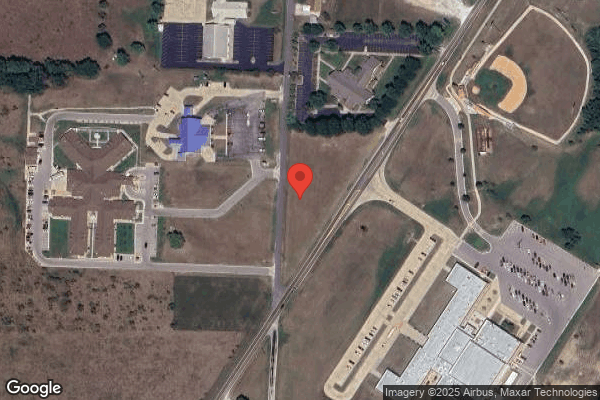
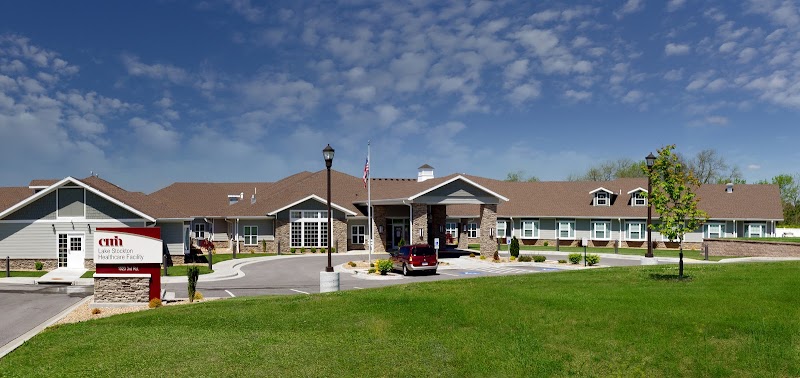
1523 3RD ROAD, STOCKTON, MO 65785 (417) 276-5126
Non profit - Corporation 90 Beds CITIZENS MEMORIAL HEALTH CARE Data: November 2025
Trust Grade
80/100
#27 of 479 in MO
Last Inspection: March 2024

Within standard 12-15 month inspection cycle. Federal law requires annual inspections.

Overview

Lake Stockton Healthcare Facility has a Trust Grade of B+, which means it is recommended and above average in quality. It ranks #27 out of 479 facilities in Missouri, placing it in the top half, and is the best option among the two nursing homes in Cedar County. The facility is improving, with issues decreasing from seven in 2022 to just one in 2024. Staffing is rated 3 out of 5 stars, with a turnover rate of 57%, which is average for Missouri, and there have been no fines recorded, indicating compliance with regulations. However, specific incidents of concern were noted, including a lack of registered nurse coverage on several shifts, unsafe food handling practices, and failure to provide residents with adequate showers and grooming assistance. Overall, while there are strengths such as the high quality ratings and absence of fines, families should be aware of the staffing issues and recent deficiencies.

Trust Score
B+
80/100
In Missouri
#27/479
Top 5%
Safety Record
Low Risk
No red flags
Inspections
Getting Better
7 → 1 violations
Staff Stability
⚠ Watch
57% turnover. Above average. Higher turnover means staff may not know residents' routines.
Penalties
✓ Good
No fines on record. Clean compliance history, better than most Missouri facilities.
Skilled Nurses
○ Average
Each resident gets 31 minutes of Registered Nurse (RN) attention daily — about average for Missouri. RNs are the most trained staff who monitor for health changes.
Violations
⚠ Watch
16 deficiencies on record. Higher than average. Multiple issues found across inspections.
★★★★★
5.0
Overall Rating
★★★☆☆
3.0
Staff Levels
★★☆☆☆
2.0
Care Quality
★★★★★
5.0
Inspection Score
Stable
2022: 7 issues
2024: 1 issues

The Good

  • Full Sprinkler Coverage · Fire safety systems throughout facility
  • No fines on record

Facility shows strength in fire safety.

The Bad

Staff Turnover: 57%

10pts above Missouri avg (46%)

Frequent staff changes - ask about care continuity

Chain: CITIZENS MEMORIAL HEALTH CARE

Part of a multi-facility chain

Ask about local staffing decisions and management

Staff turnover is elevated (57%)

9 points above Missouri average of 48%

The Ugly 16 deficiencies on record

Mar 2024 1 deficiency
CONCERN (D)

Potential for Harm - no one hurt, but risky conditions existed

Deficiency F0582 (Tag F0582)

Could have caused harm · This affected 1 resident

**NOTE- TERMS IN BRACKETS HAVE BEEN EDITED TO PROTECT CONFIDENTIALITY** Based on interview and record review, the facility failed to issue a Skilled Nursing Facility Advanced Beneficiary (SNFABN) Form...

Read full inspector narrative →
**NOTE- TERMS IN BRACKETS HAVE BEEN EDITED TO PROTECT CONFIDENTIALITY** Based on interview and record review, the facility failed to issue a Skilled Nursing Facility Advanced Beneficiary (SNFABN) Form CMS-10055 (2018) notice to one of two residents (Resident (#7) that remained in the facility for long-term care with Medicare A days available in the sample of 20 residents. Review of the instructions titled, Form Instructions Skilled Nursing Facility (SNFs) Advanced Beneficiary Notice of Non-Coverage SNFABN located on the Center for Medicaid and Medicare (CMS) website at cms.gov showed the following: -Medicare requires SNFs to issue the SNFABN to Original Medicare, also called fee-for-service (FFS), beneficiaries prior to providing care that Medicare usually covers, but may not pay for in this instance because the care is not medically reasonable and necessary or considered custodial. 1. Review of Resident #7's Face Sheet, in the electronic medical record (EMR) under the Demographic tab, showed the following: -Resident was admitted to the facility on [DATE]; -Resident was hospitalized in early February 2024 for pneumonia and returned to the facility; -Resident received intravenous (IV) antibiotics and was issued a Notice of Medicare Non-Coverage (NOMNC) on 02/23/24 with the last covered day of 02/26/24 when his/her IV ended. Review of the resident's EMR showed staff did not document the resident was issued a SNFABN in addition to the NOMNC since he/she was remaining in the facility and still had Medicare A days available. During an interview on 03/21/24, at 5:15 P.M., the Social Services Director (SSD) said she was not aware the resident should have received a SNFABN. During an interview on 03/21/24, at 7:03 P.M., the Social Worker (SW) said she had searched the company's policies on the intranet and reached out to two other buildings owned by the same group and was told by both we don't have a policy for NOMNCs and SNFABNs.
Apr 2022 7 deficiencies
CONCERN (D)

Potential for Harm - no one hurt, but risky conditions existed

ADL Care (Tag F0677)

Could have caused harm · This affected 1 resident

**NOTE- TERMS IN BRACKETS HAVE BEEN EDITED TO PROTECT CONFIDENTIALITY** 3. During interviews on 4/28/2022, at 10:12 A.M. and 10:30 A.M., Certified Medication Technician (CMT) B said the following: -Wh...

Read full inspector narrative →
**NOTE- TERMS IN BRACKETS HAVE BEEN EDITED TO PROTECT CONFIDENTIALITY** 3. During interviews on 4/28/2022, at 10:12 A.M. and 10:30 A.M., Certified Medication Technician (CMT) B said the following: -When he/she gave a shower to a resident, he/she washed their back and all parts of the body the resident could not reach like between toes, then after the shower, he/she performed nail care like clipping fingernails and toenails; -Staff document the completed shower tasks (shower, nail care) in the computer. 4. During a group interview with the Director of Nursing (DON), Administrator and the Chief Operations Officer (COO) on 4/29/22, at approximately 2:30 P.M., showed the following was said: -There was a time during Covid that there was some turnover and some issues may have developed but residents are getting showers; -The Administrator and DON believes this is a documentation issue and not a showering issue; -The Administrator and DON feel the agency staff that is used are not documenting how they are supposed to be documenting. Based on observation, interview, and record review, the facility failed to ensure timely and complete nail care was provided two residents (Resident #49 and #75) who required assistance with nail care. The facility had a census of 85. Record review showed the facility did not provide a policy for showers and grooming. 1. Record review of Resident #49's face sheet (a document that gives resident information at a quick glance) showed the resident admitted to the facility on [DATE]. Record review of the resident's quarterly Minimum Data Set (MDS - a federally mandated assessment instrument completed by facility staff), dated 3/7/22, showed the following information: -Intact cognition; -Supervision with setup help only for bed mobility, transfers, and toilet use; -Independent from staff with personal hygiene (included combing hair and brushing teeth); -Physical help limited to transfer only for bathing and no set up help or physical help needed by staff; -Impairment in both upper and lower extremities on both sides. Record review of the resident's care plan, last reviewed 3/22/22, showed the following information: -Resident had poor vision. The activity assistant helped keep the resident's nails looking nice. The resident enjoyed getting his/her hair washed and put up in the beauty shop weekly; -Mostly independent with ADLs (activities of daily living -dressing, grooming, bathing, eating, and toileting) and needed set-up assistance for personal hygiene and used a wheelchair for locomotion. Observation on 4/25/22, at 10:35 A.M., showed the resident in bed with long fingernails, with dark debris underneath several of the fingernails. During an interview on 4/25/22, at 10:35 A.M., the resident said the following: -He/she wanted his/her fingernails and toenails clipped since they were too long; -He/she could barely see to cut his/her own fingernails and toenails. Observation on 4/26/22, at 9:50 A.M., showed the resident in bed with his/her fingernails long with dark debris underneath his/her fingernails. During an interview on 4/26/22, at 9:50 A.M., the resident said staff had not cut his/her fingernails and toenails yet. Observation and interview on 4/27/22, at 12:50 P.M., showed the resident asked Licensed Practical Nurse (LPN) F if someone could cut his/her fingernails. The resident's fingernails were long with dark debris visible underneath several fingernails. LPN F asked if the nurse aides had offered to cut his/her fingernails during a shower and the resident said no they did not offer to cut his/her nails. LPN F said he/she would have one of the nurse's aide soak his/her fingernails and then cut the fingernails. The resident's toenails were long, thick and curled. LPN F said the podiatrist (foot doctor) was to come tomorrow on 4/28/22 and the resident was on the list to see the foot doctor. During an interview on 4/29/22, at 1:00 P.M., the resident said the following: -His/her fingernails needed cut every two weeks; -A lot of times staff were too busy to clean and trim his/her nails; -No documented refusals of showers. 2. Record review of Resident #75's face sheet showed the resident admitted to the facility on [DATE]. Record review of the resident's admission MDS, dated [DATE], showed the following: -Intact cognition; -Required extensive assistance of one staff for bed mobility, toilet use, and personal hygiene; -Required limited assistance of one staff for transfers and walking in the room; -Required physical help of one staff for transfer only for bathing; -Frequently incontinent of urine. Record review of the resident's care plan, dated 4/6/22, showed the following: -Required assistance with ADLs. Observation on 4/29/22, at 1:06 P.M., showed the resident sat in his/her recliner in the room. His/her fingernails were long with yellow debris visible underneath his/her nails. His/her hands trembled slightly. During interview on 4/29/22, at 1:06 P.M., the resident said the following: -He/she had asked staff to cut his/her fingernails since they grow fast; -It was a little hard for him/her to cut his/her fingernails and toenails because his/her hands shook a little; -The Activity Director offered to cut his/her fingernails today, but no one had offered to cut his/her nails before today.
CONCERN (E)

Potential for Harm - no one hurt, but risky conditions existed

Deficiency F0561 (Tag F0561)

Could have caused harm · This affected multiple residents

**NOTE- TERMS IN BRACKETS HAVE BEEN EDITED TO PROTECT CONFIDENTIALITY** Based on observation, interview, and record review, the facility failed to ensure the staff provided showers, baths, or grooming...

Read full inspector narrative →
**NOTE- TERMS IN BRACKETS HAVE BEEN EDITED TO PROTECT CONFIDENTIALITY** Based on observation, interview, and record review, the facility failed to ensure the staff provided showers, baths, or grooming assistance as preferred for three residents (Resident #37, #47, and #74) who were unable to perform their own activities of daily living of showering/bathing or grooming. The facility had a census of 85. Record review showed the facility did not provide a policy for showers and grooming or a copy of a facility shower schedule for residents. 1. Interviews and observations during the Resident Council Meeting on 4/26/2022, at 10:49 A.M., showed the following: -Residents #25, #30, #42, #44, #47, #61, #67, #75, and #81 attended the meeting; -All nine residents in attendance agreed residents were not getting enough showers; -Resident #30 did not speak, but shook his/her head up and down in agreement; -Resident # 61 said he/she tries to get the Jacuzzi because it makes him/her feel better and helps his/her legs feel better, but it just does not happen very often; -Resident #75 said staff has a showering schedule, but he/she is not sure who makes it to the top of the list for showers; -Resident #47 said he/she had concerns about showers. An aide said the residents can only have one shower a week; -Resident #75 said he/she needs more showers because he/she is an incontinent person and needs more than what he/she gets; -Resident #42 said he/she has had to wait quite a bit of time in between showers but has not been counting days; -Resident #42 said he/she knows it does stretch out quite a bit more than what you would expect and knows it sure does make him/her feel better though when he/she gets a shower. 2. Record review of Resident #74's face sheet showed the resident admitted to the facility on [DATE]. Record review of the resident's quarterly Minimum Data Set (MDS - a federally mandated assessment tool completed by facility staff), dated 3/28/2022, showed the following: -Intact cognition; -Required staff supervision for bed mobility, transfers, dressing, toilet use, personal hygiene, and bathing. Record review of the resident's care plan, dated 11/9/2020 and last reviewed 4/27/2022, showed the following: -Supervision for some ADLs (activities of daily living - dressing, grooming, bathing, eating, and toileting, and independent with others); -The resident needed supervision from staff for personal hygiene and toilet use and limited assistance for bathing. (Staff did not care plan the resident's bathing preferences.) Record review of the resident's bathing documentation report, dated 1/1/2022 to 4/29/2022, showed the following: -On 1/9/2022, tub bath with one staff, with limited assistance; -On 1/16/2022, bathing independent with set up help only (seven days since the previous shower/bath); -On 1/1920/22, shower independent with set up help only; -On 1/26/2022, tub bath with extensive assistance with one staff physical assistance (seven days since the previous shower/bath); -On 1/30/2022, tub bath with extensive assistance with one staff physical assistance; -On 2/7/2022, 2/9/2022, and 2/13/2022, staff did document bathing type, location, self-performance and staff support provided; -On 2/16/2022, tub bath with limited assistance of one staff for physical assistance; -On 2/21/2022, shower with limited assistance of one staff (five days since the previous bath/shower); -On 3/4/2022, shower with one person physical assistance (11 days since the previous bath/shower); -On 3/6/2022, shower with limited assistance of one staff; -On 3/10/2022, tub bath with extensive assistance; -On 3/15/2022, tub bath with limited assistance (five days since the previous bath/shower); -On 3/20/2022, shower was independent with setup help only (five days since the previous bath\shower); -On 3/24/2022, shower was with supervision of one staff; -On 3/30/2022, tub bath with limited assistance with one staff (six days since the previous bath/shower); -On 4/6/2022, tub bath with limited assistance with one staff (seven days since the previous bath/shower); -On 4/20/2022, tub bath with limited assistance with one staff (14 days since the previous bath/shower); -On 4/24/2022, tub bath with limited assistance with one staff. Record review of the resident's record showed staff did not document the resident had refused any baths/showers. Observations and interviews on 4/25/2022, at 11:50 A.M., and on 4/27/2022, at 11:21 A.M., showed the following: -The resident said he/she went to the sauna/shower room for his/her showers, but he/she had to work around the staff's schedule since they assisted many residents with their baths and showers; -In the resident's room, a calendar hung on the wall. The resident placed a large X on 3/31/22. He/she wrote 3/31/22 sauna and hair washed and had written on the calendar and said he/she had his/her hair colored on 4/18/22 where they washed his/her hair only. No bath or shower documented on the calendar since 3/31/22; -The resident said he/she didn't remember the last time he/she had a shower or bath. 3. Record review of Resident #37's face sheet (a document that gives a resident's information at a quick glance) showed the following information: -admission date of 4/15/2020; -Diagnoses included: paraplegia (paralysis of the legs and lower body, typically caused by spinal injury), sepsis (life-threatening complication of an infection), pressure ulcer of sacral region (portion of spine between lower back and tailbone) stage 4 (deep wound that reaches the muscles, ligaments, or even bone), neuromuscular dysfunction of bladder (lack of bladder control due to brain, spinal cord or nerve problems), full incontinence of feces (the inability to control bowel movements, causing stool (feces) to leak unexpectedly from the rectum). Record review of the resident's care plan, last reviewed on 4/27/2022, showed staff did care plan the resident's shower/bath needs or preferences. Record review of the resident's quarterly MDS, dated [DATE], showed the following information: -Cognitively intact; -Total dependence on staff for bed mobility, transfers, dressing, personal hygiene, and bathing; -Indwelling catheter; -Always incontinent of bowel. Record review of the resident's medical record, dated 01/05/2022 to 04/24/2022, showed the following dates the resident received a shower: -On 1/5/2022; -On 1/23/2022 (18 days since last shower); -On 2/6/2022 (14 days since last shower); -On 2/16/2022 (10 days since last shower); -On 2/22/2022 (6 days since last shower); -On 3/2/2022 (8 days since last shower): -On 3/6/2022 -On 3/17/2022 (11 days since last shower); -On 3/26/2022 (9 days since last shower); -On 4/1/2022 (5 days since last shower); -On 4/19/2022 (18 days since last shower); -On 4/24/2022 (5 days since last shower). Record review of the resident's record showed staff did not document the resident had refused any baths/showers. During interviews on 4/26/2022, at 9:46 A.M., and on 4/28/2022, at 10:14 A.M., the resident said the following: -He/she usually received one shower per week, but sometimes it was longer than one week; -He/she would prefer more showers each week, but there are too many other residents and not enough staff; -Staff try to ensure he/she received a shower once per week and he/she does not complain unless it gets real bad; -He/she has frequent odors and sweat under his/her breast, arms, and abdominal folds; -Staff try to assist with cleaning those areas when he/she requests; -It would be nice to receive more showers than once per week. 4. Record review of Resident #47's face sheet showed the following information: -admission date of 4/30/2019; -Diagnoses included: hemiplegia (paralysis of one side of the body) affective left non-dominant side, pruritis (severe itching of the skin), cerebral infarction (stroke), urge incontinence (strong, sudden need to urinate that is difficult to delay). Record review of the resident's quarterly MDS, dated [DATE], showed the following information: -Cognitively intact; -Required extensive assistance from staff for bed mobility, transfers, personal hygiene, dressing, and bathing; -Always incontinent of urine; -Occasionally incontinent of bowel. Record review of the resident's care plan, last reviewed on 3/22/2022, showed staff did not care plan regarding the resident's shower/bath preferences. Record review of the resident's medical record, date 01/03/2022 to 04/20/2022, showed the resident received a shower on the following dates: -On 1/3/2022; -On 1/12/2022 (nine days since last shower); -On 1/26/2022 (14 days since last shower); -On 2/6/2022 (11 days since last shower); -On 2/13/2022 (seven days since last shower); -On 2/16/2022; -On 2/21/2022 (five days since last shower); -On 2/26/2022 (five days since last shower); -On 3/4/2022 (six days since last shower); -On 3/15/2022 (eleven days since last shower); -On 3/24/2022 (nine days since last shower); -On 3/31/2022 (seven days since last shower); -On 4/12/2022 (12 days since last shower); -On 4/20/2022 (8 days since last shower). Record review of the resident's record showed staff did not document the resident had refused any baths/showers. During interviews on 4/25/2022, at 10:55 A.M., and 4/28/2022, at 10:37 A.M., the resident said the following: -The facility is sometimes short staffed and he/she had gone eleven days without a shower; -He/she had eczema (condition that makes skin red and itchy), so he/she was okay with receiving a shower once per week, but 11 days was too long and he/she needed a little more bathing than he/she was getting. -He/she generally received a shower every eight to nine, but he/she really would like to not go longer than seven days; -He/she liked to have his/her hair washed during the shower, but sometimes it was not done with the shower and had to be done at the hair salon; -He/she needed peri-care (cleaning of the private areas) every morning because he/she wears an incontinent brief and sometimes this care could be done better; -The resident could not do this on his/her own due to left arm and leg immobility. 5. During an interview on 4/28/2022, at 10:20 A.M., Certified Nurse Aide (CNA) A said the daily shower schedule for the 300/400 hall was outdated; some residents listed were no longer there, and other residents needed to be added to the list. If there is no assigned bath aide for the day, the hall aides would try to give showers, but with only one aide working on each hall, it wasn't really possible to complete all showers. They try to do showers once or twice weekly. On the 300/400 halls, if they give a shower they are supposed to initial the monthly calendar under that resident's name, and they should complete the computer entry showing the type of bathing/tasks done. The aides only fill out the form entitled Skin Monitoring: Comprehensive CNA Shower Review if a problem is noted to the resident's skin during a shower; not with every shower. 6. During an interview on 4/28/22, at 10:40 A.M., CNA G said the following: -Most of the residents used the shower in their rooms; -The staff know when a resident takes a shower because they will ask for towels and washcloths so they know they took a shower; -There was a bath list on the Medication Administration Record (MAR) which Licensed Practical Nurse (LPN) F had printed off this morning; -This list tells when the last bath was done; -They have a daily bath list behind the main list for every day; -They log in to the resident's electronic medical record to the bath/shower assessment and document what they did for the resident; -It is a checklist and they could check off all on the list such as nail care, perineal care, use lotion; -If there was only one nurse aide working, they don't get showers done; -Usually there was one shower aide on each side; -If there was a third nurse aide, they did showers, but usually there was one shower aide on each side; -They try to do showers twice weekly if not more; -If a resident refused a shower, staff asked the resident again, but it depends on the time of day; -If a resident asks for a bath or shower, they give one, but basically go off the list for when the resident had the last one or needed their second bath or shower for the week. 7. During interviews on 4/28/2022, at 10:12 A.M. and 10:30 A.M., Certified Medication Technician (CMT) B said the following: -He/she had not given a bath or shower to any resident today; -Some residents took a shower in their bathrooms and some go to the shower room; -When a resident needs more assistance, they go to the shower room; -There was a schedule for the residents' showers and it was in the computer for each hall. They could print this out for each resident too; -He/she did not know who printed out the shower schedule, but thought the nurse did this for the nurse aides; -Staff document the completed shower tasks (shower, nail care) in the computer; -On the 500/600 halls there was no printed daily shower schedule or monthly calendar to initial; -Those halls go by a morning printout showing the days or times/weekly each resident is scheduled for showers/baths; -That list shows the history of showers/baths given or refused within a designated timeframe. They don't always have a designated shower aide for the 500/600 halls; the hall aides do the showers. 8. During an interview on 4/26/22, at 10:40 A.M., LPN F said the nurse aides give their own showers on the halls. The aides had given several showers this morning. Every resident has showers one to two times per week and sometimes some residents get three to four showers a week. The goal was for a resident to have a shower two to three times a week and at least once weekly. Some residents want a shower every day and they try to accommodate this. There was a shower aide on the 300-400 halls today. There was no shower aide here today for the 500-600 halls. 9. During interview on 4/29/22, at 9:35 A.M., Registered Nurse (RN) C said the following: -There were lots of residents who refused a shower because they thought the shower room was cold or it was during the middle of dinnertime, or when visitors were here; -Staff were supposed to go back and ask the resident again about a shower. 10. During an interview on 4/29/2022, at 11:21 A.M., the DON said if residents' showers were not done, the CNA should pass on that information to the charge nurse and to the next shift. Staff should document if a resident refused a shower/bath. Agency CNAs did not document on the electronic charting system, but nurses did chart electronically. 11. During a group interview with the Director of Nursing (DON), Administrator and the Chief Operations Officer (COO) on 4/29/22, at approximately 2:30 P.M., the following was said: -Showers are being given by staff; -Residents are clean and have no odors; -There was a time during Covid that there was some turnover and some issues may have developed but residents are getting showers; -The Administrator and DON believes this is a documentation issue and not a showering issue; -The Administrator and DON feel the agency staff that is used are not documenting how they are supposed to be documenting; -Another issue is that the residents may want a shower at a certain time and it may not be possible to fill that request; -They said several baths are made-up during the evenings.
CONCERN (E)

Potential for Harm - no one hurt, but risky conditions existed

Respiratory Care (Tag F0695)

Could have caused harm · This affected multiple residents

**NOTE- TERMS IN BRACKETS HAVE BEEN EDITED TO PROTECT CONFIDENTIALITY** Based on observation, interview, and record review, the facility failed to ensure staff cleaned and maintained a continuous posi...

Read full inspector narrative →
**NOTE- TERMS IN BRACKETS HAVE BEEN EDITED TO PROTECT CONFIDENTIALITY** Based on observation, interview, and record review, the facility failed to ensure staff cleaned and maintained a continuous positive airway pressure machine (CPAP - treatment for obstructive sleep apnea (breathing repeatedly stops and starts during sleep), with a hose and mask or nosepiece to deliver constant and steady air pressure) according to professional standards, failed to have a physician's order for a CPAP, and failed to address in the care plan the use of the CPAP for one resident (Resident #37). Staff failed to have a physician's order for the use of supplemental oxygen for three residents (Resident #15, Resident #22, and Resident #49), failed to ensure staff changed oxygen equipment per professional standards for three residents (Residents #15, #22, and #49), and failed to address in the care plan the use of oxygen for one resident (Resident #49), out of a sample of 23 residents. The facility had a census of 85. Record review of the facility's policy titled, Cleaning Personal Reusable Respiratory Equipment, last revised July 2020, showed the following information -Oxygen concentrator (medical device that gives you extra oxygen): clean the cabinet filter weekly or more often as needed; -Wipe the outside of cabinet with disinfectant wipe; -Clean humidifier (a plastic bottle filled with water that adds moisture to the supplemental oxygen) daily; -Soak in Control III solution (powerful, safe, and effective disinfectant for sanitizing CPAP equipment including masks, cushions, tubing, and humidifier chambers without causing them to dry out or crack) for 10 minutes; -Change nasal cannula (device used to deliver supplemental oxygen or increased airflow to a patient or person in need of respiratory help) or mask at two week intervals; -Change oxygen connector tubing every two weeks; -CPAP disposable filters are replaced yearly; -Masks should be cleaned with mild soap and rinsed with water daily; -Tubing should be cleaned with mild soap, rinsed thoroughly, soaked in Control III, rinsed, and air dried weekly; -Unit should be wiped with disinfectant wipe weekly; -Head gear should be hand or machine washed weekly and as needed. 1. Record review of Resident #15's face sheet (a document that gives a resident's information at a quick glance) showed the following information: -admission date 3/12/2020; -Diagnoses included chronic obstructive pulmonary disease (group of lung diseases that block airflow and make it difficult to breathe), chronic respiratory failure with hypoxia (low oxygen levels in the blood), congestive heart failure (heart muscle doesn't pump blood as well as it should), and pneumonia (lung inflammation caused by bacterial or viral infection). Record review of the resident's annual Minimum Data Set (MDS - a federally mandated comprehensive assessment instrument completed by facility staff), dated 1/31/2022, showed the following information: -Cognitively intact; -Oxygen use while a resident. Observation and interview on 4/25/2022, at 10:03 A.M., showed the resident sat in a wheelchair in his/her room. The oxygen tank was turned on to four liters. The oxygen tubing or humidifier did not have a date. The resident said he/she used oxygen every day and night and the staff ensure the oxygen tank on the wheelchair is full for when he/she goes to meals or activities. He/she did not know when the staff changed the oxygen tubing. Record review of the resident's care plan, last reviewed on 4/28/2022, showed the following information: -Resident became short of breath very easily; -Staff should apply 4 liters/minute (lpm) of oxygen per nasal cannula (NC - a medical device to provide supplemental oxygen therapy to people who have lower oxygen levels) to keep oxygen saturation (O2 sats - reading on a pulse oximeter shows the percentage of oxygen in someone's blood) above 90%; -Staff should change oxygen supplies every 15 days. Record review of the resident's current physician order sheet (POS), dated 4/29/2022, showed the following information: -An order, dated 2/5/2019, directed staff to order respiratory supplies as needed; -There was no order for oxygen use or changing of supplies. Observation on 4/29/2022, at 10:28 A.M., showed the oxygen tank in the resident room on at five liters with oxygen tubing laying on the resident bed. The resident was not in the room. The oxygen humidifier was full with water. The tubing and humidifier bottle did not have a date. 2. Record review of Resident #37's face sheet showed the following information: -admission date of 4/15/2020; -Diagnoses included: obstructive sleep apnea (breathing is interrupted during sleep, for longer than 10 seconds at least 5 times per hour (on average) throughout sleep period), paraplegia (paralysis of the legs and lower body, typically caused by spinal injury), sepsis (life-threatening complication of an infection), and allergic rhinitis (allergic response causing itchy, watery eyes, sneezing, and other similar symptoms triggered by breathing tiny particles of allergens). Record review of the resident's quarterly MDS, dated [DATE], showed the following information: -Cognitively intact; -CPAP machine use not marked. Observation on 4/25/2022, at 3:33 P.M., showed the resident in bed. The resident's CPAP machine was on the bedside table, with no water in the humidifier holding tank. There was a brown appearance in the holding tank. The CPAP headgear and face mask hung from a hook on the wall above the bedside table. The headgear was gray cloth and had brown dirt appearance on the interior of the cloth area that touches the cheeks, face, and forehead. Two one gallon containers of distilled water sat on the resident's bedside table, one empty and one 3/4 full. During an interview on 4/26/2022, at 9:59 A.M., the resident said the CPAP machine is cared for by staff and the staff place orders for supplies as needed. He/she is not able to reach the machine or mask due to limitations from paraplegia. Record review of the resident's care plan, last reviewed on 4/27/2022, showed staff did not care plan regarding the use of a CPAP machine or the care of the machine. Record review of the current physician's orders, dated 4/29/2022, showed the following information: -Cephalexin (antibiotic) 250 mg (milligram) three times per day, to be taken from 4/22/2022 to 5/2/2022 due to respiratory infection; -No order for CPAP use, changing, and/or cleaning of supplies. Observation on 4/29/2022, at 10:20 A.M., showed the resident's CPAP humidity tank with no water, with brown coloration in the sides and bottom of the water tank. The headgear with mask had a brown discoloration on the interior of the gray cloth straps. Two distilled water containers, one empty and one 3/4 full sat on the bedside table, with approximately no change in amount from 4/25/2022. 3. Record review of Resident #22's face sheet (a document that gives basic profile information about the resident) showed the following information: -admitted to the facility on [DATE]; -Diagnoses included hypothyroidism (can disrupt heart rate, body temperature, and all aspects of metabolism), dementia, Alzheimer's disease, hearing loss, high blood pressure, irregular heart rhythm, heart failure, pulmonary fibrosis (damaged lung tissue; causes shortness of breath), history of pneumonia and pleural effusion (lung disorders), respiratory failure, atelectasis (collapsed lung), and dependence on supplemental oxygen. Record review of the resident's admission MDS, dated [DATE], showed the following information: -Used oxygen while not a resident; -Used oxygen while a resident. Observation on 4/25/2022, at 12:07 P.M., showed the resident sat at a dining room table eating lunch, with his/her rolling walker next to his/her chair. A portable oxygen tank rested in a holder attached to the walker with a flow rate of 3 lpm. The resident had a nasal cannula in place (tubing positioned to allow air flow into the nose), and the tubing had a label attached, dated 3/12/2022. Observation on 4/26/2022, at 12:12 P.M., showed the resident sat at a dining room table. The resident used oxygen via a nasal cannula running from a portable tank attached to his/her rolling walker. The tubing was labeled 3/12/2022. Observation on 4/26/2022, at 12:17 P.M., showed an oxygen concentrator in the resident's room. The nasal cannula tubing was attached to a bubbler (provides moisture for the supplemental oxygen), coiled on top of the concentrator, labeled with the date 3/12/2022. Record review of the resident's care plan, as of 4/27/2022, showed the following information: -Oxygen orders of oxygen at 3 lpm; -Change tubing every 30 days. During observation and interview on 4/27/2022, at 11:30 A.M., the resident sat in a chair outside the door to his/her room. The resident utilized oxygen via nasal cannula running from a portable tank attached to his/her rolling walker; the tank indicated a flow rate of 3 lpm. The nasal cannula tubing was labeled with the date of 3/12/2022. The resident said he/she used oxygen continuously; either by portable tank or the concentrator in his/her room. The resident said he/she had not seen staff change the nasal cannula tubing and did not know when or how often it might be changed. Record review on 4/27/2022, at 3:25 P.M. of the resident's current physician orders showed no orders for the use of supplemental oxygen or for changing the tubing. During an interview on 4/27/2022, at 3:25 P.M., Quality Service Improvement Registered Nurse (QSI RN) said there was no physician order for use of supplemental oxygen or for changing the tubing. 4. Record review of Resident 49's face sheet showed the resident admitted to the facility on [DATE]. Record review of the resident's quarterly MDS, dated [DATE], showed the following: -Diagnoses included anemia (a lack of red blood cells that leads to reduced oxygen flow to the body's organs), coronary artery disease (involves the reduction of blood flow to the heart muscle due to a buildup of plaques (deposits of fatty substances, cholesterol, cellular waste products, and calcium) in the arteries of the heart), chronic obstructive pulmonary disease (lung disease that blocks air flow and makes it difficult to breathe), congestive heart failure (chronic condition in which the heart doesn't pump blood as well as it should), and hypertension (high blood pressure in which the force of the blood against the artery walls is too high); -The resident did not have shortness of breath and did not use oxygen. Record review of the resident's care plan, last reviewed 3/23/22, showed staff did not care plan the resident's oxygen use. Observation on 4/25/22, at 10:35 A.M., showed the resident in bed with oxygen administered at 1 lpm via nasal cannula (NC). The humidity water bottle on the oxygen concentrator showed a date of 3/12/22, and the oxygen tubing did not have a date documented. Record review of the resident's physician order sheet (POS), as of 4/25/2022, showed no order for oxygen or changing of the oxygen tubing. Record review of the resident's nurse's note dated 4/26/22, at 7:24 A.M., showed a nurse documented the physician wrote an order for oxygen, two to three liters/minute via nasal cannula as needed to keep the resident's blood oxygen saturation levels (oxygen saturation which is a measure of oxygen in the blood) 90% and above. Observation and interview on 4/26/22, at 9:50 A.M., showed the following: -The resident in bed without his/her nasal cannula in his/her nose. The oxygen concentrator was set at 2 1/2 lpm; -The oxygen concentrator did not have an humidifier (a plastic bottle filled with water that adds moisture to the supplemental oxygen); -The resident's oxygen tubing stretched over to rest inside an open bedside table drawer. It did not have a date documented on it; -The resident said he/she went to the bathroom and forgot to put his/her oxygen back on. He/she placed the nasal cannula in his/her nose and the tubing around his/her ears. During interviews on 4/26/22, at 10:40 A.M., and on 4/28/22, at 11:04 A.M., Licensed Practical Nurse (LPN) F said the following: -The resident had been on oxygen at one to two lpm of oxygen as needed. The LPN thought the night nurse increased the resident's oxygen over the weekend for shortness of breath; -LPN F could not find an order for the initial one to two liters of oxygen and the physician sent over an order 4/26/2022, to increase the resident's oxygen to two to three liters per nasal cannula as needed; -He/she thought the weekend night shift charge nurse sent a message to the physician, but could not enter the physician's order in the computer for the resident's increased oxygen and had asked LPN F to put in the oxygen order (for the increase of two to three liters of oxygen) for the resident; -The resident's water bottle for the oxygen concentrator should have been replaced with a new bottle of water. Observation on 4/27/22, at 12:50 P.M., showed the resident in bed wearing his/her nasal cannula. The oxygen concentrator administered oxygen at 2 and 1/2 lpm. LPN F spoke with the resident in the room, did not address the lack of a humidifier on the resident's concentrator, and left the room. Observation on 4/28/22, at 10:23 A.M., showed the resident in bed without his/her nasal cannula. The oxygen concentrator, set to deliver two liters of oxygen, did not have a humidifier attached. The undated oxygen tubing lay in the resident's open drawer. The resident said he/she forgot to put the oxygen back on after going to the bathroom just a few minutes ago. He/she put the oxygen with nasal cannula back on to use. Observation and interview on 4/28/22, at 10:53 A.M., showed the following: -Certified Medication Technician (CMT) B said the resident's oxygen concentrator needed a humidifier. He/she did not know when staff removed the previous humidifier; -CMT B checked the storage room on the hall and found no humidifiers on the shelf. He/she checked the central supply room on another hall which also did not have any humidifiers. He/she checked central supply room office next to the special care unit and found a humidifier and placed it on the resident's concentrator. 5. During an interview on 4/28/22, at 10:53 A.M., CMT B said the following: -The night staff changed the oxygen tubing every one to two weeks; -Staff should attach a piece of tape with the date when they replaced the tubing; -Staff did not date the humidifier, but should check the oxygen concentrator and humidifier when they entered a resident's room. 6. During an interview on 4/28/2022, at 10:03 A.M., CMT E said staff changed oxygen tubing on night shift. He/she said this information should be on the work list in the computer. 7. During interview on 4/28/22, at 10:58 A.M., Central Supply Staff K said the following: -Residents who received oxygen should have a physician's order for oxygen; -The night shift staff changed and dated the oxygen tubing on Tuesdays, but any staff could change the tubing; -Staff should date the humidifier bottle when they changed it; -Nurses should ensure staff changed and dated residents' oxygen tubing, and replaced and dated the oxygen concentrators humidifier bottles. 8. During interview on 4/28/22, at 11:04 A.M., LPN F said the following: -If the physician ordered oxygen for a resident, staff obtained an oxygen concentrator then attached and dated the new tubing and humidifier; -The night shift changed the oxygen tubing on Tuesday nights. 9. During an interview on 4/28/2022, at 6:54 P.M., LPN D said staff would complete care for CPAP and oxygen machine if there was a scheduled order. The order should be written for soaking/cleaning of CPAP or oxygen. He/she often added distilled water to the CPAP holding tank. 10. During an interview on 4/29/2022, at 10:05 A.M., Registered Nurse (RN) C said CPAP tubing and masks should be cleansed once per week during the day shift. The CPAP masks should be changed on the night shift. There was no place to document that this work had been completed. The night shift chore sheet included the oxygen tubing and water bottles for oxygen should be changed on the 1st and 15th of each month. The only way the day shift knew if this task was completed is if the label had a date on the tubing. 11. During an interview on 4/29/2022, at 4:06 P.M., the Director of Nursing (DON) said staff should be changing oxygen tubing and cleaning filters every Tuesday; it is called tubing Tuesday. She expects them to date the tubing. The oxygen humidifier tank should be dated when opened and changed when empty. The oxygen and CPAP should have an order. 12. During an interview on 4/29/2022, at 4:06 P.M., the administrator said staff should be changing oxygen tubing on Tuesdays every two weeks; he/she expects them to date the tubing.
CONCERN (E)

Potential for Harm - no one hurt, but risky conditions existed

Infection Control (Tag F0880)

Could have caused harm · This affected multiple residents

**NOTE- TERMS IN BRACKETS HAVE BEEN EDITED TO PROTECT CONFIDENTIALITY** Record review of the facility's TB policy titled, Employee Health, last revised April 2022, showed the following information: -T...

Read full inspector narrative →
**NOTE- TERMS IN BRACKETS HAVE BEEN EDITED TO PROTECT CONFIDENTIALITY** Record review of the facility's TB policy titled, Employee Health, last revised April 2022, showed the following information: -Two-step Tuberculin skin test (TST) will be read 48 to 72 hours after injection; -Health and Communicable Disease Screening form will be reviewed by a designated registered nurse (RN) for signs and symptoms of potential communicable disease before resident contact. (The policy did not address how soon to complete the second step of the initial TB screening test.) 1. Record review of Laundry Aide N's personnel record showed the following information: -Hire/start date of 10/5/2020; -Staff administered the first step TB test on 10/2/2020; -Staff read the results of the first step on 10/5/2020; -Staff did not document administering a second step TB test. 2. Record review of Certified Nurse Aide (CNA) O's personnel record showed the following information: -Hire/start date of 8/2/2021; -Staff did not document administration date of the TB test first step; -Staff documented staff read the first step TB test on 8/2/2021; -Staff documented a second step TB test completed on 9/15/2021 (six weeks after the first step was read); -Staff read the second step on 9/17/2021. 3. Record review of Dietary Aide P's personnel record showed the following information: -Hire/start date of 12/20/2021; -Staff did not document the date of the first step TB test administered; -Staff documented staff read the first step TB test on 12/20/2021; -Staff did not document a second step administered or read. 4. Record review of Floor Technician Q's personnel record showed the following information: -Hire/start date of 1/31/22; -Staff administered the first step TB test on 1/28/2022; -Staff read the results of the first step TB test on 1/31/2022; -Staff documented a second step TB test completed on 4/5/2022 (over two months after the first step was administered and read); -Staff did not document a second step TB test being read. 5. During an interview on 4/29/2022, at 9:47 A.M., Registered Nurse (RN) D said the following: -He/she will give TB shots sometimes on the weekends; -When he/she does give a TB shot on a weekend, he/she will place all the coordinating paperwork under the Assistant Director of Nursing's (ADON) door. 6. During interviews on 4/27/2022, at 2:30 P.M., and on 4/28/22, at approximately 10:55 A.M., the Quality Service Improvement Registered Nurse (QSI RN) said the following: -Agency staff used to complete some of the TB tests, but he/she is now looking into this, because they did not always get them entered into the computer. 7. During interview on 4/29/22, at 3:16 P.M., the Administrator said the following: -The DON took over TB testing and screening recently. 8. During a group interview with the DON, Administrator, and the Chief Operations Officer (COO) on 4/29/22, at approximately 2:30 P.M., the following was said: -The facility has had some turnover and it caused a some TB test documentation to be lost in the meantime; -The Administrator said he feels like the testing is being done correctly, but that it is not being documented as it should be, to show it is being completed; -The Administrator and DON said the process is to have the first step completed at the facility on a Friday; -The new hire will then go to the main office in [NAME], the following Monday to have the TB skin test read; -The new hire may then start the position on Tuesday; -The second step is given at the facility and read three days later at the facility; -The DON said keeping track of them had become overwhelming so they have thought of new ways to keep track of staff TB's. Based on record review and interview, the facility failed to establish and maintain an infection prevention and control program designed to help prevent the development and transmission of communicable diseases and infections when the facility failed to ensure employee tuberculosis (TB - a potentially serious infectious bacterial disease that mainly affects the lungs) screening tests were completed and documented per standards of practice and facility policy for four staff members. The facility census was 85. Record review of the Centers for Disease Control and Prevention website, updated 3/8/2021, showed the following information: -The TB skin test is performed by injecting a small amount of fluid (called tuberculin) into the skin on the lower part of the arm; -A person given the tuberculin skin test must return within 48 to 72 hours to have a trained health care worker look for a reaction on the arm; -Results should be documented in millimeters (mm); -A second skin test should be administered one to three weeks later; -The test should be read 48 to 72 hours after administration; -The results should be documented in mm.
CONCERN (F)

Potential for Harm - no one hurt, but risky conditions existed

Deficiency F0727 (Tag F0727)

Could have caused harm · This affected most or all residents

Based on interview and record review, the facility failed to have a registered nurse (RN) work for eight consecutive hours seven days per week and failed to ensure the Director of Nursing (DON) did no...

Read full inspector narrative →
Based on interview and record review, the facility failed to have a registered nurse (RN) work for eight consecutive hours seven days per week and failed to ensure the Director of Nursing (DON) did not serve as charge nurse with a census of greater than 60. The facility census was 85. Record review showed the facility did not provide a policy regarding RN staffing. 1. Record review of the facility provided nurse schedules, dated 01/01/2022 through 01/31/2022, showed no RN coverage on any shift for the following dates: -1/4/2022; -1/8/2022; -1/9/2022; -1/10/2022; -1/13/2022; -1/14/2022; -1/18/2022; -1/19/2022; -1/22/2022; -1/26/2022. Record review of the facility provided nurse schedules, dated 02/01/2022 through 02/28/2022, showed no RN coverage on any shift for the following dates: -2/2/2022; -2/11/2022; -2/19/2022; -2/20/2022; -2/23/2022; -2/25/2022. Record review of the facility provided nurse schedules, dated 03/01/2022 through 03/31/2022, showed no RN coverage on any shift for the following dates: -3/1/2022; -3/2/2022; -3/5/2022; -3/6/2022; -3/11/2022. Record review of the facility provided nurse schedules, dated 04/01/2022 through 04/29/2022, showed no RN coverage on any shift for the following dates: -4/8/2022; -4/11/2022; -4/12/2022. During an interview on 4/29/2022, at 1:48 P.M., the DON said the regulation requires a RN to be on shift for eight hours per day. She said that she tries to ensure there is a RN on every day. She has had to work as charge nurse at times to ensure nurse coverage on the floor, but did not specify which dates. The facility resident census had been in the 80's to low 90's since January 2022. During an interview on 4/29/2022, at 1:59 P.M., the administrator said facility staffing had been a challenge and the facility is utilizing contract and agency staff to assist. The DON was responsible to schedule the nursing staff.
CONCERN (F)

Potential for Harm - no one hurt, but risky conditions existed

Food Safety (Tag F0812)

Could have caused harm · This affected most or all residents

Based on observation, interview, and record review, the facility failed to keep food safe from potential contamination when staff stacked dishes while still wet and stored dented cans with other cans ...

Read full inspector narrative →
Based on observation, interview, and record review, the facility failed to keep food safe from potential contamination when staff stacked dishes while still wet and stored dented cans with other cans to be used by staff for food preparation. The facility census was 85. 1. Record review of the facility policies showed the facility did not provide a policy regarding air-drying dishes and/or utensils. Record review of the 2017 Food Code, issued by the Food and Drug Administration, showed the following information: -After cleaning and sanitizing, equipment and utensils shall be air-dried or used after adequate draining before contact with food; - Items must be allowed to drain and to air-dry before being stacked or stored. Stacking wet items such as pans prevents them from drying and may allow an environment where microorganisms can begin to grow. Observation of the kitchen on 4/25/2022, beginning 9:14 A.M., showed the following: -A large measuring cup sat upside down, on a metal shelf, with visible moisture seen inside the cup; -Five trays sat on a metal cart that held 90 juice glasses, in an upside down position. Several were stacked on top of one another while wet (trapping water between the glasses); -Twelve plates stacked, still wet; (trapping water between the plates); -Fifteen bowls stacked, still wet. (trapping water between the bowls). Observation of the kitchen on 4/27/2022, at 11:12 A.M., showed the following: - A large fan blew on a metal shelf that held dishes to dry; -Twenty-eight juice glasses, stacked upside down with water inside (air unable to get inside the glasses to dry). During an interview on 4/27/22, at 11:22 P.M., Dietary [NAME] H, said the following: -He/she knew staff could not stack dishes if they still have any water inside them; -He/she did not know if this applied to everything, but knows glasses/cups cannot be left like that. During an interview on 4/27/22, at 11:35 P.M., Service Leader I said the following: -He/she did not realize the glasses could stacked; -He/she did notice that there was still water inside some of the glasses. During an interview on 4/27/22, at 11:47 P.M., Dietary Middle J said the following: -He/she did not know the glasses could not sit the way they were and understood it is to prevent bacterial growth. During an interview on 4/27/2022, at 11:57 P.M., the Dietary Manager, said the following: -He/she did not know that dishes could not be set up where they are stacked, before they are completely dried. 2. Record review of the (undated) facility policy titled, A Guide to Evaluating Dented Cans, from the Department of Health and Environment, showed dented cans can cause serious illness if the food inside is eaten. Record review of the 2017 Food Code, issued by the Food and Drug Administration, showed the following information: - Food packages should be in good condition and protect the integrity of the contents so the food is not exposed to potential contamination; - Food held for credit, such as damaged products, should be segregated and held in an area separate from other food storage. - Food packages that are damaged, spoiled or otherwise unfit for sale or use in a food establishment may become mistaken for safe and wholesome products and/or cause contamination of other foods and should be kept in separate and segregated areas; - Damaged packaging may allow the entry of bacteria or other contaminants into the contained food. Observation of the kitchen on 4/25/22, beginning 9:14 A.M., showed the following in the dry food storage area; - One, 6 pound (lb),12 ounces (oz) dented can of chili with beans; - One, 7- lb., 3 oz dented can of baked beans; - One, 3 lb., 2 oz dented can of cream of chicken soup; - One, 7 lb. dented can of lemon pudding; - One, 7 lb. dented can of apple pie filling. During an interview on 4/27/22, at 11:22 P.M., Dietary [NAME] H said the following: -He/she knows they are not to use any dented cans and they try to pull out any that are found and put them to the side so they are known as not to use; -He/she did not realize there were any dented cans on the shelf with the other cans. During an interview on 4/27/22, at 11:35 P.M., Service Leader I, said the following: -He/she did not know of any dented cans; -He/she did not know for sure if the cans could be used or not. During an interview on 4/27/22, at 11:47 P.M., Dietary Middle J said the following: -He/she had not ever been told about the dented cans. During an interview on 4/27/22, at 11:57 P.M., the Dietary Manager said the following: -He/she is aware of the fact that dented canned goods cannot be mixed with other cans and are not to be used; -He/she is not sure how the cans were mixed up together. During a group interview with the DON, Administrator and the Chief Operations Officer (COO) on 4/29/22, at approximately 2:30 P.M., the following was said: -They all said the Dietary Manager knows not to keep dented cans and feels this was probably an oversight from another staff putting the cans there.
MINOR (C)

Minor Issue - procedural, no safety impact

Staffing Information (Tag F0732)

Minor procedural issue · This affected most or all residents

Based on observation and interview, the facility failed to post daily nurse staffing information in a clear and readable format in a prominent place readily accessible to residents and visitors. The f...

Read full inspector narrative →
Based on observation and interview, the facility failed to post daily nurse staffing information in a clear and readable format in a prominent place readily accessible to residents and visitors. The facility census was 85. Record review showed the facility did not provide a policy regarding posting of staffing information. 1. Observation on 4/25/2022, at 10:59 A.M., showed the nurse staffing information not posted at the 100/200, 300/400, or 500/600 nurses' stations, or any other common areas. Observation on 4/26/2022, at 12:07 P.M., showed the nurse staffing information not posted at the 100/200, 300/400, or 500/600 nurses' stations, or any other common areas. Observation on 4/27/2022, at 11:06 A.M., showed the nurse staffing information not posted at the 100/200, 300/400, or 500/600 nurses' stations, or any other common areas. Observation on 4/29/2022, at 1:39 P.M., showed the nurse staffing information not posted at the 100/200, 300/400, or 500/600 nurses' stations, or any other common areas. During observation and interview on 4/29/2022, at 2:00 P.M., Registered Nurse (RN) C, Certified Nursing Assistant (CNA) G, and Certified Medication Technician (CMT) E were at the 300/400 nurses' station. CMT E said the night shift used to print out the nursing hours and he/she had not seen it for a while. The staff looked through the desk drawers and could not locate the information. During interviews on 4/29/2022, at 1:53 P.M. and 3:03 P.M., the Business Office Manager said the nurse schedule was posted by the time clock. He/she said the daily staffing hours used to be posted at the front office on the window. He/she verified there is a daily nursing schedule at each nurses' station that has the personnel scheduled to work for the entire day. This schedule is not visible to residents or visitors and it does not have the hours; but, it shows the shift times that staff are scheduled to work. During an interview on 4/29/2022, at 1:48 P.M., the Director of Nursing (DON) said she did not have any nurse staffing information posted. The daily staff schedule was at each nurses' desk; but, it was not posted for residents or visitors to view. During an interview on 4/29/2022, at 1:58 P.M., the administrator said the nurse staffing posting had been located at the East nurses' station, but possibly was taken down.
Jun 2019 8 deficiencies
CONCERN (D)

Potential for Harm - no one hurt, but risky conditions existed

Deficiency F0583 (Tag F0583)

Could have caused harm · This affected 1 resident

**NOTE- TERMS IN BRACKETS HAVE BEEN EDITED TO PROTECT CONFIDENTIALITY** Based on observation, interview, and record review, the facility failed to ensure the privacy while toileting for two residents ...

Read full inspector narrative →
**NOTE- TERMS IN BRACKETS HAVE BEEN EDITED TO PROTECT CONFIDENTIALITY** Based on observation, interview, and record review, the facility failed to ensure the privacy while toileting for two residents (Residents #5 and #18). A sample of 23 residents was selected for review. The facility census was 72. 1. Record review of Resident #5's quarterly Minimum Data Set (MDS), a federally mandated comprehensive assessment instrument completed by facility staff, dated 3/8/19, showed the following information: -admitted to the facility on [DATE]; -Severely cognitively impaired; -Diagnoses included dementia, high blood pressure, depression, and schizophrenia (mental disorder in which people interpret reality abnormally); -Required supervision with setup only for eating. Observation on 6/6/19, at 11:05 A.M., showed the following: -Certified Nurse Aide (CNA) E toileted the resident; -CNA E left the bathroom and entered the main dining area of the special care unit; -CNA E left the bathroom door and the room door open to the main dining area; -The resident's room was located beside the dining area; -The resident was visible from the outer doorway of the room; -Other residents walked by the resident's doorway as they entered the dining room and sat down at dining room tables for lunch. During an interview on 6/6/19, beginning at 11:05 A.M., CNA E said the following: -The resident needed to use the bathroom, so he/she assisted the resident to the toilet; -The CNA left the bathroom and room door open so that he/she would be able to check on the resident and still watch the other residents in the main dining /area; -If the door is closed, then he/she cannot ensure the safety or hear the resident when he/she is finished. 2. Record review of Resident #18's face sheet showed the following information: -admitted to the facility on [DATE]; -Diagnoses included dementia and anxiety; -Moderately impaired cognition, required cues and monitoring for decision making; -Required assistance from one staff for toileting, bathing, and dressing. Record review of the resident's care plan, last updated 3/5/19, showed the resident had a problem with anxiety regarding going to the bathroom. Staff should consider limited to extensive assist with toileting. Observation on 6/5/19, at 11:45 A.M., showed CNA H wheeled the resident in his/her wheelchair into the resident's bathroom. CNA H did not close the bedroom door or the bathroom door. The resident transferred him/her self from the wheelchair to the toilet, performed personal hygiene, and sat back down in the wheelchair. 3. During an interview on 6/6/19, at 1:57 P.M., CNA E said the bathroom or room door should be closed to ensure the resident's privacy. 4. During an interview on 6/7/19, at 11:26 A.M., CNA C said: -When performing personal cares or toileting a resident, the staff should pull the curtain, close the bathroom door, or close the room door; -The bathroom door should never be left open when the resident is using the toilet. 5. During an interview on 6/7/19, at 12:05 P.M., CNA B said: -Bathroom doors, resident room doors, or the privacy curtain should always be pulled when performing personal cares or toileting a resident; -Facility staff should always ensure resident privacy. 6. During an interview on 6/7/19, at 11:25 A.M., Licensed Practical Nurse (LPN) A said: -Always close the door or pull the curtain prior to performing resident cares or toileting; -If there is a visitor in the room, ask them to step out before beginning care; -Never leave the hallway or bathroom doors open. 7. During an interview on 6/7/19, at 11:51 A.M., LPN F said: -Knock on the door before entering; -Shut the door, make sure blinds are closed, and pull the curtain to ensure resident privacy. 8. During an interview on 6/7/19, beginning at 2:19 P.M., the Director of Nursing (DON) said: -Facility staff are expected to pull the curtain or shut the door to ensure resident privacy; -When toileting a resident, the bathroom door should be closed to ensure privacy; -The bathroom door and hallway door should never be left open during personal care.
CONCERN (D)

Potential for Harm - no one hurt, but risky conditions existed

Incontinence Care (Tag F0690)

Could have caused harm · This affected 1 resident

**NOTE- TERMS IN BRACKETS HAVE BEEN EDITED TO PROTECT CONFIDENTIALITY** Based on observation, interview, and record review, the facility staff failed to ensure staff obtained complete physician orders...

Read full inspector narrative →
**NOTE- TERMS IN BRACKETS HAVE BEEN EDITED TO PROTECT CONFIDENTIALITY** Based on observation, interview, and record review, the facility staff failed to ensure staff obtained complete physician orders for a Foley (indwelling urinary catheter - a sterile tube inserted into the bladder to drain urine) and it's care for two residents (Resident #36 and #271). Staff failed to maintain acceptable standards of practice to prevent potential urinary tract infections for one resident (Resident #47) when the spigot/tubing used to release and drain the urine from the collection bag rested and dragged on the floor. A sample of 23 residents was selected for review. The facility census was 72. 1. Record review of the facility's policy titled, Physician Orders, dated March 2015, showed the following information: -Each resident must be under the care of a licensed physician authorized to practice medicine in this state and must be seen by the physician at least every sixty days; -Physician's orders must be signed by the physician and dated when such order was signed; -Current lists of orders must be maintained in the clinical record of each resident to avoid confusion and errors; -Orders must be written and maintained in chronological order; -Physicians orders must be reviewed and renewed; -Content of orders for Foley (urinary) catheter include: if as needed, specify why it is needed; irrigation - specific type, amount, frequency, and reason; specify the size and the frequency of the change; catheter care specifies what is to be used or according to facility procedure. 2. Record review of Resident #271's face sheet (basic information sheet), showed the following information: -admitted to the facility on [DATE]; -Diagnoses included obstructive uropathy (structural or functional hindrance to normal urine flow) and urinary tract infection. Record review of the resident's urinary catheter assessment dated [DATE], at 4:13 P.M., showed urinary catheter present on admission. Record review of the resident's nurse's note dated 5/15/19, at 4:32 P.M., showed the resident had a urinary catheter. Record review of the resident's initial care plan dated 5/15/19, at 5:35 P.M., showed the resident had an indwelling catheter. Record review of the resident's admission May 2019 physician order sheet (POS) showed staff did not obtain orders regarding the Foley (urinary) catheter or catheter care. Record review of the resident's care plan, last revised on 5/24/19, showed the following information: -Indwelling Foley catheter; -Monitor for signs and symptoms of infection. Record review of the resident's June 2019 POS showed staff did not obtain orders regarding the Foley catheter or for catheter care. 3. Record review of Resident #36's face sheet showed the following information: -admitted to the facility on [DATE]; -Diagnoses included paraplegia (unable to control motor function in the lower extremities), anxiety, and depression. Record review of the resident's care plan, dated 3/5/19, showed the following information: -Assess indwelling catheter; -Provide urinary catheter care, notify charge nurse of strong, foul odor; leaking; decreased output; abnormal urine color for this resident; and resident complaint of pain with catheter. Record review of the resident's quarterly Minimum Data Set (MDS), dated [DATE], showed the resident had an indwelling catheter. Observation on 6/3/19, at 12:16 P.M., showed the resident sat in a wheelchair in the dining room. An indwelling Foley catheter bag hung on the back of the chair. Observation on 6/4/19, at 11:08 A.M., showed the resident rested in bed, with a catheter bag hung on the outer bed rail. Registered Nurse (RN) G noted the resident's catheter had come out and prepared to place a new catheter. RN G said they used a size 20 french (fr) and filled the balloon with only 5 cubic centimeters (cc) of water to secure it in the bladder. RN G proceeded to place the indwelling catheter for the resident. Record review on 6/5/19, at 11:12 A.M., of the resident's POS showed staff did not obtain orders related to an indwelling catheter or catheter care. 4. During an interview on 6/7/19, at 11:51 A.M., Licensed Practical Nurse (LPN) F said Foley catheters require a physician order. 5. During an interview on 6/7/19, at 2:19 P.M., the Director of Nursing (DON) said: -Foley catheters require a physician's order; -If a resident has an indwelling catheter on admission, an order should be carried over onto the POS from the hospital discharge orders; -He/she could not find catheter orders for Resident #36 or Resident #271. 6. Record review of Resident #47's face sheet showed the following information: -re-admitted to the facility from the hospital on 4/23/19; -Diagnoses included pneumonia, and septicemia (blood infection). Observation on 6/3/19, at 11:55 A.M., showed the resident sat in a wheelchair at the dining room table. His/her catheter collection bag hung underneath the chair, resting on the drainage spigot tubing. Observation on 6/5/19, at 11:45 A.M., showed staff wheeled the resident's wheelchair into the dining room. The resident's catheter collection bag hung underneath the chair; the drainage spigot tubing drug on the floor as the chair moved. 7. During an interview on 6/7/19, at 11:26 A.M., Certified Nursing Assistant (CNA) C said: -Catheter drainage bags should be hung below the bladder on the side of the bed or under the wheelchair; -The catheter drainage bag and tubing should stay off of the floor. 8. During an interview on 6/7/19, at 12:05 P.M., CNA B said: -Catheter drainage bags should be hung below the bladder underneath the wheelchair; -The catheter drainage bag and tubing should never be on the floor.
CONCERN (E)

Potential for Harm - no one hurt, but risky conditions existed

Resident Rights (Tag F0550)

Could have caused harm · This affected multiple residents

**NOTE- TERMS IN BRACKETS HAVE BEEN EDITED TO PROTECT CONFIDENTIALITY** Based on observation, interview, and record review, the facility failed to ensure staff treated residents with respect and digni...

Read full inspector narrative →
**NOTE- TERMS IN BRACKETS HAVE BEEN EDITED TO PROTECT CONFIDENTIALITY** Based on observation, interview, and record review, the facility failed to ensure staff treated residents with respect and dignity when staff used derogatory names for residents in front of three residents (Resident #5, #31, and #48) and did not provide dignity bags for catheter (a sterile tube inserted into the bladder to drain urine) drainage bags for three residents (Resident #36, #47, and #271). A sample of 23 residents was selected for review. The facility census was 72. 1. Record review of Resident #5's quarterly Minimum Data Set (MDS), a federally mandated assessment instrument completed by facility staff, dated 3/8/19, showed the following information: -admitted to the facility on [DATE]; -Severely cognitively impaired; -Diagnoses included dementia, high blood pressure, depression, and schizophrenia (mental disorder in which people interpret reality abnormally); -Required supervision with setup only for eating. Observation on 6/3/19, at 12:17 P.M., showed the following: -Certified Nursing Assistant (CNA) B assisted the resident to eat; -CNA B did not interact with the resident. Observation and interview on 6/3/19, at 12:22 P.M., CNA B said: -After he/she finished with the resident, he/she would assist the other feeders; -He/she took one resident after the other until all of the feeders are fed; -The comments were where the resident could hear. 2. Record review of Resident #31's quarterly MDS, dated [DATE], showed the following information: -Original admission date of 1/31/18; -Moderately cognitively impaired; -Diagnoses included Alzheimer's disease, depression, psychotic disorder, and schizophrenia; -Required supervision with setup only for eating. Record review of the resident's admission MDS, dated [DATE], showed the following information: -Original admission date of 4/25/19; -Moderately cognitively impaired; -Diagnoses included Alzheimer's disease, dementia, thyroid disorder, and anxiety; -Required supervision and setup only with eating. Observation and interview on 6/5/19, beginning at 12:04 P.M., showed the following: -Resident #31 and #48 sat at the table together next to the hot food cart; -CNA C and CNA D stood beside the hot food cart; -CNA C said to CNA D only the feeders trays are left. 3. During an interview on 6/7/19, at 11:26 A.M., CNA C said: -The residents should never be called feeders; -The resident should be treated with dignity and respect and addressed by their names. 4. During an interview on 6/7/19, at 12:05 P.M., CNA B said: -Residents should be treated with dignity and respect; -Residents should never be called derogatory names such as feeders or honey, always use their first names or their preferred names; -He/she should not have used the term feeder. 5. During an interview on 6/7/19, at 2:19 P.M., the Director of Nursing (DON) said: -Facility staff should treat all residents with dignity and respect; -Facility staff should never use derogatory names in front of or towards a resident; -Facility staff should never call residents feeders. 6. Record review of Resident #271's face sheet (basic information sheet), showed the following information: -admitted to the facility on [DATE]; -Diagnoses included obstructive uropathy (structural or functional hindrance to normal urine flow) and urinary tract infection. Record review of the resident's urinary catheter assessment dated [DATE], at 4:13 P.M., showed the urinary catheter present on admission. Record review of the resident's initial care plan dated 5/15/19, at 5:35 P.M., showed the resident had an indwelling catheter. Observation on 6/3/19, at 2:02 P.M., showed the following: -Catheter drainage bag hung underneath the wheelchair; -Catheter drainage bag did not have a dignity bag covering it and urine was visible. Observation on 6/4/19, at 2:44 P.M., showed the following: -Catheter drainage bag hung underneath the wheelchair; -Catheter drainage bag did not have a dignity bag covering it and urine was visible. Observation on 6/5/19, at 9:01 A.M., showed the following: -Catheter drainage bag hung underneath the wheelchair; -Catheter drainage bag did not have a dignity bag covering it and urine was visible. Observation on 6/6/19, at 10:58 A.M., showed the following: -Catheter drainage bag hung underneath the wheelchair; -Catheter drainage bag did not have a dignity bag covering it and urine was visible. Observation on 6/7/19, 11:01 A.M., showed the following: -Catheter drainage bag hung underneath the wheelchair; -Catheter drainage bag did not have a dignity bag covering it and urine was visible. 7. Record review of Resident #36's face sheet showed the following information: -admitted to the facility on [DATE]; -Diagnoses included paraplegia (unable to control motor function in the lower extremities), anxiety, and depression. Observation on 6/3/19, at 12:16 P.M., showed the resident sat in a wheelchair in the dining room. An indwelling urinary catheter bag hung on the back of the chair, facing out. The collection bag did not have a dignity bag covering it. Observation on 6/5/19, at 1:04 P.M., showed the resident rested in bed. His/her catheter collection bag hung on the outer bed rail, facing and visible from the doorway. 8. Record review of Resident #47's face sheet showed the following information: -re-admitted to the facility from the hospital on 4/23/19; -Diagnoses included septicemia (blood infection). Observation on 6/3/19, at 11:55 A.M., showed the resident sat in a wheelchair at the dining room table. His/her catheter collection bag hung underneath the chair, without a dignity bag to cover the visible urine it contained. Observation on 6/5/19, at 11:45 A.M., showed staff wheeled the resident's wheelchair into the dining room. The resident's catheter collection bag hung underneath the chair, without a dignity bag to cover the visible urine it contained. Observation on 6/6/19, at 9:21 A.M., showed the resident sat in a wheelchair in the lounge area. The resident's catheter collection bag hung underneath the chair, without a dignity bag to cover the visible urine it contained. 9. During an interview on 6/7/19, at 11:26 A.M., CNA C said: -The catheter drainage bag should be placed into a dignity bag; -The residents who have catheters do not currently have dignity bags. 10. During an interview on 6/7/19, at 12:05 P.M., CNA B said: -The catheter drainage bag should be in a dignity bag; -The catheter bags that they use now are not considered dignity bags, they are supposed to be in the blue bags. 11. During an interview on 6/7/19, at 11:25 A.M., Licensed Practical Nurse (LPN) A said catheter drainage bags should be in a dignity bag at all times. 12. During an interview on 6/7/19, at 11:51 A.M., LPN F said catheter drainage bags should be in dignity bags at all times. 13. During an interview on 6/7/19, at 2:19 P.M., the Director of Nursing (DON) said catheter drainage bags should be put inside of the blue cloth dignity bags.
CONCERN (E)

Potential for Harm - no one hurt, but risky conditions existed

Transfer Notice (Tag F0623)

Could have caused harm · This affected multiple residents

**NOTE- TERMS IN BRACKETS HAVE BEEN EDITED TO PROTECT CONFIDENTIALITY** Based on record review and interview, the facility failed to notify the resident and the resident's representative in writing of...

Read full inspector narrative →
**NOTE- TERMS IN BRACKETS HAVE BEEN EDITED TO PROTECT CONFIDENTIALITY** Based on record review and interview, the facility failed to notify the resident and the resident's representative in writing of a transfer or discharge to a hospital, including the reasons for the transfer, for four residents (Residents #18, #47, #64, and #73) out of 23 sampled residents. The facility failed to develop a policy regarding notifications upon transfer to a hospital. The facility census was 72. Record review of the facility's policy and procedure titled, Transfer of Patients/Residents, Last reviewed 5/2019, showed the following information: -Residents may be transferred upon order of the physician or upon patient/family request and preference; -Residents requiring diagnostic, definitive, and/or long-term care not provided at the facility will be transferred to another facility capable of providing such care upon order of the physician; -No resident shall be arbitrarily transferred; -Attempts shall be made to contact the resident's family/significant other if not present; such attempts shall be documented in the medical record; (The policy did not include information regarding written notification to the resident, resident's responsible party, or the Ombudsman of the transfer.) 1. Record review of Resident #18's nurses' notes showed the following information: -admitted to the facility on [DATE]; -On 5/3/19, at 3:17 A.M., staff found the resident on the bathroom floor with a laceration and a puncture wound to the right side of his/her forehead. He/she was alert and talking. Staff made all notifications and sent the resident to the hospital via ambulance. (Staff did not document they sent a written notice of the transfer to the resident or the resident's representative.); -On 5/7/19, at 4:28 P.M., the resident re-admitted to the facility. Record review of the resident's medical record did not show a copy of any written notice provided to the resident or resident's representative regarding the transfer on 5/3/19. 2. Record review of Resident #64's nurses' notes showed the following information: -admitted to the facility on [DATE]; -On 5/6/19, at 9:52 A.M., staff transferred the resident to the hospital due to shortness of breath, an elevated temperature of 103.8 degrees Fahrenheit, rapid heart rate of 120 beats per minute (bpm), congestion, and loose cough. )Staff did not document they sent a written notice of the transfer to the resident or resident's representative.); -On 5/10/19, the resident re-admitted to the facility. Record review of the resident's medical record did not show a copy of any written notice provided to the resident or the resident's representative regarding the transfer on 5/6/19. 3. Record review of Resident #47's nurses' notes showed the following information: -admitted to the facility on [DATE]; -On 4/19/19, at 11:42 A.M., staff documented they transferred the resident to the hospital due to shortness of breath, poor oxygen levels in the blood, irregular and rapid heart beat, and crackles heard in the lungs. (Staff did not document they sent a written notice of the transfer to the resident or resident's representative.); -On 4/23/19, at approximately 8:45 P.M., the resident re-admitted to the facility. Record review of the resident's medical record did not show a copy of any written notice provided to the resident or the resident's representative regarding the transfer on 4/19/19. 4. Record review of Resident #73's nurses' notes showed the following information: -admitted to the facility on [DATE]; -On 04/01/19, the resident complained of not feeling well and feeling weak. Resident's heart rate was irregular and tachycardic (faster that normal resting heart rate, generally greater than 100 bpm). Staff obtained orders from the physician to transfer the resident to the emergency room (ER); -On 04/05/19, the resident re-admitted to the facility; -On 04/08/19, the resident had diarrhea and hypoxia (body or region of the body deprived of adequate oxygen supply at the tissue level) and used accessory muscles to breathe. Staff received an order from the physician to transfer the resident to the hospital; -On 04/20/19, the resident re-admitted to the facility; -On 04/27/19, the resident was pale, had an irregular heart beat, and a murmur. The resident said he/she did not feel right, and felt weak and faint. The facility staff received an order to transfer the resident to the hospital. Record review of the resident's medical record did not show a copy of any written notice provided to the resident or the resident's representative regarding the transfers on 04/01/19, 04/08/19, or 04/27/19. 5. During an interview on 6/6/19, at 4:15 P.M., the acting administrator and the Social Services Director said they do not send written notifications regarding a resident's transfer to the hospital.
CONCERN (E)

Potential for Harm - no one hurt, but risky conditions existed

Deficiency F0725 (Tag F0725)

Could have caused harm · This affected multiple residents

**NOTE- TERMS IN BRACKETS HAVE BEEN EDITED TO PROTECT CONFIDENTIALITY** Based on observation, interview, and record review, the facility failed to have sufficient nursing staff to meet the needs of th...

Read full inspector narrative →
**NOTE- TERMS IN BRACKETS HAVE BEEN EDITED TO PROTECT CONFIDENTIALITY** Based on observation, interview, and record review, the facility failed to have sufficient nursing staff to meet the needs of the residents. The facility failed to provide bath/showers for six residents (Resident #4, #14, #15, #35, #65 and #42), toileting assistance/supervision for three residents (Resident #5, #9, and #61), and failed to provide a meal and meal assistance to one resident (Resident #14) in a timely manner. A sample of 23 residents was selected for review. The facility census was 72. 1. Record review of Resident #15's face sheet (a document that gives a resident's information at a quick glance) showed the following information: -admission date of 3/24/16; -Diagnoses included high blood pressure, dementia, anxiety, depression, and psychotic disorder (a mental disorder characterized by a disconnection from reality). Record review of the resident's quarterly Minimum Data Set (MDS), a federally mandated assessment instrument completed by facility staff, dated 3/27/19, showed the following information: -Severely cognitively impaired; -Require extensive assistance with bed mobility, transfers, dressing, grooming, bathing, and personal hygiene. Record review of the resident's care plan, dated 3/5/19, showed the following information: -Resident lived in the special care unit and needed lots of direction and supervision; -Resident sometimes fights with staff wanting to give a bath; -Required extensive assistance for dressing and grooming. -Staff did not care plan any interventions for activities of daily living (ADLs - dressing, grooming, bathing, eating, and toileting). Record review of the resident's bath assessments, dated 4/1/19 through 6/7/19, showed staff documented staff provided showers/baths on the following dates: -On 4/4/19; -On 4/9/19 (five days later); -On 4/12/19 (three days later); -On 4/16/19 (four days later); -On 5/2/19 (sixteen days later). Record review of the resident's shower history showed no showers documented as given since 5/2/19. 2. Record review of Resident #4's face sheet showed the following information: -admission date of 6/6/16; -Diagnoses included anemia (a deficiency of red blood cells in the blood), high blood pressure, dementia, and asthma. Record review of the resident's quarterly MDS, dated [DATE], showed the following information: -Severely cognitively impaired; -Required extensive assistance with dressing, grooming, and personal hygiene. Record review of the resident's care plan, dated 5/23/19, shows the following information: -Required one staff assist for bathing; -Required limited to extensive assist for personal hygiene; -Staff did not care plan any interventions for activities of daily living (ADLs). Record review of the resident's bath assessments, dated 4/1/19 through 6/7/19, showed staff documented staff provided/attempted showers on the following days: -On 4/3/19, resident refused; -On 4/10/19 (seven days later); -On 4/12/19 (two days later); -On 4/17/19 (five days later); -On 4/24/19 (seven days later); -On 5/1/19 (eight days later); -On 5/15/19 (14 days later). Record review of the resident's shower history showed staff did not document any showers completed since 5/15/19. 3. Record review of Resident #35's face sheet showed the following information: -admission date of 4/10/19; -Diagnoses included Alzheimer's disease (a progressive disease that destroys memory and other important mental functions), arthritis, Parkinson's disease (a disorder of the central nervous system that affects movement, often including tremors), and high blood pressure. Record review of the resident's admission MDS, dated [DATE], showed the following information: -Severely cognitively impaired; -Required extensive assistance with bed mobility, transfers, dressing, grooming, bathing, and personal hygiene. Record review of the resident's care plan, dated 5/21/19, showed the following information: -Required supervision for ambulation; -No assistive devices used; -Required extensive assistance for bathing, bed mobility, dressing, and personal hygiene. -Staff did not care plan any interventions for ADLs. Record review of the resident's bath assessments, dated 4/10/19 through 6/7/19, showed staff provided showers on the following dates: -On 4/11/19; -On 4/17/19 (six days later); -On 4/23/19 (six days later); -On 4/30/19 (six days later). Record review of the resident's shower history showed staff did not document any showers provided since 4/30/19. Observation 6/3/19, at 10:26 A.M., showed the following: -Resident was seated at a table in the dining room with his/her head resting on his/her chest; -Resident still wore the bib from breakfast, which had food particles and a brown stain on it; -Resident's hair was not brushed. 4. Record review of Resident #14's face sheet showed the following information: -admission date of 12/21/15; -Diagnoses included high blood pressure, dementia, anxiety, and depression. Record review of the resident's quarterly MDS, dated [DATE], showed the following information: -Severely cognitively impaired; -Required extensive assistance with bed mobility, transfers, dressing, grooming, bathing, and personal hygiene. Record review of the resident's care plan, updated 3/5/19, showed the following information: -Required limited to total assistance with all ADLs, consider ambulation, assistive devices, bathing, bed mobility, dressing, eating, locomotion, personal hygiene, safety device, toilet use, and transfers; -Staff did not care plan interventions for the resident's ADLs. Record review of the resident's bath assessments, dated 4/1/19 through 6/7/19, showed staff provided showers on the following dates: -On 4/4/19; -On 4/10/19 (six days later); -On 4/17/19 (six days later); -On 4/24/19 (six days later); -On 5/9/19 (15 days later); -On 6/5/19 (27 days later). 5. Record review of Resident #65 ' s face sheet showed the following information: -admission date of 5/6/19; -Diagnoses included congestive heart failure (CHF-a chronic condition is which the heart doesn't pump blood as well as it should), high blood pressure, a wound infection, and pneumonia. Record review of the resident's 14 Day MDS, dated [DATE], showed the following information: -Moderately cognitively impaired; -Required extensive assistance with bed mobility, transfers, dressing, grooming, bathing, and personal hygiene. Record review of the resident's bath assessments, dated 5/6/19 through 6/7/19, showed staff documented providing the resident a shower on 5/20/19 (fourteen days after admission). Record review of the resident's shower history showed staff did not document providing any additional showers since 5/20/19. Observation on 6/4/19, at 2:46 P.M., showed the following: -The resident seated in his/her wheelchair in the television area by the nurses' station; -The resident's head rested on his/her chest with eyes closed; -The resident's hair was not combed; -The resident's shirt was dirty and covered in dark brown stains; -The resident had an odor of urine. Observation on 6/4/19, at 4:02 P.M., showed the following: -Resident was seated in his/her wheelchair in the television area by the nurses' station; -Resident's hair was not combed; -Resident's shirt was dirty and covered in dark brown stains; -Resident had an odor of urine. 6. During an interview on 6/6/19, at 1:57 P.M., Certified Nurse Aide (CNA) E said the only time the residents in the Special Care Unit (SCU) receive showers or baths is when there is a third person working. There is not time for the certified medication technician (CMT) to help with showers right now. The residents in the SCU have not gotten showers for the past month or longer. There is not enough staff to accurately complete their jobs and things like answering call lights, showers, and meal times suffer because of it. It is especially bad on the SCU because there is usually just an aide and a nurse. The CMT does not have time to assist because of the heavy med passes. 7. Record review of Resident #42's quarterly MDS, dated [DATE], showed the following information: -admitted to the facility on [DATE]; -Diagnoses included congestive heart failure (CHF), high blood pressure, dementia, anxiety, and depression; -Required extensive assistance for ADLs, including transfers, bathing, dressing, and incontinent care. Record review of the resident's bath assessments, dated 4/1/19 through 6/7/19, showed staff staff provided showers on the following dates: -On 4/7/19; -On 4/15/19 (eight days later); -On 4/22/19 (seven days later); -On 4/25/19; -On 5/2/19 (seven days later); -On 5/14/19 (twelve days later); -On 6/6/19 (23 days later). 8. During an interview on 6/6/19, at 9:24 A.M., CNA H said the following: -If there's only aide on the hall, they don't usually get the baths done. They try to make them up or ask the next shift to do them. 9. During an interview on 6/7/19, at 11:25 A.M., Licensed Practical Nurse (LPN) A said residents are supposed to get showers twice a week. Some do not get two a week because of lack of staff. 10. During an interview on 6/7/19, at 11:26 A.M., CNA C said residents should get two showers per week, but it is not happening. He/she came in last month on his/her day off and did several, but did not get paid for it. He/she could not clock in. 11. During an interview on 6/7/19, at 12:05 P.M., CNA B said residents should get two to three showers per week but they are not happening. Staff try to get them as they can, but they are short staffed. Resident care, like showers, meal assistance, and changing residents are not being completed timely due to short staffing. 12. During an interview on 6/7/19, at 2:19 P.M., the Director of Nursing (DON) said the facility is staffed with a nurse at each desk (three) for all shifts. If there is no nurse on the [NAME] hall, the nurse from the SCU covers the [NAME] hall. There is no nurse on the [NAME] hall two to three days a week. There is one aide scheduled for each hall for all shifts. The [NAME] hall has an aide and a med tech during the day, and there is a med tech overnight on [NAME] working also as an aide. The nurses pass medications overnight on the other halls. Baths and showers should be given twice weekly, but if they can't, staff should provide a sponge bath and make sure the residents are clean and odor free. They document sponge baths in the same place on bath assessments. 13. Record review of Resident #5's annual MDS, dated [DATE], showed the following information: -Severe cognitive impairment; -Required extensive assistance for transfers, dressing, toilet use, and personal hygiene. Observation on 6/6/19, at 11:05 A.M., showed the following: -CNA E toileted the resident; -CNA E left the bathroom and entered the main dining area of the special care unit; -CNA E left the bathroom door and the room door open to the main dining area. During an interview on 6/6/19, at 1:57 P.M , CNA E said the following: -The resident needed to use the bathroom, so he/she assisted the resident to the toilet; -The CNA left the bathroom and room door open so that he/she would be able to check on the resident and still watch the other residents in the main dining area; -If the door is closed then he/she cannot ensure the safety of the other residents or hear when the resident is finished; -He/she was the only aide working on the unit at that time; -There is only one CNA, one CMT, and sometimes a nurse who work on the SCU at a time; -Most of the time the CNA works one hall and the nurse has to act as a CNA on the other hall; -The CMT does not have time to assist as a CNA due to the heavy medication passes that have to be completed; 14. Record review of Resident #61's annual MDS, dated [DATE], showed the following information: -Cognitively intact; -Required supervision for transfers; -Required limited assistance for dressing; -History of one non-injury fall and one non-major injury fall since previous assessment. During an interview on 6/5/19, at 1:36 P.M., the resident said he/she sat on the toilet for 45 minutes one time recently because nobody would answer his/her call light. He/she started pounding on the wall and they finally came to assist him/her. There was only one aide working that hall at the time. 15. Record review of Resident #9's face sheet showed the following information: -admission date of 3/18/19; -Diagnoses included Alzheimer's disease, Parkinson's disease, high blood pressure, and end stage renal (kidney) disease. Record review of the resident's annual MDS, dated [DATE], showed the following information: -Moderately cognitively impaired; -Required extensive assistance with bed mobility, transfers, toilet use, dressing, grooming, and personal hygiene; -Frequently incontinent of bladder; -Always continent of bowel; -Staff manage the resident's urinary and bowel movement needs with a toileting program. Observation on 6/3/19, at 12:22 P.M., showed the resident's family member asked CNA B to lay the resident down. CNA B told the resident's family member it would be at least another 30 minutes before he/she could lay the resident down. During an interview on 6/3/19, at 12:22 P.M., CNA B said residents have to wait after a meal to get laid down or toileted because he/she is still assisting people to eat. During an interview on 6/3/19, at 2:15 P.M., the resident's family member said the resident is having accidents (incontinent episodes) because no one can take him/her to the bathroom. 16. Record review of Resident #14 ' s face sheet showed the following information: -admission date of 12/21/15; -Diagnoses included high blood pressure, dementia, anxiety, and depression. Record review of the resident's quarterly MDS, dated [DATE], showed the following information: -Severely cognitively impaired; -Required extensive assistance with bed mobility, transfers, dressing, grooming, bathing, and personal hygiene. Record review of the resident's care plan, updated 3/5/19, showed the following information: -Required limited to total assistance with all ADLs, consider ambulation, assistive devices, bathing, bed mobility, dressing, eating, locomotion, personal hygiene, safety device, toilet use, transfers; -Staff did not care plan any interventions for the resident's ADLs. Observation on 6/3/19, beginning at 11:47 A.M., showed the following: -Certified Nurses' Aide (CNA) B seated all residents except Resident #14 at the tables in the dining area and placed food protectors on each of them; -The food cart was delivered to the SCU at 11:50 A.M. and CNA B began to pass trays; -At 12:05 P.M., CNA B had completed passing the meal trays to the residents seated at the tables; -CNA B assisted one resident with eating; -Resident #14 lay in bed on his/her right side with eyes open during the noon meal; -Staff did not take a lunch tray to Resident #14 in his/her room. During an interview on 6/3/19, at 12:22 P.M., CNA B said Resident #14 will have to wait until the aide is finished with this feeder. He/she is the only person in the unit. Some days, he/she will have more than one or two feeders and they will just have to wait until he/she gets finished with the other one. There are several days that there are 6-8 feeders. He/she feeds one right after the other until he/she is finished and it can take up to two hours. During an interview on 6/7/19, at 12:05 P.M., CNA B said Resident #14 did not receive his/her meal or receive meal assitance on 6/3/19 until after 1:00 P.M. due to him/her assisting other residents. The entire meal was not completed until after 2:00 P.M. because he/she was alone on the SCU. MO00156874
CONCERN (E)

Potential for Harm - no one hurt, but risky conditions existed

Food Safety (Tag F0812)

Could have caused harm · This affected multiple residents

Based on observation, interview, and record review, the facility failed to ensure staff prepared and served food in accordance with professional standards when staff stacked dishes while still wet. Th...

Read full inspector narrative →
Based on observation, interview, and record review, the facility failed to ensure staff prepared and served food in accordance with professional standards when staff stacked dishes while still wet. The facility had a census of 72 residents. 1. Record review of the 2013 Missouri Food Code showed the following information: -After cleaning and sanitizing, equipment and utensils shall be air-dried; -May not be cloth dried. Observation of the kitchen on 06/03/19, at 10:20 A.M., showed the following: -Four medium steam pans stacked wet; -Four small steam pans stacked wet. Observation of the kitchen on 06/06/19, at 2:00 P.M., showed the following: -Four stacks of six small fruit cups stacked wet; -Eight small fruit cups stacked wet; -Twelve small fruit cups stacked wet; -Two small saucers stacked wet. During an interview on 06/06/19, at 2:52 P.M., Dietary Aide (DA) I said he/she makes sure dishes are clean and dry prior to putting away. During an interview on 06/06/19, at 2:58 P.M., DA J said he/she ensures dishes are clean and dry before storing. During an interview 06/06/19, on 3:00 P.M., the Dietary Manager (DM) said staff need to ensure dishes are clean and dry before putting the dishes away. During an interview on 6/11/19, at 3:45 P.M., the administrator said the facility did not have a policy on dish storage.
CONCERN (E)

Potential for Harm - no one hurt, but risky conditions existed

Infection Control (Tag F0880)

Could have caused harm · This affected multiple residents

**NOTE- TERMS IN BRACKETS HAVE BEEN EDITED TO PROTECT CONFIDENTIALITY** 3. Record review of Resident #14's quarterly MDS, dated [DATE], showed the following information: -admitted to the facility on [...

Read full inspector narrative →
**NOTE- TERMS IN BRACKETS HAVE BEEN EDITED TO PROTECT CONFIDENTIALITY** 3. Record review of Resident #14's quarterly MDS, dated [DATE], showed the following information: -admitted to the facility on [DATE]; -Diagnoses included high blood pressure and dementia. Record review of the resident's immunization record showed staff did not document an annual screening for sign and/or symptoms of TB. 4. Record review of Resident #10's 30-day MDS, dated [DATE], showed the following information: -admitted to the facility on [DATE]; -Diagnoses included congestive heart failure (CHF). Record review of the resident's immunization record showed staff did not document an admission two-step screening for signs and/or symptoms of TB. During interviews on 6/6/19, at 10:22 A.M., and 6/7/19, at 2:19 P.M., the DON said facility staff missed administering, reading, and documenting the TB tests for the resident. 5. Record review of Resident #271's face sheet (basic information sheet), showed the following information: -admitted to the facility on [DATE]; -Diagnoses included stroke with left-sided weakness. Record review of the resident's immunization record showed staff did not document an admission two-step screening for signs and/or symptoms of TB. During interviews on 6/6/19, at 10:22 A.M., and 6/7/19, at 2:19 P.M., the DON said facility staff missed administering, reading, and documenting the TB tests for the resident. 6. During interviews on 6/6/19, at 10:22 A.M., and 6/7/19, at 2:19 P.M., the DON said the following: -The first step of the TB test is given on admission and read two to three days later; -The second step is given 10 days later and read two to three days later; -Nurses administer the tests and record the data in millimeters; -Annual TB screening is completed after the first year on the resident's anniversary date. 2. Record review of Resident #15's face sheet showed the following information: -admission date of 3/24/16; -Diagnoses included hypertension (high blood pressure), dementia, and psychotic disorder (a mental disorder characterized by a disconnection from reality). Record review of the resident's quarterly MDS, dated [DATE], showed the following information; -Severely cognitively impaired; -Extensive assistance required with bed mobility, transfers, dressing, grooming, bathing, and personal hygiene. Record review of the resident's immunization record showed staff did not document an annual screening for signs and/or symptoms of tuberculosis (TB). Based on observation, interview, and record review, the facility staff failed to document completion of required tuberculosis (TB - cause by bacteria that usually attack the lungs) testing or screening for five residents (Resident #10, #14, #15, #42, #271). A sample of 23 residents was selected for review. The facility census was 72. 19 CSR 20-20.100 - General requirements for Tuberculosis Testing for Residents in Long-Term Care Facilities showed the following information: -Long-term care facilities shall screen their residents for tuberculosis. Each facility shall be responsible for ensuring that all test results are completed and that documentation is maintained; -Within one month prior to or one week after admission, all residents new to long-term care are required to have the initial test of a two-step TB test. If the initial test is negative, the second test should be given one to three weeks later; -All skin test results are to be documented in millimeters (mm) of induration; -All longterm care facility residents shall have a documented annual evaluation to rule out signs and symptoms of tuberculosis disease. 1. Record review of Resident #42's quarterly Minimum Data Set (MDS), a federally mandated assessment instrument completed by facility staff, dated 4/18/19, showed the following information: -admitted to the facility on [DATE]; -Diagnoses included congestive heart failure (CHF). Record review of the resident's immunization record showed staff did not document an annual screening for signs and/or symptoms of tuberculosis (TB). During an interview on 6/5/19, at 2:30 P.M., the Director of Nursing (DON) said they could not locate documentation regarding the annual TB screening for Resident #42, which was due in April 2019.
MINOR (C)

Minor Issue - procedural, no safety impact

Staffing Information (Tag F0732)

Minor procedural issue · This affected most or all residents

Based on observation and interview, the facility failed to post daily nurse staffing information in a clear and readable format in a prominent place readily accessible to residents and visitors. The f...

Read full inspector narrative →
Based on observation and interview, the facility failed to post daily nurse staffing information in a clear and readable format in a prominent place readily accessible to residents and visitors. The facility census was 72. 1. Observation on 6/7/19, at 1:25 P.M., showed the facility did not post nurse staffing information in a public location. During an interview on 6/7/19, at 1:30 P.M., the Director of Nursing (DON) said he/she posted some staffing information on the bulletin board close to the employee time clock. The time clock is located beyond double doors marked Employees Only. He/she did not know of the requirement for complete information to be posted in a public location.
Understanding Severity Codes (click to expand)
Life-Threatening (Immediate Jeopardy)
J - Isolated K - Pattern L - Widespread
Actual Harm
G - Isolated H - Pattern I - Widespread
Potential for Harm
D - Isolated E - Pattern F - Widespread
No Harm (Minor)
A - Isolated B - Pattern C - Widespread

Questions to Ask on Your Visit

  • "Why is there high staff turnover? How do you retain staff?"
  • "Can I speak with families of current residents?"
  • "What's your RN coverage like on weekends and overnight?"

Our Honest Assessment

Strengths
  • • Grade B+ (80/100). Above average facility, better than most options in Missouri.
  • • No major safety red flags. No abuse findings, life-threatening violations, or SFF status.
  • • No fines on record. Clean compliance history, better than most Missouri facilities.
Concerns
  • • 16 deficiencies on record. Higher than average. Multiple issues found across inspections.
  • • 57% turnover. Above average. Higher turnover means staff may not know residents' routines.
Bottom line: Generally positive indicators. Standard due diligence and a personal visit recommended.

About This Facility

What is Lake Stockton Healthcare Facility's CMS Rating?

CMS assigns LAKE STOCKTON HEALTHCARE FACILITY an overall rating of 5 out of 5 stars, which is considered much above average nationally. Within Missouri, this rating places the facility higher than 99% of the state's 100 nursing homes. This rating reflects solid performance across the metrics CMS uses to evaluate nursing home quality.

How is Lake Stockton Healthcare Facility Staffed?

CMS rates LAKE STOCKTON HEALTHCARE FACILITY's staffing level at 3 out of 5 stars, which is average compared to other nursing homes. Staff turnover is 57%, which is 10 percentage points above the Missouri average of 46%. High turnover can affect care consistency as new staff learn residents' individual needs.

What Have Inspectors Found at Lake Stockton Healthcare Facility?

State health inspectors documented 16 deficiencies at LAKE STOCKTON HEALTHCARE FACILITY during 2019 to 2024. These included: 14 with potential for harm and 2 minor or isolated issues.
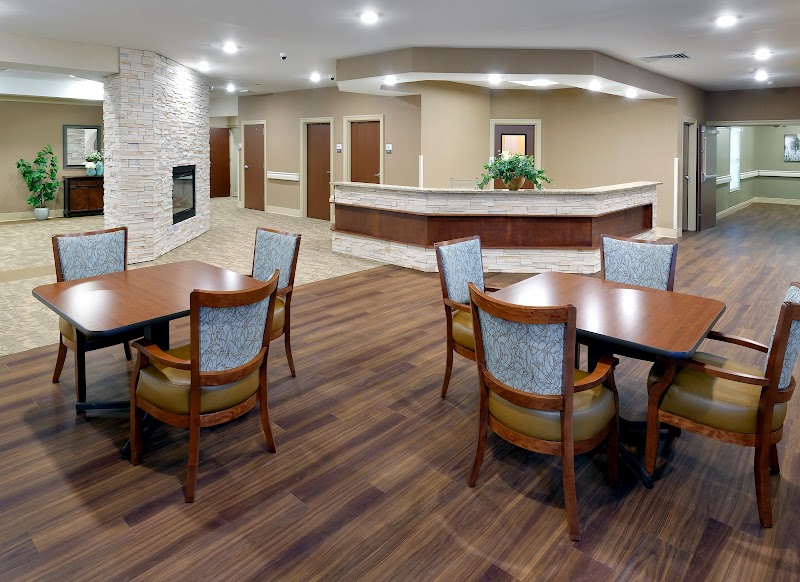
Who Owns and Operates Lake Stockton Healthcare Facility?

LAKE STOCKTON HEALTHCARE FACILITY is owned by a non-profit organization. Non-profit facilities reinvest revenue into operations rather than distributing to shareholders. The facility is operated by CITIZENS MEMORIAL HEALTH CARE, a chain that manages multiple nursing homes. With 90 certified beds and approximately 82 residents (about 91% occupancy), it is a smaller facility located in STOCKTON, Missouri.
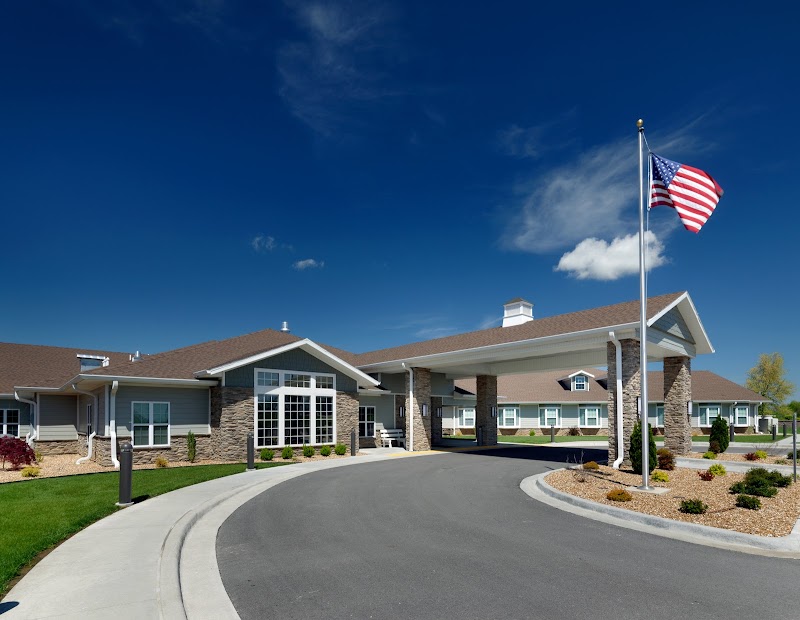
How Does Lake Stockton Healthcare Facility Compare to Other Missouri Nursing Homes?

Compared to the 100 nursing homes in Missouri, LAKE STOCKTON HEALTHCARE FACILITY's overall rating (5 stars) is above the state average of 2.5, staff turnover (57%) is significantly higher than the state average of 46%, and health inspection rating (5 stars) is much above the national benchmark.

What Should Families Ask When Visiting Lake Stockton Healthcare Facility?

Based on this facility's data, families visiting should ask: "How do you ensure continuity of care given staff turnover, and what is your staff retention strategy?" "Can I visit during a mealtime to observe dining assistance and food quality?" "How do you handle medical emergencies, and what is your hospital transfer rate?" "Can I speak with family members of current residents about their experience?" These questions are particularly relevant given the facility's high staff turnover rate.

Is Lake Stockton Healthcare Facility Safe?

Based on CMS inspection data, LAKE STOCKTON HEALTHCARE FACILITY has a clean safety record: no substantiated abuse findings (meaning no confirmed cases of resident harm), no Immediate Jeopardy citations (the most serious violation level indicating risk of serious injury or death), and is not on the Special Focus Facility watch list (a federal program monitoring the lowest-performing 1% of nursing homes). The facility has a 5-star overall rating and ranks #1 of 100 nursing homes in Missouri. While no facility is perfect, families should still ask about staff-to-resident ratios and recent inspection results during their visit.

Do Nurses at Lake Stockton Healthcare Facility Stick Around?

Staff turnover at LAKE STOCKTON HEALTHCARE FACILITY is high. At 57%, the facility is 10 percentage points above the Missouri average of 46%. High turnover means new staff may not know residents' individual needs, medications, or preferences. It can also be disorienting for residents, especially those with dementia who rely on familiar faces. Families should ask: What is causing the turnover? What retention programs are in place? How do you ensure care continuity during staff transitions?

Was Lake Stockton Healthcare Facility Ever Fined?

LAKE STOCKTON HEALTHCARE FACILITY has no federal fines on record. CMS issues fines when nursing homes fail to meet care standards or don't correct problems found during inspections. The absence of fines suggests the facility has either maintained compliance or corrected any issues before penalties were assessed. This is a positive indicator, though families should still review recent inspection reports for the full picture.

Is Lake Stockton Healthcare Facility on Any Federal Watch List?

LAKE STOCKTON HEALTHCARE FACILITY is not on any federal watch list. The most significant is the Special Focus Facility (SFF) program, which identifies the bottom 1% of nursing homes nationally based on persistent, serious quality problems. Not being on this list means the facility has avoided the pattern of deficiencies that triggers enhanced federal oversight. This is a positive indicator, though families should still review the facility's inspection history directly.