STRAFFORD CARE CENTER
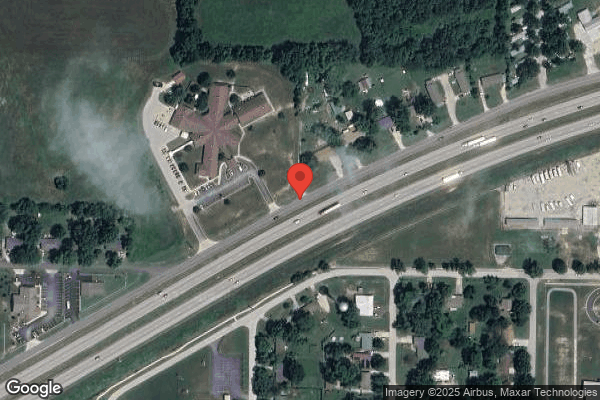

505 WEST EVERGREEN, STRAFFORD, MO 65757 (417) 736-9332
For profit - Limited Liability company 78 Beds JAMES & JUDY LINCOLN Data: November 2025 1 Immediate Jeopardy citation
Trust Grade
0/100
#463 of 479 in MO
Last Inspection: April 2025

Within standard 12-15 month inspection cycle. Federal law requires annual inspections.

Overview

Strafford Care Center has a Trust Grade of F, indicating significant concerns and a poor reputation among nursing homes. It ranks #463 out of 479 in Missouri, placing it in the bottom half of facilities statewide, and #21 out of 21 in Greene County, meaning there are no local options that rank lower. The facility's situation is worsening, with issues increasing from 17 in 2024 to 27 in 2025. Staffing is rated average at 3 out of 5 stars, but with an alarming turnover rate of 84%, which is much higher than the Missouri average of 57%, indicating instability among staff. The facility faces $52,456 in fines, a troubling figure that exceeds fines at 83% of Missouri facilities. RN coverage is at an average level, which may not be sufficient given the serious issues observed. Among specific incidents, one critical finding involved staff physically forcing a resident to shower against their will, resulting in bruises and distress. Additionally, there were concerns about improperly stored medications and failure to provide nutritionally adequate meals, showing a pattern of neglect in resident care. Overall, while there are some average staffing aspects, the serious deficiencies and poor track record raise significant red flags for families considering this facility.

Trust Score
F
0/100
In Missouri
#463/479
Bottom 4%
Safety Record
High Risk
Review needed
Inspections
Getting Worse
17 → 27 violations
Staff Stability
⚠ Watch
84% turnover. Very high, 36 points above average. Constant new faces learning your loved one's needs.
Penalties
○ Average
$52,456 in fines. Higher than 59% of Missouri facilities. Some compliance issues.
Skilled Nurses
○ Average
Each resident gets 33 minutes of Registered Nurse (RN) attention daily — about average for Missouri. RNs are the most trained staff who monitor for health changes.
Violations
⚠ Watch
57 deficiencies on record. Higher than average. Multiple issues found across inspections.
★☆☆☆☆
1.0
Overall Rating
★★★☆☆
3.0
Staff Levels
★★★☆☆
3.0
Care Quality
★☆☆☆☆
1.0
Inspection Score
Stable
2024: 17 issues
2025: 27 issues

The Good

  • Full Sprinkler Coverage · Fire safety systems throughout facility
  • No fines on record

Facility shows strength in fire safety.

The Bad

1-Star Overall Rating

Below Missouri average (2.5)

Significant quality concerns identified by CMS

Staff Turnover: 84%

38pts above Missouri avg (46%)

Frequent staff changes - ask about care continuity

Federal Fines: $52,456

Above median ($33,413)

Moderate penalties - review what triggered them

Chain: JAMES & JUDY LINCOLN

Part of a multi-facility chain

Ask about local staffing decisions and management

Staff turnover is very high (84%)

36 points above Missouri average of 48%

The Ugly 57 deficiencies on record

1 life-threatening
May 2025 1 deficiency
CONCERN (D) 📢 Someone Reported This

A family member, employee, or ombudsman was alarmed enough to file a formal complaint

Potential for Harm - no one hurt, but risky conditions existed

Free from Abuse/Neglect (Tag F0600)

Could have caused harm · This affected 1 resident

Based on interviews and record review, the facility failed to protect one resident's (Resident #1) right to be free from verbal and physical abuse by staff when one staff (Certified Nursing Assistant ...

Read full inspector narrative →
Based on interviews and record review, the facility failed to protect one resident's (Resident #1) right to be free from verbal and physical abuse by staff when one staff (Certified Nursing Assistant (CNA) C) yelled at and physically forced a resident to receive incontinent care. The facility census was 64. Review of facility policy titled Abuse, Prevention, and Prohibition Policy, dated March 2025, showed the following: -Each resident has the right to be free from abuse, corporal punishment, and involuntary seclusion; -Residents must not be subjected to abuse by anyone; -The facility prohibits mistreatment, neglect, or abuse of residents. Review of the facility Abuse Investigative Guidelines, dated May 2024, showed the following: -A nursing progress note should be entered after an allegation of abuse; -Nurse progress note should include a description of the situation, who reported, what was reported, involved parties, where it took place, what the allegation is, and could the resident identify the person named in the allegation; -Documentation should be factual and not subjective; -Head to toe assessment, including documentation of any noted skin issues or concerns. 1. Review of Resident #1's face sheet (a document that gives a resident's information at a quick glance) showed the following: -admission date of 09/01/22; -Diagnoses included venous hypertension (abnormally high pressure within the veins causing blood to pool and impair circulation), anxiety disorder, and fibromyalgia (condition that involves widespread body pain and tiredness). Review of the resident's quarterly Minimum Data Set (MDS - a federally mandated assessment tool completed by facility staff), dated 03/10/25, showed the following: -Moderate cognitive impairment; -No behavioral symptoms; -Dependent with showers, dressing, and hygiene; -Partial to moderate assistance from staff with bed mobility and transfers; -Independent with wheelchair mobility. Review of the resident's care plan, revised 04/11/25, showed the resident was at risk for falls due to confusion and balance problems and had impaired cognitive function. Review of the resident's electronic medical record (EMR) showed staff did not document related to report of abuse. Review of the facility's investigative summary, undated, showed the following: -On 05/17/25, at 7:30 A.M., the Administrator was notified Certified Nurse Assistant (CNA) C reported a rough roll while assisting the resident to Registered Nurse (RN) D. CNA C reported the resident became combative, hitting, and cussing during cares and he/she rolled resident a little rough. Written statements were collected from witnesses. Required notifications made and assessment was completed on the resident and no issues were noted. -During an interview conducted by the Administrator, CNA C reported he/she did not leave the room when the resident became agitated and continued to change the resident. The facility determined that CNA C was rough with the resident and the allegation did occur. Review of a written statement by CNA C, dated 05/17/25, showed the resident became very angry and was yelling and cursing while the CNA tried to change him/her. The CNA made several attempts to deescalate the situation but had to use some elbow grease to get him/her turned over, all while the resident was hitting, scratching, and slapping the CNA. Staff did finally get the resident changed. During interview on 05/21/25, at 3:15 P.M., CNA C said the following: -He/she and CNA A approached the resident to provide incontinence care; -The resident advised the aides he/she did not want to be changed or messed with; -The resident began hitting him/her and told the aides to leave the room; -CNA C attempted to educate resident about needing to be changed to prevent skin breakdown; -The resident was hitting, smacking, and punching him/her while attempting to provide care; -The resident then reported his/her shoulder hurt so CNA C grabbed the resident's hip and pulled him/her to the side a little hard; -The resident legs were hanging off the bed as he/she was attempting to kick CNA C; -CNA C scooped resident's legs up and placed them back in bed, but not forcefully; -CNA C then held resident towards him/her so the resident could be changed; -He/she went to report this to the nurse after resident was changed due to the feeling he/she might have turned resident too hard; -CNA C reported elbow grease meant he/she had to put a little more force into it; -The resident is combative during incontinence care nine times out of ten and he/she tries to be gentle and calm; -He/she felt that he/she should report to the nurse this time due to using too much force when pulling resident towards him/her; -He/she would get another aide or nurse and would not change a combative resident if this occurred again. Review of a written statement by CNA A, undated, showed the resident reported pain to his/her shoulder when staff went to roll him/her over and began hitting and said you are hurting my shoulder. CNA C got smacked and scratched and at that point went to the end of the bed and grabbed the resident's legs and slammed them down on bed and said, god damn. Then CNA C grabbed the resident's sore shoulder and flung him/her into the bed rail saying, fucking bitch. CNA A then told CNA C to leave three times, but he/she finished care and then reported to the nurse. During an interview on 05/20/25. at 10:39 A.M., CNA A said the following: -He/she and CNA C were changing the resident when the resident reported his/her right shoulder was hurting; -CNA C started turning the resident towards him/her and had one hand on resident's right shoulder and one hand on the right hip when the resident began to hit CNA C and scratched one of his/her arms; -CNA C released the resident and grabbed both of his/her ankles and picked them up and slammed them on the bed while stating God damn it; -CNA C then went back to turn the resident towards him/her by pulling on the right shoulder and hip; -CNA C held resident down with force on the right side and said Fuck you, fucking bitch; -Resident appeared upset and CNA A requested CNA C leave the room three times; -CNA C eventually left the room and CNA A finished up with resident care; -CNA A immediately left the resident room to report to RN D, but CNA C had already reported incident to him/her; -CNA C was at the end of his/her shift and left the building. Review of a written statement by RN D, dated 05/17/25, showed on 05/17/25, at approximately 5:30 A.M., CNA C reported that while changing the resident, the resident became combative and was hitting and scratching CNA C. CNA C reported when he/she attempted to turn the resident to change him/her, the roll was a little rough. Resident was assessed and reported pain to the left shoulder due to arthritis. Resident stated Oh that fat hog when asked about any problems. When asked what about the hog, resident stated I don't remember. Skin assessment showed bruising (purple) to left hand and right forearm. Resident unable to state how this occurred. Statements requested and Administrator contacted. During an interview on 05/20/25, at 1:56 P.M., RN D said the following: -On 05/17/25, at approximately 5:35 A.M., CNA C reported the resident was slapping and combative during incontinence care; -CNA C reported it was a rough roll when turning the resident; -He/she had CNA C write a statement of what occurred; -He/she assessed the resident and no new injuries were noted; -The resident did have some older discolorations to his/her arms, but no fresh bruising or other injuries noted; -The Administrator was contacted after the resident was assessed; -He/she did not complete a progress note related to the incident or assessment; -The resident did not remember the incident during initial interview but did report Oh that fat hog and I don't know or can't remember. Review of an interview conducted on 05/17/25, at 9:20 A.M., with the resident by the Director of Nursing (DON) showed the resident reported Everything is good except that big old fat gal, he/she is stupid and rude, and I don't want him/her around anymore. DON then asked resident if he/she was mean or rough with the resident and resident responded, No he/she is just stupid and fat. During an interview on 05/20/25, at 12:25 P.M., CNA G said the following: -He/she would report any abuse to the charge nurse as soon as possible; -A resident should not be forced to do something they do not want to do; -If a resident refused care he/she would report it to the nurse, have another aide try, and reapproach the resident at a different time. During an interview on 05/20/25, at 12:35 P.M., Licensed Practical Nurse (LPN) F said the following: -He/she would notify the administrator and DON immediately of any abuse; -He/she would assess the resident for injuries, obtain vital signs, provide first aid if needed, notify family, and document all information in a nursing note if a resident was involved in an allegation of abuse; -A skin assessment would be conducted on the form in the electronic medical record if a resident involved in physical abuse; -Aides should advise a nurse if a resident refuses care; -He/she would document occurrence, notify the physician, try to reapproach a resident that had refused care; -Residents should not be forced to do anything they do not want to do. During an interview on 05/20/25, at 1:30 P.M., RN E said the following: -He/she would immediately remove a resident from the abusive situation and contact the DON and Administrator immediately; -He/she would immediately remove the accused abuser of the property, call the police, notify the physician and family; -He/she would assess resident, obtain vital signs, perform a skin assessment and a mental evaluation, and interview the resident and staff; -All information and assessments would be documented in the resident's electronic health record. During interview on 05/20/25, at 2:25 P.M., the DON said the following: -Staff should ensure resident is safe, escort staff member out of facility, and notify the DON and administrator immediately if there is an allegation of abuse; -Alleged staff member should be suspended pending an investigation; -The resident's family, physician, police, and the Department of Health and Senior Services (DHSS) should be notified; -CNA C will not be returning to the facility. During an interview on 05/21/25, at 2:40 P.M., the Administrator said staff should document resident assessment and notifications in a progress note but the details of the abuse should be included in an incident report. Staff should immediately report abuse to administration and within two hours to the state agency. CNA C will not be returning to the facility. MO00254398
May 2025 3 deficiencies
CONCERN (D) 📢 Someone Reported This

A family member, employee, or ombudsman was alarmed enough to file a formal complaint

Potential for Harm - no one hurt, but risky conditions existed

Report Alleged Abuse (Tag F0609)

Could have caused harm · This affected 1 resident

Based on interview and record review, the facility failed to ensure all allegations of physical abuse were reported immediately to facility management and to the State Survey Agency (Department of Hea...

Read full inspector narrative →
Based on interview and record review, the facility failed to ensure all allegations of physical abuse were reported immediately to facility management and to the State Survey Agency (Department of Health and Senior Services - DHSS) within the required time frame when staff failed to report an allegation of abuse involving one resident (Resident #1) until the following day. The facility census was 63. Review of facility policy titled Abuse, Prevention, and Prohibition Policy, dated December 2024, showed the following: -Each resident has the right to be free from abuse, corporal punishment, and involuntary seclusion; -Resident must not be subjected to abuse by anyone, including, but not limited to, facility staff, other resident, consultants or volunteers, staff of other agencies serving the resident, family members or legal guardians, friends, or other individuals; -This presumes that all instances of abuse, even those in a coma, can cause physical harm, pain, or mental anguish; -Resident abuse must be reported immediately to the Administrator; -The facility employee who becomes aware of abuse shall immediately report the matter to the facility Administrator or the designated representative; -The facility Administrator, employee, or agent who is made aware of any allegation of abuse or neglect shall report to the mandated state agency per reporting criteria; -The allegation will be reported no later than 2 hours, or per state regulations, after the allegation is made. 1. Review of Resident #1's face sheet (gives basic profile information at a glance) showed the following information: -admission date of 10/15/24; -Diagnoses included left-sided weakness and paralysis following stroke, anxiety disorder, major depressive disorder, insomnia, dementia, constipation, high blood pressure, and bladder disorder. Review of the resident's quarterly Minimum Data Set (MDS - a federally mandated assessment tool completed by facility staff), dated 01/20/25, showed the following: -Mildly impaired cognition; -Functional limitation in range of motion of upper extremity one side and lower extremity bilateral; -Utilized a manual wheelchair; -Dependent on staff for toileting, showers/bathing, dressing, and bed mobility; -Required substantial to maximum assistance for moving from sitting on the edge of the bed to lying, lying to sitting up to edge of the bed, sitting to standing, and transfers from chair to bed/bed to chair. Review of the resident's care plan, updated 01/13/25, showed the following: -Resident at risk for falls related to gait/balance problems and paralysis. Staff to educate the resident/family/caregivers about calling for assistance prior to cares; -Resident had limited ability to transfer self related to left-sided flaccidity (loose, floppy limbs). Resident will transfer with use of two staff members and a gait belt. Staff to remind resident to not transfer without assistance. Review of the facility's Investigative Summary, undated, written by the facility Administrator showed the following: -On 04/27/25, at approximately 6:30 P.M., the Director of Nursing (DON) notified the Administrator of an incident involving an allegation of abuse at the facility which had occurred on 04/26/25 and was not reported to either the DON or the Administrator at the time. -The resident reported (unknown to whom) that Certified Nurse Aide (CNA) D had thrown the resident into bed. -The Administrator instructed the DON to notify DHSS, as well as calling the local policy department per company policy. The DON completed both reports. -According to Registered Nurse (RN) B, he/she was made aware of this incident on 04/26/25, and the RN made his/her own investigation. The result being the RN's belief there was no reportable occurrence. Review of the resident's nurse progress note dated 04/26/25, at 8:19 A.M., showed RN A documented the resident asked to get up for breakfast and within minutes he/she asked to be put back to bed. The CNA asked the resident to wait while he/she assisted another resident. The resident then proceeded to put himself/herself back to bed, landing half on the bed. The CNA went in to assist the resident and found him/her. The writer and the CNA assisted the resident to bed and reeducated the resident that he/she needed to wait for help so he/she does not end up on the floor. The resident was upset. (The nurse did not document regarding an allegation of abuse or reporting the allegation to management or DHSS.) Review of RN B's written statement, dated 04/27/25, showed the following: -CNA D reported to RN B at 9:30 A.M. that the resident was mad and upset with CNA D. The resident was gotten up for breakfast, but within a short time became insistent on going back to bed. CNA D told the resident that they were still getting others up for breakfast and they would assist him/her back to bed in just a little bit. The resident got mad and said he/she would just put him/herself in bed. Again the CNA explained that they would assist him/her back to bed shortly, but the resident reiterated that he/she would just do it him/herself. CNA D then assisted the resident to the bed. CNA D said the resident told the CNA that he/she caught the resident's foot while moving him/her. At that point in the CNA's report to RN B, the resident's family member called, saying the resident had called him/her. The resident told the family member that CNA D picked him/her up and threw him/her in bed, and the resident's feet were caught in the wheelchair and weren't good. The family member asked RN B to go in and check on the resident. -RN B went and spoke with the resident, who said CNA D grabbed the resident just below his/her neck in the upper center part of the chest one-handed, picked him/her up, and threw him/her into bed, catching the resident's feet in the wheelchair and hurting them bad. (RN did not mentioned in his/her statement reporting the allegation of abuse to management or DHSS.) Review of DHSS records showed facility staff made a self-report regarding the allegation of possible abuse on on 04/27/25, at 7:17 P.M. (the day following the allegation was voiced to RN B). During an interview on 05/01/25, at 12:51 P.M., the resident said a few days ago CNA D got mad at him/her because he/she wanted to go to bed because his/her bottom was hurting from sitting in the wheelchair. CNA D informed him/her that his/her child wanted him/her to stay up. The resident told CNA D that it was his/her right to go to bed. CNA D yanked him/her out of his/her wheelchair and put him/her back in bed. The resident said his/her feet got tangled in the wheelchair legs, but he/she does not recall any bruising or pain. The resident reported the incident to the Administrator. During an interview on 05/02/25, at 10:41 A.M., the Director of Rehab (DOR) said he/she was not aware of any abuse allegations, but he/she would tell the Administrator if anyone reported abuse or neglect to him/her. During an interview on 05/02/25, at 1:13 P.M., CNA G said if he/she witnessed resident abuse, he/she would intervene and make sure the resident was safe. He/she would also report to the charge nurse and remind him/her to report to the State within two hours. He/she would also notify the Director of Nursing (DON) and Assistant Director of Nursing (ADON). During an interview on 05/02/25, at 1:20 P.M., CNA I said any abuse or allegation of staff grabbing, hitting, or roughly handling a resident should be reported to the charge nurse, DON, or Administrator as soon as possible. The management should make a report to the State within two hours. During an interview on 05/02/25, at 1:30 P.M., RN A said grabbing, hitting, or being intentionally rough with a resident would be considered abuse. The RN said if he/she became aware of abuse or an allegation of such, he/she would immediately intervene for the resident's safety. The abuse or allegation should be immediately reported to the DON or the Administrator and a report should be made to the State agency within two hours. During an interview on 05/02/25, at 1:30 P.M., CNA H said if he/she became aware of resident abuse or neglect, he/she would report it to the charge nurse. During an interview on 05/02/25, at 1:40 P.M., RN B said if he/she witnessed abuse or received an allegation, he/she would first intervene to remove the perpetrator and protect the resident. Any abuse or allegation should be reported immediately to the charge nurse, DON, or Administrator and a report should be made to the State within two hours. During an interview on 05/02/25, at 1:49 P.M., Licensed Practical Nurse (LPN) C said he/she would immediately report any abuse or neglect to the DON and ADON, so it could be reported to the State within two hours or less. During an interview on 05/02/25, at 2:46 P.M., the DON said upon receiving an allegation of abuse, the nurse should first ensure the safety of the resident(s). If a named staff is on duty they should be suspended pending a full investigation. Notification of the allegation should be made immediately to the DON and/or Administrator and to the State agency within two hours. RN B told the DON he/she had conducted their own investigation and concluded there was no abuse; therefore, he/she did not report the allegation to the Administrator or DON. During an interview on 05/02/25, at 3:45 P.M., the Administrator said all allegations of abuse should be reported immediately to a direct supervisor and then to the Administrator and/or DON. The facility must report the allegation to the State within two hours. MO00253352
CONCERN (D) 📢 Someone Reported This

A family member, employee, or ombudsman was alarmed enough to file a formal complaint

Potential for Harm - no one hurt, but risky conditions existed

Investigate Abuse (Tag F0610)

Could have caused harm · This affected 1 resident

Based on interview and record review, the facility failed to document a timely and thorough investigation, to include interviews with multiple staff and other residents, and steps taken to protect all...

Read full inspector narrative →
Based on interview and record review, the facility failed to document a timely and thorough investigation, to include interviews with multiple staff and other residents, and steps taken to protect all residents during the investigation for an allegation of possible physical abuse involving one resident (Resident #1). The facility had a census of 63. Review of facility policy titled Abuse, Prevention, and Prohibition Policy, dated December 2024, showed the following: -Each resident has the right to be free from abuse, corporal punishment, and involuntary seclusion; -Resident must not be subjected to abuse by anyone, including, but not limited to, facility staff, other resident, consultants or volunteers, staff of other agencies serving the resident, family members or legal guardians, friends, or other individuals; -This presumes that all instances of abuse, even those in a coma, can cause physical harm, pain, or mental anguish; -The facility Administrator will ensure a thorough investigation of alleged violations of individual rights and document appropriate action; -While a facility investigation is under way, steps will be taken to prevent further abuse; -The facility will immediately remove any alleged perpetrator from any further contact with any resident; -When another resident is the alleged perpetrator of the abuse, a licensed professional shall immediately evaluate the resident's physical and mental status, care plan, monitor behaviors and notify the physician for a determination regarding treatment options. 1. Review of Resident #1's face sheet (gives basic profile information at a glance) showed the following information: -admission date of 10/15/24; -Diagnoses included left-sided weakness and paralysis following stroke, anxiety disorder, major depressive disorder, insomnia, dementia, constipation, high blood pressure, and bladder disorder. Review of the resident's quarterly Minimum Data Set (MDS - a federally mandated assessment tool completed by facility staff), dated 01/20/25, showed the following: -Mildly impaired cognition; -Functional limitation in range of motion of upper extremity one side and lower extremity bilateral; -Utilized a manual wheelchair; -Dependent on staff for toileting, showers/bathing, dressing, and bed mobility; -Required substantial to maximum assistance for moving from sitting on the edge of the bed to lying, lying to sitting up to edge of the bed, sitting to standing, and transfers from chair to bed/bed to chair. Review of the resident's care plan, updated 01/13/25, showed the following: -Resident at risk for falls related to gait/balance problems and paralysis. Staff to educate the resident/family/caregivers about calling for assistance prior to cares; -Resident had limited ability to transfer self related to left-sided flaccidity (loose, floppy limbs). Resident will transfer with use of two staff members and a gait belt. Staff to remind resident to not transfer without assistance. Review of the facility's Investigative Summary, undated, written by the facility Administrator showed the following: -On 04/27/25, at approximately 6:30 P.M., the Director of Nursing (DON) notified the Administrator of an incident involving an allegation of abuse at the facility which had occurred on 04/26/25 and was not reported to either the DON or the Administrator at the time. -The resident reported (unknown to whom) that Certified Nurse Aide (CNA) D had thrown the resident into bed. -The Administrator instructed the DON to notify DHSS, as well as calling the local policy department per company policy. The DON completed both reports. -According to Registered Nurse (RN) B, he/she was made aware of this incident on 04/26/25, and the RN made his/her own investigation. The result being the RN's belief there was no reportable occurrence. -The investigation included written statements by Certified Nurse Aide (CNA) D, RN A, and RN B. (The documentation did not show documented interview with other staff or with other residents.) Review of RN B's written statement, dated 04/27/25, showed the following: -CNA D reported to RN B at 9:30 A.M. that the resident was mad and upset with CNA D. The resident was gotten up for breakfast, but within a short time became insistent on going back to bed. CNA D told the resident that they were still getting others up for breakfast and they would assist him/her back to bed in just a little bit. The resident got mad and said he/she would just put him/herself in bed. Again the CNA explained that they would assist him/her back to bed shortly, but the resident reiterated that he/she would just do it him/herself. CNA D then assisted the resident to the bed. CNA D said the resident told the CNA that he/she caught the resident's foot while moving him/her. At that point in the CNA's report to RN B, the resident's family member called, saying the resident had called him/her. The resident told the family member that CNA D picked him/her up and threw him/her in bed, and the resident's feet were caught in the wheelchair and weren't good. The family member asked RN B to go in and check on the resident. -RN B went and spoke with the resident, who said CNA D grabbed the resident just below his/her neck in the upper center part of the chest one-handed, picked him/her up, and threw him/her into bed, catching the resident's feet in the wheelchair and hurting them bad. (The RN did not mentioned interviews completed with other staff and residents or steps taken to protect all residents during the investigation.) During an interview on 05/02/25, at 1:20 P.M., CNA I said he/she would intervene to ensure the resident's safety if he/she witnessed abuse. The management would conduct an investigation. During an interview on 05/02/25, at 1:30 P.M., RN A said if he/she became aware of abuse or an allegation of such, he/she would immediately intervene for the resident's safety. The abuse or allegation should be immediately reported to the Director of Nursing (DON) or the Administrator so they could start an investigation. During an interview on 05/02/25, at 1:40 P.M., RN E said if he/she witnessed abuse or received an allegation, he/she would first intervene to remove the perpetrator and protect the resident. Any abuse or allegation should be reported immediately to the charge nurse, DON, or Administrator, who would do an investigation. During an interview on 05/02/25, at 1:49 P.M., Licensed Practical Nurse (LPN) C said he/she would immediately report any abuse or neglect to the DON and Assistant Director of Nursing (ADON) so it could be investigated. During an interview on 05/02/25, at 2:46 P.M., the DON said upon receiving an allegation of abuse, the nurse should first ensure the safety of the resident(s) and then report the allegation to the Administrator and/or DON, who would initiate a full investigation. The investigation should include documented interviews with other staff who were on duty at the time of the alleged incident and with residents who may have received care by the same named perpetrator. The DON said RN B told the DON that he/she had conducted his/her own investigation and concluded there was no abuse; therefore, he/she did not report the allegation to the Administrator or DON and did not suspend the named CNA. Other than the written statements by CNA D and RN A, there was no documentation made by RN B of interviews with other staff or with residents. During an interview on 05/02/25, at 3:45 P.M., the Administrator said all allegations of abuse should be reported immediately to a direct supervisor and then to the Administrator and/or DON. If there is a named staff member, they should be suspended pending an investigation. Full investigation should include documented interviews with and/or written statements by staff and interviews with residents. The Administrator said RN B did not have documented interviews with staff other than CNA D and RN A or with any residents other than Resident #1. MO00253352
CONCERN (E) 📢 Someone Reported This

A family member, employee, or ombudsman was alarmed enough to file a formal complaint

Potential for Harm - no one hurt, but risky conditions existed

Quality of Care (Tag F0684)

Could have caused harm · This affected multiple residents

**NOTE- TERMS IN BRACKETS HAVE BEEN EDITED TO PROTECT CONFIDENTIALITY** Based on observation, record review, and interviews, the facility failed to provide care for all residents per standards of prac...

Read full inspector narrative →
**NOTE- TERMS IN BRACKETS HAVE BEEN EDITED TO PROTECT CONFIDENTIALITY** Based on observation, record review, and interviews, the facility failed to provide care for all residents per standards of practice when staff failed to obtain and enter wound care orders, failed to document wound care provided, and failed to care plan current wounds and current treatments for three residents (Residents #2, #3, and #4) of six sampled residents. The facility census was 63. Review showed the facility did not provide a policy regarding obtaining, entering, and following treatment/monitoring orders. 1. Review of Resident #2's face sheet (a document that gives a resident's information at a quick glance) showed the following: -admission date of 06/20/23; -Diagnoses included dementia (loss of memory), depression, fractured right hip, and muscle weakness. Review of the resident's quarterly Minimum Data Set (MDS - a federally mandated assessment tool completed by facility staff), dated 11/15/24, showed the following: -Resident had severe cognitive impairment; -Had a pressure reducing device for bed; -At risk for pressure ulcers. Review of the resident's care plan, revised 11/12/24, showed the following: -Resident at risk for pressure ulcer/injury related to decreased bed mobility; -Resident's skin will remain intact; -Keep clean and dry as possible. Minimize skin exposure to moisture; -Report any signs of skin breakdown (sore, tender, red, or broken areas); -Apply moisture barrier to skin; -Provide incontinence care after each incontinent episode. Review of the resident's hospital discharge orders, dated 04/11/25, showed the following: -Weight bearing as tolerated with posterior hip precautions to right lower extremity; -Keep incision site clean and dry at all times; -Do not submerge incision site and no tub bathing; -May shower post-surgery, day five, pat dry; -If dressing becomes wet or saturated, call orthopedic provided's office; -If continued drainage, apply daily dry dressing; -If no continued drainage, leave open to air; -Do not pick at incision site; -Do not apply topical ointments or creams to incision site; -Follow up with orthopedic surgeon's office on 04/29/25. Review of the resident's progress note dated 04/11/25, at 8:24 P.M., showed the following: -The resident returned to the facility at 3:40 P.M. per ambulance; -Hospital staff said the resident was weight bearing as tolerated, but the facility physical therapy department had not assessed him/her yet; -Staff will continue to monitor. (Staff did not document regarding wound care orders on the hospital discharge orders.) Review of the resident's April 2025 and May 2025 Physician Order Sheet (POS) showed staff did not document orders related to the resident's wound care from the hospital discharge summary. Review of the resident's care plan report, with an admission date of 04/11/25, showed the following: -Resident had actual impairment to skin integrity to the right heel and left hip related to decreased mobility; -Intervention to offload pressure from heels while up in chair; -Pressure reduction mattress on bed. (Staff did not care plan related to hip incision's and ordered care of the hip incision.) Review of the resident's progress note dated 04/13/25, at 6:07 A.M., showed the following: -The resident had no drainage from the surgical site; -He/she had a low-grade fever of 100.2 degrees Fahrenheit (F); -Staff applied cool wash cloths and the resident's temperature came down to 98.8 degrees F as of 5:00 A.M.; -No other signs and symptoms of infection noted; -Staff will continue to monitor. Review of the resident's progress note dated 04/14/25, at 7:36 A.M., showed the following: -The resident continued on high alert charting due to recent surgical procedure of right hip; -Resident denied pain and discomfort; -Incision site assessed by this nurse, and no redness, warmth, or signs of infection noted; -Dressing was dry and intact with no drainage noted. Review of the resident's progress note dated 04/14/25, at 4:42 P.M., showed the resident continued on high alert charting due to fracture. The resident denied pain and discomfort. Review of the resident's progress note dated 04/15/25, at 2:51 A.M., showed the resident denied pain and distress related to right hip surgery. Incision site with no signs and symptoms of infection. Review of the resident's progress notes dated 04/17/25, at 3:46 A.M., showed the resident had no complaints of pain. Dressing to right hip remains clean, dry, and intact. Review of the resident's April 2025 and May 2025 Treatment Administration Record (TAR) showed staff did not document dressing changes or continued monitoring of the resident incision cite. 2. Review of Resident #3's face sheet showed the following: -admission date of 03/22/24; -Diagnoses included dementia (loss of memory), depression, multiple fractures of left ribs, open wound to skin on top of the head, laceration of other part of head, traumatic subdural hemorrhage (blood between the brain and its outermost covering) with loss of consciousness, fracture of left clavicle (bone that connects the shoulder blade to the breastbone), and fracture of left hip. Review of the resident's annual MDS, dated [DATE], showed the resident had severe cognitive impairment. Review of the resident's care plan, revised 12/27/24, showed the following: -Resident at risk for pressure ulcers related to the need for assist with toileting and activities of daily living cares; -Resident's skin will remain intact; -Keep skin as clean and dry as possible and minimize skin exposure to moisture. Review of the resident's care plan report, with re-admission date 06/22/24, showed the following: -Potential or actual impairment to skin integrity; -Apply moisture barrier with each incontinence episode; -Float heels while in bed. Review of the resident's care plan, revised 01/07/25, showed fall on 01/05/24 with laceration to the forehead and sent to the emergency room. Review of the resident's care plan, revised 01/31/25, showed the following: -Resident had a laceration to the forehead; -Treat area per physician's orders; -Monitor and treat signs of localized infection (swelling, redness, pain, tenderness, heat at the infected area, purulent drainage, and/or loss of function). Review of the resident's progress notes on 04/20/25, at 2:50 P.M., showed the following: -The resident arrived at the facility by emergency medical services (EMS) via stretcher from the hospital with a diagnosis of subdural hematoma (swelling caused by a collection of blood leaked from vessels and clotted in the body's tissues) related to a fall; -Head-to-toe assessment and skin assessment performed by the receiving nurse; -Large bruise to left forehead with dissolvable sutures intact and another large bruise to left hip; -Multiple other scattered bruising noted on bilateral upper and lower extremities; -Staff will continue to monitor for safety and needs. (Staff did not document contact with physician to obtain wound orders related to sutures.) Review of the resident's hospital discharge instructions, dated [DATE], showed no orders related to caring for the resident's head laceration. Review of the resident's progress note dated 04/25/25, at 5:38 A.M., showed the following: -Sutures intact to wound on head from previous fall and bruising surrounding area resolving; -Bruising light green in color; -Staff will continue to monitor. Review of the resident's progress note dated 04/25/25, at 7:01 P.M., showed the following: -Sutures intact to previous resolving forehead wound from fall without signs and symptoms of infection and no drainage; -Yellow bruising noted surrounding the wound; -Scattered bruising to bilateral upper and lower extremities reported to be from previous fall; -Staff will continue to observe. Review of the resident's skin assessment, dated 05/01/25, showed stitches to right side of upper forehead related to a fall. Review of the resident's care plan showed staff did not update the care plan to reflect the most recent fall and laceration. Review of the resident's April 2025 Medication Administration Record (MAR) and Treatment Administration Record (TAR) showed no orders or treatments related to the resident's head laceration. 3. Review of Resident #4's face sheet showed the following: -admission date of 03/08/23; -Diagnoses included muscle wasting, dementia with other behavioral disturbance, cognitive communication deficit, abnormalities of gait and mobility, repeated falls, low back pain, arthritis in multiple joints, and tremors. Review of the resident's annual MDS, dated [DATE], showed resident had moderately impaired cognition. Review of the resident's nurse progress notes showed the following documentation: -On 04/21/25, at 1:40 P.M., staff noted per notification by housekeeping nurse observed resident sitting on his/her floor mat next to his/her bed. Resident had skin tear to his/her right elbow noted with no other injury. Area to right elbow cleansed, dried, and steri-strips applied. The area was well approximated. Staff notified the family, Administrator, and Physician Assistant. -On 04/22/25, at 1:46 P.M., staff noted resident continued on fall follow-up monitoring with no signs/symptoms of delayed injury or complaint of pain/discomfort related to incident. Steri-strips to right elbow were intact at this time; -On 04/22/25, at 8:57 P.M., staff noted the resident continued on fall follow-up monitoring. Resident had no signs/symptoms of delayed injury or complaint of pain/discomfort related to incident. Steri-strips to right elbow were intact at this time; -On 04/23/25, at 2:21 A.M., staff continued on incident charting post fall and had no complaint of pain/discomfort related to fall incident and no signs/symptoms of delayed injury. Steri-strips to right elbow were intact; -On 04/23/25, at 9:14 A.M., staff noted resident continued on monitoring after recent fall with no complaint of pain/discomfort related to fall incident and no signs/symptoms of delayed injury. Steri-strips to right elbow were intact; -On 04/23/25, at 8:52 P.M., staff noted resident continued with no complaint of pan/discomfort related to incident and no signs/symptoms of delayed injury. Steri-strips to right elbow were intact. Review of the resident's care plan, last updated 03/13/25, showed staff did not care plan related to the skin tear on the resident's right elbow. Review of the resident's April 2025 POS showed staff did not document orders related to treatment or monitoring of the skin tear on the resident's right elbow. Review of the resident's nurse progress notes showed the following documentation: -On 05/01/25, at 6:07 A.M., staff noted skin tear dressing to left upper extremity (LUE) remained clean, dry and intact; -On 05/02/25, at 5:56 A.M., staff noted dressing to LUE skin tear remains clean, dry, and intact. Review of the resident's care plan, last updated 03/13/25, showed staff did not care plan related to the skin tear on the LUE. Review of the resident's May 2025 POS showed staff did not document orders related to treatment or monitoring of the skin tear on the resident's LUE. Observation on 05/02/25, at 9:02 A.M., showed the resident sat in his/her wheelchair in his/her room. His/her left arm was wrapped with gauze from above the wrist upward and no date was indicated on the dressing. During the observation, the resident said he/she had cut his/her arm on the equipment, indicating the wheelchair. He/she said staff had been changing the dressing every day, except for the previous day. During the observation, Registered Nurse (RN) A said he/she wound status. He/she would check the orders regarding wound treatment. Observation on 05/02/25, at 10:05 A.M., showed the resident sat in his/her wheelchair in his/her room. RN A said he/she had just finished changing the resident's left arm dressing. He/she cleansed the wound area, covered the intact steri-strips with a non-stick pad, and wrapped the arm with Kerlix (gauze strip). RN A said the Assistant Director of Nursing (ADON) came and told him/her what the treatment order would be. RN A reviewed the electronic medical record (EMR) with the surveyor present. No treatment orders were in the physician order sheet (POS) or listed on the treatment administration record (TAR) at that time. RN A said he/she would have to document the treatment after the orders were entered. During an interview on 05/02/25, at 1:40 P.M., RN B said the resident had told RN B that the resident had rolled out of the wheelchair, causing a skin tear. RN B followed physician protocol orders to cleanse and dress the wound, but did not enter orders into the electronic system. Since the incident happened right at shift change, RN B passed on the information to the oncoming shift who verbalized understanding and said they would enter the wound treatment orders into the POS and TAR. RN B was not aware that the orders had not been entered. Review of the April 2025 POS showed no treatment order pertaining to the resident's skin tear had been entered as of 05/02/25, at 3:25 P.M., when the report was generated by staff. Review of the April 2025 and May 2025 TAR showed staff did not document treatment pertaining to the resident's skin tear as of 05/02/25, at 3:25 P.M., when the report was generated by staff. 4. During an interview on 05/02/25, at 1:49 P.M., Licensed Practical Nurse (LPN) C said wound care was done by the LPNs and RNs. Wound care orders came from the physician and they were in the TAR. LPN C would document wound care in the TAR and he/she would document anything out of the ordinary with wounds or any changes in wounds in the resident's progress notes. A designated staff member in the facility completes a wound care report weekly. During an interview on 05/02/25, at 1:30 P.M., RN A said a resident should have treatment orders upon transfer from a hospital. If there are no wound treatment orders, or the resident obtains an injury after admission, staff should call either the discharging hospital or the facility physician to obtain orders for wound treatment. The staff receiving the orders should enter the order into the MAR. Treatments should be documented on the TAR and/or in nurses notes. During an interview on 05/02/25, at 2:46 P.M., the Director of Nursing (DON) said staff should obtain wound treatment orders from the hospital, if a resident is admitted with a surgical or other type of wound. If the resident had a new wound while in the facility, the charge nurse should call the physician for treatment orders. The facility can also notify the contracted wound care service to assess the resident and give treatment orders. The nurse receiving the orders should enter them into the electronic medical record (EMR) and the floor nurses should complete and document the wound treatments as ordered. During an interview on 05/02/25, at 3:45 P.M., the Administrator said the nurses should get wound treatment orders from the hospital on admission, or they can call the physician for orders and enter them into the EMR. The nurses should then follow the physician orders for the treatment and should document completion. MO00253174
Apr 2025 20 deficiencies
CONCERN (D)

Potential for Harm - no one hurt, but risky conditions existed

PASARR Coordination (Tag F0644)

Could have caused harm · This affected 1 resident

**NOTE- TERMS IN BRACKETS HAVE BEEN EDITED TO PROTECT CONFIDENTIALITY** Based on record review and interviews, the facility failed to refer a Pre-admission Screening and Resident Review (PASARR) resid...

Read full inspector narrative →
**NOTE- TERMS IN BRACKETS HAVE BEEN EDITED TO PROTECT CONFIDENTIALITY** Based on record review and interviews, the facility failed to refer a Pre-admission Screening and Resident Review (PASARR) resident who had a negative Level I Preadmission Screen, who was later identified with a new mental disorder diagnosis to the appropriate state designated authority for a Level II PASARR evaluation and determination for one resident (Resident #54) out of 21 sampled residents. The facility also failed to update the resident's care plan to reflect the new diagnosis and interventions. This failure had the potential to negatively affect the resident's mental and psychosocial well-being. The facility census was 61. Review showed the facility did not provide a policy regarding PASARR requirements. Review of the facility's policy titled Care Planning, undated, showed the following: -Every resident would be assessed using the Minimum Data Set (MDS - federally mandated assessment completed by facility staff) according to the guidelines set forth in the Resident Assessment Instrument (RAI); -Use this assessment data to develop a comprehensive plan of care for each resident that will assist a resident in achieving and maintaining the highest practical level of mental functioning, physician functioning, and well being as possible. 1. Review of Resident #54's face sheet (a brief information sheet about the resident) showed the following: -admission date of 02/21/24; -Diagnoses included vascular dementia (loss of memory) on 02/28/24, psychotic disorder (a mental illness characterized by a disruption in a person's thinking, perception and behavior, leading to a disconnect from reality) on 02/28/24, and pain disorder with related psychological factors on 02/23/24. Review of the resident's admission MDS, dated [DATE], showed the following: -Moderately impaired cognition; -Diagnoses did not include psychotic disorder. Review of the resident's physician's progress note, dated 02/26/24, showed a diagnosis of psychotic disorder with delusions due to known physiological condition with no date of occurrence listed. Review of the resident's quarterly MDS, dated [DATE], showed the following: -Moderately impaired cognition; -Diagnoses included dementia and psychotic disorder. Review of the resident's Level 1 PASARR, dated 06/14/24, showed the following information: -Resident did not show any signs of symptoms of major mental disorder; -Resident had not been diagnosed as having a major mental disorder; -Primary reason for nursing facility placement not due to dementia; -Did not not indicate a need for a level II screening. Review of the resident's Physician's Order Sheets (POS), dated 02/01/24 through 04/21/25, showed diagnosis of psychotic disorder with delusions due to known physiological condition and an order, dated 06/19/24, to send resident to ER for evaluation and treatment related to refusing medications and cares, and not eating or drinking. Review of the resident's physician'/s progress note, dated 06/28/24, shows the following: -Resident continued to refuse eating or drinking most of the meals offered; -Yesterday the resident refused to let anyone in his/her room as he/she felt they would be shocked or injured; -When visiting the resident he/she refused to allow the doctor to touch him/her as the resident said his/her bed would electrify the doctor; -The resident insisted the doctor remove the water from the room as he/she felt this was worsening the electricity in the room; -The resident said he/she would not be interrogated by anyone and refused to answer any other questions. Review of the resident's POS, dated 02/01/24 through 04/21/25, showed the following: -An order, dated 07/11/24, for risperidone (used to treat mental health conditions) 4 milligram (mg) tablet one time per day for psychotic disorder with delusions due to known physiological condition. Review of the resident's July 2024 Progress Notes showed the following: -Resident screamed in his/her room, earlier in shift, yelling, I gotta get out of here. Resident appeared frightened and confused; -Resident continued yelling until assisted to wheelchair, then out to nurses' station; -Resident continued to yell that he/she needed to get out of the building because there was a person outside, trying to get in, and he/she had a bomb and was going to kill us all; -Resident placed one one-on-one monitoring and reassurance provided; -Evening certified medication tech (CMT) said the resident declined taking meds at bedtime. Resident was to receive risperidone at bedtime, which he/she had been taking without signs or symptoms of adverse reaction. Review of the resident's POS, dated 02/01/24 through 04/21/25, showed the following: -An order, dated 10/08/24, for lorazepam (used to treat anxiety) 1 mg, give ½ tablet every six hours as needed for agitation/anxiety and diagnosis of psychotic disorder with delusions due to known physiological condition. Review of the resident's care plan, last updated on 01/28/25, showed the following information: -Psychotic disorder with delusions due to known physiological condition; -Altered cognition/behaviors that were displayed in exit-seeking behaviors at times; -At risk for wandering and elopement based on this behavior; -Resident is at risk for socially inappropriate behavioral symptoms as evidenced by bipolar disorder (a mental health condition that causes extreme mood swings). During interviews on 04/18/25, at 2:04 P.M., and on 04/21/25, at 10:50 A.M., the MDS Coordinator said the following: -The hospital typically completed the level one screening. If the resident came from home, the facility initiated the screening immediately; -He/she did not know why the psychotic disorder diagnosis would be listed on the resident's sheet or MDS; -He/she knew here were issues with some staff putting in various diagnosis when a medication was ordered; -He/she looked in the resident's electronic records and could not determine why the resident had the diagnosis or who assigned him/her the diagnosis; -He/she looked at the resident's hospital paperwork when first admitted and did not see the diagnosis; -He/she believed it might be an incorrect diagnosis; -If a resident did have a diagnosis of psychotic disorder, this would be care planned; -If the resident was having behaviors related to the diagnosis, and he/she was sent to a hospital, they would complete a level II screening and it would be listed on the care plan; -He/she didn't believe the resident had psychotic behaviors. During an interview on 04/21/25, at 8:55 A.M., Licensed Practical Nurse (LPN) D said the following: -The resident would not get up this morning and he/she refused medications often and says they're poison; -He/she didn't know what mental health issues the resident had been diagnosed with, but does believe he/she had mental health issues. During an interview on 04/21/25, at 9:08 A.M., Certified Medication Technician (CMT) E said the following: -The resident did not like to take his/her medications; -He/she had seen the resident have delusions and the resident believed the FBI was after him/her. During an interview on 04/21/25, at 9:25 A.M., Certified Nurse's Aide (CNA) F said the following -Today the resident refused to get out of bed. He/she had not experienced this issue from the resident; -The resident has said things that were strange. Earlier this week the resident said he/she was going to have knee surgery, and he/she wasn't. During an interview on 04/21/25, at 2:30 P.M., the Director of Nursing (DON) said the following: -Social services was responsible for making sure a level I screening was completed; -He/she was not familiar with a level II screening. I would be the responsibility of the Social Services Director (SSD) to ensure it's completed if it's needed, or an admissions representative. -If there's a change in condition, such as a new diagnosis of psychotic disorder, it should be care planned. During an interview on 04/21/25, at 3:10 P.M., the Administrator said the following: -A level one screening was completed when the resident was at the hospital. If not then it should be initiated by social services on arrival; -If a resident has an inpatient stay in the last two years, they should have a level II completed; -If they are given a diagnosis at the facility of psychotic disorder by the physician, they should be referred for a level II screening.
CONCERN (D)

Potential for Harm - no one hurt, but risky conditions existed

Deficiency F0658 (Tag F0658)

Could have caused harm · This affected 1 resident

**NOTE- TERMS IN BRACKETS HAVE BEEN EDITED TO PROTECT CONFIDENTIALITY** Based on observation, interview, and record review, the facility failed to provide care consistent with standard of practice whe...

Read full inspector narrative →
**NOTE- TERMS IN BRACKETS HAVE BEEN EDITED TO PROTECT CONFIDENTIALITY** Based on observation, interview, and record review, the facility failed to provide care consistent with standard of practice when staff failed to timely report obtained laboratory results to the physician causing a delay of care for one resident (Resident #310) who presented with a change in condition. The facility's census was 61. Review showed the facility did not provide a change of condition policy. 1. Review of Resident #310's face sheet (admission data) showed the following: -admission date of 04/02/25; -Diagnoses included acute diastolic heat failure (a type of heart failure), depression, venous insufficiency (veins in the legs are damaged), and fracture of the humerus (upper arm bone). Review of the resident's admission Minimum Data Set (MDS - a federally mandated assessment instrument completed by facility staff), dated 06/10/25, showed the following: -Cognitive skills intact; -Required partial to moderate assistance for bed mobility and transfers; -Used a wheelchair; -Indwelling catheter (tube that is inserted into the bladder allowing urine to drain freely). Review of the resident's care plan, dated 04/03/25, showed resident had a catheter due to neurogenic bladder (lack of bladder control). Review of the resident's current progress notes showed the following information: -On 04/15/25, at 9:34 A.M., the resident reported to facility staff he/she was not feeling well. Resident took his/her morning meds was was asleep at this time. Staff allowed resident to continue sleeping; -On 04/15/2025, at 2:00 P.M., staff placed call to physician and received new orders for a stat (immediately) labs and urinalysis with culture if indicated. The resident had concentrated urine with change in condition, fatigue, and resting more. Review of the resident's laboratory report, dated 04/15/25, showed the following: -Lab specimen collected 04/15/25, at 3:43 P.M.; -Resident had a white blood cell count (WBC) of 28.3 (Normal range for WBC is 4.8 to 10.8 and and an elevated level can indicate infection); -Lab report results were reported to the facility on [DATE] at 7:02 P.M. Review of the resident's medical record showed staff did not document follow-up on the lab results on 04/15/25 or 04/16/25. Review of the resident's progress notes showed the following information: -On 04/17/25, at 8:15 P.M., lab results received and resident assessed. Staff notified resident they would be contacting the physician with an update; -on 04/17/2025, at 9:10 P.M., the facility contacted the resident's physician and received orders to send resident to hospital due to elevated white blood cell count. The resident transferred to emergency room at this time. During an interview on 04/18/25, at 10:13 A.M., Licensed Practical Nurse (LPN) C said the following: -He/she would assess any residents who had a change of condition and then notify the physician and the Director of Nursing (DON); -If labs were ordered, he/she would expect them back in a few hours; -If he/she had not received them, he/she would notify the laboratory and the DON. During an interview on 04/18/25, at 11:37 A.M., Registered Nurse (RN) A said the following: -Residents with a change of condition should be assessed and physician notified; -For ordered labs, he/she would expect them back in a few hours and notify the lab if they had not been received in that time frame. During an interview on 04/18/25, at 11:00 A.M. and 3:14 P.M., the Assistant Director of Nursing (ADON) said the following: -Staff noticed a change of condition for the resident on 04/15/25 and reported it to the physician who ordered immediate labs; -He/she would expect those labs to return in less than 24 hours; -Staff reported the labs to the physician on 04/17/25 (two days after receipt) and the resident was sent to the emergency room; -Labs were reported to the facility by fax; -The Director of Nursing (DON) and the ADON checked for and reviewed all lab results. During an interview on 04/21/25, at 1:55 P.M., the DON said the following: -He/she expected staff to assess all residents with a change of condition and notify the physician and him/herself; -All stat labs should be reported to the physician when the facility received them; -If staff had not received stat labs in a few hours, he/she expected them to call the lab or contact him/her or the ADON to get the results; -Reporting stat labs to the physician should not take two days.
CONCERN (D)

Potential for Harm - no one hurt, but risky conditions existed

Respiratory Care (Tag F0695)

Could have caused harm · This affected 1 resident

**NOTE- TERMS IN BRACKETS HAVE BEEN EDITED TO PROTECT CONFIDENTIALITY** 2. Review of the facility policy titled, Oxygen Administration, with an approval date of 12/2024, showed the following: -Facili...

Read full inspector narrative →
**NOTE- TERMS IN BRACKETS HAVE BEEN EDITED TO PROTECT CONFIDENTIALITY** 2. Review of the facility policy titled, Oxygen Administration, with an approval date of 12/2024, showed the following: -Facility staff should record the reason for any resident refusals to use oxygen and any other interventions taken. The record should include the signature and title of staff making the recording; -Staff should report to the supervisor and medical practitioner if the resident refused to use oxygen. Review of Resident #23's face sheet showed the following: -admission date of 03/10/25; -Diagnoses included chronic obstructive pulmonary disease (COPD - an ongoing lung condition caused by damage to the lungs.), heart disease, and type 2 diabetes (a disease where the body is unable to properly process and metabolize sugars). Review of the resident's admission MDS, dated [DATE], showed the following: -Cognitively intact; -Independent with eating; -Required maximum staff assistance with toileting, personal hygiene, showers, upper and lower body dressing; -Received oxygen therapy. Review of resident's April 2025 physician order sheet (POS) showed a current order, dated 04/15/25, for resident to use oxygen, set at three liters per minute, continuously. Observation on 04/16/25, at 11:57 A.M., in the main dining room showed the resident sitting at a dining table. There was no oxygen concentrator close to the resident, no oxygen cannister by the resident, and the resident did not have any oxygen tubing. Observation on 04/17/25, at 12:20 P.M., in the main dining room showed the resident sitting at a dining table. There was no oxygen concentrator close to the resident, no oxygen cannister by the resident, and the resident did not have any oxygen tubing. Observations and interview on 04/18/25, at 1:30 P.M., showed the resident sitting in bed, with head elevated, headphones on, and looking at his/her phone. The oxygen concentrator was turned on, but the nasal cannula and oxygen tubing was on the resident's lap. The resident said he/she sometimes uses the oxygen, but took it off to put on headphones. He/she did not put the oxygen back on after putting on the headphones. Observation and interview on 04/21/25, at 9:25 A.M. showed the resident in his/her room, in a wheelchair. The resident did not have any oxygen on, and no oxygen concentrator or oxygen cannister visible. The resident said he/she no longer needed to use oxygen and had not been short of breath, etc. He/She said he/she had not been using oxygen in the dining room since staff never brought a concentrator or oxygen tank to him/her while dining. Review of the resident's April 2025 progress notes, MAR, and TAR, showed staff did not document any resident refusals to wear oxygen or reporting the refusal to the supervisor or medical practitioner. During an interview on 04/21/25, at 10:50 A.M., Licensed Practical Nurse (LPN) H said the resident sometimes did not want to wear oxygen. Staff did not make sure oxygen was available to the resident at meal times. The procedure for staff was to indicate Y (yes) or N (no) in the TAR if the resident refused to wear oxygen. There were no other procedures for staff to take regarding oxygen use. Staff did not notify anyone of oxygen refusal. During an interview on 04/21/25, at 2:19 P.M., the Director of Nursing (DON) said facility doctors usually have standing orders for oxygen us to to keep oxygen saturation above 90%. Nursing should assess residents to see if oxygen saturation was dropping (for those residents who have oxygen use ordered, but do not want to use oxygen). For any change in orders staff would call the doctor. If the resident had consistently had higher (good) oxygen levels, nursing staff could contact the doctor to ask for a change or assessment if this was the request is made by the resident. During an interview on 04/21/25, at 2:57 P.M., the Administrator said staff should follow physician orders for all treatments, including oxygen use. If a resident consistently refused, or chose not to use oxygen, then the resident should be reassessed to see if the oxygen was still needed. Nurses could make the initial assessment and then check with the resident's doctor. Based on observation, interview, and record review, the facility failed to provide respiratory care per standards of practice when staff failed to obtain a physician's order for the use of and complete a care plan for the use of a CPAP (continuous positive airway pressure - a machine that uses air pressure to keep airways open while a resident sleeps) for one resident (Resident #37) and when the facility failed to document refusal of oxygen use and contact supervisory staff and a medical practitioner when one resident (Resident #23) refused to wear oxygen as ordered. The facility census was 61. 1. Review of the facility's policy titled, CPAP/BiPAP (bilevel positive airway pressure - a breathing machine that delivers air pressure to the lungs through a mask) Support, dated December 2024, showed the following: -Review the resident's medical record to determine his/her baseline oxygen saturation; -Review the physician's order to determine the oxygen concentration and flow and the pressure setting for the machine; -Review and follow manufacturer's instructions for CPAP machine setup and oxygen delivery. Review of the Resident #37's admission Minimum Data Set (MDS - a federally mandated assessment tool completed by facility staff), dated 02/23/25, showed the following: -No cognitive impairment; -Current diagnoses included sleep apnea (a potentially serious sleep disorder in which breathing repeatedly stops and starts); -Resident did not use oxygen or CPAP. Observation and interview on 04/16/25, at 9:22 A.M., showed the following: -Resident was in his/her room sitting in a wheelchair; -A CPAP machine was on his/her nightstand next to his/her bed; -The CPAP machine was plugged in with hosing and face mask attached; -The resident said he/she used his/her CPAP every night; -The resident said he/she had used a CPAP for many years. Review of the resident's current physician orders, on 04/21/25, showed staff did not have a physician's orders for CPAP use. Review of the resident's March 2025 Medication Administration Record (MAR) and Treatment Administration Record (TAR) showed staff did not document regarding CPAP use or administration. Review of the resident's April 2025 MAR and TAR showed staff did not document regarding CPAP use or administration. Review of the resident's current care plan, dated 02/11/25, showed staff did not care plan regarding the resident's CPAP use. During an interview on 04/17/25, at 2:50 P.M., Certified Nurse Assistant (CNA) T said he/she would check the care plan for information if she was not familiar with a resident's medical equipment. During an interview on 04/17/25, at 3:10 P.M., CNA U said the following: -The resident wore a CPAP at night; -He/she checked the connections and the tubing; -He/she would ask the charge nurse if the machine needed cleaning or was not working; -Specific interventions would be listed in the care plan. During an interview on 04/18/25, at 10:22 A.M., Certified Medication Technician (CMT) B said the following: -Nurses get the orders from the doctor and input them into the computer; -If an order was stopped or started the nurses monitor those residents; -He/she would check the resident's care plan for specific information about caring for a resident. During an interview on 04/18/25, at 11:37 A.M., Registered Nurse (RN) A said the following: -Medical equipment needed to have a physician's order; -He/she is not familiar with the resident; -He/she would check the resident's care plan if he/she was not familiar with the resident. During an interview on 04/18/25, at 1:40 P.M., the MDS Coordinator said the following: -He/she was responsible for updating and creating the care plans; -Staff nurses should be entering interventions into the care plans; -Medical equipment like a CPAP should be in the care plan; -The resident used a CPAP for sleep apnea; -The resident did not have an order for a CPAP. During an interview on 04/21/25, at 1:55 P.M., the Director of Nursing (DON) said the following: -Residents with a CPAP needed a physician's order; -Physicians orders would include proper settings, cleaning schedule, and applying the mask; -He/she expected all residents with medical equipment to be care planned for those items. During an interview on 04/21/25, at 2:56 P.M., the Administrator said residents with medical equipment should have physician orders for that equipment
CONCERN (D)

Potential for Harm - no one hurt, but risky conditions existed

Deficiency F0697 (Tag F0697)

Could have caused harm · This affected 1 resident

Based on interview and record review, the facility failed to ensure an effective pain management program was in place for all residents when staff failed to care plan resident pain and interventions r...

Read full inspector narrative →
Based on interview and record review, the facility failed to ensure an effective pain management program was in place for all residents when staff failed to care plan resident pain and interventions related to pain and failed to administer pain medication as ordered for one resident (Resident #50)resulting in increased pain for the resident. The facility census was 61. Review of the facility policy titled Medication Administration Policy for Senior Living, undated, showed the following: -Adherence to the Medication Administration Policy was essential to ensure the well-being and safety of the residents; -All staff members were expected to follow the guideline strictly and report any issues or deviations from the policy; -The policy applied to all staff members involved in administration of medication, including nurses, and any other designated personnel who were certified or licensed to pass medications; -Any errors, omissions, or incidents related to medication administration must be documented in the clinical record and reported as per facility protocol; -Regular audits and inspections of the medication administration process should be conducted to identify areas for improvement and ensure compliance with policy and procedures; -Any identified concerns, or incidents, should be properly investigated, documented, and addressed to prevent recurrence. 1. Review of Resident #50's face sheet (a brief information sheet about the resident) showed the following: -admission date of 08/06/23; -Diagnoses included chronic pain syndrome, polyosteoarthritis (wide spread osteoarthritis (degenerative joint disease where cartilage breaks down, leading to pain, stiffness, and reduced joint function)), spondylosis (painful condition of the spine resulting from degeneration of the spine) without myelopathy (compression of spinal cord) or radiculopathy (compression of nerve roots that exit spine) of cervical region (neck region), and muscle weakness. Review of the resident's quarterly Minimum Data Set (MDS - a federally mandated assessment completed by facility staff), dated 02/11/25, showed the following: -Moderate cognitive impairment; -Use of opioids while a resident; -Had pain frequently; -Pain occasionally affected sleep; -Pain occasionally affected day-to-day activities. Review of the resident's care plan, last updated 03/26/25, showed staff did not care plan related to the resident's pain or pain medication administration. Review of the resident's Physician Order Sheet (POS), current as of 04/21/25, showed the following: -An order, dated 02/10/25, to check placement of fentanyl patch and document every shift related to chronic pain syndrome; -An order, dated 03/19/25, for fentanyl (medication used in the management and treatment of chronic pain) transdermal patch (patch that attaches to skin and contains medication) 72-hour 12 microgram/hour (mcg/hr), apply one patch transdermally every 3 days related to chronic pain syndrome. Review of the resident's March 2025 Medication Administration Record (MAR) showed the following: -On 03/03/25, staff documented administration of fentanyl patch; -On 03/06/25, staff documented administration of fentanyl patch; -On 03/09/25, staff documented administration of fentanyl patch; -On 03/12/25, staff documented administration of fentanyl patch; -On 03/15/25, staff documented administration of fentanyl patch; -On 03/18/25, staff did not complete any documentation related to administration of fentanyl patch. Review of the resident's nursing progress notes showed on 03/19/25, at 9:35 A.M., staff documented provider was notified of fentanyl patch change being missed and corrected this morning. Staff will continue to monitor and report any changes. Vital signs stable. (Staff did not document any other information regarding the missed patch in progress notes.) Review of the resident's March 2025 MAR showed the following: -On 03/19/25, staff documented administration of fentanyl patch; -On 03/22/25, staff documented administration of fentanyl patch; -On 03/25/25, staff documented administration of fentanyl patch; -On 03/28/25, staff documented administration of fentanyl patch; -On 03/31/25, staff documented administration of fentanyl patch. Review of the resident's April 2025 MAR showed the following: -On 04/03/25, staff documented administration of fentanyl patch; -On 04/06/25, staff documented administration of fentanyl patch; -On 04/09/25, staff did not document related to administration of fentanyl patch; -On 04/12/25, staff documented administration of fentanyl patch; -On 04/15/25, staff documented administration of fentanyl patch. Review of the controlled drug receipt and disposition log in the binder on the nurses' medication cart, showed the following: -On 03/19/25, the pharmacy dispensed, fentanyl patch 12 mcg/hr, quantity of 5 patches; -On 04/06/25, at 9:43 A.M., staff documented that one patch was signed out and 4 patches remained; -On 04/12/25, at 8:46 A.M., staff documented that one patch was signed out and 3 patches remained; -On 04/15/25, at 7:50 A.M., staff documented that one patch was signed out and 2 patches remained. Review of the resident's paper copy of the April 2025, dated 04/09/25, showed no documentation for fentanyl patch being administered. Review of the resident's nursing progress notes showed staff did not document regarding the 004/09/25 patch not being administered. During an interview on 04/15/25, at 3:45 P.M., the resident said he/she had missed receiving a fentanyl patch on two occasions recently. One time in March and one time in the past two weeks. Since missing the dose in March, he/she was keeping track on his/her own calendar. Review of the calendar with the resident showed he/she received a patch on 04/03/25, 04/06/25, 04/12/25, and 04/15/25. The resident said that he/she did not receive a patch on 04/09/25 and had severe increased pain. He/she did not realize how much the patch helped until missed the dose. He/she said he/she had severe stenosis (narrowing) in his/her upper and lower spine which caused severe pain. During an interview on 04/18/25, at 2:35 P.M., Licensed Practical Nurse (LPN) O said nursing staff should administer a resident's fentanyl patches when due. Nursing staff should not skip a dose. Staff should notify the Director of Nursing (DON) if there was a medication error or omission. During an interview on 04/21/25, at 9:15 A.M., LPN H said if he/she found a medication omission, such as fentanyl patch not administered, he/she would contact the doctor, and notify the DON, Administrator, and resident's family. During an interview on 04/18/25, at 3:40 P.M., the Assistant Director of Nursing (ADON) said staff should administer medications according to the physician orders. Staff should notify the ADON and DON if there was a medication error. On 04/09/25 and 04/10/25 the internet was down, and the DON printed off the MARs for each resident and the ADON organized them in binder per resident. The staff were to administer medications according to the paper MAR while the internet was down. She was not aware of the resident not receiving the fentanyl patch on 04/09/25. During an interview on 04/21/25, at 1:55 P.M., the DON said staff should notify the physician and the DON of medication omissions or errors. On 04/09/25, the internet was down, but all resident MAR's were printed and residents should still have received their medications including fentanyl. She was not aware of the resident not receiving the fentanyl on 04/09/25. It should have been reported to DON, physician, and family. During an interview on 04/18/25, at 4:00 P.M., the Administrator said he was not aware of the resident missing a fentanyl patch on 04/09/25. This should have been reported to the DON and should have been investigated, as well as the doctor and pharmacy should have been notified.
CONCERN (E)

Potential for Harm - no one hurt, but risky conditions existed

Abuse Prevention Policies (Tag F0607)

Could have caused harm · This affected multiple residents

Based on interview and record review, the facility failed to effectively implement their abuse and neglect prevention policies, when the facility failed to maintain documentation of completed criminal...

Read full inspector narrative →
Based on interview and record review, the facility failed to effectively implement their abuse and neglect prevention policies, when the facility failed to maintain documentation of completed criminal background checks (CBC), employee disqualification list (EDL - a list of individual prohibited from working in a long-term care facility in Missouri due to a finding of abuse or neglect) checks, and Nurse Aide (NA) Registry (list that indicates if an individual has a Federal Indicator (a marker given to a potential employee who has committed abuse, neglect, or misappropriation of property against residents) prohibiting them from working in a certified facility) check. The facility census was 61. Review of facility provided policy, dated December 2024, titled Abuse, Prevention, and Prohibition Policy, showed the following: -Each resident has the right to be free from abuse, corporal punishment, and involuntary seclusion; -Residents must not be subjected to abuse by anyone, including, but not limited to, facility staff, other resident, consultants or volunteers, staff of other agencies serving the resident, family members or legal guardians, friends, or other individuals; -The facility's abuse prohibition program included the following seven components: screening, training, prevention, identification, investigation, protection, and reporting/response; -The facility will not knowingly employ individuals who have been found guilty of abusing, neglecting, or mistreating residents or misappropriating their properties; -All employees will have criminal background checks, state and federal required checks, employment references, and license or certification confirmation. 1. Review showed the facility did not provide a list of staff members hired since the home's previous survey and did not provide related personnel files for review. During an interview on 04/21/25, at 3:00 P.M., the Administrator said the facility did not have a complete list of newly hired staff since last annual survey due to a change in ownership and management companies. The accounts payable staff was using the Missouri Health Care Association (MHCA) website for checking the criminal background, EDL, and NA registry monitoring.
CONCERN (E)

Potential for Harm - no one hurt, but risky conditions existed

Report Alleged Abuse (Tag F0609)

Could have caused harm · This affected multiple residents

**NOTE- TERMS IN BRACKETS HAVE BEEN EDITED TO PROTECT CONFIDENTIALITY** Based on interview and record review, the facility staff failed to report allegations of possible resident abuse immediately to ...

Read full inspector narrative →
**NOTE- TERMS IN BRACKETS HAVE BEEN EDITED TO PROTECT CONFIDENTIALITY** Based on interview and record review, the facility staff failed to report allegations of possible resident abuse immediately to management and within in two hours to the state licensing agency (Department of Health and Senior Services - DHSS) for an allegations involving three residents (Resident #32, #50 and #29). The facility had a census of 61. Review of facility policy titled Abuse, Prevention, and Prohibition Policy, , dated December 2024,, showed the following: -Each resident had the right to be free from abuse, corporal punishment, and involuntary seclusion; -Resident must not be subjected to abuse by anyone, including, but not limited to, facility staff, other resident, consultants or volunteers, staff of other agencies serving the resident, family members or legal guardians, friends, or other individuals; -This facility prohibits mistreatment, neglect, or abuse of residents; -This presumes that all instances of abuse, even those in a coma, can cause physical harm, pain, or mental anguish; -The facility's abuse prohibition program included the following seven components of screening, training, prevention, identification, investigation, protection, and reporting/response; -Resident abuse must be reported immediately to the Administrator; -The facility employee who becomes aware of abuse shall immediately report the matter to the facility Administrator or the designated representative; -The facility Administrator, employee, or agent who is made aware of any allegation of abuse or neglect shall report to the mandated state agency per reporting criteria; -The allegation will be reported no later than two hours, or per state regulations, after the allegation is made. 1. Review of Resident #32's face sheet (brief information sheet about the resident) showed the following: -admission date of 01/16/25; -Diagnoses included hemiplegia (complete paralysis on one side of the body) and hemiparesis (weakness on one side of the body) following cerebral infarction (stroke) affecting left nondominant side, need for assistance with personal care, and chronic pain. Review of the resident's care plan, reviewed 01/24/25, showed the following: -Staff should assess for mood or behavior problems; -Staff should encourage to verbalized feelings, concerns, and fears, and clarify misconceptions. Review of the resident's quarterly Minimum Data Set (MDS - a federally mandated assessment instrument completed by facility staff), dated 04/16/25, showed the following: -Moderate cognitive impairment; -Resident required set up assistance for eating; -Resident was dependent on staff for oral hygiene, toileting and toileting hygiene, showering, dressing, bed mobility, and transfers from chair to wheelchair; -Use of wheelchair for mobility. Review of the resident's nursing progress note dated 03/16/25, at 8:16 P.M., showed staff documented while certified nursing aides (CNAs) were assisting the resident into bed, one CNA began doing peri care (cleaning of the private region) when the resident accused the CNA of fondling him/her. The CNA informed the resident that he/she was not fondling him/her and was just doing peri care. The resident was educated on improper comments. Review of the resident's record showed staff did not document any further action or follow-up related to the resident's allegation of abuse. Review of DHSS records showed the home did not self-report regarding the resident's allegation of abuse. During an interview on 04/18/25, at 3:40 P.M., the Assistant Director of Nursing (ADON) said she was not aware of the resident's any allegation of staff abuse. The allegations should have been reported and should have been reported to DHSS. During an interview on 04/21/25, at 1:55 P.M., the Director of Nursing (DON) said he/she was not aware of the resident's allegation of abuse. During an interview on 04/18/25, at 4:00 P.M., the Administrator said he was not aware of the resident's allegation of staff abuse. This should have been reported. 2. Review of Resident #50's face sheet showed the following: -admission date of 08/06/23; -Diagnoses included chronic pain syndrome, cerebrovascular disease (group of conditions that affect the blood vessels and blood supply to the brain), spondylosis (painful condition of the spine resulting from age-related wear and tear of spinal disks) cervical region (neck area), and vascular dementia (dementia caused by reduced blood flow to the brain, damaging brain tissue and affecting cognitive function). Review of the resident's quarterly MDS, dated [DATE], showed the following: -Moderate cognitive impairment; -Independent with eating, toileting, bed mobility, and transfers; -Set up assistance for oral hygiene; -Partial to moderate assistance for shower; -Supervision for dressing and personal hygiene; -Use of walker for mobility. During an interview on 04/15/25, at 3:45 P.M., the resident said about one month ago he/she heard the curtain being pulled back and turned on his/her light. He/she realized that Resident #29 had picked up the instant coffee jar from the resident's bedside table and threw it at him/her. The resident said that an aide walked in and told Resident #29 that he/she could not do that, or they would move the bed the other way. The resident said he/she thought the aide would notify the nurse or someone else. He/she said no one asked him/her any questions and did not know until the morning that he/she had a bloody nose. No nurse came and checked on him/her. The following day he/she was moved to a different hall and room. Review of the resident's nursing progress notes showed staff did not document related to resident-to-resident altercation and allegation of abuse. During an interview on 04/18/25, at 1:43 P.M., CNA Q said that he/she had a resident tell him/her that a roommate had thrown a container of instant coffee at him/her. The resident had been moved from another room by the time the resident told the staff. During an interview on 04/18/25, at 3:40 P.M., ADON she was not aware of any incident with Resident #50 and #29. The allegation should have been reported and should have been reported to DHSS. During an interview on 04/21/25, at 1:55 P.M., the DON said he/she was not aware of the allegation of abuse involving the resident. During an interview on 04/18/25, at 4:00 P.M., the Administrator said he was unaware of any interaction between Resident #50 and #29. The interaction should have been reported and reported to DHSS. 3. Review of Resident #29's face sheet showed the following: -admission date of 10/19/20; -Diagnoses included dementia (loss of brain function that affects memory, thinking, language, and reasoning, making it difficult to perform daily activities), anxiety disorder, cerebral infarction (stroke), and delusions disorder Review of the resident's care plan, last reviewed 01/20/25, showed the following: -Resident had memory problem due to dementia; -Staff should remind the resident where his/her room was; -Staff should point out the name on the outside of the door; -Staff should encourage the resident to follow roommate to his/her room; -Resident sometimes had socially inappropriate and disruptive behavioral symptoms as evidenced by wandering and increased behaviors; -Staff should assess whether the behaviors endanger the resident or others and intervene if necessary; -Staff should provide comfort measure for basic needs when resident begins to become socially inappropriate or disruptive. Review of the resident's quarterly MDS, dated [DATE], showed the following: -Severe cognitive impairment; -Supervision with eating; -Substantial to maximal assistance for oral hygiene, toileting, shower, dressing, transfers; -Dependent with personal hygiene; -Use of wheelchair. During an interview on 04/15/25, at 3:45 P.M., Resident #50 said about one month ago he/she heard the curtain being pulled back and turned on his/her light. He/she realized that the resident had picked up the instant coffee jar from Resident #50's bedside table and threw it at Resident #50. Resident #50 said that an aide walked in and told the resident that he/she could not do that, or they would move the bed the other way. Resident #50 said he/she thought the aide would notify the nurse or someone else. He/she did not know until the morning that he/she had a bloody nose. Review of the resident's nursing progress notes showed staff did not document related to resident-to-resident altercation and allegation of abuse. 4. Review of DHSS records showed staff did not report resident Resident #50's allegation of abuse against Resident #29. 5. During an interview on 04/18/25, at 1:15 P.M., CNA N said if he/she was aware of any incident involving residents or staff, he/she would ensure resident safety first and then report to the charge nurse and administration staff. He/she did not know the time frame for reporting to DHSS. During an interview on 04/18/25, at 1:39 P.M., Certified Medication Tech (CMT) P said he/she would immediately notify the charge nurse or Director of Nursing (DON) if he/she witnessed or heard of any allegations of abuse. He/she thought management would notify DHSS, but was unsure of the time frame. During an interview on 04/18/25, at 1:43 P.M., CNA Q said if he/she became aware of any abuse interaction, such as resident to resident or staff to resident, he/she would report to the charge nurse or DON immediately. He/she said management would report to DHSS within two hours. During an interview on 04/18/25, at 2:35 P.M., Licensed Practical Nurse (LPN) O said if he/she was told or witnessed a resident-to-resident altercation, he/she would ensure the residents safety and separate the residents. He/she would notify the on-call supervisor if not available in the building. He/she would document the incident, get resident and staff statements as needed, and contact the doctor and family. He/she would assess the residents. He/she was unaware of when DHSS was notified. During an interview on 04/21/25, at 9:15 A.M., LPN H said that he/she had received training related to abuse and neglect policies. He/she said if there was an allegation of resident-to-resident abuse he/she would ensure the residents were separated and assess for injury. He/she would then report to the DON and Administrator, within the 2-hour reporting window. He/she would then notify the doctor and resident's family, set up frequent monitoring of residents every 15 minutes for the following 72 hours. He/she was not aware of allegation of an incident with Resident #50 and #29. If he/she became aware of any staff-to-resident allegation of abuse, he/she would escort the staff out of the building, assess the resident for injury and immediately notify the DON, administrator, doctor, and family. He/she said this was required within the same 2-hour window. He/she was not aware of any allegations from Resident #32. During an interview on 04/18/25, at 3:40 P.M., Assistant Director of Nursing (ADON) said allegations of abuse should be reported to DHSS within two hours of allegation. During an interview on 04/21/25, at 1:55 P.M., DON said all allegations of abuse should be reported to the DON and Administrator to make the determination if it was a reportable event. Both phone numbers were hanging up for staff with signs to notify immediately for all allegations abuse. The DON or Administrator would contact DHSS within two hours of allegations. During an interview on 04/18/25, at 4:00 P.M., the Administrator said allegations of abuse should be reported and reported to DHSS within the two-hour timeframe.
CONCERN (E)

Potential for Harm - no one hurt, but risky conditions existed

Investigate Abuse (Tag F0610)

Could have caused harm · This affected multiple residents

**NOTE- TERMS IN BRACKETS HAVE BEEN EDITED TO PROTECT CONFIDENTIALITY** Based on interview and record review, the facility failed to complete an immediate investigation for all allegations of abuse an...

Read full inspector narrative →
**NOTE- TERMS IN BRACKETS HAVE BEEN EDITED TO PROTECT CONFIDENTIALITY** Based on interview and record review, the facility failed to complete an immediate investigation for all allegations of abuse and failed to take immediate steps to protect all residents after receiving allegations of abuse involving three residents (Resident #32, #50 and #29). The facility had a census of 61. Review of facility policy titled Abuse, Prevention, and Prohibition Policy. dated December 2024, showed the following: -Each resident has the right to be free from abuse, corporal punishment, and involuntary seclusion; -Resident must not be subjected to abuse by anyone, including, but not limited to, facility staff, other resident, consultants or volunteers, staff of other agencies serving the resident, family members or legal guardians, friends, or other individuals; -The facility prohibits mistreatment, neglect, or abuse of residents; -This presumes that all instances of abuse, even those in a coma, can cause physical harm, pain, or mental anguish; -The facility's abuse prohibition program included the seven components: screening, training, prevention, identification, investigation, protection, and reporting/response; -The facility Administrator will ensure a thorough investigation of alleged violations of individual rights and document appropriate action; -While a facility investigation is under way, steps will be taken to prevent further abuse; -The facility will immediately remove any alleged perpetrator from any further contact with any resident; -When another resident is the alleged perpetrator of the abuse, a licensed professional shall immediately evaluate the resident's physical and mental status, care plan, monitor behaviors and notify the physician for a determination regarding treatment options; -Initiate investigation including initial reporting to all required agencies; -Two management level staff will conduct interviews with witnesses or other staff, residents or visitors who could have knowledge of the allegation; -Witnesses will be asked to assist with completing statements if indicate; -Interview the resident if they are cognitively able to answer questions in a private setting free from any intimidating factors; -If the resident is not interviewable, question the roommate or friends who visit frequently with completion of an questionnaire; -Social Services will complete a Trauma Informed Care Assessment and provide follow-up regardless if allegation is substantiated; -Complete and summarize the investigation within five days; -Review outcome of investigation report with the Regional Nurse; -Complete final report and submit to required agencies. 1. Review of Resident #32's face sheet (brief information sheet about the resident) showed the following: -admission date of 01/16/25; -Diagnoses included hemiplegia (complete paralysis on one side of the body) and hemiparesis (weakness on one side of the body) following cerebral infarction (stroke) affecting left nondominant side, need for assistance with personal care, and chronic pain. Review of the resident's care plan, reviewed 01/24/25, showed the following: -Staff should assess for mood or behavior problems; -Staff should encourage to verbalized feelings, concerns, and fears, and clarify misconceptions. Review of the resident's quarterly Minimum Data Set (MDS - a federally mandated assessment instrument completed by facility staff), dated 04/16/25, showed the following: -Moderate cognitive impairment; -Resident required set up assistance for eating; -Resident was dependent on staff for oral hygiene, toileting and toileting hygiene, showering, dressing, bed mobility, and transfers from chair to wheelchair; -Use of wheelchair for mobility. Review of the resident's nursing progress note dated 03/16/25, at 8:16 P.M., showed staff documented while certified nursing aides (CNAs) were assisting the resident into bed, one CNA began doing peri care (cleaning of the private region) when the resident accused the CNA of fondling him/her. The CNA informed the resident that he/she was not fondling him/her and was just doing peri care. The resident was educated on improper comments. Review of the resident's record showed staff did not document any further action or follow-up related to the resident's allegation of abuse. During an interview on 04/18/25, at 3:40 P.M., the Assistant Director of Nursing (ADON) said she was not aware of the resident's any allegation of staff abuse. During an interview on 04/21/25, at 1:55 P.M., the Director of Nursing (DON) said he/she was not aware of the resident's allegation of abuse. During an interview on 04/18/25, at 4:00 P.M., the Administrator said he was not aware of the resident's allegation of staff abuse. 2. Review of Resident #50's face sheet showed the following: -admission date of 08/06/23; -Diagnoses included chronic pain syndrome, cerebrovascular disease (group of conditions that affect the blood vessels and blood supply to the brain), spondylosis (painful condition of the spine resulting from age-related wear and tear of spinal disks) cervical region (neck area), and vascular dementia (dementia caused by reduced blood flow to the brain, damaging brain tissue and affecting cognitive function). Review of the resident's quarterly MDS, dated [DATE], showed the following: -Moderate cognitive impairment; -Independent with eating, toileting, bed mobility, and transfers; -Set up assistance for oral hygiene; -Partial to moderate assistance for shower; -Supervision for dressing and personal hygiene; -Use of walker for mobility. During an interview on 04/15/25, at 3:45 P.M., the resident said about one month ago he/she heard the curtain being pulled back and turned on his/her light. He/she realized that Resident #29 had picked up the instant coffee jar from the resident's bedside table and threw it at him/her. The resident said that an aide walked in and told Resident #29 that he/she could not do that, or they would move the bed the other way. The resident said he/she thought the aide would notify the nurse or someone else. He/she said no one asked him/her any questions and did not know until the morning that he/she had a bloody nose. No nurse came and checked on him/her. The following day he/she was moved to a different hall and room. Review of the resident's nursing progress notes showed staff did not document related to resident-to-resident altercation and allegation of abuse. During an interview on 04/18/25, at 1:43 P.M., CNA Q said that he/she had a resident tell him/her that a roommate had thrown a container of instant coffee at him/her. The resident had been moved from another room by the time the resident told the staff. During an interview on 04/18/25, at 3:40 P.M., ADON said she was not aware of any incident with Resident #50 and #29. During an interview on 04/21/25, at 1:55 P.M., the DON said he/she was not aware of the allegation of abuse involving the resident. During an interview on 04/18/25, at 4:00 P.M., the Administrator said he was unaware of any interaction between Resident #50 and #29. The allegation should have been investigated. 3. Review of Resident #29's face sheet showed the following: -admission date of 10/19/20; -Diagnoses included dementia (loss of brain function that affects memory, thinking, language, and reasoning, making it difficult to perform daily activities), anxiety disorder, cerebral infarction (stroke), and delusions disorder Review of the resident's care plan, last reviewed 01/20/25, showed the following: -Resident had memory problem due to dementia; -Staff should remind the resident where his/her room was; -Staff should point out the name on the outside of the door; -Staff should encourage the resident to follow roommate to his/her room; -Resident sometimes had socially inappropriate and disruptive behavioral symptoms as evidenced by wandering and increased behaviors; -Staff should assess whether the behaviors endanger the resident or others and intervene if necessary; -Staff should provide comfort measure for basic needs when resident begins to become socially inappropriate or disruptive. Review of the resident's quarterly MDS, dated [DATE], showed the following: -Severe cognitive impairment; -Supervision with eating; -Substantial to maximal assistance for oral hygiene, toileting, shower, dressing, transfers; -Dependent with personal hygiene; -Use of wheelchair. During an interview on 04/15/25, at 3:45 P.M., Resident #50 said about one month ago he/she heard the curtain being pulled back and turned on his/her light. He/she realized that the resident had picked up the instant coffee jar from Resident #50's bedside table and threw it at Resident #50. Resident #50 said that an aide walked in and told the resident that he/she could not do that, or they would move the bed the other way. Resident #50 said he/she thought the aide would notify the nurse or someone else. He/she did not know until the morning that he/she had a bloody nose. Review of the resident's nursing progress notes showed staff did not document related to resident-to-resident altercation and allegation of abuse. 4. During an interview on 04/18/25, at 1:15 P.M., CNA N said that he/she had received if he/she was aware of any incident involving residents or staff, he/she would ensure resident's safety first and then report to the charge nurse and administration staff. He/she did not know information about investigations. During an interview on 04/18/25, at 1:39 P.M., Certified Medication Tech (CMT) P said he/she was not aware of any resident allegations of abuse. He/she would immediately notify the charge nurse or DON if he/she witnessed or heard of any allegations. He/she did not know information about investigations. During an interview on 04/18/25, at 1:43 P.M., CNA Q said that he/she had a resident tell him/her that a roommate had thrown a container of instant coffee at him/her, the resident had been moved from another room by the time the resident told the staff. He/she was not aware if the incident was investigated. If he/she became aware of any interaction, such as resident to resident or staff to resident, he/she would report to the charge nurse or DON immediately. He/she did not know information about investigations. During an interview on 04/18/25, at 2:35 P.M., Licensed Practical Nurse (LPN) O said if he/she was told or witnessed a resident-to-resident altercation, he/she would ensure the residents safety and separate the residents. He/she would notify the on-call supervisor if not available in the building. He/she would document the incident, get resident and staff statements as needed, and contact the doctor and family. He/she would assess the residents. He/she had not had any allegations of resident or staff abuse since worked at the facility. He/she said the allegations should be investigated. He/she did not say who completed investigations. During an interview on 04/21/25, at 9:15 A.M., LPN H said if there was an allegation of resident-to-resident abuse he/she would ensure the residents were separated and assess for injury. He/she would then report to the DON and Administrator, within the 2-hour reporting window. He/she would then notify the doctor and resident's family, set up frequent monitoring of residents every 15 minutes for the following 72 hours. He/she was not aware of allegation of an incident with Resident #50 and #29. If he/she became aware of any staff-to-resident allegation of abuse, he/she would escort the staff out of the building, assess the resident for injury and immediately notify the DON, Administrator, doctor, and family. She did not say who completed investigations. During an interview on 04/18/25, at 3:40 P.M., the ADON said allegations of abuse should be investigated. He/she did not say who completed investigations. During an interview on 04/21/25, at 1:55 P.M., DON said if an allegation of abuse was received staff should separate residents for any resident-to-resident incidents to ensure safety then staff should notify DON and Administrator immediately. The process was the same for staff to resident allegations and the charge nurse was to walk the staff out of the building if management not on site, pending the investigation. Allegations of abuse should be investigated. She did not say who completed investigations.
CONCERN (E)

Potential for Harm - no one hurt, but risky conditions existed

Transfer Notice (Tag F0623)

Could have caused harm · This affected multiple residents

4. Review of Resident #21's face sheet admission date of 03/03/23. Review of the resident's MDS showed the following: -On 03/30/25, the resident was discharged with return anticipated; -On 04/01/25, e...

Read full inspector narrative →
4. Review of Resident #21's face sheet admission date of 03/03/23. Review of the resident's MDS showed the following: -On 03/30/25, the resident was discharged with return anticipated; -On 04/01/25, entry tracking record showed the resident had hospital stay and returned. Review of the resident's progress notes, dated 03/30/25, showed the following: -Staff found resident on the floor of his room. The resident was yelling and in obvious pain; -Staff sent the resident by ambulance to hospital. Paperwork (face sheet including diagnoses) was given to EMTs; -The resident was admitted to the hospital with a diagnosis of a pelvic fracture. (Staff did not document providing written transfer notice, with the required information to the resident and resident's representative.) Review of the resident's medical record showed staff did not have documentation of staff providing written transfer notice, with the required information, to the resident or resident's representative for the transfer on 03/30/25. 5. Review of Resident #23's face sheet showed and admission date of 03/10/25. Review of the resident's MDS showed the following: -On 04/09/25, the resident was discharged with return anticipated; -On 04/15/25, entry tracking record showed resident had hospital stay and returned. Review of the resident's progress notes, dated 04/09/25, showed the following: -The resident complained of shortness of breath, even with oxygen use, and not feeling well; -Staff checked resident's oxygen saturation (amount of oxygen in blood) and found it to be significantly low; -The resident was admitted to the hospital with a diagnosis of pneumonia. (Staff did not document providing written transfer notice, with the required information to the resident and resident's representative.) Review of the resident's medical record showed staff did not have documentation of staff providing written transfer notice, with the required information, to the resident or resident's representative for the transfer on 04/09/25. During an interview on 04/21/25, at 1:15 P.M., the resident said the facility never provided (prior to discharge from the building) him/her written information for the hospital stay, or details about returning to the facility. 6. During an interview on 04/18/24, at 1:05 P.M., Certified Medication Technician (CMT) B said the following: -He/she assisted with getting a resident ready to transfer, but did not do any of the paperwork; -He/she knew the facility sends the face sheet and list of meds. He/she was not sure about a hospital transfer notice. During an interview on 04/18/25, at 2:35 P.M., Licensed Practical Nurse (LPN) O said that when he/she needed to send a resident to the hospital, he/she would send the continuation of care documents, including the face sheet and medication list. He/she would get a physician order and contact the hospital for report. He/she would document the transfer. He/she did not know of any transfer letter required to be provided to the resident or family. During an interview on 04/18/24, at 1:15 P.M., Licensed Practical Nurse (LPN) C said the following: -When he/she sends a resident to the hospital, he/she prints out the face sheet and the hospital transfer notice and gives it to EMS; -He/she calls the resident representative, but he/she didn't know if they got a form. During an interview on 04/18/24, at 1:00 P.M., Registered Nurse (RN) A said the following: -He/she sends the face sheet, medication list, and code status with EMS when the resident is sent to the hospital; -He/she didn't know the facility's policy regarding hospital transfer notice; -He/she was not sure if the resident and resident representative received a notice. During interviews on 04/18/25. at 9:27 A.M., and on 04/21/25, at 10:12 A.M., the Social Services Director (SSD) said the following: -He/she didn't know about hospital transfers; -He/she looked in his/her training book and didn't see anything about hospital transfers. During an interview on 04/21/25, at 2:30 P.M., the Director of Nursing (DON), said the following: -Nursing staff completed the E-interact when a resident has a change in condition; -Staff give the E-interact, along with the face sheet orders and code status to EMS; -The hospital notice is given to the resident when they go to the hospital; -Nursing calls the power of attorney (POA) to let them know where the resident is going; -Staff should be documenting in the records what forms were given and who they were given too; -All residents being transferred should receive a hospital transfer notice. During an interview on 04/21/25, at 3:10 P.M., the Administrator said the following: -Hospital transfers were given to the resident or EMS; -The staff should be sending a letter to the representative that states the location the resident transferred to. He did not believe this was being done. 3. Review of Resident #15's face sheet showed an admission date of 04/11/22. Review of the resident's MDS showed the following: -On 03/05/25, resident discharged with return anticipated; -On 03/19/25, resident re-admitted to the facility. Review of the resident's progress notes, dated 03/05/25, showed the following: -At 12:18 A.M., staff documented the CNA reported that the resident was lethargic, his/her color was bad and had sputum coming out of his/her mouth. Staff was unable to get the resident's pulse oximetry above 83%. Oxygen was on via nasal cannula at the time. The staff increased the oxygen concentrator. Staff called 911 and report was given. The resident was not responding to questions at the time; -At 12:30 A.M., EMS arrived and was at bedside. Face sheet and other pertinent information was provided. -At 12:40 A.M., the ambulance arrived. The resident transferred to emergency room per ambulance. (Staff did not document providing written transfer notice, with the required information to the resident and resident's representative.) Review of the resident's progress notes, dated 03/27/25, showed the following: -At 7:36 P.M., staff documented at approximately 6:30 P.M., the medication technician on the hall reported to the nurse that the resident was weak and shaky. Upon assessment the resident was very clammy and had a hard time keeping his/her eyes open. The resident was very jerky in his/her upper extremities, and his/her upper lip had a constant twitch. Lung sounds were diminished. The resident's O2 began dropping in the low to mid 80's on multiple checks. The resident voiced he/she was worse than yesterday and agreed to go to the emergency room. -Staff called 911 at 7:00 P.M. and notified the resident's family at 7:10 P.M. and the physician at 7:12 P.M. The resident left for emergency room at 7:35 P.M. (Staff did not document providing written transfer notice, with the required information to the resident and resident's representative.) Review of the resident's medical record showed staff did not have documentation of staff providing written transfer notice, with the required information, to the resident or resident's representative for the transfers on 03/05/25 and 03/27/25. Based on record review and interview, the facility failed to notify residents and the resident's representative in writing of a transfer to a hospital that included the reason for the transfer, date of transfer, and destination of transfer when staff failed to provide the written notification to five residents (Resident #31, #48, #15, #21, and #23) and their representative. A sample of 21 residents were in the facility with a census of 61. Review showed the facility did not provide a policy regarding transfer notices. 1. Review of Resident #'31's face sheet (resident's information at a quick glance) showed an admission date of 11/19/21. Review of the resident's Minimum Data Set (MDS - a federally mandated assessment instrument completed by facility staff) showed the following: -On 02/08/25, the resident was discharged with return anticipated; -On 02/13/25, entry tracking record showed resident had hospital stay and returned. Review of the resident's February 2025 progress notes showed the following: -On 02/8/25, at 1:54 P.M., the resident has had multiple bright red bloody bowel movement. Staff took resident's vitals and resident denied chest pain. Staff notified the nurse practitioner (NP) and received a verbal order to send the resident to the hospital. Staff notified resident's daughter or the order and transfer. -On 02/08/25, at 2:10 P.M., Emergency Medical Technicians (EMT) present and resident sent by ambulance to hospital. Staff gave paperwork to EMTs; -On 02/09/25, at 7:49 A.M., staff called hospital and the resident was admitted with acute GI bleed and A-fib with rapid ventricular response (hearts upper chambers beat irregularly and lower chambers beat too fast). (Staff did not document providing written transfer notice, with the required information to the resident and resident's representative.) Review of the resident's medical record showed staff did not have documentation of staff providing written transfer notice, with the required information, to the resident or resident's representative for the transfer on 02/08/25. 2. Review of Resident #48's face sheet showed an admission date of 03/22/24. Review of the resident's progress notes dated 01/05/25, at 4:57 P.M., showed the following: -The resident sat in a chair in the day room. The resident reached for something on the floor and fell out of the chair hitting his/her forehead on floor. The resident received a laceration to the forehead. Staff applied pressure to control bleeding; -Staff called for Emergency Medical Services (EMT) and notified the physician and daughter; -First responders arrived and placed dressing on resident forehead; -EMS arrived to transport. (Staff did not document providing written transfer notice, with the required information to the resident and resident's representative.) Review of the resident's medical record showed staff did not have documentation of staff providing written transfer notice, with the required information, to the resident or resident's representative for the transfer on 01/05/25. Review of the resident progress notes dated 04/15/25, at 9:23 P.M., showed the following: -Certified Nurse Aide (CNA) notified the writer of resident in unit having fall stating he/she's was bleeding and he/she hit his/her head; -Resident seen laying on his/her left side with moderate amount of blood noted coming from left side of his/her head. Pressure applied to bleeding site of head. Resident stabilized and encouraged not to move self; -EMS arrived taking over applying pressure to injury; -Nurse assigned to hall brought paperwork handing to EMS and notified resident's POA and provider notified at 6:08 P.M.; -Resident was transported by EMS from facility to emergency department. (Staff did not document providing written transfer notice, with the required information to the resident and resident's representative.) Review of the resident's medical record showed staff did not have documentation of staff providing written transfer notice, with the required information, to the resident or resident's representative for the transfer on 04/15/25.
CONCERN (E)

Potential for Harm - no one hurt, but risky conditions existed

Deficiency F0625 (Tag F0625)

Could have caused harm · This affected multiple residents

3. Review of Resident #21's face sheet admission date of 03/03/23. Review of the resident's MDS showed the following: -On 03/30/25, the resident was discharged with return anticipated; -On 04/01/25, e...

Read full inspector narrative →
3. Review of Resident #21's face sheet admission date of 03/03/23. Review of the resident's MDS showed the following: -On 03/30/25, the resident was discharged with return anticipated; -On 04/01/25, entry tracking record showed the resident had hospital stay and returned. Review of the resident's progress notes, dated 03/30/25, showed the following: -Staff found resident on the floor of his room. The resident was yelling and in obvious pain; -Staff sent the resident by ambulance to hospital. Paperwork (face sheet including diagnoses) was given to EMTs; -The resident was admitted to the hospital with a diagnosis of a pelvic fracture. (Staff did not document providing written bed-hold policy information to the resident or resident's representative.) Review of the resident's medical record showed staff did not have documentation of staff providing notice of a bed hold agreement to the resident or resident's representative for transfer on 03/30/25. 4. Review of Resident #23's face sheet showed and admission date of 03/10/25. Review of the resident's MDS showed the following: -On 04/09/25, the resident was discharged with return anticipated; -On 04/15/25, entry tracking record showed resident had hospital stay and returned. Review of the resident's progress notes, dated 04/09/25, showed the following: -The resident complained of shortness of breath, even with oxygen use, and not feeling well; -Staff checked resident's oxygen saturation (amount of oxygen in blood) and found it to be significantly low; -The resident was admitted to the hospital with a diagnosis of pneumonia. (Staff did not document providing written bed-hold policy information to the resident or resident's representative.) Review of the resident's medical record showed staff did not have documentation of staff providing notice of a bed hold agreement to the resident or resident's representative for transfer on 04/09/25. During an interview on 04/21/25, at 1:15 P.M., the resident said the facility never provided (prior to discharge from the building) written information regarding the hospital stay, details about returning to the facility, or bed-hold notification. 5. Review of Resident #15's face sheet showed an admission date of 04/11/22. Review of the resident's MDS showed the following: -On 03/05/25, resident discharged with return anticipated; -On 03/19/25, resident re-admitted to the facility. Review of the resident's progress notes, dated 03/05/25, showed the following: -At 12:18 A.M., staff documented the CNA reported that the resident was lethargic, his/her color was bad and had sputum coming out of his/her mouth. Staff was unable to get the resident's pulse oximetry above 83%. Oxygen was on via nasal cannula at the time. The staff increased the oxygen concentrator. Staff called 911 and report was given. The resident was not responding to questions at the time; -At 12:30 A.M., EMS arrived and was at bedside. Face sheet and other pertinent information was provided. -At 12:40 A.M., the ambulance arrived. The resident transferred to emergency room per ambulance. (Staff did not document providing written bed-hold policy information to the resident or resident's representative.) Review of the resident's progress notes, dated 03/27/25, showed the following: -At 7:36 P.M., staff documented at approximately 6:30 P.M., the medication technician on the hall reported to the nurse that the resident was weak and shaky. Upon assessment the resident was very clammy and had a hard time keeping his/her eyes open. The resident was very jerky in his/her upper extremities, and his/her upper lip had a constant twitch. Lung sounds were diminished. The resident's O2 began dropping in the low to mid 80's on multiple checks. The resident voiced he/she was worse than yesterday and agreed to go to the emergency room. -Staff called 911 at 7:00 P.M. and notified the resident's family at 7:10 P.M. and the physician at 7:12 P.M. The resident left for emergency room at 7:35 P.M. (Staff did not document providing written bed-hold policy information to the resident or resident's representative.) Review of the resident's medical record showed staff did not have documentation of staff providing notice of a bed hold agreement to the resident or resident's representative for the transfers on 03/05/25 and 03/27/25. 6. During an interview on 04/18/24, at 1:05 P.M., Certified Medication Technician (CMT) B said the following: -He/she assists with getting the resident ready to transfer, but doesn't do any of the paperwork; -He/she knows the facility sends the face sheet and list of meds. He/she was not sure about a bed hold policy. During an interview on 04/18/25, at 2:35 P.M., Licensed Practical Nurse (LPN) O said that when he/she needed to send a resident to the hospital, he/she would send the continuation of care documents, including the face sheet and medication list. He/she would get a physician order and contact the hospital for report. He/she would document the transfer. He/she did not know of bed hold information to be provided to the resident or family. During an interview on 04/18/24, at 1:15 P.M., LPN C said the following: -When he/she sends a resident to the hospital, he/she prints out the face sheet and the hospital transfer notice and gives it to EMS; -He/she didn't know how bed holds are done at this facility, or if they have them. During an interview on 04/18/24, at 1:00 P.M., Registered Nurse (RN) A said the following: -He/she sends the face sheet, medication list, and code status with EMS when the resident is sent to the hospital; -He/she didn't know the facility's policy on the bed holds; -He/she didn't know if the resident or representative is supposed to receive a copy of the bed-hold when a resident is sent to the hospital. During interviews on 04/18/25, at 9:27 A.M., and on 04/21/25, at 10:12 A.M., the SSD said the following: -He/she didn't know what a bed-hold was, when it should be provided, or to who it should be provided; -He/she looked in his/her training book and it did not show anything for bed holds; -He/she looked at the admissions paperwork and did see there was a bed hold policy the resident or representative signed on admission. The Business Office Manager (BOM) was responsible for completing the form. During interviews on 04/18/25, at 8:49 A.M., and on 04/21/25, at 10:50 A.M., the BOM said the following: -He/she didn't do the admissions paperwork. [NAME] would complete it; -He/she didn't know until this morning, when SSD told him/her that he/she did the bed hold on admission; -He/she hasn't completed any admissions. During an interview on 04/21/25, at 2:30 P.M., the Director of Nursing (DON) said the following: -Nursing staff completed the e-interact, when a resident had a change in condition and it included the bed-hold; -Staff give the e-interact, along with the face sheet orders and code status to EMS; -The e-interact is an assessment in the electronic medical records, where staff put in why the resident is being transferred, along with the vitals at the time and the changes; -The nurse was responsible for getting the bed-hold signed and given to the resident; -Staff also put into electronic health record who was notified; -If the resident was their own person, the resident is given the bed-hold but staff were still to notify the power of attorney (POA) on every resident; -All residents transferred to the hospital should receive a bed-hold notice. During an interview on 04/21/25, at 3:10 P.M., the Administrator said the following: -A bed-hold policy should be given to the resident when transferred to the hospital; -The representative and ombudsman also received the bed-hold notification. Based on interview and record review, the facility failed to provide written bed-hold policy information to every resident or resident representative at transfer when staff failed to provide written bed-hold policy information to five residents (Resident #31, #48, #21, #23, and #15) or their resident representative when the residents were transferred to the hospital. A sampled of 21 residents was reviewed in a facility with a census of 61. Review showed the facility did not provide a policy regarding bed-hold notification. 1. Review of Resident #'31's face sheet (resident's information at a quick glance) showed an admission date of 11/19/21. Review of the resident's Minimum Data Set (MDS - a federally mandated assessment instrument completed by facility staff) showed the following: -On 02/08/25, the resident was discharged with return anticipated; -On 02/13/25, entry tracking record showed resident had hospital stay and returned. Review of the resident's February 2025 progress notes showed the following: -On 02/8/25, at 1:54 P.M., the resident has had multiple bright red bloody bowel movement. Staff took resident's vitals and resident denied chest pain. Staff notified the nurse practitioner (NP) and received a verbal order to send the resident to the hospital. Staff notified resident's daughter or the order and transfer. -On 02/08/25, at 2:10 P.M., Emergency Medical Technicians (EMT) present and resident sent by ambulance to hospital. Staff gave paperwork to EMTs; -On 02/09/25, at 7:49 A.M., staff called hospital and the resident was admitted with acute GI bleed and A-fib with rapid ventricular response (hearts upper chambers beat irregularly and lower chambers beat too fast). (Staff did not document providing written bed-hold policy information to the resident or resident's representative.) Review of the resident's medical record showed staff did not have documentation of staff providing notice of a bed hold agreement to the resident or resident's representative for transfer on 02/08/25. 2. Review of Resident #48's face sheet showed an admission date of 03/22/24. Review of the resident's progress notes dated 01/05/25, at 4:57 P.M., showed the following: -The resident sat in a chair in the day room. The resident reached for something on the floor and fell out of the chair hitting his/her forehead on floor. The resident received a laceration to the forehead. Staff applied pressure to control bleeding; -Staff called for Emergency Medical Services (EMT) and notified the physician and daughter; -First responders arrived and placed dressing on resident forehead; -EMS arrived to transport. (Staff did not document providing written bed-hold policy information to the resident or resident's representative.) Review of the resident's medical record showed staff did not have documentation of staff providing notice of a bed hold agreement to the resident or resident's representative for transfer on 01/05/25. Review of the resident progress notes dated 04/15/25, at 9:23 P.M., showed the following: -Certified Nurse Aide (CNA) notified the writer of resident in unit having fall stating he/she's was bleeding and he/she hit his/her head; -Resident seen laying on his/her left side with moderate amount of blood noted coming from left side of his/her head. Pressure applied to bleeding site of head. Resident stabilized and encouraged not to move self; -EMS arrived taking over applying pressure to injury; -Nurse assigned to hall brought paperwork handing to EMS and notified resident's POA and provider notified at 6:08 P.M.; -Resident was transported by EMS from facility to emergency department. (Staff did not document providing written bed-hold policy information to the resident or resident's representative.) Review of the resident's medical record showed staff did not have documentation of staff providing notice of a bed hold agreement to the resident or resident's representative for transfer on 04/15/25.
CONCERN (E)

Potential for Harm - no one hurt, but risky conditions existed

Accident Prevention (Tag F0689)

Could have caused harm · This affected multiple residents

**NOTE- TERMS IN BRACKETS HAVE BEEN EDITED TO PROTECT CONFIDENTIALITY** Based on observation, interview, and record review, the facility failed to ensure the residents' environment was free of acciden...

Read full inspector narrative →
**NOTE- TERMS IN BRACKETS HAVE BEEN EDITED TO PROTECT CONFIDENTIALITY** Based on observation, interview, and record review, the facility failed to ensure the residents' environment was free of accident hazards when the resident accessible hot water temperatures in four resident's (Resident #41, #48, #54, and #39) rooms measured greater than 120 degrees Fahrenheit (F). The facility census was 61. Review of the American Burn Association website, updated 2002, showed hot water caused third degree burns (full thickness burns which go through the skin and affect deeper tissue resulting in white or blackened, charred skin) at the following temperatures and time parameters: -In 1 second at 156 degrees F; -In 2 seconds at 149 degrees F; -In 5 seconds at 140 degrees F; -In 15 seconds at 133 degrees F; -In 1 minute at 127 degrees F. -Older adults, like young children, have thinner skin so hot liquids cause deeper burns with even brief exposure. Their ability to feel heat may be decreased due to certain medical conditions or medications so they may not realize water is too hot until injury has occurred. Review of the facility's weekly water temperature log, showed the following; -Check two random rooms per wing for proper water temperature; -Resident rooms should reach temperatures of 105 to 120 degrees F maximum; -If resident room's water temperature is above 120 degrees F, adjust the water heater, look for hot water leak, or check the mixing values. 1. Review of Resident #41's face sheet (a brief resident profile sheet) showed the following: -admission date of 05/19/22; -Diagnoses included Alzheimer's disease (a progressive disease that destroys memory and other important mental functions), Type II diabetes (body doesn't produce enough insulin), and anxiety disorder. Review of the resident's quarterly Minimum Data Set (MDS - a federally mandated assessment tool completed by facility staff), dated 03/03/25, showed the following: -The resident was moderately cognitively impaired; -Resident needed substantial assistance with toileting hygiene and was dependent for personal hygiene. Review of the resident's care plan, updated on 04/07/25, showed the resident was an elopement risk/wanderer. Staff to maintain the resident's safety through the review date. Observations on 04/15/25, at 9:45 A.M., showed the water temperature in the sink of the resident's room measured 125.6 degrees F. Observation on 04/16/25, at 8:41 A,M., showed the water temperature in the sink of the resident's room measured 122 degrees F. Observation and interview on 04/15/25, at 2:31 P.M., showed the resident was in his/her room coming out of the bathroom. He/she reported using his/her sink and said sometimes the water was too hot. He/she said he/she got burned on his/her arm, but he/she did not have any marks. 2. Review of Resident #48's face sheet showed the following: -admission date of 03/22/24; -Diagnosis included unspecified dementia (loss of memory) and anxiety. Review of the resident's care plan, updated on 01/05/25, showed the resident had difficulty making self understood related to cognitive decline. Review of the resident's annual MDS, dated [DATE], showed the following: -Severally cognitively impaired; -Required partial assist with toileting hygiene and substantial with personal hygiene; -Required supervision with sit to stand and toilet transfer; -Resident independent with walking 150 feet. 3. Review of Resident #54's face sheet showed the following: -admission date of 02/21/24; -Diagnoses included vascular dementia (loss of memory), psychotic disorder (a mental illness characterized by a disruption in a person's thinking, perception and behavior, leading to a disconnect from reality), and pain disorder with related psychological factors. Review of the resident's admission MDS, dated on 11/28/24, showed the following: -Severally impaired cognition; -Partial assistance with toileting; -Dependent for personal hygiene; -Independent with toilet transfer, sit to stand, and independent in walking 150 feet. Review of the the resident's care plan, updated on 01/05/25, showed the following: -Resident had altered cognition/behaviors that were displayed in exit seeking behaviors at times, wanders; -Resident will remain safe inside the facility and will not exit seek, wander, or elope. 4. Observation on 04/15/25, at 9:51 A.M., showed Resident #48's and #54's sink water temperature measured 123 degrees F. Observation on 04/15/25, at 3:20 P.M., showed Resident #48's and #54's sink water temperature measured 123.6 degrees F. 5. Review of Resident #39's face sheet showed the following: -admission date of 04/08/22; -Diagnoses included unspecified dementia, mild with anxiety. Review of the resident's quarterly MDS, dated [DATE], showed the following: -Severally impaired cognition; -Dependent with toileting and personal hygiene. Review of the resident's care plan, updated on 02/27/25, showed the resident had impaired cognitive function/dementia or impaired thought processes. Observation on 04/15/25, at 9:47 A.M., showed the sink water temperature in the resident's room [ROOM NUMBER] measured at 124.3 degrees F. Observation on 04/15/25, at 3:20 P.M., showed the sink water temperature in the resident's room measured at 123 degrees F. 6. During an interview on 04/17/25, at 9:55 A.M., the Activity's Assistant said the following: -He/she did not who was responsible for checking the water temperatures; -Resident #41 and Resident #48 both ambulate independently and use their sinks. During an interview on 04/18/25, at 1:05 P.M., Certified Nurse's Aide (CNA) G said the following: -He/she was not sure of the correct temperature for the sinks in the resident rooms; -He/she didn't know who was responsible for checking the temperatures of the water in resident bathrooms. During an interview on 04/18/25, at 1:15 P.M., Licensed Practical Nurse (LPN) C said the following: -He/she was not sure how hot water could be in resident bathrooms; -He/she wasn't sure if anyone checked the temperature in the resident sinks. During an interview on 04/18/25, at 1:20 P.M., the Housekeeping Supervisor said the following: -He/she didn't know what temperature hot water should be set at; -Maintenance staff checks the water temperatures one time per week. During an interview on 04/18/25, at 1:25 P.M., the Maintenance Supervisor said the following: -Hot water in the resident rooms should be above 65 degrees F and below 120 degrees F; -He/she checked the water in the sinks weekly in random rooms on random halls; -He/she had not experienced any water in the resident rooms being to hot. During an interview on 04/21/25, at 2:30 P.M., the Director of Nursing said the following: -He/she didn't know how hot water could be in the resident bathrooms; -He/she didn't know if anyone checked the water temperatures. During an interview on 04/21/25, at 3:10 P.M., the Administrator said the following: -The water temperature was not to exceed 120 degrees F in the resident rooms; -Maintenance was responsible for checking the water monthly.
CONCERN (E)

Potential for Harm - no one hurt, but risky conditions existed

Deficiency F0700 (Tag F0700)

Could have caused harm · This affected multiple residents

**NOTE- TERMS IN BRACKETS HAVE BEEN EDITED TO PROTECT CONFIDENTIALITY** Based on observation, interview, and record review, the facility failed to complete a side or bed rail evaluation form, to inclu...

Read full inspector narrative →
**NOTE- TERMS IN BRACKETS HAVE BEEN EDITED TO PROTECT CONFIDENTIALITY** Based on observation, interview, and record review, the facility failed to complete a side or bed rail evaluation form, to include a risk/benefit review and alternatives attempted prior to the use of side or bed rails; failed to document ongoing evaluations; failed to complete a side or bed rail safety check with regular inspections of the bed frame and side or bed rail for risk of entrapment; failed to obtain orders for side or bed rail use; and failed to develop care plan interventions and approaches for side or bed rails for five residents (Resident #21, #23, #43, #8, and #44) out of 21 sampled residents. The facility census was 61. Review of the facility's policy titled Bed Rails, approved December 2024, showed the following: -Prior to the installation of bed rails, attempts to provide the residents with alternative measures to meet their need for positions, mobility, or transfer ability while in bed will be made; -When alternatives are deemed ineffective or not adequate to meet the resident's needs, the resident will be assessed for the use of bed rails, including the risk of entrapment. And informed consent is obtained from the resident or resident's representative; -Bed rails (which can also be referred to as safety rails) are defined as adjustable metal or rigid plastic bars that attach to the bed. The rails are available in a variety of types, shapes, and sizes ranging from full to one-half, one-quarter, or one eighths lengths; -Bed rails may not be designed as part of the bed by the manufacturer and may be installed on or used along the side of the bed; -Bed rails may include, but are not limited to: bed rails, safety rails, U-bars, halo bars, grab bars, assist bars. Review of the facility's policy titled Resident Bed Rail/Enabler Consent Form, undated, showed facility would periodically review and re-evaluate the resident's need for bed rails/enablers. The resident, resident's responsible party, and attending physician will all be consulted in this matter (review or re-evaluation). 1. Review of Resident #21's face sheet showed the following: -admission date of 03/03/23; -Diagnoses included chronic obstructive pulmonary disease (COPD - a lung disease which makes it difficult to breathe), pelvic fracture related to a fall, depression, and generalized pain. Review of the resident's annual Minimum Data Set (MDS - a federally mandated assessment completed by facility staff), dated 03/07/25, showed the following: -Cognitively intact; -Independent with eating; -Independent with toileting; -Required partial, minimal, staff assistance with personal hygiene, showers, upper and lower body dressing. Review of the resident's care plan, updated 04/17/25, showed the resident had an enabler on left and right side of bed for mobility. The resident had limited ability to transfer related to a decline in mobility. Review of the resident's April 2025 Physician Order Sheet (POS) showed staff did obtain an order for bed rail use. Observations on 04/15/25, at 1:00 P.M., showed the resident lying in his/her bed with U-shaped grab bars attached to the bed and pulled up on each side of the bed. Observations on 04/16/25, at 10:38 A.M., showed the resident lying in bed with both grab bars, on each side of the bed, pulled up. Observations on 04/21/25, at 12:51 P.M., showed the resident in his/her bed with both grab bars pulled up. Review of facility and resident records showed the facility did not have a completed a side or bed rail evaluation form, a risk/benefit review and alternatives attempted prior to the use of side or bed rails, ongoing evaluations, or a completed a side or bed rail safety check with regular inspections of the bed frame and side or bed rail for risk of entrapment for the resident. 2. Review of Resident #23's face sheet showed the following: -admission date of 03/10/25; -Diagnoses included COPD, heart disease, and type 2 diabetes (a disease where the body is unable to properly process and metabolize sugars). Review of the resident's admission MDS, dated [DATE], showed the following: -Cognitively intact; -Independent with eating; -Required maximum staff assistance with toileting, personal hygiene, showers, upper and lower body dressing. Observations on 04/17/25, at 11:31 A.M., showed the resident sitting up in his/her bed with U-shaped grab bars attached to the bed and pulled up on each side of the bed. Observations on 04/18/25, at 1:30 P.M., showed the resident sitting in bed with both grab bars, on each side of the bed, pulled up. Observations on 04/21/25, at 9:25 A.M., showed the resident in his/her bed with both grab bars pulled up. Review of the resident's April 2025 POS showed staff did not obtain physician orders for side rail use for the resident. Review showed staff did not have documentation of a completed a side or bed rail evaluation form, a risk/benefit review and alternatives attempted prior to the use of side or bed rails, ongoing evaluations, or a completed a side or bed rail safety check with regular inspections of the bed frame and side or bed rail for risk of entrapment for the resident. 3. Review of Resident #43's face sheet showed the following: -admission date of 09/01/22; -Diagnoses included hypertension (high blood pressure), history of skin breakdown, anxiety, and history of falls. Review of the resident's quarterly MDS, dated [DATE], showed the following: -Cognitively intact; -Independent with eating; -Required staff assistance with toileting, personal hygiene, showers, upper and lower body dressing; -Required partial staff assistance moving/repositioning while in bed. Observations on 04/16/25, at 12:57 P.M., showed the resident sitting up in his/her bed with U-shaped grab bars attached to the bed and pulled up on each side of the bed. Observations on 04/17/25, at 1:31 A.M., showed the resident sitting in bed with both grab bars, on each side of the bed, pulled up. Observations on 04/18/25, at 1:19 P.M., showed the resident in his/her bed with both grab bars pulled up. Review of the resident's April 2025 POS showed staff did not obtain physician orders for side rail use. Review of facility and resident records showed staff did not document a completed a side or bed rail evaluation form, a risk/benefit review and alternatives attempted prior to the use of side or bed rails, ongoing evaluations, or a completed a side or bed rail safety check with regular inspections of the bed frame and side or bed rail for risk of entrapment for the resident. 4. Review of Resident #8's face sheet showed the following information: -admission date of 08/25/21; -Diagnoses included Parkinsonism (brain disorder that causes unintended or uncontrollable movements, such as shaking, stiffness, and difficulty with balance and coordination), low back pain, and chronic pain. Review of the quarterly MDS, dated [DATE], showed the following: -Cognitively intact; -Independent with eating, oral hygiene, toileting hygiene, bed mobility, transfer from bed to chair, upper and lower body dressing , personal hygiene, mobility; -Partial to moderate assistance with shower. Observation and interview on 04/16/25, at 1:27 P.M., showed the resident's bed had bilateral grab bars on the upper portion of the bed. The resident said that he/she used the grab bars to help with repositioning while in bed and when getting up or down. Review of the resident's care plan, last reviewed 12/06/24, showed staff did not care plan related to bed rails or grab bars. Review of the resident's April 2025 POS showed staff did not obtain orders for bed rail or grab bar use. Review of the resident's medical record and facility records showed staff did not document a completed a side or bed rail evaluation form, a risk/benefit review and alternatives attempted prior to the use of side or bed rails, ongoing evaluations, or a completed a side or bed rail safety check with regular inspections of the bed frame and side or bed rail for risk of entrapment for the resident. 5. Review of Resident #44 face sheet showed the following information: -admission date of 09/13/22; -Diagnoses included congestive heart failure (CHF - a condition in which the heart can't pump enough blood to the body's other organs), muscle wasting (loss of muscle mass and strength) and atrophy (wasting away or decrease in size of a body part) multiple sites, and chronic respiratory failure (long-term condition where the respiratory system cannot effectively exchange oxygen and carbon dioxide, leading to chronically low oxygen levels or high carbon dioxide levels) with hypoxia (inadequate oxygen to body's tissues) . Review of the resident's quarterly MDS, dated [DATE], showed the following: -Cognitively intact; -Independent with eating and oral hygiene, bed mobility and transfer from bed to chair; -Substantial to maximal assistance with toileting hygiene, shower; -Supervision or touching assistance with upper and lower body dressing, personal hygiene. Observation and interview on 04/15/25, at 11:00 A.M., showed the resident's bed had bilateral grab bar on upper portion of the bed. The resident said he/she used to reposition and assist with mobility while in bed. Review of the resident's care plan, last reviewed 02/04/25, showed staff did not care plan related to bed rail or grab bar use. Review of the resident's April 2025 POS showed staff did not obtain physician orders for bed rail or grab bar use. Review of the resident's record and facility records showed staff did not document a completed a side or bed rail evaluation form, a risk/benefit review and alternatives attempted prior to the use of side or bed rails, ongoing evaluations, or a completed a side or bed rail safety check with regular inspections of the bed frame and side or bed rail for risk of entrapment for the resident. 6. During an interview on 04/18/25, at 2:35 P.M., Licensed Practical Nurse (LPN) O said that he/she had not had to start a new process for side rails during employment at the facility. In previous facilities there was an assessment that needed completed and he/she would talk to the Director of Nursing (DON) and maintenance if needed to request side rails. During an interview on 04/21/25, at 9:15 A.M., LPN H said that if a resident requested side rails he/she would discuss the reason for the side rails and risks with the resident. He/she would contact the physician and family, and notify maintenance. He/she did not know if there was a consent or assessment that needed to be completed, but thought there might be a side rail assessment in the computer that should be completed. During an interview on 04/21/25, at 10:50 A.M., the Maintenance Director said he/she did not have any measurements or logs of the bed rails in the facility. He/she applied the bed rails when requested and some of the beds come with bed rails from the supply company. During an interview on 04/21/25, at 10:40 A.M., the MDS Coordinator said that residents with bed rails should have this information in the care plan. The nursing staff should complete side rail assessments and they should be filed in the resident record. The bed rail consent should be signed on admission or shortly thereafter. During an interview on 04/21/25, at 1:55 P.M., the DON said side rails should only be used for bed mobility. The nursing staff should complete an assessment and notify the DON or ADON for residents that request bed rails. Maintenance staff were responsible for applying and monitoring the bed rails. During an interview on 04/21/25, at 2:55 P.M., the Administrator said staff review risks and benefits of bed rails with resident and have the resident or responsible party sign a consent form. He did not know who was currently responsible for this process. In the past nursing and therapy departments were both involved. He said someone should be doing measurements and monitoring and that usually falls on maintenance.
CONCERN (E)

Potential for Harm - no one hurt, but risky conditions existed

Antibiotic Stewardship (Tag F0881)

Could have caused harm · This affected multiple residents

Based on interview and record review, the facility failed to implement an effective and complete infection control program when staff failed to implement a complete antibiotic stewardship program (coo...

Read full inspector narrative →
Based on interview and record review, the facility failed to implement an effective and complete infection control program when staff failed to implement a complete antibiotic stewardship program (coordinated effort, often within a healthcare setting, to improve the appropriate use of antibiotics) when staff failed to track residents on antibiotics for various infections in the facility by not completing a current and ongoing antibiotic log of residents with active infections. The facility census was 61. Review of the facility policy titled Antimicrobial Stewardship Playbook for Long-Term Care Facilities, undated, showed the following: -Antimicrobial stewardship (AS) is the process for ensuring optimal antimicrobial use during patient or resident care; -Optimal antimicrobial use can be assessed by using the 5 D' of AD: diagnosis, drug, dose, duration and de-esculation; -The goal of AS is not to simply decrease antimicrobial usage within a facility, but to decrease inappropriate antimicrobial use within a facility; -Anyone involved with care of the resident can help perform AS. There should be an established leader of the AS program within a facility that helps guide efforts; -Action in AS provides the backbone for putting established policies and procedures to work; -Actions could include implementing syndrome specific standardized treatment algorithms; performing regular drug regimen reviews; establishing standardized communication tools; and conducting a time-out assessment 48 to 72 hours after starting antibiotics; -A facility should ensure that they are monitoring AS activities being performed by tracking and documenting them; -It is important that any activities tracked should be reported out to their respective parties; -Staying up to date with current medical practice is key in providing care to residents. 1. Review showed the facility did not provide an antibiotic log. Review of the facility provided list of residents currently on antibiotics, as of 03/15/25, showed the following: -Resident #31 on cephalexin (used to treat certain infections caused by bacteria) oral capsule 250 milligram (mg) one time daily for prophylactic; -Resident #8 on ofloxacin ophthalmic solution 0.3% (used to treat bacterial infections of the eye) bilateral eyes four times per day for cataracts for 7 days; -Resident #54 on bacitracin ointment 500 unit/gram (topical antibiotic used treat minor skin injuries) applied topically every day for dermatitis related to basal cell carcinoma of face; -Resident #13 on hydroxychloroquine tablet 200 mg (can treat arthritis) two tabs daily related to chronic pain; -Resident #13 on Nystatin cream (used to treat fungal or yeast infection) daily applied two times daily for dry skin and prophylaxis related to rash; -Resident #35 on Nystatin powder applied topically as needed for redness; -Resident #50 on cephalexin capsule 500 mg one capsule at bedtime for prophylactic related to urinary tract infection; -Resident #50 on methenamine hip tablet 1 gram (used to prevent urinary tract infections due to bacteria) one tablet every morning and at bedtime related to bladder disorder; -Resident #50 on Nystatin powder applied every 12 hours as needed for yeast-like rash; -Resident #53 on amoxicillin-potassium clavulanate tablet 875-125 mg (combination antibiotic used to treat bacterial infections), one tablet every 12 hours for bacterial infection until 04/18/25; -Resident #53 on cipro tablet 500 mg (used to treat infections caused by bacteria), one tab every 12 hours related to urinary tract infection; -Resident #53 on fluconazole tablet 150 mg (used to treat serious fungal or yeast infections), one tab in the morning every other day related to urinary tract infection; -Resident #45 on Nystatin cream, applied topically two times daily related to vitamin deficiency; -Resident # 27 on SMZ-TMP (brand name bactrim) tablet 800-160 mg (used to treat or prevent infections), one tab every 48 hours for prophylaxis related to urinary tract infection; -Resident #24 on Nystatin cream, applied two times daily to affected area; -Resident #10 on Nystatin powder, applied topically two times daily for rash. During an interview on 04/15/25, at 9:30 A.M., the Assistant Director of Nursing (ADON) said that she started as the facility infection preventionist about four weeks ago. She was not currently tracking antibiotic stewardship. During an interview on 04/21/25, at 2:55 P.M., the Administrator said the former ADON had been monitoring infection prevention and he was not sure who was currently completing monitoring.
CONCERN (E)

Potential for Harm - no one hurt, but risky conditions existed

Safe Environment (Tag F0921)

Could have caused harm · This affected multiple residents

Based on observation, record review, and interview, the facility staff failed to ensure the facility was maintained in a sanitary and comfortable fashion when the floors in the kitchen had black and w...

Read full inspector narrative →
Based on observation, record review, and interview, the facility staff failed to ensure the facility was maintained in a sanitary and comfortable fashion when the floors in the kitchen had black and white substances present as well as debris under the sink. The facility census is 61. Review of the 2013 Missouri Food Code showed the following: -Nonfood-contact surfaces of equipment shall be cleaned at a frequency necessary to preclude accumulation of soil residues; -The physical facilities shall be cleaned as often as necessary to keep them clean. Review showed the facility did not provide a policy for the cleanliness of the kitchen. 1. Review of the facility's weekly cleaning schedule, undated, showed all staff were responsible for sweeping and mopping the kitchen daily. Observations on 04/15/25, beginning at 9:18 A.M., showed the floors in the kitchen had black and some white substance throughout the kitchen. It was especially dirty under the three compartment sink and up against the walls. Some debris was also located behind the tables against the walls. Observations on 04/17/25, beginning at 8:30 A.M., showed the floors in the kitchen had black and some white substance present throughout the kitchen. It was especially dirty under the three compartment sink and up against the walls. Some debris was also located behind the tables against the walls. During an interview on 04/17/25, at 11:00 A.M., Dietary Aide (DA) J said the following: -They have a clipboard that had a schedule that included sweeping and mopping floors; -He/she swept the kitchen floor at the end of his/her shift. The cook will sometimes sweep and mop too. During an interview on 04/17/25, at 1:22 P.M., DA K said the following: -The kitchen staff have a cleaning schedule. Each position had they're own duties; -The floors were supposed to be swept and cleaned at the end of each shift and staff mark off the duties completed. During an interview on 04/17/25, at 1:30 P.M., DA I said the following: -He/she had a cleaning schedule for all staff; -Each shift had duties and the schedule was hanging in the kitchen for staff to initial after doing the cleaning; -The floors were supposed to be swept and mopped each day and night. During an interview on 04/18/25, at 9:10 A.M., the Administrator said the following: -The staff were supposed to be following the cleaning schedule, including sweeping and mopping when it's listed or needed; -DA I was monitoring completion of this list.
CONCERN (F)

Potential for Harm - no one hurt, but risky conditions existed

Deficiency F0761 (Tag F0761)

Could have caused harm · This affected most or all residents

Based on observation, interview, and record review, the facility failed to store refrigerated medications at the medication's recommended temperatures and failed to have a system in place to monitor a...

Read full inspector narrative →
Based on observation, interview, and record review, the facility failed to store refrigerated medications at the medication's recommended temperatures and failed to have a system in place to monitor and adjust the temperature as needed. The facility census was 61. Review of the facility's policy titled Medication Storage in the Facility, dated April 2017, showed the following: -Medication and biologicals are stored safely, securely, and properly, following manufacturers' recommendations or those of the supplier; -Medications requiring refrigeration are kept in a refrigerator at temperatures between 36 degrees Fahrenheit (F) and 46 degrees F; -The facility should maintain a temperature log in the storage area to record temperatures at least once a day. Review of the Novolog (insulin aspart - rapid acting insulin) package insert, undated, showed the following: -Keep Novolog pen or vial in a cool storage at 36 degrees F to 46 degrees F; -Do not allow insulin to freeze. Review of the Lantus (long acting insulin) package insert, dated June 2023, showed the following: -Store unused Lantus in a refrigerator between 36 degrees F and 46 degrees F; -Do not freeze Lantus. If has been frozen, discard the Lantus. Review of the lorazepam (Ativan - used to treat anxiety) packet insert, dated 07/07/23, showed medication to be stored at 36 degrees F to to 46 degrees F. 1. Observation on 04/17/25, at 11:30 A.M., of the medication refrigerator located in the medication room showed the following: -Temperature of refrigerator per thermometer measured 32 degrees F; -The refrigerator contained resident NovoLog and Lantus vials; -The refrigerator contained locked e-kit refrigerated medications; -No temperature log present. Review of the Refrigerator Temperature Logs, dated April 2025, showed one entry for the month of April 2025 on 04/18/25. Staff document the measured temperature as 32 degrees F. During an interview on 04/18/25, at 11:56 A.M., Certified Medication Tech (CMT) P said the CMT's used to check the temperature every shift. During an interview on 04/17/25, at 11:54 A.M., Licensed Practical Nurse (LPN) M said the following: -Staff store insulin and the emergency kit contained liquid Ativan in the refrigerator; -These medications were supposed to be refrigerated and kept at a certain temperature. During an interview on 04/18/25, at 11:37 A.M., Registered Nurse (RN) A said she did not check the temperature on the medication refrigerators. During an interview on 04/18/25, at 11:00 A.M., the Assistant Director of Nursing (ADON) said the following: -He/she was supposed to check the refrigerator logs or delegate it to a nurse; -He/she was supposed to check every day to ensure the temperature was being monitored. During an interview on 04/21/25, at 1:55 P.M., the Director Nursing (DON) said the following: -Night shift nurses are supposed to check refrigerator temperature logs every night; -The facility had not chosen someone to audit those logs; -It was important to store medications at the temperatures required because they are only good for a certain amount of time. During an interview on 04/21/25, at 2:56 P.M., the Administrator said the DON and ADON should check the medication refrigerator temperature.
CONCERN (F)

Potential for Harm - no one hurt, but risky conditions existed

Menu Adequacy (Tag F0803)

Could have caused harm · This affected most or all residents

Based on observation, record review, and interview, the facility staff failed to ensure all meals met the nutritional needs of residents when staff failed to follow approved menus for all residents an...

Read full inspector narrative →
Based on observation, record review, and interview, the facility staff failed to ensure all meals met the nutritional needs of residents when staff failed to follow approved menus for all residents and failed to provide potatoes, or comparable substitute, at a meal for all residents. The facility census was 61. Review of the facility's policy titled, Menu Substitutions or Changes and Approval, undated showed the following: -All substitutions, whether a one-time substitution or a permanent menu change, are recorded using a facility specific document or a menu substitution form. The registered dietician periodically reviews the documented menu substitutions or menu changes for nutritional equivalency and appropriateness; -When making a one-time substitution or permanent menu change, the replacement food item is of the same nutritional equivalency as the item being substituted. 1. Review of the facility menu, dated 04/16/25, showed ham and beans, American fried potatoes, country cabbage, cornbread, and pears to be prepared and served. Observation on 04/16/25, at 12:07 P.M., of the menu board in the dining room showed the following foods being served, ham and beans, American fried potatoes, country cabbage and pears. Observation and interview on 04/16/25, at 10:54 A.M., showed the following: -Dietary Aide (DA) I served the following foods from the steam table: ham and beans, cabbage and cornbread; -He/she said he/she did not make potatoes and did not make a substitution for the potatoes. During an interview on 04/17/25, at 11:00 A.M., DA J said the following: -They serve what's on the menu, however there are some foods the residents do not like so they substitute those for other foods; -He/she didn't know why potatoes were not served for lunch on 04/16/25. Staff were supposed to serve what was on the menu or substitute if we don't have something. During an interview on 04/17/25, at 1:22 P.M., DA K said the following: -All foods listed on the menu were supposed to be served to the residents; -If staff substitute any item on the menu, there were supposed to get approval from the dietary manager. During an interview on 04/17/25, at 1:30 P.M., DA I said the following: -He/she knows which items to serve the residents as they have menus they follow each day; -Some residents don't like things so they substitute them, or sometimes they don't have certain things and they substitute; -He/she called or emailed the dietician when substituting the foods; -He/she didn't serve the potatoes that were listed on the menu for lunch on 04/16/25, and he/she didn't substitute anything. He/she did not have the potatoes. He/she was in charge of ordering the food. During an interview on 04/18/25, at 9:40 A.M., the Registered Dietician (RD) said the following: -Staff should be preparing all meals per the menu and spreadsheets; -If the facility does not have an item on the menu, they need to replace it with a similar item, if they're not sure which item to use, they should reach out to the RD; -All foods on the menu should be served. During an interview on 04/18/25, at 9:10 A.M., the Administrator said the following: -DA I is filling in for the dietary manager, as the other dietary manger moved to social services; -The dietary staff have menus and they were to be following the menus or consulting with the dietician for approval to change the meals; -He/she expected all foods to be served to the resident each meal, or an approval form the dietician to serve something different completed; -He/she was not aware that potatoes were not served with the lunch meal on 04/16/25. They should have been served; -DA I was ordering the food and he/she should have had potatoes.
CONCERN (F)

Potential for Harm - no one hurt, but risky conditions existed

Food Safety (Tag F0812)

Could have caused harm · This affected most or all residents

Based on observation, interview, and record review, the facility failed store, prepare, distribute, and serve food in accordance with professional standards when staff failed to use effective hair res...

Read full inspector narrative →
Based on observation, interview, and record review, the facility failed store, prepare, distribute, and serve food in accordance with professional standards when staff failed to use effective hair restraints; failed to consistently label and date food; and failed to properly close frozen foods to prevent freezer burn; failed to cover foods in the refrigerator being stored under fan with lint and black substance. The facility census was 61. 1. Review of the 2013 Food Code, issued by the Food and Drug Administration (FDA), showed food employees shall wear hair restraints such as hats, hair coverings or nets, beard restraints, and clothing that covers body hair, that are designed and worn to effectively keep their hair from contacting exposed food; clean equipment, utensils, and linens; and unwrapped single-service and single-use articles. Review of the facility's policy titled Hair Restraints, undated, showed the following: -Hair restraints shall be worn by all dining services staff when in food production, dishwashing areas, or when serving food from the steam table; -Hair restraints, hats, and/or beard guards shall be used to prevent hair from contacting exposed food. Observations on 04/15/25, beginning at 9:18 A.M., showed Dietary Aide (DA) L in the kitchen, wearing a ball cap with four to five inches of hair hanging below the ball cap. The DA did not wear a hair net over the exposed hair. Observations on 04/15/25, beginning at 10:54 A.M., showed DA L in the kitchen, wearing a ball cap with four to five inches of hair hanging below the ball cap. The DA did not wear a hair net over the exposed hair. DA L prepared the food for residents on pureed diets. Observations on 04/15/25, beginning at 11:10 A.M., showed DA L in the kitchen, wearing a ball cap with four to five inches of hair hanging below the ball cap. The DA did not wear a hair net over the exposed hair. DA L served out plates from the steam table. During an interview on 04/17/25, at 11:00 A.M., DA J said the following: -All staff in the kitchen are supposed to be wearing a hair net; -All hair must be covered, so a ballcap that had hair hanging out would not work. The staff still needed a hair net. During an interview on 04/17/25, at 1:22 P.M., DA K said the following: -When cooking and handling with food, staff were supposed to wear a hairnet; -Staff cannot wear just a cap. Staff need to wear a hairnet under the cap to cover hair hanging out. During an interview on 04/17/25, at 1:30 P.M., DA I said the following: -Hairnets should be worn at all times in the kitchen; -All hair must be covered when staff wear a hair covering. If staff were wearing a ball cap, and hair hung out, they need to wear a hairnet. During an interview on 04/18/25, at 9:10 A.M., the Administrator said the following: -Hairnets should be worn at all times when in the kitchen; -It was not acceptable to wear a ballcap and no hairnet. All hair must be covered. During an interview on 04/18/25, at 9:40 A.M., the Registered Dietician (RD) said the following: -Food code says hairnets were to be worn at all times in the kitchen and all hair must be covered; -Ball caps with hair sticking out was not an effective hair restraint. 2. Review of the 2013 Missouri Food Code showed food shall be protected from contamination by storing the food in a clean, dry location and where it is not exposed to splash, dust, or other contamination Review of the facility's policy titled, Food storage (Dry, Refrigerated and Frozen), not dated, showed the following: -All food items will be labeled. The label must include the name of the food and date by which it should be consumed or discarded; -Leftover contents of cans and prepared foods will be stored in covered, labeled, and dated containers in refrigerator or freezer. Observations on 04/15/25, beginning at 9:18 A.M., showed the following: -Twenty-four containers of mixed fruit on a cart, uncovered, sitting directly below the refrigerator fan, that had fuzzy lint and black substance. -Six small cups of white cream with blackberries, sitting on the shelf, uncovered, to the left of the fan that had fuzzy black substance; -One package of deli ham opened, in a one gallon zip lock back, undated; -One large metal container of green beans, covered with saran wrap, undated; -Box of hamburger patties, in clear bag, with an opening about 8 inches by 5 inches, with at least 9 visible freezer burnt patties. Observations on 04/17/25, beginning at 8:30 A.M., showed the following: -Six small cups of white cream with blackberries, sitting on the shelf, uncovered, to the left of the fan that had fuzzy black substance; -One package of deli ham opened, in a one gallon zip lock back, undated; -One large metal container of green beans, covered with saran wrap, undated -Box of hamburger patties, in clear bag, with an opening about 8 inches by 5 inches, with at least 9 visible freezer burnt patties. During an interview on 04/17/25, at 11:00 A.M., DA J said the following: -He/she was not sure whose was supposed to clean the fans in the walk in fridge. He/she wiped the outside, but didn't clean the inside; -Foods put into the refrigerator, even if they're being used the same day, and on the food cart, should have saran wrap or the bags put on them; -When he/she opened foods, such as ham or green beans, he/she puts the food in another container, and writes the date it was opened; -If he/she didn't find a date on opened food, he/she would throw the food out as it should all be dated; -Freezer foods that are opened, should be closed tightly and have a clip put on them to prevent freezer burn. During an interview on 04/17/25, at 1:22 P.M., DA K said the following: -He/she didn't know who cleaned the walk in refrigerator fans. It was not on the kitchen staff cleaning list; -All foods put into the refrigerator were supposed to be covered, so nothing gets into the food; -The foods on the carts have bags that cover the entire cart. -When opening foods, he/she puts the food in another container, and dates the food for when it's opened and when it's supposed to be used by; -If he/she saw food not dated, he/she would throw the food away as it's not safe to use food that's been opened for several days; -Freezer foods that are opened should be closed back tightly to prevent freezer burn. During an interview on 04/17/25, at 1:30 P.M., DA I said the following: -He/she believed maintenance cleaned the fans in the walk in fridge. He/she hadn't noticed the fans being dirty; -Foods put into the walk in fridge should be covered, with either saran wrap or the bag put on the cart; -When items are opened, they're put in a bag or bowl and we have labels to write the date opened and use by dates. If items are not marked, they would be disposed; -He/she didn't know the ham or green beans were opened and not dated; -Freezer items should always be closed up and not left open as they would get freezer burned. He/she didn't know the hamburger patties were left opened and have freezer burn. During an interview on 04/18/25, at 1:20 P.M., the Maintenance Director said he/she didn't know until today that he/she was supposed to be cleaning the fan in the walk in refrigerator. During an interview on 04/18/25, at 9:40 A.M., the RD said all foods opened should be put in proper containers and dated for seven days. During an interview on 04/18/25, at 9:10 A.M., the Administrator said the following: -Maintenance was responsible for cleaning the fans in the walk in fridge. They should not have black fuzzy substance on them; -Foods put in the fridge, if for lunch, should be covered with saran wrap, or they have bags to put on the food carts; -He/she expected all left over foods, or those opened like ham, to be dated when opened and disposed up if not used. If staff have undated foods, they need to be disposed; -Freezer items should be resealed when opened to prevent freezer burn. Foods that have freezer burn should not be used.
CONCERN (F)

Potential for Harm - no one hurt, but risky conditions existed

Deficiency F0865 (Tag F0865)

Could have caused harm · This affected most or all residents

Based on interview and record review, the facility failed to implement and maintain an effective, comprehensive Quality Assurance and Performance Improvement (QAPI) plan that demonstrated identificati...

Read full inspector narrative →
Based on interview and record review, the facility failed to implement and maintain an effective, comprehensive Quality Assurance and Performance Improvement (QAPI) plan that demonstrated identification, reporting, investigation, analysis, and prevention of adverse events, and documentation that demonstrated the development, implementation, and evaluation of corrective actions or performance improvement activities The facility census was 61. 1. Review of facility policy titled QAPI Policy, updated January 2024, showed the following: -The program would monitor quality and performance, find opportunities for improvement, and meet regulatory requirements; -The QAPI program consists of monthly/quarterly meetings, daily quality assurance activities, and performance improvement plans. Review of facility records showed the following: -The facility's last documentation of a QAPI meeting occurred on 12/01/24; -The facility did not have performance improvement plans (PIP's) or evidence of good-faith attempts to correct identified deficient practices for the first quarter of 2025; -The facility did not have a current identified infection preventionist to participate. During an interview on 04/21/25, at 2:57 PM, the Administrator said he could not find any information for QAPI meetings since December 2024. He said the facility is currently without a qualified infection preventionist. The facility was unable to find any documentation of PIPs for any items. For problems identified by QAPI, the facility should follow up with weekly reviews including documentation, measurements, etc. The Administrator said he was unable to show weekly reviews had been completed for specific problems identified by QAPI.
CONCERN (F)

Potential for Harm - no one hurt, but risky conditions existed

Infection Control (Tag F0880)

Could have caused harm · This affected most or all residents

**NOTE- TERMS IN BRACKETS HAVE BEEN EDITED TO PROTECT CONFIDENTIALITY** Based on observations, interviews, and record review, the staff failed to implement and maintain an effective infection control ...

Read full inspector narrative →
**NOTE- TERMS IN BRACKETS HAVE BEEN EDITED TO PROTECT CONFIDENTIALITY** Based on observations, interviews, and record review, the staff failed to implement and maintain an effective infection control program when staff failed to maintain catheters (a tube that is inserted into the bladder to drain urine) in a manner to prevent the possible introduction bacteria in the system when the catheter bag and tubing for two residents (Resident #24 and #23) were placed or dragged on the ground. The facility also failed to perform proper hand hygiene during medication passes for seven resident (Resident #24, #30, #37, #23, #4, #13, and #50). The facility also failed to have and follow a Legionella (severe form of pneumonia) Water Management Program. The facility census was 61. 1. Review of the facility policy titled Catheter Care, Urinary, dated December 2024, showed the following: -The purpose of the procedure was to prevent catheter-associated urinary tract infections; -Use standard precautions when handling or manipulating the drainage system; -Maintain clean technique when handling or manipulating the catheter, tubing, or drainage bag; -Be sure the catheter tubing and drainage bag are kept off the floor; -Supplies necessary when performing catheter care include personal protective equipment (example, gowns, gloves, mask, as needed). 2. Review of Resident #24's face sheet showed the following: -admission date of 12/20/24; -Diagnoses included Type 2 diabetes mellitus with (chronic condition that affects the way the body processes blood sugar (glucose)) with polyneuropathy (damage or disease affecting nerves in roughly the same areas on both sides of the body, featuring weakness, numbness, and burning pain). Review of the resident's admission Minimum Data Set (MDS - a federally mandated assessment completed by facility staff), dated 12/26/24, showed the following: -Moderate cognitive impairment; -Renal insufficiency; -No catheter use; -Always continent. Observation on 04/16/25, at 10:17 A.M., showed the resident in bed with eyes closed. His/her catheter bag was flat on the floor with no dignity cover. The Housekeeping Supervisor was in the room with the roommate assisting with a blanket and walked past the catheter on the floor. Observation on 04/16/25, at 12:30 P.M., showed the resident in the dining room with catheter under wheelchair, almost 12 inches of catheter tubing setting on the floor. 3. Review of Resident #23's face sheet showed the following: -admission date of 03/10/25; -Diagnoses included COPD, heart disease, a history of methicillin resistant staphylococcus aureus (also known as MRSA - a type of infection resistant to antibiotic treatment), and a history of bacteremia (an invasion of the bloodstream by bacteria). Review of the resident's admission MDS, completed 03/21/25, showed the following: -Cognitively intact; -Required maximum staff assistance with toileting, personal hygiene, showers, upper and lower body dressing. Observations on 04/17/25 showed the resident in his/her room, and sitting in a wheelchair. About five inches of catheter tubing was lying on the floor. Observations on 04/18/25 showed the resident in the main dining room, sitting in a wheelchair. About five inches of catheter tubing was lying on the floor. Observations on 04/21/25 at 9:29 AM showed the resident sitting in a wheelchair in his/her room. About five inches of catheter tubing was lying on the floor. 4. Review of the facility policy, titled Medication Administration Policy for Senior Living, undated, showed the following: -Adherence to this medication administration policy is essential to the well-being and safety of our residents; -All staff members are expected to follow these guidelines strictly and to report any issues or deviations from the policy; -Proper hand hygiene protocols must be followed before and after medication administration; -Regular audits and inspections of the medication administration process should be conducted to identify the areas for improvement and ensure compliance with policies and procedures. 5. Review of Resident #24's face sheet showed the following: -admission date of 12/20/24; -Diagnoses included Type 2 diabetes mellitus with polyneuropathy. Review of the resident's admission MDS assessment, dated 12/26/24, showed the following: -Moderate cognitive impairment; -Diagnosis included diabetes mellitus. 6. Review of Resident #30 face sheet showed the following: -admission date of 12/09/20; -Diagnoses included Type 2 diabetes mellitus. Review of the resident's annual MDS, dated [DATE], showed the following: -Cognitively intact; -Diagnoses included diabetes mellitus and cerebral infarction (stroke). Review of the resident's care plan, last reviewed 01/13/25, showed the following: -Resident required assistance with activities of daily living due to his/her stroke; -Staff should help resident and allow to do as much he/she can by self. Review of the resident's Physicians Order Sheet (POS), current as of 04/21/25, showed an order, dated 02/10/25, for accu-checks (process to monitor blood sugars) before meals and at bedtime related to type 2 diabetes mellitus. 7. Review of Resident #37 face sheet showed the following: - admission date of 02/10/25; -Diagnoses included Type 2 diabetes mellitus with diabetic chronic kidney disease (CKD - kidneys are damaged and can't filter blood the way they should). Review of the resident's admission MDS, dated [DATE], showed the following: -Cognitively intact; -Diagnoses included diabetes mellitus. Review of the resident's care plan, last reviewed 03/21/25, showed the following: -Resident had diabetes mellitus; -Staff should monitor, document, and report to the physician as needed signs and symptoms of hypoglycemia (low blood sugar levels). Review of the resident's POS, current as of 04/21/25, showed the following: -An order, dated 02/28/25, for Accu-check before meals and at bedtime related to type 2 diabetes mellitus with diabetic chronic kidney disease; -An order, dated 02/11/25, for Humalog Kwikpen (disposable, prefilled injection pen that contains insulin lispro, a rapid-acting insulin, used to treat diabetes) 100 unit/ml (unit of measurement), inject 25 units subcutaneously (under all the layers of the skin) before meals for prophylaxis (to preserve or prevent disease) related to type 2 diabetes mellitus with moderative nonproliferative (state of not growing or spreading) diabetic retinopathy (disease of retina which results in impairment of vision) without macular edema (swelling or thickening of central part of retina responsible for sharp central vision). If blood sugar less than 60 give glucagon (hormone used to raise blood sugar) and call physician. If blood sugar was 350 or greater call physician. 8. Review of Resident #23's face sheet showed the following: - admission date of 03/10/25; -Diagnoses included Type 2 diabetes mellitus. Review of the resident's admission MDS, dated [DATE], showed the following: -Cognitively intact; -Diagnoses included diabetes mellitus. Review of the resident's care plan, last reviewed 03/11/25, showed the following: -Resident had diabetes mellitus; -Staff should monitor, document, and report to physician as needed signs and symptoms of hypoglycemia. Review of the resident's POS, current as of 04/21/25, showed an order, dated 04/16/26, for accu-checks before meals and at bedtime. Staff to notify the physician if blood sugar less was than 70 or greater than 350 related to type 2 diabetes mellitus without complications. 9. Review of Resident #4's face sheet showed the following: - admission date of 02/23/22; -Diagnoses included chronic pain and restless leg syndrome (irresistible urge to move the legs, typically accompanied by uncomfortable sensations). Review of the resident's quarterly MDS, dated [DATE], showed the following: -Moderate cognitive impairment; -Diagnoses included diabetes mellitus. Review of the resident's care plan, last reviewed 03/05/25, showed the following: -Resident was on pain medication therapy; -Staff should observe for adverse reactions with every interaction with the resident; -Resident had pain; -Staff should monitor and document side effects of pain medication and report occurrences to the physician; -No information related to staff hand hygiene. Review of the resident's POS, current as of 04/21/25, showed an order, dated 02/10/25, for diclofenac gel 1%, (topical gel to treat symptoms of pain), apply to feet and knee topically every six hours as needed for pain - mild to moderate related to pain. 10. Observation on 04/17/25 showed the following: -At 10:50 A.M., LPN M prepared the glucometer (measures the amount of sugar (glucose) in a person's blood) and test strip for Resident #24 at the nurse cart in hallway. He/she applied gloves without completing hand hygiene and entered the resident's room. The resident was not in the room. The nurse returned to the nurse cart, removed his/her gloves, and put the glucometer back in the protective bag. Without completing hand hygiene, the nurse moved the cart to the next resident room and prepared the next glucometer and supplies; -At 10:52 A.M., LPN M opened the glucometer protective bag for Resident #30 and prepared the glucometer, turned on the machine and inserted the test strip. The LPN applied gloves without completing hand hygiene. He/she entered the resident's room and wiped the resident's right third finger with an alcohol wipe, poked the finger, and took the blood sample. The nurse returned to the nurse cart and removed his/her gloves and applied new gloves. He/she wiped the glucometer with Microkill One (brand of germicidal alcohol wipes designed to disinfect hard, non-porous surfaces by killing a wide range of microorganisms, including bacteria and viruses), removed the gloves, and without completing hand hygiene he/she pushed the nurse cart to next room; -At 10:57 A.M., LPN M prepared the glucometer for Resident # 37. He/she applied gloves without completing hand hygiene and opened the resident's glucometer bag, removed the glucometer, turned it on and inserted the test strip. He/she entered the resident's room and wiped the right 4th finger with an alcohol wipe. He/she returned to the nurse cart and disposed of supplies. He/she removed gloves and without completing hand hygiene and applied clean gloves. He/she prepared insulin and entered the resident's room. He/she wiped the resident's abdomen with an alcohol wipe and administered the insulin. He/she returned to the nurse cart and disposed of supplies. He/she removed gloves and without completing hand hygiene applied new gloves and wiped glucometer with Microkill One wipe. He/she removed gloves and did not complete any hand hygiene; -At 11:03 A.M., he/she pushed the nurse cart to nursing station and took a phone call, he/she did not complete hand hygiene; -At 11:06 A.M., he/she pushed the nurse cart to Resident #23's room and without completing hand hygiene applied gloves and prepared glucometer and supplies, turned on the glucometer and inserted the test strip. The nurse entered the resident's room and wiped the resident's left second finger with an alcohol wipe and poked finger with lancet and obtained blood sample. He/she returned to nurse cart and disposed of supplies. He/she removed the gloves and applied new gloves without completing hand hygiene. He/she wiped the glucometer with Microkill One. He/she removed gloves and without completing hand hygiene and responded to staff request for assistance; -At 11:17 AM., the LPN entered Resident #4's room with Restorative Nurse Aide (RNA) R due to the resident crying with leg pain. The nurse discussed options with the resident. The resident did not want any pills. The nurse went to the nurse cart and obtained Voltaren gel (brand name of diclofenac topical, non-steroidal anti-inflammatory used for pain relief) from nurse cart. He/she applied gloves without completing hand hygiene and rubbed the gel on the resident's legs and ankles. He/she removed the gloves and without completing hand hygiene covered resident's feet with the sheet. The nurse returned to the nurse cart applied gloves and wiped the Voltaren gel container with Microkill One wipe before returning to the drawer; -At 11:23 A.M., he/she removed gloves and without completing hand hygiene went to the therapy room per staff request. The nurse observed a resident in therapy with a swollen right foot. The nurse did not touch the resident; -At 11:29 A.M., the LPN entered Resident #4's room. He/she had not completed hand hygiene during this process, and offered resident oxycodone liquid. The resident refused but continued complaining of pain; -At 11:33 A.M., the nurse picked up the resident's cup of water and moved the bedside table closer. The nurse poured some water out of cup into the sink per the resident request; -At 11:35 A.M., the nurse left the room and pushed the nurse cart to the nursing station without completing hand hygiene and began work on the computer. 11. Review of Resident #13's face sheet showed the following: -admission date of 11/29/21; -Diagnoses included rheumatoid arthritis (chronic autoimmune disease where the body's immune system mistakenly attacks the lining of joints, causing pain, swelling, and stiffness), migraine (headache that can cause severe throbbing pain or a pulsing sensation, usually on one side of the head), and chronic pain. Review of resident's quarterly MDS, dated [DATE], showed the following: -Severe cognitive impairment -Use of opioids (strong narcotic pain medication). Review of the resident's care plan, last reviewed 01/16/25, showed the following: -Resident had limited ability to transfer related to mobility decline and knee pain; -Resident had a lot of pain in legs due to excessive edema (swelling); -Staff should offer pain medication that the physician had ordered. 12. Review of Resident #50's face sheet showed the following: -admission date of 08/06/23; -Diagnoses included chronic pain syndrome and spondylosis (degenerative condition of the spine that affects the discs, joints, and bones) cervical region (neck area). Review of the resident's quarterly MDS, dated [DATE], showed the following: -Moderate cognitive impairment; -Use of opioids. Review of the resident's care plan, last reviewed 12/23/24, showed the following: -Resident had chronic pain; -Staff should administer pain medications per physician orders. Review of the resident's POS, current as of 04/21/25, showed the following: -An order, dated 02/10/25, to check placement of fentanyl patch (medication used in the management and treatment of chronic pain) and document every shift related to chronic pain; -An order, dated 03/19/25, for fentanyl transdermal patch (patch that attaches to your skin and contains medication) 72-hour 12 microgram/hour (mcg/hr - unit of measurement), apply one patch transdermally every 3 days related to chronic pain. 13. Observation on 04/18/25, showed the following: -At 8:50 A.M., the Assistant Director of Nursing (ADON) administered lidocaine patch (used to help relieve pain) for Resident #13. The ADON did not complete hand hygiene, returned to the cart and charted the patch. Without completing hand hygiene, the ADON prepared for the next resident; -At 8:56 A.M., the ADON prepared Resident #50's fentanyl patch 12 mcg; -At 9:00 A.M., the ADON entered Resident #50's room and was unable to locate resident and left the room with the patch; -At 9:03 A.M., the ADON entered Resident #50's room and applied gloves without completing hand hygiene and removed the old patch from the right upper back area with Registered Nurse (RN) A as a witness. ADON removed his/her gloves with patch inside and applied clean gloves without completing hand hygiene. The ADON Applied the new patch and removed gloves and left the room without completing hand hygiene; -At 9:06 A.M., the ADON and RN A entered the medication room to destroy the old patch. They left the medication room without performing hand hygiene; -At 9:10 A.M., the ADON talked with a certified medication tech (CMT) at the medication cart and did not perform hand hygiene. He/she then into his/her office. 14. During an interview on 04/17/25, at 2:10 P.M., LPN M said when completing medication administration and when working on glucose checks and insulin staff should wash hands or use sanitizer between each resident and each process. During an interview on 04/18/25, at 1:39 P.M., CMT P said he/she completed hand hygiene every time he/she went in a resident room and when leaving the room. During an interview on 04/18/25, at 1:43 P.M., CNA Q said that he/she used hand sanitizer and washed his/her hands all the time. He/she washed hands when going in a room and can use hand sanitizer for up to three times before needing to wash hands again, unless the hands were visibly soiled. 15. Review showed the facility did not provide a policy regarding the facility's Legionella program. During an interview on 04/21/25 the Maintenance Director said he had not heard of Legionella program and was not doing any specific monitoring of water. During an interview on 04/21/25 the Administrator said there should be a policy in place for Legionella. He said there should be standard water testing and check areas for standing water. He was not aware if this process was being monitored.
CONCERN (F)

Potential for Harm - no one hurt, but risky conditions existed

Deficiency F0882 (Tag F0882)

Could have caused harm · This affected most or all residents

Based on record review and interview, the facility failed to follow their infection and control policy when staff failed to designate one or more certified staff persons as the infection preventionist...

Read full inspector narrative →
Based on record review and interview, the facility failed to follow their infection and control policy when staff failed to designate one or more certified staff persons as the infection preventionist (IP) who was responsible for the facility's infection prevention and control program (ICPC - systematic approach to prevent and control the spread of infections, particularly in healthcare settings). The facility census was 61. Review of the facility policy titled Infection and Control Program, undated, showed the following: -The facility maintains an organized, effective facility-wide program designed to systematically identify and reduce the risk of acquiring and transmitting infections among residents, visitors and healthcare workers; -Ultimate responsibility for overseeing and implementing the infection prevention and control program is delegated to the Quality Assurance Committee; -The committee membership included but may not be limited to the medical director, administrator, nursing, and infection preventionist (IP); -The IP responsibilities for infection prevention and control include but may not be limited to conducting surveillance for facility associated infections and/or communicable diseases; assuring compliance with state and federal regulatory and accreditation standards as they pertain to the infection prevention and control matters within the facility; and maintaining facility infection prevention and control policy and procedure manuals; -The IP is qualified to conduct infection prevention and control activities as a result of education, training and experience. He/she will complete the Centers for Disease Control and Prevention (CDC) Long Term Care Infection Preventionist module. 1. Review showed the facility did not provide a current copy of IP certification for any staff member. During an interview on 04/15/25, at 9:30 A.M., the Assistant Director of Nursing (ADON) said he/she was the facility's IP. She did not have a certificate and had not completed a formal IP program. During an interview on 04/21/25, at 1:55 P.M., the Director of Nursing (DON) said that she started at about the same time as the ADON. They split the tasks and the ADON took the process for infection prevention and antibiotic stewardship. She thought the ADON had completed the IP certification, but had not seen the certificate. During an interview on 04/21/25, at 2:55 P.M., the Administrator said the former ADON had been monitoring infection prevention. He did not know who was currently monitoring the program.
MINOR (C)

Minor Issue - procedural, no safety impact

Staffing Information (Tag F0732)

Minor procedural issue · This affected most or all residents

Based on record review, observation, and interview, the facility failed to post daily nurse staffing information in a clear and readable format and in a prominent place readily accessible to residents...

Read full inspector narrative →
Based on record review, observation, and interview, the facility failed to post daily nurse staffing information in a clear and readable format and in a prominent place readily accessible to residents and visitors. The facility census was 61. Review showed the facility did not provide a policy regarding posting of the daily nurse staffing. 1. Observation on 04/16/25, at 3:08 P.M., showed the facility did not post nurse staffing information in a public location accessible to residents and visitors. Observations on 04/17/25, at 09:36 A.M., showed the facility did not post nurse staffing information in a public location accessible to residents and visitors. Observations on 04/21/25, at 10:16 A.M., showed the facility did not post nurse staffing information in a public location accessible to residents and visitors. During an interview on 04/21/25, at 1:55 P.M., the Director of Nursing (DON) said the following: -The nurse staffing information should be posted daily; -It's done right after the morning meeting; -He/she was not sure who was supposed to post it. He/she thought the scheduler was posting it. During an interview on 04/21/25, at 10:48 A.M., the Administrator said the following: -The nurse staffing information should be posted daily; -It was usually posted on the window of the medication room; -The DON was the one who tracked that and posted that information.
Feb 2025 3 deficiencies
CONCERN (E) 📢 Someone Reported This

A family member, employee, or ombudsman was alarmed enough to file a formal complaint

Potential for Harm - no one hurt, but risky conditions existed

Deficiency F0697 (Tag F0697)

Could have caused harm · This affected multiple residents

**NOTE- TERMS IN BRACKETS HAVE BEEN EDITED TO PROTECT CONFIDENTIALITY** 1. Please refer to event ID P16012, exit date 02/06/25, for details. MO00248905 Based on record review and interview, the facil...

Read full inspector narrative →
**NOTE- TERMS IN BRACKETS HAVE BEEN EDITED TO PROTECT CONFIDENTIALITY** 1. Please refer to event ID P16012, exit date 02/06/25, for details. MO00248905 Based on record review and interview, the facility failed to ensure an effective pain management program was provided to each resident when staff failed to maintain a supply of ordered pain medications and access to emergency use medications resulting in three residents (Resident #7, #8, and #9) not receiving pain medications as ordered. The facility census was 57. Review of the facility's policy titled Medication, Administration Guidelines, undated, showed it was the purpose of the facility that residents receive their medications on a timely basis and in accordance with established policies. 1. Review of Resident #7's face sheet showed the following: -Diagnoses included congestive heart failure (CHF - chronic condition where the heart muscle is weakened and cannot pump blood efficiently throughout the body), kidney disease, and depression. Review of the resident's annual Minimum Data Set (MDS - a federally mandated assessment completed by facility staff), dated 01/21/25, showed the following: -Moderate cognitive impairment; -Received as needed pain medication and prescribed pain medication. Review of the resident's January 2025 and February 2025 Physician Order Sheets showed the following: -An order, dated 12/27/23, for acetaminophen 325 mg two tablets three times per day at 7:00 A.M., 1:00 P.M., and 7:00 P.M., for viral pneumonia; -An order, dated 09/10/24, for Lidocaine (pain medication) patch 4%, apply one patch to lower back two times per day at 5:00 A.M. and 7:00 P.M. for chronic pain. Review of the resident's January 2025 Medication Administration Record (MAR) showed the following: -From 01/01/25 to 01/06/25, at 5:00 A.M., staff did not apply the resident's Lidocaine due to the patch being unavailable; -From 01/07/25 to 01/08/25 at 5:00 A.M., staff did not apply the resident's Lidocaine patches due to the patch unavailable; -From 01/26/25, at 7:00 P.M., to 01/31/25, at 7:00 P.M., staff did not administer the resident's acetaminophen 325 mg, two tablets due to medication being unavailable; -From 01/08/25 to 01/31/25, Lidocaine patches were on hold. Review of the resident's progress notes, dated January 2025, showed the staff did not document the physician was contacted regarding the medications not administered. Review of the resident's February 2025 MAR showed the following: -On 02/01/25, at 7:00 A.M. to 02/03/25 at 1:00 P.M., staff did not administer the resident's acetaminophen 325 mg, two tablets, due to the medication being unavailable; -On 02/01/25 at 5:00 A.M., to 02/03/25 at 5:00 A.M., staff did not apply the resident's Lidocaine patches due being on hold; -On 02/03/25 at 7:00 P.M., to 02/04/25, at 5:00 A.M., staff did not apply the resident's Lidocaine patches due the patch being unavailable. Review of the resident's February 2025 progress notes showed staff did not contact the physician regarding the medications not being administered. 2. Review of Resident #8's face sheet showed the following: -Diagnoses included Parkinson's disease (progressive neurological disorder that affects movement), type 2 diabetes with diabetic polyneuropathy (a condition that affects multiple peripheral nerves), and polyosteoarthritis (multiple joints are affected by osteoarthritis). Review of the resident's quarterly MDS, dated [DATE], showed the following: -Moderate cognitive impairment; -Received prescribed pain medications. Review of the resident's care plan, last revised on 01/24/25 , showed the following: -Resident had pain/discomfort because of arthritis; -Resident takes acetaminophen for occasional pain and will ask the nurse for the medications; -Staff will watch for signs of pain and encourage resident to ask for medication if hurting. Review of the resident's POS, dated January through February 2025, showed the following: -An order, dated 11/09/22, for acetaminophen 325 mg, staff to give two tablets at bedtime at 7:00 P.M. for muscle spasm; -An order, dated 08/08/24, for acetaminophen 325 mg, staff to give one tablet one time per day at 7:00 A.M. for polyosteorarthritis. Review of the resident's January 2025 MAR showed the following: -From 01/08/25 to 01/31/25, staff did not administer the resident's acetaminophen 325 mg, two tablets at bedtime, due to the medication being unavailable; -From 01/08/25 to 01/31/25, staff did not administer the resident's acetaminophen 325 mg, one tablet, one time per day at 7:00 am due to the medication unavailable. Review of the resident's progress notes, dated January 2025, showed the staff did not contact the physician regarding the medications not being administered. Review of the resident's February 2025 MAR showed the following: -On 02/01/25 at 7:00 P.M., staff did not administer the resident's acetaminophen 325 mg, two tablets at bedtime, due to the medication being unavailable; -On 02/01/25, staff did not administer the resident's acetaminophen 325 mg, one tablet, one time per day due, to the medication being unavailable. Review of the resident's progress notes, dated February 2025, showed the staff did not contact the physician regarding the medications not being administered. During an interview on 02/03/25, at 10:40 A.M., the resident said the following: -Staff were not administering his/her acetaminophen as ordered and had not been consistently administering the medication for approximately the past month; This led to the resident having increased pain all over his/her body; -The resident described the pain as an achiness and stated the pain was a 6 on a scale of 0-10 (with 10 being the worst pain). During an interview on 02/03/25, at 1:32 P.M., Certified Medication Technician (CMT) D said the following: -The resident complained about not getting his/her acetaminophen and complained of pain as a result; -He/she notified the charge nurse when the resident complained of pain and when the CMT did not have ordered medications for the resident; -He/she was unsure which nurse he/she had reported to. 3. Review of Resident #9's face sheet showed the following: -Diagnoses included cerebral ischemic attack (blood flow to the brain is blocked), chronic pain, and pain in the left leg. Review of the resident's quarterly MDS, dated [DATE], showed the following: -Severe cognitive impairment; -On prescribed pain regime. Review of the resident's care plan, last revised on 01/30/25, showed the following: -Resident has complaints of chronic pain of right lower extremity related to contracture (a permanent shortening of muscles, tendons, ligaments, or skin that results in limited range of motion and joint stiffness); -Monitor and record any complaints of pain, location, frequency, effect on function; -Assess past effective and ineffective pain relief measures. Review of the resident's January 2025 through February 2025 POS showed the following: -An order, dated 02/05/22, for staff to administer hydrocodone (a narcotic pain medication) 5-325 mg one tablet every 6 hours at 12:00 A.M., 6:00 A.M., 12:00 P.M., and 6:00 P.M., for chronic pain; -An order, dated 09/10/24, for staff to apply a Lidocaine patch 4%, apply twice per day at 5:00 A.M. and 5:00 P.M. for pain in left leg. Review of the resident's January 2025 MAR showed the following: -On 01/01/25 to 01/11/25 at 5:00 A.M., staff did not apply the Lidocaine patch due to patch not being available; -On 01/12/25, at 5:00 P.M., to 01/15/25, at 5:00 A.M., staff did not apply the Lidocaine patch due to patch not being available; -On 01/17/25, at 5:00 A.M. and 5:00 P.M., staff did not apply the Lidocaine patch due to the patch not being available; -On 01/18/25 at 5:00 P.M. to 01/19/25 at 5:00 P.M., staff did not apply the Lidocaine patch due to not being available; -On 01/24/25 at 5:00 A.M. to 01/31/25 at 5:00 P.M., staff did not apply the Lidocaine patch due to on order or out of stock; -On 01/30/25, at 6:00 P.M., staff did not administer the resident's hydrocodone 5-325 mg due to drug not available; -On 01/31/25, at 12:00 A.M. and 6:00 P.M., staff did not administer the resident's hydrocodone 5-325 mg due to drug not available; Review of the resident's January 2025 progress notes showed staff did not contact the physician regarding the medications that were not administered. Review of the resident's February 2025 MAR showed on 02/01/25 at 5:00 A.M. to 02/05/25, staff did not apply the Lidocaine patch due to the patch not being available. Review of the resident's February 2025 progress notes showed the staff did not contact the physician regarding the medications that were not administered. Observation and interview of Resident #9 on 02/03/25 at 2:45 P.M., showed the following: -He/she answered questions yes and no; -When asked if the resident has been getting his/her Lidocaine patch, he/she said no and shook his/her head no; -He/she said he/she did not have a patch on at the time of the interview; -He/she said he/she had pain at a 6 on a scale from 1 to 10; -He/she said yes to not being able to sleep well due to pain. During an interview on 02/03/25 at 10:50 A.M., CMT D said the following: -He/she administered medications to residents on both the day and evening shift: -In the past, the facility ran out of the resident's hydrocodone for pain and there were no staff working at that time in the facility who had access to the E-kit (an emergency supply of medications) to pull the needed pain medication; -The resident needed the medication to control his/her pain; -He/she notified the charge nurse of the issue and was unsure what happened next. 4. During interviews on 02/03/25 at 10:48 A.M. and on 02/06/25 at 9:12 A.M., CMT A said the following: -Only facility employees have access to the facility's E-kit; -He/she worked for a temporary agency and was not an employee of the facility so he/she did not have access to the E-kit; -The facility frequently ran out of resident supply of stock medications such as Tylenol (generic name Acetaminophen); -When he/she ran out of stock medications, he/she notified his/her charge nurse and marked unavailable on the resident's MAR; -When he/she worked in the dementia unit and ran out of stock medications, he/she notified CMT C; -CMT C was the dementia unit coordinator and was responsible for ordering stock medications for the residents; -The facility did not provide any training to CMT A on what to do when medications were not available for resident use. During an interview on 02/03/25 at 10:50 A.M., CMT D said the following: -For the last 3 to 4 weeks approximately, the facility had frequently ran out of over the counter (OTC) medications (stock medications) for resident use; -The facility will get in a supply and then run out again; -CMT C was responsible for ordering the OTC medications; -CMT D spoke to CMT C, the Director of Nursing (DON), and the Assistant Director of Nursing (ADON) about the issue of running out of OTC medications for the residents; -The facility was currently out of Tylenol 325 mg; -At times, on the weekends, the facility ran out of resident pain medications and there have been occasions when no staff working in the facility had access to the E-kit to pull the needed pain medication; -When he/she did not have the resident medication, he/she marked unavailable on the resident MAR and notified his/her nurse on duty; -When he/she did not have ordered medications, he/she notified his/her nurse of the situation. During an interview on 02/03/25 at 11:08 A.M., CMT B said the following; -He/she experienced issues with the facility running out of some of the OTC medications (stock medications) for resident use, such as Tylenol and vitamin D; -He/she informed his/her charge nurse when he/she could not find ordered stock medications for the residents; -In the past, at times, staff had gone to the local Dollar Store to pick up the medications when the facility did not have a supply; -Only CMTs and nurses who are employed by the facility have access to the E-Kit medications, temporary agency staff did not; -When the facility had only agency staff in the facility on the shift following CMT B's, he/she tried to obtain any needed medications for the next shift out of the E-kit before leaving for the day. During an interview on 02/06/25 at 3:30 P.M., CMT C said the following; -He/she was aware of staff charting some medications being unavailable for one to two days at a time; -He/she was aware the facility was out of Tylenol and Lidocaine patches for resident use; -Staff were supposed to write down any medications they were out of and provide that list to CMT C; -He/she usually ordered stock medications on Monday of each week and the medications were arrived on Wednesday; -He/she had not received any instruction on auditing medications to ensure availability; -He/she had been going into the supply room weekly to ensure there were additional bottles of medications, and to check and see what might need to be ordered; -Sometimes the medications were at the facility, but the temporary agency staff did not look for the medications. He/she one time found a medication at the bottom of the medication cart; -Staff should notify the nurse or the DON, if they facility was out of any resident medications to administer. During an interview on 02/03/25 at 11:00 A.M., Licensed Practical Nurse (LPN) E said the following: -He/she worked at the facility through a temporary agency on a full time basis for approximately one month, since the first part of January 2025; -The facility had an issue with running out of OTC medications at times; -He/she informed CMT C, who was in charge of ordering the OTC medications; -When he/she went to CMT C, he/she would inform the nurse to write the medication down on paper and CMT C would order the medication; -At time the facility did not have the ordered medications and the staff mark medication unavailable on the resident MAR; -He/she talked to the Registered Nurse (RN) Supervisor (RN F) about the issue but the issue had not improved; -He/she should probably have notified the residents' physician about not having the ordered medications, but he/she had not done so; -Facility staff could pull needed medications from the E-kit at times; -Because he/she worked for a temporary agency, he/she did not have access to the E-kit, and sometimes, there were no staff in the facility working who had access to the E-kit. During an interview on 02/03/25 at 2:30 P.M., RN F said the following: -The facility had ran out of some of the resident stock medications and he/she suspected the problem was that CMT C was not getting the medications ordered soon enough and as a result the facility was running out; -He/she had not called the physician about running out of resident medications and had not told the nurses to call the physician; -There are times, when the agency nurses were the only ones working and the agency nurses did not have access to the E-kit to obtain medications; -The facility ran out of resident pain medications in the past and there have been times when there were not two staff, as required, with access to the E-kit to obtain the narcotic pain medications for the residents; -He/she notified the DON and ADON of agency nurses and CMTs not having access to the E-kit and the DON and ADON said to make it work. During an interview on 02/06/25 at 1:30 P.M., RN G said the following: -The facility had an issue with running out of stock medications for resident use, such Lidocaine patches; -He/she notified CMT C, who was in charge of ordering the stock medications about not having the needed medications; -CMT C said he/she would order the medications; -When he/she did not have the ordered resident medications, he/she documented unavailable on the MAR; -He/she thought, he/she told the nurse practitioner (NP) about being out of resident Lidocaine patches, but he/she was unsure when that occurred of if he/she charted the conversation and did not recall the NP's response. During an interview on 02/03/25 at 3:25 P.M., the Assistant Director of Nursing (ADON) said the following; -If the resident's medications were not available, the facility staff should print the physician's order and send it to the pharmacy; -If the resident medications were needed immediately, staff could get obtain those immediately; -Some of the management team have gone to the local stores and purchased over the counter medications, including Tylenol when the facility ran out; -The facility recently changed ownership and the providing pharmacy also changed; -He/she was not aware of the facility being out of Tylenol or Lidocaine patches; -CMTs ordered medications online and all nursing staff could order medications; -The facility tried to ensure there were always two facility staff working with access to the E-kit; -If medications/pain medications were unavailable the nurse should contact the RN on call for the facility. During interviews on 02/03/25 at 4:00 P.M. and on 02/06/25 at 2:50 P.M., the DON said the following; -He/she was aware of some medications not being available; -He/she at times staff were unaware of where to look for the medications in the facility, but the issues were resolved; -If the facility did not have a physician ordered resident medication available, nursing staff should call the pharmacy and order the medication; -He/she was not aware of several resident medications being unavailable for multiple days; -He/she did audit the resident MARs in the past, but had not done so consistently in the past month or so; -If staff did not have the resident medications available, they should inform the charge nurse, DON or ADON; -The facility staff went to the local dollar store in the past and purchased medications; -CMT C was in charge of ordering supplies and stock medications; -If CMT C did not receive ordered supplies or medications, CMT C should notify the ADON and DON; -Facility staff had not notified the DON the facility was out of Tylenol for resident use; -He/she knew the Lidocaine patches were out in December 2024, but the patches did arrive. He/she was not aware they supply was out again and staff did not apply the patches to residents as ordered in January 2025. -Prior to this week, he/she was not aware that nurses were having an issue accessing needed medications including pain medications from the facility E-kit; -If pain medications were not available, he/she expected the nurses to order the medications from the pharmacy; -He/she had a person in charge of auditing the resident MARs to ensure nurses/CMTs were administering medications as ordered, but that staff member quit in December 2024 and the DON had not assigned anyone to take over that responsibility. During an interview on 02/06/25 at 4:00 P.M., the Administrator said the following; -If staff did not have the ordered medications for residents, they should notify the DON and the Administrator; -He/she was not aware until the end of last week, that the facility had been out of some medications; -He/she expected staff to order the medications online and if they were not able to obtain the medications soon enough to follow the physician orders, they should go to the local stores or pharmacy to get the medications; -CMT C was in charge of ordering the stock medications and blood sugar test strips; -The facility should ensure all ordered medications were available for resident use; -The DON was responsible for auditing the MARs to ensure staff were administering resident medications as ordered by the physician; -If a medication was not available for administration, the nurse should notify the resident's physician. MO00248905
CONCERN (E) 📢 Someone Reported This

A family member, employee, or ombudsman was alarmed enough to file a formal complaint

Potential for Harm - no one hurt, but risky conditions existed

Pharmacy Services (Tag F0755)

Could have caused harm · This affected multiple residents

**NOTE- TERMS IN BRACKETS HAVE BEEN EDITED TO PROTECT CONFIDENTIALITY** 1. Please refer to event ID P16012, exit date 02/06/25, for details. MO00248905 This deficiency is uncorrected. For previous ex...

Read full inspector narrative →
**NOTE- TERMS IN BRACKETS HAVE BEEN EDITED TO PROTECT CONFIDENTIALITY** 1. Please refer to event ID P16012, exit date 02/06/25, for details. MO00248905 This deficiency is uncorrected. For previous examples, please refer to the Statement of Deficiencies, dated 10/18/24. Based on record review and interview, the facility failed to provide pharmacy services to meet the needs of each resident when the facility failed to have ordered medications available for staff administration and failed to have staff access to the emergency medications resulting in seven residents (Resident #4, #5, #6, #7, #8, #9, and #10) not receiving medications as ordered. The facility census was 57. Review of the facility's policy titled Medication, Administration Guidelines, undated, showed it was the purpose of the facility that residents receive their medications on a timely basis and in accordance with established policies. 1. Review of Resident #4's face sheet showed the following: -Diagnoses included heart attack, heart failure, chronic obstructive pulmonary disease (COPD - a lung disease that causes breathing problems), and hypertension (high blood pressure). Review of the resident's quarterly Minimum Data Set, dated [DATE], showed the resident was cognitively intact. Review of the resident's care plan, last updated 01/17/25, showed the resident had shortness of breath at times. Review of the resident's January 2025 through February 2025 Physicians Order Sheet (POS) showed the following: -An order, dated 05/23/22, for doxazosin (an anti-hypertensive medication)1 milligram (mg), give one tablet one time per day at 7:00 A.M.; -An order, dated 06/25/22, for Daliresp (an anti-inflammatory medication used to treat COPD) 500 micrograms (mcg), give one tablet one time per day at 7:00 A.M.; -An order dated 08/01/24, for forsemide (a diuretic medication used to treat CHF) 20 mg, give one tablet, one time every other day at 7:00 A.M. Review of the resident's January 2025 Medication Administration Record (MAR) showed the following: -On 01/01/25, staff documented Daliresp not administered due to the drug unavailable; -On 01/01/25, staff documented doxazosin not administered due to the drug unavailable; -On 01/02/25 and on 01/04/25, staff documented forsemide not administered due to the drug unavailable; -On 01/29/25, staff documented Daliresp not administered due to the drug unavailable. Review of the resident's January 2024 progress notes showed staff did not notify the physician of the missed doses of medications. 2 .Review of Resident #5's face sheet showed the following: -Diagnosis of unspecified dementia (a general term for a decline in thinking, memory, and reasoning that can make it hard to do everyday tasks), bipolar disorder (mental health condition with mood swings between periods of depression and mania), anxiety disorder (excessive and persistent worry, fear, and nervousness), and depression (persistent feelings of sadness, hopelessness and loss of interest in activities). Review of the resident's quarterly MDS, dated [DATE], showed the resident was cognitively intact. Review of the resident's January 2025 and February 2025 POS showed the following: -An order, dated 09/09/24, for simvastatin (a cholesterol lowering medication) 20 mg, administer one tablet by mouth at bedtime (HS) at 8:00 P.M.; - An order, dated 09/09/24, for riluzole (for bipolar disorder) 50 mg, administer one tablet two times per day at 8:00 A.M. and at 8:00 P.M.; - An order, dated 09/09/24, for polysaccharide iron complex 150 mg iron, administer one tablet by mouth every other day day at 8:00 P.M. Review of the resident's January 2025 MAR showed the following: -On 01/20/25, at 8:00 P.M., staff noted simvastatin was not administered due to being unavailable; -On 01/20/25, at 8:00 P.M., staff noted riluzole, staff documented not administered due to drug being unavailable; -On 01/21/25, at 8:00 A.M., staff noted riluzole was not administered due to drug being unavailable; -On 01/21/25, at 8:00 P.M., staff noted riluzole was not administered due to drug being unavailable; -On 01/21/25, at 8:00 P.M., staff noted polysaccharide iron complex was not administered due to drug being unavailable; -On 01/27/25, at 8:00 P.M., staff noted polysaccharide iron complex was not administered due to drug being unavailable. Review of the resident's January 2025 nurses notes showed the staff did not document physician notification regarding the missed doses of medications in January 2025. 3. Review of Resident #6's face sheet showed the following: -Diagnoses included chronic kidney disease and cerebral infarction (blood flow to the brain is disrupted due to a blockage). Review of the resident's admission MDS, dated [DATE], showed the resident had moderate cognitive impairment. Review of the resident's January 2025 and February 2025 POS showed the following: -An order, dated 12/20/24, for Centrum Adults multivitamin 12 mcg, administer one tablet daily for hyperlipidemia; -An order, dated 12/20/24, for vitamin D3 25 mcg, administer one tablet daily for gastro-esophageal reflux; -An order, dated 01/13/25, for Eliquis (a medication to help prevent blood clots) 2.5 mg tablet, administer one tablet two times per day at 8:30 A.M., and at 8:00 P.M.; Review of the resident's January 2025 MAR showed the following: -On 01/08/25, 01/09/25, and 1/12/25, at 6:00 A.M. to 10:00 A.M., staff did not administer the resident's Centrum Adult multivitamin due to being unavailable; -On 01/15/25 and 01/17/25, at 8:00 P.M., staff did not administer the resident's Eliquis due to being unavailable; -On 01/29/25 to 01/31/25, 6:00 A.M. to 10:00 A.M., staff did not administer the resident's vitamin D3 due to being unavailable. Review of the resident's January 2025 progress notes showed staff did not document contacting the physician regarding the medications not being administered. 4. Review of Resident #7's face sheet showed the following: -Diagnoses included congestive heart failure, kidney disease, and depression. Review of the resident's annual MDS, dated [DATE], showed the following: -Moderate cognitive impairment; -Diagnoses-anxiety and psychotic disorder (a mental health condition characterized by a loss of contact with reality, leading to distorted perceptions and beliefs). Review of the resident's January 2025 and February 2025 POS showed the following: -An order, dated 10/03/22, for vitamin D3 25 mcg (1,000 units), give once per day at 7:00 A.M., for kidney disease; -An order, dated 10/03/24, for melatonin 5 mg at bedtime at 7:00 P.M. for insomnia. Review of the resident's January 2025 MAR showed the following: -From 01/14/25 to 01/20/25, staff did not administer the resident's melatonin due to being unavailable; -From 01/22/25 to 01/31/25, staff did not administer the resident's melatonin due to being unavailable. -From 01/29/25 to 01/31/25, staff did not administer the resident's vitamin D3 due to being unavailable. Review of the resident's January 2025 progress notes showed the staff did not contact the physician regarding the medications not administered. Review of the resident's February 2025 MAR showed on 02/01/05 and 02/03/25, staff did not administer the resident's vitamin D3 due to being unavailable. Review of the resident's February 2025 progress notes showed the staff did not contact the physician regarding the medications not being administered. 5. Review of Resident #8's face sheet showed the following: -Diagnoses included Parkinson's disease (progressive neurological disorder that affects movement), type 2 diabetes with diabetic polyneuropathy, heart failure, stroke, and polyosteoarthritis (multiple joints are affected by osteoarthritis). Review of the resident's quarterly MDS, dated [DATE], showed the resident had moderate cognitive impairment. Review of the resident's January 2025 through February 2025 POS showed the following: -An order, dated 09/11/18, Vitamin D3, give 4 of the 1000 unit tablets = 4000 units, one time per day at 7:00 P.M. for vitamin D deficiency; -An order, dated 03/22/22, for Tears Again (eye drops for dry eyes) 1.4%, give one drop in each eye three times per day at 7:00 A.M., 1:00 P.M., and 7:00 P.M. for dry eye syndrome; -An order, dated 10/03/24, for melatonin 5 mg, give one tablet at bedtime at 7:00 P.M. for unspecified dementia. Review of the resident's January 2025 MAR showed the following: -From 01/05/25 to 01/20/25 at 7:00 A.M., staff did not administer the resident's the Tears Again due to being unavailable; -From 01/11/25 to 01/31/25, staff did not administer the resident's melatonin 5 mg, at bedtime due to being unavailable. -From 01/23/25 to 01/31/25, staff did not administer the resident's the Tears Again due to be being unavailable; -From 01/29/25 to 01/31/25, staff did not administer the resident's vitamin D3 due to being unavailable; Review of the resident's January 2025 progress notes showed the staff did not contact the physician regarding the medications not being administered. Review of the resident's February 2025 MAR showed the following: -From 02/01/25 to 02/02/25, staff did not administer the resident's vitamin D3 due to being unavailable; -From 02/01/25 to 02/06/25, staff did not administer the resident's Tears Again due to being unavailable; -On 02/01/25, staff did not administer the resident's melatonin 5 mg, at bedtime due to being unavailable. Review of the resident's February 2025 progress notes showed the staff did not contact the physician regarding the medications not being administered. 6. Review of Resident #9's face sheet showed the following: -Diagnoses included cerebral ischemic attack (blood flow to the brain is blocked), kidney disease, acute respiratory disease, and cough. Review of the resident's quarterly MDS, dated [DATE], showed the resident had severe cognitive impairment. Review of the resident's January 2025 and February 2025 POS showed the following: -An order, dated 04/28/21, to administer alendronate (a medication to help prevent bone loss) 70 mg, one tablet every Wednesday at 5:00 A.M., for disorders of bone density and structure; -An order, dated 10/09/22, to administer vitamin D3 25 mcg (1000 units), give 3 tablets once a day at 8:00 P.M Review of the resident's January 2025 MAR showed on 01/05/25, 01/08/25, and 01/15/25, staff did not administer the resident's alendronate 70 mg due to being unavailable. Review of the resident's January 2025 progress notes showed the staff did not contact the physician regarding the medications not being administered. Review of the residents February MAR showed on 02/01/25 to 02/02/25, staff did not administer the resident's vitamin D3 due to not being available, on order or out of stock. Review of the resident's February 2025 progress notes showed the staff did not contact the physician regarding the medications not being administered. 7. Review of Resident #10's face sheet showed the following: -Diagnoses included bipolar disorder, anxiety, depression, COPD, Parkinson's chronic pain, and metabolic encephalopathy (brain dysfunction caused by an imbalance of the body's chemicals). Review of the resident's discharge MDS, dated [DATE] , showed the resident had memory problems. Review of the resident's December 2024 POS showed an order, dated 10/24/24, for melatonin 5 mg tablet at bedtime for dermatitis. Review of the resident's December 2024 MAR showed the following: -On 12/05/24 to 12/06/24, staff did not administer the resident's melatonin due to being unavailable; -On 12/09/24 to 12/10/24, staff did not administer the resident's melatonin due to being unavailable. Review of the resident's December 2024 progress notes showed the staff did not contact the physician regarding the medications not being administered. 8. During interviews on 02/03/25 at 10:48 A.M. and on 02/06/25 at 9:12 A.M., Certified Medication Technician (CMT) A said the following: -Only facility employees have access to the facility's emergency kit (E-kit - an emergency medication supply of medications); -He/she worked for a temporary agency and was not an employee of the facility. He/she did not have access to the E-kit; -The facility frequently ran out of resident supply of stock medications such as artificial tears and melatonin; -When he/she ran out of stock medications, he/she notified his/her charge nurse and marked unavailable on the resident's MAR; -When he/she worked in the dementia unit and ran out of stock medications, he/she notified CMT C; -CMT C was the dementia unit coordinator and was responsible for ordering stock medications for the residents; -The facility did not provide any training to CMT A on what to do when medications were not available for resident use. During an interview on 02/03/25 at 10:50 A.M., CMT D said the following: -He/she administered medications to residents on both the day and evening shift; -For the last 3 to 4 weeks approximately, the facility had frequently ran out of over the counter (OTC) medications (stock medications) for resident use; -The facility will get in a supply and then run out again; -CMT C was responsible for ordering the OTC medications; -CMT D spoke to CMT C, the Director of Nursing (DON) and the Assistant Director of Nursing (ADON) about the issue of running out of OTC medications for the residents; -The facility was currently out of melatonin 5 mg; -When he/she did not have the resident medication, he/she marked unavailable on the resident MAR and notified his/her nurse on duty. During an interview on 02/03/25 at 11:08 A.M., CMT B said the following; -He/she experienced issues with the facility running out of some of the over the counter medications (stock medications) for resident use, such as vitamin D; -He/she informed his/her charge nurse when he/she could not find ordered stock medications for the residents; -In the past, at times, staff had gone to the local dollar store to pick up the medications when the facility did not have a supply; -Only CMTs and nurses who are employed by the facility have access to the E-Kit medications, temporary agency staff did not; -When the facility had only agency staff in the facility on the shift following CMT B's, he/she tried to obtain any needed medications for the next shift out of the E-kit before leaving for the day. During an interview on 02/03/25 at 11:00 A.M., Licensed Practical Nurse (LPN) E said the following: -He/she worked at the facility through a temporary agency on a full time basis for approximately one month, since the first part of January 2025; -The facility had an issue with running out of OTC medications at times; -He/she informed CMT C, who was in charge of ordering the OTC medications; -When he/she went to CMT C, he/she would inform the nurse to write the medication down on paper and CMT C would order the medication; -At time the facility did not have the ordered medications and the staff mark medication unavailable on the resident MAR; -He/she talked to the Registered Nurse (RN) supervisor (RN F) about the issue, but the issue had not improved; -He/she should probably have notified the residents' physician about not having the ordered medications, but he/she had not done so; -Facility staff could pull needed medications from the E-kit at times; -Because he/she worked for a temporary agency, he/she did not have access to the E-kit, and sometimes, there were not staff in the facility working who had access to the E-kit. During an interview on 02/03/25 at 2:30 P.M., Registered Nurse (RN) F said the following: -The facility had ran out of some of the resident stock medications and he/she suspected the problem was that CMT C was not getting the medications ordered soon enough and as a result the facility was running out; -He/she had not called the physician about running out of resident medications and had not told the nurses to call the physician; -There are times when the agency nurses were the only ones working and the agency nurses did not have access to the E-kit to obtain medications; -He/she notified the DON and ADON of agency nurses and CMTs not having access to the E-kit and the DON and ADON said to make it work. During an interview on 02/06/25 at 1:30 P.M., RN G said the following: -The facility had an issue with running out of stock medications for resident use, such as Vitamin D3; -He/she notified CMT C, who was in charge of ordering the stock medications about not having the needed medications; -CMT C said he/she would order the medications; -When he/she did not have the ordered resident medications, he/she documented unavailable on the MAR. During an interview on 02/06/25 at 3:30 P.M., CMT C said the following; -He/she was aware of staff charting some medications being unavailable for one to two days at a time; -He/she was aware the facility was out of eye drops and melatonin for resident use; -Staff were supposed to write down any medications they were out of and provide that list to CMT C; -He/she usually ordered stock medications on Monday of each week and the medications were arrived on Wednesday; -He/she had not received any instruction on auditing medications to ensure availability; -He/she had been going into the supply room weekly to ensure there were additional bottles of medications, and to check and see what might need to be ordered; -Sometimes the medications were here, but the temporary agency staff did not look for the medications. He/she one time found a medication at the bottom of the medication cart; -Staff should notify the nurse or the DON, if they facility was out of any resident medications to administer. During an interview on 02/03/25 at 3:25 P.M., the Assistant Director of Nursing (ADON) said the following; -If the resident medications were not available, the facility staff should print the physician's order and send it to the pharmacy; -If the resident medications were needed immediately, staff could get obtain those immediately; -Some of the management team have gone to the local stores and purchased over the counter medications when the facility ran out; -The facility recently changed ownership and the providing pharmacy also changed; -He/she was not aware of the facility being out of melatonin or vitamin D3; -CMTs ordered medications online and all nursing staff could order medications; -CMT B was responsible for ordered blood sugar test strips and stock medications, including over the counter medications for the facility. -The facility tried to ensure there were always two facility staff working with access to the E-kit; -If medications/pain medications were unavailable the nurse should contact the RN on call for the facility. During interviews on 02/03/25 at 4:00 P.M. and 02/06/25 at 2:50 P.M., the DON said the following; -He/she said was aware of some medications not being available; -He/she said at times, staff were unaware of where to look for the medications in the facility, but the issues were resolved; -If the facility did not have a physician ordered resident medication available, nursing staff should call the pharmacy and order the medication; -He/she was not aware of several resident medications being unavailable for multiple days; -He/she did audit the resident MARs in the past, but had not done so consistently in the past month or so; -If staff did not have the resident medications available, they should inform the charge nurse, DON or ADON; -The facility staff went to the local dollar store in the past and purchased medications; -CMT C was in charge of ordering supplies and stock medications; -If CMT C did not receive ordered supplies or medications, CMT C should notify the ADON and DON; -Prior to this week, he/she was not aware that nurses were having an issue accessing needed medications including pain medications from the facility E-kit; -He/she told staff to go to CMT C if ran out of stock medications, but he/she was not aware of the magnitude of the problem; -He/she had a person in charge of auditing the resident MARs to ensure nurses/CMTs were administering medications as ordered, but that staff member quit in December 2024 and the DON had not assigned anyone to take over that responsibility. During an interview on 02/06/25 at 4:00 P.M., the Administrator said the following; -If staff did not have the ordered medications for residents, they should notify the DON and the Administrator; -He/she was not aware until the end of last week, that the facility had been out of some medications; -He/she expected staff to order the medications online and if they were not able to obtain the medications soon enough to follow the physician orders, they should go to the local stores or pharmacy to get the medications; -CMT C was in charge of ordering the stock medications and blood sugar test strips; -The facility should ensure all ordered medications were available for resident use; -The DON was responsible for auditing the MARs to ensure staff were administering resident medications as ordered by the physician; -If a medication was not available for administration, the nurse should notify the resident's physician. MO00248905
CONCERN (E) 📢 Someone Reported This

A family member, employee, or ombudsman was alarmed enough to file a formal complaint

Potential for Harm - no one hurt, but risky conditions existed

Deficiency F0760 (Tag F0760)

Could have caused harm · This affected multiple residents

**NOTE- TERMS IN BRACKETS HAVE BEEN EDITED TO PROTECT CONFIDENTIALITY** 1. Please refer to event ID P16012, exit date 02/06/25, for details. Based on record review and interview, the facility failed ...

Read full inspector narrative →
**NOTE- TERMS IN BRACKETS HAVE BEEN EDITED TO PROTECT CONFIDENTIALITY** 1. Please refer to event ID P16012, exit date 02/06/25, for details. Based on record review and interview, the facility failed to ensure residents were free from significant medication errors when staff failed to maintain a supply of glucometer (a machine used to test blood sugar) test strips for resident use and as a result nurses were unable to perform physician ordered blood sugar checks and subsequently did not administer insulin as ordered to the three residents (Resident #3, #4, and #6 ). The facility census was 57. Review of the facility's policy titled Blood Glucose Monitoring, dated December 2016, showed the following: -Check physician's order for blood sugar testing; -Glucometer testing is conducted a maximum of one hour prior to administration of insulin; -Insulin should not be administered until accurate glucometer results obtained, for the best interest of the resident. Review of the facility's policy titled Medication, Administration Guidelines, undated, showed it was the purpose of the facility that residents receive their medications on a timely basis and in accordance with established policies. 1. Review of Resident #3's face sheet (resident's information at a quick glance) showed the following: -Diagnoses included type 2 diabetes (body cannot use insulin properly resulting in high blood sugar levels). Review of the resident's quarterly Minimum Data Set (MDS - a federally mandated assessment tool completed by staff), dated 12/03/24, showed the following: -Moderate to severe cognitive impairment; -Diagnosis of diabetes. Review of the resident's care plan, last updated 12/02/24, showed staff did not care plan related to the resident's diagnosis of diabetes. Review of the resident's February 2025 Physician Order Sheet (POS) showed the following current orders: -An order, dated 02/18/23, for Januvia (used to help lower blood sugar) 100 milligram (mg) tablet, give one tablet by mouth once per day at 8:00 A.M.; -An order, dated 04/11/24, for staff to check the resident's blood sugar before meals at 8:00 A.M., 12:00 P.M., and 5:00 P.M., and at hour of sleep (HS); -An order, dated 11/03/24, for Metformin (used to treat diabetes) 500 mg tablet, give one tablet by mouth two times per day at 6:00 A.M. and 6:00 P.M.; -An order, dated 01/10/25, for insulin aspart (a fast-acting insulin), 100 units/milliliter (mL), administer 6 units subcutaneous (SQ - an injection under the skin into the fatty tissue), before meals at 8:00 A.M.,11:30 A.M., and 5:00 P.M.; -An order, dated 01/30/25, for Lantus (a long-acting insulin), administer 70 units SQ one time per day at 8:15 A.M.; -An order, dated 02/06/25, for Lantus insulin, administer 10 units SQ at HS at 8:00 P.M.; -An order, dated 01/10/25, for NovoLog (insulin aspart - a rapid acting insulin) administer per sliding scale (an increasing scale of insulin with administration based on blood sugar levels) at 8:00 A.M., 11:30 A.M., and 5:00 P.M. If blood sugar is 150 mg/deciliter (dL) to 200 mg/dL, give 2 units of insulin. If blood sugar is 201 mg/dL to 250 mg/dL, give 4 units of insulin. If blood sugar is 251 mg/dL to 300 mg/dL, give 6 units of insulin. If blood sugar is 301 mg/dL to 350 mg/dL, give 8 units of insulin. If blood sugar is 351 mg/dL to 400 mg/dL, give 12 units of insulin. If blood sugar is greater than 500 mg/dL, call medical director, before meals at 8:00 A.M., 11:30 A.M., and 5:00 P.M. Review of the resident's February 2025 Medication Administration Record (MAR) showed the following: -On 02/02/25, at 8:00 A.M., staff administered Januvia 100 mg tablet; -On 02/02/25, at 6:00 A.M., staff administered Metformin 500 mg tablet; -On 02/02/25, at 8:00 A.M., staff did not perform the resident's blood sugar check as ordered. Staff noted reason of drug/Item unavailable. Staff noted he/she had nothing to check the blood sugar with and he/she asked the nurse. The nurse said not to administer the medication; -On 02/02/25, at 8:00 A.M., staff did not administer insulin aspart 6 units SQ as ordered. Staff noted reason of drug/Item unavailable. Staff noted he/she had nothing to check the blood sugar with and he/she asked the nurse. The nurse said not to administer the medication; -On 02/02/25, at 8:15 A.M., staff did not administer Lantus 70 units SQ as ordered. Staff noted reason of drug/Item unavailable. Staff noted he/she had nothing to check the blood sugar with and he/she asked the nurse. The nurse said not to administer the medication; -On 02/02/25, at 11:30 A.M., staff performed the resident's blood sugar check as ordered. Results were 294 mg/dL. Staff administered NovoLog (insulin aspart) 6 units SQ per routine order and 6 units SQ per the resident's sliding scale order. Review of the resident's progress notes, dated 02/02/25, showed staff did not notify the physician of the missed doses of insulin or obtain guidance on what insulin to administer/not administer. 2. Review of Resident #4's face sheet showed the following: -Diagnoses included type 2 diabetes. Review of the resident's quarterly MDS, dated [DATE], showed the following: -Cognitively intact; -Diagnosis of diabetes. Review of the resident's care plan, last updated 01/17/25, showed staff did not care plan related to the resident's diabetes diagnosis and related insulin use. Review of the resident's POS, dated January through February 2025, showed the following: -An order, dated 12/29/23, for insulin aspart, administer SQ per sliding scale based upon blood sugar levels. Staff to check blood sugar before meals at 8:00 A.M., 12:00 P.M., and 5:00 P.M.; -An order, dated 07/19/24, for Lantus Insulin 7 units, administer SQ one time per day at 8:00 A.M. Review of the resident's February 2025 MAR showed on 02/01/25, at 8:00 A.M., staff did not record the resident's blood sugar and did not administer the resident's ordered Lantus insulin 7 units. Comment showed physician notified. Review of the resident's progress notes, dated 02/01/25 at 10:43 A.M., showed facility staff notified the resident's physician of the missed dose of insulin. The resident had no signs or symptoms of hypo/hyperglycemia (low/high blood sugar) at this time. 3. Review of Resident #6's face sheet showed the following: -Diagnoses included type 2 diabetes. Review of the resident's admission MDS, dated [DATE], showed the following: -Moderate cognitive impairment; -Diagnosis of diabetes. Review of the resident's care plan, last revised on 01/28/25, showed the following: -Resident may have complications related to diabetes mellitus; -Staff will administer medication insulin as ordered; -Staff will monitor for signs of hyperglycemia and hypoglycemia. Review of the resident's POS, dated January 2025 to February 2025, showed the following: -An order, dated 11/24/24, for daily accuchecks due to low sugars on labs; -An order, dated 12/20/24, for Jardiance (a medication used to treat diabetes) 10mg, staff to administer one tablet daily; -An order, dated 12/20/24, for NovoLog (insulin aspart - a rapid acting insulin), administer per sliding scale before meals at 8:00 A.M., 11:30 A.M., and 5:00 P.M. If blood sugar is 150 mg/dL to 200 mg/dL, give 2 units of insulin. If blood sugar is 201 mg/dL to 250 mg/dL, give 4 units of insulin. If blood sugar is 251 mg/dL to 300 mg/dL, give 6 units of insulin. If blood sugar is 301 mg/dL to 350 mg/dL, give 8 units of insulin. If blood sugar is 351 mg/dL to 400 mg/dL, give 12 units of insulin. If blood sugar is greater than 500 mg/dL, call medical director. Review of the resident's January 2025 MAR showed on 01/24/25, at 7:30 A.M. and 11:30 A.M., staff did not administer the resident's Novolog insulin SQ due to the medication being unavailable. Review of the resident's progress notes, dated January 2025, showed the staff did not contact the physician regarding the medications not administered or obtain further guidance due to the missed dosages. Review of the resident's February 2025 MAR showed the following: -On 02/01/25 at 7:30 A.M. and 11:30 A.M., the resident's accuchecks were not completed. Staff noted the physician was notified. -On 02/01/25, at 6:00 to 7:00 A.M., staff did not administer the resident's Tresiba insulin 8 units SQ. Staff noted the physician was notified; -On 02/01/25, at 5:00 P.M., staff documented the resident's blood sugar was 292 mg/dL. Review of the resident's progress notes dated 02/01/25 at 10:43 A.M., showed a nurse documented the physician was notified of missed doses of insulin with no signs or symptoms of hypo/hyperglycemia at that time. 4. During an interview on 02/03/25 at 10:50 A.M., Certified Medication Tech (CMT) D said one day in the past week, the facility nurses ran out of resident blood sugar test strips. During an interview on 02/03/25 at 11:00 A.M., Licensed Practical Nurse (LPN) E said the following: -A few days prior, on the evening of 01/31/25, he/she ran out of blood sugar test strips and he/she looked, but could not find any in the facility; -He/she called and asked CMT C what to do about the test strips. CMT C advised LPN E on some locations in the facility to look for the test strips, but LPN E was not able to locate any of the test strips; -LPN E passed on to the next shift nurse about the issue before leaving for the day; -The next morning on 02/01/25, he/she returned to work to find the facility still did not have any blood sugar test strips. He/she then contacted the RN on call, RN F, who brought test strips to the facility by noon on 02/01/25; -He/she notified the residents physician because he/she was not able to check blood sugars on the evening of 01/31/25 or on the morning of 02/01/25, as ordered and therefore did not administer insulin to those residents. During an interview on 02/03/25 at 2:30 P.M., RN F said the following: -While he/she was the RN on duty on 02/01/25. When he/she arrived at work at approximately 10:00 A.M. that morning, LPN E said the facility was completely out of blood sugar test strips and ran out on Friday evening of 01/31/25; as a result, he/she had not been able to test the residents blood sugars or administer the ordered insulin; -On 02/01/25, he/she contacted some of the other facilities within the corporation and was able to obtain a few boxes of blood sugar test strips; -RN F said he/she checked with CMT C, who said he/she had ordered the test strips, but RN F later checked the order and CMT C had not ordered the test strips; -RN F notified both the Director of Nursing (DON) and the Assistant Director of Nursing (ADON) of the situation. During an interview on 02/06/25, at 3:30 P.M., CMT C said he/she was aware the facility ran out of blood sugar test strips on 01/31/25 and on 02/01/25 staff went to another facility and picked up some test strips for the facility. During an interview on 02/03/25 at 3:25 P.M., the ADON said the following: -CMT C was responsible for ordering blood sugar test strips; -He/she was not aware the facility was out of blood sugar test strips, but staff should contact the RN on call if this happens. During interviews on 02/03/25 at 4:00 P.M. and on 02/06/25 at 2:50 P.M., the DON said the following; -He/she did audit the resident MARs in the past, but had not done so consistently in the past month or so; -He/she had a person in charge of auditing the resident MARs to ensure nurses/CMTs were administering medications as ordered, but that staff member quit in December 2024 and the DON had not assigned anyone to take over that responsibility. -CMT C was in charge of ordering supplies; -If CMT C did not receive ordered supplies, CMT C should notify the ADON and DON; During an interview on 02/06/25 at 4:00 P.M., the Administrator said the following; -CMT C was in charge of ordering blood sugar test strips; -The DON was responsible for auditing the MARs to ensure staff were administering resident medications as ordered by the physician; -If a medication was not available for administration the nurse should notify the resident's physician. MO00248905
Dec 2024 1 deficiency
CONCERN (D) 📢 Someone Reported This

A family member, employee, or ombudsman was alarmed enough to file a formal complaint

Potential for Harm - no one hurt, but risky conditions existed

Resident Rights (Tag F0550)

Could have caused harm · This affected 1 resident

Based on interview and record review, the facility failed to ensure all residents were treated in a dignified manner when a staff member moved one resident (Resident #1) by pulling him/her across the ...

Read full inspector narrative →
Based on interview and record review, the facility failed to ensure all residents were treated in a dignified manner when a staff member moved one resident (Resident #1) by pulling him/her across the floor by his/her feet while the resident laid on the floor. The facility census was 64. Record review of the facility's policy titled Resident's Rights, undated, showed residents shall be treated with consideration and respect, with full recognition of their dignity and individuality. 1. Review of Resident #'1's face sheet (a document that gives a resident's information at a quick glance) showed the following: -admission date of 04/13/22; -Diagnoses included bipolar disorder (mental condition marked by alternating periods of elation and depression), anxiety disorder (causes excessive feelings of fear, dread, worry that persist over time), dementia with behavioral disturbances (loss of memory and behaviors), cerebrovascular disease (affects blood flow to the brain), chronic obstructive pulmonary disease (COPD - lung disease that makes it difficult to breathe), and metabolic encephalopathy (brain dysfunction caused by an imbalance in the body's chemicals). Review of the resident's quarterly Minimum Data Set (MDS - a federally mandated assessment instrument completed by facility staff), dated 10/21/24, showed the following: -Severe cognitive impairment on short and long term memory; -Required supervision with sit to lying, lying to sitting, sit to stand, and chair to bed transfers; -Required supervision when walking 10 feet; -Required partial supervision when walking 50 to 150 feet. Review of the resident's care plan, revised on 12/09/24, showed the following information: -Staff assist resident with adult daily living needs; -Resident has altered cognition, resulting in behavior issues, such as putting self on the floor during said behaviors, usually without injury. -Staff to keep bed against the wall, fall mat in place, help to keep resident busy, increase monitoring, give reminders to not put self on the floor, and staff to increase monitoring to ensure safety. -Resident at risk for falls due to decline in strength and weakness, non compliant with directions from therapy and staff. -Resident voluntarily puts self on the floor and slides out of the wheelchair. -Staff to encourage resident to ask for assistance, remind to use call light, offer toileting assistance every two hours and as needed, assist to bed when tired, monitor location for safety, and encourage to take rest periods when ambulating and remind to slow down when ambulating. Review of the facility's investigation summary, dated 12/09/24, showed the following: -On 12/08/24, Assistant Administrator received a call at 3:59 P.M. from Certified Medication Technician (CMT) I; -CMT I said he/she was walking into the memory care unit around 3:45 P.M. when he/she witnessed the resident lower himself/herself to the floor inside the nurses' station; -Certified Nurse Aide (CNA) A was in the nurses' station at the time that the resident lowered him/herself to the floor; -CNA A preceded to roll the resident onto his/her back and then took the resident's feet and pulled the resident back into the day room; -During an interview by the Assistant Administrator CMT I said the resident dropped to his/her knees then to his/her side. CMT I watched CNA A moved the resident to his/her back and then pulled the resident by his/her ankles about ten feet from the inside of the nurses' station to the outside doorway. -During an interview by the Assistant Administrator CNA A said the resident put him/herself on the floor in the doorway to the nurses' station. He/she pulled the resident out of the doorway of the nurses' station because there was a narrow passage between the door and the medication cart. He/she could not lift the resident from that position and he/she did not want to try to lift the resident to his/her knees in the doorway because he/she was afraid it would be dangerous and he/she might get hurt. Review of CMT I's written statement, dated 12/09/24, showed the following: -CMT I walked into the memory care unit. He/she saw the resident put him/herself on the floor; -The resident dropped to his/her knees and then to his/her side; -CMT I saw CNA A put the resident on his/her back, get in front of the resident, and pull the resident by the resident's ankles approximately ten feet into the day room. During interviews on 12/11/24, at 3:06 P.M. and 3:45 P.M., CMT I said the following: -On 12/08/24, around 3:30 P.M. to 4:00 P.M., he/she walked to the memory care unit for supplies; -Once in the unit, he/she saw the resident walk up to CNA A, who was in the nurses' station, and the resident dropped to his/her knees, then down on his/her side; -CNA A put his/her hand under the left shoulder to lift and the other hand on the right to get the resident onto his/her back; -CNA A put one hand on each of the resident's ankles, and while the resident was on his/her back, pulled the resident by the resident's legs out of the nurses' station, into the common area which was about 10 feet; -He/she reported the incident to the administrator immediately. During an interview on 12/19/24, at 8:05 A.M., CNA A said the following: -The resident was constantly throwing him/herself on the floor; -The evening of the incident he/she was busy sitting next to another resident who was restless and kept trying to get out the chair he/she was lying in; -The CNA stopped the resident from falling twice in the first 20 minutes of the shift; -He/she was trying to keep an eye on several residents as they have a tendency to fall; -There was another caregiver in the unit, but he/she was busy with another resident; -The resident came out of his/her room and sat down in the chair by the television, then suddenly laid down on his/her back at the entrance of the nurses' station, with his/her head in the nurses' station; -There was a medication cart on the right and a door on the left, so the entrance to the nurses' station was blocked and there was no way to go around the resident; -CNA A asked the resident politely to get up. The resident continued to lay in the doorway and did not respond to the request; -The resident can lie on the floor for a long time, trying to get attention; -He/she could not call for help and could not lift the resident by him/herself due to the position of the resident in the doorway. He/she was concerned with accidentally smashing the resident's face on the door handle or corner of the medicine cart; -He/she pulled the resident by his/her ankles about one and half meters, enough to get him/her out of the doorway, and the resident later got up on his/her own and sat in the chair; -He/she did not feel it was safe to leave the other resident that continued to get up out of his/her chair to go out of the unit to get help. During interviews on 12/11/24, at 9:28 A.M. and 2:31 P.M., Licensed Practical Nurse (LPN) F said the following: -He/she had worked with the resident and knew the resident was total care, but does get up and walk; -The resident had several behaviors and will walk and just fall down; -The resident was able to ambulate by him/herself; -It would not be appropriate to pull a resident by the legs and drag them across the floor. This would be disrespectful. During an interview on 12/11/24, at 1:31 P.M., CNA B said the following: -The resident can transfer without assistance; -The resident needed constant supervision due to the falls; -He/she tried to keep a close eye on the resident; -It would not be appropriate to pull a resident by his/her feet, or drag a resident. He/she would consider it disrespectful. During an interview on 12/11/24, at 1:46 P.M., CMT C said the following: -The resident fell a lot and they try to keep a close eye on the resident; -The resident does transfer him/herself, and depending on the time, he/she does fine, and then there are times the resident needs assistance. They prefer to assist at all times, but the resident doesn't always give time for it; -It would not be appropriate to pull a resident by their ankles, or drag a resident by their feet. This would be a dignity issue. During an interview on 12/11/24, at 1:57 P.M., Nurse Aide (NA) D said the following: -The resident falls often; -The resident was able to transfer on his/her own; -It would not be appropriate to pull a resident by their legs, or drag them on the floor. This would be disrespectful. During an interview on 12/11/24, at 2:04 P.M., CMT E said the following: -The resident had behaviors and he/she would just fall down; -The resident was a one assist when it came to transfers; -Pulling a resident on the floor by his/her legs would be disrespectful. During an interview on 12/11/24, at 2:25 P.M., Registered Nurse (RN) G said the following: -The resident puts self on the floor. He/she usually goes down slowly; -It would be disrespectful to pull a resident across the floor by their legs. During an interview on 12/11/24, at 2:43 P.M., RN H said the following: -The resident fell a lot and they try to keep a closer eye and check on him/her more often; -The resident walked without assistance and liked to lay in his/her bed and other resident's beds; -Dragging a resident across the floor by their legs would be disrespectful. During an interview on 12/11/24, at 4:05 P.M., the Director of Nursing (DON) said the following: -The resident had a lot of behaviors that include falling; -The resident had days where he/she was able to transfer on his/her own, sometimes able to pivot, and sometimes needed two assist; -It would not be appropriate to drag a resident by their feet. This would be disrespectful. -There were three staff in the unit and one would've helped CNA A if he/she would've asked for help transferring the resident. During an interview on 12/11/24, at 2:43 P.M., the Administrator said pulling a resident by their feet on the floor would be disrespectful. MO00246298
Oct 2024 2 deficiencies 1 IJ
CRITICAL (J) 📢 Someone Reported This

A family member, employee, or ombudsman was alarmed enough to file a formal complaint

Immediate Jeopardy (IJ) - the most serious Medicare violation

Free from Abuse/Neglect (Tag F0600)

Someone could have died · This affected 1 resident

**NOTE- TERMS IN BRACKETS HAVE BEEN EDITED TO PROTECT CONFIDENTIALITY** Based on observation, interview, and record review, the facility failed to ensure each resident was free from abuse when two sta...

Read full inspector narrative →
**NOTE- TERMS IN BRACKETS HAVE BEEN EDITED TO PROTECT CONFIDENTIALITY** Based on observation, interview, and record review, the facility failed to ensure each resident was free from abuse when two staff (Certified Nurses Aide (CNA) E and Certified Medication Technician (CMT) F) physically forced one resident (Resident #1) to shower against his/her wishes- resulting in the resident yelling out for help, fighting against the aides, receiving bruises on both the right and left hand/wrist, and voicing he/she was upset. The facility census was 72. The Assistant Administrator and the Administrator were notified on 10/29/24, at 4:05 P.M., of an Immediate Jeopardy (IJ) which began on 10/26/24. The IJ was removed on 10/31/24 as confirmed by surveyor onsite verification. Review of the facility's policy titled Abuse, Neglect, Exploitation, Mistreatment and Misappropriation of Resident Property, undated, showed the following: -The resident has the right to be free from abuse, neglect, misappropriation of resident property and exploitation, including freedom from corporal punishment, involuntary seclusion and any physical or chemical restraint not to treat the residents medical symptoms; -The intent of this requirement was for each resident to attain and maintain his/her highest practicable well-being in an environment that prohibits the use of physical restraints for discipline or convenience and prohibits the use of physical restraints to unnecessarily inhibit a resident's freedom of movement or activity. Review of the facility's Patient [NAME] of Rights policy, undated, showed the following: -Residents shall be treated with consideration, respect, and full recognition of their dignity and individuality, including privacy in treatment and in care for personal needs; -Residents are entitled to take part in planning care and in being informed of all aspects of care. Residents may refuse any treatment they do not want. -Residents shall be free from physical, sexual or emotional harm. -Chemical or physical restraints should not be imposed for purposes of discipline or staff convenience. Restraints are only to be used as a treatment for medical symptoms. Review of the facility's Restraint, Physical policy, undated, showed the following: -Physical restraints are defined as any manual method or physical or mechanical device, material, or equipment attached or adjacent to the resident's body that the resident cannot remove easily, which restricts freedom of movement or normal access to ones body. -Guidelines include, assessing the resident's need for the use of a restraint and obtain a physicians order for the use of a restraint. 1. Review of Resident #1's face sheet (a document that gives a resident's information at a quick glance) showed the following; -Diagnoses included depression, suicidal ideation, and unspecified symptoms and signs involving cognitive functions and awareness. Review of the resident's quarterly Minimum Data Set (MDS - a federally mandated comprehensive resident assessment completed by facility staff), dated 10/08/24, showed the following: -Severe cognitive impairment; -Behavioral symptoms not directed at others exhibited; -Rejection of care observed; -Wandering observed; -Independent with mobility/walking; -Required assistance (helper does all the effort) with showering/bathing. Review of the resident's care plan, reviewed date 10/07/24, showed the following: -The resident suffered from depression; -The resident had signs and symptoms of behavior issues directly related to post traumatic stress disorder (PTSD - a mental health condition that can develop after someone experience or witnesses a traumatic event); -Staff will approach the resident in a kind and considerate way; -If the resident responds inappropriately staff will walk away and approach at a later time; -Staff will give the resident time to process. Review of the resident's Skin Assessment/Shower Sheet, dated 10/25/24, showed the following: -Some redness on wrist area from hitting staff; -Hair not washed; -CNA E and CMT F's initials present indicating shower completed. Review of the resident's progress note dated 10/25/24 at 1:12 P.M., showed the following: -The resident had not had a shower for a while. -Two CNAs assisted the resident to the shower. -The resident was combative, yelling, and cursing at staff. -The resident got a shower. -The resident calmed during the shower and was able to complete shower. -A CNA came to Licensed Practical Nurse (LPN) I and reported how the resident acted. -Staff assessment of the resident showed no injury noted except small bruises where resident had bracelets. Review of the resident's progress note dated 10/25/24, at 2:02 P.M., showed the following: -The Assistant Administrator was notified the resident was having behaviors while two aides attempted to give the resident a shower. -The two aides tried to coax the resident into taking a shower. -Upon entering the shower room the resident was displaying behaviors. -Both aides continued to shower the resident in a safe and controlled manner. -The resident had refused showers for quite awhile. -The resident stated he/she was mad, but couldn't tell why. When asked if he/she felt safe the resident said he/she guessed so. Review of the resident's progress notes, dated 09/2024 to 10/2024, showed staff did not document other behaviors listed in the resident's progress notes or medical chart. Review of the facility's investigation, dated 10/25/24 and revised on 10/30/24, showed the following: -On 10/26/24, at 12:58 P.M., the Assistant Administrator was notified of an an allegation of abuse related to an allegation that a resident was forced into taking a shower. The incident in question occurred on 10/25/24, at 12:30 P.M. -On 10/25/24, this writer (the Assistant Administrator) was informed of concerns regarding the CNAs that gave the resident a shower in the memory care unit of possibly being rough. -LPN I reported to the Assistant Administrator that CNA E and CMT F were possibly rough when giving the resident a shower. -LPN I assessed the resident and found no injuries noted except for small bruises where he/she had bracelets. The resident had some old bruising noted yellow in color on upper forearms. -The Assistant Administrator investigated the report of concerns of CNA E and CMT F being rough with the resident on 10/25/24, at 12:50 P.M. -During an interview, CNA D stated that he/she felt that they were being rough with the resident, because the resident did not want to take a shower. He/she had approached the resident to shower and resident stated no. The resident did not want to go take a shower and they (CNA E and CMT F) made the resident go. They were rough with the resident when getting him/her to the shower room. They were holding the resident's legs up to wheel him/her into the shower. -The Assistant Administrator later informed CNA D there was new information from the active investigation and needed to ask a few questions. CNA D said he/she informed the charge nurse, Registered Nurse (RN) A, that he/she felt the resident was being forced into the wheelchair and RN A seemed unclear of how to handle it so, CNA D went to LPN I. He/she said CNA E and CMT F physically made the resident get out of the recliner and put the resident into a wheelchair while holding his/her legs so the resident could not resist. CNA D stated he/she informed both RN A and LPN I that he/she felt they were restraining the resident and that he/she heard the resident yelling for help. CNA D opened the shower room door and saw CNA E and CMT F restraining the resident. He/she immediately reported the incident to RN A. CNA D stated CNA E's back was toward him/her, the resident was in the shower chair and he/she could see that CNA E had a hold of the resident's hands and the resident asked are you going to let go of me?. CNA D stated he/she believed the resident's hands were in front of his/her lap. CMT F was on the side of the resident showering him/her. CNA D then left the shower room to report to RN A. CNA D stated he/she should have intervened at that time. CNA D stated that at first CMT F and CNA D were trying to get the resident to take a shower by talking to him/her and the resident started to get agitated and would walk away. Staff were in the area in front of the resident's door. CNA D would say something to the resident and then CMT F would say something, then CNA D would say something again and at one point the resident tried to hit CNA D and missed. The resident was yelling profanities and tried to hit CMT F. CNA D stated he/she did walk away, but was still in the day room area because the residents were getting upset. CNA E and CMT F forced the resident out of the chair and into a wheelchair. CNA D stated the resident did not appear unstable and had just sat down in his/her recliner. At that time CNA E and CMT F placed their arms under the resident's arms and transferred him/her into the wheelchair by force. Then CNA E pushed the wheelchair and CMT F had the resident by the legs. The resident was fighting when they were getting the resident out of the chair and was yelling profanities and get away from me you fucking bitch and was trying to put his/her legs down. CMT F used both hands to lift the bottom of the resident's feet. While the CNAs took the resident to the shower room the resident was fighting and yelling to get away from him/her, somebody help, and nobody went to the resident's aide. CNA D stated he/she should have yelled for help. The resident was yelling help and that is when he/she went into the shower room. During an interview on 10/26/24, at 3:03 P.M., CNA D said the following: -On 10/25/24, about 12:45 P.M. to 1:00 P.M., CNA D and CMT F attempted to convince the resident to take a shower. The resident was very anxious and paranoid that people were going to come in his/her room and take his/her things and kept walking in and out of his/her room. -The staff were talking to the resident about a shower and the resident attempted to hit CNA D -The resident continued to walk away from staff and CNA D told CMT F, that he/she did not think the shower was going to happen. -CNA D said he/she would usually leave and reapproach the resident at another time. CMT F told the resident he/she could either walk to the shower or he/she could get into the wheelchair and be pushed to the shower. CMT F had a wheelchair by the resident's door and the resident tried to slam his/her room door trying to get CMT F away. CNA D thought the resident hit CMT F and threw his/her water pitcher at them. -CMT F told the resident to stop hitting and throwing things. The other residents out in the common areas appeared to be visibly upset, so CNA D stepped away to check on the other residents while CMT F remained in the resident's doorway with the wheelchair. CMT F then went into the resident's room and yelled at the resident that we do not hit or throw things. CNA E then entered the room with CMT F and continued to try to get the resident to take a shower. The resident asked CNA E and CMT F to leave his/her room that he/she was not taking a shower and shouted profanities. -The resident sat in the recliner, CNA E and CMT F stood on both sides of the resident and put their hands under the residents arms to get him/her out the recliner. The resident was yelling and trying to get the staff away from him/her and telling the aides to get way from him/her using profanities. CNA E and CMT F forced the resident out the recliner and into the wheelchair. One of the staff pushed the wheelchair and one of the staff held the resident's legs and feet in the air so he/she could not put his/her feet in the ground. The resident was trying to kick the staff and put his/her feet on the ground to stop the staff from pushing him/her in the wheelchair. The staff got the resident to the shower room and shut the door. The resident was yelling a lot and saying please somebody help me. -CNA D went to the common area to calm the other residents down. He/she then went into the shower room and saw CNA E restraining the resident by his/her hands/wrist while in the shower chair. CNA E was standing in front of the resident and holding both hands down in the resident's lap while CMT F gave the resident a shower. The resident said are you going to let me go and CNA E said are you going to stop trying to hit us. CNA D left the shower room and went to RN A and reported what was happening and said CNA E and CMT F forced and restrained the resident in the shower and said this should not be happening to this resident. CNA D said RN A told him/her that he/she was unsure what to do and what the policies were so, CNA D went and reported it to LPN I. LPN I said he/she would handle it. -CNA D said prior to the incident on 10/25/24, there was no bruising on the resident, but noticed bruises around dinner time and reported the bruises to RN B and he/she assessed the resident. -CNA D said he/she considered what occurred as abuse, he/she described it as forcing and restraining the resident. During an interview on 10/26/24, at 1:35 P.M., CMT F said the following: -After lunch, he/she was doing showers in the special care unit. -The resident was alert to self, ambulated independently, and had behaviors. He/she would throw items and stay in his/her room most of the time. He/she was on the list to have a shower. The resident had not had a shower in a couple of weeks. -The resident had had a fall and was still not walking very steady, so he/she got a wheelchair. The resident was not very fond of leaving his/her room and thinks people will take his/her things. CMT F and CNA E were both in the room with the resident. There were no pedals on the wheelchair, so when they put the resident in the wheelchair, he/she was walking backwards holding the resident's feet up while CNA E was pushing the wheelchair. The resident was upset when we took him/her out of his/her room, he/she was yelling and moving his/her arms about. -CMT F and CNA E got the resident into the shower room, removed his/her clothing and transferred the resident into the shower chair. The resident was yelling that he/she wanted to go back to his/her room. He/she got a little scratch from the resident. -The resident was trying to take the shower hose out of the aide's hands. -Once they got the resident into the shower, he/she mostly calmed down. -He/she did not think forcing a resident to take a shower was okay, it would be considered abuse. -He/she did not force the resident to take a shower. -After the shower when he/she was filling out the shower sheet, LPN I approached him/her and asked him/her what had happened with the resident. -CMT F said he/she continued to work in the unit where the resident resided and was not suspended until 10/26/24. During an interview on 10/28/24, at 3:15 P.M., CNA E said the following: -He/she was working with CMT F to try and get the resident to take a shower. The resident did not like to leave his/her room, because he/she is afraid people will steal from him/her. -CNA E said the resident said he/she did not want to take a shower; -He/she walked into the room and said the resident's name and come on you need to get in the shower. The resident stood up from the recliner and CMT F brought in the wheelchair and the resident again said he/she did not want to go to the shower; -For the most part, the resident does walk independently, but had a recent fall and was unsteady enough to put the resident in the wheelchair. The resident did not want to walk to the shower room. -CNA E said at first that the resident sat in the wheelchair by his/herself, then said he/she and CMT F were on each side of the resident and helped the resident into the wheelchair. The resident called CNA E a bitch and said several times damn it no. -CNA E and CMT F got the resident's clothing off and put the resident into the shower chair and the resident slapped at him/her. CNA E said this was the first time he/she had given the resident a shower. -CNA E said at first, he/she was holding the shower wand and CMT F was washing the resident, then they switched and he/she was holding the resident's left hand so the resident could not grab the shower wand. The resident tried to grab the shower wand and CMT F held the resident's right hand so the resident could not grab the shower wand. The resident was yelling out, stop bitch I don't wanna do this. CNA E told the resident that he/she needed a shower. -He/she said the resident did not have any bruises at that time; -The resident had not had a shower in two months; -CNA E said they should have stepped back, it was getting to the point that it was not healthy for the resident. -The resident would not walk to the shower room. It was about 5 to 10 feet away. They put the resident into the wheelchair and lifted his/her legs and feet and pushed the resident to the shower room. He/she could not push the resident until CMT F lifted the resident's legs/feet. -CNA E said he/she would not do this again, that the resident had the right not to take a shower. During an interview on 10/28/24, at 10:30 A.M., LPN I said the following: -If staff reports abuse, that he/she is supposed to assess the situation and if anything is going on he/she is supposed to separate everyone and then report to the Director of Nursing (DON) and Administrator. -On 10/25/24. at approximately 1:00 P.M., CNA D came to the front to talk to him/her, was very tearful and said he/she felt CNA E and CMT F were being rough with the resident in the shower. LPN I said he/she did not ask CNA D what he/she meant by the word rough. LPN I said the word rough to him/her means being firm to a dementia resident. -CNA D said he/she felt uncomfortable with what CNA E and CMT F did to the resident and that they were not gentle; -When LPN I went back to the unit the resident was already out of the shower, dressed, and standing in his/her doorway. The resident said don't you ever do that to me again. -LPN I said the resident had two fresh small purple bruises on his/her left wrist. -He/she asked CNA E and CMT F what happened and they said the resident was aggressive and had a harder time walking so they used a wheelchair. -He/she took CMT F to see the Assistant Administrator and they reported to the Assistant Administrator that CNA D said CNA E and CMT F where rough with the resident during a shower. The Assistant Administrator said that she would take care of it. -If a resident is forced or body movement is restricted that is abuse; -LPN I said he/she should have gotten more details from CNA D and that CNA E and CMT F continued to work on the unit with the resident. During an interview on 10/26/24, at 4:55 P.M., CMT H said the following: -He/she was working in the unit on 10/25/24 and could hear the resident screaming through the door of the shower room, but did not intervene. The resident walked independently out of the shower room, not in a wheelchair and appeared visibly upset. He/she asked the resident if he/she was ok and the resident said no. -Later that night on 10/25/24, CMT H saw fresh bruises on the resident's hands and wrists. The bruising on one of the hands went from the top to the underside part of the wrist. -Residents should not be forced to take a shower that would be abuse. -CNA E and CMT F continued to work on the unit with resident. During an interview on 10/26/24, at 2:30 P.M., RN A said the following: -On 10/25/24, CNA D reported to him/her that he/she was very uncomfortable with CNA E and CMT F forcing the resident to take a shower. -It had been 3 months since the resident had a shower, the resident was very smelly and his/her room was smelly. -The resident could walk independently. -He/she did not see the staff take the resident to the shower. -If he/she saw the staff holding the residents feet up and wheeling the resident to the shower, that would have been forcible and retrain the resident from moving and putting his/her feet to the ground. -If the resident was yelling or scratching staff, he/she would expect the staff to back away. During an interview on 10/29/24, at 10:07 A.M., RN A said the following: -No bruising was noted on the resident during medication pass on Friday; -CNA D reported yelling from the shower area; -He/she did not hear any yelling from the shower room due to the television volume being up high; -He/she went to the shower room to check on the resident and observed the resident with no clothes on and no evidence of any bruising; -No shouting was heard when she entered the shower room; -CMT F was in the shower room with the resident, but the resident would not let him/her dress him/her; -The resident can dress him/herself- if staff will hand him/her clothes. Observation and interview on 10/26/24, at 2:55 P.M., showed the resident sat in the recliner in his/her room with his/her head down and feet propped up. The resident had four reddish-purple bruises on his/her left hand/wrist and on the right hand/wrist had reddish-purple bruise that circled around the top of hand and wrist. The resident said the kids did that to him/her. Observation and interview on 10/28/24, at 11:30 A.M., showed the resident appeared alert and was standing in his/her room. When asked what happened to his/her hands/wrist, the resident said they hurt me in the shower/water. The resident said he/she was screaming for help and that no one came to help him/her. He/she said they frightened him/her and made him/her very upset. He/she does not like the wheelchair. Observation and interview on 10/28/24, at 11:31 A.M., showed the resident walking in room with a steady gait and he/she was able to bend down and pick an item up off the floor without any assistance or difficulty. The resident was alert and able to answer some simple questions during the interview. The resident appeared clean and well groomed. He/she had bracelets on both wrists. The resident had scattered bruising noted to right wrist and forearm and on the left hand and wrist. A silver [NAME] bracelet loosely placed around right wrist and three small, beaded bracelets on string noted to left wrist. The resident reported two girls, unknown names, hurt him/her in the water and wouldn't let him/her leave. During an interview on 10/31/24, at 10:52 A.M., the resident's family member said the following: -The facility staff called and reported to him/her the allegations of abuse and the resident was involved; -He/she was not sure who had allegedly abused the resident, but the resident could get mean; -The facility staff did not give any specifics of the abuse; -The facility did not tell him/her the resident was forced to take a shower; -The facility did not tell him/her the resident had bruises on his/her hands/wrists; -He/she wanted the resident to have a shower, but not to be forced. During an interview on 10/26/24, at 1:00 P.M. and 2:00 P.M., the Assistant Administrator said the following: -She had an allegation of abuse on 10/25/24 that involved the resident. CNA D reported that CMT F and CNA E were being rough with the resident and forced the resident into the shower. -She said CNA D reported to RN A that CMT F and CNA E were being abusive and forcing the resident into the shower. -She said RN A did not report the allegation to anyone, so CNA D reported it to LPN I. -LPN I and CMT F came to his/her office and then he/she went and spoke to CNA E, CNA D and the resident and at that time he/she determined that this was not abuse. -Originally CNA D and CMT F were trying to coax the resident into taking a shower. -The resident was independent with walking, did not like water, did not like to change his/her clothing, and scratches and pinches the staff. The resident has a history of refusing showers and needed two staff because he/she was combative. -CNA E approached to help get the resident to the shower. CNA E and CMT F got the resident up from the recliner into the wheelchair and the resident was yelling at them. When they got the resident to the shower room, CNA E and CMT F said the resident was fine. -CNA D reported to LPN I that CNA E and CMT F were being a little rough with the resident while getting the resident to the shower and in the shower room. -LPN I assessed the resident and spoke with RN A about it. RN A told LPN I that CNA D also reported to him/her that CNA E and CMT F were rough with the resident while getting the resident to the shower and in the shower room. -He/she spoke to the resident about the shower and the resident said he/she did not like the water. During an interview on 10/26/24, at 4:00 P.M., CNA J said the following: -The resident was alert to self, very confused, doesn't like shower, walks independently, does not use a wheelchair, has not been aggressive toward him/her and has not had a shower in three months; -If a resident outside the unit did not want a shower, staff did not force them to, but in the unit because combative residents he/she said he/she was trained that naughty children face the corner and that means you put a resident in the corner of the shower and wash the resident from behind. During an interview on 12/28/24, at 12:50 P.M., CNA G said the following: -The resident is alert, but at times is confused; -The resident walks independently and does not use a wheelchair; -The resident can use the restroom and perform most activities independently; -An aide told him/her the resident will refuse showers and staff need to force him/her to take one; -He/she has not given the resident a shower, but would ask another aide for help or ask again later if a shower was refused. During an interview on 10/26/2,4 at 1:10 P.M., the Social Service Director (SSD) said the following: -She was involved in abuse and neglect investigations; -She was not aware of any recent allegations of abuse; -If a resident is forced to take a shower, that would be abuse; -You cannot force a resident to anything; -Staff cannot hold or restrain a resident in order to complete a shower, that would be abuse; -The resident was not alert and oriented, very confused and at times rejects cares; -She was not aware of the resident ever getting physical with staff and at times refused showers. The resident has a right to refuse a shower. During an interview on 10/29/24, at 11:17 A.M., the DON said the following: -It is not appropriate for staff to take an independent resident to the shower in a wheelchair if they do not want to go; -A resident should not be forced to take a shower; -Staff should not hold a resident's hands down during the shower; -The Assistant Administrator informed him/her a resident was resistive to taking a shower and staff used a wheelchair and elevated an ambulatory resident's legs to get him/her in the shower. During an interview on 10/26/24, at 1:14 P.M., the Administrator said the following: -It was reported to him/her that CNA D approached the Assistant Administrator about how CMT F and CNA E were showering the resident, who was yelling out; -The resident was not alert and oriented and did have behaviors; -She was not told the resident was forced or held down to shower; -She would have told the staff they cannot force or hold down a resident; -If a resident was being forced to shower, it should have been reported as abuse; -CMT F and CNA E should have been suspended pending an investigation. NOTE: At the time of the abbreviated survey, the violation was determined to be at the immediate jeopardy level J. Based on observation, interview and record review completed during the onsite visit, it was determined the facility had implemented corrective action to remove the IJ violation at the time. A final revisit will be conducted to determine if the facility is in substantial compliance with participation requirements. At the time of exit, the severity of the deficiency was lowered to the D level. This statement does not denote that the facility has complied with State law (Section 198.026.1 RSMo.) requiring that prompt remedial action to be taken to address Class I violation(s). MO00244133
CONCERN (D) 📢 Someone Reported This

A family member, employee, or ombudsman was alarmed enough to file a formal complaint

Potential for Harm - no one hurt, but risky conditions existed

Report Alleged Abuse (Tag F0609)

Could have caused harm · This affected 1 resident

Based on interview and record review, the facility failed to ensure all allegations of possible abuse were reported within two hours to the State Survey Agency (SSA - Department of Health and Senior S...

Read full inspector narrative →
Based on interview and record review, the facility failed to ensure all allegations of possible abuse were reported within two hours to the State Survey Agency (SSA - Department of Health and Senior Services (DHSS)) when staff did not report an allegation of possible abuse received from a staff member regarding two staff (Certified Nurse Aide (CNA) E and Certified Medication Technician (CMT) F) forcing one resident (Resident #1) to shower against his/her wishes. The facility census was 72. Review of the facility's policy titled, Abuse, Neglect, Exploitation, Mistreatment and Misappropriation of Resident Property, undated, showed the following: -The resident has the right to be free from abuse, neglect, misappropriation of resident property and exploitation, including freedom from corporal punishment, involuntary seclusion and any physical or chemical restraint not to treat the residents medical symptoms. -It is the policy of the facility that abuse allegations (abuse, neglect, exploitation or mistreatment, including injuries of unknown source and misappropriation of resident property) are reported per Federal and State law; -The facility will ensure that all alleged violations involving abuse, neglect, exploitation or mistreatment, including injuries of unknown source and misappropriation of resident property, are reported immediately, but not later than two hours after the allegation is made, if the events that cause the allegation involve abuse or result in serious bodily injury, or not later than 24 hours if the events that cause the allegation do not involve abuse and do not cause serious bodily injury, to the administrator of the facility and to other officials (including to the State Survey Agency). 1. Review of Resident #1's face sheet (a document that gives a resident's information at a quick glance) showed the following; -Diagnoses including depression, suicidal ideation, and unspecified symptoms and signs involving cognitive functions and awareness. Review of the resident's quarterly Minimum Data Set (MDS - a federally mandated comprehensive resident assessment completed by facility staff), dated 10/08/24, showed the following: -Severe cognitive impairment; -Behavioral symptoms not directed at others exhibited; -Rejection of care observed; -Wandering observed; -Independent with mobility/walking; -Required assistance (helper does all the effort) with showering/bathing. Review of the resident's care plan, reviewed date 10/07/24, showed the following: -The resident suffered from depression; -The resident had signs and symptoms of behavior issues directly related to post traumatic stress disorder (PTSD - a mental health condition that can develop after someone experience or witnesses a traumatic event); -Staff will approach the resident in a kind and considerate way; -If the resident responds inappropriately staff will walk away and approach at a later time; -Staff will give the resident time to process. Review of the facility's investigation, dated 10/25/24 and revised on 10/30/24, showed the following: -On 10/26/24, at 12:58 P.M., the Assistant Administrator was notified of an allegation of abuse related to an allegation that a resident was forced into taking a shower. -The incident in question occurred on 10/25/24, at 12:30 P.M. On 10/25/24, this writer (the Assistant Administrator) was informed of concerns regarding the CNAs that gave the resident a shower in the memory care unit of possibly being rough. Review of DHSS records showed the facility did not self-report the allegation of possible abuse. During an interview on 10/26/24, at 1:00 P.M., the Assistant Administrator said the following: -She had an allegation of abuse on 10/25/24; -It involved the resident. CNA D reported that CMT F and CNA E were being rough with the resident and forced the resident into the shower. -CNA D reported to Registered Nurse (RN) A that the CMT F and CNA E were being abusive and forcing the resident into the shower. -She said RN A did not report the allegation to anyone, so CNA D reported it to Licensed Practical Nurse (LPN) I. -LPN I and CMT F came to her office and then she went and spoke to CNA E, CNA D, and the resident and at that time he/she determined that this was not abuse. -She did not report this to DHSS During an interview on 10/26/24, at 3:03 P.M., CNA D said the following: -He/she reported to RN A that CNA E and CMT F forced and restrained the resident in the shower and said this should not be happening. CNA D said RN A told him/her that he/she was unsure what to do and what the policies were, so CNA D went and reported it to LPN I. LPN I said he/she would handle it. -All allegations of abuse should be reported to DHSS within two hours. During an interview on 10/26/24, at 4:00 P.M., CNA J said the following: -If he/she saw abuse he/she would report it to his/her charge nurse -Did not know how soon it needs to be reported to DHSS. During an interview on 10/29/24, at 9:00 A.M., RN C said abuse should be reported to the state within two hours. Residents should not be forced to take a shower. During an interview on 10/29/24, at 11:17 A.M., the Director of Nursing (DON) said the following: -He/she has two hours to report an allegation of abuse to the state; -He/she spoke to the Assistant Administrator on Friday (10/25/24) regarding an allegation of abuse; -The Assistant Administrator informed him/her a resident was resistive to taking a shower and staff used a wheelchair and elevated an ambulatory resident's legs to get him/her in the shower; -The Assistant Administrator reported the allegation was unsubstantiated, but he/she needed to speak to other employees; -Resident reported to have a bruise to his/her right wrist. MO00244133
Oct 2024 7 deficiencies
CONCERN (D) 📢 Someone Reported This

A family member, employee, or ombudsman was alarmed enough to file a formal complaint

Potential for Harm - no one hurt, but risky conditions existed

Quality of Care (Tag F0684)

Could have caused harm · This affected 1 resident

**NOTE- TERMS IN BRACKETS HAVE BEEN EDITED TO PROTECT CONFIDENTIALITY** Based on interview and record review, the facility failed to ensure all residents received care per standards of practice when s...

Read full inspector narrative →
**NOTE- TERMS IN BRACKETS HAVE BEEN EDITED TO PROTECT CONFIDENTIALITY** Based on interview and record review, the facility failed to ensure all residents received care per standards of practice when staff failed to administer antibiotics for a food infection timely, failed to routinely monitor the wound dressing follow toe amputation, and failed follow-up with the physician/surgeon when the wound dressing became saturated for one resident (Resident #1). The facility census was 68. Review of the facility policy titled, Resident Examination and Assessment, undated, showed the following: -The purpose of this procedure is to examine and assess the resident for any abnormalities in health status; -Notify the physician or any abnormalities such as, but not limited to abnormal vital signs, labored in breathing, changed in cognitive, behavioral, or neurological status from baseline, wounds or rashes on the resident's skin, worsening pain, as reported by the resident; -Report other information in accordance with facility policy and professional standards of practice. 1. Review of Resident #1's face sheet showed: -admission date of 07/07/16; -readmission date of 09/30/24 at 3:59 P.M.; -Diagnoses included dementia, type II diabetes mellitus, left arm humerus (upper arm bone) fracture with surgical repair, pain in left shoulder, and history of diabetic foot ulcer with unspecified wound of foot. Review of the resident's annual Minimum Data Set (MDS - a federally mandated comprehensive resident assessment completed by facility staff), dated 07/07/24, showed the following: -Moderate cognitive impairment; -No rejection of care observed; -Dependent (helper does all the effort) for oral hygiene, toileting hygiene, personal hygiene, rolling left to right in bed, moving from sitting to lying, and moving from lying to sitting; -Required substantial/maximal assistance (helper does more than half the effort) with showering/bathing; -Staff assessed the resident as having no current unhealed pressure ulcers or other skin concern.; Review of the resident's Medication Administration Record (MAR) showed an order, dated 08/22/24, for treatment to the resident's left second toe. Staff to clean with wound cleanser, pat dry, apply skin prep to the peri-wound, cut and apply calcium alginate (a cream used to promote wound healing) to the wound bed, cover with gauze and secure with tape, change twice daily and as needed (PRN). Review of the resident's Wound Management Detail Report, dated on 09/23/24, showed the following: -Diabetic ulcer on left second toe, -Identified on 08/25/24; -Length of 1.1 centimeters (cm) and width of 1.3 cm; -No depth; -Light, bloody exudate (drainage); -No wound order; -Loss of epidermis and into but not through dermis; -No undermining (the destruction of tissue or ulceration extending under the skin edges (margins) so that the pressure ulcer is larger at its base than at the skin surface) or tunneling (a passageway of tissue destruction under the skin surface that has an opening at the skin level from the edge of the wound) present; -Epithelial tissue (a type of body tissue that forms the covering on all internal and external surfaces of your body); -Skin surrounding wound had errythema (redness)/blanchable (disappears under applied pressure); -Wound improving. Review of the resident's health plan nurse practitioner's note, dated 10/01/24, showed on 09/25/24 resident had surgical amputation of left third toe secondary to osteomyelitis (infection of the bone). Review of the resident's hospital after visit summary, dated 09/30/24, showed the following: -admitted to the hospital on [DATE]; -Resident discharged to the skilled nursing facility (SNF) on 09/30/24; -Podiatry: Cultures were reviewed and resident did have methicillin resistant staphylococcus aureus (MRSA - an infection that is resistant to certain antibiotics), but there is some susceptibility to oral medication. With the infection removed surgically, physician felt comfortable that there was no residual bone infection currently present; -Resident would likely benefit from a 10 to 14 day course of outpatient oral antibiotics of linezolid (an antibiotic) 600 milligrams (mg) two times a day for 14 days; -Follow up with podiatry appointment on 10/08/24; -Dry dressing can be left intact until he/she does follow up with podiatry, but if falls off can be reapplied as needed; -Procedure performed: Left toe amputation; -Linezolid 600 mg take one tablet every 12 hours, last given on 09/30/24 at 10:45 A.M.; -Antibiotic information: Using an antibiotic the wrong way can make an infection stronger and harder to treat. Take the medication exactly as prescribed. Do not skip doses. Review of the resident's MAR showed the treatment order for left second toe, dated 08/22/23, was discontinued on 09/30/24 upon the resident's return from the hospital. Review of the resident's admission clinical assessment showed the following: -Observation date: 09/30/24 at 10:20 P.M.; -Completed date: 10/02/24, at 1:02 A.M.; -admission date and time 09/30/24 at 3:10 P.M.; -Admitting diagnosis: Amputation of toe on left foot and closed fracture of distal end of left humerus; -Skin integrity upon admission included: Bruises, pressure ulcers, and surgical wounds; -Has surgical wound on the left foot where the toe was amputated; -Infection of the foot, amputation of toe on the left foot. (Staff did not specifically document related to the condition of the wound dressing.) Review of the resident's physician order sheet showed: -An order, dated 09/30/24 to 10/01/24, for linezolid 600 mg 1 tablet every 12 hours at 8:30 A.M. and 8:00 P.M. for 14 days for diagnosis of osteomyelitis; -An order, dated 10/01/24 to 10/15/24, for linezolid 600 mg 1 tablet every 12 hours at 8:30 A.M. and 8:00 P.M. for 14 days for diagnosis of osteomyelitis. Review of the resident's October 2024 MAR showed on 10/01/24, at 8:30 A.M., staff documented the linezolid was not administered due to item unavailable. Review of the resident's progress note dated 10/01/24, at 10:09 A.M., showed Registered Nurse (RN) J documented the following: -Resident was admitted to the hospital after falling in his/her room (at the facility) and fracturing his/her left humerus; -While in the hospital, the resident was diagnosed with MRSA. The doctor ordered linezolid for this infection, 600 mg two times per day, for 14 days. The resident's left foot dressing can be left intact until his/her follow up appointment with podiatry, but if the dressing falls off, it can be reapplied as needed. Resident is non weight bearing on the left foot. Resident is bed bound at this time due to unable to use his/her left arm and being non-weight bearing on the left foot. (Staff did not document related to the condition of the wound dressing.) Review of the resident's progress note dated 10/01/24, at 6:28 P.M., showed RN D documented the following: -Resident returned from the hospital and is taking linezolid 600 mg for diabetic foot infection (MRSA). Resident to take one tablet by mouth every 12 hours for 14 more days. Resident denies side effects to the antibiotic. The nurse assessed the resident for any side effects and no side effects were assessed or observed. (Staff did not document related to the condition of the wound dressing.) Review of the resident's progress note dated 10/01/24, at 6:32 P.M., showed RN J documented the following: -Resident was admitted to the hospital after falling in his/her room (at the facility) and fracturing his/her left humerus. -While in the hospital, he/she was diagnosed with MRSA infection of the second toe on his/her left foot and the hospital amputated the resident's toe on 09/26/24. The doctor ordered linezolid for this infection, 600 mg two times per day, for 14 days. The resident's left foot dressing can be left intact until his/her follow up appointment with podiatry, but if the dressing falls off, it can be reapplied as needed. Resident is non weight bearing on the left foot. Resident is bed bound at this time due to unable to use his/her left arm and being non-weight bearing on the left foot. (Staff did not document related to the condition of the wound dressing.) Review of the resident's October 2024 MAR showed on 10/01/24, at 8:00 P.M., staff documented administration of the resident's linezolid. (Approximately 33 hours after hospital administered previous dose.) Review of the resident's progress note dated 10/01/24, at 10:26 P.M., showed RN D documented the following: -Resident's insurance needed prior authorization before providing the linezolid. The Director of Nursing (DON) gave the pharmacy permission to send a 5-day supply of the medication to give the resident's physician time to get the medication authorized through the resident's insurance. Review of the resident's progress note dated 10/02/24, at 2:13 A.M., showed the DON documented the following: -Admit and antibiotic: Resident readmitted from the hospital on [DATE]. He/she continued on alert for left arm fracture and antibiotics for osteomyelitis, second toe of left foot amputated. He/she required two staff assistance with all activities of daily living (ADLs). Zero complaints of pain noted. New skin issue noted on return from the hospital, treatment in place. (The DON did not document related to the condition of the wound dressing.) Review of the resident's progress note dated 10/02/24,at 9:46 A.M., showed the DON documented the following: -DON spoke with pharmacy on 10/01/24, at 9:00 P.M., and authorized a five day supply of linezolid while authorization is addressed. The resident received his/her first dose of linezolid at 11:30 P.M., on 10/01/24. Review of the resident's progress note dated 10/02/24, at 2:18 P.M., showed Licensed Practical Nurse (LPN) A documented resident in bed and complained of pain. Staff administered as needed pain medication. Wrap sling in place, wrap to foot in place. Staff turned and repositioned. Resident incontinent of bowel and bladder, ate well, needs maximum assistance with ADLs, and stayed in bed.(Staff did not document related to the condition of the wound dressing.) Review of the resident's progress note dated 10/03/24, at 11:21 A.M., showed LPN A documented resident bandage to foot amputee toe intact and resident had brace on arm. (Staff did not document related to the condition of the wound dressing.) Review of the resident's progress note dated 10/03/24, at 11:29 A.M., showed LPN A documented resident returned from the physician (arm surgeon) appointment. (Staff did not document related to the condition of the wound dressing.) Review of the resident's progress note dated 10/04/24, at 9:11 A.M., showed the Assistant Director of Nursing (ADON) documented resident was being monitored for antibiotic for a foot infection. Vital signs were stable and staff will continue to monitor and report any changes. (Staff did not document related to the condition of the wound dressing.) Review of the resident's progress note dated 10/04/24, at 10:07 A.M., showed RN E documented he/she left message for return call from podiatrist's office regarding wound care for the resident's left second toe surgical dressing. (The RN did not document the reason for the physician notification or the condition of the wound dressing.) Review of the resident's progress note dated 10/04/24, at 10:37 A.M., showed RN E documented the called the resident's podiatrist's office for left foot wound care instructions. (The RN did not document the reason for the physician notification or the condition of the wound dressing.) Review of the resident's progress note dated 10/04/24, at 9:02 P.M., showed RN D documented the following: -Resident was admitted to the hospital after falling in his/her room (at the facility) and fracturing his/her left humerus. -While in the hospital, he/she was diagnosed with MRSA infection of the second toe on his/her left foot and the hospital amputated the resident's toe on 09/26/24. The doctor ordered linezolid for this infection, 600 mg two times per day, for 14 days. The resident's left foot dressing can be left intact until his/her follow up appointment with podiatry, but if the dressing falls off, it can be reapplied as needed. Resident was non weight bearing on the left foot. (The RN did not document regarding the physician notification or the condition of the wound dressing.) Review of the resident's progress note dated 10/04/24, at 9:04 P.M., showed RN D documented the following: -Resident returned from the hospital and is taking linezolid 600 mg for diabetic foot infection (MRSA). Resident to take one tablet by mouth every 12 hours for 14 more days. Resident denied side effects to the antibiotic. The nurse assessed the resident for any side effects and no side effects were assessed or observed. (The RN did not document regarding the physician notification or the condition of the wound dressing.) Review of the resident's progress note dated 10/05/24, at 8:17 A.M., showed the DON documented he/she assessed the resident for pain and the resident had zero complaints of pain and stated was ready for a cup of coffee and breakfast. (The DON did not document regarding the physician notification or the condition of the wound dressing.) Review of the resident's progress note dated 10/05/24, at 11:55 A.M., showed RN J documented the following: -Resident back from hospital stay and was diagnosed with a closed fracture of the distal end of the left humerus. -While in the hospital, he/she was diagnosed with MRSA infection of the second toe on his/her left foot and the hospital amputated the resident's toe on 09/26/24. The doctor ordered linezolid for this infection, 600 mg two times per day, for 14 days. The resident's left foot dressing can be left intact until his/her follow up appointment with podiatry, but if the dressing falls off, it can be reapplied as needed. Resident is non weight bearing on the left foot. (The RN did not document regarding the physician notification or the condition of the wound dressing.) Review of the resident's progress note dated 10/05/24, at 5:41 P.M., showed RN D documented the following: -Resident was admitted to the hospital after falling in his/her room (at the facility) and fracturing his/her left humerus. The resident was diagnosed with a closed fracture of the distal end of the left humerus. -While in the hospital, he/she was diagnosed with MRSA infection of the second toe on his/her left foot and the hospital amputated the resident's toe on 09/26/24. The doctor ordered linezolid for this infection, 600 mg two times per day, for 14 days. The resident's left foot dressing can be left intact until his/her follow up appointment with podiatry, but if the dressing falls off, it can be reapplied as needed. Resident is non weight bearing on the left foot. (The RN did not document regarding the physician notification or the condition of the wound dressing.) Review of the resident's progress note, dated 10/06/24 at 3:34 A.M., showed Licensed Practical Nurse (LPN) K documented the following: -Resident back from hospital stay and was diagnosed with a closed fracture of the distal end of the left humerus. The resident had surgery on 09/23/24 to his/her left arm to repair the fracture. -While in the hospital, he/she was diagnosed with MRSA infection of the second toe on his/her left foot and the hospital amputated the resident's toe on 09/26/24. The doctor ordered linezolid for this infection, 600 mg two times per day, for 14 days. The resident's left foot dressing can be left intact until his/her follow up appointment with podiatry, but if the dressing falls off, it can be reapplied as needed. Resident is non weight bearing on the left foot. (The LPN did not document regarding the physician notification or the condition of the wound dressing.) Review of the resident's progress note dated 10/06/24. at 11:56 A.M., showed RN J documented the following: -Resident back from hospital stay and was diagnosed with a closed fracture of the distal end of the left humerus. The resident had surgery on 09/23/24 to his/her left arm to repair the fracture. -While in the hospital, he/she was diagnosed with MRSA infection of the second toe on his/her left foot and the hospital amputated the resident's toe on 09/26/24. The doctor ordered linezolid for this infection, 600 mg two times per day, for 14 days. The resident's left foot dressing can be left intact until his/her follow up appointment with podiatry, but if the dressing falls off, it can be reapplied as needed. Resident is non weight bearing on the left foot. (The RN did not document regarding the physician notification or the condition of the wound dressing.) Review of the resident's vital signs showed staff did not document the resident's vital signs during the day shift on 10/06/24. Review of the resident's progress note dated 10/06/24, at 4:28 P.M., showed RN D documented the following: -Resident is lethargic, hard to wake up, and then goes right back out. Resident has not urinated all day and has not eaten all day. Resident is constantly drooling a white foam out of the corners of his/her mouth. Vital signs are as follows: blood pressure (BP) = 118/56 millimeters (mm)/mercury (Hg), Pulse = 50 beats per minute (normal range =60-110 beats/minute) , respirations = 16/minute , Temperature = 98.1 Fahrenheit (F) and pulse oximetry = 90% on 3 liters (L) of oxygen via nasal cannula (NC). Lung sounds are decreased throughout and breathing is very shallow. RN D notified the physician and paramedics transported the resident to the emergency department via ambulance. During an interview on 10/16/24, at 11:11 A.M., Licensed Practical Nurse (LPN) A said the following: -The resident returned to the facility from the hospital on [DATE]; -The resident had/his one of the toes on his/her left foot amputated while at the hospital; -The resident did not have orders to treat the area of the amputated toe; -The discharge instructions said to leave the dressing on the resident's foot until his/her return to the podiatrist; -On the resident's final day in the facility, he/she was lethargic during the day, but was taking pain medication; -The aides should have obtained vital signs and would have reported if the resident's vital signs were outside of normal range; -He/she was unsure what the vital signs were and he/she was unsure if the resident ate anything during the day on 10/6/24; -LPN A said he/she passed on in report to the evening nurse, that the resident had been lethargic during the day; -LPN A said he/she was passing medications on 10/06/24 day shift and did not have time to assess the resident fully or call the physician about the resident's lethargy. During an interview on 10/16/24, at 3:50 P.M., RN D said the following: -The resident returned from the facility on the afternoon of 09/30/24 from the hospital where surgeons operated on the resident's fractured arm and amputated the resident's toe; -According to the hospital discharge instructions, the facility was supposed to leave the resident's foot dressing in place until he/she returned to the podiatrist for a follow up appointment. During an interview on 10/16/24, at 4:18 P.M., RN E said the following: -He/she worked on 10/04/24 as the nurse on the floor, for approximately 4 hours that day; -During that time, he/she observed the resident's foot dressing was saturated with serosanguinous drainage (a thin and watery fluid that is pink in color due to the presence of small amounts of red blood cells); -He/she did not notice an odor, but was wearing a face mask; -He/she notified the resident's primary care physician, who instructed the nurse to contact the resident's podiatrist for further orders; -On 10/04/24, he/she placed a call to the podiatry office and left a message for them to call back; -The podiatry office did not call back that day, and he/she passed on in report to the evening shift nurse RN D, about the need to follow up. During an interview on 10/16/24, at 4:34 P.M., RN D said the following: -He/she worked the evening of 10/04/24; -He/she did not receive a call from the podiatry office; -He/she did not recall RN E passing onto to him/her in report on 10/04/24 about the need to contact the resident's podiatrist or about the resident's dressing being saturated with drainage; -He/she did not notice the resident's foot was draining until the evening of 10/05/24, when RN D noticed a small amount of blood on the resident's foot dressing; -The hospital discharge orders said to leave the resident's foot dressing in place unless fell off, so he/she did not remove the dressing. During an interview on 10/17/24, at 1:15 P.M., RN J said the following: -He/she worked every other weekend at the facility as the RN weekend supervisor; -He/she worked on the weekend of 10/05/24; -He/she never saw the resident's foot dressing after his/her toe was amputated; -He/she was not notified the resident's foot was draining or that there was a call out to the podiatry surgeon. During an interview on 10/17/24 at 3:45 P.M., RN D said he/she was not aware the resident had a saturated foot dressing, if he/she were aware, he/she would have removed the saturated dressing and replaced with a clean dressing. During an interview on 10/18/24, at 1:04 P.M., the Assistant Director of Nursing (ADON) said the following: -On 10/02/24, he/she observed the resident with a foot dressing from the mid foot to the toes and an approximate dime-sized area of blood on the surface of the resident's foot dressing, over the area of the amputated toe; -The facility had hospital orders not to touch the resident's foot dressing, therefore he/she did not attempt to remove or change the dressing; -He/she could not recall if he/she reported or documented the observed blood on the dressing. During an interview on 10/17/24, at 2:35 P.M., the DON said the following: -After re-admission on [DATE], the facility did not have a physician's order to monitor the resident's foot dressing (from amputated toe surgery). The hospital gave discharge instructions to leave the dressing on; -He/she was unsure if he/she observed the resident's foot dressing after the resident's 09/30/24 admission; -Staff should have monitored the resident's foot dressing weekly during the skin assessment; -He/she was not aware the resident's foot dressing was saturated with drainage; -The nurse, RN E, did not document the condition of the resident's dressing in the medical record; -RN E should have passed on in report to the next shift to contact the podiatrist, it he/she was not able to reach the podiatrist; -The DON said if RN E received direction for the primary care physician to contact the podiatry office regarding the resident's saturated foot dressing, then the facility staff fulfilled that obligation to contact podiatry. During an interview on 10/17/24, at 4:10 P.M., the Administrator said the following: -During one of the interdisciplinary team meetings, unsure of date, RN E mentioned the resident's foot dressing had drainage on it. Staff reviewed the hospital discharge orders and the directions showed to leave the dressing in place until return to the podiatrist, unless the dressing was falling off; -RN E notified the resident's primary care physician, who said to contact the resident's podiatrist (surgeon) about the foot drainage; -RN E attempted to contact the podiatry office, but if he/she did not receive a call back from the podiatry office. He/she should have reported back to the primary care physician for further direction. MO00243172
CONCERN (D) 📢 Someone Reported This

A family member, employee, or ombudsman was alarmed enough to file a formal complaint

Potential for Harm - no one hurt, but risky conditions existed

Pressure Ulcer Prevention (Tag F0686)

Could have caused harm · This affected 1 resident

**NOTE- TERMS IN BRACKETS HAVE BEEN EDITED TO PROTECT CONFIDENTIALITY** Based on interview and record review, the facility failed to provide wound care and monitoring consistent with standards of prac...

Read full inspector narrative →
**NOTE- TERMS IN BRACKETS HAVE BEEN EDITED TO PROTECT CONFIDENTIALITY** Based on interview and record review, the facility failed to provide wound care and monitoring consistent with standards of practice when when staff did not document complete pressure ulcer wound assessments, when staff did not obtain physician orders to treat pressure ulcers on the resident's left buttocks, and when staff did not obtain timely orders to treat pressure ulcers on the resident's right buttocks for one resident (Resident #1). The facility census was 68. Review of the facility policy titled, Wound Protocol, dated 2018, showed, in part, the following: -Use care when removing dressings and tapes to avoid damage to fragile skin; -Thoroughly document all wound information such as type, location, stage (if applicable), length, width, depth, drainage, notation of tunneling or undermining, description of tissue (necrotic, granulating, etc.) state of peri-wound area, treatment of wound, etc.; -Notify appropriate personnel of all new pressure ulcers, or if you have any questions. 1. Review of Resident #1's face sheet showed the following: -admission date of 07/07/16; -re-admission date of 09/30/24 at 3:59 P.M.; -Diagnoses included of dementia, type II diabetes mellitus with nephropathy (a general term for kidney damage or disease), left arm humerus (upper arm bone) fracture with surgical repair, pain in left shoulder, and history of diabetic foot ulcer with unspecified wound of foot. Review of the resident's annual Minimum Data Set (MDS - a federally mandated comprehensive resident assessment completed by facility staff), dated 07/07/24, showed the following: -Moderate cognitive impairment; -No rejection of care observed; -Dependent (helper does all the effort) for oral hygiene, toileting hygiene, personal hygiene, rolling left to right in bed, moving from sitting to lying, and moving from lying to sitting; -Required substantial/maximal assistance (helper does more than half the effort) with showering/bathing; -Staff assessed the resident as at risk for the development of pressure ulcers; -Staff assessed the resident as having no current unhealed pressure ulcers or other skin concerns; -Pressure reducing device for chair and bed. Review of the resident's hospital after visit summary, dated 09/30/24, showed the following: -admitted to the hospital on [DATE] and discharged to the skilled nursing facility (SNF) on 09/30/24; -Closed fracture of distal end of the left humerus. Review of the resident's admission clinical nursing assessment showed: -Observation date: 09/30/24 at 10:20 P.M.; -Completed date: 10/02/24 at 1:02 A.M.; -admission date and time 09/30/24 at 3:10 P.M.; -Admitting diagnosis: Amputation of toe on left foot and closed fracture of distal end of left humerus; -Supportive device: Air mattress; -Peri area exhibits redness; -Risk factors for skin breakdown included decreased activity level, immobility, incontinence, and predisposing diseases; -Skin integrity upon admission included bruises, pressure ulcers, and surgical wounds; -Open area to right buttock. -Open area to left buttock near scarred tissue from previous skin issues. Review of the resident's Braden Scale (assessment completed by facility staff for predicting pressure sore risk), dated 09/30/24, showed the following: -Assessed as moderate risk for pressure sore development; -Pressure reducing device for chair and pressure reducing device for bed. Review of the resident's physician orders, dated 09/30/24 to 10/01/24, showed staff did not document a pressure ulcer treatment order. Review of the resident's progress notes dated 10/01/24, at 10:09 A.M., showed the nurse did not document regarding pressure sores on the resident's buttocks. Review of the resident's progress notes dated 10/02/24, at 1:03 A.M., showed the Director of Nursing (DON) documented the following: -A certified nurse aide (CNA) informed of an open area to the resident's right buttock, open area measured 1.2 by 1.2 centimeters (cm). Area was cleansed and first aid applied. Will endorse day shift to notify the physician. Resident is own responsible party and is aware of the skin issue. The resident was re-admitted , and open areas documented on the admission assessment. Review of the resident's physician orders showed an order, dated 10/02/24, to cleanse open area to right buttock with wound cleanser, pat dry, apply collagen (supports a moist wound healing environment) dressing, and cover with bordered gauze. Staff to change daily and as needed and discontinue treatment when area resolved. (Staff did not document a wound treatment for the left buttock.) Review of the resident's progress note dated 10/03/24, at 8:25 A.M., the Assistant Director of Nursing (ADON) documented the following: -Writer changed dressing per order. In attendance were three aides and the lead nurse. When writer removed the resident's dressing slowly, writer observed that the dressing was removing skin. Many attempts made to save the skin. When dressing was removed completely areas were measured. -Right top 1.5 centimeters (cm) by 1.3 cm, bottom right 2.1 cm by 2.0 cm, left top 1.5 cm by 2.0 cm, left bottom, 3.0 cm by 1.5 cm. Area cleaned and left open to air. Spoke to the DON discussed possibly changing the dressing and decided to continue the dressing with extra precautions to the skin due to the proximity of the wounds to the anus and infection control concerns. Staff to continue to monitor and report any changes. Review of the resident's weekly Wound Documentation Sheet, provided by the Assistant to the Administrator and created by the ADON showed the following: -When: 10/02/24; -Type: stage II (partial-thickness loss of skin with exposed dermis, presenting as a shallow open ulcer); -Location: Left buttock top; -Admit/in house: Admit; -Length: 1.5 centimeters (cm) -Width 2.0 cm; -Depth 0.1 cm; -Wound tissue %: Left blank -Improved: Left blank (Staff did not address the periwound appearance, wound bed appearance, or in any drainage or odor.) Review of the resident's physician orders showed staff did not document a treatment order to the resident's left buttock. Review of the weekly Wound Documentation Sheet, provided by the Assistant to the Administrator and created by the assistant director of nursing (ADON) showed the following: -When: 10/03/24; -Type: stage II; -Location: Left buttock bottom; -Admit/in house: In house; -Length: 3.0 centimeters (cm) -Width: 1.5 cm; -Depth: 0 cm; -Wound tissue %: Left blank -Improved: Left blank (Staff did not address the periwound appearance, wound bed appearance, or in any drainage or odor.) Review of the resident's physician orders showed staff did not document a treatment order to the resident's left buttock. Review of the weekly Wound Documentation Sheet, provided by the Assistant to the Administrator and created by the ADON showed the following -When: 10/03/24; -Type: stage II; -Location: Right buttock top; -Admit/in house: In house; -Length: 1.5 centimeters (cm) -Width: 1.3 cm; -Depth: 0 cm; -Wound tissue %: Left blank -Improved: Left blank (Staff not address the periwound appearance, wound bed appearance, or in any drainage or odor.) Review of the weekly Wound Documentation Sheet, provided by the Assistant to the Administrator and created by the ADON showed the following: -When: 10/03/24; -Type: stage II; -Location: Right buttock bottom; -Admit/in house: In house; -Length: 2.1 centimeters (cm) -Width: 2.0 cm; -Depth: 0 cm; -Wound tissue %: Left blank -Improved: Left blank (Staff did not address the periwound appearance, wound bed appearance, or in any drainage or odor.) During an interview on 10/16/24, at 11:11 A.M., Licensed Practical Nurse (LPN) A said the following: -The resident returned to the facility from the hospital on [DATE]; -The hospital placed a large, bordered gauze type dressing on the resident's buttocks and when the ADON and LPN A attempted to carefully remove the dressing from the resident's buttocks, they ripped the resident's skin off in several areas; -LPN A and the ADON attempted to soak the dressing with wound cleanser before removing, but this did not keep the resident's skin from tearing. During a phone interview on 10/17/24, at 11:02 A.M., Certified Nurse Aide (CNA) H said the following: -On 9/30/24, he/she assisted LPN C with the resident's peri-care after his/her return from the hospital and observed several open areas to the resident's buttocks that were not present before the hospitalization. During an interview on 10/17/24, at 3:45 P.M., RN D said the following: -He/she admitted the resident back into the facility on [DATE]. The resident had open areas to his/her buttocks, but did not have a treatment order; -He/she placed Lantiseptic cream (a skin protestant) on the resident's open areas; -He/she notified the ADON of the resident's open areas and turned the issue over to the ADON. During an interview on 10/18/24, at 1:04 P.M., the ADON said the following: -The admitting nurse should conduct a head-to-toe skin assessment; -Nursing usually notified him/her of residents with open areas, but he/she was not notified of the resident's open areas on admission; -If a resident had open areas to his/her skin, the ADON would then conduct weekly wound assessments; -He/she documented his/her weekly wound assessments on paper and placed them in a binder and then placed into the electronic health record; -He/she was to complete documentation of the weekly wound assessments each week by Thursday, so he/she conducted wound assessments Monday, Tuesday, or Wednesday each week; -He/she was running behind on placing wound assessments into the electronic health record, but he/she documented a progress note on the resident about the wounds; -He/she conducted weekly wound assessments of pressure ulcers; -He/she did not assess the resident's skin on 09/30/24, the day of admission, but did assess his/her skin on 10/02/24; -On 10/02/24, the nurse assistants notified the ADON that the resident had a dressing to his/her buttocks, which he/she was unaware of; -He/she went to assess the resident's skin and he/she attempted to remove the adhesive bordered dressing from the resident's buttocks, but the dressing started pulling the resident's skin off with it; -He/she tried to pull the dressing in different directions and attempted to moisten the dressing with wound cleanser, but the dressing continued to pull skin off the resident's buttocks; -The ADON asked for the assistance of LPN A to see if LPN A had any suggestions on how to remove the dressing without tearing the resident's skin, but the nurses could not prevent the resident's skin from tearing off with the dressing; -The dressing was soiled with bowel movement (BM) therefore the ADON needed to remove the dressing; -The ADON measured to open areas to the resident's skin after removal of the dressing; -The ADON spoke to the DON about what the best course of action would be for treatment, and the DON said would replace with same type of dressing due to resident's incontinence of bowel and the proximity of the wounds to the resident's rectum and possibility of infection; -The open areas had red tissue noted to each; -The DON obtained treatment orders for the resident's buttocks from the physician on 10/02/24. During an interview on 10/17/24, at 2:35 P.M., the Director of Nursing (DON) said the following: -The admitting nurse should conduct a skin assessment as part of the nurse admitting assessment; -The resident returned from the hospital on [DATE] with an open area to his/her buttocks; -He/she worked overnight on 10/01/24 to 10/02/24 and measured one open area on the resident's right buttock which measured 1.2 centimeters by 1.2 centimeters and passed on the information to the day shift nurse to notify the physician; -The wound appeared to be a Stage II pressure ulcer; -On 10/03/24, the ADON removed the dressing, he/she pulled some of the resident's buttocks skin off with the dressing and the resident subsequently had multiple open areas as a result; -Nurses are not allowed to stage pressure ulcers and the nurses usually want the ADON or the DON to check the resident's wounds; -A wound assessment should include the location, type of wound, date acquired, measurements of the length, width, and depth (if possible), the condition of the wound bed and peri-wound, and description of any drainage or odor. -Facility staff did not conduct a full wound assessment of the resident's pressure ulcer, but he/she looked at the wound; -The ADON generally completed weekly wound assessments, but the staff had a lack of communication about who would document a wound assessment on the resident. -The admitting nurse on 09/30/24, did not obtain an order for treatment of the resident's pressure ulcer, but instead used barrier cream on the wound. During an interview on 10/17/24 at 4:10 P.M., the Administrator said the following: -On 09/30/24, when the nurse re-admitted the resident to the facility, the nurse should have conducted a head-to-toe skin assessment and contact the physician or on-call physician for treatment orders, if needed; -The ADON generally conducted the resident wound assessments on Thursdays, but if staff discovered a new wound, the nurse should notify the DON or ADON to assess the wound and obtain treatment orders; -Within 24 hours of admission, staff should complete a resident wound assessment and have treatment orders in place. MO00243172
CONCERN (E) 📢 Someone Reported This

A family member, employee, or ombudsman was alarmed enough to file a formal complaint

Potential for Harm - no one hurt, but risky conditions existed

Deficiency F0602 (Tag F0602)

Could have caused harm · This affected multiple residents

Based on interview and record review, the facility failed to protect all residents from misappropriation of resident property when the facility could not account for all resident medication, while in ...

Read full inspector narrative →
Based on interview and record review, the facility failed to protect all residents from misappropriation of resident property when the facility could not account for all resident medication, while in the medications were in the possession of the facility staff, for four residents (Resident #1, Resident #2, Resident #3, and Resident #4). The facility census was 68. Review of the facility's Abuse Prohibition Protocol Manual, dated 11/28/2016, showed the following: -The resident has the right to be free from abuse, neglect, misappropriation of resident property, and exploitation, including freedom from corporal punishment, involuntary seclusion and any physical or chemical restraint not required to treat the resident's medical symptoms; -Ensure that all allegations violations involving abuse, neglect, exploitation, or mistreatment, including injuries of unknown source, and misappropriation of resident property are reported immediately, but no later that 2 hours after the allegation is made, if the event that cause the allegation involve abuse (all allegations of abuse are reported within 2 hours) or if an event, results in serious bodily injury, or not later than 24 hours if the events that cause the allegation do not involve abuse and do not result in serious bodily injury, to the administrator of the facility and to other officials (including to the the State Survey Agency and adult protective services where state law provides for jurisdiction in long-term care facilities) in accordance with state law through established protocols; -Have evidence that all alleged violations are thoroughly investigated and report the results within 5 days to the state survey agency; -Definition of misappropriation of resident property is the deliberate misplacement, exploitation, or wrongful, temporary, or permanent use of a resident's belongings or money without the resident's consent. 1. Review of the facility's Administrator's Summary of Investigation Process of Incident completed by the Assistant to the Administrator showed the following: -On 10/05/24, at 5:15 A.M., Certified Medication Technician (CMT) B arrived at the facility. Licensed Practical Nurse (LPN) C handed CMT B the narcotic (controlled medication) keys and proceeded to walk away. CMT B informed LPN C he/she needed to count the narcotics with CMT B. While waiting for LPN C to return for the count, CMT B noticed the controlled count book was opened to Resident #4. CMT B noticed that three Norco (a pain medication) 5/325 milligram (mg) was signed out at 4:30 A.M., 4:30 A.M., and 4:00 A.M. The count was correct, however the times recorded were incorrect. Upon further investigation, three other residents had medications signed out, but not administered. These medication were as needed (PRN) doses that were signed out on the narcotic sheet as given however, were never popped out and administered. CMT B asked LPN C to please correct the count and amend the administration of the medication. LPN C was unstable on his/her feet at this time and very confused. CMT B called LPN A at 5:55 A.M. to get his/her estimated time of arrival (ETA). LPN A arrived in the building at the time of CMT B's phone call. -On 10/05/24, at 5:55 A.M., LPN A arrived at the facility. Upon clocking in for his/her shift, LPN A noticed LPN C from night shift leaning on the nurses' station with his/her head resting on the top tier of the nurses' station. LPN A tried to wake LPN C, but LPN C was not able to be awoken. CMT B informed LPN A that CMT B had already called the Assistant Director of Nursing (ADON). -On 10/05/24, at 6:15 A.M., the Director of Nursing (DON) received a phone call from the ADON. The ADON requested that the DON was needed in the facility immediately. The DON proceeded to the facility and placed a call to LPN A that he/she was on his/her way. At 6:40 A.M., the DON arrived at the facility. Upon entering, the DON found LPN C slumped over a chair behind the nurses' station. The DON proceeded to have LPN A and CMT B ensure that the narcotic count was correct in each cart and if any discrepancies they were to be reported to the DON immediately. At 6:45 A.M., the ADON arrived at the facility. The DON and ADON approached LPN C, who was still slumped over in a chair at the nurses' station. The DON was able to wake LPN C and escort LPN C to the DON's office. The DON asked LPN C if LPN C had taken any drugs or alcohol during his/her shift as he/she seemed impaired. He/She denied taking any substance and insisted he/she was tired. LPN C left the building via the front entrance at 7:10 A.M. CMT C and LPN A finished up the count with a total of 4 residents missing a total of 6 medications. 2. Review of Resident #1's face sheet showed the following: -admission date of 07/07/16; -readmission date of 09/30/24 at 3:59 P.M.; -Diagnoses included of dementia, type II diabetes mellitus, left humerus (upper arm) fracture with surgical repair, pain in the left shoulder, and history of a diabetic foot ulcer. Review of the resident's physician orders showed an order, dated 10/03/24, for oxycodone/acetaminophen (APAP) (a controlled opioid pain medication) 10/325 milligram (mg) tablet, administer one tablet every four hours as needed for pain. Review of the resident's October 2024 Medication Administration Record (MAR) showed the following: -An order, dated 10/03/24, for oxycodone/APAP administer one tablet by mouth every four hours as needed for pain for diagnosis of fracture of humerus with surgical repair; -On 10/03/24, at 3:23 P.M., LPN A signed the administration of one tablet for pain with effective results; -On 10/03/24, at 8:02 P.M., LPN A signed administration of one tablet for pain with effective results; -On 10/04/24, staff did not sign for administration of any doses of the medication. Review of the resident's Control Drug Receipt/Record/Disposition Form for oxycodone/acetaminophen (APAP) tablet 10/325 milligrams (mg) showed the following: -Directions: take one tablet by mouth every four hours as needed; -Thirty tablets received by the facility from the pharmacy on 10/02/24; -On 10/03/24, at 3:23 P.M., LPN A signed administration of one tablet and remaining count of 28 tablets; -On 10/03/24, at 8:00 P.M., LPN A signed administration of one tablet and remaining count of 27 tablets; -On 10/04/24, at 3:00 A.M., LPN A signed administration of one tablet and remaining count of 26 tablets; -No other nurses signed subsequent administration of the medication; -On 10/04/24, the Assistant to the Administrator and the ADON documented an audit of the medication which showed 24 remaining tablets; -The audit showed two missing oxycodone/APAP 10/325 mg tablets. Review of the facility's Administrator's Summary of Investigation Process of Incident, completed by the Assistant to the Administrator showed oxycodone/acetaminophen 10/325 milligrams tablet documented count was 26 tablets, actual amount was 24 tablets, missing dose 2 tablets. 3. Review of Resident #2's face sheet showed the following: -admission date of 04/07/23; -re-admission date of 04/13/24; -admitted to hospice services on 04/17/24; -Diagnoses included displaced intertrochanteric (hip) fracture of the left femur with surgical repair, Alzheimer's disease, spinal stenosis (a condition that occurs when the spinal canal narrows, putting pressure on the spinal cord and nerve roots) of the lumbosacral (low back) region, anxiety, and chronic pain. Review of the resident's physician orders an order, dated 05/22/24, for lorazepam (a controlled antianxiety medication) intensol concentrate, 2 mg/milliliter (ml), give 0.5 mg (0.25 mL) every two hours as needed for anxiety. Review of the resident's October 2024 MAR showed the following: -An order, dated 05/22/24, for lorazepam intensol concentrate, 2 mg/ml, amount to administer 0.5 mg (0.25 mL) every two hours as needed for anxiety; -The ADON signed administration of one dose on 10/01/24, at 9:23 A.M. with effective results. Review of the resident's Controlled Drug Receipt/Record/Disposition form for lorazepam concentrate 2 mg/mL showed the following: -Directions to give 0.25 mL (0.05 mg) by mouth every two hours as needed for anxiety; -Thirty mL dispensed from the pharmacy on 04/19/24; -Most recent dose recorded as administered on 09/28/24, at 6:15 P.M., 0.25 mL dose, with 26.25 remaining; -The next entry, dated 10/05/24, showed two staff audited the amount of medication with a corrected count of 22 mL remaining; -This audit showed 4.25 mL of lorazepam missing. Review of the resident's physician orders showed an order, dated 04/18/24, for morphine concentrate solution (a controlled opioid pain medication), 100 mg/5 mL (20 mg/mL), give 10 mg (0.5 mL) every 30 minutes as needed for pain and/or air hunger. Review of the resident's October 2024 MAR showed the following: -An order, dated 04/18/24, for morphine concentrate solution, 100 mg/5 mL, give 10 mg (0.5 mL) by mouth every two hours as needed for pain and/or air hunger; -Staff did not document administration of the medication during October 2024. Review of the resident's Controlled Drug Receipt/Record/Disposition Form for morphine solution 100 mg/5 mL showed the following: -Directions: Give 0.5 mL (10 mg) by mouth every 30 minutes as needed; -Thirty mL dispensed from the pharmacy on 06/10/24; -Most recent dose recorded as administered on 9/28/24, at 6:15 P.M., by LPN A, 0.5 mL given, with 23.0 mL remaining; -The next entry, dated 10/05/24, showed two staff audited the amount of medication with a corrected count of 20 mL remaining; -This audit showed 3.0 mL of morphine missing. Review of the facility's Administrator's Summary of Investigation Process of Incident, completed by the Assistant to the Administrator showed the following: -The resident's morphine liquid documented count was 23.0 mL, actual amount was 20.0 mL, missing dose was 3.0 mL; -The resident's lorazepam liquid documented count was 26.25 mL, actual amount was 22.0 mL, missing dose was 4.25 mL. 4. Review of Resident #3's face sheet showed the following: -admission date of 12/10/22; -readmission date of 04/01/22; -Diagnoses included of stroke and type II diabetes mellitus; -admitted to hospice on 05/24/23. Review of the resident's physician orders showed an order, dated 01/19/24, for morphine concentrate solution, 100 mg/5 mL (20 mg/mL) give 0.25 mL orally every two hours as needed for pain. Review of the resident's October 2024 MAR showed the following: -An order, dated 01/19/24, for morphine concentrate solution, 100 mg/5 mL (20 mg/mL) give 0.25 mL orally every two hours as needed for pain. -LPN A administered the medication on 10/01/24, at 5:53 A.M., for pain with effective results. Review of the resident's Controlled Drug Receipt/Record/Disposition Form for morphine solution 100 mg/5 mL showed the following: -Directions: take 0.25 mL (5 mg) by mouth every two hours as needed for pain; -Thirty mL dispensed from the pharmacy on 01/22/24; -On 10/01/24, at 5:50 A.M., a nurse signed administration of 0.25 mL, with 23.00 mL remaining. Review of the resident's October 2024 MAR showed LPN A administered the medication on 10/02/24, at 4:56 P.M., for pain with non-effective results. Review of the resident's Controlled Drug Receipt/Record/Disposition form for Morphine solution 100 mg/5 mL showed on 10/02/24, at 5:00 P.M., LPN A signed administration of 0.25 mL with 22.75 mL remaining. Review of the resident's October 2024 MAR showed LPN A administered the medication on 10/03/24, at 4:40 P.M., for pain with non-effective results. Review of the resident's Controlled Drug Receipt/Record/Disposition Form for morphine solution 100 mg/5 mL showed the following: -On 10/03/24, at 4:35 P.M., LPN A signed administration of 0.25 mL, with 22.50 mL remaining; -On 10/03/24, at 7:35 P.M., LPN A signed administration of 0.25 mL, with 22.25 mL remaining. (This dose was not signed as administered on the resident's MAR); -On 10/03/24, at 10:35 P.M., LPN A signed administration of 0.25 mL, with 22.00 mL remaining. (This dose was not signed as administered on the resident's MAR); -The next entry on 10/05/24, showed two staff audited the quantity of medication and corrected the amount to 19 mL; -This audit showed 2.75 mL of morphine missing. Review of the resident's physician orders showed an order, dated 07/03/24, for lorazepam intensol concentrate, 2 mg/mL, give 0.25 ml (0.5 mg) every two hours as needed for anxiety and/or air hunger. Review of the resident's October 2024 MAR showed the following: -An order, dated 07/03/24, for lorazepam intensol concentrate, 2 mg/mL, give 0.25 mL (0.5 mg) every two hours as needed for anxiety and/or air hunger; -LPN A documented administration of the medication on 10/01/24, at 5:53 A.M., for yelling with effective results; -LPN A documented administration of the medication on 10/02/24, at 4:56 P.M., for anxiety with non-effective results; -LPN A documented administration of the medication on 10/03/24, at 4:40 P.M., for anxiety with somewhat effective results; -Registered Nurse (RN) D documented administration of the medication on 10/04/24, at 4:53 P.M., for yelling with effective results; Review of the resident's Controlled Drug Receipt/Record/Disposition Form for lorazepam oral concentrate 2 mg/mL showed: -Directions: Give 0.25 mL (0.5 mg) by mouth every two hours as needed for anxiety/air hunger; -Thirty mL dispensed from the pharmacy on 07/03/24; -On 10/01/24, at 5:50 A.M., LPN A signed administration of 0.25 mL, with 17.25 mL remaining; -On 10/02/24, at 3:00 P.M., LPN A signed wasted 0.25 mL, with 17.00 mL remaining, with a certified medication tech (CMT) co-signing the wasting of the medication; -On 10/03/24, at 4:30 P.M., LPN A signed administration of 0.25 mL, with 16.75 mL remaining; -On 10/03/24, at 10:30 P.M., LPN A signed administration of 0.25 mL, with 16.50 mL remaining; -On 10/04/24, at 4:53 P.M., RN D signed administration of 0.25 mL, with 16.25 mL remaining; -The next entry on 10/05/24, at 9:00 A.M., showed two staff audited the quantity of medication and corrected the amount to 15 mL; -This audit showed 1.25 mL of lorazepam missing. Review of the facility's Administrator's Summary of Investigation Process of Incident, completed by the Assistant to the Administrator showed the following: -Lorazapam liquid documented count was 16.25 mL, actual amount was 15.0 mL, missing dose of 1.25 mL; -Morphine liquid documented count was 22.0 mL, actual amount was 19.0 mL, missing dose of 2.25 mL. 5. Review of Resident #4's face sheet showed: -admission date of 11/29/21; -readmission date of 05/09/24; -Diagnoses included rheumatoid arthritis, depression, and generalized anxiety disorder. Review of the resident's physician orders showed an order, dated 07/19/24, for hydrocodone/acetaminophen 5/325 mg three times a day at 8:00 A.M., 12:00 P.M., and 8:00 P.M. for diagnosis of chronic pain. Review of the resident's October 2024 MAR showed: -An order, dated 07/19/23, for hydrocodone/acetaminophen 5/325 mg three times a day at 8:00 A.M., 12:00 P.M., and 8:00 P.M., for diagnosis of chronic pain; -The resident did not have any other orders for hydrocodone/acetaminophen. Review of the facility's Administrator's Summary of Investigation Process of Incident, completed by the Assistant to the Administrator showed the following: -The resident's hydrocodone/acetaminophen 5/325 mg count was three on hand, there should have been six. -LPN C had signed out three Norco 5/325 at 4:30 A.M., 4:30 A.M., and 4:00 A.M. LPN C should not have signed these medications out due to them being scheduled at 8:00 A.M., 12:00 P.M., and 8:00 P.M. They were no orders for these times or a as needed (PRN) order. These times where incorrect, and the count should have been six tabs. 6. During an interview on 10/16/24, at 11:11 A.M., LPN A said the following: -On the morning of 10/05/24, he/she was not able to count narcotics with LPN C due to his/her condition; -LPN A counted narcotics with CMT B and discovered some of the residents' controlled medications were missing and not signed for and discovered additional doses were signed for on one resident. These discrepancies were reported to the DON. The DON began a reconciliation of all resident controlled medications. 7. During an interview on 10/16/24, at 1:47 P.M., CMT B said the following: -On 10/04/24 at 10:00 P.M., he/she counted the quantity of each controlled medications at the end of his/her shift with oncoming nurse, LPN C; -Both staff were supposed to initial that the count was correct and document the total number of medication containers; -CMT B was not aware LPN C did not document his/her initials of the count of the controlled medication log at the beginning of LPN C's shift at 10:00 P.M. on 10/04/24; -On the morning of 10/05/24, at approximately 5:15 A.M., CMT B arrived to work and LPN C handed CMT B the CMT keys and walked away without counting the carts; -LPN C then returned to the cart and was stumbling sideways into CMT B and into the medication cart, he/she was unable to count and CMT B told LPN C to sit down; -CMT B counted the medication carts with LPN A and found several discrepancies with the controlled medication counts; -The DON and ADON arrived and were notified of the situation. 8. During an interview on 10/16/24, at 3:50 P.M., RN D said the following: -On 10/04/24, he/she came to work at 2:00 P.M. and LPN C came in at 10:00 P.M.; -LPN C counted all the controlled medication with RN D; -RN D was notified on 10/16/24, that LPN C did not sign the control count log for the evening of 10/04/2.; 9. During an interview on 10/18/24, at 1:04 P.M., the ADON said the following: -On the early morning of 10/05/24, while off work, he/she received a call from CMT B, who reported an issue with LPN C; -The ADON, then notified the DON and the Assistant to the Administrator of the situation; -On 10/05/24, between 5:00 A.M. and 5:30 A.M., the ADON arrived at the facility to find LPN C passed out at the nurse's station; -LPN C left the facility in his/her car; -The DON and ADON then began an audit of all the controlled medications in the facility; -The facility did not conduct regular audits of the controlled medication and logs. 10. During an interview on 10/17/24, at 4:10 P.M., the Administrator said the following: -Nurses and/or CMTs should count the controlled medications at each change of shift and whenever the keys change hands from one person to another; -Both staff member should visualize with quantity of controlled substance bottle or package and compare to the controlled medication sheet for that medication and should also count the total number of cards/bottles and document that number and both initial the log; -Both the oncoming and off going nurse or CMT should sign the controlled medication count log; -He/she was unsure if anyone was auditing to ensure all staff were counting and signing count for all the resident controlled medications each shift; -Each time a nurse or CMT administered a controlled medication dose from the locked cabinet to a resident, he/she should document on the electronic MAR, as well as the controlled medication sheet; -No staff should take any controlled medication for their own use or administer a controlled medication without a physician's order to administer; -Two nurses or a nurse and a CMT, must witness the wasting of a controlled medication; -If a staff member found a discrepancy in the controlled medication count, he/she should immediately report to the DON or Administrator; -On the morning of 10/05/24, staff determined LPN C had signed administration of three doses of a controlled pain medication to the same resident without a physician's order to administer the medication at that time. MO00243131, MO00243136
CONCERN (E) 📢 Someone Reported This

A family member, employee, or ombudsman was alarmed enough to file a formal complaint

Potential for Harm - no one hurt, but risky conditions existed

Deficiency F0697 (Tag F0697)

Could have caused harm · This affected multiple residents

**NOTE- TERMS IN BRACKETS HAVE BEEN EDITED TO PROTECT CONFIDENTIALITY** Based on record review and interview, the facility failed to ensure an effective pain management program was provided to each re...

Read full inspector narrative →
**NOTE- TERMS IN BRACKETS HAVE BEEN EDITED TO PROTECT CONFIDENTIALITY** Based on record review and interview, the facility failed to ensure an effective pain management program was provided to each resident when staff failed to maintain a supply of ordered pain medications and access to emergency use medications resulting in three residents (Resident #7, #8, and #9) not receiving pain medications as ordered. The facility census was 57. Review of the facility's policy titled Medication, Administration Guidelines, undated, showed it was the purpose of the facility that residents receive their medications on a timely basis and in accordance with established policies. 1. Review of Resident #7's face sheet showed the following: -Diagnoses included congestive heart failure (CHF - chronic condition where the heart muscle is weakened and cannot pump blood efficiently throughout the body), kidney disease, and depression. Review of the resident's annual Minimum Data Set (MDS - a federally mandated assessment completed by facility staff), dated 01/21/25, showed the following: -Moderate cognitive impairment; -Received as needed pain medication and prescribed pain medication. Review of the resident's January 2025 and February 2025 Physician Order Sheets showed the following: -An order, dated 12/27/23, for acetaminophen 325 mg two tablets three times per day at 7:00 A.M., 1:00 P.M., and 7:00 P.M., for viral pneumonia; -An order, dated 09/10/24, for Lidocaine (pain medication) patch 4%, apply one patch to lower back two times per day at 5:00 A.M. and 7:00 P.M. for chronic pain. Review of the resident's January 2025 Medication Administration Record (MAR) showed the following: -From 01/01/25 to 01/06/25, at 5:00 A.M., staff did not apply the resident's Lidocaine due to the patch being unavailable; -From 01/07/25 to 01/08/25 at 5:00 A.M., staff did not apply the resident's Lidocaine patches due to the patch unavailable; -From 01/26/25, at 7:00 P.M., to 01/31/25, at 7:00 P.M., staff did not administer the resident's acetaminophen 325 mg, two tablets due to medication being unavailable; -From 01/08/25 to 01/31/25, Lidocaine patches were on hold. Review of the resident's progress notes, dated January 2025, showed the staff did not document the physician was contacted regarding the medications not administered. Review of the resident's February 2025 MAR showed the following: -On 02/01/25, at 7:00 A.M. to 02/03/25 at 1:00 P.M., staff did not administer the resident's acetaminophen 325 mg, two tablets, due to the medication being unavailable; -On 02/01/25 at 5:00 A.M., to 02/03/25 at 5:00 A.M., staff did not apply the resident's Lidocaine patches due being on hold; -On 02/03/25 at 7:00 P.M., to 02/04/25, at 5:00 A.M., staff did not apply the resident's Lidocaine patches due the patch being unavailable. Review of the resident's February 2025 progress notes showed staff did not contact the physician regarding the medications not being administered. 2. Review of Resident #8's face sheet showed the following: -Diagnoses included Parkinson's disease (progressive neurological disorder that affects movement), type 2 diabetes with diabetic polyneuropathy (a condition that affects multiple peripheral nerves), and polyosteoarthritis (multiple joints are affected by osteoarthritis). Review of the resident's quarterly MDS, dated [DATE], showed the following: -Moderate cognitive impairment; -Received prescribed pain medications. Review of the resident's care plan, last revised on 01/24/25 , showed the following: -Resident had pain/discomfort because of arthritis; -Resident takes acetaminophen for occasional pain and will ask the nurse for the medications; -Staff will watch for signs of pain and encourage resident to ask for medication if hurting. Review of the resident's POS, dated January through February 2025, showed the following: -An order, dated 11/09/22, for acetaminophen 325 mg, staff to give two tablets at bedtime at 7:00 P.M. for muscle spasm; -An order, dated 08/08/24, for acetaminophen 325 mg, staff to give one tablet one time per day at 7:00 A.M. for polyosteorarthritis. Review of the resident's January 2025 MAR showed the following: -From 01/08/25 to 01/31/25, staff did not administer the resident's acetaminophen 325 mg, two tablets at bedtime, due to the medication being unavailable; -From 01/08/25 to 01/31/25, staff did not administer the resident's acetaminophen 325 mg, one tablet, one time per day at 7:00 am due to the medication unavailable. Review of the resident's progress notes, dated January 2025, showed the staff did not contact the physician regarding the medications not being administered. Review of the resident's February 2025 MAR showed the following: -On 02/01/25 at 7:00 P.M., staff did not administer the resident's acetaminophen 325 mg, two tablets at bedtime, due to the medication being unavailable; -On 02/01/25, staff did not administer the resident's acetaminophen 325 mg, one tablet, one time per day due, to the medication being unavailable. Review of the resident's progress notes, dated February 2025, showed the staff did not contact the physician regarding the medications not being administered. During an interview on 02/03/25, at 10:40 A.M., the resident said the following: -Staff were not administering his/her acetaminophen as ordered and had not been consistently administering the medication for approximately the past month; This led to the resident having increased pain all over his/her body; -The resident described the pain as an achiness and stated the pain was a 6 on a scale of 0-10 (with 10 being the worst pain). During an interview on 02/03/25, at 1:32 P.M., Certified Medication Technician (CMT) D said the following: -The resident complained about not getting his/her acetaminophen and complained of pain as a result; -He/she notified the charge nurse when the resident complained of pain and when the CMT did not have ordered medications for the resident; -He/she was unsure which nurse he/she had reported to. 3. Review of Resident #9's face sheet showed the following: -Diagnoses included cerebral ischemic attack (blood flow to the brain is blocked), chronic pain, and pain in the left leg. Review of the resident's quarterly MDS, dated [DATE], showed the following: -Severe cognitive impairment; -On prescribed pain regime. Review of the resident's care plan, last revised on 01/30/25, showed the following: -Resident has complaints of chronic pain of right lower extremity related to contracture (a permanent shortening of muscles, tendons, ligaments, or skin that results in limited range of motion and joint stiffness); -Monitor and record any complaints of pain, location, frequency, effect on function; -Assess past effective and ineffective pain relief measures. Review of the resident's January 2025 through February 2025 POS showed the following: -An order, dated 02/05/22, for staff to administer hydrocodone (a narcotic pain medication) 5-325 mg one tablet every 6 hours at 12:00 A.M., 6:00 A.M., 12:00 P.M., and 6:00 P.M., for chronic pain; -An order, dated 09/10/24, for staff to apply a Lidocaine patch 4%, apply twice per day at 5:00 A.M. and 5:00 P.M. for pain in left leg. Review of the resident's January 2025 MAR showed the following: -On 01/01/25 to 01/11/25 at 5:00 A.M., staff did not apply the Lidocaine patch due to patch not being available; -On 01/12/25, at 5:00 P.M., to 01/15/25, at 5:00 A.M., staff did not apply the Lidocaine patch due to patch not being available; -On 01/17/25, at 5:00 A.M. and 5:00 P.M., staff did not apply the Lidocaine patch due to the patch not being available; -On 01/18/25 at 5:00 P.M. to 01/19/25 at 5:00 P.M., staff did not apply the Lidocaine patch due to not being available; -On 01/24/25 at 5:00 A.M. to 01/31/25 at 5:00 P.M., staff did not apply the Lidocaine patch due to on order or out of stock; -On 01/30/25, at 6:00 P.M., staff did not administer the resident's hydrocodone 5-325 mg due to drug not available; -On 01/31/25, at 12:00 A.M. and 6:00 P.M., staff did not administer the resident's hydrocodone 5-325 mg due to drug not available; Review of the resident's January 2025 progress notes showed staff did not contact the physician regarding the medications that were not administered. Review of the resident's February 2025 MAR showed on 02/01/25 at 5:00 A.M. to 02/05/25, staff did not apply the Lidocaine patch due to the patch not being available. Review of the resident's February 2025 progress notes showed the staff did not contact the physician regarding the medications that were not administered. Observation and interview of Resident #9 on 02/03/25 at 2:45 P.M., showed the following: -He/she answered questions yes and no; -When asked if the resident has been getting his/her Lidocaine patch, he/she said no and shook his/her head no; -He/she said he/she did not have a patch on at the time of the interview; -He/she said he/she had pain at a 6 on a scale from 1 to 10; -He/she said yes to not being able to sleep well due to pain. During an interview on 02/03/25 at 10:50 A.M., CMT D said the following: -He/she administered medications to residents on both the day and evening shift: -In the past, the facility ran out of the resident's hydrocodone for pain and there were no staff working at that time in the facility who had access to the E-kit (an emergency supply of medications) to pull the needed pain medication; -The resident needed the medication to control his/her pain; -He/she notified the charge nurse of the issue and was unsure what happened next. 4. During interviews on 02/03/25 at 10:48 A.M. and on 02/06/25 at 9:12 A.M., CMT A said the following: -Only facility employees have access to the facility's E-kit; -He/she worked for a temporary agency and was not an employee of the facility so he/she did not have access to the E-kit; -The facility frequently ran out of resident supply of stock medications such as Tylenol (generic name Acetaminophen); -When he/she ran out of stock medications, he/she notified his/her charge nurse and marked unavailable on the resident's MAR; -When he/she worked in the dementia unit and ran out of stock medications, he/she notified CMT C; -CMT C was the dementia unit coordinator and was responsible for ordering stock medications for the residents; -The facility did not provide any training to CMT A on what to do when medications were not available for resident use. During an interview on 02/03/25 at 10:50 A.M., CMT D said the following: -For the last 3 to 4 weeks approximately, the facility had frequently ran out of over the counter (OTC) medications (stock medications) for resident use; -The facility will get in a supply and then run out again; -CMT C was responsible for ordering the OTC medications; -CMT D spoke to CMT C, the Director of Nursing (DON), and the Assistant Director of Nursing (ADON) about the issue of running out of OTC medications for the residents; -The facility was currently out of Tylenol 325 mg; -At times, on the weekends, the facility ran out of resident pain medications and there have been occasions when no staff working in the facility had access to the E-kit to pull the needed pain medication; -When he/she did not have the resident medication, he/she marked unavailable on the resident MAR and notified his/her nurse on duty; -When he/she did not have ordered medications, he/she notified his/her nurse of the situation. During an interview on 02/03/25 at 11:08 A.M., CMT B said the following; -He/she experienced issues with the facility running out of some of the OTC medications (stock medications) for resident use, such as Tylenol and vitamin D; -He/she informed his/her charge nurse when he/she could not find ordered stock medications for the residents; -In the past, at times, staff had gone to the local Dollar Store to pick up the medications when the facility did not have a supply; -Only CMTs and nurses who are employed by the facility have access to the E-Kit medications, temporary agency staff did not; -When the facility had only agency staff in the facility on the shift following CMT B's, he/she tried to obtain any needed medications for the next shift out of the E-kit before leaving for the day. During an interview on 02/06/25 at 3:30 P.M., CMT C said the following; -He/she was aware of staff charting some medications being unavailable for one to two days at a time; -He/she was aware the facility was out of Tylenol and Lidocaine patches for resident use; -Staff were supposed to write down any medications they were out of and provide that list to CMT C; -He/she usually ordered stock medications on Monday of each week and the medications were arrived on Wednesday; -He/she had not received any instruction on auditing medications to ensure availability; -He/she had been going into the supply room weekly to ensure there were additional bottles of medications, and to check and see what might need to be ordered; -Sometimes the medications were at the facility, but the temporary agency staff did not look for the medications. He/she one time found a medication at the bottom of the medication cart; -Staff should notify the nurse or the DON, if they facility was out of any resident medications to administer. During an interview on 02/03/25 at 11:00 A.M., Licensed Practical Nurse (LPN) E said the following: -He/she worked at the facility through a temporary agency on a full time basis for approximately one month, since the first part of January 2025; -The facility had an issue with running out of OTC medications at times; -He/she informed CMT C, who was in charge of ordering the OTC medications; -When he/she went to CMT C, he/she would inform the nurse to write the medication down on paper and CMT C would order the medication; -At time the facility did not have the ordered medications and the staff mark medication unavailable on the resident MAR; -He/she talked to the Registered Nurse (RN) Supervisor (RN F) about the issue but the issue had not improved; -He/she should probably have notified the residents' physician about not having the ordered medications, but he/she had not done so; -Facility staff could pull needed medications from the E-kit at times; -Because he/she worked for a temporary agency, he/she did not have access to the E-kit, and sometimes, there were no staff in the facility working who had access to the E-kit. During an interview on 02/03/25 at 2:30 P.M., RN F said the following: -The facility had ran out of some of the resident stock medications and he/she suspected the problem was that CMT C was not getting the medications ordered soon enough and as a result the facility was running out; -He/she had not called the physician about running out of resident medications and had not told the nurses to call the physician; -There are times, when the agency nurses were the only ones working and the agency nurses did not have access to the E-kit to obtain medications; -The facility ran out of resident pain medications in the past and there have been times when there were not two staff, as required, with access to the E-kit to obtain the narcotic pain medications for the residents; -He/she notified the DON and ADON of agency nurses and CMTs not having access to the E-kit and the DON and ADON said to make it work. During an interview on 02/06/25 at 1:30 P.M., RN G said the following: -The facility had an issue with running out of stock medications for resident use, such Lidocaine patches; -He/she notified CMT C, who was in charge of ordering the stock medications about not having the needed medications; -CMT C said he/she would order the medications; -When he/she did not have the ordered resident medications, he/she documented unavailable on the MAR; -He/she thought, he/she told the nurse practitioner (NP) about being out of resident Lidocaine patches, but he/she was unsure when that occurred of if he/she charted the conversation and did not recall the NP's response. During an interview on 02/03/25 at 3:25 P.M., the Assistant Director of Nursing (ADON) said the following; -If the resident's medications were not available, the facility staff should print the physician's order and send it to the pharmacy; -If the resident medications were needed immediately, staff could get obtain those immediately; -Some of the management team have gone to the local stores and purchased over the counter medications, including Tylenol when the facility ran out; -The facility recently changed ownership and the providing pharmacy also changed; -He/she was not aware of the facility being out of Tylenol or Lidocaine patches; -CMTs ordered medications online and all nursing staff could order medications; -The facility tried to ensure there were always two facility staff working with access to the E-kit; -If medications/pain medications were unavailable the nurse should contact the RN on call for the facility. During interviews on 02/03/25 at 4:00 P.M. and on 02/06/25 at 2:50 P.M., the DON said the following; -He/she was aware of some medications not being available; -He/she at times staff were unaware of where to look for the medications in the facility, but the issues were resolved; -If the facility did not have a physician ordered resident medication available, nursing staff should call the pharmacy and order the medication; -He/she was not aware of several resident medications being unavailable for multiple days; -He/she did audit the resident MARs in the past, but had not done so consistently in the past month or so; -If staff did not have the resident medications available, they should inform the charge nurse, DON or ADON; -The facility staff went to the local dollar store in the past and purchased medications; -CMT C was in charge of ordering supplies and stock medications; -If CMT C did not receive ordered supplies or medications, CMT C should notify the ADON and DON; -Facility staff had not notified the DON the facility was out of Tylenol for resident use; -He/she knew the Lidocaine patches were out in December 2024, but the patches did arrive. He/she was not aware they supply was out again and staff did not apply the patches to residents as ordered in January 2025. -Prior to this week, he/she was not aware that nurses were having an issue accessing needed medications including pain medications from the facility E-kit; -If pain medications were not available, he/she expected the nurses to order the medications from the pharmacy; -He/she had a person in charge of auditing the resident MARs to ensure nurses/CMTs were administering medications as ordered, but that staff member quit in December 2024 and the DON had not assigned anyone to take over that responsibility. During an interview on 02/06/25 at 4:00 P.M., the Administrator said the following; -If staff did not have the ordered medications for residents, they should notify the DON and the Administrator; -He/she was not aware until the end of last week, that the facility had been out of some medications; -He/she expected staff to order the medications online and if they were not able to obtain the medications soon enough to follow the physician orders, they should go to the local stores or pharmacy to get the medications; -CMT C was in charge of ordering the stock medications and blood sugar test strips; -The facility should ensure all ordered medications were available for resident use; -The DON was responsible for auditing the MARs to ensure staff were administering resident medications as ordered by the physician; -If a medication was not available for administration, the nurse should notify the resident's physician. MO00248905
CONCERN (E) 📢 Someone Reported This

A family member, employee, or ombudsman was alarmed enough to file a formal complaint

Potential for Harm - no one hurt, but risky conditions existed

Pharmacy Services (Tag F0755)

Could have caused harm · This affected multiple residents

Based on interview and record review, the facility failed to to have pharmacy services in place to ensure a consistent counting and reconciliation of controlled substances when staff failed to consist...

Read full inspector narrative →
Based on interview and record review, the facility failed to to have pharmacy services in place to ensure a consistent counting and reconciliation of controlled substances when staff failed to consistently document the number of medication packages and when staff failed to consistently initial the change of shift controlled medication count on the controlled substance shift change log located in four of four medication carts in the facility. The facility census was 68. 1. Review of the October 2024 Controlled Substance Shift Change Log, for the Alzheimer's unit medication cart, showed the following: -Every shift, 6:30 A.M., 2:30 P.M., and 10:30 P.M., staff to initial oncoming and off going counts and list the total number of medication packages; -On 10/02/24, 10/03/24, and 10/04/24, at 10:30 P.M., the oncoming staff failed to initial the count; -On 10/05/24, at 6:30 A.M., the off going staff failed to initial the count; -On 10/06/24, at 6:30 A.M., staff failed to document the number of medication packages and the oncoming staff failed to initial the count; -On 10/06/24, at 2:30 P.M., the oncoming and the off going staff failed to initial the count; -On 10/07/24, at 6:30 A.M., staff failed to document the number of medication packages and the oncoming staff failed to initial the count; -On 10/07/24, at 10:30 P.M., staff failed to document the number of medication packages; -On 10/08/24, at 2:30 P.M., staff failed to document the number of medication packages and the oncoming staff failed to initial the count; -On 10/11/24, at 10:30 P.M., staff failed to document the number of medication packages; -On 10/12/24, at 6:30 A.M., staff failed to document the number of medication packages and the oncoming staff failed to initial the count; -On 10/12/24, at 2:30 P.M., staff failed to document the number of medication packages and the off going staff failed to initial the count; -On 10/12/24, at 10:30 P.M., staff failed to document the number of medication packages; -On 10/14/24, at 10:30 P.M., the off going staff failed to initial the count. Review of the October 2024 Controlled Substance Shift Change Log, for the 100/400/500 hall medication cart, showed the following: -Every shift, 6:30 A.M., 2:30 P.M., and 10:30 P.M., staff to initial oncoming and off going counts and list the total number of medication packages; -On 10/04/24, at 10:30 P.M., the oncoming staff failed to initial the count; -On 10/05/24, at 6:30 A.M., the off going staff failed to initial the count; -On 10/06/24, at 2:30 P.M., staff failed to document the number of medication packages; -On 10/08/24 at 6:30 A.M., the off going staff failed to initial the count. Review of the October 2024 Controlled Substance Shift Change Log, for the 300-hall medication cart, showed the following: -On 10/04/24, at 10:30 P.M., the oncoming staff failed to initial the count; -On 10/05/24, at 6:30 A.M., the off going staff failed to initial the count; -On 10/06/24, at 6:30 A.M., staff failed to document the number of medication packages and the oncoming staff failed to initial the count; -On 10/06/24, at 2:30 P.M., staff failed to document the number of medication packages; -On 10/08/24, at 6:30 A.M., the off going staff failed to initial the count; -On 10/13/24,at 2:30 P.M., staff failed to document the number of medication packages. Review of the October 2024 Controlled Substance Shift Change Log, for the nurse cart containing as needed (PRN) medications, showed the following: -On 10/01/24, at 2:30 P.M., the oncoming staff did not initial the count; -On 10/01/24, at 10:30 P.M., the off going staff did not initial the count; -On 10/04/24, at 2:30 P.M., the off going staff did not initial the count; -On 10/04/24, at 10:30 P.M., the oncoming staff did not initial the count; -On 10/05/24, at 6:30 A.M., the off going staff did not initial the count; -On 10/12/24, at 10:30 P.M., the off going staff did not initial the count. During an interview on 10/16/24, at 11:11 A.M., Licensed Practical Nurse (LPN) A said at the beginning and end of each shift, the nurse or certified medication technician (CMT) should count each controlled medication, then should count the number of all controlled medication cards and bottles, and then document the number and initial the count on the shift change log located on each medication cart. During an interview on 10/16/24, at 12:52 P.M., CMT L said nurses and CMTs should count the controlled medication in the carts that they are assigned to at the beginning and end of each shift and complete and initial the log. During an interview on 10/16/24, at 1:47 P.M., CMT B said the following: -On 10/04/24, at 10:00 P.M., he/she counted the quantity of each controlled medications at the beginning and end of each shift with the off going and oncoming staff; -Both staff were supposed to initial that the count was correct and document the total number of medication containers; -CMT B was not aware some of the nurses were not signing or initialing the controlled medication log at the beginning and end of each shift; -He/she was not aware, that LPN C did not sign the count log on the evening of 10/04/24 and was not able to sign on the morning of 10/05/24. During an interview on 10/18/24, at 1:04 P.M., the Assistant Director of Nursing (ADON) said nurses and/or CMTs should count all controlled medications and sign the controlled medication log at the beginning an end of each shift. The facility did not conduct regular audits of the controlled medication and logs. During an interview on 10/17/24, at 4:10 P.M., the Assistant to the Administrator said the following: -Nurses and/or CMTs should count the controlled medications at each change of shift and whenever the keys change hands from one person to another; -Both staff member should visualize with quantity of controlled substance bottle or package and compare to the controlled medication sheet for that medication and should also count the total number of cards/bottles and document that number and both initial the log; -Both the oncoming and off going nurse or CMT should sign the controlled medication count log; -He/she was unsure if anyone was auditing to ensure all staff were counting and signing count for all the resident controlled medications each shift; -If a staff member found a discrepancy in the controlled medication count, he/she should immediately report to the Director of Nursing (DON) or Administrator. MO00243131
CONCERN (E) 📢 Someone Reported This

A family member, employee, or ombudsman was alarmed enough to file a formal complaint

Potential for Harm - no one hurt, but risky conditions existed

Deficiency F0760 (Tag F0760)

Could have caused harm · This affected multiple residents

**NOTE- TERMS IN BRACKETS HAVE BEEN EDITED TO PROTECT CONFIDENTIALITY** Based on record review and interview, the facility failed to ensure residents were free from significant medication errors when ...

Read full inspector narrative →
**NOTE- TERMS IN BRACKETS HAVE BEEN EDITED TO PROTECT CONFIDENTIALITY** Based on record review and interview, the facility failed to ensure residents were free from significant medication errors when staff failed to maintain a supply of glucometer (a machine used to test blood sugar) test strips for resident use and as a result nurses were unable to perform physician ordered blood sugar checks and subsequently did not administer insulin as ordered to the three residents (Resident #3, #4, and #6 ). The facility census was 57. Review of the facility's policy titled Blood Glucose Monitoring, dated December 2016, showed the following: -Check physician's order for blood sugar testing; -Glucometer testing is conducted a maximum of one hour prior to administration of insulin; -Insulin should not be administered until accurate glucometer results obtained, for the best interest of the resident. Review of the facility's policy titled Medication, Administration Guidelines, undated, showed it was the purpose of the facility that residents receive their medications on a timely basis and in accordance with established policies. 1. Review of Resident #3's face sheet (resident's information at a quick glance) showed the following: -Diagnoses included type 2 diabetes (body cannot use insulin properly resulting in high blood sugar levels). Review of the resident's quarterly Minimum Data Set (MDS - a federally mandated assessment tool completed by staff), dated 12/03/24, showed the following: -Moderate to severe cognitive impairment; -Diagnosis of diabetes. Review of the resident's care plan, last updated 12/02/24, showed staff did not care plan related to the resident's diagnosis of diabetes. Review of the resident's February 2025 Physician Order Sheet (POS) showed the following current orders: -An order, dated 02/18/23, for Januvia (used to help lower blood sugar) 100 milligram (mg) tablet, give one tablet by mouth once per day at 8:00 A.M.; -An order, dated 04/11/24, for staff to check the resident's blood sugar before meals at 8:00 A.M., 12:00 P.M., and 5:00 P.M., and at hour of sleep (HS); -An order, dated 11/03/24, for Metformin (used to treat diabetes) 500 mg tablet, give one tablet by mouth two times per day at 6:00 A.M. and 6:00 P.M.; -An order, dated 01/10/25, for insulin aspart (a fast-acting insulin), 100 units/milliliter (mL), administer 6 units subcutaneous (SQ - an injection under the skin into the fatty tissue), before meals at 8:00 A.M.,11:30 A.M., and 5:00 P.M.; -An order, dated 01/30/25, for Lantus (a long-acting insulin), administer 70 units SQ one time per day at 8:15 A.M.; -An order, dated 02/06/25, for Lantus insulin, administer 10 units SQ at HS at 8:00 P.M.; -An order, dated 01/10/25, for NovoLog (insulin aspart - a rapid acting insulin) administer per sliding scale (an increasing scale of insulin with administration based on blood sugar levels) at 8:00 A.M., 11:30 A.M., and 5:00 P.M. If blood sugar is 150 mg/deciliter (dL) to 200 mg/dL, give 2 units of insulin. If blood sugar is 201 mg/dL to 250 mg/dL, give 4 units of insulin. If blood sugar is 251 mg/dL to 300 mg/dL, give 6 units of insulin. If blood sugar is 301 mg/dL to 350 mg/dL, give 8 units of insulin. If blood sugar is 351 mg/dL to 400 mg/dL, give 12 units of insulin. If blood sugar is greater than 500 mg/dL, call medical director, before meals at 8:00 A.M., 11:30 A.M., and 5:00 P.M. Review of the resident's February 2025 Medication Administration Record (MAR) showed the following: -On 02/02/25, at 8:00 A.M., staff administered Januvia 100 mg tablet; -On 02/02/25, at 6:00 A.M., staff administered Metformin 500 mg tablet; -On 02/02/25, at 8:00 A.M., staff did not perform the resident's blood sugar check as ordered. Staff noted reason of drug/Item unavailable. Staff noted he/she had nothing to check the blood sugar with and he/she asked the nurse. The nurse said not to administer the medication; -On 02/02/25, at 8:00 A.M., staff did not administer insulin aspart 6 units SQ as ordered. Staff noted reason of drug/Item unavailable. Staff noted he/she had nothing to check the blood sugar with and he/she asked the nurse. The nurse said not to administer the medication; -On 02/02/25, at 8:15 A.M., staff did not administer Lantus 70 units SQ as ordered. Staff noted reason of drug/Item unavailable. Staff noted he/she had nothing to check the blood sugar with and he/she asked the nurse. The nurse said not to administer the medication; -On 02/02/25, at 11:30 A.M., staff performed the resident's blood sugar check as ordered. Results were 294 mg/dL. Staff administered NovoLog (insulin aspart) 6 units SQ per routine order and 6 units SQ per the resident's sliding scale order. Review of the resident's progress notes, dated 02/02/25, showed staff did not notify the physician of the missed doses of insulin or obtain guidance on what insulin to administer/not administer. 2. Review of Resident #4's face sheet showed the following: -Diagnoses included type 2 diabetes. Review of the resident's quarterly MDS, dated [DATE], showed the following: -Cognitively intact; -Diagnosis of diabetes. Review of the resident's care plan, last updated 01/17/25, showed staff did not care plan related to the resident's diabetes diagnosis and related insulin use. Review of the resident's POS, dated January through February 2025, showed the following: -An order, dated 12/29/23, for insulin aspart, administer SQ per sliding scale based upon blood sugar levels. Staff to check blood sugar before meals at 8:00 A.M., 12:00 P.M., and 5:00 P.M.; -An order, dated 07/19/24, for Lantus Insulin 7 units, administer SQ one time per day at 8:00 A.M. Review of the resident's February 2025 MAR showed on 02/01/25, at 8:00 A.M., staff did not record the resident's blood sugar and did not administer the resident's ordered Lantus insulin 7 units. Comment showed physician notified. Review of the resident's progress notes, dated 02/01/25 at 10:43 A.M., showed facility staff notified the resident's physician of the missed dose of insulin. The resident had no signs or symptoms of hypo/hyperglycemia (low/high blood sugar) at this time. 3. Review of Resident #6's face sheet showed the following: -Diagnoses included type 2 diabetes. Review of the resident's admission MDS, dated [DATE], showed the following: -Moderate cognitive impairment; -Diagnosis of diabetes. Review of the resident's care plan, last revised on 01/28/25, showed the following: -Resident may have complications related to diabetes mellitus; -Staff will administer medication insulin as ordered; -Staff will monitor for signs of hyperglycemia and hypoglycemia. Review of the resident's POS, dated January 2025 to February 2025, showed the following: -An order, dated 11/24/24, for daily accuchecks due to low sugars on labs; -An order, dated 12/20/24, for Jardiance (a medication used to treat diabetes) 10mg, staff to administer one tablet daily; -An order, dated 12/20/24, for NovoLog (insulin aspart - a rapid acting insulin), administer per sliding scale before meals at 8:00 A.M., 11:30 A.M., and 5:00 P.M. If blood sugar is 150 mg/dL to 200 mg/dL, give 2 units of insulin. If blood sugar is 201 mg/dL to 250 mg/dL, give 4 units of insulin. If blood sugar is 251 mg/dL to 300 mg/dL, give 6 units of insulin. If blood sugar is 301 mg/dL to 350 mg/dL, give 8 units of insulin. If blood sugar is 351 mg/dL to 400 mg/dL, give 12 units of insulin. If blood sugar is greater than 500 mg/dL, call medical director. Review of the resident's January 2025 MAR showed on 01/24/25, at 7:30 A.M. and 11:30 A.M., staff did not administer the resident's Novolog insulin SQ due to the medication being unavailable. Review of the resident's progress notes, dated January 2025, showed the staff did not contact the physician regarding the medications not administered or obtain further guidance due to the missed dosages. Review of the resident's February 2025 MAR showed the following: -On 02/01/25 at 7:30 A.M. and 11:30 A.M., the resident's accuchecks were not completed. Staff noted the physician was notified. -On 02/01/25, at 6:00 to 7:00 A.M., staff did not administer the resident's Tresiba insulin 8 units SQ. Staff noted the physician was notified; -On 02/01/25, at 5:00 P.M., staff documented the resident's blood sugar was 292 mg/dL. Review of the resident's progress notes dated 02/01/25 at 10:43 A.M., showed a nurse documented the physician was notified of missed doses of insulin with no signs or symptoms of hypo/hyperglycemia at that time. 4. During an interview on 02/03/25 at 10:50 A.M., Certified Medication Tech (CMT) D said one day in the past week, the facility nurses ran out of resident blood sugar test strips. During an interview on 02/03/25 at 11:00 A.M., Licensed Practical Nurse (LPN) E said the following: -A few days prior, on the evening of 01/31/25, he/she ran out of blood sugar test strips and he/she looked, but could not find any in the facility; -He/she called and asked CMT C what to do about the test strips. CMT C advised LPN E on some locations in the facility to look for the test strips, but LPN E was not able to locate any of the test strips; -LPN E passed on to the next shift nurse about the issue before leaving for the day; -The next morning on 02/01/25, he/she returned to work to find the facility still did not have any blood sugar test strips. He/she then contacted the RN on call, RN F, who brought test strips to the facility by noon on 02/01/25; -He/she notified the residents physician because he/she was not able to check blood sugars on the evening of 01/31/25 or on the morning of 02/01/25, as ordered and therefore did not administer insulin to those residents. During an interview on 02/03/25 at 2:30 P.M., RN F said the following: -While he/she was the RN on duty on 02/01/25. When he/she arrived at work at approximately 10:00 A.M. that morning, LPN E said the facility was completely out of blood sugar test strips and ran out on Friday evening of 01/31/25; as a result, he/she had not been able to test the residents blood sugars or administer the ordered insulin; -On 02/01/25, he/she contacted some of the other facilities within the corporation and was able to obtain a few boxes of blood sugar test strips; -RN F said he/she checked with CMT C, who said he/she had ordered the test strips, but RN F later checked the order and CMT C had not ordered the test strips; -RN F notified both the Director of Nursing (DON) and the Assistant Director of Nursing (ADON) of the situation. During an interview on 02/06/25, at 3:30 P.M., CMT C said he/she was aware the facility ran out of blood sugar test strips on 01/31/25 and on 02/01/25 staff went to another facility and picked up some test strips for the facility. During an interview on 02/03/25 at 3:25 P.M., the ADON said the following: -CMT C was responsible for ordering blood sugar test strips; -He/she was not aware the facility was out of blood sugar test strips, but staff should contact the RN on call if this happens. During interviews on 02/03/25 at 4:00 P.M. and on 02/06/25 at 2:50 P.M., the DON said the following; -He/she did audit the resident MARs in the past, but had not done so consistently in the past month or so; -He/she had a person in charge of auditing the resident MARs to ensure nurses/CMTs were administering medications as ordered, but that staff member quit in December 2024 and the DON had not assigned anyone to take over that responsibility. -CMT C was in charge of ordering supplies; -If CMT C did not receive ordered supplies, CMT C should notify the ADON and DON; During an interview on 02/06/25 at 4:00 P.M., the Administrator said the following; -CMT C was in charge of ordering blood sugar test strips; -The DON was responsible for auditing the MARs to ensure staff were administering resident medications as ordered by the physician; -If a medication was not available for administration the nurse should notify the resident's physician. MO00248905
CONCERN (F) 📢 Someone Reported This

A family member, employee, or ombudsman was alarmed enough to file a formal complaint

Potential for Harm - no one hurt, but risky conditions existed

Deficiency F0726 (Tag F0726)

Could have caused harm · This affected most or all residents

**NOTE- TERMS IN BRACKETS HAVE BEEN EDITED TO PROTECT CONFIDENTIALITY** Based on interview and record review, the facility did not ensure that all licensed nurses had the specific competencies and ski...

Read full inspector narrative →
**NOTE- TERMS IN BRACKETS HAVE BEEN EDITED TO PROTECT CONFIDENTIALITY** Based on interview and record review, the facility did not ensure that all licensed nurses had the specific competencies and skills necessary to care for residents, when one facility staff member (Licensed Practical Nurse (LPN) C) continued to work as a nurse in the facility after his/her nurse license was no longer valid in the State of Missouri. The facility census was 68. Review of the facility policy/protocol titled, Screening, undated, showed: -It is the policy of the facility to screen employees and volunteers prior to working with residents. Screening components include verification of references, certification and verification of license and criminal background check; -The facility will not hire an employee or engage an individual who was found guilty of abuse, neglect, exploitation, or mistreatment, or misappropriation of property by a court of law, or who has a finding in the State nurse aide registry concerning abuse, neglect, exploitation, mistreatment of residents, or misappropriation or resident property, or has had a disciplinary action in effect taken against his/her professional license; -Before new employees are permitted to work with residents, references provided by the prospective employee will be verified as well as appropriate board registrations and certifications regarding the prospective employee's background; -For prospective employees, reviewing the employment history particularly where there is a [NAME] of inconsistency. Information from former employers, whether favorable or unfavorable, and/or documentation of status and any disciplinary actions from licensing or registration boards; -The facility can then determine whether it can safely and competently provide the necessary care to meet the resident's needs; -Licensed staff: The facility will not employee or otherwise engage a licensed professional who: Has a disciplinary action in effect against his/her professional license by a state licensure body as a result of a finding of abuse, neglect, exploitation, mistreatment or residents, or misappropriation of resident property; -In addition, the facility will report to the state licensing authorities any knowledge it has of actions by a court of law against an employee, which would indicate unfitness for service as a licensed professional. 1. Review of LPN C's personnel file showed: -A check through Nursys of the nurse license verification report, dated [DATE], showed LPN C had a valid New Mexico multi-state unencumbered LPN license, original issue date of [DATE], with an expiration date of [DATE]; -Hire date of [DATE]. Review of Nursys, on [DATE], showed the following: -Effective [DATE] through [DATE], LPN C's New Mexico issued nursing license was placed on probationary status and was no longer a multi-state license. -Basis for action: Misappropriation of Resident property or other property, failure to maintain or provide adequate medical records, financial records or other required, and error in prescribing, dispensing, or administering medication or sedation. Review of the facility provided list of dates worked by LPN C showed: -First date worked at the facility [DATE]; -Last date worked at the facility [DATE]. During an interview on [DATE], at 10:50 A.M., the Administrator said the following: -The facility checked LPN C upon hire and he/she had a valid nurse (LPN) license; -After the incident with LPN C on [DATE], the facility again checked LPN C's nurse license and there were issues with the license; -The license showed suspended. During an interview on [DATE], at 11:55 A.M., the Business Office Manager (BOM) said the following: -He/she was responsible for completing employee background checks on new hires for the facility; -The Assistant to the Administrator helped with some of the background checks at times; -He/she always requested a copy of the new employee's identification card/driver's license and social security card; -The BOM checked the Employee Disqualification List (EDL), the Family Care Safety Registry (FCSR), the Nurse Aide (NA) Registry, the Federal Exclusionary List, and if a nurse, look up their nurse license; -For LPN C, the BOM ran a Missouri License initially based on the staff member's name and then result showed an expired Missouri nurse license; -The BOM then called LPN C and he/she said he/she had a valid multi-state LPN license out of New Mexico; -The BOM checked online and confirmed LPN C had a valid multi-state Licensed Practical Nurse (LPN) license out of New Mexico. MO00243131
Jun 2024 3 deficiencies
CONCERN (D) 📢 Someone Reported This

A family member, employee, or ombudsman was alarmed enough to file a formal complaint

Potential for Harm - no one hurt, but risky conditions existed

Notification of Changes (Tag F0580)

Could have caused harm · This affected 1 resident

**NOTE- TERMS IN BRACKETS HAVE BEEN EDITED TO PROTECT CONFIDENTIALITY** 1. Please see event ID 7LS712, exit date 06/04/24, for citation details. MO00235482 Based on observation, interview, and record...

Read full inspector narrative →
**NOTE- TERMS IN BRACKETS HAVE BEEN EDITED TO PROTECT CONFIDENTIALITY** 1. Please see event ID 7LS712, exit date 06/04/24, for citation details. MO00235482 Based on observation, interview, and record review, the facility failed notify the physician and resident representative of a fall with injury in a timely fashion for one resident (Resident #1). The facility census was 70. Review of the facility policy titled, Fall Champion Program, not dated, showed the following information: -Staff are to notify the Medical Director, Fall Champion, and Administrator of falls; -Staff are to notify the resident's physician and family/responsible party and document the notification in the fall event. 1. Review of Resident #1's face sheet (basic information sheet) showed the following information: -admission date of 03/14/24; -Diagnoses included dementia (impaired ability to remember, think, or make decisions that interferes with doing everyday activities) without behavioral disturbance, adult failure to thrive, reduced mobility, chronic pain, encounter for adjustment and management of a vascular access device, and an irregular heart beat; -The resident had an designated responsible party. Review of the resident's Minimum Data Sheet (MDS - a federally mandated assessment tool completed by facility staff), dated 03/21/24, showed the following: -Severe cognitive impairment; -History of falls; -Utilized a walker and wheelchair for mobility assistance; -Required supervision for walking; -Required partial to moderate assistance with mobility. Review of the resident's care plan for falls, last reviewed/revised 05/01/24, showed the following: -The resident was at risk for falling related to poor vision; -The resident had no-injury falls noted for 02/14/24, 03/30/24, 04/03/24, and 04/27/24; -The resident had a fall on 04/30/24 with an abrasion noted to the left forehead, left arm, and left wrist. Review of the resident's progress note dated 04/30/24, at 3:00 A.M., showed Licensed Practical Nurse (LPN) A documented the resident was sitting in his/her wheelchair refusing to go to his/her room or sit in his/her recliner. The LPN and another staff heard a thud. The resident was observed lying on the floor face down. The resident had one arm above his/her head and was holding his/her head with the other arm. Staff went to get the resident off the floor and observed a small amount of blood on the floor. The resident had a bump with a laceration on the left side of his/her forehead. The resident had a skin tear on his/her left wrist and upper arm. The areas were cleaned and dressed. The resident was able to move his/her upper and lower extremities, had strong and equal grips, and eyes were reactive to light. The resident's clothes were changed and he/she was assisted to bed. (Staff did not document notification of the resident's physician or representative of the fall with injury.) Review of the resident's progress note dated 04/30/24, at 10:34 A.M., showed LPN B documented a fall follow-up for the resident. The resident had a fall in the morning with an abrasion to his/her forehead with no complaints of pain or discomfort noted. The resident was able to move all extremities without distress. The resident's vital signs were within normal limits and he/she was up in his/her wheelchair at the time of the note. (Staff did not document notification of the resident's physician or representative of the fall with injury.) Review of the resident's fall event report, dated 04/30/24 and closed on 05/03/24, showed the following information: -LPN A documented the resident fell on [DATE] at 3:00 A.M.; -The fall was unwitnessed; -The resident had a bump, laceration, and skin tear noted; -Staff did not document physician notification; -Staff did not document responsible party notification. Review of the resident's progress note dated 05/02/24, at 1:16 P.M., showed LPN C documented a late entry progress note for 04/30/24, at 11:10 A.M. LPN C documented at 10:30 A.M., the resident had complaints of left leg pain. The resident stated he/she had shooting pain down his/her leg that worsened when touched and with any movement. LPN C reported the assessment to the Nurse Practitioner (NP) D who was on-call for the resident's physician. The NP gave orders to x-ray the resident's left pelvis/hip, femur (thighbone), knee, tibia (shin bone), and fibula (calf bone). LPN C contacted the x-ray company and ordered images over the phone and documented the orders in the medical record. (Staff did not document notification of the resident's responsible party.) During an interview on 05/22/24, at 10:00 A.M., NP D said the following: -He/She spoke to someone at the facility on 04/30/24 around 10:30 A.M., regarding reported left hip pain for the resident; -He/She noted the resident lost balance on 04/27/24 and had complaints of left hip pain. He/She ordered an x-ray; -He/She did not have any note regarding a fall occurring on 04/30/24 at 3:00 A.M.; -The physician's office should be notified regarding falls. During an interview on 05/22/24, at 8:41 A.M., NP F said the following: -On 04/30/24, at 10:30 A.M., LPN C contacted the NP on-call who noted the resident had complaints of hip and leg pain following the resident losing his/her balance and falling on 04/27/24; -The physician's office has no note regarding a fall on 04/30/24 at 3:00 A.M.; -They are usually contacted immediately following falls. During an interview on 05/22/24, at 2:18 P.M., the resident's Physician said the following: -He was unaware of any notification the resident had a fall on 04/30/24 at 3:00 A.M.; -He should be notified by facility staff regarding any fall quickly; -The resident's family was also upset due to not being notified regarding the fall. During an interview on 05/22/24, at 11:51 A.M., LPN A said the following: -He/She was the charge nurse during the 10:00 P.M. to 6:00 A.M. shift on 04/30/24; -On 04/30/24, around 3:00 A.M. to 3:30 A.M., the resident fell in the area next to the day room and dining room near the nurses' station; -He/She looked away from the resident and heard a thud; -When he/she looked back the resident was on the floor; -He/She assessed the resident for injuries while on the floor; -The resident had a small raised abrasion on the left side of his/her forehead; -The resident was able to move his/her arms and legs without issues or complaints of pain; -The resident's vital signs were normal; -Staff got the resident up from the floor and placed in his/her wheelchair without issue; -Staff took the resident to his/her room and put him/her in bed. The resident had no complaints of pain; -He/She could not recall if he/she contacted the physician or family following the fall; -If a fall occurs overnight and there are no immediate concerns staff usually wait to contact the physician and family until the following morning. During an interview on 05/22/24, at 9:01 A.M., LPN B said the following: -He/She was the charge nurse for the 6:00 A.M. to 2:00 P.M., shift for 04/30/24; -He/She received report from the off-going charge nurse (LPN A) at 6:00 A.M.; -LPN A reported the resident fell during his/her shift; -LPN A did not report if he/she had contacted the physician or family; -The physician and family/responsible party should be contacted immediately following falls. During an interview on 05/21/24, at 3:15 P.M., LPN C said the following: -He/She was the Assistant Director of Nursing (ADON) on 04/30/24; -He/She thought the injury may have been related to a previous non-injury fall that occurred on 04/27/24; -The physician and family/responsible party should be notified as soon as possible following the fall and the notification should be documented in the progress notes. During an interview on 05/21/24, at 3:45 P.M., Registered Nurse (RN) E said the following: -He/She was the charge nurse for the 2:00 P.M. to 10:00 P.M. shift on 04/30/24; -He/She called the physician and family; -The NP seemed surprised and the family was not aware of the fall; -The physician and family/responsible party should be notified immediately following a fall. During an interview on 05/21/24, at 1:33 P.M., the MDS Coordinator said the following: -LPN A was the nurse working on 04/30/24, at 3:00 A.M., when the resident fell; -The fall should be reported to the physician and family/responsible party as soon as possible once the resident is stable; -Any notifications made should be documented in the nursing notes or fall event. During an interview on 05/22/24, at 12:23 P.M., the Interim Director of Nursing (DON) said he following: -The physician should be contacted immediately following the fall for any orders or monitoring needed followed by contact to the family or responsible party; -The notifications should be documented in the fall event in the medical record. During an interview on 05/22/24, at 1:15 P.M., the Administrator said the following: -He/She was not made aware of the resident's fall or x-ray orders on 04/30/24, at 3:00 A.M., until after the resident was sent to the hospital; -The physician, family or responsible party, DON, and Administrator should be notified immediately following a fall; -Notification of the physician and family or responsible party should be documented in the progress notes by the nurse. MO00235482
CONCERN (D) 📢 Someone Reported This

A family member, employee, or ombudsman was alarmed enough to file a formal complaint

Potential for Harm - no one hurt, but risky conditions existed

Quality of Care (Tag F0684)

Could have caused harm · This affected 1 resident

**NOTE- TERMS IN BRACKETS HAVE BEEN EDITED TO PROTECT CONFIDENTIALITY** 1. Please refer to event ID 7LS712 for citation details. MO00235482 MO00236961 Based on observation, interview, and record revie...

Read full inspector narrative →
**NOTE- TERMS IN BRACKETS HAVE BEEN EDITED TO PROTECT CONFIDENTIALITY** 1. Please refer to event ID 7LS712 for citation details. MO00235482 MO00236961 Based on observation, interview, and record review, the facility failed to provide care per standards of practice when the facility failed to complete/document neurological checks (a series of tests that assess mental status, reflexes, and movements) timely after a fall with a head injury, failed to ensure all nursing staff were aware of the fall with injury and fall monitoring, and failed to timely address x-rays results showing a fracture after fall for one resident (Resident #1). The facility also failed to provide care per standards of practice when staff failed to complete an ordered urinalysis (UA) timely and when failed to administer medications to treat a urinary tract infection (UTI) as ordered for one resident (Resident #2). The facility census was 70. 1. Review of the facility policy titled, Fall Champion Program, not dated, showed the following information: -The facility is to appoint a Fall Champion to assist in the oversight and monitoring of the fall prevention program; -Staff are to stay with the resident; -Emergency care is to be provided as needed; -Staff are to take vital signs and assess condition of the resident; -If the fall is not witnessed or the resident hits their head neurological checks are to be implemented immediately; -Staff are to notify the Medical Director, Fall Champion, and Administrator; -Staff are to document a fall event in the medical record; -Staff are to notify the resident's physician and family/responsible party and document the notification in the fall event; -Staff are to complete post fall follow-up for 72 hours including assessment, documentation of the resident's condition in progress notes, and neurological checks; -The charge nurse is to initiate preventative fall interventions immediately. Review showed the facility did not provide a policy regarding neurological checks. Review of Saunder's Medical-Surgical Nursing, 4th edition, 2002, showed that neurological assessments (neuro checks) can detect early signs of central nervous system (brain) deterioration and are commonly done after a person sustains a head injury to detect complications. One of the most serious types of head injuries is a subdural hematoma (which consists of a collection of blood on the surface of the brain) and is an emergency condition. The purpose of performing neurological assessments is to establish a baseline upon which subsequent assessments can be compared and changes in neurological status can be determined. Review of Resident #1's face sheet (basic information sheet) showed the following information: -admission date of 03/14/24; -Diagnoses included dementia (impaired ability to remember, think, or make decisions that interferes with doing everyday activities) without behavioral disturbance, adult failure to thrive, reduced mobility, chronic pain, encounter for adjustment and management of a vascular access device, and an irregular heart beat; -The resident had an designated responsible party. Review of the resident's Minimum Data Sheet (MDS - a federally mandated assessment tool completed by facility staff), dated 03/21/24, showed the following: -Severe cognitive impairment; -History of falls; -Utilized a walker and wheelchair for mobility assistance; -Required supervision for walking; -Required partial to moderate assistance with mobility. Review of the resident's care plan for falls, last reviewed/revised 05/01/24, showed the following: -The resident was at risk for falling related to poor vision; -The resident had no-injury falls noted for 02/14/24, 03/30/24, 04/03/24, and 04/27/24; -The resident had a fall on 04/30/24 with an abrasion noted to the left forehead, left arm, and left wrist. Review of the resident's progress note dated 04/30/24, at 3:00 A.M., showed Licensed Practical Nurse (LPN) A documented the resident was sitting in his/her wheelchair refusing to go to his/her room or sit in his/her recliner. The LPN and another staff heard a thud. The resident was observed lying on the floor face down. The resident had one arm above his/her head and was holding his/her head with the other arm. Staff went to get the resident off the floor and observed a small amount of blood on the floor. The resident had a bump with a laceration on the left side of his/her forehead. The resident had a skin tear on his/her left wrist and upper arm. The areas were cleaned and dressed. The resident was able to move his/her upper and lower extremities, had strong and equal grips, and eyes were reactive to light. The resident's clothes were changed and he/she was assisted to bed. Staff initiated neurological checks and vital signs were in a normal range. Review of the resident's Observation Detail List Report, dated 04/30/24, showed the following information: -Instructions showed neurological checks were required to be completed every fifteen (15) minutes for the first hour, every thirty (30) minutes for the second hour, every hour for the next two hours, and every shift for the next 72 hours; -On 04/30/24, at 3:00 A.M., a 15-minute interval neurological assessment was documented by LPN A. The resident was noted to have a lethargic/drowsy level of consciousness and sluggish pupil response, strong motor function, and no signs or symptoms of pain; -On 04/30/24, at 3:15 A.M., a 15-minute interval neurological assessment was documented by LPN A. The resident was noted to be alert with pupils equal and reactive to light, strong motor function, and no signs or symptoms of pain; -On 04/30/24, at 3:30 A.M., a 15-minute interval neurological assessment was documented by LPN A. The resident was noted to be alert with pupils equal and reactive to light, strong and weak motor function marked for the left lower extremity, and no signs or symptoms of pain; -Staff did not document completion of the fourth 15-minute neurological assessment scheduled for 04/30/24 at 3:45 A.M.; -Staff did not document completion of the two sets of 30-minute neurological assessments for the second hour following the fall on 04/30/24; -Staff did not document completion of the two sets of required hourly neurological assessments for the third and fourth hour following the fall on 04/30/24. Review of the resident's progress note dated 04/30/24, at 10:34 A.M., showed LPN B documented a fall follow-up for the resident. The resident had a fall in the morning with an abrasion to his/her forehead with no complaints of pain or discomfort noted. The resident was able to move all extremities without distress. The resident's vital signs were within normal limits and he/she was up in his/her wheelchair at the time of the note. Review of the resident's progress note dated 05/02/24, at 1:16 P.M., showed LPN C documented a late entry progress note for 04/30/24, at 11:10 A.M. LPN C documented at 10:30 A.M., the resident had complaints of left leg pain. The resident stated he/she had shooting pain down his/her leg that worsened when touched and with any movement. LPN C reported the assessment to the Nurse Practitioner (NP) D who was on-call for the resident's physician. The NP gave orders to X-ray the resident's left pelvis/hip, femur (thighbone), knee, tibia (shin bone), and fibula (calf bone). LPN C contacted the X-ray company and ordered images over the phone and documented the orders in the medical record. Review of the resident's physician's orders, dated 04/01/24 to 05/01/24, showed an order dated 04/30/24, at 10:30 A.M., for x-ray of the left femur (thigh bone), hip, and knee for diagnoses of reduced mobility. Review of the resident's progress note dated 04/30/24, at 4:15 P.M., showed Registered Nurse (RN) E documented the resident had an unwitnessed fall in the early morning on 04/30/24. The resident had an abrasion to his/her forehead and the nurse cleansed the wound with wound cleanser, patted dry, applied antibiotic ointment to the wound, and covered with a band aid. The resident denied any pain or discomfort. The RN documented he/she assessed the resident and no other injuries were noted. The RN documented staff will continue resident on fall follow-up with neurological checks through 05/03/24. Review of the resident's x-ray report, dated 04/30/24, showed the following: -An X-ray was completed on 04/30/24 for an indication of left hip and lower extremity pain from a recent fall; -Findings showed an acute high impacted fracture (fracture where the broken ends of the bone are jammed together by the force of the injury) of the neck of the left femur; -The findings were electronically signed by a physician on 04/30/24, at 4:28 P.M. Review of the resident's Observation Detail List Report, dated 04/30/24, showed on 04/30/24, at 4:38 P.M., a per shift neurological assessment was documented by RN E. The resident was noted to be alert with pupils equal and reactive to light, strong motor function, and no signs or symptoms of pain. During an interview on 05/22/24, at 9:49 A.M., an X-ray Company Staff said the following: -The resident's X-ray results were faxed to the facility on [DATE] at 4:45 P.M.; -A follow-up call regarding the report was placed on 05/01/24 at 1:00 A.M.; -The call follow-up was received by LPN A. Review of the resident's hospital record, dated 04/30/24 to 05/02/24, showed the following: -Emergency Medical Services (EMS) received a call on 04/30/24, at 10:34 P.M., for report of a hip fracture; -EMS was dispatched to the facility on [DATE] at 10:37 P.M.; -EMS arrived to the facility on [DATE] at 10:51 P.M.; -EMS assessed the resident on 04/30/24 at 11:03 P.M.; -The resident was transported by EMS to the hospital on [DATE] at 11:09 P.M. Review of the resident's fall event report, dated 04/30/24 and closed on 05/03/24, showed the following information: -LPN A documented the resident fell on [DATE] at 3:00 A.M.; -The fall was unwitnessed; -The 72 hour neurological checks are to be completed and documented appropriately; -The fall occurred in the day room; -The resident was sitting in his/her wheelchair prior to the fall; -The resident had a bump, laceration, and skin tear noted; -The resident had full range of motion to all four extremities without pain, rotation, deformity, or shortening noted; -The resident was alert with agitation, anxiety, and restlessness noted; -The notifications section showed staff did not document notification of the attending physician; -The notifications section showed staff did not document notification of the responsible party. During an interview on 05/22/24, at 11:51 A.M., LPN A said the following: -He/She was the charge nurse during the 10:00 P.M. to 6:00 A.M. shift on 04/30/24; -On 04/30/24, around 3:00 A.M. to 3:30 A.M., the resident fell in the area next to the day room and dining room near the nurses' station; -He/She looked away from the resident and heard a thud; -When he/she looked back the resident was on the floor; -He/She assessed the resident for injuries while on the floor; -The resident had a small raised abrasion on the left side of his/her forehead; -The resident was able to move his/her arms and legs without issues or complaints of pain; -A neurological assessment was completed at that time with no identified concerns; -The resident's vital signs were normal; -Staff got the resident up from the floor and placed in his/her wheelchair without issue; -Staff took the resident to his/her room and put him/her in bed. The resident had no complaints of pain; -He/She completed neurological assessments throughout his/her shift and no issues were noted; -He/She writes neurological assessments on paper and transfers them to the electronic medical record later; -He/She believes the written checks were not saved; -He/She reported the fall details and need for neurological assessments to the on-coming nurse; -He/She could not recall who the on-coming nurse was; -Neurological assessments should be completed every 15 minutes for the first hour, every 30 minutes for the second hour, hourly for the next two hours, and every shift for the next 72 hours. During an interview on 05/22/24, at 10:23 A.M., Restorative Aide (RA) G said the following: -He/She worked the 6:00 A.M. to 2:00 P.M. shift on 04/30/24; -At 7:00 A.M., Certified Nurses Assistant (CNA) H asked for his/her assistance with the resident; -He/She entered the resident's room and observed he/she had an open area on his/her head and was bleeding on his/her pillow; -He/She reported immediately to LPN B; -LPN B entered the room and cleaned the resident up and placed a bandage on his/her head; -He/She and CNA H stood the resident up to fix his clothing after LPN B left the room; -When the resident stood up the resident said, Ow, that hurts and grabbed his/her left hip; -The resident had facial grimacing related to the pain; -He/She immediately reported to LPN B regarding the report of pain; -LPN B pulled the residents pants down and looked at the resident's left side; -The LPN said the area was not red and left the room; -The LPN only visually looked at the resident; -He/She reported his/her concerns regarding the assessment of the resident to the former Director of Nursing (DON) around 8:00 A.M. During an interview on 05/22/24, at 10:35 A.M., CNA H said the following: -He/She worked the 6:00 A.M. to 2:00 P.M., shift on 04/30/24; -Sometime before breakfast he/she walked into the resident's room and observed the resident bleeding from his head; -He/She told RA G who came into the room to assist; -He/She was not aware of the resident having a fall during the prior shift; -LPN B was informed and came to the room to assess the resident; -The resident voiced complaints of pain in his/her left hip when he/she stood up; -LPN B visually looked at the resident's hip area and said it was not red; -RA G reported the concerns regarding the assessment from LPN B to the former DON. During an interview on 05/22/24, at 9:01 A.M., LPN B said the following: -He/She was the charge nurse for the 6:00 A.M. to 2:00 P.M., shift for 04/30/24; -He/She received report from the off-going charge nurse (LPN A) at 6:00 A.M.; -LPN A reported the resident fell during his/her shift and was on neurological checks and had a scrape on his/her forehead; -LPN A also reported the resident had been stating he/she was in pain; -The resident said he/she was in pain frequently; -The resident complained his/her hip hurt sometime during the shift and he/she assessed the resident; -The resident had no apparent injury, redness, or swelling, and had no inversion or rotation; -The resident was laid down in bed and voiced no further complaints of pain; -He/She checked on the resident several times throughout the shift, but failed to complete some of the neurological assessments; -He/She usually documented the neurological assessments on paper and then entered them in the computer later; -Neurological assessments should be completed every 15 minutes for the first hour, every 30 minutes for the second hour, hourly for the next two hours, and every shift for the next 72 hours; -The resident appeared normal throughout his/her shift and did not voice complaints of pain; -He/She was unaware LPN C also assessed the resident for a report of pain; -He/She was unaware of an order for an x-ray for the resident until the end of his/her shift; -He/She reported the resident's fall, neurological check protocol, and the x-ray orders to RN E at the 2:00 P.M. shift change; -All nursing staff should be communicating frequently regarding resident care, changes, and orders; -There was a communication breakdown between nursing staff regarding the resident assessments for pain during his/her shift; -Faxed results for labs and x-rays typically print to the medication room fax machine; -All staff are responsible for checking for faxes and giving to relevant staff; -For critical faxes the x-ray or lab company typically gives a follow-up call; -No calls regarding the resident's X-ray were received during his/her shift. During an interview on 05/21/24, at 3:15 P.M., LPN C said the following: -He/She was the Assistant Director of Nursing (ADON) on 04/30/24; -On 04/30/24, at 10:30 A.M., he/she assessed the resident for complaints of pain in his/her left leg; -The resident said his/her whole leg hurt and he/she had facial grimacing when moving his/her leg; -He/She immediately reported the concern to NP D; -His/Her shift ended at 2:00 P.M., prior to the x-ray company arriving to the facility; -He/She did not know what time the x-ray was completed; -He/She told RN E regarding the pending x-ray prior to leaving; -RN E received the x-ray results on 04/30/24, around 10:00 P.M., and sent the resident to the hospital; -He/She was not aware the resident had fallen on 04/30/24, at 3:00 A.M.; -He/She thought the injury may have been related to a previous non-injury fall that occurred on 04/27/24; -He/She did not see the resident's forehead laceration since the resident was wearing a hat; -He/She completed a targeted assessment related to the residents leg pain since he/she did not know about the fall at 3:00 A.M.; -The charge nurse should immediately assess the resident for any injuries following a fall; -Any unwitnessed fall or fall where the resident hits their head requires initiation of neurological checks; -Neurological assessments should be completed every 15 minutes for the first hour, every 30 minutes for the second hour, hourly for the next two hours, and every shift for the next 72 hours. During an interview on 05/22/24, at 10:00 A.M., NP D said the following: -He/She spoke to someone at the facility on 04/30/24 around 10:30 A.M., regarding reported left hip pain for the resident; -He/She noted the resident lost balance on 04/27/24 and had complaints of left hip pain. He/She ordered an x-ray; -He/She did not have any note regarding a fall occurring on 04/30/24 at 3:00 A.M. During an interview on 05/22/24, at 8:41 A.M., NP F said the following: -On 04/30/24, at 10:30 A.M., LPN C contacted the NP on-call who noted the resident had complaints of hip and leg pain following the resident losing his/her balance and falling on 04/27/24; -The physician's office had no note regarding a fall on 04/30/24 at 3:00 A.M.; -They are usually contacted immediately following falls; -If a resident has an unwitnessed fall neurological checks should be implemented; -The resident was a high fall risk related to blindness; -If the resident had any changes following the fall the physician should be contacted by the facility. During an interview on 05/21/24, at 3:13 P.M., Nurses Assistant (NA) I said the following: -He/She remembered the resident had a fall during third shift prior to her shift from 2:00 P.M. to 10:00 P.M.; -He/She could not recall the date of the fall; -He/She was not notified regarding the fall during his/her shift; -An x-ray technician came to the facility around 4:30 P.M. that day and took an x-ray of the resident; -He/She was in the room at the time of the X-ray and did not notice any abnormal bruising or skin issues; -The resident seemed normal but did seem like he/she had some pain when he/she was turned; -The resident did not specify where he/she had pain; -He/She told RN E regarding the resident's pain. During an interview on 05/21/24, at 3:45 P.M., RN E said the following: -He/She was the charge nurse for the 2:00 P.M. to 10:00 P.M. shift on 04/30/24; -He/She received shift report at 2:00 P.M., from the off going nurse LPN B; -LPN B reported the resident fell prior to his/her shift, but did not provide any additional details regarding the fall; -He/She did not see neurological checks in the medical record; -He/She completed a set of neurological checks on the resident that appeared normal; -The resident did not give any indication of concerns with cognition or pain during his/her shift other than reports of some pain related to a pressure area on his/her bottom; -He/She was unaware of orders for an x-ray until he/she saw a fax on 04/30/24 around 9:30 P.M. to 10:00 P.M.; -He/She reviewed the x-ray report and it indicated the resident had a fractured femur; -He/She immediately called the physician and family; -An initial assessment should be completed by the charge nurse following a fall to determine if the resident has any injuries; -Any unwitnessed fall or fall where the resident hit their head should have neurological checks implemented; -Neurological assessments should be completed every 15 minutes for the first hour, every 30 minutes for the second hour, hourly for the next two hours, and every shift for the next 72 hours; -Any changes should be immediately reported to the physician; -Information regarding falls and measures implemented should be shared between nurses during shift change. During an interview on 05/21/24, at 1:33 P.M., the MDS Coordinator said the following: -LPN A was the nurse working on 04/30/24, at 3:00 A.M., when the resident fell; -The charge nurse is to complete an initial assessment for injuries immediately following a fall; -Neurological assessments should be implemented for any fall that is unwitnessed or the resident hits their head; -Neurological assessments should be completed every 15 minutes for the first hour, every 30 minutes for the second hour, hourly for the next two hours, and every shift for the next 72 hours; -Neurological assessments are documented in the electronic medical record in the indicated neurological assessment area; -Any changes noted during neurological assessments should be reported immediately to the physician; -Information regarding a fall and measures implemented is to be exchanged between charge nurses at shift change; -The charge nurse is responsible for fall documentation, neurological assessment documentation, and any notifications made. During an interview on 05/22/24, at 12:23 P.M., the Interim DON said he following: -An initial assessment should be completed for all falls to determine if there are any injuries or impairments; -If the fall is unwitnessed or the resident hits their head neurological assessments should be implemented; -Neurological assessments should be completed every 15 minutes for the first hour, every 30 minutes for the second hour, hourly for the next two hours, and every shift for the next 72 hours; -Any changes observed should be reported immediately to the physician; -The physician should be contacted immediately following the fall for any orders or monitoring needed followed by contact to the family or responsible party; -Reports of pain should be assessed by the charge nurse immediately and the physician should be contacted for any orders; -Information regarding falls, neurological assessments, and any injuries or monitoring should be passed along at shift change between nurses and as needed as changes occur; -Faxed lab or x-ray results are received to the fax machine in the medication room or machine in the front of the facility; -The fax machine should be checked regularly at least per shift to ensure there are not any errors; -Faxes received should be given to the relevant staff as quickly as possible. During an interview on 05/22/24, at 1:15 P.M., the Administrator said the following: -He/She was not made aware of the resident's fall or x-ray orders on 04/30/24, at 3:00 A.M., until after the resident was sent to the hospital; -The resident was sent to the hospital on [DATE] for a broken hip (unsure time); -The charge nurse is to assess the resident immediately following a fall for any injury; -If the fall is unwitnessed or the resident hits their head neurological assessments should be implemented; -Neurological assessments should be completed every 15 minutes for the first hour, every 30 minutes for the second hour, hourly for the next two hours, and every shift for the next 72 hours; -Any changes noted should be reported immediately to the ADON or DON for immediate follow-up; -Fall information, neurological assessments status, any orders or concerns, should be reported between nurses at shift change; -The on-coming charge nurse should inform care staff regarding information from shift report; -Faxes are received to the main office or medication room fax machines; -The fax machines should be checked twice per shift (once at the beginning and once at the end of shift); -Faxes received should be given to relevant staff as soon as possible once noted; -Every morning there is a department head meeting between the ADON, DON, and Administrator to discuss any events that may have occurred during the overnight shift. 2. Review of the facility's policy titled Physician Orders, undated, showed medication orders should specify the type, route, dosage, frequency, and strength of the medication ordered. Review of the facility's policy titled Medication, Administration Guidelines, undated, showed the following: -Medications are given to benefit a resident's health as ordered by the physician; -If there is doubt concerning the administering of medications, the physician's order must be verified before the medication administered. Review of Resident #2's face sheet showed the following: -admission date of 08/04/21; -Diagnoses included dementia (loss of memory), anxiety disorder (persistent and excessive worry that interferes with daily activities), chronic kidney disease (loss of kidney function), depressive episodes (feelings of sadness), and osteoporosis (thinning of the bone mass due to depletion of calcium and bone protein). Review of the resident's quarterly MDS, dated [DATE], showed the following: -Memory problems, severally impaired; -Dependent upon staff for eating, toileting hygiene, showers, dressing and personal hygiene; -Frequently incontinent of bladder and bowels. Review of the resident's care plan, last reviewed 04/29/24, showed the following: -Needs assistance with adult daily living skills (ADLs - dressing, grooming, bathing, eating, and toileting); -Staff will give resident's medications as directed. Review of the resident's April 2024 progress notes showed the following: -On 04/10/24, at 7:57 P.M., nurse was notified by staff that the resident had a temperature of 101.3 degrees Fahrenheit (F) (normal is 98.7 degrees F) with facial grimacing noted upon assessment. Resident had an as needed order for pain that could not be administered at that time due to his/her scheduled medication that had been administered. Staff notified the resident's provider of the existing condition. This nurse will wait for phone call back with further instructions. Staff will continue to monitor; -On 04/10/24, at 8:48 P.M., stat (as soon as possible) order received to obtain UA with CNS (culture and sensitivity) if indicated. The lab at facility to draw labs. The nurse will attempt to straight cath (a flexible tube inserted through a narrow opening into a body cavity, particularly the bladder, for removing fluid) of resident and send urine off with lab. Review of the resident's Physician Order Report, dated 04/01/24 to 04/30/24, showed staff did not document an order for the ordered UA. Review of the resident's nurse Medication Administration Record (MAR) Flowsheet, dated 04/01/24 to 04/03/24, showed an order, dated 04/10/24, for stat UA with CNS. Review of a facility document, with date of service 04/11/24, from the resident's provider showed the provider was notified on 04/10/24 that the resident was febrile (has symptoms of a fever) with temp of 101.3 F. Provider instructed nursing staff to administer as needed Tylenol and obtain blood work, UA with CNS, and chest x-ray. No lab results available at this time. Review of the resident's April 2024 progress notes showed staff did not document regarding the resident's condition, if an UA was obtained and sent off, or UA results. Review of the resident's April 2024 progress notes dated 04/13/24, at 8:00 A.M., showed staff noted resident had a condition change. The resident was weak and using wheelchair for mobility. He/she was hard of hearing and having difficulty with comprehension. His/her appetite had decreased and required more assist with ADLs. Staff will continue to monitor. Review of the resident's medical record and facility documents showed no documentation of completion or results of the ordered urinalysis on 04/10/24. Review of the resident's progress notes showed the following: -On 05/03/24, at 2:27 P.M., family present for visit and concerned with resident's increased pain and restlessness. Family would like a UA if able. Staff placed call to hospice and received new order for UA with CNS via straight cath stat; -On 05/03/24, at 3:16 P.M., UA obtained via straight cath. Resident tolerated well. Staff called for lab to pick up; -On 05/03/24, at 6:28 P.M., staff called resident's provider and received new orders for Cipro (anti--infective medication) for five days for UTI until culture comes back. Resident in pain and staff administered medication to address. Review of the resident's Physician Order Report, dated 05/01/24 to 05/31/24, showed the following: -An order, dated 05/03/24, for stat UA with culture; -An order, dated 5/03/24, for Cipro (antibiotic), 250 milligrams (mg) twice a day for UTI,. Review of the resident's May 2024 Medication Administration Record (MAR) showed the following: -On 05/03/24, staff administered the first dose of Cipro at 7:00 P.M., -On 05/04/24, staff administered Cipro two times as ordered; -On 05/05/24, staff did not administer the 7:00 A.M. dose and indicated the medication was unavailable. Staff did administer the 7:00 P.M. dose. Review of the resident's Physician Order Report, dated 05/01/24 to 05/31/24, showed an order, dated 05/06/24, for Cipro 250 mg one tablet twice per day for urinary tract infection (UTI). Review of the resident's urine sample taken on 05/03/24 showed positive for streptococcus bovis (species of gram positive bacteria associated with urinary tract infections) and recommended therapeutic agent as penicillin (an anti-infective medication). Review of the resident's May 2024 MAR showed the following: -On 05/06/24, staff administered Cipro twice a day as ordered; -On 05/07/24, staff administered Cipro twice a day as ordered. Review of the resident's progress note dated 05/08/24, at 1:14 P.M., showed staff received call from doctor and new orders received to extend Cipro for UTI for 10 days total (05/13/24). Charge nurse informed; Review of the resident's Physician Order Report, dated 05/01/24 to 05/31/24, showed an order, dated 05/08/24, for Cipro 250 mg, one tablet twice per day for UTI. Review of the resident's May 2024 MAR showed the following: -On 05/08/24, staff administered the Cipro at 7:00 A.M., but did not administer the 7:00 P.M. dose and did not provide a reason; -On 05/09/24, staff administered Cipro twice as ordered; -On 05/10/24, staff did not administer the 7:00 A.M. dose and noted medication unavailable. Staff did administer the 7:00 P.M. dose; -On 05/11/24, staff did not administer Cipro and noted the medication was discontinued. Review of the resident's Physician Order Report, dated 05/01/24 to 05/31/24, showed the order, dated 05/08/24, for Cipro 250 mg, one tablet twice per day for UTI, was discontinued on 05/11/24. Review of the resident's progress notes showed the following: -On 05/31/24, resident appeared to be in pain while urinating. Family present and voiced concerns. Staff notified nurse practitioner and received order for UA with CNS; -On 05/31/24, at 4:06 P.M., a RN from hospice called and gave orders via[TRUNCATED]
CONCERN (D) 📢 Someone Reported This

A family member, employee, or ombudsman was alarmed enough to file a formal complaint

Potential for Harm - no one hurt, but risky conditions existed

Medical Records (Tag F0842)

Could have caused harm · This affected 1 resident

1. Please refer to event ID 7LS12, exit date 06/04/24, for citation details. MO00235482 Based on observation, interview, and record review, the facility failed to ensure all records were complete and...

Read full inspector narrative →
1. Please refer to event ID 7LS12, exit date 06/04/24, for citation details. MO00235482 Based on observation, interview, and record review, the facility failed to ensure all records were complete and accurate when staff failed to document regarding x-ray results and transport to the hospital for one resident (Resident #1) following a fall with injury. The facility census was 70. Review of the facility policy titled, Fall Champion Program, not dated, showed the following information: -Emergency care is to be provided as needed after a fall; -Staff are to take vital signs and assess condition of the resident; -Staff are to complete post fall follow-up for 72 hours including assessment, documentation of the resident's condition in progress notes, and neurological checks (a series of tests that assess mental status, reflexes, and movements). 1. Review of Resident #1's face sheet (basic information sheet) showed the following information: -admission date of 03/14/24; -A discharge date of 05/02/24; -Diagnoses included dementia (impaired ability to remember, think, or make decisions that interferes with doing everyday activities) without behavioral disturbance, adult failure to thrive, reduced mobility, chronic pain, encounter for adjustment and management of a vascular access device, and an irregular heart beat. Review of the resident's Minimum Data Sheet (MDS - a federally mandated assessment tool completed by facility staff), dated 03/21/24, showed the following: -Severe cognitive impairment; -History of falls; -Utilized a walker and wheelchair for mobility assistance; -Required supervision for walking; -Required partial to moderate assistance with mobility. Review of the resident's care plan for falls, last reviewed/revised 05/01/24, showed the following: -The resident was at risk for falling related to poor vision; -The resident had no-injury falls noted for 02/14/24, 03/30/24, 04/03/24, and 04/27/24; -The resident had a fall on 04/30/24 with an abrasion noted to the left forehead, left arm, and left wrist. Review of the resident's progress note dated 04/30/24, at 3:00 A.M., showed Licensed Practical Nurse (LPN) A documented the resident was sitting in his/her wheelchair refusing to go to his/her room or sit in his/her recliner. The LPN and another staff heard a thud. The resident was observed lying on the floor face down. The resident had one arm above his/her head and was holding his/her head with the other arm. Staff went to get the resident off the floor and observed a small amount of blood on the floor. The resident had a bump with a laceration on the left side of his/her forehead. The resident had a skin tear on his/her left wrist and upper arm. The areas were cleaned and dressed. The resident was able to move his/her upper and lower extremities, had strong and equal grips, and eyes were reactive to light. The resident's clothes were changed and he/she was assisted to bed. Review of the resident's progress note dated 04/30/24, at 10:34 A.M., showed LPN B documented a fall follow-up for the resident. The resident had a fall in the morning with an abrasion to his/her forehead with no complaints of pain or discomfort noted. The resident was able to move all extremities without distress. The resident's vital signs were within normal limits and he/she was up in his/her wheelchair at the time of the note. Review of the resident's progress note dated 05/02/24, at 1:16 P.M., showed LPN C documented a late entry progress note for 04/30/24, at 11:10 A.M. LPN C documented at 10:30 A.M., the resident had complaints of left leg pain. The resident stated he/she had shooting pain down his/her leg that worsened when touched and with any movement. LPN C reported the assessment to the Nurse Practitioner (NP) D who was on-call for the resident's physician. The NP gave orders to X-ray the resident's left pelvis/hip, femur (thighbone), knee, tibia (shin bone), and fibula (calf bone). LPN C contacted the X-ray company and ordered images over the phone and documented the orders in the medical record. Review of the resident's physician's orders, dated 04/01/24 to 05/01/24, showed an order dated 04/30/24, at 10:30 A.M., for x-ray of the left femur (thigh bone), hip, and knee for diagnoses of reduced mobility. Review of the resident's progress note dated 04/30/24, at 4:15 P.M., showed Registered Nurse (RN) E documented the resident had an unwitnessed fall in the early morning on 04/30/24. The resident had an abrasion to his/her forehead and the nurse cleansed the wound with wound cleanser, patted dry, applied antibiotic ointment to the wound, and covered with a band aid. The resident denied any pain or discomfort. The RN documented he/she assessed the resident and no other injuries were noted. Review of the resident's x-ray report, dated 04/30/24, showed the following: -An x-ray was completed on 04/30/24 for an indication of left hip and lower extremity pain from a recent fall; -Findings showed an acute high impacted fracture (fracture where the broken ends of the bone are jammed together by the force of the injury) of the neck of the left femur; -The findings were electronically signed by a physician on 04/30/24, at 4:28 P.M. Review of the facility census report showed the resident discharged from the facility on 04/30/24 at 11:00 P.M. The report did not note the reason for discharge. Review of the resident's progress notes showed staff did not document after 04/30/24, at 4:15 P.M., regarding the fall earlier that day, regarding the x-ray results or actions taken following receipt of x-ray results, or the discharge of the resident. During an interview on 05/22/24, at 11:51 A.M., LPN A said the following: -He/She was the charge nurse during the 10:00 P.M. to 6:00 A.M. shift on 04/30/24; -On 04/30/24, around 3:00 A.M. to 3:30 A.M., the resident fell in the area next to the day room and dining room near the nurses' station; -He/She looked away from the resident and heard a thud; -When he/she looked back the resident was on the floor; -He/She assessed the resident for injuries while on the floor; -The resident had a small raised abrasion on the left side of his/her forehead; -The resident was able to move his/her arms and legs without issues or complaints of pain; -The resident's vital signs were normal; -Staff got the resident up from the floor and placed in his/her wheelchair without issue; -Staff took the resident to his/her room and put him/her in bed. The resident had no complaints of pain; -Assessments related to falls should be documented in the nursing notes or fall event by the charge nurse. During an interview on 05/22/24, at 9:01 A.M., LPN B said the following: -He/She was the charge nurse for the 6:00 A.M. to 2:00 P.M., shift for 04/30/24; -He/She received report from the off-going charge nurse (LPN A) at 6:00 A.M.; -LPN A reported the resident fell during his/her shift and was on neurological checks and had a scrape on his/her forehead; -LPN A also reported the resident had been stating he/she was in pain; -He/She was unaware of an order for an x-ray for the resident until the end of his/her shift; -Assessments, neurological checks, and notifications made should be documented in the resident medical record; -The charge nurse is responsible for documentation. During an interview on 05/21/24, at 3:15 P.M., LPN C said the following: -He/She was the Assistant Director of Nursing (ADON) on 04/30/24; -His/Her shift ended at 2:00 P.M., prior to the x-ray company arriving to the facility; -Assessments and follow-up related to falls should be documented in the medical record; -The charge nurse is responsible for ensuring documentation is completed. During an interview on 05/21/24, at 3:45 P.M., Registered Nurse (RN) E said the following: -He/She was the charge nurse for the 2:00 P.M. to 10:00 P.M. shift on 04/30/24; -He/She received shift report at 2:00 P.M., from the off going nurse LPN B; -LPN B reported the resident fell prior to his/her shift, but did not provide any additional details regarding the fall; -He/She was unaware of orders for an x-ray until he/she saw a fax on 04/30/24 around 9:30 P.M. to 10:00 P.M.; -He/She reviewed the x-ray report and it indicated the resident had a fractured femur; -Assessments, follow-up, and notifications should be documented in the fall event or nurses notes; -The charge nurse is responsible for documentation. During an interview on 05/21/24, at 1:33 P.M., the MDS Coordinator said the charge nurse is responsible for fall documentation, neurological assessment documentation, and any notifications made. During an interview on 05/22/24, at 12:23 P.M., the Interim DON said the charge nurse is responsible for documentation related to falls, changes, and notifications. During an interview on 05/22/24, at 1:15 P.M., the Administrator said the charge nurse is responsible for documenting fall assessments including neurological assessments and any changes.
Apr 2024 4 deficiencies
CONCERN (D) 📢 Someone Reported This

A family member, employee, or ombudsman was alarmed enough to file a formal complaint

Potential for Harm - no one hurt, but risky conditions existed

Resident Rights (Tag F0550)

Could have caused harm · This affected 1 resident

Based on interview and record review, the facility failed to ensure residents were treated with dignity and respect at all times when one staff (Certified Nurses Assistant (CNA) B) was spoke in a rude...

Read full inspector narrative →
Based on interview and record review, the facility failed to ensure residents were treated with dignity and respect at all times when one staff (Certified Nurses Assistant (CNA) B) was spoke in a rude, loud, and disrespectful manner to one resident (Resident #1). The facility had a census of 69. Review of the facility's Abuse, Neglect, Exploitation, Mistreatment, and Misappropriation of Resident Property Policy, not dated and provided as the facility's dignity/respect policy, showed the following guidance: -Any employee or volunteer who becomes aware of abuse, mistreatment, neglect, exploitation, or misappropriation shall immediately report to the nursing home administrator. (The policy did not address treating residents in a dignified manner.) 1. Review of Resident #1's face sheet (basic information sheet) showed the following: -admission date of 10/03/23; -Diagnoses included Parkinson's disease (a disorder of the central nervous system that affects movement, often including tremors) and dementia (a group of thinking and social symptoms that interferes with daily functioning). Review of the resident's Minimum Data Set (MDS - a federally mandated assessment instrument completed by facility staff), dated 01/28/24, showed the resident was cognitively intact. Review of the resident's care plan, current as of 04/07/24, showed the following: -The resident required one staff assistance with transfers; -The resident has behaviors including being rude to other residents, roommates, and their families. During an interview on 04/07/24, at 10:45 A.M., the resident said the following: -He/She typically goes to bed around 7:30 P.M., to 8:00 P.M.; -On 04/06/24, sometime during the second shift he/she put his/her call light on because he/she was wet; -He/She yelled down the hall to CNA B who was at the nurses' station; -The resident said the CNA B appeared frustrated and was not happy about helping the resident to bed; -He/She and CNA B, got into it with each other; -The resident became increasingly upset when asked about the interaction between him/her and CNA B; -The resident appeared reserved with his/her body language and fidgeted with his/her hands frequently (rubbing hands) while avoiding eye contact often looking at the floor when discussing the incident. During an interview on 04/07/24, at 2:56 P.M., the resident reiterated her statements from the earlier interview and said him/her and CNA B had words. The resident exhibited similar body language when asked about the interaction between the resident and CNA B. Review of the resident's nurses' notes, dated 04/06/24 to 04/07/24, showed staff did not document related to the interaction between CNA B and the resident. Review of CNA B's written statement showed the following: -On 04/06/24, at 7:30 A.M., he/she was at the desk trying to calm another resident; -Resident #1 was outside his/her room and started yelling, CNA B, I want to get in bed; -He/She responded, I'm busy helping someone else right now, I'll help you when I'm done; -When he/she pushed the resident's wheelchair into the bathroom and was getting the resident ready for bed the resident started yelling, Why were you standing at the desk with the other resident; -He/She told the resident, I was trying to calm the other resident; -The resident responded, Well, I wanted to get in bed; -He/She told the resident, Resident #1, other people need help too, you cant always be first; -Resident #1 then started yelling about putting his/her undergarments in a trash bag in his/her drawer; -He/She told the resident, Resident #1, you can ask nicely. You don't have to be so demanding. During an interview on 04/07/24, at 1:50 P.M., CNA B said the following: -He/She was at the nurses' station calming another resident; -The resident started yelling at him/her stating he/she wanted to go to bed; -He/She told the resident he/she would return to assist after putting the other resident to bed; -He/She assisted the resident to the toilet and the resident started yelling at him/her because the resident wanted his/her clothes put in his/her bag instead of the bag the CNA was using; -He/She told the resident, You could be nice to us, you don't have to be demanding all the time. CNA B said he/she told this to the resident in a normal manner. Review of CNA F's typed statement, dated 04/07/24, showed the following: -The resident was sitting in his/her doorway; -He/She asked the resident what he/she needed; -The resident said his/her roommate was yelling; -He/She entered the room and noted the roommate had vomited; -He/She left and gathered items to address the vomit and care for the roommate and returned; -The resident said he/she was ready for bed; -CNA B entered the room to assist the resident; -The resident was assisted to the bathroom by CNA B; -The resident began yelling at CNA B stating he/she noticed CNA B standing at the nurses' station doing nothing when he/she wanted to go to bed; -CNA B told the resident he/she was assisting another resident and came to assist him/her when he/she was available; -He/She reports CNA B was appropriate in tone, stance, and mannerism. During an interview on 04/07/24, at 11:18 A.M., Certified Medication Technician (CMT) A said the following: -He/She was working the second shift (2:00 P.M., to 10:00 P.M ) on 04/06/24; -He/She witnessed CNA B being loud, rude, and disrespectful to the resident in the hallway outside the resident's room; -The resident asked CNA B for assistance to go to bed; -CNA B responded to the resident by stating, Don't you see I'm busy, in a rude and disrespectful tone; -The resident mumbled in response; -CNA B said to the resident, What did you say? in a rude and disrespectful tone; -The resident replied, nothing; -CNA B said to the resident, That's what I thought, in a rude and disrespectful tone; -CNA B was loud, rude, and disrespectful when talking to the resident; -The resident appeared upset with how CNA B was speaking to him/her; -He/She reported this to Registered Nurse (RN) E around 7:35 P.M.; -RN E acknowledged the report stating CNA B's attitude was too much; -RN E did not do anything to address CNA B's behavior; -He/She did not report his/her concerns to anyone else; -He/She has reported concerns of CNA B's behavior to administrative staff in the past. During an interview on 04/07/24, at 2:01 P.M., CMT C said the following: -He/She works the second shift; -He/She was working on a different hall than CNA B on 04/06/24; -During the shift CNA D reported to him/her that he/she walked into the resident's room and observed CNA B and the resident yelling at each other; -CNA D reported CNA B told the resident, You yelled at me first; -He/she has witnessed CNA B yelling at residents in a rude and disrespectful manner in the past; -CNA B has told residents, Okay, Stop hitting your call light, in a rude and disrespectful tone; -He/She reported concerns regarding CNA B's behavior about one month ago to administrative staff; -Staff should be respectful towards residents at all times. During an interview on 04/07/24, at 2:21 P.M., CNA D said the following: -He/She works the second shift; -He/She was working on the memory unit on 04/06/24; -He/She usually assists the resident to bed around 8:00 P.M., to 8:30 P.M.; -He/She left the memory unit and went to the resident's room; -He/She entered the room and observed CNA B tell the resident in a rude and disrespectful manner, Well, you were yelling at me first; -The resident was obviously upset; -He/She left the room quickly following observing this interaction and returned to the memory unit; -CMT A reported the concerns of CNA B's behavior to RN E; -He/She did not report her concerns to anyone because CMT A had reported to RN E; -CNA B is unprofessional; -He/She has seen CNA B be disrespectful and rude to residents in the past and it has been reported to administration; -CNA B told staff (unsure date or time) while he/she was present that, If there were an emergency he/she would just shut the resident in his/her room and leave him/her there; -Staff should be respectful to residents at all times; -Concerns regarding staff behavior should be reported to the charge nurse. During an interview on 04/07/24, at 2:42 P.M., RN E said the following: -He/She was the charge nurse on 04/06/24 for the second shift; -He/She was unaware of any reports of CNA B having inappropriate behavior toward a resident; -He/She denied any reports of CNA B being rude or disrespectful toward any residents on 04/06/24; -He/She would have removed CNA B from the floor pending investigation if reported; -Staff are to be respectful to residents at all times; -Any concerns of staff behavior should be reported immediately to the charge nurse or Assistant Director of Nursing (ADON). During an interview on 04/07/24, at 2:55 P.M., the ADON said the following: -There have not been any reports of inappropriate behavior from CNA B toward residents he/she is aware of; -He/She has not seen any inappropriate behavior from CNA B toward any residents; -Staff are to be polite and respectful to residents at all times; -Any concerns should be reported immediately to administrative staff after ensuring resident safety. During an interview on 04/07/24, at 3:11 P.M., the Director of Nursing (DON) said the following: -He/She has not received any reports of inappropriate behavior from CNA B toward any residents; -He/She has not seen any inappropriate behavior from CNA B; -Staff should be respectful to residents at all times; -If there are concerns of staff behavior the residents safety should be ensured first and then the concerns should be reported to the charge nurse. During an interview on 04/07/24, at 3:31 P.M., the Administrator said the following: -Staff are to be professional and treat residents with respect; -He had not received any report of concerns of staff behavior; -Concerns of staff behavior should be reported immediately to the charge nurse and the Administrator for appropriate action. MO00234299
CONCERN (D) 📢 Someone Reported This

A family member, employee, or ombudsman was alarmed enough to file a formal complaint

Potential for Harm - no one hurt, but risky conditions existed

Notification of Changes (Tag F0580)

Could have caused harm · This affected 1 resident

**NOTE- TERMS IN BRACKETS HAVE BEEN EDITED TO PROTECT CONFIDENTIALITY** Based on observation, interview, and record review, the facility failed notify the physician and resident representative of a fa...

Read full inspector narrative →
**NOTE- TERMS IN BRACKETS HAVE BEEN EDITED TO PROTECT CONFIDENTIALITY** Based on observation, interview, and record review, the facility failed notify the physician and resident representative of a fall with injury in a timely fashion for one resident (Resident #1). The facility census was 70. Review of the facility policy titled, Fall Champion Program, not dated, showed the following information: -Staff are to notify the Medical Director, Fall Champion, and Administrator of falls; -Staff are to notify the resident's physician and family/responsible party and document the notification in the fall event. 1. Review of Resident #1's face sheet (basic information sheet) showed the following information: -admission date of 03/14/24; -Diagnoses included dementia (impaired ability to remember, think, or make decisions that interferes with doing everyday activities) without behavioral disturbance, adult failure to thrive, reduced mobility, chronic pain, encounter for adjustment and management of a vascular access device, and an irregular heart beat; -The resident had an designated responsible party. Review of the resident's Minimum Data Sheet (MDS - a federally mandated assessment tool completed by facility staff), dated 03/21/24, showed the following: -Severe cognitive impairment; -History of falls; -Utilized a walker and wheelchair for mobility assistance; -Required supervision for walking; -Required partial to moderate assistance with mobility. Review of the resident's care plan for falls, last reviewed/revised 05/01/24, showed the following: -The resident was at risk for falling related to poor vision; -The resident had no-injury falls noted for 02/14/24, 03/30/24, 04/03/24, and 04/27/24; -The resident had a fall on 04/30/24 with an abrasion noted to the left forehead, left arm, and left wrist. Review of the resident's progress note dated 04/30/24, at 3:00 A.M., showed Licensed Practical Nurse (LPN) A documented the resident was sitting in his/her wheelchair refusing to go to his/her room or sit in his/her recliner. The LPN and another staff heard a thud. The resident was observed lying on the floor face down. The resident had one arm above his/her head and was holding his/her head with the other arm. Staff went to get the resident off the floor and observed a small amount of blood on the floor. The resident had a bump with a laceration on the left side of his/her forehead. The resident had a skin tear on his/her left wrist and upper arm. The areas were cleaned and dressed. The resident was able to move his/her upper and lower extremities, had strong and equal grips, and eyes were reactive to light. The resident's clothes were changed and he/she was assisted to bed. (Staff did not document notification of the resident's physician or representative of the fall with injury.) Review of the resident's progress note dated 04/30/24, at 10:34 A.M., showed LPN B documented a fall follow-up for the resident. The resident had a fall in the morning with an abrasion to his/her forehead with no complaints of pain or discomfort noted. The resident was able to move all extremities without distress. The resident's vital signs were within normal limits and he/she was up in his/her wheelchair at the time of the note. (Staff did not document notification of the resident's physician or representative of the fall with injury.) Review of the resident's fall event report, dated 04/30/24 and closed on 05/03/24, showed the following information: -LPN A documented the resident fell on [DATE] at 3:00 A.M.; -The fall was unwitnessed; -The resident had a bump, laceration, and skin tear noted; -Staff did not document physician notification; -Staff did not document responsible party notification. Review of the resident's progress note dated 05/02/24, at 1:16 P.M., showed LPN C documented a late entry progress note for 04/30/24, at 11:10 A.M. LPN C documented at 10:30 A.M., the resident had complaints of left leg pain. The resident stated he/she had shooting pain down his/her leg that worsened when touched and with any movement. LPN C reported the assessment to the Nurse Practitioner (NP) D who was on-call for the resident's physician. The NP gave orders to x-ray the resident's left pelvis/hip, femur (thighbone), knee, tibia (shin bone), and fibula (calf bone). LPN C contacted the x-ray company and ordered images over the phone and documented the orders in the medical record. (Staff did not document notification of the resident's responsible party.) During an interview on 05/22/24, at 10:00 A.M., NP D said the following: -He/She spoke to someone at the facility on 04/30/24 around 10:30 A.M., regarding reported left hip pain for the resident; -He/She noted the resident lost balance on 04/27/24 and had complaints of left hip pain. He/She ordered an x-ray; -He/She did not have any note regarding a fall occurring on 04/30/24 at 3:00 A.M.; -The physician's office should be notified regarding falls. During an interview on 05/22/24, at 8:41 A.M., NP F said the following: -On 04/30/24, at 10:30 A.M., LPN C contacted the NP on-call who noted the resident had complaints of hip and leg pain following the resident losing his/her balance and falling on 04/27/24; -The physician's office has no note regarding a fall on 04/30/24 at 3:00 A.M.; -They are usually contacted immediately following falls. During an interview on 05/22/24, at 2:18 P.M., the resident's Physician said the following: -He was unaware of any notification the resident had a fall on 04/30/24 at 3:00 A.M.; -He should be notified by facility staff regarding any fall quickly; -The resident's family was also upset due to not being notified regarding the fall. During an interview on 05/22/24, at 11:51 A.M., LPN A said the following: -He/She was the charge nurse during the 10:00 P.M. to 6:00 A.M. shift on 04/30/24; -On 04/30/24, around 3:00 A.M. to 3:30 A.M., the resident fell in the area next to the day room and dining room near the nurses' station; -He/She looked away from the resident and heard a thud; -When he/she looked back the resident was on the floor; -He/She assessed the resident for injuries while on the floor; -The resident had a small raised abrasion on the left side of his/her forehead; -The resident was able to move his/her arms and legs without issues or complaints of pain; -The resident's vital signs were normal; -Staff got the resident up from the floor and placed in his/her wheelchair without issue; -Staff took the resident to his/her room and put him/her in bed. The resident had no complaints of pain; -He/She could not recall if he/she contacted the physician or family following the fall; -If a fall occurs overnight and there are no immediate concerns staff usually wait to contact the physician and family until the following morning. During an interview on 05/22/24, at 9:01 A.M., LPN B said the following: -He/She was the charge nurse for the 6:00 A.M. to 2:00 P.M., shift for 04/30/24; -He/She received report from the off-going charge nurse (LPN A) at 6:00 A.M.; -LPN A reported the resident fell during his/her shift; -LPN A did not report if he/she had contacted the physician or family; -The physician and family/responsible party should be contacted immediately following falls. During an interview on 05/21/24, at 3:15 P.M., LPN C said the following: -He/She was the Assistant Director of Nursing (ADON) on 04/30/24; -He/She thought the injury may have been related to a previous non-injury fall that occurred on 04/27/24; -The physician and family/responsible party should be notified as soon as possible following the fall and the notification should be documented in the progress notes. During an interview on 05/21/24, at 3:45 P.M., Registered Nurse (RN) E said the following: -He/She was the charge nurse for the 2:00 P.M. to 10:00 P.M. shift on 04/30/24; -He/She called the physician and family; -The NP seemed surprised and the family was not aware of the fall; -The physician and family/responsible party should be notified immediately following a fall. During an interview on 05/21/24, at 1:33 P.M., the MDS Coordinator said the following: -LPN A was the nurse working on 04/30/24, at 3:00 A.M., when the resident fell; -The fall should be reported to the physician and family/responsible party as soon as possible once the resident is stable; -Any notifications made should be documented in the nursing notes or fall event. During an interview on 05/22/24, at 12:23 P.M., the Interim Director of Nursing (DON) said he following: -The physician should be contacted immediately following the fall for any orders or monitoring needed followed by contact to the family or responsible party; -The notifications should be documented in the fall event in the medical record. During an interview on 05/22/24, at 1:15 P.M., the Administrator said the following: -He/She was not made aware of the resident's fall or x-ray orders on 04/30/24, at 3:00 A.M., until after the resident was sent to the hospital; -The physician, family or responsible party, DON, and Administrator should be notified immediately following a fall; -Notification of the physician and family or responsible party should be documented in the progress notes by the nurse. MO00235482
CONCERN (D) 📢 Someone Reported This

A family member, employee, or ombudsman was alarmed enough to file a formal complaint

Potential for Harm - no one hurt, but risky conditions existed

Quality of Care (Tag F0684)

Could have caused harm · This affected 1 resident

**NOTE- TERMS IN BRACKETS HAVE BEEN EDITED TO PROTECT CONFIDENTIALITY** Based on observation, interview, and record review, the facility failed to provide care per standards of practice when the facil...

Read full inspector narrative →
**NOTE- TERMS IN BRACKETS HAVE BEEN EDITED TO PROTECT CONFIDENTIALITY** Based on observation, interview, and record review, the facility failed to provide care per standards of practice when the facility failed to complete/document neurological checks (a series of tests that assess mental status, reflexes, and movements) timely after a fall with a head injury, failed to ensure all nursing staff were aware of the fall with injury and fall monitoring, and failed to timely address x-rays results showing a fracture after fall for one resident (Resident #1). The facility also failed to provide care per standards of practice when staff failed to complete an ordered urinalysis (UA) timely and when failed to administer medications to treat a urinary tract infection (UTI) as ordered for one resident (Resident #2). The facility census was 70. 1. Review of the facility policy titled, Fall Champion Program, not dated, showed the following information: -The facility is to appoint a Fall Champion to assist in the oversight and monitoring of the fall prevention program; -Staff are to stay with the resident; -Emergency care is to be provided as needed; -Staff are to take vital signs and assess condition of the resident; -If the fall is not witnessed or the resident hits their head neurological checks are to be implemented immediately; -Staff are to notify the Medical Director, Fall Champion, and Administrator; -Staff are to document a fall event in the medical record; -Staff are to notify the resident's physician and family/responsible party and document the notification in the fall event; -Staff are to complete post fall follow-up for 72 hours including assessment, documentation of the resident's condition in progress notes, and neurological checks; -The charge nurse is to initiate preventative fall interventions immediately. Review showed the facility did not provide a policy regarding neurological checks. Review of Saunder's Medical-Surgical Nursing, 4th edition, 2002, showed that neurological assessments (neuro checks) can detect early signs of central nervous system (brain) deterioration and are commonly done after a person sustains a head injury to detect complications. One of the most serious types of head injuries is a subdural hematoma (which consists of a collection of blood on the surface of the brain) and is an emergency condition. The purpose of performing neurological assessments is to establish a baseline upon which subsequent assessments can be compared and changes in neurological status can be determined. Review of Resident #1's face sheet (basic information sheet) showed the following information: -admission date of 03/14/24; -Diagnoses included dementia (impaired ability to remember, think, or make decisions that interferes with doing everyday activities) without behavioral disturbance, adult failure to thrive, reduced mobility, chronic pain, encounter for adjustment and management of a vascular access device, and an irregular heart beat; -The resident had an designated responsible party. Review of the resident's Minimum Data Sheet (MDS - a federally mandated assessment tool completed by facility staff), dated 03/21/24, showed the following: -Severe cognitive impairment; -History of falls; -Utilized a walker and wheelchair for mobility assistance; -Required supervision for walking; -Required partial to moderate assistance with mobility. Review of the resident's care plan for falls, last reviewed/revised 05/01/24, showed the following: -The resident was at risk for falling related to poor vision; -The resident had no-injury falls noted for 02/14/24, 03/30/24, 04/03/24, and 04/27/24; -The resident had a fall on 04/30/24 with an abrasion noted to the left forehead, left arm, and left wrist. Review of the resident's progress note dated 04/30/24, at 3:00 A.M., showed Licensed Practical Nurse (LPN) A documented the resident was sitting in his/her wheelchair refusing to go to his/her room or sit in his/her recliner. The LPN and another staff heard a thud. The resident was observed lying on the floor face down. The resident had one arm above his/her head and was holding his/her head with the other arm. Staff went to get the resident off the floor and observed a small amount of blood on the floor. The resident had a bump with a laceration on the left side of his/her forehead. The resident had a skin tear on his/her left wrist and upper arm. The areas were cleaned and dressed. The resident was able to move his/her upper and lower extremities, had strong and equal grips, and eyes were reactive to light. The resident's clothes were changed and he/she was assisted to bed. Staff initiated neurological checks and vital signs were in a normal range. Review of the resident's Observation Detail List Report, dated 04/30/24, showed the following information: -Instructions showed neurological checks were required to be completed every fifteen (15) minutes for the first hour, every thirty (30) minutes for the second hour, every hour for the next two hours, and every shift for the next 72 hours; -On 04/30/24, at 3:00 A.M., a 15-minute interval neurological assessment was documented by LPN A. The resident was noted to have a lethargic/drowsy level of consciousness and sluggish pupil response, strong motor function, and no signs or symptoms of pain; -On 04/30/24, at 3:15 A.M., a 15-minute interval neurological assessment was documented by LPN A. The resident was noted to be alert with pupils equal and reactive to light, strong motor function, and no signs or symptoms of pain; -On 04/30/24, at 3:30 A.M., a 15-minute interval neurological assessment was documented by LPN A. The resident was noted to be alert with pupils equal and reactive to light, strong and weak motor function marked for the left lower extremity, and no signs or symptoms of pain; -Staff did not document completion of the fourth 15-minute neurological assessment scheduled for 04/30/24 at 3:45 A.M.; -Staff did not document completion of the two sets of 30-minute neurological assessments for the second hour following the fall on 04/30/24; -Staff did not document completion of the two sets of required hourly neurological assessments for the third and fourth hour following the fall on 04/30/24. Review of the resident's progress note dated 04/30/24, at 10:34 A.M., showed LPN B documented a fall follow-up for the resident. The resident had a fall in the morning with an abrasion to his/her forehead with no complaints of pain or discomfort noted. The resident was able to move all extremities without distress. The resident's vital signs were within normal limits and he/she was up in his/her wheelchair at the time of the note. Review of the resident's progress note dated 05/02/24, at 1:16 P.M., showed LPN C documented a late entry progress note for 04/30/24, at 11:10 A.M. LPN C documented at 10:30 A.M., the resident had complaints of left leg pain. The resident stated he/she had shooting pain down his/her leg that worsened when touched and with any movement. LPN C reported the assessment to the Nurse Practitioner (NP) D who was on-call for the resident's physician. The NP gave orders to X-ray the resident's left pelvis/hip, femur (thighbone), knee, tibia (shin bone), and fibula (calf bone). LPN C contacted the X-ray company and ordered images over the phone and documented the orders in the medical record. Review of the resident's physician's orders, dated 04/01/24 to 05/01/24, showed an order dated 04/30/24, at 10:30 A.M., for x-ray of the left femur (thigh bone), hip, and knee for diagnoses of reduced mobility. Review of the resident's progress note dated 04/30/24, at 4:15 P.M., showed Registered Nurse (RN) E documented the resident had an unwitnessed fall in the early morning on 04/30/24. The resident had an abrasion to his/her forehead and the nurse cleansed the wound with wound cleanser, patted dry, applied antibiotic ointment to the wound, and covered with a band aid. The resident denied any pain or discomfort. The RN documented he/she assessed the resident and no other injuries were noted. The RN documented staff will continue resident on fall follow-up with neurological checks through 05/03/24. Review of the resident's x-ray report, dated 04/30/24, showed the following: -An X-ray was completed on 04/30/24 for an indication of left hip and lower extremity pain from a recent fall; -Findings showed an acute high impacted fracture (fracture where the broken ends of the bone are jammed together by the force of the injury) of the neck of the left femur; -The findings were electronically signed by a physician on 04/30/24, at 4:28 P.M. Review of the resident's Observation Detail List Report, dated 04/30/24, showed on 04/30/24, at 4:38 P.M., a per shift neurological assessment was documented by RN E. The resident was noted to be alert with pupils equal and reactive to light, strong motor function, and no signs or symptoms of pain. During an interview on 05/22/24, at 9:49 A.M., an X-ray Company Staff said the following: -The resident's X-ray results were faxed to the facility on [DATE] at 4:45 P.M.; -A follow-up call regarding the report was placed on 05/01/24 at 1:00 A.M.; -The call follow-up was received by LPN A. Review of the resident's hospital record, dated 04/30/24 to 05/02/24, showed the following: -Emergency Medical Services (EMS) received a call on 04/30/24, at 10:34 P.M., for report of a hip fracture; -EMS was dispatched to the facility on [DATE] at 10:37 P.M.; -EMS arrived to the facility on [DATE] at 10:51 P.M.; -EMS assessed the resident on 04/30/24 at 11:03 P.M.; -The resident was transported by EMS to the hospital on [DATE] at 11:09 P.M. Review of the resident's fall event report, dated 04/30/24 and closed on 05/03/24, showed the following information: -LPN A documented the resident fell on [DATE] at 3:00 A.M.; -The fall was unwitnessed; -The 72 hour neurological checks are to be completed and documented appropriately; -The fall occurred in the day room; -The resident was sitting in his/her wheelchair prior to the fall; -The resident had a bump, laceration, and skin tear noted; -The resident had full range of motion to all four extremities without pain, rotation, deformity, or shortening noted; -The resident was alert with agitation, anxiety, and restlessness noted; -The notifications section showed staff did not document notification of the attending physician; -The notifications section showed staff did not document notification of the responsible party. During an interview on 05/22/24, at 11:51 A.M., LPN A said the following: -He/She was the charge nurse during the 10:00 P.M. to 6:00 A.M. shift on 04/30/24; -On 04/30/24, around 3:00 A.M. to 3:30 A.M., the resident fell in the area next to the day room and dining room near the nurses' station; -He/She looked away from the resident and heard a thud; -When he/she looked back the resident was on the floor; -He/She assessed the resident for injuries while on the floor; -The resident had a small raised abrasion on the left side of his/her forehead; -The resident was able to move his/her arms and legs without issues or complaints of pain; -A neurological assessment was completed at that time with no identified concerns; -The resident's vital signs were normal; -Staff got the resident up from the floor and placed in his/her wheelchair without issue; -Staff took the resident to his/her room and put him/her in bed. The resident had no complaints of pain; -He/She completed neurological assessments throughout his/her shift and no issues were noted; -He/She writes neurological assessments on paper and transfers them to the electronic medical record later; -He/She believes the written checks were not saved; -He/She reported the fall details and need for neurological assessments to the on-coming nurse; -He/She could not recall who the on-coming nurse was; -Neurological assessments should be completed every 15 minutes for the first hour, every 30 minutes for the second hour, hourly for the next two hours, and every shift for the next 72 hours. During an interview on 05/22/24, at 10:23 A.M., Restorative Aide (RA) G said the following: -He/She worked the 6:00 A.M. to 2:00 P.M. shift on 04/30/24; -At 7:00 A.M., Certified Nurses Assistant (CNA) H asked for his/her assistance with the resident; -He/She entered the resident's room and observed he/she had an open area on his/her head and was bleeding on his/her pillow; -He/She reported immediately to LPN B; -LPN B entered the room and cleaned the resident up and placed a bandage on his/her head; -He/She and CNA H stood the resident up to fix his clothing after LPN B left the room; -When the resident stood up the resident said, Ow, that hurts and grabbed his/her left hip; -The resident had facial grimacing related to the pain; -He/She immediately reported to LPN B regarding the report of pain; -LPN B pulled the residents pants down and looked at the resident's left side; -The LPN said the area was not red and left the room; -The LPN only visually looked at the resident; -He/She reported his/her concerns regarding the assessment of the resident to the former Director of Nursing (DON) around 8:00 A.M. During an interview on 05/22/24, at 10:35 A.M., CNA H said the following: -He/She worked the 6:00 A.M. to 2:00 P.M., shift on 04/30/24; -Sometime before breakfast he/she walked into the resident's room and observed the resident bleeding from his head; -He/She told RA G who came into the room to assist; -He/She was not aware of the resident having a fall during the prior shift; -LPN B was informed and came to the room to assess the resident; -The resident voiced complaints of pain in his/her left hip when he/she stood up; -LPN B visually looked at the resident's hip area and said it was not red; -RA G reported the concerns regarding the assessment from LPN B to the former DON. During an interview on 05/22/24, at 9:01 A.M., LPN B said the following: -He/She was the charge nurse for the 6:00 A.M. to 2:00 P.M., shift for 04/30/24; -He/She received report from the off-going charge nurse (LPN A) at 6:00 A.M.; -LPN A reported the resident fell during his/her shift and was on neurological checks and had a scrape on his/her forehead; -LPN A also reported the resident had been stating he/she was in pain; -The resident said he/she was in pain frequently; -The resident complained his/her hip hurt sometime during the shift and he/she assessed the resident; -The resident had no apparent injury, redness, or swelling, and had no inversion or rotation; -The resident was laid down in bed and voiced no further complaints of pain; -He/She checked on the resident several times throughout the shift, but failed to complete some of the neurological assessments; -He/She usually documented the neurological assessments on paper and then entered them in the computer later; -Neurological assessments should be completed every 15 minutes for the first hour, every 30 minutes for the second hour, hourly for the next two hours, and every shift for the next 72 hours; -The resident appeared normal throughout his/her shift and did not voice complaints of pain; -He/She was unaware LPN C also assessed the resident for a report of pain; -He/She was unaware of an order for an x-ray for the resident until the end of his/her shift; -He/She reported the resident's fall, neurological check protocol, and the x-ray orders to RN E at the 2:00 P.M. shift change; -All nursing staff should be communicating frequently regarding resident care, changes, and orders; -There was a communication breakdown between nursing staff regarding the resident assessments for pain during his/her shift; -Faxed results for labs and x-rays typically print to the medication room fax machine; -All staff are responsible for checking for faxes and giving to relevant staff; -For critical faxes the x-ray or lab company typically gives a follow-up call; -No calls regarding the resident's X-ray were received during his/her shift. During an interview on 05/21/24, at 3:15 P.M., LPN C said the following: -He/She was the Assistant Director of Nursing (ADON) on 04/30/24; -On 04/30/24, at 10:30 A.M., he/she assessed the resident for complaints of pain in his/her left leg; -The resident said his/her whole leg hurt and he/she had facial grimacing when moving his/her leg; -He/She immediately reported the concern to NP D; -His/Her shift ended at 2:00 P.M., prior to the x-ray company arriving to the facility; -He/She did not know what time the x-ray was completed; -He/She told RN E regarding the pending x-ray prior to leaving; -RN E received the x-ray results on 04/30/24, around 10:00 P.M., and sent the resident to the hospital; -He/She was not aware the resident had fallen on 04/30/24, at 3:00 A.M.; -He/She thought the injury may have been related to a previous non-injury fall that occurred on 04/27/24; -He/She did not see the resident's forehead laceration since the resident was wearing a hat; -He/She completed a targeted assessment related to the residents leg pain since he/she did not know about the fall at 3:00 A.M.; -The charge nurse should immediately assess the resident for any injuries following a fall; -Any unwitnessed fall or fall where the resident hits their head requires initiation of neurological checks; -Neurological assessments should be completed every 15 minutes for the first hour, every 30 minutes for the second hour, hourly for the next two hours, and every shift for the next 72 hours. During an interview on 05/22/24, at 10:00 A.M., NP D said the following: -He/She spoke to someone at the facility on 04/30/24 around 10:30 A.M., regarding reported left hip pain for the resident; -He/She noted the resident lost balance on 04/27/24 and had complaints of left hip pain. He/She ordered an x-ray; -He/She did not have any note regarding a fall occurring on 04/30/24 at 3:00 A.M. During an interview on 05/22/24, at 8:41 A.M., NP F said the following: -On 04/30/24, at 10:30 A.M., LPN C contacted the NP on-call who noted the resident had complaints of hip and leg pain following the resident losing his/her balance and falling on 04/27/24; -The physician's office had no note regarding a fall on 04/30/24 at 3:00 A.M.; -They are usually contacted immediately following falls; -If a resident has an unwitnessed fall neurological checks should be implemented; -The resident was a high fall risk related to blindness; -If the resident had any changes following the fall the physician should be contacted by the facility. During an interview on 05/21/24, at 3:13 P.M., Nurses Assistant (NA) I said the following: -He/She remembered the resident had a fall during third shift prior to her shift from 2:00 P.M. to 10:00 P.M.; -He/She could not recall the date of the fall; -He/She was not notified regarding the fall during his/her shift; -An x-ray technician came to the facility around 4:30 P.M. that day and took an x-ray of the resident; -He/She was in the room at the time of the X-ray and did not notice any abnormal bruising or skin issues; -The resident seemed normal but did seem like he/she had some pain when he/she was turned; -The resident did not specify where he/she had pain; -He/She told RN E regarding the resident's pain. During an interview on 05/21/24, at 3:45 P.M., RN E said the following: -He/She was the charge nurse for the 2:00 P.M. to 10:00 P.M. shift on 04/30/24; -He/She received shift report at 2:00 P.M., from the off going nurse LPN B; -LPN B reported the resident fell prior to his/her shift, but did not provide any additional details regarding the fall; -He/She did not see neurological checks in the medical record; -He/She completed a set of neurological checks on the resident that appeared normal; -The resident did not give any indication of concerns with cognition or pain during his/her shift other than reports of some pain related to a pressure area on his/her bottom; -He/She was unaware of orders for an x-ray until he/she saw a fax on 04/30/24 around 9:30 P.M. to 10:00 P.M.; -He/She reviewed the x-ray report and it indicated the resident had a fractured femur; -He/She immediately called the physician and family; -An initial assessment should be completed by the charge nurse following a fall to determine if the resident has any injuries; -Any unwitnessed fall or fall where the resident hit their head should have neurological checks implemented; -Neurological assessments should be completed every 15 minutes for the first hour, every 30 minutes for the second hour, hourly for the next two hours, and every shift for the next 72 hours; -Any changes should be immediately reported to the physician; -Information regarding falls and measures implemented should be shared between nurses during shift change. During an interview on 05/21/24, at 1:33 P.M., the MDS Coordinator said the following: -LPN A was the nurse working on 04/30/24, at 3:00 A.M., when the resident fell; -The charge nurse is to complete an initial assessment for injuries immediately following a fall; -Neurological assessments should be implemented for any fall that is unwitnessed or the resident hits their head; -Neurological assessments should be completed every 15 minutes for the first hour, every 30 minutes for the second hour, hourly for the next two hours, and every shift for the next 72 hours; -Neurological assessments are documented in the electronic medical record in the indicated neurological assessment area; -Any changes noted during neurological assessments should be reported immediately to the physician; -Information regarding a fall and measures implemented is to be exchanged between charge nurses at shift change; -The charge nurse is responsible for fall documentation, neurological assessment documentation, and any notifications made. During an interview on 05/22/24, at 12:23 P.M., the Interim DON said he following: -An initial assessment should be completed for all falls to determine if there are any injuries or impairments; -If the fall is unwitnessed or the resident hits their head neurological assessments should be implemented; -Neurological assessments should be completed every 15 minutes for the first hour, every 30 minutes for the second hour, hourly for the next two hours, and every shift for the next 72 hours; -Any changes observed should be reported immediately to the physician; -The physician should be contacted immediately following the fall for any orders or monitoring needed followed by contact to the family or responsible party; -Reports of pain should be assessed by the charge nurse immediately and the physician should be contacted for any orders; -Information regarding falls, neurological assessments, and any injuries or monitoring should be passed along at shift change between nurses and as needed as changes occur; -Faxed lab or x-ray results are received to the fax machine in the medication room or machine in the front of the facility; -The fax machine should be checked regularly at least per shift to ensure there are not any errors; -Faxes received should be given to the relevant staff as quickly as possible. During an interview on 05/22/24, at 1:15 P.M., the Administrator said the following: -He/She was not made aware of the resident's fall or x-ray orders on 04/30/24, at 3:00 A.M., until after the resident was sent to the hospital; -The resident was sent to the hospital on [DATE] for a broken hip (unsure time); -The charge nurse is to assess the resident immediately following a fall for any injury; -If the fall is unwitnessed or the resident hits their head neurological assessments should be implemented; -Neurological assessments should be completed every 15 minutes for the first hour, every 30 minutes for the second hour, hourly for the next two hours, and every shift for the next 72 hours; -Any changes noted should be reported immediately to the ADON or DON for immediate follow-up; -Fall information, neurological assessments status, any orders or concerns, should be reported between nurses at shift change; -The on-coming charge nurse should inform care staff regarding information from shift report; -Faxes are received to the main office or medication room fax machines; -The fax machines should be checked twice per shift (once at the beginning and once at the end of shift); -Faxes received should be given to relevant staff as soon as possible once noted; -Every morning there is a department head meeting between the ADON, DON, and Administrator to discuss any events that may have occurred during the overnight shift. 2. Review of the facility's policy titled Physician Orders, undated, showed medication orders should specify the type, route, dosage, frequency, and strength of the medication ordered. Review of the facility's policy titled Medication, Administration Guidelines, undated, showed the following: -Medications are given to benefit a resident's health as ordered by the physician; -If there is doubt concerning the administering of medications, the physician's order must be verified before the medication administered. Review of Resident #2's face sheet showed the following: -admission date of 08/04/21; -Diagnoses included dementia (loss of memory), anxiety disorder (persistent and excessive worry that interferes with daily activities), chronic kidney disease (loss of kidney function), depressive episodes (feelings of sadness), and osteoporosis (thinning of the bone mass due to depletion of calcium and bone protein). Review of the resident's quarterly MDS, dated [DATE], showed the following: -Memory problems, severally impaired; -Dependent upon staff for eating, toileting hygiene, showers, dressing and personal hygiene; -Frequently incontinent of bladder and bowels. Review of the resident's care plan, last reviewed 04/29/24, showed the following: -Needs assistance with adult daily living skills (ADLs - dressing, grooming, bathing, eating, and toileting); -Staff will give resident's medications as directed. Review of the resident's April 2024 progress notes showed the following: -On 04/10/24, at 7:57 P.M., nurse was notified by staff that the resident had a temperature of 101.3 degrees Fahrenheit (F) (normal is 98.7 degrees F) with facial grimacing noted upon assessment. Resident had an as needed order for pain that could not be administered at that time due to his/her scheduled medication that had been administered. Staff notified the resident's provider of the existing condition. This nurse will wait for phone call back with further instructions. Staff will continue to monitor; -On 04/10/24, at 8:48 P.M., stat (as soon as possible) order received to obtain UA with CNS (culture and sensitivity) if indicated. The lab at facility to draw labs. The nurse will attempt to straight cath (a flexible tube inserted through a narrow opening into a body cavity, particularly the bladder, for removing fluid) of resident and send urine off with lab. Review of the resident's Physician Order Report, dated 04/01/24 to 04/30/24, showed staff did not document an order for the ordered UA. Review of the resident's nurse Medication Administration Record (MAR) Flowsheet, dated 04/01/24 to 04/03/24, showed an order, dated 04/10/24, for stat UA with CNS. Review of a facility document, with date of service 04/11/24, from the resident's provider showed the provider was notified on 04/10/24 that the resident was febrile (has symptoms of a fever) with temp of 101.3 F. Provider instructed nursing staff to administer as needed Tylenol and obtain blood work, UA with CNS, and chest x-ray. No lab results available at this time. Review of the resident's April 2024 progress notes showed staff did not document regarding the resident's condition, if an UA was obtained and sent off, or UA results. Review of the resident's April 2024 progress notes dated 04/13/24, at 8:00 A.M., showed staff noted resident had a condition change. The resident was weak and using wheelchair for mobility. He/she was hard of hearing and having difficulty with comprehension. His/her appetite had decreased and required more assist with ADLs. Staff will continue to monitor. Review of the resident's medical record and facility documents showed no documentation of completion or results of the ordered urinalysis on 04/10/24. Review of the resident's progress notes showed the following: -On 05/03/24, at 2:27 P.M., family present for visit and concerned with resident's increased pain and restlessness. Family would like a UA if able. Staff placed call to hospice and received new order for UA with CNS via straight cath stat; -On 05/03/24, at 3:16 P.M., UA obtained via straight cath. Resident tolerated well. Staff called for lab to pick up; -On 05/03/24, at 6:28 P.M., staff called resident's provider and received new orders for Cipro (anti--infective medication) for five days for UTI until culture comes back. Resident in pain and staff administered medication to address. Review of the resident's Physician Order Report, dated 05/01/24 to 05/31/24, showed the following: -An order, dated 05/03/24, for stat UA with culture; -An order, dated 5/03/24, for Cipro (antibiotic), 250 milligrams (mg) twice a day for UTI,. Review of the resident's May 2024 Medication Administration Record (MAR) showed the following: -On 05/03/24, staff administered the first dose of Cipro at 7:00 P.M., -On 05/04/24, staff administered Cipro two times as ordered; -On 05/05/24, staff did not administer the 7:00 A.M. dose and indicated the medication was unavailable. Staff did administer the 7:00 P.M. dose. Review of the resident's Physician Order Report, dated 05/01/24 to 05/31/24, showed an order, dated 05/06/24, for Cipro 250 mg one tablet twice per day for urinary tract infection (UTI). Review of the resident's urine sample taken on 05/03/24 showed positive for streptococcus bovis (species of gram positive bacteria associated with urinary tract infections) and recommended therapeutic agent as penicillin (an anti-infective medication). Review of the resident's May 2024 MAR showed the following: -On 05/06/24, staff administered Cipro twice a day as ordered; -On 05/07/24, staff administered Cipro twice a day as ordered. Review of the resident's progress note dated 05/08/24, at 1:14 P.M., showed staff received call from doctor and new orders received to extend Cipro for UTI for 10 days total (05/13/24). Charge nurse informed; Review of the resident's Physician Order Report, dated 05/01/24 to 05/31/24, showed an order, dated 05/08/24, for Cipro 250 mg, one tablet twice per day for UTI. Review of the resident's May 2024 MAR showed the following: -On 05/08/24, staff administered the Cipro at 7:00 A.M., but did not administer the 7:00 P.M. dose and did not provide a reason; -On 05/09/24, staff administered Cipro twice as ordered; -On 05/10/24, staff did not administer the 7:00 A.M. dose and noted medication unavailable. Staff did administer the 7:00 P.M. dose; -On 05/11/24, staff did not administer Cipro and noted the medication was discontinued. Review of the resident's Physician Order Report, dated 05/01/24 to 05/31/24, showed the order, dated 05/08/24, for Cipro 250 mg, one tablet twice per day for UTI, was discontinued on 05/11/24. Review of the resident's progress notes showed the following: -On 05/31/24, resident appeared to be in pain while urinating. Family present and voiced concerns. Staff notified nurse practitioner and received order for UA with CNS; -On 05/31/24, at 4:06 P.M., a RN from hospice called and gave orders via telephone to start cefdinir (an anti-infective medication) 250 mg for five days per doctor;[TRUNCATED]
CONCERN (D) 📢 Someone Reported This

A family member, employee, or ombudsman was alarmed enough to file a formal complaint

Potential for Harm - no one hurt, but risky conditions existed

Medical Records (Tag F0842)

Could have caused harm · This affected 1 resident

Based on observation, interview, and record review, the facility failed to ensure all records were complete and accurate when staff failed to document regarding x-ray results and transport to the hosp...

Read full inspector narrative →
Based on observation, interview, and record review, the facility failed to ensure all records were complete and accurate when staff failed to document regarding x-ray results and transport to the hospital for one resident (Resident #1) following a fall with injury. The facility census was 70. Review of the facility policy titled, Fall Champion Program, not dated, showed the following information: -Emergency care is to be provided as needed after a fall; -Staff are to take vital signs and assess condition of the resident; -Staff are to complete post fall follow-up for 72 hours including assessment, documentation of the resident's condition in progress notes, and neurological checks (a series of tests that assess mental status, reflexes, and movements). 1. Review of Resident #1's face sheet (basic information sheet) showed the following information: -admission date of 03/14/24; -A discharge date of 05/02/24; -Diagnoses included dementia (impaired ability to remember, think, or make decisions that interferes with doing everyday activities) without behavioral disturbance, adult failure to thrive, reduced mobility, chronic pain, encounter for adjustment and management of a vascular access device, and an irregular heart beat. Review of the resident's Minimum Data Sheet (MDS - a federally mandated assessment tool completed by facility staff), dated 03/21/24, showed the following: -Severe cognitive impairment; -History of falls; -Utilized a walker and wheelchair for mobility assistance; -Required supervision for walking; -Required partial to moderate assistance with mobility. Review of the resident's care plan for falls, last reviewed/revised 05/01/24, showed the following: -The resident was at risk for falling related to poor vision; -The resident had no-injury falls noted for 02/14/24, 03/30/24, 04/03/24, and 04/27/24; -The resident had a fall on 04/30/24 with an abrasion noted to the left forehead, left arm, and left wrist. Review of the resident's progress note dated 04/30/24, at 3:00 A.M., showed Licensed Practical Nurse (LPN) A documented the resident was sitting in his/her wheelchair refusing to go to his/her room or sit in his/her recliner. The LPN and another staff heard a thud. The resident was observed lying on the floor face down. The resident had one arm above his/her head and was holding his/her head with the other arm. Staff went to get the resident off the floor and observed a small amount of blood on the floor. The resident had a bump with a laceration on the left side of his/her forehead. The resident had a skin tear on his/her left wrist and upper arm. The areas were cleaned and dressed. The resident was able to move his/her upper and lower extremities, had strong and equal grips, and eyes were reactive to light. The resident's clothes were changed and he/she was assisted to bed. Review of the resident's progress note dated 04/30/24, at 10:34 A.M., showed LPN B documented a fall follow-up for the resident. The resident had a fall in the morning with an abrasion to his/her forehead with no complaints of pain or discomfort noted. The resident was able to move all extremities without distress. The resident's vital signs were within normal limits and he/she was up in his/her wheelchair at the time of the note. Review of the resident's progress note dated 05/02/24, at 1:16 P.M., showed LPN C documented a late entry progress note for 04/30/24, at 11:10 A.M. LPN C documented at 10:30 A.M., the resident had complaints of left leg pain. The resident stated he/she had shooting pain down his/her leg that worsened when touched and with any movement. LPN C reported the assessment to the Nurse Practitioner (NP) D who was on-call for the resident's physician. The NP gave orders to X-ray the resident's left pelvis/hip, femur (thighbone), knee, tibia (shin bone), and fibula (calf bone). LPN C contacted the X-ray company and ordered images over the phone and documented the orders in the medical record. Review of the resident's physician's orders, dated 04/01/24 to 05/01/24, showed an order dated 04/30/24, at 10:30 A.M., for x-ray of the left femur (thigh bone), hip, and knee for diagnoses of reduced mobility. Review of the resident's progress note dated 04/30/24, at 4:15 P.M., showed Registered Nurse (RN) E documented the resident had an unwitnessed fall in the early morning on 04/30/24. The resident had an abrasion to his/her forehead and the nurse cleansed the wound with wound cleanser, patted dry, applied antibiotic ointment to the wound, and covered with a band aid. The resident denied any pain or discomfort. The RN documented he/she assessed the resident and no other injuries were noted. Review of the resident's x-ray report, dated 04/30/24, showed the following: -An x-ray was completed on 04/30/24 for an indication of left hip and lower extremity pain from a recent fall; -Findings showed an acute high impacted fracture (fracture where the broken ends of the bone are jammed together by the force of the injury) of the neck of the left femur; -The findings were electronically signed by a physician on 04/30/24, at 4:28 P.M. Review of the facility census report showed the resident discharged from the facility on 04/30/24 at 11:00 P.M. The report did not note the reason for discharge. Review of the resident's progress notes showed staff did not document after 04/30/24, at 4:15 P.M., regarding the fall earlier that day, regarding the x-ray results or actions taken following receipt of x-ray results, or the discharge of the resident. During an interview on 05/22/24, at 11:51 A.M., LPN A said the following: -He/She was the charge nurse during the 10:00 P.M. to 6:00 A.M. shift on 04/30/24; -On 04/30/24, around 3:00 A.M. to 3:30 A.M., the resident fell in the area next to the day room and dining room near the nurses' station; -He/She looked away from the resident and heard a thud; -When he/she looked back the resident was on the floor; -He/She assessed the resident for injuries while on the floor; -The resident had a small raised abrasion on the left side of his/her forehead; -The resident was able to move his/her arms and legs without issues or complaints of pain; -The resident's vital signs were normal; -Staff got the resident up from the floor and placed in his/her wheelchair without issue; -Staff took the resident to his/her room and put him/her in bed. The resident had no complaints of pain; -Assessments related to falls should be documented in the nursing notes or fall event by the charge nurse. During an interview on 05/22/24, at 9:01 A.M., LPN B said the following: -He/She was the charge nurse for the 6:00 A.M. to 2:00 P.M., shift for 04/30/24; -He/She received report from the off-going charge nurse (LPN A) at 6:00 A.M.; -LPN A reported the resident fell during his/her shift and was on neurological checks and had a scrape on his/her forehead; -LPN A also reported the resident had been stating he/she was in pain; -He/She was unaware of an order for an x-ray for the resident until the end of his/her shift; -Assessments, neurological checks, and notifications made should be documented in the resident medical record; -The charge nurse is responsible for documentation. During an interview on 05/21/24, at 3:15 P.M., LPN C said the following: -He/She was the Assistant Director of Nursing (ADON) on 04/30/24; -His/Her shift ended at 2:00 P.M., prior to the x-ray company arriving to the facility; -Assessments and follow-up related to falls should be documented in the medical record; -The charge nurse is responsible for ensuring documentation is completed. During an interview on 05/21/24, at 3:45 P.M., Registered Nurse (RN) E said the following: -He/She was the charge nurse for the 2:00 P.M. to 10:00 P.M. shift on 04/30/24; -He/She received shift report at 2:00 P.M., from the off going nurse LPN B; -LPN B reported the resident fell prior to his/her shift, but did not provide any additional details regarding the fall; -He/She was unaware of orders for an x-ray until he/she saw a fax on 04/30/24 around 9:30 P.M. to 10:00 P.M.; -He/She reviewed the x-ray report and it indicated the resident had a fractured femur; -Assessments, follow-up, and notifications should be documented in the fall event or nurses notes; -The charge nurse is responsible for documentation. During an interview on 05/21/24, at 1:33 P.M., the MDS Coordinator said the charge nurse is responsible for fall documentation, neurological assessment documentation, and any notifications made. During an interview on 05/22/24, at 12:23 P.M., the Interim DON said the charge nurse is responsible for documentation related to falls, changes, and notifications. During an interview on 05/22/24, at 1:15 P.M., the Administrator said the charge nurse is responsible for documenting fall assessments including neurological assessments and any changes. MO00235482
Jul 2023 4 deficiencies
CONCERN (D) 📢 Someone Reported This

A family member, employee, or ombudsman was alarmed enough to file a formal complaint

Potential for Harm - no one hurt, but risky conditions existed

Report Alleged Abuse (Tag F0609)

Could have caused harm · This affected 1 resident

Based on interviews and record review, the facility failed to ensure an injury of unknown origin resulting in serious bodily injury, was reported immediately to management and within two hours to the ...

Read full inspector narrative →
Based on interviews and record review, the facility failed to ensure an injury of unknown origin resulting in serious bodily injury, was reported immediately to management and within two hours to the state licensing agency (Department of Health and Senior Services-DHSS) for one resident (Resident #1) who had a lower leg fracture of unknown origin. The facility census was 70. Review of the facility's policy titled Reporting, Abuse and Neglect Manual, undated, showed the following: -It is the policy of the facility that abuse allegations (abuse, neglect, exploitation or mistreatment, including injuries of unknown source and misappropriation of resident property) are reported per Federal and State law; -The facility will ensure that all alleged violations involving abuse, neglect, exploitation or mistreatment, including injuries of unknown source and misappropriation of resident property, are reported immediately, but not later than 2 hours after the allegation is made, if the events that cause the allegation involve abuse or result in serious bodily injury, or not later than 24 hours if the events that cause the allegation do not involve abuse and do not cause serious bodily injury, to the administrator of the facility and to other official (including to the State Survey Agency); -An injury of unknown origin that is suspicious in nature i.e., excessive or large bruising, skin tear, or broken bones would require immediate reporting to the state agency and local law enforcement. If unable to determine how the incident occurred. Report immediately. 1. Review of Resident #1's face sheet (admission data) showed the following: -admission date of 05/08/17; -Diagnoses included vascular dementia (problems with reasoning, planning, judgement and memory), atherosclerotic heart disease (when plaque builds up inside the arteries), cerebrovascular disease (blood flow to the brain is affected), generalized anxiety disorder (persistent worrying or dread), pain, weakness, and major depressive disorder (feelings of sadness or loss of interest). Review of the resident's care plan, revised on 01/23/23, showed the following: -Resident requires Hoyer (mobility tool used to move a person from one location to another when the person cannot bear weight) for all transfers; -Resident is dependent on staff for all cares; -Resident may have trouble with communication due to being hard of hearing. Review of the resident's quarterly Minimum Data Set (MDS - a federally mandated assessment tool completed by facility staff), dated 05/19/23, showed the following: -Memory problems; -No behaviors; -Extensive two person assist with bed mobility, transfer, dressing, toilet use, and personal hygiene. Review of the resident's progress note dated 07/08/23, at 5:46 P.M., showed Licensed Practical Nurse (LPN) A documented the following: -Family member assisting with preparing resident for bed noted right leg proximal (nearer to the center or to the point of attachment to the body) to knee swollen and just below knee light bluish green bruise like area; -Family member called resident's representative and informed him/her of the area and both wanted physician notified and new order for x-ray to the area; -Staff notified physician and inquired of staff if they knew anything about the area and was told no; -Physician ordered x-ray. X-ray was completed and waiting on results. Review of the resident's progress notes dated 07/09/23, at 1:11 A.M., showed Registered Nurse (RN) B documented the following: -Upon coming in for shift, this nurse was handed an x-ray report that stated the resident had an acute fractures of the proximal tibula and fibula (lower leg bones); -Staff notified on-call doctor and order received to send the resident to emergency room; -Staff notified Emergency Medical Services (EMS) who arrived at facility to transport resident at approximately 2330. Review of the resident's records showed staff did not document reporting the injury of unknown source with significant bodily injury and possible abuse to the State Survey Agency (DHSS). Review of DHSS records showed the home did not self-report the allegations of injury of unknown origin with significant bodily injury and possible abuse within the two hour time frame. During interviews on 07/10/23, at 2:10 and 4:40 P.M., LPN O said the following: -Would report any injuries of unknown source to Administrator, Director of Nursing (DON), physician, and family; -He/she would complete an event form and the state should be notified within two hours. During interviews on 07/10/23, at 2:30 P.M., and 07/14/23, at 8:05 A.M., LPN G said the following: -Arrived to work at 5:00 P.M., LPN F gave report, however he/she did not tell LPN G about any issues with the resident's leg; -Family member requested to see the nurse around 5:30 P.M., -Looked at the leg, completed an assessment, felt of the resident's leg, compared it to the other leg and could tell there was swelling and you could see a greenish bruise. He/she wasn't sure if the bruise was new or old; -The family member went to place a pillow under the resident's leg and when the family lifted the leg, the resident's eyes got large and the resident grimaced and might've made a noise. The resident is non-verbal; -He/she called the doctor and got an order for an x-ray; -He/she asked various staff what happened to the resident, how it happened and when it happened and none of them knew; -Looked at the paperwork and didn't see anything about an injury; -If he/she finds a resident with an injury he/she would assess and investigate, back track to see how the injury occurred; -Asked RN R if the incident needed to be reported and he/she said because they have the information from the family that they heard it might have gotten caught in a chair, it was not an injury of unknown source; -Injuries of unknown source should be reported to the state within two hours; -He/she said LPN F was on call, and aware of the situation so he/she did not feel the need to report higher. During an interview on 07/10/23, at 3:10 P.M., Certified Medication Tech (CMT) H said the following: -On 07/08/23, around 6:15 P.M. or 6:30 P.M., the resident's family member told him/her about a bruise on the resident's leg; -If he/she finds an injury on a resident he/she gets the nurse; -If it's an injury of unknown source, it's to be reported to the state within two hours; -He/she doesn't know if the resident's injury was reported to the state, but should be. During interviews on 07/10/23, at 3:18 P.M., and on 07/11/23, at 11:38 A.M., CNA I said the following: -He/she has no idea how the break happened to the resident; -CNA I and CNA J went to get the resident ready for dinner; -When pulling the blankets off, they saw the resident's right knee turned out, swollen and bruised; -An injury of unknown source should be reported to the state, not sure of the timeframe or if this incident was reported. During interviews on 07/10/23, at 3:25 P.M., and on 07/12/23, at 10:57 A.M., RN K said the following: -He/she heard the resident had fractures on his/her right leg; -He/she tried to figure out what might've happened; -If an injury is found, a nurse will assess, inform the doctor, family and this should be investigated and called into the state in an hour, but the timeframe is actually two hours; -Not sure if this incident was reported. During interviews on 07/10/23, at 3:43 P.M., and on 07/11/23, at 2:20 P.M., CNA L said the following: -On 07/08/23, between 1:00 and 1:30 P.M., he/she and CNA M put the resident to bed after lunch; -He/she changed the resident and didn't notice anything wrong with the resident's leg; -If he/she sees swelling or an injury on resident, he/she would go straight to the nurse; -An injury of unknown source should be reported to the state in two hours. During an interview on 07/10/23, at 3:50 P.M., CNA , said injuries of unknown source should be reported to the sate immediately. During an interview on 07/11/23, at 11:30 A.M., CNA J said the following: -He/she and CNA I went to the resident's room around on 07/08/23, around 3:15 P.M., to get the resident up for dinner; -They took the resident's blanket off to change the resident and seen the right lower leg was huge and had a light green/blue bruise; -They got LPN F and he/she looked and felt of the leg to see if it was warm; -He/she believes it should be reported to the state, not sure of the time frames and doesn't know if this incident was reported. During an interview on 07/12/23, at 10:50 A.M., CNA Q said the following: -If he/she found a resident with an injury, such as swelling, he/she would tell the nurse; -He/she doesn't know if an injury of unknown source should be reported to the state. During an interview on 07/12/23, at 11:35 A.M., CNA M said injuries of unknown source should be reported to the state within two hours. During an interview on 07/12/23, at 11:10 A.M., Director of Nursing (DON) said the following: -If resident has injury of unknown source, this should be reported to the supervisor; -Injuries of unknown source should be reported to the state within two hours; -With the resident the nurse called the doctor, got an x-ray, and was monitoring. During interviews on 07/10/23, at 4:00 P.M., and on 07/12/23, at 1:06 P.M., the Administrator said the following: -Expect staff to report any injuries or incidents to the charge nurse; -Facility staff do an event report; -The nurse did not start an event report for the incident with the resident; -With injuries of unknown origin, staff would report to the state within 24 hours, if suspect abuse would report within two hours; -The incident with the resident was not reported because the facility had been told by the family the resident's leg might have been caught in the resident's wheelchair. MO00221251
CONCERN (D) 📢 Someone Reported This

A family member, employee, or ombudsman was alarmed enough to file a formal complaint

Potential for Harm - no one hurt, but risky conditions existed

Investigate Abuse (Tag F0610)

Could have caused harm · This affected 1 resident

**NOTE- TERMS IN BRACKETS HAVE BEEN EDITED TO PROTECT CONFIDENTIALITY** Based on interview and record review, the facility staff failed to immediately begin an investigation when one resident (Residen...

Read full inspector narrative →
**NOTE- TERMS IN BRACKETS HAVE BEEN EDITED TO PROTECT CONFIDENTIALITY** Based on interview and record review, the facility staff failed to immediately begin an investigation when one resident (Resident #1) was found to have an injury of unknown source, acute fractures of the tibula and fibula (a fracture in the lower leg that happens when a fall or blow places more pressure on the bones than they can withstand), that required hospitalization. The facility census was 70. Review of the facility's policy titled Reporting of Abuse and Neglect, undated, showed the following: -It is the policy of the facility that abuse allegations (abuse, neglect, exploitation or mistreatment, including injuries of unknown source and misappropriation of resident property) are reported per Federal and State law; -The facility will ensure that all alleged violations involving abuse, neglect, exploitation or mistreatment, including injuries of unknown source and misappropriation of resident property, are reported immediately, but not later than 2 hours after the allegation is mad, if the events that cause the allegation involve abuse or result in serious bodily injury, or not later than 24 hours if the events that cause the allegation do not involve abuse and do not cause serious bodily injury, to the administrator of the facility and to other official (including to the State Survey Agency); -Reporting Decision Tool - An injury of unknown origin that is suspicious in nature i.e., excessive or large bruising, sin tear, or broken bones would require immediate reporting to the state agency and local law enforcement. If unable to determine how the incident occurred. Report immediately. (The policy provided did not address who was responsible for an investigation, when to start the investigation, or what to include in the investigation.) 1. Review of Resident #1's face sheet (admission data) showed the following: -admission date of 05/08/17; -Diagnoses included vascular dementia (problems with reasoning, planning, judgement and memory), atherosclerotic heart disease (when plaque builds up inside the arteries), cerebrovascular disease (blood flow to the brain is affected), generalized anxiety disorder (persistent worrying or dread), pain, weakness, and major depressive disorder (feelings of sadness or loss of interest). Review of the resident's care plan, revised on 01/23/23, showed the following: -Resident required Hoyer (mobility tool used to move a person from one place to another when the person is non-weight bearing) for all transfers; -Resident is dependent on staff for all cares; -Resident may have trouble with communication due to being hard of hearing. Review of the resident's quarterly Minimum Data Set (MDS- a federally mandated assessment tool completed by facility staff), dated 05/19/23, showed the following: -Memory problems; -No behaviors; -Extensive two person assist with bed mobility, transfer, dressing, toilet use and personal hygiene. Review of the resident's progress notes dated 07/08/23, at 5:46 P.M., showed Licensed Practical Nurse (LPN) A documented the following: -Family member assisting preparing the resident for bed and noted right leg proximal (nearer to the center or the point of attachment to the body) to knee swollen and just below knee light bluish green bruise like area; -Family member called the resident's representative and informed him/her of the area and both wanted physician notified and new order for x-ray to the area; -Staff notified physician and inquired of staff if they knew anything about the area and was told no; -X-ray was ordered, completed, and waiting for results. (The LPN did not document staff began an investigation.) Review of resident's progress notes dated 07/09/23, at 1:11 A.M., showed Registered Nurse (RN) B documented the following: -Upon coming in for shift, this nurse was handed an x-ray report that stated the resident has an acute fractures of the proximal tibula and fibula; -Staff contacted the on-call doctor and order received to send the resident to emergency room; -LPN A reported to RN B that a family member stated that a little [NAME] told him/her that when they had closed the geri-chair, the resident's leg had gotten caught and this is likely the cause of the fracture; -Staff notified Emergency Medical Services (EMS) who arrived at facility to transport resident at approximately 11:30 P.M. (The RN did not document staff completing an investigation or following up on the possible cause reported by family.) Review of the resident's and facility records showed staff did not document a full and complete investigation of the injury of unknown origin resulting in a fracture. Review of the written statement by Certified Nurse Aide (CNA) J, dated 07/08/23, time unknown, showed he/she went into the resident's room with CNA I to get the resident up for dinner and they took the resident's blanket off and saw the resident's right lower leg was swollen. During an interview on 07/11/23, at 11:30 A.M., CNA J said the following: -He/she and CNA I went to the resident's room on 07/08/23, around 3:15 P.M. to get the resident up for dinner; -They took the resident's blanket off to change the resident and saw the right lower leg was huge and had a light green/blue bruise; -They got LPN F and he/she looked and felt of the leg to see if it was warm; -He/she believed the facility would investigate. Review of the written statement by CNA I, dated 07/08/23, time unknown, showed the following: -He/she went into the resident's room with CNA J to get the resident up for dinner. They took the resident's blanket off to put the resident's pants on and change the resident when they saw that the resident's right knee/calf was swollen. They told the nurse after they saw it. During interviews on 07/10/23, at 2:00 P.M., and on 07/11/23, at 1:30 P.M., LPN F said the following: -If he/she finds a resident with an injury, would assess and monitor and if the injury doesn't get better, would call the physician; -CNA I and CNA J came and got him/her to look at the resident's leg; -He/she assessed resident by feeling of his/her leg; -He/she had no knowledge of any prior injuries and at that time did not know the resident's leg was fractured. During an interview on 07/10/23, at 2:10 P.M. and 4:40 P.M., LPN O said the following: -Would report any injuries of unknown source to Administrator, Director of Nursing (DON), doctor and family; -He/she would complete an event form and an investigation should be started; -He/she doesn't do anything with the investigation part. During interviews on 07/10/23, at 2:30 P.M., and on 07/14/23, at 8:05 A.M., LPN G said the following: -Arrived to work at 5:00 P.M., LPN F gave report, however, he/she did not tell LPN G about any issues with the resident's leg; -Family member requested to see the nurse around 5:30 P.M., -Looked at the leg, completed an assessment, felt of the resident's leg, compared it to the other leg and could tell there was swelling and could see a greenish bruise. He/she wasn't sure if the bruise was new or old; -He/she also asked various staff what happened to the resident, how it happened and when it happened and none of them knew; -Looked at the paperwork and didn't see anything about an injury; -If he/she finds a resident with an injury he/she would assess and investigate, back track to see how the injury occurred; -He/she doesn't know how it happened; -For injuries of unknown source staff should notify supervisor, Administrator, investigate, backtrack and follow trail to figure out how the injury occurred; -Should be investigated by the facility but don't know if there has been an investigation. During interviews on 07/10/23, at 3:25 P.M., and on 07/12/23, at 10:57 A.M., RN K said the following: -He/she heard the resident has fractures on his/her right leg; -He/she tried to figure out what might've happened; -The resident isn't able to move his/her body at all; -If an injury is found, a nurse will assess, inform the doctor, family and this should be investigated and called into the state in an hour, but the timeframe is actually two hours; -The incident should be investigated, but not sure if it has been. During interviews on 07/10/23, at 3:43 P.M., and on 07/11/23, at 2:20 P.M., CNA L said an injury of unknown source should be investigated but not sure if it has. During an interview on 07/10/23, at 3:50 P.M., CNA N said injuries should be investigated, but he/she doesn't know if they have been. During an interview on 07/10/23, at 4:56 P.M., LPN P said if a resident has an injury of unknown origin, he/she would report to the higher up in the building, call the doctor. He/she would also interview staff who what happened, have them complete a written statement and the nurse completes an incident report. During an interview on 07/12/23, at 10:50 A.M., CNA Q said the following: -If find a resident with an injury, such as swelling, would tell the nurse; -The incident should be investigated by the facility. During an interview on 07/12/23, at 11:35 A.M., CNA M said injuries of unknown source would be investigated by the facility immediately. During an interview on 07/12/23, at 11:10 A.M., the Director of Nursing (DON) said the following: -If resident has injury of unknown source, nurse should do an assessment to figure out what happened, call the doctor and this should be reported to the supervisor; -With injuries of unknown source, the facility begins and investigation immediately; -LPN A did assess the resident and called the doctor to get an x-ray, he/she was also monitoring. During interviews on 07/10/23, at 4:00 P.M., and on 07/12/23, at 1:06 P.M., the Administrator said the following: -Expect staff to report any injuries or incidents to the charge nurse; -Facility staff do an event report; -The nurse did not start an event report for the incident with the resident; -If injury of unknown origin would begin investigating immediately, but since the family had information on the injury they didn't begin an investigation; -He/she found that one of the staff told the family how the injury might've of happened, and they took that to heart; -He/she begun the investigation on 07/10/23. MO00221251
CONCERN (D) 📢 Someone Reported This

A family member, employee, or ombudsman was alarmed enough to file a formal complaint

Potential for Harm - no one hurt, but risky conditions existed

Quality of Care (Tag F0684)

Could have caused harm · This affected 1 resident

Based on record review and interview, the facility staff provide care per standards of practice when staff failed to fully assess one resident (Resident #1), who had swelling and bruising of the leg t...

Read full inspector narrative →
Based on record review and interview, the facility staff provide care per standards of practice when staff failed to fully assess one resident (Resident #1), who had swelling and bruising of the leg that as discovered to be a fracture of the lower leg bones. The census was 70. Review of the facility's policy titled, Condition Change, Resident, dated March 2015, showed the following: -Purpose of the policy is for staff to observe, record, and report any condition change to the attending physician so that proper treatment can be implemented; -After all resident falls, injuries, or changes in physical, mental function, monitor for swelling and discoloration and if present, chart size, site, amount and color. Observe for pain; -Complete an incident, accident, or risk management report per facility guidelines; -Monitor resident's condition frequently until stable; -Notify physician of condition change, need for treatment orders, and/or medication changes 1. Review of Resident #1's face sheet (admission data) showed the following: -admission date of 05/08/17; -Diagnoses included vascular dementia (problems with reasoning, planning, judgement and memory), atherosclerotic heart disease (when plaque builds up inside the arteries), cerebrovascular disease (blood flow to the brain is affected), generalized anxiety disorder (persistent worrying or dread), pain, weakness, major depressive disorder (feelings of sadness or loss of interest), osteo arthritis, and pain. Review of the resident's care plan, dated of 05/24/17, showed the following: -Resident required Hoyer (a mobility tool used to transfer a person from one place to another when the person is non-weight bearing) for all transfers; -Resident is dependent on staff for all cares; -Resident may have trouble with communication due to being hard of hearing. Review of the resident's quarterly Minimum Data Set (MDS- a federally mandated assessment tool completed by facility staff) dated 05/19/23, showed resident must be moved by a Hoyer lift and it predisposes resident to falls. During interviews on 07/10/23, at 3:43 P.M., and on 07/11/23, at 2:20 P.M., Certified Nurse Aide (CNA) L said the following: -On 07/08/23, between 1:00 P.M. and 1:30 P.M., he/she and CNA M put the resident to bed after lunch; -He/she changed the resident and didn't notice anything wrong with the resident's leg. The resident did not act like he/she was in pain; -If he/she sees swelling or an injury on resident, he/she would go straight to the nurse; -He/she did not see the resident showing signs of pain during the day. During an interview on 07/12/23, at 11:35 A.M., CNA M said the following: -On 07/08/23, a little after 1:00 P.M., he/she and CNA L put the resident to bed after lunch; -The resident did not express any pain during the transfer; -Once in bed, they rolled the resident to one side to remove the Hoyer pad (used with mechanical lift) and pull down the resident's pants; -The residents legs were lifted to take off the pants and the resident did not verbalize or make any facial expressions indicating pain; -When lifting the resident's legs he/she did not see any swelling or bruising on either leg. During interviews on 07/10/23, at 3:18 P.M., and on 07/11/23, at 11:38 A.M., and 12:40 P.M., CNA I said the following: -CNA I and CNA J went to get the resident ready for dinner on 07/08/23; -When pulling the blankets off, they saw the resident's right knee turned out, swollen and bruised; -He/she got Licensed Practical Nurse (LPN) F; -LPN F felt to see if the leg was warm and left; -LPN F did not complete any additional assessments; -When CNA I asked the resident if it hurt, the resident said yes, and he/she grimaced, and the resident's leg would shake; -The CNAs put the resident's pants on and got the resident into the chair; -When putting the resident back in bed, the resident's face indicated he/she was still in pain, the resident's family was holding the resident's hand so this helped; -The nurse did not tell them not to transfer the resident. During an interview on 07/11/23, at 11:30 A.M., CNA J said the following: -He/she and CNA I went to the resident's room on 07/08/2023, around 3:15 P.M. to get the resident up for dinner; -They took the resident's blanket off to change the resident and seen the right lower leg was huge and had a light green/blue bruise; -They got LPN F and he/she looked and felt of the leg to see if it was warm; -LPN F said to get the resident up for dinner and left; -LPN F did no further observations or assessments; -When transferring the resident his/her leg was shaking, and the resident was making some noises. The CNA could tell by his/her face, he/she was in pain; -LPN F did not come back and check on the resident during the shift. Review of the resident's record showed LPN F did not document an assessment of the resident's leg. During interviews on 07/10/23, at 2:00 P.M., and on 07/11/23 at 1:30 P.M., LPN F said the following: -If aides find a resident in pain, they are to get the nurse, and the nurse has the CMT to administer pain meds and the nurse completes further assessments depending on where the pain is at, and what type of pain; -If he/she finds a resident with an injury, would assess and monitor and if the injury doesn't get better, would call the physician; -CNA I and CNA J came and got him/her to look at the resident's leg; -He/she assessed the resident's right leg by feeling around the knee, a bit higher and lower; -He/she thought the swelling was in relation to the osteoarthritis, he/she had no knowledge of any prior injuries and at that time did not know the resident's leg was fractured; -When he/she assessed the resident's leg around 4:00 P.M. to 4:15 P.M., the resident didn't express any pain; -He/she did not notify the doctor of the swelling of the resident's leg; -He/she did not document the swelling or complete any written assessments. Review of the resident's progress note dated 07/08/23, at 5:46 P.M., showed the following: -Resident's family member assisted with preparing resident for bed and noted right leg proximal (nearer to the center or to the point of attachment of the body) to knee swollen and just below knee light bluish green bruise; -Family called responsible party and informed him/her of area and the responsible party, and the present family member both wanted doctor notified and new order for x-ray to area; -LPN A notified doctor and inquired of staff if they knew anything about the area and was told no; -Order was obtained for x-ray. X-ray completed and awaiting results. (Staff did not document a full assessment of the resident's injury.) Review of the resident's progress note dated 07/09/23, at 1:11 A.M., showed the following: -Upon coming in for shift, this nurse was handed an x-ray report that stated the resident had acute fractures of the proximal tibula and fibula (lower leg bones); -Staff notified the on-call doctor and order received to send the resident to emergency room; -Staff notified emergency medical services (EMS) notified who arrived at facility to transport resident at approximately 11:30 P.M. During interviews on 07/10/23, at 2:30 P.M., and on 07/14/23, at 8:05 A.M., LPN G, said the following: -Arrived to work at 5:00 P.M., LPN F gave report, however, he/she did not tell him/her about any issues with the resident's leg; -Family member requested to see the nurse around 5:30 P.M. (roughly one and 1/2 hours after the prior nurse looked at the resident's leg); -This nurse looked at the leg, completed a hands on assessment, felt of the resident's leg, compared it to the other leg and could tell there was swelling and could see a greenish bruise. He/she wasn't sure if the bruise was new or old; -The family member went to place a pillow under the resident's leg, and when the family lifted the leg, the resident's eyes got large and the resident grimaced and might've made a noise. The resident is non-verbal; -He/she called the doctor and got and order for an X-ray; -About 6:30 P.M., he/she asked LPN F about the resident's leg, LPN F said he/she went down and looked at the resident's leg, but didn't see anything wrong; -LPN F only looked at the resident's knee and not below the knee; -The assessment he/she completed on the resident was not documented in the record; -If a resident has bruising or swelling, such as this resident, he/she compared one leg to the other, looked and felt of the swollen and bruised areas; -He/she said any assessment completed would be documented in the residents electronic record. During an interview on 07/10/23, at 1:45 P.M., NA C and NA D said if they find an injury on a resident during cares, he/she would get the nurse so they could complete an assessment. During an interview on 07/10/23, at 1:50 P.M., CNA E said the following: -If he/she finds an injury on a resident, he/she would tell the charge nurse; -He/she would ask the resident location of the pain, the pain levels from one to ten, -He/she would tell the charge nurse if the residents' in pain; -Nurses do the assessment of the resident. During interviews on 07/10/23, at 2:10 P.M. and 4:40 P.M., LPN O, said the following: -If resident has potential injury would complete an assessment that's documented in the resident's record; -Assess range of motion, abnormalities related to the injury. During interviews on 07/10/23, at 3:25 P.M., and on 07/12/23, at 10:57 A.M., RN K said the following: -If a resident has swelling and bruising, he/she would complete a skin assessment to figure out why there's swelling. This would be located in the resident's record. During an interview on 07/10/23, at 4:56 P.M., LPN P said if a resident injury was found, he/she would notify whoever's in the building, call facility doctor, do an event sheet, and assess immediately. During an interview on 07/12/23, at 11:10 A.M., the Assistant Director of Nursing (ADON) said the following: -Nurses complete assessments; -There are assessments that should be documented in the electronic record and sometimes in the progress notes; -If a resident has an injury, the nurse should contact the doctor, do an assessment depending on the situation as to what type of assessment, check diagnosis, and meds. This should included a a body check of the color, texture of skin. -Staff should document in progress note and on assessment in record. During interviews on 07/10/23, at 4:00 P.M., and on 07/12/23, at 1:06 P.M., the Administrator said the following: -Expect staff to report any injuries or incidents to the charge nurse; -Facility staff do an event report; -The nurse did not start an event report for the incident with the resident; -Nurse's complete pain, skin, vitals, incident reports, behavioral assessments and they're all documented in the electronic record and or progress notes; -If a resident is found with an injury he/she would expect the nurse to assess the area to best of ability; -If swelling, notify physician and do a skin assessment. MO00221168
CONCERN (D) 📢 Someone Reported This

A family member, employee, or ombudsman was alarmed enough to file a formal complaint

Potential for Harm - no one hurt, but risky conditions existed

Deficiency F0697 (Tag F0697)

Could have caused harm · This affected 1 resident

Based on observation, interview, and record review, the facility failed to consistently document assessment of pain (including source and level), failed to consistently complete a timely evaluation of...

Read full inspector narrative →
Based on observation, interview, and record review, the facility failed to consistently document assessment of pain (including source and level), failed to consistently complete a timely evaluation of the effectiveness of pain medication, and failed to document the administration of pain medication for one resident (Resident # 1). The facility census is 70. Review showed the facility did not provide a policy on pain management. Review of the facility's policy titled, Condition Change, Resident, dated March 2015, showed the following: -After all resident falls, injuries, or changes in physical, or mental function, observe for swelling and discoloration and if present, chart size, site, amount and color. Observe for pain; -Monitor resident's condition frequently until stable; -Notify physician of condition change, need for treatment orders and/or medication changes 1. Review of Resident #1's face sheet (admission data) showed the following: -admission date of 05/08/17; -Diagnoses included vascular dementia (problems with reasoning, planning, judgement and memory), atherosclerotic heart disease (when plaque builds up inside the arteries), cerebrovascular disease (blood flow to the brain is affected), generalized anxiety disorder (persistent worrying or dread), pain, weakness, major depressive disorder (feelings of sadness or loss of interest), osteo arthritis, and pain. Review of the resident's care plan, start date of 05/24/17, showed the following: -Resident requires Hoyer (mobility device used to transfer a person from one place to another when the person is non-weight bearing) for all transfers; -Resident is dependent on staff for all cares; -Resident may have trouble with communication due to being hard of hearing. Review of the resident's quarterly Minimum Data Set (MDS- a federally mandated assessment tool completed by facility staff), dated 05/19/23, showed the following: -Memory problems; -No behaviors; -Extensive two person assist with bed mobility, transfer, dressing, toilet use and personal hygiene; -Resident shouldn't have pain assessment rarely/never understood. Review of the resident's July 202 Physician Order Sheet (POS) showed the following information: -An order, dated 05/08/17, to assess pain at every shift using pain scale of zero to ten; -An order, dated 08/05/21, for acetaminophen (generic for Tylenol) suppository, 650 milligram (mg), one suppository rectally every four hours as needed for fever; -An order, dated 11/30/21, for acetaminophen 500 mg tablet, one tablet orally three times per day (8:00 A.M., 12:00 P.M., and 7:00 P.M. ) for pain; -An order, dated 06/20/23, for morphine concentrate (used to treat moderate to severe pain) 100 mg/5 mill), 0.5 mg orally every 30 minutes as needed for pain. During interviews on 07/10/23, at 3:18 P.M., and on 07/11/23, at 11:38 A.M. and 12:40 P.M., Certified Nurse Aide (CNA) I said the following: -CNA I and CNA J went to get the resident ready for dinner on 07/08/23; -When pulling the blankets off, they saw the resident's right knee turned out, swollen and bruised; -He/she got LPN F; -LPN F felt to see if the leg was warm; -When CNA I asked the resident if it hurt, the resident said yes, and he/she grimaced. The resident's leg would shake -The CNAs put the resident's pants on and got the resident into the chair; -The CNAs put the resident back to bed around 6:15 P.M., when the family came; -When putting the resident back in bed, the resident's face indicated he/she was still in pain; -The CNA has not been given any direction on what to do when a resident's in pain while being transferred; -The nurse did not tell them not to transfer the resident. During an interview on 07/11/23, at 11:30 A.M., CNA J said the following: -He/she and CNA I went to the resident's room on 07/08/23, around 3:15 P.M. to get the resident up for dinner; -They took the resident's blanket off to change the resident and seen the right lower leg was huge and had a light green/blue bruise; -They got LPN F and he/she looked and felt of the leg to see if it was warm; -LPN said to get the resident up for dinner; -When transferring the resident his/her leg was shaking, and the resident was making some noises. The CNA could tell by the resident's face, he/she was in pain; -Took resident back to his/her room, used Hoyer to put back in bed. The resident didn't express anymore pain than when they got the resident up for dinner; -LPN F did not come back and check on the resident during the shift; -He/she never dealt with a situation like this, and hasn't gotten direction from the facility on what to do if a resident has pain during a transfer. Review of the resident's medical record showed staff did not document assessment of resident pain or follow-up pain medication administration. During interviews on 07/10/23, at 2:00 P.M., and on 07/11/23, at 1:30 P.M., LPN F said the following: -If aides find a resident in pain, they are to get the nurse, and the nurse has the CMT to administer pain meds and the nurse completes further assessments depending on where the pain is at, and what type of pain; -If he/she finds a resident with an injury, would assess and monitor and if the injury doesn't get better, would call the physician; -If a resident is being transferred and the resident has pain, he/she would expect staff to stop with the transfer; -CNA I and CNA J came and got him/her to look at the resident's leg; -He/she assessed the resident's right leg by feeling around the knee, a bit higher and lower; -He/she thought the swelling was in relation to the osteoarthritis. He/she had no knowledge of any prior injuries and at that time did not know the resident's leg was fractured; -He/she assesses for pain depending on the situation, by asking the resident if they're in pain, or if they are non-verbal will feel around in the area of pain, pushing to see if there's verbal or facial response; -If resident has pain meds he/she will administer, continue to monitor, and if it's not effective, call the doctor; -If non-verbal, he/she will reassess again in two hours to see if the pain is still present; -Pain scales come up on the resident's medical record each shift, more often if there's an issues; -If pain meds are administered they're documented on the electronic medical record and the narocotic log; -When staff administer pain medications the system would generate additional progress notes to follow up on the pain; -When he/she assessed the resident's leg around 4:00 P.M. to 4:15 P.M., the resident didn't express any pain; -When LPN G assessed the resident's leg he/she lifted the leg and that's when the resident showed signs of pain; -He/she did not notify the doctor of the swelling of the resident's leg. Review of the resident's progress note dated 07/08/23, at 5:46 P.M., showed the following: -Family member assisting with preparing resident for bed and noted right leg proximal (nearer to the center or to the point of attachment to the body) to knee swollen and just below knee light bluish green bruise like area; -Family called responsible party and informed him/her of area and both wanted doctor notified and new order for X-ray to area; -Staff notified doctor and inquired of staff if they knew anything about the area and was told no; -Order was obtained, x-ray done and awaiting results. (Staff did not address assessment of the resident's pain and if any pain medications had been administered.) Review of the resident's Controlled Drug Receipt/Record/Disposition Form, showed the following: -On 07/08/23, no time, LPN G signed her name as administering morphine concentrate 0.5 ml with 29.5 ml left;; -On 07/08/23, no time, LPN G signed her name as administering morphine concentrate 0.5 ml with 29.0 ml left. Review of the residents' Medication Administration Record, dated 07/01/23 through 07/10/23, showed LPN G did not document on the medication administrator record, administering morphine concentrate to the resident on 07/08/23. Review of the resident's progress note dated 07/09/23, at 1:11 A.M., showed the following: -Upon coming in for shift, this nurse was handed an x-ray report that stated the resident had an acute fractures of the proximal tibula and fibula (break in the shinbone just below the knee); -Staff notified the on-call doctor and received order to send the resident to emergency room; -EMS notified and arrived at facility to transport resident at approximately 2330. (Staff did not address assessment of the resident's pain and if any pain medications had been administered.) During interviews on 07/10/23, at 2:30 P.M., and on 07/14/23, at 8:05 A.M., LPN G said the following: -Arrived to work at 5:00 P.M., LPN F gave report, however, he/she did not tell me about any issues with the resident's leg; -Family member requested to see the nurse around 5:30 P.M., -Looked at the leg, completed an assessment, felt of the resident's leg, compared it to the other leg and could tell there was swelling and you could see a greenish bruise. He/she wasn't sure if the bruise was new or old; -The family member went to place a pillow under the resident's leg, and when the family lifted the leg, the resident's eyes got large and the resident grimaced and might've made a noise, the resident is non-verbal; -He/she called the doctor and got and order for an X-ray; -Nurses assess pain each shift, and this is document this in the resident's electronic record; -Resident will verbalize pain and those not able to verbalize, such as the resident, will look for facial expressions, how they ambulate, and their gait; -He/she did not complete a written assessment at the time; -Around 6:00 P.M. to 6:15 P.M., he/she administered 0.5 ml or morphine sulfate; -When pain meds are administered they're documented in the electronic record and on the narcotic log. He/she also signs the narcotic card; -He/she signed this out on the disposition form, however, he/she did not document the time; -He/she did not document administering the morphine sulfate in the resident's electronic record; -He/she did not document follow up on the results of the pain medication; -He/she administered Morphine sulfate 0.5 ml again around 8:00 to 8:15 P.M.; -He/she signed this out on the disposition form, however, he/she did not document the time; -He/she did not document administering the morphine sulfate in the resident's electronic record; -He/she did not document follow up on the results of the pain medication. During an interview on 7/10/2023, at 1:50 P.M., CNA E said the following: -If he/she finds an injury on a resident, he/she would tell the charge nurse; -He/she would ask the resident location of the pain, the pain levels from one to ten; -He/she would tell the charge nurse if the resident is in pain; -Nurse does an assessment of the resident. During an interview on 07/10/23, at 2:10 P.M., and 4:40 P.M., LPN O said the following: -He/she looked on the resident's electronic record and stated the resident hasn't been administered morphine in the last 14 days; -He/she stated that when pain meds are administered to a resident, it's signed off on the electronic chart and the narcotic book. During an interview on 07/10/23, at 3:25 P.M., and on 07/12/23, at 10:57 A.M., Registered Nurse (RN) K said the following: -Nurses assess pain by asking the residents and use the pain scale with the faces, if non-verbal; -Nurse's complete pain assessments each shift and if the aides notice pain they tell the nurse; -If a resident is in pain and being transferred, the transfer should be stopped; -If a nurses administers a pain medication, it's documented in the electronic file and the narcotic book; -After administering pain meds, there is a follow up task that's generated by the electronic record, and you usually follow up in 30 minutes to an hour and document the results of the pain. During an interview on 07/10/23, at 4:56 P.M., LPN P said if a resident is in pain, he/she completes pain assessment, looks at orders, if the resident has an order for pain meds he/she administer them. If there is no order, he/she calls the doctor. During an interview on 07/12/23, at 10:50 A.M., CNA Q said the following: -Non verbal residents with pain, he/she would watch for facial expressions, vocalization and breathing; -If resident has pain, would tell the nurse, if in the process of transferring, would depend on what step in during the transfer, if just bringing out of bed, would stop, if close to the chair would go ahead and put in the chair. During an interview on 07/12/23, at 11:10 A.M., the Assistant Director of Nursing (ADON) said the following: -A non-verbal resident would be assessed for pain by looking at the resident's face, if they're wrenching, grimacing or frowning. Assess verbal resident by using the pain scale and body inspection on both verbal and non-verbal; -Anyone can assess for pain, but nurses complete assessments; -There are pain and skin assessments that should be documented in the electronic record and sometimes in the progress notes; -If transferring a resident and they're in pain, staff should stop and call the nurse; -Pain meds administered should be signed off in the emar and there is a narcotic book; -When pain meds are administered the nurse should go back and reassess the resident and this would be documented on the emar. During an interview on 07/10/23, at 4:00 P.M., and on 07/12/23, at 1:06 P.M., the Administrator said the following: -Nurse's assess for pain and follow standard nursing practices; -Nurse's use a pain scale, for non verbal residents would look at their faces to see if grimacing, or making noises; -Nurse's complete pain, skin, vitals, incident reports, behavioral assessments and they're all documented in the electronic record and or progress notes; -If resident shows sign of pain, this should be documented in the medical record; -If a resident is administered pain meds, this should be signed off in the medical record and the narcotic log; -When pain meds are administered the electronic medical record triggers a follow up that's documented on the medical administration record; -If a resident expresses pain during a transfer, depending on where the transfer process is at, he/she would want to cause the least amount of pain so if they're just beginning they should stop, if they're close to getting the resident in the chair, put the resident in the chair and let the nurse know. MO00221168
Jun 2023 6 deficiencies
CONCERN (D)

Potential for Harm - no one hurt, but risky conditions existed

Pressure Ulcer Prevention (Tag F0686)

Could have caused harm · This affected 1 resident

**NOTE- TERMS IN BRACKETS HAVE BEEN EDITED TO PROTECT CONFIDENTIALITY** Based on observations, interviews, and record review, the facility failed to ensure that one resident (Resident #47) of one resi...

Read full inspector narrative →
**NOTE- TERMS IN BRACKETS HAVE BEEN EDITED TO PROTECT CONFIDENTIALITY** Based on observations, interviews, and record review, the facility failed to ensure that one resident (Resident #47) of one resident reviewed for pressure ulcers out of a sample of 72 did not develop a pressure ulcer unless their clinical condition showed that it was unavoidable. The resident developed a new, facility-acquired pressure ulcer that was not documented and appropriation notifications completed upon discovery by facility staff. Review of the facility's policy titled, Condition Change, Resident Observing, Recording and Reporting, undated, showed staff to observe, record and report any condition change to the attending physician so that proper treatment can be implemented Review of the facility's policy titled, Wound Care and Treatment, undated, showed prevention strategies included ongoing skin assessment with weekly documentation status. It is the purpose of this facility to prevent and treat all wounds. 1. Review of Resident #47's Face Sheet, located in the electronic medical record (EMR) under the face sheet tab, showed the following: -Resident was a long-term hospice resident admitted to the facility on [DATE]; -Diagnoses included pressure ulcer of sacral region (shield-shaped bony structure that is located at the base of the spine), unstageable (full-thickness skin and tissue loss in which the extent of tissue damage within the ulcer cannot be confirmed because the wound bed is obscured); neurocognitive disorder with Lewy bodies (a type of progressive dementia that leads to a decline in thinking, reasoning and independent function); and Parkinson's disease (a brain disorder that causes unintended or uncontrollable movements, such as shaking, stiffness, and difficulty with balance and coordination). Review of the resident's Minimum Data Set (MDS - a federally mandated assessment tool completed by facility staff), located in the EMR under the Resident Assessment Instrument (RAI) tab, with an Assessment Reference Date (ARD) of 04/08/23, showed the resident's Brief Interview of Mental Status (BIMS) was a 99. A BIMS score of 99 indicated that the resident either chose not to participate or four or more items were coded. Per this MDS, the resident required extensive assistance with ADLs (activities of daily living). Review of a the resident's Hospital Discharge Summary, dated 04/12/23, provided by the facility, showed discharged instructions included the following: -Apply dressing routine and as needed (PRN)' -Apply sacrum and heel protective dressing; -Visualize and inspect skin every shift. Review of the resident's Care Plan, last reviewed on 06/06/23 and located in the EMR under the RAI tab, showed resident is at risk for pressure ulcers. The facility goal was to monitor and skin to remain intact. Review of the resident's Weekly Skin Assessments, dated 06/24/32, located in the EMR under the Observation tab, showed a pressure ulcer on the resident's coccyx (tailbone) had been identified and was being treated. Review of the EMR showed no orders for daily skin checks and treatment for a pressure ulcer on the resident left inner foot. Review of the resident's facility shower log, dated June 2023, showed no newly acquired skin issues were noted. Observations on 06/26/23, at 11:40 AM, showed the resident in the main dining room, lying in a Geri-Chair recliner (medical recliner chair designed to allow someone to get out of the confines of their bed and be able to sit comfortably in a variety of positions while being fully supported). The resident was groomed and dressed appropriately wearing yellow slip resistant socks. Right above the sock line of the resident's left foot was gauze bandage (a thin translucent fabric of silk, linen, or cotton) which appeared to be dingy. The bandage wrapped around the resident's ankle, extending up approximately 2.5 inches above the top of the sock. Observation and interview on 06/27/23, at 2:33 P.M., with the Hospice Aide (HA) showed the resident had pressure relieving boots and yellow slip resistant socks on both feet. A gauze bandage was noted on the left foot that extended upward from the top of the sock. The gauze appeared dingy. The HA said she provided personal care on Tuesdays and Fridays, and on Mondays and Thursdays the resident was seen by the hospice nurse. The HA said that she was only aware of one pressure ulcer which was located on the resident's coccyx area. She was not sure why the resident's left foot was wrapped in gauze and that it was not under her scope of practice to change, remove, or treat any skin conditions. During an observation on 06/28/23, at 8:37 AM, the resident was observed in the main dining room resting in his/her Geri-Chair and being assisted with breakfast. The resident was dressed and groomed appropriately. The gauze bandage on his/her left foot appeared to have been changed as it was bright white in color. During an interview on 06/28/23, at 12:31 PM, the Director of Nursing (DON) said the Assistant DON (ADON) was responsible for weekly skin assessments, wound assessments, and wound care. When asked about the gauze bandage on the resident's left foot, the DON stated, I do not know why his/her foot is wrapped. The DON stated she only knew of the pressure ulcer on the resident's coccyx area. During an interview and observation on 06/28/23, at 12:44 P.M., the ADON said weekly skin assessments were completed by her and by an aide during shower days. The ADON said she was only aware of one pressure ulcer and that was the pressure ulcer on the resident's coccyx. When asked why the resident's left foot was wrapped in a gauze bandage, the ADON stated, It is wrapped for bulky dressing protection. The resident's left foot was observed by the ADON and the surveyor. There was no bandage on the resident's left foot. There was a square one-inch square bandage on the medial side of the left foot. The ADON removed the bandage. An open area was noted. The ADON approximated the measurements to be 1.4 centimeter (cm) x 0.8 cm. The ADON stated the area was not identified on the 06/24/23 weekly skin assessment, but should have been. The ADON stated she was unsure of how long the pressure ulcer was present. During a phone interview on 06/28/23, at 1:17 PM, the Medical Doctor (MD2) said he was very familiar with the resident and only aware of an ulcer located on the coccyx region. MD2 stated his expectation of facility staff was to notify him immediately of any changes identified. The MD stated due to the resident' s medical condition, a pressure ulcer could occur at any time. During an interview on 06/28/23, at 2:38 PM, Registered Nurse (RN) stated to her knowledge, the resident only had one pressure ulcer to his/her coccyx and slight redness to his/her left medial foot. The RN stated she had changed the bandage to the left foot this morning and had noted at that time the red spot had changed. The RN stated that was the only time she had changed the bandage. The RN stated the area now looked like a pressure ulcer. The RN confirmed the resident had a red spot to the left medial foot, confirmed she had changed the bandage on this day, confirmed the red spot was now like a pressure ulcer, confirmed she had failed to report the change, and confirmed she had applied Granulox (an oxygenating spray for the treatment of chronic wounds, including diabetic foot ulcer). When asked what the protocol for newly developed skin issues is. The RN stated, The ADON and DON should be notified, and the condition monitored. During an interview on 06/28/23, at 2:49 PM, the DON said with the resident's medical condition, the newly acquired sore was most likely a pressure ulcer. The DON stated her expectation of facility staff was to notify the ADON, the wound nurse, and contact the resident's doctor when a new skin condition was noted. During an interview on 06/28/23, at 3:35 PM, the Administrator said through interviews with his facility nurses and a review of the hospice notes, none of his nurses applied the gauze or identified any skin changes to the resident left foot. During a phone interview on 06/29/23, at 3:57 PM, the Hospice Nurse (HN) said she had only been aware of the pressure ulcer to the resident's coccyx until the evening of 06/28/23, when she was notified of the area to the resident's left medial foot. The HN during her visit on Monday (06/26/23) said no pressure ulcer nor gauze bandaging was noted. MO00216548
CONCERN (D)

Potential for Harm - no one hurt, but risky conditions existed

Deficiency F0688 (Tag F0688)

Could have caused harm · This affected 1 resident

Based on observation, interviews, and record review, the facility failed to ensure two residents (Resident # 8 and #38) of 28 sampled residents, received physical therapy (PT) and occupational therapy...

Read full inspector narrative →
Based on observation, interviews, and record review, the facility failed to ensure two residents (Resident # 8 and #38) of 28 sampled residents, received physical therapy (PT) and occupational therapy (OT) per physician orders. 1. Review of Resident #8's Face Sheet, undated, located in the electronic medical record (EMR), showed the following: -admission date of 02/23/22; -readmission date of 07/16/22; -Diagnoses included polyosteoarthritis (joint pain and stiffness), intercostal (rib) pain, muscle weakness, and low back pain. Review of the resident's quarterly Minimum Data Set (MDS - a federally mandated assessment tool completed by facility staff), with an Assessment Reference Date (ARD) of 05/31/23, located in the EMR under the RAI (Resident Assessment Instrument) tab, showed the resident had a Brief Interview for Mental Status (BIMS) score of seven out of 15, indicating severe cognition impairment; required extensive assistance of two people for bed mobility, transfers, dressing, and toileting; required limited assistance for eating; and did not receive any special treatments, procedures, or programs, such as occupational/physical therapy. Review of the resident's Physician Orders, dated 03/15/23, located in the EMR under the Orders tab, showed an order for Occupational Therapy (OT) evaluate and treat. Further review of the Physician Orders showed no order to discontinue the OT evaluation and treat order. Review of the resident's Physician Orders, dated 09/16/22, located in the EMR under the Orders tab, showed an order for physical therapy (PT) for mobilization, and gait training. Further review of the Physician Orders showed there was no order for the order to be discontinued. Review of the resident's Care Plan, dated 08/02/22, located in the EMR under the RAI tab, showed there was no care plan indicator for PT/OT. Review of the resident's clinical records showed there was no documentation of PT/OT or restorative therapy since 03/01/23, related to services provided and/or refusal of services. During an observation and interview on 06/28/23, at 11:37 AM, Director of Rehabilitation Services (DRS) and Occupational Therapy Aide (OTA) said they were not aware if the resident was currently receiving therapy services. It was revealed they were not currently working with the resident because the resident refused PT/OT. The DRS was questioned concerning the resident's order for PT/OT and why they were working with the resident. The DRS reiterated it was because the resident refused PT/OT. When asked if it was documented that resident refused, he/she said it was not documented, but the PPHP [provider partner health plan] has been made aware. When questioned if resident was care planned for Restorative/PT/OT, or refusal of, the DRS stated that they do not normally do the care plans. During an interview on 06/28/23, at 2:14 P.M., the Administrator confirmed the resident had a physician's order for PT/OT, which was on-going, and that the resident had not been assessed for it in the MDS, care planned, and was not receiving the services. 2. During an initial screening observation on 06/27/23, at 9:49 AM of Resident #38 showed the resident's right hand was observed to be contracted with no splint in place. The resident was severely cognitively impaired and could not be interviewed. Review of the resident's undated Face Sheet, located in the EMR showed the following: -admission date of 04/26/21; -readmission date of 07/04/21; -Diagnoses included transient cerebral ischemic attack (stroke), pain in right wrist, and gastrointestinal hemorrhage. Review of the resident's annual MDS, with an ARD date of 04/27/23, located in the EMR under the RAI tab, showed the resident had a BIMS score of seven out of 15, indicating the resident had severely impaired cognition; required extensive assistance for bed mobility, transferring, bathing, and toileting; and had no splint or PT/OT services. Review of the resident's Physician Orders, dated 03/22/23, located in the EMR under the Orders tab, showed an order for Therapy: PT and OT evaluate and treat as needed. Further review of the Physician Orders showed there was no order to discontinue the order. Review of the resident's Care Plan, dated 04/29/21 and revised 04/24/23, located in the EMR under the RAI tab showed can't use left hand. Approaches included activity focused interventions. There were no interventions related to the resident's contracted right hand. Further review of the resident's care plan indicated the resident right hand contracture had not been care planned. Review of the resident's clinical records showed no documentation of PT/OT or restorative therapy since 03/01/23, related to services provided and/or refusal of services. During an interview on 06/28/23, at 11:27 A.M., the Restorative Aide (RA) said the resident had a splint, but she did not know what happened to the splint. The RA added she had reported it to the Administration. During observation and interview on 06/28/23, at 11:37 AM, the DRS and OTA, they were questioned if the resident was currently receiving any type of rehabilitation and/or restorative therapy. The DRS stated PT/OT was currently not working with the resident because she refused PT/OT services. The DRS confirmed that this refusal has not been documented. While at the resident's bedside, the DRS and OTA confirmed that although the resident did have a hard splint at bedside, he/she refused to wear it because was too difficult to put on and take off. The resident denied current discomfort in right wrist/hand. PT/OT confirmed that the resident had a soft splint that he/she would wear. When the resident was questioned concerning the soft splint, the resident indicated that he/she had lost it and would like a new splint ordered. When the DRS was questioned concerning the resident's order for PT/OT and why they are not working with the resident, the DRS stated was because the resident refused PT/OT. When asked if it was documented that resident refused, the DRS stated, No it is not documented. The DR stated he had made PPHP (provider partner health plan) insurance nurse aware. The DRS was questioned if the resident was care planned for Restorative/PT/OT. The DRS stated that they did not normally develop the care plans. During an interview on 06/28/23 at 12:18 PM, the Director of Nursing (DON) said she would expect the resident's right hand contracture to be in the MDS and care plan. The DON confirmed that it was not. When asked if she was made aware of the resident's splint missing, the DON stated no. The DON stated would have expected that if the resident was refusing PT/OT, it would be documented and the order to be discontinued. During an interview with the resident's primary care physician (PCP) on 06/28/23, at 1:22 PM, the resident's PCP stated the resident had been admitted to the facility with the contracture, and he was not aware of the resident refusing PT/OT. The PCP stated he would have expected to be notified so the order could have been discontinued. The PCP stated he was unaware the resident's splint was missing, and yes, he/she should be wearing it. 3. During an interview 06/28/23, at 2:14 PM, the Administrator stated his expectations were that the therapist should have made the nurse aware of the refusal so the physician's order could be discontinued, it should have been care planned per the MDS, and documented.
CONCERN (E)

Potential for Harm - no one hurt, but risky conditions existed

Assessment Accuracy (Tag F0641)

Could have caused harm · This affected multiple residents

Based on interviews and record review, the facility failed to complete an accurate Minimum Data Set (MDS - a federally mandated assessment tool used by facility staff) assessment for three residents (...

Read full inspector narrative →
Based on interviews and record review, the facility failed to complete an accurate Minimum Data Set (MDS - a federally mandated assessment tool used by facility staff) assessment for three residents (Resident #8, Resident #21, and Resident #38) of 20 residents sampled for MDS accuracy. This had the potential for resident care and services to be delayed, and residents not having the chance to achieve their highest practical level of well-being. Review of the MDS 3.0 RAI (Resident Assessment Instrument) Manual v1.18.11, draft October 2023, showed the following: -The purpose of the manual is to offer clear guidance about how to use the RAI correctly and effectively to help provide appropriate care; -Clinical competence, observational, interviewing, and critical thinking skills, and assessment expertise from all disciplines are required to develop individualized care plans; -The RAI helps nursing home staff gather definitive information on a resident's strengths, and needs, which must be addressed in an individualized care plan. It also assists staff with evaluating goal achievement and revising care plans accordingly by enabling the nursing home to track changes in the resident's status; -Problem identification is integrated with sound clinical interventions, the care plan becomes each resident's unique path toward achieving or maintaining their highest practical level of well-being. 1. Review of Resident #8's Face Sheet, undated, located in the electronic medical record (EMR) showed the following: -admission date of 02/23/22; -readmission date of 07/16/22; -Diagnoses included polyosteoarthritis (joint pain and stiffness), intercostal (rib) pain, muscle weakness, and low back pain. Review of the resident's Physician Orders, dated 03/15/23, located in the EMR under the Orders tab, showed an order for occupational therapy (OT) evaluate and treat. Further review of the Physician Orders showed no order to discontinue the OT evaluation and treat order. Review of the resident's Physician Orders, dated 09/16/22, located in the EMR under the Orders tab, showed an order for physical therapy (PT) for mobilization, and gait training. Further review of the Physician Orders showed there was no order for the order to be discontinued. Review of the resident's Care Plan, dated 08/02/22, located in the EMR under the RAI tab, revealed there was no care plan indicator for PT/OT. Review of the resident's quarterly MDS with an Assessment Reference Date (ARD) of 05/31/23, located in the EMR under the RAI tab, showed the MDS did not indicate the resident was receiving any special treatments, procedures, or programs, such as occupational/physical therapy. 2. Review of Resident #21's Face Sheet, undated, located in the EMR under the Face Sheet tab, showed the following: -admission date of 08/17/18; -readmission date of 08/04/22; -Diagnoses included dementia with behavioral disturbance, atherosclerotic heart disease (the buildup of fats, cholesterol and other substances in and on the artery walls), and chronic obstructive pulmonary disease (COPD - a common lung disease causing restricted airflow and breathing problems); -Receiving hospice services. Review of the resident's quarterly MDS, with an ARD date of 05/26/23, located in the EMR under the RAI tab, showed staff did not have hospice services marked as part of the special treatments, procedures, and programs. 3. Review of Resident #38's Face Sheet, undated, located in the electronic medical record (EMR), showed the following: -admission date of 04/26/21; -readmission date of 07/04/21; -Diagnoses that included transient cerebral ischemic attack (stroke), pain in right wrist, and gastrointestinal hemorrhage (bleeding). Review of the resident's Physician Orders, dated 03/22/23, located in the EMR under the Orders tab, showed an order for Therapy: PT and OT evaluate and treat as needed. Further review of the Physician Orders revealed there was no order to discontinue the order. Review of the resident's Care Plan, dated 04/29/21 and revised 04/24/23, located in the EMR under the RAI tab, indicated in the resident could not use left hand. Approaches included activity focused interventions. Staff did not care plan related to the resident's contracted right hand. Further review of the resident's care plan showed staff did not care plan the resident's right hand contracture. Review of the resident's annual Minimum Data Set (MDS) with an Assessment Reference Date (ARD) date of 04/27/23, located in the EMR under the RAI tab, showed Brief Interview of Mental Status (BIMS) score was a seven out of 15, indicating the resident had severely impaired cognition. Further review revealed there was no splint and/or PT/OT indicated in the MDS. 4. During an interview on 06/29/23, at 9:11 A.M., the Director of Nursing (DON) said the MDS coordinator is on vacation and the Corporate MDS Representative is filling in. The DON confirmed Resident #8, Resident #18, and Resident #38's MDS assessments were inaccurate. 5. During an interview on 06/29/23, at 9:38 A.M., the Corporate MDS Representative said she was not aware that the facility MDS Coordinator was on vacation. If she had been made aware, she would have been keeping an eye on the facility census. The expectation and requirement was for the MDS to be updated when a resident's status changes or was placed on hospice, which will trigger the Care Plan to be updated to reflect the change. 6. During an interview on 06/29/23, at 2:37 PM, the Administrator said the MDS nurse was currently on vacation. The facility used the current RAI manual. His expectations are for the MDS to be accurate, so it reflects the resident's condition, and the care plans updated accordingly.
CONCERN (E)

Potential for Harm - no one hurt, but risky conditions existed

Comprehensive Care Plan (Tag F0656)

Could have caused harm · This affected multiple residents

**NOTE- TERMS IN BRACKETS HAVE BEEN EDITED TO PROTECT CONFIDENTIALITY** Based on interview and record review, the facility failed to ensure seven residents (Resident #7, #8, #25, #38, #43, #47, and #6...

Read full inspector narrative →
**NOTE- TERMS IN BRACKETS HAVE BEEN EDITED TO PROTECT CONFIDENTIALITY** Based on interview and record review, the facility failed to ensure seven residents (Resident #7, #8, #25, #38, #43, #47, and #65) of 20 residents sampled for individualized comprehensive care plans, had care plans and approaches individualized to their specific diagnoses and care needs. Review of the facility's policy titled, Care Plan Comprehensive, undated, showed the following: -An individualized comprehensive care plan includes measurable goals and time frames will be developed to meet the resident's highest practicable physical, mental, and psychosocial well-being; -The interdisplinary care plan team with the input from the resident, family, and/or legal representative will develop and maintain a comprehensive care plan for each resident that identifies the highest level of functioning the resident may be expected to attain; -The comprehensive care plan will be based on a thorough assessment that includes, but is not limited to, the MDS (Minimum Data Set - a federally mandated assessment tool completed by facility staff); -Assessment of each resident is an ongoing process and the care plan will be revised as changes occur in the resident's condition; -A well-developed care plan will be oriented to preventing avoidable declines in functioning or functional levels or otherwise clarifying why another goal takes precedence (e.g., palliative approaches in the end-of-life situation); managing risk factors to the extent possible or indicating the limits of such interventions; addressing ways to try to preserve and build upon resident strengths; applying current standards of practice in the care planning process; evaluating treatment of measurable goals, timetables, and outcomes of care; respecting the residents' right to decline treatment; offering alternative treatments, as applicable; using an appropriate interdisplinary approach to care plan development to improve functional abilities; involving resident, resident's family, and other resident representatives as appropriate; assessing and planning for care to meet the resident's medical, nursing, mental, and psychosocial needs; involving the direct care staff with the care planning process relating to the resident's expected outcomes; and addressing additional care planning areas that are relevant to meeting the resident's needs in the long-term care setting. 1. Review of Resident #7's admission MDS, with an Assessment Reference Date (ARD) date of 04/18/23, located in the MDS tab of the electronic medical record (EMR), showed an admission date of 10/12/21. Per the MDS, the resident had diagnoses that included unspecified dementia and took antipsychotic and antianxiety medications. Review of the resident's Orders, located in the EMR under the Summary tab revealed: -An order, dated 12/01/22, for Seroquel (an antipsychotic medication) 50 milligrams (mg) tablet twice a day, oral, for psychotic disorder with hallucinations due to known physiological condition; -An order, dated 01/18/23, for Seroquel 25 mg tablet twice a day, oral, for psychotic disorder with hallucinations due to known physiological condition. Review of the resident's annual MDS CAAs summary, with an ARD date of 10/16/22, showed psychotropic medication use triggered for a care plan. Review of the resident's Care Plan, located in the EMR under the RAI tab, showed staff did not care plan the psychotropic medication use. 2. Review of the resident's Face Sheet, undated, located in the EMR, showed the following: -admission date of 02/23/22; -readmission date of 07/16/22; -Diagnoses included polyosteoarthritis (joint pain and stiffness), intercostal (rib) pain, muscle weakness, and low back pain. Review of the resident's quarterly MDS, with an ARD of 05/31/23, located in the EMR under the RAI tab, showed the resident's BIMS score was seven out of 15, indicating severe cognition impairment. Further review of the MDS did not indicate the resident was receiving any special treatments, procedures, or programs, such as occupational/physical therapy. Review of the resident's Physician Orders, dated 03/15/23, located in the EMR under the Orders tab, showed an order for Occupational Therapy (OT) evaluate and treat. Further review of the Physician Orders showed no order to discontinue the OT evaluation and treat order. Review of the resident's Physician Orders, dated 09/16/22, located in the EMR under the Orders tab, showed an order for physical therapy (PT) for mobilization, and gait training. Further review of the Physician Orders showed there was no order for the order to be discontinued. Review of the resident's Care Plan, dated 08/02/22, located in the EMR under the RAI tab, showed there was no care plan indicator for PT/OT. 3. Review of Resident #25's admission MDS, with an ARD date of 04/14/23, located in the RAI tab of the EMR, showed an admission date of 08/04/21. Per the MDS, the resident had a BIMS score of 99, indicating cognition was severely impaired, diagnoses of dementia, depression, bipolar disease, and unspecified dementia, unspecified severity, with behavioral disturbance, and took antianxiety and antidepressant medications. Review of the resident's Orders, located in the EMR under the Summary tab showed: -An order, dated 04/07/22, for risperidone (an antipsychotic medication) 0.5 mg tablet at bedtime, one tab, oral, for unspecified dementia with behavioral disturbance; -An order, dated 04/07/22, for risperidone 0.25 mg tablet once a day one tab, oral, forunspecified dementia with behavioral disturbance. Review of the resident's annual MDS Care Area Assessment summary (CAAs), with an ARD date of 07/13/22, showed psychotropic medication use triggered for a care plan. Review of the resident's Care Plan, located in the EMR under the RAI tab, showed no care plan for psychotropic medication use. 4. Review of Resident #38's Face Sheet, undated, located in the EMR, showed the following: -admission date of 04/26/21; -readmission date of 07/04/21; -Diagnoses included transient cerebral ischemic attack (stroke), pain in right wrist, and gastrointestinal hemorrhage. Review of the resident's annual MDS, with an ARD of 04/27/23, located in the EMR under the RAI tab, showed the resident's BIMS score was seven out of 15, indicating the resident had severely impaired cognition. Further review revealed there was no splint and/or PT/OT indicated in the MDS. Review of the resident's Physician Orders, dated 03/22/23, located in the EMR under the Orders tab, showed an order for Therapy: PT and OT evaluate and treat as needed. Further review of the Physician Orders revealed there was no order to discontinue the order. Review of the resident's Care Plan, dated 04/29/21 and revised 04/24/23, located in the EMR under the RAI tab, indicated under the resident can't use left hand. Approaches included activity focused interventions. There were no interventions related to the resident's contracted right hand. Further review of the resident's care plan indicated the resident right hand contracture had not been care planned. 5. Review of the Resident #43's significant change MDS, with an ARD of 03/22/23, located in the RAI tab of the EMR, showed the following: -admission date of 09/10/19; -Had no score for a BIMS, which indicated cognition was severely impaired; -Diagnoses included senile degeneration of brain, not elsewhere classified, dementia, and hospice care. Review of the resident's Orders, dated 06/12/23, located in the EMR under the Order tab, showed isolation precautions. Review of the resident's June 2023 Medication Administration Record (MAR), located in the EMR under the Reports tab, showed an order, dated 06/12/23 to 06/18/23, for amoxicillin-pot clavulanate tablet (an antibiotic); 875-125 mg, one tablet, twice a day for seven days for urinary tract infection (UTI). Review of the resident's Progress Notes, located in the EMR under the Progress Notes tab, showed revealed UTI with ESBL (Extended Spectrum Beta-Lactamase - enzymes produced by some bacteria that may make them resistant to some antibiotics). Received results of culture on urine phone call to Nurse Practitioner on call with new orders given as following: -Amoxicillin-pot clavulanate 875/125 mg one orally, twice daily for seven days; -Acidophilus one tablet by mouth twice a day for 10 days; -Staff pulled dose from emergency-kit and give to res; -Phone call to family and updated. Director of Nursing (DON) notified of ESBL in urine. Res placed on Isolation precautions. Review of the resident's Care Plan, dated 02/10/22, located in EMR under the Care Plan tab showed no care plan related to the resident's urinary tract infection, isolation order, or antibiotic use. During an interview on 06/29/23, at 9:54 AM, the MDS Corporate (MDSC) said if a new event occurred, such as when a resident was placed on isolation, a urinary tract infection or starting an antibiotic, a new event should be care planned. 6. Review of Resident #47's Face Sheet, undated, located in the electronic medical record (EMR) under the Face Sheet tab, showed the resident was a long-term hospice resident admitted to the facility on [DATE] with diagnoses including neurocognitive disorder with Lewy bodies (a type of progressive dementia that leads to a decline in thinking, reasoning and independent function), major depressive disorder, and Parkinson's disease (a brain disorder that causes unintended or uncontrollable movements, such as shaking, stiffness, and difficulty with balance and coordination). Review of the resident's MDS, located in the EMR under the RAI tab, with an ARD of 04/08/23, showed the resident's BIMS score was a 99. A BIMS score of 99 indicated that the resident either chose not to participate or four or more items were coded. A review of Section O of the RAI indicated the status of hospice was not identified. Review of the resident's comprehensive Care Plan, under the RAI tab in his EMR with a reviewed date of 06/06/23, showed no care plan for the resident's hospice status. 7. Review of Resident #65's Face Sheet, undated, located in the EMR under the Face Sheet tab, showed the following: -admission date of 09/16/22; -Readmssion date of 02/06/23; -Diagnoses included dementia without behavioral disturbance, psychotic disturbance, mood disturbance, and anxiety. Review of the resident's quarterly MDS, with an ARD date of 03/24/23, located in the EMR under the RAI tab, showed the resident's BIMS score was 99, indicating the resident was unable to complete the interview. The Staff Assessment for Mental Status, memory/recall ability indicated the resident was unable to recall the current season, location of room, staff names and faces, that he/she was in a nursing home. Further review of the MDS indicated the resident was assessed for the usage of antipsychotic and antidepressant for seven out of seven look back period, and for five of seven days for the use of opioids. Review of the resident's Physician Orders, located in the EMR under the Orders tab, showed revealed the following: -An order, dated 02/27/23, for olanzapine (an antipsychotic medication that can treat several mental health conditions like schizophrenia and bipolar disorder) 5 mg, 1/2 tab, once a day; -An order, dated 03/08/23, for Remeron (an anti-depressant) 7.5 mg, once daily; -An order, dated 02/09/23, for tramadol (an opiod pain medication) 50 mg, every six hours as needed for pain. Review of the resident's Care Plan, located in the EMR under the RAI tab, showed there were no care plan indicators for the use of the above medications, including but not limited to monitoring for adverse outcomes, efficacy, and behavioral monitoring. 8. During an interview 06/28/23, at 2:14 PM, the Administrator confirmed the lack of individualized comprehensive care plans for residents. The Administrator stated his expectations were for the physical therapy, splint, psychoactive and anti-psychotic medications, and hospice to be care planned per the MDS. 9. During an interview 06/28/23, at 12:18 PM, the Director of Nursing (DON) confirmed the lack of comprehensive individualized care plans for residents above. The DON stated it would be expected that the diagnoses, care, and services to be care planned. 10. During an interview on 06/28/23 at 3:21 PM, the Medical Director (MD) confirmed the staff should have care plans to reflect those resident needs; otherwise, staff would not know how to provide services and measure the resident's progress or lack thereof. 11. During an interview on 06/29/23, at 9:38 A.M., the Corporate MDS Representative said she was not aware that the facility MDS Coordinator was on vacation. The MDS Representative stated if she had been made aware, she would have been keeping an eye on the facility census. The MDS Representative further stated the expectation and requirement was for the MDS to be updated when a resident's status changes or was placed on hospice, which will trigger the Care Plan to be updated to reflect the change. 12. During an interview on 06/29/23, at 10:07 A.M., the Administrator said the MDS Coordinator left for vacation. The Administrator further stated his expectation was that nursing staff identify any change of conditions which could include hospice, and once identified, the MDS should be updated along with the resident's Care Plan.
CONCERN (E)

Potential for Harm - no one hurt, but risky conditions existed

Medication Errors (Tag F0758)

Could have caused harm · This affected multiple residents

Based on observation, interview, and record review, the facility failed to monitor behavioral symptoms and/or side effects/adverse consequences for five residents (Resident #67, #25, #7, #222, and #65...

Read full inspector narrative →
Based on observation, interview, and record review, the facility failed to monitor behavioral symptoms and/or side effects/adverse consequences for five residents (Resident #67, #25, #7, #222, and #65) of seven residents reviewed for the use of psychotropic medications. Review of the facility's policy titled, Psychoactive Drug Therapy, dated 4/2006, showed an unnecessary drug is any drug when used in excessive dose or for excessive duration, or without adequate monitoring, without adequate indication for use, or in the presence of adverse consequences, which indicate the dose should be reduced or discontinued. Review of the psychotropic drug evaluation sheet of the policy included Potential side effects monitored by: [blank]. 1. Review of Resident #67's admission Minimum Data Set (MDS - a federally mandated assessment tool completed by facility staff), with an Assessment Reference Date (ARD) date of 03/14/23, located in the MDS tab of the electronic medical record (EMR), showed an admission date of 03/08/23. Per the MDS, the resident had a Brief Interview for Mental Status (BIMS) score of 4 out of 15, indicating cognition was severely impaired, a diagnosis of manic depression, and used antipsychotic and antidepressant medications. Review of the resident's Orders, located in the EMR under the Summary tab showed the following: -An order, dated 03/10/23, for Zyprexa (an antipsychotic medication) 7.5 milligram (mg) tablet once an evening, oral, for mood disorder due to known physiological condition with manic features; -An order, dated 03/12/23, for Zyprexa 2.5 mg tablet once a morning oral, for mood disorder due to known physiological condition with manic features. Review of the resident's Care Plan, dated 08/29/22, located in the EMR under the RAI (Resident Assessment Instrument) tab, showed resident at risk for adverse consequences related to receiving antipsychotic medication for treatment of mood disorder with manic features. The goal was for resident to not exhibit signs of drug related side effects or adverse drug reaction. Review of the resident's June 2023 Medication Administration Record (MAR), located in the EMR under the Reports tab, showed no documented monitoring for side effects/adverse consequences for Zyprexa. Review of the resident's Progress Notes, dated 04/23/23 to 06/29/23, located in the EMR under the Progress Note tab, showed no monitoring for side effects/adverse consequences documented for Zyprexa. During an interview on 06/28/23, at 1:25 P.M., the Medical Doctor (MD2) was asked what his expectation was for monitoring side effect/adverse consequence for his residents receiving antipsychotic medications with a black box label. MD2 stated he would expect the side effect/adverse consequence to be monitored and AIMS (Abnormal Involuntary Movement Scale) to be performed. MD2 went on to say the frequency would depend on the facility's policy. 2. Review of Resident #25's admission MDS with an ARD date of 04/14/23, located in the RAI tab of the EMR, showed an admission date of 08/04/21. Per the MDS, the resident had a Brief Interview for Mental Status (BIMS) score of 99, indicating cognition was severely impaired, diagnoses of dementia, depression, bipolar disease (a mental illness that causes unusual shifts in a person's mood, energy, activity levels, and concentration), and unspecified dementia, unspecified severity, with behavioral disturbance, and medications antianxiety and antidepressant. Review of the resident's Orders, located in the EMR under the Summary tab showed the following: -An order, dated 04/07/22, for risperidone (an antipsychotic medication) 0.5 mg tablet at bedtime, oral for unspecified dementia with behavioral disturbance; -An order, dated 04/07/22, for risperidone 0.25 mg tablet once a day, oral, for unspecified dementia with behavioral disturbance. Review of the resident's June 2023 MAR, located in the EMR under the Reports tab, showed no monitoring for side effects/adverse consequences for risperidone. Review of the resident's Progress Notes, dated 03/08/23 to 06/29/23, located in the EMR under the Progress Note tab, showed no monitoring for side effects/adverse consequences documented for risperidone. Review of the resident's Care Plan, located in the EMR under the RAI tab, showed no care plan for psychotropic medication use. During an interview on 06/28/23, at 8:56 A.M., the Director of Nursing (DON) said she was not sure how side effects or adverse consequences were monitored. During an interview on 06/28/23, at 9:02 AM, the Assistant Director of Nursing (ADON) stated if a resident was experiencing anything out of the norm or having behaviors, they considered that a side effect and they would call the physician and then document it in the progress notes. The ADON stated AIMS were completed for residents who received antipsychotic medication. The ADON was asked to find the AIMS in the EMR for the resident and none were found. During an interview on 06/28/23, at 2:59 PM, MD1 was asked about the resident being on a black box antipsychotic medication and what his expectation was for staff monitoring adverse effects. He stated, staff should keep an eye out for these kinds of things. During an interview on 06/29/23, at 3:35 PM, the DON was asked if there were AIMS completed for the resident. The DON provided one AIMS, dated 10/17/22. The DON confirmed this was the most recent and the AIMS should be completed quarterly. 3. Review of Resident #7's admission MDS with an ARD date of 04/18/23, located in the RAI tab of the EMR, showed an admission date of 10/12/21. Per the MDS, the resident had unspecified dementia, unspecified severity, without behavioral disturbance, anxiety dementia, and medications antipsychotic and antianxiety. Review of the resident's Orders, located in the EMR under the Summary tab showed the following: -An order, dated 12/01/22, for Seroquel (an antipsychotic medication) 50 mg tablet twice a day, oral, for psychotic disorder with hallucinations due to known physiological condition; -An order, dated 01/18/23, for Seroquel 25 mg table twice a day, oral, for psychotic disorder with hallucinations due to known physiological condition. Review of the resident's Care Plan located in the EMR under the RAI tab, showed no care plan for psychotropic medication use. Review of the resident's June 2023 MAR, located in the EMR under the Reports tab showed no monitoring for side effects/adverse consequences. Review of the resident's Progress Notes, dated 02/09/23 to 06/29/23, located in the EMR under the Progress Note tab, showed no monitoring for side effects/adverse consequences was documented for Seroquel. Review of the resident's Assessments, dated 01/08/23 to 06/29/23, located in the EMR under the Observation tab, showed no AIMS completed. During an interview on 06/29/23, at 3:35 PM, the DON provided an AIMS, dated 10/17/22. The DON confirmed they should be done quarterly and the AIMS dated 10/17/23 was the most recent. 4. Review of Resident #222's Face Sheet, located in the EMR under the Face Sheet tab, showed the following: -admission date of 06/12/23; -Diagnoses included of dementia in other diseases classified elsewhere, unspecified severity, with other behavioral disturbance, and Alzheimer's disease, unspecified. Review of the resident's Orders, located in the EMR under the Orders tab, showed the following: -An order, dated 06/12/23, for Seroquel tablet 25 mg, oral at bedtime for dementia in other diseases classified elsewhere, unspecified severity, with other behavioral disturbance. Review of the resident's Care Plan, dated 06/26/23, located in the EMR under the RAI tab, showed the following: -Resident exhibits socially inappropriate disruptive behavioral symptoms: (specify--e.g., behavior sounds, screaming, self-abusive acts, sexual behavior or disrobing in public, hoarding, rummaged through others' belongings etc); -Approach included, administer medications: Seroquel; monitor and record effectiveness.; and monitor and report any adverse side effects. Review of the resident's June 2023 MAR located in the EMR under the Reports tab, showed no monitoring for side effects/adverse consequences for Seroquel. Review of the resident's Progress Notes, dated 06/12/23 to 06/29/23, located in the EMR under the Progress Notes tab, showed no monitoring for side effects/adverse consequences was documented for Seroquel. During an interview on 06/28/23, at 12:29 P.M., Licensed Practical Nurse (LPN) 1, was asked about residents receiving antipsychotic/psychoactive medications and if there was monitoring for side effects or adverse consequences. LPN1 stated there was no side effect monitoring that she knew of. During an interview on 06/29/23, at 10:25 AM, the Pharmacist Manager (PM) said his expectation would be for the pharmacist to review side effects/adverse consequences during the monthly regimen review and address them with an accurate gradual dose reduction. PM stated his expectation for frequency of monitoring side effects/adverse reactions would be weekly or monthly and a quarterly AIMS. During an interview on 06/29/23, at 11:15 A.M.,the ADON was asked what the side effects or adverse reactions were for Seroquel, Risperidone, or Zyprexa, as these were 'Black Box drugs. ADON stated side effects would be an increased or decreased behaviors, less active, and ticks. The ADON was asked where these side effects would be documented and how often. The ADON stated in the progress notes and in the skin assessments. The ADON asked if a resident's behaviors were increasing, would that be an indication the medication was not working or a side effect and if a resident's behaviors are decreasing would that be an indication the medication is working or a side effect. The ADON agreed these were not necessarily side effects. The ADON was asked if drooling, increased falls, dizziness, or drowsiness were side effects. The ADON stated, Yes, we've had a resident who was drooling that was related to their medication. The ADON was asked how the nurses would know the side effects and what to report. The ADON was also asked if the pharmacist would need to know if a resident was or was not experiencing side effects as well to make an accurate determination for a gradual dose reduction. The ADON said Oh yes. 5. Review of Resident #65's Face Sheet, undated, located in the EMR under the Face Sheet tab, showed the following: -admission date of 09/16/22; -readmission date of 02/06/23; -Diagnoses included dementia without behavioral disturbance, psychotic disturbance, mood disturbance, and anxiety. Review of the resident's quarterly MDS, with an ARD date of 03/24/23, located in the EMR under the RAI tab, showed the resident's BIMS score was 99, indicating the resident was unable to complete the interview. The Staff Assessment for Mental Status, memory/recall ability indicated the resident was unable to recall the current season, location of own room, staff names and faces, or that he/she was in a nursing home. Further review of the MDS indicated the resident was assessed for the usage of antipsychotic and antidepressant medications for seven out of seven days of the look back period, and for five of seven days of the look back period for the use of opioids. Review of the resident's Physician Orders, located in the EMR under the Orders tab, showed the following orders: -An order, dated 02/27/23, for olanzapine (an antipsychotic medication) 5 mg (milligrams) 1/2 tab, once a day ; -An order, dated 03/08/23, for Remeron (an antidepressant) 7.5 mg, once daily; -An order, dated 02/09/23, for tramadol (an opiod pain reliever) 50 mg, every six hours as needed for pain; -Further review of the Physician Orders showed there was not an order for monitoring for side effects, behavioral monitoring, and the monitoring for the efficacy of the medications. Review of the resident's Care Plan, located in the EMR under the RAI tab, showed there were no care plan indicators for the use of the above medications, including but not limited to monitoring for adverse outcomes, efficacy, and behavioral monitoring. Review of the resident's electronic medication record (EMR) and treatment administration record (TAR), located in the EMR under Orders tab, since February 2023, showed no documentation related to the specific adverse effects and/or behavioral monitoring for the prescribed antipsychotic or pain medications. During an interview on 06/28/23, at 3:21 PM, the Medical Director (MD) confirmed the lack of a physician order for monitoring and the lack of a care plan specific to monitoring behaviors, side effects, and efficacy to the psychiatric medications being prescribed for the resident. The MD added the staff should have care plans and monitoring to reflect the resident's needs, otherwise they could not provide care or measure the resident's progress or lack thereof.
CONCERN (F)

Potential for Harm - no one hurt, but risky conditions existed

Deficiency F0868 (Tag F0868)

Could have caused harm · This affected most or all residents

Based on interview and record review, the facility failed to meet monthly per the facility's policy and failed to ensure the medical director or desginee attended at least quarterly for two of five qu...

Read full inspector narrative →
Based on interview and record review, the facility failed to meet monthly per the facility's policy and failed to ensure the medical director or desginee attended at least quarterly for two of five quarterly Quality Assessment and Assurance (QAA) committee meetings. This had the potential to affect all 72 residents residing in the facility. Review of the facility's Quality Assurance and Performance Improvement (QAPI) Program, updated 03/21/23 showed the QAA Committee will meet monthly. 1. Review of the QAA sign-in sheets, provided by the facility, showed five meetings were held from 07/2022 to 05/09/2023 and three of the five meetings a physician did not attend. -On 07/19/22, there was no physician signature. -On 09/13/22, there was no physician signature. The physician's signature line included a note via email. -On 01/19/23, there was no physician signature. -On 03/21/23, the physician attended by telephone. -On 05/09/23, the physician attended. During an interview on 06/29/23, at 4:08 P.M., the Administrator said he started his employment at the facility in November of 2022 and he was not sure what the previous Administrator was doing for QAPI/QAA before he arrived. The Administrator said he tried to meet monthly for QAA. The physician had not attended all the meetings, but one time he did attend by telephone.
Feb 2020 3 deficiencies
CONCERN (E)

Potential for Harm - no one hurt, but risky conditions existed

ADL Care (Tag F0677)

Could have caused harm · This affected multiple residents

**NOTE- TERMS IN BRACKETS HAVE BEEN EDITED TO PROTECT CONFIDENTIALITY** Based on observation, interview, and record review, the facility failed to provide necessary services to four residents (Residen...

Read full inspector narrative →
**NOTE- TERMS IN BRACKETS HAVE BEEN EDITED TO PROTECT CONFIDENTIALITY** Based on observation, interview, and record review, the facility failed to provide necessary services to four residents (Resident #7, #32, #50, and #60) who are unable to carry out activities of daily living (ADLs) of grooming and personal hygiene. The facility census was 73. Record review of the facility's policy titled, Activities of Daily Living (ADL), dated March 2015, showed the following: -Verbal directions must be clear and concise; repeat directions as needed. Never assume that resident understands what his meant by verbal commands; -Frequent repetition is often necessary, especially with a confused resident. 1. Record review of Resident #60's face sheet (a document that gives a resident's information at a quick glance) showed the following: -admission date of 03/27/18; -Diagnoses included vascular dementia without behavioral disturbance, anxiety disorder, depressive episodes, idiopathic epilepsy (seizures) and epileptic syndromes with seizures. Record review of the resident's quarterly Minimum Data Set (MDS - a federally mandated assessment instrument completed by facility staff), dated 12/28/19, showed the following information: -Moderately impaired; -Limited assistance with personal hygiene; -Supervision with dressing; -One person assist with bathing. Record review of resident's care plan, dated 01/13/20, showed the following: -Resident has an ADL self-care performance deficit; -Resident needs assist with personal hygiene, toileting, and bathing; -Resident wants to be allowed to do all that he/she can on his/her own to maintain an optimal level of functioning; -Assist resident to complete task when resident is unable; -Resident wants to be kept clean and well-groomed at all times. Record review of resident's January 2020 bathing chart showed the following: -Resident receives showers on Tuesday and Friday evenings; -Resident received a shower on 01/03/20, 01/07/20, 01/17/20, 01/21/20, 01/28/20; -Resident did not receive a shower on 01/10/20, 1/14/20, 1/24/20, and 01/31/20. Record review of resident's bathing chart, dated 02/01/20 to 02/12/20, showed the following: -Resident receives showers on Tuesday and Friday evenings; -Resident received a shower on 02/04/20; -Resident refused a shower on 02/07/20; -Resident did not receive a shower on 02/10/20. Observation on 02/10/20, at 9:15 A.M., showed the resident sitting in his/her room, reading a book. The resident's hair was oily and uncombed. Observation on 02/10/20, at 11:54 A.M., showed the resident eating independently in the dining room. His/her hair looked oily and unkempt. Observation on 02/11/20, at 4:05 P.M., showed the resident lying in bed. His/her hair looked oily and unkempt. During an interview on 02/11/20, at 4:32 P.M., the resident's family member said the facility does not appear to brush his/her teeth as he/she has extremely bad breath. He/she also could be showered more frequently, as he/she does not always look groomed. Observation on 02/12/20, at 10:30 A.M., showed the resident sitting in his/her room reading. His/her hair appeared oily and had not been combed. During an interview on 02/12/20, at 10:45 A.M., Certified Nurse Aide (CNA) G said the resident receives showers on Tuesday and Saturday evenings. The resident will brush his/her teeth independently. CNA G does not observe the resident brush his/her teeth. During an interview on 02/13/20, at 11:15 A.M., CNA H said the resident will refuse a shower if it is too late in the evening. The resident will brush his/her teeth independently. CNA H will remind the resident to brush, but does not observe or verify that he/she brushed his/her teeth. During an interview on 02/13/20, at 11:12 A.M., CNA F said he/she sets up and encourages the resident to independently complete oral care. Observation on 02/13/20, at 12:56 P.M., showed the resident eating in the dining area. His/her hair appeared oily and had not been combed. 2. Record review of Resident #50's face sheet showed the following: -admission date of 09/09/19; -Diagnoses included dementia without behavioral disturbances, restlessness and agitation, major depression disorder, psychotic disorder with delusions due to known physiological condition, muscle weakness, and abnormalities of gait and mobility. Record review of the resident's quarterly MDS, dated [DATE], showed the following information: -Severe cognitive impairment; -Extensive assistance with personal hygiene; -One person assist with bathing. Record review of resident's care plan, dated 12/27/19, showed the following: -Resident has an ADL self-care performance deficit; -Resident has confusion and memory problems and needs assistance with dressing, toileting, personal hygiene and bathing; -Resident wants to have personal needs met; -Resident can be resistive with care and wants to do care on his/her own; -Check to see if resident is clean and encourage resident to receive assistance. Record review of the resident's bathing chart, dated December 2019, showed the following; -Resident received showers on Tuesday and Friday; -Resident refused shower on 12/03/19; -Resident received a shower on 12/06/19, 12/13/19, 12/20/19, 12/27/19, and 12/31/19; -Resident did not receive a shower on 12/10/19, 12/17/19, and 12/24/19. Record review of resident's bathing chart, dated January 2020, showed the following; -Resident receives showers on Tuesday and Friday; -Resident received a shower on 01/10/20, 01/13/20, 01/17/20, 01/25/20, and 01/31/20; -Resident did not receive a shower on 01/03/20, 01/07/20, 01/21/20, and 01/28/20. Record review of the resident's bathing chart, dated 02/01/20 to 02/12/20, showed the resident only received one shower on 02/07/20. Observation on 02/10/20, at 11:06 A.M., showed the resident sat in the common area in his/her wheelchair, waiting for an activity. His/her hair appeared oily and was matted in the back. During an interview on 02/12/20, at 10:47 A.M., CNA G said he/she assists the resident with personal hygiene, including oral hygiene. Observation on 02/12/20, at 10:50 A.M., showed the resident sat in the day area. His/her hair was matted in back, and had an oily appearance. Observation on 02/13/20, at 09:18 A.M., showed the resident independently coming out of his/her room in his/her wheelchair. His/her hair was matted and oily in appearance. 3. Record review of Resident #32's face sheet showed the following: -admission date of 02/11/19; -Diagnoses included hypertension (high blood pressure). Record review of the resident's quarterly MDS, dated [DATE], showed the following information: -Moderate cognitive impairment; -Independent with personal hygiene; -No set up or physical help from staff when bathing. Record review of resident's care plan, dated 11/20/19, showed the following: -Resident can perform his/her own ADL's with supervision; -Allow resident to do what he/she can do and assist if needed; -Resident wants to be clean and presentable at all times. Record review of resident's bathing chart, dated November 2019 to February 2020, showed the following: -Resident receives showers on Wednesday and Saturday; -Resident only received one shower per week from 11/30/19 until 12/14/19 (showers received on 11/30/19, 12/07/19, and 12/14/19); -Resident received a shower on 01/29/20 and did not receive another shower until 02/05/20. During an interview on 02/11/20, at 9:58 A.M., the resident said he/she likes to receive two showers per week because he/she likes to feel clean. He/she understands staff are busy, but if they would have time to even give her a washcloth, he/she could at least clean him/herself. 4. Record review of Resident #7's face sheet (a document that gives a resident's information at a quick glance) showed the following: -admission date of 05/07/14; -Diagnoses included Type 2 diabetes, hypertension, heart failure, major depressive disorder, dementia without behavioral disturbance. Record review of the resident's quarterly MDS, dated [DATE], showed the following information: -Cognitively intact; -Extensive assistance with bed mobility; -Limited assistance with personal hygiene; -One person physical assist with bathing. Record review of the resident's care plan, dated 02/05/20, showed the following: -Resident has weakness in arms and legs due to heart problems and diabetes; -Resident needs assistance with personal cares; -Resident will remain clean and well-groomed with staff assistance; -Resident takes a shower twice a week and needs assistance; -Resident needs help brushing hair and caring for dentures. Record review of the resident's bathing chart, dated December 2019 through 2/12/20, showed the following: -Resident received shower on 12/31/19, and did not receive another shower for a week, on 01/07/20; -Resident received a shower on 01/31/20, and did not receive another shower for a week on 02/07/20; -As of 02/12/20, the resident had only received one shower in February 2020 (received shower on 02/07/20). Observation on 02/11/20, at 9:58 A.M., showed the resident's hair to be uncombed. During an interview 02/11/20, at 9:58 A.M., the resident said he/she felt dirty and his/her hair is greasy when staff are unable to give showers, or assist with cares. Staff are busy and do not always have time to help with personal cares. The shower aide is often pulled to the floor. 5. During an interview 02/11/20, at 9:58 A.M., with the resident council, residents said they are not regularly getting two showers per week because they are pulling the shower aide to the floor. 6. During an interview on 02/13/20, at 9:22 A.M., CNA I said he/she can complete all scheduled resident showers if he/she does not get pulled to floor. He/she has been pulled to the floor more frequently recently in the last two weeks. Residents receive two showers per week and the shower list is in shower room. The evening shift on the main floor do not perform showers. CNA I is only shower aide, and if he/she is pulled to floor no one gets shower. Today (02/13/20), CNA I was pulled to the floor when he/she arrived at 5:00 A.M. He/she will continue to work the floor until 10:00 A.M. At that time, he/she will start showers, but will only have three hours to complete as his/her shift ends at 1:00 P.M. When she returns to showers, he/she will have to prioritizing showers and decide who will get a shower that day. 7. During an interview on 02/13/20, at 10:06 A.M., CNA F said he/she tries to get her showers done in the unit, but if he/she is busy with residents, sometimes they do not get complete. The evening shift in the unit does not complete showers that were missed by the day shift. If CNA F cannot complete all of his/her showers that day, he/she will try to make up the next day, but sometimes they just have to wait until their next schedule day. He/she does not worry about making up hospice showers as much because he/she knows they will at least get their two completed by hospice. 8. During an interview on 02/13/20, at 10:40 A.M., LPN B said staff should set up personal care and oral hygiene items for residents who need assistance. Staff should stay in the room, and straighten up while the resident completes their cares. If the resident is not completing the task, staff should offer assistance. 9. During an interview on 02/13/20, at 11:15 A.M., CNA H said the second shift on the unit will give showers at night and is able to get through their scheduled showers. If they are busy and are unable to complete a shower, they will try to make it up the next day. 10. During an interview on 02/13/20, at 11:31 A.M., the Director of Nursing (DON) said the shower aide, CNA H, completes showers on the main floor five days a week, unless he/she is pulled to the floor, which occasionally occurs. If CNA H is pulled, he/she will make up shower next day. On the unit, the aides complete showers. If they are unable to get their showers done, the next shift can complete the shower. Resident receive two shower per week. 11. During an interview on 02/13/20, at 12:31 P.M., with QA nurse, the DON, the Assistant Director of Nursing (ADON), and the Administrator, the QA nurse said residents are to receive two showers per week. If a shower is unable to be complete, it is the expectation that it will be made up the next day.
CONCERN (E)

Potential for Harm - no one hurt, but risky conditions existed

Unnecessary Medications (Tag F0759)

Could have caused harm · This affected multiple residents

Based on observation, interview, and record review, the facility failed to ensure a medication rate of less than five percent when staff failed to administer a fast-acting insulin (medication used to ...

Read full inspector narrative →
Based on observation, interview, and record review, the facility failed to ensure a medication rate of less than five percent when staff failed to administer a fast-acting insulin (medication used to lower blood sugar levels) timely as directed by the manufacturer for three residents, (Resident # 28, # 30, and # 124) resulting gin five medications errors our of 27 opportunities resulting in a medication error rate of 18.5 percent. The facility census was 73. Record review of the facility's Medication Administration Policy, dated March 2015, showed the following: -It is the purpose of this facility that residents receive their medications on a timely basis and in accordance with established policies; -A current Physician's Drug Reference is available at each nurse's station; -Refer to the Pharmacy Manual for pharmaceutical policies and procedures; -No policy or information noted regarding the timing of administration of insulins was noted in the policy. Record review of the Humalog (name brand of lispro-a fast acting insulin) manufacturer's website showed the following information: -Humalog insulin should be administered 15 minutes before a meal or immediately after a meal; -Low blood sugar (hypoglycemia) is a side effect of insulin that may be severe and cause seizures or death. Record review of the American Diabetes Association's website showed a normal blood glucose range for adults was 70-130 milligrams (mg)/deciliter(dL) of blood before meals. 1. Record review of Resident #30's face sheet (basic resident information) in the medical record showed the resident had a diagnosis of type II diabetes mellitus (a chronic condition in which the body does not metabolize blood sugar properly). Record review of the resident's care plan, dated initially on 11/22/19, showed the staff did not address the resident's condition of type II diabetes mellitus. Record review of the resident's January 2020 physician's orders showed the following orders: -An order, dated 12/21/19, for Humalog insulin solution, 100 units per milliliter (ml), administer per sliding scale subcutaneously (SC - under the skin). Administer before meals at 7:00 A.M.,11:00 A.M., and 4:00 P.M.; -If blood sugar is greater than 350 mg/dL, give five units; -An order, dated 1/24/20, for Humalog insulin solution, 100 units per ml, administer ten units SC before meals at 7:00 A.M., 11:00 A.M., and 4:00 P.M. During an observation on 02/12/20, at 11:09 A.M., Registered Nurse (RN) A administered a total of 15 units of Humalog insulin SC into the resident's left upper arm. During an observation on 1/12/20, at 11:59 A.M., the resident was served a meal in the dining room (50 minutes after the insulin administration). 2. Record review of Resident # 28's face sheet in the medical record showed the resident had diagnoses of type II diabetes mellitus, dementia, and cognitive communication deficit (a disorder that results in difficulty thinking and how a person uses language). Record review of the resident's quarterly Minimum Data Set (MDS - a federally required resident assessment tool completed by facility staff), dated 11/20/19, showed the resident had severe cognitive impairment. Record review of the resident's care plan, dated 3/7/16, showed the following information: -Diabetic-may have complications related to diabetes mellitus; -Administer insulin as ordered. Evaluate/record/report effectiveness and any adverse side effects; -Monitor and record intake of food. If resident eats less than 25%, or refuses to eat or drink, report to nursing promptly; -Monitor for signs of hypoglycemia; -The resident may have episodes of hypoglycemia due to having diabetes mellitus; -Monitor resident's intakes per dietary intake record; -Provide insulin as indicated per physician's orders; -The resident needs minimum to moderate assistance to complete daily cares; -The resident needs the assistance of one staff to get to and from daily destinations. Record review of the resident's January 2020 physician's orders showed the following orders: -An order, dated 6/26/19, for Humalog insulin, 100 units per ml, amount 25 units SC, give one half the dose if resident eats less than 50 percent of meal. Once a day at 12:00 noon; -An order, dated 7/31/19, for Humalog insulin solution, 100 units per ml, per sliding scale. If blood sugar 151 mg/dL - 200 mg/dL, administer one unit SC before meals at 7:00 A.M.,11:00 A.M., and 4:00 P.M. Record review of the resident's nursing progress note in the medical record dated 02/11/2020, at 11:19 P.M., showed the following information: -Resident has not been wanting to feed self lately. Resident will eat when staff feeds him/her, but today he/she ate his/her ice cream on his/her own. The resident seems to go through times of not feeding his/her self, then will start back once he/she decides to. During an observation on 02/12/20, at 11:17 AM, RN A administered 26 units of Humalog insulin SC into the right abdomen of the resident for a blood glucose level of 157 mg/dL. Observations after the insulin administration showed the resident sat in his/her wheelchair in the lobby until 12:00 P.M. Staff pushed the resident's wheelchair into the dining room at that time. Staff sat down a cup of coffee and glass of milk in front of the resident. The resident did not drink anything. Staff served the resident his/her meal at 12:02 P.M. The resident stared at the food, but did not attempt to eat. At 12:05 P.M., staff sat beside the resident and began feeding him/her the meal (45 minutes after the insulin administration). By 12:30 P.M., the resident had eaten about 50 percent of his/her meal. 3. Record review of Resident # 124's face sheet in the medical record showed the resident had a diagnosis of type II diabetes mellitus. Record review of the resident's care plan, dated 2/9/20, showed the following information: -The resident had a diagnosis of diabetes; -Administer medications as ordered, evaluate, and record/report the effectiveness and/or any adverse reactions. Record review of the resident's January 2020 physician's orders showed the following orders: -An order, dated 2/7/20, for Humalog insulin, 100 units per ml. Per sliding scale, if blood sugar is 161 mg/dL - 200 mg/dL, give five units SC before meals at 6:30 A.M.,11:30 A.M. and 4:30 P.M.; -An order, dated 2/7/20, for Lantus (name brand for glargine insulin, a long-acting insulin) insulin, 100 units per ml solution. Administer 15 units twice a day at 7:00 A.M. and 4:00 P.M. Record review of the resident's January 2020 Medication Administration Record showed the following: -On 2/12/20, at 7:00 A.M., the resident's blood sugar level was 78 mg/dL and staff did not administer the Lantus insulin; -On 2/13/20, at 7:00 A.M., the resident's blood sugar level was 74 mg/dL and staff did not administer the Lantus insulin. During an observation and interview on 2/12/10, at 11:25 A.M., RN A said the resident's blood sugar was 78 mg/dL that morning so his/her Lantus had been held, and that the resident was very brittle (a term used to describe large swings in blood sugar levels which can move quickly from too high to too low or vice versa). RN A administered five units SC into the resident's right abdomen. During an observation on 02/12/20, at 12:05 P.M., the resident was brought by staff to the dining room. The resident put artificial sweetener in his/her tea, but no food had been served at that time. During an observation on 02/12/20, at 12:08 P.M., the resident was served a meal (43 minutes after the insulin had been administered). 4. During an interview on 02/13/20, at 9:47 A.M., RN A said the following: -Nurses do blood glucose testing and insulin administration; -Nurses try to start the process a half hour before lunch or as ordered by the physician; -Nurses should time insulin within a short time before the residents eat; -Nurses try to communicate with dietary if the resident is ready for a tray; -Fast acting insulins include Humalog and should give within 15 to 30 minutes before of a meal and probably more like 25 minutes if the insulin is fast acting like Humalog. If a resident got insulin too soon, the resident's blood sugar could bottom out; -If a resident had an order to administer half a dose of insulin if the resident ate 50 percent of their meal, the nurse would have to administer the insulin after the meal to assure what percentage of the meal was eaten; -Resident # 28 had an order like that at one time. The resident's blood sugar could bottom out if the resident didn't eat 50 percent of the meal; -RN A didn't tell dietary yesterday that the residents were ready for a tray after they had gotten insulins; -Dietary usually have juices at the table until the residents get their food. 5. During an interview on 02/13/20, at 9:56 A.M., Licensed Practical Nurse (LPN) B said the following: -Nurses performed blood sugar tests and administered insulins; -LPN B starts the process around 11:30 A.M.; -Residents eat when the food arrives and the times are not consistent in the unit; -Staff administer fast-acting insulins such as Novolog (fast-acting insulin) in the unit; -LPN B waits to administer the insulin to see if the resident eats or not; -If insulin is given, the resident should eat right away; -With fast-acting insulins, LPN B makes sure there is food in the resident's hand, and they are eating; -Residents can get hypoglycemic if the insulin is given too soon; -If a physician's order showed to give half a dose if the resident eats less than 50 percent of the meal, LPN B waits until they eat first before administering the insulin. The resident's blood sugar could drop if they didn't eat. 6. During an interview on 02/13/20, at 10:07 A.M., the Director of Nursing said the following: -Nurses do blood sugar testing and administer insulins; -She expects nurses to start around 11:00 to 11:30 A.M. because the dining room staff start serving lunch at 11:30 A.M.; -Fast acting insulins such as Humalog should be administered within 30 minutes before a meal; -The resident's blood sugar can bottom out and the resident would get diaphoretic and sweaty; -If a resident had a physician's order to administer half a dose of insulin if the resident eats less than 50 percent of the meal, staff should follow the physician's orders.
CONCERN (E)

Potential for Harm - no one hurt, but risky conditions existed

Food Safety (Tag F0812)

Could have caused harm · This affected multiple residents

Based on observation, interview, and record review the facility failed to ensure food was stored in a manner to protect the food from possible contamination when staff failed to dispose of expired foo...

Read full inspector narrative →
Based on observation, interview, and record review the facility failed to ensure food was stored in a manner to protect the food from possible contamination when staff failed to dispose of expired food items and failed to ensure potentially hazardous food was maintained at the proper temperature. Staff failed to ensure dishes were cleaned in a manner to protect food from possible contamination when staff used wet dishes and utensils for food service. This had the potential to affect all residents. The facility census was 73. 1. Record review of the Missouri Food Code, published 2013, regarding refrigerator food storage, showed the following: -Refrigerated, ready-to-eat, potentially hazardous food, prepared and held in a food establishment for more than twenty-four (24) hours shall be clearly marked to indicate the date or day by which the food shall be consumed on the premises, sold or discarded when held at a temperature of forty-one degrees Fahrenheit (F) or less for a maximum of seven days or when held at a temperature of forty-five degrees Fahrenheit (F) or less for a maximum of four days; -Refrigerated, read-to-eat potentially hazardous food, prepared and packaged by a food processing plant shall be clearly marked at the time the original container is opened in a food establishment and if the food is held for more than twenty four hours to indicate the date or day by which the food shall be consumed on the premises, sold, or discarded based on the temperature and time combinations specified. Observation of 400 Hall medication pass refrigerator on 02/13/20, at 11:00 A.M., showed the following: -Open container of cottage cheese with no open date and a manufacturer's use by date of 2/7/20; -Six individual vanilla puddings with manufacturer's best by date of June 2019; -Seven individual chocolate puddings with manufacturer's best by date of April 2019. During an interview on 02/13/20, at 11:38 A.M., Certified Medication Technician (CMT) E said the following: -Night shift nursing staff monitor medication pass refrigerators for temperatures; -CMTs stock medication pass foods including puddings, yogurt, and applesauce; -CMTs check for expired foods; -CMT E usually checks expiration on foods he/she uses for medication pass; -Staff may place foods in the refrigerator that residents did not eat for snacks. During an interview on 02/13/20 10:12 A.M., Dietary Manager (DM) said she would expect staff to dispose of expired foods. During an interview on 02/13/20, at 11:31 A.M., the Director of Nurses (DON) said the following: -Nursing staff monitor temperatures and expired foods in refrigerators on 400 Hall and on Special Care Unit; -Dietary staff stock medication pass foods; -Staff should not use expired foods. 2. Record review of facility's policy titled Food Temperatures, dated April 2011, showed the following: -Keep the temperature of hot foods no less than 140 degrees Fahrenheit (F) during meal service; -Hot food should be at least 120 degrees F when served to the resident; -Keep the temperature of potentially hazardous cold foods no greater than 40 degrees F; Record review of the 2013 Missouri Food Code, published by the Food and Drug Administration, showed that except for during preparation, cooking or cooling, control of food temperature shall be maintained at or above 135 degrees Fahrenheit for hot foods, and at or below 41 degrees F for cold foods. Observation of test tray on 02/11/20, at 12:15 P.M., showed mashed potatoes 114 degrees F, peas 114 degrees F, and milk 45 degrees F. Observation of Special Care Unit test tray on 02/12/20, at 12:09 P.M., showed mashed potatoes 102 degrees F, mandarin oranges 54 degrees F, and milk 49 degrees F. During an interview on 02/13/20, at 9:21 A.M., Dietary Aide (DA) C said the following: -He/she tests food temperatures after food is cooked; -He/she tests food temperatures when he/she places it on the steam table; -Staff should heat meats, starches and vegetables to 165 degrees F; -Staff should serve cold items such as salads, fruit and milk at 40 degrees or below. During an interview on 02/13/20, at 10:12 A.M., DM said the following: -She expects staff to test food temperatures when cooking food and before they serve; -Staff should log food temperatures before they serve foods; -Staff should serve meat no less than 135 degrees F; -Staff should serve cold items, including fruit and milk at 40 or less. 3. Record review of the Missouri Food Code, published 2013, showed dishes are required to be air dried before being stacked and stored. Observation in the kitchen on 02/12/20, at 11:13 A.M., showed the following: -Staff washed four serving utensils that were soaking in wash sink of three-compartment sink, dipped utensils for one second in rinse water, and dipped utensils for one second in sanitizer sink; -Wash water of three-compartment sink was 104 degrees F; -Rinse water of three-compartment sink was 87 degrees F; and -Staff had not logged sanitizer level for 2/12/20; -Staff placed the wet utensils in food on the steam table for residents. -Staff served ham and beans to residents from wet bowls; -Staff covered plates of food with wet lids. During an interview on 02/13/20, at 09:21 A.M., Dietary Aide (DA) C said the following: -Staff should keep dishes on racks until they are dry; -Staff should wash glasses in a single layer and place on tray with mesh lining until dry; -Dishes should not be wet when serving food on them; -Staff should use very hot water in the wash and rinse basins of three-compartment sink; -Staff should keep dishes in the sanitizer solution for three to five seconds; -Staff should let utensils and pans dry before using them; -Sanitizer solution is tested and logged every hour. During an interview on 02/13/20, at 10:12 A.M., DM)said the following: -Sanitizer basin of three compartment sink should be tested and logged when empty and filled back up; any time filling sanitizer sink up; -She wants the wash and rinse water in three-compartment sink to over 120 degrees F; -She wants the dishes held in sanitizer for at least 45 seconds; -Utensils, pans, and dishes need to be air dried.
Understanding Severity Codes (click to expand)
Life-Threatening (Immediate Jeopardy)
J - Isolated K - Pattern L - Widespread
Actual Harm
G - Isolated H - Pattern I - Widespread
Potential for Harm
D - Isolated E - Pattern F - Widespread
No Harm (Minor)
A - Isolated B - Pattern C - Widespread

Questions to Ask on Your Visit

  • "What changes have you made since the serious inspection findings?"
  • "What safeguards are in place to prevent abuse and neglect?"
  • "Why is there high staff turnover? How do you retain staff?"
  • "Can I speak with families of current residents?"
  • "What's your RN coverage like on weekends and overnight?"

Our Honest Assessment

Strengths
  • • Licensed and certified facility. Meets minimum state requirements.
Concerns
  • • Multiple safety concerns identified: Federal abuse finding, 1 life-threatening violation(s), $52,456 in fines, Payment denial on record. Review inspection reports carefully.
  • • 57 deficiencies on record, including 1 critical (life-threatening) violation. These warrant careful review before choosing this facility.
  • • $52,456 in fines. Extremely high, among the most fined facilities in Missouri. Major compliance failures.
  • • Grade F (0/100). Below average facility with significant concerns.
Bottom line: This facility has a substantiated abuse finding. Extreme caution advised. Explore alternatives.

About This Facility

What is Strafford's CMS Rating?

CMS assigns STRAFFORD CARE CENTER an overall rating of 1 out of 5 stars, which is considered much below average nationally. Within Missouri, this rating places the facility higher than 0% of the state's 100 nursing homes. A rating at this level reflects concerns identified through health inspections, staffing assessments, or quality measures that families should carefully consider.

How is Strafford Staffed?

CMS rates STRAFFORD CARE CENTER's staffing level at 3 out of 5 stars, which is average compared to other nursing homes. Staff turnover is 84%, which is 38 percentage points above the Missouri average of 46%. High turnover can affect care consistency as new staff learn residents' individual needs. RN turnover specifically is 83%, which is notably high. RNs provide skilled clinical oversight, so turnover in this role can affect medical care quality.

What Have Inspectors Found at Strafford?

State health inspectors documented 57 deficiencies at STRAFFORD CARE CENTER during 2020 to 2025. These included: 1 Immediate Jeopardy (the most serious level, indicating potential for serious harm or death), 55 with potential for harm, and 1 minor or isolated issues. Immediate Jeopardy findings are rare and represent the most serious regulatory concerns. They require immediate corrective action.

Who Owns and Operates Strafford?

STRAFFORD CARE CENTER is owned by a for-profit company. For-profit facilities operate as businesses with obligations to shareholders or private owners. The facility is operated by JAMES & JUDY LINCOLN, a chain that manages multiple nursing homes. With 78 certified beds and approximately 61 residents (about 78% occupancy), it is a smaller facility located in STRAFFORD, Missouri.

How Does Strafford Compare to Other Missouri Nursing Homes?

Compared to the 100 nursing homes in Missouri, STRAFFORD CARE CENTER's overall rating (1 stars) is below the state average of 2.5, staff turnover (84%) is significantly higher than the state average of 46%, and health inspection rating (1 stars) is much below the national benchmark.

What Should Families Ask When Visiting Strafford?

Based on this facility's data, families visiting should ask: "What changes have been made since the serious inspection findings, and how are you preventing similar issues?" "What safeguards and monitoring systems are in place to protect residents from abuse or neglect?" "How do you ensure continuity of care given staff turnover, and what is your staff retention strategy?" "Can I visit during a mealtime to observe dining assistance and food quality?" These questions are particularly relevant given the facility's Immediate Jeopardy citations, the substantiated abuse finding on record, and the facility's high staff turnover rate.

Is Strafford Safe?

Based on CMS inspection data, STRAFFORD CARE CENTER has documented safety concerns. The facility has 1 substantiated abuse finding (meaning confirmed case of resident harm by staff or other residents). Inspectors have issued 1 Immediate Jeopardy citation (the most serious violation level indicating risk of serious injury or death). The facility has a 1-star overall rating and ranks #100 of 100 nursing homes in Missouri. Families considering this facility should ask detailed questions about what corrective actions have been taken since these incidents.

Do Nurses at Strafford Stick Around?

Staff turnover at STRAFFORD CARE CENTER is high. At 84%, the facility is 38 percentage points above the Missouri average of 46%. Registered Nurse turnover is particularly concerning at 83%. RNs handle complex medical decisions and coordinate care — frequent RN changes can directly impact care quality. High turnover means new staff may not know residents' individual needs, medications, or preferences. It can also be disorienting for residents, especially those with dementia who rely on familiar faces. Families should ask: What is causing the turnover? What retention programs are in place? How do you ensure care continuity during staff transitions?

Was Strafford Ever Fined?

STRAFFORD CARE CENTER has been fined $52,456 across 1 penalty action. This is above the Missouri average of $33,603. Fines in this range indicate compliance issues significant enough for CMS to impose meaningful financial consequences. Common causes include delayed correction of deficiencies, repeat violations, or care failures affecting resident safety. Families should ask facility leadership what changes have been made since these penalties.

Is Strafford on Any Federal Watch List?

STRAFFORD CARE CENTER is not on any federal watch list. The most significant is the Special Focus Facility (SFF) program, which identifies the bottom 1% of nursing homes nationally based on persistent, serious quality problems. Not being on this list means the facility has avoided the pattern of deficiencies that triggers enhanced federal oversight. This is a positive indicator, though families should still review the facility's inspection history directly.