WELLSVILLE HEALTH CARE CENTER
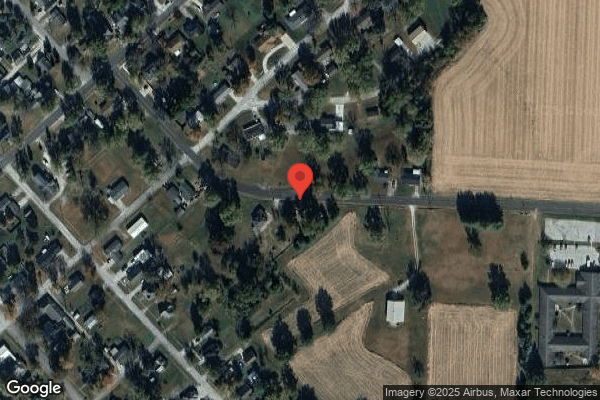
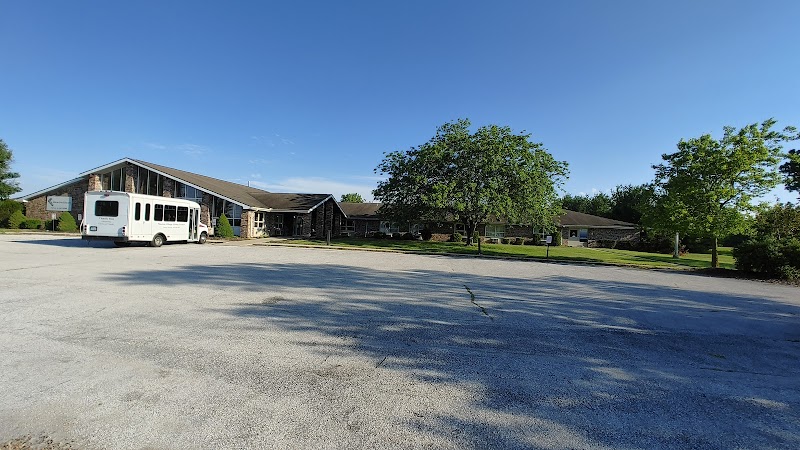
250 E LOCUST, WELLSVILLE, MO 63384 (573) 684-2002
For profit - Limited Liability company 112 Beds RELIANT CARE MANAGEMENT Data: November 2025
Trust Grade
18/100
#475 of 479 in MO
Last Inspection: May 2025

Inspected within the last 6 months. Data reflects current conditions.

Overview

Wellsville Health Care Center has a Trust Grade of F, indicating a poor reputation with significant concerns about care quality. It ranks #475 out of 479 nursing homes in Missouri, placing it in the bottom tier of facilities in the state and #3 out of 3 in Montgomery County, meaning only one local option is better. The facility is showing signs of improvement, with issues decreasing from 20 in 2024 to 15 in 2025. However, staffing is a weak point, as it has a low rating of 1 out of 5 stars, and although they report a turnover rate of 0%, they have failed to ensure adequate licensed nurse coverage, which has been documented multiple times. Specific incidents include a failure to protect residents from physical abuse when one resident with a history of aggression assaulted others, and a lack of a licensed nurse onsite to provide necessary care around the clock. Overall, while there are some signs of improvement, the facility faces serious weaknesses that families should carefully consider.

Trust Score
F
18/100
In Missouri
#475/479
Bottom 1%
Safety Record
High Risk
Review needed
Inspections
Getting Better
20 → 15 violations
Staff Stability
○ Average
Turnover data not reported for this facility.
Penalties
✓ Good
$15,298 in fines. Lower than most Missouri facilities. Relatively clean record.
Skilled Nurses
⚠ Watch
Each resident gets only 17 minutes of Registered Nurse (RN) attention daily — below average for Missouri. Fewer RN minutes means fewer trained eyes watching for problems.
Violations
⚠ Watch
46 deficiencies on record. Higher than average. Multiple issues found across inspections.
★☆☆☆☆
1.0
Overall Rating
★☆☆☆☆
1.0
Staff Levels
★☆☆☆☆
1.0
Care Quality
★☆☆☆☆
1.0
Inspection Score
Stable
2024: 20 issues
2025: 15 issues

The Good

  • Full Sprinkler Coverage · Fire safety systems throughout facility
  • No fines on record

Facility shows strength in fire safety.

The Bad

1-Star Overall Rating

Below Missouri average (2.5)

Significant quality concerns identified by CMS

Federal Fines: $15,298

Below median ($33,413)

Minor penalties assessed

Chain: RELIANT CARE MANAGEMENT

Part of a multi-facility chain

Ask about local staffing decisions and management

The Ugly 46 deficiencies on record

1 actual harm
Jul 2025 1 deficiency 1 Harm
SERIOUS (G) 📢 Someone Reported This

A family member, employee, or ombudsman was alarmed enough to file a formal complaint

Actual Harm - a resident was hurt due to facility failures

Free from Abuse/Neglect (Tag F0600)

A resident was harmed · This affected 1 resident

**NOTE- TERMS IN BRACKETS HAVE BEEN EDITED TO PROTECT CONFIDENTIALITY** Based on interview and record review, facility staff failed to ensure three residents' (Resident #3, #4, and #5) out of nine sam...

Read full inspector narrative →
**NOTE- TERMS IN BRACKETS HAVE BEEN EDITED TO PROTECT CONFIDENTIALITY** Based on interview and record review, facility staff failed to ensure three residents' (Resident #3, #4, and #5) out of nine sampled residents remained free from physical abuse when Resident #2 who had a history of physical aggression physically assaulted the residents. The facility census was 65.1. Review of the facility's Abuse and Neglect policy, revised 06/12/24, showed staff are directed as follows:-Abuse is the willful infliction of injury, unreasonable confinement, intimidation, or punishment with resulting physical harm, pain, or mental anguish which can include residents and staff;-Physical abuse is purposefully beating, striking, wounding, or injuring which includes but not limited to hitting, slapping, punching, biting, and kicking;-Facility will develop a policy for screening and training of employees, protection of residents, prevention of incidents, identification, and reporting of abuse. Facility will identify, correct, and intervene in abuse situations, protect resident from harm, identify and correct by providing interventions, and will take steps to prevent mistreatment. 2. Review Resident #2's admission Minimum Data Set (MDS), a federally mandated assessment tool, dated 04/13/25, showed staff assessed the resident as admitted on [DATE], had moderate cognitive impairment, exhibits physical and verbal behaviors which interfere with care and put others at risk of physical injury.Review of the resident's care plan, revised 07/24/25, assessed the resident with exhibits emotional distress, impaired coping skills, exhibits behaviors that may create disturbances for other residents, exhibits agitation.Review of the resident's nurse's notes showed staff documented:-On 04/09/25 at 7:43 A.M., resident yelled and became agitated with staff during care and the resident's roommate stated he/she did not feel safe in the room with the resident;-On 04/14/25 at 8:50 A.M., resident had a verbal altercation with another resident at breakfast;-On 04/24/25 at 2:53 A.M., resident verbally aggressive, disrespectful to peers, and got into other people's personal space to intimidate;-On 04/24/25 at 3:35 P.M., resident had a physical altercation with Resident #5 and kicked him/her;-On 06/17/25 at 2:29 A.M., physical altercation occurred on 06/16/25 at 10:40 P.M., between Resident #2 and Resident #4. Staff came to him/her LPN B and stated Resident #2 had beat the shit out of Resident #4. Resident #4 told him/her Resident #2 hit him/her and he/she complained of blurred vision and a headache. Resident #4 sent by ambulance to the hospital for evaluation and Resident #2 sent to the hospital for a psychiatric evaluation.-On 07/23/25 at 10:25 A.M., physical altercation occurred on 07/22/25 at 7:40 P.M. with Resident #3. Resident #2 punched Resident #3 in his/her left side of face causing him/her to fall to the wall behind him/her and hit his/her face on it. Resident #2 punched Resident #3. Staff one to one direct care with the resident until both residents were sent to the hospital for evaluation.During an interview on 07/24/25 at 10:00 A.M., Resident #7 said he/she has lived at the facility for a long time with no concerns until the past several months. The resident said he/she does not feel safe at the facility due to the physical altercations Resident #2 has caused. The resident said he/she is in fear of her safety and is thinking about moving from the facility. 3. Review Resident #3's Quarterly MDS, dated [DATE], showed staff assessed the resident as cognitively intact.Review of the resident's care plan, revised 7/22/25, showed staff assessed the resident as high risk for falls, and required assistance due to confusion. Review of the resident's nurse's notes, dated 07/23/25, showed staff documented a physical altercation occurred on 07/22/25 at 7:40 P.M., between Resident #2 and Resident #3. Resident #2 punched Resident #3 in his/her left side of face causing Resident #3 to spin, fall, and hit his/her face on the wall behind him/her. Staff documented the incident unprovoked. Staff took Resident #2 from the incident and stayed one on one direct care with Resident #2 until both residents were sent to the hospital for evaluation. Review of the resident's hospital discharge report, dated 07/22/25, showed the hospital performed a Computed Tomography (CT) (a non-invasive imaging procedure) of cervical spine, CT of head and brain, X-ray of pelvis, X-ray of right knee. Resident sustained a concussion.During an interview on 07/25/25 at 9:00 A.M., LPN B said he/she was the charge nurse on duty when the incident between Resident #2 and Resident #3 occurred. LPN B said he/she witnessed Resident #2 punch Resident #3 in his/her left face and the incident was unprovoked. LPN B said he/she thinks Resident #2 should have been placed on one-on-one direct care upon his/her readmission to the facility, but he/she was not working that day and does not know why he/she wasn't. 4. Review OF Resident #4's Quarterly MDS, dated [DATE], showed staff assessed the resident as cognitively intact.Review of the resident's care plan, revised 06/22/25, showed staff assessed the resident feels unsafe in the facility due to a physical altercation with another resident, staff were directed to educate resident to notify staff of any inappropriate behavior from other resident, and at risk for falls. Review of the resident's nurse's notes, dated 06/17/24, showed staff documented a physical altercation occurred on 06/16/25 at 10:40 P.M., between Resident #2 and Resident #4. Nurse documented staff came to him/her stating Resident #2 beat the shit out of Resident #4. Staff documented Resident #4 told him/her Resident #2 hit him/her and he/she complained of blurred vision and a headache. Resident #4 was sent by ambulance to the hospital for evaluation and Resident #2 was sent to the hospital for a psychiatric evaluation. Review of the resident's hospital discharge report, dated 06/17/25, showed the resident was treated at the ER for a concussion. During an interview on 07/24/25 at 10:25 A.M., The resident said he/she has not had any further physical altercations. The resident said after the physical altercation with Resident #2 he/she had a headache for several days. The resident said he/she does not feel safe in the facility and fears Resident #2. The resident said he/she has nightmares while sleeping of the incident still. During an interview on 07/24/25 at 10:28 A.M., Resident #8 said he/she is now roommates with Resident #4. The resident said Resident #4 talks about being afraid of Resident #2 and has nightmares when he/she sleeps about the incident with Resident #2 which wake him/her up when he/she does. During an interview on 07/25/25 at 9:00 A.M., LPN B said he/she was the charge nurse on duty when the altercation between Resident #2 and Resident #4 occurred. LPN B said the altercation happened after Resident #2 urinated on the floor and Resident #4 said he/she should not do that. LPN B said Resident #2 retaliated and hit Resident #4 multiple times before staff could get him/her to stop. 5. Review Resident #5's Annual MDS, dated [DATE], showed staff assessed the resident as cognitively intact. Review of the resident's care plan, revised 05/22/24, showed staff assessed the resident at risk for falls, and has impaired hearing.Review of the resident's nurse's notes, dated 04/24/25, staff documented a physical altercation occurred on 04/24/25 at 3:20 P.M., between Resident #2 and Resident #5. Resident #5 was attempting to pass by Resident #2 and said excuse me to Resident #2. Resident #2 began to yell and then kicked Resident #5 in the leg resulting in a golf ball size bruise. Resident #2 placed on one-on-one direct care until the ambulance arrived and took him/her to the hospital for a psychiatric evaluation.During an interview on 07/24/25 at 11:30 A.M., the resident said he/she remembered being kicked by a resident in his/her leg. The resident said he/she had a bruise on his/her leg after the incident. During an interview on 07/24/25 at 2:00 P.M., Registered Nurse (RN) A said he/she was the charge nurse when the altercation occurred between Resident #2 and Resident #5. RN A said he/she came around the corner to witness Resident #2 kick Resident #5. RN A said the incident was unprovoked and he/she immediately separated the residents to provide safety. RN A said he/she reported the incident to the resident's physician who gave orders to send Resident #2 to the ER for an evaluation. RN A said Resident #2 returned to the facility on [DATE] and was not placed on one-on-one direct care. RN A said Resident #2 is a threat for the safety to other residents. 6. During an interview on 07/24/25 at 2:30 P.M., the DON said he/she has been at the facility since prior to Resident #2's admission. The DON said Resident #2 has had three physical altercations with other residents since he/she was admitted to the facility. The DON said the first altercation was on 04/24/25 and the resident was sent to the hospital for a psychiatric evaluation and readmitted to the facility on [DATE]. The DON said he/she did not put the resident on one on one direct care at the time of readmission because this was the first incident. The DON said the second altercation was on 06/17/25 with a different resident. The DON said both residents were sent to the hospital and Resident #2 was admitted for a psychiatric stay. The DON said Resident #2 was readmitted to the facility on [DATE] and he/she did not place the resident on 1:1 direct care because the hospital said the resident was doing better and he/she did not think the resident would need 1:1 care. The DON said the third altercation happened on 07/22/25 with a different resident. The DON said both residents were sent to the hospital after. The DON said Resident #2 continues to be in the hospital on a psychiatric stay currently. The DON said due to the resident's prior history he/she now thinks the facility should have put the resident on 1:1 direct care upon his/her readmission and not gone by what the hospital told them. The DON said the facility is currently looking for alternative placement for the resident, but they don't have an accepting facility at this time. The DON said if the resident must return to the facility, he/she will be put on direct 1:1 care at all times.During an interview on 07/24/25 at 3:00 P.M., the Administrator said he/she started at the facility on 07/07/25 and was not aware of Resident #2's prior history of physical altercations until today. The Administrator said if he/she had known of the prior incidents he/she would have ensured Resident #2 was placed on 1:1 direct care with staff upon readmission to the facility until an alternate placement for the resident could be found. The Administrator said his/her expectations is for staff to always provide safety for all residents in the facility. The Administrator said he/she if an incident occurs, he/she expects staff to respond to the incident, separate the residents and provide safety, complete an assessment of the residents once safety is established, and to contact the resident's physician, responsible party, police if needed, the DON, and him/her to notify them of the incident. The Administrator said the facility would complete an investigation of the incident and he/she would expect interventions to be put in place to prevent the incident happening again. The Administrator said the facility is currently trying to find alternative placement for Resident #2 while he/she is in the hospital. The Administrator said if the facility is unable to find alternative placement and Resident #2 must return to the facility, he/she will ensure Resident #2 is put on 1:1 direct care with staff at all times until the facility can find alternative placement.Incident #2569214
May 2025 12 deficiencies
CONCERN (D)

Potential for Harm - no one hurt, but risky conditions existed

Deficiency F0558 (Tag F0558)

Could have caused harm · This affected 1 resident

**NOTE- TERMS IN BRACKETS HAVE BEEN EDITED TO PROTECT CONFIDENTIALITY** Based on observation, interview, and record review, facility staff failed to accommodate resident needs and preferences, when st...

Read full inspector narrative →
**NOTE- TERMS IN BRACKETS HAVE BEEN EDITED TO PROTECT CONFIDENTIALITY** Based on observation, interview, and record review, facility staff failed to accommodate resident needs and preferences, when staff failed to supply the correct size briefs for one resident (Resident #3) of four sampled, and failed to maintain a sit-to-stand lift (mechanical lift used for residents who can bear their own weight) in good repair for one resident (Resident #5) of four sampled residents. The facility census was 65. 1. Review of the facility's policy titled Resident Rights - Missouri, revised 07/05/23, showed residents have the right to reside and receive services with reasonable accommodation of individual needs and preferences, and the right to participate in his/her care. 2. Review of Resident #3's Annual Minimum Data Set (MDS), a federally mandated assessment tool, dated 03/05/25, showed staff assessed the resident as cognitively intact, diagnoses of an irregular heartbeat, heart failure, insomnia, depression, anxiety and diabetes, and incontinent of bowel and bladder. Review of the resident's care plan, revised 10/17/24, showed staff documented the resident required assistance with all Activities of Daily Living (ADL's). Review of the facility's supply orders showed: -04/10/25 order placed; 04/10/25 order approved. Review showed the order did not contain 3XL briefs; -04/16/25 order placed; 04/17/25 order approved. Review showed the order contained three boxes of size 3XL briefs; -04/22/25 order placed; 04/22/25 order approved: Review showed the order did not contain size 3XL briefs; -05/02/25 order placed; 05/07/25 order approved: Review showed the order contained two boxes of size 3XL briefs. During an interview on 05/05/25 at 11:35 A.M., the resident said he/she requires an 3XL brief and the facility rarely has any available. He/She said staff put an 2XL or smaller size brief on him/her most days and this causes his/her groin to become irritated, red, and painful. The resident said sometimes the staff have to use even small briefs on him/her and the briefs will not fasten, so staff have to tuck the briefs between his/her legs which causes leakage. The resident said this makes him/her uncomfortable and he/she feels embarrassed by this. Observation on 05/06/25 at 12:00 P.M., showed the supply closet did not contain any 3XL briefs. The supply closet did not contain any briefs larger than a size large. During an interview on 05/06/25 at 12:00 P.M., Nurse Aide (NA) N said the facility runs out of supplies frequently. NA N said the Social Service Designee (SSD) is responsible to order the nursing supplies. NA N said the facility does not usually have 3XL briefs in house supply. During an interview on 05/07/25 at 9:00 A.M., the SSD said he/she is responsible for ordering the nursing supplies needed in the facility and has been responsible since March 2025. The SSD said he/she is aware the facility has very little briefs. The SSD said he/she is aware the facility currently did not have any briefs larger than a size large available for the residents needs. The SSD said corporate allows him/her to order supplies the first and third week of the month. The SSD said the process he/she follows for ordering supplies is to submit his/her request for supply needs to the corporate office, the corporate office must then approve his/her order request, and once approved supplies are delivered on Thursday. The SSD said sometimes it takes one to two weeks to get the supply order approved by corporate. The SSD said the first order he/she made did not have enough supplies and he/she said that was his/her fault due to being his/her first order and not knowing how much the facility required. The SSD said the second order he/she submitted to corporate was much larger and corporate denied the approval of that order. The SSD said if a resident does not have the correct size brief it could cause the resident to develop skin breakdown, be uncomfortable, have leakage, and could be a dignity issue. During an interview on 05/07/25 at 9:25 A.M., the Director of Nursing (DON) said the SSD is responsible for ordering the nursing supplies. The DON said the facility has trouble getting supplies and due to an increase in census the facility has had trouble getting enough supplies. The DON said he/she is aware the facility has very little briefs. The DON said he/she is aware the facility currently has no briefs larger than a size large available for the residents needs. During an interview on 05/07/25 at 1:40 P.M., Certified Nurse Assistant (CNA) F said the facility frequently does not have supplies the residents and staff need to provide care. The CNA said the facility rarely has 3XL briefs in supply. The CNA said the facility census has increased but the number of supplies has not therefore the facility is not able to accommodate the resident needs at times. Observation on 05/07/25 at 4:05 P.M., showed the supply closet did not contain any 3XL briefs. During an interview on 05/07/25 at 4:05 P.M., Licensed Practical Nurse (LPN) P said the facility has been very low on supplies for quite a while. LPN P said the facility census has increased but the supplies have not. During an interview on 05/07/25 at 4:10 P.M., Registered Nurse (RN) O said said the nursing supplies have be very limited for several months. RN O said the facility has had an increase in census but have not had the supplies to accommodate the residents and the increase. RN O said the past two to three months is the worst he/she has seen it since he/she began working at the facility Observation on 05/08/25 at 9:20 A.M., showed the supply closet did not contain any 2XL briefs. During an interview on 05/08/25 at 2:05 P.M., the administrator said if a resident wears a brief that is too small it could be uncomfortable, and it could potentially cause skin breakdown. He/She said if staff run out of supplies, he/she expects them to report it and the facility has a credit card to use for emergency purchases. 3. Review of Resident #5's Quarterly MDS, dated [DATE], showed staff assessed the resident as cognitively intact with diagnoses of heart failure, high blood pressure, anxiety, depression, and asthma. Review of the resident's care plan, revised 01/07/24, showed staff documented the resident required the use of a sit-to-stand lift for transfers including toileting. Review of the resident's medical record showed staff documented the sit-to-stand lift did not work on 03/13/25, 04/24/25, and 05/04/25. Observation on 05/06/25 at 12:00 P.M., showed the sit-to-stand lift sat in the shower room with one leg loose to touch which caused the lift to be unstable. Observation showed when attempted to make the lift go up and down the lift stuttered and stopped midway. During an interview on 05/06/25 at 8:30 A.M., the resident said he/she tries to be as independent as possible and likes to stay active in the facility. The resident said he/she uses the sit-to-stand lift to transfer and the lift allows him/her to be toileted in his/her bathroom. The resident said the lift has frequently been broken over the past couple of months which has affected his/her quality of life. The resident said when the sit-to-stand lift is not working he/she can't use a bed pan instead of actually being taken to the bathroom. He/She the bed pan spills and makes a mess. The resident said this is embarrassing and degrading for him/her. The resident said he/she has reported the lift being broken multiple times to four different administrators. The resident said he/she has not gotten any follow up regarding his/her reports of the lift being broke or if it can or will be fixed. The resident said the facility only has one sit-to-stand lift and that lift has one leg that is extremely loose and has been for a long time. He/She said over the past several weeks the sit-to-stand lift has started having other mechanical issues and one time stopped working while he/she was in the lift during a transfer. The resident said due to the sit-to-stand lift being broke he/she has had to resort to using the hoyer lift for transfers which causes him/her pain due to rubbing on his/her leg from a prior fracture and does not allow her to use an actual toilet. During an interview on 05/06/25 at 12:00 P.M., NA N said the facility only has one sit-to-stand lift and it is broken. NA N said the lift has had a loose leg for months, and the maintenance director looked in to fixing it but the manufacturer didn't make parts for the lift anymore. The NA said over the past several weeks the lift has begun to stutter midair and is not usable. During an interview on 05/06/25 at 2:02 P.M., the DON said he/she knows the sit-to-stand lift is broken, and has been for a while. The DON did not know if the facility planned to order a new lift. During an interview on 05/07/25 at 12:00 P.M., the DON said the facility ordered a new sit-to-stand lift today. During an interview on 05/07/25 at 1:40 P.M., CNA F said the facility has one sit-to-stand lift and the leg has been loose on it for two years, and he/she said the management team has been aware of it being broken. CNA F said since staff have to use the Hoyer lift to transfer the resident he/she now has to use a bed pan instead of actually going to the bathroom, and the resident does not like it. During an interview on 05/07/25 at 4:05 P.M., LPN P said he/she knew the sit-to-stand lift was not working properly. LPN P said he/she worked the day it broke last and said he/she made administration aware of that. LPN P said the facility had two residents who used the sit-to-stand lift at the time it broke. LPN P said not having the sit-to-stand lift effected this resident most as the resident uses the toilet normally and is not able to when the sit-to-stand lift is not working, and the resident does not like having to use the bed pan instead. During an interview on 05/08/25 at 8:40 A.M., the maintenance director said he/she knew the sit-to-stand up lift was broken and has had a loose leg on it for quite a while. During an interview on 05/08/25 at 2:05 P.M., the Administrator said he/she started this week and had been informed during the survey of the sit-to-stand lift being broken. The Administrator said he/she expects the facility to have equipment in working order to provide care for the residents. MO00253198
CONCERN (D)

Potential for Harm - no one hurt, but risky conditions existed

Deficiency F0761 (Tag F0761)

Could have caused harm · This affected 1 resident

Based on observation, interview, and record review, licensed staff failed to ensure medications were monitored and stored in a safe and effective manner. Licensed staff failed to remove and discard di...

Read full inspector narrative →
Based on observation, interview, and record review, licensed staff failed to ensure medications were monitored and stored in a safe and effective manner. Licensed staff failed to remove and discard discontinued medication and improperly labeled medication from one sampled medication cart. The facility census was 65. 1. Review of the facility's policy titled Medication Storage Policy, dated 05/18/25, showed all medication rooms are routinely inspected by the consultant pharmacist for discontinued, outdated, defective, or deteriorated medications with worn, illegible, or missing labels. These medications are destroyed. Review of the facility's policy titled Administration of Insulin Policy, dated 05/14/25, showed insulin pens once opened should be disposed of after 28 days or according to manufacturer's recommendation. When administering insulin check the date on the pen and discard if expired. 2. Observation on 05/05/25 at 9:02 A.M., showed the nurse's medication cart contained: -Two Vials of Vitamin B Intramuscularly (IM) injection 1000 Micrograms (MCG)/milliliter (ml) with an expiration date of 12/11/24; -Lidocaine Hydrochloride 1% vial, 20 ml injection a 10 day supply, filled 12/26/24, opened and did not have an open date; -One vial of Lantus 100 Units/ml opened and did not have an open date; -One Vial of Fiasp (Insulin Aspart) 100 unit/ml with an open date of 03/04/25. -One vial of Lantus 100 units/ml opened and did not have an open date; -One vial of Fiasp 100 unit/ml vial opened and with an open date of 03/09/25. During an interview on 05/05/25 at 9:05 A.M. RN E said once a vial of insulin is opened, it should be used within 30 days. The RN said the insulin vials in the medication cart that were opened over 30 days ago should be destroyed. The RN said the insulin with no open dates, there is no way to tell if they are still within the 30 day period. The RN said he/she does not know why some of the insulin do not have open dates, or initials, because they should. The RN said on one probably noticed the expired medications. The RN said whoever has the keys for the nurse medication cart, is responsible to ensure the medications in the cart are not expired. The RN said staff should look at the open date before they administer insulin. The RN said he/she does not know how the nurses are looking at the open dates, when there isn't one on several vials of insulin. During an interview on 05/06/25 at 1:16 P.M., Licensed Practical Nurse (LPN) D said staff should clean the medication cart monthly, or when a medication is discontinued. The LPN said staff should check dates on the insulin vials during administration. The LPN said staff should date and initial insulin when they open it, since it has a 28-day shelf life. During an interview on 05/06/25 at 1:33 P.M., the Director of Nursing (DON) said he/she expects staff to check medication carts for expired meds weekly, he/she doesn't have an assigned day or shift for this to be completed. The DON said he/she expects staff to monitor dates when they administer medications. The DON said staff should date an insulin vial upon opening it. The DON said he/she thinks insulin can be used for 28 to 30 days once it has been opened. The DON said he/she does not know why staff are not taking expired medications out of the medication cart. The DON said ultimately it would be him/her, that is responsible to make sure staff are taking the expired medications out of the medication cart. The DON said he/she doesn't know why there are outdated open vials of insulin on the cart. The DON said he/she doesn't know why staff are not dating or initialing insulin when opened, because they should be. During an interview on 05/06/25 at 1:53 P.M., the administrator said staff should check the medication carts at least once a week for expired medications. The administrator said staff should date and initial insulin vials when they are opened. The administrator said insulin can be used for 30 days after it's opened. The administrator said he/she is not sure why there is expired medications on the cart. The administrator said he/she doesn't know why staff are not dating and initialing the insulin vials upon opening like they should be. The administrator said the DON is responsible to ensure the nurses are dating insulin and removing expired medications from the medication cart.
CONCERN (E)

Potential for Harm - no one hurt, but risky conditions existed

Safe Environment (Tag F0584)

Could have caused harm · This affected multiple residents

**NOTE- TERMS IN BRACKETS HAVE BEEN EDITED TO PROTECT CONFIDENTIALITY** Based on observation, interview, and record review, facility staff failed maintain a safe, clean, comfortable and homelike envir...

Read full inspector narrative →
**NOTE- TERMS IN BRACKETS HAVE BEEN EDITED TO PROTECT CONFIDENTIALITY** Based on observation, interview, and record review, facility staff failed maintain a safe, clean, comfortable and homelike environment, when staff failed to ensure resident areas were in good repair, failed to maintain the interior of the building and failed to maintain equipment. The facility census was 65 with a capacity of 112. 1. Review of the policies provided by the facility showed the records did not contain a policy related to upkeep of the facility's physical environment. 2. Observation on 05/05/25 at 11:33 A.M., showed resident occupied room [ROOM NUMBER] with black scuff marks along the wall under the window. Observation on 05/05/25 at 11:42 A.M., showed resident occupied room [ROOM NUMBER] with damaged drywall between the residents beds around the call light outlet; the light missing above the mirror in the room with capped wires exposed, and several holes and damaged dry wall above the sink. Observation on 05/05/25 at 11:48 A.M., showed resident occupied room [ROOM NUMBER] with four tiles between the two beds with chipped corners and another three tiles in front of bed B's dresser with chipped corners. Observation on 05/05/25 at 12:12 P.M., showed the ceiling vent in the 200 hall between resident occupied rooms [ROOM NUMBERS], with a dark black porous substance on louvers; and flaking paint around the metal edges of the vent cover. Observation on 05/06/25 at 7:05 A.M.,showed multiple deep gouges in the wall in unoccupied room [ROOM NUMBER]. Observation on 05/06/25 at 7:15 A.M., showed resident occupied room [ROOM NUMBER] bathroom door with multiple holes. Observation on 05/06/25 at 7:45 A.M., showed room [ROOM NUMBER] dresser drawer front missing. Observations on 05/06/25 from 8:10 A.M. to 8:20 A.M., showed the 400 hall and rooms: -Toilets in rooms 400, 401, 402, 403, 405 and 406 had brown to black stains in the bowl and they did not contain a tank covers; -Toilet bowl in room [ROOM NUMBER] had brown stains and insect larvae in the water; -Light fixtures and components removed in rooms 400, 402 and 410; -Light switch cover plates removed in rooms 402 and the family room; -The cable box cover removed in room [ROOM NUMBER]; -Electrical receptacle cover plates removed in rooms [ROOM NUMBER]. During an interview on 05/07/25 at 12:07 P.M., the maintenance assistant said the rooms on the the 400 hall had been that way for the duration of his/her employment at the facility and they often use fixtures from the rooms to make repairs in other rooms. The maintenance assistant said he/she did not know if anyone routinely cleaned the rooms or monitored them for hazards. The maintenance assistant said only the maintenance supervisor is authorized to order items to be delivered or purchase items locally to make repairs and the facility had not had a maintenance supervisor for about three weeks. During an interview on 05/07/25 at 12:07 P.M., the regional maintenance manager said he/she did not know of any plans to remodel or repair the rooms on the 400 hall and he/she did not know why the rooms were missing fixtures. The regional maintenance manager said the facility had a credit card to use for purchases, but the maintenance supervisor is the only person authorized to -Light switch cover plates missing in rooms to order items to be delivered or purchase items locally to make repairs and the facility did not have a maintenance supervisor. 3. Observations on 05/06/25 at 8:20 A.M., showed the electrical receptacle cover plates removed from the wall above the computer kiosk across from the 300 hall men's shower room and by the whirlpool tub in the shower room. Observations also showed piles of trash on the floor by the sink and behind the toilet in the shower room. Observation on 05/06/25 at 8:45 A.M., showed the corner of the 300 hall attic access broken off which created an unsealed hole in the ceiling. During an interview on 05/07/25 at 12:09 P.M., the maintenance assistant said he/she did not know about the hole in the ceiling. 4. Observation on 05/06/25 at 8:50 A.M., showed unoccupied room [ROOM NUMBER] did not contain a toilet, the cover of the wall mounted heating/air conditioner unit on the floor and a drawer removed from the dresser. During an interview on 05/07/25 at 12:45 P.M., the maintenance assistant said he/she did not know about the issues in the room. 5. Observation on 05/06/25 at 8:51 A.M., showed a five inch linear hole in the bathroom door of occupied room [ROOM NUMBER]. Observation on 05/06/25 at 8:52 A.M., showed toilet tank cover and light fixture cover removed from unoccupied room [ROOM NUMBER]. Observation on 05/07/25 at 10:55 A.M., showed a large cut out hole and the floor damaged in the dining room closet. During an interview on 05/07/25 at 10:55 A.M., the maintenance assistant said he/she did not know why there was a hole in the closet wall or what happened to the floor. The maintenance assistant said he/she had not been in the closet during his/her employment at the facility. During an interview on 05/08/25 at 1:11 P.M., Certified Medication Technician (CMT) I said he/she would report damaged walls and floors to the maintenance department. He/she thought there is a form to fill out, or would tell the maintenance director in person. CMT I said that honestly, he/she does not really look at the environment as he/she is focused on resident care and usually does not pay attention. CMT I said it would be more homelike for residents to have tile and walls repaired. During an interview on 05/08/25 at 1:17 P.M., Certified Nurse Aide (CNA) H said he/she would put a work order in to maintenance if something needed to be repaired or replaced. He/she did not know if there was a form, he/she thinks there is something on the computer charting system that asks about environmental concerns. CMT H said he/she normally tells the nurse, then fills out a form and gives it to the maintenance director. CMT H said he/she did notice the damaged walls and floors in the rooms on the 200 hall, but thought someone else had reported it, so he/she did not report it. During an interview on 05/08/25 at 1:33 P.M., Registered Nurse (RN) E said if he/she sees something that needs repaired he/she makes a maintenance request, and lets maintenance know. RN E said behind the nurse's desk there is a maintenance folder to put the forms in. RN E said he/she had not noticed the wires in room [ROOM NUMBER], or the tiles in room [ROOM NUMBER], and he/she usually works on the 100 and 300 halls. He/she said those items should be fixed and repaired for the residents to make it more homelike. During an interview on 05/08/25 at 9:45 A.M., the regional maintenance manager said facility maintenance staff, under the direction of the maintenance supervisor and administrator, are responsible for the maintenance of the facility. The regional maintenance supervisor said if something needs repaired staff should submit a work order to maintenance. The regional maintenance manager said he/she could not provide work orders for the items found in disrepair and the facility had not had a maintenance director for about three weeks. During an interview on 05/08/25 at 3:50 P.M., the administrator said the maintenance supervisor is responsible for the building and staff should submit a work order to maintenance if something needs repaired. The administrator said he/she just became the administrator in May 2025 and he/she could not provide work orders for the items found in disrepair, and the facility did not currently have a maintenance supervisor. 6. Observation on 05/06/25 at 7:20 A.M., showed a sign posted on one of two washing machines in the laundry room which read Washing machine out of order 2-6-25. During an interview on 05/06/25 at 7:20 A.M., the laundry aide said the washing machine did not work and he/she did not know if anyone had taken any actions to have it replaced or repaired. The laundry aide said it took a long time to get laundry done without it. During an interview on 05/07/25 at 11:00 A.M., the maintenance assistant said he/she worked part-time at the facility and he/she did not know the washing machine was out of order. The maintenance assistant said he/she did not know of any actions taken to repair or replace the machine. During an interview on 05/07/25 at 11:00 A.M., the regional maintenance manager said he/she did not know the washing machine was out of order and what actions, if any, had been taken to repair or replace the machine. During an interview on 05/08/25 at 3:15 P.M., the administrator said he/she just became the administrator in May 2025, he/she did not know the washing machine was out of order and what actions, if any, had been taken to repair or replace the machine.
CONCERN (E)

Potential for Harm - no one hurt, but risky conditions existed

Abuse Prevention Policies (Tag F0607)

Could have caused harm · This affected multiple residents

Based on record review and interview, facility staff failed to check the Employee Disqualification List (EDL), Family Care Safety Registry (FCSR), or complete a Criminal Background Check (CBC) for two...

Read full inspector narrative →
Based on record review and interview, facility staff failed to check the Employee Disqualification List (EDL), Family Care Safety Registry (FCSR), or complete a Criminal Background Check (CBC) for two sampled employees (Certified Nurse Aid (CNA) R, and Nurse Aide (NA) S), out of eight sampled newly hired employees. The facility failed to check the NA Registry for seven employees (Housekeeper T, Dietary Aide U, CNA V, CNA R, Licensed Practical Nurse (LPN) D, NA S and Registered Nurse (RN) E) out of eight sampled employees. The facility census was 65. 1. Review of the facility's policy titled Abuse and Neglect, dated 06/12/24, showed potential employees are screened for a history of abuse, neglect or mistreating of residents. 2. Review of the facility's policy titled Screening - Applicant, Employee, Volunteer and Vendor, date 05/14/24, showed Human Resources (HR) will conduct the following screens on potential employees prior to hire: -Criminal history using the request for Criminal Records Check, a CBC should be done through the Missouri Highway Patrol; -FCSR registration and background check must be completed within 15 days of the first date of employment; -EDL must be checked for every applicant, the results must be printed with the original initialed and dated by the person who conducted the check; -CNA Registry must be checked for all applicants regardless of the position for which they are applying. The results must be printed with the original initialed and dated by the person who conducted the check. 3. Review of CNA R's employee file showed a hire date of 09/30/24 and did not contain a completed EDL, CBC, or FCSR check prior to his/her work in the facility. During an interview on 05/06/25 at 9:40 A.M., the Business Office Manager (BOM) said he/she does not know why the pre-employment screenings were not completed for CNA R. The BOM said CNA R continues works at the facility. 4. Review of NA S's employee file showed a hire date of 05/07/24 and did not contain a completed EDL, CBC, or FCSR check prior to his/her work in the facility. During an interview on 05/06/25 at 9:40 A.M., the BOM said he/she does not know why the pre-employment screenings were not completed for NA S. The BOM said NA S still works at the facility. The BOM said the concern of not doing the pre-employment screenings, is the employee may have a history of abuse and not be able to work in long-term care. 5. During an interview on 05/06/25 at 1:53 P.M., the administrator said all staff have to have an EDL, CBC, FCSR and license check prior to starting at the facility. The administrator said the BOM is responsible for completing the checks. The administrator said it is the administrators responsibility to make sure the BOM completes the pre-employment checks. 6. Review of Housekeeper T's employee file showed a hire date of 03/10/25 and did not contain a CNA registry check prior to him/her starting at the facility. 7. Review of Dietary Aide U's employee file showed a hire date of 06/14/24 and did not contain a CNA registry check prior to him/her starting at the facility. 8. Review of CNA V's employee file showed a hire date of 12/09/24 and did not contain a CNA registry check prior to him/her starting at the facility. 9. Review of CNA R's employee file showed a hire date of 09/30/24 and did not contain a CNA registry check prior to him/her starting at the facility. 10. Review of LPN D's employee file showed a hire date of 01/22/25 and did not contain a CNA registry check prior to him/her starting at the facility. 11. Review of NA S's employee file showed a hire date of 05/07/24 and did not contain a CNA registry check prior to him/her starting at the facility. 12. Review of Registered Nurse E's employee file showed a hire date of 11/05/24 and did not contain a CNA registry check prior to him/her starting at the facility. 13. During an interview on 05/06/25 at 9:40 A.M., the BOM said he/she did not know the CNA Registry should be checked for all positions, he/she thought it was only checked for the CNA position. During an interview on 05/06/25 at 1:53 P.M., the administrator said he/she did not know all staff positions had to be checked against the CNA Registry. The administrator said the BOM is responsible to complete the CNA Registry checks prior to staff starting. The administrator said he/she is responsible to make sure the BOM completes the CNA Registry checks.
CONCERN (E)

Potential for Harm - no one hurt, but risky conditions existed

Deficiency F0628 (Tag F0628)

Could have caused harm · This affected multiple residents

**NOTE- TERMS IN BRACKETS HAVE BEEN EDITED TO PROTECT CONFIDENTIALITY** Based on interview and record review, facility staff failed to provide written information to the resident and/or the resident's...

Read full inspector narrative →
**NOTE- TERMS IN BRACKETS HAVE BEEN EDITED TO PROTECT CONFIDENTIALITY** Based on interview and record review, facility staff failed to provide written information to the resident and/or the resident's representative of the bed hold policy at the time of transfer to the hospital for seven residents (Resident #4, #5, #14, #25, #28, #56, and #57) out of 24 residents sampled. The facility census was 65. 1. Review of the facility's policy titled Bed Hold, revised 11/06/23, showed when a resident is discharged to the hospital or goes on therapeutic leave, the facility will provide the resident or their legal representative a copy of the bed hold policy. Review of the facility's policy titled Resident Transfer/Discharge, Immediate Discharge, and Therapeutic Leave, revised 05/15/24, showed before any resident is transferred or discharged the facility must notify the resident and/or representative the reason for discharge in writing, and a copy of the bed hold policy. Documentation of the bed hold policy being provided to the resident and/or representative must be put in the resident's medical record. The bed hold policy must provide information to the resident that explains the duration of the bed hold, the reserve bed payment policy, and addresses permitting the return of the resident to the next available bed. The facility must also notify the Ombudsman by sending a copy of the discharge/transfer notice monthly. 2. Review of Resident #4's medical record showed staff documented the resident discharged from the facility to the hospital on [DATE] and returned on 11/22/24. Review showed the resident discharged from the facility to the hospital on [DATE] and returned on 01/03/25. The medical record did not contain documentation staff issued a bed hold upon discharge to the resident or the resident's responsible party, and did not notify the ombudsman of the transfers/discharges. 3. Review of Resident #5's medical record showed staff documented the resident discharged from the facility to the hospital on [DATE] and returned on 11/21/24. Review showed the resident discharged from the facility to the hospital on [DATE] and returned on 12/21/24. The medical record did not contain documentation staff issued a bed hold upon discharge to the resident or the resident's responsible party, and did not notify the ombudsman of the transfer/discharge. 4. Review of Resident #14's medical record showed staff documented the resident discharged from the facility to the hospital on [DATE] and returned on 02/05/25. The medical record did not contain documentation staff issued a bed hold upon discharge to the resident or the resident's responsible party, and did not notify the ombudsman of the transfer/discharge. 5. Review of Resident #25's medical record showed staff documented the resident discharged from the facility to the hospital on [DATE] and returned on 01/02/25. Review showed the resident discharged from the facility to the hospital on [DATE] and returned on 01/23/25. The medical record did not contain documentation staff issued a bed hold upon discharge to the resident or the resident's responsible party, and did not notify the ombudsman of the transfer/discharge. 6. Review of Resident #28's medical record showed staff documented the resident transferred from the facility to the hospital on [DATE] and returned on 02/08/25. Review showed the resident transferred to the hospital on [DATE] and returned on 05/04/25. The medical record did not contain documentation staff issued a bed hold upon transfer to the resident or the resident's responsible party, and did not notify the ombudsman of the transfers/discharges. 7. Review of Resident #56's medical record showed staff documented the resident discharged from the facility to the hospital on [DATE] and returned on 02/24/25. Review showed the resident discharged to the hospital on [DATE] and returned on 03/12/25. The medical record did not contain documentation staff issued a bed hold upon discharge to the resident or the resident's responsible party, and did not notify the ombudsman of the transfers/discharges. 8. Review of Resident #59's medical record showed staff documented the resident discharged from the facility to the hospital on [DATE] and returned on 04/14/25. Review showed the resident discharged to the hospital on [DATE] and returned on 04/25/25. Review showed the resident discharged to the hospital on [DATE] and returned on 05/06/25. The medical record did not contain documentation staff issued a bed hold upon discharge to the resident or the resident's responsible party, and did not notify the ombudsman of the transfers/discharges. 9. During an interview on 05/08/25 at 9:51 A.M., the Social Service Designee (SSD) said he/she started as the SSD a week ago and has not been trained yet. The SSD said he/she does not know who is responsible to complete bed holds or notify the Ombudsman of a resident transfer and/or discharge. During an interview on 05/08/25 at 1:15 P.M., Licensed Practical Nurse (LPN) P said he/she does not know who is responsible to complete bed holds or notify the Ombudsman of a resident transfer and/or discharge. LPN P said he/she has not completed any bed holds. During an interview on 05/08/25 at 2:05 P.M., the administrator said it is his/her expectation that a bed hold be given to the resident or their responsible party upon discharge or transfer from the facility and the charge nurse is responsible to ensure it is completed. The administrator said the Ombudsman should be notified weekly of each resident discharge by the SSD. The Administrator said if a resident leaves emergently he/she expects the SSD to follow up within 24 hours to obtain the bed hold information. During an interview on 05/08/25 at 2:30 P.M., the Director of Nursing (DON) said the Business Office Manager (BOM) is responsible to ensure the bed holds are completed when a resident is discharged or transferred. The DON said bed holds should be given to the resident or their responsible party at the time of discharge or transfer. The DON said he/she did not know bed holds were not being completed. The DON said he/she is not certain who is responsible to notify the Ombudsman of a resident discharge or transfer, but he/she thought it was the SSD.
CONCERN (E)

Potential for Harm - no one hurt, but risky conditions existed

Deficiency F0657 (Tag F0657)

Could have caused harm · This affected multiple residents

**NOTE- TERMS IN BRACKETS HAVE BEEN EDITED TO PROTECT CONFIDENTIALITY** Based on observation, interview, and record review, facility staff failed to review and update the plan of care with changes in ...

Read full inspector narrative →
**NOTE- TERMS IN BRACKETS HAVE BEEN EDITED TO PROTECT CONFIDENTIALITY** Based on observation, interview, and record review, facility staff failed to review and update the plan of care with changes in the residents' care needs for ten residents (Residents #3, #4, #5, #6, #7, #10, #18, #25, #34, and #56) out of 20 sampled residents. Facility staff failed to hold care conferences for three residents (Resident #3, #10, and #21). The facility census was 65. 1. Review of the facility policy titled Comprehensive Care Plans, dated 10/31/24, showed the care planning process will include an assessment of the resident's strengths and needs, and will incorporate the resident's personal and cultural preferences in developing goals of care. The comprehensive care plan will be prepared by an interdisciplinary team that includes, but is not limited to the attending physician, a registered nurse, a nurse aide, a member of the food and nutrition services staff, the resident and the resident's representative to the extent practicable, as well as the activities director, social services director, and administration. The comprehensive care plan will be reviewed and revised by the interdisciplinary team after each comprehensive and quarterly Minimum Data Set (MDS), a federally mandated assessment tool, assessment. The individualized care service plan will be updated with pertinent information needed for nursing staff on the floor to provide the needed care for residents. The policy did not address care plan meetings or timing. 2. Review of Resident #3's Annual MDS, dated [DATE], showed staff assessed the resident as cognitively intact with diagnoses of Atrial Fibrillation (an irregular heartbeat), heart failure, insomnia, depression and anxiety. Review of the resident's care plan, revised 10/17/24, showed staff are directed to weigh the resident weekly on Monday. Review showed the care plan did not contain direction for anticoagulant (medication used to thin the blood), or antidepressant use or the resident's use of melatonin for sleep. Review of the resident's Physician's Order Sheet (POS), dated 05/05/25 showed: -Eliquis (medication used to thin the blood) 5 milligrams (mg) daily; -Melatonin (medication used for sleep) 6 mg at bedtime; -Remeron (antidepressant medication) 7.5 mg at bedtime; -Celexa (antidepressant medication ) 10 mg daily; -Do not have to obtain monthly weights due to residents' immobility. During an interview on 05/07/25 at 1:37 P.M., the resident said he/she had not been invited to a care plan meeting. 3. Review of Resident #4's Quarterly MDS, dated [DATE], showed staff assessed the resident as: -Cognitively intact; -Had not fallen since prior assessment; -Diagnoses of Parkinson's disease (a disorder of the central nervous system that affects movement, often including tremors), depression, Chronic Obstructive Pulmonary Disease (COPD), a group of lung diseases that block airflow and make it difficult to breathe), schizophrenia, and Post Traumatic Stress Disorder (PTSD), a disorder in which a person has difficulty recovering after experiencing or witnessing a terrifying event. Review of the resident's medical record showed staff documented the resident fell on [DATE] and had an abrasion and bruise to his/her leg. Review of the resident's care plan, dated 12/04/24, showed it did not address the resident's fall. 4. Review of Resident #5's Quarterly MDS, dated [DATE], showed staff assessed the resident as cognitively intact, with diagnoses of heart failure, high blood pressure, anxiety, depression and asthma. Review of the resident's POS, dated 05/05/25, showed: -A specialized cushion in wheelchair for comfort; -Low air loss mattress on bed for comfort; -Eliquis 5 mg two times a day; -Zoloft (antidepressant) 150 mg daily; -Ativan (antianxiety medication) 1 mg at bedtime. Review of the resident's care plan, revised 01/07/24, showed it did not contain direction for a specialized cushion to wheelchair, a low air loss mattress, or anticoagulant, antidepressant, or antianxiety medication use. During an interview on 05/07/25 at 1:12 P.M., the resident said he/she had not been invited to a care plan meeting in quite some time. 5. Review of Resident #6 Quarterly MDS, dated [DATE], showed staff assessed the resident as: -Severely cognitively impaired; -Had one fall since prior assessment; -Had an unhealed pressure injury; -Had one Stage three pressure injury (a deep wound characterized by full-thickness skin loss, where subcutaneous fat tissue is visible, but bone, tend or muscle is not exposed); -Received pressure injury care; -Had application of dressings to feet; -Diagnoses of high blood pressure, diabetes, anxiety, depression, Alzheimer's disease, dementia, and psychotic disorder. Review of the resident's medical record showed staff documented the resident fell on [DATE] and had bruising, and fell on [DATE] with no injuries. Review showed staff documented on 02/13/25 the resident had a wound on his/her right foot Review of the resident's POS, dated May 2025, showed order to cleanse the right foot wound with cleanser and apply skin prep (transparent liquid used to cover skin), related to Pressure Ulcer of other site, Stage 2 (a partial-thickness skin loss, involving the epidermis and potentially the dermis, may appear as a shallow, open ulcer with a red or pink wound bed), dated 05/09/25. Review of the resident's care plan, dated 04/10/25, showed it did not address the resident's two falls or his/her Stage 2 pressure injury. 6. Review of Resident #7's Quarterly MDS, dated [DATE], showed staff assessed the resident as: -Severely cognitively impaired; -Diagnoses of Alzheimer's disease, anxiety, and depression; -Did not receive hospice services. Review of the resident's care plan, revised 04/28/25, showed staff documented the resident received hospice services. Review of the resident's POS, dated 05/05/25, showed it did not contain an order for hospice services. Review of the resident's nurse's notes, dated 05/30/24, showed staff documented hospice services will discontinue on 05/31/24. Review of the resident's census showed hospice services were last billed on 05/31/24. During an interview on 05/07/25 at 8:10 A.M., Registered Nurse (RN) O said the resident received hospice services in the past but not now. RN O said the resident's care plan should have been updated when the resident was discharged from hospice. 7. Review of Resident #10 Quarterly MDS, dated [DATE], showed staff assessed the resident as: -Cognitively Intact; -Received antipsychotic, antianxiety, antidepressant, antiplatelet (prevents clots) medication; -Resident participation in assessment and goal setting; -Diagnoses of high blood pressure, diabetes, seizure disorder, anxiety, depression, PTSD, and Schizophrenia. Review of the POS, dated May 2025, showed orders for: -Lisinopril (blood pressure medication) 40 mg; -Plavix (antiplatelet medication) 75 mg; -Seroquel (antipsychotic medication) 50 mg in the morning and 100 mg at bedtime; -Venlafaxine (antidepressant medication) 75 mg; -Hydroxyzine (antianxiety medication) HCL 25 mg; -Topiramate (treats seizure disorder) 100 mg. Review of the resident's care plan, dated 01/14/25, showed it did not address the resident's use of antipsychotic, antianxiety, antidepressant, antiplatelet, seizure disorder, and/or high blood pressure medications. Review of the resident's medical record showed staff did not document a care plan conference had been held. During interview on 05/05/25 at 2:24 P.M., the resident said he/she has never been invited to a care plan meeting. He/She said when he/she asked about meetings, he/she was told they are not doing them because they do not have an MDS coordinator or a social services designee (SSD). 8. Review of Resident #18's Annual MDS, dated [DATE], showed staff assessed the resident as: -Cognitively intact; -At risk for pressure injuries; -Had one Stage 2 pressure injury; -Received pressure ulcer care; -Had limited range of motion to the upper and lower extremities on one side; -Dependent on staff for sit to stand, chair/bed to chair transfers, and toilet transfers; -Diagnoses of high blood pressure, diabetes, acid reflux, high cholesterol, stroke, thyroid disorder, dementia, hemiplegia (muscle weakness or partial paralysis on one side of the body), seizure disorder, depression, and Bipolar disease (a disorder associated with episodes of mood swings ranging from depressive lows to manic highs). Review of the resident's care plan, dated 04/10/25, showed staff documented the resident requires the use of a sit-to-stand lift (requires reliable weight bearing through one or both of the lower extremities) with assistance from two staff for transfers. Review showed the care plan did not address the resident's pressure injury. Review of the resident's POS, dated May 2025, showed Open Area Buttock: Cleanse with generic wound cleanser and apply Calcium alginate (would dressing) to open areas then cover with dry dressing daily every day shift, with a start date of 4/16/2025. Observation on 05/07/25 at 8:55 A.M., showed two staff members assisted the resident from his/her wheelchair to the bed using a hoyer lift (a device used to help caregivers safely lift and transfer patients who have mobility challenges, using a sling-like hammock to support the patient). During an interview on 05/08/25 at 1:17 P.M., CNA H said the resident used to be able to use the sit-to-stand lift but can't any longer due to weakness. The CNA said staff has been using the hoyer lift for a while now. 9. Review of Resident #21's Quarterly MDS, dated [DATE], showed staff assessed the resident as cognitively intact, Independent with ADL's and participated in assessment and goal setting. Review of the resident's medical record showed staff did not document a care plan conference had been held. During an interview on 05/06/25 at 10:56 A.M., the resident said it has been a while since he/she has been invited to a care plan meeting. He/She has been at the facility for 10 years and things have changed a lot. 10. Review of Resident #25's Quarterly MDS, dated [DATE], showed staff assessed the resident as cognitively intact with diagnoses of heart failure, high blood pressure, diabetes, high cholesterol, depression, and End Stage Renal Failure (ESRD), a severe condition where the kidneys are no longer able to filter waste and excess fluid from the blood effectively. Review of the resident's Quarterly MDS, dated [DATE], showed staff assessed the resident had a surgical wound. Review of the resident's medical record showed staff documented the resident had been admitted to the hospital on [DATE] and returned to the facility on [DATE] after surgery resulting in a colostomy (a surgical procedure that creates an opening (stoma) in the abdomen, allowing stool to exit the body). Review of the resident's care plan, dated 01/15/25, showed it did not address the resident's new colostomy or surgical wound. 11. Review of Resident #34's Quarterly MDS, dated [DATE], showed staff assessed the resident as: -Cognitively intact; -Diagnoses of Paraplegia (paralysis of the lower body), hypertension, anxiety, insomnia, depression, bipolar disorder, COPD; -Received hospice services; -Did not use oxygen. Review of the resident's care plan, revised 04/10/25, showed staff documented the resident used assist bars for mobility and positioning while in bed. The care plan did not contain direction for staff in regard to broda chair or shower gurney use, hospice services, antianxiety or mood stabilizing medication use or the resident's need for oxygen. Review of the residents POS, dated 05/05/25 showed: -Lithium (mood stabilizer) 150 mg bedtime; -Lorazepam (antianxiety medication) 2 mg/milliliter (ml) 0.25 mg every 4 hours as needed; -May have assist bars on bed for mobility and positioning; -Oxygen three liters per minute (LPM) via nasal cannula continuously; -Did not contain orders for hospice services. Review of the resident's census showed hospice services started on 03/01/25. Observation on 05/05/25 at 11:29 A.M., showed staff pushed the resident to the shower room on a shower gurney. Observation on 05/05/25 at 12:30 P.M., showed the resident sat in the dining room in a Broda chair. Observation on 05/05/25 at 2:13 P.M., showed the resident's oxygen concentrator on in his/her room with attached tubing. The resident's bed did not have assist bars. Observation on 05/06/25 at 8:15 A.M., showed the resident's oxygen concentrator on in his/her room with attached tubing. The resident's bed did not have assist bars. Observation on 05/07/25 at 1:26 P.M., showed the resident's oxygen concentrator on in his/her room with attached tubing. The resident's bed did not have assist bars. Observation on 05/08/25 at 8:35 A.M., showed the resident's oxygen concentrator on in his/her room with attached tubing. The resident's bed did not have assist bars. 12. Review of Resident #56's Quarterly MDS, dated [DATE], showed staff assessed the resident as: -Moderately cognitively impaired; -Diagnosis of Hepatitis B (a viral infection that effects the liver), heart block (an abnormal heartbeat), Atrial Fibrillation, B-cell Lymphoma (a type of cancer), hypertension, anxiety; -Had a Peripherally Inserted Central Catheter (PICC) line (a long tube inserted into a vein in the arm threaded to a larger vein near the heart) access. Review of the resident's care plan, revised 04/03/25, showed it contained direction for staff in regard to antidepressant medication use and non-weight bearing status. Review showed it did not contain direction in regard to the resident's PICC line, roho cushion or anticoagulant medication. Review of the POS, dated 05/05/25, showed order for Eliquis (anticoagulant medication) 5 mg two times a day, roho cushion to wheelchair, and PICC line dressing changes and flushes. The POS did not have an order for antidepressant medication. Observation on 05/05/25 at 2:19 P.M., showed the resident stood with a walker and tossed a ball with members of the therapy department. During an interview on 05/07/25 at 1:37 P.M., the resident said he/she had not been invited to a care plan meeting. The resident said he/she is working with therapy to increase his/her strength. He/She said therapy has him/her standing with a walker to work on balance. 13. During an interview on 05/07/25 at 1:00 P.M., the Dietary Manager (DM) said he/she has worked at the facility since August 2024. The DM said he/she has never been invited to a care plan meeting. During an interview on 05/07/25 at 4:05 P.M., Licensed Practical Nurse (LPN) P said care plans direct staff in regard to resident care. LPN P said a care plan should be individualized and match the resident's POS. LPN P said he/she has never been invited to a care plan meeting. During an interview on 05/08/25 at 9:45 A.M., the Activity Director (AD) said he/she has been employed at the facility since February 2025. The AD said he/she has never been invited to a care plan meeting. During an interview on 05/08/25 at 9:51 A.M., the SSD said he/she transferred to the SSD role last week, and prior to that was the staffing coordinator. The SSD said he/she does not know his/her responsibility regarding care plans and meetings yet as he/she has not been trained. The SSD said he/she did have two families call this week wanting to schedule a care plan meeting, but he/she has not set the meetings up. The SSD said the facility's MDS Coordinator left in January 2025 and the MDSs' are being completed remotely by a corporate nurse. During an interview on 05/08/25 at 1:07 P.M., the infection control/wound care nurse said to his/her knowledge the facility is not providing care plan meetings, and he/she has not been invited to any. He/She said he/she believes the meetings are not being held because the MDS coordinator works remotely. He/She said the SSD is in charge of setting up the meetings and the facility did not have one for a while. He/She said the SSD is new and just started this week. During an interview on 05/08/25 at 1:56 P.M., the SSD said he/she is new to the position and he/she has not been trained yet. He/She said he/she had not set up any care plan meetings and the prior MDS coordinator left in January and the SSD left two months ago. He/She said he/she does not know the process yet or timing but he/she knows the Interdisciplinary team (IDT) should be invited to meetings. He/She said the IDT team should consist of the DON, himself/herself, the resident and their guardian. During an interview on 05/08/25 at 2:05 P.M., the Administrator said he/she began his/her employment at the facility the first day of the survey process. The Administrator said he/she expects care plans to be updated timely, individualized, and to match the resident's POS. The Administrator said he/she did not know if care plan meetings were being held, but he/she expects care plan meetings completed quarterly for all residents. The Administrator said he/she expects the SSD, DM, AD, DON, nurses, hospice, and the resident or their responsible party to be invited to and attend care plan meetings. The Administrator said the MDS Coordinator is responsible for scheduling the care plan meetings for each resident and notifying the team, resident and/or responsible party of the date and time of the meeting. During an interview on 05/08/25 at 2:30 P.M., the Director of Nursing (DON) said the MDS Coordinator is responsible for scheduling care plan meetings for all residents and sending out the schedule. The DON said care plan meetings should be completed quarterly for all residents. The DON said the facility does not currently have an MDS Coordinator. The DON said a corporate nurse has been completing MDSs' remotely since January 2025 and the facility has not held any care plan meetings. Surveyor: [NAME], [NAME]
CONCERN (E)

Potential for Harm - no one hurt, but risky conditions existed

Drug Regimen Review (Tag F0756)

Could have caused harm · This affected multiple residents

**NOTE- TERMS IN BRACKETS HAVE BEEN EDITED TO PROTECT CONFIDENTIALITY** Based on interview and record review, facility staff failed to communicate pharmacy recommendations to the physician for four re...

Read full inspector narrative →
**NOTE- TERMS IN BRACKETS HAVE BEEN EDITED TO PROTECT CONFIDENTIALITY** Based on interview and record review, facility staff failed to communicate pharmacy recommendations to the physician for four residents (Resident #6, #10, #18, and #34) to prevent or minimize adverse consequences related to medication therapy to the extent possible out of 20 sampled residents. The facility census was 65. 1. Review of facility policy titled Pharmacy Services Policy, dated 05/18/24, showed the facility will employ or obtain the services of a licensed pharmacist who provides consultation on all aspects of the provision of pharmacy services in the facility. The pharmacist is responsible for helping the facility obtain and maintain timely and appropriate pharmaceutical services that support resident's healthcare needs, goals and quality of life that are consistent with current standards of practice and meet state and federal requirements. Review of the facility policy titled Medication Monitoring Policy, dated 05/18/24, showed this facility takes a colloborative, systematic approach to medication management, including monitoring of medications for efficacy and adverse consequences. Each resident's medication regimen is reviewed by a licensed pharmacist at designated intervals, and whenever changes in condition that could be related to medications are noted. Irregularities are reported and addressed in accordance with facility policy for medication regimen reviews (MRRs) and addressing irregularities. Review of the policies provided by the facility did not contain a policy for MRRs. 2. Review of Resident #6's Quarterly Minimum Data Set (MDS), a federally mandated assessment tool, dated 04/25/25, showed staff assessed the resident as severely cognitively impaired with diagnoses of high blood pressure, diabetes, anxiety, dementia, and psychotic disorder (a group of serious mental illnesses that all have signs of psychosis, and losing touch with reality). Review of the pharmacist's MRR notes showed: -On 09/24/24 MRR-Chart reviewed for Irregularities Recommendations made to Medical Doctor see report for details; -On 01/25/24 MRR-Chart reviewed for Irregularities Recommendation made to Psychiatric Medical Doctor see report for details; -On 03/23/25 MRR-Chart reviewed for Irregularities Recommendation made to Medical Doctor see report for details. Review of the resident's medical record showed the record did not contain documentation of the pharmacist's report or physician responses. 3. Review of Resident #10 Quarterly MDS, dated [DATE], showed staff assessed the resident as cognitively Intact with a diagnoses of high blood pressure, diabetes, seizure disorder, anxiety, depression, post traumatic stress disorder (PTSD), a disorder in which a person has difficulty recovering after experiencing or witnessing a terrifying event, and Schizophrenia. Review of the pharmacist's MRR note showed: -On 11/25/24 MRR-Chart reviewed for irregularities recommendation made to Medical Director see report for details and nursing see report for details; -On 03/23/25 MRR-Chart reviewed for irregularities recommendation made to Medical Doctor see report for details. Review of the resident's medical record showed the record did not contain documentation of the pharmacist's report or physician response. 4. Review of Resident #18's Annual MDS, dated [DATE], showed staff assessed the resident as cognitively Intact with diagnoses of high blood pressure, diabetes, acid reflux, high cholesterol, stroke, thyroid disorder, dementia, hemiplegia (muscle weakness or partial paralysis on one side of the body), seizure disorder, depression, and Bipolar disease (a disorder associated with episodes of mood swings ranging from depressive lows to manic highs). Review of the pharmacist's MRR note,dated 04/03/25, showed chart reviewed for Irregularities Recommendation made to Medical Doctor see report for details. Review of the resident's medical record showed the record did not contain documentation of the pharmacist's report or physician response. 5. Review of Resident #34's Quarterly MDS, dated [DATE], showed staff assessed the resident as: -Cognitively intact; -Diagnosis of Paraplegia, anxiety, depression, bipolar disease; -Received antipsychotic, antidepressant, and antianxiety medications. Review of the pharmacist's MRR note, dated 03/24/25, showed chart review for irregularities, recommendations made for physician review, see report for details. Review of the resident's medical record showed the record did not contain documentation of the pharmacist report or physician response. 6. During an interview on 05/07/25 at 8:30 A.M., the Director of Nursing (DON) said he/she started at the facility in January, and he/she does not have any documentation of pharmacy recommendations prior to that. The DON said he/she does not know where the recommendations would be if not scanned in the system. He/She said he/she is responsible for ensuring the recommendations are addressed by the physician. He/She said if the recommendations are not in his/her book they may be scanned into the computer, if they are not there he/she does not know where the recommendations are. During an interview on 05/08/25 at 2:18 P.M., the administrator said the pharmacy should review medications monthly and on admission, and if there are recommendations they complete a progress note and send the recommendation letters. The letters get emailed to the DON, and then the facility has three days to get with the physician. The administrator said he/she found out they could not find them. He/she said the DON sent the recommendations to the doctor to sign either agreeing or disagreeing and the doctor is horrible about signing and sending back, so staff have to follow up otherwise they just do not do it. The Administrator said he/she has only been the administrator at the facility for four days.
CONCERN (E)

Potential for Harm - no one hurt, but risky conditions existed

Deficiency F0947 (Tag F0947)

Could have caused harm · This affected multiple residents

Based on interview and record review, facility staff failed to ensure nurse aides (NA) received the required 12 hours of training annually. The facility census was 65. 1. Review of the facility's poli...

Read full inspector narrative →
Based on interview and record review, facility staff failed to ensure nurse aides (NA) received the required 12 hours of training annually. The facility census was 65. 1. Review of the facility's policies showed staff did not provide a policy for staff training. Review of the Facility Assessment, dated 04/18/25, showed staff were to have the following trainings annually: Preventing, Recognizing, and Reporting Abuse; Resident Rights; Health Insurance Portability and Accountability Act (HIPAA); Culture change- person centered care; Infection control; Dementia management; Disaster planning and procedures; and Caring for residents with Alzheimer's, dementia, mental illness, and specialized care. Review of the facility's Census and Condition of Residents, dated 05/06/25, showed staff documented twelve residents resided in the facility with diagnoses of dementia and/or Alzheimer's disease. Review of the facility's Training log, dated June 2024, showed the log did not contain documentation that NAs had been provided or completed further education. During an interview on 05/08/25 at 11:36 A.M., the Director of Nursing (DON) said he/she just started in this position in January, and is not sure what has or has not been completed prior to him/her taking over. The DON said he/she does not have records of the education completed previously. He/She said staff attend in-services every other Friday, but the topics do not cover the 12-hour required education. The DON said the topics were not covered because he/she did not know the required education until this week. During an interview on 05/08/25 at 12:05 P.M., the Regional Nurse said the facility uses online training for their 12 hours of yearly education. He/She said he/she checked online and the required education has not been completed. He/She said the DON is responsible for ensuring the required education is done. He/She said he/she is not sure why it is not completed. During an interview on 05/08/25 at 1:07 P.M., the infection control/wound nurse said to his/her knowledge the facility had not provided education over the required trainings. He/She said every pay period there are in-services provided over various subjects/updates that staff are required to come attend. During an interview on 05/08/25 at 1:35 P.M., Certified Nurse Aide (CNA) H said he/she does not know of any required online trainings. The CNA said staff attend in-services every pay period over various updates or reminders. During an interview on 05/08/25 at 2:05 P.M., the Administrator said he/she knows staff should be completing 12 hours of yearly education and it should be complete online. He/She said he/she is new this week, so he/she is unsure of why the education is not completed. He/She said it is the responsibility of the DON to ensure the required education is completed yearly.
CONCERN (F)

Potential for Harm - no one hurt, but risky conditions existed

Deficiency F0725 (Tag F0725)

Could have caused harm · This affected most or all residents

Based on interview and record review, facility staff failed to ensure there was a licensed nurse onsite to provide necessary nursing care and services 24 hours a day, seven days a week. The facility c...

Read full inspector narrative →
Based on interview and record review, facility staff failed to ensure there was a licensed nurse onsite to provide necessary nursing care and services 24 hours a day, seven days a week. The facility census was 65. 1. Review of the Facility's policies showed staff did not provide a policy for Licensed Nurses. Review of the Facility Assessment, dated 04/18/25, showed staff documented the facility required three Licensed Practical Nurses (LPNs) daily. Review of the Nurse Staff Schedule, dated October 2024, showed staff did not ensure 24-hour a day licensed nurse coverage on: -10/19/24 for 11 hours and 18 minutes; -10/20/24 for 15 hours and 52 minutes; -10/27/24 16 hours; -10/28/24 6 hours. Review of the Nurse Staff Schedule, dated November 2024, showed staff did not ensure 24-hour a day licensed nurse coverage on: -11/02/24 for 17 hours and 26 minutes; -11/03/24 for 9 hours and 30 minutes; -11/06/24 for 6 hours; -11/08/24 for 8 hours and 25 minutes; -11/17/24 for 4 hours and 34 minutes; -11/19/24 for 2 hours and 37 minutes; -11/20/24 for 11 hours and 21 minutes; -11/21/24 for 11 hours and 29 minutes; -11/22/24 for 5 hours and 55 minutes; -11/23/24 for 7 hours and 5 minutes; -11/24/24 for 1 hours and 55 minutes; -11/25/24 for 5 hours and 34 minutes; -11/26/24 for 11 hours and 3 minutes; -11/27/24 for 11 hours and 25 minutes; -11/28/24 for 12 hours; -11/29/24 for 2 hours and 14 minutes; -11/30/24 for 30 minutes. Review of the Nurse Staff Schedule, dated December 2024, showed staff did not ensure 24-hour a day licensed nurse coverage on: -12/1/24 for eight hours and 20 minutes; -12/06/24 for 6 hours; -12/27/24 for 5 hours and 3 minutes; -12/28/24 for 5 hours and 30 minutes. During an interview on 05/08/25 at 1:56 P.M., the staffing coordinator/Social Services Designee (SSD) said he/she has been responsible for scheduling since November. He/She said there were days the facility went without a licensed nurse in the building. He/She said they tried to use agency nurses to fill the holes and but they would not always show up. He/She said when staff wouldn't show up, he/she would contact the Director of Nursing (DON), the administrator or corporate. He/She said he/she knows they need a licensed nurse in the building 24-hours a day, seven days a week. During an interview on 05/08/25 at 2:05 P.M., the administrator said he/she is new as of this week, but said there should always be a licensed nurse in the building. He/She said the staffing coordinator is responsible for ensuring the facility has licensed staff 24-hours a day seven days a week. During an interview on 05/08/25 at 2:33 P.M., the DON said it is his/her responsibility to ensure there are an appropriate number of staff in the building. He/She said they should have a licensed staff in the building 24-hours a day seven days a week. He/She said he/she started in January but took over in February. He/She said they have had licensed staff in the building scheduled since he/she took over. He/She said he/she is not sure what they did before him/her starting.
CONCERN (F)

Potential for Harm - no one hurt, but risky conditions existed

Deficiency F0727 (Tag F0727)

Could have caused harm · This affected most or all residents

Based on interview and record review, facility staff failed to provide the services of a Registered Nurse (RN), for at least eight consecutive hours per day, seven days a week. The facility census was...

Read full inspector narrative →
Based on interview and record review, facility staff failed to provide the services of a Registered Nurse (RN), for at least eight consecutive hours per day, seven days a week. The facility census was 65. 1. Review of the facility's RN policy, revised on 04/30/24, showed the facility will utilize the services of a RN for at least eight consecutive hours per day, seven days per week. Review of the facility Payroll Based Journal (PBJ), a method to collect auditable and verifiable staffing data from nursing facilities, report for Fiscal Year 2024, Quarter 4 (October 1 through December 31) showed triggers for no RN hours for 10/13, 10/15, 10/19, 10/21, 10/26, 10/27, 11/02, 11/24, and 12/02. Review of the Facility Assessment, dated 04/18/25, showed staff determined one Registered Nurse (RN) should be staffed daily. 2. Review of the facility's RN staff schedule, agency schedule, and PBJ submitted RN hours, dated October 2024, showed the facility did not have an RN in the building, for eight consecutive hours on 10/06/24, Sunday 10/13/24, Tuesday 10/15/24, Saturday 10/19/24, Monday 10/21/24, Saturday 10/26/24, and Sunday 10/27/24. 3. Review of the facility's RN staff schedule, agency schedule, and PBJ submitted RN hours, dated November 2024, showed the facility did not have an RN in the building for eight consecutive hours, on Saturday 11/02/24 and Sunday 11/24/24. 4. Review of the facility's RN staff schedule, agency schedule, and PBJ submitted RN hours, dated December 2024, showed the facility did not have an RN in the building for eight consecutive hours on Monday 12/02/24. 5. During an interview on 05/08/25 at 1:56 P.M., the staffing coordinator/Social Services Designee said he/she has been responsible for scheduling since November. He/She said there were days that the facility went without an RN in the building. He/She said they would use agency nurses to try and fill the holes and then the nurses wouldn't show up. He/She said when staff wouldn't show up, he/she would contact the Director of Nursing (DON), the administrator or corporate. He/She said he/she knows they need a registered nurse at least eight consecutive hours a day, seven days a week. During an interview on 05/08/25 at 2:05 P.M., the Administrator said he/she is new as of this week, but was told the DON at the time was covering the RN shifts but not clocking in. He/She said the staffing coordinator is responsible for ensuring the facility has RN coverage eight consecutive hours a day seven days a week. During an interview on 05/08/25 at 2:33 P.M., the DON said it is his/her responsibility to ensure there are an appropriate number of staff in the building. He/She said they should have a registered nurse in the building for eight consecutive hours a day seven days a week. He/She said he/she started in January but took over in February. He/She said they have had a registered nurse scheduled since he/she took over. He/She said he/she is not sure what the previous administration did prior to him/her starting.
CONCERN (F)

Potential for Harm - no one hurt, but risky conditions existed

Food Safety (Tag F0812)

Could have caused harm · This affected most or all residents

Based on observation, interview and record review, the facility staff failed to store food in a manner to prevent potential contamination, out-dated use and the reuse of single-service food containers...

Read full inspector narrative →
Based on observation, interview and record review, the facility staff failed to store food in a manner to prevent potential contamination, out-dated use and the reuse of single-service food containers. Facility staff failed to maintain kitchen equipment and floors clean and in good repair. Facility staff failed perform hand hygiene as often as necessary to prevent cross-contamination. Facility staff failed to allow sanitized dishes to air dry prior to stacking in storage to prevent the growth of food-borne pathogens. Facility staff also failed to properly contain waste and refuse to prevent the harboring and/or feeding of rodents and pests when the facility failed ensure indoor waste containers remained covered when not in actual use. These failures have the potential to affect all residents. The facility census was 65. 1. Review of the facility's Dietary-Equipment Operations, Infection Control, and Sanitation Policy, dated 02/02/24, showed: -A cleaning schedule shall be posted with task designated to specific positions in the department; -All task shall be addressed as to frequency of cleaning; -General daily and weekly cleaning schedules may be used or Cleaning Schedules by position may be used; -The dietary employee should complete the tasks assigned for the day and shift; -The proper operation temperature for a freezer is zero degrees Fahrenheit (dF) to -10 dF; -The policy did not contain direction to staff related to food storage requirements or how to report or manage equipment in need of repair. Review of the facility's Dietary Manager (DM) Daily Checklist, dated 09/2020, showed the checklist directed the DM to ensure the following within 30 minutes of entering the kitchen: -All food is covered, dated, and labeled; -Food is stored 18 inches from the ceiling and six inches off the floor; -Outdated food is discarded; -All logs are completed and correct (refrigerators, freezers, dish machine, pot and pan sink, cooling, sanitizer part per million, end cook and food service temperatures); -Cleaning schedule posted and initialed as tasks are completed; -Verify the deep clean task from prior day was completed. Review of the facility's Daily Cleaning Schedule, undated, showed the cleaning schedule directed staff to clean the refrigerators inside and out, defrost the deep freezer, and ensure everything is dated and rotated. Observation on 05/05/25 at 10:09 A.M., showed the kitchen service station contained: -an opened and undated one gallon bottle of barbeque sauce in the reach-in refrigerator. Observation also showed the gasket seals on the each of the three doors of the refrigerator torn and multiple areas of dried liquid and food debris on the rack inside the refrigerator which contained trays of drinks; -an undated and unlabeled bulk container of sugar removed from its original package with a scoop stored inside the container with its handle on the sugar; -an undated bulk container of raisin bran cereal, removed from its original package; -an excess of dried food debris on the exterior tops and sides of three plastic containers used for the storage of disposable utensils; -an excess of dried food debris on the exterior tops of six plastic containers used for the storage of various condiments. Observation on 05/05/25 at 10:24 A.M., showed the dry goods pantry contained: -a 22 quart plastic container of powdered milk removed from its original package, dated 12/08/23; -an undated 12 quart container of salt removed from its original package with a scoop stored inside the container with its handle on the sugar; -an opened and undated bag of potato chips; -an opened and undated bag of tortilla chips; -an opened and undated 10 pound bag of dried macaroni noodles; -an undated 20 pound bag of breadcrumbs opened to the air; -an undated 25 pound box of parboiled rice opened to the air; -two opened and undated packages of flour tortillas. During an interview on 05/05/25 at 10:24 A.M., the dietary manager (DM) said he/she did not know how long powdered milk lasts once opened and the powdered milk had been on the shelf for the duration of his/her employment in 2023. Observation on 05/05/25 at 10:30 A.M. showed the gasket seal on the door to the walk-in refrigerator torn. Observation showed the refrigerator contained: -an opened and undated five pound bag sliced pepperoni; -an opened and undated five pound bag of sausage crumbles; -three five pound plastic containers, previously used for manufacturer packaged cottage cheese, dated 5/4 used to store cooked broccoli and cheese, baked chicken and cooked buttered noodles. Observation showed the containers did not contain descriptions or emblems to indicate the containers were not single-service containers. Observation on 05/05/25 at 10:32 A.M., showed the gasket seal on the door to the walk-in freezer torn which prevented the full closure of the door and a water pooled on the floor in front of the freezer. Observation showed food stored inside the freezer and the ambient temperature inside the freezer measured 20 dF. Observation on 05/05/25 at 10:40 A.M., showed the gasket seal torn on the lid to the chest freezer torn. Observation showed the chest freezer contained an undated bag of individually quick frozen (IQF) chicken opened to the air and an undated and unlabeled bag of unidentifiable meat patties. During an interview on 05/05/25 at 10:42 A.M., the DM said opened and prepared food items should be stored labeled, dated and sealed and staff should not leave scoops in the bulk food containers. The DM said the staff that put away the opened or prepared food items are responsible to store them properly and all staff have been trained on food storage requirements. The DM said he/she checks the food storage sometimes and if he/she finds an issue, he/she reeducates the staff. The DM said if staff see something that needs repair, they should notify him/her so that he/she can put in a maintenance request for the repairs and staff have been trained on this procedure. The DM said he/she did not know about the torn gasket seals on the refrigerator and freezer doors. The DM said the temperature inside freezers should be zero dF or below and he/she did not know the temperature inside the walk-in freezer measured greater than zero. Observation on 05/05/25 at 11:06 A.M., showed an undated container labeled as cinnamon sugar covered with aluminum foil that had a hole in it which exposed the contents to the air. Observation on 05/07/25 at 6:45 A.M., showed the dry goods pantry contained: -cases of augratin potatoes, orange juice and apple juice stored on the floor, -an opened and undated 10 pound bag of dried macaroni noodles; -an undated 20 pound bag of breadcrumbs opened to the air; -an opened and undated 25 pound box of parboiled rice; -two opened and undated packages of flour tortillas. During an interview on 05/07/25 at 6:55 AM, the DM said the cases of augratin potatoes, orange juice and apple juice had been on the floor since delivered by the vendor on the morning of 05/05/25. The DM said food should not be stored on the floor, but he/she could not lift the cases from the floor due to an issue with his/her back. The DM said he/she asked the night shift aide to put them on a cart so he/she could put them away but the aide did not put them on the cart. The DM said he/she did not ask any other staff in the facility to help him/her get the cases off the floor. Observation on 05/07/25 at 7:59 A.M., showed the gasket seal torn on the lid to the chest freezer torn. Observation showed the chest freezer contained an undated bag of IQF chicken opened to the air and an undated and unlabeled bag of unidentifiable meat patties. Observation on 05/07/25 at 8:12 A.M., showed the gasket seal on the door to the walk-in freezer torn which prevented the full closure of the door and a water pooled on the floor in front of the freezer. Observation showed food stored inside the freezer and the ambient temperature inside the freezer measured 20 dF. Observation on 05/07/25 08:14 AM showed the gasket seal on the door to the walk-in refrigerator torn. Observation showed the refrigerator contained: -an opened and undated five pound bag sliced pepperoni; -an opened and undated five pound bag of sausage crumbles; -three five pound plastic containers, previously used for manufacturer packaged cottage cheese, dated 5/4 used to store cooked chicken, buttered noodles and broccoli and cheese. Observation showed the containers did not contain descriptions or emblems to indicate the containers were not single-service containers; -a large clear plastic container, dated 5/5 used to stored cooked Italian chicken. Observation showed the container did not contain a description or emblem to indicate the container was not a single-service container. During an interview on 05/07/25 08:24 AM , the DM said food storage containers should be clean and in good repair. The DM said staff had reused the empty manufacturer food packaged containers for food storage for the duration of his/her employment which began in 2023 and he/she did not know they could not be reused. During an interview on 05/08/25 at 10:27 A.M., the administrator said opened and prepared food items should be stored labeled, dated and sealed in approved containers and staff should not leave scoops in the bulk food containers. The administrator said staff should not use old cottage cheese containers to store leftover food. The administrator said powdered milk should be used by the date on its package and if removed from the package staff should find out how long it last and date it with a use-by date. The administrator said he/she did not know how long powdered milk lasts once opened, but powered milk opened in December 2023 would no longer be good for use. The administrator said food should not be stored on the floor and if there if staff are not able to pick up food from the floor due to health reasons, they should ask him/her or other staff for assistance. The administrator said the DM did not ask him/her for assistance. The administrator said staff should be trained on proper food storage requirements, the DM is responsible to monitor food storage daily when on duty and if any staff see something that needs correction, they should fix them immediately. The administrator said staff should clean kitchen equipment daily and if equipment is damaged, staff should put in a work order to maintenance for repairs. The administrator said the temperature of freezers should be zero dF or below, he/she did not know about the torn gasket seals on the refrigerator and freezer doors and he/she did not know the temperature in the walk-in freezer was greater than zero dF. 2. Review of the facility's Dietary-Equipment Operations, Infection Control, and Sanitation Policy, dated 02/02/24, showed: -A cleaning schedule shall be posted with task designated to specific positions in the department; -All task shall be addressed as to frequency of cleaning; -General daily and weekly cleaning schedules may be used or Cleaning Schedules by position may be used; -The dietary employee should complete the tasks assigned for the day and shift; -The policy directed staff to dust mop or sweep the floors and then mop the floors with instruction to make a long stroke with the mop close to the baseboard and then continue to mop the floor in nine feet by 12 feet areas at a time; -The policy did not contain direction as to the frequency for staff to sweep and mop the floors or how damaged floors should be addressed. Review of the facility's DM Daily Checklist, dated 09/2020, showed the checklist directed the DM to ensure the cleaning schedule is posted and initialed as tasks are completed within 30 minutes of entering the kitchen. Observations on 05/05/25 at 10:15 A.M. and 05/07/25 at 8:05 A.M., showed the kitchen did not contain a visible cleaning schedule. Observation showed an excessive accumulation of dirt and food debris underneath the dishwasher and counters in the mechanical dishwashing station and under the counters in the manual dishwashing station. Observations on 05/05/25 at 10:40 A.M. and 05/07/25 at 8:06 A.M., showed an excessive accumulation of dirt, food debris and trash on the floor behind the chest freezer. Observations on 05/05/25 at 10:32 A.M. and 05/07/25 at 8:12 A.M., showed an approximate six feet by one foot section of floor covering removed from in front of the walk-in freezer. Observation showed an accumulation of dirt, food debris and water in the exposed area. During an interview on 05/05/25 at 10:42 A.M., the DM said if staff see something that needs fixed, they should notify him/her so that he/she can put in a maintenance request for the repairs and staff have been trained on this procedure. Review of the facility's Daily Cleaning list, undated, provide by the DM on 05/07/25, showed the cleaning list directed staff to sweep the floors after every meal and to mop the floors each shift. During an interview on 05/07/25 at 8:24 A.M., the DM said he/she did have a cleaning schedule for the kitchen, but he/she did not post. The DM said staff are trained to sweep and mop the floors daily and they should sweep and mop under the counters and equipment. The DM said the floor in front of the walk-in freezer had been that way for a while due and he/she had not put in a maintenance request to repair it. During an interview on 05/08/25 at 10:27 A.M., the administrator said staff should sweep and mop the kitchen floors daily and as needed and staff should sweep and mop under counters and equipment. The administrator said if something needs repairs, staff are to put in a work order to maintenance for repairs. The administrator said he/she just became the administrator and he/she did not know about the issues with the floors. 3. Review of the facility's Dietary-Equipment Operations, Infection Control, and Sanitation Policy, dated 02/02/24, showed the policy directed staff to operate the ice machine in accordance with manufacturer's instructions, wash the exterior of the ice machine daily, and remove ice and washed the inside of the machine monthly. Observation on 05/07/25 at 11:40 A.M., showed the ice machine's cartridge filter (used to remove unwanted particles, pollutants, and other contaminates from the water supply) dated 02/12/24. Observation showed the label on the filter directed that the filter must be replaced every six months. During an interview on 05/07/25 at 12:07 P.M., the maintenance assistant said he/she began work at the facility part-time about three months ago, he/she did not know the ice machine's cartridge filter was outdated and should be replaced every six months, and he/she did not know who is responsible for the maintenance of the ice machine. During an interview on 05/07/25 at 12:07 P.M., the regional maintenance manager said he/she did not know the ice machine's cartridge filter was outdated and should be replaced every six months, and he/she did not know who is responsible for the maintenance of the ice machine. During an interview on 05/08/25 at 10:27 A.M., the administrator said maintenance staff are responsible for maintenance of the ice machine and he/she did not know about the outdated filter. 4. Review of the facility's Hand Hygiene policy, dated 06/26/24, showed: -All staff will perform proper hand hygiene procedures to prevent the spread of infection to other personnel, residents, and visitors. This applies to all staff working in all locations; -Staff will perform hand hygiene when indicated, using proper technique consistent with accepted standards of practice; -The use of gloves does not replace hand hygiene. If your task requires gloves, perform hand hygiene prior to donning gloves and immediately after removing gloves; -Hand hygiene is indicated and will be performed under the conditions listed in, but not limited to, the attached hand hygiene table; -The hand hygiene table directed staff to perform hand hygiene for various situations, which included when hands are visibly soiled, before applying and after removing personal protective equipment, including gloves, and after handling items potentially contaminated with blood, body fluids, secretions, or excretions. Review of the facility's Dietary-Equipment Operations, Infection Control, and Sanitation Policy, dated 02/02/24, showed the policy directed staff to wash and sanitize their hands between dirty and clean areas when they wash dishes. Observation on 05/05/25 at 10:15 A.M., showed Dietary Aide (DA) C washed soiled dishes in the mechanical dishwashing station. Observation showed the DA then, without performing hand hygiene, put away sanitized glasses and cups from the clean side of the station. Observation on 05/05/25 at 11:13 A.M., showed DA C washed soiled dishes in the mechanical dishwashing station with gloved hands. Observation showed the DA then, without removing his/her soiled gloves and performing hand hygiene, put away sanitized plates from clean side of station, touched the trash can with his/her gloved hands and, again without performing hand hygiene, put sanitized plates away from the clean side of the station. Observation on 05/05/25 at 11:21 A.M., showed DA C washed soiled dishes in the mechanical dishwashing station with gloved hands. Observation showed the DA then, without removing his/her soiled gloves and performing hand hygiene, put away sanitized food service trays from clean side of station. During an interview on 05/05/25 at 11:24 A.M., DA C said staff should wash their hands anytime they get dirty. The DA said he/she washes his/her hands when he/she is all done doing the dishes so he/she does not cross-contaminate and did not think he/she needed to wash his/her hands between handling dirty and clean dishes when he/she wore gloves. The DA said a trash can would be considered dirty and he/she should have washed his/her hands after he/she touched the trash can. During an interview on 05/05/25 at 11:26 A.M., the DM said after staff wash dirty dishes, they should remove their gloves and perform hand hygiene before they put sanitized dishes away. The DM said all staff are trained on proper hand hygiene procedures upon hire and as needed, and he/she has in-serviced DA C multiple times on proper hand hygiene as a result of poor hand hygiene observations. During an interview on 05/08/25 at 10:25 A.M., the administrator said staff should remove gloves and perform hand hygiene after they touch anything dirty before they touch anything clean. The administrator said all staff are trained on proper hand hygiene procedures and the DM is responsible to monitor dietary staff hand hygiene daily when on duty and provide correction to staff as needed in accordance with facility policies. 5. Review of the facility's Dietary-Equipment Operations, Infection Control, and Sanitation Policy, dated 02/02/24, showed the policy directed staff to air dry dishes after they are washed. Observation on 05/05/25 at 11:13 A.M., showed DA C stacked together and put away sanitized plates from clean side of station while wet. Observation on 05/05/25 at 11:21 A.M., showed DA C stacked together and put away sanitized food service trays while wet. Observation on 05/05/25 at 11:22 A.M., showed six insulated plate covers and eight additional plastic food service trays stacked together on a metal utility cart. During an interview on 05/05/25 at 11:24 A.M., DA C said clean dishes should be dry before they are put away and guessed he/she just got in a hurry because he/she thought they were dry enough. During an interview on 05/07/25 at 8:37 A.M., the DM said staff should allow clean dishes to air dry before they are put away. The DM said all staff trained on this requirement and he/she has in-serviced DA C on this requirement multiple times. During an interview on 05/08/25 at 10:24 A.M. the administrator said staff should allow clean dishes to air dry before they are put away and all dietary staff should be trained on that requirement. The administrator said the DM is to monitor dish washing and storage procedures daily when on duty and provide correction to staff as needed in accordance with facility policies. 6. Review of the facility's Dietary-Equipment Operations, Infection Control, and Sanitation Policy, dated 02/02/24, showed All food waste must be placed in covered garbage and trashcans. Observation on 05/05/25 at 11:06 A.M., showed the barrel waste containers in the kitchen service station and cook's station, which contained food and paper waste, uncovered and not in use by staff. Observation on 05/06/25 at 1:24 P.M., showed all three barrel waste containers, which contained food and paper waste, uncovered and the areas unattended by staff. Observation on 05/07/25 at 6:47 A.M., showed the barrel waste container in the mechanical dishwashing station uncovered, the lights in the area off and the area unattended by staff. Observation on 05/07/25 at 8:05 A.M., showed the barrel waste container in the mechanical dishwashing station, which contained food and paper waste, uncovered and the area unattended by staff. During an interview on 05/07/25 at 8:34 A.M., [NAME] A said the waste containers should be covered all the time and they had been in-serviced on that requirement repeatedly by the DM. The cook said he/she just gets tired of having to take of the lids all the time. During an interview on 05/07/25 at 8:28 A.M., the DM said waste containers should be covered at all times and all staff have been trained on this requirement. The DM said he/she did not notice staff had not covered the waste containers. During an interview on 05/08/25 at 10:42 A.M., the administrator said waste containers should be covered when not in actual use and staff have been trained on this requirement. The administrator said the DM should monitor the waste containers daily when on duty and provide corrections to staff as needed in accordance with facility policies.
CONCERN (F)

Potential for Harm - no one hurt, but risky conditions existed

Infection Control (Tag F0880)

Could have caused harm · This affected most or all residents

**NOTE- TERMS IN BRACKETS HAVE BEEN EDITED TO PROTECT CONFIDENTIALITY** Based on observation, interview, and record review, facility staff failed to develop and implement complete policies and procedu...

Read full inspector narrative →
**NOTE- TERMS IN BRACKETS HAVE BEEN EDITED TO PROTECT CONFIDENTIALITY** Based on observation, interview, and record review, facility staff failed to develop and implement complete policies and procedures for the inspection, testing and maintenance of the facility's water systems to inhibit the growth of waterborne pathogens and reduce the risk of an outbreak of Legionnaire's Disease (LD) (a serious type of pneumonia (lung infection) caused by Legionella bacteria, which places all residents at risk of exposure which could lead to illness. Facility staff failed to use enhanced barrier precautions (EBP) (an infection control practice that requires staff to wear personal protective equipment (PPE), gowns, gloves and/or eye protection, for two residents (Resident #6 and #56) of six sampled residents, failed to use appropriate infection control procedures to prevent the spread of bacteria or other infectious causing contaminants when staff failed to use a barrier, proper hand hygiene and glove usage during wound care for two residents (Resident #18 and #6) of three sampled residents, and failed to store respiratory treatment equipment in a sanitary manner for two residents (Resident #5 and #34) out of three sampled residents. The facility census was 65 with a capacity of 112. 1. Review of the Centers for Medicare and Medicaid Services (CMS) Quality, Safety and Oversight (QSO) 17-30, dated 06/02/17 and revised on 07/06/18, showed: -The bacterium Legionella can cause a serious type of pneumonia called Legionnaire's Disease in persons at risk. Those at risk include persons who are at least [AGE] years old, smokers, or those with underlying medical conditions such as chronic lung disease or immunosuppression. Outbreaks have been linked to poorly maintained water systems in buildings with large or complex water systems including hospitals and long-term care facilities. Transmission can occur via aerosols from devices such as showerheads, cooling towers, hot tubs, and decorative fountains. -Facilities must have water management plans and documentation that, at a minimum, ensure each facility: *Conducts a facility risk assessment to identify where Legionella and other opportunistic waterborne pathogens (e.g. Pseudomonas, Acinetobacter, Burkholderia, Stenotrophomonas, nontuberculous mycobacteria, and fungi) could grow and spread in the facility water system; *Develops and implements a water management program that considers the ASHRAE industry standard and the CDC toolkit; *Specifies testing protocols and acceptable ranges for control measures, and document the results of testing and corrective actions taken when control limits are not maintained. Review of the facility's Legionella Surveillance Policy, dated 06/26/24, showed: -It is the policy of this facility to establish primary and secondary strategies for the prevention and control of Legionella infections; -Legionella surveillance is one component of the facility's water management plans for reducing the risk of Legionella and other opportunistic pathogens in the facility's water systems; -The policy included generalized control measures to prohibit the growth of waterborne pathogens and actions to be taken upon identification of the presence of legionella or other opportunistic waterborne pathogens or of a suspected case of LD. -The policy did not contain the facility's water management team, description of the facility's water systems, a risk assessment to identify potential areas for the growth of waterborne pathogens including legionella, control measures specific to the facility's water systems, actions to be taken when the specified control limits are not met, and activities of the water management program including testing results, monitoring activities, and any corrective actions taken. Observations on 05/06/25 and 05/07/25, during the facility tour showed: -The ice machine's cartridge filter (used to remove unwanted particles, pollutants, and other contaminates from the water supply) dated 02/12/24. Observation showed the label on the filter directed that the filter must be replaced every six months; -insect larvae swam in the water of the toilet bowl in room [ROOM NUMBER]. During an interview on 05/07/25 at 12:07 P.M., the maintenance assistant said he/she began work at the facility part-time about three months ago, he/she did not know the ice machine's cartridge filter was outdated and should be replaced every six months, and he/she did not know who is responsible for the maintenance of the ice machine. The maintenance assistance said the 400 hall rooms had been closed off for resident use as long as he/she had worked at the facility, he/she had not ran the water or flushed the toilets in the rooms, he/she did not know if anyone had monitored or circulated the water in the rooms, and residents still had access to the hall without supervision. The maintenance assistance said he/she did not know anything about a water management program. During an interview on 05/07/25 at 12:07 P.M., the regional maintenance manager said he/she did not know the ice machine's cartridge filter was outdated and should be replaced every six months, and he/she did not know who is responsible for the maintenance of the ice machine. The regional maintenance manager said he/she did not know why the facility shut down the rooms on the 400 hall for resident use, he/she did not know if anyone had monitored or circulated the water in the rooms, and residents still had access to the hall without supervision. The regional maintenance manager said the facility should have a binder with complete policies, and documentation related to the management of the facility's water systems, but this was only his/her second time at the facility and he/she could not locate that binder or provide the facility's complete water management program documentation. During an interview on 05/08/25 at 10:27 A.M., the administrator said maintenance staff are responsible for maintenance of the ice machine and he/she did not know about the outdated filter. During an interview on 05/08/25 at 3:15 P.M., the administrator said the maintenance director is responsible for the development and implementation of the facility's water management program. The administrator said he/she just became the administrator in May 2025, he/she could not provide any additional documentation related to the facility's water management program, and he/she did not know the records did not contain all information required. 2. Review of the facility's policy titled Infection Prevention and Control Program, dated 05/07/24, showed all staff are responsible for following all policies and procedures related to the program. All staff shall use PPE according to established facility policy, and hand hygiene shall be performed in accordance with the facility's established hand hygiene policy. Review of the facility policy titled Enhanced Barrier Precautions, dated 05/18/24, showed it is the policy of this facility to implement EBP for the prevention of transmission of multidrug-resistant organisms (MDROs), microorganisms that are resistant to at least one class of antimicrobial agents including antibiotics. EBP is a strategy in nursing homes to decrease transmission of Centers for Disease Control and Prevention (CDC) targeted and epidemiologically important multidrug-resistant organisms when contact precautions do not apply. EBP uses PPE and recommends gown and glove use for certain residents during specific high-contact resident care activities associated with MDRO transmission that provide opportunities for transfer of MDROs to staff hands and clothing. All staff receive training on EBP upon hire and at least annually and are expected to comply with all designated precautions, and all staff receive training on high-risk activities and common organisms that require EBP. EBP (gown and gloves) must be used for high-contact resident care activities for residents with any of the following: infection or colonization with a CDC-targeted MDROs when contact precautions do not otherwise apply, or wounds and/or indwelling medical devices even if the resident is not known to be infected or colonized with a MDRO. High contact resident care activities include dressing, bathing/showering, transferring, providing hygiene, changing linens, changing briefs or assisting with toileting, indwelling device care or use, or wound care. Wounds that require EBP are chronic wounds including pressure ulcers and diabetic foot ulcers, and wound care requires EBP. Indwelling medical devices include central lines, urinary catheters, and feeding tubes. Make gowns and gloves available immediately near or outside of the resident's room, ensure access to alcohol-based hand rub (ABHR) in every room (ideally both inside and outside of the room), and position a trash can inside the resident room and near the exit for discarding PPE after removal. 3. Review of Resident #18's Annual Minimum Data Set (MDS), a federally mandated assessment tool, dated 02/27/25, showed staff assessed the resident as: -Cognitively intact; -At risk for pressure ulcers; -Had one Stage two pressure ulcer (a partial-thickness skin loss, involving the epidermis and potentially the dermis, may appear as a shallow, open ulcer with a red or pink wound bed); -Received pressure ulcer care. Review of the resident's Physician Order Sheet (POS), dated May 2025, showed an ordered dated 4/16/25, cleanse an open area to buttock with generic wound cleanser and apply Calcium alginate (wound dressing) to open areas then cover with dry dressing daily. Observation on 05/05/25 at 11:50 A.M. showed one wall mounted PPE container in the 200 hall did not contain gowns or gloves. Observation on 05/07/25 at 8:55 A.M., showed an EBP sign posted on the resident's door and did not have PPE near. Certified Nurse Aide (CNA) F and CNA H entered the resident's room with a mechanical lift. Observation showed the CNA's did not wear a gown and transferred the resident to his/her bed and removed the resident's brief. During an interview on 05/08/25 at 1:17 P.M., CNA H said PPE should be worn when emptying catheters or colostomy bags, and if the residents are sick. CNA H said he/she did not know why he/she did not wear a gown, and said today is the first time he/she had seen the wall mounted PPE container stocked with gowns and gloves. He/she said gowns were not available and he/she did not know when a gown should be used. CNA H said the signs on the doors do not really tell him/her which resident requires EBP, it could be both residents in the room or only one, but he/she does not know for sure. 4. Review of Resident #56's Quarterly MDS, dated [DATE], showed staff assessed the resident as: -Moderate cognitive impairment; -Peripherally Inserted Central Catheter (PICC) line (long tube inserted into a large vein in the arm and guided to a larger vein near the heart); -Diagnosis of B-cell lymphoma (a form of cancer), and pneumonia. Review of the resident's care plan, revised 04/03/25, did not contain direction for EBP. Review of the resident's POS, dated 05/05/25, showed: -PICC line dressing change every week on Wednesday; -Saline flush PICC line with 10 milliliters (ml) daily; -Heparin (a blood thinner) flush PICC line with 5 ml daily. Observation on 05/06/25 at 12:41 P.M., showed Licensed Practical Nurse (LPN) D did not wear a gown and flushed the resident's PICC line. Observation showed the resident's room did not have EBP signage. During an interview on 05/08/25 at 1:07 P.M., the infection control/wound nurse said staff should use EBP for residents with PICC lines, catheters, and wounds. He/She said staff should wear gowns and gloves when providing direct care such as transfers and toileting. PPE should be in the PPE storage containers on each hall, but he/she has noticed staff are not using the PPE. He/She said staff have been educated on EBP, but will need more education. He/She said signs should be placed on the residents' door, but residents have changed rooms without him/her being informed and they have gotten a lot of new residents who may need signs. During an interview on 05/08/25 at 1:15 P.M., LPN P said he/she does not know why staff are not using EBP. LPN P said EBP should be used if a resident has a catheter, PICC line, IV line, gastrostomy tube (G-tube), ostomy, or wounds. LPN P said the if a resident requires EBP staff are expected to wear a gown and gloves while providing care. LPN P said there should be a sign on the resident's door to direct staff. LPN P said he/she did not receive EBP training at this facility. During an interview on 05/08/25 at 2:05 P.M., the administrator said he/she expects staff to use PPE when providing prolonged contact incontinence care, bed baths, wound care, and transfers to residents on EBP. He/She said residents with G-tubes, catheters, PICC lines, and wounds should all be on EBP and have a sign outside their door to alert staff. He/She said the DON is responsible for ensuring the signs are placed and staff are using the appropriate PPE. He/She said staff were educated on EBP and the use of PPE. During an interview on 05/08/25 at 2:33 P.M., the Director of Nursing (DON) said he/she expects staff to wear PPE during direct care and transfers for all residents on EBP. He/She said residents who have catheters, PICC lines, colostomy's, or drain tubes should all be on EBP. Residents who are on EBP should have a sign on the door to alert staff and the PPE should be in the wall mounted PPE containers located half way down the resident hall ways. He/She said it is the responsibility of the aides to refill the PPE boxes. He/She said he/she did not know staff were not refilling the boxes, that signs were not hung on some of the resident doors who were on EBP, and staff were not wearing PPE during resident care. 5. Review of the facility policy titled Wound Treatment Management Policy, dated 05/03/24, showed wound treatments will be provided in accordance with physician orders. The policy did not address the use of barriers for wound care supplies during wound care treatments. Review of the facility policy titled Hand Hygiene, dated 06/26/24, showed all staff will perform proper hand hygiene procedures to prevent the spread of infection to other personnel, residents, and visitors. Hand hygiene is a general term for cleaning your hands by handwashing with soap and water or the use of an antiseptic hand rub, also known as ABHR. The use of gloves does not replace hand hygiene, if your task requires gloves, perform hand hygiene prior to donning gloves, and immediately after removing gloves. The hand hygiene table indicates hand hygiene should be used when hands are visibly dirty, hands are visibly soiled with blood or other body fluids, after handling contaminated objects, before performing invasive procedures, before applying and after removing PPE, including gloves; before and after handling clean or soiled dressings, before performing resident care procedures, after handling items potentially contaminated with blood, body fluids, secretions or excretions. Hand hygiene should also be performed when during resident care, moving from a contaminated body site to a clean body site, and after assistance with personal body functions (e.g., elimination). Review of the facility policy titled Glove Utilization Policy, dated 05/18/24, showed wash hands after removing gloves, gloves do not replace hand washing. When changing dressings, after the dirty dressing is removed, gloves should be removed, hands washed and clean gloves donned before applying the clean dressing. Gloves should be used when touching excretions, secretions, blood, body fluids, mucous membranes, or non-intact skin; and gloves need to be used during the removal of wound dressings. After removing gloves wash hands. 6. Review of Resident #18's Quarterly MDS, dated [DATE] showed staff assessed the resident as: -Cognitively intact; -Dependent on staff with personal hygiene, toilet hygiene and showers; -Risk for pressure ulcers; -Stage two pressure ulcer; -Diagnosis of type two diabetes mellitus. Observation on 05/08/25 at 9:43 A.M., showed the infection control/wound nurse entered the resident's room to provide wound care. He/She placed his/her gloves and supplies on the resident's side table without a barrier, applied his/her gloves and gown, removed the resident's bedding and wedge and repositioned the resident in bed. With the same gloves on he/she cleansed the resident's right buttock wound with wound cleanser and gauze, placed the dirty bandage on the resident's incontinence pad and then threw it away. The wound nurse removed and replaced his/her gloves did not wash his/her hands. The wound nurse placed a barrier under the resident's bottom, took scissors out of his/her pocket and cut a piece of calcium alginate (wound dressing) to fit the resident's wound with the same gloves on. The wound nurse placed the scissors and cut calcium alginate on the resident's side table. The wound nurse took the calcium alginate from the side table and placed it on the resident's wound and covered it with a dressing with the same gloves on. The wound nurse did not change the resident's incontinence pad before he/she left the resident's room. 7. Review of Resident #6's Quarterly MDS, dated [DATE] showed staff assessed the resident as: -Severe cognitive impairment; -Dependent on staff with personal hygiene, toilet hygiene and showers; -Risk for pressure ulcers; -Stage three pressure ulcer (wound extends through the top layers of skin into the subcutaneous fatty layer, where subcutaneous fat may be visible, but bone, tendon, or muscle is not exposed); -Diagnosis of type two diabetes mellitus. Observation on 05/08/25 at 10:34 A.M., showed the infection control/wound nurse entered the resident's room to provide wound care. The infection control/wound nurse placed his/her gloves and wound supplies on the resident's vanity without a barrier. He/She applied his/her gloves and gown, cleansed the top of the resident's right foot with wound cleanser and gauze and placed the gauze in the trash. During an interview on 05/08/25 at 1:07 P.M., the infection control/wound nurse said he/she should have changed his/her gloves and performed hand hygiene from dirty to clean tasks. He/She said he/she didn't think about cleaning his/her scissors, and he/she doesn't usually place wound supplies and gloves on a barrier. He/She said hand hygiene, cleaning scissors, and using barriers are all important to prevent cross contamination and for infection control. He/She said resident #18's incontience pad was contaminated and should have been replaced. 8. During an interview on 05/08/25 at 2:05 P.M., the administrator said it is his/her expectation that anytime the nurse goes from a dirty to clean task that they remove their gloves and perform hand hygiene before replacing his/her gloves, to prevent cross contamination. He/She said he/she expects staff to have a clean barrier and supplies to be placed on a barrier. He/She said he/she would expect staff to clean their scissors before placing them on the clean barrier for use. He/She said staff should not use scissors from their pockets to cut wound dressings because they could be dirty and there is an infection control concern. He/She said staff should never place dirty items on bedding or incontinence pads, and if they do it should changed. He/She said leaving the soiled pad on the bed puts the resident at risk for cross contamination and is an infection control concern. During an interview on 05/08/25 at 2:33 P.M., the DON said he/she expects staff to perform hand hygiene before wound care, from dirty to clean tasks, between wounds, and before leaving the resident's room. He/She said anytime gloves are changed; staff should perform hand hygiene. He/She would expect staff to gather all supplies needed and place the supplies on a moisture proof barrier to prevent the spread of germs. He/She said he/she expects staff to clean scissors to cut wound dressings, and would expect staff to place the scissors on the barrier when not in use. He/She said after cleansing the wound, gauze should be placed in the trash and never be placed on the resident's bed, to prevent the spread of germs. He/She said the resident's incontinence pad should have been changed. 9. Review of the facility's policy titled Oxygen Administration, revised 05/18/24, showed staff are to follow manufacturer recommendations for the frequency of cleaning equipment and filters. Staff are directed to change oxygen tubing and mask/cannula weekly and as needed when if it becomes soiled or contaminated. Staff are directed to change nebulizer tubing and delivery devices every 72 hours or as needed if they become soiled or contaminated. All delivery devices are to be stored covered in a plastic bag when not in use. Staff shall monitor for respiratory infections related to contaminated systems. 10. Review of Resident # 5's Quarterly Minimum Data Set (MDS), a federally mandated assessment tool, dated 04/10/25, showed staff assessed the resident as cognitively intact and did not use oxygen. Review of the resident's care plan, revised 01/07/25, showed staff documented the resident received oxygen therapy at night. Review of the resident's Physician Orders Sheet (POS), dated 05/05/25, showed oxygen at two Liters Per Minute (LPM) via nasal cannula at night and date and change oxygen tubing weekly on Sunday. Observation on 05/05/25 at 11:58 A.M., showed nebulizer tubing dated 04/06/25 laid on the nightstand unbagged and uncovered. Observation showed oxygen tubing dated 04/09/24 laid on the concentrator unbagged and uncovered. Observation on 05/06/25 at 7:45 A.M., showed nebulizer tubing dated 04/06/25 laid on the nightstand unbagged and uncovered. Observation showed oxygen tubing dated 04/09/24 laid on the concentrator unbagged and uncovered. Observation on 05/07/25 at 1:12 P.M., showed nebulizer tubing dated 04/06/25 laid on the nightstand unbagged and uncovered. Observation showed oxygen tubing dated 04/09/24 laid on the concentrator unbagged and uncovered. Observation on 05/08/25 at 8:00 A.M., showed nebulizer tubing dated 04/06/25 laid on the nightstand unbagged and uncovered. Observation showed oxygen tubing dated 04/09/24 laid on the concentrator unbagged and uncovered. During an interview on 05/06/25 at 8:30 A.M., the resident said he/she uses oxygen at night and receives nebulizer treatments as needed. He/She said staff do not change the tubing each week like ordered despite him/her asking them to. 11. Review of Resident #34's Quarterly MDS, dated [DATE], showed staff assessed the resident as cognitively intact, required oxygen and CPAP therapy, and had a diagnosis of paraplegia. Review of the resident's care plan, revised 04/10/25, showed staff documented to administer medications as ordered and provide CPAP. The care plan did not address oxygen use. Review of the resident's POS, dated 05/0/525, showed CPAP at night, Oxygen at three LPM continuously, and change and date oxygen tubing every week on Sunday. Observation on 05/05/25 at 2:13 P.M., showed the resident's CPAP mask laid on the floor of his/her room unbagged and uncovered. The CPAP mask had dried debris in it. Observation showed an oxygen concentrator in the room with oxygen tubing dated 04/06/25 that laid on the floor unbagged and uncovered. Observation showed nebulizer tubing dated 04/06/25 laid in the nightstand drawer unbagged and uncovered. Certified Nurse Assistant (CNA) K answered the resident's call light and left the room. The CNA did not address the CPAP mask on the floor or the unbagged and uncovered tubing. Observation on 05/06/25 at 8:15 A.M., showed the resident's CPAP mask laid on the floor of his/her room unbagged and uncovered. The CPAP mask had dried debris in it. Observation showed an oxygen concentrator in the room with oxygen tubing dated 04/06/25 that laid on the floor unbagged and uncovered. Observation showed nebulizer tubing dated 04/06/25 laid in the nightstand drawer unbagged and uncovered. Observation on 05/07/25 at 7:48 A.M., showed the resident's CPAP mask laid on the floor of his/her room unbagged and uncovered. The CPAP mask had dried debris in it. Observation showed the oxygen concentrator, oxygen tubing dated 04/06/25, laid on the floor unbagged and uncovered. Observation showed nebulizer tubing dated 04/06/25 laid in the nightstand drawer unbagged and uncovered. Observation on 05/08/25 at 8:35 A.M., showed CNA G provided care to the resident. Observation showed the resident's CPAP mask laid on the floor of his/her room unbagged and uncovered. The CPAP mask had dried debris in it. Observation an oxygen concentrator in the room with oxygen tubing dated 04/06/25, laid on the floor unbagged and uncovered. Observation showed nebulizer tubing dated 04/06/25 laid in the nightstand drawer unbagged and uncovered. Observation showed CNA G left the resident's room and did not address the CPAP mask on the floor or the unbagged and uncovered tubing. During an interview on 05/08/25 at 11:55 A.M., CNA G said oxygen tubing, nebulizer tubing, and CPAP masks should be stored in a plastic bag when not in use. CNA G said tubing or masks should not be on the floor due to contamination concerns which could cause a resident to potentially get sick. CNA G said he/she did notice the resident's tubing and mask on the floor unbagged and uncovered. CNA G said he/she should have changed the tubing and cleaned the CPAP mask before the resident used it after being on the floor. 12. During an interview on 05/08/25 at 12:50 P.M. CNA H said the proper way to store oxygen tubing, nebulizer tubing, or CPAP masks not in use by a resident is in a plastic bag. CNA H said this is to prevent contamination that could potentially lead to a resident getting pneumonia. CNA H said tubing and masks should never be on the floor due to germs. CNA H said if found on the floor staff should replace the tubing and clean the CPAP mask. During an interview on 05/08/25 at 1:15 P.M., Licensed Practical Nurse (LPN) P said oxygen tubing, nebulizer tubing, or CPAP masks should never be on the floor. LPN P said if the tubing or masks are found on the floor staff should replace the tubing and clean the mask before resident use. LPN P said the proper way to store tubing and masks when not in use is in a plastic bag. LPN P said the night shift charge nurse is responsible to change oxygen tubing and nebulizer tubing weekly, and it should be dated when it's changed. LPN P said he/she did not know the tubing had not been changed. During an interview on 05/08/25 at 1:50 P.M., the Administrator said the proper way to store oxygen tubing, nebulizer tubing, or CPAP masks not in use by a resident is in a plastic bag. The Administrator said this is to prevent contamination that could potentially lead to a resident getting pneumonia or other respiratory infections. The Administrator said tubing and masks should never be on the floor due to germs causing contamination of the equipment. The Administrator said if found on the floor he/she expects staff to replace the tubing and clean the CPAP mask prior to the resident using it. During an interview on 05/08/25 at 2:30 P.M., the Director of Nursing (DON) said staff are expected to change oxygen tubing and nebulizer tubing weekly. The DON said it is the responsibility of the charge nurse to ensure they are changed. The DON said he/she was not aware staff were not changing the tubing each week. The DON said the proper way to store oxygen tubing, nebulizer tubing, or CPAP mask not in use by a resident is in a plastic bag. The DON said tubing and masks should never be on the floor due to contamination. The DON said this could potentially lead to a resident getting a respiratory infection. The DON said he/she expects staff to replace tubing or clean a CPAP mask if on the floor.
Mar 2025 2 deficiencies
CONCERN (D) 📢 Someone Reported This

A family member, employee, or ombudsman was alarmed enough to file a formal complaint

Potential for Harm - no one hurt, but risky conditions existed

Report Alleged Abuse (Tag F0609)

Could have caused harm · This affected 1 resident

Based on interviews and record review, facility staff failed to report an allegation of sexual abuse between two residents (Resident #1 and Resident #2) to the Department of Health and Senior Services...

Read full inspector narrative →
Based on interviews and record review, facility staff failed to report an allegation of sexual abuse between two residents (Resident #1 and Resident #2) to the Department of Health and Senior Services (DHSS) within the two hour timeframe. The facility census was 57. 1. Review of the facility's Abuse and Neglect policy, revised 6/12/24, showed an alleged violation of abuse, neglect, exploitation, or mistreatment, including injuries of an unknown origin and misappropriation of resident property will be reported immediately, but no later than two hours if the alleged violation involves abuse or has resulted in serious bodily injury and twenty four hours is the alleged violation does not involve abuse and has not resulted in serious bodily injury. Review of the DHSS complaint/facility self-report database showed facility staff did not report the resident's allegation of sexual abuse to DHSS after the resident reported his/her allegation to facility staff. During an interview on 3/18/25 at 12:00 P.M., the Director of Nursing (DON) said the incident was reported to the state agency when the allegation was Resident #2 went in Resident #1's room while he/she slept and rubbed lotion on his/her legs and abdomen. He/She said he/she did not report to DHSS when Resident #1 changed his/her story to the peri area because he/she did not believe the allegations. During an interview on 3/18/25 at 1:10 P.M., the administrator in training said he/she was not here when the allegations were made but was told it was reported. He/She said Resident #1 changed his/her story after the original allegation, to sexual assault, the facility policy was not followed to report to DHSS and he/she does not know why. During an interview on 3/18/25 at 1:41 P.M., the regional nurse said the incident should have been reported when Resident #1 changed the allegations from rubbing soap on his/her legs to sexual assault and he/she does not know why it was not done. During an interview on 3/18/25 at 1:47 P.M., the interim administrator said the original allegations of Resident #2 rubbing lotion on Resident #1's legs and abdomen were reported because state agency was on site but once the allegations changed to sexual assault it should have been reported to DHSS within two hours. He/She said he/she expects the designee to follow the policy at all times and does not know why it was not done. MO00251208
CONCERN (D) 📢 Someone Reported This

A family member, employee, or ombudsman was alarmed enough to file a formal complaint

Potential for Harm - no one hurt, but risky conditions existed

Investigate Abuse (Tag F0610)

Could have caused harm · This affected 1 resident

**NOTE- TERMS IN BRACKETS HAVE BEEN EDITED TO PROTECT CONFIDENTIALITY** Based on interview and record review, facility staff failed to follow their Abuse and Neglect Policy when staff failed to invest...

Read full inspector narrative →
**NOTE- TERMS IN BRACKETS HAVE BEEN EDITED TO PROTECT CONFIDENTIALITY** Based on interview and record review, facility staff failed to follow their Abuse and Neglect Policy when staff failed to investigate an allegation of resident to resident sexual abuse. The facility census was 57. 1. Review of the facility's Abuse and Neglect policy, revised 6/12/24, showed an alleged violation of abuse, neglect, exploitation, or mistreatment, including injuries of an unknown origin and misappropriation of resident property will be reported immediately, but no later than two hours if the alleged violation involves abuse or has resulted in serious bodily injury and twenty four hours if the alleged violation does not involve abuse and has not resulted in serious bodily injury. It directs the Administrator or designee will at a minimum: -Investigate all allegations and types of incidents; -Call 911; -Notify the attending physician, resident's family/legal representative, and medical director; -Monitor and document the resident's condition, including response to medical treatment or nursing interventions; -Document actions taken in the medical record; -Revise the resident's care plan; -Personal statements from staff and residents; Interview staff members (on all shifts) who have had contact with the resident during the period of the alleged incident; -Review root cause of the incident; -Each interview and the investigation will be handled privately as possible. 2. Review of Resident #1's Annual Minimum Data Set, dated [DATE], showed staff assessed the resident as follows: -Cognitively intact; -Diagnosis of Depression. Review of the residents medical record did not contain documentaion of an allegation of sexual assault or action taken by the facility. During an interview on 3/18/25 at 12:23 P.M., the resident said almost two weeks ago in the middle of the night Resident #2 came in to his/her room while he/she was sleeping and started to rub soap all over him/her. He/She said he/she thought the aides were coming to clean him/her up in the middle of the night until he/she felt rubbing in between his/her thighs and fingers inside. He/She said he/she has never felt so violated in his/her whole life. He/She said he/she felt like staff was not taking it seriously because they never did anything about it, he/she said he/she talked to staff multiple times after the allegation and they made it seem like it was ok because Resident #2 has dementia. He/She said they never called his/her family or his/her doctor. He/She said he/she called the cops because the facility never did anything and he/she feels unsafe at the facility. 3. Review of Resident #2's admission MDS, dated [DATE], showed staff assessed the resident as follows: -Moderately cognitively impaired; -Alzheimer's (progressive disease that destroys memory and other important mental functions), Traumatic brain injury, Anxiety, and Depression. Review of the residents medical record did not contain documentaion of an allegation of sexual assault or action taken by the staff. 4. During an interview on 3/18/25 at 12:00 P.M., the Director of Nursing (DON) said he/she said he/she did not investigate when the resident changed his/her story to the peri area because he/she did not believe the allegations. During an interview on 3/18/25 at 1:10 P.M., the administrator in training said he/she was not here when the allegations were made but was told it was investigated. He/She said when the resident changed his/her story after the original allegation of just lotion being applied to sexual assault, the facility policy was not followed in regard to investigating and he/she does not know why. During an interview on 3/18/25 at 1:41 P.M., the regional nurse said the incident should have been investigated when he/she changed the allegations from rubbing soap on his/her legs to sexual assault and he/she does not know why it was not done. During an interview on 3/18/25 at 1:47 P.M., the interim administrator said once the allegations changed to sexual assault there was nothing done. He/She said the DON was in charge of the investigations and documenting in the medical records and he/she does not know why that was not done. He/She said he/she expects the designee to follow the policy at all times and does not know why it was not done. MO00251208
Nov 2024 1 deficiency
CONCERN (D) 📢 Someone Reported This

A family member, employee, or ombudsman was alarmed enough to file a formal complaint

Potential for Harm - no one hurt, but risky conditions existed

Deficiency F0602 (Tag F0602)

Could have caused harm · This affected 1 resident

Based on interview and record review, facility staff failed to prevent the misappropriation of funds for one resident's (Resident #1) when the former administrator requested and accepted $800 from the...

Read full inspector narrative →
Based on interview and record review, facility staff failed to prevent the misappropriation of funds for one resident's (Resident #1) when the former administrator requested and accepted $800 from the resident's digital wallet service application account into the administrators personal digital wallet service application account. The facility census was 47. The administrator was notified on 10/22/24 of past Non-Compliance which occurred on 4/29/24. On 10/11/24 Resident #1 reported he/she sent the former Administrator $800 to his/her personal digital wallet service application account to pay a bill owed to the facility and the money was not applied to the resident's bill. Upon discovery on 10/11/24 staff reported the allegation of misappropriation, started an investigation, and inserviced staff on misappropriation of resident funds. Staff corrected the deficient practice on 10/18/24. 1. Review of the facility's Abuse and Neglect Policy, revised 11/28/16, showed misuse of funds/property defined as the misappropriation or conversion of a consumer's funds or property for another person's benefit. 2. Review of Resident #1's Quarterly Minimum Data Set (MDS), a federally mandated assessment tool, dated 6/20/24, showed staff assessed the resident as: -Cognitively intact; -Did not exhibited behaviors of inattention; -No disorganized thinking or altered levels of consciousness. Review of the facility's investigation, dated 11/6/24, showed Resident #1 said he/she sent $800 from his/her digital wallet service application account to the digital wallet service application account of the former administrator and showed evidence of this transaction on his/her cell phone. The resident said he/she never received a receipt or statement showing this money was applied to his/her account. The resident said this transaction occurred when the previous owners had the facility. The facility reported the allegation to the Department of Health and Senior Services (DHSS) and inserviced staff on misappropriation of resident money. During an interview on 10/22/24 at 11:07 A.M., the resident said he/she paid the former administrator $800 through his/her digital wallet service application account. The resident said he/she did not have any physical documentation of the transfer but showed the surveyor the transaction documented on his/her cell phone. The resident said someone told him he/she owed the facility money. The resident said he/she reported he/she did not receive receipts from the former administrator for any payments he/she had paid to him/her from his/her digital wallet service application account. Observation on 10/22/24 at 11: 07 A.M. of the resident's digital wallet service application account on his/her cell phone showed a transaction on 4/29/24 at 8:38 A.M., where $800 transferred from the resident's digital wallet service application account to the former administrator's personal digital wallet service application account. During a telephone interview on 10/31/24 at 10:40 A.M., the former administrator said $800 from the resident's digital wallet service application account was applied to his/her personal digital wallet service application account on 4/30/24 at 10:18 A.M. The former administrator said he/she withdrew the $800 from a bank but didn't remember which US Bank. Initially, the former Administrator said he did not remember how the cash was applied or who it was given to. Later in the interview the former administrator said he/she gave it to one of three people in the business office at the facility, but he/she was not sure which one and said one person was the current Activity Director. The former administrator said he/she worked for the facility from March 1, 2024 through the end of May 2024 and the previous corporate staff were responsible for the billing at that time. He/She said the corporate office should have records to show the $800 was applied. Review of an e-mail, dated 10/25/24 at 12:21 P.M., showd the facility's former owner's Director of Revenue showed the facility did not receive money from the resident and the resident was in a Medicaid pending status in their system. Review of the resident's account receivable statement, dated March 31, 2024, showed the resident owed $765.00 and it did not contain a credit for $800 paid by the resident. Review of the resident's account receivable statement, dated April 30, 2024 showed it contained the billing for both April and May 2024 the resident owed $765.00 for April 2024 and an additional $765.00 for May 2024 and did not contain a credit for $800 paid by the resident. In the previous information it should he was paid up. During a telephone interview on 10/31/24 at 11:22 A.M., the Activity Director said he/she helped in the business office when the former business office manager left in March 2024. He/She said a different company owned the facility at the time. He/She said the previous owner was doing the billing and any money received was sent to the other company. He/She said the resident had a digital wallet service application account and paid through digital wallet service application account to the former Administrator. He/She said the former Administrator said he/she would write a receipt to the resident for funds received from the resident's digital wallet service application account but he/she never saw the receipts or any money. He/She did not recall the former administrator bringing in any cash to apply against the resident's bills. He/She said any payment of check or cash received would have been received by the former Administrator or another former employee, as it was not his/her role to receive payments. During a telephone interview on 11/1/24 at 2:24 P.M., the former administrator said he/she did not find any receipt showing the money was applied to the resident's bill. During an interview on 11/6/24 at 11:00 A.M., the Activity Director said he/she did not recall any cash brought in to pay the resident's bill. During an interview on 11/6/24 at 10:03 A.M., the administrator said digital wallet service application account is not an appropriate means to accept resident payments and funds should never be received into personal accounts. She said if payment is received from a resident, she would expect there to be accounting records and receipts to show the money was received and it should be reflected on the resident's statement. MO00243430
Sept 2024 1 deficiency
CONCERN (E) 📢 Someone Reported This

A family member, employee, or ombudsman was alarmed enough to file a formal complaint

Potential for Harm - no one hurt, but risky conditions existed

Safe Environment (Tag F0584)

Could have caused harm · This affected multiple residents

**NOTE- TERMS IN BRACKETS HAVE BEEN EDITED TO PROTECT CONFIDENTIALITY** Based on observation, interview and record review, facility staff failed to provide a clean, comfortable and homelike environmen...

Read full inspector narrative →
**NOTE- TERMS IN BRACKETS HAVE BEEN EDITED TO PROTECT CONFIDENTIALITY** Based on observation, interview and record review, facility staff failed to provide a clean, comfortable and homelike environment for residents, when staff failed to maintain floors, windows, and equipment in resident rooms clean and in good repair. The facility census was 45. 1. The facility did not provide a policy for staff to report environmental concerns. 2. Observation on 9/17/24 at 10:30 A.M, showed the 100 hall floors contained multiple areas of debris. Observation on 09/25/24 at 9:09 A.M., showed the 100 hall floors contained dead bugs, a dried sticky substance, and debris. 3. Observation on 9/17/24 at 10:32 A.M, showed the 200 hall floors contained multiple areas of debris. Observation on 09/25/24 at 9:12 A.M., showed the 200 hall floors contained dead bugs, a dried sticky substance, and debris. 4. Observation on 9/17/24 at 10:34 A.M, showed the 300 hall floors contained debris. Observation on 09/25/24 at 9:20 A.M., showed the 300 hall floors contained dead bugs, a dried sticky substance, and debris. 5. Observation on 9/17/24 at 10:37 A.M., showed occupied resident room [ROOM NUMBER]'s floor sticky, contained debris, and multiple areas with black and brown stains in front of the sink. The toilet in the bathroom contained yellow stained areas on the toilet seat and a black substance on the floor around the base of the toilet. During an interview on 9/17/24 at 10:37 A.M., Resident #1 said he/she does not remember the last time his/her room was cleaned and it makes him/her feel dirty. Observation on 09/25/24 at 9:25 A.M., showed occupied resident room [ROOM NUMBER]'s floor sticky, multiple areas with black and brown stains contained debris. During an interview on 09/25/24 at 9:25 A.M., Resident #10 said he/she does not remember when his/her floor was mopped. 6. Observation on 9/17/24 at 10:42 A.M., showed occupied resident room [ROOM NUMBER]'s floors sticky with brown stains. Observations showed the privacy curtain with a brown stain. The bathroom in room [ROOM NUMBER]'s toilet handle was unable to flush with fecal matter in the toilet bowl, the lid and seat with multiple brown stains and a strong odor. During an interview on 9/17/24 at 10:42 A.M., Resident #2 stated the room had not been cleaned in some time and the toilet had been broken for days. He/She told staff and nothing had been done. 7. Observation on 9/17/24 at 11:16 A.M., showed occupied resident room [ROOM NUMBER]'s floor sticky, with multiple stains and debris. The bathroom floor sticky contained yellow stains and a black substance at the base of the toilet. Observation on 09/25/24 at 9:13 A.M., showed occupied resident room [ROOM NUMBER]'s floor sticky, multiple areas with black and brown stains and contained debris. 8. Observation on 9/17/24 at 11:20 A.M., showed occupied resident room [ROOM NUMBER]'s floor and bathroom floor sticky with debris 9. Observation on 9/17/24 at 11:22 A.M., showed occupied resident room [ROOM NUMBER]'s floor and bathroom floor sticky, and contained debris During an interview on 9/17/24 at 11:22 A.M., Resident #3 stated he/she does not remember the last time his/her room was cleaned but it was sometime last week. He/She has had to take his/her trash out because it had gotten full. He/She says there is only one housekeeper and some days no housekeeper. He/She said it makes him/her feel dirty and unkempt. 10. Observation on 9/17/24 at 11:32 A.M., showed occupied resident room [ROOM NUMBER]'s floor sticky and contained debris. During an interview on 9/17/24 at 11:32 A.M., Resident #4 stated his/her room was cleaned sometime last week. 11. Observation on 9/17/24 at 11:39 A.M., showed occupied resident room [ROOM NUMBER]'s floor and bathroom floor sticky with debris. During an interview on 9/17/24 at 11:39 A.M., Resident #5 said his/her room was cleaned last Wednesday. He/She said his/her room used to be cleaned daily but they only have one housekeeper and some days no housekeeper. He/She said it makes him/her feel like he/she is living in a pig pen. 12. Observation on 9/17/24 at 12:00 P.M., showed occupied resident room [ROOM NUMBER] floor sticky with debris. The bathroom toilet contained stains on the toilet seat and rim. Observation on 09/25/24 at 9:09 A.M., showed occupied resident room [ROOM NUMBER]'s floor sticky, multiple areas with black and brown stains and contained debris. During an interview on 9/17/24 at 12:00 P.M., Resident #6 said he/she does not know the last time his/her room was cleaned. He/She had to take out his/her trash because it was overflowing. He/She said he/she is military and likes to have things neat and in order and does not like the fact it's been days since his/her room has been cleaned. He/She will take a rag to try and mop the floor himself/herself because it's not being done. 13. Observation on 09/25/24 at 9:00 A.M., showed the front door to the facility with dead bugs and cobwebs. 14. Observation on 09/25/24 at 9:10 A.M., showed occupied resident room [ROOM NUMBER]'s floor sticky, contained debris, and multiple areas with black and brown stains. 15. Observation on 09/25/24 at 9:11 A.M., showed occupied resident room [ROOM NUMBER]'s floor sticky, and contained debris. 17. Observation on 09/25/24 at 9:14 A.M., showed occupied resident room [ROOM NUMBER]'s floor sticky, multiple areas with black and brown stains and contained debris. 18. Observation on 09/25/24 at 9:15 A.M., showed occupied resident room [ROOM NUMBER]'s floor sticky, multiple areas with black and brown stains and contained debris. 19. Observation on 09/25/24 at 9:22 A.M., showed occupied resident room [ROOM NUMBER]'s floor sticky, multiple areas with black and brown stains and contained debris. Observation showed the bed sheets with multiple brown stains on the bed. 20. Observation on 09/25/24 at 9:33 A.M., showed the dining room floor sticky, contained food, and debris. 21. Observation on 09/25/24 at 10:38 A.M., showed occupied resident room [ROOM NUMBER]'s floor sticky, contained debris, and multiple areas with black and brown stains. During an interview on 09/25/24 at 10:38 A.M., Resident #7 said he/she had not had his/her room deep cleaned for a few months. He/She said staff do not clean or mop his/her room daily but he/she would like staff to do this. 23. During an interview on 9/17/24 at 10:30 A.M., Housekeeper A said at times there is not a housekeeper and today he/she was the only housekeeper for the entire building. He/She they are not able to keep up with the cleaning checklist and rooms have not been deep cleaned since July. He/She said it's rare to have two housekeepers and knows they have been advertising to hire a housekeeping supervisor. He/She said the resident's rooms should be cleaned daily and the privacy curtains are cleaned as needed. Staff are to put in work orders for items in disrepair. During an interview on 9/17/24 at 12:39 P.M., the administrator said staff are supposed to fill out work orders for items needing repaired or sometimes he tells the maintenance director directly. He/She said he/she is unsure of how often resident ' s rooms are cleaned but know they are on a rotation. He/She said the maintenance director is currently over housekeeping and laundry as well and they are advertising for a housekeeping supervisor. If a housekeeper was to call in he/she does not know what would be done. During an interview on 9/17/24 at 12:46 P.M., Certified Nurse Aide (CNA) B said he/she knows the housekeepers try to clean as many rooms as possible each day along with the common areas and nurses station. He/She said the aides help by taking the trash out when they can. He/She said sometimes there is not a housekeeper because they are pulled to work another position on the floor. The rooms have not been deep cleaned in months. During an interview on 9/17/24 at 3:12 P.M., the maintenance director said he/she was not aware of any toilets in disrepair. During an interview on 09/25/24 at 9:20 A.M., the Housekeeping Supervisor said he/she started on Monday of this week. He/She said he/she is the only housekeeper on duty and is in laundry as well. The Housekeeping Supervisor said the facility is short staffed for housekeeping. The Housekeeping Supervisor said he/she plans to strip all the floors once he/she hires more staff. He/She said all the floors desperately need it. The Housekeeping Supervisor said the residents deserve to live in a much cleaner environment, and the condition of the facility is not to his/her standards. During an interview on 09/25/24 at 1048 A.M., the administrator said he/she knows the facility needs to be cleaned and he/she is trying to hire staff to get this done. The administrator said the corporate team is supposed to be coming to help clean the facility but he/she did not have a date for their arrival. MO00241755 MO00242461 MO00242447
Apr 2024 18 deficiencies
CONCERN (D)

Potential for Harm - no one hurt, but risky conditions existed

Deficiency F0568 (Tag F0568)

Could have caused harm · This affected 1 resident

Based on record review and interview, facility staff failed to maintain an accurate accounting system that assured the resident fund bank statement matched the reconciliation for the same month for Fe...

Read full inspector narrative →
Based on record review and interview, facility staff failed to maintain an accurate accounting system that assured the resident fund bank statement matched the reconciliation for the same month for February 2023, March 2023, and May 2023. This had the potential to affect all residents that had funds entrusted to the facility on the residents' behalf. The facility census was 38. 1. Review of the facility's policies showed staff did not provide a policy for resident funds, reconciliation of resident funds, or surety bond. Review of the facility's accounting records, dated 02/2023 showed the record did not contain a bank statement for February 2023. Review of the facility's accounting records, dated 03/2023 showed the record did not contain a bank statement for March 2023. Review of the facility's Bank Statement, dated 05/31/2023 showed: -A beginning balance of $41,771.92; -An ending balance of $41,598.39. Review of the facility's Reconciliation, dated 05/23, showed the bank statement with an ending balance of $41,598.39. Review showed the reconciliation did not contain a final total that showed outstanding deposits and withdraws. During an interview on 04/04/24 at 8:47 A.M., the Business Office Manager (BOM) said he/she had tried to obtain the bank statements from the prior company but did not have access to the bank records. He/She told the administrator of the issue and left it at that. He/She said the administrator is no longer at the facility and did not follow up any further. The BOM said he/she completed monthly reconciliation with the bank statements then sent the information to the corporate office and never heard any more after that. He/She was not aware the calculations were not completed on the May 2023 reconciliation. He/She said calculations for the bond is usually done by the administrator and when the prior administrator left, he/she put the bond information on the BOM desk and said as long as the fund account does not go over $50,000 the bond should cover it. He/She said no one has reviewed the bond or if the bond covered the patient funds since the prior administrator left. He/She did not know how to use reconciled amounts to calculate the bond. During an interview on 04/04/24 at 2:12 P.M., the administrator said he/she is new to the facility and has been trusting his/her current employee to manage the resident trust. He/She said that employee is leaving so he/she will be training a new staff member and will be assisting him/her in the transition. He/She said he/she will be providing oversight regarding the monthly reconciliation's and will be responsible to ensure the bond is sufficient to cover the resident fund account.
CONCERN (D)

Potential for Harm - no one hurt, but risky conditions existed

Deficiency F0697 (Tag F0697)

Could have caused harm · This affected 1 resident

**NOTE- TERMS IN BRACKETS HAVE BEEN EDITED TO PROTECT CONFIDENTIALITY** Based on observation, interview and record review, facility staff failed to provide interventions to relieve one resident (Resid...

Read full inspector narrative →
**NOTE- TERMS IN BRACKETS HAVE BEEN EDITED TO PROTECT CONFIDENTIALITY** Based on observation, interview and record review, facility staff failed to provide interventions to relieve one resident (Resident #192) pain out of one sampled resident. The facility census was 38. 1. Review of the policies provided by the facility showed the staff did not provide a policy for pain management or baseline care plans. 2. Review of Resident #192's medical record showed: -The resident admitted to the facility on [DATE]; -Diagnosis of leg wound; -Did not contain a documented, initiated, completed baseline care plan to include pain interventions. Review of the resident's hospital discharge records, dated 04/01/2024, showed the records did not contain orders for pain managment. Review of the Pain assessment dated [DATE] showed: -Currently complains of pain; -History of pain; -Used prescribed pain medications in the past; -Rated pain a four on a 1-10 scale (ten the worst pain imaginable). Review of the nurse notes, dated 04/01/24 through 04/04/24, showed: -On 4/3/24 at 02:07 P.M., tolerated left leg dressing well, did state the right leg hurt when touched. The nurses notes did not contain documentation staff provided intervention for pain management. -On 4/4/23 at 03:02 P.M., new orders for Tramadol (a pain medication) 50 milligrams every eight hours as needed for wound pain. During an interview on 04/02/24 at 11:13 A.M., the resident said he/she needed a pain pill for leg pain. During an interview on 04/02/24 at 01:11 P.M., the resident said it had been over an hour and no one has brought him/her anything for pain. Observation at this time, showed the resident rubbed his/her leg. During an interview on 04/02/24 at 10:45 A.M., the medical director said he/she would expect staff to call the office if a resident is complaining of pain for further orders. Observation on 04/04/24 at 10:45 A.M., showed the resident asked the physician for pain medication. During an interview on 04/04/24 at 11:16 A.M., CMT I said if a resident complains of pain, he/she tells the charge nurse and gives a pain medication if there is an order. He/She said there is an emergency kit (e-kit) of medications to pull from. During an interview on 04/04/24 at 01:46 P.M., RN B said if a resident is newly admitted standing orders for pain control such as Tylenol should be cleared with the physician so pain control would be available to the resident. If a resident complains of pain and there is no order for pain medication, the doctor should be called and orders obtained. During an interview on 04/05/24 at 01:47 P.M., the Director of Nursing (DON) said standing orders for over the counter pain medications should be approved by the physician upon admission.
CONCERN (D)

Potential for Harm - no one hurt, but risky conditions existed

Deficiency F0774 (Tag F0774)

Could have caused harm · This affected 1 resident

Based on interview and record review, facility staff failed to assist two residents (Resident #33 and #35) of two sampled residents assistance with transportation arrangements to and from their source...

Read full inspector narrative →
Based on interview and record review, facility staff failed to assist two residents (Resident #33 and #35) of two sampled residents assistance with transportation arrangements to and from their source of service. The facility census was 38. 1. Review of the policies provided by the facility showed the facility did not have a policy on transportation and resident appointments. 2. Review of Resident #33's Quarterly Minimum Data Set (MDS), a federally mandated assessment tool, dated 03/29/24 showed the resident as cognitively intact with diagnosis of migraine headache. Review of the resident's Physician Order Sheet (POS), dated 04/03/24, showed an order for a neurology consult dated 08/09/23 and 12/19/23 Review of the residents nurse notes, dated 07/13/23 through 04/04/24, showed staff documented: -On 08/09/23, resident seen by the physician, consult neurology; -On 11/14/23, new orders received to consult neurology and transportation made aware. During an interview on 04/02/24 at 08:42 A.M., the resident said he/she has needed to see a neurologist since last fall but the facility has not had a transportation van or assist to ensure he/she had transportation to/from his/her appointment. During an interview on 04/04/24 at 08:03 A.M., the transportation technician said he/she has only been doing the tranportation position for seven weeks but knows the facility was without a transportation van for three or four months but could not remember the months for sure. He/She said he/she is working on getting an appointment set up for the resident but it takes a little time to get the authorization from his primay care provider. He/She said he/she cannot answer for prior to when he/she took over the position. During an interview on 04/04/24 at 10:20 A.M., the prior transporation technician said he/she was aware of the resident's need for a neurology consult but the transportation van was broke down for six to eight months. He/she said he/she informed the administrator at that time of the transportation need. 3. Review of Resident #35's Quarterly MDS, a federally mandated assessment tool, dated 01/19/24/24 showed the resident as cognitively intact with a diagnosis of medically complex conditions. Review of the resident's medical record showed the resident had a new diagnosis of a malignant neoplasm of the connective and soft tissue (cancer not in the bone or an organ) with a follow up appointment scheduled to begin cancer treatment on 02/29/24. During an interview on 04/01/24 at 08:12 P.M., the resident said the facility had cancelled two appointments for the doctor who would be treating his/her cancer. The resident was upset he/she had cancer and could not get it taken care of. The resident said he/she was very concerned the disease could progress if cancer treatment was not started as soon as possible. During an interview on 04/03/24 at 01:59 P.M., the scheduling assistant for the resident's oncologist said the resident had appointments that were cancelled by the facility: -An appointment on 02/29/24 for which the resident did not show up for the appointment and the facility did not call to cancel; -An appointment on 03/13/24, and the transportation aide called on that day to cancel the appointment and stated there were no more transportation slots for the rest of the month; -An appointment on 04/03/24, and the facility called at 12:30 P.M. that day and said the transportation bus was held up in St. Louis and could not transport the resident to his/her appointment. During an interview on 04/03/24 at 02:15P.M., the oncologist nurse said the resident had missed several appointments and needed to be scheduled with the doctor as soon as possible. He/She said this is a significant concern because if treatment is delayed, the cancer could spread and/or the resident may have considerable increased pain. During an interview on 04/04/24 at 08:03 A.M., the transportation technician said there were issues initially with the coordination of appointments and some were missed. He/She said the appointments had to be cancelled because there were more than one appointment in the same day and they could not all be coordinated. During an interview on 04/05/24 at 01:47 P.M., the Director of Nursing (DON) said he/she was not sure why the resident's appointments were cancelled. The DON said it was up to the administrator to decide transportation priorities. During an interview on 04/04/24 at 02:12 P.M., the administrator said the transportation issue had been a difficult one, and unexpected issues had prevented the planned transportation to the appointments.
CONCERN (E)

Potential for Harm - no one hurt, but risky conditions existed

Deficiency F0583 (Tag F0583)

Could have caused harm · This affected multiple residents

**NOTE- TERMS IN BRACKETS HAVE BEEN EDITED TO PROTECT CONFIDENTIALITY** Base on observations, interviews and record review, facility staff failed to close the computer screens from view which showed r...

Read full inspector narrative →
**NOTE- TERMS IN BRACKETS HAVE BEEN EDITED TO PROTECT CONFIDENTIALITY** Base on observations, interviews and record review, facility staff failed to close the computer screens from view which showed resident information when left unattended. The facility census was 38. 1. Review of the facility's policies showed staff did not provide a policy for privacy or resident rights. 2. Observation on 04/02/24 at 11:21 A.M., showed a computer kiosk on the wall next to the dining room open with resident information exposed. Observation showed staff and residents passed by the screen. Observation on 04/03/24 at 09:15 A.M., showed a computer screen open on top of a unattended medication cart outside of room [ROOM NUMBER]. Observation showed the computer contained private information visible to staff and residents. Observation on 04/04/24 at 8:50 A.M., showed a computer screen open on top of a unattended medication cart with residents private information visible to staff and residents. During an interview on 04/04/24 at 8:54 A.M., Certified Medication Technician (CMT) I said he/she should have closed the screen to protect the resident's privacy because other people could see it. He/She said they forgot to close the screen. During an interview on 04/04/24 at 10:24 A.M., CNA E said staff are supposed to close the computer screens when they step away from them. He/She is not sure why it would have been left open, but would expect if staff seen it open, they should close it. He/She said resident information is stored in the computers and someone could read it. During an interview on 04/04/24 at 01:34 P.M., the Director of Nursing (DON) said staff are expected to close the screens of the computers to prevent health information private from others.
CONCERN (E)

Potential for Harm - no one hurt, but risky conditions existed

Safe Environment (Tag F0584)

Could have caused harm · This affected multiple residents

**NOTE- TERMS IN BRACKETS HAVE BEEN EDITED TO PROTECT CONFIDENTIALITY** Based on observation, interview and record review, facility staff failed to provide a sanitary, comfortable and homelike environ...

Read full inspector narrative →
**NOTE- TERMS IN BRACKETS HAVE BEEN EDITED TO PROTECT CONFIDENTIALITY** Based on observation, interview and record review, facility staff failed to provide a sanitary, comfortable and homelike environment on the 200 hallway spa/shower room, when staff failed to replace missing and/or loose baseboard on two walls and failed to keep the bathtub free from fall mats, wheelchair cushions and wheelchair leg pedals. Facility staff failed to provide a comfortable and homelike environment for residents, when staff failed to maintain walls, floors, doors, in good repair in the 100 hall. The facility census was 38. 1. Review of the facility's policies showed staff did not provide a policy for environmental repairs, facility cleaning or homelike environment. 2. Observation on 04/01/24 at 08:39 P.M., showed the shower/spa room on the 200 hallway with a brown dried substance on the toilet, a bathtub full of various items including fall mats, wheelchair cushions, wheelchair pedals, and loose/missing baseboard on two walls. Observation on 04/04/24 at 08:19 A.M., showed the shower/spa room on the 200 hallway with a bathtub full of various items including fall mats, wheelchair cushions, wheelchair pedals and loose/missing baseboard on two walls. 3. Observation on 04/01/24 at 7:00 P.M., showed occupied room [ROOM NUMBER] did not have a transition strip between the hall and room flooring. The floor surrounding the residents bed had crumbs and food wrappers covering the floor. Was it cleaned up later? Observation on 04/01/24 at 7:30 P.M., showed occupied room [ROOM NUMBER] had a strong odor of urine coming from the beds. Observation on 04/01/24 at 7:35 P.M., showed occupied room [ROOM NUMBER] had a strong odor of urine. Observation on 04/03/24 at 10:43 A.M., showed occupied room [ROOM NUMBER] with damaged sheet rock and wall corners by the sink area contained multiple areas of brown stains on the bathroom floor. Observation showed the bathroom wall trim damaged. Observation on 04/03/23 at 10:50 A.M., showed occupied room [ROOM NUMBER] with multiple stained areas on the floor tile in both the bedroom and bathroom areas. The floor had crumbs of food on it. Observation on 04/03/24 at 11:05 A.M., showed occupied room [ROOM NUMBER] with a strong odor, floor tiles with multiple cracks and stains, and the wall trim by the window missing. Observation on 04/03/24 at 1:00 P.M., showed occupied room [ROOM NUMBER] with multiple floor tiles raised and the bathroom door with sharp edges. During an interview on 04/04/24 at 8:55 A.M., Housekeeper J said he/she cleaned resident rooms continuously all day. There should not be any debris on the floor or stains. He/She said damaged items are brought to the attention of the maintenance department, but we currently do not have a full time maintenance department. During an interview on 04/04/24 at 10:24 A.M., Certified Nurse Aide (CNA) E said the spa room is the collect all for extra fall mats and cushions for the wheelchairs. He/She said those things should not be stored in there but staff keep putting those items back in there. CNA E said residents do not use the bathtub and probably cannot see it from the shower area. He/She said the prior maintenance worker knew about the loose/missing baseboards but is no longer an employee at the facility and does not know if there is a new one yet to fix it. He/She said there used to be forms to fill out for repairs and they would be set on the desk of the maintenance man to fix but doesn't know who is doing it now. During an interview on 04/04/24 at 2:12 P.M., the administrator said there currently is no process to ensure facility repairs are being reported and currently is without a full time maintenance supervisor. He/She said he/she is building a process to include communication of the issue. The administrator expects staff to report issues or needed repairs to him/her or write it down and give the issue to him/her. He/She said he/she has ordered a large roll of baseboard to repair most of the building but would expect the facility to be free of stained floors, dirty caulking, missing/broken tiles and debris on the floor. He/She said there should be nothing stored in the bathtubs in the resident spa rooms, there is a different place for that.
CONCERN (E)

Potential for Harm - no one hurt, but risky conditions existed

Deficiency F0658 (Tag F0658)

Could have caused harm · This affected multiple residents

Based on interview and record review, facility staff failed to meet professional standards of quality when staff failed to prime a insulin pen prior to insulin administration for three (Resident #6, #...

Read full inspector narrative →
Based on interview and record review, facility staff failed to meet professional standards of quality when staff failed to prime a insulin pen prior to insulin administration for three (Resident #6, #15, and #17) of three sampled residents and failed to ensure one resident (Resident #16) out of eight sampled residents Prothrombin and International Normalized Ratio ((PT/INR) blood test shows how long it takes to form a blood clot) and digoxin level (blood test to monitor for drug toxicity) were obtained as ordered. The facility census was 38. 1. Review of the facility's policies showed the facility did not provide a policy for insulin pens or insulin administration. Review of https://www.lillyinsulinlispro.com, Lispro Kwikpen Instructions for use, dated 09/2023, showed: -Prime the pen before each injection. Priming your Pen means removing the air from the needle and cartridge that may collect during normal use and ensures that the pen is working correctly. If you do not prime before each injection, you may get too much or too little insulin; -To prime, turn the dose knob to select 2 units, hold the pen with the needle pointing up. Tap the cartridge holder gently to collect air bubbles at the top. Continue holding the pen with needle pointing up. Push the dose knob in until it stops, and 0 is seen in the dose window. Hold the dose knob in and count to 5 slowly. -Once primed, dial the correct dose. Review of https://www.lillyinsulinlispro.com, Humalog Kwikpen Instructions for use, dated 08/2023, showed: -Prime the pen before each injection. Priming your Pen means removing the air from the needle and cartridge that may collect during normal use and ensures that the pen is working correctly. If you do not prime before each injection, you may get too much or too little insulin; -To prime, turn the dose knob to select 2 units, hold the pen with the needle pointing up. Tap the cartridge holder gently to collect air bubbles at the top. Continue holding the pen with needle pointing up. Push the dose knob in until it stops, and 0 is seen in the dose window. Hold the dose knob in and count to 5 slowly. -Once primed, dial the correct dose. Review of https://www.lantus.com/how-to-use/using-solostar-insulin-pen, how to use your solostar insulin pen, dated 08/2022, showed: -Dial a test dose of 2 Units. -Hold pen with the needle pointing up and lightly tap the insulin reservoir so the air bubbles rise to the top of the needle.This will help you get the most accurate dose; -Press the injection button all the way in and check to see that insulin comes out of the needle.The dial will automatically go back to zero after you perform the test; -If no insulin comes out, repeat the test 2 more times; -If there is still no insulin coming out, use a new needle and do the safety test again; -Always perform the safety test before each injection; -Never use the pen if no insulin comes out after using a second needle. Review of https://www.novo-pi.com/novolog.pdf, Novolog Flexpen instructions for use, dated 2/2023 showed: -Before each injections small amounts of air may collect in the cartridge during normal use; -To avoid injecting air and to ensure proper dosing, turn the dose selector to select 2 units; -Hold the flexpen with the needle pointing up and tap the cartridge gently with your finger a few times to make any air bubbles collect at the top of the cartridge; -Keep the needle pointing upwards, press the push-button all they way in. The dose selector returns to 0; -A drop of insulin should appear at the needle tip. If not, change the needle and repeat the procedure no more than 6 times; -If you do not see a drop of insulin after 6 times, do not use the flexpen. 2. Observation on 04/01/24 at 8:46 P.M., showed Licensed Practical Nurse (LPN) A applied a needle to a Lantus insulin pen and a Lispro insulin pen, dialed to the dose ordered and injected the insulin using each insulin pen to Resident #6. He/She did not prime either pen with two units prior to administration. Observation on 04/01/24 at 8:53 P.M., showed LPN A applied a needle to a Lispro insulin pen, dailed to the ordered dose and injected the insulin using the insulin pen to Resident #15. He/She did not prime the pen with two units prior to administration. During an interview at 11:37 A.M., LPN A said he/she was not aware to prime an insulin pen. He/She said he/she had not had training on insulin pens at the facility. 3. Observation on 04/02/24 at 11:32 A.M., showed Registered Nurse (RN) B applied a needle to a Novolog insulin pen, dialed to the ordered dose and injected the insulin using the insulin pen to Resident #17. He/She did not prime the pen with two units prior to administration. Observation on 04/02/24 at 11:47 A.M., showed RN B applied a needle to two Humalog insulin pens, dialed to one unit in one pen and seven units to another and injected the insulin using the insulin pens to Resident #6. He/She did not prime either pen with two units prior to administration. During an interview at 11:37 A.M., RN B said he/she has been a nurse a long time and has never heard to prime an insulin pen. He/She said he/she had not had training on insulin pens at the facility. 4. During an interview on 04/04/24 at 10:37 A.M., the Medical Director said failing to prime an insulin pen could result in the resident failing to recieve enough insulin. During an interview on 04/04/24 at 11:38 A.M., the pharmacist said to ensure the correct dosing and to prevent air pockets in the needle it is important to prime all insulin pens. He/She said this is especially true for those residents who require a low dose of insulin to ensure they receive the ordered amounts of insulin. During an interview on 04/04/24 at 01:34 P.M., the Director of Nursing (DON) said staff should prime the insulin pens with two units prior to administration of the ordered dose to ensure there is no air in the needle and receiving the correct dose. 5. Review of the facility's policies showed staff did not provide a policy for physician orders. 6. Review of Resident #16's Quarterly Minimum Data Set (MDS), a federally mandated assessment tool, dated 02/23/24 showed the resident with a diagnosis of atrial fibrillation (irregular heartbeat). Review of the resident's Physician Order Sheet (POS), dated 04/01/24 through 04/30/24, showed: -On 09/20/23, an order for digoxin 125 milligrams (mg) daily for atrial fibrillation; -On 03/30/24, an order for warfarin 5 mg daily for atrial fibrillation; -The POS did not contain orders for a warfarin level or digoxin level. During an interview on 04/04/24 at 10:37 A.M., the Medical Director said the medical record should contain lab orders for warfarin and digoxin when a resident is prescribed those medications. He/She would expect the nursing staff to transcribe the orders in the medical record as given via fax, telephone order or verbal order. If the labs are missed, the resident could potentially have a negative outcome. During an interview on 04/04/24 at 10:46 A.M., RN B said the nurses are responsible to ensure physician orders are transcribed in the medical record including orders for any blood work. He/She said he/she did not know why this resident's orders did not get put onto the physician orders but would look into it. He/She said most of the time, the orders for warfarin changes with each blood draw because those levels set the dosing of the medication. During an interview on 04/04/24 at 01:34 P.M., the Director of Nursing (DON) said warfarin blood work and digoxin blood work should be entered into the physician order sheets so that the levels are drawn appropriately. He/She said if the levels are not drawn correctly, there is the potential to incorrectly dose the resident. He/She said the DON is responsible to periodically check the physician orders but he/she is new to the role and has not done it yet.
CONCERN (E)

Potential for Harm - no one hurt, but risky conditions existed

Deficiency F0700 (Tag F0700)

Could have caused harm · This affected multiple residents

**NOTE- TERMS IN BRACKETS HAVE BEEN EDITED TO PROTECT CONFIDENTIALITY** Based on observation, interview, and record review, facility staff failed to complete the inspection of bed frames, mattresses, ...

Read full inspector narrative →
**NOTE- TERMS IN BRACKETS HAVE BEEN EDITED TO PROTECT CONFIDENTIALITY** Based on observation, interview, and record review, facility staff failed to complete the inspection of bed frames, mattresses, and bed rails as part of a regular maintenance program to ensure bed rails/grab bars were properly secured. Facility staff failed to obtain consents for the use of bed rails for three (Resident #6, #12, and #33) residents of 17 sampled residents and failed to obtain a physician's order for the use of bed rails for one of 17 sampled residents (Resident #12), and failed to complete bed rail use assessments for two of 17 sampled residents (Resident #6 and #12). The facility cenus was 38. 1. Review of the Facility's Side Rails policy, dated 01/23/23, showed staff are instructed as follows: -Side rails are only permissible if they are used to treat a resident's medical symptoms or to assist with a mobility and transfer of residents; -An assessment will be made to determine the resident's symptoms or reason for using side rails and will be reviewed quarterly, to include but not limited to entrapment and risk assessments; -The Maintenance Director or Designee will complete an entrapment assessment prior to installation of any side rail; -The use of side rails be addressed in the resident care plan; -Less restrictive interventions that will be incorporated in care planning; -Documentation will indicate if less restrictive approaches are not successful, prior to considering the use of side rails; -Review of the risks and benefits of side rails will be considered for each resident or the resident's representative will be completed with an informed consent prior to installation; -Consent for side rail, whether used as a restraint or not, will be obtained from the resident or representative, after presenting potential benefits and risks. While the resident or representative may request a restraint, the facility is responsible of evaluation the appropriateness of that request; -An Entrapment Assessment and Risk Assessment must be completed prior to installation of any siderail. 2. Review of Resident #6's Quarterly Minimum Data Set (MDS), a federally mandated assessment tool, dated 01/22/24 showed staff assessed the resident as: -Cognitively intact; -Required substantial/maximum assistance to roll from left to right and lying to sitting on the side of the bed; -Dependent on staff for sit to stand and bed to chair transfers. Review of the resident's care plan, dated 10/03/23, showed side rail assist bars to help with turning and repositioning and transfers. Review of the resident's physician order sheet (POS), dated 4/3/24, showed an order on 09/22/23 for turn and reposition bars to assist with bed mobility. Review of the resident's medical record showed the record did not contain a completed side rail assessment, consent or entrapment assessment for the use of side rails. During an interview on 04/01/24 at 7:28 P.M., the resident said he/she uses the rails to move in bed. 3. Review of Resident #12's Annual MDS, dated [DATE], showed the staff assessed the resident as follows: -Moderately Cognitively Impaired; -Required substantial/maximal assistance to roll; -Dependent for sitting to lying. lying to sitting, and transfers between the bed to wheelchair. Review of the resident's medical record showed the record did not contain a completed side rail assessment, a physican order, consent or entrapment assessment for the use of side rails. Observation on 04/01/24 at 7:19 P.M., showed the resident in bed with the left U-Bar (a side rail on the bed that provides a hand-hold for getting into or out of bed) in the upright position. 4. Review of Resident #33's Quarterly MDS dated [DATE] showed staff assessed the resident as: -Cognitively intact; -Required supervision for sit to stand and bed to chair transfers. Review of the resident's care plan, dated 10/3/23, showed side rail assist bars to help with turning and repositioning and transfers. Review of the resident's POS dated 04/03/24 showed an order on 07/27/23 for turn and reposition bars to assist with repositioning and slide board transfers. Review of the resident's medical record showed the record did not contain a signed consent or entrapement assessment for the use of side rails. During an interview on 04/02/24 at 08:24 A.M., the resident said he/she uses the rails to move in bed and to help with getting out of bed. 5. During an interview on 04/04/24 at 10:46 A.M., Registered Nurse (RN) B said side rail assessments should be done on admission by the charge nurse. He/She said there should be physician orders, a consult with therapy to make sure they are appropriate and maintenance to ensure they are safe to use. He/She said he/she does not know what the new company policy will be on how often the assessments should be completed. During an interview on 04/04/24 at 1:34 P.M., the Director of Nursing (DON) said side rail assessments should be completed when there is a possibility a resident will need a rail. He/She said a therapy consult should also be completed. He/She does not know who is completing entrapment assessments, but feels those should be completed to keep the residents safe. During an interview on 04/04/24 at 2:12 P.M., the administrator said there is currently no staff assigned to complete entrapment assessments.
CONCERN (E)

Potential for Harm - no one hurt, but risky conditions existed

Deficiency F0726 (Tag F0726)

Could have caused harm · This affected multiple residents

Based on interview and record review, facility staff failed to ensure nursing staff had the appropriate skills and competencies to meet the care needs for the residents by not providing in-services, r...

Read full inspector narrative →
Based on interview and record review, facility staff failed to ensure nursing staff had the appropriate skills and competencies to meet the care needs for the residents by not providing in-services, re-evaluating and documenting skills and competencies on a regular basis for each employee received the required 12 hours in-service education annually. The facility census was 38. 1. Review of the facility policies provided did not contain a policy on staff annual education or in-service requirements. Review of the facilities in-service annual training did not contain documentation skills and competencies to meet the care needs for the residents. During an interview on 04/04/24 at 01:34 P.M., the Director of Nursing (DON) said he/she is new to the position, but the prior DON kept a an inservice binder in the administrator's office The DON said the binder is no longer there and did not know where it went. He/She said since the prior DON is not there anymore, he/she is not sure who is ensuring education is completed. During an interview on 04/04/24 at 02:12 P.M., the administrator said the person responsible for completing the training no longer works at the facility and has not identified someone to replace them.
CONCERN (E)

Potential for Harm - no one hurt, but risky conditions existed

Deficiency F0805 (Tag F0805)

Could have caused harm · This affected multiple residents

Based on observation, interview, and record review, the facility failed to ensure one resident (Resident #13) out of two sampled residents received food in the proper form in accordance with their phy...

Read full inspector narrative →
Based on observation, interview, and record review, the facility failed to ensure one resident (Resident #13) out of two sampled residents received food in the proper form in accordance with their physician's orders. The facility census was 38. 1. Review of facility provided policies showed staff did not provide a policy related to pureed diets. Review of Resident #13's Significant Change of Status Minimum Data Set (MDS), a federally mandated assessment tool, dated 04/02/24 showed staff assessed the resident as cognitively impaired with a diagnosis of dementia. Review of the Physician Order Sheet (POS) showed an order, dated 03/19/24, for a puree texture, regular/thin consistency diet. Review of the resident's care plan, dated 02/26/24, showed the care plan did not contain direction for diet consistency. Review of the resident diet roster, dated 03/29/24, showed the resident's diet type listed as regular diet and regular texture. Observation on 04/02/24 at 12:30 P.M., showed the resident at the dining room table with a plate of regular consistency, not pureed, spaghetti and green beans. Observation showed next to the plate a slip of paper with the resident's first name hand written on one side and a typed diet order on the opposite side which said regular diet and regular consistency which was crossed over with a pen. Observation showed Certified Nurse Aide (CNA) D encouraged and assisted to feed the resident. During an interview on 04/04/24 at 09:55 A.M. CNA D said he/she was not aware the resident was on a puree diet until 04/03/24. He/She said if there was a change in what is normally served to a resident, he/she would ask the nurse about the change before feeding or serving the resident. During an interview on 04/02/24 at 1:19 P.M., [NAME] F said he/she followed the ticket that was given for the resident's meal. [NAME] F said he/she did not know why the residents name was written on a scratched out ticket. During an interview on 04/02/24 at 2:34 P.M., the Dietary Manger (DM) said the cook was responsible for ensuring residents received meals that were the ordered texture. The DM said a resident with an order for pureed meals should not receive regular texture meals. The DM said he/she was still trying to figure out the diet orders process since he/she just got access to the dining software. The DM said he/she tries to print a diet roster a couple of times a week to review diets.
CONCERN (E)

Potential for Harm - no one hurt, but risky conditions existed

Deficiency F0838 (Tag F0838)

Could have caused harm · This affected multiple residents

Based on record review and interview, facility staff failed to conduct, document, or create a thorough facility-wide assessment to determine what resources are necessary to care for residents during b...

Read full inspector narrative →
Based on record review and interview, facility staff failed to conduct, document, or create a thorough facility-wide assessment to determine what resources are necessary to care for residents during both day-to-day operations and emergencies. The facility census was 38. 1. Review of facility's records showed staff did not provide a policy or guidance to develop a facility assessment. During an interview on 04/03/24 at 9:12 A.M., the administrator said the facility has no facility assessment and the previous administrator did not leave one. I have no explanation for why the assessment is not done and did not know it was required. During an interview on 04/04/24 at 1:48 P.M., the Director of Nursing said I do not know why we there is no facility assessment done. It probably should be done to operate the facility correctly.
CONCERN (E)

Potential for Harm - no one hurt, but risky conditions existed

Infection Control (Tag F0880)

Could have caused harm · This affected multiple residents

**NOTE- TERMS IN BRACKETS HAVE BEEN EDITED TO PROTECT CONFIDENTIALITY** Based on observation, interview, and record review, facility staff failed to develop and implement complete policies and procedu...

Read full inspector narrative →
**NOTE- TERMS IN BRACKETS HAVE BEEN EDITED TO PROTECT CONFIDENTIALITY** Based on observation, interview, and record review, facility staff failed to develop and implement complete policies and procedures for the inspection, testing, and maintenance of the facility's water system to inhibit the growth of waterborne pathogens and reduce the risk of outbreak of Legionnaire's Disease (a serious type of lung disease caused by Legionella bacteria) (LD). Facility staff failed to maintain an infection prevention and control program designed to provide a safe, sanitary and comfortable environment and to help prevent the development and transmission of communicable diseases and infections, when staff failed to use appropriate hand hygiene during blood glucose monitoring and insulin administration for two of four residents (Resident #6 and #15), failed to wear gloves during insulin administration for one of four residents (Resident #6), failed to cleanse a glucometer between two of four sampled residents (Resident #6 and #15). The facility census was 38. 1. Review of the Centers for Medicare and Medicaid Services (CMS) Survey and Certification (S&C) letter 17-30, dated 06/02/17 and revised on 06/09/17; showed: -The bacterium Legionella can cause a serious type of pneumonia called LD in persons at risk. Those at risk include persons who are at least [AGE] years old, smokers, or those with underlying medical conditions such as chronic lung disease or immunosuppressive. Outbreaks have been linked to poorly maintained water systems in buildings with large or complex water systems including hospitals and long-term care facilities. Transmission can occur via aerosols from devices such as shower heads, cooking towers, hot tubs, and decorative fountains; -Facilities must develop and adhere to policies and procedures that inhibit microbial growth in building water systems that reduce the risk of growth and spread of Legionella and other opportunistic pathogens in water; -CMS expects Medicare certified healthcare facilities to have water management policies and procedures to reduce the risk of growth and spread of Legionella and other opportunistic pathogens in building water systems. An industry standard calling for the development and implementation of water management programs in large or complex building water systems to reduce the risk of Legionella was published in 2015 by American Society of Heating, Refrigerating, and Air Conditioning Engineers (ASHRAE). In 2016, the CDC and its partners developed a tool kit to facilitate implementation of this ASHRAE Standard(https://www.cdc.gov/legionella/maintenance/wmp-toolkit.html). Environmental, clinical, and epidemiological considerations for healthcare facilities are described in this toolkit; -Surveyors will review policies, procedures, and reports documenting water management implementation results to verify that facilities: -Conduct a facility risk assessment to identify where Legionella and other opportunistic waterborne pathogens (e.g. Pseudomonas, Acinetobacter, Burkholderia, Stenotrophomonas, nontuberculous mycobacteria, and fungi) could grow and spread in the facility water system; -Implement a water management program that considers the ASHRAE industry standard and the CDC toolkit, and includes control measures such as physical controls, temperature management, disinfectant level control, visual inspections, and environmental testing for pathogens; -Specify testing protocols and acceptable ranges for control measures, and document the results of testing and corrective actions taken when control limits are not maintained. Review of the facility's Water Management Program policy, undated, showed it is the policy of the facility to establish water management plans for reducing the risk of legionellosis (lung infection caused by legionella bacteria) and other opportunistic pathogens (disease causing organisms) in the facility's water systems based on nationally accepted standards. During an interview on 04/03/24 at 10:15 A.M., the administrator said he/she was aware of the requirement to have a water management program. The administrator said the facility did not have a water management program. The administrator said he/she started at the facility on 03/01/24 and could not locate the water management plan. 2. Review of the facility policies showed the facility did not provide a policy on hand hygiene, infection control, or blood glucose testing, or insulin administration. 3. Observation on 04/01/24 at 08:46 P.M., showed Licensed Practical Nurse (LPN) A placed a blood glucose meter on the bed of Resident #6, with gloved hands he/she obtained a blood glucose sample, placed the blood glucose meter on top of the medication cart. LPN A and did not place down a barrier on top of the cart and or did not clean the meter. He/She obtained the resident's ordered insulin pen and administered the ordered dose of insulin and did not wear gloves or sanitize hands. LPN A applied new gloves and used the same unclean glucose meter to obtain Resident #15's blood glucose. He/She sat the meter down on the residents overbed table, then placed the meter on top of the medication cart, then into the top drawer of the medication cart. He/She did not cleanse the meter or perform hand hygiene. During an interview on 04/01/24 at 09:05 P.M., LPN A said he/she should have cleansed his/her hands between residents and cleaned the blood glucose meter after every three residents. He/She said gloves should be worn with insulin administration. He/She said he/she was really nervous but knows failing to cleanse the meter or the hands could result in spreading pathogens and disease. During an interview on 04/04/24 at 11:38 A.M., the Director of Nursing (DON) said staff are expected to wash his/her hands before and after performing a blood glucose test, wear gloves when administering insulin, and clean the blood glucose meter between each resident to prevent the spread of bacteria or infection to staff or other residents.
CONCERN (E)

Potential for Harm - no one hurt, but risky conditions existed

Deficiency F0883 (Tag F0883)

Could have caused harm · This affected multiple residents

**NOTE- TERMS IN BRACKETS HAVE BEEN EDITED TO PROTECT CONFIDENTIALITY** Based on interview and record review, facility staff failed to document the administration of the pneumococcal (lung inflammatio...

Read full inspector narrative →
**NOTE- TERMS IN BRACKETS HAVE BEEN EDITED TO PROTECT CONFIDENTIALITY** Based on interview and record review, facility staff failed to document the administration of the pneumococcal (lung inflammation caused by bacteria or viral infection) vaccine for two residents (Resident #4 and #35) out of six sampled residents and failed to document the administration of the influenza (contagious respiratory infection caused by a virus) vaccine for two residents (Resident #35 and #37) of six sampled residents. The facility census was 38. 1. Review of the facility's policies showed staff did not provide a policy for pneumococcal vaccines or influenza vaccines. Review of the Center for Disease Control (CDC) guidelines, dated 03/15/23, showed the following: -People age [AGE] or older who have no pneumococcal vaccines should receive 20 valent pneumococcal conjugate vaccine (PCV20) or 15 valent pneumococcal conjugate vaccine (PCV15), and then one year later pneumococcal polysaccharide vaccine (PPSV23); -People age [AGE] through 64 who have no pneumococcal vaccines should receive PCV20 or PCV1, and then one year later PPSV23. Review of the CDC, Interim Guidance for Influenza Outbreak Management in Long-Term Care and Post-Acute Care Facilities, reviewed 2/5/24, showed: -If possible, all residents should receive inactivated influenza vaccine (IIV) annually before influenza season; -In the majority of seasons, influenza vaccines will become available to long-term care facilities beginning in September, and influenza vaccination should be offered by the end of October; -Informed consent is required to implement a standing order for vaccination, but this does not necessarily mean a signed consent must be present; -Although vaccination by the end of October is recommended, influenza vaccine administered in December or later, even if influenza activity has already begun, is likely to be beneficial in the majority of influenza seasons because the duration of the season is variable, and influenza activity might not occur in certain communities until February or March. -In the event that a new patient or resident is admitted after the influenza vaccination program has concluded in the facility, the benefits of vaccination should be discussed, educational materials should be provided, and an opportunity for vaccination should be offered to the new resident as soon as possible after admission to the facility. -According to requirements, each resident is to be vaccinated unless contraindicated medically, the resident or legal representative refuses vaccination, or the vaccine is not available because of shortage. This information is to be reported as part of the CMS Minimum Data Set (MDS), which tracks nursing home health parameters. 2. Review of Resident #4's medical record showed: -The resident was age [AGE]; -admitted to facility on 03/12/15; -The record did not contain documentation the resident received or refused the pneumococcal vaccine. 3. Review of Resident #35's medical record showed: -The resident was age [AGE]; -admitted to the facility on [DATE]; -The record did not contain documentation the resident received or refused the pneumococcal or influenza vaccine. 4. Review of Resident #37's medical record showed: -admitted to the facility on [DATE]; -The record did not contain documentation the resident recieved or refused the influenza vaccine. During an interview on 04/03/24 at 09:31 A.M., the Infection Preventionist said he/she thought all of the immunization information for residents was up to date and a system was in place, and the Director of Nursing would be responsible for the program. During an interview on 04/05/24 at 01:47 P.M., the Director of Nursing (DON) said he/she was responsible for the resident flu and pneumococcal vaccine program, and thought the vaccination program was up-to-date in the residents' medical records.
CONCERN (E)

Potential for Harm - no one hurt, but risky conditions existed

Deficiency F0887 (Tag F0887)

Could have caused harm · This affected multiple residents

Based on interview and record review, facility staff failed to develop and implement policies and procedures to ensure each resident was offered the COVID-19 (a highly contagious virus that causes ser...

Read full inspector narrative →
Based on interview and record review, facility staff failed to develop and implement policies and procedures to ensure each resident was offered the COVID-19 (a highly contagious virus that causes serious illness or death) vaccine. Failed to ensure the residents' medical records included documentation which indicated the resident or resident representative was provided education regarding the benefits and potential risks associated with COVID-19 vaccine, and each dose of COVID-19 vaccine administered to the resident or if the resident did not receive the COVID-19 vaccine due to medical contraindications or refusal) for three residents (Resident #4, #35, and #37) of six sampled residents. The facility census was 38. 1. Review of the Centers for Disease Control (CDC) COVID-19 Long-Term Care (LTC) Residents guidance, dated 9/25/23, showed: -CDC recommends everyone aged five years and older including people who live in long term care settings, get one updated COVID-19 vaccine; -People who are moderately or severely immunocompromised can get additional COVID-19 vaccines; -People who live in LTC settings must give consent or agree to a COVID-19 vaccine. Review of the facility's policies showed staff did not provide a policy for COVID-19 immunizations for residents. 3. Review of Resident #4's medical record showed: -admission date of 03/12/15; -Recived one dose of the COVID-19 vaccine on 11/22/21; -The record did not contain documentation the resident received education, refused, was offered the second dose or an updated booster of the COVID-19 vaccine. 4. Review of Resident #35's medical record showed: -admission date of 10/17/23; -The record did not contain documentation the resident received education, refused, offered, or refused the COVID-19 vaccine. 5. Review of Resident #37's medical record showed: -admission date of 03/10/24; -The record did not contain documentation the resident received education, refused, offered, or refused the COVID-19 vaccine. 6. During an interview on 04/03/24 at 9:31 A.M., the Infection Preventionist said residents, or the resident representative should receive information regarding the benefits and risks of the COVID-19 vaccination and every resident should be offered the COVID-19 vaccination. The Infection Preventionist said all COVID-19 vaccination documentation, either immunization information or refusal of the vaccine, should be in the residents' electronic medical record. He/She thought all residents were up to date with COVID-19 requirements. During an interview on 04/04/24 at 01:47 P.M., the Director of Nursing (DON) said the COVID-19 Immunization records for residents were the responsibility of the DON. The DON said these records should be in the residents' electronic medical record and in addition, refusals of vaccines should be documented. During an interview on 04/04/24 at 02:12 P.M., the administrator said the previous Infection Preventionist had recently left the position and took all policies and records with him/her. The administrator said the resident immunization program would be re-developed with the new DON and Infection Preventionist but was not currently underway.
CONCERN (F)

Potential for Harm - no one hurt, but risky conditions existed

Deficiency F0801 (Tag F0801)

Could have caused harm · This affected most or all residents

Based on interview and record review, facility staff failed to designate a person to serve as the Director of Food and Nutrition Services with the appropriate qualifications, when the facility did not...

Read full inspector narrative →
Based on interview and record review, facility staff failed to designate a person to serve as the Director of Food and Nutrition Services with the appropriate qualifications, when the facility did not employ a qualified dietitian or other clinically qualified nutrition professional full-time. The census was 38. 1. Review of facility provided policies showed staff did not provide a policy related to the qualifications of kitchen staff. Review of the Dietary Manager's (DM) personnel record showed the DM hire date as a part time cook in February 2023. Review showed the record did not contain documentation of when the DM assumed the DM role. The record did not contain documentation of previous food service experience or food service management certification. During an interview on 04/02/24 at 9:22 AM , the DM said he/she started as a part time cook in February of 2023 and became the DM in March of 2024. The DM said he/she worked as a DM for a couple of years in another facility. The DM said he/she was not a Certified Dietary Manager and never completed any type of food service training. The DM said he/she did not receive assistance or consultation from any other facility staff. During an interview on 04/03/24 at 9:40 A.M. the Business Office Manager (BOM) said the administrator was responsible for ensuring staff had qualifications for positions. The BOM said he/she was not familiar with the DM completing any food service related training. During an interview on 04/03/24 at 10:15 A.M., the administrator said the DM should be certified. The administrator said he/she told the DM to look into classes toward certification. The administrator said he/she did not know if the DM had identified any certification courses. The administrator said he/she was not aware of any other qualified staff in the facility. The administrator said he/she just started at the facility on 03/01/24 so he/she hasn't had time to fix everything.
CONCERN (F)

Potential for Harm - no one hurt, but risky conditions existed

Menu Adequacy (Tag F0803)

Could have caused harm · This affected most or all residents

**NOTE- TERMS IN BRACKETS HAVE BEEN EDITED TO PROTECT CONFIDENTIALITY** Based on observation, interview and record review, facility staff failed to serve food in accordance with the nutritionally calc...

Read full inspector narrative →
**NOTE- TERMS IN BRACKETS HAVE BEEN EDITED TO PROTECT CONFIDENTIALITY** Based on observation, interview and record review, facility staff failed to serve food in accordance with the nutritionally calculated recipes and menus. Facility staff failed to ensure meal substitutions were reviewed by the facility's dietitian or other clinically qualified nutrition professional for nutritional adequacy. The census was 38. 1. Review of facility provided policies showed they did not contain a policy related to food service. 2. Observation on 04/02/24 at 9:00 A.M., showed an always available menu posted in the resident dining room. The menu showed: -Hamburger or cheeseburger; -Grilled cheese special (sandwich with a side of cottage cheese); -Peanut butter and jelly special (sandwich with a side of cottage cheese); -Deli meat and cheese sandwich; -Side dishes included vegetable of the day, cottage cheese and salad of the day. Review of the facility's Week At a Glance menu showed on 04/02/24, staff were to serve spaghetti with meat sauce, parmesan baked zucchini, [NAME] fruit crisp, breadstick and a beverage for the lunch meal. Observation on 04/02/24 at 12:41 P.M., showed two residents on pureed diets received pureed spaghetti and green beans. Observation showed the residents did not receive fruit or bread. Observation showed residents on regular diets received spaghetti, green beans and baked apples. Observation showed the residents on regular diets did not receive bread. During an interview on 04/02/24 at 12:44 P.M., [NAME] F said he/she was in a hurry and forgot about pureed fruit. [NAME] F said staff were not serving bread sticks because they did not have any. [NAME] F said there was not enough bread to serve all residents but if a resident asked, they could have a slice of bread. During an interview on 04/02/24 at 12:45 P.M., the DM said he/she was responsible for ordering foods. The DM said the facility vendor had been out of some items, so staff were making substitutions. The DM said he/she never spoke with the dietician about meal substitutions. Review of the facility's Week At a Glance Menu, showed on 04/02/24 staff were to serve deluxe potato ham bake, mixed vegetables, frosted cake, dinner roll and a beverage for the supper meal. Review of the menu substitution form showed on 04/02/24 staff served a hot dog on a bun, cheesy fries and creamy cole slaw for the supper meal. Review showed the DM signed off on the meal in the column designated for the Registered Dietician review signature. Review of the facility's Week At a Glance Menu, showed on 04/03/24 staff were to serve two ounces of protein, one grain, 2 vegetables, one fruit and a beverage as a Resident's Choice supper meal. Review of the menu substitution form showed the form did not contain documentation of the meal provided on 04/03/24 and did not contain documentation the meal was reviewed by a registered dietician. During an interview on 04/04/24 at 9:55 A.M., the DM said the resident's choice meal consisted of a can and a frozen bag of chicken and dumplings. The DM said he/she could not remember what vegetables and sides were served. The DM said the dietician did not review the meal. Review of the facility's Week At a Glance Menu, showed on 04/04/24, staff were to serve roast pork, cornbread stuffing, buttered corn, glazed applesauce cake, dinner roll and a beverage for the lunch meal. Observation on 04/04/24 during the lunch meal, showed staff served the residents a cheeseburger on a bun, french fries, baked beans, cookies and a beverage. During an interview on 04/04/24 at 12:25 P.M., [NAME] F said the menu was switched yesterday. He/She said the residents were to receive the fried chicken meal today, but the food delivery did not come. [NAME] F said the residents were being served cheeseburgers and fries instead. During an interview on 04/04/24 at 9:35 A.M., RN B said some residents expressed concerns about food portions and the kitchen running out of food or milk. RN B said he/she did not pass these concerns to anyone. During an interview on 04/02/24 at 2:34 P.M., The DM said he/she was responsible for meal substitutions, and he/she kept a substitutions log. The DM said he/she had not been able to keep up with the log. The DM said he/she did not know the last time the dietician was in the building or if the dietician reviewed meal substitutions. The DM said staff had not been able to provide planned meals quite a few times since he/she started as the DM in March of 2024. The DM said staff used food from the emergency food supply a couple of weeks ago because there was not enough food. The DM said there was no lettuce in the kitchen but they were expecting a delivery the next day. The DM said residents had never missed a meal because of food shortages. The DM said he/she was still trying to figure things out since there were no historical records or documents in the dietary office when he/she started. During an interview on 04/03/24 at 10:15 A.M., the administrator said he/she would expect kitchen staff to follow prepared menus. The administrator said he/she would expect the dietician to review any meals that were not on approved menus. The administrator said he/she had not seen a dietician in the facility since he started on 03/01/24. The administrator said the dietician should come in monthly to review diets and perform kitchen inspections and staff education. The administrator said he/she reviewed the new resident's admission paperwork and he/she did not see any documentation stating the resident was on a gluten free diet. During an interview on 04/03/24 at 11:40 A.M., the administrator said he/she was informed by staff a short time ago, food had not been delivered due to the vendor not being paid. The administrator said he/she resolved the issue and the food delivery should arrive on 04/04/24.
CONCERN (F)

Potential for Harm - no one hurt, but risky conditions existed

Food Safety (Tag F0812)

Could have caused harm · This affected most or all residents

Based on observation, interview and record review, facility staff failed to maintain kitchen cleanliness in a manner to prevent potential food contamination. Facility staff failed to sanitize kitchen ...

Read full inspector narrative →
Based on observation, interview and record review, facility staff failed to maintain kitchen cleanliness in a manner to prevent potential food contamination. Facility staff failed to sanitize kitchen wares in a manner to prevent contamination. Facility staff failed to maintain and serve food at temperatures adequate to prevent food borne illness. The facility staff failed to ensure the ice machine, used to supply ice to residents, drained through an air gap to prevent cross-contamination. The facility census was 38. 1. Review of facility provided policies showed staff did not provide a policy related to kitchen cleaning. Review of the End of Shift Cleaning checklists for aide and cook , dated March (no year indicated), showed the checklist included clean work station for both aides and cooks. Review showed the checklists did not specify stand mixer, microwave or cleaning of any specific equipment items. Observation on 04/2/24 from 9:20 A.M., through 1:15 P.M., showed: -The stand mixer uncovered and an accumulation of dried food debris on the mixer and the table around the base of the mixer; -The window exhaust filters contained an accumulation of dust and grease; -The ceiling vent in the dry storage room contained an accumulation of dust and grease; -The microwave oven contained an accumulation of dried food debris inside; -The walk in freezer contained an accumulation of ice on the storage shelves and food boxes inside the door. The freezer door did not close and seal; -The supports to the hanging ceiling lights and the ceiling above the food preparation area contained an accumulation of dust and grease; -The ice machine, located in a room down the hall from the kitchen, contained a drain line connected to the floor drain and did not contain an air gap. 2. Review of facility provided policies showed staff did not provide a policy related to the use of sanitizer solution. Review of the sanitizer directions for use showed: -Thoroughly wash equipment and utensils in hot detergent solution; -Rinse utensils and equipment thoroughly with potable water; -Sanitize equipment and utensils by immersion in a use solution of one ounce of this product per four gallons of water (200-400 parts per million (ppm) active solution) for at least 60 seconds at a temperarure of 75 degrees Fahrenheit (F); -For equipment and utensils too large to sanitize by immersion use a soultion of 200-400 ppm by rinsing, spraying or swabbing until visibly wet. Observation on 04/02/24 at 11:57 A.M., showed Dishwasher G cleaned two large pots in compartment one of the three compartment sink. Dishawasher G then added sanitizer to compartment three and added water. Dishwasher G placed the pots in compartment three and added more water and did not check the sanitizer concentration. Observation showed the pots were not fully submerged in the sanitizer solution. Dishwasher G removed the pots and placed them on the sideboard. Dishwasher G prewashed a large rectangle pan and placed the pan in the sanitizer. Observation showed the rectangle pan not fully submerged in the sanitizer solution. Dishwasher G removed the pan and placed it on the sideboard. Observation showed a chemical test strip indicated a sanitizer solution less than 150 ppm. During an interview on 04/02/24 at 12:15 P.M., Dishwasher G said he/she did not check the sanitizer since he/she was never shown how to use the strips. During an interview on 04/02/24 at 12:20 P.M., the dietary manager (DM) said items should be fully submerged in the sanitizer and the sanitizer concentration should be between 150 and 200. 3. Review of facility provided policies showed staff did not provide a policy related to food temperatures. Observation on 04/02/24 at 12:00 P.M., showed [NAME] F placed prepared spaghetti in a small food processor and pureed the spaghetti. [NAME] F placed the pureed spaghetti in a pan and pureed a second portion. [NAME] F added the second portion to the pan of spaghetti and set the pan on the counter at room temperature. [NAME] F removed green beans from the steam table and pureed the beans in a small food processor. [NAME] F placed the spaghetti and green beans on the steam table. [NAME] F did not check the temperature of the spaghetti or grean beans after he/she pureed the items. Observation at 12:30 P.M., showed the spaghetti and green beans in pans on the steam table during meal service. The temperature of the pureed spaghetti was 112 degrees Fahrenheit (F) and the temperature of the pureed green beans was 114 degrees F. The pureed spaghetti and green beans were served to two residents. During an interview on 04/02/24 at 12:36 P.M., [NAME] F said he/she did not check the temperatures of the pureed items before serving. [NAME] F said the temperature should be checked after an item is pureed, but he/she did not know why he/she didn't check. [NAME] F said food should be served at 165 degrees or above. 4. Review of facility provided policies showed staff did not provide a policy related to the ice machine air gap. Observation on 04/02/24 at 10:21 A.M., showed the ice machine drain hose was connected to a white piece of plastic which was directly connected to the floor drain. The floor drain contained an accumulation of dust and debris. Observation showed the ice machine did not contain an air gap between the drain hose and the floor drain. During an interview on 04/02/24 at 2:34 P.M., the DM said all staff responsible for cleaning the kitchen but maintenance was responsible for lights/ceilings and high areas. The DM said he/she never discussed kitchen cleaning with maintenance staff. The DM said staff should check the sanitizer concentration before using the sanitizer. The DM said he/she reviewed the sanitizer label and sanitizer concentration should be between 200 and 400. The DM said the cook was responsible for proper food temperatures. The DM said when staff puree foods they puree the items and place them in a steam table pan for heating on steam table. The DM said staff should check the food temperature after the item is pureed and it should be 175-180 degrees F. The DM said the pureed item can then be placed on the steam table where foods should be held at 175-185 degrees F. The DM said he/she was not familiar with an air gap for the ice machine drain. During an interview on 04/04/24 the maintenance director said he/she had only been in the building twice before this survey. The maintenance director said he/she had not looked in depth at the kitchen or the ice machine. During an interview on 04/03/24 at 10:15 A.M., the administrator said the DM and himself/herself were responsible for kitchen cleanliness and staff training. The administrator said maintenance was responsible for high areas and kitchen ceilings as well as the ice machine drain. The administrator said he/she was not aware of the ice machine drain air gap requirement.
CONCERN (F)

Potential for Harm - no one hurt, but risky conditions existed

Administration (Tag F0835)

Could have caused harm · This affected most or all residents

Based on record review and interviews, the facility administration failed to develop or maintain operational policy to guide the day-to-day operation of the facility. This failure had the potential to...

Read full inspector narrative →
Based on record review and interviews, the facility administration failed to develop or maintain operational policy to guide the day-to-day operation of the facility. This failure had the potential to effect all staff and residents in the facility. The facility census was 38. 1. Review of facility records showed the records did not contain a guide for the day-to day functions of the facility. During an interview on 04/04/24 at 8:59 A.M., the administrator said he/she became aware the facility did not have a policy in the second week of March 2024. The current owners of the facility did not leave a policy and he/she did not develop new policy. During an interview on 04/04/24 at 1:48 P.M., the Director of Nursing (DON) said he/she did not have an answer as to why there were not policy's. The DON said there used to be a policy book kept but it couldn't be found. The DON said the facility should not be operated without a guiding policy in place.
CONCERN (F)

Potential for Harm - no one hurt, but risky conditions existed

Antibiotic Stewardship (Tag F0881)

Could have caused harm · This affected most or all residents

Based on interview and record review, facility staff failed to implement an Antibiotic Stewardship Program with a system to monitor antibiotic use. The facility census was 38. 1. Review of the policie...

Read full inspector narrative →
Based on interview and record review, facility staff failed to implement an Antibiotic Stewardship Program with a system to monitor antibiotic use. The facility census was 38. 1. Review of the policies provided by the facility showed the facility did not provide a policy on antibiotic stewardship. 2. Review of the facility's Infection Control program showed the facility did not have an antibiotic stewardship program and did not contain a previous record of an antibiotic stewardship program. During an interview on 04/03/24 at 09:31 A.M., the Infection Preventionist said he/she was new to the position and the previous Infection Preventionist left suddenly. The Infection Preventionist said at this time there is not an antibiotic stewardship program, nor are there any records. The Infection Preventionist said the previous Infection Preventionist had removed all records and programs. During an interview on 04/05/24 at 01:47 P.M., the Director of Nursing (DON) said the facility lost all records for the infection prevention program including the antibiotic stewardship program. The previous infection preventionist had just left this past week and removed all the information and records, and at this time the antibiotic stewardship program had not been set up. During an interview on 04/04/24 at 02:12 P.M., the administrator said the new infection preventionist had started working on the certification and had not started the antibiotic stewardship program. He/She said the previous infection preventionist had recently quit without advance notice in time to arrange a replacement and had removed all records from the facility.
Mar 2023 11 deficiencies
CONCERN (D)

Potential for Harm - no one hurt, but risky conditions existed

Medication Errors (Tag F0758)

Could have caused harm · This affected 1 resident

**NOTE- TERMS IN BRACKETS HAVE BEEN EDITED TO PROTECT CONFIDENTIALITY** Based on interview and record review, facility staff failed to perform Gradual Dose Reductions (GDRs) on psychotropic medication...

Read full inspector narrative →
**NOTE- TERMS IN BRACKETS HAVE BEEN EDITED TO PROTECT CONFIDENTIALITY** Based on interview and record review, facility staff failed to perform Gradual Dose Reductions (GDRs) on psychotropic medications required for one resident (Resident #14) and failed to obtain an appropriate diagnosis for the use of psychotropic medication for one resident (Resident #4). The facility census was 41. 1. Review of the facility's Antipsychotic Medication Use Guideline, undated, showed: -Residents will only receive antipsychotic medications when necessary to treat specific conditions for which they are indicated and effective; -Based on assessing the resident's symptoms and overall situation, the physician will determine whether to continue, adjust, or stop existing antipsychotic medication; -The physician shall respond appropriately by changing or stopping problematic doses or medications, or clearly documenting (based on assessing the situation) why the benefits of the medication outweigh the risks or suspected or confirmed adverse consequence. 2. Review of Resident #14's Quarterly Minimum Data Set (MDS), a federally mandated assessment tool, dated 1/12/23, showed staff assessed the resident as: -Moderate Cognitive Impairment; -Staff assessed mood- no mood indicators; -Received antipsychotic and antidepressant medication seven out of seven days in the look back period (period of time used to capture the status of a resident). -Diagnoses of dementia (the loss of cognitive functioning, thinking, remembering, and reasoning to such an extent that it interferes with a person's daily life and activities), anxiety, depression, and bipolar disorder (a mental illness that causes unusual shifts in a person's mood, energy, activity levels, and concentration). Review of the resident's care plan, dated 3/27/23, showed staff is directed to: -Monitor for adverse effects every shift; -Monitor for behaviors every shift. Review of Resident's Physician Order Sheet (POS), dated March 2023, showed an order on 5/10/22 for: -Aripiprazole (antipsychotic) 10 Milligram (mg) once daily; -Zoloft (antidepressant) 50 mg once daily. Review of the resident's medical record showed it did not contain a GDR or a physician documented clinical rationale for the psychotropic medications. During an interview on 3/28/23 at 10:05 A.M., the MDS Coordinator said he/she could not find any GDRs for the resident. 3. Review of Resident #4's Annual MDS, dated [DATE], showed staff assessed the resident as: -Moderate cognitive impairment; -Received antianxiety and antidepressant medications seven out of seven days in the look back period; -Diagnosis of anxiety disorder. Review of the resident's POS, dated March 2023, showed an order for Doxepin (antidepressant) 6 mg one tablet daily for unspecified dementia with behavioral disturbance. Review of the resident's medical record showed the record did not contain an appropriate diagnosis. 4. During an interview on 3/29/23 at 10:18 A.M., Registered Nurse (RN) I said the pharmacist comes in once a month and reviews all of the residents' charts and then makes recommendations for dose reductions and should review the diagnoses. The RN said it is the nurses' responsibility to notify the physician by phone or fax of the pharmacist's recommendations. He/She said the recommendations and the physician's responses should be documented in the residents' medical records. During an interview on 3/29/23 at 1:54 P.M., the Director of Nursing said he/she is responsible for reviewing the GDRs, and documenting the responses in the residents' medical records. The DON said if the physician disagrees with the recommendations a reason should be given. During an interview on 3/29/23 at 3:57 P.M., the Administrator said the physician is responsible for reviewing the GDR recommendations. He/She said if the physician does not feel the change would be beneficial, he/she can implement other actions. The Administrator said the physician is supposed to document a reason if the recommendation is declined.
CONCERN (E)

Potential for Harm - no one hurt, but risky conditions existed

Safe Environment (Tag F0584)

Could have caused harm · This affected multiple residents

**NOTE- TERMS IN BRACKETS HAVE BEEN EDITED TO PROTECT CONFIDENTIALITY** Based on observation and interview, facility staff failed to maintain a clean, comfortable and homelike environment. Facility st...

Read full inspector narrative →
**NOTE- TERMS IN BRACKETS HAVE BEEN EDITED TO PROTECT CONFIDENTIALITY** Based on observation and interview, facility staff failed to maintain a clean, comfortable and homelike environment. Facility staff failed to maintain resident restrooms free of floor discolorations and missing toilet bolt covers and caulk at the base of the toilet. In addition, the facility staff failed to maintain resident rooms free of chipped paint and discolored, chipped or missing floor tiles. The facility census was 41. 1. Review of the policies provided by staff showed staff did not provide a Facility Maintenance Policy. 2. Observation on 3/26/23 at 11:06 A.M., showed the bedroom wall for room [ROOM NUMBER] had paint stripped off the wall in two strips approximately one inch by twelve inches, two tiles missing under the sink, other floor tiles with chips and cracks, and the restroom for room [ROOM NUMBER] had a rust discoloration on the floor around the base of the toilet, missing caulk around the base of the toilet, and uncovered toilet bolts. Observation on 3/26/23 at 11:13 A.M., showed the restroom for room [ROOM NUMBER] had a rust discoloration on the floor around the base of the toilet, missing caulk at the base of the toilet, discoloration on the floor tiles in the corners, and uncovered toilet bolts. Observation on 3/26/23 at 12:17 P.M., showed the restroom for room [ROOM NUMBER] had a rust discoloration on the floor around the base of the toilet, discoloration on the floor tiles next to the wall, and uncovered toilet bolts. Observation on 3/26/23 at 2:06 P.M., showed the restroom for room [ROOM NUMBER] had a rust discoloration on the floor around the base of the toilet, missing caulk at the base of the toilet, and uncovered toilet bolts. Observation on 3/26/23 at 2:44 P.M., showed the restroom for room [ROOM NUMBER] had a rust discoloration on the floor around the base of the toilet, and discoloration on the floor tiles. 3. Observation on 3/27/23 at 12:00 P.M., showed: - A spa, located near the 200 hallway, contained a call light without a pull string; - room [ROOM NUMBER] contained a drawer without a front panel and a call light without a pull string in the bathroom; - room [ROOM NUMBER] did not contain a towel bar; - room [ROOM NUMBER] did not contain a working exhaust fan in the bathroom; - room [ROOM NUMBER] contained a call light without a pull string in the bathroom; - room [ROOM NUMBER] contained a drawer without a front panel; - room [ROOM NUMBER] with missing tile at the entrance to the bathroom; - room [ROOM NUMBER] contained a light in the bathroom without a cover; - room [ROOM NUMBER] contained a drawer without a front panel and a call light without a pull string in the bathroom; - room [ROOM NUMBER] contained a drawer without a front panel; - room [ROOM NUMBER] with closet doors off hinges. During an interview on 3/27/23 at 1:30 P.M., the maintenance director said it is expected staff would submit a work order for any broken furniture and missing call light strings. The maintenance director said staff has been trained on how to submit work orders, and he checks on them daily. The maintenance director said he did not have any work order for the drawers, closet doors, broken tiles, towel bars, or call light strings. 4. Observation on 3/27/23 at 3:47 P.M., showed the restroom for room [ROOM NUMBER] had a rust discoloration on the floor around the base of the toilet, discoloration on the floor tiles next to the wall, and uncovered toilet bolts. Observation on 3/27/23 at 3:48 P.M., showed the bedroom wall for room [ROOM NUMBER] had paint stripped off the wall in two strips approximately one inch by twelve inches, two tiles missing under the sink, other floor tiles with chips and cracks, and the restroom for room [ROOM NUMBER] had a rust discoloration on the floor around the base of the toilet, missing caulk around the base of the toilet, and uncovered toilet bolts. Observation on 3/27/23 at 3:49 P.M., showed the restroom for room [ROOM NUMBER] had a rust discoloration on the floor around the base of the toilet, missing caulk at the base of the toilet, discoloration on the floor tiles in the corners, and uncovered toilet bolts. Observation on 3/27/23 at 3:50 P.M., showed the restroom for room [ROOM NUMBER] had a rust discoloration on the floor around the base of the toilet, and discoloration on the floor tiles. Observation on 3/27/23 at 3:49 P.M., showed the restroom for room [ROOM NUMBER] had a rust discoloration on the floor around the base of the toilet, missing caulk at the base of the toilet, and uncovered toilet bolts. Observation on 3/28/23 at 9:39 A.M., showed the restroom for room [ROOM NUMBER] had a rust discoloration on the floor around the base of the toilet, discoloration on the floor tiles next to the wall, and uncovered toilet bolts. Observation on 3/28/23 at 9:40 P.M., showed the restroom for room [ROOM NUMBER] had a rust discoloration on the floor around the base of the toilet, and discoloration on the floor tiles. Observation on 3/28/23 at 9:48 A.M., showed the bedroom wall for room [ROOM NUMBER] had paint stripped off the wall in two strips approximately one inch by twelve inches, two tiles missing under the sink, other floor tiles with chips and cracks, and showed the restroom for room [ROOM NUMBER] had a rust discoloration on the floor around the base of the toilet, missing caulk around the base of the toilet, and uncovered toilet bolts. Observation on 3/28/23 at 9:48 A.M., showed the restroom for room [ROOM NUMBER] had a rust discoloration on the floor around the base of the toilet, missing caulk at the base of the toilet, discoloration on the floor tiles in the corners, and uncovered toilet bolts. Observation on 3/28/23 at 9:48 A.M., showed the restroom for room [ROOM NUMBER] had a rust discoloration on the floor around the base of the toilet, missing caulk at the base of the toilet, and uncovered toilet bolts. Observation on 3/29/23 at 12:57 P.M., showed the bedroom wall for room [ROOM NUMBER] had paint stripped off the wall in two strips approximately one inch by twelve inches, two tiles missing under the sink, other floor tiles with chips and cracks, and showed the restroom for room [ROOM NUMBER] had a rust discoloration on the floor around the base of the toilet, missing caulk around the base of the toilet, and uncovered toilet bolts. Observation on 3/29/23 at 12:58 P.M., showed the restroom for room [ROOM NUMBER] had a rust discoloration on the floor around the base of the toilet, missing caulk at the base of the toilet, and uncovered toilet bolts. During an interview on 3/26/23 at 11:11 A.M., Resident #21 said it was a pity the facility could not keep up taking care of the rooms but at least they were clean. During an interview on 3/26/23 at 11:13 A.M., Resident #22 said it made her sad things were run down. During an interview on 3/26/23 at 2:44 P.M., Resident #3 said the bathrooms were not like home. During an interview on 3/29/23 at 1:54 P.M., the Director of Nursing said the resident rooms and bathrooms should look clean and nice. He/She said if she walked into a public restroom and saw the toilets and floors in that condition, he/she would walk back out. During an interview on 3/29/23 at 3:57 P.M., the administrator said work orders for the maintenance of the floors, toilets and walls should be turned in, and he/she is not aware of problems unless they are presented in some form. During an interview on 4/6/23 at 11:30 A.M., the administrator said the maintenance director discontinued his/her employment on 3/30/23 and at this time senior management for the new company was temporarily in charge of maintenance issues.
CONCERN (E)

Potential for Harm - no one hurt, but risky conditions existed

Deficiency F0679 (Tag F0679)

Could have caused harm · This affected multiple residents

**NOTE- TERMS IN BRACKETS HAVE BEEN EDITED TO PROTECT CONFIDENTIALITY** Based on observation, interview, and record review, facility to provide an ongoing activity program to meet the needs, interests...

Read full inspector narrative →
**NOTE- TERMS IN BRACKETS HAVE BEEN EDITED TO PROTECT CONFIDENTIALITY** Based on observation, interview, and record review, facility to provide an ongoing activity program to meet the needs, interests, and physical, mental and psychological well-being for for seven sampled residents (Resident #1, #2, #3, #11, #14, #21, and #23). The facility census was 41. 1. Review of the facility's Role of the Activity Director from Activity/Recreational Therapy Manual, Section 1, dated March 2012, showed the following: -The activity director provided a key role in enhancing the quality of a resident's daily life. The activity director plans and promotes meaningful activities based on the resident's interest and desire to provide a more homelike atmosphere in the facility. Review of the activity calendar provided by the facility, for the week of Sunday, March 26th through Wednesday, March 29th during annual survey, showed the following: Sunday 26th -No activities on the calendar. Monday 27th -6am Coffee Social; -10am Music & Reminisce; -2pm One-on-one visit. Tuesday 28th -6am Coffee Social; -10am Puzzles; -2pm Country Store. Wednesday 29th -6am Coffee Social; -10am Bible Study; -2pm Bingo. Observation throughout the day of Sunday, 3/26/23 showed staff did not provide any activities in the common area, dining area or activity room. Observation on 3/27/23 at 10:00 A.M., showed the scheduled activity did not occur in the common area, dining area or activity room. Observation on 3/27/23 at 2:00 P.M., showed the scheduled activity did not occur in the common area, dining area or activity room. Further observations showed the Activity Director (AD) was absent from work. Observation on 3/28/23 at 10:00 A.M., showed the scheduled activity did not occur in the common area, dining area or activity room. Observation on Wednesday, 3/29/23 at 2:00 P.M., showed a small crowd of residents in the dining area playing Bingo. Further observation showed the AD in his/her office while a resident led the BINGO activity. 2. Review of Resident #1's quarterly Minimum Data Set (MDS), a federally mandated assessment tool required to be completed by facility staff, dated 1/27/23, showed staff assessed the resident as moderately cognitively impaired. Review of the resident's care plan, dated 2/1/23, showed staff are directed to do the following: -Provide in-room activities of choice; -Ensure resident is aware of activities and allowed to voice feelings to staff; -Activities calendar available in room; -Ensure books and newspapers are available; -Resident likes to watch the news and game show network. Observation on 3/26/23 at 12:17 P.M., showed the resident in bed. The resident's room did not have books or newspapers, and the television was not on. Further observation showed the resident's room did not have an activity calendar posted. Observation on 3/26/23 at 1:55 P.M., showed the resident in bed. The resident's room did not have books or newspapers, and the television was not on. Further observation showed the resident's room did not have an activity calendar posted. Observation on 3/27 at 11:09 A.M., showed the resident in bed. The resident's room did not have books or newspapers, and the television was not on. Further observation showed the resident's room did not have an activity calendar posted. Observation on 3/27/23 at 3:47 P.M., showed the resident in bed. The resident's room did not have books or newspapers, and the television was not on. Further observation showed the resident's room did not have an activity calendar posted. Observation on 3/28 at 9:39 A.M., showed the resident in bed. The resident's room did not have books or newspapers, and the television was not on. Further observation showed the resident's room did not have an activity calendar posted. 3. Review of Resident #2's quarterly MDS, dated [DATE], showed staff assessed the resident as follows: -Severely cognitively impaired; -Totally dependent on two persons for physical assistance with locomotion on unit, -Diagnosis of Alzheimer's (a progressive mental deterioration that can occur in middle or old age, due to generalized degeneration of the brain) and depression. Review of the resident's care plan, dated 9/6/22, showed staff are directed to do the following: -Preferred activities are music, small group activities, and one on one visits; -One on one activities to include sensory stimulation, direct conversation, pleasure walk, spiritual support, music therapy, and pet therapy; -Place in small group activities rather than large gatherings. Observation on 3/26/23 at 3:10 P.M., showed the resident sat at nurses' station throughout the day. Further observation showed the resident did not participate in any activities. Observation on 3/27/23 at 10:15 A.M., showed the resident sat at the nurses' station throughout the morning. Further observation showed the resident did not participate in the Music & Reminisce activity. Observation on 3/27/23 at 2:38 P.M., showed the resident sat alone at the nurses' station. Further observation showed the resident was in his/her wheelchair pushed up against a table with his/her body facing the corner of the room. 4. Review of Resident #3's quarterly MDS, dated [DATE], showed staff assessed the resident as follows: -Cognitively intact; -Independent with all functional mobility. Review of the resident's care plan, dated 2/1/23, showed staff are directed to do the following: -Ensure resident is aware of activities, and voice feelings to staff; -Provide calendar with activities and remind he/she when activities he/she enjoys are occurring. Observation on 3/26/23 at 2:25 P.M., showed the resident in his/her room. The resident did not participate in any activities throughout the day. Further observation showed the resident's room did not have an activity calendar posted. During an interview 3/26/23 at 2:25 P.M., the resident said he/she would like more activities but the facility does not have the help they need. The resident said he/she would like to do different things the facility used to do, such as games and interactive activities. 5. Review of Resident #11's quarterly MDS, dated [DATE], showed staff assessed the resident as follows: -Cognitively intact; -Very important to participate in group activities, reading, music, and religious services. Review of the resident's care plan, dated 5/16/22, showed staff are directed to do the following: -Preferred activities are crossword puzzles, reading, coloring, watching television, and bingo; -Allow to redecorate his/her room. Observation on 3/26/23 at 11:25 A.M., showed the resident sat in his/her room. Further observation showed the resident did not participate in any group activities throughout the day. Observation on 3/28/23 at 10:07 P.M., showed the resident in his/her room. Further observation showed the resident did not participate in the Puzzles activity. During an interview on 2/27/23 at 9:52 A.M., the resident said the facility offers some activities like puzzles and bingo. He/She said there isn't much variety and not much that interests him/her. He/She said he/she likes to do group activities and he/she would participate if there were more offered. 6. Review of Resident #14's quarterly MDS, dated [DATE], showed staff assessed the resident with moderate cognitive impairment. Review of the resident's care plan, dated 3/27/23, showed staff are directed to do the following: -Preferred activities are music, interacting with others, watching television, and singing; -Discuss activities offered while visiting with resident; -Encourage to socialize during group activities; -Give an activities calendar and remind of the upcoming activities. Observation on 3/27/23 at 10:40 A.M., showed the resident in his/her room. The resident did not participate in the Music & Reminisce activity. Further observation showed the resident's room did not have an activity calendar posted. During an interview on 3/27/23 at 11:06 A.M., the resident said he/she participates in activities sometimes. He/She said he/she did not enjoy the activities that were offered. 7. Review of Resident #21's quarterly MDS, dated [DATE], showed staff assessed the resident as cognitively intact. Review of the resident's care plan, dated 11/15/22, showed the care plan did not address the resident's activity preferences. Observation on 3/27/23 at 10:25 A.M., showed the resident in his/her bed and did not participate in the Music & Reminisce activity. During an interview on 3/27/23 at 10:25 A.M., the resident said the facility had no activities that he/she knows of except Bingo. He/She was not aware of any activities scheduled to happen today, but since the activities director is off, he/she was not sure what is going to happen or if there will be any activities at all. During an interview on 3/29/23 at 12:50 P.M., the resident said her spouse attempted to give her things to do and brought her a word find book and the game of Yahtzee. 8. Review of Resident #23's quarterly MDS, dated [DATE], showed staff assessed the resident as follows: -Cognitively intact; -Independent will all functional mobility. Review of the resident's care plan, dated 11/21/22, showed staff are directed to do the following: -Provide appropriate activities to combat boredom. -Encourage the resident to socialize during group activities. -Give the resident an activities calendar and remind of upcoming activities. -The resident needs one-on-one visits for sensory stimulation, socialization, and emotional support. Observation on 3/26/23 at 11:13 A.M., showed the resident's room did not have an activity calendar posted. Observation on 3/26/23 2:06 P.M., showed the resident's room did not have an activities calendar posted. Further observation showed the resident did not participate in any group activities throughout the day. Observation on 3/27/23 at 3:54 P.M., showed the resident's room did not have an activity calendar posted Observation on 3/28/23 at 9:48 A.M., showed the resident's room did not have an activity calendar posted. During an interview on 3/26/23 at 11:13 A.M., the resident said there is nothing to do on weekends except when another resident runs Bingo. During an interview on 3/27/23 at 2:25 P.M., the resident said he/she did not know how to find out what activities were going on, except with the calendar in the hallway. He/She said there was Bingo on Wednesdays and Saturdays, and that is all he/she knew about. He/She said they used to have crafts, like making the owl sun catchers in the window, and now there is nothing. He/She said previously residents would go out to a restaurant or shopping, and the facility no longer provides this kind of activity and that he/she would enjoy doing those activities again. 9. During an interview on 3/29/23 at 10:18 A.M., Registered Nurse (RN) I said they have an Activities Director (AD) who is responsible for providing activities. He/She said when the AD is not available for activities nurses and aides initiate the activities. He/She said the activities calendar is hung by the nurses' station and residents also get a paper copy of the calendar. He/She said that nursing staff try to encourage those who do not like to come out of their rooms. He/She said he/she was not sure what activities were available for residents who are not cognitive. During an interview on 3/29/23 at 12:33 P.M., CNA N said the AD is responsible for all activities. He/She said if the activities director is not available to do the activity then there is not an activity. During an interview on 3/29/23 at 12:45 P.M., the AD said he/she was off on Monday 3/28. He/She said the nurses are supposed to do activities when he/she is gone, because he/she does not have a backup. The AD said staff also do activities on Saturday and Sundays. He/She said for bed bound residents or residents who don't come to activities, he/she will schedule one-on-one activities with them two to three times a week. He/She said there are no one-on-ones done on the weekends. The AD said the activity Coffee Social is where the residents come out the dining room and drink coffee and socialize, it is led by staff there because he/she is unable to come in until 8:00 A.M The AD said he/she does not keep activity logs on resident activities, however he/she does write them in Matrix. During an interview on 3/29/23 at 1:54 P.M., the Director of Nursing said the AD documents activities provided for the dependent residents in the progress notes. On weekends, the weekend manager is in charge of running activities, and a resident helps out with a Bingo game. During an interview on 3/29/23 at 3:57 P.M., the administrator said if the AD is absent, the managers are to take charge of activities. On weekends, there are open activities, and the managers are to work with the residents on the open activities.
CONCERN (E)

Potential for Harm - no one hurt, but risky conditions existed

Deficiency F0680 (Tag F0680)

Could have caused harm · This affected multiple residents

Based on interview and record review facility staff failed to ensure the activities program was directed by a qualified professional. The census was 41. 1. Review of Activity Director Job Description,...

Read full inspector narrative →
Based on interview and record review facility staff failed to ensure the activities program was directed by a qualified professional. The census was 41. 1. Review of Activity Director Job Description, Orientation Manual, Section 2, dated May 2006, showed: Minimum Qualifications - Activity Director Certification. During an interview on 3/29/23 2:48 P.M., the Activity Director (AD) said he/she does not have any certifications or formal training and has held the title of Activity Director since September 2022. He/She said they did not know they needed to be certified in order to be given the job. During an interview on 3/29/23 at 4:00 P.M., the Administrator said the AD was not certified at this time. He/She was not aware the AD must be certified to have the position.
CONCERN (E)

Potential for Harm - no one hurt, but risky conditions existed

Deficiency F0700 (Tag F0700)

Could have caused harm · This affected multiple residents

**NOTE- TERMS IN BRACKETS HAVE BEEN EDITED TO PROTECT CONFIDENTIALITY** Based on observation, interview and record review, facility staff failed to assess the resident's risk from using side rails/bed...

Read full inspector narrative →
**NOTE- TERMS IN BRACKETS HAVE BEEN EDITED TO PROTECT CONFIDENTIALITY** Based on observation, interview and record review, facility staff failed to assess the resident's risk from using side rails/bed rails, complete initial and/or annual entrapment assessments, obtain informed consent for the use of side rails and/or obtain a physician's order for three (Resident # 11, #15, and #28) sampled residents. The facility census was 41. 1. Review of the facility's Bed Rails Policy, undated, showed staff are directed to: Complete the Matrix Bed Rail Observation prior to use of bed rails to include the following: -Observation Detail; -Clinical Assessment; -Alternatives attempted prior to bed rail implementation; -Assessment of potential entrapment zones using FDA recommendations; -Review of the risk and benefits with resident and resident representative; -Obtain informed consent with resident and/or resident representative signature; -Obtain physician order for medical symptom assessed requiring bed rail use. Monitoring: Staff will conduct regular inspections of all bedframes, mattresses, and bed rails, to identify areas of possible entrapment. 2. Review of Resident #11's quarterly Minimum Date Set (MDS), a federally mandated assessment tool, dated 3/1/23, showed staff assessed the resident as follows: -Cognitively intact; -Uses a walker; -Diagnosis of osteoarthritis (Degeneration of joint cartilage and underlying bone that results in pain and stiffness) and right shoulder pain. Review of the resident's physician's order sheet (POS), dated 3/1/23, showed the record did not contain an order for bed assist bars. Review of the resident's Electronic Medical Record (EMR), showed the record did not contain a consent for the use of assist rails or a completed entrapment assessment. Observation on 3/26/23 at 11:25 A.M., showed the resident sat in his/her bed, with bilateral bed assist rails in the upright position. Observation on 3/29/23 at 9:44 A.M., showed the resident sat in his/her bed, with bilateral bed assist rails in the upright position. 3. Review of Resident #15's quarterly MDS, dated [DATE], showed staff assessed the resident as follows: -Cognitively intact; -Uses a wheelchair; -Diagnosed with medically complex conditions. Review of the resident's POS, dated 3/1/23, showed the record did not contain an order for bed assist bars. Review of the resident's EMR, showed the record did not contain a consent for the use of assist rails or a completed entrapment assessment. Observation on 3/26/23 at 11:11 A.M., showed the resident sat in his/her bed, with bilateral bed assist rails in the upright position. Observation on 3/27/23 at 3:49 A.M., showed the resident sat in his/her bed, with bilateral bed assist rails in the upright position. Observation on 3/28/23 at 9:39 A.M., showed the resident sat in his/her bed, with bilateral bed assist rails in the upright position. 4. Review of Resident #28's quarterly MDS, dated [DATE], showed staff assessed the resident as follows: -Moderate cognitive impairment; -Uses a wheelchair; -Diagnosis of weakness. Review of the resident's POS, dated 3/1/23, showed the record did not contain an order for bed assist bars. Review of the resident's EMR, showed the record did not contain a consent for the use of assist rails or a completed entrapment assessment. Observation on 3/26/23 at 10:50 A.M., showed the resident in bed with bilateral bed assist rails in the upright position. Observation on 3/28/23 at 9:05 A.M., showed the resident in bed with bilateral bed assist rails in the upright position. Observation on 3/29/23 at 9:30 A.M., showed the resident in bed with bilateral assist rails in the upright position. 5. During an interview on 3/29/23 at 8:50 A.M., the Administrator said he/she wasn't sure where the bed assist rail assessments were located. He/She said he/she wasn't sure if they did entrapment assessments on bed assist bars. The administrator said he/she thought entrapment assessments, resident assessments, and physician orders were not necessary for the smaller sized assist bars. During an interview on 3/29/23 at 9:18 A.M., the Administrator said she spoke with the maintenance and they do not have to have assessments done on bed assist bars because they are under 4.5 inches long. During an interview on 3/29/23 at 10:18 A.M., Registered Nurse (RN) I said assessments for residents with assistive bars are done upon admissions, quarterly, and if there are any observed changes. He/She said the bars pose a safety concern when residents are not able to use them correctly. He/She said that is why it is important to do regular assessments of residents who have the assistive bars. During an interview on 3/29/23 at 12:23 P.M., Maintenance Supervisor said the facility has not been doing entrapment assessments on assist rails for many years. He/She said the assist rails are under 4.5 inches and do not need to be assessed. During an interview on 3/29/23 at 12:33 P.M., CNA N said it is important to observe residents, who use assist rails, to ensure they are able to use the rails safely. He/She said residents can become injured or entangled in the bars if they are not used properly.
CONCERN (E)

Potential for Harm - no one hurt, but risky conditions existed

Deficiency F0761 (Tag F0761)

Could have caused harm · This affected multiple residents

**NOTE- TERMS IN BRACKETS HAVE BEEN EDITED TO PROTECT CONFIDENTIALITY** Based on observation, interview, and record review staff failed to ensure medications were stored in a safe and effective manner...

Read full inspector narrative →
**NOTE- TERMS IN BRACKETS HAVE BEEN EDITED TO PROTECT CONFIDENTIALITY** Based on observation, interview, and record review staff failed to ensure medications were stored in a safe and effective manner, additionally staff failed to ensure medications carts were locked at all times. The facility census was 41. 1. Review of the facility's Medications, Storage of, from Nursing Guidelines Manual, undated, directed staff as follows: -Drugs must be stored in an orderly manner in cabinets, drawers, or carts; -An unattended medication cart must remain locked at all times. In the event the nurse is distracted from the task of passing medications by some unforeseen occurrence, the cart must be locked before leaving it, or secured in a locked medication room. Observation on 3/27/23 at 11:15 A.M., showed the medication cart on the North side of facility contained the following loose pills: -Three half blue and half green capsules; -One blue triangular tablet with 114 stamped on it; -One small white round tablet with 337 stamped on it; -One white round tablet with 20 stamped on it; -One small white tablet with GS1 stamped on it; -One white round tablet with 025 stamped on it; -One off white round tablet with (UL) 7.5 stamped on it; -One white oval tablet with 555 stamped on it; -One yellow oval tablet with 152 stamped on it. During an interview on 3/27/23 11:20 A.M., Certified Medication Technician (CMT) L said everyone who uses the cart is responsible for cleaning and going through the cart. The CMT said he/she tried to look through cart at the beginning of shift. CMT L said if he/she finds loose pills they will be destroyed. Observation on 3/27/23 at 11:55 A.M., showed the medication cart on the South side (unit) of facility contained the following loose pills: -One pink round tablet with 30 stamped on it; -One white round tablet with [NAME] 5 stamped on it; -One white square tablet with B10 stamped on it; -One white oval tablet with EP/137 stamped on it; -One white round tablet with 309 stamped on it. During an interview on 3/27/23 at 11:58 A.M., Registered Nurse (RN) M and RN I said loose pills should be destroyed when found. Both RNs said they were unsure why or how the loose medications were in the cart, RN M said it could be from when the medication cards get pushed back they pop out. RN M and RN I said it is the responsibility of the CMT or Nurse whomever is using the cart that day to keep it clean and check for loose pills. Observation on 3/27/23 at 11:46 P.M., showed the nurse's medication treatment cart was left unlocked at the nurse's station. Additionally a resident sat by the nurse's station. Observation on 3/28/23 at 4:53 P.M., showed the nurse's medication treatment cart was left unlocked at the nurse's station. During an interview on 3/29/23 at 10:18 A.M., RN I said the facility has two types of carts. One is for medications that the CMTs can pass and the other is for the nurses. He/She said the nurse cart contains things like insulin, treatment supplies, creams, powders, narcotics, blood thinners and medications that only nurses are allowed to pass. He/She said it is the responsibility of the staff member assigned to that cart, to maintain the cart for their whole shift until they pass off to the next shift. He/She said when staff leave their cart he/she expects them to close and lock their cart and make sure the top is cleared off of all medications and supplies before walking away. He/She said carts left unattended can give wandering residents access to hazardous pills and supplies. He/She said they do have a few residents who often wander. During an interview on 3/29/23 at 12:12 P.M., CMT L said CMTs and the nurses have separate carts. He/She said the person assigned to that cart is responsible for everything in it during their shift which includes lose and expired pills. He/She said when staff walk away from their cart, they should make sure it is locked, that pills or supplies are not left out and all patient information is covered. He/She said if a cart is left unlocked, residents could get into the carts and have access to medications that could harm them. He/She said there are several residents on the unit that wonder regularly. During an interview on 3/29/23 at 3:57 P.M., the administrator and the Director of Nursing said staff assigned to a medication cart are to lock the medication cart when it is unattended, and are expected to inspect the cart for loose pills and expired medications.
CONCERN (E)

Potential for Harm - no one hurt, but risky conditions existed

Deficiency F0809 (Tag F0809)

Could have caused harm · This affected multiple residents

**NOTE- TERMS IN BRACKETS HAVE BEEN EDITED TO PROTECT CONFIDENTIALITY** Based on record review and interviews, the facility staff failed to ensure residents were provided snacks at non-traditional tim...

Read full inspector narrative →
**NOTE- TERMS IN BRACKETS HAVE BEEN EDITED TO PROTECT CONFIDENTIALITY** Based on record review and interviews, the facility staff failed to ensure residents were provided snacks at non-traditional times or outside of scheduled meal service times for four residents (Resident #6, #9, #11, and #24). The facility census was 41. 1. Review of the facility's policies showed the staff did not provide a policy for resident's rights or resident's choice. 2. Review of Resident #6's Quarterly Minimum Data Set (MDS), a federally mandated assessment, dated 3/1/23, showed staff assessed the resident as follows: -Cognitively intact; -Staff did not assess for resident preferences. During an interview on 3/26/23 at 1:40 P.M., the resident said snacks are horrible, when they get them, and don't always get snacks. During an interview on 3/26/23 at 1:40 P.M., Certified Nurse Assistant (CNA) N said they offer evenings snacks on the unit, if they bring them. The unit used to get snacks during the day but it changed for some reason, now they only get them in evenings. If a resident wants a snack or something to eat during the day, I'm not sure what I would do, ask the Director of Nursing (DON) I guess because she is the one who decides that. During an interview on 3/7/23 at 2:30 P.M., Registered Nurse (RN) M said the resident is vegan and the food in the refrigerator were his/her meals provided by their family, and they were not for other residents. RN M said there were no snacks or food kept on the unit, and the kitchen brings snacks in the evening only. During an interview on 3/27/23 at 2:45 P.M., the Dietary Manager (DM) said the kitchen takes bedtime snacks down to the unit. The DM said they use to do snacks three times a day, but its only offered at bedtime now because that is the only snack that has to be provided because of the 14hr thing. During an interview on 3/28/23 at 3:30 P.M., the resident said We did not get a snack last night. He/She said, I do not know why there were no snacks, but there was no one in the kitchen, so we just went without. The resident said We use to get three snacks a day, then it went down to only at bedtime, but now its only whenever. The resident said they sometimes buy food but he/she doesn't always have the money for that and neither do some of the other residents. 3. Review of Resident #9's Quarterly MDS, dated [DATE], showed staff assessed the resident as follows: -Cognitively intact; -Staff did not assess for resident preferences. -Diagnosis of Diabetes. During an interview on 3/29/23 at 10:45 A.M., the resident said, We did not get a snack last night, or the night before. It happens often. The resident asked, Am I supposed to use my own money to buy snacks? The resident said he/she is diabetic and needs snacks. 4. Review of Resident #11's quarterly MDS, dated [DATE], showed staff assessed the resident as follows: -Cognitively intact; -Resident Preferences: How important is it to you to have snacks available between meals- very important. During an interview on 3/26/23 at 2:07 P.M., the resident said he/she was not happy snacks were not available for residents anymore. He/She said when he/she asked for a snack he/she was told that the facility could not afford to provide snacks. 5. Review of Resident #24's Quarterly MDS, dated [DATE], showed staff assessed the resident as follows: -Cognitively intact; -Staff did not assess for resident preferences. During an interview on 3/29/23 at 10:50 A.M., the resident said, We did not get a snack last night, and it happens often. 6. Observation on 3/27/23 at 2:30 P.M., showed the locked panty room on the unit had a refrigerator with some food, all labeled with one resident's name. Further showed none of the cabinets contained food or snacks. Observation on 3/29/23 at 10:54 A.M., showed the locked panty room on the unit did not have snacks or food for residents. During an interview on 3/29/23 at 10:55 A.M., RN M said he/she heard when he/she got there that there were no snacks last night from residents, and he/she spoke with the Administrator and DON and was told that snacks were brought to the unit. He/She was told if residents don't come get their snacks at a certain time they might be gone, and someone will pick them up. He/She thought there should be snacks down there at all times, especially for diabetic residents. The RN said during the day if a resident wants or needs a snack they can call down to the kitchen. If it's evening or overnight there was no one in the kitchen. During an interview on 3/29/23 at 1:54 P.M., the DON said evening snacks were required. The snacks were brought out to nurses' desk where residents can get them. In the locked unit the snacks are put in the kitchen area and residents must ask for them. During an interview on 3/29/23 at 3:15 P.M., CNA said he/she worked last night and, there were no snacks brought down to the unit. The CNA said there was nothing he/she could do because by the time they noticed there were no snacks the kitchen staff were already gone for the night. The residents did without a snack. During an interview on 3/29/23 at 3:25 P.M., the Dietary Manager (DM) said he/she was unaware the unit had not gotten snacks the last few days. He/She leaves around 3:00 P.M. usually so it is the kitchen staff who take them down. The DM said he/she does not verify if the unit gets their snacks of an evening and does not know if there are snacks kept down there. During an interview on 3/29/23 at 3:45 P.M., the DON she said We do not keep snacks on hand, other then for the bedtime (HS) snack. The DON said if a resident wants a snack any other time, they would have to use their own money or have their own snacks. The facility is only required to provide a snack at HS. During an interview on 3/29/23 at 3:57 P.M., the administrator said snacks are provided every evening, and they vary every night and include peanut butter cracker, ham and cheese sandwiches, cookies, leftover cake, and peanut butter and jelly sandwiches. Peanut butter and jelly sandwiches are kept on hand at all times for the diabetic residents. Residents get specific snacks depending on if they are diabetic etc., it is the dietary staff member's responsibility to take the snacks down to the unit. During an interview on 4/6/23 at 2:15 P.M., dietary aide (DA) said he/she did work the night of the March 28th, there were no snacks the last few days because we they are not getting snacks currently. The DA said, We use to take snacks down to the unit three times a day and then it went down to once a day, my understanding is it was due to weight gain. The DON is who makes that decision.
CONCERN (E)

Potential for Harm - no one hurt, but risky conditions existed

Infection Control (Tag F0880)

Could have caused harm · This affected multiple residents

**NOTE- TERMS IN BRACKETS HAVE BEEN EDITED TO PROTECT CONFIDENTIALITY** Based on observation, interview, and record review, the facility staff failed to use appropriate infection control procedures to...

Read full inspector narrative →
**NOTE- TERMS IN BRACKETS HAVE BEEN EDITED TO PROTECT CONFIDENTIALITY** Based on observation, interview, and record review, the facility staff failed to use appropriate infection control procedures to prevent the spread of bacteria or other infectious causing contaminants when staff failed to perform appropriate hand hygiene and glove changes during care for two (Resident #4 and #14) residents, failed to perform appropriate incontinent care for one (Resident #14) and when staff failed to maintain proper infection control practices for one resident's (Resident #1) catheter. Additionally, the facility failed to ensure all employees were screened for Tuberculosis (TB), a potentially serious infectious bacterial disease that mainly affects the lungs), when staff failed to ensure a two-step purified protein derivative (PPD) (skin test for TB) was completed and documented as per the facility policy for ten out of ten sampled employees (Licensed Practical Nurse (LPN) A, Certified Nurse Assistant (CNA) B, Dietary Aide (DA) C, DA D, Nurse Aide (NA) E, Activity Aide F, Laundry Aide G, Certified Medication Technician (CMT) H, Registered Nurse (RN) I, and Housekeeper J). The facility census was 41. 1. Review of the Centers for Disease Control and Prevention CDC Hand Hygiene in Healthcare Settings guidelines, last reviewed 1/10/20, showed the guidance directs healthcare personnel to follow the following recommendations: -Healthcare personnel should use an alcohol-based hand rub or wash with soap and water for the following clinical indications: -Immediately before touching a patient; -Before performing an aseptic task (e.g., placing an indwelling device) or handling invasive medical devices; -Before moving from work on a soiled body site to a clean body site on the same patient; -After touching a patient or the patient's immediate environment; -After contact with blood, body fluids, or contaminated surfaces; -Immediately after glove removal. Review of the facility's policies showed the facility did not provide a policy for hand hygiene or incontinent care. Review of the facility's Glove Guideline, undated, showed staff are advised to do the following: -Wear gloves when it can be reasonably anticipated that hands will be in contact with mucous membranes, non-intact skin, any moist body substances (blood, urine, feces, wound drainage, oral secretions, sputum, vomitus, or items/surfaces soiled with these substances) and/or persons with a rash; -Gloves must be changed between residents and between contacts with different body sites of the same resident. 2. Review of Resident #4's annual Minimum Data Set (MDS), a federally mandated assessment tool required to be completed by facility staff, dated 2/12/23, showed staff assessed the resident as follows: -Moderate cognitive impairment; -Frequently incontinent of bowel and bladder. Observation on 3/26/23 at 1:32 P.M., showed CNA M entered the resident's room to provide incontinence care. The CNA did not change his/her gloves or perform hand hygiene after he/she performed incontinence care on the resident or before he/she changed the resident's clothes and rearranged the resident's blankets. Further observation showed the CNA did not perform hand hygiene before he/she left the resident's room. 3. Review of Resident #14's quarterly MDS, dated [DATE], showed staff assessed the resident as follows: -Moderate cognitive impairment; -Occasionally incontinent of bowel and bladder; -Diagnosis of stroke (a loss of blood flow to part of the brain, which damages brain tissue) and dementia (a condition characterized by progressive or persistent loss of intellectual functioning, especially with impairment of memory and abstract thinking, and often with personality change, resulting from organic disease of the brain). Observation on 3/27/23 at 11:35 A.M., showed NA M and CNA K entered the resident's room to provide incontinence care. NA M assisted the resident to his/her right side. CNA K wiped the resident's buttocks multiple times with the same area of the wipe. CNA K did not change his/her gloves before he/she applied barrier cream on the resident. He/She removed and replaced his/her gloves and did not perform hand hygiene. CNA K assisted the resident out of bed and into his/her wheelchair. CNA K removed his/her gloves and did not perform hand hygiene before he/she left the resident's room. 4. During an interview on 3/29/23 at 12:30 P.M., CNA N said hand hygiene should be done when you enter and leave a resident's room, if hands are visibly spoiled, and any time you reapply gloves. He/She said glove changes should be done between clean and dirty tasks. He/She said it is important to change gloves and perform hand hygiene to prevent the spread of bacteria and contamination. He/She said when providing a resident with incontinent care staff should not use the same portion of the wipe more than one time. He/She said using the same portion on the wipe can cause the spread of infections and will not get the resident properly cleaned. During an interview on 3/29/23 at 10:18 A.M., RN I said he/she expects his/her staff to wash their hands when they enter a resident's room, before putting on gloves, before and after incontinence care, before and after applying barrier creams, before and after any dirty tasks, and before they leave a resident's room. RN I said he/she expects staff to fold the wipe or soapy wash cloth with each swipe and never reuse the same portion on the wipe or wash cloth. During an interview on 3/29/23 at 1:54 P.M., the Director of Nursing (DON) said hand hygiene should be performed before entering the room, gloves and hand hygiene should be done if a task is dirty before moving to a cleaner area, and before the staff leave the room. During an interview on 3/29/23 at 3:57 P.M., the administrator said hand hygiene should occur before entering a room, after touching soiled items and before exiting a room. 5. Review of the facility's Catheter Care Guideline, undated, showed it did not include guidance on catheter bag placement. Review of Resident #1's quarterly MDS, dated [DATE], showed staff assessed the resident as follows: -Cognitively Intact; -Occasionally incontinent of bowel; -Had an indwelling catheter. Observation on 3/26/23 at 12:17 P.M., showed the resident in bed with his/her catheter bag and tubing touching the floor. Staff passed by the resident's room and did not readjust the catheter bag and tubing. Observation on 3/27/23 at 12:06 P.M., showed the resident in bed with his/her catheter bag and tubing touching the floor. Staff passed by the resident's room and did not readjust the catheter bag and tubing. During an interview on 3/29/23 at 3:57 P.M., the administrator and the DON said catheter bags and tubing should be off the floor. 6. Review of the facility's Tuberculosis Control policy, undated, showed: -Employees should have an initial examination that includes a tuberculin test during pre-employment procedures, unless a previous reaction of greater than (>) 10 mm is documented. If the initial skin test result is 0-9 mm, a second test should be given at least one week and no more than three weeks after the first test. The results of the second test should be used as the baseline in determining treatment and follow-up of these employees; -A chest x-ray examination should be provided for employees who have a skin test reaction > 10 mm or who have symptoms compatible with pulmonary tuberculosis in order to determine the presence of current disease; -Once the decision has been made to employ an individual; the individual will be asked for documentation of a prior PPD; -If the employee does not have documentation of a prior PPD; the 1st step PPD will be administered by the nursing department, documented on the Employee immunization record, and must be read prior to or no later than start date; -If the employee had documented evidence of prior 2-step PPD; the decision tree for employee accepts position will be followed; Decision tree showed employees are to receive a 1-step test by the anniversary date of the last test then annually thereafter; -If the employee has had a documented positive PPD in past or adverse reaction; the facility will follow the decision tree for positive PPD; Decision tree showed: -Documentation of follow up x-ray with abnormal results should be immediately referred to the physician and employee cannot work until released; -Did not have documentation of follow up x-ray should have an x-ray obtained within 1 week; -After the PPD has been administered, the results will be documented in mm; Review of LPN A's employee file showed: -Hire date of 2/7/23; -An initial PPD administered on 3/9/23 and read as negative (-) on 3/12/23. -Staff did not document they administered a second PPD. Review of CNA B's employee file showed: -Hire date of 11/30/22; -Staff documented administration of an initial step PPD on 11/28/22 and read on 11/30/22; -Staff did not document they administered a second PPD. Review of DA C's employee file showed: -Hire date of 3/16/23; -Staff did not document they administered a first or second step PPD. Review of DA D's employee file showed: -Hire date of 11/21/22; -Staff did not document they administered a first or second PPD. Review of NA E's employee file showed: -Hire date of 3/10/23; -An initial PPD administered on 3/2/23. Staff did not document the results; -Staff did not document they administered a second PPD. Review of Activity Aide F's employee file showed: -Hire date of 11/7/22; -Staff did not document they administered a first or second step PPD. Review of Laundry aide G's employee file showed: -Hire date of 10/21/22; -An initial PPD administered on 10/19/22 and read as negative (-) on 10/21/22; -Staff did not document they administered a second PPD. Review of CMT H's employee file showed: -Hire date of 1/22/23; -Staff did not document they administered a first or second PPD. Review of RN I's employee file showed: -Hire date of 9/22/22; -Staff did not document they administered a first or second step PPD. Review of Housekeeper J's employee file showed: -Hire date of 6/24/22; -An initial PPD administered on 6/21/22. Staff did not document the results; -Staff did not document they administered a second PPD. During an interview on 3/28/23 at 1:32 P.M., the Administrator said he/she was not aware there were issues with the testing until pulling the employee files for review by the survey team. He/She said nursing was responsible to ensure a two-step TB was completed on all new hires, then annually. During an interview on 3/28/23 at 2:18 P.M., the DON said he/she was responsible to ensure TB testing was completed on all employees. He/she said if informed of a new hire, he/she will either administer the test or have one of the nurses administer it. The employee is informed at that time to come back in 3 days to have it read then come back in 10 days to receive a second. It was the employee's responsibility to come to have it read and receive the second test.
CONCERN (F)

Potential for Harm - no one hurt, but risky conditions existed

Food Safety (Tag F0812)

Could have caused harm · This affected most or all residents

Based on observations, interviews, and record reviews, the facility staff failed to ensure the ice bin drained through an air gap, failed to change water filters according to manufacturer's instructio...

Read full inspector narrative →
Based on observations, interviews, and record reviews, the facility staff failed to ensure the ice bin drained through an air gap, failed to change water filters according to manufacturer's instructions, failed to maintain the kitchen environment in a clean and sanitary manner, and failed to perform hand hygiene as often as necessary. Facility staff also failed to cover kitchen trash cans when not in use, to properly store open food to prevent cross contamination and outdated usage, and to maintain kitchen equipment in safe working order. This failure had the potential to affect all facility occupants. The facility census was 41 with a capacity of 112. 1. Review of the facility's Ice Maker policy, dated May 2015, showed the policy did not address the ice machine was to drain through an air gap. Observation on 3/27/23 at 1:20 P.M., showed the ice machine, located in the closet near the nurses station, did not drain through an air gap. During an interview on 3/27/23 at 1:21 P.M., the maintenance director (MD) and the maintenance director supervisor (MDS) said the maintenance director is responsible to ensure the ice machine drained through an air gap. They said the MD checks the ice machine daily to ensure it is working properly, but he does not check the air gap. The MDS said the ice machine should have a 1/2 inch air gap, according to facility policy. During an interview on 3/29/23 at 1:38 P.M., the administrator said the MD is responsible to ensure the ice machine is maintained according to policy. It is expected the MD would check the ice machine daily. She said the ice machine should drain through an air gap. 2. Review of the facility's policies showed the facility did not have a policy regarding the water filters. Review of the manufacturer's instructions showed the water filter should be changed every six months. Observation on 3/27/23 at 1:22 P.M , showed the water filter for the ice machine, located in the closet near the nurses station, dated 10/28/21. Observation also showed staff used the ice machine to provide ice to the residents. During an interview on 3/27/23 at 1:20 P.M., the MD and the MDS said the MD is responsible to ensure the water filters are changed in a timely manner. They said an outside company provides a service for the water filters, and it is expected they put a date on the water filters when they change them. The MD and the MDS said they were not aware the filters should be changed every six months. Observation on 3/28/23 at 9:47 A.M., showed the water filter connected to the coffee machine was undated. The filter was covered with dark brown dust. Observation showed the dietary staff used the hot water dispenser during cleaning and food preparation and prepared coffee for resident lunch service. During an interview on 3/29/23 at 1:38 P.M., the administrator said the MD is responsible for changing the water filters throughout the facility. He/She said the facility did not have a policy for the water filters, but the filters should be changed according to the manufacturer's recommendations. 3. Review of the facility's Cleaning Schedules policy, dated May 2015, showed it is the responsibility of the DM to enforce the cleaning schedules and to monitor the completion of assigned cleaning tasks. Review showed the cleaning schedules to include daily, weekly, and monthly cleaning schedules prepared by the DM with all cleaning tasks listed. Review of the facility's Weekly Cleaning Schedule, undated, showed staff are directed to clean the stove, microwave, freezer, refrigerators, food storage bins, shelves, walls, fans, vents, ice machine. The DM did not provide a daily or monthly cleaning schedule. Observation on 3/28/23 at 9:10 A.M., showed: - The eyewash station was covered in brown dust and debris and contained part of a white flex pipe and three containers of test strips. Further observation showed the bowl to the eyewash station was not attached to the drain pipe, and the drain pipe was broken, not attached to anything; - Hole in the wall under the sink measured 14 inches by 14 inches, with plumbing and wall studs exposed; - Ten tiles under missing under the drain board of the three compartment sink, with an accumulation of dirt and debris; - Drying rack contained crumbs on four shelves, with dishes; - One six inch square tile missing in the dishwashing area; - The wall under the dish washing drain board without six feet of baseboard on one wall and without two feet of baseboard on another wall; - Floor throughout the kitchen with dirt, debris, and grease; - Convection oven visibly dirty with drips and debris on the front and sides, crumbs on top with oven mitts on top; - Vent grills, over the service counter at the food preparation sink, with an accumulation of a brown substance. Further observation showed the dietary manager prepared resident lunch items on the service counter under the dirty vents; - Can opener visibly dirty on blade; - Stove visibly dirty with drips, crumbs, and grease on sides and front; - Wall around stove visibly dirty with drips and debris; - Service table near the three door refrigerator, with crumbs and drips on the bottom shelf and crumbs and spots on the counter. Dietary Aide P placed cloth napkins and rolled silverware for the resident's lunch service on the counter with the crumbs present. - Three door refrigerator visibly dirty with drips, spots, and crumbs in the handles; - Coffee station table with crumbs and drips, outlet over the coffee station with accumulation of brown debris; - Wall around the coffee station with red splatters; - Plate warmer visibly dirty with drips and debris. Observation showed staff placed clean dishes in the plate warmer for resident lunch service; - Ceiling over the food preparation area contained dusty; dusty emergency light, three dusty sprinkler heads, dusty conduit to lights, and a dusty speaker; - Microwave with significant food debris on the inside top; - The floor throughout the pantry with food debris and trash under the shelves; - Bulk containers of flour and sugar with black debris on the top of the containers. During an interview on 3/29/23 at 10:26 A.M., the DM said he/she is responsible to ensure the kitchen is maintained in a clean and sanitary manner. The DM said dietary staff have tasks they complete on a daily and weekly schedule. Dietary staff are expected to wipe down their work stations after every meal and to sweep, to clean the microwave after use, and to mop the kitchen daily. He/She said the refrigerator, freezer, and kitchen walls should be cleaned on a weekly basis. The DM said the hole in the wall near the handwashing sink, the eye wash station, and the missing tiles and baseboards are the responsibility of the MD. He/She said those areas have been in that condition for over a year, and he/she has not submitted a work order to have them fixed. The DM said he/she was not sure who was responsible to clean the ceiling. He/She said the ceiling was probably his/her responsibility since it was in the kitchen. During an interview on 3/29/23 at 1:38 P.M., the administrator said the DM is responsible to ensure the kitchen is maintained in a clean and sanitary manner. He/She said the dietary staff should have a cleaning schedule, and it is expected they would also clean items as needed. The administrator said dietary staff should submit a work order to the MD for holes in the wall, the missing baseboard and tile, and the eye wash station. The MD is responsible to clean the kitchen ceiling, because it would require a ladder to reach it. He/She said he/she did not know if there was a schedule to clean the ceiling, but the MD should clean it regularly. 4. Review of the facility's Glove Use policy, dated May 2015, showed: - Hand washing per guidelines should occur between each tasks; - Gloves should be removed when changing or walking away from specific tasks and hands should then be washed per guidelines; - Hands should be washed before beginning each shift, after breaks, after disposing of trash or food, after handling dirty dishes, after handling raw meat, after picking up anything from the floor, when changing tasks, and any other time deemed necessary. Observation on 3/28/23 at 9:23 A.M., showed Housekeeper O washed dishes. Further observation showed the housekeeper touched dirty dishes and then touched clean dishes. He/She did not perform hand washing after he/she touched dirty dishes and before he/she touched clean dishes. Observation on 3/28/23 at 9:30 A.M., showed Housekeeper O emptied a small trash can into larger trash can, touched the trash cans with hi/hers hands. The housekeeper returned to the dishwashing area and touched clean dishes. He/She did not perform handwashing after he/she touched the trash cans and before he/she touched the clean dishes. Observation on 3/28/23 at 9:55 A.M., showed DA P touched his/her glasses and the front of his/her face mask. The DA then put away clean dishes and touched the food surface. The DA did not perform handwashing after he/she touched his/her glasses and facemask and before he/she touched the clean dishes. Observation on 3/28/23 at 9:57 A.M., showed Housekeeper O took trash cans outside. The housekeeper returned with the empty trash cans and continued to wash dishes and touched the clean dishes. The housekeeper did not perform handwashing after he/she touched trash and dirty dishes or after he/she reentered the kitchen and touched the clean dishes. Observation on 3/28/23 at 10:10 A.M., showed Housekeeper O touched dirty dishes and then placed clean plates into the plate warmer. The housekeeper did not perform handwashing after he/she touched the dirty dishes and before he/she touched the clean plates. Further observation showed the dietary manager used the plates for the resident's lunch service. Observation on 3/28/23 at 10:40 A.M., showed the DM used gloved hands to prepare hamburger patties. The DM removed his/her gloves, touched the trash can lid, and touched the service table and recipe book. The DM did not perform handwashing after he/she removed his/her gloves and before he/she touched the service table and recipe book. Further observation showed the DM touched the same service counter and recipe book and continued to prepare food items for resident's lunch meal. Observation on 3/28/23 at 10:56 A.M., showed DA P used gloved hands to cut angel food cake. The DA touched the front of her facemask with his/her gloved hand and continued to cut the cake, while he/she touched the cake with his/her gloved hand. The DA did not change his/her gloves and perform handwashing after he/she touched his/her facemask and before he/she touched the angel food cake. During an interview on 3/29/23 at 10:26 A.M., the DM said it is expected staff would perform hand washing when they enter the kitchen, before putting on gloves, after removing gloves, after touching their face masks or body, and whenever they move from a dirty task to a clean task. The DM said staff have been trained on hand washing, and it is expected they would follow the hand washing policies. During an interview on 3/29/23 at 1:38 P.M., the administrator said it is expected staff would perform hand washing when they enter the kitchen, when they put on gloves, when they remove their gloves, when moving from a dirty to a clean task, after touching their face or clothing, and any other time hand washing is needed to prevent cross contamination. The administrator said the facility has a hand washing policy, and staff are trained on the policy. She said the DM is responsible to ensure dietary staff are performing hand washing as often as necessary. 5. Review of the facility's Waste Disposal policy, dated May 2015, showed all waste must be placed in lined trash cans and covered when not in use. Observation on 3/28/23 at 9:35 A.M., showed a trash can located by the food preparation sink uncovered and not in use. Observation on 3/28/23 at 11:33 A.M., showed a trash can located by the dishwashing area uncovered and not in use. Further observation showed the area did not contain a lid for the trash can. During an interview on 3/29/23 at 10:26 A.M., the DM said trash cans should be covered when not in use. He/She said the trash can in the dishwashing area did not have a lid, and she has let the administrator know that he/she needs one for it. The DM said dietary staff have received training on covering the trash cans, and it is expected they would put a lid on a trash they are not using. During an interview on 3/29/23 at 1:38 P.M., the administrator said the DM is responsible to ensure the trash cans are covered when staff are not actively using them. She said the DM should submit a work order for missing trash can lids. 6. Review of the facility's Storage of Dry Food and Supplies, dated May 2015, showed the policy did not address protecting, labeling, and dating stored food in the pantry, refrigerator, and freezer. Observation on 3/28/23 at 9:45 A.M., of the three door refrigerator, showed an open bag of whipped topping undated. Observation on 3/28/23 at 10:02 A.M., of the two door freezer, showed: - Four packages of waffles, undated, and one open package of waffles unprotected and undated; - One open box of sausage links unprotected and undated. Further observation showed the sausage links stored over ice cream and biscuits; - One open bag of biscuits, undated; - One open bag of red patties not labeled and undated; - One open bag of white meat not labeled and undated. Further observation showed the red patties and the white meat stored over corn nuggets, peas, and tater tots; - Two bags of chopped green substance not labeled and undated; - Ten bags of green peas undated; - Four bags of breaded triangles not labeled and undated, and one open bag of breaded triangles unprotected, not labeled, and undated; - One brown bag not labeled and undated; - Two bags of French fries undated; - Three bags of French fries undated. Observation on 3/28/23 at 10:12 A.M., of the walk-in refrigerator, showed - Two milk crates, which contained four one gallon milk jugs, sat directly on the floor; - One open bag of shredded yellow cheese undated; Observation on 3/28/23 at 10:15 A.M., of the walk in freezer showed: - One open bag of yellow disks unprotected, not labeled, and undated; - One open bag of white meat not labeled and undated. Observation on 3/28/23 at 10:25 A.M., of the pantry showed a 50 pound bag of oatmeal unprotected and undated. During an interview on 3/29/23 at 10:26 A.M., the DM said he/she is responsible to ensure food is labeled and dated. He/She said all food in storage should be protected, labeled, and dated. All dietary staff have been trained on proper food storage, and it is expected they would correct any items they see not stored properly. The DM said meat should be stored on the bottom shelf and vegetables on the top shelf. Thee DM said the refrigerators have a chart posted on the door to help staff remember the order. During an interview on 3/29/23 at 1:38 P.M., the administrator said the DM is responsible to ensure food in storage is protected, labeled, and dated. The administrator said it is expected the DM would check food storage daily, and dietary staff would correct any items they see are stored incorrectly. The administrator said the facility has a policy on food storage, and the dietary staff are trained on the policy. She said it expected staff would store food in a manner that prevents cross contamination and outdated use. 7. Review of the facility's Refrigerator and Freezer Temperature policy, dated May 2015, showed the temperature of the freezers should 0° Fahrenheit (F). Observation on 3/28/23 at 10:15 A.M., showed the outside thermometer on the walk-in freezer read 16 ° F. The inside thermometer in the freezer read 28° F. The door to the freezer did not completely close due to an accumulation of ice along the bottom and lower side of the door frame. Observation showed the inside floor of the freezer with accumulation of ice, and various food items with ice chunks and crystals. 8. Review of the facility's policies showed the facility did not have a policy regarding maintaining cooking equipment in good and safe condition. Observation on 3/28/23 at 10:50 A.M., showed the grease cup for the griddle of the stove with a two inch notch cut out of the side of the cup. Observation showed black grease with chunks flowed out of the notch and down the side of the stove. A white towel laid on the floor around the leg of the stove and covered grease on the floor. During an interview on 3/29/23 at 10:26 A.M., the DM said he/she is responsible to notify the administrator and the MD when kitchen appliances are not in working order. The DM said the walk-freezer has been in poor condition for a while. He/She said he/she has notified the administrator and the maintenance director. The DM said the registered dietician also notified them. The DM said the freezer temperature should be maintained at 0° F, but the door is warped and does not close tight. He/She said ice builds up on the food, floor, and the door. The DM said the walk-in freezer is not safe for food or people. The DM said dietary staff could not remove the grease cup from the stove, and grease ran down the front of the stove and into the fire. He/She said he/she told the administrator and the MD, but they did not get the stove fixed. The DM said one of the dietary staff cut a notch in the grease cup to drain it. The DM said it was the best solution he/she could think of at the time since the grease cup was stuck. The DM said the dietary staff put a serving container under the notch to catch the grease as it ran out of the notch, but sometimes the grease missed and ended up on the side of the stove and the floor. He/She said it is expected the cook would clean the grease after each meal. During an interview on 3/29/23 at 1:38 P.M., the administrator said she was aware of the condition of the freezer door, and she notified the Maintenance Director (MD) to contact a company to fix it. The MD reported to the administrator he was looking into the repairs, but he had not got back to the administrator with any additional information. The administrator said she was not aware of the ice buildup on the food and floor. He/She said the refrigerator temperature should be maintained at or below 0° F. It is expected the DM would submit a work order for the freezer temperature above that temperature. The administrator said she was aware of service calls for the stove, but she was not aware staff cut a notch in the grease cup. She said it is expected staff would submit a work order to the MD for the grease cup and notify the administrator of any trouble getting the repairs completed. During an interview on 3/29/23 at 3:55 P.M., the MD and the Maintenance Director Supervisor (MDS) said they were aware of the condition of the walk-in freezer and the stove. They said the freezer door is warped. They said they called an outside company in 2018 to get a quote for a new door, but the company said they stopped making parts for the freezer. The MD and MDS said they stopped checking on repairing the freezer after that. They said they were not aware of ice buildup on the food or floor, and they thought the temperature was maintained around 18° F. The MD and the MDS said they saw the condition of the grease cup on the stove about two weeks ago. They said they did not receive a work order for the cup, but they were aware it became stuck in 2021. The maintenance director at the time could not remove the grease cup, and he/she told the staff they could cut a notch in it.
MINOR (C)

Minor Issue - procedural, no safety impact

Abuse Prevention Policies (Tag F0607)

Minor procedural issue · This affected most or all residents

Based on record review and interview, the facility staff failed to follow their policy to ensure they completed the required Nurse Aide (NA) Registry (a registry that is a list of individuals who had ...

Read full inspector narrative →
Based on record review and interview, the facility staff failed to follow their policy to ensure they completed the required Nurse Aide (NA) Registry (a registry that is a list of individuals who had a previous incident involving abuse, neglect, or misappropriation of property) check prior to employee start date for five out of 10 sampled employees (Certified Nurse Aide (CNA) B, Dietary Aide (DA) C, Activity Aide F, Laundry Aide G, and Registered Nurse (RN) I) and failed to perform a Criminal Background Check and check the Employee Disqualification List (EDL) on four out of 10 employees (DA C, Laundry Aide G, Certified Medication Technician (CMT) H, and RN I) in accordance with their policy. The facility census was 41. 1. Review of the facility's Abuse Screening policy, undated, showed: -The facility will not employee or otherwise engage an individual who has a finding entered into the State nurse aide registry concerning abuse, neglect, exploitation, mistreatment of residents or misappropriation of resident property; -A criminal background check will be conducted on all prospective employees as provided by the facility's policy on criminal background checks. A significant finding on the background check will result in denied employment consistent with criminal background check policy in accordance with State and Federal Regulation. (see Background Check Policy) Review of the facility's Background Check policy, undated, showed: -The Family Care Safety Registry (FCSR) or the Employee Disqualification List (EDL) and Criminal Background Check (CBC) must be checked before the applicant/employee has any contact with residents; -The NA Registry must also be checked for all persons the facility wishes to hire, not just Certified Nurse Aides (CNA)s. -If the facility has received the EDL results, the applicant/employee may start having contact with residents. 2. Review of CNA B's personnel record showed: -Hire date of 11/30/22; -Staff documented they did not check they completed the NA Registry check until 3/28/23. 3. Review of DA C's personnel record showed: -Hire date of 3/16/23; -Staff documented they did not check they completed the NA Registry, CBC, and EDL checks until 3/28/23. 4. Review of Activity Aide F's personnel file showed: -Hire date of 11/7/22; -The file did not contain documentation staff completed the NA Registry check. 5. Review of Laundry Aide G's personnel file showed: -Hire date of 10/21/22; -The file did not contain documentation staff completed the NA Registry, CBC, or EDL check. 6. Review of CMT H's personnel file showed: -Hire date of 1/22/23; -The file did not contain documentation staff completed the CBC; -Staff did not document they completed an EDL check until 3/28/23. 7. Review of RN I's personnel file showed: -Hire date of 9/22/22; -Staff did not document they completed the NA Registry, CBC, or EDL check until 3/28/23. 8. During an interview on 3/28/23 at 3:15 P.M., the Business Office Manager (BOM) said either the BOM or the Administrator runs the FCSR on hire which includes the CBC and EDL but was only running the NA registry on nursing applicants. He/She said they were told in 2020 that only nurses or nurse aides needed to be ran on the NA registry. He/She is more than willing to run them if told to do so. During an interview on 3/28/23 at 1:30 P.M., the Administrator said only nursing staff are being checked on the NA registry. He/She was not aware all staff needed to be checked. He/She was not aware background checks were not being completed on staff and should be completed on or prior to hire by the BOM.
MINOR (C)

Minor Issue - procedural, no safety impact

Deficiency F0838 (Tag F0838)

Minor procedural issue · This affected most or all residents

Based on interview and record review, facility staff failed to determine what resources are necessary to care for the residents competently during both day-to-day operations and emergencies in the fac...

Read full inspector narrative →
Based on interview and record review, facility staff failed to determine what resources are necessary to care for the residents competently during both day-to-day operations and emergencies in the facility assessment. The facility census was 41. 1. Review of the facility's policies showed the facility did not provide a policy for the Facility Assessment. Review of the facility's Facility Assessment, dated 10/13/22, showed staff failed to assess facility resources needed to provide competent care for residents, including numbers of staff members and a staffing plan. Review of the facility's Resident Census and Condition of Residents form, dated 3/27/23, showed a census of 41 and the following resident characteristics: -Indwelling or external catheter: 2; -Occasionally or frequently incontinent of bladder: 17; -Occasionally or frequently incontinent of bowel: 9; -Bedfast all or most of the time: 1; -Documented signs and symptoms of depression: 24; -Documented psychiatric diagnosis: 13; -Dementia: 16; -Behavioral healthcare needs: 12; -Hospice care: 5; -Injections: 1; -Mechanically altered diets: 7; -Rehabilitative services: 9; -Receiving psychoactive medication: 32; -Antibiotics: 1; -Pain management program: 35. During an interview on 3/29/23 3:32 P.M., the Director of Nursing (DON) said the facility assessment does not indicate the daily staffing required to care for the residents. During an interview on 3/29/23 at 3:57 P.M., the administrator said the facility assessment should include the staffing needs of the facility for day-to-day operations.
Understanding Severity Codes (click to expand)
Life-Threatening (Immediate Jeopardy)
J - Isolated K - Pattern L - Widespread
Actual Harm
G - Isolated H - Pattern I - Widespread
Potential for Harm
D - Isolated E - Pattern F - Widespread
No Harm (Minor)
A - Isolated B - Pattern C - Widespread

Questions to Ask on Your Visit

  • "What safeguards are in place to prevent abuse and neglect?"
  • "Can I speak with families of current residents?"
  • "What's your RN coverage like on weekends and overnight?"

Our Honest Assessment

Strengths
  • • Licensed and certified facility. Meets minimum state requirements.
Concerns
  • • Multiple safety concerns identified: Federal abuse finding, 1 harm violation(s), Payment denial on record. Review inspection reports carefully.
  • • 46 deficiencies on record, including 1 serious (caused harm) violation. Ask about corrective actions taken.
  • • $15,298 in fines. Above average for Missouri. Some compliance problems on record.
  • • Grade F (18/100). Below average facility with significant concerns.
Bottom line: This facility has a substantiated abuse finding. Extreme caution advised. Explore alternatives.

About This Facility

What is Wellsville Health's CMS Rating?

CMS assigns WELLSVILLE HEALTH CARE CENTER an overall rating of 1 out of 5 stars, which is considered much below average nationally. Within Missouri, this rating places the facility higher than 0% of the state's 100 nursing homes. A rating at this level reflects concerns identified through health inspections, staffing assessments, or quality measures that families should carefully consider.
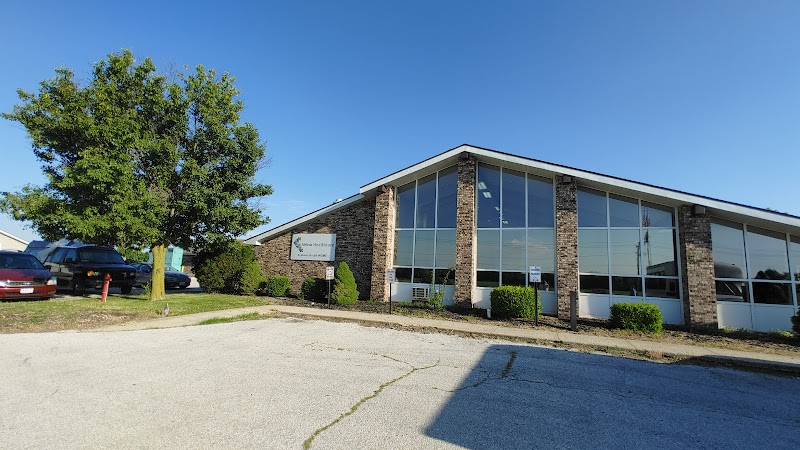
How is Wellsville Health Staffed?

CMS rates WELLSVILLE HEALTH CARE CENTER's staffing level at 1 out of 5 stars, which is much below average compared to other nursing homes.

What Have Inspectors Found at Wellsville Health?

State health inspectors documented 46 deficiencies at WELLSVILLE HEALTH CARE CENTER during 2023 to 2025. These included: 1 that caused actual resident harm, 43 with potential for harm, and 2 minor or isolated issues. Deficiencies causing actual harm indicate documented cases where residents experienced negative health consequences.
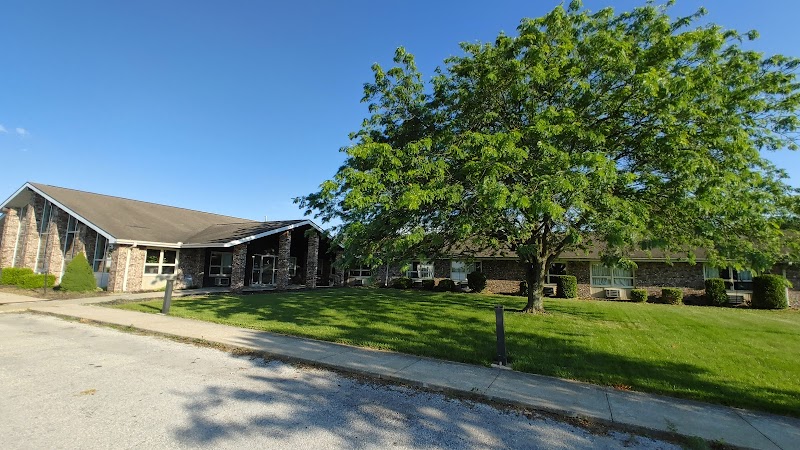
Who Owns and Operates Wellsville Health?

WELLSVILLE HEALTH CARE CENTER is owned by a for-profit company. For-profit facilities operate as businesses with obligations to shareholders or private owners. The facility is operated by RELIANT CARE MANAGEMENT, a chain that manages multiple nursing homes. With 112 certified beds and approximately 64 residents (about 57% occupancy), it is a mid-sized facility located in WELLSVILLE, Missouri.
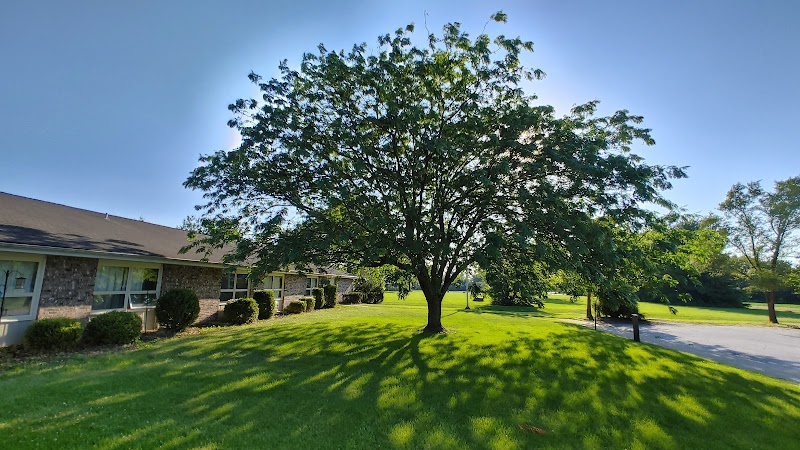
How Does Wellsville Health Compare to Other Missouri Nursing Homes?

Compared to the 100 nursing homes in Missouri, WELLSVILLE HEALTH CARE CENTER's overall rating (1 stars) is below the state average of 2.5 and health inspection rating (1 stars) is much below the national benchmark.

What Should Families Ask When Visiting Wellsville Health?

Based on this facility's data, families visiting should ask: "What safeguards and monitoring systems are in place to protect residents from abuse or neglect?" "Can you walk me through typical staffing levels on day, evening, and night shifts?" "Can I visit during a mealtime to observe dining assistance and food quality?" "How do you handle medical emergencies, and what is your hospital transfer rate?" These questions are particularly relevant given the substantiated abuse finding on record and the below-average staffing rating.

Is Wellsville Health Safe?

Based on CMS inspection data, WELLSVILLE HEALTH CARE CENTER has documented safety concerns. The facility has 1 substantiated abuse finding (meaning confirmed case of resident harm by staff or other residents). The facility has a 1-star overall rating and ranks #100 of 100 nursing homes in Missouri. Families considering this facility should ask detailed questions about what corrective actions have been taken since these incidents.

Do Nurses at Wellsville Health Stick Around?

WELLSVILLE HEALTH CARE CENTER has not reported staff turnover data to CMS. Staff turnover matters because consistent caregivers learn residents' individual needs, medications, and preferences. When staff frequently change, this institutional knowledge is lost. Families should ask the facility directly about their staff retention rates and average employee tenure.

Was Wellsville Health Ever Fined?

WELLSVILLE HEALTH CARE CENTER has been fined $15,298 across 1 penalty action. This is below the Missouri average of $33,232. While any fine indicates a compliance issue, fines under $50,000 are relatively common and typically reflect isolated problems that were subsequently corrected. Families should ask what specific issues led to these fines and confirm they've been resolved.

Is Wellsville Health on Any Federal Watch List?

WELLSVILLE HEALTH CARE CENTER is not on any federal watch list. The most significant is the Special Focus Facility (SFF) program, which identifies the bottom 1% of nursing homes nationally based on persistent, serious quality problems. Not being on this list means the facility has avoided the pattern of deficiencies that triggers enhanced federal oversight. This is a positive indicator, though families should still review the facility's inspection history directly.