WILLARD CARE CENTER

400 WEST WALNUT LANE, WILLARD, MO 65781 (417) 742-3593
For profit - Corporation 66 Beds JAMES & JUDY LINCOLN Data: November 2025
Trust Grade
75/100
#128 of 479 in MO
Last Inspection: May 2024

Within standard 12-15 month inspection cycle. Federal law requires annual inspections.

Overview

Willard Care Center has a Trust Grade of B, indicating it is a good facility and a solid choice for care. It ranks #128 out of 479 nursing homes in Missouri, placing it in the top half, and #10 out of 21 in Greene County, meaning there are only nine better options nearby. However, the facility is currently worsening, with reported issues increasing from 3 in 2024 to 7 in 2025. Staffing is a strength here, with a turnover rate of 0%, which is significantly lower than the Missouri average of 57%, indicating that staff members are experienced and familiar with the residents. On the downside, there have been concerns noted in recent inspections, including a failure to follow dietary recommendations for residents with wounds and weight issues, as well as a lack of meaningful activities tailored to residents' interests, which could affect their overall well-being.

Trust Score
B
75/100
In Missouri
#128/479
Top 26%
Safety Record
Low Risk
No red flags
Inspections
Getting Worse
3 → 7 violations
Staff Stability
○ Average
Turnover data not reported for this facility.
Penalties
✓ Good
No fines on record. Clean compliance history, better than most Missouri facilities.
Skilled Nurses
○ Average
Each resident gets 33 minutes of Registered Nurse (RN) attention daily — about average for Missouri. RNs are the most trained staff who monitor for health changes.
Violations
⚠ Watch
19 deficiencies on record. Higher than average. Multiple issues found across inspections.
★★★★☆
4.0
Overall Rating
★★★☆☆
3.0
Staff Levels
★★☆☆☆
2.0
Care Quality
★★★★☆
4.0
Inspection Score
Stable
2024: 3 issues
2025: 7 issues

The Good

  • Full Sprinkler Coverage · Fire safety systems throughout facility
  • No fines on record

Facility shows strength in fire safety.

The Bad

Chain: JAMES & JUDY LINCOLN

Part of a multi-facility chain

Ask about local staffing decisions and management

The Ugly 19 deficiencies on record

Mar 2025 3 deficiencies
CONCERN (D) 📢 Someone Reported This

A family member, employee, or ombudsman was alarmed enough to file a formal complaint

Potential for Harm - no one hurt, but risky conditions existed

Report Alleged Abuse (Tag F0609)

Could have caused harm · This affected 1 resident

Deficiency Text Not Available

Read full inspector narrative →
Deficiency Text Not Available
CONCERN (D) 📢 Someone Reported This

A family member, employee, or ombudsman was alarmed enough to file a formal complaint

Potential for Harm - no one hurt, but risky conditions existed

Investigate Abuse (Tag F0610)

Could have caused harm · This affected 1 resident

Deficiency Text Not Available

Read full inspector narrative →
Deficiency Text Not Available
CONCERN (E) 📢 Someone Reported This

A family member, employee, or ombudsman was alarmed enough to file a formal complaint

Potential for Harm - no one hurt, but risky conditions existed

Deficiency F0692 (Tag F0692)

Could have caused harm · This affected multiple residents

**NOTE- TERMS IN BRACKETS HAVE BEEN EDITED TO PROTECT CONFIDENTIALITY** Based on observation, interview, and record review, the facility failed ensure all residents maintained acceptable parameters of...

Read full inspector narrative →
**NOTE- TERMS IN BRACKETS HAVE BEEN EDITED TO PROTECT CONFIDENTIALITY** Based on observation, interview, and record review, the facility failed ensure all residents maintained acceptable parameters of nutritional status with the facility failed to follow-up and implement Registered Dietitian (RD) recommendations for two residents (Resident #1 and #4) with wounds and for three residents (Resident #2, #3, and #4) who were identified as under body weight. The facility census was 37. Review of the facility's House Supplement Guidelines, dated May 2015, showed supplements are indicated when resident's intake at meals is not adequate to maintain weight, weight gain is needed, or weight loss is too rapid. Review of the facility's Supplement Guidelines, dated May 2015, showed the following: -Physician ordered supplements should be prepared and delivered by the dietary department; -Supplementation should be regular food and beverage items when possible before fortified liquid products are tried; -All individual supplements to be documented on the supplement list by the Dietary Manager (DM) or designee; -When the physician ordered a supplement, the order would be discussed with the resident with likes and dislikes taken into account; -Supplements were not to be served with meals unless prescribed by the physician. 1. Review of Resident #1's face sheet showed: -admission date of 02/04/25; -Diagnoses included sacral (lower base of spine) pressure ulcer, paraplegia (paralysis of bilateral lower limbs), anxiety, and depression. Review of the resident's admission Minimum Data Set (MDS - a federally-mandated assessment tool completed by facility staff), dated 02/05/25, showed the following: -Cognitively intact; -No behavioral symptoms; -Independent with eating; -Diagnosis of sacral (lower base of spine) pressure ulcer, stage 4 (full thickness tissue loss with exposed bone, tendon, or muscle, slough (dead tissue that accumulates in the wound, generally yellow, white, or gray in color) or eschar (dead tissue, usually brown or black in color] may be present in parts of the wound bed)); -Height of 5 foot 11 inches and weight of 242 pounds; -No swallowing problems. Review of the resident's care plan, dated 02/10/25, showed the following: -Resident was admitted to the facility with a stage 4 pressure ulcer to his/her coccyx (tailbone), related to morbid obesity and decreased mobility; -Serve diet per physician orders; -Diet of level 7 (L7 - easy to chew), regular. Review of the resident's physician orders showed an active order, dated 02/04/25, for Level 7 (easy to chew) regular diet. Review of the resident's initial comprehensive nutrition assessment, dated 02/13/25, completed by the RD showed the following: -Diagnoses of anemia (a problem of not having enough healthy red blood cells or hemoglobin to carry oxygen to the body's tissues) and obesity; -Resident able to make preferences known; -Location of most meals was resident room; -Resident's current height of 71 inches and current weight of 248 pounds; -Resident independent with eating and drinking; -Resident had dentures/partial; -Resident had pressure ulcer, stage 4; -Pressure wound to buttocks with wound vac (a medical device that uses negative pressure (suction) to help wounds heal by removing fluid and dead tissue, promoting new tissue growth, and improving blood flow). Review of the resident's progress note dated 02/13/25, at 8:35 A.M., showed the following: -Resident received a regular diet without additional supplementation; -Resident dined in his/her room per preferences with good appetite. Meal intake had been variable but about 50% on average. -Resident had dentures and no difficulty chewing/ swallowing; -Resident had pressure wound to buttock with wound vac in place; -Current weight was 248 pounds with BMI (body mass index) of 34.6 (optimum range is 18.5 to 24.9); -Recommend adding 30 milliliter's (mL) Pro-Stat (a concentrated liquid protein) twice per day (BID) to support wound healing; -RD will continue to monitor and follow up as needed (PRN). Review of the form, RD Recommendations Requiring Physician Order, dated 02/13/25, showed a list of residents with recommendations including the resident with a concern of wound healing and a recommendation of 30 mL of Pro-stat BID. The column titled date completed was left blank. Review of the resident's progress note dated 03/07/25, at 5:28 P.M., showed a new order received via fax from the resident's nurse practitioner (NP) for fortified foods (foods enriched with additional nutrients, vitamins/minerals) with meals. Review of the resident's physician orders (including current and discontinued orders) showed an active order, dated 03/07/25, for fortified foods with meals every day. (The physician orders did not show an order for Pro-Stat.) Review of the form titled, RD Recommendations Requiring Physician Order, dated 03/14/25, showed a list of residents with recommendations including the resident with a concern of wound healing and a recommendation of continued: 30 mL of Pro-stat BID to support wound healing. The column titled date completed was left blank. During an interview on 03/25/25, at 3:34 P.M., the Dietary Manager (DM) said the following: -He/she retrieved the white meal tray cards, as well as an index card box containing pink diet order slips; -He/she said the previous DM said the index card box contained the current resident diet orders; -The meal tray cards and diet slips should match; -The cook used the white meal tray cards when preparing/serving the resident meals; -The resident's white meal tray card, dated 03/01/25, showed a regular diet; -The resident's pink diet order slip, dated 03/07/25, showed fortified foods with meals. During an interview on 03/25/25, at 4:02 P.M., [NAME] A said he/she was not giving the resident any type of supplement or fortified foods and was not aware of any recommendations to do so. During an interview on 03/26/25, at 11:17 A.M., the resident said the Director of Nursing (DON) told the resident earlier today, on 03/26/25, that the facility was going to start giving him/her increased protein at each meal for wound healing. He/she had not received fortified foods or protein supplements before today. During an interview on 03/26/25, at 12:30 P.M., the DON said on 03/14/25, the RD recommended Pro-Stat, but the DON had not obtained physician orders and had not implemented the RD recommendations. The increased protein could help with the resident's pressure ulcer wound healing. 2. Review of Resident #2's face sheet showed the following: -admission date of 02/26/25; -Diagnoses included chronic obstructive pulmonary disease (COPD - a lung disease with narrowing of the airways), Parkinson's disease, dementia, anxiety, depression, and dysphagia (difficulty swallowing). Review of the resident's admission MDS, dated [DATE], showed the following: -Moderately impaired cognitive skills; -Independent with eating, oral hygiene, toileting hygiene, transfers, and upper and lower body dressing; -Exhibited coughing or choking during meals of medication administration; -Height of 5 foot, 7 inches and weight of 74 pounds; -No significant weight loss of gain; -At risk for development of pressure ulcers. Review of the resident's physician orders showed an order, dated 02/26/25, for Level 7 regular diet. Review of the resident's weight record showed the following: -On 02/28/25, staff recorded a weight of 78.6 pounds; -On 03/03/25, staff recorded a weight of 77.4 pounds; -On 03/07/25, staff recorded a weight of 74.0 pounds; -On 03/10/25, staff recorded a weight of 73.1 pounds. Review of the resident's initial comprehensive nutrition assessment, dated 03/14/25, completed by the RD showed the following: -Diet was L7; -Resident able to make food preferences known; -Resident ate most meals in his/her room; -Current weight of 73 pounds; -Resident required assist/supervision to eat/drink; -Resident has his/her own teeth; -Greater than 5% weight change in the last month; -Resident's skin was intact. Review of the resident's progress note, dated 03/14/25 at 8:15 A.M., showed the following: -Resident received a regular diet with poor appetite. Meal intake had been less than 50% on average; -He/she took amortization (an antidepressant medication used to help resident's gain weight) which can help increase appetite; -Resident had his/her own teeth with no difficulty chewing/swallowing; -Current weight was 73 pounds, with an underweight BMI of 11.45; -The 03/06/25 skin assessment showed skin intact with no edema; -Given underweight BMI and poor intake, recommend super cereal (nutrient rich and fortified) with breakfast and house shakes three time per day; -RD will continue to monitor and follow up as needed. Review of the form titled, RD Recommendations Requiring Physician Order, dated 03/14/25, showed a list of residents with recommendations including the resident with a concerns of underweight and poor intake and recommendations of super cereal with breakfast and house shakes TID. The column titled date completed was left blank. Review of the resident's care plan, updated 03/18/25, showed the following: -Resident at risk for inadequate nutrition related to poor intake, and disease process; -Determine in collaboration with the RD, as appropriate, the number of calories and type of nutrients needed to meet my nutritional requirements; -Resident was currently level 7 regular diet; -Resident preferred to eat meals in his/her room, but will at times go to the dining room for meals, depending on mood and behaviors at mealtime; -Snacks as appropriate; -Weigh resident as ordered and inform physician of any significant changes. Review of the resident's weight record showed the following: -On 03/19/25, staff recorded a weight of 76.2 pounds; -On 03/25/25, staff recorded a weight of 76.4 pounds. Observation and interview of the resident on 03/25/25, at approximately 12:30 P.M. showed the following: -The resident sat in a wheelchair in his/her room with visitors; -Staff served the resident lunch in his/her room. The resident had smothered steak with gravy, mashed potatoes, peas, a roll, and angel food cake for dessert; -The resident consumed approximately 50% of his/her meal. Staff did not serve the resident a health shake or any other supplements; -The resident said he/she was not getting shakes and was unsure about super cereal. During an interview on 03/25/25, at 3:34 P.M., the DM said the following: -He/she retrieved the white meal tray cards, as well as an index card box containing pink diet order slips; -He/she said the previous DM said the index card box contained the current resident diet orders; -The resident's pink diet order slip, dated 02/27/25, showed a regular diet; -The resident's printed white meal tray card, dated 03/01/25, showed a regular diet; -The resident did not have any listed supplements on either card; -The pink order slips and white meal tray cards should list all supplements and should match. During an interview on 03/25/25, at 4:02 P.M., [NAME] A said the following: -He/she was not aware of the 03/14/25 dietary recommendations for the resident; -He/she was not giving the resident super cereal or house shakes. During an interview on 03/26/25, at 12:30 P.M., the DON said on 03/14/25, the RD recommended super cereal and health shakes for the resident, but the DON had not implemented these recommendations until today 03/26/25. The increased calories could potentially help the resident gain weight. 3. Review of Resident #3's face sheet showed the following: -admission date of 06/17/24; -Diagnoses of anemia and dementia. Review of the resident's quarterly MDS, dated [DATE], showed the following: -Moderately impaired cognitive skills; -Dependent on staff assistance for eating and other activities of daily living (ADLs); -No swallowing issues; -Height of 5 foot, 2 inches and weight of 91 pounds; -No significant weight loss or gains; -Provided mechanically altered diet; -Expressed mouth or facial pain/discomfort or difficulty with chewing; -At risk for development of pressure ulcers. Review of the resident's weights showed the following: -On 09/03/24, staff recorded a weight of 96.0 pounds; -On 10/03/24, staff recorded a weight of 81.6 pounds; -On 10/14/24, staff recorded a weight of 87.0 pounds; -On 10/15/24, staff recorded a weight of 87.2 pounds; -On 10/31/24, staff recorded a weight of 81.0 pounds; -On 11/11/24, staff recorded a weight of 82. 0 pounds; -On 12/30/24, staff recorded a weight of 90.0 pounds; -Staff did not record a weight in January 2025. Review of the resident's physician order sheet an order, dated 01/02/25, for diet L5 (minced and moist). Review of the resident's care plan, dated 01/16/25, showed the following: -Resident at risk for inadequate nutrition related to poor intake, need for mechanically altered diet, and disease process; -Communicate with family regarding any food and wight issues; -Create a pleasant and relaxing atmosphere [NAME] eating to increase intake. Required one assist for eating; -Determine, in collaboration with the RD, as appropriate, the number of calories and type of nutrients needed to meet his/her nutritional requirements; -Encourage fluid intake; -Resident was a slow eater. Allow sufficient time to eat; -Resident currently on a mechanical diet; -Prefers to eat in the main dining room; -Nutritional supplements as appropriate; -Snacks as appropriate; -Weigh the resident as ordered and inform the physician of any significant changes. Review of the form titled, RD Clinical Reminders and Recommendations for Facility Staff, dated 02/13/25, showed a list of residents including the resident with a concern of no monthly weight (last weight in December). Review of the resident's weights showed: -On 02/28/25, staff recorded a weight of 90.8 pounds; -On 03/11/25, staff recorded a weight of 88.0 pounds. Review of the resident's progress note dated 03/14/25, at 9:25 A.M., showed the RD documented the following: -Resident received an MM5 diet and was assisted by staff at mealtimes; -Appetite was fair and meal intake had been about 50% on average; -Current weight was 88 pounds, indicated a 3% loss in the last week, but a desired 8% gain the last 5 months; -BMI remained underweight at 16.1; -Recommend providing 237 ml of Boost Breeze (supplement) with breakfast daily in place of juice to provide additional calories; -RD will continue to monitor and follow up as needed. Review of the form titled, RD Recommendations Requiring Physician Order, dated 03/14/25, showed a list of residents with recommendations including the resident with a concern of under weight and weight loss and a recommendation of providing 237 mL of Boost Breeze with breakfast daily in place of juice. The column titled date completed was left blank. Review of the resident's weights on 03/19/25, staff recorded a weight of 90.0 pounds. Review of the resident's nutrition quarterly review, dated 03/24/25, completed by the RD, showed: -Current diet of MM5; -Current weight of 90 pounds; -Weight change of 10% gain in 6 months; -Average intake percentage of 51%-75%; -Assistance provided; -Primary dining location was main dining room. Review of the resident's progress note dated 03/24/25, at 9:13 A.M., showed the RD documented the following: -RD completed quarterly review; -Resident received MM5 diet and was assisted by staff at mealtimes; -Resident appetite was fair and meal intake had been about 50% on average; -Current weight was 90 pounds and indicated a desired 10% gain in the last 5 month; -Resident remained underweight, BMI = 16.5; -Continue the recommendation to provide Boost Breeze with breakfast daily in place of juice to provide additional calories; -RD will continue to monitor and follow up as needed. Observation on 03/25/25, at 12:15 P.M., showed the Housekeeping Supervisor seated at the resident's table assisting the resident to eat. The resident did not appear to have any dietary supplements. During an interview on 03/25/25, at 3:34 P.M., the DM said the following: -He/she retrieved the white meal tray cards, as well as an index card box containing pink diet order slips; -He/she said the previous DM said the index card box contained the current resident diet orders; -The resident's printed white meal tray card, dated 03/01/25, showed a MM5 (minced and moist) diet, but did not list any supplements; -The resident had a total of three pink order slips in the index card box; -The first pink order slip, dated 06/17/24, showed a regular diet; -The second pink order slip, dated 07/02/24, showed mechanical soft diet; -The third pink order slip, dated 12/16/24, showed an order to discontinue house shakes, with no other information; -The DM said the resident should only have one pink order slip with current diet order including any supplements. During an interview on 03/25/25, at 4:02 P.M., [NAME] A said he/she generally gave the resident fortified cereal at breakfast. He/she was not aware of recommendations to give the resident Boost Breeze. During an interview on 03/26/25, at 9:19 A.M., the Housekeeping Supervisor said the following: -He/she assisted the resident with breakfast and lunch, approximately 3-4 times per week for the past 6 months; -The resident ate 50-75% of meals and drinks all fluids; -Over the last approximate 6 months when he/she was assisting the resident with his/her meal, dietary did not provide the resident with super cereal at breakfast, any shakes, or any Boost Breeze supplements. During an interview on 03/26/25, at 10:20 A.M. Certified Nurse Assistant (CNA) B said he/she assisted the resident at mealtime. Staff did not provide the resident with any shakes or Boost Breeze supplements. Observation and interview on 03/26/25 at 12:15 P.M., showed the following: -CNA C assisted the resident with eating his/her lunch; -The resident had a chocolate health shake; -CNA C asked the resident if he/she wanted to try the shake and the resident said yes. The CNA held the shake up to the resident mouth with a straw in it and the resident drank; -The CNA said this was the first time he/she had seen dietary provide a health shake to the resident. During an interview on 03/26/25, at 12:30 P.M., the DON said the following: -On 03/14/25, the RD recommended Boost Breeze, but the DON did not follow up on the RD's recommendations; -The added calories could help with weight gain; -The resident has expressed a desire to gain weight. 4. Review of Resident #4's face sheet showed the following: -admission date of 02/13/25; -Diagnoses included spastic quadriplegia cerebral palsy (a congenital disease affecting the muscles and movement of both the arms and legs and often the torso and face), and malnutrition. Review of the resident admission MDS, dated [DATE], showed the following: -Moderately impaired cognitive skills for daily decision making; -Dependent on staff assistance for eating and all other ADLs; -Swallowing disorder. Resident exhibited coughing or choking during meals, or administration of medications; -Height of 5 foot, 4 inches and weight of 127 pounds; -No significant weight loss or gain; -Provided mechanically altered diet. Review of the resident's physician order sheet showed the following diet order, dated 02/13/25, showed Level 4 pureed diet with nectar thick liquids. Review of the resident's weights showed the following: -On 02/17/25, staff recorded a weight of 126.6 pounds; -On 02/24/25, staff recorded a weight of 115.4 pounds. Review of the resident's initial comprehensive nutrition assessment, dated 02/25/25, and completed by the RD, showed the following: -Current diet order L4 puree with nectar consistency thickened liquids; -Unable to make food preferences known; -Location of most meals was in the main dining room; -Current height 5 foot 4 inches and current weight of 115 pounds; -Totally dependent on staff for assistance with eating and drinking; -No significant weight change; -Oral food intake 0%-25%. Review of the resident's progress note dated 02/25/25, at 9:01 A.M., showed the RD documented the following: -Resident was on a puree diet with nectar thick liquids; -Resident assisted to eat by staff at meals with poor appetite; -Resident had limited speech and could not make preferences known; -Meal intake had been less than 50% on average; -Current weight was 115 pounds with a low BMI of 19.8; -Given low BMI and poor intake, recommend adding 90 ml of VHC (very high calorie, a supplement) three times per day (TID); -RD will continue to monitor and follow up as needed. Review of the form titled, RD Recommendations Requiring Physician Order, dated 02/25/25, showed a list of residents with recommendations including the resident with a concern of poor intake and low BMI and a recommendations of 90 mL of Pro-stat TID. The column titled date completed was left blank. Review of the resident's care plan, dated 02/26/25, showed the following: -Resident at risk of inadequate nutrition related to dental concerns, poor intake, need for mechanically altered diet, and disease process; -Communicate with family regarding any food and wight issues; -Create a pleasant and relaxing atmosphere while eating to increase intake; -Determine, in collaboration with the RD, as appropriate, the number of calories and type of nutrients needed to meet his/her nutritional requirements; -Encourage fluid intake; -Resident currently on a pureed diet with nectar thick liquids; -Preferred to eat in the main dining room; -Required assist of one with eating -Nutritional supplements as appropriate; -Snacks as appropriate; -Weigh the resident as ordered and inform the physician of any significant changes. Review of the resident weights showed the following: -On 03/03/25, staff recorded a weight of 114.8 pounds; -On 03/07/25, staff recorded a weight of 107.6 pounds; -On 03/10/25, staff recorded a weight of 106.2 pounds. Review of the resident's progress notes, dated 03/14/25 at 8:47 A.M., showed the RD documented the following: -Resident was on pureed diet with nectar thick liquids; -Resident was assisted at meals with eating with poor appetite; -Resident had been refusing all meals as of late; -Resident had noted limited speech and could not make preferences known. Staff anticipated needs; -Current weight of 106 pounds with underweight BMI of 18.2; -Weight showed a 16% loss of 20 pounds in one month; -Skin stage 4 pressure ulcer to sacrum; -Continue recommendation to add 90 ml of VHC TID with medication pass; -Also recommend adding 30 mL of Pro-stat BID to support wound healing -Honor preferences and provide support/encouragement; -RD will continue to monitor and follow up as needed. Review of the form titled, RD Recommendations Requiring Physician Order, dated 03/14/25, showed a list of residents with recommendations including the resident with concerns of wound, weight loss, and underweight and a recommendation to continue recommendation to add 90 mL of Pro-stat TID with medication pass. Also recommended adding 30 mL Pro-stat BID to support wound healing. The column titled date completed was left blank. Review of the resident's weights showed the following: -On 03/19/25, staff recorded a weight of 106.0 pounds; -On 03/25/25, staff recorded a weight of 104.0 pounds. During an interview on 03/25/25, at 3:34 P.M., the DM said the following: -He/she retrieved the white meal tray cards, as well as an index card box containing pink diet order slips; -He/she said the previous DM said the index card box contained the current resident diet orders; -The resident's pink diet order slip, dated 02/13/25, showed a pureed diet with thickened liquids; -The resident's printed white meal tray card, dated 03/01/25, showed a pureed diet with nectar thick liquids. During an interview on 03/25/25, at 4:02 P.M., [NAME] A said the resident was challenging because he/she would not each much. He/she tried fortified foods, shakes, pudding, or ice cream in the past, but the resident would refuse those items. During an interview on 03/26/25, at 9:19 A.M., the Housekeeping Supervisor said the following: -He/she assisted the resident with breakfast and lunch 3 to 4 days per week; -He/she received thickened liquids and a pureed diet; -Dietary used to give the resident shakes, but their have been shakes for approximately 2 weeks; -The resident had a poor appetite, but would drink thickened coffee and tea. During an interview on 03/26/25, at 12:30 P.M., the DON said the RD had made recommendations for the resident to receive VHC and Prostat, but the DON had failed to follow up on the recommendations. The increased protein could help with the healing of the resident's pressure ulcer. 5. During an interview on 03/25/25, at 3:34 P.M., the DM said the following: -Management had not instructed him/her to review any recommendations from the RD; -He/she had not seen any recommendations from the RD; -He/she was unsure what fortified foods and super cereal were; -The diet order cards should match the tray cards and each resident should have one order card with current orders for meal/supplements. During an interview on 03/25/25, at 4:02 P.M., [NAME] A said the following: -Generally, if the RD made recommendations, the DON would bring the pink order slips to the DM; -Sometimes the RD made recommendation to the DM and he/she would go to nursing to obtain the physician order for diet changes/additions; -The index box of pink diet orders, was his/her, Bible and should contain the current orders for diet/supplements for each resident; -He/she made shakes at times, but he/she/he had not made any shakes for the past week; -The facility had not had a weight loss meeting that he/she could recall since January 2025; -For approximately the last month, he/she had not had time to update the resident diet cards. During an interview on 03/28/25, at 9:20 A.M., the RD said the following: -He/she visited the facility two times per month; -He/she followed up by sending all dietary/supplement recommendations in an e-mail to the DON and to the DM; -He/she expected the facility to follow up with the physician regarding implementation of his/her recommendations; -He/she sent the recommendations on the day of his/her visits/consults; -He/she checked to see if dietary recommendations from the previous visit were followed and if not, he/she documented continue the recommendation; -He/she had noticed issues, on occasion, with the facility not following up on his/her recommendations. During an interview on 03/26/25, at 12:30 P.M., the DON said the following: -The RD generally came to the facility two times per month; -He/she had not yet met the RD, because the RD came on days when the DON was not in the facility; -He/she did not get an e-mail of RD recommendations, but the Administrator printed off the RD recommendations and placed on the DON's desk; -He/she reviewed all resident progress notes daily Monday through Friday, when he/she was at work; -He/she was aware from reading progress notes, that the RD had made several recommendation for changes/supplements, but he/she was waiting on the printed off list of recommendations from the Administrator before making any dietary changes; -He/she generally reviewed the recommendations and notified the physician and placed the orders onto the physician order sheet and filled out pink dietary order slip and give to the DM; -Residents should have one dietary pink sheet containing all the current orders for diet and supplements; -The DON pulled the recommendations out of his/her desk and said he/she had not reviewed or implemented the recommendation form 02/13/25 or from 03/14/25; -Review and follow up on the RD recommendations was his/her responsibility, but he/she did not get it done; -He/she reviewed resident weights and mentioned residents with weight loss at morning stand-up meeting with department heads, but could not say that the facility had a formal weight loss meeting since he/she started in December 2024; -He/she planned to begin weekly weight meetings to discuss weight loss and any recommendations. During an interview on 03/25/25, at 4:28 P.M., the Administrator said the following: -The RD generally came to the facility two times per month; -The RD reviewed resident weights; -He/she received the RD recommendations via email and printed the recommendations; -He/she then placed the RD recommendations on the DON's desk; -The DON was responsible for reviewing the recommendations and obtaining physician orders and sending the orders/recommendations to the DM; -The DON should add the dietary orders to the resident's medical record or assign and nurse to do so; -The DM was responsible for adding to the meal ticket; -The Administrator was unsure if the DON had reviewed the 03/14/25 RD recommendations; -The Administrator was unsure if he/she gave a copy of the 03/14/25 RD recommendations to the DM; -The DON should review and address the RD recommendations within 24 to 48 hours; -The current DM had not yet received training; -The facility conducted a weekly at risk meeting on Thursday, but on 03/13/25, the staff did not have any RD recommendations and at the 03/20/25 meeting, staff failed to discuss residents with weight loss or the RD recommendations; -The pink diet order slip should be the most current diet order for each resident and each resident should have one card. MO00250213
Feb 2025 4 deficiencies
CONCERN (D) 📢 Someone Reported This

A family member, employee, or ombudsman was alarmed enough to file a formal complaint

Potential for Harm - no one hurt, but risky conditions existed

Report Alleged Abuse (Tag F0609)

Could have caused harm · This affected 1 resident

**NOTE- TERMS IN BRACKETS HAVE BEEN EDITED TO PROTECT CONFIDENTIALITY** Based on interview and record review, the facility failed to ensure all allegation of possible abuse were were reported to the s...

Read full inspector narrative →
**NOTE- TERMS IN BRACKETS HAVE BEEN EDITED TO PROTECT CONFIDENTIALITY** Based on interview and record review, the facility failed to ensure all allegation of possible abuse were were reported to the state survey agency (Department of Health and Senior Services-DHSS) within the required time frame when staff did not report an allegations of possible abuse involving two residents (Resident #1 and Resident #2). The facility had a census of 39. Review of the facility's Abuse and Neglect policy titled, Reporting, undated, showed the following: -It is the policy of the facility that each resident will be free from abuse: -Abuse can include verbal, mental, sexual, or physical abuse, misappropriation of resident property, exploitation, corporal punishment, or involuntary seclusion. The resident will also be free from physical or chemical restraints imposed for purposes of discipline or convenience and that are not required to treat the resident's medical symptoms. Additionally, residents will be protected from abuse, neglect, and harm while they are residing at the facility. No abuse or harm of any type will be tolerated, and residents and staff will be monitored for protection. The facility will strive to educate staff and other applicable individuals in techniques to protect all parties; -It is the policy of the facility to encourage and support all residents, staff, families, visitors, volunteers and resident representatives in reporting any suspected acts of abuse, neglect, exploitation, involuntary seclusion or misappropriation of resident property from abuse, neglect, misappropriation of resident property, and exploitation. This includes but is not limited to freedom from corporal punishment, involuntary seclusion and any physical or chemical restraint not required to treat the resident's medical symptoms. The term abuse (abuse, neglect, exploitation, involuntary seclusion or misappropriation of resident property from abuse, neglect, misappropriation of resident property, and exploitation) will be used throughout this policy unless specifically indicated; -An owner, licensee, Administrator, Licensed Nurse, employee or volunteer of a nursing home shall not physically, mentally or emotionally abuse, mistreat or neglect a resident. Any nursing home employee or volunteer who becomes aware of abuse, mistreatment, neglect, exploitation or misappropriation shall immediately report to the Nursing Home Administrator; -The Nursing Home Administrator or designee will report abuse to the state agency per State and Federal requirements; -All allegations of abuse, neglect, exploitation, mistreatment, injuries of unknown sources, and misappropriation of resident property by facility employees, contract employees, volunteers, contract services, consultants, physicians, visitors, family members, or other individuals will be reported immediately but no later than the following timeframes. If abuse is alleged or the allegation results in serious bodily injury, the allegation must be reported within two hours after the allegation was made. If the allegation does not allege abuse or result in serious bodily injury, the report must be made within 24 hours after the allegation was made; -All employees of the facility are mandated reporters; -The facility will ensure that all reports are made within two hours (abuse or serious bodily injury) or 24 hours (non-abuse). The twp-hour timeframe must be met even during the night shift or during the weekend. 1. Review of Resident #1's face sheet showed the following: -admission date of 02/26/25; -Diagnoses included of chronic obstructive pulmonary disease (COPD - blocks airflow making if difficult to breathe), dementia, anxiety, depression, Parkinson's disease (an age-related degenerative brain condition, meaning it causes parts of the brain to deteriorate. It ' s best known for causing slowed movements, tremors, balance problems), psychosis, alcohol abuse, marijuana abuse, restlessness, and agitation. Review of the resident's admission Minimum Data Set (MDS - a federally-mandated comprehensive assessment tool completed by facility staff), dated 03/07/25, showed the following: -Clear speech; -Exhibited moderate cognitive impairment; -Experienced disorganized thinking (behavior fluctuates comes and goes, changes in severity); -Experienced delusions (misconceptions or beliefs that are firmly held, contrary to reality); -Exhibited verbal behaviors directed toward others (threatening, screaming, cursing) on one to three days of review period; -Exhibited physical behaviors not directed toward others on one to three days of review period; -Overall presence of behavioral symptoms; -Behaviors put the resident at a significant risk of physical illness or injury; -Behaviors had no impact on others; -Rejected cares on one to three days of review period; -Exhibited wandering on one to three days of review period (did not significantly intrude on privacy of activities of others); -Used walker for mobility device; -Able to independently go from lying to sitting, from sitting to standing, and transfer from chair to bed independently; -Independent with ambulation, once standing able to ambulate at least 150 feet. Review of the resident's care plan, dated 03/18/25, showed the following: -Resident may have socially inappropriate/disruptive behaviors at times, especially at night secondary to diagnosis; -Staff to administer medications, monitor and record side effects, and report any adverse side effects; -Allow the resident to have control over situations, if possible; -Avoid over-stimulation, do not try to redirect his/her delusion; -Do not engage the resident in sensitive topics that may trigger behaviors; -Resident occasionally wanders into other resident rooms. Staff to redirect the resident as quickly as possible and orient the resident to his/her current room; -Maintain a calm environment and approach with the resident; -Observe and report socially inappropriate/disruptive behaviors when around others; -Staff to remove the resident from other resident rooms and unsafe situations; -Set expectations and limits for the resident; -When the resident begins to become socially inappropriate/disruptive, provide comfort measures or basic needs (such as pain, hunger, toileting, too hot/cold food, etcetera). Review of the resident's progress note dated 04/11/25, at 5:03 A.M., showed staff documented the following: -At approximately 1:30 A.M., the nurse notified the on-call physician due to resident's behavior issues. the resident in the hallway with no pants urinating on the carpet. Certified nurse assistants (CNAs) and registered nurse (RN) were working with another resident at the time. The resident was redirected to his/her room and tucked back into bed. He/she was noted to be entering the room next door, turning on the lights and yelling at the resident to Get out of the bed! He/she was again redirected and was soon found on the bed next to her (he/she was on the resident's bed numerous times) and putting a tied gown around his/her roommate's (Resident #2) head and neck. Staff gave the resident a haldol injection and moved the resident to a vacant room. The resident bit a CNA during this process. The nurse contacted the resident's physician, the Director of Nursing (DON) and emergency medical services (EMS) and EMS transported the resident to the hospital. Review of resident and facility records showed staff did not document reporting the allegation of possible abuse to DHSS. Review of DHSS records showed staff did not report the allegation of possible abuse. Review of the resident's progress note dated 04/12/25, at 8:49 A.M., showed staff documented the following: -This shift the resident tried biting and hitting staff and screamed at various residents, chased them down the hallway and cursed at them for no reason. The resident continually tried to eat food off other resident's dirty plates as they are being prepared to be returned to the kitchen, takes food and drinks from trays that are in the process of being passed out to other residents. This is happening during shift change, report, the finishing of dinner and is despite constant redirection. He/she entered another resident's room numerous times and handled that resident's belongings. The resident touched the other resident, no inappropriate touching, but was unwelcome by the other resident. The resident went into several other resident rooms and tried to use other resident restrooms. The resident rummaged through other resident's belongings and yelled. He/she cursed at other residents and staff. Review of resident and facility records showed staff did not document reporting the allegation of possible abuse to DHSS. Review of DHSS records showed staff did not report the allegation of possible abuse. 2. Review of Resident #2's face sheet showed: -admission date of 03/26/25; -Diagnoses included dementia, recent urinary tract infection, and pneumonia. Review of the resident's admission MDS, dated [DATE], showed the following: -Resident admitted from the hospital on [DATE]; -Resident had unclear speech; -Severely impaired cognitive skills for daily decision making; -Short-term and long-term memory problem; -No behavioral symptoms; -No rejection of care; -Dependent on staff for dressing and mobility; -Required a wheelchair for a mobility device. Review of the resident's April 2025 progress notes showed no entries related to encounters or interactions with his/her roommate (Resident #1). 3. During an interview on 04/30/25, at 2:53 P.M., the MDS Coordinator/Care Plan Coordinator said the following: -Resident #1 and Resident #2 were roommates; -Staff reported Resident #1 was pulling the privacy curtain open and closed and telling staff he/she needed to care for Resident #1; -Resident #1 mistakenly thought Resident #2 was his/her child and would call out to Resident #2 using Resident #1's child's name; -Staff moved Resident #1 to another room temporarily due to Resident #1 keeping Resident #2 awake; -He/she was not aware of any physical contact or abuse between Resident #1 and Resident #2; -He/she was not aware of the progress note about Resident #1 placing a gown on the resident's head/neck; -If Resident #1 placed a gown around Resident #2's head and neck, the nurse should have reported to the DON or Administrator and the facility should have called the incident to DHSS as an allegation of possible physical/verbal altercation; -Staff have reported in morning meeting that Resident #1 yelled and cursed at other residents; -The facility should call in all allegations of resident abuse to the DHSS hotline within two hours. During an interview on 05/01/25, at 10:20 A.M., Nurse Assistant (NA) A said if a resident yelled or cursed at, or struck another resident, he/she would move the aggressive resident away from the other residents and immediately notify the charge nurse of the situation. During an interview on 05/01/25, at 10:28 A.M., RN B said the following: -On 04/11/25, during the night shift, Resident #1 had yelled, Shut up, shut up, shut up, while standing in the room with Resident #2; -Later that same night, the RN and a NA, heard Resident #1 yelling and entered the room; -Upon entering the room, Resident #2 was lying on his/her own bed on his/her back and Resident #1 was on top of Resident #2, straddling him/her; -Resident #1 had removed his/her hospital gown and wore only an incontinent brief; -Resident #1 was pressing the tied neck string of his/her hospital gown using both hands against the front of Resident #2's neck; -Resident #2 was dressed in pajamas and under covers; -Staff immediately intervened and removed Resident #1 from Resident #2's bed and assisted Resident #1 to another room; -The RN said he/she contacted the DON and told him/her about the incident, but could not recall exactly what details he/she relayed during the phone conversation; -The nurse then contacted the physician who gave an order to send Resident #1 to the hospital for evaluation; -The RN did not feel this incident was an example of resident to resident abuse because he/she did not think Resident #1 was trying to injure Resident #2, but instead was trying to get Resident #2 dressed; -If he/she observed the same scenario with residents that did not have dementia, he/she said that would be an allegation of resident to resident abuse and should be reported; -He/she did not hotline the incident to DHSS because he/she did not believe abuse, but did report the incident to the DON. During an interview on 05/01/25, at 11:25 A.M., Nurse Assistant (NA) C said the following: -If he/she observed resident to resident abuse or any type of abuse, he/she would immediately intervene and removed the resident from the situation; -He/she would then immediately report any allegation of abuse to his/her charge nurse; -Resident #1 had a history of becoming agitated in the evening; -Resident yelled and cursed at other residents at times, particularly if the other resident was in his/her way of moving forward; -At times, Resident #1 wandered into other resident rooms; -Staff intervene and redirect Resident #1 when he/she becomes agitated; -The NA notified his/her nurse of the resident's agitation, yelling, and cursing. During an interview on 05/03/25, at 6:13 A.M., Certified Nurse Assistant (CNA) G said the following: -He/she worked on the night shift on 04/11/25; -Resident #1 thought his/her roommate, Resident #2, was his/her child; -The CNA had been in the residents' room several times and each time Resident #1 appeared more aggravated and was yelling out his/her child's name to the roommate, Resident #2; -Resident #2 was, chattering, not making any sense just saying random words, per his/her usual; -He/she and the other staff working heard a noise and entered the room of Resident #1 and Resident #2; -Resident #1 was sitting on top of Resident #2 on Resident #2's bed, he/she was straddling Resident #2; -Resident #1 was yelling the name of his/her child over and over; -Resident #1 had the bottom edge of his/her hospital gown draped over Resident #2's head and face; -Staff immediately intervened and assisted Resident #1 off of Resident #2's bed and into another room; -The nurse on duty, RN B observed the entire situation; -He/she thought RN B notified the DON of the situation: -RN B sent the resident out to the hospital for evaluation; -If he/she observed resident to resident abuse, he/she would immediately intervene and attempt to stop the abuse and report to the charge nurse; -The facility was responsible for reporting all allegations of abuse to DHSS within two days. During an interview on 05/01/25, at 11:29 A.M., Certified Medication Technician (CMT) D said if he/she observed abuse, he/she would immediately report to the charge nurse. During an interview on 05/01/25, at 11:30 A.M., Licensed Practical Nurse (LPN) E said the following: -If he/she were notified of an allegation of abuse, he/she would assess the situation, removed the alleged perpetrator of the abuse, notify the Administrator, DON, or designated RN on call immediately; -He/she would notify the residents families and their physician; -All allegations of abuse should be reported to DHSS within 2 hours; -The resident was verbally abusive to others, residents and staff when he/she yelled and cursed at others; -The nurse reported to the resident's behaviors to the DON in the past; -He/she had never observed the resident being physically abusive to any resident; -He/she was not aware the resident got in bed with another resident; -If the nurse was aware of Resident #1 getting into bed with Resident #2 or of the interaction, he/she would have intervened and notified the DON. During an interview on 05/01/25, at 12:13 P.M., the DON said the following: -He/she received a phone call from the charge nurse on duty at the facility on 04/11/25 at approximately 1:11 A.M.; -The DON did not recall exactly what the charge nurse reported about the incident between Resident #1 and Resident #2; -The nurse did tell the DON that Resident #1 was pressing anything against the front of Resident #2's neck, if the DON were aware of that, he/she would have immediately came to the facility, notified the Administrator, and hotlined the incident to state (DHSS); -The DON said he/he would have called the hotline about the issue because it would have been an allegation of potential resident to resident physical abuse; -The DON said no one told him/her Resident #1 was holding a hospital gown against Resident #2's neck. During an interview on 05/01/25, at 12:52 P.M., the Administrator said the following: -Regarding the 04/11/25 incident between Resident #1 and Resident #2, staff told the Administrator Resident #1 was attempting to dress Resident #2; -Resident #1 thought Resident #2 was his/her child at times and wanted Resident #2 to get up out of bed; -Staff did get a physician's order and send Resident #1 out to the hospital for an evaluation; -The Administrator said, if he/she was aware of the incident between Resident #1 and Resident #2 on 04/11/25, he/she would have hotlined the incident to DHSS as an allegation of resident to resident physical abuse within two hours of the time of the incident; -All allegations of abuse should be reported to the DON or myself immediately and reported to DHSS within two hours.
CONCERN (D) 📢 Someone Reported This

A family member, employee, or ombudsman was alarmed enough to file a formal complaint

Potential for Harm - no one hurt, but risky conditions existed

Investigate Abuse (Tag F0610)

Could have caused harm · This affected 1 resident

**NOTE- TERMS IN BRACKETS HAVE BEEN EDITED TO PROTECT CONFIDENTIALITY** Based on interview and record review, the facility failed to ensure all allegations of possible abuse were fully and timely inve...

Read full inspector narrative →
**NOTE- TERMS IN BRACKETS HAVE BEEN EDITED TO PROTECT CONFIDENTIALITY** Based on interview and record review, the facility failed to ensure all allegations of possible abuse were fully and timely investigated when staff did not complete investigations of allegations of possible resident to resident abuse involving two residents (Resident #1 and Resident #2). The facility census was 39. Review of the facility abuse policy titled, Investigation, undated, showed the following: -It is the policy of the facility that reports of abuse (mistreatment, neglect, or abuse, including injuries of unknown source, exploitation and misappropriation of property) are promptly and thoroughly investigated; -The investigation is the process used to try to determine what happened. The designated facility personnel will begin the investigation immediately. A root cause investigation and analysis will be completed. The information gathered is given to administration. When an incident or suspected incident of abuse is reported, the Administrator or Designee will investigate the incident with the assistance of appropriate personnel. -The investigation will include who was involved; residents' statements (for non-verbal residents, cognitively impaired residents or residents who refuse to be interviewed, attempt to interview resident first. If unable, observe resident, complete an evaluation of resident behavior, affect and response to interaction, and document findings); resident's roommate statements (if applicable); interviews obtained from three to four residents who received care from the alleged staff; interviews obtained from three to four different department staff, (if applicable); involved staff and witness statements of events; a description of the resident's behavior and environment at the time of the incident; injuries present including a resident assessment; observation of resident and staff behaviors during the investigation; and environmental considerations. All staff must cooperate during the investigation to assure the resident is fully protected. 1. Review of Resident #1's face sheet showed the following: -admission date of 02/26/25; -Diagnoses included of chronic obstructive pulmonary disease (COPD - blocks airflow making if difficult to breathe), dementia, anxiety, depression, Parkinson's disease (an age-related degenerative brain condition, meaning it causes parts of the brain to deteriorate. It ' s best known for causing slowed movements, tremors, balance problems), psychosis, alcohol abuse, marijuana abuse, restlessness, and agitation. Review of the resident's admission Minimum Data Set (MDS - a federally-mandated comprehensive assessment tool completed by facility staff), dated 03/07/25, showed the following: -Clear speech; -Exhibited moderate cognitive impairment; -Experienced disorganized thinking (behavior fluctuates comes and goes, changes in severity); -Experienced delusions (misconceptions or beliefs that are firmly held, contrary to reality); -Exhibited verbal behaviors directed toward others (threatening, screaming, cursing) on one to three days of review period; -Exhibited physical behaviors not directed toward others on one to three days of review period; -Overall presence of behavioral symptoms; -Behaviors put the resident at a significant risk of physical illness or injury; -Behaviors had no impact on others; -Rejected cares on one to three days of review period; -Exhibited wandering on one to three days of review period (did not significantly intrude on privacy of activities of others); -Used walker for mobility device; -Able to independently go from lying to sitting, from sitting to standing, and transfer from chair to bed independently; -Independent with ambulation, once standing able to ambulate at least 150 feet. Review of the resident's care plan, dated 03/18/25, showed the following: -Resident may have socially inappropriate/disruptive behaviors at times, especially at night secondary to diagnosis; -Staff to administer medications, monitor and record side effects, and report any adverse side effects; -Allow the resident to have control over situations, if possible; -Avoid over-stimulation, do not try to redirect his/her delusion; -Do not engage the resident in sensitive topics that may trigger behaviors; -Resident occasionally wanders into other resident rooms. Staff to redirect the resident as quickly as possible and orient the resident to his/her current room; -Maintain a calm environment and approach with the resident; -Observe and report socially inappropriate/disruptive behaviors when around others; -Staff to remove the resident from other resident rooms and unsafe situations; -Set expectations and limits for the resident; -When the resident begins to become socially inappropriate/disruptive, provide comfort measures or basic needs (such as pain, hunger, toileting, too hot/cold food, etcetera). Review of the resident's progress note dated 04/11/25, at 5:03 A.M., showed staff documented the following: -At approximately 1:30 A.M., the nurse notified the on-call physician due to resident's behavior issues. the resident in the hallway with no pants urinating on the carpet. Certified nurse assistants (CNAs) and registered nurse (RN) were working with another resident at the time. The resident was redirected to his/her room and tucked back into bed. He/she was noted to be entering the room next door, turning on the lights and yelling at the resident to Get out of the bed! He/she was again redirected and was soon found on the bed next to her (he/she was on the resident's bed numerous times) and putting a tied gown around his/her roommate's (Resident #2) head and neck. Staff gave the resident a haldol injection and moved the resident to a vacant room. The resident bit a CNA during this process. The nurse contacted the resident's physician, the Director of Nursing (DON) and emergency medical services (EMS) and EMS transported the resident to the hospital. Review of the resident and facility records showed staff did not document an investigation completed of the allegation of possible abuse to DHSS. Review of DHSS records showed staff did not provide an investigation of the allegation of possible abuse. Review of the resident's progress note dated 04/12/25, at 8:49 A.M., showed staff documented the following: -This shift the resident tried biting and hitting staff and screamed at various residents, chased them down the hallway and cursed at them for no reason. The resident continually tried to eat food off other resident's dirty plates as they are being prepared to be returned to the kitchen, takes food and drinks from trays that are in the process of being passed out to other residents. This is happening during shift change, report, the finishing of dinner and is despite constant redirection. He/she entered another resident's room numerous times and handled that resident's belongings. The resident touched the other resident, no inappropriate touching, but was unwelcome by the other resident. The resident went into several other resident rooms and tried to use other resident restrooms. The resident rummaged through other resident's belongings and yelled. He/she cursed at other residents and staff. Review of resident and facility records showed staff did not document investigation of the allegation of possible abuse to DHSS. Review of DHSS records showed staff did not provide an investigation of the allegation of possible abuse. 2. Review of Resident #2's face sheet showed: -admission date of 03/26/25; -Diagnoses included dementia, recent urinary tract infection, and pneumonia. Review of the resident's admission MDS, dated [DATE], showed the following: -Resident admitted from the hospital on [DATE]; -Resident had unclear speech; -Severely impaired cognitive skills for daily decision making; -Short-term and long-term memory problem; -No behavioral symptoms; -No rejection of care; -Dependent on staff for dressing and mobility; -Required a wheelchair for a mobility device. Review of the resident's April 2025 progress notes showed no entries related to encounters or interactions with his/her roommate (Resident #1). 3. During an interview on 05/01/25, at 10:20 A.M., Nurse Assistant (NA) A said if a resident yelled or cursed at, or struck another resident, he/she would move the aggressive resident away from the other residents and immediately notify the charge nurse of the situation. During an interview on 05/01/25, at 11:25 A.M., Nurse Assistant (NA) C said the following: -If he/she observed resident to resident abuse or any type of abuse, he/she would immediately intervene and removed the resident from the situation; -He/she would then immediately report any allegation of abuse to his/her charge nurse; -Resident #1 had a history of becoming agitated in the evening; -Resident yelled and cursed at other residents at times, particularly if the other resident was in his/her way of moving forward; -At times, Resident #1 wandered into other resident rooms; -Staff intervene and redirect Resident #1 when he/she becomes agitated; -The NA notified his/her nurse of the resident's agitation, yelling, and cursing. During an interview on 05/03/25, at 6:13 A.M., Certified Nurse Assistant (CNA) G said the following: -He/she worked on the night shift on 04/11/25; -Resident #1 thought his/her roommate, Resident #2, was his/her child; -The CNA had been in the residents' room several times and each time Resident #1 appeared more aggravated and was yelling out his/her child's name to the roommate, Resident #2; -Resident #2 was, Chattering, not making any sense just saying random words, per his/her usual; -He/she and the other staff working heard a noise and entered the room of Resident #1 and Resident #2; -Resident #1 was sitting on top of Resident #2 on Resident #2's bed, he/she was straddling Resident #2; -Resident #1 was yelling the name of his/her child over and over; -Resident #1 had the bottom edge of his/her hospital gown draped over Resident #2's head and face; -The CNA said both Resident's were clothed, and he/she did not think Resident #1 was holding the gown against Resident #2's neck/face; -Staff immediately intervened and assisted Resident #1 off of Resident #2's bed and into another room; -RN B sent the resident out to the hospital for evaluation; -If he/she observed resident to resident abuse, he/she would immediately intervene and attempt to stop the abuse and report to the charge nurse. During an interview on 05/01/25, at 11:29 A.M., Certified Medication Technician (CMT) D said if he/she observed abuse, he/she would immediately report to the charge nurse. During an interview on 05/01/25, at 11:30 A.M., Licensed Practical Nurse (LPN) E said the following: -If he/she were notified of an allegation of abuse, he/she would assess the situation, removed the alleged perpetrator of the abuse, notify the Administrator, Director of Nursing, or designated RN on call immediately; -He/she would notify the residents families and their physician; -The resident was verbally abusive to others, residents and staff when he/she yelled and cursed at others; -The nurse reported to the resident's behaviors to the DON in the past; -If the nurse was aware of Resident #1 getting into bed with Resident #2 or of the interaction, he/she would have intervened and notified the DON. During an interview on 05/01/25, at 10:28 A.M., RN B said the following: -On 04/11/25 during the night shift, Resident #1 had yelled, Shut up, shut up, shut up, while standing in the room with Resident #2; -Later that same night, the RN and a nurse assistant, heard Resident #1 yelling and entered the room; -Upon entering the room, Resident #2 was lying on his/her own bed on his/her back and Resident #1 was on top of Resident #2, straddling him/her; -Resident #1 had removed his/her hospital gown and wore only an incontinent brief; -Resident #1 was pressing the tied neck string of his/her hospital gown using both hands against the front of Resident #2's neck; -Staff immediately intervened and removed Resident #1 from Resident #2's bed and assisted Resident #1 to another room; -The RN said he/she contacted the DON and told him/her about the incident, but could not recall exactly what details he/she relayed during the phone conversation; -The nurse then contacted the physician who gave an order to send Resident #1 to the hospital for evaluation; -The nurse did not feel this incident was an example of resident to resident abuse because he/she did not think Resident #1 was trying to injure Resident #2, but instead was trying to get Resident #2 dressed; -If he/she observed the same scenario with residents that did not have dementia, he/she said that would be an allegation of resident to resident abuse and should be reported. During an interview on 04/30/25, at 2:53 P.M., the MDS Coordinator/Care Plan Coordinator said the following: -Resident #1 and Resident #2 were roommates; -Staff reported Resident #1 was pulling the privacy curtain open and closed and telling staff he/she needed to care for Resident #1; -Resident #1 mistakenly thought Resident #2 was his/her child and would call out to Resident #2 using Resident #1's child's name; -Staff moved Resident #1 to another room temporarily due to Resident #1 keeping Resident #2 awake; -He/she was not aware of any physical contact or abuse between Resident #1 and Resident #2; -He/she was not aware of the progress note about Resident #1 placing a gown on the resident's head/neck; -If Resident #1 placed a gown around Resident #2's head and neck, the nurse should have reported to the DON or Administrator and the facility should have called the incident to DHSS as an allegation of possible physical/verbal altercation; -Staff have reported in morning meeting that Resident #1 yelled and cursed at other residents; -The facility administrator should investigate all allegations of resident abuse and submit to DHSS within five days. During an interview on 05/01/25, at 12:13 P.M., the DON said the following: -He/she received a phone call from the charge nurse on duty at the facility on 04/11/25 at approximately 1:11 A.M.; -The DON did not recall exactly what the charge nurse reported about the incident between Resident #1 and Resident #2; -The nurse did not tell the DON that Resident #1 was pressing anything against the front of Resident #2's neck, if the DON were aware of that, he/she would have immediately came to the facility, notified the Administrator, and hotlined the incident to state (DHSS); -The DON said the Administrator completed abuse investigations within five days and submitted to DHSS; -This allegation was not investigated, to his/her knowledge. During an interview on 05/01/25, at 12:52 P.M., the Administrator said the following: -Regarding the 04/11/25 incident between Resident #1 and Resident #2, staff told the Administrator Resident #1 was attempting to dress Resident #2; -Resident #1 thought Resident #2 was his/her child at times and wanted Resident #2 to get up out of bed; -Staff did get a physician's order and send Resident #1 out to the hospital for an evaluation; -The Administrator said, if he/she was aware of the incident between Resident #1 and Resident #2 on 04/11/25, he/she would have hotlined the incident to DHSS as an allegation of resident to resident physical abuse within two hours of the time of the incident; -He/she expected the nurse to moved Resident #1 away from other residents and ensure Resident #2 was safe and not injured, call and notify Resident #2's family, physician, and notify the Ombudsman; -For any allegation of resident abuse, he/she would investigate the abuse, to include interviews with staff and residents, and notify DHSS of results of the abuse investigation within five days per the facility policy.
CONCERN (D) 📢 Someone Reported This

A family member, employee, or ombudsman was alarmed enough to file a formal complaint

Potential for Harm - no one hurt, but risky conditions existed

Pressure Ulcer Prevention (Tag F0686)

Could have caused harm · This affected 1 resident

Based on observation, record review, and interview, the facility failed to provide care to all pressure ulcers per standards of practice when the facility failed to have a system in place to obtain wo...

Read full inspector narrative →
Based on observation, record review, and interview, the facility failed to provide care to all pressure ulcers per standards of practice when the facility failed to have a system in place to obtain wound care orders, ensure timely implementation of new wound care orders, to ensure timely physician notification of wounds, and to document and track wounds timely and completely for one resident (Resident #3) who admitted with stage 2 pressure ulcers (a partial thickness skin loss, appearing as a shallow open sore or a blister, where the top layer of skin (epidermis) and potentially the deeper layer (dermis) are damaged, resulting in a red or pink wound bed without exposed muscle or bone; it can also present as an intact or ruptured blister) on his/her buttocks. A sample of 8 residents was reviewed in the facility with a census of 31. Review of the facility's policy titled Wound Protocol, dated 2018, showed the following: -Chronic wounds should be dressed using a clean technique unless physician's orders state otherwise; -Wounds should be cleansed with a non-toxic agent; -Select a dressing that keeps the wound bed moist and the periwound skin dry, it should be at least 2 larger than the affected area; -Reevaluate dressing and skin integrity every shift. -Reevaluate the wounds response to the prescribed treatment on a regular basis, and when needed make recommendations for treatment changes and inform the physician of changes in wound status; thoroughly document all wound information such as type, location, stage (if applicable), length, width, depth, drainage, notation of tunneling (wound that extends from the surface of the skin into deeper layers of tissue, forming a narrow channel or tunnel) or undermining (tissue under the wound has eroded, creating a pocket beneath the skin), description of tissue (necrotic, granulating, etc.), state of periwound area, treatment of wound, etc.; notify appropriate personnel of all new pressure ulcers, or if you have any questions; and educate residents families, friends and staff on interventions (such as weight shifting in bed or chair) to prevent skin breakdown. Review of the facility's Nursing admission Checklist, undated, showed nurse to complete initial skin assessment, use the weekly skin assessment observation, update the wound management tab, and obtain any treatment orders if necessary. 1. Review of Resident #3's face sheet (a document that gives a resident's information at a quick glance) showed the following: -admission date of 01/17/25; -Diagnoses included fractured rib, altered mental status, and diabetes. Review of the resident's 5-day, Minimum Data Set (MDS - a federally mandated assessment instrument completed by facility staff), showed the following: -The resident had severe cognitive impairment; -The resident was dependent for all Activities of Daily Living (ADL - dressing, eating, bathing, etc.) and bed mobility; -The resident had a stage 1 (the earliest stage of a pressure sore, characterized by a localized area of non-blanchable redness on intact skin, usually over a bony prominence, which may appear red, blue, or purplish and feel warm to the touch, but without any open wounds or skin breakdown) or greater, a scar over bony prominence, or a non-removable dressing/device. -The resident was at risk for developing pressure ulcers. -The resident had one or more unhealed pressure ulcer(s) at Stage 1 or higher. -The resident had one Stage 2 pressure ulcer that was present upon admission. -The resident had a pressure reducing device for chair and bed, pressure ulcer care, application of nonsurgical dressings (with or without topical medications) other than feet, and application of ointments. Review of the resident's baseline care plan, dated 01/17/25, showed the following: -Staff to monitor medications, condition, and report changes to Director of Nursing (DON)/physician as applicable and lab values and report to physician. -Follow skin/wound treatment orders. Review of the resident's initial and weekly wound documentation, dated 01/18/25, showed the following: -The resident had pressure sore on bilateral buttocks that was present upon admission; -Current measurement showed see wound management; -The pressure ulcer was stage 2 and did not show tunneling, undermining, or sinus tract; -The pressure ulcer had granulation tissue (new, pink or red, fleshy tissue that forms over a healing wound) that was pink or red tissue with shiny, moist, granular appearance; -The pressure ulcer had no exudate (fluid that drains from a pressure ulcer as part of the healing process) and no odor; -The surrounding tissue/periwound area had erythema (redness of the skin); -Interventions included pressure reducing device for bed, turning and repositioning program, pressure ulcer care, and application of nonsurgical dressings (with or without topical medications) other than the feet; -Staff took measures including cleansing the wound and applying a mepilex (foam dressing for wound care) dressing; Continue treatment with no change, the physician was notified, and plan of care initiated. Review of the resident's January 2025 Physician's Order Sheet (POS), dated 01/2025, showed the following: -An order, dated 01/20/25, for the wound care provider to eval and treat; -Staff did not document obtaining order for treatment of the the stage 2 pressure ulcer on the resident's bilateral buttocks. Review of the resident's January 2025 Medication Administration Record (MAR) showed staff did not document treatments completed to the resident's stage 2 pressure ulcer. Review of the resident's wound management showed staff did not document measurements of the resident's stage 2 pressure ulcer. Review of the resident's nurses' progress notes, dated 01/17/25 through 01/23/25, showed the following: -On 01/17/25, at 6:27 P.M., the resident arrived to the facility via emergency medical services (EMS). He/she had multiple bruises and two small open areas to his/her bottom. His/her bilateral heels were firm and intact; -On 01/18/25, at 5:17 A.M., bilateral buttocks pressure wounds stage 2 noted. Staff cleansed and mepilex dressings applied until further orders are received. These were present on admission. Excoriated skin in groin folds cleansed and moisture barrier cream applied; -On 01/18/25, at 10:42 P.M., resident was taken to shower room and given good pericare with warm, soapy water. Groin area treated with zinc moisture barrier paste and bilateral buttock wounds treated with TAB ointment (an antibiotic ointment). Staff noted facility had no calcium alginate (a wound dressing) that could be found and added to supply request form. New dressings applied to bilateral buttocks and arm wounds cleansed and redressed; -On 01/20/25, at 3:12 P.M., (recorded as a late entry on 01/22/25 at 3:12 P.M.) the resident had two open areas to his/her bottom. Referral to wound care provider obtained and consent signed; -On 01/20/25, at 5:00 P.M., through 01/23/25, at 2:13 A.M., showed staff did not document regarding the stage 2 pressure ulcers on the resident's buttocks nor any treatment for the stage 2 pressure ulcers. (Staff did not document physician notification to request orders, or follow-up on an orders request.) During an interview on 02/14/25, at 7:09 A.M., Certified Nursing Assistant (CNA) B said the resident had open areas on his buttocks and the nurses did treatment on the wounds from what he/she remembered. During interviews on 02/07/25, at 1:28 P.M., and 02/14/25, at 7:09 A.M., CNA B said if he/she noticed a new area on a residents skin, he/she reported this to the charge nurse and the nurse assessed the resident. During an interview on 02/14/25, at 4:00 A.M., CNA C said the following: -If he/she noticed a new area on a residents skin, he/she told the charge nurse; -The charge nurse assessed the resident and started a treatment if needed; -He/she believed the charge nurse called the physician to get physician's orders for wound care if the resident did not have them. During an interview on 02/14/25, at 4:27 A.M., CNA D said the following: -If he/she noticed a new reddened area on a resident, he/she told the charge nurse; -The charge nurse assessed the resident and started a treatment; -He/she believed the nurse got an order for treatment of pressure ulcers from the physician. During an interview on 02/14/25, at 7:56 A.M., CNA H said the resident had wounds and he/she believed the wounds were treated. If he/she noticed a new area on a residents skin, he/she notified the charge nurse immediately, cleaned the area and applied cream if needed. The charge nurse assessed the resident. During an interview on 02/14/25, at 7:00 A.M., Certified Medication Technician (CMT) G said the following: -If he/she noticed a new area on a resident's skin, he/she reported this to the charge nurse; -The charge nurse assessed the resident and notified the physician to obtain physician's orders. During an interview on 02/14/25, at 8:05 A.M., Licensed Practical Nurse (LPN) I said the following: -The resident had wounds on his/her buttocks, but no wound care orders for those wounds; -The resident should have had orders for treatment of these wounds; -Nurses should have completed treatments on the resident's wounds. -If the aides noticed a new area on a resident's skin, they notified the charge nurse immediately; -He/she assessed and measured the wound and notified the physician to obtain wound care orders; -If a resident admitted with stage 2 pressure ulcers and did not have orders, the charge nurse notified the physician to obtain treatment orders; -The charge nurse was responsible for obtaining wound care orders from a residents physician. During an interview on 02/14/25, at 5:07 A.M., Registered Nurse (RN) F said the following: -The resident admitted with two open areas on his/her buttocks; -The resident had an order for wound care provider to evaluate and treat, but did not have any treatment orders for a treatment of the wounds on the resident's buttocks; -The resident should have had physician's orders for a treatment of his/her buttocks; -He/she saw a note written on 01/18/25 the wound was cleansed and mepilex applied until further instructions; -He/she did not see any physician's orders entered for treatment of the pressure ulcer; -If the aides noticed a new area on a resident's skin, they should notify the charge nurse immediately; -The charge nurse assessed the resident and, if the area needed a treatment, contacted the physician to get treatment orders; -If a resident was admitted with a stage 2 pressure ulcer and did not have treatment orders, he/she called the physician and received treatment orders; -He/she knew a resident had wound treatment orders by looking at the progress notes, through report or looking at the MAR; -The charge nurse was responsible for obtaining physician's orders for treatment of a pressure ulcer from the resident's physician. During an interview on 02/14/25, at 7:34 A.M., the MDS Coordinator said the following: -The resident had open area on his/her buttocks that were stage 2; -The charge nurse did not document anything in the wound management tab; -The resident had no orders for wound care of the stage 2 pressure ulcers on his/her buttocks; -The resident had an order for wound care provider, but they did not get to see the resident before he/she declined; -The resident should have orders for wound care on his/her stage 2 pressure ulcer on his/her buttocks; -If a resident was admitted with a pressure ulcer, the charge nurse should assess the wound, measure the wound, check for physician's orders and clarify them if needed and ensure the resident had any special equipment if needed; -If the resident did not have any wound care orders, the charge nurse called the physician to obtain the orders; -The charge nurse and DON were responsible for ensuring a resident had wound care orders. During an interview on 02/14/25, at 8:22 A.M., the DON said the following: -The resident admitted with open area on his/her buttocks; -The resident had an order for wound care provider to evaluate and treat, but no treatment orders for the pressure ulcers; -The charge nurse should have obtained treatment orders from the resident's physician; -He/she could not say if treatment was done due to the resident had not orders for treatment. -If a resident was admitted with pressure ulcers, the charge nurse referred to wound care provider and until they saw the resident, followed the orders from the hospital or obtained treatment orders from the resident's physician; -He/she was responsible for ensuring the charge nurses obtained treatment orders for pressure ulcers. During an interview on 02/14/25, at 8:45 A.M., the Administrator said the following: -The nurse should have obtained treatment orders for the resident's pressure ulcers; -He/she did not know if the resident's pressure ulcers were treated, but nurse's should have completed them; -The resident did not have wound care orders for his/her pressure ulcers on his/her buttocks but the nurse's should have obtained orders from the resident's physician. -If a resident admitted with a pressure ulcer, the charge nurse ensured the facility had the supplies on hand if they knew about it before the resident admitted ; -The charge nurse assessed the pressure ulcer, obtained orders for treatment from the resident's physician and obtain orders for wound care plus or an outside wound care clinic if needed; -If the charge nurse obtained an order for wound care plus, they should still obtain orders for treatment and complete the treatments until wound care plus could see the resident; -The charge nurse was responsible for obtaining wound care orders and completing the treatments and the DON was responsible for ensuring this was completed. MO00249151
CONCERN (E) 📢 Someone Reported This

A family member, employee, or ombudsman was alarmed enough to file a formal complaint

Potential for Harm - no one hurt, but risky conditions existed

Deficiency F0679 (Tag F0679)

Could have caused harm · This affected multiple residents

**NOTE- TERMS IN BRACKETS HAVE BEEN EDITED TO PROTECT CONFIDENTIALITY** Based on observation, record review, and interview, the facility failed to provide an ongoing program of activities designed to ...

Read full inspector narrative →
**NOTE- TERMS IN BRACKETS HAVE BEEN EDITED TO PROTECT CONFIDENTIALITY** Based on observation, record review, and interview, the facility failed to provide an ongoing program of activities designed to meet the needs, interests, and physical, mental, and psychosocial well-being for residents when the facility to provide meaningful activities for all residents, including two residents (Resident #1 and #2), and failed to care plan one resident's (Resident #2) specific activity interest. A sample of 8 residents was selected for review. The facility census was 31. Review of the facility's policy titled Role of the Activity Director, dated 03/2012, showed the following: -The activity director provides a key role in enhancing the quality of a resident's daily life. The activity director plans and promotes meaningful activities based on the resident's interests and desires to provide a more homelike atmosphere in the facility; -Chart daily checklist of each resident's activities; post calendar of events where everyone can see it; secure entertainment well in advance and check with entertainers the day before; and schedule activities that will involve as many residents as possible. Review of the facility's policy titled Documentation, dated 03/2012, showed the following: -The following records must be kept by the activity director: progress notes maintained in resident's clinical record; participation attendance records maintained in resident's clinical record (when the form is complete; until form is complete activity director may keep in their office); activity calendar required to keep one year; and assessments - includes initial assessment, quarterly assessment, annual assessment and significant change. Review of the facility's policy titled Activity Programming, dated 03/2012, showed the following: -The activities services of each facility will plan, organize, and carry out a program of activities to meet individual resident needs. The program is designed to give residents entertainment, communication, exercise, relaxation and an opportunity to express their creative talent. Through the activities, residents can fulfill basic psychological, social and spiritual needs; -The activity director plans and organizes a program of approved activities for residents on a group level and for individuals, to meet the needs of the residents. A calendar of events will be posted on the activity bulletin board to inform residents, visitors and staff of scheduled activities. All staff is responsible for assisting residents to activities of their choice; -An activity program is planned for each resident as part of their total resident care by the activity director, in cooperation with nursing service and with physician approval; -The activity director will develop a monthly activity calendar based on the resident's needs and interests. The calendar should include a wide variety of activities to meet all aspects of daily living. activities should include, physical, spiritual, emotional, cognitive, sensory, work service related and fun recreational. Activities should be planned for both large and small groups; -When movies and trips are planned, the activities staff is responsible for obtaining film, VCR/DVD, TV, arranging transportation, arranging supervision of the activity, and encouraging resident participation. 1. Review of the facility's activity calendar, posted at the end of 400 Hall near the activities office, dated 02/2025, showed the following: -On 02/02/25, 02/03/25, 02/06/25, 02/07/25, 02/10/25, 02/13/25, and 02/14/25 no activities were scheduled; -On 02/01/25 and 02/08/25, movie was listed with no time noted; -On 02/04/25 and 02/11/25, Bingo was listed with no time noted; -On 02/05/25, at 2:00 P.M., birthday party; -On 02/05/25, pet therapy listed with no time noted; -On 02/09/25, at 1:00 PM., church; -On 02/12/25, from 1:00 P.M. to 2:00 P.M., pet therapy. 2. Review of Resident #1's face sheet (a document that gives a resident's information at a quick glance), showed the following: -admission date of 04/24/24; -Diagnoses included epilepsy (a chronic brain disorder characterized by recurrent, unprovoked seizures), diabetes, and peripheral vascular disease (a condition where the blood vessels outside the heart and brain become narrowed, blocked, or damaged). Review of the resident's quarterly Minimum Data Set (MDS - a federally mandated assessment instrument completed by facility staff), dated 01/01/25, showed the following: -The resident was cognitively intact; -The resident did not have little interest or pleasure in doing things or feel down, depressed or hopeless; -The resident had social isolation sometimes; -The resident's preferences for customary routine and activities was not completed. Review of the resident's care plan, revised 01/09/25, showed the following: -He/she preferred activities that identified with his/her prior lifestyle, such as flea market shopping, outings with family, bingo, special events, and watching A&E (a television channel); -Encourage resident to become involved with activities. Provide him/her a monthly activity calendar and assist him/her to and from activities. Remind him/her about activities; -Spend one-on-one time with him/her as needed; -His/her family comes in and visits him/her often. When the resident's kids, grandkids, and great grandkids were here to visit him/her, he/she did not want to go to any group activities. He/she only wanted to visit with his/her grandbabies. Please respect his/her wishes and privacy. -He/she went out frequently with his/her family. His/her family member came in and had supper with him/her or brought his/her food almost every evening. Assist him/her with calling his/her kids or other family members as needed; -He/she liked to attend some group activities. Review showed the facility did not provide documentation related to the resident's activity attendance from 01/01/25 to 02/14/25. Review of the resident's progress notes, dated 01/01/25 through 02/14/25, showed no documentation by the Activity Director (AD). During an interview on 02/07/25, at 1:28 P.M., Certified Nursing Assistant (CNA) B said the following: -The resident complained about not having activities; -The CNA told the charge nurse and Administrator. The Administrator said they would figure something out, but had not done anything about it. During an interview on 02/07/25, at 2:45 P.M., the resident said the following: -The old AD moved to another facility; -The facility had no activities since the old AD left except a church group every now and then; -He/she would go to activities if the facility had them; -He/she missed participating in activities; -He/she now had nothing to do but watch TV and did not like this; -He/she had no quality of life without activities. During an interview on 02/14/25, at 7:34 A.M., the MDS Coordinator said the following: -The resident participated in activities when the facility had activities; -The resident mentioned they were tired of nothing going on. During an interview on 02/14/25, at 8:45 A.M., the Administrator said he/she had no documentation for the resident's participation in activities since 01/01/25. 3. Review of Resident #2's face sheet showed the following: -admission date of 07/01/24; -Diagnoses included dementia, anemia (a condition in which the body does not have enough healthy red blood cells or hemoglobin, the protein in red blood cells that carries oxygen) and heart failure. Review of the resident's quarterly MDS, dated [DATE], showed the following: -The resident was cognitively intact; -The resident did not have little interest or pleasure in doing things or feel down, depressed or hopeless; -The resident's preferences for customary routine and activities was not completed. Review of the resident's care plan, revised 12/03/24, showed the following: -He/she was involved in activities most of the time related to increase in socialization. -Adjust activity to accommodate his/her energy level. Involve him/her with those who have shared interests. Provide activities that resembled his/her prior lifestyle. Provide opportunity for his/her expression of individuality. Provide opportunity to express spiritual needs and beliefs as he/she desired. Provide a setting in which activities were preferred. (Staff did not care plan related to specific activities for the resident.) Review of the resident's progress notes, dated 01/01/25 through 02/14/25, showed no documentation by the AD. Review showed the facility did not provide documentation related to the resident's activity attendance since 01/01/25. During an interview on 02/14/25, at 5:07 A.M., Registered Nurse (RN) F said the resident asked him/her the other day to put a movie on and he/she was not able to do this due to not having the equipment to play a movie at this time. During an interview on 02/14/25, at 7:14 A.M., the resident said the following: -The facility did not have an AD; -He/she liked activities, but the facility had not had any recently that he/she was aware of; -The facility did not have Bingo or movies and he/she liked to participate in both of those activities; -He/she just watched TV now, but he/she thought it would be nice to have something else to do. During an interview on 02/14/25, at 7:34 A.M., the MDS Coordinator said the following: -The resident participated in activities when the facility had activities; -The resident told him/her it was no use coming out of the room since there was nothing going on. During an interview on 02/14/25, at 8:45 A.M., the Administrator said the following: -The resident comes out of his/her room to talk to the staff; -He/she had no documentation of the resident's participation in activities since 01/01/25. 4. During an interview on 02/07/25, at 1:18 P.M., CNA A said the following: -The facility had not had an AD since 01/2025; -The residents had no activities except pet therapy; -When the old AD left, he/she showed staff where the Bingo items were to do with the residents; -The Administrator did not do any activities with the residents and floor staff did not have time to do activities with the residents. During an interview on 02/07/25, at 1:28 P.M., CNA B said the following: -The facility had no AD since the old AD left in 01/2025; -The residents had no activities unless floor staff did them and they did not have the time; -Department heads did not do activities with the residents; -The residents did not have activities unless an outside church came in the facility. During an interview on 02/14/25, at 4:00 A.M., CNA C said the following: -He/she did not know if the facility had an AD; -Residents had puzzles and books accessible to them. During an interview on 02/14/25, at 4:27 A.M., CNA D said the following: -The facility did not have an AD; -The AD used to do activities with the residents; -Residents complained about being bored. During an interview on 02/14/25, at 7:56 A.M., CNA H said the following: -The facility had no AD and no consistent activities; -Staff did not follow the activities calendar. During an interview on 02/14/25, at 4:57 A.M., [NAME] E said the following: -The facility did not have an AD, but he/she did not know how long ago the old AD left; -The facility had not done any scheduled activities with the residents since the AD left except pet therapy on Wednesdays. During an interview on 02/14/25, at 8:05 A.M., Licensed Practical Nurse (LPN) I said the following: -The facility had not had an AD since around the holidays; -The kitchen staff did paint nails the other day and CNAs try to play ball on the halls; -He/she did not know the last time the facility had a Bingo game; -The Administrator and Director of Nursing (DON) were responsible for ensuring activities were completed. During an interview on 02/14/25, at 5:07 A.M., RN F said the following: -The facility had not had an AD for 1 to 1.5 months; -The residents did not have activities like they were before the old AD left; -Staff had no way to play a movie for the residents since the old AD took the DVD player that belonged to him/her when he/she left; -He/she did not know who was responsible for completing activities with the residents; -The Administrator and DON were responsible to ensure the activities were completed. During an interview on 02/14/25, at 7:34 A.M., the MDS Coordinator said the following: -The facility had not had an AD for five to six weeks; -Since the AD left, the facility had Bingo once; -The residents were beginning to complain about nothing to do; -The Administrator did not complete any activities with the residents; -The Administrator was responsible for ensuring activities were provided for the residents. During an interview on 02/14/25, at 8:22 A.M., the DON said the following: -The facility had not had an AD for two to three weeks; -The facility had pet therapy and church on Wednesdays and Sundays; -Some CNAs painted fingernails the other day; -No staff played Bingo with the residents; -It was not appropriate to not have activities scheduled Mondays, Thursdays and Fridays. There should be activities mornings and afternoons daily; -The activity calendar was scarce; -He/she was not aware staff had no DVD player to play movies for residents; -The Administrator was responsible for ensuring activities were completed with residents. During interviews on 02/14/25, at 5:05 A.M. and 8:45 A.M., the Administrator said the following: -The facility had not had an AD for about a month; -Each department was completing an activity every once in awhile, churches came in and hospice did too; -The facility had puzzles for the residents; -The facility had not had Bingo for the last couple weeks; -It was not appropriate to not have any activities scheduled for the residents; -Normally the AD had documentation of residents participation in activities, but he/she did not believe they had any of this documentation since 01/01/25; -He/she was responsible for ensuring activities were completed with the residents and currently activities were not completed as often as he/she would like them to. MO00249151, MO00249180
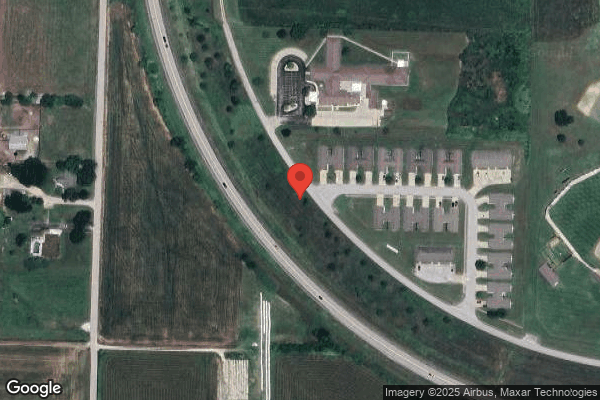
Dec 2024 3 deficiencies
CONCERN (D) 📢 Someone Reported This

A family member, employee, or ombudsman was alarmed enough to file a formal complaint

Potential for Harm - no one hurt, but risky conditions existed

Deficiency F0602 (Tag F0602)

Could have caused harm · This affected 1 resident

Based on interview and record review, the facility failed to protect all residents from misappropriation of property when one resident's (Resident #1) laptop, that was listed on the resident's invento...

Read full inspector narrative →
Based on interview and record review, the facility failed to protect all residents from misappropriation of property when one resident's (Resident #1) laptop, that was listed on the resident's inventory of personal effects, could not be located. A sample of four residents was reviewed in the facility with a census of 28. Review of the facility's policy titled Abuse Prohibition Protocol Manual, undated, showed the following: -The resident has the right to be free from abuse, neglect, misappropriation of resident property, and exploitation, including freedom from corporal punishment, involuntary seclusion and any physical or chemical restraint not required to treat-the-resident's-medical-symptoms; -Each resident has the right to be free from misappropriation of property and exploitation; -Misappropriation of resident property as defined at 483.5 means the deliberate misplacement, exploitation, or wrongful, temporary, or permanent use of a resident's belongings or money without the resident's consent; -It is the policy of this facility that each resident will be free from abuse. Abuse can include verbal, mental, sexual, or physical abuse, misappropriation of resident property and exploitation, corporal punishment or involuntary seclusion. 1. Review of Resident #1's face sheet (a document that gives resident information at a quick glance) showed the following: -admission date of 08/19/24; -Resident was his/her own responsible party; -Diagnoses included vascular dementia (brain damage caused by multiple strokes), post traumatic stress disorder (PTSD - a mental health condition that's caused by an extremely stressful or terrifying event - either being part of it or witnessing it. Symptoms may include flashbacks, nightmares, severe anxiety and uncontrollable thoughts about the event.), and Alzheimer's disease (a progressive and irreversible brain disorder that causes memory loss, confusion, and other cognitive decline). Review of the resident's quarterly Minimum Data Set (MDS - a federally mandated assessment instrument completed by facility staff), dated 11/01/24, showed the following: -Cognitively intact; -No behaviors; -Required no assistance from staff for activities of daily living (ADL - dressing, eating, bathing, etc.), mobility or transfers except for moderate assistance of one staff to bathe and for shower transfers. Review of the resident's current care plan showed the following: -The resident required minimal to moderate assistance with ADL performance. -Always knock on his/her door before entering and announce yourself. Review of the resident's Inventory of Personal Effects, dated 08/20/24, showed the resident had two laptops. During an interview on 12/20/24, at 9:12 A.M., the resident said the following: -His/her laptop was missing. The laptop and box for the laptop were on the floor of his/her closet with long dresses covering them and both were gone; -He/she did not see who took it; -He/she kept the laptop and box to the laptop on the floor of his/her closet with long dresses covering them. The mouse was on top of them, but they did not take the mouse; -He/she purchased the laptop within the last year and it was on his/her inventory sheet. Review of the facility's undated investigation showed the following: -The resident reported he/she was missing his/her laptop. He/she reported it to the housekeeping supervisor; -He/she reported his/her mouse was sitting on top of his/her laptop in his/her closet in his/her old room; -He/she reported to the Business Office Manager (BOM) that his/her laptop was in his/her new closet under his/her mouse; -When the Administrator went to talk with the resident, the Administrator noted that the resident's laptop was in his/her new room in his/her closet under his/her mouse. The Administrator looked in the resident's closet and noted his/her mouse to be in his/her closet still. The resident had an older laptop next to the closet in a case. The resident noted that was not the laptop he/she was looking for. The resident noted that he/she did not know exactly when it went missing just noted that he/she noted it missing after he/she switched rooms from 200 hall to 300 hall. The resident noted that he/she did not think anyone took it he/she just did not know where it is; -The resident was independent and does not receive much assistance from staff. He/she goes in and out to smoke and mostly lays in his/her room; -Staff tried calling family to see if they had been in. One family member was not able to be reached and another family member lived in a different state; -Reported to state as a self-report; -Will continue to look for laptop. (Staff did not document a report made to law enforcement, staff interviews besides the housekeeping supervisor, resident interviews, or a conclusion.) Review of the Housekeeping Supervisor's written statement, undated, showed when moving the resident from 200 hall to 300 hall, the resident and the Housekeeping Supervisor discovered his/her computer was missing. The resident had no idea how long it had been gone. The Housekeeping Supervisor had his/her old computer in the office and took it to him/her. During an interview on 12/20/24, at 10:36 A.M., the Housekeeping Supervisor said the following: -He/she completed the resident Inventory of Personal Effects when the resident moved to the facility; -The resident had two laptops at that time and one was in a box; -The resident reported one laptop was missing when he/she assisted the resident to move to a new room; -He/she assisted the resident to look for the laptop, but the laptop was not found. During an interview on 12/20/24, at 11:22 A.M., the Business Office Manager (BOM) said the following: -On 12/04/24, the resident told him/her that housekeeping was looking for the resident's laptop; -The resident said he/she noticed the laptop missing after he/she was in his/her new room; -The resident said the laptop made it to the new room with the box it came in and his/her mouse and he/she kept it in the bottom of his/her closet; -The BOM looked in the resident's closet and only saw the mouse; -When the resident was moved to his/her new room on 11/20/24, all of his/her belongings were placed on a dolly in the housekeeping area near the employee lockers. The computer box was on the dolly, but the BOM did not know if the laptop was in the box; -The laptop was not found. During an interview on 12/20/24, at 11:57 A.M., the MDS Coordinator said the following: -The resident reported his/her laptop was gone when he/she moved to a new room on 11/20/24; -Housekeeping said the resident's old laptop was in storage, but the other one was not found. During an interview on 12/20/24, at 12:38 P.M., the Director of Nursing said the following: -The resident had two laptops listed on his/her Inventory of Personal Effects; -The resident's laptop was not found; -The facility planned to reimburse the resident financially or buy the resident a new laptop. During an interview on 12/20/24, at 12:13 P.M., the Administrator said the following: -The resident reported his/her laptop missing around the time of his/her room move on 11/20/24; -The resident's laptop was on his/her Inventory of Personal Effects; -He/she was working on reimbursing the resident for the laptop; -The laptop was not found. MO00246139
CONCERN (D) 📢 Someone Reported This

A family member, employee, or ombudsman was alarmed enough to file a formal complaint

Potential for Harm - no one hurt, but risky conditions existed

Report Alleged Abuse (Tag F0609)

Could have caused harm · This affected 1 resident

Based on interview and record review, the facility failed to report an allegation of possible misappropriation to the State Survey Agency (Department of Health and Senior Services - DHSS) within the r...

Read full inspector narrative →
Based on interview and record review, the facility failed to report an allegation of possible misappropriation to the State Survey Agency (Department of Health and Senior Services - DHSS) within the required twenty-four hour timeframe after facility staff became aware of the allegation of misappropriation of property for one resident (Resident #1). The facility failed to notify local law enforcement of the allegation of misappropriation. A sample of four residents was reviewed in the facility with a census of 28. Review of the facility's undated policy titled Abuse Prohibition Protocol Manual showed the following: -Each resident has the right to be free from misappropriation of property and exploitation; -It is the policy of the facility to encourage and support all residents, staff, families, visitors, volunteers and resident representatives in reporting any suspected acts of abuse, neglect, exploitation, involuntary seclusion or misappropriation of resident property from abuse, neglect, misappropriation of resident property, and exploitation; -An owner, licensee, administrator, licensed nurse, employee or volunteer of a nursing home shall not physically, mentally or emotionally abuse, mistreat or neglect a resident. Any nursing home employee or volunteer who becomes aware of abuse, mistreatment, neglect, exploitation or misappropriation shall immediately report to the nursing home administrator; -The nursing home administrator or designee will report abuse to the state agency per State and Federal requirements; -All allegations of abuse, neglect, exploitation, mistreatment, injuries of unknown sources and misappropriation of resident property by facility employees, contract employees, volunteers, contract services, consultants, physicians, visitors, family members, or other individuals will be reported immediately but no later than the following timeframes. If abuse is alleged or the allegation results in serious bodily injury, the allegation must be reported within two hours after the allegation was made. If the allegation does not allege abuse or result in serious bodily injury, the report must be made within 24 hours after the allegation was made; -The facility will ensure that all reports are made within two hours (abuse or serious bodily injury) or 24 hours (non-abuse). The two hour timeframe must be met even during the night shift or during the weekend. -The facility will ensure that any reasonable suspicion of crimes committed against a resident of this facility will be reported to the appropriate Law Enforcement Agency as established by section 6703(b)(3) of the Patient Protection and Affordable Care Act of 2010. When there is reasonable suspicion that a crime has occurred, then in addition to reporting the allegation of abuse to the State Survey Agency, the incident must be reported to the local law enforcement; -The facility will adhere to reporting timeframes as outlined for reporting to the State Survey Agency for reporting to law enforcement. When there is reasonable suspicion that a crime has occurred, to include but not limited to: abuse or the crime results in serious bodily injury, the crime must be reported within two hours. If the crime is not abuse or result in serious bodily injury, the report must be made within 24 hours. 1. Review of Resident #1's face sheet (a document that gives resident information at a quick glance) showed the following: -admission date of 08/19/24; -Resident was his/her own responsible party; -Diagnoses included vascular dementia (brain damage caused by multiple strokes), post traumatic stress disorder (PTSD - a mental health condition that's caused by an extremely stressful or terrifying event - either being part of it or witnessing it. Symptoms may include flashbacks, nightmares, severe anxiety and uncontrollable thoughts about the event.), and Alzheimer's disease (a progressive and irreversible brain disorder that causes memory loss, confusion, and other cognitive decline). Review of the resident's quarterly Minimum Data Set (MDS - a federally mandated assessment instrument completed by facility staff), dated 11/01/24, showed the following: -Cognitively intact; -No behaviors; -Required no assistance from staff for activities of daily living (ADL - dressing, eating, bathing, etc.), mobility or transfers except for moderate assistance of one staff to bathe and for shower transfers. Review of the resident's current care plan showed the following: -The resident required minimal to moderate assistance with ADL performance. -Always knock on his/her door before entering and announce yourself. Review of the resident's Inventory of Personal Effects, dated 08/20/24, showed the resident had two laptops. During an interview on 12/20/24, at 9:12 A.M., the resident said he/she reported his/her missing laptop to staff. During an interview on 12/20/24, at 10:36 A.M., the Housekeeping Supervisor said the following: -The resident reported the missing laptop to him/her when he/she moved the resident to a different room around the middle to end of November 2024; -He/she reported this to the Administrator the same day; -He/she considered theft of a laptop a crime and should be reported to law enforcement because it was no different than someone breaking into his/her home and stealing items. Review of DHSS records showed the facility reported the allegation of misappropriation on 12/05/24. During an interview on 12/20/24, at 11:22 A.M., the Business Office Manager (BOM) said the following: -On 12/04/24, the resident told him/her that housekeeping was looking for the resident's laptop; -He/she immediately reported this to the Administrator and a corporate staff member told the Administrator to report to DHSS within 24 hours; -He/she reported allegations of misappropriation to the Administrator immediately; -He/she considered misappropriation to be a crime but did not know if staff had to report this to law enforcement. During an interview on 12/20/24, at 11:57 A.M., the MDS Coordinator said the following: -The resident reported his/her laptop missing to the Housekeeping Supervisor when the resident moved to another room on 11/20/24; -The Housekeeping Supervisor said he/she reported it to the Administrator at that time; -He/she knew the Administrator knew about the missing laptop because around Black Friday he/she suggested to the Administrator that would be a good time to get the nurses a new laptop for the nurses' station and to replace the resident's laptop with the sales going on; -When the laptop was brought up again at a later date, he/she found out the Administrator had not reported to DHSS and told the Administrator this should have been reported; -The Administrator should have notified law enforcement, but he/she did not believe the Administrator reported it. During an interview on 12/20/24, at 10:54 A.M., Certified Nursing Assistant (CNA) A said the following: -If a resident reported a missing item, he/she reported to the charge nurse immediately; -The Administrator reported allegations of misappropriation to DHSS within two hours; -He/she considered misappropriation to be a crime and the Administrator should report to the police department. During an interview on 12/20/24, at 11:14 A.M., CNA B said the following: -He/she reported allegations of misappropriation to the charge nurse immediately; -The Administrator reported allegations of misappropriation to DHSS within two hours; -He/she considered misappropriation a crime and the Administrator notified law enforcement. During an interview on 12/20/24, at 10:59 A.M., Certified Medication Technician (CMT) C said the following: -If a resident reported a missing item, he/she reported to the charge nurse immediately; -The Administrator reported allegations of misappropriation to DHSS within two hours; -He/she considered misappropriation to be a crime, but did not know if it was reportable to law enforcement. During an interview on 12/20/24, at 11:07 A.M., Registered Nurse (RN) D said the following: -CNAs and CMTs reported allegations of misappropriation to the charge nurse immediately; -The charge nurse reported allegations of misappropriation to the Administrator immediately; -The Administrator reported allegations of misappropriation to DHSS within two hours; -He/she considered misappropriation to be a crime and the Administrator or Director of Nursing (DON) reported this to law enforcement. During an interview on 12/20/24, at 12:38 P.M., the DON said the following: -He/she was notified of the missing laptop on 12/20/24; -The Administrator reported he/she was notified on 12/04/24 and reported to DHSS on 12/05/24; -He/she was told the Housekeeping Supervisor reported to the Administrator on 11/20/24; -The Administrator had not notified law enforcement; -The Administrator should have reported the allegation within 24 hours. During an interview on 12/20/24, at 12:13 P.M., the Administrator said the following: -The resident reported his/her missing laptop around 11/20/24 to the Housekeeping Supervisor; -The Housekeeping Supervisor did not report this to him/her until 12/04/24 and he/she reported this to DHSS on 12/05/24; -He/she did know staff were looking for something before this, but did not follow-up on it and did not ask any specifics. When he/she did not hear anything else, he/she assumed what staff were searching for was found; -He/she did not report the laptop to law enforcement because corporate staff said she did not need to since the resident only reported the laptop missing; -He/she reported the laptop to DHSS because it was on the resident's inventory sheet. -He/she expected staff to report allegations of misappropriation to him/her immediately; -He/she reported to DHSS within 24 hours; -He/she considered misappropriation to be a crime and notified law enforcement and the resident's responsible party within 24 hours. MO00246139
CONCERN (D) 📢 Someone Reported This

A family member, employee, or ombudsman was alarmed enough to file a formal complaint

Potential for Harm - no one hurt, but risky conditions existed

Investigate Abuse (Tag F0610)

Could have caused harm · This affected 1 resident

Based on interview and record review, the facility failed to document a timely and thorough investigation of all allegations of misappropriation when staff failed begin an immediate investigation into...

Read full inspector narrative →
Based on interview and record review, the facility failed to document a timely and thorough investigation of all allegations of misappropriation when staff failed begin an immediate investigation into one resident's (Resident #1) allegation of misappropriation and failed to document interviews with multiple staff and residents as part of the investigation. A sample of four residents was reviewed in the facility with a census of 28. Review of the facility's policy titled Abuse Prohibition Protocol Manual, undated, showed the following: -It is the policy of this facility that reports of abuse (mistreatment, neglect, or abuse, including injuries of unknown source, exploitation and misappropriation of property) are promptly and thoroughly investigated; -The investigation is the process used to try to determine what happened. The designated facility personnel will begin the investigation immediately. A root cause investigation and analysis will be completed. The information gathered is given to administration; -Investigation regarding misappropriation: The facility staff will complete an active search for missing item (s) including documentation of investigation. The investigation will consist of at least the following: a review of the completed complaint report; an interview with the person or persons reporting the incident; interviews with any witnesses to the incident; a review of the resident medical record if indicated; a search of resident room (with resident permission); an interview with staff members having contact with the resident during the relevant periods or shifts of the alleged incident; and interview with the resident's roommate, family members, and visitors; -The Administrator will keep the resident or his/her resident representative informed of the progress of the investigation; -The results of the investigation will be recorded and attached to the report; -The Administrator or human resources designee will complete a copy of the investigation materials; -The Administrator or designee will inform the resident and/or his/her representative of the findings of the investigation and corrective action taken. 1. Review of Resident #1's face sheet (a document that gives resident information at a quick glance) showed the following: -admission date of 08/19/24; -Resident was his/her own responsible party; -Diagnoses included vascular dementia (brain damage caused by multiple strokes), post traumatic stress disorder (PTSD - a mental health condition that's caused by an extremely stressful or terrifying event - either being part of it or witnessing it. Symptoms may include flashbacks, nightmares, severe anxiety and uncontrollable thoughts about the event.), and Alzheimer's disease (a progressive and irreversible brain disorder that causes memory loss, confusion, and other cognitive decline). Review of the resident's quarterly Minimum Data Set (MDS - a federally mandated assessment instrument completed by facility staff), dated 11/01/24, showed the following: -Cognitively intact; -No behaviors; -Required no assistance from staff for activities of daily living (ADL - dressing, eating, bathing, etc.), mobility or transfers except for moderate assistance of one staff to bathe and for shower transfers. Review of the resident's current care plan showed the following: -The resident required minimal to moderate assistance with ADL performance. -Always knock on his/her door before entering and announce yourself. Review of the resident's Inventory of Personal Effects, dated 08/20/24, showed the resident had two laptops. Review of the facility's undated investigation showed the following: -The resident reported he/she was missing his/her laptop. He/she reported it to the housekeeping supervisor; -He/she reported his/her mouse was sitting on top of his/her laptop in his/her closet in his/her old room; -He/she reported to the Business Office Manager (BOM) that his/her laptop was in his/her new closet under his/her mouse; -When the Administrator went to talk with the resident, the Administrator noted that the resident's laptop was in his/her new room in his/her closet under his/her mouse. The Administrator looked in the resident's closet and noted his/her mouse to be in his/her closet still. The resident had an older laptop next to the closet in a case. The resident noted that was not the laptop he/she was looking for. The resident noted that he/she did not know exactly when it went missing just noted that he/she noted it missing after he/she switched rooms from 200 hall to 300 hall. The resident noted that he/she did not think anyone took it he/she just did not know where it is; -The resident was independent and does not receive much assistance from staff. He/she goes in and out to smoke and mostly lays in his/her room; -Staff tried calling family to see if they had been in. One family member was not able to be reached and another family member lived in a different state; -Reported to state as a self-report; -Will continue to look for laptop. (Staff did not document a report made to law enforcement, staff interviews besides the housekeeping supervisor, resident interviews, or a conclusion.) During an interview on 12/20/24, at 9:12 A.M., the resident said the following: -He/she had a laptop that was missing; -He/she did not see anyone take the laptop; -The laptop was on the floor of the closet with long dresses covering it; -The box for the laptop was in the closet too and both the box and laptop were gone. The laptop was brand new. He/she purchased the laptop within the last year and it was on his/her inventory sheet; -The staff searched for the laptop; -Staff did not assist him/her to file a police report; -The facility did not reimburse him/her for the expense of the laptop; -The staff had not let him/her know there was any effort to investigate; -The Administrator told him/her that resident's were not allowed to have anything that expensive at the facility. During interviews on 12/20/24, at 10:36 A.M. and 1:06 P.M., the Housekeeping Supervisor said the following: -The resident reported the missing laptop to him/her when he/she moved the resident to a different room around the middle to end of November 2024; -He/she reported this to the Administrator the same day; -He/she looked for the laptop and the laptop was not found; -The resident had two laptops when the resident moved in to the facility; -He/she completed the resident's inventory sheet when the resident moved into the facility; -He/she did not know what the facility planned to do about the laptop; -The statement he/she wrote for the investigation was written on 12/20/24; -The housekeeping supervisor said the Administrator and Director of Nursing (DON) completed the investigations. During an interview on 12/20/24, at 11:22 A.M., the Business Office Manager (BOM) said the following: -He/she interviewed the resident to determine when the resident noticed the laptop was missing; -He/she searched the resident's room and did not see the laptop or laptop box, but did see the mouse in the bottom of the closet; -He/she attempted to contact the resident's family member but was unable to reach him/her; -The Administrator investigated allegations of misappropriation; -The investigation included interviews with the resident, other residents, and staff. During an interview on 12/20/24, at 10:54 A.M., Certified Nursing Assistant (CNA) A said the Administrator investigated allegations of misappropriation. During an interview on 12/20/24, at 11:14 A.M., CNA B said the following: -The Administrator completed investigations on allegations of misappropriation; -The Administrator should look at the cameras and interview residents and staff. During an interview on 12/20/24, at 10:59 A.M., Certified Medication Technician (CMT) C said the he/she did not know who completed the investigation on allegations of misappropriation but an investigation should be done. During an interview on 12/20/24, at 11:07 A.M., Registered Nurse (RN) D said the charge nurse, DON and Administrator completed investigations on allegations of misappropriation. During an interview on 12/20/24, at 11:57 A.M., the MDS Coordinator said the following: -The Administrator completed the investigations on allegations of misappropriation; -Investigations included the who, what, when and where of the allegation and interviews with residents and staff. During an interview on 12/20/24, at 12:38 P.M., the DON said the following: -Staff called the facility where the resident's old roommate moved to and the laptop was not at that facility; -The Administrator started investigations on allegations of misappropriation and had five days to complete the investigation and turn it into DHSS; -Investigations included interviews with the affected resident, other residents and staff; -The completed investigation should include any interviews completed, staff statements, police report if completed, a synopsis of the investigation and the plan to rectify the situation. During an interview on 12/20/24, at 12:13 P.M., the Administrator said the following: -The investigation included the summary, inventory sheet, and statement from the Housekeeping Supervisor; -The BOM interviewed the resident, but he/she did not add that to the investigation; -He/she interviewed the staff, but forgot to add that to the investigation; -There were no cameras in the hallways where the resident resided to review; -Staff searched for the laptop, but did not find it; -He/she and the DON investigated allegations of misappropriation; -Investigations included interview with the resident and staff, review of the resident's inventory sheet and speaking with the resident's family. MO00246139
Mar 2020 8 deficiencies
CONCERN (D)

Potential for Harm - no one hurt, but risky conditions existed

Deficiency F0558 (Tag F0558)

Could have caused harm · This affected 1 resident

**NOTE- TERMS IN BRACKETS HAVE BEEN EDITED TO PROTECT CONFIDENTIALITY** Based on observation, interview, and record review the facility failed to ensure one resident (Resident #31) had an appropriate ...

Read full inspector narrative →
**NOTE- TERMS IN BRACKETS HAVE BEEN EDITED TO PROTECT CONFIDENTIALITY** Based on observation, interview, and record review the facility failed to ensure one resident (Resident #31) had an appropriate wheelchair for safety and comfort out of a selected sample of 17 residents. The facility's census was 52. 1. Record review of Resident #31's face sheet (a document that gives a resident's information at a quick glance) showed the resident admitted to the facility on [DATE]. His/her diagnoses included pressure ulcer of his/her right buttock, dementia, post-polio syndrome (gradual new weakening in muscles that were previously affected by the polio infection), joint disorder and weakness. Record review of the resident admission Minimum Data Set (MDS), a federally mandated comprehensive assessment instrument completed by facility staff, dated 12/10/19, showed the following information: -Severe Cognitive impairment; -Dependent on staff for bed mobility, transfer, locomotion, and for activities of daily living; -Impairment of range of motion of both lower extremities and of one upper extremity; -Used a wheelchair for mobility; -Diagnoses included dementia; -No other skin conditions or problems present. Record review of the resident's Care Plan, dated 1/20/2020, showed: -The resident was dependent on staff for activities of daily living (ADL) (i.e. dressing, hygiene, bathing) (except eating) related to dementia, post-polio syndrome and general weakness. -Staff will anticipate and meet resident's needs while maintaining dignity; -The resident used a wheelchair for mobility, which staff propelled; -The resident had contractures (a condition of shortening and hardening of muscles, tendons, or other tissue, often leading to deformity and rigidity of joints) in both of his/her lower extremities, both of his/her legs draw up towards his/her chest when he/she lays in bed. An observation on 3/2/20, at 1:27 P.M., showed the resident sat in his/her wheelchair in the dining room. His/her wheelchair did not have foot pedals. The resident's legs dangled as his/her feet did not reach floor. An observation on 3/3/20, at 3:30 P.M., showed resident sat in his/her wheelchair near the nurses' station. His/her wheelchair did not have foot pedals. The resident's legs dangled as his/her feet did not reach floor. An observation and an interview on 3/4/20, at 12:53 P.M., showed the following: -Certified Nursing Assistant (CNA) F and CNA G assisted the resident into bed. The resident had contractures of his/her right and left knee and right hip. His/her right leg bent in and up towards his/her chest. His/her left knee bent slightly. -CNA F attempted to straighten the resident's left leg and the resident said hey. The CNA gently laid the resident's leg onto the bed. -CNA F said the resident had contractures of both legs but he/she could straighten the left leg more than the right. -CNA F and CNA G said staff removed the foot pedals from the resident's wheelchair because he/she bent his/her knees and the foot pedals were a safety concern. -The resident's left outer ankle had four approximately 2-inch scabbed lacerations. -The frame of the resident's wheelchair, where the foot pedals attached to the frame, had protruding blunt hardware which could injure the resident. Record review of the resident's progress nurses' notes showed no documentation staff removed the foot pedals from the resident's wheelchair and showed no documentation staff identified the four scabs on the resident's left outer ankle. During an interview on 3/4/20, at 12:24 P.M., Licensed Practical Nurse (LPN) B said on admission, the nurses assessed residents for an appropriate wheelchair. The resident has contractures of both of his/her legs, but the contractures are worse on the resident right leg. Staff removed the foot pedals from the resident's wheelchair because he/she hit his/her legs on the foot pedals. The LPN did not know why the resident was not evaluated for alternate foot pedals. During an interview on 3/5/20, at 1:31 P.M., Registered Nurse (RN) E said: -If the resident admitted to the facility without a wheelchair, the facility had wheelchairs a resident could use. If the facility did not have a wheelchair that fit a resident's specific need, the Director of Nursing (DON) would assess the resident to determine the next course of action. The facility could rent a wheelchair if needed. Physical therapy/Occupational therapy would also get involved but he/she did not know when. -Resident #31 did not have any special needs that required a specialized wheelchair. -The RN did not know why the resident's wheelchair did not have foot pedals. -The RN did not know of any injuries related to the resident's foot pedals. During an interview on 3/5/20, at 3:06 P.M., CNA H said: -If a resident could pick up his/her feet when the aides propelled his/her wheelchair, the resident did not need foot pedals, if a resident could not pick up his/her feet, the resident needed foot pedals on his/her wheelchair. -If the aides noticed a problem with a resident's wheelchair, the aides reported the problem to the charge nurse. -Resident #31's wheelchair did not have foot pedals because the resident's legs did not reach foot pedals. -The CNA did not know of any injuries to the resident's legs or ankles. During an interview on 3/6/20, at 9:21 A.M., LPN B said: -If a resident admitted to the facility without a wheelchair, the nurse could get a wheelchair from storage. The LPN determined the appropriate wheelchair by the resident's height and weight. If wheelchair did not fit the resident, staff tried a different one. -Physical therapy and Occupational therapy staff assessed residents' needs for alternative wheelchair accessories or equipment when a resident had a problem such sliding down in his/her chair. -Resident 31's wheelchair initially had foot pedals, but his/her feet hit the pedals. Nursing staff decided removed the foot pedals from the resident's wheelchair for his/her safety. -The resident's feet did not touch the floor due to the resident's contractures and dangled from the wheelchair seat. -The LPN did not know of any injuries to the resident as a result of no foot pedals. -Staff did not consult with physical therapy or occupational therapy about a foot pedal alternative for the resident's wheelchair. During an interview conducted on 3/6/20, at 11:09 A.M., the rehabilitation director said therapy staff assessed residents' wheelchair needs if nursing or a physician requested it. The rehabilitation director did not know anything about Resident #31's wheelchair or his/her foot pedals. The main reason for foot pedals was for positioning. During an interview on 3/6/20, at 11:30 A.M., the Director of Nursing (DON) said the following: -If a resident admitted to the facility without a wheelchair, the facility provides a wheelchair for the resident. The staff used the resident's height and weight to determine the appropriate wheelchair. -When a resident admitted to the facility, occupational therapy (OT) and physical therapy (PT) screened the resident for services. If the resident needed a specialized wheelchair, nursing staff talked to OT/PT in the weekly weekly meeting. -If a resident needed equipment in between weekly meetings, staff begin brainstorming alternatives for the resident. Therapy could become involved then. Nursing staff would involve anyone that would be of assistance. -The Resident #31 had contractures of his/her legs. Staff placed foot pedals on his/her wheelchair several times but he/she kept rubbing a scab or nicking his/her ankles, so nursing staff thought it would better to remove the foot pedals from his/her wheelchair. The amount of time the resident was out of bed was very limited because he/she had a large wound on his/her buttocks. -Staff removed the foot pedals from the resident's wheelchair within the first two weeks after his/her admission to the facility.
CONCERN (D)

Potential for Harm - no one hurt, but risky conditions existed

Deficiency F0688 (Tag F0688)

Could have caused harm · This affected 1 resident

**NOTE- TERMS IN BRACKETS HAVE BEEN EDITED TO PROTECT CONFIDENTIALITY** Based on observation, interview, and record review, the facility failed to ensure one resident (Resident #31), with limited rang...

Read full inspector narrative →
**NOTE- TERMS IN BRACKETS HAVE BEEN EDITED TO PROTECT CONFIDENTIALITY** Based on observation, interview, and record review, the facility failed to ensure one resident (Resident #31), with limited range of motion, received appropriate treatment and services to prevent a further decrease in range of motion in a selected sample of 17 residents. The facility's census was 52. 1. Record review of Resident #31's face sheet (a document that gives a resident's information at a quick glance) showed staff admitted the resident to the facility on [DATE]. The resident's diagnoses included pressure ulcer of the right buttock, dementia, anxiety, joint disorder and weakness. Record review of Resident #31's admission Minimum Data Set (MDS), a federally mandated assessment instrument completed by facility staff, dated 12/10/19, showed the following information: -Severe cognitive impairment; -Dependent upon staff for bed mobility, transfers, dressing, personal hygiene and bathing; -Resident had impaired functional ROM of both lower extremities and impaired functional ROM one upper extremity; -Used a wheelchair for mobility; -Did not participate in a restorative program. Record review of resident's medical record showed no documentation staff provided the resident with ROM exercises. Record review of the resident's Care Plan, dated 1/20/2020, showed: -Dependent on staff for all ADLS (except eating) related to dementia, post-polio syndrome (gradual new weakening in muscles that were previously affected by the polio infection), and general weakness. -Required maximum assist of two with all transfers. -Contractures (a condition of shortening and hardening of muscles, tendons, or other tissue, often leading to deformity and rigidity of joints) in both lower extremities and his/her lower extremities were drawn up towards his/her chest when he/she is laid in bed. -Staff turn and reposition the resident every two hours and as needed when he/she was in bed. -Staff dressed the resident every morning and evening. -Physical therapy (PT), Occupational therapy (OT), and the Restorative Nurse Program (RNP) would evaluate and treat per physician order and as needed. Observation on 3/3/20, at 3:30 P.M., showed the resident laid in bed on his/her left side with his/her with knees pulled up towards his/her chest. An observation and an interview on 3/4/20, at 12:53 P.M., showed the following: -Certified Nursing Assistant (CNA) F and CNA G assisted the resident into bed. The resident had contractures of his/her right and left knee and right hip. His/her right leg bent in and up towards his/her chest. His/her left knee bent slightly. -CNA F said the resident had contractures of both legs but his/her left leg could be somewhat straightened if done slowly; his/her right leg could not be straightened. CNA F attempted to straighten the resident's left leg and the resident said hey. The CNA stopped and gently laid the resident's leg onto the bed. -CNA F said the resident's right arm was paralyzed, the resident could not move it on his/her own. -CAN F said the CNAs performed ROM for all residents daily when they provided care, but there was not any specific number of repetitions or a schedule. The CNAs did not document routine ROM exercises. -CNA F said he/she performed ROM exercises on the resident's arm and his/her legs when the resident sat in his/her wheelchair. He/she moved the resident's left leg up and down, like the resident was dancing but did not move the resident's right leg much since it was more contractured than the left. He/she also performed ROM on the resident's legs when he/she laid in bed. If the resident knew you were performing ROM, he/she would not want to do it. If the aide distracted the resident, the resident allowed the aide to perform ROM. -CNA G said the resident did not participate in the facility's restorative nursing program. During an interview on 3/4/20, at 12:24 P.M., Licensed Practical Nurse (LPN) B said: -The admitting nurse assessed residents for any special needs. -If a resident had a decline in his/her condition or if he/she fell, the nurse notified the physician who would write an order for a therapy evaluation. -The nurses performed ROM exercises with residents about 2 times a week when performing other tasks such as wound care. -The CNAs performed ROM at least daily with cares such as dressing. -Resident #31 had contractures of both lower extremities and his/her right arm was flaccid due to post-polio syndrome. -The resident was not a therapy candidate due to comorbidities, dementia and refusal. During an interview on 3/4/20, 1:05 P.M., RNA G said she worked as the facility's RNA for two to three weeks. When therapy wrote a resident's restorative plan, he/she gave it to him/her and he/she added the resident to the restorative list. During an interview on 3/4/20, at 1:35 P.M., CNA F said if a resident needed restorative therapy, staff talked with therapy staff who developed a restorative plan. Therapy gave he plan to the DON who passed it to the RNA to implement. Observation on 3/5/20, at 9:11 A.M., showed the resident laid in bed on his/her left side with his/her legs pulled up, towards his/her chest. During an interview on 3/5/20, at 1:31 P.M., Registered Nurse (RN) E said: -The resident had contractions of both of his/her hips and knees, and a contracture on his/her right upper arm. -The restorative nurse aide (RNA) performed ROM exercises with the resident, but he/she did not know how often or if there was a schedule. -During wound care, the nurses would stretch the resident's lower extremities; -Staff notified the charge nurse if a resident's ROM decreased. The charge nurse assessed the resident and contacted the physician. The physician either assessed the resident or ordered a therapy evaluation. -Splints and ROM exercises could be implemented to prevent further contractures. -If a resident received hospice services, he/she did not qualify for restorative care. During an interview on 3/5/20, at 3:06 P.M., CNA H: -Staff performed ROM exercises with residents when the resident laid in bed. -The CNA knew who to provide ROM with based on how the resident moved. -The restorative nursing assistant (RNA) was supposed to provide ROM exercises to the residents. -CNA H did not perform ROM exercises on Resident #31 due to the CNA's fear of the resident's leg contractions. During an interview on 3/6/20, at 11:09 A.M., the Rehabilitation Director (RD) said the following: -Therapy staff completed a therapy screen on residents to determine if a resident qualified or needed therapy services on admission, quarterly, and with any major changes (such as falls or a decline). -If a resident received hospice services, he/she did not qualify for therapy services. -A therapist developed a restorative nursing plan if a resident did not qualify for skilled therapy, could not complete an ordered skilled therapy, or just completed therapy; -When Resident #31 admitted to the facility, staff thought he/she would start Hospice services. When the resident did not, therapy screened him/her. Therapy staff did not request therapy services for the resident due to concerns that his/her wound would worsen, and fear of the misuse of funding (if resident was to be placed on hospice). -The RD thought once the resident's wound healed, he/she would receive hospice services due to low cognition. -The RD did not feel comfortable developing restorative plan for the resident because of his/her wound. -Stretching would be the only benefit for the resident. The facility was short on aides. The concern for the resident should be focused on wound care more than stretching. -Since the resident admitted to the facility in December 2019, he/she should be on the quarterly (March 2020) therapy screening list. -The RD knew the resident needed serviced to prevent further deterioration of his/her current contractures, and that was something to look at during the resident's quarterly screening. During an interview on 3/6/20, at 11:30 A.M., the DON said: -All CNAs could perform ROM exercises with a resident. -All staff knew to perform ROM when they got a resident up, dressed, or with any ADL that would be similar in movement. -If staff noticed changes in a resident's ROM, he/she reported the change to the charge nurse and the DON. -If staff notified the DON, she would discuss it in the weekly team meeting. A therapist attended the meeting so if the team agreed, therapy staff would screen the resident for therapy services.
CONCERN (D)

Potential for Harm - no one hurt, but risky conditions existed

Respiratory Care (Tag F0695)

Could have caused harm · This affected 1 resident

Based on observation, interview, and record review, the facility to ensure proper cleaning and maintenance of a BiLevel Positive Airway Pressure (BiPAP) (a non-invasive form of therapy for people suff...

Read full inspector narrative →
Based on observation, interview, and record review, the facility to ensure proper cleaning and maintenance of a BiLevel Positive Airway Pressure (BiPAP) (a non-invasive form of therapy for people suffering from sleep apnea (temporary cessation of breathing, especially during sleep)), failed to develop and implement interventions for use of a BiPAP and failed to obtain a physician order for oxygen for one resident (Resident #18) in a selected sample of 17 residents. The facility's census was 52. Record review of the facility's Bilevel Positive Airway Pressure (BiPAP) Administration policy, dated March 2015, showed the following information: -Purpose: To administer positive airway pressure to maintain an open airway to the resident with obstructive apnea (repeated episodes of complete or partial obstructions of the upper airway during sleep, despite the effort to breathe, and is usually associated with a reduction in blood oxygen saturation) or respiratory problems, primarily during sleep; -Guidelines: Care and use of the BiPAP machine with cleaning mask, headgear, tubing and humidifier same as the Continuous Pressure Airway Pressure (CPAP) (a form of positive airway pressure ventilator, which applies mild air pressure on a continuous basis) guidelines. Record review of the facility's CPAP administration policy, dated March 2015, showed the following information: -Check the physician's order for pressure setting and method of administration; -Care and use of the CPAP machine: Use a wet cloth or cleaning wipe to clean the outside surface of the CPAP machine. For a reusable filter: Clean the back filter weekly by running it under warm water, squeezing the water out of it until it runs clear of dust; replace this filter with a new one once a year. -Cleaning masks, headgear, tubing and humidifier: For safety, unplug the unit when cleaning. Begin with wiping the outside of the CPAP unit with damp cloth. Let air dry. Inspect the filters on the unit: one filter is usually a foam material that is easily taken out from the device by pinching the middle of the foam. The filter should be cleaned with water and mild soap once every two weeks of use. The inner filter that is ultra-fine should be replaced every 30 days. If it appears dirty before 30 days, replace it. -The tubing should be cleaned weekly. Particles from the air can gather in the tubing through use, and mold can even accumulate which is dangerous to inhale. Remove the tubing from the device and rinse with water and mild soap, swishing the water back and forth through the tube and emptying. Rinse thoroughly and air dry. -The mask and nasal pillows connection can be wiped daily with a damp cloth and mild soap. Rinse and allow to air dry; -If the unit has a humidifier, check to make sure there is enough distilled/tap water in the unit. Clean the holding tank with a damp cloth and mild soap weekly. For disinfecting the holding tank, use vinegar and water mix and let it sit in the holder for approximately 30 minutes. Rinse thoroughly and air dry. Record review of the facility's Oxygen Administration policy, dated March 2015, showed the following information: -Check physician's order for liter flow and method of administration; -Check resident's respiration and observe at regular intervals to assess need for further oxygen therapy after oxygen has been discontinued. 1. Record review of Resident #18's face sheet (a document that gives a patient's information at a quick glance) showed the following information: -admitted to the facility 2/20/17; -Diagnoses included anemia (a condition in which you lack enough healthy red blood cells to carry adequate oxygen to your body's tissues. Anemia can make you feel tired and weak), chronic obstructive pulmonary disease (COPD) (a chronic inflammatory lung disease that causes obstructed airflow from the lungs) and schizoaffective disorder (a chronic mental health condition characterized primarily by symptoms of schizophrenia, such as hallucinations or delusions, and symptoms of a mood disorder, such as mania and depression). Record review of the resident's physician order sheet showed an order dated 2/20/17, for a Bi-Level machine of 19.0 centimeters (cm)/14.0 cm water, heated humidifier at bedtime (6:00 P.M. - 6:00 A.M.). Record review of the resident's care plan, last revised/reviewed on 4/3/19 showed the following: -The resident could perform his/her own activities of daily living (ADLS), but needed help at night getting up and using the bathroom; -Short-term goal: 3/10/20 staff would assist the resident with all ADLS to the extent required while promoting independence and maintaining dignity; -The resident slept with a BiPAP at night related to sleep apnea. The resident could apply the BiPAP by himself/herself; -Remind the resident and encourage him/her to ask for assist with the BiPAP as needed. (The care plan did not address disinfection and care of the BiPAP machine, mask, tubing, filters, and humidifier). Record review of the resident's quarterly Minimum Data Set (MDS), a federally mandated comprehensive assessment instrument, dated 12/2/19, showed the following information: -No cognitive impairment; -Independent with bed mobility, transfers, walking, dressing, personal hygiene, eating and bathing; -Used a walker or wheelchair for mobility; -Shortness of breath or trouble breathing with exertion (walking, bathing, transferring); -Did not use Oxygen or a CPAP/BiPAP. Record review of the resident's February 2020 and March 2020 Medication Flow Sheet showed staff documented the resident used the Bi-Level Machine, heated humidifier, daily at bedtime (6:00 P.M. to 6:00 A.M.) every night. (The medication flow sheet did not include when to clean the BiPAP's tubing, reservoir, mask or filters). During an interview on 3/2/20, at 1:44 P.M., the resident said staff did not clean his/her BiPAP, he/she did. Record review of the resident's progress note, dated 3/4/20 showed staff documented the resident called the facility and told them he/she was in the emergency room. At his/her appointment, he/she became white as a ghost, had shortness of breath and high blood pressure. The resident returned to the facility at 12:30 A.M. with a diagnosis of an upper respiratory infection. During an interview on 3/4/20 at 2:28 P.M., the resident said he/she went to the hospital on 3/3/20 and returned on 3/4/20 in the early morning. He/she had to get Oxygen due to shortness of breath. Record review of the resident's physician orders did not show an order for oxygen administration. During an interview on 3/5/20, at 1:31 P.M., Registered Nurse (RN) E said the following: -The resident used a BiPAP at night. The resident applied and maintained the BiPAP independently. -Every day the resident obtained distilled water, from staff, to fill the BiPAP's reservoir. -The nurse did not know how often or when the resident cleaned the BiPAP and did not know when the tubing was changed. -The nursing protocol included instruction for cleaning a BiPAP. -The nurse did not know when the resident's BiPAP was calibrated. -The nurse thought the resident was trying to get a new BiPAP. The nurse did not know the specifics of that process because the resident set up and went to all of his/her own appointments. An observation on 3/5/20, at 3:04 P.M., showed the resident positioned in bed, with his/her eyes closed, wearing his/her BiPAP mask. There was not a date on the machine or tubing to indicate when it was cleaned or changed. During an interview on 3/06/20, at 9:21 A.M., Licensed Practical Nurse (LPN) B said the resident used a BiPAP at night and during the day when napping. The resident cleaned and maintained his/her BiPAP independently. The LPN did not know if the resident cleaned the machine and tubing but thought he/she did. An observation on 3/6/20, at 10:22 A.M., showed the resident sat in a wheelchair in the hall. An oxygen tank and tubing was secured to the back of the wheelchair. The resident did not use the Oxygen at that time. During interview on 3/6/20, at 10:22 A.M., the resident said the following: -He/she cleaned his/her BiPAP tubing with soapy water once a week, and deep cleaned it with full strength vinegar once a month. He/she filled the hose with either soap and water or vinegar and swished it back and forth for 5 minutes, then rinsed with water. He/she often asked an aide to assist him/her with the swishing. He/she placed the clean tubing on towels and draped the tubing over the side table to drain. Sometimes he/she moved the tubing to the railing on the side of the bed to finish drying. -The resident rinsed the reservoir with hot water daily and cleaned it with straight vinegar every two to three weeks. -The BiPAP had a filter but he/she did not clean it often because he/she forgets about it. He/she thought he/she cleaned it approximately two to three weeks ago. -He/she cleaned the mask with ivory soap and hot water weekly. He/she placed the mask in the windowsill to dry, with the vents blowing on it. -He/she replaced the BiPAP mask, tubing, reservoir and filter last Thursday or Friday. -The BiPAP was calibrated once since admission. -He/she started using oxygen this week after his/her spell. The Nurse Practitioner told him/her to use it as needed, at 2 Liters via nasal cannula. He/she did not use oxygen much, but had used it. The resident did not know how long he/she would require the oxygen. During an interview on 3/6/20, at 11:30 A.M., the Director of Nursing (DON) said: -The resident admitted to the facility with a BiPAP. The BiPAP settings were preset. -The resident cleaned his/her BiPAP weekly. He/she did not want staff to do it. Staff assisted the resident with cleaning as needed. -The facility provided the resident vinegar and distilled water for cleaning and maintaining his/her BiPAP. -The facility did not want to be intrusive to the resident's wishes. -If a resident required oxygen, staff would call the physician to obtain an order that included Oxygen dosage and length of time. -Staff probably placed the Oxygen tank on the back of the resident's wheelchair to make the resident feel better. It was probably recommended by an Optum representative (the resident's insurance), which the facility complied with.
CONCERN (D)

Potential for Harm - no one hurt, but risky conditions existed

Deficiency F0740 (Tag F0740)

Could have caused harm · This affected 1 resident

**NOTE- TERMS IN BRACKETS HAVE BEEN EDITED TO PROTECT CONFIDENTIALITY** Based on observation, interview, and record review the facility failed to meet the psychosocial needs of one resident (Resident ...

Read full inspector narrative →
**NOTE- TERMS IN BRACKETS HAVE BEEN EDITED TO PROTECT CONFIDENTIALITY** Based on observation, interview, and record review the facility failed to meet the psychosocial needs of one resident (Resident #27) who had a diagnosis of depression in a selected sample of 17 residents. The facility's census was 52. Record review of Resident #27's face sheet showed the resident originally admitted on [DATE]. Record review of the resident's current physician orders showed, in part, the following orders: -An order dated 9/17/19, for Duloxetine, 60 milligrams (mg), daily for major depressive disorder; -An order dated 9/17/19, for Trazodone, 50 mg, at bedtime for major depressive disorder. Record review of the resident's Social Services New admission Minimum Data Set (MDS) (a federally mandated comprehensive assessment tool completed by facility staff) assessment note dated 9/23/19, at 1:28 P.M., showed the following: -The Resident and Social Services Director (SSD) completed the basic interview for mental status (BIMS) and mood interview; -The resident scored a 10/15 on the BIMS indicating his/her cognition was moderately impaired; -The resident scored a 9/27 on the mood interview indicating he/she had mild depression; -The resident denied: having little interest/pleasure in doing things; having thoughts of being better off dead/wanting to hurt herself; -The resident said he/she felt depressed and tired/had little energy. every day. -He/she had trouble sleeping since he/she arrived to the facility. He/she said It's not as quiet as home. -The resident felt bad about himself/herself because he/she was tired and had little energy; -He/she had felt depressed for a long time, ever since his/her spouse passed away three years ago. They were together for 71 years. The resident said It hasn't been the same and it won't ever be the same. -SSD would relay the depression score to the charge nurse. Review of the resident's progress nurse notes showed staff did not document a follow-up regarding the depression score or notification of the resident's physician of the score. Record review of the resident's physician visit note, dated 10/7/19, showed: -Diagnosis of major depressive disorder, recurrent episode, mild; -Resident coped well in the facility; -Resident took Duloxetine and Trazodone; -Benefits of medications outweighed the risk; -Discontinuation of the medications would impair the resident's quality life. Record review of the resident's physician visit note, dated 11/14/19, showed: -Diagnosis of major depressive disorder, recurrent episode, mild; -Resident coped well in the facility; -Stable; -Resident on Duloxetine and Trazodone; -Benefits of medications outweighed the risk; -Discontinuation of the medications would impair the resident's quality life. Record review of the resident's Social Services Quarterly MDS Assessment progress note dated 12/24/19, at 1:30 P.M., showed: -Resident completed sections C and D of the MDS Assessment with the SSD; -The resident scored a 12/15 on the BIMS indicating moderately impaired cognition; -The resident scored a 16/27 on the mood interview indicating he/she had moderately severe depression; -SSD informed the charge nurse of the score; -Resident said he/she had little interest or pleasure in doing things, felt down/depressed/hopeless due to his/her spouse had not been gone that long and the memories of this time of year, and also because of moving here and selling his/her home; -The resident said he/she would get out of it. (Referring to the depression and sadness he/she felt); -SSD asked the resident how he/she would do it and the resident said he/she would work on it. -SSD told the resident that happy memories could be made here, especially since there were so many happy, friendly people; -The resident said he/she loved people; -SSD talked with the resident a little bit more, and received smiles and laughs. Record review of the resident's quarterly MDS, dated [DATE], showed the following: -Resident scored a 16 on the patient health questionnaire indicating he/she had moderately severe depression which warranted active treatment with psychotherapy, medications, or a combination. Review of the resident's progress nurse notes showed staff did not document follow-up regarding the depression score or notification of the resident's physician of the score. Record review of the resident's care plan, updated 1/4/20, showed: -The resident was at risk for adverse reaction related to antidepressant use for his/her diagnoses of depression and insomnia (a sleep disorder in which you have trouble falling and/or staying asleep); -Goal: No signs or symptoms of adverse drug reaction will go unnoticed or without intervention ongoing; -Administer antidepressant per physician order. Monitor for effectiveness. Monitor resident for signs and symptoms of adverse reactions. Ongoing assessment with physician and pharmacy to ensure the resident received a therapeutic dose of antidepressants. Monitor the resident's labs and functional status. Record review of the resident's physician visit note, dated 1/14/20, showed: -Diagnosis of major depressive disorder, recurrent episode, mild; -Resident coped well in the facility; -Stable; -Resident took Duloxetine and Trazodone; -Benefits of medications outweighed the risk; -Discontinuation of the medications would impair the resident's quality life. During an interview on 3/4/20 at 3:35 P.M., the resident said the following: -He/she felt depressed. He/she lost his/her spouse a few years ago and was not over that, Life is just not the same. -The resident frequently dreamed about his/her spouse, woke up and felt sad, -Sometimes the resident laid in bed at night and thought about sad things; -Staff had not offered the resident a therapist or psychologist; -The resident denied suicidal ideation. During an interview on 3/4/20 at 3:45 P.M., the SSD said the following: -Without looking at the resident's medical record, she could not remember if the resident was depressed or not; -If a resident scored high on the mood interview, felt depressed, showed little or no interest in doing things, was suicidal, or felt hopeless, the SSD would let the resident's nurse know and the nurse would follow up with the physician; -The SSD did not follow up with the nurse to ensure the nurse communicated with the resident's physician or what the outcome was; -If the physician ordered a psychiatric evaluation, the nurse notified the SSD to schedule the appointment/arrangements for the evaluation. During an interview on 3/4/20 at 3:50 P.M., Licensed Practical Nurse (LPN) B said the following: -The resident was friendly to the nurse, but sometimes had a flat affect (A severe reduction in emotional expressiveness); -If the SSD assessed a resident as being depressed, the SSD took a sticky note to the desk to notify the nurse. The nurse then notified the resident's physician; -The nurse should document the conversation with the resident's physician in the nurse's notes; -The nurse did not remember the SSD notifying him/her the resident felt depressed. During an interview conducted on 3/6/20, at 11:30 A.M., the Director of Nursing said the following: -The SSD social completed the mood assessment and questionnaire with the resident. -The SSD reported the findings to the charge nurse and to the department heads during the weekly meeting. -The SSD wrote the resident's mood score on a sticky note and gave it to the charge nurse. She also verbally reported the score to the charge nurse. -The charge nurse then reported the score and the SSD's findings to the physician. The charge nurse asked the physician, if he/she wanted to change or add anything. -If the charge nurse obtained a new order from the physician, the nurse should document, in the nurses notes, he/she obtained a new order based on the resident's mood score. -If the physician wrote an order for the resident to see the psychologist, the SSD would contact the psychologist to schedule a visit. -The DON did not know if the SSD reported the score to the charge nurse and did not know if the charge nurse contacted the physician.
CONCERN (D)

Potential for Harm - no one hurt, but risky conditions existed

Unnecessary Medications (Tag F0759)

Could have caused harm · This affected 1 resident

**NOTE- TERMS IN BRACKETS HAVE BEEN EDITED TO PROTECT CONFIDENTIALITY** Based on observation, interview, and record review, the facility failed to ensure staff administered medications with an error r...

Read full inspector narrative →
**NOTE- TERMS IN BRACKETS HAVE BEEN EDITED TO PROTECT CONFIDENTIALITY** Based on observation, interview, and record review, the facility failed to ensure staff administered medications with an error rate of less than five percent when staff made two errors out of 34 opportunities, resulting in an error rate of 5.88 percent affecting two residents (Resident #26 and #38). The facility's census was 52. 1. Record review of Resident #26's face sheet (a document that gives a resident's information at a quick glance) showed the following: -admitted to the facility on [DATE]; -Diagnoses included Alzheimer's disease, persistent mood disorder, anxiety disorder, and schizoaffective disorder (a chronic mental health condition characterized primarily by symptoms of schizophrenia, such as hallucinations or delusions, and symptoms of a mood disorder, such as mania and depression). Record review of the resident's medication administration record and physician order sheet for March 2019, showed: -An order, dated 12/14/19, for Depakote 125 milligrams (mg) enteric coated (EC) delayed release (DR) tablet, one tablet, three times per day, for schizoaffective disorder, dated 12/14/19; -May crush or alter medications unless otherwise indicated. An observation on 3/4/20 at 12:00 P.M., Certified Medication Technician (CMT) A opened one Depakote (a medication used to treat seizures and some mood disorders) 125 mg capsule, placed the contents of the capsule in a small amount of yogurt in a medicine cup, and administered the medication to the resident with a spoon. During an interview on 3/4/20 at 12:00 P.M., CMT A said he/she crushed the resident's medications prior to administration. Record review of the resident's physician order sheets, showed an order, dated 3/4/20, for Depakote Sprinkles capsule, delayed release 125 mg, three times per day. During an interview on 3/4/20 at 2:30 P.M., CMT A said the nurse contacted the resident's physician and obtained a new order for Depakote Sprinkles capsules, which is what staff had been giving the resident. The pharmacy previously sent the Depakote Sprinkles capsules instead of the Depakote tablets that were ordered and staff were administering the capsules in error. 2. Record review of Resident #38's face sheet showed the following: -admitted to the facility on [DATE]; -His/her diagnoses included diabetes, schizophrenia, mild cognitive impairment and osteoporosis. Record review of the resident's March 2020 physician order sheet showed an order, dated 12/26/20, for Vitamin D3, 25 micrograms (mcg) (1000 unit), two tablets (2000 units), one time a day for vitamin D deficiency. Observations on 3/5/20 showed the following: -At 9:18 A.M., CMT A prepared Resident #38 medications for administration. CMT A removed a bottle of Vitamin D3, 10 mcg (400 units) and placed two tablets (20 mcg (800 units) in a medication cup. The CMT administered the medication to the resident, whole, with a cup of water. -At 9:30 A.M., while the CMT prepared another resident's medication, he/she noticed the Vitamin D3 bottle contained 10 mcg (400 units) and not 25 mcg (1000 units). The CMT asked the Director of Nursing to obtain a bottle with the correct dosage. The CMT removed the 10 mcg (1400 unit) bottle from the medication cart. 3. During an interview on 3/6/20 at 11:30 A.M., the DON said staff should administer medications per physician's orders.
CONCERN (D)

Potential for Harm - no one hurt, but risky conditions existed

Deficiency F0790 (Tag F0790)

Could have caused harm · This affected 1 resident

**NOTE- TERMS IN BRACKETS HAVE BEEN EDITED TO PROTECT CONFIDENTIALITY** Based on observation, interview, and record review, the facility failed to address one resident's (Resident #21) dental needs fa...

Read full inspector narrative →
**NOTE- TERMS IN BRACKETS HAVE BEEN EDITED TO PROTECT CONFIDENTIALITY** Based on observation, interview, and record review, the facility failed to address one resident's (Resident #21) dental needs failed to document regarding dental pain, broken teeth, or other dental needs for the resident in a selected sample of 17 residents. The facility's census was 52. Record review of the facility's policy, dated March 2015, titled Oral Hygiene, showed the following information: -Offer oral hygiene before breakfast, after each meal and at bedtime. -Inspect mouth and gums for irritation or open areas. 1. Record review of Resident #21's face sheet (a document that gives a resident's information at a quick glance) showed the following information: -readmitted to the facility on [DATE]; -Diagnoses included stroke, heart failure, diabetes and dementia. Record review of the resident's Physician Order Sheet (POS) showed an order, dated 6/5/19, for a dental consult as needed. Record review of the resident's significant change Minimum Data Set (MDS), a federally mandated assessment instrument completed by facility staff, dated 6/11/19, showed the following information: -Moderately Impaired Cognition; -Required extensive assistance with personal hygiene; -Obvious likely cavity or broken teeth. Record review of the resident's Care Plan, dated 11/18/19, showed: -Monitor for signs or symptoms of chewing or swallowing problems as resident has natural teeth in poor condition, with few missing. -The resident has his/her own natural teeth, several are missing and the others are in poor condition. -Set up and assist the resident with all of his/her personal hygiene needs. -He/she needs assistance I need help with oral care after meals, at bedtime and as needed. Record review of the resident's current medical showed no documentation of follow-up regarding the resident's broken teeth. Observation and interview on 3/2/20, at 3:47 P.M., showed the resident sat in a recliner in his/her room. r\The resident had his/her own natural teeth. His/her teeth were in poor condition as he/she had some missing, and broken teeth and possible dental carries. The resident said he/she had dental pain at times, but had a dental appointment that afternoon (according to the resident's medical record, the resident did not have a dental appointment, and there were no upcoming appointments scheduled). During an interview on 3/4/20, at 2:31 P.M., of resident said he/she still had dental pain but had not reported it to the nurse or anyone else yet. During an interview on 3/5/20, at 1:31 P.M., Registered Nurse (RN) E said: -On admission, the admitting nurse assessed the resident's teeth and reported any concerns to the physician or social services designee (SSD); -There was no formal follow-up with a dentist after admission. Residents were only seen if staff reported a concern. -Certified nursing assistants (CNAs) reported, to the nurse, residents' oral concerns, including bleeding or swollen gums, dentures that did not fit, and dental decay. -The nurse assessed the resident, and notified the physician of any dental concerns. The physician would order a dental consult, if needed. The SSD sets-up residents' dental appointments. -The nurse did not know the resident had any dental concerns, including mouth/dental pain. The resident admitted to the facility with broken teeth. During an interview on 3/5/20, at 3:06 P.M., Certified Nurses' Aide (CNA) H said: -CNAs ask residents if they want to wash and swish their mouth out after eating. The CNAs encourage residents to brush their teeth as well. -If the CNAs observed any dental issues, they notified the charge nurse and the Director of Nursing (DON). -Reportable issues included pain and broken dentures, and anything the resident reported to the them (the CNAs). -Resident #21 had his/her own natural teeth and usually refused brushing his/her teeth. The resident would swish and spit. -Resident refused assistance with brushing his/her teeth, and could brush his/her teeth without assistance. -The resident had not complained to the CNA H of tooth pain or discomfort. During interview on 3/6/20, at 9:08 A.M., CNA F said: -The CNAs report any dental issues to the charge nurse, including bleeding gums and chewing problems; -Resident #21 had his/her own natural teeth. The resident admitted with poor dentition. -The resident would usually brush his/her teeth after meals with assistance. -The resident had not reported to the CNA any issues with his/her teeth. During interview on 3/6/20, at 9:21 A.M., Licensed Practical Nurse (LPN) B said: -Staff tried to assist each resident with dental hygiene. -The CNAs should report any bleeding, blisters, sores, or anything abnormal to the nurse for assessment. -After the nurse assessed the resident, he/she notified the physician for an order. The nurse would give the SSD the order to make referral to a dentist. -Dentists did not come to the facility. -The resident had poor dentations, and sometimes complained of pain but not always. -The resident's family member knew the condition of the resident's teeth. Before the resident admitted to the facility, the family member made an appointment for the resident to see a dentist. The resident refused at that time. The LPN did not remember if the resident's family member told him/her or if another staff member told him/her. The LPN did not know if anyone documented the information in the resident's progress notes. -The LPN did not notify anyone of the resident's occasional dental pain and did not know if any other staff had reported it. If staff reported the resident's dental issues, he/she would document it in the resident's progress notes. During an interview conducted on 3/6/20, at 10:24 A.M., the SSD said the following: -If a resident or resident's family reported dental issues to a nurse, the nurse could either talk to the SSD or discuss the need in the care plan meeting. -If a resident had dental concerns, the SSD would ask the resident, or the resident's DPOA, if appropriate, if he/she wanted the SSD to set-up an appointment. -Staff should document all reported dental issues in the resident's progress notes. -If a resident needed a dental appointment, but either he/she or his/her DPOA refused, staff should document the refusal in the resident's progress notes. -Neither staff nor the resident's durable power of attorney reported to him/her (the SSD) the resident needed a dental referral, and the resident had not complained to him/her of any dental issues. During an interview on 3/6/20, at 11:30 A.M., the DON said: -Staff monitored residents' dental for any signs or symptoms of dental issues including mouth sores, bleeding gums, and tooth pain; -If a resident had any dental concerns, the charge nurse notified the resident's physician; -Sometimes the physician would assess the resident and sometimes the physician would write an order for a dental consult based on the information provided by the nurse. The physician would treat a presumed tooth abcess but would also write an order for a dental consultation. -The nurse who obtained the physician order for a dental consultation would take the order to the SSD to set-up an appointment. -When a resident admitted to the facility, the admitting nurse completed a dental assessment to determine the condition of the resident's teeth. The nurse documented the assessment in the resident's clinical assessment. -If a resident refused care, staff documented the refusal in a progress note. -The DON did not know of any issues with Resident #21's teeth. However, the DON said staff did not report every little detail to her. -The staff and the resident's DPOA had a good relationship. If the resident's DPOA wanted staff to do something about the resident's teeth, he/she would tell them.
CONCERN (E)

Potential for Harm - no one hurt, but risky conditions existed

MDS Data Transmission (Tag F0640)

Could have caused harm · This affected multiple residents

**NOTE- TERMS IN BRACKETS HAVE BEEN EDITED TO PROTECT CONFIDENTIALITY** Based on interview and record review, the facility failed to electronically transmit encoded Minimum Data Set (MDS) (a federally...

Read full inspector narrative →
**NOTE- TERMS IN BRACKETS HAVE BEEN EDITED TO PROTECT CONFIDENTIALITY** Based on interview and record review, the facility failed to electronically transmit encoded Minimum Data Set (MDS) (a federally mandated assessment instrument completed by facility staff) assessments from the facility to the Centers for Medicare & Medicaid Services (CMS) Quality Improvement and Evaluation System (QIES) Assessment Submission and Processing (ASAP) system within 14 days after completion for three residents (Resident #1, Resident #2, and Resident #18) out of a sample of 17 residents selected for review. The facility had a census of 52 residents. The facility did not have a policy regarding transmitting MDS data. 1. Record review of Resident #'1's face sheet (a document that gives a resident's information at a quick glance) showed the following information: -readmitted to the facility on [DATE]; -Diagnoses included Major depressive disorder, generalized anxiety disorder and Alzheimer's disease. Record review of the resident's quarterly MDS assessment, due 1/18/20 and completed on 2/17/20, showed staff encoded the MDS assessment data into the facility system, but did not electronically transmit the encoded MDS information to the QIES ASAP System within 14 days. 2. Record review of Resident #2's face sheet showed the following information: -readmitted to the facility on [DATE]; -Diagnoses included diabetes, high blood pressure and chronic kidney disease. Record review of the resident's quarterly MDS assessment, due 7/24/19 and completed on 10/1/19, showed staff encoded the MDS assessment data into the facility system, but did not electronically transmit the encoded MDS information to the QIES ASAP System within 14 days. Record review of the resident's annual MDS assessment, due 1/24/20 and completed on 2/17/20, showed staff encoded the MDS assessment data into the facility system, but did not electronically transmit the encoded MDS information to the QIES ASAP System within 14 days. 3. Record review of Resident #18's face sheet showed the following information: -admitted to the facility on [DATE]; -Diagnoses included low back pain, chronic obstructive pulmonary disease and major depressive disorder. Record review of the resident's quarterly MDS assessment, due 9/2/19 and completed on 10/16/19, showed staff encoded the MDS assessment data into the facility system, but did not electronically transmit the encoded MDS information to the QIES ASAP System within 14 days. Record review of the resident's quarterly MDS assessment, due 12/2/19 and completed on 1/1/20, showed staff encoded the MDS assessment data into the facility system, but did not electronically transmit the encoded MDS information to the QIES ASAP System within 14 days. 4. During an interview on 3/5/20 at 11:36 A.M., the MDS coordinator said the following: -She completed the MDS assessments which included entry, discharge, admission, significant change, quarterly and annual assessments; -She used a calendar or a report to ensure she completed the assessments timely; -She submitted the assessments once a week; -She knew she submitted the MDS assessments late and was trying to fix the problem. 5. During an interview on 3/5/20 at 12:04 P.M., the administrator said she knew the MDS coordinator submitted the MDS assessments late and had addressed the problem with the MDS coordinator.
CONCERN (E)

Potential for Harm - no one hurt, but risky conditions existed

Infection Control (Tag F0880)

Could have caused harm · This affected multiple residents

**NOTE- TERMS IN BRACKETS HAVE BEEN EDITED TO PROTECT CONFIDENTIALITY** Based on observations and interview, the facility failed to ensure staff provided care in a manner to prevent infection or the p...

Read full inspector narrative →
**NOTE- TERMS IN BRACKETS HAVE BEEN EDITED TO PROTECT CONFIDENTIALITY** Based on observations and interview, the facility failed to ensure staff provided care in a manner to prevent infection or the possibility of infection when staff did not change his/her gloves and wash his/her hands between dirty and clean tasks. The facility had a census of 52 residents. Record review of the facility's infection control policy, titled Cleaning and disinfecting resident rooms, dated November 2008, showed the following information: -Housekeeping services (example, floors, tabletops) will be cleaned on a regular basis, when spills occur, and when these surfaces are visibly soiled; -Use heavy-duty gloves and other personal protective equipment) for housekeeping tasks; -Heavy-duty gloves may be reused as long as the integrity of the gloves is intact and they are disinfected regularly; -Perform hand hygiene after removing gloves. Record review of the facility's Laundry policy, undated, showed the following information: -Contaminated laundry is bagged at the location where it is used and is not sorted or rinsed except in designated areas of dirty utility room and laundry area; -Contaminated laundry is placed and transported in bags that are labeled with the biohazard symbol or that are red in color. These bags are stored in the dirty laundry area until the linen can be washed. Whenever this laundry is wet and presents a reasonable likelihood that the bag will soak through or leak, the laundry is placed and transported in another bag that prevents fluid from leaking to the exterior. These bags are stored in the dirty laundry until the linen can be laundered. Record review of the facility's standard and transmission based precautions policy, dated 2007, showed the following information: -Standard precautions will be used in the care of all residents regardless of their diagnosis, or suspected or confirmed infection status. Standard precautions presume all blood, body fluids, secretions, and excretions (except sweat), non-intact skin and mucous membranes may contain transmissible infectious agents; -Staff will be trained in the various aspects of standard precautions to ensure appropriate decision-making in various clinical situations; -Hand hygiene: hand hygiene refers to handwashing with soap or using alcohol-based hand rubs that do not require access to water; -Hands shall be washed with soap and water whenever visibly soiled with dirt, blood, or body fluids, or after direct or indirect contact with such, and before eating and after using the restroom; -In the absence of visible soiling of hands, alcohol-based rubs are preferred for hand hygiene; -Wash hands after removing gloves; -Gloves: wear gloves (clean, non-sterile) when you anticipate direct contact with blood, body fluids, mucous membranes, non-intact skin, and other potentially infected material; -Change gloves, as necessary, during the care of a resident to prevent cross-contamination from one body site to another (when moving from a dirty site to a clean site); -Do not reuse gloves; -Remove gloves promptly after use, before touching non-contaminated items and environmental surfaces, and before going to another resident and wash hands immediately to avoid transfer of microorganisms to other residents or environments. 1. Observations on 3/2/20, at 12:37 P.M., showed the following: -Housekeeper C cleaned room [ROOM NUMBER], wearing gloves. He/she squirted toilet bowl cleaner in the toilet, and sprayed Lysol bleach. He/she cleaned the toilet with a scrub brush. -Wearing the same gloves, he/she wiped the toilet with a washcloth, picked up the toilet brush and flushed the toilet. -Wearing the same gloves, the housekeeper picked up the loose door of the housekeeping cart that fell onto the floor. -Wearing the same gloves, housekeeper C emptied the trash from the residents' trash cans and placed a new trash bag in each can. -Wearing the same gloves, the housekeeper touched the first bed's privacy curtain then swept the floor. He/she touched the first bed's privacy curtain again then touched the door knob on inside of the bathroom door and the door knob on outside of the residents' room door. Observations on 3/4/20, showed the following: -At 11:16 A.M., Housekeeper C wore gloves and scrubbed room [ROOM NUMBER]'s sink. Without removing his/her gloves, the housekeeper exited the room with soiled linens, touched the housekeeping cart and placed the soiled linens in the soiled utility room. Wearing the same gloves, Housekeeper C removed clean blankets from the clean linen cart and returned to room [ROOM NUMBER] where he/she placed the clean linens on a side table in the room. The housekeeper exited the room, wearing the same gloves and pushed the housekeeping cart to the environmental services hall; -At 11:41 A.M., while wearing gloves, Housekeeper C pushed the housekeeping cart to room [ROOM NUMBER]. A comforter laid across the housekeeping cart and over the trash can attached to the cart. He/she removed a spray bottle from the cart and cleaned the mattress. The Housekeeper placed a sheet and a small blanket on the bed then placed the comforter that laid on and across the housekeeping cart onto the bed. He/she placed a pillow case on a pillow and placed it on the bed. The Housekeeper made the bed wearing the same gloves he/she used to sanitize the bed. Wearing the same gloves the housekeeper touched the television remote control, sprayed furniture polish on a cloth, cleaned inside each of the drawers and inside the closet, cleaned the mirror above the sink, emptied the trash, and cleaned the sink and countertop. Staff C placed the used cloth in a trash bag. Using a new rag, the Housekeeper wiped the bedside table, bedside table legs, opened bathroom door and touched inside of door knob. He/she cleaned the inside of toilet bowl with a toilet brush and wiped the toilet seat off with blue rag. During interview on 3/4/20, at approximately 12:00 P.M., Housekeeper C said the following: -Cleaning rooms included getting the trash first and placing clean bags in the trash can; -Bathroom cleaning included cleaning the mirror, sink and then the toilet. Then sweep and mop; -He/she worked at the facility barely a week; -He/she wore gloves and changed them every two or three rooms; -He/she changed the mop water every two or three rooms; -The supervisor trained him/her on the facility's cleaning process; -The supervisor said to always wear gloves and change in between every two or three rooms; -He/she protected the residents changing his/her gloves every two or three rooms. During an interview on 3/04/20 at 12:19 P.M., the Housekeeping Supervisor said the following: -Regular cleaning: Staff should start with the trash, then clean the bathroom, sink, mirror, and toilet; -Staff performed regular cleaning every day and deep cleaned one to two rooms per day; -The resident in room [ROOM NUMBER] discharged yesterday; -It was easier to train new staff on the cleaning process in an empty room; -He/she informed housekeeping staff of infections and instructed them to use alcohol or bleach wipes and to use a lot of Lysol; -Staff should clean mattresses with Attack if the resident had a certain type of infection; -He/she told staff to always wear gloves and change them after every room; -If staff cleaned the bathroom first they should change gloves before cleaning the rest of the room; -He/she expected housekeeping staff to change their gloves after leaving a room, before getting clean linens; -He/she expected staff to change their gloves after cleaning the bathroom and after cleaning a mattress. During an interview on 3/05/20 at 12:05 P.M., the Director of Nursing (DON) said staff should change their gloves when they were moving from one object to another or from dirty to clean. During an interview on 3/05/20 at 12:05 P.M., the administrator said the following: -The facility inserviced the staff about sanitizing in between glove changes; -The infection preventionalist and DON monitored staff to ensure they cleaned properly; -The housekeeper supervisor trained new housekeepers; -Training new housekeeping staff should include the proper use of gloves with infection control; -A clean comforter or blanket should not be placed on top of a housekeeping cart; -There was an inservice this month for housekeeping related to linen management and infection control; -Staff should change their gloves after cleaning a toilet and before touching curtains or door knobs; -Staff should change their gloves after sanitizing a bed and should not touch clean linens with the same gloves or touch a soiled utility door knob; -The housekeeping supervisor should train and work with the trainee in same room for at least a week before the trainee was on his/her own.
Feb 2019 1 deficiency
CONCERN (D)

Potential for Harm - no one hurt, but risky conditions existed

Infection Control (Tag F0880)

Could have caused harm · This affected 1 resident

**NOTE- TERMS IN BRACKETS HAVE BEEN EDITED TO PROTECT CONFIDENTIALITY** Based on observation, interview, and record review, the facility failed to use appropriate infection control measures to prevent...

Read full inspector narrative →
**NOTE- TERMS IN BRACKETS HAVE BEEN EDITED TO PROTECT CONFIDENTIALITY** Based on observation, interview, and record review, the facility failed to use appropriate infection control measures to prevent or reduce the risk of spreading bacteria or other potentially infectious causing contaminants when staff failed to use appropriate hand hygiene during incontinence care for two residents (Resident #2 and #14). The facility census was 48. According to the Center for Disease Control's (CDC) Guideline for Hand Hygiene in Healthcare Settings, 2002, volume 51 showed the following: -The hands are the most common mode of transmitting pathogens (microorganisms); -Clean hands are the single most important factor in preventing the spread of pathogens and antibiotic resistance (infections caused by microorganisms that are resistant to antibiotics) in healthcare settings; -There is substantial evidence that hand hygiene reduces the incidence of infections. Record review of the manual titled, Nurse Assistant in a Long-term Care Facility, 2001 revision edition, showed the following: -Wash hands before and after contact with the resident which is the single most important means of preventing the spread of infection; -Always wash hands after using gloves; -Wash hands before and after glove use; -Gloves do not eliminate the need to wash hands; -Never touch unnecessary articles in the room or one's face, hair, contact lens, or glasses when wearing gloves. Record review of the facility's policy titled Handwashing, dated March 2015, showed direction to staff for the purpose of reduction of transmission of organisms from resident to resident, nursing staff to resident, and resident to nursing staff. 1. Record review of Resident #2's face sheet (a document that gives a resident's information at a quick glance) showed the following: -admitted on [DATE]; -Diagnoses included Alzheimer's disease (memory loss and other cognitive abilities serious enough to interfere with daily life). Record review of the resident's quarterly Minimum Data Set (MDS), a federally mandated assessment instrument completed by facility staff, dated 1/16/19, showed the following: -Severely impaired cognition; -Extensive staff assistance required for toileting and cleaning self after elimination; -Incontinent of both urine and bowel. Observations on 01/29/19, at 02:46 P.M., showed Certified Nurse Assistant (CNA) A assisted the resident into the bathroom. The CNA gloved and positioned the resident in the wheelchair up to the commode. The CNA provided verbal cues to take hold of the grab bar and stand. The CNA applied a gait belt (belt placed around the resident's waist to assist with transfers) and cued the resident to stand. The resident's pants were saturated in the seat area. Feces dropped on the commode ring and then onto the floor. The alarm pad and the wheelchair cushion were covered with wet brown liquid. The CNA used a disposable wipe and wiped the alarm pad and wheelchair cushion. The CNA removed his/her gloves and put on another pair of gloves. (The CNA did not wash his/her hands or use hand sanitizer.) The CNA bagged the trash and the resident's soiled pants then removed his/her gloves. (The CNA did not wash his/her hands or use hand sanitizer.) The CNA left the resident's bathroom, went to the resident's closet and retrieved a pair of pants and a disposable brief. The CNA proceeded to open three of the small chest drawers, looking for a container of wipes. The CNA grabbed the semi-private room doorframe and ask a staff member down the hall for another package of wipes. CNA A re-gloved then cleaned feces off the floor of the bathroom, removed only his/her right hand glove and donned another right glove. (The CNA did not wash his/her hands or use hand sanitizer.) He/She prepped a disposable brief and put the resident's feet through the clean pants and removed his/her gloves. (The CNA did not wash his/her hands or use of hand sanitizer and put on clean gloves.) CNA A placed a towel over the pad alarm, placed the gait belt, cued the resident to stand from the commode, then cleaned feces from the resident's peri-area and pulled the disposable diaper and pants up. The CNA touched the left armrest of the wheelchair then wiped feces from the toilet seat. The CNA removed his/her gloves and washed his/her hands. 2. Record review of Resident #14's face sheet showed the facility admitted the resident on 8/15/14, with a diagnosis of dementia, stroke, neuromuscular dysfunction of the bladder (dysfunction of the urinary bladder due to disease of the central nervous system or the nerves involved in the control of urination), and colectomy (a resection of the bowel). Record review of the resident's annual MDS, dated [DATE], showed the resident had an indwelling urinary catheter with active diagnosis of neurogenic bladder (the muscles and nerves of the urinary system do not work properly). Record review of the resident's care plan, dated 8/14/18, showed direction to staff for the following: -The resident had an indwelling urinary catheter. Provide perineal care and catheter care every shift and as needed; -The resident had a colostomy (an opening through the abdominal wall providing an exit for stool into a pouch); -Staff assistance of two or more required for ADL (routine activities people do every day without assistance, such as eating, bathing, using the bathroom) assistance. During an observation on 01/31/19, at 9:49 A.M., CNA D entered the resident's room and applied clean gloves. (The CNA did not sanitize his/her hands.) The CNA cleansed the resident's peri area then changed his/her gloves. (The CNA did not sanitize his/her hands.) The CNA got a clean wipe and cleansed the catheter tubing, from the inner-most aspect outwards, then changed his/her gloves. (The CNA did not sanitize his/her hands.) The CNA got a clean wipe and cleansed the groin areas then changed his/her gloves. (The CNA did not sanitize his/her hands.) The CNA rolled the resident onto his/her side, cleansed the resident's bottom and changed gloves. (The CNA did not sanitize his/her hands.) The CNA applied moisture barrier cream to the resident's skin and changed his/her gloves. (The CNA did not sanitize his/her hands.) The CNA changed the pad under the resident, pulled up the resident's blankets, and removed his/her gloves and washed his/her hands. 3. During an interview on 2/1/19, at 10:11 A.M., CNA A said the following: -During peri care staff should wash their hands and glove; -Staff should wash their hands or use hand sanitizer at the beginning and the end of peri care; -He/She uses hand sanitizer sometimes between the process. 4. During an interview on 2/1/19, at 11:53 A.M., Registered Nurse (RN) B said the following: -Staff should wash their hands and put on gloves prior to beginning peri care; -Staff should remove their gloves and wash their hands or use sanitizer after peri care before touching anything in the room or the resident; -Staff should change their gloves and wash their hands or use sanitizer when their gloves get soiled; -Staff should wash their hands when they are done. 5. During an interview on 2/1/19, at 12:40 P.M., Nurse Assistant (NA) C said during peri-care he/she would hand sanitize or wash his/her hands and put on gloves. After cleaning the resident he/he would change his/her gloves because they're dirty, anytime staff clean the resident the gloves are considered dirty, hand sanitize, and put on new gloves. He/She would wash his/her hands or use hand sanitizer when done. 6. During an interview on 02/01/19, at 1:54 P.M., the Director of Nursing (DON) said the following: -The facility completes CNA training for peri care yearly with competency testing; -She expects staff to follow the basic guidelines according to the CNA manual; -She expected staff to use hand sanitizer at a minimum when changing gloves during cares and or wash hands if visibly soiled.
Understanding Severity Codes (click to expand)
Life-Threatening (Immediate Jeopardy)
J - Isolated K - Pattern L - Widespread
Actual Harm
G - Isolated H - Pattern I - Widespread
Potential for Harm
D - Isolated E - Pattern F - Widespread
No Harm (Minor)
A - Isolated B - Pattern C - Widespread

Questions to Ask on Your Visit

  • "Can I speak with families of current residents?"
  • "What's your RN coverage like on weekends and overnight?"

Our Honest Assessment

Strengths
  • • No major safety red flags. No abuse findings, life-threatening violations, or SFF status.
  • • No fines on record. Clean compliance history, better than most Missouri facilities.
Concerns
  • • 19 deficiencies on record. Higher than average. Multiple issues found across inspections.
Bottom line: Generally positive indicators. Standard due diligence and a personal visit recommended.

About This Facility

What is Willard's CMS Rating?

CMS assigns WILLARD CARE CENTER an overall rating of 4 out of 5 stars, which is considered above average nationally. Within Missouri, this rating places the facility higher than 99% of the state's 100 nursing homes. This rating reflects solid performance across the metrics CMS uses to evaluate nursing home quality.

How is Willard Staffed?

CMS rates WILLARD CARE CENTER's staffing level at 3 out of 5 stars, which is average compared to other nursing homes.

What Have Inspectors Found at Willard?

State health inspectors documented 19 deficiencies at WILLARD CARE CENTER during 2019 to 2025. These included: 19 with potential for harm.

Who Owns and Operates Willard?

WILLARD CARE CENTER is owned by a for-profit company. For-profit facilities operate as businesses with obligations to shareholders or private owners. The facility is operated by JAMES & JUDY LINCOLN, a chain that manages multiple nursing homes. With 66 certified beds and approximately 40 residents (about 61% occupancy), it is a smaller facility located in WILLARD, Missouri.

How Does Willard Compare to Other Missouri Nursing Homes?

Compared to the 100 nursing homes in Missouri, WILLARD CARE CENTER's overall rating (4 stars) is above the state average of 2.5 and health inspection rating (4 stars) is above the national benchmark.

What Should Families Ask When Visiting Willard?

Based on this facility's data, families visiting should ask: "Can I visit during a mealtime to observe dining assistance and food quality?" "How do you handle medical emergencies, and what is your hospital transfer rate?" "Can I speak with family members of current residents about their experience?"

Is Willard Safe?

Based on CMS inspection data, WILLARD CARE CENTER has a clean safety record: no substantiated abuse findings (meaning no confirmed cases of resident harm), no Immediate Jeopardy citations (the most serious violation level indicating risk of serious injury or death), and is not on the Special Focus Facility watch list (a federal program monitoring the lowest-performing 1% of nursing homes). The facility has a 4-star overall rating and ranks #1 of 100 nursing homes in Missouri. While no facility is perfect, families should still ask about staff-to-resident ratios and recent inspection results during their visit.

Do Nurses at Willard Stick Around?

WILLARD CARE CENTER has not reported staff turnover data to CMS. Staff turnover matters because consistent caregivers learn residents' individual needs, medications, and preferences. When staff frequently change, this institutional knowledge is lost. Families should ask the facility directly about their staff retention rates and average employee tenure.

Was Willard Ever Fined?

WILLARD CARE CENTER has no federal fines on record. CMS issues fines when nursing homes fail to meet care standards or don't correct problems found during inspections. The absence of fines suggests the facility has either maintained compliance or corrected any issues before penalties were assessed. This is a positive indicator, though families should still review recent inspection reports for the full picture.

Is Willard on Any Federal Watch List?

WILLARD CARE CENTER is not on any federal watch list. The most significant is the Special Focus Facility (SFF) program, which identifies the bottom 1% of nursing homes nationally based on persistent, serious quality problems. Not being on this list means the facility has avoided the pattern of deficiencies that triggers enhanced federal oversight. This is a positive indicator, though families should still review the facility's inspection history directly.