NORTHERN PINES REHABILITATION AND NURSING
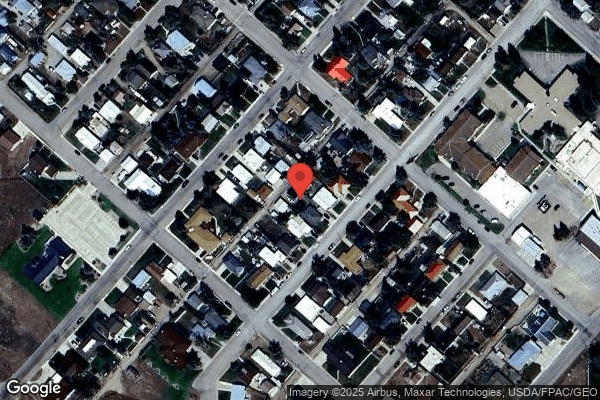
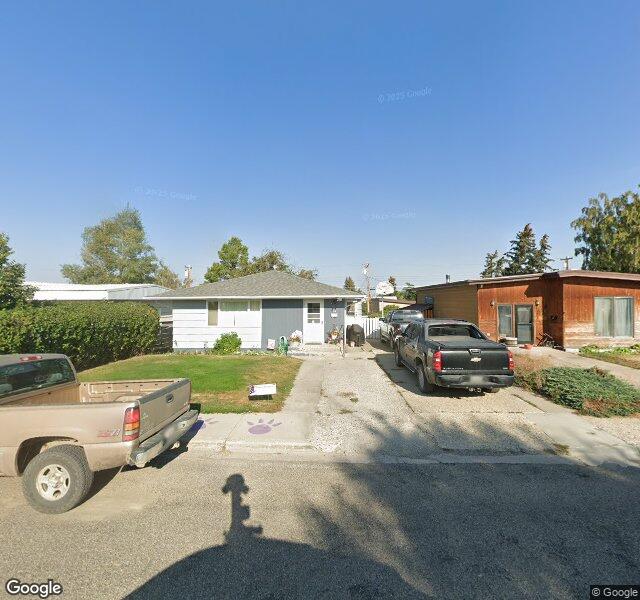
707 3RD ST SE, CUT BANK, MT 59427 (406) 873-5600
Non profit - Corporation 41 Beds THE CHARLY BELLO FAMILY, THE MAZE FAMILY, THE SWAIN FAMILY, & WALTER MYERS Data: November 2025 1 Immediate Jeopardy citation
Trust Grade
0/100
#53 of 59 in MT
Last Inspection: November 2024

Within standard 12-15 month inspection cycle. Federal law requires annual inspections.

Overview

Northern Pines Rehabilitation and Nursing has received a Trust Grade of F, indicating significant concerns about the quality of care, which is among the worst. Ranking #53 out of 59 facilities in Montana places them in the bottom half, and they are the second of two options in Glacier County, meaning there is only one other local facility that is better. While the facility is improving overall, having reduced the number of issues from 20 in 2024 to 4 in 2025, it still has a high number of concerning incidents. Staffing is a relative strength, with a turnover rate of 45%, which is better than the state average, but they received fines totaling $105,044, indicating serious compliance issues. Specific incidents of concern include residents sustaining significant injuries due to inadequate fall prevention measures and diabetic residents not receiving proper monitoring or care, which raises serious questions about the level of attention and oversight in this facility.

Trust Score
F
0/100
In Montana
#53/59
Bottom 11%
Safety Record
High Risk
Review needed
Inspections
Getting Better
20 → 4 violations
Staff Stability
○ Average
45% turnover. Near Montana's 48% average. Typical for the industry.
Penalties
○ Average
$105,044 in fines. Higher than 53% of Montana facilities. Some compliance issues.
Skilled Nurses
○ Average
RN staffing data not reported for this facility.
Violations
⚠ Watch
43 deficiencies on record. Higher than average. Multiple issues found across inspections.
★☆☆☆☆
1.0
Overall Rating
★☆☆☆☆
1.0
Staff Levels
★☆☆☆☆
1.0
Care Quality
★☆☆☆☆
1.0
Inspection Score
Stable
2024: 20 issues
2025: 4 issues

The Good

  • Full Sprinkler Coverage · Fire safety systems throughout facility
  • No fines on record
  • Staff turnover below average (45%)

    3 points below Montana average of 48%

Facility shows strength in fire safety.

The Bad

1-Star Overall Rating

Below Montana average (2.9)

Significant quality concerns identified by CMS

Staff Turnover: 45%

Near Montana avg (46%)

Typical for the industry

Federal Fines: $105,044

Well above median ($33,413)

Significant penalties indicating serious issues

Chain: THE CHARLY BELLO FAMILY, THE MAZE F

Part of a multi-facility chain

Ask about local staffing decisions and management

The Ugly 43 deficiencies on record

1 life-threatening 2 actual harm
Sept 2025 4 deficiencies
CONCERN (D) 📢 Someone Reported This

A family member, employee, or ombudsman was alarmed enough to file a formal complaint

Potential for Harm - no one hurt, but risky conditions existed

Deficiency F0760 (Tag F0760)

Could have caused harm · This affected 1 resident

Based on interview and record review, the facility failed to ensure nursing staff followed professional standards for medication administration before administering a controlled substance for 1 (#3) o...

Read full inspector narrative →
Based on interview and record review, the facility failed to ensure nursing staff followed professional standards for medication administration before administering a controlled substance for 1 (#3) of 12 sampled residents. This deficient practice resulted in the administration of a controlled substance without a current physician's order on three separate days. Findings include:During an interview on 9/9/25 at 12:40 p.m., staff member E stated that each resident had their own supply of resident-specific narcotic medications in the medication cart. When there was a change to the order or the medication was discontinued, the card should be pulled from the medication cart and destroyed. Staff member E stated this ensured the resident no longer received the medication once the medication was discontinued. During an interview on 9/9/25 at 12:51 p.m., staff member F stated that when a narcotic was discontinued, the medication card should be pulled from the locked narcotic box and destroyed by two nurses. Staff member F stated this was to help ensure the medication was not given after it was discontinued. During an interview on 9/9/25 at 2:00 p.m., staff member B stated she did not know why the medication card for resident #3 was not removed from the medication cart when it was discontinued or why the nurse involved gave the medication after it was discontinued. Staff member B stated the medication should not have been given after the discontinuation date. During an interview on 9/10/25 at 2:11 p.m., NF1 stated that a controlled substance should not be administered without a current physician's order, and when a narcotic was discontinued, the medication should have been removed from the medication cart and all of the pills destroyed with two nurses present. Record review of resident #3's physician orders, dated 2/18/25, showed, . LORazepam Oral Tablet 0.5 mg by mouth at bedtime related to ANXIETY DISORDER, UNSPECIFIED (F41.9) until 02/24/2025 23:59 (11:59 p.m.) administer 0.5mg po Q HS x 1 week then D/C. [sic] Review of resident #3's Medication Administration Record, dated 2/1/25 to 2/28/25, showed:- . LORazepam Oral Tablet 0.5 mg by mouth at bedtime related to ANXIETY DISORDER, UNSPECIFIED (F41.9) until 02/24/2025 23:59 (11:59 p.m.) administer 0.5mg po Q HS x 1 week then D/C. [sic]- The Medication Administration Record dated 2/1/25 to 2/28/25, showed the LORazepam was discontinued on 2/24/25.- The Medication Administration Record dated 2/1/25 to 2/28/25, showed there was no active physician's order for LORazepam after 2/24/25. Review of a facility provided Controlled Substance Log, dated 1/29/25, for resident #3 showed: - Lorazepam 0.5 mg was tracked on the Controlled Substance Log.- The medication was removed for administration on 2/25/25, 3/2/25, and 3/3/25, although the medication was discontinued on 2/24/25. Review of a facility provided document titled, Misappropriation Report, dated 4/12/25 showed:- The medication errors occurred on three separate days and were not identified by the facility until 4/12/25. This was over a month after the medication errors occurred. the Controlled Substance Log reveals that three additional doses were documented as administered after the discontinuation date:February 25, 2025 @ 1900 (7:00 p.m.)March 2, 2025 @ 1900 (7:00 p.m.)March 3, 2025 @ 2000 (8:00 p.m.) [sic]Review of a facility provided training document titled Controlled Substance Expectations updated 4/15/25, showed:- . When narcotics are discontinued/there is no longer an active order the DON/ADON needs to be alerted and the medication will be destroyed by 2 nurses.-- . It is unacceptable and a violation of the standard of practice to administer medications without an order.- . Rights of Medication Administration: .- . Right Documentation - .- . It is not acceptable to administer medications without a current order. [sic]Review of the facility policy titled, Medication Administration, adopted 12/19/16 showed:- . Medications must be administered in accordance with the orders. - . The individual administering the medication must verify the right resident, right medication, right dosage, right time and right method (route) of administration before giving the medication. [sic]
CONCERN (E) 📢 Someone Reported This

A family member, employee, or ombudsman was alarmed enough to file a formal complaint

Potential for Harm - no one hurt, but risky conditions existed

Abuse Prevention Policies (Tag F0607)

Could have caused harm · This affected multiple residents

Based on interview and record review, the facility failed to complete background checks on 6 (Staff IDs: O, L, R, N, M, and I) employees of 9 sampled employee files, prior to their start date in the f...

Read full inspector narrative →
Based on interview and record review, the facility failed to complete background checks on 6 (Staff IDs: O, L, R, N, M, and I) employees of 9 sampled employee files, prior to their start date in the facility. This deficient practice had the potential to put all residents at risk for abuse, neglect, exploitation, or misappropriation. Findings include:During an interview on 9/9/25 at 9:02 a.m., staff member H stated background checks on newly hired employees are completed upon hire and prior to the employee starting work. Staff member H reports it takes about 20 minutes for the background report to come back. Staff member H stated there was no exception to a background check being completed prior to employment.During an interview on 9/9/25 at 10:53 a.m., staff member H stated background checks were done after hire for staff members L and M. Staff member H stated both had worked shifts on the floor prior to the background check being completed. Staff member H stated that under previous Directors of Nursing there were times employees would start working before staff member H knew they had been hired. Staff member H stated this had been a problem in the past, but she believes they no longer have this issue. Staff member H stated staff member I was rehired 8/7/25 and a new background check was not on file since her (staff member I's) most recent hire date. During an interview on 9/10/25 at 12:16 p.m. staff member D stated background checks are completed upon hire and prior to the employee starting work on the floor. Staff member D stated this had been an issue identified previously at the facility. A review of a facility provided e-mail from staff member T, with a subject line, URGENT!!, dated 9/9/25 at 5:22 p.m., showed, We conduct background checks before they are hired. We evaluate them and compare the charges to the CMS regulations and make a decision based on that we do not do background checks after their date of higher unless something has occurred that would trigger us to do a background An example would be that someone is getting arrested or we got a report that something happened to an employee and so forth. [sic]A review of staff member O's employee file showed:-Date of hire 7/24/23.-Background check completed 11/20/24.A review of staff member L's employee file showed:-Date of hire 2/7/25.-Background check completed 3/6/25.A review of staff member R's employee file showed:-Date of hire 2/15/25.-Background check completed 9/9/25.A review of staff member N's employee file showed:-Date of hire 4/2/25.-Background check completed 4/8/25.A review of staff member M's employee file showed:-Date of hire 6/16/25.-Background check completed 9/8/25.A review of staff member I's employee file showed:-Date of re-hire 8/7/25.-Background check completed 2/6/25. A new background check was not completed upon rehire. A review of a facility policy titled, Background Screening Investigations, revised 3/19 showed: Policy StatementOur facility conducts employment background screening checks, reference checks and criminal investigation checks on all applicants for positions with direct access to residents ( direct access employees).Policy Interpretation and Implementation. 2. The director of personnel, or designee, conducts background checks, reference checks and criminal conviction checks (including fingerprinting as may be required by state law) on all potential direct access employees and contractors. Background and criminal checks are initiated within two days of an offer of employment or contract agreement and completed prior to employment. [sic]A review of a facility policy titled, Background Investigations, implemented 4/11/25 showed: Policy:Job reference checks, drug screenings, licensure verifications and criminal conviction record checks are conducted on all personnel making application for employment with this company.Policy Explanation and Compliance Guidelines:1. The Human Resource department will conduct all applicable background investigation(s) on each individual making application for employment with this company and on any current employee if such background investigation is appropriate for position for which the individual has applied. [sic]
CONCERN (E) 📢 Someone Reported This

A family member, employee, or ombudsman was alarmed enough to file a formal complaint

Potential for Harm - no one hurt, but risky conditions existed

Report Alleged Abuse (Tag F0609)

Could have caused harm · This affected multiple residents

Based on interview and record review, the facility failed to report two allegations of abuse to the State Survey Agency within the required two-hour time frame for 1 (#1); and failed to report investi...

Read full inspector narrative →
Based on interview and record review, the facility failed to report two allegations of abuse to the State Survey Agency within the required two-hour time frame for 1 (#1); and failed to report investigation findings to the State Survey Agency for 3 (#s 2, 5, and 10) of 12 sampled residents. Findings include: 1. Review of a facility reported incident, dated 4/15/25, showed an alleged incident of verbal abuse occurred between staff member N and resident #1 on 4/14/25. This incident was not reported to the State Survey Agency within the required two-hour time frame. Review of a facility reported incident, dated 7/13/25, showed an allegation of staff-to-resident abuse between staff member M and resident #1 on 7/12/25. This incident was not reported to the State Survey Agency within the required two-hour timeframe.During an interview on 9/10/25 at 10:05 a.m., staff member B stated she was notified of the incident on 7/13/25 at around 5:00 a.m. Staff member B stated she had notified staff member R, the building administrator at the time, but did not hear back from him until 9:00 a.m. Staff member B reported the incident after speaking with staff member R.During an interview on 9/10/25 at 10:25 a.m., staff member C stated that resident #1 will not always report an incident when it happened but would wait for a staff member she trusted to come on shift and then report the incident at that time. Staff member C stated that resident #1 had told staff member K about the incident, and staff member K reported it to staff member P. Staff member C stated she reported the incident as soon as she found out about it and started an investigation. Staff member C stated staff member P should have notified the administrative staff right away.2. Review of a facility reported incident, dated 1/20/25, showed, resident #2's wedding ring was allegedly missing. The findings were not submitted to the State Survey Agency.Review of a facility reported incident, dated 1/26/25, showed an incident involving an allegation of resident-to-resident abuse for resident #s 5 and 10. The findings were not submitted to the State Survey Agency until 2/12/25, 13 business days later.During an interview on 9/10/25 at 11:11 a.m., staff member D stated there had been multiple administrators in the building over the last couple months. Staff member D stated there have been issues with reporting and investigating incidents and those staff members are no longer there. Staff member D stated new policies were put into place in April 2025.Review of a facility document titled, Abuse Policy, undated, showed: . Abuse Identification and Reporting1.The facility will ensure that all alleged violations involving abuse, neglect, exploitation, or mistreatment, including injuries of unknown origin. are reported immediately, but no later than 2 hours, after an allegation is made.Review of a facility document titled, Abuse, Neglect and Exploitation, dated 4/11/25, showed: . VII. Reporting/Response. 1. Reporting of all alleged violations to the Administrator, state agency, adult protective services and to all other required agencies (law enforcement when applicable) within specified timeframes: Immediately, but not later than 2 hours after the allegation is made, if the events that cause the allegation involve abuse. Not later than 24 hours if the events that cause the allegation do not involve abuse. [sic]
CONCERN (E) 📢 Someone Reported This

A family member, employee, or ombudsman was alarmed enough to file a formal complaint

Potential for Harm - no one hurt, but risky conditions existed

Investigate Abuse (Tag F0610)

Could have caused harm · This affected multiple residents

Based on interview and record review, the facility failed to fully investigate an abuse allegation for 5 (#s 4, 5, 7, 8, and 10) of 12 sampled residents. This deficient practice increased the risk of ...

Read full inspector narrative →
Based on interview and record review, the facility failed to fully investigate an abuse allegation for 5 (#s 4, 5, 7, 8, and 10) of 12 sampled residents. This deficient practice increased the risk of ongoing concerns of abuse due to the investigations being incomplete. Findings include:1. Review of a facility reported incident, dated 1/26/25, showed resident #5 and #10 were involved in an alleged resident-to-resident abuse incident. Resident #5 and #10 were in their room when a staff member heard resident #5 calling out, help, help, help. The staff member entered the room and the incident documentation showed, found [Resident #10] sitting in [Resident #5's wheelchair] pulling on [Resident #5's] arm. [Resident #5] stated he hit me. During an interview on 9/9/25 at 3:36 p.m., resident #10 could not recall the incident that occurred on 1/26/2025 with resident #5. Resident #5 was unable to be interviewed about the incidents he was involved in, as he had since passed away.Review of the facility reported abuse investigation documents, regarding resident #5 and resident #10, on 1/26/25, showed one staff interview, no resident interviews, or documentation of any ongoing monitoring after the alleged incident. The investigation was not thorough. 2. Review of a facility reported incident, dated 4/17/25, showed residents #7 and #8 were involved in an alleged incident involving resident-to-resident abuse. Resident #7 and #8 were in the dining room at the time of the incident. and the documentation showed, . [Resident #7] dropped a clothing protector on to the floor. [Resident #8] verbally instructed [Resident #7] to retrieve the item. When [Resident #7] did not comply, [Resident #8] picked up the protector and struck [Resident #7] in the face with it. Staff member I witnessed the event and immediately separated the two residents.During an interview on 9/9/25 at 1:22 p.m., resident #7 could not recall the incident with resident #8.During an interview on 9/9/25 at 2:03 p.m., resident #8 could not recall the incident with resident #7.Review of the facility reported abuse investigation documents, regarding resident #7 and resident #8, on 4/17/25, showed one staff interview, no resident interviews, or documentation of any ongoing monitoring after the alleged incident. The investigation was not thorough.3. Review of a facility reported incident, dated 5/23/25, showed resident #4 and #5 were involved in a verbal confrontation. Resident #4 was inside resident #5's room, and resident #4 told resident #5 to .Shut the F**K up, and was overheard by staff member U. Staff member U immediately instructed [Resident #4] to leave the room.On 9/9/25 at 9:40 a.m., resident #4 refused to speak with the surveyor. Review of the facility reported abuse investigation documents, regarding resident #4 and resident #5, on 5/23/25, showed one staff interview, no resident interviews, or documentation of any ongoing monitoring after the alleged incident. The investigation was not thorough.During an interview on 9/10/25 at 10:25 a.m., staff member C stated she had been involved with the investigation with all of the incidents involving resident #'s 4, 5, 7, 8, and 10. Staff member C stated she knew other resident and staff interviews had been conducted, but she could not locate the investigation information.During an interview on 9/10/25 at 4:12 p.m., staff member D stated she had looked though every file in staff member A's office and could not locate any of the complete investigations for the events identified as a concern. Staff member D stated she had provided what she could. Staff member D stated the investigations should have been done by staff member R or staff member S, both no longer work at the facility.Review of a facility document titled, Abuse Policy, undated, showed: . Abuse Investigations1. Should an incident or suspected incident of resident abuse, mistreatment, neglect or injury of unknown source be reported, the Administrator, or his/her designee shall conduct an investigation of the alleged incident.2. The Administrator or designee shall interview any staff members, residents, family members or any other who may have knowledge of the incident and document a summary of interviews completed. [sic]Review of a facility policy titled, Abuse, Neglect, Exploitation, dated 4/11/25 showed: . V. Investigation of Alleged Abuse, Neglect, and ExploitationA. An immediate investigation is warranted when suspicion of abuse, neglect, or exploitation, or reports of abuse, neglect, or exploitation occur.B. Written procedures for investigations include:. 4. Identifying and interviewing all involved persons, including the alleged victim, alleged perpetrator, witnesses, and others who may have knowledge of the allegations;. 6. Providing complete and thorough documentation of the investigation. [sic]
Nov 2024 19 deficiencies 1 IJ
CRITICAL (J)

Immediate Jeopardy (IJ) - the most serious Medicare violation

Accident Prevention (Tag F0689)

Someone could have died · This affected 1 resident

**NOTE- TERMS IN BRACKETS HAVE BEEN EDITED TO PROTECT CONFIDENTIALITY** Based on observation, interview, and record review, the facility failed to prevent Immediate Jeopardy level accidents and hazard...

Read full inspector narrative →
**NOTE- TERMS IN BRACKETS HAVE BEEN EDITED TO PROTECT CONFIDENTIALITY** Based on observation, interview, and record review, the facility failed to prevent Immediate Jeopardy level accidents and hazards by failing to effectively use a fall prevention program, root cause analysis, identify and implement appropriate interventions, and ensure staff used the interventions appropriately, for 3 (#s 7, 25, and 27) of 17 sampled residents. The on-going failure led to resident #25 sustaining a head laceration, requiring staples and an overnight stay in the hospital; resident #7 sustaining a head laceration requiring staples, a hip hematoma, and bruising on the left temple; and resident #27 sustaining a hematoma above the left eye and bloody nose. On 11/20/24 at 4:30 p.m., the facility Administrator and administrative staff were notified of an Immediate Jeopardy involving resident #25, pertaining to F689 - Free of Accident Hazards/supervision/devices. The facility provided an acceptable plan to remove the immediacy for the resident involved, and the time the immediacy was removed was at 12:00 p.m. on 11/21/24. The surveyors were onsite and verified the removal of immediacy by observations, interviews, and record reviews. The Severity and Scope of the Immediate Jeopardy was identified to be at the level of J, and upon removal of immediacy, lowered to H. Findings include: 1. During an observation and interview on 11/19/24 at 7:54 a.m., resident #25 stated he . had a fall and busted my head open, and had to get five staples. Resident #25 stated he fell in the bathroom. Resident #25 had black slip resistant tape on the floor in the bathroom, next to his bed, and in front of his lift recliner. Resident #25 stated his lift recliner was broken and had not worked over the past month. Resident #25 stated his reacher tool was on the other side of the room somewhere, but he did not know where. During an interview on 11/20/24 at 9:54 a.m., staff member M stated the interventions for resident #25 were grip tape on the floors, grip socks, and to provide call light education. Staff member M stated resident #25's recliner chair had been broken for at least two weeks. Staff member M stated she had reported the broken lift recliner to staff member C at least two weeks prior. Staff member M stated there were no other fall interventions for resident #25, and she was not aware of a toileting program for resident #25. During an interview on 11/20/24 at 10:11 a.m., staff member K stated she had been saying the lift recliner had only been working off and on for the past month. Staff member K reported the broken chair to staff member C. Staff member K stated she did not know resident #25 was on a toileting program. Staff member K stated resident #25 toileted himself. Review of resident #25's EHR reflected resident #25 was admitted to the facility on [DATE]. Review of resident #25's Fall documentation, dated 5/15/24 - 10/24/24, reflected: - Resident #25 fell on 5/15/24. The nurse reported resident #25 stated he fell off the chair while attempting to change his clothes. No IDT notes were available per staff member C. - Resident #25 fell on 5/20/24, after walking from the bathroom to his chair. Resident #25 slid off the chair while attempting to sit. No nurses' notes or IDT notes were available per staff member C. - Resident #25 fell on 6/21/24 while walking from the bathroom to his chair. No IDT notes were available per staff member C. - Resident #25 fell on 7/28/24 while in the bathroom, toileting himself. No IDT notes were available per staff member C. - Resident #25 fell on 8/23/24 while attempting to get out of bed and urinated prior to reaching the bathroom or having assistance. Non-skid socks were the intervention listed after the fall. No IDT notes were available per staff member C. - Resident #25 fell on 9/6/24 while in the bathroom. Resident #25 stated the toilet riser was not bolted down and it slid off the toilet. IDT interventions listed included a lift recliner and toilet riser that would bolt down. - Resident #25 fell on 9/16/24 while in the shower room with the CNA. Resident #25 attempted to sit when no chair was behind him and fell to the floor. The IDT re-educated the CNA on placing a chair behind the resident before the resident sat down. - Resident #25 fell on 9/17/24 while in the bathroom. Resident #25 stated he was changing his underwear when he became dizzy and fell. Resident #25 stated he was trying to stand up and could not grip the floor. This fall resulted in a head laceration, requiring five staples in the emergency room, and an overnight stay in the hospital for observation and tests. IDT interventions listed included a room move closer to the nurse's station, a toileting program which would prompt him to attempt to toilet at least every few hours, and he agreed to push the call light when he needed to use the restroom. - Resident #25 fell twice on 9/27/24, once at 3:25 a.m. and again at 12:54 p.m. while in the bathroom. The nurse reported the resident #25 stated the floor was too slick. The nurse reported the non-skid strips had not yet been placed in the resident's new room. Resident #25 changed rooms on 9/24/24 for closer observation. IDT interventions listed included replacing the non-skid strips to floor in the bathroom, and the resident's room was rearranged to move his lift recliner closer to the bathroom. The IDT note of investigation was dated 10/24/24 for the second fall on 9/27/24. - Resident #25 fell on [DATE] while attempting to get from his lift chair to his bed. Resident #25 stated his legs gave out. IDT interventions listed included preventative measures that were in his previous room were put in place in new room, re-educated on call light use, wearing non-skid socks, and use his hemi-walker. - Resident #25 fell on [DATE] while getting his clothes from the closet resulting in an abrasion to his left shoulder, and a small laceration to his left elbow. IDT interventions listed included re-educating the resident on call light use, wearing non-skid socks, and to use his hemi-walker. Review of resident #25's Fall risk assessment, dated 5/4/24 - 10/18/24, reflected resident #25 was at high risk for falls. Review of resident #25's care plan, dated 5/4/24 - 11/20/24, reflected the following interventions: - Resident #25 was at risk for falls related to left-sided weakness, - Call light needed to be within reach and encourage the resident to use it for assistance as needed. The resident needed prompt response to all requests for assistance with a date initiated of 5/14/24, - Resident #25 required an unknown amount of assistance with bed mobility and bathing/showering, toileting use, transfers, and eating. The ADL care plan, initiated on 10/25/24, had a standardized template and was not completed with resident-specific information, - Resident #25 required a sit-to-stand recliner for rising assistance with a date initiated of 9/18/24, - Resident #25 was to have set interval toileting and/or continence programs; providing easy access to urinals and bedpans with a date initiated of 10/25/24, and - Resident #25 was to have a reacher tool for assistance with picking items up from the floor with a date initiated of 7/8/24. Review of a hand-written facility document, dated 9/24/24, in the CNA communication log, was a note that reflected: - . We are also implementing a toileting program for him. Every 2 hours ask him to use the bathroom and standby if he needs assistance. We are attempting to prevent further falls. He agreed to the above plan. During an interview on 11/20/24 at 5:31 p.m., staff member F stated resident #25 was stubborn, and he should be on a toileting program since he didn't use his call light and could not use the urinal successfully. Staff member F stated, He's (resident #25) a bit of a sticky-wicket, but we should be trying everything we can to prevent the falls. 2. During an observation on 11/19/24 at 8:27 a.m., resident #7 was in her room, in a wheelchair. The call light was on the floor, but under her bed. There were two large black trash bags on floor in her room. Resident #7 was getting up from her wheelchair and using furniture to attempt to walk in her room. The space was very tight, between the end of the bed and the wall, and the wheelchair would not fit to reach her belongings on the far side of her bed. Resident #7 attempted to maneuver her wheelchair around the walker, a chair, and black bags on the floor, but she became stuck between the end of the bed and the wall. Resident #7 was sitting in the wheelchair with blankets piled on her lap, and unable to move her wheelchair. Resident #7 was calling out for help. Facility staff did not hear resident #7 calling out. This surveyor notified staff member N that the resident was calling for help and unable to reach a call light. Staff member N assisted resident #7 to free her wheelchair. Review of resident #7's EHR reflected resident #7 was admitted to the facility on [DATE]. Review of resident #7's fall investigations, dated 11/22/23 - 8/14/24, reflected: - Resident #7 fell on [DATE]. The nurse reported resident #7 stated she slid off the bed while putting on her pants. No IDT notes were available, per staff member C. - Resident #7 fell on [DATE] while getting her clothing, resulting in a head laceration requiring five staples in the emergency room, a hip hematoma, and bruising on the left temple. No IDT notes were available, per staff member C. Review of resident #7's BIMS assessment(s), dated 2/22/24 - 8/27/24, reflected resident #7 had severe cognitive impairment. Review of resident #7's Fall Risk Assessment(s), dated 8/30/23 - 10/18/24, reflected resident #7 was at moderate to high risk of falls. Review of resident #7's care plan, dated 3/13/23 - 11/20/24, reflected: - Resident #7 was at high risk for falls related to incontinence, gait balance, and weakness, - Call light needed to be within reach and encourage the resident to use it for assistance as needed. The resident needs prompt response to all requests for assistance, - Resident #7 required limited to extensive assistance of one person with bed mobility, transfers, and ambulation, - Resident #7's care plan did not include a comprehensive fall care plan until after resident #7's second fall on 12/17/23, - Resident #7's care plan did not include any interventions related to dressing assistance. 3. During an observation and interview on 11/19/24 at 10:04 a.m., resident #27 stated he had a fall where he slid off the mattress resulting in a knot above his eye and a bloody nose. Resident #27 stated he slid out of wheelchair on another occasion. Resident #27's call light was clipped to the wall above his bed, out of reach. Resident #27 was sitting in his wheelchair in his room. Resident #27 stated he did not know where his reacher tool was located. Review of resident #27's EHR reflected resident #27 was admitted to the facility on [DATE]. Review of resident #27's fall investigations, dated 2/1/24 - 5/13/24, reflected: - Resident #27 fell on 2/1/24 while attempting to pick up papers he dropped on the floor. No IDT notes were available per staff member C. - Resident #27 fell on 2/20/24 having slid out of his wheelchair. No IDT notes were available per staff member C. - Resident #27 fell on 2/21/24 with resident #27 found on the floor. The floor and bed both soaked in urine and the bed mattress sliding off the frame. This fall resulted in a hematoma above the left eye and a bloody nose. No IDT notes were available per staff member C. - Resident #27 fell on 2/28/24 having fallen asleep and slid out of his wheelchair. No IDT notes were available per staff member C. - Resident #27 fell on 3/3/24 when he attempted to pick up the remote from the floor and tipped over his wheelchair. No IDT notes were available per staff member C. - Resident #27 fell on 5/13/24 when he attempted to pull up his pants in the bathroom. The IDT team interventions listed resident education to use the call light, resident to be placed in bed when in his room. Review of resident #27's care plan, dated 2/2/24 - 11/20/24, reflected the following interventions: - Resident #27 required an unknown amount of assistance with bed mobility, bathing/showering, dressing, personal hygiene, toileting use, transfers, and eating. The ADL care plan, initiated on 2/26/24, had a standardized template which was not completed with resident-specific information, - Resident #27 was to be oriented to the call light, the call light was to be kept within reach, and staff were to encourage him to use it for assistance as needed, and this was initiated on 2/26/24, - Resident #27 was to have a reacher tool available to pick up items off the floor with a date initiated of 3/4/24. During an interview on 11/20/24 at 10:16 a.m., with staff members B and C, staff member C stated she did not know why toileting and getting his clothing out were not considered earlier with resident #25's falls, and the IDT was trying to figure out their (fall investigation) processes. Staff member C stated resident #25 did not use his call light, and the IDT was waiting for the regional support team to train the IDT related to fall investigations and interventions. Staff member B stated the facility was supposed to have training in April 2024, but the regional support person was pulled to another facility, so the training occurred in October 2024. Staff member B and C both reported they could not speak to falls prior to May 2024, because they were not in the facility at that time. Staff member B stated they recognized the facility had an issue with care plans and falls and started a PIP but were waiting for the regional support training to start the PIP. Staff member C stated she was aware the lift chair was having problems but thought the chair had been fixed. Staff member C stated she was not aware the CNAs or nurses were not aware of the toileting program or offering resident #25 toileting assistance every two hours. Review of the facility document titled, Incidents by Type Fall Report, dated 11/18/23 - 11/18/24, reflected a total of 188 falls. Of the 188 total falls, 21 residents accounted for 150 falls or 79% of the total falls. Review of the facility's policy, Fall-Clinical Protocol, dated September 2012, reflected: - . 3. For an individual who has fallen, the interdisciplinary team will complete an evaluation to identify the root cause and recommend appropriate new interventions to address risk factors of falling. - . 8. If the individual continues to fall, the staff will re-evaluate the situation and consider other possible reasons for the resident's falling (besides those that have already been identified) and will re-evaluate the continued relevance of current interventions.
CONCERN (D) 📢 Someone Reported This

A family member, employee, or ombudsman was alarmed enough to file a formal complaint

Potential for Harm - no one hurt, but risky conditions existed

Free from Abuse/Neglect (Tag F0600)

Could have caused harm · This affected 1 resident

Based on interview and record review, the facility failed to protect residents from verbal and physical abuse by other residents for 2 (#1 and #11) of 18 sampled residents. During the survey, it was f...

Read full inspector narrative →
Based on interview and record review, the facility failed to protect residents from verbal and physical abuse by other residents for 2 (#1 and #11) of 18 sampled residents. During the survey, it was found the facility had previously identified, investigated, and corrected the non-compliance for the abuse between resident #1 and resident #11. Findings include: Review of a Facility-Reported Incident, submitted to the State Survey Agency on 10/14/24, showed resident #s 1 and 11 were involved in an incident on 9/14/24. The incident was documented in the EHR, but not identified as potential abuse until several weeks later when staff member P did an audit of resident progress notes and identified the interaction as potential abuse. Review of a second Facility-Reported Incident, submitted to the State Survey Agency on 10/15/24, showed residents #s 1 and 11 were involved in another incident on 9/17/24 which was also not identified as potential abuse. During an interview on 11/19/24 at 9:07 a.m., resident #1 denied having any issues with any other residents. During an interview on 11/20/24 at 10:08 a.m., staff members A and B were interviewed regarding the facility's processes for identifying, reporting, and investigating allegations of abuse. Staff member B stated the IDT reviewed all progress notes daily, except on weekends. He stated this was how the facility identified any concerning resident care or safety issues. Staff member B stated the IDT reviewed the 9/14/24 and 9/17/24 progress notes for residents #1 and #11. The IDT did not identify the incidents as potential abuse. Staff member B stated this was the reason for not completing the required reporting and investigation. Review of the investigative documents involving the incidents between resident #1 and resident #11 showed staff member E attempted to talk to resident #1, on 9/16/24, regarding the incident and the resident ignored her. Staff member E also talked to resident #11 who said they (resident #1 and resident #11) got their wheelchairs hooked together when resident #11 was trying to go out the main entrance door, resulting in a verbal altercation. After a discussion with IDT, it was decided this was not abuse and did not need to be reported. The second incident occurred on 9/17/24. The investigative documents showed resident #1, while in his wheelchair, went behind resident #11 and kicked the rubber bumper on resident #11's motorized wheelchair. Upon review of the resident's progress notes by IDT and interviews with the witnesses, the IDT did not identify the incident as possible abuse. Review of the facility document titled, Abuse Policy, dated 6/11/24, showed, . 1. The facility will ensure that all alleged violations involving abuse, neglect . are reported immediately, but no later than 2 hours, after the allegation is made . 2. All employees of this facility must immediately report any suspected, observed or reported incidents of resident abuse, neglect . Corrective Measures During EHR audits by staff member P, it was identified the two incidents between resident #1 and resident #11, which occurred on 9/14/24 and 9/17/24, were identified as abuse. Staff member P notified staff member B, the abuse coordinator, of the need to investigate and report both incidents. During an interview on 11/20/24 at 10:08 a.m., staff member A stated he identified the need for additional training for staff regarding the identification and reporting of suspected abuse. Staff member A stated staff member P audited all resident progress notes and identified the incidents between resident #1 and resident #11 as possible abuse, which should have been investigated and reported. Staff member A stated the IDT was given education on abuse identification and reporting on 10/10/24. Review of the facility document titled, Employee Education and Inservice Form, dated 10/10/24, showed the members of the IDT received education regarding the identification, investigation, and reporting of abuse allegations. Review of the minutes from the QAPI meeting, dated 10/10/24, showed the committee discussed the abuse identification and reporting issue and planned staff education for the next all staff meeting (scheduled 10/23/24). Review of the minutes from the facility all staff meeting, dated 10/23/24, showed the rest of the staff were provided education regarding the identification, investigation, and reporting of allegations of abuse between residents. Staff member P continued to audit resident progress notes to ensure no incidents of possible abuse were missed. The corrective action for the deficient practice was completed on 10/23/24, with ongoing monitoring by staff member P.
CONCERN (D) 📢 Someone Reported This

A family member, employee, or ombudsman was alarmed enough to file a formal complaint

Potential for Harm - no one hurt, but risky conditions existed

Report Alleged Abuse (Tag F0609)

Could have caused harm · This affected 1 resident

Based on interview and record review, the facility failed to report allegations of abuse to the State Survey Agency within 24 hours of the incident for 2 (#s 1 and 11); and failed to submit the result...

Read full inspector narrative →
Based on interview and record review, the facility failed to report allegations of abuse to the State Survey Agency within 24 hours of the incident for 2 (#s 1 and 11); and failed to submit the results of an investigation within 5 working days for 1 (#12) of 18 sampled residents. Findings include: 1. Review of a Facility-Reported Incident, submitted to the State Survey Agency on 10/14/24, showed resident #s 1 and 11 were involved in an incident on 9/14/24. The incident was documented in the EHR but not identified as potential abuse until 10/14/24, when the abuse allegation was reported on the State's reporting portal. The incident was identified as an abuse allegation when staff member P did an audit of resident progress notes and identified the interaction as potential abuse. Review of a second Facility-Reported Incident, submitted to the State Survey Agency on 10/15/24, showed residents #s 1 and 11 were involved in another incident on 9/17/24, which was not initially identified as potential abuse. The incident was identified as an abuse allegation when staff member P did an audit of resident progress notes and identified the interaction as potential abuse. During an interview on 11/20/24 at 10:08 a.m., staff members A and B were interviewed regarding the facility's processes for identifying, reporting, and investigating allegations of abuse. Staff member B stated the IDT reviewed all progress notes daily, except on weekends. He stated this was how the facility identified any concerning resident care or safety issues. Staff member B stated the IDT reviewed the 9/14/24 and 9/17/24 progress notes for resident #1 and resident #11. The IDT did not identify the incidents as potential abuse. Staff member B stated this was the reason for not completing the required reporting in a timely manner. Staff member A stated he identified the need for additional training for staff regarding the identification and reporting of suspected abuse. Staff member A stated staff member P audited all resident progress notes and identified the incidents between resident #1 and resident #11 (9/14/24 and 9/17/24) as possible abuse, which should have been investigated and reported to the State Survey Agency within 24 hours of the incident. Review of the investigative documents involving the incidents between resident #1 and resident #11 showed staff member E attempted to talk to resident #1, on 9/16/24, regarding the incident, and the resident ignored her. Staff member E also talked to resident #11 who said they (resident #1 and resident #11) got their wheelchairs hooked together when resident #11 was trying to go out the main entrance door, resulting in a verbal altercation. After a discussion with IDT, it was decided this was not abuse and did not need to be reported. The second incident occurred on 9/17/24. The documents showed resident #1, while in his wheelchair, went behind resident #11 and kicked the rubber bumper on resident #11's motorized wheelchair. Upon initial review of the resident's progress notes and interviews with the witnesses, the IDT did not identify the incident on 9/17/24 as possible abuse, although #1 acted purposefully. Review of the facility document titled, Abuse Policy, dated 6/11/24, showed, The facility will ensure that all alleged violations involving abuse, neglect . are reported immediately, but no later than 2 hours, after the allegation is made, if the events that cause the allegation involve abuse or result in serious bodily injury, or not later than 24 hours if the events that cause the allegation do not involve abuse and do not result in serious bodily injury, to the administration of the facility . [sic] 2. Review of a Facility-Reported Incident, submitted to the State Survey Agency on 9/17/24 showed resident #12 had reported two CNAs were rough during her cares approximately two weeks prior. The results of the investigation were due to be submitted by 9/24/24, and were not submitted until 9/26/24. During an interview on 11/20/24 at 10:08 a.m., staff members A and B were interviewed regarding the submission of abuse allegations. Staff member B stated he was aware of the five day time limit for submitting results of the investigation. Staff member B stated he had been having trouble with the reporting portal and needed more training with it. Staff member B stated he missed the deadline because of his lack of knowledge of how the portal worked. Review of the facility document titled, Abuse Policy, dated 6/11/24, showed, The Administrator or designee shall report the results of all investigations to the State Survey Agency within 5 working days of the incident .
CONCERN (D)

Potential for Harm - no one hurt, but risky conditions existed

Assessment Accuracy (Tag F0641)

Could have caused harm · This affected 1 resident

2. During an interview on 11/19/24 at 11:10 a.m., resident #24 stated she had not been on antibiotics as far as she knew. Review of resident #24's MDS 3.0 Section N-Medications, with an ARD date of 9/...

Read full inspector narrative →
2. During an interview on 11/19/24 at 11:10 a.m., resident #24 stated she had not been on antibiotics as far as she knew. Review of resident #24's MDS 3.0 Section N-Medications, with an ARD date of 9/1/24, reflected resident #24 was on an antibiotic. The MDS section was signed on September 16, 2024, at 8:48 a.m. Review of resident #24's EHR physician orders, dated 5/26/24 - 11/17/24, reflected no antibiotics ordered. Review of resident #24's September 2024 MAR, dated 9/1/24 - 9/30/24, reflected no antibiotics were administered to resident #24. Based on interview and record review, the facility failed to complete accurate MDS coding for 2 (#s 19 and 24) of 18 sampled residents. Findings include: 1. During an observation and interview on 11/18/24 at 4:22 p.m., resident #19 said he was hospitalized earlier this year for a psychiatric evaluation. Resident #19 stated he had mental health problems and took medications for them. Review of resident #19's physician orders, dated 6/24/24, showed an order for aripiprazole, 5 mg at bedtime, related to a diagnosis of major depressive disorder, recurrent severe without psychotic features. Review of resident #19's MAR, dated July of 2024, showed the resident was receiving the anti-psychotic medication aripiprazole 5 mg at bedtime for the entire month of July 2024. Review of resident #19's Annual MDS, with an ARD of 7/7/24, failed to show the resident was receiving an anti-psychotic medication (aripiprazole) daily during the observation period. The nurse who completed the MDS was no longer employed by the facility, and the reason for the coding error could not be determined. Review of resident #19's physician orders, dated 9/27/24, showed the resident was receiving aripiprazole 10 mg at bedtime related to a diagnosis of major depressive disorder, recurrent severe without psychotic features. Review of resident #19's MAR, dated September of 2024, showed the resident was receiving the anti-psychotic medication aripiprazole 10 mg at bedtime from 9/27/24 through 9/30/24. Review of resident #19's MAR, dated October of 2024, showed the resident was receiving the anti-psychotic medication aripiprazole 10 mg at bedtime from 10/1/24 through 10/8/24. Review of resident #19's Quarterly MDS, with an ARD of 10/1/24, failed to show the resident was receiving an anti-psychotic medication (aripiprazole) on at least four days during the observation period. The nurse who completed the MDS was no longer employed by the facility, and the reason for the coding error could not be determined.
CONCERN (D)

Potential for Harm - no one hurt, but risky conditions existed

Deficiency F0657 (Tag F0657)

Could have caused harm · This affected 1 resident

Based on interview and record review, the facility failed to revise an individualize comprehensive care plan to reflect the current management and interventions for a mental health diagnosis, for 1 (#...

Read full inspector narrative →
Based on interview and record review, the facility failed to revise an individualize comprehensive care plan to reflect the current management and interventions for a mental health diagnosis, for 1 (#30) of 18 sampled residents. Findings include: During an interview on 11/19/24 at 9:33 a.m., resident #30 stated she had, . a lot of anxiety and worry. Resident #30 stated, I have always been a worrier, for no good reason I suppose. During an interview on 11/20/24, staff member L was unable to state what non-pharmacological interventions were tried to help resident #30 with her anxiety. Review of resident #30's EHR showed resident #30 was taking alprazolam, sertraline, and quetiapine for the treatment of her anxiety. Review of resident #30's care plan, initiated on 6/19/24, with the latest update on 11/18/24, failed to show anxiety as a focus area, failed to show non-pharmacological interventions for the management of her anxiety, and failed to show the pharmacological treatments and potential side effects.
CONCERN (D)

Potential for Harm - no one hurt, but risky conditions existed

Deficiency F0658 (Tag F0658)

Could have caused harm · This affected 1 resident

Based on observation, interview, and record review, the facility failed to meet professional standards of practice by administering insulin by pen without first priming the pen. This deficient practic...

Read full inspector narrative →
Based on observation, interview, and record review, the facility failed to meet professional standards of practice by administering insulin by pen without first priming the pen. This deficient practice caused the resident to receive 2 units less insulin than prescribed and had the potential to cause an elevated blood glucose for 1 (#19) of 18 sampled residents. Findings include: During an observation and interview on 11/19/24 at 9:25 a.m., staff member H, who was orienting staff member N, was observed attaching a needle to an insulin detemir pen, 100 U/mL, and administering 10 units to resident #19 without first priming the pen with 2 units of the insulin. Staff member N stated she believed priming of insulin pens was considered standard practice and did observe staff member H not priming the pen prior to administering the prescribed dose of insulin. During an interview on 11/21/24 at 11:12 a.m., staff member C stated the priming of insulin pens was the expectation of all nurses prior to the administration of insulin and was considered standard practice, as per manufacturer's instructions. A review of manufacturer instructions for the use of insulin detemir injection pen, revised 12/2022, showed industry standard instructions for priming the insulin pen prior to each use by using a two-unit setting, holding the pen upright, releasing the pen trigger, followed by ensuring a drop of insulin was visible on the tip of the needle before administering the required dose.
CONCERN (D)

Potential for Harm - no one hurt, but risky conditions existed

Deficiency F0661 (Tag F0661)

Could have caused harm · This affected 1 resident

Based on interview and record review, the facility failed to complete a discharge summary which included a recapitulation of the resident's stay, and a post-discharge plan of care, for 1 (#34) of 2 re...

Read full inspector narrative →
Based on interview and record review, the facility failed to complete a discharge summary which included a recapitulation of the resident's stay, and a post-discharge plan of care, for 1 (#34) of 2 residents sampled for a closed record review. Findings include: During an interview on 11/21/24 at 7:50 a.m., staff member G stated the nurses were responsible for the discharge summary at the time of a resident discharge. During an interview and record review on 11/21/24 at 2:25 p.m., staff member C stated the nurse discharging the resident would be responsible for the discharge summary. Review of resident #34's EHR failed to show any documentation of a recapitulation of the resident's stay, or a post-discharge plan of care, completed by nursing or the resident's physician. A document request was made on 11/19/24 at 3:30 p.m. for resident #34's discharge summary and recapitulation of stay. No additional documentation was received by the end of the survey.
CONCERN (D)

Potential for Harm - no one hurt, but risky conditions existed

Deficiency F0757 (Tag F0757)

Could have caused harm · This affected 1 resident

Based on interview and record review, the facility failed to ensure residents did not receive medication without an adequate indication for its use for 1 (#30) of 5 residents reviewed for unnecessary ...

Read full inspector narrative →
Based on interview and record review, the facility failed to ensure residents did not receive medication without an adequate indication for its use for 1 (#30) of 5 residents reviewed for unnecessary medications. Findings include: Review of resident #30's EHR progress notes showed resident #30 was prescribed an antibiotic, pending results of a urine culture, on 9/21/24. A urine culture result was noted to be negative for infection on 9/22/24, but the resident remained on antibiotics for a total of eight days (9/21/24 - 9/28/24) as noted on resident #30's MAR. During an interview on 11/21/24 at 2:55 p.m., staff member C stated she was unaware resident #30 had been given an antibiotic after a negative urine culture. Review of resident #30's EHR failed to show any prescriber rationale or indication for the continued course of treatment over the eight-day period.
CONCERN (D)

Potential for Harm - no one hurt, but risky conditions existed

Medication Errors (Tag F0758)

Could have caused harm · This affected 1 resident

2. During an interview on 11/19/24 at 9:33 a.m., resident #30 stated she had, . a lot of anxiety and worry. Review of resident #30's MAR, dated October 2024, included the following medications: For a...

Read full inspector narrative →
2. During an interview on 11/19/24 at 9:33 a.m., resident #30 stated she had, . a lot of anxiety and worry. Review of resident #30's MAR, dated October 2024, included the following medications: For anxiety: - sertraline 100 mg daily - alprazolam 0.25 mg at bedtime - quetiapine 12.5 mg twice daily For cardiovascular disease and hypertension: - metoprolol tartrate 50 mg twice daily - telmisartan 40 mg daily - amLODIPine besylate 5 mg daily - furosemide 40 mg daily Review of resident #30's progress notes, dated 10/14/24, showed: - Resident has had increased anxiety with ADL's. Family requested something for the anxiety other than her Xanax (alprazolam). Spoke with [staff member F]. Recommended Seroquel (quetiapine) 12.5 mg PO BID. Spoke with resident about using Seroquel (quetiapine) and she is wanting to try it. Verbal consent received from [resident #30's daughter]. [sic] Review of resident #30's MAR, dated October 2024, showed resident #30 was started on quetiapine 12.5 mg twice daily, for anxiety, starting on 10/15/24. Alprazolam was not discontinued. Review of resident #30's progress notes, dated 10/16/24 through 10/24/24, after the addition of quetiapine (10/15/24), showed the following: - 10/16/24: Resident has been very weak, lethargic and low BP. Notified [staff member F]. New orders received to decrease metoprolol tartrate to 25 mg po BID . [sic] - 10/17/24: Residents BP low this AM at 98/56, pulse 72. Held all BP medications and notified [staff member F]. Resident has been alert and able to participate in therapy. Call was received back to D/C Micardis (telmisartan) at this time. Will continue to monitor BP. [sic] - 10/18/24: Resident having low BP. Received orders per [staff member F] to d/c metoprolol and Micardis (telmisartan). Continue BP BID x 7 days. Notified resident of medication changes. [sic] - 10/24/24: Email sent to [staff member F] regarding continued low blood pressures since discontinuing medications about a week ago. Blood pressures today were 95/57 and 88/51 respectively. Resident does report fatigue and dizziness. Will continue to monitor. [sic] Review of resident #30's progress notes for the period of 7/15/24 through 10/15/24 did not show concerns of low blood pressure. Review of resident #30's pharmacy medication review, dated October 2024, reflected the pharmicist requested an appropriate indication for the use of quetiapine. The recommendation showed anxiety was not an appropriate indication for quetiapine. Review of resident #30's MAR, dated November 2024, reflected resident #30 continued to receive quetiapine with an indication of anxiety. Review of resident #30's EHR failed to show adequate rationale or indication for the addition of an antipsychotic medication in an elderly resident with cardiovascular compromise, failed to show adequate monitoring of a newly prescribed antipsychotic medication. Staff member F discontinued resident #30's cardiovascular medications (Micardis and metoprolol), did not reduce or discontinue the psychotropic medications (sertraline, alprazolam, and quetiapine), and did not document consideration of potential psychotropic effect on the resident's fragile health, including hypotension. Review of a professional drug interaction report on www.drugs.com, accessed on 11/26/24, showed quetiapine added to resident #30's medication regimen increased the risk for hypotension, lethargy, dizziness, sedation, and impairment of attention, judgment, thinking, and psychomotor skills. Based on interview and record review, the facility failed to ensure residents were free from unnecessary psychotropic medications for 1 (#30); and failed to complete the gradual dose reduction for 1 (#25) of 18 sampled residents. Findings include: 1. Review of a facility, pharmacy review, dated 9/28/24, reflected resident #25 was due for a gradual dose reduction for fluoxetine 10 mg daily. Review of a faxed gradual dose reduction order for #25, dated 9/28/24, reflected the pharmacist's recommendation to discontinue the fluoxetine. The physician reply showed the physician agreed with the pharmacist's recommendation and to please implement the order. Review of resident #25's MAR, dated September, October and Novemeber 2024, reflected resident #25 continued to receive fluoxetine, 10 mg daily, until this was questioned by the surveyor on 11/21/24. During an interview on 11/20/24 at 8:39 a.m., staff member D stated the gradual dose reduction was never implemented and was being addressed that day.
CONCERN (D)

Potential for Harm - no one hurt, but risky conditions existed

Deficiency F0790 (Tag F0790)

Could have caused harm · This affected 1 resident

Based on observation, interview, and record review, the facility failed to provide dental services for 2 (#s 7 and 25) of 18 sampled residents. Findings include: 1. During an observation and interview...

Read full inspector narrative →
Based on observation, interview, and record review, the facility failed to provide dental services for 2 (#s 7 and 25) of 18 sampled residents. Findings include: 1. During an observation and interview on 11/19/24 at 8:28 a.m., resident #7 stated dental services had not been offered to her. During the interview it was observed the resident had a thick white plaque covering her teeth and a strong foul oral odor when she talked. Review of resident #7's BIMS assessment, dated 8/27/24, reflected resident #7 had a BIMS of 6, a severe cognitive impairment. Review of resident #7's care plan, dated 3/8/23-11/20/24, reflected resident #7 had top dentures and missing teeth on the bottom, with an initiated date of 11/20/23. 2. During an observation and interview on 11/19/24 at 7:50 a.m., resident #25 stated he had not been offered any dental care services at the facility or off site. Resident #25 had no dentures and many missing teeth per his report. Resident #25 stated he would like to see a dentist about his teeth. Review of resident #25's care plan, dated 5/7/24-11/20/24, reflected: - ORAL CARE ROUTINE (AM, PC, HS): SPECIFY brush teeth, rinse dentures, clean gums with toothette, rinse mouth with wash. Date Initiated: 10/25/2024. During an interview on 11/21/24 at 7:45 a.m., staff member A stated he could not locate any appointments scheduled for residents #7 or #25 in the past. Staff member A stated the facility would be working on addressing the dental needs of both residents. During an interview on 11/21/24 at 10:45 a.m., staff member D stated the facility did not have a policy specific to dental services.
CONCERN (E)

Potential for Harm - no one hurt, but risky conditions existed

Grievances (Tag F0585)

Could have caused harm · This affected multiple residents

Based on observation, interview, and record review, the facility failed to develop and implement a facility policy which contained the name and contact information for the grievance official; failed t...

Read full inspector narrative →
Based on observation, interview, and record review, the facility failed to develop and implement a facility policy which contained the name and contact information for the grievance official; failed to provide forms within reach of residents who were unable to stand to reach the grievance forms; and failed to provide residents with the option to file grievances anonymously, for 4 (#s 15, 22, 25, and 32) of 18 sampled residents. Findings include: During an interview on 11/19/24 at 7:57 a.m., resident #25 stated he was upset the facility management had not ordered his electric wheelchair. Resident #25 stated he was concerned the staff would be mad if he filed a complaint about them. Resident #25 stated he did not know how to file a grievance anonymously. During an interview on 11/19/24 at 3:24 p.m., resident #22 stated the resident council met monthly, and he would complete the grievance forms on behalf of the resident council, for any concerns brought forward at the meeting. Resident #22 stated the facility provided grievance forms near the nurse's station, but there was not a way to file a grievance anonymously. During an interview on 11/19/24 at 3:25 p.m., resident #15 stated the facility did not provide a way for residents to file grievances anonymously. Resident #15 stated she would like to file anonymously but did not know where to get a form. During an interview on 11/19/24 at 3:26 p.m., resident #32 stated the facility did not provide a way for residents to file grievances anonymously. During an observation and interview on 11/20/24 at 3:03 p.m., staff member C stated the facility did not have a way for residents to file a grievance anonymously or have a box for residents to place grievances in anonymously. Staff member C stated residents would need to give grievances to the staff to be turned into a supervisor or social services. Staff member C stated the only two places to obtain a grievance form were the beginning of each hall near the nurse's station. The yellow grievance forms were in a wall-mounted letter hanger, at standing shoulder level height. The forms were not reachable by a resident in a wheelchair. During the walkthrough with staff member C, grievance return boxes were not found on any facility unit. Review of a facility policy titled, Filing Grievances/Complaints, dated April 2008, showed, . 3.Residents or the resident representative also has the right to file a grievance anonymously. The policy failed to include the name and contact information for the grievance official.
CONCERN (E)

Potential for Harm - no one hurt, but risky conditions existed

Infection Control (Tag F0880)

Could have caused harm · This affected multiple residents

2. During an observation on 11/19/24, between 7:56 a.m. and 9:25 a.m., staff member H was observed for medication preparation and administration. A total of five resident medication administrations we...

Read full inspector narrative →
2. During an observation on 11/19/24, between 7:56 a.m. and 9:25 a.m., staff member H was observed for medication preparation and administration. A total of five resident medication administrations were observed. Hand hygiene was not performed between residents for four of the five medication administration observations, which were #s 2, 19, 25, and 32. During an interview on 11/21/24 at 11:12 a.m., staff member C stated hand hygiene was required by all staff before and after resident contact to prevent infection. Review of facility document titled, Handwashing/Hand Hygiene, dated August 2014, showed the following: - . 3. Hand hygiene products and supplies (sinks, soap, towels, alcohol-based hand rub, etc.) shall be readily accessible and convenient for staff use to encourage compliance with hand hygiene policies. - 4. Residents, family members and/or visitors will be encouraged to practice hand hygiene . Based on observation, interview, and record review, the facility failed to ensure residents were offered hand hygiene before meals in the dining room for 1 (#22) of 18 sampled residents; and failed to follow appropriate infection control practices for proper hand hygiene between resident contact for 4 (#s 2, 19, 25, and 32) of 5 sampled residents for medication administration. Findings include: 1. During an observation in the dining room on 11/19/24 at 8:06 a.m., the residents were being brought down to the dining room and set-up at tables. Residents were offered a clothing protector and offered a drink of their choice. The meal trays were then being served by staff at the kitchen window. Residents were not offered the option to clean their hands before they received their meals. During an interview on 11/19/24 at 8:16 a.m., resident #22 stated the staff did not offer hand hygiene to the residents. During an interview on 11/19/24 at 9:35 a.m., staff member K stated hand hygiene was, offered sometimes, but we forget most of the time to be honest. And it's hard to get patients up to the sink, especially if they are wheelchair bound. They don't offer another way to wash their hands in the dining room. During an interview on 11/19/24 at 12:13 p.m., staff member I stated there was nowhere except the sink for residents to perform hand hygiene before meals. During an interview on 11/20/24 at 8:39 a.m., staff member D stated the facility's policy on hand hygiene for residents was the same as the hand hygiene for staff.
CONCERN (E)

Potential for Harm - no one hurt, but risky conditions existed

Antibiotic Stewardship (Tag F0881)

Could have caused harm · This affected multiple residents

Based on observation, interview and record review, the facility failed to maintain an effective antibiotic stewardship program to include adequate monitoring of antibiotic use for 2 (#s 2 and 30) of 1...

Read full inspector narrative →
Based on observation, interview and record review, the facility failed to maintain an effective antibiotic stewardship program to include adequate monitoring of antibiotic use for 2 (#s 2 and 30) of 18 sampled residents. Findings include: 1. During an observation and interview on 11/19/24 at 11:52 a.m., resident #2 stated he had a suprapubic catheter and had a history of urinary infections. Resident #2 stated he had been on a number of antibiotcs in the past few months. Resident #2 stated he believed the doctor did not put him on antibiotics for enough time to treat his UTI. Resident #2 stated it took several months to get rid of the infection. Review of resident #2's physician orders, dated from 6/21/24 to 10/15/24, showed the following: - 5/7/24: Bactrim DS one tablet twice a day for seven days, - 6/21/24: clindamycin 300 mg, three times daily for 10 days for UTI, - 7/22/24: Macrobid 100 mg twice daily for 10 days for UTI, - 9/18/24: Levaquin 500 mg daily for seven days for UTI, and - 10/15/24: cefazolin 2 grams intramuscular injection daily for five days for UTI. Review of resident #2's urine culture and sensitivity results, between 5/6/24 and 10/8/24, showed the following: - 5/6/24: methacillin resistant staph aureus, sensitive to Macrobid, tetracycline, Bactrim, and vancomycin, - 6/14/24: stenotrophomonus maltophilia, sensitive to Bactrim - 7/12/24: pseudomonas seruginosa and enterococcus faecalis, sensitive to ciprofloxacin, gentamycin, imipenem, maropenem, augmentin, Macrobid, penicillin-G, tobramycin, piperacillin, and vancomycin, - 9/16/24: proteus mirabolis, sensitive to cefazolin, ceftriaxone, piperacillin, and - 10/8/24: proteus mirabolis, sensitive to cefazolin, ceftriaxone, piperacillin. No results for follow-up urine cultures were found in resident #2's EHR. Review of resident #2's medication megimen reviews, dated December 2023 through October 2024, failed to show any recommendations from the pharmicist regarding antibiobtic use. 2. During an interview on 11/21/24 at 12:31 p.m., NF1 stated, I don't provide any input on the antibiotic use at the facility. The infection control person and the medical director there have their own program in the facility. During an interview on 11/21/24 at 3:25 p.m., staff member C stated she was just beginning to learn about infection control and prevention, and was not familiar with any specific antibiotic management algorithms for monitoring appropriate antibiotic use. Staff member C stated staff member F was, not following McGreer Criteria (antibiotic use protocol). Staff member C also stated the facility had difficulty obtaining urine culture results and had to call the hospital several times to obtain most laboratory test results. Review of resident #30's progress notes showed resident #30 was prescribed an antibiotic pending results of a urine culture on 9/21/24. The urine culture result was noted to be negative for infection on 9/22/24. Resident #30 remained on the antibiotic for a total of eight days (9/21/24 - 9/28/24) as noted on the resident's MAR. Review of a facility document titled, Infection Prevention and Control Program, adopted 12/19/2016, showed: - . 4. Antibiotic Stewardship . a. The infection preventionist is chiefly responsible to ensure that antibiotics are used consistently with best practice standards.
CONCERN (E)

Potential for Harm - no one hurt, but risky conditions existed

Deficiency F0919 (Tag F0919)

Could have caused harm · This affected multiple residents

Based on observation, interview and record review, the facility failed to ensure call lights were in reach for residents to call for assistance for 3 (#s 7, 25, and 27) of 18 sampled residents. Findin...

Read full inspector narrative →
Based on observation, interview and record review, the facility failed to ensure call lights were in reach for residents to call for assistance for 3 (#s 7, 25, and 27) of 18 sampled residents. Findings include: 1. During an observation and interview on 11/19/24 at 8:32 a.m., resident #7's call light was under her bed on the floor. Resident #7 was unable to tell the surveyor where her call light was located. 2. During an observation and interview on 11/19/24 at 10:17 a.m., resident #27's call light was clipped on the wall behind his bed. Resident #27 was unable to state where the call light was located. 3. During an observation and interview on 11/19/24 at 7:59 a.m., resident #25's call light was clipped to the wall behind the bed. Resident #25 was sitting in his recliner. Staff member H entered his room and gave resident #25 his medications. Resident #25's call light was not offered to him before the nurse exited. Resident #25 stated two CNAs came in this morning and helped him get up and did not give him his call light before they left. During an observation and interview on 11/20/24 at 9:54 a.m., staff member M showed the surveyor the lift recliner was not working. While in the room, the call light was on a pillow on the bed. Resident #25 was sitting in his recliner. When asked, the resident attempted to grab the call light and could not reach it. Staff member M stated, That's not really in reach. During an interview on 11/20/24 at 3:03 p.m., staff member C stated all call lights should be within reach of all residents when they are in their rooms. Review of a facility policy titled, Responding to Resident Needs, dated October 2010, reflected: - 1. The primary means for resident to communicate their needs to staff is via the call light. - . d. When the resident is in bed or confined to a chair be sure the call light is within easy reach of the resident.
CONCERN (F)

Potential for Harm - no one hurt, but risky conditions existed

Deficiency F0801 (Tag F0801)

Could have caused harm · This affected most or all residents

Based on interview and record review, the facility failed to ensure the director of food and nutrition services met the education qualifications required by CMS for a food service director, which incr...

Read full inspector narrative →
Based on interview and record review, the facility failed to ensure the director of food and nutrition services met the education qualifications required by CMS for a food service director, which increased the risk of residents being affected negatively since the director provided oversight for the entire dietary department. Findings include: During an interview on 11/19/24 at 12:13 p.m., staff member I stated staff member B told him to complete the first eight hour course of training and not to worry about the 16 hour training course until later. During an interview on 11/20/24 at 8:39 a.m., staff member D stated no policies specific to the dietary manager training requirements were available, and the facility used the CMS guidelines. During an interview on 11/20/24 at 9:41 a.m., staff member B stated staff member I did not have any further training in the Food Service Manager program. Staff member B stated staff member I had completed the first eight hours of the training course and did not realize he had the second part to complete. Staff member B stated no other staff in the building had completed the dietary manager certification requirements. Review of staff member I's employee file reflected staff member I was hired on 8/28/24 and had not completed the dietary manager certification training.
CONCERN (F)

Potential for Harm - no one hurt, but risky conditions existed

Food Safety (Tag F0812)

Could have caused harm · This affected most or all residents

Based on observation, interview, and record review, the facility staff failed to serve food in accordance with professional standards for food service safety, by not wearing hairnets, while in food se...

Read full inspector narrative →
Based on observation, interview, and record review, the facility staff failed to serve food in accordance with professional standards for food service safety, by not wearing hairnets, while in food service areas. Failure to uphold food safety may affect any resident at the facility. Findings include: During an observation on 11/18/24 at 2:51 p.m., staff member O had no hairnet on while walking through the kitchen while the cook was making meatballs. Staff member J was not wearing a hairnet while walking through the kitchen and working on stocking directly next to the prep table, where the cook was preparing meatballs. During an observation on 11/18/24 at 5:12 p.m., staff member J was prepping meal trays (for another location), and was not wearing a hairnet. She had braids hanging down past her shoulders in front. The ends of the braids hung over the food when she leaned forward. During an observation on 11/19/24 at 8:15 a.m., staff member J had braids hanging down past her shoulders, in the front, while prepping trays in the kitchen. Hair from the end of the braids was nearly touching the trays while she was bent over reaching for the other trays. During an interview on 11/19/24 at 12:13 p.m., staff member I stated all staff entering the kitchen were required to wear a hairnet covering all hair. Staff member I stated the hairnets and beard nets were kept in the top drawer of his desk, by the back door. Staff member I stated he was working to get hairnet dispensers on the other doors to the kitchen since staff from other departments enter from those doors. Review of a facility policy titled, Preventing Foodborne Illness- Employee Hygiene and Sanitary Practices, dated October 2017, reflected: - . 12. Hairnets or caps/hats and beard restraints (as indicated) must be worn to keep body hair from contacting exposed food, clean equipment, utensils, and linens.
CONCERN (F)

Potential for Harm - no one hurt, but risky conditions existed

Administration (Tag F0835)

Could have caused harm · This affected most or all residents

**NOTE- TERMS IN BRACKETS HAVE BEEN EDITED TO PROTECT CONFIDENTIALITY** Based on interview and record review, the facility administrator failed to provide adequate oversight and training for the Admin...

Read full inspector narrative →
**NOTE- TERMS IN BRACKETS HAVE BEEN EDITED TO PROTECT CONFIDENTIALITY** Based on interview and record review, the facility administrator failed to provide adequate oversight and training for the Administrator in Training (AIT), and the DON, with regard to the responsibilities of the interdiscipliary team reviews and processes to be used, and how to conduct a performance improvement project related to the fall prevention protocol, for 3 (#s 7, 25, and 27) for 18 sampled residents; and the administrator failed to ensure the facility employed a certified Infection Preventionist, and failed to ensure the facility employed a qualified Dietary Manager which may affect any resident at the facility. Findings include: 1. Review of resident #25's EHR showed the resident sustained 12 falls between his admission on [DATE], and the start of the survey, on 11/18/24. The IDT did not address the first five falls sustained by the resident between 5/15/24 and 9/16/24. Resident #25 sustained a fall on 9/17/24 which necessitated an overnight hospital stay for monitoring and staples to a head laceration. The only care plan revision, other than the fall prevention interventions initiated at the time of his admission, showed the only revision to the care plan was the addition of a reacher tool on 7/8/24 and non-skid socks after a fall on 8/23/24. IDT notes between 9/17/24 and 11/18/24 failed to show an effective evaluation of the root causes of the resident's repeated falls. Review of resident #7's EHR showed the resident sustained two falls between 11/22/23 and 12/17/23, resulting in a head laceration, requiring staples and bruising to her left hip. The resident had severe cognitive impairment and was at a high risk for falls. The resident's care plan, managed by the IDT, failed to show a fall prevention plan until after the resident's third fall on 1/13/24. IDT documentation failed to show an effective evaluation of the root causes for the resident's repeated falls. Review of resident #27's EHR showed the resident was admitted to the facility on [DATE] and sustained six falls between 2/1/24 and 5/13/24. There were no IDT notes until 5/13/24. IDT documentation failed to show an effective evaluation of the root causes for the resident's repeated falls. See F689 Free OfAccidents and Hazards/supervision/devices for additional details regarding resident #s 7, 25, and 27's falls. During an interview on 11/20/24 at 10:16 a.m., with staff members B and C, staff member C stated the IDT was trying to figure out their processes, and they were waiting for regional support to provide fall prevention training. Staff member B stated the training was supposed to occur in April (2024), but did not happen until September of 2024. Staff member B stated the facility recognized they had issues with fall prevention and care plan management. During an interview on 11/21/24 at 8:22 a.m., staff member A stated the process of fall management started with a resident falling. The staff member who witnessed the fall or found the resident was responsible for reporting the incident to the nurse. The nurse did an assessment and notified the administrator and the DON. Staff member A stated the IDT was responsible for doing a root cause analysis and determining what interventions would be implemented. Staff member A stated staff member P (regional support) did education in September (2024) regarding fall management. 2. During an interview on 11/21/24 at 3:25 p.m., staff member C stated she was just beginning to learn about infection control and prevention and was not familiar with any specific antibiotic management algorithms for monitoring appropriate antibiotic use. Staff member C stated staff member F was, not following McGreer Criteria (antibiotic use protocol). Staff member C also stated the facility had difficulty obtaining urine culture results and had to call the hospital several times to obtain most laboratory test results. See F882 Infection Preventionist Qualifications/role for additional details regarding the qualifications of the Infection Preventionist. 3. During an interview on 11/20/24 at 9:41 a.m., staff member B stated staff member I did not have any further training in the Food Service Manager program. Staff member B stated staff member I had completed the first eight hours of the course and did not realize he had the second part to complete. Staff member B stated no other staff in the building had completed the dietary manager certification requirements. See F801 Qualified Dietary Staff for additional details regarding the qualifications of the Dietary Manager.
CONCERN (F)

Potential for Harm - no one hurt, but risky conditions existed

Deficiency F0882 (Tag F0882)

Could have caused harm · This affected most or all residents

Based on interview and record review, the facility failed to ensure the designated Infection Preventionist was qualified through an approved certification program prior to assuming the role of Infecti...

Read full inspector narrative →
Based on interview and record review, the facility failed to ensure the designated Infection Preventionist was qualified through an approved certification program prior to assuming the role of Infection Preventionist. The deficient practice had the potential to affect all residents receiving care in the facility. Findings include: During an interview on 11/18/24 at 3:48 p.m., staff member A stated the facility's Infection Preventionist resigned approximately one week earlier, and staff member C was in the process of taking the class. Staff member A stated the facility did not have a certified infection preventionist currently. During an interview on 11/21/24 at 3:25 p.m., staff member C stated she had only been in the Infection Preventionist role for about one week. Staff member C stated she was still learning and had not yet completed the infection preventionist training. A request for the Infection Preventionist certificate of training was requested on 11/18/24. No documentation was received by the end of the survey.
MINOR (C)

Minor Issue - procedural, no safety impact

Deficiency F0582 (Tag F0582)

Minor procedural issue · This affected most or all residents

Based on interview and record review, the facility failed to provide the required SNF ABN, Form CMS-10055 to 2 (#11 and #15) of 3 sampled residents who received Medicare Part A skilled services, and i...

Read full inspector narrative →
Based on interview and record review, the facility failed to provide the required SNF ABN, Form CMS-10055 to 2 (#11 and #15) of 3 sampled residents who received Medicare Part A skilled services, and it was found the facilit had not been completing them at all for any resident. Findings include: During an interview on 11/19/24 at 4:27 p.m., staff member B stated the facility had not been completing the SNF ABN Form CMS-10055 when resident's were discharged from skilled care services. Staff member B was not able to explain why the notice was not being completed. Review of resident #11's SNF Beneficiary Protection Notification Review showed the start date for Medicare Part A skilled services was 5/23/24, with the last covered day of 7/17/24. The facility was not able to provide evidence the SNF ABN was completed. Review of resident #15's SNF Beneficiary Protection Notification Review showed the start date for Medicare Part A skilled services was 5/24/24, with the last covered day of 6/11/24. The facility was not able to provide evidence the SNF ABN was completed.
Apr 2024 1 deficiency
CONCERN (D) 📢 Someone Reported This

A family member, employee, or ombudsman was alarmed enough to file a formal complaint

Potential for Harm - no one hurt, but risky conditions existed

Deficiency F0725 (Tag F0725)

Could have caused harm · This affected 1 resident

Based on observation, interview, and record review, the facility was sharing nursing staff throughout their shifts with the connected assisted living without properly scheduling and coding on the accr...

Read full inspector narrative →
Based on observation, interview, and record review, the facility was sharing nursing staff throughout their shifts with the connected assisted living without properly scheduling and coding on the accrued time on records. The facility failed to ensure the facility licensed nurses were always working in the nursing home. This deficient practice had the potential to affect any resident needing assistance in the nursing home. Findings include: During an interview on 4/10/24 at 3:13 p.m., staff member A stated the facility did not have a policy for staffing the nursing department but had a chart for the number nursing staff per shift. Staff member A stated there was one nurse every 12 hour shift. Staff member A stated the facility had just hired a medication aide, and had two to three CNA's per shift depending on census, but always more than what was listed on the chart. During an observation of the daily nursing staff posting and interview on 4/11/24 at 9:52 a.m., staff member D stated the + 1 ALF was included in the census on the daily nursing staff posting because nursing staff would also go to the Assisted Living through the double doors to bring meals and medications over to the one remaining resident. Staff member D stated the nursing staff did not clock out or change their pay code when they went to the assisted living during their shift. During an interview on 4/11/24 at 9:55 a.m., staff member C stated the nursing home nurses would go to the assisted living during their shifts to give medications. The last time during the day the nurses would go to the assisted living was approximately 5:30 p.m. During an interview on 4/11/24 at 10:50 a.m., staff member H stated the payroll coding was not different for nursing staff going to the assisted living from the nursing home because they just opened the door so they could walk between the two areas during their shift. Staff member H stated the nursing home nurses did not get any breaks working the night shift or weekends because there was only one nurse on at a time, and this nurse could not leave the nursing home floor. During an interview on 4/11/24 at 12:20 p.m., staff member A stated she was unaware of the requirements for not sharing nursing staff between the connected nursing home and assisted living. Staff member A stated the nursing staff going between the two was a recent change due to the assisted living losing two of its three residents. The change was why a medication aide was hired to assist the nurse to go to the assisted living when needed. Staff member A stated she never covered the floor as a nurse. Review of the nursing staff timecards for April 2024 did not show separate time punches, shifts, or codes for nursing staff working in the nursing home and assisted living. Review of the facility documents, Daily Nursing Staff Posting and Census, showed on multiple days of March 2024 and April 2024, the nursing home census was written in with, + 1 ALF to include the assisted living resident. Review of the March and April 2024 nurses schedule showed only one nurse scheduled to work a shift at a time in the nursing home.
Nov 2023 17 deficiencies 2 Harm
SERIOUS (G)

Actual Harm - a resident was hurt due to facility failures

Deficiency F0692 (Tag F0692)

A resident was harmed · This affected 1 resident

**NOTE- TERMS IN BRACKETS HAVE BEEN EDITED TO PROTECT CONFIDENTIALITY** Based on observation, interview, and record review, the facility failed to ensure a resident was weighed after an illness and ho...

Read full inspector narrative →
**NOTE- TERMS IN BRACKETS HAVE BEEN EDITED TO PROTECT CONFIDENTIALITY** Based on observation, interview, and record review, the facility failed to ensure a resident was weighed after an illness and hospitalization, for the identification of weight changes. This deficient practice delayed the identification of the resident's severe weight loss, for 1 (#5) of 17 sampled residents. Findings include: Review of resident #5's nursing progress notes, dated October 2023 - November 2023, showed the resident had been very ill for several weeks with Covid-19. Review of resident #5's hospital summary, dated 11/9/23-11/13/23, showed resident #5 had been admitted for UTI, Atypical Pneumonia, Failure to Thrive, and Anemia. Her weight on her 11/9/23 hospital admission was 123 lbs. Review of resident #5's Weight Summary showed her last documented weight in the facility was on 10/5/23. She weighed 148.5 lbs. She had no documented weight for the month of November. During an interview on 11/20/23 at 10:38 a.m., staff member A stated a Significant Change MDS had been started after resident #5 had been very ill the past month, and there had been concern she would not recover. She was not aware the resident had not been weighed since returning to the facility on [DATE]. During an interview on 11/20/23 at 11:38 a.m., staff member D stated she had asked for resident #5's weight a week ago. During an observation on 11/20/23 at 12:08 p.m., resident #5 was weighed by two CNAs. She weighed 125.5 lbs. This represented a 15.5% severe loss in under two months.
SERIOUS (G)

Actual Harm - a resident was hurt due to facility failures

Pharmacy Services (Tag F0755)

A resident was harmed · This affected 1 resident

Based on interview and record review, the facility failed ensure adequate monitoring, glucose administration, and insulin parameters were in place for diabetic residents for 1 (#27) of 1 sampled resid...

Read full inspector narrative →
Based on interview and record review, the facility failed ensure adequate monitoring, glucose administration, and insulin parameters were in place for diabetic residents for 1 (#27) of 1 sampled resident. This deficient practice had the potential to affect any resident receiving insulin. During observations on 11/18/23 - 11/19/23, resident #27 was not observed to get out of bed or join any of the meals. Trays left at her bedside went untouched. During an observation and interview on 11/19/23 at 4:42 p.m., resident #27 was lying in bed and stated she hadn't had much to eat and was very sleepy. Review of resident #27's MAR, dated November 2023, showed she had an order for Blood Glucose AC and HS before meals and at bedtime related to .Diabetes mellitus with hyperosmolarity with coma. There were no high or low physician notification parameters. Review of resident #27's MAR showed her blood glucose on 11/19/23 was: - 57 at the 8 a.m. check - 63 at the noon check. There was no documentation of interventions for the low values. There was no documented food or fluid intake for the time period. Review of resident #27's MAR, dated November 2023, showed she was receiving for Lantus SoloStar Subcutaneous Solution Pen-Injector 100 Unit/ML .Inject 22 unit subcutaneously at bedtime. There were no parameters for the insulin administration. During an interview on 11/19/23 at 4:59 p.m., staff member E stated she did not know what the specific hypoglycemia protocol was, and physician notification was different depending on the specific resident. During an observation and interview 11/19/23 at 5:02 p.m., staff member B showed the hypoglycemia management policy taped to cupboard in the medication room. Staff member B stated according to the policy, for resident #27's morning blood sugars, the resident should have been given some juice, her physician notified, and these steps documented. Staff member B stated they should also call the physician and get parameters for the resident's nighttime insulin. Review of the Management of Hypoglycemia policy, revision date November 2020, showed: For Level 1 hypoglycemia (<70 mg/dl): a. Give the resident an oral form of rapidly absorbed glucose (15-20 grams); b. Notify the provider immediately . d. Recheck blood glucose in 15 minutes .
CONCERN (D)

Potential for Harm - no one hurt, but risky conditions existed

Deficiency F0552 (Tag F0552)

Could have caused harm · This affected 1 resident

Based on interview and record review, the facility failed to fully inform and obtain a verbal or written consent containing the complete explanation of risks versus benefits with a resident's POA, pri...

Read full inspector narrative →
Based on interview and record review, the facility failed to fully inform and obtain a verbal or written consent containing the complete explanation of risks versus benefits with a resident's POA, prior to giving a psychotropic medication, for 1 (#23) of 17 sampled residents. Findings include: Record review of resident #23's electronic medical record did not contain a consent for psychotropic medication. Record review of resident #23's medication administration record, showed bupropion HCL ER tablet, 150 mg to be given once daily with an order date of 4/13/23. Record review of a facility document, Consent for Psychotropic Medication Use, provided after a surveyor request, and dated during the survey, 11/19/23, showed a verbal consent from the POA for bupropion 150 mg, to be given once daily. During an interview on 11/19/23 at 2:59 p.m., staff member B said she was falling behind on resident documentation and was doing her best to get things completed. Review of a facility policy, Psychotropic Medication Use, dated 7/22, showed: .4. Residents (and/or representatives) have the right to decline treatment with psychotropic medications. a. The staff and physician will review with the resident/representative the risks related to not taking the medication as well as appropriate alternatives.
CONCERN (D)

Potential for Harm - no one hurt, but risky conditions existed

Deficiency F0578 (Tag F0578)

Could have caused harm · This affected 1 resident

**NOTE- TERMS IN BRACKETS HAVE BEEN EDITED TO PROTECT CONFIDENTIALITY** Based on interview and record review, the facility failed to have consistent code status information in the resident's medical r...

Read full inspector narrative →
**NOTE- TERMS IN BRACKETS HAVE BEEN EDITED TO PROTECT CONFIDENTIALITY** Based on interview and record review, the facility failed to have consistent code status information in the resident's medical record, for 1 (#20) of 17 sampled residents. Findings include: Review of resident #20's EMR showed a lack of a POLST form. A request was made for resident #20's POLST on [DATE] at 4:40 p.m. Review of resident #20's Physician admission Orders, dated [DATE], showed the resident had an order for no CPR. Review of resident #20's care plan, with a revision date of [DATE], showed the resident had a DNR code status. Review of resident #20's provided POLST form, dated [DATE], had the box for attempt CPR checked. During an interview on [DATE] at 4:17 p.m., staff member A stated they had lost the old form and when the resident representative was contacted to fill out a new POLST they declined so the resident was now listed as a full code.
CONCERN (D)

Potential for Harm - no one hurt, but risky conditions existed

Deficiency F0604 (Tag F0604)

Could have caused harm · This affected 1 resident

Based on observation, interview, and record review, the facility failed to document the ongoing re-evaluation of bolsters placed on the resident's bed, to ensure they were not utilized as restraints, ...

Read full inspector narrative →
Based on observation, interview, and record review, the facility failed to document the ongoing re-evaluation of bolsters placed on the resident's bed, to ensure they were not utilized as restraints, for 1 (#11) of 17 sampled residents. Findings include: During an observation and interviews on, 11/18/23 at 12:19 p.m., resident #11 was lying in her bed with full length bolster pads belted to the mattress on both sides of the bed. The bolster pads were tight against resident #11's body on both sides. Resident #11's legs were bent up with her heels pushing into the mattress. Staff member I entered the room and stated resident #11 was non-verbal, and rarely responded to her picture chart at this time. Staff member I stated resident #11's legs were contracted up, so her knees do not bend open, and no restorative was in place at the facility. Staff member N entered the room and stated, We check on [resident #11] every two hours if we can, we are running behind but will get her up soon. She has not been up yet; we try to get her up by 10:00 (a.m.). She can wiggle in bed a little is all. Review of resident #11's Physical Device and/or Restraint Consent, dated 4/6/22, reflected a verbal consent was received via phone call for the bolsters. Review of resident #11's Physician Orders Clinical screen, last updated 11/17/23, reflected an order for bolster pads to bilateral sides for positioning and prevention while in bed. Review of resident #11's Care Plan, with a last review date of 11/7/23, reflected I have bolster pads to my bed for safety. I want to be assessed each quarter for appropriateness of device. Date Initiated: 08/19/2021 and a Revision date of 10/10/23. Review of resident #11's Physical Device and/or Restraint Assessments reflected a restraint assessment was completed on 9/8/21. During an interview on 11/18/23 at 12:45 p.m., staff member B stated the facility should be completing an assessment every quarter, but the facility was behind on most of the paperwork required. Staff member B stated she could not find any assessments completed for #11, since the first one was done, on 9/8/21.
CONCERN (D)

Potential for Harm - no one hurt, but risky conditions existed

Deficiency F0637 (Tag F0637)

Could have caused harm · This affected 1 resident

Based on interview and record review, the facility failed to complete a Significant Change assessment for a resident with a severe unavoidable weight loss, who had medications discontinued, and she wa...

Read full inspector narrative →
Based on interview and record review, the facility failed to complete a Significant Change assessment for a resident with a severe unavoidable weight loss, who had medications discontinued, and she was placed on comfort care, for 1 (#1) of 17 sampled residents. Findings include: During an interview on 11/20/23 at 9:16 a.m., staff member A stated resident #1 had been placed on comfort cares, determined to have unavoidable weight loss, and had most of her medications discontinued. Staff member A stated the MDS was being managed by a team of three people, and they did not identify resident #1 as needing a Significant Change assessment completed for her care transition. Review of resident #1's Weight Summary, dated May 2023 - November 2023, showed: - 9/5/23 resident #1 weighed 149.5 lbs. - 10/9/23 resident #1 weighed 132 lbs. This represented an 11.41% or severe weight loss in one month, and a change in the resident's status. Review of resident #1's submitted MDS assessments showed, a Quarterly Assessment with an ARD of 9/20/23, and a Quarterly Assessment in progress with an ARD of 12/14/23. There was no Significant Change assessment completed for the discontinuation of medications or weight loss and interventions as the resident transitioned to comfort care and her care needs changed.
CONCERN (D)

Potential for Harm - no one hurt, but risky conditions existed

Comprehensive Care Plan (Tag F0656)

Could have caused harm · This affected 1 resident

Based on interview and record review, the facility failed to complete a person-centered, comprehensive care plan for 2 (#s 28 and 29) of 17 sampled residents. This deficient practice had the potential...

Read full inspector narrative →
Based on interview and record review, the facility failed to complete a person-centered, comprehensive care plan for 2 (#s 28 and 29) of 17 sampled residents. This deficient practice had the potential for the resident's needs, safety, and well-being to be unfulfilled. Findings include: 1. During an observation and interview on 11/18/23 at 11:36 a.m., resident #28 was observed lying in bed, fully clothed and had a strong smell of urine. Resident #28 said he needed new briefs, and he only had one more pair in his drawer. He said he had been wearing the same brief all day and had been wiping down the inside of the brief with toilet paper every time he used the restroom. Resident #28 said he was independent and takes care of himself. During an interview on 11/20/23 at 9:27 a.m., staff member O said resident #28 was independent with toileting, but would roll up a piece of toilet paper and put it in the front of his brief to stop his leaking. Staff member O said resident #28's family supplied him with gray briefs, and he did not recognize the white briefs, supplied by the facility, as his own and would not use them. Record review of resident #28's care plan failed to include focus areas in COVID-19 risk, religious preference, DNR status, emotional needs, ADL self-care performance, physical mobility, communication, bowel/bladder status, and nutrition preferences. During an interview on 11/19/23 at 2:19 p.m., staff member E said she was not responsible for updating resident care plans. Staff member E said she was not sure who was responsible and thought it might be the DON, activities director, and social services. During an interview on 11/19/23 at 2:59 p.m., staff member B said the inter- disciplinary team (IDT) was responsible for updating the resident care plans. Staff member B said the IDT knew to update the care plans, but the facility was having difficulty getting staff, and she was having to work night shift. Staff member B said she was overwhelmed by all she had to get done, and she was doing her best to get everything completed. 2. During an interview on 11/20/23 at 9:29 a.m., staff member O said she was not aware of resident #29 having two sets of dentures. Resident #29 had a small set and a larger set of dentures that fit prior to her losing weight. Staff member O said she was placing the larger set of dentures in resident #29's mouth, and the resident was struggling to eat. Staff member O said she was also feeding the resident and did not realize she was supposed to just set up and cut resident #29's food. Record review of resident #29's care plan failed to include focus areas in COVID-19 risk, religious preference, DNR status, emotional needs, ADL self-care performance, physical mobility, communication, oral health, bowel/ bladder status, and nutritional preferences.
CONCERN (D)

Potential for Harm - no one hurt, but risky conditions existed

Deficiency F0657 (Tag F0657)

Could have caused harm · This affected 1 resident

Based on interview and record review, the facility failed to update a resident's care plan to reflect ongoing interventions for recurrent falls for 1 (#29) of 17 sampled residents. Findings include: D...

Read full inspector narrative →
Based on interview and record review, the facility failed to update a resident's care plan to reflect ongoing interventions for recurrent falls for 1 (#29) of 17 sampled residents. Findings include: During an interview on 11/19/23 at 2:19 p.m., staff member E said resident #29 had fallen three times in the last month. Staff member E said the assistant director of nursing was working on the fall assessment for resident #29, but was no longer working at the facility. Staff member E said she did not know who was responsible for completing the assessment and updating the care plan for fall interventions now the person responsible was not longer working at the facility. During an interview on 11/19/23 at 2:59 p.m., staff member B said the facility had an effective fall policy and process in place, but it was changed when the facility was purchased by a new company. Staff member B said she was aware of the new process, but had not had time to implement the new process. Staff member B said she knew the process was to identify the root cause (for a fall) and to update the resident's care plan. Review of resident #29's EMR showed: -10/20/23 unwitnessed fall incident note; resident #29 was found on the floor next to her bed. -11/8/23 incident note; resident #29 was evaluated for a post fall on 11/7/23. No documentation of fall for 11/7/23 was found in the EMR. -11/12/23 unwitnessed fall incident note; resident #29 was found on the floor by the CNA. The door was closed to resident #29's room, no fall mat was next to the bed, and the call light was found on the floor, under her bed. Review of the facility call log, dated 5/18/23 through 11/18/23, showed resident #29 had a witnessed fall on 11/12/23. No other falls were documented for resident #29 on the facility fall log. Review of resident #29's care plan, with an admission date of 10/18/23, showed a focus area on falls with an actual fall occurring on 10/31/23. The intervention listed for the fall on 10/31/23 was to provide activities that promote exercise and strength building. There were no other interventions listed for falls dated 11/7/23 and 11/12/23. Review of a facility policy, Fall Prevention and Response Policy, revision date 10/22, showed: .2. Fall Precautions will be reviewed, and appropriate precautions will be implemented after a fall occurs and as needed. When a Fall Occurs 1. Incident report and a fall scene investigation form will be completed after each fall 2. Falls will automatically be logged through completion of Incident Report in PCC. .8. Once a week, the Interdisciplinary Team Fall Committee will meet and complete a Fall Review on each resident who has fallen during the preceding week. The care plan will be updated with any new or decided interventions.
CONCERN (D)

Potential for Harm - no one hurt, but risky conditions existed

Deficiency F0688 (Tag F0688)

Could have caused harm · This affected 1 resident

Based on observation, interview, and record review, the facility failed to provide range of motion services to a resident who had decreased range of motion and a hand contracture, for 1 (#11) of 17 sa...

Read full inspector narrative →
Based on observation, interview, and record review, the facility failed to provide range of motion services to a resident who had decreased range of motion and a hand contracture, for 1 (#11) of 17 sampled residents; failed to provide range of motion services for a resident with bilateral lower extremity contractures for 1 (#12) of 17 sampled residents. Findings include: 1. During an observation and interview on 11/18/23 at 2:20 p.m., resident #12 said he was not provided therapy by the facility, and he was not able to use his left arm and hand. Resident #12 said he had requested on numerous occasions for some therapy services and was told no longer had insurance coverage. Resident #12 would like to have more use of his left hand. Resident #12 was unable to straighten his left arm at the elbow without assistance from his right arm and was unable to move his left hand at the wrist. 2. During an observation and interviews on 11/18/23 at 12:19 p.m., resident #11 was lying in her bed with full length bolster pads belted to the mattress on both sides. The bolster pads were tight against resident #11's body on both sides. Resident #11's legs were bent up with her heels pushing into the mattress. Staff member I entered the room and stated resident #11 was non-verbal, and rarely responded to her picture chart at this time. Staff member I stated resident #11's legs were contracted up so the knees do not bend open and no restorative was in place at the facility. Staff member N entered the room and stated .She can wiggle in bed a little is all. During an interview on 11/18/23 at 1:08 p.m., staff member B said the facility did not have an active restorative program. Staff member B said she had not had the time to get a program started. During an interview on 11/20/23 at 9:23 a.m., staff member O said she was not trained on restorative care of residents. Staff member O said she did not do any gentle stretching or restorative type therapy on any of the residents in the facility. She said the facility had a restorative aide and a program when she started work at the facility, but there was no longer a restorative program. Review of a facility policy, Restorative Nursing Services, revision date 7/17, showed: Residents will receive restorative nursing care as needed to help promote optimal safety and independence. 1. Restorative nursing care consists of nursing interventions that may or may not be accompanied by formalized rehabilitative services (e.g., physical, occupational or speech therapies). .3. Restorative goals and objectives are individualized and resident-centered .
CONCERN (D)

Potential for Harm - no one hurt, but risky conditions existed

Respiratory Care (Tag F0695)

Could have caused harm · This affected 1 resident

Based on observation, interview, and record review, the facility failed to clean nebulizer equipment for 1 (#11) of 17 sampled residents, increasing the risk for respiratory infections. Findings inclu...

Read full inspector narrative →
Based on observation, interview, and record review, the facility failed to clean nebulizer equipment for 1 (#11) of 17 sampled residents, increasing the risk for respiratory infections. Findings include: During an observation on 11/18/23 at 12:19 p.m., resident #11 had a nebulizer on her bedside stand, open to air. The nebulizer tubing had no dates reflecting when it was last changed, and there was dried crust inside the mask and medication chamber. During an interview on 11/18/23 at 12:31 p.m., staff member E stated resident #11 had a physician's order, for nebulizer treatments, for when she had wheezing. Staff member E stated, resident #11's wheezing was often in the afternoon and evening, so she did not know how often the nebulizer was used. During an interview on 11/18/23 at 12:44 p.m., staff member B stated resident #11 did not have an order for the nebulizer, and the nebulizer should have been removed from the room months ago. Staff member B stated resident #11 only used the nebulizer for a short time. Review of resident #11's physician orders reflected resident #11 did have an active order for Ipratropium-Albuterol Solution 0.5-2.5 MG/3ML via nebulizer, as needed for wheezing. A review of the facility's policy, Departmental (Respiratory Therapy)-Prevention of Infection, revised November 2011, reflected: .10. After completion of therapy: -a. remove the nebulizer container; -b. Rinse the container with fresh tap water; and -c. Dry on clean paper towel or gauze sponge. .13. Wipe the mouthpiece with damp paper towel or gauze sponge. .14. Store the circuit in plastic bag, marked with date and resident's name, between uses. .16. Discard the administration 'set-up' every seven days .
CONCERN (D)

Potential for Harm - no one hurt, but risky conditions existed

Deficiency F0761 (Tag F0761)

Could have caused harm · This affected 1 resident

**NOTE- TERMS IN BRACKETS HAVE BEEN EDITED TO PROTECT CONFIDENTIALITY** Based on observations, interviews and record review, the facility failed to store medications in locked compartments for 2 (#8 &...

Read full inspector narrative →
**NOTE- TERMS IN BRACKETS HAVE BEEN EDITED TO PROTECT CONFIDENTIALITY** Based on observations, interviews and record review, the facility failed to store medications in locked compartments for 2 (#8 & 9) of 17 sampled residents; and failed to ensure expired medications and supplies were removed from the medication room, supply closet, and medication cart. Findings include: 1. During an observation and interview on 11/18/23 at 11:42 a.m., resident #9 had the following medications on her bedside table: - Asper crème with lidocaine, exp: 5/19 - Real time pain relief [NAME] pain w/methanol 1.5% - Orajel medicated exp 1/23 - Orajel max/ benzocaine 20% & methanol 0.26% exp 6/2019 - Anasep gel antimicrobial skin and wound gel exp 7/27/23 Resident #9 stated she puts the Anasep gel antimicrobial skin and wound gel on her left shoulder for aching. Resident #9 then began applying the gel to her shoulder during the interview. Resident #9 had a BIMS of 6. 2. During an observation and interview on 11/18/23 at 12:14 p.m., resident #8 had the following medications on her dresser: - refresh tears dated 5/16/27 - saline nasal spray exp 9/19 - paper cup of tums chews with 6 in the cup Resident #8 stated she takes the Tums whenever she feels the need for one and stated, The use is obvious, isn't it. I know how to use them, and use them when I need to. Resident #8 had a BIMS of 13. 3. During an observation and interview on 11/19/23 at 8:20 a.m., staff member B observed the medication room, supply closet, and medication cart with the surveyor. The following items were found: - Liquid Vitamin C with seal attached, leaking onto shelf - Oil Emulsion dressings expired 8/2021 x12 items - Collagen Particles expired 8/2022 x 4 vials - Sterile Saline 0.9% expired 9/13/19 x 2 bottles - [NAME] top lab tubes for blood expired 9/30/23 x 23 vials - Promethazine Hydrochloride suppositories expired 9/23 - Albuterol Sulfate Inhalation Aerosol 90 mcg expired [DATE] Staff member B stated she attempted to go through and check the medications every month, but had been overwhelmed and unable to check expirations in recent months. Staff member B stated she removed the medications from the resident rooms except resident #9's real time pain relief [NAME]. Staff member B stated she did not have self-administration assessments, but she would complete one immediately for the Real Time Pain Relief [NAME].
CONCERN (E)

Potential for Harm - no one hurt, but risky conditions existed

Quality of Care (Tag F0684)

Could have caused harm · This affected multiple residents

Based on observation, interviews and record review, the facility failed to provide treatments, as ordered, by the physician, and identify and document skin breakdown in accordance with professional st...

Read full inspector narrative →
Based on observation, interviews and record review, the facility failed to provide treatments, as ordered, by the physician, and identify and document skin breakdown in accordance with professional standards of practice, and for maintaining the resident's quality of life, over multiple days and shifts, for 1 (#9) of 17 sampled residents. It was identified the resident had at least six areas of skin breakdown. Findings include: During an observation and interview on 11/18/23 at 11:42 a.m., resident #9 was lying in bed watching television. Resident #9 stated the facility was, missing the cream for under (the resident's) breasts and folds for her rash. Resident #9 stated she had to put Kleenex under her breasts to keep moisture away, because the facility was no longer providing her with moisture pads. Review of resident #9's Physician Orders, last updated 11/17/23, reflected: -May place skinfold dry sheet under left inframammary fold daily per resident request, with a revision date of 12/2/22. -Hydrocortisone External Cream 1%, apply to rash/hives topically, with a revision date of 5/8/23. - A & D ointment to buttocks, labia, and perineum two times a day. During an observation on 11/19/23 at 3:20 p.m., staff member E and M entered resident #9's room to assess and complete resident cares. Staff member E stated resident #9's skin folds were, red and patchy with a yeasty smell when (the resident's) breasts were lifted. Staff member M applied antifungal cream to the following areas as Staff member E verbally stated the measurements: -left leg above knee - red and patchy 4 x 2 inches -red slit left inguinal crease - 3 x 0.25 inches -right breast - 4 x 5 inches red area with two nickel size openings that smelled yeasty. -left leg/butt crease - red and patchy along the crease -left behind the knee - 4 x 2 inches red and patchy -right hamstring at the buttock - nickel size opening with red area approximately 3 x 0.5 inches Staff member E was observed to obtain the measurements visually without measurement devices. Staff member E stated she would be contacting the physician for an order for antifungal powder. Staff member E opened the resident's EMR and stated, The skin assessments were done at night during shower or bed bath. No one had documented or reported a skin concern, for the resident. During an interview on 11/19/23 at 3:34 p.m., staff member M stated, the cream used was the basic A & D cream, but the facility had been out of many creams for a long time. Staff member M stated, I finally had to just dig around and found this cream, in a drawer, in the nurses station, so I've been putting it on, and it seems to be helping. The cream staff member M showed staff member E was a Remedy antifungal cream. Staff member E stated the resident did not have an order for the antifungal cream, and she would need to notify the physician. Staff member M stated she had been using the antifungal cream for several weeks because the facility did not have the creams regularly used. Staff member M stated, most of these (skin breakdown areas) have been here for weeks. Staff member E entered the supply room and showed the surveyor the shelf where the creams should be located and stated the facility had been out of them, but she was unaware the CNAs were using prescription creams without an order. Review of resident #9's progress notes, dated 10/19/23 through 11/18/23, reflected no documentation of skin breakdown. Review resident #9's, Care Conference Summary Form, dated 11/16/23, reflected, Resident has developed a heat rash under her folds. Powder is being applied with good results. Review of the facility Bath log, no date, reflected resident #9 received showers in November, on Fridays, including 11/3/23, 11/10/23, and 11/17/23. During an interview on 11/20/23 at 8:41 a.m., staff member P showed the surveyor the last Medline (medical supply vendor) order, dated 10/23/23. The order did not include any creams or dry sheet moisture pads for resident cares, or #9. Staff member P stated the last order prior to 10/23/23 was 8/25/23. Staff member P stated staff member B was responsible for the ordering. During an interview on 11/20/23 at 8:45 a.m., staff member C stated she had sent staff member B home. Staff member B was just spinning her wheels and would not be available for further interviews. Review of resident #9's care plan, with a revision date of 11/7/23, reflected, Skin: My skin is intact. I have a history of MASD to my skin folds with the following interventions: - I want to receive antifungal powder to my abdominal folds as ordered by my HCP. - Skin fold dry sheets available to me for my skin folds, I refuse to use them at times. - My skin will be observed at least weekly by the nurse during my bed baths.
CONCERN (E)

Potential for Harm - no one hurt, but risky conditions existed

Antibiotic Stewardship (Tag F0881)

Could have caused harm · This affected multiple residents

**NOTE- TERMS IN BRACKETS HAVE BEEN EDITED TO PROTECT CONFIDENTIALITY** Based on interview and record review, the facility failed to ensure the antibiotic stewardship program was followed with monitor...

Read full inspector narrative →
**NOTE- TERMS IN BRACKETS HAVE BEEN EDITED TO PROTECT CONFIDENTIALITY** Based on interview and record review, the facility failed to ensure the antibiotic stewardship program was followed with monitoring and tracking of antibiotic use for 1 (#29) of 17 sampled residents. Findings include: Review of resident #29's EMR, showed resident #29 was admitted to the facility following an inpatient stay and treatment for septic shock. Resident #29 was admitted to the facility on [DATE] with an order to continue Vancomycin (an antibiotic) 125mg, four times a day, for enterocolitis due to clostridium difficile. Resident #29 completed a nine-day course of Vancomycin. No documentation was found in the EMR for follow-up by the nurse or the physician on the resident #29 being cleared for clostridium difficile. During an interview on 11/19/23 at 2:59 p.m., staff member B said she was not currently tracking antibiotic use in the facility. During an interview on 11/20/23 at 8:41 a.m., staff member C said staff member B was in training to be the infection preventionist, was responsible for the antibiotic stewardship, and had not been monitoring. Review of a facility document, Antibiotic Stewardship, with a revision date of 7/21/23, showed: Antibiotics will be prescribed and administered to residents under the guidance of the facility's Antibiotic Stewardship Program. .1. The purpose of the facility Antibiotic Stewardship Program is to monitor the use of antibiotics for facility residents.
CONCERN (F)

Potential for Harm - no one hurt, but risky conditions existed

Deficiency F0726 (Tag F0726)

Could have caused harm · This affected most or all residents

**NOTE- TERMS IN BRACKETS HAVE BEEN EDITED TO PROTECT CONFIDENTIALITY** Based on observation, interview, and record review, the facility failed to ensure that licensed nurses had the specific competen...

Read full inspector narrative →
**NOTE- TERMS IN BRACKETS HAVE BEEN EDITED TO PROTECT CONFIDENTIALITY** Based on observation, interview, and record review, the facility failed to ensure that licensed nurses had the specific competencies and skill sets necessary to care for residents' needs, as identified through resident assessments, and described in the plan of care for 1 (#11) of 17 sampled residents.This practice had the potential to affect all residents in the facility. Findings include: During and observation and interview on 11/19/23 at 10:31 a.m., staff member E assessed the heels of resident #11. The heels were not floated on a pillow to prevent pressure and were pushing deep into the mattress. Staff member E stated,I'd say her left heel is a crunchy Stage two (pressure ulcer). I will complete the forms and notify the physician. She used to have a different boot she wore since her debridement from the pressure she had from the [NAME] boot, but it went missing. Staff member E stated resident #11 had a pressure wound earlier in the year because of pressure around the opening at the heel of the [NAME] boot. Staff member E then asked the CNAs to place resident #11 back in the [NAME] boots. Staff member E stated the facility needed to order new boots like she had before, and resident #11 would need to use the [NAME] boots in the meantime. During an interview on 11/19/23 at 3:48 p.m., staff member B stated she would look at resident #11's heel because she did not think resident #11 had a pressure wound. Staff member B stated staff member E needed a lot more training and there were issues with her training overall related to a previous Director. Review of staff member E's employee records reflected the following: - Staff member E was hired on 4/4/23 - Staff member E's Licensed Nurse Skills competencies Checklist had 11 of 52 categories evaluated and return demonstrated. During an interview on 11/20/23 at 8:41 a.m., staff member C stated there had been issues with the previous director of nursing leaving staff member E to work in the building alone while she was under a temporary license and not training her (staff member E). Staff member C stated staff member E had not received the training she needed, and the facility would be working on training staff. During an observation and interview on 11/20/23 at 10:56 a.m., staff member C stated the heel on resident #11 was assessed with management last night and found staff member E had mis-diagnosed resident #11's heel with a stage II pressure ulcer the previous day. Staff member E showed the heel to the surveyor. Staff member C stated, The crusty stage II was a dried scab (white) that fell off as soon as we cleaned it. There was no underlying wound found on her heels. There is a hard indentation with pink skin noted where scab was located previously. Staff member E stated, It was a disguise, hidden under a blanket, I guess. We all looked at it together last night.
CONCERN (F)

Potential for Harm - no one hurt, but risky conditions existed

Deficiency F0801 (Tag F0801)

Could have caused harm · This affected most or all residents

Based on observation, interviews, and record review, the facility failed have a certified person to serve as the director of food and nutrition services. This practice had the potential to affect all ...

Read full inspector narrative →
Based on observation, interviews, and record review, the facility failed have a certified person to serve as the director of food and nutrition services. This practice had the potential to affect all residents. Findings include: During an observation on 11/18/23 at 10:45 a.m., staff member K was working at the stove without his beard fully covered and no hair net. During an interview on 11/19/23 at 2:20 p.m., staff member H stated she was working on some course material for the dietary certification and would then schedule a proctor exam. Staff member H stated she had taken over as the dietary manager as of October 2023. Staff member H stated staff member G was available by phone and was supposed to come in and work with her once a month. Staff member H stated she was on vacation when staff member G was last in facility, so she had not completed any direct training with staff member G. During an interview on 11/19/23 at 2:23 p.m., staff member G stated he gets up there (facility) about once a month. Staff member G stated he was not aware of the backorder on beard covers and was not aware of the missing dates on open items. Staff member G stated that he only sees a snapshot when he came into the facility and relied on the dietary manager to oversee day to day items. Staff member G stated that staff member H was fairly new to her position and still needed to complete her certification training. During an observation and interview on 11/19/23 at 7:50 a.m., staff member L was standing in the kitchen next to the hot food serving table taking to the other kitchen staff. Staff member L had a full beard and no beard covering. Staff member L stated, They let me in the kitchen if I keep it shorter, I let it get out of control. Staff member J was also present in the kitchen and was wearing a PPE mask that only covered the chin area of the full beard. Staff member J stated he was wearing this because, it's better than nothing. [NAME] covers have been on backorder for a long time. Review of staff member H's new hire information, dated 10/6/23, reflected she became the dietary manager on 10/2/23. Review of staff member H's email, dated 11/1/23, reflected she ordered the dietary certification course from 360 Training.com.
CONCERN (F)

Potential for Harm - no one hurt, but risky conditions existed

Food Safety (Tag F0812)

Could have caused harm · This affected most or all residents

**NOTE- TERMS IN BRACKETS HAVE BEEN EDITED TO PROTECT CONFIDENTIALITY** Based on observation and interviews, the facility failed to store, prepare, and serve food in accordance with professional stand...

Read full inspector narrative →
**NOTE- TERMS IN BRACKETS HAVE BEEN EDITED TO PROTECT CONFIDENTIALITY** Based on observation and interviews, the facility failed to store, prepare, and serve food in accordance with professional standards for food service safety. This practice had the potential to affect all residents. Findings include: During an observation on 11/18/23 at 10:45 a.m., the following items were found: - staff member K working at the stove without his beard fully covered and no hair net. - full one gallon milk jug sitting on the prep counter. - boxes tossed in a pile on the floor in cooler, with tomatoes, apples, and broccoli on the floor of walk-in cooler. - jar of mayonnaise on the floor in the walk-in cooler. - boxes of produce on the floor in the walk-in cooler. - 2 heads of cauliflower brown with rotted sections in walk-in cooler. - boxes of food stacked on the floor of the walk-in freezer. - lemon juice in cooler, half empty, with no open date. - open personal (staff) iced tea, half empty, in cooler next to meats thawing. - applesauce jar, half empty, no open date. - pancake syrup with no open date. - open jar of honey with no open date. - open jar of soy sauce with no open date. - open container of mango spears the best by date of [DATE]. - 3 bags of collard greens in a box with milky slime and rotten pieces of greens, no dates. - 66.5 ounce can of tuna with no open date, still in the opened can, 1/3 empty and in a plastic baggie in cooler. - open box of block cream cheese with no open date. During an interview on 11/18/23 at 10:50 a.m., staff member K stated, The night shift was responsible for putting away the food order and they (night shift cooks) were not happy about doing it, so they literally just threw everything in the cooler and left. There has been a lot of management turnover and so the night shift just does whatever, I guess. During an observation on 11/18/23 at 11:39 a.m., the one-gallon jug of milk remained on the prep counter. The milk jug was lukewarm to the touch. During an observation and interview on 11/19/23 at 7:50 a.m., staff member L was standing in the kitchen next to the hot food serving table taking to the other kitchen staff. Staff member L had a full beard and no beard covering. Staff member L stated, They let me in the kitchen if I keep it shorter, I let it get out of control. Staff member J was also present in the kitchen and was wearing a PPE mask that only covered the chin area of the full beard. Staff member J stated he was wearing this because, It's better than nothing. [NAME] covers have been on backorder for a long time. During an interview on 11/19/23 at 2:23 p.m., staff member G stated, I get up there (facility) about once a month. Staff member G stated he was not aware of the backorder on beard covers and was not aware of the missing dates on open items. Staff member G stated that he only sees a snapshot when he came into the facility and relies on the dietary manager to oversee day to day items. Staff member G stated that staff member H was fairly new to her position and still needed to complete her certification training.
CONCERN (F)

Potential for Harm - no one hurt, but risky conditions existed

Infection Control (Tag F0880)

Could have caused harm · This affected most or all residents

Based on observation, interview, and record review, the facility failed to review and update the infection prevention policies annually; failed to ensure staff provided proper infection control practi...

Read full inspector narrative →
Based on observation, interview, and record review, the facility failed to review and update the infection prevention policies annually; failed to ensure staff provided proper infection control practices of hand hygiene for residents when providing meal service; and failed to perform hand hygiene when changing gloves after providing cares for 1 (#11) of 17 sampled residents. Findings include: 1. Review of the facility's infection prevention program showed: - Infection Prevention and Control Program, Revised July 2016, Adopted 12/19/16 - Handwashing/Hand Hygiene, Revised August 2014, Adopted 12/19/16 During an interview on 11/19/23 at 2:59 p.m., staff member B said, I am going to be honest, I have not been able to do anything with the infection control program. During an interview on 11/20/23 at 8:41 a.m., staff member C said the facility infection program was reviewed when the facility was purchased in July 2023. 2. During an observation on 11/19/23 at 8:12 a.m., residents were brought to the dining room for breakfast. No residents were observed to be offered hand hygiene prior to eating their meal. During an interview on 11/19/23 at 8:17 a.m., staff member A said facility staff should be offering residents the opportunity to wash their hands before eating. Staff member A said there should be a wash rag or hand sanitizer available to provide residents the opportunity to clean their hands. Record review of a facility document, February Staff Meeting & Inservice, dated 2/22/23, showed: . All staff will offer hand hygiene to residents prior to meal service. 3. During an observation and interview on 11/18/23 at 12:19 p.m., Staff member N changed resident #11's brief. She removed the dirty brief and cleaned the peri-area with gloves on, setup clean brief, removed her gloves, tucked the new brief in place, and turned resident #11 to the other side and completed the brief change. Staff member N adjusted resident #11 in her bed, adjusted bedding, setup call light push pad, and then left the resident's room. Gloves were not changed between dirty to clean stages of the brief change and no hand hygiene was completed between dirty and clean tasks or at the end of the brief change, before handling other items. Record review of a facility document, Handwashing/Hand Hygiene, revised 8/2014. showed: The facility considers hand hygiene the primary means to prevent the spread of infections. .2. All personnel shall follow the handwashing/hand hygiene procedures to help prevent the spread of infections to other personnel, residents, and visitors. .8. The use of gloves does not replace hand washing/hand hygiene. Integration of glove use along with routine hand hygiene is recognized as the best practice for preventing healthcare-associated infections. .Applying and Removing Gloves 1. Perform hand hygiene before applying non-sterile gloves. .4. Hold the removed glove in the gloved hand and remove the other glove by rolling it down the hand and folding it into the first glove. 5. Perform hand hygiene.
Oct 2023 1 deficiency
CONCERN (D) 📢 Someone Reported This

A family member, employee, or ombudsman was alarmed enough to file a formal complaint

Potential for Harm - no one hurt, but risky conditions existed

Accident Prevention (Tag F0689)

Could have caused harm · This affected 1 resident

Based on interview and record review, facility staff failed to respond to a door alarm sounding, for 1 (#3) of 4 sampled residents, and the resident had a fall in the parking lot. Findings include: Re...

Read full inspector narrative →
Based on interview and record review, facility staff failed to respond to a door alarm sounding, for 1 (#3) of 4 sampled residents, and the resident had a fall in the parking lot. Findings include: Review of a facility reported incident, dated 7/17/23, showed resident #3 exited the facility. The resident was wearing a wanderguard, and the door alarm did sound. Facility staff were in the process of assisting other residents to the dining room for dinner, and failed to respond to the alarm. Resident #3 was then found on the ground in the parking lot by staff from the hospital. The hospital staff took resident #3 to the emergency department for assessment. The emergency department did lab work, and diagnosed resident #3 with a urinary tract infection, but the resident did not sustain any injuries from the fall. The facility was notified by the hospital that resident #3 had been admitted to the emergency room. During an interview on 10/18/23 at 3:43 p.m., staff member A said resident #3 had an unwitnessed fall in the parking lot. Staff member A said the resident was found on the ground by staff from the hospital. Staff member A said the hospital staff took resident #3 to the emergency room, and notified the facility of resident #3's whereabouts. Staff member A said when resident #3 returned to the facility he was started on Amoxicillin for a urinary tract infection, and neuro checks were started due to his fall being unwitnessed. Staff member A said facility staff received training on responding to door alarms on 7/18/23. Staff member A said resident elopements had not been added to the facility's QAPI program. The facility staff did not respond to the resident's elopement bracelet timely when the door alarm sounded, and the intent of the alarms is to alert staff to a resident attempting to leave, and that resident is an elopement risk. The staff also did not discover the resident before he was found by hospital staff and taken to the emergency room.
Feb 2023 1 deficiency
CONCERN (E)

Potential for Harm - no one hurt, but risky conditions existed

Infection Control (Tag F0880)

Could have caused harm · This affected multiple residents

**NOTE- TERMS IN BRACKETS HAVE BEEN EDITED TO PROTECT CONFIDENTIALITY** Based on observation, interview and record review, the facility failed to ensure staff wore appropriate eye protection while the...

Read full inspector narrative →
**NOTE- TERMS IN BRACKETS HAVE BEEN EDITED TO PROTECT CONFIDENTIALITY** Based on observation, interview and record review, the facility failed to ensure staff wore appropriate eye protection while the facility was in outbreak status, and ensure staff followed proper infection control practices of hand hygiene when providing meal service for 7 (#s 20, 22, 23, 24, 26, 29, and 34) of 10 sampled residents. Findings include: Record review of a facility document, Visitation Information, dated 2/1/23, showed the Glacier County transmission level for COVID 19 as substantial. Record review of a facility document, SNF Testing and PPE Grid, Staff PPE, updated 10/6/22, showed: .Community Transmission Level .Substantial (orange) .Outbreak, NIOSH Approved n-95, Face Shield, Full PPE as indicated . The facility was in outbreak status with no residents testing positive for COVID and no residents on transmission based precautions. The facility had a closed COVID unit with signs on the exterior doors identifying the area, PPE requirements were posted on the exterior doors. There were no residents or staff assigned to the COVID unit throughout the survey. During an observation on 2/6/23 at 10:52 a.m., staff member C said the facility was in outbreak status and would be out of outbreak on 2/9/23. Staff member C was observed to be wearing an N95 mask and a pair of regular glasses. Staff member C was not observed to be wearing safety glasses or a face shield while escorting surveyor to the conference room. During an observation on 2/6/23 at 11:20 a.m., staff member C was observed exiting the medical supply room with a new pair of safety goggles in her hand. During an observation and interview on 2/6/23 at 11:28 a.m., staff member F was observed providing hair styling for a female resident with no N95 mask or eye protection in place. Neither the resident or staff member F were wearing a mask or eye protection of any kind. Staff member F said she was only required to wear an N95 mask and eye protection when she was transporting a resident down the hallway. Staff member F said, As long as my door is shut while caring for a resident, I am not required to wear an N95 mask. During an observation and interview on 2/6/23 at 11:32 a.m., staff member E was observed wringing out a mop and mopping the main hallway wearing an N95 mask and no eye protection. Staff member E stated, he was not aware he was required to wear eye protection. During a dining observation on 2/6/23 at 11:58 a.m., the following was identified: -Staff members G and H were serving juice and coffee to residents seated at their assigned tables. Staff member G and H were going from resident to resident, removing the plastic covering from the juice glasses and placing straws in the glass, then assisting residents with sugar and creamer for their coffee. No hand hygiene was performed between residents, or when touching individual resident meal items. -Staff member C came into the dining area, placed a clothing protector on resident #26 and rested her hands on the residents shoulder, then placed a clothing protector on resident #34, walked over to the open window of the serving counter, and leaned on the counter to talk to the serving staff. Staff member C then left the dining area. No hand hygiene was performed upon entry to the dining room or between residents. -Staff member G was observed wearing an N95 mask and regular glasses. Staff member G placed a clothing protector on resident #22, then went to the kitchen window to check a resident food tray. Staff member G then went to resident #23 and assisted him to scoot his chair closer to the dining table. Staff member G then went to the tray cart, removed the meal tray for resident #32, served the plate of food with her thumb on top of the plate, opened the butter for resident #32, touched the residents back, and returned to the tray cart. Staff member G then removed a plate for resident #29, served the meal, returned to the cart, and removed the meal for resident #24. She placed the plate in front of resident #24 and was touching both sides of the plate. No hand hygiene was performed at any time during the meal service. -Staff member I entered the dining room and began distributing desserts to the residents and assisting the residents when needed. Staff member I was observed wearing an N95 mask and regular glasses, and was not observed to perform any hand hygiene. -Staff member H entered the dining area, and washed her hands with soap and water. Staff member H began coughing, reached up and lowered her N95 mask, coughed into her elbow, replaced her N95 mask, walked over to the kitchen counter area, then collected a milk carton and glass. Staff member H picked up a mug, poured hot cocoa mix into the mug, filled the mug with hot water, retrieved a spoon, and stirred the cocoa. She then took all the drinks over to resident #20. Staff member H then went back to the kitchen area, and collected the cart with trays to be delivered to residents eating in their rooms. She exited the dining area, all without performing hand hygiene. -No hand hygiene was observed being offered to residents prior to meals being served. During an interview on 2/6/23 at 12:51 p.m., staff member J said education for hand hygiene was provided annually, upon hire, or when there were changes, then an in-service would be provided to all staff. Staff member J said hand hygiene audits were done, and she would expect staff to perform hand hygiene between residents with each contact as staff were trained. During an interview on 2/6/23 at 12:55 p.m., staff member G said staff were to offer residents the option to wash their hands prior to eating meals, and she had forgotten. Staff member G said hand hygiene was supposed to be done before feeding residents, between residents, and when serving residents. Staff member G had no explanation for not performing hand hygiene. Staff member G said she was to wear goggles or a face shield and N95 mask while the facility was in outbreak. Staff member G said, I have glasses and should be wearing a shield around my face. During an interview on 2/6/23 at 1:02 p.m., staff member I said she should be wearing an N95 mask and side shields on her glasses. Staff member I said, I have shields for my glasses but did not get a minute to fully prepare. Staff member I said she performed hand hygiene when she entered the dining room, but should have performed it before serving each resident and each plate. During an interview on 2/6/23 at 4:10 p.m., staff member A and staff member B said the process for passing trays to residents at mealtime had recently changed. Staff members previously picked up resident trays at the kitchen window. The staff were now using a cart for trays, and there was no hand sanitizer on the cart to remind staff to sanitize their hands between serving resident trays. Record review of a facility document, Handwashing/Hygiene, revision date [DATE], showed: .5. Hand Hygiene needs to be completed: .b. Before and after direct physical contact with the resident. .d. Before donning and after removal of gloves and other PPE (e.g. gown, facemask, etc.) .g. After sneezing/coughing/smoking/performing personal hygiene etc. .k. Before and after assisting a resident with meals (hand washing with soap and water; and if contact made with resident, chair, etc. when passing food trays/plates. .7. If residents need assistance with hand hygiene, staff should assist with washing hands after toileting, before meals and use of ABHR or soap and water .
Understanding Severity Codes (click to expand)
Life-Threatening (Immediate Jeopardy)
J - Isolated K - Pattern L - Widespread
Actual Harm
G - Isolated H - Pattern I - Widespread
Potential for Harm
D - Isolated E - Pattern F - Widespread
No Harm (Minor)
A - Isolated B - Pattern C - Widespread

Questions to Ask on Your Visit

  • "What changes have you made since the serious inspection findings?"
  • "Can I speak with families of current residents?"
  • "What's your RN coverage like on weekends and overnight?"

Our Honest Assessment

Strengths
  • • 45% turnover. Below Montana's 48% average. Good staff retention means consistent care.
Concerns
  • • Multiple safety concerns identified: 1 life-threatening violation(s), Special Focus Facility, 2 harm violation(s), $105,044 in fines. Review inspection reports carefully.
  • • 43 deficiencies on record, including 1 critical (life-threatening) violation. These warrant careful review before choosing this facility.
  • • $105,044 in fines. Extremely high, among the most fined facilities in Montana. Major compliance failures.
  • • Grade F (0/100). Below average facility with significant concerns.
Bottom line: This facility is on CMS's Special Focus list for poor performance. Consider alternatives strongly.

About This Facility

What is Northern Pines Rehabilitation And Nursing's CMS Rating?

CMS assigns NORTHERN PINES REHABILITATION AND NURSING an overall rating of 1 out of 5 stars, which is considered much below average nationally. Within Montana, this rating places the facility higher than 0% of the state's 100 nursing homes. A rating at this level reflects concerns identified through health inspections, staffing assessments, or quality measures that families should carefully consider.

How is Northern Pines Rehabilitation And Nursing Staffed?

CMS rates NORTHERN PINES REHABILITATION AND NURSING's staffing level at 1 out of 5 stars, which is much below average compared to other nursing homes. Staff turnover is 45%, compared to the Montana average of 46%. This relatively stable workforce can support continuity of care.

What Have Inspectors Found at Northern Pines Rehabilitation And Nursing?

State health inspectors documented 43 deficiencies at NORTHERN PINES REHABILITATION AND NURSING during 2023 to 2025. These included: 1 Immediate Jeopardy (the most serious level, indicating potential for serious harm or death), 2 that caused actual resident harm, 39 with potential for harm, and 1 minor or isolated issues. Immediate Jeopardy findings are rare and represent the most serious regulatory concerns. They require immediate corrective action.

Who Owns and Operates Northern Pines Rehabilitation And Nursing?

NORTHERN PINES REHABILITATION AND NURSING is owned by a non-profit organization. Non-profit facilities reinvest revenue into operations rather than distributing to shareholders. The facility is operated by THE CHARLY BELLO FAMILY, THE MAZE FAMILY, THE SWAIN FAMILY, & WALTER MYERS, a chain that manages multiple nursing homes. With 41 certified beds and approximately 38 residents (about 93% occupancy), it is a smaller facility located in CUT BANK, Montana.

How Does Northern Pines Rehabilitation And Nursing Compare to Other Montana Nursing Homes?

Compared to the 100 nursing homes in Montana, NORTHERN PINES REHABILITATION AND NURSING's overall rating (1 stars) is below the state average of 2.9, staff turnover (45%) is near the state average of 46%, and health inspection rating (1 stars) is much below the national benchmark.

What Should Families Ask When Visiting Northern Pines Rehabilitation And Nursing?

Based on this facility's data, families visiting should ask: "What changes have been made since the serious inspection findings, and how are you preventing similar issues?" "Can you walk me through typical staffing levels on day, evening, and night shifts?" "Can I visit during a mealtime to observe dining assistance and food quality?" "How do you handle medical emergencies, and what is your hospital transfer rate?" These questions are particularly relevant given the facility's Immediate Jeopardy citations and the below-average staffing rating.

Is Northern Pines Rehabilitation And Nursing Safe?

Based on CMS inspection data, NORTHERN PINES REHABILITATION AND NURSING has documented safety concerns. Inspectors have issued 1 Immediate Jeopardy citation (the most serious violation level indicating risk of serious injury or death). The facility is currently on the Special Focus Facility watch list (a federal program monitoring the lowest-performing 1% of nursing homes nationwide). The facility has a 1-star overall rating and ranks #100 of 100 nursing homes in Montana. Families considering this facility should ask detailed questions about what corrective actions have been taken since these incidents.

Do Nurses at Northern Pines Rehabilitation And Nursing Stick Around?

NORTHERN PINES REHABILITATION AND NURSING has a staff turnover rate of 45%, which is about average for Montana nursing homes (state average: 46%). Moderate turnover is common in nursing homes, but families should still ask about staff tenure and how the facility maintains care continuity when employees leave.

Was Northern Pines Rehabilitation And Nursing Ever Fined?

NORTHERN PINES REHABILITATION AND NURSING has been fined $105,044 across 6 penalty actions. This is 3.1x the Montana average of $34,129. Fines at this level are uncommon and typically indicate a pattern of serious deficiencies, repeated violations, or failure to correct problems promptly. CMS reserves penalties of this magnitude for facilities that pose significant, documented risk to resident health or safety. Families should request specific documentation of what issues led to these fines and what systemic changes have been implemented.

Is Northern Pines Rehabilitation And Nursing on Any Federal Watch List?

NORTHERN PINES REHABILITATION AND NURSING is currently an SFF Candidate, meaning CMS has identified it as potentially qualifying for the Special Focus Facility watch list. SFF Candidates have a history of serious deficiencies but haven't yet reached the threshold for full SFF designation. The facility is being monitored more closely — if problems continue, it may be added to the official watch list. Families should ask what the facility is doing to address the issues that led to this status.