BENEFIS SENIOR SERVICES - EASTVIEW
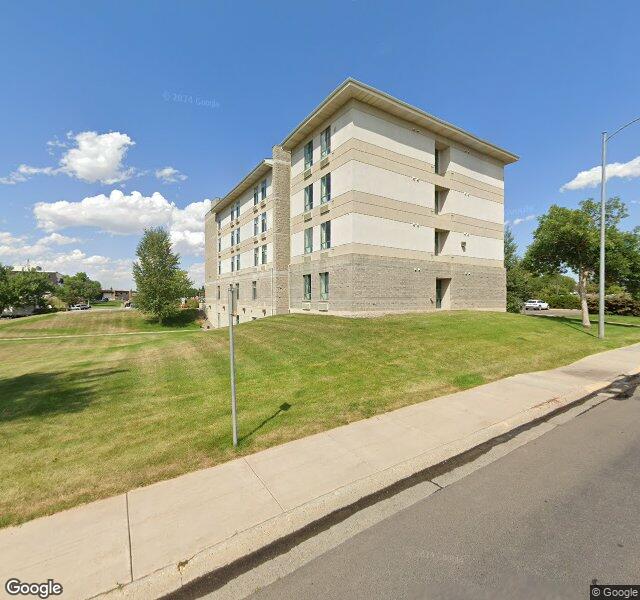
2621 15TH AVE S, GREAT FALLS, MT 59405 (406) 455-5903
Non profit - Corporation 146 Beds Independent Data: November 2025
Trust Grade
25/100
#39 of 59 in MT
Last Inspection: June 2025

Inspected within the last 6 months. Data reflects current conditions.

Overview

Families considering Benefis Senior Services - Eastview in Great Falls, Montana should note that the facility has a Trust Grade of F, indicating significant concerns and poor performance. It ranks #39 out of 59 nursing homes in Montana, placing it in the bottom half, and #3 out of 4 in Cascade County, meaning only one nearby option is better. The situation appears to be worsening, with the number of reported issues nearly doubling from 5 in 2024 to 12 in 2025. Staffing is rated 2 out of 5 stars, with a turnover rate of 57%, which is about average, suggesting staff may not be consistently present to provide care. The facility has incurred $81,927 in fines, which is concerning and reflects potential compliance issues. Specific incidents reported include a resident with a venous stasis ulcer who did not receive timely assessments and treatment, leading to pain and discomfort, and another resident who was offered only soup for lunch and received no assistance, resulting in significant weight loss. Additionally, there were issues with maintaining sanitary linens, with clean laundry being dragged on dirty floors, raising concerns about infection risks. Overall, while there are some strengths, such as average RN coverage, the facility has serious weaknesses that families should carefully consider.

Trust Score
F
25/100
In Montana
#39/59
Bottom 34%
Safety Record
High Risk
Review needed
Inspections
Getting Worse
5 → 12 violations
Staff Stability
⚠ Watch
57% turnover. Above average. Higher turnover means staff may not know residents' routines.
Penalties
✓ Good
$81,927 in fines. Lower than most Montana facilities. Relatively clean record.
Skilled Nurses
○ Average
Each resident gets 37 minutes of Registered Nurse (RN) attention daily — about average for Montana. RNs are the most trained staff who monitor for health changes.
Violations
⚠ Watch
38 deficiencies on record. Higher than average. Multiple issues found across inspections.
★★☆☆☆
2.0
Overall Rating
★★☆☆☆
2.0
Staff Levels
★★★☆☆
3.0
Care Quality
★★☆☆☆
2.0
Inspection Score
Stable
2024: 5 issues
2025: 12 issues

The Good

  • Full Sprinkler Coverage · Fire safety systems throughout facility
  • No fines on record

Facility shows strength in fire safety.

The Bad

2-Star Overall Rating

Below Montana average (2.9)

Below average - review inspection findings carefully

Staff Turnover: 57%

11pts above Montana avg (46%)

Frequent staff changes - ask about care continuity

Federal Fines: $81,927

Well above median ($33,413)

Moderate penalties - review what triggered them

Staff turnover is elevated (57%)

9 points above Montana average of 48%

The Ugly 38 deficiencies on record

2 actual harm
Jun 2025 12 deficiencies
CONCERN (D)

Potential for Harm - no one hurt, but risky conditions existed

Deficiency F0578 (Tag F0578)

Could have caused harm · This affected 1 resident

**NOTE- TERMS IN BRACKETS HAVE BEEN EDITED TO PROTECT CONFIDENTIALITY** Based on interview and record review, the facility failed to update a resident's code status from Full Code to DNR, in the facil...

Read full inspector narrative →
**NOTE- TERMS IN BRACKETS HAVE BEEN EDITED TO PROTECT CONFIDENTIALITY** Based on interview and record review, the facility failed to update a resident's code status from Full Code to DNR, in the facility's EHR for 1 (#5) of 23 sampled residents, and this failure increased the risk of the resident being resuscitated in a health crisis, when that was not the resident's preference or documented on the resident's POLST form. Findings include: During an interview on [DATE] at 4:07 p.m., staff member D stated if a resident wanted to change their POLST form status from what was entered on admission, he would go over the form with the resident and make sure it is signed by the provider the resident, or the resident's POA. Staff member D stated he was not the person who updated the residents code status in the facility's EHR. Staff member D further stated it was not his expectation that the residents code status on the information bar in the facility's EHR had not matched their POLST form. During an interview on [DATE] at 4:26 p.m., staff member B stated she didn't think there was a concrete process in place for updating the EHR when a resident changed their code status on the POLST form. A review of resident #5's EHR showed her code status as, FULL (has ACP docs). A review of resident #5's POLST form, dated [DATE], showed Section A the box for No CPR was checked. A review of a facility policy titled, Do Not Resuscitate (DNR) or Full or Limited Code, with an effective date of 6/2024, showed: POLICY: Resident's wishes regarding advanced directives and resuscitation will be identified and honored . II. Written information regarding Advanced Directives is given to each resident and family/caregiver upon admission. Advanced Directives and resuscitation status are documented in the medical record
CONCERN (D)

Potential for Harm - no one hurt, but risky conditions existed

Safe Environment (Tag F0584)

Could have caused harm · This affected 1 resident

Based on interview and record review, the facility failed to safeguard a resident's personal property when items were missing or sent to laundry and not returned, for 1 (#30) of 23 sampled residents, ...

Read full inspector narrative →
Based on interview and record review, the facility failed to safeguard a resident's personal property when items were missing or sent to laundry and not returned, for 1 (#30) of 23 sampled residents, and the resident was missing a blanket that was very important to him, which was upsetting, and related to his faith. Findings include: During an interview on 6/16/25 at 3:05 p.m., resident #30 said he was missing a blanket, probably some shirts, and the facility had not made any attempts to replace the missing items. Resident #30 stated, It (dirty laundry) goes and never comes back. Resident #30 said he was concerned about the blanket because it (the blanket) had personal meaning to him. During an interview on 6/18/25 at 8:06 a.m., staff member K said a general inventory of the resident's personal belongings was obtained during the admission process, and the inventory was in the electronic health record. Staff member K stated not every personal item was inventoried. During an interview on 6/18/25 at 9:41 a.m., resident #30 said the blanket he was missing was a Jesus blanket, it was yellow and tan in color and had been missing for several weeks. Resident #30 stated he did let a staff member know right away when he noticed it missing, and it went missing on a weekend. During an interview on 6/17/25 at 1:05 p.m., NF1 said she visits often and had seen resident #30 with the Jesus blanket many times. NF1 said resident #30 was a Catholic priest for 30 years, and the blanket meant a lot to him. During an interview on 6/18/25 at 1:08 p.m., staff member V stated when missing items are reported to her, she would let the nurse know. During an interview on 6/18/25 at 1:13 p.m., when asked about the process for missing items, staff member F, reviewed the missing items policy on her computer and stated it would warrant a call to laundry. During an interview on 6/18/25 at 1:45 p.m., staff member E stated there were reports of missing items from residents. During an interview on 6/18/25 at 1:55 p.m., NF2 stated he visited on a regular basis and recalled asking staff about the missing blanket, and staff stated it might be in laundry. NF2 stated he asked staff a second time, and staff replied they would look around. NF2 reported the staff tagged all his (the resident's) stuff and not all of it would come back from laundry. NF2 stated the missing blanket was, Very precious to him (resident #30). A request was made for a list of missing items on 6/18/25, and staff member A reported there was no list of missing items. Review of the facility's policy titled, [Facility name] Lost, Missing or Damaged Items, last revised 6/2025, showed: . III. CNA/Floor Nurse . B. The CNA/Floor Nurse completes their section of the Lost and Found Report. They must notify the Unit Manager, Social Services, Activities and Laundry of the missing item. .IV. Unit Manager . 3. The Unit Manager and Resident/family member/representative will both sign the Lost and Found Report to show that the resolution has been reached and all parties are satisfied with the resolution . C. The Unit Manager maintains a running log of the missing and damaged items on their unit .
CONCERN (D)

Potential for Harm - no one hurt, but risky conditions existed

Deficiency F0655 (Tag F0655)

Could have caused harm · This affected 1 resident

**NOTE- TERMS IN BRACKETS HAVE BEEN EDITED TO PROTECT CONFIDENTIALITY** Based on interviews and record review, the facility failed to develop a baseline care plan within 48 hours of admission that inc...

Read full inspector narrative →
**NOTE- TERMS IN BRACKETS HAVE BEEN EDITED TO PROTECT CONFIDENTIALITY** Based on interviews and record review, the facility failed to develop a baseline care plan within 48 hours of admission that included the instructions needed to provide effective and person-centered care of the resident, and to meet professional standards of quality care, for 1 (#84) of 23 sampled residents. Findings include: Review of resident #84's face sheet reflected resident #84 admitted on [DATE]. Review of resident #84's baseline care plan, effective 3/19/25 - 4/2/25, reflected the care plan was initiated on 3/19/25, eight days after the resident's admission, and finalized on 3/24/25. During an interview on 6/18/25 at 3:00 p.m., staff member B stated she was not aware the baseline care plan was not completed within 48 hours, or why it was not done. A review of resident #84's MDS assessment, dated 3/17/25, showed the resident had impaired cognition, dementia, anxiety, frequent pain, was supervised, set up, or independent for ADL's, he displayed behaviors and was marked as having depression and anxiety. These care areas may negatively impact a resident if not addressed to the level necessary by staff prior to the Comprehensive assessment or care plan being completed. Review of the facility's policy, Initial Assessment and Development of Interdisciplinary Resident Care Plans, dated 4/2025, reflected: - 1. Admitting licensed staff completes the nursing assessment and baseline care plan upon admission. A copy of the baseline care plan is provided (to) the resident within 48 hours of admission. [sic]
CONCERN (D)

Potential for Harm - no one hurt, but risky conditions existed

Comprehensive Care Plan (Tag F0656)

Could have caused harm · This affected 1 resident

Based on observation, interview, and record review, the facility failed to develop and implement a comprehensive person-centered care plan and follow the care plan for the resident, for 1 (#31) of 23 ...

Read full inspector narrative →
Based on observation, interview, and record review, the facility failed to develop and implement a comprehensive person-centered care plan and follow the care plan for the resident, for 1 (#31) of 23 sampled residents. Findings include: 1. During an observation on 6/16/25 at 4:37 p.m., resident #31 was in another resident's room. Resident #31 was observed rummaging through the other residents' property. She was observed leaning forward, while sitting in her wheelchair, with her head near the floor, and close to falling out of the chair. Staff were not redirecting her out of the room or providing her diversional activities. During an observation on 6/17/25 at 9:12 a.m., resident #31 was observed behind the nursing station. Resident #31 was unable to be interviewed due to advanced dementia. A nurse removed resident #31 after she had been at the nursing station for a period of time. Resident #31 was not offered diversional activities during her time at the nursing station, or after. During an observation on 6/17/25 at 10:18 a.m., resident #31 was observed in the dining room. She was kicking a fidget sleeve along the floor. Resident #31 was bent over at the waist and was observed attempting to pick up the sleeve off the floor. No staff intervened to assist the resident or prevent a potential fall. No staff interventions were observed to re-direct the resident's behavior or to offer her diversional activities. During an interview on 6/17/25 at 2:10 p.m., staff member G said resident #31 cries and wanders down the hall in her wheelchair. Staff member G stated she tried a bunch of different medications to help the resident for her behaviors. Staff member G said the other residents did get upset at resident #31, and they would mostly yell at her, but they did throw things at her, like tissues, because she was crying. Staff member G stated staff tried to intervene between residents right away. The staff would also try to put #31 to bed, but she wouldn't stay there, and she would get up and sit on the edge of the bed. She would almost fall out of bed due to leaning so far forward. Staff kept the other residents' doors closed; it helped to keep resident #31 out of their rooms, and if a door was open, she would go into the other residents rooms. Review of resident #31's current care plan, with various dates for the problems, goals, and approaches, showed the staff were to re-direct the resident's inappropriate behavior, they were to provide behavioral interventions, and always monitor her where about's. The care plan showed the staff would encourage resident #31 to participate in diversional activities, and anticipate her needs as she could not always communicate them. The staff were to assess her emotions and mood and report concerns to the nurse. The resident was identified to be at risk for falls, and staff were to observe for safety concerns. The care plan showed the in-out alert was initiated to let staff know if she was out of the room. Although these care plan interventions were in place, they were not observed as utilized by staff for redirection, fall safety, or offering her activities of interest.
CONCERN (D)

Potential for Harm - no one hurt, but risky conditions existed

Accident Prevention (Tag F0689)

Could have caused harm · This affected 1 resident

Based on observations, interviews, and record review, the facility failed to remove access to hand sanitizer containers, or hazardous liquids if consumed, when there was a resident residing in the are...

Read full inspector narrative →
Based on observations, interviews, and record review, the facility failed to remove access to hand sanitizer containers, or hazardous liquids if consumed, when there was a resident residing in the area who had a recent history of drinking hand sanitizer, for 1 (#40) for 23 sampled residents. Findings include: Review of resident #40's Hospitalist History and Physical, dated 6/30/25, reflected: - . #Alcohol use disorder, with recent hospitalization due to drinking hand sanitizer. During an observation on 6/16/25 at 4:18 p.m., hand sanitizer bottles were found on the top of the unattended medication cart, and two bottles of hand sanitizer were at the nursing station, within reach of anyone passing by. During an observation on 6/17/25 at 7:28 a.m., one alcohol bottle was on top of an unattended medication cart located in the dining room. One bottle of hand sanitizer was within reach of residents at the nursing station. One bottle of [NAME] Diamonds perfume was in an open cabinet at the end of the hall, accessible to residents. During an observation on 6/17/25 at 7:38 a.m., staff member L was passing medications, leaving the medication cart unattended in the dining room, while going into resident rooms. One bottle of hand sanitizer was sitting on top of the medication cart. Resident #40 was sitting immediately next to the medication cart in the dining room. Resident #40 got up from the dining table and went to his room, ambulating without assistance or supervision. During an observation on 6/17/25 at 7:40 a.m., one bottle of hand sanitizer was sitting on the counter next to the entry door to the kitchen, within reach of residents. During an interview on 6/17/25 at 9:15 a.m., staff member L stated the hand sanitizer dispensers on the walls in the hallways were empty because resident #40 had a history of drinking the hand sanitizer. Staff member L stated resident #40 was seen filling a cup with hand sanitizer recently. During an interview on 6/17/25 at 10:50 a.m., staff member B stated resident #40 was drinking hand sanitizer. Staff member B stated there should not be any hand sanitizer bottles within resident reach and it should be kept in drawers. During an interview on 6/18/25 at 4:00 p.m., staff member A stated there was not a policy specific to keeping hazardous chemicals from resident access for hand sanitizer.
CONCERN (D)

Potential for Harm - no one hurt, but risky conditions existed

Deficiency F0740 (Tag F0740)

Could have caused harm · This affected 1 resident

2. During an observation on 6/16/25 at 4:37 p.m., resident #31 was in another resident's room. Resident #31 was observed rummaging through the property in the room. Resident #31 was in a wheel chair, ...

Read full inspector narrative →
2. During an observation on 6/16/25 at 4:37 p.m., resident #31 was in another resident's room. Resident #31 was observed rummaging through the property in the room. Resident #31 was in a wheel chair, and she was wedged between the other resident chair, and the bed. She was observed leaning far forward with her head near the floor, almost falling out of the chair forward. During an observation on 6/17/25 at 9:12 a.m., resident #31 was observed behind a nurse's station. Resident #31 was unable to be interviewed due to advanced dementia. A nurse removed resident #31 after she had been at the nursing station for some time. Resident #31 was not offered diversional activities during the time she was at the nursing station or after. During an interview on 6/17/25 at 2:10 p.m., staff member G said resident #31 cries and wanders down the hall in her chair. The nurse tried a bunch of different medications to help the resident, and said the other residents did get upset at #31. Staff member G stated they, Mostly they yell at her, but they did throw things at her, like tissues because she was crying. We tried to intervene between residents right away. The staff tried to put her to bed but she wouldn't stay there. She just got up and sat on the edge of the bed and almost fell out of bed because she leaned so far forward. The other residents' doors were kept closed because it helped keep resident #31 out of their rooms. Resident #31 would go into other resident rooms, especially if the door was open. During an observation on 6/17/25 at 3:35 p.m., resident #31 was propelling herself down the hall. Resident #31 was moaning and had a sad facial expression. Staff member W readjusted the lift sling resident #31 was dragging behind her chair. Staff member W was talking to another resident during this interaction, not resident #31. Resident #31 proceeded to propel herself down the hall. Review of resident #31's care plan, dated 1/8/25, showed resident #31 will have her psychosocial well-being needs met as needed. Staff were to offer reassurance during times of anxiety and weeping. Social services was care planned to follow up with resident #31 as needed. During an interview on 6/19/25 at 12:01 p.m. staff member D said he remembered resident #31 and remembered her crying. Staff member D said social services did not take an active role in emotional issues. The social services department concentrated on resolving resident #31's dental issues. Staff member D said social services were not involved in the psychosocial aspect of medication administration. Staff member D said the psychotropic drugs were managed by the director of nursing and doctor. Behavioral health and social services notes were requested for #31. No behavioral health notes were received showing resident #31 was assessed and interventions initiated to assist with her continued behaviors and frequent crying. Based on observations, interviews, and record review, the facility failed to provide the necessary behavioral health care and services to attain or maintain the resident's highest practicable physical, mental, and psychosocial well-being, in accordance with the comprehensive assessment and plan of care, for 2 (#84 and #31) of 23 sampled residents. Findings include: During an observation on 6/18/25 at 10:50 a.m., resident #84 was observed walking down the hall, yelling over his shoulder for someone to, shut the [expletive] up. Resident #84 then stood hovering over three female residents at the table in the dining room and stated, . shut the [expletive] up and leave me alone. Resident #84 was then digging in the buckets where the dirty breakfast dishes were located. There were dirty plates and silverware on the cart, and he was touching soiled items and dishes. Resident #84 took a plastic cup out of the white garbage bucket and investigated the other buckets. He took out the black garbage sack. He took the bucket, turned it upside down and emptied it outside the courtyard door. He was still cursing loudly. Resident #84 then took the other red bucket, and then a CNA stopped him. There had been an interaction between a visitor and resident #84, and the visitor was mocking resident #84 saying blah, blah, blah, while the resident was continuing to say, shut the [expletive] up. The CNA got him a water pitcher, and the resident proceeded to several 100 ccs of water. The interaction between the visitor and the resident was reported to the facility. Review of resident #84's EHR Psychosocial Needs Care Plan, dated 3/11/25, reflected: [Resident #84] will have his psychosocial well-being needs met as needed. Social Services will follow up with [#84] and his family as needed. Review of resident #84's Nursing notes, dated 6/13/25 - 6/18/25, reflected: - 6/13/25: Resident #84 was physically and verbally aggressive to staff and swung a wooden sculpture at staff. - 6/14/25: Resident #84 was wandering in and out of resident rooms, agitated. - 6/17/25: Resident #84 entered another resident's room and defecated in the personal refrigerator. Resident #84 later physically assaulted a CNA. - 6/18/25: Resident #84 was yelling at three female residents in the dining room. - 6/18/25: resident #84 had, verbal and physical aggression toward staff and residents from suppertime through 6:30 p.m. - security was called. The progress note(s) showed staff reported these behaviors occurred nightly. During an interview on 6/19/25 at 11:24 a.m., staff member D stated his role with behavior health for residents would be on a consult basis. Staff member D stated the facility would request a consultation for behaviors, and he would offer suggestions or ideas to address the resident's behaviors. Staff member D stated he was not aware of the behaviors documented for resident #84, and had not been sent a request for a consultation, to address the resident's behaviors. Staff member D stated he was only aware of the need to address the resident's legal guardianship and financial work on the social security.
CONCERN (D)

Potential for Harm - no one hurt, but risky conditions existed

Deficiency F0742 (Tag F0742)

Could have caused harm · This affected 1 resident

Based on interview and record review, the facility failed to ensure a referral was made for cognitive rehabilitation with a speech therapist for 1 (#5) of 23 sampled residents. This deficient practice...

Read full inspector narrative →
Based on interview and record review, the facility failed to ensure a referral was made for cognitive rehabilitation with a speech therapist for 1 (#5) of 23 sampled residents. This deficient practice increased the risk of the resident having a cognitive decline due to the lack of speech therapy treatment. Findings include: A review of a Behavioral Health OP (Outpatient) Psychosocial Evaluation, for resident #5, dated 1/27/25, signed by NF4, and cosigned by NF5, showed: Reason for evaluation: Depression, schizophrenia, bipolar . Plan: According to the information gathered in this evaluation, appears that patient would benefit from cognitive rehabilitation with a speech therapist and medication management with a psychiatrist. Will refer to cognitive rehabilitation with speech therapist [sic] During an interview on 6/18/25 at 11:07 a.m., staff member D stated he could not find speech therapy referrals or notes for resident #5. During an interview on 6/19/25 at 8:53 a.m., NF5 stated she was not able to find a referral for speech therapy from her facility for resident #5. NF5 relayed there may have been confusion between her facility and the provider for resident #5, as to who should have made a referral for speech therapy. NF5 stated the almost six-month delay from her facility's provider recommending speech therapy for resident #5, is not what should happen. During an interview on 6/19/25 at 9:21 a.m., staff member B stated the referral for speech therapy for resident #5 had not been done by the facility. Staff member B stated that it was her understanding the outpatient facility that performed the evaluation was supposed to implement the speech therapy referral.
CONCERN (E)

Potential for Harm - no one hurt, but risky conditions existed

Deficiency F0657 (Tag F0657)

Could have caused harm · This affected multiple residents

Based on observation, interview, and record review, the facility failed to review and revise comprehensive care plans for activities and food preferences for 5 (#s 39, 40, 74, 75, and 84) of 23 sample...

Read full inspector narrative →
Based on observation, interview, and record review, the facility failed to review and revise comprehensive care plans for activities and food preferences for 5 (#s 39, 40, 74, 75, and 84) of 23 sampled residents. Findings include: 1. Review of resident #39's, Activities Care Plan, dated 2/22/24, reflected: - . Determine [Resident #39] activity preferences. During an interview on 6/17/25 at 11:51 a.m., resident #39 stated she went to bible study. Resident #39 stated she did not attend any other activities. The activity care plan did not show what other activities the resident was interested in. 2. Review of resident #75's, Activities Care Plan, dated 2/22/24, reflected: - . Determine [Resident #75] activity preferences. During an observation on 6/16/25 at 2:29 p.m., resident #75 was sitting on the side of her bed, anxious, shaking, with erratic breathing, saying unclear words, and the door was closed. Staff member H came in to assist the resident with a sit to stand lift. Staff member H placed resident #75 in her wheel chair, took her to the dining room, and left her at a table without anything to do. Resident #75 remained at the table without anything to do or drink until dinner service. The activity care plan did not show what other activities the resident was interested in for staff to utilize. 3. Review of resident #74's, Activities Care Plan, dated 6/4/25, reflected: - . Determine [Resident #74] activity preferences. During an interview on 6/17/25 at 1:25 p.m., NF3 stated resident #74, . really needs to have activities and loves bowling, sewing, grocery shopping, and social activities. She is really a social person. NF3 stated no one had contacted her about activities of interest for resident #74. NF3 stated she was so upset she had shared her concerns tearfully in the middle of the grocery store with the previous administrator who was going to email the director of activities. NF3 stated she had not heard anything to date, and it had been more than a week ago. The activity care plan did not show what other activities the resident was interested in. 4. Review of resident #40's, Activities Care Plan, dated 9/4/24, reflected: - . Determine [Resident #40] activity preferences. During an observation and interview on 6/16/25 at 3:10 p.m., resident #40 was in his room watching television in his recliner. Resident #40 stated he enjoyed the activities, when they have some. Resident #40 stated the facility did not have much for activities for him (that he was interested in), so he watched television most of the time. The activity care plan did not show what other activities the resident was interested in for staff to utilize, or what staff could offer him within his identified areas of interest. 5. Review of resident #84's, Care Plan, dated 3/11/25, reflected there was no activity plan established for the resident. During an interview on 6/18/25 at 11:18 a.m., staff member I stated activities were discussed during resident council meetings. Staff member I stated residents who did not attend, or were not able to attend, did not participate in the discussion around activity preferences. Staff member I stated she was not aware of the preferences assessment in the EHR system until yesterday (6/17/25) or that individualized resident preferences needed to be care planned. Review of the facility's policy, titled, [Facility name] Life Enrichment (Activities), dated 6/2025, reflected: - . Life Enrichment Program should include an ongoing resident centered activities program that incorporate the residents' interest, hobbies and cultural preferences which is integral to maintaining and/or improving a resident's physical, mental and psychosocial well-being and independence. Activities are to be both facility-sponsored group and individual activities and independent activities. - . After completion of the initial Life Enrichment Assessment form the Life Enrichment Coordinator will be ready to identify and record problems/needs, goals, and approaches on the care plan as it relates to activities.
CONCERN (E)

Potential for Harm - no one hurt, but risky conditions existed

Deficiency F0679 (Tag F0679)

Could have caused harm · This affected multiple residents

During an observation on 6/17/25 at 2:10 p.m., three residents were sitting in the dining room. The television was on, and a German speaking movie was playing. The movie contained sexual scenes. The s...

Read full inspector narrative →
During an observation on 6/17/25 at 2:10 p.m., three residents were sitting in the dining room. The television was on, and a German speaking movie was playing. The movie contained sexual scenes. The staff changed the channel to music. During an interview and observation on 6/17/25 at 2:30 p.m., staff member U said the most common activity on the memory care unit was Trivia. Staff member U said the staff take some of the residents to the main floor for church and dog visits. Staff member U said not many of the residents residing on the unit go on the outings, but two of the residents went fishing that day. The activity calendar showed a trip to Walmart was scheduled. During record review and observation on 6/18/25 at 10:35 a.m., the activity calendar showed the activity scheduled for the residents was crafts. During an observation on 6/18/25 at 10:35 a.m., five residents were sitting at the dining room tables on the dementia unit. No staff were present, no crafts were being done, and no other activities were being offered to residents on the secure unit. During an interview on 6/18/25 at 11:00 a.m., staff member Q said the residents go off the memory care unit for crafts. Staff member Q said the residents who don't go off the unit have 1:1 visits with staff. Staff member Q said trivia is played by the staff showing a picture to the residents, letting them guess what the picture is, and then talking about the picture. 5. During an observation and interview on 6/16/25 at 2:35 p.m., resident #42 said she did not know any activities were offered at the facility. Resident #42 said she was trying to find the television remote so she could turn this shit off. Resident #42 said she liked country music and not the content the staff turned her television to. Resident #42 said she had to lay in bed too much as far as she was concerned. Resident #42 said if she could walk, the staff would not be able to keep her in bed. Review of resident #42's MDS, with an assessment reference date of 5/5/25, showed it was very important for resident #42 to listen to music she likes, and it was not important at all to do activities with a groups of people. Review of resident #42's flow sheet for the resident's activity attendance showed resident #42 attended two 1:1 activities and three group activities in May 2025. In June 2025, resident #42's flow sheet showed she attended six group activities and one 1:1 visit with staff. The documentation showed the resident attended groups more often than the 1-1 visits, even though she did not feel group activities were important. Review of the facility's policy, [Facility name] Life Enrichment (Activities), dated 6/2025, reflected: Life Enrichment Program should include ongoing resident centered activities program that incorporate the residents' interest, hobbies and cultural preferences which is integral to maintaining and/or improving a resident's physical, mental and psychosocial well-being and independence. Activities are to be both facility-sponsored group and individual activities and independent activities. Based on observations, interviews, and record review, the facility failed to provide activities to meet the needs of the residents for 7 (#s 39, 40, 42, 74, and 75) of 23 residents. Findings include: 1. During an observation and interview on 6/16/25 at 3:10 p.m., resident #40 was in his room watching television in his recliner. Resident #40 stated he enjoyed the activities, When they have some. Resident #40 stated the facility did not have much for activities for him, so he watched television most of the time. Resident #40 stated he was not offered many activities to go do and would go if they were offered. 2. During an interview on 6/17/25 at 11:51 a.m., resident #39 stated she went to bible study. Resident #39 stated she did not attend any other activities and was not aware of other activities. 3. During an interview 6/17/25 at 1:25 p.m., NF3 stated resident #74, . really needs to have activities and loves bowling, sewing, grocery shopping, and social activities. She is really a social person. NF3 stated no one had contacted her about activities of interest for resident #74. NF3 stated she was so upset she had shared her concerns tearfully in the middle of the grocery store with the previous administrator who was going to email the director of activities. NF3 stated she had not heard anything to date, and it had been more than a week ago. 4. During an observation on 6/16/25 at 2:29 p.m., resident #75 was sitting on the side of her bed, anxious, shaking, with erratic breathing, saying unclear words, and the door was closed. Staff member H came in to help using the sit to stand lift. Staff member H placed resident #75 in her wheel chair and took her to the dining room and left her at a table without anything to do. Resident #75 remained at the table. During an interview on 6/16/25 at 1:53 p.m., staff member J stated the facility provided movies on Mondays and popcorn was provided. Staff member J stated trivia was an activity provided for the memory care unit on Sundays. Staff member J stated there was only one person scheduled to work on Sundays, Mondays, Fridays, and Saturdays. Staff member J stated when only one person was available, the activity was combined with the activity provided to residents outside the memory unit, if the residents were able to come off the unit. Staff member J stated the number of residents who could come out for an activity was 2-3 because of the risk and supervision needed. Staff member J stated the remaining residents did not receive activities. Staff member J stated the activities staff were often pulled to provide transportation, and the activities were canceled. During an interview on 6/18/25 at 11:18 a.m., staff member I stated activities were discussed during resident council meetings. Staff member I stated residents who did not attend, or were not able to attend, did not participate in the discussion around activity preferences. Staff member I stated memory care residents often did not have activities because the nursing staff would lay them down immediately after meals, so they were not available to attend activities. Staff member I stated she was often pulled to the floor to cover the nursing department shifts, and the life enrichment aides were frequently pulled to provide transportation and serving meals. Staff member I stated she was not aware of the resident preferences assessment in the EHR system, which was to be completed for each resident, until yesterday, or that resident preferences needed to be care planned. During an interview on 6/18/25 at 4:10 p.m., staff member K stated the facility wasn't completing the assessment for activities for the residents because it was missed during the transition from the old EHR system to the new EHR system. Review of the facility's Entertainment Flow-sheet History, dated 5/19/25-6/18/25, reflected: - Resident #74 did not have any activities for 27 of the 30 days in the month. - Resident #40 did not have any activities for 28 days out of 30 days in the month. - Resident #75 did not have any activities for 25 out of 30 days in the month. - Resident #39 did not have any activities for 25 out of 30 days in the month. During an interview on 6/19/25 at 10:10 a.m., staff member A stated activities staff were pulled to other tasks, when necessary, .because care comes first. Staff member A stated the facility was in the process of hiring two more life enrichment staff to ease the workload.
CONCERN (E)

Potential for Harm - no one hurt, but risky conditions existed

Deficiency F0692 (Tag F0692)

Could have caused harm · This affected multiple residents

2. During an initial observation on 6/16/25 at 2:00 p.m., resident #8 did not have access to any fluids while she was in her room. A review of resident #8's dietary information showed resident #8 was...

Read full inspector narrative →
2. During an initial observation on 6/16/25 at 2:00 p.m., resident #8 did not have access to any fluids while she was in her room. A review of resident #8's dietary information showed resident #8 was to receive thickened fluids. Review of resident #8's care plan, dated 2/25/24, showed the staff were to assist with and encourage food and fluid intake on mildly thick liquids. The care plan directed the staff to observe for signs and symptoms of dehydration. The staff were also to monitor and adjust the fluid intake and output. During an observation on 6/18/25 at 10:30 a.m., resident #8 had a pitcher of water at her bedside. The water in the pitcher was regular consistency, and it was not mildly thickened, as ordered. During an interview on 6/17/25 at 8:24 a.m., staff member I said some residents should have water pitchers. Staff member I said the water pitchers disappeared and some residents just don't have a pitcher. During an interview on 6/17/25 at 2:10 p.m., staff member G said the residents should at least have a cup or a large water jug at their bedside. Staff member G said the residents will come to the staff and ask for something to drink. Staff member G said she was not aware which residents were at risk of dehydration. Based on observations, interviews, and record review, the facility failed to ensure a resident residing on the memory care unit had access to, and the provision of, mildly thickened fluids, for 1 (#8), and the resident received an unthickened liquid; and the facility failed to ensure one resident received adequate assistance for meals and maintaining her nutritional status contributing to a 6.5% weight loss (severe), for 1 (#74) of 23 sampled residents, and the resident's EHR documentation showed she had a weight loss. The lack of the provision of fluids in resident rooms may affect any resident on the unit who wanted something to drink, and they did not have it available or were unable to ask for it. Findings include: 1. During an observation on 6/17/25 at 8:47 a.m., resident #74 was still in bed, with no breakfast, and there was nothing for the resident to drink in the room. There was a new water cup in the room, but it was empty and unopened. During an observation on 6/17/25 at 8:57 a.m., resident #74 was in bed sleeping. Her breakfast tray was brought to the room and left on the bedside table. Staff did not assist the resident with the meal. During an observation on 6/17/25 at 9:26 a.m., resident #74 was still asleep in her bed, with her breakfast tray still untouched. A review of resident #74's EHR weights showed the following: - 5/22/25: 122 lbs., 6.5% loss in last month - 6/8/25: 115 lbs., which was another loss of 7 lbs. in 17 days. During an observation and interview on 6/17/25 at 4:05 p.m., resident #74 was sitting on her bed. The resident had no drinks available at the bedside. NF3 had just arrived and dressed resident #74. NF3 voiced concerns that resident #74 was so dehydrated over the weekend, the nurse on duty was offering to start IV fluids. NF3 stated she had been pushing fluids and trying to get resident #74 back to her baseline status. NF3 stated she had not been approached by dietary staff yet, and resident #74 was a picky eater. NF3 stated, You would think they would want to know what she likes to drink and eat. NF3 stated she keeps soda pop and protein drinks in the personal refrigerator for resident #74, but the resident's mental status would require the staff to come in and encourage her to drink. During an observation and interview on 6/18/25 at 12:54 p.m., resident #74 was in the dining room, her plate of food untouched, but she was eating her Jello cup. Resident #74 stated, I don't know what that shit is referencing the food on the plate, then the resident requested the surveyor get her mashed potatoes and a sandwich. During an interview on 6/17/25 at 7:40 a.m., staff member L stated the residents on the memory care unit did not have drinks at the bed side, but they were offered fluids with meals. During an interview on 6/17/25 at 10:40 a.m., staff member B stated residents residing on the memory care unit were not given fluids at the bedside because residents wandered into other resident rooms, and consume any drinks in the room. The facility was concerned about infection control. A request was made by the surveyor for a policy on maintaining resident hydration, but not received prior to the end of the survey.
CONCERN (E)

Potential for Harm - no one hurt, but risky conditions existed

Deficiency F0919 (Tag F0919)

Could have caused harm · This affected multiple residents

4. During an observation on 6/16/25 at 3:35 p.m., resident #77's call light was hanging off the light located over the bed. Resident #77 was lying in bed and could not reach the call light for use. Du...

Read full inspector narrative →
4. During an observation on 6/16/25 at 3:35 p.m., resident #77's call light was hanging off the light located over the bed. Resident #77 was lying in bed and could not reach the call light for use. During an interview on 6/17/25 at 2:10 p.m., staff member G said there were alarms attached to the resident's door, and the bathroom doors. Staff member G stated the cognitive residents should have a call light. Staff member G said the staff just check on the residents every couple of hours. Review of a facility policy, [Facility Name] Patient Call System, dated 6/2025, reflected: . The DON will verify the system is in working condition at all times . .The call system is located near the patient's bed and in the restroom . Based on observations, interviews, and record review, the facility failed to ensure residents had call lights available for 4 (#s 40, 74, 75, 77) of 23 sampled residents. This deficient practice prevented residents from contacting staff for assistance when they wanted to. Findings include: 1. During an observation on 6/16/25 at 2:05 p.m., resident #40 did not know where his call light was located. The call light was under equipment, on a countertop, in the corner of the room. Resident #40 stated if he needed help, he did not know how to call for help. When asked how he would call for help, resident #40 stated, I guess I can't, maybe (I'd) yell. 2. During an observation on 6/16/25 at 2:21 p.m., resident #74 was in her room trying to get up from her bed. Resident #74 had no call light in her room. Resident #74 called out for help and two CNAs came to assist her. Resident #74 stated, I just yell out until someone comes, if I need help. 3. During an observation on 6/16/25 at 2:29 p.m., resident #75 was sitting on the side of her bed, anxious, shaking with erratic breathing, saying unclear words, with the door closed. There was no call light in the room. The bed alarm was not sounding. This surveyor notified staff member H on duty who assisted resident #75 into her wheelchair, who then moved the resident to the dining room table. During an interview on 6/16/25 at 2:35 p.m., staff member C stated they do not have call lights in the memory unit. Staff member C stated residents were checked on every two hours. During an interview on 6/16/25 at 3:00 p.m., staff member B stated residents do not always know how to use the call lights appropriately, and the staff should be rounding on the residents regularly.
CONCERN (F)

Potential for Harm - no one hurt, but risky conditions existed

Infection Control (Tag F0880)

Could have caused harm · This affected most or all residents

**NOTE- TERMS IN BRACKETS HAVE BEEN EDITED TO PROTECT CONFIDENTIALITY** Based on observations, interviews, and record review, the facility failed to maintain sanitary linens during the handling and pr...

Read full inspector narrative →
**NOTE- TERMS IN BRACKETS HAVE BEEN EDITED TO PROTECT CONFIDENTIALITY** Based on observations, interviews, and record review, the facility failed to maintain sanitary linens during the handling and processing of laundry, as to prevent the spread of infection for the residents residing at the facility. Findings include: 1. During an observation and interview on 6/18/25 at 9:27 a.m., with staff member A, M, Q, R, and S, the following observations were made: - Floors throughout the clean side of the laundry room were riddled with trash/debris on the floor, including used masks, paper, dirty laundry, used paper towels, and dust balls. - Staff member N was preparing clean sheets to enter the folding machine, and the clean sheets were dragging on the unclean floor. - Staff member O dropped clean laundry out of the dryer, onto the unclean floor. Staff member O then picked the clean laundry up and placed them in the clean linen bin with other clean items. - Staff member O was walking through the clean linen area while putting her hair in a ponytail. Staff member O then began to fold the clean laundry, without performing hand hygiene first. - Staff member P was preparing gowns to place them into the folding machine, and the clean gowns were dragging on the unclean floor. - The counter in the clean folding room was missing the edging around the sides on the table, creating an un-cleanable surface. During an interview on 6/18/25 at 9:57 a.m. with staff members Q, R, and S, staff members R and S stated they had not been following the laundry department or completing regular observations. Staff member S stated, Based on the observations we just had (above), we sure will be adding it to our list. During an interview on 6/18/25 at 9:57 a.m., staff member A stated there were obvious infection control issues during the walk through, and he would be following up with the team to address the infection control requirements. A request was made for a policy related to the cleaning of the laundry room, but a policy was not received prior to the end of the survey. 2. During an observation on 6/17/25 at 3:31 p.m., a laundry cart, which contained clean laundry, was observed outside of the room labeled linen. The cart was observed with clean clothes on hangers, which were hanging on the side, and the back of the cart was uncovered. During an observation on 6/18/25 at 1:50 p.m., an uncovered laundry cart was observed in the activity room across the hall from room [ROOM NUMBER]. During an interview on 6/18/25 at 1:53 p.m., staff member E stated the laundry cart should be covered. Staff member E said, We keep it covered, but sometimes residents see it and uncover it. Review of the facility's policy titled, [Facility Name]-Linen and Personal Clothing Standards, last revised on 6/2025, showed: .Procedure: I. Nursing A. Places clean linen on linen carts to take to individual rooms. Linen carts will remain covered . G. Ensures laundry cart remains covered when not in use
Dec 2024 2 deficiencies
CONCERN (E) 📢 Someone Reported This

A family member, employee, or ombudsman was alarmed enough to file a formal complaint

Potential for Harm - no one hurt, but risky conditions existed

ADL Care (Tag F0677)

Could have caused harm · This affected multiple residents

**NOTE- TERMS IN BRACKETS HAVE BEEN EDITED TO PROTECT CONFIDENTIALITY** Based on observation, interviews, and record review, the facility failed to ensure ADL cares were provided timely for 3 (#s 3, 4...

Read full inspector narrative →
**NOTE- TERMS IN BRACKETS HAVE BEEN EDITED TO PROTECT CONFIDENTIALITY** Based on observation, interviews, and record review, the facility failed to ensure ADL cares were provided timely for 3 (#s 3, 4, and 5) of 7 sampled residents. This deficient practice had the potential to increase resident's risk for infections, skin breakdown, pain, and overall decline. Findings include: 1. During an observation and interview on 12/30/24 at 9:42 a.m., resident #5 was in bed waiting to get up and stated her back was hurting from lying in bed too long. Resident #5 stated the facility did not have enough help. Resident #5 stated she regularly had to wait in bed for a long time to have someone help her up. Resident #5 stated the CNAs came in the room earlier, turned her call light off, and stated they would be back as soon as they could. A staff member entered the room to assist resident #5 out of bed and getting her dressed at 10:37 a.m. Review of resident #5's Care Plan, dated 12/30/24, reflected: - . [Resident #5] transfer with a Hoyer lift. [Resident #5] ambulates at w/c level. [Resident #5] needs assistance with ADLs as needed . [sic] - . [Resident #5] is incontinent of bladder . 2. During an observation and interview on 12/30/24 at 9:51 a.m., resident #3 was in bed and stated he was waiting for staff to get him up for the day. Resident #3 stated his preferred, . get up time is 6:30 a.m., and lately they (CNAs) were really late getting me up, even as late as 11:00 a.m. During an observation and interview on 12/31/24 at 9:44 a.m., resident #3 was in bed and stated he was waiting for staff to get him up. Review of resident #3's Care Plan, dated 12/30/24, reflected: - . [Resident #3] transfers with the [NAME] 3000 lift. He occasionally uses PWC for mobility. He needs extensive to total assist with ADLs . Review of a facility provided document, BEV Active Wounds, dated 12/30/24, reflected resident #3 had moisture associated skin breakdown on his right buttock. During an interview on 12/31/24 at 8:45 a.m., staff member F stated resident #3 had a chronic pressure ulcer and moisture skin breakdown. Staff member F stated, . Not getting him up can effect the healing process (of the ulcer). 3. During an interview on 12/30/24 at 9:55 a.m., resident #4 stated, They (facility) are short-staffed, so they try to get to me. Friday night I waited an hour to toilet. I wet my brief waiting. I just got my first shower yesterday since I first went to the hospital. It felt really good. I had not been offered one until Saturday, but I had family visiting, so I didn't take it, but then they gave me one on Sunday. Review of resident #4's EHR reflected resident #4 admitted on [DATE]. The EHR reflected resident #4 had showers on 12/12/24, 12/17/24, and 12/24/24. No charting was present for the shower refused on 12/28/24, due to family visit, and no charting was present for the shower the resident stated she received on 12/29/24. Resident #4 was scheduled to have showers on Sunday and Wednesday. During an interview on 12/30/24 at 10:17 a.m., staff member L stated the facility was commonly short-handed. Staff member L stated the staffing issues caused showers to not get done, trouble getting people up in the mornings, and getting people up before they have an incontinence episode was common. During an interview on 12/30/24 at 10:25 a.m., staff member I stated there were two CNAs with sixteen patients each. Staff member I stated the math (staffing ratio) didn't allow for CNAs to complete the ADL cares timely. Staff member I stated, They only give us 1.5 hours to get everyone up and ready for breakfast. So, things don't always get done. They're not getting to incontinent care in time, or making sure clean-up (after incontinence occurs) is properly done. We just don't have the staff to care for these people. Staff member I stated showers were not offered a second time when a resident refused one. Staff member I stated, We can't get what we have done now, so we cannot be going back and offering (the care)again, if they can't shower when we are ready for them, there's just no time. During an interview on 12/30/24 at 4:51 p.m., with staff member A and B, staff member B stated, We will definitely be working to address the call lights. It is a focus, and they are better, but we have to keep working on them (response times). During an interview on 12/31/24 at 7:51 a.m., staff member J stated care was neglected due to the low staffing levels. Staff member J stated some cares were being skipped and others done very late because the CNAs did not have the time to complete the required tasks, including during the night shift. Staff member J stated she came in Sunday morning and had to complete six bed changes, due to residents not being checked and changed (incontinence care), during rounding. Staff member J stated it took her until 11:00 a.m. to get everyone on her hall up, yesterday. During an interview on 12/31/24 at 8:17 a.m., staff member M stated, Two CNAs is rough. By the time you get half up, it's lunch. Many are not getting up when they want to because we don't have enough help to do it. Staff member M stated, The CNAs have 15-16 residents each, and with each resident taking 15-20 minutes to get them up and dressed for the day, the math (staffing ratio) just does not add up. That's not including the residents who need help with feeding at meals, call lights going off, and the showers we have to get done every day. Some (residents) aren't getting turned, skin breakdown on some . Staff member M stated one resident had a rash under her [NAME] due to staff not cleaning her her properly and another resident had a red, swollen penis from poor catheter care. Staff member M stated people are in such a hurry because they did not have time to do ADL tasks properly. During an interview on 12/31/24 at 12:20 p.m., with staff member A and B, staff member B stated the data for showers appeared to be errors, with some showers likely not charted and some charted on the wrong person or in error. Staff member A stated the managers watch showers pretty closely, so she felt the charting of cares were an area the facility needed to work on. Staff member A stated the staff should be offering a shower at a later time, if the resident is unable to take the shower, due to family, activities, etc. Review of a facility policy, BSS-Activities of Daily Living/Needs and Choices, last reviewed 7/2024, reflected: - III. Nursing ensures assistance with ADL is provided as directed in the care plan or as needed .
CONCERN (F) 📢 Someone Reported This

A family member, employee, or ombudsman was alarmed enough to file a formal complaint

Potential for Harm - no one hurt, but risky conditions existed

Deficiency F0725 (Tag F0725)

Could have caused harm · This affected most or all residents

Based on observation, interview, and record review, the facility failed to have sufficient nursing staff to ensure residents call lights were answered in a timely manner and to address their safety an...

Read full inspector narrative →
Based on observation, interview, and record review, the facility failed to have sufficient nursing staff to ensure residents call lights were answered in a timely manner and to address their safety and care needs timely for 4 (#s 1, 3, 4, 5) of 7 sampled residents. This deficient practice had the potential to result in residents not having their needs met. Findings include: 1. During an observation and interview on 12/30/24 at 9:42 a.m., resident #5 was in bed waiting to get up and stated her back was hurting from lying in bed too long. Resident #5 stated the facility did not have enough help. Resident #5 stated she regularly had to wait in bed for a long time to have someone help her up. Resident #5 stated the CNAs came in the room earlier and turned her call light off and stated they would be back as soon as they could. A staff member entered the room to assist resident #5 out of bed and getting her dressed at 10:37 a.m. 2. During an observation and interview on 12/30/24 at 9:51 a.m., resident #3 was in bed and stated he was waiting for staff to get him up for the day. Resident #3 stated the facility did not have enough staff. Resident #3 stated his preferred, .get up time is 6:30 a.m., and lately they (CNAs) were really late getting him up, even as late as 11:00 a.m. During an observation and interview on 12/31/24 at 9:44 a.m., resident #3 was in bed and stated he was waiting for staff to get him up. 3. During an interview on 12/30/24 at 9:55 a.m., resident #4 stated, They (facility) are short-staffed, so they try to get to me. Friday night I waited an hour to toilet. I wet my brief waiting. Review of the facility's, Call History, dated 12/11/24 - 12/30/24, for resident #4's room, reflected: - 26 call lights that were on for 20 minutes or more, - Of the 26 call lights, two were over 50 minutes, four were over 40 minutes, and six were over 30 minutes. 4. During an interview on 12/31/24 at 10:04 a.m., staff member J stated she was still trying to get her residents up for the day. Staff member J stated she still had resident #1 to get up, but she was cognitively impaired, required a Hoyer lift, and she yelled during cares. Staff member J stated she would have to find another CNA to assist her when they were available and done with their residents. During an interview on 12/30/24 at 10:17 a.m., staff member L stated the facility was commonly short-handed. Staff member L stated the staffing issues caused showers to not get done, trouble getting people up in the mornings, and getting people up before they have an incontinence episode was common. During an interview on 12/30/24 at 10:25 a.m., staff member I stated she only had two CNAs with sixteen patients each. Staff member I stated the math didn't allow for CNAs to complete the ADL cares timely. Staff member I stated, They only give us an hour and a half to get everyone up and ready for breakfast. So, things don't always get done, they're not getting to incontinent care in time, or making sure clean-up (after incontinence occurs) is properly done, we just don't have the staff to care for these people. During an interview on 12/30/24 at 2:09 p.m., staff member A stated the policy for call light times was 15 minutes or less. Staff member A stated the facility was working on call light times and determining the five longest call lights and the five residents with the most call lights to determine a root cause for the call light times. Staff member A stated staff member C was responsible for looking at the call light reports and determining the root causes and reporting to him weekly. Staff member A stated some long call light times were staff not turning the light off until they were finished with cares, and some call light times were just longer than he would like. During an interview on 12/30/24 at 2:40 p.m., with staff member A and staff member C stated the longer call light times were due to the higher acuity on the units and low staffing. Staff member C stated she tried to keep an eye on the call light board, when she was working, to assist if needed. Staff member C provided a copy of the root cause analysis she had completed and stated she had not done the root cause analysis during past couple of weeks. Staff member A stated staff member C was new, and the management team were working with the new managers on pulling the data. Staff member A stated the managers were just starting to learn what to do with the data. During an interview on 12/31/24 at 8:17 a.m., staff member M stated, The CNAs have 15-16 residents each, and with each resident taking 15-20 minutes to get them up and dressed for the day, the math (staffing ratio) just does not add up . Some aren't getting turned, skin breakdown on some . During an interview on 12/31/24 at 10:14 a.m., staff member D stated the life enrichment staff were regularly pulled to assist on the floor and were having to attend all outside appointments with residents. Staff member D stated staffing was a continued issue and was preventing life enrichment staff providing the activities scheduled. Staff member D stated, appointments were often 2-3 hours each, and the life enrichment staff were all required to be CNAs, so they get pulled to the units to work as CNAs, frequently. Review of the facility's, Call History, dated 12/27/24 - 12/29/24, reflected: - 23 call lights that were on for 20 minutes or more, - Of the 23 call lights, three were over 50 minutes, and six were over 30 minutes. During an interview on 12/31/24 at 12:03 p.m., staff member E stated the staffing shortage was related to the following challenges: - Finding people who want to work, - . have not seen so much lack of wanting to work in her career, - people quitting without notice, - people with attendance issues, - the facility did not want travelers, - there was a revolving door their (facility), as fast as we hire, they lose the same or more (staff) . During an interview on 12/31/24 at 12:20 p.m., with staff member A and B, staff member A stated the scheduler who worked at the facility for 45 years, left. Staff member A stated, The schedules were ok for a while, and then we found there were discrepancies in the schedules the staff received, and the schedule posted in the building. Staff were upset due to the lack of a dependable schedule, and the schedule was not evenly assigned between the units. Staff member A stated, We tried self-scheduling and that turned out to be a nightmare, and getting management that could manage, and a scheduler. So, 1/6/24 will be the day schedules will be back on track from the self-scheduling mess, we hope. Then we can focus on what to tackle next. Fixing the staffing will take time, it won't happen overnight. My best guess is six months to a year to get staffing where it should be. Review of the facility's policy, BSS Patient Call System, last revised 8/2024, reflected: - . IV. The assigned Facility employee responds to a patient call within a reasonable time (15 - minute average time for the facility).
Oct 2024 2 deficiencies
CONCERN (D) 📢 Someone Reported This

A family member, employee, or ombudsman was alarmed enough to file a formal complaint

Potential for Harm - no one hurt, but risky conditions existed

Deficiency F0740 (Tag F0740)

Could have caused harm · This affected 1 resident

Based on interview and record review, the facility failed to identify, address, and obtain necessary services for the behavioral health care needs; failed to develop and implement person-centered care...

Read full inspector narrative →
Based on interview and record review, the facility failed to identify, address, and obtain necessary services for the behavioral health care needs; failed to develop and implement person-centered care plans that included and supported the behavioral health care needs; and develop individualized interventions related to the resident's diagnosed conditions, for 2 (#s 13 and 71) of 5 sampled residents. Findings include: Review of a Facility Reported Event, initially reported 9/30/24, showed: Resident #13 was in an altercation with resident #71. In this altercation, both resident #71 and resident #13 had hit one another. The reported findings showed the residents were initially friends, and resident #71 would follow resident #13 around, but due to resident #71's developmental delay, resident #13 lost patience with resident #71, and acted out against him. Review of the PASARR Level 1, dated 11/13/23, showed an updated PASARR Level 1 was not completed for resident #71, after his convalescent stay. Resident #71 had previously had a PASARR Level 2 completed on a previous stay due to the diagnoses: Microencephaly and History of Developmental Delay. Review of resident #71's Care Plan, with a start date of 2/19/24, showed no updates or new interventions were made concerning altercations with residents, redirection after a physical interaction with another resident occurred (specifically resident #13), or interventions specific to resident #71's diagnoses. Review of resident #71's EHR showed no notes from social services or behavioral health services. During an interview on 10/8/24 at 4:09 p.m., resident #71 stated the residents did have an altercation, but resident #71 stated he felt safe in the facility and around resident #13. Resident #71 stated resident #13 was disruptive to him at times, but overall he did not have a problem with her other than the one to one interaction where she started hitting him. During an interview on 10/9/24 at 8:29 a.m., NF2 stated the facility does not communicate with her very well or often enough about events that occur with resident #71. NF2 stated, Any time they do have an issue, they get defensive. I leave feeling like I brought it up, so I am the one at fault, and this has even gone up to the [upper management]. Review of resident #13's EHR showed the following diagnoses: bipolar disorder, neurocognitive deficit, post-traumatic stress disorder (PTSD), schizophrenia, depression, anxiety and a history of a traumatic brain injury (TBI). Review of resident #13's Care Plan, with a start date of 2/10/24, showed no updates or new interventions were made concerning altercations with residents or redirection after an interaction with another resident occurred (specifically resident #71). Resident #13's Care Plan showed: . [Resident #13] will have her psychosocial needs met as needed. Social services will follow up with resident #13 as needed . During an interview on 10/9/24 at 2:05 p.m., staff member A stated resident #71 and resident #13 were not being followed by social services or behavioral health services. A phone call and message was made on 10/9/24 at 1:29 p.m. to staff member H, social services, but no return phone call was received by the end of the survey.
CONCERN (E) 📢 Someone Reported This

A family member, employee, or ombudsman was alarmed enough to file a formal complaint

Potential for Harm - no one hurt, but risky conditions existed

Deficiency F0744 (Tag F0744)

Could have caused harm · This affected multiple residents

Based on observation, interview, and record review, the facility failed to individualize interventions for the dementia residents residing in the memory care unit; failed to assess the efficacy of the...

Read full inspector narrative →
Based on observation, interview, and record review, the facility failed to individualize interventions for the dementia residents residing in the memory care unit; failed to assess the efficacy of the wanderguard intervention placed on each resident after an elopement; and failed to follow protocol when obtaining the verbal consent for the wanderguards for 3 (#s 7, 110, and 400) of 3 residents sampled for elopement concerns. Findings include: Review of two Facility Reported Events, initially reported on 8/29/24 and 9/2/24, showed: - Resident #110 eloped from the facility on 8/29/24 by following an environmental services staff member out of the memory care locked unit, and was found on the facility campus. - Review of the Facility Reported Event, dated 9/2/24, showed resident #400, who resided on the demential unit, eloped from the facility by following a staff member out of the activity room, and staff were not watching the activity room door to ensure the dementia resident was safe, when she attended an activity off the secured dementia unit. 1. During an observation on 10/7/24 at 3:26 p.m., resident #7 was pleasantly confused in the memory care unit and was noted to have a wanderguard to her left ankle. During an interview on 10/8/24 at 3:00 p.m., NF1 stated they were not notified of the wanderguard placement on resident #7. NF1 stated they did not recall giving verbal consent for the wanderguard to be placed, and NF1. Review of resident #7's wanderguard consent showed NF1 verbally acknowledged the signature of this document on 9/3/24. This consent was physically signed by one staff member, staff member G. This consent was not signed by a second witness, as shown as a requirement of the facility policy, Informed Consent. Review of a facility provided document titled Informed Consent, not dated, showed: Procedure/Responsibility: II. Nurse or Respective Department Personnel . B. Witnesses the patient's or the next of kin/legal representative's signature. The witnessing of consent is solely to verify the consenter's signature . 2. In the event the patient is unable to give consent and the legal representative/next of kin is not immediately available, consent may be received by phone with a second witness verifying their agreement . 2. During an interview on 10/8/24 at 3:28 p.m., NF3 stated resident #110 was creative in his attempts to elope from any facility. NF3 stated, If they had that guard on why did he get out .No one could answer me that one. NF3 stated if he did not have the wanderguard on, He'll (resident #110) be gone in a flash. NF3 stated resident #110 had dementia, and NF3 would be very concerned for his safety if he were to be outside without supervision. NF3 stated they did not recall signing a wanderguard consent for resident #110's wanderguard. Review of a resident #110's wanderguard consent showed: NF3 verbally signed this document on 9/3/24. This consent was physically signed by one staff member, but was not signed by a second witness as shown as a requirement of the facility policy, Informed Consent. 3. During an interview on 10/8/24 at 12:10 p.m., staff member G stated, It's an issue, when asked about resident #110's elopement. Staff member G stated resident #110 had dementia and paranoia about wearing the wanderguard as he felt the wanderguard tracked his location. They stated nursing staff had convinced resident #110 that the wanderguard was a heart monitor and to keep it close to his heart. Staff member G stated the wanderguard was consistently in resident #110's shirt pocket. Staff member G stated if the wanderguard was on him anywhere it would work, and the doors would lock appropriately to prevent him from eloping. Staff member G stated the facility had not completed a wanderguard assessment and they did not have a schedule for checking that the wanderguards were working. Staff member G stated the residents were in and out of the memory care unit often enough for appointments and activities (located in the main part of the facility) that they felt this was sufficient for checking the status of the wanderguards for all the residents wearing them. During an interview and observation on 10/8/24 at 4:26 p.m., resident #110 laughed and showed the surveyor his wanderguard was located in his sock drawer. Resident #110 stated he had taken it off with a nail file. 4. During an interview on 10/8/24 at 11:15 a.m., staff member A stated resident #400 eloped from the facility after following another staff member out of the activity room. The activity room was not located in the memory care unit. During an interivew on 10/8/24 at 12:10 p.m., staff member G stated resident #400's wanderguard was placed on her wheelchair. Staff member G stated resident #400 was not an elopement risk because the resident did not exhibit signs of eloping. Staff member G stated she believed resident #400 had gotten confused and staff should have been monitoring her closer which led to the Facility Reported Incident on 9/2/24. Review of a resident #400's wanderguard consent showed a verbal signature by NF4 on 9/3/24. This consent was physically signed by one staff member, staff member G. This consent was not signed by a second witness as shown as a requirement of the facility policy, Informed Consent. 5. During an interview on 10/8/24 at 11:15 a.m., staff member A stated all residents who were deemed mobile in the memory care unit had a wanderguard placed to prevent elopements from the facility. Staff member A stated wander assessments were not completed prior to the placement of the 15 wanderguards on 9/3/24. Staff member B stated the facility did complete wander frequency assessments, but had not started wanderguard assessments yet due to an update in their computer system in March. During an interview on 10/8/24 at 11:56 a.m., staff member F stated staff would not check the wanderguards daily and would not chart the placement of the wanderguard. Staff member F stated not really when they had been asked if education was given about dementia residents and wanderguards. During an interview on 10/9/24 at 9:37 a.m., staff member E stated a resident was deemed mobile when they were able to ambulate independently, ambulate with an assisted device, wheelchair or a motorized chair. During an interview on 10/9/24 at 10:17 a.m., staff member B stated the facility should have double verified the 15 wanderguard consents that were all verbally signed on 9/3/24 and should start implementing daily documentation for the wanderguards to ensure efficacy and safety to the residents wearing them.
Jan 2024 1 deficiency
CONCERN (D) 📢 Someone Reported This

A family member, employee, or ombudsman was alarmed enough to file a formal complaint

Potential for Harm - no one hurt, but risky conditions existed

ADL Care (Tag F0677)

Could have caused harm · This affected 1 resident

Based on observation, interview, and record review, the facility failed to provide necessary care and services for a dependent resident, and the resident had skin breakdown, was on hospice, needed ass...

Read full inspector narrative →
Based on observation, interview, and record review, the facility failed to provide necessary care and services for a dependent resident, and the resident had skin breakdown, was on hospice, needed assistance with toileting/care and repositioning for pressure relief, for 1 (#1) of 4 sampled residents. Without proper timely care, the resident's skin breakdown could worsen. Findings include: During an interview on 1/29/24 at 11:12 a.m., staff member B stated resident #1 had a clipboard in her room, which was a log for staff to complete when toileting occurred for the resident, and for oxygen tank checks. Staff member B stated she emailed NF1 daily with feedback regarding nursing care and concerns. Record review on 1/29/24 at 1:24 p.m., of the facility's, 02 Tank and Continence Monitoring (At least EVERY 2 HOURS) sign in log on the clipboard in resident #1's room, dated 1/27/24 through 1/29/24, showed: - 1/27: 14:00 dry (2:00 p.m.) - 1/28: 2300 wet (11:00 p.m.) - 1/29: 0430 wet (4:30 a.m.) - 1/29: 0630 dry/changed (6:30 a.m.) During an interview on 1/29/24 at 12:12 p.m., staff member C stated resident #1 did not use the call light, was on hospice, and she had a sign-in sheet in her room for staff to sign off when they checked resident #1's brief, and the family requested no brief check and changes when resident #1 was sleeping. Staff member C stated she educated family on the need to check and change resident #1's brief at least every three to four hours for skin integrity. When asked if the care plan addressed resident #1's change in condition and addition of hospice, or the family's request to change the brief only while the resident was awake, staff member C stated she had not updated the care plan. During an interview on 1/29/24 at 12:24 p.m., with NF1, NF2 and NF3, NF1 stated resident #1 had skin breakdown on her buttocks because staff were not checking and changing her brief every two hours. NF1 stated staff rarely ever came in to check the resident's brief, and staff always leave her in the same position, without repositioning the resident. When asked if family requested to have staff not check or change the residents brief when she was sleeping, NF1, NF2, and NF3 stated this was not true. NF1 and NF2 stated the only request was to not wake resident #1 to go to dining room, or leave food in her room, while she was sleeping. NF1 stated the CNAs do not reposition resident #1, and the only time the staff repositioned resident #1 was the first weeks after the family brought forward care concerns at a care conference, including pictures of the resident's buttock wounds. NF1 and NF2 stated the staff stopped repositioning resident #1 as soon as the wounds closed. NF1 stated the nursing staff were changing frequently with travel staff and this resulted in inconsistent care. During an observation and interview on 1/29/24, at 1:47 p.m., NF4 assessed resident #1's buttocks and stated the buttocks were macerated, not open, but could quickly change if the resident was not checked and changed, and cream/powder applied to the macerated areas. NF4 showed staff member D and E how to apply cream and powder to the macerated buttocks and under the breasts of resident #1. NF4 stated staff should be floating resident #1's heels (for pressure relief). During an interview and record review on 1/29/24 at 2:20 p.m., staff member F pulled up resident #1's care plan on the computer and stated resident #1's care plan did not reflect recent changes in ADL care needs, hospice care, or the clipboard use, which was discussed at the care conference on 1/3/24. During an interview on 1/29/24 at 2:39 p.m., with staff member D and staff member E, staff member D stated she was not aware of a clipboard to sign off on check and changes of resident #1's breifs. Staff member D stated the facility did not orient (train) her, and she did not know how to do repositioning (for resident care) without wedges (for positioning)available. Staff member D stated, At home, we have wedges. What do you want me to use, a pillow? When asked what orientation to the facility was provided, staff member D and E both rolled their eyes, and staff member D stated she did not receive orientation at the facility. Staff member D stated, On my first day here, no one was here to orient me, so I worked with experience and nurse help . Staff member E stated, We had videos to watch before we arrived, they sent to our email. That's it. Staff member D stated travel staff usually ask the residents what their preferences were, if the resident was verbal, and they would ask other staff members if the resident was not verbal. Staff member D and E stated they did not know how to access the care plan to know what the residents' needs were. Staff member D stated, You learn the facility as you go. During an interview on 1/29/24 at 3:40 p.m., staff member B stated, The travel agency staff should not make excuses. The whole point of travel staff is they should be able to hit the ground running. Staff member B stated she could not speak to the specifics of staff member D and E's training until she had time to complete a full investigation. Staff member B stated each unit had a white board listing specific needs for residents. During an interview on 1/30/24 at 8:45 a.m., NF5 stated she had requested documentation from the facility related to resident #1, which was listed in the APS letter in mid-December, and had not received anything from the facility. A request for documentation of daily refusals for the resident to be changed/toileted and or interventions used to address the care refusals was made. Documentation was not received prior to the end of the survey. A review of resident #1's care plan showed it did not include the sign-in log in the resident's room for the brief checks and changes or toileting needs, and the change in condition or needed modifications it, or hospice care. A request for orientation documentation for staff member D was made on 1/29/24, and the information was not provided by the end of the survey.
May 2023 17 deficiencies 2 Harm
SERIOUS (G)

Actual Harm - a resident was hurt due to facility failures

Quality of Care (Tag F0684)

A resident was harmed · This affected 1 resident

**NOTE- TERMS IN BRACKETS HAVE BEEN EDITED TO PROTECT CONFIDENTIALITY** Based on observation, interview, and record review, the facility failed to ensure a resident's venous statis ulcer was assessed ...

Read full inspector narrative →
**NOTE- TERMS IN BRACKETS HAVE BEEN EDITED TO PROTECT CONFIDENTIALITY** Based on observation, interview, and record review, the facility failed to ensure a resident's venous statis ulcer was assessed routinely; treated promptly; and treatment orders were received and monitored routinely, to demonstrate healing and prevent discomfort for 1 (#124) of 1 sampled resident. Findings include: During an observation on 5/22/23 at 10:23 a.m., staff member S was completing routine wound care for resident #124 to her right posterior lower extremity. Resident #124 had bandages on her right foot, left foot, and left calf. During wound care resident #124 stated she had a lot of pain in the left foot and calf. During an assessment of the left foot and leg, staff member S noted bandages on the back of the resident's calf, and on her left foot, just below the great toe. The resident stated, Someone came in a couple of days ago and put the bandages on, but I do not remember who it was. Staff member S stated he would need to investigate the wounds on her left foot and calf as they were not on the resident's treatment record. Staff member S showed the surveyor a treatment sheet in the treatment book with physician orders to discontinue resident #124's right foot wound care on 5/17/23, remove wrap to the right lower extremity, and the resident may start wearing normal shoes, but no other orders for wound care were included. During an interview on 5/22/23 at 10:40 a.m., staff member S stated he attempted to locate the orders and found a wound care note showing the resident's calf wound care from 5/17/23, but the physician order was not put in system and was not on the treatment sheet for nursing to follow-up. Staff member S stated he could not locate any notes or orders for the resident's left wound. Staff member S stated he would be using the wound protocol for treatment and was calling the wound clinic to notify them of the wounds for further instruction. Staff member S stated CNAs were to verbally let nurses know of any shower skin check issues, but none were noted. During an interview on 5/22/23 at 12:15 p.m., staff member F stated, I am not the wound nurse, even if [staff member B] says I am. I am just now learning, and I follow the wound care nurse from the wound clinic around when she is here, but that does not make me the wound nurse. Staff member F stated she would look at the wounds on Thursday with the wound clinic nurse, but not until then. During an observation and interview on 5/22/23 at 12:34 p.m., staff member D stated she would contact the wound clinic nurse and schedule a phone meeting with the surveyor. The meeting with the wound clinic nurse was not scheduled as of the end of the survey. Staff member D then asked that staff member F assess the wound with the surveyor. Staff member F then assessed the wound. Resident #124 cried out in pain with the bandage removal. Staff member F stated, Looks fine to me, better then when I saw it on the 17th. During an observation and interview on 5/22/23 at 4:31 p.m., resident #124 stated she was still having significant pain in her left calf and could no longer go to activities. Staff member S stated he had not heard back from the wound clinic. Staff member D stated she would have the facility physician come to her room to evaluate the wounds. Staff member T came to resident #124's room and assessed her wounds. Resident #124 cried out in pain when her left leg was touched and when the bandage was removed. Staff member T stated he had concerns for cellulitis and with serpiginous edges and streaking up to midcalf. In addition, Staff member T stated there was early potential cellulitis with an inflammatory rash extending around a wound on the back of the heel. Staff member T stated he will be ordering antibiotics, diuretics adjustments and a venous doppler to rule out deep vein thrombosis. Staff member T asked staff member D to immediately measure the wound and mark the edges with a sharpie marker (for measuring). Staff member D stated the wound measured 13 cm x 10 cm. During an observation and interview on 5/23/23 at 9:48 a.m., resident #124 was observed to look pale, weak, and in bed. Resident #124 stated she had a really bad stomachache and leg hurts, I cannot even bear any weight on it now. Resident #124 stated she had reported the stomachache and leg pain to staff member U, and he closed her door. During an interview on 5/23/23 at 10:15 a.m., staff member U stated he had asked the physician for Zofran to help resident #124's nausea but had not been aware of her being in bed most of the morning. Staff member U stated he would immediately complete a full assessment and notify the physician of the acute changes. Review of resident #124's medical record showed the weekly bath day assessment dated [DATE], but failed to reflect the left foot and calf wounds, or the name of the staff member completing the assessment. No other bath assessments were provided upon request. Review of resident #124's interdisciplinary notes, dated 5/13/23, showed resident #124, had a sore on back of right leg, skin intact, no drainage noted, placed a Mepilex over to protect skin. Review of resident #124's interdisciplinary notes, dated 5/17/23, showed, She mentioned an area that hurt on the left LE (lower extremity). Upon inspection, noted Opti foam border dressing which was removed. Slight shadowing noted to old dressing. Wound appeared to be macerated at edges with yellow tissue present as well as red/pink tissue. Edema to LE noted. [sic] Review of the facility's physician standing orders, signed by the physician on 8/17/18, showed a wound protocol map with the statement, Obtain MD order for wound protocol and document location in the wound assessment at the top of the protocol form. Review of the facility's policy, Wound Assessment, dated 9/1997, showed documentation guidelines include location, dimensions, type of wound, description of wound, presence of tunneling, wound base condition and color, drainage, condition of surrounding skin, and signs or symptoms of infection, including edema, and erythema (redness). Facility staff failed to ensure the resident's venous statis ulcer was assessed routinely and consistently; treated promptly; and treatment orders were received; and monitored routinely.
SERIOUS (G)

Actual Harm - a resident was hurt due to facility failures

Deficiency F0692 (Tag F0692)

A resident was harmed · This affected 1 resident

2. During an observation and interview on 5/21/23 at 12:15 p.m., resident #59 received a bowl of corn bisque soup for lunch. She did not eat the soup, and staff members M and V did not offer her other...

Read full inspector narrative →
2. During an observation and interview on 5/21/23 at 12:15 p.m., resident #59 received a bowl of corn bisque soup for lunch. She did not eat the soup, and staff members M and V did not offer her other foods or provide assistance. Staff were not sure why she received soup and not the regular meal. During an observation on 5/22/23 at 12:30 p.m., resident #59 received a bowl of thin and oily french onion soup. Staff were not sure why she only got soup for lunch. She sat slumped to the right in her chair, did not eat any soup, and received no assistance or food choices. She was taken back to her room at 1:40 p.m., without eating. Review of resident #59's Quarterly MDS, with the ARD of 11/12/22 showed a weight of 120 pounds. Review of resident #59's Quarterly MDS, with the ARD of 2/20/23, showed a weight of 104 pounds, which was a weight loss of 13 percent in 3 months, and a severe weight loss. During an interview on 5/22/23 at 10:16 a.m., resident #59 was unable to answer questions regarding her meal preferences due to limited cognition and hearing. During an interview on 5/23/23 at 4:20 p.m., staff member P stated the 120 pound weight recorded on resident #59's MDS in November was an error. She stated the resident did experience a ten percent weight loss in six months. Staff member P was not able to explain the cause of resident #59's weight loss. She stated the resident was on 'comfort measures,' and the family was happy with the meals provided, and with no other interventions to prevent weight loss. She did not state the family or resident were offered additional food intervention options for weight loss prevention. Based on observation, interview, and record review, the facility failed to ensure a resident's nutrition status was maintained by providing the needed assistance with meals to prevent a severe weight loss for 1 (#78); and failed to provide meal assistance and interventions to prevent a significant weight loss for 1 (#59) of 3 sampled residents. Findings include: 1. During an interview on 5/23/23 at 9:07 a.m., staff member P stated resident #78 was to receive a regular diet with finger foods. Staff member P stated she met with the residents on admission. Staff member P stated she would get a physician consult for pharmacological interventions as needed. Staff member P stated she saw the resident quarterly, including family of the resident if they chose to participate. Staff member P stated she talked to staff frequently to get information. Staff member P stated the MDS coordinator was to notify the physician for weight loss. Staff member P stated she did a weekly and biweekly weight review, and documented it in the resident's medical record. Staff member P stated she would try to determine the root cause of the weight loss. Staff member P stated she participated in quarterly care conferences, and that was where she learned about the resident's weight loss. Staff member P stated there was a care conference last week for resident #78, and she met with the resident's daughter. Staff member P stated she was not sure it was a true weight loss. Staff member P stated the care plan reflected the resident ate independently. Staff member P stated the IDT was going to wait to discuss the weight loss this week. Staff member P stated the resident could benefit from assistance during meal time. Staff member P stated resident #78 was on a supplement three times daily and the resident's intake of the supplement was variable. Staff member P stated the resident was weighed every two weeks and on the days when she took a bath. During an interview on 5/23/23 at 10:15 a.m., staff member C stated she was aware resident #78 had lost weight. Staff member C stated the resident was not eating much, and needed moderate assistance to eat. Staff member C stated staff can get her to drink fluids, but she often refuses to let someone help her with eating. Staff member C stated the resident was not feeding herself anymore, and has been slowly declining within the last month. During an interview on 5/23/23 at 10:27 a.m., staff member N stated staff had noticed a change in the resident #78's eating habits in the last two months. Staff member N stated the resident had good days when she would eat, and bad days when she would not eat, and refused assistance. Staff had been assisting the resident to eat for the last two months. Staff member N stated staff had to work hard to get the resident to eat at dinner time. Review of resident #78's Weight Tracking System Report showed the resident weighed 128.20 lbs. on 4/13/23 and 115.80 lbs. on 5/11/23, which showed a severe weight loss of 9.67% in one month. The facility did not provide requested current nutritional documentation addressing the resident's weight loss. Review of resident #78's care plan for Nutritional Status, dated 5/17/23, showed the resident needed 1:1 assistance during meal times. The care plan did not show the resident had a severe weight loss or implementation of additional interventions to prevent any further weight loss.
CONCERN (D) 📢 Someone Reported This

A family member, employee, or ombudsman was alarmed enough to file a formal complaint

Potential for Harm - no one hurt, but risky conditions existed

Free from Abuse/Neglect (Tag F0600)

Could have caused harm · This affected 1 resident

**NOTE- TERMS IN BRACKETS HAVE BEEN EDITED TO PROTECT CONFIDENTIALITY** Based on interview and record review, the facility failed to protect 2 (#s 181, and 186) of 20 sampled residents from physical n...

Read full inspector narrative →
**NOTE- TERMS IN BRACKETS HAVE BEEN EDITED TO PROTECT CONFIDENTIALITY** Based on interview and record review, the facility failed to protect 2 (#s 181, and 186) of 20 sampled residents from physical neglect by a staff member; and, resident #181 was not turned and position or provided care by a night shift staff member, and #186 was left in the bathroom on a lift, and the staff member did not return to assist the resident timely. Findings include: 1. Review of a Facility Reported Incident, dated 5/21/23, showed an incident where resident #186 complained that she had waited in the bathroom for 30 minutes for someone to help her. Review of a letter dated 5/21/23, received from resident #186, showed she was placed in the [NAME]-Stedy lift on the toilet at about 6:00 a.m. with the wheels locked. Resident #186 stated the call light had been on for about a half hour, and her legs were going to sleep, so she attempted to push the machine off the toilet, to the resident's room, and then was stuck at the threshold of the bathroom door. Resident #186 stated she was then calling out for help for about fifteen minutes. Resident #186 stated that staff member I had placed her on the toilet, and then when she was found calling out, staff member I had left the facility. Staff member K came on shift and assisted her. During an interview on 5/21/23 at 4:01 p.m., resident #186 stated she was fearful of getting stuck on the [NAME]-Stedy lift again, and plans to keep her cell phone with her when in the bathroom from now on. Resident #186 stated she was embarrassed by the situation. During an interview on 5/21/23 at 4:10 p.m., staff member K stated she found resident #186 in the bathroom, stuck on the threshold, going into the resident's room, at about 6:45 a.m. Staff member K stated she had just come on shift at 6:00 a.m., and was not given report, and did not know resident #186 had been left on the toilet. Review of the Facility Reported Incident investigation, submitted to the State Survey Agency on 5/23/23, showed the facility did determine the complaint was substantiated, and resident #186 did wait for 30 minutes for her call light to be answered, per the call light report. Staff member I assisted the resident, left the room with the resident on the toilet with the lift in place, and neglected to return and assist the resident or provide communication to the staff coming on shift, prior to leaving the shift. 2. During an interview on 5/21/23 at 4:10 p.m., staff member K stated resident #181 complained staff member I did not turn and position her at all during the night. Staff member K stated resident #181 required turning and positioning every two hours due to wounds on her sacrum. During an interview on 5/21/23 at 4:15 p.m., resident #181 stated staff member I did not turn and position her all night. Resident #181 stated, the staff were supposed to be turning me every two hours, but she never came all night. I don't need this wound to get worse and I'm afraid that's what will happen with [staff member I] working. Resident #181 stated she had complained to facility management but staff member I continued to neglect her care needs and not turn and position her at night and nothing was done about it. During an interview on 5/22/23 at 8:10 a.m., staff member D stated she talked to resident #181 and re-educated staff member I on following the repositioning protocol. Review of the facility's Wound Rounds interdisciplinary note, dated 5/11/23, showed resident #181 had an Unstageable pressure wound 1.8 cm x 1.5 cm x 0.2 cm with 100% slough to wound bed. Resident #181 did not have feeling in the area of the wound and staff were educated to turn and position resident #181 every two hours. Review of the staff mandatory education showed, staff member K completed abuse and neglect training on 6/20/22. Staff member I completed abuse and neglect training on 7/27/22. Review of the facility's policy, Resident Abuse/Neglect Allegations, dated 07/1998, showed, . Neglect is the failure of the facility, its employees or service providers to provide goods and services to a resident necessary to avoid physical harm, pain, mental anguish, or emotional distress . This failure increased the risk of resident #181 having further deterioration with her Unstageable wound.
CONCERN (D) 📢 Someone Reported This

A family member, employee, or ombudsman was alarmed enough to file a formal complaint

Potential for Harm - no one hurt, but risky conditions existed

Investigate Abuse (Tag F0610)

Could have caused harm · This affected 1 resident

**NOTE- TERMS IN BRACKETS HAVE BEEN EDITED TO PROTECT CONFIDENTIALITY** Based on interview and record review, the facility failed to protect residents from further neglect, psysocial harm, or risk of ...

Read full inspector narrative →
**NOTE- TERMS IN BRACKETS HAVE BEEN EDITED TO PROTECT CONFIDENTIALITY** Based on interview and record review, the facility failed to protect residents from further neglect, psysocial harm, or risk of physical harm by a staff member accused of neglect of care, during or after an investigation of neglect allegations. for 2 (#s 181, and 186) of 2 sampled residents, and failed to report a complaint of neglect to the State Survey Agency for 1 (#181) of 1 resident. Findings include: 1. Review of a Facility Reported Incident, dated 5/21/23, showed an incident where resident #186 complained she had waited in the bathroom for 30 minutes for someone to help her. Review of a letter dated 5/21/23, from resident #186 showed she was placed in the [NAME]-Stedy lift on the toilet at about 6:00 a.m. with the wheels locked. Resident #186 stated that the call light had been on for about a half hour and her legs were going to sleep, so she attempted to push the lift off the toilet to the room, and then was stuck on the threshold. Resident #186 stated she was then calling out for help for about fifteen minutes. Resident #186 stated staff member I had placed her on the toilet, and then when she was found calling out, staff member I had left the facility. Staff member K came on shift and assisted her. During an interview on 5/21/23 at 4:01 p.m., resident #186 stated she was fearful of getting stuck on the [NAME]-steady again and plans to keep her cell phone with her when in the bathroom from now on. Resident #186 stated she was embarrassed by the situation. During an interview on 5/21/23 at 4:10 p.m., staff member K stated she found resident #186 in the bathroom stuck on the threshold into the room at about 6:45 a.m. Staff member K stated she had just come on shift at 6:00 a.m. and was not given report, and did not know resident #186 had been left on the toilet. Staff member K stated she had not reported the concern to anyone as she went on to start her day. During an interview on 5/22/23 at 8:10 a.m., staff member D stated she did not place staff member I on administrative leave during the investigation per staff member B's directive. Staff member I worked on the night of 5/22/23 after complaints of neglect of care were received. Staff member D stated she had not completed the investigation yet and had only talked to five other residents. During an interview on 5/22/23 at 8:20 a.m., staff member A and staff member B stated, She (staff member I) should have been put on administrative leave during the investigation. It's on us, we own it. Staff member A then requested staff member D place staff member I on administrative leave immediately. Review of the investigation, submitted to the State Survey Agency, dated 5/23/23, showed the facility did determine the neglect was substantiated, and resident #186 did wait for 30 minutes for her call light to be answered per the call light report, but the facility allowed the staff member to continue working and providing resident care. 2. During an interview on 5/21/23 at 4:10 p.m., staff member K stated resident #181 complained that staff member I neglected to turn and position her at all during the night. Staff member K stated resident #181 required turning and positioning every two hours due to wounds on her sacrum. Staff member K stated she reported the complaint and lack of care to the nurse on duty. During an interview on 5/21/23 at 4:15 p.m., resident #181 stated staff member I did not turn and position her all night. Resident #181 stated, The staff were supposed to be turning me every two hours, but she never came all night. I don't need this wound to get worse and I'm afraid that's what will happen with [staff member I] working. Resident #181 stated she had complained to facility management but staff member I continued to not turn and position her at night. During an interview on 5/22/23 at 8:10 a.m., staff member D stated she talked to resident #181 and re-educated staff member I on following the repositioning protocol. Staff member D stated she, did not feel the need to report the complaint to the State Survey Agency because the resident was happy with the re-education of staff member I. Review of the staff mandatory education showed, staff member K completed abuse and neglect training on 6/20/22. Staff member I completed abuse and neglect training on 7/27/22. Staff member D completed abuse and neglect training on 6/20/22. Review of the facility's policy, Resident Abuse/Neglect Allegations, dated 07/1998, showed: - .I. All employees who suspect abuse, neglect or misappropriation of personal property must report their suspicions to their supervisor, so an investigation can be initiated . Resident or family complaints regarding specific employees may have a foundation in concerns about abuse and should be investigated to validate no abuse has occurred. -II. The resource nurse initiates an investigation immediately when there is any report of suspected abuse, neglect or misappropriation of personal property. -f. The resource nurse, with support and guidance from the unit manager and/or their designee removes from duty any employee being investigated for an allegation of abuse during the investigation process. Staff member D failed to report the complaint of neglect to the State Survey Agency for resident #181. Staff member K failed to immediately report a complaint of neglect to the supervisor for resident #186 to be investigated to ensure the resident was protected, and care provided. Staff members A, B, and D failed to ensure a staff member was not allowed to neglect resident care by removing the staff member from direct resident care duties or access, until the investigation could be completed, to protect residents from ongoing neglect or psychosocial harm.
CONCERN (D)

Potential for Harm - no one hurt, but risky conditions existed

ADL Care (Tag F0677)

Could have caused harm · This affected 1 resident

Based on observation, interview, and record review, facility staff failed to provide the necessary services of fingernail and toenail care for 1 (#42) of 2 sampled residents. Findings include: During ...

Read full inspector narrative →
Based on observation, interview, and record review, facility staff failed to provide the necessary services of fingernail and toenail care for 1 (#42) of 2 sampled residents. Findings include: During an observation and interview on 5/20/23 at 2:12 p.m., NF3 voiced concerns about resident #42's fingernails and toenails not being trimmed. Resident #42's fingernails were long, uneven, and did not appear to have been trimmed recently. Resident #42 was wearing socks and both of her great toe toenails were poking through her socks, causing small holes in the socks. NF3 said she had talked to staff about resident #42's nail care, but nothing had been done. During an interview on 5/23/23 at 9:00 a.m., staff member Q said resident toenails and fingernails were part of the weekly skin assessment done by the nurse. Staff member Q said a certified nurse aide (CNA) would trim resident fingernails and toenails after the weekly skin assessment if the nurse said it needed to be done. Staff member Q said if a resident was diabetic, the CNA would not trim the resident's toenails. Staff member Q said in that situation, a nurse or podiatrist would trim the resident's toenails. Review of resident #42's Quarterly MDS (minimum data set), with an ARD (assessment reference date) of 4/29/23, showed the resident needed limited assistance of one staff for personal hygiene. Review of resident #42's care plan, dated 5/11/23, failed to show the resident needed any assistance with her activities of daily living.
CONCERN (D)

Potential for Harm - no one hurt, but risky conditions existed

Pressure Ulcer Prevention (Tag F0686)

Could have caused harm · This affected 1 resident

Based on observation, interview, and record review, the facility failed to provide necessary treatment and services to promote healing of an Unstageable pressure ulcer, by failing to turn and position...

Read full inspector narrative →
Based on observation, interview, and record review, the facility failed to provide necessary treatment and services to promote healing of an Unstageable pressure ulcer, by failing to turn and position a resident as ordered, causing the resident fear of her wound worsening, for 1 (#181) of 1 sampled resident; and facility nursing staff failed to follow the Physicians orders for palm guards for a resident with contractures for 1 (#7) of 1 sampled resident. Findings include: 1. During an interview on 5/21/23 at 4:15 p.m., resident #181 stated staff member I did not turn and position her all night. Resident #181 stated, The staff were supposed to be turning me every two hours, but she never came all night. I don't need this wound to get worse and I'm afraid that's what will happen with [staff member I] working. Resident #181 stated she had complained to facility management but staff member I continued to not turn and position her at night and nothing gets done about it. During an interview on 5/22/23 at 8:10 a.m., staff member D stated she talked to resident #181 and re-educated staff member I on following repositioning protocol. Review of the facility's Wound Rounds interdisciplinary note, dated 5/11/23, showed resident #181 had an Unstageable pressure wound 1.8 cm x 1.5 cm x 0.2 cm with 100% slough to the wound bed. Resident #181 did not have feeling in the area of the wound, and staff were educated to turn and position resident #181 every two hours. Staff failed to provide turning and positioning causing the resident to fear of worsening of the wound and potential for worsening of wound and additional wound development. 2. During an observation and interview on 5/21/23 at 2:56 p.m., staff member L checked resident #7's hands for palm guards. Staff member L stated there was no palm guards in her hands. Both of resident #7's hands were closed and in the shape of a fist. During an observation on 5/22/23 at 10:20 a.m., resident #7 was lying on her back in her bed with a palm guard in place in her left hand. The palm guard for her right hand was lying next to her on the bed. During an observation on 5/22/23 at 10:59 a.m., resident #7 was lying on her back in her bed with a palm guard in place on her left hand. The palm guard for her right hand was lying next to her on the bed. During an observation on 5/22/23 at 1:03 p.m., resident #7 was lying on her back in her bed with a palm guard in place in her left hand. The palm guard for her right hand was lying next to her on the bed. During an observation on 5/23/23 at 7:52 a.m., resident #7 was lying in her bed, on her left side, and there was no palm guard in her left hand. During an interview on 5/22/23 at 3:02 p.m., staff member R stated it was her first day working the floor on her own, since finishing orientation. Staff member R further stated resident #7 was to be repositioned every two hours, and she was not instructed about assuring there was always palm guards in the resident's hands. During an interview on 5/22/23 at 3:46p.m., staff member Q stated resident #7 was to be repositioned every two hours. Staff member Q was unaware of the order for palm guards for resident #7, and stated, I would have to look in the care plan to see if there was anything else we do for her. During an interview on 5/23/23 at 8:35 a.m., staff member L stated she expected the nursing staff to know everything about the residents to take care of them. There is some stuff that is just basic across the board, that needs to be done. A review of resident #7's physicians orders for 5/23, with a start date of 3/27/2020, showed, Ensure palm guards are in each hand at all times to prevent fingernails from digging into skin. A review of resident #7's April 2023 Treatment Record, in her hard chart, showed 34 of the 90 shifts for the month, representing; days, evenings, and night shifts, were not signed off for her palm guard placement.
CONCERN (D) 📢 Someone Reported This

A family member, employee, or ombudsman was alarmed enough to file a formal complaint

Potential for Harm - no one hurt, but risky conditions existed

Accident Prevention (Tag F0689)

Could have caused harm · This affected 1 resident

**NOTE- TERMS IN BRACKETS HAVE BEEN EDITED TO PROTECT CONFIDENTIALITY** Based on interview and record review, the facility employee failed to ensure a resident (186) was assisted as needed when using ...

Read full inspector narrative →
**NOTE- TERMS IN BRACKETS HAVE BEEN EDITED TO PROTECT CONFIDENTIALITY** Based on interview and record review, the facility employee failed to ensure a resident (186) was assisted as needed when using the bathroom and a mechanical lift was used, and the resident was left unattended in the lift, of one sampled resident. Findings include: 1. Review of a Facility Reported Incident, dated 5/21/23, showed an incident where resident #186 complained that she had waited in the bathroom for 30 minutes for someone to help her. Review of a letter dated 5/21/23, received from resident #186, showed she was placed in the [NAME]-Stedy lift on the toilet at about 6:00 a.m. with the wheels locked. Resident #186 stated the call light had been on for about a half hour, and her legs were going to sleep, so she attempted to push the machine off the toilet, to the resident's room, and then was stuck at the threshold of the bathroom door. Resident #186 stated she was then calling out for help for about fifteen minutes. Resident #186 stated that staff member I had placed her on the toilet, and then when she was found calling out, staff member I had left the facility. Staff member K came on shift and assisted her. During an interview on 5/21/23 at 4:10 p.m., staff member K stated she found resident #186 in the bathroom, stuck on the threshold, going into the resident's room, at about 6:45 a.m. Staff member K stated she had just come on shift at 6:00 a.m., and was not given report, and did not know resident #186 had been left on the toilet.
CONCERN (D) 📢 Someone Reported This

A family member, employee, or ombudsman was alarmed enough to file a formal complaint

Potential for Harm - no one hurt, but risky conditions existed

Deficiency F0741 (Tag F0741)

Could have caused harm · This affected 1 resident

Based on observation, interview, and record review, the facility failed to have sufficient staff to adequately supervise and provide non-pharmacological interventions for a resident on the memory care...

Read full inspector narrative →
Based on observation, interview, and record review, the facility failed to have sufficient staff to adequately supervise and provide non-pharmacological interventions for a resident on the memory care unit, for 1 (#60) of 32 residents residing on the unit. Findings include: During an observation on 5/22/23 at 9:38 a.m., resident #60 was in her room on her bed crying out mommy. The alarm on the bed was going off. During an observation on 5/22/23 at 9:45 a.m., the alarm in resident #60's room was still going off. During an observation on 5/22/23 at 9:46 a.m., the nurse was in the dining room administering medications. The alarm could not be heard from the dining room or the other end of the unit. During an observation on 5/22/23 at 9:53 a.m., the alarm was still going off in resident #60's room. The nurse was administering medications to residents in the dining room. One staff member was assisting residents to eat. During an interview on 5/23/23 at 10:18 a.m., staff member C stated resident #60 cries mommy, mommy most days. Staff member C stated the resident had the behaviors before she came to the facility. During an interview on 5/23/23 at 10:30 a.m., staff member N stated staff were to use non-pharmacological interventions such as do an activity she enjoys, try to anticipate the crying episodes, or sit and talk with her. Staff member N stated the resident would calm down if staff sat with her and talked. During an interview on 5/23/23 at 10:35 a.m., staff member N stated there were times when the unit was short staffed. Staff member N stated sometimes their care needs were performed, but staff did not always have time to sit with residents and engage them. Review of resident #60's quarterly MDS assessment, with an ARD date of 4/8/23, listed diagnoses including, but not limited to, dementia, anxiety, depression and manic depression (bipolar disorder). Review of resident #60's care plan showed the staff were to observe for signs of frustration and anxiety, explain all procedures, plan frequent rest periods, provide cuing and prompting for personal care, and observe for wandering and redirect her. The staff were not observed implementing non-pharmacological interventions for the resident at times of distress. Review of resident #60's nursing notes, dated 3/1/23 - 5/19/23, showed multiple episodes of the resident displaying distress, but there was no documentation of non-pharmacological interventions implemented.
CONCERN (D)

Potential for Harm - no one hurt, but risky conditions existed

Deficiency F0744 (Tag F0744)

Could have caused harm · This affected 1 resident

Based on observation, interview, and record review, the facility failed to provide care and interventions for a resident who had a history of trauma, mood disorder, anxiety, and depression for 1 (#60)...

Read full inspector narrative →
Based on observation, interview, and record review, the facility failed to provide care and interventions for a resident who had a history of trauma, mood disorder, anxiety, and depression for 1 (#60) of 32 sampled residents. Findings include: 1. During an observation on 5/20/23 at 3:37 p.m., resident #60 was wheeling herself around the unit in her wheelchair and was crying, and hollering out for her mommy. During an interview on 5/23/23 at 10:21 a.m., staff member C stated the staff received Alzheimer and dementia training annually. Staff member C stated some employees had chosen to go on and get a certification for dementia care. During an interview on 5/23/23 at 10:30 a.m., staff member C stated resident #60 needed supervision up to total care depending on her needs. Staff member C stated resident #60 needed total care with ADLs. During an interview on 5/23/23 at 10:33 a.m., staff member N stated sometimes a 1:1 was necessary to calm resident #60 down. Staff member N stated one intervention was to get resident #60 to do an activity and orient her to the day. Staff member N stated resident #60 enjoyed talking about the past. Review of resident #60's care plan showed the resident needed frequent rest periods, cuing and prompting for personal care, redirection, simple commands, gently calm the resident, and re-focus the resident's attention. Resident #60's nursing notes, from 3/6/23 to 5/19/23, showed the resident had frequent episodes of crying and calling out for her mommy with medications being the main interventions to calm the resident down. During observations of the memory care unit, from 5/20/23 to 5/23/23 staff failed to show non-pharmacological interventions were consistently being implemented for resident #60. Refer to F741 - Sufficient/Competent Staff to meet Behavioral Needs for more information and observations.
CONCERN (D)

Potential for Harm - no one hurt, but risky conditions existed

Drug Regimen Review (Tag F0756)

Could have caused harm · This affected 1 resident

Based on interview and record review, the pharmacist failed to ensure a monthly medication regimen review was conducted for 1 (#75) of 5 sampled residents. Findings include: Resident #75 was selected...

Read full inspector narrative →
Based on interview and record review, the pharmacist failed to ensure a monthly medication regimen review was conducted for 1 (#75) of 5 sampled residents. Findings include: Resident #75 was selected for an unnecessary medication review. Monthly medication regimen reviews and gradual dose reduction documentation for the last six months was requested for resident #75. This information was requested in writing on 5/21/23 at 3:30 p.m The information was verbally requested again from staff member L on 5/22/23 at 8:46 a.m The failure by the pharmacist to conduct a monthly medication review for resident #75 had the potential to lead to adverse effects and reactions, and/or medication duplications. During an interview on 5/22/23 at 8:46 a.m., staff member L said she was waiting for the information to be sent over from the main campus related to the medication reviews. The medication regimen review and gradual dose reduction information was verbally requested from staff member A for a third time on 5/23/23 at 7:46 a.m The requested information was not provided prior to the end of the survey on 5/23/23. Review of a facility policy titled, Medication Regimen Review, date of origin 2/2018, showed: . MRR [medication regimen review] will be completed at least every 30 days for all residents, or more frequently as needed as identified and referred to pharmacy by the IDT [interdisciplinary team].
CONCERN (D)

Potential for Harm - no one hurt, but risky conditions existed

Medication Errors (Tag F0758)

Could have caused harm · This affected 1 resident

Based on interview and record review, the facility failed to limit a psychotropic medication to 14 days or write a rationale for the continued duration of the medication for 1 (#77) of 1 sampled resid...

Read full inspector narrative →
Based on interview and record review, the facility failed to limit a psychotropic medication to 14 days or write a rationale for the continued duration of the medication for 1 (#77) of 1 sampled resident. Findings include: Review of resident #77's medication administration record, dated 3/1/23, showed, 2/3/23 Lorazepam 2 MG/ML oral co .take the contents of 1 syringe (0.5 MG) by mouth or under tongue every 6 hours if needed for anxiety, **GDR 07/23 and 1/24 . [sic] Review of pharmacy recommendations, titled CMS-Required PRN Psychotropic or Antipsychotic Medication Review, dated 2/7/23, showed, .This resident (#77) has an order for prn lorazepam 0.5 mg q6hr prn, a PRN psychotropic medication which needs to be re-evaluated. This PRN order expires 2/16/2023. PRN Psychotropic: PRN orders for psychotropic medications which are not antipsychotics are limited to 14 days. The prescriber may extend the order beyond 14 days if deemed clinically appropriate. To extend PRN psychotropic therapy beyond 14 days, the prescriber must document rationale and specific duration of therapy in patient chart.[sic] Staff member H replied with, Resident has episodes of extreme anxiety not controlled with amount medication. Staff member H did not document a specific duration for the PRN Lorazepam order. During an interview on 5/23/23 at 8:36 a.m., staff member B stated staff member C is in charge of identifying PRN medication issues. During an interview on 5/23/23 at 8:37 a.m., staff member C stated resident #77 uses the PRN Lorazepam about twice a day. Staff member C stated she did not identify this as an issue but she would talk to the doctor to get it fixed.
CONCERN (D)

Potential for Harm - no one hurt, but risky conditions existed

Deficiency F0849 (Tag F0849)

Could have caused harm · This affected 1 resident

Based on observation, interview, and record review, the facility failed to coordinate a plan of care between the facility and hospice provider for 1 (#58) of 1 sampled resident. Findings include: Dur...

Read full inspector narrative →
Based on observation, interview, and record review, the facility failed to coordinate a plan of care between the facility and hospice provider for 1 (#58) of 1 sampled resident. Findings include: During an observation and interview on 5/22/23 at 9:56 a.m., staff member C and other staff could not find a hospice care plan or hospice visit notes for resident #58 at the nurse's station. Staff member C stated she did not see where the hospice records were kept, and she would call hospice. During an interview on 5/22/23 at 10:10 a.m., NF2 stated she was one of the hospice nurses providing care to resident #58. NF2 stated she had her own hospice care plan to follow, but there was no copy of it at the facility, and she did not have a facility care plan. NF2 stated hospice did not provide any of their visit notes to the facility, but could send the notes if they were needed. NF2 stated she did not have a specific staff member to coordinate with at the facility. NF2 stated she would talk to whoever she found on the floor, when at the facility, for resident #58's hospice visits. During an interview on 5/23/23 at 10:00 a.m., staff member C stated there had been no hospice documentation for visits or a hospice care plan at the facility for resident #58. Review of resident #58's hard copy medical record showed there was a tab for hospice, but there was no documentation under the tab to reflec hospice services. Review of resident #58's facility care plan showed a care area of the resident being on hospice services. The care plan did not stipulate what cares and services were provided by the facility and hospice. There was no hospice care plan, specifically.
CONCERN (E)

Potential for Harm - no one hurt, but risky conditions existed

Comprehensive Care Plan (Tag F0656)

Could have caused harm · This affected multiple residents

Based on observation, interview, and record review, the facility failed to develop and implement a comprehensive care plan for residents who required oxygen and or nebulizers, for 3 (#s 120, 182, and ...

Read full inspector narrative →
Based on observation, interview, and record review, the facility failed to develop and implement a comprehensive care plan for residents who required oxygen and or nebulizers, for 3 (#s 120, 182, and 189) of 4 sampled residents. Findings include: 1. During an observation and interview on 5/20/23 at 1:29 p.m., resident #120 had an oxygen concentrator in her room with tubing dated 4/10 and a staff members initials. A review of resident #120's Physician Orders, dated 4/11/23, reflected an order to provide two liters of supplemental oxygen at night. A review of resident #120's Care Plan, dated 4/10/23, failed to show a care plan for respiratory care, including oxygen. 2. During an observation and interview on 5/20/23 at 1:55 p.m., resident #182 had a nebulizer machine with tubing, and a mask laying across her bedside table. Resident #182 had oxygen at her bedside. Resident #182 stated she had oxygen for use at night. A review of resident #182's Physician Orders, dated 5/18/23, reflected an order to provide two liters of oxygen at bedtime for comfort. A review of resident #182's Care Plan, dated 5/3/23, failed to show a care plan for respiratory care, including oxygen and nebulizer use. 3. During an observation and interview on 5/20/23 at 1:40 p.m., resident #189 had a nebulizer machine at her bedside and was wearing oxygen. Resident #182 stated she used oxygen since she came to the facility. A review of resident #189's Physician Orders, dated 5/19/23, reflected an order to provide 1-2 liters of oxygen to keep oxygen saturations above 90%. A review of resident #189's Care Plan, dated 5/19/23, failed to show a care plan for respiratory care, including oxygen and nebulizer use. During an interview on 5/21/23 at 7:55 a.m., staff member D stated care plans are started on day of admission by the admitting nurse and then updated at the admit care conference. Staff member D stated the care plan was then reviewed when changes occurred, including new orders, or a change in condition. Staff member D stated she did not realize respiratory care should be on care plans. Staff member D stated, We have not ever put respiratory care on care plans since I have been here.
CONCERN (E)

Potential for Harm - no one hurt, but risky conditions existed

Respiratory Care (Tag F0695)

Could have caused harm · This affected multiple residents

Based on observation, interview, and record review, the facility failed to change oxygen tubing and supplies for 3 (#s 120, 182, and 189) of 4 residents sampled resident's, increasing the risk for res...

Read full inspector narrative →
Based on observation, interview, and record review, the facility failed to change oxygen tubing and supplies for 3 (#s 120, 182, and 189) of 4 residents sampled resident's, increasing the risk for respiratory infections. Findings include: a. During an observation and interview on 5/20/23 at 1:29 p.m., resident #120 had an oxygen concentrator in her room with tubing dated 4/10 and a staff member's initials. b. During an observation and interview on 5/20/23 at 1:55 p.m., resident #182 had a nebulizer machine with tubing and a mask laying across the bedside table. Resident #182 had oxygen at her bedside. Resident #182 stated she had oxygen for use at night. c. During an observation and interview on 5/20/23 at 1:40 p.m., resident #189 had a nebulizer machine at the bedside and was wearing oxygen. Resident #189 stated she used oxygen since she came to the facility. During an interview on 5/21/23 at 7:55 a.m., staff member D stated the tubing was changed weekly by night staff. Staff member D stated they were supposed to date and initial the tubing when it was changed. Review of the facility's policy, Respiratory therapy, with a revision date of 11/2019, showed: - .B.1.a. Nebulizers: To be replaced weekly or PRN if visibly soiled or suspected contamination. - 2. Cannulas are changed weekly or if soiled, completed by night shift .
CONCERN (E)

Potential for Harm - no one hurt, but risky conditions existed

Infection Control (Tag F0880)

Could have caused harm · This affected multiple residents

During an observation on 5/20/23 at 2:31 p.m., resident #88's wheelchair had two wraps of duct tape on the left armrest, and one wrap of duct tape on the right armrest. During an observation on 5/22/...

Read full inspector narrative →
During an observation on 5/20/23 at 2:31 p.m., resident #88's wheelchair had two wraps of duct tape on the left armrest, and one wrap of duct tape on the right armrest. During an observation on 5/22/23 at 1:01 p.m., resident #109's left armrest on her wheelchair had cracked and missing vinyl with two areas wrapped with clear packing tape that was rolled up on the sides. During an interview on 5/23/23 at 9:20 a.m., staff member L stated she would expect wheelchairs would be clean. Staff member L stated, she would consider tape on a wheelchair armrest, and cracks in the vinyl on the armrest, to be uncleanable and had a potential for spreading infectious agents. Staff member L further stated, she would expect the CNAs to make a 'fix it order' for maintenance for any damaged wheelchair armrests. Based on observation and interview, the facility failed to ensure the resident wheelchair armrests' were repaired, to prevent contamination and the risk of infection, for 2 (#s 88 and 109) of 2 sampled residents. Findings include:
MINOR (C)

Minor Issue - procedural, no safety impact

Grievances (Tag F0585)

Minor procedural issue · This affected most or all residents

Based on observation, interview, and record review, facility staff failed to ensure grievance forms were readily accessible, on the Westview campus, for residents or others who wished to maintain anon...

Read full inspector narrative →
Based on observation, interview, and record review, facility staff failed to ensure grievance forms were readily accessible, on the Westview campus, for residents or others who wished to maintain anonymity when the person(s) had a grievance and wanted to document the concerns for facility awareness. Findings include: During an observation on 5/20/23 at 3:23 p.m., grievance forms were not found in any of the common areas accessible by residents, family members, or visitors, on the Westview campus. During an observation on 5/22/23 at 7:15 a.m., grievance forms were not found in any of the common areas accessible by residents, family members, or visitors, on the Westview campus. During an interview on 5/22/23 at 7:48 a.m., staff member L said she would have to find out where the grievance forms were located, on the Westview campus. During an interview on 5/22/23 at 7:58 a.m., staff member L said the grievance forms were kept at the nursing station, and residents and family members had to ask for a form, if they wanted to file a grievance. Review of a facility policy titled, Complaint/Grievance Procedure (Customers), revised on 8/2020, failed to show how a resident, family member, or visitor could anonymously file a grievance with the facility if there was a concern.
MINOR (C)

Minor Issue - procedural, no safety impact

Staffing Information (Tag F0732)

Minor procedural issue · This affected most or all residents

Based on observation, interview, and record review, facility staff failed to ensure nursing staff information was prominently displayed in an area accessible to residents and visitors. Findings includ...

Read full inspector narrative →
Based on observation, interview, and record review, facility staff failed to ensure nursing staff information was prominently displayed in an area accessible to residents and visitors. Findings include: During an observation on 5/21/23 at 7:16 a.m., no nurse staffing information, in any format, was found displayed for residents and visitors to view. During an observation on 5/23/23 at 7:56 a.m., no nurse staffing information, in any format, was found displayed for residents and visitors to view. During an interview on 5/23/23 at 8:10 a.m., staff member L said she would have to talk to another staff member to find out where the daily staffing report was located. During an interview on 5/23/23 at 8:46 a.m., staff member L said she was not able to identify where the daily staffing report was displayed for residents and visitors to view.
Jan 2023 4 deficiencies
CONCERN (D) 📢 Someone Reported This

A family member, employee, or ombudsman was alarmed enough to file a formal complaint

Potential for Harm - no one hurt, but risky conditions existed

Deficiency F0657 (Tag F0657)

Could have caused harm · This affected 1 resident

Based in interview and record review, the facility failed to update and revise the care plans for 2 (#s 2 and 4) of 18 sampled residents. This deficiency had the potential to allow resident #2 to cont...

Read full inspector narrative →
Based in interview and record review, the facility failed to update and revise the care plans for 2 (#s 2 and 4) of 18 sampled residents. This deficiency had the potential to allow resident #2 to continue exit seeking behavior, and resident #4 to continue inappropriate touching of other residents and wandering into other resident rooms. Findings include: During an interview on 1/17/23 at 4:38 p.m., staff member B stated, It depends on who you are talking about, if everything was in place for falls then we might not make changes to the care plan, same for elopements. During an interview on 1/18/23 at 3:49 p.m., staff member E stated, The care plan is updated every time there is an event, fall, elopement, etc. 1. Review of a facility document, titled Reportable Incident, dated 7/15/22, showed, resident #2 eloped from the facility and was later returned to the facility by a local hospital security guard. Review of resident #2's Weekly Bath Assessment, dated 7/20/22, showed, Has the resident wandered in the last 7 days? The response was, YES Review of resident #2's Care Plan failed to show interventions for wandering or exit seeking behavior. Review of resident #2's MDS, with an ARD of 11/14/22, failed to show the resident had eloped or had exit seeking behavior. 2. Review of an Interdisciplinary note for resident #4, dated 10/24/22, showed, [Resident name] got out of bed for a couple of hours was yelling help and going into other resident's rooms was taken to bathroom and put back to bed at 2 am and went to sleep. Review of an Interdisciplinary note for resident #4, dated 10/25/22, showed, [Resident name] was witnessed by staff in one resident's room attempting to pull at the resident's CPAP mask and attempting to pull the resident out of bed. He was witnessed in another resident's room after the resident was found lying on the floor next to bed. [Resident name] was pulling on this resident's nightgown, it was unclear if he was attempting to assist this resident or if he had pulled the resident out of bed. This resident is unable to verbalize how this incident happened. Review of a facility document, titled Reportable Incident, dated 10/31/22, showed, [Resident #4] was found by staff at this time next to her bed (Resident #9) in his wheelchair, pulling on her gown . It is unclear whether [Resident #4] assisted [Resident #9] to the floor as there was no witnesses to the fall. Review of resident #4's Care Plan, dated 12/7/22, failed to show interventions to keep resident #4 from going into other resident's rooms or interventions related to resident #4 touching others inappropriately. Review of a facility document titled, BSS Initial Nursing Assessment and Development of Interdisciplinary Resident Care Plans, dated 7/1998, showed: Policy: .The total interdisciplinary team further develops the care plan, including goals and approaches for the resident, by identifying resident problems, objectives, interventions, and staff responsible for the interventions, based upon the MDS and as generated by the Care Area Assessment. Elements of the Care Plan can be found in Physician Orders, Electronic Health Record (care plan section), MAR, TAR, rehab orders, Interdisciplinary documentation . Identifiable problems are addressed by the interdisciplinary team, dated and signed. .Procedure: .II. The Interdisciplinary Care Team, Physicians, Licensed Nursing Staff, Social Services, Activities, Physical Therapy, Occupational Therapy, Speech Pathology, Pharmacy and Licensed Nutrition Staff are responsible for entering additions or changes to the care plan as the condition of the resident changes.
CONCERN (E) 📢 Someone Reported This

A family member, employee, or ombudsman was alarmed enough to file a formal complaint

Potential for Harm - no one hurt, but risky conditions existed

Free from Abuse/Neglect (Tag F0600)

Could have caused harm · This affected multiple residents

**NOTE- TERMS IN BRACKETS HAVE BEEN EDITED TO PROTECT CONFIDENTIALITY** Based on interview and record review, the facility failed to sufficiently supervise and closely monitor 3 residents who displaye...

Read full inspector narrative →
**NOTE- TERMS IN BRACKETS HAVE BEEN EDITED TO PROTECT CONFIDENTIALITY** Based on interview and record review, the facility failed to sufficiently supervise and closely monitor 3 residents who displayed inappropriate, verbal, sexual, and potentially physical abusive behavior towards other residents, which included: (#3) wandering unclothed in halls and into other residents rooms, was interpreted as threatening, and caused fear for one (#1) that she kept her door closed, did not want to leave her room, and had trouble sleeping at night; (#4) was found in the room of a resident (#9) pulling on her nightgown, and possibly involved in her fall, and #4 was found removing a resident's CPAP mask (for breathing), pulling on a residents nightgown, and pulling a resident out of bed; (#18) was found putting his hand down a female resident's shirt (#7) of 18 sampled residents. This lack of oversight caused ongoing fear in the residents acted upon. Findings include: 1. Review of a facility document titled, Reportable Incident, dated 1/6/23, showed, on 1/4/23 resident #s 1 and 17 reported, resident #3 had entered their rooms and made them feel uncomfortable. Review of resident #3's Interdisciplinary Notes showed: - Interdisciplinary Notes for resident #3, dated 12/15/22, 12/17/22, 12/18/22, 12/19/22, 12/20/22, showed resident #3 had been wandering into other resident's rooms on multiple occasions, and he wandered into other resident rooms without pants or clothing on several occasions. - 12/23/22, showed, .a resident started fearfully yelling and crying when [Resident #3] wheeled near her. She said she was afraid of him, he has 'come into my room and I am afraid of him. - 12/23/22, showed a resident was heard screaming in her room. Resident #3 was found in the female resident's room. The female resident was afraid. - 1/3/23, resident #3 wandered into a male resident's room. The male resident stated it made him angry, and he did not want resident #3 coming into his room anymore. - 1/11/23, showed resident #3 came out of his room naked two times. - 1/12/23, showed resident #3 came out of his room naked. He also wandered into another resident's room. A review of resident #3's admission Assessment, with an ARD of 11/24/22, showed the resident had severe cognitive impairment, was marked in section EO200 for Behaviors as displaying behaviors toward others 1-3 days of the assessment period, and he did not intrude on or impact other residents. During an interview on 1/18/23 at 3:01 p.m., staff member H stated, We watch [Resident #3] like a hawk, the name on the door has been helping him find his own room. We moved the ladies that were worried about him to new rooms. We moved [Resident #17] today to help her feel safer. [Resident #3] made her nervous. [Resident #3] is harmless, but the feeling of comfort for the other residents comes first. We keep a CNA at the same table (in the dining room) with [Resident #3], so he isn't wandering in the dining room. We moved him next to the nurses' station to help get him away from [Resident #17]. During an interview on 1/18/23 at 3:18 p.m., resident #17 stated, she knew resident #3 wasn't well and had dementia. Resident #17 stated, His stare scares me, he says inappropriate things. I am afraid of him. I am really scared of him. I think the facility is doing the best they can to keep me safe, but it is still very scary. He scares another lady here, and a man too. He is a big threatening person. He uses a walker or a wheelchair but sometimes he walks without anything. He came into my room two or three times, and I had to scream at him, he screamed right back at me. I don't know if he would hurt me, but I don't want to find out. A record review of resident #17's Quarterly MDS, with an ARD of 12/11/22, showed the resident was cognitively intact, and had good memory recall. During an interview on 1/18/22 at 3:29 p.m., resident #1 stated she was afraid of resident #3. She stated she still fears him, and she does not want to go to the dining area or anywhere outside her room she might run into him. She keeps her door shut, and the staff check in every couple of hours and sign a sheet showing they checked in on her, but since he was still on the same unit, she was scared and had a hard time sleeping at night. She stated she would like him to go to a different facility. A review of resident #1's Quarterly MDS, with an ARD of 1/10/23, showed the resident was cognitively intact, and had good memory recall. 2. Review of a facility document, titled Reportable Incident, dated 10/31/22, showed, [Resident #4] was found by staff at this time next to her bed (Resident #9) in his wheelchair, pulling on her gown . It is unclear whether [Resident #4] assisted [Resident#9] to the floor as there was no witnesses to the fall. Review of an Interdisciplinary note for resident #4, dated 10/24/22, showed, [Resident name] got out of bed for a couple of hours was yelling help and going into other resident's rooms was taken to bathroom and put back to bed at 2 am and went to sleep. Review of an Interdisciplinary note for resident #4, dated 10/25/22, showed, [Resident name] was witnessed by staff in one resident's room attempting to pull at the resident's CPAP mask and attempting to pull the resident out of bed. He was witnessed in another resident's room after the resident was found lying on the floor next to bed. [Resident name] was pulling on this resident's nightgown, it was unclear if he was attempting to assist this resident or if he had pulled the resident out of bed. This resident is unable to verbalize how this incident happened. Review of resident #4's Quarterly MDS, with an ARD of 11/30/22, showed the resident had severe cognitive impairment, and section EO200-Behaviors, was coded for the resident having verbal behaviors towards others and wandering 1-3 days of the assessment period. Review of resident #4's Comprehensive Care Plan, dated 12/7/22, failed to show interventions to keep the resident from going into other resident's rooms or interventions related to touching others inappropriately 3. Review of a facility document, titled Reportable Incident, dated 7/8/22, showed resident #18 was witnessed putting his hand down the front of resident #7's shirt. Review of resident #18's Comprehensive Care Plan, dated 12/2/22, showed resident #18 had a problem of inappropriately touching female residents. Interventions included, Increase in Celexa and starting Zyprexa for behaviors. Staff to encourage [Resident name] to stay in his room and away from female residents. [NAME] out of room alert turned on to alert staff [Resident name] has exited his room. [NAME] bathroom entry alert turned on to alert staff that [Resident name] is up and in bathroom. Will discuss with MD possible medication increase. Review of resident#18's Quarterly MDS, with an ARD of 11/22/22, showed the resident had severe cognitive impairment, and he was not coded as having behaviors towards others, nor for any sexual inappropriate behavior.
CONCERN (E) 📢 Someone Reported This

A family member, employee, or ombudsman was alarmed enough to file a formal complaint

Potential for Harm - no one hurt, but risky conditions existed

Accident Prevention (Tag F0689)

Could have caused harm · This affected multiple residents

**NOTE- TERMS IN BRACKETS HAVE BEEN EDITED TO PROTECT CONFIDENTIALITY** Based on interview, and record review, the facility failed to protect 3 residents (#s 2, 8, and 18) of 18 sampled residents from...

Read full inspector narrative →
**NOTE- TERMS IN BRACKETS HAVE BEEN EDITED TO PROTECT CONFIDENTIALITY** Based on interview, and record review, the facility failed to protect 3 residents (#s 2, 8, and 18) of 18 sampled residents from eloping from the facility. Findings include: Elopement- 1. Review of a facility document, titled Reportable Incident, dated 7/15/22, showed, resident #2 eloped from the facility and was later returned to the facility by a local hospital security guard. Review of resident #2's Weekly Bath Assessment, dated 7/20/22, showed, Has the resident wandered in the last 7 days? The response was marked as, YES Review of resident #2's current Comprehensive Care Plan failed to show interventions for wandering or exit seeking behavior. Review of resident #2's MDS, dated [DATE], with an ARD of 11/14/22, failed to show the resident had elopement behavior. 2. Review of a facility document, titled Reportable Incident, dated 9/16/22, showed resident #8 took an elevator from the long-term care unit and was found in the parking lot by a security guard. Review of a facility document, titled Reportable Incident, dated 10/5/22, showed resident #8 left the long-term care unit and was later returned by a security guard. During an interview on 1/18/23 at 11:06 a.m., staff member D stated resident #8 was moved to the memory care unit sometime in October 2022, so he could still have freedom (to wander) but not get out (elope). 3. Review of a facility document, titled Reportable Incident, dated 9/14/22, showed, .after dinner on 9/11/22 at 1656 (4:56 p.m.) [Resident #18] left the [Facility], 'looking for a different hospital to go to.' [Resident #18] was found sitting in the elevator of the main campus of [Hospital] and taken to [Hospital] ER. At 1720 (5:20 p.m.) [Hospital] ED staff notified [Facility] resource nurse of where [Resident #18] was found and was waiting in the ER. [Facility] staff returned [Resident #18] to his room at 1739 (5:39 p.m.). Review of a nursing progress note for resident #18, dated 9/11/22 at 6:27 p.m., showed, This nurse was notified at 1720 (5:20 p.m.), that hospital staff located resident sitting on the floor in the elevator of the hospital. Staff on second floor reported they saw him shortly before that, 'pushing carts around in the hallway.' When found in the elevator the rapid response team took resident to the ED to further assess post fall. Resident was able to state his name but not where he came from or lives. ED located where he resides and contacted floor staff. Unit Med aide and CNA staff reported resident was in his room for dinner and they last saw him ambulating in the hallway of the unit around 5 . During an interview on 1/18/23 at 3:01 p.m., staff member H stated there would be a couple ways to be able to tell if a resident was missing. Staff member H stated, We do rounds so we should be able to tell, we also have some (residents) that have wondering tendencies. The doors have alarms on them now. The doors alarm if anyone goes through them. Then it shows on our pagers. The elevators don't have alarms, but they are slower than heck so it takes forever, we would see the resident waiting most likely. Staff member H stated if a resident was discovered to be missing, he would go to a nurse or supervisor and would motivate everyone to start searching. During an interview on 1/18/23 at 3:49 p.m., staff member E stated, We do frequent checks. We have alarms. If we know the resident is an elopement risk, they might have an alarm. We pattern their behavior, move them closer to the desk. Notify the director etc. Review of a facility document titled, Elopement from [Facility name] Senior Services, dated 07/1998, did not show making changes to the resident's care plan after eloping from the facility.
CONCERN (E) 📢 Someone Reported This

A family member, employee, or ombudsman was alarmed enough to file a formal complaint

Potential for Harm - no one hurt, but risky conditions existed

Deficiency F0744 (Tag F0744)

Could have caused harm · This affected multiple residents

Based on interview and record review, the facility failed provide necessary services and oversight for 2 (#s 3 and 4) residents who had a diagnosis of dementia and displayed at risk behaviors towards ...

Read full inspector narrative →
Based on interview and record review, the facility failed provide necessary services and oversight for 2 (#s 3 and 4) residents who had a diagnosis of dementia and displayed at risk behaviors towards other residents, and it was unclear if the behaviors were due to exacerbated by environmental triggers, or distress; to include #4 acting out on 1 (#9), who also had a diagnosis of dementia, and for 2 (#s 1 and 17) who had no cognitive impairment. These failures included the lack of ensuring effective and comprehensive care plans to address the behaviors exhibited by #3 and #4, of 18 sampled residents. Findings include: 1. Review of resident #3's Interdisciplinary Notes showed: - Interdisciplinary Notes for resident #3, dated 12/15/22, 12/17/22, 12/18/22, 12/19/22, 12/20/22, showed resident #3 had been wandering into other resident's rooms on multiple occasions, and he wandered into other resident rooms without pants or clothing on several occasions. - 12/23/22, showed, .a resident started fearfully yelling and crying when [Resident #3] wheeled near her. She said she was afraid of him, he has 'come into my room and I am afraid of him. - 12/23/22, showed a resident was heard screaming in her room. Resident #3 was found in the female resident's room. The female resident was afraid. - 1/3/23, resident #3 wandered into a male resident's room. The male resident stated it made him angry, and he did not want resident #3 coming into his room anymore. - 1/11/23, showed resident #3 came out of his room naked two times. - 1/12/23, showed resident #3 came out of his room naked. He also wandered into another resident's room. Review of a facility document titled, Reportable Incident, dated 1/6/23, showed, on 1/4/23 resident #s 1 and 17 reported, resident #3 had entered their rooms and made them feel uncomfortable. A review of resident #3's admission Assessment, with an ARD of 11/24/22, showed the resident had severe cognitive impairment, was marked in section EO200 for Behaviors as displaying behaviors toward others 1-3 days of the assessment period, and he did not intrude on or impact other residents. Section of I4800 showed the resident had a diagnosis of dementia. During an interview on 1/18/23 at 3:01 p.m., staff member H stated, . We moved the ladies that were worried about him to new rooms. We moved [Resident #17] today to help her feel safer. [Resident #3] made her nervous . We moved him next to the nurses' station to help get him away from [Resident #17]. During an interview on 1/18/23 at 3:18 p.m., resident #17 stated, His stare scares me, he says inappropriate things. I am afraid of him. I am really scared of him . He came into my room two or three times, and I had to scream at him, he screamed right back at me. I don't know if he would hurt me, but I don't want to find out. During an interview on 1/18/22 at 3:29 p.m., resident #1 stated she does not want to go to the dining area or anywhere outside her room she might run into him . She keeps her door shut, . and she was scared and had a hard time sleeping at night. Review of the recent MDS assessments for resident #1 and 17 showed both were cognitively intact. Resident #1's Quarterly MDS, had an ARD of 1/10/23. Resident #17's Quarterly MDS, had an ARD of 12/11/22. 2. Review of an Interdisciplinary note for resident #4, dated 10/24/22, showed, [Resident name] got out of bed for a couple of hours was yelling help and going into other resident's rooms was taken to bathroom and put back to bed at 2 am and went to sleep. Review of an Interdisciplinary note for resident #4, dated 10/25/22, showed, [Resident name] was witnessed by staff in one resident's room attempting to pull at the resident's CPAP mask and attempting to pull the resident out of bed. He was witnessed in another resident's room after the resident was found lying on the floor next to bed. [Resident name] was pulling on this resident's nightgown, it was unclear if he was attempting to assist this resident or if he had pulled the resident out of bed. This resident is unable to verbalize how this incident happened. Review of a facility document, titled Reportable Incident, dated 10/31/22, showed, [Resident #4] was found by staff at this time next to her bed (Resident #9) in his wheelchair, pulling on her gown . It is unclear whether [Resident #4] assisted [Resident#9] to the floor as there was no witnesses to the fall. Review of resident #9's Annual MDS, with an ARD of 11/15/22, showed she was not able to communicate her needs, was not verbal or able to understand others. She was coded as having dementia, and coded as needing total to one person assist for her ADL cares, showing the resident may be at risk of not being able to protect herself in the event someone acted upon her. Review of resident #4's Quarterly MDS, with an ARD of 11/30/22, showed the resident had severe cognitive impairment, and section EO200-Behaviors, was coded for the resident exhibiting verbal behaviors towards others and wandering 1-3 days of the assessment period. Review of resident #4's Comprehensive Care Plan, dated 12/7/22, failed to show interventions to keep the resident from going into other resident's rooms or interventions related to touching others inappropriately.
Understanding Severity Codes (click to expand)
Life-Threatening (Immediate Jeopardy)
J - Isolated K - Pattern L - Widespread
Actual Harm
G - Isolated H - Pattern I - Widespread
Potential for Harm
D - Isolated E - Pattern F - Widespread
No Harm (Minor)
A - Isolated B - Pattern C - Widespread

Questions to Ask on Your Visit

  • "Why is there high staff turnover? How do you retain staff?"
  • "Can I speak with families of current residents?"
  • "What's your RN coverage like on weekends and overnight?"

Our Honest Assessment

Strengths
  • • Licensed and certified facility. Meets minimum state requirements.
Concerns
  • • Multiple safety concerns identified: 2 harm violation(s), $81,927 in fines, Payment denial on record. Review inspection reports carefully.
  • • 38 deficiencies on record, including 2 serious (caused harm) violations. Ask about corrective actions taken.
  • • $81,927 in fines. Extremely high, among the most fined facilities in Montana. Major compliance failures.
  • • Grade F (25/100). Below average facility with significant concerns.
Bottom line: Trust Score of 25/100 indicates significant concerns. Thoroughly evaluate alternatives.

About This Facility

What is Benefis Senior Services - Eastview's CMS Rating?

CMS assigns BENEFIS SENIOR SERVICES - EASTVIEW an overall rating of 2 out of 5 stars, which is considered below average nationally. Within Montana, this rating places the facility higher than 0% of the state's 100 nursing homes. A rating at this level reflects concerns identified through health inspections, staffing assessments, or quality measures that families should carefully consider.

How is Benefis Senior Services - Eastview Staffed?

CMS rates BENEFIS SENIOR SERVICES - EASTVIEW's staffing level at 2 out of 5 stars, which is below average compared to other nursing homes. Staff turnover is 57%, which is 11 percentage points above the Montana average of 46%. High turnover can affect care consistency as new staff learn residents' individual needs.

What Have Inspectors Found at Benefis Senior Services - Eastview?

State health inspectors documented 38 deficiencies at BENEFIS SENIOR SERVICES - EASTVIEW during 2023 to 2025. These included: 2 that caused actual resident harm, 34 with potential for harm, and 2 minor or isolated issues. Deficiencies causing actual harm indicate documented cases where residents experienced negative health consequences.

Who Owns and Operates Benefis Senior Services - Eastview?

BENEFIS SENIOR SERVICES - EASTVIEW is owned by a non-profit organization. Non-profit facilities reinvest revenue into operations rather than distributing to shareholders. The facility operates independently rather than as part of a larger chain. With 146 certified beds and approximately 86 residents (about 59% occupancy), it is a mid-sized facility located in GREAT FALLS, Montana.

How Does Benefis Senior Services - Eastview Compare to Other Montana Nursing Homes?

Compared to the 100 nursing homes in Montana, BENEFIS SENIOR SERVICES - EASTVIEW's overall rating (2 stars) is below the state average of 2.9, staff turnover (57%) is significantly higher than the state average of 46%, and health inspection rating (2 stars) is below the national benchmark.

What Should Families Ask When Visiting Benefis Senior Services - Eastview?

Based on this facility's data, families visiting should ask: "How do you ensure continuity of care given staff turnover, and what is your staff retention strategy?" "Can you walk me through typical staffing levels on day, evening, and night shifts?" "Can I visit during a mealtime to observe dining assistance and food quality?" "How do you handle medical emergencies, and what is your hospital transfer rate?" These questions are particularly relevant given the facility's high staff turnover rate and the below-average staffing rating.

Is Benefis Senior Services - Eastview Safe?

Based on CMS inspection data, BENEFIS SENIOR SERVICES - EASTVIEW has a clean safety record: no substantiated abuse findings (meaning no confirmed cases of resident harm), no Immediate Jeopardy citations (the most serious violation level indicating risk of serious injury or death), and is not on the Special Focus Facility watch list (a federal program monitoring the lowest-performing 1% of nursing homes). The facility has a 2-star overall rating and ranks #100 of 100 nursing homes in Montana. While no facility is perfect, families should still ask about staff-to-resident ratios and recent inspection results during their visit.

Do Nurses at Benefis Senior Services - Eastview Stick Around?

Staff turnover at BENEFIS SENIOR SERVICES - EASTVIEW is high. At 57%, the facility is 11 percentage points above the Montana average of 46%. High turnover means new staff may not know residents' individual needs, medications, or preferences. It can also be disorienting for residents, especially those with dementia who rely on familiar faces. Families should ask: What is causing the turnover? What retention programs are in place? How do you ensure care continuity during staff transitions?

Was Benefis Senior Services - Eastview Ever Fined?

BENEFIS SENIOR SERVICES - EASTVIEW has been fined $81,927 across 2 penalty actions. This is above the Montana average of $33,898. Fines in this range indicate compliance issues significant enough for CMS to impose meaningful financial consequences. Common causes include delayed correction of deficiencies, repeat violations, or care failures affecting resident safety. Families should ask facility leadership what changes have been made since these penalties.

Is Benefis Senior Services - Eastview on Any Federal Watch List?

BENEFIS SENIOR SERVICES - EASTVIEW is not on any federal watch list. The most significant is the Special Focus Facility (SFF) program, which identifies the bottom 1% of nursing homes nationally based on persistent, serious quality problems. Not being on this list means the facility has avoided the pattern of deficiencies that triggers enhanced federal oversight. This is a positive indicator, though families should still review the facility's inspection history directly.