PARK PLACE TRANSITIONAL CARE AND REHABILITATION
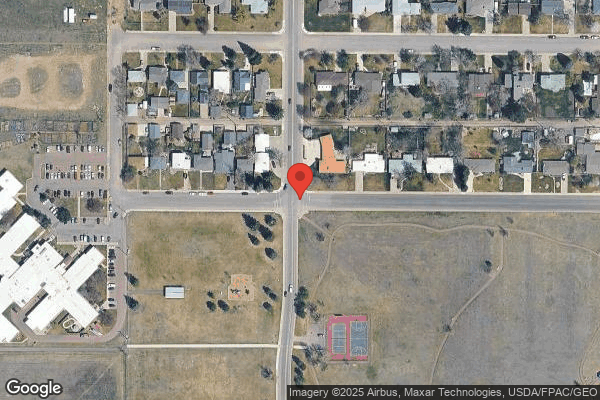

1500 32ND ST S, GREAT FALLS, MT 59405 (406) 761-4300
For profit - Limited Liability company 189 Beds SWEETWATER CARE Data: November 2025
Trust Grade
15/100
#33 of 59 in MT
Last Inspection: April 2025

Within standard 12-15 month inspection cycle. Federal law requires annual inspections.

Overview

Park Place Transitional Care and Rehabilitation has a Trust Grade of F, indicating significant concerns and a poor reputation among nursing homes. It ranks #33 out of 59 facilities in Montana, placing it in the bottom half, but is #2 out of 4 in Cascade County, meaning only one local option is better. The facility is showing an improving trend, with the number of issues decreasing from 11 in 2024 to 8 in 2025. Staffing is a relative strength, receiving a rating of 4 out of 5 stars with a turnover rate of 32%, which is well below the state average. However, the facility has incurred $208,117 in fines, which is higher than 78% of facilities in Montana, indicating ongoing compliance issues. While there are some strengths, there are also serious weaknesses. For example, residents have developed serious pressure ulcers due to inadequate monitoring and care. One resident who was admitted without any pressure ulcers developed a Stage IV ulcer, showing a failure to identify and address the issue promptly. Additionally, there was a failure to catch a significant weight loss in another resident, which could lead to serious health complications. Families should weigh these strengths and weaknesses carefully when considering this facility.

Trust Score
F
15/100
In Montana
#33/59
Bottom 45%
Safety Record
High Risk
Review needed
Inspections
Getting Better
11 → 8 violations
Staff Stability
○ Average
32% turnover. Near Montana's 48% average. Typical for the industry.
Penalties
✓ Good
$208,117 in fines. Lower than most Montana facilities. Relatively clean record.
Skilled Nurses
✓ Good
Each resident gets 47 minutes of Registered Nurse (RN) attention daily — more than average for Montana. RNs are trained to catch health problems early.
Violations
⚠ Watch
41 deficiencies on record. Higher than average. Multiple issues found across inspections.
★★★☆☆
3.0
Overall Rating
★★★★☆
4.0
Staff Levels
★★★★★
5.0
Care Quality
★★☆☆☆
2.0
Inspection Score
Stable
2024: 11 issues
2025: 8 issues

The Good

  • 4-Star Staffing Rating · Above-average nurse staffing levels
  • 5-Star Quality Measures · Strong clinical quality outcomes
  • Full Sprinkler Coverage · Fire safety systems throughout facility
  • No fines on record
  • Staff turnover below average (32%)

    16 points below Montana average of 48%

Facility shows strength in staffing levels, quality measures, fire safety.

The Bad

3-Star Overall Rating

Near Montana average (3.0)

Meets federal standards, typical of most facilities

Staff Turnover: 32%

13pts below Montana avg (46%)

Typical for the industry

Federal Fines: $208,117

Well above median ($33,413)

Significant penalties indicating serious issues

Chain: SWEETWATER CARE

Part of a multi-facility chain

Ask about local staffing decisions and management

The Ugly 41 deficiencies on record

6 actual harm
Apr 2025 8 deficiencies 1 Harm
SERIOUS (G)

Actual Harm - a resident was hurt due to facility failures

Pressure Ulcer Prevention (Tag F0686)

A resident was harmed · This affected 1 resident

Based on observation, interview, and record review, the facility failed to ensure a resident admitted without a pressure ulcer did not develop a pressure ulcer for 1 (#10) of 2 sampled residents with ...

Read full inspector narrative →
Based on observation, interview, and record review, the facility failed to ensure a resident admitted without a pressure ulcer did not develop a pressure ulcer for 1 (#10) of 2 sampled residents with pressure ulcers. Resident #10 was admitted with intact skin on the sacrum and developed a Stage III pressure ulcer which progressed to a Stage IV with healing not achievable. The resident did have refusals of care, and the facility implemented interventions for wound prevention, but failed to identify the wound timely and prevent further deterioration or infection, of the wound, and implement and monitor sufficient intervetnions for healing, or resolve the resident's concerns with refusals and pain management which hindered wount healing. Findings include: During an observation on 4/21/25 at 2:32 p.m., resident #10 was seated in her wheelchair. Review of resident #10's Care Plan, initiated 3/31/25, showed the resident was to be in her wheelchair for only one hour, three times daily, at meals. Review of resident #10's turn and turn and reposition task documentation, dated 3/26/25 through 4/24/25, had not shown documentation for repositioning every two hours. During an interview on 4/24/25 at 8:48 a.m., staff members H and P stated resident #10 was dependent on staff for all her care needs. Staff members H and P stated the resident's son came in daily to assist her with meals. Staff member H stated skin interventions for resident #10 were an air mattress, reposition every hour, use a wedge behind her when in bed, and a cushion in the resident's wheelchair. Staff member H stated the resident sometimes refused to be repositioned. Staff member H stated she made rounds frequently to ensure the resident was being repositioned. During an interview on 4/24/25 at 9:23 a.m., staff member EE stated resident #10 went to the wound clinic. Staff member EE stated resident #10 had refused turning and repositioning, occasionally. Staff member EE stated the resident was at higher risk for pressure ulcers because of the resident's medical co-morbities. Review of resident #10's Nursing-Clinical admission Evaluation, dated 7/8/24, showed a scar on the resident's coccyx, a pressure wound to the right ankle, and a pressure wound to the right gluteal fold. The resident did not have a pressure wound on her sacrum, per the clinical admission evaluation. Review of resident #10's Skin and Wound Evaluations, dated 8/29/24 through 4/21/25, showed the following: - On 8/29/24 a Stage III pressure wound to the resident's sacrum was identified. Measurements were 1.3 cm x 1.5 cm x 0.2 cm (length x width x depth) - From 9/10/24 through 12/10/24 the resident's pressure wound was documented as a Stage III, which began undermining on 11/11/24, and as of 11/18/24, the Stage III pressure wound was undermining and measuring 1.5 cm and tunneling, measuring 2.0 cm. - On 12/18/24, the pressure wound was classified as a Stage IV with undermining. Measurements were 2.8 cm x 1.8 cm x 2.3 cm, with 3.0 cm of undermining, showing interventions were not successful for helping prevent further deterioration of the wound, and on 12/23/24, the pressure wound was classified as a Stage IV measuring 3.0 cm x 2.4 cm x 2.0 cm with 2.8 cm of undermining. From this date to 2/24/25, the wound measurements varied, but staff were not consistent on the wound documentation related to the status, size, and tunneling. - On 4/21/25, the pressure wound measured 2.2 cm x 1.3 cm x 1.3 cm with 2.3 cm of undermining. - Review of resident #10's Skin and Wound Evaluations showed inconsistent measurements and failed to identify undermining and tunneling consistently. Review of resident #10's wound care orders and TARs showed the dressing changes were to be done either daily, or every other day, depending on the order at the time. It was found not all changes occurred as ordered by the physician. Review of resident #10's TAR showed dressing changes were not documented for 8/28/24, 8/29/24, 10/9/24, 10/19/24, 10/23/24, 10/25/24, 11/11/24, 1/7/25, 1/15/25, 1/26/25, 2/5/25, 3/14/25, 4/7/25, 4/15/25, and 4/19/25. From 8/20/24 through 11/11/24, dressing changes were to be done one time daily, but did not occur at least 6 times. The TAR reflected incomplete information related to the treatment of the wound. Review of resident #10's Skin and Wound Evaluation, dated 10/28/24 showed the provider identified an infection in the resident's wound. Review of resident #10's MAR, dated 10/2024 through 12/2024, showed the following orders for antibiotics: - 10/22/24, Bactrim DS 800-160 mg two times daily for 20 days for sacral wound with cellulitis - 10/25/24, metronidazole 500 mg three times daily for cellulitis/sacral ulcer for 14 days - 10/28/24, Ampicillin-sulbactam sodium intraveneously every six hours for cellulitis/sacral wound infection for seven days - 11/30/24, Bactrim-DS 800-160 mg two times daily for 10 days for sacral wound infection. Review of resident #10's Care Plan, with an initiation date of 10/25/24, showed the resident had a wound, but it was not identified where the wound was on the resident's body, nor was the severity of the wound. The Care Plan showed the following interventions for skin integrity and alteration in skin integrity: - Administer treatment as ordered. Initiated on 10/25/24. Revised on 10/28/24 - Air mattress. Initiated on 7/25/24. Revised on 1/20/25 - Turn and reposition every two hours. Initiated on 7/25/24. Revised on 1/20/25 - Assess, record, and monitor wound healing. Initiated on 10/25/24. Revised on 10/28/24 - Cushion in chair. Initiated on 11/14/24. Revised on 4/22/25 - Positioning wedge while in bed. Initiated on 3/25/25. - Assess the level of pain and administer pain medication prior to dressing changes, initiated on 10/25/24 and revised on 4/22/25 Review of resident #10's Progress Note, dated 3/25/25, showed the resident refused Ultramist treatments, due to pain during and after, the procedure. There were no documented pain management interventions prior to the wound treatment procedures. Review of resident #10's Physician Progress note, dated 1/27/25, showed the resident was to have hydrocodone, as needed for pain, especially with dressing changes. During an interview on 4/24/25 at 11:14 a.m., staff member Y stated resident #10 was to be repositioned every two hours. Staff member Y stated she checked on the resident at the start of every shift. Staff member Y stated the resident did not normally refuse to be turned. During an interview on 4/24/25 at 11:18 a.m., staff member Z stated she made sure the resident was turned and repositioned on time. Staff member Z stated the resident was usually turned every one to two hours. Staff member Z stated a wedge was used to keep the resident in position. Staff member Z stated the resident had an air mattress. Staff member Z stated if the resident refused it was documented and she would notify the nurse.
CONCERN (D)

Potential for Harm - no one hurt, but risky conditions existed

Resident Rights (Tag F0550)

Could have caused harm · This affected 1 resident

Based on observation, interview, and record review, the facility failed to assist a resident with obtaining clothing that fit, and change the clothing she had regularly, are attempt to obtain clothes ...

Read full inspector narrative →
Based on observation, interview, and record review, the facility failed to assist a resident with obtaining clothing that fit, and change the clothing she had regularly, are attempt to obtain clothes she could use that fit, so the resident did not need to re-wear the same shirts each day. This failure did not enhance enhance the resident's dignity as how she dressed was important to her, and she became teary discussing it, for 1 (#52) of 39 sampled residents. Findings include: During an interview and observation on 4/21/25 at 3:51 p.m., resident #52 was very tearful and stated she had few clothes of her own at the facility, and the clothes were either way too big, or way too small. Resident #52 said she had some very nice clothes at the assisted living, and she had asked staff to get clothing from the assisted living where she resided. Resident #52 was observed in a multicolored, short sleeve, floral shirt and gray sweat pants which were knotted at the waist. There were no clothes hanging in resident #52's closet. There were three items of clothing in the middle drawer of the bedside stand which she identified as her own. There was one item of clothing in the top drawer of the bedside stand which she stated was given to her by the facility and did not fit. During an interview on 4/22/25 at 3:39 p.m., staff member W stated there was a linen closet with spare clothing for residents if needed. Staff member W stated they used spare clothing for residents quite a bit because they came to the facility from the hospital. Staff member W said social services would contact the resident's family for more clothing when there was a need. During an interview on 4/22/25 at 3:47 p.m., staff member Q stated he had not requested additional clothing from resident #52's assisted living facility. During an observation on 4/22/25 at 4:04 p.m., resident #52 was observed in the same multicolored, short sleeve, floral shirt as the previous day. During an observation and interview on 4/23/25 at 8:11 a.m., resident #52 was observed in the same multicolored, short sleeve, floral shirt she wore on 4/21/25. Resident #52 stated, I don't know who brought my clothes to me, they don't fit me at all. Staff member W said, I thought someone brought you clothes, they must have brought the wrong clothes. During an interview on 4/23/25 at 10:14 a.m., staff member DD stated staff does assist with getting residents proper clothing and it is a task of the social service department. Review of resident #52's admission MDS, with an ARD of 4/17/25, showed it was very important for resident #52 to choose what clothes to wear. Her BIMS score showed she was a 13, cognitively intact. Review of resident #52's Inventory of Personal Effects, undated, showed, 1- blouses, multi-colored short sleeve, 1- Shorts, yellow & white, - Dentures: Upper, - 02 tank & holder, - 3 - Bracelets (2 beaded) (1 grn & clear stone). Review of the facility's policy and procedure titled, Promoting/Maintaining Resident Dignity, with a revision date of 1/7/25, showed: Policy: It is the practice of this facility to protect and promote resident rights and treat each resident with respect and dignity as well as care for each resident in a manner and in an environment, that maintains or enhances resident's quality of life by recognizing each resident's individuality. Compliance Guidelines: .9. Groom and dress residents according to resident preference.
CONCERN (D)

Potential for Harm - no one hurt, but risky conditions existed

Deficiency F0685 (Tag F0685)

Could have caused harm · This affected 1 resident

Based on observation, interview, and record review, the facility failed to ensure residents received proper treatment, services, and assistive devices to maintain optimal visual abilities for 1 (#42) ...

Read full inspector narrative →
Based on observation, interview, and record review, the facility failed to ensure residents received proper treatment, services, and assistive devices to maintain optimal visual abilities for 1 (#42) of 39 sampled residents. Findings include: During an observation and interview on 4/22/25 at 9:04 a.m., resident #42 was sitting in his room attempting to watch television. He was wearing glasses. The resident stated he could not see well even with the glasses he had on, and he was frustrated because he had been asking to see the eye doctor for over a month, and the facility told him he had to wait because they did not have a ride for him. During an observation and interview on 4/22/25 at 3:03 p.m., resident #42 was sitting in his room attempting to read his bible. The resident stated he was frustrated because he could not see well even with his glasses. The resident repeated he had been asking the facility to make an eye appointment for him, but he was frustrated because he had been asking for a while, and they still had not made him an appointment. Review of resident #42's Social Services Progress Note, created by staff member S, dated 2/6/25, showed, . Speech therapist approached me, and reported that resident is complaining about his vision, and requesting follow-up with ophthalmologist. Could you help arrange this appointment? Review of resident #42's Social Services Progress Note, dated 2/17/25, showed, . Vision and hearing adequate, wears glasses . There were no additional Social Services Notes which showed the physician requested eye exam was scheduled for resident #42. Review of resident #42's Health Status Note, dated 3/29/25, showed, . Note to social services for eye doctor appointment requested by resident. He states he doesn't have prescription glasses anymore and can't see well. This nurse did look and found only simple 'reader' glasses. Review of resident #42's Progress and Social Service notes did not show an eye appointment was scheduled for the resident from this request. Review of resident #42's Health Status Note, dated 4/3/25, showed, Resident magnifying glass has been dropped and taped several times. Contacted his sister and she is going to get him a new one as soon as she can. During an interview on 4/23/25 at 8:59 a.m., resident #42 expressed again how important it was for him to see the eye doctor because he could hardly see anything. He stated the current glasses he had were not helping. During an interview on 4/23/25 at 9:21 a.m., staff members H and P, both stated resident #42, did not have an eye appointment scheduled. Staff member H stated the eyeglasses the resident was currently wearing were magnified eyeglasses his sister brought in for him last weekend. She stated they realized that he only had readers available. Both staff members stated they were aware the resident was still having difficulty seeing even with the magnified eyeglasses provided by his sister. Staff members H and P stated staff member Q was responsible for scheduling the eye appointments for residents. During an interview on 4/23/25 at 9:24 a.m., staff member Q stated resident #42 did not have an eye exam scheduled. He stated he was aware the resident was having difficulty seeing and had spoken to staff member S about scheduling an eye exam for the resident but did not know if anything would help due to his glaucoma. A review of resident #42's Progress Notes, Physician Notes, and Provider Orders did not show any documentation to discontinue the request for obtaining an eye exam for resident #42. A referral for an eye exam was made by the provider on 2/6/25. As of 4/24/25, no eye exam had been scheduled for resident #42. During an interview on 4/24/25 at 9:36 a.m., staff member A stated it was the expectation to set up an eye appointment more often than yearly when a resident was actively having difficulty with their vision, or there was a change in the resident's visual health. A review of the facility's policy and procedure titled, Hearing and Vision Services, with a revision date of 1/14/25, reflected: . 1. The facility will utilize the comprehensive assessment process for identifying and assessing a resident's vision and hearing abilities in order to provide person-centered care. This process includes: c. Ongoing monitoring of sensory problems; . e. Evaluation. 2. Staff should refer any identified need for hearing or vision services/appliances to the social worker/social service designee. 3. The social worker/social service designee is responsible for assisting residents, and their families, in locating and utilizing any available resources (e.g. Medicare or Medicaid program payment, local health organizations offering items and services which are available free to the community), for the provision of the vision and hearing services the resident needs. 4. Once vision or hearing services have been identified, the social worker/social service designee will assist the resident by making appointments and arranging for transportation .
CONCERN (D)

Potential for Harm - no one hurt, but risky conditions existed

Incontinence Care (Tag F0690)

Could have caused harm · This affected 1 resident

**NOTE- TERMS IN BRACKETS HAVE BEEN EDITED TO PROTECT CONFIDENTIALITY** Based on observation, interview, and record review, the facility failed to address an indwelling catheter upon admission for dis...

Read full inspector narrative →
**NOTE- TERMS IN BRACKETS HAVE BEEN EDITED TO PROTECT CONFIDENTIALITY** Based on observation, interview, and record review, the facility failed to address an indwelling catheter upon admission for discontinuation, by failing to complete an ordered urinary and cognitive assessment and failed to provide the resident with the appropriate services to maintain or restore previous bladder function for self-catheterization to ensure the resident's optimal urinary outcome and independence for 1 (#22) of 39 residents. This deficient practice had the potential to cause an increase in urinary incontinence, urinary infection, and reduce the resident's independence. Findings include: During an observation and interview on 4/21/25 at 4:13 p.m., resident #22 was sitting in a wheelchair in his room. He had urinary catheter tubing coming out of the top of his pants and a catheter bag attached to the side of his wheelchair. Resident #22 stated he was paralyzed from the waist down. He said he was recently admitted to the facility and had the indwelling catheter when he was admitted to the facility. He stated the indwelling catheter was placed when he was in the hospital. He believed it was placed due to a urinary tract infection that he had while in the hospital. He stated prior to being admitted to the hospital, and then the facility, he used to perform self-catheterizations on himself, stating it made him feel more independent when he could self-catheterize. He stated having the current indwelling catheter could be uncomfortable. Resident #22 stated he had asked the staff if he could begin self-catheterizing himself again, and he was told they did not know how to bill for the self-catheterization supplies, and he would need to keep the indwelling catheter. The resident stated he did not receive an assessment by the facility to determine his ability to perform self-catheterization. He also stated he did not have any problems with skin breakdown. Review of resident #22's Discharge summary, dated [DATE], reflected: - Chief Complaint: . for unknown reasons and ran out of supplies to catheterize himself . He has a history of neurogenic bladder and he had been without supplies for three days, resulting in urinary leakage and subsequently excoriation on his genitals, perineal area, perianal area, inner thighs, and inner skin folds. The patient is wheelchair bound and is paraplegic without ability to use his legs . - Patient's Personal Goals: . [Resident #22] has a desire to be independent . Review of resident #22's admission Note, completed by staff member S, dated 3/31/25, showed: - Date of admission: [DATE]. - Date of Visit: 3/28/25. - History and Present Illness: .He has neurogenic bladder as well and currently has an indwelling foley, in the past he has been able to manage with intermittent self-cath, and he is interested to try this again . - Assessment and Plan: 2. Neurogenic bladder, with indwelling foley. Resident expressed interest to transition to intermittent straight cath. I would like to have speech perform a cognitive eval to assess his level of competence with the procedure but I do think that it may be feasible . [sic] Review of resident #22's Physician Orders, dated 3/30/25: showed, I was wondering if it would be possible to have OT/Speech evaluate for his ability to perform intermittent straight cath, instead of the indwelling catheter. He states he has managed this in the past, but unsure if there has been progressive physical or cognitive disability that would affect his ability to perform this safely . During an interview on 4/23/25 at 11:12 a.m., staff member L stated she was not aware of a referral for resident #22 to assess his cognition and his ability to perform self-catheterization. During an interview on 4/23/25 at 11:15 a.m., staff member M stated she was not aware of a referral for resident #22 to assess his cognition and his ability to perform self-catheterization. During an interview on 4/23/25 at 11:20 a.m., staff member N stated there were no current or older physician orders to assess resident #22 for cognition and self-catheterization. She stated resident #22 did not have a therapy case in their charting system. She stated the expectation would be to complete any ordered assessment no later than three days after receiving the order. During an interview on 4/23/25 at 11:26 a.m., staff member H stated resident #22 had a physician order from 3/30/25, to assess for cognition and self-catheterization. She stated there was no documentation which supported this evaluation had been completed. Staff member H stated resident #22 currently had an indwelling catheter and was not performing self-catheterization. She stated when the provider entered in an order for a therapy evaluation that order would be sent to the communication board for therapy to complete. During an interview on 4/23/25 at 11:30 a.m., staff member O stated he oversaw the critical supply log for ordering resident supplies. He said there was a discussion at one point to order self-catheterization supplies for resident #22. But they did not know how to order those supplies and had inquired with the regional resource manager but had not heard anything back on how to order the self-catheterization supplies for resident #22. During an interview on 4/23/25 at 11:49 a.m., staff member N confirmed there were no orders on the facility's communication board to assess resident #22 for cognition and ability to perform intermittent self-catheterizations. During an interview on 4/23/25 at 11:56 a.m., staff member B stated it was the expectation to attempt a bladder trial and discontinue an indwelling catheter for a resident that was admitted with an indwelling catheter. He stated the provider would order the bladder trial and typically the therapy department would complete an assessment to evaluate the resident's ability depending on their diagnosis and if it was plausible to discontinue the catheter. Staff member B stated if the resident could complete intermittent self-catheterization safely and effectively the resident should be provided with the appropriate services and treatments to self-catheterize. A review of the facility's policy and procedure titled, Incontinence, with a revision date of 1/14/25, reflected: - . 3. Residents that enter the facility with an indwelling catheter, or receives one while in the facility, will be assessed for removal of the catheter as soon as possible, unless the resident's clinical condition demonstrates that catheterization was necessary. 4. Residents that are incontinent of bladder or bowel will receive appropriate treatment to prevent infections and to restore continence to the extent possible . A review of the facility's policy and procedure titled, Indwelling Catheter Use and Removal, with a revision date of 1/21/25, reflected: - Compliance Guidelines: 2. Residents that admit with an indwelling catheter or subsequently receives one will be assessed for removal of the catheter as soon as possible unless the resident's clinical condition demonstrates that the catheter is necessary. 3. The facility will conduct ongoing assessments for residents at risk for urinary catheterization or on residents with indwelling catheters to determine if the catheter needs to be continued or removed if the catheter is no longer necessary. 4. If an indwelling catheter is in use, the facility will provide appropriate care for the catheter in accordance with current professional standards of practice and resident care policies and procedures that include but are not limited to: . b. Timely and appropriate assessments related to the indication for use of an indwelling catheter; c. Identification and documentation of clinical indications for the use of the catheter; as well as criteria for discontinuation of the catheter when the indication for use is no longer present .
CONCERN (D)

Potential for Harm - no one hurt, but risky conditions existed

Deficiency F0740 (Tag F0740)

Could have caused harm · This affected 1 resident

**NOTE- TERMS IN BRACKETS HAVE BEEN EDITED TO PROTECT CONFIDENTIALITY** Based on observation, interview, and record review, the facility failed to provide behavioral health services for 1 (#391) of 1 ...

Read full inspector narrative →
**NOTE- TERMS IN BRACKETS HAVE BEEN EDITED TO PROTECT CONFIDENTIALITY** Based on observation, interview, and record review, the facility failed to provide behavioral health services for 1 (#391) of 1 resident sampled for behavioral health, who showed signs of depression after a life-changing event. This deficient practice had the potential to lead to an increased deterioration in resident #391's health, mood, and behavior and failed to identify any interventions for staff to use related to improving the resident's mood or depressive symptoms. Findings include: During an observation and interview on 4/22/25 at 8:39 a.m., resident #391 was lying in his bed watching television. Resident #391 stated, I have been here since February. I am a school teacher and recently suffered a stroke. It left me unable to use my right side, and now I need dialysis as well . It really bothers me that I can't do things for myself. I was living on my own and doing everything for myself before the stroke. I don't know if I'll ever get back to doing things on my own. Resident #391 was tearful and stated, No, the facility has not spoken with me about seeing someone for mental health. I should probably start seeing a counselor or someone . I think it could help me mentally. During an interview on 4/23/25 at 4:17 p.m., staff member T stated, [Resident #391] does seem to be depressed. He has been through a lot for his age. I do think he would benefit from mental health counseling. He doesn't participate in many activities, but he does occasionally come out of his room. I think he is just tired most days . I wouldn't want to live like that, if it were me. During an observation and interview on 4/23/25 at 4:25 p.m., resident #391 was wheeling back to his room. He had a flat affect and stated he was tired and just wanted to go to bed. During an interview on 4/24/25 at 8:32 a.m. , staff member Q stated they had completed the PHQ-9 for resident #391 upon admission in February 2025. Staff member Q stated, I did speak with him about mental health therapy after he was admitted , but I do not have documentation of that conversation . Review of resident #391's PHQ-9, dated 2/27/25, showed: .B. Score and Category Interpretation: iii. In addition, PHQ-9 Total Severity Score can be used to track changes in severity over time. Total Severity Score can be interpreted as follows: 1-4: minimal depression 5-9: mild depression 10-14: moderate depression . Resident #391's PHQ-9 assessment score, dated 2/27/25, was 12, moderate depression. There were no other PHQ-9 assessments completed prior to the start of the survey period. Review of resident #391's admission MDS, dated [DATE], showed: . Section D - Mood: D0160. Total Severity Score: 12, moderate depression . D0700. Social Isolation: 2 = sometimes. Review of resident #391's care plan, with a revision date of 3/3/25, showed: .Focus: I have a mood problem r/t PHQ2-9 assessment, self reporting feeling down, depressed or hopeless resulting in risk for difficulty sleeping, lacking energy, feeling bad about myself, difficulty concentrating and feeling lonely or isolated. Goal: I will have improved mood state (happier, calmer appearance, no s/sx of depression, anxiety or sadness) through the review date. Interventions/Tasks: Assist me in developing/Provide me with a program of activities that is meaningful and of interest. Encourage and provide opportunities for exercise, physical activity. Educate me/family/caregivers regarding expectations of treatment, concerns with side effects and potential adverse effects, evaluation, maintenance. Monitor/record/report to MD prn acute episode feelings or sadness; loss of pleasure and interest in activities; feelings of worthlessness or guilt; change in appetite/eating habits; change in sleep patterns; diminished ability to concentrate; change in psychomotor skills. Monitor/record/report to MD prn mood patterns s/sx of depression, anxiety, sad mood as per facility behaviour monitoring protocols. [sic] Review of resident #391's social service progress note, dated 2/27/25, showed: -Late Entry: Note Text: admission Assessment: . Previously lived alone in [Town] plans to discharge with sister or ALF. Alert, oriented, able to make needs known, use call light appropriately. BIMS 14/15 cognitively intact. PHQ2-9 12/27 self reported moderated indication of depression. Some cognitive deficits related to stroke. No concerns with psychosocial well-being or behaviors. No psychosocial/mental health dx. [sic] Review of a facility document titled Behavioral Health Service, dated 1/14/25, showed: -It is the policy of this facility to ensure all residents receive necessary behavioral health services to assist them in reaching and maintaining their highest level of mental and psychosocial functioning and well-being. -Policy Explanation and Compliance Guidelines: -1. Behavioral health encompasses a resident's whole emotional and mental well-being, which includes, but is not limited to, the prevention and treatment of mental and substance use disorders, psychosocial adjustment difficulty, and trauma or post-traumatic stress disorders. -3. The facility will ensure that necessary behavioral health care services are person-centered and reflect the resident's goals for care, while maximizing the resident's dignity, autonomy, privacy, socialization, independence, choice, and safety . -7. The facility utilizes the comprehensive assessment process for identifying and assessing a resident's mental and psychosocial status and providing person-centered care. The assessment and care plan will include goals that are person-centered and individualized to reflect and maximize the resident's dignity, autonomy, privacy, socialization, independence, choice, and safety. Staff will: .f. Assess and develop a person-centered care plan for concerns identified in the resident's assessment.
CONCERN (E)

Potential for Harm - no one hurt, but risky conditions existed

Safe Environment (Tag F0584)

Could have caused harm · This affected multiple residents

Based on observation and interviews, the facility failed to provide a home like setting and correct and control odors emanating on the 400B hallway, for 2 (#s 114 and 130) of 39 sampled residents. Thi...

Read full inspector narrative →
Based on observation and interviews, the facility failed to provide a home like setting and correct and control odors emanating on the 400B hallway, for 2 (#s 114 and 130) of 39 sampled residents. This deficient practice affected those residents who resided on the 400B hallway and their visitors, due to the unpleasant odors. Findings include: During an observation on 4/21/25 at 3:24 p.m., there was a strong smell of urine observed in the 400B hallway. During an observation on 4/22/25 at 9:43 a.m., an overwhelming, undesirable smell of urine was present throughout the 400B hallway. During an interview on 4/23/25 at 4:20 p.m., NF4 stated resident #114 had always kept a clean and tidy home before her dementia diagnosis. NF4 stated the strong smell of hallway 400B would not have been tolerated by resident #114, but due to the diagnosis of dementia, she was not the same person. During an interview on 4/23/25 at 4:24 p.m., NF3 stated he had a concern when his mother, resident #114, was moved to the 400B hallway due to the overwhelming strength of the smell. NF3 stated a room replacement was discussed with social services, but this room was the only option. NF3 commented, You can smell it when you come down the hall. NF3 stated the facility sprayed odor ban in the room before she moved in, and they over did it and caused a negative effect of coughing for resident #114. NF3 stated he brought in a bottle of air freshener, but I can't help the whole building. NF3 further stated he brought in a fan and planned to bring an air purifier to help with the smell. During an interview on 4/23/25 at 4:40 p.m., resident #130 stated, sure stinks in here. During an observation on 4/24/25 at 8:58 a.m., the malodorous smell was again observed throughout 400B hallway.
CONCERN (E)

Potential for Harm - no one hurt, but risky conditions existed

Infection Control (Tag F0880)

Could have caused harm · This affected multiple residents

**NOTE- TERMS IN BRACKETS HAVE BEEN EDITED TO PROTECT CONFIDENTIALITY** Based on observation, interview, and record review, the facility failed to ensure safe and effective blood-draw practices were u...

Read full inspector narrative →
**NOTE- TERMS IN BRACKETS HAVE BEEN EDITED TO PROTECT CONFIDENTIALITY** Based on observation, interview, and record review, the facility failed to ensure safe and effective blood-draw practices were utilized by contracted staff to reduce the potential for cross-contamination and contamination from blood-borne pathogens when attempting to draw a resident's blood in the dining room, for 1 (#39); failed to implement the appropriate use of TBP for droplet precautions for 1 (#7); and contact precautions for 1 (#52) of 39 sampled residents; and failed to ensure proper hand hygiene was followed related to glove use in the kitchen. These deficient practices had the potential to increase the risk of infection related to blood-borne pathogens, and the risk of spread of infection for all residents. Findings include: 1. During an observation on 4/22/25 at 8:26 a.m., resident #39 was sitting at a table in the main dining room eating his breakfast. There was another resident sitting at the table with resident #39. NF1 and NF2 were attempting to obtain a blood sample from resident #39's right arm. During an interview on 4/22/25 at 8:30 a.m., NF1 and NF2 stated they did not work for the facility. They stated they were there to draw resident #39's blood per a physician's order for blood work. NF1 stated a staff member told them they could draw the resident's blood in the dining room if the resident did not mind. They stated they had asked resident #39 if he minded if they drew his blood in the dining room, and he had told them he did not mind. NF1 and NF2 stated the concern with drawing a resident in the dining room would be related to blood-borne pathogen exposure and infection to the resident and other residents exposed. They stated they received training on blood-borne pathogen exposures from their facility but had not received any additional training at this facility. During an interview on 4/22/25 at 8:46 a.m., staff member J stated when staff from other facilities were at this facility to draw blood they were expected to follow this facility's guidelines for safe infection control practices. They were expected to check in with the staff prior to obtaining the blood sample for the resident and they were not to draw a resident's blood in a common living area such as the dining room. Staff member J stated drawing blood in the dining room had the potential for cross-contamination of blood-borne pathogens. Staff member J stated they had not provided any additional training for the contracted staff to ensure they were aware of the facility's expectations and process for drawing labs and preventing the spread of blood-borne pathogens. During an interview on 4/22/25 at 11:55 a.m., staff member B stated drawing labs on a resident in the dining room was an infection control concern and had the potential to spread blood-borne pathogens. Staff member B stated the contracted staff were expected to follow the facility's infection control guidelines and were not to draw a resident's blood in the dining room. He stated it was an issue that needed to be addressed on our side. During an interview on 4/22/25 at 3:42 p.m., staff member R stated the two lab technicians had inquired with her about finding resident #39 for his blood draw. She stated he was in the dining room and told them to ask him for permission before drawing his blood. She stated she did not realize they were going to draw his blood in the dining room. She stated she did not stay to assist them or the resident. A review of the facility's policy and procedure titled, Specimen Collection, with a revision date of 1/21/25, reflected: - . 2. The staff will be educated on the proper collection techniques, handling, and storage of specimens, ensuring proper infection control practices are used . 2. During an observation on 4/22/25 at 8:13 a.m., resident #7's door was closed. A yellow circle was on the doorjamb. No other signage was on the door. Inside the room were protective goggles place on the back of a chair, protective goggles, and used PPE were in the trash. A hanging storage container with PPE was hanging on the bathroom door. Resident #7 was lying in his bed sleeping. During an observation and interview on 4/22/25 at 10:16 a.m., staff member CC stated, [Resident #7] is on droplet precautions for pneumonia and on EBP because he has a catheter. We use the yellow dot system for EBP. When we go into his room, we wear goggles, gowns, and gloves. All the PPE for us (staff) to use is in his room hanging on the bathroom door. We enter the room, don the PPE, and then doff the PPE before we exit the room. During an interview on 4/24/25 at 10:30 a.m., staff member J stated, There should be signage on the outside of the door if they are on droplet precautions. The PPE should also be on the outside of the room so staff can don PPE prior to entering the room. I track the infection to determine when to release them (resident) from isolation. For droplet precautions, it would be seven days from the time of symptom onset. Review of resident #7's MAR, with a revision date of 4/21/25, showed an active order for droplet precautions due to parainfluenza. Review of resident #7's Discharge summary, dated [DATE], showed: . -Discharge Diagnosis: Parainfluenza virus pneumonia . Review of resident #7's infection progress note, dated 4/23/25, showed: Note Text: Resident shows no signs or symptoms of parainfluenza. No fever over last 48 hours. (see chart) droplet precautions ended today, Resident remains on EBP for wounds/cath. Will be moved back to his own room today as isolation for virus is complete. [sic] Review of the facility's document titled, Transmission-Based (Isolation) Precautions, dated 1/14/25, showed: - Policy: It is our policy to take appropriate precautions to prevent transmission of pathogens, based on the pathogens' modes of transmission. For training and quick referencing purposes, a summary of precautions is contained at the end of this policy . Policy Explanation and Compliance Guidelines: 1. Facility staff will apply transmission-based precautions, in addition to standard precautions, to residents who are known or suspected to be infected or colonized with certain infectious agents requiring additional controls to prevent transmission. - 9. Initiation of Transmission-Based Precautions (Isolation Precautions) . e. Signage that includes instructions for use of specific PPE will be placed in a conspicuous location outside the resident's room, wing, or facility-wide. Additionally, either the CDC category of transmission-based precautions (e.g., contact, droplet, or airborne) or instructions to see the nurse before entering will be included in the signage. f. The facility will have PPE readily available near the entrance of the resident's room and will don appropriate PPE before or upon entry into the environment of a resident on transmission-based precautions. [sic] 3. During an observation on 4/21/25 at 3:51 p.m., resident #52 had a PPE caddy hanging on the bathroom door, inside the room. During an observation on 4/22/25 at 8:51 a.m., the PPE caddy was hanging on the outside of resident #52's room door. During an observation on 4/23/25 at 8:11 a.m., staff member W was in resident #52's room assisting the resident, but was not wearing PPE. During an observation and interview on 4/23/25 at 4:08 p.m., a contact precautions sign was observed on the outside of resident #52's door. Staff member X stated resident #52 was on contact precautions due to an MSSA, staph infection. Staff member X said the PPE should be donned before entering the room. During an interview on 4/24/25 at 11:21 a.m., staff member J stated resident #52 was on contact precautions due to the MSSA diagnosis. Staff member J said the contact precautions were removed today (4/24/25) from resident #52's room because she was at the end of her treatment date, and she was now on enhanced barrier precautions. Review of resident #52's medical diagnosis showed METHICILLIN SUSCEPTIBLE STAPHYLOCOCCUS AUREUS INFECTION, UNSPECIFIED SITE. It was categorized as an acute infection on admission. Review of a facility's document titled, Case detail - Quick view, showed, Resident - [#52], . admission Date: 4/10/25, Status: Confirmed (P), Infection Details - Onset Date 4/10/25, .Infection Site - Breast - Left, Organism - Methicillin-susceptible Staphylococcus aureus, .Isolation and Precaution Details - Isolation Requirement Yes, Isolation Precaution Contact, Isolation Start Date 4/10/25 . Review of the facility's policy and procedure titled, Transmission-Based (Isolation) Precautions, with a revision date of 1/14/25, showed, .Policy Explanation and Compliance Guidelines: 1. Facility staff will apply Transmission-Based Precautions, in addition to standard precautions, to residents who are known or suspected to be infected or colonized with certain infectious agents requiring additional controls to prevent transmission. .Type and Duration of Transmission-Based Precautions Recommended for Selected Infections and Conditions, Infection/Condition - Staphylococcal disease, Precaution - Contact . 10. Contact Precautions- .d. Donning personal protective equipment (PPE) upon room entry and discarding before exiting the room is done to contain pathogens . 4. During an observation on 4/23/25 at 12:15 p.m., staff member BB was observed using a broom to sweep the floor with gloved hands. Staff member BB was then observed picking up a head of lettuce and did not change her gloves in between sweeping with the soiled broom and touching the head of lettuce. During an interview on 4/23/25 at 12:17 p.m., staff member U stated gloves should be changed between each task (soiled to clean) in the kitchen. During an observation on 4/23/25 at 12:20 p.m., staff member AA was observed wearing gloves assembling food trays. Staff member AA used his gloved hands to pick up meat from the steam table and placed the meat on a resident's tray. Staff member AA was then observed touching a soiled piece of cardboard which covered the garbage can, to throw an item away with gloved hands. He did not change the gloves and returned to handling food from the steam table. Staff member AA, wearing the same gloves, reached into a bag of hot dog buns, grabbed a bun, then he opened a plastic container containing yellow cheese, picked up the yellow cheese with his gloved hands, and returned to the steam table. Staff member AA did not change his gloves or wash hands for the duration of the observation. Review of the facility's policy and procedure titled, Food Safety Requirements, with a revision date of 1/14/25, showed, .Policy Explanation and Compliance Guidelines: 1. Food safety practices shall be followed throughout the facility's entire food handling process. This process begins when food is received from the vendor and ends with delivery of the food to the resident. Elements of the process include the following: .f. Employee hygienic practices. 7. Staff shall adhere to safe hygienic practices to prevent contamination of food from hand or physical objects . .f. Staff should maintain nails that are clean and neat, and wearing intact disposable gloves in good condition that are changed appropriately to reduce the spread of infection. .h. Gloves will be worn when directly touching ready-to-eat food and when serving residents who are on transmission-based precautions. [sic]
CONCERN (F)

Potential for Harm - no one hurt, but risky conditions existed

Food Safety (Tag F0812)

Could have caused harm · This affected most or all residents

Based on observation, interview, and record review, the facility failed to properly store, label, date, and discard food items by the use by date, in the backroom cooler in the kitchen; and failed to ...

Read full inspector narrative →
Based on observation, interview, and record review, the facility failed to properly store, label, date, and discard food items by the use by date, in the backroom cooler in the kitchen; and failed to monitor refrigerator and freezer temperatures, in the refrigerator next to the juice dispenser, in the kitchen. These failures may affect any resident using or receiving items from the refrigerator or freezer. Findings include: 1. During an observation on 4/21/25 at 12:50 p.m., the following items were observed in the back room cooler in the kitchen: - tortillas opened and wrapped in cellophane with a use by date of 10/18/24, - a food item which resembled a potato, wrapped in aluminum foil, not labeled or dated, - a stainless-steel pan labeled beef was not dated, - mushrooms in a plastic bag were not labeled or dated, - hotdog's, in a stainless-steel pan, were opened and not covered, labeled, or dated, - a food item which resembled cooked, ground beef, stored in a stainless-steel pan, was not labeled or dated, - an item labeled deli ham stored in a stainless-steel pan was not dated, - sausages stored in a stainless-steel pan were labeled 4/7, and - a food item labeled chicken was dated 4/9 and 4/13. During an interview on 4/21/25 at 12:53 p.m., staff member V stated the use by date was seven days after the food item was opened. Review of the facility's policy and procedure titled, Food Safety Requirements, with a revision date of 1/14/25, showed: .Policy Explanation and Compliance Guidelines: . 3. Facility staff shall .ensure timely and proper storage. c. Refrigerated storage . Practices to maintain safe refrigerated storage include: . iv. Labeling, dating and monitoring refrigerated food, including, but not limited to leftovers, so it is used by its use by date, or frozen (where applicable)/discarded . 2. During the initial observation in the kitchen on 4/21/25 at 12:58 p.m., the refrigerator, located to the left of the juice machine, did not have a temperature log monitoring temperatures in the refrigerator and the freezer. During an interview on 4/23/25 at 12:15 p.m., staff member U said the refrigerator temperatures should be monitored for all refrigerator units. Review of the facility's policy and procedure titled, Food Safety Requirements, with a revision date of 1/14/25, showed: .Policy Explanation and Compliance Guidelines: . 3. Facility staff shall .ensure timely and proper storage.c Refrigerated storage . Practices to maintain safe refrigerated storage include: i. Monitoring food temperatures and functioning of the refrigeration equipment daily and at routine intervals during all hours of operation .
Nov 2024 2 deficiencies
CONCERN (D) 📢 Someone Reported This

A family member, employee, or ombudsman was alarmed enough to file a formal complaint

Potential for Harm - no one hurt, but risky conditions existed

Deficiency F0657 (Tag F0657)

Could have caused harm · This affected 1 resident

Based on interview and record review, the facility failed to identify a resident's elopement risk and update the care plan with interventions to prevent elopement for 1 (#16) of 4 residents sampled fo...

Read full inspector narrative →
Based on interview and record review, the facility failed to identify a resident's elopement risk and update the care plan with interventions to prevent elopement for 1 (#16) of 4 residents sampled for elopement. Findings include: Review of resident #16's nurse progress notes, dated 10/9/24, showed .she found the resident wandering out of the facility . Review of resident #16's BIMs (Brief Interview for Mental Status) assessment, dated 10/17/24, showed resident #16 scored a 3 which showed the resident had severe cognitive impairment. During an interview on 11/5/24 at 4:33 p.m., staff member A said resident #16 would routinely sit near the doors. Staff member A said she did not identify when resident #16 was wandering outside the facility on 10/9/24 as an elopement. During an interview on 11/6/24 at 7:45 a.m., staff member B said resident #16 would go outside only with her family, but not by herself. During an interview on 11/6/24 at 8:00 a.m., staff member D said she was not aware resident #16 ever sat near the front doors or sat outside by herself. During an interview on 11/6/24 at 8:23 a.m., staff member C said she always worked the 400 hallway and knew resident #16's habits. Staff member C said the resident either stayed in her room, visited with a friend across the hall, or sat in the common TV area, but did not leave the unit. Staff member C said she was not aware resident #16 ever sat near the front doors or sat outside. Staff member C said she was told resident #16 was outside on 10/9/24 wandering and looking for her husband. Staff member C said a wanderguard (alert bracelet ) was placed on resident #16 when she returned after the elopement. Resident #16's care plan was not updated timely after the elopement, and occurred on 10/22/24, which was when interventions were added to prevent further elopements.
CONCERN (D) 📢 Someone Reported This

A family member, employee, or ombudsman was alarmed enough to file a formal complaint

Potential for Harm - no one hurt, but risky conditions existed

Accident Prevention (Tag F0689)

Could have caused harm · This affected 1 resident

Based on interview and record review, the facility failed to identify a resident's elopement risk, implement effective interventions to prevent elopement, and failed to follow facility policy, for 2 (...

Read full inspector narrative →
Based on interview and record review, the facility failed to identify a resident's elopement risk, implement effective interventions to prevent elopement, and failed to follow facility policy, for 2 (#16 and #23) of 4 residents sampled for elopements. Findings include: 1. Review of resident #23's nurses notes dated 4/26/23, showed the resident eloped from the nursing home and was found one mile away from the facility. The facility revised the care plan and showed the staff would have their eyes on him every hour. Review of resident #24's elopement assessment, dated 10/16/24, showed the resident had an elopement risk score of 11, which showed he was at high risk for elopement. Review of resident #23's E-interact form, dated 10/20/24, showed resident #23 was able to ambulate without assistance. The e-interact form showed resident #23 eloped from the facility at 6:31 a.m. that day. Review of the facility incident report, for #23's elopement, dated 10/20/24, showed the resident was last seen at 3:00 a.m., and the resident was not in his room at 4:15 a.m. The facility event form dated 10/20/24, showed resident #23's sister, the hospitals, the police, and management staff were notified of the elopement at 5:00 a.m. Review of resident #23's nursing notes, dated 10/20/24, showed the police department notified the facility the resident was found at 2:45 p.m. on 10/20/24. During an interview on 11/5/24 at 4:33 p.m., staff member A said resident #23 was gone from the building for well over seven hours. The resident was found by the police department in an alley on the other side of tenth avenue, which was a minimum of five blocks away. Staff member A was not able to give an exact location where resident #23 was found, as the facility had not obtained the police report. Review of resident #23's treatment record for October 2024, showed the facility failed to monitor the resident's placement every hour as directed by the active care plan. The facility also did not monitor placement of the wander guard bracelet or function of the bracelet, until after the resident eloped on 10/20/24. 2. Review of resident #16's nursing progress notes, dated 10/9/24, showed, . She found the resident wandering out of the facility . and the nursing notes did not show the legal representative, and the attending physician, had been notified. The nursing note did not show the resident had been re-assessed upon coming back to the facility. Review of the facility elopement policy from MED PASS Incorporated, with a revision date of 12, 2007, showed the staff were to examine the resident upon return to the facility. The policy also showed the legal representative, and the physician, would be notified upon the return of the resident. Review of resident #16's BIMs assessment, dated 10/17/24 showed resident #16 scored a 3 which reflected the resident had severe cognitive impairment. During an interview on 11/5/24 at 4:33 p.m., staff member A said resident #16 would routinely sit near the doors. Staff member A said she did not identify when the severely cognitively impaired resident got outside and was wandering as an elopement. During an interview on 11/6/24 at 7:45 a.m., staff member B said resident #16 would only go outside with her family and not by herself. During an interview on 11/6/24 at 8:00 a.m., staff member D said she was not aware resident #16 ever sat near the front doors or outside. During an interview on 11/6/24 at 8:23 a.m., staff member C said she always works the 400 hallway and knew resident #16's habits. Staff member C said the resident either stayed in her room, visited a friend across the hall or sat in the common TV area but did not leave the unit. Staff member C said she was not aware resident #16 ever sat near the front doors. Staff member C said she was informed resident #16 was outside on 10/9/24 wandering and looking for her husband. Staff member C said a wander guard was placed on resident #16 when she returned after the elopement. Review of resident #16's nursing elopement evaluation dated 10/22/24 showed resident #16 did not have a history of eloping from the nursing home. Resident #16's care plan was not updated until 10/22/24 when interventions were added to prevent further elopement. Review of a policy written by MED PASS Incorporated titled Elopements with a revision date of 12/2007, showed: . 3. When a departing individual returns to the facility, the Director of Nursing Services or Charge Nurse shall: a. Examine the resident for injuries; b. Notify the Attending Physician; c. Notify the resident's legal representative (sponsor) of the incident .
Apr 2024 4 deficiencies 1 Harm
SERIOUS (G)

Actual Harm - a resident was hurt due to facility failures

Deficiency F0692 (Tag F0692)

A resident was harmed · This affected 1 resident

**NOTE- TERMS IN BRACKETS HAVE BEEN EDITED TO PROTECT CONFIDENTIALITY** Based on observation, interview, and record review, the facility failed to identify a discrepancy in weight recordings which wou...

Read full inspector narrative →
**NOTE- TERMS IN BRACKETS HAVE BEEN EDITED TO PROTECT CONFIDENTIALITY** Based on observation, interview, and record review, the facility failed to identify a discrepancy in weight recordings which would have identified a severe 16% weight loss in two weeks, for 1 (#40) of 1 dialysis resident sampled for weight loss. Findings include: Review of resident #40's Dialysis Communication Records, dated 3/18/24 - 4/3/24, showed an average of 2.06 lbs. of fluid removal at each dialysis treatment. The resident never had body or fluid weight gain between dialysis treatments, instead each pre-dialysis treatment record showed a consistently downward trending weight loss of one to four pounds. This loss of body weight represented a severe 16.27% weight loss in two weeks: - 3/18/24 pre-dialysis weight 205.48 lbs. Post dialysis weight was 200.6 lbs. The treatment resulted in 4.88 lbs. of fluid removal. - 3/20/24 pre-dialysis weight was 200.6 lbs. The resident had not gained any weight between treatments. Post dialysis weight was 199.54 lbs. The treatment resulted in 1.06 lbs. of fluid removal. - 3/22/24 pre-dialysis weight was 196.9 lbs. The resident had lost 2.64 lbs. between treatments. Post dialysis weight was 196.9 lbs. The treatment did not perform any fluid removal. - 3/25/24 pre-dialysis weight was 195.14 lbs. The resident had lost 1.76 lbs. between treatments. Post dialysis weight was 192.94 lbs. The treatment resulted in 2.2 lbs. of fluid removal. - 3/27/24 pre-dialysis weight was 191.62 lbs. The resident had lost 1.28 lbs. between treatments. Post dialysis weight was 189.64 lbs. The treatment resulted in 1.98 lbs. of fluid removal. - 3/29/24 pre-dialysis weight was 185.02 lbs. The resident had lost 4.62 lbs. between treatments. Post dialysis weight was 182.6 lbs. The treatment resulted in 2.42 lbs. of fluid removal. - 4/1/24 pre-dialysis weight was 179.08 lbs. The resident had lost 3.52 lbs. between treatments. Post dialysis weight was 177.32 lbs. The treatment resulted in 1.76 lbs. of fluid removal. - 4/3/24 pre-dialysis weight was 172.04 lbs. The resident had lost 5.28 lbs. between treatments. Post dialysis weight was 169.84 lbs. The treatment resulted in 2.2 lbs. of fluid removal. Review of resident #40's weekly weight summary in PCC showed: - 3/15/24 - 201.74 lbs. via wheelchair scale, - 3/22/24 - 196.9 lbs. via wheelchair scale, - 3/31/24 - 193.8 lbs. via mechanical lift scale. The facility's weight of 193.8 lbs., on 3/31/24, was 8.78 lbs. over the dialysis weight of 185.02 lbs. and two days prior on 3/29/24, and 14.72 lbs. heavier than the dialysis weight of 179.08 lbs. one day later on 4/1/24. The facility weight was the weight used at the IDT weight meeting, dated 4/5/24, that did not identify the resident as having a weight loss. During an interview on 4/25/24 at 8:46 a.m., staff member M stated resident weights were monitored by the electronic health record dashboard or if nursing brought up concerns to her. The dashboard showed weights entered as seen on the vitals page in PCC. Staff member M stated when she saw resident #40 on 4/7/24, she had observed muscle and fat loss and initiated a weight loss warning. The weight loss was later deemed unavoidable as the resident had been hospitalized [DATE] and transitioned to comfort care for other comorbidities. During an observation and interview on 4/25/24 at 9:09 a.m., staff member I stated to weigh a resident with the mechanical lift scale you would first zero it out, and then lift the resident to be weighed. Staff member I performed the zero task (adjusting scale to a weight of zero) and then raised a resident out of bed. The scale showed the resident as weighing 11.5 lbs. staff member I stated that was not correct, and she didn't know why the scale wasn't working. During an interview on 4/25/24 at 9:45 a.m., staff member A stated maintenance had a schedule where the scales would be calibrated.
CONCERN (D)

Potential for Harm - no one hurt, but risky conditions existed

Quality of Care (Tag F0684)

Could have caused harm · This affected 1 resident

**NOTE- TERMS IN BRACKETS HAVE BEEN EDITED TO PROTECT CONFIDENTIALITY** Based on interview and record review, the facility failed to continuously assess and document on a penile ulcer that was progres...

Read full inspector narrative →
**NOTE- TERMS IN BRACKETS HAVE BEEN EDITED TO PROTECT CONFIDENTIALITY** Based on interview and record review, the facility failed to continuously assess and document on a penile ulcer that was progressively worsening for 1 (#40) of 1 resident sampled for wound concerns. Findings include: Review of resident #40's nursing admission assessment, dated 3/5/24, showed skin concerns to the groin, Moisture/excoriation to head of penis with some dark discoloration at frenulum. Review of resident #40's hospital Discharge summary, dated [DATE], showed progression to a penile ulcer and recommendations for wound care. Review of resident #40's hospital Discharge summary, dated [DATE], showed, .this lesion appears to be 'dry gangrene' although there is malodor. This is likely complicated by the fact the patient is incontinent of urine .aggressive treatment is recommended in the event of gangrene progression, to include a total or partial penectomy . The ulcer was determined to be caused by calcifying uremic arteriolopathy (calciphylaxis) a disease of high mortality associated with end stage renal disease. Review of resident #40's skin assessments, dated March 2024 - April 9, 2024, requested on 4/24/24 at 8:40 a.m., showed no nursing evaluations of the penile excoriation/ulcer outside of the initial 3/5/24 admission assessment. Review of the facility policy, Perineal Care, dated 2/4/24, showed, .19. Always note any skin changes such as rash, red or pink areas or any discolorations to skin. Report to nurse when applicable. Review of resident #40's nursing progress notes, from 3/5/24 to 4/9/24, failed to show any documentation on the resident's penile ulcer or its worsening status. Review of resident #40's care plan, with an initiation date of 4/4/24, showed the following focus areas: - I have actual impairment to skin integrity of the glans/penis r/t ischemic injury r/t self pleasure. During an interview on 4/24/24 at 12:00 p.m., staff member G stated resident #40 had been admitted with several wounds. Staff member G stated all the wound care they had been applying to the penile wound was being wiped off by the resident. During an interview on 4/25/24 at 8:23 a.m., staff member B stated resident #40 would not stop touching himself and that had made the wound care difficult.
CONCERN (D)

Potential for Harm - no one hurt, but risky conditions existed

Deficiency F0760 (Tag F0760)

Could have caused harm · This affected 1 resident

**NOTE- TERMS IN BRACKETS HAVE BEEN EDITED TO PROTECT CONFIDENTIALITY** Based on interview and record review, the facility failed to ensure a resident was free from a medication error ommission, for 1...

Read full inspector narrative →
**NOTE- TERMS IN BRACKETS HAVE BEEN EDITED TO PROTECT CONFIDENTIALITY** Based on interview and record review, the facility failed to ensure a resident was free from a medication error ommission, for 1 (#244) of 4 sampled residents. This deficient practice caused a resident to miss 15 days of two medications, which had been prescribed to improve urine flow, and assist in the resident's catheter removal. Findings include: Review of resident #244's physician progress note, dated 4/9/24, showed the resident had a urinary catheter placed due to urinary retention, while in the hospital. Per the physician note, the plan was for the resident to continue taking Flomax and start Finasteride before his follow up with urology scheduled in May 2024. Review of resident #244's MAR, dated April 2024, showed the resident was not taking Finasteride. The resident's Flomax had been discontinued on April 10, 2024. During an interview on 4/24/24 at 10:00 a.m., resident #244 stated he was scheduled to have his catheter removed in May, and he was anxious to get it done. During an interview on 4/24/24 at 10:56 a.m., staff member F stated resident #244 was supposed to be on those medications (Flomax and Finasteride) specifically for his upcoming void trial with urology. Staff member F stated the physician orders must have gotten messed up, and they would be restarted. Reference: According to an article in the National Library of Medicine titled, Tamsulosin in the management of patients in acute urinary retention from benign prostatic hyperplasia, Men catheterized for AUR (acute urinary retention) can void more successfully after catheter removal if treated with tamsulosin, and are less likely to need re-catheterization. [NAME], Department of Urology, Mount [NAME] Hospital, Modern best practice in the management of benign prostatic hyperplasia in the elderly, Published online 2020 May 27, https://www.ncbi.nlm.nih.gov/pmc/articles/PMC7273551/.
CONCERN (D)

Potential for Harm - no one hurt, but risky conditions existed

Infection Control (Tag F0880)

Could have caused harm · This affected 1 resident

Based on observation, interview, and record review, the facility staff failed to use standard precautions while doing laundry, resulting in the potential for cross contamination, which could negativel...

Read full inspector narrative →
Based on observation, interview, and record review, the facility staff failed to use standard precautions while doing laundry, resulting in the potential for cross contamination, which could negatively affect anyone coming into contact with the staff who provided laundry service. Findings include: During an observation on 4/24/24 at 2:20 p.m., it was noted there were no protective gowns or gloves available to be worn by staff while handling soiled laundry, in the dirty linen area, of the laundry room. During an interview on 4/24/24 at 2:23 p.m., staff member K stated, We just throw it (soiled laundry) in (to the washing machine). We don't have any covers (personal protective equipment). As the surveyor and staff member exited the laundry room, staff member J asked if she should educate the laundry staff on wearing clothing covers and gloves while handling soiled linens. Review of the facility policy titled, Handling Soiled Linen, last reviewed on 1/8/24, showed, .2. All used linen should be handled using standard precautions (i.e., gloves) and treated as potentially contaminated. Other protective equipment may be required . 3. Linen should not be allowed to touch the uniform or floor . References: Review of an article on the Center for Disease Control website titled, Appendix D - Linen and laundry management, Best Practices for Environmental Cleaning in Global Healthcare Facilities with Limited Resources, last Reviewed: May 4, 2023 showed: Best practices for personal protective equipment (PPE) for laundry staff: - Practice hand hygiene before application and after removal of PPE. - Wear tear-resistant reusable rubber gloves when handling and laundering soiled linens. - If there is risk of splashing, for example, if laundry is washed by hand, laundry staff should always wear gowns or aprons and face protection (e.g., face shield, goggles) when laundering soiled linens. Source: Centers for Disease Control and Prevention, National Center for Emerging and Zoonotic Infectious Diseases (NCEZID), Division of Healthcare Quality Promotion (DHQP), https://www.cdc.gov/ncezid/dhqp/index.html.
Mar 2024 5 deficiencies
CONCERN (D) 📢 Someone Reported This

A family member, employee, or ombudsman was alarmed enough to file a formal complaint

Potential for Harm - no one hurt, but risky conditions existed

Deficiency F0557 (Tag F0557)

Could have caused harm · This affected 1 resident

Based on observation, interview, and record review, the facility failed to provide dignity and respect to 1 (#1) of 4 sampled residents. This deficient practice caused the resident to feel embarrassed...

Read full inspector narrative →
Based on observation, interview, and record review, the facility failed to provide dignity and respect to 1 (#1) of 4 sampled residents. This deficient practice caused the resident to feel embarrassed and humiliated. During an interview on 3/27/24 at 8:42 a.m., NF1 stated she had cared for resident #1 during a follow up appointment at a local physician's office on 2/29/24. NF1 stated resident #1 came to her appointment soiled with urine and dried stool. NF1 stated she had to help resident take her pants off, so the provider could look at the surgical incision on her left knee. NR1 stated resident #1's incontinent brief was saturated and had leaked on to her clothing and wheelchair. NF1 stated she had left the room to retrieve supplies so she could clean her up. NF1 stated when she returned to the room and took off the soiled incontinent brief, she had found dried stool on her buttocks. NF1 stated resident #1 had told her she had not been toileted or changed all day. NF1 stated after she had cleaned up resident #1, she placed a pair of dry shorts that she found at the physician's office on resident #1. NF1 stated that resident #1 and NF3 apologized to her and verbalized how embarrassed they were. NF1 stated she had placed the soiled pants in a bag and sent them back to the facility with resident #1 and NF3. During an observation, and interview, on 3/27/24 at 10:10 a.m., resident #1 was sitting in a wheelchair with a knee brace in place. Resident #1's room had a very strong urine smell. Resident #1 stated she had occasional bowel and bladder incontinence and required assistance from staff with toileting occasionally. Resident #1 stated she had been living independently prior to her admission. Resident #1 stated she was now able to take herself to the bathroom, which had cut down on me having an accident, Resident #1 stated when she first was admitted to the facility, she could not put any weight on her left leg because she had broken her knee. Resident #1 stated, I was so embarrassed when I went to my appointment. I was soaking wet. Nobody helped me before I left. It was humiliating. During an interview on 3/27/24 at 10:15 a.m., NF3 stated resident number had problems with bowel and bladder incontinence, and it had gotten worse after she had knee surgery. NF3 stated when resident #1 was admitted to the facility she had been non-weight bearing on her left leg and required the use of an immobilizer. NF3 stated resident #1 needed assistance with dressing, toileting, and bathing. NF3 stated resident #1 is starting to do more tasks independently. NF3 stated resident #1 can now put weight on the left leg as long as she had the knee brace in place. This has helped with the incontinence since she is able to take herself to the bathroom. NF3 recalled the follow up appointment for resident #1's knee. NF3 stated, Normally when resident #1 has an appointment I go to the facility and help her get ready. That day I had just met her at the doctor's office. When the staff member removed the blanket that was across resident #1's lap, her pants were soaking wet with urine. Resident #1 told me that she had not be toileted or changed all day. Both resident #1 and I were humiliated and embarrassed. I was mortified for the both of us. How was her right to be treated with dignity protected. That was not dignity. I did file a grievance with the facility's social worker. During an interview on 3/27/24 at 12:33 p.m., staff member H stated she had received a grievance from NF3 about the incident that occurred at resident #1's follow up appointment. Staff member H stated after she received the grievance, she had interviewed facility staff. Staff member H stated the staff that she had interviewed denied that resident #1 was soiled prior to her appointment. Staff member H stated she had followed up with NF3 and NF3 was fine with the outcome. A review of a facility document titled, Grievance Form, dated 3/1/24, showed NF3 filed a grievance with social services. On the grievance form under, Review Finding: Resident #1 is continent of bowel and bladder and can verbalize when the bathroom is needed. Staff claim resident #1 was not sent out messy .This seems to be a case of an accident. A Review of resident #1's electronic medical record, dated 2/27/24 to 3/27/24, showed: Resident #1 had been incontinent 37 times. A review of a facility document titled, Incontinence, dated 10/23/23 showed: Policy: Based on the resident's comprehensive assessment, all residents that are incontinent will receive appropriate treatment and services. . 4. Residents that are incontinent of bladder or bowel will receive appropriate treatment to prevent infections and to restore continence to the extent possible. A review of a facility policy titled, Resident Rights, with a handwritten date of 11/18/23, showed: . Resident rights. The resident has the right to a dignified existence . 4. Respect and Dignity. The resident has a right to be treated with respect and dignity .
CONCERN (D) 📢 Someone Reported This

A family member, employee, or ombudsman was alarmed enough to file a formal complaint

Potential for Harm - no one hurt, but risky conditions existed

Investigate Abuse (Tag F0610)

Could have caused harm · This affected 1 resident

Based on observation, interview, and record review, the facility failed to complete a thorough investigation to include root cause analysis for a fall with injury for 1(#9) of 3 sampled residents. Thi...

Read full inspector narrative →
Based on observation, interview, and record review, the facility failed to complete a thorough investigation to include root cause analysis for a fall with injury for 1(#9) of 3 sampled residents. This deficient practice had the potential to affect all residents that are at risk for falls. Findings include: During an observation and interview on 3/28/24 at 8:30 a.m., resident #9 was lying in bed watching TV. Resident #9 stated he remembered the fall but could not remember why he fell. Resident #9 stated he was sent to the hospital after the fall but is doing fine now. During an interview on 3/28/24 at 8:35 a.m., staff member K stated resident #9 had a fall earlier this month that resulted in a fractured hip. Staff member K stated resident was sent to the emergency room for an increased complaint of pain to his left hip. During an interview on 3/38/24 at 3:00 p.m., staff members A and B did not know what caused the fall and could not verbalize any root cause analysis. During an observation on 3/28/24 at 4:00 p.m., resident was lying in bed with his eyes closed. Resident #9 asked to be left alone because he wanted to rest. During an interview on 4:04 p.m., Staff member K stated when resident #9 fell he was close to the bathroom. Staff member J stated, Resident #9 has moments of clarity and thinks he can still walk and do basic tasks even though he has left sided weakness from a stroke. I am pretty sure that resident #9 fell because he was trying to walk to the bathroom. Review of a Facility Reported Incident, submitted to the State Survey Agency on 3/10/24, showed: Resident had an unwitnessed fall in his room .He was later sent to the ER due to increased pain in left hip .investigation started. Findings were submitted to the State Survey Agency on 3/14/24, showed: The resident was sent out via Great Falls EMS .x-ray done of left hip and showed a fracture. The resident has a trochanteric fixation nailing of his left hip Investigation closed. No root cause analysis was conducted to help determine the cause of the fall or what interventions the facility would implement to try and keep resident #9 safe and free from falls. A review of a facility policy titled, Incidents and Accidents, with an implementation date of 11/28/23, showed: .Policy explanation: . -Assuring that appropriate and immediate interventions are implemented, and corrective actions are taken to prevent recurrences and improve the management of resident care. -Conducting root cause analysis to ascertain causative/contributing factors as part of the Quality Assurance Performance Improvement (QAPI) to avoid further occurrences. -Meeting regulatory requirements for analysis and reporting of incidents and accidents.
CONCERN (D) 📢 Someone Reported This

A family member, employee, or ombudsman was alarmed enough to file a formal complaint

Potential for Harm - no one hurt, but risky conditions existed

Assessment Accuracy (Tag F0641)

Could have caused harm · This affected 1 resident

Based on observation, interview, and record review, the facility failed to complete an accurate MDS assessment in the area of bowel and bladder in accordance with the RAI requirements for 1 (#1) of 4 ...

Read full inspector narrative →
Based on observation, interview, and record review, the facility failed to complete an accurate MDS assessment in the area of bowel and bladder in accordance with the RAI requirements for 1 (#1) of 4 sampled residents. Findings include: During an observation, and interview on 3/27/24 at 10:10 a.m., resident #1 was sitting in a wheelchair with a knee brace in place. Resident #1's room had a very strong urine smell. Resident #1 stated she had problems at times with bowel and bladder incontinence. Resident #1 stated now that she can put weight on her left leg, she could take herself to the bathroom when she needed to. During an interview on 3/27/24 at 10:15 a.m., NF3 come to visit resident #1. NF3 stated resident number had problems with bowel and bladder incontinence, and it had gotten worse after she had knee surgery. During an interview on 3/27/24 at 2:04 p.m., staff member I stated resident #1 was continent of bowel and bladder. During an interview on 3/27/24 at 2: 16 p.m., staff member J stated she did not normally work on the unit and was not familiar with resident #1. Staff member J stated she was told that resident #1 was continent of bowl and bladder. Review of resident #1's MDS, with an ARD of 2/22/24, showed: In section H, bladder and bowel, resident #1 was always continent of bladder and bowel and was not on a toileting schedule or program. During an interview on 3/28/24 at 11:03 a.m., staff member D stated she was the case manager and was currently doing all the facility's MDS assessments. Staff member D stated when a resident is admitted the nurse on shift will typically start the admission assessments. Staff member D stated she used a work sheet that she fills out when it is time to do the MDS. Staff member D stated there was not a specific MDS policy, they used the timeframes and guidelines set for the in the RAI manual. Staff member D stated she did not do resident #1's MDS. Staff member D stated she had been out of town and at that time they had another MDS nurse to help her. Staff member D stated when doing the MDS, CNA documentation, and nursing documentation are looked at and then documented on the MDS. Review of resident #1's electronic medical record, dated 2/27/24 to 3/27/24, showed: Resident #1 had been incontinent 37 times. A review of a facility document titled, Incontinence, dated 10/23/23 showed: Policy: Based on the resident's comprehensive assessment, all residents that are incontinent will receive appropriate treatment and services. . 4. Residents that are incontinent of bladder or bowel will receive appropriate treatment to prevent infections and to restore continence to the extent possible. A review of the RAI Manual 3.0 version, Section H showed: Steps for Assessment 1. Examine the resident to note the presence of any urinary or bowel appliances. 2. Review the medical record, including bladder and bowel records .
CONCERN (D) 📢 Someone Reported This

A family member, employee, or ombudsman was alarmed enough to file a formal complaint

Potential for Harm - no one hurt, but risky conditions existed

Deficiency F0655 (Tag F0655)

Could have caused harm · This affected 1 resident

Based on observation, interview, and record review, the facility failed to implement a baseline care plan, outlining pertinent information needed to care for a new resident within 48 hours of admissio...

Read full inspector narrative →
Based on observation, interview, and record review, the facility failed to implement a baseline care plan, outlining pertinent information needed to care for a new resident within 48 hours of admission for 1(#1) of 4 sampled residents. This deficient practice had the ability of affect all new admissions receiving care in the facility. Findings include: During an observation, and interview on 3/27/24 at 10:10 a.m., resident #1 was sitting in a wheelchair with a knee brace in place. Resident #1's room had a very strong urine smell. Resident #1 stated she had occasional bowel and bladder incontinence. During an interview on 3/27/24 at 10:15 a.m., NF3 stated resident number had problems with bowel and bladder incontinence, and it had gotten worse after she had knee surgery. NF3 stated when resident #1 was admitted to the facility she had been non-weight bearing on her left leg and required the use of an immobilizer. NF3 stated resident #1 needed assistance with dressing, toileting, and bathing. During an interview on 3/27/24 at 2:04 p.m., staff member I stated resident #1 had been admitted due to a fracture. Staff member I stated she had been non-weight bearing when she first arrive but is now weight bearing as tolerated. Staff member I stated resident #1 was continent of bowel and bladder but needed assistance with some of her activities of daily living. During an interview on 3/27/24 at 2:16 p.m., staff member J stated she did not usually work on this unit. She stated that she does not know much about any of the residents, and what she did know what told to her in report. Staff member J stated that she was told resident #1 needed assistance with dressing and personal hygiene but was continent of bowel and bladder. Staff member J could not verbalize where she could look to find information on residents. Staff member J was not sure how to access a resident's care plan. Staff member J stated if she had questions, she would ask the nurse. Review of resident #1's electronic baseline care plan, dated 2/20/24, showed the assessment was created on 2/20/24 and was not completed and locked until 3/5/24, 14 days after admission. The baseline care plan did not address resident #1's transfer status, weight bearing status, or information relating to activities of daily living. Review of a facility policy titled, Baseline Care Plan, with a handwritten date of 10/27/23, showed: . Policy Explanation and Compliance Guidelines: 1. The baseline care plan will: a. Be developed with in 48 hours of a resident's admission. b. Include the minimum healthcare information necessary to properly care for a resident .
CONCERN (D) 📢 Someone Reported This

A family member, employee, or ombudsman was alarmed enough to file a formal complaint

Potential for Harm - no one hurt, but risky conditions existed

Comprehensive Care Plan (Tag F0656)

Could have caused harm · This affected 1 resident

Based on observation, interview, and record review, the facility failed to complete a comprehensive, person-centered care plan for 1 (#1) of 4 sampled residents. This deficient practice did not addres...

Read full inspector narrative →
Based on observation, interview, and record review, the facility failed to complete a comprehensive, person-centered care plan for 1 (#1) of 4 sampled residents. This deficient practice did not address the proper care needs for the resident. Findings include: During an observation, and interview on 3/27/24 at 10:10 a.m., resident #1 was sitting in a wheelchair with a knee brace in place. Resident #1's room had a very strong urine smell. Resident #1 stated she had occasional bowel and bladder incontinence and occasionally required assistance from staff with toileting, dressing, and bathing. Resident #1 stated she could brush her own hair and teeth. Resident #1 stated she had been living independently prior to her admission. Resident #1 stated she was now able to take herself to the bathroom, which has cut down on me having an accident, Resident #1 stated when she first was admitted to the facility, she could not put any weight on her left leg because she had broken her knee. During an interview on 3/27/24 at 10:15 a.m., NF3 stated resident #1 had problems with bowel and bladder incontinence, and it had gotten worse after she had knee surgery. NF3 stated when resident #1 was admitted to the facility she had been non-weight bearing on her left leg and required the use of an immobilizer. NF3 stated resident #1 needed assistance with dressing, toileting, and bathing. NF3 stated resident #1 is starting to do more tasks independently. NF3 stated resident #1 could now put weight on the left leg as long as she had the knee brace in place. This had helped with the incontinence since she was able to take herself to the bathroom. During an interview on 3/27/24 at 2:04 p.m., staff member I stated resident #1 had been admitted due to a fracture. Staff member I stated she had been non-weight bearing when she first arrive but is now weight bearing as tolerated. Staff member I stated resident #1 was continent of bowel and bladder but needed assistance with some of her activities of daily living. Staff member I stated that resident #1 is expected to be in the facility short term and her plan is to discharge to an assisted living facility. Staff member I stated she did not have a role in the care planning process. During an interview on 3/27/24 at 2:16 p.m., staff member J stated she did not usually work on this unit. She stated that she does not know much about any of the residents, and what she did know what told to her in report. Staff member J stated that she was told resident #1 needed assistance with dressing and personal hygiene but was continent of bowel and bladder. Staff member J could not verbalize where she could look to find information on residents. Staff member J was not sure how to access a resident's care plan. Staff member J stated if she had questions, she would ask the nurse. Review of resident #1's electronic comprehensive care plan, dated February 2024, showed: No focus, goals, or interventions related to activities of daily living, bowel and bladder status, transfer status, weight bearing status, or services provided by physical therapy. A review of a facility document titled, Comprehensive Care Plans, with a handwritten date of 11/23/23, showed: . 3. The comprehensive care plan will describe at minimum, the following: a. The services that are to be furnished to attain or maintain the resident's highest practicable physical, mental, and psychosocial well-being. f. Resident specific interventions that reflect the resident's needs and preferences . 6. The comprehensive care plan will include measurable objectives and timeframes to meet the resident's needs .The objectives will be utilized to monitor the resident's progress. Alternative interventions will be documented, as needed.
Dec 2023 3 deficiencies 1 Harm
SERIOUS (G) 📢 Someone Reported This

A family member, employee, or ombudsman was alarmed enough to file a formal complaint

Actual Harm - a resident was hurt due to facility failures

Free from Abuse/Neglect (Tag F0600)

A resident was harmed · This affected 1 resident

**NOTE- TERMS IN BRACKETS HAVE BEEN EDITED TO PROTECT CONFIDENTIALITY** Based on interview and record review, facility staff neglected to assess and monitor a new admission, and ensure antibiotic medi...

Read full inspector narrative →
**NOTE- TERMS IN BRACKETS HAVE BEEN EDITED TO PROTECT CONFIDENTIALITY** Based on interview and record review, facility staff neglected to assess and monitor a new admission, and ensure antibiotic medications were provided properly and documented, for 1 (#2) of 4 sampled residents, whose condition deteriorated over a weekend. The facility terminated two staff involved, but did not report the event as resident neglect. The resident was later transferred to the hospital and passed away. Findings include: During an interview on 12/4/23 at 12:00 p.m., staff member D stated new admissions had a skilled daily charting note completed each day by the nurse. Staff member D also stated residents would have daily vital signs taken. During an interview on 12/4/23 at 2:45 p.m., staff member B stated it was the expectation that all new admissions for skilled nursing had a daily skilled note completed and vital signs taken. Staff member B stated the facility had terminated a nurse, and an on-call manager, in October, after it was noted that a resident went the weekend without his medical assessments, or admission orders completed. Review of resident #2's EMR, accessed 12/4/23, showed the resident was admitted to the facility on [DATE] with a respiratory infection, and transferred back to the hospital on [DATE] for worsening respiratory status. During the four-day period the resident was at the facility there was: - Only one daily skilled note done by a nurse. - One day where no vital signs were documented on a resident admitted with respiratory concerns. - Two days without any nursing progress notes on the resident's condition, respiratory status, or general wellbeing. - One nursing progress note detailing a missed hand off of responsibilities that led to the resident's physician/care orders not being checked for completeness and accuracy. Review of resident #2's hospital Discharge summary, dated [DATE], showed the resident was discharged to the facility with, Albuterol nebulization around-the-clock and orders to monitor his respiratory status. He was also discharged with orders for two antibiotics and a corticosteroid [Prednisone]. Review of resident #2's MAR showed he resident recieved his Albuterol inhalations every four hours for shortness of breath over the weekend [10/21/23 & 10/22/23]. There were no notes about his respiratory effort, oxygen saturation, or response to treatment in the medical record. Review of resident #2's MAR showed he recieved one of the ordered antibiotics over the weekend [10/21/23 & 10/22/23].The second antibiotic and corticosteroid were not started until Monday, 10/23/23 after the transcription error was caught. Review of resident #2's nursing progress notes, dated 10/23/23, showed the resident was having shortness of breath, severe congestion on lung auscultation, and needed an increase in his oxygen from four liters to five to increase his respiratory saturation above 75%. He was sent to the hospital where he passed away the next day, 10/24/23. During an interview on 12/4/23 at 3:07 p.m., staff member A stated the staff members who had been terminated had simply not done their jobs and that everyone was aware of the process for new admissions. Staff member A stated they had not investigated the incident as neglect of care.
CONCERN (D) 📢 Someone Reported This

A family member, employee, or ombudsman was alarmed enough to file a formal complaint

Potential for Harm - no one hurt, but risky conditions existed

Report Alleged Abuse (Tag F0609)

Could have caused harm · This affected 1 resident

Based on interview and record review, the facility failed to report an incident of neglect of care for 1 (#2) of 1 sampled resident. This neglect increased the risk for the resident to deteriorate wit...

Read full inspector narrative →
Based on interview and record review, the facility failed to report an incident of neglect of care for 1 (#2) of 1 sampled resident. This neglect increased the risk for the resident to deteriorate without intervention. Findings include: During an interview on 12/4/23 at 2:45 p.m., staff member B stated the facility had terminated a nurse and an on-call manager after it was noted that a resident went a weekend without his nursing assessments or physician admission orders completed. Staff member B stated the facility did not investigate the incident as neglect, but did put a PIP into place regarding their admission process. During an interview on 12/4/23 at 3:07 p.m., staff member A stated the staff members who had been terminated had simply not done their jobs, and everyone was aware of the process for new admissions. Staff member A stated they had not investigated the incident as neglect. Review of the facility policy, Abuse, Neglect, and Exploitation, with a revision date of 4/10/23, showed: Neglect means failure of the facility, its employees . to provide goods ands services to a resident that are necessary to avoid physical harm .
CONCERN (D) 📢 Someone Reported This

A family member, employee, or ombudsman was alarmed enough to file a formal complaint

Potential for Harm - no one hurt, but risky conditions existed

Deficiency F0635 (Tag F0635)

Could have caused harm · This affected 1 resident

Based on interview and record review, the facility failed to have a system in place to ensure new admissions had complete and accurate transcription of physician admission orders for 1 (#2) of 1 sampl...

Read full inspector narrative →
Based on interview and record review, the facility failed to have a system in place to ensure new admissions had complete and accurate transcription of physician admission orders for 1 (#2) of 1 sampled resident. This deficient practice resulted in missed medications for a resident with a respiratory infection. Findings include: During an interview on 12/4/23 at 1:30 p.m., staff member C stated orders for new admissions were put in by the group of management nurses to support the nurses who were working the floor and responsible for patient care. Staff member C stated there were no admissions done on the weekends and admissions during the day had to be done before 4:00 p.m. to ensure all orders were done. Staff member C stated if the orders did not get finished the responsibility would go to the admitting nurse on the floor, and whoever was the on-call management nurse for the evening. Review of resident #2's nursing progress notes, dated 10/23/23, showed, Resident missed doses . over the weekend post admission to facility due to orders not being entered promptly . this writer helped enter orders . up until 1715 on Friday, then gave back to admitting nurse for completion . admitting nurse called to inform . inability to complete admission process on Friday due to personal reason. On-call nurse was not requested to come back . to finish admission process . order entry was not completed until this writer returned today 10/23 . Review of resident #2's admission orders from the hospital, dated 10/20/2023, showed a list of medications the resident was to continue taking including: - Azithromycin 500mg daily for infection, - Pain medication, - And the residents normal home medications for blood pressure etc . Attached to the medication list was a prescription pad note with the following medications listed: - Gabapentin 200mg (duplicate was also listed on medication list), - Augmentin (dose illegible), - Azithromycin 500mg (duplicate was also listed on medication list), and - Prednisone 20mg. During an interview on 12/4/23 at 2:25 p.m., staff member E stated the antibiotic orders for resident #2 were not in the packet because the discharging hospitalist had forgotten to include them. They had instead attached them last minute on a prescription notepad which did not appear in the normal admission order section. Review of resident #2's faxed admission orders, dated 10/20/23, showed on the prescription notepad, the words RX invalid appeared as a watermark multiple times across the page. During an interview on 12/4/23, at 2:45 p.m., staff member B stated the, RX Invalid across the prescription pad caused the Augmentin and Prednisone to not be recognized as valid medication orders. This resulted in the orders not being transcribed by the nurse, and the resident not receiving them over the weekend. Staff member B stated the facility immediately did a PIP on the incident to determine the root cause on the admisison orders failure. The facility now has implemented checks to ensure the orders and admission assessments do not go through just one person, but are checked for accuracy by several. During an interview on 12/4/23 at 3:07 p.m., staff member A stated they had hired an admissions nurse who's sole responsibility will be admissions and orders.
Oct 2023 1 deficiency 1 Harm
SERIOUS (G) 📢 Someone Reported This

A family member, employee, or ombudsman was alarmed enough to file a formal complaint

Actual Harm - a resident was hurt due to facility failures

Quality of Care (Tag F0684)

A resident was harmed · This affected 1 resident

**NOTE- TERMS IN BRACKETS HAVE BEEN EDITED TO PROTECT CONFIDENTIALITY** Based on interview and record review, the facility failed to identify signs and symptoms of infection which led to septic shock ...

Read full inspector narrative →
**NOTE- TERMS IN BRACKETS HAVE BEEN EDITED TO PROTECT CONFIDENTIALITY** Based on interview and record review, the facility failed to identify signs and symptoms of infection which led to septic shock and admission to the hospital, with subsequent surgery and the placement of a Vacuum Assisted Wound Closure system for 1 (#1) of 3 sampled residents. Findings include: During an interview on 10/23/23 at 6:23 p.m., NF1 stated resident #1 had MRSA in his leg wound. NF1 stated the resident was in septic shock when he arrived at the hospital and he was very confused, had not known who the family member was or who he was. NF1 stated the facility staff told the family to wait until the next day because he would just have to sit in the ER. NF1 stated the family wanted the resident sent out right away. NF1 stated the resident was to return to the surgeon on 9/12/23 and the surgeon would remove the staples from the resident's right stump, but the facility had the nursing staff remove the staples off of the resident's incision on the stump. During an interview on 10/23/23 at 7:05 p.m., NF2 stated because of the additional removal of the leg on 10/19/23, resident #1 was no longer a candidate for prostheses and would never walk again. NF2 stated the family wanted to know why wound care care was not being done. NF2 stated when resident #1 entered the facility he was independent in some activities of daily living, and needed some assistance with other activities of daily living. NF2 stated the facility took the staples from the surgical incision out in the resident's room. NF2 stated the facility wanted to wait until the next day because the in-house provider had ordered urine collection for the evaluation of a UTI. NF2 stated the resident had been confused for approximately two to three days. NF2 stated the family wanted the resident sent to the hospital and requested the facility call for an ambulance, however the facility discouraged the request and wanted to wait until morning for labs. NF2 stated NF3 called the facility and requested an ambulance be called, but the facility provider stated there was no infection. NF2 stated the facility called for a non-emergent ambulance after talking to NF3. NF2 stated the resident was in septic shock when he got to the hospital and had very low blood pressures. During an interview on 10/24/23 at 8:15 a.m., staff member C stated the facility handled the situation appropriately and was in contact with staff member D. Staff member C stated the leaking of the wound had started on night shift. Staff member C stated the day had been a very hectic one. Staff member C stated there was one staple left in the resident's incision because it was too deep to remove. Staff member C stated the facility consulted with staff member D to remove the staples. Staff member C stated it was not common for facility staff to remove staples, but nursing staff were capable of doing the task. Staff member C stated they thought the family was picking at the remaining staple, but had no way to prove it was occurring. During an interview on 10/24/23 at 12:28 p.m., NF3 stated the surgeon was supposed to take the staples out of resident #1's right leg, but one of the nurses at the facility took the staples out and left one staple in. NF3 stated staff member D sent a picture and it appeared red and swollen. NF3 stated the resident had a staple left in and a scab had formed over the staple. NF3 stated a picture of the resident's leg was sent by NF2, and showed a big puddle of blood and pus on the floor. NF3 stated resident #1 was no longer a candidate for prostheses due to the loss of four inches more off of the resident's right leg. NF3 stated staff member C apologized for the lack of care. NF3 stated resident #1 had approximately four more inches removed from his right leg on 10/19/23. During an interview on 10/24/23 at 2:28 p.m., NF4 stated resident #1 was very sick when he was readmitted to the hospital on [DATE]. NF4 stated the resident had a AKA, and then went to rehab. NF4 stated he saw resident #1 in the office on 9/26/23, and all but one of the staples had been removed, which he thought was strange. NF4 stated the staples are usually left in longer to hold the incision together. NF4 stated the resident had a few scabs and the staple that was left in. NF4 stated since then the resident was in the hospital again and needed additional amputation of the leg. NF4 stated it was very unusual for someone to take another doctor's staples out. NF4 stated If they had called me, I would have said no. NF4 stated he was easily reachable. During an interview on 1/25/23 at 9:55 a.m., staff member D stated resident #1 had an AKA. Staff member D stated the resident had cellulitis when he was admitted to the facility on [DATE], and was taking an antibiotic. Staff member D stated the resident began to look sick and was more confused. Staff member D stated the incision and surrounding skin looked more red and puffy, but was not leaking at the time of assessment on 10/16/23. Staff member D stated someone must have picked the scab off and then it started leaking. Staff member D stated there was one staple left in, and stated it happens. Staff member D stated there was no urgency to take the staples out. Staff member D stated the resident was treated for the cellulitis successfully, and the infection must have been deeper than just the cellulitis. During an interview on 10/25/23 at 11:45 a.m., staff members A and B stated resident #1 had a change in mentation, and was more confused on 10/16/23. Staff members A and B stated the resident picked at the scabs on his leg. Staff member A and B stated staff member D looked at resident #1 on 10/16/23 due to change in condition of the resident's right leg. Staff members A and B stated the wound appeared pink and was light warm to the touch. Staff members A and B stated the wound was not oozing when it was observed on 10/16/23. Staff members A and B stated the nurse had seen the resident picking at the incision and it started oozing. Staff members A and B stated the resident had a history of infection. Review of resident #1's physician order, dated 9/12/23, showed the resident had a scheduled follow up with NF4 for right AKA staple removal on 9/26/23. The facility removed the staples without consulting the surgeon on 9/22/23, 4 days before the resident was to have a follow up appointment to remove the staples. Review of resident #1's physician progress note, dated 10/16/23, showed the following: - Resident had an acute altered mental status for two to three days. - More recently, some concerns have arisen about patient being more confused, and some swelling on the right AKA stump. - There was one retained staple that needed removed . - There is a bit of edema (swelling) involving the distal stump, and erythema (reddening of the skin) along the incision line, but no induration, and minimally tender on palpation . - Increasing edema raises concern for infection versus subcutaneous fluid collection. Review of resident #1's Weekly Skin Check, dated 9/16/23, showed right above the knee amputation, staples intact, slightly red around the incision, no drainage noted-MD notified and assessed. Review of resident #1's Weekly Skin Alteration (non-pressure) Evaluation, dated 9/26/23, showed the R AKA stump site. Staples removed 9/22/23. Review of resident #1's Care Plan, dated 9/24/23, showed the resident was to have staples removed per MD (medical doctor) appointment on 9/26/23. The facility failed to follow physician's orders for removal of the staples. Review of resident #1's Weekly Skin Alteration (non-pressure) Evaluation, dated 10/10/23, showed reddened areas across the wound site where edges are healed. The facility failed to identify reddened areas as a sign of infection. Review of resident #1's Nursing Progress Note, dated 10/16/23, showed an order was received to send the resident out to the ER via non-emergent ambulance due to worsening of wound. Review of resident #1's Progress Note, dated 10/16/23, showed Nursing observations, evaluation, and recommendations are: After review and consult with provider, Resident was determined to be stable during the day shift with no s/sx (signs and symptoms) to go to the ER for possible severe wound infection. Appropriate lab orders were placed to test for infection and treat in-house if needed. Due to worsening of wound and exudate on evening shift, provider made decision to send in to ER for further evaluation and higher level of care. Review of resident #1's emergency room Record, dated 10/16/23, showed the following: - family noted increasing redness from his right stump 2 days ago. This evening, the wound opened up and started draining purulent material. Patient has been more altered and confused over the past day. Medics were called to the house and found him hypotensive in the 70s systolic. - Under physical exam, extremities showed Right AKA. The distant end of the stump is draining purulent and bloody material. Some swelling in the extremity and is quite tender to the touch. - On arrival, he is hypotensive and somewhat confused. Leg wound as described above is very concerning for infection. The residual staple was removed. Patient immediately given 1 L NS, imipenem and vancomycin (antibiotics). - CT scan showed fluid collection measuring 6.0 x 3.3 x 1.2 consistent with abscess. - General surgery will evaluate tomorrow. - The wound is actively draining right now and there is no indication for emergent drainage at this time. Review of resident #1's Operative Report, dated 10/19/23, showed the following: - The original procedure was performed over two months ago, and the resident was mostly healed from the resident's surgery. - He was readmitted to the hospital with signs of sepsis and the resident was treated with antibiotics and IV fluid resuscitation. - I (surgeon) evaluated resident #1 on the day of admission, 10/16/23, and performed a bedside drainage procedure to temporize and potentially treat the infection. - The following day, 10/17/23, there was increased erythema. - Due to the increased erythema and lack of soft tissue coverage over the femur, it was decided to proceed back to the OR for semi-urgent debridement, revision, and all indicated procedures. Review of resident #1's Infectious Disease Consult, dated 10/23/23, for a stump infection showed the following: - Resident #1 was admitted to the hospital on [DATE] with septic shock secondary to SSTI involving AKA stump and osteomyelitis (infection of the bone) of the distal femur. - Resident #1's family noted redness around the AKA stump approximately two day duration followed by dehiscence and drainage. - The resident was found to be hypotensive and was admitted to the intensive care unit and started on antibiotics. - CT scan showed right lower extremity fluid collection within the anterior tissue and appeared edematous measuring approximately 5.5 cm x 1.0 cm. - The resident underwent bedside irrigation with cultures positive for growth of MRSA. - On 10/19/23 resident #1 underwent revision of the right AKA with debridement of skin, subcutaneous tissue, muscle, and fascia and resection of approximately 10 cm of the distal femur.
Apr 2023 18 deficiencies 2 Harm
SERIOUS (G)

Actual Harm - a resident was hurt due to facility failures

Notification of Changes (Tag F0580)

A resident was harmed · This affected 1 resident

**NOTE- TERMS IN BRACKETS HAVE BEEN EDITED TO PROTECT CONFIDENTIALITY** Based on interview and record review, the facility failed to identify, follow up, and notify the physician when 1 (#195) admitte...

Read full inspector narrative →
**NOTE- TERMS IN BRACKETS HAVE BEEN EDITED TO PROTECT CONFIDENTIALITY** Based on interview and record review, the facility failed to identify, follow up, and notify the physician when 1 (#195) admitted to the facility, and the resident's vital signs were identified to be out of range, and not addressed by the facility as a concern, out of 1 sampled resident. Findings include: Record review of resident #195's electronic medical record showed she was admitted to the facility on [DATE] with multiple comorbidities, to include: Chronic Kidney Disease; Stage 5, Type II Diabetes Mellitus, Heart Failure, Hypertension, and Chronic Obstructive Pulmonary Disease (not all inclusive). Review of resident #195's medical record showed staff identified resident #195's blood pressure on the day of her admission as: - [DATE] at 3:45 p.m., the resident's blood pressure was 177/100 mmHg, and her pulse was 114. There was no documentation showing the physician was notified of the elevated blood pressure reading. Vitals were taken again at 4:57 p.m., and found to be 177/100 mmHg, and her pulse was 114. There was no documentation showing the physician was notified of the resident's elevated blood pressure reading. - On [DATE] at 7:40 a.m., the resident's blood pressure was 180/96 mmHg, and her pulse was 100. There was no documentation showing the physician was notified of the elevated blood pressure reading. - [DATE] at 1:53 p.m., was 93/72 mmHg, there was no documentation showing the physician was notified; and, - [DATE] at 11:30 a.m., was 84/70 mmHg, there was no documentation showing the physician was notified. Review of the American Heart Association website, for blood pressure reading levels, showed a Normal reading would be less than 120 (systolic) and less than 80 (diastolic). Anything above that is considered to be Elevated or High Blood Pressure, either Stage 1 or Stage 2; and, if a blood pressure reading is higher than 180 (systolic) and/or higher than 120 (diastolic) it is considered to be a Hypertensive Crisis, and the physician should be consulted immediately (https://www.heart.org/en/health-topics/high-blood-pressure/understanding-blood-pressure-readings). Review of resident #195's electronic medical record showed on [DATE] at 1:05 p.m., resident #195 had a fall from the recliner, in her room. Staff member P found her and assessed her at that time. The nurse documented contributing factors included shortness of breath and fall(s). Review of resident #195's nursing progress note, dated [DATE], showed resident #195 was found on the floor in her room, deceased . During an interview on [DATE] at 9:47 a.m., staff member K stated resident #195 was .coughing up quite a bit of mucous . but since she was on an expectorant, they (staff) contributed the coughing and mucous to the use of the expectorant. Staff member K stated resident #195 was having a lot of weakness and anxiety, and she was using a C-pap at night. Staff member K stated staff should get a set of vital signs each shift. During an interview on [DATE] at 9:47 a.m., staff member L stated resident #195 was using her C-pap during the day because she was short of breath. There was no documentation which showed the shortness of breath had been communicated to resident #195's doctor. During an interview on [DATE] at 10:33 a.m., staff member P stated resident #195 was .a very sick lady . Staff member P stated resident #195 came into the [provider name] with new renal failure and came to the facility for therapy. Staff member P stated resident #195 had severe bleeding from a renal biopsy attempt before being discharged from the hospital. Staff member P stated, It may not have been realistic for her to be able to go home. She felt that resident #195 was overloaded with fluid. Staff member P stated initial vital signs should have triggered closer monitoring.
SERIOUS (H)

Actual Harm - a resident was hurt due to facility failures

Pressure Ulcer Prevention (Tag F0686)

A resident was harmed · This affected multiple residents

2. During interviews on 4/24/23 at 2:50 p.m., resident #194 and NF6 were in resident #194's room. NF6 stated resident #194 was unable to sit in his recliner due to the pain from his buttocks. NF6 stat...

Read full inspector narrative →
2. During interviews on 4/24/23 at 2:50 p.m., resident #194 and NF6 were in resident #194's room. NF6 stated resident #194 was unable to sit in his recliner due to the pain from his buttocks. NF6 stated resident #194 had bed sores on his buttocks, from when the resident was in the hospital. Resident #194 stated the bed sores were painful. During an interview on 4/24/23 at 3:01 p.m., staff member J stated he was not aware of any wounds for resident #194. Staff member J checked resident #194's EMR, and stated the admission assessment, dated 4/21/23, showed no wounds were present. During an observation on 4/24/23 at 3:15 p.m., staff member J assessed the buttocks of resident #194, and found his buttocks were caked with a thick cream that was dried and difficult to remove. Once cleaned, staff member J stated he found a Stage II, and Stage III, pressure ulcers of the following sizes: -two 2 cm x 2 cm, -one 3 cm x 3 cm, and -one 3.5 cm x .25 cm. Review of resident #194's EMR failed to show any orders for wound care. Resident #194's hospital admission orders, dated 4/21/23, showed, Wound consult needed. No wound consults notes were available in resident #194's EMR as of 4/24/23. Review of resident #194's care plan failed to show any focus, goals, or interventions for wound care for the four pressure wounds. Review of resident #194's weekly skin assessment, dated 4/23/23 (admission), reflected no skin changes, ulcers, or injuries. Resident #194 was discharged from the hospital and admitted to facility on 4/21/23. A copy of the discharge summary was not provided as of the end of the survey on 4/27/23, as to determine wounds present prior to the hospital discharge. 3. During an observation and interview on 4/27/23 at 6:42 a.m., staff member D completed wound care for resident #98. Staff member D prepared to change resident #98's wound by washing his hands, gloving, repositioning, and then rolled resident #98 to remove a bandage. Per staff member D, a Stage II wound was present with drainage. Staff member D cleaned the wound with saline spray, and started to scrub an area on the resident's right buttock stating, Its just BM, as he started to pull what appeared to be a black scab off the wound. Resident #98 started to yell out in pain and pulled his buttock away from staff member D. Staff member D apologized stating It's BM, and scrubbed again, then pulled again on what appeared to be a black scab, which caused the wound to bleed. Resident #98 again yelled out in pain. Staff member D asked to turn on another light, then stated, Oh, its not BM. Staff member D stated, It's a Stage II (pressure ulcer) 0.1 cm x 1 cm pressure wound. I will have the physician look at it later today. Staff member D asked the resident if he was still in pain after bandaging the pressure wounds. Resident #98 stated he was ok. Review of resident #98's TAR (treatment administration record), dated April 2023, showed one wound care order for the resident's sacrum, and the order was dated 4/21/23. The weekly skin assessment was completed on night shift on 4/26/23, and failed to identify the new wound on resident #98's buttock. The failure of the facility staff to identify and treat the second pressure wound allowed resident #98's skin to further deteriorate causing pain for resident #98. Record review of facility policy, Skin Care Policy, dated April 2002, showed, 1 . All newly admitted residents will have a complete body check upon admission or readmission to identify potential or existing skin problems ., and .4. Skin problems will be monitored weekly to ensure proper treatment, and to determine the need for treatment revision. The Director of Nursing or designee will evaluate the skin problems weekly to ensure proper management of the skin care in the facility. Based on observation, interview, and record review, facility staff failed to identify, prevent, and treat pressure ulcers which led to the development of two Stage IV pressure ulcers which required hospitalization, and wound clinic management for 1(#4); and failed to identify, prevent, and treat pressure ulcers which led to the development of 3 Stage II, and 1 Stage III, pressure ulcers, for 2 (#s 98 and 194) of 5 sampled residents. Findings include: 1. During an observation on 4/24/23 at 3:36 p.m.,., resident #4 was lying on his bed with an air mattress. The bed was in the flat position, and the resident was on his back with no cushions or pillows in use for pressure offloading. During an observation on 4/25/23 at 11:09 a.m., resident #4 was asleep, lying on his bed with an air mattress. The head of bed was slightly elevated and only one pillow was observed with the resident's left arm resting on it. No other pressure offloading devices were in use. During an observation and interview on 4/26/23 at 5:45 a.m., staff member G stated she was unable to complete the dressing change for resident #4 as she did not have the supplies to complete the dressing. Staff member G walked around going through cabinets and drawers stating, I don't really know what these items are that are listed on the order. Staff member G was asked to notify the oncoming nurse so the dressing change could be observed when supplies become available. During an interview on 4/26/23 at 6:35 a.m., staff member F stated she was not notified the dressing change for resident #4 needed to be observed. Staff member F stated, [staff member D] had already completed the dressing change moments ago and that supplies were here all along, but the night nurse just didn't know what she was looking for. During an observation and interview on 4/26/23 at 9:44 a.m., staff members A and D returned to complete the dressing change for resident #4. Staff member A was using a cell phone with a movie playing to distract resident #4. Staff member D stated the distraction was necessary to prevent resident #4 from hitting during the dressing change. Staff member D changed dressings for two Stage IV pressure wounds on the resident's left hip and right buttock. Staff member D showed all of resident #4's skin except the spine and back due to contractures. Staff member A stated she would ensure CNAs notified this surveyor when they were getting resident #4 up for lunch, as this was the best time to see resident #4's back. By the end of the survey on 4/27/23, the surveyor was not notified or present for the resident's care and was unable to observe the resident's back. During an interview on 4/27/23 at 9:51 a.m., staff member F stated resident #4 was totally dependent on staff for cares, and the resident had an air bed for pressure relief. Staff member F stated the nursing staff were to turn resident #4 every two hours, use a wedge cushion, and pillows to offload pressure to the resident's skin, as he could not turn himself. Staff member F stated resident #4 currently was going to the wound clinic for pressure ulcer treatment, in addition to wound care by facility nurses. Staff member F stated before the wound clinic, resident #4's pressure ulcers were full of eschar and gross. Staff member F stated the floor nurses completed the wound care, except for when the wound nurse did his wound rounds. Staff member F stated the wound care orders were updated by the wound clinic, entered by the wound nurse in the resident's EHR, and staff member F had never had an issue with supplies for resident #4's wound care. During an interview on 4/27/23 at 10:09 a.m., staff member H stated resident #4 was completely dependent on staff for cares. Staff member H stated the nursing staff were to turn resident #4 every two hours and use a wedge cushion behind his back, a pillow between his legs, and a pillow in front of his chest for offloading pressure. During an interview on 4/27/23 at 10:33 a.m., staff member O stated she had been working with the facility for two months. Staff member O stated there should have been pressure offloading and turning every hour for residents with pressure ulcers. Staff member O stated resident #4 was an impossible, unfixable situation as of now. Staff member O stated since resident #4 was so thin there was no way for him to not have a bony prominence without pressure. Staff member O stated she attempted to get resident #4 on end-of-life care, but his family was not agreeable. Staff member O stated the facility had a wound nurse that should have been doing weekly wound rounds and monitoring residents. Staff member O stated she had a visit with resident #4 when she first started at the facility. Resident #4 had just returned from a hospitalization for wound debridement, as that was what happened when wounds were not paid attention to. Staff member O stated at his 30-day visit the wound was purulent and had necrotic tissue at the time. Staff member O stated resident #4 was now being seen by the wound clinic, and they were rotating treatments using a wound vac and specific dressing changes to treat his pressure ulcers. Staff member O stated the wound clinic was utilized to assist with wound care to help resident #4 become stable, even though his wounds would never heal. Review of the second roster matrix provided by the facility, on 4/25/23 at 12:21 p.m., showed resident #4 had a Stage III and a Stage IV pressure ulcer. Neither notated if they were facility acquired. The second roster matrix was needed as the initial roster matrix did not have any of the facility residents pressure ulcers listed. Review of resident #4's hospitalization discharge records, on 2/13/23, showed: -Right sacral decubitus pressure stage III concern for necrotizing fasciitis infection s/p debridement . - found to have a right wound buttock with dermal ischemia overlying his right ischial tuberosity . - wound cultures grew multi microbial organisms Proteus mirabilis, E. Coli, Enterococcus, Peptoniphilus and Bilophilia Wadsworhti. He went back to the OR on 2/8 for further debridement of his right buttock ulcer. Per operative report there was superficial necrosis that was cleared from the wound bed, - completed 13 days of IV/PO antibiotics -There is an ulcerative wound overlying the right ischium that contains fluid and air. Patient is incontinent of fecal material. Distinction between fecal material and any dressings overlaying the wound . not distinguishable on CT images. [sic] Review of resident #4's assessments showed no skin assessment completed between 1/3/23 and 1/17/23. The skin assessment on 1/17/23 showed a new open wound, with no measurements. Review of resident #4's treatment administration record showed the first order for the right ischium pressure ulcer was entered on 1/25/23 as prn wound care. Review of resident #4's most recent wound clinic visit on, 4/25/23, showed, R ischium .stage 4 .moderate amount of serosanguineous exudate draining . the ulcer bed has exposed bone . and, Left hip .stage 4 .large amount of serosanguineous exudate draining .has exposed bone tissue . Procedures performed were debridement of subcutaneous tissue of both wounds and measurements.
CONCERN (D) 📢 Someone Reported This

A family member, employee, or ombudsman was alarmed enough to file a formal complaint

Potential for Harm - no one hurt, but risky conditions existed

Deficiency F0582 (Tag F0582)

Could have caused harm · This affected 1 resident

Based on interview and record review, the facility failed to send a reimbursement check to 1 (#185) of 1 sampled resident, within the 30-day required window. Findings include: During an interview on 4...

Read full inspector narrative →
Based on interview and record review, the facility failed to send a reimbursement check to 1 (#185) of 1 sampled resident, within the 30-day required window. Findings include: During an interview on 4/27/23 at 10:04 a.m., staff member A stated they had been having issues with timely reimbursement. It had been a problem for some time. Staff member A stated that she had not been aware of the difficulty NF3 was having getting the reimbursement for resident #185, until he called her directly. A review of resident #185's electronic medical record showed resident #185 was discharged on 12/16/22. Resident #185's record showed that a reimbursement check was issued on 3/13/23, 87 days after the discharge date , and 54 days after the insurance had paid the facility in full. During an interview on 4/26/23 at 9:05 a.m., NF3 stated he had to make 12 or more calls, most with no response, to NF4 regarding reimbursement. NF3 was told he should receive a check after resident #185's insurance paid in full. The insurance paid on 1/18/23. NF3 was told he would receive the check by the first week in February. When he did not receive the check, NF3 called NF4 and was informed they sent a check, but it went to the incorrect address. At this time, NF3 asked to speak to staff member A. Staff member A took over the task and NF3 received a reimbursement check the third week of March.
CONCERN (D) 📢 Someone Reported This

A family member, employee, or ombudsman was alarmed enough to file a formal complaint

Potential for Harm - no one hurt, but risky conditions existed

Transfer Notice (Tag F0623)

Could have caused harm · This affected 1 resident

**NOTE- TERMS IN BRACKETS HAVE BEEN EDITED TO PROTECT CONFIDENTIALITY** Based on interview and record review, the facility failed to provide notification of Notice of Transfer for 1 (#187) of 1 sample...

Read full inspector narrative →
**NOTE- TERMS IN BRACKETS HAVE BEEN EDITED TO PROTECT CONFIDENTIALITY** Based on interview and record review, the facility failed to provide notification of Notice of Transfer for 1 (#187) of 1 sampled resident. Findings include: During an interview on 4/26/23 at 4:27 p.m., NF2 stated he did not know about notice of transfer documentation for resident #187. During an interview on 4/26/23 at 2:56 p.m., with staff member I stated, We are doing an in-service now. They (administration) have not been doing notification letters for transfers to be sent out to families or ombudsman notifications. We will start with re-educating the administrator. Review of resident #187's Immediate or Less than 30 Day Notice of Transfer or Discharge of Nursing Home Resident, dated 10/23/22, reflected the document was filled out but never sent to the resident or family. In addition, the ombudsman was not notified of the hospital transfer. Resident #187 transfered to the hospital on [DATE].
CONCERN (D) 📢 Someone Reported This

A family member, employee, or ombudsman was alarmed enough to file a formal complaint

Potential for Harm - no one hurt, but risky conditions existed

Deficiency F0625 (Tag F0625)

Could have caused harm · This affected 1 resident

**NOTE- TERMS IN BRACKETS HAVE BEEN EDITED TO PROTECT CONFIDENTIALITY** Based on interview and record review, the facility failed to provide the resident or family with a written notice which specifie...

Read full inspector narrative →
**NOTE- TERMS IN BRACKETS HAVE BEEN EDITED TO PROTECT CONFIDENTIALITY** Based on interview and record review, the facility failed to provide the resident or family with a written notice which specified details of the bed-hold policy, when transferring a resident outside the facility, for 1 (#187) of 1 sampled resident. Findings include: During an interview on 4/26/23 at 4:27 p.m., NF2 stated he did not know what a bed hold policy was, and he had not received one for resident #187, after resident #187 was transfered to the hospital on [DATE]. During an interview on 4/26/23 at 2:56 p.m., staff member I stated, that the facility administration had not been sending the bed hold notices to the families. Staff member I stated re-education was started. Review of resident #187's Bed Hold Informed Consent, dated 10/26/22, reflected the document had been filled out, but was never sent to resident #187 or his family.
CONCERN (D)

Potential for Harm - no one hurt, but risky conditions existed

Comprehensive Assessments (Tag F0636)

Could have caused harm · This affected 1 resident

**NOTE- TERMS IN BRACKETS HAVE BEEN EDITED TO PROTECT CONFIDENTIALITY** Based on interview and record review, the facility failed to identify pressure ulcers for 1 (#74) of 5 sampled residents upon hi...

Read full inspector narrative →
**NOTE- TERMS IN BRACKETS HAVE BEEN EDITED TO PROTECT CONFIDENTIALITY** Based on interview and record review, the facility failed to identify pressure ulcers for 1 (#74) of 5 sampled residents upon his admission to the facility. This failure could have led to a failure to provide appropriate treatment for pressure ulcers. Findings include: Review of resident #74's MDS (minimum data set) indicators showed a concern for pressure ulcers for this resident. Review of a document provided by the facility CMS (Center for Medicare and Medicaid Services) Form 802, dated 4/25/23 at 12:21 p.m., showed resident #74 triggered for pressure ulcers reflecting the resident had pressure ulcers. Review of resident #74's admission MDS, with an ARD (assessment reference date) of 2/21/23, showed the resident had no unhealed pressure ulcers. The Pressure Ulcer CAA (care area assessment) had been triggered based on resident #74's potential to develop pressure ulcers due to diagnoses including: diabetes mellitus Type II with foot ulcer, diabetic neuropathy, and periphereal vascular disease. The CAA showed resident #74 had a potential for pressure ulcers and pressure injuries due to impaired physical mobility as evidence by requiring extensive assist with bed mobility; Potential for pressure ulcers and pressure injuries due to risk for impaired skin integrity as evidence by frequently incontinent of bladder and score of 18 on Braden scale. [sic] A score of 18 on the Braden scale showed resident #74 was at risk for the development of pressure ulcers. The Pressure Ulcer CAA showed resident #74 had no pressure ulcers at the time of the admission MDS. Review of resident #74's hospital Discharge summary, dated [DATE], showed on 2/6/23, resident #74 had debridement of the wounds on his left heel and right Achilles. A wound vac was placed on resident #74's left heel, and the resident had Rooke boots (pressure relieving) placed on both feet. The discharge summary showed resident #74 had multiple pressure ulcers to his left heel, right Achilles, and right malleolus. During an interview on 4/27/23 at 11:14 a.m., staff member D said he had completed the coding on section M, skin conditions, of resident #74's admission MDS. Staff member D said resident #74 told him the areas on his right Achilles and his right malleolus were abrasions. Staff member D said they looked like abrasions to him, they (pressure ulcers) were granulated and covered with scabs.
CONCERN (D)

Potential for Harm - no one hurt, but risky conditions existed

Deficiency F0637 (Tag F0637)

Could have caused harm · This affected 1 resident

Based on observation, interview, and record review, facility staff failed to identify a significant change in a resident's of ADL status, hearing, and weight loss for 1 (#26) of 4 sampled residents. T...

Read full inspector narrative →
Based on observation, interview, and record review, facility staff failed to identify a significant change in a resident's of ADL status, hearing, and weight loss for 1 (#26) of 4 sampled residents. This failure increased the risk of the resident not receiving the services necessary for his ADLs, weight, and hearing. Findings include: During an observation on 4/25/23 at 7:52 a.m., resident #26 was seated at a dining table in the main dining room. The resident was wearing headphones. During an observation and interview on 4/26/23 at 8:09 a.m., resident #26 was seated at a dining table, and being assisted with eating breakfast. The resident was wearing headphones. Staff member M said she was providing restorative dining services for resident #26. Staff member M said resident #26's headphones had been provided by speech therapy, and they had really helped resident #26 hear better. Staff member M removed a pocket sized device from resident #26's left shirt pocket. There was a small microphone attached to the top of the device. Review of resident #26's Quarterly MDS (minimum data set), with an ARD (assessment reference date) of 3/29/23, showed the resident's hearing was highly impaired, and he did not have a hearing aid. The MDS showed an improvement in resident #26's ability to walk in his room and in the hallway, but showed a decline in his eating abilities, toilet use, personal hygiene, and bathing. The resident also had a 17 pound weight loss in three months, and the weight loss was not physician prescribed. The decline in ADLs and weight for resident #26 was a significant change in the resident's health and well-being. During an interview on 4/27/23 at 11:45 a.m., staff member E said resident #26's Quarterly MDS, with an ARD of 3/29/23, should have be a Significant Change MDS. Staff member E said she would submit a corrected MDS for resident #26 showing it was a significant change in status.
CONCERN (D)

Potential for Harm - no one hurt, but risky conditions existed

Deficiency F0655 (Tag F0655)

Could have caused harm · This affected 1 resident

Based on observation, interview, and record review, the facility failed to develop and implement a person-centered baseline care plan for 1 (#194) of 4 sampled residents. Findings include: During an i...

Read full inspector narrative →
Based on observation, interview, and record review, the facility failed to develop and implement a person-centered baseline care plan for 1 (#194) of 4 sampled residents. Findings include: During an interview on 4/24/23 at 2:50 p.m., resident #194 and NF6 were in his room. NF6 stated resident #194 was unable to sit in his recliner due to the pain from his buttocks. NF6 stated he had bed sores on his bottom from the hospital. During an interview on 4/24/23 at 3:01 p.m., staff member J stated he was not aware of any wounds for resident #194. Staff member J checked resident #194's EMR (electronic medical record), and stated the admission assessment showed no wounds were present on resident #194's buttocks. Resident #194 admitted to facility from hospital on 4/21/23. During an interview on 4/24/23 at 3:05 p.m., staff member M stated she had not heard of any wounds on resident #194. During observation on 4/24/23 at 3:15 p.m., staff member J assessed resident #194's bottom, and stated the wounds were (2) 2cm x 2cm, (1) 3cm x 3cm, and one 3.5cm x .25cm Stage II pressure ulcers. A copy of the discharge orders from the hospital had not been received for review as of the end of the survey on 4/27/23. Review of resident #194's baseline care plan showed the care plan had not been completed as of four days post admission.
CONCERN (D)

Potential for Harm - no one hurt, but risky conditions existed

Comprehensive Care Plan (Tag F0656)

Could have caused harm · This affected 1 resident

Based on observation, interview, and record review, the facility failed to develop and implement a comprehensive care plan for a resident who preferred to maintain and use cooking and food supplies ke...

Read full inspector narrative →
Based on observation, interview, and record review, the facility failed to develop and implement a comprehensive care plan for a resident who preferred to maintain and use cooking and food supplies kept in his room, for 1 (#75) of 1 sampled resident. Findings include: During an observation and interview on 4/24/23 at 3:54 p.m., three power strips were connected in a line together with items plugged in to each strip. A fourth power strip was plugged in behind a computer monitor with all of the slots in use. An emersion heating element wand was noted on the bathroom sink. Resident #75 stated he needed the power strips for all of his equipment and computer items, and stated he did not feel it was a fire hazard. Resident #75 stated he used the emersion heater in his room to make coffee, herbal teas, and soups with rice added. During an interview on 4/25/23 at 10:45 a.m., staff members J, M, and N reported they had no knowledge of resident #75 cooking in his room, and had not noticed the emersion wand laying on resident #75's sink. During an observation on 4/25/23 at 11:02 a.m., resident #75's visitor dropped off multiple bags of canned goods at front desk which were then delivered to staff member J at the nurses' station. Staff member J then delivered the bags to resident #75's room. Resident #75 put the items away in a grocery cupboard in his room. During an interview on 4/26/23 at 10:02 a.m., staff member L stated he did not know about the heating wand until this morning in resident #75's room. It was removed overnight. Staff member L agreed the heating wand was a hazard. During an observation and interview on 4/26/23 at 10:05 a.m., resident #75 stated, There's no plan on how I can still get my food at night. A bushel of whole tomatoes and onions were stacked on the back wall of resident #75's room. When asked how the tomatoes and onions were cut up, resident #75 stated, . a knife from my kitchen tray. The grocery cabinet in resident #75's room contained two cutting boards, one manual food slicer, and an electric food processer. Resident #75 stated he used his can opener to open the cans that are not pop top cans. Resident #75 stated, I maintain a three-month supply of food here, so I have choices. During an interview on 4/26/23 at 10:08 a.m., staff member L stated, No one was aware [resident #75's] of three-month supply of canned goods . During an interview on 4/26/23 at 10:20 a.m., staff member N stated he had never noticed the food items, or the prep equipment in resident #75's room. Staff member N said there were no assessments or care plans for the food equipment, or safety risks. During an interview on 4/26/23 at 10:41 a.m., staff members A, B, and I, stated they were not aware of any of the items, including the knives, can opener, slicing machine, or the electric food processor in resident #75's room. Staff member A said the facility would update the necessary parties on what was/was not allowed in the facilty. Review of resident #75's care plan, with a revision date of 2/16/23, showed the emersion wand was not on the care plan, there was no care plan for him cooking in his room, and no care plan for additional meals the resident preferred to eat during the overnight hours. Review of resident #75's EMR failed to show any assessments had been completed related to the resident's ability to store, prepare, or cook food safely.
CONCERN (D)

Potential for Harm - no one hurt, but risky conditions existed

Deficiency F0657 (Tag F0657)

Could have caused harm · This affected 1 resident

Based on observation, interview, and record review, facility staff failed to revise a care plan for a resident with hearing deficits, for 1 (#26) of 4 sampled residents. This failure could negatively ...

Read full inspector narrative →
Based on observation, interview, and record review, facility staff failed to revise a care plan for a resident with hearing deficits, for 1 (#26) of 4 sampled residents. This failure could negatively affect the resident's ability to hear. Findings include: During an observation on 4/25/23 at 7:52 a.m., resident #26 was seated at a dining table in the main dining room. The resident was wearing headphones. During an observation and interview on 4/26/23 at 8:09 a.m., resident #26 was seated at a dining table in the main dining room, and a staff member was seated next to him. The resident was wearing headphones. Staff member M said resident #26's headphones had been provided by speech therapy. Staff member M said they (facility staff) had tried to get resident #26 to wear hearing aids, but he would not leave them in. Staff member M said resident #26 was very deaf, and the headphones helped the resident hear so much better. Staff member M removed a pocket sized device from resident #26's left shirt pocket. There was a small microphone attached to the top of the device. Review of resident #26's Quarterly MDS (minimum data set), with an ARD (assessment reference date) of 3/29/23, showed the resident's hearing was highly impaired, and he did not have a hearing aid. Review of resident #26's admission MDS, with an ARD of 12/27/22, showed the resident's hearing was highly impaired, and he did not have a hearing aid. Review of resident #26's care plan, with a print date 4/26/23, showed a focus area- I am at risk for impaired thought processes due to decreased hearing, poor decision making skills, low BIMS score resulting in a risk for impaired communication. Date Initiated: 12/23/2022 Revision on: 03/22/2023 The interventions for the focus area failed to identify a hearing device was being used by resident #26 to enhance his ability to hear or that staff should ensure the headphones on resident #26.
CONCERN (D)

Potential for Harm - no one hurt, but risky conditions existed

Accident Prevention (Tag F0689)

Could have caused harm · This affected 1 resident

Based on observation, interview, and record review, facility staff failed to identify a potentially hazardous outcome related to the use of an emersion heater, and the use of multiple electrical power...

Read full inspector narrative →
Based on observation, interview, and record review, facility staff failed to identify a potentially hazardous outcome related to the use of an emersion heater, and the use of multiple electrical power bars, for 1 (#75) of 1 sampled resident; and failed to ensure the facility's non-smoking policy was followed by 1 (#66) of 1 sampled resident leading to a potential risk for burns. Findings include: 1. During an observation and interview on 4/24/23 at 3:54 p.m., there were three power strips connected with items plugged into each strip. A fourth power strip was plugged in behind a computer monitor with all of the electrical slots in use. An emersion heating element wand was noted on the bathroom sink. Resident #75 stated he needed the power strips for all his equipment and computer items and did not feel it was a fire hazard. Resident #75 stated he used an emersion heater in his room to make coffee, herbal teas, and soups with rice added. During an interview on 4/25/23 at 10:45 a.m., staff members J, M, and N reported they had no knowledge of resident #75 cooking in his room, and did not notice the emersion wand for cooking laying on the sink. During an interview on 4/26/23 at 10:02 a.m., staff member L stated he did not know about the heating wand until this morning. The emersion wand had been removed overnight. During an observation and interview on 4/26/23 at 10:05 a.m., resident #75 stated, There's no plan on how I can still get my food at night. A bushel of whole tomatos and onions were stacked on the back wall of resident #75's room. When asked how the tomatoes and onions were cut up, resident #75 stated, .a knife from my kitchen tray. When observing the grocery cabinet in his room, there were two cutting boards, one manual food slicer and an electric food processor. Resident #75 stated he used his can opener to open the cans that are not pop top cans. Resident #75 stated, I maintain three months' supply of food here, so I have choices. During an interview on 4/26/23 at 10:20 a.m., staff member N stated he never noticed any of those items (knives, slicer or food processor) in [resident #75's] room, and there were no safety assessments or care plans for any of the items. During an interview on 4/26/23 at 10:41 a.m., staff members A, B, and I stated they were not aware of any of the items including the knives, slicing machine or the electric food processor and would be educating those involved on items allowed and not allowed in facility. Review of resident #75's care plan, revision date 2/16/23, showed the emersion wand was not on the care plan, there was no care plan for cooking in his room, and no care plan for additional meals the resident preferred to eat during the overnight hours. Review of resident #75's EMR, failed to show any assessments for safety on the use of the emersion wand, knives, slicer, or food processor were completed. 2. During an interview on 4/24/23 at 4:57 p.m., resident #66 said he felt like a prisoner in the facility. Resident #66 said he was a smoker, and had been smoking for most of his life. Resident #66 said when he smoked he went off facility property to smoke. Resident #66 said facility staff took his cigarettes and lighter away from him the other day. Resident #66 said he had more cigarettes and a lighter in his room, but would not say where they were. Resident #66 said the facility was supposed to be his home. Resident #66 said he was entitled to smoke. Resident #66 said someone had talked to him about his smoking, and had asked him if he wanted to go to another facility. Resident #66 said any facility would be acceptable as long as he could smoke. During an observation on 4/25/23 at 1:10 p.m., resident #66 was wheeling himself back onto the facility's property. He was coming from the park located adjacent to the facility. During an observation on 4/26/23 at 2:09 p.m., resident #66 was in the staff parking lot smoking behind one of the staff's cars. During an interview on 4/27/23 at 6:47 a.m., staff member A stated she was aware of the smoking incident involving resident #66 on 4/26/23. Staff member A said she told resident #66 that was his last chance. Staff member A said she told resident #66 next time he was found smoking the facility would start the 30 day discharge process with him. Staff member A said she had not thought about trying to transfer resident #66 to a smoking facility. Staff member A said resident #66 had signed a no smoking agreement during his admission process. Staff member A said resident #66 was not smoking when he was admitted to the facility. Staff member A said resident #66 could not even get out of bed when he was admitted to the facility. Review of facility information, provided on 4/27/23 at 8:15 a.m., showed the facility had no smokers residing at the facility. Review of resident #66's electronic health record (EHR) progress notes, dated 4/26/23 to 4/27/23 at 6:30 a.m., failed to show any documentation of a conversation between staff member A and resident #66. During an interview in 4/27/23 at 11:23 a.m., staff member A said she did not document her conversation with resident #66 in his EHR. Review of resident #66's EHR showed the resident had signed a no smoking agreement on 8/12/22. The agreement signed by resident #66 showed, I understand and agree to enter a tobacco free center where 'I WILL NOT BE ALLOWED' to use smoking or any other tobacco products as defined in the Tobacco Free Policy. The Tobacco Free Policy was requested on 4/26/23. Staff member A provided a document titled, No Smoking Policy, not dated, which showed, Residents admitted after 12/13/2007- Residents who are admitted after December 13, 2007, will not be allowed to smoke or use tobacco products either in the building or on our grounds. Residents who do not abide with this policy, will be discharged . Review of resident #66's EHR failed to show a smoking assessment for safety awareness had been completed for the resident. Facility staff were aware resident #66 was smoking, but failed to address it. Facility staff were aware resident #66 was smoking on facility property, and failed to address it.
CONCERN (D)

Potential for Harm - no one hurt, but risky conditions existed

Deficiency F0698 (Tag F0698)

Could have caused harm · This affected 1 resident

Based on observation, interview, and record review, the facilty failed to ensure residents who received dialysis were provided services, consistent with professional standards of practice, including p...

Read full inspector narrative →
Based on observation, interview, and record review, the facilty failed to ensure residents who received dialysis were provided services, consistent with professional standards of practice, including post dialysis monitoring, for 1 (#9) of 1 sampled resident. Findings include: During an observation and interview on 4/24/23 at 3:15 p.m., resident #9 was wheeled down the hall by a staff member when he returned from dialysis. Staff member J entered the room to give pain medication to resident #9 when he returned from dialysis. No staff entered the room to check vitals, assess bruit or thrill, or the port dressing when resident #9 returned from dialysis. Resident #9 stated, They never check anything when I get back, and they don't do any vitals either. During an interview on 4/25/23 at 10:45 a.m., staff member J stated, We don't ever do anything when residents come back from dialysis, dialysis just sends a report of the resident's blood pressure after dialysis, and we use that. Vitals are checked every day otherwise. Staff member J stated, We would know if something was wrong because he (resident #9) would call us (call light) for help if he did not feel well. Review of resident #9's TAR (treatment administration record), dated April 2023, showed an order, dated 3/14/23, Check A.V. Shunt for presence of bruit (auscultation of artery) and thrill (palpate vibration) upon return from dialysis, then QS. Record review of the facility's policy Hemodialysis, dated 4/27/22, showed, - .Ongoing assessment and oversight of the resident before during and after dialysis treatments, including monitoring of the resident's condition during treatments, monitoring for complications, implementation of appropriate interventions . .The ongoing assessment of the resident's condition and monitoring for complications before and after dialysis treatments received at a certified dialysis facility. 7. The nurse will monitor and document the status of the resident's access site(s) upon return from the dialysis facility.
CONCERN (E)

Potential for Harm - no one hurt, but risky conditions existed

Respiratory Care (Tag F0695)

Could have caused harm · This affected multiple residents

**NOTE- TERMS IN BRACKETS HAVE BEEN EDITED TO PROTECT CONFIDENTIALITY** Based on observation and interview, the facility failed to provide respiratory care services, including CPAP supplies for 1 (#5)...

Read full inspector narrative →
**NOTE- TERMS IN BRACKETS HAVE BEEN EDITED TO PROTECT CONFIDENTIALITY** Based on observation and interview, the facility failed to provide respiratory care services, including CPAP supplies for 1 (#5) of 1 resident sampled; and failed to change oxygen tubing and supplies for 3 (#s 75, 191 and 194) of 3 residents sampled. Findings include: 1. During an observation and interview on 4/24/23 at 3:40 p.m., resident #5 stated her CPAP mask was torn. The CPAP included a mask pillow with a large tear from the mouth to the edge of the mask allowing significant air to escape. Resident #5 stated, It did not help me breathe at night so I go without air until the facility gets me a new mask. It's been that way a while now. Resident #5 stated she was still wearing the mask nightly. The hard casing of the mask is dirty with what appeared to be food debris and white matter caked in the creases, and the water chamber had water in the chamber that was tinted yellow with a thick film on the heating plate of the chamber. During an interview on 4/25/23 at 10:45 a.m., staff member J stated the facility had not addressed the CPAP concerns, but that he was aware of the torn mask pillow. Staff member J stated he would need to find out what was happening with the CPAP mask for resident #5. During an interview on 4/26/23 at 9:15 a.m., staff member J stated he had heard nothing on resident #5's cpap mask yet. Staff member C joined the conversation, and stated she would find out when a mask would be ordered and delivered. During an interview on 4/26/23 at 9:59 a.m., staff member C stated she had now added weekly cleaning and daily reservoir cleaning to resident #5's MAR so this did not happen again. Staff member C stated the facility was not aware of how long the resident had the cpap equipment as it came over from the group home on the resident's admission. Review of resident #5's EMR showed the resident was admitted to the facility on [DATE]. A review of the facility's policy, CPAP/BiPAP cleaning, dated 2/24/23, reflected: - .5.Empty the chamber completely after each use and wipe dry. - 6. Clean mask frame daily after use with CPAP cleaning wipe or soap and water. Dry well . - 7. Weekly cleaning activities -b. Wash tubing with warm, soapy water and air dry. - .9. Replace equipment immediately when it is broken or malfunctions, or if visibly soiling remains after cleaning. - 10. Replace equipment routinely in accordance with manufactorer recommendations. General guidelines: - a. Face mask and tubing-once every three months - b. Headgear, non-disposable filters, and humidifier chamber- once every six months .[sic] 2. During an observation on 4/24/23 at 2:50 p.m., no dates were found on the oxygen tubing or water bottle to show the last time the equipment was changed for resident #191. 3. During an observation on 4/24/23 at 3:55 p.m., no dates were found on the oxygen tubing or water bottle to show the last time the equipment was changed for resident #75. 4. During an observation on 4/25/23 at 8:49 a.m., no dates were found on the oxygen tubing or water bottle to show the last time the equipment was changed for resident #194. During an interview on 4/25/23 at 10:45 a.m., staff member J stated the night staff are supposed to change the oxygen tubing and water bottles. Staff member J stated the staff should be dating everything as they change it (tubing, water bottles, masks). A review of the facility's policy, Oxygen Concentrator, no date, reflected: - .5. Care of Concentrator: c. Nurse responsibilities: i. Change oxygen tubing and mask/cannula weekly and as needed if it becomes soiled or contaminated. ii. Change humidifier bottle when empty, every seventy-two hours, or as recommended by the manufacturer.
CONCERN (E)

Potential for Harm - no one hurt, but risky conditions existed

Deficiency F0726 (Tag F0726)

Could have caused harm · This affected multiple residents

**NOTE- TERMS IN BRACKETS HAVE BEEN EDITED TO PROTECT CONFIDENTIALITY** Based on observation, interview, and record review, the facilty failed to provide sufficient nursing staff with the appropriate ...

Read full inspector narrative →
**NOTE- TERMS IN BRACKETS HAVE BEEN EDITED TO PROTECT CONFIDENTIALITY** Based on observation, interview, and record review, the facilty failed to provide sufficient nursing staff with the appropriate annual nurse and CNA competencies and skills sets to provide necessary services for resident care, which included wound care services and MDS assessment accuracy, as to maintain the residents' highest well-being, for 5 (#s 4, 26, 74, 78, and 194) of 5 sampled residents. Findings include: 1. During an interview on 4/24/23 at 2:50 p.m., resident #194 and NF6 were in resident #194's room. NF6 stated resident #194 was unable to sit in his recliner due to the pain from his buttocks. NF6 stated resident #194 had bed sores on his buttocks from the hospital. Resident #194 stated the sores were painful. During an interview on 4/24/23 at 3:01 p.m., staff member J stated he was not aware of any wounds for resident #194. Staff member J checked resident #194's EMR, and stated the admission assessment, dated 4/21/23, showed no wounds were present on resident #194. During observation on 4/24/23 at 3:15 p.m., staff member J assessed the buttocks of resident #194 and stated he found his bottom was caked with a thick cream that was dried and difficult to remove. Once resident #194's bottom was cleaned staff member J stated he found four pressure ulcers, to include both Stage II and Stage III pressure ulcers, of the following sizes: -two 2cm x 2cm, -one 3cm x 3cm, and - one 3.5cm x .25cm. Review of resident #194's care plan failed to show a focus, goals, or interventions for wound care. Review of resident #194's hospital discharge orders, dated 4/21/23, showed, Wound consult needed. Resident #194's EMR failed to show documentation of consult notes. Review of resident #194's weekly skin assessment, dated 4/21/23 (admission), reflected no skin changes, ulcers, or injuries. 2. During an observation and interview on 4/27/23 at 6:42 a.m., staff member D completed wound care for resident #98. Staff member D prepared to change resident #98's wound by washing his hands, gloving, repositioning the resident, and then rolled resident #98 to remove a bandage. Per staff member D, a Stage II wound was present with drainage. Staff member D cleaned the wound with saline spray, and started to scrub an area on the resident's right buttock stating, Its just BM., as he started to pull what appeared to be a black scab off the wound. Resident #98 started to yell out in pain and pulled his buttock away from staff member D. Staff member D apologized stating It's BM, and scrubbed again, then pulled again on what appeared to be a black scab, which caused the wound to bleed. Resident #98 again yelled out in pain. Staff member D asked to turn on another light, then stated, Oh, its not BM. Staff member D stated, It's a Stage II 0.1 cm x 1 cm pressure wound, I will have the physician look at it later today. Staff member D asked the resident if he was still in pain after bandaging the pressure wounds. Resident #98 stated he was ok. Review of resident #98's TAR (treatment administration record), dated April 2023, showed one wound care order for the resident's sacrum, and the order was dated 4/21/23. The weekly skin assessment was completed on night shift on 4/26/23, and failed to identify the new wound on resident #98's buttock. The failure of the facility staff to identify and treat the second pressure wound, allowed resident #98's skin to further deteriorate, causing pain for resident #98. 3. During an observation and interview on 4/26/23 at 5:45 a.m., staff member G stated she was unable to complete the dressing change for resident #4 as she did not have the supplies to complete the dressing. Staff member G walked around going through cabinets and drawers stating, I don't really know what these items are that are listed on the order. This surveyor requested staff member G to notify the oncoming nurse when the dressing change would occur, as the surveyor would observe the dressing change, when the supplies became available. During an interview on 4/26/23 at 6:35 a.m., staff member F stated she was not notified the dressing change for resident #4 needed to be observed. Staff member F stated staff member D had already completed the dressing change and that supplies were at the facility all along, but . the night nurse just didn't know what she was looking for. During an interview on 4/26/23 at 12:10 p.m., staff member A, B, and I stated they had two RNs. The RNs were the infection preventionist, and a night nurse. Staff member B stated the facility had a PIP in place for staffing because the facility was severely short staffed. Staff member A stated they had a RN, but the RN wouldn't show up for shifts so they had to eventually terminate the position. Staff members A, B, and I acknowledged that they were aware of the staffing concerns. Staff member B stated the admissions nurse should have completed a head to toe assessment on admission for resident #194 and had not done so. Staff member B stated he called him today and re-educated him. During an interview on 4/27/23 at 11:59 a.m., staff member B and I stated they were unable to produce competency training on wound care for staff member D, or the annual skills checklists for nurses and CNAs, and were working on a PIP from corporate to address the annual nurse and cna skills checklists, but had not been able to complete the checklists. Staff member B stated, There was no system for onboarding or orientation before I got here so we are starting from scratch. Staff member B stated he was told by staff member D that he had training on wounds, but staff member B was unable to produce any documentation of wound training. 4. During an observation on 4/25/23 at 7:52 a.m., resident #26 was seated at a dining table in the main dining room. The resident was wearing headphones. During an observation and interview on 4/26/23 at 8:09 a.m., resident #26 was wearing headphones. Staff member M said resident #26's headphones had been provided by speech therapy, and they really had helped resident #26 hear better. Staff member M removed a pocket sized device from resident #26's left shirt pocket. There was a small microphone attached to the top of the device and the headphones were attached to the device. Review of resident #26's Quarterly MDS (minimum data set), with an ARD (assessment reference date) of 3/29/23, showed the resident's hearing was highly impaired and he did not have a hearing aid. The MDS showed resident #26 had a loss of ADL function in four areas, and a 17 pound weight loss in three months, and the weight loss was not physician prescribed. During an interview on 4/27/23 at 11:45 a.m., staff member E said resident #26's Quarterly MDS, with an ARD of 3/29/23, should have been a significant change MDS. Staff member E said she did not know how she had missed this. 5. Review of resident #74's MDS (minimum data set) indicators failed to identify a concern for pressure ulcers for this resident. Review of CMS (Center for Medicare and Medicaid Services) Form 802, dated 4/25/23 at 12:21 p.m., showed resident #74 triggered for pressure ulcers on Form 802. Review of resident #74's admission MDS, with an ARD (assessment reference date) of 2/21/23, showed the resident had no unhealed pressure ulcers. The Pressure Ulcer CAA (care area assessment) had been triggered based on resident #74's potential to develop pressure ulcers due to diagnoses including: diabetes mellitus type 2 with foot ulcer, diabetic neuropathy, and periphereal vascular disease. The CAA showed resident #74 had a potential for pressure ulcers and pressure injuries due to impaired physical mobility as evidence by requiring extensive assist with bed mobility; Potential for pressure ulcers and pressure injuries due to risk for impaired skin integrity as evidence by frequently incontinent of bladder and score of 18 on Braden scale. The Pressure Ulcer CAA showed resident #74 had no pressure ulcers at the time of the admission MDS. Review of resident #74's hospital Discharge summary, dated [DATE], showed on 2/6/23 resident #74 had debridement of the wounds on his left heel and right Achilles. The wound vac was placed on resident #74's left heel, and the resident had Rooke boots placed on both feet. The discharge summary also showed resident #74 had multiple pressure ulcers to his left heel, right Achilles, and right malleolus. During an interview on 4/27/23 at 11:14 a.m., staff member D said he had completed the coding on section M, skin conditions, of resident #74's admission MDS. Staff member D said resident #74 told him the areas on his right Achilles and his right malleolus were abrasions. Staff member D said they looked like abrasions to him, so he did not code any pressure ulcers for resident #74.
CONCERN (E)

Potential for Harm - no one hurt, but risky conditions existed

Medication Errors (Tag F0758)

Could have caused harm · This affected multiple residents

**NOTE- TERMS IN BRACKETS HAVE BEEN EDITED TO PROTECT CONFIDENTIALITY** Based on record review and interview, facility staff failed to ensure 3 (#s 26, 68, and 75) of 5 sampled residents were free fro...

Read full inspector narrative →
**NOTE- TERMS IN BRACKETS HAVE BEEN EDITED TO PROTECT CONFIDENTIALITY** Based on record review and interview, facility staff failed to ensure 3 (#s 26, 68, and 75) of 5 sampled residents were free from unnecessary medications, failed to ensure gradual dose reductions for psychotropic medications were initiated, and failed to ensure as needed psychotropic medications were only prescribed for 14 days. This deficient practice had the potential to have adverse affects in maintaining the highest level of well being for these residents. Findings include: 1. Record review of resident #68's chart showed no gradual dose reductions for PRN Ativan. The facility was not able to provide documentation of GDR completed since admission on [DATE]. 2. Record review of resident #75's chart showed no GDR documentation for PRN Ativan. Resident #68 admitted on [DATE] with an Ativan order for PRN use related to hospice. Review of the facility's pharmacy medication regimen review, dated January 2023 to April 2023, failed to show the pharmacist had identified resident #68 or #75's PRN Ativan had exceeded the 14 day time frame without a follow-up by the physician. During an interview on 4/25/23 at 8:45 a.m., staff members B and I stated, they thought the GDRs were being completed and called staff member P during the interview. Staff member P stated, I haven't been getting GDRs timely and so they are a bit behind. Staff members B and I stated, they were not aware that the GDRs were not being completed. 3. Review of resident #26's electronic health record (EHR), showed resident #26 had been prescribed Ativan on 12/23/22 for anxiety. The Ativan order read: 2 mg/ml oral concentrate. Give 0.25 ml to 0.5 ml (0.5 to 1 mg) every two hours as needed (PRN) for anxiety. The PRN Ativan order did not show a date to be discontinued. Review of resident #26's medication administration records (MARs) showed: - December 2022 the PRN Ativan was not given, - January 2023 the PRN Ativan was not given, - February 2023 the PRN Ativan was given five times, - March 2023 the PRN Ativan was not given, and - April 1, 2023 thru April 27, 2023 the PRN Ativan was not given. Review of the facility's pharmacy medication regimen review, dated January 2023 to April 2023, failed to show the pharmacist had identified resident #26's PRN Ativan had exceeded the 14 day time frame without a follow-up by the physician. During an interview on 4/26/23 at 3:12 p.m., NF5 said he knew resident #26 had been prescribed Ativan. NF5 said he remembered resident #26 had some behavioral concerns back in December (2022), probably related to some anxiety resident #26 had been experiencing. NF5 said he was not aware if resident #26 had actually received the Ativan.
CONCERN (E)

Potential for Harm - no one hurt, but risky conditions existed

Deficiency F0947 (Tag F0947)

Could have caused harm · This affected multiple residents

Based on interview and record review, the facility failed to ensure staff had completed the required annual training with competencies, and failed to keep records of the staff training. Findings inclu...

Read full inspector narrative →
Based on interview and record review, the facility failed to ensure staff had completed the required annual training with competencies, and failed to keep records of the staff training. Findings include: During an interview on 4/27/23 at 12:28 p.m., staff members B and C stated the facility had identified a problem area of training completion and records. They had not found any of the required annual trainings prior to them both starting. They had implemented a process improvement plan two weeks ago for the training competency completion. Staff member B stated the facility now had a process improvement plan in place where the required trainings were scheduled out for completion. A request for staff required annual training with competencies was made on 4/27/23 and not provided prior to the end of the survey.
CONCERN (F)

Potential for Harm - no one hurt, but risky conditions existed

Deficiency F0727 (Tag F0727)

Could have caused harm · This affected most or all residents

Based on observation, interview, and record review, the facility failed to provide the services of a registered nurse for at least 8 consecutive hours a day, seven days a week. This deficiency has the...

Read full inspector narrative →
Based on observation, interview, and record review, the facility failed to provide the services of a registered nurse for at least 8 consecutive hours a day, seven days a week. This deficiency has the potential to affect residents requiring the services of an RN. Findings include: During an interview on 4/26/23 at 12:10 p.m., staff member A, B, and I stated they had 2 RNs. The RNs were the infection preventionist who was not on the floor as a floor nurse and a night nurse. Staff member B stated the facility had a PIP in place for staffing because the facility was severely short staffed when he started at the facility. Staff member A stated they had a RN but the RN wouldn't show up for shifts so they had to eventually terminate. Staff members A, B, and I acknowledged that they were aware of the staffing concerns. During record review of Registered Nurses (RN) time clock punches, from 1/1/23 through 3/31/23, no RNs were in the facility on January 28 and 29, 2023. During record review of facility Performance Improvement Project (PIP) Guide, dated 1/26/23, provided by the facility, showed the average staffing ratios for nurses increased each month of the PIP: - 1/26/23: Nurse 23/1 - 2/22/23: Nurse 25/1 - 3/29/23: Nurse 26/1 - 4/28/23: Nurse 29/1 During an interview on 4/26/23 at 12:25 p.m., staff member B stated he was aware of the nurse to resident ratio increase, and was working to change the trend. Staff member B stated the floor staff were tense, therefore he was not been able to make changes very fast.
CONCERN (F)

Potential for Harm - no one hurt, but risky conditions existed

Infection Control (Tag F0880)

Could have caused harm · This affected most or all residents

Based on interview and record review, the facility failed to maintain a water management program to minimize the growth and spread of waterborne pathogens. This deficient practice had the potential to...

Read full inspector narrative →
Based on interview and record review, the facility failed to maintain a water management program to minimize the growth and spread of waterborne pathogens. This deficient practice had the potential to affect all the residents residing in the facility. Findings include: During an interview on 4/27/23 at 10:28 a.m., staff member O stated the facility's water system had not been tested for waterborne pathogens, I was unaware we were supposed to do that. Staff member O further stated, the flushing records were not up to date, and the facility did not utilize any disinfection practices. Staff member O said only the end lines were flushed because it's raw city water. A review of a facility document, with no title, consisting of three columns for date, action, and signature, and with weekly dates ranging from 6/1/22 to 11/7/22, showed an illegibly written action and signature for each date. This document was represented by staff member O as the flushing records for the low-flow piping runs and dead legs of the facility's water system. There were no other records beyond 11/7/22. A review of a facility policy titled, Waterborne Pathogen Prevention Policy, with no date, showed: Policy: The [Facility Name] Waterborne Pathogens Prevention Policy is intended to implement and adapt the elements of other Waterborne Pathogens Prevention Policy to the specific characteristics and needs of [Facility Name]. It is developed with under [sic] the auspices of [Corporation Name], and the microbiology personnel at [Company Name] Laboratories. Purpose: To minimize exposure to Legionella and other waterborne pathogens to our patients, family members, staff and visitors. .Control measures: Recognize waterborne pathogen threats Review and analysis of monthly and quarterly water tests for counts exceeding safe levels. Conduct preventative measures to minlmalize [sic] conditions leading to possible pathogen growth. Inspect water use areas identified on the risk assessment monthly to identify any risk assessed correctable conditions which may contribute to pathogen contamination. A review of a CDC (Centers for Disease Control), web page, with the heading, Controlling Legionella in Potable Water Systems, with a last review date of 2/3/2021, showed: . Flush low-flow piping runs and dead legs at least weekly and flush infrequently used fixtures (e.g., eye wash stations, emergency showers) regularly as-needed to maintain water quality parameters within control limits.
Understanding Severity Codes (click to expand)
Life-Threatening (Immediate Jeopardy)
J - Isolated K - Pattern L - Widespread
Actual Harm
G - Isolated H - Pattern I - Widespread
Potential for Harm
D - Isolated E - Pattern F - Widespread
No Harm (Minor)
A - Isolated B - Pattern C - Widespread

Questions to Ask on Your Visit

  • "Can I speak with families of current residents?"
  • "What's your RN coverage like on weekends and overnight?"

Our Honest Assessment

Strengths
  • • 32% turnover. Below Montana's 48% average. Good staff retention means consistent care.
Concerns
  • • Multiple safety concerns identified: 6 harm violation(s), $208,117 in fines. Review inspection reports carefully.
  • • 41 deficiencies on record, including 6 serious (caused harm) violations. Ask about corrective actions taken.
  • • $208,117 in fines. Extremely high, among the most fined facilities in Montana. Major compliance failures.
  • • Grade F (15/100). Below average facility with significant concerns.
Bottom line: Trust Score of 15/100 indicates significant concerns. Thoroughly evaluate alternatives.

About This Facility

What is Park Place Transitional Care And Rehabilitation's CMS Rating?

CMS assigns PARK PLACE TRANSITIONAL CARE AND REHABILITATION an overall rating of 3 out of 5 stars, which is considered average nationally. Within Montana, this rating places the facility higher than 99% of the state's 100 nursing homes. This mid-range rating indicates the facility meets federal standards but may have areas for improvement.

How is Park Place Transitional Care And Rehabilitation Staffed?

CMS rates PARK PLACE TRANSITIONAL CARE AND REHABILITATION's staffing level at 4 out of 5 stars, which is above average compared to other nursing homes. Staff turnover is 32%, compared to the Montana average of 46%. This relatively stable workforce can support continuity of care.

What Have Inspectors Found at Park Place Transitional Care And Rehabilitation?

State health inspectors documented 41 deficiencies at PARK PLACE TRANSITIONAL CARE AND REHABILITATION during 2023 to 2025. These included: 6 that caused actual resident harm and 35 with potential for harm. Deficiencies causing actual harm indicate documented cases where residents experienced negative health consequences.
Who Owns and Operates Park Place Transitional Care And Rehabilitation?

PARK PLACE TRANSITIONAL CARE AND REHABILITATION is owned by a for-profit company. For-profit facilities operate as businesses with obligations to shareholders or private owners. The facility is operated by SWEETWATER CARE, a chain that manages multiple nursing homes. With 189 certified beds and approximately 141 residents (about 75% occupancy), it is a mid-sized facility located in GREAT FALLS, Montana.
How Does Park Place Transitional Care And Rehabilitation Compare to Other Montana Nursing Homes?

Compared to the 100 nursing homes in Montana, PARK PLACE TRANSITIONAL CARE AND REHABILITATION's overall rating (3 stars) is above the state average of 3.0, staff turnover (32%) is significantly lower than the state average of 46%, and health inspection rating (2 stars) is below the national benchmark.

What Should Families Ask When Visiting Park Place Transitional Care And Rehabilitation?

Based on this facility's data, families visiting should ask: "Can I visit during a mealtime to observe dining assistance and food quality?" "How do you handle medical emergencies, and what is your hospital transfer rate?" "Can I speak with family members of current residents about their experience?"

Is Park Place Transitional Care And Rehabilitation Safe?

Based on CMS inspection data, PARK PLACE TRANSITIONAL CARE AND REHABILITATION has a clean safety record: no substantiated abuse findings (meaning no confirmed cases of resident harm), no Immediate Jeopardy citations (the most serious violation level indicating risk of serious injury or death), and is not on the Special Focus Facility watch list (a federal program monitoring the lowest-performing 1% of nursing homes). The facility has a 3-star overall rating and ranks #1 of 100 nursing homes in Montana. While no facility is perfect, families should still ask about staff-to-resident ratios and recent inspection results during their visit.

Do Nurses at Park Place Transitional Care And Rehabilitation Stick Around?

PARK PLACE TRANSITIONAL CARE AND REHABILITATION has a staff turnover rate of 32%, which is about average for Montana nursing homes (state average: 46%). Moderate turnover is common in nursing homes, but families should still ask about staff tenure and how the facility maintains care continuity when employees leave.

Was Park Place Transitional Care And Rehabilitation Ever Fined?

PARK PLACE TRANSITIONAL CARE AND REHABILITATION has been fined $208,117 across 5 penalty actions. This is 5.9x the Montana average of $35,160. Fines at this level are uncommon and typically indicate a pattern of serious deficiencies, repeated violations, or failure to correct problems promptly. CMS reserves penalties of this magnitude for facilities that pose significant, documented risk to resident health or safety. Families should request specific documentation of what issues led to these fines and what systemic changes have been implemented.

Is Park Place Transitional Care And Rehabilitation on Any Federal Watch List?

PARK PLACE TRANSITIONAL CARE AND REHABILITATION is not on any federal watch list. The most significant is the Special Focus Facility (SFF) program, which identifies the bottom 1% of nursing homes nationally based on persistent, serious quality problems. Not being on this list means the facility has avoided the pattern of deficiencies that triggers enhanced federal oversight. This is a positive indicator, though families should still review the facility's inspection history directly.