MOUNT ASCENSION TRANSITIONAL CARE OF CASCADIA
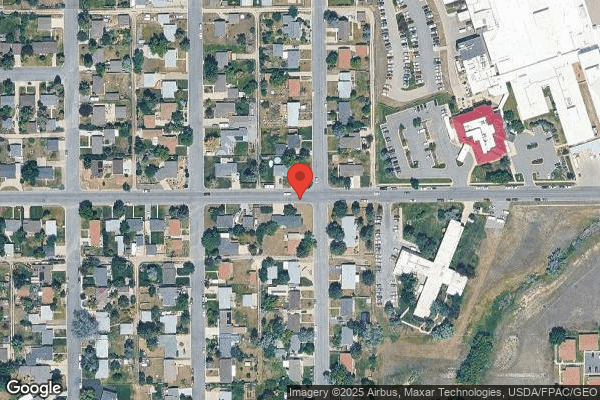
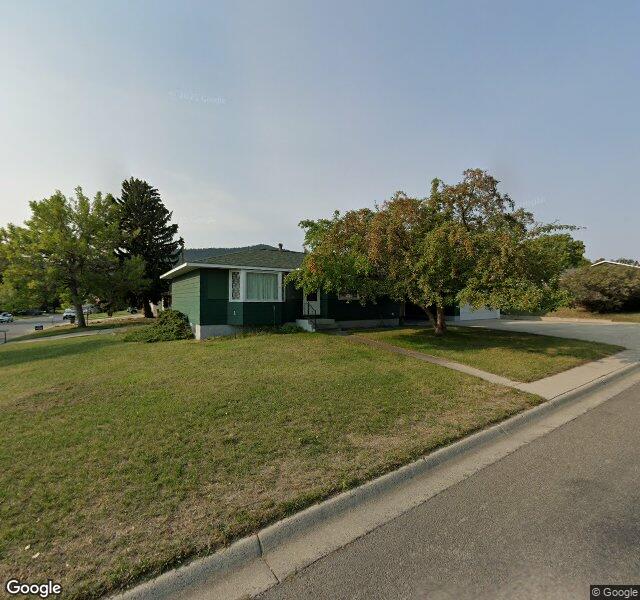
2475 WINNE AVE, HELENA, MT 59601 (406) 442-1350
For profit - Limited Liability company 108 Beds CASCADIA HEALTHCARE Data: November 2025 1 Immediate Jeopardy citation
Trust Grade
0/100
#45 of 59 in MT
Last Inspection: January 2025

Within standard 12-15 month inspection cycle. Federal law requires annual inspections.

Overview

Mount Ascension Transitional Care of Cascadia has received a Trust Grade of F, indicating significant concerns about the quality of care provided. It ranks #45 out of 59 facilities in Montana, placing it in the bottom half, but is #1 of 2 in Lewis and Clark County, suggesting limited local options. The facility is improving, with the number of issues decreasing from 12 in 2024 to 10 in 2025. Staffing is a relative strength with a turnover rate of 51%, slightly below the state average, but they only receive an average rating for RN coverage. However, the $121,536 in fines is concerning, indicating compliance problems that are more frequent than 80% of other facilities in Montana. Specific incidents of concern include a resident being transferred by one staff member instead of the required two, leading to a fractured hip, and staff entering residents' rooms without proper hand hygiene or PPE, which raises infection risks. Residents have also reported long wait times for assistance and feeling that staff treat each other better than they treat them. While there are some strengths, families should be aware of the serious issues highlighted in the inspector's findings.

Trust Score
F
0/100
In Montana
#45/59
Bottom 24%
Safety Record
High Risk
Review needed
Inspections
Getting Better
12 → 10 violations
Staff Stability
⚠ Watch
51% turnover. Above average. Higher turnover means staff may not know residents' routines.
Penalties
✓ Good
$121,536 in fines. Lower than most Montana facilities. Relatively clean record.
Skilled Nurses
○ Average
Each resident gets 40 minutes of Registered Nurse (RN) attention daily — about average for Montana. RNs are the most trained staff who monitor for health changes.
Violations
⚠ Watch
48 deficiencies on record. Higher than average. Multiple issues found across inspections.
★★☆☆☆
2.0
Overall Rating
★★☆☆☆
2.0
Staff Levels
★★☆☆☆
2.0
Care Quality
★★☆☆☆
2.0
Inspection Score
Stable
2024: 12 issues
2025: 10 issues

The Good

  • Full Sprinkler Coverage · Fire safety systems throughout facility
  • No fines on record

Facility shows strength in fire safety.

The Bad

2-Star Overall Rating

Below Montana average (2.9)

Below average - review inspection findings carefully

Staff Turnover: 51%

Near Montana avg (46%)

Higher turnover may affect care consistency

Federal Fines: $121,536

Well above median ($33,413)

Significant penalties indicating serious issues

Chain: CASCADIA HEALTHCARE

Part of a multi-facility chain

Ask about local staffing decisions and management

The Ugly 48 deficiencies on record

1 life-threatening 5 actual harm
Sept 2025 3 deficiencies
CONCERN (E) 📢 Someone Reported This

A family member, employee, or ombudsman was alarmed enough to file a formal complaint

Potential for Harm - no one hurt, but risky conditions existed

Report Alleged Abuse (Tag F0609)

Could have caused harm · This affected multiple residents

Based on interviews and record reviews, the facility failed to identify and report accusations of abuse and/or neglect by staff to The State Survey Agency for 3 (#s 1, 4, and 5) of 7 sampled residents...

Read full inspector narrative →
Based on interviews and record reviews, the facility failed to identify and report accusations of abuse and/or neglect by staff to The State Survey Agency for 3 (#s 1, 4, and 5) of 7 sampled residents. This deficient practice increased the risk of harm to residents by the accused staff. Findings include:1. Review of resident #1's Progress notes, dated 6/4/25, reflected resident #1 complained about not being repositioned all night, from the time he was put in bed until morning. Review of resident #1, physician note, dated 6/16/25, reflected resident #1's family member voiced a complaint about the lack of medication administration of vaginal cream, which was not being used, and questioned if catheter care was being completed. During an interview on 9/22/25 at 2:01 p.m., staff member A stated there was no State Survey Agency report for the neglect of care, which was related to the lack of assisting a resident with repositioning, the lack of catheter care, or the lack of the use of the vaginal cream, per the reported concerns by resident #1 and a family member on 6/4/25 or 6/16/25.2. Review of a Grievance, dated 8/3/25, reflected resident #4 stated he had trouble with a night CNA who hurt him during care while being changed. The allegation of potential abuse was not reported to the State Survey Agency. 3. Review of a Grievance, dated 6/16/25, reflected resident #5 stated a staff member came in to help with a stand transfer and pulled his left arm, which hurt, and he yelled in pain. Resident #5 was being treated for a recently fractured left arm. The allegation of potential abuse or neglect was not reported to the State Survey Agency. During an interview on 9/23/25 at 11:40 a.m., staff member A stated the abuse and/or neglect of care accusations for residents #s 1, 4, and 5 should have been reported the State Survey Agency and investigated. Review of the facility policy, Identification and Investigation of Abuse, Neglect, Misappropriation, and Injuries of Unknown Origin, dated 8/1/23, reflected:- . 1. Review reports of grievances, complaints, and allegations of abuse, neglect, injuries of unknown injury, and misappropriation for patterns or isolated incidents of unexplained functional regression, or other evidence of physical, verbal, sexual or psychological abuse or punishment posing a serious and immediate threat to individuals.- . All other allegations involving Neglect, Exploitation, Mistreatment, Misappropriation of resident property, and injuries of Unknown Source will be reported to State (Survey) Agency immediately, but no later than 24 hours from the time the incident/allegation was made known to the staff member.
CONCERN (E) 📢 Someone Reported This

A family member, employee, or ombudsman was alarmed enough to file a formal complaint

Potential for Harm - no one hurt, but risky conditions existed

Investigate Abuse (Tag F0610)

Could have caused harm · This affected multiple residents

Based on interviews and record reviews, the facility failed to thoroughly investigate alleged violations of abuse or neglect by staff, to prevent further abuse, neglect, or mistreatment from occurring...

Read full inspector narrative →
Based on interviews and record reviews, the facility failed to thoroughly investigate alleged violations of abuse or neglect by staff, to prevent further abuse, neglect, or mistreatment from occurring, and take appropriate corrective action, as a result of investigation findings for 3 (#s 1, 4, and 5) of 7 sampled residents. This deficient practice placed residents at risk of harm from further abuse, neglect or mistreatment by staff members accused. Findings include:1. Review of a Grievance, dated 8/3/25, reflected resident #4 voiced a complaint that a staff member hurt him while he was being assisted during care.2. Review of a Grievance, dated 6/16/25, reflected resident #5 complained that a staff member hurt his arm when he was being assisted during a transfer. The resident had a fractured left arm. Record reviews of the grievances for resident #4 or #5 failed to show the events are investigated or reported to the State Survey Agency as potential alleged abuse or neglect. 3. Review of resident #1's Progress notes, dated 6/4/25, reflected resident #1 complained about not being repositioned all night. Review of resident #1's, Care Plan, dated 6/4/25, reflected resident #1 had pressure ulcers on her sacrum and right heel, with an intervention requiring assistance to turn and position every two to three hours. Review of resident #1, physician note, dated 6/16/25, reflected resident #1's family member voiced a complaint about a vaginal cream not being administered and was concerned that catheter care was not done. Review of resident #1's, physician Order Summary, dated 9/22/25, reflected an order dated 5/22/25 for catheter care, including cleaning the catheter every shift. The Order Summary also included an order for Estrace Vaginal Cream to be inserted once daily.During an interview on 9/22/25 at 2:01 p.m., staff member A stated there was no State Survey Agency report for the neglect of care complaints for resident #1. During an interview on 9/23/25 at 11:40 a.m., staff member A stated the abuse and/or neglect of care accusations for resident #s 1, 4 and 5 should have been reported the State Survey Agency and investigated. SReview of the facility policy, Identification and Investigation of Abuse, Neglect, Misappropriation, and Injuries of Unknown Origin, dated 8/1/23, reflected:- . 1. Review reports of grievances, complaints, and allegations of abuse, neglect, injuries of unknown injury, and misappropriation for patterns or isolated incidents . - . Investigate 1. Once the incident is reported, an investigation of the allegation [sic] violation will be conducted following CMS Facility Reported Incident criteria.
CONCERN (F) 📢 Someone Reported This

A family member, employee, or ombudsman was alarmed enough to file a formal complaint

Potential for Harm - no one hurt, but risky conditions existed

Grievances (Tag F0585)

Could have caused harm · This affected most or all residents

Based on interviews and record reviews, the facility failed to uphold and operationalize policies and procedures related to grievances and take immediate action to prevent further grievances or addres...

Read full inspector narrative →
Based on interviews and record reviews, the facility failed to uphold and operationalize policies and procedures related to grievances and take immediate action to prevent further grievances or address abuse and neglect included in grievances. Due to the lack of follow-up, those residents or individuals submitting the grievances had no resolution to their identified concerns, and there was no documentation of facility efforts to resolve the grievances. This deficient practice resulted in many residents or individuals not having concerns addressed, and increased the risk of ongoing nursing care or abuse and neglect concerns. For those grievances submitted, which were not investigated, 4 (#s 1, 2, 4, and 5) of 7 sampled residents were affected, and this was a system breakdown. Findings include:1. Review of resident #1's Progress notes, dated 6/4/25, reflected that resident #1 complained about not being repositioned all night, from the time he was put in bed until the morning. Review of resident #1's Care Plan, dated 6/4/25, reflected that resident #1 had pressure ulcers on her sacrum and right heel with an intervention requiring assistance to turn and position every two to three hours. Review of resident #1, physician note, dated 6/16/25, reflected resident #1's family member voiced concerns with medication administration for a vaginal cream, which was not being used, and whether catheter care was being completed. Review of resident #1's physician Order Summary, dated 9/22/25, reflected a physician's order, dated 5/22/25, for catheter care, including cleaning the catheter every shift. The Order Summary also included an order for Estrace Vaginal Cream to be inserted once daily.During an interview on 9/22/25 at 2:01 p.m., staff member A stated that when he received a grievance or complaint, he used his tablet to investigate and included all perinate information, interviews, and documentation in the findings of State Survey Agency reports or grievance forms. Staff member A stated there was no other documentation available. Staff member A stated he was aware that the grievance forms were incomplete and did not have any further documentation for the grievances. Staff member A stated, I look to see if abuse is involved and if not, I really don't go any further with it as far as investigating. Staff member A stated there was no State Survey Agency report for the care concerns reported by resident #1 and his/her family member on 6/4/25 or 6/16/252. During an interview on 9/23/25 at 8:30 a.m., resident #2 stated, Call lights are terrible, 30 minutes or longer to get anyone to help you. I have filed many complaints, and they are just ignored. Resident #2 stated that weekends and nights were the worst, and staff ignore call lights while sitting in the nurses' station gossiping. Resident #2 stated she complained several times at resident council meetings but never heard anything back.During an interview on 9/23/25 at 11:00 a.m., resident #3 gave the surveyor a folder of copies of grievances the resident council had filed with staff member A. Resident #3 stated residents reported the grievances were not being addressed, and residents did not receive responses to the grievances brought forward at the meetings or the grievances filed through the grievance box. Resident #3 stated the same complaints about no showers, medication issues, and call light times were being brought forward each month, and no one was investigating the grievances.During an interview on 9/23/25 at 9:39 a.m., staff member H stated she made copies of all grievances written during resident council and turned in the originals to staff member A. Staff member H stated staff member A would not respond to resident grievances, and most grievances were ignored.During an interview on 9/22/25 at 1:31 p.m., staff member E stated a few weeks ago, several CNAs reported that residents stated they had not been checked and changed during the night and were soaked in the morning. Staff member E stated she addressed the complaints with the nurse who worked the night shift, and she stated she would talk to her night CNAs. Staff member E stated she did not report the complaints to management because she felt the night nurse should follow up with her staff.During an interview on 9/23/25 at 7:43 a.m., staff member F stated she would report care concerns to her supervisors. Staff member F stated she observed residents with cognitive delays being Taken advantage of by managers who would use leading questions to guide the residents to answers that resulted in no concerns, when they really had care concerns that were legitimate, and then having managers who were the subject of the complaint, doing the interviews.During an interview on 9/23/25 at 8:28 a.m., staff member G stated she reported several times that residents were wet (with urine) and not checked and changed overnight. Staff member G stated she would report the care concerns to the nurse on duty. Staff member G stated that most complaints about the check and changes occurred on Mondays. 3. Review of a Grievance, dated 8/3/25, reflected that resident #4 stated, Had trouble with the NOC shift CNA hurting him while being changed. This grievance was not included in the Grievance Binder.4. Review of a Grievance, dated 6/16/25, reflected that resident #5 stated a staff member came in to help with a stand transfer, then the staff member reached, grabbed, and pulled the resident's left arm (fractured humerus). Resident #5 stated he yelled in pain as the pain was felt through his chest. This grievance was not included in the Grievance Binder or followed up on as potential abuse. Review of grievances provided by the Resident Council, dated 6/1/25 through 9/4/25, reflected that 34 grievances were filed, two of which reflected resident concerns about staff injuring them during the provision of care. These were not followed up on for potential abuse. Review of the facility's Resident Council Agenda & Minutes, dated 6/19/25, reflected that residents voiced concerns of backlash from employees when submitting grievances, and grievances not being addressed.Review of the facility's Resident Council Agenda & Minutes, dated 7/1/25, reflected that residents felt grievances were not being dealt with according to the grievance process.Review of the facility's Resident Council Agenda & Minutes, dated 8/20/25, reflected that grievances were not addressed according to the grievance procedure; residents stated they had heard nothing (attempted resolution) on their grievances.Review of the facility provided, Grievance binder, dated 6/1/25 through 9/4/25, included 17 grievances. The grievances were blank for the sections of investigation, interviews, and if the resident who filed the grievance was satisfied with the resolution. The forms did not include any signatures or dates of completion. The forms did not include any investigations to determine if the grievance was an isolated concern or if the concerns were systemic. During an interview on 9/23/25 at 11:40 a.m., staff member A was asked why 27 grievances from resident council meetings were not included in the grievance binder, and stated, I don't know, I've been busy and not as vigilant. I had to prioritize my time, and grievances moved down the list of priorities. Staff member A stated there was no State Survey Agency report filed for resident #4 or resident #5 's care concerns, and an investigation was not completed. Staff member A stated he was unsure where the grievances were, but possibly somewhere in his office, and they were not investigated.Review of a facility policy, Complaints and Grievances, dated 10/15/22, reflected:8. Complaints/grievances are acknowledged, investigated, and the complainant apprised of progress toward a resolution and takes appropriate corrective action if the alleged violation is confirmed by the facility. [sic]9. The facility ensures that all written grievance decisions include:a. The date the grievance was received,b. A summary statement of the resident's grievance,c. The steps taken to investigate the grievance,d. A summary of the pertinent findings or conclusions regarding the resident's concerns(s),e. A statement as to whether the grievance was confirmed or not confirmed,f. Any corrective action taken or to be taken by the facility because of the grievance, andg. The date the written decision was issued.10. The facility reports any alleged violations involving neglect, abuse, including injuries of unknown source, and/or misappropriation of resident property .13. The evidence demonstrating the result of any grievance is maintained for a period of no less than 3 years from the issuance of the grievance decision.
Jan 2025 7 deficiencies
CONCERN (D) 📢 Someone Reported This

A family member, employee, or ombudsman was alarmed enough to file a formal complaint

Potential for Harm - no one hurt, but risky conditions existed

Resident Rights (Tag F0550)

Could have caused harm · This affected 1 resident

Based on interview and record review, the facility staff failed to respect a resident's rights by not following up with a request's request to be sent to the emergency room when the resident was not f...

Read full inspector narrative →
Based on interview and record review, the facility staff failed to respect a resident's rights by not following up with a request's request to be sent to the emergency room when the resident was not feeling well, and a visitor called the ambulance for the transfer to the acute care setting, for 1 (#11) of 30 sampled residents. Findings include: Review of a Facility-Reported Incident, submitted to the State Survey Agency on 1/1/25, showed resident #11 was not feeling well and requested to go to the hospital, claiming the facility staff refused to send her. Review of resident #11's nursing progress notes, dated 12/30/24 at 12:24 p.m., showed, Resident requested to go to Hospital this AM at approximately 9:30 am. Resident c/o not feeling well. [sic] During an interview on 1/15/25 at 6:24 p.m., staff member M stated, Resident #11 said she wasn't feeling well and wanted to go to the hospital. Her oxygen levels were low. Review of resident #11's nursing progress note entered on 12/30/24 at 3:28 p.m. showed, Ambulance was called by non facility home caregiver. Caregiver did not notify facility that she had/was going to call ambulance. Resident left by ambulance and transported to [hospital name] @ 1520. [sic] During an interview on 1/16/25 at 11:25 a.m., staff member B stated she was aware of the incident that happened on 12/30/24. Staff member B stated, The nurse that was on duty alerted me of the resident's condition. I was in the facility when the ambulance showed up to pick up the resident. Review of a facility document titled, Resident's Rights, undated, showed, .1. The resident has a right to a dignified existence, self-determination, communication with and access to persons and services inside and outside the Facility. 4. The Resident has a right to be free of interference, coercion, discrimination, or reprisal from the Facility in exercising his or her rights and to be supported by the Facility in the exercise of those rights. 6. The Resident has the right to be informed of and participate in their treatment. [sic]
CONCERN (D) 📢 Someone Reported This

A family member, employee, or ombudsman was alarmed enough to file a formal complaint

Potential for Harm - no one hurt, but risky conditions existed

Report Alleged Abuse (Tag F0609)

Could have caused harm · This affected 1 resident

Based on interview and record review, the facility failed to identify and report an allegation of neglect to the State Survey Agency, within 24 hours of the incident, for 1 (#11) of 30 sampled residen...

Read full inspector narrative →
Based on interview and record review, the facility failed to identify and report an allegation of neglect to the State Survey Agency, within 24 hours of the incident, for 1 (#11) of 30 sampled residents. Findings include: Review of a Facility-Reported Incident, submitted to the State Survey Agency on 1/1/25, showed resident #11 was not feeling well and requested to go to the hospital, claiming the facility staff neglected to send her. Review of resident #11's electronic medical record showed this incident occurred on 12/30/24. During an interview on 1/16/25 at 11:25 a.m., staff member B stated she was aware of the incident that occurred with resident #11 on 12/30/24. During an interview on 1/16/25 at 1:57 p.m., staff member A stated, I do the reporting in Bounds (electronic reporting system) and reported the incident to the state when we determined it might have been a reportable incident. During an interview on 1/16/25 at 2:03 p.m., staff member L stated, We received an anonymous complaint in our complaint portal on our website on 1/1/25. We then reported it to the state; that is why it was late. Review of the complaint submitted through the facility website was dated 12/30/24, and the complaint showed an outside caregiver submitted a complaint about a code of ethics violation involving facility staff, and resident #11. Review of company staff email communication showed, Will need to follow up within 24 hours. We need to make sure there's nothing here that's reportable. This email was sent to staff member A and L on 12/30/24 at 7:45 p.m. Although the two staff were aware of the event, neither reported the event timely. Review of a facility document titled, Abuse, with a revision date of 7/23/2019, showed, .17. Allegations of verbal, sexual, physical, and mental abuse, corporal punishment, involuntary seclusion, and neglect of the resident as well as mistreatment, injuries of unknown source, exploitation, deprivation of goods and services by staff, and misappropriation of resident property are reported to the Executive Director IMMEDIATELY and the state agency . [sic]
CONCERN (D) 📢 Someone Reported This

A family member, employee, or ombudsman was alarmed enough to file a formal complaint

Potential for Harm - no one hurt, but risky conditions existed

Deficiency F0658 (Tag F0658)

Could have caused harm · This affected 1 resident

**NOTE- TERMS IN BRACKETS HAVE BEEN EDITED TO PROTECT CONFIDENTIALITY** Based on interviews and record reviews, a facility licensed staff member failed to provide services that met professional standa...

Read full inspector narrative →
**NOTE- TERMS IN BRACKETS HAVE BEEN EDITED TO PROTECT CONFIDENTIALITY** Based on interviews and record reviews, a facility licensed staff member failed to provide services that met professional standards, by failing to monitor a resident's need for oxygen, and monitor the resident's need to transition to an acute care facility, for further assessment, for 1 (#11) of 30 sampled residents. The resident was treated for an illness at the acute care hospital. Findings include: During an interview on 1/13/25 at 4:09 p.m., resident #11 stated, . The facility staff let my issue go on too long before calling the hospital. My companion that day didn't like it and called an ambulance for me since I wasn't feeling well. I already spoke with APS about it, and I don't want to revisit the situation. During an interview on 1/13/25 at 4:12 p.m., NF1 stated, I don't think the facility staff took the resident's concerns seriously. Review of resident #11's progress notes written by staff member M, dated 12/30/24, are as follows: - 12/30/24 at 12:24 p.m., Resident requested to go to Hospital this AM at approximately 9:30 am. Resident c/o not feeling well. When asked she couldn't articulate what was wrong except that she didn't feel well. VSS 116/57, P83, O2 sat 71%, RR 18, T 98.4. Resident refused her morning medications except for Imburvica 420mg (she took). Called Dr [Name] and Dr stated to call [Name] and have her come and check her today. I called and had to leave a message. At this time resident is stable and comfortable. - 12/30/24 at 3:28 p.m., Ambulance was called by non-facility home caregiver. Caregiver did not notify facility that she had/was going to call ambulance. Resident left by ambulance and transported to [hospital name] @ 1520 (3:20 p.m.). - 12/30/24 at 4:18 p.m., tried to have resident use 2L oxygen for a few minutes. She took it off and checked O2 sat later at 10am at 91% RA and resident refused to keep oxygen on. [sic] During an interview on 1/15/25 at 6:24 p.m., staff member M stated, . resident #11's O2 levels were bouncing between 88 and 92%. Since her sats looked low, I called the doctor. The doctor told me to call her nurse practitioner, and she would be in to see her that day. I didn't get through to the nurse practitioner, so I left a message. Resident #11's non-facility caregiver came to the desk around 3:30 p.m. and asked why we didn't send resident #11 to the hospital when she asked to go. She would not give her name, so I didn't share any information with her due to HIPAA. I did do an assessment in the morning and continued to do follow up assessments throughout the day. All of my assessments were documented in the computer . Review of resident #11's electronic medical record failed to show documentation of any follow up physical assessments and failed to show documentation of follow up vital signs. A request was made on 1/16/25 at 8:17 a.m. for follow up documentation on resident #11's physical assessment from 12/30/24. The facility failed to provide this information prior to the survey exit on 1/16/25. Review of a facility document titled, Documentation of Resident Health Status Needs and Services with a revision date of 10/15/2022, showed, Policy: The resident's medical record is a continuing account of the resident's health status, person-centered plan of care objectives and goal, the treatments/interventions delivered, results of diagnostic tests, and the resident's response to treatment. Procedure: . 2. Document as soon as the resident's encounter is concluded to ensure accurate recall of the data . 4. The medical record must contain an accurate representation of the actual experiences of the resident and include enough information to provide a picture of the resident's progress, including his/her response to treatments and/or services, and changes in his/her condition . 5. Record pertinent resident data that may include but not limited to: a. Change of condition, infection, illness, and ongoing monitoring b. Selected subjective data that validates or clarifies c. Action taken i. Any unusual or abnormal occurrence l. Refusals, noncompliance, behavior occurrences o.document the details of the event, action taken, notifications, monitoring, and follow-ups p. Communication with others regarding the resident. [sic]
CONCERN (E)

Potential for Harm - no one hurt, but risky conditions existed

Infection Control (Tag F0880)

Could have caused harm · This affected multiple residents

Based on observation, interview, and record review, the facility failed to ensure staff practiced appropriate use of personal protective equipment (PPE), during care of residents on enhanced barrier p...

Read full inspector narrative →
Based on observation, interview, and record review, the facility failed to ensure staff practiced appropriate use of personal protective equipment (PPE), during care of residents on enhanced barrier precautions (EBP) on 100 north hall, for 5 (#s 42, 49, 51, 56, and 232) of 30 sampled residents. Findings include: During an observation of the 100 north hall on 1/13/25 at 3:02 p.m., no EBP signs were observed. 1. During an observation on 1/13/25 at 3:40 p.m., resident #56 was observed to have a urinary catheter in place draining clear yellow urine. 2. During an observation on 1/13/25 at 3:55 p.m., resident #51 was observed to have a urinary catheter in place draining clear yellow urine. 3. During an observation on 1/13/25 at 4:12 p.m., resident #42 was observed to have a urinary catheter in place draining clear yellow urine. 4. During an observation on 1/14/25 at 9:15 a.m., resident #49 was observed to have a cholecystostomy tube draining green bile fluid from her right upper abdomen. 5. During an observation and interview on 1/14/25 at 3:24 p.m., resident #232 was observed lying on his side, in bed. An occlusive surgical wound dressing was observed over the resident's left hip. Staff member D stated the dressing was changed in the surgeon's office every three days, and the facility staff were also changing the dressing whenever it became soiled or wet. During an observation on 1/14/25 at 11:40 a.m., staff member I was observed entering resident #232's room and assisted the resident with a transfer from wheelchair to bed. No use of gown or gloves was observed and there was no EBP sign on or near the door. During an observation on 1/15/25 at 7:47 a.m., staff member J was observed in resident #49's room assisting with the resident's personal care needs. No use of gown or gloves was observed. Resident #49 resided in one of the rooms observed to not have an EBP sign on the door alerting staff of necessary PPE precautions. During an observation on 1/15/25 at 9:33 a.m., staff members I and G were observed in resident #56's room, providing personal care. No gowns were worn at any time during the observation. Resident #56 resided in one of the rooms observed to have no EBP sign on the door. During an observation of the 100 north hall on 1/15/25 at 4:02 p.m., there continued to be no EBP signage posted in any area. During an interview on 1/14/25 at 11:20 a.m., staff member I stated there were currently no residents who required the use of PPE in the 100 north hall as there were no signs to designate the need for PPE. Staff member I stated the CNA staff do not usually share information on EBP statuses in their shift report, as there would be signs on the doors to tell them who required PPE for cares. During an interview with staff members C and D on 1/15/25 at 12:40 p.m., staff member D stated EBP would be required for any resident, .with a catheter, wound, colostomy, or basically any other tube or drain coming from their body. Staff member C then asked, What is EBP? During an interview on 1/15/25 at 10:22 a.m., resident #49 reported staff wore gloves when changing her dressing or emptying her drain, but gowns were not worn. During an observation and interview on 1/15/25 at 1:40 p.m., staff member E stated there were several residents on the 100 north hall currently on EBP. Staff member E stated, There should be signs on the doors for every resident with EBP. This surveyor and staff member E toured the 100 north hall together, at the time of the interview, and observed no EBP signage. Review of a facility document, titled, Transmission-Based Precautions Conventional Plan, last revised on 4/2/24, showed the following: Enhanced Barrier Precautions (EBP) refer to an infection control intervention designed to reduce transmission of multidrug-resistant organisms that employs targeted gown and glove use during high contact activities. High contact activities may include: a. Dressing b. Bathing/Showering c. Transferring d. Providing hygiene e. Changing linens f. Changing briefs or assisting with toileting g. Device care or use: central line, urinary catheter, feeding tube, tracheostomy/ventilator. h. Wound care; any skin opening requiring a dressing. [sic]
CONCERN (E)

Potential for Harm - no one hurt, but risky conditions existed

Antibiotic Stewardship (Tag F0881)

Could have caused harm · This affected multiple residents

Based on interview and record review, the facility failed to maintain the antibiotic stewardship program to include infection surveillance and monitoring of antibiotic use. This deficient practice inc...

Read full inspector narrative →
Based on interview and record review, the facility failed to maintain the antibiotic stewardship program to include infection surveillance and monitoring of antibiotic use. This deficient practice increased the risk of a negative outcome for all residents receiving prescribed antibiotics who were at an elevated risk for multi drug-resistant infections. Findings include: During an interview on 1/15/25 at 1:40 p.m., staff member E stated she had been in her role since November 2024. Staff member E stated, I am trying, but I don't have a lot of support, so I just do what I can. Staff member E reported some of the healthcare providers prescribing antibiotics within the facility do not follow McGreer's criteria and sometimes treat with antibiotics based on behavior or symptoms, and added, . but I can't tell the doctors what to do. During a combined interview and record review on 1/15/25 at 2:45 p.m., the facility's infection control log was reviewed and discussed with staff member E for the period of December 1, 2024 through December 31, 2024. The log showed a total of 20 infections for the month, which included wound, skin, lung, fungal, and urinary infections. Seven of the 20 identified infections were listed as urinary tract infections. One urinary tract infection showed a urine culture and sensitivity was obtained and the organism was identified on the log. The remaining six urinary tract infections showed no urine culture and sensitivity was obtained, and showed the residents listed were prescribed antibiotics. Of the 20 infections listed on the log for the month, two organisms were identified in total. Three infections showed hospital under the column titled, culture. Staff member E stated when they come from the hospital on antibiotics, she does not track the organisms, stating it was difficult to obtain results from the hospital lab. Review of a facility document titled, Antibiotic Stewardship, last revision date of 10/15/22, showed the following: . The Infection Preventionist utilizes microbiologic, clinical symptoms and radiologic findings to confirm evidence of infection.v alidates the infection meets the definition of an active infection utilizing McGreer's Criteria. The Infection Preventionist/designee(s) . Reviews culture and sensitivity reports routinely as part of the surveillance of the infection.
CONCERN (E)

Potential for Harm - no one hurt, but risky conditions existed

Deficiency F0883 (Tag F0883)

Could have caused harm · This affected multiple residents

Based on interview and record review, the facility failed to ensure residents were screened for influenza, pneumonia, and COVID-19 immunizations; and failed to offer or obtain a signed declination for...

Read full inspector narrative →
Based on interview and record review, the facility failed to ensure residents were screened for influenza, pneumonia, and COVID-19 immunizations; and failed to offer or obtain a signed declination for pneumococcal vaccines, for 3 (#s 28, 45 and 232) of 5 residents sampled for immunizations. Findings include: 1. Review of resident #28's vaccination history, not dated, failed to show the resident received an updated pneumococcal vaccine per CDC guidelines, and failed to show a signed declination for the vaccine. His last pneumococcal vaccine (PCV13) was administered in 2000 (year). 2. Review of resident #45's vaccination history, not dated, failed to show administration or a signed declination for pneumococcal vaccine (PCV13, PCV15, PCV21 or PCV23). 3. Review of resident #232's vaccination history, not dated, failed to show administration or a signed declination for pneumococcal vaccine (PCV13, PCV15, PCV21 or PCV23). During an interview on 1/15/25 at 1:45 p.m., staff member E stated she had only been in her role since November 2024. Staff member E stated she did not know she was responsible for immunizations as part of her position. Staff member E stated she ordered the pneumococcal vaccines from the pharmacy on 1/15/25, in response to the surveyor's request for vaccination documentation. Review of a facility policy titled, Pneumococcal Program, revised on 11/22/24, showed the following: .To reduce the risk of pneumococcal infection and transmission, residents and family members receive education regarding the benefits of pneumococcal immunization. Residents are offered and given the pneumococcal vaccine in accordance with physicians' orders unless: a. Medically contraindicated, b. The resident has already received the immunization or c. The resident or resident advocate refuses. [sic]
CONCERN (F)

Potential for Harm - no one hurt, but risky conditions existed

Deficiency F0727 (Tag F0727)

Could have caused harm · This affected most or all residents

Based on interviews and record reviews, the facility failed to have a registered nurse working at least eight consecutive hours a day, seven days a week. This deficient practice increased the risk to ...

Read full inspector narrative →
Based on interviews and record reviews, the facility failed to have a registered nurse working at least eight consecutive hours a day, seven days a week. This deficient practice increased the risk to all residents at the facility, in the event RN services were required, but an RN was not scheduled and on shift to provide RN services. Findings include: During an interview on 1/13/25 at 3:39 p.m., resident #10 stated, I think the staff try hard, but I don't think there is enough of them. Sometimes it is hard to be seen by a nurse; they are so busy. During an interview on 1/13/25 at 4:05 p.m., resident #24 stated, The facility has had staffing issues for some time. They have hired quite a few recently. Some of the nurses don't seem like they have control of situations during their shifts. Maybe because they are new. A review of the facility's [NAME] report showed the facility failed to have an RN on shift for the following dates: - 7/13/24; 7/14/24; 7/20/24; 7/21/24; 7/27/24; 7/28/24 A review of actual staffing schedules from July 2024 to October 2024 showed the facility did not have an RN on duty eight consecutive hours per day for the following dates: July: 7/13/24 and 7/20/24 August: 8/9/24, 8/15/24, and 8/29/24 September: 9/26/24 October: 10/3/24, 10/10/24, 10/17/24, and 10/22/24 During an interview on 1/16/25 at 9:45 a.m., staff member B stated, When there isn't an RN scheduled, we find a replacement. We use the Clipboard program to get staff. We also use management staff to cover the floor if we need to. During an interview on 1/16/25 at 9:55 a.m., staff member A stated, We have a corporate person outside of the facility do our PBJ reporting. There should have been an RN on duty daily for at least eight consecutive hours (a day). They have emailed me with concerns about the PBJ reporting.
Dec 2024 3 deficiencies
CONCERN (D) 📢 Someone Reported This

A family member, employee, or ombudsman was alarmed enough to file a formal complaint

Potential for Harm - no one hurt, but risky conditions existed

Deficiency F0808 (Tag F0808)

Could have caused harm · This affected 1 resident

Based on observation, interview, and record review, the facility failed to encourage and properly implement resident dietary preferences for 1 (#10); and failed to have a consistent process in place t...

Read full inspector narrative →
Based on observation, interview, and record review, the facility failed to encourage and properly implement resident dietary preferences for 1 (#10); and failed to have a consistent process in place to address therapeutic diets over the weekend, when a new diet was ordered/modified, to ensure the change was addressed timely for safety, for 1 (#10) of 10 sampled residents. Findings include: During an interview on 12/16/24 at 3:57 p.m., resident #10 stated she only had problems swallowing food when it was a dry or tough meat like chicken or pork. Resident #10 stated she had no problems swallowing any other foods. Resident #10 stated dry meats were easier to swallow if they had a sauce or gravy added to it. She stated she had expressed her concerns with eating the dry meat during a care conference earlier in the month. Resident #10 stated, just this morning (12/16/24), her diet order had been changed, and there was no assessment for her swallowing ability completed by a staff member or the physician. Resident #10 stated she was able to cut up her food herself, if needed, and stated she did not understand why a minced pancake was appropriate for her. Resident #10 stated her food usually did not have any gravy because staff member H stated she had gained too much weight while at the facility. Resident #10 stated, I know it's been difficult for [staff member H] to work around my things (food preferences). Review of resident #10's EHR showed a physician's diet order, with a start date of 12/13/24 at 10:38 a.m., which was, Regular diet, L5: Minced/Moist, Mix Consistency texture, L0: Thin Liquid consistency. During an interview on 12/16/24 at 5:05 p.m., staff member D stated resident #10's diet order just changed today which was not consistent with the physician order dated 12/12/24. Staff member D stated there was not a swallowing evaluation completed, that D was aware of, but the facility had talked about doing a trial of a minced and moist diet with the resident. During an observation on 12/17/24 at 8:22 a.m., resident #10's plate had cubed pieces of ham, and a bowl of pureed orange liquid. The diet order read: orange juice; canned fruit, drained minced and moist; cream of wheat; scrambled egg with cheese. Resident #10's scrambled eggs did not have cheese. During an observation and interview with resident #10 and staff member E, on 12/17/24 at 8:23 a.m., staff member E stated resident #10's physician's therapeutic diet order was not being followed for a minced and moist diet, and stated, That's too big of pieces for the ham. Staff member E stated the ham needed to be chopped up much finer to be considered acceptable. Staff member E stated the orange liquid substance in the bowl looked like thickened orange juice. Staff member E stated the orange liquid substance in the cup looked like un-thickened orange juice. Staff member E was unsure why the facility would give resident #10 a thickened and regular orange juice in different containers. Resident #10 stated she asked multiple times to not receive milk, due to a fear of a potential allergy, and then the resident pointed to the milk on her tray. Staff member E stated, I think if she doesn't want milk then she shouldn't have milk. Staff member E stated resident #10 had a preference, and that was okay for her to have. Staff member E stated, I don't know how they (facility) came up with that (the diet order for resident #10). Staff member E stated a diet order was typically changed when a resident had a previous diagnosis of a stroke or trouble swallowing. Staff member E voiced not seeing resident #10 choke while eating, or having any other problems, with swallowing. During an interview on 12/17/24 at 11:03 a.m., staff member H stated a minced and moist diet should allow a fork to go through the food, and the food should be moistened either with gravy, butter or ketchup. Staff member H looked at a photo of resident #10's breakfast (from 12/17/24), and stated the eggs might not have been prepared not following the minced and moist diet, due to the food not being minced. Staff member H stated resident #10 had received cubed ham instead of minced ham, because resident #10 did not like minced ham. Staff member H stated this did not follow her current diet, and stated, Her (#10) ham should have been minced. Staff member H stated the staff printed meal tickets for the weekend each Friday at 2:00 p.m. Staff H stated if an order came in after that point, it would have the potential to be missed until Monday, which was when staff member H returned to work. Staff member H stated, There's not usually any new diet orders or changes on Saturday(s) or Sunday(s). Staff member H stated resident #10 had gained ten pounds since being there, and had a concern regarding the resident's weight gain. Review of resident #10's EHR showed an admission weight on 10/31/24 of 241.2 pounds, and a current weight, which was dated 12/11/24, of 243.2 pounds. During an interview on 12/17/24 at 12:25 p.m., staff member F stated physicians were contacted by phone, and then staff member F would document in the EHR on the communication held with the physician. Review of resident #10's EHR showed no other nursing or physician notes regarding resident #10's swallowing abilities, except for a nursing note, dated 12/13/24. This was a late entry and documented on 12/16/24, and showed, MD assessed resident and gave orders to change diet to minced and moist d/t difficulty swallowing. ST to evaluate and treat. During an interview on 12/17/24 at 12:55 p.m., resident #10 stated her lunch did not have any gravy to moisten the meatloaf. On 12/17/24, a request was made for, Physician communication diet order change: [resident #10]. No communications were provided for the request prior to the end of survey. Review of a facility policy titled, Diet Orders & Nutrition Prescriptions, with a revision date of 8/1/23, showed: .Change of Diet Order: 1. Changes in diet orders are communicated to the Culinary Services department electronically or in writing within two hours of the order . Review of a facility policy titled, Therapeutic Diets and Meal Plans, with a revision date of 8/9/23, showed: .d. Food and drink that accommodates resident allergies, intolerances, and preferences .
CONCERN (D) 📢 Someone Reported This

A family member, employee, or ombudsman was alarmed enough to file a formal complaint

Potential for Harm - no one hurt, but risky conditions existed

Infection Control (Tag F0880)

Could have caused harm · This affected 1 resident

**NOTE- TERMS IN BRACKETS HAVE BEEN EDITED TO PROTECT CONFIDENTIALITY** Based on observation, interview, and record review, the facility failed to obtain water temperatures that were within the CDC's ...

Read full inspector narrative →
**NOTE- TERMS IN BRACKETS HAVE BEEN EDITED TO PROTECT CONFIDENTIALITY** Based on observation, interview, and record review, the facility failed to obtain water temperatures that were within the CDC's recommended temperatures to prevent the growth of legionella; and obtain water temperatures in resident areas for 4 (#s 1, 4, 5, and 8) of 10 sampled residents; failed to ensure temperatures were completed frequently enough to follow the facility policy; failed to provide staff with adequate Legionella education; and failed to properly clean areas where legionella could be found (such as the eyewash stations, an ice machine, and sinks/toilets specifically, for 1 (#9) of 10 sampled residents; and failed to ensure oversight or intervention was completed from the infection preventionist when a resident was recently diagnosed with legionella. Findings include: 1. Review of a facility document, titled Risk Management Plan for Water Borne Illnesses, no date, showed, Table 6: Hot Water to Resident Areas: Testing of water temps: frequency: Weekly . Review of a facility document, titled Legionella Water Management Plan, not dated, showed: - . Water is monitored and temp'd weekly . - Water is temp'd weekly to verify that it is between 100 and 120 degrees . Review of a facility document, titled Tels, dated 10/21/24, showed the following temperatures were recorded for resident areas: 100, 99, 100, 100, 99, . Review of a facility document, titled Tels, dated 10/7/24, showed the following temperatures were recorded for resident areas: 98, 100, 101, 99, 100, . The facility Tels were completed every other week (9/10/24, 9/23/24, 10/7/24, 10/21/24) for obtaining water temperatures of the resident areas, although the policy was weekly temperatures to be obtained. According to the CDC, legionella's favorable range for bacterial growth is 77-113 degrees Fahrenheit (Centers of Disease Control and Prevention (CDC), 2024), and all the temperatures taken during the dates shown above were within that range. During an observation and interview on 12/16/24 at 12:15 p.m., resident #4 stated he had never seen staff member K enter his room to check water temperatures in the shared bathroom or the sink in his room. During an interview on 12/16/24 at 2:30 p.m., resident #1 stated she had never observed staff member K check water temperatures in her bathroom or sink(s). During an interview on 12/26/24 at 11:32 a.m., resident #8 stated she had never seen staff member K check anything in her bathroom in her time being at the facility. During an observation on 12/26/24 at 11:44 a.m., room [ROOM NUMBER] was empty, and the toilet was dirty, with light beige streaks in the toilet. In the sink, there was a greenish/brownish residue around the sink drain that could be scraped off. During an observation on 12/16/24 at 12:09 p.m., room [ROOM NUMBER] was also empty and had a greenish/brownish residue around the sink drain that could be scraped off. During an interview on 12/16/24 at 3:11 p.m., resident #5 stated she never seen staff member K checking water temperatures in her sink or in her bathroom. During an interview on 12/17/24 at 8:23 a.m., staff member E stated the eyewash station was nasty, and the sink that was located in a room near nurse's station had a residue around the sink drain, and near the faucet, that could be scraped off. During an interview and observation on 12/17/24 at 12:25 p.m., staff member F stated they had never specifically looked, but never noticed staff member K checking the temperature of the water at the eyewash station. Staff member F stated the eyewash station was disgusting, and would not want to use that if needed in an emergency. The eyewash station had the caps off and lying to the side. Inside both of the caps there was a light brown substance. During an interview on 12/17/24 at 2:00 p.m., staff member K stated to prevent Legionella, the toilets would need flushed, and then measuring water temperatures, and taking boiler temperatures. Staff member K stated he was not keeping a boiler temperature log because he could easily go look at it (to find the temperature). Staff member K was a bit unsure when answering questions regarding the frequency of how often to flush toilets to prevent Legionella bacteria growth. Staff member K stated, It just comes up on my stuff (on the Tels program which had reminders to complete a task). Staff member K stated he flushed the toilets every other week-ish. Staff member K stated, Every single toilet is being used, and all of the rooms were currently full. 2. During three interviews, with staff members G (interview on 12/17/24 at 11:38 a.m.), staff member K (interview on 12/17/24 at 2:00 p.m.), and staff member F (interview on 12/17/24 at 12:25 p.m.) staff stated they did not receive any specific information regarding Legionella, especially information that would be pertinent for their respective job duties. Staff member F stated they were told to look for cough or pneumonia symptoms (in residents) but that was all that they knew. The staff stated they were unaware of the following symptoms for Legionella: muscle aches, head ache, chest pain, nausea, vomiting, and confusion. Staff member G stated being told to clean high touch areas, but not told anything specific regarding water, toilets, or sinks. During an interview on 12/17/24 at 1:09 p.m., staff member J stated they educated all staff as they were able to catch them on Legionella. A request was made on 12/17/24 at 4:29 p.m., for all of the staff education for the prevention of Legionella. No documentation was provided by the end of survey. 3. During an interview on 12/16/24 at 12:15 p.m., resident #4 stated, They need to clean a little better, when he was referring to the bathrooms and sink in his room. During an interview on 12/17/24 at 10:28 a.m., staff member I opened the facility's ice machine and stated the light brown film inside looked gross. In this same area, there was a small dot about a few millimeters in circumference that was black and fuzzy. Staff member I stated staff member K or housekeeping was responsible for cleaning this. During an observation on 12/17/24 at 10:34 a.m., resident #9's sink had a greenish/brownish residue around the drain of her sink that could be scraped off. During an interview on 12/17/24 at 11:07 a.m., staff member H stated they were responsible for cleaning the ice machine and had done it last month. Staff member H did have a log, but stated they missed the back part. During an interview on 12/17/24 at 11:38 a.m., staff member G stated they were told to deep clean all the rooms about a month ago. Staff member G stated they had heard from a family member that the facility might have had legionella, but staff member G stated they did not remember the facility telling them any specific information regarding legionella or how to prevent the water borne illness from affecting residents and employees. Staff member G stated there was a residue on the bathroom sink in resident #9's room. Staff member G stated it could be a calcium buildup but stated that bacteria could easily harbor in this area. Staff member G stated they would easily be able to clean this with a toothbrush. 4. During an interview on 12/17/24 at 1:09 p.m., staff member J stated the facility was tracking anything infection related. Staff member J stated, Our infections go through our doctors so they would tell us (if the infection needed to be reported) when referring to reportable diseases. Staff member J stated, (That's a) pretty broad question there, when answering how long it took for symptoms to show for legionella. Staff member J stated the whole building was not tested, but it was just based off of symptoms and nearby rooms of a resident that had gotten diagnosed with legionella. Staff member J stated, No, everything went through [physician name], when referring to if they had worked with [an entity] regarding the resident who was diagnosed with legionella. When asked why staff member J was not more involved in the infection control of the resident diagnosed with legionella, staff member J stated, Okay. During an interview on 12/17/24 at 2:00 p.m., staff member K stated legionella prevention was equally staff member J's responsibility. Staff member K stated, It's kinda [staff member J's] thing. Infection control should be in this meeting with me (now). Staff member K also explained they had a meeting with [an entity] and expressed that staff member J should have been present during that meeting as well. Staff member K stated the facility had not increased any preventative measures since a recent resident had gotten diagnosed with legionella. Staff member K stated prior to the incident, they had not been involved in the Legionella Water Management Plan. Review of a facility policy, titled Legionnaire Disease Outbreak Protocol, dated 1/1/2018, showed: - .11. Provide staff education as necessary on Legionnaire's Disease . - 3. Document staff education in the employee's education file . References: Centers of Disease Control and Prevention (CDC). (2024, March 15). Controlling Legionella in Potable Water Systems. Retrieved from Controlling Legionella: https://www.cdc.gov/control-legionella/php/toolkit/potable-water-systems-module.html#cdc_generic_section_15-resources
CONCERN (E) 📢 Someone Reported This

A family member, employee, or ombudsman was alarmed enough to file a formal complaint

Potential for Harm - no one hurt, but risky conditions existed

Respiratory Care (Tag F0695)

Could have caused harm · This affected multiple residents

Based on observation, interview and record review, the facility failed to ensure physician orders were present in the EHR for 2 (#s 2 and 5) residents; and failed to ensure oxygen supplies/equipment w...

Read full inspector narrative →
Based on observation, interview and record review, the facility failed to ensure physician orders were present in the EHR for 2 (#s 2 and 5) residents; and failed to ensure oxygen supplies/equipment were labeled consistently to show the date the supplies were cleaned or changed, for 5 (#s 1, 4, 5, 6, and 7) sampled residents. Findings include: During an observation and interview on 12/16/24 at 12:15 p.m., resident #4 stated his oxygen tubing was not labeled until this morning. The tubing had a date of 12/16. Resident #4 stated he never saw the tubing labeled before this date. Resident #4's oxygen humidifier was not dated. During an interview on 12/16/24 at 2:30 p.m., resident #1 stated she did not see her oxygen tubing labeled prior to that day. During an observation and interview on 12/16/24 at 2:37 p.m., resident #7 stated her oxygen tubing and nebulizer were placed in a plastic bag and labeled, this morning, but prior to day, the respiratory supplies were not labeled with a date. During an interview with resident #6 and NF1, on 12/16/24 at 2:48 p.m., NF1 stated, That's brand new, when refrencing resident #6's oxygen tubing and the date documented on the tubing. NF1 stated the oxygen tubing was not usually labeled. Review of resident #5's physician orders, showed no oxygen order documented or in place for the resident. During an interview and observation, on 12/16/24 at 3:11 p.m., resident #5 was receiving 3 liters of oxygen through a nasal cannula. Resident #5 stated her nebulizer, CPAP, and oxygen tubing, had never been labeled with a date or placed in a bag (by staff members) like it was during the observation made that day. Resident #5 stated she did not ever see any staff member clean her nebulizer or CPAP. Review of a facility document, titled Legionella Water Management Plan, not dated, showed, . CPAP, Bipap and Nebulizers are cleaned weekly per policy (Hot soapy water) . During an interview on 12/16/24 at 4:54 p.m., staff member C stated an oxygen order was absolutely necessary as the oxygen was considered to be a medication. During an interview on 12/16/24 at 5:05 p.m., staff member D was unsure if an oxygen order was needed for a resident requiring oxygen. Staff member D stated the facility did not have standing orders for oxygen. During an interview on 12/17/24 at 12:25 p.m., staff member F was unsure how frequently oxygen tubing needed to be changed, but stated a physician's order should be present in the resident's record, which would specify the frequency (use of oxygen). Review of resident #2's physician orders showed there was no oxygen order documented or in place in the resident's medical record. During an observation on 12/17/24 at 12:52 p.m., resident #2 had an oxygen concentrator in her room. Review of the facility policy, titled Oxygen Therapy, with a revision date of 8/4/24, showed: .1. Verify physician order prior to initiating oxygen therapy .
Oct 2024 5 deficiencies 1 Harm
SERIOUS (G) 📢 Someone Reported This

A family member, employee, or ombudsman was alarmed enough to file a formal complaint

Actual Harm - a resident was hurt due to facility failures

Accident Prevention (Tag F0689)

A resident was harmed · This affected 1 resident

Based on observations, interviews, and record review, the facility failed to provide adequate assistance to prevent injury for 1 (#1); and ensure the residents' environment was free from smoking and v...

Read full inspector narrative →
Based on observations, interviews, and record review, the facility failed to provide adequate assistance to prevent injury for 1 (#1); and ensure the residents' environment was free from smoking and vapes creating accident hazards for 3 (#s 1, 2, and 3) of 10 sampled residents investigated regarding smoking and falls. This deficient practice resulted in a fractured hip for resident #1, and created an accident hazard for the residents. Findings include: 1. During an interview on 10/15/24 at 9:25 a.m., resident #1 stated he had a broken hip because a CNA dropped him when transferring him on the toilet. Resident #1 stated he was supposed to have two people for transfers but only one person the night he fell. Resident #1 stated the one CNA stood behind him, and he fell because no one was in front of him to provide support. Resident #1 stated he was flown out to [City] and had surgery to repair the hip. Resident #1 stated he was fearful the facility staff would drop him again. During an interview on 10/15/24 at 11:32 a.m., NF1 stated, He worries too much about the past, the accident happened and sounds like an error occurred. During an interview on 10/16/24 at 3:00 p.m., with staff member B and C, staff member B stated the investigation file into resident #1's fall was missing. Staff member B stated only one CNA was assisting resident #1 when the, bump on his hip occurred. Staff member C stated the education was also located in the investigation file and was not available for review. Review of a facility, Risk management form, dated 3/28/24, reflected resident #1 had, . bumped his hip on the toilet riser when transferring. and When the CNA was helping me to the toilet, my hip bumped the toilet riser. The report reflected no predisposing factors. Review of resident #1's EHR Care Plan, dated 11/23/23 with a revision date of 2/22/24, reflected: - [Resident #1] has an ADL Self Care Performance Deficit r/t multiple sclerosis, myoneural disorder, ataxia.TOILET TRANSFER: Dependent for toileting with assist of 2 staff. Two attempts were made on 10/15/24 at 9:55 a.m. and 10:16 a.m., with voicemails left to call back. As of the end of the survey, no response to voicemails were received cna involved. 2. During an observation and interview on 10/15/24 at 9:25 a.m., resident #1's room had an odor of marijuana. Resident #1's roommate was in bed sleeping. Resident #1 was noted to have a marijuana vape pen in bed with the resident, during the interview, which was by his hip under edge of blanket, on his left side. Resident #1 stated he had the vape pens sent to him by mail. Resident #1 stated he smoked the vape (pen) in bed exclusively. Resident #1 stated he used the pen to calm himself throughout the day. Resident #1 stated all the staff knew about him vaping and said the staff could not smell the marijuana. During an interview on 10/15/24 at 8:04 a.m., staff member P stated resident #1 had a vape pen in his room. Staff member P stated the staff were told not to hand it to him, and he had to get the vape pen on his own. Staff member P stated management told the staff to not hand resident #1 the vape pen. During an interview on 10/15/24 at 8:22 a.m., staff member B stated she had talked to resident #1 about the vape pen when she heard a rumor he had one, and he denied having the vape pen. Staff member B stated they did not do anything further since it was against the resident's rights to search the rooms. Staff member B stated if a staff member was to find a vape pen, they should take it, then bring the vape pen to management. During an interview on 10/15/24 at 8:49 a.m., staff member H stated management was aware resident #1 had a vape pen and chose to not do anything, so she told her staff to not touch the vape pen or hand it to resident #1. Staff member H stated resident #1 had refused a shower last week because he stated he was too high to shower. Staff member H stated the shower aide had found the vape pen in his bed and did not touch it. During an interview on 10/15/24 at 11:32 a.m., with staff members B and C, staff member C stated they went together to resident #1's room a few minutes ago to talk to him about the vape pen. Staff member C stated she could smell the marijuana as she entered the room. Staff member B stated resident #1 consented to a room search, and the vape pen was found tucked under him in his bed. 3. During an interview on 10/15/24 at 1:20 p.m., resident #3 stated she smoked regularly. Resident #3 stated, I go outside by the trash can area to smoke 4x every night. I'm a night owl, so I sleep during the day. I go by myself, with my walker. Staff know I go out. I keep my own cigarettes and lighter in my purse, my daughter brings in more when I need them. 4. During an observation and interview on 10/15/24 at 10:01 a.m., resident #2 had a strong odor of cigarette smell on him and stated he smoked cigarettes, mostly in his car in the parking lot, or out by dumpster. Resident #2 stated he smoked on the facility property at night, mostly. During an interview on 10/15/24 at 4:18 p.m., staff member H and I both stated resident #s 1, 2, and 3 were the only smokers they were aware of in the facility at the time. During an observation on 10/15/24 at 4:20 p.m., there were, No smoking Oxygen in use signs on the doors of every room going down the hall. During an observation and interview on 10/15/24 at 1:35 p.m., staff member Q stated she regularly saw resident #2 and #3 outside smoking by the dumpsters, around 8:00 p.m., when she would pick up a co-worker. Multiple employees were standing and smoking at the dumpsters. During an interview on 10/16/24 at 2:17 p.m., staff member B stated she was not aware residents #2 and 3 were also smoking on the property. Review of the facility's policy, Smoke Free Campus, revised on 10/15/22, reflected: - 3. Upon admission the resident/family sign acknowledgement form to demonstrate their understanding the resident will not smoke anywhere in the facility or on the premises . - . b. Non-exempt employees wishing to use tobacco products may do so upon clocking out for a meal break and leaving facility premises . - . 11. It is the responsibility of the CEO/CNO to monitor compliance of the staff, residents, visitors, and other people entering the facility premises with the Tobacco-Free policy . Review of a facility policy, Prohibition of Medical Marijuana Use, dated 11/28/17, reflected: - [Facility Name] prohibits the use of marijuana as a medical treatment until such time the Attorney General establishes an accepted medical use under the Controlled Substance Act (CSA). The Department of Health and Human Services (DPHHS) has concluded that marijuana has a high potential for abuse, no accepted medical use in the United States, and lacks an acceptable level of safety for use even under medical supervision . A review of the US Food and Drug Administration Website, dated 4/12/24, showed the following safety concerns with vape pen use, and this is located at the following website, https://www.fda.gov/tobacco-products/products-ingredients-components/tips-help-avoid-vape-battery-fires-or-explosions: . vape fires and explosions are dangerous to the person using the vaping product and others around them. There may be added dangers, for example, if a vape battery catches fire or explodes near flammable gasses or liquids, such as oxygen, propane, or gasoline. The exact causes of vape fires or explosions are not yet clear, but some evidence suggests that battery-related issues may be a cause.
CONCERN (D) 📢 Someone Reported This

A family member, employee, or ombudsman was alarmed enough to file a formal complaint

Potential for Harm - no one hurt, but risky conditions existed

Report Alleged Abuse (Tag F0609)

Could have caused harm · This affected 1 resident

Based on interviews and record review, the facility failed to report to the State Survey Agency and Adult Protective Services, allegations of abuse by staff for 1 (#15); and report findings for one in...

Read full inspector narrative →
Based on interviews and record review, the facility failed to report to the State Survey Agency and Adult Protective Services, allegations of abuse by staff for 1 (#15); and report findings for one investigation to the State Survey Agency, for 1 (#16) of 16 sampled residents. Findings include: 1. During an interview on 10/15/24 at 4:15 p.m., resident #15 stated, A CNA wound me up in the bathroom and called me white trash, and a woman across the hall was threatening to fight me over my soda one day. It's traumatic for me, and at that care conference they said it was old news, and we need to deal with current issues. Resident #15 stated she was never offered counseling and would like counseling. Resident #15 stated she was, . fearful staying here (at the facility) being called white trash and threats from the room across the way because I wouldn't give her my pop. During an interview on 10/15/24 at 5:10 p.m., staff member A stated, She (resident #15) changes her story. At the care conference we were not talking to her about the [racial slur] word incident anymore, and we needed to move forward. I didn't really do an investigation into her statement that a CNA wrapped her up in the bathroom and called her white trash, as I think she's deflecting and blaming others for her behavior, so she's trying to say all kinds of stuff. Weeks after the [racial slur] word incident she made up the accusation. Review of the State Survey Agency Bound's Reporting system, as of 10/16/24, reflected no reports of abuse related to a CNA wrapping a resident up and calling her white trash. 2. Review of a facility reported incident for resident #16, dated 7/25/24, reflected resident #16 fell on 7/12/24 and did not complain of pain until six days later. On 7/18/24 resident #16 had x-rays completed, and it was determined she had two rib fractures. On 7/25/24, the incident was initially reported to the State Survey Agency. On 8/1/24, the State Survey Agency received the final investigation into the fall leading the rib fractures. Review of the facility's policy, Abuse, dated 8/1/23, reflected: - . 17. Allegations of verbal, sexual, physical, and mental abuse, corporal punishment, involuntary seclusion, and neglect of the resident as well as mistreatment, injuries of unknown source, exploitation, deprivation of goods and services by staff, and misappropriation of resident property are reported to the CEO immediately and the state agency. - a. Within 2 hours if there was alleged abuse or serious bodily injury as a result of an event. - b. Within 24 hours if the event that caused the injury did not involve abuse or did not result in serious bodily injury. - 18. The results of an alleged abuse investigation are reported in accordance with state regulation within five working days of the incident or in accordance with State law.
CONCERN (D) 📢 Someone Reported This

A family member, employee, or ombudsman was alarmed enough to file a formal complaint

Potential for Harm - no one hurt, but risky conditions existed

Investigate Abuse (Tag F0610)

Could have caused harm · This affected 1 resident

Based on interviews and record review, the facility failed to thoroughly investigate and prevent further potential abuse while the investigation was in progress for allegations of abuse by staff for 1...

Read full inspector narrative →
Based on interviews and record review, the facility failed to thoroughly investigate and prevent further potential abuse while the investigation was in progress for allegations of abuse by staff for 1 (#15) of 16 sampled residents. Findings include: During an interview on 10/15/24 at 4:15 p.m., resident #15 stated, A CNA wound me up in the bathroom and called me white trash, and a woman across the hall was threatening to fight me over my soda one day. It's traumatic for me, and at that care conference they said it was old news, and we need to deal with current issues. Resident #15 stated she was never offered counseling and would like counseling. Resident #15 stated she was, . fearful staying here (at facility) being called white trash and threats from the room across way because I wouldn't give her my pop. During an interview on 10/15/24 at 5:10 p.m., staff member A stated, She (resident #15) changes her story. At the care conference we were not talking to her about the [racial slur] word incident anymore, and we needed to move forward. I didn't really do an investigation into her statement. Review of the State Survey Agency Bound's Reporting system, as of 10/16/24, reflected no reports of abuse related to a CAN wrapping a resident up and calling her white trash, and there was not a final 5-day summary sent to the State Survey Agency after the investigation into the allegations of abuse. Review of resident #15's EHR, progress notes, dated 8/19/24, reflected, . [resident #15] was being verbally abusive to our traveler CNA who is colored. Review of resident #15's EHR, progress notes, dated 8/19/24 - 10/16/24, reflected no notes of accusations of abuse by staff. Review of the facility's policy, Abuse, revised 8/1/23, reflected: - . 14. b. In Identification & Investigation of Abuse, Neglect, Misappropriation, Exploitation, and Injuries of Unknown Origin 1) Identification, 2) Investigation, 3) Protection, and 4) Reporting/responding to allegations of abuse . - . 17. Allegations of verbal, sexual, physical, and mental abuse, corporal punishment, involuntary seclusion, and neglect of the resident as well as mistreatment, injuries of unknown source, exploitation, deprivation of goods and services by staff, and misappropriation of resident property are reported to the CEO immediately and the state agency .
CONCERN (E) 📢 Someone Reported This

A family member, employee, or ombudsman was alarmed enough to file a formal complaint

Potential for Harm - no one hurt, but risky conditions existed

Grievances (Tag F0585)

Could have caused harm · This affected multiple residents

**NOTE- TERMS IN BRACKETS HAVE BEEN EDITED TO PROTECT CONFIDENTIALITY** Based on observations, interviews, and record review, the facility failed to ensure residents knew how to file a grievance, reso...

Read full inspector narrative →
**NOTE- TERMS IN BRACKETS HAVE BEEN EDITED TO PROTECT CONFIDENTIALITY** Based on observations, interviews, and record review, the facility failed to ensure residents knew how to file a grievance, resolve resident grievances promptly, and maintain evidence demonstrating the result of all grievances for a period of no less than 3 years from the issuance of the grievance decision, for 8 (#s 1, 4, 5, 6, 7, 8, 9, and 15) of 15 sampled residents investigated regarding grievances. Failure to thoroughly investigate grievances had the potential to result in failure to recognize and address potential resident abuse, neglect, or other care and service concerns that needed to be addressed. Findings include: 1. During an interview on 10/15/24 at 9:25 a.m., resident #1 stated he did not know how to file a grievance and usually called the ombudsman or the State Survey Agency. 2. During an interview on 10/15/24 at 1:45 p.m., resident #4 stated she was not aware of a grievance form or how to fill one out. 3. During an interview on 10/15/24 at 1:47 p.m., resident #5 stated she was not aware of a grievance form or how to fill one out. 4. During an interview on 10/15/24 at 1:54 p.m., resident #6 stated she was not aware of a grievance form or how to fill one out. Resident #6 stated she had grievances and asked that a staff member be sent in immediately to assist her with completing a grievance form. 5. During an interview on 10/15/24 at 2:01 p.m. resident #7 stated he did not have any information on a grievance process or how to file a grievance. 6. During an interview on 10/15/24 at 2:08 p.m., resident #8 stated he had complaints and had to have the management come in so he could address them but was not aware of a grievance form or process. Resident #8 asked a staff member to come and assist to complete a grievance and stated he had several grievances to address with management regarding the CNAs. 7. During an interview on 10/15/24 at 4:02 p.m., resident #9 stated she had recently been told where grievance forms were, but no forms were in the form box when she went and looked. 8. During an interview on 10/15/24 at 4:25 p.m., resident #15 stated she was not aware of a grievance process for residents. During an interview on 10/15/24 at 5:10 p.m., staff member A stated staff were to hand in grievances to him. Staff member A stated, I'm not good about filling out grievances, I need to be better. I try to just address the issue or all I would do is file grievances. During an interview on 10/16/24 at 12:09 p.m., NF2 stated she was not aware of a grievance process or forms that could be completed. During an interview on 10/16/24 at 12:28 p.m., NF3 stated she had sent in 3 grievance letters to the facility by mail and had not received a response. NF3 stated she had made many attempts to reach the management for assistance with care concerns, financial's, appointment cancellations, and failure to have monthly care conferences as promised. NF3 stated she was not aware of a formal grievance process or forms to be completed. During an interview on 10/16/24 at 12:39 p.m., NF4 stated she did not know how to file a grievance at the facility or know about a grievance form. NF4 stated she was at the facility weekly and had concerns regarding care that she would like to have management address. During an interview on 10/16/24 at 3:30 p.m., NF5 stated she heard in the last resident council meeting residents and staff were being told to not contact the ombudsman or use grievance forms. NF5 stated staff were told to tell the administrator about the concern and not to give the ombudsman's phone number out to residents. NF5 stated the resident council was then re-educated on resident's rights to file a grievance and to contact the ombudsman. NF5 stated residents were also complaining that grievance forms were not in the grievance form box, located on the wall. During an interview on 10/16/24 at 4:15 p.m., with staff members E and F, staff member F stated the previous administrator told all of the staff they could not file grievances for residents or give the residents the ombudsman's phone number. Staff member F stated they were to just go tell him and he would handle it. Staff member E stated they would go back to talk to the residents, and the residents would say no one ever came and addressed their concerns. Staff member E and F both stated they argued it was the residents right to make grievances. Review of the facility's grievance logs, dated April 2024 through October 2024, reflected: - April 2024: 0 grievances, - May 2024: 0 grievances, - June 2024: 1 grievance, clinical concern, - July 2024: 1 grievance, resident council: housekeeping, -August 2024: 1 grievance, resident council: linens not being changed, - September 2024: 3 grievances, 2 resident council: housekeeping not done, and 1 food taken, and - October 2024: 0 grievances Review of the facility provided Resident Council Agenda & Minutes, dated 7/18/24, reflected: - Old business Review: .CEO still not accessible for the residents to talk to. Residents feel like they are not getting help in time when they push the call button.Personal blankets not being returned to the resident. Lacking help from the social worker . - New Business Agenda & Minutes: - .Nursing: .Showers have gotten better but bedding is not being changed at least 1x a week when they have a shower. Call lights take up to an hour to respond to them. Residents can hear the CNAs complaining about each other and talking about their personal lives during cares . - . Transportation: Residents feel that some of their appointments have been messed up. They are told they have an appointment but once they get to the doctor, they are told they DO NOT have an appointment. Or they have an appointment that is not on our calendar, and they miss it . Review of the facility provided Resident Council Agenda & Minutes, dated 8/15/24, reflected: - .New Business Agenda & Minutes: - . Nursing: Sheets are still not being changed 1x a week with showers, only if they ask them to. There have been issues of not getting all their medications and leaving meds at bedside while sleeping. [Name] explained the grievance process and the residents shared that they fear retaliation by the staff, which is against the law. - .Housekeeping: They complained about the bathrooms not being thoroughly cleaned or sanitized. - .Social Services: .The residents asked where the grievance boxes were in the building and complained that there were never any copies of the grievance forms available to fill out . Review of the facility provided Resident Council Agenda & Minutes, dated 9/19/24, reflected: - . Nursing: Some complaints of CNA's turning on lights at 4AM in the hallway and the resident rooms while talking and laughing loudly. Linen is still not being changed 1x a week with showers unless asked to do it. - .Maintenance: Complaints of ice-cold rooms and requested air conditioners be taken out of the windows in their rooms. - .Housekeeping: Don't always get their trash taken out and floors mopped every day . Complaints of flies in the rooms too. Can we do anything to help with the flies? . During an interview on 10/16/24 at 3: 00 p.m., with staff member B and C, the Grievance log documentation, supporting investigations into the concerns listed in the resident council meetings, was requested. Staff member C stated the documentation could not be found. Both staff member B and C stated they searched the current administrator's and previous administrator's offices without finding the grievances. Review of the facility's policy, Complaints and Grievances, dated 10/15/22, reflected: - . 8. Complaints/grievances are acknowledged, investigated, and the complainant apprised of progress toward a resolution and takes appropriate corrective action if the alleged violation is confirmed by the facility. - . 13. The evidence demonstrating the result of any grievance is maintained for a period of no less than 3 years from the issuance of the grievance decision.
CONCERN (F) 📢 Someone Reported This

A family member, employee, or ombudsman was alarmed enough to file a formal complaint

Potential for Harm - no one hurt, but risky conditions existed

Deficiency F0553 (Tag F0553)

Could have caused harm · This affected most or all residents

**NOTE- TERMS IN BRACKETS HAVE BEEN EDITED TO PROTECT CONFIDENTIALITY** Based on interviews and record reviews, the facility failed to conduct quarterly and annual care conferences and include residen...

Read full inspector narrative →
**NOTE- TERMS IN BRACKETS HAVE BEEN EDITED TO PROTECT CONFIDENTIALITY** Based on interviews and record reviews, the facility failed to conduct quarterly and annual care conferences and include residents and their representatives to facilitate ongoing participation in the plan of care and goals, for 7 (#s 1, 9, 10, 11, 12, 13, and 14) of 7 sampled residents investigated regarding care conferences. Findings include: 1. During an interview on 10/15/24 at 9:25 a.m., resident #1 stated he had not attended a care conference and was never invited to attend. Resident #1 stated he, . just take(s) their word for it that care plan is what I want. Sure, I'd attend if I could. Review of resident #1's EHR social worker progress notes, dated 11/22/23 through 10/16/24, reflected resident #1 had not had a care conference since 3/1/24. Resident #1 did not have a care conference documented in the progress notes for the Quarterly MDS on either 7/16/24 or 10/16/24. 2. During an interview on 10/16/24 at 12:09 p.m., NF2 stated she had not been invited to attend care conferences for resident #14, and had not been given the opportunity to provide input on the concerns she had with the resident's care. NF2 stated she would want to attend the meetings. Review of resident #14's EHR social worker progress notes, dated 12/20/23 through 10/16/24, reflected resident #14 had not had a care conference since admission on [DATE]. Resident #14 did not have a care conference documented in the progress notes for the Quarterly MDS's on 3/18/24, 6/18/24, 9/16/24, or the admission on [DATE]. 3. During an interview on 10/16/24 at 12:28 p.m., NF3 stated she had made many attempts to reach people in the facility to address care concerns and had sent a letter to the facility regarding concerns without any responses. NF3 stated she had made arrangements two years ago to have monthly care calls, because she lived several hours away, and needed to be a part of the resident's care. NF3 stated she had not been invited to care conferences since the first one after resident #10's admission to the facility on [DATE]. NF3 felt she should be a part of the care conferences to help ensure the resident's needs were being met as the resident declined and was very forgetful and confused. Review of resident #10's EHR social worker progress notes, dated 11/3/22 through 10/16/24, reflected resident #10 had not had a care conference since 3/21/23. Resident #10 did not have a care conference documented in the progress notes for the Quarterly MDS on 5/30/24, or the Annual MDS on 8/30/24. 4. During an interview about resident #11, on 10/16/24 at 12:39 p.m., NF4 stated, They hardly have care conferences. The last one was beginning of the year. There have been lots of changes in [the resident] and her needs, she needs more help. We need those care conference meetings to get her more help. Review of resident #11's EHR social worker progress notes, dated 4/14/23 through 10/16/24, reflected resident #11 had not had a care conference since 2/8/24. Resident #11 did not have a care conference documented in the progress notes for the Quarterly MDS's on 4/23/24 and 7/24/24. 5. Review of resident #9's EHR social worker progress notes, dated 10/22/22 through 10/16/24, reflected resident #9 had not had a care conference since 1/4/24. Resident #9 did not have a care conference documented in the progress notes for the Quarterly MDS on 7/2/24, or the Annual MDS on 9/30/24. 6. Review of resident #12's EHR social worker progress notes, dated 6/20/22 through 10/16/24, reflected resident #12 had not had a care conference since 3/19/23. Resident #12 did not have a care conference documented in the progress notes for the Quarterly MDS's on 9/14/23, 12/13/23, 3/12/24, and 9/10/24. Resident #12 did not have a care conference documented in the progress notes for the Annual MDSs on 6/14/23 and 6/12/24. 7. Review of resident #13's EHR social worker progress notes, dated 7/7/22 through 10/16/24, reflected resident #13 had not had a care conference since 3/15/24. Resident #13 did not have a care conference documented in the progress notes for the Quarterly MDS's on 4/30/24 or 7/21/24. During an interview on 10/15/24 at 8:49 a.m., staff member H stated she had not ever attended care conferences. Staff member H stated she felt the care conferences would benefit from her knowledge of the residents, but she had never been invited to attend and was not aware of many care conferences even occurring in long-term care. During an interview on 10/15/24 at 5:10 p.m., staff member A stated he was aware of care conference delays, and he was planning to take them over and would be doing five care conferences a week and would expect to be caught up by the end of the year. During an interview on 10/16/24 at 8:45 a.m., staff member D stated, I told [staff member A] a couple weeks ago that I needed an assistant to do long-term care, I don't have time. The training was very laid back in [city], not fast paced like here. I told [staff member A] we were way behind; I even made a list of all residents and last time they had a care conference when I started in this position three months ago. During an interview on 10/16/24 at 3: 00 p.m., with staff member B and C, staff member C stated, We do not have any additional care conference documentation to give you, as requested. We recognized this area of concern during our mock survey last week and have been developing a PIP around it. Review of handwritten list of the last conference dates provided by staff member D, dated 8/6/24, reflected 41 of 61 residents listed did not have care conferences documented for one or more quarters of the MDS periods. Review of a Letter from NF3, sent three months ago to the facility by mail, with no date, reflected: . 2. Monthly Meetings - I was supposed to be included in monthly meetings regarding her care and how she was doing. I haven't had one of these since last year. I know nothing of how her care is going. I only have what she tells me and she sometimes gets confused. I need to have these monthly meetings as I'm 3 hours away. The facility policy and procedure for care conferences was requested on 10/16/24 at 7:49 a.m. The policy was not provided by the end of the survey on 10/16/24 at 5:08 p.m. The policy and procedure was not faxed to the provided fax number as of 2:30 p.m. the following day.
May 2024 4 deficiencies 1 Harm
SERIOUS (G) 📢 Someone Reported This

A family member, employee, or ombudsman was alarmed enough to file a formal complaint

Actual Harm - a resident was hurt due to facility failures

Pressure Ulcer Prevention (Tag F0686)

A resident was harmed · This affected 1 resident

**NOTE- TERMS IN BRACKETS HAVE BEEN EDITED TO PROTECT CONFIDENTIALITY** Based on observation, interview, and record review, the facility failed to ensure 2 (#s 6 and 15) of 4 sampled residents did not...

Read full inspector narrative →
**NOTE- TERMS IN BRACKETS HAVE BEEN EDITED TO PROTECT CONFIDENTIALITY** Based on observation, interview, and record review, the facility failed to ensure 2 (#s 6 and 15) of 4 sampled residents did not develop a new pressure ulcer or have worsening of pressure ulcers. Outcomes included: Resident #6 developed a sacral pressure ulcer in eight days, which worsened to a Stage IV, the pressure ulcer was avoidable, and the resident had pain from the wound. The staff failed to identify, report, and assess the skin as necessary, failed to develop and implement interventions to reduce skin pressure timely, and failed to complete dressing changes as ordered once the wound developed, for #6. For resident #15, the resident developed a Stage III pressure ulcer resulting from a skin tear caused during the provision of care. The facility failed to develop and implement pressure ulcer prevention strategies staff failed to follow physician orders for wound care. Findings include: 1. During an interview on 5/20/24 at 1:30 p.m., staff member D stated pressure relieving interventions included turning and repositioning, placing a cushion in their (resident's) wheelchair, and a the resident having a different mattress. During an interview on 5/20/24 at 1:40 p.m., staff member E stated residents with wounds were to be turned and repositioned every two hours. Staff member E stated changes in a resident's skin would be reported to the nurse right away, so the skin could be assessed. During an interview on 5/20/24 at 1:45 p.m., staff member F stated residents with wounds were to be turned and repositioned every two hours, or as ordered, they were to off load pressure areas (to skin) when the resident was in bed, place heel protectors at all times, and complete wound assessments as ordered. Review of resident #6's admission Skin Inspection and admission Clinical Evaluation, dated 2/6/24, showed the resident's skin was intact with pink areas on the pannus and sacrum areas. Review of resident #6's Progress note, dated 2/6/24, showed the resident was at high risk for developing pressure ulcers with a score of 12. Review of resident #6's progress notes, dated 2/6/24 to 5/20/24, showed the resident started on admission with intact skin, and then developed a Stage III pressure ulcer. The progress notes showed a progression from a Stage III to a Stage IV from 2/14/24 to 3/13/24. Review of resident #6's Wound Care Notes, Nursing Progress Notes, and Wound Clinic Documentation, dated 2/6/24 through 5/17/24, showed 17 missed dressing changes. The resident went to the wound clinic two times without a dressing on the wound. Review of resident #6's Nursing Progress Notes, for wound care from 2/15/24 to 5/15/24 showed: - 2/6/24 skin intact with pink areas to the pannus and sacrum - 2/13/24 dressing on buttocks intact - 2/14/24 nursing alerted to worsening wound to left buttock by the CNA and PT. Large open area noted to left buttock approximately 7.0 cm x 5.3 cm. Current wound orders to apply barrier cream to sacrum two times daily. Provider notified. Review of resident #6's physician orders, dated 2/16/24, showed dressings changes were to be done daily. There were six days with missed dressing changes. The dressings were changed on 2/18/24, 2/23/24, 2/26/24, and on 3/1/24 the dressing was changed and the Weekly Pressure Ulcer Report showed it was a Stage III severity. Review of resident #6's physician orders from the wound clinic, dated 3/1/24, showed the resident was to have dressing changes every other day. There was one dressing change missed. The documentation showed: - 3/3/24; Large amount of tan/red odorous drainage noted on old dressing. Resident reported the area was very sore. - 3/5/24 at 4:31 a.m.; There was old dressing saturated with tan and bloody very foul-smelling discharge. Wound bed has clump of tan slough tissue that appears to be loosening off of wound bed. Tolerated dressing change, reported the area is very painful. - 3/5/24 at 5:05 p.m., wound care was provided three times as resident was wet, and dressing was soiled. - 3/7/24 - Pressure injury to buttocks is very painful and increasing in depth. - 3/12/24 through 3/28/24 - A wound vac was in place on the resident's coccyx - 3/15/24 - The resident was to have the wound vac changed three times weekly. There were four missed dressing changes. Review of resident #6's physician orders from the wound clinic showed: - 3/22/24 - Continue the wound vac and keep it set at 125mm/hg pressure and dressing changes were to be done three times weekly. - On 3/29/24 the wound vac was discontinued. - 3/29/24 - The resident was to have daily dressing changes. There were four missed dressing changes. The facility progress notes showed: - 4/1/24 - Wound showed signs of improvement. - 4/8/24 at 4:18 a.m. wound vac in place. At 6:54 a.m. wound vac on hold. - 4/29/24 - readmission to the facility, as she was transferred to ER after a fall. - 4/29/24 through 5/2/24 dressing changed per orders - 5/3/24 and 5/10/24 no dressing on wound on arrival to the wound clinic. The resident was yelling out in pain. Review of resident #6's physician orders from the wound clinic, dated 4/5/24, showed dressings were to be done three times weekly with the facility doing dressing changes on Mondays and Wednesdays. There were three missed dressing changes following the receipt of the orders. Review of resident #6's wound care notes showed the following: - 2/14/24 Stage III pressure ulcer measured 7 cm x 5.31 cm. Alerted to change by PT and CNA. Resident reports significant pain. - 2/21/24 Stage III pressure ulcer on sacrococcygeal area. Measured 7.62 cm x 5.86 cm. Dressing changes daily with wound clinic one time per week - 2/29/24 Stage III pressure ulcer, no measurements. Large amount of slough in wound bed made it difficult to assess and measure. - 3/7/24 Stage III. Measured 5.97 cm x 3.94 cm. - 3/13/24 Stage IV. Measured 6.13 cm x 4.36 cm. - 3/20/24 Stage IV. Measured 6.03 cm x 4.89 cm. Wound vac in place. - 3/27/24 Stage IV. Measured 4.84 cm x 3.8 cm. - 4/3/24 Stage IV. Measured 4.66 cm x 3.96 cm. - 4/10/24 Stage IV. Measured 3.69 cm x 2.22 cm. - 4/18/24 Stage IV. Measured 4.17 cm x 3.02 cm. - 4/30/24 Stage IV. Measured 3.1 cm x 2.32 cm. - 5/8/24 Stage IV. Measured 2.56 cm x 1.99 cm. - 5/15/24 Stage IV. Measured 4.37 cm x 1.55 cm. Review of the Wound Clinic documentation showed the following: - 2/16/24 Stage III pressure ulcer of the sacral region. Date acquired 1/24/24. It is unclear when the pressure ulcer developed or what treatment the resident had received thus far. Review of the nursing home H&P did not indicate the resident had a pressure ulcer on admission. The wound measured 6.1 cm x 5 cm x 0.1 cm depth. There was a large amount of serosanguineous drainage noted. The physician noted the wound was a fairly large and devastating pressure injury. I diagnosed at least Stage III. - 2/23/24 Stage III pressure ulcer of sacral region. Patient wound is worse. Concerns of infection are noted. Wound measurements were 5.4 cm x 5 cm x 0.1 cm depth. - 3/1/24 Stage III pressure ulcer on the left gluteus. Wound showed progress. - 3/8/24 Stage III pressure ulcer of sacral region. Pre debridement measurements were 5.2 cm x 4.7 cm x 4 cm depth and post debridement measurements were 4.7 cm x 4.7 cm x 4 cm depth. Post debridement noted as Stage IV. Wound was making progress and had some tunneling. - 3/15/24 Measurements were 5.2 cm x 5 cm x 2.8 cm depth. Stage IV pressure ulcer. Patient continues with some depth and undermining to this wound. The depth has improved; however, it does have some twists and turns in deeper area. Continue with wound vac. - 3/22/24 wound vac in place. Facility nursing removed a white foam from the tunnel area, which was not on the original orders for the wound vac. The white foam was covered with a small piece of black foam which extended onto the right buttock, and the right side now showed breakdown with texture potentially from the wound vac sponge. Facility nursing reported a foul odor when the wound vac sponge was removed. Stage IV pressure ulcer and measured 4.4 cm x 4.3 cm x 2.8 cm depth. There is muscle and fat layer visible with undermining noted. - 3/29/24 Ordered for a break in the wound vac. Wound measured 5 cm x 4.1 cm x 2.8 cm. Stage IV. There was a foul odor following cleansing. Patient's wound has again worsened this week. She has also not yet started her antibiotics. She has a wound vac on which appears to be doing more harm at this point related to malposition of the vac sponge during dressing changes or movement of the sponge after it was placed. She also has a positive wound culture result, not currently on antibiotics, placing her in unnecessary danger by this intervention. Wound cultures had been reviewed by the provider ,and the resident was to be on an antibiotic. - 4/5/24 Stage IV pressure ulcer. Wound measured 3.4 cm x 3.7 cm x 1.1 cm depth. The resident's wound had made good progress. - 4/12/24 Stage IV pressure ulcer. Wound vac discontinued. The wound measures 3.3 cm x 3.7 cm x 0.3 cm depth. There was muscle and fat layer exposed. There was no tunneling or undermining noted. The wound continues to make slow progress. - 5/3/24 Stage IV pressure ulcer. The resident did not have a dressing on her wound when she arrived at the wound clinic. - 5/10/24 Stage IV pressure ulcer. Patient again had NO dressing on wound bed and was yelling out in pain. There was an order to give the resident pain medication 30 minutes prior to her appointment. The wound measured 1.8 cm x 2.2 cm x 0.3 cm. 2. During an interview on 5/20/24 at 8:54 a.m., NF2 stated it seemed like resident #15 was getting more wounds after admission. NF2 stated there was to be an evaluation of size of sling to use, but it had not occurred yet. During an interview on 5/20/24 at 9:53 a.m., resident #15 stated she sustained a skin tear to her left mid back related to the sling from the Hoyer lift. The sling was pulled from under her instead of rolling her side to side. Resident #15 stated after that it was classified as a Stage III pressure ulcer. Resident #15 stated NF1 came to the facility to change her dressings on her back and foot (had wound treatment experience). Resident #15 stated she started going to the wound clinic on 5/15/24, and she started wound care at the Wound Care Clinic the week prior. During an observation on 5/20/24 at 3:17 p.m., NF1 removed the dressing from resident #15's left mid back. The wound was large and covered with eschar with a moderate amount of serosanguineous drainage. During an interview on 5/21/24 at 4:31 p.m., NF1 stated an assessment of the proper sling to use for #15 had not been completed. NF1 stated the facility had used several different slings. During an interview on 5/21/24 at 5:15 p.m., staff members A, B, and C stated resident #15 came into the facility with left lateral foot diabetic ulcer, and multiple areas of scrapes due to falls at home. Staff members A, B, and C stated the resident developed a blister on her right heel on 3/20/24 with a small, opened area at the bottom of the blister. The blister opened up on 4/16/24. Staff members A, B, and C stated the resident's partner began doing dressings on her right foot. Staff members A, B, and C stated the skin tear from the sling happened on 4/30/24, and a foam dressing was applied. On 5/7/24 the skin tear on the left mid back worsened to a Stage III. The provider was notified, and a new order was placed and referral made to the wound clinic as soon as possible. Staff members A, B, and C stated at that point the staff of the facility were doing dressing changes to the resident's back. On 5/15/24, NF1 began doing dressing changes to the resident's wound on her back. Review of resident #15's Braden Scale for Predicting Pressure Sore Risk, dated 3/13/24, showed a score of 15 which showed the resident was at risk for developing pressure ulcers. Review of resident #15's Care Plan, dated 3/13/24, failed to show problems, goals and interventions for prevention of pressure ulcers. The resident had a diabetic ulcer on her left heel, and a pressure ulcer to the right heel and left mid back. Review of resident #15's Foot and Ankle Clinic physician order, dated 5/1/24, showed NF1 was to do all dressing changes to the resident's feet. No staff at the facility were permitted to perform dressing changes. Review of resident #15's Wound Clinic documentation, dated 5/15/24, showed the resident had a Stage III [NAME] ulcer to the left upper back. Review of the orders showed NF1 was to change the dressing on the resident's back. At the time of the appointment at the Wound Clinic, the wound was currently Unstageable/unclassified due to the 67-100% necrotic tissue. There was no tunneling or undermining noted. Post debridement of the wound showed it was classified as a Stage III pressure ulcer, measuring 4.8 cm x 4.8 cm x 0 depth. The dressing was to be changed three times per week. It was a full thickness and required surgical debridement. The resident refused to be referred to a surgeon. There was one facility assessment, dated 4/30/24, which showed a new blister to #15's lateral left side, related to friction from the Hoyer sling, during transfers. There was a scant amount of drainage present. The wound was cleansed and covered with a 4x4 Opti foam for protection.
CONCERN (D) 📢 Someone Reported This

A family member, employee, or ombudsman was alarmed enough to file a formal complaint

Potential for Harm - no one hurt, but risky conditions existed

Comprehensive Care Plan (Tag F0656)

Could have caused harm · This affected 1 resident

Based on interview and record review, it was identified the facility staff were aware of a resident's wound status, and use of a mechanical lift, but failed to develop a care plan problem, goals, or i...

Read full inspector narrative →
Based on interview and record review, it was identified the facility staff were aware of a resident's wound status, and use of a mechanical lift, but failed to develop a care plan problem, goals, or interventions for the prevention of the pressure ulcer to her right heel and back, for 1 (#15); and failed to develop a care plan for pain management for a resident who had pain during wound care, for 1 (#6) out of 5 sampled residents. Findings include: 1. During an interview on 5/20/24 at 8:54 a.m., NF2 stated it appeared like resident #15 was developing more wounds after admission to the facility, and the wounds were not showing improvement. During an interview on 5/20/24 at 9:53 a.m., resident #15 stated she had gotten a skin tear on her back, from the hoyer (mechanical) lift sling, as staff pulled the sling out from under her, rather than use the proper process for removal. The tear was caused by pulling the sling out from under her, rather than rolling her from side to side, to remove the sling. Resident #15 stated the skin tear progressed to a Stage III pressure ulcer. Resident #15 stated she had started going to the wound clinic on 5/15/24. Resident #15 stated staff at the facility was no longer doing her wound care. NF1 was now doing dressing changes per physician orders. Review of resident #15's Braden Scale for Predicting Pressure Sore Risk, dated 3/13/24, showed the resident was at risk for developing pressure ulcers. Review of resident #15's care plan, dated 3/13/24, failed to show problems, goals and interventions for the prevention of pressure ulcers or interventions for the pressure ulcer to her right heel and back. Refer to F686-Treatment Services to Prevent Pressure Ulcers, for more information on resident #15's wounds. 2. During an interview on 5/20/24 at 1:45 p.m., staff member F stated pain medication was to be administered prior to dressing changes, if the resident complained about pain during dressing changes. Review of resident #6's progress notes, dated 3/3/24 through 5/10/24, showed the resident complained of pain to the wound during dressing changes. Review of resident #6's MAR, dated 3/1/24 through 5/31/24, showed pain medication was ordered every six hours as needed for pain. The documentation was unclear whether the resident was given pain medication prior to the wound dressing changes. Review of resident #6's care plan, dated 4/29/24, failed to show interventions for pain related to the wound and wound care.
CONCERN (D) 📢 Someone Reported This

A family member, employee, or ombudsman was alarmed enough to file a formal complaint

Potential for Harm - no one hurt, but risky conditions existed

Deficiency F0697 (Tag F0697)

Could have caused harm · This affected 1 resident

**NOTE- TERMS IN BRACKETS HAVE BEEN EDITED TO PROTECT CONFIDENTIALITY** Based on interview and record review, the facility failed to ensure 1 (#6) of 3 sampled residents was medicated for pain 30 minu...

Read full inspector narrative →
**NOTE- TERMS IN BRACKETS HAVE BEEN EDITED TO PROTECT CONFIDENTIALITY** Based on interview and record review, the facility failed to ensure 1 (#6) of 3 sampled residents was medicated for pain 30 minutes prior to pressure ulcer dressing changes. Findings include: During an interview on 5/20/24 at 1:30 p.m., staff member D stated complaints of pain were to be reported to the nurse. During an interview on 5/20/24 at 1:40 p.m., staff member E stated if a resident is in pain, the nurse can give them pain medication. During an interview on 5/20/24 at 1:45 p.m., staff member F stated pain medication was to be administered prior to dressing changes if the resident complained about pain during dressing changes. Resident #6 was admitted to the facility on [DATE] and readmitted after surgical repair of a hip fracture related to a fall on 4/29/24. Upon admission, on 2/6/24, the resident had a pink pannus and sacrum, but had no open areas. On 2/13/24 assessment showed the resident's skin worsened, and the provider was notified with orders to apply a dressing and get the resident into the wound clinic as soon as possible. Resident #6's medical record showed the skin concern progressed to a Stage IV. On 5/10/24 the resident's wound was not covered when she went to the wound clinic, and she was yelling out that she had pain. Orders were written for pain medication to be given 30 minutes prior to her appointments with the wound clinic. Review of resident #6's progress notes, dated 3/3/24 through 5/10/24, showed the resident complained of pain to the wound, especially during dressing changes. Review of resident #6's MAR, dated 3/1/24 through 5/31/24, showed pain medication was ordered every six hours as needed for pain. The documentation was unclear whether the resident was given pain medication prior to dressing changes. Review of resident #6's care plan, dated 4/29/24, failed to show interventions for pain related to the wound and wound care.
CONCERN (E) 📢 Someone Reported This

A family member, employee, or ombudsman was alarmed enough to file a formal complaint

Potential for Harm - no one hurt, but risky conditions existed

Deficiency F0658 (Tag F0658)

Could have caused harm · This affected multiple residents

Based on interview and record review, licensed nursing and certified staff failed to follow standards of practice for wound care, for 1 (#6) of 5 sampled residents; Resident #6 developed a pressure ul...

Read full inspector narrative →
Based on interview and record review, licensed nursing and certified staff failed to follow standards of practice for wound care, for 1 (#6) of 5 sampled residents; Resident #6 developed a pressure ulcer which deteriorated to a Stage IV. It was identified physician orders for treatments were not followed multiple times, over multiple shifts, and on multiple days. Findings include: During an interview on 5/20/24 at 1:30 p.m., staff member D, a certified staff member, stated pressure relieving interventions included turning and repositioning, putting a cushion in their (for a resident with wound) wheel chair, and a different mattress on their bed for pressure relief. Staff member D stated if there was a change in a resident wound appearance, or if there was a new wound, it would be reported to the nurse right away. During an interview on 5/20/24 at 1:40 p.m., staff member E, a certified staff member, stated resident's with wounds were to be turned and repositioned every two hours. Staff member E stated changes in resident's skin would be reported to the nurse right away so it can be assessed. During an interview on 5/20/24 at 1:45 p.m., staff member F, a licensed clinical staff member, stated residents with wounds were to be turned and repositioned every two hours, or as ordered, and to off load pressure areas when in bed, heel protectors were to be worn at all times, and wound assessments completed as ordered. Review of resident #6's admission Skin Inspection and admission Clinical Evaluation, dated 2/6/24, showed the resident's skin was intact with pink on the pannus and sacrum. Review of resident #6's Progress Note, dated 2/6/24, showed the resident had a Braden score of 12, and she was at high risk for developing pressure ulcers. Review of resident #6's skin/nursing progress notes, dated 2/6/24 through 5/20/24, showed the resident went from intact skin to a Stage IV pressure ulcer by 3/13/24. It was identified, that although staff were able to verbalize beneficial standards of practice for wound prevention, these practices were not followed for #6. Review of resident #6's Wound Care Notes, Nursing Progress Notes, and Wound Clinic Documentation, dated 2/6/24 through 5/17/24, showed there were 17 missed dressings changes, and there were no dressings on the wound when the resident arrived at the wound clinic on 5/3/24 and 5/10/24. Staff failed to follow standards of practice for wound care treatment and prevention, as show by the following: Review of resident #6's physician orders from the wound clinic showed missed dressing changes on the following dates: - 2/16/24 dressing changes were to be done daily. There were six missing days with dressing changes to complete. - 3/1/24 dressing changes were to be done every other day. There was one missed dressing change to complete. - 3/15/24 dressing changes were to be done three times weekly, with the facility doing changes on Mondays and Wednesdays, and the wound clinic doing a dressing change on Fridays. The resident had a wound vac in place. There were four missed dressing changes. - 3/29/24 dressing changes were to be done daily. The wound vac had been discontinued. There were four missed dressing changes. - 4/5/29 dressing changes were to done three times per week. The facility was to do the dressing changes on Mondays and Wednesdays, and the wound clinic was to do the dressing changes on Fridays. There were three missed dressing changes.
Dec 2023 7 deficiencies
CONCERN (D)

Potential for Harm - no one hurt, but risky conditions existed

Deficiency F0655 (Tag F0655)

Could have caused harm · This affected 1 resident

**NOTE- TERMS IN BRACKETS HAVE BEEN EDITED TO PROTECT CONFIDENTIALITY** Based on observation, interview, and record review, the facility failed to develop and implement a baseline care plan, and provi...

Read full inspector narrative →
**NOTE- TERMS IN BRACKETS HAVE BEEN EDITED TO PROTECT CONFIDENTIALITY** Based on observation, interview, and record review, the facility failed to develop and implement a baseline care plan, and provide the resident or their representative with a written summary of the resident's baseline care plan, for 1 (#114) of 16 sampled residents. Findings include: During an observation and interview on [DATE] at 8:16 a.m., resident #114 was lying on her bed with her lights off. Resident #114 stated her husband had passed away recently, and she was unable to care for herself at home alone. Resident #114 stated she had been at the facility for three or four days and had not received any documentation related to her care or care plan. Review of resident #114's EHR, accessed on [DATE], showed the resident was admitted on Friday, [DATE], accompanied by her daughter. Review of resident #114's care plan, dated [DATE], showed the initiation of a number of care areas. However, the resident-specific information in each care area was not completed. The goals for each of the care areas were also incomplete. For example: - The focus related to the resident's advance directive showed, _____ (blank) has a [(specify:Full Code; DNR, POST [sic]; Living Will; DPAHC; DPA-financial; Guardianship] in place. - The goal section was similarly incomplete, showing, If ___'s (blank) heart stops or they stop breathing, CPR (will/will not) be initiated . All care areas initiated on [DATE] were similarly incomplete and included the following care areas: - discharge plan, - pain, - nutritional status, - bowel function, - bladder function, and - ADL self-care deficit. Review of resident #114's care plan, dated [DATE], showed the incomplete care areas had been completed. However, the baseline care plan failed to identify the potential for issues associated with the grief related to her spouse's recent passing. During an interview on [DATE] 2:13 p.m., staff member G stated she believed the nurse did the baseline care plan but did not know where the baseline care plan was located. Staff member G also stated she had not completed the resident's psychosocial history but planned to complete it in the next few days. During an interview on [DATE] at 11:49 a.m., NF1 stated she had not received any paperwork or baseline care plan related to resident #114's plan of care. During an interview on [DATE] at 8:36 a.m., staff member B stated the admission nurse did the initial evaluation, which is where the care areas were identified for the care plan. Staff member B was unaware the baseline care plan needed to be completed within 48 hours of admission. Staff member B was also unaware the resident and resident's representative were supposed to be provided with a written summary of the baseline care plan. Staff member B stated she thought the facility had seven days to complete the baseline care plan. Review of the facility's policy titled, Care Plan, dated [DATE], showed the baseline care plan was to be developed within 48 hours of admission to address the resident's immediate care needs until the comprehensive care plan was complete. The policy also showed, The medical record should contain evidence that the summary was given to the resident and the resident representative, if applicable.
CONCERN (D)

Potential for Harm - no one hurt, but risky conditions existed

Deficiency F0657 (Tag F0657)

Could have caused harm · This affected 1 resident

Based on observation, interview, and record review, the facility failed to follow the established care plan, evaluate the effectiveness of interventions, or revise the comprehensive care plan for 1 (#...

Read full inspector narrative →
Based on observation, interview, and record review, the facility failed to follow the established care plan, evaluate the effectiveness of interventions, or revise the comprehensive care plan for 1 (#1) of 16 sampled residents. Findings include: During an observation on 12/20/23 at 2:05 p.m., resident #1 was sitting in a high-backed wheelchair, participating in an activity. Resident #1 had contractures to both upper extremities, with the right side being worse than the left. Resident #1 was not able to reach the game pieces because of the contractures. Activity staff were moving the game pieces for the resident. Review of resident #1's care plan, initiated on 12/19/14, and revised on 3/9/21, showed the resident was at risk for contractures and had interventions including encouraging participation in ADLs and active ROM to both of his legs, which included hamstring and calf stretches. There were no interventions for the resident's upper extremity contractures to prevent further deterioration. During an interview on 12/20/23 at 4:17 p.m., staff member I stated he did not have any tasks related to range of motion exercises (for the contractures) for resident #1. During an interview on 12/20/23 at 4:20 p.m., staff member L stated the physical therapy department did range of motion exercises. Staff member L stated resident #1 did not have any range of motion or stretching exercises for either his upper or lower extremities and contractures. Review of the facility's policy titled, Care Plans, dated 10/15/22, showed, The residents care plan is reviewed after each assessment . and revised based on changing goals, preferences and needs of the resident and in response to current interventions.
CONCERN (D)

Potential for Harm - no one hurt, but risky conditions existed

Deficiency F0688 (Tag F0688)

Could have caused harm · This affected 1 resident

Based on observation, interview, and record review, the facility failed to provide the care and services necessary for contractures and the ROM for residents admitted with limited range of motion, for...

Read full inspector narrative →
Based on observation, interview, and record review, the facility failed to provide the care and services necessary for contractures and the ROM for residents admitted with limited range of motion, for 2 (#s 1 and 39) of 2 sampled residents with contractures. Findings include: 1. During an observation on 12/20/23 at 2:05 p.m., resident #1 was sitting in a high-backed wheelchair, in the dining room. Resident #1 had contractures to both arms, with the right arm being worse than the left. Review of resident #1's Annual MDS, with an ARD of 11/1/23, showed the resident had a diagnosis of Cerebral Palsy with limited range of motion in both upper and lower extremities and required assistance with most activities of daily living. During an interview on 12/20/23 at 4:17 p.m., staff member I stated there were no exercises, including active or passive range of motion, as part of resident #1's care. During an interview on 12/20/23 4:20 p.m., staff member L stated if a resident needed ROM or other exercises, they needed to be done by the therapy department. Staff member L stated the facility was trying get the restorative program up and running but it had not happened yet. During an interview on 12/21/23 at 8:30 a.m., staff member B stated the therapy department completed an assessment and provided skilled therapy services to residents when needed. When asked how the facility ensured the residents with limited range of motion, who did not qualify for skilled therapy, maintained their current level of functioning, staff member B was not able to explain how this was accomplished. Staff member B stated there was no organized restorative services program at the facility because of the limited CNAs available. 2. During an observation on 12/19/23 at 9:30 a.m., resident #39 was in her electric wheelchair. Resident #39 was able to reach the joystick on her wheelchair with her right hand but had obvious contractures to both arms and legs. Review of resident #39's Quarterly MDS, with an ARD of 11/10/23, showed the resident had a diagnosis of Cerebral Palsy and was dependent on staff for all activities except locomotion in her electric wheelchair. During an interview on 12/20/23 at 4:17 p.m., staff member I stated he had only assisted resident #39 one time as he was usually assigned to a different hall. Staff member I stated resident #39 attempted to assist during care but was unable due to her limited range of motion and contractures. During an interview on 12/20/23 at 4:20 p.m., staff member L stated resident #39 did not have any exercises or splints for her contractures. Staff member L stated physical therapy would have needed to do the exercises because her contractures were so bad. Staff member L stated resident #39 received medications to help relax her contractures. During an interview on 12/20/23 at 4:30 p.m., staff member J stated there were no CNA tasks associated with range of motion exercises for resident #39. However, staff member J stated he would have liked to come in and do these types of exercises with the residents who needed them. During an interview on 12/21/23 at 9:00 a.m., staff member H stated although some degree of contracture is unavoidable for residents with Cerebral Palsy, early range of motion exercises and splints can help to delay or minimize the severity of contractures. During an interview on 12/21/23 at 10:23 a.m., staff member A stated the reason there was no restorative program at the facility was because the facility lacked the capacity as far as the number of CNAs available to perform restorative services. A restorative service program would assist with ROM exercises, as warranted, for resident's with contractures.
CONCERN (D)

Potential for Harm - no one hurt, but risky conditions existed

Deficiency F0728 (Tag F0728)

Could have caused harm · This affected 1 resident

Based on interview and record review the facility failed to ensure a nurse aide completed a NATCEP program within four months of full-time employment at the facility, for 1 (staff member K) of 3 sampl...

Read full inspector narrative →
Based on interview and record review the facility failed to ensure a nurse aide completed a NATCEP program within four months of full-time employment at the facility, for 1 (staff member K) of 3 sampled staff members. Findings include: During an interview on 12/21/23 at 7:50 a.m., staff member K stated she had worked for the facility for one year and was an NA (nurse aide - not certified) Staff member K stated she had restrictions on what tasks she was able to perform independently and which tasks required supervision from a CNA or a licensed nurse. Review of staff member K's employment record, provided on 12/21/23 at 8:30 a.m., showed the staff member was hired as a regular full-time employee on 11/1/22. Review of an interfacility email, sent on 10/13/23 and provided on 12/21/23 at 9:07 a.m., showed the facility had identified an issue with three NAs who were missing their certifications and needed to be enrolled in an approved nurse aide training program so they could complete their training. During an interview on 12/21/23 at 10:38 a.m., staff member A stated the missing certification was identified during a mock survey in October of 2023. He stated the NAs were currently enrolled in a class but had not completed the testing portion of the training. Staff member A stated it should all be completed by Friday, January 5, 2024. Review of the facility's document titled, Nursing Assistant Position Description, not dated, showed, Within 120 days of employment, completes a state-approved nursing assistant training program & become certified. [sic]
CONCERN (D)

Potential for Harm - no one hurt, but risky conditions existed

Unnecessary Medications (Tag F0759)

Could have caused harm · This affected 1 resident

Based on observation, interview, and record review, the facility failed to ensure the medication error rate was less than five percent affecting 2 (#s 3 and 17) of 4 sampled residents. The calculated ...

Read full inspector narrative →
Based on observation, interview, and record review, the facility failed to ensure the medication error rate was less than five percent affecting 2 (#s 3 and 17) of 4 sampled residents. The calculated error rate was 8.11 percent. Findings include: 1. During a medication administration observation on 12/20/23 at 8:02 a.m., staff member M administered senna 8.6 mg to resident #3. Review of resident #3's MAR, dated 12/20/23, showed the resident was to received senna 8.6 mg and docusate sodium 50 mg. During an interview on 12/20/23 at 9:48 a.m., staff member M identified the stock bottle of senna which was the medication provided to resident #3 at 8:02 a.m. Staff member M stated the bottle only had senna, and the resident should have received the brand containing both senna and docusate sodium. 2. During a medication observation on 12/20/23 at 8:25 a.m., staff member L administered acetaminophen 500 mg, two tablets, and ferrous sulfate 325 mg, to resident #17. Review of resident #17's MAR, dated 12/20/23, showed the resident was supposed to receive acetaminophen at 7:00 a.m., and should have received ferrous gluconate 324 mg rather than the ferrous sulfate given. During an interview on 12/20/23 at 9:48 a.m., staff members L and M stated late medications were more than an hour before or an hour after the administration time noted on the MAR. Staff member L stated the acetaminophen was given more than an hour after the time identified on the MAR. Staff member L identified the bottle of ferrous sulfate 325 mg as the medication she gave, rather than the ferrous gluconate 324 mg specified on the MAR.
MINOR (B)

Minor Issue - procedural, no safety impact

Transfer Notice (Tag F0623)

Minor procedural issue · This affected multiple residents

Based on interview and record review, facility staff failed to provide a Notice of Transfer/Discharge to the resident or resident's representative, for 1 (#34) of 16 sampled residents. Findings includ...

Read full inspector narrative →
Based on interview and record review, facility staff failed to provide a Notice of Transfer/Discharge to the resident or resident's representative, for 1 (#34) of 16 sampled residents. Findings include: During an interview on 12/21/23 at 8:42 a.m., resident #34 stated he remembered recently being hospitalized due to blood loss. Resident #34 stated he was only in the hospital for a week and did not receive any paperwork regarding a written Notice of Transfer when discharged . Review of resident #34's electronic medical record failed to show a Notice of Transfer/Discharge had been provided to the resident or a family member, at the time the resident was transferred to a hospital, on 10/18/23. On 12/19/23 at 5:00 p.m., a request was made for a copy of resident #34's Notice of Transfer/Discharge for the 10/18/23 transfer. No records were received from the facility by the end of the survey. During an interview on 12/19/23 at 5:01 p.m., staff member A said a Notice of Transfer/Discharge was not provided to resident #34 or a family member. The resident did return to the facility.
MINOR (B)

Minor Issue - procedural, no safety impact

Deficiency F0625 (Tag F0625)

Minor procedural issue · This affected multiple residents

Based on interview and record review, facility staff failed to provide a Notice of Bed Hold to a resident or resident's representative, for 1 (#34) of 16 sampled residents. Findings include: During an...

Read full inspector narrative →
Based on interview and record review, facility staff failed to provide a Notice of Bed Hold to a resident or resident's representative, for 1 (#34) of 16 sampled residents. Findings include: During an interview on 12/21/23 at 8:42 a.m., resident #34 stated he remembered recently being hospitalized due to blood loss. Resident #34 stated he was only in the hospital for a week and did not receive any paperwork regarding a Notice of Bed Hold. The resident had returned to the facility after the hospital stay. Review of resident #34's electronic medical record failed to show a Notice of Bed Hold had been provided to the resident or a family member, on 10/18/23, at the time the resident was transferred to the hospital. On 12/19/23 at 5:00 p.m., a request was made for a copy of resident #34's Notice of Bed Hold. No records were received from the facility by the end of the survey. During an interview on 12/19/23 at 5:01 p.m., staff member A said a Notice of Bed Hold had not been provided to resident #34 or a family member.
Nov 2023 2 deficiencies
CONCERN (D) 📢 Someone Reported This

A family member, employee, or ombudsman was alarmed enough to file a formal complaint

Potential for Harm - no one hurt, but risky conditions existed

Abuse Prevention Policies (Tag F0607)

Could have caused harm · This affected 1 resident

Based on interview and record review, the facility failed to ensure hired personnel had a completed criminal background check prior to working at the facility for 1 (Staff member I) of 10 staff member...

Read full inspector narrative →
Based on interview and record review, the facility failed to ensure hired personnel had a completed criminal background check prior to working at the facility for 1 (Staff member I) of 10 staff members. This deficient practice had the potential to affect all residents of the facility. Findings include: A review of facility's policy and procedure titled, Preventing Abuse, with a revision date of 8/1/23, showed: Policy: The facility has processes In place to assist in preventing abuse, neglect, misappropriation of resident property, End exploitation . Screening . 2.Complete background checks of new employees and returning employees prior to hire/rehire . Review of staff member I's Personnel file showed a hire date of 4/4/23. A criminal background check was completed on 9/11/23. During an interview on 11/8/23 at 11:00 a.m., staff member A stated it was the expectation that all newly hired and rehired staff have a criminal background check completed prior to their employment. Staff member A stated shortly after he was hired it had come to his attention that the background checks were not being completed as per the facility's policy and procedure. The individual responsible for this was placed on a performance improvement process and they were working to ensure this was no longer occurring. Staff member A stated staff member I did not have a background check completed prior to her working at the facility from 4/4/23 until 9/11/23.
CONCERN (E) 📢 Someone Reported This

A family member, employee, or ombudsman was alarmed enough to file a formal complaint

Potential for Harm - no one hurt, but risky conditions existed

Deficiency F0940 (Tag F0940)

Could have caused harm · This affected multiple residents

Based on interview and record review, the facility failed to ensure they maintained an effective training program for all newly hired and existing staff and staff providing services under contractual ...

Read full inspector narrative →
Based on interview and record review, the facility failed to ensure they maintained an effective training program for all newly hired and existing staff and staff providing services under contractual agreement, ensuring staff received training during orientation regarding prohibiting and prevention of abuse, neglect, misappropriation of resident property and exploitation for 4 (staff members C, D, G, and H) of 10 staff members. This deficient practice had the potential to affect residents provided services by the staff who had not recieved the abuse prevention training. Findings include: A review of facility's policy and procedure titled, Preventing Abuse, with a revision date of 8/1/23, showed: Training: 1. During orientation and ongoing, provide new and existing staff in-service training in the following topics: a. Prohibiting and preventing all forms of abuse, neglect, misappropriation of resident property, and exploitation; b. Identifying how person-centered thinking, planning, and practice skills contribute to a facility culture of prevention and identification of abuse, neglect, and exploitation; c. Identifying and preventing behavior constituting abuse (including Injuries from an unknown source), neglect, exploitation, and misappropriation of resident property; d. Identifying physical or psychological Indicators of abuse (Including Injuries from an unknown source). neglect, exploitation, and misappropriation of resident property from situations which Include. but are not limited to: 1) Verbal, mental, sexual or physical abuse; 2) Taking or using photographs or recordings of residents in a demeaning or humiliating manner and sharing them in any manner, including through the use of technology or social media; 3) Theft of a resident's personal belongings; 4) Involuntary seclusion of a resident; 5) Exploitation of a resident; and 6) Understanding behavior symptoms of residents that may increase the risk of abuse and neglect and how to respond . 1. During an interview on 11/7/23 at 11:00 a.m., staff member C stated she worked for a travel agency. She stated she thought she had abuse prevention training, but not recently, and not by the facility. She stated she had been working as a contracted staff member at the facility for approximately one year. A review of staff member C's Competency Checklist from the contract agency, dated 11/8/22, showed, Abuse and neglect reporting procedure, was completed at a rating of 3. The key on the competency checklist showed 3 indicated previous training/hands-on experience. Needs additional practice. Additional information was requested 11/7/23, for facility provided training regarding prohibiting and prevention of abuse, neglect, misappropriation of resident property and exploitation for staff member C. No additional abuse prevention training information for staff member C was provided by the end of the survey. 2. During an interview on 11/7/23 at 11:15 a.m., staff member D stated he had worked at the facility since January 2023. He stated he had not completed all the required Relias training yet since he was not able to get logged into the assigned training on his phone. He stated he did not think he had completed the abuse prevention training by the facility. Review of staff member D's Personnel File showed a hire date of 1/16/23. Review of staff member D's personnel file did not show he had completed the required Relias training during his orientation regarding prohibiting and prevention of abuse, neglect, misappropriation of resident property and exploitation. Additional documentation showed staff member D attended a staff meeting which addressed abuse prevention training on 9/29/23. 3. During an interview on 11/7/23 at 12:37 p.m., staff member G stated she had worked at the facility since November 2022. Staff member G stated she had attended a recent abuse prevention training but was not sure if she had completed all the facility required Relias trainings on abuse prevention. Review of staff member G's personnel file showed a hire date of 11/14/23. A review of staff member G's personnel file did not show she had completed the required Relias training during her orientation regarding prohibiting and prevention of abuse, neglect, misappropriation of resident property and exploitation. Additional documentation showed staff member G attended a staff meeting which addressed abuse prevention training on 9/29/23. During an interview on 11/7/23 at 2:27 p.m., staff member H stated she worked for a contract agency and just started that day. She stated she had previous abuse prevention training from another contract agency but not by the one she was currently working. She stated she did not receive any abuse prevention training by the facility prior to working at the facility. A review of staff member H's, Shift Confirmation Email, showed she was hired to work from 11/7/23 through 12/4/23. Review of staff member H's abuse prevention training provided by the current contract agency showed she completed Relias training on Abuse of Child, Elder, and Intimate Partner on 12/7/21. No additional abuse prevention training information from the facility for staff member C was provided by the end of the survey. During an interview on 11/14/23 at 12:32 p.m., NF5 stated they provided abuse prevention training for their employees at hire and yearly thereafter. She stated staff member H had recently been re-hired by their agency. She stated her last abuse prevention training was 12/7/21, and she would be expected to complete the yearly training again in December 2023 since she was just hired back. During an interview on 12/8/23 at 11:00 a.m., staff member A stated it was the expectation that staff completed the abuse prevention training as outlined in their facility's policy upon hire during their orientation and prior to working with the residents.
Jan 2023 17 deficiencies 1 IJ (1 facility-wide)
CRITICAL (L)

Immediate Jeopardy (IJ) - the most serious Medicare violation

Infection Control (Tag F0880)

Someone could have died · This affected most or all residents

⚠️ Facility-wide issue

12. During an observation on 1/3/23 at 2:12 p.m., resident #53's room had the door open to the hallway. The sign on the door showed resident #53 was in droplet precautions, and those entering should s...

Read full inspector narrative →
12. During an observation on 1/3/23 at 2:12 p.m., resident #53's room had the door open to the hallway. The sign on the door showed resident #53 was in droplet precautions, and those entering should see the nurse prior to entering the room. An isolation cart was located outside of resident #53's room, and a trash can in the room was overflowing with used PPE and trash. Resident #53 was on oxygen via nasal canula at 7 L/m. During an observation and interview on 1/4/23 at 8:30 a.m., staff member F was seen entering and exiting multiple residents' rooms without using proper hand hygiene techniques or proper use of donning and doffing PPE. Staff member F stated she was never trained on how to use PPE properly. During an interview on 1/4/22 at 12:50 p.m., staff member A stated, I do not have any staff training on PPE and have started educating this morning when we realized there was a problem. During an observation on 1/5/23 at 7:55 a.m., resident #53's door was open to the hallway, and the isolation trash can located inside the room, was spilling onto the floor. The isolation cart outside the resident's room, which was to hold PPE supplies for staff use, was empty and did not contain PPE. Multiple face shields, already worn by staff, were observed along the handrail. A staff member came out of resident #53's room, stepped over the PPE trash, and placed his face shield on the handrail without sanitizing it. During a record review on 1/5/23 at 8:00 a.m., nurses notes stated that resident called this nurse into room due to increased SOB. He was leaning forward in his stand up chair with his feet on the floor, breathing heavily. Resident provided with albuterol nebulizer .O2 sats 89% on 7 L/m. Increased flow to 10 [sic] . 13. During an observation on 1/3/23 at 2:00 p.m., resident #34's door was open to the hallway. There was a droplet precautions sign on her door. The resident could be heard coughing in her room. There was a PPE cart for PPE supplies outside her door. During an interview on 1/5/23 at 8:51 a.m., staff member G stated, The expectation for precautions is that everybody follows the instructions on the door, and if there are any questions, ask nursing. Staff member G stated, The DON was to have done all of the education on precautions. Record review of a Facility Policy and Procedure, titled Transmission-Based Precautions Conventional Plan, revised 10/15/22, showed: Droplet Precautions .4. Goggles/face shield are required if exposure is anticipated . .5. Frequent hand hygiene is the most important method of control to prevent transmission . Hand Hygiene: 1. During an observation and interview on 1/4/23 at 11:07 a.m., staff member D was passing medications. Staff member D opened the medication cart, located the correct medication, and dispensed the medication into a medication cup for resident #38. Staff member D closed and locked the medication cart, picked up the medication cup and the cup of water, and entered the resident's room. Resident #38 was not in his room. Staff member D went down to the medication cart and back up the hallway. At this time staff member D located resident #38. Resident #38 took the medication, and the cup of water, and swallowed the medication. Hand hygiene was not preformed prior to giving the resident his medication. Staff member D stated that hand hygiene was to be done prior to resident care, after resident care, and if hands are soiled. 2. During an observation on 1/4/23 at 12:15 p.m., staff member L opened the medication cart and took out a plastic container containing a blood glucose machine, with resident #64's name on it. Staff member L donned proper PPE for transmission-based precautions and went into resident #64's room to check her blood glucose level. Staff member L doffed her PPE and came back to the medication cart. The staff member did not perform hand hygiene after doffing PPE. 3. During an observation and interview on 1/4/23 at 12:20 p.m., staff member L was donning PPE to enter resident #53's room. Hand hygiene was not done prior to donning or doffing PPE. Staff member L stated she was not sure what happened. The staff member stated that the policy for hand hygiene was to perform hand hygiene before and after resident cares, between residents, and when hands are soiled. Based on observation, interview, and record review it was determined there was a system failure for the prevention of infections. The facility failed to identify and protect residents from infection of Influenza A. There were 13 residents in transmission-based precautions for positive or presumed positive Influenza A (#s 10, 15, 17, 21, 22, 29, 32, 33, 34, 42, 53, 66, and 68) during the survey. The first resident was positive for Influenza A on 12/22/22, and within one week, there were 13 residents positive for Influenza A. Resident #10 was admitted to the hospital. This failure had the potential to cause a widespread Influenza outbreak throughout the facility. The facility failed to adhere to proper infection control practices of hand hygiene, during the administration of medications, for 3 (#s 38, 53, and 64) of 6 sampled residents. Findings include: IMMEDIATE JEOPARDY: On 1/5/23 at 10:38 a.m., the facility management was notified that an Immediate Jeopardy existed in the area of F880 - Infection Control. The Severity and Scope for the Immediate Jeopardy was identified to be the level of L, and upon removal of immediacy, lowered to an H. Influenza: Upon entrance to the facility on 1/3/23 at 12:45 p.m., staff member A stated there were seven residents positive for influenza. 1. During an observation on 1/4/23 at 10:25 a.m., resident #10's door was open to her room. There was a sign on the door showing droplet precautions were in place and precautions were required to enter the room. The garbage can on the floor was overflowing with used PPE. The hand sanitizer in her room was empty, and the hand sanitizer across the hallway, was also empty. Record review of a progress note, dated 12/23/22 at 9:38 a.m., for resident #10, showed, Patient present [sic] with persistent, non-productive cough, and O2 sats between 80-84% on RA. Abnormal sounds, in all lung fields. Patient sent to [ Health Facility Name ] ER . Record review of a progress note, dated 12/23/22 at 11:55 p.m., for resident #10, showed, This nurse was informed by [ Health Facility Name ] that resident was hospitalized r/t influenza type A. This date was two days earlier than the date the facility's infection preventionist identified there was the first positive case of influenza in the facility. 2. During an observation and interview on 1/4/23 at 10:33 a.m., the door to resident #17's room was open to the hallway. There was a sign on the door showing droplet precautions were in place and necessary to enter the resident's room. The resident was sitting on her bed next to the door. Resident #17 was coughing. Resident #17 stated, I have no idea what I've got or why I have to be shut in like this. 3. During an observation on 1/3/23 at 3:35 p.m., the door to resident #21's room was closed, there was a sign on the door showing droplet precautions were in place and necessary to enter the resident's room. There was a PPE cart outside of room. 4. During an observation on 1/4/23 at 10:11 a.m., the door to resident #33's room was open to the hallway. There was a sign on the door showing droplet precautions were necessary to enter the room. There was a PPE cart outside the room. The cart did not contain any gowns or gloves. 5. During an observation on 1/4/23 at 8:11 a.m., the door to resident #42's room was open to the hallway. There was a sign on the door showing droplet precautions were in place and necessary to enter the room. There was a PPE cart in the hallway by the door. The cart did not contain isolation gowns or gloves. None of the PPE carts observed on the 1st floor hallway had disinfecting wipes or any other method to clean the face shields used by staff or other healthcare supplies. There was a waste bin by the door for used PPE, and it was overflowing onto the floor, and in the residents room. Record review of resident #42's care plan, dated 12/29/22, failed to show a request to leave the resident's room door open, while in isolation, for the resident's infection of influenza A. 6. During an observation on 1/4/23 at 12:38 p.m., the door to resident #66's room was open to the hallway. There was a sign on the door showing droplet precautions were in place and necessary to enter the room. Inside the room, the garbage can used to dispose of PPE already used by staff, was full. 7. During an observation on 1/4/23 at 10:36 a.m., the door to resident #68's room was open to the hallway. There was a sign on the door showing droplet precautions were in place and necessary to enter the room. The garbage can used to dispose of PPE was full and spilling onto the floor, of the room, next to the door. During an interview on 1/4/23 at 10:13 a.m., staff member A stated the doors to TBP rooms should be closed. Staff member A stated some residents have requested their doors be open, but the request should be on the resident's care plan. Staff member A stated the PPE should not be reused including the eye protection. Staff member A stated the eye protection was reusable, but her expectation was the staff would not reuse the eye protection. During an interview on 1/5/23 at 8:51 a.m., staff member G stated she was notified of the the first positive case of Influenza on 12/26/22. She stated the last positive or presumed positive was on 12/29/22, and there had been 13 total positive or presumed positive cases of influenza in the facility. 8. During an observation on 1/3/23 at 3:00 p.m., the door to resident #15's room was open to the hallway. There was a sign on the door which showed the resident was on droplet precautions, with instructions to see the nurse, prior to entering the resident's room. There was an isolation cart outside the resident's room. There were no face shields in or on top of the cart. During an observation on 1/4/23 at 8:04 a.m., the door to resident #15's room was open to the hallway. There was a sign which showed the resident was on droplet precautions, and to see the nurse prior to entering the room. Staff member F entered resident #15's room with a gown, gloves, and face mask on. Staff member F did not have a face shield or goggles on. Staff member F began to clean resident #15's room. Staff member F entered and exited the resident's room three times, wearing PPE, to get supplies from the cart. Staff member F did not remove the PPE prior to exiting the room to get needed supplies. The cart was placed across the hall from resident #15's room, near resident #29's room. 9. During an observation on 1/4/23 at 8:12 a.m., a staff member entered resident #22's room. The staff member was wearing full PPE. The staff member was observed changing linens. When the staff member exited the room, the face shield was placed on the hand railing outside the resident's room. The face shield was not cleaned, although the resident had been identified as having influenza A. During an observation on 1/4/23 at 8:26 a.m., another staff member entered room resident #22's room and used the face shield located on the hand railing outside the room, which had already been worn by an alternate staff member, and not cleaned prior to use. 10. During an observation on 1/3/23 at 3:07 p.m., the door to resident #29's room was open to the hallway. There was a sign on the door which showed the resident was on droplet precautions, and anyone entering should see the nurse prior to entering the room. There was an isolation cart located outside the resident's room. During an observation on 1/4/23 at 8:06 a.m., the door to resident #29's room was open to the hallway. There was a sign on the door which showed the resident was on droplet precautions, and anyone entering should see the nurse prior to entering the room. During an observation on 1/5/23 at 12:50 p.m., the door to resident #29's room was open to the hallway. There was a sign on the door which showed the resident continued to be on droplet precautions. 11. During an observation on 1/3/23 at 3:05 p.m., the door to resident #32's room was open to the hallway. There was a sign on the door, which showed the resident was on droplet precautions, and those entering should see the nurse prior to entering the room. There was an isolation cart located outside the resident's room. During an observation on 1/4/23 at 8:05 a.m., the door to resident #32's room was open to the hallway. The sign continued to be on the door showing droplet precautions were in place. During an interview on 1/5/23 at 8:50 a.m., staff member G stated it was the expectation for staff to follow the precautions for residents identified to be in isolation. Staff member G stated education should have been done by the DON. Staff member G stated all staff entering rooms were to check carts to ensure enough PPE was available.
SERIOUS (G)

Actual Harm - a resident was hurt due to facility failures

Deficiency F0658 (Tag F0658)

A resident was harmed · This affected 1 resident

**NOTE- TERMS IN BRACKETS HAVE BEEN EDITED TO PROTECT CONFIDENTIALITY** Based on observations, interviews, and record reviews, the facility failed to provide services that met professional standards o...

Read full inspector narrative →
**NOTE- TERMS IN BRACKETS HAVE BEEN EDITED TO PROTECT CONFIDENTIALITY** Based on observations, interviews, and record reviews, the facility failed to provide services that met professional standards of quality as nursing staff were not following the physician order's, for 2 (#53 and#164) of 2 sampled residents. Findings include: 1. During an interview on 1/3/23 at 2:15 p.m., resident #164 was observed lying in bed with his forearm covering his forehead. He was moving from side to side and appeared to be experiencing discomfort. Resident #164 stated the facility staff had some confusion regarding his fentanyl patches. Resident #164 said the patches were to be changed every three days and were due to be changed on 1/3/23. Resident #164 said his patches had not been changed, and he had not heard anything about the patches that day. He said he was in pain and needed the nurse for more pain medication. During an interview on 1/4/23 at 10:13 a.m., staff member C said he called the hospice provider to clarify the fentanyl patch orders for resident #164. The order was for a fentanyl 50 mcg patch, and the facility was directed by hospice to hold the order and use resident #164's oral pain medication for pain control. He placed the order in the facility medical record system to hold the fentanyl 50 mcg patch on 1/2/23 through 2/2/23. Staff member C said he meant to only hold the medication for the one dose on 1/3/23, and then hospice was going to evaluate the resident on 1/3/23. Staff member C stated the facility did not have any fentanyl 50 mcg patches for resident #164. During an interview on 1/4/23 at 10:15 a.m., staff member D said the fentanyl patch order for resident #164 had not been popping up for him in the medical record for him to administer. He said he did not know anything about fentanyl patches ordered for resident #164 and did not have any fentanyl patches in his medication cart. Staff member D said, As far as I know, [Resident #164] does not have a fentanyl patch on at this time. During an interview on 1/4/23 at 12:38 p.m., NF1 said resident #164 was admitted to hospice on 12/28/22, and was at his home. It was determined that resident #164 could not be managed at home, and he was transferred to the facility on [DATE]. Resident #164 had two fentanyl 25 mcg patches placed on 12/31/22 to make the 50 mcg order. The pharmacy was out of 50 mcg patches and placed an order for resident #164. The facility called on 1/2/23 to clarify the medication order, as the facility did not have any fentanyl patches, specifically for resident #164. NF1 said the facility was directed to leave the fentanyl patches in place on resident #164 because they were not due to be changed until 1/3/23 and to use oral medication for pain control. Hospice was told by nursing staff the facility had pain patches to cover the resident's pain needs until resident #164's patches arrived. NF1 said no order was given by the physician to hold the fentanyl patches. During an observation on 1/4/23 at 1:06 p.m., resident #164 was observed to have two fentanyl patches in place on his right upper arm. Record review of resident #164's Medication Administration Record (MAR), dated January 2023, showed: . fentaNTL Patch 72 hour for MCG/HR Apply 1 patch transdermally every 72 hours for Pain related to MALIGNANT NEOPLASM OF UPPER LOBE, LEFT BRONCHUS OR LUNG; SECONGARY [sic] MALIGNANT NEOPLASM OF BONE, and remove per schedule Start Date - 12/30/2022, 1615 (4:15 p.m.), and a Hold Date - from 1/02/2023 1658 (4:58 p.m.) to 2/01/2023 . The MAR showed the medication was held on 1/2/23. The MAR also showed resident #164's fentanyl patches were changed on 1/4/23 at 1:52 p.m. Record review of resident #164's hospice note, dated 1/2/23, showed: Call from [staff member C] at [facility name] to request 50 mcg fentanyl patch for new order. (The) 37 mcg not due to be removed unit tomorrow so verbal order given to keep current patch on and utilize morphine and oxycodone as directed for pain control until 50 mcg patch can be supplied. [Staff member C] reports that patient is not in pain currently, and he believes pain can be managed effectively with current methods. [sic] 2. During an observation on 1/3/23 at 3:34 p.m., resident #53 had oxygen on via nasal annular at 7.5 liters per minute, and the oxygen tubing was not high flow tubing. During an interview on 1/4/23 at 12:20 p.m., staff member L stated, Earlier today I increased resident #53's oxygen to 10 liters via nasal cannula for shortness of breath. Staff member L stated she did not use high flow tubing, or a non-rebreather mask. She stated she was not sure what the oxygen policy was regarding tubing. Staff member L stated hospice was not notified of the incident. During an interview on 1/4/23 at 1:09 p.m., NF1 stated there was an issue where resident #53 called hospice himself complaining of shortness of breath. NF1 stated the on-call nurse came to the facility and found resident #53's oxygen was at nine liters per minute via nasal cannula. The hospice nurse was able to calm resident #53 down and returned his oxygen down to the prescribed amount. During a record review on 1/4/23 at 2:54 p.m., resident #53's hospice care plan showed oxygen orders and it was to be at three liters. A review of resident #53's monthly facility visit, by NF4, showed, . He reports he is using 5L of oxygen . Review of resident #53's care plan did not address how many liters of oxygen resident #53 was on. During a record review of resident #53's oxygen information, and interview with staff member L, on 1/5/23 at 11:19 a.m., a nurses note showed the resident was, .breathing heavy. Resident provided with albuterol nebulizer . O2 sats 89% at 7 L/m. increased flow to 10 L until stable. Staff member L stated she did not notify hospice. During an interview on 1/5/23 at 2:03 p.m., staff member B stated she was unaware the staff were increasing resident #53's oxygen with out physician orders, and not notifying hospice, of any changes. A review of the facility Policy and Procedure, titled Oxygen Therapy, revised 11/14/17 showed: .a. Nasal Cannula- can provide 24-40% oxygen with flow rates up to 6 L/min . .b. High flow Nasal Cannula- on average can provide 60-70% FiO2 with flows greater than 10L/min . .c. Simple oxygen mask-can provide 35-50% oxygen at flow rates from 5-10 L/min. Flow rates should be maintained at 5 L/min or more in order to avoid exhaled CO2 that can be retained. .Procedure: 1. Verify physician orders prior to initiating oxygen therapy.
SERIOUS (G)

Actual Harm - a resident was hurt due to facility failures

Pressure Ulcer Prevention (Tag F0686)

A resident was harmed · This affected 1 resident

**NOTE- TERMS IN BRACKETS HAVE BEEN EDITED TO PROTECT CONFIDENTIALITY** Based on observation, interview, and record review, the facility failed to prevent and treat a pressure injury for 2 (#s 18 and ...

Read full inspector narrative →
**NOTE- TERMS IN BRACKETS HAVE BEEN EDITED TO PROTECT CONFIDENTIALITY** Based on observation, interview, and record review, the facility failed to prevent and treat a pressure injury for 2 (#s 18 and 42) of 21 sampled residents. Findings include: 1. During an interview on 1/4/23 at 8:35 a.m., resident #42 stated he had a sore on his butt. He stated it was hurting, and he was having a hard time changing his position to get off of the wound. Resident #42 stated he did not know what the facility was doing to treat the wound. He denied the staff have him change position frequently or that they come help him change position frequently. Resident #42 stated he was usually on his back or sitting on his tailbone. During an interview on 1/4/23 at 3:44 p.m., staff member J stated he helped resident #42 with positioning, but there wasn't a set schedule to turn or reposition resident #42. During an observation on 1/4/23 at 3:44 p.m., resident #42 had a dressing on his coccyx. The dressing was intact with the exception of a small area at the bottom. There was brown colored drainage coming from the opening in the dressing. There was a 3 inch by 3 inch area of drainage that could be visualized through the dressing. The drainage was dark in color. The dressing was not dated. During an interview on 1/5/23 at 1:35 p.m., staff member H stated she found a blanchable red area of skin on resident #42's coccyx in October 2022. She stated she was told not to put blanchable wounds on her wound tracker, so she only took the one picture of the wound at that time. Staff member H stated she was unaware that resident #42 now had a dressing on his coccyx or that there was a draining wound. Staff member H stated, It is hard for me to know about wounds if nobody tells me about them. Staff member H stated the nurses were supposed to chart wounds under the wound progress note in the resident's chart. She stated she was the only one who takes pictures and documents wound staging. Staff member H stated her expectation for the nurses was for them to call her at any time to report a new wound or change in skin condition, even if it was at 2 a.m. During an interview on 1/5/23 at 3:25 p.m., staff member H stated, The last time I saw it (resident #42's wound) was blanchable skin, nothing open. During an observation and interview on 1/5/23 at 4:34 p.m., the dressing was removed on resident #42's coccyx. The dressing was the same as the previous days dressing, and there was still drainage coming from the bottom of the dressing. There were two open wounds, one was approximately 1.5 inches in diameter, and the other was 1 inch diameter. Both wounds were surrounded by a reddened area of skin that was three inches in diameter. There was brownish drainage on the dressing. Upon removing the dressing staff member L stated, Oh my gosh, I need to contact his doctor. Review of resident #42's care plan showed, Risk for alteration in skin/tissue integrity, and the goal on the care plan showed, skin will remain intact. The interventions included weekly skin checks and applying barrier cream. The care plan failed to show resident #42 had a pressure ulcer on his coccyx. Review of resident #42's TAR showed an order for Optifoam to top of coccyx Q 3day for protection, and of 22 oportunities from 11/1/22 through 1/5/23, 9 were missed. Review of resident #42's TAR showed an order for weekly skin check, and of 9 opportunities from 11/1/22 through 1/5/23, 6 were missed. Review of resident #42's EMR showed: -Progress note dated 12/18/22, showed Bandage applied to coccyx for protection, -Skin assessment dated [DATE], showed small reddened area to coccyx on bony prominence [sic] -Skin assessment dated [DATE], showed Redness to sacral and coccyx region. Covered with optifoam dressing. -Skin assessment dated [DATE], showed area of reddened skin on coccyx. Blanchable, non tender. [sic] -Skin assessment dated [DATE], showed Coccyx area remains red, blanchable. -Skin assessment dated [DATE], showed small non blanchable areas on coccyx. -Skin assessment dated [DATE], showed reddened breakdown on coccyx. Hydrogel applied and optifoam covering The EMR failed to show any physician notes addressing the wound on resident #42's coccyx or a note showing the physician was informed of the wound. 2. During an interview on 1/5/23 at 1:36 p.m., staff member H stated the resident often refuses wound treatment. Staff member H stated staff try to get him to allow staff to assess the wound. Staff member H stated there is an order to pre-medicate the resident prior to any wound care or turning and repositioning. Staff member H stated the facility had just started a wound program, and she is still learning what needs to be done with wounds. Review of resident #18's Treatment Administration Record (TAR), dated 12/1/22 through 12/31/22, showed skin assessments were to be done weekly. There were no skin assessments done on the following dates: 12/2/22, 12/9/22, 12/16/22, 12/23/22, and 12/30/22. Review of resident #18's Skin Inspection Evaluations showed skin assessments for the following dates for 12/1/22 through 12/31/22: 12/2/22 and 12/9/22. The facility did not provide evidence of skin assessments for the remainder of December 2022. Review of resident #18's Skin Inspection Evaluation assessments showed the following: - 10/5/22: Small open areas, posterior thighs. Bilateral posterior thighs are red, and have dry patches. Mid-lower back and bilateral buttocks have open areas with red wound beds and scant bloody drainage, - 10/14/22: Small open areas, posterior thighs. Bilateral posterior thighs are red, and have dry patches. Mid-lower back and bilateral buttocks have open areas with red wound beds and scant bloody drainage, - 10/19/22: Small open areas with scabs to bilateral thighs. Lower back and bilateral buttocks had open areas with blood tinge drainage, - 10/26/22: Bilateral buttocks breakdown. Refused to turn so skin could be assessed by nursing and hospice staff, - 11/2/22: Bilateral buttocks breakdown, - 11/10/22: Bilateral buttocks breakdown. Skin dry. Rash on back, - 11/18/22: Bilateral buttocks breakdown. Skin dry. rash on back from top of coccyx to mid back, - 12/2/22: Left ankle small amount of reddish discharge. Buttocks/lower back red with red drainage on bilateral buttocks, - 12/9/22: Left heel open area with small amount of red drainage. Lower back/bilateral buttocks red with moderate amount of red drainage. There was not any additional skin inspection documentation provided by the facility. Review of resident #18's Skin and Wound Evaluation, dated 11/2/22, showed a pressure injury to the coccyx at a Stage 3. The wound had been present 1-2 years. The wound was in-house acquired. The resident had pain at dressing changes. Review of resident #18's Weekly Skin Alteration Report, dated 10/5/22, showed small open areas on both the resident's buttocks, lower and mid back,and bilateral posterior thighs. Resident did not always tolerate and allow for repositioning. Continue with current care orders to protect area from worsening and infection. The report showed the resident had pain during treatments and with movement. Review of resident #18's Weekly Skin Alteration Report, dated 10/12/22, showed large open areas to bilateral buttocks. Small open areas to lower and mid back, bilateral posterior thighs. It was noted the resident did not always tolerate and allow for repositioning. And staff were to continue with current care orders to protect resident #18's wound from worsening and infection. Review of resident #18's Order Summary Report as of 1/4/23, showed the following treatments: - Use Skintegrity wound spray cleanser, mix Calazime with ostomy powder and apply liberally to open areas. Clean buttocks often and do not allow product to build up where skin is not open. Apply nystatin ointment BID (two times daily) to groin area for rash every shift for wound care. Clean off BM (bowel movement) off skin if present. Do not scrub off Calmoseptine or Calazime. - Cleanse and flush open area with Dakins solution. Crush Flagyl tablet and sprinkle to ABD that covers open areas. Cover all wound with ABD pads and secure with kerlix gauze. Change 3 times per week on Monday, Wednesday, and Friday with a start date of 11/21/22. - Right heel: cleanse area with NS (normal saline) or wound cleanser. Pat dry. Apply Opti foam every Monday, Wednesday, and Friday with a start date of 12/19/22. Review of resident #18's Progress Notes, dated 12/1/22 through 12/29/22, showed the resident was given Morphine prior to turning and repositioning during night shifts. The progress notes did not show administration of pain medication prior to skin assessments and dressing changes. Review of resident #18's TAR, dated 12/1/22 through 12/31/22, showed four out of six opportunities for wound care to the resident's right heel were blank, with no initials or evidence the resident refused. Review of resident #18's TAR, dated 12/1/22 through 12/31/22, showed 23 out of 62 opportunities for wound care to the resident's buttocks and groin were blank. The medical record did not show refusals for missed opportunities.
SERIOUS (H)

Actual Harm - a resident was hurt due to facility failures

Deficiency F0725 (Tag F0725)

A resident was harmed · This affected multiple residents

**NOTE- TERMS IN BRACKETS HAVE BEEN EDITED TO PROTECT CONFIDENTIALITY** Call lights 6. During an interview on 1/3/23 at 2:27 p.m., resident #52 said it took staff a long time to answer the call light....

Read full inspector narrative →
**NOTE- TERMS IN BRACKETS HAVE BEEN EDITED TO PROTECT CONFIDENTIALITY** Call lights 6. During an interview on 1/3/23 at 2:27 p.m., resident #52 said it took staff a long time to answer the call light. Resident #52 said, The staff will often tell you they will be right back, and they don't return. It makes me mad and frustrated. Resident #52 said she was waiting for the staff to finish with report today to come and help her to the bathroom. She stated, I nearly have an accident. 7. During an interview on 1/3/23 at 2:34 p.m., resident #44 said, Staff here treat each other better than they treat the residents. It will take them half an hour to 45 minutes to come and assist me off of the toilet. 8. During an interview on 1/3/23 at 3:42 p.m., resident #41 said, A couple of the nurse's rush and are not too kind. They make me feel unworthy. Resident #41 said sometimes she waits for quite a while for assistance. She said the staff will say they need to go and get help and never come back. Resident #41 said, I had a shower yesterday and was supposed to have my legs re-wrapped. I had my shower at 10:00 a.m. and buzzed at 10:45 a.m. to have them wrapped. I was told I would have to wait until they got around to it. It was 3:15 p.m. before they returned to wrap my legs. By the time they came, my feet were freezing. I have neuropathy. 9. During an interview on 1/3/23 at 3:56 p.m., resident #23 stated he was working on a bowel program and now had a commode in his room. Resident #23 stated, I don't have much warning, and it (bowel movement) is pretty loose. When I ring the call light, it takes a while for someone to respond. I have to go with an urgent nature. I transfer myself to the commode and clean myself up. 10. During an interview on 1/4/23 at 9:50 a.m., resident #36 said the facility needed more staff, and she had timed the staff, and it took 30 to 40 minutes before staff answered her call light. Resident #36 said staff had asked her not to time them anymore. Resident #36 said she felt like she was stranded in bed when she waits that long. During an interview on 1/5/23 at 12:18 p.m., staff member B said the acuity of the residents has changed, since taking a large number of residents into the facility in November 2022, and more staffing is needed. Physical Therapy 11. During an interview on 1/3/23 at 2:53 p.m., resident #35 said the weakness of the facility has been the physical therapy. The facility does not have enough occupational therapy or physical therapy staff. Resident #35 said when the residents arrived from [another facility name], the facility did not increase the physical therapy staff. Resident #35 said he had not been to physical therapy in three weeks and would like to get stronger so he could go home with his wife. 12. During an interview on 1/3/23 at 3:37 p.m., resident #37 said he had been at the facility for a month. He said he was receiving physical therapy but not as much as he thought he was to receive. Resident #37 said the facility could use more physical therapists and more therapy staff. Record review of resident #37's Physical Therapy order, dated 12/7/22, showed resident #37 was to be evaluated and treated for six months. Record review of resident #37's Treatment Encounter Notes, showed resident #37 received treatment five times in a four-week period. 13. During an interview on 1/4/23 at 3:36 p.m., staff member E said the biggest problem with providing therapy was staff. Staff member E said the facility has one physical therapist and one therapy aide for the resident population that has almost doubled since November of 2022. Staff member E said the 16 rehab residents must be seen first and if there is time, the long-term residents are worked into the schedule. Staff member E said, The facility had a restorative program in the past, when it had staffing. It would be helpful because a lot of the long-term care residents don't really need skilled care. Staff member E said resident #52 has not received therapy in three weeks. Record review of resident #52's physical therapy order, dated 11/30/22, showed resident #52 was to be evaluated and treated for six months. Record review of resident #52's Treatment Encounter Notes, showed resident #52 received treatment three times over a four-week period. Weights During an interview on 1/5/23 at 4:26 p.m., staff member I said she expects staff to document weights as ordered and to notify her if a significant change occurred. Staff member I said the facility had identified a problem with weighing residents and documentation. If a resident refused to be weighed, it was not being documented. 14. Review of resident #52's physician orders, dated 11/1/22, showed: . Weight weekly x4 weeks upon admission every day shift every 7 day(s) for Weight Baseline for 4 weeks Weight daily x3 days upon admission every day shift for Establish Baseline Weight for 3 days . Review of resident #52's weight record showed staff did not weight the resident per the physician's order. Review of the resident's weight documentation showed: -11/1/22 144.2 Lbs -11/3/22 143.0 Lbs -11/22/22 136.6 Lbs -11/29/22 135.4 Lbs 15. Review of resident #9's physician orders, dated 2/14/22, showed: . Weight Weekly One time a day every Mon for Routine Monitoring Review of resident #9's weight record showed the resident was not weighed per the physician's order: -9/2/22 186.0 Lbs -9/14/22 186.3 Lbs -10/3/22 178.6 Lbs -10/14/22 183.8 Lbs -10/15/22 184.6 Lbs -11/29/22 177.8 Lbs Review of a facility document, Weight Measurement, release date 11/28/2017, showed: .12. Monitor residents' weight: -On admission -Weekly for 4 weeks -Monthly when stable -As needed .2. If a resident refuses weighing or circumstances prevent weighing a resident, document the reason in the resident's medical record. Reschedule the weight for another time . Showers 16. During an observation and interview on 1/3/23 at 3:56 p.m., resident #23 stated he had not had a shower in three weeks, and it made him angry. Resident #23 said, I am getting semi-adept at taking a sponge bath from the sink. Upon entering resident #23's room, a strong urine odor was noticed. Resident #23 was seated in his wheelchair and had a bandana wrapped around his hair. He had long hair that hung to his shoulders, and a long beard. Resident #23's hair appeared greasy, and he had debris in his beard. Resident #23 had a strong urine odor coming from his person. Record review of resident #23's shower schedule, dated 11/2/22, showed resident #23 was scheduled for a Bath/Shower & Shampoo on Tuesday and Friday afternoons. Record review of a facility document, ADLs- AM Cares, revision date 11/14/2017, showed: . 1. Provide shower, tub bath, or bed bath as scheduled . Based on observation, interview, and record review, the facility failed to maintain enough staff to effectively manage the care needs of the residents, which lead to a delay in response for resident call lights for 8 (#s 10, 12, 25, 36, 41, 42, 44, and 52) of 8 sampled residents; failed to provide adequate wound care for 1 (#68) of 6 sampled residents; failed to provide physical therapy as ordered for 2 (#s 37 and 52 ) of 5 sampled residents; failed to weigh residents as ordered to monitor for weight loss for 2 (#s 9 and 52) of 5 sampled residents; and failed to provide showers as scheduled for 1 (#23) of 5 sampled residents. These failures had residents feeling mad, frustrated, stranded and unworthy, and for some, they struggled with incontinence due to long wait times. Findings include: Call lights: 1. During an observation on 1/4/23 at 8:16 a.m., the call light came on for resident #10 in room [ROOM NUMBER]. Staff member K looked at the light and walked by the room. Two more staff members walked by room [ROOM NUMBER] without answering the light. Staff member K walked by room [ROOM NUMBER] three more times and did not answer the call. The call light was answered at 8:23 a.m. The resident wanted assistance with getting out of bed, using the restroom, getting dressed, and ready for breakfast. 2. During an interview on 1/4/23 at 1:15 p.m., resident #12 and NF2 were sitting in her room. NF2 stated, the facility had been shorthanded, and there had been some long wait times when she pushed her call light. NF2 stated resident #12 has had accidents in her bed from waiting too long. 3. During an interview on 1/4/23 at 12:42 p.m., resident #25 stated, I really need a shower at least twice a week. I get an infection on my legs that I get if I am not kept clean. There is one nurse that puts an ointment on me, but she is the only one that does it. It depends on the staff. Sometimes when they are really short on staff we don't get showers. One time my O2 got unhooked and it took 20-30 minutes before someone came. It was really critical because my oxygen drops real fast. I couldn't get to the machine to fix it myself. They did not check my oxygen level or anything when they finally came in to answer my call light. That was about a week ago. During an observation on 1/4/23 at 7:50 a.m., the breakfast cart was delivered to the 1st floor. There was a call light on for resident #25. There was a nurse outside of the room with her med cart, but she did not answer the light. There were two staff members delivering trays, the CNO, and an aide. The call light was answered at 8:21 a.m. 4. During an observation on 1/4/23 at 8:35 a.m., resident #42 had his call light on. After waiting 32 minutes, the surveyor found a staff member to help the resident. The resident needed help repositioning. He was too low in the bed and could not eat his breakfast from that position. He was also complaining of pain on his coccyx from sitting on his pressure ulcer for too long. Wound care: 5. During an interview on 1/4/23 at 10:36 a.m., resident #68 said there was limited staffing, and staff were tense and overworked. She stated, The big thing is my wound care. I feel like I really need to press them (staff). It is really detrimental to my healing; it should have been done in the morning, but it took until 8:00 p.m. to get it done. My antibiotics are way late most of the time. There is always trouble with the pump. Sometimes they don't use the pump at all. It was like 3:45 a.m., in the morning, before I got to bed after all my meds. I feel like I can't get a shower because they don't have time, and they don't have the things to cover my bandages and IV. During an interview on 1/4/23 at 10:05 a.m., staff member L stated she had worked at the facility since October 2022. Staff member L stated, Staffing is horrible, I'm down here by myself sometimes. Sometimes I have a med aide, sometimes I don't, it is just horrible. It makes it very hard to take good care of the residents.
CONCERN (D)

Potential for Harm - no one hurt, but risky conditions existed

Deficiency F0558 (Tag F0558)

Could have caused harm · This affected 1 resident

2. During an observation and interview on 1/5/23 at 11:16 a.m., resident #53 was lying in his bed with a bedside table next to him. His call light was attached to his recliner across the room. The pat...

Read full inspector narrative →
2. During an observation and interview on 1/5/23 at 11:16 a.m., resident #53 was lying in his bed with a bedside table next to him. His call light was attached to his recliner across the room. The path to the call light was blocked by the resident's bedside table and trash can. When asked how he would call for assistance He stated, I would have to yell for help or try to get up on my own. Resident# 53 care plan shows that he is risk for falls. The resident's urinal was also across the room and out of reach. Review of resident #53's MDS, with an ARD date of 11/11/22, showed the resident required extensive assistance of one staff member for toileting and dressing. The bowel and bladder section showed resident #53 had occasional incontinence of bladder and continent of his bowels. Review of resident #53's care plan showed: .Focus: [Resident #53] has an ADL Self Care Performance Deficit r/t COPD, left femur fracture, end of life. Date Initiated: 11/04/2022 revision on: 11/11/2022 . .Goal: [Resident #53] will maintain current level of function in Bed Mobility, Transfers, Eating, Dressing, Bathing, Toilet Use, Personal Hygiene, Oral Care, Ambulation, and WC Locomotion based on ADL Score through the review date Date Initiated: 11/04/2022 Revision on: 12/02/2022 Target Date: 02/22/2023 . .Interventions: . TOILET USE: Extensive x 1 . Date Initiated: 11/04/2022 . . CALL LIGHT: Encourage to use standard call device to ring for assistance. Validate placement upon leaving resident. Date Initiated: 11/04/2022 Revision on: 11/11/2022 Based on observation, interview, and record review, the facility failed to ensure a resident's call light was within reach and accessible for 2 (#s10 and 53) of 2 sampled residents. Findings include: 1. During an interview and observation on 1/4/23 at 10:25 a.m., resident #10 was sitting in her wheelchair in her room. She stated she needed her call light button but could not find it. She said she was blind, so if the call light isn't clipped to her or right by her hand, she cannot find it. Resident #10 stated she was in isolation because she had influenza. Being in isolation made having her call light even more important since her door was supposed to be closed, and she might not be able to yell loud enough to get help. The call light was observed lying on her bed, well out of her reach. The call light was a light tan color and so was the bedding. Resident #10 stated her call light was out of her reach more often than not. Review of resident #10's Care Plan, revised 12/27/22, showed, Resident is legally blind . Keep call light within reach .
CONCERN (D)

Potential for Harm - no one hurt, but risky conditions existed

Deficiency F0578 (Tag F0578)

Could have caused harm · This affected 1 resident

**NOTE- TERMS IN BRACKETS HAVE BEEN EDITED TO PROTECT CONFIDENTIALITY** Based on interview and record review, the facility failed to identify and document advanced directives for 1 (#42) of 21 sampled...

Read full inspector narrative →
**NOTE- TERMS IN BRACKETS HAVE BEEN EDITED TO PROTECT CONFIDENTIALITY** Based on interview and record review, the facility failed to identify and document advanced directives for 1 (#42) of 21 sampled residents. This deficiency had the potential for a resident to be given CPR and life saving interventions against his wishes. Findings include: Record review on [DATE] of resident #42's EMR (electronic medical record) failed to include a POLST or advanced directives. A request was made for resident #42's POLST on [DATE]. During an interview and record review on [DATE] at 1:35 p.m., staff member H provided a POLST form for resident #42, showing he had chosen no CPR, comfort focused treatment, no intubation, and no artificial nutrition. The POLST form was dated [DATE]. The document was signed by the resident but not signed by the physician. Staff member H stated she would bring the form back when she had obtained the physician's signature. Staff member H returned with a copy of the POLST, with the physician signature, dated [DATE]. Record review of resident #42's care plan, dated [DATE], and revised on [DATE], showed resident #42 was DNR.
CONCERN (D)

Potential for Harm - no one hurt, but risky conditions existed

Assessment Accuracy (Tag F0641)

Could have caused harm · This affected 1 resident

Based on observation, interview, and record review, the facility failed to complete an accurate MDS assessment on 1 (#53) of 2 sampled residents. Findings include: During an observation and interview ...

Read full inspector narrative →
Based on observation, interview, and record review, the facility failed to complete an accurate MDS assessment on 1 (#53) of 2 sampled residents. Findings include: During an observation and interview on 1/4/23 at 9:10 a.m., resident #53 was sitting in his recliner. His toothbrush was sitting on the edge of the sink, was dry, and did not appear to have been used that morning. Resident #53 stated he was too weak to brush his teeth anymore and staff rarely assisted him. Resident #53 also stated his teeth were painful, and he had a hard time eating. He had mentioned this to staff and said nothing gets done. During a record review on 1/5/23 at 12:02 p.m., resident #53's MDS, with an ARD date of 11/11/22, Section L, showed the dental status was marked as no oral or dental problems. A record review of resident #53's Care Plan, on 1/5/23 at 12:15 P.M., showed: .Focus: [Resident #53] has natural teeth that are not in good repair. Date initiated: 11/4/22 Date revised: 11/9/22 . .Goal: [Resident #53] will have no evidence of mouth pain with oral hygiene needs met. Date initiated 11/4/22 Revision on 12/2/22 Target date 2/22/23 . .Intervention/Tasks: Coordinate arrangements for dental care, transportation as needed/as ordered. Date initiated 11/4/22 . .Provide mouth care as per ADL person hygiene. Date initiated 11/4/22 . .ORAL CARE: [Resident #53] has his own teeth. Extensive assistance for oral care with assist of 1 staff. Device used: toothbrush Date Initiated: 11/04/2022 .
CONCERN (D)

Potential for Harm - no one hurt, but risky conditions existed

Deficiency F0655 (Tag F0655)

Could have caused harm · This affected 1 resident

**NOTE- TERMS IN BRACKETS HAVE BEEN EDITED TO PROTECT CONFIDENTIALITY** Based on observation, interview, and record review, the facility failed to implement a baseline care plan, that included the min...

Read full inspector narrative →
**NOTE- TERMS IN BRACKETS HAVE BEEN EDITED TO PROTECT CONFIDENTIALITY** Based on observation, interview, and record review, the facility failed to implement a baseline care plan, that included the minimum healthcare information necessary to properly care for 1 (#64) of 2 sampled residents. Findings include: During an observation of resident #64's room, and interview with staff member L, on 1/3/23 at 2:13 p.m., it was noted resident #64 had a sign on the door showed to check with the nurse before entering. Staff member L stated the resident was on transmission-based precautions because she was a new admit. Resident #64 was lying in bed, wearing a hospital gown. The call light was going off. Resident #64 stated she was waiting for staff to get her up so she can go to the bathroom and sit in her chair. The resident stated, I want off my back for a bit. The resident stated she had been in the same position all day, and she was admitted on [DATE], stating it was because I broke my leg. The resident stated she had to wait for long periods of time, because staff had to use a (mechanical) lift to assist her due to her broken leg, and sometimes the lift was not available. During an interview on 1/3/22 at 2:20 p.m., staff member L stated new admissions were isolated for seven days and needed to have three negative covid tests prior to being taken off isolation. Staff member L stated nursing staff are to initiate the baseline care plan upon admission. During an interview on 1/4/23 at 10:00 a.m., resident #64 stated she does not know why people must put gowns and face coverings on to come into her room. Resident #64 stated physical therapy tried to come to her room daily, and this was how staff knew to use the lift for transfers. The resident stated no one had discussed her plan of care, goals, interventions, or preferences. The resident stated she had not received anything from the facility showing her plan of care or discharge goals. During a record review, on 1/4/23 at 10:22 a.m., resident #64's electronic medical record showed resident #64 was admitted to the facility on [DATE]. The baseline care plan, with an initiation date of 12/31/22, did not include dietary information, ADL information, transfer status information, Health information, or POLST information. The care plan had several focus areas, with goals and interventions listed, that were not individualized for resident #64 to meet her care needs. Resident #64's care plan showed the following: .[blank] has an ADL Self Care Performance Deficit r/t Date Initiated: 12/31/2022 Created on: 12/31/2022 Created by: [Staff member M] . . [blank] will improve current level of function in Bed Mobility, Transfers, Eating, Dressing, Bathing, Toilet Use, Personal Hygiene, Oral Care, Ambulation, and WC Locomotion based on ADL Score through the review . .AMBULATION: [Specify: Independent, Supervision, Limited assistance, Extensive assistance, or Total dependence] for ambulation with assist of [specify: 1, 2] staff. Device used: [specify: none, cane, quad cane, FWW, 4WW, seated walker, with verbal cueing]. Date Initiated: 12/31/2022 . .LOCOMOTION: [Specify: Independent, Supervision, Limited assistance, Extensive assistance, or Total dependence] for wheelchair mobility with assist of [specify: 1, 2] .
CONCERN (D)

Potential for Harm - no one hurt, but risky conditions existed

Comprehensive Care Plan (Tag F0656)

Could have caused harm · This affected 1 resident

Based on observation, interview, and record review, the facility failed to implement a comprehensive, person-centered care plan that included problems, goals, and interventions for .risk of aspiration...

Read full inspector narrative →
Based on observation, interview, and record review, the facility failed to implement a comprehensive, person-centered care plan that included problems, goals, and interventions for .risk of aspiration related to dysphasia, anxiety, and dental problems . since the resident's admission, for 1 (#53) of 2 sampled residents. Findings include: During an observation on 1/3/23 at 2:12 p.m. and 3:34 p.m., resident #53's lunch tray was present and untouched on his bedside table. During an interview on 1/3/23 at 4:00 p.m., resident #53 stated he does not care for the food and has a hard time eating because of the condition of his teeth. He also stated that staff never offer him any other meal choices. The resident stated he eats in his room, alone. During an interview on 1/4/23 at 9:20 a.m., staff member J stated resident #53 eats independently in his room with out assistance. During record review for resident #53 on 1/4/23 at 2:00 p.m., A hospice note from NF3 Dated 9/1/22 showed . COPD exacerbations, dysphasia with possible aspiration due to dental issues and anxiety. During a record review on 1/4/23 at 2:30 p.m., resident #53's care plan did not include any problems, goals, or interventions regarding the diagnosis of . dysphasia with possible aspiration . During a record review on 1/5/23 at 11:53 a.m., resident #53's MDS, with and ARD of 11/11/22, did not show a diagnosis of dysphasia. The MDS showed the resident had no dental issues, and under the nutrition section, there were no swallowing or eating concerns addressed. During an interview on 1/5/23 at 2:03 p.m., staff member B stated she did not know resident #53 had a diagnosis of dysphagia or that there was a risk for aspiration. Staff member B stated she will have to look into that.
CONCERN (D)

Potential for Harm - no one hurt, but risky conditions existed

Incontinence Care (Tag F0690)

Could have caused harm · This affected 1 resident

Based on interview and record review, the facility failed to identify a resident had diarrhea and to develop a bowel program for 1 (#68) of 21 sampled residents. This deficient practice caused the res...

Read full inspector narrative →
Based on interview and record review, the facility failed to identify a resident had diarrhea and to develop a bowel program for 1 (#68) of 21 sampled residents. This deficient practice caused the resident to begin wearing adult incontinent briefs to keep from soiling her bed and clothes. Findings include: During an interview on 1/4/23 at 10:36 a.m., resident #68 stated she had been in the facility since 12/29/22. She stated she was on IV antibiotics and had been having diarrhea since she had been getting the antibiotics. She stated she started wearing briefs because she had an accident on the bed. Resident #68 said she needed assistance to get to the restroom, and it takes so long for staff to come help her, and she was afraid it would happen again. Resident #68 stated wearing the briefs was embarrassing, and the diarrhea was starting to make her butt sore. During an interview on 1/4/23 at 3:38 p.m., staff member J stated he was not aware resident #68 had been having diarrhea. Review of resident #68's care plan failed to show any interventions for bowel continence or diarrhea. Review of resident #68's EMR failed to show any notes regarding diarrhea or bowel incontinence.
CONCERN (D)

Potential for Harm - no one hurt, but risky conditions existed

Deficiency F0740 (Tag F0740)

Could have caused harm · This affected 1 resident

**NOTE- TERMS IN BRACKETS HAVE BEEN EDITED TO PROTECT CONFIDENTIALITY** Based on observation, interview, and record review, the facility failed to provide mental health services and support for 1 (#42...

Read full inspector narrative →
**NOTE- TERMS IN BRACKETS HAVE BEEN EDITED TO PROTECT CONFIDENTIALITY** Based on observation, interview, and record review, the facility failed to provide mental health services and support for 1 (#42) of 21 sampled residents. This deficiency had the potential to cause the resident to become further depressed and follow through on his verbalizations of suicide. Findings include: During an interview on 1/4/23 at 8:35 a.m., resident #42 stated he wanted to die. He stated he did not have the will to live anymore. Resident #42 said he was in pain from his pressure ulcer and had not had an appetite at all. Resident #42 stated he would rather die than eat. During an interview on 1/5/23 at 5:15 p.m., staff member B stated resident #42's mental health was a concern. Review of a Health Status Note dated 10/12/22 showed, staff reported pt told them he wanted to die. Review of a Skilled Charting note for resident #42, dated 10/25/22, showed, resident told this nurse to 'just let him die.' Resident was reassured and consoled. Review of a Skilled Charting note for resident #42, dated 11/12/22, showed, Told this nurse, 'If I had a gun I'd shoot myself' and other disparaging comments about his current state of health and not looking forward to living in the state he is currently in. Review of a social services progress note for resident #42, dated 11/17/22, showed, SSD (social services director) and RCM (resident care manager) met with [resident #42] to discuss mental health concerns; he stated that he just wants to go to sleep and not wake up but denied suicidal intent and plan. SSD also discussed hospice with [resident #42] who agreed this would be a good option for him. This was the only social services note in resident #42's EMR. Review of Skilled Charting note for resident #42, dated 12/29/22, showed, Asks 'why won't we let him die?' A request was made for mental health notes for resident #42 on 1/4/23, none were provided by the end of survey. Review of resident #42's MDS, dated [DATE], with an ARD of 10/4/22, showed resident #42 had a PHQ-9 score of 27, reflecting resident #42 had severe depression Review of resident #42's EMR failed to show documentation from his physician regarding his thoughts of, or verbalizing, wanting to die. Resident #42's EMR failed to show a physician was informed of the resident verbalizing he wanted to die. Review of resident #42's care plan, dated 9/29/22, failed to show interventions for depression and or suicidal ideation's. An attempt was made to interview the facility's social services staff member. The staff member was unavailable during the survey.
CONCERN (D)

Potential for Harm - no one hurt, but risky conditions existed

Pharmacy Services (Tag F0755)

Could have caused harm · This affected 1 resident

Based on interview and record review, the facility failed to have a disposal system for fentanyl patches that would prevent accidental exposure or diversion for 1 (#164) of 1 sampled resident. Finding...

Read full inspector narrative →
Based on interview and record review, the facility failed to have a disposal system for fentanyl patches that would prevent accidental exposure or diversion for 1 (#164) of 1 sampled resident. Findings include: During an interview on 1/4/23 at 5:14 p.m., staff member A said she was not aware of a two person sign off for handling the waste of a Fentanyl patch. Staff member A said she was not aware of a written process of how to handle the fentanyl patches, and she had contacted the pharmacy to see if there was a policy. During an interview on 1/5/23 at 11:47 a.m., staff member D stated he placed the resident fentanyl patches in the sharps container on the medication cart. Staff member D said the facility does not have a process that requires two licensed nurses to sign off on the disposal of a controlled substance. During an interview on 1/5/23 at 12:18 p.m., staff member B said she expected staff to have a two person sign off when handling the fentanyl patches, and for them to be disposed of appropriately, into the drug buster. Record review of a facility policy, titled, Prescribing, Administration, and Disposal of Fentanyl Transdermal Systems, dated 1/1/22, showed: . 8. Remove old patch. Used patches will still contain active medication and can be absorbed by personnel who touch patch during disposal. Wear gloves. 8.1. Nurse should document removal on the medication administration record (MAR). 8.2. A second nurse should witness and document the removal and destruction of the old patch and initial the MAR, when possible. . 14. Fentanyl Disposal: Used transdermal system should be folded so that the adhesive side of the system adheres to itself, or per applicable state or local regulations. 14.1. Dispose in trash receptacle on cart in such a way to restrict access by staff, residents, and visitors. . Note: Fentanyl patches are not biohazard waste, do not place in sharps container. Fentanyl patches are not considered hazardous pharmaceutical waste by the U.S. EPA . 16. Regardless of the disposal method, two nurses or a nurse and another professional should witness the disposal of used and unused patches. The standard for destruction of the unused Schedule II drugs should be completed for documentation and stored per state regulations and facility policy .
CONCERN (D)

Potential for Harm - no one hurt, but risky conditions existed

Dental Services (Tag F0791)

Could have caused harm · This affected 1 resident

Based on observation, interview, and record review, the facility failed to assist a resident with daily oral care and setting up dental services, for a resident who had dental pain, for 1 (#53) of 2 s...

Read full inspector narrative →
Based on observation, interview, and record review, the facility failed to assist a resident with daily oral care and setting up dental services, for a resident who had dental pain, for 1 (#53) of 2 sampled residents. Findings include: During an observation on 1/3/23 at 2:20 p.m., resident #53 had broken and missing teeth. A large amount of white and dark colored substances were coating his teeth. The toothbrush was sitting on the edge of the sink, and it was dry. The meal tray was on the bedside table, untouched. During an observation and interview on 1/4/23 at 9:10 a.m., resident #53's breakfast tray was sitting uncovered on the bedside table, untouched. The toothbrush was still sitting next to the sink, and it was dry. Resident #53 stated, My teeth hurt, and it hurts to brush them. He also stated he is just to weak and needs some help. Resident #53 stated no one has helped him brush his teeth, in a long time. He stated he had let staff know but nothing had been done. During an interview on 1/4/23 at 9:30 a.m., staff member L stated there were no dental appointments for [Resident #53] at this time. Staff member L stated she did not know [Resident #53] was having dental problems. During a record review on 1/4/22 at 3:12 p.m., resident #53's care plan showed: . ORAL CARE: [resident #53] has his own teeth. Extensive assistance for oral care with assist of 1 staff. Device used: toothbrush . Date Initiated: 11/04/2022 .Focus: [resident #53] has natural teeth that are not in good repair Date Initiated: 11/04/2022 Revision on: 11/09/2022 . . Goals: [resident #53] will have no evidence of mouth pain with oral hygiene needs met. Date Initiated: 11/04/2022 Revision on: 12/02/2022 Target Date: 02/22/2023 . . Intervention: Coordinate arrangements for dental care, transportation as needed/as ordered. Provide mouth care as per ADL personal hygiene. Date Initiated: 11/04/2022 . During an observation on 1/5/23 at 7:55 a.m., resident #53's toothbrush was in the same position on the sink as the days prior, and it was dry. During an observation on 1/5/23 at 11:16 a.m., resident #53's toothbrush was in same position on the sink, and it was dry.
CONCERN (D)

Potential for Harm - no one hurt, but risky conditions existed

Deficiency F0825 (Tag F0825)

Could have caused harm · This affected 1 resident

Based on interview and record review, the facility failed to provide rehabilitative services and treatment as ordered by the physician for 3 (#s 35, 37, and 52) of 5 sampled residents. Findings includ...

Read full inspector narrative →
Based on interview and record review, the facility failed to provide rehabilitative services and treatment as ordered by the physician for 3 (#s 35, 37, and 52) of 5 sampled residents. Findings include: a. During an interview on 1/3/23 at 2:53 p.m., resident #35 said the weakness of the facility has been the physical therapy, and the facility does not have enough occupational therapy or physical therapy staff. Resident #35 said when the residents arrived from [another facility name], the facility did not increase the physical therapy staff. Resident #35 said he had not been to physical therapy in three weeks and was frustrated because he would like to get stronger so he could go home with his wife. b. During an interview on 1/3/23 at 3:37 p.m., resident #37 said he had been at the facility for a month. He said he was receiving physical therapy but not as much as he thought he was to receive. Resident #37 said the facility could use more physical therapists and more therapy staff. Record review of resident #37's Physical Therapy order, dated 12/7/22, showed resident #37 was to be evaluated and treated for six months. Record review of resident #37's Physical Therapy Evaluation, dated 12/7/22, showed a diagnosis of Parkinson's disease with muscle weakness with muscle wasting and atrophy in bilateral lower extremities. Therapy was to be 12 times with a six-week duration. Record review of resident #37's Treatment Encounter Notes, showed: -12/7/22 Treatment evaluation -12/9/22 Treatment -12/13/22 Treatment -12/15/22 Treatment -12/21/22 Treatment -1/4/22 Treatment Resident #37 received treatment five times in a four-week period. c. Record review of resident #52's physical therapy order, dated 11/30/22, showed resident #52 was to be evaluated and treated for six months. Record review of resident #52's Physical Therapy Evaluation, dated 12/8/22, showed a diagnosis of hemiplegia and hemiparesis following cerebral infarction affecting resident #52's right side, and difficulty walking with muscle wasting of bilateral lower extremities. Therapy was to be 12 times with a six-week duration. Record review of resident #52's Treatment Encounter Notes, showed: -12/8/22 Treatment evaluation -12/12/22 Treatment -12/14/22 Treatment -12/19/22 Treatment Resident #52 received treatment 3 times over a four-week period. During an interview on 1/4/23 at 3:36 p.m., staff member E said the biggest problem with providing therapy was staff. Staff member E said the facility had one physical therapist and one therapy aide for the resident population that has almost doubled since November of 2022. Staff member E said the 16 rehab residents must be seen first, and if time allowed, the long-term residents are worked into the schedule. It was difficult to get the long-term residents seen. Staff member E said resident #52's last treatment was 16 days ago, and it was difficult to get to her for treatment. Staff member E also stated resident #37 received treatment on 1/4/23, but had not been provided treatment twice a week. During an interview on 1/5/23 at 3:43 p.m., staff member A said physical therapy services are contracted for the facility. Staff member A stated, Residents should not be prioritized and residents that reside here should not have to decline because of lack of staffing capability of the physical therapy department. Staff member A said the facility does not have a restorative program but intends to start a program when the needs of the residents are understood, and the services and staffing needed are available. Record review of a facility document, Specialized Rehabilitation Services, release date 11/28/2017, showed: . 4. Specialized rehabilitative services are considered a facility service. .6. Once the assessment for specialized rehabilitative services is completed, a care plan is developed, followed, and monitored by a licensed professional .
CONCERN (E)

Potential for Harm - no one hurt, but risky conditions existed

Deficiency F0676 (Tag F0676)

Could have caused harm · This affected multiple residents

Based on observation, interview, and record review, the facility failed to provide dignity and respect for 4 (#s 42, 53, 64 and 68) of 4 sampled residents. Resident #42 felt horrible, resident #68 was...

Read full inspector narrative →
Based on observation, interview, and record review, the facility failed to provide dignity and respect for 4 (#s 42, 53, 64 and 68) of 4 sampled residents. Resident #42 felt horrible, resident #68 was afraid of being called disheveled and embarrassed, resident #64 felt humiliated, embarrassed, and increased incontinence, and resident #53 felt an increase in anxiety, all due to a lack of ADL care and services. The facility failed to provide showers for 1 (#23) of 4 sampled residents. Findings include: 1. During an interview and observation on 1/4/23 at 8:35 a.m., resident #42 was lying in his bed. He had slid down in the bed with his tray table just below his neck at chest level. His breakfast was on the tray. He was wearing a dirty appearing t-shirt and incontinence brief. He did not have pants on. Resident #42 stated, I can't eat in this position, plus I need to pee, and I can't pee. Resident #42 stated, They (staff) are just so busy, they don't have time for us. I have wet the bed twice because it took them so long to help me. They had to change the whole bed. It made me feel horrible. Right now, my mouth is really dry, but the water is warm and has a horrible taste to it. The taste could be because I haven't brushed my teeth in several days. I would love to brush my teeth if they had time to help me. They don't have enough staff at all. Record review of resident #42's care plan, dated 9/29/22, showed, [Resident #42] has an ADL Self Care Performance Deficit . The care plan showed resident #42 required extensive assistance with ambulation, locomotion, transfer, toilet use, bed mobility, personal hygiene, dressing, bathing, and oral care. Eating required supervision and cueing. 2. During an interview and observation, on 1/4/23 at 10:36 a.m., resident #68 stated she had been wearing the same clothes since she arrived at the facility on 12/29/22. She stated she had never needed to wear diapers before but it takes staff a long time to help her to the bathroom, and since she has had diarrhea while on antibiotics, she was wearing them for fear she would get BM on the bed again. Resident #68 stated she had an accident (bowel/ bladder) on the bed because she didn't make it to the bathroom fast enough, and when she called for assistance, the person that came to help her just covered it up with a towel because they didn't have time to change the sheets. Resident #68 stated she wanted to get a shower before she went to her doctor appointment the next day because her hair was greasy, and she thought she smelled bad. She stated, I got called 'disheveled' at a doctor appointment once. I was so embarrassed, I would hate to have that happen again and by the looks of me it will! Resident #68 was sitting in her chair in her room wearing a t-shirt and an incontinence brief. She did not have any pants or socks on. Her hair was stringy and greasy appearing. The t-shirt had food stains on it. She had a hospital blanket on her lap that was partially on the floor. She tried to cover her lap with it, but her bare legs and brief could be seen from the door. Record review of resident #68's care plan, dated 12/29/22, showed, [Resident #68] has an ADL Self Care Performance Deficit. The care plan showed resident #68 required extensive assistance with ambulation, locomotion, transfering, toilet use, bed mobility, personal hygiene, dressing, bathing, and oral care. 3. During an observation and interview on 1/3/23 at 3:56 p.m., resident #23 stated he had not had a shower in three weeks, and it made him angry. Resident #23 said, I am getting semi-adept at taking a sponge bath from the sink. Upon entering resident #23's room, a strong urine odor was noticed. Resident #23 was seated in his wheelchair and had a bandana wrapped around his hair. He had long hair that hung to his shoulders, and a long beard. Resident #23's hair appeared greasy, and he had debris (possibly food) in his beard. Resident #23 had a strong urine odor coming from his person. Record review of resident #23's shower schedule, dated 11/2/22, showed resident #23 was scheduled for Bath/Shower & Shampoo on Tuesday and Friday afternoons. Record review of resident #23's shower documentation showed: - 12/6/22, shower was provided - 12/13/22, task did not occur A nursing note, dated 12/13/22 at 8:35 p.m., showed, resident #23 stated, I feel like my bowels are going to move and I am not going to shower before that. - 12/20/22, task did not occur - 1/3/23, task did not occur Record review of a facility document, ADLs- AM Cares, revision date 11/14/2017, showed: . 1. Provide shower, tub bath, or bed bath as scheduled . 4. During an observation and interview on 1/3/23 at 2:13 p.m., resident #64 was lying in bed dressed in a hospital gown. A lunch tray was left on the bedside table. Resident #64 had personal clothing hanging in her closet. Resident #64 stated she preferred to be dressed in her own clothing but stated, This is what I am put in (referring to her apparel). Resident #64 stated she had started to have increased urinary incontinence because she had to be transferred with a lift, and when she had to use the bathroom, the staff do not answer her call light in time. She stated this is humiliating and embarrassing, it makes me feel like a child. During an interview on 1/4/23 at 10:00 a.m., resident #64 stated her breakfast was placed on the bedside table but could not reach it. She put her call light on for assistance and waited for 25 minutes before someone came to help her. She stated by that time it was cold, and staff just took it way. The resident stated she was hoping that staff would dress her today so she could work with physical therapy. During an observation on 1/4/23 at 4:04 p.m., resident #64 was sitting in a wheelchair wearing a hospital gown. The resident stated she was disappointed that she did not get dressed in her clothing that day. During an observation on 1/5/23 at 8:00 a.m., resident #64 was sitting in a chair, wearing a hospital gown, and eating breakfast. Resident #63 stated on multiple occasions that she preferred to be dressed in her own clothing. Resident #64's care plan showed: . DRESSING: [Specify: Independent, Supervision, Limited assistance, Extensive assistance, or Total dependence] for dressing with assist of [specify: 1, 2] staff. Device used: [specify: button hook, reacher, shoe horn, with verbal cueing]. Date Initiated: 12/31/2022 C.N.A . . _[Blank]_ is (continent or incontinent) of urine [If incontinent specify Type: Urge, Stress,Functional, Mixed Origin] Date Initiated: 12/31/2022 Created on: 12/31/2022 Created by: [Staff member M] . . _[Blank]__ prefers a (Specify: urinal/bedpan/bedside commode) (where: at the bedside, on the left) (when: ie. while in bed, at night) assist and empty as needed. Date Initiated: 12/31/2022 CNA . . INDEPENDENT TOILETING: _[Blank]_ Manages toileting and incontinent episodes. Assist with maintaining supplies as needed. Date Initiated: 12/31/2022 . . ROUTINE TOILETING: Toilet with AM & PM cares, before meals and PRN. Pericare after each incontinent episode. Date Initiated: 12/31/2022 . 5. During an interview on 1/3/23 at 2:23 p.m., staff member L stated resident #53 had influenza A and PPE was needed to enter the room. Staff member L also stated resident #53 was a hospice resident. During an observation and interview on 1/3/23 at 3:34 p.m., resident #53's lunch tray was still on the bedside table, untouched. A urinal full of urine was sitting in the residents lap. The resident stated he does not like the food most of the time and his teeth are bad and he has a hard time eating at times, and would like to rest now. The resident turned on the call light for assistance. The CNA arrived after 20 min. During an observation and interview on 1/4/23 at 9:10 a.m., resident #53 continued to be wearing the same soiled clothing as 1/3/23. The room smelled of urine. The urinal was full and sitting in a trash can next to where resident #53 was sitting. His breakfast tray was sitting uncovered on the bedside table, untouched. His toothbrush was sitting next to the sink, and did not appear to be used. Resident #53 stated, My teeth hurt, and it hurts to brush them. He also stated that he was just to weak and needs some help. He stated no one has helped him with brushing his teeth in a long time. He stated he let staff know but nothing had been done. Resident #53 stated his clothes have not been changed for days, and this caused him to have increased anxiety. He stated he rarely gets the help he needs. During an interview on 1/4/23 at 9:30 a.m., staff members J and L both stated resident #53 did not require much assistance and was able to do most tasks independently. A record review of resident #53's care plan, on 1/4/23, showed, resident #53 needed extensive assistance from staff with ADLS. During an observation on 1/5/23 at 7:55 a.m., resident #53 was observed in the same soiled clothing since 1/3/23. His urinal was full of urine and was sitting on the floor. During an observation and interview on 1/5/23 at 11:16 a.m., resident #53 was in clean clothing and lying in bed. His call light was sitting in the recliner across the room. Resident #53 stated he still had not been bathed or shaved. Resident #53 stated without his call light he would have to yell for help or get up and do it myself. Review of resident #53's MDS, with an ARD of 11/11/22, showed, resident needs extensive assistance with his ADLs. Review of resident #53's bathing schedule showed the resident did not receive a bath or shower in the month of December 2022, and none in January 2023, as of the survey. Review of resident #53's CNA documentation, for December 2022 and January 2023, reflected the following: - December 2023 CNA ADL documentation for bathing/showering was blank or showed the activity did not occur. - January 2023 CNA ADL documentation for bathing/showering was blank. - The nursing notes did not show any documentation as to why there were no showering activities. A review of resident #53's care plan showed: . DRESSING: extensive assistance for dressing with assist of 1 staff . Date Initiated: 11/04/2022 Revision on: 11/11/2022 . . BATHING: Extensive assistance for bathing with assist of 1 staff. He prefers a bed bath . Date Initiated: 11/04/2022 Revision on: 11/11/2022 . . PERSONAL HYGIENE: Extensive assistance for personal hygiene with assist of 1 staff . Date Initiated: 11/04/2022 Revision on: 11/11/2022 .
CONCERN (E)

Potential for Harm - no one hurt, but risky conditions existed

Deficiency F0761 (Tag F0761)

Could have caused harm · This affected multiple residents

**NOTE- TERMS IN BRACKETS HAVE BEEN EDITED TO PROTECT CONFIDENTIALITY** Based on observation and interview, the facility failed to ensure expired medical supplies were removed from use, and failed to ...

Read full inspector narrative →
**NOTE- TERMS IN BRACKETS HAVE BEEN EDITED TO PROTECT CONFIDENTIALITY** Based on observation and interview, the facility failed to ensure expired medical supplies were removed from use, and failed to ensure insulin pens were labeled, with an open date, for 3 (#s 10, 32, and 64) of 9 sampled residents. Findings include: During an observation of the first-floor medication cart on [DATE] at 7:45 a.m., the following insulin pens were found without an open date: - Resident #10's Novolog insulin pen did not have an open date - Resident #32's Novolog insulin pen did not have an open date - Resident #64's Humalog insulin pen did not have an open date - Resident #64's Tresiba insulin pen did not have an open date During an interview on [DATE] at 8:00 a.m., staff member L stated the med carts were supposed to be checked frequently, and I am not sure how this got missed. During an observation on [DATE] at 8:15 a.m., in the first-floor medication room, the following medical supplies were expired: - Three boxes of Vaccutainer 21-gauge needles; expiration date of [DATE], and two expired on [DATE] - Twenty-five influenza swabs with an expiration of 5/22. Staff member L and staff member G were notified of the expired influenza tests. During an interview on [DATE] at 9:00 a.m., staff member L described the process of obtaining an influenza sample, she stated she did not check the expiration date. She stated the medication rooms were just gone through. Staff member G stated they get the influenza tests from the hospital, and she was not aware that the tests were expired. During an interview on [DATE] at 12:50 p.m., staff member A stated the pharmacy goes through the medication room monthly and was not sure why there were outdated supplies.
CONCERN (E)

Potential for Harm - no one hurt, but risky conditions existed

Deficiency F0888 (Tag F0888)

Could have caused harm · This affected multiple residents

Based on interview and record review, the facility failed to ensure all staff were vaccinated, or had an exemption for the COVID-19 vaccine, for 18 out of 59 staff. This had the potential to affect al...

Read full inspector narrative →
Based on interview and record review, the facility failed to ensure all staff were vaccinated, or had an exemption for the COVID-19 vaccine, for 18 out of 59 staff. This had the potential to affect all the residents in the facility. The facility vaccination rate was 50%. Findings include: Review of the COVID-19 vaccination spreadsheet, provided by the facility. showed 18 unvaccinated staff, 13 staff exemptions, and 28 vaccinated staff. Review of the worked schedules for staff for December 2022, showed unvaccinated staff were working at the facility as direct and non-direct care staff. During an interview on 1/5/23 at 4:45 p.m., staff member A stated she was not aware that all staff needed to be vaccinated or have an exemption for COVID-19. Staff member A stated the facility was having a vaccine clinic on 1/11/23.
Understanding Severity Codes (click to expand)
Life-Threatening (Immediate Jeopardy)
J - Isolated K - Pattern L - Widespread
Actual Harm
G - Isolated H - Pattern I - Widespread
Potential for Harm
D - Isolated E - Pattern F - Widespread
No Harm (Minor)
A - Isolated B - Pattern C - Widespread

Questions to Ask on Your Visit

  • "What changes have you made since the serious inspection findings?"
  • "Can I speak with families of current residents?"
  • "What's your RN coverage like on weekends and overnight?"

Our Honest Assessment

Strengths
  • • Licensed and certified facility. Meets minimum state requirements.
Concerns
  • • Multiple safety concerns identified: 1 life-threatening violation(s), 5 harm violation(s), $121,536 in fines. Review inspection reports carefully.
  • • 48 deficiencies on record, including 1 critical (life-threatening) violation. These warrant careful review before choosing this facility.
  • • $121,536 in fines. Extremely high, among the most fined facilities in Montana. Major compliance failures.
  • • Grade F (0/100). Below average facility with significant concerns.
Bottom line: Trust Score of 0/100 indicates significant concerns. Thoroughly evaluate alternatives.

About This Facility

What is Mount Ascension Transitional Care Of Cascadia's CMS Rating?

CMS assigns MOUNT ASCENSION TRANSITIONAL CARE OF CASCADIA an overall rating of 2 out of 5 stars, which is considered below average nationally. Within Montana, this rating places the facility higher than 0% of the state's 100 nursing homes. A rating at this level reflects concerns identified through health inspections, staffing assessments, or quality measures that families should carefully consider.

How is Mount Ascension Transitional Care Of Cascadia Staffed?

CMS rates MOUNT ASCENSION TRANSITIONAL CARE OF CASCADIA's staffing level at 2 out of 5 stars, which is below average compared to other nursing homes. Staff turnover is 51%, compared to the Montana average of 46%. RN turnover specifically is 67%, which is notably high. RNs provide skilled clinical oversight, so turnover in this role can affect medical care quality.

What Have Inspectors Found at Mount Ascension Transitional Care Of Cascadia?

State health inspectors documented 48 deficiencies at MOUNT ASCENSION TRANSITIONAL CARE OF CASCADIA during 2023 to 2025. These included: 1 Immediate Jeopardy (the most serious level, indicating potential for serious harm or death), 5 that caused actual resident harm, 40 with potential for harm, and 2 minor or isolated issues. Immediate Jeopardy findings are rare and represent the most serious regulatory concerns. They require immediate corrective action.

Who Owns and Operates Mount Ascension Transitional Care Of Cascadia?

MOUNT ASCENSION TRANSITIONAL CARE OF CASCADIA is owned by a for-profit company. For-profit facilities operate as businesses with obligations to shareholders or private owners. The facility is operated by CASCADIA HEALTHCARE, a chain that manages multiple nursing homes. With 108 certified beds and approximately 74 residents (about 69% occupancy), it is a mid-sized facility located in HELENA, Montana.

How Does Mount Ascension Transitional Care Of Cascadia Compare to Other Montana Nursing Homes?

Compared to the 100 nursing homes in Montana, MOUNT ASCENSION TRANSITIONAL CARE OF CASCADIA's overall rating (2 stars) is below the state average of 2.9, staff turnover (51%) is near the state average of 46%, and health inspection rating (2 stars) is below the national benchmark.

What Should Families Ask When Visiting Mount Ascension Transitional Care Of Cascadia?

Based on this facility's data, families visiting should ask: "What changes have been made since the serious inspection findings, and how are you preventing similar issues?" "Can you walk me through typical staffing levels on day, evening, and night shifts?" "Can I visit during a mealtime to observe dining assistance and food quality?" "How do you handle medical emergencies, and what is your hospital transfer rate?" These questions are particularly relevant given the facility's Immediate Jeopardy citations and the below-average staffing rating.

Is Mount Ascension Transitional Care Of Cascadia Safe?

Based on CMS inspection data, MOUNT ASCENSION TRANSITIONAL CARE OF CASCADIA has documented safety concerns. Inspectors have issued 1 Immediate Jeopardy citation (the most serious violation level indicating risk of serious injury or death). The facility has a 2-star overall rating and ranks #100 of 100 nursing homes in Montana. Families considering this facility should ask detailed questions about what corrective actions have been taken since these incidents.

Do Nurses at Mount Ascension Transitional Care Of Cascadia Stick Around?

MOUNT ASCENSION TRANSITIONAL CARE OF CASCADIA has a staff turnover rate of 51%, which is about average for Montana nursing homes (state average: 46%). Moderate turnover is common in nursing homes, but families should still ask about staff tenure and how the facility maintains care continuity when employees leave.

Was Mount Ascension Transitional Care Of Cascadia Ever Fined?

MOUNT ASCENSION TRANSITIONAL CARE OF CASCADIA has been fined $121,536 across 3 penalty actions. This is 3.5x the Montana average of $34,294. Fines at this level are uncommon and typically indicate a pattern of serious deficiencies, repeated violations, or failure to correct problems promptly. CMS reserves penalties of this magnitude for facilities that pose significant, documented risk to resident health or safety. Families should request specific documentation of what issues led to these fines and what systemic changes have been implemented.

Is Mount Ascension Transitional Care Of Cascadia on Any Federal Watch List?

MOUNT ASCENSION TRANSITIONAL CARE OF CASCADIA is not on any federal watch list. The most significant is the Special Focus Facility (SFF) program, which identifies the bottom 1% of nursing homes nationally based on persistent, serious quality problems. Not being on this list means the facility has avoided the pattern of deficiencies that triggers enhanced federal oversight. This is a positive indicator, though families should still review the facility's inspection history directly.