KALISPELL REHABILITATION AND NURSING LLC
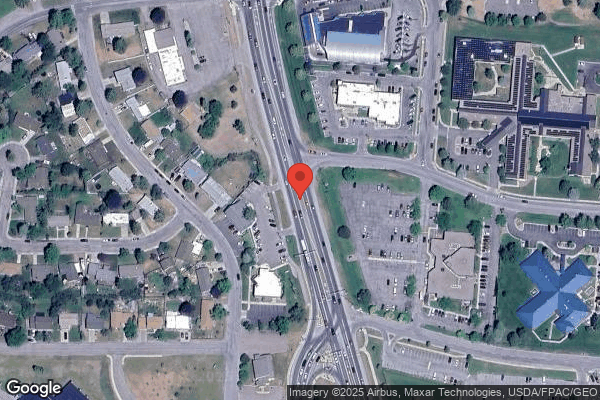

171 HERITAGE WAY, KALISPELL, MT 59901 (406) 755-0800
For profit - Limited Liability company 140 Beds THE CHARLY BELLO FAMILY, THE MAZE FAMILY, THE SWAIN FAMILY, & WALTER MYERS Data: November 2025 2 Immediate Jeopardy citations
Trust Grade
0/100
#51 of 59 in MT
Last Inspection: January 2025

Within standard 12-15 month inspection cycle. Federal law requires annual inspections.

Overview

Kalispell Rehabilitation and Nursing LLC has received a Trust Grade of F, indicating poor performance with significant concerns about care quality. Ranked #51 out of 59 facilities in Montana, this places them in the bottom half of the state, and #4 out of 5 in Flathead County means only one other local option is worse. The facility's trend is improving, with the number of issues decreasing from 18 in the previous year to 16 this year, but they still reported a concerning total of 71 deficiencies, including critical incidents of medication errors that led to serious health declines for residents. Staffing is rated average with a turnover rate of 46%, which is better than the state average but still indicates some instability. However, the facility has also faced $95,477 in fines, suggesting ongoing compliance issues, and specific findings revealed significant medication errors that resulted in emergency interventions and potential neglect of residents' care needs. Overall, while there are some strengths in staffing stability, the critical incidents and poor trust grade raise serious concerns for families considering this nursing home.

Trust Score
F
0/100
In Montana
#51/59
Bottom 14%
Safety Record
High Risk
Review needed
Inspections
Getting Better
18 → 16 violations
Staff Stability
⚠ Watch
46% turnover. Above average. Higher turnover means staff may not know residents' routines.
Penalties
✓ Good
$95,477 in fines. Lower than most Montana facilities. Relatively clean record.
Skilled Nurses
○ Average
Each resident gets 37 minutes of Registered Nurse (RN) attention daily — about average for Montana. RNs are the most trained staff who monitor for health changes.
Violations
⚠ Watch
71 deficiencies on record. Higher than average. Multiple issues found across inspections.
★☆☆☆☆
1.0
Overall Rating
★★★☆☆
3.0
Staff Levels
★★★☆☆
3.0
Care Quality
★☆☆☆☆
1.0
Inspection Score
Stable
2024: 18 issues
2025: 16 issues

The Good

  • Full Sprinkler Coverage · Fire safety systems throughout facility
  • No fines on record

Facility shows strength in fire safety.

The Bad

1-Star Overall Rating

Below Montana average (2.9)

Significant quality concerns identified by CMS

Staff Turnover: 46%

Near Montana avg (46%)

Higher turnover may affect care consistency

Federal Fines: $95,477

Well above median ($33,413)

Moderate penalties - review what triggered them

Chain: THE CHARLY BELLO FAMILY, THE MAZE F

Part of a multi-facility chain

Ask about local staffing decisions and management

The Ugly 71 deficiencies on record

2 life-threatening 7 actual harm
Jan 2025 16 deficiencies
CONCERN (D)

Potential for Harm - no one hurt, but risky conditions existed

PASARR Coordination (Tag F0644)

Could have caused harm · This affected 1 resident

Based on interview and record review the facility failed to refer resident #62 for a PASARR Level II when the diagnosis of Post Traumatic Stress Disorder was added for 1 (#62) of 25 sampled residents....

Read full inspector narrative →
Based on interview and record review the facility failed to refer resident #62 for a PASARR Level II when the diagnosis of Post Traumatic Stress Disorder was added for 1 (#62) of 25 sampled residents. Findings include: Review of resident #62's PASARR Level I, dated 6/21/24 lacked the diagnosis of Post Traumatic Stress Disorder. Review of resident #62's history and physical, dated 6/16/24 showed, .Social History .He does state he was in the special forces in the Korean war and Vietnam war, and at one point was a prisoner of war for 60 days, but escaped . [sic] Review of resident #62's MDS, with an ARD of 6/27/24, section I6100 showed the resident did not have a diagnosis of Post Traumatic Stress Disorder. Review of resident #62's MDS, with an ARD of 9/22/24, section I6100 showed the resident did have a diagnosis of Post Traumatic Stress Disorder. During an interview on 1/16/25 at 8:45 a.m., staff member C stated when the diagnosis of PTSD was added to the resident's diagnoses, a new PASRR Level 1 should have been completed. The Level 1 would then show if a Level II was necessary. A request was made for a Level II for resident #62's, and there was no information provided prior to the end of survey.
CONCERN (D)

Potential for Harm - no one hurt, but risky conditions existed

Deficiency F0655 (Tag F0655)

Could have caused harm · This affected 1 resident

Based on interview and record review, the facility failed to include on a resident's baseline care plan that the resident received enteral tube feedings, for 1 (#281) of 25 sampled residents. This def...

Read full inspector narrative →
Based on interview and record review, the facility failed to include on a resident's baseline care plan that the resident received enteral tube feedings, for 1 (#281) of 25 sampled residents. This deficient practice increased the risk of the resident not receiving proper tube feedings, or receiving food items, and the resident was NPO. Findings include: A review of a facility document, titled Respite Resident . [Resident #281], showed: Daily routine and how to care for patient while he's ready, This report is from his wife. Hx of spinal cord injury, parkinson's (communication is minimal), aspiration pneumonia, . - Nothing by patients mouth d/t aspiration pneumonia. [sic] A review of resident #281's diagnoses in the facility's EHR showed: Dysphagia, Oropharyngeal Phase . Pneumonitis Due to Inhalation of Food and Vomit . A review of resident #281's provider orders in the facility's EHR, showed: Tube feeding instructions: Isosource 1.5 @ 70 ml/hr. Continuous, With 50 ml/hr free water flush. Every shift for Continuous G tube feedings. [sic] A review of resident #281's baseline care plan showed: Focus Potential for altered comfort related to: [sic], with a date Initiated of 01/10/2025 Interventions Offer non-pharmacological interventions for PRN e.g. Offer distraction via snack or an activity, offer shower or bath, active listening and validation, offer ROM/massage, relaxation and breathing techniques, re-positioning, rest, ice/heat. Further review of resident #281's care plan failed to show he was NPO or an enteral feed. During an interview on 1/15/25 at 3:54 p.m., Staff member I stated the admitting nurse would initiate the baseline care plan for a newly admitted resident. If the admitting nurse did not complete the baseline care plan, the floor nurse would complete any assessments that were not done, and finish the baseline care plan. Staff member I stated a resident who was an enteral feed would definitely need that in their baseline care plan. A review of a facility policy, titled, Care Plans, Comprehensive and Revisions, with a revised date of December 2016, showed: Policy Statement A comprehensive, person-centered care plan that includes measurable objectives and timetables to meet the resident's physical, psychosocial and functional needs is developed and implemented for each resident .
CONCERN (D)

Potential for Harm - no one hurt, but risky conditions existed

ADL Care (Tag F0677)

Could have caused harm · This affected 1 resident

Based on observation, interview, and record review, the facility failed to ensure a resident received the required assistance at meals, for 1 (#5); and failed to ensure a resident received assistance ...

Read full inspector narrative →
Based on observation, interview, and record review, the facility failed to ensure a resident received the required assistance at meals, for 1 (#5); and failed to ensure a resident received assistance with toileting and dressing for 1 (#58) of 25 sampled residents. Findings include: 1. During an observation and interview on 1/14/25 at 7:57 a.m., staff member G stated they were the only staff member available to pass medications and food trays. Staff member G stated they would have to stop med pass if there was a resident who required assistance with eating. Resident #5 was sitting at a table attempting to feed himself. During an observation on 1/14/25 at 8:30 a.m., resident #5 was still eating breakfast, only now with staff assistance. During an observation on 1/15/25 at 8:21 a.m., resident #5 was attempting to eat a yogurt. He was bringing the empty spoon from the yogurt container to his mouth. He was not receiving any staff assistance or cueing. During an observation on 1/15/25 at 12:20 p.m., resident #5 was trying to use the handle of a spoon as a straw to consume fluids at lunch. He was not receiving any staff assistance or cueing. Review of resident #5's Quarterly MDS, with an ARD of 11/13/24, showed under section GG Functional Abilities: Eating: the ability to use suitable utensils to bring food and/or liquid to the mouth and swallow food and/or liquid once the meal is placed before the resident, was marked as: Dependent. Review of resident #5's care plan, most recent revision date of 11/13/24, showed the resident required extensive assistance by 1 staff to eat. 2. During an interview on 1/13/25 at 3:29 p.m., resident #58 stated that she has Parkinson's and needed assistance to use the bathroom. She stated staff believes she is more independent than she is. She further stated that her ability to use the bathroom fluctuates with the diagnosis of Parkinson's. Review of resident #58's diagnoses list showed she had a diagnosis of NEED FOR ASSISTANCE WITH PERSONAL CARE. During an observation on 1/14/25 at 2:25 p.m., resident #58 had her call light on and was heard calling for help from her bathroom. During an observation and interview on 1/14/25 at 2:32 p.m., resident #58 was observed on her bed, wearing only underwear and shoes on her lower extremities, struggling to put her pants on, and was visibly upset and crying. Resident #58 was observed attempting to put her pants on inside out and stated, My pant is caught on my [expletive] shoe, and all I need is someone to help me. When asked if a CNA assisted her with using the toilet, she stated the CNA turned the call light off, left the room, and did not assist her with putting on her clothing. During an interview and observation on 1/14/25 at 2:35 p.m., this surveyor informed a staff member walking down the hall that resident #58 needed assistance. Staff member U assisted resident #58 to the bathroom in the room next door. When resident #58 was finished in the bathroom she returned to her room, and the resident's pants were observed inside out. Review of resident #58's care plan showed: Focus: HEALTH MAINTENANCE: related to Parkinson's, . Interventions . Provide assistance with ADLs as needed; Focus: The resident has an ADL self-care performance deficit r/t Activity Intolerance, Parkinson's with Impaired balance, and impaired gait, and muscle stiffness .Interventions . DRESSING: The resident requires set-up with upper/lower body dressing . TOILET USE: The resident requires supervision of one staff for toileting
CONCERN (D)

Potential for Harm - no one hurt, but risky conditions existed

Quality of Care (Tag F0684)

Could have caused harm · This affected 1 resident

Based on interview and record review the facility failed to ensure hospice referrals were completed timely for 2 (#s 14 and 29) of 3 residents sampled for hospice concerns. Findings include: 1. Review...

Read full inspector narrative →
Based on interview and record review the facility failed to ensure hospice referrals were completed timely for 2 (#s 14 and 29) of 3 residents sampled for hospice concerns. Findings include: 1. Review of resident #14's nursing progress notes, dated 12/15/24, showed an order was received for a hospice referral, dated 12/10/24, due to weight loss and senile degeneration of the brain. This was also shown on the resident's physician orders, dated 12/10/24. Review of resident #14's IDT progress notes, dated 12/16/24, showed the resident had a significant fall and was sent to the ER. Preventative measures listed for further fall prevention showed, She will be transitioning to hospice. Review of resident #14's nursing progress notes, dated 12/29/24, show a hospice referral order was signed by the provider and placed on 12/21/24. This was eleven days after the first hospice order was completed. Review of resident #14's nursing progress notes, dated 1/12/25, showed the residents POA wanted to start hospice for the resident. This progress note was one month after the initial order. During an interview on 1/14/25 at 9:26 a.m., staff member F stated nursing was unable to keep track of lab results, new orders, and referrals (such as hospice) due to staffing. During an interview on 1/15/25 at 1:43 p.m., staff member C stated while working on several hospice referrals, they were told hospice admissions were two weeks out. During an interview on 1/15/25 at 3:04 p.m., NF2 stated [facility name] hospice could usually get patients admitted in a week if they received all the documentation, or sooner, if it was felt the resident was very acute. 2. Review of the facility's Grievance Report Form, dated 9/17/24, showed: [NF4] wants her on palliative care. Review of resident #29's physician's order, dated 12/16/24, showed: Hospice Referral r/t severe pain/post CVA. Review of resident #29's physicians order faxed to [Facility Name], dated 12/20/24, showed: Agree with Hospice referral. During an interview on 1/13/25 at 3:16 p.m., resident #29 stated she often had pain in her left leg and hip but and would refuse being repositioned by staff members due to the pain. NF4 stated resident #29's left leg would consistently be in the same position and was concerned about skin breakdown due to resident #29 refusing to move her leg. Resident #29 stated it was not uncommon to wait over an hour for pain medication after a request. NF4 stated, I've been told she is on palliative care, to help with resident #29's pain management. NF4 stated they had not heard any updates from [Facility Name] or the facility in months. NF4 stated, It's getting to be such a big deal, it's exhausting. Review of resident #29's EHR showed a physician's order, dated 9/30/24: Resident to be placed on palliative care. During an interview on 1/15/25 at 1:02 p.m., staff member J stated the facility did not have palliative care and they (a resident) would usually go right to hospice (if needed). Staff member J stated the palliative order for resident #29 was unclear and this doesn't make any sense. During an interview on 1/15/25 at 8:37 a.m., staff member B stated the facility did not have a palliative care policy.
CONCERN (D)

Potential for Harm - no one hurt, but risky conditions existed

Deficiency F0742 (Tag F0742)

Could have caused harm · This affected 1 resident

Based on interview and record review, the facility failed to ensure a resident received services for the treatment of post traumatic stress disorder, for 1 (#62) of 25 sampled residents. Findings incl...

Read full inspector narrative →
Based on interview and record review, the facility failed to ensure a resident received services for the treatment of post traumatic stress disorder, for 1 (#62) of 25 sampled residents. Findings include: During an interview on 1/13/25 at 4:14 p.m., resident #62 stated he was a Veteran; and, I saw a lot of combat in Korea and Vietnam. I have PTSD. Review of resident #62's history and physical, dated 6/16/24 showed, .Social History . He does state that he was in the special forces in the Korean War in Vietnam war and at one point was a prisoner of war for 60 days but escaped[sic] During an interview on 1/15/25 at 8:14 a.m., resident #62 stated, I need to see a psychiatrist or a counselor for my PTSD. Review of resident #62's list of diagnoses list showed the resident had a medical diagnosis of post-traumatic stress disorder. During an interview on 1/16/25 at 8:45 a.m., staff member C stated resident #62 had not been referred for treatment related to the post traumatic stress disorder. A request was made for documentation showing a referral was made for the treatment of resident #62's PTSD, but nothing was received prior to the end of survey.
CONCERN (D) 📢 Someone Reported This

A family member, employee, or ombudsman was alarmed enough to file a formal complaint

Potential for Harm - no one hurt, but risky conditions existed

Unnecessary Medications (Tag F0759)

Could have caused harm · This affected 1 resident

Based on interview and record review, facility nursing staff failed to administer two medications during the evening medication administration time, that were ordered to be given two times a day for 1...

Read full inspector narrative →
Based on interview and record review, facility nursing staff failed to administer two medications during the evening medication administration time, that were ordered to be given two times a day for 1 (#76) of 25 sampled residents. This resulted in a 6.4 percent medication error rate. This deficient practice had the potential to adversely affect the resident who was taking an antibiotic two times a day for pneumonia, and Potassium Chloride two times a day for encephalopathy. Findings include: A review of resident #76's EHR showed a physician's order for the antibiotic, Cefdinir, 300 mg., with an order date of 9/6/2024 at 12:40 p.m., which showed, Give 1 capsule by mouth two time a day related to Pneumonia . A review of a medication order in resident #76's EHR showed an order for Potassium Chloride, 10 meq. with, an order date of 9/6/2024 at 3:27 p.m., which was, Give 2 capsule by mouth two times a day related to Encephalopathy . [sic] A review of resident #76's MAR showed the medications, Cefdinir and Potassium Chloride, was not documented as given for the 9/6/24 medication pass at 5:00 p.m. During an interview on 1/14/25 at 10:40 a.m., staff member G stated if the medication was not marked off in the MAR as given, it was a medication error, and there's no excuse. During an interview on 1/16/25 at 8:02 a.m., staff member D stated if the medication was not checked off in the MAR, it wasn't given. A review of a facility policy, titled, Administering Medications, with a revision date of December 2012, showed: Policy Statement Medications shall be administered in a safe and timely manner, and as prescribed. Policy Interpretation and Implementation . 3. Medications must be administered in accordance with the orders, including any required time frame . 18. If a drug is withheld, refused, or given at a time other than the scheduled time, the individual administering the medication shall document this information in the MAR accordingly. 19. The individual administering the medication must document in the resident's MAR in the applicable section after giving each medication and before administering the next resident's medications
CONCERN (D)

Potential for Harm - no one hurt, but risky conditions existed

Menu Adequacy (Tag F0803)

Could have caused harm · This affected 1 resident

Based on observations and record review, the facility failed to follow the posted menu for two meals of the three observed meals, which could affect any resident wishing to utilize the posted menu's. ...

Read full inspector narrative →
Based on observations and record review, the facility failed to follow the posted menu for two meals of the three observed meals, which could affect any resident wishing to utilize the posted menu's. Findings include: During three observations on 1/14/25 at 8:33 a.m., 8:37 a.m., and 8:41 a.m., whole grain toast was not observed on a resident's plate. Review of the 1/14/25 breakfast menu showed: . Whole grain toast During an observation on 1/15/25 at 12:37 p.m., the following foods were served for lunch: - Potato soup - Ham and cheese on a croissant - Watermelon - Cupcake Review of the 1/15/25 Lunch Menu showed: Garden vegetable soup Classic beef stroganoff Lemon buttered broccoli Baked roll Raspberry jello salad The menu items posed were not what was served that day.
CONCERN (D)

Potential for Harm - no one hurt, but risky conditions existed

Deficiency F0808 (Tag F0808)

Could have caused harm · This affected 1 resident

Based on observations, interviews, and record review, the facility failed to ensure the physician ordered therapeutic diet was followed for 3 (#s 12, 48, 280) of 40 sampled and supplemental residents....

Read full inspector narrative →
Based on observations, interviews, and record review, the facility failed to ensure the physician ordered therapeutic diet was followed for 3 (#s 12, 48, 280) of 40 sampled and supplemental residents. Findings include: a. During an interview on 1/13/25 at 3:56 p.m., resident #12 stated, (It was) unfortunate that the kitchen is not required to do a better job for diabetics. Resident #12 stated her blood sugar was commonly very high since being admitted to the facility, and she would often bring her own food. Resident #12 stated lunch that day was chili, coleslaw, spiced apples, yogurt (not low sugar), and carrot cake. Resident #12 stated this was too many carbohydrates for her to eat as a diabetic. Review of resident #12's EHR showed: CCHO diet. b. During an interview on 1/13/25 at 4:37 p.m., resident #48 stated she had to remind the staff to give her sugar free syrup because she stated they would forget and serve her regular syrup with breakfast, such as with waffles. Review of resident #48's EHR showed: CCHO diet. During an interview on 1/14/25 at 9:26 a.m., staff member F stated therapeutic diets were often not followed by the kitchen, they specifically pointed out how dialysis and diabetic diets were not being followed due to the budget. c. During an interview on 1/15/25 at 8:33 a.m., resident #280 stated he had a renal diet due to his diagnosis of end stage renal disease. Resident #280 also stated his dentures did not fit which made it difficult to chew meats. Resident #280 had left two sausage links on his plate and stated he would not be able to chew these. Resident #280 stated he might not get enough protein for his renal diet due to his concern for chewing meats. Review of resident #280's EHR showed: Regular diet, Soft & Bite Sized . Review of resident #280's diagnoses list showed: End Stage Renal Disease. Review of the Facility Matrix showed: resident #280 was marked as an offsite dialysis resident. During an interview on 1/15/25 at 1:02 p.m., staff member J stated residents with diabetic diets were receiving the same diet as all of the other residents with no dietary restrictions. Staff member J stated the only differences she noticed with therapeutic diets were textures. Staff member J stated no sugar free snacks were even an option for diabetic residents at the facility. During an interview on 1/16/25 at 9:54 a.m., staff member L stated they had never heard of a renal diet. Staff member L stated with a carbohydrate diet, gluten free breads were an important part of this diet, and panko could not be served with this specialty diet. Review of a facility document, titled Therapeutic Diets, revised 10/17, showed: .1. A therapeutic diet is considered a diet ordered by a physician, practitioner or recommended by a dietician ., 8. Snacks will be compatible with the therapeutic diet .
CONCERN (E)

Potential for Harm - no one hurt, but risky conditions existed

Safe Environment (Tag F0584)

Could have caused harm · This affected multiple residents

Based on observations, interviews, and record reviews, the facility failed to provide a clean environment in resident showers; and failed to exercise reasonable care of resident clothing and other per...

Read full inspector narrative →
Based on observations, interviews, and record reviews, the facility failed to provide a clean environment in resident showers; and failed to exercise reasonable care of resident clothing and other personal resident items from loss or theft, and failed to utilize a grievance process to address lost/missing items, for 4 (#s 5, 33, 67 and 69) of 25 sampled residents. Findings include: 1. During an interview on 1/15/25 at 9:55 a.m., staff member P stated the facility shower rooms needed a deep clean. During an observation on 1/15/25 at 1:11 p.m., the shower room outside of the memory care unit had a sign on the door showing, Lost/missing clothes kept in A & E shower room. Inside the shower room, in the shower stall, was a used wet washcloth on the floor and pooled dirt near the drain. In the second room was a rack full of clothes, and a tabletop overflowing with clothing. There was a sign posted to remind staff to clean and disinfect the shower stall between residents for infection control reasons. During an observation on 1/16/25 at 10:27 a.m., the shower room outside of the memory care unit had a malodourous smell, brown stains near the drain, and a dirty brief on the floor next to a full trash can. In the second room was a rack full of clothes, and a tabletop overflowing with clothing. 2. During an interview on 1/14/25 at 9:39 a.m., resident #69 stated, A bunch of my clothes were missing, and he had informed staff of the missing items. During an interview on 1/14/25 at 10:25 a.m., NF1 stated resident #5's clothing seemed to disappear, even when she wrote his name on them. During an interview on 1/14/25 at 10:26 a.m., resident #33 stated she had brand new clothing, that had not been worn, go missing. During an interview on 1/14/25 at 10:45 a.m., staff member S said they found part of resident #33's missing clothing and stated, We are trying to get everything out because state (State Survey Agency) is here. During an observation on 1/14/25 at 1:13 p.m., a resident was telling staff member A that his beard trimmers had gone missing again. Staff member A stated they weren't that expensive. The resident stated it wasn't about that, but he was sick of buying them. During an observation on 1/15/24 at 8:58 a.m., a document titled Lost and Found was observed to the left of the laundry room door, it showed Hello! Have you lost any clothes within the last 60 days? Please fill out this sheet so laundry know what to look for so we can find it, Thank you! During an interview on 1/15/25 at 9:04 a.m., staff member C stated the top resident grievance was missing laundry. Staff member C stated the laundry room looked like a hoarder's house. Refer to F585 - Grievances for more information related to the lack of an affective grievance process. During an observation and interview on 1/15/25 at 1:05 p.m. staff member Q stated they worked with activities to return clothes that had piled up monthly. Staff member Q stated the label maker was currently in activities because of the influx of Christmas clothing. Staff member Q stated clothes were labeled with the label maker, written on with a Sharpie, or they requested family to label the clothing. During an interview on 1/15/25 at 3:56 p.m., staff member C stated, I literally spend one third of my time looking for missing items. During an interview on 1/15/24 at 4:21 p.m., staff member A stated missing items are elevated to a grievance if they were aware of them. Staff member A stated when something doesn't get put on a grievance form they try to do a concern form for it, try to address the concern, and it doesn't always get in the grievance log. When asked about the current process for safeguarding personal items staff member A stated it is an expectation to complete an inventory of the resident's personal items and they try to complete an inventory listing on admission. Staff member A stated resident inventory is an area the facility could improve on. During an interview on 1/16/25 at 8:13 a.m., staff member J stated there were missing items all the time, more so clothing. Staff member J said the residents never had clothes, their closets were empty, and we never had anything to dress them in. When asked what happens if missing items were reported to her, she stated she goes to laundry or asks staff member I. During an interview on 1/16/25 at 8:30 a.m., staff member Q stated yes, we do have missing clothing, it definitely does happen. Staff member Q stated there was a no name cart or the clothing goes to the lost and found, and then it is gone through every once in a while. Staff member Q stated he believed there was also a lost and found area in c hall, because we had so many missing items. During an interview on 1/16/25 at 8:34 a.m., staff member R said there was a lot of missing clothing in the memory care unit, there were a lot of moving parts, and things can get lost quickly. When asked if there was a policy or procedure that was followed for missing items, staff member R stated she had not seen a policy During an interview on 1/16/25 at 9:13 a.m., NF5 stated resident #67 has discharged from the facility, and they were still missing an iPad, an apple watch, and clothing. NF5 stated she had requested resident #67's inventory sheet. A review of resident #67's [Facility Name] Healthcare: Personal Belonging Inventory, showed resident #67's iPad and apple watch were present and inventoried. During an observation on 1/16/25 at 10:52 a.m., the resident council meeting agenda was posted on the bulletin board outside of the dining room. The meeting notes showed there was resident concern they were still missing clothing. A request was made for all communication related to lost and missing items for the last 30 days and nothing was provided as it related to resident #67's missing items. A request was made for the missing items policy, but nothing was received prior to the end of survey. A request was made for education provided to staff related to missing items and how to complete a resident's inventory. Review of the [Facility Name] In-service Attendance Sheet, Topic: Inventory Listing CNAs, complete upon admission, dated 10/9/24, showed 11 staff attended. A review of the staff list provided showed there are 116 staff, so 105 staff members were not listed on the in-service attendance sheet as being educated.
CONCERN (E)

Potential for Harm - no one hurt, but risky conditions existed

Grievances (Tag F0585)

Could have caused harm · This affected multiple residents

Based on observation, interview, and record review ,the facility failed to maintain an affective grievance program to address resident concerns, specifically related to ongoing problems with lost resi...

Read full inspector narrative →
Based on observation, interview, and record review ,the facility failed to maintain an affective grievance program to address resident concerns, specifically related to ongoing problems with lost resident belongings. This deficient practice increased the risk of a negative outcome for all residents who had concerns with grievances or lost items not elevated to a grievance level by management. Findings include: Review of a Grievance Report Form, dated 3/1/24, showed: Why do we fill out grievances? Nothing changes. Review of Grievance Report Form, dated 3/1/24, showed: Grievances not being addressed. During an interview on 1/15/25 at 3:56 p.m., staff member C said he was the grievance officer and stated the administrator and director of nursing determine what gets elevated to a grievance as it related to missing items. During an interview on 1/15/24 @ 4:21 p.m., Staff member A said social services handles the grievances, and the prior social worker was not very strong in her skillset. Staff member A said the grievance log for August 2024 was missing. During an interview on 1/15/24 at 4:21 p.m., staff member A stated missing items are elevated to a grievance if they were aware of them. Staff member A stated when something doesn't get put on a grievance form they try to do a concern form for it, try to address the concern, and it doesn't always get in the grievance log. During an interview on 1/16/25 at 9:13 a.m., NF5 stated resident #67 had discharged from the facility last week, and they were still missing an iPad, an apple watch, and clothing. NF5 stated she had requested resident #67's inventory sheet. A review of resident #67's [Facility Name] Healthcare: Personal Belonging Inventory showed resident #67's iPad and apple watch were inventoried. A grievance was not resolved for the lost items. Refer to F584 - Safe, Clean, Comfortable Environment for more details related to lost items, and greivances not initiated to address the lost items.
CONCERN (E) 📢 Someone Reported This

A family member, employee, or ombudsman was alarmed enough to file a formal complaint

Potential for Harm - no one hurt, but risky conditions existed

Accident Prevention (Tag F0689)

Could have caused harm · This affected multiple residents

Based on observation, interview, and record review, the facility failed to ensure there was adequate staff supervision on the memory care unit for 3 (#s 22, 45, and 62); failed to identify, implement,...

Read full inspector narrative →
Based on observation, interview, and record review, the facility failed to ensure there was adequate staff supervision on the memory care unit for 3 (#s 22, 45, and 62); failed to identify, implement, and provide sufficient interventions for a resident who eloped, for 1 (#276) ; and failed to ensure 2 (#s 2 and 28) were properly positioned when eating food for 40 sampled and supplemental residents. Findings include: 1. During an interview on 1/13/25 at 3:00 p.m., staff members G and H stated the unit currently had a lot of residents with behaviors. They stated there were three staff scheduled for the mornings and two in the afternoons. Staff members G and H stated it was not enough staff with so many ressidents with behaviors and explained that there always needs to be one person supervising in the day room, so if a resident needed assistance in their room, staff would be spread pretty thin. During an observation on 1/14/25 at 10:00 a.m., resident #45 was standing in resident #62's doorway. Resident #62 was very agitated and wheeling towards resident #45, making verbal threats towards her if she did not get out of his doorway. This surveyor was the only one on the hall, and had to go flag down a staff member to intervene with the two residents. 2. During an observation on 1/15/25 at 8:03 a.m., the surveyor was standing alone in the hallway while resident #22 was walking in the hall barefoot, holding an upright steele fork, in front of her. Her steps and gait were clumsy and rushed. Staff were busy assisting other residents in the dining room and did not intervene until several minutes later. Review of resident #22's nursing progress notes, dated 12/4/24, showed, Resident's . Syndrome causes movement and/or balance disorders . she ambulates with unstable gait . she often 'hurries,' as she's ambulating, increasing the risk for injury . Review of resident #22's care plan, with a most recent revision date of 1/12/25, showed under the interventions for fall risk, Please make sure I have appropriate footwear or non-slip socks which were not on the resident's feet during the observation by the surveyor. 3. During an interview on 1/15/25 at 1:02 p.m., staff member J stated, I don't really know (the purpose), regarding resident #276's wanderguard. Staff member J stated they had a concern of the inefficiency of the system as there were multiple doors that the wanderguard did not work which resident #276 had access to. Staff member J stated there were two doors that would lock when the wanderguard was near them, but two other doors in the facility (one on E wing and one on A wing) did not lock when a wanderguard was near them. Instead, if any individual would push on the door for 15 seconds, an alarm would go off, but eventually the door would open. Staff member J stated this was how resident #276 had gotten out of the facility on 1/8/25. During an interview on 1/15/25 at 3:56 p.m., staff member C stated, We dropped the ball on that, when referring to resident #276's elopement. Staff member C stated there were two extra exit doors that do nothing in response to a wanderguard. During an observation on 1/16/25 at 11:05 a.m., the transitional care unit was shown to have access to all residents in the facility except the memory care unit. Resident #276 did not reside in the memory care unit. This unit was not supervised by staff and had an additional door with outside access, as well as two doors, that went to an outside courtyard. 4. During an observation on 1/14/25 at 8:38 a.m., resident #2 was laying back in her chair facing sideways to the table. Resident #2 was coughing while eating. Staff member M stated, Why don't you try and take a drink real quick? Resident #2's face was red in color. During an observation on 1/14/25 at 8:40 a.m., resident #2 continued to cough. Staff member M stated, Do you want something besides the eggs? Resident #2 did not answer and continued to cough. No other interventions were completed at this time. Staff member M asked the resident if she wanted yogurt. Resident #2's mouth was moving slightly but no words were voiced. Resident #2 nodded her head yes. During an observation and interview on 1/14/25 at 8:43 a.m., resident #2 stated she had learned how to spit out food when she was having a hard time swallowing. Review of resident #2's Dietary Order showed: Texture: Soft & Bite-Sized . and Notes: upright 90 degrees in bed, or in chair. Small bites/sips, alternate solids/liquids. During an observation on 1/14/25 at 8:46 a.m., resident #2 took a large bite of yogurt. Staff member M was no longer at resident #2's side. During an observation and interview on 1/14/25 at 8:46 a.m., staff member N asked how resident #2 felt and she stated, Winded. Staff member N obtained a pulse of 65 and an oxygen saturation of 95%. Staff member N began to listen to resident #2's heart and lungs. Staff member N asked resident #2 to sit forward so that she was able to access her back for lung auscultation, but resident #2 was still holding a spoonful of yogurt and was not able to grab the chair for assistance to help pull herself up. Staff member N was only able to access resident #2's upper back for lung auscultation. The resident did not take a deep breath during auscultation. During the lung auscultation, staff member N stated the left upper quadrant of the abdomen was the lower part of the lung field. There was no intervention to change the resident's position, take the food away temporarily, or ask resident #2 to stop, chew or swallow. Staff member N stated resident #2 looked tired and her cheeks were rosy in color. Staff member N stated she was checking vitals and lung fields on resident #2 because the resident stated she was unable to breathe. Staff member N stated resident #2 was slouched back in her chair and did have issues swallowing at times. Staff member N stated there was a decent amount of yogurt on the spoon, and the spoon was large in size for a resident who should be taking smaller bites. During an observation on 1/14/25 at 8:58 a.m., resident #2 was sitting straight up and now facing the table. During an interview on 1/15/25 at 1:02 p.m., staff member J stated drooling, coughing, a person's face turning red, and/or no words would be a concern for choking. 5. During an observation on 1/15/25 at 8:58 a.m., staff member T brought in a food tray to resident #28. Staff member T asked resident #28 if she had felt comfortable eating in the flat position and then left. During an interview and observation on 1/15/25 at 9:00 a.m., resident #28 stated staff usually pull her up in a seated position to eat. Resident #28 stated she was able to swallow better if she was upright instead of a laying down position. Upon observation, resident #28 had her pillow fluffed up around her face with her neck kinked. As she was eating, she dropped a piece of sausage on her chest and lost it. During an interview on 1/15/25 at 9:13 a.m., staff member O stated the laying position of resident #28 could be a choking hazard especially with her specialized diet: minced and moist.
CONCERN (E)

Potential for Harm - no one hurt, but risky conditions existed

Deficiency F0697 (Tag F0697)

Could have caused harm · This affected multiple residents

Based on observation, interview, and record review, the facility failed to ensure pain was routinely assessed and treated according to professional standards for 3 (#s 10, 29, and 30), especially conc...

Read full inspector narrative →
Based on observation, interview, and record review, the facility failed to ensure pain was routinely assessed and treated according to professional standards for 3 (#s 10, 29, and 30), especially concerning pain management for a resident with advanced dementia for 1 (#14); and failed to failed to properly follow physician orders regarding pain monitoring documentation for 1 (#10) of 25 sampled and supplemental residents. Findings include: 1. During an observation and interview on 1/13/25 at 3:24 p.m., resident #14 was sitting at the table in the memory care unit main area. She had a distressed look on her face and was rocking in the chair. Staff member G stated resident #14 was restless and cried a lot. During an interview on 1/15/25 at 9:04 a.m., staff member C stated there were usually med aides staffed on the memory care unit, which required the nurse to run around the building doing treatments and prn medication assessments. During an observation on 1/16/25 at 8:30 a.m., resident #14 was sitting at the table with a full plate of food in front of her. She wasn't eating, but was instead sucking on the clothing protector, and she appeared to be wincing with her facial expression. During an observation and interview on 1/16/25 at 8:40 a.m., resident #14 was sitting on the couch underneath several blankets. She was grimacing and apprehensive. Staff member J stated the resident had been experiencing failure to thrive. She stated it was difficult to tell if the resident was in pain or anxious, although she had been on Ativan [antianxiety medication], for forever. Review of resident #14's medication administration reports for December 2024 and January 2025 showed the resident had twice daily scheduled antianxiety medication and no scheduled pain medication, only prn orders. Review of resident #14's Quarterly MDS, with an ARD of 12/25/24, showed the BIMS interview was not completed because the resident was rarely/never understood. Review of resident #14's care plan, revised 7/9/24, showed, The resident has unclear speech that is often nonsensical. She sometimes understand what is said to her and can rarely make herself understood. [sic] Review of resident #14's pain monitoring for December 2024 showed: 15 missed opportunities out of 62. Review of resident #14's pain monitoring for January 2025 showed five missed opportunities out of 30. Two pain assessments on 1/7/25 were documented at a pain level of four, without any correlating pain medication given, as documented on the medication administration record. Review of resident #14's nursing progress notes, dated January 2025, showed: - 1/1/25 Behaviors . patient sitting on edge of couch moaning, crying out, and rocking. After assessment patient administered narcotic pain medication for pain level 4/10 on facial scale. - 1/7/25 Defiant cares include physically pushing back on staff, becoming rigid . - 1/7/25 Resident with behaviors of resistance, such as whimpering, lifting her feet when staff attempt to transfer her . will refuse staff by pushing back on them . - 1/8/25 . CNA stated she (resident) was rigid and pushed back towards staff when they were transferring her . - 1/9/25 Resident pushing back on staff with ADL cares . whimpering . According to the, Pain Assessment in Advanced Dementia (PAINAD) Scale A five-item observational tool [Breathing, negative vocalizations, facial expression, body language, and consolability] with scores ranging from 0-10, based on a scale of 0-2 for each item, with a higher score indicating more severe pain. Negative vocalization: 0= None 1= Occasional moan or groan. Low level speech with a negative or disapproving quality 2= Repeated troubled calling out. Loud moaning or groaning. Crying. Facial Expression: 0= Smiling or inexpressive 1= Sad. Frightened. Frown. 2= Facial grimacing Body Language: 0= Relaxed 1= Tense. Distressed pacing. Fidgeting. 2= Rigid. Fists clenched. Knees pulled up. Pulling or pushing away. Striking out. 2. During an interview and observation with NF4 and resident #29, on 1/13/25 at 3:16 p.m., resident #29 stated she had waited over an hour after requesting Tylenol for pain management. Resident #29 stated she very frequently had pain in her left hip and had to wait for pain medication. NF4 stated this had been an ongoing problem and had even requested for resident #29 to be on hospice or palliative care to receive effective pain management. NF4 stated resident #29's pain affected her ability to move and be repositioned with staff. NF4 stated resident #29 often refused being turned which caused even more concern for skin breakdown. NF4 pointed to a diagram of on the wall that the facility depicted as the proper positioning of resident #29 with pillows offloading common pressure points. Resident #29 stated the staff did not use the diagram anymore because of how often repositioning hurt her. Observation of the diagram, showed a placement of four pillows underneath resident #29's left side of her body. Resident #29 had only one pillow underneath her head during the interview/observation. Review of resident #29's physician order's, dated 12/16/24, showed: Hospice Referral r/t severe pain/post CVA. Review of resident #29's EHR showed a physician's order, dated 9/30/24: Resident to be placed on palliative care. During an interview on 1/15/25 at 1:02 p.m., staff member J stated the facility did not have palliative care and they (a resident) would usually go right to hospice (if needed). Staff member J stated the palliative care physician's order for resident #29 was unclear and this doesn't make any sense. 3. During an interview on 1/14/25 at 2:13 p.m., resident #10 stated he had pain everyday and all over. He stated, Couldn't tell you, when he referred to the last time a staff member had asked him to rate his pain on a scale of 0-10. He stated he had asked staff to change his pain medication to something else because he felt his pain was not managed. He stated the staff did not rotate him and he stated, I wouldn't refuse (repositioning). He stated, They're always understaffed and too busy. During an interview on 1/15/25 at 1:50 p.m., staff member G stated they always asked residents what their pain rating was using the 0-10 pain scale, prior to and after, giving a medication. Staff member G stated this was documented in the EHR. Staff member G stated resident #10 received scheduled pain medication, but was known to have pain frequently, especially if it was after a bath or eith movement. Review of resident #10's EHR showed the following diagnoses: Spondylosis without myelopathy or radiculopathy, lumbar region; arthropathic psoriasis; polyneuropathy, spinal stenosis lumbar region with neurogenic claudication; wedge compression fracture of unspecified thoracic vertebra; other intervertebral disc degeneration, lumbar region. Review of resident #10's EHR, from 12/1/24 to 1/13/25, showed: -11 missed pain assessments on: 12/1/24, 12/13/24 (day and nightshifts), 12/14/24, 12/23/24, 12/24/24, 12/26/24, 12/29/24, 12/30/24, 1/3/25, and 1/11/25. -All pain assessments were assessed at a 0/10, except for 10 of the 87 shifts reviewed. Review of resident #10's physician order, with a start date 4/9/24, showed: Pain Monitoring: Monitor for verbal and/or non-verbal signs of pain. If the pain scale is scored 5 or more complete pain progress note. Review of resident #10's nursing notes showed no pain progress notes were completed referencing resident #10's pain rating at a 5/10 or higher (on the dates 12/14/24, 12/15/24, and 12/18/24). 4. During an interview on 1/15/25 at 1:43 p.m., resident #30 stated, What's that?, when referring to the pain scale of 0-10. Resident #30 stated his pain usually was at a three, but could be at a six at the worst. Review of resident #30's EHR showed the diagnoses: polyneuropathy and pain in the left shoulder. Review of resident #30's EHR, from 11/1/24 to 1/15/25, showed: -10 missed pain assessments on: 12/1/24, 12/5/24, 12/13/24 (day and nightshifts), 12/23/24, 12/24/24, 12/29/24, 12/30/24, 1/3/25 and 1/11/25. -All pain assessments were rated at a 0/10, except for 13 of the 152 shifts reviewed. The facility's pain management policy was requested and documented as requested on the survey team's request sheet #4, which was provided to the facility. No policy or documentation was provided by the facility by the end of the survey.
CONCERN (E)

Potential for Harm - no one hurt, but risky conditions existed

Dental Services (Tag F0791)

Could have caused harm · This affected multiple residents

Based on observation, interview, and record review, the facility failed to follow up on referrals for dental care for 5 (#s 3, 5, 6, 48, 280) of 40 sampled and supplemental residents. Findings include...

Read full inspector narrative →
Based on observation, interview, and record review, the facility failed to follow up on referrals for dental care for 5 (#s 3, 5, 6, 48, 280) of 40 sampled and supplemental residents. Findings include: 1. Review of resident #5's nursing progress notes, dated 4/15/24, showed the resident had been seen by the dental hygienist, and the concerns identified included: - Possible decay of 5, 6, 11, 23, 24, 25, 26, 27, 28. - Broken teeth 21 and 22. - Root tips present 3, 4, 7, 8, 10, 14, 20, 30, 31. Review of resident #5's EHR, accessed on 1/13/25, showed there was a physician's order for a dental referral dated 4/15/24. Review of the resident's EHR failed to show any progress notes or followup referrals or treatment for the resident's identified dental concerns. During an interview on 1/15/25 at 8:33 a.m., staff member B stated the facility had the referral in May (2024), but did not follow up, and they would make the appointment today (1/15/25). 2. a. During an interview on 1/13/25 at 4:37 p.m., resident #48 stated some of the foods (like chicken) were tough to eat, and she had a hard time eating them because her dentures did not fit properly. Review of resident #48's EHR showed a 6.15% weight loss. The resident's weight was 128.4 pounds on 11/4/24, and the weight went down to 120.5 pounds on 1/13/25. b. During an interview on 1/14/25 at 2:50 p.m., resident #3 stated her dentures would slip, which made it hard for her to eat. c. During an interview on 1/15/25 at 9:19 a.m., resident #6 stated her dentures did not fit properly so she did not wear them at all. d. During an interview and observation on 1/15/25 at 8:33 a.m., resident #280 stated his dentures did not fit well which made it difficult to chew meats. Resident #280 had left two sausage links on his plate, and he stated he would not be able to chew them. Resident #280 stated he might not get enough protein for his renal diet. A request was made for resident #3, #6, and #48's dental notes and appointments. No documentation was provided by the end of the survey.
CONCERN (E)

Potential for Harm - no one hurt, but risky conditions existed

Deficiency F0804 (Tag F0804)

Could have caused harm · This affected multiple residents

**NOTE- TERMS IN BRACKETS HAVE BEEN EDITED TO PROTECT CONFIDENTIALITY** Based on observations, interviews, and record review, the facility dietary department and staff failed to serve food timely, and...

Read full inspector narrative →
**NOTE- TERMS IN BRACKETS HAVE BEEN EDITED TO PROTECT CONFIDENTIALITY** Based on observations, interviews, and record review, the facility dietary department and staff failed to serve food timely, and follow the posted meal times, and food was often served late which resulted in cold food, for 5 (#s 6, 10, 28, 35, and 41) of 40 sampled and supplemental residents; and 3 (#s 29, 48, 49) of 25 sampled and supplemental residents stated they disliked the food. Findings include: 1. Review of a facility document, titled Mealtimes, showed, .Dining room [ROOM NUMBER]:00 (a.m.) Breakfast . During an observation on 1/14/25 at 8:28 a.m., breakfast was being served in the dining room. During an interview on 1/14/25 at 8:31 a.m., resident #6 stated the food was typically served 30 minutes late, but could be served up to an hour late. Resident #6 stated yesterday breakfast was 30 minutes late in the dining room. Review of a facility document, titled Mealtimes, showed, .E and D Wing 8:30 (a.m.) Breakfast . During an interview on 1/15/25 at 8:07 a.m., resident #41 stated her food was served later than 8:30 a.m. on wing E and was usually cold. During an observation on 1/15/25 at 8:16 a.m., breakfast was served in the dining room. During an observation on 1/15/25 at 8:58 a.m., resident #28 who resided in E wing was served breakfast. During an interview on 1/15/25 at 9:07 a.m., resident #35 stated her eggs were almost always cold in the morning, when her tray was delivered to her room, in the E wing. During an observation on 1/15/25 at 9:16 a.m., staff member T was serving the last few breakfast trays to E wing. Review of a facility document, titled, Mealtimes, showed, .A and C Wing 12:30 (p.m.) Lunch . During an interview on 1/15/25 at 12:48 p.m., resident #10 stated the food delivered to his room on the A wing was often delivered late and was cold. 2. During an interview on 1/13/25 at 3:16 p.m., resident #29 stated she did not like the food served at the facility and had her family member bring in her food for every meal. During an interview and observation on 1/14/25 at 8:33 a.m., resident #48 stated she would have preferred some milk to make her oatmeal less thick. Upon observation, there was a large thick clump of oatmeal in resident #48's bowl. Resident #48's meal ticket showed lactose free milk, but no milk product was on resident #48's tray. During an observation and interview on 1/14/25 at 8:37 a.m., resident #49 was picking out blackened pieces of food in her eggs. Resident #49 stated, That's just no, when pointing to the blackened pieces of egg that looked like burnt food particles. During an interview on 1/14/25 at 9:26 a.m., staff member F stated, (The) food is disgusting most of the time. During an interview on 1/15/25 at 1:02 p.m., staff member J stated, Pretty much everyone here hates the food, and the residents told staff member J the food was jail food.
CONCERN (F)

Potential for Harm - no one hurt, but risky conditions existed

Deficiency F0725 (Tag F0725)

Could have caused harm · This affected most or all residents

Based on interview and record review, the facility failed to ensure resident's call lights were answered timely for 6 (#s 10, 12, 26, 29, 30, 32) of 40 sampled and supplemental residents, leading resi...

Read full inspector narrative →
Based on interview and record review, the facility failed to ensure resident's call lights were answered timely for 6 (#s 10, 12, 26, 29, 30, 32) of 40 sampled and supplemental residents, leading residents to feel their pain was not adequately managed. Findings include: 1. During an interview on 1/13/25 at 4:17 p.m., resident #30 stated he often waited over 30 minutes for his call light to be answered. He stated he waited the longest for his call light to be answered at night, and he felt the facility and staff were understaffed and overworked. During an interview on 1/13/25 at 4:29 p.m., resident #32 stated he felt the facility was understaffed as he frequently waited 30 minutes for his call light to be answered. During an interview on 1/13/25 at 4:33 p.m., resident #10 stated he often waited over 30 minutes 15 times in a week for his call light to be answered. Resident #10 also stated the longest call light wait time was over an hour. During an interview on 1/13/25 at 3:56 p.m., resident #12 stated the facility only had two CNAs at night. She stated, I'm sick and tired of them (the facility) claiming they are overstaffed. Resident #12 stated she had to wait the longest at night for her call light to be answered and she stated, They (the facility) have everyone (staff members) trained to turn off your call light (off) without assessing needs. Resident #12 stated she felt slightly unsafe, as there were over 60 residents, and only five staff members. She stated the facility used to ask quarterly if residents felt safe in their environment, but they do not anymore. During an interview on 1/14/25 at 7:56 a.m., resident #26 stated there was not enough staff especially on the weekends and at night. Resident #26 stated every night at 9:00 p.m. or 10:00 p.m., it would take 30 minutes for staff to answer her call light. During an interview on 1/14/25 at 9:26 a.m., staff member F stated, We don't have adequate amounts of staffing due to (the) nursing budget. Staff member F stated it was common to have one nurse and one CNA on the E wing. Staff member F stated she had concerns for the low staffing ratios, especially when two people were needed to operate a mechanical lift. Staff member F stated they are told to just make do, when concerns were expressed to upper management. During an interview on 1/15/25 at 1:02 p.m., staff member J stated there had been times where there was only one nurse for the entire building for 70 residents. Staff member J stated there were medical aides, but those staff were unable to administer insulin, check a blood glucose, or give PRN medications. Staff member J stated the nurse was responsible for those duties, along with the charting, which included all assessments (such as monitoring assessments, bruise monitoring assessments, skin assessments, wound assessments and treatments, etc.) for the entire building if there was not another nurse scheduled. 2. During an interview with NF4 and resident #29, on 1/13/25 at 3:16 p.m., resident #29 stated she had waited over an hour after requesting a Tylenol for pain management. Resident #29 stated she very frequently had pain in her left hip and had to wait for pain medication. NF4 stated this had been an ongoing problem at the facility. During an interview on 1/14/25 at 2:13 p.m., resident #10 stated he had pain everyday and all over. He stated staff were frequently very busy and he felt his pain was not managed effectively. He stated staff did not offer to rotate (reposition) him and he stated, I wouldn't refuse, if staff would offer to help him move in the bed. He stated, They're always understaffed and too busy. Review of resident #10's EHR showed the following diagnoses: Spondylosis without myelopathy or radiculopathy, lumbar region; arthropathic psoriasis; polyneuropathy, spinal stenosis lumbar region with neurogenic claudication; wedge compression fracture of unspecified thoracic vertebra; other intervertebral disc degeneration, lumbar region. [sic] During an interview on 1/15/25 at 4:17 p.m., staff member A stated call light times were determined by resident satisfaction. Review of a facility document, titled Call Light Audit, showed . 5 minute goal. Never walk past a call light.
CONCERN (F)

Potential for Harm - no one hurt, but risky conditions existed

Infection Control (Tag F0880)

Could have caused harm · This affected most or all residents

Based on observation, interview, and record review, the facility failed to ensure transmission-based precautions were accurate and followed; failed to ensure documentation and notification of Covid tr...

Read full inspector narrative →
Based on observation, interview, and record review, the facility failed to ensure transmission-based precautions were accurate and followed; failed to ensure documentation and notification of Covid tracing in residents was completed; and failed to have a system in place to prevent and monitor water borne illnesses. These infection control failures could affect any resident at the facility, to include 8 (#s 1, 6, 10, 20, 27, 31, 32, and 280) of 40 sampled and supplemental residents; and the failure to have a waterborne pathogen program in place which could affect any resident residing at the facility. Findings include: 1. During an observation on 1/15/25 at 8:51 a.m. staff member K was observed in resident #280's room. The sign on the door showed the resident was under contact precautions, and staff were required to wear gown and gloves. The resident was also on Enhanced Barrier Precautions for direct care activities. Staff member K was not wearing any personal protective equipment in the room. During an observation on 1/15/25 at 9:39 a.m., staff members K and C were in resident #280's room without any personal protective equipment. During an observation on 1/15/25 at 10:57 a.m., there was a contact precautions sign on the room door for resident #10 and #32. During an interview on 1/15/25 at 11:00 a.m., staff member G stated she knew the room [resident #10 and #32] had enhanced barrier precautions, but did not know why either resident would be on contact precautions. During an observation on 1/15/25 at 11:05 a.m., there was a contact precautions sign on resident #1's door. During an interview on 1/15/25 at 11:09 a.m., staff member D stated resident #280 was the only resident who should be on contact precautions, which was for shingles. Staff member D stated someone must have gotten confused and put up the signs for resident #'s 1, 10, and 32. Review of the facility policy, Isolation - Categories of Transmission-Based Precautions, dated 3/2023, showed: Contact precautions . 5. Gown a. Wear a disposable gown upon entering the Contact Precautions room or cubicle . 2. During an interview on 1/15/25 at 9:53 a.m., staff member D stated if there were any Covid positives (tests) among staff the facility would test the exposed residents on days one, three, and five. Progress notes would show the resident test results. During an interview on 1/15/25 at 10:32 a.m., staff member D stated a staff member had tested positive for Covid the day prior. They were testing the five residents who had been close contacts. These included resident #s 6, 20, 27, 31, and 32. Review of nursing progress notes for resident #s 6, 20, and 27 failed to show a progress note reflecting they had been tested for Covid on 1/14/25, or the test results. During an observation and interview on 1/15/25 at 10:34 a.m., resident #20 was wearing oxygen. Staff member H stated the resident had prn oxygen, and had low sats that morning, so they had put the resident on oxygen. Staff member H was not aware resident #20 had been a close contact for the staff member who tested positive, and was in the Covid testing protocol. During an interview on 1/15/25 at 10:45 a.m., staff member D stated she had tested all close contact residents the day prior (1/14/25) but had forgotten to put a progress note in the resident record's, and had just now completed them. Staff member D stated everyone had tested negative. 3. Review of the facility policy, Water-borne Contaminants, dated 12/16/19, showed, Approaches to controlling waterborne microorganisms (i.e., water system decontamination) will be consistent with current Centers for Disease Control and Prevention . recommendations or state and local health department requirements . designee is responsible to identify the facility's risk for water-borne contaminants . and to implement appropriate prevention measures . During an interview on 1/16/25 at 10:48 a.m., staff member E stated the facility did not have any procedures or systems in place for waterborne microorganisms.
Aug 2024 7 deficiencies 2 IJ
CRITICAL (J) 📢 Someone Reported This

A family member, employee, or ombudsman was alarmed enough to file a formal complaint

Immediate Jeopardy (IJ) - the most serious Medicare violation

Deficiency F0726 (Tag F0726)

Someone could have died · This affected 1 resident

**NOTE- TERMS IN BRACKETS HAVE BEEN EDITED TO PROTECT CONFIDENTIALITY** Based on observation, interview, and record review, the facility licensed staff member failed to provide necessary services, med...

Read full inspector narrative →
**NOTE- TERMS IN BRACKETS HAVE BEEN EDITED TO PROTECT CONFIDENTIALITY** Based on observation, interview, and record review, the facility licensed staff member failed to provide necessary services, medically neglecting a resident's care needs, after a significant medication error occurred due to the staff member failing to follow the facility procedures for medication administration, resulting in an Immediate Jeopardy level significant medication error, for 1 (#1) resident of 3 sampled residents for medication errors. The resident had a significant decline in health, was unresponsive, had to be given Narcan, and was sent to the ER and had a hospital stay due to the failures identified. Findings include: On [DATE] at 12:37 p.m., the facility Regional Director of Operations, Administrator, and Director of Nursing was notified an Immediate Jeopardy situation existed for 1 resident (#1) for F726, Competent Nursing Staff. An acceptable plan for the removal of immediacy was provided on [DATE] at 7:32 p.m. The immediacy was removed on [DATE] at 7:45 p.m. The severity and scope of the Immediate Jeopardy was identified at the J level, immediate jeopardy to resident health and safety. Upon removal of the immediacy, the scope and severity is lowered to the level of G, actual harm that is not immediate jeopardy. 1. During an interview on [DATE] at 1:59 p.m., staff member H said she was passing medications on [DATE]. She said she had two residents left, so she decided to put all their medications into cups, prior to going down the hall to give the medications to the residents. She said this allowed her to save time (prepouring the medications). She was getting ready to give one of the residents his medication when resident #1 came up to her and asked for a Tylenol. She said she retrieved the Tylenol from the cart and placed it in the wrong resident's medication cup, and then handed it to resident #1. Resident #1 swallowed the medications. Staff member H said when she turned to the cart to give the other resident his medications, she realized what she had done. She said she gave resident #1 a 10 mg Vicodin and 60 mg OxyContin (both high dose opioids that cause sedation, decreased respiration, and may cause death). Staff member H said she called the provider on call and was told to take the residents vital signs every four hours and to report to the provider if the resident had any changes. Staff member H said she did not look up the side effects of the medication, she did not take baseline vital signs, and she did not put the resident on a continuous oxygen saturation monitor (a monitor to show the effectiveness of respirations). Staff member H said resident #1 was found approximately two hours after she had taken the medications. She took resident #1's vital signs and found the resident was hypotensive (low blood pressure), had a low oxygen saturation level, and was not responsive. Staff member H said she gave resident #1 Narcan, to reverse the effects of the opioid medication, and called 911. She said the ambulance came and took resident #1 to the hospital. Staff member H did not adhere to the facility medication administration policies and procedures, and used a process for administering medications, which was not an acceptable standard of practice. Staff member H did not implement health monitoring for the resident immediately following the significant medication error, and within two hours, the resident was found to have had a significant decline in health status. During a telephone interview on [DATE] at 11:06 a.m., staff member I said she was the provider on call on [DATE]. She said she received a phone call from staff member H stating she accidentally gave resident #1 the wrong medication. Staff member I said she told staff member H to monitor resident #1 for any changes and to send her to the Emergency Department if she showed any changes. Staff member I said she did not tell staff member H to check vital signs every four hours. Staff member I said it would be dangerous not to monitor a resident after being given such a large dose of opioid pain medications. Staff member I said the protocol for monitoring a resident after taking those medications should be vitals every 15 minutes, and she would expect medication action within 30 minutes. She said waiting two hours to take vital signs could have been serious and dangerous for the resident. During an interview and observation on [DATE] at 4:58 p.m., staff member B said she could not find any documented vital signs between 9:38 a.m., when the significant medication error was made, to 11:33 a.m., when resident #1 was taken to the hospital by paramedics. She stated staff member H should have known the resident required continuous monitoring after the significant medication error was made and 4-hour vital signs were not adequate. Staff member B showed a document, titled Nursing Competency Checklist and explained all licensed nursing staff were required to have all of the skills checked off during orientation. She stated staff member B was required to complete the checklist. The checklist showed staff member H was trained that the facility did not allow pre-pouring medications. Review of resident #1's electronic medical record, showed resident #1 was given Vicodin 10/325 mg and OxyContin 60 mg ER at 9:38 a.m., and resident #1 was found unable to open her eyes, her blood pressure was 84/54, and her oxygen saturation was 80%. There was no time documented for the resident's vital signs. Narcan 0.4 mg was given at 11:30 a.m. The EMR failed to include documentation of the resident's vital signs, or documentation of her state of consciousness, between 9:38 a.m. and 11:30 a.m., on the morning of [DATE], after the significant medication error occurred. Review of resident #1's ambulance report, dated [DATE], showed the ambulance was notified by dispatch of an unresponsive resident who had been given an unintentional overdose of medication at 9:38 a.m. The unit arrived at the facility at 11:36 a.m. The report showed medications had been given approx. two hours prior to 911 activation . Patient was found in her room unconscious and initial oxygen saturation of 79%. Staff then administered 0.4 mg naloxone into a vein on the patient's right hand . Review of resident #1's hospital EMR, showed resident #1 arrived at the emergency department on [DATE] at 11:58 a.m. Resident #1 was treated for an opioid overdose including continuous oxygen saturation monitoring, and a continuous intravenous Narcan drip. She had one episode of vomiting while wearing her oxygen mask. She was discharged on [DATE] with antibiotics and prednisone for aspiration pneumonia. Review of the OxyContin package insert showed, OxyContin 60 mg, 80 mg, and 160 mg tablets, or single dose greater that 40 mg, ARE FOR USE IN OPIOD-TOLERANT PATIENTS ONLY. A single dose greater than 40 mg, or total daily doses greater than 80 mg, may cause fatal respiratory depression when administered to patients who are not tolerant to the respiratory depressant effects of opioids. Patients should be instructed against use by individuals other than the patient for whom it was prescribed, as such inappropriate use may have severe medical consequences, including death. Review of a file provided by the facility, included documentation for the [DATE] significant medication error, which contained a corrective action form for disciplinary action given to staff member H for giving the wrong resident MS ER 60 mg and Norco 10-325 mg. Review of a facility policy titled Administering Medications, dated [DATE], showed: Policy Interpretation and Implementation .9. The individual administering medications verifies the resident's identity before giving the resident his/her medications. Methods of identifying the resident include: a. checking identification band; b. checking photograph attached to medical record; and c. If necessary, verifying resident identification with other facility personnel. 10. The individual administering the medication checks the label THREE (3) times to verify the right resident, right medication, right dosage, right time and right method (route) of administration before giving the medication . Review of a facility document titled Nursing Competency Checklist, not dated, showed No pre-pouring medications. Review of a facility policy titled, Adverse Consequences and Medication Errors, Revised February 2023, showed, .4. Monitor the resident for medication-related adverse consequences when there is a (an): . f. Medication error, e.g., wrong or expired medication. 5. In the event of a significant medication - related error or adverse consequence, take action, as necessary, to protect the resident's safety and welfare .
CRITICAL (J) 📢 Someone Reported This

A family member, employee, or ombudsman was alarmed enough to file a formal complaint

Immediate Jeopardy (IJ) - the most serious Medicare violation

Deficiency F0760 (Tag F0760)

Someone could have died · This affected 1 resident

**NOTE- TERMS IN BRACKETS HAVE BEEN EDITED TO PROTECT CONFIDENTIALITY** Based on interview and record review the facility failed to keep 2 (#s 1 and 3) residents free from significant medication error...

Read full inspector narrative →
**NOTE- TERMS IN BRACKETS HAVE BEEN EDITED TO PROTECT CONFIDENTIALITY** Based on interview and record review the facility failed to keep 2 (#s 1 and 3) residents free from significant medication errors, of 3 sampled residents for medication errors. This deficiency resulted in an Immediate Jeopardy level deficiency for 1 (#1) resident, and interventions included medication, emergency medical care, and hospitalization, and the deficiency had the potential to cause life threatening side effects for resident #3. Findings include: On [DATE] at 12:37 p.m., the facility Regional Director of Operations, Administrator, and Director of Nursing was notified an Immediate Jeopardy situation existed for 1 (#1) resident for F726 - Residents Free from Significant Medication Errors. An acceptable plan for the removal of immediacy was provided on [DATE] at 7:32 p.m. The Immediacy was removed on [DATE] at 7:45 p.m. The scope and severity of the Immediate Jeopardy was identified to be at the level of J, Immediate Jeopardy to Health and Safety, and upon removal of the immediacy, the scope and severity was lowered to the level of G, Actual Harm that is not Immediate Jeopardy. 1. During an interview on [DATE] at 1:59 p.m., staff member H said she was passing medications on [DATE]. She said she had two residents left so she decided to put all their medications into cups prior to going down the hall to give the medications to the residents (this was pre-pouring the medications). She said this allowed her to save time. She was getting ready to give one of the residents his medication when resident #1 came up to her and asked for a Tylenol. She said she retrieved the Tylenol from the cart, placed it (unknowingly) in the wrong resident's medication cup, and handed it to resident #1, who then swallowed the medications. Staff member H said when she turned to the cart to give the other resident his medications, she realized what she had done. She said she gave resident #1 a 10 mg Vicodin and 60 mg OxyContin (high dose opioid medications that cause sedation, decreased respiration, and may cause death). Staff member H said she called the provider on call and was told to take the residents vital signs every four hours and to report to the provider if the resident had any changes. Staff member H said she did not look up the side effects of the medication, she did not take baseline vital signs, and she did not put the resident on a continuous oxygen saturation monitor (a monitor to show the effectiveness of respirations). Staff member H said resident #1 was found, approximately two hours after she had taken the medications and took resident #1's vital signs and found the resident was hypotensive (had low blood pressure), had low oxygen saturation levels and was not responsive. Staff member H said she gave resident #1 Narcan to reverse the effects of the opioid medication, and called 911. She said the ambulance came and took resident #1 to the hospital. During a telephone interview on [DATE] at 11:06 a.m., staff member I said she was the provider on call on [DATE]. She said she received a phone call from staff member H stating she accidentally gave resident #1 the wrong medication. Staff member I said she told staff member H to monitor resident #1 for any changes and to send her to the Emergency Department if she showed any changes. Staff member I said she did not tell staff member H to check vital signs every four hours. Staff member I said it would be dangerous not to monitor a resident after being given such a large dose of opioid pain medications. Staff member I said the protocol for monitoring a resident after taking those medications should be to check vitals every 15 minutes. Staff member I said for those medications she would expect medication action within 30 minutes. She said waiting two hours to take vital signs could have been very serious and a danger to the resident. Review of resident #1's electronic medical record, showed resident #1 was given Vicodin 10/325 mg and OxyContin 60 mg ER at 9:38 a.m. Resident #1 was found unable to open her eyes, her blood pressure was 84/54 and her oxygen saturations were 80%, and there was no time documented for the vital signs taken. Narcan 0.4 mg was given at 11:30 a.m. The EMR failed to show documentation of vital signs, or documentation of her state of consciousness for resident #1, between 9:38 a.m. and 11:30 a.m., on the morning of [DATE]. Review of resident #1's ambulance report from [DATE] showed, the ambulance was notified by dispatch of an unresponsive resident who had been given an unintentional overdose of medication at 9:38 a.m., the unit arrived at the facility at 11:36 a.m. The report showed, on arrival we are met at the door by staff member and directed to the patient's room. Find the patient seated in a wheelchair in the room. Staff members have placed her on oxygen at 15 liter per minute via nasal canula. Patient is barely conscious but is arousable . Medications had been given approx. 2 hours prior to 911 activation. Patient was found in her room unconscious and initial oxygen saturation of 79%. Staff then administered 0.4 mg naloxone into a vein on the patient's right hand . Review of resident #1's hospital EMR, showed resident #1 arrived at the emergency department on [DATE] at 11:58 a.m. Resident #1 was treated for opioid overdose including continuous oxygen saturation monitoring and a continuous intravenous Narcan drip. She had one episode of vomiting while wearing her oxygen mask. She was discharged on [DATE] with antibiotics and prednisone for aspiration pneumonia. Review of the OxyContin package insert showed, OxyContin 60 mg, 80 mg, and 160 mg tablets, or single dose greater that 40 mg, ARE FOR USE IN OPIOD-TOLERANT PATIENTS ONLY. A single dose greater than 40 mg, or total daily doses greater than 80 mg, may cause fatal respiratory depression when administered to patients who are not tolerant to the respiratory depressant effects of opioids. Patients should be instructed against use by individuals other than the patient for whom it was prescribed, as such inappropriate use may have severe medical consequences, including death. Review of a facility policy titled Administering Medications, dated [DATE], showed: Policy Interpretation and Implementation .9. The individual administering medications verifies the resident's identity before giving the resident his/her medications. Methods of identifying the resident include: a. checking identification band; b. checking photograph attached to medical record; and c. If necessary, verifying resident identification with other facility personnel. 10. The individual administering the medication checks the label THREE (3) times to verify the right resident, right medication, right dosage, right time and right method (route) of administration before giving the medication . Review of a facility document titled Nursing Competency Checklist, not dated, showed, No pre-pouring medications. Review of a facility policy titled, Adverse Consequences and Medication Errors, Revised February 2023, showed: . 4. Monitor the resident for medication-related adverse consequences when there is a (an): . f. Medication error, e.g., wrong or expired medication. 5. In the event of a significant medication-related error or adverse consequence, take action, as necessary, to protect the resident's safety and welfare . 2. Review of resident #3's EMR revealed an Incident Note dated [DATE], which showed, Order dated 7/2 from Urology appt was entered incorrectly and resident received incorrect dose of Trospium. Provider notified, Contact [name] notified, and resident notified. No ill effects noted, and resident denies any side effects. Nurse educated. Review of Resident #3's medication administration record, showed on [DATE], a physician's order was placed for Trospium Chloride 20 mg BID (twice a day), then on [DATE] that order was discontinued, and a new order was placed for Trospium Chloride 20 mg, give 60 mg four times a day. On [DATE], that order was discontinued, and a new order was placed for Trospium Chloride ER 60 mg once daily. Resident #3 was given 80 mg of Trospium Chloride for 7 days, and 80 mg is double the recommended dose for Trospium. During a telephone interview on [DATE] at 3:37 p.m., staff member J said she was aware of a medication error for resident #3. She said two nurses are required for putting orders into the electronic medical record. She said the first nurse puts the order into the electronic medical record, and another nurse is required to double check the order was put in the system correctly. She said staff member O put an order in the EMR for Trospium for resident #3, on [DATE]. Staff member J said she was the nurse who double checked the order in the EMR. She said she was going through a lot of orders that night, and she said she misread the order. She stated, I should have been more careful. She said the order was hard to read, and so she thought QD (every day) was written QID (four times a day). She said that was how it was ordered in the computer, so she completed the order in the system. She said the pharmacy discovered the mistake several days later. Staff member O was not available for interview during the survey. Review of a medication error report for resident #3, dated [DATE], showed, resident #3 was given the wrong dosage of Trospium. The form showed the wrong dosage was entered into the EMR for resident #3, on [DATE]. Review of a Physician Office Visit note for resident #3, dated [DATE], showed, Physician Notes/Orders: Please continue Trospium, will increase to 60 mg QD if not on formulary may use 20 mg BID.
SERIOUS (G) 📢 Someone Reported This

A family member, employee, or ombudsman was alarmed enough to file a formal complaint

Actual Harm - a resident was hurt due to facility failures

Free from Abuse/Neglect (Tag F0600)

A resident was harmed · This affected 1 resident

Based on observation, interview, and record review, the facility failed to protect 1 (#1) resident from neglect of medical care by a staff member, when the licensed staff member provided incorrect med...

Read full inspector narrative →
Based on observation, interview, and record review, the facility failed to protect 1 (#1) resident from neglect of medical care by a staff member, when the licensed staff member provided incorrect medications, which was a significant medication error, then failed to properly monitor the resident after the error, and the resident then had a decrease in cognition and change in vital signs. When the decline was identified, the resident had to be given additional medication and was sent to the emergency room and had a hospital stay; the facility also failed to protect two (#s 5 and 7) residents on the memory care unit from having sexual contact without having prior assessment for their ability to consent to sexual contact; and, failed to protect 1 (#10) resident from a resident to resident abuse event which resulted in a resident fall. There were 11 residents in the sample for this investigation. Findings include: 1. During an interview on 8/27/24 at 1:59 p.m., staff member H said she gave resident #1 a 10 mg Vicodin and 60 mg OxyContin (High dose of opioid medications that cause sedation, decreased respirations, and may cause death). This was a significant medication error, as she gave the medication to resident #1, and the resident did not have an order for the medication. Staff member H said she called the provider (physician) on call; and was told to take the resident's (#1) vital signs every 4 hours, and then report to the provider if the resident had any changes. Staff member H said she did not take baseline vital signs on the resident, and she did not put the resident on a continuous oxygen saturation monitor (a monitor to show the effectiveness of respirations) after the error. Staff member H said approximately two hours after she had given the medications to the resident she took resident #1's vital signs and found the resident was hypotensive (low blood pressure), had low oxygen saturation levels, and was not responsive. Staff member H said she gave resident #1 Narcan to reverse the effects of the opioid medication, and then called 911. During a telephone interview on 8/28/24 at 11:06 a.m., staff member I said she received a phone call from staff member H stating she accidentally gave resident #1 the wrong medication. Staff member I said she told staff member H to monitor resident #1 for any changes and to send her (#1) to the Emergency Department if she showed any changes. She said waiting two hours to take vital signs could have been very serious, and a danger for the resident. Review of resident #1's electronic medical record, showed resident #1 was given Vicodin 10/325 mg and OxyContin 60 mg ER at 9:38 a.m. Resident #1 was found unable to open her eyes, her blood pressure was 84/54, and her oxygen saturation 80%. There was no time documented for the vital signs, then Narcan 0.4 mg was given at 11:30 a.m. The EMR failed to show documentation of her vital signs, or documentation of her state of consciousness, between 9:38 a.m. and 11:30 a.m., on the morning of 7/27/24. Review of resident #1's ambulance report, dated 7/27/24, showed the ambulance was notified by dispatch of an unresponsive resident who had been given an unintentional overdose of medication at 9:38 a.m. The unit arrived at the facility at 11:36 a.m. The report showed, . Patient is barely conscious but is arousable . Medications had been given approx. 2 hours prior to 911 activation. Patient was found in her room unconscious and initial oxygen saturation of 79%. Staff then administered 0.4 mg naloxone into a vein on the patient's right hand . [sic]. Review of resident #1's hospital EMR, showed resident #1 arrived at the emergency department on 7/27/24 at 11:58 a.m. Resident #1 was treated for opioid overdose including continuous oxygen saturation monitoring, and a continuous intravenous Narcan drip. She had one episode of vomiting while wearing her oxygen mask. She was discharged from the hospital on 7/29/24, with antibiotics and prednisone, for aspiration pneumonia. Review of a facility policy titled, Adverse Consequences and Medication Errors, Revised February 2023, showed: 5. In the event of a significant medication-related error or adverse consequence, take action, as necessary, to protect the resident's safety and welfare . Review of a facility policy titled, Abuse Prevention Plan-Montana Policy, not dated, showed: Abuse Prohibition 1. All residents have the right to be free of abuse, neglect . .7. Neglect . d. The absence of or likelihood of absence of care or services necessary to maintain the physical and mental health of the resident and which a reasonable person would deem essential to obtain or maintain the Resident's health, safety and comfort . e. Neglect of goods or services may occur when staff are aware, or should be aware, of a resident's care needs . .h. Not providing supervision and/or monitoring of the delivery and implementation of care and/or environment . Further Examples of Abuse .2. Medical Neglect .d. Failure to monitor for adverse drug reactions . 2. During an interview on 8/27/24 at 1:12 p.m., staff member F said he was working on the memory care unit on 8/19/24. He and another staff member noticed residents #5 and #7 were getting pretty close. He said they (staff) were watching them more closely because the residents would go into each other's rooms. He said he became concerned when he noticed resident #5 went into resident #7's room, and they had not been seen for a while. He said he went to check on them, and he found resident #7's door was closed. He said he knocked on the door, opened it, and found resident #5 and resident #7 naked in the bed. Staff member F said it looked like they were having sex. He said he didn't know what to do at first. He said he and another staff member separated the residents, and as he was getting resident #5 dressed, the resident told he would sure like to do that again, and that it made him feel like a man. Staff member F said he did not ask resident #5 what that meant because he felt it was pretty clear. Staff member F said resident #5 seems to be more interested in the female residents since the incident on 8/19/24. Staff member F said he did not know if either resident was assessed for their ability to consent to sexual contact. During an interview on 8/27/24 at 1:28 p.m., staff member B said resident #5 and resident #7 were found naked in resident #7's bed. She said they moved resident #5 out of memory care and onto a different hall because she felt the female residents in that hall have more capability to make a decision. Staff member B said she did not know if anyone had done an assessment on either resident to determine if they were capable of consenting to sexual behavior, but she said it was the responsibility of the Social Service Department to fill those out. During a telephone interview on 8/28/24 at 5:23 p.m., staff member M said she was with staff member F when they found residents #5 and #7 in bed naked together. She said she knew the residents were in the room together, so she had staff member F go with her to check on them. She said after they saw the two residents were naked, and it looked like they were having sex, they shut to door and notified the nurse. She said the nurse called the manager on call, and they were told to separate the residents. She said they went back in, got the two residents out of bed, and separated them. She said she did not ask either resident what was happening or what occurred between them. Staff member M said resident #7 was in memory care because she was an exit seeker. She said resident #7 could carry on a conversation and was confused sometimes, but she did not know if resident #7 was capable of consenting to sexual contact. Staff member M said resident #5 was frequently confused, and he would forget he had difficulty standing, he would forget he was married, and she did not know if he had been assessed for his ability to consent to sexual contact. During an interview on 8/27/24 at 12:59 p.m., staff member L said she heard about resident #5 and #7 being found in bed naked together. She said she did not know if either resident had been assessed for their ability to consent to sexual contact. She said she thought that would be a nursing duty. She said it was possible it was her responsibility, but she had not been instructed to do that type of assessment on resident #5 or resident #7. Staff member L said she did speak with resident #5's significant other, and she was told the significant other did not think resident #5 could have sex. During an observation and interview on 8/27/24 at 2:25 p.m., resident #7 was sitting at a table with a male resident. She was telling him about a family with a child, and she was repeating herself frequently. The story she was telling did not seem to follow a timeline, and it was difficult to understand if what she was talking about was something that happened, or if it was fictional. The male resident was looking down and not participating in the conversation. Staff member N said resident #7 was in memory care because she couldn't remember anything and because she would frequently try to escape from the facility. Staff member N said resident #7 would frequently share stories about her past, but she was unsure if what resident #7 was talking about during the observation, was something from resident #7's past. Review of resident #5's EMR, showed resident #5 had a diagnosis of unspecified dementia. He had a BIMS (Brief Interview for Mental Status) on 7/9/24 of 9 reflecting moderate impairment, and a previous BIMS of 4, reflecting severe impairment. Resident #5's care plan showed his wife (who is the POA) aids with all decision-making. A Care Plan note, dated 8/19/24, showed, Resident has now moved from memory care unit to C-hall due to inappropriate sexual conduct with another resident on 8/19/24. However, today after lunch this nurse overheard another resident talk about how this resident was expressing his interest with her in having a sexual relationship. Will continue to monitor resident's location. The EMR lacked an assessment for ability to consent to sexual contact, and lacked documentation in the chart describing the incident of sexual contact,with resident #7, on 8/19/24. Review of resident #7's EMR, showed resident #7 had a diagnosis of Frontotemporal Neurocognitive Disorder, Oppositional Defiant Disorder, and Unspecified Dementia. Resident #7 had a BIMS of 12, reflecting moderate cognitive impairment, on 7/25/24. An admission progress note, dated 8/1/24, showed [Resident Name] has been living with family; however her dementia has progressed to the point where she is a danger to herself and family caregivers. The EMR lacked an assessment for the resident's ability to consent to sexual contact, and lacked documentation in the chart describing the incident of sexual contact with the other resident on 8/19/24. Review of a facility policy, titled, Abuse Prevention Plan-Montana Policy, not dated, showed: Abuse Prohibition 1. All residents have the right to be free of abuse, neglect, involuntary seclusion, exploitation, misappropriation of funds/property and mistreatment/maltreatment. 2. The intent of this policy is to provide a safe living environment to all residents of the facility ad to provide guidelines for investigating and reporting of suspected maltreatment. Definitions 1. Vulnerable Adult a. A vulnerable adult means any resident receiving services from this facility who may be unable to report maltreatment without assistance due to physical or mental impairment . 12. Criminal Sexual Abuse a. Per Affordable Care Act: Serious bodily injury/harm shall be considered to have occurred if the conduct causing the injury is relating to aggravated sexual abuse or any similar offense under State law. . c. Serious bodily injury also includes sexual intercourse with a resident who is incapable of declining to participate in the sexual act or lacks the ability to understand the nature of the sexual act . 17. Abuse .b. Abuse also includes the deprivation by an individual, including a caretaker, of goods or services that are necessary obtain or maintain physical, mental and psychosocial well-being . . 2. Sexual Abuse . b. Generally, sexual contact is nonconsensual if the resident either: . i. Appears to want the contact to occur but lacks the cognitive ability to consent . c. Other examples of nonconsensual sexual contact may include, but are not limited to: .vii. Anytime the facility has reason to suspect that a resident may not have the capacity to consent to sexual activity, the facility will ensure the resident is evaluated/assessed for capacity to consent by the Clinician, legal representative and/or appropriate family members, resident, facility staff, and if needed, a psychologist/psychiatric representative. viii. The review will include an evaluation of the resident's DX, BIMs, observations of past and present behaviors/actions, and fluctuations in lucidity. ix. Results of this evaluation will be kept in the resident's chart. Residents without the capacity to consent to sexual activity may not engage in sexual activity. 3. During an interview on 8/27/24 at 12:55 p.m., staff member K said she was not working the day resident #10 was found in resident #11's room on the floor. Staff member K said the memory care unit was a locked unit, and the staff tried to keep residents that wandered from going into other resident's rooms, but she said it still happened frequently. Staff member K said resident #11 was moved out of the memory care unit because she does not like it when residents wander into her room. During an interview on 8/27/24 at 1:22 p.m., staff member F said he works in the memory care unit, sometimes. He stated resident #10 only speaks Russian, so he uses Google Translate to help him communicate with her. He said she frequently wanders and will go into other resident's rooms. Staff member F said the staff try to keep residents out of other resident's rooms because some of the residents will get upset. He stated it is hard to keep residents out of other rooms when the residents on the memory care unit tend to wander without purpose. Review of resident #10's EMR, included an incident note dated 6/29/24, which showed resident #10 was found on the floor in resident #11's room. Resident #11 stated she was trying to get resident #10 out of her room, so she pushed her and resident #10 fell. The EMR showed resident #10 had diagnoses of Repeated Falls, Muscle Weakness, Altered Mental Status, Alzheimer's disease, and Dementia. Review of resident #11's Care Plan, showed on 7/1/24, an intervention was placed reflecting, Please redirect wandering residents away from her personal space. Move off memory care for less interaction with wandering residents. Review of an incident report provided by the facility, showed on 6/29/24, resident #10 wandered into resident #11's room. The Nursing description of the event included, [Resident #11 name] attempted to get resident (#10) out of room causing the other resident (#10) to fall to the floor. The Resident description of the event included, Stated she (#11) was trying to her (#10) out of her (#11) room and pushed her (#10). Review of a facility policy titled, Abuse Prevention Plan-Montana Policy, not dated, showed: Abuse Prohibition 1. All residents have the right to be free of abuse, neglect, involuntary seclusion, exploitation, misappropriation of funds/property and mistreatment/maltreatment. 2. The intent of this policy is to provide a safe living environment to all residents of the facility ad to provide guidelines for investigating and reporting of suspected maltreatment. .6. Abuse .c. Hitting, slapping, kicking, biting, scratching, pushing, pinching or any other corporal punishment .
SERIOUS (G) 📢 Someone Reported This

A family member, employee, or ombudsman was alarmed enough to file a formal complaint

Actual Harm - a resident was hurt due to facility failures

Accident Prevention (Tag F0689)

A resident was harmed · This affected 1 resident

**NOTE- TERMS IN BRACKETS HAVE BEEN EDITED TO PROTECT CONFIDENTIALITY** Based on interview and record review, the facility failed to protect 2 (#s 9 and 10) residents from accidents and hazards. Resid...

Read full inspector narrative →
**NOTE- TERMS IN BRACKETS HAVE BEEN EDITED TO PROTECT CONFIDENTIALITY** Based on interview and record review, the facility failed to protect 2 (#s 9 and 10) residents from accidents and hazards. Resident #9 sustained eight falls within 17 days, she was sent to the hospital for five of the falls, and had significant injuries for two of the falls. Resident #10 was pushed by another resident and fell to the floor, putting her at risk for injury, due to her wandering, of 11 sampled residents. Findings include: 1. Review of resident #9's EMR, showed resident #9 was admitted to the facility on [DATE]. Resident #9's medical record showed: - An alert note documented on 6/23/24 at 12:42 p.m., showed resident #9 was impulsive, forgetful, and was a fall risk. - An Incident note on 6/23/24 at 7:47 p.m., showed resident #9 was found on the floor of her room at 2:00 p.m. - An incident report on 6/23/24 at 7:49 p.m. showed resident #9 was found in her room on the floor, the note showed resident #9 was confused, she was returned to her bed, and given pain medication for low back pain. Resident #9 said she may have hit her head. - An alert note written on 6/26/24 at 7:00 p.m., showed resident #9 was sent to the emergency department for a head laceration after she fell. - An incident note on 6/27/24 at 7:22 a.m. showed resident #9 was found on the floor in her room, bleeding from her head. The note showed resident #9 had a history of falls, was encouraged to call for assistance, and had a sign posted in her room reminding her to call for assistance, at the time of her fall. Resident #9 was transported to the ER. - An event note dated 6/27/24 at 11:01 a.m., showed resident #9 had an unwitnessed fall. The note showed her care plan was updated, and the new intervention included putting resident #9 at the assisted table in the dining room. - An incident note on 7/7/24 at 4:33 a.m. resident #9 was found on the floor in her wheelchair with blood on the ground. She had a laceration on the back of her head. Resident #9 was sent to the hospital. - An event note documented on 7/9/24 at 11:45 a.m., showed resident #9 fell in the dining room. Her table-mates said she was sitting in her wheelchair, she got up and started to walk, and fell on the floor. The note showed her care plan was updated. - An event note written on 7/9/24 at 12:22 p.m. showed resident #9 had an unwitnessed fall in her room. The note showed her care plan was updated and the resident would have a fall mat and seat belt for her wheelchair. Resident #9's care plan showed, The resident is at risk for falls r/t diagnosis of dementia, history of repeated falls, diagnosis of muscle weakness, unsteadiness, confusion, and underlying dementia; initiated on 6/20/24. The interventions were updated on 6/27/24, 7/1/24, 7/9/24, and 7/10/24. Review of #9's emergency department notes showed: - On 7/6/24, resident #9 was seen for a traumatic subarachnoid hemorrhage after she fell. - A CT of resident #9's thoracic spine, dated 7/6/24, showed an acute compression fracture of L1, and a probable acute compression fracture of T9. - An ER note dated 7/9/24 showed her head CT showed a new small subarachnoid hemorrhage, new intraventricular hemorrhage, chronic subdural hematoma from three days prior, and a new frontotemporal scalp hematoma. - The EMR lacked an ER note from 6/26/24, 6/27/24, and 7/7/24. Review of a facility document, titled Read and Sign Education, dated 7/10/24, showed resident #9 was an extreme fall risk. Resident #9 had L1 and T9 compression fractures, and the document included ten interventions to decrease falls for resident #9. The instructions showed staff were to sign the form after reading it. There were no staff signatures on the document. During an interview on 8/27/24 at 1:25 p.m. staff member F said resident #9 . wasn't even supposed to be walking and sometimes she would just stand up and down she would go. You know, people don't want their independence taken away. Staff member F said residents fall when staffing is good, and they fall when staffing is low. Staff member F said he had been a CNA for a long time, so he could just tell when people where a high fall risk, which was by the way they move. Staff member F said staff would get a report when someone is a high fall risk and administration would put notes on the resident's charts, and he said fall risk was put on the report sheets. He said he did not know how to look at the resident's care plan or where to find it. Staff member F said he did not know when there were changes to the care plan, or how fall risk would be communicated unless it was on the report sheets. During an interview on 8/28/24 at 4:47 p.m., staff member B said resident #9's falls where not listed on the fall log provided to surveyor because she only included residents currently in the facility, and resident #9 had been discharged . 2. During an interview on 8/27/24 at 12:55 p.m., staff member K said she was not working the day resident #10 was found in resident #11's room, on the floor. Staff member K said the memory care unit was a locked unit, and the staff try to keep residents that wander from going into other resident's rooms, but she said it still happens frequently. Staff member K said resident #11 was moved out of the memory care unit because she does not like it when residents wander into her room. During an interview on 8/27/24 at 1:22 p.m., staff member F said he works on the memory care unit sometimes. He stated resident #10 only speaks Russian, so he uses Google Translate to help him communicate with her. He said she frequently wanders and will go into other resident's rooms. Staff member F said the staff try to keep residents out of other resident's rooms because some of the residents will get upset. He stated it is hard to keep residents out of other rooms when the residents on the memory care unit tend to wander without purpose. Review of resident #10's EMR included an incident note, dated 6/29/24, which showed resident #10 was found on the floor in resident #11's room. Resident #11 stated she was trying to get resident #10 out of her room, so she pushed her and resident #10 fell. It was noted resident #10 was wearing fuzzy socks. The EMR showed, resident #10 had diagnoses of Repeated Falls, Muscle Weakness, Altered Mental Status, Alzheimer's disease, and Dementia. Resident #10's care plan showed a focus area for risk of falls related to Alzheimer's, inability to communicate her needs, weakness, decreased mobility, unsteadiness on feet, previous fall history, psychotropic medication use, and history of wandering behaviors, initiated on 5/23/24. Interventions included the resident wearing appropriate footwear, initiated on 6/29/24, and staff to attempt to redirect resident #10 if she wanders into another residents room, was initiated on 7/1/24. Review of resident #11's Care Plan showed, on 7/1/24, an intervention was placed reflecting, Please redirect wandering residents away from her personal space. Move off memory care for less interaction with wandering residents. Review of an incident report provided by the facility, showed on 6/29/24, resident #10 wandered into resident #11's room. The Nursing description of the event included, [Resident #11 name] attempted to get resident (#10) out of room causing the other resident (#10) to fall to the floor. The Resident description of the event included, Stated she (#11) was trying to her (#10) out of her (#11s) room and pushed her (#10).
CONCERN (D) 📢 Someone Reported This

A family member, employee, or ombudsman was alarmed enough to file a formal complaint

Potential for Harm - no one hurt, but risky conditions existed

Report Alleged Abuse (Tag F0609)

Could have caused harm · This affected 1 resident

Based on observation, interview, and record review, the facility failed to identify and report an incident of suspected medical neglect of care by a staff member, for 1 (#1); and failed to identify an...

Read full inspector narrative →
Based on observation, interview, and record review, the facility failed to identify and report an incident of suspected medical neglect of care by a staff member, for 1 (#1); and failed to identify and report an incident of inappropriate sexual contact, involving 2 (#s 5 and 7) to the State Survey Agency, of 11 sampled residents. Findings include: 1. During a telephone interview on 8/27/24 at 1:59 p.m., staff member H said she accidentally gave resident #1 the wrong medications on 7/27/24. She said she gave resident #1 a 10 mg Vicodin and 60 mg of OxyContin by mistake. She said she called the provider right away. She did not put the resident on a continuous oxygen saturation monitor and did not take vital signs immediately. She said the provider told her to take vital signs every four hours. She said about three hours later, the resident was found unresponsive. She said she gave resident #1 Narcan and called 911. During an interview on 8/28/24 at 11:14 a.m., staff member C said he was the administrator for the facility when the medication error occurred on 7/27/24. He stated, We do a risk management for any incidents that happen in the facility. We do a quick round table. That risk management was done on 8/1/24. We made sure the providers were notified, and we made sure the care plan was updated. Staff member H was terminated for her poor work ethic. I cannot recall if we did anything else . Staff member C did not recognize neglect during his investigation, and he did not report the incident of medical neglect to the State Survey Agency. During an interview and observation on 8/28/24 at 4:58 p.m., staff member B said she did not think a medication error needed to be reported to the State Survey Agency. Staff member B looked in resident #1's EMR, on her computer, and was unable to show documentation by the nurse showing vital signs, or documentation between the time the significant medication error occurred at 9:38 a.m., and when she (#1) was found unable to open her eyes, hypotensive, and hypoxic at 11:30 a.m. Staff member B did not recognize neglect of care during her investigation of the medication error and did not report the incident to the State Survey Agency. Review of resident #1's EMR showed a significant medication error occurred on 7/27/24, resulting in resident #1 requiring Narcan at the facility, and she was transported to the Emergency Department where she was admitted to the hospital requiring a continuous intravenous Narcan drip, continuous oxygen, and hemodynamic monitoring. Refer to F760 - Free of Significant Medication Errors for more information on the medication error. Review of a facility policy titled, Abuse Prevention Plan-Montana Policy, not dated, showed: .7. Neglect . d. The absence of or likelihood of absence of care or services necessary to maintain the physical and mental health of the resident and which a reasonable person would deem essential to obtain or maintain the Resident's health, safety and comfort . h. Not providing supervision and/or monitoring of the delivery and implementation of care and/or environment . Further Examples of Abuse .2. Medical Neglect .d. Failure to monitor for adverse drug reactions . The State Survey Agency reporting system failed to show an incident of suspected neglect for resident #1 was reported by the facility on 7/27/24 or 7/28/24. 2. During an interview on 8/27/24 at 1:28 p.m., staff member B said resident #5 and resident #7 were found naked in resident #7's bed together. Staff member B said she did not know if anyone had done an assessment on either resident to determine if they were capable of consenting to sexual behavior. Staff member B stated she did not report the incident to the State Survey Agency because she felt the interaction was consensual. During an interview on 8/27/24 at 12:59 p.m., staff member L said she thought there had been an investigation into the incident involving resident #5 and #7 on 8/19/24. She said she was shocked that it had not been reported to the State Survey Agency. Review of resident #5's EMR showed, resident #5 had a diagnosis of unspecified dementia. The EMR lacked an assessment for ability to consent to sexual contact and lacked documentation in the chart describing the incident of sexual contact with resident #7 on 8/19/24. Review of resident #7's EMR showed, resident #7 had a diagnosis of Frontotemporal Neurocognitive Disorder, Oppositional Defiant Disorder, and Unspecified Dementia. The EMR lacked an assessment to show the resident's ability to consent to sexual contact and lacked documentation in the chart describing the incident of sexual contact with resident #5 on 8/19/24. Review of a facility policy titled, Abuse Prevention Plan-Montana Policy, not dated, showed: Definitions 1. Vulnerable Adult a. A vulnerable adult means any resident receiving services from this facility who may be unable to report maltreatment without assistance due to physical or mental impairment . 12. Criminal Sexual Abuse . c. Serious bodily injury also includes sexual intercourse with a resident who is incapable of declining to participate in the sexual act or lacks the ability to understand the nature of the sexual act . . 2. Sexual Abuse b. Generally, sexual contact is nonconsensual if the resident either: i. Appears to want the contact to occur but lacks the cognitive ability to consent . c. Other examples of nonconsensual sexual contact may include, but are not limited to: Review of Appendix PP of the State Operations Manual showed, .Required to Report . Sexual activity or fondling where one of the resident's capacity to consent to sexual activity is unknown . [sic] The State Survey Agency reporting system failed to show an incident on 8/19/24 of sexual contact between residents #5 and 7 had been reported by the facility.
CONCERN (D) 📢 Someone Reported This

A family member, employee, or ombudsman was alarmed enough to file a formal complaint

Potential for Harm - no one hurt, but risky conditions existed

Investigate Abuse (Tag F0610)

Could have caused harm · This affected 1 resident

Based on observation, interview, and record review, the facility failed to fully investigate an incident involving a significant medication error when medical neglect occurred after the error, for 1 (...

Read full inspector narrative →
Based on observation, interview, and record review, the facility failed to fully investigate an incident involving a significant medication error when medical neglect occurred after the error, for 1 (#1) resident; failed to fully investigate an incident involving sexual contact between 2 (#s 5 and 7) residents who were not assessed to ensure it was consensual contact, and ensure other residents were protected, which allowed ongoing sexual behaviors to go unaddressed as needed. This negatively affected a resident (#6), who would then not leave her room or go to the dining room due the male's approaches and comments to her, of 4 sampled residents. Findings include: 1. During a telephone interview on 8/27/24 at 2:37 p.m., staff member H said she was administering medications on 7/27/24, and she accidentally gave resident #1 a 10 mg Vicodin and 60 mg OxyContin, neither were ordered for her. Resident #1 was later found later unconscious and hypoxic. Staff member H said she gave resident #1 Narcan to reverse the effects of the opioid medications and called 911. Staff member H said she was fired for the incident. She said she still needed to get her other duties completed, and felt she did not have enough time to follow proper protocol, and other nurses were prepouring medications. During an interview on 8/28/24 at 11:14 a.m., staff member C said he did not remember asking any other nurses if they were pre-pouring medications because he felt that was a method of medication administration the facility did not support. He stated he did not recall if the facility did any education for other nurses after the incident of the significant medication error made by staff member H. Staff member C stated, I personally did not do any training with any of the other nurses after this incident. He stated he did not know if there was a policy directing the nurse to look up the side effects of the medications or monitoring criteria for a resident given the wrong medication. He stated a nurse should know to do those things as part of their nursing degree. He did not know if staff member H had looked up the medications or if she had looked up monitoring criteria for accidental administration of those medications to a resident who does not take those medications regularly. He did not know that taking vital signs every four hours for a resident given such a large dose of opioid medication was not acceptable care. He stated he was responsible for the investigation of the medication error, along with his nurse managers. During a telephone interview on 8/28/24 at 11:06 a.m., staff member I stated contact occurred on 7/27/24 by staff member H and was informed staff member H had given resident #1 the wrong medication. Staff member I was informed resident #1 was given 10 mg Vicodin and 60 mg OxyContin that was for another resident. Staff member I was aware resident #1 did not usually take those medications. She stated she would not have told the nurse to take vital signs every four hours for that type of medication error. During an interview and observation on 8/28/24 at 4:58 p.m., staff member B said she could not find any documented vital signs between 9:38 a.m., in #1's EHR, when the medication error was made and 11:33 a.m., when resident #1 was taken to the hospital by paramedics. Staff member B said she was out of town when this incident happened, and she would normally be the person who would investigate these incidents (medication errors). She said staff member C was available during the incident, and he had been the person responsible to investigate. Staff member B said she released staff member H from employment when she returned to the facility, after her time out of town. Staff member B stated she did not interview other nurses about pre-pouring medications and did not investigate why the provider said to take vital signs every four hours, although the provider denied giving that order to staff member H. Review of a facility provided document, titled Medication Error Scoring Sheet, dated 7/27/24, showed staff member H gave incorrect medications to resident #1. The scoring sheet showed a total error score of 34, reflecting a verbal, written, and signed disciplinary action was required to be placed in the staff member's personnel file for the severity of the medication error. Review of a file provided by the facility, containing the facility's investigation documents for resident #1 receiving the wrong medications on 7/27/24, showed the file lacked QAPI committee information regarding the medication error on 7/27/24, lacked information from the medical director, and lacked information from the consultant pharmacist regarding the medication error on 7/27/24. The file contained information for 7/27/24, and a written corrective action form for the medication error of giving the wrong resident MS ER 60 mg and a Norco 10-325 mg. It showed resident (#1) became hypotensive, had a decreased oxygen level, and shallow respirations. Resident #1 was given Narcan and sent to the hospital, and returned to the facility on 7/29/24, with a prescription for antibiotics and prednisone. The form showed staff member H was under review for her discharge of employment. Review of facility provided documents, titled Daily Assingments [sic] showed, staff member H worked on 7/27/24, 7/28/24, 7/29/24, and 8/2/24 (specifically assigned AM med pass). Protective measures were not implemented immediately following the medical neglect to ensure safety of other residents. 2. During an interview on 8/27/24 at 12:59 p.m., staff member L stated she found out on 8/23/24 about a complaint from resident #6, showing resident #5 made inappropriate sexual comments to resident #6. Staff member L stated a note in resident #5's EMR, dated 8/22/24, showed a female resident (#6) was isolating in her room and not going to the dining room. Staff member L said resident #5 had a previous sexual encounter with another resident (#7), a few days prior. Resident #5 had been moved out of memory care because of the encounter. Staff member L said on 8/19/24, resident #5 was found naked in bed with resident #7. Staff member L said she just assumed an investigation was done about the incident with resident #5 and #7 on 8/19/24. She did not know if anyone had completed an assessment to determine if residents #5, #6, or #7 could consent to sexual contact. She stated she thought staff member B would be the person who would do the (capacity to consent) assessment, then stated it was possible she was responsible for the assessments, but she did not know for sure. During an interview on 8/27/24 at 1:12 p.m., staff member F said he and another staff member found resident #5 and resident #7 in resident #7's room naked in bed together on 8/19/24. Staff member F said he did not ask resident #5 what was happening when he found the two residents in the room. During a telephone interview on 8/28/24 at 5:23 p.m., staff member M stated she was with staff member F, when they found resident #5 and #7 naked in bed together, on 8/19/24. She said she did not ask resident #7 what was happening when they found them together, and they did not do any kind of examination to determine if the residents had sex. During an interview on 8/27/24 at 1:28 p.m., staff member B said resident #5 and resident #7 were found naked in bed together on the memory care unit on 8/19/24. She stated the facility did not investigate the incident because it was felt the sexual contact was consensual. Staff member B said she did not know if an assessment (capacity to consent) had been done for resident #5 or #7 to determine if they were capable of consenting to sexual contact prior to the incident, or afterward. A request was made for the facility's complete investigation into the sexual encounter between the two residents on the memory care unit, residents #5 and #7, on 8/19/24; and a request for the assessments for resident #5 and #7's ability to consent to sexual contact was made on 8/28/24. Neither the investigation of the 8/19/24 incident, nor any capacity to consent assessments completed prior to 8/19/24 were provided, by the end of the survey, on 8/28/24. During an interview on 8/28/24 at 4:47 p.m., staff member B provided sexual consent assessments for resident #5 and #7 that were completed on 8/28/24. She stated there were no capacity to consent assessments completed prior to 8/19/24. Staff member B provided the investigation file for resident #6, accusing resident #5 of inappropriate sexual comments. The file showed she completed it, and included some information for the 8/19/24 incident with resident #7, in that investigation. Review of a facility policy titled, Abuse Prevention Plan-Montana Policy, not dated, showed: Abuse Prohibition . 2. Sexual Abuse b. Generally, sexual contact is nonconsensual if the resident either: i. Appears to want the contact to occur but lacks the cognitive ability to consent . c. Other examples of nonconsensual sexual contact may include, but are not limited to: .vii. Anytime the facility has reason to suspect that a resident may not have the capacity to consent to sexual activity, the facility will ensure the resident is evaluated/assessed for capacity to consent by the Clinician, legal representative and/or appropriate family members, resident, facility staff, and if needed, a psychologist/psychiatric representative. viii. The review will include an evaluation of the resident's DX, BIMs, observations of past and present behaviors/actions, and fluctuations in lucidity. ix. Results of this evaluation will be kept in the resident's chart. Residents without the capacity to consent to sexual activity may not engage in sexual activity.
CONCERN (E) 📢 Someone Reported This

A family member, employee, or ombudsman was alarmed enough to file a formal complaint

Potential for Harm - no one hurt, but risky conditions existed

Medical Records (Tag F0842)

Could have caused harm · This affected multiple residents

Based on interview and record review the facility failed to maintain clinical records in accordance with professional standards and practices for 13 (#s 1, 6, 7, 8, 9, 10, 11, 12, 13, 14, 15, 16, and ...

Read full inspector narrative →
Based on interview and record review the facility failed to maintain clinical records in accordance with professional standards and practices for 13 (#s 1, 6, 7, 8, 9, 10, 11, 12, 13, 14, 15, 16, and 17) of 13 sampled residents. This deficiency had the potential to affect the resident's safety from sexual abuse. Findings include: During an interview on 10/29/24 at 12:44 p.m., staff member A said he completed the audits for residents #s 1, 6, 7, 8, 9, 10, 11, 12, 13, 14, 15, 16, and 17. Staff member A said he did not know why his audits showed these residents did not have a Sexual Activity Capacity for Consent assessment on 9/24/24 but all of those residents did have a Sexual Activity Capacity assessment completed on 9/19/24. He stated he just trusted the social services director, and she must have given him false information. During an interview on 10/29/24 at 2:00 p.m., staff member A saw a white binder with completed Sexual Activity Capacity for Consent assessments dated 9/19/24 in the surveyor's possession. He stated, where did you get those, you should not have been given that binder. Staff member A said the assessments were not in the EMR. Staff member A said he and staff member H deleted the assessments from the medical records. Staff member A said the corporate risk manager told him to delete them because they were not necessary for the POC they had written for the previous survey conducted on 8/28/24. During a telephone interview on 10/29/24 at 2:21 p.m., staff member G stated he had a conversation with staff member A about the Sexual Activity Capacity for Consent assessments. Staff member G stated they concluded the assessments were not necessary. He was not aware the assessments had been deleted from the medical records. Staff member G said he did not think it was even possible to delete an assessment from the medical records. During the interview staff member G attempted to delete a Sexual Activity Capacity for Consent assessment from a chart. Staff member G stated it was possible and he stated he was surprised that anyone could delete the assessment since it is typical that the author of an assessment is the only person who can amend an assessment. Staff member G stated, the fact that anyone can delete it is even more concerning. I did not know it could be done. If a medical record is found to be inaccurate it should be struck out (a term used to indicate a line being place through documentation to show it is no longer pertinent but can still be read) or addended not deleted. During an interview on 10/29/24 at 2:48 p.m., staff member I said she completed the Sexual Activity Capacity for Consent assessments on residents #s 1, 6, 7, 8, 9, 10, 11, 12, 13, 14, 15, 16, and 17 on 9/19/24. She said she had the training and capability as a nurse to complete the assessments. Staff member I said a medical record or assessment should never be deleted from a medical record. Staff member I said if a medical record is placed in a medical record erroneously it should be struck out or amended. Staff member I said she was aware staff member A deleted the assessments from the medical records. She said he told her it had something to do with the Plan of Correction from the previous survey on 8/28/24. She stated her assessment of resident #1 was accurate and he still did not have the capacity to consent to sexual contact. During a telephone interview on 10/29/24 at 3:05 p.m., staff member H stated, I did not delete anything from the medical records at all. If he (staff member A) said someone told him to delete them, that absolutely did not happen either. She stated the assessments should have been struck out or amended. She stated medical assessments should never be deleted from a medical record. Review of resident #s 1, 6, 7, 8, 9, 10, 11, 12, 13, 14, 15, 16, and 17's facility provided, printed, Sexual Activity Capacity for Consent assessments, all dated 9/19/24, showed the assessments were completed by staff member I on 9/19/24. Review of resident # 1's EMR showed he had a documented Sexual Activity Capacity for Consent completed on 9/29/24. There was no completed Sexual Activity Capacity for Consent in the medical record for 9/19/24. Review of #s 6, 7, 8, 9, 10, 11, 12, 13, 14, 15, 16 and 17's EMR showed there were no documented Sexual Activity Capacity for Consent assessments completed for 9/19/24.
Jun 2024 5 deficiencies
CONCERN (D) 📢 Someone Reported This

A family member, employee, or ombudsman was alarmed enough to file a formal complaint

Potential for Harm - no one hurt, but risky conditions existed

Deficiency F0658 (Tag F0658)

Could have caused harm · This affected 1 resident

Based on observation, interview, and record review, staff member M failed to provide services which met professional standards of quality by not priming an insulin pen prior to the administration of i...

Read full inspector narrative →
Based on observation, interview, and record review, staff member M failed to provide services which met professional standards of quality by not priming an insulin pen prior to the administration of insulin for 1 (#6) of 14 sampled residents. Findings include: During an observation on 6/4/24 at 9:57 a.m., staff member M entered resident #6's and performed a blood glucose monitoring test. Resident #6's blood glucose reading was 163. During an observation on 6/4/24 at 10:04 a.m., staff member M had retrieved two new insulin pens for resident #6, from a medication room. Staff member M labeled each insulin pen with an opening date. Staff member M dialed the Tresiba FlexTouch insulin pen to 40 units, then set the pen on top of the medication cart. Staff member M then dialed the Novolog insulin pen to 2 units. Staff member M did not prime either the Tresiba or the Novolog insulin pen with 2 units of insulin to clear any air from the pens. During an interview on 6/4/24 at 10:10 a.m., staff member M stated she had never heard of priming an insulin pen and did not know anything about the process to remove air from the insulin pen prior to each use. Staff member M stated this was her first day of work at the facility after being employed at another long term care facility for several months. Staff member M had previously worked at the facility. During an interview on 6/4/24 at 12:52 p.m., staff member B stated an insulin pen should be primed before each use with 2 units of insulin dialed into the pen. Review of the facility's policy, titled, Insulin and Non-Insulin Pen Delivery Systems Policy, dated 2019, showed: - . When using an insulin pen, as a safety test, a 2-unit dose of insulin must be dialed and released as an air shot prior to dialing and administering each prescribed dose.
CONCERN (D) 📢 Someone Reported This

A family member, employee, or ombudsman was alarmed enough to file a formal complaint

Potential for Harm - no one hurt, but risky conditions existed

ADL Care (Tag F0677)

Could have caused harm · This affected 1 resident

**NOTE- TERMS IN BRACKETS HAVE BEEN EDITED TO PROTECT CONFIDENTIALITY** Based on interview and record review, the facility failed to provide necessary care and services for a dependent resident for 1 ...

Read full inspector narrative →
**NOTE- TERMS IN BRACKETS HAVE BEEN EDITED TO PROTECT CONFIDENTIALITY** Based on interview and record review, the facility failed to provide necessary care and services for a dependent resident for 1 (#9) of 14 sampled residents. This deficient practice caused the resident to feel unsafe, dirty, and embarrassed. Findings include: During an interview on 6/4/24 at 8:11 a.m., staff member H stated the scheduling of staff on the units was usually consistent for the residents, so staff were familiar with their care needs. She stated not all residents knew to use their call lights, so staff needed to check in with the residents to see if they needed help, such as repositioning or transfers. During an interview on 6/4/24 at 9:24 a.m., staff member E stated the staff repositioned residents who needed assistance with their positioning usually every two hours, or as needed. The staff also helped with transfers when residents used their call lights. During an interview on 6/4/24 at 1:26 p.m., NF1 stated resident #9 was admitted to the facility on [DATE] for rehabilitation to increase his strength. NF1 stated resident #9 had been in and out of hospitals since January of 2024 and was very weak. NF1 stated resident #9 had called several times during his stay, telling her about the lack of assistance, receiving no help from staff to move him in bed, long wait times for his call light to be answered, and not receiving assistance to the bathroom. He was discharged from the facility on 5/11/24 to return to his home town for care. NF1 stated resident #9 was admitted to a critical access hospital swing bed, located near their home, on 5/11/24. During an interview on 6/6/24 at 9:48 a.m., resident #9 stated during his stay, which lasted from 5/9/24 to 5/11/24, the staff did not help him move in bed. Resident #9 stated when he pushed his call light, it would take an hour on average for staff to answer. He stated he did not have a bedside commode and when he asked staff for assistance to the restroom for a bowel movement, he was told to hold it. Resident #9 stated he wore the same underwear/shorts for the entirety of his stay, and no one would change them. Resident #9 stated he felt, dirty and embarrassed. During an interview on 6/6/24 at 10:08 a.m., NF1 stated on the second night of resident #9's stay (5/10/24), he told her, I don't feel safe here. NF1 stated when resident #9 arrived from the facility on 5/11/24, he smelled of feces and the nurses at the hospital helped clean him. NF1 stated resident #9 had open, bleeding sores on both cheeks of his buttocks. During a interview on 6/6/24 at 10:10 a.m., resident #9 stated the staff at the facility did not empty his urinal. Resident #9 stated, I have never been mistreated like that in my life .I had sores on my bottom from lying there. Review of resident #9's admission Record, dated 5/9/24, showed admitting diagnoses, not limited to the following: - Other specified diseases of pancreas, - Muscle weakness (generalized), and - Need for assistance with personal care. Review of resident #9's admission MDS, with an ARD of 5/11/24, showed: - Section C, Cognitive Patterns, a BIMS score of 14, intact cognition, and - Section GG, Functional Abilities and Goals, Toileting hygiene, had a score of 1, dependent. Review of resident #9's Baseline Care Plan, completed on 5/10/24, showed: - . Focus: Potential for altered skin integrity related to: Limited mobility, Chronic pain, sternal precautions, current wound to coccyx. - . Intervention: Staff will assist resident to turn/reposition regularly to offload pressure points. - . Intervention: Staff will provide prompt peri-care after incontinent episodes. Review of resident #9's admission Progress Note, with an admission date and time of 5/9/24 at 5:00 p.m., showed: - . Mobility status/mobility devices: Limited mobility to right hand, left knee. Pt is unable to bear weight to RLE. Extensive assist needed with bed mobility, transfers. Sit to stand lift used with transfer to bed from w/c. Pt was unable to stand bearing weight to LLE. Review of pictures of resident #9's buttocks, dated 5/12/24, obtained from the critical access hospital he was admitted to on 5/11/24, showed excoriation to both left and right buttocks with red, open areas and peeling skin. Review of resident #9's detail of admission physical assessment, from the critical access hospital, dated 5/11/24 at 6:27 p.m., showed: - . Wound type - abrasions on buttocks, - Wound description - right buttocks 2.5 inch by 1/4 inch, left buttocks, 1.5 inch by 1/8 inch reddened scrape on buttocks.
CONCERN (D) 📢 Someone Reported This

A family member, employee, or ombudsman was alarmed enough to file a formal complaint

Potential for Harm - no one hurt, but risky conditions existed

Infection Control (Tag F0880)

Could have caused harm · This affected 1 resident

Based on observation, interview, and record review, staff member M failed to perform proper hand hygiene when entering/exiting a resident's room, during blood glucose monitoring, during insulin admini...

Read full inspector narrative →
Based on observation, interview, and record review, staff member M failed to perform proper hand hygiene when entering/exiting a resident's room, during blood glucose monitoring, during insulin administration, and during administration of eye drops for 1 (#6) of 14 sampled residents; failed to utilize a protective barrier during blood glucose monitoring; and failed to clean a glucose monitoring device (glucometer) after use. This deficient practice had the potential to increase the risk of bloodborne pathogens spread to other residents using the same glucometer. Findings include: During an observation on 6/4/24 at 9:54 a.m., staff member M entered resident #6's room to administer medications and perform blood glucose monitoring. Staff member M did not sanitize her hands upon entering resident #6's room. Staff member M placed the glucometer and supplies onto resident #6's over the bed table, which also had the breakfast food tray on the table. Staff member M did not place a protective barrier underneath the glucometer and supplies. Staff member M administered resident #6's medications. Staff member M had turned the glucometer ON and placed the testing strip in the machine. Staff member M did not don gloves, wiped resident #6's finger with an alcohol swab, used a lancet to pierce the finger, and squeezed the finger, bringing blood to the surface of the finger. When staff member M picked up the glucometer, it had turned off. Staff member M returned to the medication cart to retrieve another testing strip. Staff member M did not sanitize her hands before leaving resident #6's room. During an observation on 6/4/24 at 9:57 a.m., staff member M entered resident #6's room, did not sanitize her hands, and donned gloves. Staff member M took resident #6's blood glucose reading, doffed her gloves, and did not sanitize her hands. Staff member M proceeded to administer eye drops to resident #6 without donning gloves or hand sanitization. During an observation on 6/4/24 at 10:00 a.m., staff member M returned to her medication cart with the recently used glucometer and placed it into the top drawer of the medication cart. The glucometer did not have any resident's name attached to the device and was not disinfected prior to being placed in the drawer. During an observation on 6/4/24 at 10:07 a.m., staff member M entered resident #6's room to administer the insulin. Staff member M did not perform hand sanitization before entering the room and did not don gloves prior to administering the insulin to resident #6. Staff member M did not perform hand sanitization prior to exiting resident #6's room. During an interview on 6/4/24 at 10:10 a.m., staff member M stated she should have sanitized her hands before entering and before exiting resident #6's room. She stated she did not wear gloves while using a lancet for glucose monitoring or during administration of resident #6's insulin because she was in a rush. When asked about the cleaning of the glucometer, staff member M stated she would clean it with an alcohol swab. Staff member M stated she was unaware of any other method or use of the glucometer manufacturer's suggested sanitization wipes for the equipment cleaning. Staff member M stated this was her first day of work at the facility after being employed at another long term care facility for several months. Staff member M had previously worked at the facility. During an interview on 6/4/24 at 12:52 p.m., staff member B stated a glucometer, which was used for more than one resident, should be cleaned with MicroKill wipes. Staff member B stated hand hygiene is expected prior to entering a resident room, before exiting a resident room, and before donning and after doffing gloves. She stated gloves should be worn when performing blood glucose monitoring and with insulin administration. Staff member M failed to perform hand hygiene before entering and before exiting a resident's room. She failed to perform hand sanitization before donning gloves and after doffing gloves. Staff member M failed to don gloves prior to blood glucose monitoring, prior to the administration of insulin, and prior to administering eye drops. Staff member M failed to utilize a barrier prior to placing blood glucose monitoring equipment on a surface in a resident's room. Staff member M failed to properly clean a glucometer after use. Review of the facility's policy, titled, Blood Glucose Monitor Disinfection - MicroKill One Policy, last revised December 2022, showed: - PURPOSE - To implement a safe and effective process for disinfecting blood glucose monitors. - . POLICY - The blood glucose monitor will be cleaned and disinfected with wipes following use on each resident when monitors are shared by multiple residents. - .Process - 1. Gather equipment - 2. Place equipment on bedside table/overbed table. Use towel/paper towels as barrier between table and equipment prior to placing equipment on table. - 3. Wash hands and put on pair of gloves. - 4. After performing the glucose test, throw used lancet and strip in sharps container. - 5. Clean all external parts of the monitor with a Micro-Kill One wipe. Discard wipe. - 6. Disinfect monitor by continually wiping or wrapping monitor with a second wipe to ensure contact time of 1(one) minute. - 7. The disinfected monitor will be placed on a towel/paper towel. - 8. Gloves will be removed, and hand washing performed. - 9. The monitor will be placed in the medication cart or other clean storage area until needed.
CONCERN (E) 📢 Someone Reported This

A family member, employee, or ombudsman was alarmed enough to file a formal complaint

Potential for Harm - no one hurt, but risky conditions existed

Safe Environment (Tag F0584)

Could have caused harm · This affected multiple residents

Based on observation, interview, and record review, the facility failed to provide clean resident rooms for 12 (#s 1, 2, 3, 4, 5, 6, 7, 8, 11, 12, 13, and 14) of 14 sampled residents. This deficient p...

Read full inspector narrative →
Based on observation, interview, and record review, the facility failed to provide clean resident rooms for 12 (#s 1, 2, 3, 4, 5, 6, 7, 8, 11, 12, 13, and 14) of 14 sampled residents. This deficient practice had the potential to affect all residents residing in the facility. Findings include: During an observation on 6/4/24 at 8:30 a.m., resident #1's room had dried spaghetti and unidentifiable food chunks next to the bed and scattered around the room. A used, disposable tooth flosser was on the floor between dressers. Under the bed, were multiple items with dust bunnies and dried food particles. Several areas on the floor had dirt covered, sticky substance spots. The bathroom in resident #1's room had dried urine on the toilet seat. During an observation and interview on 6/4/24 at 8:35 a.m., resident #2 stated she was unsure of the timing of how often she saw housekeeping in her room. Resident #3 stated housekeeping was in their room maybe once a week. Resident #2's and #3's toilet had dried feces on the toilet seat and scattered, dried food on the floor of the room. During an interview on 6/4/24 at 8:45 a.m., staff member K stated she was the only housekeeper in the building at the time, which happened often. She stated housekeeping staff called off several times a week and there were no replacements to help. Staff member K stated staff member C was the supervisor of housekeeping but was not yet in the building. Staff member K stated residents' rooms were cleaned one to two times a week, depending on how dirty they were. She stated if residents had room changes or there were new admissions, it took a lot of time to do the terminal cleaning, which delayed cleaning occupied residents' rooms. During an observation and interview on 6/4/24 at 8:55 a.m., resident #4's room had used tissue paper on the floor, around the garbage can, and dried food particles scattered around the room. Resident #4 stated the room was cleaned usually once a week. During an observation and interview on 6/4/24 at 9:10 a.m., resident #5 stated housekeeping cleaned her room once a week. She stated housekeeping did not empty her garbage often and it was often overflowing onto the floor. Resident #5 stated, They are slacking. She stated some days the hallways did not get cleaned also. Underneath resident #5's bed were dried food particles and dust bunnies. Resident #5's bathroom doorknob had a sticky substance on it and the floor was dirty. Resident #5 stated she did not use her bathroom. During an observation on 6/4/24 at 9:18 a.m., the hallway outside of resident #5's room had several areas of sticky substance, with dried dirt attached to the areas. During an observation and interview on 6/4/24 at 9:32 a.m., resident #6's and #7's room had dried food particles on the floor and dried food crumbs against the baseboard, next to the window. Resident #6 stated the room was cleaned maybe once a week, if at all. She stated the garbage cans were usually overflowing and there was always garbage on the floor. Resident #6 stated her roommate (resident #7) often collected their garbage, tied the bags, and took the garbage bags to staff because they were overflowing. During an observation on 6/4/24 at 11:40 a.m., staff member L was sweeping the memory care unit's common area. During an observation on 6/4/24 at 11:50 a.m., staff member L was no longer on the memory care unit. During an observation on 6/4/24 at 11:52 a.m., resident #8's and #11's toilet had dried feces on the seat. During an observation on 6/4/24 at 11:55 a.m., resident #12's and #13's toilet had dried feces on the seat. During an observation on 6/4/24 at 12:02 p.m., resident #14's toilet was full of urine and toilet paper with dried feces on the seat. In the bathroom garbage can, were two urine soiled incontinence briefs. There was not a liner in the garbage can. During an interview on 6/4/24 at 2:23 p.m., staff member N stated she handled the residents' grievances. She had been in her position since May of 2024. She stated resident council meeting notes from January of 2024 to current (June of 2024) showed housekeeping concerns were expressed each month. She stated each month the council was talking about housekeeping not being completed. Review of the facility's Grievance Report Form, dated 3/1/24, showed: - Housekeeping Concerns, - 2-3 weeks between room cleans, - Paper towels, toilet paper, & garbage bags are not being refilled, and - Garbage not taken out regularly. - The above grievance was filed by Resident Council. Review of the facility's Grievance Report Form, dated 3/5/24, showed: - Garbage has not been emptied in 'at least 3 days,' - Floor has not been swept, - Toilet has not been cleaned, and - Paper towels have not been refilled since last week. - The above grievance was filed by Resident #6. During an interview on 6/4/24 at 3:47 p.m., staff member C stated housekeeping cleaned as much as they could with lower staffing at times. Staff member C stated housekeeping always cleaned the common areas of the building. She stated there had been a lot of complaints lately about housekeeping. Staff member C stated the best service to the residents would be to have each residents' room cleaned daily.
CONCERN (E) 📢 Someone Reported This

A family member, employee, or ombudsman was alarmed enough to file a formal complaint

Potential for Harm - no one hurt, but risky conditions existed

Deficiency F0679 (Tag F0679)

Could have caused harm · This affected multiple residents

Based on observation and interview, the facility failed to provide a structured activities program, to meet each residents' individual preferences and needs in the secured, memory care unit. This defi...

Read full inspector narrative →
Based on observation and interview, the facility failed to provide a structured activities program, to meet each residents' individual preferences and needs in the secured, memory care unit. This deficient practice had the potential to affect all residents residing in the secured care unit. Findings include: During an interview on 6/4/24 at 9:17 a.m., resident #5 (who resided on the general care unit) stated residents from the memory care unit did not participate in activities outside of their unit. She stated she participated often in activities, and had not witnessed anyone from the memory care unit in activities. During an interview on 6/4/24 at 11:22 a.m., staff member B stated the CNA's in the memory care unit did activities with the residents. She stated the CNA's did coloring, puzzles, adult bowling, balloon toss, and television programming with the residents. During an interview on 6/4/24 at 11:47 a.m., staff member H stated staff member F did not do activities with residents in the memory care unit. Staff member H stated staff member F occasionally brought coloring pages for the resident to do. Staff member H stated in the past, there was an activities aide but not anymore. Staff member H stated the residents mostly did coloring. During an observation and interview on 6/4/24 at 3:40 p.m., most residents residing in the memory care unit were in the common area. Residents were sitting in recliners and at tables. The television was turned on. No activities were observed. Staff member O stated there were no structured activities which took place in the memory care unit. She stated resident activities would be helpful in the afternoon and evening to keep them occupied. Staff member O stated she did not do activities with the residents. Staff member O stated staff member F did not spend time on the unit. Staff member O stated there was an activity aide in the past, but she moved to a different department. During an interview on 6/4/24 at 4:15 p.m., staff member F stated the facility did not currently have an activities aide, which helped in the memory care unit. Staff member F stated the last time they had an activities aide was in November of 2023. Staff member F stated there were not structured activities in the memory care unit at this time.
Apr 2024 3 deficiencies
CONCERN (D) 📢 Someone Reported This

A family member, employee, or ombudsman was alarmed enough to file a formal complaint

Potential for Harm - no one hurt, but risky conditions existed

Comprehensive Care Plan (Tag F0656)

Could have caused harm · This affected 1 resident

Based on observation, interview, and record review, the facility failed to implement care planned fall interventions for 1 (#4) of 2 sampled residents for falls. Findings include: Review of resident #...

Read full inspector narrative →
Based on observation, interview, and record review, the facility failed to implement care planned fall interventions for 1 (#4) of 2 sampled residents for falls. Findings include: Review of resident #4's Care Plan showed the following interventions for the resident's risk for falls: - 2/5/24: Ensure that lighting is adequate, and lights are functioning, including night lights. - 2/5/24: Ensure that the clothing does not cause tripping; and that rubber soled, heeled shoes or non-skid slippers are worn. - 3/6/24: Provide a fall mat for safety as resident will often attempt getting up on her own. Due to dementia resident does not remember to use call light and/or ask for assistance. - 4/1/24: Non-slip strips to be added to floor in front of recliner. During an observation on 4/8/24 at 11:00 a.m., resident #4 was sitting on the floor at the side of her bed, yelling out for help. The floor was wet with urine and did not have non-skid stripping or a fall mat. Resident #4 did not have footwear on, her sheets were soaked with urine, and the light was dim. During an interview on 4/8/24 at 1:40 p.m., staff member M stated to prevent falls based on resident #4's care plan, resident #4 was to be wearing footwear, and there was no structured toileting plan. During an interview on 4/9/24 at 9:54 a.m., staff member B stated the MDS coordinator was responsible for updating the residents' care plans. Staff member B stated she did not know why the floor strips were not applied to resident #4's floor. Staff member B stated the fall mat was removed because the facility thought it could be a tripping hazard for resident #4. Staff member B stated the request for the floor strips was put in a week ago by staff member A. Review of the facility's policy, Care Plans, Comprehensive Person-Centered, revised 3/2022, showed, A comprehensive, person-centered care plan that includes measurable objectives and timetables to meet the resident's physical, psychosocial and functional needs is developed and implemented for each resident .
CONCERN (D) 📢 Someone Reported This

A family member, employee, or ombudsman was alarmed enough to file a formal complaint

Potential for Harm - no one hurt, but risky conditions existed

Accident Prevention (Tag F0689)

Could have caused harm · This affected 1 resident

Based on observation, interview, and record review, the facility failed to implement interventions to prevent a fall for 1 (#4) of 2 sampled residents for falls. Findings include: Review of a Facility...

Read full inspector narrative →
Based on observation, interview, and record review, the facility failed to implement interventions to prevent a fall for 1 (#4) of 2 sampled residents for falls. Findings include: Review of a Facility Reported Incident, dated 3/16/24, showed resident #4 had a fall resulting in an acute distal clavicle fracture. Resident #4 was admitted to the facility as she had a prior history of falls at home. Review of the facility's fall log showed resident #4 had seven falls from 2/8/24-4/8/24. Review of resident #4's Progress Notes, dated 4/1/24, showed resident #4 had a fall on 4/1/24, resulting in a 4 cm laceration to the left side of her scalp, requiring staples. During an observation on 4/8/24 at 11:00 a.m., resident #4 was sitting on the floor on the side of her bed, with her knees bent up to her chin, barefoot, quietly yelling for help. The resident was not wearing a brief or bottoms. The floor was wet with urine, and resident #4's bedsheets were soaked with urine. The room's lighting was dim. The floor did not have non-skid strips or a fall mat. During an interview on 4/8/24 at 1:40 p.m., staff member M stated resident #4 was supposed to wear footwear, in addition to having her bed low and being close to the nurse's station, to prevent falls. Staff member M stated a CNA checked on resident #4 ten minutes prior to her fall late that morning. During an interview on 4/8/24 at 2:53 a.m., staff member D stated resident #4's fall interventions included having a fall mat by her bed and wearing grippy, non-skid socks. Staff member D stated the resident had been up late during the night, and was sleeping in, so was not dressed prior to the fall. During an interview on 4/9/24 at 9:54 a.m., staff member B stated resident #4's fall mat was removed prior to the resident's fall because it was thought to be a fall hazard. Staff member B stated she did not know why the non-skid strips were not installed, and that staff member A had asked maintenance to install them a week prior to the fall. During an interview on 4/9/24 at 10:10 a.m., staff member L stated he did not receive a request or a call to install non-skid floor strips for resident #4 after the resident's fall on 4/1/24. During an interview on 4/9/24 at 10:26 a.m., staff member K stated he never received a request to install floor strips for resident #4. During an observation and interview on 4/9/24 at 1:05 p.m., staff member A stated he had made the request by phone call to maintenance to install the floor strips for resident #4, and did not have paper documentation of the request. Staff member A showed the surveyor his cell phone's call log, showing he called staff member L on 4/1/24. Review of resident #4's MDS, with an ARD of 2/8/24, showed the resident had a BIMS of 6, showing the resident had severely impaired cognition. Review of resident #4's EMR showed the resident had a Morse Fall Scale score of 80.0 on 4/1/24, showing the resident had a high risk for falling. Review of resident #4's Care Plan showed the following interventions for the resident's risk for falls: - 2/5/24: Ensure that lighting is adequate, and lights are functioning, including night lights. - 2/5/24: Ensure that the clothing does not cause tripping; and that rubber soled, heeled shoes or non-skid slippers are worn. - 3/6/24: Provide a fall mat for safety as resident will often attempt getting up on her own. Due to dementia resident does not remember to use call light and/or ask for assistance. - 4/1/24: Non-slip strips to be added to floor in front of recliner.
CONCERN (E) 📢 Someone Reported This

A family member, employee, or ombudsman was alarmed enough to file a formal complaint

Potential for Harm - no one hurt, but risky conditions existed

Safe Environment (Tag F0584)

Could have caused harm · This affected multiple residents

Based on observation, interview, and record review, the facility failed to ensure the floors and rooms were clean for 10 (#s 1, 2, 3, 4, 6, 7, 9, 10, 12, and 15) of 14 sampled residents for a clean en...

Read full inspector narrative →
Based on observation, interview, and record review, the facility failed to ensure the floors and rooms were clean for 10 (#s 1, 2, 3, 4, 6, 7, 9, 10, 12, and 15) of 14 sampled residents for a clean environment. This deficient practice caused resident #3 to feel discouraged and frustrated. Findings include: During an interview on 4/8/24 at 10:50 a.m., resident #10 stated CNAs left soiled diapers in residents rooms, and the floors were dirty most of the time. During an observation on 4/8/24 at 10:55 a.m., resident #s 2 and 7 had 3 food wrappers on their floor, with 2 of the wrappers under resident #7's bed. During an observation on 4/8/24 at 11:00 a.m., resident #4's floor had dirt-like looking clumps by the bathroom. During an observation on 4/8/24 at 11:10 a.m., the hallway outside of resident #9's room contained four, medium sized spots of dried coffee spills. During an interview on 4/8/24 at 1:57 p.m., staff members G and I stated housekeeping was short staffed, and floor cleaning often did not get done on the weekends or after 3:30 p.m., because there were no staff scheduled during those times. Staff member G stated resident rooms had to go two or three days without floor cleaning because there was no one on (working from the department) the weekend, and if a housekeeping staff member called off. Staff member G and I stated they were responsible for cleaning the bathrooms, floors, and emptying garbages, and tried to get to as many as they could every day. During an interview on 4/8/24 at 2:53 p.m., staff member D stated the facility struggled with housekeeping and floor cleaning due to housekeeping staffing. Staff member D stated she noticed some of the rooms in the B hall and the dining area, were areas that were not cleaned as often as they should have been. During an observation on 4/9/24 at 9:10 a.m., the hallway outside of resident #9's room contained the same four spots of dried coffee spills as the previous day's observation. During an observation on 4/9/24 at 9:12 a.m., the hallway outside of resident #s 6 and 12's rooms contained multiple spots of dried coffee spills. During an observation on 4/9/24 at 9:15 a.m., the E hall had multiple areas of dried liquid spots, varying in sizes, on the floor. During an observation on 4/9/24 at 9:19 a.m., the hallway in front of resident #15's room contained multiple dried spots of liquid on the floor. During an interview on 4/9/24 at 9:23 a.m., resident #1 stated she had been in the facility since 4/5/24 and had not seen anyone clean her room or change her bed sheets. Resident #1 stated she felt the floors should have been cleaned since she had been at the facility, and her bed sheets should have been changed after her shower on 4/8/24. During an interview on 4/9/24 at 10:00 a.m., staff member H stated she was trying to cover housekeeping duties on the weekends, and the main dining rooms were not getting cleaned due to no housekeeping staff at dinner time. Staff member H stated she was trying to hire more staff. During an interview on 4/9/24 at 11:50 a.m., staff member C stated, There were no housekeeping staff at the facility on Sunday (4/7/24), so the lunch room got pretty bad. During an observation and interview on 4/9/24 at 12:33 p.m., resident #3's room had crumbs and debris under her bed, and at the base of her t.v. stand, and a bed pad soiled with urine on the floor. Resident #3's right sink handle was loose, with a greenish/bluish substance at the base where the handle touched the sink, and the resident's clothes were piled on the base of her closet. There was also a food tray sitting on a bedside table at the foot of the resident's bed. Resident #3 stated the crumbs and the pad on the floor had been there for four or five days, the cold-water handle in her bathroom had been broken for months, the dirty clothes in her closet were piling up for over a week, and her bed was seldom made. Resident #3 stated the food tray was still there from breakfast that morning. Resident #3 stated she has complained about these issues before, and nothing ever came of it. Resident #3 stated, I feel like I would be better in the street with how dirty this place is. It is so frustrating and discouraging. It is just depressing to be in this room. Review of resident #3's Annual MDS, with an ARD of 1/12/24, showed the resident had a BIMS of 15, cognitively intact. Review of a Grievance Report Form from resident #3, dated 3/5/24, showed: Nature of Concern : -Garbage has not been emptied in 'at least 3 days.' -Floor has not been swept . Review of the facility's policy, Resident Environmental Quality, revised 11/2023, showed, It is the policy of this facility to be designed, constructed, equipped, and maintained to provide a safe, functional, sanitary, and comfortable environment for residents, staff, and the public.
Jan 2024 3 deficiencies
CONCERN (D) 📢 Someone Reported This

A family member, employee, or ombudsman was alarmed enough to file a formal complaint

Potential for Harm - no one hurt, but risky conditions existed

Deficiency F0558 (Tag F0558)

Could have caused harm · This affected 1 resident

Based on observation, interview, and record review, the facility failed to honor a resident's preference of sleeping in a recliner instead of a bed, for 1 (#53) of 1 sampled resident, which caused con...

Read full inspector narrative →
Based on observation, interview, and record review, the facility failed to honor a resident's preference of sleeping in a recliner instead of a bed, for 1 (#53) of 1 sampled resident, which caused concern for the resident related to her safety and comfort. Findings include: Review of an incident reported to the State Survey Agency, dated 1/2/24, showed: . Interview of staff . he stated, 'I put the resident to bed, all was fine, no episodes noted of delirium at that time.' He stated, 'no other care givers were in the room on this night.' [Employee title] is a prn employee; resident traditionally sleeps in her recliner not in her bed and this may have caused some confusion as well [sic] During an observation and interview on 1/31/24 at 9:39 a.m., resident #53 was sitting in a wheelchair conversing with a visitor, and there was a recliner in the center of the room. Resident #53 stated she always sleeps in a recliner, and said, I have a fear of falling out of the bed, and a fear I can't get out of bed. I have slept in a recliner for a long time. During an interview on 1/31/24 at 2:24 p.m., staff member C stated he discovered resident #53 on the floor in the early morning of 12/28/23, and he put her in the bed instead of her recliner. Staff member C further stated he was working a couple of nights before #53 fell out of bed, and he had put her in bed instead of her recliner. Staff member C stated he had told the nurse working that night he put her in bed, instead of the recliner, and the nurse told him that's fine because she seems to stay in the bed better than the recliner. Staff member C was unaware resident #53's care plan showed she preferred to sleep in the recliner. A review of staff member C's signed statement, related to the 12/28/23 incident, showed, Around 2 a.m., I used the sit to stand (mechanical lift) to transferred [Resident #53] from reclining chair to bathroom toilet, then after 15-18 minutes placed [Resident #53] on bed in the middle with 2 pillows on her head, and covered then lowered the bed. [sic] A review of resident #53's care plan, in the facility's EHR, under the heading of Interventions with a date initiated of 8/11/22, showed: I prefer to sleep in my recliner and not my bed. A pressure relief cushion has been placed in my recliner for skin breakdown prevention. A review of a facility document, titled Resident Rights, undated, showed: All residents of this facility are granted a federal statutory [NAME] of Rights. The following outlines these federal 'Resident Rights.' 35. The Resident has a right to reasonable accommodation of individual needs and preferences except where the health or safety of the Residents would be endangered.
CONCERN (D) 📢 Someone Reported This

A family member, employee, or ombudsman was alarmed enough to file a formal complaint

Potential for Harm - no one hurt, but risky conditions existed

Free from Abuse/Neglect (Tag F0600)

Could have caused harm · This affected 1 resident

Based on interview and record review, a facility staff member neglected to communicate a resident's pain concerns to the nurse on more than one occasion, and over a 1 to 2 hour time span; and, during ...

Read full inspector narrative →
Based on interview and record review, a facility staff member neglected to communicate a resident's pain concerns to the nurse on more than one occasion, and over a 1 to 2 hour time span; and, during an interaction the staff member verbally mistreated the resident, and used a hand gesture to slap in the resident's face being mean and disrespectful, for 1 (#333) of 1 sampled resident. Findings include: A review of a Grievance Report Form, dated 1/25/24, from resident #333, showed: I asked for my pain meds about midnight last night, 12:01 a.m. The young lady that came in is [NF1]. I asked her to let the nurse know may pain med is due and I was in a lot of pain. I had major back surgery six to seven weeks earlier. She didn't respond much at all. An hour went by and I called back and asked again. She came back and acted as if I was just bothering her. She slapped her hand in my face, as to tell me to just sit there and shut up! When all I did was to remind her I asked her an hour ago for pain med. after two hours went by. I call her again. She showed me no respect at all and asked me what my problem was. I reminded her that it has now been two hours since I asked for my pain med. She just acted as if I had a problem and wasn't giving me any respect. When it was just the other way around. She was very rude to me and just kept saying what is my problem All I said to her was it has been two hours since I asked you for my pain med. I feel bad about this. But she was just acting mean to me last night. For no reason at all. [sic] Review of a Facility Reported Incident, sent to the State Survey Agency, dated 1/25/24, showed: Incident description Resident reported [NF1] slapped her hands in the face of . [Resident #333] and stated, what is your problem? . Resident [#333] had requested she [NF1] ask the nurse for a pain pill two hours earlier. [Resident #333] stated she [NF1] was rude and treated him with disrespect. Findings Abuse substantiated. A review of a progress note for resident #333, in the facility's EHR, dated 1/25/24 at 4:49 p.m., authored by staff member B, showed the events that occurred between NF1 and resident #333, to include: Risk Factors and Root Cause Identification: [NF1] was acting strangely, unknown etiology. Preventative Measures: [NF1] terminated. [sic] New Interventions: Resident reassured [NF1] . would no longer be working with the staff member. During an interview on 1/31/24 at 2:39 p.m., staff member B stated abuse was substantiated regarding the incident with NF1 and resident #333. NF1 was terminated from the position. Abuse education was given to all nursing staff. Staff member B stated, all residents that NF1 had worked with were interviewed, and it was determined that resident #333 was the only resident affected. Staff member B further stated, the results of the investigation and actions taken for the incident were reviewed by Quality Assurance and Performance Improvement during the 1/29/24 meeting. A review of a facility policy, titled, Abuse Prevention Plan, with a revision date of March 2019, showed, POLICY . it is our policy that all residents residing in the facility will be protected from abuse, . mistreatment/maltreatment and that interventions are implemented to provide the vulnerable adult with a safe living environment . Categories of Abuse 1. Verbal Abuse a. (CMS Definition) 'The use of oral, written or gestured language .' Interview and record review validated the facility identified the staff member's neglect and mistreatment toward the resident, reported and investigated the events timely and thoroughly, and addressed the staff member sufficiently for ongoing resident safety. The facility reviewed the event in their QAPI program, and further education on abuse prevention was provided to staff for future prevention of resident abuse.
CONCERN (D) 📢 Someone Reported This

A family member, employee, or ombudsman was alarmed enough to file a formal complaint

Potential for Harm - no one hurt, but risky conditions existed

Deficiency F0726 (Tag F0726)

Could have caused harm · This affected 1 resident

Based on interview and record review, facility nursing staff failed to follow a provider order for donning and doffing anti-embolism stockings, 1 (#53) of 1 sampled resident, Findings include: Review ...

Read full inspector narrative →
Based on interview and record review, facility nursing staff failed to follow a provider order for donning and doffing anti-embolism stockings, 1 (#53) of 1 sampled resident, Findings include: Review of an incident reported to the State Survey Agency, dated 12/28/23, showed: Resident found on floor in her room beside her bed. She was wearing compression socks at the time and these were removed. Resident also noted to be wearing compression hose at the time of the fall, proper footwear or slip grip socks to be worn over them to prevent falls is recommended. Review of resident #53's progress note, dated, 12/28/23 at 07:23 a.m., and authored by staff member D, showed, Resident had an unwitnessed fall in her room beside her bed.She was wearing compression socks at the time and these were removed. A review of a provider order for resident#53, dated 5/25/2023, showed: Order Summary TED Hose Every day and night shift for edema [NAME] in am, doff @ HS [sic] During an interview on 1/31/24 at 2:42 p.m., Staff member B stated it was the CNAs responsibility to remove resident #53's TED hose at bedtime, and that had not occurred.
Dec 2023 15 deficiencies
CONCERN (D)

Potential for Harm - no one hurt, but risky conditions existed

Deficiency F0561 (Tag F0561)

Could have caused harm · This affected 1 resident

Based on observation, interview, and record review, facility staff failed to honor bathing preferences for 2 (#s 39 and 40) residents, who felt it was important due to skin concerns and comfort, of 35...

Read full inspector narrative →
Based on observation, interview, and record review, facility staff failed to honor bathing preferences for 2 (#s 39 and 40) residents, who felt it was important due to skin concerns and comfort, of 35 sampled residents. Findings include: 1. During an observation and interview on 12/18/23 at 1:23 p.m., resident #40 said she got a shower once a week, but her preference was at least two showers a week, due to her size, numerous skin folds, and her potential for skin breakdown, especially on her buttocks due to sitting all the time. Resident #40 said she had a rash on her buttocks. Review of resident #40's Quarterly MDS, with an ARD of 11/7/23, Section C, showed the resident was cognitively intact. Section H showed the resident was always incontinent of urine and bowel. Section K showed the resident's weight as 391 pounds. Review of resident #40's care plan, last reviewed on 9/26/23, showed the resident had a focus for her ADL self-care performance deficit related to her changing cognitive status, mood decline, her use of psychoactive medications, and physical limitations such as weakness, limited range of motion, poor coordination, poor balance, pain, depression, and incontinence. One of her interventions related to this focus was: BATHING/SHOWERING: The resident requires (extensive to total assistance) by (1-2) staff with (bathing/showering) (2-3x per week) and as necessary. Review of the facility shower records, dated 5/15/23 to 12/15/23, showed resident #40 received only one shower weekly. 2. During an interview on 12/18/23 at 2:55 p.m., resident #39 stated he did not get two baths a week as he had requested of the facility. Due to previous injuries, he preferred a bath rather than a shower, as it helped his pain and aching joints. Resident #39 stated staff told him they only had one working bathtub. If the bath tub was in use when it was the resident's turn for a bath, he would be required to have a shower. During an interview on 12/18/23 at 2:55 p.m., NF2 stated she was concerned resident #39 would develop skin issues because he was not getting more than one bath or shower a week. Review of resident #39's care plan showed: Focus - I am at risk for skin breakdown due to obesity, incontinence and a history of redness and maceration from moisture in groin areas . Focus- Dressing/Grooming/Bathing: I need assistance in dressing, grooming and bathing . Interventions/tasks: I need staff assist with my dressing, grooming and bathing . The care plan failed to show the resident requested two baths per week. Review of the hospice and facility bathing records, dated 9/1/23 through 12/12/23, showed resident #39 had received either a shower or bath only one time per week. Review of the facility policy titled, Care Plans, Comprehensive Person-Centered, revised March 2022, showed: . 4. Each resident's comprehensive person-centered care plan is consistent with the resident's rights to participate in the development and implementation of his or her plan of care, including the right to: a. participate in the planning process; .f. participating in the type, amount, frequency and duration of care; - .7. The comprehensive, person-centered care plan: .c. includes the resident's stated goals upon admission and desired outcomes; .
CONCERN (D)

Potential for Harm - no one hurt, but risky conditions existed

Notification of Changes (Tag F0580)

Could have caused harm · This affected 1 resident

Based on observation, interview, and record review, facility staff failed to notify the physician of a change in a resident's increased depression for 1 (#53); and failed to notify the physician of a ...

Read full inspector narrative →
Based on observation, interview, and record review, facility staff failed to notify the physician of a change in a resident's increased depression for 1 (#53); and failed to notify the physician of a missed antibiotic for 1 (#53) of 35 sampled residents. Findings include: 1. During an interview and observation on 12/18/23 at 2:48 p.m., resident #53 was in her room, and was observed to be crying on interview. Review of resident #53's Annual MDS, with an ARD of 6/7/23, showed the resident had a PHQ-9 score of 7, which indicated the presence of mild depression. Review of resident #53's Quarterly MDS, with an ARD of 8/21/23, showed the resident had a PHQ-9 score of 10, which indicated the presence of moderate depression. Review of resident #53's medical records progress notes, dated 6/1/23 to 12/20/23, failed to show the resident's physician had been notified of resident #53's increased depression. During an interview on 12/21/23 at 8:21 a.m., staff member G said the team would discuss contacting the physician for medication interventions for a resident's increased depression. Staff member G said resident #53's physician was not notified of her increased depression. 2. Review of resident #53's August 2023 medication administration record (MAR) showed the resident had been prescribed the antibiotic Macrobid 100 mg once a day for five days. The MAR showed doses were not given on 8/13/23 or 8/14/23. Review of resident #53's nursing progress note, dated 8/14/23, showed, Resident was extremely confused and anxious this evening. Medicated with Tramadol for possible discomfort, but little relief of symptoms noted. Resident was having delusions and paranoia. Called [family member name] to try to calm resident. He spoke to resident for several minutes and then resident went to bed. Reviewed MAR and noted that resident had two doses of antibiotics for UTI [urinary tract infection] and then missed two doses. Gave today's missed dose this evening and updated schedule on MAR to give the last two doses in the evenings and end on 8/16/2023. Resident resting now and showing no signs of distress. Review of resident #53's nursing progress notes, dated 8/14/23 to 8/16/23, failed to show the physician had been notified of the missed doses of the Macrobid for resident #53. During an interview on 12/21/23 at 8:58 a.m., staff member I stated, If I found a medication like an antibiotic was not given I would let the DON and the MD know of the missed doses. Review of a facility document titled, Charting and Documentation, not dated, showed: . 7. Documentation of procedures and treatments will include care-specific details, including: . f. notification of family, physician, or other staff, .
CONCERN (D)

Potential for Harm - no one hurt, but risky conditions existed

Comprehensive Care Plan (Tag F0656)

Could have caused harm · This affected 1 resident

Based on observation, interview, and record review, facility staff failed to develop and implement a comprehensive, personalized care plan for 1 (#53) of 35 sampled residents. Findings include: During...

Read full inspector narrative →
Based on observation, interview, and record review, facility staff failed to develop and implement a comprehensive, personalized care plan for 1 (#53) of 35 sampled residents. Findings include: During an observation and interview on 12/18/23 at 2:48 p.m., resident #53 was leaning forward over her walker, moaning. During the interview the resident started crying as she was talking about getting married, her three divorces, and the death of a child. Review of resident #53's Annual MDS, with an ARD of 6/7/23, showed the resident had a PHQ-9 score of 7, which indicated the presence of mild depression. Section V, Care Area Assessment Summary, showed the Mood State care area had triggered and should be care planned. Review of a Mood State care area assessment (CAA) worksheet, completed in conjunction with the Annual MDS, with an ARD of 6/7/23, showed resident #53 had mild depression. The Care Plan Considerations section of the CAA worksheet showed her mood state would be addressed in her care plan, and the overall objective was for an improvement Review of resident #53's care plan, reviewed on 12/6/23, failed to show a focus, goals, or interventions for the resident's identified depression. During an interview on 12/21/23 at 8:21 a.m., staff member G said the team (interdisciplinary team) would discuss care planning focus, goals, and interventions for any care areas triggered on the comprehensive assessment. Staff member G was not aware resident #53 did not have a care plan to address her triggered mood state. Review of the facility policy titled, Care Plans, Comprehensive Person-Centered, revised March 2022, showed: - .1. The interdisciplinary team (IDT), in conjunction with the resident and his/her family or legal representative, develops and implements a comprehensive, person-centered care plan for each resident .
CONCERN (D)

Potential for Harm - no one hurt, but risky conditions existed

Deficiency F0657 (Tag F0657)

Could have caused harm · This affected 1 resident

Based on observation, interview, and record review, facility staff failed to revise a care plan with focus, goals, and interventions for increased depression for 1 (#53) of 35 sampled residents. Findi...

Read full inspector narrative →
Based on observation, interview, and record review, facility staff failed to revise a care plan with focus, goals, and interventions for increased depression for 1 (#53) of 35 sampled residents. Findings include: During an observation and interview on 12/18/23 at 2:48 p.m., resident #53 was in her room. The resident was leaning forward over her walker and moaning. The resident started talking about getting married, her previous three divorces, and the death of a child. The resident began to cry during the interview. The interview was stopped due to the resident crying, and she became unintelligible. Review of resident #53's Quarterly MDS, with an ARD of 8/21/23, showed the resident had a PHQ-9 score of 10, which had increased from the previous score of 7, which reflected the presence of moderate depression, but the resident's depression had increased. Review of resident #53's care plan, dated 12/6/23, failed to show a revised focus, goals, or interventions related to resident #53's change in the severity of her depression. Review of resident #53's August through December 2023 medication administration record and treatment administration records failed to show the resident's mood was being monitored for signs and symptoms of increased depression. Review of resident #53's August through December 2023 medication administration records failed to show the resident was receiving an antidepressant for the resident's identified moderate depression. Review of resident #53's August through December 2023 medication administration record and treatment administration records failed to show any non-pharmacological interventions had been put into place to address the resident's signs and symptoms of increased depression. During an interview on 12/21/23 at 8:21 a.m., staff member G said resident #53's care plan should have a focus, goals, and interventions related to the resident's triggered Mood State. Review of the facility policy titled, Care Plans, Comprehensive Person-Centered, revised March 2022, showed: - . 4. Each resident's comprehensive person-centered care plan is consistent with the resident's rights to participate in the development and implementation of his or her plan of care, including the right to: a. participate in the planning process; .f. participating in the type, amount, frequency and duration of care; - .7. The comprehensive, person-centered care plan: .c. includes the resident's stated goals upon admission and desired outcomes; .
CONCERN (D)

Potential for Harm - no one hurt, but risky conditions existed

Deficiency F0658 (Tag F0658)

Could have caused harm · This affected 1 resident

**NOTE- TERMS IN BRACKETS HAVE BEEN EDITED TO PROTECT CONFIDENTIALITY** Based on interview and record review, facility staff failed to maintain professional standards due to failure to follow ¹ph...

Read full inspector narrative →
**NOTE- TERMS IN BRACKETS HAVE BEEN EDITED TO PROTECT CONFIDENTIALITY** Based on interview and record review, facility staff failed to maintain professional standards due to failure to follow ¹physician orders for 1 (#53) of 35 sampled residents. Findings include: Review of resident #53's August 2023 medication administration record (MAR) showed the resident had been prescribed the antibiotic Macrobid, 100 mg, once a day, for five days. The MAR showed doses of the antibiotic were not given on 8/13/23 or 8/14/23. Review of resident #53's nursing progress note, dated 8/14/23, showed, . Reviewed MAR and noted that resident had two doses of antibiotics for UTI [urinary tract infection] and then missed two doses. Gave today's missed dose this evening and updated schedule on MAR to give the last two doses in the evenings and end on 8/16/2023. Resident resting now and showing no signs of distress. During an interview on 12/21/23 at 8:58 a.m., staff member I said physician orders should always be followed. ¹ Nurses are obligated to follow the orders of a licensed physician or other designated health care provider unless the orders would result in client harm. [NAME], S. & [NAME], P. (1998). Fundamentals of Nursing, Standards and Practice (p.237). [NAME], N.Y.
CONCERN (D)

Potential for Harm - no one hurt, but risky conditions existed

Accident Prevention (Tag F0689)

Could have caused harm · This affected 1 resident

Based on interview and record review, the facility failed to ensure a complete root cause analysis was completed post fall for 1 (#65) of 35 sampled residents. This deficient practice could negatively...

Read full inspector narrative →
Based on interview and record review, the facility failed to ensure a complete root cause analysis was completed post fall for 1 (#65) of 35 sampled residents. This deficient practice could negatively affect a resident and hinder efforts for fall prevention in the future, if appropriate interventions related to root causes of falls were not identified, and addressed. Findings include: During an interview on 12/21/23 at 9:52 a.m., staff member B stated staff member M was to train the management staff on completing a root cause analysis for incidents (related to falls). Staff member M stated she gave the team the root cause analysis form and showed them how to complete it. Staff member B stated she could not remember the last time she was trained on the '5 Whys' root cause analysis, and staff member M stated she could not remember the last time she trained the staff on how to perform a root cause analysis. Review of a facility document titled, 5 Why's Root Cause Analysis Tool Template, for a facility reported incident for a fall involving resident #65 on 11/18/23, in which the resident had fractured her hip, showed: State the problem - Resident attempted to stand up @ (at) table in dining room while waiting for dinner and fell onto R (right) hip. Why? - Resident w/ dx of repeated falls Why? - resident w/ dx of osteoporosis Why? - resident w/ times of impulsiveness and poor safety awareness. Why? - resident w/ dx of dementia Why? - Blank space (not filled out) Probable Cause(s) - Resident w/ dementia and forgetful of not being able to walk. Resident sent to ER d/t R hip pain. R hip fracture confirmed and underwent surgery. Plans to come back to facility. The root cause analysis for resident #65's fall was not completed, and failed to include appropriate steps to determine the true root cause of the fall, to include the environmental factors, if fall prevention interventions were in place, changes in physical status, care needs, etc.
CONCERN (D)

Potential for Harm - no one hurt, but risky conditions existed

Deficiency F0740 (Tag F0740)

Could have caused harm · This affected 1 resident

**NOTE- TERMS IN BRACKETS HAVE BEEN EDITED TO PROTECT CONFIDENTIALITY** Based on observation, interview, and record review, facility staff failed to identify and address behavioral health service need...

Read full inspector narrative →
**NOTE- TERMS IN BRACKETS HAVE BEEN EDITED TO PROTECT CONFIDENTIALITY** Based on observation, interview, and record review, facility staff failed to identify and address behavioral health service needs for 1 (#53) of 35 sampled residents. Findings include: During an interview and observation on 12/18/23 at 2:48 p.m., resident #53 was in her room. The resident was leaning forward over her walker and moaning. When asked if she was okay, resident #53 started crying, and her voice became unintelligible. Resident #53 was able to voice she was getting married, and the man was [AGE] years old. She said she had been divorced three times in the past. Resident #53 then said something about her child dying years ago, and she started crying more. At that point the interview was stopped due to the resident being inconsolable. Review of resident #53's Annual MDS, with an ARD of 6/7/23, showed the resident had a PHQ-9 score of 7, which reflected the presence of mild depression. Review of resident #53's Quarterly MDS, with an ARD of 8/21/23, showed the resident had a PHQ-9 score of 10, which reflected the worsening and presence of moderate depression. Review of resident #53's medical record progress notes, dated 6/1/23 to 12/20/23, failed to show the resident's physician had been notified of resident #53's increased depression. Review of a Mood State care area assessment worksheet, completed in conjunction with the Annual MDS, with an ARD of 6/7/23, showed resident #53 had mild depression, and should be care planned for the resident. Review of resident #53's care plan, reviewed on 12/6/23, failed to show a focus, goals, or interventions for the resident's identified depression. During an interview on 12/21/23 at 8:21 a.m., staff member G said if a resident's PHQ-9 scored mild to moderate depression, and was triggered twice, she would initiate mental health services for the resident. Staff member G said the team would discuss care planning focus, goals, and interventions; mental health, and contacting the physician for medication interventions. Review of resident #53's August 2023 medication administration record and treatment administration record failed to show the resident's mood was being monitored for signs and symptoms of increased depression. Review of resident #53's August 2023 medication administration record failed to show the resident was receiving an antidepressant for her identified moderate depression Review of resident #53's medical record failed to show the resident had been offered or was receiving mental health services for the treatment of her increased depression. Review of a facility document titled, Charting and Documentation, not dated, showed: . 2. The following information is to be documented in the resident medical record: . d. Changes in the resident's condition; . f. Progress toward or changes in the care plan goals and objectives. . 7. Documentation of procedures and treatments will include care-specific details, including: . f. Notification of family, physician, or other staff, .
CONCERN (D)

Potential for Harm - no one hurt, but risky conditions existed

Dental Services (Tag F0791)

Could have caused harm · This affected 1 resident

Based on interview and record review, the facility staff failed to provide dental services for 1 (#64) of 35 sampled residents, resulting in a delay of treatment for the resident. Findings include: Du...

Read full inspector narrative →
Based on interview and record review, the facility staff failed to provide dental services for 1 (#64) of 35 sampled residents, resulting in a delay of treatment for the resident. Findings include: During an interview on 12/20/23 at 8:17 a.m., staff member G stated the nurses would be responsible for making referrals for dental work for the reisdents. There was a standing physician order for dental referrals for residents. Review of resident #64's care plan, dated 11/7/23, showed an intervention of, obtain order for dental consult. Review of resident #64's nutritional assessment, dated 11/11/23, showed he was missing and/or had broken teeth. Review of resident #64's electronic medical record had no documentation to show the resident was seen by a dentist or if a dental appointment or dental services had been obtained for him. Review of the facility policy titled, Dental Services, revised December 2016, showed: Routine and emergency dental services are available to meet the resident's oral health services in accordance with the resident's assessment and care plan . 6. Social Services representatives will assist residents with appointments, transportation arrangements . 11. All Dental services provided are recorded in the resident's medical record .
CONCERN (E)

Potential for Harm - no one hurt, but risky conditions existed

Comprehensive Assessments (Tag F0636)

Could have caused harm · This affected multiple residents

Based on interview and record review, the facility failed to ensure timely submission of resident MDSs for 7 (#s 16, 63, 64, 73, 223, 225, and 227) of 35 sampled residents. Findings include: 1. Review...

Read full inspector narrative →
Based on interview and record review, the facility failed to ensure timely submission of resident MDSs for 7 (#s 16, 63, 64, 73, 223, 225, and 227) of 35 sampled residents. Findings include: 1. Review of resident #64's admission MDS, with an ARD of 11/7/23, showed it was not completed until 11/21/23. 2. Review of resident #63's Quarterly MDS, with an ARD of 11/23/23, showed it was not completed until 12/11/23. 3. Review of resident #73's admission MDS, with an ARD of 11/27/23, showed three of the areas were not completed until 12/15/23. 4. Review of resident #16's Annual MDS, with an ARD of 12/3/23, showed two of the areas were not completed until 12/18/23. 5. Review of resident #223's admission MDS, with an ARD of 12/11/23, showed the assessment was eight days overdue. 6. Review of resident #227's admission MDS, with an ARD of 12/11/2023, showed the assessment only had 6 out of 18 sections completed, and was eight days overdue. 7. Review of resident #225's admission MDS, with an ARD of 12/14/23, showed the assessment was five days overdue. During an interview on 12/19/23 at 2:28 p.m., staff member M stated the person responsible for completing the MDSs was on vacation, and the facility was aware there was an issue with the completion of the MDSs. During an interview on 12/19/23 at 2:36 p.m., staff member B stated she just found out about the late MDS concerns in October 2023. Staff member B stated there were multiple factors for the late MDSs, including staff member D being an LPN, and needing an RN to sign-off for most of the MDS sections, and staff member D had worked on the resident floor a lot, and could not get the assessments completed in time. Review of the facility's policy, Resident Assessments, revised March 2022, showed, A comprehensive assessment of every resident's needs is made at intervals designated by OBRA and PPS requirements.
CONCERN (E)

Potential for Harm - no one hurt, but risky conditions existed

ADL Care (Tag F0677)

Could have caused harm · This affected multiple residents

Based on observation, interview, and record review, the facility failed to ensure residents were assisted with transfers in a timely manner for 3 (#s 2, 66, and 227) of 35 sampled residents. This defi...

Read full inspector narrative →
Based on observation, interview, and record review, the facility failed to ensure residents were assisted with transfers in a timely manner for 3 (#s 2, 66, and 227) of 35 sampled residents. This deficient practice resulted in resident #2 feeling scared and delayed care for others. Findings include: 1. During an observation and interview on 12/18/23 at 2:13 p.m., resident #66 was lying in bed. Resident #66 stated he had been in bed all day, and the staff had not helped him to his chair. Resident #66 stated the staff were to use a hoyer lift to transfer him. Resident #66 stated he had called the staff to help transfer him multiple times that day, but they had not helped him. During an observation and interview on 12/19/23 at 11:39 a.m., resident #66 was lying in bed. Resident #66 stated he had used his call light multiple times because had been trying to find out when his shower was for the past three hours, because his family was coming for lunch that day. Resident #66 stated he had not been out of bed yet that morning. During an interview on 12/19/23 at 2:18 p.m., staff member J stated resident #66 was dependent for all transfers, and liked to go back and forth between lying in his bed and being up in his chair during the day. During an observation and interview on 12/20/23 at 9:50 a.m., resident #66 was lying down in bed, and stated he did not get a full bath the day prior, like he wanted, and only received a bed bath. Resident #66 also stated he had been waiting for almost an hour for someone to get him up out of bed, and into his chair. Resident #66's call light was on. During an interview on 12/20/23 at 2:10 p.m. staff member E stated resident #66 needed to get out of his bed and into his chair during the day, to help him get used to sitting up, so he can sit up better in a wheelchair, and not slip out of it. Review of resident #66's Nursing Progress Notes, dated 12/3/23 at 7:33 p.m., showed, Note Text: NO PT or OT today as it is Sunday. Resident upset this morning, wanting to get out of bed r/t pain but having to wait longer than desired . Review of resident #66's admission MDS, with an ARD of 10/18/23, showed, E. Chair/bed-to-chair transfer: The ability to transfer to and from a bed to a chair (or wheelchair): Dependent . Review of resident #66's Physician Orders, dated 11/16/23, showed, Per Therapy, resident to be oob q day between 11:30 and 12:00p in to wheelchair q day . 2. During an interview on 12/18/23 at 2:44 p.m., resident #227 stated, I didn't even get out of bed until 11:00 a.m., and I usually want to get out of bed at 8:30 a.m. or earlier. I have to hound the CNAs early in the morning to even get a chance to get out of bed when I would like. Also, last night, I couldn't get help to go from my chair into bed. I usually like to go to bed around 10:00 p.m. I didn't get into bed until midnight. During an interview on 12/19/23 at 2:22 p.m., staff member J stated resident #227 required assistance with a hoyer lift to get out of bed, and into his wheelchair. Review of resident #227's EMR showed the resident had a diagnosis of Multiple Sclerosis. Review of resident #227's admission MDS, with an ARD of 12/4/23, showed: -How important is it to you to choose your own bedtime? 1. Very important -Chair/bed-to-chair transfer: The ability to transfer to and from a bed to a chair (or wheelchair). 1. Dependent. 3. During an observation and interview on 12/19/23 at 1:58 p.m., resident #2 was lying in bed, and had hand contractures. Resident #2 stated she was paralyzed from the waist down, and staff did not consistently help the resident up in her chair when she requested. Resident #2 stated when the staff did help her out of bed, the staff hurried and were rushed when getting her on the commode. Resident #2 stated many times, the staff said she needed to wait because there were not enough staff to help. Resident #2 stated when she was told she had to wait, it, Takes my spirit, and makes me feel like I don't deserve anything . when I want to get up, I use my call light, and they (staff) get irritated with me. I don't feel safe at all, I always feel like one day, they are never going to come help me, it's a scary feeling. During an interview on 12/19/23 at 2:21 p.m., staff member J stated resident #2 required total assistance with all transfers. During an observation and interview on 12/20/23 at 9:52 a.m., resident #2 stated she had used her call light for the past hour, trying to get someone to help her to use the commode. Resident #2 stated staff came in, but they kept turning the call light off, and telling her it would be a while until someone could come and help her, which happened a lot. Resident #2 turned on her call light again, and staff member L entered the room, and stated she had to get someone to help her because she could not assist the resident by herself. Staff member L stated the other CNA was giving baths, and the RN was passing medications, so it was just her at the moment. Review of resident #2's Significant Change MDS, with an ARD of 10/20/23, showed the resident required dependent assistance with ADLs due to a diagnosis of quadrapilegia, and a hoyer lift was to be used for all transfers. Review of the facility's policy, Activities of Daily Living (ADLs), Supporting, revised March 2018, showed: .2. Appropriate care and services will be provided for residents who are unable to carry out ADLs independently, with the consent of the resident and in accordance with the plan of care, including appropriate support and assistance with: a. hygiene (bathing, dressing, grooming, and oral care); b. mobility (transfer and ambulation .); c. elimination (toileting); .
CONCERN (E)

Potential for Harm - no one hurt, but risky conditions existed

Deficiency F0725 (Tag F0725)

Could have caused harm · This affected multiple residents

Based on observation, interview, and record review, the facility failed to provide enough staff to assist residents with ADL needs and tasks, and complete MDSs, resulting in long resident wait times a...

Read full inspector narrative →
Based on observation, interview, and record review, the facility failed to provide enough staff to assist residents with ADL needs and tasks, and complete MDSs, resulting in long resident wait times and incompletion of assistance and tasks for 6 (#s 2, 37, 39, 66, 223, and 227), causing resident #66 to be scared; and late MDS submissions for 7 (#s 16, 63, 64, 73, 223, 225, and 227) of 35 sampled residents. Findings include: During an observation and interview on 12/18/23 at 2:13 p.m., resident #66 was lying in bed. Resident #66 stated he had been in bed all day, and the staff had not helped him to his chair. Resident #66 stated the staff were to use a Hoyer lift to transfer him. Resident #66 stated he had called the staff to help transfer him multiple times, but they did not help him. Resident #66 stated he thought the facility needed more staff because he could not get the help he needed. During an interview on 12/18/23 at 2:44 p.m., resident #227 stated the facility was, .extremely short handed. Now one girl (CNA) is doing everything because they are short at night. If you need something, you can't get it. Last night, I couldn't get help to go to bed. I usually like to go to bed at 10 (p.m.), and I didn't get into bed until midnight. Yesterday, I didn't even get out of bed until 11 (a.m.), and I usually want to get out of bed at 8:30 (a.m.) or earlier. During an interview on 12/18/23 at 2:55 p.m., resident #39 stated, . They are short staffed all the time- 100% of the time. Weekends are worse than ever. I have had to wait up to 45 minutes for help. I wouldn't want to be in trouble and have to depend on them. Sometimes I don't make it to the bathroom in time . During an interview on 12/18/23 at 2:56 p.m., NF2 stated the facility did not have enough staff to give resident #39 a bath twice a week as he wanted. During an interview on 12/18/23 at 3:26 p.m., resident #223 stated the facility needed more CNAs on the evening shift, as there was only one CNA at night for all three wings. Resident #223 stated she thought the residents were in danger because of the low staffing. During an interview on 12/19/23 at 1:58 p.m., resident #2 stated the staff rarely helped her get up in her chair during the day, and when they did, it was hurried. Resident #2 stated she felt the staff were always rushed, especially when she needed to get on the commode, and forgot to do what they needed to. Resident #2 stated she had noticed the facility had low staffing for a while. Resident #2 stated when she needed help, the staff often told her they would see if there was enough staff, and she would need to wait a while. Resident #2 stated this, .takes my spirit, makes me feel like you don't deserve anything . Resident #2 stated it took so long when she used her call light, and the staff got irritated with her. The resident stated she did not feel safe, and felt the staff were all going to walk out someday. Resident #2 stated this was a scary feeling, and she had a fear the staff would not be there to help her. During an interview on 12/19/23 at 2:24 p.m., staff member J stated, I feel staffing is not great. I feel things don't get done, like checking the residents, showers, and seeing if the residents are dry. Management never steps in to help if we are low staffed. Call lights can take a long time to answer. We don't have a bath aide anymore to help. It can take a while to get residents out of bed with how short staffed we are. During an interview on 12/19/23 at 2:36 p.m., staff member B stated she just found out about a late MDS concern in October 2023. Staff member B stated there were multiple factors for the late MDSs, including staff member D being an LPN and needing RN sign off for most of the MDS sections, and staff member D had worked on the resident floor providing care a lot, instead of working on the MDSs, and could not get the assessments completed in time. Staff member B stated the facility had never had less than two CNAs in the building and had increased the night CNAs to 3 or 4 staff. During an interview on 12/19/23 at 2:51 p.m., staff member K stated she felt staffing at the facility, .feels like it is drowning, otherwise they let people go when there is a low census. I feel that shouldn't happen, there's always something to do. Sometimes showers don't get done, and now they took the shower aide away. It doesn't make sense. Management won't help when people won't come into work. We don't feel supported During an interview on 12/20/23 at 7:32 a.m., staff member K stated, .we have a lot of staff, but we get low census and we feel like we are drowning. They don't do it based on acuity, one CNA to 17 residents is not realistic. We come in and they send us home .I take care of 23 residents a day. I can't take breaks and still get my work done .We no longer have a bath aide. There are 10 baths scheduled today with one aide. Sunday, I didn't have time to do wound care for [resident #37], the night nurse chewed me out for that this morning. During an interview on 12/20/23 at 9:40 a.m., staff member B stated, .Staffing is based on census. We take direction from corporate. I would approach acuity with them but so far that hasn't come across yet . Review of resident #66's Nursing Progress Notes, dated 12/3/23 at 7:33 p.m., showed, Note Text: NO PT or OT today as it is Sunday. Resident upset this morning, wanting to get out of bed r/t pain but having to wait longer than desired r/t staffing . Review of the facility residents showed 22 out of 71 residents required two or more person assist for transfers. There were four wings in the facility, one of which was a locked memory care unit, requiring one staff at all times. Review of the facility's EMR showed MDS submissions were late for resident #s 16, 63, 64, 73, 223, 225, and 227. (See F tag 636 for more information on late MDS submissions). Review of the staffing hours for 12/16/23 showed the night shift had 1.03 RNs, no LPNS, and 2.76 CNAs, for 71 residents. Review of the staffing hours for 12/17/23 showed the night shift had 1.16 licensed nurses and 4.42 CNAs, for 71 residents. Review of the Facility Assessment, dated 10/18/23, showed the facility had an average daily census of 68 residents. The document also showed: Staffing plan 3.2 Evaluation of overall number of facility staff needed to ensure a sufficient number of qualified staff are available to meet each resident's needs .Federal law requires nursing homes to have sufficient staff to meet the needs of residents .
CONCERN (F)

Potential for Harm - no one hurt, but risky conditions existed

Food Safety (Tag F0812)

Could have caused harm · This affected most or all residents

Based on observation and interview, facility dietary staff failed to ensure dry food storage was in line with identified safe food handling guidelines, and failed to have processes in place to identif...

Read full inspector narrative →
Based on observation and interview, facility dietary staff failed to ensure dry food storage was in line with identified safe food handling guidelines, and failed to have processes in place to identify and maintain a clean environment in the kitchen, as evidenced by the lack of a cleaning schedule, and unsanitary conditions in the kitchen. This deficient practice had the potential to affect all residents receiving food from the kitchen. Findings include: During an observation on 12/19/23 at 8:22 a.m., the following was found: - a 24 oz package of orange gelatin was opened- sealed with a paper clip and not dated, - a 16 oz bag of oreo cookies pieces was open and not dated, - a 16 oz bag of mini marshmallows was open and not dated, - a two pound bag of elbow macaroni was open and not dated, - a five pound bag of yellow cornmeal was open and not sealed or dated; and, - a four pound bag of cocoa powder was open and not sealed or dated. The other opened dry foods in the storage area were dated with a month and day, none of the dates included the year. A four oz individual container of chocolate ice cream was on the floor in the freezer. The floor of the walk-in cooler was covered with unidentified particles of food and dirt. The pipes and drain under the three part stainless steel sink were grimey with unidentified substances. The ceiling ventilation covers had a build-up of what appeared to be greasy dust particles. Kitchen cleaning logs were requested on 12/19/23 at 10:03 a.m., and again on 12/20/23 at 7:50 a.m No cleaning logs were received. During an interview on 12/20/23 at 8:05 a.m., staff member M said the kitchen did not have cleaning logs. During an observation on 12/20/23 at 10:05 a.m., the following was found: - The drinks dispenser in the dining room had labels to identify the selections available from the dispensers, and these labels were taped on with clear tape. The tape was lifting from the labels making them uncleanable surfaces. - The cabinet under the drinks dispenser, where the boxes of fluids were hooked up to the dispenser, had unidentified, dried substances on the bottom of the shelf. - There was dried liquid spillage down the front of the drink dispenser cabinet doors. - The composite sink, next to the drink dispenser, was stained, scratched, and discolored. It appeared unclean. - The sink faucet was dripping, and needed repaired. - A flat, angled, clear plastic frame showed a sheet of paper which identified a concern with not dumping fluids into the sink quickly due to a concern with slow draining. Underneath the sink was the appropriate air gap, but a bucket, inside a plastic dishpan, had been placed between the air gap and the drain to catch fluid over-flow. The bucket and dishpan were grimey and unclean. - On the counter, next to the sink, and to the right of a soap dispenser, was what appeared to be a piece of cardboard stuck to the counter top. The area was an uncleanable surface. - The towel dispenser at the sink area had a hand washing sticker on the front of it. The sticker was worn and taped to the dispenser. This was an uncleanable surface. - In front of the sink area there was approximately 13, 12 by 12 inch, floor tiles cracked and broken which needed repair. - In the dining area, in front of the floor to ceiling windows were 11, 12 by 12 inch, floor tiles broken and peeling up. Running lengthwise across the dining room from the serving window to the brick wall were 20, 12 by 12 inch, floor tiles cracked and broken. - Four, three tiered, plastic serving carts were observed in the dining room. All four carts were soiled, and had unidentified substances stuck to the surfaces of the shelves. The wheels of the carts had debris thickly collected on them, with greasy appearing fuzz on the hubs of the wheels. During an observation on 12/20/23 at 10:20 a.m., a stainless steel three shelved cart, next to the stove, had a brown tray with several jugs sitting on the tray. The tray was dirty and had an oily appearing surface. The right side of the stove had what appeared to be food spills running down the side. To the left of the stove was a clear cabinet front, which had what appeared to be food spattered on the right side of cabinet. During an interview on 12/20/23 at 10:38 a.m., staff member O said he did not know about any problems with the sink in the dining room. Staff member O said if staff had maintenance concerns, they would let him or the maintenance supervisor know about it. During an interview on 12/20/23 at 3:34 p.m., staff member F said the kitchen had a cleaning log at one time. Staff member F said kitchen staff would tell her when something had been cleaned, and she would mark it off on the cleaning log. Staff member F said she identified the cleaning log was not sufficient for the cleaning needs in the kitchen, and had stopped using it, but had not put a new cleaning log into place. Staff member F said she was not aware of dry food goods not being dated or not sealed appropriately. Facility policies regarding food handling, dating, and storage of dry food goods were requested on 12/19/23 at 10:04 a.m., and again at 2:00 p.m The requested documents were not received. Review of a facility policy titled, Food and Nutrition Services, not dated, and provided by the facility on 12/20/23 at 7:50 a.m., failed to show any information pertaining the the handling, dating, and storage of dry food goods after opening. During an interview on 12/21/23 at 7:56 a.m., staff member M said the Food and Nutrition Services policy and the FoodSafety.gov Cold Food Storage Chart were all the facility had regarding food storage.
CONCERN (F)

Potential for Harm - no one hurt, but risky conditions existed

Staffing Data (Tag F0851)

Could have caused harm · This affected most or all residents

Based on interview and record review, the facility failed to provide and submit complete and accurate Payroll Based Journal information for all required data for Fiscal Year 2023. Findings include: Re...

Read full inspector narrative →
Based on interview and record review, the facility failed to provide and submit complete and accurate Payroll Based Journal information for all required data for Fiscal Year 2023. Findings include: Review of the CASPER report showed a concern for low weekend staffing, licensed nurses for 24 hours per day, and a 1 star staffing rating for Quarter 4 of Fiscal Year 2023. Review of the time punches for the following dates: 7/8/23, 7/15/23, 7/22/23, 7/29/23, 8/5/23, 8/12/23, 8/13/23, 8/20/23, 8/26/23, and 9/9/23, showed there were licensed nursing staff in the facility 24 hours each day. During an interview on 12/20/23 at 9:34 a.m., staff member M stated the submissions to the PBJ were done by payroll, based on time clock punches. Staff member M stated the facility was purchased by a new company and payroll was screwed up because the time clock was not in. Staff member M stated punches were put in later so staff could be paid, but they did not correct the PBJ.
CONCERN (F)

Potential for Harm - no one hurt, but risky conditions existed

Infection Control (Tag F0880)

Could have caused harm · This affected most or all residents

2. During an observation and interview on 12/18/23 at 2:44 p.m., resident #227 stated he had a sore on his right hip that had been draining a little, and he was worried about it getting infected. The ...

Read full inspector narrative →
2. During an observation and interview on 12/18/23 at 2:44 p.m., resident #227 stated he had a sore on his right hip that had been draining a little, and he was worried about it getting infected. The resident was up in his chair, and his bed had a large cloth pad with an approximately 2 inch by 3 inch, yellowish/greenish spot on the outer left of the bed pad from his wound draining. During an observation and interview on 12/19/23 at 11:46 a.m., resident #227 stated the staff had come in and completed his wound care for his right hip twice since the surveyor had been there the day prior. The same bed pad was observed from the day prior, with an additional yellowing drainage spot in the center of the bed pad. The pad had not been changed after the wound care. During an interview on 12/20/23 at 10:56 a.m., resident #227 stated the staff had finally changed his bed pad that morning. During an interview on 12/21/23 at 10:24 a.m., staff members B and H stated the CNAs were expected to change the bed pads when they were dirty, and so would the wound nurse. Based on observation, interview, and record review, the facility failed to maintain a clean, sanitary environment in the laundry facility. This deficient practice had the potential to affect residents requiring laundry services; and failed to ensure a residents soiled bed sheet was replaced for 1 (#227) of 35 sampled residents. Findings include: 1. During an observation and interview on 12/19/23 at 11:04 a.m., the soiled laundry sorting room door was propped open between the soiled laundry sorting room and the washing machines. There was a strong smell of feces and urine coming from the washing machine area. There was the sound of water pouring and splashing coming from behind the washing machines. There was a warm breeze, that smelled of feces and urine coming from behind the washing machines. Upon inspection, behind the washing machines, there was dirty wash water pouring out from pipes on the back of the washing machines into an open concrete trough. The wall by the drain trough was splashed with dirty wash water. There were two wire coat hangers, that had been straightened, sitting on top of one of the washing machines. There were wet chunks of paper, hair, and brown colored debris on the end of the coat hangers. Staff member Q stated she used the coat hangers to clean out the drain in the concrete trough. Staff member Q said if she did not clean the drain with the coat hangers, the drain would get plugged and dirty water would overflow out of the concrete trough, onto the laundry room floor. She stated it was difficult to get to the drain in the trough because she had to try not to step in the trough, or trip over the pipes and cords that hung over the trough between the back of the washing machines and the wall. Staff member Q was observed loading washing machine #1 with soiled laundry, she was not wearing gloves. Staff member Q then walked over to the clean side of the laundry room and began folding clean laundry without washing her hands. There were dirty nitrile gloves laying on the top of washing machine #3. There was a laundry basket with a resident's name on it sitting empty on top of washing machine #4. There were foot pedals from a wheelchair on top of washing machine #2. The front, top, and sides of the washing machines had dust, streaks of a white substance, and brown tinged water splashed on them. The floor of the laundry area had dirt and did not appear clean. There were several Hoyer slings hanging over a clothing rack on the dirty side of the laundry facility. Staff member Q said the Hoyer slings were clean and that was where they were stored. There was a storage shelf on the dirty side of the laundry facility that was cluttered and the products on the shelf were covered in dust. On the clean side of the laundry facility the floors also appeared dirty, the shelves, counters and clothing racks were cluttered and dusty. There were several piles of unfolded laundry in rolling bins and on the folding table. Staff member R was putting clean laundry on hangers and hanging them on racks organized by resident room number. Staff member R said there was usually only one staff person scheduled for the laundry, but she was helping get the laundry caught up because two of the washing machines had been broken for a while and were now functioning. There was no structural separation between the dirty and clean areas of the laundry room. A request was made for a cleaning check list, cleaning schedule or cleaning policy for the laundry facility. No documents were provided prior to the end of the survey. During an interview on 12/21/23 at 8:03 a.m., staff member M said there was no cleaning check list or schedule for the laundry facility.
MINOR (C)

Minor Issue - procedural, no safety impact

Safe Environment (Tag F0584)

Minor procedural issue · This affected most or all residents

Based on observation and interview, the facility failed to provide a safe, clean, homelike environment in good repair for the residents on the memory care unit, and for the residents who used the main...

Read full inspector narrative →
Based on observation and interview, the facility failed to provide a safe, clean, homelike environment in good repair for the residents on the memory care unit, and for the residents who used the main dining room. Findings include: During an observation on 12/20/23 at 8:10 a.m., the wall in the community area on the memory care unit had areas of paint missing from the wall and gouges in the dry wall from the recliner chairs hitting the wall. The Formica on the windowsills had been chipped off and the press board was exposed. There was an electrical plug for a surge protector power strip hanging part of the way out of the electrical outlet. The metal prongs were exposed. There was medical tape on the plug that looked like an attempt had been made to tape the plug into the outlet. During an observation on 12/20/23 at 8:14 a.m., the faucet for the sink in the main dining room was leaking. There was brown staining in the sink near the juice dispenser. The juice dispenser had a sticky substance on the dispenser's spouts. There was reddish, yellow liquid in the metal tray on the juice dispenser that appeared to have mold growing in it. There was a black material on the tubing by the drain of the metal tray. There were splashes of juice running down the front of the machine. The countertop the juice dispenser was sitting on had brown staining on it, and an area below the hand soap dispenser had thick brown paper stuck to it. There was a sign sitting next to the sink that showed, Please watch the flow of drain undercounter/cupboard for overflow. Please empty large amounts of liquid SLOWLY. Under the sink there was an open drain with two buckets under it. The drain from the sink poured into a PVC funnel that was attached the P trap under the sink. It was open to the air and if liquid was poured quickly down the drain, it would overflow the funnel and drain into the buckets that were placed under the P trap. There was brown staining on the floor of the cupboard where liquid had overflowed under the sink. The juice dispenser, cupboard, and sink were in the dining area accessible to the residents. During an observation and interview on 12/21/23 at 9:14 a.m., staff member O was standing in the community area of the memory care unit. Staff member O said he knew there were several things in the room that needed to be repaired. Staff member O said it would be a good idea to put a chair rail around the wall where the recliners had scraped the paint off and gouged the drywall. Staff member O said, When would you like me to fix it? There is definitely some fixing up that needs to happen in here, but when do you think we could have wet paint down here? They (the residents) don't understand or cannot remember if you tell them not to touch stuff in here. Staff member O said the staff would usually tell him about repairs that needed to be made verbally or by paging him. He said there was not a formal way of communicating when something needed to be repaired. He stated he was on call 24 hours a day 7 days a week, but the staff usually would not call him after hours if the repair was not required for patient care. Staff member O said he would repair things as he had time.
Oct 2023 4 deficiencies 1 Harm
SERIOUS (G) 📢 Someone Reported This

A family member, employee, or ombudsman was alarmed enough to file a formal complaint

Actual Harm - a resident was hurt due to facility failures

Accident Prevention (Tag F0689)

A resident was harmed · This affected 1 resident

**NOTE- TERMS IN BRACKETS HAVE BEEN EDITED TO PROTECT CONFIDENTIALITY** Based on interview and record review the facility failed to provide an environment safe from accidents and hazards, and anticipa...

Read full inspector narrative →
**NOTE- TERMS IN BRACKETS HAVE BEEN EDITED TO PROTECT CONFIDENTIALITY** Based on interview and record review the facility failed to provide an environment safe from accidents and hazards, and anticipate and assess the residents needs related to fall prevention, for 1 (#4) of 4 sampled residents, and the resident had a history of falls with significant injury. This deficiency resulted in resident #4 having an unwitnessed fall, with a significant injury, resulting in the resident requiring an additional hospital visit and surgery. Findings include: Review of resident #4's EMR progress notes, as of 10/2/23, showed: - 8/23/23 at 7:07 p.m., the resident was being admitted to the facility after having sustained a fall at home that caused a right femur fracture. The resident needed assistance getting to the bathroom but was continent of bowel and bladder. The resident was too weak to ambulate independently. The resident was in stable condition at the time of admission. - An unwitnessed fall report, dated 8/24/23 at 3:00 a.m., showed the nurse was at the nursing station and heard someone yell out for help. The resident was found sitting on the floor at the end of his bed. - An SBAR note, dated 8/24/23 at 6:35 a.m., showed the resident had an unwitnessed fall. He had a history of falls at home, and the resident was unable to walk unassisted. - A progress note, dated 8/24/23 at 7:05 p.m., showed the resident was sent to the emergency department via ambulance. - A progress note, dated 8/24/23 at 11:23 p.m., showed the resident was admitted to a local hospital for a hip fracture. The EMR did not show the resident was oriented to the call light, did not show a baseline care plan had been initiated/entered, and there was no fall assessment entered into the EHR. Review of resident #4's Hospitalist History and Physical, from the local hospital, dated 8/24/23, showed, Patient is an [AGE] year-old male . who presents to the emergency room for evaluation of a fall and subsequent left hip pain . Patient was discharged yesterday to [facility name] where he suffered an unwitnessed fall. Patient is unable unfortunately to provide any significant history . of events, though patient's wife and son were present at bedside report they were called at approximately 2:30 (a.m.) in the morning state that he was found on the ground out of bed presumably fell out of bed unwitnessed. Since that time, he has been complaining of ongoing left hip pain. Review of a facility provided document, titled 5 Why's Root Cause Analysis Tool Template, not dated, showed, resident #4 had an unwitnessed fall. Resident #4 was in the facility less than 24 hours, he was 50% weight bearing after having a right femur surgery, he was reaching for his shoes, and he had to go to the bathroom. Review of a facility provided document, titled Reportable Incident, dated 8/30/23, showed, Resident (#4) found on floor sitting on the floor at the end of the bed. Resident stated he was trying to get to his shoes to go to the bathroom. Resident was unable to understand that he is unable to walk unassisted. Resident was oriented to self only at the time of the fall . Resident was a new admit, under 24 hours, prior to fall. At time of fall resident did not complain of any pain or discomfort. Resident was sent to the hospital the next day for other medical reasons and at that time discovered the fracture and was surgically repaired. Resident was discharged from the to home on hospice due to other medical issues. During an interview on 10/12/23 at 10:52 a.m., staff member B said the facility MDS coordinator usually does the initial care plans. She said the facility needs something to go by so the nurses and CNAs know the resident's needs, and a fall risk would be important to enter in the care plan. During an interview on 10/12/23 at 10:53 a.m., staff member B said resident #4 eventually passed away but she did not know when. During an interview on 10/12/23 at 10:59 a.m. staff member F said the initial care plan should be done within the first 48 hours. When the resident comes in from the hospital, the floor nurse would do the first assessments. Staff member F stated, We have 12 hours to do the initial assessments, and then 48 for the care plan. Usually, we have an idea of what their transfer status is from getting report from the hospital. We can gauge their needs a little bit then. Part of the admission assessment is range of motion, and the fall risk assessment is done then as well. The expectation would be that the night shift nurse would complete the assessments the day shift nurse couldn't get to. The nurse would be expected to pass on any transfer needs to the CNAs. We generally orient the resident to the call light right away. It should be documented in the admission progress note, but it isn't required. During an interview on 10/11/23 at 12:30 p.m., staff member A stated, We don't even look at Care Plans anymore, we only make them for you guys (surveyors). We use other ways of passing on the information that would be on the care plan for taking care of the residents now.
CONCERN (D) 📢 Someone Reported This

A family member, employee, or ombudsman was alarmed enough to file a formal complaint

Potential for Harm - no one hurt, but risky conditions existed

Deficiency F0578 (Tag F0578)

Could have caused harm · This affected 1 resident

Based on interview and record review the facility failed to allow 1 resident (#1) of 2 sampled residents to refuse a recommended medical treatment by having her sign a behavioral contract stating she ...

Read full inspector narrative →
Based on interview and record review the facility failed to allow 1 resident (#1) of 2 sampled residents to refuse a recommended medical treatment by having her sign a behavioral contract stating she would go to counseling services she had previously refused to attend. Findings include: During an interview on 10/11/23 at 10:03 a.m., resident #1 stated, One day 6 or 7 people from administration came into my room. They were loud and it felt intimidating with them standing all around and above me. [Staff member C] told me I had to sign a document, or I would be evicted. I signed it but I didn't agree with it. Resident #1 stated, It felt like they were retaliating against me for speaking up. I am afraid if I complain about anything anymore, they will be able to kick me out of my home. During an interview on 10/12/23 at 8:56 a.m., staff member C said, his interpretation of the letter was to establish boundaries. If the contract wasn't followed, the resident would be given a 30-day notice of discharge. During an interview on 10/12/23 at 10:42 a.m., staff member B said, resident #1 did not have a psychiatric diagnosis because she would not let anyone see her for that type of care. When the resident was in the emergency room for a mental health evaluation the resident signed an amended version of the behavioral contract stating she would be required to attend counseling services. The amended contract was signed before the resident came back to the facility from the Emergency Department. Staff member B said, resident #1 had been refusing to go to counseling services prior to signing the contract. Staff member B stated, We have offered her the telehealth and she refused it prior to the behavioral contract but she might do it now. Review of a facility document titled [Resident #1] Behavioral Contract Agreement, amended on 10/4/23, showed: 3) if behaviors continue, we will assist you in finding other placement. 4) Three violations of this behavioral contract will result in 30 day notice . 6) [Resident #1] will attend mental health counseling of her choice. 7) [Resident #1] will choose to work with a social worker of her choice. .Due to refusal of counseling services, this behavioral contract has been put into place.
CONCERN (D) 📢 Someone Reported This

A family member, employee, or ombudsman was alarmed enough to file a formal complaint

Potential for Harm - no one hurt, but risky conditions existed

Grievances (Tag F0585)

Could have caused harm · This affected 1 resident

Based on interview and record review the facility failed to allow 1 resident (#1) of 2 sampled residents to voice grievances without fear of reprisal. Findings include: During an interview on 10/11/23...

Read full inspector narrative →
Based on interview and record review the facility failed to allow 1 resident (#1) of 2 sampled residents to voice grievances without fear of reprisal. Findings include: During an interview on 10/11/23 at 10:03 a.m., resident #1 stated, One day six or seven people from administration came into my room. They were loud and it felt intimidating with them standing all around and above me. [Staff member C] told me I had to sign a document, or I would be evicted. I signed it but I didn't agree with it. Resident #1 stated, It felt like they were retaliating against me for speaking up. I am afraid if I complain about anything anymore, they will be able to kick me out of my home. During an interview on 10/12/23 at 8:56 a.m., staff member C said, he read the agreement to resident #1 out loud. Staff member C said there were five members of administration in resident #1's room when he read the letter to her. Staff member C said, his interpretation of the letter was to establish boundaries. If the contract wasn't followed, the resident would be given a 30-day notice of discharge. During an interview on 10/12/23 at 9:11 a.m., Staff member C said the facility has the social worker in charge of grievances. There were grievance letters throughout the building that could be filled out and handed in to the social worker or a member of the staff. Staff member C said the grievances were reviewed in the IDT meeting and then the grievance officer would talk to the resident to determine if the team's resolution was satisfactory to the resident. When asked how the facility staff protect residents from discrimination or reprisal when a grievance is voiced, staff member C stated, I don't know honestly. I can't really answer that question. During an interview on 10/12/23 at 10:44 a.m., staff member B said she felt resident #1's behaviors have escalated. Staff member B stated, resident #1's perception is sometimes off, she thinks the things she is reporting are real, and she is helping others by reporting them . I don't know if she can even understand it (the contract) Review of a facility document titled, [Resident #1 name] Behavioral Contract Agreement, amended 10/4/23, showed: Behaviors that are unacceptable include: - Falsely accusing staff of neglect, verbal abuse, or rudeness . - Reporting unfounded allegations - Not calling for care needs when indicated/appropriate, then accusing staff of not anticipating care needs (voicing neglect of care/odors etc.) . Behavioral Plan Expectations: 1) To no longer have these behaviors . 3) If behaviors continue, we will assist you in finding other placement. 4) Three violations of this behavioral contract will result in 30-day notice. Review of a facility document titled, Crisis Interventionist Note, dated 10/10/23, showed: She (resident #1), said what triggered her SI (suicidal ideations) a few days ago was that she felt that the staff at [Facility Name] retaliated against her because she completed a recent survey in which she indicated her needs were not being met due to insufficient staffing. She said following this survey, the administrator, director of nursing, and several other staff members presented to her room where they proceeded to name multiple problems they are having with her and reportedly also told her that she is a 'detriment to the nursing home.' .Patient's nurse shared that patient 'constantly uses her call light' and is also 'constantly calling the state' with complaints which has resulted in multiple audits. They had a meeting with patient on Friday and patient felt that she was 'mistreated and bullied' during this meeting . Review of a facility document titled, Filing Grievances/Complaints, dated April 2008, showed: .1. Any resident, his or her representatives (sponsors), family member, or appointed advocate may file a grievance or complaint concerning treatment, medical care, behavior of other residents, staff members, theft of/missing property, etc., without fear of threat or reprisal in any form.
CONCERN (D) 📢 Someone Reported This

A family member, employee, or ombudsman was alarmed enough to file a formal complaint

Potential for Harm - no one hurt, but risky conditions existed

Free from Abuse/Neglect (Tag F0600)

Could have caused harm · This affected 1 resident

Based on observation, interview, and record review, the facility failed to anticipate the risk and protect one resident (#2) of 1 sampled resident from sexual abuse by another resident (#3) causing #2...

Read full inspector narrative →
Based on observation, interview, and record review, the facility failed to anticipate the risk and protect one resident (#2) of 1 sampled resident from sexual abuse by another resident (#3) causing #2 to yell out and appear frightened, and the facility failed to protect one resident (#1) of 1 sampled resident from intimidation by staff, causing the resident emotional distress to include slapping herself in the face. Findings include: 1. During an observation on 10/11/23 at 4:00 a.m. resident #3 was in his room and appeared to be sleeping. Resident #3 was the only resident on that hall, and his room was in front of the nursing station. Review of resident #3's Telehealth Encounter, dated 10/6/23, showed, The staff may be moving him to the Memory Care Unit to better observe and provide more intense care for [Resident #3], though I think this will be of benefit for the overall care of [Resident #3] there is a degree of risk that other residents .might wander into [Resident #3]'s room or come in close proximity to him. Though [Resident #3] hasn't had any inappropriate touching over the last six to eight months (and I doubt he would initiate any inappropriate contact), there is a risk that another resident might provoke or initiate contact with him. Given this foreknowledge, it would be necessary for the staff in the Memory Unit to be observant and vigilant. Review of resident #2's Progress Notes, dated 10/7/23, showed, This nurse was passing meds down E hall when she heard a female resident yelling 'No, No' from the E hall activities room. When this nurse went into activity room, she saw a male resident sitting in his w/c near this resident who was sitting in the power recliner. Male resident had his arms wrapped around this resident with his right hand down the front of her shirt. He was repeatedly kissing this resident on the cheek. This resident was trying to move away from male resident and was scared. [sic] Review of resident #3's Progress Notes, dated 10/7/23, showed, this nurse was passing meds down E Hall when she heard a female resident yelling 'No, No' from the E hall activities room. When this nurse went into activity room, she saw this resident (#3) sitting in his w/c near a female resident in the power recliner. This resident had his arms wrapped around the female resident with his right hand down the front of her shirt. He was repeatedly kissing the female resident on the cheek. Female resident was trying to move away from this resident and was scared and crying out. This nurse was able to separate residents. [sic] Review of resident #2's EMR showed, her Sexual Activity Capacity for Consent was completed on 10/9/23. The assessment showed the resident does not have the capacity to make the decision to engage in sexual intimacy with others. Review of resident #3's EMR showed, his Sexual Activity Capacity for Consent was completed on 10/9/23. The assessment showed the resident does not have the capacity to make the decision to engage in sexual intimacy with others. Review of resident #2's Comprehensive Care Plan showed, Resident does not have the capacity to engage in sexual intimacy and is at risk for harm related to unwanted sexual advances . This entry was initiated on 10/21/23. There was not an entry related to risk for unwanted sexual advances prior to this date. Review of resident #3's Comprehensive Care Plan showed, Sometimes I become overly friendly with female residents. I enjoy visiting or holding hands; however, I can be inappropriate at times . This entry was initiated on 10/10/23. There was not an entry related to inappropriate behavior with female residents prior to this date. During an interview on 10/11/23 at 12:30 p.m., staff member A stated, We don't even look at Care Plans anymore, we only make them for you guys (surveyors). We use other ways of passing on the information that would be on the care plan for taking care of the residents now. During an interview on 10/12/23 at 10:11 a.m., staff member E said resident #3 was moved to her unit from E unit because he had inappropriate sexual contact with resident #2. Staff member E said staff member B told her why he needed to be moved and he needed additional monitoring because of the incident with resident #2 on 10/7/23. Staff member E said the computers also had communication on them to show all nurses and CNAs the change in care. Staff member E was not aware resident #3 had previous inappropriate sexual contact with female residents. During an interview on 10/12/23 at 10:44 a.m., staff member B said resident #3 was transferred from (another LTC name), and she said they were aware resident #3 had previous inappropriate sexual contact with resident #2 at the previous facility, and that was the reason they placed the two residents in rooms that were far apart. Staff member B said resident #2 and resident #3 were ambulatory, and somehow, were able to get in the activity room together. Staff member B stated resident #3 was moved to another hall after the incident on 10/7/23. 2. During an observation and interview on 10/11/23 at 10:03 a.m., resident #1 stated, The social worker asked me to come to the meeting room. I told them they could talk to me in my own room. Six or seven people came into my room, they were loud, and it felt intimidating with them standing all around and above me. (Staff member C) told me I was a deficit to the wellbeing of the nursing home. (Staff member B) told me not to call her anymore and told me that I interrupt the kitchen when I call them to tell them the food is good. (Staff member C) told me I had to sign a document, or I would be evicted. I signed it but I didn't agree with it. The document said I swear. I do not swear. I am a monk. I would never do that . It felt like they were retaliating against me for speaking up. I am afraid if I complain about anything anymore, they will be able to kick me out of my home. Resident #1 was sitting in her wheelchair in her room. The room was small with bookshelves and her furniture taking up most of the room. The room would have been very crowded with five people and the resident in the room. During an interview on 10/11/23 at 3:21 a.m., staff member D said she heard resident #1 complaining administration was trying to kick her out of the facility. During an interview on 10/12/23 at 10:44 a.m., staff member B said, the behavioral contract was upsetting for resident #1, and resident #1 felt like the meeting was an affront. Staff member B stated, If someone came to me and told me we had boundaries I would probably have hurt feelings as well, and with her mental space, I don't know if she can understand it. During an interview on 10/12/23 at 8:56 a.m., staff member C stated, There was five of us (in resident #1's room). (Resident #1) was unaware of what we were going to do. We offered for her to come to the conference room, but she declined and had us come to her . She was in her wheelchair. I was standing, everyone else was kind of sitting down. When asked if the situation in the small room could feel intimidating to resident #1, Staff member C stated, Yes, I could see how someone could feel intimidated. Review of resident #1's Progress notes, dated 9/21/23, showed: Resident behavior contract given to resident .Resident became defensive, crying, yelling. At one point she began slapping her own face yelling, 'bad girl, bad girl!' . Resident became silent and no further conversation was had. Review of a facility document titled, Crisis Interventionist Note, dated 10/10/23, showed: She (Resident #1, said what triggered her SI (suicidal ideations) a few days ago was that she felt that the staff at [Facility Name] retaliated against her because she completed a recent survey in which she indicated her needs were not being met due to insufficient staffing. She said following this survey, the administrator, director of nursing, and several other staff members presented to her room where they proceeded to name multiple problems they are having with her and reportedly also told her that she is a 'detriment to the nursing home.' .Patient's nurse shared that patient 'constantly uses her call light' and is also 'constantly calling the state' with complaints which has resulted in multiple audits. They had a meeting with patient on Friday and patient felt that she was 'mistreated and bullied' during this meeting . Even though patient started eating again, staff wanted to have patient evaluated to ensure she is not a risk and to show they are doing everything they can to meet her needs. Review of a facility document titled, Managing Aggressive Behaviors, dated 2021, showed: . Accept that what they say is their reality and avoid judgment . Offer them a choice. It might help them regain some feelings of control . Avoid having too many people in the area, as this may increase aggressive behaviors . Use simple, positive language. Rather than telling someone what they should not do, make suggestions about what they might do . Set limits but be wise with your choices about the things you insist upon .
Aug 2023 2 deficiencies
CONCERN (D) 📢 Someone Reported This

A family member, employee, or ombudsman was alarmed enough to file a formal complaint

Potential for Harm - no one hurt, but risky conditions existed

Free from Abuse/Neglect (Tag F0600)

Could have caused harm · This affected 1 resident

Based on observation, interview, and record review, the facility failed to provide timely care for 1 resident #6 of 1 sampled resident causing resident #6 to feel neglected. Findings include: During a...

Read full inspector narrative →
Based on observation, interview, and record review, the facility failed to provide timely care for 1 resident #6 of 1 sampled resident causing resident #6 to feel neglected. Findings include: During an observation and interview on 8/30/23 at 10:19 a.m., resident #6 was sitting in her chair in her room. The room appeared cluttered and smelled of old urine. Resident #6 stated there were several days when she was left in bed until noon. Resident #6 stated, I like to get up in the morning and have my coffee. I couldn't get out of bed by myself, and it would take forever for someone to come help me. By the time someone would finally come, I was drenched in urine. That is just very upsetting to me. One night a few weeks ago, I went eleven hours without getting changed when I was wet. There are many times it takes longer than 25 minutes for anyone to come help me when I push my call light. It really is neglectful and when I say something they make me feel like I am an awful person . there was a CNA that would come in and turn off my call light and leave or she would say there are seven others in front of you so I can't help you. I think she was overwhelmed. She yelled at me a number of times telling me not to push the call light so many times. I dreaded it at night when she was on. Review of resident #6's call light time log showed, from 8/1/23 to 8/23/23 she had 41 calls taking over 25 minutes to be answered. Of those there were 23 times it took over 30 minutes and four times it took over an hour to answer her call light. During an interview on 8/30/23 at 1:30 p.m., staff member B stated she would expect a call light to be answered in 10-20 minutes depending on the time of day. Staff member D said sometimes the residents will push the call light right after the staff have left the room or just call repeatedly to have their pen moved here and there. Staff member D said sometimes there is a long call light time because the staff forget to turn it off when they go in to help. Staff member B said there was a policy for call lights but it did not dictate how fast they needed to be answered. Review of a facility policy titled, Abuse Policy, last revised on 6/14/23, showed: Every resident has the right to be free from all forms of abuse: verbal, sexual, physical, mental, neglect, corporal punishment and involuntary seclusion . 7. Neglect: The failure to provide goods and services to a resident necessary to avoid physical harm, pain, mental anguish or emotional distress. {sic}
CONCERN (F) 📢 Someone Reported This

A family member, employee, or ombudsman was alarmed enough to file a formal complaint

Potential for Harm - no one hurt, but risky conditions existed

Deficiency F0725 (Tag F0725)

Could have caused harm · This affected most or all residents

Based on observation, interview, and record review, the facility failed to provide sufficient staffing to care for residents for 4 night shifts between 8/1/23 and 8/23/23. This deficiency caused 6 (#s...

Read full inspector narrative →
Based on observation, interview, and record review, the facility failed to provide sufficient staffing to care for residents for 4 night shifts between 8/1/23 and 8/23/23. This deficiency caused 6 (#s 1, 2, 3, 4, 5, and 6) of 7 sampled residents to have call light wait times over thirty minutes for all, and over an hour for 4 of the 6 residents; and for 2 residents (#s 6 and 9) of 7 sampled residents to feel neglected and fearful they would not get help in a timely manner. This deficiency had the potential to affect all residents in the facility. Findings include: During an interview on 8/30/23 at 10:36 a.m., resident #9 stated, I do worry about if I really needed someone to come fast, I'm not sure they could. If I was having a hard time breathing or something I could be in real trouble before anyone even saw me. During an interview on 8/30/23 at 10:39 p.m., NF 1 stated, They are understaffed especially on Saturday and Sunday, even during the day but definitely at night. During an observation and interview on 8/30/23 at 10:19 a.m., resident #6 was sitting in her chair in her room. The room appeared cluttered and smelled of old urine. Resident #6 stated there were several days when she was left in bed until noon. Resident #6 stated, I like to get up in the morning and have my coffee. I couldn't get out of bed by myself, and it would take forever for someone to come help me. By the time someone would finally come, I was drenched in urine. One night a few weeks ago I went eleven hours without getting changed when I was wet. There are many times it takes longer than 25 minutes for anyone to come help me when I push my call light. It really is neglectful and when I say something they make me feel like I am an awful person . there was a CNA that would come in and turn off my call light and leave or she would say there are seven others in front of you so I can't help you. I think she was overwhelmed. She yelled at me a number of times telling me not to push the call light so many times. I dreaded it at night when she was on. It's not alright, there is not enough staff, sometimes even the CNAs are in tears. I feel bad for the CNAs, they want to do a good job, but they just don't have enough time. The facility has some good nurses but there just isn't enough of them. It makes me feel like a bad person to complain. Review of the facility's schedule worksheets for 8/1/23 to 8/23/23 showed, there were 2 nurses and 3 CNAs on 8/7/23, 2.5 nurses and 3 CNAs on 8/8/23, 2 nurses and 1 CNA on 8/12/23, 2 nurses and 1.5 CNAs on 8/13/23, 2.5 nurses and 1 CNA on 8/14/23, 2 nurses and 3 CNAs on 8/15/23 and 2.5 nurses and 2 CNAs on 8/22/23. The facility census was 59 residents. The facility had 4 separate halls, and one was a locked memory care unit. Review of resident #s 1, 2, 3, 4, 5 and 6's call light times showed on 8/7/23 there were 5 calls that took longer than 30 minutes to be answered, on 8/8/23 there were 4 calls that took over 30 minutes to answer with 1 call taking over an hour to be answered, on 8/12/23 there were 2 calls that took over 30 minutes to be answered, on 8/13/23 there were 10 calls that took over 30 minutes to be answered and of those 4 took over an hour, on 8/14/23 there were 11 calls that took over 30 minutes to be answered and 2 of those took over an hour, on 8/15/23 there were 4 calls that took over 30 minutes to be answered, and on 8/22/23 there were 8 calls that took over 30 minutes to be answered with 4 of those taking over an hour to be answered. During an interview on 8/30/23 at 12:15 p.m., three residents from the memory care units call logs were requested. Staff member B said those residents' call logs would not have anything on them because the residents on the memory care unit do not use call lights. During an interview on 8/30/23 at 2:30 p.m., staff member B said there was an on-call schedule. The person on the on-call schedule was available to come to work when the facility was short staffed. Review of the on-call staff timecards revealed the on-call nurse worked one shift on 8/19/23 from 5:50 p.m. to 8:29 a.m. there was one nurse on the schedule that night. During an interview on 8/30/23 at 2:44 p.m., staff member C said she stayed late sometimes to help. She stated, one of the nights I stayed until about 9 p.m. I stayed as late as I could. I can't stay 24 hours. It isn't that people aren't scheduled, they just aren't showing up. Trying to get someone to come in and work a nightshift after they have been up all day is very difficult. Review of staff member C's time card showed she worked until 8:37 p.m. on 8/12/23. Staff member C was the on-call nurse that night. During an interview on 8/30/23 at 2:56 p.m., staff member E stated the facility's corporate office tells them how many staff members they can have according to the census. Staff member E stated on 8/22/23 the corporate office only allowed them to have 2 CNAs.
Jun 2023 8 deficiencies 3 Harm
SERIOUS (G) 📢 Someone Reported This

A family member, employee, or ombudsman was alarmed enough to file a formal complaint

Actual Harm - a resident was hurt due to facility failures

Deficiency F0658 (Tag F0658)

A resident was harmed · This affected 1 resident

Based on observations, interview, and record review, the facility staff member failed to follow accepted standards of safety when using a mechanical lift for a resident transfer, for 1 (#12) of 5 samp...

Read full inspector narrative →
Based on observations, interview, and record review, the facility staff member failed to follow accepted standards of safety when using a mechanical lift for a resident transfer, for 1 (#12) of 5 sampled residents. The deficient practice resulted in a left hip fracture for resident #12. Findings include: 1. Review of a Facility Reported Incident, submitted to the State Survey Agency, dated 2/10/23, showed resident #12, . fell out of lift and sustained a left hip fracture that required surgical repair. [sic] During an interview on 6/7/23 at 2:37 p.m., staff member J stated she was in the process of getting resident #12 from the bed to her wheelchair. Staff member J stated she had been trained on the use of mechanical lifts, and knew she was supposed to have another staff member assist her when using the mechanical sling lift for resident transfers. The staff member stated, she did not try to find someone to help her, and made a foolish decision when she attempted to transfer resident #12 from her bed to her wheelchair, when the lift accident occurred, and resident #12 was injured. Review of the facility's policy titled, Mechanical Lift Policy Including Sit-to-Stand and Full Lifts, dated 12/22, showed, Mechanical lifts must be operated by at least two trained staff members (certified nursing assistants, licensed nurses, or other approved team members). One designated as the lift operator and one designated to maintain physical contact with the resident during the transfer process. Refer to F689 - Free of Accident Hazards for additional information regarding resident #12's fall.
SERIOUS (G) 📢 Someone Reported This

A family member, employee, or ombudsman was alarmed enough to file a formal complaint

Actual Harm - a resident was hurt due to facility failures

Accident Prevention (Tag F0689)

A resident was harmed · This affected 1 resident

Based on observation, interview, and record review, the facility failed to ensure safe operation of a mechanical lift resulting in a fall with major injury for 1 (#10) of 1 sampled resident; failed to...

Read full inspector narrative →
Based on observation, interview, and record review, the facility failed to ensure safe operation of a mechanical lift resulting in a fall with major injury for 1 (#10) of 1 sampled resident; failed to prevent a fall out of bed with a fracture for 1 (#1) of 2 sampled residents; and failed to ensure door alarms were armed and outside gates were locked adjacent to the secure memory care unit, resulting in a resident elopement for 1 (#9) of 1 sampled resident. Findings include: 1. Review of a Facility Reported Incident, dated 2/10/23, showed resident #10 experienced a fall from a mechanical lift, resulting in a left hip fracture requiring surgical repair. Review of the investigative file for resident #10's fall, which occurred on 2/10/23, showed staff member J was attempting to transfer resident #10 from her bed to her wheelchair. Staff member J's handwritten statement, dated 2/13/23, showed she was trying to get the resident lined up over her wheelchair when the mechanical lift began to tip over. Staff member J was positioned on one side of resident #10's wheelchair, and the mechanical lift was positioned on the other side of the resident's wheelchair. While pulling the sling, with resident #10 in it, the mechanical lift tipped over, and staff member J was not able to prevent the resident from landing on the floor. During an interview on 6/7/23 at 2:37 p.m., staff member J stated she had been trained on the use of mechanical lifts, and knew she was supposed to have another staff member assist her when using the mechanical sling lift for resident transfers. Staff member J confirmed she had acted as documented on her handwritten statement. The staff member stated she was in a time crunch and did not try to find someone to help her with the transfer. Staff member J stated she made a foolish decision when she attempted to transfer resident #10 from her bed to her wheelchair. 2. Review of a facility reported incident, submitted to the State Survey Agency, dated 5/23/23, showed resident #1 fell out of bed during care, and sustained a femur fracture. NF2 stated she was providing care, and resident #1 was too close to the edge of the bed. NF2 blamed the resident for falling out of bed. The report showed social services was to monitor the resident for anxiety after the fall. During an observation and interview on 6/6/23 at 9:23 a.m., resident #1 was not able to participate in her bed mobility. Staff member H stated resident #1 had really gone down hill (declined in health) since her fall. The resident was wearing a right knee immobilizer and voicing pain. Review of resident #1's Fall Scene Investigation report, dated 5/20/23, showed the root cause was the amount of assistance in effect, and CNA did not get assistance. Review of resident #1's social service note, dated 5/21/23, showed resident #1 was refusing to be turned and refusing cares. The resident voiced she was afraid she would fall out of bed with turning. No other social service visits for monitoring resident #1's mood were documented. During an interview on 6/7/23 at 2:50 p.m., staff member D stated her monitoring for resident #1 consisted of implementing two person care, and a fall mat for the resident. 3. Review of a Facility Reported Incident, dated 3/26/23, showed resident #9, a resident residing on the secure memory care unit, was found outside of the facility by a staff member. The findings, submitted to the State Survey Agency, on 3/31/23, showed the alarm on the facility's exit door, located in the day room of the memory care unit, which led to the outside patio, was not on and alarmed as it should have been. The findings showed while staff were away from the day room, resident #9 went out the exit door and through a gate which led to a back parking lot. During an interview on 6/7/23 at 8:11 a.m., staff member M stated the alarm on the exit door to the patio should be on at all times. Staff member M stated the only time the alarm was off was when staff were supervising residents, from the memory care unit, outside on the patio. During an interview on 6/7/23 at 1:45 p.m., staff member C stated she was responsible for investigating the incident involving resident #9's elopement. Staff member C stated she believed the back gate may have been damaged during winter snow removal. Staff member C stated she believed the damaged gate was the reason resident #9 was able to get to the back parking lot. Review of a work order, dated 3/27/23, showed the gate outside the memory care unit was found to be broken and was unable to lock on 3/24/23 (the elopement occurred on 3/26/23). The gate was documented as fixed on 3/27/23.
SERIOUS (G) 📢 Someone Reported This

A family member, employee, or ombudsman was alarmed enough to file a formal complaint

Actual Harm - a resident was hurt due to facility failures

Deficiency F0710 (Tag F0710)

A resident was harmed · This affected 1 resident

Based on interview and record review, the facility failed to ensure a physician was available to supervise the medical care of a resident when their attending physician was unavailable for 1 (#5) of 1...

Read full inspector narrative →
Based on interview and record review, the facility failed to ensure a physician was available to supervise the medical care of a resident when their attending physician was unavailable for 1 (#5) of 1 sampled resident. This deficient practice resulted in a delay in treatment for the resident's urinary tract infection. Findings include: Review of the facility report titled, Admission/Discharge To/From Report, dated from 1/1/23 to 6/6/23, showed resident #5 was admitted to the local acute care facility on 3/21/23, and readmitted back to the long-term care facility on 4/5/23. Review of resident #5's nursing progress notes, dated from 3/18/23 to 3/21/23, showed the following: - 3/18/23 at 6:40 a.m., urine dipstick was positive for a urinary tract infection, - 3/18/23 at 6:20 p.m., the nurse documented she called the provider who was on call for the resident's attending physician. The note showed the provider was not familiar with the resident and directed the nurse to call the facility's in-house physician. The note showed the Medical Director (in-house) was not familiar with the resident. No recommendations or orders were documented in the note; - 3/19/23 showed resident #5 was agitated and was placed on oxygen. - 3/22/23 showed the resident had been admitted to the local acute care hospital on 3/21/23. No nursing progress notes were found for 3/20/23 or 3/21/23. Review of resident #5's physician orders, dated from 3/18/23 to 3/21/23, showed no orders were received for the resident. Review of resident #5's Primary Care Visit note, dated 3/21/23, showed the resident went to her primary care provider's office for a scheduled 60-day compliance visit. The note showed the provider was concerned about the resident's condition and sent her directly to the ER via private vehicle accompanied by staff from the facility. The note also showed the provider received a message which showed the on-call physician recommended the facility's in-house physician manage the resident's care. The noted showed the resident reported she never received any antibiotics. During an interview on 6/8/23 at 9:35 a.m., staff member C stated the nursing staff was allowed to do a urine dipstick to check for any abnormalities, but a provider order was required to send the urine specimen to the laboratory for additional analysis and culture. Staff member C also stated a provider order was required to send a resident to the emergency department. The nurses who cared for resident #5 on 3/18/23 and 3/19/23 were no longer employed by the facility, and not available to interview. Review of resident #5's EHR, dated 3/18/23 to 3/21/23, failed to show orders for a urinalysis, urine culture, antibiotics, or transfer to the emergency department for evaluation. Other than the nursing progress notes shown above, the EHR failed to show any other attempts to obtain physician guidance regarding resident #5's condition, assessments of the resident's status, or vital signs between 3/18/23 and 3/21/23. Review of the facility's policy titled, Change of Condition or Status, dated 3/2019, showed, In the event of a change in status, use the following criteria to discern immediate versus next day contact of the physician . resident's condition is assessed and reported to the MD immediately . 6. A need to alter the resident's medical treatment significantly . The policy also showed the nurse was to record information relative to changes in the resident's condition or status in the medical record.
CONCERN (D) 📢 Someone Reported This

A family member, employee, or ombudsman was alarmed enough to file a formal complaint

Potential for Harm - no one hurt, but risky conditions existed

Free from Abuse/Neglect (Tag F0600)

Could have caused harm · This affected 1 resident

Based on interview and record review, the facility failed to protect a resident from verbal and or psychosocial abuse and ensure abuse education and sufficient measures were taken for abuse prevention...

Read full inspector narrative →
Based on interview and record review, the facility failed to protect a resident from verbal and or psychosocial abuse and ensure abuse education and sufficient measures were taken for abuse prevention, for 1 (#1) of 3 sampled residents. Findings include: Review of a Facility Incident Report, dated 5/20/23, showed NF2 left the room when resident #1 was too close to the edge of the bed. When NF2 returned, the resident fell out of the bed. Review of a Facility Reported Incident submitted to the State Survey Agency, dated 5/23/23, showed resident #1 fell out of bed during care. NF2, who was providing care for resident #1, was heard yelling at the resident that it was the resident's fault. The document showed, She (resident #1) did it, she rolled out of bed. Resident #1 was lying face down on the floor, and NF2 continued to attempt to provide care. NF2 was removed from the position, and resident #1 sustained a distal femur fracture of the right leg during the fall. Review of resident #1's nursing statement, dated 5/20/23, showed the nurse heard screaming and ran down the hall. She stated she heard NF2 yelling It's your fault. NF2 continued to yell while the nurse tried to assist resident #1 back into bed with the hoyer lift. [Resident #1] was visibly shaken and [NF2] was making the situation far worse. I then told [NF2] to leave the room. Review of the staff education, dated 5/21/23, for verbal abuse, showed All staff and residents deserve to be treated as valuable human beings. We must remember to treat each other in this manner. The education provided did not address verbal or psychosocial abuse, or reporting of suspected abuse. During an interview on 6/7/23 at 3:35 p.m., staff member A stated the facility QAPI did not discuss specific resident incidents at the meetings because the members were very busy. She stated the individual incidents, such as resident #1's fall, was discussed in the morning IDT meetings. Review of the facility morning meeting notes, dated 5/23/23, showed resident #1 had a fall out of bed. No information was documented regarding the verbal or psychosocial abuse or staff education.
CONCERN (D) 📢 Someone Reported This

A family member, employee, or ombudsman was alarmed enough to file a formal complaint

Potential for Harm - no one hurt, but risky conditions existed

Respiratory Care (Tag F0695)

Could have caused harm · This affected 1 resident

Based on observations and record review, the facility failed to ensure a resident with oxygen orders received oxygen as needed to maintain oxygen saturation levels, for 1 (#1), and the resident's oxyg...

Read full inspector narrative →
Based on observations and record review, the facility failed to ensure a resident with oxygen orders received oxygen as needed to maintain oxygen saturation levels, for 1 (#1), and the resident's oxygen saturation level was lower than the physician ordered parameter, out of 1 sampled resident. Findings include: During an observation on 6/7/23 8:10 a.m., resident #1 was sleeping in bed and was not wearing her oxygen nasal canula. Review of resident #1's Physician order for oxygen use, showed oxygen 2 to 3 liters per minute, continuously, per nasal canula, to keep oxygen saturations greater than 92 percent. During an observation on 6/7/23 at 12:15 p.m., resident #1 still was not wearing the oxygen nasal canula. Oxygen saturation levels were checked by staff and were at 84 percent on room air, which was below the physician ordered greater than level.
CONCERN (D) 📢 Someone Reported This

A family member, employee, or ombudsman was alarmed enough to file a formal complaint

Potential for Harm - no one hurt, but risky conditions existed

Deficiency F0697 (Tag F0697)

Could have caused harm · This affected 1 resident

Based on observation, interview, and record review, the facility failed to provide adequate pain management after a resident's fall with a femur fracture, causing the resident pain when care was provi...

Read full inspector narrative →
Based on observation, interview, and record review, the facility failed to provide adequate pain management after a resident's fall with a femur fracture, causing the resident pain when care was provided, for 1 (#1) of 3 sampled residents. Findings include: During an observation on 6/7/23 at 8:55 a.m., staff members H and I were doing morning care for resident #1. Lowering the head of the bed caused resident #1 to holler out in pain, and the resident yelled out, It hurts. Resident #1 continued to holler, Oh God, it hurts as she was turned to each side. She was wearing a leg immobilizer for her fractured leg. Staff members H and I stated they would let the nurse know she was in pain when they were finished with cares. Resident #1 continued to holler during the care session, which was relayed to a facility staff member after the observation. During an interview on 6/7/23 at 9:10 a.m., staff member G stated she had given the resident Tylenol at 7:00 a.m., which was two hours prior to the care session, and the resident seemed fine. Staff member G stated she would give resident #1 Tramadol, PRN, for the pain. Review of a facility reported incident, submitted to the State Survey Agency, dated 5/23/23, showed resident #1 fell out of bed during care, and sustained a femur fracture. NF2 documented she was providing care, and resident #1 was too close to the edge of the bed. NF2 blamed the resident for falling out of bed. The report showed social services was to monitor the resident for anxiety after the fall, as the resident had fear of falling again. During an observation and interview on 6/6/23 at 9:23 a.m., resident #1 was not able to participate in her bed mobility. The resident was wearing a right knee immobilizer and voicing pain. During an interview on 6/7/23 at 11:50 a.m., staff member B stated the facility IDT would discuss the resident's current pain and plan for interventions. She stated the resident hollers more about fear than pain. She would not expect staff to quit providing care because of the resident's pain or fear. Review of resident #1's nursing progress note, dated 5/20/23, showed resident #1 was upset regarding the fall, and the nurse documented, Able to distract and comfort, the resident. Review of resident #1's nursing progress note, dated 5/23/23, showed the resident had significant pain with turning and repositioning. Resident #1 required two PRN Tramadol doses, and one PRN dose of Tylenol to manage the pain, and the nurse documented, She (the resident) slept poorly throughout the shift. Review of resident #1's Medication Administration Record, dated for the month of May 2023, showed the resident was given Tylenol for pain for the two days after the fall. The immobilizer was not placed on the leg until three days after the fall. Review of resident #1's Quarterly MDS, with the ARD of 4/26/23, showed the resident had no ability to hear, and she had moderate cognitive impairment. She was not able to be interviewed regarding her pain management.
CONCERN (E) 📢 Someone Reported This

A family member, employee, or ombudsman was alarmed enough to file a formal complaint

Potential for Harm - no one hurt, but risky conditions existed

Deficiency F0725 (Tag F0725)

Could have caused harm · This affected multiple residents

**NOTE- TERMS IN BRACKETS HAVE BEEN EDITED TO PROTECT CONFIDENTIALITY** Based on observation, interview, and record review, the facility failed to provide sufficient numbers of direct care staff to re...

Read full inspector narrative →
**NOTE- TERMS IN BRACKETS HAVE BEEN EDITED TO PROTECT CONFIDENTIALITY** Based on observation, interview, and record review, the facility failed to provide sufficient numbers of direct care staff to respond to call lights timely for 1 (#3) of 1 sampled resident; failed to get a dependent resident up timely for breakfast in the dining room for 1 (#12) of 1 sampled resident; and failed to get a dependent resident in and out of bed as per his preferred need for 1 (#7) of 2 sampled residents. The deficient practice resulted in frustration and anger for resident #3, a decreased opportunity to interact and socialize with other residents for resident #12; and physical discomfort for resident #7. Findings include: 1. During an interview on 6/6/23 at 1:10 p.m., NF3 stated she had been employed by the facility for approximately two months as a direct caregiver. NF3 stated when she worked a day shift, there was usually only one CNA assigned to each hall, regardless of the number of residents or the amount of work required for each resident. NF3 stated when she worked the night shift, there were usually only two CNAs and one licensed nurse for the entire facility. NF3 stated when she worked day shift, many of the residents who were incontinent and wore briefs were completely soaked, when she attempted to get residents up in the morning. During an interview on 6/7/23 at 9:08 a.m., resident #3 stated she wore a brief and was frequently incontinent. Resident #3 stated she routinely did not get her brief changed from after supper until early the next morning. Resident #3 stated she sometimes had to call the facility from her cell phone because either she could not find her call light, or the call light was on, and no one came to answer it. Resident #3 stated she spent most of her time in bed, and usually only got out of bed for medical appointments or when she went out with her family. Resident #3 stated when she returned from her outings, she was in pain and needed to get into bed as soon as possible. Resident #3 stated the staff were usually too busy to assist her and she sometimes had to wait more than 30 minutes to get back in bed. Resident #3 stated she got so pissed when her light was not answered, and she had to lay in a soaked brief or had to endure back and neck pain because the staff did not have the time to help her. During an interview on 6/7/23 at 10:19 a.m., NF1 stated she visited resident #3 frequently. NF1 stated resident #3 called or texted her when the staff did not respond to her call light. NF1 stated she could not remember the exact date, but approximately five days earlier, resident #3 called to tell her she was wet and cold and had been waiting nearly an hour for someone to answer her light. NF1 stated the facility was aware of resident #3's frustration and anger related to her care because she had been communicating with the facility. Review of a facility document titled, Past Calls, which showed call light response times, dated between 5/28/23 and 6/6/23, showed the following wait times for resident #3: - 5/28/23 at 4:04 p.m., 29 minutes, - 5/28/23 at 4:58 p.m., 38 minutes, - 5/29/23 at 10:16 a.m., 26 minutes, - 5/29/23 at 2:32 p.m., 25 minutes, - 5/30/23 at 1:59 p.m., 26 minutes, - 5/30/23 at 5:47 p.m. 25 minutes, - 5/31/23 at 10:24 a.m., 37 minutes, - 5/31/23 at 1:13 p.m., 35 minutes, - 5/31/23 at 8:51 p.m., 26 minutes, - 6/1/23 at 4:29 p.m., 44 minutes, - 6/2/23 at 7:36 p.m., 35 minutes, - 6/5/23 at 6:30 a.m., 26 minutes, - 6/5/23 at 7:36 a.m., 45 minutes, and - 6/6/23 at 6:27 p.m., 41 minutes. 2. During an observation and interview on 6/8/23 at 8:13 a.m., staff member I was assisting resident #12 with getting dressed and in his wheelchair so he could go to breakfast in the dining room. Resident #12 commented staff member I was late. Staff member I stated, It's just me today. Resident #12 stated he was going to be late for breakfast and would miss visiting with other residents. Staff member I stated being responsible for all the residents on the hall made it really hard to get all the resident care done. During an interview on 6/8/23 at 9:30 a.m., staff member C stated the number of staff scheduled to work is based only on the number of residents, and acuity was not considered when determining how many staff will be available to care for residents on each shift. Staff member C was aware of the facility's recommended staff to resident ratios, and stated she knew the facility was not always able to meet the recommended ratios. Review of the facility's daily sheet of resident assignments, dated 6/8/23, showed three of the wings, with a census of 39, had only one CNA scheduled. 3. During an observation on 6/7/23 at 12:55 p.m., resident #7 was sitting close to the nurse's station in his wheelchair. He was not able to support his head, and his head was laying on the wheelchair posey cushion. His tongue was hanging out, and he was hollering out. Review of resident #7's nursing progress note, dated 1/21/23, showed the resident was hollering at the nurse's station. A CNA told the resident they were busy, and he spit in her face. After shift change there was only one nurse and one aide on the floor. Resident #7 was told several times staff would be with him as soon as they could. Review of resident #7's nursing progress note, dated 2/7/23, showed the resident hollered for five minutes because he wanted to go to bed, and the staff were unable to help at that time. Review of resident #7's nursing progress note, dated 2/22/23, showed the resident was yelling out repeatedly when he was ready to get out of bed this morning. When reassured he would be getting up next, he continued to yell out. His roommate became frustrated because he was trying to sleep. Review of resident #7's nursing note, dated 3/8/23, showed the resident was hollering out right after dinner because he wanted to go to bed. He was reminded it was only 6:00 p.m., and the CNAs were still busy assisting others with dinner. During an interview on 6/7/23 at 11:50 a.m., staff member H stated resident #7 was a two-person transfer, so sometimes the staff could not get him in and out of bed when he wanted. Review of resident #7's Quarterly MDS, dated [DATE], showed the resident was nonverbal, and dependent on staff for all care.
MINOR (C) 📢 Someone Reported This

A family member, employee, or ombudsman was alarmed enough to file a formal complaint

Minor Issue - procedural, no safety impact

Staffing Information (Tag F0732)

Minor procedural issue · This affected most or all residents

Based on observation, interview, and record review, the facility failed to ensure the daily posting of staffing information was current. The deficient practice had the potential to affect any resident...

Read full inspector narrative →
Based on observation, interview, and record review, the facility failed to ensure the daily posting of staffing information was current. The deficient practice had the potential to affect any resident or person wanting to see the daily posting. Findings include: During an observation and record review, on 6/7/23 at 7:51 a.m., a clipboard hanging on the wall, next to the whiteboard with daily staff assignments, had a staff posting document with a date of 3/31/23. During an observation on 6/8/23 at 7:30 a.m., the clipboard next to the daily staff assignments remained the same, and had a date of 3/31/23. During an interview on 6/8/23 at 9:20 a.m., staff member A did not know who was responsible for ensuring daily staffing information was posted daily. During an interview on 6/8/23 at 9:30 a.m., staff member C stated staff member K was responsible for posting the daily staffing information, and she was, . just a little behind.
Dec 2022 8 deficiencies 1 Harm
SERIOUS (G)

Actual Harm - a resident was hurt due to facility failures

Deficiency F0692 (Tag F0692)

A resident was harmed · This affected 1 resident

**NOTE- TERMS IN BRACKETS HAVE BEEN EDITED TO PROTECT CONFIDENTIALITY** 3. Review of resident #5's care plan, initiated 10/12/22, showed, I want to maintain my weight within a 3% range over the next 9...

Read full inspector narrative →
**NOTE- TERMS IN BRACKETS HAVE BEEN EDITED TO PROTECT CONFIDENTIALITY** 3. Review of resident #5's care plan, initiated 10/12/22, showed, I want to maintain my weight within a 3% range over the next 90 days. Review of resident #5's weight chart showed, on 10/22/22 she weighed 189 lbs. On 12/8/22 resident #5 weighed 176 lbs, a 6.88% weight loss in 1.5 months. Review of resident #5's medical record showed a lack of dietary assessment or acknowledgement about the weight loss. A request was made for resident #5's, most recent dietary eval. A document titled, Nutritional Evaluation, with a date of 10/12/22, was all that was provided. During an observation on 12/20/22 at 10:14 a.m., resident #5 was lying in bed with her breakfast tray untouched at her bedside. During an observation on 12/21/22 at 1:39 p.m., resident #5 was lying in bed. Her lunch tray was in front of her, and she was confused and pushing food around the plate with a fork. There did not appear to be any food consumed. Review of resident #5's charted food intakes, dated 12/1/22 - 12/22/22, showed: Breakfast amount eaten: 0-25% on three days, 26-50% on five days, 51-75% on one day, 76-100% on one day, Resident refused one day, and there was no documentation for the task on 11 days. Lunch amount eaten: 0-25% on two days, 26-50% on five days, 51-75% on two days, 76-100% on one day, Resident refused one day, and there was no documentation for the task on 10 days. Dinner amount eaten: 26-50% on one day, Refused on one day, Not applicable for six days, and there was no documentation for the task for 12 days. During an interview on 12/22/22 at 8:55 a.m., staff member H stated resident #5 had some recent medication changes due to cycling (resident has diagnosis of schizophrenia with documented periods of difficulty). She stated resident #5 might need more help with tasks. Review of a facility policy Nutrition Unplanned Weight Loss Clinical Policy, revision date March 2019, showed: .Monitoring 1. The Physician and staff will closely monitor residents who have been identified as having impaired nutrition or risk factors for developing impaired nutrition. Such monitoring may include: a. Evaluating the care plan to determine if the interventions are being implemented and whether they are effective in attaining the established nutritional and weight goals; b. Evaluating the resident's response to interventions should be based on defined criteria for improvement/worsening of nutritional status . .2. The physician, with input from the staff, will determine the most appropriate intervals for weight assessments. b. Recognizing the emergence of complications associated with certain interventions; for example, aspiration pneumonia secondary to nasogastric tube or further weight loss due to diet restrictions; and c. Recognizing the emergence of new risk factors; for example, pressure ulcers, fever, or acute illness. Based on observation, interview and record review, the facility failed to provide ongoing monitoring and interventions to prevent a severe weight loss for 2 (#s 20, and 180) of 4 sampled residents; and, failed to evaluate a residents feeding ability leading to significant weight loss for 1 (#5) of 1 sampled resident. Findings include: 1. Record review of the weight documentation for resident #20 showed her weight on 6/21/22 was 110.5 pounds and on 12/21/22 was 90.2 pounds, representing a severe weight loss of 18.37% in 180 days. Resident #20's weight on 11/29/22 was 96.0 pounds, representing a weight loss of 6.04% in less than 30 days. No weights were documented for the period between 11/29/22 and 12/20/22. During an interview on 12/21/22 at 2:38 p.m., staff member D stated the facility registered dietician was not available for interview. During an interview on 12/21/22 at 2:46 p.m., staff member E stated resident #20 was not on comfort care or palliative care. During an interview on 12/21/22 at 3:24 p.m., staff member D said the physician was notified of resident #20's weight loss after she weighed the resident on 12/20/22. Staff member D said the physician said the resident was not on comfort/palliative care at this time, and he did not see a reason to place the resident on comfort/palliative care. Staff member D said the physician said the resident's weight loss was an issue. Record review of a progress note for resident #20, dated 8/11/22, showed: .Resident is triggering for a 7.5% wt loss.Any recommendations? .[Dietician]: Her weight loss trigger is 9.5% x 90 days .I believe she is comfort care, so overall goal is likely comfort to maintain QOL at EOL - if decline is anticipated r/t disease progression. Record review of a physician order for resident #20, dated 8/17/22, showed: House supplement shake with lunch. One time a day for health maintenance. Record review of a progress note for resident #20, dated 10/24/22, showed: .Resident with weight loss of 4 lb in past month. She is down 13 lbs in 120 days. She did turn [AGE] year this September. Weight appears stable. Do you have any orders? .[Physician]: No changes at this time, continue to follow trends. Record review of an IDT progress note for resident #20, dated 11/18/22, showed resident #20 triggered for a 10% weight loss since 6/21/22 (110.5 pounds). The nutritional goal was to maintain the current regime with a house shake at the lunch meal. Evaluation for effectiveness of the intervention showed it was effective and resident weight was stabilizing. Record review of resident #20's Nutritional Evaluation, dated 11/21/22, showed resident #20 was on a regular diet with dysphagia advanced and thin liquids. The evaluation showed resident #20 had a severe weight loss of 13% over 180 days, no difficulty swallowing, no difficulties chewing, no edema present, and no constipation or diarrhea. Record review of resident #20's quarterly Multidisciplinary Care Conference Summary, dated 11/21/22, showed: .2. Evaluations/Goals Comfort care - r/t QOL d/t age No s/s dehydration Tolerance to current diet textures Weight stability Record review of a progress note for resident #20, dated 12/21/22, showed: .Resident with weight loss of 6 lbs in past month. She is down 13.8 lbs in 120 days. She is triggering for >10% wt. loss. She did turn [AGE] year in September. She has been sleeping more, and currently has some respiratory issues. Her cognition is baseline. Do you have any orders? [Physician]: We can obtain 2 view CXR and evaluate for any acute pulmonary changes. She does not take any sedatives or hypnotics, we can encourage improving PO nutritional intake by waking her up for meals. [Dietitian]: Per discussion PCP ordered COVID swab, influenza screen, RSV screen and CMP and CBC 2. Record review of the weight documentation for resident #180 showed her weight on 12/14/22 was 115 pounds and her weight on 12/20/22 was 108.6 pounds, representing a severe weight loss of 5.57% in 6 days. During an interview on 12/21/22 at 3:24 p.m., staff member D said she contacted the physician after she weighed resident #180 on 12/20/22. Staff member D said, He felt he needed to talk to the dietician because the weight loss is significant, and refusal of tube feedings is an issue. He would make suggestions after talking with the dietician. Record review of physician orders for resident #180, dated 12/12/22, showed: 1. Enteral Feed four times a day for weight loss related to dysphagia 2. Diet: Regular diet, mechanical soft, regular consistency, related to dysphagia. Oral diet: semi soft foods for pleasure. Record review of a progress note for resident #180, dated 12/21/22, showed: .Resident with weight loss of 6.4 lbs since admission. Factors to consider, type of scale variation, we used mechanical lift vs standing scale. Resident at home with more liberty in diet? Do you have any orders? .[Physician]: I will defer to dietary on minimal caloric requirements to maintain body weight. Oral snacks or food is strictly for pleasure and not to be considered for nutritional requirements. Record review of resident #180's MAR, dated 12/12/22 through 12/21/22, showed 36 opportunities for enteral feeding. Resident #180 declined feeding 14 times, amount administered was not documented 7 times, and no documentation was provided 3 times. Resident #180's MAR showed the resident received her enteral feeding 12 times out of 36 opportunities. Record review of resident # 180's care plan, dated 12/19/22 did not include interventions for resident refusal of tube feedings or the risk of lack of tube feedings to the resident.
CONCERN (D)

Potential for Harm - no one hurt, but risky conditions existed

Safe Environment (Tag F0584)

Could have caused harm · This affected 1 resident

Based on observation, interview, and record review, the facility failed to ensure a resident's room was kept clean and hazard free, and linens were changed and cleaned as needed, and this bothered the...

Read full inspector narrative →
Based on observation, interview, and record review, the facility failed to ensure a resident's room was kept clean and hazard free, and linens were changed and cleaned as needed, and this bothered the resident, for 1 (#8) of 22 sampled residents. Findings include: During an observation on 12/19/22 at 3:58 p.m., resident #8's bathroom had a hair dryer plugged into an outlet and dangling to the floor, resting on the tile, next to a full basin of water. Under the sink, on the floor, there were two combs. One comb appeared to be on top of what looked like a toilet brush. Dirty silver wear, cups, and a bowl, were in the bathroom sink, and appeared to be soiled with dried food. A pair of scissors was hanging on the towel rack, next to the sink. A Clorox cleaner, plus bleach, spray bottle was sitting on the bathroom floor, just inside the door. A half, full gallon bottle of vinegar, was on the floor, under the sink. During an observation on 12/19/22 at 4:02 p.m., resident #8 was sitting in her recliner with her call light attached to her bed. There were multiple extension cords and or power strips observed to be in use in the room, creating trip hazards for resident, staff, or visitors. During an observation and interview on 12/19/22 at 4:16 p.m., resident #8 stated, It does not feel like my needs are being met. They (staff) rarely change my bedding. Resident #8's bed linens, and pad on the bed, were soiled and observed to have crumbs and spots of dark matter. The floor was visibly soiled, and there were food crumbs and brown stains in various spots, on the floor, throughout the room. During an observation on 12/20/22 at 9:51 a.m., a full trash bag was on the floor in front of resident #8's closet. Dirty dishes were still present in resident #8's bathroom sink, chemicals, combs, and hair dryer were still in the same location as previously observed. Bed linens continued to have the same dark matter, in the same spots. A new extension cord/power strip was observed at the end of the bed with a router plugged into it, hanging off the desk. During an interview on 12/20/22 at 9:59 a.m., staff member C stated, the general rule is that staff were to, Go into [Resident #8's] room when she is out of the room, and tidy up, and throw out at least one thing. Staff member C stated, She (resident) has a care plan for hoarding. Record review of resident #8's care plan showed: .Focus The resident has a behavior problem COGNITIVE COMMUNICATION DEFICIT (R41.841);MAJOR DEPRESSIVE DISORDER, RECURRENT, UNSPECIFIED (F33.9);ANXIETY DISORDER, UNSPECIFIED (F41.9) r/t 1. Hording.Interventions include: Hording 1. Pick up my room when I'm not in it. 2. Let's throw things out together. 3. Do not mention you are throwing my things (garbage) out. Date Initiated: 10/22/2022 . During an interview on 12/20/22 at 4:17 p.m., pertaining to resident #8, staff member G stated, I am not sure when the linens are to be changed, I think it is PRN (as needed). During an interview on 12/20/22 at 4:33 p.m., staff member I stated, Linens are to be changed on bath days and PRN. During an observation on 12/22/22 at 9:13 a.m., the bathroom sink had the same dirty dishes as previously observed. The Hair dryer was still plugged in and resting on the floor, next to basin. The basin did not have water in it at the time. Resident #8's linens were still soiled with the same dark brown matter on them. Resident #8 stated that the dirty linens made her feel not great. Resident #8 stated, I just give up asking (for help) at times. Sometimes it is not worth it.
CONCERN (D)

Potential for Harm - no one hurt, but risky conditions existed

Deficiency F0637 (Tag F0637)

Could have caused harm · This affected 1 resident

Based on interview and record review, the facility failed to complete a Significant Change assessment for a resident discharging from hospice, for 1 (#69) of 1 sampled resident. Findings include: Revi...

Read full inspector narrative →
Based on interview and record review, the facility failed to complete a Significant Change assessment for a resident discharging from hospice, for 1 (#69) of 1 sampled resident. Findings include: Review of resident #69's physician orders, dated 11/11/22, showed she discharged from hospice care and services, due to lack of decline. Her last day of hospice service was 11/16/22. Review of resident #69's MDS assessments showed a Significant Change assessment was not initiated or completed for the resident's change in Hospice care. During an interview on 12/21/22 at 1:48 p.m., staff member E stated the MDS Significant Change assessment should have been completed for resident #69's Hospice discharge.
CONCERN (D)

Potential for Harm - no one hurt, but risky conditions existed

Comprehensive Care Plan (Tag F0656)

Could have caused harm · This affected 1 resident

Based on observation, interview, and record review, the facility failed to complete a comprehensive care plan to include a problem or interventions related to communication, for 1 (#180) of 1 sampled ...

Read full inspector narrative →
Based on observation, interview, and record review, the facility failed to complete a comprehensive care plan to include a problem or interventions related to communication, for 1 (#180) of 1 sampled resident. Findings include: During an observation and interview on 12/19/22 at 3:56 p.m., resident #180 used hand gestures to communicate when interviewed. Resident #180 declined to use a pad and paper. At the time, resident #180 was observed lying in bed and eating a cookie. The head of the bed was elevated to approximately 30 degrees, and the resident had slid down in the bed. No signs were posted in resident #180's room to identify the meaning of resident #180's communication hand gestures or how to communicate effectively with the resident via use of a pad and paper. No staff were available to assist in communicating with resident #180. During an interview on 12/20/22 at 9:07 a.m., staff member F stated resident #180 had aphasia. Staff member F said resident #180 had difficulty communicating, and she was there to establish some kind of communication for the resident and staff. Staff member F said resident #180 uses nontraditional hand gestures to communicate yes and no. Shaking her (the resident's) hand from side to side meant a no response, and moving her hand up and down, meant a yes response. Staff member F said resident #180 was cognitively intact. During an interview on 12/20/22 at 10:40 a.m., staff member G stated she was unaware of resident #180's hand gestures when communicating. Staff member G said, I have her use a (paper) pad to write on, but I can't read her writing. Staff member G said she did not usually work on the hallway where the reisdent resided (C hall), and was not familiar with resident #180, and her communication style. During an interview on 12/21/22 at 8:55 a.m., resident #180 was asked if she was able to communicate her needs tofacility staff. Resident #180 used her hand to gesture no. Resident #180 wrote on her paper note pad poor communication. Resident #180 was asked how this made her feel. She wrote the word frustrated on her notepad. During an interview on 12/21/22 at 9:56 a.m., staff member C said staff can check resident #180's care plan for specifics on communication. Staff member C said, It tells (the care plan) how to communicate with the resident, and we always check with new staff mid afternoon to check on them and answer any questions. Staff member C said new staff can ask their care partner (alternate staff member) if they have questions on resident #180's communication. During an interview on 12/21/22 at 2:38 p.m., staff member D said she had difficulty communicating with resident #180 when she went to weigh the resident. Staff member D stated she was eventually able to communicate with resident #180. Record review of resident #180's care plan, with an initiation date of 12/19/22, showed: Focus: Communication: I have difficulty communicating my needs due to unclear speech. My preferred language or method of communication is: Writing with a paper and pen Goal: I want to be able to make my needs known; I want to be able to understand what is happening to me Interventions: .Please ask simple direct questions; Please allow me time to respond: Please face me when talking to me; Please anticipate my needs; Please observe my facial expressions; Please notice my gesture; Please provide me with communication tools that will assist me such as: Pad and paper Resident #180's care plan did not provide specific instructions or information on resident #180's communication style and meaning for staff to be able to identify resident #180's wants and needs.
CONCERN (D) 📢 Someone Reported This

A family member, employee, or ombudsman was alarmed enough to file a formal complaint

Potential for Harm - no one hurt, but risky conditions existed

ADL Care (Tag F0677)

Could have caused harm · This affected 1 resident

Based on observation, interview, and record review, the facility failed to provide scheduled bathing to a resident who needed assistance with bathing for 1 (#32) of 2 sampled residents. Findings inclu...

Read full inspector narrative →
Based on observation, interview, and record review, the facility failed to provide scheduled bathing to a resident who needed assistance with bathing for 1 (#32) of 2 sampled residents. Findings include: During an observation on 12/20/22 at 8:43 a.m., resident #32 was in the dining room eating breakfast. His hair was very oily, and he had dandruff on his head and shoulders. Resident #32 had a musty odor. During an interview on 12/21/22 at 3:17 p.m., staff member D stated the facility did an audit of bathing and noticed that resident #32 had a long period of time in October and November of 2022 without a bath. Staff member D stated resident #32 told her he would like a bath two times a week. After the audits were completed, it was identified the CNAs were charting N/A for various reasons why the resident was not receiving a bath. Review of the facility's document titled, Read and Sign Education: Freedom from Abuse and Neglect, dated 11/20/22, showed: .Baths, Skin Checks and Weights either not being done timely or not being charted .Bath Charting in POC: Add day of the week plus prn. Bed Baths should be charted as baths as well .Actively seeking Bath CNA for A & B wings. Residents who choose not to have a bath on a given day must be approached x3 with the third refusal to the Nurse. A bath must be offered next shift, or at the latest, the next day. Nurses must document refusals and reattempts .Do not chart not applicable! [sic] Review of resident #32's verbal doctors orders showed, Order Date: 12/20/22 resident requested bath change to Wed and Sat am. Review of resident #32's nursing progress notes, dated 12/20/22, showed, Discussion with resident regarding baths. Resident asked when last shower was given, resident stated 2 weeks ago, he stated he would like a bath 3 times per week but would take one right now if 'you're damn quick about it.' I asked his preferred days, he stated, Mon, Wed or Sat Bath sheet updated to preferred days. Review of resident #32's bathing documentation showed resident #32 had a bath on 10/5/22 and then did not receive another until 11/10/22. After 11/10/22 there was no documented baths given to the resident, and four documented refusals. The resident had not had a bath since 11/10/22. Review of resident #32's care plan showed: .Dressing/Grooming/Bathing: I need assistance in dressing, grooming and bathing. Date Initiated: 8/14/22 I want to be well dressed and neatly groomed. Date Initiated: 6/14/22 Target Date: 12/20/22 Resident prefers his bath days on Wed or Sat. He has also requested his bath be done in the morning. Bath schedule has been updated to meet his request. Date Initiated 12/21/22 Revision on 12/21/22.
CONCERN (D)

Potential for Harm - no one hurt, but risky conditions existed

Quality of Care (Tag F0684)

Could have caused harm · This affected 1 resident

Based on observation, interview, and record review, the facility licensed nursing staff failed to either complete, or document the completion of, the resident's ordered skin treatments, for 1 (#8) of ...

Read full inspector narrative →
Based on observation, interview, and record review, the facility licensed nursing staff failed to either complete, or document the completion of, the resident's ordered skin treatments, for 1 (#8) of 1 sampled residents. Findings include: During an observation on 12/20/22 at 9:45 a.m., resident #8 was observed to have edema to both lower extremities. During an interview on 12/20/22 at 11:00 a.m., resident #8 stated, I occasionally have yeast under my folds and breasts. I put powder on (folds/breasts) when needed. Resident #8 stated she had a hard time reaching and often needs assistance. During an observation on 12/20/22 at 11:15 a.m., staff member D placed socks on resident #8 following wound care, but no edema interventions were observed. Record review of resident #8's Treatment Administration Record, dated December 2022, showed: Monitor under Bilateral breasts daily for redness. Apply Nystatin powder as needed. D/c when cleared of redness and irritation every dayshift. . weekly wound form every Thursday for yeast under right and left breasts and pannus. . edema control for wound prevention two times a day for wound care . - The documentation for the Nystatin powder reflected the treatment was missed for 8 out of 20 doses. -The documentation for the weekly skin assessment for the yeast was only documented once, on 12/4/22, and there were two missing. - The documentation for monitoring for the resident's edema control twice daily, showed 9 out of 40 monitoring opportunities were missed. - The interventions of the tubi-grip and z-boots showed 10 out of 40 tubi-grip were missed and 11 out of 40 z-boots were missed. Record review of resident #8's care plan showed: . Interventions: I don't like to wear shoes, or the leg coverings ordered. I also refuse to wear the z-boots that [Physician NF2] has ordered for my venous/diabetic wounds. I am awaiting orders from my PCP for these wounds .
CONCERN (D)

Potential for Harm - no one hurt, but risky conditions existed

Infection Control (Tag F0880)

Could have caused harm · This affected 1 resident

2. During an observation on 12/20/22 at 11:19 a.m., Staff member D was observed entering resident #8's room and failed to perform hand hygiene. Hand hygiene was completed by staff member D prior to do...

Read full inspector narrative →
2. During an observation on 12/20/22 at 11:19 a.m., Staff member D was observed entering resident #8's room and failed to perform hand hygiene. Hand hygiene was completed by staff member D prior to donning gloves. She then cleaned resident #8's wound with saline wound wash and a cotton ball. Staff member D placed antibiotic ointment on the finger of her soiled glove and applied it to the wound without changing her gloves. During an interview on 12/21/22 at 8:39 a.m., staff member C stated, staff member D and herself do most of the skin/wound care with some help from other nursing staff. The facility does not have a dedicated certified wound nurse. Staff member C stated there was an outside consultant that provided guidance for wound care, and wound care in-services. 3. During an observation on 12/20/22 at 8:27 a.m., in the main dining room, Staff member was observed wearing her mask down by her chin, and it was not covering her nose. Staff member J was not wearing the mask properly. During an observation on 12/21/22 at 11:45 a.m., staff member J had her mask down past her nose while transporting a resident into the dining room. During an observation on 12/21/22 at 8:08 a.m., staff member J had her masl below her nose, in the dining room, and while propelling a resident in the hallway. During an observation on 12/21/22 at 8:24, staff member J was feeding a resident with her mask positioned below her nose. During an interview on 12/21/22 at 8:37a.m., staff member C stated, All staff and visitors are required to wear a mask while in the facility especially when working with or around our residents. Staff member C stated mask has to be covering the mouth and nose. During an interview on 12/22/22 at 8:46 a.m., staff member J stated she had been trained on how to properly wear a mask over her nose and mouth. Staff member J stated the reason she was not wearing her mask properly was because she had asthma. Record review of Infection Control Policy, dated 2022, showed .all staff must wear a mask while on duty . Based on observations, interview, and record review, a staff member failed to adhere to proper infection control practices, during the administration of medications for 2 (#s 56 and 74) of 4 sampled residents; failed to preform proper hand hygene during wound care for 1 (#8) out of 1 sampled resident; and staff failed to properly wear a mask while in the facility. Findings include: 1. During an observation and interview on 12/21/22 at 7:56 a.m., staff member O was passing medication. Staff member O opened the medication cart and dispensed the medication into a medication cup for resident #74. She then closed and locked the cart, picked up the medication cup and water cup and entered the resident's room. The resident was not in her room and staff member O then went to the dining room, located resident #74 and gave her the medication cup and cup of water. Resident #74 took the medication and water cup, swallowed the medication, handed the water cup and medication cup back to staff member O. Staff member O then exited the dining room and returned to the medication cart. Staff member O unlocked the cart, located resident #56 on the computer, gathered a medication cup and began dispensing medication for resident #56. Once all medication was gathered in medication cup, staff member O went to resident #56's room and resident #56 was not in her room. Staff member O then found resident #56 in the dining room, gave resident #56 her medication and a cup of water. Resident #56 took her medication and returned the medication cup and water cup to staff member O. Staff member O disposed of the cups on the way out of the dining room, all done without performing hand hygiene. Staff member O stated she usually performs hand hygiene between residents, but this was her first day and she was very nervous and learning the residents.
CONCERN (E)

Potential for Harm - no one hurt, but risky conditions existed

Accident Prevention (Tag F0689)

Could have caused harm · This affected multiple residents

4. During an observation on 12/19/22 at 3:58 p.m., resident #8 had a hair dryer plugged to the outlet, hanging down to the floor, next to a basin of water. There was also one spray bottle of Clorox cl...

Read full inspector narrative →
4. During an observation on 12/19/22 at 3:58 p.m., resident #8 had a hair dryer plugged to the outlet, hanging down to the floor, next to a basin of water. There was also one spray bottle of Clorox cleaner plus bleach, and one gallon, half full, of vinegar on the floor in the bathroom. There was toilet paper and other trash scattered on the bathroom floor, and all of this was creating potential hazards. During an observation and interview on 12/19/22 at 4:03 p.m., resident #8's room had an extension cord/power strip stretched across the floor to the recliner, located in the middle of the room. resident #8 stated, the extension cord and power strip gets tripped over from time to time. Resident #8 stated that staff occasionlly trip and she avoids the areas so that she does not trip and fall. 2. During an observation and interview on 12/19/22 at 3:56 p.m., resident #180 used hand gestures to communicate when asked questions. Resident #180 declined to use a pad and paper. Resident #180 was observed lying in bed and eating a cookie. The head of the bed was elevated at approximately 30 degrees, and the resident had slid down in the bed. During and observation on 12/21/22 at 8:55 a.m., resident #180 was sitting up in bed with bedside table placed at her side. Resident #180 was eating chunky oatmeal with milk. Resident #180 was feeding herself in her room with staff not present. Record review of a facility document, Nutritional Evaluation, effective date 12/11/22, showed: .B. What is the resident's current diagnosis? .dysphagia, unspecified .Gastro-Esophageal Reflux Disease without Esophagitis Aphasia .C. What is the current diet? .12. NPO (checked) 13. Regular (checked) .C2. If other, specify: Mechanical Soft diet-pleasure feeds .5. Eating Ability .B Difficulty swallowing .2. No (checked) . Record review of resident #180's Speech Therapy Evaluation and Plan of Treatment document, dated 12/20/22, showed: . Clinical Bedside Assessment of Swallowing Overall Abilities, Swallowing abilities = Severe .Self Feeding, Self Feeding = Supervised .Recommendations .Supervision, Supervision for all Oral Intake = Close supervision Strategies .To facilitate safety and efficiency, it is recommended the patient use the following strategies and/or maneuvers during oral intake: Frazier Water Protocol upright posture for >30 mins after meals and upright posture during meals. During an interview on 12/21/22 at 2:38 p.m., staff member D stated the facility registered dietician was not available for interview due to being off for surgery. Staff member D was not aware supervision was ordered when resident #180 eats. Based on observation, interview, and record review, the facility failed to provide supervision for a resident with dysphasia, while the resident was eating, which increased the risk of the resident choking, for 1 (#180) of 1 sampled resident; failed to determine the root cause and patterns of falls, as well as ensure interventions were implemented, for a resident at risk for falls, for 1 (#59) out of 3 sampled residents; and failed to ensure a resident's environment was free from accident hazards for 1 (#8) of 1 sampled resident. Findings include: 1. During an observation on 12/19/22 at 4:24 p.m., resident #59 was in his bed, asleep. His fall mat was scooted away from his bed on the floor. His bed side table was partially on top of the fall mat. During an interview on 12/21/22 at 9:47 a.m., staff member C stated after a resident falls a complete assessment is completed by the nurse. The nurse fills out a fall incident checklist, the investigation scene is completed, and risk management is started in the EHR. All falls that have occurred during the week are reviewed in the IDT meeting. Interventions are implemented for each fall, the resident is reviewed for four weeks, and their interventions are reviewed to see if they are working. During an observation on 12/22/22 at 9:20 a.m., resident #59 was asleep in his bed. His fall mat was located across the room folded up. During an interview on 12/22/22 at 9:21 a.m., staff member I stated there was not a reason why resident #59 falls. She stated his body itches because of his dry sensitive skin and he rolls out of bed. Staff member I stated resident #59's fall mat should be by his bed at all times except for at meals. During an interview on 12/22/22 at 9:45 a.m., staff member D stated the resident scratches himself and rolls out of bed. Staff member D stated resident #59 has poor skin integrity and he had liquid stool. Resident #59 is often found to be soiled after a fall. Staff member D stated, I would imagine if he was incontinent, he would be uncomfortable. Staff member D stated the resident was not on a routine schedule to check to see if he was incontinent of stool. She stated he was checked just as frequently as other residents. Review of resident #59's nursing progress note on 11/10/22, at 6:59 a.m., showed, Resident rolled oob sustaining ST to Rt palm, cleansed, and covered with optifoam gentle. Lt knee abrasion, cleansed and covered with bordered gauze. Resident has been scratching at buttocks causing gouges and bleeding. It looks as though his attempts at scratching caused him to roll out of bed. Resident was also incontinent of stool at this time. Do you have any orders? Staff member K replied, We need to build up a moisture wicking barrier between skin and air mattress, can use double chux pads. We can use the desonide cream on the buttocks BID x 2 weeks, then once daily x 2 wks then switch to calazime zinc oxide cream. We can also begin hydroxyzine 25mg po qam x 2 wks for the itching .Also, please make sure his fingernails are trimmed short and clean. I think if we schedule a time for him to get out of bed, and on the toilet for a bm, we might avoid the stool incontinence. [sic] Review of a Weekly follow up IDT committee review signed, 11/19/22, showed, .2. Which weekly Follow-Up Review is this? marked, Week 2.3. Please Discribe Any Additions/Changes to the Original Interventions/Plan. No new changes and now new falls. Compliant with current POC . [sic] The week two Weekly follow up IDT committee review was the only information provided for resident #59's fall on 11/10/22. A full fall investigation was requested on 12/21/22 at 10:34 a.m. and was not provided by the end of survey. Review of resident #59's ADL - Toilet Use showed on 11/10/22 NA was recorded for the first shift at 3:00 a.m. regarding toilet use performance, or toilet use support provided. NA was recorded for the second shift at 9:59 p.m. regarding toilet use performance, or toilet use support provided. 4, 3 was recorded at 10:24 a.m., showing total dependence with a two person physical assist. No other elimination documentation was recorded. Review of a nursing progress note for resident #59 dated, 11/14/22 at 2:00 a.m., showed, This LN summoned into resident's room. Upon entering observed res laying on floor mat next to his bed. Asked resident what happened and he stated he was trying to get up and slid off the side of the bed. Note: res is incontinent of stool. Assessed with no apparent injury .Assisted back into bed with lift and 3 staff members . Review of facility document titled, FSI - Fall Scenes Investigation Report dated 11/14/22 at 12:20 a.m., showed: .5. What was resident doing during or just prior to fall? Rolling/sliding out of bed. Resident states trying to get up slid off side of bed .7. What did the resident say they were trying to do just before they fell? Trying to get out of bed-did not specify why .Recreation of last 3 Hours Before Fall was not filled out. Re-enactment of Fall (if Root Cause is NOT determined) was not filled out. Fall Huddle was not filled out. What appears to be the root cause of the fall? AM shift nursing staff reported res had thrown his leg off the side of the bed twice during the day. Asked res what happened states he was trying to get up and slid off the bed. Describe initial interventions to prevent future falls; placed closer to side of bed against the wall. Root cause was not determined of why resident #59 was trying to get out of bed. No where in the report does it mention the resident was incontinent of stool. Review of resident #59's ADL - Toilet Use showed on 11/14/22 no documentation was recorded for the first shift at regarding toilet use performance, or toilet use support provided. No documentation was recorded for the second shift regarding toilet use performance, or toilet use support provided. 4, 3 was recorded at 11:41 a.m., showing total dependence with a two-person physical assist. No other elimination documentation was recorded. Review of a nursing progress note dated 12/18/22 at 6:25 a.m., showed, Resident had an unwitnessed fall. His head was slightly under the bed. He was pulled out and assessed for injuries. There was some blood note, but this was found to be from the sores on his back. He was incont. of stool at this time. He was cleaned up and a Hoyer lift was used to assist him to bed. A bath blanked was placed on the nylon air mattress to aid in his comfort due to the open sore on his back. [sic] Review of facility document titled, FSI - Fall Scene Investigation Report dated 12/18/22 at 6:25 a.m., showed: .1. Factors observed at time of fall: Itching his back .3. Re-Creation of Last 3 Hours Before Fall. Walked by [Resident #59's] rm to answer a call light at 6:25 a.m. and noticed [Resident #59] on the floor. Alerted the nurse, noc shift stated they had just repositioned [Resident #59]. He has been squirmy d/t back being itchy. What appears to be the root cause of the fall? Resident has itchy skin (redden all over back) he squirms in bed, because of his irritated skin .Request for a Dermatology eval. No where in the Fall Scene Investigation Report does it say the resident was found soiled. Review of resident #59's ADL - Toilet Use showed on 12/12/22, NA was recorded for 10-6 POC 2200 - 0600 at 11:37 p.m. regarding toilet use performance, and toilet use support provided. No documentation was recorded for 2-10 POC 1400-2200 regarding toilet use performance, or toilet use support provided. 4, 3 was recorded at 1:59 p.m., showing total dependence with a two-person physical assist. No other elimination documentation was recorded. Review of IDT Follow-Up Incident Review/ Analysis dated 12/18/22 showed, Resident had non injury fall on 12/18/22. Per documentation CNA informed this nurse resident was on floor. Night staff stated he had early morning cares at 4:30 a.m., and he was crooked in bed at this time. He was pulled out from the bed and assessed for injuries. No injuries noted but there was blood noted because the open sores on his back. He was also incont. of stool. He was squirming of his back like he was trying to scratch his back. IDT Review/Analysis: Interventions: Make sure appropriate sheet on the air mattress. Make sure when you do cares you ask resident if he needs to use the bathroom or the bed pan . [sic] Review of resident #59's care plan showed: Focus: The resident has had an actual fall with no injuries Poor balance, Unsteady gait. Date Initiated 11/15/22 Revision on 11/15/22. .The resident will resume usual activities without further incident through the review date. Date Initiated: 11/15/22 Target Date 12/26/22. .Interventions: Call light within reach. Check on me freq. and ask me if I need to use the bathroom. Continue interventions on the at-risk plan. For no apparent acute injury, determine and address causative factors of the fall. Make sure appropriate sheet on mattress. Make sure he is not crooked in bed when you leave room. Make sure when you do cares you ask resident if he needs to use the bathroom or the bed pan. Review of facility document titled, Checklist for Minimizing the Risk for Falls dated 2019, showed, .Identify factors related to falls: what were they trying to do or what did they want? Can we determine a pattern?
Understanding Severity Codes (click to expand)
Life-Threatening (Immediate Jeopardy)
J - Isolated K - Pattern L - Widespread
Actual Harm
G - Isolated H - Pattern I - Widespread
Potential for Harm
D - Isolated E - Pattern F - Widespread
No Harm (Minor)
A - Isolated B - Pattern C - Widespread

Questions to Ask on Your Visit

  • "What changes have you made since the serious inspection findings?"
  • "Can I speak with families of current residents?"
  • "What's your RN coverage like on weekends and overnight?"

Our Honest Assessment

Strengths
  • • Licensed and certified facility. Meets minimum state requirements.
Concerns
  • • Multiple safety concerns identified: 2 life-threatening violation(s), 7 harm violation(s), $95,477 in fines. Review inspection reports carefully.
  • • 71 deficiencies on record, including 2 critical (life-threatening) violations. These warrant careful review before choosing this facility.
  • • $95,477 in fines. Extremely high, among the most fined facilities in Montana. Major compliance failures.
  • • Grade F (0/100). Below average facility with significant concerns.
Bottom line: Trust Score of 0/100 indicates significant concerns. Thoroughly evaluate alternatives.

About This Facility

What is Kalispell Rehabilitation And Nursing Llc's CMS Rating?

CMS assigns KALISPELL REHABILITATION AND NURSING LLC an overall rating of 1 out of 5 stars, which is considered much below average nationally. Within Montana, this rating places the facility higher than 0% of the state's 100 nursing homes. A rating at this level reflects concerns identified through health inspections, staffing assessments, or quality measures that families should carefully consider.

How is Kalispell Rehabilitation And Nursing Llc Staffed?

CMS rates KALISPELL REHABILITATION AND NURSING LLC's staffing level at 3 out of 5 stars, which is average compared to other nursing homes. Staff turnover is 46%, compared to the Montana average of 46%.

What Have Inspectors Found at Kalispell Rehabilitation And Nursing Llc?

State health inspectors documented 71 deficiencies at KALISPELL REHABILITATION AND NURSING LLC during 2022 to 2025. These included: 2 Immediate Jeopardy (the most serious level, indicating potential for serious harm or death), 7 that caused actual resident harm, 60 with potential for harm, and 2 minor or isolated issues. Immediate Jeopardy findings are rare and represent the most serious regulatory concerns. They require immediate corrective action.

Who Owns and Operates Kalispell Rehabilitation And Nursing Llc?

KALISPELL REHABILITATION AND NURSING LLC is owned by a for-profit company. For-profit facilities operate as businesses with obligations to shareholders or private owners. The facility is operated by THE CHARLY BELLO FAMILY, THE MAZE FAMILY, THE SWAIN FAMILY, & WALTER MYERS, a chain that manages multiple nursing homes. With 140 certified beds and approximately 82 residents (about 59% occupancy), it is a mid-sized facility located in KALISPELL, Montana.

How Does Kalispell Rehabilitation And Nursing Llc Compare to Other Montana Nursing Homes?

Compared to the 100 nursing homes in Montana, KALISPELL REHABILITATION AND NURSING LLC's overall rating (1 stars) is below the state average of 2.9, staff turnover (46%) is near the state average of 46%, and health inspection rating (1 stars) is much below the national benchmark.

What Should Families Ask When Visiting Kalispell Rehabilitation And Nursing Llc?

Based on this facility's data, families visiting should ask: "What changes have been made since the serious inspection findings, and how are you preventing similar issues?" "Can I visit during a mealtime to observe dining assistance and food quality?" "How do you handle medical emergencies, and what is your hospital transfer rate?" "Can I speak with family members of current residents about their experience?" These questions are particularly relevant given the facility's Immediate Jeopardy citations.

Is Kalispell Rehabilitation And Nursing Llc Safe?

Based on CMS inspection data, KALISPELL REHABILITATION AND NURSING LLC has documented safety concerns. Inspectors have issued 2 Immediate Jeopardy citations (the most serious violation level indicating risk of serious injury or death). The facility has a 1-star overall rating and ranks #100 of 100 nursing homes in Montana. Families considering this facility should ask detailed questions about what corrective actions have been taken since these incidents.

Do Nurses at Kalispell Rehabilitation And Nursing Llc Stick Around?

KALISPELL REHABILITATION AND NURSING LLC has a staff turnover rate of 46%, which is about average for Montana nursing homes (state average: 46%). Moderate turnover is common in nursing homes, but families should still ask about staff tenure and how the facility maintains care continuity when employees leave.

Was Kalispell Rehabilitation And Nursing Llc Ever Fined?

KALISPELL REHABILITATION AND NURSING LLC has been fined $95,477 across 4 penalty actions. This is above the Montana average of $34,034. Fines in this range indicate compliance issues significant enough for CMS to impose meaningful financial consequences. Common causes include delayed correction of deficiencies, repeat violations, or care failures affecting resident safety. Families should ask facility leadership what changes have been made since these penalties.

Is Kalispell Rehabilitation And Nursing Llc on Any Federal Watch List?

KALISPELL REHABILITATION AND NURSING LLC is not on any federal watch list. The most significant is the Special Focus Facility (SFF) program, which identifies the bottom 1% of nursing homes nationally based on persistent, serious quality problems. Not being on this list means the facility has avoided the pattern of deficiencies that triggers enhanced federal oversight. This is a positive indicator, though families should still review the facility's inspection history directly.