RIVERSIDE HEALTH & REHABILITATION
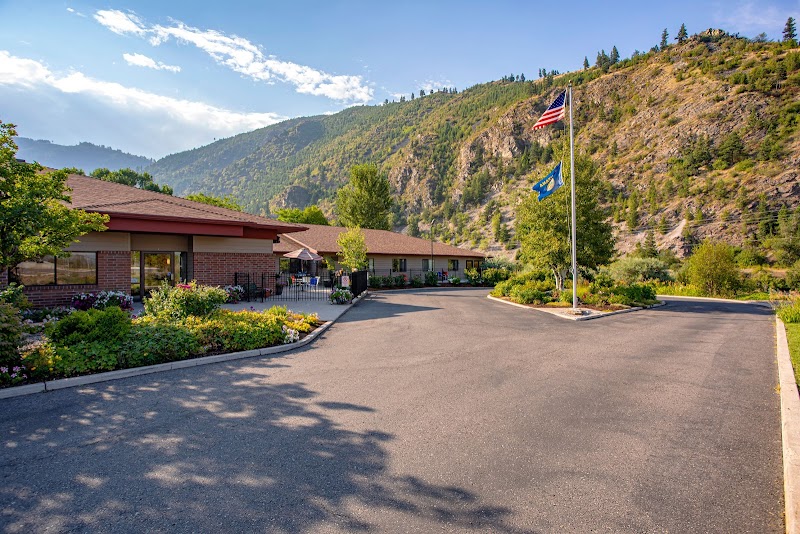
1301 E BROADWAY, MISSOULA, MT 59802 (406) 721-0680
For profit - Partnership 72 Beds THE GOODMAN GROUP Data: November 2025
Trust Grade
48/100
#34 of 59 in MT
Last Inspection: November 2024

Within standard 12-15 month inspection cycle. Federal law requires annual inspections.

Overview

Riverside Health & Rehabilitation has received a Trust Grade of D, indicating below-average performance with some concerning issues. It ranks #34 out of 59 facilities in Montana, placing it in the bottom half, and #2 out of 3 in Missoula County, meaning only one local facility ranks higher. The facility appears to be improving, as it reduced its number of issues from 13 in 2024 to just 2 in 2025. Staffing is a strong point with a rating of 4 out of 5 stars and turnover at 59%, which is average but indicates some stability. However, there are notable concerns, including a serious incident where nursing staff failed to properly manage a resident's wound vacuum, which could lead to infection, and residents reported a decline in shower availability, raising issues about personal care.

Trust Score
D
48/100
In Montana
#34/59
Bottom 43%
Safety Record
Moderate
Needs review
Inspections
Getting Better
13 → 2 violations
Staff Stability
⚠ Watch
59% turnover. Above average. Higher turnover means staff may not know residents' routines.
Penalties
⚠ Watch
$11,027 in fines. Higher than 75% of Montana facilities, suggesting repeated compliance issues.
Skilled Nurses
✓ Good
Each resident gets 55 minutes of Registered Nurse (RN) attention daily — more than average for Montana. RNs are trained to catch health problems early.
Violations
⚠ Watch
30 deficiencies on record. Higher than average. Multiple issues found across inspections.
★★★☆☆
3.0
Overall Rating
★★★★☆
4.0
Staff Levels
★★★★☆
4.0
Care Quality
★★★☆☆
3.0
Inspection Score
Stable
2024: 13 issues
2025: 2 issues

The Good

  • 4-Star Staffing Rating · Above-average nurse staffing levels
  • 4-Star Quality Measures · Strong clinical quality outcomes
  • Full Sprinkler Coverage · Fire safety systems throughout facility
  • No fines on record

Facility shows strength in staffing levels, quality measures, fire safety.

The Bad

3-Star Overall Rating

Near Montana average (3.0)

Meets federal standards, typical of most facilities

Staff Turnover: 59%

13pts above Montana avg (46%)

Frequent staff changes - ask about care continuity

Federal Fines: $11,027

Below median ($33,413)

Minor penalties assessed

Chain: THE GOODMAN GROUP

Part of a multi-facility chain

Ask about local staffing decisions and management

Staff turnover is elevated (59%)

11 points above Montana average of 48%

The Ugly 30 deficiencies on record

1 actual harm
Mar 2025 2 deficiencies
CONCERN (D) 📢 Someone Reported This

A family member, employee, or ombudsman was alarmed enough to file a formal complaint

Potential for Harm - no one hurt, but risky conditions existed

Deficiency F0657 (Tag F0657)

Could have caused harm · This affected 1 resident

Based on interview and record review, the facility failed to update a care plan to reflect a new pressure wound, for 1 (#7) of 11 residents sampled for wounds. The failure placed the resident at risk ...

Read full inspector narrative →
Based on interview and record review, the facility failed to update a care plan to reflect a new pressure wound, for 1 (#7) of 11 residents sampled for wounds. The failure placed the resident at risk for improper wound care, wound progression, and infection. Findings include: During an interview on 3/24/25 at 2:05 p.m., resident #7 stated she has had wounds in the past and had a buttock wound currently related to paraplegia. During an interview on 3/25/25 at 9:45 a.m., staff member A stated the care plan should reflect all current care concerns for each resident. Staff member A stated the care plans are updated by the wound care nurse for any new wounds, including any new interventions or treatments. Review of resident #7's nursing progress notes showed a new pressure wound identified on 3/4/25, which remained unhealed as of the end of the survey period. Review of resident #7's care plan, initiated on 2/5/25 with revision on 2/17/25, failed to show the pressure wound identified on 3/4/25. The care plan noted an alteration in skin integrity from a sacral wound present on admission that was resolved. No updates were made to the care plan to reflect the resolution of the initial wound first noted on 2/5/25, and no updates were made to reflect the current management of the current pressure wound identified on 3/4/25.
CONCERN (D) 📢 Someone Reported This

A family member, employee, or ombudsman was alarmed enough to file a formal complaint

Potential for Harm - no one hurt, but risky conditions existed

Pressure Ulcer Prevention (Tag F0686)

Could have caused harm · This affected 1 resident

Based on observation, interview, and record review, the facility failed to implement wound prevention measures for a resident with history of pressure wounds and elevated risk for the development of p...

Read full inspector narrative →
Based on observation, interview, and record review, the facility failed to implement wound prevention measures for a resident with history of pressure wounds and elevated risk for the development of pressure ulcers; failed to implement pressure relieving measures after the development of a new Stage II sacral wound, and failed to accurately assess and monitor a new Stage II sacral wound for 1 (#7) of 11 residents sampled for wounds. The wound management failures placed the resident at risk for wound progression and infection. Findings include: During an observation and interview on 3/24/25 at 2:05 p.m., resident #7 was seated in a wheelchair in her room. There was no pressure relieving air mattress or overlay on resident #7's bed. Resident #7 stated she had a wound on her buttock and has had several wounds in the past related to paraplegia. Resident #7 stated, I heard through the grapevine that I would be getting an air mattress, but I haven't seen one yet. During an interview on 3/25/25 at 8:35 a.m., staff member B stated resident #7 had a pressure wound on her left buttock which was new as of the date of the interview and had notified the nurse on duty. During an interview on 3/25/25 at 8:44 a.m., staff member C stated she was not aware of a new pressure wound on resident #7. Staff member E stated, She (resident #7) has had some maceration and irritation on the left buttock and gluteal fold for a few weeks and we have been putting some barrier cream on it. During an interview on 3/25/25 at 9:45 a.m., staff member A stated the facility's process for addressing new wounds would be a secure message from the nurse to the DON, wound care nurse, and all licensed nursing staff. The wound care nurse came every Wednesday and would implement treatment. Interim treatment, if required, would be implemented by the DON. The DON would then add the secure message to the progress notes in the EHR. During the interview, staff member A stated she realized the facility had failed to follow up appropriately on resident #7's buttock wound, and stated she would have an air mattress placed on resident #7's bed today. Review of resident #7's nursing progress notes, dated 3/4/25, showed a secure message sent from staff member D to all licensed nursing staff, as well as the DON and wound care nurse as follows: Subject: New Wound . Resident has a 1.5 cm open area on her sacrum, site cleansed with NSS and covered with optifoam, and shearing noted to left buttock, resident also continues to have redness in groin with no improvement with ordered creams. Review of resident #7's nursing progress notes, dated 3/5/25 at 2:49 p.m., showed the wound care nurse replied to the secure message as follows: Resident with linear excoriation to upper sacral area, and bilateral gluteal creases. Recommend prevent barrier cream BID and PRN after incontinence episode. Would encourage air overlay or air mattress as well. Review of resident #7's nursing progress notes, dated 3/13/25 at 2:49 p.m., showed IDT met to discuss skin concerns. [Resident] has MASD on her buttocks. New 1.5 cm open area on her sacrum, site cleansed with NSS and covered with optifoam, and shearing noted to left buttock, resident also continues to have redness in groin with no improvement with ordered creams. Catheter in place. Applying barrier cream. Resident encouraged to get OOB and participate in activities. Air mattress will be placed to prevent further breakdown. IDT will continue to monitor. Review of resident #7's nursing progress notes, dated 3/19/25 at 1:01 a.m., showed, ALERT NOTE: New skin issue noted -please address. With current order for barrier cream to prevent further skin breakdown. Off loaded hip alternately with pillows. [sic] No additional wound or skin assessment documentation was located in the EHR for resident #7's wound for the period of 3/4/25 through 3/24/25. Review of facility policy, titled, Pressure Ulcer/Pressure Injury Prevention and Management, dated 10/14/24, showed: 1. Assessment of Pressure Ulcer/Pressure injury Risk . c. Conducted a full body skin assessment . after any newly identified pressure ulcer/pressure injury . e. Provide interventions based on specific factors identified in the risk assessment and skin assessment (e.g., moisture management, impaired mobility, nutritional deficit, etc . 2. Interventions for Prevention and to Promote Healing . - a. Implement interventions for prevention for all residents who are assessed at risk or who have a pressure ulcer/pressure injury present - b. Document interventions in the care plan - c. Document compliance with interventions in the weekly summary charting - d. Modify interventions as needed . Review of the facility policy titled, Documentation of Wound Treatments, dated 10/14/24, showed: Treatment Documentation Guidelines: . 1. Type of wound . 2. Ulcer stage/injury stage, if pressure ulcer (I, II, III, IV, unstageable, deep tissue injury)/pressure injury or wound depth, if non-pressure (partial or full thickness) . 3. Measurements done weekly and prn: height, width, depth, undermining, tunneling . 4. Description of wound characteristics . -a. Color of the wound bed -b. Type of tissue in the wound bed (i.e. granulation) -c. Temperature of the peri-wound (warm, inflamed, macerated) -d. Drainage/Exudate -e. Odor -f. Pain . 6. Weekly progress towards healing, effectiveness of current interventions .
Nov 2024 13 deficiencies
CONCERN (D)

Potential for Harm - no one hurt, but risky conditions existed

Deficiency F0558 (Tag F0558)

Could have caused harm · This affected 1 resident

Based on observation, interview, and record review, the facility failed to accommodate a resident's needs when he was sitting in his wheelchair, and complete an assessment for positioning aids, for 1 ...

Read full inspector narrative →
Based on observation, interview, and record review, the facility failed to accommodate a resident's needs when he was sitting in his wheelchair, and complete an assessment for positioning aids, for 1 resident (#7) of 2 sampled residents with one sided weakness who require a wheelchair for mobility, but he was unable to hold up his torso/head, which would often lean forward. Findings include: During an observation on 11/4/24 at 4:11 p.m., resident #7 was sitting in his wheelchair in his room. His body was leaning far forward in the chair. Resident #7 appeared to be sleeping. During an observation on 11/6/24 at 8:23 a.m., resident #7 was in the dining room. He was sitting in his wheelchair, leaning forward with his face almost touching his food. Resident #7 was dozing off, but when his face would touch his plate, he would sit back up. During an interview on 11/6/24 at 9:41 a.m., staff member Q said resident #7 liked to stay in his wheelchair. She said he tipped (leans) forward frequently, and she would try to get him back to his room. She said sometimes he wouldn't want to go. She said she did not know if he required any kind of positioning pillow or equipment to help him be more comfortable in his wheelchair. During an observation on 10/6/24 at 3:14 p.m., resident #7 was leaning over in his chair in the dining room, and one foot was on the floor, the other was on the foot pedal. He was bent over so far, his head was almost touching his knees. During an observation on 10/7/24 at 8:12 a.m. resident #7 was sitting in the dining room, in his wheelchair, falling asleep. He was leaning forward in his wheelchair. The wheelchair did not have foot pedals. Resident #7's head was touching the edge of the table, and there was a CNA sitting behind him, assisting another resident. Staff member R asked resident #7 if he wanted to go back to his room. Resident #7 said, Sleep, sleep. Staff member R stated, This doesn't look very safe, referring to how the resident was sitting. Staff member S came over to the table and instructed staff to put the foot pedals on the resident's wheelchair to keep him from falling out. Staff member R stated, you were almost falling out of your chair. Resident #7 stated, Sleep, sleep, and at 8:35 a.m., staff member R repositioned resident #7 in the chair. During an observation on 10/7/24 at 9:14 a.m., resident #7 was observed in the dining area, with his head on a pillow, on the table. During an interview on 10/7/24 at 9:16 a.m., staff member T stated physical therapy and occupational therapy used a different system to document their assessments. She stated she had never assessed resident #7 for positioning in his wheelchair. She stated if there had been an assessment for positioning done, it would be updated in the resident's EMR. A request was made on 10/7/24 for physical therapy or occupational therapy notes for resident #7's positioning. A progress note from physical therapy was provided, which was dated after the surveyor made the request. No other physical therapy notes or occupational therapy notes were provided prior to the end of the survey. Review of resident #7's Focus area on the care plan showed, [Resident #7 name] has potential for falls related injury due to impaired mobility and balance from right sided hemiplegia, right wrist drop, generalized weakness and muscle atrophy, pain and use of narcotic medication, cognitive impairment, and incontinence. Under the Interventions section, there was one intervention related to resident #7's wheelchair, which showed, If [#7's name] is sleeping in his wheelchair, nursing staff will wake him and ask [#7's name] if he wants to rest in his bed. There were no interventions regarding the resident's positioning in the wheelchair on the care plan. Review of a nursing note dated 6/1/24 at 2:01 a.m., showed resident #7 was found on the floor on his right side next to his wheelchair. He complained of pain to his right shoulder.
CONCERN (D)

Potential for Harm - no one hurt, but risky conditions existed

Assessment Accuracy (Tag F0641)

Could have caused harm · This affected 1 resident

**NOTE- TERMS IN BRACKETS HAVE BEEN EDITED TO PROTECT CONFIDENTIALITY** 2. A review of resident #23's EHR MDS record, reflected an MDS, dated [DATE], which showed resident #23 was on an antibiotic for...

Read full inspector narrative →
**NOTE- TERMS IN BRACKETS HAVE BEEN EDITED TO PROTECT CONFIDENTIALITY** 2. A review of resident #23's EHR MDS record, reflected an MDS, dated [DATE], which showed resident #23 was on an antibiotic for the last seven days. A review of resident #23's EHR, Physician Orders, dated 10/1/24 - 11/7/24, reflected no antibiotics were ordered or given to resident #23. During an interview on 11/4/24 at 1:44 p.m., resident #23 stated she was not on any antibiotics and did not know why antibiotics would be listed in her health records. During an interview on 11/5/24 at 4:11 p.m., staff member G stated he had reviewed the medications in October and November (2024) for resident #23 and was not able to find an antibiotic ordered. Staff member G stated he would be completing a correction for the MDS, dated [DATE]. Based on interviews and record review, the facility failed to ensure the accuracy of the Quarterly MDS assessment, for medications and hearing, for 2 (#s 11 and 23) of 24 sampled residents. Findings include: 1. During an observation and interview on 10/6/24, staff member P walked into resident #11's room. Resident #11 was having a hard time hearing the surveyor's questions. Staff member P stated, Let me get her hearing aid. Staff member P put one hearing aid in resident #11's ear. The hearing aid did not help resident #11's ability to hear. Review of resident #11's EMR, showed her Care Plan showed resident #11 used two hearing aids. A Significant Change MDS, on 9/16/24, showed resident #11 did not use hearing aids, but she had highly impaired hearing. A Quarterly MDS, dated [DATE], showed resident #11 did not use a hearing aid and had highly impaired hearing. A Quarterly MDS on 5/31/24 showed resident #11 did use hearing aids, and she had moderate hearing difficulty. During an interview on 10/7/24 at 11:17 a.m., staff member G stated, I don't even do those assessments. I can see that it did not get pulled in correctly. I have never really noticed that it had an error in there before. But this one is definitely inaccurate because according to the assessment she does have hearing aids. I will submit modifications for both of those (MDS assessments) right away.
CONCERN (D)

Potential for Harm - no one hurt, but risky conditions existed

Deficiency F0655 (Tag F0655)

Could have caused harm · This affected 1 resident

**NOTE- TERMS IN BRACKETS HAVE BEEN EDITED TO PROTECT CONFIDENTIALITY** Based on observation, interview, and record review, the facility failed to develop and implement a baseline care plan for a resi...

Read full inspector narrative →
**NOTE- TERMS IN BRACKETS HAVE BEEN EDITED TO PROTECT CONFIDENTIALITY** Based on observation, interview, and record review, the facility failed to develop and implement a baseline care plan for a resident's foley catheter care within 48 hours of admission for 1 (#61) of 4 sub-sampled residents with a urinary catheter. Findings include: During an observation and interview on 11/6/24 at 3:09 p.m., resident #61 was observed sitting in a chair, in the activities room. Resident #61 stated he discharged from the hospital on [DATE]. Resident #61 stated the foley catheter was placed in the hospital, and he was hoping it would be removed soon. During an interview on 11/7/24 at 10:46 a.m., staff member B stated resident #61 was admitted to the facility on [DATE]. Staff member B stated the nurses were responsible for developing baseline care plans for residents on admission. Staff member B stated the admission assessment would trigger care areas for the resident's baseline care plan. Staff member B stated she did not know why resident #61's baseline care plan did not address resident #61's foley catheter. Staff member B stated the nurse could have possibly missed checking the box on the assessment. A review of resident #61's baseline care plan, dated 10/9/24, showed resident #61 was admitted on [DATE]. The baseline care plan did not show any focus areas, goals, or interventions for resident #61's foley catheter.
CONCERN (D)

Potential for Harm - no one hurt, but risky conditions existed

Comprehensive Care Plan (Tag F0656)

Could have caused harm · This affected 1 resident

Based on interview and record review, the facility failed to develop and implement a comprehensive, person-centered care plan, for a resident receiving anticoagulant medication, for 1 (#61) of 7 sub-s...

Read full inspector narrative →
Based on interview and record review, the facility failed to develop and implement a comprehensive, person-centered care plan, for a resident receiving anticoagulant medication, for 1 (#61) of 7 sub-sampled residents receiving anticoagulation therapy. Findings include: Review of resident #61's medical record showed resident #61 was prescribed and taking an anticoagulant medication for the diagnosis of atrial fibrillation; Eliquis. During an interview on 11/7/24 at 10:46 a.m., staff member B stated the interdisciplinary team was responsible for ensuring care plans remained current. Staff member B stated high risk medications, such as anticoagulants, should be included on resident care plans for monitoring side effects. Staff member B stated resident #61's current care plan did not reflect the use of an anticoagulant medication, which was for the Eliquis. Review of resident #61's current care plan, with a revision date of 10/25/24, did not show resident #61 was prescribed an anticoagulant medication (Eliquis), or the need to monitor for potential side effects of the medication to ensure the resident's safety.
CONCERN (D)

Potential for Harm - no one hurt, but risky conditions existed

Deficiency F0657 (Tag F0657)

Could have caused harm · This affected 1 resident

Based on observations, interviews, and record review, the facility failed to review and revise the comprehensive care plan after Quarterly and Annual assessments, for 1 (#41) of 24 sampled residents. ...

Read full inspector narrative →
Based on observations, interviews, and record review, the facility failed to review and revise the comprehensive care plan after Quarterly and Annual assessments, for 1 (#41) of 24 sampled residents. Findings include: During an observation and interview on 11/4/24 at 1:21 p.m., resident #41 was sitting in the hallway greeting other residents and staff as they passed by. Resident #41 did not have her dentures in her mouth. Resident #41 stated she did not have her dentures because somebody took them. Resident #41 stated she had to find soft foods to eat because she did not have her dentures. During an interview on 11/4/24 at 1:40 p.m., staff member O stated resident #41 had not had dentures for as long as she had been living at the facility as far as she was aware. Staff member O stated she was not aware the care plan showed resident #41 had dentures. During an interview on 11/6/24 at 9:14 a.m., staff member C stated the care plan did have an active intervention for denture care twice daily. Review of resident #41's Nursing Care Plan, with a last revision date of 9/9/24, reflected: - . {Resident #41} has upper and lower dentures. Assist her with oral/denture care twice daily and as needed. Date initiated: 2/25/21.
CONCERN (D)

Potential for Harm - no one hurt, but risky conditions existed

Deficiency F0685 (Tag F0685)

Could have caused harm · This affected 1 resident

Based on observation, interview, and record review, the facility failed to replace a missing hearing aid for 1 resident (#11) of 1 sampled resident who required hearing aids. This deficiency affected ...

Read full inspector narrative →
Based on observation, interview, and record review, the facility failed to replace a missing hearing aid for 1 resident (#11) of 1 sampled resident who required hearing aids. This deficiency affected resident #11's ability to hear since July of 2024. Findings include: During an observation and interview on 10/6/24, staff member P walked into resident #11's room. Resident #11 was having a hard time hearing the surveyor's questions. Staff member P stated, Let me get her hearing aid. Staff member P put one hearing aid in resident #11's ear. The hearing aid did not appear to help resident #11's ability to hear. Review of resident #11's Care Plan showed resident #11 used two hearing aids. During an interview on 10/6/24 at 3:52 p.m., staff member B said resident #11 had been missing a hearing aid since sometime in August (2024). She said, There had been one (hearing aide) missing and found, then another one missing and found. She said typically the process for replacing a lost hearing aid would be (the concerned party) to fill out a grievance form and then follow the pathway from there. Staff member B stated she neglected to fill out the grievance form for resident #11's missing hearing aid when it went missing originally. Staff member B said staff was getting close to (#11's) ear and yelling, for now. She said there really wasn't anything they could do until resident #11 was able to get the hearing aids replaced. During an interview on 10/6/24 at 3:49 p.m., staff member U stated, Back in July (resident #11) went to Costco with her friend because she dropped her hearing aid and ran it over. Her ear had a lot of buildup in it, so we had to make an appointment for her on August 26th, 2024, ( at the audiologist) to get the wax taken care of. Resident #11 was sick the day of the appointment, so she did not go. She had a new appointment with the audiologist November 26th to get her ears cleaned, and the Costco appointment was scheduled for December 16th, 2024. I made those appointments for her today. During an interview on 10/7/24 at 1:17 p.m., staff member V, stated she had taken over the position of Social Services in August (2024). She said she did not know anything about resident #11's missing hearing aid. Review of a facility policy titled, Hearing and Vision Services, dated 4/22/24, showed: It is the policy of this facility to ensure that residents receive proper treatment and assistive devices to maintain vision and hearing abilities . 1. Employees should refer any identified need for hearing or vision services/appliances to the social worker/social service designee. 2. The social worker/social service designee is responsible for assisting residents, and their families, in locating and utilizing any available resources . for the provision of the vision and hearing services the resident needs. 3. Once the vision or hearing services have been identified the social worker/social services designee will assist the resident by making appointments and arranging for transportation .
CONCERN (D)

Potential for Harm - no one hurt, but risky conditions existed

Deficiency F0761 (Tag F0761)

Could have caused harm · This affected 1 resident

Based on observation, interview, and record review, the facility failed to record medication refrigerator temperatures daily and add dates to medications when opened. This deficient practice may negat...

Read full inspector narrative →
Based on observation, interview, and record review, the facility failed to record medication refrigerator temperatures daily and add dates to medications when opened. This deficient practice may negatively affect any resident who utilized the facility's refrigerated medications if the refrigerator temperatures were not maintained or medications were used beyond expiration dates. Findings include: During an observation on 11/7/24 at 11:06 a.m., one medication refrigerator was identified located on Hall B in the medication storage room. A thermometer was located inside the refrigerator. One vial of Tuberculin Purified Protein Derivative (PPD), 1 ml, was observed to be previously opened. The half empty, multi-dose vial, was not dated with the date the vial was originally opened. No refrigerator temperature logs were found during the observation to show the temperatures were within a safe range. During an interview on 11/7/24 at 10:37 a.m., staff member B stated refrigerator temperature logs were located at the nurse's station. Staff member B stated the medication room and carts were checked by nurses on all shifts. Staff member B stated a new process had recently been implemented because the facility identified problems and wanted to improve compliance. Review of facility documents, titled, Refrigerator Temperature Log, dated October and November 2024, showed no documentation for 27 out of 31 days in October 2024. November 2024 showed no documentation for four out of seven days.
CONCERN (D)

Potential for Harm - no one hurt, but risky conditions existed

Deficiency F0810 (Tag F0810)

Could have caused harm · This affected 1 resident

Based on observation, interview, and record review the facility failed to provide assistive utensils for 1 (#11) of 2 sampled residents. This deficiency affected resident #11's ability to handle her u...

Read full inspector narrative →
Based on observation, interview, and record review the facility failed to provide assistive utensils for 1 (#11) of 2 sampled residents. This deficiency affected resident #11's ability to handle her utensils while eating and increased her risk of weight loss. Findings include: During an observation on 11/6/24 at 8:15 a.m., resident #11 was in the dining room and using regular silverware while eating her meal. She was having difficulty keeping the food on the silverware and struggling to lift her silverware to her mouth without spilling the food on herself and the floor. Resident #11's tray card showed she was to receive Built up utensils (adaptive silverware). Resident #11 was not observed to have built up utensils at the dining table. During an interview on 10/6/24 at 11:32 a.m., staff member W stated there was only one resident who required assistive utensils. The resident name she provided was not resident #11. She stated there was usually a communication slip that would show them when a resident had an order for assistive utensils. She did not know resident #11 required assistive utensils. During an interview on 10/6/24 at 3:23 p.m., staff member B said was unaware resident #11 required special utensils. She stated typically when the dietician requests special equipment for a resident she receives the communication and sends it out to staff. During an interview on 10/7/24 at 9:04 a.m., staff member X stated, I write whatever the changes are on the communication slip. It goes to the kitchen first and gets put on the ticket (the dining tray card). She stated it was the kitchen's responsibility to supply the assistive utensils and to ensure the resident received them. Review of resident #11's dietary progress note, dated 10/31/24, showed resident #11 had been followed by the dietician for weight loss. The dietician noticed resident #11 was able to handle the utensils more easily if she used assistive (adaptive) utensils. Resident #11's care plan focus areas lacked information about the assistive utensils or risk of weight loss if not using them.
CONCERN (E) 📢 Someone Reported This

A family member, employee, or ombudsman was alarmed enough to file a formal complaint

Potential for Harm - no one hurt, but risky conditions existed

Resident Rights (Tag F0550)

Could have caused harm · This affected multiple residents

Based on interviews and record review, the facility failed to honor a resident's right to privacy by entering the residents' room without consent and going through residents' items for 2 (#s 6 and 14)...

Read full inspector narrative →
Based on interviews and record review, the facility failed to honor a resident's right to privacy by entering the residents' room without consent and going through residents' items for 2 (#s 6 and 14), and the practice upset the two residents involved; and the facility failed to ensure residents had the opportunity to engage in political voting for 2 [#s 5 and 19] of 24 sampled residents, and #5 and 19 wanted to vote if able. Findings include: RIGHT TO PRIVACY: During an interview on 11/5/24 at 9:27 a.m., resident #6 stated staff member K went through her drawers without permission, and she entered her room to find staff member K standing in her room with two knives in the air saying, Look what I found. Resident #6 stated, She was snooping in our drawers while we were out of the room. They were buried in a drawer. We used to cut fresh fruit like apples and such but haven't used the knives in a long time, so they have just stayed in the drawer. Resident #6 stated, A shouting match started, there's no respect, she (staff member K) said she was doing a deep clean. No one asked us or told us about a deep clean. During an interview on 11/5/24 at 10:31 a.m. resident #14 stated he had returned from lunch and found staff member K going through his dresser drawers. Resident #14 stated, They have no right to come in our room and go through our drawers without asking and without us present, and stuff always seems to happen when we go to appointments, out of the building, stuff just disappears. No respect. We have told them to stay out of our room when we are not here. During an interview on 11/5/24 at 12:32 p.m., staff member C stated she was not aware of a screaming match between resident #6 and staff member K. Staff member C stated she had heard resident #6 was refusing services from staff member K and staff member K was told to discuss the refusal with staff member I. During an interview on 11/5/24 at 4:01 p.m., staff member A stated she had interviewed resident #6, and resident #6 was now stating the screaming was on her part and staff member K did not scream back. Staff member A stated resident #6 and resident #14 agreed with a plan to allow all housekeeping staff to enter the room, if both residents were present. During an interview on 11/6/24 at 8:30 a.m., resident #6 stated she did not agree to allow staff member K into her room. Resident #6 stated, I do not want (staff member K) in our room at all, and no male housekeepers, as females are better cleaners. I did not agree to all housekeeping staff in here (her room). During an interview on 11/6/24 at 9:00 a.m., with staff members K and L, staff member L stated she had told residents #6 and #14 the week prior to the scheduled deep cleaning, but had no documentation of notifications or consents. Staff member L stated staff member K did enter the room on 10/10/24 to complete the deep cleaning as scheduled. A review of a facility-reported incident, dated 11/5/24 - 11/6/24 reflected: - Resident #6 stated she did not want staff member K in her room; - Resident #6 and resident #14 will be notified in advance of a deep cleaning schedule, so the residents could be present. A review of the facility's, Deep Clean Training Module, no date, reflected: 1. Always knock, wait and announce who you are, let them know your deep cleaning. . 9. With personal items, pick up, wipe, and put back in place. 10. We do not go through their [residents] stuff unless they are there going through it with you. RIGHT TO VOTE: a. During an interview on 11/4/24 at 1:08 p.m., resident #19 stated she had not received her ballot to vote. Resident #19 stated she told the activities staff she had not received her absentee ballot, but staff had not followed-up with her to assist her with voting. Staff member A was notified by the State Survey Agency surveyor that resident #19 was requesting to vote. b. During an interview on 11/5/24 at 8:20 a.m., staff member A reported staff member E would obtain an absentee ballot for resident #19 so she could vote. During an interview on 11/5/24 at 11:01 a.m., staff member B stated staff member E interviewed residents when they admitted to the facility, in order to determine the resident's interest in voting. Staff member E was to also determine if the resident voted absentee or at their voting location. Staff member B stated she was not aware of any follow-up completed to ensure those residents who reported a desire to use the absentee ballot received one. Staff member B stated an audit was currently in progress after resident #19's voting and ballot concern was brought to the facility's attention. c. During an interview on 11/5/24 at 10:20 a.m., resident #5 stated she did not get to vote but she wanted to. It was election day, and her roommate was able to vote by mail. Resident #5 said she did not get a ballot in the mail, but she would love to vote if it was still possible. Review of the facility's policy, Resident Rights, dated 1/11/24, reflected, . The resident has a right to participate in other activities, including social, religious, and community activities that do not interfere with the rights of other residents in the facility .
CONCERN (E)

Potential for Harm - no one hurt, but risky conditions existed

Grievances (Tag F0585)

Could have caused harm · This affected multiple residents

Based on observations, interviews, and record review, the facility failed to ensure residents knew how to file a grievance and provide residents an option for reporting grievances anonymously, for 4 (...

Read full inspector narrative →
Based on observations, interviews, and record review, the facility failed to ensure residents knew how to file a grievance and provide residents an option for reporting grievances anonymously, for 4 (#s 6, 14, 23 and 41) of 24 sampled residents. Findings include: During an interview on 11/5/24 at 9:27 a.m., resident #6 stated she had a complaint regarding an incident that occurred in early October. Resident #6 stated she did not know what a grievance was and was worried about retaliation, if the staff knew she had complained. During an interview on 11/5/24 at 10:31 a.m. resident #14 stated he had a grievance about staff showing no respect for his privacy and not being able to access his resident trust account on weekends. Resident #14 did not know how to file a grievance or how to submit one anonymously. During an interview on 11/5/24 at 10:34 a.m., resident #23 stated she could not access her resident trust account on weekends and would beg staff for change in order to use the vending machine. Resident #23 stated she was told residents had to wait until Monday to access their resident trust account funds from staff member M. Resident #23 stated she did not know how to file a grievance or how she could file one anonymously. During an interview on 11/5/24 at 11:01 a.m., staff member B stated the facility did not have a location in the facility where a resident could file an anonymous grievance. During an interview on 11/5/24 at 11:40 a.m., staff member N stated residents turn grievance forms into the Social Worker, Director of Nursing, or a staff member will turn in the form for the resident. Staff member N stated she was not aware of a way for residents to turn in a grievance anonymously. During an observation of the facility on 11/6/24 at 10:05 a.m., no grievance boxes were available for residents to place an anonymous grievance form. The only location found to obtain a grievance form was between the front office and the nursing station. No forms were available in other areas of the building. During an interview on 11/6/24 at 8:01 a.m., NF2 stated resident #41 had dentures when she was admitted to the facility. NF2 stated he asked several staff about where resident #41's dentures were, but staff stated they were not able to locate them. NF2 stated he went to the previous administrator about resident #41's missing dentures. NF2 stated he was not aware of a grievance process or how to file a grievance. NF2 stated he assumed the facility would address resident #41's missing dentures after he complained to the administrator. A review of the facility's Grievance Log, dated October 2023 to November 2024, reflected no grievances filed by residents #6, 14, 23, and 41 for their concerns mentioned above. Review of the facility's Grievance Policy, dated 4/22/24, did not reflect instructions on how to file a grievance anonymously.
CONCERN (E)

Potential for Harm - no one hurt, but risky conditions existed

Dental Services (Tag F0791)

Could have caused harm · This affected multiple residents

Based on observations, interviews and record review, the facility failed to ensure a resident was referred for dental services after dentures were lost, while the resident was living at the facility f...

Read full inspector narrative →
Based on observations, interviews and record review, the facility failed to ensure a resident was referred for dental services after dentures were lost, while the resident was living at the facility for 1 (#41) of 24 sampled residents. This practice led to resident #41 being required to eat soft and pureed foods, and the facility had the opportunity to address the concerns over an extended period of time, and had multiple opportunities to correct the concerns, but did not. Findings include: During an observation and interview on 11/4/24 at 1:21 p.m., resident #41 did not have her dentures in her mouth. Resident #41 stated she did not have her dentures because somebody took them. Resident #41 stated she had to find soft foods to eat because she did not have her dentures. During an interview on 11/6/24 at 8:01 a.m., NF2 stated resident #41 had dentures when she was admitted to the facility. NF2 stated he asked several staff about the missing dentures, but the dentures were not found. NF2 stated he went to the previous administrator about the missing dentures and getting resident #41 new dentures, but the facility never scheduled resident #41 for a denture appointment. NF2 stated resident #41 would benefit from having her dentures, and he had shared his concerns with the management team during care conferences last year. NF2 stated resident #41 had plenty of money to cover new dentures if the facility would not take responsibility for the lost dentures. During an interview on 11/6/24 at 9:14 a.m., staff member C stated she reviewed the EHR and found the lower denture was lost on 10/26/21 but no record was found of when the upper denture went missing. Staff member C stated the facility would schedule a dental appointment for resident #41. Review of a facility policy, Dental Service, dated 4/22/24, reflected: - . 1. The facility will provide or obtain from an outside resource, routine and emergency dental services to meet the needs of each resident. - . 5. The facility will, if necessary or requested, assist the resident with making dental appointments and arranging transportation to and from the dental services location . Review of resident #41's dietary tickets from the facility kitchen, dated 11/6/24, reflected resident #41 received pureed meats and soft foods, including pudding, ice cream, and applesauce. Review of resident #41's Nursing Care Plan, with a last revision date of 9/9/24, reflected: - . {Resident #41} has upper and lower dentures. Assist her with oral/denture care twice daily and as needed. Date initiated: 2/25/21 .
CONCERN (E)

Potential for Harm - no one hurt, but risky conditions existed

Deficiency F0919 (Tag F0919)

Could have caused harm · This affected multiple residents

Based on observations, interviews, and record review, the facility failed to ensure call lights were within reach for 3 (#s 5, 37, and 55) of 24 sampled residents, and the residents were not able to r...

Read full inspector narrative →
Based on observations, interviews, and record review, the facility failed to ensure call lights were within reach for 3 (#s 5, 37, and 55) of 24 sampled residents, and the residents were not able to reach or use the call lights. Findings include: During an observation on 11/6/24 at 9:41 a.m., resident #5's call light was under her bed, with the bed against the wall. Resident #5 could not reach the call light. During an observation on 11/6/24 at 9:43 a.m., resident #37's call light was out of reach, on a nightstand on the right side, approximately two feet back from the bed. Resident #37 stated she did not know where her call light was located. During an observation on 11/6/24 at 9:44 a.m., resident #55's call light was on the nightstand, approximately one and a half feet away from the bed. Resident #55 stated she did not know where her call light was located. During an observation and interview on 11/6/24 at 9:46 a.m., NF1 stated he had just arrived and was not aware of the location of the call lights for residents #5, 37, and 55. NF1 stated the call lights for residents #5, 37, and 55 were not within reach, when observed with the surveyor. NF1 stated he would expect all call lights to always be within reach of the residents. During an interview on 11/6/24 at 11:01 a.m., staff member B stated the call lights should always be within reach of the residents. Staff member B then called out on the staff radio system for all call lights to be checked to ensure they were within reach of the residents. Review of a facility policy, Resident Rights, dated 1/11/24, reflected: - The resident has the right to a dignified existence, self-determination, and communication with and access to persons and services inside and outside the facility.
MINOR (B)

Minor Issue - procedural, no safety impact

Deficiency F0567 (Tag F0567)

Minor procedural issue · This affected multiple residents

Based on interviews and record review, the facility failed to make personal funds available to residents on the same day, for amounts less than $100 for Medicare residents or $50 for Medicaid resident...

Read full inspector narrative →
Based on interviews and record review, the facility failed to make personal funds available to residents on the same day, for amounts less than $100 for Medicare residents or $50 for Medicaid residents, on weekends for 3 (#s 6, 14, and 23) of 24 sampled residents. This practice required residents to wait until business hours on Monday to access their personal funds for food, drinks, activities, or outings. Findings include: During an interview on 11/4/24 at 1:43 p.m., resident #14 stated he could not access his personal funds from his resident trust account on weekends for soda from the vending machine. During an interview on 11/5/24 at 9:37 a.m., resident #6 stated she was not able to access her personal funds on the weekends and would also have to find someone willing to give her change for the vending machines. Resident #6 stated the staff have told her they were discouraged from making change for residents. During an interview on 11/5/24 at 10:34 a.m., resident #23 stated she could not access her resident trust fund on the weekend and would beg staff for change in order to use the vending machine. Resident #23 stated she was told residents had to wait until Monday to get their funds from staff member M. During an interview on 11/5/24 at 11:40 a.m., staff member N stated she would send residents to the weekend manager on duty for any questions about access to their personal funds on the weekend. During an interview on 11/5/24 at 12:01 p.m., staff member B stated the rotating managers on the weekend do not have access to petty cash. Staff member B stated as far as she knew the only person with access to petty cash was staff member M. The staff would then call staff member M, if the funds were for an emergency. Staff member B stated if the funds requested on the weekend were not an emergency, the request would be processed on the following business day. During an interview on 11/5/24 at 12:23 p.m., staff member H stated residents could only exchange money from the petty cash on the weekends, but could only access personal accounts during the week. Staff member H stated a previous employee had started the process of training a weekend receptionist to manage resident trust accounts, but the training had not been completed when the employee terminated her employment. During an interview on 11/5/24 at 3:11 p.m., staff member M stated the facility was looking for a new weekend receptionist and would then train the new employee to use petty cash for resident access to their trust account funds on the weekend. Staff member M stated education was needed for residents and staff to understand residents would have access to personal funds on the weekends. Staff member M stated she did not have any examples of residents who received personal funds on the weekend in the past 12-months. Review of a facility policy, Resident Trust Funds, dated 6/20/24, reflected: - .Residents should have access to petty cash, on a routine basis, and be able to arrange for access to larger funds, when needed.
Nov 2023 6 deficiencies
CONCERN (D)

Potential for Harm - no one hurt, but risky conditions existed

Respiratory Care (Tag F0695)

Could have caused harm · This affected 1 resident

Based on observation, interview, and record review, the facility failed to ensure nursing staff failed to change oxygen tubing for 1 (#2) of 36 sampled residents, increasing the risk for respiratory i...

Read full inspector narrative →
Based on observation, interview, and record review, the facility failed to ensure nursing staff failed to change oxygen tubing for 1 (#2) of 36 sampled residents, increasing the risk for respiratory infection. Findings include: During an observation on 11/18/23 at 1:07 p.m., the oxygen concentrator tubing for resident #2 showed a date of 11/11 with the initials documented on it. During an observation on 11/20/23 at 8:41 a.m., the oxygen concentrator tubing for resident #2 showed a date of 11/11 with the same initials documented on it. During an interview on 11/20/23 at 9:03 a.m., staff member D stated the nurse typically changed the oxygen tubing. Staff member C stated a task would pop up on the EMR for the nurse to change the oxygen tubing when it was due. Review of resident #2's Treatment Administration Record, showed the following order: Change O2 Tubing and DATE Clean Concentrator filter (per manufacturer's recommendations) in the morning every Sat for Oxygen use. [sic] The task was checked off as completed on 11/11/23 with the initials of a staff member, and on 11/18/23 with the initials of another staff member. During an interview on 11/20/23 at 9:58 a.m., staff member B stated one of the staff initials on the tubing were also on the TAR, marking off that he completed the oxygen tubing change. Staff member B stated he did not remember changing the oxygen tubing on 11/18/23 and stated .It is what it is, I signed it . During an interview on 11/20/23 at 10:12 a.m., staff member B stated resident #2's oxygen tubing had now been changed. Review of the facility's policy, Oxygen Concentrators, reviewed 10/11/23, showed: .Nurse responsibilities: Change oxygen tubing and mask/cannula weekly and as needed if it becomes soiled or contaminated .
CONCERN (D)

Potential for Harm - no one hurt, but risky conditions existed

Deficiency F0761 (Tag F0761)

Could have caused harm · This affected 1 resident

Based on observation, interview, and record review, the facility failed to ensure blood glucose test strips were labeled with an open date for 4 (#s 39, 63, 122, and 126) of 36 sampled residents. Find...

Read full inspector narrative →
Based on observation, interview, and record review, the facility failed to ensure blood glucose test strips were labeled with an open date for 4 (#s 39, 63, 122, and 126) of 36 sampled residents. Findings include: During an observation on 11/19/23 at 12:01 p.m., staff member G checked resident #63's blood sugar using test strips from the hall A medication cart tube. During an observation on 11/19/23 at 12:05 p.m., staff member G checked resident #122's blood sugar, using a test strip from the same tube from the previous observation with resident #63, from the hall A medication cart. There was no label, on the tube of test strips, indicating when the tube was opened. During an observation on 11/19/23 at 3:59 p.m., staff member H checked resident #122's blood sugar, using a test strip from the hall A medication cart tube. During an observation on 11/19/23 at 4:09 p.m., staff member H checked resident #126's blood sugar, using a test strip from the hall A medication cart tube. During an interview on 11/19/23 at 4:11 p.m., staff member H stated she did not check the blood glucose test strips for an open date because they were used often. During an observation on 11/19/23 at 4:14 p.m., staff member H checked resident #39's blood glucose with a test strip from the hall A medication cart tube. The tube of test strips from the hall A medication cart did not have a label for the open date. During an observation and interview on 11/19/23 at 5:04 p.m., the blood glucose test strip tube in the hall D medication cart did not have a label for the open date. Staff member J stated the evening shift forgot to label the test strips when they opened it. Review of the facility's policy, Pharmacy Labels, reviewed 7/10/23, showed: .6. Labels for each floor/unit's stock medications must include: .c. The expiration date when applicable; .
CONCERN (D)

Potential for Harm - no one hurt, but risky conditions existed

Deficiency F0883 (Tag F0883)

Could have caused harm · This affected 1 resident

Based on interview and record review, the facility failed to administer the pneumococcal vaccine, or obtain declinations for them, for 2 (#s 2 and 41) of 36 sampled residents. Findings include: Review...

Read full inspector narrative →
Based on interview and record review, the facility failed to administer the pneumococcal vaccine, or obtain declinations for them, for 2 (#s 2 and 41) of 36 sampled residents. Findings include: Review of resident #2's medical record showed the resident had not received the PCV20 or PPSV23 vaccine, which she was due for on 6/29/21. There were no declinations or education for the vaccine documented in resident #2's chart. During an interview on 11/19/23 at 3:26 p.m., resident #2 stated she would like a pneumococcal vaccine if offered. Review of resident #41's chart showed resident #41 had not received a PCV15 or PCV20 vaccine which she was due for on 7/16/23. There were no declinations or education for the vaccine documented in resident #41's chart. During an interview 11/19/23 at 3:04 p.m., staff member B stated the facility was in the process of going through all the residents immunization records and identifying who needed updated pneumonia vaccines. Staff member B stated the facility was putting together a process now for monitoring and tracking pneumococcal vaccines. During an interview on 11/20/23 at 8:19 a.m., staff member A stated resident #41 only had the one pneumococcal vaccine on file (Pneumovax Dose 1), however the facility was in the process of getting all residents updated on vaccines. Review of the facility's policy, Pneumococcal Vaccine (Series), reviewed 10/16/23, showed: .Each resident will be offered a pneumococcal immunization unless it is medically contraindicated or the resident has already been immunized . The type of pneumococcal vaccine (PCV15, PCV20, or PPSV23) offered will depend upon the recipient's age and susceptibility to pneumonia, in accordance with current CDC guidelines and recommendations .
CONCERN (E)

Potential for Harm - no one hurt, but risky conditions existed

Grievances (Tag F0585)

Could have caused harm · This affected multiple residents

Based on observation, interview, and record review, the facility failed to promptly address resident grievances for 6 (#s 8, 17, 22, 28, 35, and 126) of 36 sampled residents. Findings include: Review ...

Read full inspector narrative →
Based on observation, interview, and record review, the facility failed to promptly address resident grievances for 6 (#s 8, 17, 22, 28, 35, and 126) of 36 sampled residents. Findings include: Review of a resident grievance form, dated 10/19/23, reflected resident #126 was concerned the food had been cold. Review of a resident grievance form, dated 11/18/23, reflected resident #22 was frustrated with cold food, and stated every meal came out cold and did not stay warm with paper plates. During an observation and interview on 11/18/23 at 12:27 p.m., dietary staff were serving food to the residents in the dining room on disposable plates with disposable cutlery. Resident #35 stated the food was always cold and served on paper. During an interview on 11/18/23 at 1:37 p.m., resident #8 stated the soup was cold, and the facility always used paper plates. During an interview on 11/18/23 at 1:44 p.m., resident #28 stated she had concerns with meals being cold and served on paper plates (would not hold heat from food). During an interview on 11/19/23 at 10:08 a.m., staff member E stated they had been having issues with the dishwasher on and off for over a year. Staff member E stated the facility used disposable dishes when the dishwasher was not working properly. During an interview on 11/19/23 at 12:27 p.m., resident #8 stated, We hate paper plates, they always serve food this way. It makes it cold and unappealing. We aren't asking to be served on China (dishes) but come on! Resident #17 agreed with this statement. During an interview on 11/20/23 at 8:37 a.m., staff member F stated when the dishwasher was not working properly, they served the resident meals on disposable dishware at least two to three times a week, but not for all three meals. Staff member F stated they used disposable dishware for breakfast and lunch, and then dinner was usually served on regular dishes. Staff member F stated she followed up with resident grievances related to dietary as soon as she learned of them and followed up with each one personally. Review of the facility's document, Grievance Policy, with a review date of 4/10/23, showed, .prompt efforts will be made by the facility to resolve grievances.
CONCERN (E)

Potential for Harm - no one hurt, but risky conditions existed

Deficiency F0804 (Tag F0804)

Could have caused harm · This affected multiple residents

Based on observation, interview, and record review, the facility failed to serve food that was palatable, attractive, and at a safe and appetizing temperature for 7 (#s 6, 8, 17, 28, 35, 42, and 58) o...

Read full inspector narrative →
Based on observation, interview, and record review, the facility failed to serve food that was palatable, attractive, and at a safe and appetizing temperature for 7 (#s 6, 8, 17, 28, 35, 42, and 58) of 36 sampled residents. Findings include: During an observation and interview on 11/18/23 at 12:27 p.m., staff were serving residents their meals in the dining room, and the food was on paper plates. Resident #35 stated the food was cold. During an interview on 11/18/23 at 1:17 p.m., resident #6 stated, I don't like the food, it is always cold . During an interview on 11/18/23 at 1:37 p.m., resident #8 stated, The soup is cold, they constantly use paper plates . During an interview on 11/18/23 at 1:38 p.m. resident #17 stated, I get cold mac and cheese every single night. I worked in food services and knew the temperature should be 140 degrees, it is a disgrace. During an interview on 11/18/23 at 1:44 p.m., resident #28 stated she had concerns with the meals being cold all the time, and she did not like the paper plates. During an observation on 11/19/23 at 11:35 a.m. staff were beginning to deliver meal trays to residents from a plastic covered cart delivered to A hall by dietary. During an observation and interview on 11/19/23 at 11:41 a.m., resident #58 stated, The food is hotter than usual they must know you're here . The temperature of the roast beef on resident #58's tray was 73 degrees Fahrenheit when tested. During an observation on 11/19/23 at 11:49 a.m., hall B resident meal trays were being delivered by dietary staff in a metal enclosed cart. At 11:59 a.m., the staff started to deliver the resident meal trays to the residents. During an observation on 11/19/23 at 12:03 p.m. dietary staff delivered hall C resident meal trays in a metal enclosed cart. During an observation on 11/19/23 at 12:06 p.m. dietary staff delivered hall D resident meal trays in a plastic covered cart. During an observation and interview on 11/19/23 at 12:07 p.m., resident #42 was observed not eating. She stated the eggs did not look good. The eggs were to be scrambled and looked like a scoop of ice cream. The temperature of roast beef on resident #42's tray was 110 degrees Fahrenheit when tested. During an observation and interview on 11/19/23 at 12:27 p.m., resident #8 stated, We hate paper plates, they always serve food this way. It makes the food cold and unappealing, we aren't asking to be served on China, but come on. Resident #17 agreed with this statement. The temperature of the carrots on #8's tray was 88 degrees Fahrenheit when tested, and the roast beef on #17's tray was 108 degrees Fahrenheit when tested. Review of a resident grievance form, dated 10/19/23, reflected resident #126 was concerned the food had been cold. Refer to F585 - Grievances, for more information on grievances. Review of a resident grievance form, dated 11/18/23, reflected resident #22 was frustrated with cold food, and stated every meal came out cold and did not stay warm with paper plates. Review of the facility's policy, Food Temperatures, reviewed 8/10/23 showed, .all hot foods must be held and served at a temperature of at least 135 degrees Fahrenheit .
CONCERN (E)

Potential for Harm - no one hurt, but risky conditions existed

Infection Control (Tag F0880)

Could have caused harm · This affected multiple residents

Based on observation, interview, and record review, the facility failed to ensure staff used hand hygiene during medication administration for 6 (#s 14, 48, 63, 68, 123, and 126) of 36 sampled residen...

Read full inspector narrative →
Based on observation, interview, and record review, the facility failed to ensure staff used hand hygiene during medication administration for 6 (#s 14, 48, 63, 68, 123, and 126) of 36 sampled residents. Findings include: During an observation on 11/19/23 at 8:27 a.m., staff member G administered medications to resident #68. Staff member G did not perform hand hygiene after leaving the resident's room, or before preparing the next resident's medications. During an observation on 11/19/23 at 11:45 a.m., staff member G prepared resident #123's medications, took the medications to the resident's room to administer, and left the room. Staff member G then began to prepare the next resident's medications. Staff member G did not use hand hygiene before or after preparing and administering resident #123's medications. During an observation on 11/19/23 at 11:48 a.m., staff member G prepared resident #68's medications, and went into the resident's room to administer them. Staff member G did not perform hand hygiene before entering resident #68's room. During an observation on 11/19/23 at 11:51 a.m., staff member G administered resident #48's medications, and brought the resident water with a straw. Staff member G adjusted the straw in the drink with her bare hands. Staff member G did not perform hand hygiene before administering the medications, or touching the straw. During an observation on 11/19/23 at 11:59 a.m., staff member G prepared resident #126's insulin, entered the resident's room, and administered the insulin. Staff member G did not use hand hygiene before preparing or administering resident #126's insulin. During an observation on 11/19/23 at 12:12 p.m., staff member G entered resident #63's room with pain medications and moved items on the resident's bedside table. Staff member G then administered resident #63's medications. Staff member G did not perform hand hygiene before entering resident #63's room, or after touching items on the resident's bedside table, before administering resident #63's medications. During an interview on 11/19/23 at 12:16 p.m., staff member G stated nursing staff were to wash their hands every time they went in and out of a resident's room during medication administration. During an observation on 11/19/23 at 12:20 p.m., staff member I administered resident #14's medications. Staff member I did not perform hand hygiene before or after entering and leaving resident #14's room. During an interview on 11/19/23 at 12:35 p.m., staff member I stated staff were to use hand hygiene every time before and after going in to a resident's room to give medication. During an interview on 11/19/23 at 12:37 p.m., staff member B stated staff were taught to perform hand hygiene before and after coming into contact with a resident, at a minimum. Staff member B stated staff had handwashing training on an online program. Staff member B stated there were more hand hygiene audits during an infectious disease outbreak in the building, and not many hand hygiene audits were going on at that time. Review of the facility's policy, Hand Hygiene, reviewed 10/21/23, showed: 1. Hand hygiene requirements: .b. Before and after contact with residents. .j. Before preparing or administration of medications.
Jul 2023 5 deficiencies 1 Harm
SERIOUS (G) 📢 Someone Reported This

A family member, employee, or ombudsman was alarmed enough to file a formal complaint

Actual Harm - a resident was hurt due to facility failures

Deficiency F0726 (Tag F0726)

A resident was harmed · This affected 1 resident

Based on interview and record review, the facility failed to ensure licensed nursing staff on duty knew how to perform and complete a wound vacuum dressing change as ordered, for 1 (#7) of 1 sampled r...

Read full inspector narrative →
Based on interview and record review, the facility failed to ensure licensed nursing staff on duty knew how to perform and complete a wound vacuum dressing change as ordered, for 1 (#7) of 1 sampled resident. This deficient practice had the potential to cause an infection and worsen the surgical wound being treated with the wound vacuum. Findings Include: Review of the facility's reported incident investigation showed: The facility administration had initially written a grievance for the delay in changing the wound vacuum dressing for resident #7 on 2/4/23, with a resolution on 2/7/23, of educating nurses on wound vacuum dressing changes. The facility received an APS notification on 2/9/23 of a complaint regarding the wound vacuum dressing not being changed timely for resident #7, reported it to the State Survey Agency, and started an investigation. A written statement by staff member B showed a drawing of resident #7's wound vacuum dressing with the left top corner open and staff member B did not complete the dressing change. Staff member B handed off the task to the oncoming shift. Staff member D, reported to staff member B during shift report she did not know how to change the dressing. Staff member B gave staff member D the directive to have the morning shift change the wound vacuum dressing. Staff member D did not realize the wound vacuum machine was off and open to air at that time. The other night nurse working on 2/3/23 did not know how to change a wound vacuum dressing either. Staff member D called the provider to get new physician orders when she saw the wound vacuum was turned off and open to air. The new orders were changed to a wet to dry dressing at approximately 11:00 p.m. on 2/3/23 until a morning shift nurse could replace the wound vacuum. During an interview on 7/6/23 at 8:29 a.m., staff member C stated, she knew how to do wound vacuum dressings from training at a prior job. Staff member C stated she had not been given any training by the facility on how to do a wound vacuum dressing change. Staff member C stated the facility has had several wound vacuums, but none currently. Staff member C stated there were a lot of times agency nurses did not know how to complete wound vacuum dressing changes. Staff member C stated they tried to find someone who could do the dressing when it came up. Staff member C stated, If the wound vac dressing change doctor's order was for your shift it should have been done on your shift. During an interview on 7/6/23 at 10:25 a.m., staff member B stated, he was covering the floor nurse due to an absence on 2/3/23. Staff member B stated he was unfamiliar with the halls he was covering and did not have the best time management. Staff member B stated he had started by turning off the wound vacuum for resident #7 to inject the lidocaine pain medication and give the resident a pain pill. Staff member B stated when he went to complete the dressing change, the resident still experienced pain when he pulled up a corner of the dressing, and he decided to wait a little longer. Staff member B stated he made other attempts to complete the dressing, but resident #7 was out and about and staff member B got busy doing other tasks. Staff member B stated at shift change report he passed on he did not get the wound vacuum dressing changed for resident #7, and the oncoming staff member told him she would try to get it done. Staff member B stated the wound vacuum was intact and working prior to his leaving at 6:00 p.m. on 2/3/23. Staff member B stated the nurse never called him after he left to say they could not complete the dressing, and he was available by phone. Staff member B stated agency nurses do not go through facility orientation or competencies. Staff member B stated the agency provides an online transcript of the nurses training including a competency list before they start working at the facility. During an interview on 7/6/23 at 10:30 a.m., staff member D stated, she came onto shift on 2/3/23, and staff member B shared in shift report he was unable to complete the wound vacuum dressing for resident #7 but had given the lidocaine injection and oral pain medication. Staff member D stated she told staff member B she had never done a wound vacuum dressing before, and staff member B gave the directive to have the next shift complete the wound vacuum dressing change. Staff member D was under the impression at the time of the report that the wound vacuum was on and functioning due to the directive to wait until the morning shift. Staff member D stated a CNA on shift reported to her resident #7 and his family were upset his wound vacuum dressing had not been changed yet. Staff member D stated she then went to the resident and saw the wound vacuum was off, and the dressing was open to air, which it should not have been. Staff member D stated due to this, she called the provider for new physician orders. The provider gave an order to take the wound vacuum off and place a wet to dry dressing on resident #7's surgical wound, and to replace the wound vacuum in the morning. Staff member D stated she had to keep apologizing to the resident and his family due to how upset they were. Review of resident #7's wound vacuum orders on the February 2023 TAR, showed the wound vacuum dressing was ordered to be changed every Monday, Wednesday, and Friday at noon, with a start date of 1/18/23, and discontinue date of 2/9/23. Review of nurse progress notes for resident #7 on 2/3/23 through 2/4/23 showed: - 2/3/2023 @ 1830 (6:30 p.m.)-During shift handover report, AM nurse reported that the wound vacuum dressing change was not done, though, the am nurse did inject the lidocaine already at around 1500 (3:00 p.m.). I explained to the am nurse that I am not comfortable of changing dressings of a wound vacuum as I have not done it before. AM nurse states to hand it over to the AM nurse the next morning. @1900 (7:00 p.m.), pt had requested to see the nurse. Pt states I have been lying in bed waiting for the other nurse to get my wound vac dressing to be changed. Pt and wife states that lidocaine was already administered and it has to be changed. The dressing was opened and wound vac was off. I apologized to pt and wife (who happened to be the pt's roommate). I explained to them that I am not comfortable with wound vac as I don't have any experience with it and that I also explained that to the am nurse during shift report. The RN on duty also is not comfortable with wound vac. Pt states he was hungry as he did not have his dinner yet waiting for his wound vac to be changed. Requested dinner for pt as soon as possible. Placed a call to on-call provider, and explained the situation. [On-call provider name] had to hang up the phone so she would find out what is the best thing to do and that she will research it out. [On-call provider name] called back and gave an order to take the dressings off and just apply wet to dry dressings. Explained it to pt and wife about the Dr's order. They verbalized their understanding. At 2230 (10:30 p.m.), wound vac discontinued and dressings off. Applied wet to dry dressings to the wound in the abdomen. Cleansed the wound with NS, pat to dry, wet to dry dressings applied with ABD pad over and tape to secure. [sic] -Staff member B never documented any issues with attempting to change resident #7's wound vacuum dressing. Review of the facility provided employee file for staff member B showed no trainings or competencies, including for wound vacuum dressing changes. Review of the staffing agency's training transcript and syllabus did not show wound vacuum or wound care education in the competency list for staff member D. Review of the facility's wound vacuum printed education, dated 2/8/23, showed staff member B's signature. Staff member D was not on the list. The education did not show if it was a competency-based education, who the educator was, or the educator's qualifications to provide the education. No other education was provided to the nursing staff for wound vacuum dressing changes.
CONCERN (D) 📢 Someone Reported This

A family member, employee, or ombudsman was alarmed enough to file a formal complaint

Potential for Harm - no one hurt, but risky conditions existed

Deficiency F0657 (Tag F0657)

Could have caused harm · This affected 1 resident

Based on observation, interview and record review, the facility staff failed to ensure the resident's comprehensive care plan was reviewed and revised in a timely manner, for 1 (#1) of 2 sampled resid...

Read full inspector narrative →
Based on observation, interview and record review, the facility staff failed to ensure the resident's comprehensive care plan was reviewed and revised in a timely manner, for 1 (#1) of 2 sampled residents. Findings include: 1. A review of a facility reported incident, with a submission date of 5/27/23, reflected the facility had the following interventions in place, after an elopement, on 5/20/23: .One-to-one staff in place daily between the hours of 1600-2000 (4 p.m.- 8 p.m.) - Outside visits with staff organized by conservator, therapy staff, and Riverside staff departments to include Life Enrichment, nursing and management -All egress doors to be equipped with loud alarms, and -Velcro seatbelt and dysem are in place . During an observation and interview on 7/5/23 at 10:20 a.m., resident #1 was sitting in his wheelchair in his room. Resident #1 did not have the Velcro seatbelt on, which was attached to his wheelchair, with one half of the belt hanging from the right side of his wheelchair, and the left half of the seatbelt was not visible. When asked, resident #1 stated he was able to put on and take off his seatbelt but could not demonstrate this because he could not locate the left side of the seatbelt. Resident #1 stated, I can't walk anymore, so I am in this chair, and the CNAs use the sit stand (mechanical lift) to help me to the bathroom. During an interview on 7/5/23 at 10:30 a.m., staff member G stated, He's (resident #1) a EZ stand (mechanical sit-to-stand lift), he can't really walk. During an interview on 7/5/23 at 11:41 a.m., staff member H stated, [Resident #1] has a lot of anxiety, and he closes his eyes and shakes like a grandmal seizure, that's why he (resident #1) has a seatbelt, and He [resident #1] has suicidal ideations too; had some a while back and sometimes expresses thoughts to CNAs but not me yet. Review of resident #1's Care Plan, with a revision date of 5/1/23, reflected resident #1 used a walker, toileted independently, and was an extensive assist of two with transfers. The care plan did not address suicidal ideation, one-to-one supervision during the hours of 4:00- 8:00 p.m., or the use of a sit-to-stand lift for toileting. The care plan showed resident #1 was both a DNR (do not resuscitate) and a full code status. During an interview on 7/6/23 at 8:32 a.m., staff member B was interviewed about the walker, sit-to-stand, full code vs DNR, the use of a one-to-one sitter, and the details of anxiety attacks and interventions for #1. Staff member B stated, Your right, it's (items listed above) not there, there's no denying it, your 100% right the care plan is not up to date.
CONCERN (D) 📢 Someone Reported This

A family member, employee, or ombudsman was alarmed enough to file a formal complaint

Potential for Harm - no one hurt, but risky conditions existed

Quality of Care (Tag F0684)

Could have caused harm · This affected 1 resident

Based on interview and record review, the facility failed to complete a surgical wound vacuum dressing change for a resident, as ordered by the physician, for 1 (#7) of 1 sampled resident. Findings In...

Read full inspector narrative →
Based on interview and record review, the facility failed to complete a surgical wound vacuum dressing change for a resident, as ordered by the physician, for 1 (#7) of 1 sampled resident. Findings Include: During an interview on 7/6/23 at 10:25 a.m., staff member B stated, he was covering the floor due to an absence on 2/3/23. Staff member B stated he was unfamiliar with the halls he was covering and did not have the best time management. Staff member B stated he had started by turning off the wound vacuum for resident #7 to inject the lidocaine pain medication, and give the resident a pain pill. Staff member B stated, when he went to complete the dressing change for the wound, the resident still experienced pain when the corner of the dressing was pulled up; therefore, he decided to wait a little longer. Staff member B stated he made other attempts to complete the dressing, but resident #7 was out and about, and staff member B got busy doing other tasks. Staff member B stated at shift change he passed on he did not get the wound vacuum dressing changed for resident #7, and the oncoming staff member told him she would try to get it done. Staff member B stated the wound vacuum was intact and working prior to his leaving at 6:00 p.m. on 2/3/23. Staff member B stated the nurse never called him after he left to say they could not complete the dressing, and he was available by phone. Staff member B stated agency nurses do not go through facility orientation or competencies. Staff member B stated the agency provides an online transcript of the nurses training including a competency list before they start working at the facility. Review of resident #7's TAR for surgical wound vacuum dressing change on 2/3/23 showed, staff member B documented the resident refused the treatment. Review of resident #7's progress notes for 2/3/23 did not show any progress notes from staff member B documenting why the wound vacuum dressing was not done as ordered.
CONCERN (D) 📢 Someone Reported This

A family member, employee, or ombudsman was alarmed enough to file a formal complaint

Potential for Harm - no one hurt, but risky conditions existed

Accident Prevention (Tag F0689)

Could have caused harm · This affected 1 resident

Based on observation, interview, and record review, the facility failed to ensure safety interventions were implemented consistently to prevent falls and elopements for 1 (#1) of 2 sampled residents. ...

Read full inspector narrative →
Based on observation, interview, and record review, the facility failed to ensure safety interventions were implemented consistently to prevent falls and elopements for 1 (#1) of 2 sampled residents. Findings include: During an observation on 7/5/23 at 10:20 a.m., resident #1 was sitting in his wheelchair in his room. Resident #1 did not have the Velcro seatbelt on, which was attached to the chair, and one half of the belt was hanging from the right side of his wheelchair, and the left half of the seatbelt was not visible. When asked, resident #1 stated he was able to put on and take off his seatbelt but could not demonstrate this because he could not locate the left side of the seatbelt. Resident #1 stated the staff took him out for walks, when they can, only if people not busy, not so often sometimes. During an interview on 7/5/23 at 10:33 a.m., staff member I stated, No, we can't meet his (resident #1) needs because some days it's chaos, major problems like all the call offs. I try to get here 15-20 minutes early so I can figure who all called off and prepare for how bad my day will go. I don't know what will happen with staffing, a lot of times the one-to-one is pulled to do other things. During an interview on 7/5/23 at 11:41 a.m., staff member H stated resident #1 had anxiety attacks with symptoms of uncontrollable shaking, and the seatbelt was used to prevent a fall during an anxiety attack. Staff member H was not able to state how many falls were related to the resident's uncontrollable shaking when he was in his wheelchair. Staff member H stated, Every day we are short of staff, sometimes [Resident #1] is unpredictable. Staff member H stated, Not sure we have enough staff to meet his needs, but we try. A review of resident #1's care plan, with a revision date of 6/26/23, reflected, When [Resident #1] is in his wheelchair check to make sure his self-releasing Velcro seatbelt is on. Make sure resident is able to self-release. A review of the Fall List, with dates of 4/10/23 through 7/4/23, provided by facility, reflected resident #1 had 28 falls between 4/10/23 and 7/4/23. The list did not provide information on the root causes of each fall or if falls were related to anxiety attacks while in his wheelchair. A review of resident #1's progress notes, dated 3/31/23 through 7/6/23, reflected resident #1 had 33 falls with 20 of those falls during hours outside the 4:00 p.m. to 8:00 p.m. scheduled one-to-one supervision, and eight falls included resident injuries. In addition, resident #1 had 36 elopement attempts and six successful elopements between 5/6/23 and 7/2/23. Of the 36 attempts and 6 successful elopements, 32 were not during the hours of scheduled one-to-one supervision. Two attempted elopements occurred during one-to-one supervision hours. Two falls with injuries occurred during one-to-one scheduled hours. During an interview on 7/5/23 at 4:10 p.m., staff member A stated, The seatbelt was broken this weekend, maintenance is on it. Staff member A stated resident #1 has fallen many times from his chair while trying to go to the bathroom. Staff member A could not recall how many anxiety related shaking incidents occurred with resident #1 when the IDT team determined the need for the seatbelt as an intervention. A review of resident #1's, Documentation Survey Report, dated May 2023, reflected no activities were documented for fifteen out of thirty-one days. A review of resident #1's, Documentation Survey Report, dated June 2023, reflected no activities were documented for twelve out of thirty days. During an interview on 7/6/23 at 8:17 a.m., when asked about the lack of activities charted for resident #1, staff member N stated, They do stuff every day, guess just not staying on the charting. During an interview on 7/6/23 at 8:21 a.m., staff member C stated, One to two days a week we have to pull the one-to-one [from resident #1] to help because of call-offs. During an interview on 7/6/23 at 8:25 a.m., staff member O stated, We have to pull the one-to-one [from resident #1] to help with other tasks like dining, or someone calls off, but we try to do the 15-minute checks. During an interview on 7/6/23 at 8:32 a.m., staff member B stated, We have one-to-one at night because we have activities during the day. Staff member B referred questions to staff member N and stated, Take that up with [Staff member N], that's not my part. During an interview on 7/6/23 at 11:41 a.m., staff member A shook her head and stated, We make the one-to-one a priority, I was not aware there were staff concerns that one-to-one was being pulled for call offs. The facility failed to identify and assess the times when monitoring and observation would be most beneficial for resident #1, to ensure the one-to-one was staffed consistently; ensure activities played an active role in elopement or fall prevention with activities of the resident's choosing; and ensure the seatbelt was used consistently for the prevention of falls, as needed. This inaction allowed for the resident's continued elopements and falls.
CONCERN (E) 📢 Someone Reported This

A family member, employee, or ombudsman was alarmed enough to file a formal complaint

Potential for Harm - no one hurt, but risky conditions existed

Report Alleged Abuse (Tag F0609)

Could have caused harm · This affected multiple residents

**NOTE- TERMS IN BRACKETS HAVE BEEN EDITED TO PROTECT CONFIDENTIALITY** 2. Review of a facility reported incident showed the facility reported an injury of unknown origin for resident #4. The report s...

Read full inspector narrative →
**NOTE- TERMS IN BRACKETS HAVE BEEN EDITED TO PROTECT CONFIDENTIALITY** 2. Review of a facility reported incident showed the facility reported an injury of unknown origin for resident #4. The report showed, Femur fracture of unknown origin identified on x-ray following complaint of knee pain. Provider and family notified. Work-up of cause and medical interventions initiated. Investigation in progress. The incident was dated [DATE]. Review of the resident #4's medical record showed, Nursing staff noted that [Resident #4] had a swollen right knee on [DATE] with grimacing on palpation. The injury or cause was unknown at that time. Review of Resident #4's medical record showed she was evaluated by a physician on [DATE], and portable x-rays were obtained. The results showed, age-indeterminate periprosthetic distal right femur fracture. When the fracture was first identified on [DATE], it was not reported timely to the State Survey Agency, as an unknown injury. Review of a physician progress note, dated [DATE], showed resident #4 was evaluated for a second time, and referred to the emergency department for further management for the fracture, but the initial report was not sent to the State Survey Agency on [DATE]. During an interview on [DATE] at 11:02 a.m., NF#2 stated resident #4 was complaining of right knee and leg pain for, at least a week, before the x-rays were completed and [Resident #4]was transported to the hospital. The facility reported incident investigation documentation showed the investigative findings were completed and sent to the State Survey Agency on [DATE], ten days after the resident was identified to have knee swelling and grimacing. 3. Review of a facility reported incident showed an injury of unknown origin for resident #8. The injury was documented as a fall resulting in death on [DATE]. The investigation revealed resident #8 suffered a cardiac arrest, consistent with her admission history, and confirmed by the coroner's report. The fall was determined to be secondary to the cardiac arrest. The facility's investigation and findings were reported to the State Survey Agency on [DATE]; seven days after the initial reporting date of [DATE]. The final summary was submitted beyond the required reporting timeline. 4. Review of a facility reported incident showed an injury of unknown origin was reported to the State Survey Agency for resident #9. The injury was documented as an unwitnessed fall resulting in a left femur fracture on [DATE]. The facility determined through video surveillance, resident #9's injury occurred when she fell asleep in her chair and fell forward to the floor. The facility's investigation and findings were submitted to the State Survey Agency on [DATE]; seven days after the incident occurred, and outside of the required reporting timelines. During an interview on [DATE] at 11:38 a.m., staff member A stated that she wasn't aware of any facility reported incident delays. During the end of survey exit conference, on [DATE] at 12:15 p.m., staff member J stated, When you say late reporting, what exactly do you mean? After discussion, staff members J and A then discussed they were aware of two late events, but not the other incidents. Based on interview and record review, facility identified events believed to be reportable to the State Survey Agency, but failed to submit the incidents or report findings within the required timeframes for investigations, for 4 (#s 1, 4, 8, and 9) of 5 sampled residents. Findings include: Record review of the State Operations Manual, Appendix PP, shows under F609- Reporting, Each covered individual shall report immediately, but not later than 2 hours after forming the suspicion, if the events that cause the suspicion result in serious bodily injury, or not later than 24 hours if the events that cause the suspicion do not result in serious bodily injury . Report the results of all investigations to the administrator or his or her designated representative and to other officials in accordance with State law, including the State Survey Agency, within 5 working days of the incident . The appendix PP also shows under F609, Reporting requirements under this regulation are based on real (clock) time, not business hours. 1. Review of a facility reported incident showed the facility identified an elopement as a reportable event for resident #1. This elopement occurred on [DATE] and was reported to the State Survey Agency on [DATE]. The facility's investigation and findings were not reported to the State Survey Agency until [DATE]. Both the initial and final report were submitted outside of the required reporting timelines. Review of a facility reported incident showed the facility identified an elopement was reportable for resident #1. This elopement occurred on [DATE] and was reported to the State Survey Agency on [DATE]. The facility did not meet the initial reporting timeline of 24 hours or less of the event.
Sept 2022 4 deficiencies
CONCERN (D)

Potential for Harm - no one hurt, but risky conditions existed

Deficiency F0657 (Tag F0657)

Could have caused harm · This affected 1 resident

Based on interview and record review the facility failed to implement care plan interventions to prevent 1 (#38) from smoking on the facility's property, and failed to address the resident's smoking s...

Read full inspector narrative →
Based on interview and record review the facility failed to implement care plan interventions to prevent 1 (#38) from smoking on the facility's property, and failed to address the resident's smoking supplies and safety sufficiently, out of 1 sampled resident. Findings include: During an interview on 9/14/22 at 10:31 a.m., staff member A stated the facility is a non-smoking facility and resident #38 previously lived at a facility that allowed smoking. Staff member A stated resident #38 was having a hard time adjusting to the facility's non-smoking policy. Staff member A stated a staff member found resident #38's smoking supplies in his room, including a lighter and cigarettes. The resident also had been outside attempting to smoke. Staff member A stated resident #38 had not actually smoked on campus. After finding the smoking paraphernalia resident #38 was reeducated on the facility's smoking policy. During an interview on 9/14/22 at 11:17 a.m., staff member D stated she was on shift on 8/27/22 and 8/28/22. The two days that resident #38 smoked on the facility property. Staff member D stated the resident did smoke both times on 8/27/22 and 8/28/22. Staff member D stated staff were just told to keep an eye out for him smoking. Staff member D stated they were not instructed to go outside with resident #38 to provide supervision. Review of resident #38's care plan showed, Focus: [Resident #38] has self-reported that he has been going outside and smoking. Goal: [Resident #38] will not experience injuries related to smoking through the next review. Interventions: If [Resident #38] desires to continue to smoke, referrals will be sent to appropriate facilities for transfer. If [Resident #38] is observed smoking, notify management immediately. Remind [Resident #38] that he agreed to stop smoking when he transferred to [facility name] as needed. Date initiated 8/29/22. The facility did not provide additional interventions to prevent the resident from smoking after smoking episodes on 8/27/22 or 8/28/22.
CONCERN (D)

Potential for Harm - no one hurt, but risky conditions existed

Accident Prevention (Tag F0689)

Could have caused harm · This affected 1 resident

Based on interview and record review, the facility failed to implement sufficient interventions, supervision, and monitoring, for a newly admitted resident who was a smoker, and ensure safety with the...

Read full inspector narrative →
Based on interview and record review, the facility failed to implement sufficient interventions, supervision, and monitoring, for a newly admitted resident who was a smoker, and ensure safety with the resident's smoking materials, for 1 (#38) of 1 sampled resident. Findings include: During an interview on 9/14/22 at 10:31 a.m., staff member A stated the facility was a non-smoking facility, and resident #38 previously lived at a facility that allowed smoking. Staff member A stated resident #38 was having a hard time adjusting to the facility's non-smoking policy. Staff member A stated a staff member found resident #38's smoking supplies in his room, including a lighter and cigarettes. The resident also had been outside attempting to smoke. Staff member A stated resident #38 had not actually smoked on campus. After finding the smoking paraphernalia resident #38 was reeducated on the facility's smoking policy. Staff member A stated the facility is trying to find resident #38 alternate living arrangements that allow smoking. In the meantime the facility reminds him that this is a non-smoking facility. During an interview on 9/14/22 at 11:17 a.m., staff member D stated she was on shift on 8/27/22 and 8/28/22. The two days that resident #38 smoked on the facility property. Staff member D stated the resident did smoke both times on 8/27/22 and 8/28/22. Staff member D stated staff were just told to keep an eye out for him smoking. Staff member D stated they were not instructed to go outside with resident #38 to provide supervision. During an interview on 9/15/22 at 9:15 a.m., resident #38 stated the first time he went out to smoke he went to the corner of the parking lot, and the second time he was trying to make it up the hill to smoke to get off facility grounds. Resident #38 stated one cigarette a week is not cutting it for him. Resident #38 stated, I have been smoking for 60 years, and I don't plan on stopping now. During an interview on 9/15/22 at 10:00 a.m., staff member E stated on 8/28/22 resident #38 was sitting on the curb trying to hide that he was smoking. Staff member E stated the resident smelled like cigarette smoke, snd was smoking. Staff member E stated she was the one who confiscated the resident's smoking supplies on 8/29/22. Review of resident #38's nursing progress notes dated, 8/27/22 showed, Resident admitted to have smoked a cigarette when he went outside today and apologized. Reminded him that it is not allowed and that if he feels like needing one, he can ask for a nicotine gum. Resident expressed understanding but verbalized that he is doubtful about stopping but that he can cut back on smoking. Continued to monitor resident. Signed by staff member D. Review of resident #38's nursing progress notes, dated, 8/28/22 showed, Resident seen outside facility sitting on ground. Reported no incident of fall but that he sat down on the ground and found it hard to get back up again. Resident went out of the facility to find a place to smoke. Reminded resident once again that he is not to smoke. Signed by staff member D. Review of resident #38's nursing progress notes dated, 8/29/22 showed, Resident reports leaving the facility to buy cigarettes and a lighter and smoking off campus. Cigarettes and lighter were confiscated [sic] for this nurse. Resident reports he would like to look at a facility that would let him smoke [social services name] made aware. Resident son updated and agrees with POC. Resident educated that this is a non smoking facility and that smoking is not allowed. Resident verbalizes understanding. Signed by staff member E. Review of resident #38's care plan showed, Focus: [Resident #38] has self-reported that he has been going outside and smoking. Goal: [Resident #38] will not experience injuries related to smoking through the next review. Interventions: If [Resident #38] desires to continue to smoke, referrals will be sent to appropriate facilities for transfer. If [Resident #38] is observed smoking, notify management immediately. Remind [Resident #38] that he agreed to stop smoking when he transferred to [facility name] as needed. Date initiated 8/29/22. Review of the facility document titled, Non-Smoking Policy not dated showed, .Smoking is prohibited in the Community and on Community property by residents and guests . The facility had not implemented sufficient supervision for the resident, when outside on facility grounds. The facility did not implement care plan interventions for the resident's smoking until after two seperate smoking episodes on the facility grounds.
CONCERN (E)

Potential for Harm - no one hurt, but risky conditions existed

Safe Environment (Tag F0584)

Could have caused harm · This affected multiple residents

During an observation and interview on 9/12/22 at 12:22 p.m., resident #6 stated the floor had not been mopped in over a week. The floor next to her bed was observed to have spots of spilled food and ...

Read full inspector narrative →
During an observation and interview on 9/12/22 at 12:22 p.m., resident #6 stated the floor had not been mopped in over a week. The floor next to her bed was observed to have spots of spilled food and beverages. An observation in resident #6's room, on 9/13/22 at 10:17 a.m., showed multiple smeared stains on the floor and markedly dirtier than the day before. During an interview on 9/13/22 at 10:27 a.m., resident #14 stated, Housekeeping doesn't happen at all. She reported the CNAs did most of the cleaning. Based on observation, interview, and record review the facility failed to maintain a clean environment for 4 (#s 6, 14, 19, and 58) of 4 sampled residents. Findings include: During an observation and interview on 9/14/22 at 9:32 a.m., resident #s 19 and 58 stated, the bathroom was always very dirty and it rarely got cleaned. They stated they brought it up to Administration but it did not help. The bathroom was observed, and a significant amount of fecal matter was all over the seat of the toilet, as well as inside and outside of the toilet bowl. During an interview on 9/14/22 at 9:47 a.m., staff member A stated the housekeepers were trained in April 2022 to focus their cleaning on resident rooms and bathrooms. Staff member A stated since April there had been a lot of turnover in housekeeping, so the facility should probably do another training with housekeeping staff. Staff member A stated staff member C had a checklist that the housekeepers must fill out and she completed audits as well to ensure cleaning is being completed to expectation. During an interview on 9/14/22 at 10:17 a.m., staff member C stated she just hired a third housekeeper, and she cleans as well, so there was four housekeepers at the facility in total. Staff member C stated there was a checklist that the housekeepers are supposed to fill out for each hallway including items in rooms and bathrooms to clean and checkoff. Staff member C stated there was a deep cleaning schedule as well that she goes over with housekeeping staff. Staff member C stated she goes over how and where to clean in a monthly meeting with the housekeepers. Staff member C stated she does complete cleaning audits. She stated she does a few audits per week. Staff member C stated she had complaints about unclean bathrooms recently. Review of facility grievances showed, Resident's Name: [Resident #19 and #58] .Detail of Complaint/Grievance .Both concerned with the state of bathroom that is shared with the neighbors, stating there is often fecal or urine matter 'all over' .Person completing this form [Staff member A] Grievance official follow up: will provide education to persons they share the bathroom with to always have a CNA assist when toileting independently. The [Residents #19 and #58] are satisfied with this and will reach out to [Staff A] of this doesn't (illegible) this issue Name of resident/representative notified was left blank, dated 2/24/22. Concern resolved, left blank. Date resolved, was left blank. Review of facility mandatory meeting documentation for March, April (no year provided), and August 2022 did not show resident bathrooms identified under housekeeping topics.
CONCERN (F)

Potential for Harm - no one hurt, but risky conditions existed

ADL Care (Tag F0677)

Could have caused harm · This affected most or all residents

**NOTE- TERMS IN BRACKETS HAVE BEEN EDITED TO PROTECT CONFIDENTIALITY** 7. During an interview on 9/13/22 at 10:27 a.m., resident #4 stated getting a shower in the facility had become more difficult. ...

Read full inspector narrative →
**NOTE- TERMS IN BRACKETS HAVE BEEN EDITED TO PROTECT CONFIDENTIALITY** 7. During an interview on 9/13/22 at 10:27 a.m., resident #4 stated getting a shower in the facility had become more difficult. He stated showers, Used to be twice a week, then went down to once per week, and now are down to none. Resident #4 stated because there was only one staff member for showers, he felt rushed knowing she had a lot of work to complete and couldn't be spending all her time with one person. Review of resident #4's ADL Bathing records, dated 7/1/22 - 9/9/22, showed he had received 5 showers during this two-month time frame. On 7/1/22 he was marked as, Physical help in part of bathing activity. The next 24-day span from 7/3/22 - 7/26/22 showed he had not received or refused a shower. The ADL bathing task from 8/15/22 - 9/9/22 was marked as non-applicable, showing the resident had not received or refused a shower during this time frame. 8. Review of resident #49's care plan, revision date 6/9/22, showed, [Resident #49's name] prefers to be showered twice per week. Review of resident #49's ADL bathing records, dated 6/30/22- 9/12/22, showed the resident had received six showers over a 104-day span. She was marked as having one refusal on 9/1/22. The longest span noted between showers for resident #49 was 35 days during the time frame from 7/14/22 to 8/18/22. 9. During an interview on 9/14/22 at 3:08 p.m., resident #35 stated she had gone almost three weeks without a shower. She stated she wasn't getting showers before scheduled doctors' appointments, and it was embarrassing because she felt she smelled bad and that the whole room could smell her. Review of resident #35's ADL Bathing records dated 6/30/22- 9/5/22, showed the resident received, Physical help in part of bathing activity on 6/30/22. The next shower occurrence for resident #35 was one month later, 7/29/22. The only refusal noted was 8/25/22. All other shower/bathing tasks were marked as non-applicable. Based on observation, interview, and record review, the facility failed to consistently complete the ADL task of bathing for 11 (#s 4, 19, 23, 35, 48, 49, 52, 54, 56, 58, and 61) of 15 sampled residents. This deficient practice caused some residents to have greasy/soiled hair, beard growth, body odor, appeared unkempt, and one resident was embarassed when leaving the facility fearing others would be able to detect the smell/odor. Findings include: 1. During an interview and observation on 9/13/22 at 8:51 a.m., resident #23 stated, You only get a bath if you ask for it. I have had one shower since I have been here. That's been like two months or something. I'd like to get a haircut sometime too. I try to wash my hair in the sink. I got on the bath list one time, but it took forever and when they finally came around, I said no because I was too tired. Resident #23 had greasy appearing hair and smelled of body odor and there was a strong odor of urine in the room. Review of resident #23's EMR showed, resident #23 received one shower during a 60 day span from 7/16/22 - 9/13/22 having refused only two showers on 9/8/22 and 9/9/22. 2. Review of resident #48's EMR showed he received five showers in 75 days, with the longest period of time without a shower being 28 days, from 7/1/22 - 7/28/22. In the 75 day timeline, the resident refused a shower only three times, and was offered a shower eight times. 3. During an interview on 9/13/22 at 9:21 a.m., resident #52 stated, I haven't had a bath for a week. So far, I think I have only had one since the bath girl has been here. I hardly got one at all before we got the new bath girl. 4. During an interview and observation on 9/13/22 at 9:35 a.m., resident #54 was in her room resting on the bed. She was confused and did not answer questions appropriately. Review of resident #54's EMR showed she received five showers in a 70 day span from 7/4/22 - 9/13/22 with the longest time without a shower being 44 days from 7/4/22 - 8/16/22. The resident refused showers four times in 70 days on 7/21/22, 8/1/22, 8/25/22 and 9/12/22. This showed the resident was only offered nine showers in 70 days. 5. During an interview and observation on 9/13/22 at 9:10 a.m., resident #56 stated, I been here four or five days now. They are slow to help me to the bathroom. I'd love to get another bath, but they are pretty busy. I'd really like to get a shave too. Resident #56 had facial hair that was growing out and his hair appeared greasy. Record review of resident #56's EMR showed he was admitted on [DATE] and has had one bath on 9/9/22. Resulting in one shower in eight days. 6. During an interview on 9/13/22 at 9:23 a.m., resident #61 stated, I haven't had a bath or shower here yet. I can't stand well so maybe it's too hard. Record review of resident #61's EMR showed she had not received or refused a bath, since her admission on [DATE], a period of five days. During an interview on 9/14/22 at 3:41 p.m., staff member F stated she started working at the facility a few weeks ago. She said she could see that the baths were far behind, so she tried to get to the worst ones first. She described the worst as being the more dependant residents and the ones whom had not had a shower in the longest period of time. She said she had to figure out how to get caught up with the residents that had not had a shower for a while and then get them on a more regular schedule. Staff member F said she documents anytime a bath is offered, she documents what kind of assistance the resident needed and, if the resident refuses, she documents that as well. She stated she will go back a few times to check with the resident again in case they change their mind, and she will tell the nurse after the resident has refused care. She said there are times when the floor CNAs do bed baths, and they are also supposed to document in the EMR the same way she does, but most of the time she does all the baths.During an interview on 9/13/22 at 10:01 a.m., resident #19 and #58 stated they do not get showered very often, especially now that they are in isolation. During an interview on 9/14/22 at 3:42 p.m., staff member F stated she was the only bath aide for the facility. Review of #58's bathing documentation showed, the last time he recieved a bath was on 8/18/22. The resident only had three baths total in August of 2022 out of nineteen oppertunities. Out of the nineteen opportunities there was one documented refusal, and five times the resident was marked as not available.
Understanding Severity Codes (click to expand)
Life-Threatening (Immediate Jeopardy)
J - Isolated K - Pattern L - Widespread
Actual Harm
G - Isolated H - Pattern I - Widespread
Potential for Harm
D - Isolated E - Pattern F - Widespread
No Harm (Minor)
A - Isolated B - Pattern C - Widespread

Questions to Ask on Your Visit

  • "Why is there high staff turnover? How do you retain staff?"
  • "Can I speak with families of current residents?"
  • "What's your RN coverage like on weekends and overnight?"

Our Honest Assessment

Strengths
  • • Licensed and certified facility. Meets minimum state requirements.
Concerns
  • • 30 deficiencies on record, including 1 serious (caused harm) violation. Ask about corrective actions taken.
  • • $11,027 in fines. Above average for Montana. Some compliance problems on record.
  • • Grade D (48/100). Below average facility with significant concerns.
  • • 59% turnover. Above average. Higher turnover means staff may not know residents' routines.
Bottom line: Trust Score of 48/100 indicates significant concerns. Thoroughly evaluate alternatives.

About This Facility

What is Riverside Health & Rehabilitation's CMS Rating?

CMS assigns RIVERSIDE HEALTH & REHABILITATION an overall rating of 3 out of 5 stars, which is considered average nationally. Within Montana, this rating places the facility higher than 99% of the state's 100 nursing homes. This mid-range rating indicates the facility meets federal standards but may have areas for improvement.
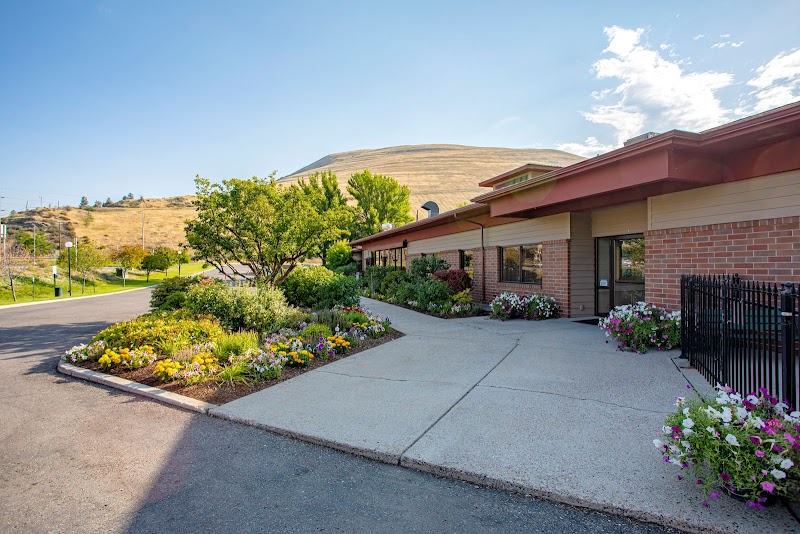
How is Riverside Health & Rehabilitation Staffed?

CMS rates RIVERSIDE HEALTH & REHABILITATION's staffing level at 4 out of 5 stars, which is above average compared to other nursing homes. Staff turnover is 59%, which is 13 percentage points above the Montana average of 46%. High turnover can affect care consistency as new staff learn residents' individual needs.

What Have Inspectors Found at Riverside Health & Rehabilitation?

State health inspectors documented 30 deficiencies at RIVERSIDE HEALTH & REHABILITATION during 2022 to 2025. These included: 1 that caused actual resident harm, 28 with potential for harm, and 1 minor or isolated issues. Deficiencies causing actual harm indicate documented cases where residents experienced negative health consequences.
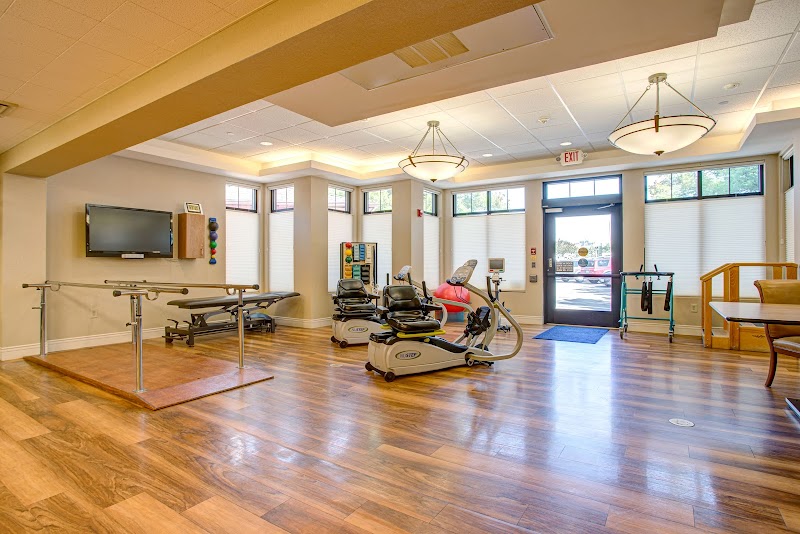
Who Owns and Operates Riverside Health & Rehabilitation?

RIVERSIDE HEALTH & REHABILITATION is owned by a for-profit company. For-profit facilities operate as businesses with obligations to shareholders or private owners. The facility is operated by THE GOODMAN GROUP, a chain that manages multiple nursing homes. With 72 certified beds and approximately 66 residents (about 92% occupancy), it is a smaller facility located in MISSOULA, Montana.
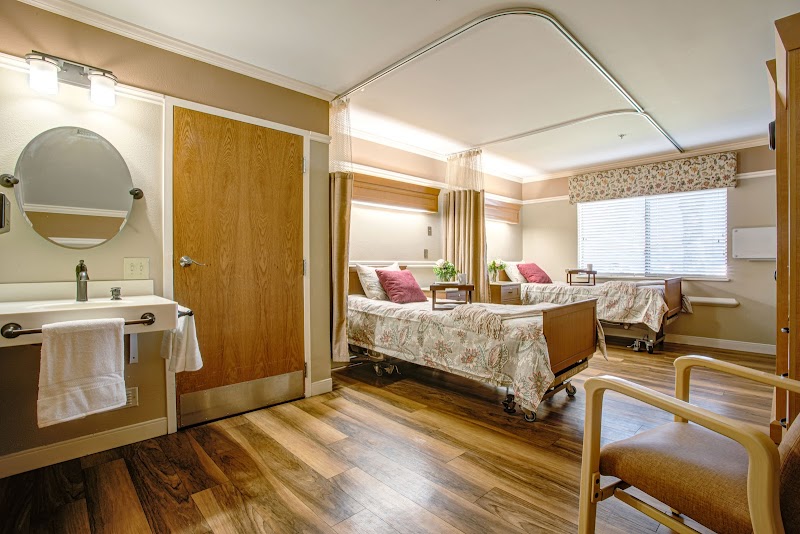
How Does Riverside Health & Rehabilitation Compare to Other Montana Nursing Homes?

Compared to the 100 nursing homes in Montana, RIVERSIDE HEALTH & REHABILITATION's overall rating (3 stars) is above the state average of 3.0, staff turnover (59%) is significantly higher than the state average of 46%, and health inspection rating (3 stars) is at the national benchmark.

What Should Families Ask When Visiting Riverside Health & Rehabilitation?

Based on this facility's data, families visiting should ask: "How do you ensure continuity of care given staff turnover, and what is your staff retention strategy?" "Can I visit during a mealtime to observe dining assistance and food quality?" "How do you handle medical emergencies, and what is your hospital transfer rate?" "Can I speak with family members of current residents about their experience?" These questions are particularly relevant given the facility's high staff turnover rate.

Is Riverside Health & Rehabilitation Safe?

Based on CMS inspection data, RIVERSIDE HEALTH & REHABILITATION has a clean safety record: no substantiated abuse findings (meaning no confirmed cases of resident harm), no Immediate Jeopardy citations (the most serious violation level indicating risk of serious injury or death), and is not on the Special Focus Facility watch list (a federal program monitoring the lowest-performing 1% of nursing homes). The facility has a 3-star overall rating and ranks #1 of 100 nursing homes in Montana. While no facility is perfect, families should still ask about staff-to-resident ratios and recent inspection results during their visit.

Do Nurses at Riverside Health & Rehabilitation Stick Around?

Staff turnover at RIVERSIDE HEALTH & REHABILITATION is high. At 59%, the facility is 13 percentage points above the Montana average of 46%. High turnover means new staff may not know residents' individual needs, medications, or preferences. It can also be disorienting for residents, especially those with dementia who rely on familiar faces. Families should ask: What is causing the turnover? What retention programs are in place? How do you ensure care continuity during staff transitions?

Was Riverside Health & Rehabilitation Ever Fined?

RIVERSIDE HEALTH & REHABILITATION has been fined $11,027 across 1 penalty action. This is below the Montana average of $33,189. While any fine indicates a compliance issue, fines under $50,000 are relatively common and typically reflect isolated problems that were subsequently corrected. Families should ask what specific issues led to these fines and confirm they've been resolved.

Is Riverside Health & Rehabilitation on Any Federal Watch List?

RIVERSIDE HEALTH & REHABILITATION is not on any federal watch list. The most significant is the Special Focus Facility (SFF) program, which identifies the bottom 1% of nursing homes nationally based on persistent, serious quality problems. Not being on this list means the facility has avoided the pattern of deficiencies that triggers enhanced federal oversight. This is a positive indicator, though families should still review the facility's inspection history directly.