VILLAGE HEALTH & REHABILITATION
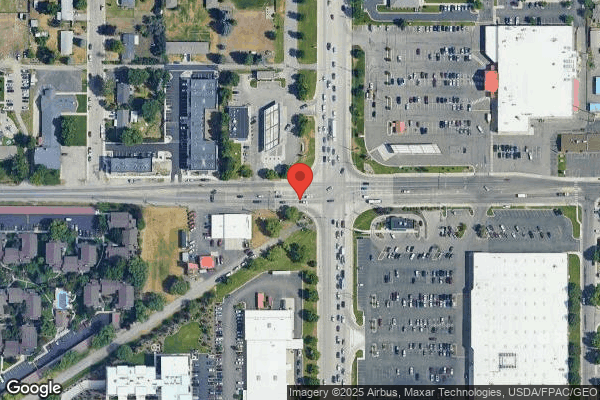
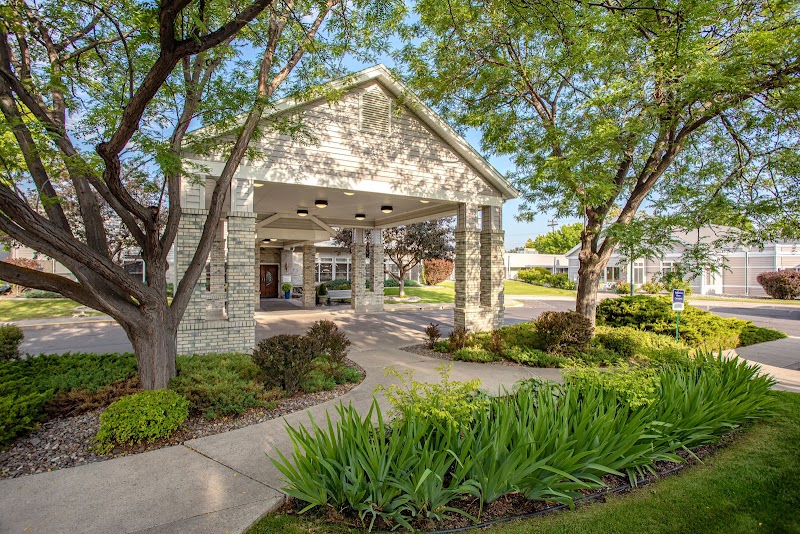
2651 SOUTH AVE W, MISSOULA, MT 59804 (406) 728-9162
For profit - Corporation 193 Beds THE GOODMAN GROUP Data: November 2025
Trust Grade
30/100
#47 of 59 in MT
Last Inspection: August 2025

Inspected within the last 6 months. Data reflects current conditions.

Overview

Families considering Village Health & Rehabilitation in Missoula, Montana should be aware that the facility has received an F grade for trust, indicating significant concerns and overall poor performance. Ranking #47 out of 59 facilities in Montana places it in the bottom half, and #3 out of 3 in Missoula County shows that there are no better local options available. Although the facility's trend is improving, with issues decreasing from 13 to 7 over the past year, there are still serious concerns, including a failure to prevent falls that resulted in significant injuries for residents, such as a femur fracture. Staffing is a relative strength, with a 4 out of 5 rating, but a high turnover rate of 57% matches the state average, indicating instability. Additionally, the facility has received fines totaling $33,871, which suggests ongoing compliance problems, and there are issues with food safety and hygiene that could pose health risks to residents.

Trust Score
F
30/100
In Montana
#47/59
Bottom 21%
Safety Record
Moderate
Needs review
Inspections
Getting Better
13 → 7 violations
Staff Stability
⚠ Watch
57% turnover. Above average. Higher turnover means staff may not know residents' routines.
Penalties
✓ Good
$33,871 in fines. Lower than most Montana facilities. Relatively clean record.
Skilled Nurses
✓ Good
Each resident gets 61 minutes of Registered Nurse (RN) attention daily — more than 97% of Montana nursing homes. RNs are the most trained staff who catch health problems before they become serious.
Violations
⚠ Watch
28 deficiencies on record. Higher than average. Multiple issues found across inspections.
★★☆☆☆
2.0
Overall Rating
★★★★☆
4.0
Staff Levels
★★★☆☆
3.0
Care Quality
★★☆☆☆
2.0
Inspection Score
Stable
2024: 13 issues
2025: 7 issues

The Good

  • 4-Star Staffing Rating · Above-average nurse staffing levels
  • Full Sprinkler Coverage · Fire safety systems throughout facility
  • No fines on record

Facility shows strength in staffing levels, fire safety.

The Bad

2-Star Overall Rating

Below Montana average (2.9)

Below average - review inspection findings carefully

Staff Turnover: 57%

11pts above Montana avg (46%)

Frequent staff changes - ask about care continuity

Federal Fines: $33,871

Above median ($33,413)

Moderate penalties - review what triggered them

Chain: THE GOODMAN GROUP

Part of a multi-facility chain

Ask about local staffing decisions and management

Staff turnover is elevated (57%)

9 points above Montana average of 48%

The Ugly 28 deficiencies on record

2 actual harm
Aug 2025 6 deficiencies 1 Harm
SERIOUS (G) 📢 Someone Reported This

A family member, employee, or ombudsman was alarmed enough to file a formal complaint

Actual Harm - a resident was hurt due to facility failures

Accident Prevention (Tag F0689)

A resident was harmed · This affected 1 resident

**NOTE- TERMS IN BRACKETS HAVE BEEN EDITED TO PROTECT CONFIDENTIALITY** Based on interview and record review, the facility failed to ensure a resident was free from accidents for a resident who sustai...

Read full inspector narrative →
**NOTE- TERMS IN BRACKETS HAVE BEEN EDITED TO PROTECT CONFIDENTIALITY** Based on interview and record review, the facility failed to ensure a resident was free from accidents for a resident who sustained a fall with pain resulting in a fracture, who was on a blood thinner; and failed to promptly notify the physician of a fall with pain resulting in a fracture impacting the physician's opportunity to determine if a higher level of care or treatment was necessary at the time of the fall for 1 (#85) of 34 sampled residents. This deficient practice contributed to delayed care, increased pain and a femur fracture.During an interview on 8/26/25 at 9:36 a.m., resident #85 explained that she was admitted to the facility in July after she developed complications from a right hip replacement. Resident #85 stated she had a fall when her leg got caught during a transfer, and she fell because the nurse went to get help and left her standing at the edge of the bed with nothing to hold on to. Resident #85 said the nurse who was on told a bunch of CNAs to say I wouldn't allow them help me. Resident #85 stated, There was nobody in the room and that's the truth. During an interview on 8/27/25 at 9:48 a.m., Staff member O stated he was in resident #85's room on the day of the fall to assist resident #85 with a dressing change. Staff member O stated resident #85 transferred with a walker and a one-person assist and was 50% weight bearing on the right leg. Staff member O said resident #85 liked to push the wheelchair to transfer. Staff member O stated resident #85 was choosing to use the wheelchair to transfer, and he asked the resident to please be extra careful. Staff member O stated the resident fell when moving from the bed to the recliner. Staff member O stated that resident #19 fell with him trying to slow her, stating, I had some influence. Staff member O stated the resident was reporting pain in her right knee at the time of the fall. Staff member O stated he did not notify the physician on call after the resident fell, and her care was delayed by a couple of hours. Staff member O reported the resident did not want to go to the emergency room. Staff member O stated he didn't realize there were other required reports to complete at the time of the fall, such as the incident and risk management charting. Staff member O stated he felt like he did not know how to do a lot of things at the facility and said, I had to fight tooth and nail to get any orientation here. I still don't feel fully enabled on how to do my job. Review of resident #85's EHR showed a clinical note, dated 8/9/25 at 5:12 p.m., Note Text: While ambulating from the bed to the recliner with a wheel chair she lost her balance and I gently helped her to the ground to sit on her butt. Her right lower leg bent at the knee and was under her L leg. It caused her pain so I helped her straighten it. Then with the help of a CNA we got her to standing and had her sit in the recliner. A while later she stated being unable to put weight on it. The pain is in her popliteal fossa. I asked her if she wanted me to send her to the ED. She does not want to go. Treated with Robaxin, oxycodone and ice after the incident. The plan to continue the same pain management for the night and if it's not better by morning send her to the ED. During an interview on 8/27/25 at 10:30 a.m., NF5 stated she was the nurse attending to resident #85 upon admission to the emergency room, on the day after resident #85's fall. NF5 stated she had concerns because the EMT who gave her a summary stated there was a different story from what the resident reported and what the facility staff reported. NF5 stated resident #85 had fallen earlier in the day and presented with her right leg internally rotated and significantly shorter than the left leg, which were indications of a broken extremity. NF5 asked resident #85 why her care was delayed and asked the resident if her leg always looked like that. NF5 stated the resident reported the nurse at the facility had advised the resident to wait to see if it was worse in the morning before transferring to the emergency department. This statement contradicts the statement from staff member O who said she did not want to go to the ER. During an interview on 8/27/25 at 3:29 p.m., resident #85 stated staff member O stated he was going to put ice on her right leg, wait until the morning, and if it (leg) was swelled up she would be sent to the ER. Resident #85 stated she did not decline transfer to the ER at the time of the event. Resident #85 stated she went by what staff member O advised, to wait until the morning, and his comment about We'll see in the morning.During an interview on 8/28/25 at 9:45 a.m., staff member A questioned this surveyor about a document that was provided by the facility, which showed the provider was notified about the fall at the time of the event. This surveyor clarified for staff member A that staff member O stated he did not notify the physician on call after resident #85 fell. Therefore, the document provided was not accurate for the physician notification. Review of resident #85's Comprehensive MDS assessment, with an ARD of 7/14/25, showed resident #85 had a BIMS score of 14, cognitively intact.Review of resident #85's EHR, showed a progress note, dated 8/9/25 at 3:07 p.m., which included, Note Text: Reason for note: Initial note (immediately after the fall), I was with her as she was using the back of her wheel chair moving from the bed to her recliner. She started to slowly tip over to her right and I helped her gently arrive on the floor. Her right leg was slightly crossed under her L leg. With the help of a CNA we got her back in the wheelchair then into the recliner. She indicates pain in the posterior medial side of her R knee. Medicated with oxy and Robaxin and placed an ice pack. No visible damage to that area noted. Resident was found sitting with legs crossed near the bed. Fall was witnessed. Was wearing non-skid shoes/socks. No changes in mental status noted. Resident reporting pain R knee Hurts Even More. Injury was noted at the time of the fall. Pain in R knee as described above. [sic] The note contradicts the residents statement about no one being in the room at the time of the resident's fall. Review of resident #85's August 2025 Medication Administration Record showed the following: Methocarbamol Oral Tablet 500 MG (Methocarbamol) Give 1 tablet by mouth as needed for muscle spasms four times daily, Start Date 7/14/2025 1215 (12:15 p.m.), was given on 8/9/25 at 1500, and it was ineffective. oxyCODONE HCI Oral Tablet 5 mg (Oxycodone HCI) Give 1 tablet by mouth every 4 hours as needed for pain 1 to 2 tablets every 4 hours .Start Date, 8/4/25 1130 (11:30 a.m.),. Resident #85 was given 2 tablets at 10:30 a.m., the pain level was a 6, and the medication was effective. The resident was given 2 tablets at 3:01 p.m., and the resident's pain level was 7, but the medication was ineffective. The resident was given 2 tablets at 7:01 p.m., and her pain was a 10. The medication was ineffective. This showed the resident's pain was not managed after the fall with the pain medication, but it was prior to the fall. Warfarin Sodium Oral Tablet 3 MG (Warfarin Sodium) Give 0.5 tablet by mouth one time a day every Mon, Wed, Thu, Fri, Sun for treating/preventing blood clots.start date 8/8/25 0700 (7:00 a.m.). [sic] The Warfarin increased the resident's risk of bleeding. Review of resident #85's EHR showed a progress note, dated 8/9/25 at 8:20 p.m., which included Note Text: Resident was sent to [Hospital name] ER at 8/9/25 8:20 PM for R leg pain 10/10.At time of discharge: Resident is oriented to person, place and time.Review of resident #85's EHR showed a Secure Conversations progress note, dated 8/11/25 at 1:54 p.m., which showed Messages: Subject ED transfer [8/9/25 22:45 PM] (10:45 p.m.)[Staff RN]: At around 1930H (7:30 p.m.), while this NOD and CNA assisting her to go to the toilet, she reports intolerable pain 10/10 above her R knee. Pain becomes worse if R leg is moved or R knee is bent, very tender to touch and unable to use it for support. R leg looks like a little bent/twisted out of shape going inward. Had an assisted fall earlier, kindly see progress notes. Talked to resident of going to ED for at least an xray just to make sure she didn't break her leg. Res agrees. Hx of R total hip arthroplasty, R knee replacement. At around 1940H (7:40 p.m.), called on call provider [provider on call], to send to ED. Res does not want this NOD to call his son but she will personally call him of the ED transfer. At around 1944H (7:44 p.m.), called [Ambulance Service], arrived at around 2000H (8:00 p.m.) and res transported to [Facility Name] ED at around 2020H (8:20 p.m.).[8/9/25 22:47 PM] (10:47 p.m.)[Staff RN]: At around 2200 (10:00 p.m.), called [Facility Name] for update. Talked to ER secretary and res will be admitted for significantly fractured femur. FYI[8/11/25 10:23AM][Staff Physician]: noted agree with ED eval after fall with significant pain, thanks for the update, will await her return. [sic]Review of a facility document title, [Facility Name] Incident Audit Report dated 8/27/25, showed, it was a follow up to resident #85's fall on 8/9/25 15:00 (3:00 p.m.), and included: .Injuries.Mental Status, Oriented to Person, Oriented to Place, Oriented to Situation; Oriented to time . Note.Resident is A&O X4 .It was determined post-fall to send [Resident #85] to the emergency room for further evaluation. [Resident #85] declined to go initially, but then was agreeable later as pain increased in her leg.Review of the admitting hospital's Discharge summary, dated [DATE], showed, .Assessment & Plan, Femur fracture (HCC), Patient had a mechanical fall while trying to get from her bed to a wheelchair on 8/9. XR identified a moderately displaced periprosthetic R femur fracture.
CONCERN (D) 📢 Someone Reported This

A family member, employee, or ombudsman was alarmed enough to file a formal complaint

Potential for Harm - no one hurt, but risky conditions existed

Notification of Changes (Tag F0580)

Could have caused harm · This affected 1 resident

Based on interview and record review, the facility failed to provide prompt physician notification for a resident who sustained a fall resulting in injury with pain for 1 (#85) of 34 sampled residents...

Read full inspector narrative →
Based on interview and record review, the facility failed to provide prompt physician notification for a resident who sustained a fall resulting in injury with pain for 1 (#85) of 34 sampled residents. This deficient practice contributed to a delay in treatment, and the resident was found to have a fracture. Findings include:During an interview on 8/26/25 at 9:36 a.m., resident #85 explained that she was admitted to the facility in July after she developed complications from a right hip replacement. Resident #85 stated she had a fall when her leg got caught during a transfer, and she fell because the nurse went to get help and left her standing at the edge of the bed with nothing to hold on to. During an interview on 8/27/25 at 9:48 a.m., staff member O stated the fall protocol was to notify the family, the physician, and write up a fall report. Staff member O stated he did not notify the physician on call after resident #85 fell. Staff member O stated resident #85's care was delayed by a couple of hours.During an interview on 8/27/25 at 2:54 p.m., staff member B stated the fall protocol was to notify everyone of the fall, including the family and the doctor.Review of resident #85's EHR, showed a documentation note, dated 8/9/25 at 3:07 p.m., and the note failed to show the physician was notified of the resident's fall and increased pain.Review of resident #85's EHR showed a Secure Conversations note, dated 8/11/25 at 1:54 p.m., which included, Messages: Subject ED transfer .[8/9/25 22:45 PM] (10:45 p.m.) . she (resident #85) reports intolerable pain 10/10 above her R knee. Pain becomes worse if R leg is moved or R knee is bent, very tender to touch and unable to use it for support. R leg looks like a little bent/twisted out of shape going inward . At around 1940H (7:40 p.m.), called on call provider [provider on call], to send to ED .During an interview on 8/28/25 at 9:45 a.m., staff member A questioned this surveyor about a document that was provided by the facility, which showed the provider was notified about the fall at the time of the event. This surveyor clarified for staff member A that staff member O stated he did not notify the physician on call after resident #85 fell.Review of the facility document titled Notification of Changes, last review date of 10/14/24, showed: Policy: The facility will inform the resident; consult with the resident's physician; and if known, notify the resident's legal representative or appropriate family members(s) of the following:1. An accident resulting in injury to the resident that potentially requires physician intervention. 2. A significant change in the physical, mental, or psychosocial status of the resident. Policy Explanation and Compliance Guidelines:1. In the case of a competent resident, the facility will contact the resident's physician and appropriate family member(s) .5. Document in the resident's clinical record the date and time of the notification. Review of the facility's document titled Fall Prevention Program, last review date 1/23/25, showed: . 5. When a resident experiences a fall, the facility will:.d. Notify physician and family.The delay of physician notification impacted the physician's opportunity to provide directives on the resident's care, pain, and injury.
CONCERN (D) 📢 Someone Reported This

A family member, employee, or ombudsman was alarmed enough to file a formal complaint

Potential for Harm - no one hurt, but risky conditions existed

Report Alleged Abuse (Tag F0609)

Could have caused harm · This affected 1 resident

Based on the interview and record review, the facility failed to report allegations of resident abuse to the State Survey Agency within 24 hours of an incident for 2 (#s 99 and 129) of 5 residents sam...

Read full inspector narrative →
Based on the interview and record review, the facility failed to report allegations of resident abuse to the State Survey Agency within 24 hours of an incident for 2 (#s 99 and 129) of 5 residents sampled for Facility Reported Incidents. Findings include:Review of the facility reported incident dated 6/27/25 at 8:15 p.m., showed resident #99 and resident #129 were involved in a physical altercation. Resident #99 reported to the nurse resident #129 grabbed resident #99's groin. The initial allegation of resident-to-resident abuse was not received by the State Survey Agency until 6/30/25.During an interview on 8/27/25 at 11:22 a.m., staff member A stated she was not aware the facility failed to report the allegations of resident-to-resident abuse to the State Survey Agency within 24 hours for the facility reported incident which occurred on 6/27/25, involving residents #99 and #129. Staff member A stated the facility's video surveillance of the incident was no longer available for review. During an interview on 8/28/25 at 8:52 a.m., staff members A and C were present. Staff member C stated the incident involving residents #99 and #129, on 6/27/25, was not reported to the State Survey Agency within 24 hours because resident #99 denied that the incident occurred. Staff member C stated resident #99 met with and reported to social services on 6/30/25 resident #129 touched resident #99's groin area on 6/27/25. Staff member C stated the facility then reported the incident to the State Survey Agency. Review of resident #99's nursing progress note, dated 6/28/25 at 5:21 a.m., showed resident #99 went to the nursing station on 6/27/25 at 8:13 p.m. and reported that resident #129 had touched his groin. Resident #99 was ambulating in his wheelchair, from the 700 hall, back to the nursing station. When doing so, resident #99 passed resident #129, and resident #129 had his head down looking at the rug, and he was swinging his hands down. The nursing progress note showed resident #129 stated he wasn't paying attention, and it was an accident (touching #99 on groin). Resident #99 calmed down and seemed to accept the actions of resident #129 were not on purpose. A message was sent to social services and nursing, and a text message was sent to the director of nursing, to make them all aware of the incident.Review of the facility's policy titled, ABUSE, NEGLECT AND EXPLOITATION, last revision dated 1/11/25, showed: 1. Definitions. Sexual Abuse is non-consensual sexual contact of any type with a resident. V. Identification of Abuse, Neglect, Exploitation and MisappropriationThe facility will identify factors indicating possible abuse, neglect, exploitation of residents, or misappropriation of resident property, including, but not limited to, the following possible indicators:-Resident, staff or family report of abuse; . VII. Response and Reporting of Abuse, Neglect, Exploitation, and MisappropriationAnyone with knowledge or concerns about the care of a resident in the facility must report suspected abuse to the Facility administrator, abuse agency hotline or file a complaint with the state survey agency and adult protective services (if applicable under state law) immediately (but not later than 2 hours after an allegation is made if the events that lead to the allegation involve abuse or result in serious bodily injury) or not later than 24 hours if the events that lead to the allegation do not involve abuse and do not result in serious bodily injury. Reporting and investigation should be in accordance with state law/regulation.When abuse, neglect or exploitation is suspected, the Administrator or designee should:. Contact the state agency and the local Ombudsman office to report the alleged abuse; . [sic]
CONCERN (D)

Potential for Harm - no one hurt, but risky conditions existed

Deficiency F0726 (Tag F0726)

Could have caused harm · This affected 1 resident

Based on interview and record review, the facility failed to ensure licensed nursing staff had the necessary knowledge and skillset on the facility's post-fall protocol and physician notification, and...

Read full inspector narrative →
Based on interview and record review, the facility failed to ensure licensed nursing staff had the necessary knowledge and skillset on the facility's post-fall protocol and physician notification, and a resident had a fall, with an injury and pain, and the proper notifications were not all made, for 1 (#85) of 34 sampled residents, and this resulted in a delay in care. Findings include:During an interview on 8/26/25 at 9:36 a.m., resident #85 explained she had a fall when her leg got caught during a transfer, and she fell because the nurse went to get help and left her standing at the edge of the bed with nothing to hold on to. During an interview on 8/27/25 at 9:48 a.m., staff member O stated resident #85 transferred with a walker and a one-person assist and was 50% weight bearing on her right leg. Staff member O stated the resident fell when moving from the bed to the recliner. Staff member O stated resident #85 was reporting pain in her right knee at the time of the fall. Staff member O stated the fall protocol was to notify the family, the physician, and write up a fall report. Staff member O stated he didn't realize there were other required reports to complete at the time of the fall, such as the incident and risk management charting. Staff member O stated he did not notify the physician on call after the resident fell. Staff member O stated he felt like he did not know how to do a lot of things at the facility and said, I had to fight tooth and nail to get any orientation here. I still don't feel fully enabled on how to do my job.During an interview on 8/27/25 at 10:30 a.m., NF5 stated she was the nurse attending to resident #85 upon admission to the emergency room, on the day after resident #85's fall. NF5 stated she had concerns because the EMT who gave her a summary stated there was a different story from what the resident reported and what the facility staff reported. NF5 stated resident #85 had fallen earlier in the day and presented with her right leg internally rotated and significantly shorter than the left leg, which were indications of a broken extremity. NF5 asked resident #85 why her care was delayed and asked the resident if her leg always looked like this. NF5 stated the resident reported the nurse at the facility had advised the resident to wait to see if it was worse in the morning before transferring to the emergency department.During an interview on 8/27/25 at 3:46 p.m., staff member O was shown a facility document titled, [Corporation name] SNF Nurse Skill Competency Checklist, undated, which showed he had met the criteria for incident charting and fall safety. Staff member O stated staff member B simply asked him if he was competent or not and checked the boxes as met. Staff member O recalled he asked to read the competency checklist before he could answer if he was competent or not. Staff member O stated he was told to sink or swim (referring to staff member O's performance). Review of resident #85's medication administration record, dated August 2025, showed, Warfarin Sodium Oral Tablet 3 MG (Warfarin Sodium) Give 0.5 tablet by mouth one time a day every Mon, Wed, Thu, Fri, Sun for treating/preventing blood clots.start date 8/8/25 0700 (7:00 a.m.). [sic]Review of resident #85's EHR, showed a documentation note, dated 8/9/25 at 3:07 p.m., which showed details of the resident's fall. The note failed to show the physician was notified or that the resident's Warfarin and risk of bleeding was considered as a concern after the fall. Review of the facility's document titled, Notification of Changes, last review on 10/14/24, showed, Policy: The facility will inform the resident; consults with the resident's physician; and if known, notify the resident's legal representative or appropriate family members(s) of the following:1. An accident resulting in injury to the resident that potentially requires physician intervention.2. A significant change in the physical, mental or psychosocial status of the resident. Policy Explanation and Compliance Guidelines:1. In the case of a competent resident, the facility will contact the resident's physician and appropriate family member(s) .5. Document in the resident's clinical record the date and time of the notification. Review of the facility's document titled, Fall Prevention Program, last review date 1/23/25, showed: . 5. When a resident experiences a fall, the facility will:.d. Notify physician and family.
CONCERN (D)

Potential for Harm - no one hurt, but risky conditions existed

Deficiency F0808 (Tag F0808)

Could have caused harm · This affected 1 resident

Based on observation, interview, and record review, the facility failed to provide a thickened therapeutic diet as ordered for 1 (#91) of 34 sampled residents. The failure increased the risk of aspira...

Read full inspector narrative →
Based on observation, interview, and record review, the facility failed to provide a thickened therapeutic diet as ordered for 1 (#91) of 34 sampled residents. The failure increased the risk of aspiration for the resident. Findings include:Review of resident #91's care plan, dated 8/12/25, showed resident #91 was to be provided nectar-thick fluids, as prescribed by the Speech Language Pathologist on 8/16/24.Review of resident #91's medication administration record for August 2025 showed the resident was to have Boost Breeze, which was to be thickened to a nectar-thick consistency, or the Boost may be replaced with a thickened preferred supplement.During an observation and interview on 8/27/25 at 8:05 a.m., resident #91 was sitting at the breakfast table. Staff member D was observed putting three pumps of gel thickener into a glass of cranberry juice. The thickener was observed in the bottom of the glass. The juice was floating on top of the thickener. Staff member D did not stir the thickener into the juice to mix it to a nectar-thick consistency. Resident #91 had a thin consistency liquid protein supplement and thin consistency tomato juice, also served with the meal. While staff member D was assisting resident #91 with his breakfast, staff member D gave resident #91 a drink of cranberry juice. Resident #91 immediately coughed after drinking the thin consistency juice. Resident #91 continued to cough throughout his meal. During this observation, the dietary meal ticket was observed, and it showed the fluids should be a mild to nectar-thick consistency. Staff member D spooned some juice, and the juice was a thin consistency. Staff member D stated, I put three pumps (of thickener) in the glass. It is not thick at all - I stirred it, but it floated back to the bottom. It was observed the staff did assist the resident and he had ceased coughing before the end of the meal. During an interview on 8/27/25 at 8:05 a.m., staff member E said resident #91 should have mild nectar-thick fluids, but the cranberry juice, the tomato juice, and the Ensure resident #91 had at the table weren't thickened at all. Staff member E said nursing could answer questions about education for thickening fluids because the nurses thickened the fluids. Staff member E said the kitchen would thicken fluids for the residents who received room trays.During an observation and interview on 8/27/25 at 8:33 a.m., the surveyor showed staff member F resident #91's water pitcher. Staff member F said the water consistency in the pitcher was not right at all because resident #91's care plan was for thickened fluids. Staff member F said resident #91 should have had thickened water provided in his bedside pitcher, not the regular water contained in the pitcher.On 8/27/25 at 3:35 p.m., the education on thickening fluids for the residents, provided to nursing and dietary staff, was requested. The facility provided staff member D's certified nurse assistant checklist. No other education was received by the end of the survey.
CONCERN (F)

Potential for Harm - no one hurt, but risky conditions existed

Food Safety (Tag F0812)

Could have caused harm · This affected most or all residents

Based on observation, interview, and record review, the facility failed to store and prepare food under sanitary conditions, staff failed to wear hair restraints in the kitchen area, and the facility ...

Read full inspector narrative →
Based on observation, interview, and record review, the facility failed to store and prepare food under sanitary conditions, staff failed to wear hair restraints in the kitchen area, and the facility failed to provide food at a safe and appetizing temperature for 4 (#s 6, 14,72, and 154) of 34 sampled residents. These deficient practices placed all residents who consumed meals prepared by the facility at risk of exposure to food-borne pathogens and or illness. Findings include:During an observation of the kitchen on 8/25/25 at 3:12 p.m., the following concerns were identified: - The juice dispenser had a sticky liquid on the dispenser nozzles, the front panel of the dispenser, and the backsplash.- The coffee dispenser had dried coffee on the front tray and on the dispenser nozzles.- A light brown liquid was spilled on the counter by the coffee dispenser. A drawer containing utensils was open under the spill, and the brown liquid had spilled into the utensil drawer.- There was ice buildup in the freezer, and there was ice on the floor of the freezer, which made the floor slick and hazardous. The ice buildup extended on the outside of the freezer due to the worn door seal. - An open package of unlabeled meat, not dated, was observed in the walk-in cooler. The package was mixed in with other types of meat, including pork and pastrami products.- Ham was observed in a pan, covered with cellophane, which was labeled but undated.- Food particles, grease, dust, grime, and an unknown light brown sticky substance were observed in the corner to the right of the freezer door. Above this, on the outer surface of the walk-in freezer, was a black substance.- Particles of food, grease, dust, and grime were noted on the ledge of the whiteboard to the right of the freezer.- An open bin containing whole onions was stored under a food preparation sink.- Pieces of food were noted on the counter around and under the food mixer.- A cabinet to the right of the food mixer had dried splatter on it.- Particles of food, grease, dust, and grime were noted on the windowsill above the food preparation sinks.- There was hard water buildup observed on the outside of the ice machine, on top of the machine, and down the front of the lid.- A cooler in the dry storage area contained a pitcher of thick red liquid labeled tomato and the pitcher was not dated.During an interview on 8/25/25 at 3:36 p.m., staff member P, when discussing the individual condiment packages (which were not dated) stored on a shelf outside of the dietary manager's office, stated, . if they aren't marked (dated), we don't know when to get rid of them.During an observation on 8/25/25 at 3:38 p.m., staff member D entered the dietary area and walked through the kitchen without a hair cover or net. Staff member D stated she was off the clock and just gathering some personal items. She stated she would assist in the kitchen at times, and she was a certified nursing assistant. During an observation on 8/26/25 at 7:57 a.m., staff member D was observed talking to an unknown kitchen staff member in front of the walk-in cooler in the dietary department, and staff member D did not have a hair covering on at the time.During an interview on 8/26/2025 at 8:19 a.m., staff member K stated CNAs will deliver the meal trays to the resident rooms when a resident chooses not to go to the dining room for the meal. Staff member K stated the food is brought to the hall in the food carts by dietary staff, and the food stays in the cart until it is delivered to the resident. He stated that meals are delivered warm when placed in the cart, and at times, the food has to be heated before serving. He stated the CNAs heat the food, when needed, to 165 degrees Fahrenheit. During an observation and interview on 8/26/25 at 8:33 a.m., resident #6 was in bed with her meal tray on her overbed table. She was stirring food in a bowl that she reported to be oatmeal. The oatmeal was thick with large clumps and did not easily mix when she stirred it. She reported the oatmeal was not warm.During an interview on 8/26/25 at 8:51 a.m., resident #154 stated, Food is a big concern. Half the time it comes in cold. I have gotten sick off the food a couple times. I don't think they temp the food. During an observation on 8/27/25 at 8:37 a.m., food trays were stored in a cart on the 300 hall and were being delivered to the residents by staff. A tray still in the cart, labeled for resident #72, was checked for the temperature of the food by staff member M, who was using a facility thermometer. The temperature showed the temperature of the sausage on the tray was 110.9 degrees Fahrenheit.During an observation on 08/27/25 at 8:40 a.m., food trays were stored in a cart on the 300 hall and were being delivered to the residents by staff. A tray in the cart, labeled for resident #14, was checked for the temperature of the food by staff member M, who was using a facility thermometer. The temperature of the cooked eggs on the tray was 116.2 degrees Fahrenheit.During an observation on 08/27/25 at 8:46 a.m., food trays were stored in a cart on the 200 hall and were being delivered to the residents by staff. A tray in the cart, labeled for resident #154, was checked for the temperature by staff member M, who was using a facility thermometer. The temperature of the cooked sausage on the tray was 114.3 degrees Fahrenheit.During an observation and interview on 08/27/25 at 8:49 a.m., resident #6 was in bed and had just begun eating. Her tray was on the overbed table with the lid still on her plate. The temperature of the eggs on resident #6's plate was checked by staff member M using a facility thermometer. The temperature of the eggs was 110.8 degrees Fahrenheit. Resident #6 stated the food was not as warm as she would like it to be.During an observation on 8/27/25 at 8:57 a.m., it was observed that the ice bin lid was left open. There were no staff in the area at the time. There was also a Ziplock bag containing individual, single-serve creamer packets, on the floor in the dry storage area. During an interview on 8/27/25 at 9:00 a.m., staff member N stated a hair net or hat is required to be worn at all times when in the kitchen. He stated that food in the cooler should be dated so staff knew when to get rid of it. When asked about cleaning schedules in the kitchen he stated everything in the kitchen was cleaned daily and equipment was cleaned after each use. During an interview on 8/27/25 at 9:22 a.m., staff member D stated hair and beard coverings are required when in the kitchen, and staff should absolutely not be in the kitchen without them at any time.During an interview on 8/27/25 at 9:26 a.m., staff member E stated he met with the staff in the kitchen every Monday and Friday, and he reminded them that hair coverings were always required in the kitchen, but staff member E was not aware of any staff member entering the kitchen without a hair covering. When interviewed about the kitchen concerns, staff member E stated the nozzles on the coffee dispenser were cleaned two weeks ago by the distributor, but he knew it should be done more often. He stated the juice machine nozzles were cleaned once a week, and he expected staff to close the ice machine lid and never leave it open. Staff member E stated that all meat needed to be dated once the meat is thawed. Meat is thawed either in the walk-in cooler or in the sink under cool running water. Staff member E stated that different meats should be stored separately to prevent cross contamination and that meats were dated to ensure they were not used when no longer safe for consumption. When asked about the seal on the freezer door, staff member E stated it had not been sealing properly for a long time but that the facility had ordered a replacement door. He stated that he believed it took a while as it had to be special ordered. Staff member E stated the temperature of the food being held in the carts had been an ongoing problem, and the facility was trying to fix the problem. He stated the food temperature concerns were addressed last year, and they switched from the old metal lids for the plates to the current plastic insulated ones. Staff member E stated the new lids maintain the food temperatures within an acceptable range for about 30 minutes, but if it goes longer, the food cools down.During an interview on 8/27/25 at 11:53 a.m., staff member L stated food trays must frequently be reheated due to some foods not being warm enough when the trays are taken from the meal carts and then delivered to the residents in their rooms.Review of a facility provided document titled, Hair and [NAME] Restraint Policy, last reviewed 8/26/2025 showed: Policy: All employees involved in the production of food in the kitchen must have hair and facial hair covering without exception.A review of a facility provided document titled Food Safety Requirements, last reviewed 8/26/2025, showed: Policy Explanation and Compliance Guidelines:. 3. Facility staff shall inspect all food, food products, and beverages for safe transport and quality upon delivery/receipt and ensure timely and proper storage .b. Dry food storage-keep foods/beverages in a clean, dry area off the floor .c. Refrigerated storage.iv. Labeling, dating, and monitoring refrigerated food, including, but not limited to leftovers, so it is used by its use-by date.Review of a facility provided document titled Food Temperatures, last reviewed 8/26/25 showed: Policy: The temperatures of all food items will be taken and properly recorded prior to service of each meal.Procedure:1. All hot food items must be cooked to appropriate internal temperatures, held and served at a temperature of at least 135 degrees F b. Hot food items may not fall below 135 degrees F after cooking, unless it is an item which is to be rapidly cooled to below 41 degrees F and reheated to at least 165 degrees F prior to serving. 5. Food preparation and service areas will avoid the following methods:a. Holding foods in the temperature danger zone (41 degrees to 135 degrees F). [sic]
Apr 2025 1 deficiency
CONCERN (F) 📢 Someone Reported This

A family member, employee, or ombudsman was alarmed enough to file a formal complaint

Potential for Harm - no one hurt, but risky conditions existed

Infection Control (Tag F0880)

Could have caused harm · This affected most or all residents

Based on observation, interview, and record review, the facility staff failed to wear appropriate PPE while caring for residents for 2 (#s 3 and 16); and failed to educate and monitor staff on cleanin...

Read full inspector narrative →
Based on observation, interview, and record review, the facility staff failed to wear appropriate PPE while caring for residents for 2 (#s 3 and 16); and failed to educate and monitor staff on cleaning practices for residents positive for c-diff, for 2 (#s 14 and 17) of 17 sampled residents. The deficient practices increased the risk to others for contracting infections due to the deficient practices. Findings include: 1. During an observation on 4/1/25 at 12:14 p.m., 12 resident rooms were identified for special droplet/contact precautions, eight resident rooms were identified for enhanced barrier precautions, and three resident rooms were identified for contact precautions. Inspection of two PPE supply containers were found to have no N-95 masks available for use in the 300 hallway. The PPE supply containers held only yellow procedural masks. Staff member D was observed entering a resident room, identified with a special droplet/contact precaution sign, wearing a yellow procedural mask, no eye protection, and a yellow gown with a pair of gloves. Inspection of two PPE supply containers located in the 100 hallway were found to have no N-95 masks available for use. During an observation and interview on 4/1/25 at 1:09 p.m., staff member O was observed exiting a resident's room, and the room was identified to have special droplet/contact precautions. Staff member O was wearing a yellow surgical mask and was not wearing eye protection. Staff member O stated, We are supposed to have face shields on, and we usually swap masks when exiting resident's rooms. We don't have any face shields on either of these carts. During an observation and interview on 4/2/25 at 9:52 a.m., staff member G was observed leaving the secured unit, walking down the 100 hallway, without a mask. Staff member G said she was not aware she needed to be wearing a mask throughout the facility. During an observation on 4/2/25 at 9:59 a.m., resident #3's room had a sign on the door showing special droplet/contact precautions . Keep Door Closed . The room door was observed open. During and observation and interview on 4/2/25 at 9:24 a.m., resident #16's room door had a Contact Precautions sign posted. The sign directed staff to wear gloves and gown before room entry, to discard them before room exit, and to clean hands before entering and when leaving the room. Resident #16 said she did not currently have an infection but was prone to infections, and the infection nurse left the sign on the door to help prevent infections. While speaking with resident #16, staff member P entered the room with no PPE. Staff member P said resident #16 did not have any active infections, so PPE was not required, unless she was providing care for resident #16. Staff member P donned gloves, and then moved resident #16's catheter bag to a position resident #16 had requested. Resident #16 said most staff do not don PPE because she does not have an active infection. Review of a facility policy, COVID Comprehensive Infection Prevention and Control Program, review dated 10/11/23, showed: .4. Personal Protective Equipment a. HCP who enter the room of a Resident with suspected or confirmed COVID-19 should adhere to standard precautions and a NIOSH-approved particulate respirator with N95 filters or higher, gown, gloves, and eye protection . 2. During an interview on 4/2/25 at 10:03 a.m., NF2 said he had come to visit resident #14 on 3/5/25. NF2 said he and his wife and four-month-old son had been in to visit on 3/6/25, 3/7/25, and 3/8/25. When visiting on 3/8/25, a facility staff member informed the family they should have been wearing a gown and gloves when visiting, and they should not take their son into the room. Resident #14's roommate, resident #17, had tested positive for C-Diff. NF2 said that upon returning home to Oregon, his son had tested positive for C-Diff. NF2 said staff were in and out of resident #14's room, prior to them being notified of the infection control precautions in place, for resident #14. A sign with infection control precautions was not observed to be on the resident's door until a staff member pointed it out on 3/8/25. During an interview on 4/2/25 at 1:19 p.m., staff member F said resident rooms were cleaned daily. Staff member F was not familiar with the C. diff bacteria and was not able to explain the cleaning process used for a resident with C. diff. Staff member F was not able to identify the cleaning solution for cleaning or the wait time required for the cleaning solution to kill the bacteria. During an interview on 4/3/25 at 10:06 a.m., staff member N said resident rooms with patients diagnosed with C. diff should be cleaned with a Clorox brand hydrogen peroxide cleaner and it should be left in place for 2 to 3 minutes. Staff member N said cheat sheets have been left in the nurse's stations with the different dry times for staff to reference. Staff member N said he did not know if the facility had a written process for cleaning rooms of residents with C. diff. Staff member N said housekeeping staff should be educated on the different cleaners and what should be used for cleaning. When orienting, housekeeping staff spend a week with another housekeeper for training and were then expected to clean on their own. Review of resident #17's electronic medical record showed he was diagnosed with C-diff on 2/14/25 and was treated with a 10-day course of vancomycin. Resident #17 started showing signs and symptoms of C-diff on 3/7/25 and was started on vancomycin, with a tapered dosing, on 3/8/25. He was placed on contact precautions on 3/9/25 when it was confirmed he had a C-diff recurrence. Review of a facility policy, Management of C. Difficile Infection, with a review date of 10/14/24, showed: . Clostridioides difficile, . is a bacterium that causes diarrhea and colitis . It is shed in feces and is spread by direct contact with contaminated objects or the hands of persons who have touched a contaminated object. .8. Environmental infection control: a. Housekeeping staff shall adhere to standard and contact precautions. b. Perform daily cleaning of the resident's room and high touch surfaces using a C. difficile sporicidal agent (EPA List K agent) During an interview on 4/2/25 at 11:17 a.m., staff member C said she had trained staff on proper use of PPE for the different precautions used in the facility. Staff member C said she would expect staff members to follow the instructions on the signs posted on resident doors for proper PPE use. The PPE supply containers were stocked by the night staff and the facility had enough supplies to keep the containers stocked for staff use. Staff member C said staff should be wearing a gown and gloves before entering a room with contact precautions. Staff member C said resident #16 had a contact precaution sign posted on her door to help prevent her having infections. When she does not have an active infection, she should be on enhanced barrier precautions. Staff member C said staff should be wearing a gown, gloves, eye protection, and N-95 masks when entering a room of a patient that was COVID-19 positive. Staff member C said residents with C-diff were placed on contact precautions. She was not aware if a policy or procedure was written for the cleaning of a resident room with C-diff. Staff member C had not trained housekeeping on the cleaning of a resident room with C-diff.
Nov 2024 4 deficiencies
CONCERN (D) 📢 Someone Reported This

A family member, employee, or ombudsman was alarmed enough to file a formal complaint

Potential for Harm - no one hurt, but risky conditions existed

Assessment Accuracy (Tag F0641)

Could have caused harm · This affected 1 resident

Based on interview and record review, the facility failed to complete accurate assessments for 1 (#33) of 3 sampled residents who had been involved in two altercations. This deficient practice had the...

Read full inspector narrative →
Based on interview and record review, the facility failed to complete accurate assessments for 1 (#33) of 3 sampled residents who had been involved in two altercations. This deficient practice had the potential to affect resident care and safety as it inaccurately depicted the residents' care needs. Findings include: Review of resident #33's vulnerable resident evaluation dated 9/30/24, showed resident #33 did not have a history of any type of abuse toward others. The evaluation also showed the resident did not have behaviors which make the resident susceptible to abuse by others or behaviors which increase the resident's risk of abuse to others. Review of resident #33's MDS with an ARD of 10/3/24 showed the resident did not have any physical, verbal or other behavior symptoms directed toward others. Review of resident #33's nurse's note dated 10/2/24 showed, .Resident increased his voice .Resident has increasing confusion and increasing upset behaviors . The resident was administered a prn antianxiety medication because of the increasing behavior, agitation and inability of staff to redirect the resident. Review of resident #33's nurse's note, dated 9/28/24, showed resident #33 had anxiety and when presented with reality, his agitation increased, and he began pacing. The behavior was disruptive to other residents who were eating dinner. The resident was medicated due to the behaviors. During an interview on 11/20/24 at 11:00 a.m., staff member E said she had completed the Vulnerable Resident Evaluation on 9/30/24. The evaluation showed the resident did not have a history of abuse toward other or self-abuse. The evaluation was also coded showing resident #33 did not have behaviors which make him susceptible to abuse by others (including other vulnerable residents or adults). Staff member said she was just doing the routine to just get through the evaluation. Staff member E said she should have looked deeper into his behaviors and made sure the evaluation was accurate.
CONCERN (D) 📢 Someone Reported This

A family member, employee, or ombudsman was alarmed enough to file a formal complaint

Potential for Harm - no one hurt, but risky conditions existed

Medication Errors (Tag F0758)

Could have caused harm · This affected 1 resident

Based on interview and record review, the facility failed to limit an as needed anti-anxiety medication order to 14 days or provide a rationale for continued extension of the medication, for 1 (# 33) ...

Read full inspector narrative →
Based on interview and record review, the facility failed to limit an as needed anti-anxiety medication order to 14 days or provide a rationale for continued extension of the medication, for 1 (# 33) of 1 sampled resident using an as needed medication. Findings include: A review of resident #33's medication administration record for September 24, showed, Lorazepam Concentrate 2MG/ML, give 0.5ml by mouth every 8 hours as needed for Anxiety for 4 days was ordered on 8/30/24. Lorazepam is the generic name for Ativan, an anti-anxiety medication. The MAR showed the medication had not been given during those 4 days. A review of the September 2024 MAR, showed, on 9/3/24, the medical provider re-ordered the Lorazepam to be continued at 1mg every 6 hours for another 14 days. During those 14 days, the Lorazepam had not been administered. A review of the Advanced Practice Nurse Practitioner note dated 9/6/24 showed she had assessed resident #33. The NP note showed, .9/3-acute visit with Doctor for agitation which had resolved at the time of the visit. As needed Ativan available, none given in the last 14 days. The NP had re-ordered the Ativan on 9/3/24 with no justification or reason indicating the medication should be continued. A review of the September 2024 MAR showed on 9/27/24, the medical provider again re-ordered for the Lorazepam to continue for 6 months. Resident #33 had not received any prn doses of Lorazepam. A review of the September MAR showed the staff began administering the anti-anxiety medication on a prn basis on 9/27/24. A review of resident #33's nurse's notes dated 11/27/24 showed the resident was angry at one staff member. The facility failed to intervene and remove the source of the agitation. An anti-anxiety medication was administered rather than the source of the agitation be addressed and changed. A review of resident #33's physician note dated 11/1/24, showed the physician was aware resident #33 was given Lorazepam 5 times in the last 30 days. The physician did not indicate the reason the medication was administered. The physician did not indicate a rationale or diagnoses why the Lorazepam should be continued. During an interview on 11/19/24, NF1 said he did not sign a consent for the use of the tranquilizer the facility was using to control resident #33. He said he doesn't remember being educated on the risks or benefits of the medication the resident receives. A request was made on 11/19/24 at 2:46 p.m. for documentation showing education and consent for use of Lorazepam for resident #33. No documentation was provided by the end of the survey. A review of a facility policy, Use of Psychotropic Drugs, dated 10/14/24, showed - .3. The attending physician will assume leadership in medication management by developing, monitoring and modifying the medication regimen in collaboration with the residents, their families and or representatives, other professionals and the interdisciplinary team. - .4. Psychotropic medications shall be initiated only after medical, physical, functional, psychosocial, and environmental causes have been identified and addressed. - . 5. Residents and or representatives shall be educated on the risks and benefits of psychotropic drug use, as well as alternative treatments/non-pharmacological interventions - . 9. If the attending physician or prescribing practitioner believes that it is appropriate for the PRN order to extend beyond 14 days, he or she shall document their rationale in the resident's medical record .
CONCERN (E) 📢 Someone Reported This

A family member, employee, or ombudsman was alarmed enough to file a formal complaint

Potential for Harm - no one hurt, but risky conditions existed

Safe Environment (Tag F0584)

Could have caused harm · This affected multiple residents

**NOTE- TERMS IN BRACKETS HAVE BEEN EDITED TO PROTECT CONFIDENTIALITY** Based on observation and interview, the facility failed to provide clean resident rooms for 3 (#s 72, 16 and 95) of 28 sampled r...

Read full inspector narrative →
**NOTE- TERMS IN BRACKETS HAVE BEEN EDITED TO PROTECT CONFIDENTIALITY** Based on observation and interview, the facility failed to provide clean resident rooms for 3 (#s 72, 16 and 95) of 28 sampled residents, and failed to provide clean hallways, which had the potential to affect all staff and visitors. Findings include: During an observation and interview on 11/19/24 at 3:12 p.m., resident #72 said she did not know when the last time her floor had been mopped. Resident #72 said she knows she was not always in her room, but the same sticky substance had been on her floor for several days. Resident #72 said she did not like her room and the floor being dirty. The observation made of resident #72s room showed, a plastic knife, a pen, and three clear plastic wrappers were under the bed. Resident #72's floor was observed to have a red sticky substance in the middle of her floor beneath her overbed table. A [NAME] brown sticky substance was also observed under the edge of her nightstand. The substance looked like it had leaked onto the floor spread out onto the floor. During an interview on 11/19/24 at 3:27 p.m. resident #16 and NF2 said the housekeepers only sweep and mop once a week or so and it was dirty yesterday and was still dirty today. NF2 pointed out several dark spots on the floor. NF2 said those spots had been there for several days. During an observation made on 11/20/24 at 10:00 a.m., resident #72 had a plastic knife, a pen and three clear plastic wrappers under her bed. A red colored sticky substance was on the floor in the center of the room. The nightstand was observed to have a reddish-brown stick substance under the front right edge and smeared out and onto the floor. During an observation on 11/21/24 at 7:30 a.m., resident #72 did not have any garbage under the bed. Resident #72's floor looked unchanged as it had a red sticky substance under the overbed table, and the same reddish brown sticky substance was under the edge of the nightstand. During an interview and observation on 11/19/24 at 3:17 p.m., resident #95 said the rooms occasionally get mopped and swept. Resident #95 said the room isn't great but could be worse. An observation was made of heavy black stains on the floor where the flooring meets the cove base. The edges around the door frames had dust, crumbs and debris and was stained dark brown/black in color. During an observation and interview on 11/20/24 at 11:55 a.m., staff member F said the beds are pulled out and away from the wall and cleaned under every day. Staff member F said room [ROOM NUMBER] had just been completely cleaned. An observation showed room [ROOM NUMBER]-bed 2 was pushed against the wall. There were two tissues, one paper napkin and a loose metal bar which was the same color as the bedframe was laying on the floor disconnected from the bed. Also observed was an accumulation of dirt, dust and hair balls on the floor at the foot of the bed in the corner hear the window. During an interview on 11/20/24 at 3:07 p.m., staff member G said the halls are pretty clean, but the rooms are dirty. Staff member G said the floors in the rooms could be cleaner and the garbage cans need washed. Staff member G said the sweeping and mopping under the beds was a missed opportunity and those areas are dirty, and need cleaned. During an interview on 11/21/24 at 7:55 a.m., staff member S said the facility and the resident rooms are not always clean. Staff member S said the facility has been down a housekeeper and the shifts have not been replaced. Staff member S said the nursing staff try to help, but the facility and the resident rooms are not as clean as they should be. Staff member S said there was a mop available to the nursing staff, but the CNA's (certified nurse assistants) have their own jobs to do as well.
CONCERN (E) 📢 Someone Reported This

A family member, employee, or ombudsman was alarmed enough to file a formal complaint

Potential for Harm - no one hurt, but risky conditions existed

Deficiency F0657 (Tag F0657)

Could have caused harm · This affected multiple residents

Based on interview and record review, the facility failed to update resident care plans in a timely manner for 3 (# 1, #16 and #55) of 4 residents sampled for pressure ulcers and failed to revise a re...

Read full inspector narrative →
Based on interview and record review, the facility failed to update resident care plans in a timely manner for 3 (# 1, #16 and #55) of 4 residents sampled for pressure ulcers and failed to revise a resident care plan to show effective behavior interventions following repeated resident to resident altercations for 1 (#33) of 3 residents sampled for behavior. Findings include: 1. Review of resident #1's nurses notes, dated 9/6/24, showed a new wound and the wound care was completed for a stage III pressure ulcer with full-thickness skin loss on the left heel. Review of resident #1's nurses notes written by the certified wound nurse on 9/6/24, showed resident #1 had a left heel wound. The wound nurse applied a dressing which was approved by the medical provider. Review of resident #1's nurses note documented on 9/10/24 showed the wound which was initially assessed as a stage III pressure ulcer was now noted to be a callous. Review of resident #1's care plan showed the care plan was updated on 11/18/24 and the potential for skin alteration changed from a potential to an actual wound. Resident #1's care plan was updated on 11/18/24 to include offloading the heels. 2. A review of resident #16's initial wound care nurses notes dated 10/22/24, showed the resident had a stage III full thickness wound to her right heel. The nurses note showed the physician was contacted to get verification of treatment which was started for resident #16. A review of resident #16's care plan showed no intervention for treatment for resident #16's pressure ulcer on the heel until 11/18/24. Several interventions added on 11/18/24 were to provide a low loss air mattress, off load resident #16's heels and provide Prevalon boots to her bilateral heels. 3. Review of resident #55's skin and wound evaluation dated 10/28/24 showed resident #55 had a new in-house acquired wound described as a pressure ulcer which was staged as a deep tissue injury to her right heel. Review of resident #55's care plan showed the interventions were not updated for the heel wound until 11/18, when an air overlay was placed on the bed, Prevalon boots to be placed as resident will allow. 4. Review of resident #33's nurse's notes dated 8/29/24, showed resident #33 smacked another resident on the left side of his head. Review of resident #33's nurse's noted dated 8/30/24, showed resident #33 was hit twice in the back by another resident. Review of resident #33's care plan showed the care plan had not been updated until 9/10/24. There was no further updates until 10/11/24. The care plan contained the following updates: - 9/10/2024, sitting on the opposite side of the dining room from louder residents, trying to decrease stimuli for him . Suggest he plays piano when he was feeling overwhelmed or wants to express himself through music . - 10/11/2024, Redirection/refocus/diversion/ aromatherapy, and other. 5. During an interview on 11/20/24 at 4:40 p.m., staff member U said the care plans are updated quarterly and annually with MDS assessments. Staff member U said there was a meeting every day and the management gets the updates then. Staff member U said the wound nurse monitors the wounds and the nurse does the care plan updates for wounds. Staff member U said the care plans for other issues are updated by which ever nurse catches the changes.
Aug 2024 9 deficiencies 1 Harm
SERIOUS (G)

Actual Harm - a resident was hurt due to facility failures

Accident Prevention (Tag F0689)

A resident was harmed · This affected 1 resident

Based on interview and record review, the facility failed to provide a safe environment for 1 (#90) of 36 sampled residents. This resulted in the resident falling and sustaining a significant injury. ...

Read full inspector narrative →
Based on interview and record review, the facility failed to provide a safe environment for 1 (#90) of 36 sampled residents. This resulted in the resident falling and sustaining a significant injury. Findings include: Review of resident #90's EMR admission assessment, dated 2/3/2023, showed, .2. Fall Risks . 3. Requires use of assistive devices . 5. Impaired mobility/assist with toileting . 8. hx of falls in last month, 9. hx of falls in last 1-6 months . 4. Current fall preventative measures in place . 5. Frequent checks . 8. Call light within reach when in room . [sic] Review of resident #90's EMR nursing progress notes, dated 3/17/2024, showed, Nurse's Description: Heard CNA radio for help saying a resident is out of bed. Seen resident on the floor next to his bed, laying on his left side, with head under table metal leg . Injuries?: Left elbow skin tear with minimal bleed. Res. c/o left hip pain . Predisposing factors: Noted res bed on highest position with res saying I kept on pressing the emergency button but it doesn't work Call light not in reach . [sic] Review of resident #90's history and physical examination record from [hospital] dated 3/17/2024, showed, . [resident #90] rolled out of bed landing on his left hip .[resident #90] was unable to get up due to severe left hip pain so brought here via EMS. Noted to have a left hip fracture and will be going to OR later today for repair . Review of the Interdisciplinary Team notes dated 3/18/2024, showed, .[resident #90] fell and fractured and called 911 himself; Staff report call light had fallen to the floor and he used bed control (thinking it was call light) pushing his bed into high position; thinking staff was not coming, he tried to get up . [sic] Review of the fall investigation for resident #90, dated 4/9/2024, showed, .resident #90 was in his bed and wanted to get up. He pushed the bed remote multiple times, thinking this was the call light. This resulted in his bed being in a high position. Staff member H found him lying on the floor and called for help from the nurse on duty. During an interview on 7/30/2024 at 1:42 p.m., NF1 stated, .[resident #90] said staff was taking the call light away from him at night but I am not sure if that is accurate .I feel .he is 'safeish' there . [sic] During an interview on 7/30/24 at 3:10 p.m., staff member I stated, .he [resident #90] didn't have a call light- it was on the bedside table too far away- he called 911 himself. I argued with staff member H who tried to say he did have it [the call light]. He was mixing up the bed control with the call light- the bed was high from him pushing the button. Typically, the CNA would make sure the call light was in reach . During an interview on 8/1/2024 at 8:49 a.m., staff member H stated, I was just coming on to shift, he had his small table beside him and was holding onto something. We were passing breakfast, and he was sleeping. Then when I was in the room next to his, I heard something and went into [resident #90's] room. He had his bed really high .he was yelling but had already called 911. His call light was on the floor after he raised his bed because the cord was too short to reach. Everything was on the floor. I think he grabbed the wrong control and pushed that instead of the light. Documentation of rounds for resident #90 prior to his fall were requested on 7/31/24 at 4:15 p.m., but were not received prior to exit or before noon the following day. A copy of the facility's rounding policy was requested on 7/31/24 at 4:15 p.m., but was not received prior to the survey exit or before noon the following day.
CONCERN (D)

Potential for Harm - no one hurt, but risky conditions existed

Deficiency F0655 (Tag F0655)

Could have caused harm · This affected 1 resident

**NOTE- TERMS IN BRACKETS HAVE BEEN EDITED TO PROTECT CONFIDENTIALITY** Based on interview and record review, the facility failed to implement a baseline care plan, for five days, for a newly admitted...

Read full inspector narrative →
**NOTE- TERMS IN BRACKETS HAVE BEEN EDITED TO PROTECT CONFIDENTIALITY** Based on interview and record review, the facility failed to implement a baseline care plan, for five days, for a newly admitted , nonverbal resident with a diagnosis of a subdural hematoma and stroke for 1 (#138) of 36 sampled residents. This deficient practice had the potential to affect the resident's quality of care. Findings include: A review of resident #138's EHR progress note, dated 4/26/24 at 3:08 p.m., showed: Note Text: [Resident #138] admitted on [DATE] 1:00 PM for SDH, CVA.Resident is unable to talk.Totally dependent on staff for late loss ADLs. Eating: Total dependence . A review of resident #138's care plan showed 18 focus areas. One focus area had an initiated date of 4/29/24, all other focus areas had an initiated date of 5/1/24 or later. During an interview on 7/31/24 at 10:35 a.m., staff member J stated the resident care coordinator nurse would perform an admission assessment and then trigger the baseline care plan for newly admitted residents. The expectation was the baseline care plan would be completed on the first day of the resident's stay. Staff member J stated she had forgotten to complete the baseline care plans in a timely manner on occasion. Staff member J further stated the timeframe for the completion of resident #138's baseline care plan would not meet her expectations. A review of a facility policy titled, Baseline Care Plans, reviewed 10/01/23, showed: Policy: The facility will develop and implement a baseline care plan for each resident that includes the instructions needed to provide effective and person-centered care of the resident that meet professional standards of quality care. Policy Explanation and Compliance Guidelines: 1. The baseline care plan will: a. Be developed within 48 hours of a resident's admission. b. Include the minimum healthcare information necessary to properly care for a resident .
CONCERN (D)

Potential for Harm - no one hurt, but risky conditions existed

Comprehensive Care Plan (Tag F0656)

Could have caused harm · This affected 1 resident

Based on interview and record review, the facility failed to initiate a care plan for PTSD (Post-Traumatic Stress Disorder) for 1 (#55) of 36 sampled residents. Findings include: Review of resident #5...

Read full inspector narrative →
Based on interview and record review, the facility failed to initiate a care plan for PTSD (Post-Traumatic Stress Disorder) for 1 (#55) of 36 sampled residents. Findings include: Review of resident #55's electronic medical record showed the resident had unspecified PTSD as an admission diagnosis. Resident #55 did not have a plan of care for her PTSD. Due to the lack of a care plan, the staff would not be informed of PTSD triggers, and the best way to help resident #55 cope with events that trigger her PTSD. A SS- Trauma Screening Tool was completed on 6/18/24. Resident #55 answered no to the question of, have you ever experienced trauma in your life. There was no further documentation noted to identify trauma as shown on her diagnoses. During an interview on 7/30/24 at 11:18 a.m., resident #55 said her PTSD had been triggered because a CNA busted through her curtain and scared her. Resident #55 said if the staff knew what triggered her PTSD, the staff members would potentially knock before barging into her room. During an interview on 7/31/24 at 9:26 a.m., staff member G said she was unaware resident #55 had PTSD. Staff member G said she had not seen the physician's diagnoses list. Staff member G said a care plan had not been developed to address PTSD.
CONCERN (D)

Potential for Harm - no one hurt, but risky conditions existed

Deficiency F0657 (Tag F0657)

Could have caused harm · This affected 1 resident

Based on interview and record review, the facility failed to update the care plan related to catheter care for 1 (#107) of 36 sampled residents. Findings include: During an interview on 7/31/24 at 3:0...

Read full inspector narrative →
Based on interview and record review, the facility failed to update the care plan related to catheter care for 1 (#107) of 36 sampled residents. Findings include: During an interview on 7/31/24 at 3:01 p.m., staff member L stated resident #107 had been followed by a local urology clinic and they managed his catheter orders. During an interview on 8/1/24 at 8:15 a.m., staff member B stated resident #107 and his POA decided to discharge from the urology clinic and focus on comfort care. Staff member B stated the nurses were supposed to change the scheduled catheter date if they used the PRN catheter change. Review of resident #107's progress note dated 5/14/24, showed, POA requested to DC out of facility appt at [local urology] and to focus on comfort needs at this time. Provider aware. Review of resident #107's Care Plan area for suprapubic catheter last updated on 2/1/24, showed an intervention as, [Resident #107] is followed by [Local Urology Clinic] for management of his suprapubic catheter. There was no intervention listed for the scheduled and PRN catheter changes. There was no intervention for the change to comfort care with discontinuation of urology appointments.
CONCERN (D)

Potential for Harm - no one hurt, but risky conditions existed

Incontinence Care (Tag F0690)

Could have caused harm · This affected 1 resident

Based on observation, interview, and record review, the facility failed to manage catheter changes as the physician ordered for 1 (#107) of 36 sampled residents. This deficient practice had the potent...

Read full inspector narrative →
Based on observation, interview, and record review, the facility failed to manage catheter changes as the physician ordered for 1 (#107) of 36 sampled residents. This deficient practice had the potential to increase risk of infection and complications from multiple catheter changes. Findings Include: During an interview on 7/31/24 at 3:01 p.m., staff member L stated resident #107 had something wrong with his bladder which caused the catheter to keep clogging. Staff member L stated his catheter had not gone a full month without having to be changed. Staff member L stated she was not aware of any pain or recent infections for resident #107 related to his catheter. During an interview on 8/1/24 at 8:15 a.m., staff member B stated the nurses on the floor should have been moving the scheduled catheter change date out if they used the as needed catheter change order for resident #107. Staff member B stated resident #107 and his POA decided to discontinue urology and focus on comfort care in May 2024. Staff member B stated she was not aware of resident #107 complaining of any pain or symptoms of infection related to his catheter. During an observation and interview on 8/1/24 at 9:05 a.m., resident #107 was lying in bed with a blanket covering him and his catheter. Resident #107 stated, Oh, in the bladder, it burns. They [facility staff] all know about it, when asked about having any pain. During an interview on 8/1/24 at 10:09 a.m., staff member B stated we did do the PRN catheter change, but did not do the manual change of the scheduled catheter. Review of resident #107's May 2024 MAR showed orders for: - Change SP Catheter every 3 weeks with 20f 10cc foley at bedtime every 21 day(s) with a start date of 2/23/24. The catheter was changed on 5/17/24. - Flush SP catheter as needed for clogs two times a day for suprapubic catheter, clog prevention flush with 60mL sterile saline to prevent clogging, with a start date of 3/26/24. Administered two times a day for all days except 5/3/24. - Place gauze over SP site after catheter changes at bedtime every 21 day(s), with a start date of 2/23/24. Documented as completed on 5/17/24. - Flush SP catheter as needed for clogs, with a start date of 3/26/24, had not been administered for the entire month of May. - supra pubic cath change prn if clogged / malfunction as needed for SP cath care, urinary retention document date changed and re-time routine SP change date [sic] with a start date of 4/5/24. The prn catheter change was completed on 5/12/24, 5/20/24, and 5/30/24. The scheduled catheter change was not re-timed after the PRN catheter changes. Resident #107's suprapubic catheter was changed four times in three weeks in May 2024. Review of resident #107's June 2024 MAR showed orders for: - Change SP Catheter every 3 weeks with a 20f 10cc foley at bedtime every 21 day(s), with a start date of 2/23/24. The catheter was changed on 6/7/24 and 6/28/24. - Place gauze over SP site after catheter changes at bedtime every 21 day(s), with a start date of 1/10/24. Documented as completed on 6/7/24 and 6/28/24. - Flush SP catheter as needed for clogs two times a day for suprapubic catheter clog prevention flush with 60mL sterile saline to prevent clogging, with a start date of 3/26/24. Missing documentation for five times out of the 60 flushes. - Flush SP catheter as needed for clogs as needed for suprapubic catheter . with a start date of 3/26/24. No documentation of the as needed catheter flush being administered for the entire month. - supra pubic (SP) cath change prn if clogged / malfunction as needed for SP cath care, urinary retention document date changed and re-time routine SP change date, [sic] with a start date of 4/5/24. The catheter was changed on 6/19/24. Resident #107's scheduled catheter change was not re-timed after the PRN catheter change. Resident #107's catheter was changed three times in three weeks in June 2024. Review of resident #107's July 2024 MAR showed orders for: - Change SP Catheter every 3 weeks with 20f 10cc foley at bedtime every 21 day(s), with a start date of 2/23/24. The catheter was changed on 7/19/24. - Place gauze over SP site after catheter changes at bedtime every 21 day(s), with a start date of 1/10/24. Documented as completed on 7/19/24. - Flush SP catheter as needed for clogs two times a day for suprapubic catheter clog prevention flush with 60mL sterile saline to prevent clogging, with a start date of 3/26/24. Missing documentation for 7/24/24. - Flush SP catheter as needed for clogs as needed for suprapubic catheter . with a start date of 3/26/24. No documentation of it being administered for the entire month. - supra pubic (SP) cath change prn if clogged / malfunction as needed for SP cath care, urinary retention document date changed and re-time routine SP change date, with a start date of 4/5/24. The catheter was changed on 7/8/24 and 7/28/24. Resident #107's scheduled catheter change was not re-timed after the PRN catheter changes. Resident #107's catheter was changed three times in three weeks in July 2024.
CONCERN (D)

Potential for Harm - no one hurt, but risky conditions existed

Deficiency F0698 (Tag F0698)

Could have caused harm · This affected 1 resident

Based on interview and record review, the facility failed to ensure transportation was provided for a dialysis appointment for a resident receiving dialysis at a nearby facility for 1 (#121) of 36 sam...

Read full inspector narrative →
Based on interview and record review, the facility failed to ensure transportation was provided for a dialysis appointment for a resident receiving dialysis at a nearby facility for 1 (#121) of 36 sampled residents. This deficient practice had the potential to cause health complications for the resident. Findings include: During an interview on 7/30/24 at 2:51 p.m., resident #121 stated on or about the morning of 2/10/24, he was waiting for his transportation to his dialysis appointment in the reception area, near the front door of the facility and had seen the [bus company name] van pull up out front. He was unable to open the front door due to the coded keypad. Resident #121 further stated that [bus company name] would call the facility and if nobody had answered they would leave. During an interview on 7/30/24 at 3:07 p.m., NF2 stated the [Bus Company name] called the facility and nobody answered and they left. NF2 further stated that resident #121 had to go to the hospital the day after missing his dialysis appointment and was in ICU for three days. During an interview on 7/31/24 at 9:42 a.m., staff member K stated she coordinated transportation for residents. Resident #121, at the time of his missed dialysis appointment, was using [bus company name] and that she only filled out a standing order request form for days and times for resident transportation by [Bus Company name]. Staff member K further stated resident #121 came to her after missing [Bus Company name], with his concern for his transportation to his dialysis appointments and she arranged for facility transportation for future dialysis appointments. During an interview on 7/31/24 at 12:59 p.m., NF6 stated if the resident was not waiting at the door when the bus arrived, the driver would call the facility. If there was no answer at the facility the driver that was picking up a resident for transportation would leave, we don't have time to wait. During an interview on 7/31/24 at 1:22 p.m., staff member B stated that [Bus Company name] would not wait, if the facility found out that a resident had missed the [Bus Company name] bus, the facility would provide transportation for the resident to their appointment. During an interview on 7/31/24 at 2:27 p.m., staff member B stated, [resident #121] did not go to his dialysis appointment on 2/10/24 and [Bus Company name] did not pick him up. The facility transportation takes him now. A review of a progress note for resident #121 in the facility EHR, dated 2/10/24 at 8:02 p.m., showed: Note Text: Resident stated that he missed his dialysis today. A review of a facility document, titled, Memorandum of Agreement, with an effective date of April 20, 2021, between [Dialysis Facility name] and [LTC Facility name], showed: 1. Responsibilities of LTCF. a. LTCF shall be solely responsible for arranging for transportation of its patient(s) to and from the Facility .
CONCERN (D)

Potential for Harm - no one hurt, but risky conditions existed

Deficiency F0740 (Tag F0740)

Could have caused harm · This affected 1 resident

Based on observation, interview, and record review, the facility failed to provide behavioral health services for a resident with PTSD, who had previously attended counseling for managing her mental h...

Read full inspector narrative →
Based on observation, interview, and record review, the facility failed to provide behavioral health services for a resident with PTSD, who had previously attended counseling for managing her mental health for 1 (#55) of 36 sampled resident. Findings include: During an interview on 7/30/24 at 11:18 a.m., resident #55 said none of the facility's staff had ever talked to her about her PTSD. Resident #55 said her PTSD was triggered once while here, but she was unable to remember the date. Resident #55 said a certified nurse assistant burst through her privacy curtain which triggered her PTSD. Resident #55 said the incident scared her. Resident #55 said the social worker came in to see her twice, maybe. Resident #55 stated she had developed no relationships here, because the staff were too busy to take any time with her. Resident #55 stated she had no one she could talk to other than one bus driver. Resident #55 said it would help to have someone to talk to and someone to help her deal with the changes going on in her life. Resident #55 was recently started on dialysis, resident #55 said she was struggling with deciding to continue or potentially discontinue this life saving treatment. Resident #55 stated she had never been offered an appointment with a mental health provider or assistance with contacting her personal mental health provider. During an interview on 7/31/24 at 9:26 a.m., staff member G stated she did not know resident #55 had a diagnosis of PTSD. Staff member G did not attempt to do any local referrals for mental health care for resident #55. Staff member G did not know resident #55 had her own mental health counselor in a local town. Staff member G did not assist the resident with contacting her counselor or assist with arranging a private place to talk with the counselor. Review of resident #55's electronic medical record, dated 6/11/24 through 8/1/24, failed to show the resident had been referred for mental health services. Resident #55's care plan failed to identify triggers or direct staff on managing the resident #55's PTSD.
CONCERN (D)

Potential for Harm - no one hurt, but risky conditions existed

Infection Control (Tag F0880)

Could have caused harm · This affected 1 resident

2. During an observation and interview on 7/29/24 at 3:18 p.m., resident #390's door did not contain a sign for enhanced barrier precautions. NF5 said resident #390 had a PICC line in place and he was...

Read full inspector narrative →
2. During an observation and interview on 7/29/24 at 3:18 p.m., resident #390's door did not contain a sign for enhanced barrier precautions. NF5 said resident #390 had a PICC line in place and he was being seen at the wound clinic. During an observation on 7/30/24 at 8:52 a.m., there was no PPE or signage that indicated the need for enhanced barrier precautions outside resident #390's room. During an interview on 7/31/24 at 2:23 p.m., staff member C stated enhanced barrier precautions were required for a resident with a PICC line. Staff member C stated enhanced barrier precautions were expected to be adhered to in resident #390's room, including a sign on the door. A review of the facility's policy, Enhanced Barrier Precautions, reviewed 3/20/2024, reflected: .2. Initiation of Enhanced Barrier Precautions: .b. An order for enhanced barrier precautions will be obtained for resident with any of the following: i. indwelling medical devices (e.g., central lines, urinary catheters, feeding tubes, tracheostomy/ventilator tubes) . Based on observation, interview, and record review, the facility failed to ensure nursing staff changed gloves and practiced hand hygiene, according to standard infection control practices, during pericare and wound care for 1 (#111); and failed to initiate enhanced barrier precautions for a resident with a PICC line for 1 (#390) of 36 sampled residents. Findings include: 1. During an observation on 7/31/24 at 2:14 p.m., staff member E gathered wound care supplies and placed them on resident #111's bedside table. Staff member E opened a drape and laid it on the bedside table. Staff member E did not sanitize the table before placing the drape and wound care supplies on the surface. Staff member E had gloves in her pants pockets to use during the resident's wound care and dressing change. Staff member F had gloves on and removed resident #111's brief prior to assisting staff member E with the dressing change for the resident's pressure ulcer. The brief was soiled and staff member F threw it away. Staff member F performed pericare around resident #111's foley catheter with clean wipes. Staff member F assisted staff member E with positioning the resident to his left side to perform wound care and a dressing change to his sacral area pressure ulcer. Staff member F wiped the resident's buttocks and the area in between his legs with clean wipes. Staff member F placed a clean brief under the resident and assisted the resident to his back. Staff member F grabbed pillows and placed them under resident #111's arms for positioning. Staff member F placed a call light on resident #111's abdominal area. Staff member F did not change her gloves or perform hand hygiene before placing a clean brief under the resident, placing the pillows, or placing the call light on the resident. During an interview on 7/31/24 at 2:34 p.m., staff member E stated she used purple top sanitizing wipes before placing wound care supplies on bedside tables. Staff member E stated she forgot to use purple top sanitizing wipes on resident #111's bedside table before placing wound care supplies upon it for his dressing change. During an interview on 7/31/24 at 2:51 p.m., staff member F stated CNAs wore gloves and practiced hand hygiene when performing pericare on residents. Staff member F stated she did not change gloves when changing a brief when she did not touch the inside of the brief. Staff member F stated before putting a clean brief on a resident, she would take her gloves off and practice hand hygiene before putting new gloves on. Staff member F acknowledged she did not change her gloves or practice hand hygiene when performing pericare and a brief change for resident #111 earlier in the afternoon when assisting staff member E. During an interview on 7/31/24 at 3:05 p.m., staff member B stated she expected CNA staff to practice hand hygiene and change gloves after pericare, before placing clean briefs on residents, and prior to performing any other cares. Staff member B stated the skills and competency checks for CNAs performing pericare happened during an annual skills fair. A review of the facility's policy, Wound Care, dated 10/24/23, reflected: . 4. Assemble supplies and place supplies on a clean surface. 5. If using disinfectant wipe to clean read the kill time and wait before placing a clean drape get enough gloves and place on clean field, not in pocket. [sic] A review of the facility's policy, Hand Hygiene, dated 10/21/23, reflected: . 1. Hand hygiene requirements: . b. Before and after contact with residents. . e. After toileting or assisting residents with . catheters, soiled linens, towels, wash cloths. . m. After contact with . urine, feces, .
CONCERN (F)

Potential for Harm - no one hurt, but risky conditions existed

Food Safety (Tag F0812)

Could have caused harm · This affected most or all residents

Based on observation, interview, and record review, the facility failed to ensure the kitchen staff wore beard coverings in the kitchen, failed to label and date food items in the walk-in freezer, and...

Read full inspector narrative →
Based on observation, interview, and record review, the facility failed to ensure the kitchen staff wore beard coverings in the kitchen, failed to label and date food items in the walk-in freezer, and failed to properly cool left-over chicken. This deficient practice had the potential to affect all residents eating food from the facility's kitchen. Findings include: 1. During an observation on 7/28/24 at 1:35 p.m., staff member N was observed with facial hair and was not wearing a beard net in the kitchen. During an observation and interview on 7/29/24 at 1:50 p.m., staff member P was observed not wearing a beard covering in the kitchen. Staff member P stated he should have been wearing a beard covering in the kitchen. During an observation on 7/30/24 at 2:20 p.m., staff member Q had facial hair and was not wearing a beard covering in the kitchen. Review of the facility's policy, General Food Preparation and Handling, reviewed 8/10/23, showed, Hair restraints - Dietary staff must wear hair restrains (e.g., hairnet, hat and/or beard restraint) to prevent hair from contacting food. 2. During an observation on 7/29/24 at 1:35 p.m., Danish pastries, round food items wrapped in cellophane, and a yellowish substance in small drink cups, in the walk-in freezer, were not labeled or dated. During an interview on 7/29/24 at 1:50 p.m., staff member P stated the Danishes in the walk-in freezer should have been dated. During an interview on 7/30/24 at 2:25 p.m., staff member O stated the round food items wrapped in cellophane were birthday cakes. Staff member O said he knew they were made about 2.5 weeks ago before the supervisor went on vacation. During an observation on 7/31/24 at 1:51 p.m., the birthday cakes wrapped in cellophane, and yellowish substance in small drink cups, in the walk-in freezer were not labeled or dated. During an observation on 8/1/24 at 8:21 a.m., the birthday cakes wrapped in cellophane in the walk-in freezer were not labeled or dated. Review of the facility's policy, General Food Preparation and Handling, reviewed 8/10/23, showed, Leftovers must be dated, labeled, covered, cooled and stored . 3. During an observation on 7/29/24 at 1:35 p.m., diced chicken was sitting out on the counter in a metal container. Staff member P stated it was sitting out for five to ten minutes. During an interview on 7/29/24 at 1:39 p.m., staff member O said the chicken had been sitting out for 40 minutes, and he felt the bottom of the pan for the temperature during the cooling process. Staff member O said he did not know what the policy was for cooling leftovers. During an interview on 7/29/24 at 1:50 p.m., staff member O stated the chicken sitting out was at 90 degrees Fahrenheit before he put it in the walk-in cooler. During an interview on 7/30/24 at 2:41 p.m., staff member O stated the chicken cooling on the counter the previous day was, . used in soup this morning. Staff member O stated he waited until food was at room temperature or lower, and sometimes used an ice bath when cooling foods. During an interview on 8/1/24 at 1:49 p.m., staff member O was unable to locate the food cooling logs in the kitchen logbook and stated he could only locate the food temperature logs. Review of the facility's policy, General Food Preparation and Handling, reviewed 8/10/23, showed: - .All leftover or cooked food for use at a later time will be required to be handled using a time and temperature process using the following procedure. All items entering this process must be documented using a Food Cooling log sheet . - Cool from 135 degrees F to 70 degrees F in 2 hours and from 70 degrees F to 41 degrees F in 4 hours (not to exceed 6 hours).Take temperatures frequently to determine if altered methods are needed.
Jul 2023 4 deficiencies
CONCERN (D) 📢 Someone Reported This

A family member, employee, or ombudsman was alarmed enough to file a formal complaint

Potential for Harm - no one hurt, but risky conditions existed

Report Alleged Abuse (Tag F0609)

Could have caused harm · This affected 1 resident

Based on interview and record review, the facility failed to report an allegation of sexual abuse within the required timeframe of two hours to the State Survey Agency and local law enforcement, for 1...

Read full inspector narrative →
Based on interview and record review, the facility failed to report an allegation of sexual abuse within the required timeframe of two hours to the State Survey Agency and local law enforcement, for 1 (#16) of 1 sampled resident. Findings Include: During an interview on 7/20/23 at 8:36 a.m., staff member B stated the sexual abuse allegation made by resident #16 was reported to the weekend manager at 1900 (7:00 p.m.) on 4/2/23. Staff member B stated the weekend manager did not notify her, and the administrator, until 4/3/23 at 9:00 a.m., and therefore, the weekend manager had been removed from that position. Review of the facility reported incident received by the State Survey Agency showed the event for resident #16 was submitted on 4/3/23 at 7:10 a.m., and the five-day investigation was completed on 4/8/23. Review of the facility copy of the facility reported incident investigation included a typed document titled, Chronological Review of [Resident #16] Abuse Allegation, showing the manager on duty and social services were notified of the allegation on 4/2/23 at 7:00 p.m. The original alleged perpetrator, . was removed from [Resident #16's] care on 4/2/23 at 7:30 p.m., and was suspended on 4/3/23 at 2:00 p.m., and the other alleged perpetrator was suspended at the same time. Staff member B gave the initial abuse allegation report to the detective on 4/3/23 at 3:15 p.m.
CONCERN (D) 📢 Someone Reported This

A family member, employee, or ombudsman was alarmed enough to file a formal complaint

Potential for Harm - no one hurt, but risky conditions existed

Investigate Abuse (Tag F0610)

Could have caused harm · This affected 1 resident

Based on interview and record review, the facility failed to immediately start investigating an allegation of sexual abuse by a staff member, for 1 (#16) of 1 sampled resident. Findings include: Revie...

Read full inspector narrative →
Based on interview and record review, the facility failed to immediately start investigating an allegation of sexual abuse by a staff member, for 1 (#16) of 1 sampled resident. Findings include: Review of a facility reported incident investigation, by the facility, showed an allegation of abuse was made on 4/2/23 at 7:00 p.m. to multiple staff members. Resident #16, who was involved, was not interviewed for the investigation until 4/4/23. Resident #16 was assessed by a facility nurse but never sent to the hospital for a sexual abuse assessment and or necessary treatment. The investigation showed the initial alleged perpetrator was not notified of the allegation until 4/3/23 at 2:00 p.m., and was only removed from resident #16's care at the time of the allegation, but was not removed from providing care for other residents. There was no documentation of resident #16's physician being notified of the sexual abuse allegation. Review of other resident interviews for resident #16's sexual abuse allegation showed they were all documented on 4/7/23, with no times. The questions asked on the interviews were, Do you feel safe? and Has anyone made you uncomfortable? During an interview on 7/20/23 at 8:36 a.m., staff member B stated, resident #16 was not sent out for a sexual abuse evaluation at the hospital because the detective stated he would come to the facility due to resident #16's acuity. Staff member B stated resident #16's parents were interviewed before the resident because they managed his care, and had been at the facility during the time he reported the allegation to facility staff. Staff member B stated the resident changed who the alleged perpetrator was halfway through the investigation, and that person was then suspended. At that time, resident #16 stated the original alleged perpetrator was not the person who sexually abused him. Review of the facility policy, titled, Abuse, Neglect and Exploitation, last reviewed on 1/11/23, showed residents should be free from sexual abuse. The definition of sexual abuse was, non-consensual sexual contact of any type with a resident, and suspicion of a crime was to be reported to within two hours. The policy sections did not specifically show any investigation processes or reporting requirements specifically related to sexual abuse allegations.
CONCERN (D)

Potential for Harm - no one hurt, but risky conditions existed

Deficiency F0760 (Tag F0760)

Could have caused harm · This affected 1 resident

Based on interview and record review, the facility failed to protect a resident from a significant medication error, for 1 (#22) of 1 sampled resident. This deficient practice had the potential to cau...

Read full inspector narrative →
Based on interview and record review, the facility failed to protect a resident from a significant medication error, for 1 (#22) of 1 sampled resident. This deficient practice had the potential to cause an increased risk of bleeding. Findings include: Review of a facility document, Medication Error Details Report - Occ #594157, dated 7/8/23, showed resident #22 received the incorrect medications 40 (mg) lovenox (a blood thinner) and 20 (mEq) potassium. Review of resident #22's MAR showed the resident was prescribed 15 mg Xarelto, a blood thinner. Resident #22's MAR showed the resident received the prescribed Xarelto on 7/8/23. During an observation and interview on 7/17/23 at 4:21 p.m., resident #22 stated she came to the facility after a fall at home. Resident #22 stated she needed assistance from staff to the bathroom to prevent her from falling again. Resident #22 stated she was taking a blood thinner medication. During an interview on 7/19/23 at 1:32 p.m., staff member E stated if a resident was accidentally given both blood thinners, lovenox and Xarelto, it would increase a resident's bleeding risk. During an interview on 7/19/23 at 3:28 p.m., staff member F stated nurses were trained on the five rights of medication administration upon hire. During an interview on 7/19/23 at 4:09 p.m., staff member B stated the medication error on 7/8/23, involved staff member G mixing up medications for resident #22 and her roommate, and the staff member G gave resident #22 her roommate's medications. Staff member B stated the root cause of the incident was staff member G had not followed the five rights of medication administration. Staff member B stated staff member G was educated on the five rights of medication after the incident, but the rest of the nursing staff were not re-educated. Review of resident #22's Care Plan showed: - 6/26/23, [Resident #22] has potential for falls related to: multiple rib fractures, T10 vertebral fracture and right femur fracture. - 7/6/23, [Resident #22] is at risk for bleeding/bruising related to diagnosis of Atrial fibrillation with anticoagulant medication in place. A review of the facility's policy, Medication Administration-SNF, reviewed 10/21/22, showed: .3. Medications are administered in accordance with the written orders of the attending physician. .7. Each resident is to be identified before administering medications. The nurse needs to check the resident's photo identification, or other identifying measure.
MINOR (B)

Minor Issue - procedural, no safety impact

Assessment Accuracy (Tag F0641)

Minor procedural issue · This affected multiple residents

C. Anticoagulants A review of resident #26's MDS, with an ARD of 6/22/23, showed resident #26 was coded for an anticoagulant, and the resident received it for all seven days of the look-back period. ...

Read full inspector narrative →
C. Anticoagulants A review of resident #26's MDS, with an ARD of 6/22/23, showed resident #26 was coded for an anticoagulant, and the resident received it for all seven days of the look-back period. A review of resident #26's medication administration record, dated July 2023, showed resident #26 was receiving Clopidogrel, 75 mg by mouth, daily. Clopidogrel is classified as an antiplatelet medication, not an anticoagulant. During an interview on 7/20/23, at 9:38 a.m., staff member C stated, for the MDS sections nursing was responsible for, a review of documentation, including nurse's notes, physicians progress notes, and medication administration records, were completed. Staff member C stated the MDS was not actually reviewed during the interdisciplinary peer review meeting. Staff member C stated clopidogrel should not have been coded on the MDS as an anticoagulant. A review of the MDS RAI manual, effective October 2019, regarding anticoagulants, showed: - . Do not code antiplatelet medication such as aspirin/extended release, dipyridamole or clopidogrel here. Based on observation, interview, and record review, the facility failed to accurately code the MDS (Minimum Data Set) for 3 (#s 16, 26, and 75) of 8 sampled residents. Findings include: A. Antibiotic Use During an interview on 7/20/23 at 9:38 a.m., staff member C stated each department completed their assigned sections of the MDS, and the MDS coordinators completed the nursing sections and signed for completion of the MDS. Staff member C stated the care plans were updated weekly with the information from the MDS and EHR. Staff member C stated, once the MDS assessment was completed, they did not do a review of an MDS assessment before submitting it. Review of resident #16's current physician orders showed an order for Methanimine Hippurate (urinary antibacterial), started on 4/21/23, and given prophylactically to prevent recurrent UTI's. No other antibiotics were given through 6/30/23. Review of resident #16's Quarterly MDS, with an ARD of 6/8/23, under Section N, for medications, showed an antibiotic was not taken during the look-back period. Review of resident #16's Discharge MDS, with an ARD of 6/26/23, showed under section N, for medications, seven days of an antibiotic were taken during the look-back period. B. Catheter During an observation and interview on 7/20/23 at 10:01 a.m., resident #75 was up in her power wheelchair. Resident #75 was observed to have her oxygen on, and her left lower leg prosthesis, and no catheter bag. Resident #75 stated she did not have a catheter. Review of resident #75's Quarterly MDS, with an ARD of 6/1/23, under section H, bowel and bladder, showed the resident had an indwelling catheter. Review of resident #75's Annual MDS, with an ARD of 3/2/23, section H, bowel and bladder, did not show a catheter was used during the look back period. Review of the facility roster matrix, provided on 7/18/23, showed resident #75 coded as having an indwelling catheter during the look-back period. Review of resident #75's care plan, last updated on 3/9/23, showed no information related to catheter care. Review of resident #75's current physicians orders reviewed on 7/20/23, did not show any order for catheter care.
Mar 2023 4 deficiencies
CONCERN (D) 📢 Someone Reported This

A family member, employee, or ombudsman was alarmed enough to file a formal complaint

Potential for Harm - no one hurt, but risky conditions existed

Free from Abuse/Neglect (Tag F0600)

Could have caused harm · This affected 1 resident

Based on interview and record review, the facility failed to take steps to prevent further verbal and physical abuse, by a family member, when the family member was in the facility, for 1 (#1) of 1 sa...

Read full inspector narrative →
Based on interview and record review, the facility failed to take steps to prevent further verbal and physical abuse, by a family member, when the family member was in the facility, for 1 (#1) of 1 sampled resident. The initial incident caused the resident to be upset and become tearful. Findings include: During an interview on 3/14/23 at 12:51 p.m., staff member B said, several things happened with resident #1 and her family member. Resident #1 told her family member about an incident with a CNA on 10/11/22. The family member wanted resident #1 to report the incident to the State Survey Agency. Resident #1 only wanted to fill out a grievance form about the incident. On 10/18/22, resident #1's family member was overheard yelling at the resident, by staff member C. Staff member C documented the incident in resident #1's EMR. Staff member C asked the residents family member to stop yelling and give the resident some space. The family member then yelled at staff member C. Staff member C did not separate the resident from her family member at that time. Later the family member was overheard yelling at the resident, and seen grabbing the resident's arm by the nurse a second time. That incident was also documented in resident #1's EMR. Staff member B stated, Her (resident #1) [family member] was trying to bully her into reporting the incident with the CNA from 10/11/22. The [family member] was in her face yelling at her (resident #1) . We (the facility) told her we would need to report the incident to APS. Review of a Clinical Note for resident #1, dated 10/18/22, showed, Heard yelling coming from hallway- Res [family member] angry and yelling at res while pushing her down hallway to escort to Ortho appt. [Family member] pointing fingers in res face and grabbed at res wrist as res put hand up in the air. Res became tearful stating, 'I don't deserve this.' This nurse (staff member C) asked [family member] to stop yelling at res and to give res space. [Family member] then yelled at this nurse, also pointing fingers in face stating, 'You have no idea how she treated us!' [Family member] stated they had appt to get to, and [family member] then pushed res in WC down hallway to appt. CNA handed this nurse packet of info for resident to Ortho- this nurse brought packet up front where [family member] was continuing to yell at res. DON and ADON present and spoke with [family member] and enc to stop yelling and give res space. Bus arrived, res thanked this nurse for helping her with her [family member] and loaded onto bus. DON will f/u with res upon return to facility. [sic.] The [family member] accompanied the resident to the doctors appointment. Review of a physician progress note for resident #1, dated 10/19/22, showed, Aware of incident between her and her [family member], arguing between them [family member] raising her voice, yelling at [Resident #1] directly, staff intervening yesterday afternoon 10/18 prior to orthopedic appointment. DON did meet with [Resident #1] to discuss following to ensure her safety . She (resident #1) does admit to getting upset yesterday (10/18/22) when this occurred, was upset in how her [family member] spoke with staff. Review of resident #1's Comprehensive Care Plan, dated 7/20/22, failed to show changes made to reflect the incident with the resident's [family member] or any interventions to prevent risk of abuse or further verbal and physical abuse of the resident by her family member. Review of a facility policy, titled Abuse, Neglect and Exploitation, revised 6/21/2019, showed: Each resident has the right to be free from abuse, including verbal, sexual, physical and mental abuse, neglect . This prohibition applies to everyone, including, but not limited to, facility staff . family members, legal guardians, friends or other individuals . the facility must comply with the reporting and investigation procedures set forth in this policy and with any state-specific policy and take steps to prevent further potential abuse . V. Identification of Abuse . the facility will identify factors indicating abuse . -verbal abuse of a resident overheard; -physical abuse of a resident observed; .
CONCERN (D) 📢 Someone Reported This

A family member, employee, or ombudsman was alarmed enough to file a formal complaint

Potential for Harm - no one hurt, but risky conditions existed

Report Alleged Abuse (Tag F0609)

Could have caused harm · This affected 1 resident

Based on interview and record review, the facility failed to report an incident of suspected verbal and physical abuse to the State Survey Agency, for 1 (#1) of 7 sampled residents. This deficiency ha...

Read full inspector narrative →
Based on interview and record review, the facility failed to report an incident of suspected verbal and physical abuse to the State Survey Agency, for 1 (#1) of 7 sampled residents. This deficiency had the potential to cause a suboptimal investigation, and the potential to not prevent further abuse, and the event upset the resident and made her cry. Findings include: During an interview on 3/14/23 at 12:51 p.m., staff member B said there was an incident between resident #1, and her family member on 10/18/22. Resident #1's family member was in the resident's face yelling at her, pointing her finger in her face, and grabbing at the resident's arm. A nurse from the facility had to intervene. Staff member B said the facility did not report the incident to the State Survey Agency or to APS. Review of a clinical note for resident #1, dated 10/18/22, showed, the family member of resident #1 was found yelling at resident #1 with her finger in her face and grabbing at resident #1's arm. The altercation caused resident #1 to cry. The family member of resident #1 also yelled at the nurse during the incident. Review of the State Survey Agency Reporting system, on 3/14/23 failed to show a report of this incident on 10/18/22. Review of a facility policy, titled Abuse, Neglect and Exploitation, revised 6/21/2019, showed: . the facility must comply with the reporting and investigation procedures set forth in this policy and with any state-specific policy and take steps to prevent further potential abuse. . V. Identification of abuse . the facility will identify factors indicating possible abuse . - verbal abuse of a resident overheard; - physical abuse of a resident observed; . VII. Response and Reporting of Abuse . the facility must report suspected abuse to . the State Survey Agency and adult protective services immediately .
CONCERN (D) 📢 Someone Reported This

A family member, employee, or ombudsman was alarmed enough to file a formal complaint

Potential for Harm - no one hurt, but risky conditions existed

Investigate Abuse (Tag F0610)

Could have caused harm · This affected 1 resident

Based on interview and record review, the facility failed to thoroughly investigate a staff to resident abuse allegation, and document the investigation thoroughly, for 1 (#7) of 7 sampled residents. ...

Read full inspector narrative →
Based on interview and record review, the facility failed to thoroughly investigate a staff to resident abuse allegation, and document the investigation thoroughly, for 1 (#7) of 7 sampled residents. Findings include: Review of a facility reported incident, dated 9/3/22, showed: .Resident (resident #7) reported that a CNA (staff member E) was mean to him and that CNA hit him on the chest, head and stomach area. No bruising noted during the skin assessment. CNA suspended during investigation .What were the results of the investigation? Investigation completed. Abuse was not substantiated. [Resident #7] the resident making the allegation has a diagnosis of Alzheimer's, Dementia with behavioral disturbance, Bipolar disorder, DMII, and depression. [Resident #7] reported that staff member (staff member E) was mean to him and hit him on the head, chest and stomach area. Upon assessment by the nurse there was no bruising or other injury noted to these areas. [Staff member E] accused is a travel CNA of the African American ethnicity. [Resident #7] has a history of being racist, making racial slurs, being combative and aggressive to staff of this ethnicity. [Staff member E] reported that when he entered residents room to do a check and change [Resident #7] asked, 'What are you doing here?' [Staff member E] explained that he was here to assist him with a brief change, at which point [Resident #7] rolled over and allowed [Staff member E] to assist. There was no other conversation or interaction had. Staff members were interviewed, that were working that night, and no one reported hearing [Resident #7], yell or cry out at any time during the shift. There were multiple residents that were interviewed with no concerns expressed. Attempts were made to interview [Resident #7] on multiple occasions. First attempt resident just stared at me. And then told me to, 'go away'. On the first attempt asked resident if he had any concerns about his care or staff [Resident #7] stated 'no' and then stared off in the other direction. There has not been a change in [Resident #7's] baseline behaviors. [Resident #7] will be added to behavior rounds until deemed necessary by the IDT team. CP reviewed and updated as needed. [sic] During an interview on 3/14/23 at 10:10 a.m., staff member B stated she completed the investigation regarding resident #7 and staff member E. Staff member B stated staff member E was suspended during the investigation. Staff member B stated, when she completed the abuse allegation investigation, she asked the residents in that hall that were being cared for by the suspected abuser, if they had any concerns with their care at the facility. Then she specifically asked about the care regarding the alleged abuser. Staff member B stated the reason there were only a couple responses listed was because those were the only residents that answered the question. Staff member B stated, when she completed the audits regarding staff member E's care, she went to the residents' rooms that staff member E was providing care for and asked if they had concerns. Staff member B stated none of the other residents, or the staff interviewed, had any concerns with staff member E. Staff member B stated she attempted to interview resident #7 multiple times, but he refused. Eventually he responded 'no' when asked if he had concerns with his care. Staff member B stated she believed it was a racial issue, because resident #7 had a history of this in the past. Review of the investigation paperwork for the staff to resident abuse allegation regarding resident #7 and staff member E showed: 9/4/22 Abuse allegation [Resident #7] and [Staff member E]. [Resident #7] reported that staff member (E) was in his room doing cares, and reportedly hit him on the chest, head and stomach area. Nurse assessment: there were no bruises or other injuries noted. 500 hall residents stated things like 'he is good and fine.' [Resident #9] 'he is fast but good.' [Resident #8] 'he is a little bit rough.' .Monitoring post abuse allegation: 9/12/22 - 10/3/22 Staff member (staff member E) was removed from care of [Resident #7] and was removed from that unit and placed to work in PG (name of unit). Week 1: 9/12 - 9/18: Spoke with staff and residents on PG and there were no concerns noted. Week 1: 9/19 - 9/25: Spoke with staff and residents on PG and there were no concerns noted Week 1: 9/29 - 10/3: Spoke with staff and residents on PG and there were no concerns noted. [sic] During an interview on 3/14/23 at 1:03 p.m., staff member B stated, Resident #8 said he did not have any issues with staff member E's care. He meant the rough part being he was just quick and hurried with cares. Resident #8 did not say he was afraid or anything. The investigation information failed to include the interviews of all parties involved for the abuse allegation. Two resident interviews were provided, and there was not an interview from staff member E provided. Review of resident #8's care plan did not show the resident was racist, or made racist remarks, to caregivers. Review of the facility's policy titled Abuse, Neglect, and Exploitation, with a revision, date of 1/11/23, showed: .Once resident is cared for and initial reporting has occurred, an investigation shall be conducted. Components of an investigation shall include when appropriate: Interview the involved resident, if possible, and document all responses. If resident is cognitively impaired, interview the resident several times to compare responses. Interview all witnesses separately. Include roommates, residents in adjoining rooms, staff members in the area and visitors in the area. Obtain witness statements, according to appropriate policies. All statements should be signed and dated by the person making the statement. Document the entire investigation chronologically .
CONCERN (D) 📢 Someone Reported This

A family member, employee, or ombudsman was alarmed enough to file a formal complaint

Potential for Harm - no one hurt, but risky conditions existed

Accident Prevention (Tag F0689)

Could have caused harm · This affected 1 resident

**NOTE- TERMS IN BRACKETS HAVE BEEN EDITED TO PROTECT CONFIDENTIALITY** Based on interview and record review, the facility failed to prevent an elopement for 1 (#6) out of 1 sampled resident. Findings...

Read full inspector narrative →
**NOTE- TERMS IN BRACKETS HAVE BEEN EDITED TO PROTECT CONFIDENTIALITY** Based on interview and record review, the facility failed to prevent an elopement for 1 (#6) out of 1 sampled resident. Findings include: Review of a facility reported incident, dated 7/10/22, showed: .[Resident #6] left the facility unattended at approx. 1615 (4:15 p.m.). Staff assisted him back to the facility without injuries. [Resident #6's] legal guardian and PCP has been notified of the elopement. Staff have been doing visual safety checks without further incidents at this time .Findings .On 7/10/22 at approx . 1615 res. (Resident #6) left the facility out a side door and went to a nearby bar where he said he had a beer and played pool. A staff member from the bar called the facility to let them know that [Resident #6] needed assistance to return to the facility. A CNA and nurse walked to the bar and assisted [Resident #6] back. [Resident #6] had no injuries. [Resident #6] is a [AGE] year-old gentleman that is alert and oriented x 3 but does not always make safe decisions for himself. [Resident #6] dx include Parkinson's Disease, CVA with right-side weakness, depression, anxiety, mild cognitive impairment, and tremors. He uses a motorized wheelchair for mobility .He has a legal guardian who is his decision maker and does not want him to leave the building unaccompanied. Staff have been doing frequent safety checks since his return. This incident was discussed with his legal guardian .and was decided that [Resident #6] will use a manual wheelchair while in the facility but can use his motorized wheelchair when he goes out with family or on an outing with staff. During the investigation interview, [Resident #6] stated that he wanted to go out to the bar to play pool and have a beer .Life enrichment did take him on a facility outing on Monday 7/11 to [Bussiness Name]. Life enrichment will continue to offer for him to go on facility outings as often as able .[Resident #6] does have a wander guard in place. Staff will continue with frequent safety checks. [Resident #6] will be placed on behavior rounds until deemed unnecessary . During an interview on 3/14/23 at 10:00 a.m., with staff member A and staff member D, staff member A stated, (resident #6) went over to the bar across the street to play some pool and have a beer. She stated he exited out of the 100 wing door. Staff member A stated the resident did have a wanderguard on, prior to his elopement. Staff member A stated the 100 wing door resident #6 exited from did not have a wanderguard alarm on it. Staff member A stated, a wanderguard alarm was not placed on the 100 hallway door after resident #6 eloped because it was too expensive. Staff member A stated resident #6 knew he was not supposed to leave the building unattended, however he was impulsive at times. Staff member A stated the interventions implemented after resident #6's elopement included were frequent safety checks and replacing his electric wheelchair with a manual one to slow him down. Staff member B stated she investigated resident #6's elopement incident. Staff member D stated she did not remember if she educated staff on elopement after resident #6's elopement. Review of a nursing progress note for resident #6, dated 7/11/22, showed, [Resident #6] will need to use his manual w/c while in the facility. He can use his motorized w/c while on outings with his family or staff only. Please put him in his manual w/c when he wakes up on 7/11 . Review of resident #6's Elopement Risk Scale, dated 5/18/22, showed, the residents risk for elopement score was 11 which indicated the resident was, High risk to wander. The comments section showed, Resident has wandered in the past approximately 3 months; interventions include wander guard, wheelchair safety assessment, and supervised outings, per guardian. Review of resident #6's Elopement Risk Scale, dated 8/17/22, showed resident #6's risk for elopement score was 11 which showed the resident was, High risk to Wander. Section H, number one, showed, The resident has wandered in the past month. and showed the resident was at risk for eloping.
Understanding Severity Codes (click to expand)
Life-Threatening (Immediate Jeopardy)
J - Isolated K - Pattern L - Widespread
Actual Harm
G - Isolated H - Pattern I - Widespread
Potential for Harm
D - Isolated E - Pattern F - Widespread
No Harm (Minor)
A - Isolated B - Pattern C - Widespread

Questions to Ask on Your Visit

  • "Why is there high staff turnover? How do you retain staff?"
  • "Can I speak with families of current residents?"
  • "What's your RN coverage like on weekends and overnight?"

Our Honest Assessment

Strengths
  • • Licensed and certified facility. Meets minimum state requirements.
Concerns
  • • 28 deficiencies on record, including 2 serious (caused harm) violations. Ask about corrective actions taken.
  • • $33,871 in fines. Higher than 94% of Montana facilities, suggesting repeated compliance issues.
  • • Grade F (30/100). Below average facility with significant concerns.
  • • 57% turnover. Above average. Higher turnover means staff may not know residents' routines.
Bottom line: Trust Score of 30/100 indicates significant concerns. Thoroughly evaluate alternatives.

About This Facility

What is Village Health & Rehabilitation's CMS Rating?

CMS assigns VILLAGE HEALTH & REHABILITATION an overall rating of 2 out of 5 stars, which is considered below average nationally. Within Montana, this rating places the facility higher than 0% of the state's 100 nursing homes. A rating at this level reflects concerns identified through health inspections, staffing assessments, or quality measures that families should carefully consider.
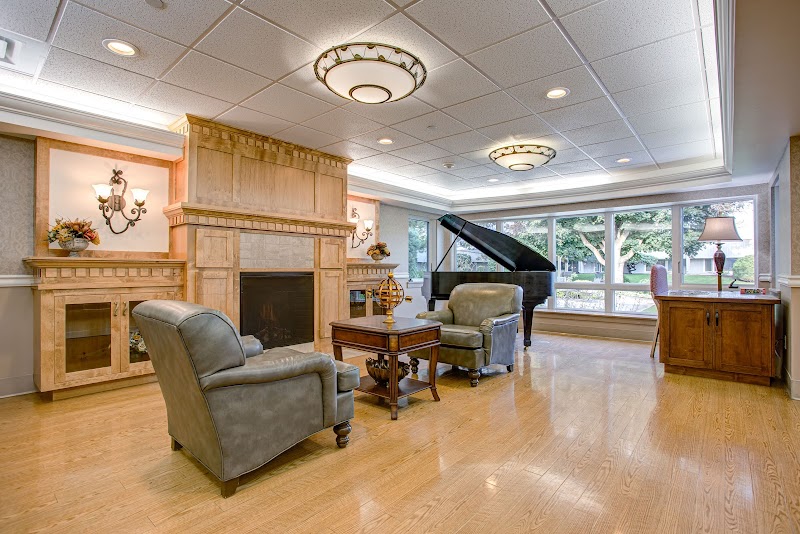
How is Village Health & Rehabilitation Staffed?

CMS rates VILLAGE HEALTH & REHABILITATION's staffing level at 4 out of 5 stars, which is above average compared to other nursing homes. Staff turnover is 57%, which is 11 percentage points above the Montana average of 46%. High turnover can affect care consistency as new staff learn residents' individual needs.

What Have Inspectors Found at Village Health & Rehabilitation?

State health inspectors documented 28 deficiencies at VILLAGE HEALTH & REHABILITATION during 2023 to 2025. These included: 2 that caused actual resident harm, 25 with potential for harm, and 1 minor or isolated issues. Deficiencies causing actual harm indicate documented cases where residents experienced negative health consequences.
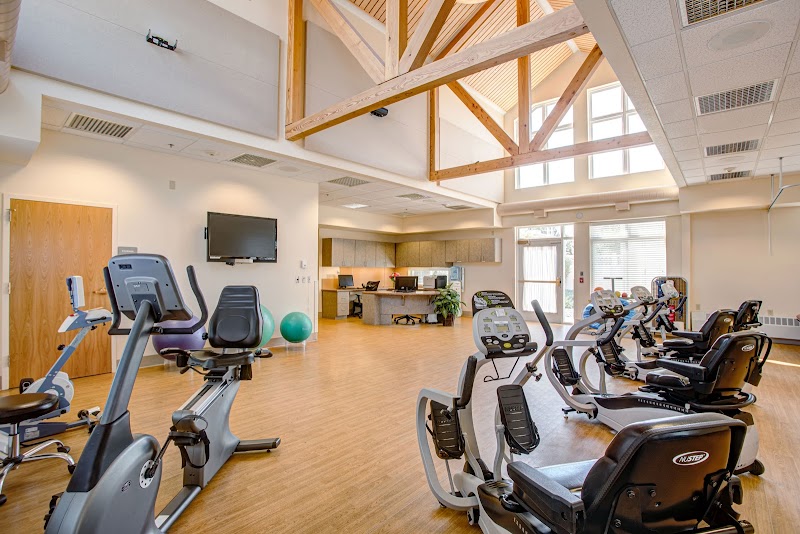
Who Owns and Operates Village Health & Rehabilitation?

VILLAGE HEALTH & REHABILITATION is owned by a for-profit company. For-profit facilities operate as businesses with obligations to shareholders or private owners. The facility is operated by THE GOODMAN GROUP, a chain that manages multiple nursing homes. With 193 certified beds and approximately 149 residents (about 77% occupancy), it is a mid-sized facility located in MISSOULA, Montana.
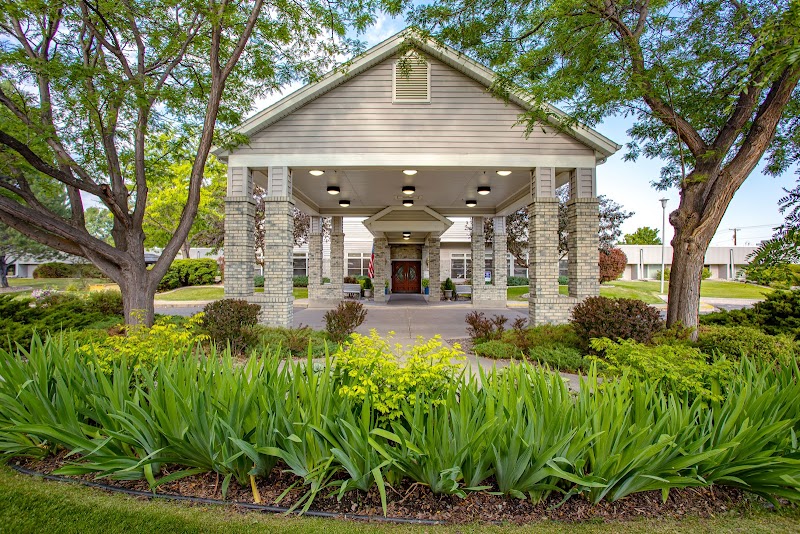
How Does Village Health & Rehabilitation Compare to Other Montana Nursing Homes?

Compared to the 100 nursing homes in Montana, VILLAGE HEALTH & REHABILITATION's overall rating (2 stars) is below the state average of 2.9, staff turnover (57%) is significantly higher than the state average of 46%, and health inspection rating (2 stars) is below the national benchmark.

What Should Families Ask When Visiting Village Health & Rehabilitation?

Based on this facility's data, families visiting should ask: "How do you ensure continuity of care given staff turnover, and what is your staff retention strategy?" "Can I visit during a mealtime to observe dining assistance and food quality?" "How do you handle medical emergencies, and what is your hospital transfer rate?" "Can I speak with family members of current residents about their experience?" These questions are particularly relevant given the facility's high staff turnover rate.

Is Village Health & Rehabilitation Safe?

Based on CMS inspection data, VILLAGE HEALTH & REHABILITATION has a clean safety record: no substantiated abuse findings (meaning no confirmed cases of resident harm), no Immediate Jeopardy citations (the most serious violation level indicating risk of serious injury or death), and is not on the Special Focus Facility watch list (a federal program monitoring the lowest-performing 1% of nursing homes). The facility has a 2-star overall rating and ranks #100 of 100 nursing homes in Montana. While no facility is perfect, families should still ask about staff-to-resident ratios and recent inspection results during their visit.

Do Nurses at Village Health & Rehabilitation Stick Around?

Staff turnover at VILLAGE HEALTH & REHABILITATION is high. At 57%, the facility is 11 percentage points above the Montana average of 46%. High turnover means new staff may not know residents' individual needs, medications, or preferences. It can also be disorienting for residents, especially those with dementia who rely on familiar faces. Families should ask: What is causing the turnover? What retention programs are in place? How do you ensure care continuity during staff transitions?

Was Village Health & Rehabilitation Ever Fined?

VILLAGE HEALTH & REHABILITATION has been fined $33,871 across 2 penalty actions. The Montana average is $33,418. While any fine indicates a compliance issue, fines under $50,000 are relatively common and typically reflect isolated problems that were subsequently corrected. Families should ask what specific issues led to these fines and confirm they've been resolved.

Is Village Health & Rehabilitation on Any Federal Watch List?

VILLAGE HEALTH & REHABILITATION is not on any federal watch list. The most significant is the Special Focus Facility (SFF) program, which identifies the bottom 1% of nursing homes nationally based on persistent, serious quality problems. Not being on this list means the facility has avoided the pattern of deficiencies that triggers enhanced federal oversight. This is a positive indicator, though families should still review the facility's inspection history directly.