WHITEFISH CARE AND REHABILITATION
1305 E 7TH ST, WHITEFISH, MT 59937 (406) 862-3557
For profit - Limited Liability company 100 Beds SWEETWATER CARE Data: November 2025 1 Immediate Jeopardy citation
Trust Grade
0/100
#57 of 59 in MT
Last Inspection: March 2025

Within standard 12-15 month inspection cycle. Federal law requires annual inspections.

Overview

Whitefish Care and Rehabilitation has a Trust Grade of F, indicating significant concerns about the quality of care provided, which is considered poor. The facility ranks #57 out of 59 in Montana and #5 out of 5 in Flathead County, placing it in the bottom tier of local nursing homes. Unfortunately, the situation is worsening, with reported issues increasing from 24 in 2024 to 26 in 2025. Staffing ratings are below average at 2 out of 5 stars, with a concerning 81% turnover rate, much higher than the Montana average, meaning there is likely a lack of consistent care from experienced staff. Additionally, the facility has accumulated $313,240 in fines, higher than 98% of other facilities in the state, suggesting ongoing compliance problems. However, there is some positive news regarding RN coverage, as this facility has more RN staff than 80% of others in Montana, which is beneficial since RNs can catch issues that other staff may miss. Specific incidents of concern include a critical failure to ensure nursing staff were properly trained in CPR, which contributed to the deaths of two residents. Another serious issue involved a lack of proper respiratory supplies during emergencies, causing delays in care. Additionally, a resident reported inadequate wound care, leading to a worsening condition that prompted them to leave the facility against medical advice. Overall, while there are strengths in RN coverage, the numerous and serious issues present significant risks for potential residents.

Trust Score
F
0/100
In Montana
#57/59
Bottom 4%
Safety Record
High Risk
Review needed
Inspections
Getting Worse
24 → 26 violations
Staff Stability
⚠ Watch
81% turnover. Very high, 33 points above average. Constant new faces learning your loved one's needs.
Penalties
⚠ Watch
$313,240 in fines. Higher than 80% of Montana facilities, suggesting repeated compliance issues.
Skilled Nurses
✓ Good
Each resident gets 46 minutes of Registered Nurse (RN) attention daily — more than average for Montana. RNs are trained to catch health problems early.
Violations
⚠ Watch
78 deficiencies on record. Higher than average. Multiple issues found across inspections.
★☆☆☆☆
1.0
Overall Rating
★★☆☆☆
2.0
Staff Levels
★★★★☆
4.0
Care Quality
★☆☆☆☆
1.0
Inspection Score
Stable
2024: 24 issues
2025: 26 issues

The Good

  • 4-Star Quality Measures · Strong clinical quality outcomes
  • Full Sprinkler Coverage · Fire safety systems throughout facility
  • No fines on record

Facility shows strength in quality measures, fire safety.

The Bad

1-Star Overall Rating

Below Montana average (2.9)

Significant quality concerns identified by CMS

Staff Turnover: 81%

35pts above Montana avg (46%)

Frequent staff changes - ask about care continuity

Federal Fines: $313,240

Well above median ($33,413)

Significant penalties indicating serious issues

Chain: SWEETWATER CARE

Part of a multi-facility chain

Ask about local staffing decisions and management

Staff turnover is very high (81%)

33 points above Montana average of 48%

The Ugly 78 deficiencies on record

1 life-threatening 7 actual harm
Sept 2025 3 deficiencies
CONCERN (D) 📢 Someone Reported This

A family member, employee, or ombudsman was alarmed enough to file a formal complaint

Potential for Harm - no one hurt, but risky conditions existed

Report Alleged Abuse (Tag F0609)

Could have caused harm · This affected 1 resident

Based on interview and record review, the facility failed to submit an initial report within two hours to the State Survey Agency for a suspected resident to resident sexual abuse event, for 2 (#s 1 a...

Read full inspector narrative →
Based on interview and record review, the facility failed to submit an initial report within two hours to the State Survey Agency for a suspected resident to resident sexual abuse event, for 2 (#s 1 and 2) of 8 sampled residents. Findings include:A review of a facility reported incident, dated 8/24/25 at 1:30 a.m., showed resident #1 was found in resident #2's room by two staff members. Resident #2 was lying in his bed with his brief undone, and resident #1 had her hand on his penis. The reportable incident was received by the State Survey Agency on 8/24/25 at 9:20 p.m., over 21 hours after the incident occurred. The report did not meet the required reporting timeline for abuse. During an interview on 9/9/25 at 9:58 a.m., staff member B stated she called the police sometime between 2:30 and 3:00 a.m. on 8/24/25. Staff member B further relayed that the incident was submitted to the State Survey Agency later that evening, on 8/24/25.During an interview on 9/9/25 at 2:03 p.m., staff member A relayed that he thought serious bodily injury resulting from abuse had to be reported to the State Survey Agency within two hours, and if no injury resulted from the abuse, it was to be reported within 24 hours, which was not what the regulation requires.
CONCERN (D) 📢 Someone Reported This

A family member, employee, or ombudsman was alarmed enough to file a formal complaint

Potential for Harm - no one hurt, but risky conditions existed

Investigate Abuse (Tag F0610)

Could have caused harm · This affected 1 resident

Based on interview and record review, the facility failed to complete a thorough investigation and take necessary action to protect a resident from ongoing abuse for a resident-to-resident sexual inci...

Read full inspector narrative →
Based on interview and record review, the facility failed to complete a thorough investigation and take necessary action to protect a resident from ongoing abuse for a resident-to-resident sexual incident, and the facility failed to implement monitoring for the initiating resident, and failed to incorporate staff education for the prevention of abuse, for 2 (#s 1 and 2) of 8 sampled residents. Findings include:A review of a facility reported incident, dated 8/24/25, showed resident #1 was found in resident #2's room by two staff members. Resident # 2 was lying in his bed with his brief undone, and resident #1 had her hand on his penis. Resident #1 was redirected to her room, and both residents were assessed for injury.During an interview on 9/9/25 at 9:58 a.m., staff member B stated she received a call early in the morning on 8/24/25, from the ADON at the facility, informing her of a resident-to-resident sexual incident between the two residents, #1 and #2. She stated she went to the facility to start an investigation.A review of the facility's investigation documents, dated 8/24/25 and 8/29/25, was lacking staff education for abuse prevention related to the two residents and for monitoring for sexual behaviors for resident #1.A review of a facility document/roster titled, In Service Training, dated 7/31/25, showed: abuse/neglect in the content of the training. This in-service training occurred three weeks prior to the incident with residents #1 and #2. There was no documentation for staff abuse training after the incident occurred for future prevention of abuse.During an interview on 9/9/25 at 2:03 p.m., Staff member B stated that the staff was charting behavior monitoring for resident #1 but did not know if sexual behaviors were identified and targeted for ongoing monitoring.A review of resident #1's care plan showed: BEHAVIORS: [Resident #1] has had some manifestations of her Bi-polar, she has been shouting out and wandering with the efforts to elope., with a date initiated of 8/7/2024 and a revision on 12/1/2024. No focus areas, goals, or interventions for sexual behaviors were noted on resident #1's care plan.
CONCERN (D) 📢 Someone Reported This

A family member, employee, or ombudsman was alarmed enough to file a formal complaint

Potential for Harm - no one hurt, but risky conditions existed

Deficiency F0657 (Tag F0657)

Could have caused harm · This affected 1 resident

Based on interview and record review, the facility failed to update a resident's care plan to include sexual behaviors towards others, which could be abuse, for 1(#1) of 8 sampled residents. Findings ...

Read full inspector narrative →
Based on interview and record review, the facility failed to update a resident's care plan to include sexual behaviors towards others, which could be abuse, for 1(#1) of 8 sampled residents. Findings include:Based on interview and record review, the facility failed to update a resident care plan to include sexual behaviors directed towards others which could be abuse, for 1 (#1) of # sampled residents. Findings include:A review of a facility reported incident, dated 8/24/25, showed resident #1 was found in resident #2's room by two staff member, and resident #2 had her hand on resident #1's genitals. A review of resident #1's current comprehensive care plan, accessed on 9/9/25, showed: Behaviors: [Resident #1] has had some manifestations of her Bi-polar, she has been shouting out and wandering with the efforts to elope., with a date Initiated of 08/07/2024 and a revision on 12/01/2024. Resident #1's care plan failed to show a focus area, goals, or interventions for sexual behaviors or potential sexual abuse towards others.During an interview on 9/9/25 at 2:03 p.m., staff member B stated resident #1's sexual behaviors had not been added to her care plan. Staff member B further stated that resident #1's sexual behaviors should have been care planned.A review of a facility policy titled, Comprehensive Care Plans, with a revision date of 7/1/25, showed: PolicyIt is the policy of this facility to develop and implement a comprehensive person-centered care plan for each resident, consistent with resident rights, .A review of a facility policy titled, Care Plan Revisions Upon Status Change, with a revision date of 7/1/25, showed: PolicyThe purpose of this procedure is to provide a consistent process for reviewing and revising the care plan for those residents experiencing a status change.Policy Explanation and Compliance Guidelines:1. The comprehensive care plan will be reviewed, and revised as necessary, when a resident experiences a status change.
Mar 2025 14 deficiencies
CONCERN (D)

Potential for Harm - no one hurt, but risky conditions existed

Resident Rights (Tag F0550)

Could have caused harm · This affected 1 resident

Based on observation, interview, and record review, the facility failed to maintain dignity for other residents when providing postmortem discharge of a resident for 1 (#47) of 30 sampled residents, w...

Read full inspector narrative →
Based on observation, interview, and record review, the facility failed to maintain dignity for other residents when providing postmortem discharge of a resident for 1 (#47) of 30 sampled residents, which caused feelings of sadness; and failed to maintain dignity of a resident during an incontinent episode for 1 (#36) of 30 sampled residents, which caused them to be frustrated and angry. Findings include: 1. During an observation on 3/10/25 at 2:37 p.m., resident #47 was observed in the 300-wing hallway. Two unidentified individuals entered the room and came out with a resident on a stretcher covered fully with a blanket. They walked the stretcher past the nursing station where other residents were sitting. Resident #47 stated, What did I just see? Was that a dead body? An unidentified staff member stated, Yes, the resident passed away. During an observation on 3/10/25 at 2:40 p.m., two unidentified visitors were walking down the 300 wing, and one said to the other, Do you know what that was? It was a dead body. During an observation and interview on 3/13/25 at 8:06 a.m., resident #47 had a sad look on her face and stated, I saw a dead body the other day, and it really bothered me. I shouldn't have to see that. During an interview on 3/13/25 at 8:10 a.m., staff member DD stated, After a resident passes away, the nurse will make all necessary phone calls while CNAs do the postmortem cares. When the person comes to pick up the body, the CNAs usually make sure the hall is clear of others prior to them removing the resident; the staff also try to use the closest exit so they aren't going through the whole facility. Review of a facility document titled, Post Mortem Care, not dated, showed: . 7. Provide privacy . . 23. Notify the designated disposition location of the resident's death and fill out any post-mortem paperwork as per facility policy . [sic] 2. During an observation on 3/10/25 at 3:16 p.m., resident #36 was observed coming in from smoking and was observed to have had an incontinence episode, which left his sweat pants wet. During an observation and interview on 3/10/25 at 3:21 p.m., resident #36 was sitting in his room in his wheelchair; his call light was on. A staff member entered the room and then left. Resident #36 stated, Yes, I peed in my pants. I am waiting for help, but they (staff) just keep coming in and telling me they will be right back. It is making me angry; I shouldn't have to sit here in wet pants and wait for them (staff). During an interview on 3/12/25 at 3:58 p.m., staff member F stated, Resident #36 is on a check and change schedule, and he should be checked and changed every two hours. Review of resident #36's care plan, with a revision date of 2/10/25, showed: Interventions: Toilet Use: [Resident name] requires dependent assistance by 2 staff for toileting. Is incontinent of B/B and uses brief. Will often refuse to allow staff to change him when he is up in his chair and prefers to wait until he goes back to bed. Educated [resident name] on risks of impaired skin integrity, respect his right to refuse and direct his care. [sic] Resident #36's electronic medical record failed to show a bowel and bladder schedule of check and change every two hours.
CONCERN (D)

Potential for Harm - no one hurt, but risky conditions existed

Deficiency F0554 (Tag F0554)

Could have caused harm · This affected 1 resident

Based on observation, interview, and record review, the facility failed to supervise the self-administration of a metered-dose inhaler for 1 (#6) and two pain pills for 1 (#35) of 30 sampled residents...

Read full inspector narrative →
Based on observation, interview, and record review, the facility failed to supervise the self-administration of a metered-dose inhaler for 1 (#6) and two pain pills for 1 (#35) of 30 sampled residents. This deficient practice increased the risk for medication errors to resident's #6 and #35, as well as to confused residents, who may have wandered into resident #6 and #35's rooms. Findings include: During an observation and interview on 3/10/25 at 3:23 p.m., two blue pills were on resident #35's bedside table, in a plastic medicine cup, with no staff in the room. Resident #35 stated they were his Ibuprofen and Tramadol. Resident #35 stated some nurses offer to leave the medications so he can take them later, and some do not. During an observation and interview on 3/11/25 at 8:38 a.m., a metered-dose inhaler was sitting on resident #6's bedside table with no staff in the room. Resident #6 stated it was her rescue inhaler, she rarely used, but liked to have in her room just in case. During an interview on 3/12/25 at 9:30 a.m., staff member W stated when she administered medications, I always make sure they take them, so I don't get burned. We never leave them on the bedside table, it is our policy. I would need an order (from physician) to leave medications on the bedside table. During an interview on 3/12/25 at 9:50 a.m., staff member T stated if she found medications sitting out in resident #6 or #35's rooms she would give them to the nurse. During an interview on 3/12/25 at 4:24 p.m., staff member B stated her expectations were that residents were to be assessed by RNs to see if they were safe to self-administer medications. Staff member B stated if residents were found to be safe to self-administer medications, there should be the following: 1) An evaluation form filled out by the RN; 2) The MAR should reflect it was okay to leave medications at the bedside; 3) A lockbox for the medications, but stated, We don't have those, that is not our policy even for rescue inhalers. During an interview on 3/13/25 at 7:43 a.m., staff member A stated she did not have self-administration of medication assessments for residents #6 and #35, Because they're not supposed to self-administer meds. Review of resident #6 and #35's EMR, showed the care plans did not reflect self-administration and storage arrangements for a metered-dose inhaler or pain pills. Review of the facility's policy, Resident Self-Administration of Medication, revised February 2023, showed, . A resident may only self-administer medications after the facility's interdisciplinary team has determined which medications may be self-administered safely . 4. The results of the interdisciplinary team assessment are recorded on the Medication Self-Administration Assessment Form, . 7. Bedside medication storage is permitted only when it does not present a risk to confused residents who wander into the other resident's room . 8. All nurses and aides are required to report to the charge nurse on duty any medication found at the bedside not authorized for bedside storage . 11. When the interdisciplinary team determines that bedside or in-room storage of medications would be a safety risk to other residents, the medications . are stored in the medication cart or medication room . 14. The care plan must reflect resident self-administration and storage arrangements .
CONCERN (D)

Potential for Harm - no one hurt, but risky conditions existed

Deficiency F0578 (Tag F0578)

Could have caused harm · This affected 1 resident

**NOTE- TERMS IN BRACKETS HAVE BEEN EDITED TO PROTECT CONFIDENTIALITY** Based on observation, interview, and record review, the facility failed to ensure it had an effective process in place for the m...

Read full inspector narrative →
**NOTE- TERMS IN BRACKETS HAVE BEEN EDITED TO PROTECT CONFIDENTIALITY** Based on observation, interview, and record review, the facility failed to ensure it had an effective process in place for the most current and accurate code status and advance directives to be readily known and available to staff, in the event of an emergency, for 1 (#7) of 30 sampled residents. Findings include: During an interview on [DATE] at 11:12 a.m., staff member I stated a resident's advance directives were requested on admission and updated ongoing during care conferences. Staff member I stated multiple personnel could potentially get the POLST or advance directive information from the residents. Staff member I stated the current copies would be found uploaded in the electronic medical record. During an observation and interview on [DATE] at 4:33 p.m., staff member E stated on admission resident #7 did not have advance directives. Staff member E assisted resident #7 in filling out a POLST form as a brief full code. Staff member E turned it in to the doctor to sign. Staff member E stated she did not know she had another POLST showing DNR and went to check with the resident. While staff member E was talking with resident #7, she also called her son, and he told staff member E he had filled out advance directives with his mother, and she should have copies in her room. Resident #7 then dug out her new living will and POA paperwork, and staff member E took them to make copies as the facility did not have the advance directives on file. During an observation and interview on [DATE] at 8:10 a.m., resident #7 was sitting in her room in her wheelchair and stated, No big fanfare. If I'm dying, I'm dying . She [staff member E] put brief CPR for me, about her advance directives. During an interview on [DATE] at 8:41 a.m., staff member A stated all advance directive and code status changes were reviewed and updated daily in the stand-up and stand-down meetings. Staff member A stated the advance directives and POLSTs for code status were in a binder at the nurses' stations to use in the event of an emergency. During an interview on [DATE] at 9:56 a.m., with staff members L and M; staff member L stated resident #7 wanted brief CPR and her POLST was being reviewed again that day. Staff member L stated for resident #7's current code status, in the event of an emergency, she would go by the current order listed in the resident's record. Staff member M stated she would go by the most recent physician signed POLST, or call the family to verify. Staff members L and M stated the nurse on the unit, in the event of an emergency, would go to the electronic medical record and see the heading for the code status/advance directives, then go to the miscellaneous tab to print the POLST and other forms. Review of resident #7's electronic medical record census tab showed she was admitted to the facility on [DATE] and readmitted on [DATE] after a hospitalization. Review of resident #7's electronic medical record on [DATE] showed the miscellaneous tab had two different POLSTs uploaded, and no other advance directives. The care profile showed resident #7 was a full code/full treatment status. Review of the POLST filled out on the [DATE] admission, by resident #7 and staff member E, was signed by the provider on [DATE]. Selections showed Yes CPR with BRIEF handwritten next to it, full treatment with Brief handwritten below it, and artificial nutrition by tube short-term/temporarily. Review of the POLST filled out on the [DATE] readmission by resident #7 and staff member I was signed by the provider on [DATE]. Options selected were no CPR, selective treatment, and no artificial nutrition by tube. Review of resident #7's physician's orders showed an active order for code status as full code, and full treatment as of [DATE]. No other listed orders for advance directives or code status were documented in the electronic medical record.
CONCERN (D)

Potential for Harm - no one hurt, but risky conditions existed

Safe Environment (Tag F0584)

Could have caused harm · This affected 1 resident

Based on observation, interview, and record review, the facility failed to provide an environment that was clean and well-maintained for 3 (#s 24, 30, and 36) of 30 sampled residents. This deficient p...

Read full inspector narrative →
Based on observation, interview, and record review, the facility failed to provide an environment that was clean and well-maintained for 3 (#s 24, 30, and 36) of 30 sampled residents. This deficient practice bothered resident #30, wheelchairs were not cleaned for residents as needed, and unpainted surfaces were not corrected. Findings include: 1. During an observation and interview on 3/10/25 at 2:32 p.m., resident #30's wall, next to her roommate's bed, had paint chips along most of the wall. The bathroom was missing paint just above where the linoleum ends around the area of the sink, creating a non-cleanable surface. Resident #30 stated it was probably due to the wheelchairs hitting the wall. Resident #30 stated, It doesn't look good, which kind of bothers me. 2. During an observation on 3/10/25 at 2:46 p.m., resident #24's wheelchair had brown-colored debris covering the metal, around the footrest, near the front wheels of the wheelchair. Resident #24's bathroom was missing paint down, to the drywall just above the linoleum, on the wall around the sink. This was not a cleanable surface. During an observation on 3/11/25 at 9:42 a.m., resident #24's wheelchair had caked-on white-colored debris covering the front of the seat. There were white specks of debris covering the seat of the wheelchair. The metal around the front wheels and footrests was covered in brown dirt and debris. 3. During an observation on 3/10/25 at 3:22 p.m., resident #36's wheelchair was caked with white-colored debris on the front of the seat of the wheelchair. The metal around the front wheels was covered in a brown and white debris. The wall in the bathroom was missing paint above where the linoleum ends on the wall, across from the toilet, creating a non-cleanable surface. During an observation on 3/11/25 at 9:50 a.m., resident #36's wheelchair was still caked with a white-colored debris on the front of the seat of the wheelchair. The metal around the front wheels was covered in a brown and white debris. The wall in the bathroom was still missing paint above where the linoleum ends on the opposite wall of the toilet, creating a non-cleanable surface. During an interview on 3/12/25 at 1:14 p.m., staff member EE stated, We (the facility) use the Tells System for tracking maintenance orders. I focus on fire life safety issues first, and the other minor requests later if I get time to do them. I try to do patch jobs on the walls when I have time, or when the room is empty. During an interview on 3/12/25 at 3:58 p.m., staff member F stated, It is the night shift CNAs that clean wheelchairs. I know they don't get done; we don't have the time to clean wheelchairs and do all the other tasks required of us. Review of the facility maintenance logs showed there were no work logs in 2025 for fixing the missing paint in residents' rooms. Only four paint touch-ups were completed in 2024. Review of a facility document titled, Maintenance Inspection, showed: Policy: It is the policy of this facility to utilize a maintenance inspection checklist in order to assure a safe, functional, sanitary, and comfortable environment for residents, staff, and the public. Policy Explanation and Compliance Guidelines: 1. The Director of Maintenance Services will perform routine inspections of the physical plant using the Maintenance Checklist. 2. All opportunities will be corrected immediately by maintenance personnel. [sic]
CONCERN (D) 📢 Someone Reported This

A family member, employee, or ombudsman was alarmed enough to file a formal complaint

Potential for Harm - no one hurt, but risky conditions existed

Grievances (Tag F0585)

Could have caused harm · This affected 1 resident

Based on interview and record review, the facility failed to maintain a list of a resident's personal items and identify and investigate a grievance brought forth by a resident and their representativ...

Read full inspector narrative →
Based on interview and record review, the facility failed to maintain a list of a resident's personal items and identify and investigate a grievance brought forth by a resident and their representative related to missing clothing for 1 (#85) of 30 sampled residents. Findings include: During an interview on 3/12/25 at 8:50 a.m., NF1 stated the family was concerned with missing items of clothing after the resident's discharge. The facility was aware of the concerns. During an interview on 3/12/25 at 4:13 p.m., NF3 stated, I didn't realize resident #85 didn't have all his clothes when I picked him up. We have expressed our concerns to the facility and haven't received a response. During an interview on 3/13/25 at 8:10 a.m., staff member DD stated, Staff fill out an inventory list of resident items when they are admitted , and then the nurse double-checks them. The lists should be scanned into the resident's chart. During an interview on 3/13/25 at 8:17 a.m., staff member H stated the CNAs usually fill out the inventory lists of personal items when a resident was admitted to the facility. Then the list should be scanned into the resident chart by medical records. Staff member H stated, CNAs gather the residents personal belongings and ensure the items go with the residents when they discharge. During an interview on 3/13/25 at 8:26 a.m., staff member P stated, If a resident is missing clothing, the nursing staff fill out a sheet of paper with a description of the missing items, and we look for them. Most of the time clothes get lost because they aren't labeled. If we don't find the missing item, we (the facility) will replace the missing item. If there are resident items missing at discharge, we (the facility) gather the resident's contact information, and if we find the missing items, we notify them. If we don't find the missing items, we replace them or give them the monetary value of the item. During an interview on 3/13/25 at 8:56 a.m., NF2 stated, [Resident #85's name] discharged home and did not have all his belongings when they got home. Some of the missing items were a gray hooded jacket, pajama sets, shoes, shirts, and pants. NF2 stated they had been in contact with the facility and NF1 did try to obtain the missing items. NF2 stated the facility was not responsive to requests made for resident #85's personal items. NF2 stated they had an itemized list and receipts for the residents' items that were missing. Review of a facility document titled, Resident Grievance Log, dated October 2024 through March 2025, failed to show a grievance for resident #85's missing clothing. Review of resident #85's electronic medical record failed to show an inventory list of personal items. A request was made for resident #85's personal items inventory list, and the facility failed to provide documentation of inventory for resident #85, by the end of the survey period. Review of a facility document titled, Resident Personal Belongings, not dated, showed: Policy Explanation and Compliance Guidelines: . 3. All resident personal items will be inventoried at the time of admission by the social services designee or another designated staff member, and documentation shall be retained in the medical record. 11. Following the discharge or death of a resident, all personal clothing and items of a customized personal nature are to be given to the designated resident representative. 12. Inventories of all items are to be reviewed and examined by Social Services designee and the resident representative. Recipients of such personal items at the time of discharge or death shall sign-off with their legal signature, acknowledging receipt of all personal belongings presented. Review of a facility document titled, Resident and Family Grievances, with a revision date of 12/9/24, showed: Policy: It is the policy of this facility to support each resident's and family member's right to voice grievances. Policy Explanation and Compliance Guidelines: 1. The Grievance Official is responsible for overseeing the grievance process; receiving and tracking grievances through to their conclusion; leading any necessary investigations by the facility . 3. A resident or family member may voice grievances with respect to care and treatment which has been furnished as well as that which has not been furnished, the behavior of staff and other residents, and other concerns regarding their LTC facility stay . 6. Grievances may be voiced in the following forums: a. Verbal complaint to a staff member or Grievance Official . g. In accordance with the resident's right to obtain a written decision regarding his or her grievance, the Grievance Official will issue a written decision on the grievance to the resident or representative at the conclusion of the investigation. The written decision will include at a minimum: i. The date the grievance was received. ii. The steps taken to investigate the grievance. iii. A summary of the pertinent findings or conclusions regarding the resident's concern. [sic]
CONCERN (D)

Potential for Harm - no one hurt, but risky conditions existed

Deficiency F0657 (Tag F0657)

Could have caused harm · This affected 1 resident

Based on interview and record review, the facility failed to ensure the care plan was accurate for a residents' code status change, for 1 (#7) of 30 sampled residents. Findings include: During an inte...

Read full inspector narrative →
Based on interview and record review, the facility failed to ensure the care plan was accurate for a residents' code status change, for 1 (#7) of 30 sampled residents. Findings include: During an interview on 3/12/25 at 12:05 p.m., staff member I stated care plan updates were done by the department affected, and in the morning standup meeting someone would be assigned if a care plan update was needed. Review of resident #7's care plan focus of code status initiated on 2/14/25, and updated on 2/18/25, showed she was a full code per her POLST in her referral packet. Interventions included requesting copies of advance directives on admission and reviewing with the resident and responsible party on admission and at least quarterly. Review of resident #7's most recent POLST, signed by the provider on 2/17/25, showed the election of DNR.
CONCERN (D)

Potential for Harm - no one hurt, but risky conditions existed

ADL Care (Tag F0677)

Could have caused harm · This affected 1 resident

Based on observation, interview, and record review, the facility staff failed to provide regular showers for 2 (#s 28 and 30) of 30 sampled residents, which made the residents feel dirty and/or upset....

Read full inspector narrative →
Based on observation, interview, and record review, the facility staff failed to provide regular showers for 2 (#s 28 and 30) of 30 sampled residents, which made the residents feel dirty and/or upset. Findings include: 1. During an observation and interview on 3/10/25 at 2:57 p.m., resident #28's hair was oily and stringy. Resident #28 stated, Baths have not been consistent since I've been here. I have been here around seven months. Resident #28 stated, I prefer baths, but when they aren't available, I do my own little baths. The worst is my oily hair, and those dry shampoo rinses just don't do it for me. Review of resident #28's electronic medical record showed resident #28 had two baths in a 30-day look-back period. Review of resident #28's care plan, with a revision date of 2/17/25, showed, Interventions: BATHING/SHOWERING: [Resident name] requires set-up for showers/bathing. 2. During an observation and interview on 3/10/25 at 2:32 p.m., resident #30 was sitting on her bed, and her hair was oily and matted down. Resident #30 stated, We don't get baths on a regular basis. I'm not sure why. During an interview on 3/12/25 at 3:40 p.m., resident #30 stated, I'm supposed to get baths on Sundays and Thursdays. I haven't had one in a while. When I go without a shower, it makes me feel icky. Review of resident #30's electronic medical record showed resident #30 had one bath in a 30-day look-back period. Review of resident #30's care plan, with a revision date of 2/27/25, showed, Interventions: BATHING/SHOWERING: [Resident name] requires limited to extensive assist with showering based on energy and fatigue levels. During an interview on 3/12/25 at 3:58 p.m., staff member F stated, CNAs are responsible for doing baths on our assigned halls. We don't have the time to do them, and they often get missed. I would be very upset if I didn't get a bath regularly. Review of a facility document titled, Resident Showers, undated, showed: Policy: It is the practice of this facility to assist residents with bathing to maintain proper hygiene, stimulate circulation, and help prevent skin issues as per current standards of practice. Policy Explanation and Compliance Guidelines: 1. Residents will be provided showers as per request or as per facility schedule.
CONCERN (D)

Potential for Harm - no one hurt, but risky conditions existed

Tube Feeding (Tag F0693)

Could have caused harm · This affected 1 resident

Based on observation, interview, and record review, staff member N failed to follow provider orders for the administration of medications via gastrostomy tube (GT) and check for placement of the GT pr...

Read full inspector narrative →
Based on observation, interview, and record review, staff member N failed to follow provider orders for the administration of medications via gastrostomy tube (GT) and check for placement of the GT prior to administration of medications for 1 (#2) of 1 sampled enteral tube feeding observation. Findings include: During an observation on 3/11/25 at 8:15 a.m., staff member N had placed into a medication cup the following medications and liquids: - ferrous sulfate 325 mg, crushed, - oxybutynin chloride 5 mg, crushed, - ursodiol 300 mg capsule, contents of capsule emptied into medication cup, - methenamine hippurate 1 gm tablet, crushed, - metoclopramide HCL oral solution (liquid) 5 mg/5 ml, and - 10 ml of water. During an observation on 3/11/25 at 8:18 a.m., staff member N placed a medication cup, with all medications, a new enteral syringe, and an empty graduated measuring container on resident #2's bedside table. Staff member N filled the graduated measuring container with an unmeasured amount of tap water, in resident #2's bathroom, then placed the water filled container onto the bedside table. Staff member N pulled 10 ml of water with the enteral syringe from the graduated measuring container, then flushed resident #2's PEG tube. Staff member N did not check resident #2's PEG tube for correct placement by auscultation, as written in the provider orders. Staff member N placed all the crushed medications, which had 10 ml of water added to it at the medication cart and pushed it into resident #2's PEG tube. Staff member N then flushed the PEG tube with 10 ml of water. The total amount of water used during this medication administration for resident #2 was 30 ml of water. Per the provider orders, a total of 110 ml of water should have been administered during this medication administration. Review of resident #2's Order Summary Report, active orders as of 3/11/25, showed: - Give medications one at a time via GT with 10 ml H2O flush between each medication. Flush GT with 30 ml of H2O prior to and after administration of medications. Check for GT placement prior to meds via auscultation. every shift. [sic] During an interview on 3/11/25 at 12:23 p.m., staff member N stated she checked for placement of resident #2's PEG tube at least one time a shift, when she administered medications. Staff member N stated she always did the medication administration the same way and it was the way she was taught. She also stated she understood the way she administered the medications for resident #2, was not the way the provider orders were written, and the total volume of water flush did not equal the correct amount. Review of the facility document titled, Care and Treatment of Feeding Tubes, last revised 12/4/24, showed: - .6. In accordance with facility protocol, licensed nurses will monitor and check that the feeding tube is in the right location (e.g., stomach or small intestine, depending on the tube): - a. Tube placement will be verified before beginning a feeding and before administering medications.
CONCERN (D)

Potential for Harm - no one hurt, but risky conditions existed

Unnecessary Medications (Tag F0759)

Could have caused harm · This affected 1 resident

During an observation on 3/11/25 at 8:18 a.m., staff member N administered the following medications and liquid to resident #2 via PEG tube: - ferrous sulfate 325 mg, crushed, - oxybutynin chloride 5 ...

Read full inspector narrative →
During an observation on 3/11/25 at 8:18 a.m., staff member N administered the following medications and liquid to resident #2 via PEG tube: - ferrous sulfate 325 mg, crushed, - oxybutynin chloride 5 mg, crushed, - ursodiol 300 mg capsule, contents of capsule emptied into medication cup, - methenamine hippurate 1 gm tablet, crushed, - metoclopramide HCL oral solution (liquid) 5 mg/5 ml, and - 10 ml of water. All medications were given at the same time, via syringe, into resident #2's PEG tube. The total volume of water administered during this medication administration for resident #2 was 30 ml of water. Per the provider orders, a total of 110 ml of water should have been administered during this medication administration. Review of resident #2's Order Summary Report, active orders as of 3/11/25, showed: - Give medications one at a time via GT with 10 ml H2O flush between each medication. Flush GT with 30 ml of H2O prior to and after administration of medications. Check for GT placement prior to meds via auscultation. every shift. [sic] During an interview on 3/11/25 at 12:23 p.m., staff member N stated she administered resident #2's medications in one cup all the time. She stated she was not following resident #2's provider orders as written, and the total volume of water flush did not equal the correct amount. Based on observation, interview, and record review, the facility failed to administer seven medications per prescriber's orders for 2 (#s 2 and 58) residents, out of 35 sampled resident medication orders, which led to a 20% medication error rate. Findings include: During and observation and interview on 3/12/25 at 2:11 p.m., staff member Z administered midodrine 2.5 mg to resident #58. The MAR for resident #58 showed midodrine 2.5 mg with meals. Staff member Z stated she did not know if resident #58 had eaten his lunch already. Staff member Z stated, The nurses have told me it is okay for him to take the midodrine without eating. During review of facility's policy, Medication Administration, dated 2024, showed, Medications are administered . as ordered by the physician . 10. Ensure that the six rights of medication administration are followed: .e. Right time .
CONCERN (D)

Potential for Harm - no one hurt, but risky conditions existed

Deficiency F0760 (Tag F0760)

Could have caused harm · This affected 1 resident

Based on interview and record review, the facility failed to ensure staff member X administered insulin in a safe manner resulting in a significant medication error, which put the resident's health an...

Read full inspector narrative →
Based on interview and record review, the facility failed to ensure staff member X administered insulin in a safe manner resulting in a significant medication error, which put the resident's health and safety at risk and requiring immediate transfer to an emergency room for 1 (#6) resident of 30 sampled residents. Findings include: During an interview on 3/10/25 at 2:50 p.m., resident #6 stated she went to the hospital overnight because the nurse made a mistake and gave her another resident's insulin on top of her own insulin. During a telephone interview on 3/12/25 at 8:40 a.m., staff member X stated he had an issue giving insulin 3 weeks ago. Staff member X stated he was distracted doing different things and brought two pre-filled insulin pens into resident #6's room. Staff member X stated one pen was filled with 18 units of long-acting insulin meant for resident #6, and the other pen was filled with 42 units of fast-acting insulin meant for resident #6's roommate. Staff member X stated he gave both doses to resident #6, then realized his error and spoke with staff member Y before sending the patient to the emergency room. Staff member X stated after resident #6 went to the hospital, he was educated by the facility on the situation to prevent recurrence of such incident, cleaned out the medication cart of clutter, and marked the insulin pens more clearly. Staff member X stated he was working with staff member AA to receive further education on his workflow, to only do one resident's medication at a time. During an interview on 3/12/25 at 8:52 a.m., staff member BB stated it was hard to determine or speculate the outcome from someone receiving 18 units of long-acting insulin and 42 units of short-acting insulin by mistake without his toxicology handbook. Staff member BB stated outcomes could be hypoglycemia symptoms including confusion and unconsciousness. Staff member BB stated it could have caused death, but, It would depend on if the resident is brittle, running high/normal, how responsive are they to insulin, are they tolerant of low blood sugars. I don't know if it could have been a lethal dose without my toxicology handbook which is at home. During an interview on 3/12/25 at 9:50 a.m., staff member T stated she was not on duty during resident #6's insulin medication error, but, heard she was given way too much. During an interview on 3/12/25 at 11:47 a.m., staff member W stated she did not receive specific education regarding the insulin incident. During an interview on 3/12/25 at 1:17 p.m., staff member B stated she went over the 6 medication administration rights for residents, with everybody, like how to administer insulin one resident at a time, but I haven't gotten to everyone yet. Review of the facility's document, Licensed Nurse Competency, Employee Name: [staff member X], Hire Date: 1/29/25, Competency Type: Initial, dated 1/30/25, reflected: Training on the following topics was provided: . Medication Management . Injections . Assessment Method: Policy review, post test . direct observation (not marked) . [sic] Review of the facility's incident report #2377, dated 2/16/25, reflected: . Incident Description: . Contributing factors related to the error were: bringing both her and her roommate's insulin in at the same time during the med pass. The labeling on the insulin pen was not complete, and the label on the pen that was administered was only on the lid of the pen and not the body . Immediate Action Taken: . Immediately notified staff member Y about med error, . staff member AA was consulted, . staff member CC was notified, . staff member B was notified. After consulting with staff member Y, staff member X was informed to send [Resident #6] to the ER for continuous glucose monitoring . Predisposing Environmental Factors: Poor Lighting and Noise . [sic] Review of facility's IDT - Interdisciplinary Post Event Note, dated 2/17/25, reflected: . 1. Description of Event: Nurse administered another residents insulin to this resident after he had already given the resident her scheduled dosing. PCP indicated/requested resident send to ER for continual blood glucose monitoring related to increased dosage of medication. 2. Date and Time of Event: 2/16/25 08:00 . Behavioral Risk Factors: . 5. b. Poor safety awareness . E. Interdisciplinary Team . p. Other: Nurse medication error counseling performed w/ Staff member . [sic] Review of facility's document, [A Facility Name] In service Training, dated 2/24/25, reflected: Training: Medication Error - Insulin/6 Rights. Twelve staff members were signed in as present and understanding the training. Review of facility's document, Employee Warning Notice, dated 2/26/25, signed by staff member X on 3/11/25, and signed by staff member B on 2/27/25, reflected: . Employee Name: [staff member X] . First Warning . Medication error . Description of infraction: Nurse administered wrong medications to a resident . Resident required Hospitalization for continuous monitoring related to medication error . [sic] Review of the facility's policy, Administration of Insulin, revised February 2023, reflected: . provide timely administration of insulin in order to meet the needs of each resident and to prevent adverse effects on a resident's condition . 1. All insulin will be administered in accordance with physician's orders . [sic] Review of the facility's policy, Medication Administration, dated 2024, reflected: . 10. Ensure that the six rights of medication administration are followed: . a. Right resident, b. Right drug, c. Right dosage .
CONCERN (E)

Potential for Harm - no one hurt, but risky conditions existed

Deficiency F0658 (Tag F0658)

Could have caused harm · This affected multiple residents

Based on observation, interview, and record review, the facility failed to ensure staff member Z provided care consistent with professional standards during medication administration, resulting in res...

Read full inspector narrative →
Based on observation, interview, and record review, the facility failed to ensure staff member Z provided care consistent with professional standards during medication administration, resulting in residents possibly receiving the wrong medication(s) and having adverse outcomes from pre-poured and unlabeled medications, for 9 (#s 24, 27, 36, 43, 50, 58, 64, 65, 77) of 12 residents sampled for medication administration. Findings include: During observation and interview, on 3/12/25 at 1:40 p.m., staff member Z performed a medication pass for residents #27 and #36 from unlabeled medication cups found in the top right drawer of the medication cart. There were 12 unlabeled medication cups in the top right drawer of the medication cart with various pills in them. Staff member Z stated, I know who they belong to, I could not find them at the time. Staff member Z stated she thought the residents, who the unlabeled medication cups belonged to, were in an activity, and she didn't want to leave the cups of medications in the resident's room. During observation and interview on 3/12/25 at 1:55 p.m., staff member Z performed a medication pass for resident #58 from one of the unlabeled medication cups. During observation and interview on 3/12/25 at 2:27 p.m., staff member Z performed a medication pass for resident #77 from one of the unlabeled medication cups. During observation and interview on 3/12/25 at 2:29 p.m., staff member Z performed a medication pass for resident #24 from one of the unlabeled medication cups. During an observation and interview on 3/12/25 at 2:41 p.m., staff member Z noted all her afternoon medication passes had been signed off as given before she gave them. Staff member Z stated, I think I might have checked some off before I gave them, I know I'm not supposed to do that, but it's confusing, I didn't do it for all of them. Staff member Z performed a medication pass for resident #65 from one of the unlabeled medication cups. During an observation on 3/12/25 at 2:50 p.m., staff member Z performed a medication pass for resident #64 from one of the unlabeled medication cups. During an observation and interview on 3/12/25 at 2:55 p.m., staff member Z performed a medication pass for resident #50 from one of the unlabeled medication cups. Staff member Z stated, Those are [Resident #43's] medications in [Resident #50's] cup. Staff member Z removed pills from one unlabeled medicine cup and poured them into another unlabeled medicine cup, prior to the medication administration for resident #50. During an observation and interview on 3/12/25 at 2:57 p.m., staff member Z recorded three medications removed, administered, and documented as given to resident #43 on the MAR at 1:35 p.m., including oxycodone 5 mg 2 tabs, but administered at this time (2:57 p.m.) from an unlabeled medicine cup. Staff member Z stated, I probably checked him off, but he was in the shower. Staff member Z stated she was finished at this time with her afternoon medication passes, but noted there were still 3 unlabeled medication cups in the top right drawer of the medication cart. Staff member Z stated, These cups I don't know about, so I'll have to figure it out. During an interview on 3/12/25 at 3:05 p.m., staff member B stated the pre-pouring of medications is not the best practice, medications should be delivered one at a time, and, If I found out otherwise, I would come unglued. Staff member B stated you could mark a medication as given, and if the resident does not take it, you can mark it back to ungiven, then store for a few minutes with a label on it inside the med cart. Review of the facility's policy, Medication Administration, dated 2024, showed, . 18. Observe resident consumption of medication. 20. Sign MAR after administered .
CONCERN (E)

Potential for Harm - no one hurt, but risky conditions existed

Infection Control (Tag F0880)

Could have caused harm · This affected multiple residents

Based on observation, interview, and record review, the facility failed to ensure staff member N followed enhanced barrier precautions during the administration of medications via enteral tube feeding...

Read full inspector narrative →
Based on observation, interview, and record review, the facility failed to ensure staff member N followed enhanced barrier precautions during the administration of medications via enteral tube feeding for 1 (#2) of 1 sampled enteral tube feeding resident; failed to ensure staff members N and Z adhered to proper infection control practices related to hand hygiene when changing of gloves and during medication administration for 6 (#s 2, 24, 58, 64, 67, and 77) of 30 sampled residents; failed to ensure staff member O adhered to proper infection control practices during wound care for 1 (#67) of 1 sampled resident for wound care; and failed to ensure staff member V followed infection control procedures to prevent potential contact transmission of an infectious agent or communicable disease for 1 (#38) of 8 sampled smoking residents. Findings include: 1. Enteral Tube Feeding Medication Administration During an observation on 3/11/25 at 8:18 a.m., staff member N entered resident #2's room with medications to be administered via PEG tube. On the wall, next to the entrance into resident #2's room, was a sign for Enhanced Barrier Precautions (EBP). Staff member N donned gloves to administer the medications via PEG tube, but did not don or wear a protective gown during the process. During an interview on 3/11/25 at 8:29 a.m., staff member N stated EBP was for residents who had a catheter or a trach. She stated the precautions were in place to protect the residents from infections because they were more susceptible. Staff member N stated she should have worn a gown during the administration of medications via PEG tube to resident #2. During an interview on 3/12/25 at 2:27 p.m.,, staff member C stated she had observations of PEG tube feeding today and knew there was employee/nursing skills to work on, including EBP. Review of the facility policy titled, Enhanced Barrier Precautions, date implemented 10/12/24, showed: - . Enhanced barrier precautions (EBP) refer to an infection control intervention designed to reduce transmission of multidrug-resistant organisms that employs targeted gown and gloves use during high contact resident care activities, and - . 4. High-contact resident care activities include: - a. Dressing, - b. Bathing, - c. Transferring, - d. Providing hygiene, - e. Changing linens, - f. Changing briefs or assisting with toileting, and - g. Device care or use: central lines, urinary catheters, feeding tubes . 2. Hand Hygiene During an observation on 3/11/25 at 8:18 a.m., staff member N had just administered medications to resident #2 via PEG tube, doffed her gloves, reached into a dresser drawer to retrieve more supplies, then donned clean gloves. Staff member N did not sanitize her hands prior to donning the clean gloves. During an interview on 3/11/25 at 8:29 a.m., staff member N stated hands should be sanitized before and in between gloves changes. Staff member N stated she usually had hand sanitizer in her scrub pocket but did not that day. Staff member N stated she was educated on infection control practices upon hire and during onboarding in January 2025. During an observation on 3/12/25 at 11:41 a.m., staff member O entered resident #67's room for wound care with a box of clean gloves and donned a pair of gloves. Staff member O did not sanitize or wash her hands prior to donning the clean gloves. Staff member O cleaned the first wound, below the umbilicus (from left to right), applied skin prep, and applied the prescribed ointment. Staff member O dated the bandage, placed it onto resident #67's wound, then removed her gloves. Staff member O donned clean gloves, did not sanitize her hands, then cleaned the 2nd wound (from left to right on pannus). Staff member O removed her gloves after cleaning the 2nd wound and donned clean gloves. No hand sanitization was performed between glove changes. Staff member O cleaned the 3rd wound (from left to right), applied skin prep, removed her gloves, and donned clean gloves. No hand sanitization was performed between glove changes. Staff member O applied the prescribed treatment ointment to resident #67's wound, removed her gloves, and donned clean gloves. No hand sanitization was performed between the changing of gloves. Staff member O performed multiple glove changes during wound care for resident #67 on 3/12/25 but failed to perform hand hygiene (sanitization or washing with soap and water) during any of the glove changes. During an interview on 3/12/25 at 12:01 p.m., staff member O stated she was unaware of not sanitizing her hands between gloves changes. During an observation on 3/12/25 at 1:55 p.m., staff member Z did not perform hand hygiene before putting a medication into a medicine cup for resident #58. During an observation on 3/12/25 at 2:27 p.m., staff member Z did not perform hand hygiene before bringing medications to resident #77. During an observation on 3/12/25 at 2:29 p.m., staff member Z did not perform hand hygiene before preparing medications and before bringing medications to resident #24. During an observation on 3/12/25 at 2:55 p.m., staff member Z did not perform hand hygiene before preparing resident #64's medications. During an interview on 3/12/25 at 2:27 p.m., staff member C stated she performed hand hygiene audits weekly but realized the audits needed to occur more frequently. During an interview on 3/12/25 at 3:05 p.m., staff member B stated her expectations for performing hand hygiene during the medication administration process was as follows: 1) Before going into the cart; 2) After touching hair/face/keys; 3) Before leaving the cart to give medications; and 4) Upon returning to the cart after giving medications. Review of the facility policy titled, Hand Hygiene, undated, showed: - a. The use of gloves does not replace hand hygiene. If your task requires gloves, perform hand hygiene prior to donning gloves, and immediately after removing gloves. Review of the facility's policy, Medication Administration, dated 2024, showed, . 4. Wash hands prior to administering medication per facility protocol . 19. Wash hands using facility protocol . 3. Wound Care Infection Control During an observation on 3/12/25 at 11:37 a.m., staff member O entered resident #67's room, placed a plastic medication cup with prescribed treatment ointment mixture and wound cleaner on his bedside table. Staff member O did not clean the bedside table, which had numerous personal items on it or place a protective barrier onto the table. During an observation on 3/12/25 at 11:41 a.m., staff member O placed the wound cleaner onto resident #67's bedspread with the nozzle facing down onto the bedspread. No protective barrier was placed under the wound cleaner. During an observation on 3/12/25 at 11:46 a.m., staff member O prepared to place a bandage on resident #67's 3rd wound. Staff member O reached into her scrub pants pocket and retrieved scissors. The scissors were not cleaned prior to cutting the bandage. The bandage was cut and placed over resident #67's 3rd wound, with the cut edge of the bandage touching the wound bed. Another bandage was placed over the cut bandage to cover the entire surface of the 3rd wound bed. During an interview on 3/12/25 at 12:01 p.m., staff member O stated she had cleaned the scissors to cut resident #67's bandage, but the cleaning was performed before she had placed the scissors into her unclean, scrub pants pocket. She stated the scissors would not be considered clean after they were in her pants pocket. Staff member O stated she placed the wound cleaner onto resident #67's bedspread, not thinking about placing a protective barrier onto the bedspread so the surface would be clean. Staff member O stated she was still learning about wound care. 4. Other Infection Control During observation and interview on 3/11/25 at 11:02 a.m., staff member V picked up a cigarette from the floor and put it back in the cigarette box belonging to resident #38. Staff member V did not perform hand hygiene. Staff member V stated resident #38 would have wanted her to put it back in the cigarette box. Staff member V stated she did see an infection control issue with putting a cigarette from the floor back into the cigarette box.
CONCERN (E)

Potential for Harm - no one hurt, but risky conditions existed

Deficiency F0883 (Tag F0883)

Could have caused harm · This affected multiple residents

Based on interview and record review, the facility failed to ensure residents who were screened and consented to pneumococcal immunizations (Prevnar13, Prevnar20, and PPSV23) were provided the vaccine...

Read full inspector narrative →
Based on interview and record review, the facility failed to ensure residents who were screened and consented to pneumococcal immunizations (Prevnar13, Prevnar20, and PPSV23) were provided the vaccine for 3 (#s 2, 8, and 67) of 5 sampled residents for immunizations (influenza, COVID-19, and pneumococcal). Findings include: Review of resident #2's EHR document titled, Immunization Informed Consent Record, dated 2/5/25, showed the resident had consented to the pneumococcal vaccine. Review of resident #2's EHR document titled, Immunization Report, printed 3/12/25, showed no pneumococcal vaccine was administered. Review of resident #8's EHR document titled, Immunization Informed Consent Record, dated 2/10/25, showed the resident had consented to the pneumococcal vaccine. Review of resident #8's EHR document titled, Immunization Report, printed 3/12/25, showed no pneumococcal vaccine was administered. Review of resident #67's EHR document titled, Immunization Informed Consent Record, dated 2/10/25, showed the resident had consented to the pneumococcal vaccine. Review of resident #67's EHR document titled, Immunization Report, printed 3/12/25, showed PPSV23 was administered on 8/17/22. Resident #67 had not received Prevnar20, as recommended by the CDC. During an interview on 3/12/25 at 2:26 p.m., staff member B and staff member C stated they both started working at the facility in January of 2025. Staff member B stated when they started at the facility, limited information for resident vaccines was documented. Staff member B stated both herself and staff member C were waiting for access to the Montana Immunization Information System to ensure the facility's documentation was up to date. Review of the facility's policy titled, Pneumococcal Vaccine (Series), undated, showed: - 5. A consent form shall be signed prior to the administration of the vaccine and filed in the individual's medical record, and - 6. The type of pneumococcal vaccine (PCV15, PCV20, PCV21 or PPSV23) offered will depend upon the recipient's age, having certain risk conditions, and previously received pneumococcal vaccines, in accordance with current CDC guidelines and recommendations.
CONCERN (F)

Potential for Harm - no one hurt, but risky conditions existed

Deficiency F0887 (Tag F0887)

Could have caused harm · This affected most or all residents

Based on interview and record review, the facility failed to maintain documentation in which each staff member was provided education regarding the benefits and potential risks associated with the COV...

Read full inspector narrative →
Based on interview and record review, the facility failed to maintain documentation in which each staff member was provided education regarding the benefits and potential risks associated with the COVID-19 vaccine, that staff members were offered information on obtaining the COVID-19 vaccine, and records of the COVID-19 vaccine status of each staff member. Findings include: During an interview on 3/12/25 at 2:26 p.m., staff member B stated she would look for staff COVID-19 documentation, but did not believe there was documentation on any of the facility staff related to the COVID-19 vaccine. During an interview on 3/12/25 at 5:15 p.m., staff member A stated, regarding staff COVID-19 vaccination status or declination, We don't have it. A written request was made to the facility on 3/12/25 at 9:20 a.m., for five random staff members' documentation on COVID-19 vaccine education and vaccine status. No documentation was provided to the State Survey Agency prior to the survey exit on 3/13/25. Review of the facility's policy titled, COVID-19 Vaccination, undated, showed: - 19. The facility will educate and offer the COVID-19 vaccine to residents, resident representatives and staff and maintain documentation of such, and - 20. The facility will maintain documentation related to staff COVID-19 vaccination and includes at a minimum: - a. Education to the staff regarding the risks, benefits, potential side effects of the COVID-19 vaccine; - b. The offering of the COVID-19 vaccine or information on obtaining the COVID-19 vaccine; and - c. The COVID-19 vaccine status of staff and related information as indicated by NHSN . [sic]
Jan 2025 9 deficiencies 1 IJ
CRITICAL (J) 📢 Someone Reported This

A family member, employee, or ombudsman was alarmed enough to file a formal complaint

Immediate Jeopardy (IJ) - the most serious Medicare violation

Deficiency F0678 (Tag F0678)

Someone could have died · This affected 1 resident

**NOTE- TERMS IN BRACKETS HAVE BEEN EDITED TO PROTECT CONFIDENTIALITY** Based on observation, interview, and record review, the facility failed to ensure nursing staff had the necessary skills and tra...

Read full inspector narrative →
**NOTE- TERMS IN BRACKETS HAVE BEEN EDITED TO PROTECT CONFIDENTIALITY** Based on observation, interview, and record review, the facility failed to ensure nursing staff had the necessary skills and training for CPR for 2 (#s 1 and 3) of 26 sampled residents. Resident #s 1 and 3 expired in the facility. The facility failed to ensure a process was in place for identifying and tracking staff CPR certifications. The facility failed to obtain the supplies necessary, and ensure they were in stock and on the crash cart, for staff to perform high-quality CPR during emergent situations, which affected 2 (#s 1 and 3). The facility failed to have a process in place to identify and ensure supplies, including respiratory supplies, were on hand and readily available. On [DATE] at 11:09 a.m., an Immediate Jeopardy was announced to the Administrator and the Corporate Clinical Recourse Nurse related to F678 - Cardiopulmonary Resuscitation. The Severity and Scope identified for the Immediate Jeopardy were Identified to be at the level of J, and upon removal of the immediacy, lowered to a G. An acceptable plan for the Removal of Immediacy was approved and verified on [DATE] at 5:00 p.m. Resident #1 coded on [DATE]. A nurse called the code and started chest compressions. The crash cart was located across the facility, in a different hallway. There was no Ambu bag on the crash cart, and no protective barrier present so respirations could be provided safely during CPR. Resident #3, coded on [DATE], and the nurse on shift started CPR. No Ambu bag or protective barrier was on the crash cart to initiate respirations. Findings Include: a. During observation and interview on [DATE] at 11:55 a.m., staff member C showed the crash cart was located in the hallway by the medication room and the nursing station on the 100 and 300 hallway. The crash cart was wedged in between a treatment cart and a wall and was not easily accessible. There was a light blue, tarp-like cloth, covering the crash cart. Staff member C stated a secondary cart was located in a utility room, but it was not used, because staff could not access it easily. The crash cart in the utility room was in a back corner blocked in by intravenous poles and wheelchairs. Staff member C stated she did not know when the crash carts were last stocked or when the equipment was last tested. During an interview on [DATE] at 12:02 p.m., staff member D stated she was on shift when resident #1 coded. Staff member D stated the code was called for resident #1's emergent event, and the staff member had to run across the building to retrieve the crash cart, and the crash cart did not have the supplies needed. Staff member D stated an AED or Ambu bag was unavailable on the crash cart for staff use. Staff member D stated, When I asked about an AED, I was told by staff member K no one knew how to use it, so we don't have one Staff member D stated there had been another code in the facility in [DATE]. Staff member D stated she did not know who was responsible for checking or stocking the crash cart. During an interview on [DATE] at 2:43 p.m., Staff member A stated, Ambu bags were now on the crash carts, and it is corporate policy not to have an AED in the building, it's not required. Review of resident #1's electronic medical record, from [DATE] - [DATE], showed: Resident #1 was hospitalized on [DATE] for acute pneumonia and respiratory failure with hypoxia. Resident #1 was readmitted to the facility on [DATE]. Review of resident #1's POLST, dated [DATE], showed full code with limited interventions. Resident #1 expired in the facility on [DATE]. Review of an emergency services document titled, Prehospital Care Report, dated [DATE], showed: EMS dispatched on [DATE] at 8:27 a.m., arrived on scene at 8:42 a.m., arrived at patient at 8:44 a.m. Depart at 9:11 a.m. Response Delay: Unable to locate. During an interview on [DATE] at 7:08 p.m., an anonymous staff member stated respiratory supplies had been requested back in the middle of [DATE]. The anonymous staff member stated staff members A and K were notified of the need for more respiratory supplies which were not ordered until after [DATE]. The staff member said there had been two residents in the facility who coded and expired in the facility, and there was a delay in care during the first code because a staff member had to leave resident #1's room to go searching for an Ambu bag, one was found, and the staff member returned to resident #1's room and took over the code. The Ambu bag was the last one in the facility, and staff members A and K were notified again. The anonymous staff member stated, About a week later there was another resident who coded in the facility, and there still were no Ambu bags available for use. During an interview on [DATE] at 7:22 p.m., staff member E stated she was involved in the code for resident #1. Staff member E stated resident #1 was found down in his room and staff member H was the nurse on shift, and she started chest compressions. Staff member E stated, When I arrived in resident #1's room there was not an Ambu bag on the crash cart, I had to leave the code to go and find one. Staff member H was just doing compressions. I had to look in multiple areas and then had to run to a storage room located across the building from where resident #1's room was located. I was able to locate an Ambu bag and return to resident #1's room after several minutes. When I returned to resident #1's room it was chaotic, unorganized, no one really knew what they were supposed to do. The communication was very poor. When EMS arrived they took over CPR efforts and attached an AED to resident #1. EMS delivered at least two shocks, under the direction of the AED. If the facility has full code patients, they need to make sure we have the tools to perform our jobs, especially in emergent situations. There also needs to be more than one crash cart available to use. I know that another resident coded in the facility about a week later, but that was in the middle of the night, and I am not sure of the details. During an interview on [DATE] at 9:50 a.m., staff member H stated she was working when resident #1 coded in his room. Staff member H stated, I was passing medications when staff member J yelled for me to come to resident #1's room. I entered resident #1's room and found he was not breathing, and had no pulse, but was still warm to the touch. I immediately started chest compressions and yelled for the crash cart. Staff member I came with the crash cart, but there was no Ambu bags or barriers on the crash cart. I continued with compressions. We called EMS, and they went to the wrong address the first time, and it took them a long time to get here. EMS used the AED and resident #1 was shocked at least twice. The one thing that bothers me is that no one knew where the crash cart was, and there were no Ambu bags or respiratory supplies available on the cart. Staff member H stated, If we would have had all the supplies we needed, and staff had training on emergency situations, it may have helped save his life. Staff member H stated resident #1 had expired. Staff member H stated she was not CPR certified and had not been CPR certified for two years. Staff member H said the facility had never offered any training or certification for CPR, and the employee did not know who was responsible for checking or stocking the crash cart. During an interview on [DATE] at 10:10 a.m., staff member I stated she went to find the crash cart and called 911 with the emergency for resident #1. Staff member I stated, I called 911 at 8:25 a.m., and at 8:37 a.m., 911 called back wanting the address again because they had gone to the wrong building the first time. When I was in resident #1's room during the code, there was no Ambu bag or barriers available on the crash cart. Staff member I stated staff member E had to leave the room to look for an Ambu bag, while staff member H performed compressions. There was a complete delay in care from us and from EMS. If we would have had the needed supplies available, it may have helped save resident #1. Staff member I did not know who was responsible for checking or stocking the crash cart. During an interview on [DATE] at 10:25 a.m., staff member Q stated she was not CPR certified and had never been offered training or certification in CPR. Staff member Q stated, Today was the first time I have been offered a CPR class and this is the first time the facility has offered one as far as I know. During an interview on [DATE] at 10:30 a.m., staff member J stated he was the staff member who found resident #1 in his room not breathing. Staff member J stated he had called for the nurse, and she had run down to the room, assessed resident #1, and started chest compressions. Staff member J stated there was no barrier or Ambu bag available for staff to use, staff had to try and locate one. Staff member J stated he had never been asked about CPR certification or been offered training or certification on CPR. Staff member J said he had kept his certification current on his own. During an interview on [DATE] at 10:55 a.m., staff member A stated that staff member L was responsible for ordering supplies, and, We do not have a designated person who stocked supplies, staff just go to the central supply closet and get what they need, there is no person that is actually responsible for stocking supplies. During an interview on [DATE] at 11:10 a.m., staff member L stated he was responsible for ordering supplies for the facility. Staff member L stated he ordered supplies on Tuesdays and Thursdays. Staff write down what supplies are needed on the paper hanging on the outside of the supply closet. Staff member L stated once he is made aware of needed supplies, he would order them, on the next order date. A review of a facility document titled, SUPPLIES NEEDED, Showed Ambu bags were written down on [DATE], the day after resident #1 coded. A review of a facility document titled, Purchase Order SWCN0000082733, dated [DATE] at 3:29 p.m. showed an order was placed for Ambu bags. Four days after Resident #1 coded. During an interview on [DATE] at 11:40 a.m., staff member A stated she did not have a record of when the supplies arrived but believed it was [DATE]. During an interview on [DATE] at 1:10 a.m., staff member K stated her expectation was all staff should know where to find supplies and where the crash carts are located. Staff member K said, I would expect that night shift (will) be checking the crash cart, but there is no documentation on crash cart checks or supplies. I would expect if a staff member used supplies off the crash cart that they replace what was used and restock the cart. Staff member K said staff member A informed her there was no AED because the staff did not know how to use one. During an interview on [DATE] at 3:00 p.m., staff member B stated, My expectation for supplies is that they are available, and staff know where to find them. All staff should know where to find them at. That should be part of the floor training staff get during orientation. The crash cart should be fully stocked with supplies in case of an emergency, if not, what is the purpose of having a crash cart. Staff member B stated she wasn't sure how the facility ensured staff were trained and certified in CPR. Staff member B stated, That is a building process, I know we do not have an in-house CPR instructor, and I am not sure how they track who needs certifications and who doesn't. During an interview on [DATE] at 3:50 p.m., Staff member A stated, I do not have copies of the CPR cards, I don't track who needs it, and who doesn't. When a person on-boards, they should upload a copy of the certification, but no one has, I just went back and looked. It has been just me. I have not had a full-time Director of Nursing for a long time, I have had interim Directors of Nursing, no one permanent until now, and she just started. B. During an interview on [DATE] at 11:24 p.m., staff member M stated she was the staff member on shift when resident #3 coded. Staff member M stated another staff member brought the crash cart to resident #3's room and called 911. Staff member M stated she had started CPR on resident #3. Staff member M stated resident #3 was a full code. Staff member M stated no Ambu bag or mouth barriers available on the cart. Staff member M stated she had her pocket barrier which she carried with her in her pocket. During an interview on [DATE] at 12:08 p.m., staff member G stated she had witnessed staff member E notify staff members A and K of the need for more respiratory supplies in early [DATE]. Staff member G stated she could not recall the exact date or time but knew it was before resident #1 had coded. Staff member G stated supplies were not received before resident #3 coded, but arrived after. A review of resident #3's electronic medical record showed resident #3 was admitted to the facility on [DATE], from an acute care facility. Resident #3 had a diagnosis of acute chronic respiratory failure, acute and chronic bilateral pulmonary emboli, and obstructive sleep apnea. Resident #3 was a full code per the POLST, dated [DATE], with full interventions, and the resident expired in the facility on [DATE]. A review of a document titled, Prehospital Care Report, dated [DATE] at 3:30 a.m., showed: EMS was dispatched to the facility o [DATE] at 3:30 a.m., At scene at 3:37 a.m., At patient at 3:39 a.m., and departed the facility at 4:19 a.m. [sic] Resident #3 expired in the facility. Review of a facility document titled, Cardiopulmonary Resuscitation (CPR), undated, showed: . 1. The facility will follow current American Heart Association (AHA) guidelines regarding CPR. . 4. Staff will maintain current CPR certification for healthcare providers . A review of a facility document titled, Emergency Crash Cart, undated, showed: It is the policy of this facility to ensure that the facility will maintain at least one emergency crash cart per nursing care floor with additional carts added as deemed necessary in the case of the need for basic life support. The purpose of this policy is to ensure that all supplies critical to basic life support are readily available on the emergency cart. 2. The facility will store the emergency cart in a location that is accessible (Med room near 200/400 hall) . 4. The emergency crash cart is checked routinely . . 5. Clinical staff will be education on the location and use of the emergency crash cart . [sic] A review of the Facility Assessment, dated [DATE], failed to show any emergency respiratory supplies, such as Ambu bags were identified as needed or addressed. A request was made on [DATE] at 11:00 a.m., for a policy or procedure for ordering and stocking supplies, and CPR certifications for all nursing staff, to include the CPR certifications for staff members H and M. The CPR certifications for staff members H and M were not received before the end of the survey. On [DATE] at 2:10 p.m., Staff member A stated they did not have a policy or procedure for ordering and stocking supplies or for the staff CPR certifications. Staff member A said, I gave you what I could get. A request to speak with staff member AA was made on [DATE] at 2:02 p.m., and on [DATE] at 8:31 a.m. Staff member AA did not call prior to the end of the survey. A review of current CPR standards from the American Heart Association includes: According to the American Heart Association, CPR for healthcare providers include: conventional CPR using chest compressions and mouth-to-mouth breathing at a ratio of 30:2 compressions-to-breaths. In adult victims of cardiac arrest, it is reasonable for rescuers to perform chest compressions at a rate of 100 to 120/min and to a depth of at least 2 inches (5 cm) for an average adult, while avoiding excessive chest compression depths (greater than 2.4 inches [6 cm]). [sic] https://cpr.heart.org/en/resources/what-is-cpr#:~:text=For%20healthcare%20providers%20and%20those,Learn%20About%20Hands%2DOnly%20CPR
SERIOUS (G) 📢 Someone Reported This

A family member, employee, or ombudsman was alarmed enough to file a formal complaint

Actual Harm - a resident was hurt due to facility failures

Respiratory Care (Tag F0695)

A resident was harmed · This affected 1 resident

**NOTE- TERMS IN BRACKETS HAVE BEEN EDITED TO PROTECT CONFIDENTIALITY** Based on observation, interview, and record review, the facility failed to ensure proper respiratory supplies were readily avail...

Read full inspector narrative →
**NOTE- TERMS IN BRACKETS HAVE BEEN EDITED TO PROTECT CONFIDENTIALITY** Based on observation, interview, and record review, the facility failed to ensure proper respiratory supplies were readily available during emergencies, for 2 (#s 1 and 3) of 26 sampled residents. This deficient practice caused a delay in care during emergent situations, and an Immediate Jeopardy was cited for F678 - Cardio Pulmonary Resuscitation, which included concerns with the lack of supplies and availability. Findings include: During an observation and interview on [DATE] at 11:55 a.m., staff member C showed the crash cart was located in the hallway by the medication room and the nurse's station on the 100 and 300 hallway. The crash cart was wedged in between a treatment cart and the wall and was not easily accessible. There was a light blue, tarp-like cloth covering the crash cart. Staff member C stated a secondary cart was in a utility room but not utilized because they could not access it. The crash cart in the utility room was in a back corner blocked in by intravenous poles and wheelchairs. The crash cart was not covered. Staff member C stated she did not know when the crash carts were stocked or the equipment was tested. a. During an interview on [DATE] at 12:02 p.m., staff member D stated she was on shift when resident #1 had coded. Staff member D stated when the code was called staff had to run across the building to retrieve the crash cart and it did not have the supplies needed. Staff member D stated no AED or Ambu bag was available on the crash cart (for the prior emergent situations). Staff member D said she did not know who was responsible for checking the crash carts. During an interview on [DATE] at 2:43 p.m., Staff member A stated, Ambu bags are now on the crash carts. During an interview on [DATE] at 7:08 p.m., an anonymous staff member stated respiratory supplies had been requested back in the middle of December, and said staff members A and K were notified of the need for more respiratory supplies, and they were not ordered until after [DATE]. The anonymous staff member had to leave resident #1's room to search for an Ambu bag, one was found and the staff member returned to resident #1's room and took over the code . Staff members A and K were notified again about needed respiratory supplies. During an interview on [DATE] at 7:22 p.m., staff member E stated When I arrived in resident #1's room there was not an Ambu bag on the crash cart, I had to leave the code to go and find one. I had to look in multiple areas and had to run to a storage room located across the building from where resident #1's room was located. I was able to locate an Ambu bag and return to resident #1's room. During an interview on [DATE] at 9:50 a.m., staff member H stated I entered resident #1's room and . immediately started chest compressions and yelled for the crash cart. Staff member I came with the crash cart but there was no Ambu bags or barriers, so I could provide manual breathing safely . no one knew where the crash cart was and there were no Ambu bags or respiratory supplies available on the cart. Staff member H stated she didn't know who was responsible for checking or stocking the crash cart. During an interview on [DATE] at 10:10 a.m., staff member I stated she went to find the crash cart and called 911. Staff member I said, I called 911 at 8:25 a.m. When I was in resident #1's room during the code, there was no Ambu bag or barriers available so that manual respirations could be done safely. Staff member E had to leave the room to look for an Ambu bag. There was a complete delay in care from us. If we would have had the needed supplies available, it may have helped save resident #1. Staff member I stated she didn't know who was responsible for checking or stocking the crash cart. During an interview on [DATE] at 10:30 a.m., staff member J stated he was the staff member who found resident #1 in his room not breathing. Staff member J stated he had called for the nurse, and she had run down to the room and had started chest compressions. Staff member J stated there was no barrier or Ambu bag available for staff to use, they had to try and locate one. Resident #1 expired at the facility. b. [DATE] at 11:54 a.m., a call was placed to staff member M. Staff member M was on duty when resident #3 coded. A voice message was left. During an interview on [DATE] at 1:10 a.m., staff member K stated the expectation of the facility was for all staff to know where to find supplies. Staff member K stated, I would expect night shift be checking the crash cart, but there is no documentation of crash cart checks or supplies. I would expect if a staff member used supplies off the crash cart that they replace what was used and restock the cart. During an interview on [DATE] at 3:00 p.m., staff member B stated, My expectation for supplies is that they are available, and staff know where to find them at . That should be part of the floor training staff get during orientation. During an interview on [DATE] at 11:24 a.m., staff member M stated she had been called down to resident #3's room and found resident #3 was not breathing and had no pulse. Staff member M stated she had to use her own respiratory barrier she carried in her pocket because one was not available. Staff member M said there was no Ambu bag available to use. Staff member M stated she had continued to provide CPR until EMS arrived and took over. A review of the Facility Assessment, dated [DATE], failed to show information related to Respiratory Care and Services. The assessment did not include: - The type of care, services, or contracted services, provided to residents for Respiratory Therapy Services and a Pulmonary Program. - Changes in staffing as a result of adding a Pulmonary Program. - Equipment needed for residents who participated in the Pulmonary Program. - No staff training or competencies addressing the Pulmonary Program. - The medical supplies section did not address CPAP, BIPAP, or emergency respiratory supplies, such as Ambu bags. A review of a facility document titled, Emergency Crash Cart, undated, showed: It is the policy of this facility to ensure that the facility will maintain at least one emergency crash cart per nursing care floor with additional carts added as deemed necessary in the case of the need for basic life support. The purpose of this policy is to ensure that all supplies critical to basic life support are readily available on the emergency cart .
CONCERN (D) 📢 Someone Reported This

A family member, employee, or ombudsman was alarmed enough to file a formal complaint

Potential for Harm - no one hurt, but risky conditions existed

Incontinence Care (Tag F0690)

Could have caused harm · This affected 1 resident

Based on observation, interview, and record review, the facility failed to provide proper indwelling Foley catheter care daily to 2 (#s 21 and 26) of 26 sampled residents. This deficient practice caus...

Read full inspector narrative →
Based on observation, interview, and record review, the facility failed to provide proper indwelling Foley catheter care daily to 2 (#s 21 and 26) of 26 sampled residents. This deficient practice caused resident discomfort and had the potential for an increased risk of catheter associated urinary tract infections. Findings include: During an observation and interview on 1/22/25 at 8:10 a.m., resident #26 was sitting in a wheelchair with a Foley catheter drain bag attached to the wheelchair. Resident #26 went down to his room and continued to sit in the wheelchair for the observation. Resident #26 had an indwelling Foley catheter. A foul urine odor was present. Resident #26's penile meatus was red, and there was a crusty solid like material on the Foley catheter, near the penile opening. Resident #26 pointed to the catheter and stated it hurt. During an observation and interview on 1/22/25 at 10:20 a.m., resident #21 way lying in bed, dressed in a hospital gown. Resident #21 stated staff were pretty good about doing his cares, but staff would get busy and forget at times. Resident #21 had a foul odor present in the groin area, and his room had a strong urine smell. Resident #21's penile meatus was red. Resident #21's Foley catheter had a solid, crusty like material, on the catheter near the penile opening. Resident #21 stated it had been a couple days since anyone had done any peri-care or cleaned his catheter. During an interview on 1/22/25 at 12:20 p.m., staff member D stated catheter care was signed off in the medication administration record as being done. Staff member D stated, I trust that the CNAs are doing what they are supposed to do. During an interview on 1/22/25 at 12:25 p.m., staff member U stated catheter care is done by the CNA staff, and the nurses document in the medication administration record. Staff member U stated she did not always double check to make sure catheter care had been completed. A request for Resident #21's catheter care for January 2025 was requested 1/23/25 at 8:00 a.m. During an interview on 1/23/35 at 8:29 a.m., staff member V stated there was no documentation of resident #21's catheter care. Staff member V stated the physician order was never put on the resident's medication administration record. Review of a facility document titled, Catheter Care, undated, showed: It is the policy of this facility to ensure that residents with indwelling Foley catheters receive appropriate catheter care and maintain their dignity and privacy when indwelling catheters are in use. 1. Catheter care will be performed every shift and as needed by nursing personnel .
CONCERN (E) 📢 Someone Reported This

A family member, employee, or ombudsman was alarmed enough to file a formal complaint

Potential for Harm - no one hurt, but risky conditions existed

Deficiency F0658 (Tag F0658)

Could have caused harm · This affected multiple residents

Based on interview and record review, the facility failed to adhere to accepted standards of practice by administering medications and not following physician's medication orders for 3 (#s 18, 23, and...

Read full inspector narrative →
Based on interview and record review, the facility failed to adhere to accepted standards of practice by administering medications and not following physician's medication orders for 3 (#s 18, 23, and 24) of 26 sampled residents, when standards of practice and physician's orders dictated the medication should not have been administered. Findings include: a. Review of resident #18's physician's orders dated 1/1/25, showed: Midodrine HCL oral tablet 2.5 Mg Give 2.5 mg by mouth three times a day hold if systolic >120, diastolic >60 related to ORTHOSTATIC HYPERTENSION. Notify provider for held medications. [sic] A review of resident #18's medication administration record, dated January 2025, showed: Midodrine HCL 2.5 mg was administered 20 times while blood pressure measurements were outside of ordered parameters. During an interview on 1/22/25 at 12:50 p.m., staff member Y stated vital signs should be done before administering a medication with ordered parameters. Staff member Y said, You never give a medication with parameters if the vital signs are not recent, and you follow the physician's order. Staff member Y stated if there were orders to hold a medication with parameters of systolic greater than 120, and diastolic greater than 60, then the medication was not to be administered. Staff member Y stated she followed the six rights to medication administration. Staff member Y stated for a blood pressure of 128/74 she would have held the medication. Staff member Y could not verbalize why she had administered resident #18's Midodrine with a blood pressure on 128/74. b. Review of resident #23's physician's orders dated 12/31/24, showed: Midodrine HCL oral tablet 5 Mg Give 2 tablets by mouth, three times a day, for Hypotension hold if systolic >120, diastolic >60. [sic] A review of resident #23's medication administration record, dated January 2025, showed, Midodrine HCL 5 mg was given 13 times while blood pressure measurements were outside of ordered parameters. During an interview on 1/22/25 at 12:20 p.m., staff member D stated when a medication had ordered parameters the blood pressure and pulse should be done just prior to when the medication is scheduled to be administered. Staff member D stated it was part of the six rights of medication administration. Staff member D stated if a blood pressure or pulse is not within the ordered parameters, the medication was to be held and not given. c. Review of resident #24's physician's orders, dated 12/28/24, showed: Atenolol oral tablet 50 mg. Give 50 mg by mouth in the evening for essential hypertension. Hold if BP <100/60 or HR <60. A review of resident #24's medication administration record, dated January 2025, showed: Atenolol 50 mg was administered 15 times with not documentation of blood pressure or pulse before administration. During an interview on 1/21/25 at 4:32 p.m., staff member H stated blood pressure and pulses should be taken right before administration of a medication when parameters are on the physician's orders. Staff member H said the blood pressure and pulse should be as accurate as possible before administering the medications. Staff member H said if the medication had parameters included in the order, then the order should be followed. Staff member H could not recall resident #24's blood pressure or pulse but had administered the ordered dose of Atenolol. During an interview on 1/22/25 at 12:25 p.m., staff member U stated if a medication was ordered with a set of parameters, the blood pressure or pulse needed to be done just prior to giving the medication. Staff member U stated when vital signs were outside the parameters, the medication was to be held, and the physician was notified. A review of a facility document titled, Medication administration, undated, showed: Medications are administered by licensed nurses, or other staff who are legally authorized to do so in this state, as ordered by the physician and in accordance with professional standards of practice, in a manner to prevent contamination or infection. . 8. Obtain and record vital signs, when applicable or per physician orders. When applicable, hold medication for those vital signs outside the physician's prescribed parameters. . 10. Ensure the six rights of administration are followed: a. Right resident b. Right drug c. Right dosage d. Right route e. Right time f. Right documentation .
CONCERN (E) 📢 Someone Reported This

A family member, employee, or ombudsman was alarmed enough to file a formal complaint

Potential for Harm - no one hurt, but risky conditions existed

Deficiency F0760 (Tag F0760)

Could have caused harm · This affected multiple residents

Based on interview and record review, the facility failed to properly administer medications with physician-ordered parameters for 3 (#s 18, 23, and 24) of 26 sampled residents. This deficient practic...

Read full inspector narrative →
Based on interview and record review, the facility failed to properly administer medications with physician-ordered parameters for 3 (#s 18, 23, and 24) of 26 sampled residents. This deficient practice increased the risk of a negative outcome as failing to follow the physician's order could cause an increase or decrease in a resident's blood pressure. Findings include: 1.Review of resident #18's physician's orders dated 1/1/25, showed: Midodrine HCL oral tablet 2.5 Mg Give 2.5 mg by mouth three times a-day for hold if systolic >120, diastolic >60 related to ORTHOSTATIC HYPERTENSION. Notify provider for held medications. [sic] A review of resident #18's medication administration record, dated January 2025, showed Midodrine HCL 2.5 mg was given 20 times, on the following dates, while blood pressure measurements were outside of ordered parameters. - 1/1/25 at 6:00 a.m., with a blood pressure of 121/80, and 2:00 p.m., with a blood pressure of 142/67, - 1/2/25 at 6:00 a.m., with a blood pressure of 127/71, and at 2:00 p.m., with a blood pressure of 140/63, - 1/3/25 at 2:00 p.m., with a blood pressure of 126/67, - 1/14/25 at 2:00 p.m., with a blood pressure of 138/72, and at 8:00 p.m., with a blood pressure of 140/81, - 1/15/25 at 8:00 a.m., with a blood pressure of 135/80, at 2:00 p.m., with a blood pressure of 126/70, and at 8:00 p.m., with a blood pressure of 144/80, - 1/16/25 at 8:00 a.m., with a blood pressure of 135/79, at 2:00 p.m., with a blood pressure of 126/74, and at 8:00 p.m., with a blood pressure of 148/82, - 1/17/25 at 2:00 p.m., with a blood pressure of 125/67, and at 8:00 p.m., with a blood pressure of 135/69, - 1/18/25 at 2:00 p.m., with a blood pressure of 133/78, - 1/20/25 at 8:00 a.m., with a blood pressure of 133/75, and at 8:00 p.m., with a blood pressure of 120/71, and - 1/21/25 at 8:00 a.m., with a blood pressure of 128/68, and 2:00 p.m., with a blood pressure of 129/64. 2. Review of resident #23's physician's orders dated 12/31/24, showed: Midodrine HCL oral tablet 5 MG Give 2 tablets by mouth three times a day for Hypotension hold if systolic >120, diastolic >60. [sic] A review of resident #23's medication administration record, dated January 2025, showed: Midodrine HCL 5 mg was given 13 times, on the following dates, while blood pressure measurements were outside of ordered parameters. - 1/3/25 at 8:00 a.m., with a blood pressure of 131/72, - 1/5/25 at 8:00 a.m., with a blood pressure of 124/70, - 1/7/25 at 8:00 a.m., with a blood pressure of 127/72, and at 8:00 p.m., with a blood pressure of 122/75, - 1/10/25 at 8:00 p.m., with a blood pressure of 137/95, - 1/13/25 at 8:00 a.m., with a blood pressure of 128/74, and at 2:00 p.m., with a blood pressure of 125/100, - 1/14/25 at 8:00 a.m., with a blood pressure of 130/90, and 2:00 p.m., with a blood pressure of 121/96, - 1/15/25 at 8:00 a.m., with a blood pressure of 121/76, and 8:00 p.m., with a blood pressure of 122/70, - 1/16/25 at 8:00 p.m., with a blood pressure of 144/86, and - 1/20/25 at 8:00 a.m., with a blood pressure of 121/68. 3. A review of resident #24's physician's orders dated 12/28/24 showed: Atenolol oral tablet 50 mg. Give 50 mg by mouth in the evening for essential hypertension. Hold if BP <100/60 or HR <60. A review of resident #24's medication administration record, dated January 2025, showed: Atenolol 50 mg was given 15 times, on the following dates, with no documentation of blood pressure or pulse before administration. - 1/1/25, - 1/2/25, - 1/4/25, - 1/5/25, - 1/7/25, - 1/12/25, - 1/13/25, - 1/14/25, - 1/15/25, - 1/16/25, - 1/17/25, - 1/18/25, - 1/19/25, - 1/20/25; and - 1/21/25. During an interview on 1/21/25 at 4:32 p.m., staff member H stated blood pressure and pulses should be taken right before administration of a medication when parameters are on the physician's orders. Staff member H said the blood pressure and pulse need to be as accurate as possible before administering the medications. Staff member H could not recall resident #24's blood pressure or pulse but had administered the ordered dose of atenolol. During an interview on 1/22/25 at 12:20 p.m., staff member D stated when a medication has ordered parameters the blood pressure and pulse should be done just prior to when the medication is scheduled to be administered. Staff member D stated it is part of the five rights of medication administration. During an interview on 1/22/25 at 12:25 p.m., staff member U stated if a medication was ordered with a set of parameters, the blood pressure or pulse needed to be done before giving the medication. During an interview on 1/22/25 at 12:50 p.m., staff member Y stated vital signs should be done prior to administering medication if there were parameters on the orders. Staff member Y said, You never give a medication with parameters if the vital signs are not recent. A review of a facility document titled, Medication administration, undated, showed: Medications are administered by licensed nurses, or other staff who are legally authorized to do so in this state, as ordered by the physician and in accordance with professional standards of practice, in a manner to prevent contamination or infection. . 10. Ensure the six rights of administration are followed: a. Right resident b. Right drug c. Right dosage d. Right route e. Right time f. Right documentation.
CONCERN (E) 📢 Someone Reported This

A family member, employee, or ombudsman was alarmed enough to file a formal complaint

Potential for Harm - no one hurt, but risky conditions existed

Infection Control (Tag F0880)

Could have caused harm · This affected multiple residents

Based on observation, interview, and record review, the facility staff failed to adhere to standards of infection prevention and control practices, and hand hygiene, for 5 (#s 16, 17, 18, 19, and 20),...

Read full inspector narrative →
Based on observation, interview, and record review, the facility staff failed to adhere to standards of infection prevention and control practices, and hand hygiene, for 5 (#s 16, 17, 18, 19, and 20), and for enhanced barrier precautions, for 1 (#25) of 26 sampled residents. This deficient practice had the ability to negatively affect all residents in the facility by increasing the risk for spreading infection. Findings include: During an observation on 1/22/25 at 8:42 a.m., staff member P was walking down the hallway heading back to the medication cart. Staff member P was carrying a clear plastic medication cup, and a small plastic cup of water. Staff member P set the two cups onto the medication cart and started touching the computer located on top of the medication cart. Staff member P locked the medication cart, picked up the two plastic cups, walked into resident #16's room, and administered the medications to resident #16. No hand hygiene was performed prior to entering or exiting resident #16's room, and the staff member touched unclean surfaces prior to entering the room. During an observation on 1/22/25 at 8:52 a.m., staff member S knocked on resident #20's door, grabbed the door knob, and went into the room. No hand hygiene was performed prior to entering resident #20's room. Staff member S picked up resident #20's breakfast tray, left the room, walked down the hall to a large metal meal cart, opened the door, and placed the tray inside the cart. No hand hygiene was performed after placing the breakfast tray in the metal cart. Staff member S walked down the hall to resident #17's room, knocked on the door, grabbed the door knob, and went into resident #17's room. No hand hygiene was completed prior to entering or exiting resident #17's room. During an interview on 1/22/25 at 8:56 a.m., staff member S stated, I usually wash my hands, we are supposed to wash hands or use sanitizer. Staff member S stated she could not recall the last time she had any infection prevention or hand hygiene training. During an observation and interview on 1/22/25 at 8:58 a.m., staff member P was standing at the medication cart. Staff member P opened the drawer on the medication cart, picked up resident #18's medication cards, and dispensed them into a clear, plastic, medication cup. Staff member P picked up the plastic medication cup, walked to resident #18's door, knocked on the door, and entered the room. Resident #18 had gloves, isolation gowns, face shields, and masks in a clear plastic container outside the door to the room, and a sign posted outside of the door which notified staff of the need for enhanced barrier precautions. No hand hygiene was completed prior to entering #18's room. Staff member P touched resident #18's bedside table and touched his hand. Staff member P handed the medication cup to resident #18, and he took the medications. Staff member P left resident #18's room, walked back to the medication cart, and touched the computer. No hand hygiene was completed after exiting resident #18's room. Staff member P stated she was not aware resident #18 was on enhanced barrier precautions and had not received any infection prevention education or training by the facility. During an observation and interview on 1/22/25 at 9:10 a.m., staff member R opened a large metal cart and picked up a breakfast tray, shut the door on the cart, and walked into resident #19's room. Staff member R placed the breakfast tray down on a table, opened drinks, and set up the breakfast tray. Staff member R stated resident #19 required assistance with eating. No hand hygiene was performed prior to entering the resident's room or before starting to set up the meal tray. Staff member R stated hand hygiene should have been done prior to picking up the breakfast tray out of the cart and again prior to setting up the breakfast tray. Staff member R stated she could not remember the last time she had been educated on infection prevention or hand hygiene. During an observation and interview on 1/22/25 at 12:20 p.m., resident # 25 was lying in bed, dressed in a hospital gown. Resident #25 is hooked up to a pump which delivered continuous tube feeding though a gastrostomy tube, and there was a catheter bag attached to the side of the bed. There was no signage or personal protective equipment inside or outside of resident #25's room. Staff member D stated, I thought he (resident #25) should have been on enhanced barrier precautions; he has a suprapubic catheter and the tube feeding. I was never trained or educated on the facility's infection control policies or procedures. During an interview on 12:25 p.m., staff member U stated resident #25 should have been placed on enhanced barrier precautions, but there was no sign or personal protective equipment for resident #25. Staff member U stated she did not know who to talk to about infection prevention and had not received any training or education on the facility's infection prevention policies and procedures. During an interview on 1/22/25 at 2:00 p.m., and 2:35 p.m., Staff member B stated the previous Infection Preventionist had resigned at the end of November 2024, and there had not been anyone officially doing infection prevention, until 1/21/25. Staff member B stated, Every time I am here, I look at all the residents with enhanced barrier precautions and make sure everything is set up correctly, the signage is up, and the supplies are all there. Review of a facility document titled, In service Training, Infection control, Hand washing, dated, 10/24/24, showed, staff member R and T attended and signed the in-service sheet. Review of a facility document titled, Hand Hygiene, with a revision date, 9/18/24, showed: Policy: All staff will perform proper hand hygiene procedures to prevent the spread of infection to other personnel, residents, and visitors. This applies to all staff working in all locations within the facility. . 1. Staff will perform hand hygiene when indicated, using proper technique consistent with accepted standards of practice . 3. Implementation of Enhanced Barrier Precautions a. Make gowns and gloves available immediately near or outside of the resident's room. Note: face protection may also be needed if performing activity with risk of splash or spray . . e. The Infection Preventionist will incorporate periodic monitoring and assessment of adherence to determine the need for additional training and education.
CONCERN (F) 📢 Someone Reported This

A family member, employee, or ombudsman was alarmed enough to file a formal complaint

Potential for Harm - no one hurt, but risky conditions existed

Deficiency F0838 (Tag F0838)

Could have caused harm · This affected most or all residents

Based on interview and record review, the facility failed to ensure the Facility Assessment was reviewed and updated as necessary when a new pulmonary program was planned and initiated. This deficient...

Read full inspector narrative →
Based on interview and record review, the facility failed to ensure the Facility Assessment was reviewed and updated as necessary when a new pulmonary program was planned and initiated. This deficient practice increased the risk of any resident needing pulmonary care and services to have a negative outcome, which did occur, and cited in other deficient practice areas. Findings include: Review of the Facility Assessment, dated 1/7/25, failed to show any information related to Respiratory Care and Services or the addition of a Pulmonary Program. The assessment did not include: - The type of care, services, or contracted services provided to the resident in the area of Respiratory Therapy Services and a Pulmonary Program. - Changes in staffing as a result of adding Pulmonary Program. - Equipment needed for residents who participated in the Pulmonary Program. - No staff training or competencies addressing the Pulmonary Program. - The medical supplies section did not address CPAP, BIPAP, or any emergency respiratory supplies, such as Ambu bags. During an interview on 1/15/25 at 2:10 p.m., staff member A stated the facility had the Pulmonary Program for about a year. Staff member A, the administrator, stated she was unsure why the facility assessment did not include the Pulmonary Program, and staff member A was in the Administrator position when the program was implemented. During an interview on 1/15/25 at 3:00 p.m., staff member B stated, The respiratory program was implemented about a year ago, and this last summer we started recruiting for respiratory therapists. The respiratory therapists have only been in the building for a few months. The therapists are able to give more one-on-one respiratory attention to the residents, this helps take some pressure off of the nursing staff. We are constantly evolving this program. We use this program to help decrease the risk of infection, re-hospitalization, and help speed up recovery time by improving stamina. We help the residents be more independent. If you can breathe better, you can ambulate better, and this helps residents get home quicker. Staff member B stated she was not involved in the facility assessment, and it was a building process.
CONCERN (F) 📢 Someone Reported This

A family member, employee, or ombudsman was alarmed enough to file a formal complaint

Potential for Harm - no one hurt, but risky conditions existed

Deficiency F0940 (Tag F0940)

Could have caused harm · This affected most or all residents

**NOTE- TERMS IN BRACKETS HAVE BEEN EDITED TO PROTECT CONFIDENTIALITY** Based on interview and record review, the facility failed to ensure there was an affective training program for new staff, exist...

Read full inspector narrative →
**NOTE- TERMS IN BRACKETS HAVE BEEN EDITED TO PROTECT CONFIDENTIALITY** Based on interview and record review, the facility failed to ensure there was an affective training program for new staff, existing staff, staff providing contracted services; failed to ensure staff received training during orientation, and ongoing through employment, related to supply locations, supply ordering procedures, the crash cart, and CPR certification for 6 (staff members D, E, H, Q, M, and one anonymous staff member) of 26 staff sampled. This deficient practice increased the risk of any resident having a negative outcome related to the lack of training. Findings include: During an interview on [DATE] at 1:09 p.m., staff member D stated she was contracted staff employee. Staff member D stated she had not been educated to where extra supplies were kept or how to get supplies ordered. Staff member D stated, I was told that if supplies were needed to write it down. I was not shown where supplies were kept or where the order page was when I started here. During an interview on [DATE] at 7:08 p.m., an anonymous staff member stated no training was received on supplies or ordering supplies. The staff member stated a verbal notification was given to staff member A and staff member K about needing more supplies. The staff member stated they did not know there was a place to write down needed supplies. During an interview on [DATE] at 7:22 p.m., staff member E stated she was involved in an emergency situation, but there was not an Ambu bag on the crash cart. Staff member E stated, I had to leave the room to try and find an Ambu bag, and stated she had to go to three different areas to find one, and there was not just one place for supplies. Staff member E stated she was never educated or trained on supplies or how to order supplies. During an interview on [DATE] at 9:50 a.m., staff member H stated she had never been offered any education or training for CPR in the two years she was employed by the facility. Staff member H stated she had not been provided any education or training on the crash cart. Staff member H stated, I have no idea what supplies are supposed to be on it (the crash cart), or who is responsible for checking it. No one even really knew where the crash cart was. We did not even know where Ambu bags were stored, no one ever told us. During an interview on [DATE] at 10:25 a.m., staff member Q stated she was not CPR certified, and was not offered any training. Staff member Q stated the first time she was offered any CPR training was on [DATE]. Staff member Q stated she was not sure who was responsible for supplies or stocking the crash cart. During an interview on [DATE] at 10:55 a.m., staff member A stated there was not a designated person to stock supplies. Staff member A stated, Staff members just go to the supply closet and get what they need, there is not just one person responsible for stocking supplies, but staff member L orders the supplies for the building. During an interview on [DATE] at 1:10 p.m., staff member K stated the expectation was all staff know where to find supplies and where the crash cart was located. Staff member K stated there was no documentation of supplies needed for the crash cart or who checks the crash cart. Staff member K stated she expected if a staff member used supplies off the crash cart, then that staff member would restock it. During an interview on [DATE] at 3:00 p.m., staff member B stated, My expectation for supplies is that they are available, and staff know where to find them at. Staff should know where supplies are located, it should be part of the floor training they (staff) get during orientation. The crash cart should be fully stocked with supplies at all times in case of an emergency, if not, what is the purpose of having a crash cart. Staff member B stated she was not sure how the facility ensured staff were trained or certified in CPR. A request for the staff training policy was made on [DATE] at 11:00 a.m. Staff member A stated they did not have a policy but would provide what information was in the employee handbook. Review of a facility document from the employee handbook, undated, showed: Orientation and Training . Your orientation should prepare you to perform your essential duties. . Occasionally, your supervisor or Administrator will call upon you to attend in-service programs to strengthen your skill and knowledge in a particular area. . The meeting, coarse, or lecture is related to your current job. Participation in our training programs is a condition of continuing employment.
CONCERN (F) 📢 Someone Reported This

A family member, employee, or ombudsman was alarmed enough to file a formal complaint

Potential for Harm - no one hurt, but risky conditions existed

Deficiency F0945 (Tag F0945)

Could have caused harm · This affected most or all residents

Based on interview and record review, the facility failed to ensure new staff, existing staff, and contracted staff were trained on the facility's infection prevention and control program standards, p...

Read full inspector narrative →
Based on interview and record review, the facility failed to ensure new staff, existing staff, and contracted staff were trained on the facility's infection prevention and control program standards, policies, and procedures. This deficient practice increased the risk of a negative outcome for all residents in the facility. Findings include: During an interview on 1/22/25 at 8:58 a.m., staff member P stated she had just started working at the facility. Staff member P stated she was not provided any education on infection prevention or hand hygiene policies and procedures, and she was just doing what I know. Staff member P stated she was not aware of who the Infection Preventionist was. During an interview on 1/22/25 at 12:20 p.m., staff member D stated she was contracted staff and had been working in the facility for over one month, and she had not been provided any education on infection prevention or hand hygiene policies and procedures. Staff member D stated she was not aware who the Infection Preventionist was. During an interview on 1/22/25 at 12:25 p.m., staff member U stated she had just started working in the facility not long ago. Staff member U stated she had not been trained on infection control or hand hygiene policies and procedures. Staff member U stated she did not know who the Infection preventionist was. During an interview on 1/22/25 at 1:50 a.m., staff member A stated there had not been an Infection Preventionist since the end of November 2024. During an interview on 1/22/25 at 2:00 p.m. and 2:35 p.m., staff member B stated the last Infection Preventionist resigned, and staff member Z started as the facility's Infection Preventionist on 1/21/25. Staff member B stated no one was officially employed as the Infection Preventionist. Review of a facility document titled, Infection Prevention and Control Program, undated, showed: . 16 Staff Education a. All staff shall receive training, relevant to their specific roles and responsibilities, regarding the facility's infection prevention and control program, including policies and procedures related to their job function.
Nov 2024 10 deficiencies
CONCERN (D) 📢 Someone Reported This

A family member, employee, or ombudsman was alarmed enough to file a formal complaint

Potential for Harm - no one hurt, but risky conditions existed

Deficiency F0552 (Tag F0552)

Could have caused harm · This affected 1 resident

Based on observation, interview, and record review, the facility failed to ensure the residents or resident representatives understood the risks and benefits of psychotropic medication for 2 (#s 6 and...

Read full inspector narrative →
Based on observation, interview, and record review, the facility failed to ensure the residents or resident representatives understood the risks and benefits of psychotropic medication for 2 (#s 6 and 9) of 15 sampled residents. Findings include: During an observation and interview on 11/18/24 at 4:33 p.m., resident #6 was sitting in his room. Resident #6 stated, I know I take a lot of medications, and some are for my mood, but I don't know the names of them. Resident #6 stated he did not know the side effects or any benefits of any of the medications he took. Resident #6 stated, Nobody has ever come and given me any information on my medications. During an observation and interview on 11/19/24 at 10:15 a.m., resident #9 was sitting in an electric wheelchair. Resident #9 stated she was her own person and handles all her medical and financial decisions and she does not have a power of attorney. Resident #9 stated, I take medications for anxiety and depression, but I have no idea what the side effects are. No one has ever come in and talked to me about any of my medications or what side effects they have. I am told I need to take them, so I do. Review of resident #6's psychotropic consent form dated 3/28/24 showed staff member F completed the consent form, but there was no resident or resident representative signature on the form to show the risks and benefits were reviewed and understood. There were no nurse's notes or social service's notes documenting the understanding of the risks or benefits of psychotropic medication use. Review of resident #9's psychotropic consent forms dated 7/16/24, 8/5/24, and 8/8/24, showed staff member F completed the consent form, but there was no resident or resident representative signature on the form to show the risks and benefits were reviewed and understood. There were no nurse's notes or social service's notes documenting the understanding of the risks or benefits of psychotropic medication use. Review of resident #9's electronic medical record from 9/1/24-11/20/24 showed resident #9 was receiving Clonazepam 0.5 milligrams, by mouth. A request was made for all psychotropic consents for resident #9 to include Clonazepam was requested on 11/19/24 and was not received prior to the end of the survey. During an interview on 11/20/24 at 8:53 a.m., NF6 refused to speak with the surveyor about resident #6. During an interview on 11/20/24 at 3:30 p.m., staff member F stated he did the psychotropic consent forms. Staff member F stated, I cannot answer that right now, when he was asked if the risks and benefits were discussed (with resident #'s 6 and 9 or their representatives). Staff member F could not verbalize what any of the risks or benefits were for psychotropic medication use. Staff member F stated he did not have a clinical background. Review of a facility policy titled, Use of Psychotropic Medications, with a revision date of 6/10/24, showed: .5. Residents and/or representatives shall be educated on the risks and benefits of psychotropic drug use, as well as alternative treatments/non-pharmacological interventions.
CONCERN (D) 📢 Someone Reported This

A family member, employee, or ombudsman was alarmed enough to file a formal complaint

Potential for Harm - no one hurt, but risky conditions existed

Assessment Accuracy (Tag F0641)

Could have caused harm · This affected 1 resident

Based on interview and record review, the facility failed to ensure MDS assessments were coded correctly for resident diagnoses and psychotropic medications used, for 2 (#s 9 and 10) of 15 sampled res...

Read full inspector narrative →
Based on interview and record review, the facility failed to ensure MDS assessments were coded correctly for resident diagnoses and psychotropic medications used, for 2 (#s 9 and 10) of 15 sampled residents. Findings include: 1. A review of a physician's progress note, dated 8/6/24, showed resident #9 had a diagnosis of Anxiety and Depression. Review of resident #9's Quarterly MDS, with an ARD of 8/18/24, showed: Section I, Active Diagnosis, Psychiatric/Mood Disorders- questions I5700 anxiety, I5800 depression, were not completed. Section N, Medications- N0415. High-Risk Drug Classes, showed antipsychotic, antianxiety, and antidepressant medication was taken during the look back period. N0450. Antipsychotic Medication Review, was not completed. The area was left blank and did not show antipsychotic medication had been given. 2. Review of resident #10's MDS, with an ARD of 8/24/24, showed: Section I, Active Diagnosis, Psychiatric/Mood Disorders, was not completed. No psychiatric or mood diagnosis was marked. Section N, Medications- N0415. High-Risk Drug Classes, showed antipsychotic and antidepressant medications were taken during the look back period. N0450. Antipsychotic Medication Review, No was marked for the question on if any antipsychotic medication was given. During an interview on 11/19/24 at 3:34 p.m., staff member J stated she was not aware of any inaccuracies in the MDS. During an interview on 11/20/24 at 9:45 a.m., staff member A stated she was not aware there were MDS's that were inaccurate. Review of a facility policy titled, MDS 3.0 Completion, with a revision date of 9/22/24, showed: . 4. Care Plan Team Responsibility for Assessment Completion: . ii. Persons completing part of the assessment must attest to the accuracy of the section they completed .
CONCERN (D) 📢 Someone Reported This

A family member, employee, or ombudsman was alarmed enough to file a formal complaint

Potential for Harm - no one hurt, but risky conditions existed

Deficiency F0660 (Tag F0660)

Could have caused harm · This affected 1 resident

Based on interview and record review, the facility failed to provide an appropriate discharge plan consisting of sufficient and thorough documentation throughout the discharge planning process for 1 (...

Read full inspector narrative →
Based on interview and record review, the facility failed to provide an appropriate discharge plan consisting of sufficient and thorough documentation throughout the discharge planning process for 1 (#12) of 15 sampled residents. Findings include: During an interview on 11/20/24 at 10:42 a.m., staff member C stated, I keep getting told by (social services), that we have a plan for that person (to discharge), and they are not going through with it. Staff member C stated resident #12 was supposed to be discharged today (November 20th). Staff member C stated, I feel like he was kind of pressured. During an interview on 11/20/24 at 1:24 p.m., NF5 stated, From what I understood, he (resident #12) was getting discharged . NF5 stated, They (the facility) never talked about why he was appropriate for discharge (due to medical aquity). NF5 stated he then wanted to leave because he was upset. NF5 stated, I was confused too. NF5 stated, Yesterday was the first day I had talked to anyone about his discharge and about his condition. I did not get to talk to them as long as I had hoped. NF5 stated they did not get as many questions answered either. NF5 stated the facility had never told NF5 any part of the discharge plan prior to November 19th. Review of resident #12's EHR, dated 11/18/24 - 11/20/24, showed no documentation the resident's caregiver was notified of the discharge in advance; no nursing documentation of a discharge; and no statements, wishes, requests, preferences, or treatment goals were included in the documentation for resident #12 or the discharge. During an interview on 11/20/24 at 1:36 p.m., resident #12 discussed needing multiple cares, including daily wound cares, antibiotics, and the removal of a central line catheter. Resident #12 stated staff member F had visited with resident #12 on November 5th regarding his discharge. Resident #12 stated staff member F asked me if I wanted to go home. Resident #12 stated we decided November 20th was an appropriate day. Resident #12 then explained that yesterday (November 19th) staff member F visited and stated he could no longer be discharged on the 20th. Resident #12 stated he got upset with staff member F, and stated he wanted to potentially leave AMA. Resident #12 stated, Why didn't [staff member F] do anything from the 5th to the 20th? During an interivew on 11/20/24 at 5:15 p.m., staff member A stated the discharge process did need a lot of work.
CONCERN (D) 📢 Someone Reported This

A family member, employee, or ombudsman was alarmed enough to file a formal complaint

Potential for Harm - no one hurt, but risky conditions existed

Deficiency F0740 (Tag F0740)

Could have caused harm · This affected 1 resident

Based on interview and record review, the facility failed to identify any DSM diagnoses on the Resident Matrix; or consistently document behaviors and offer behavioral health services to residents wit...

Read full inspector narrative →
Based on interview and record review, the facility failed to identify any DSM diagnoses on the Resident Matrix; or consistently document behaviors and offer behavioral health services to residents with a DSM diagnosis, for 1 (#4) of 15 sampled residents. Findings include: Review of a facility document, titled Resident Matrix, dated 11/18/24, showed no residents residing in the facility had a mental disability, intellectual disability, or required a PASARR Level 2. Review of resident #4's EHR showed a diagnosis of anxiety disorder and major depressive disorder. Review of resident #4's EHR showed the last psychological evaluation was 3/3/21. Review of resident #4's EHR showed an assessment, titled Social Services - Trauma Informed Care Evaluation, dated 6/10/24, which included: . 1. Repeated, disturbing memories, thoughts, or images of a stressful experience from the past? . A little bit . . 4. Feeling irritable or having angry outbursts? . Moderately . During an interview on 11/19/24 at 7:58 a.m., NF1 stated no behavioral health services were offered to resident #4 while the resident was at the facility. NF1 stated resident #4 had anxiety and instances of agitation, and would have benefited from seeing a psychiatrist or psychologist. During an interview on 11/19/24 at 10:55 a.m., staff member C stated if there were any behavioral health issues, staff would make a note in PCC. Staff member C stated there were many instances where they did not document a behavior because they did not physically see the behavior. Staff member C stated there were frequent behaviors at the facility such as residents leaving frequently to buy cigarettes, marijuana, and alcohol. Staff member C stated these substances can mix with medications and have an enhanced effect. Staff member C stated this concern had been expressed to staff member F, staff member G, staff member A, and all of the old DON's. Staff member C stated these staff members have been told repeatedly. Staff member C stated, I feel like we just talk to a wall sometimes. Review of a facility document, titled Behavioral Health Services, last revised 7/5/24, showed: It is the policy of this facility to ensure all residents receive necessary behavioral health services to assist them in reaching and maintaining their highest level of mental and psychosocial functioning . During an interview on 11/19/24 at 11:23 a.m., staff member E stated if a resident needed a psychotropic medication due to a behavior, they would refer this to staff member F. When asked if staff member E was able to assess a patient based on their scope of practice, staff member E stated, Yes, but with staff member F practicing within the designated scope of practice by assessing a patient and recommending psychotropic medications, staff member E showed this by gestering No with head shaking side to side. During an interview on 11/19/24 at 11:40 a.m., resident #4 stated mental health services were not offered during the resident's stay. No additional documentation was provided by the end of the survey for resident #4's mental health referrals, although requested by this surveyor. During an interview and record review on 11/20/24 at 7:53 a.m., staff member A stated the facility did not keep track of behavioral health appointments. The document provided showed a screenshot of a text conversation with staff member M. Staff member M's text showed: Ah, documenting Mental Health referrals might be an area for improvement. Other than the emails and facesheets sent to [Facility Name] for consults. The facility did not provide any additional documentation of behavioral health consults from [Facility Name]. During an interview on 11/20/24 at 10:42 a.m., staff member C stated there were multiple residents with mental health diagnoses or behaviors that would benefit from a psychiatry or psychology appointment. Staff member C stated staff had been given behavioral health training two months ago, but stated this was not very helpful, as it was very basic and a preliminary training. Staff member C stated there was supposed to be more follow up sessions, but those never happened. During an interview on 11/20/24 at 3:30 p.m., staff member F stated if a resident had behavioral health concerns, staff member F would try to find antecedent (the cause), refer to the history and physical, try to figure out why the behaviors were occurring, and review the drugs. Staff member F verbalized not having any clinical background, and stated, I don't diagnose. I only assess if they are having a behavior. Review of resident #4's EHR showed a social service note, dated 6/5/24, which included: We met with [resident #4] after being alerted that he has been, in frustration, stopped taking his meds. After a discovery discussion he aggreed to resume his meds . I will also recommend that antidepressants and anxiety meds for him. I will ask [staff member M] by text today for a visit in clinic tomorrow. Review of staff member F's job duties, showed: . Interpret social, psychological, and emotional needs of the resident/family to the medical staff, attending physician, and other resident care team members, . Ensure that all charted progress notes are informative and descriptive of the services provided and of the resident's response to the service . Review of a facility document, titled Facility Assessment, last updated on 11/1/24, showed: . Mental health and behavior: Behavior management . Behavior modification, collaboration with psychiatrist and psychologist . intellectual or developmental disabilities, the IDT will develop and implement interventions with issues dealing with anxiety, cognitive impairment, diagnosis of depression and other psychiatric diagnoses . Provide person-centered/directed care: Psycho/social/spiritual support: . Provide psychological, emotional support, learn about resident preferences and practices, dealing with situations using coping mechanisms .
CONCERN (E) 📢 Someone Reported This

A family member, employee, or ombudsman was alarmed enough to file a formal complaint

Potential for Harm - no one hurt, but risky conditions existed

Transfer Notice (Tag F0623)

Could have caused harm · This affected multiple residents

Based on interview and record review, the facility failed to professionally, properly, and sufficiently document the situation regarding AMA discharges for 2 (#s 4 and 12); provide proper notice befor...

Read full inspector narrative →
Based on interview and record review, the facility failed to professionally, properly, and sufficiently document the situation regarding AMA discharges for 2 (#s 4 and 12); provide proper notice before discharge for 2 (#s 4 and 12); and report the AMA discharge to the appropriate entities for 1 (#4) of 15 sampled residents. This deficient practice resulted in 3 residents (#s 3, 4, 12) not trusting staff member F, and 2 (#s 4 and 12) residents requesting to leave AMA from the facility. Findings include: Review of a facility provided document, titled Admission/Discharge To/From Report, dated 11/18/24, showed: 21 discharges (January 2024 to current). 1. A summary of resident #4's AMA situation showed no nursing documentation was completed, no statement, wishes, preferences, or requests were included in the documentation of resident #4, and APS was not contacted. Review of resident #4's EHR showed a note, dated 9/18/24 at 3:10 p.m.: [staff member G] and [staff member F] spoke with [resident #4] at 3pm (3:00 p.m.). [Staff member F] spoke with (resident representative) earlier this morning to communicate our concern over [resident #4]'s well-being . Review of resident #4's EHR showed a note, dated 9/18/24 at 4:40 p.m.: [resident representative] stated over the phone .This phone call was witnessed by [staff member F] and reported to [staff member A] for further guidance. [Staff member A] contacted [appropriate entity] for further guidance and came to the determination that with the consent of the POA and BIM score that [resident #4] was free to sign AMA and leave. Review of resident #4's EHR showed a Follow Up Discharge Evaluation by Telephone, completed on 9/19/24, and documented on 9/20/24 that showed: Other/concerns: [resident #4] went AMA, so the only concerns are the AMA but nothing else at this time. During an interview on 11/19/24 at 7:58 a.m., NF1 stated there had been an issue with discharges, follow ups, and communication at [Facility Name]. NF1 stated resident #4 had been residing at [Shelter Name] since leaving AMA from the [Facility Name]. During an interview on 11/19/24 at 8:41 a.m., NF3 stated, I don't see anything in our screening or in our reports, when [appropriate entity] was contacted regarding resident #4 on 9/18/24. During an interview on 11/19/24 at 10:55 a.m., staff member C stated if a resident left AMA staff would document the situation in the EHR. During an interview on 11/19/24 at 11:15 a.m., staff member D stated if a resident wanted to leave AMA, staff member D would notify the on call staff member and document the situation with a nursing note in the EHR. Staff member D stated staff member F would then probably call [appropriate entity]. During an interview on 11/19/24 at 11:23 a.m., staff member E stated if a resident left AMA staff would document the situation in the EHR. During an interview with resident #4 and NF1 on 11/19/24 at 11:40 a.m., resident #4 stated they were unsure why they had left AMA, but stated it was probably because they were upset. Resident #4 stated they were unhappy with things at the facility for some time. When asked why resident #4 was upset with the facility, the resident stated, They kept harping on you and giving you a hard time for no reason. Resident #4 also stated, I'm not sure about [staff member F]. Resident #4 later stated care meetings had been provided but staff members would never do anything about what you told them. Resident #4 stated they eventually told the staff members they did not want to go to the meetings anymore because nothing ever happened. Resident #4 stated an AMA form was not explained to them. Resident #4 stated, I'm just confused and lost. Resident #4 stated the facility never told him his rights nor offered him a ride. Resident #4 stated, They just kicked me out. NF1 stated resident #4 could have been upset on 9/18/24 because he was accused of drinking alcohol and the facility had photo evidence of beer cans. NF1 stated the facility called earlier in the day regarding resident #4 being discharged into my care. NF1 stated she could not care for resident #4 on such short notice. NF1 stated, This is unacceptable. Review of a resident #4's EHR showed a social service's note, dated 9/16/24: Over the weekend I was informed that numerous cans of beer, were found while cleaning, in [resident #4]'s room. This morning as I had just entered my office [resident #4] appeared and began to protest that he was wrongly accused and that he does not drink. I have photo evidence of the cans . [sic] Review of Request Sheet #4 (dated 11/19/24 at 3:55 p.m.) showed a request for the photographic evidence of beer cans. During an interview on 11/20/24 at 7:53 a.m., staff member A stated no types of photographic evidence was kept anywhere at the facility. During an interview on 11/20/24 at 10:42 a.m., staff member C stated resident #4 was very sweet and would at times be irrational when he was upset. Staff member C stated resident #4's anger was typically justified by the situation. Staff member C stated one example of when resident #4 was upset was when they accused him of drinking. Staff member C stated this happened twice. Staff member C stated this was why he left. Staff member C stated they never saw resident #4 drink alcohol. Review of resident #4's social service's note, dated 9/9/24, showed conflicting documentation: Resident is able to communicate needs. Resident is oriented to person. Resident is oriented to place. Resident is oriented to time. Resident has a short-term memory impairment .Resident is anticipated to stay in the facility on a long-term basis. Resident will participate in discharge planning . During an interview on 11/20/24 at 10:26 a.m., resident #3 stated, (staff member F) flat lied to me about a previous situation concerning the dining room. Resident #3 stated, Now, I don't trust him. Resident #3 stated the facility accused resident #4 of being a drinker. Resident #3 stated resident #4 smoked marijuana, but he was sober for many years concerning alcohol. Resident #3 stated they never saw resident #4 drink alcohol. 2. A summary of resident #12's AMA situation showed the resident's caregiver was not notified of a discharge in advance; there was no nursing documentation completed; and no statement, wishes, preferences, or requests were included in the documentation of resident #12. During an interview on 11/20/24 at 10:42 a.m., staff member C stated, I keep getting told by [social services], that we have a plan for that person (to discharge), and they are not going through with it. Staff member C stated, I feel like yeah, when asked if the facility had many AMA's. When asked if staff member C could provide an example of the events that occurred with any resident who left AMA, staff member C stated resident #12 was supposed to be discharged today (November 20th) per [social services], but the new plan was that he was going to stay until after the holidays. Staff member C stated resident #12 then wanted to leave AMA as he was frustrated, but then was encouraged to stay. Staff member C was told this morning by other staff members that he could not go home with his medications if he was leaving AMA. Staff member C stated, I feel like he was kind of pressured (to leave). During an interview on 11/20/24 at 1:24 p.m., NF5 stated, From what I understood, he (resident #12) was getting discharged . NF5 stated resident #12 was told to stay because of his condition. NF5 stated, They never talked about why he was appropriate for discharge. NF5 stated he then wanted to leave because he was upset. NF5 stated, I was confused too. NF5 stated, Yesterday was the first day that I had talked to anyone about his discharge and about his condition. I did not get to talk to them as long as I had hoped. NF5 stated they did not get as many questions answered either. When asked if a phone call or voicemail had been made to NF5 prior to November 19th, NF5 stated, No. NF5 stated the facility had never told NF5 any part of the discharge plan prior to November 19th. During an interview on 11/20/24 at 1:36 p.m., resident #12 stated they required multiple cares including daily wound cares, antibiotics, and the removal of a central line catheter. Resident #12 stated NF5 would take care of his wounds when he was discharged home. Resident #12 stated staff member F had visited with resident #12 on November 5th regarding his discharge. Resident #12 stated staff member F asked me if they wanted to go home. Resident #12 stated we decided November 20th was an appropriate day. Resident #12 then explained that yesterday (November 19th) staff member F visited and stated they could no longer be discharged on the 20th. Resident #12 stated they got upset with staff member F and stated they wanted to leave AMA. Resident #12 stated, Why didn't [staff member F] do anything from the 5th to the 20th? 3. During an interview on 11/20/24 at 3:30 p.m., staff member F stated if a resident left AMA, the process can either be smooth or ugly. Staff member F stated they try to find out the concern and would generally document these reasons. When asked why resident #4 had left AMA, staff member F stated, I believe it's because he was not allowed to drink. Staff member F stated a picture of beer cans had been sent to them from a previous staff member. When asked to see the photographic evidence of the beer cans, staff member F stated, I gave it to [staff member A] already. When asked about resident #12's potential discharge and AMA, staff member F stated, [Resident #12] wanted to be discharged today, but he was not ready to be discharged . Staff member F stated the facility called [NF5] regarding the discharge process. When asked when the discharge process started, staff member F stated a discharge was started when the resident entered the door. When asked why staff member F did not contact the ombudsman regarding resident #4's AMA, they stated, No, just didn't. When both staff members were asked if there were a lot of AMAs in the facility, they both nodded their heads and staff member G stated, It does seem like there have been a lot of AMA's. Review of staff member F's job duties, showed: - .Interpret social, psychological, and emotional needs of the resident/family to the medical staff, attending physician, and other resident care team members . - .Ensure that all charted progress notes are informative and descriptive of the services provided and of the resident's response to the service . Review of the State Operations Manual (SOM) Appendix PP: .Additionally, the facility must send a copy of the notice of transfer to discharge to the representative of the Office of the State Long-Term Care (LTC) Ombudsman. The intent of sending copies of the notice to a representative of the Office of the State LTC Ombudsman is to provide added protection to residents from being inappropriately transferred or discharged . Review of the facility policy titled Transfer and Discharge (including AMA), last revised 8/26/24, showed: 12. Discharge Against Medical Advice (AMA). a. The resident and family/legal representative should be informed of the risks involved, the benefits of staying at the facility, and the alternatives to both. Under no circumstances will the facility force, pressure, or intimidate a resident into leaving AMA, b. The social service designee should document any discussions held with the resident/family in the social service progress notes, if present, c. Notify Adult Protective Services, or other entity, as appropriate if self-neglect is suspected. Document accordingly.
CONCERN (E) 📢 Someone Reported This

A family member, employee, or ombudsman was alarmed enough to file a formal complaint

Potential for Harm - no one hurt, but risky conditions existed

Deficiency F0638 (Tag F0638)

Could have caused harm · This affected multiple residents

Based on interview and record review, the facility failed to complete Quarterly MDS (Minimum Data Set) Assessments for 4 (#s 2, 4, 6, and 7), failed to complete an Annual MDS Assessment for 1 (# 5), a...

Read full inspector narrative →
Based on interview and record review, the facility failed to complete Quarterly MDS (Minimum Data Set) Assessments for 4 (#s 2, 4, 6, and 7), failed to complete an Annual MDS Assessment for 1 (# 5), and failed to complete a Discharge MDS for 1 (#4) of 15 sampled residents. Findings include: During an interview on 11/19/24 at 2:24 p.m., staff members H and I stated they were the MDS coordinators. Staff member H stated she started working as an MDS coordinator in June 2024 and staff member I stated she started working as an MDS coordinator in September 2024. Staff member H stated they were currently behind on completing MDS's. Staff member I stated, We are playing catch up. Staff members H and I stated they follow the guidelines in the RAI (Resident Assessment Instrument) manual. Staff members H and I stated they were not sure how many days they had to complete an MDS. 1. Review of resident #2's Quarterly MDS, with an ARD (Assessment Reference Date) of 9/22/24, was not completed. The Quarterly MDS was 44 days overdue. Review of resident #4's Quarterly MDS, with an ARD of 9/10/24, was not completed. The Quarterly MDS was 56 days overdue. Review of resident #6's Quarterly MDS, with an ARD of 9/5/24, was not completed. The Quarterly MDS was 61 days overdue. Review of resident #7's Quarterly MDS, with an ARD of 9/22/24, was not completed. The Quarterly MDS was 44 days overdue. 2. Review of resident #5's Annual MDS, with an ARD of 10/26/24, was not completed. The Annual MDS was 10 days overdue. 3. Review of resident #4's Discharge MDS, with an ARD of 9/18/24, was not completed. The Discharge MDS was 48 days overdue. During an interview on 11/19/24 at 3:34 p.m., staff member J stated she was aware of the late MDS's. Staff member J stated her, and staff member A have discussed all the late MDS Assessments. Staff member J stated there was no MDS oversight in the building due to not having consistent nursing administration. Staff member J stated, Part of the problem is both the MDS coordinators now are new to the MDS process and have not done any MDS assessment prior to now. I have done a lot of education with staff members H and I. An MDS should take about five hours from start to finish, and right now that is just not happening. During an interview on 11/20/24 at 9:45 a.m., staff member A stated, Ultimately I am supposed to make sure everything is being done correctly and on time, the responsibility falls to me. Review of a facility policy titled, MDS 3.0 Completion, with a revision date of 9/22/24, showed: .c. Annual Assessment-a comprehensive assessment completed using an ARD no >366 days from the most recent prior comprehensive assessment and no >92 days from the most recent Quarterly assessment (counting ARD to ARD). .e. Quarterly Assessment-completed using an ARD no >92 days from the most recent prior quarterly or comprehensive assessment (counting ARD to ARD). f. Discharge Assessment-completed using the discharge date as the ARD. Must be completed within 14 days of the discharge date /ARD .
CONCERN (E) 📢 Someone Reported This

A family member, employee, or ombudsman was alarmed enough to file a formal complaint

Potential for Harm - no one hurt, but risky conditions existed

MDS Data Transmission (Tag F0640)

Could have caused harm · This affected multiple residents

Based on interview and record review, the facility failed to submit MDS information within 14 days of completion for 5 (#s 2, 4, 5, 6, and 7) of 15 sampled residents. Findings include: During an inter...

Read full inspector narrative →
Based on interview and record review, the facility failed to submit MDS information within 14 days of completion for 5 (#s 2, 4, 5, 6, and 7) of 15 sampled residents. Findings include: During an interview on 9/19/24 at 3:34 p.m., staff member J stated she was aware the MDS assessments were late. Staff member J stated the two MDS coordinators were new to the MDS process and had no prior MDS experience. During an interview on 9/20/24 at 9:45 a.m., staff member A stated she was aware the MDS assessments were late. Staff member A stated there had not been consistent oversight in the building, but it was her responsibility to make sure things were done and accurate. Review of resident #2's Quarterly MDS, with an ARD (Assessment Reference Date) of 9/22/24, was not completed. The Quarterly MDS was 44 days overdue. Review of resident #4's Quarterly MDS, with an ARD of 9/10/24, was not completed. The Quarterly MDS was 56 days overdue. Review of resident #6's Quarterly MDS, with an ARD of 9/5/24, was not completed. The Quarterly MDS was 61 days overdue. Review of resident #7's Quarterly MDS, with an ARD of 9/22/24, was not completed. The Quarterly MDS was 44 days overdue. Review of resident #5's Annual MDS, with an ARD of 10/26/24, was not completed. The Annual MDS was 10 days overdue. Review of resident #4's Discharge MDS, with an ARD of 9/18/24, was not completed. The Discharge MDS was 48 days overdue. Review of a facility policy titled, MDS 3.0 Completion, with a revision date of 9/22/24, showed: .7. Transmission Requirements: a. All assessments shall be transmitted to the designated CMS system (iQIES) within 14 days of completion .
CONCERN (E) 📢 Someone Reported This

A family member, employee, or ombudsman was alarmed enough to file a formal complaint

Potential for Harm - no one hurt, but risky conditions existed

QAPI Program (Tag F0867)

Could have caused harm · This affected multiple residents

Based on interview and record review, the facility quality assurance and performance improvement committee failed to identify and act on concerns for why a high number of residents discharged against ...

Read full inspector narrative →
Based on interview and record review, the facility quality assurance and performance improvement committee failed to identify and act on concerns for why a high number of residents discharged against medical advice during the last year, which included 1 (#15), and there was a total of 21 residents who discharged AMA during this time period. All 21 residents were at risk for a negative outcome due to each one leaving without a physician's discharge approval or a completed plan of care. Findings include: During an interview on 11/20/24 at 12:42 p.m., resident #15 stated they had a bad feeling about [Facility Name]. Resident #15 proceeded to provide examples of the stay at the facility, which was for less than 24 hours, and then the resident left AMA. Resident #15 stated feeling unsafe, stated staff were rude, the resident felt like a burden when the nurse scoffed at the resident for asking what pills the resident was encouraged to take, and felt the food was horrible. Resident #15 stated expressing concerns when leaving the [Facility Name], but resident #15 stated no one had ever followed up with the AMA discharge. Resident #15 stated the facility was not doing their duty of care. Resident #15 stated, If you've got dementia in there (the facility), you're stuck. It really needs a lot of help. Review of resident #15's nurse's notes showed resident #15 left AMA 5/8/24 at 8:57 a.m. Review of a facility provided document, titled Admission/Discharge To/From Report, dated 11/18/24, showed: 21 AMA discharges (from January 2024 to current).
CONCERN (E) 📢 Someone Reported This

A family member, employee, or ombudsman was alarmed enough to file a formal complaint

Potential for Harm - no one hurt, but risky conditions existed

Smoking Policies (Tag F0926)

Could have caused harm · This affected multiple residents

Based on observation, interview, and record review, the facility failed: to ensure residents were smoking at a minimum of 25 feet away from the facility doors for 1 (#14); to ensure residents with a l...

Read full inspector narrative →
Based on observation, interview, and record review, the facility failed: to ensure residents were smoking at a minimum of 25 feet away from the facility doors for 1 (#14); to ensure residents with a low BIMS score were not independently smoking for 2 (#s 6 and 13); and ensure all smoking materials were stored in the appropriate place for 1 (#5) of 15 sampled residents. Findings include: During an interview on 11/19/24 at 10:55 a.m., staff member C stated smoking assessments were completed upon admission and as needed if there was a change in condition. Staff member C stated the smoking supplies were locked up and only nurses and the social services department had the keys. During an interview on 11/20/24 at 10:16 a.m., staff member O stated residents were allowed to smoke in a designated smoking area, located outside the door, from the activities room. During an interview on 11/20/24 at 10:26 a.m., resident #5 showed personal tobacco, which was located in the resident's room, and the resident would smoke the tobacco. During an observation on 11/20/24 at 10:46 a.m., resident #14 was outside of the activities room door by only a few feet, smoking a cigarette, while being observed by another staff member. The facility door was open into the activities room, and the cigarette smoke visibly moved into the facility. Review of a facility provided document, titled Smokers List (Both supervised and unsupervised), not dated, showed: [Resident #6] and [Resident #13] did not need to be supervised while smoking. Review of resident #6's EHR showed a BIMS score of 99. The first question of the MDS showed, Should Brief Interview for Mental Status be conducted?, with the answer, No (resident is rarely/never understood). Review of resident #13's EHR showed a BIMS score of 5. A BIMS score of 0-7 suggests severe cognitive impairment. Review of a facility policy titled, Resident Smoking [Facility Name], last revised 1/1/24, showed: . 2. Safety measures for the designated smoking area will include, but not limited to: . f. Located _25_ feet from exits and common space utilized by other residents in order to protect non-smoking residents from second-hand smoke . 6. Residents who smoke will be further assessed, using the Resident Safe Smoking Assessment, to determine whether or not supervision is required for smoking, or if resident is safe to smoke at all . [sic]
CONCERN (F) 📢 Someone Reported This

A family member, employee, or ombudsman was alarmed enough to file a formal complaint

Potential for Harm - no one hurt, but risky conditions existed

Administration (Tag F0835)

Could have caused harm · This affected most or all residents

Based on interview and record review, the facility failed: to ensure a staff member's job duties were current and accurate; to ensure a staff member was practicing within their scope of practice/job d...

Read full inspector narrative →
Based on interview and record review, the facility failed: to ensure a staff member's job duties were current and accurate; to ensure a staff member was practicing within their scope of practice/job description shown in a social services note in 1 (#12)'s chart; and to follow up for 1 (#15) and attempt to prevent or improve for the 21 AMA discharges in the facility from January 2024 to current; and to provide behavioral health services for 1 (#4) of 15 sampled residents. Findings include: 1. Review of resident #12's EHR showed a social service's note written by staff member F, dated 11/20/24: .has agreed to stay till this coming Wednesday, Dr. has been alerted and consulted. [Staff Name] and [Staff Name] will act as the primary nursing with [Staff Name] to dispense meds . is aware and has agreed to this plan of care for him. During an interview on 11/20/24 at 3:30 p.m., staff member F stated they were not able to hire nor fire staff, orient new staff, or provide leadership training. Review of staff member F's job duties, showed: . Terminate employees when necessary, documenting and coordinating such actions with the HR Director and/or Administrator, . Develop, implement, and maintain an effective orientation program that orients the new employee to the department, its policies and procedures, and to his/her job position and duties . Review of the request sheet #2 showed: Job Description for Social Services, was requested during the survey, and the form titled, Social Worker, showed staff member F's signature on 1/4/24, but there was no completed evaluation of performance. A request was made for the Job Description for Social Services Assistant. The form, titled Social Services Director/Designee Competency, was provided, and dated 1/4/24, which showed completed competencies, but with areas left blank or areas labeled as NA. One area labeled NA was Effective Communication. This form was dated, 1/4/24, and signed by staff member F. During an interview with staff member G, the employee stated, I have never seen that form, when shown their own job position and duties. 2. During an interview on 11/19/24 at 11:23 a.m., staff member E stated if a resident needed a psychotropic medication, staff member E would refer this to staff member F. When asked if staff member E was able to assess a patient based on their scope of practice, staff member E stated, Yes, and showed nonverbally, by shaking the head side to side in a no motion, for not practicing within their scope of practice by assessing a patient and recommending psychotropic medications. During an interview on 11/20/24 at 3:30 p.m., staff member F stated if a resident had behavioral health concerns, staff member F would try to find antecedent (the cause), refer to the history and physical, try to figure out why the behaviors were occurring, and review the drugs. Staff member F stated, I don't diagnose. I only assess if they are having a behavior. Staff member F discussed not personally having any clinical background. Review of resident #4's EHR showed a social service's note written by staff member F, dated 6/5/24: We met with [resident #4] after being alerted that he has been, in frustration, stopped taking his meds. After a discovery discussion he agreed to resume his meds . I will also recommend that antidepressants and anxiety meds for him. I will ask [staff member M] by text today for a visit in clinic tomorrow.This request was a recommendation for a medication, which staff member E stated was not working within the employee's own scope of practice. Review of staff member F's job duties, showed: . Interpret social, psychological, and emotional needs of the resident/family to the medical staff, attending physician, and other resident care team members . 3. Review of a facility provided document, titled Admission/Discharge To/From Report, dated 11/18/24, showed: 21 AMA discharges (from January 2024 to current). During an interview on 11/20/24 at 12:42 p.m., resident #15 stated from the moment they entered the bus for transportation they had a bad feeling about [Facility Name]. Resident #15 proceeded to provide examples of the stay at the facility, which was for less than 24 hours, and then the resident left AMA. Resident #15 stated feeling unsafe, stated staff were rude, the resident felt like a burden when the nurse scoffed at the resident for asking what pills the resident was encouraged to take, and felt the food was horrible. Resident #15 stated expressing concerns when leaving the [Facility Name], but resident #15 stated no one had ever followed up with the AMA discharge. Resident #15 stated the facility was not doing their duty of care. Resident #15 stated, If you've got dementia in there (the facility), you're stuck. It really needs a lot of help. Review of resident #15's nurse's notes showed resident #15 left AMA 5/8/24 at 8:57 a.m. Review of resident #15's physician orders showed a discontinue date and time of 5/9/24 at 5:42 p.m. 4. During an interview on 11/19/24 at 10:55 a.m., staff member C stated if there were any behavioral health issues, staff would document a note in PCC. Staff member C stated there were many instances when staff did not document a behavior because they did not physically see it. Staff member C stated there were frequent behaviors at the facility, such as residents leaving frequently to buy cigarettes, marijuana, and alcohol. Staff member C stated these substances can mix with medications and have an enhanced effect. Staff member C stated the facility had policies against these substances, but the facility was not enforcing them. Staff member C stated, They're (staff ) so lax about it. Staff member C stated this concern had been expressed to staff member F, staff member G, staff member A, and all of the old DON's. Staff member C stated F, G and A have been told repeatedly. Staff member C stated, I feel like we just talk to a wall sometimes. During an interview on 11/20/24 at 10:42 a.m., staff member C stated the education or in services provided were not hands on, but rather a signature on a piece of paper was completed, after a power point presentation. Staff member C stated, We have no communication here, and many of the staff are afraid to speak up.
Oct 2024 3 deficiencies 1 Harm
SERIOUS (G) 📢 Someone Reported This

A family member, employee, or ombudsman was alarmed enough to file a formal complaint

Actual Harm - a resident was hurt due to facility failures

Pressure Ulcer Prevention (Tag F0686)

A resident was harmed · This affected 1 resident

**NOTE- TERMS IN BRACKETS HAVE BEEN EDITED TO PROTECT CONFIDENTIALITY** Based on interview and record review, the facility failed to provide services which meet professional standards for care necessa...

Read full inspector narrative →
**NOTE- TERMS IN BRACKETS HAVE BEEN EDITED TO PROTECT CONFIDENTIALITY** Based on interview and record review, the facility failed to provide services which meet professional standards for care necessary to promote healing of wounds for 1 (#9) of 3 sampled residents with wounds. This deficiency had the potential to affect healing for residents with wounds. Findings include: During an interview on 10/23/24 at 12:03 p.m., resident #9 said she was sent to the facility for care of a wound that required a wound vac. The wound vac care she received was not correct, and she only had the wound vac functioning for a week. Resident #9 said the wound vac would alarm and staff would tell her to sit on it to seal the suction. Resident #9 said the wound was getting worse so she signed herself out of the facility against medical advice on 7/31/24. During an interview and record review on 10/23/24 a 7:54 a.m., staff member F said he had been trained on wound care, and the wound documentation. Staff member F said resident #9 was admitted for wound treatments and had a wound vac placed. The wound vac would alarm so the dressing was removed and packed. Staff member F was unable to find documentation on the difficulties on the wound vac management, reinforcement of wound vac dressing, drainage amounts, changing of cannister, or reason for removing the wound vac and placing a wet dressing, or notification of physician for modification of treatment changes. Staff member F said he believed the cannister would be changed when it became full but did not believe the staff documented anything on the drainage description or amounts, or if the staff was having difficulty with maintaining a seal. During an interview on 10/23/24 at 3:42 p.m., staff member B said the wound nurse was out on maternity leave and trained staff member F to care for resident wounds. Staff member F was responsible for documentation of wounds and working with the wound care clinic. Staff member B said the facility had a mock survey and wound care and documentation was an area identified needing improvement. Staff member B said resident #9 had a wound vac and the staff would tire of it alarming and remove the wound vac and pack the wound. Staff member B said staff member F was having difficulty with documentation of wounds and would go to the facility physician to have orders changed from what was ordered by the wound clinic. Staff member B said she expected staff to document any interventions that addressed wound care. Record review of resident #9's electronic record showed she was initially admitted on [DATE] with a readmission of 6/5/24, following a hospital stay for pulmonary embolism and deep vein thrombosis to her right upper extremity. Resident #9 had a diagnosis of chronic pain syndrome, neuromuscular dysfunction of bladder, colostomy, acute osteomyelitis, pressure ulcer of bilateral hips, pulmonary embolism. Resident #9 signed out from the facility against medical advice on 7/31/24. Record review of resident #9's care plan, dated 6/5/24, failed to show a focus areas for wounds, catheter care, colostomy care, activities of daily living and pain management with goals and interventions specific to resident #9. Record review of resident #9's physician orders from the wound clinic showed: - 5/29/24 .2. Replace wound vac dressing & sponge on Mon, Wed, and Fri (with) initials and date on dressing. If wound vac alarms, or looses suction, Do not turn off but replace dressing & if alarm continues, remove dressing & fluff cavity (with) vashe (wound cleaner) dampened kerlix until the next scheduled wound vac changes . [sic] 6/12/24 VAC change to continue MWF Be sure to get Foam to BASE (of wound @ 12'o) . [sic] 6/26/24 Continue VAC & (dressing changes) 3X wk, If vac not working pack right with 4 X4 & ABD & change daily . 7/17/24 .2. R ischium- NPWT device (wound vac) to be started ASAP! Unti then, 1 4X4 gauze into cavity then cover (with) ABD + tape QD -wound vac 125 mmHg continuous suction & change on Mon, Wed, Fri. -Please be sure to start wound vac within 1 wk . Review of resident #9's electronic medical record order review showed: 5/21/24- If wound vac malfunctioning: cleanse R IT wound, pat dry. Loosely pack with moist gauze, cover with abd pad and tape. Discontinued 6/4/24 5/21/24- R ischial tub wound care: Black foam into wound bed, tunneling piece at 12:00. Skin prep and draping to periwound, bridge to hip. Wound vac 125 suction, continuous. Every day shift every Mon, Wed, Fri for wound care and as needed for soiled or detached dressing. Discontinued 6/4/24 5/24/24- Check function of wound vac. If malfunctioning and unable to fix seal, use PRN orders for wound care. Discontinued 6/4/24 6/5/25- Wound Vac: Site: R ischium. Ensure Wound Vac dressing is sealed/intact & setting at 125mn Hg every shift. Discontinued 8/6/24 6/5/24- Wound Vac: if unable to achieve Vac seal, remove Vac dressing, cleanse with NS and apply wet as needed. Discontinued 7/17/24- Notes: Rt no longer has a wound vac. 7/22/24- R ischium- NPWT device (wound vac) to tarted ASAP. Until then 1 4X4 gauze with ABD + tape QD. Wound vac 125mmhg continuous suction & change mon, wed, fri. Please be sure to start wound vac within 1 week. Discontinued 8/6/24. 7/22/24- If wound vac is malfunctioning, pack with moist gauze into tunneling and undermining, cover with Tegaderm adhesive. Discontinued 8/6/24. Review of resident #9's Skin and Wound Evaluation, dated 7/29/24 for the right ischial tuberosity wound showed a pressure wound at Stage 4. The wound had 80% granulation with 20% slough, moderate serosanguineous exudate, normal temperature, and non-attached edges. The assessment showed the dressing was missingm and the resident had negative pressure wound therapy. The progress of the wound was deteriorating. The notes showed the resident has been removing the wound vac as reported by nursing staff, requiring frequent dressing changes and overall being noncompliant with recommended treatment. The wound was noted to have increased depth and surface area. The resident was being followed by the wound clinic. No documentation of resident #9's noncompliance or need for frequent dressing changes was found in the electronic medical record or provided by the facility. Review of a facility policy, Wound Treatment Management [Facility Name], revision date 1/1/24, showed: . 3. Wound assessments are documented at the time of each treatment. If no treatment is due, an indication of the status of the dressing shall be documented each shift (i.e., clean, dry, intact). 4. Additional documentation shall include, but is not limited to: a. Date and time of wound management treatments b. Weekly progress towards healing and effectiveness of current intervention c. Any treatment for pain, if present d. Modifications of treatments or interventions e. Notifications to physician and/or responsible party regarding wound or treatment changes Review of a facility policy, Wound Treatment Management [Facility Name], revised 1/1/24, showed: .1. Wound treatments will be provided in accordance with physician orders, including the cleansing method, type of dressing and frequency of dressing change .
CONCERN (D) 📢 Someone Reported This

A family member, employee, or ombudsman was alarmed enough to file a formal complaint

Potential for Harm - no one hurt, but risky conditions existed

Report Alleged Abuse (Tag F0609)

Could have caused harm · This affected 1 resident

Based on interview and record review, the facility failed to report allegations of abuse within 24 hours of the incident for 2 (#s 1 and 4) of 7 sampled residents for abuse. This deficient practice ha...

Read full inspector narrative →
Based on interview and record review, the facility failed to report allegations of abuse within 24 hours of the incident for 2 (#s 1 and 4) of 7 sampled residents for abuse. This deficient practice had the potential to delay investigation activities to identify the presence of abuse. Findings include: 1. Review of a facility reported incident for resident #1, dated 6/8/24, showed resident #1 complained of being verbally assaulted by a nurse when he asked her to turn down her music. The nurse was playing music on a personal device while dispensing medication. The incident was witnessed by other staff members. The incident was reported to the State Survey Agency on 6/10/24. 2. Review of a facility reported incident for resident #4, dated 9/1/24, showed resident #4 was involved in a verbal altercation with a staff member D. The police were called to the facility. The incident was reported to the State Survey Agency on 9/4/24. During an interview on 10/23/24 at 3:42 p.m., staff member B said she expected to be notified immediately when any allegations of abuse was suspected or reported. Staff member B said she had not been notified of the incident with resident #4 until she had returned from vacation on 9/4/24. Review of a facility policy, Compliance with Reporting Allegations of Abuse/Neglect/Exploitation, revision dated 1/28/24, showed: .a. Notify the appropriate agencies immediately: as soon as possible, but no later than 24 hours after discovery of the incident. In the case of serious bodily injury, no later than 2 hours after discovery or forming the suspicion.
CONCERN (E) 📢 Someone Reported This

A family member, employee, or ombudsman was alarmed enough to file a formal complaint

Potential for Harm - no one hurt, but risky conditions existed

Investigate Abuse (Tag F0610)

Could have caused harm · This affected multiple residents

Based on interview and record review, the facility failed to provide evidence of a thorough investigation for allegations of abuse for 5 (#s 1, 2, 4, 7, and 10) of 7 sampled residents for abuse. This ...

Read full inspector narrative →
Based on interview and record review, the facility failed to provide evidence of a thorough investigation for allegations of abuse for 5 (#s 1, 2, 4, 7, and 10) of 7 sampled residents for abuse. This deficient practice had the potential to allow residents to be exposed to further abuse. Findings include: 1. Review of a facility reported incident for resident #7, dated 6/2/24, showed an unidentified CNA reported an allegation of abuse occurred at breakfast with another unidentified CNA forcing a resident to drink water. Review of a written statement by a facility CNA, showed resident #7 was not done eating, and another CNA came to take her to her room. The reporting CNA witnessed resident #7 being forced to drink fluids by the CNA coming to get resident #7. Review of an Adult Protective Service Investigation Report, resident showed #7 was unable to drink fluids herself, nor voice any concerns for hydration. No abuse was substantiated by Adult Protective Services. Review of a facility document, Abuse Allegations, not dated, showed the investigation was conducted, residents and staff were interviewed, allegations could not be confirmed. Documentation did not contain who conducted the investigation, proper identification of alleged abuser or the person making the allegations, interventions to protect the resident from further possible abuse while investigation was ongoing, interviews with staff or residents, education provided to staff, care plan interventions. 2. Review of a facility reported incident for resident #1, dated 6/8/24 at 11:00 p.m., showed resident #1 complained of being verbally assaulted by a nurse when he asked her to turn down her music while dispensing medication. The report provided did not contain the name of the alleged abusive nurse. Investigation showed the incident was substantiated and the nurse resigned. Review of a facility document, Incident Report-Investigation Summary, not dated, showed resident #1 said he had received his night medication very late from the nurse, at 1:00 a.m., and she was playing music at a loud volume. Resident #1 asked the aide if the music could be turned down. The nurse entered the room and asked if her music was blasphemous. He asked the nurse why she was playing music at 8:30- 9:00 p.m. and it was blasting. They began yelling at each other, and the nurse left the room, slamming the door. Review of a facility document, Incident Report-Investigation Summary, dated 6/9/24, showed staff member I heard the nurse yelling at resident #1. Staff member I noticed resident #1's call light was on and was going to respond to the call light. The nurse told her, Before you go in there just know it's bad. Staff member I entered the room and asked resident #1 if there was something she could help him with. Resident #1 responded, We need to get someone in here to call the authorities, that nurse just came in here and verbally assaulted me. The nurse then returned to the room and began to defend herself, and resident #1 requested the authorities be called. The nurse told resident #1 to call the authorities and let her know when they arrive, she then walked away. Staff member I notified management for direction. Review of a facility document, Abuse Allegations, not dated, showed the investigation was conducted, residents and staff were interviewed. Several residents confirmed the nurse dispensed medications very late and confirmed hearing loud music coming from the nurse's medication cart. Nursing staff confirmed the nurse was yelling at resident #1. Resolution showed the nurse was to be terminated for medication administration violations. Documentation did not contain who conducted the investigation, full name of the nurse accused of abuse, the nurse accused of abuse interview, nursing staff interviews, interventions to protect the resident or other residents from further verbal abuse, education provided, or the abuse allegation being substantiated for verbal abuse. 3. Review of a facility reported incident for resident #10, dated 6/27/24, showed the resident alleges neglect of care and services. Review of a facility document, Neglect Allegations, not dated, showed resident #10 alleged he did not receive any care or services on 6/27/24 night shift. Resident #10 did not have his foley bag changed or addressed and it leaked all over him and his bed. Social services conducted interviews with staff who stated the CNA did not provide care and was assigned the resident on 6/27/24. Residents stated that the CNA does not help with resident care on multiple occasions. The investigation was substantiated, and the CNA was terminated. Documentation did not contain who conducted the investigation, proper identification of alleged abuser, interviews with staff or residents, education provided to staff, or care plan interventions. 4. Review of a facility reported incident for residents #2 and #4, dated 7/13/24, showed the residents were involved in an altercation at the smoking patio doorway. Resident #2 had propped the outside door to the smoking area open. Resident #4 yelled at resident #2 and threw her tea at the resident #2, hitting the door. Resident #2 then shoved resident #4 out of the way. Review of a facility document, written by staff member J, dated 7/13/24, showed staff member J overheard an altercation outside in the resident smoking area. She came out of her office to investigate. Resident #4 had removed the block resident #2 had placed to prop the smoking door open. Resident #4 began yelling at resident #2. Resident #4 had thrown her tea at resident #2. Resident #4 requested staff member J call the cops. Staff member J educated the residents that the smoking door could not be propped open. Staff member K arrived and explained to the residents they could not treat each other this way because the smoke area is for the enjoyment and relaxation of all residents. Documentation in the investigation file did not contain who conducted the investigation, interviews with residents involved, interviews with any witnesses, interviews with staff providing supervision, interventions to protect the resident from further interactions, education provided, or care plan interventions put into place to prevent future altercations. Reporting was identified as neglect by the reporting facility. During an interview on 10/23/24 at 3:42 p.m., staff member B said she expected to be notified immediately when any allegations of abuse was suspected or reported. Staff member B said social services was responsible for the investigations for reportable events. The social services director responsible for the investigations was no longer working for the facility. Staff member B said he was not filing the documentation of the investigations, and she was unable to find the documentation for the complete investigation. Review of a facility policy, Abuse, Neglect and Exploitation, revised 1/1/24, showed: [sic] .V. investigation of alleged abuse, Neglect and Exploitation . 4. Identifying and interviewing all involved persons, including the alleged victim, alleged perpetrator, witnesses, and others who might have knowledge of the allegations; . 6. Providing complete and thorough documentation of the investigation .
May 2024 1 deficiency
CONCERN (E) 📢 Someone Reported This

A family member, employee, or ombudsman was alarmed enough to file a formal complaint

Potential for Harm - no one hurt, but risky conditions existed

Pharmacy Services (Tag F0755)

Could have caused harm · This affected multiple residents

**NOTE- TERMS IN BRACKETS HAVE BEEN EDITED TO PROTECT CONFIDENTIALITY** Based on interviews and record reviews, the facility failed to provide ordered medications for 8 (#s 1, 3, 5, 10, 11, 12, 14, an...

Read full inspector narrative →
**NOTE- TERMS IN BRACKETS HAVE BEEN EDITED TO PROTECT CONFIDENTIALITY** Based on interviews and record reviews, the facility failed to provide ordered medications for 8 (#s 1, 3, 5, 10, 11, 12, 14, and 16) of 16 sampled residents, which resulted in significant discomfort for at least 1 (#5) resident. Findings include: During an interview on 5/8/24 at 11:58 a.m., staff member C stated, The meds are still not getting here. A resident left AMA [against medical advice] because she was not getting medications or receiving treatment. During an interview on 5/8/24 at 12:40 p.m., staff member D stated, Residents have complained about not getting medications. Sometimes it is days before they [their medications] get here. 1. Review of resident #1's EMR nursing note showed he was admitted to the facility on [DATE] with medication orders received by the facility at 12:50 p.m. on that day. 1. a. The following medications were not available to resident #1 on 4/26/24, at 9:00 p.m. when they were scheduled to be given: -Gabapentin 300mg, at bedtime for sleep, -Doxycycline Hyclate 100mg, twice a day for infection, -Eliquis 5mg, twice daily for anticoagulation, -Losartan Potassium 50mg, twice daily for congestive heart failure, -Torsemide 10mg, twice daily for congestive heart failure, -Insulin Aspart 5 units before meals for diabetes, -Ergocalciferol 1250mg, once every 7 days for vitamin D deficiency. 2. Review of resident # 3's EMR nursing note showed she was admitted to the facility at 1:30 p.m. on 4/18/24. 2.a. The following medications were not available to resident #3 on 4/18/24, at 9:00 p.m., when they were scheduled to be given: -Nutren 1.5 enteral liquid at 9:00 p.m. every day, -Lamotrigine 25mg given twice a day for tremors, -Topiramate 100mg given twice a day for tremors, -Clonazepam 0.5mg given in the evening for tremors, -Midodrine Hcl 10mg given twice a day for hypotension, -Propanolol 10mg given twice a day for tremors. -Enoxaprin Sodium 40mg/0.4ml given at bedtime for an anticoagulant, -Lamotrigine 100mg given twice daily for tremors, -polyethylene glycol 3350 powder given twice daily for bowel movements. 2.b. The following medications were not available to resident #3 on 4/19/24 at 8:00 a.m., and 8:00 p.m., when they were scheduled to be given: -Enoxaprin Sodium 40mg/0.4ml given at bedtime or an anticoagulant, -Lamotrigine 100mg given twice daily for tremors, -polyethylene glycol 3350 powder given twice daily for bowel movements. 3. Review of resident #5's EMR nursing note showed he was admitted to the facility on [DATE] with medication orders received at the facility at 12:32 p.m. that day. 3.a. The following medications were not available to resident #5 on the morning of 5/2/24 when they were scheduled to be given: -Alogliptin Benzoate 6.25mg given daily for Type II Diabetes with Diabetic Kidney Disease, -Amiodarone HCl 200mg given daily for hypertension, -Atorvastatin Calcium 40mg given daily for hypertension, -Methadone 2.5mg given daily for pain, -Potassium 20mEq given daily as a supplement, -Tamsulosin 0.4mg given daily for end stage renal disease, -Metoprolol 12.5mg given daily for hypertension, -Protonix 40mg given twice daily for congestive heart failure, -Torsemide 40mg given twice daily for hypertension, -Oxycodone -acetaminophen 2.5/325mg given three times daily for fractured back, -Sevelamer Carbonate 2.4 gram given three times daily for chronic kidney disease. During an interview on 5/9/24 at 9:23 a.m., resident #5 stated, My daughter took care of that for me . It is really bad when I don't get my medication . I am just trying to get better when asked if his pain was affected by the lack of medication. 4. Review of resident #10's EMR nursing note showed he was admitted to the facility on [DATE] at 4:45 p.m. The facility received his medication orders on 4/12/24 at 12:05 p.m. 4.a. The following medications were not available for resident #10 on 4/13/24 at 4:00 p.m. when they were scheduled to be given: -Eliquis 5mg given twice daily for an anticoagulant, -Emollient cream applied twice daily for dry skin, -Ipratropium-Albuterol Solution 0.5-2.5mg/3ml to inhale four times daily for wheezing. 4.b. The following medication was not available for resident #10 on 4/13/24 at 8:00 p.m. when it was scheduled to be given: - Ipratropium-Albuterol Solution 0.5-2.5mg/3ml to inhale four times daily for wheezing. 4.c. The following medications were not available for resident #10 on 4/14/24 or 4/15/24, at 8:00 a.m. when they were scheduled to be given: -Citalopram 40mg given daily for depression, -Metoprolol Succinate ER given daily for hypertension, -Spiriva inhalation capsule 18mcg inhaled daily for COPD (Chronic Obstructive Pulmonary Disease), -Eliquis 5mg given twice daily for an anticoagulant, -Wellbutrin XL 150mg given daily for depression, - Emollient cream applied twice daily for dry skin, -Pregabalin 25mg given three times daily for pain, - Ipratropium-Albuterol Solution 0.5-2.5mg/3ml to inhale four times daily for wheezing. 4.d. The following medication was not available for resident #10 on 4/14/24 or 4/15/24, at 12:00 p.m. when it was scheduled to be given: - Ipratropium-Albuterol Solution 0.5-2.5mg/3ml to inhale four times daily for wheezing. 4.e. The following medications were not available for resident #10 on 4/14/24 or 4/15/24, at 4:00 p.m. when they were scheduled to be given: -Eliquis 5mg given twice daily for an anticoagulant, -Emollient cream applied twice daily for dry skin, -Ipratropium-Albuterol Solution 0.5-2.5mg/3ml to inhale four times daily for wheezing. 4.f. The following medication was not available for resident #10 on 4/14/24 or 4/15/24, at 8:00 p.m. when it was scheduled to be given: - Ipratropium-Albuterol Solution 0.5-2.5mg/3ml to inhale four times daily for wheezing. 5. Review of resident #11's EMR nursing note showed she was admitted to the facility on [DATE] with medication orders received by the facility at 12:10 p.m. that day. 5.a. The following medications were not available to resident #11 on 4/27/24 at 8:00 p.m. when they were scheduled to be given: -Atorvastatin Calcium 20mg given daily for hyperlipidemia, -Xarelto 20mg given daily for anticoagulation. 5.b. The following medications were not available to resident #11 on 4/28/24 or 4/29/24 at 8:00 a.m. when they were scheduled to be given: -Cholecalciferol 125mg given daily for Vitamin D deficiency, -Cyanocobalamin 1000mcg given daily for Vitamin B deficiency, -Psyllium given daily for bowel maintenance. 5.c. The following medications were not available to resident #11 on 4/29/24 at 8:00 a.m. when they were scheduled to be given: -Losartan Potassium 50mg given daily for hypertension, -omeprazole 20mg given daily for GERD. 6. Review of resident #12's EMR nursing note showed he was admitted to the facility on [DATE] with medication orders received at 11:12 a.m. that day. 6.a. The following medications were not available to resident #12 at 8:00 p.m. when they were scheduled to be given: -Furosemide 10mg given twice a day for SIADH (Syndrome of inappropriate antidiuretic hormone secretion), -omeprazole 20mg given twice a day for GERD (gastroesophageal reflux disease), -Sodium Chloride 1000mg given twice daily for hyponatremia, -Tamsulosin o.4mg given twice daily for BPH (benign prostatic hyperplasia), -Propranolol Hcl 20mg given 3 times daily for anxiety. 7. Review of resident #14's EMR admission orders showed he was admitted to the facility on [DATE]. 7.a. The following medications were not available to resident #14 on 3/28/24 at 9:00 p.m. when they were scheduled to be given: -Tamsulosin 0.4mg given daily for benign enlargement of the prostate, -Gabapentin 300mg given three times a day for nerve pain. 7.b. The following medication was not available to resident #14 on 3/30/24 when it was scheduled to be applied: -Lidoderm patch 5% lidocaine applied daily for lumbar degenerative disc disease, 7.c. The following medication was not available to resident #14 on 3/30/24 or 4/15/24 when it was scheduled to be applied: - Nicoderm patch applied once daily for nicotine use. 8. Review of resident #16's EMR admission orders showed he was admitted to the facility on [DATE] with medication orders received at 11:03 a.m. that day. 8.a. The following medications were not available to resident #16 on 4/11/24 at 9:00 p.m. when they were scheduled to be given: -clonidine HCl 0.1mg given at bedtime for health maintenance, -Gabapentin 50mg given at bedtime for health maintenance, -ropinirole HCl 0.25mg given at bedtime for health maintenance, -Simvastatin 40mg given at bedtime for health maintenance, -Velphoro 500mg given three times daily for health maintenance. 8.b. The following medication was not available to resident #16 on 4/12/24, 4/13/24, 4/14/24 or 4/15/24 at 8:00 a.m. when it was scheduled to be given: - Cyanocobalamin 1000mcg given daily for health maintenance. 8.c. The following medication was not available to resident #16 on 4/13/24, 4/15/24 or 4/17/24 at 8:00 a.m. when it was scheduled to be given: -Patiromer Sorbitex Calcium 8.4 gram given daily for health maintenance. During an interview on 5/9/24 at 1:21 p.m., NF1 stated, If the facility calls before 4:00 p.m. we can get medications to them that night. We close at 6:00 p.m., however, we try to get as many as we can out between 4:00 p.m. and 6:00 p.m. even though we say the deadline is 4:00 p.m. After we close, they [the facility] can call the after-hour number and we can arrange with a local pharmacy to fill the prescription and bill us. They can also pull from the Cubix [medication storage unit] for emergencies. During an interview on 5/9/24 at 3:37 p.m., NF2 stated, There is an option for them [the facility] to request a couple of days of medication for the patient to get them through a weekend or holiday until the pharmacy can fill and deliver. They [the facility] have to request it, it isn't automatic. Review of the facility policy titled, admission Orders, copyright 2023, shows: Policy: . A phycisian, physician assistant, nurse practitioner or clinical nurse specialist must provide written and/or verbal orders for the residents' immediate care needs . Review of the facility policy titled, Pharmacy services, copyrighted 2024, shows: Policy: It is the policy of this facility to ensure that phamaceutical services, whether employed by the facility or under an agreement, are provided to meet they needs of each resident, are consistent with state and federal requirments, and reflect current standards of practice . .Compliance Guidelines: 1. The facility will provide phamaceutical services to include procedures that assure the accurate aquiring, receiving, dispensing, and administering of all rouotine and emergency drugs and biologicals to meet the needs of each resident, are consistent with state and federal requirements, and reflect current standards of practice . .6. The facility will maintain a limited supply of medications for emergency or after-hours in situations in accordance with facility policy and applicable state laws . .8. The pharmacist, in collaboration with the facility and medical director, should include within its services to: .f. Strive to assure that medications are requested, received, and administered in a timely manner as ordered by the authorized prescriber .
Mar 2024 10 deficiencies
CONCERN (D)

Potential for Harm - no one hurt, but risky conditions existed

Resident Rights (Tag F0550)

Could have caused harm · This affected 1 resident

Based on observation, interview, and record review, the facility failed to provide residents non-disposable cutlery during meals for 3 (#s 10, 13, and 27) of 42 sampled residents. The residents voiced...

Read full inspector narrative →
Based on observation, interview, and record review, the facility failed to provide residents non-disposable cutlery during meals for 3 (#s 10, 13, and 27) of 42 sampled residents. The residents voiced this made them sad or embarrassed, and #27 felt having to use plastic utensils was an insult. Findings include: During an interview on 3/11/24 at 3:57 p.m., resident #s 10 and 13 stated they often received plastic cutlery during their meals and it made them feel sad. The residents stated it was rare that they received real plates, and they often received Styrofoam plates to use. The residents stated they had to use plastic cutlery because the facility's dishwasher was broken. During an observation and interview on 3/12/24 at 1:05 p.m., resident #s 10 and 13 were eating lunch in their room, consisting of soup, a sandwich, and chopped fruit. Both residents were using plastic cutlery. Resident #13 stated using the plastic spoon made it hard to eat the soup, and she would have preferred a real (metal) spoon. During an observation and interview on 3/13/24 at 9:16 a.m., resident #s 10 and 13 were eating breakfast in their room with plastic cutlery, and resident #10 had a metal knife. Resident #10 stated it was, Not nice to eat off of plastic spoons and forks. During an interview on 3/13/24 at 9:25 a.m., staff member D stated the residents received plastic cutlery sometimes, and the residents who ate in the main dining hall mainly received the metal silverware. Staff member D stated she did not know why the residents received plastic cutlery. During an interview on 3/13/24 at 9:27 a.m., staff member E stated the dishwasher had been broken in the past, and the residents received plastic cutlery to eat with at times if there was not silverware. During an interview on 3/13/24 at 9:35 a.m., staff member F stated the facility's dishwasher was broken until a few weeks prior. Staff member F stated she did not know if there was an issue with a silverware shortage with the residents, and stated, I think we just run out of silverware sometimes, I can put in an order for more . I am always ordering silverware. During an observation and interview on 3/13/24 at 1:33 p.m., resident #27 had a lunch plate on the bedside table with a plastic spoon and fork. Resident #27 stated, Using these plastic utensils is an insult; it's like a slap in the face and is embarrassing. I can't cut anything. We have been using plastic silverware for weeks, even since the dishwasher was fixed. Review of the facility's policy, Resident Rights, revised 1/12/24, showed: 4. Respect and dignity. The resident has a right to be treated with respect and dignity, including: .c. The right to reside and receive services in the facility with reasonable accommodation of resident needs and preferences .
CONCERN (D)

Potential for Harm - no one hurt, but risky conditions existed

Grievances (Tag F0585)

Could have caused harm · This affected 1 resident

Based on interview and record review, the facility failed to ensure written grievances received had a full investigation, to include decisions/resolutions decided upon and documented, and residents no...

Read full inspector narrative →
Based on interview and record review, the facility failed to ensure written grievances received had a full investigation, to include decisions/resolutions decided upon and documented, and residents notified of the resolution, for 2 (#s 31 and 227) of 42 sampled residents. Findings include: 1. A review of the facility's Grievance Concern Form, dated 11/20/23, reflected staff member Q found resident #31, .in bed with a wet bed liner, wet pants, & t-shirt (urine soaked). Brief found to be wet and heavy upon its removal (>2lb. weight). The report reflected the findings of the review included, Staff education on residents being wet and being changed timely. The grievance documentation lacked evidence failed to show the facility considered, nor investigated, the lack of ADL assistance as potential neglect of care. During an interview on 3/14/24 at 8:09 a.m., staff member Q stated resident #31 was soaked with urine at the time she arrived to complete therapy with him, when he was in his room at 1:50 p.m. on 11/20/23. Staff member Q stated resident #31 required one to two person assist with transfers, toileting, and walking, for the past six to eight months, and he could not have toileted himself. 2. A review of the facility's, Grievance Concern Form, dated 11/13/23, reflected resident #227's spouse complained about resident #227, that he, .was in bed all weekend even stayed in bed for meals. Review Findings: Education giving about residents being up for meals and being changed. [sic] The Grievance failed to include documentation or evidence to show the facility considered or investigated neglect of care for resident #227. Review of the facility's policy, Resident and Family Grievances, revised 1/8/24, showed, 3. The Grievance Official/LNHA will process each grievance to determine appropriate action including and up to reporting of alleged abuse, neglect, misappropriation and exploitation.
CONCERN (D)

Potential for Harm - no one hurt, but risky conditions existed

Assessment Accuracy (Tag F0641)

Could have caused harm · This affected 1 resident

Based on interview and record review, the facility failed to accurately code clopidogrel as an antiplatelet in the MDS assessment for 1 (#50 ) of 42 sampled residents. Findings include: A review of re...

Read full inspector narrative →
Based on interview and record review, the facility failed to accurately code clopidogrel as an antiplatelet in the MDS assessment for 1 (#50 ) of 42 sampled residents. Findings include: A review of resident #50's Quarterly MDS, with an ARD of 2/18/24, showed, resident #50 was administered seven days of an anticoagulant. The MDS did not show resident #50 was taking an antiplatelet. A review of resident #50's physicians order, dated 5/11/23, showed, Clopidogrel 75 milligrams by mouth daily. During an interview on 3/14/24 at 8:13 a.m., staff Member M stated, Clopidogrel was an antiplatelet and should not be coded as an anticoagulant. A review of the Resident Assessment Instrument, dated October 2023, showed: .N0415I1. Antiplatelet: Check if an antiplatelet medication (e.g., aspirin/extended release, dipyridamole, clopidogrel) was taken by the resident at anytime during the 7-day observation period (or since admission/entry or reentry if less than 7 days).
CONCERN (D)

Potential for Harm - no one hurt, but risky conditions existed

Deficiency F0658 (Tag F0658)

Could have caused harm · This affected 1 resident

Based on interview and record review, the facility failed to enter physician orders, in the resident's EMR, received upon admission, for 1 (#49) of 1 sampled residents. This deficient practice resulte...

Read full inspector narrative →
Based on interview and record review, the facility failed to enter physician orders, in the resident's EMR, received upon admission, for 1 (#49) of 1 sampled residents. This deficient practice resulted in the resident not receiving prescribed respiratory treatments. Findings include: Review of resident #49's admission orders, dated 1/22/24 showed, .These are your current medications to keep taking at home .(DME) PaP . Review of resident #49's care plan, dated 1/29/24, showed, .[Resident #49] has a CPAP r/t dx of sleep apnea .Encourage [Resident #49] to wear CPAP nightly . This information on the CPAP was not reflected in the physician orders in the resident's electronic medical record. Review of resident #49's physician orders showed the first order for a CPAP machine was entered on 2/22/24, almost one month later. Review of resident #49's physician orders showed the first order for a noninvasive ventilator was entered into the resident's EMR on 3/12/24 at 9:00 p.m. During an interview on 3/13/24 at 11:31 a.m., staff member I stated, Usually which ever nurse was working on that hall would enter all the (physician) orders. The nurse faxes the pharmacy the orders. A second nurse comes in and checks it off . During an interview on 3/13/24 at 2:10 p.m., staff member A stated, Nurses that are on shift at the time (physician) orders come in are responsible for putting orders into PCC (EMR). The next day the clinical IDT team reviews the orders and verifies that everything was put into PCC correctly . When asked if this included treatment orders, staff member A stated it did. While these processes were in place, the treatment for resident #49's Bi-PaP, which was a different treatment than the CPAP placed in the orders one month after admission, was not a part of the physician orders in resident #49's electronic medical record. Surveyors requested a facility policy related to who is responsible for adding physician orders into the resident's electronic medical records on 3/13/24 at 11:55 a.m. Staff member A informed the surveyors the facility did not have a written policy for this task.
CONCERN (D)

Potential for Harm - no one hurt, but risky conditions existed

Medication Errors (Tag F0758)

Could have caused harm · This affected 1 resident

Based on interview and record review, the facility failed to implement a GDR for 1 (#50) of 42 sampled residents. Findings include: Review of resident #50's Note to Attending Physician/Prescriber, for...

Read full inspector narrative →
Based on interview and record review, the facility failed to implement a GDR for 1 (#50) of 42 sampled residents. Findings include: Review of resident #50's Note to Attending Physician/Prescriber, for 1/25/24 - 2/26/24, showed, Psychotropic medications due for potential GDR review: Fluoxetine 40 mg daily for depression. Recommendation: Please consider a gradual dose reduction, or update this letter with a risk versus benefit analysis if a reduction is clinically contraindicated. A new order to decrease the Fluoxetine to 30 mg QD, dated on 3/5/24, was written on the Note to Attending Physician/Prescriber. Review of resident #50's MAR, dated March 2024, showed resident #50 was currently taking Fluoxetine 40 mg daily. During an interview on 3/13/24 at 10:30 a.m., staff member B stated after the provider reviewed and responded to any GDR recommendations given by the pharmacist, the GDR document went to the Director of Nursing for orders to be entered into the EMR if necessary. Staff member B stated she had been interim DON for three weeks, however, did not see the provider order regarding the GDR for resident #50. Staff member B stated, I didn't even know this existed to tell you the truth, I found a stack of orders to be followed up on last week .I guess the DON is responsible for entering GDR info, that would be me. Review of facility document titled, Gradual Dose Reduction of Psychotropic Drugs, revised 1/28/24, showed, Policy: Residents who use psychotropic drugs receive gradual dose reductions .in an effort to discontinue these drugs.
CONCERN (E)

Potential for Harm - no one hurt, but risky conditions existed

Safe Environment (Tag F0584)

Could have caused harm · This affected multiple residents

**NOTE- TERMS IN BRACKETS HAVE BEEN EDITED TO PROTECT CONFIDENTIALITY** Based on observation, interview, and record review, the facility failed to maintain comfortable and safe temperatures in residen...

Read full inspector narrative →
**NOTE- TERMS IN BRACKETS HAVE BEEN EDITED TO PROTECT CONFIDENTIALITY** Based on observation, interview, and record review, the facility failed to maintain comfortable and safe temperatures in resident rooms for 7 (#s 3, 9, 39, 44, 55, 57, and 180) of 42 residents sampled. Findings include: During an observation and interview on 3/11/24 at 4:05 p.m., resident #39's room felt cool upon entering the room. Resident #39 was sitting on the bed, with a space heater next to the bed, and it was turned on. Resident #39 stated she was cold. Resident #39 stated she did not recall room changes being offered when her room was cold. During an observation and interview on 3/11/24 at 4:16 p.m., resident #57's room felt cold. Resident #57 was sitting in his recliner, he was covered with a blanket, and was shivering. Resident #57 stated he was cold. Resident #57 stated he was not offered a room change when the heating system broke at the facility. During an observation and interview on 3/11/24 at 4:24 p.m., resident #9 was lying in her bed, covered in several blankets, which were pulled up to her neck. Resident #9 stated her room was cold. Resident #9 stated the facility removed the thermostats from the rooms, and the residents could no longer control the temperature in the rooms. Resident #57 stated when the heating system was not working, she was not offered a room change. During an interview on 3/11/24 at 4:40 p.m., staff member G stated she was aware the heat was not working on one side of the hall (300 hall rooms) and was told to offer (the residents) extra blankets. Staff member G stated the rooms were cold; some residents had space heaters. During an interview on 3/11/24 at 4:41 p.m., resident #180 stated, It's cold in here, they were supposed to look at fixing it (the heat) today (3/11/24) or tomorrow (3/12/24). During an observation and interview on 3/11/24 at 4:46 p.m., resident #44's room felt cold and a space heater was in the room, and it was turned on. Resident #44 stated he was frustrated by the heat issues and wanted the heat at the facility fixed. Resident #44 stated it was much colder in his room last week when the temperature outside was much colder. Resident #44 stated the heat had been broken for several weeks. Resident #44 pointed to a heat register along the wall, behind his bed, where the cover was off. The plumbing and electrical parts of the heat register were exposed. Resident #44 stated he was not offered a room change when the heat was not working. During an interview on 3/11/24 at 5:05 p.m., staff member A stated a thermostat had been ordered but had not arrived yet. Staff member A stated extra blankets were offered to residents who were cold. Staff member A stated she was not aware space heaters were being used in resident rooms. Staff member A stated the facility had rented industrial size space heaters, for the end of the hall and dining room, but was not sure why the heaters were no longer being used if the heat had not been repaired. Staff member A stated the facility would be removing the space heaters immediately and offering residents a room change if they would like to move while the heat was being repaired. During an observation, interview, and record review on 3/12/24 at 10:35 a.m., staff member A provided documents labeled, Room Temperature Logs, dated 3/4/24 - 3/11/24. The logs, completed by staff member H, showed temperatures for rooms 301 - 316, which ranged from 71 degrees to 72 degrees. Upon request, staff member A went to room #s 308, 310, 314, and 316, to check the temperature, with a temperature gun. The temperatures taken by staff member A were: - room [ROOM NUMBER] - 66.7 degrees - room [ROOM NUMBER] - 67.7 degrees - room [ROOM NUMBER] - 64.1 degrees - room [ROOM NUMBER] - 67.1 degrees During the interview, staff member A stated she did not know where staff member H was pointing the temperature gun (in a resident's room) or what time his temperature checks were done. Staff member A stated those variables may have been the reason for the variance between his temperature audit and her temperature audits that morning. During an interview and record review on 3/12/24 at 10:48 a.m., a document provided by the facility on 3/12/24, Heat Audit, no date, showed resident #s 3, 39, 55, and 57 had space heaters in their rooms. The document showed resident #s 44 and 180 were moved to alternate rooms during the evening of 3/11/24. Staff member A stated the heat audit was completed the evening of 3/11/24. During an interview on 3/12/24 at 11:20 a.m., staff member H stated he was notified of the cold rooms on 3/4/24 at 11:00 p.m. Staff member H stated he went to the facility and checked the temperatures with the heat gun, and the temperatures were above 71 degrees, so the residents were offered extra blankets. Staff member H stated he started temperature checks daily on 3/5/24 and called a company for repairs. Staff member H stated the company determined the issue was a bad thermostat, and he ordered one off an online website. Staff member H stated the thermostat arrived on 3/11/24 and was installed, but the heat still did not work. Staff member H stated he called the company that installed the heater to troubleshoot the heat system and repair.
CONCERN (E)

Potential for Harm - no one hurt, but risky conditions existed

Respiratory Care (Tag F0695)

Could have caused harm · This affected multiple residents

2. During an observation on 3/11/24 at 4:18 p.m., with staff member B, resident #57 had an oxygen concentrator next to his chair in use. The tubing used by resident #57, and attached to the concentrat...

Read full inspector narrative →
2. During an observation on 3/11/24 at 4:18 p.m., with staff member B, resident #57 had an oxygen concentrator next to his chair in use. The tubing used by resident #57, and attached to the concentrator, was dated 2/11/24. During an observation on 3/12/24 at 3:19 p.m., with staff member B, resident #179 had an incentive spirometer at her bedside with no date of when it was last changed or the resident's name documented on it. The incentive spirometer had visible white debris and crusting around the mouthpiece. During an observation on 3/12/24 at 3:20 p.m., with staff member B, resident #45 had a nebulizer on the nightstand next to the bed with no documented date of when the nebulizer was last changed. The nebulizer appeared to have debris in and around the mouthpiece. During an observation on 3/12/24 at 3:25 p.m., with staff member B, resident #16 had a nebulizer next to her bed with a mask attached, and no date of when the mask and tubing was last changed. The mask was dirty with white crusting on the inside of the mask and brown appearance to the pillow of the mask. During an observation on 3/12/24 at 3:26 p.m., with staff member B, resident #41 had an incentive spirometer without a date of when it was last changed. During an observation on 3/12/24 at 3:27 p.m., with staff member B, resident #20 had an incentive spirometer without a documented date of when it was last changed. During an observation on 3/12/24 at 3:30 p.m., with staff member B, resident #9 had an incentive spirometer without a documented date of when it was last changed. During an observation and interview on 3/13/24 at 9:15 a.m., with staff member I and resident #18, resident #18 had a nebulizer on his bedside nightstand, partially covered with clothing, and the room curtain. The nebulizer appeared to have a full dose of liquid in the chamber. Resident #57 stated he did not know the medicine was in the chamber or when it was last filled. Resident #57 stated he used the nebulizer on an as needed basis. Staff member I reviewed the administration record in the computer, and stated resident #57 had last been given a nebulizer treatment on 2/20/24, which was over 20 days before the observation on this day. During an interview on 3/12/24 at 4:20 p.m., staff member B stated all the oxygen tubing and nebulizers should be changed weekly, and all should have dates showing when the tubing or equipment was last changed. Staff member B was not able to locate a policy or procedure on incentive spirometers, and stated the incentive spirometers should be changed bi-weekly or when dirty, and should have names and dates on them. Staff member B stated she could not determine the last time the oxygen tubing and incentive spirometers were changed. A review of the facility's policy, Oxygen Administration, revised 2/1/24, reflected: .5b. Change oxygen tubing and mask/cannula weekly and as needed if it becomes soiled or contaminated. d. If applicable, change nebulizer tubing and delivery devices every 72 hours or per facility policy and as needed if they become soiled or contaminated. Based on observation, interview, and record review, the facility failed to provide or arrange for respiratory care, according to standards of quality, for 1 (#49), resulting in resident #49 feeling distressed; and failed to change oxygen tubing and respiratory supplies for 8 (#s 9, 16, 18, 20, 41, 45, 57, and 179), increasing the risk of respiratory infections, of 9 sampled residents with respiratory care needs. Findings include: 1. Review of resident #49's admission orders, dated 1/22/24 showed, .These are your current medications to keep taking at home .(DME) PaP . Review of resident #49's care plan, dated 1/29/24, showed, .[Resident #49] has a CPAP r/t dx of sleep apnea .Encourage [Resident #49] to wear CPAP nightly . Review of resident #49's hospital discharge orders, dated 1/22/24, showed, .Continued: (DME) PaP Device, See Rx instructions . Review of resident #49's physician orders showed the first order for a CPAP machine was entered on 2/22/24, one month after admission. During an observation and interview on 3/11/24 at 3:47 p.m., resident #49 appeared distressed, and there was a BiPAP machine on the floor. Resident #49 and stated .There is something wrong with my ventilator. It hasn't been working since I got here, and they can't get [business name] to get out here to get it set up. They gave me a different kind, but it doesn't work the same. This is why I keep going to the hospital . Review of resident #49's physician orders showed the first order for a noninvasive ventilator was entered on 3/12/24 at 9:00 p.m. During an interview on 3/13/24 at 11:40 a.m., staff member G stated, [Resident #49] came in with her bipap, and I was able to obtain the settings from her pulmonologist. She continued to use hers, although it wasn't working correctly. The facility provided a house CPAP machine for her to use . Surveyors requested a facility policy, related to who is responsible for adding orders into the resident's electronic medical records, on 3/13/24 at 11:55 a.m. Staff member A informed the surveyors the facility did not have a written policy for this task.
CONCERN (E)

Potential for Harm - no one hurt, but risky conditions existed

Antibiotic Stewardship (Tag F0881)

Could have caused harm · This affected multiple residents

Based on interview and record review, the facility failed to promote and implement a facility-wide system to monitor the use of antibiotics to improve resident outcomes. This deficient practice had th...

Read full inspector narrative →
Based on interview and record review, the facility failed to promote and implement a facility-wide system to monitor the use of antibiotics to improve resident outcomes. This deficient practice had the potential to affect residents taking antibiotics. Findings include: During an interview on 3/13/24 at 12:59 p.m., staff member M reviewed the antibiotic stewardship tracking book with the surveyor and stated, UTI's just haven't been properly handled. There are glaring signs of issues so this will be a great opportunity to get on track . Staff member M stated the facility used McGeer's criteria for antibiotic stewardship. Staff member M stated the nurses on the units should be filling out the surveillance data collection form, before they contact the physician, with the resident symptoms. Staff member M stated the current process in the facility consisted of nurses contacting the physician, without the form completed, and the Director of Nursing or Infection Preventionist would complete the form later when reviewing infection control duties. Staff member M stated many were not reviewed until the antibiotics had been completed by the residents. During an interview on 3/13/24 at 1:40 p.m., staff member I stated she did not fill out any forms for antibiotic stewardship in the facility. Staff member I stated she was aware of McGeer's criteria from a previous employer, but had not seen an antibiotic stewardship program in place at this facility. Staff member I stated she would contact the physician with any symptoms of infections and let the physician decide on orders. A review of the facility's policy, Antibiotic Stewardship Program, revised 1/10/24, reflected: - 3. Licensed nurses participate in the program through assessment of residents and following protocols as established by the program . - 11. Documentation related to the program is maintained by the Infection Preventionist, including, but not limited to: a. Action plans and/or work plans associated with the program. b. Assessment forms c. Antibiotic use protocols/algorithms. d. Data collection forms for antibiotic use, process, and outcome measures. e. Antibiotic stewardship meeting minutes. f. Feedback reports. g. Records related to education of physicians, staff, residents, and families. h. Annual reports. A review of the facility's Antibiotic Stewardship binder, with staff member M on 3/13/24 at 12:59 p.m., showed the binder did not include action plans, assessment forms, antibiotic use protocols/algorithms, meeting minutes, records of education provided, or annual reports.
CONCERN (F)

Potential for Harm - no one hurt, but risky conditions existed

Deficiency F0801 (Tag F0801)

Could have caused harm · This affected most or all residents

Based on interview and record review, the facility failed to have a certified director of food and nutrition services in the absence of a full-time qualified dietician. This deficient practice had the...

Read full inspector narrative →
Based on interview and record review, the facility failed to have a certified director of food and nutrition services in the absence of a full-time qualified dietician. This deficient practice had the potential to affect all residents. Findings include: During an interview on 3/11/24 at 1:47 p.m., staff member F stated she had been employed with the nursing facility sometime at the end of March or beginning of April of 2023. During an interview on 3/14/24 at 7:47 a.m., staff member N stated her hours were split between two nursing facilities. Staff member N stated her hours fluctuated from week to week between the two buildings. Staff member N stated .if I had to guess, I work 25-30 hours (per week) here (this facility). During an interview on 3/14/24 at 8:01 a.m., staff member F stated her prior certification was expired. Staff member F stated she had no current certification in dietary or food service management. During an interview on 3/14/24 at 8:39 a.m., staff member F stated she had no college degree in food service management or hospitality. Staff member F stated she had no prior experience working in the position of a director of food and nutrition services in a nursing facility. During an interview on 3/14/24 at 9:03 a.m., staff member A stated she believed the requirement to have a certified dietary manager, if a qualified dietician or other clinically qualified nutrition professional was not employed full-time, .went away some time ago. Staff member A stated, That was the regulation, but they did away with that. A records request was made on 3/13/24 at 3:24 p.m., for completed education or certification for the dietary manager. The facility did not provide the requested documentation by the end of the survey.
CONCERN (F)

Potential for Harm - no one hurt, but risky conditions existed

Infection Control (Tag F0880)

Could have caused harm · This affected most or all residents

Based on observation, interview, and record review, the facility failed to post signs to alert family members and visitors of a COVID-19 outbreak; failed to properly wear PPE throughout the facility; ...

Read full inspector narrative →
Based on observation, interview, and record review, the facility failed to post signs to alert family members and visitors of a COVID-19 outbreak; failed to properly wear PPE throughout the facility; failed to wear appropriate PPE in a room with droplet precautions for a COVID-19 outbreak; failed to maintain isolation for 1 (#72) of 42 sampled residents; failed to implement preventative measures for monitoring and prevention of Legionella in the facility's water supply; and failed to analyze surveillance data to address patterns/trends of infections. These deficient practices had the potential to affect all residents in the facility. Findings include: 1. During an observation on 3/11/24 at 1:40 p.m., there was no alert signage on the entry doors showing the facility was experiencing a COVID-19 outbreak. During an observation on 3/11/24 at 3:20 p.m., there was no alert signage on the entry doors showing the facility was experiencing a COVID-19 outbreak. There was a box of isolation masks at the front counter. During an interview on 3/12/24 at 12:01 p.m., staff member A stated the Infection Preventionist quit on Friday (3/8/24), and the Director of Nursing also quit, so she assigned other staff to the positions on 3/11/24. Staff member A stated resident #72 tested positive for COVID-19 on Sunday 3/10/24. Staff member A stated she posted the alert sign showing there was a COVID-19 outbreak on the front door Monday (3/11/24) afternoon, the day after resident #72 tested positive. 2. During an interview on 3/12/24 at 2:15 p.m., related to the facility's water management program, staff member H stated, I am still trying to figure it out, so I really don't have it done. I've only been in the position for three months now. I haven't been doing anything with stagnate water or empty rooms . During an interview on 3/13/24 at 12:59 p.m., staff member M stated staff member H was responsible for implementing the water management program and should have the training to know what was required. During an interview on 3/13/24 at 3:41 p.m., staff member H stated he had met with the resources department that day, and had received the training and a revised procedure. Staff member H stated, I now know I need to flush the end lines on the diagram and empty rooms. I'll get that started this week. 3. During an observation on 3/11/24 at 4:34 p.m., resident #72 was in bed with his door open. Alert signs for contact and droplet precautions were posted on the resident's door, and a bin with PPE was to the left, outside of the door. During an observation on 3/12/24 at 9:25 a.m., resident #72 was lying in bed with his door open. Alert signs for contact and droplet precautions were posted on the resident's door, and a bin with PPE remained outside of the door. During an interview on 3/12/24 at 9:40 a.m., staff member G stated resident #72 tested positive for COVID. Staff member G stated she did not know why resident #72's door was open, and it should have been closed, in her opinion. During an observation on 3/12/24 at 12:11 p.m., resident #72 was lying in his bed. A staff member was cleaning resident #72's floor, and the door was open. During an observation on 3/12/24 at 12:40 p.m., staff members K and J exited the dining room with their isolation masks not covering their noses. During an observation on 3/12/24 at 12:45 p.m., staff member L had the isolation mask on, but was wearing it improperly, and it was placed down below the mouth and nose, and then the employee moved it up when the employee noticed this surveyor. During an observation on 3/12/24 at 2:55 p.m., resident #72's door to his room was fully open while resident #72 was in the room. Staff member G passed the door on her way to the nursing station, stopped to immediately close the door, and stated, People just aren't used to closing it. During an observation on 3/12/24 at 3:15 p.m., staff member O had a regular isolation face mask pulled down to the employee's chin while working at the medication cart, which was in the hall. During an observation on 3/12/24 at 3:55 p.m., resident #72's room door was fully open, and the resident in his room. During an observation on 3/13/24 at 8:38 a.m., resident #72's room door was fully open while the resident was in his room. During an interview on 3/13/24 at 9:51 a.m., NF2 stated she received an email from staff member A reflecting one positive COVID-19 case on 3/10/24, and the email reflected the Infection Preventionist had quit. NF2 stated her recommendations for a COVID-19 outbreak in the facility would include the following: - All staff wear regular masks, - attempt contact tracing, - isolation of infected resident in a single room, - door shut or cracked open if a safety concern was present but would highly recommend additional signage in hall around the room to warn others of outbreak risk, - all people entering the room should be wearing full PPE, including N95 masks, eye protection, gowns, and gloves, and - would highly recommend notification to neighbors of infection risk if the door was to be cracked open of the infected resident due to a safety concern. During an observation on 3/13/24 at 10:21 a.m., staff member P entered the room of resident #72 with no eye protection, and wearing a regular mask, gown, and gloves. During an observation and interview on 3/13/24 at 10:24 a.m., staff member I prepared to enter the room, and stated the PPE required included a regular mask, gown, and gloves. Staff member I then entered the room to assist staff member P with cares for resident #72. During an interview with staff member B and staff member M on 3/13/24 at 10:55 a.m., staff member B stated a PPE cart was set up outside the entrance of resident #72's room on 3/10/24. Staff member B stated staff were educated on the PPE which included a face shield or goggles, N95 mask, gown, and gloves. Staff member M stated the alert signage on the front door (of facility) was put up after surveyors arrived on 3/11/24, but should have been placed on the door 3/10/24, when resident #72 was presumed positive for COVID-19. Staff member M stated, A lot of this (breakdown in infection control prevention procedures) is due to the changeover in staff. I came over Monday and was told I was taking over Infection Prevention when it was just MDS as far as I knew. During an observation on 3/13/24 at 11:07 a.m., staff member K was seen with an isolation mask on, which was not covering the nose, while the employee was interacting with a group of residents, in the dining room. During an observation on 3/14/24 at 9:30 a.m., staff member I was sitting at the 300 hall nursing station with her isolation mask below her nose. 4. A review of the facility's October 2023 Antibiotic Stewardship Tracking Report, dated 11/1/23, reflected 19 of 29 infections were healthcare-associated infections (HAI). The report reflected eight of those 19 HAIs were urinary tract infections. The documentation provided did not reflect further investigation into the cause of the trends or education provided for the prevention of infections. A review of the facility's November 2023 Antibiotic Stewardship Tracking Report, dated 12/1/23, reflected 12 of 20 infections were healthcare-associated infections. Of the 12 healthcare associated infections, nine were urinary tract infections. The documentation provided did not reflect further investigation into the cause of the trends or education provided for the prevention of infections. A review of the facility's December 2023 Antibiotic Stewardship Tracking Report, dated 1/1/24, reflected 16 of 20 infections were healthcare-associated infections. Of the 16 healthcare associated infections, six were urinary tract infections, and twelve were skin infections, showing a total of 18 actual HAIs. The documentation provided did not reflect further investigation into the cause of the trends or education provided for the prevention of infections. A review of the facility's January 2024 Infection Surveillance Monthly Report, reflected 17 of 24 infections were healthcare-associated infections. Of the 17 healthcare associated infections, six were urinary tract infections, and six were listed as 'other.' The documentation provided did not reflect further investigation into the cause of the trends or education provided for the prevention of infections. A review of the facility's February 2024 Infection Surveillance Monthly Report, reflected 16 of 26 infections were healthcare-associated infections. Of the 16 healthcare associated infections, three were urinary tract infections and eight were listed as 'other.' The documentation provided did not reflect further investigation into the cause of the trends or education provided for the prevention of infections. During an interview on 3/13/24 at 12:59 p.m., staff member M reviewed the antibiotic stewardship tracking book with the surveyor and stated, UTI's just haven't been properly handled. There are glaring signs of issues so this will be a great opportunity to get on track . Staff member M stated the PCC Infection Surveillance Monthly Report listing as 'other' was usually skin related.
Aug 2023 2 deficiencies
CONCERN (D) 📢 Someone Reported This

A family member, employee, or ombudsman was alarmed enough to file a formal complaint

Potential for Harm - no one hurt, but risky conditions existed

Deficiency F0697 (Tag F0697)

Could have caused harm · This affected 1 resident

Based on interview and record review, the facility licensed nurse failed to provide adequate pain relief for 2 (#s 2 and 4) of 8 sampled residents, who had pain medications misappropriated. Findings i...

Read full inspector narrative →
Based on interview and record review, the facility licensed nurse failed to provide adequate pain relief for 2 (#s 2 and 4) of 8 sampled residents, who had pain medications misappropriated. Findings include: Review of resident #2's Individual Narcotic Log, for the physician ordered Norco 5-325 mg tablets, showed a staff member removed one tablet on 7/14/23 at 6:50 p.m., 7/15/23 at 12:20 a.m., and 6:00 a.m. Resident #2's MAR failed to show those medications were administered to the resident. Resident #4's Individual Narcotic Log for Norco 10/325 mg tablets, showed staff member C removed: - One tablet on 7/14/23 at 7:00 p.m., and 11:00 p.m., - 7/15/23 at 5:00 a.m., - 7/21/23 at 10:00 p.m., - 7/22/23 at 12:10 a.m., and 5:30 a.m., - 7/26/23 at 6:40 p.m., and 10:30 p.m., - 7/27/23 at 2:15 a.m., 5:30 a.m., and 9:30 p.m.; and, - 7/28/23 at 12:05 a.m., and 4:50 a.m. Resident #4's MAR failed to show those medications were given to the resident. Review of resident #2's Pain Assessment for the month of July 2023 showed, she rated her pain an 8 out of 10 on 7/12/23 and 7/13/23. The pain assessment was not documented for the night shift on 7/14/23. She did not rate her pain an 8 out of 10 any other days during the month of July 2023. Review of resident #4's Pain Assessment for the month of July 2023 showed, she rated her pain 9 out of 10 on 7/12/23, 7/13/23, and on 7/14/23. She did not rate her pain 9 out of 10 any other days during July 2023. During an interview on 8/29/23 at 12:50 p.m., resident #4 stated her pain was always worse through the night when staff member C was working. Resident #4 stated, I thought she wasn't giving me the right medicine, so one night I didn't swallow it, and when she left, I put it on the nightstand and looked it up with another nurse the next day. It was an over-the-counter medicine, not my pain medicine. I know she wasn't giving me my pain meds. She would just tell me she already gave them to me. She would not let me see them before she gave them to me either. She started out as a nice person, then she got weird. During a telephone interview on 8/30/23 at 4:03 p.m., resident #2 stated, [Staff member C] gave me the wrong medicine one time and then my pain pills came up missing. My pain was always worse when [staff member C] was on shift. It was not uncommon for me to wait up to two hours for her to bring our medications and one time she even had a CNA bring them to me. It seemed most of the time [staff member C] was outside smoking during her shift. Sometimes she seemed confused and didn't know what was going on, she would forget things often. She acted like she was on drugs or something. Review of the facility's grievance log for July 2023, showed resident #2 voiced a grievance stating she did not get her pain medications on 7/14/23. Review of a facility provided document dated 7/15/23, handwritten by staff member B, showed, This RN had to take multiple complaints from patients not getting medication before midnight and also not receiving their pain meds . The document showed, resident #2 told staff member B she got medications at 10:30 p.m., and 3:30 a.m. Staff member C documented medications at 6:30 p.m., 12:20 a.m., and 6:00 a.m.
CONCERN (E) 📢 Someone Reported This

A family member, employee, or ombudsman was alarmed enough to file a formal complaint

Potential for Harm - no one hurt, but risky conditions existed

Deficiency F0602 (Tag F0602)

Could have caused harm · This affected multiple residents

**NOTE- TERMS IN BRACKETS HAVE BEEN EDITED TO PROTECT CONFIDENTIALITY** Based on interview and record review, the facility failed to protect residents from misappropriation of their narcotic pain medi...

Read full inspector narrative →
**NOTE- TERMS IN BRACKETS HAVE BEEN EDITED TO PROTECT CONFIDENTIALITY** Based on interview and record review, the facility failed to protect residents from misappropriation of their narcotic pain medications for 8 (#s 1, 2, 3, 4 , 5, 6, 7, and 8) of 8 sampled residents causing unnecessary pain for residents #s 2 and 4, and the potential for unnecessary pain for residents #s 1, 3, 5, 6, 7, and 8, and including any other resident who had physician ordered narcotic pain medications during staff member C's shifts. This deficiency had the potential to cause the residents to be charged for medications they did not receive. The facility also failed to protect additional residents from being affected by not removing the nurse from her duties and handling medications after the suspicion of drug diversion was reported. Findings include: Review of facility documents titled Individual Narcotic Logs and Medication Administration Records for residents #s 1, 2, 3, 4, 5, 6, 7, and 8, showed: - Resident #1's Individual Narcotic Log for Oxycodone 10 mg tablets, showed staff member C removed one tablet on 7/15/23 at 12:20 a.m. and 6:00 a.m. Resident #1's MAR failed to show those medications were given to the resident. Resident #1's Individual Narcotic Log showed staff member E removed one tablet on 7/15/23 at 6:38 a.m., and noted, pt states did not get 0600 (6:00 a.m.) med. Staff member E documented the medication on resident #1's MAR. Resident #1's Individual Narcotic Log for Oxycodone 5 mg tablets, showed, on 7/14/23 at 6:45 p.m., staff member C removed one tablet. Resident #1's MAR failed to show that tablet was administered to the resident. - Resident #2's Individual Narcotic Log for Norco 5-325 mg tablets, showed, staff member C removed one tablet on 7/14/23 at 6:50 p.m., and then on 7/15/23 at 12:20 a.m. and 6:00 a.m. Resident #2's MAR failed to show those medications were administered to the resident. - Resident #3's Individual Narcotic Log for Oxycodone 5 mg, showed Staff member C removed one tablet on 7/14/23 at 7:50 p.m. and 11:50 p.m., and on 7/15/23 at 5:00 a.m. Resident #3's MAR failed to show the medication was given to the resident. - Resident #4's Individual Narcotic Log for Norco 10/325 mg tablets, showed staff member C removed one tablet on the following dates/times: a. 7/14/23 at 7:00 p.m. and 11:00 p.m., b. 7/15/23 at 5:00 a.m., c. 7/21/23 at 10:00 p.m., d. 7/22/23 at 12:10 a.m., and 5:30 a.m., e. 7/26/23 at 6:40 p.m., and 10:30 p.m., f. 7/27/23 at 2:15 a.m., 5:30 a.m., and 9:30 p.m.; and, g. 7/28/23 at 12:05 a.m., and 4:50 a.m. Resident #4's MAR failed to show those medications were given to the resident. - Resident #5's Individual Narcotic Log for Oxycodone 15 mg, showed staff member C removed one tablet on 7/14/23 at 6:30 p.m., 9:15 p.m., and 11:55 p.m., and then on 7/15/23 at 2:55 a.m., and 5:20 a.m. Resident #5's MAR failed to show those medications were given to the resident. - Resident #6's Individual Narcotic Log for Oxycodone 5 mg tablets showed, staff member C removed one tablet on the following dates/times: a. 7/14/23 at 7:40 p.m. and 11:30 p.m., b. 7/15/23 at 3:30 a.m., 7:20 p.m., and 11:30 p.m., c. 7/22/23 at 3:30 a.m., d. 7/26/23 at 6:40 p.m., and 10:15 p.m., e. 7/27/23 at 2:00 a.m., 6:00 a.m., 6:45 p.m., and 10:30 p.m.; and on, f. 7/28/23 at 2:15 a.m. and 5:55 a.m. Resident #6's MAR showed staff member C administered one tablet on 7/21/23 at 7:20 p.m. and one on 7/27/23. The MAR failed to show the Ocycodone pain medications were administered to the resident. - Resident #7's Individual Narcotic Log for Norco 7.5/325 mg tablets, showed staff member C removed 12 tablets between 6/27/23 and 6/30/23. No other staff member removed medication for this resident. Resident #7's MAR showed staff member C administered 1 tablet to the resident on 6/27/23 at 6:30 p.m. - Resident #8's Individual Narcotic Log for Oxycodone 5 mg tablets, showed, staff member C removed one tablet on the following dates/times: a. 7/21/23 at 7:30 p.m. and 11:00 p.m., b. 7/22/23 at 5:00 a.m., c. 7/26/23 at 7:00 p.m., and 11:35 p.m., d. 7/27/23 at 2:15 a.m., 6:50 p.m. and 11:30 p.m.; and on, e. 7/28/23 at 2:10 a.m. and 6:00 a.m. Resident #8's MAR showed staff member C administered one tablet on 7/26/23 at 6:58 p.m., but the record failed to show the other doses were administered to the resident. During an interview on 8/29/23 at 8:29 a.m., staff member D stated, When I would come on shift after [staff member C], I would notice there were a lot of PRN narcotics given, but then I would have multiple residents complaining of increased pain. The unit I work on, our residents don't usually require their PRN medications every time, but [staff member C] would give more than the other nurses. The last day I worked with [staff member C] we were doing the narcotics count, and she was falling asleep while we were counting. I had to keep waking her up to finish the count. I brought the complaint to the DON, and the administrator. But at that time, I was told she was just sleepy and that she had health problems. The morning she was falling asleep during our narcotics count, she was arrested for DUI on her way home from work. Review of the local Police public record log, showed staff member C was arrested for suspected DUI on 7/24/23 at 10:57 a.m. During an interview on 8/29/23 at 10:46 a.m., staff member A said staff member C was a terrible documenter, she was a good nurse, but she just would not document correctly. Staff member A said the facility had multiple education sessions with staff member C to try to get her documentation better. Staff member A stated, On paper it doesn't look like she has done anything all night. Staff member A did not respond to why she thought staff member C would chart other medications on the MAR correctly but not narcotics. Staff member A said the facility did not do a drug screen because she did not think staff member C was taking the medications, and staff member C just had a strange personality. Staff member A stated, I think the other nurses were just mean to her. During a telephone interview on 8/29/23 at 12:00 p.m., resident #7 stated while at the facility, I only took the Norco one or two times. During an interview on 8/29/23 at 12:50 p.m., resident #4 stated, her pain was always worse through the night when staff member C was working. Resident #4 stated, I thought she wasn't giving me the right medicine, so one night I didn't swallow it, and when she left, I put it on the nightstand and looked it up with another nurse the next day. It was an over-the-counter medicine, not my pain medicine. I know she wasn't giving me my pain meds. She would just tell me she already gave them to me. She would not let me see them before she gave them to me either. She started out as a nice person, then she got weird. During an interview on 8/29/23 at 1:30 p.m., resident #1 stated, staff member C was just kinda strange acting., I just took what (medications) she gave me though. I didn't look at them. She was nice enough anyway. During a telephone interview on 8/30/23 at 4:03 p.m., resident #2 stated, [Staff member C] gave me the wrong medicine one time, and then my pain pills came up missing. My pain was always worse when [staff member C] was on shift. It was not uncommon for me to wait up to two hours for her to bring our medication, and one time she even had a CNA bring them to me. Sometimes she seemed confused and didn't know what was going on, she would forget things often. She acted like she was on drugs or something. Review of the facility's grievance log for July 2023, showed, residents #2, 3, and 5 voiced grievances stating they did not get medications and they had a long time to wait to get their medications on 7/14/23 and 7/16/23. Staff member C's timecard showed she was working on those dates. Review of a facility document, not titled, dated 7/15/23, handwritten by staff member B, showed, [Staff member C] was acting very frantic this morning when RN came on shift. She had narcotic cards spread out everywhere and out of order. [Staff member C] had to go back through the book and sign off on approx 10 narcotics while counting off . This RN had to take multiple complaints from patients not getting medication before midnight and also not receiving their pain meds. [Staff member C] did not pass 0500 (5:00 a.m.) meds for patients either. Multiple patients stated that [staff member C] was outside smoking for hours and 'did not even know her own name at times .' [staff member C] was acting out of character to this RN. She was very teary eyed and went to the bathroom [ROOM NUMBER]-4 times for 7-10 min at a time. [sic] The document showed, resident #5 told staff member B she only got pain medications 3 times during the night, but five 15 mg oxycodone and two 20 mg oxycodone ER tablets were signed out by staff member C. Resident #5 said she received medications at 7:30 p.m., 10:00 p.m., and 3:00 a.m. Resident #2 told staff member B she got medications at 10:30 p.m., and 3:30 a.m. Staff member C documented medications at 6:30 p.m., 12:20 a.m., and 6:00 a.m. Resident #1 told staff member B he did not get his 5:00 a.m. pill but it was signed out by staff member C at 6:00 a.m., and an additional 10 mg oxycodone was signed out by staff member C that the resident denies asking for or receiving. The document also showed resident #3 told staff member B she did not get any PRN medications overnight. Staff member C signed out medications at 7:50 p.m., 11:50 p.m., and 5:00 a.m. for resident #3. Review of a facility document titled, Reportable Incident, dated 7/15/23 showed, Findings - submitted on 7/20/23 . Investigation showed medication was not properly signed out of the EMR system on multiple patients. Resident able to provide written statement stating nurse did not provide medication when asked for prn dose. However, medication was signed out in written book on cart that resident received it. Review of a facility policy titled, Abuse, Neglect and Exploitation, dated 6/25/23, showed: It is the policy of this facility to provide protections for the health, welfare and rights of each resident by developing and implementing written policies and procedures that prohibit and prevent abuse, neglect, exploitation and misappropriation of resident property. Review of a facility policy titled, Medication Administration, dated reviewed 7/1/23, showed: . 17. Sign MAR after administered . 18. If medication is a controlled substance, sign narcotic book . 20. Correct any discrepancies and report to nurse manager. Review of a facility policy titled, Drug Diversion, dated reviewed 7/2/23, showed: [Facility Name] is committed to establishing and maintaining a safe and healthy environment for employees, patients, and visitors. Drug diversion by healthcare personnel creates a significant patient and staff safety risk. The prevention, detection, and reporting of drug diversion are the responsibility of all [Facility Name] employees and contracted staff . 4. Suspicion of drug diversion may arise from a variety of circumstances, including but not limited to the following: - A witnessed incident of probable drug diversion. - Behaviors that may indicate an impaired individual. - Suspicious activity identified during routine monitoring and or proactive surveillance . Policy Explanation and Compliance Guidelines: .6. Potential signs of drug diversion in healthcare personnel: .b. disappears frequently from the unit, such as frequent long trips to the bathroom or med room . e. frequent suspicious withdrawals such as when not needed, duplicate dose or for a resident who has been discharged f. Frequent null transactions and discrepancies . 7. Procedure when diversion of medication is suspected or occurs: a. The employee will be removed from access to residents through suspension until an investigation is complete. Access to controlled substances will be revoked. b. Appropriate entities will be notified, including but not limited to, the Administrator, department of public health, law enforcement, DEA, FDA, licensing board, and state survey agency. c. The facility will assess any harm to residents that may have occurred. [sic]
May 2023 3 deficiencies 1 Harm
SERIOUS (G) 📢 Someone Reported This

A family member, employee, or ombudsman was alarmed enough to file a formal complaint

Actual Harm - a resident was hurt due to facility failures

Quality of Care (Tag F0684)

A resident was harmed · This affected 1 resident

Based on observation, interview and record review, the facility failed to thoroughly assess and identify the cause of a resident's pain complaints, which caused a delay in treatment and services provi...

Read full inspector narrative →
Based on observation, interview and record review, the facility failed to thoroughly assess and identify the cause of a resident's pain complaints, which caused a delay in treatment and services provided for a major injury for 1 (#20) of 9 sampled residents. Findings include: During an interview on 5/22/23 at 2:49 p.m., NF1 said resident #20 had three different injuries that involved fractures in the last year. The first fracture was a broken leg, and he was not sure how the injury occurred. NF1 said resident #20 was not taken to the doctor until the following day, and he was notified two days after the injury occurred. NF1 said the second fracture occurred when resident #20 had fallen, and she fractured her ribs. The third fracture was her arm, and he was told it was because resident #20 had brittle bones and was handled improperly, which resulted in a fracture. During an observation and interview on 5/22/23 at 2:57 p.m., resident #20 was observed lying in bed with a sling supporting her right arm. Resident #20 had a bookshelf on the left side of the bed, within reach, covered in books. A bedside table was located over the center of the bed and was covered with personal items. Resident #20's electric wheelchair was located on the resident's right side, right next to the bed. Resident #20 said she had a broken arm but does not remember ever breaking any other bones. Resident #20 said she does not remember how her arm became broken. She did not think anyone in the facility did anything to break her arm but does not remember. Resident #20 said her memory was not good anymore and her roommate keeps track of things for her. Review of a facility reported incident for resident #20, dated 3/28/23, showed: 3/28/23- resident #20 complained of pain to her left rib area. She was evaluated and an x-ray was obtained. The x-ray showed a displaced rib fracture. Resident #20 reported she had bumped in to a bedside table and heard a pop, two days prior to the evaluation. 4/7/23- Resident #20 was complaining of right upper arm pain. The resident had received a pneumonia vaccination on 4/5/23. An order was placed to monitor for signs and symptoms of pain. 4/11/23- Resident #20 was found to have significant bruising to her right upper arm and was having an increase in pain. The provider ordered resident #20 sent for an x-ray. Review of resident #20's x-ray report, dated 4/12/23, showed a right proximal humeral fracture, possibly subacute. Record review of a facility provided document, not labeled, not dated, showed resident received a PrevNar 20 vaccination in her right arm on 4/5/23. No evidence of bruising was noted at that time. Record review of a facility provided document, not labeled, dated 4/7/23, showed staff member K was going to transfer resident #20 from her bed to the shower chair. Staff member K was told resident #20's right arm had been giving her trouble. Staff member K transferred the resident to the shower chair using a gait belt and one person, instead of the usual method of two staff and using the resident's arms. When staff member K lifted resident #20, she began screaming in pain and stopped when she was lowered into the shower chair. Staff member K asked other aides to mention resident #20's pain to the nurse. Staff member K reported what had happened to the nurse when she had finished showering resident #20. Record review of a facility provided document, not labeled, dated 4/7/23, showed staff member L had witnessed the transfer of resident #20 and The resident was screaming about her arm hurting. Record review of a facility provided document, not labeled, not dated, showed staff member N had received report from staff member O, night shift CNA, said resident #20 was complaining of arm pain but resident #20 had received a shot in her arm and that was causing resident #20 pain. Record review of a facility provided document, not labeled, dated 4/8/23, showed staff member M had received report from the night shift that resident #20 had screamed a lot of pain all night and to not get her up. Staff member M used a sheet to turn resident #20 because of her pain. Staff member M was told the pain was from resident #20's flu shot. On 4/12/23, resident #20 screamed when staff member M took her blood pressure with a wrist cuff. Staff member M then noticed bruising on the resident's arm and back when she was rolled. Staff member M went and reported it to nursing staff. Record review of resident #20's EMR (electronic medical record) telehealth visit, dated 4/7/23, showed: . LPN called and reported that 1 ½ hours after [resident #20's] pain medication given was still rating her pain 7/10.Staff reports that [resident #20] was bathed today and was up in wheelchair more than usual.Ordered to give 1 additional hydrocodone 5-325 tablet now. Reassess in 1 hour. If pain does not lower to 4-10 on pain scale then re-evaluation needed for further causes. Record review of resident #20's EMR Alert note, dated 4/8/23, showed: Resident given on time dose of hydrocodone due to break through pain. Resident reported one hour later she was having pain all over and vomited x1.Resident found to have received pneumonia vaccine yesterday and appears to be having some side effects from injection. A request was made for resident #20's pain evaluation and nursing assessments of resident #20's pain for 4/7/23, none was provided by the end of the survey. A request was made for resident #20's skin assessments. No skin assessments were provided for the week of 4/3/23, the time of the injury. During an interview on 5/23/23 at 1:10 p.m., staff member F said she had not been provided education on any transfering needs for resident #20. Staff member F said if a resident was experiencing pain, greater than would be expected for an immunization, she would immediately assess the resident for other causes. Staff member F said every resident received weekly skin evaluations. During an interview on 5/23/23 at 3:28 p.m., staff member H said she had not been provided training on transferring resident #20. Staff member H said she had only been provided her initial orientation training and relied on previous training at other facilities for abuse and transferring of residents. During an interview on 5/23/23 at 3:50 p.m., staff member D said resident #20 was first evaluated for left rib pain on 3/28/23 by the nurse practitioner. Resident #20 was sent for x-rays and was found to have a rib fracture. The facility was treating resident #20 for pain related to her rib fracture. Staff member D said she became involved in resident #20's care when she was notified of the bruising on resident #20's arm. Staff member D noted the bruising to have yellow around it and the injury had occurred some time prior to 4/12/23. Staff member D interviewed staff and the staff was unable to identify any incident that had occurred with resident #20. Staff member D said she believed the right arm had a hairline fracture that occurred at the same time as the rib fracture, and the arm fractured completely with transfers. Staff member D said resident #20's arm pain had been attributed to her vaccination. Staff member D said she would assume the increased pain of 7/10 would have triggered the nursing staff to have assessed resident #20. Staff member D said the nurse assigned to resident #20's care was a travel nurse, and she assessed resident #20 but did not document. Staff member D said the nurse is no longer working for the facility, her contract was ended early, and she would not be eligible for rehire. Staff member D said all staff had been provided training on how to transfer residents with osteoporosis and osteopenia safely by physical therapy.
CONCERN (E) 📢 Someone Reported This

A family member, employee, or ombudsman was alarmed enough to file a formal complaint

Potential for Harm - no one hurt, but risky conditions existed

Comprehensive Care Plan (Tag F0656)

Could have caused harm · This affected multiple residents

Based on observation, interview, and record review, the facility failed to identify contributing risk factors for residents who were at risk for falls, and who had falls with injuries, and add prevent...

Read full inspector narrative →
Based on observation, interview, and record review, the facility failed to identify contributing risk factors for residents who were at risk for falls, and who had falls with injuries, and add preventative interventions to the care plans for these risk factors, for 3 (#s 23, 29, and 31) of 9 sampled residents. Findings include: 1. Review of a facility document, Fall Investigative Summary, dated 3/16/23, showed resident #23 had a witnessed fall, which was by staff member P. The resident was walking with his walker down the hallway when he tripped and fell over his shoes. During an interview on 5/23/23, at 3:44 p.m., staff members D and E said resident #23 had a diagnosis of encephalitis. Staff member E said it contributed to his fall. Record review of resident #23's care plan showed a diagnosis of cerebral infarction due to embolism, encephalopathy, subacute infective endocarditis, hypertension, and abnormalities in gait and mobility. Resident #23's care plan failed to identify interventions for resident #23's difficulty with ambulation or ambulation with a walker, needs for assistance with ambulation, toileting, or dressing. 2. During an observation and interview on 5/23/23 at 11:43 a.m., resident #29 was in her room, standing next to her roommate's bed. Resident #29 said she had a history of falls and has broken many bones over the last 18 months. She said she stood up and fell suddenly, hitting her hand and breaking her finger. Resident #29 said she fell on 5/22/23 and hit her chin. She said she was leaving her room with her walker and fell forward, striking her head, on the floor. Resident #29 said the fall was caused by her shoes sticking to the floor. Review of resident #29's EMR, Progress Note, dated 5/15/23, showed: .CNA's found resident on the floor near her bathroom door. Resident was lying on her left side. Resident stated she went to pick up something off the floor and lost her balance and fell. Review of resident #29's baseline care plan, dated 5/15/23, did not address resident #29's needs for assistance, mobility, or mental status. Fall interventions included use of call light for assistance, personal items within reach, use of a reacher with training on use by physical therapy, and proper shoes while ambulating. 3. Review of a facility reported incident for resident #31, incident dated 3/14/23 at 9:00 a.m., showed resident #31 had an unwitnessed fall with redness and swelling above his right eye and bruising to the right upper arm. Resident #31 became disoriented and complained of severe head and neck pain. The incident investigation showed resident #31 did not have a fracture or a concussion. Interventions were neuro checks and continue to monitor resident #31. Record review of a General Note for resident #31, dated 3/16/23, showed: CNA alerted to writer that when walking past residents room he was sitting on the floor in front of his wheelchair by door. Gripper socks on at the time of incident. Resident sitting on his butt with feet facing towards bathroom. Increased confusion this evening with some hallucinations. Stating that his wife was in the room and he wanted to go home with her. There was no other person in the room at this time. Stated he was trying to pack his room up to get home to be with his wife. Record review of resident #31's care plan showed it did not have interventions placed following his falls on 3/16/23 or 3/18/23 that addressed his increased confusion or assistance needed with toileting. During an interview on 5/23/23 at 1:10 p.m., staff member F said the facility had a lot of falls and management did not seem to be getting to the root cause of the falls. Staff member F said the residents were self-toileting because the CNAs were unable to get to all of the call lights.
CONCERN (E) 📢 Someone Reported This

A family member, employee, or ombudsman was alarmed enough to file a formal complaint

Potential for Harm - no one hurt, but risky conditions existed

Accident Prevention (Tag F0689)

Could have caused harm · This affected multiple residents

**NOTE- TERMS IN BRACKETS HAVE BEEN EDITED TO PROTECT CONFIDENTIALITY** Based on observation, interview, and record review, the facility failed to identify the direct root cause of falls for implement...

Read full inspector narrative →
**NOTE- TERMS IN BRACKETS HAVE BEEN EDITED TO PROTECT CONFIDENTIALITY** Based on observation, interview, and record review, the facility failed to identify the direct root cause of falls for implementation of individualized interventions on resident care plans for 4 (#s 11, 23, 29, and 31) of 9 sampled residents. Findings include: 1. Review of a facility reported incident for resident #23, dated [DATE], showed resident #23 had an unwitnessed fall with an injury. The incident investigation showed resident #23 was ambulating down the hallway when he tripped and fell, hitting his head on the floor. Resident #23 sustained a deep laceration to his right eyebrow, requiring five stitches. Review of a facility document, Fall Investigative Summary, dated [DATE], showed resident #23 had a witnessed fall, which was by staff member P. The resident was walking with his walker down the hallway when he tripped and fell over his shoes. Record review or resident #23's IDT (inter disciplinary team) risk management follow up, dated [DATE], showed: Date of incident: [DATE] .Root Cause: Root cause r/t CVA and infection impacting cognition and safety awareness. .New Interventions put into place: Staff educated on daily routine to encourage routine and expectations for pt (patient) to decrease risk of falling and attempts to self mobility. A request was made for nursing documentation and investigation on resident #23's fall on [DATE]. None was provided by the end of the survey. During an interview on [DATE], at 3:44 p.m., staff members D and E said resident #23 had a diagnosis of encephalitis. Staff member E said it contributed to his fall. Staff member D and E were not aware of resident #23's witnessed fall on [DATE]. Staff member D found information for the fall discussed in the facility's risk management notes. The fall on [DATE] occurred when resident #23 was leaning over to pet a dog, and the resident fell forward, sustaining an abrasion. Staff member D was unable to find nursing notes or documentation on the fall occurring on [DATE]. Record review of resident #23's care plan showed a diagnosis of cerebral infarction due to embolism, encephalopathy, subacute infective endocarditis, hypertension, and abnormalities in gait and mobility. Resident #23's care plan fails to identify interventions for resident #23's difficulty with ambulation or ambulation with a walker, needs for assistance with ambulation, toileting, or dressing. 2. Review of a facility reported incident for resident #11, dated [DATE] at 3:10 p.m., showed resident #23 had an unwitnessed fall resulting in a burn to the resident's bilateral lower extremities. The incident investigation showed resident #11 was attempting to self-transfer, became weak and slid down the wall, resting on the covered heating element. Contact was made to both his right and left shin, leaving redness. The investigation root cause determination was due to the resident's comorbidities, age, nutritional state, frail skin and positioning on the grate, this writer surmised his injury was sustained due to his attempt to self-transfer failing. No determination was noted by the facility as to the reason the resident was attempting to get up from bed unassisted. Record review of an Alert Note, dated [DATE], showed resident #11 was found on the floor of his room, wedged between his bed and the wall with his left leg against the heater. The resident was found to have blistering on his left lower extremity. Resident #11's wounds were treated, and he was moved to a room closer to the nurses station due to his increased weakness and confusion. Record review of resident #11's EMR showed he expired on [DATE], and the resident was positive for COVID and had COVID symptoms. During an interview on [DATE], at 3:44 p.m., staff member D said risk management identified resident #11's fall occurred on [DATE] at 2:00 a.m., assuming the rounding occurred at midnight. The night staff did scheduled rounding, usually at 10:00 p.m., Midnight, 2:00 a.m., and 4:00 a.m. The facility charted by exception, so if nothing was wrong at the time of rounding, no documentation was needed. Staff member D said the difference in the dates on documentation was due to the night shift having difficulty with dates when events pass midnight. 3. During an observation and interview on [DATE] at 11:43 a.m., resident #29 was in her room, standing next to her roommate's bed, visiting with her roommate. Her walker was located across the room and against the wall. Resident #29 was wearing a brace on her left hand, had bruising under her chin, and was walking in the room with a shuffling gait. Resident #29 said she had a history of falls and has broken many bones over the last 18 months. She said she stood up and fell suddenly, hitting her hand and breaking her finger. Resident #29 said she fell on [DATE] and hit her chin. She said she was leaving her room with her walker and fell forward, striking her head, on the floor. Resident #29 said the fall was caused by her shoes sticking to the floor. Review of a facility reported incident for resident #29, with the incident dated [DATE] at 1:45 p.m., resident #29 had an unwitnessed fall with swelling on her left hand. The incident investigation showed resident #29 stated she had attempted to pick something up off the ground when she lost her balance and fell. Interventions for the fall were education on use of the call light for assistance to prevent falls. Review of a facility document, Fall Investigative Summary, dated [DATE], showed resident #29 was attempting to perform self-care and lost her balance. Resident #29 stated she could usually toilet herself. Review of resident #29's EMR, Progress Note, dated [DATE], showed: .CNA's found resident on the floor near her bathroom door. Resident was lying on her left side. Resident stated she went to pick up something off the floor and lost her balance and fell. Review of resident #29's baseline care plan, dated [DATE], did not address resident #29's needs for assistance, mobility, or mental status. Fall interventions included use of call light for assistance, personal items within reach, use of a reacher with training on use by physical therapy, and proper shoes while ambulating. 4. Review of a facility reported incident for resident #31, incident dated [DATE] at 9:00 a.m., showed resident #31 had an unwitnessed fall with redness and swelling above his right eye and bruising to the right upper arm. Resident #31 became disoriented and complained of severe head and neck pain. The incident investigation showed resident #31 did not have a fracture or a concussion. Interventions were neuro checks and continue to monitor resident #31. Record review of an Alert Note, dated [DATE], showed: Resident found face down on his bathroom floor with his oxygen tubing wrapped around his legs. Resident states he was going to the bathroom and he could do it by himself usually. Record review of a General Note for resident #31, dated [DATE], showed: CNA alerted to writer that when walking past residents room he was sitting on the floor in front of his wheelchair by door. Gripper socks on at the time of incident. Resident sitting on his butt with feet facing towards bathroom. Increased confusion this evening with some hallucinations. Stating that his wife was in the room and he wanted to go home with her. There was no other person in the room at this time. Stated he was trying to pack his room up to get home to be with his wife. Record review of a General Note for resident #31, dated [DATE] at 11:14 a.m., showed: Writer reached out to emergency contact [contact name] in regards to fall that occurred last evening. Detailed voicemail left. Pending call back. Resident remains confused but able to redirect. Resident #31's EMR did not contain any nursing notes, assessments, or interventions for resident #31's fall noted on [DATE]. Record review of resident #31's care plan showed the following fall interventions: [DATE]: Ensure 02 tubing is stored properly when not in use. [DATE]: Anticipate and meet needs. Be sure call light is within reach and encourage the resident to use it for assistance. Ensure [resident #31] is wearing appropriate footwear when ambulating or mobilizing in wheelchair. [DATE]: Frequent visual checks for safety. Resident #31's care plan did not have interventions placed following his falls on [DATE] or [DATE] that address his increased confusion or assistance needed with toileting. During an interview on [DATE] at 4:43 p.m., staff member D said she did not know what happened with resident #31's fall that was identified in the general note dated [DATE]. Staff member D checked the risk management meeting notes, and it was not addressed. Staff member D said the committee may have thought it was from the previous fall on [DATE] or a duplicate fall. During an interview on [DATE] at 1:10 p.m., staff member F said the facility had a lot of falls and management did not seem to be getting to the root cause of the falls. Staff member F said the residents were self-toileting because the CNAs were unable to get to all of the call lights. The nursing staff was not able to help because the resident (case) load was large. Staff member F had 32 residents assigned to her for the day. During an interview on [DATE] at 3:12 p.m., staff member I said the resident load was heavy and it was difficult to get everything done. Staff member I said she had received no training on fall prevention. The education provided was mainly done on orientation and was mainly verbal with a sign off sheet. During an interview on [DATE] at 3:28 p.m., staff member H said she had not been provided education on fall prevention. She was relying on her previous training from other facilities. Staff member H said the facility may have six CNA staff scheduled but only three show up to work. Residents had to wait for call lights to be answered, depending on how many staff were actually working on the floor that day.
Mar 2023 17 deficiencies 4 Harm
SERIOUS (G)

Actual Harm - a resident was hurt due to facility failures

Pressure Ulcer Prevention (Tag F0686)

A resident was harmed · This affected 1 resident

Based on interview and record review, the facility failed to implement interventions to identify and prevent a Stage III pressure ulcer from forming for 1 (#72) of 2 sampled residents. Findings includ...

Read full inspector narrative →
Based on interview and record review, the facility failed to implement interventions to identify and prevent a Stage III pressure ulcer from forming for 1 (#72) of 2 sampled residents. Findings include: During an interview on 2/28/23 at 9:00 a.m., resident #72 stated she had a pressure sore on her left ankle that formed while she was at the facility. Resident #72 stated she used to have to wear a boot on her left leg because she broke her leg, and the wound was caused by the boot. Resident #72 could not remember when the sore had formed. Resident #72 stated she did not want a nurse to uncover her wound at the time of the interview, due to some pain, and wanting to rest. During an interview on 2/28/23 at 3:10 p.m., staff member O stated she worked all over the facility, and was not sure whether or not resident #72 was in the facility. Staff member O stated she was not sure if resident #72 had any pressure sores. Staff member O stated skin checks were completed on every resident, and the nurses should have been checking the resident head to toe. Staff member O stated some residents showered themselves, and she would expect those residents to tell her if they had a wound. Staff member O stated if a resident had a boot on, it should come off in the shower, and the skin underneath should have been looked at. Staff member O stated the facility had a wound care nurse. During an interview on 2/28/23 at 3:20 p.m., staff member AA stated she provided wound care to the residents in the facility, and resident #72 had a wound on her left ankle from her brace that she had on, upon admission, on 2/9/23. Staff member AA stated she had not seen the wound at that time. Staff member AA stated if she was doing a skin check, she would take the resident's boot off to look at the skin. Staff member AA stated CNAs report and document abnormal skin issues on the shower sheets after showers. Staff member AA stated resident #72's pressure sore was discovered over the weekend on 2/25/23. Staff member AA did not answer why the wound was not discovered before 2/25/23 during wound checks. During an interview on 3/1/23 at 11:37 a.m., staff member D stated resident #72's admission MDS was supposed to be completed by 2/16/23, and she had just learned of the resident's leg injury on 2/28/23. Staff member D stated she was supposed to update the care plan with information on the residents left leg injury but did not have the time to complete the MDS, or the care plan, due to needing to work on the floor as a nurse. Review of resident #72's MDS, with an ARD of 2/16/23, showed section M, Skin Conditions, was 'In Progress.' Review of resident #72's EMR Evaluations showed the following incomplete evaluations: -Braden Scale (to show risk of skin breakdown), due 2/16/23, -Weekly Skin Check, due 2/20/23, and -Weekly Pressure Ulcer BWAT Report, due 2/20/23. Review of resident #72's TAR showed an order to, Remove knee immobilizer and check skin integrity. Notify provider with any skin breakdown, dated 2/20/23, 11 days after the resident's admission. Review of resident #72's care plan showed a lack of documentation of interventions to prevent pressure ulcers upon admission. Review of resident #72's shower documentation did not show showers occurred, and did not include information about skin conditions. Review of resident #72's Weekly Skin Checks, dated 2/11/23, 2/13/23, and 2/21/23, did not show documentation of pressure injuries. Review of the Weekly Pressure Ulcer BWAT Report, dated 2/25/23, showed: Site information: Left ankle (outer) Pressure: Width = , - Stage III. Date of initial observation: 02/25/2023. A review of the facility's policy, Pressure Injury Prevention and Management, dated 2022, showed: 2. The facility shall establish and utilize a systematic approach for pressure injury prevention and management, including prompt assessment and treatment . 3. Assessment of Pressure Injury Risk a. Licensed nurses will conduct a pressure injury risk assessment .on all residents upon admission . 4. Interventions for Prevention and to Promote Healing a. After completing a thorough assessment/evaluation, the interdisciplinary team shall develop a relevant care plan that includes measurable goals for prevention and management of pressure injuries with appropriate interventions.
SERIOUS (G) 📢 Someone Reported This

A family member, employee, or ombudsman was alarmed enough to file a formal complaint

Actual Harm - a resident was hurt due to facility failures

Accident Prevention (Tag F0689)

A resident was harmed · This affected 1 resident

Based on interview and record review, the facility failed to protect a resident from an elopement for 1 (#26) of 1 sampled resident. This deficient practice resulted in a resident getting hypothermia....

Read full inspector narrative →
Based on interview and record review, the facility failed to protect a resident from an elopement for 1 (#26) of 1 sampled resident. This deficient practice resulted in a resident getting hypothermia. Findings include: Review of a Facility Reported Incident, reported to the State Survey Agency, dated 4/23/22, showed resident #26 had left the facility without signing himself out of the facility or notifying staff of his departure. The incident was found substantiated by the facility. Record review of a facility progress note, created 4/23/22 at 11:50 a.m., showed: res. was found to not be facility after breakfast, searched whole facility and outside, 2 staff members drove around for res., [Staff member name] was contacted and was told she was going to call [Staff member name], called police to report elopement gave description to dispatch, police found [Resident #26] @ 11:00 [a.m.] sitting outside a restaurant smoking, officer states he can't force [resident #26] to come back, [Officer name] stated they will keep an eye on him today, [Resident #26] also told police he would walk back to the facility. Record review of a facility progress note, dated 4/23/22 at 11:59 p.m., showed: resident has not returned to facility as of this time. Administrator and on call nurse [Nurses name] contacted. This nurse informed that resident can be gone for 24 hours before any action is to be taken. Record review of a facility progress note, created 4/24/22 at 8:35 a.m., showed: res. Did not come back to facility, received phone call from [Hospital name] ER, res. Is being treated @ hospital for hypothermia . Record review of a facility progress note, created 4/25/22 at 2:52 p.m., showed: The on-call nurse texted this writer at approximately 10:20 pm that resident had not returned to the facility and believed he was at the bars in downtown [City name]. .Prior to resident leaving facility. He was coherent and alert. The resident is responsible for himself and was not assessed to be a wander risk. Record review of resident #26's Unsafe Wandering Risk Evaluation, dated 4/27/22, showed: .A. Risk Factors A2. Is the patient cognitively impaired (e.g. Alzheimer's disease, Dementia)? Answer - Yes . A.4 Does the patient have impaired decision-making skills that decrease his/her awareness of safety? Answer - Yes .Summary/Conclusions and rationale for careplan decision: Resident likes to leave the facility independently, lived on the street in the past and may in the future have desire to do the same as the weather warms up. Record review of a facility document, Elopement and Wandering Residents, revision date 11/14/22, showed: Policy: This facility ensures that residents who exhibit wandering behaviors and/or are at risk for elopement receive adequate supervision to prevent accidents and receive care in accordance with their person-centered plan of care addressing the unique factors contributing to wandering or elopement risk. .3. The facility shall establish and utilize a systematic approach to monitoring and managing residents at risk for elopement or unsafe wandering, including identification and assessment of risk, evaluation and analysis of hazards and risks, implementing interventions to reduce hazards and risks, and monitoring for effectiveness and modifying interventions when necessary. Record review of resident #26's MDS, OBRA Quarterly Review, dated 12/20/22, showed resident #26 had a BIMS score of 7, meaning the resident was severely cognitively impaired. Record review of resident #26's Care Plan, with the resident's admission date of 4/27/22, showed no focus, goals, or interventions for the risk of elopement. During an interview on 3/1/23 at 2:53 p.m., staff member B said the facility did a full investigation of the incident. Staff member B said an action plan was developed, and a new elopement policy was written. Staff member B said resident #26 was allowed to leave the building. The facility failed to adequately assess resident #26 for elopement risk, and thus, did not implement appropriate interventions to prevent the elopement.
SERIOUS (G)

Actual Harm - a resident was hurt due to facility failures

Deficiency F0692 (Tag F0692)

A resident was harmed · This affected 1 resident

Based on observation, interview, and record review, the facility failed to provide the necessary feeding assistance or cueing to a resident who was in need of assistance during meals, resulting in a s...

Read full inspector narrative →
Based on observation, interview, and record review, the facility failed to provide the necessary feeding assistance or cueing to a resident who was in need of assistance during meals, resulting in a severe weight loss, for 1 (#21) of 2 sampled residents. Findings include: During an observation on 2/28/23 at 8:32 a.m., resident #21 was in her room alone and in bed, with her breakfast tray in front of her, on the bedside table. Resident #21 was not eating her food. Resident #21 was speaking very slowly and slurring her words, her eyes were only half open. During an interview on 3/1/23 at 8:17 a.m., staff member F stated resident #21 did not need to be supervised while she was eating, and she did not need to be assisted at all. During an observation on 3/1/23 at 8:34 a.m., staff member I entered resident #21's room. The room was very dark. Staff member I placed the tray on resident #21's bed side table and did not remove anything from the food tray. Staff member I did not assist resident #21 with her food tray, or sit her up in bed. Resident #21 appeared lethargic, and asked what time it was. Staff member I did not turn on any lights in resident #21's room upon exit. During an interview on 3/1/23 at 9:27 a.m., staff member U stated she was aware resident #21 was losing weight, and the resident had interventions implemented to prevent further weight loss. Staff member U stated she did not believe the resident needed assistance, other than set up, for her meals. Staff member U stated the resident would benefit from cueing from staff to eat. Review of resident #21's MDS, with and ARD of 2/10/23, showed, H - Eating . Supervision . 2. One person physical assist. Review of resident #21's nutrition weight review, dated 2/23/23, showed, Noted 3.4# loss x 1 wk and significant loss of -6.6# (6.2%) x 3 wk since admit . Currently receiving health shakes daily, but will increase to all meals d/t decrease in intakes/appetite and noted weight loss. Continue to encourage resident to get up for meals and family brings in snacks as well . Review of resident #21's nutrition weight review, dated 3/1/23, showed, Noted weight loss of -3.6# in past week and significant loss of -10.2# (9.6%) in 1 month since admit. Resident receiving healthshakes w/meals and usually drinks well. Recommending change to [Heath shake name] to increase nutrient density of supplement available and encourage wt maintenance/gain vs continued loss .Resident also benefiting from being OOB for meals and staff providing cueing, encouragement and recommending meals in assisted dining as able. Staff to provide assistance in room if isolation precautions are necessary .
SERIOUS (G)

Actual Harm - a resident was hurt due to facility failures

Deficiency F0741 (Tag F0741)

A resident was harmed · This affected 1 resident

**NOTE- TERMS IN BRACKETS HAVE BEEN EDITED TO PROTECT CONFIDENTIALITY** Based on observation, interview, and record review, the facility failed to educate staff on the identification of residents with...

Read full inspector narrative →
**NOTE- TERMS IN BRACKETS HAVE BEEN EDITED TO PROTECT CONFIDENTIALITY** Based on observation, interview, and record review, the facility failed to educate staff on the identification of residents with behavioral health needs, and implementation of non-pharmacological behavioral interventions, for residents with anxiety, for 2 (#s 15 & 71) of 4 sampled residents. This deficient practice caused a resident to experience prolonged levels of anxiety and cause distress, impeding the resident's ability to avoid psychosocial harm. Findings include: 1. During an observation and interview on 2/28/23 at 8:12 a.m., resident #71 was calling and asking for help to a passing staff member, who did not go into the resident's room. Resident #71 spoke to the surveyor, appearing anxious and quick in speech, asking for help, and repeatedly stating she needed help. The surveyor went out of the room and asked a passing staff member about the resident. Staff member O stated, She (resident #71) is so neurotic, she doesn't understand her surroundings. During an interview on 3/1/23 at 11:29 a.m., staff member L stated there was no timeline for when the psychosocial evaluation was completed for residents upon admission. Staff member L stated resident #71 was admitted on [DATE], and she did not complete the psychosocial evaluation for the resident until 2/28/23, after surveyors requested the documentation. Staff member L stated resident #71 was very anxious, and had a phobia of healthcare settings and being away from her significant other. Staff member L stated resident #71 started to become very anxious after about one week of being in the facility. Staff member L stated she needed to update resident #71's care plan with non-pharmacological interventions for the resident's anxiety. During an interview on 3/1/23 at 11:22 a.m., staff member P stated she worked often with resident #71, and noticed the resident used her call light many times a day. Staff member P stated resident #71 would make many requests to use the bathroom, or get situated in bed, and the resident would forget why she put her call light on in the first place, because she was so worked up. Staff member P stated she felt resident #71 was bored and needed attention. Staff member P stated she had never had any special training on behavioral health needs at the facility. Staff member P stated there were a few residents she did not know how to respond to when they were having behaviors, and, Training on what to do would be good to have, in those instances. During an interview on 3/1/23 at 3:54 p.m., staff member Q stated she admitted resident #71 to the facility, and she thought she had a history of anxiety. Staff member Q stated resident #71 had a hard time making decisions upon admission. Staff member Q stated she had not completed any behavioral health training since she had been at the facility. Staff member Q stated there was no orientation checklist to go over behavioral or other nursing items. Staff member Q stated the facility was so short staffed the temporary staff they had went to work on the floor quickly. Staff member Q stated she thought it was strange there was no orientation for new employees. Review of resident #71's EMR showed the following behavioral notes: -2/16/23: Resident is extremely anxious throughout HS shift .Resident extremely anxious, tearful, 'overwhelmed', this morning. Resident cannot speak in complete sentences without hyperventilating .She continues to state 'I'm overwhelmed, I can't concentrate'. [sic] -2/21/23: Resident extremely anxious throughout day .RN went into resident's room in response to call light. Resident shaking, visibly anxious, and states 'I don't know what to do I haven't slept and im so anxious'. This RN gave PRN Ativan, and resident continues anxious behavior throughout morning .later this shift, resident has continued putting call light on .she continues to state 'I'm sorry I'm just worried and I really don't want to be a bother to you' .This RN talked with husband and social services about anxious behavior. Will continue to monitor at this time. [sic] -2/24/23: Resident continues to show extremely anxious behavior. Resident calls out for help and uses call bell consistently throughout shift. Resident continues to state 'Am I okay' .'Can you come see if I'm okay' .Will continue to monitor. [sic] -2/25/23: Resident shakey, anxious, and asking this RN 'Am I okay' .Resident very warm, having anxious sweats so skin is moist .Will continue to monitor. [sic] -2/26/23: Resident continuously using call light and stating 'am I okay?'. CNA and RN has been in throughout day .resident calling out am I ok I'm so anxious'. This RN administered Ativan PRN, and resident continues to hit call light. Will continue to monitor. [sic] Review of resident #71's EMR showed the resident was admitted on [DATE], and the resident's Psychosocial Evaluation was not completed until 2/28/23, when it was requested from surveyors. Review of resident #71's MDS, with an ARD of 2/22/23, showed the Mood and Behavior sections were not completed. Review of resident #71's care plan showed a lack of interventions for the resident's anxiety and psychosocial adjustment to the facility. 2. During an interview on 3/1/23 at 3:30 p.m., staff member EE stated resident #15 had behaviors occasionally. She stated he sometimes had outbursts if he did not get his way. Staff member EE stated she just tried to talk calmly to him and sometimes it worked. During an interview on 3/2/23 at 8:45 a.m., staff member DD stated she was a travel nurse and usually worked in ERs. She stated she had not received any behavioral health training for long-term care, or at the facility. Review of resident #15's nursing progress note, dated 2/10/23, showed, Resident was up in the hallways for most of the morning. He has been very agitated this morning. Yelling and cursing at most of the staff. Review of resident #15's NP progress notes, dated 2/14/23, showed, He is walking around the facility with his walker. He reports he is doing well. He does have a hx of encephalopathy with bouts of behavior changes. He is at his normal mh (mental health) baseline. Review of resident #15's nursing progress notes, dated 2/21/23, showed, Resident had two episodes of yelling at staff this shift. This afternoon resident asked staff sitting at nurse's station for a clipboard. Staff searched for an extra clipboard and were unsuccessful at finding one. Resident became angry and yelled. Again this evening, while nursing staff were doing report, resident interrupted and asked staff to make a phone call for him. Resident was told that after report, assistance would be given to him. He became angry and yelled and cursed at staff. During an interview on 3/1/23 at 2:50 p.m., staff member L stated staff member D and her were in charge of implementing and updating care plans. Staff member L stated if a resident was having behavioral health issues, nursing staff let her know, and she implemented a care plan for behavioral health. Staff member L also attended the residents' care plan meetings. Staff member L stated she was not aware of resident #15 having any behaviors. Review of resident #15's care plan did not show any information regarding his behavioral health needs. During the Quality Assurance interview on 3/2/23 at 9:48 a.m., staff membr A stated the facility did not do behavioral health training with the staff. Staff member A stated the facility would benefit from having behavioral health training. Staff member D stated she was aware some residents who had behavioral health needs, did not have it addressed in their care plans. She stated she was working to update those at that time. Review of the Facility Assessment, dated 2/14/23, showed: Resident support/care needs 2.1 Types of care/services we (or contracted services) provide to the residents: .Mental health and behavior .the IDT will develop and implement interventions in managing resident's behavior and to help support individuals with issues dealing with anxiety . A review of the facility's policy, Behavioral Health Services, revised 11/9/22, showed: 7. The facility utilizes the comprehensive assessment process for identifying and assessing a residents mental and psychosocial status .Staff will: c. Monitor the resident closely for expressions or indications of distress . e. Utilize MDS and care area assessments. f. Assess and develop a person-centered care plan . i. Ensure appropriate follow-up assessment, if needed . k. Evaluate resident and care plan routinely to ensure the approaches are meeting the needs of the resident. 10.Behavioral health training .will include .the competencies and skills necessary to provide the following: b. Interpersonal communication that promotes mental and psychological well-being. e. Individualized, non-pharmacological approaches to care.
CONCERN (D)

Potential for Harm - no one hurt, but risky conditions existed

Comprehensive Assessments (Tag F0636)

Could have caused harm · This affected 1 resident

**NOTE- TERMS IN BRACKETS HAVE BEEN EDITED TO PROTECT CONFIDENTIALITY** Based on interview and record review, the facility failed to ensure new admission MDS assessments were completed for 2 (#s 71 & ...

Read full inspector narrative →
**NOTE- TERMS IN BRACKETS HAVE BEEN EDITED TO PROTECT CONFIDENTIALITY** Based on interview and record review, the facility failed to ensure new admission MDS assessments were completed for 2 (#s 71 & 72) of 2 sampled residents. Findings include: During an interview on 3/1/23 at 11:37 a.m., staff member D stated the MDS assessments for residents #71 and #72 were not completed. Staff member D stated she would update the care plan based on what was completed on the MDS. Staff member D stated resident #71's anxiety interventions, and resident #72's ulcer interventions, should have been updated on their care plans. Staff member D stated she had not completed the MDS's because she has had a lack of time, and often had to work as a nurse providing care. Review of resident #72's EMR, on 2/28/23, showed the resident was admitted on [DATE]. The resident's EMR showed the MDS was due on 2/16/23 and was 'In Progress.' Review of resident #71's EMR, on 2/28/23, showed the resident was admitted on [DATE]. The resident's EMR showed the MDS was due on 2/22/23 and was 'In Progress.' A review of the facility's policy, MDS 3.0 Completion, dated 10/8/22, reflected: Policy: Residents are assessed, using a comprehensive assessment process, in order to identify care needs and to develop an interdisciplinary care plan . 2. Types of OBRA Assessments: a. Entry Tracking i. Complete and submit with every entry into the facility no later than entry date +7 calendar days . b. admission Assessment - completed within 14 days of admission .
CONCERN (D) 📢 Someone Reported This

A family member, employee, or ombudsman was alarmed enough to file a formal complaint

Potential for Harm - no one hurt, but risky conditions existed

Deficiency F0657 (Tag F0657)

Could have caused harm · This affected 1 resident

Deficiency Text Not Available

Read full inspector narrative →
Deficiency Text Not Available
CONCERN (D)

Potential for Harm - no one hurt, but risky conditions existed

Deficiency F0658 (Tag F0658)

Could have caused harm · This affected 1 resident

Based on observation, interview, and record review, the facility staff failed to follow professional standards of practice when caring for residents with Clostridioides Difficile Infection (C. diff) f...

Read full inspector narrative →
Based on observation, interview, and record review, the facility staff failed to follow professional standards of practice when caring for residents with Clostridioides Difficile Infection (C. diff) for 2 (#s 21, and 76) of 2 sampled residents. Findings include: During an observation on 2/28/23 at 8:31 a.m., resident #s 21 and 76 both had signs on the outside their door for airborne and contact precautions. During an observation on 2/28/23 at 8:32 a.m., resident #21 had a strong, foul-smelling odor. She was wearing a brief and had a chuck pad under her. She appeared very lethargic. During an observation and interview on 2/28/23 at 8:53 a.m., staff member O was in the hallway passing medications to the residents. She stated she only worked at the facility PRN. She stated she did not know why resident #s 21 and 76 had an airborne sign and contact precaution sign outside their door. Staff member O stated she assumed it was just for the covid outbreak. Staff member O stated she knew resident #76 used to have C. diff, but did not have it anymore, therefore the sign should have been taken down. During an observation on 2/28/23 at 8:46 a.m., resident #76 had what appeared to be loose stool smeared on her bedroom floor coming from the bathroom. During an interview on 2/28/23 at 3:08 p.m., staff member B stated the infection preventionist walked out on 2/27/23. Staff member B stated staff member D was now the infection preventionist for the facility as of that day. Staff member B stated she was aware of one resident in the facility with C. diff, but could not remember who it was. During an interview on 2/28/23 at 3:28 p.m., staff member D stated she was aware that resident #76 had C. diff. She stated resident #76 was diagnosed with C. diff on 1/14/23, before she was admitted to the facility. Staff member D stated the resident was put on contact precautions as soon as she entered the facility. Staff member D stated the facility would notify the nurse on the resident's unit, and would expect the nurse would pass on the contact precaution information and specifics to the rest of the staff. Staff member D stated she was not sure if the resident still had active C. diff. She stated the resident would be taken off contact precautions for C. diff after the resident had formed stool for 48 hours, and the facility did not retest if a resident had C. diff in the past six weeks. Staff member D stated she was not aware of resident #21 having any signs or symptoms of C. diff, and did not think she was on precautions for C. diff. Staff member D stated the nursing staff was supposed to report any signs and symptoms to her. Review of a nurse progress note for resident #21, dated 2/3/23 showed, Resident arrived in w/c via Van accompanied by facility transporter. Her son followed her over and was also present .Resident is incontinent of bladder. Also incontinent of bowels at the moment due to diarrhea r/t c-diff infection. Contact isolation precautions in place. Review of a MD communication note for resident #21, dated 2/13/23, showed, Completed ABX for C-diff. Remains lethargic family recommending labs get obtained. Review of a nursing progress note, Infection note, for resident #21, dated 2/25/23, showed, C. diff test ordered, awaiting collection. Resident having diarrhea and lethargic behavior. Will continue to monitor. Review of resident #76's Hospital Discharge paperwork, dated 1/30/23 showed: 1/11: readmitted to inpatient for right lobar PNA. Completed antibiotic course, weaned down to room air. Developed C-difficile colitis on 1/14, started PO vancomycin (completed 10 days), PO metronidazole added 1/18 (to complete 1/28). Review of nursing progress notes for resident #76, dated 2/11/23. showed, Resident having loose stools with strong odor. Droplet precautions continue. During an interview on 2/28/23 at 4:07 p.m., staff member D stated resident #s 21 and 76 now had the proper signs outside their room door to show they were on contact precautions for C. diff. Staff member D stated resident #21 had orders for a C. diff test, and were waiting for the results. Resident #76 still had loose stool, and therefore should still be on precautions for C. diff. During an observation on 3/1/23 at 7:58 a.m., resident #76 was eating breakfast in the dining room, sitting in her wheelchair, and sitting across from another resident. During an observation on 3/2/23 at 8:43 a.m., resident #76 was in the dining room eating breakfast at a table with another resident. During an observation and interview on 3/1/23 at 8:34 a.m., staff member I donned a gown and entered resident #21's room with her breakfast tray. Staff member I rearranged items on her bed side table and set the breakfast tray down. Staff member I doffed the gown and exited resident #21's room. Staff member I used hand sanitizer and continued passing trays. Staff member I did not wash her hands with soap and water. Staff member I stated she did not know why the resident was on contact precautions, other than for covid, and was not told if the resident had any other illness. Review of the facility's Infection Log for 2/2023 did not show resident #76 had C. diff. Resident #21's C. diff was dated 2/5/23, and stated she was on isolation precautions. Review of a facility policy titled, Management of C. Difficile Infection, dated 9/28/22, showed: .C. diff is a bacterium that causes diarrhea a colitis. It is shed in feces and is spread by direct contact with contaminated objects or the hands of persons who have touched a contaminated object . 5. General principles related to contact precautions for C. difficile: a. All staff to wear gloves and a gown upon entry into the resident's room and while providing care for the resident with C. difficile infection. b. Hand hygiene shall be preformed by handwashing with soap and water in accordance with facility policy for hand hygiene. c. Maintain on contact precautions for the duration of illness, but no less than 48 hours after diarrhea has resolved .7. Testing considerations: .c. Repeat testing (within 7 days) during the same episode of diarrhea is not recommended . e. After treatment, repeat testing is not recommended if the resident's symptoms have resolved. Do not test to detect cure, as residents may remain positive for equal to or greater than 6 weeks. f. A reoccurrence of symptoms following successful treatment and diarrhea cessation should be assessed by repeat testing .11. Surveillance: a. The Infection Preventionist shall conduct surveillance activities related to C. difficile based on the facility's infection control risk assessment and antibiotic stewardship program.
CONCERN (D) 📢 Someone Reported This

A family member, employee, or ombudsman was alarmed enough to file a formal complaint

Potential for Harm - no one hurt, but risky conditions existed

Deficiency F0760 (Tag F0760)

Could have caused harm · This affected 1 resident

Deficiency Text Not Available

Read full inspector narrative →
Deficiency Text Not Available
CONCERN (E) 📢 Someone Reported This

A family member, employee, or ombudsman was alarmed enough to file a formal complaint

Potential for Harm - no one hurt, but risky conditions existed

Free from Abuse/Neglect (Tag F0600)

Could have caused harm · This affected multiple residents

5. Review of a Facility Reported Incident, reported to the State Survey Agency, dated 4/18/22, showed resident #18 reported to nursing staff, resident #29 entered her room, exposed his penis, and she ...

Read full inspector narrative →
5. Review of a Facility Reported Incident, reported to the State Survey Agency, dated 4/18/22, showed resident #18 reported to nursing staff, resident #29 entered her room, exposed his penis, and she told him to get out. Review of the facility investigative file for the incident, which occurred on 4/16/22 or 4/17/22, showed the facility investigation substantiated the allegation of resident-to-resident abuse. The facility investigation also identified resident #10 had experienced abuse by resident #29. Resident #29 had entered resident #10's room and grabbed her breast. During an interview on 3/1/23 at 3:30 p.m., resident #18 said resident #29 had entered her room and showed her his penis. Resident #18 said she thought he was, nuts, and told him to leave. Resident #29 left the room right away, and he had never bothered her again. Resident #18 said she was not afraid of resident #29, and had no concerns for her safety in the facility. During and interview on 3/1/23 at 3:54 p.m., resident #10 said resident #29 had entered her room and grabbed her breast. Resident #29 told resident #10 he thought women liked it. Resident #10 said she told resident #29 to stop, she did not appreciate it, and if he ever did it again, she would, take him out. Resident #10 said the facility staff talked to resident #29, and now resident #29 spent his time with the men, eating and doing activities. Resident #10 said she told the nurse what had happened, and it was not a big deal. Resident #10 said resident #29 had never bothered her again and did not speak to her. Resident #10 said she was not afraid of resident #29, and did not have any concerns about her safety while she was in the facility. During an interview on 3/1/23 at 4:38 p.m., staff member A said she was not working at the facility at the time of the incident. Staff member A said the facility had initiated 15-minute watches for resident #29. Resident #29 was also instructed he was no longer able to enter a lady's room, unless invited, and he would not be allowed to dine at a ladies table at this time. Staff were educated on abuse and QAPI discussed the incident. Staff member A said she was not aware of any further incidents between resident #29 and any other female residents residing in the facility. Record review of resident #29's care plan, with an initiation date of 4/20/22, and a revision date of 10/28/22, showed: .Focus: Resident exhibiting difficulty with behavioral issues as evidenced by showing his genitals to another lady resident. Goal: Will response to redirection with episode through the review date Interventions: Notify MD if prn medication not effective, Notify SS (social services) prn, Refer to Psych Consult . [sic]. A request was made to the facility for resident #29's Psychological Consult, the document was not provided by the end of the survey. 3. Review of a facility reported incident, dated, 2/21/23, showed: There were multiple reports that CNA (staff member N) was not answering call lights and that a resident was left wet (resident #71), and one was left on a bed pan (resident #80). Review of the facility's investigation interview with resident #71, dated 2/21/23, showed resident #71 stated: I turned my call light (on) because my brief was soaked and I wanted to be changed, The CNA (staff member N) didn't come into my room for a while and then she came in, turned my light off and left without changing me or saying she would be back. I am very upset with how that happened and I do not like to sit in my briefs being saturated [sic]. During an interview on 2/28/23 at 8:12 a.m., resident #71 was calling and asking for help to a passing staff member, who did not go into the resident's room. Resident #71 spoke to the surveyor, appearing anxious and quick in speech, asking for help, and repeatedly stating she needed help to get more tea. Resident #71 could not articulate what happened during the incident with staff member N, as she appeared fixated on getting help. Review of the facility's investigation interview with resident #80, dated 2/21/23, showed resident #80 stated: My call light was turned on and I waited for almost 45 minutes, until a CNA came into my room asking what I needed and ended up turning my call light off and saying she would be back but never came back. I sat in my saturated brief for almost 3 hours, until another CNA came and cleaned me up. Review of the facility's investigation interview with staff member N, dated 2/21/23, showed staff member N stated: I told [Resident #80] to call me when she was ready to get off the bed pan. I peeked around the corner and didn't see her light yet. Resident #80 was unavailable to interview during the survey. During an interview on 3/1/23 at 11:50 a.m., staff member A stated after learning about the allegation against staff member N's neglect of changing resident #s 71 and 80, on 2/21/23, staff member A went bed to bed to check all the residents. Staff member A stated the facility substantiated the allegation against staff member N, and the staff member was terminated. Staff member A stated she felt staff member N did not have a resource to help her due to staffing issues. Staff member A stated she felt the facility needed to move away from the current culture where departments were not supporting each other. 4. Review of a facility reported incident, dated 2/21/23, showed: [Staff member Z] was verbally abusive towards a few residents. [Staff member Z] was demanding that [Resident #33], [Resident #59], and [Resident #14] go back to their rooms because of the covid outbreak status, each resident was being compliant with wearing a mask and being six feet apart, but [Staff member Z] still told them to go back to their rooms, making them visibly upset. During an interview on 2/28/23 at 8:46 a.m., resident #33 stated during an incident with staff member Z on 2/21/23, staff member Z poked her finger on resident #33's chest, and told the resident, with a yelling tone of voice, to go back to the resident's room. Resident #33 stated staff member Z made the resident feel, like a little kid, and was, demeaning. Resident #33 stated she was not fearful and felt safe at the facility, but did not like what happened, and almost wanted to leave the facility. Resident #s 14 and 59 were unable to be interviewed during the survey due to cognition status and availability. During an interview on 3/1/23 at 12:02 p.m., staff member A stated the verbal abuse allegation towards staff member Z was substantiated at the facility. Staff member A stated she thought staff member Z's approach towards the residents during the incident was inappropriate, and was a customer service issue, as staff member Z primarily helped in the kitchen. Staff member A stated she felt staff member Z was undereducated on the proper COVID-19 precautions for residents. Staff member A stated, I should have educated her (staff member Z) more. When staff are undereducated, it blows up on us (the facility). I should have made sure she (Staff member Z) was comfortable (with the expectations). We need to talk about this in QAPI and implement a skills checklist. Based on interview and record review, the facility failed to protect residents from neglect of care for 5 (#s 71, 80, 102, 105, & 107); failed to protect residents from verbal abuse for 4 (#s 10, 14, 33, & 59) of 9 sampled residents and resulted in a resident feeling terrified, and other residents feeling deameaned and upset; and failed to protect residents from another resident of the opposite sex who displayed inappropriate sexual touching, for 1 (#29), and the behavior affected 2 (#s 10 and 18), of 4 sampled residents. Findings include: 1. A review of a facility reported incident, reported to the State Survey Agency, dated 6/28/22, showed, Resident (resident #10) was told she had pretend pain by shift nurse and nurse taped a rock to her arm. No injuries were sustained and no need for medical treatment. Resident did state she is terrified of this nurse. [sic] A review of a facility document titled, Roommate Interview, listing resident #16 and dated, 6/29/22, showed, Do you feel afraid because of the way your roommate was treated? I am not afraid. I know my roommate (resident #10) is afraid. I know [NF3] says some weird things. We try to keep our door closed so we don't hear anything. A review of a facility document titled, Staff Interview, listing staff member M, and dated 6/29/22, showed, Do you have any concerns with the professionalism of nursing staff? Well [NF3] makes a gurgling noise and says 'it's them.' She talks a lot about Nazis and Illuminati's. [sic] During an interview on 3/1/23 at 4:01 p.m., resident #10 stated, when she requested pain medication from NF3, NF3 told her, she was having pain because the Nazi's were coming here. NF3 then stated, listen to me and she would make a gurgling sound, like a demonic sound, when she breathed. I was terrified, I don't think I've ever been that scared in my life. She taped a flat crystal on my arm and said it would get rid of the Nazi's, which would get rid of my pain. I was terrified of her. I would lie awake at two a.m. because I was afraid she would come back. 2. A review of a facility reported incident, reported to the State Survey Agency, dated 11/3/22, showed, NF4 was verbally abusive to resident #10 and, the incident was substantiated by the facility. A review of a facility document titled, Alleged Resident Physical or Verbal Abuse Incident Report, with a date of alleged incident of 11/3/22, listed resident #10 as resident, and NF4 as alleged perpetrator. Under the heading Verbal Abuse other was checked and showed, yelled at resident and wouldnt listen. [sic] A review of a facility document, titled, Grievance/Concern Form, from resident #10, and dated 11/3/22, showed: Aide has been rude, yells at me, will not listen . During an interview on 3/1/23 at 3:56 p.m., resident #10 stated [NF4] had a really smart mouth. My roommate [Resident #16] was trying to tell [NF4] something when she was getting her up out of bed. I told [NF4], [Resident #16] was trying to tell her something and to let her talk. [NF4] then yelled at me, to stop talking to her because she was getting distracted and she might hurt my roommate, and that if she did hurt my roommate, it would be my fault.
CONCERN (E) 📢 Someone Reported This

A family member, employee, or ombudsman was alarmed enough to file a formal complaint

Potential for Harm - no one hurt, but risky conditions existed

Comprehensive Care Plan (Tag F0656)

Could have caused harm · This affected multiple residents

3. Review of a Facility Reported Incident, reported to the State Survey Agency, dated 4/18/22, showed resident #18 reported to nursing staff, resident #29 entered her room, exposed his penis. The faci...

Read full inspector narrative →
3. Review of a Facility Reported Incident, reported to the State Survey Agency, dated 4/18/22, showed resident #18 reported to nursing staff, resident #29 entered her room, exposed his penis. The facility investigation also identified resident #10 had experienced abuse by resident #29. Resident #29 had entered resident #10's room and grabbed her breast. During an interview on 3/1/23 at 3:30 p.m., resident #18 said resident #29 had entered her room and showed her his penis. Resident #18 said she thought he was, nuts, and told him to leave. During and interview on 3/1/23 at 3:54 p.m., resident #10 said resident #29 had entered her room and grabbed her breast. Resident #29 told resident #10 he thought women liked it. Resident #10 said she told resident #29 to stop, she did not appreciate it, and if he ever did it again, she would, take him out. Record review of resident #29's care plan, with an initiation date of 4/20/22, and a revision date of 10/28/22, showed: .Focus: Resident exhibiting difficulty with behavioral issues as evidenced by showing his genitals to another lady resident. Goal: Will response to redirection with episode through the review date Interventions: Notify MD if prn medication not effective, Notify SS (social services) prn, Refer to Psych Consult . [sic]. The care plan failed to show individualized interventions for how staff were to ensure protection of other residents related to sexual abuse. Based on observation, interview, and record review, the facility failed to initiate a contact precautions care plan for a resident with Clostridioides Difficile (C. diff) infection for 1 (#21); failed to initiate a behavioral health care plan for 1 (#15); and failed to implement a care planned intervention for 1 (#29) resident who exhibited sexually inappropriate behavior which affected #10 and 18, of 4 sampled residents. Findings include: 1. During an observation on 2/28/23 at 8:31 a.m., resident #21 had a sign outside her door for contact precautions. Review of a nurse progress note for resident #21, dated 2/3/23 showed, Resident arrived in w/c via Van accompanied by facility transporter. Her son followed her over and was also present. Resident is incontinent of bladder. Also incontinent of bowels at the moment due to diarrhea r/t c-diff infection. Contact isolation precautions in place. During an interview on 2/28/23 at 4:07 p.m., staff member D stated resident #21 had the proper sign outside of her room to show she was on contact precautions for C. diff. Review of resident #21's care plan did not show any information regarding the resident being on precautions for C. diff, despite being admitted to the facility with C. diff, and continuing to have symptoms of C. diff. 2. Review of resident #15's nursing progress notes, dated 2/21/23, showed, Resident had two episodes of yelling at staff this shift. This afternoon resident asked staff sitting at nurse's station for a clipboard. Staff searched for an extra clipboard and were unsuccessful at finding one. Resident became angry and yelled. Again this evening, while nursing staff were doing report, resident interrupted and asked staff to make a phone call for him. Resident was told that after report, assistance would be given to him. He became angry and yelled and cursed at staff. Review of resident #15's NP progress notes, dated 2/14/23, showed, He is walking around the facility with his walker. He reports he is doing well. He does have a hx of encephalopathy with bouts of behavior changes. He is at his normal mh (mental health) baseline. During an interview on 3/1/23 at 2:50 p.m., staff member L stated her and staff member D were in charge of implementing and updating care plans. Staff member L stated if a resident was having behavioral health issues, nursing staff let her know, and she implemented a care plan for behavioral health. Staff member L also attended the residents' care plan meetings. Staff member L stated she was not aware of resident #15 having any behaviors. Review of resident #15's care plan did not show any information regarding his behavioral health needs.
CONCERN (E)

Potential for Harm - no one hurt, but risky conditions existed

Deficiency F0883 (Tag F0883)

Could have caused harm · This affected multiple residents

Based on interview and record review, the facility failed to offer, or ensure the resident's medical record contained documentation of a declination of refusal, including education regarding the benef...

Read full inspector narrative →
Based on interview and record review, the facility failed to offer, or ensure the resident's medical record contained documentation of a declination of refusal, including education regarding the benefits and potential risks associated, with the influenza vaccine, for 4 (#s 10, 35, 51, and 58) of 5 sampled residents. Findings include: During an interview on 2/28/23 at 10:28 a.m., staff member A said the facility was in outbreak for the flu from November 2022 through the middle of January 2023. The facility infection preventionist resigned in December, and a new infection preventionist was hired. The new infection preventionist resigned upon arrival of the state survey team. During an interview on 3/2/23 at 10:55 a.m., staff member C and staff member E said the facility had identified an issue with the influenza vaccinations. Staff member C said she had identified 14 residents who were positive for influenza, three of those residents had been vaccinated, five of those residents have been discharged unvaccinated, and six residents remained in the facility and were unvaccinated. Staff member E said the audit of influenza vaccinations of residents was performed and consents were obtained after the state agency requested the information. Record review of resident #10's electronic medical record showed resident #10 had not received an influenza vaccination as of 2/28/23. Review of a facility document, Influenza Vaccine Consent Form, showed resident #10 declined the influenza vaccination on 2/28/23. Record review of resident #35's electronic medical record showed resident #35 had not received an influenza vaccination as of 2/28/23. Review of a facility document, Influenza Vaccine Consent Form, showed resident #35's husband verbally declined an influenza vaccination on 2/28/23. Record review of resident #51's electronic medical record showed resident #51 had not received an influenza vaccination as of 2/28/23. Review of a facility document, Influenza Vaccine Consent Form, showed resident #51 declined the influenza vaccination on 3/1/23. Record review of resident #58's electronic medical record showed resident #58 had not received an influenza vaccination as of 2/28/23. Review of a facility document, Influenza Vaccine Consent Form, showed resident #58 gave consent for the influenza vaccination on 2/28/23. Review of a facility policy, Influenza Vaccination, revised 9/14/22, showed: .9. The resident's medical record will include documentation that the resident and/or the resident's representative was provided education regarding the benefits and potential side effects of immunization, and the resident received or did not receive the immunization due to medical contraindication or refusal.
CONCERN (F)

Potential for Harm - no one hurt, but risky conditions existed

Deficiency F0725 (Tag F0725)

Could have caused harm · This affected most or all residents

Based on observation, interview, and record review, the facility failed to ensure sufficient nursing staff were available for the provision of resident care and answering call lights for 12 (#s 2, 7, ...

Read full inspector narrative →
Based on observation, interview, and record review, the facility failed to ensure sufficient nursing staff were available for the provision of resident care and answering call lights for 12 (#s 2, 7, 23, 30, 21, 41, 50, 56, 74, 444, 445, 446, & 447) of 18 sampled residents. This deficient practice had the potential to affect all residents residing in the facility. Findings include: During a phone interview on 2/28/23 at 11:51 a.m., NF5 stated she heard from discharged residents, and family members of discharged residents, the facility was short staffed. Residents that had left did not want to return. Families were complaining about call lights not answered timely, and residents were not getting showers. During an interview on 2/28/23 at 1:53 p.m., staff member HH stated there should be four CNAs and two bath aides working, but there was only her and two other CNAs, for all the residents in the facility. During an observation and interview on 2/28/23 at 1:55 p.m., staff member P was observed, on her hands and knees, using her torso, smashing red plastic biohazard bags on the 100 hall floor. Staff member P stated, I was supposed to be the bath aide today, but they're making me gather and dump all these garbage bags. During an interview on 2/28/23 at 2:29 p.m., staff member GG stated she had worked at the facility for almost two years. She stated, I have 30 residents to take care of today, it is always that way. I feel like resident care is suffering. Some things I can't do, I can't do skin checks everyday like I used too. A while ago they took away my nurse and gave me a med tech, then they took her away. I used to have only 20 residents to take care of. Now I have 30 residents to take care of. I am taking care of 30 residents for med pass, treatments, and skin checks. During an interview on 2/28/23 at 2:38 p.m., Staff member Q stated, I have 16 acute residents to take care of today. I've worked here two months and it's a challenge. I feel I can get everything done if no one calls off. Resident bathing has been a problem. During an interview on 3/1/23 at 11:37 a.m., staff member D stated she had not been able to complete resident MDS's on time because she had been working as a nurse, with the facility's low staffing. During an interview on 3/1/23 at 11:50 a.m., staff member A stated she felt the staff got behind on their duties, and neglect happened, because the staff did not have a staff member as a resource or person to go to. Staff member A stated most of their issues with care not being given came down to staffing issues. During a meeting with the facility resident council, on 3/1/23 at 3:12 p.m., resident #7 and 32 stated, It sometimes takes a while for a call light to be answered, sometimes 45 minutes. During an interview on 3/1/23 at 3:54 p.m., staff member Q stated the facility was so short staffed, when the travel staff came they did not have an orientation checklist and only followed one or two staff, before going to work on the floor. A review of resident grievances, dated 10/2022 through 2/2023, showed: - On 10/4/22, resident #444, Resident stated that she was due medications at 1830 (6:30 p.m.) but didn't receive them until 11:30. - On 10/4/22, resident #23, Resident had no medications until about 2pm and had only two baths since admitted (according to the MDS entry tracking record, resident #23's admission date was 9/16/22). - On 11/15/22, resident #30, . reported to therapy that she had been in her recliner since the previous night and wanted to get into bed. - On 12/2/22, resident #23, Turned off call light and told him not to put it on again. - On 12/28/22, resident #56, Resident was left in dining room for 8 hours. - On 12/28/22, resident #2, Resident was left in dinning room for 8 hours. - On 12/30/22, resident #41, Foley catheter isn't being changed - On 2/1/23, resident #445, PT requested medication at 1:00 AM but didn't get them until 4 AM. - On 2/7/23, resident #41, Night nurse isn't changing foley catheter. - On 2/9/23, resident #446, Resident requested pain meds at 9 PM and didn't receive them until after midnight. - On 2/9/23, resident #447, Resident didn't get her medication for 3 hours and she didn't get any water for 9 hours. - On 2/19/23, resident #446, Resident recalls her call light being on for an hour without being answered. - On 2/21/23, resident #74, Resident used the BSC for a BM and turned the call light to have BSC emptied no one came for 2 hours. - On 2/23/23, resident #50, Resident hadn't been changed and was concerned about getting the CNA in trouble. - On 2/23/23, resident #50, Resident needed to be changed (brief) and sat in his wet brief for 12 hours, until he was changed. - On 2/24/23, resident #50, Resident turned his call light on, the CNA came in and said they would be right back, and didn't come back. A review of a CNA staff posting for February 14 - 28, 2023, showed a need for more than one or two CNAs on every day shift, except 2/27/23 and 2/28/23.
CONCERN (F)

Potential for Harm - no one hurt, but risky conditions existed

Deficiency F0727 (Tag F0727)

Could have caused harm · This affected most or all residents

Based on interview and record review, the facility failed to have the services of a registered nurse, for eight consecutive hours, on a weekend. This deficient practice had the potential to affect all...

Read full inspector narrative →
Based on interview and record review, the facility failed to have the services of a registered nurse, for eight consecutive hours, on a weekend. This deficient practice had the potential to affect all residents residing in the facility. Findings include: A review of a facility document titled, Punch Detail-Report, showed: - On 7/2/22, 2.75 hours for RN (registered nurse) services. - On 7/16/22 and 7/17/22, there were no recorded hours for RN services. - On 11/5/22 and 11/6/22, there were no recorded hours for RN services. - On 12/4/22, there were no recorded hours for RN services. During an interview on 3/2/23 at 11:20 a.m., staff member A stated, the time logs that were originally submitted to the survey team were inaccurate. The revised time logs showed only one day without RN coverage for the fourth fiscal quarter. A review of the PBJ Validation Issues Report, received from staff member A on 3/2/23 at 11:20 a.m., showed, on 7/2/22, 2.75 hours of RN staffing.
CONCERN (F)

Potential for Harm - no one hurt, but risky conditions existed

Deficiency F0802 (Tag F0802)

Could have caused harm · This affected most or all residents

Based on observation, interview, and record review, the facility failed to provide adequate training and education to kitchen staff. This caused food to be served cold to the residents, inadequate dis...

Read full inspector narrative →
Based on observation, interview, and record review, the facility failed to provide adequate training and education to kitchen staff. This caused food to be served cold to the residents, inadequate disposal of expired food items, and unsafe thawing of food items. This deficient practice had the potential to affect all residents in the facility. Findings include: During an observation and interview on 2/27/23 at 3:14 p.m., surveyors found multiple undated and expired food items in the kitchen, dry goods, and refrigerated areas (see F812 for further information). Staff member Y stated she started working at the facility on 2/1/23, and she was not sure on the facility policy on how often she was supposed to go through the dry and refrigerated food to find expired items. Staff member Y stated she did not know of a process used to date produce in the refrigerator. Staff member Y stated she did not get that much training when she started working at the facility. During an interview on 3/1/23 at 9:35 a.m., staff member R stated she had not received training in the kitchen in a couple of years. Staff member R stated she had heard complaints from residents about cold food, specifically when the night shift, staff members V and W, were working. Staff member R stated the night kitchen staff refused to use the hot plates because it burnt their fingers, so the residents got cold food. Staff member R stated staff members V and W needed a lot more training, as they did not understand textures. During an interview on 3/1/23 at 9:45 a.m., staff members S and T stated they heard complaints from residents about staff members V and W regarding food temperatures. Staff members S and T stated staff members V and W needed a lot of training, and there had been no training since COVID started, except for a quick texture training. During an interview on 3/1/23 at 9:55 a.m., staff member Y stated no one was in the kitchen training her from 2/1/23 - 2/7/23, the first week of her employment. Staff member Y stated she inaccurately signed and dated her dietary manager training competencies documentation yesterday, on 2/28/23. Staff member Y stated the 2/7/23 date on the competencies documentation, received by surveyors, was incorrect. Staff member Y stated there were many items on the competency documentation she had never heard of, and she stated the facility managers and administration still had her sign and write a false date of completion. During an observation on 3/1/23 at 4:30 p.m., two pork loin rolls were thawing on a cookie sheet on the countertop in ambient air, without running water over them. During an interview on 3/2/23 at 10:28 a.m., staff member R stated the pork loins, being thawed on the counter on 3/1/23, were in the cooler that morning. Staff member R stated staff member X thawed the pork loin the prior night, and staff member R was slow cooking it at that time. During an interview on 3/2/23 at 10:30 a.m., staff member X stated she got sidetracked the previous night, and she left the thawing pork loins out on the sink counter for a few hours. Staff member X stated she thought she put the pork loins in the cooler around 4:00 p.m. Staff member X stated she knew she was supposed to thaw the loins in the cooler, instead of the sink. During an interview on 3/2/23 at 10:35 a.m., staff member Y stated the pork loins were put in the cooler the previous night, just before dinner, around 5:00 p.m. Staff member Y stated she knew she should have thawed them under running water, and would go educate the staff then. A request for staff member Y's training and competencies was submitted to the facility by surveyors on 2/28/23. Review of the documentation provided showed a document, titled, Competencies for Food and Nutrition Services Employees, with a completion date of 2/28/23, and signed by staff members Y and U. Review of the other facility document provided, titled, Dietary Manager Training Competencies, showed staff members Y and U signed the competencies as completed on 2/7/23. This date was inconsistent with the statement from staff member Y. A request for kitchen staff training and orientation was submitted by surveyors on 3/1/23. The requested documentation was not received by the end of the survey.
CONCERN (F)

Potential for Harm - no one hurt, but risky conditions existed

Deficiency F0804 (Tag F0804)

Could have caused harm · This affected most or all residents

Based on observation, interview, and record review, the facility failed to serve food at a palatable temperature for 5 (#s 29, 31, 45, 53, and 57) of 18 sampled residents. Findings include: During an ...

Read full inspector narrative →
Based on observation, interview, and record review, the facility failed to serve food at a palatable temperature for 5 (#s 29, 31, 45, 53, and 57) of 18 sampled residents. Findings include: During an interview on 2/28/23 at 8:31 a.m., resident #45 stated the food at the facility was cold most of the time, and late. Resident #45 stated the whole kitchen food process was a mess. During an interview on 2/28/23 at 9:12 a.m., resident #31 stated the food was cold most of the time. Resident #31 stated the food trays were, stone cold, by the time it reached the resident's room. Resident #31 stated he did not think the staff would eat what they serve here at home, and the food has gotten worse since the COVID lockdown. During an interview on 2/28/23 at 9:28 a.m., resident #29 stated the food was overall terrible, and had been cold when served. During an observation and interview on 2/28/23 at 11:08 a.m., resident #53's food tray from breakfast was still sitting on his bedside table, and the resident stated the food was terrible. Resident #53 stated he ordered takeout at times because the food was so terrible. During an interview on 2/28/23 at 11:17 a.m., resident #57 stated the food was horrible, always cold, and overcooked. During an interview on 3/1/23 at 9:35 a.m., staff member R stated the kitchen received complaints about cold food, mainly from the night shift, because the night shift staff refused to use the hot plates provided. During an interview on 3/1/23 at 9:45 a.m., staff members S and T stated they heard complaints from residents about cold food from the night staff all the time, and there were a lot of, complainers. During an observation and interview on 3/1/23 at 12:40 p.m., staff member F pulled a food cart down to the 300 hallway. The cart had a large hole in the front door panel, where a handle was missing, approximately 4in x 6in in size. Staff member F stated she had to serve food to both the 200 and 300 halls by herself, and had to go change a brief. Staff member Y arrived to start passing trays, and took temperatures of the first and last trays for the food tray pass. The starting temperature for the hot food was 129.9 degrees Fahrenheit, and the cold food was 45.6 degrees Fahrenheit. The lunch trays were passed out by 1:10 p.m. The final tray temperatures were 127.8 degrees Fahrenheit for the hot food, and 51.9 degrees Fahrenheit for the cold food. All temperatures were not within the recommended serving temperatures. During an interview on 3/1/23 at 1:12 p.m., staff member J stated she would reheat food for residents in a microwave by keeping a lid on the plate, and microwaving it for a few minutes. Staff member J stated she would then serve it, and would not check the temperature. During an interview on 3/1/23 at 2:34 p.m., staff member Y stated she received a lot of complaints about cold food from the residents. Staff member Y stated the food tray carts were, trash, and did not hold heat. Staff member Y stated the staff were supposed to use hot plates and insulated covers, but the carts did not help keep food warm. Staff member Y stated she wanted new carts and had not requested them yet. Staff member Y stated she thought the cold food issue was talked about briefly in QAPI, and she let the QAPI team know if they, Keep going how we are, we will keep serving food that is cold. During a resident council interview on 3/1/23 at 3:17 p.m., residents stated the food was only good before dinner, and the food quality was getting worse, and dry. The residents stated if they ate in their rooms, the food was cold, and the kitchen just started using the plate warmers when the surveyors showed up. During an interview on 3/2/23 at 9:26 a.m., staff member U stated she did not recall if food temperature issues were brought up at the last QAPI meeting on 2/14/23, and would expect staff member Y to bring issues up, and attend resident council, to get feedback from residents on food quality. Review of the facility's documents, Food Temperature Records, dated 12/8/22-2/14/22, showed the food temperatures were not recorded for all meals for 11 out of 14 days from 12/8/22-12/21/22. The temperature records also showed there were no records of food temperatures taken from 12/22/22-1/31/23. A review of the facility's policy, Food Preparation Guidelines, dated 10/8/22, showed: 3. Food and drinks shall be palatable, attractive, and at a safe and appetizing temperature. Strategies to ensure resident satisfaction include: .c. Serving hot foods/drinks hot and cold foods/drinks cold. d. Addressing resident complaints about food/drinks.
CONCERN (F)

Potential for Harm - no one hurt, but risky conditions existed

Food Safety (Tag F0812)

Could have caused harm · This affected most or all residents

Based on observation, interview, and record review, the facility failed to properly date and label open foods, dispose of expired food items, and store and thaw foods in a safe and sanitary manner. Th...

Read full inspector narrative →
Based on observation, interview, and record review, the facility failed to properly date and label open foods, dispose of expired food items, and store and thaw foods in a safe and sanitary manner. This deficient practice had the potential to affect all residents in the facility. Findings include: During an observation on 2/27/23 at 3:14 p.m., the following undated and expired items were found: In the dry goods storage area: -1 box of serving cups on the floor, and -3 tubs of fat free Italian dressing without a use by date. In the walk-in refrigerator: -2 16oz tubs of beef base with no use by date, -1 tub of beef base, opened, with no use by date, in a box with a brown substance caked on another tub, -3 lbs broccoli florets with no use by date, -1 box of peeled garlic with no use by date, -1 box of tomatoes with no use by date, -1 box of button mushrooms with no use by date, -1 box of bacon, opened and uncovered, -1 pack of bacon wrapped in foil, opened, undated, -3 bags of lettuce with best if used by dates of 2/26/23, -1 bag shredded cheddar cheese, opened and undated, -1 bag parmesan cheese, opened and dated 1/16/22, -1 gallon jug of Caesar dressing, opened and dated 1/21/23, -1 jug of fat free Italian dressing, opened and undated, -1 gallon jar of jalapeños, opened 11/22, -1 gallon jar of dill pickle chips, opened 11/11/22, -1 dressing dispenser filled with ranch dressing, undated, -1 8.44lb container of enchilada sauce, opened and undated, -2 bottles of caramel sauce, opened and exp 2/17/23, and -1 bottle of chocolate sauce, opened and exp 2/17/23. In the walk-in freezer: -2 cups of ice cream on the floor. On a bread shelf: -2 loaves of white bread, no exp or received date, -2 packs of English muffins, opened, undated, -2 packs of hamburger buns, opened, undated, and -1 loaf of wheat bread, no exp date or received date. Kitchen prep area: -An employee's coffee mug was sitting on the food prep area, -the large stand mixer had a white, crusted substance on the area where the mixer attaches, -1 large plastic tub was not inverted on top of a rack, -multiple spices were not dated with use by dates, -the stove had a thick, black, greasy film on top of it with crumbs, and -a box of rolls was uncovered and placed on the upper right shelf by the stove. During an interview on 2/27/23 at 3:14 p.m., staff member Y stated she was not sure on the policy on how often she was supposed to go through the dried and refrigerated food to dispose of expired and undated items. Staff member Y stated she thought she was supposed to discard refrigerated items three days after the opened date, but she was not completely sure. Staff member Y stated the food should have been dated for when to discard it and did not know of the process, or who was responsible for discarding items, or what process was used to date produce in the refrigerator. Staff member Y stated there should be a received date for all produce. Staff member Y stated employee drinks should not be in the food prep area. During an observation on 2/28/23 at 11:30 a.m., the bread from the previous day's observation was still undated and opened, without twist ties to close the bags up, two boxes of cups and plastic silverware were sitting on the floor of the dry goods storage room, the stand mixer had more white, crusted particles on it, and the stove still had a black, greasy film on it. During an interview on 3/1/23 at 12:10 p.m., staff member A stated staff member U would be responsible for auditing the kitchen for cleanliness and food dates. During an interview on 3/2/23 at 9:26 a.m., staff member U stated she was the as needed resource for the kitchen staff. Staff member U stated she did a monthly audit of the kitchen's safety and sanitization practices. Staff member U stated she looked at dates of food and cleanliness of the kitchen facility. Staff member U stated the staff should go by the delivery date of food items and toss them out six months after the delivery date. Staff member U stated she did a date review and audit on the morning of 2/27/23, prior to surveyors arriving. Staff member U stated all kitchen staff were responsible for dating, restocking, and disposing of expired food. During an observation on 3/1/23 at 4:30 p.m., two full pork loin rolls, wrapped in clear plastic wrap, were thawing on a cookie sheet on the countertop in ambient air, without running water over them. During an interview on 3/2/23 at 10:28 a.m., staff member R stated the pork loins, being thawed from the prior evening, were in the cooler that morning. Staff member R stated staff member X thawed the pork loin last night, and staff member R was slow cooking it at that time. During an interview on 3/2/23 at 10:30 a.m., staff member X stated she got sidetracked the previous night, and left the thawing pork loins out on the sink counter for a few hours. Staff member X stated she thought put the pork loins in the cooler around 4:00 p.m. Staff member X stated she knew she was supposed to thaw the loins in the cooler, instead of the sink. During an interview on 3/2/23 at 10:35 a.m., staff member Y stated the pork loins were put in the cooler the previous night, just before dinner, around 5:00 p.m. Staff member Y stated she knew she should have thawed them under running water, and would go educate the staff then. Staff member Y stated she knew for sure the pork loin was out for 2 hours, and was still frozen solid, so she felt it was still safe to serve. A review of a facility document, titled, Food and Nutrition Services Use by Date Guidelines, undated, showed: -The Manufacturer's expiration date, when available, is the 'use by' date for unopened items . -Guidelines apply, regardless of storage location (kitchen, pantries, etc) -Shelf stable dry goods that do not have an expiration date will be dated using the ship date from the food vendor and must be used by 6 months of the ship date . - .Produce .'Use by' date as stated in expiration date or 7 days after opening or preparing . - .salad dressings .'Use by date' 30 days after opening . -Breads, rolls, buns, bagels- 'Use by' date or 7 days after opening .
CONCERN (F)

Potential for Harm - no one hurt, but risky conditions existed

Infection Control (Tag F0880)

Could have caused harm · This affected most or all residents

**NOTE- TERMS IN BRACKETS HAVE BEEN EDITED TO PROTECT CONFIDENTIALITY** Based on observation, interview, and record review, the facility failed to follow CDC transmission based precautions guidelines ...

Read full inspector narrative →
**NOTE- TERMS IN BRACKETS HAVE BEEN EDITED TO PROTECT CONFIDENTIALITY** Based on observation, interview, and record review, the facility failed to follow CDC transmission based precautions guidelines for a COVID-19 outbreak for all 71 residents residing in the facility; failed to practice isolation precautions on contaminated laundry processed within the facility; failed to identify and follow the correct isolation precautions for residents with clostridium difficile infection for 2 (#s 21 and 76); and failed to clean resident bathrooms as needed, for 2 (#s 1 & 8) of 4 sampled residents. Findings include: 1. During an observation and interview on 2/27/23 at 1:38 p.m., staff member B informed the survey team the facility was currently in outbreak. All residents were currently in pre-emptive isolation. Staff member B said the facility had staff members that had tested positive for COVID-19, and one resident that had tested positive for COVID-19. The resident that had tested positive was not longer residing in the facility. Staff member B said an N-95 mask and eye protection were required for all staff while working around the residents. Upon entering the facility, no signage was noted on the external doors or the visitor check-in desk to alert visitors to the outbreak status of the facility. During an observation on 2/28/23 at 8:14 a.m., staff member F was serving meal trays to resident rooms in the 300 hallway. All resident room doors were noted to contain posted signs for droplet isolation and instruction for donning PPE. Staff member F exited room [ROOM NUMBER] wearing full PPE, blue cover gown, gloves, N-95 mask, and eye protection. Staff member F then entered room [ROOM NUMBER] wearing the same PPE from the previous room, no glove change or hand hygiene was performed. Staff member F then went to the meal tray cart, removed a meal tray, entered room [ROOM NUMBER] with the meal tray, served the resident the meal tray, exited the room with the dinner meal tray from the previous night, and placed it in the meal tray cart. Staff member F then removed a meal tray from the cart and delivered the meal to room [ROOM NUMBER], wearing the same PPE. No hand hygiene or PPE change was observed to occur. During an observation on 2/28/23 at 8:21 a.m., a staff member was observed walking down the 400 hallway, with a PPE blue plastic gown wadded in her hands, no gloves were worn. The staff member disposed of the PPE in a plastic receptacle, containing two clear garbage bags. The receptacle was positioned mid-way down the hallway, and one side was labeled for garbage, and the other side was labeled for linen. Neither side had a biohazard indicator. During an observation and interview on 2/28/23 at 8:24 a.m., staff member K was observed pushing an opened, two tier wheeled cart, containing resident meal trays, down the 400 hallway. Staff member K was observed delivering meal trays into four resident rooms that were designated to be on droplet isolation. Staff member K was observed to be wearing eye protection and N-95 mask below her nose. She had not donned the recommended PPE for droplet isolation identified on each resident doorway. Staff member F stated she had changed her gown between each resident. Staff member G was observed delivering meal trays to each resident room without changing her gown. Staff member G had her gown untied and was not wearing gloves. Staff member G asked the surveyor if she was required to change the gown between each resident. During an observation on 2/28/23 at 8:34 a.m., staff member G informed a visiting family member a blue gown and gloves were required, in addition to the N-96 mask and eye protection, while visiting in the facility during an outbreak. During an interview on 2/28/23 at 10:04 a.m., NF1 stated the community transmission levels were moderate at this time. NF1 said residents should not have been isolated in their rooms because there were no positive residents. NF1 said the concern was with staff members. NF1 said, I feel staff members should be wearing PPE because they are the ones that are transmitting (COVID-19) to the residents. NF1 said as long as the facility has no positive residents, residents should not be isolated in rooms and should be allowed to socialize. During an interview on 2/28/23 at 10:28 a.m., staff member A said the facility had a resident test positive for COVID-19 on 2/18/23. The positive resident was discharged to another facility on 2/22/23. The facility began testing all residents daily and all staff prior to their shift. All residents have been tested multiple times, and the facility has had no other residents testing positive. The facility began contact tracing with the first positive staff member and then went to broad-based isolation with the second positive staff member. Staff member A said the facility went into full outbreak status at that time and stopped all activities and dining in the dining room. Staff member A said they had been having difficulty with staffing the infection preventionist position, the infection preventionist quit mid shift when the state survey team entered the facility on 2/27/23. Staff member A said she had been educating staff on the proper handling of the outbreak and had been passing the information on to staff. Staff member A said she had been getting different directions on isolation practices and was confused, so her staff was confused. Staff member A said she had contacted NF1 for direction, and the information was confusing. She had then contacted the state on 2/23/23 for recommendations, and had not heard back. Staff member A said staff member D was certified, and was now assuming the infection preventionist position until another one could be hired. During an interview on 3/1/23 at 9:44 a.m., NF2 said when the facility notified the county of a COVID-19 outbreak, a letter was sent to the facility with a link to the current guidelines for the facility to reference. The facility had reached out to the county health department for direction. NF1 had been sending information for guidance. NF2 said she and NF1 tried to explain the difference between empirical and transmission-based precautions to the facility. NF2 said the facility was informed that residents that had not been identified with contact tracing, or tested positive, did not need to be in isolation. NF2 said the state office of infection prevention had offered to come in and educate the facility and staff while the facility was in outbreak. The facility had not accepted the offer at that time. Record review of a facility document, COVID-19 Infection Control Morning Meeting Addendum, dated the week of 2/19/23, showed the residents were tested for COVID-19 on 2/19/23 through 2/23/23. One resident tested positive on 2/19/23 through 2/22/23, when the resident was transferred to another facility. No other residents in the facility tested positive for COVID-19, and no residents showed symptoms of COVID-19. All residents were placed on precaution/isolation on 2/19/23. Record review of a facility document, Infection Control - COVID-19 Education, not dated, showed: . Masks: All staff and visitors are required to wear a mask for source control. The mask should be worn over the nose and mouth. .Gowns are for single use only and should not be multiple interactions with the same resident or for residents with the same diagnosis. Gowns should be disposed of when removed and placed in the biohazard container. Record review of a facility provided email from NF1, dated 2/28/23 at 10:54 a.m., showed: .Residents in Transmission Based Precautions: As we discussed earlier, I have recommended the staff currently interact with residents wearing droplet precaution PPE. This is not due to the residents being in Transmission Based Precautions themselves or requiring any isolation. This is instead being recommended due to the on-going transmission that is occurring between staff members. I have recommended they wear this PPE when having longer than 15-minute interactions with residents to stop any possible transmission to the resident from potentially exposed staff members. .As of right now, communal dining and activities have been cleared to continue by me, but I have also consulted the state on this matter to make sure that they agree with this decision. .As of this time I am recommending the following PPE be worn by staff: N-95 or NOISH approved respirator, Gloves, Eyewear. Record review of a facility provided email from NF1, dated 2/28/23 at 3:09 p.m., showed: .Asymptomatic Residents/Patients who were a close contact: -In general, asymptomatic residents do not require empiric use of Transmission-Based Precautions while being evaluated for SARS-CoV-2 following close contact with someone with SARS-CoV-2 infection. 2. During an interview and observation on 3/1/23 at 9:19 a.m., staff member I said laundry was collected by CNA staff, taken to the dirty utility room, and placed in the laundry bin. The laundry bin was observed to be full and overflowing, with a clear white plastic bag lining the bin. Staff member I said when the laundry bag is from an isolation room, the laundry should be placed in a separate laundry bag. Staff member I said it was the aide's responsibility to place the isolation laundry into the correct bag. Staff member I was unable to answer why the laundry was overflowing, and not placed in the proper bag for safe laundering. Staff member I said the laundry was then taken to the laundry area, PPE was donned by laundry staff, and laundry was separated into bins as whites and colored items. The laundry was then placed into the washing machine, and the PPE gown was placed into the wash to be processed. Staff member I was unable to answer why laundry in separate bags were removed and sorted. During an observation and interview on 3/1/23 at 9:28 a.m., staff member J was preparing to enter a resident room with a droplet isolation sign posted outside the door. Staff member J was wearing an N-95 mask and eye protection. She donned a blue cover gown and secured it with ties. Staff member J then reached into the glove box, removed a pair of gloves, and an extra glove came out of the box and fell to the floor. Staff member J picked up the glove from the floor and inserted it back into the glove box, donned the pair of gloves she had retrieved, and entered the room. She removed the blankets and bedding from the resident's bed, placed it in a small clear trash bag, obtained from the resident's garbage can, and placed the soiled bedding into the clear bag. The blankets and bedding were hanging out of the clear bag. Staff member J then obtained another bag from the resident's trash can and placed the disposable, absorbable pad, into the clear bag. She then placed both open bags on the floor, just inside of the resident room, removed her PPE, and disposed of the PPE in the biohazard receptacle in the resident room. Staff member J picked up the two bags containing biohazard items with her bare hands, and discarded the bags into a plastic receptacle containing two clear garbage bags, located in the middle of the 400 hallway. Neither bag in the receptacle were labeled as biohazard. Staff member J said she asked the nurse this morning if the resident laundry should be labeled as contaminated since all the residents were in isolation. Staff member J said the nurse was not sure. Staff member J said she did not know if she should be using the separate bags for the laundry. Review of a CDC document titled, Infection Control in Healthcare Settings, showed: . 7. Textiles (linen and laundry) Contact with textiles has not been implicated in the transmission of SARS-CoV. Therefore, no special handling procedures are recommended for linen and laundry that may be contaminated with SARS-CoV. -Store clean linen outside patient rooms, taking into the room only linen needed for use during the shift. -Place soiled linen directly into a laundry bag in the patient's room. Contain linen in a manner that prevents the linen bag from opening or bursting during transport and while in the soiled linen holding area -Wear gloves and gown when directly handling soiled linen and laundry (e.g., bedding, towels, personal clothing) as per Standard and Contact Precautions. Do not shake or otherwise handle soiled linen and laundry in a manner that might aerosolize infectious particles. -Wear gloves for transporting bagged linen and laundry. -Perform hand hygiene after removing gloves that have been in contact with soiled linen and laundry. -Wash and dry linen according to routine standards and procedures. https://www.cdc.gov/sars/guidance/i-infection/healthcare.html#:~:text=and%20Community%20Settings-,III.%20Infection%20Control%20in%20Healthcare%20Facilities,-Print 3. During an observation and interview on 2/27/23 at 4:18 p.m., staff member H was observed outside room [ROOM NUMBER] donning full PPE. Resident room [ROOM NUMBER] had a droplet and airborne isolation sign posted for the resident's isolation precautions. The resident's door was fully open to the hallway. PPE supplies were located outside room [ROOM NUMBER], next to the door. A cardboard box, lined with a red biohazard garbage bag, was located just down the hallway for disposal of contaminated PPE. Staff member H stated she did not know what the resident diagnosis was that required either type of isolation. She then asked a passing CNA. Staff member H said the resident was on isolation for not having her COVID-19 immunization. Record review of a facility policy, Sweetwater Care- Infection Prevention and Control Program, revision date 4/27/22, showed: . 5. Isolation Protocol (Transmission-Based Precautions): a. A resident with an infection or communicable disease shall be placed on transmission-based precautions as recommended by the current CDC guidelines. b. Residents will be placed on the least restrictive transmission-based precautions for the shortest duration possible under the circumstances. . 11. Linens . e. Soiled linens shall be collected at the bedside and placed in a linen bag. When the task is complete, the bag shall be closed securely and placed in the soiled utility room . f. Environmental services staff shall not handle soiled linen unless it is properly bagged, . During an observation on 2/28/23 at 8:26 a.m., feces and toilet paper bits were noted on the toilet seat of resident #1 and 8's shared bathroom. During an observation on 2/28/23 at 4:19 p.m., feces and toilet paper bits were noted on the toilet seat of resident #1 and 8's shared bathroom. During an observation on 3/1/23 at 9:05 a.m., feces and toilet paper bits were noted on the outer edge of one side of the toilet seat of resident #1 and 8's shared bathroom. During an interview on 3/1/23 at 8:56 a.m., staff member CC stated there were two people for the day to do housekeeping, and one was in laundry. We can't get to every room, housekeeping probably did not look at resident #1 and 8's shared bathroom all day. During an interview on 3/1/23 at 2:19 p.m., staff member A stated resident #1 and 8's room was a high touch room, and should have been checked by housekeeping more often, because those residents needed stuff picked up off the floor. A review of a facility policy, titled, Routine Cleaning and Disinfection, with an implemented date of 8/25/2022, showed: Policy: It is the policy of this facility to ensure the provision of routine cleaning and disinfection in order to provide a safe, sanitary environment and to prevent the development and transmission of infections to the extent possible. Policy Explanation and Compliance Guidelines: . 4. Routine surface cleaning and disinfection will be conducted with a detailed focus on visibly soiled surfaces and high touch areas to include, but not limited to: .g. Toilet seats. During an observation on 2/28/23 at 8:31 a.m., resident #s 21, and 76 both had signs posted on the outside of their door for airborne and contact precautions. During an observation and interview, on 2/28/23 at 8:53 a.m., staff member O was in the hallway passing medications to residents. She stated she only worked at the facility PRN. She stated she did not know why resident #21 and 76 had airborne signage and contact signage outside their door. Staff member O stated she assumed it was just for the covid outbreak. Staff member O stated she knew resident #76 used to have C. diff, but did not anymore, therefore the signage should be taken down. During an interview on 2/28/23 at 3:08 p.m., staff member B stated the infection preventionist walked out yesterday. Staff member B stated staff member D was now the infection preventionist for the facility as of that day. Staff member B stated she was aware of one resident in the facility with C. diff, but could not remember who it was. During an interview on 2/28/23 at 3:28 p.m., staff member D stated she was aware that resident #76 had C. diff. She stated resident #76 was diagnosed with C. diff on 1/14/23, before she was admitted to the facility. Staff member D stated she was put on contact precautions as soon as she entered the facility. Staff member D stated the facility would notify the nurse on the resident's unit, and the facility would expect that nurse would pass on the contact precaution information, and the specifics, to the rest of the floor staff. Staff member D stated she was not sure if the resident still had active C. diff. She stated the resident would be taken off contact precautions for C. diff after the resident had formed stool for 48 hours. Staff member D stated the facility did not retest if the resident had had C. diff in the past 6 weeks. Staff member D stated she was not aware of resident #21 having any signs or symptoms of C. diff and did not think she was on precautions for C. diff. Staff member D stated the nursing staff was supposed to report any signs and symptoms to her. Review of a nurse progress note for resident #21 dated 2/3/23 showed, Resident arrived in w/c via Van accompanied by facility transporter. Her son followed her over and was also present .Resident is incontinent of bladder. Also incontinent of bowels at the moment due to diarrhea r/t c-diff infection. Contact isolation precautions in place. Review of a MD communication note for resident #21, dated 2/13/23, showed, Completed ABX for C-diff. Remains lethargic family recommending labs get obtained. Review of a nursing progress note, Infection note, for resident #21, dated 2/25/23, showed, C-diff test ordered, awaiting collection. Resident having diarrhea and lethargic behavior. Will continue to monitor. Review of resident #76 Hospital Discharge paperwork, dated 1/30/23, showed: 1/11: readmitted to inpatient for right lobar PNA. Completed antibiotic course, weaned down to room air. Developed C-difficile colitis on 1/14, started PO vancomycin (completed 10 days), PO metronidazole added 1/18 (to complete 1/28). Review of nursing progress notes for resident #76, dated 2/11/23, showed, Resident having loose stools with strong odor. Droplet precautions continue. During an interview on 2/28/23 at 4:07 p.m., staff member D stated resident #s 21 and 76 now had the proper signage outside their rooms to show they were on contact precautions for C. diff. Staff member D stated resident #21 had orders for a C. diff test, and were waiting for the results. Resident #76 still had loose stool, and therefore should still have been on precautions for C. diff. During an observation on 3/1/23 at 7:58 a.m., resident #76 was eating breakfast in the dining room, sitting in her wheelchair, and sitting across from another resident. During an observation on 3/2/23 at 8:43 a.m. resident #76 was in the dining room eating breakfast at a table with another resident. During an observation and interview on 3/1/23 at 8:34 a.m., staff member I donned a gown and entered resident #21's room with her breakfast tray. Staff member I rearranged items on her bed side table and set the breakfast tray down. Staff member I doffed the gown and exited resident #21's room. Staff member I used hand sanitizer and continued passing trays. She did not wash her hands with soap and water. Staff member I stated she did not know why the resident was on contact precautions other than for covid and was not told if the resident had any other illness. Review of the facility's Infection Log for 2/2023 did not show resident #76 had C. diff. Resident #21's C. diff was dated 2/5/23, and showed she was on isolation precautions. Review of a facility policy titled, Management of C. Difficile Infection, dated of 9/28/22 showed: .C. diff is a bacterium that causes diarrhea a colitis. It is shed in feces and is spread by direct contact with contaminated objects or the hands of persons who have touched a contaminated object . 5. General principles related to contact precautions for C. difficile: a. All staff to wear gloves and a gown upon entry into the resident's room and while providing care for the resident with C. difficile infection. b. Hand hygiene shall be preformed by handwashing with soap and water in accordance with facility policy for hand hygiene. c. Maintain on contact precautions for the duration of illness, but no less than 48 hours after diarrhea has resolved .7. Testing considerations: .c. Repeat testing (within 7 days) during the same episode of diarrhea is not recommended . e. After treatment, repeat testing is not recommended if the resident's symptoms have resolved. Do not test to detect cure, as residents may remain positive for equal to or greater then 6 weeks. f. A reoccurrence of symptoms following successful treatment and diarrhea cessation should be assessed by repeat testing .11. Surveillance: a. The Infection Preventionist shall conduct surveillance activities related to C. difficile based on the facility's infection control risk assessment and antibiotic stewardship program.
Dec 2022 6 deficiencies
CONCERN (D) 📢 Someone Reported This

A family member, employee, or ombudsman was alarmed enough to file a formal complaint

Potential for Harm - no one hurt, but risky conditions existed

Deficiency F0558 (Tag F0558)

Could have caused harm · This affected 1 resident

Based observation, interview, and record review, the facility failed to ensure a call light was accessible for use for 1 (#2) of 14 sampled residents. Findings include: During an observation and inter...

Read full inspector narrative →
Based observation, interview, and record review, the facility failed to ensure a call light was accessible for use for 1 (#2) of 14 sampled residents. Findings include: During an observation and interview on 12/13/22 at 1:47 p.m., resident #2 was laying on her left side with her call light pinned up on her right shoulder. Resident #2 stated she was waiting for lunch, and someone was supposed to bring her a sandwich and lemonade, but it had been a while. When asked if her call light was working, she stated she never knew where it was, and could not currently reach it because she could not move her arm. Resident #2 stated this happened a lot, and she would need to wait until someone came in the room for her to ask for help. During an observation and interview on 12/13/22 at 1:59 p.m., after the surveyor searched in the hall for a staff member, staff member D came into resident #2's room. Staff member D stated the resident's call bell was not in the right spot, and should be lowered onto the resident's abdomen, and moved the call light down to where resident #2 could reach and press it. Review of resident #2's active diagnoses in the EMR showed the resident had a contracture of the left upper arm, multiple sclerosis, and quadriplegia. Review of a facility policy, Call Light Accessibility and Timely Review, last reviewed 11/29/22, showed: .4. Special accommodations will be identified .and provided accordingly. 5. Staff will ensure the call light is within reach of resident and secured, as needed. 6. The call system will be accessible to residents while in their bed .
CONCERN (E) 📢 Someone Reported This

A family member, employee, or ombudsman was alarmed enough to file a formal complaint

Potential for Harm - no one hurt, but risky conditions existed

ADL Care (Tag F0677)

Could have caused harm · This affected multiple residents

**NOTE- TERMS IN BRACKETS HAVE BEEN EDITED TO PROTECT CONFIDENTIALITY** Based on observation, interview, and record review, the facility failed to provide timely transfer assistance for a resident who...

Read full inspector narrative →
**NOTE- TERMS IN BRACKETS HAVE BEEN EDITED TO PROTECT CONFIDENTIALITY** Based on observation, interview, and record review, the facility failed to provide timely transfer assistance for a resident who was totally dependent for 1 (#3); and failed to provide consistent showers for 5 (#s 3, 8, 9, 10, and 16) of 6 sampled residents. This resulted in a resident feeling upset. Findings include: 1. During an observation and interview on 12/13/22 at 10:11 a.m., resident #3 was laying in his bed, with his call light on. Resident #3 stated he would like to get up, and was waiting for help to get out of his bed, because he had multiple sclerosis and could not do it himself. Resident #3 stated the staff often did not help him get out of bed, and into his chair, until after 10:30 a.m. Resident #3 stated he would also like baths twice a week, but only got a shower once a week, at times. At 10:15 a.m., staff member E came into the resident's room, saw the surveyor, and told him she would help get him up after she was done charting, closer to his occupational therapy appointment at 11:30 a.m. Staff member E came into the resident's room shortly after, and stated the lift that was needed was in use. Staff member E brought the lift in to assist resident #3 at 10:28 a.m. During an interview on 12/13/22 at 11:45 a.m., staff member C stated the facility had identified bathing completion and documentation as being an issue. During an interview on 12/13/22 at 2:45 p.m., staff member F stated it had been difficult for nursing staff to complete the residents' showers due to low staffing numbers. During an interview on 12/13/22 at 2:51 p.m., staff member B stated bathing issues have been an ongoing thing, and new resident admits would get forgotten. Staff member B stated baths were supposed to be documented in the resident's electronic medical record. Review of resident #3's MDS, dated [DATE], showed the resident did not have a self or staff supported bathing activity in the look back period. Section G of the resident's MDS, dated [DATE], showed the resident required total assistance with transfers with one-person physical assist. Review of a facility grievance form for resident #3, dated 10/4/22, showed, State Grievance: .Has only had a shower twice in two weeks. Another grievance form for resident #3, dated 10/20/22, showed, .bath had not been done in a week . Review of resident #3's bathing schedule from 10/1/22-12/12/22 showed baths were not documented for 11 of 21 bathing opportunities. 2. Review of a facility grievance form for resident #8, dated 8/25/22, showed, [Resident #8] was in the same soiled clothes for several days. Briefs were soiled and she smelt of urine. [Resident #8] has not had a shower in a while. Review of resident #8's bathing documentation, dated 8/2022, showed her weekly bath schedule was for Sundays and Thursdays. During the month, bathing documentation was not completed for 5 out of 8 opportunities. The resident's bathing schedule, dated 10/1/22 - 12/13/22, showed baths were not documented for 18 of 21 bathing opportunities. Review of resident #8's care plan, dated 1/17/22, showed, Bathing: Provide limited/set-up assist for bathing. Offer showers twice a week to promote good hygiene. 3. Review of a facility grievance form for resident #9, dated 8/26/22, showed, Patient reports receiving no shower while on warm/covid unit x past 2 weeks. To this writer's knowledge, pt. had no shower for at least a week prior to that. Review of resident #9's bathing documentation, dated 9/1/22 - 12/12/22, showed baths were not documented for 18 of 29 bathing opportunities. Review of resident #9's MDS, section G, dated 8/17/22, showed the resident was totally dependent and needed one-person physical assist. 4. Review of facility grievances for resident #10 showed the following: -10/25/22: Has not shower for a long time. Stated he has only had one shower his entire stay here [since 10/3/2022][sic]. -11/5/22: .missed his shower again on 11/6. Not very happy with him missing his assigned days . [Resident #10] was upset . Review of resident #10's bathing documentation, dated 10/3/22 - 11/30/22, showed baths were not documented for 9 of 14 bathing opportunities. Review of resident #10's MDS, section G, dated 10/23/22, showed the resident needed physical help in part of the bathing activity with one-person physical assist. During an interview on 12/13/22 at 1:55 p.m., resident #16 stated she really would like to have a bath more often. She stated she did not like feeling stinky and gross. Record review of resident #16's EMR showed she was scheduled for baths on Tuesdays and Saturdays. Resident #16 received 3 baths in the month of September, 1 bath in the month of October, 5 baths in the month of November and 1 bath halfway through December. Review of a facility policy, Resident Showers, dated 4/27/22, showed, 1. Residents will be provided showers as per request or as per facility schedule protocols .Residents are scheduled for 2 showers per week.
CONCERN (E) 📢 Someone Reported This

A family member, employee, or ombudsman was alarmed enough to file a formal complaint

Potential for Harm - no one hurt, but risky conditions existed

Incontinence Care (Tag F0690)

Could have caused harm · This affected multiple residents

Based on interview and record review, the facility failed to ensure catheter peri-care was completed as ordered for 1 (#2); and failed to ensure catheter peri-care was ordered and documented for 2 (#s...

Read full inspector narrative →
Based on interview and record review, the facility failed to ensure catheter peri-care was completed as ordered for 1 (#2); and failed to ensure catheter peri-care was ordered and documented for 2 (#s 11 and 12) of 6 sampled residents. Findings include: 1. During an interview on 12/13/22 at 1:47 p.m., resident #2 stated she felt she may have issues with urinary tract infections because the staff did not perform peri-care enough for her catheter. During an interview on 12/13/22 at 3:02 p.m., staff member D stated the CNAs were responsible for performing and charting catheter care, and it was not done consistently due to low staffing levels. Review of resident #2's treatment administration record showed 46 out of 146 opportunities for ordered suprapubic catheter care were not documented from 10/1/22 - 12/12/22. 2. During an interview on 12/14/22 at 9:40 a.m., staff member B stated there were no orders for catheter care in the charts for resident #s 11 and 12. Staff member B stated she expected orders for peri-care for catheters to be entered in the chart, and it was the responsibility of the floor nurse when a resident was admitted with a catheter, or had one ordered. Review of resident #11 and #12's medical records showed orders for foley catheter changes without orders for catheter care. Review of a facility policy, titled, Catheter Care Policy, dated 4/29/22, showed, 1. Catheter care will be performed every shift and as needed by nursing personnel.
CONCERN (E) 📢 Someone Reported This

A family member, employee, or ombudsman was alarmed enough to file a formal complaint

Potential for Harm - no one hurt, but risky conditions existed

Deficiency F0725 (Tag F0725)

Could have caused harm · This affected multiple residents

Based on observation, interview, and record review, the facility failed to provide adequate staffing to ensure timely meal service and delivery for 1 (#2); assistance with ADLs for 3 (#s 3, 5, and 15)...

Read full inspector narrative →
Based on observation, interview, and record review, the facility failed to provide adequate staffing to ensure timely meal service and delivery for 1 (#2); assistance with ADLs for 3 (#s 3, 5, and 15) of 5 sampled residents. Findings include: 1. During an interview on 12/13/22 at 9:11 a.m., NF1 stated there were a lot of residents who were served meals late or they were forgotten, so the staff had to make sandwiches for them, sometimes two hours after the meal was supposed to be served. During an observation and interview on 12/13/22 at 1:47 p.m., resident #2 was laying on her left side in her bed, with her tray table out of her reach, with a food tray on it. Resident #2 stated she was waiting for lunch and was very hungry. Resident #2 stated she could not locate her call light to ask where her food was, and would need to wait for help until someone came around. Resident #2 stated staff member D was going to bring her a sandwich. At 1:59 p.m., after the surveyor went to search for a staff member, staff member D entered resident #2's room with a sandwich. The resident started eating, with assistance from staff member D, at 2:05 p.m. During an interview on 12/13/22 at 3:02 p.m., staff member D stated resident #2's food tray was sitting on her table, untouched, and brought the resident a sandwich because the food was cold by then, as the resident did not like what was served. Staff member D stated resident #2 could not feed herself because she required total help. Staff member D stated she thought the staffing amount was poor and created a hostile work environment. Staff member D stated she felt when she came on shift, she was catching up from what was not done prior to her arrival, and it caused the level of resident care to decrease without enough staff. Staff member D stated showers, meals, basic ADLs, and skin care are not completed because of the low staffing. Review of a facility document, Meal Times, showed lunch was scheduled from 12:15 - 12:45 p.m. 2. During an interview on 12/13/22 at 10:11 a.m., resident #3 stated the facility was short staffed all the time, and it took a while for them to answer his call light to help him get out of bed, and into his chair, in the morning when he woke up. Resident #3 also stated he did not get showers enough because there were not enough staff to help him. See F Tag 677 for further shower information. 3. During an observation and interview on 12/13/22 at 10:23 a.m., NF3 was waiting in the doorway of resident #5's room. NF3 stated he was waiting for a staff member to come by, and it had been a while. NF3 stated resident #5 had dementia and did not understand how to use the call button, so staff needed to check on her often. NF3 stated he had visited the resident a few times where she had food all over her shirt, and no one was around to help clean or change her. NF3 stated the facility could use more staff. During an interview on 12/13/22 at 2:45 p.m., staff member F stated it had been hard to help residents get changed if their clothes were dirty because of staffing challenges. Staff member F stated there were only two CNAs on the floor working one day the previous week, and it did not feel like quality care was able to be given to the residents. 4. During an observation on 12/13/22 at 1:52 p.m., resident #15 was observed sitting in a regular chair with his pants down and the door open to his room. Staff member J was delivering lunch trays and saw the resident sitting in the chair with his pants down. The resident told staff member J that he was on the commode. Staff member J told him he was sitting in a regular chair. Staff member J noticed the resident was not wearing his oxygen. Staff member J stated the resident was probably confused because his oxygen saturation was low. Staff member J replaced the resident's oxygen cannula and left the room, leaving the resident still sitting on the chair with his pants down, and the door was open. Staff member J appeared to be in a hurry and was rushing around trying to deliver lunch trays to the residents. There were two rooms with call lights on and no other staff around.
CONCERN (E) 📢 Someone Reported This

A family member, employee, or ombudsman was alarmed enough to file a formal complaint

Potential for Harm - no one hurt, but risky conditions existed

Deficiency F0760 (Tag F0760)

Could have caused harm · This affected multiple residents

Based on interview and record review, the facility failed to administer medications timely and as ordered for 5 (#s 1, 3, 6, 13, and 14) of 7 sampled residents. This resulted in a resident feeling fru...

Read full inspector narrative →
Based on interview and record review, the facility failed to administer medications timely and as ordered for 5 (#s 1, 3, 6, 13, and 14) of 7 sampled residents. This resulted in a resident feeling frustrated, and resident #14 could not fall asleep and it was hard to wake up. Findings include: 1. During an interview on 12/13/22 at 8:18 a.m., staff member I stated if a medication was a narcotic, the nurse had 15 minutes before or after it was scheduled to administer it. Staff member I stated otherwise, the nurse had 30 minutes before or after it was due to administer it. During an interview on 12/13/22 at 11:45 a.m., staff member C stated medications should be given between an hour before and after the medication was due, or else it was late. During an interview on 12/13/22 at 2:51 p.m., staff member B stated medication administration had been late on occasion, and a nurse would not want to be late, especially when someone was hurting. Staff member B stated there was not a performance improvement plan in place to address late medication administration. During an interview on 12/14/22 at 9:20 a.m., NF2 stated she brought resident #1 to the facility on 9/23/22 from the hospital. NF2 stated the next morning, when she went to visit resident #1, the resident was yelling, Help me, and writhing in pain and having muscle spasms. NF2 stated she asked a nurse when resident #1 last received her pain medications, and the nurse stated she gave the resident pain medication one hour prior, and she had too many people to attend to give the medications on time. NF2 stated she felt the facility had a serious staffing issue, and the medication was given three hours late. Review of resident #1's medication administration record, dated 9/23/22 - 9/24/22, showed the resident received 7 out of 8 medications administered over two hours late. The ordered pain medication, Morphine Sulfate Tablet 30 MG, due at 8:00 a.m. on 9/24/22, was administered late at 10:37 a.m. 2. During an interview on 12/13/22 at 10:11 a.m., resident #3 stated he had issues with receiving his medications on time. Review of facility grievance forms for resident #3 showed: -10/4/22: States meds were late. -10/20/22: CNA- day is rude and will not give meds when ask. [sic] Review of resident #3's medication administration record for October 2022 showed 194 medications were given outside of the one-hour administration window. 3. Review of a facility grievance form for resident #6, dated 10/4/22, showed, Pt stated that her meds were due at 1830 [6:30 p.m.] today and she received them about 1130 [p.m.]. Also late on 10/3/22. Review of resident #6's medication administration record from 10/1/22 - 10/9/22 showed 103 medications were given outside of the one-hour administration window. 4. During an interview on 12/13/22 at 2:04 p.m., resident #13 stated her medications were often late. Record review of a medication administration audit report for resident #13, from 11/1/22 - 12/14/22, showed a total of 130 medications were administered over one hour late. 5. During an interview on 12/13/22 at 1:59 p.m., resident #14 stated her medications do not come on time. Resident #14 stated, I didn't get them until 11:00 p.m. the other night, then I was up all night .mostly evening meds are late all the time. Resident #14 stated it was, really frustrating, when her medications came in the middle of the night. She stated she could not get to sleep, then it was hard to wake up in the morning. Record review of a medication administration audit report for resident #14, from 11/1/22 - 12/14/22, showed resident #14's 8:00 p.m. medication pass was over one hour late 20 times, and on 10 of those occasions, the medications were administered past midnight. The report showed a total of 233 medications were administered over one hour late for resident #14 from 11/1/22 - 12/14/22. Review of a facility policy, Medication Administration, dated 6/1/22, showed: .11.verify resident name, medication name, form, dose, route, and time. .b. Administer within 60 minutes prior to or after scheduled time unless otherwise ordered by a physician.
CONCERN (F) 📢 Someone Reported This

A family member, employee, or ombudsman was alarmed enough to file a formal complaint

Potential for Harm - no one hurt, but risky conditions existed

Infection Control (Tag F0880)

Could have caused harm · This affected most or all residents

**NOTE- TERMS IN BRACKETS HAVE BEEN EDITED TO PROTECT CONFIDENTIALITY** Based on interview and record review, the facility failed to provide a safe environment for all residents and staff by allowing ...

Read full inspector narrative →
**NOTE- TERMS IN BRACKETS HAVE BEEN EDITED TO PROTECT CONFIDENTIALITY** Based on interview and record review, the facility failed to provide a safe environment for all residents and staff by allowing a COVID-19 positive staff member to continue working after a COVID-19 positive test was documented for the staff member. Findings include: During an interview on 12/13/22 at 1:19 p.m., staff member G stated, I came in (10/31/22) and took our general screening, my COVID test was positive. It was just routine testing, we were testing two times a week at the time. I went to the infection control nurse, and she told me to talk to my supervisor. My supervisor told me it was OK for me to keep working. I was fully vaccinated, so I switched to an N95 mask, and I followed the general handwashing policy. Staff member G stated she worked with residents during that time. During an interview on 12/13/22 at 2:42 p.m., staff member I stated the facility was not in, crisis staffing, and the facility had not talked to public health about crisis staffing or how to handle having a staff member work while positive with COVID-19 during the incident on 10/31/22 - 11/5/22. Staff member I stated, I knew she (staff member G) tested positive, but I was unaware that she continued to work for four days afterwards until you guys started asking questions, today (12/13/22). Staff member I did contact the public health department to report the positive staff member, but they did not discuss the fact the staff member continued to work because she was not aware that the staff member continued to work. Staff member I stated when the staff member came to work that morning and tested positive, she told the staff member to go home. Staff member I stated, I don't know who told her it was ok to keep working with an N95 on. I definitely would not have let her keep working. During an interview on 12/13/22 at 2:57 p.m., staff member H stated she was notified that her staff member was positive for COVID 19, and she sent staff member G to the infection control nurse. Staff member H stated, I was notified by [staff member A] that she (staff member G) could keep working as long as she was asymptomatic and wore the N95. During an interview on 12/13/22 at 3:05 p.m., staff member A stated, I made the decision that she (staff member G) could continue to work if she wore the N95. Staff member A stated she had communicated with the state epidemiologist previously about crisis staffing but did not communicate with them about crisis staffing for this instance. During an interview on 12/13/22 at 3:14 p.m., staff member H stated nursing was low staffed at the time staff member G was COVID-19 positive. Occupational therapy staff members were also helping residents with ADLs as well as seeing their regular therapy residents. During an interview on 12/14/22 at 8:00 a.m., staff member B stated, I can't remember if I knew that we had a positive staff member working. I don't want to lie and say I didn't know, or lie and say I knew. I just can't remember. She did not recall if the facility was in crisis staffing at the time. Staff member B stated the facility was still taking new admissions during the time the staff member was working while positive with COVID-19. Review of the facility's admission log showed the facility took two new admissions on 11/1/22 and one new admission on [DATE]. During a telephone interview on 12/14/22 at 8:50 a.m., staff member G stated the only testing for COVID-19 she did was at the facility, therefore any results for her testing would be recorded on the facility testing logs. Review of the facility's staff COVID-19 testing logs, for October and November 2022, showed staff member G was positive for COVID 19 on 10/31/22. Staff member G was tested and had negative results on 10/3/22, 10/10/22, 10/17/22 and 10/20/22. There were no test results for staff member G recorded on the November testing logs. Review of staff member G's time card showed, she worked: 10/31/22 for 6 hours and 48 minutes and did therapy for 8 residents, 11/1/22 for 6 hours and 19 minutes and did therapy for 7 residents, 11/2/22 for 6 hours and 48 minutes and did therapy for 7 residents, 11/3/22 for 7 hours and 26 minutes and did therapy for 8 residents, and 11/5/22 for 6 hours and 25 minutes and did therapy for 7 residents. Review of a facility document titled, Covid Testing, dated 9/22/22, showed: 2. The criteria for healthcare personnel returning to work . b. Healthcare personnel who were asymptomatic throughout their infection and are not moderately to severely compromised: i. at least 7 days have passed since the date of their first positive viral test if a negative viral test is obtained within 48 hours prior to returning to work (or 10 days if testing is not performed or if a positive test at day 5-7).
Understanding Severity Codes (click to expand)
Life-Threatening (Immediate Jeopardy)
J - Isolated K - Pattern L - Widespread
Actual Harm
G - Isolated H - Pattern I - Widespread
Potential for Harm
D - Isolated E - Pattern F - Widespread
No Harm (Minor)
A - Isolated B - Pattern C - Widespread

Questions to Ask on Your Visit

  • "What changes have you made since the serious inspection findings?"
  • "Why is there high staff turnover? How do you retain staff?"
  • "Can I speak with families of current residents?"
  • "What's your RN coverage like on weekends and overnight?"

Our Honest Assessment

Strengths
  • • Licensed and certified facility. Meets minimum state requirements.
Concerns
  • • Multiple safety concerns identified: 1 life-threatening violation(s), Special Focus Facility, 7 harm violation(s), $313,240 in fines. Review inspection reports carefully.
  • • 78 deficiencies on record, including 1 critical (life-threatening) violation. These warrant careful review before choosing this facility.
  • • $313,240 in fines. Extremely high, among the most fined facilities in Montana. Major compliance failures.
  • • Grade F (0/100). Below average facility with significant concerns.
Bottom line: This facility is on CMS's Special Focus list for poor performance. Consider alternatives strongly.

About This Facility

What is Whitefish Care And Rehabilitation's CMS Rating?

CMS assigns WHITEFISH CARE AND REHABILITATION an overall rating of 1 out of 5 stars, which is considered much below average nationally. Within Montana, this rating places the facility higher than 0% of the state's 100 nursing homes. A rating at this level reflects concerns identified through health inspections, staffing assessments, or quality measures that families should carefully consider.
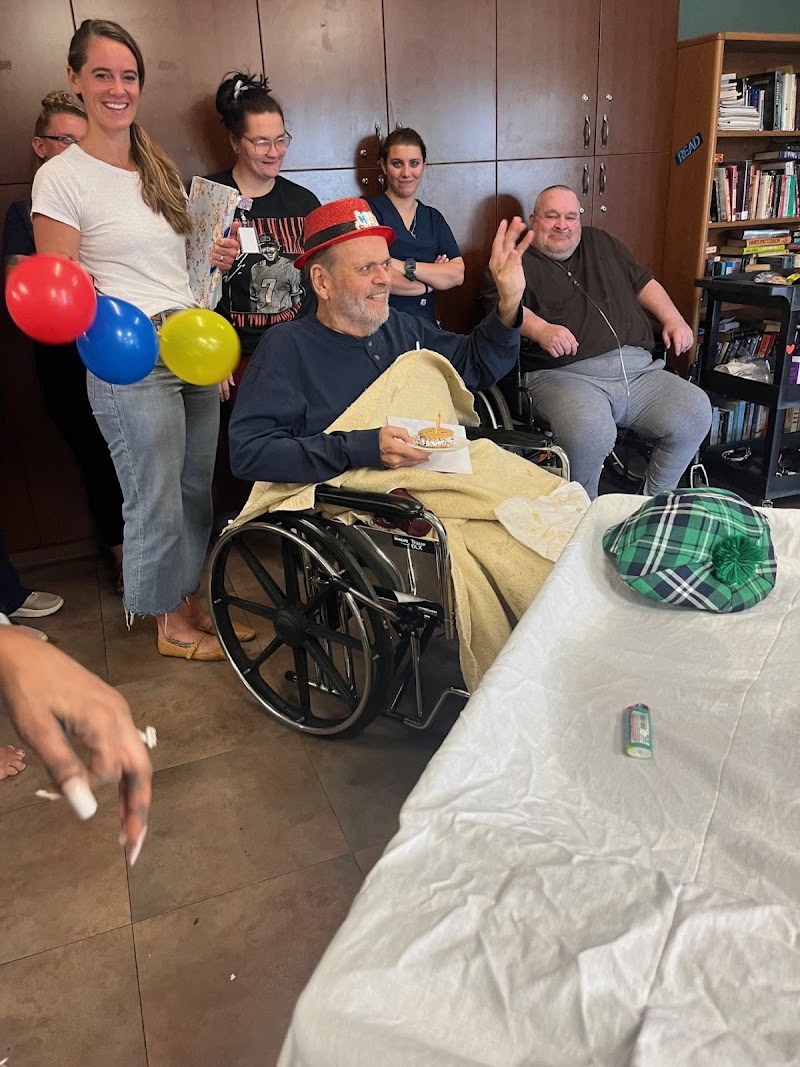
How is Whitefish Care And Rehabilitation Staffed?

CMS rates WHITEFISH CARE AND REHABILITATION's staffing level at 2 out of 5 stars, which is below average compared to other nursing homes. Staff turnover is 81%, which is 35 percentage points above the Montana average of 46%. High turnover can affect care consistency as new staff learn residents' individual needs. RN turnover specifically is 71%, which is notably high. RNs provide skilled clinical oversight, so turnover in this role can affect medical care quality.

What Have Inspectors Found at Whitefish Care And Rehabilitation?

State health inspectors documented 78 deficiencies at WHITEFISH CARE AND REHABILITATION during 2022 to 2025. These included: 1 Immediate Jeopardy (the most serious level, indicating potential for serious harm or death), 7 that caused actual resident harm, and 70 with potential for harm. Immediate Jeopardy findings are rare and represent the most serious regulatory concerns. They require immediate corrective action.

Who Owns and Operates Whitefish Care And Rehabilitation?

WHITEFISH CARE AND REHABILITATION is owned by a for-profit company. For-profit facilities operate as businesses with obligations to shareholders or private owners. The facility is operated by SWEETWATER CARE, a chain that manages multiple nursing homes. With 100 certified beds and approximately 81 residents (about 81% occupancy), it is a mid-sized facility located in WHITEFISH, Montana.
How Does Whitefish Care And Rehabilitation Compare to Other Montana Nursing Homes?

Compared to the 100 nursing homes in Montana, WHITEFISH CARE AND REHABILITATION's overall rating (1 stars) is below the state average of 2.9, staff turnover (81%) is significantly higher than the state average of 46%, and health inspection rating (1 stars) is much below the national benchmark.

What Should Families Ask When Visiting Whitefish Care And Rehabilitation?

Based on this facility's data, families visiting should ask: "What changes have been made since the serious inspection findings, and how are you preventing similar issues?" "How do you ensure continuity of care given staff turnover, and what is your staff retention strategy?" "Can you walk me through typical staffing levels on day, evening, and night shifts?" "Can I visit during a mealtime to observe dining assistance and food quality?" These questions are particularly relevant given the facility's Immediate Jeopardy citations, the facility's high staff turnover rate, and the below-average staffing rating.

Is Whitefish Care And Rehabilitation Safe?

Based on CMS inspection data, WHITEFISH CARE AND REHABILITATION has documented safety concerns. Inspectors have issued 1 Immediate Jeopardy citation (the most serious violation level indicating risk of serious injury or death). The facility is currently on the Special Focus Facility watch list (a federal program monitoring the lowest-performing 1% of nursing homes nationwide). The facility has a 1-star overall rating and ranks #100 of 100 nursing homes in Montana. Families considering this facility should ask detailed questions about what corrective actions have been taken since these incidents.

Do Nurses at Whitefish Care And Rehabilitation Stick Around?

Staff turnover at WHITEFISH CARE AND REHABILITATION is high. At 81%, the facility is 35 percentage points above the Montana average of 46%. Registered Nurse turnover is particularly concerning at 71%. RNs handle complex medical decisions and coordinate care — frequent RN changes can directly impact care quality. High turnover means new staff may not know residents' individual needs, medications, or preferences. It can also be disorienting for residents, especially those with dementia who rely on familiar faces. Families should ask: What is causing the turnover? What retention programs are in place? How do you ensure care continuity during staff transitions?

Was Whitefish Care And Rehabilitation Ever Fined?

WHITEFISH CARE AND REHABILITATION has been fined $313,240 across 5 penalty actions. This is 8.7x the Montana average of $36,211. Fines at this level are uncommon and typically indicate a pattern of serious deficiencies, repeated violations, or failure to correct problems promptly. CMS reserves penalties of this magnitude for facilities that pose significant, documented risk to resident health or safety. Families should request specific documentation of what issues led to these fines and what systemic changes have been implemented.

Is Whitefish Care And Rehabilitation on Any Federal Watch List?

WHITEFISH CARE AND REHABILITATION is currently an SFF Candidate, meaning CMS has identified it as potentially qualifying for the Special Focus Facility watch list. SFF Candidates have a history of serious deficiencies but haven't yet reached the threshold for full SFF designation. The facility is being monitored more closely — if problems continue, it may be added to the official watch list. Families should ask what the facility is doing to address the issues that led to this status.