Crowell Memorial Home
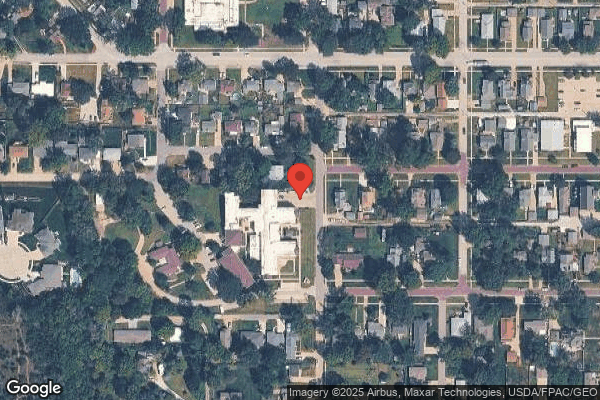
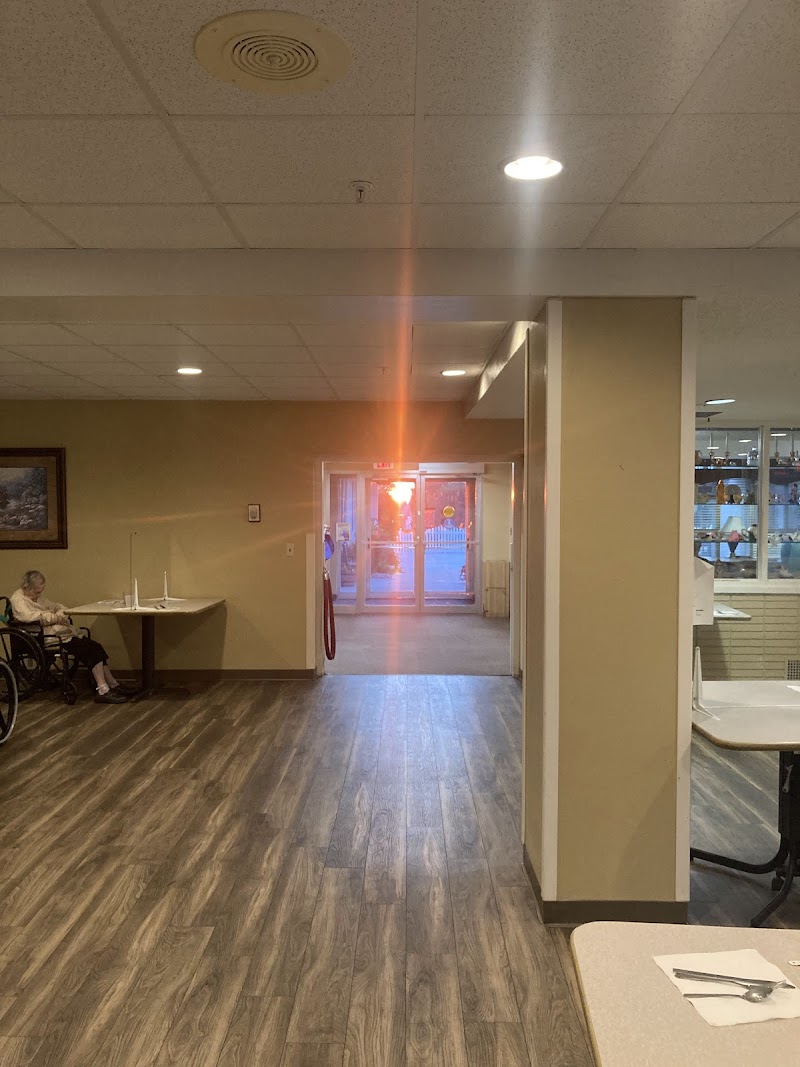
245 South 22nd Street, Blair, NE 68008 (402) 426-2177
Non profit - Corporation 74 Beds Independent Data: November 2025
Trust Grade
45/100
#108 of 177 in NE
Last Inspection: June 2025

Inspected within the last 6 months. Data reflects current conditions.

Overview

Crowell Memorial Home has received a Trust Grade of D, indicating below-average performance with some significant concerns. They rank #108 out of 177 nursing homes in Nebraska, placing them in the bottom half of facilities in the state, but they rank #1 out of 2 in Washington County, meaning there is only one other local option. Unfortunately, the facility is worsening, with the number of issues identified increasing from 5 in 2024 to 9 in 2025. Staffing is a relative strength, with a 4/5 star rating and lower turnover at 44% compared to the state average of 49%, although the RN coverage is concerning as it is less than 84% of other facilities in the state. While there have been no fines, which is a positive aspect, there were serious incidents noted, such as a resident not receiving critical medication for several days and multiple food safety violations that could lead to foodborne illnesses. Overall, while there are some strengths in staffing, the facility has serious weaknesses that families should consider carefully.
Trust Score
D
45/100
In Nebraska
#108/177
Bottom 39%
Safety Record
Moderate
Needs review
Inspections
Getting Worse
5 → 9 violations
Staff Stability
○ Average
44% turnover. Near Nebraska's 48% average. Typical for the industry.
Penalties
✓ Good
No fines on record. Clean compliance history, better than most Nebraska facilities.
Skilled Nurses
⚠ Watch
Each resident gets only 29 minutes of Registered Nurse (RN) attention daily — below average for Nebraska. Fewer RN minutes means fewer trained eyes watching for problems.
Violations
⚠ Watch
25 deficiencies on record. Higher than average. Multiple issues found across inspections.
★★☆☆☆
2.0
Overall Rating
★★★★☆
4.0
Staff Levels
★☆☆☆☆
1.0
Care Quality
★★★☆☆
3.0
Inspection Score
Stable
2024: 5 issues
2025: 9 issues

The Good

  • 4-Star Staffing Rating · Above-average nurse staffing levels
  • Full Sprinkler Coverage · Fire safety systems throughout facility
  • No fines on record
  • Staff turnover below average (44%)

    4 points below Nebraska average of 48%

Facility shows strength in staffing levels, fire safety.

The Bad

2-Star Overall Rating

Below Nebraska average (2.9)

Below average - review inspection findings carefully

Staff Turnover: 44%

Near Nebraska avg (46%)

Typical for the industry

The Ugly 25 deficiencies on record

1 actual harm
Sept 2025 1 deficiency
CONCERN (D) 📢 Someone Reported This

A family member, employee, or ombudsman was alarmed enough to file a formal complaint

Potential for Harm - no one hurt, but risky conditions existed

Accident Prevention (Tag F0689)

Could have caused harm · This affected 1 resident

Licensure Reference Number 175 NAC 12-006.09(I)Based on record review and interview; the facility staff failed to implement assessed interventions to prevent falls for 1 (Resident 4) of 3 sampled resi...

Read full inspector narrative →
Licensure Reference Number 175 NAC 12-006.09(I)Based on record review and interview; the facility staff failed to implement assessed interventions to prevent falls for 1 (Resident 4) of 3 sampled residents. The facility staff identified a census of 66. Findings are:Record review of Resident 4's Face Sheet dated 9/15/2025 revealed Resident 4 had the diagnoses of Parkinson's disease, Spinal stenosis (narrowing of the spaces between spinal bones) of the Lumbar area, Radiculopathy ( a pinched or pressed nerve) in the spine of the lumbar area, hypertension, muscle weakness and Depression.Record review of Resident 4's Minimum Data Set (MDS, a federally mandated assessment tool used for care planning) dated 7/24/2025 revealed the facility staff assessed the following about the resident:-Brief Interview of Mental Status (BIMS, method to evaluate cognitive status) was a 10. According to the MDS Manual, a score of 8 to 12 indicates moderately impaired cognition.-Required partial to moderate assistance with eating, oral hygiene, upper body dressing, personal hygiene, sitting to standing position, and toilet transfers. -Used chair and bed alarms daily.Record review of Resident 4's Comprehensive Care Plan (CCP) dated 7/10-2024 revealed Resident 4 was at risk for falls. The goal identified on Resident 4's CCP was Resident 4 would be free of falls through the next review date. Interventions listed were to assess for pain, encourage Resident 4 to reside in the lounge area, attend activities and encourage socialization, Keep snacks at bed time and to use a pd (movement of pressure detection) alarm in Resident 4's wheelchair or bed due to Resident 4's non-compliance with calling for assistance.Record review of a Incident & Investigation sheet dated 9/10-2025 revealed Resident 4 was found on the floor. Further review of the Incident & Investigation sheet dated 9/10-2025 revealed the call light within reach was identified as the intervention in place at the time of Resident 4 being found on the floor. The wheelchair, bed/chair alarm was not identified as being in use at the time of Resident 4 being found on the floor. According to the Incident & investigation sheet dated 9-10-2025 the post fall follow up intervention was the use of the sit stand alarm to the bed would be implemented. On 9-25-2025 at 12:34 PM an interview was conducted with Registered Nurse (RN) A. During the interview RN A reported Resident 4 did have falls and that a alarm pad was in use for the resident. RN A reported when Resident 4 was found on the floor on 9-10-2025 an alarm should have been in place. On 9-25-2025 at 2:45 PM an interview was conducted with the Director of Nursing. During the interview the DON reported Resident 4 did have falls and the pd alarm should have been in place according to resident 4's care plan.
Jun 2025 5 deficiencies
CONCERN (D)

Potential for Harm - no one hurt, but risky conditions existed

Deficiency F0605 (Tag F0605)

Could have caused harm · This affected 1 resident

Licensure Reference Number 175 NAC 12-006.05(G) Based on record reviews and interviews, the facility failed to provide a rationale for not conducting a Gradual Dose Reduction (GDR, Stepwise tapering ...

Read full inspector narrative →
Licensure Reference Number 175 NAC 12-006.05(G) Based on record reviews and interviews, the facility failed to provide a rationale for not conducting a Gradual Dose Reduction (GDR, Stepwise tapering of a dose to determine whether or not symptoms, conditions, or risks can be managed by a lower dose or whether or not the dose or medication can be discontinued) for 1 (Resident 2) of 3 residents sampled. The facility census was 62. Findings are: Record review of Resident 2's Minimum Data Set (MDS, a federally mandated comprehensive assessment tool used to determine a resident's functional capabilities and helps nursing home staff identify health problems) dated 5/11/2025 revealed Resident 2 had a Brief Interview for Mental Status (BIMS, a brief screener that aids in detecting cognitive impairment) score of 13/15. The MDS manual identified a score of 13 as cognitively intact. Record review of Resident 2's medication order summary revealed Risperidone solution 1 milligram per milliliter (mg/mL) was ordered and the amount to be administered was 0.5 mL to be taken 3 times per day for bipolar disorder. A pharmacy review of the medication was conducted by a pharmacist on 11/26/2024 with a recommendation to gradually reduce the amount to be administered to 0.25 mL in the morning and 0.5 mL in the afternoon and evening. The primary physician disagreed with the recommendation for a dose reduction and did not provide a rationale for disagreement. An interview with the Director of Nursing (DON) on 06/12/25 at 9:16 AM confirmed there was no rationale provided by the doctor regarding not conducting the GDR of risperidone for Resident 2. Record review of Consonus Pharmacy's policy on Medication Regimen Review dated August 2024 revealed: H. Recommendations are acted upon and documented by the facility staff and or the prescriber. 1) a physician accepts and acts upon suggestion or rejects and provides an explanation for disagreement. 2) If there is potential for serious harm and the attending physician does not concur, or the attending physician refuses to document an explanation for disagreeing, the director of nursing contacts the medical director.
CONCERN (D) 📢 Someone Reported This

A family member, employee, or ombudsman was alarmed enough to file a formal complaint

Potential for Harm - no one hurt, but risky conditions existed

Report Alleged Abuse (Tag F0609)

Could have caused harm · This affected 1 resident

Licensure Reference Number 175 NAC 12-006.02(H) Based on record review and interview, the facility failed to report an allegation of misappropriation within the required timeframe to Adult Protective ...

Read full inspector narrative →
Licensure Reference Number 175 NAC 12-006.02(H) Based on record review and interview, the facility failed to report an allegation of misappropriation within the required timeframe to Adult Protective Services [APS] and the Department of Health and Human Services [DHHS] for 1 (Resident 39) of 5 facility investigations reviewed. The facility census was 61. Findings are: Record review of facility policies and procedures entitled Abuse, Neglect and Exploitation and dated 9/23/22 revealed the following information: The definition of an alleged violation is a situation or occurrence that is observed or reported by staff, resident, relative, visitor or others but has yet to be investigated and , if verified, could be an indication of noncompliance with the federal requirements related to mistreatment, exploitation, neglect or abuse, including injuries of unknown source and misappropriation of resident property. Reporting and response: A. The facility will have written procedures that include: 1. Reporting of all alleged violations to the admin, state agency, adult protective services and to all other required agencies within the specified timeframe's a. Immediately, but not later than 2 hours after the allegation is made, if the events that cause the allegation involve abuse, or result in serious bodily injury, or b. Not later than 24 hours if the events that cause the allegation do not involve abuse or do not result in serious bodily injury. B. The Administrator will follow up with government agencies, during business hours, to confirm the initial report was received, and to report the results of the investigation within 5 working days of the incident, as required by state agencies. Record review of Resident 39's quarterly Minimum Data Set (MDS, a federally mandated comprehensive assessment tool used to determine a resident's functional capabilities and helps nursing home staff identify health problems) revealed an admission date of 10/5/22 with diagnoses that included unspecified psychosis not due to a substance or known physiological condition, major depressive disorder, recurrent, severe with psychotic symptoms, personality disorder, unspecified(History of), Anxiety disorder, unspecified, adjustment disorder with mixed anxiety and depressed mood, type 2 diabetes mellitus without complications, Schizophrenia, unspecified, age-related osteoporosis without current pathological fracture, stress incontinence, unsteadiness on feet, and unspecified abnormalities of gait and mobility. The MDS identified that Resident 39 had a BIMS (Brief interview Mental Status, a brief screener that aids in detecting cognitive impairment) score of 13/15. The MDS Manual identified that a score of 13-15 indicated intact cognition. The MDS identified that Resident 39 had a mood score of 10 (moderate depression is a score of 10-14 according to the MDS manual), had exhibited no behaviors and required partial to moderate assist with activities of daily living. Record review of complaint intake information received by APS on 5/23/25 revealed a report was called into Adult Protective Services [APS] on 5/23/25 by an anonymous reporter. The APS report indicated that the person that called the report into APS revealed that Resident 39 identified that a nurse aide [NA-B] at the facility told Resident 39 that they owed the NA 5 dollars. The resident did not give the NA-B five dollars and Resident 39 told NA-A to leave [gender] alone. The APS report revealed that NA-B allegedly told Resident 39 see if I do anything for you anymore. The reporter said that Resident 39 was now fearful of the NA and stated that Resident 39 had reported this incident to a nurse and had also left a voice mail for the Director of Nursing [DON]. Interview on 06/10/25 at 01:18 PM with the DON confirmed knowledge of the incident and that the DON had talked to Resident 39 and NA-B on 05/23/25 and instructed the NA to no longer go into Resident 39's room. The DON stated that NA-B had been joking and didn't mean anything by it. The DON stated I did not think it was abuse and did not need to be reported as the resident didn't want to file a grievance. The DON confirmed that the incident had not been reported to APS or DHHS.
CONCERN (D) 📢 Someone Reported This

A family member, employee, or ombudsman was alarmed enough to file a formal complaint

Potential for Harm - no one hurt, but risky conditions existed

Investigate Abuse (Tag F0610)

Could have caused harm · This affected 1 resident

Licensure Reference Number 175 NAC 12-006.02(H) Based on record review and interview, the facility failed to thoroughly investigate an allegation of misappropriation for 1 (Resident 39) of 5 facility ...

Read full inspector narrative →
Licensure Reference Number 175 NAC 12-006.02(H) Based on record review and interview, the facility failed to thoroughly investigate an allegation of misappropriation for 1 (Resident 39) of 5 facility investigations reviewed. The facility census was 61. Findings are: Record review of facility policies and procedures entitled Abuse, Neglect and Exploitation and dated 9/23/22 revealed the following information: The definition of an alleged violation is a situation or occurrence that is observed or reported by staff, resident, relative, visitor or others but has yet to be investigated and , if verified, could be an indication of noncompliance with the federal requirements related to mistreatment, exploitation, neglect or abuse, including injuries of unknown source and misappropriation of resident property. Investigation of abuse, neglect and exploitation: a. An immediate investigation is warranted when suspicion of abuse, neglect or exploitation, or reports of abuse, neglect or exploitation occur. B. Written procedures for investigations include: 1. Identifying staff responsible for the investigation. 3. Investigating different types of alleged violations 4. Identifying and Interviewing all involved people, including the alleged victim, alleged perpetrator, witnesses or others who might have knowledge of the allegations 5. Focusing the investigation on determining if abuse, neglect or exploitation and or mistreatment occurred, the extent and cause 6. Providing complete and thorough documentation of the investigation. Record review of Resident 39's quarterly Minimum Data Set (MDS, a federally mandated comprehensive assessment tool used to determine a resident's functional capabilities and helps nursing home staff identify health problems) revealed an admission date of 10/5/22 with diagnoses that included unspecified psychosis not due to a substance or known physiological condition, major depressive disorder, recurrent, severe with psychotic symptoms, personality disorder, unspecified(History of), Anxiety disorder, unspecified, adjustment disorder with mixed anxiety and depressed mood, type 2 diabetes mellitus without complications, Schizophrenia, unspecified, age-related osteoporosis without current pathological fracture, stress incontinence, unsteadiness on feet, and unspecified abnormalities of gait and mobility. The MDS identified that Resident 39 had a BIMS (Brief interview Mental Status, a brief screener that aids in detecting cognitive impairment) score of 13/15. The MDS Manual identified that a score of 13-15 indicated intact cognition. The MDS identified that Resident 39 had a mood score of 10 (moderate depression is a score of 10-14 according to the MDS manual), had exhibited no behaviors and required partial to moderate assist with activities of daily living. Record review of complaint intake information received by APS on 5/23/25 revealed a report was called into Adult Protective Services [APS] on 5/23/25 by an anonymous reporter. The APS report indicated that the person that called the report into APS revealed that Resident 39 identified that a nurse aide [NA-B] at the facility told Resident 39 that they owed the NA five dollars. The resident did not give NA-B five dollars and Resident 39 told NA-A to leave [gender] alone. The APS report revealed that NA-B allegedly told Resident 39 see if I do anything for you anymore. The reporter said that Resident 39 was now fearful of the NA and stated that Resident 39 had reported this incident to a nurse and had also left a voice mail for the Director of Nursing [DON]. Interview on 06/10/25 at 1:18 PM with the DON confirmed knowledge of the incident and that the DON had talked to Resident 39 and NA-B on 05/23/25 and instructed the NA to no longer go into Resident 39's room. The DON stated that NA-B had been joking and didn't mean anything by it. The DON stated I did not think it was abuse and did not need to be reported as the resident didn't want to file a grievance. The DON confirmed that a thorough written investigation had not been completed into the incident with Resident 39 and NA-B.
CONCERN (D)

Potential for Harm - no one hurt, but risky conditions existed

Deficiency F0688 (Tag F0688)

Could have caused harm · This affected 1 resident

Licensure Reference Number 175 NAC 12-006.09(H)(v) Based on record reviews and interviews, the facility failed to provide services as care planned to help prevent further decrease in range of motion f...

Read full inspector narrative →
Licensure Reference Number 175 NAC 12-006.09(H)(v) Based on record reviews and interviews, the facility failed to provide services as care planned to help prevent further decrease in range of motion for 2 (Residents 40 and 8) out of 2 residents sampled. The facility census was 61. Findings are: A. Record review of Resident 40's Minimum Data Set (MDS, a federally mandated comprehensive assessment tool used to determine a resident's functional capabilities and helps nursing home staff identify health problems) dated 04/25/2025, revealed Resident 40 had a Brief Interview for Mental Status (BIMS, a brief screener that aids in detecting cognitive impairment) blank score. The MDS manual identified a score of blank as resident was unable to complete the interview. Record review of Resident 40's diagnoses revealed muscle wasting and atrophy, contracture of left hand and anoxic brain damage. Record review of Resident 40's restorative care plan dated 05/12/2025 revealed staff should be performing bed mobility and passive range of motion (PROM, range of motion that is performed by the staff moving the resident's body parts) exercises with the resident at least 2-3 times per week. Record review of Resident 40's Restorative Nursing Program Flow Sheet dated June 2025 revealed Resident received these exercises on 06/09/2025 and 06/10/2025. On 06/12/2025 at 9:18 AM the Director of Nursing (DON) confirmed there were only two days marked for restorative care for the month of June. B. Record review of Resident 8's Minimum Data Set (MDS, a federally mandated comprehensive assessment tool used to determine a resident's functional capabilities and helps nursing home staff identify health problems) dated 05/02/2025 revealed a Brief Interview for Mental Status (BIMS, a brief screener that aids in detecting cognitive impairment) score of 15/15. The MDS manual identified a score of 15 as cognitively intact. Record review of Resident 8's diagnoses revealed a diagnosis of hemiplegia and hemiparesis following cerebral infarction affecting the right dominate side. Record review of Resident 8's restorative care plan dated 5/12/2025 revealed staff should be performing bed mobility and PROM exercises with the resident at least 2-3 times per week. Record review of Resident 8's Restorative Nursing Program Flow Sheet dated June 2025 revealed Resident received these exercises on 06/09/2025 and 06/10/2025. On 06/12/2025 at 9:18 AM the Director of Nursing (DON) confirmed there were only two days marked for restorative care for the month of June for Resident 8. The DON also confirmed that the facility did not have a restorative care policy.
CONCERN (D)

Potential for Harm - no one hurt, but risky conditions existed

Infection Control (Tag F0880)

Could have caused harm · This affected 1 resident

**NOTE- TERMS IN BRACKETS HAVE BEEN EDITED TO PROTECT CONFIDENTIALITY** Licensure Reference Number 175 NAC 12-006.18(B) & 12-006.09(H)(vi)(3)(g) Based on observation, record review and interview; the ...

Read full inspector narrative →
**NOTE- TERMS IN BRACKETS HAVE BEEN EDITED TO PROTECT CONFIDENTIALITY** Licensure Reference Number 175 NAC 12-006.18(B) & 12-006.09(H)(vi)(3)(g) Based on observation, record review and interview; the facility failed to date oxygen tubing for 1 (Resident 11) of 1 sampled resident. The facility also failed to utilize Personal Protective Equipment (PPE, includes clothing, gloves, face shields, goggles, facemask's, respirators, and other equipment to protect front-line workers from injury, infection, or illness) for Enhanced Barrier Precautions (EBP, an infection control intervention designed to reduce transmission of multidrug-resistant organisms (MDROs) in nursing homes. Enhanced Barrier Precautions involve gown and glove use during high-contact resident care activities for residents known to be colonized or infected with a MDRO as well as those at increased risk of MDRO acquisition (e.g., residents with wounds or indwelling medical devices) for 1 (Resident 51) of 5 sampled residents and failed to perform hand hygiene prior to donning gloves during the provision of medication administration for 1 (Resident 39) of 1 sampled resident. The facility census was 61. Findings are: A. Record review of Resident 11's Face Sheet printed 06/11/2025 revealed the facility admitted the resident on 5/20/2025. Further review of the Face Sheet revealed that Resident 11 had diagnoses which included dyspnea (difficulty breathing), congestive heart failure, obstructive sleep apnea, and acute and chronic respiratory failure. Record review of Resident 11's admission Minimum Data Set (MDS, a federally mandated comprehensive assessment tool used to determine a resident's functional capabilities and help nursing home staff identify health problems) dated 06/02/2025 revealed the resident had a Brief Interview for Mental Status (BIMS, a brief screener that aids in detecting cognitive impairment) score of 14/15. According to the MDS Manual, a score of 14 indicated that the resident was cognitively intact. Further review of the MDS revealed that Resident 11 received oxygen while a resident at the facility. Record review of Resident 11's Orders printed 6/11/2025 revealed an order for oxygen at four liters per nasal canula as needed for dyspnea. An observation on 06/09/2025 at 1:18 PM revealed Resident 11's oxygen tubing connected to the concentrator in the resident room. The tubing was not marked with a date it was placed. An observation on 06/10/2025 at 9:35 AM revealed Resident 11's oxygen tubing connected to the concentrator in the resident room. The tubing was not marked with a date it was placed. An observation on 06/11/2025 at 11:40 AM revealed Resident 11 in the hallway going to lunch with oxygen nasal cannula in place. The nasal cannula was not dated. An interview on 06/11/2025 at 11:40 AM with Registered Nurse (RN)-A confirmed that the tubing attached to the portable oxygen tank was undated. RN-A returned to Resident 11's room and further confirmed that the oxygen tubing attached to the concentrator was undated and should have been dated. RN-A revealed that oxygen tubing was to be changed weekly on the night shift. An interview on 06/11/2025 at 12:10 PM with the Director of Nursing (DON) confirmed that oxygen tubing is to be changed weekly. An interview on 06/12/2025 at 8:18 AM with the DON further confirmed that there was no method for tracking the change of respiratory supplies. B. Record review of a policy entitled Enhanced Barrier Precautions dated 2019 revealed the following information: Definitions: Enhanced barrier Precautions refer to the use of gowns and gloves for certain residents during specific high contact resident care activities that have been found to increase the risk for transmission of multi drug-resistant organisms. 1 c: Clear signage will be posted on the door or wall outside of the residents room indicating the type of precautions, required personal protective equipment (PPE) and the high contact resident care activities that require the use of gowns and gloves. 2 b: An order for enhanced barrier precautions will be obtained for residents with any of the following: indwelling medical devices (feeding tube) etc. High-contact resident care activities include: transferring, providing hygiene and changing briefs or assisting with toileting, device care including feeding tube. Residents on EBP will have a station for PPE donning and hand hygiene directly outside the door. If staff entering the residents room will be doing any of the following, they should follow posted instructions prior to entering: High-contact resident care activities include: transferring, providing hygiene and changing briefs or assisting with toileting, device care including feeding tube. Record review of Resident 51's quarterly MDS dated [DATE] revealed an admission date of 3/13/24 and diagnoses that included Parkinson, gastrostomy, anxiety and bipolar disorder. The MDS identified that resident 51 had a BIMS score of 15/15. The MDS manual identified that a score of 13-15 indicated intact cognition. The MDS identified that resident 51 exhibited, no behaviors and required assistance from staff for all activities of daily living needs including toileting and transfers. Record review of Resident 51's Comprehensive Care Plan (a document that includes measurable objectives and timetables to meet a resident's medical, nursing, and mental and psychosocial needs that are identified in the comprehensive assessment) dated revised 6/10/25 revealed that Resident 51 had a Gastrostomy Tube (a surgically placed tube that provides direct access to the stomach for feeding and hydration) present and staff were to follow EBP. Observation on 06/09/25 at 9:15 AM revealed a sign was present on the outside of the door that identified Resident 51 was in Enhanced Barrier Precautions. The sign identified that providers and staff must: Wear gloves and a gown for the following high contact activities: transferring, providing hygiene, changing briefs, assisting with toileting. Observation on 06/09/25 at 9:15 AM revealed a Hospice Nurse Aide (NA-E) present in Resident 51's room. With no gown in place, NA-E entered the restroom in Resident 51's room and assisted with completing toileting hygiene for Resident 51. Observation on 06/11/25 between 9:50 AM and 10:00 AM revealed Hospice NA-E brought the sit stand lift into Resident 51's room and provided transferring assistance and then took Resident 51 into the bathroom to toilet. NA-E did not donn a gown before entering Resident 51's room. Interview on 06/11/25 at 10:05 AM with Hospice NA-E confirmed that toileting, a brief change and transfer assistance had been provided to Resident 51. NA-E confirmed that a gown was not donned prior to entering the room or used during the provision of personal hygiene cares, toileting or transfer assistance and should have been according to the EBP sign outside the door. Interview on 06/11/25 at 10:21 AM with the facility Wound Nurse confirmed that the Hospice NA did not follow EBP precautions and did not donn a gown when toileting assistance, personal hygiene and transfer assistance was provided to Resident 51. C. Record review of an undated facility policy entitled Hand Hygiene revealed: -6. Additional Considerations: -a. The use of gloves does not replace hand hygiene. If your task requires gloves, perform hand hygiene prior to donning (applying) gloves, and immediately after removing gloves. An observation on 06/11/2025 at 7:15 AM with Nurse Consultant (NC)-D revealed Medication Aide (MA)-C prepared Resident 39's medications to be administered. When completed, MA-C collected Resident 39's medications, opened the medication cart and returned the medications, closed the drawer, and locked the medication cart. Without the benefit of hand hygiene, MA-C donned gloves and proceeded to administer eye drops in both of Resident 39's eyes. In an interview on 06/11/2025 at 7:30 AM MA-C confirmed that [gender] did not perform hand hygiene prior to donning gloves and should have.
Apr 2025 3 deficiencies
CONCERN (D) 📢 Someone Reported This

A family member, employee, or ombudsman was alarmed enough to file a formal complaint

Potential for Harm - no one hurt, but risky conditions existed

Deficiency F0604 (Tag F0604)

Could have caused harm · This affected 1 resident

**NOTE- TERMS IN BRACKETS HAVE BEEN EDITED TO PROTECT CONFIDENTIALITY** Licensure Reference Number 175 NAC 12-006.05(G) Based on observation, interview, and record review, the facility staff failed to...

Read full inspector narrative →
**NOTE- TERMS IN BRACKETS HAVE BEEN EDITED TO PROTECT CONFIDENTIALITY** Licensure Reference Number 175 NAC 12-006.05(G) Based on observation, interview, and record review, the facility staff failed to ensure individualize use of restraints to include identification of medical symptoms for use, duration of use, evaluation of less restrictive alternatives, review of risk and benefits, and re-evaluation of need for a restraint in accordance with facility policy for restraint use for 3 [Residents 1, 2, and 5] of 3 sampled residents. The facility had a total census of 63 residents. Findings are: A. A review of undated facility policy titled Restraint Free Environment revealed the following: -Physical Restraint: refers to any manual method or physical or mechanical device, material, or equipment attached or adjacent to the resident's body that the individual cannot remove easily which restricts freedom of movement or normal access to one's body. Physical restraints may include, but are not limited to: .Placing a resident in an enclosed framed wheeled walker, in which the resident cannot open the front gate, or if the device has been altered to prevent the resident from exiting the device. A review of undated facility policy titled Restraint Free Environment under Compliance Guidelines revealed the following: -1. The resident has the right to be treated with respect and dignity, including the right to be free from any physical or chemical restraint imposed for the purpose of discipline or staff convenience, and not required to treat the resident's medical symptoms. -2. Physical restraints may be used in emergency care situations for brief periods to permit medically necessary treatment that has been ordered by a practitioner, unless the resident has previously made a valid refusal of the treatment in question. Falls do not constitute self-injurious behavior or a medical symptoms that warrants the use of a physical restraints. -3. Behavioral interventions should be used and exhausted prior to the application of a physical restraint or administration of medications that could be perceived as a chemical restraint. -4. A physician's order alone is not sufficient to warrant the use of a physical restraint or a medication that could be construed as a chemical restraint. The facility is responsible for the appropriateness of the determination to use a physical restraint. -5. Before a resident is physically restrained, the facility will determine the presence of a specific medical symptom that would require the use of restraints, and determine: a. How the use of restraints would treat the medical symptoms(s). b. The length of time the restraint is anticipated to be used to treat the medical symptom(s), who may apply the restraint, and the time and frequency that the restraint will be released. c. The type of direct monitoring and supervision that will be provided during use of the restraint. d. How the resident will request staff assistance and how his/her needs will be met while the restraint is in place. e. How to assist the resident in attaining or maintaining his or her highest practicable level of physical and psychosocial well-being. -6. Medical symptoms warranting the use of restraints should be documented in the resident's medical record. The resident's record needs to include documentation that less restrictive alternatives were attempted to treat the medical symptom but were in effective, ongoing re-evaluation of the need for the restraint, and the effectiveness of the restraint in treating the medical symptoms. The care plan should be updated accordingly to include the development and implementation of interventions, to address any risks related to the use of the restraint. -7. If a medication was initially administered for a medical symptom and continues to be administered in the absence of such symptom, the facility should re-evaluate the need for such medication to ensure that it does not sedate the resident or make it easier for the staff to care for the resident, causing it to be deemed a chemical restraint. -8. The resident/resident's representative may request the use of a physical restraint; however, the facility is responsible for evaluating the appropriateness of the request. The facility shall explain to the resident/resident's representative, the potential risks and benefits of using a restraint, not using a restraint, and alternative to restraint use. Potential negative outcomes should also be explained including, but not limited to: a. Decline in physical functioning b. Decreased muscle condition c. Contractures d. Increased risk for infection e. Pressure ulcers/injuries f. Delirium g. Agitation h. Incontinence i. Accidents such as falls, strangulation, or entrapment j. Loss of autonomy and dignity k. Withdrawal or reduced social contact. B. A review of Resident 1's Face sheet revealed Resident 1 was admitted to the facility on [DATE] with a diagnosis of dementia. A review of Resident 1's quarterly MDS [Minimum Data Set; a comprehensive assessment used in care planning] dated 3/28/25 revealed the following -Resident 1 had a BIMS [Brief Interview for Mental Status] score of 4. A review of the MDS manual revealed a score of 0-7 indicates severe cognitive impairment -Resident 1 required supervision or touching assistance for walking -Resident 1 used a bed alarm, chair alarm, and wander/elopement alarm daily -Resident 1 was not identified as utilizing a restraint A review of Resident 1's Care plan revealed a problem dated 9/14/23 of falls with the following interventions: -Ensure Resident 1's pad alarm in in place when in recliner in 2 North lunge area with recliner reclined back dated 4/14/25 -Educate staff to know Resident 1's where about's at all times, assign a staff member to monitor Resident 1 and if staff member leaves another staff member is to be assigned to monitor the resident dated 4/13/25 -After Resident 1 is up and dressed Resident 1 will be taken to the 2 N lounge area dated 1/9/25. -Resident 1 utilizes a bed alarm dated 1/9/25 -Resident 1 chair pad alarm is to be under Resident 1 in Merry walker [an enclosed framed wheeled walker] dated 1/9/25 -Fall assessment upon admission, quarterly, annually and as needed dated 1/9/25 -Gait belt changed to latching style belt dated 1/9/25 -Keep call light and frequently used items within reach dated 1/9/25 -Make sure bed alarm is not under pillow dated 1/9/25 -Offer routine/as needed toileting dated 1/9/25 -Resident 1's pad alarm to be on Resident 1's wheelchair at all times. Wheelchair is only used for transporting Resident 1. Resident 1 is not to rest in Resident 1's wheelchair dated 1/9/25 -Pharmacy to monitor Resident 1's medications increasing risk for falls monthly and as needed dated 1/9/25 -Resident 1 to transfer using walker and gait belt with staff present at all times dated 1/9/25 -Resident 1 not to be transferred to wheelchair and left alone. Resident 1 to be transferred to Merry walker with chair pad alarm on and functioning properly dated 1/9/25 A review of Resident 1's Care Plan revealed a problem dated 9/14/23 related to activities of daily living functional with the following intervention related to use of Merry Walker: -Utilize Merry [NAME] for ambulation. Remove from Merry [NAME] every 2 hours: toilet, position in recliner/bed for at least 15 minutes. Observations on 4/16/25 at 7:41 AM revealed Resident 1 up in wheelchair in hallway near nurses' station with pad alarm in place on wheelchair. Resident 1 was observed to have 2 dark purple eyes. A review of undated facility investigation for Resident 1 revealed on 4/12/25 at 1:10 AM Medication Aide A heard stairwell alarm sounding by assisted living room [ROOM NUMBER]. Medication Aide A saw a Merry [NAME] lying on its side on second landing and Resident 1 lying on left side on first landing. Conclusion from facility investigation revealed that Resident 1 was in Merry [NAME] and went through the fire doors on 2 North sounding the door alarm. Resident continued down the hallway went through the stairway door by room [ROOM NUMBER] and fell down the stairs. Resident 1 was transferred to the hospital and returned to the facility on 4/14/25 with no injury. A review of Resident 1's physician's orders revealed an order dated 1/2/24 for physical therapy to evaluate Resident 1 for a Merry Walker. A review of Resident 1's Progress Note dated 4/13/25 at 4:33 AM revealed Resident 1 had multiple bruises all over including black and blue right eye, bruising to forehead, pain to right knee and head. A review of Physical Therapy (PT) Progress Note dated 1/4/24 revealed Resident 1 was evaluated for safety and appropriateness to utilize a Merry Walker. Resident 1's Progress Note identified Resident 1 could safely complete sit to stand transfers without tipping laterally but may need increased practice to shift weight forward with the walker rolling backwards. According to the PT Progress Note dated 1/4/2024 care givers were to monitor for Resident 1 possible fidgeting with latch in an attempt to exit the walker unsupervised. Physical Therapy recommendation included Resident 1 remain in the Merry [NAME] for a bursts of time when active and mobile but return to other sitting surface for meals or when resting for greatest skin integrity. A review of Resident 1 medical record didn't reveal any additional information related to the use of Merry Walker. In an interview on 4/17/25 at 9:05 AM, Nurse Aide D reported Resident 1 is up in Merry [NAME] other than during meals. Nurse Aide D reported Resident 1 is placed in recliner when sleepy. Nurse Aide D reported being unaware of timeframe for Resident 1 to be in the Merry [NAME] but is gotten out after breakfast and before lunch for toileting. Nurse Aide D reported Resident 1 can't get out of the Merry [NAME] by themselves. In an interview on 4/17/25 at 9:11 AM, LPN E [Licensed Practical Nurse] reported Resident 1 is placed in Merry [NAME] when Resident 1 wants to go and used so that Resident 1 can get around independently. LPN E reported Resident 1 is to be out every 2 hours, for meals, and when tired. LPN E reported that LPN E has never seen Resident 1 get out of the Merry [NAME] by themselves. In an interview on 4/17/25 at 9:49 AM, PT F [Physical Therapist] reported getting orders for a physical therapy evaluation for use of a Merry Walker. PT F reported the focus of the evaluation is to determine if the use of the Merry [NAME] is safe and not a restraint. PT F reported focusing evaluation on safety of the memory walker and was not aware of the definition of a restraint in federal regulations. PT F reported Resident 1 was utilizing the Merry [NAME] due to delirium and restlessness and should be used for 2 hours but may be extended if restlessness continues. PT F reported the PT F has not reevaluated Resident 1's use of the Merry [NAME] since 1/4/24 and it is up to nursing to discontinue the Merry [NAME] if no longer safe. In interviews 4/17/25 at 9:30 AM and 11:32 AM, Registered Nurse I confirmed that Registered Nurse I was not coding use of Merry [NAME] as a restraint on the MDS. In further interviews, Registered Nurse I reported that use of Merry [NAME] needed to documented as a restraint on the MDS and put on the care plan. In interviews on 4/17/25 at 10:26 AM and 11:28 AM, the DON [Director of Nursing] confirmed Resident 1 can't get out of the Merry [NAME] by themselves and no risk benefit statement was signed by Resident 1's responsible party had been completed. If the guideline is that they have to be able to open the Merry Walker, it would be considered a restraint. The DON would consider it more of a restraint if the resident could not walk by themselves. C. A review of Resident 2's Face Sheet revealed Resident 2 was admitted to the facility on [DATE] with diagnoses of dementia, muscle weakness, and at admission intertrochanteric fracture of right femur [hip fracture]. A review of Resident 2's quarterly MDS dated [DATE] revealed the following: -Resident 2 had a BIMS [Brief Interview for Mental Status] score of 2. A review of the MDS manual revealed a score of 0-7 indicates severe cognitive impairment -Resident 2 required partial/moderate assistance for walking -Resident 2 used a bed alarm, chair alarm, and wander/elopement alarm daily -Resident 2 was not identified as utilizing a restraint A review of Resident 2's Care Plan revealed a problem of falls dated 6/11/23 with the following interventions related to use of Merry Walker: -Provide Resident 1 with safety device/appliance: utilize Merry Walker -When Resident 2 utilizes recliner in lounge, ensure current plan of care safeguards are in place such as alarm, check on every 15-30 minutes to see if Resident is ready to change position, go to bathroom or use Merry Walker. A review of Physical Therapy Progress Note dated 9/29/22 revealed Resident 2 did not have finger strength or cognitive level to unhook a latch but did not attempt to get out of Merry [NAME] without asking for assistance. A review of Resident 2 medical record didn't reveal any additional information related to use of Merry Walker. Observations on 4/16/25 at 2:58 PM and 3:49 PM revealed Resident 2 up in Merry Walker. Observations on 4/17/25 at 11:26 AM revealed Resident 2 up in Merry Walker. Medication Aide G requested Resident 2 open up latch on Merry [NAME] revealing Resident 2 did not attempt to open latch and stated I don't think I will. In an interview on 4/17/25 at 9:16 AM, Medication Aide G reported that Resident 2 is placed in Merry [NAME] when Resident 2 gets up in the morning. Resident 2 gets out every 2 hours and lays down when tired or placed in recliner. Medication Aide G reported that Resident 2 uses Merry [NAME] for ambulation and Medication Aide G has never seen Resident 2 try to get out of it. In an interview on 4/17/25 at 9:20 AM, Nurse Aide C reported that Resident 2 sleeps late and will get up between 11:20-12 PM and be put in Merry Walker. Nurse Aide C reported Resident 2 is fed in Merry [NAME] and may still be in Merry [NAME] when Nurse Aide C leaves shift at 1:30 PM. In interviews 4/17/25 at 9:30 AM and 11:32 AM, Registered Nurse I confirmed that Registered Nurse I was not coding use of Merry [NAME] as a restraint on the MDS. In further interviews, Registered Nurse I reported that use of Merry [NAME] needed to documented as a restraint on the MDS and put on the care plan. In interviews on 4/17/25 at 10:06 AM and 11:14 AM, PT F reported Resident 2 utilized Merry [NAME] for symptoms of restlessness and delirium. PT F reported Resident 2 could be in the Merry [NAME] for 2 hours but if continued to be restless that could be extended. PT F reported Resident 2 was evaluated for use of Merry [NAME] while on a skilled stay and that there was not a specific order for an evaluation for use of a Merry Walker. PT F confirmed that Resident 2 has not been reevaluated for use of Merry [NAME] as Resident 2 is now on hospice. In interviews on 4/17/25 at 10:26 AM and 11:28 AM, the DON [Director of Nursing] confirmed Resident 2 can't get out of the Merry [NAME] by self and no risk benefit statement signed by Resident 2's responsible party had been completed. If the guideline is that they have to be able to open the Merry Walker, it would be considered a restraint. The DON would consider it more of a restraint if the resident could not walk by themselves. D. A review of Resident 5's Care Plan revealed Resident 5 was admitted on [DATE] and had diagnoses of Alzheimer's disease and an admission diagnosis of encounter for fracture of medial malleolus of right tibia with routine healing. A review of Resident 5's Care Plan revealed a problem of falls dated 9/5/24 with intervention of therapy to screen and evaluate for use of Merry [NAME] dated 4/17/25. A review of Resident 5's Progress Notes revealed the following: -4/16/25 at 11:20 AM Resident 5 found lying on the floor on back in front of nurses' desk. Full range of motion done with no noted injuries. Resident 5 rubbing right side and back. Resident 5 leaves the facility with the squad for transfer to emergency room. -4/16/25 at 1:30 PM Resident 5 returned to facility with no fracture. Resident 5 was placed in a Merry Walker. -4/17/25 at 2:29 AM Resident 5 up as desired in Merry Walker. A review of Resident 5's medical record didn't reveal any additional information related to use of Merry Walker. Observations on 4/17/25 at 8:36 AM revealed Resident 5 up in Merry Walker. Observations on 4/17/25 at 11:25 AM revealed Resident 5 up in Merry Walker. Nurse Aide H requested Resident 5 open the latch on the Merry Walker. Resident 5 did not respond to the command. In an interview on 4/17/25 at 9:19 AM, Nurse Aide C reported being directed by DON to put Resident 5 in Merry [NAME] today. In an interview on 4/17/25 at 10:10 AM, PT F reported starting an evaluation of Resident 5's use of Merry [NAME] yesterday but had not yet completed it. PT F reported Resident 5 was not in a restless state at the time of the evaluation and needed to be in a restless state to complete the evaluation. PT F report having an order from Resident 5's physician to evaluate for use of a Merry Walker. In interviews on 4/17/25 at 10:26 AM and 11:28 AM, the DON [Director of Nursing] confirmed Resident 5 can't get out of the Merry [NAME] by self and no risk benefit statement signed by Resident 5's responsible party had been completed. The DON confirmed directing staff to place Resident 5 in a Merry [NAME] as Resident 5 is unsteady and unsafe to ambulate by self. E. In an interview on 4/17/25 at 10:26 AM, the DON reported the following procedure for use of a Merry Walker: an order is gotten from the physician to screen the resident for use of a Merry Walker, the physical therapist makes a recommendation, and the Merry walker is implemented. The DON reported the only physician order is for the screen for use of a Merry Walker. The DON confirmed the decision to discontinue use of the Merry [NAME] would be made by the DON. F. Facility was encouraged to provide any additional information relevant to this tag at exit with no additional information being provided at time of report completion.
CONCERN (D) 📢 Someone Reported This

A family member, employee, or ombudsman was alarmed enough to file a formal complaint

Potential for Harm - no one hurt, but risky conditions existed

Assessment Accuracy (Tag F0641)

Could have caused harm · This affected 1 resident

**NOTE- TERMS IN BRACKETS HAVE BEEN EDITED TO PROTECT CONFIDENTIALITY** Licensure Reference Number NAC 12-006.09(D) Based on record review and interview, the facility failed to accurately code MDS [Mi...

Read full inspector narrative →
**NOTE- TERMS IN BRACKETS HAVE BEEN EDITED TO PROTECT CONFIDENTIALITY** Licensure Reference Number NAC 12-006.09(D) Based on record review and interview, the facility failed to accurately code MDS [Minimum Data Set; a comprehensive assessment used in care planning] related to use of restraint for 2 [Residents 1 and 2] of 3 sampled residents utilizing a Merry Walker. The facility had a total census of 63 residents. Findings are: A. A review of Resident 1's Face sheet revealed Resident 1 was admitted to the facility on [DATE] with a diagnosis of dementia. A review of Resident 1's quarterly MDS [Minimum Data Set; a comprehensive assessment used in care planning] dated 3/28/25 revealed the following -Resident 1 had a BIMS [Brief Interview for Mental Status] score of 4. A review of the MDS manual revealed a score of 0-7 indicates severe cognitive impairment -Resident 1 required supervision or touching assistance for walking -Resident 1 used a bed alarm, chair alarm, and wander/elopement alarm daily -Resident 1 was not identified as utilizing a restraint A review of Resident 2's Care Plan revealed a problem of falls dated 6/11/23 with the following interventions related to use of Merry Walker: -Provide Resident 1 with safety device/appliance: utilize Merry Walker -When Resident 2 utilizes recliner in lounge, ensure current plan of care safeguards are in place such as alarm, check on every 15-30 minutes to see if Resident is ready to change position, go to bathroom or use Merry Walker. A review of Resident 1's physician's orders revealed an order dated 1/2/24 for physical therapy to evaluate Resident 1 for a Merry Walker. In an interview on 4/17/25 at 9:05 AM, Nurse Aide D reported Resident 1 is up in Merry [NAME] other than during meals. Nurse Aide D reported Resident 1 is placed in recliner when sleepy. Nurse Aide D reported being unaware of timeframe for being in Merry [NAME] but is gotten out after breakfast and before lunch for toileting. Nurse Aide D reported Resident 1 can't get out of the Merry [NAME] by self. In an interview on 4/17/25 at 9:11 AM, LPN E [Licensed Practical Nurse] reported Resident 1 is placed in Merry [NAME] when Resident 1 wants to go and used so that Resident 1 can get around independently. LPN E reported Resident 1 is to be out every 2 hours, for meals, and when tired. LPN E reported that LPN E has never seen Resident 1 get of the Merry [NAME] by self. In interviews 4/17/25 at 9:30 AM and 11:32 AM, Registered Nurse I confirmed that Registered Nurse I was not coding use of Merry [NAME] as a restraint on the MDS. Registered Nurse I reported that use of Merry [NAME] needed to documented as a restraint on the MDS and put on the care plan. B. A review of Resident 2's Face Sheet revealed Resident 2 was admitted to the facility on [DATE] with diagnoses of dementia, muscle weakness, and on admission intertrochanteric fracture of right femur [hip fracture]. A review of Resident 2's quarterly MDS dated [DATE] revealed the following: -Resident 2 had a BIMS [Brief Interview for Mental Status] score of 2. A review of the MDS manual revealed a score of 0-7 indicates severe cognitive impairment -Resident 2 required partial/moderate assistance for walking -Resident 2 used a bed alarm, chair alarm, and wander/elopement alarm daily -Resident 2 was not identified as utilizing a restraint A review of Resident 2's Care Plan revealed a problem of falls dated 6/11/23 with the following interventions related to use of Merry Walker: -Provide Resident 1 with safety device/appliance: utilize Merry Walker -When Resident 2 utilizes recliner in lounge, ensure current plan of care safeguards are in place such as alarm, check on every 15-30 minutes to see if Resident is ready to change position, go to bathroom or use Merry Walker. Observations on 4/16/25 at 2:58 PM and 3:49 PM revealed Resident 2 up in Merry Walker. Observations on 4/17/25 at 11:26 AM revealed Resident 2 up in Merry Walker. Medication Aide G requested Resident 2 open up latch on Merry [NAME] revealing Resident 2 did not attempt to open latch and stated I don't think I will. In an interview on 4/17/25 at 9:16 AM, Medication Aide G Resident 2 gets is placed in Merry [NAME] when Resident 2 wakes up. Medication Aide G reported Resident 2 gets out every 2 hours and lays down when tired or placed in recliner. Medication Aide G reported Resident 2 uses the Merry [NAME] for ambulation has never seen Resident 2 try to get out of it. In an interview on 4/17/25 at 9:20 AM, Nurse Aide C reported Resident 2 sleeps late and will get up between 11:20-12 PM and be put in Merry Walker. Nurse Aide C reported Resident 2 is fed in Merry [NAME] and may still be in Merry [NAME] when Nurse Aide C leaves shift at 1:30 PM. C. In interviews 4/17/25 at 9:30 AM and 11:32 AM, Registered Nurse I confirmed that Registered Nurse I was not coding use of Merry [NAME] as a restraint on the MDS. Registered Nurse I reported that use of Merry [NAME] needed to documented as a restraint on the MDS and put on the care plan.
CONCERN (D) 📢 Someone Reported This

A family member, employee, or ombudsman was alarmed enough to file a formal complaint

Potential for Harm - no one hurt, but risky conditions existed

Accident Prevention (Tag F0689)

Could have caused harm · This affected 1 resident

**NOTE- TERMS IN BRACKETS HAVE BEEN EDITED TO PROTECT CONFIDENTIALITY** Licensure Reference Number 175 NAC 006.09(I) Based on observation, interview, and record review, the facility failed to ensure s...

Read full inspector narrative →
**NOTE- TERMS IN BRACKETS HAVE BEEN EDITED TO PROTECT CONFIDENTIALITY** Licensure Reference Number 175 NAC 006.09(I) Based on observation, interview, and record review, the facility failed to ensure supervision to protect residents from elopement for 3 [Residents 1, 4, and 6] of 3 sampled residents at risk for elopement. The facility had a total census of 63 residents. Findings are: A. A review of Resident 1's Face sheet revealed Resident 1 was admitted to the facility on [DATE] with a diagnosis of dementia. A review of Resident 1's quarterly MDS [Minimum Data Set; a comprehensive assessment used in care planning] dated 3/28/25 revealed the following -Resident 1 had a BIMS [Brief Interview for Mental Status] score of 4. A review of the MDS manual revealed a score of 0-7 indicates severe cognitive impairment -Resident 1 required supervision or touching assistance for walking -Resident 1 used a bed alarm, chair alarm, and wander/elopement alarm daily A review of Resident 1's Care plan revealed a problem dated 9/14/23 of falls with the following interventions: -Ensure Resident 1's pad alarm in in place when in recliner in 2 North lunge area with recliner reclined back dated 4/14/25 -Educate staff to know Resident 1's where about's at all times, assign a staff member to monitor Resident 1 and if staff member leaves, staff member must let the manager know and some one will be assigned to monitor Resident 1 dated 4/13/25 -After Resident 1 is up and dressed Resident 1 will be taken to the 2 N lounge area dated 1/9/25. -Resident 1 utilizes a bed alarm dated 1/9/25 -Resident 1 chair pad alarm is to be under Resident 1 in Merry walker [an enclosed framed wheeled walker] dated 1/9/25 -Fall assessment upon admission, quarterly, annually and as needed dated 1/9/25 -Gait belt changed to latching style belt dated 1/9/25 -Keep call light and frequently used items within reach dated 1/9/25 -Make sure bed alarm is not under pillow dated 1/9/25 -Offer routine/as needed toileting dated 1/9/25 -Resident 1's pad alarm to be on Resident 1's wheelchair at all times. Wheelchair is only used for transporting Resident 1. Resident 1 is not to rest in Resident 1's wheelchair dated 1/9/25 -Pharmacy to monitor Resident 1's medications increasing risk for falls monthly and as needed dated 1/9/25 -Resident 1 to transfer using walker and gait belt with staff present at all times dated 1/9/25 -Resident 1 not to be transferred to wheelchair and left alone. Resident 1 to be transferred to Merry walker with chair pad alarm on and functioning properly dated 1/9/25 A review of Resident 1's Care Plan revealed a problem dated 9/14/23 of wandering with the following interventions: -Approach Resident 1 from the front. Walk in step with Resident 1 first before redirecting dated 1/9/25 -Assure Resident 1 has proper fitting and appropriate foot attire dated 1/9/25 -Avoid over-stimulation dated 1/9/25 -Convey an attitude of acceptance toward Resident 1 dated 1/9/25 -Equip Resident 1 with a device that alarms when Resident 1 wanders. Check for proper functioning of device every shift dated 1/9/25 -If Resident 1 looks for family/significant other reassure that other know where to find him/her dated 1/9/25 -Label Resident 1 belongings and environment to promote recognition dated 1/9/25 -Maintain a calm environment and approach to Resident 1 dated 1/9/25 -Removed Resident 1 from other resident's rooms an unsafe situations dated 1/9/25 -When Resident 1 begins to wander, provide comfort measures for basic needs dated 1/9/25 Observations on 4/16/25 at 7:41 AM revealed Resident 1 up in wheelchair in hallway near nurses' station with a pad alarm in place on wheelchair and had 2 dark purple eyes. Observations on 4/16/25 at 11:39 AM revealed Wanderguard [an alarm system in which a bracelet worn by a resident trips an audible alarm when passing a unit installed in the wall] bracelet on Resident 1's right wrist. A review of undated facility investigation for Resident 1 revealed on 4/12/25 at 1:10 AM Medication Aide A heard stairwell alarm sounding by assisted living room [ROOM NUMBER]. Medication Aide A saw Merry walker lying on its side on second landing and Resident 1 lying on left side on first landing. Conclusion from facility investigation revealed Resident 1 was in Merry [NAME] and went through the fire doors on 2 North sounding the door alarm. Resident continued down the hallway went through the stairway door by room [ROOM NUMBER] and fell down the stairs. Resident 1 was transferred to the hospital and returned to the facility on 4/14/25 with no injury. The facility investigation revealed that the Wanderguard alarm and the Fire Door alarm were both going off. Registered Nurse B reported hearing the door alarm but did not get up and check to see who was going through the door. The following interventions were implemented in response to the incident: -Education was immediately provided to staff on 4/12 to ensure staff knew the whereabouts of Resident 1 at all times and to report to the manager when leaving to ensure a staff member would monitor and ensure another staff member was designated. -30-minute checks being done on Resident 1 -An in-service was scheduled for 5/1/25 regarding responding to all alarms and monitoring of wandering residents as well as documentation. -Registered Nurse B was placed on suspension during the investigation and employment would be terminated. In an interview on 4/16/25 at 8:20 AM, the Administrator reported Registered Nurse B had been in the TV area near the second floor nurses station and had heard the alarm go off from the double doors which enter into the assisted living area. Registered Nurse B had called out asking who was going through the double doors but did not check to see who had gone through the doors when no one replied to Registered Nurse B's question. The Administrator reported that Resident 1 went down the empty assisted living hallway, opened the door to the stairway and fell down two flights of stairs. According to the Administrator, Resident 1 had been in the Merry [NAME] at the time and the Merry [NAME] was found on the first landing and Resident 1 on the lower landing. A review of Resident 1's Progress Note dated 4/13/25 at 4:33 AM revealed Resident 1 had multiple bruises all over including black and blue right eye, bruising to forehead, pain to right knee and head. Observations on 4/16/25 at 8:25 AM revealed the double doors between the nurses' station and the elevator on the second floor north unit was equipped with a doorbell alarm that sounds each time the door is opened. The hallway on the other side of the double doors is licensed as assist living and has no residents residing on it. The hallway in the assisted living leads to the main entrance of the facility. On 4/16/25 between 11:25-11:39 AM, Maintenance Director activated stairway alarm near room [ROOM NUMBER]/260. The Administrator confirmed that stairway door alarm near room [ROOM NUMBER]/260 could not be heard from second floor nurses station located on other side of the double doors. On 4/17/25 at 1:03 PM, Maintenance Director activated Wanderguard alarm on wall near room [ROOM NUMBER] in the assisted living section of second floor. The Administrator confirmed the Wanderguard alarm could not be heard past the nurses' station located by the TV area on second floor. A review of Intervention Education dated 4/12/25 revealed staff were educated to be aware of Resident 1's location at all times. Signature paper for education also stated Wanderguard alarm box to be placed outside of 2 North double doors going to assisted living. In an interview on 4/16/25 at 3:35 PM, the Administrator reported that the notation on the education about placing a Wanderguard Alarm by second floor double doors had been identified by the staff providing the education and was not currently being implemented but could be considered. B. A review of Resident 6's Face Sheet revealed Resident 6 was admitted to the facility on [DATE] with a diagnosis of dementia. A review of Face Sheet revealed Resident 6 resided on the first floor of the facility. A review of Resident 6's quarterly MDS dated [DATE] revealed the following -Resident 6 had a BIMS score of 7. A review of the MDS manual revealed a score of 0-7 indicates severe cognitive impairment -Resident 6 required supervision or touching assistance for walking -Resident 6 used wander/elopement alarm daily A review of Resident 6's Care Plan revealed intervention dated 4/3/25 to monitor for any episodes of wandering, document in progress notes, complete an updated wandering assessment and place wander guard indicated. Observations on 4/17/25 at 12:35 PM revealed Resident 6 had a wander guard bracelet on walker and left wrist. A review of Resident 6's Progress Notes did not reveal any documentation of wandering behaviors between 1/1/25 to 4/16/25. C. A review of Resident 4's Face Sheet revealed Resident 4 was admitted to the facility on [DATE] and resided on the first floor of the facility. Further review of Resident 4's Face Sheet revealed a diagnosis of dementia. A review of Resident 4's quarterly MDS dated [DATE] revealed the following: -Resident 4 had a BIMS score of 3. A review of the MDS manual revealed a score of 0-7 indicates severe cognitive impairment -Resident 4 required supervision or touching assistance for wheeling manual wheelchair -Resident 4 used bed alarm, motion sensor alarm and wander/elopement alarm daily A review of Resident 4's Care Plan revealed a problem dated 10/14/22 of Resident 4 exhibiting wandering behaviors with interventions for checking alarms on exit doors and utilizing motion detector. The use of a Wanderguard bracelet was not listed on Resident 4's Care Plan. Observations on 4/16/25 at 4 PM revealed a Wanderguard bracelet in place on Resident 4's wrist. A review of Resident 4's Progress Notes dated 3/23/25 revealed Resident 4 trying to go through doors to the long term care unit on the other side. In an interview on 4/17/25 at 9:22 AM, Nurse Aide C reported Resident 4 only wanders around the side of the building that Resident 4 lives on and doesn't go to the other side of the floor. D. Observations on 4/16/25 between 11:25 AM-12:08 PM revealed the Wanderguard did not alarm near rooms [ROOM NUMBERS] [opposite ends of the hallway on the first floor] when tested by Maintenance Director. Observations revealed the Wanderguard near 161 was near a stairway door that was also alarmed. Further observations revealed double doors near room [ROOM NUMBER] was equipped with a doorbell and opened to a landing area with 3 doors. One door in the landing opened to a stairway and is equipped with a Wanderguard alarm. The second door was open and led to the administrative offices and a third set of doors exited to the outside. There is a doorbell on the door exited outside of the facility. A review of Wanderguard Door Monitoring for months 1/25-3/25 revealed the following: -Wanderguard wall unit near administrative offices was not working during checks completed 1/1/25, 2/4/25, and 3/17/25 with a note on each month that a white alarm had been installed and Wanderguard company called. -Wanderguard wall unit on first North [NAME] Hall North was not working during checks on 2/4/25 and 3/17/25 with note that white alarm was installed and Wanderguard company called. In an interview on 4/16/25 between 11:25 AM and 12:08 PM, the Administrator reported that the doorbell was added to the door by room [ROOM NUMBER] as the Wanderguard was not working. In an interview on 4/16/25 between 11:25 AM and 12:08 PM, Maintenance Director reported the new Wanderguard units needed to be installed as replacement parts can no longer be obtained for the current units. In an interview on 4/16/25 at 2:29 PM, Maintenance Director reported the Wanderguard on one end of the first floor hallway was not working since January and the other end since March. Doorbell alarms were placed in January by the Administrative offices due to the Wanderguard alarm not working. A review of In-service education dated 1/9/25 and 3/19/25 revealed staff education that first North Wanderguard units were not working. On 4/16/25 at 4:25 PM, the door near room [ROOM NUMBER] was opened by the Administrator causing the doorbell to sound. At 4:28 PM the exit door to the outside from the first floor landing by the administrative office was opened causing the doorbell to sound. Observations on 4/16/25 at 4:31 PM revealed no staff member had come to check the reason for the doorbell sounding and no staff were observed in the hallway. In an interview on 4/16/25 between 4:25-4:31 PM, the Administrator acknowledged no staff member had come to check the door. The Administrator reported new Wandergard units had been ordered to replace the current Wanderguard units. Observations on 4/17/25 at 7:17 AM revealed motion detector alarms had been installed on the doors near room [ROOM NUMBER] that opened into the area by the administrative offices.
Apr 2024 5 deficiencies
CONCERN (D) 📢 Someone Reported This

A family member, employee, or ombudsman was alarmed enough to file a formal complaint

Potential for Harm - no one hurt, but risky conditions existed

Unnecessary Medications (Tag F0759)

Could have caused harm · This affected 1 resident

Licensure Reference Number 175 NAC 12-006.10D Based on observation, record review and interview the facility failed to maintain a medication error rate of less than 5% which affected 1(Resident 44) of...

Read full inspector narrative →
Licensure Reference Number 175 NAC 12-006.10D Based on observation, record review and interview the facility failed to maintain a medication error rate of less than 5% which affected 1(Resident 44) of 3 sampled residents. There were 26 opportunities and 2 errors observed resulting in a 7.69% medication error rate. Facility Census was 60. Findings are: Record Review of Resident 44's active orders listing printed on 04-16-2024 revealed an order for aspirin 81 milligram (mg) delayed release tablet, take one tablet by mouth daily. Do not crush. The listing also revealed an order for DOK (generic name Docusate Sodium, a stool softener) 100 mg tablet take by mouth twice daily. An observation on 04-16-2024 at 7:30 AM of Medication Assistant (MA) D preparing medications for Resident 44, revealed MA-D took the Aspirin 81 mg medication card out and popped the pill into a clear medication cup. MA D also took the DOK 100 mg card out and popped the pill into the same clear medication cup. MA D poured the medications into a clear pouch and then placed the pouch in the pill crusher and crushed the medication. MA D removed the pouch, poured the crushed medications into a clear medication cup and mixed the medications with pudding. MA D then took the cup to Resident 44 and administered the medications. Record review on 04-16-2024 at 7:35 AM of the label on the Medication Card for Aspirin revealed: Aspirin 81 mg delayed release 1 tablet by mouth daily. Take with food and do not crush. Record review on 04-16-2024 at 7:37 AM of the label on the Medication Card for DOK revealed: DOK 100 mg tablet take by mouth twice daily. Do not crush. An interview with MA D on 04-16-2024 at 7:40 AM confirmed that the Aspirin 81 MG tablet and the DOK 100 mg tablet were both crushed. An interview with the Assistant Director of Nursing (ADON) on 04-16-2024 at 10:27 AM confirmed crushing a medication with do not crush instructions was a medication error. Record review of the facility policy titled Medication Administration dated 04-09-2024 revealed a policy statement: Medications are administered by licensed nurses, or other staff who are legally authorized to do so in this state, as ordered by the physician and in accordance with professional standards of practice, in a manner to prevent contamination or infection. Under the section Policy Explanation and Compliance Guidelines #14 Administer medication as ordered in accordance with manufacturer specifications. -Provide appropriate amount of food and fluid. -Shake well to mix suspensions. -Crush medications as ordered. Do not crush medications with do not crush instructions.
CONCERN (D) 📢 Someone Reported This

A family member, employee, or ombudsman was alarmed enough to file a formal complaint

Potential for Harm - no one hurt, but risky conditions existed

Infection Control (Tag F0880)

Could have caused harm · This affected 1 resident

Licensure Reference Number 175 NAC 12-006.17B Based on observation, interview, and record review the facility failed to handle linens and a catheter drainage bag in a manner to prevent the potential f...

Read full inspector narrative →
Licensure Reference Number 175 NAC 12-006.17B Based on observation, interview, and record review the facility failed to handle linens and a catheter drainage bag in a manner to prevent the potential for cross contamination for 1(Resident 44) of 3 sampled residents. The facility census was 60. Findings are: A. Record review of Resident 44's Comprehensive Care Plan (CCP, Care that is planned and coordinated around the resident's physical, mental and cognitive health needs) with a review date of 04-02-2024 revealed Resident 44 had a diagnosis of Chronic Kidney Disease Stage 3 (CKD3, mild to moderate loss of kidney function) and had a hospitalization in March of 2024 for an Acute Kidney Injury (AKI, is the sudden loss of kidney function) and returned to the facility with an indwelling catheter (a tube inserted into the bladder to drain urine). The approaches listed on the CCP to care for the indwelling catheter are: -Be sure catheter tubing does not become kinked or placed under the legs to promote adequate drainage. -Do not allow any part of the drainage system to touch the floor. -Monitor for changes in urinary output and/or infections: such as foul odor, blood in the urine, decreased output, or sediment in the urine. -Obtain order and change catheter per physician instructions. -Follow up after hospitalization with nephrology and urology. -Labs per physician order. -Provide catheter care with 2 staff each shift. An observation on 04-16-2024 at 6:55 AM with Nursing Assistant (NA) B and NA C providing catheter care for Resident 44. NA C donned a gown and gloves and entered Resident 44's room. NA C went to the bathroom and obtained a stack of dry wipes (a disposable linen washcloth) and placed them into the sink basin and turned on the water. After wipes were moistened, NA C took the wipes out of the sink basin and placed them on top of the handrail on the right side of Resident 44's bed. After exposing the insertion site of the catheter, NA C took a wipe off the stack on the handrail and wiped around the top of the catheter insertion site. NA C threw away the wipe and obtained another wipe off of the stack on the handrail and wiped around the bottom of the insertion site, then discarded wipe into the trash. Then NA C took another wipe off the stack on the handrail and wrapped the wipe around the catheter tubing and wiped the tubing from insertion site down. An interview on 04-16-2024 at 7:10 AM with NA C confirmed that the wipes were placed in the sink basin and the basin of the sink is considered contaminated. NA C also confirmed that the wipes were placed on the handrail and should not have been. An interview with the Assistant Director of Nursing (ADON) on 04-16-2024 at 11:20 AM confirmed that placing wipes in the sink basin or on the handrail could cause cross contamination. B. An observation on 04-16-2024 at 6:35 AM revealed Resident 44 was lying in bed and the indwelling catheter bag was hanging on the bed frame without a cover, touching the floor mat that was located on the left side of Resident 44's bed. An interview on 04-16-2024 at 6:40 AM with NA B, who had entered Resident 44's room confirmed that the indwelling catheter bag was uncovered and was touching the mat that was on the floor. An interview on 04-16-2024 at 6:45 AM with the facility Infection Preventionist (IP)-A in Resident 44's room confirmed that the indwelling catheter bag should been covered and not have contact with the mat on the floor. Record review of the undated facility policy titled Catheter Care revealed the objective of catheter care is to maintain patency, prevent infection by performing catheter care at least one time per shift, and monitoring of catheter function. Step 11 indicates to make sure catheter tubing is hanging properly below the resident's bladder level. Check the drainage bag for leaks. Observe for urine flow; report any abnormalities to the area charge nurse. Have the drainage bag off the floor. An interview conducted on 04-16-2024 at 11:21 AM with the ADON confirmed the catheter drainage touching the mat on the floor could cause cross contamination. Record Review of the facility policy Infection Prevention and Control Program dated 02-20-2020 revealed a policy statement as follows; This facility has established and maintains an infection prevention and control program designed to provide a safe, sanitary, and comfortable environment and to help prevent the development and transmission of communicable disease and infections. Under policy explanation and compliance guidelines #11 Linens: -laundry and direct care staff shall handle, store, process and transport linens to prevent the spread of infection. -Clean linen shall be separated from soiled linen at all times. -Clean linen shall be delivered to resident care units on covered linen carts with covers down. -Linen shall be stored on all resident care units on covered carts, shelves, in bins, drawers or linen closets. -Soiled linen shall be collected at the bedside and placed in a linen bag. When the task is complete, the bag shall be closed securely and placed in the soiled utility room. -Environmental services staff shall not handle soiled linen unless it is properly bagged.
CONCERN (E) 📢 Someone Reported This

A family member, employee, or ombudsman was alarmed enough to file a formal complaint

Potential for Harm - no one hurt, but risky conditions existed

Safe Environment (Tag F0584)

Could have caused harm · This affected multiple residents

**NOTE- TERMS IN BRACKETS HAVE BEEN EDITED TO PROTECT CONFIDENTIALITY** Licensure Reference Number 175 NAC 12-006.18 Based on observation, and interview, the facility failed to maintain the cleanlines...

Read full inspector narrative →
**NOTE- TERMS IN BRACKETS HAVE BEEN EDITED TO PROTECT CONFIDENTIALITY** Licensure Reference Number 175 NAC 12-006.18 Based on observation, and interview, the facility failed to maintain the cleanliness and condition of walls, floors, fixtures, ceilings, and baseboards in 24 (rooms: 102, 105, 106, 113, 116, 122, 123, 125, 131, 132, 134, 144, 146, 158, 159, 162, 203, 205, 212, 215, 225, 233, 236, and 238) of 59 occupied resident rooms and the 2nd floor north hallway nurses station of the facility. The facility census was 60. Findings are: Observation on 04/15/24 between 8:05 AM and 09:30 AM, during the environment tour with the facility Maintenance Director [MD] and the Administrator, revealed the following concerns with the facility environment: - There were several scrapes on the walls by beds in resident rooms 106, 113, 223 and 236. - There were several scrapes on the wall under the window in room [ROOM NUMBER]. - There were several scrapes on the wall behind the recliner in room [ROOM NUMBER]. - There were several scrapes on the walls in the bathroom by the toilet in room [ROOM NUMBER]. - There were several scrapes on the wall in the bathroom by the toilet paper holder in room [ROOM NUMBER]. - There were several scrapes on the wall beside the bathroom door in room [ROOM NUMBER]. - There were several scrapes on the wall beside the window ledge in room [ROOM NUMBER]. - There was a large crack in the wall that extended from floor to ceiling by the bed in room [ROOM NUMBER]. - The top of the toilet tank was broken and cracked in rooms 102, 131 and 158. - The caulking was cracked and broken at the juncture of the wall to the sink in resident bathrooms in rooms 131, 132, 134, 146, 212, 225 and 238. - There were water stains and plaster peeling away on the bathroom ceilings in rooms [ROOM NUMBERS]. - There were brown stains and dirt buildup surrounding the base of the toilets in resident bathrooms in rooms 113, 122, 123, 125, 131, 134, 225 and 233. - There was a large pink colored stain on the floor under the floating toilet in resident bathroom in room [ROOM NUMBER]. - There was a large yellow stain on the floor at the entrance to the bathroom in room [ROOM NUMBER]. - The linoleum was cracked on the floor in front of the sink in the bathroom in room [ROOM NUMBER]. - The light bulbs were burned out in the bathrooms in rooms 125, 134 and 162. - The cable TV outlet cover was cracked and broken in room [ROOM NUMBER]. - The baseboard was loose and pulled away from the wall in room [ROOM NUMBER] by the door to the room and in the bathroom beside the door in room [ROOM NUMBER]. - There was a heavy buildup of dirt, wax and dust particles along the edges of the bathroom walls and corners in rooms 122, 125, 131, 203, 205, 212 and 233. - There were several dead bugs present inside the light fixtures in rooms [ROOM NUMBERS]. - There were several scrapes along the bottom of the wall underneath the window of the 2 North nurses station. Interview on 04/15/24 at 09:30 AM with the MD confirmed that those areas that had been identified during the environmental tour needed to be cleaned and/or repaired. The MD confirmed that there were no work orders for the areas identified and that the concerns had not been identified prior to the environmental tour of the facility.
CONCERN (F)

Potential for Harm - no one hurt, but risky conditions existed

Food Safety (Tag F0812)

Could have caused harm · This affected most or all residents

Licensure reference Number 175 NAC 12-006.11E Nebraska Food Code 4-601.11(C) Based on observation, interview, and record review; the facility staff failed to ensure dietary staff wore beard restraints...

Read full inspector narrative →
Licensure reference Number 175 NAC 12-006.11E Nebraska Food Code 4-601.11(C) Based on observation, interview, and record review; the facility staff failed to ensure dietary staff wore beard restraints that fully enclosed all hair on the face during 2 meal service observations, failed to ensure scoops were stored separate from the flour and sugar, failed to ensure that the surface of plates stored in a plate warmer were not exposed to potential contaminants and failed to maintain the cleanliness and condition of floors, ventilation covers and ceiling tiles, the interior of conventional ovens and convection ovens, the exterior of the stove, stove back splash, convection ovens, shelf above the stove, floors in the walk in cooler, fans in the walk in cooler, pan storage units, electric slicer, and the large commercial mixer in the facility kitchen. These practices had the potential to cause food borne illness. This had the potential to affect 60 residents that resided in the facility and ate foods prepared in the facility kitchen. The facility census was 60. Findings are: A. Record review of an undated facility Policy entitled Dietary: Infection Control revealed the following information: - c. Hair restraints are required and should cover all hair. B. Record review of an undated facility policy entitled Food safety - Dietary revealed the following information: - 1. Good sanitary food handling practices with sanitary conditions maintained in the storage, preparation and serving of foods will be carried out at all times. - 6. Hair must be restrained. C. Observation during the initial kitchen tour on 04/10/24 between 7:45 AM and 8:00 AM, with the Dietary Manager [DM] in the facility kitchen, revealed the following hair restraint, storage and sanitation concerns: - The DM wore a beard restraint but it did not cover a full mustache. The beard was positioned below the mouth and did not fully enclose all the facial hair. - Inside the reach in refrigerator, a container of sour cream and cottage cheese were not labeled or dated when they had been opened. - A exhaust fan in the walk in refrigerator was heavily coated with a gray fuzzy substance that resembled dust. - There were several areas of burnt on food particles, grease and spatters on the backslash of the stove, side and top of a convection oven, on the interior of the conventional oven and on the interior of 2 convection ovens. D. Observations during meal services on 4/10/24 between 8:00 AM and 9:05 AM and between 12:05 PM and 1:00 PM revealed the following: - The DM served the food to the residents from the steam table. The DM wore a beard restraint but it did not cover a full mustache. The beard was positioned below the mouth and did not fully enclose all the facial hair. - Dietary Aide [DA] E passed trays to the residents. DA E had on an N 95 mask that did not fully cover all facial hair. E. Interview on 04/10/24 at 01:50 PM with the facility Registered Dietician [RD] confirmed that the Dietary Managers beard net did not fully enclose the mustache and confirmed that DA E's mask did not fully contain all facial hair. The RD confirmed that the beard restraint should fully enclose all hair on the face. F. Observation on 04/11/24 between 09:00 AM and 9:45 AM with RD and the DM revealed the following storage and sanitation concerns in the facility kitchen and the service area of the dining room: - Four containers of cereal in the service area in the main dining room were not labeled or dated when opened. - There was no covers for the hot dish storage unit in the service area in the main dining room. The loaded dishes were face up with the surface of the plates exposed to potential contaminants. - There were 2 packages of crispy onions in the dry storage area that were open but not labeled or dated. - The floors in the dry storage area had several food particles present and a buildup of wax and dirt along the edges of the walls, corners and under the storage carts. - The floors in the kitchen preparation area and the dish machine area had several food particles present and a buildup of wax, dust and dirt along the edges of the walls, corners and under the counters and machines. - A pan storage 3 shelf unit, near the 3 compartment sink, had a buildup up of a fuzzy grey substance and rust in several areas where the plastic coated surface had worn away. - In the walk in refrigerator, there was no date or label indicating when a bag of carrots had been opened. - The blade on the commercial electric slicer had several areas of nicks and breaks on the blade. - The large commercial mixer guard and back splash had dried on spatters of food present. - The large flour and the sugar bins had scoops laying on top of the product inside the bins which could cause contamination of the product from contact with the handle of the scoop. - A 4 shelve pan storage unit in the food preparation area unit had a buildup up of a fuzzy grey substance that resembled dust and rust in several areas where the plastic coated surface had worn away. - Two ventilation exhaust fans in the walk in refrigerator were heavily coated with gray fuzzy substance that resembled dust. - There were several areas of burnt on food particles, grease and spatters on the flat griddle, stove, back splash of the stove, side and top of 2 convection ovens, interior of 2 conventional ovens and the interior of 4 convection ovens - Three ceiling ventilation covers and the surrounding ceiling panels, all located directly above the center of the kitchen food preparation areas, had a heavy build up of a fuzzy dark grey substance that resembled dust and rust was present in several areas where the plastic coated surface had worn away. G. Interview with the RD on 04/11/24 at 9:45 AM confirmed the identifed areas of concern and that the issues need to be addressed and corrected. The RD confirmed that food contamination potentially could occur due to the sanitation issues identified. H. Interview with the RD on 04/11/24 at 10:05 AM confirmed that all residents ate foods prepared in the facility kitchen.
MINOR (C) 📢 Someone Reported This

A family member, employee, or ombudsman was alarmed enough to file a formal complaint

Minor Issue - procedural, no safety impact

Abuse Prevention Policies (Tag F0607)

Minor procedural issue · This affected most or all residents

Licensure Reference Number 175 NAC 12-006.04A3b Based on record review and interview the facility failed to conduct adult and child protective service (APS and CPS) registry checks upon hire for 1 (Nu...

Read full inspector narrative →
Licensure Reference Number 175 NAC 12-006.04A3b Based on record review and interview the facility failed to conduct adult and child protective service (APS and CPS) registry checks upon hire for 1 (Nursing Assistant, NA G) of 5 sampled new employee files. Record Review of NA G's employee file revealed NA G was hired on 03-04-2024. Further review of NA G's employee file revealed results from registry checks with APS and CPS were not observed in the file. An interview conducted with the Administrator (Admin) on 4-16-2024 at 2:20 PM revealing APS and CPS registry checks are completed on hire and employees should not be allowed to work until the results are back. An interview conducted on 4-16-2024 at 2:40 PM with the Administrative Assistant confirmed APS and CPS registry checks were not completed for NA G. Record Review of the facility policy Background Investigations dated June 2015 revealed a policy statement of personal reference checks, driving record investigations, background investigations are conducted on all personnel employed with this facility. Listed under policy interpretation and implementation under #1 indicated in keeping with the Omnibus Budget Reconciliation Act of 1987 the Administrative Assistant will conduct any applicable background investigation(s) on each individual newly employed with this facility and on any current employee if such background investigation(s) is/are appropriate in light of the position for which the individual has applied. Listed under #4 when conducting background investigations, the facility may consult an or all of the following agencies, depending upon the position for which the employee was hired: -Local, state and/or federal law enforcement agencies; -Adult and Child abuse registries; -Professional licensing boards; -Nebraska state registry for nursing aides; -Consumer reporting agencies; and -other agencies as deemed appropriate in determining employment eligibility.
Dec 2023 2 deficiencies 1 Harm
SERIOUS (G) 📢 Someone Reported This

A family member, employee, or ombudsman was alarmed enough to file a formal complaint

Actual Harm - a resident was hurt due to facility failures

Deficiency F0760 (Tag F0760)

A resident was harmed · This affected 1 resident

**NOTE- TERMS IN BRACKETS HAVE BEEN EDITED TO PROTECT CONFIDENTIALITY** Based on interview and record review, the facility failed to ensure residents were free from significant medication error for 1 ...

Read full inspector narrative →
**NOTE- TERMS IN BRACKETS HAVE BEEN EDITED TO PROTECT CONFIDENTIALITY** Based on interview and record review, the facility failed to ensure residents were free from significant medication error for 1 (Resident 3) of 3 sampled residents. The facility had a total census of 59 residents. Findings are: Record review of Resident 3's undated Face Sheet revealed, the resident was admitted to the facility with a diagnosis of chronic kidney disease and unspecified dementia. A review of Medication Error Report dated 11/27/23 revealed, Resident 3's Lasix 80 mg one time per day was held on 11/21/23, 11/22/23, and 11/23/23. According to Medication Error Report, Resident 3 was taken to emergency room for assessment on 11/26/23. A review of Resident 3's 11/2023 MAR (Medication Administration Record) revealed, order for Lasix (a diuretic that may cause dehydration and electrolyte imbalance) 80 mg (milligrams) with start date of 10/24/23. Resident 3's Lasix 80 mg once per day was not administered on 11/21/23, 11/22/23, 11/23/23 and 11/25/23 as medication was unavailable according to 11/2023 MAR. Lasix 80 mg once per day was documented as being administered on 11/24/23. A review of Resident 3's 11/2023 MAR revealed, order for potassium chloride (a mineral used as medication to treat and prevent low blood potassium) tablet extended release 10 meq (milliequivalent) to be administered 3 times per day with start date of 7/24/23. Resident 3's potassium chloride extended release 10 meq was administered 3 times per day on 11/21/23, 11/22/23, 11/23/23 and 11/25/23. A review of Progress Note dated 11/25/23 at 10:37 PM revealed, Resident 3 complaint of dizziness and shortness of breath. Progress Note stated that Resident 3 was sitting on side of bed spitting up a lot of phlem and complaining of nausea. A review of Progress Note dated 11/26/23 at 10:27 AM revealed, Resident 3 was complaining of being light headed, having a headache, tired and having diarrhea for 3-4 days. Resident 3 was taken to emergency room by family. A review of Progress Note dated 11/26/23 at 3:28 PM revealed, Resident 3 was admitted to the hospital for a few days for high potassium and an increase in fluid. A review of Progress note dated 11/29/23 revealed, Resident 3 returned to the facility with no change in medications and order to eat less potassium rich foods. A review of Resident 3's hospital discharge instructions for admission on [DATE] revealed, Resident 3 was diagnosed with hyperkalemia which means Resident 3 had a high level of potassium. Discharge instructions stated that a high level of potassium can cause serious problems including abnormal heart rhythms and even heart attack. In an interview on 12/14/23 at 3:08 PM, the Director of Nursing reported that Resident 3's Lasix was on reorder and did not come in. Resident 3's physician was not notified that it was not available. According to the Director of Nursing, the medication aide should have reported to the nurse and the nurse should have called the physician. The Director of Nursing confirmed, that Resident 3 was hospitalized for hyperkalemia. The Director of Nursing reported the medication aide was counseled regarding the medication error and education was provided to staff. In an interview on 12/14/23 at 4:06 PM, the Assistant Director of Nursing reported doing monthly audits related to timeless of medication administration. The Assistant Director of Nursing reported education was provided to staff on 12/5/23. A review of Inservice Training Report dated 12/5/23 revealed, the following education was provided to licensed nurses and medications: -We just had a resident hospitalized for hyperkalemia because they didn't receive their Lasix for four days and potassium built up in the system. Don't assume because a reorder sticker is removed that a medication was reordered. Many times it hasn't been. -What do we do when med is not in the med cart? We look in the overflow bins first. If not there, MA's (medication aide) tell a licensed nurse so they can call the pharmacy and then document that the med is unavailable, which nurse you notified and that the pharmacy was called by the nurse. Always, Always call the pharmacy. In a follow-up interviews on 12/14/23 at 3:29 PM and 4:29 PM, the Director of Nursing confirmed, a Performance Improvement Project had not been started for missing medications. The Director of Nursing reported the facility does not have a policy and procedure on missing medications only what is in the training.
CONCERN (D) 📢 Someone Reported This

A family member, employee, or ombudsman was alarmed enough to file a formal complaint

Potential for Harm - no one hurt, but risky conditions existed

ADL Care (Tag F0677)

Could have caused harm · This affected 1 resident

**NOTE- TERMS IN BRACKETS HAVE BEEN EDITED TO PROTECT CONFIDENTIALITY** Licensure reference: 175 NAC 12-006.09D1c Based on interview and record review, the facility failed to ensure baths were being o...

Read full inspector narrative →
**NOTE- TERMS IN BRACKETS HAVE BEEN EDITED TO PROTECT CONFIDENTIALITY** Licensure reference: 175 NAC 12-006.09D1c Based on interview and record review, the facility failed to ensure baths were being offered in accordance with resident preferences for 2 (Residents 1, and 2) of 3 sampled residents. The facility had a census of 59 residents. Findings are: A. A review of undated Resident Face Sheet revealed, Resident 2 was admitted to the facility on [DATE] with a diagnosis of bipolar disorder (a disorder with extreme mood swings) and difficulty in walking. A review of Resident 2's Care Plan revealed the following: -Resident 2 preferred 2 baths per week dated 11/2/23 -Resident 2 utilizes limited to total assist with ADL's (activities of daily living) with level of assist varying with review/revised date of 11/6/23. -Resident 2 utilizes a sit-stand lift with assist of 2 staff for transfers with review/revise date of 11/6/23. -Resident 2's Brief Interview for Mental Status completed 11/1/23 identified Resident 2 as having a score of 15 indicative of cognitive intactness. In an interview on 12/14/23 between 11:01-11:12 AM, Resident 2 reported getting a bath every 1-2 weeks. Resident 2 reported that Resident 2 received bed baths due to having legs wrapped at the lymphedema [swelling in an arm or leg caused by a blockage in due to blockage in the lymphatic system] clinic. A review of bathing record for Resident 2 revealed, 3 documented baths between 11/1/23-12/14/23 on 11/21/23, 11/28/23, and 12/6/23. A review of Resident 2's TAR (Treatment Administration Record) for 11/2023 revealed, an order with start date of 10/21/23 to give bath every Monday, Wednesday, and Friday per physician with baths to be given between 2-4 PM per Resident 2's preference. Baths were documented as given to Resident 2 on 11/3/23, 11/22/23 and 11/29/23. The following explanations were documented on the TAR for Resident 2 not receiving a bath: -11/1/23 drug/item unavailable -11/6/23 no bath staff -11/8/23 no bath aide -11/13/23 drug/item unavailable -11/15/23 drug/item unavailable -11/17/23 short -11/20/23 no bath given -11/24/23 no bath aide -11/27/23 drug/item unavailable A review of Resident 2's TAR for 12/2023 revealed, an order with start date of 10/21/23 to give bath every Monday, Wednesday, and Friday per physician with baths to give between 2-4 PM per resident's request. No baths were documented as given between 12/1/23-12/14/23. The following explanations were documented on the TAR for Resident 2 not receiving a bath: -12/1/23 refused -12/4/23 refused -12/6/23 drug/item unavailable -12/8/23 refused -12/11/23 refused -12/13/23 drug/item unavailable In an interview on 12/14/23 at 3:54 PM, Medication Aide A reported that it takes 1.5-2 hours to give Resident 2 a bath and Resident 2 refuses frequently. In an interview on 12/14/23 at 4:28 PM, the Director of Nursing reported Resident 2 is only to have bed bath at this time. The Director of Nursing reported just becoming aware of bath issue today. B. A review of Resident 1's undated Face Sheet revealed, Resident 1 was admitted on [DATE] with diagnoses of post-traumatic stress disorder and Bipolar I. A review of Resident 1's care plan revealed the following: -Give Resident verbal reminders not to ambulate/transfer without assistance dated 12/1/23. -Continue to encourage resident to call staff for assistance with cares to keep from sitting on floor from chair and etc dated 12/1/23. -Resident 1's preferences for baths was not identified in care plan. A review of 11/25/23 quarterly MDS (Minimum Data Set; a comprehensive assessment used for care planning) revealed, a score of 14 on the Brief Interview for Mental Status indicating cognitive intactness. In an interview on 12/14/23 at 10:38 AM, Resident 1 reported getting a bath every 1 to 2 months and doesn't know when baths are scheduled. A review of undated bath schedule revealed, Resident 1 is scheduled for baths on Tuesday and Fridays. A review of Resident 1's bathing record for 11/1/23 to 12/14/23 revealed, Resident 1 had a bath documented on 11/9/23. Bath refusals were documented on 11/6/23, 11/16/23, 11/29/23 and 12/1/23. In an interview on 12/14/23 at 1:55 PM, Bath Aide B reported that Resident 1 refuses baths much of the time. In an interview on 12/14/23 at 2:52 PM, the Director of Nursing reported Resident 1 is scheduled for baths twice per week and frequently refuses. The Director of Nursing acknowledge that staff are not documenting Resident 1's bath refusals. In a further interview on 12/14/23 at 3:49 PM, the Director of Nursing confirmed the bath schedule is based on resident preferences.
Apr 2023 9 deficiencies
CONCERN (D)

Potential for Harm - no one hurt, but risky conditions existed

Deficiency F0582 (Tag F0582)

Could have caused harm · This affected 1 resident

Based on record review and interview, the facility staff failed to provide SNFABN (Skilled Nursing Facility Advance Beneficiary Notice-a notice issued to a resident and/or their responsible party to i...

Read full inspector narrative →
Based on record review and interview, the facility staff failed to provide SNFABN (Skilled Nursing Facility Advance Beneficiary Notice-a notice issued to a resident and/or their responsible party to inform them that Medicare will likely no longer pay for their services) for Resident 46 and Resident 112. This affected 2 of 3 sampled residents. The facility identified a census of 55. Findings Are: Record review of the NOMNC (Notice of Medicare Non-Coverage) for Resident 46 revealed a last covered day of Medicare part A services would be on 12/9/22. The NOMNC contained a handwritten note signed by the Director of Nursing (DON) which revealed Resident 46's representatives were contacted on 12/6/22 and Resident 46's last covered skilled day was 12/9/22. Record review of the NOMNC for Resident 112 revealed a hand written note signed by the DON revealed Resident 112's daughter was contacted on 11/2/22 and Resident 112's last covered skilled day was 11/4/22. Record review of the QAA (Quality Assessment and Assurance) Committee Meeting Minutes dated 11/17/22 at 10:00 AM revealed the DON will provide the SNFABN. Record review of the facility policy titled Advance Beneficiary Notices dated 4/1/22 revealed; - The current CMS-approved version of the forms shall be used at the time of issuance to the beneficiary (resident or resident representative). Contents of the for shall comply with related instructions and regulations regarding the use of the form. - For Part A items and services, the facility shall use the Skilled Nursing Facility Advance Beneficiary Notice (SNFABN) - A Notice of Medicare Non-Coverage (NOMNC) shall be issued to the resident/representative when Medicare covered services are ending, no matter if resident is leaving the facility or remaining in the facility. This informs the resident on how to request an appeal or expedited determination from their Quality Improvement Organization. Interview on 04/18/23 at 3:12 PM with the facility Administrator revealed the SNFABN were not completed for Resident 46 and Resident 112.
CONCERN (D)

Potential for Harm - no one hurt, but risky conditions existed

Deficiency F0625 (Tag F0625)

Could have caused harm · This affected 1 resident

**NOTE- TERMS IN BRACKETS HAVE BEEN EDITED TO PROTECT CONFIDENTIALITY** Based on record review and interview, the facility failed to provide notice of the bed-hold policy to Resident 6 or their Repres...

Read full inspector narrative →
**NOTE- TERMS IN BRACKETS HAVE BEEN EDITED TO PROTECT CONFIDENTIALITY** Based on record review and interview, the facility failed to provide notice of the bed-hold policy to Resident 6 or their Representative upon transfer to the hospital. This affected 1 of 1 sampled residents for hospitalization. The facility census was 55. Findings Are: Record review of the Electronic Medical Record (EMR), per a tab of census information, revealed Resident 6 was on hospital leave from 2/11/23 and returned to the facility on 2/22/23. Interview on 04/20/23 at 2:01 PM with the DON (Director of Nursing) revealed the facility did not complete a bed hold policy for Resident 6 when hospitalized on [DATE].
CONCERN (D)

Potential for Harm - no one hurt, but risky conditions existed

Comprehensive Care Plan (Tag F0656)

Could have caused harm · This affected 1 resident

**NOTE- TERMS IN BRACKETS HAVE BEEN EDITED TO PROTECT CONFIDENTIALITY** Licensure Reference Number 175 NAC 12-006.09C Based on interview and record review, the facility failed to develop and implement...

Read full inspector narrative →
**NOTE- TERMS IN BRACKETS HAVE BEEN EDITED TO PROTECT CONFIDENTIALITY** Licensure Reference Number 175 NAC 12-006.09C Based on interview and record review, the facility failed to develop and implement a resident-centered comprehensive care plan (a written interdisciplinary comprehensive plan detailing how to provide quality care for a resident) that reflected the care needs of Resident 3 and Resident 16. This affected 2 of 2 sampled residents. The facility identified a census of 55. Findings are: A. Record review of Resident 3's admission Minimum Data Set (MDS- a comprehensive assessment of each resident's functional capabilities used to develop a resident's plan of care), dated 2/21/23, revealed Resident 3 had an indwelling catheter (inserted into the bladder for continuous drainage of urine). The Care Area Assessment (CAA-provides guidance on how to focus on key issues identified during a comprehensive MDS assessment) for Urinary Incontinence and Indwelling Catheter indicated that a care plan would be initiated. Record review of Resident 3's comprehensive care plan, dated 4/18/23, revealed no resident-centered indwelling catheter care plan. Record review of the facilities Comprehensive Care Plans policy, dated 10/1/22, revealed; -2. All Care Assessment Areas (CAAs) triggered by the MDS will be considered in developing the plan of care. -3. a. The comprehensive care plan will describe, at a minimum, the following: the services that are to be furnished to attain or maintain the resident's highest practicable physical, mental, and psychosocial well-being. Interview on 4/19/23 at 8:44 AM, the Director of Nursing (DON) revealed there was not a care plan related to Resident 3's indwelling catheter. B. Record review of Resident 16's face sheet, dated 4/18/23, revealed that Resident 16 admitted to the facility on [DATE] with a diagnosis of Type 2 Diabetes Mellitus with Hyperglycemia and Type 2 Diabetes Mellitus without Complications. Record review of Resident 16's current physician orders, dated 4/18/23, revealed that Resident 16 received 5 different doses of scheduled insulin (injectable medication to treat diabetes) and sliding scale insulin before meals. Resident 16's current physician orders, dated 4/18/23, further revealed an order to fax Resident 16's blood sugars to Resident 16's Endocrinologist (doctor specializing in diabetes) monthly, along with an order to notify the Endocrinologist if Resident 16 has two consecutive low blood sugars (below 70) or 2 consecutive blood sugars (above 400). Record review of Resident 16's MDS, dated [DATE], revealed that Resident 16 received insulin 7 days and had an insulin order change once during the 7 day look back period. Record review of Resident 16's comprehensive care plan, dated 4/18/23, revealed no resident-centered diabetic care plan. A review of the facilities Comprehensive Care Plans policy, dated 10/1/22, revealed: -3. a. The comprehensive care plan will describe, at a minimum, the following: the services that are to be furnished to attain or maintain the resident's highest practicable physical, mental, and psychosocial well-being. Interview on 4/18/23 at 3:14 PM the DON revealed there was not a diabetic care plan in place for Resident 16. C. Record review of Resident 16's face sheet, dated 4/18/23, revealed that Resident 16 admitted to the facility on [DATE] with a diagnosis of Bipolar disorder, Vascular dementia with agitation, and Adjustment disorder with mixed anxiety and depressed mood. Record review of Resident 16's admission MDS, dated [DATE], revealed Resident 16 received 7 days of anti-psychotic and anti-depressant medication during the 7 days look back period. Further review Resident 16's Psychotropic Medication Use CAA revealed that Resident 16's psychotropic medication use should be care planned. Record review of Resident 16's current physician orders, dated 4/18/23, revealed that Resident 16 received anti-anxiety, anti-depressant, and anti-psychotic medications. Record review of Resident 16's comprehensive care plan, dated 4/18/23, revealed no resident-centered psychotropic medication use care plan. A review of the facilities Comprehensive Care Plans policy, dated 10/1/22, revealed; -2. All Care Assessment Areas (CAAs) triggered by the MDS will be considered in developing the plan of care. -3. a. The comprehensive care plan will describe, at a minimum, the following: the services that are to be furnished to attain or maintain the resident's highest practicable physical, mental, and psychosocial well-being. Interview on 4/18/23 at 3:14 PM the DON confirmed that there was no psychotropic medication use care plan in place for Resident 16.
CONCERN (D)

Potential for Harm - no one hurt, but risky conditions existed

ADL Care (Tag F0677)

Could have caused harm · This affected 1 resident

Licensure Reference Number 175 NAC 12-006.09D Based on record review and interview, the facility failed to provide bathing assistance for one (Resident 16) of 2 sampled residents that required assista...

Read full inspector narrative →
Licensure Reference Number 175 NAC 12-006.09D Based on record review and interview, the facility failed to provide bathing assistance for one (Resident 16) of 2 sampled residents that required assistance with activities of daily living. The facility census was 55. Findings are: Interview on 4/17/23 at 2:03 PM Resident 16 indicated that Resident 16 had gone extended periods without bathing. Record review of Resident 16's Minimum Data Set (MDS- a comprehensive assessment of each resident's functional capabilities used to develop a resident's plan of care), dated 2/7/23, revealed that Resident 16 required extensive assistance from one staff member for bathing. Record review of Resident 16's bathing record, dated January 2023 to April 2023, revealed Resident 16 did not receive any type of bathing for a period of 16 days, from 3/13/23 to 3/28/23. Interview on 4/20/23 at 9:30 AM the Administrator revealed the facility does not have a policy regarding bathing. Interview on 4/20/23 at 10:14 AM, Medication Aide-G revealed that Resident 16 enjoyed when Resident 16 received a bath, had not refused, and would not refuse a bath. Interview on 4/20/23 at 10:49 AM, the Director of Nursing reealed Resident 16 did not recieve any type of bathing for 16 days.
CONCERN (D)

Potential for Harm - no one hurt, but risky conditions existed

Quality of Care (Tag F0684)

Could have caused harm · This affected 1 resident

**NOTE- TERMS IN BRACKETS HAVE BEEN EDITED TO PROTECT CONFIDENTIALITY** Licensure Reference Number 175 NAC 12-006.09D2 Based on observation, record review and interview, the facility failed to obtain ...

Read full inspector narrative →
**NOTE- TERMS IN BRACKETS HAVE BEEN EDITED TO PROTECT CONFIDENTIALITY** Licensure Reference Number 175 NAC 12-006.09D2 Based on observation, record review and interview, the facility failed to obtain treatment orders for 1 (Resident 106) of 1 sampled resident. The facility census was 55. Findings are: Record review of Resident 106's face sheet, dated 4/18/23, revealed that Resident 106 admitted to the facility on [DATE]. Observation on 4/17/23 at 10:07 AM revealed a strong odor upon entering Resident 106's room. The observation further revealed edemawear (compression stocking to prevent swelling) and gauze present to Resident 106's right lower extremity (RLE) with drainage present on edemawear approximately 2.5 centimeters (cm) x 1.5cm. Interview on 4/17/23 at 10:07 AM, Resident 106 revealed that Resident 106 had gone to the emergency room (ER) because of a right heel wound. Resident 106 further revealed that staff had not changed the dressing since Resident 106 was admitted and that Resident 106's physician was to have seen Resident 106 at the facility after Resident 106 admitted , but the physician never came. Resident 106 further revealed that Resident 106 had an appointment with a wound physician on 4/18/23 at 2:30 PM. An observation on 4/18/23 at 12:37 PM revealed a strong odor upon entering Resident 106's room. The observation further revealed the edemawear present to Resident 106's RLE with drainage present. Interview on 4/18/23 at 12:37, Resident 106 revealed that staff had not removed the edemawear and that the right heel wound had not been looked at. Record review of Resident 106's progress notes, dated 4/12/23, revealed that Resident 106 was seen in the emergency room on 4/12/23, was started on an antibiotic for the right heel wound and for Resident 106's physician to follow up with Resident 106 tomorrow (4/13/23) and arrange for wound care management. Record review of Resident 106's electronic health record revealed no documentation after the ER visit regarding Resident 106's right heel wound or that Resident 106 had been seen by the physician. A review of Resident 106's current physician orders, dated 4/18/23, revealed no treatment orders to Resident 106's right heel. In an interview on 4/19/23 at 9:46 AM, Registered Nurse (RN)-F confirmed that Resident 106 did not return from the ER with an order for a treatment to Resident 106's right heel wound, that Resident 106 had not been seen by the physician on 4/13/23 and that there was no clarification regarding a treatment to Resident 106's right heel wound after the physician did not see Resident 106. In an interview on 4/19/23 at 9:55 AM, RN-F confirmed that the edemawear and gauze had not been changed to Resident 106's RLE. A review of the facilities, undated, Skin Reports policy revealed the following: -As conditions arise, licensed nursing staff complete an assessment, document under Skin Observation in Matrix, notify the physician and obtain a treatment if needed.
CONCERN (D)

Potential for Harm - no one hurt, but risky conditions existed

Pharmacy Services (Tag F0755)

Could have caused harm · This affected 1 resident

LICENSURE REFERENCE NUMBER 175 NAC 12-006.12 Based on observation, record review, and interview, the facility failed to ensure the provision of services of medications and biologicals to meet the need...

Read full inspector narrative →
LICENSURE REFERENCE NUMBER 175 NAC 12-006.12 Based on observation, record review, and interview, the facility failed to ensure the provision of services of medications and biologicals to meet the needs of 2 (Resident 10 and Resident 105) of 3 sampled residents. The facility identified a census of 55. Findings Are: Observation of medication administration on 04/18/23 at 09:06 AM revealed MA-A preparing 8:00 A.M. medications for Resident 10. The following medications were prepared and given; - Calcium plus Vitamin D (an over-the-counter supplement) 1 tablet po (by mouth) BID (twice daily) scheduled for 08:00 AM and 02:00 PM - Docusate Sodium (a stool softener) 100mg 1 capsule po BID scheduled for 8:00 AM and 2:00 PM - Duloxetine (an antidepressant medication ) 20mg po q (every) day - Hydrochlorothiazide (a diuretic medication) 25mg po q day *give with Losartan* - Losartan (a medication used to lower blood pressure) 100mg po q day *give with Hydrochlorothiazide* - Multivitamin (an over-the-counter supplement) 1 tab q day - Tylenol (an over-the-counter pain reliever) 2 tabs 325mg TID (three times daily) scheduled for 08:00 AM, 12:00 PM and 06:00 PM - Miralax (used for constipation) 17gm q day, mix with juice - Systane eye drops (used for dry, irritated eyes) 1 drop to each eye every 4 hours Observation on 4/18/23 at 9:33 AM, MA-A prepared the following 8:00 AM medications to Resident 105; - Abilify (a medication used to treat bipolar disease and depression) 1mg po q day - Anoro inhaler (a medication used to treat chronic lung problems) 1 puff q day - Aspirin (a nonsteroidal anti-inflammatory and blood thinner) 81mg po q day - Buspirone (a medication used to treat anxiety) 7.5mg po BID - Sertraline (a medication used to treat depression and anxiety) 10mg po q AM - B-12 (a vitamin supplement) 1,000mg po q day - Famotidine (an antacid medication) 20mg po BID - Ferrous Sulfate (an iron supplement) 325mg po q day - Flovent inhaler (used to prevent asthma attacks) 1 puff BID - Lisinopril (a medication used to lower blood pressure) 5mg po q AM - Lyrica (a medication used to treat nerve and muscle pain) 100mg po BID - Metoprolol (used to treat high blood pressure and heart failure) 25mg 1/2-tab po q day - Fenofibrate (used to treat high cholesterol) 145mg po q day - Venlafaxine (used to treat depression and nerve pain) 75mg po q day Interview on 4/19/23 at 9:33 AM, MA-A revealed the prepared medications for Resident 10 and Resident 105 were scheduled for 8:00 a.m. and the medications were administered late. A record review of the undated policy titled Oral Medications reads as follows; The purpose of this procedure is to provide guidelines for the administration of oral medications. 6. Compare the medication administration record with the prepared drug and the container label. 7. Take medication to the resident at the correct time.
CONCERN (D)

Potential for Harm - no one hurt, but risky conditions existed

Unnecessary Medications (Tag F0759)

Could have caused harm · This affected 1 resident

LICENSURE REFERENCE NUMBER 175 NAC 12-006.10D Based on observation, interview, and record review, the facility failed to ensure a medication error rate of 5% or less. The sample size was 3. The facili...

Read full inspector narrative →
LICENSURE REFERENCE NUMBER 175 NAC 12-006.10D Based on observation, interview, and record review, the facility failed to ensure a medication error rate of 5% or less. The sample size was 3. The facility identified a census of 55. Findings: Observation of medication administration on 04/18/23 at 09:06 AM revealed MA-A to be passing medications and preparing 0800 meds for Resident 10. The following medications were prepared and given; - Calcium plus Vitamin D (an over-the-counter supplement) 1 tablet po (by mouth) BID (twice daily) scheduled for 08:00 AM and 02:00 PM - Docusate Sodium (a stool softener) 100mg 1 capsule po BID scheduled for 08:00 AM and 02:00 PM - Duloxetine (an antidepressant medication ) 20mg po q (every) day - Hydrochlorothiazide (a diuretic medication) 25mg po q day *give with Losartan* - Losartan (a medication used to lower blood pressure) 100mg po q day *give with Hydrochlorothiazide* - Multivitamin (an over-the-counter supplement) 1 tab q day - Tylenol (an over-the-counter pain reliever) 2 tabs 325mg TID (three times daily) scheduled for 08:00 AM, 12:00 PM and 06:00 PM - Miralax (used for constipation) 17gm q day, mix with juice - Systane eye drops (used for dry, irritated eyes) 1 drop to each eye every 4 hours During the observation of medication administration, it was reported to MA-A that Resident 16 was requesting some Tums (an antacid medication used to treat heartburn, upset stomach and indigestion). The observation revealed MA-A dispensed Tums 2 tabs to Resident 16 at 09:29 AM. The observation revealed that MA-A did not ask Resident 16 what (gender) preference was between 1 tab or 2, nor did MA-A ask the Charge Nurse for direction regarding the amount to give. At 09:33 AM, MA-A prepared the following 08:00 AM medications to Resident 105; Abilify (a medication used to treat bipolar disease and depression) 1mg po q day Anoro inhaler (a medication used to treat chronic lung problems) 1 puff q day Aspirin (a nonsteroidal anti-inflammatory and blood thinner) 81mg po q day Buspirone (a medication used to treat anxiety) 7.5mg po BID Sertraline (a medication used to treat depression and anxiety) 10mg po q AM B-12 (a vitamin supplement) 1,000mg po q day Famotidine (an antacid medication) 20mg po BID Ferrous Sulfate (an iron supplement) 325mg po q day Flovent inhaler (used to prevent asthma attacks) 1 puff BID Lisinopril (a medication used to lower blood pressure) 5mg po q AM Lyrica (a medication used to treat nerve and muscle pain) 100mg po BID Metoprolol (used to treat high blood pressure and heart failure) 25mg 1/2-tab po q day Fenofibrate (used to treat high cholesterol) 145mg po q day Venlafaxine (used to treat depression and nerve pain) 75mg po q day An interview on 04/19/23 at 09:33 AM with MA-A, when questioned if the medication administration observed was scheduled for 08:00 AM, MA-A responded Yep, I'm late, I am trying to go slow and make sure I am doing right for you. A record review of the MAR (Medication Administration Record) dated April 2023 for Resident 10 revealed no order for the Systane eye drops given and did contain an order for Refresh eye drops, which are not the same types of eye drops. The record review of the MAR also revealed an order to apply a Lidoderm patch (a topical pain medication) which was not observed during the medication administration. An interview on 04/19/23 at 03:23 PM with MA-A, when questioned if the Lidoderm patch had been placed for Resident 10, MA-A confirmed it had not been administered. During the interview, when questioned about the Systane eye drops and being unable to find an order for them, MA-A confirmed the Systane eye drops should not have been given, and instead Refresh eye drops should have been given but none were available to give. An interview on 04/19/23 at 03:23 PM with MA-A, when questioned if the Lidoderm patch had been placed for Resident 10, MA-A confirmed it had not been administered. During the interview, when questioned about the Systane eye drops and being unable to find an order for them, MA-A confirmed the Systane eye drops should not have been given, and instead Refresh eye drops should have been given but none were available to give.
CONCERN (D)

Potential for Harm - no one hurt, but risky conditions existed

Infection Control (Tag F0880)

Could have caused harm · This affected 1 resident

**NOTE- TERMS IN BRACKETS HAVE BEEN EDITED TO PROTECT CONFIDENTIALITY** Licensure Reference Number 175 NAC 12-006.17 Based on observation, record review and interview, the facility failed to clean and...

Read full inspector narrative →
**NOTE- TERMS IN BRACKETS HAVE BEEN EDITED TO PROTECT CONFIDENTIALITY** Licensure Reference Number 175 NAC 12-006.17 Based on observation, record review and interview, the facility failed to clean and store one (Resident 106) of one sampled resident Positive Airway Pressure (PAP-a machine used to deliver pressure to the airway to keep it open during sleep) mask to prevent the potential for cross contamination. The facility census was 55. Findings are: Record review of Resident 106's face sheet, dated 4/18/23, revealed that Resident 106 admitted to the facility on [DATE] with the diagnosis of Acute Respiratory Failure with hypoxia (low oxygen levels in body tissues). Observation on 4/17/23 at 10:07 AM of Resident 106's room revealed Resident 106's PAP mask laying across the bed. Observation on 4/18/23 at 12:37 PM of Resident 106's room revealed Resident 106's PAP mask hanging on the edge of the bed. Interview on 4/18/23 at 12:37 PM, Resident 106 revealed the PAP mask had not been cleaned since admission. Record review of Resident 106's Treatment Administration Record (TAR, dated 4/18/23, revealed the following: -Bipap (a form of non-invasive ventilation therapy used to assist with breathing) on at bedtime and off in AM using home settings Record review of the facilities CPAP/BiPAP policy, dated 2/18, revealed the following: -6. Clean mask frame daily after use with cleaning wipe or soap and water, dry well. Cover with plastic bag or completely enclosed in machine storage when not in use. Interview on 4/18/23 at 3:14 PM, the Director of Nursing (DON) revealed that PAP masks should be cleaned after each use and placed on a towel to dry. The DON revealed Resident 106's PAP mask had not been cleaned.
CONCERN (F) 📢 Someone Reported This

A family member, employee, or ombudsman was alarmed enough to file a formal complaint

Potential for Harm - no one hurt, but risky conditions existed

Food Safety (Tag F0812)

Could have caused harm · This affected most or all residents

175 NAC 12-006.11.E Based on observation, record review and interviews, the facility staff failed to 1) ensure hair restraints were worn by staff and 2) failed to ensure food temperatures were maintai...

Read full inspector narrative →
175 NAC 12-006.11.E Based on observation, record review and interviews, the facility staff failed to 1) ensure hair restraints were worn by staff and 2) failed to ensure food temperatures were maintained at a level to prevent potential food-borne illness. This practice had the potential to affect 55 residents. The facility staff identified a census of 55. Findings are: A. Observation on 4/17/23 at 8:45 AM in the kitchen revealed Cook-I did not have a hair restraint. Observation on 4/18/23 at 12:30 PM Cook-I delivered a taste tray to the conference room with a cap on and no hair restraint. Observation on 4/19/23 at 10:15 AM revealed Cook-I in the kitchen serving food without a hair restraint on. Interview on 4/19/23 at 10:15 A.M. Cook-I revealed Cook-I was unaware if a hair restraint needed to be worn. Interview on 4/19/23 at 2:30 p.m. Administrator revealed dietary staff are to wear a hair restraint. Record review of the facility Employee Sanitary Practices Policy dated 2000 revealed: 1) Wear hair restraints and clean clothes.
Understanding Severity Codes (click to expand)
Life-Threatening (Immediate Jeopardy)
J - Isolated K - Pattern L - Widespread
Actual Harm
G - Isolated H - Pattern I - Widespread
Potential for Harm
D - Isolated E - Pattern F - Widespread
No Harm (Minor)
A - Isolated B - Pattern C - Widespread

Questions to Ask on Your Visit

  • "Can I speak with families of current residents?"
  • "What's your RN coverage like on weekends and overnight?"

Our Honest Assessment

Strengths
  • • No fines on record. Clean compliance history, better than most Nebraska facilities.
  • • 44% turnover. Below Nebraska's 48% average. Good staff retention means consistent care.
Concerns
  • • 25 deficiencies on record, including 1 serious (caused harm) violation. Ask about corrective actions taken.
  • • Grade D (45/100). Below average facility with significant concerns.
Bottom line: Trust Score of 45/100 indicates significant concerns. Thoroughly evaluate alternatives.

About This Facility

What is Crowell Memorial Home's CMS Rating?

CMS assigns Crowell Memorial Home an overall rating of 2 out of 5 stars, which is considered below average nationally. Within Nebraska, this rating places the facility higher than 0% of the state's 100 nursing homes. A rating at this level reflects concerns identified through health inspections, staffing assessments, or quality measures that families should carefully consider.
How is Crowell Memorial Home Staffed?
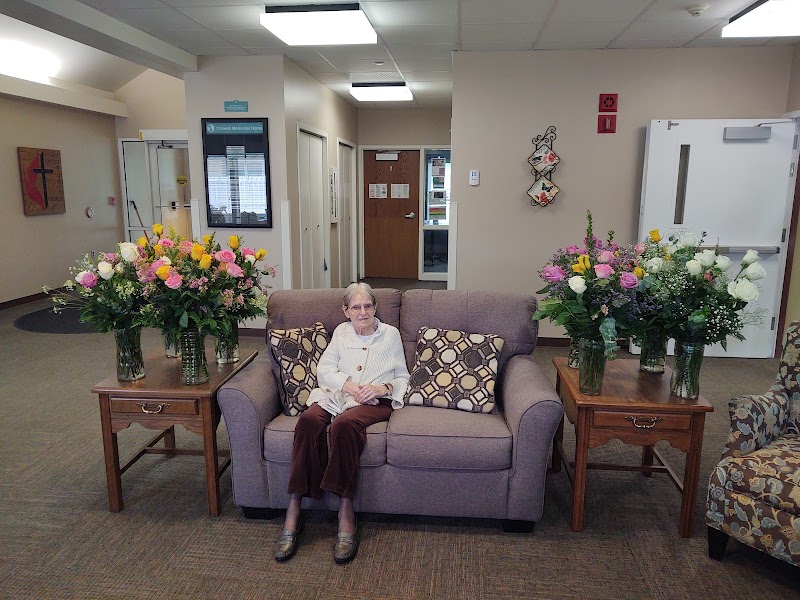
CMS rates Crowell Memorial Home's staffing level at 4 out of 5 stars, which is above average compared to other nursing homes. Staff turnover is 44%, compared to the Nebraska average of 46%. This relatively stable workforce can support continuity of care.

What Have Inspectors Found at Crowell Memorial Home?

State health inspectors documented 25 deficiencies at Crowell Memorial Home during 2023 to 2025. These included: 1 that caused actual resident harm, 23 with potential for harm, and 1 minor or isolated issues. Deficiencies causing actual harm indicate documented cases where residents experienced negative health consequences.

Who Owns and Operates Crowell Memorial Home?

Crowell Memorial Home is owned by a non-profit organization. Non-profit facilities reinvest revenue into operations rather than distributing to shareholders. The facility operates independently rather than as part of a larger chain. With 74 certified beds and approximately 62 residents (about 84% occupancy), it is a smaller facility located in Blair, Nebraska.

How Does Crowell Memorial Home Compare to Other Nebraska Nursing Homes?

Compared to the 100 nursing homes in Nebraska, Crowell Memorial Home's overall rating (2 stars) is below the state average of 2.9, staff turnover (44%) is near the state average of 46%, and health inspection rating (3 stars) is at the national benchmark.

What Should Families Ask When Visiting Crowell Memorial Home?

Based on this facility's data, families visiting should ask: "Can I visit during a mealtime to observe dining assistance and food quality?" "How do you handle medical emergencies, and what is your hospital transfer rate?" "Can I speak with family members of current residents about their experience?"

Is Crowell Memorial Home Safe?

Based on CMS inspection data, Crowell Memorial Home has a clean safety record: no substantiated abuse findings (meaning no confirmed cases of resident harm), no Immediate Jeopardy citations (the most serious violation level indicating risk of serious injury or death), and is not on the Special Focus Facility watch list (a federal program monitoring the lowest-performing 1% of nursing homes). The facility has a 2-star overall rating and ranks #100 of 100 nursing homes in Nebraska. While no facility is perfect, families should still ask about staff-to-resident ratios and recent inspection results during their visit.

Do Nurses at Crowell Memorial Home Stick Around?

Crowell Memorial Home has a staff turnover rate of 44%, which is about average for Nebraska nursing homes (state average: 46%). Moderate turnover is common in nursing homes, but families should still ask about staff tenure and how the facility maintains care continuity when employees leave.

Was Crowell Memorial Home Ever Fined?

Crowell Memorial Home has no federal fines on record. CMS issues fines when nursing homes fail to meet care standards or don't correct problems found during inspections. The absence of fines suggests the facility has either maintained compliance or corrected any issues before penalties were assessed. This is a positive indicator, though families should still review recent inspection reports for the full picture.

Is Crowell Memorial Home on Any Federal Watch List?

Crowell Memorial Home is not on any federal watch list. The most significant is the Special Focus Facility (SFF) program, which identifies the bottom 1% of nursing homes nationally based on persistent, serious quality problems. Not being on this list means the facility has avoided the pattern of deficiencies that triggers enhanced federal oversight. This is a positive indicator, though families should still review the facility's inspection history directly.