Good Samaritan Society - Bloomfield
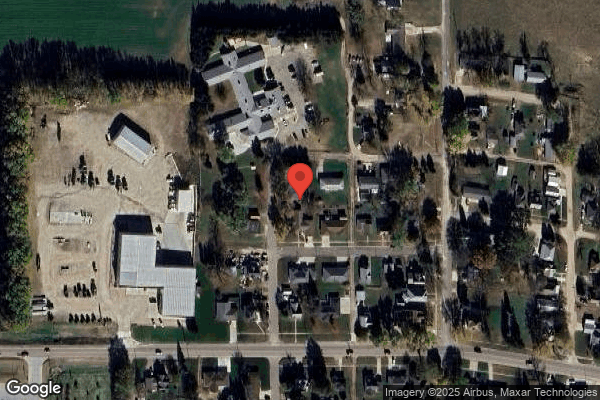
300 North Second St, Bloomfield, NE 68718 (402) 373-2531
Non profit - Corporation 70 Beds GOOD SAMARITAN SOCIETY Data: November 2025
Trust Grade
80/100
#47 of 177 in NE
Last Inspection: July 2025

Inspected within the last 6 months. Data reflects current conditions.

Overview

Good Samaritan Society - Bloomfield has received a Trust Grade of B+, indicating it is above average and recommended for families considering care options. They rank #47 out of 177 facilities in Nebraska, placing them in the top half, and #2 out of 3 in Knox County, meaning only one facility nearby is rated higher. Unfortunately, the facility is experiencing a worsening trend with issues increasing from 4 in 2024 to 5 in 2025. Staffing is a positive aspect, earning a 4-star rating with a turnover rate of 48%, which is slightly below the Nebraska average of 49%, suggesting stability among staff. There are no fines on record, which is reassuring, and the facility provides more RN coverage than 84% of others in the state, ensuring better monitoring of residents' health needs. However, inspector findings raised concerns, such as the failure to properly revise fall interventions for residents and inadequate medication accountability procedures, which could lead to potential harm. Overall, while there are strengths in staffing and RN coverage, families should be aware of the recent increase in issues and specific incidents that could affect care quality.

Trust Score
B+
80/100
In Nebraska
#47/177
Top 26%
Safety Record
Low Risk
No red flags
Inspections
Getting Worse
4 → 5 violations
Staff Stability
⚠ Watch
48% turnover. Above average. Higher turnover means staff may not know residents' routines.
Penalties
✓ Good
No fines on record. Clean compliance history, better than most Nebraska facilities.
Skilled Nurses
✓ Good
Each resident gets 45 minutes of Registered Nurse (RN) attention daily — more than average for Nebraska. RNs are trained to catch health problems early.
Violations
⚠ Watch
12 deficiencies on record. Higher than average. Multiple issues found across inspections.
★★★★☆
4.0
Overall Rating
★★★★☆
4.0
Staff Levels
★★★★☆
4.0
Care Quality
★★★★☆
4.0
Inspection Score
Stable
2024: 4 issues
2025: 5 issues

The Good

  • 4-Star Staffing Rating · Above-average nurse staffing levels
  • 4-Star Quality Measures · Strong clinical quality outcomes
  • Full Sprinkler Coverage · Fire safety systems throughout facility
  • No fines on record

Facility shows strength in staffing levels, quality measures, fire safety.

The Bad

Staff Turnover: 48%

Near Nebraska avg (46%)

Higher turnover may affect care consistency

Chain: GOOD SAMARITAN SOCIETY

Part of a multi-facility chain

Ask about local staffing decisions and management

The Ugly 12 deficiencies on record

Jul 2025 5 deficiencies
CONCERN (D)

Potential for Harm - no one hurt, but risky conditions existed

Quality of Care (Tag F0684)

Could have caused harm · This affected 1 resident

Licensure Reference Number 175 NAC 12-006.09D Based on interview and record review; the facility failed to ensure practitioner's orders were followed for 1 (Resident 25) of 1 sampled resident. The fac...

Read full inspector narrative →
Licensure Reference Number 175 NAC 12-006.09D Based on interview and record review; the facility failed to ensure practitioner's orders were followed for 1 (Resident 25) of 1 sampled resident. The facility identified a census of 29. Findings are: Review of the facility policy Medication Administration with a revision date of 4/8/25 revealed if a medication was not available for 24 hours, the practitioner was to be notified the medication was not available and the staff were to be given directions for how to proceed. If the resident chose not to take the medication, this should be reported to the charge nurse and documented on the Medication Administration Record (MAR). The practitioner should also be notified if the resident continues to choose not to take the medication for more than 3 doses so that the prescriber can consider an alternative. Review of Resident 25's Medication Administration Record (MAR) dated 5/2025 revealed an order dated 4/25/25 for Yupelri (a medication which is used in the treatment of respiratory disease by relaxing the muscles around the airways in the lungs to make it easier to breath) Inhalation Solution 175 micrograms (mcg)/3 milliliters (ml) once daily for treatment of shortness of breath. Further review of the MAR revealed the medication was not available and had not been administered from 5/14/25 to 5/31/25 (18 out of the 31 days the medication was to have been received). Review of the resident's electronic medical record revealed no evidence the resident's practitioner was aware the Yupelri Inhalation Solution had not been available and had not been administered to the resident from 5/14/25 to 5/31/25. In addition, there was no documentation to indicate an alternate treatment/medication was provided for the resident. Further review of the resident's MAR dated 5/2025 revealed the resident had an order dated 4/23/25 for Novolog (rapid-acting insulin used to manage blood sugar levels in residents with diabetes) to inject 5 units before meals and at bedtime. From 5/3/25 to 5/12/25 the resident refused the scheduled Novolog insulin on 5/3 at 4:00 PM, 5/4 at 4:00 PM, 5/5 at 7:00 AM, at 11:00 AM, at 4:00 PM and at 9:00 PM, 5/6 at 7:00 AM, 11:00 AM and at 9:00 PM, on 5/7 at 7:00 AM, 11:00 AM. 4:00 PM, and 9:00 PM, 5/8 at 7:00 AM, 11:00 AM, 4:00 PM and 9:00 PM, 5/9 at 7:00 AM, 4:00 PM and 9:00 PM, on 5/11 at 9:00 PM and on 5/12 at 7:00 AM, 11:00 AM, 4:00 PM and at 9:00 PM (a total of 25 doses). Review of the resident's electronic medical record from 5/3/25 to 5/11/25 revealed no evidence the practitioner was aware of the resident's multiple refusals of the Novolog insulin. In addition, there was no documentation to indicate an alternate treatment was provided for the resident. Review of the Resident's MAR dated 6/2025 revealed the resident had an order dated 4/23/25 for Oxycodone (opioid analgesic used for treatment of moderate to severe pain) 5 milligram (mg) once in the AM and once in the PM. Further review of the MAR revealed the resident had refused the AM oxycodone dose from 6/1 to 6/6, from 6/9 to 6/15, from 6/18 to 6/20, on 6/23 and 6/24 and from 6/26 to 6/28 (a total of 21 out of 30 doses). Review of the resident's electronic medical record from 6/1/25 to 6/30/25 revealed no evidence the practitioner was aware of the resident's multiple refusals of the Oxycodone and that an alternate treatment/medication was ordered. During interviews on 7/1/25 at 7:11 AM and at 8:35 AM with the resident and the resident's spouse the following was identified. -the resident's Yupelri Inhalation Solution had not been available from the pharmacy and the resident was never offered any alternate treatment option. -the resident had been at home prior to the resident's admission to the facility on 4/23/35. While at home the resident only took the Novolog insulin with sliding scale (diabetes management method where the amount of insulin administered changes based on a person's current blood sugar level) to keep the resident's blood sugar from getting too low. -the resident had been refusing the AM dose of the Oxycodone as it made the resident too sleepy to participate in therapy or to visit with spouse. The resident was not offered any alternative pain medication. An interview with the Director of Nursing on 7/1/25 at 8:38 AM confirmed the resident had not received the Yupelri Inhalation therapy, the scheduled dose of Novolog insulin and the scheduled doses of Oxycodone as ordered by the resident's physician.
CONCERN (D) 📢 Someone Reported This

A family member, employee, or ombudsman was alarmed enough to file a formal complaint

Potential for Harm - no one hurt, but risky conditions existed

Pressure Ulcer Prevention (Tag F0686)

Could have caused harm · This affected 1 resident

**NOTE- TERMS IN BRACKETS HAVE BEEN EDITED TO PROTECT CONFIDENTIALITY** Licensure Reference Number 175 NAC 12-006.09(H)(iii)(2) Based on record review and interviews; the facility failed to evaluate p...

Read full inspector narrative →
**NOTE- TERMS IN BRACKETS HAVE BEEN EDITED TO PROTECT CONFIDENTIALITY** Licensure Reference Number 175 NAC 12-006.09(H)(iii)(2) Based on record review and interviews; the facility failed to evaluate pressure ulcers (localized injury to the skin and underlying tissue, typically caused by prolonged pressure on the skin), to monitor interventions to ensure healing and to prevent the development of further pressure ulcers for 1 (Resident 21) of 3 sampled residents. The facility staff identified a census of 29. Findings are: Review of the facility policy Skin Assessment, Pressure Ulcer Prevention and Documentation with a revision date of 4/6/25 revealed the purpose of the policy was to systematically assess residents regarding potential risk of skin breakdown, to accurately document observations and assessments of residents, and to appropriately use prevention techniques and pressure re-distribution surfaces on those residents at risk for pressure ulcers. The following procedures were identified: -all residents were to be assessed/identified for their risk of developing pressure ulcers on admission/readmission by a Registered Nurse (RN) using the Braden Scale for Predicting Pressure Sore Risk form. -the assessment was to be completed quarterly or with a change in condition that could affect their risk for developing an ulcer. -all residents were to have a comprehensive skin assessment/inspection to identify any skin issues present including but not limited to pressure ulcers on admission/readmission and the results were to be documented in the medical record. -a comprehensive assessment was to be completed by the licensed nurse evaluating risk factors, the resident's skin condition and the nature of the pressure to which the resident may be subjected. The assessment was to identify which risk factors could be removed or modified. -when a pressure ulcer was present, staff were to complete the Wound Data Collection form daily. Documentation should include an evaluation of the ulcer if no dressing was present, the status of the dressing if present, the status of the area surrounding the ulcer and the presence of complications such as signs of infection, and an increase in area of ulceration. -the Primary Care Provider (PCP) was to be notified of the wound to obtain orders for treatment. -the dietary department was to be notified of the wound. -if the pressure ulcer was not determined to be clinically unavoidable, the ulcer should show signs of improvement. -the ulcer should be assessed weekly and documented on the Wound RN Assessment form. Observations of the wound's characteristics were to be documented by a licensed nurse and should include measurements: length, width and depth, characteristics of the ulcer including the wound bed, undermining, and tunneling exudate (fluid that leaks out of blood vessels into nearby tissues) surrounding skin, the presence of pain and the current treatment. Review of the resident's Minimum Data Set (MDS, a federally mandated assessment tool used for care planning) dated 3/22/25 revealed the following regarding Resident 21: -cognitively intact. -was dependent on staff for assistance with toileting hygiene, showering/bathing, dressing, personal hygiene, bed mobility and transfers. -occasionally incontinent of bowel and bladder. -diagnoses of hip fracture, atrial fibrillation, diabetes, arthritis, and end stage renal disease. -at risk for pressure ulcer development, but no current pressure ulcers. Review of a Nursing Progress Note dated 4/15/25 at 6:21 PM revealed the resident's family was notified the resident had a wound to the resident's right heel. Review of Wound Data Collection forms revealed the following: -4/15/25 at 6:35 PM the resident had a stage 2 (the staging system is a method of summarizing characteristics of pressure ulcers, including the extent of tissue damage, a stage 2 pressure ulcer is a partial thickness skin loss that presents as an abrasion, blister or shallow crater) pressure ulcer which measured 1.9 centimeter (cm) by 1.8 cm with a depth of .1 cm. A new treatment was identified for the use of padded dressings and heel protectors (devices such as padded boots which are designed to reduce pressure to the heels). -4/20/25 at 7:10 AM the borders to the wound were reddened and the resident reported pain to the wound site. Bilateral heel protectors were in place and heels were offloaded (raise heels from surfaces to relieve pressure to the heels) as the resident allowed. -4/24/25 at 9:40 PM a minimal amount of serosanguineous (containing both blood and a thin watery fluid) drainage was observed to the right heel. No measurements were completed and there was no further assessment of the wound characteristics. -4/30/25 at 7:10 PM the pressure ulcer remained at a stage 2. There were no measurements and/or assessments of the wound to identify potential healing or a decline in the wound. -5/2/25 (2 weeks and 3 days after the ulcer was first identified) at 5:58 AM the resident's pressure ulcer measured 1.5 cm by 1.8 cm. The assessment indicated that the resident now had a pressure ulcer to the left heel which measured 1 cm by 0.8 cm. -5/11/25 at 5:59 PM the resident voiced complaints of pain to the pressure ulcers to both heels and there was a moderate amount of drainage. Further review revealed no measurement or further assessments of the ulcers. -5/20/25 at 7:26 PM the right heel pressure ulcer had now been assessed as a stage 3 (full thickness tissue loss. Subcutaneous fat may be visible, but bone, tendon or muscle are not exposed. Slough (dead tissue) may be present but does not obscure the depth of tissue loss). The right heel pressure ulcer had an increasing area of ulceration, there was increased redness and swelling around the wound with increased drainage. The pressure ulcer was larger in diameter and was musty, foul, and odorous. There were no measurements included with this assessment. -5/23/25 at 3:20 PM the pressure ulcer to the right heel had brown/green exudate to the wound bed and measured 6.5 cm x 6 cm with a depth of 0.1 cm. The wound bed had a foul odor with heavy serosanguineous drainage. The resident's left heel pressure ulcer measured 1 cm by 1.4 cm with a depth of 0.2 cm. Review of a Nursing Progress Note dated 5/23/25 at 3:41 PM revealed the resident was seen by the Wound Nurse. New orders were received to cleanse the pressure ulcers with soap and water, apply a zinc-based cream to the wound edges, then place a Dankin's (antimicrobial wound cleanser) soaked gauze pad to the wound bed and cover with a padded dressing. The resident was started on Amoxicillin (antibiotic) 875-125 milligrams twice a day for 10 days due to the infection of the resident's right heel. Review of Wound Data Collection forms revealed the following: -5/24/25 at 10:42 AM the pressure ulcer to the right heel was noted to have a brown wound bed, moderate drainage to the dressing when removed, foul odor, and macerated (broken down due to prolonged exposure to moisture) wound edges. The skin to the wound edges of the left heel pressure ulcer was also macerated and the wound bed was covered with brown exudate. -5/25/25 at 1:10 AM the resident's right heel pressure ulcer had a brown/blackish wound bed, a moderate amount of purulent drainage with a foul odor and macerated wound edges. -5/26/25 at 2:24 PM the right heel was a full thickness pressure ulcer. The tissue surrounding the dressing was reddened with purulent (consisting of pus, a thick, yellowish-white fluid typically associated with infection)/serosanguinous drainage. The left heel was also identified as a full thickness pressure ulcer. Review of Dietary Progress Note dated 5/27/25 at 3:13 PM revealed a recommendation by the Registered Dietitian for Arginaid (nutritional supplement with added protein to aid in wound healing) to be provided at all meals. Review of the resident's electronic medical record revealed no evidence the Arginaid was implemented for the resident. A review of a Physician Visit form dated 5/29/25 revealed the resident was seen at the Wound Clinic. New orders were received for Enluxtra (dressing which provides moist healing of chronic to acute wounds with heavy drainage) dressing to both heels. The dressings were to remain in place until the next Wound Clinic appointment and the resident was to wear Prevalon boots (heel protectors). The resident was to have legs elevated above the level of the heart as much as possible and to avoid sitting with legs down. Cultures (process of growing microorganisms to determine the type of bacteria in a wound) were completed of the wounds to both heels. Review of a Nursing Progress Note dated 6/2/25 at 2:31 PM revealed a new order was received for Doxycycline (antibiotic) 100 mg twice a day for 20 administrations for wound healing. Review of a Nursing Progress Note dated 6/3/25 at 12:19 PM revealed the facility had received a phone call from the wound clinic advising the facility the resident needed to be transferred to the hospital for further evaluation of vascularization (the process where new blood vessels develop, either naturally or as a result of a medical condition, within a tissue or organ) to lower extremities. The wound nurse indicated that due to the resident's poor vascular status, the wounds would have gotten worse no matter what interventions were put into place. Review of a Progress Note dated 6/5/25 at 8:10 AM revealed the resident left the facility at 7:15 AM for admission to the hospital. During an interview on 6/30/25 at 8:34 AM, the Director of Nursing (DON) identified the following regarding Resident 21's pressure ulcers: -the resident was admitted [DATE] after a fall at home with subsequent left shoulder and left hip fracture. No pressure ulcers were assessed with the resident's admission assessment. -the resident had ongoing pain management issues related to the resident's back and recent fractures. The resident was not always compliant with getting up and out of bed and with repositioning due to pain. -a Wound Data Collection form was completed 4/15/25 at 6:35 PM and indicated the resident had a stage 2 pressure ulcer to the right heel. The wound was measured and assessed with a treatment initiated. Staff were to float the resident's heels and heel protectors were placed on the resident when in bed. -the right heel ulcer was not measured again until 5/2/25 (2 weeks and 2 days later) and the wound was 1.5 cm x 1.8 cm. Also at this time, a new pressure ulcer was identified to the left heel which measured 1 cm x 0.8 cm. -treatment was not initiated to the left heel pressure ulcer until 5/5/25. -5/20/25 the pressure ulcer to the resident's right heel was now assessed as stage 3. The wound was larger in size, with increased drainage and had a foul odor. No measurements of the wound were completed. -the right heel pressure ulcer was not measured again until 5/23/25 (3 weeks later) and the ulcer now measured 6.5 cm x 6 cm with a depth of 0.1 cm. The wound continued to have a foul odor with heavy drainage and brown/green exudate to the wound bed. The wound nurse evaluated, and new treatment orders were implemented. An antibiotic was started for signs of infection. -5/23/25 (3 weeks since previous measurement) the left heel was measured at 1 cm x 1.4 c x 0.2 cm. No further measurements were completed of the resident's heel pressure ulcers. -5/27/25 at 3:13 PM a recommendation was received by the RD for a nutritional supplement with added protein for wound healing to be given with each meal. There was no documentation in the medical record that this supplement was given and/or accepted by the resident. -5/29/25 the resident was seen at the wound clinic and new orders implemented for the pressure ulcers. Cultures were completed on both residents' pressure ulcers. -6/2/25 at 2:31 PM the resident was started on an additional antibiotic based on results of the wound cultures. -6/3/25 the resident was sent to a follow up appointment at the wound clinic with a recommendation for hospitalization. -6/5/25 at 7:15 Am the resident was sent to the hospital. -staff failed to ensure a weekly assessment was completed to include documentation of the pressure ulcers measurements and characteristics of the wound to ensure healing of the pressure ulcers and to determine a need for a change in treatment of the ulcers.
CONCERN (D)

Potential for Harm - no one hurt, but risky conditions existed

Accident Prevention (Tag F0689)

Could have caused harm · This affected 1 resident

Licensure Reference Number 175 NAC 12-006.09(I) Based on record review and interviews; the facility failed to implement and monitor Care Plan fall prevention interventions for Resident 20. The sample ...

Read full inspector narrative →
Licensure Reference Number 175 NAC 12-006.09(I) Based on record review and interviews; the facility failed to implement and monitor Care Plan fall prevention interventions for Resident 20. The sample size was 1 and the facility census was 29. Findings are: Review of the facility policy Fall Prevention and Management dated 4/8/25 revealed the following: -The facility promoted resident well-being by developing and implementing a fall prevention and management program to identify risk and implement measures before falls occurred. -Communicated that a fall had occurred and updated the Care Plan with any changes or new interventions, and -monitored the condition and effectiveness of interventions. Review of Resident 20's Falls Tools (tool used to evaluate fall risk) revealed the following: -on 5/19/25 at 1:58 PM the fall tool revealed the resident was at high risk for falling, -on 6/16/25 at 8:30 PM the fall tool revealed the resident was at high risk for falling. Review of the Resident 20's Event Abstract dated 5/18/25 at 1:30 PM revealed Resident 20 was trying to hurry to the toilet and sat on the bathroom floor. The intervention was telling the resident to call for help when needed. Review of the Resident 20's Event Abstract dated 6/15/25 at 8:30 PM revealed Resident 20 fell trying to get into the w/c to use the bathroom when the w/c moved and caused the resident to slide off the side of the bed. The resident was observed sitting on the floor next to the bed and the w/c, and the left w/c brake was unlocked. The intervention was for routine toileting in the morning, before and after meals, at bedtime and as needed. Review of Resident 20's Care Plan with a revision date of 6/16/25 revealed the resident was at risk for falling, had weakness, and difficulty walking. The following interventions were added to the Care Plan following falls: -On 6/2/25 an anti-roll back device was added to the resident's wheelchair on 5/18/25, and staff were to keep the wheelchair (w/c) locked at bedside, for the resident to use when transferring and ambulating in the room. -On 6/16/25 the facility was to review the resident's bowel and bladder continence status and establish and/or review the toileting plan based on resident's needs and provide routine toileting before and after meals, at bedtime and as needed through the night. During an interview on 6/26/25 at 9:13 AM Registered Nurse (RN)-A reported that when the RN asked nursing staff about cares and a toileting schedule the Nurse Aides on duty reported that the resident was independent. During an interview on 6/26/25 at 11:50 AM with Nurse Aide (NA)-C revealed we help the resident get ready in the morning, but then the resident took self to the bathroom throughout the day. The NA was not aware of any routine toileting plan for Resident 20. During an interview on 6/30/25 at 8:40 AM NA-F revealed the resident was normally independent. Staff set up the clothing in the morning and provided reminders about mealtimes, activities or other things. The resident toileted independently during the day, was normally continent, and the staff did check for incontinence products in the trash throughout the day. NA-F was not aware of any routine toileting plan for Resident 20. During an interview on 7/1/25 at 10:24 AM the Director of Nursing (DON) confirmed the following: after falling on 6/15/25 the facility reviewed the Resident 20's fall and implemented a measure for toileting with morning and bedtime cares and before and after meals. The DON was not aware staff were not completing this approach to fall prevention and confirmed staff should have been doing so. Further interview confirmed the fall intervention was not effectively communicated or being monitored.
CONCERN (D)

Potential for Harm - no one hurt, but risky conditions existed

Deficiency F0887 (Tag F0887)

Could have caused harm · This affected 1 resident

**NOTE- TERMS IN BRACKETS HAVE BEEN EDITED TO PROTECT CONFIDENTIALITY** Based on record review and interview; the facility failed to ensure Resident 6, was offered the COVID-19 vaccine, or was provide...

Read full inspector narrative →
**NOTE- TERMS IN BRACKETS HAVE BEEN EDITED TO PROTECT CONFIDENTIALITY** Based on record review and interview; the facility failed to ensure Resident 6, was offered the COVID-19 vaccine, or was provided with education on the benefits and risks of the vaccine in order to make an informed decision on staying up to date on the COVID-19 vaccination status. The sample size was 5 and the facility census was 29. Findings are: Review of the facility policy Immunizations/Vaccinations for Residents, Pneumococcal, Influenza, COVID-19, and Other with a revision dated of 11/20/24 revealed the following: -The facility provided residents with the opportunity to receive immunizations as they fit into their healthcare goals and to provide guidance for the facilities program including recommended vaccines. -The facility reviewed each resident's immunizations upon admission, and on an ongoing basis. -The facility provided vaccine information statements for influenza, pneumococcal, and COVID-19 vaccines. -The facility provided documented education on the benefits and potential side effects of the vaccinations for which residents were eligible, obtained written consent if required, and -administered the vaccine or referred the resident to a provider, pharmacy, or 3rd party administering the vaccines. Review of Resident 6's Care Plan with a revision date of 5/27/25 revealed the resident was admitted to the facility on [DATE], had heart failure and heart disease as well as mild cognitive impairment. The resident had received treatment with an antibiotic for an upper respiratory infection starting 5/19/25. Review of Resident 6's Vaccine Consent dated 6/19/25 revealed the resident did not consent to or decline the COVID-19 vaccine. Review of Resident 6's Immunization Report dated July 1, 2025, revealed the resident's most recent COVID-19 Booster Vaccine was received on 11/21/23. During an interview on 6/30/25 at 2:06 PM the facility Infection Preventionist Register Nurse confirmed Resident 6 was admitted to the facility on [DATE] and was not offered a COVID 19 vaccine booster at the time of admission or since, thus the resident was not current on the COVID vaccine.
CONCERN (E)

Potential for Harm - no one hurt, but risky conditions existed

Deficiency F0605 (Tag F0605)

Could have caused harm · This affected multiple residents

Based on record review and interview; the facility failed to have documented clinical rationale for not completing Gradual Dose Reductions (GDR)'s for Residents 13 and 18 Psychotropic (drugs that affe...

Read full inspector narrative →
Based on record review and interview; the facility failed to have documented clinical rationale for not completing Gradual Dose Reductions (GDR)'s for Residents 13 and 18 Psychotropic (drugs that affect the mind, emotions, and behavior) medications. The sample size was 5 and the facility census was 29. Findings are: A. Review of the facility policy Psychotropic Medications with a revision date of 5/12/25 revealed the following: -The facility evaluated behavior interventions before using psychotropic medications and eliminated unnecessary psychotropic medications. The residents would be free from chemical restraints imposed for purposes of discipline or convenience or not required to treat the residents' medical symptoms. -Resident were not given psychotropic drugs unless the medication was necessary. -Residents who used psychotropic medications received gradual dose reductions unless clinically contraindicated, in an effort to discontinue the medications. -A consent form must be signed for the use of psychotropic medications. -The use of as needed psychotropic medications was not encouraged, and the facility ensured clear parameters, and a clear duration for use beyond 14 days. -Mood and behavior documentation was completed to monitor the effects of the psychotropic medication. -Gradual dose reductions were completed in accordance with federal regulations. -The facility psychotropic medication reduction committee reviewed the need for psychotropic medications at least every 3 months and documented the rationale for continuing the medication. -The purpose of tapering medication was to find an optimal dose or to determine if continued use of the medication was a benefit to the residents. -Within the first years a resident admitted taking psychotropic medication or after the location had initiated the medication a gradual dose reduction was attempted unless clinically contraindicated. Dose reductions were attempted or must be clinically contraindicated annually. Review of the undated facility policy Medication Regimen Review revealed the following: -The Medication Regimen Review (MRR) was a thorough process of review and assessment conducted by a consultant pharmacist of the medications ordered for each resident with a goal of promoting positive outcomes and minimizing adverse consequences associated with medications. -The process occurred at least monthly for each resident. -Findings and recommendations were reported to the facility Administrator, Director of Nursing (DON), the Attending Physician and or Medical Director as it applied. -The Consultant Pharmacist utilized federally mandated standards of care, in addition to other applicable standards. -Concerns and irregularities identified were forwarded to the Administrator, DON and Attending Physician. -The facility notified and obtained responses from the Attending Physicians in a timely manner. B. Review of Resident 13's Care Plan with a revision date of 5/27/25 revealed the resident had impaired cognition, dementia, and impaired thought processes. In addition, the resident had anxiety, depression and behavioral symptoms related to psychosis such as pinching, hitting and biting the staff. The resident was taking the antipsychotic medication Seroquel. Review of Resident 13's Medication Administration Record (MAR) dated June 2025 revealed the resident took the antipsychotic medication Seroquel 12.5mg one time daily for abuse behaviors related to psychosis and the antidepressant medication Paroxetine 20mg daily. Review of Resident 13's Note to Attending Physician/Prescriber dated 5/8/25 revealed the Consultant Pharmacist requested a review for dosage reduction, and the provider on 6/23/25 responded by indicating No however did not document a clinical rationale as to why a reduction was contraindicated. During an interview on 6/26/25 at 12:29 PM Register Nurse (RN)-A confirmed the facility had not addressed pharmacist requests for gradual dose reductions of Resident 13's Seroquel and Paxil that was dated 5/8/25 until 6/23/25 (45 days) and when the provider addressed the request for review, no clinical contraindication to reduce the doses were documented. C. Review of Resident 18's Care Plan with a revision date of 1/21/25 revealed the resident had sleep disturbance related to sleep apnea and insomnia and took the medications Melatonin (naturally occurring hormone supplement that affects sleep and wake cycles) and Trazadone (antidepressant medication) to help with nighttime sleeping. Review of Resident 18's MAR dated June 2025 revealed the resident took the antidepressant medication Trazadone 100mg daily at bedtime and the supplement Melatonin 10mg daily at bedtime. Review of Resident 18's Note to Attending Physician/Prescriber dated 6/7/25 generated by the consultant pharmacist indicating the resident's Trazadone was due to be reviewed for a dosage reduction. On 6/23/25 the Provider indicated No to the dosage reduction but did not document a clinical rationale for not attempting to reduce the dose. During an interview on 6/26/25 at 12:29 PM RN-A confirmed the pharmacist recommendation for review of Resident 18's Trazadone that was dated 6/7/25 and signed by the provider on 6/23/25, addressed the request for review, however, no clinical rationale to not reduce the dose was documented.
Jul 2024 4 deficiencies
CONCERN (D) 📢 Someone Reported This

A family member, employee, or ombudsman was alarmed enough to file a formal complaint

Potential for Harm - no one hurt, but risky conditions existed

Deficiency F0565 (Tag F0565)

Could have caused harm · This affected 1 resident

Licensure Reference Number 175 NAC 12-006.06 Based on record review and interviews; the facility failed to address repeat grievances, and to ensure sustainable resolutions of concerns related to the p...

Read full inspector narrative →
Licensure Reference Number 175 NAC 12-006.06 Based on record review and interviews; the facility failed to address repeat grievances, and to ensure sustainable resolutions of concerns related to the provision of cares and activities for Resident 21. The sample size was 1 and the facility census was 24. Findings are: Review of the facility's Grievances, Suggestions and Concerns Policy with a revision date of 11/14/23 revealed the purpose of the policy was to document concerns, investigative findings, and plans of correction and to develop a systematic approach in resolving grievances as a tool to ensure continuous quality of care. The following procedure was identified: -a grievance was to be documented and then submitted to the grievance official Social Service Director (SSD), -the grievance official was to route the grievance to the appropriate department manager as soon as reasonably possible, -an investigation was to be completed for all grievances. The investigation could be informal, but it was to be thorough, -the grievance official was to issue a written grievance decision to the individuals filing the concern and to the Administrator. The decision needed to include the date the grievance was received, a summary statement of the grievance, the steps taken to investigate the grievance, a summary of pertinent findings or conclusions, a statement whether the grievance was confirmed or not, any corrective action because of the grievance and the date the written decision was issued, and -if the individual was not satisfied with the response and/or resolution to the grievance, the Administrator was to be notified. Review of a Suggestion/Concern/Grievance form dated 8/22/23 revealed Resident 21's family had the following concerns: -oral cares were not completed, -towels/wash cloths were rarely use in the resident's bathroom, -the resident's fall alarm had been left unplugged from 8/19/23 to 8/23/23, and -the resident was not being toileted before the breakfast meal. Further review of the form revealed a resolution dated 8/31/23 for training and education to be provided to the direct care staff regarding these concerns. In addition, documentation dated 9/5/23 revealed the family had no further concerns. Review of a Suggestion/Concern/Grievance form dated 8/28/23 revealed Resident 21's family did not feel the resident was receiving the needed assistance with the resident's meals. A resolution dated 9/5/23 revealed the Director of Nursing (DON) was to ensure the resident received adequate assistance at mealtimes. A resolution dated 9/5/23 revealed no further concerns. Review of a Suggestion/Concern/Grievance form dated 11/1/23 revealed family did not feel Resident 21 was receiving 1:1 activity on a weekly basis as documented in the resident's Care Plan. A resolution dated 11/1/23 revealed the resident's 1:1 activity would be increased to 2-3 times a week. Staff documented on 11/8/23 the family was happy with this resolution. Review of a Suggestion/Concern/Grievance form dated 11/11/23 revealed Resident 21's family came to the facility to assist the resident with eating the breakfast meal. The family found a room tray from the previous evening left uncovered on a bedside table in the resident's room. Family was upset as the resident had been losing weight and it did not seem as if staff were providing assistance to the resident with eating/drinking. 11/14/23 a documented resolution revealed staff had received re-education regarding the need to assist residents with intakes especially when having weight loss. 11/30/23 the Administrator and the SSD followed up with the family and they indicated they were happy with resolution. Review of a facility document labeled Education/Counseling dated 11/30/23 revealed 3 staff, Nurse Aides (NAs)-C, E and Q received education regarding accurate documentation of a nutritional supplement, checking/changing and toileting residents every 2 hours and making sure all residents were toileted when they were provided morning cares, and before/after each meal. Review of a Documentation Survey Report (form used to document the resident's participation in activities) from 11/1/23 to 11/30/23 revealed Resident 21 received no 1:1 activity during this time frame. Review of a Documentation Survey Report from 12/1/23 to 12/31/23 revealed the resident received a 1:1 activity on only 1 day, 12/23/23. Review of a Suggestion/Concern/Grievance form dated 1/31/24 revealed Resident 21's family were concerned the resident's fall alarm was not being plugged in; the resident was not being toileted every 2 hours; and the resident's nutritional supplement was not documented correctly. 2/7/24 the nursing staff were educated regarding proper use of the fall alarms, documentation of nutritional supplements and toileting schedules. 2/15/24 the family indicated no further concerns. Review of a Documentation Survey Report from 1/1/24 to 1/31/24 revealed Resident 21 received no 1:1 activity during this time frame. Review of a Documentation Survey Report from 5/1/24 to 5/31/24 revealed Resident 21 received a 1:1 activity on only 1 day, 5/9/24. Review of a Documentation Survey Report from 6/1/24 to 6/30/24 revealed Resident 21 received no documented 1:1 activity during this time frame. During interviews on 7/2/24 at 2:20 PM and on 7/3/24 at 1:44 PM, Resident 21's family reported continued concerns related to 1:1 activity provision, assistance with food/fluids at meals, toileting assistance, oral cares, and repositioning. Interview with the DON and the Administrator on 7/8/24 at 2:57 PM verified no further documentation other than the counseling provided to staff on 11/30/23 that direct care staff had received re-education regarding the provision of cares for Resident 21 to address the family's ongoing concerns. Interview with the SSD on 7/9/24 at 10:03 AM confirmed there was no evidence additional 1:1 activity was provided for Resident 21 despite the family's continued concerns.
CONCERN (D)

Potential for Harm - no one hurt, but risky conditions existed

Notification of Changes (Tag F0580)

Could have caused harm · This affected 1 resident

Licensure Reference Number: 175 NAC 12-006.04(F)(i)5 Based on record review and interviews; the facility failed to notify Resident 21's family/responsible party of changes in the resident's condition...

Read full inspector narrative →
Licensure Reference Number: 175 NAC 12-006.04(F)(i)5 Based on record review and interviews; the facility failed to notify Resident 21's family/responsible party of changes in the resident's condition related to weight loss and the initiation of nutritional interventions to address weight loss. The sample size was 1 and the facility census was 24. Findings are: A. Review of the facility policy Notification of Change with revision date of 12/4/23 revealed the facility was to monitor residents for changes in their condition, to respond appropriately to these changes and to notify the physician and the responsible party/family members of the changes. B. Review of Resident 21's Minimum Data Set (MDS), a federally mandated comprehensive assessment tool used for care planning, dated 4/10/24 revealed diagnoses of non-traumatic brain dysfunction, Alzheimer's disease, and depression. The resident required substantial to moderate assistance with dressing, personal hygiene, bed mobility and transfers and was dependent with oral and toileting hygiene; was incontinent of bowel and bladder; and cognition was severely impaired. Review of Resident 21's Weights and Vitals Summary Sheet (form used to document a resident's weight, blood pressure, respiration, temperature, and pulse) revealed the following regarding the resident's weights: -9/7/23 weight was 132 pounds (lbs.). -11/13/23 weight was 118 lbs. (down 14 lbs. or an 11% weight loss in 2 months). Review of Resident 21's Nursing Progress Note dated 11/15/23 at 3:42 PM revealed the resident's Primary Care Physician (PCP) was notified of the resident's substantial weight loss and that Magic Cup (nutritional supplement which was like ice cream when frozen and was like pudding when refrigerated) was started to prevent further weight loss. Review of Resident 21's medical record revealed no evidence the resident's responsible party/family had been notified of the resident's weight loss or of the initiation of the Magic Cup nutritional supplement. Review of Resident 21's Nursing Progress Note dated 11/28/23 at 6:37 PM revealed a new order to change the resident's diet to soft, bite sized food. Review of Resident 21's medical record revealed no evidence the family/responsible party was notified of the resident's diet change. Review of Resident 21's Nutritional Progress Note by the Registered Dietician dated 12/22/23 at 9:04 AM revealed the resident had an open area to the resident's coccyx and made a recommendation to start Arginaid (nutritional supplement with added protein for wound healing) 240 cubic centimeters (cc) daily. Review of Resident 21's Progress Note dated 2/3/24 at 1:26 PM revealed a new order to discontinue use of the Magic Cup nutritional supplement as it was no longer available from the supplier. Review of Resident 21's Medication Administration Record (MAR) dated 6/2024 revealed the resident was re-started on the Magic Cup 6/18/24 to maintain the resident's weight. Review of Resident 21's medical record from 12/22/23 to 6/20/24 revealed no evidence the family/responsible party was notified of: -initiation of the Arginaid on 12/23/23, -discontinuation of the Magic Cup on 2/3/24, and -re-starting of the Magic Cup on 6/18/24 to maintain the resident's weight. During an interview on 7/3/24 at 1:44 PM, Resident 21's family member reported a concern regarding lack of notification related to the resident's weights and weight loss interventions to maintain the resident's weight. Interview with the Director of Nursing (DON) on 7/8/24 at 9:58 AM confirmed staff should have notified Resident 21's responsible party/family of the resident's significant weight loss on 11/13/23, initiation of the Magic Cup on 11/15/23, change in diet order on 11/28/23, starting the Arginaid on 12/22/23 for wound healing, discontinuation of the Magic Cup on 2/3/24 and the re-starting of the Magic Cup on 6/18/24.
CONCERN (E) 📢 Someone Reported This

A family member, employee, or ombudsman was alarmed enough to file a formal complaint

Potential for Harm - no one hurt, but risky conditions existed

Accident Prevention (Tag F0689)

Could have caused harm · This affected multiple residents

**NOTE- TERMS IN BRACKETS HAVE BEEN EDITED TO PROTECT CONFIDENTIALITY** Licensure Reference Number 175 NAC 12-006.09D7 Based on observations, interview, and record review; the facility failed to iden...

Read full inspector narrative →
**NOTE- TERMS IN BRACKETS HAVE BEEN EDITED TO PROTECT CONFIDENTIALITY** Licensure Reference Number 175 NAC 12-006.09D7 Based on observations, interview, and record review; the facility failed to identify causal factors and to revise and/or develop fall interventions to prevent ongoing falls for Residents 79, 25, and 6 and to implement fall interventions for Resident 6. The sample size was 4 and the facility census was 24. Findings are: A. Review of the facility policy Fall Prevention and Management last reviewed on 4/2/24 revealed the following: -the facility would care plan the appropriate interventions, -communicate fall risks and interventions to prevent a fall before it occurred, care plan it, add to the daily standup meetings and/or fall committee meetings, -communicate any identified environmental changes and/or referral needs, -if any teaching was done, it would be documented in the medical record, -fall occurrences would be communicated during shift change and daily stand-up meetings, -care plans would be updated with any changes and new interventions, and -the effectiveness of interventions would be monitored. B. Review of Resident 6's Minimum Data Set (MDS), a federally mandated assessment tool used in care planning, dated 5/31/24 revealed the following: - the resident admitted on [DATE], - the resident had diagnoses of: depression, arthritis, and epilepsy (seizure disorder), - the resident was severely cognitive impaired, - the resident was dependent with toileting, and required substantial assistance with dressing, hygiene, and transfers, and - the resident had 1 fall with no injury. Review of Resident 6's Care Plan last revised 6/9/24 revealed the following: -the resident had impaired cognitive function related to a genetic disability, -the resident required assistance with transfers, dressing, toilet use and personal hygiene, and -fall interventions included: education to family, ensure resident was wearing appropriate footwear, avoid clothing that was a fall risk such as loose, slippery, and too long, review bowel and bladder continence, and establish a toileting plan. Review of Resident 6's nursing order administration record for July 2024 revealed the resident had an order implemented on 6/14/24 for a pull tab alarm on their recliner/wheelchair and staff were to check the function every shift. The alarm was documented as on and functioning normally July 1, 2024 through July 8, 2024. Review of the facility form Incident Reports for Resident 6 regarding falls revealed the following: -5/27/24 at 4:15 AM the resident had a fall while attempting a self-transfer with no long-term intervention implemented, -6/8/24 at 3:45 PM the resident had a fall where the resident was found on the floor in their room with no long-term intervention implemented, -6/14/24 at 4:20 PM the resident slid out of the recliner and was found on the floor in the resident room with no intervention implemented (this report was not fully completed or signed), -6/16/24 at 6:00 PM the resident was found on the floor in the resident's room, the pull tab alarm was not hooked up and an intervention to toilet at 4 PM had been implemented, -6/23/24 at 10:30 AM the resident was found in the dining room on the floor after reaching for an item, the report did not indicate whether the alarm was on and functioning, and no long-term intervention had been implemented, and -7/6/24 at 4:05 PM the resident had a fall while attempting a self-transfer, the resident's pull alarm had been removed and no long-term intervention had been implemented. Observation on 7/3/24 at 11:30 AM with Nursing Assistant (NA)-E revealed Resident 6's pull tab alarm was on the recliner and not hooked up to the resident. NA-E assisted the resident to the bathroom, and when finished NA-E did not secure the alarm to the resident. The resident self-propelled the wheelchair independently out of the resident's room. Observation on 7/3/24 at 11:40 AM revealed Resident 6 was self-propelling their wheelchair to the dining room. There was no alarm in place. Observation on 7/3/24 at 2:40 PM revealed Resident 6's pull tab alarm remained on the resident's recliner in the resident's room. The resident was in the commons area and no alarm was in place. Interview on 7/3/24 at 2:42 PM with Registered Nurse (RN)-D confirmed Resident 6 was to have an alarm in place when in the recliner and in the wheelchair. Further interview confirmed the resident did not have an alarm on. Observation on 7/8/24 at 10:35 AM revealed Resident 6's pull tab alarm was in the resident's room on the resident's recliner. The resident was in their wheelchair in the dining room working on a puzzle with no alarm in place. Interview on 7/8/24 at 10:35 AM with Licensed Practical Nurse (LPN)-H confirmed the resident had an order for a pull tab alarm in the recliner and in the wheelchair. Further interview confirmed the resident did not have the alarm in place. Interview on 7/8/24 at 10:40 AM with the Director of Nursing (DON) confirmed the resident should always have the pull tab alarm on when in the recliner and in the wheelchair. Further interview at 12:33 PM confirmed interventions had not been implemented to prevent future falls. C. Review of Resident 25's MDS dated [DATE] revealed the following: - the resident admitted on [DATE], - the resident had diagnoses of: dementia, high blood pressure, atrial fibrillation (irregular heartbeat), and kidney disease, - the resident had severe cognitive impairment, - the resident was dependent with toileting, dressing, transfers, and hygiene needs, and - the resident had 2 or more falls with no injuries. Review of Resident 25's Care Plan last revised 5/31/24 revealed the following: - the resident had impaired cognitive function related to dementia, - the resident required assistance with transfers, toileting, and dressing, - the resident had a personal alarm to alert staff of ambulation attempts, and - the resident's fall interventions included: ensure the resident was wearing appropriate footwear, avoid clothing that is too loose, personal alarm in bed, wheelchair, and recliner. Review of the facility form Incident Reports regarding Resident 25's falls revealed the following: -5/31/24 at 8:35 PM the resident had a fall while attempting to self-transfer out of the recliner with no long-term intervention implemented, -6/10/24 at 9:45 PM the resident had a fall while attempting to self-transfer to the toilet with no long-term intervention implemented, -6/12/24 at 10:20 AM the resident had a fall while attempting to self-transfer with no long-term intervention implemented, and -6/16/24 at 8:50 PM while attempting to self-transfer the resident slid out of the wheelchair with no long-term intervention implemented. Interview with the DON on 7/8/24 at 12:33 PM confirmed interventions were not implemented for Resident 25 to prevent future falls. D. Review of Resident 79's MDS dated [DATE] revealed the following: - the resident had diagnoses of a hip fracture, arthritis, and anxiety, - the resident required substantial assistance with toileting, bed mobility and transfers, and - the resident had moderate cognitive impairment. Review of Resident 79's current Care Plan dated 11/1/23 revealed the resident was at risk for falls related to a previous fall at home and a subsequent hip fracture. The following fall interventions were identified: -educate/instruct the resident on safe use of assistive devices, -remind the resident not to bend over to pick items up from the floor, -ensure use of appropriate footwear, and -avoid clothing which increases risk of falls. Review of facility Incident Reports for Resident 79 regarding falls revealed the following: -11/7/23 at 11:25 PM the resident was found on the floor of the resident's room. The resident had attempted to self-transfer and fell. A new intervention for a pull tab alarm to be always on the resident. -11/13/23 at 11:20 AM the resident was found on the floor in the corridor outside of the resident's room. Further review of the report revealed no causal factors were identified, there was no documentation to indicate if the pull tab alarm was in place and/or functioning and current fall interventions were not revised or new interventions developed. -11/25/23 at 2:15 PM the resident was found on the floor of the resident's room. Staff were to monitor the resident for the remainder of the shift for any changes. No causal factors were indicated, there was no evidence the pull tab alarm was in place or if the alarm was functional. No long-term interventions were developed to prevent further falls. -12/6/23 at 11:50 AM the resident was found on the floor of the resident's room. The assessment made no mention as to whether the resident's pull tab alarm was in use. A new intervention for a silent fall alarm was established. -12/8/23 at 9:15 PM the resident was found on the floor in the doorway of the bathroom. No causal factors were indicated, and the staff failed to document if the pull tab alarm and/or the silent alarm were in use at the time of the fall. No additional interventions were identified. -12/14/23 at 1:11 PM the resident was found on the floor of the resident's room. The resident had slid off the footrest of the recliner. The fall alarms were in place and were sounding. The resident was wearing a regular pair of socks and staff indicated a new intervention for gripper socks. -12/27/23 at 6:20 PM the resident was found on the floor of the corridor. The resident was in the wheelchair and leaned forward, falling out of the chair, and triggering the fall alarms. Staff identified an intervention to place the resident in the recliner or in the bed if the resident was having increased restlessness and to not leave the resident in the wheelchair. -1/6/24 at 6:15 PM the resident was found on the floor of the resident's room. The resident had slipped out of the recliner. No causal factors were indicated, and the staff failed to document if the pull tab alarm and/or the silent alarm were in use at the time of the fall. A new intervention was indicated for the staff to place the resident in a recliner in the commons/television room for increased supervision. -1/9/24 at 5:20 AM the resident had been found on the floor of the commons/television area. The report identified the resident's alarms were in place, however, did not alarm. Further review revealed no evidence an investigation was completed to determine why the alarms did not sound and no new interventions were developed. An interview with the DON on 7/8/24 at 10:01 AM, confirmed the following for Resident 79: -11/7/23 a pull tab alarm was placed on the resident for fall prevention. -the resident had falls on 11/13/23 at 11:20 AM, on 11/25/23 at 2:15 PM, and on 12/8/23 at 9:15 PM. No causal factors were identified. there was no evidence the pull tab alarm was in place and there were no additional interventions identified to prevent ongoing falls. -the resident had a fall on 1/6/24 at 6:15 PM. No causal factors were identified, and staff failed to document if fall alarms were in place and functional at the time of the fall. -the resident had a fall on 1/9/24 at 5:20 AM. The pull tab and silent alarms were in place at the time of the fall, but they did not alarm. There was no investigation to determine why the alarms had malfunctioned and no new fall interventions were developed.
CONCERN (E) 📢 Someone Reported This

A family member, employee, or ombudsman was alarmed enough to file a formal complaint

Potential for Harm - no one hurt, but risky conditions existed

Pharmacy Services (Tag F0755)

Could have caused harm · This affected multiple residents

Licensure Reference Number 175 NAC 12-006.12(D) Based on observation, interview and record review, the facility failed to ensure 4 residents' (Residents 6, 8, 17, and 83) medications had a record of a...

Read full inspector narrative →
Licensure Reference Number 175 NAC 12-006.12(D) Based on observation, interview and record review, the facility failed to ensure 4 residents' (Residents 6, 8, 17, and 83) medications had a record of accounting to prevent loss or theft of medications while awaiting disposition. The sample size was 4 and the facility census was 24. Findings are: A. Review of the undated facility policy Medication: Disposition with a revised dated of 8/1/23 revealed the purpose of the policy was to ensure accurate disposal of medications and provided instruction for the disposition of medications. The following procedures were identified: -physician orders to discontinue medications were to be recorded and the medication immediately removed from the resident's supply, -discontinued medications were to be kept in a secure place in the medication room until returned to the pharmacy or destroyed, -disposal of any medication was to be carried out in accordance with local, state, and federal guidelines, and -documentation of medications to be returned to the pharmacy or destroyed was to include the resident's name, medication name, prescription number, quantity, date of disposition and the involved staff member or applicable individuals. B. An observation of the medication storage room on 07/08/24 at 10:09 AM revealed a locked cabinet drawer which was unlabeled, and which contained 5 medications stored inside. Interview on 07/09/24 at 10:15 AM with Licensed Practical Nurse (LPN)-H revealed the medications were awaiting destruction. Further observation on 07/08/24 at 10:20 AM of the medication room revealed no evidence of record keeping/accounting for each medication stored in the drawer and awaiting destruction. Interview with Registered Nurse (RN) Consultant-P on 07/08/24 at 10:30 AM confirmed there was no documentation related to medications which had been discontinued and were to be destroyed for the following residents and medications: -Resident 6 (Erythromycin ophthalmic ointment (medication used to treat infections of the eye) and Moxifloxacin (medication used to treat a bacterial infection) solution 0.5 percent), -Resident 8 (Naphcon A (medication used to treat allergies) ophthalmic drops). In addition, the RN Consultant-P confirmed the residents' medications were at risk of potential loss or theft without the required documentation and should have included the residents' name, date, medication name, dosage, and quantity of each medication, -Resident 17 Ativan (medication used to treat anxiety) 2 milligrams per milliliter, and -Resident 83 Lorazepam (medication used to treat anxiety) 2 milligrams per milliliter. In addition, the RN Consultant-P confirmed the residents' medications were at risk of potential loss or theft without the required documentation and should have included the residents' name, date, medication name, dosage and quantity of each medication.
Jun 2023 3 deficiencies
CONCERN (D)

Potential for Harm - no one hurt, but risky conditions existed

Deficiency F0645 (Tag F0645)

Could have caused harm · This affected 1 resident

**NOTE- TERMS IN BRACKETS HAVE BEEN EDITED TO PROTECT CONFIDENTIALITY** Licensure Reference Number 175 NAC 12-006.09A Based on record review and interview; the facility failed to ensure a Preadmission...

Read full inspector narrative →
**NOTE- TERMS IN BRACKETS HAVE BEEN EDITED TO PROTECT CONFIDENTIALITY** Licensure Reference Number 175 NAC 12-006.09A Based on record review and interview; the facility failed to ensure a Preadmission Screening Resident Review (PASARR- a federally mandated screening program to ensure Nursing Home resident with mental illness and/or developmental disabilities receive the care and services they need in the most appropriate settings) screen was completed accurately and/or a new PASARR was initiated to determine if a Level II PASARR evaluation was warranted for Resident 16. The sample size was 1 and the facility census was 21. Findings are: Review of the facility policy Pre-admission Screening and Resident Review (PASARR) revised 12/21/22 revealed the following; -the purpose was to ensure individuals with serious mental illness receive the care and services in the appropriate setting, -the purpose of a Level I was to identify individuals who have or may have mental disorders or intellectual disability who would then require a Level II evaluation, -serious mental illness was considered if the individual met requirements on diagnosis- such as a mood, paranoid, panic or other severe anxiety disorders, level of impairment and duration of illness such as interpersonal function- the person has difficulty interacting appropriately and has a possible history of avoidance of interpersonal relationships and social isolation, -the social worker would ensure the PASARR Level I screening had been completed prior to admission and obtain a copy, and -the Level I screening would be reviewed to determine whether a Level II evaluation was required. Review of Resident 16's PASARR dated 11/24/21 revealed Resident 16 was assessed at a Level I determination with no mental health illness. Review of Resident 16's Minimum Data Set (MDS-a mandatory assessment tool used for care planning) dated 4/12/23 revealed the resident was admitted [DATE] with a diagnosis of bipolar disorder (a brain disorder that causes changes in a person's mood, energy, and ability to function), anxiety and depression. The MDS also had documentation Resident 16 received an antipsychotic (a type of psychoactive medication which alters chemicals in the brain to effect changes in behavior, mood, and emotion) on a routine basis. Review of Resident 16's Care Plan with a revision date of 4/21/23 revealed Resident 16 used psychotropic medications related to bipolar disorder with severe depression and anxiety. Further review of resident 16's care plan revealed the resident had a preference and history of reduced social interactions, preferred to spend time alone, was quiet and withdrawn, had limited interest in scheduled groups, and a history of solitary activity such as not wanting to leave the resident's room. Review of Resident 16's Medication Administration Record (MAR) for June 2023 revealed the resident had an order for Quetiapine Fumarate (antipsychotic medication) 50 milligrams two times a day for diagnoses of dementia and bipolar disorder and 25 milligrams in the evening for bipolar disorder. Interview with Resident 16 on 6/5/23 at 10:30 AM revealed the resident had a diagnosis of bipolar disorder, was antisocial and did not like big gatherings of people. Interview with the Director of Nursing (DON) on 6/8/23 at 10:40 AM confirmed the resident had a mental illness diagnosis of bipolar disorder, a new PASARR was not completed upon admit, and no Level II PASARR had not been completed.
CONCERN (D)

Potential for Harm - no one hurt, but risky conditions existed

Deficiency F0808 (Tag F0808)

Could have caused harm · This affected 1 resident

**NOTE- TERMS IN BRACKETS HAVE BEEN EDITED TO PROTECT CONFIDENTIALITY** Licensure Reference Number: 175 NAC 12-006.09D8a Based on observation, record review and interview; the facility failed to provi...

Read full inspector narrative →
**NOTE- TERMS IN BRACKETS HAVE BEEN EDITED TO PROTECT CONFIDENTIALITY** Licensure Reference Number: 175 NAC 12-006.09D8a Based on observation, record review and interview; the facility failed to provide Resident 7 with a Level 5 Minced and Moist diet (foods that are ground, soft, moist and easy to chew) as recommended by the Speech Therapist and ordered by the practitioner. The sample size was 1 and the facility census was 21. Findings are: Record review of Resident 7's Minimum Data Set (MDS-a federally mandated comprehensive assessment tool used for care planning) dated 5/17/23 revealed the resident was admitted [DATE] with diagnoses of heart failure, end stage renal disease, Alzheimer's disease, dementia and malnutrition. Resident 7's cognition was assessed as severely impaired with behaviors which included rejection of cares. The resident had a weight of 160 pounds and was identified as having a weight loss of 5 percent (%) or more in the last month or a loss of 10% or more in the last 6 months with no physician prescribed weight-loss regimen indicated. Record review of a Speech Therapy Plan of Care dated 3/17/23 revealed Resident 7 was evaluated to determine the most appropriate diet as the resident was edentulous (lacking teeth) with dysphagia (difficulty swallowing). A recommendation was made for a Level 5 Minced and Moist diet to assure the resident was able to safely swallow without aspiration and to maintain nutrition and hydration status. Record review of a practitioner order dated 3/30/23 revealed an order for a Level 5 Minced and Moist diet and for fortified (additional calories and nutrients) foods. Record review of a facility information sheet (undated) provided by the Dietary Manager (DM) revealed the following directions regarding preparation of a Level 5 Moist and Minced diet: -food was to be soft and moist with no liquid dripping from the food; -minimal chewing required; -lumps of 4 millimeters (mm) in size which can be mashed with the tongue; -food should be easily mashed with just a little pressure from a fork; and -meat to be served finely minced or chopped to a 4 mm lump size and served in a thick, smooth non-pouring sauce or gravy Observations on 6/06/23 from 12:02 PM to 12:33 PM, during the noon meal service, revealed the following regarding Resident 7: -served mashed potatoes with a brown gravy, mashed green beans, mandarin orange slices and beef stroganoff (whole beef cubes which measured 1 centimeter (cm) by 1 cm with a brown gravy served over noodles); -resident took a bite of beef stroganoff with a beef cube. Resident chewed the meat repeatedly until finally spitting the meat into a paper napkin; and -the resident exited the dining room leaving several of the beef cubes uneaten on the resident's plate. Interview on 6/7/23 at 8:00 AM with the Registered Dietician (RD) revealed Resident 7 was to receive a Level 5 Moist and Minced diet. The RD confirmed the resident should have received ground beef at the noon meal on 6/06/23 and should not have received the whole beef cubes with the beef stroganoff.
CONCERN (E)

Potential for Harm - no one hurt, but risky conditions existed

Accident Prevention (Tag F0689)

Could have caused harm · This affected multiple residents

**NOTE- TERMS IN BRACKETS HAVE BEEN EDITED TO PROTECT CONFIDENTIALITY** Licensure Reference Number 175 NAC 12-006.09D7 Based on record review and interview; the facility failed to review falls for cau...

Read full inspector narrative →
**NOTE- TERMS IN BRACKETS HAVE BEEN EDITED TO PROTECT CONFIDENTIALITY** Licensure Reference Number 175 NAC 12-006.09D7 Based on record review and interview; the facility failed to review falls for causal factors and implement measures to prevent ongoing falls for Resident's 15, 17, 20, and 75. The sample size was 4 and the facility census was 21. Findings are: A. Record review of the facility policy Fall Prevention and Management with a revision date of 3/29/23 revealed the following; -The facility promoted resident well-being by developing and implementing a fall prevention and management program. -identified risk factors and implemented interventions before falls occurred, -gave prompt treatment after a fall occurred, -utilized proactive approaches before falls occurred, -care planned appropriate and personalized interventions, and -communicated fall risks and interventions to prevent falls. -following a fall staff would update the plan of care with any changes or new interventions, and -monitor the resident's condition and the effectiveness of interventions. B. Record review of Resident 20's Minimum Data Set (MDS-federally mandated comprehensive assessment used in the development of resident Care Plans) dated 3/23/23 revealed the resident was admitted to the facility on [DATE], had diagnoses of Parkinson's disease, Hypertension, and Depression, received assistance with bed mobility, dressing, and toileting, and had fallen prior to and since admission. Review of Resident 20's Incident Reports revealed the following; -On 3/19/23 at 3:55 PM the resident had a fall in the bathroom with family present. The family member had assisted the resident into a recliner after the fall. The resident sustained a small cut to the arm. The facility educated the family and resident about call light use, and asking that the staff assist the resident rather than family doing it. -On 4/12/23 at 6:20 PM staff responded to a door slam and found the resident on the floor beside the closet. There was no evidence the facility reviewed the fall for a potential cause or implemented any additional measures to prevent ongoing falls. -On 4/26/23 at 10:30 AM the resident fell while in therapy. There was no evidence the facility reviewed the fall for a potential cause or implemented any additional measures to prevent ongoing falls. -On 4/28/23 at 10:45 AM the resident reported falling in the bathroom and crawling to a recliner in the room. The resident was moved to a room closer to the nurse's station for closer observation. -On 4/30/23 at 12:35 PM the resident was found lying on the floor in the hallway after losing balance and falling with staff attempting to intervene. The resident was re-educated on the importance of using the call light to request assistance. -On 5/11/23 at 9:00 AM the resident fell in the dining room after losing balance. Staff were present and assisted but were unable to prevent the fall. There was no evidence the facility reviewed the fall for a potential cause or implemented any additional measures to prevent ongoing falls. -On 5/16/23 at 9:30 AM the resident was found lying on the floor in the dining area near the resident's table. There was no evidence the facility reviewed the fall for a potential cause or implemented any additional measures to prevent ongoing falls. -On 5/23/23 at 8:35 AM the resident stood up from a wheelchair in the dining and the wheelchair rolled back and the resident fell to the floor. The intervention was to take the resident back to the resident room following meals and assist to bed or recliner. -On 5/27/23 at 5:45 PM the resident was found on floor at bedside just after having been assisted to bed. There was no evidence the facility reviewed the fall for a potential cause or implemented any additional measures to prevent ongoing falls. -On 5/30/23 at 7:52 PM the resident fell while trying to get up from a wheelchair, tripped over the wheelchair pedals, and fell into the wall. Record review of Resident 20's Care Plan with a revision date of 5/31/23 revealed the resident had limited physical mobility, weakness, self-care deficits, poor balance, and was at risk for falling. Additional review revealed no evidence the fall prevention interventions were reviewed or updated following falls on 4/12/23, 4/26/23, 4/30/23, 5/11/23, 5/16/23, 5/23/23, and 5/27/23. C. Record review of Resident 17's MDS dated [DATE] revealed the following; the resident had a diagnosis of Dementia, had severe cognitive impairment, required assistance with bed mobility, transfers, dressing, and toileting, and had 2 or more falls since the previous assessment. Record review of Resident 17's Incident Reports revealed the following; -On 12/30/22 at 5:40 PM the resident was found sitting on the floor of the resident's room. The resident reportedly lost balance. There was no evidence the facility reviewed the fall for a potential cause or implemented any additional measures to prevent ongoing falls. -On 1/12/23 at 5:45 PM the resident was found lying on the floor in the dining room. Immediate action to be taken was to increase supervision with ambulation. -On 2/23/23 at 4:30 PM the resident was found sitting on the floor in a resident room. The resident was not using a walker as needed and was reminded to use a walker. There was no evidence the facility implemented any new or additional measures to prevent ongoing falls. -On 3/31/23 at 12:55 PM the resident was found sitting on the floor in the resident's room. A fall alarm for the resident's bed and chair were initiated. -On 4/10/23 at 1:15 PM the resident was found on the floor outside of a restroom. There was no evidence the facility implemented any new or additional measures to prevent ongoing falls. -On 4/17/23 at 9:40 AM the resident was founding lying on the floor in the resident's room. An intervention to have the resident sit in the TV sitting area during awake hours was initiated. Record review of Resident 17's Care Plan with a revision date of 5/10/23 revealed the resident had Dementia with impaired cognitive function, limited physical mobility, weakness, a history of falling, and was at risk for falling. Additional review revealed no evidence the fall prevention interventions were reviewed or updated following falls on 12/30/22 or 2/23/23. D. Record review of Resident 15's MDS dated [DATE] revealed the resident had diagnoses of dementia, anxiety, and depression. In addition, the resident was severely impaired cognitively, displayed inattention and disorganized thinking, wandered daily, and received assistance with bed mobility, transfers, dressing, toileting and eating; was incontinent of bowel and bladder, and had fallen since the previous assessment. Record review of Resident 15's Incident Reports revealed the following; -On 3/28/23 the resident was found on the floor outside of the facility laundry room. There was no evidence the facility reviewed the fall for a potential cause or implemented any additional measures to prevent ongoing falls. -On 4/25/23 the resident was found on the floor of the resident's room. Initially the family member was at the bedside for the afternoon, however there was no evidence the facility reviewed the fall for a potential cause or implemented any additional measures to prevent ongoing falls. Record review of Resident 15's Care Plan with a revision date of 5/31/23 revealed the resident had impaired cognitive function, difficulty following directions, self-care deficits, and was at risk for falling. Additional review revealed no evidence the fall prevention interventions were reviewed or updated following falls on 3/28/23 or 4/25/23. E. Interview on 6/7/23 at 1:15 PM with the Director of Nursing (DON) revealed the facility did not evaluate all falls for causal factors and develop new interventions based on causal factors to prevent ongoing falls for Resident's 15, 17, and 20. F. Rcord review of Resident 75's MDS dated [DATE] revealed the resident was admitted [DATE] with diagnoses of stroke, traumatic brain injury, anxiety, depression and repeated falls. The following was assessed regarding Resident 75: -cognition was severely impaired; -required extensive staff assistance with toilet use, bed mobility, transfers, dressing and personal hygiene; and -frequently incontinent of urine. Record review of an Incident Report dated 3/24/23 at 4:10 PM revealed the staff went to check on the resident who had been left alone in the bathroom and found the resident lying on the floor. The resident stated, I slipped off the toilet. Further review of the report revealed the following fall prevention interventions were developed: -resident not to be left alone in the bathroom; -due to left arm amputation, the resident was moved to another room so that the grab bar in the bathroom was available on the right side; -video monitor was placed in the room; -TABs alarm (personal alarm with a pull string that attaches magnetically to the alarm with a garment clip to the resident) to the wheelchair; -sensor alarm (an electronic pressure sensitive sensor pad designed for use in chairs or beds which will alarm if a resident tries to get up without assistance) to the resident's bed and recliner; -bed to be placed in the lowest position; and -fall mat/mattress to the floor next to the resident's bed. Rcord review of an Incident Report dated 3/28/23 at 4:15 PM revealed the resident was found lying on the floor next to the resident's bed. Further review of the report revealed no evidence current interventions were revised or that additional interventions were developed. Record review of an Incident Report dated 4/15/23 at 11:40 AM revealed the resident was found seated on the floor in front of the resident's recliner. The resident identified self-transferring as the resident needed to use the bathroom. No additional interventions were implemented to prevent ongoing falls. Record review of an Incident Report dated 4/29/23 at 3:45 AM revealed the resident's call light had been activated and when the staff responded, the resident was found on the floor. No causal factors or additional interventions were identified. Record review of an Incident Report dated 5/7/23 at 2:00 PM revealed the resident was found on the floor in front of the recliner in the resident's room. Further review revealed no evidence the facility reviewed the incident for causal factors or that additional measures were implemented to prevent further falls. Record review of an Incident Report dated 5/23/23 at 7:30 AM revealed the resident's call light was going off. The staff entered the resident's room and found the resident lying on the floor next to the resident's bed. Further review of the report revealed the staff had failed to direct the video monitor to the resident's placement in bed. The monitor was pointed at the resident's recliner instead. Staff were educated to check the monitor to assure it was directed at wherever the resident was positioned while in the room. Interview on 6/6/23 at 8:54 AM, the DON revealed Resident 75 was admitted to the facility due to repeated falls when living at home and remained at high risk for falls. The DON verified the facility staff failed to evaluate Resident 75's falls to determine causal factors and to implement new fall interventions on 4/29/23 at 3:45 PM and on 5/7/23 at 2:00 PM. Furthermore, the DON revealed the facility failed to revise current interventions or to develop new interventions for fall prevention after the resident's falls on 3/28/23 at 4:15 PM and on 4/15/23 at 11:40 AM. The DON indicated there was no documentation to identify the staff were provided re-education after the resident's fall on 5/23/23 at 7:30 AM regarding the proper use of the video monitor.
Understanding Severity Codes (click to expand)
Life-Threatening (Immediate Jeopardy)
J - Isolated K - Pattern L - Widespread
Actual Harm
G - Isolated H - Pattern I - Widespread
Potential for Harm
D - Isolated E - Pattern F - Widespread
No Harm (Minor)
A - Isolated B - Pattern C - Widespread

Questions to Ask on Your Visit

  • "Can I speak with families of current residents?"
  • "What's your RN coverage like on weekends and overnight?"

Our Honest Assessment

Strengths
  • • Grade B+ (80/100). Above average facility, better than most options in Nebraska.
  • • No major safety red flags. No abuse findings, life-threatening violations, or SFF status.
  • • No fines on record. Clean compliance history, better than most Nebraska facilities.
Concerns
  • • 12 deficiencies on record. Higher than average. Multiple issues found across inspections.
Bottom line: Generally positive indicators. Standard due diligence and a personal visit recommended.

About This Facility

What is Good Samaritan Society - Bloomfield's CMS Rating?

CMS assigns Good Samaritan Society - Bloomfield an overall rating of 4 out of 5 stars, which is considered above average nationally. Within Nebraska, this rating places the facility higher than 99% of the state's 100 nursing homes. This rating reflects solid performance across the metrics CMS uses to evaluate nursing home quality.

How is Good Samaritan Society - Bloomfield Staffed?

CMS rates Good Samaritan Society - Bloomfield's staffing level at 4 out of 5 stars, which is above average compared to other nursing homes. Staff turnover is 48%, compared to the Nebraska average of 46%.

What Have Inspectors Found at Good Samaritan Society - Bloomfield?

State health inspectors documented 12 deficiencies at Good Samaritan Society - Bloomfield during 2023 to 2025. These included: 12 with potential for harm.

Who Owns and Operates Good Samaritan Society - Bloomfield?

Good Samaritan Society - Bloomfield is owned by a non-profit organization. Non-profit facilities reinvest revenue into operations rather than distributing to shareholders. The facility is operated by GOOD SAMARITAN SOCIETY, a chain that manages multiple nursing homes. With 70 certified beds and approximately 27 residents (about 39% occupancy), it is a smaller facility located in Bloomfield, Nebraska.

How Does Good Samaritan Society - Bloomfield Compare to Other Nebraska Nursing Homes?

Compared to the 100 nursing homes in Nebraska, Good Samaritan Society - Bloomfield's overall rating (4 stars) is above the state average of 2.9, staff turnover (48%) is near the state average of 46%, and health inspection rating (4 stars) is above the national benchmark.

What Should Families Ask When Visiting Good Samaritan Society - Bloomfield?

Based on this facility's data, families visiting should ask: "Can I visit during a mealtime to observe dining assistance and food quality?" "How do you handle medical emergencies, and what is your hospital transfer rate?" "Can I speak with family members of current residents about their experience?"

Is Good Samaritan Society - Bloomfield Safe?

Based on CMS inspection data, Good Samaritan Society - Bloomfield has a clean safety record: no substantiated abuse findings (meaning no confirmed cases of resident harm), no Immediate Jeopardy citations (the most serious violation level indicating risk of serious injury or death), and is not on the Special Focus Facility watch list (a federal program monitoring the lowest-performing 1% of nursing homes). The facility has a 4-star overall rating and ranks #1 of 100 nursing homes in Nebraska. While no facility is perfect, families should still ask about staff-to-resident ratios and recent inspection results during their visit.

Do Nurses at Good Samaritan Society - Bloomfield Stick Around?

Good Samaritan Society - Bloomfield has a staff turnover rate of 48%, which is about average for Nebraska nursing homes (state average: 46%). Moderate turnover is common in nursing homes, but families should still ask about staff tenure and how the facility maintains care continuity when employees leave.

Was Good Samaritan Society - Bloomfield Ever Fined?

Good Samaritan Society - Bloomfield has no federal fines on record. CMS issues fines when nursing homes fail to meet care standards or don't correct problems found during inspections. The absence of fines suggests the facility has either maintained compliance or corrected any issues before penalties were assessed. This is a positive indicator, though families should still review recent inspection reports for the full picture.

Is Good Samaritan Society - Bloomfield on Any Federal Watch List?

Good Samaritan Society - Bloomfield is not on any federal watch list. The most significant is the Special Focus Facility (SFF) program, which identifies the bottom 1% of nursing homes nationally based on persistent, serious quality problems. Not being on this list means the facility has avoided the pattern of deficiencies that triggers enhanced federal oversight. This is a positive indicator, though families should still review the facility's inspection history directly.