The Oaks at Central City
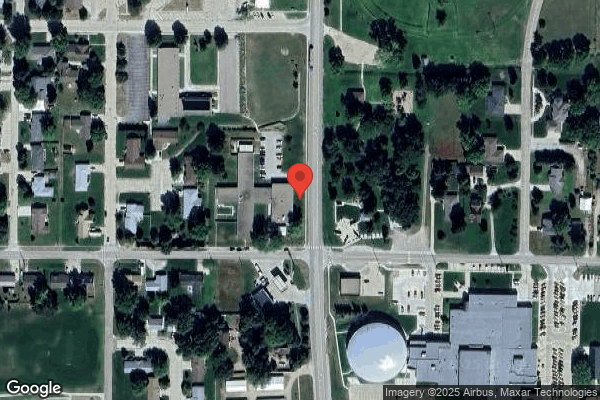
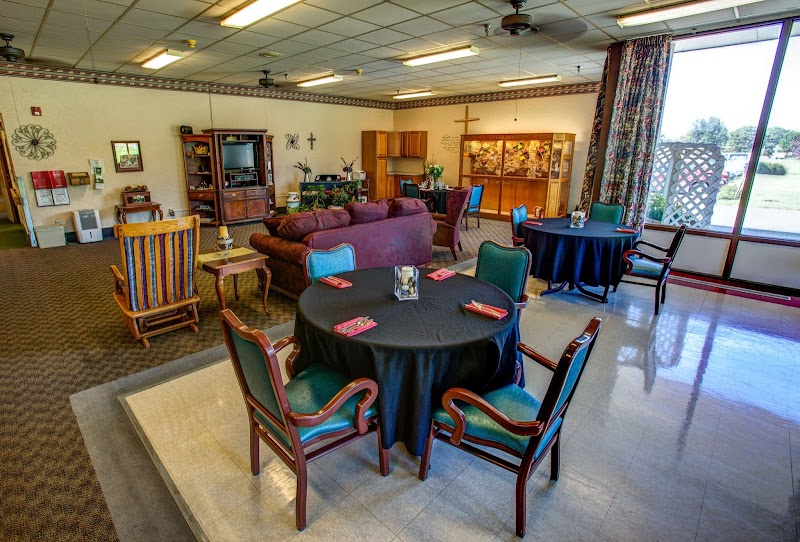
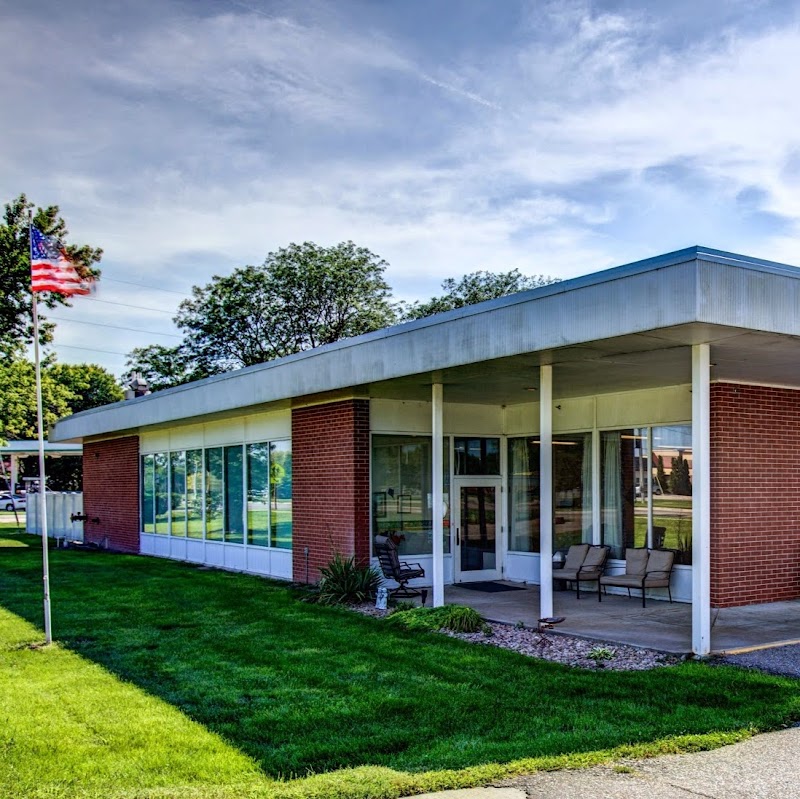
2720 South 17th Avenue, Central City, NE 68826 (308) 946-3088
For profit - Limited Liability company 63 Beds AVID HEALTHCARE GROUP Data: November 2025
Trust Grade
40/100
#172 of 177 in NE
Last Inspection: July 2025

Inspected within the last 6 months. Data reflects current conditions.

Overview

The Oaks at Central City has received a Trust Grade of D, indicating below average performance with some concerns. They rank #172 out of 177 facilities in Nebraska, placing them in the bottom half of the state, and #2 out of 2 in Merrick County, meaning only one local option is worse. The facility is worsening, with issues increasing from 3 in 2024 to 12 in 2025. Staffing is a weak point, earning just 1 out of 5 stars, with a turnover rate of 57%, which is higher than the Nebraska average. While the facility has no fines on record, which is a positive aspect, there are significant concerns regarding RN coverage, as it is lower than 75% of Nebraska facilities. Specific incidents include failures in food safety practices, such as not properly storing or preparing food, which could lead to foodborne illness, and not offering alternative meal options to residents who choose not to eat what is initially served. Overall, while there are some strengths, such as the absence of fines, the facility has serious weaknesses that families should consider when researching care options.
Trust Score
D
40/100
In Nebraska
#172/177
Bottom 3%
Safety Record
Low Risk
No red flags
Inspections
Getting Worse
3 → 12 violations
Staff Stability
⚠ Watch
57% turnover. Above average. Higher turnover means staff may not know residents' routines.
Penalties
✓ Good
No fines on record. Clean compliance history, better than most Nebraska facilities.
Skilled Nurses
⚠ Watch
Each resident gets only 23 minutes of Registered Nurse (RN) attention daily — below average for Nebraska. Fewer RN minutes means fewer trained eyes watching for problems.
Violations
⚠ Watch
19 deficiencies on record. Higher than average. Multiple issues found across inspections.
★☆☆☆☆
1.0
Overall Rating
★☆☆☆☆
1.0
Staff Levels
★★★☆☆
3.0
Care Quality
★★☆☆☆
2.0
Inspection Score
Stable
2024: 3 issues
2025: 12 issues

The Good

  • Full Sprinkler Coverage · Fire safety systems throughout facility
  • No fines on record

Facility shows strength in fire safety.

The Bad

1-Star Overall Rating

Below Nebraska average (2.9)

Significant quality concerns identified by CMS

Staff Turnover: 57%

11pts above Nebraska avg (46%)

Frequent staff changes - ask about care continuity

Chain: AVID HEALTHCARE GROUP

Part of a multi-facility chain

Ask about local staffing decisions and management

Staff turnover is elevated (57%)

9 points above Nebraska average of 48%

The Ugly 19 deficiencies on record

Jul 2025 7 deficiencies
CONCERN (D)

Potential for Harm - no one hurt, but risky conditions existed

Deficiency F0578 (Tag F0578)

Could have caused harm · This affected 1 resident

**NOTE- TERMS IN BRACKETS HAVE BEEN EDITED TO PROTECT CONFIDENTIALITY** Licensure Reference Number 175 NAC 12.006.05(E) Based on record review and interviews, the facility failed to have a signed adva...

Read full inspector narrative →
**NOTE- TERMS IN BRACKETS HAVE BEEN EDITED TO PROTECT CONFIDENTIALITY** Licensure Reference Number 175 NAC 12.006.05(E) Based on record review and interviews, the facility failed to have a signed advanced directive for one resident (resident 11) out of eight sampled residents. Facility census was 58. Findings are: A record review of resident 11's Minimum Data Set (MDS) (a comprehensive assessment used to develop a resident's care plan) dated 05/14/2025 revealed a brief interview of mental status (BIMS)(a score of a resident's cognitive ability) score of 11.This means the resident had moderate cognitive impairment. Based on the MDS, Preferences for Customary Routine Activities is somewhat to very important to Resident 11. A record review of Resident 11's Care Plan with an admission date of 05/08/2025 revealed resident was having adjustment issues with admission. Interventions listed include, identifying resident's activity preferences, learn to recognize/help the resident to identify stressors, and to provide the resident with as many situations as possible to allow control over the environment and care delivery. A record review of Resident 11's Clinical Census revealed an admission date of 05/08/2025. A record review of the facility's undated Resident Right's packet that is reviewed upon admission revealed: (12) The facility must comply with the requirements specified in 42 CFR part 489, subpart I (Advanced Directives). (i) The requirements include provisions to inform and provide written information to all adult residents concerning the right to accept or refuse medical or surgical treatment and, at the resident's option, formulate an advanced directive. (ii) This includes a written description of the facility's policies to implement advance directives and applicable state law. (iv) If an adult individual is incapacitated at the time of admission and is unable to receive information or articulate whether to execute an advanced directive, the facility may give advance directive information to the individual's resident representative according to state law. (v) The facility is not relieved of its obligation to provide this information to the individual once he or she is able to receive such information. Follow-up procedures must be in place to provide the information to the individual directly at the appropriate time. A record review of Resident 11's order's on 07/28/2025 at 2:21 PM revealed no order for an advanced directive or code status. A record review of Resident 11's electronic medical record (EMR) under the facility Misc. List on 7/28/2025 at 2:22 PM revealed no orders or copies of an advanced directive or code status. A record review of Resident 11's Advanced Directive Information dated 07/28/2025 with a fax time of 2:44 PM was located on 7/29/2025 in the social service office. A record review of the facility's policy Communication of Code Status dated 8/1/2023 and a revision date of 12/21/2024 revealed, It is the policy of the facility to adhere to residents' rights to formulate advanced directives. In accordance to these rights', this facility will implement procedures to communicate a resident's code status to those individuals who need to know this information. In an interview on 07/29/2025 at 10:59 AM with the ADON confirmed they were looking for Resident 11's advanced directive and could not locate it. The ADON confirmed the Social Service Director (SSD) had an email stating the advanced directive was completed, and it was requested to be faxed. The ADON confirmed the advanced directive was dated 7/28/2025 and the received faxed time was 2:44 PM. In an interview on 07/30/2025 at 10:00 AM with the Regional Director of Operations (RDO) confirmed the advanced directive was received and dated 7/28/2025 at 2:44 PM. The RDO confirmed Resident 11 was admitted on [DATE].
CONCERN (D)

Potential for Harm - no one hurt, but risky conditions existed

Deficiency F0582 (Tag F0582)

Could have caused harm · This affected 1 resident

Based on record reviews and interview, the facility failed to provide notice of end of Medicare coverage for 2 ( Resident 10 and 46) of 3 sampled residents. The facility has a census of 58. Findings a...

Read full inspector narrative →
Based on record reviews and interview, the facility failed to provide notice of end of Medicare coverage for 2 ( Resident 10 and 46) of 3 sampled residents. The facility has a census of 58. Findings are:A.Record review of Resident 46's MDS (Minimum Data Set, a comprehensive assessment of each resident's functional capabilities) dated 6/23/25 revealed admission to the facility was on 4/18/23.Record review of Resident 46's Notice of Medicare Non-Coverage (NOMNC) and Advance Beneficiary Notice (ABN) was completed, although was signed on 7/25/25 with last covered date being 7/22/25.An interview on 7/30/25 at 8:00 AM with the Regional Business Office Manager confirmed that the facility did not have Resident 46 sign the NOMNC or ABN 2 days before the last day of Medicare-covered services.Record review of Advanced Beneficiary notices Policy dated 4/1/ 25 revealed: It is the policy of this facility to provide timely notices regarding Medicare eligibility and coverage.B.Record review of Resident 10's admission record dated 7/29/25 revealed re-admission to the facility was on 3/11/25.Record review of Resident 10's NOMNC and ABN with last covered day of Part A Service on 5/6/25 was not completed.An interview on 7/30/25 at 8:00 AM with the Regional Business Office Manager confirmed that the facility did not provide NOMNC and ABN to Resident 10.Record review of Advanced Beneficiary notices Policy dated 4/1/ 25 revealed: It is the policy of this facility to provide timely notices regarding Medicare eligibility and coverage.-To Ensure that the resident or representative, has enough time to make a decision whether or not to receive the services in question and assume financial responsibility. The notice shall be provided at least two days before the end of the Medicare covered Part A stay or when all of Part B therapies are ending. The notices must not be provided while the resident/ representative is under duress or in an emergency situation.
CONCERN (D)

Potential for Harm - no one hurt, but risky conditions existed

Deficiency F0628 (Tag F0628)

Could have caused harm · This affected 1 resident

**NOTE- TERMS IN BRACKETS HAVE BEEN EDITED TO PROTECT CONFIDENTIALITY** Based on interview and record review, the facility failed to notify the ombudsman (a state appointed advocate for residents of n...

Read full inspector narrative →
**NOTE- TERMS IN BRACKETS HAVE BEEN EDITED TO PROTECT CONFIDENTIALITY** Based on interview and record review, the facility failed to notify the ombudsman (a state appointed advocate for residents of nursing homes) of resident discharge for 1 of 1 residents reviewed (Resident 66) as required. The facility census was 58 at the time of the survey. Findings are:Record review of the facility process titled Emergency Transfers from Facility revealed the emergency transfer document is to be sent each month to the ombudsman.Review of the discharge Minimum Data Set (MDS - a mandatory comprehensive assessment tool used for care planning) for Resident 66 dated revealed that Resident 66 admitted to the facility on [DATE]. The MDS revealed that Resident 66 had a discharge date of 5/2/2025.Record review of Resident 66's discharge summary revealed that the resident discharged from the facility on 5/2/2025.During an interview on 7/31/2025 at 11:06 AM the Regional Director of Operations (RDO) revealed that the facility staff gives notifications of emergency transfers and discharges to the ombudsman monthly.During an interview on 7/31/2025 at 1:01 PM the RDO confirmed documents of the Emergency Transfers from the facility to the ombudsman were dated November 2024 and February 2025 and were not completed monthly and should have been.Interview on 7/31/2025 at 1:03 PM the RDO further confirmed the facility staff did not notify the ombudsman of the discharge of Resident 66 as required.
CONCERN (D)

Potential for Harm - no one hurt, but risky conditions existed

Incontinence Care (Tag F0690)

Could have caused harm · This affected 1 resident

Licensure reference number 175 NAC 12-006.09(H)(iv)(3)Based on observation, interviews and record reviews, the facility failed to maintain the catheter drainage bag below the bladder for 1 (Resident 3...

Read full inspector narrative →
Licensure reference number 175 NAC 12-006.09(H)(iv)(3)Based on observation, interviews and record reviews, the facility failed to maintain the catheter drainage bag below the bladder for 1 (Resident 39) of 1 sampled residents to prevent urinary tract infection. The facility has a census of 58.Findings are: Record review of Resident 39's admission record dated 7/29/25 revealed admission to the facility was on 4/18/23.Record review of Resident 39's Minimum Data Set (MDS, a federally mandated comprehensive assessment tool used to determine a resident's functional capabilities and helps nursing home staff identify health problems) dated 6/14/25 revealed:-Section C: short term and long term memory problems. Cognitive Skills for Daily Decision Making severely impaired-Section GG: Dependent assistance with eating, toileting hygiene, bathing, lower body dressing, putting shoes on and off, and transferring. Needs maximum assistance with oral hygiene, upper body dressing, personal hygiene, rolling left and right in bed. -Section H: Indwelling catheter Record review of Resident 39's Diagnoses revealed: neuromuscular dysfunction of bladder, unspecified. Record review of Resident 39's care plan dated 7/29/25 revealed:-Urinary Catheter: Resident has a urinary catheter and is at risk for urinary tract infections and injury.-Urinary catheter related to: neurogenic bladder with urine retention.-Position catheter bag and tubing below the level of the bladder. Date Initiated: 06/10/2025.-The resident has a Urinary Tract Infection, Date Initiated: 07/23/2025.-Give antibiotic therapy as ordered. Monitor/document for side effects andeffectiveness. Date Initiated: 07/23/2025. Record review of Resident 39's Physician Orders dated 7/29/25 revealed: -Bactrim DS Oral Tablet 800-160 MG (Sulfamethoxazole- Trimethoprim) -Give 1 tablet by mouth two times a day for urinary tract infection (UTI) until 08/01/2025. Start Date- 07/23/2025.- Indwelling Catheter Type: foley, Catheter Size: 18Fr, 30cc balloon, Reason for use: neuromuscular dysfunction of bladder. Change day shift every 1 month(s) starting on the 19th for 1 day(s). Observation on 7/29/25 at 2:08 PM with Medication Assistant (MA(-J and Nursing Assistant (NA)-K of a Hoyer (machinal) lift transfer for Resident 39 revealed MA-J and NA-K placed the Hoyer sling handles into the Hoyer lift arm hooks. NA-K attached the urinary bag onto the lift arm hook that was at the resident's eye level. MA-J and NA-K then transferred resident 39 into bed and unhooked the sling from the lift. NA-K placed the urinary bag. An interview on 7/29/25 at 2:24 PM with MA-J revealed [gender] wasn't sure where to place the catheter bag when transferring resident. An interview on 7/29/25 at 2:25 PM with NA-K stated, maybe it would be better to place the catheter drainage bag on the lower area of the Hoyer lift when transferring resident. Interview with the Director of Nursing (DON) on 7/30/25 at 1:00 PM confirmed the catheter drainage bag should be below the level of the bladder. Record review of Catheter Care Policy dated 11/27/23 revealed:Policy: It is the policy of this facility to ensure that residents within dwelling catheters receive appropriate catheter care and maintain their dignity and privacy when indwelling catheters are in use.-Ensure drainage bag is located below the level of. The bladder to discourage backflow of urine.
CONCERN (D)

Potential for Harm - no one hurt, but risky conditions existed

Deficiency F0698 (Tag F0698)

Could have caused harm · This affected 1 resident

Licensure Reference Number 175 NAC 12-006.09Based on observation, record reviews and interviews, the facility staff failed to complete an assessment and monitoring after receiving Dialysis services fo...

Read full inspector narrative →
Licensure Reference Number 175 NAC 12-006.09Based on observation, record reviews and interviews, the facility staff failed to complete an assessment and monitoring after receiving Dialysis services for 1 (Resident 10) of 1 residents. The facility has a census of 58.Findings are: Record review of Resident 10's admission record dated 7/29/25 revealed re-admission to the facility was on 3/11/2025. Record review of Resident 10's Minimum Data Set (MDS, a federally mandated comprehensive assessment tool used to determine a resident's functional capabilities and helps nursing home staff identify health problems) dated 6/2/25 revealed:-Section C: Brief Interview for Mental Status (BIMS, a brief screener that aids in detecting cognitive impairment) score of 15 indicating cognitively intact.Section E: no rejection of care-Section GG: setup assist with eating, oral hygiene, personal hygiene, and upper body dressing. Moderate assist with bathing. Maximum assist with toileting hygiene, lower body dressing, and putting on/taking off footwear. Dependent assist with transfers.-Section O: Dialysis Record review of Resident 10's diagnoses dated 7/29/25 revealed: Chronic kidney disease stage 4. Record review of Resident 10's care plan dated 7/29/25 revealed: -Provide a sack lunch if resident receives dialysis during meal times. Date Initiated 4/09/2025.-Monitor dialysis dressing and change as ordered. Report abnormal bleeding to the physician. Date Initiated 4/09/2025.-Monitor/document/report to physician any signs or symptoms of infection at the access site such as redness, swelling, warmth, pain, or purulent drainage. Date Initiated 4/09/2025.-In case of dislodgment of dialysis access device, apply pressure to prevent bleeding, call emergency services, and notify physician. Date Initiated 4/09/2025.-Monitor for possible complications such as shortness of breath, peripheral edema, chest pain, elevated blood pressure, dry itchy skin, nausea & vomiting, or bleeding at access site. Date Initiated 4/09/2025.-Obtain lab work per physician orders and report results when available. Date Initiated 4/09/2025.- Resident has a Quinton Catheter to R chest wall. Date Initiated 4/09/2025. Record review of Resident 10's progress notes dated 7/29/25 revealed there was no documentation of monitoring and assessments upon return from the dialysis center for June 2025 except 6/28/25 and no documentation for July 2025 except 7/24/25. An interview on 7/29/25 at 7:30 AM with LPN-L. LPN-L stated, Resident 10 went to dialysis today, dialysis is through the catheter port in the right side of chest. The nurse does not need to do anything when [gender] returns from dialysis. We don't need to take the blood pressure or assess. Resident 10 goes to the Dialysis facility on Tuesday, Thursday and Saturday's. An interview on 7/29/25 at 1:20 PM with Resident 10 revealed [gender] returned from dialysis at 12:35 PM. Resident 10 said, sometimes the nurse here will check my blood pressure and fistula, but not all the time. I started dialysis in March of this year. An interview on 7/30/25 at 1:00 PM with the Director of Nursing (DON) confirmed that there was not any documentation from the nurses for an assessment or monitoring for Resident 10 after returning from dialysis. Record review of Hemodialysis Policy, copyright 2024 The Compliance Store, LLC revealed: This facility will provide the necessary care and treatment consistent with professional standards of practice. The physician orders the comprehensive person-centered care plan and the residence goals and preferences to meet the special medical, nursing, mental and psychosocial needs of residents receiving hemodialysis.-Purpose: The facility will assure that each resident receives care and services for the provision of hemodialysis consistent with professional standards of practice. This will include: -The ongoing assessment of the resident's condition and monitoring for complications before and after dialysis treatments received at a certified dialysis facility.-Ongoing assessment and oversight of the resident before, during and after dialysis treatment, including monitoring of the resident's condition during treatments, monitoring for complications, implementation of appropriate interventions, and using appropriate infection control practices; and ongoing communication and collaboration with the dialysis facility regarding dialysis care and services.-Documentation requirements are met to assure that treatments are provided as ordered by the nephrologist, attending practitioner and dialysis team; and there is ongoing communication and collaboration for the development and implementation of the dialysis care plan by the nursing home and dialysis staff.-The facility will monitor for and identify changes in the resident's behavior that may impact the safeadministration of dialysis before and after treatment and will inform the attending practitioner and dialysis facility of the changes.-The nurse will monitor and document the status of the resident's access site(s) upon return from the dialysis center to observe for bleeding or other complications.-The nurse will assure that the dialysis access site (e.g. AV shunt or graft) is checked before and after dialysis treatments and every shift for patency by auscultating for a bruit or palpating for a thrill. If absent, the nurse will immediately notify the attending physician, dialysis facility and or the nephrologist.-Residents with external dialysis catheters will be assessed every shift to ensure that the catheter dressing is intact and not soiled. Change dressing to site only per the dialysis facilities direction.-Provision of ongoing staff training, which is individualized to meet the needs of each peritoneal dialysis resident. Staff training must be provided by qualified dialysis facility instructors and include how to address emergencies.
CONCERN (E)

Potential for Harm - no one hurt, but risky conditions existed

Deficiency F0726 (Tag F0726)

Could have caused harm · This affected multiple residents

Licensure Reference Number 175 NAC 12-006.04(B)(ii)(2) Based on record reviews and interviews, the facility failed to ensure 4 Medication Assistants of 4 reviewed had competencies completed. The facil...

Read full inspector narrative →
Licensure Reference Number 175 NAC 12-006.04(B)(ii)(2) Based on record reviews and interviews, the facility failed to ensure 4 Medication Assistants of 4 reviewed had competencies completed. The facility had census of 58. Findings are: Record review of 4 out of 4 sampled Medication Assistants (MA) employees' competencies for 2024 and 2025 revealed that the 4 MA's did not have competencies documented as completed. Record review of 4 employees that are MA's and their hire dates:-MA-M hire date was 1/29/2024-MA-J hire date was 8/23/2016-MA-N hire date was 5/20/2025-MA-O hire date was 6/11/2025 An interview on 7/30/25 at 1:10 PM with the Director of Nursing (DON) confirmed the facility did not have documentation of MA competencies. An interview on 7/30/25 at 2:40 PM with the Regional Director of Operations (RDO) revealed the facility was unable to find the MA's competencies. Record review of Training Requirements policy dated 7/1/25 revealed: It is the policy of this facility to develop, implement, and maintain an effective training program for all new and existing staff, individuals providing services under a contractual, and volunteers, consistent with their expected roles.-Competencies and skill sets for all new and existing staff, individuals providing services under a contractual arrangement, and volunteers must be consistent with their expected roles.-All facility staff needs to be trained to be able to interact in a manner that enhances the resident's quality of life and quality of care and that they can demonstrate competency in the topic areas of the training program. Record review of the Medication Aide Procedure Checklist that is used when completing competencies with the Medication Aides revealed: The checklist consisted of PRN medications, oral medications, topical medications, Sublingual or Buccal medications, instillation medications, inhalers, nebulizers, oxygen, and ice bag.
CONCERN (F)

Potential for Harm - no one hurt, but risky conditions existed

Food Safety (Tag F0812)

Could have caused harm · This affected most or all residents

Licensure Reference Number 175 NAC 12-006.11EBased on observations, interviews, and record reviews, the facility failed to store, prepare, and serve food in a manner to prevent potential for foodborne...

Read full inspector narrative →
Licensure Reference Number 175 NAC 12-006.11EBased on observations, interviews, and record reviews, the facility failed to store, prepare, and serve food in a manner to prevent potential for foodborne illness. Specifically failed were gloves while touching foods, failed to ensure food in storage were labeled, dated or sealed, failed to have thermometers in the milk refrigerator, failed to ensure foods and fluids were at the proper temperature and failed to ensure hand hygiene was completed. This had the potential to affect all 58 residents who ate food prepared in the kitchen.Findings are: Record review of the facility provided policy, titled “Personal Protective Equipment”, dated 4/1/24 revealed that staff should perform hand hygiene before donning gloves and after removal. Gloves are not a substitute for hand hygiene. Record review of the facility policy, titled “Hand Hygiene” dated 5/29/24 revealed a definition of hand hygiene as a general term for cleaning hands by hand washing with soap and water or the use of antiseptic hand rub, or alcohol-based hand rub (ABHR). Record review of facility Handwashing Inservice dated 6/3/25 revealed employees should wash hands for at least 20 seconds before and after handling food, after touching hair, face or body, and after touching a cell phone. Record review of the facility policy titled “Record of Food Temperatures”, dated 8/1/25 revealed it is the policy of the facility to record food temperatures daily to ensure food is at the proper serving temperature. Record review of facility policy, titled “Food Safety Requirements” dated 8/1/23 revealed: -food safety practices shall be followed throughout the facility’s entire food handling process. -food will be stored, prepared, distributed, and served in accordance with professional standards for food service safety -staff shall monitor food temperatures while delivering food to ensure proper hot and cold holding temperatures are maintained. Staff shall refer to the current FDA Food Code. -foods and beverages shall be distributed and served to residents in a manner to prevent contamination and maintain food at the proper temperature and out of the Danger Zone, according to the current Food Code. A. An observation on 7/29/2025 at 12:21 PM revealed [NAME] (C) – A reached into a bag of bread with an ungloved hand on the behavior unit. During an interview on 7/29/2025 at 12:23 PM C- A confirmed hand hygiene is only completed when entering the behavior unit and that (gender) hand handled food with bare hands. An observation on 7/29/2025 at 12:26 PM C – A grabbed a cold sandwich with ungloved hand and handed it to the Activity Aide (AA). An observation on 7/29/2025 at 12:27 PM AA - B grabbed a sandwich with an ungloved hand and gave it to a resident on the behavior unit. An observation on 7/29/2025 at 12:28 PM C – A grabbed a full bowl of salad from the top with an ungloved hand and touched lettuce, tomato, and cheese. An observation on 7/29/2025 at 2:09 PM C – A mixed coleslaw with gloved hands and then removed gloves and no hand hygiene performed. During an interview on 7/29/2025 at 2:10 PM C- A revealed (gender) usually does hand hygiene. An observation on 7/29/2025 at 2:13 PM C – C turned off music from a cell phone in the kitchen with bare hands and did not perform hand hygiene, then the cook dropped a closed container of vegetables on the floor of the kitchen and picked it up and put it in the refrigerator. During an observation on 7/29/2025 at 2:26 PM C – A washed hands for 15 seconds. During an observation on 7/29/2025 at 2:27 PM C – C washed hands for 10 second. During an observation on 7/29/2025 at 2:28 PM Dietary Aide (DA) – I washed hands for 15 seconds. During an interview on 7/29/2025 at 2:37 PM the Dietician (D) – D confirmed that all ready to eat foods should only be handled with a gloved hand. B. An observation on 7/28/2025 at 8:43 AM revealed milk refrigerator had no thermometer. During an interview on 7/28/2025 at 8:43 AM DA – F confirmed there should be a thermometer in every refrigerator. C. An observation on 7/28/2025 at 8:40 AM in the dry goods storage revealed 2 bags of opened macaroni noodles were not sealed or dated when opened. During an interview on 7/28/2025 at 8:41 AM Dietary Aide (DA) – F confirmed there shouldn’t be any open bags in storage. An observation on 7/28/2025 at 8:42 AM of Refrigerator 1 revealed an opened plastic container of raw hamburger that was not sealed, dated and was approximately 25% used. During an interview on 7/28/2025 at 8:42 AM DA – F confirmed there shouldn’t be any open hamburger meat packages in the refrigerator. An observation on 7/28/2025 at 8:44 AM of a bread bag on the counter in the kitchen was opened, not sealed and not dated. An observation on 7/28/2025 at 8:44 AM spices and a bottle of vanilla opened, used and not dated noted in the cupboard. During an interview on 7/28/2025 at 8:45 AM DA – F confirmed the bread bag should not be opened and all the spices should be dated when opened. During an interview on 07/31/2025 at 1:11 PM the Assistant Director of Nursing, who is also the Infection Preventionist, confirmed: - hand hygiene should be performed before gloving and after glove removal -performed for at least 20 seconds -no bare hand should touch food -upon hire in general orientation they do hand hygiene competencies -random audits in nursing are completed with return demonstration. D. Observation on 7/29/25 at 12:17 PM revealed the lunch meal trays were delivered to the memory care unit of the facility. Observation on 7/29/25 at 12:19 PM with NA-G using the facility thermometer obtaining the temperatures of the food as follows: -Cauliflower/broccoli 106.5 Fahrenheit. -Tuna melt sandwich 101.6 Fahrenheit. -Hamburger patty 120.9 Fahrenheit. Milk 48.9 Fahrenheit. An interview on 7/29/25 at 1:35 PM NA-G reported the hot food is supposed to be at least 120 F. An interview on 7/29/25 at 1:40 PM RN-H report hot food should be at least 140 F. An interview on 7/30/25 at 11:30 AM with the Dietary Manager (DM) revealed the holding hot foods should be 120 F. An interview on 7/30/25 at 11:33 AM with Regional Dietician (RD-E) reported the temperature for hot food should be maintained at 135 Fahrenheit (F) and the cold should be 41 F or lower. Record review of Food Temperatures Policy dated 3/26/25 revealed: -Hot foods will be held at 135 degrees Fahrenheit or greater. -Potentially hazardous cold food temperatures will be kept at or below 41 degrees Fahrenheit. -No food will be served that does not meet the food code standard temperatures.
Feb 2025 5 deficiencies
CONCERN (D) 📢 Someone Reported This

A family member, employee, or ombudsman was alarmed enough to file a formal complaint

Potential for Harm - no one hurt, but risky conditions existed

Resident Rights (Tag F0550)

Could have caused harm · This affected 1 resident

**NOTE- TERMS IN BRACKETS HAVE BEEN EDITED TO PROTECT CONFIDENTIALITY** Licensure Reference Number 175 NAC 12-006.05(F) Based on record reviews, observations, and interviews the facility failed to ens...

Read full inspector narrative →
**NOTE- TERMS IN BRACKETS HAVE BEEN EDITED TO PROTECT CONFIDENTIALITY** Licensure Reference Number 175 NAC 12-006.05(F) Based on record reviews, observations, and interviews the facility failed to ensure call lights were answered promptly for 3 residents (Residents 5, 6, 4) of the 3 sampled residents. The facility census was 56. Findings are: A. Record review of the Minimum Data Set (MDS, a federally mandated comprehensive assessment tool used to determine a resident's functional capabilities and helps nursing home staff identify health problems) dated 2/15/2025 for Resident 5 revealed the resident had a Brief Interview for Mental Status (BIMS, a brief screener that aids in detecting cognitive impairment) score of 15/15, which indicated the resident was cognitively intact. Resident 5 was able to walk 10 feet with moderate assistance due to a stroke 3 years prior. Record review of the September 2024 Grievance Summary Log revealed that Resident 5 had complained about call lights not being answered in a timely manner. Interview on 2/26/2025 at 11:20 AM with Resident 5 who stated it can take a long time for the staff to answer a call light, at times it had been approximately an hour. Resident 5 stated the call light response times had improved for a little while when Resident 5 put in their grievance, but that the facility had been having issues with the call lights being answered again. Record review of the call light log for Resident 5 revealed the following long call light times for the month of February 2025: -On 2/1/25 the call light was turned on at 2:39 PM and was not turned off for 35 minutes, -On 2/1/25 the call light was turned on at 7:00 PM and was not turned off for 31 minutes, -On 2/1/25 the call light was turned on at 7:43 PM and was not turned off for 27 minutes, -On 2/3/25 the call light was turned on at 6:59 AM and was not turned off for 27 minutes, -On 2/3/25 the call light was turned on at 9:13 AM and was not turned off for 28 minutes, -On 2/5/25 the call light was turned on at 7:26 AM and was not turned off for 35 minutes, -On 2/9/25 the call light was turned on at 12:42 PM and was not turned off for 48 minutes, -On 2/10/25 the call light was turned on at 7:17 AM and was not turned off for 1 hour and 32 minutes, -On 2/13/25 the call light was turned on at 2:38 PM and was not turned off for 34 minutes, -On 2/20/25 the call light was turned on at 1:01 PM and was not turned off for 36 minutes, -On 2/24/25 the call light was turned on at 7:02 AM and was not turned off for 40 minutes, -On 2/25/25 the call light was turned on at 1:03 PM and was not turned off for 45 minutes. B. Record review of the MDS dated [DATE] for Resident 6 revealed this resident had a BIMS score of 15/15, which indicated the resident was cognitively intact. Resident 6 needed assistance walking a maximum distance of 10 feet and was not able to walk alone using a walker. Resident 6 was to use a wheelchair due to falling precautions. Interview on 2/26/2025 at 11:30 AM with Resident 6 revealed the residents may have to wait an hour or more for someone to answer their call lights. Resident 6 stated they did not know why the staff did not answer the call lights quicker. Resident 6 also stated the need to use the restroom was often the reason Resident 6 activated their call light and that having to wait so long was very difficult. Record review of the call light log times revealed the following sampled times for the month of February 2025: -On 2/1/25 the call light was turned on at 8:04 AM and was not turned off for 24 minutes, -On 2/3/25 the call light was turned on at 7:46 PM and was not turned off for 28 minutes, -On 2/5/25 the call light was turned on at 5:18 PM and was not turned off for 27 minutes, -On 2/7/25 the call light was turned on at 7:38 PM and was not turned off for 61 minutes, -On 2/8/25 the call light was turned on at 9:58 AM and was not turned off for 46 minutes, -On 2/9/25 the call light was turned on at 7:23 PM and was not turned off for 37 minutes, -On 2/12/25 the call light was turned on at 12:50 PM and was not turned off for 47 minutes, -On 2/12/25 the call light was turned on at 5:46 PM and was not turned off for 45 minutes, -On 2/14/25 the call light was turned on at 8:18 AM and was not turned off for 33 minutes, -On 2/15/25 the call light was turned on at 5:01 PM and was not turned off for 62 minutes, -On 2/16/25 the call light was turned on at 5:33 PM and was not turned off for 1 hour and 4 minutes, -On 2/17/25 the call light was turned on at 7:46 PM and was not turned off for 32 minutes, -On 2/20/25 the call light was turned on at 6:08 PM and was not turned off for 36 minutes, -On 2/21/25 the call light was turned on at 5:11 PM and was not turned off for 42 minutes, -On 2/22/25 the call light was turned on at 7:31 AM and was not turned off for 39 minutes, -On 2/25/25 the call light was turned on at 7:29 PM and was not turned off for 46 minutes, -On 2/25/25 the call light was turned on at 8:16 PM and was not turned off for 59 minutes. C. Record review of the MDS dated [DATE] for Resident 4 revealed the resident had a BIMS score of 15/15, which indicated the resident was cognitively intact. Resident 4 was unable to walk and required the use of a mechanical lift by 2 staff members to get the resident from the wheel chair to the bed or bath. Interview on 2/26/2025 at 2:15 with Resident 4 revealed that when the resident was in their room, it took the staff a long time to answer Resident 4's call lights. Resident 4 stated that it can take an hour or more for them to come to my room to answer the light. Resident 4 also stated that some of the staff would go into the resident's room, turn off the call light, then say they were going to come right back, but then the resident would be waiting again for someone to answer their call light. Record review of the call light log for Resident 4 revealed the following long call light times for the month of February 2025: -On 2/1/25 the call light was turned on at 2:58 PM and was not turned off for 24 minutes, -On 2/1/25 the call light was turned on at 6:51 PM and was not turned off for 82 minutes, -On 2/2/25 the call light was turned on at 5:37 AM and was not turned off for 68 minutes, -On 2/2/25 the call light was turned on at 3:39 PM and was not turned off for 25 minutes, -On 2/2/25 the call light was turned on at 5:33 PM and was not turned off for 31 minutes, -On 2/3/25 the call light was turned on at 9:37 AM and was not turned off for 51 minutes, -On 2/3/25 the call light was turned on at 7:17 PM and was not turned off for 52 minutes, -On 2/4/25 the call light was turned on at 10:51 AM and was not turned off for 38 minutes, -On 2/4/25 the call light was turned on at 7:25 PM and was not turned off for 2 hours and 6 minutes, -On 2/5/25 the call light was turned on at 8:13 AM and was not turned off for 82 minutes, -On 2/5/25 the call light was turned on at 4:27 PM and was not turned off for 34 minutes, -On 2/12/25 the call light was turned on at 7:15 PM and was not turned off for 34 minutes, -On 2/13/25 the call light was turned on at 6:08 PM and was not turned off for 36 minutes, -On 2/16/25 the call light was turned on at 10:38 AM and was not turned off for 33 minutes, -On 2/16/25 the call light was turned on at 1:31 PM and was not turned off for 46 minutes, -On 2/16/25 the call light was turned on at 2:36 PM and was not turned off for 59 minutes, -On 2/18/25 the call light was turned on at 12:01 PM and was not turned off for 43 minutes, -On 2/21/25 the call light was turned on at 10:48 AM and was not turned off for 44 minutes, -On 2/21/25 the call light was turned on at 8:10 PM and was not turned off for 45 minutes, -On 2/22/25 the call light was turned on at 8:18 AM and was not turned off for 46 minutes, -On 2/25/25 the call light was turned on at 8:11 PM and was not turned off for 61 minutes. Interview on 2/26/2025 at 2:45 PM with the Director of Nursing (DON) who revealed that the call lights light up the messenger board at the main nurse's station and on Hall B (the north hallway). The staff also carried walkie's so that they were aware of the call lights that needed to be answered. The DON stated there were a couple of days when the call light for Resident 4 did not work as it was supposed to but that it had been fixed. Interview on 2/26/2025 at 3:05 PM with the Facility Administrator (FA) who confirmed that there were times that the call lights were longer than they should be when residents called for assistance, and that the FA was able to observe call light times from a monitoring screen in their office. FA stated that when the FA saw that a call light had been running for a long time, the FA would go out to the nurse's station to ask why the call hadn't been answered or would go directly to the resident who used the call light and see what that resident needed.
CONCERN (D) 📢 Someone Reported This

A family member, employee, or ombudsman was alarmed enough to file a formal complaint

Potential for Harm - no one hurt, but risky conditions existed

Transfer Requirements (Tag F0622)

Could have caused harm · This affected 1 resident

**NOTE- TERMS IN BRACKETS HAVE BEEN EDITED TO PROTECT CONFIDENTIALITY** Licensure Reference Number 175 NAC 12-006.09(H) Based on record review and interview the facility failed to communicate all heal...

Read full inspector narrative →
**NOTE- TERMS IN BRACKETS HAVE BEEN EDITED TO PROTECT CONFIDENTIALITY** Licensure Reference Number 175 NAC 12-006.09(H) Based on record review and interview the facility failed to communicate all health information to the receiving health care facility for 1 (Resident 1) of 3 sampled residents. This had the potential to cause resident health problems and safety concerns to not be identified by the receiving facility. The facility census was 56. Findings are: Record review of the facility policy titled Transfer and Discharge dated 2/5/25 revealed that the following information must be provided to the receiving provider for transfer to another provider: -Contact information of the practitioner responsible for the care of the resident. -Resident representative information. -All other information necessary to meet the resident's needs, which includes but may not be limited to resident status, diagnoses and allergies, medications, most recent relevant labs, all special instructions for ongoing care such as special risks for falls, the resident's comprehensive care plan goals, and all other information necessary to meet the resident's needs. Record review of the progress note dated 2/3/2025 at 12:00 PM for Resident 1 revealed that the unidentified nurse aide (NA) heard someone call Help. NA observed Resident 1 standing at the side of the bed with their walker upon entering the resident's room. The NA got the resident's wheelchair in position for the resident to sit. Resident 1 stated that their legs would not turn. Resident 1's legs gave out and the resident sat on the floor. Resident 1 was assessed and no injuries were noted. The mechanical total body lift (a mechanical assistive device used to transfer a resident unable to stand up on their own) was used to lift Resident 1 back into their bed. The physician, family member, Director of Nursing (DON) and Facility Administrator (FA) were notified. Record review of the Minimum Data Set (MDS, a federally mandated comprehensive assessment tool used to determine a resident's functional capabilities and helps nursing home staff identify health problems) for Resident 1 dated 2/3/25 revealed that it was a resident discharge assessment. The MDS revealed that Resident 1 admitted into the facility on 1/13/25 and discharged from the facility on 2/3/25. The MDS revealed that this was a planned discharge. The MDS revealed that Resident 1 had a Brief Interview for Mental Status (BIMS, a brief screening tool that aids in detecting cognitive impairment) score of 15/15, which indicated the resident was cognitively intact. The MDS revealed that Resident 1 required moderate assistance of staff to stand from a sitting position. The MDS revealed that the resident's ability to walk 10 feet once standing was documented as not attempted due to medical condition or safety concerns. Section J0300 titled pain presence revealed that Resident 1 had no pain or hurting at any time in the past 5 days. Section J1800 revealed that the question Has the resident had any falls since admission/entry or reentry or the prior assessment? was marked No indicating that the resident had no falls. Record review of the progress note dated 2/3/2025 at 2:03 PM for Resident 1 revealed that Resident 1 discharged out of the facility to another long term care facility. All belongings and medications sent with the resident and transportation. Interview on 2/26/25 at 4:06 PM with the facility Assistant Director of Nursing (ADON) confirmed that the facility was to follow the facility policy for transfer and discharge. The ADON revealed that the facility was expected to complete a transfer assessment form that is sent with the resident to the receiving facility. The ADON confirmed that the transfer assessment form was to be completed in the resident's electronic health record. The ADON confirmed that the facility did not complete a transfer assessment form for Resident 1 when the resident discharged to another facility. Interview on 2/27/25 at 1:00 PM with Resident 1 by phone revealed that Resident 1 fell at around 12:00 PM on 2/3/25 in the facility prior to transfer to another facility. Resident 1 revealed that the wheelchair was out in the hall outside the resident's room at the time of the fall. Resident 1 revealed that the transportation driver from the facility the resident was being transferred to was at the facility to get the resident. Resident 1 revealed that a nurse was in the resident room. Resident 1 revealed that Resident 1 used the walker and tried to start walking to the wheelchair outside the room. Resident 1 revealed that the resident is unsure if the walker caught on something in the room that caused the resident to twist around and fall on their back. Resident 1 revealed that they landed flat on their back. Resident 1 revealed that their hip, left leg, and ankle was hurting after the fall. Resident 1 revealed that they told the nurse about their pain after the fall and that it felt like the left ankle was sprained. Resident 1 revealed that the nurse really didn't assess Resident 1. Resident 1 revealed that the staff sat the resident up on the floor and placed a lift sling in place. Resident 1 revealed that the staff used the total body lift and transferred Resident 1 off the floor and into the wheelchair. Resident 1 confirmed that the resident did not have any falls after leaving the facility. Resident 1 confirmed that the resident did not have any falls at the receiving facility. Resident 1 revealed that Resident 1 told the receiving facility about the ankle pain and the receiving facility assessed the injury to the left ankle on arrival. Resident 1 was seen by the medical provider. Resident 1 revealed that the resident had surgery to repair the left ankle. Record review of the medical record for Resident 1 revealed that it contained an incomplete Discharge Summary and Plan of Care assessment dated [DATE] at 2:03 PM. The progress note contained in the Discharge Summary and Plan of Care revealed that Resident 1 had a pain level of 4 upon discharge. The progress note revealed that upon discharge the resident was able to walk indoors with physical assistance. A current reconciled medication list was provided to the subsequent provider. The discharge plan had been discussed with the resident and/or the resident's representative and they had been offered a copy of the plan of care and discharge summary. The note contained no documentation of Resident 1's fall on 2/3/25. Record review of the medical record for Resident 1 revealed that it did not contain any documentation that the fall on 2/3/25 experienced by Resident 1 was communicated to the receiving facility. Interview on 2/26/25 at 3:36 PM with the Facility Administrator (FA) confirmed that the Discharge Summary and Plan of Care assessment for Resident 1 had not yet been locked (signed off) as a staff member was out of the facility and needed to complete their section of the assessment.
CONCERN (E) 📢 Someone Reported This

A family member, employee, or ombudsman was alarmed enough to file a formal complaint

Potential for Harm - no one hurt, but risky conditions existed

Safe Environment (Tag F0584)

Could have caused harm · This affected multiple residents

**NOTE- TERMS IN BRACKETS HAVE BEEN EDITED TO PROTECT CONFIDENTIALITY** Licensure Reference Number 175 NAC 12-006.19 Based on record reviews, observations, and interviews the facility failed to ensur...

Read full inspector narrative →
**NOTE- TERMS IN BRACKETS HAVE BEEN EDITED TO PROTECT CONFIDENTIALITY** Licensure Reference Number 175 NAC 12-006.19 Based on record reviews, observations, and interviews the facility failed to ensure the facility was a clean and homelike environment, this affected two hallways of 4 sampled. The facility census was 56. Findings are: Record review of the policy Environmental Services Inspections dated 8/1/2023 revealed that it is the policy of the facility to regularly monitor environmental services to ensure the facility is maintained in a safe and sanitary manner on a regular basis. Record review of the policy Routine Cleaning and Disinfection dated 8/1/2023 revealed that it is the facility policy to ensure the provision of routine cleaning and disinfection in order to provide a sage, sanitary environment and to prevent the development and transmission of infections to the extent possible. The policy also revealed 1) Routine cleaning and disinfection of frequently touched or visibly soiled surfaces will be performed in common areas, resident rooms and at the time of discharge and 2) Cleaning will be completed before disinfecting. Observation of the facility when entered on 2/26/2025 at 8:40 AM revealed a faint odor of urine at the front door. As one walked further into the facility the smell of urine became much stronger. The smell of urine was evident in the hallway, which was carpeted and lead from the east entrance through to the main nurses' station. The smell of urine remained strong in the south hall and in some of the resident rooms. Observation on 2/26/2025 at 8:45 AM of the private room, room [ROOM NUMBER], on the east hallway revealed the room was unoccupied. The room smelled strongly of urine and the floor was sticky when walking on it. Observation on 2/26/2025 at 3:15 PM of the East Hall, room [ROOM NUMBER]. Housekeeping had come in to mop the floors and left the room. Prior to mopping the floor, the floors were sticky to walk on. After the housekeeper mopped and cleaned the floor, the floor was stickier while walking on it than it had been previously. The odor in the room became extremely strong and smelled of urine more so than prior to being mopped. Interview on 2/26/2025 at 2:40 PM with the Director of Nursing (DON) about the odors in the halls and the rooms revealed that the facility had issues with humidity, and this was the time of the year that the musty and urine odors really seemed to start getting more noticeable. Interview on 2/26/2025 at 4:00 PM with the Administrator (FA) confirmed the odor of urine was getting very strong in all of the hallways and in some of the rooms and this was due to the humidity in the facility. It seemed like when it started to warm up outside the smells start to permeate from every crack and crevice in the building. We don't really know what to do about the odors in the building. I think most of us are used to the smells and they don't bother us anymore.
CONCERN (F) 📢 Someone Reported This

A family member, employee, or ombudsman was alarmed enough to file a formal complaint

Potential for Harm - no one hurt, but risky conditions existed

Deficiency F0804 (Tag F0804)

Could have caused harm · This affected most or all residents

Licensure Reference Number 175 NAC 12-006.11(D) Based on record reviews, observations, and interviews the facility failed to ensure residents were provided with nourishing and palatable meals. This h...

Read full inspector narrative →
Licensure Reference Number 175 NAC 12-006.11(D) Based on record reviews, observations, and interviews the facility failed to ensure residents were provided with nourishing and palatable meals. This had the potential to affect all residents who received meals from the kitchen. The facility census was 56. Findings Are: Record review of the policy Food Preparation Guidelines dated 8/1/2023 revealed the policy intent is to prepare foods in a manner to preserve or enhance a resident's nutrition and hydration status. The following three definitions were defined: -Food Attractiveness - the appearance of the food when served to residents, -Food palatability - the taste and flavor of the food, and -Proper (safe and appetizing) temperature meant appetizing food and minimizing the risk for scald and burns. The policy explanation and compliance guidelines stated 2) food shall be prepared by methods that conserve nutritive value, flavor, and appearance; 3) Food and drinks shall be palatable, attractive, and at a safe and appetizing temperature; b) using spices or herbs to season food in accordance with recipes, c) serving hot foods hot and cold foods cold, e) honoring resident preferences regarding foods and drinks; 4) Food shall be provided in a form that meets each resident's individual needs according to assessment and care plan. Record review of the Nebraska Food Code of 2017 revealed that temperatures for hot meals must be served at 135 degrees Fahrenheit (F) or higher. Observation on 2/26/2025 at 12:15 PM while residents were eating in the east formal dining room and the east assistive dining room revealed the residents were finishing their lunch meal and several of the residents had not eaten their broccoli and cheese dish. Observation of a sample meal tray provided by the facility on 2/26/2025 at 12:30 PM revealed a meal that consisted of a sloppy joe on a bun, broccoli with cheese and lime pears with a glass of milk or other beverage. The sloppy joe sandwich looked and smelled appealing. The broccoli and cheese looked pureed or ground and unappetizing; it was identifiable based on the color. At first glance, the pears looked like cubed melon due to the green color from lime gelatin which had been sprinkled on the pears. The temperature of the sloppy joe was 124.3 degrees F. The temperature of the broccoli/cheese was 132.4 degrees F. The pears were cold. A. Record review of Resident 6's Care Plan conducted on 2/26/2025 revealed the resident was cognitively intact, had diagnoses of Diabetes Mellitus Type 2, vitamin deficieny; unspecified, and had orders for a concentrated carbohydrate diet with a regular texture. Interview on 2/26/2025 at 11:10 AM with Resident 6 revealed the resident typically ate their meals in their room and that the hot foods were not always served hot. B. Record review of Resident 5's Care Plan conducted on 2/26/2025 revealed that Resident 5 was cognitively intact with some confusion in the evenings, had a diagnosis of a past stroke, some swallowing issues, and received a regular diet with ground meats and vegetables that were cut into small sized pieces. Interview on 2/26/2025 at 11:20 AM with Resident 5 revealed that the hot meals were not consistent, sometimes the food was hot and sometimes it wasn't. Resident 5 also stated that they typically consumed their meals in their room. C. A review of Resident 4's Care Plan conducted on 2/26/2025 revealed this resident had a potential nutritional risk due to diagnoses of Diabetes Mellitus Type 2, morbid obesity, anemia, vitamin B12 deficiency, and diverticulosis. Resident 4 was on a concentrated carbohydrate diet. Observation on 2/26/2025 at 12:40 PM of Resident 4's lunch meal tray after the resident had finished eating revealed the tray still had the broccoli and cheese dish on it and this food appeared untouched. Interview on 2/26/2025 at 3:20 PM with Resident 4 revealed they did not eat the broccoli and cheese dish at the lunch meal that day because it looked like someone threw up on the plate. I didn't even want to taste it. Interview on 2/26/2025 at 1:50 PM with the Food Service Manager (FSM) confirmed that the broccoli and cheese dish that had been served to the residents as regular texture appeared to be a ground texture. Interview on 2/26/2025 at 4:00 PM with the Administrator (FA) confirmed the temperatures of the lunch meal foods were not served to the residents within the required temperature.
CONCERN (F) 📢 Someone Reported This

A family member, employee, or ombudsman was alarmed enough to file a formal complaint

Potential for Harm - no one hurt, but risky conditions existed

Deficiency F0806 (Tag F0806)

Could have caused harm · This affected most or all residents

Licensure Reference Number 175 NAC 12-006.11(A)(iii) Based on record reviews, observations, and interviews the facility failed to ensure residents were offered alternate meal items when residents cho...

Read full inspector narrative →
Licensure Reference Number 175 NAC 12-006.11(A)(iii) Based on record reviews, observations, and interviews the facility failed to ensure residents were offered alternate meal items when residents choose not to eat food that was initially served. This had the potential to affect all residents who received meals from the kitchen. The facility census was 56. Findings Are: Record review of the policy Food Preparation Guidelines dated 8/1/2023 revealed the policy intent is to prepare foods in a manner to preserve or enhance a resident's nutrition and hydration status. The policy explanation and compliance guidelines stated in section 4) Food shall be provided in a form that meets each resident's individual needs according to assessment and care plan; 5) Staff shall accommodate resident preferences providing appropriate alternatives; and 6) Staff shall offer residents appropriate alternatives when they choose not to consume food that is initially served or when a different food choice is requested. Observation on 2/26/2025 at 12:15 PM while residents were eating in the east formal dining room and the east assistive dining room revealed the residents were finishing their lunch meal and several of the residents had not eaten their broccoli and cheese dish. Observation of a sample meal tray provided by the facility on 2/26/2025 at 12:30 PM revealed a meal that consisted of a sloppy joe on a bun, broccoli with cheese and lime pears with a glass of milk or other beverage. The sloppy joe sandwich looked and smelled appealing. The broccoli and cheese looked pureed or ground and unappetizing; it was identifiable based on the color. At first glance, the pears looked like cubed melon due to the green color from lime gelatin which had been sprinkled on the pears. A. Record review of Resident 6's Care Plan conducted on 2/26/2025 revealed the resident was cognitively intact, had diagnoses of Diabetes Mellitus Type 2, vitamin deficiency; unspecified, and had orders for a concentrated carbohydrate diet with a regular texture. Interview on 2/26/2025 at 12:30 PM with Resident 6 who stated, I never eat pears because I don't like them. Resident 6 revealed the residents got a menu each day for the following day's meals and the residents were to mark what they wanted to eat. The resident stated that if they did not want something, they just didn't mark it so Resident 6 never marked the pears. When asked if there was a choice of something different to eat, Resident 6 revealed the residents didn't have any other choice on the menu, just what is supposed to be served. Resident 6 also stated that the kitchen did not send the residents a replacement for they food items they don't like. B. Record review of Resident 5's Care Plan conducted on 2/26/2025 revealed that Resident 5 was cognitively intact with some confusion in the evenings, had a diagnosis of a past stroke, some swallowing issues, and received a regular diet with ground meats and vegetables that were cut into small sized pieces. Interview on 2/26/2025 at 12:45 PM with Resident 5 who stated they did not eat the broccoli during the lunch meal that day. Resident 5 stated the facility always seemed to cook all the stems and it was hard to eat because the resident did not have any teeth. Resident 5 revealed the residents get a menu each day that they mark on for what they want to eat the following day. Resident 5 stated they did not mark the broccoli because the resident did not like to waste food. Resident 5 also stated the facility did not offer a second choice of food as an alternative to the broccoli and cheese. Interview on 2/26/2025 at 1:50 PM with the Food Service Manager (FSM) revealed all of the residents had a menu that they received the day before, so the staff would know how much of everything to cook the next day. FSM stated that the residents could choose other options for the main dish and that there were several things they could choose from. FSM stated that offering another vegetable, fruit or dessert had never come up and that if the residents did not mark the vegetable or fruit being offered, they just wouldn't get anything. FSM confirmed that residents who were not offered or provided an alternative vegetable or fruit would not recieve a well-balanced meal. Interview on 2/26/2025 at 4:00 PM with the Administrator (FA) who confirmed that the residents did have a choice of a different main course at each meal time, but that the facility did not usually offer a different vegetable or fruit. FA stated the facility had done this in the past but had gotten to where the staff were cooking two meals at each setting so they stopped offering an alternate for the vegetables and fruits.
Aug 2024 3 deficiencies
CONCERN (D) 📢 Someone Reported This

A family member, employee, or ombudsman was alarmed enough to file a formal complaint

Potential for Harm - no one hurt, but risky conditions existed

Deficiency F0645 (Tag F0645)

Could have caused harm · This affected 1 resident

**NOTE- TERMS IN BRACKETS HAVE BEEN EDITED TO PROTECT CONFIDENTIALITY** Based on record review and interviews; the facility failed to ensure a PASRR (Pre-admission Screening and Resident Review) for i...

Read full inspector narrative →
**NOTE- TERMS IN BRACKETS HAVE BEEN EDITED TO PROTECT CONFIDENTIALITY** Based on record review and interviews; the facility failed to ensure a PASRR (Pre-admission Screening and Resident Review) for individuals with a mental disorder or intellectual disability were accurately completed to determine if a level II PASARR review was warranted for 1 (Resident 39) out of 20 sampled residents. The facility census was 60. Findings are: A record review of admission Record with the printed date of 7/30/24 revealed Resident 39 was admitted on [DATE], and a re-admission date of 6/14/22 with the diagnoses of Schizoaffective Disorder( a chronic mental health condition characterized primarily by symptoms of schizophrenia, such as hallucinations or delusions), Major depressive Disorder (A mental health disorder characterized by persistently depressed mood or loss of interest in activities, causing significant impairment in daily life),post-traumatic stress Disorder,)a mental health condition that's triggered by a terrifying event-either experiencing it or witnessing it). A record review of the History and Physical from the Hospital dated 6/7/22 revealed a past medical history of schizoaffective disorder, PSTD, mood disorder, and depression. A record review of the MDS (Minimum Data Set, a comprehensive assessment of each residents' functional capabilities) dated 5/1/24 revealed in section I active diagnoses of depression, schizophrenia and Post-traumatic stress Disorder was marked with an X indicating yes. A record review of the PASRR dated 3/30/21 revealed in the section Behavioral Health Diagnosis: According to the PASRR 1 level screening this individual has a diagnosis of or a suspicious of Major Depressive Disorder and substance abuse. A record review of the PASRR dated 6/8/22 revealed that in the section Behavioral Health Diagnosis: According to the PASRR level 1 screening this individual has a diagnosis of or suspicious of the following. There is no diagnosis listed. An interview on 7/30/24 10:30 AM with DON (Director of nursing) confirmed that the diagnoses of schizoaffective disorder and post-traumatic stress disorder was not on the PASRR and schizoaffective disorder and post-traumatic stress disorder should have been on the PASRR An interview on 7/30/24 10:31 AM with Administrator confirmed that the diagnoses of PSTD and Schizoaffective disorder should have been on the PASRR and wasn't. The Administrator further revealed the PASRR was done at the hospital, and they did the PASRR incorrectly, but the Social Worker should have caught it. An interview on 7/31/24 9:14 AM with SSD (Social Service Director) confirmed that the diagnoses of schizoaffective disorder and Post Traumatic Stress Disorder was not on the PASRR and it should of been on the PASRR.
CONCERN (D)

Potential for Harm - no one hurt, but risky conditions existed

Quality of Care (Tag F0684)

Could have caused harm · This affected 1 resident

**NOTE- TERMS IN BRACKETS HAVE BEEN EDITED TO PROTECT CONFIDENTIALITY** Licensure Reference Number 175 NAC 12-006.09 Based on record review, observations, and interviews; the facility failed to follow...

Read full inspector narrative →
**NOTE- TERMS IN BRACKETS HAVE BEEN EDITED TO PROTECT CONFIDENTIALITY** Licensure Reference Number 175 NAC 12-006.09 Based on record review, observations, and interviews; the facility failed to follow up and complete Physician's orders regarding Auto-PAP (Continuous positive airway pressure) for 1 (Resident 34) of 20 sampled residents. The facility census was 60. A record review of the admission Record revealed that Resident 34 was admitted to the facility on [DATE] with diagnosis of: Obstructive Sleep Apnea(characterized by episodes of a complete airway collapse or a partial collapse with an associated decrease in oxygen saturation or arousal from sleep). An interview on 7/29/24 at 1:30 PM with Resident 34 confirmed that [gender] does not use the Auto-Pap machine because the mask is too tight on [gender] face. Resident 34 revealed that [gender] had informed the staff regarding the mask being too tight. An interview on 7/30/24 at 9:30 AM with Resident 34 revealed that [gender] did not wear the Auto-Pap last night. A record review of the hospital referral packet from Hospital dated 10/1/23 revealed patient active problem list state: Obstructive sleep Apnea on C-Pap since 11/20/18. A Record review of the Medical Clinic Nursing Home Visit form with a printed date of 10/18/23 revealed on the top of the form CC: how am I supposed to breath at night without my CPAP?, Resident 34 inquiring about a new CPAP. There are no orders addressing Resident 34 concerns regarding the CPAP. A record review of Physician orders dated 4/11/24 revealed an order for Auto-Pap. A record review of Medication Administration orders revealed an Auto-Pap with a start date of 5/3/24. A record review of Medication Administration orders revealed that starting on May 3 Resident 34 wore [gender] Auto-pap 17 times and refused to wear the Auto-pap 11 times. A Record review of Medication Administration orders revealed that in the month of June Resident 34 wore the Auto-Pap 9 days and refused to wear the Auto -Pap for 21 days. A Record review of Medication Administration orders revealed that in the month of July Resident 34 wore the Auto-Pap 4 times and refused to wear the Auto-Pap for 26 times. A Record review of the Progress Note dated 7/1/24 revealed that the facility placed a call to Midwest Respiratory to inquire about possible titration or other recommendations for Resident 34's Auto-Pap, the respiratory therapist will return call. There was no other follow up notes regarding Midwest. An interview on 7/30/24 at 11:30 AM with RN-A (Registered Nurse-A) revealed that [gender] was aware Resident 34 refuses the Auto-Pap, and was unaware if the Doctor had been notified. An interview on 7/30/24 at 2:00 PM with DON (Director of Nursing) and Administrator confirmed that they had contacted Midwest and their corporate nurse regarding Midwest stating they couldn't help. The administrator confirmed that the resident had a beard and thought that was making the mask feel tight. The DON confirmed that Resident 34's orders for the auto-pap should have been ordered on admission and follow up should have been done with the physician and respiratory therapist.
CONCERN (D)

Potential for Harm - no one hurt, but risky conditions existed

Infection Control (Tag F0880)

Could have caused harm · This affected 1 resident

**NOTE- TERMS IN BRACKETS HAVE BEEN EDITED TO PROTECT CONFIDENTIALITY** Licensure Reference Number 175 NAC 12-006.18 (B) & (D) Based observations, interviews, and record review; the facility failed to...

Read full inspector narrative →
**NOTE- TERMS IN BRACKETS HAVE BEEN EDITED TO PROTECT CONFIDENTIALITY** Licensure Reference Number 175 NAC 12-006.18 (B) & (D) Based observations, interviews, and record review; the facility failed to secure a catheter to prevent cross contamination during catheter cares for 1 (Residnet 53), and failed to change gloves and perform hand hygiene when performing peri care and wound care for 3 (Resident 53, 26, and 8) of 3 sampled residents. The facility census was 60. The Findings are: Record Review of Resident 53's Minimum Data Set (MDS, a federally mandated assessment tool used for care planning) dated 4/28/24 revealed Resident 53 admitted to the facility on [DATE] with diagnoses of: Dementia ( Dementia is a general term for loss of memory, language, problem-solving and other thinking abilities that are severe enough to interfere with daily life)with behavioral disturbance, neurogenic bladder (is a problem in which a person lacks bladder control due to a brain, spinal cord, or nerve condition.), intellectual disabilities, and hypothyroidism (the thyroid gland doesn't make enough thyroid hormones to meet the body's needs). The MDS indicated Resident 53 had an indwelling catheter (a flexible tube inserted through a narrow opening into a body cavity, particularly the bladder, for removing fluid), and was dependent on staff assistance for eating, dressing, bed mobility, bathing, and personal hygiene. An observation on 7/30/24 at 7:57 AM revealed Registered Nurse (RN) D changing Resident 53's catheter bag. RN D entered the room with a new catheter drainage bag and several individually wrapped alcohol wipes. After performing hand hygiene and donning gloves, RN D located the connection between the urinary catheter and the drainage tubing, by rolling down Resident 53's pants. Then RN D opened the new catheter drainage bag and tubing, and the new bag and tubing fell to the floor. RN D picked up the catheter bag and proceeded to disconnect the old tubing from the catheter. While doing this the new catheter bag and tubing fell to the floor again and RN D holding the urinary catheter in the left hand used the right hand to pick up the catheter bag and tubing off the floor. Once RN D disconnected the old catheter tubing, [gender] used an alcohol wipe and scrubbed the end of the old catheter, and used another alcohol wipe to scrub the end of the new tubing and then connected the new tubing to the catheter. An interview was conducted with RN D on 7/30/24 at 9:34 AM confirmed that the catheter drainage bag and tubing fell to the floor while changing the catheter drainage bag. An interview with the Infection Control Preventionist (ICP) on 8/1/24 at 10:37 AM confirmed the catheter bag touching the floor had the potential to cause cross contamination. An observation on 7/31/24 at 7:00 AM revealed Medication Aide (MA) C performing urinary catheter care and pericare (the cleaning of the private areas of a patient) for Resident 53. Resident 53 was lying in bed, MA C performed hand hygiene and donned gloves then removed the covers from Resident 53. MA C using disposable wipes wiped Resident 53's right groin, then folded wipe and wiped the left groin and discarded the wipe in the trash. Then MA using a clean wipe wiped down the center of the peri area and discarded the wipe. Then MA C took a new wipe and wiped around the catheter insertion site and down the tubing away from the resident. Resident 53 was rolled to the left side and MA C using a new wipe, wiped the right buttock, folded and wiped the left buttock, folded and wiped the gluteal cleft. With the same soiled gloved hands applied a clean brief, support stockings, shirt and pants. An interview on 7/31/2024 at 7:22 AM with MA C confirmed [gender]did not change gloves and perform hand hygiene, after performing pericare for Resident 53. An interview with the ICP on 8/01/2024 at 10:40 AM confirmed that soiled gloves should be removed and hand hygiene performed after pericare and before applying clean clothes. Record Review of the facility Hand Hygiene policy dated 4/01/24 revealed all staff will perform hand hygiene procedures to prevent the spread of infection to other personnel, residents, and visitors. This applies to all staff working in all locations within the facility. Included in the policy is a Hand Hygiene Table which indicated during resident care hand hygiene should be performed when moving from a contaminated body site to a clean body site. B. Record review of Resident 26's admission Record revealed Resident 26 admitted to the facility on [DATE]. An observation on 7/30/24 at 10:44 AM with RN-A for Resident 26's wound care. RN-A performed hand hygiene with hand sanitizer and donned (put on) gloves and gown. The resident then stood up and turned around facing the recliner during wound care. RN-A pulled the slacks and pullup down. Without changeing gloves RN-A cleansed the wound with wound cleanser and gauze. RN-A then changed gloves without performing hand hygiene in between the glove change. RN-A then administered zinc paste to Resident 26's wound. Next RN-A pulled Resident 26's pullup and slacks up. RN-A doffed (took off) gloves, placed in the trash, then took trash to the shower room down the hallway where [gender] placed in the trash bin. RN-A then washed hands with soap and water for 20 seconds. An interview on 7/30/24 at 10:58 AM with RN-A revealed [gender] should have washed [gender] hands after removing dirty gloves, between glove changes, and before leaving residents' room. An interview on 7/31/24 at 1:06 PM with the DON revealed the expectation was for the nurse to do hand hygiene after removing dirty gloves and before donning gloves, and before leaving residents' room. C. Record review of Resident 8's admission Record revealed Resident 8 admitted to the facility on [DATE]. An observation on 7/31/24 at 2:04 PM with Licensed Practical Nurse (LPN)-C performing wound cares on buttock and toe for Resident 8. LPN-C donned gloves and gown without performing hand hygiene prior. LPN-C pulled down the resident's pullups and slacks then cleansed the wound with gauze and wound cleanser. LPN-C then applied a new mepilex dressing using the same gloves. Next LPN-C pulled the pullups and slacks up for Resident 8. LPN-C doffed gloves and cleansed hands with hand sanitizer. LPN-C donned clean gloves and removed the sock from right foot. LPN-C using the same gloves cleansed the toe wound with gauze and wound cleanser and applied a new dressing. LPN-C then applied a clean sock. LPN-C removed the trash bag and took it to the shower/whirlpool room trash receptacle. LPN-C then washed [gender] hands with soap and water for 10 seconds. Interview with LPN-C on 7/31/24 at 2:22 PM revealed that [gender] should have performed hand hygiene before donning gloves when [gender] first entered the room, after removing the sock, after cleansing buttock and toe wound. LPN-C further confirmed [gender] should have washed hands with soap and water for 20 seconds. Interview on 7/31/24 at 2:24 PM with DON revealed that LPN-C should have done hand hygiene before donning gloves when [gender] first entered the room, after removing the sock, after cleansing toe wound. DON further revealed LPN-C should have washed [gender] hands with soap and water for 20 seconds. Record review of Hand Hygiene Policy dated 4/1/24 revealed: -All staff will perform proper hand hygiene procedures to prevent the spread of infection to other personnel, residents, and visitors. This applies to all staff working in all locations within the facility. -Hand hygiene technique when using soap and water. Apply to hands the amount of soap recommended by the manufacturer. Rub hands together vigorously for at least 20 seconds, covering all surfaces of the hands and fingers. Rinse the hands with water. -Additional considerations: The use of gloves does not replace hand hygiene. If your task requires gloves, perform hand hygiene prior to donning gloves, and immediately after removing gloves.
Sept 2023 3 deficiencies
CONCERN (D)

Potential for Harm - no one hurt, but risky conditions existed

Quality of Care (Tag F0684)

Could have caused harm · This affected 1 resident

**NOTE- TERMS IN BRACKETS HAVE BEEN EDITED TO PROTECT CONFIDENTIALITY** Licensure Reference Number 175 NAC 12.006.09D3 Based on interview and record review, the facility failed to ensure a full Urinal...

Read full inspector narrative →
**NOTE- TERMS IN BRACKETS HAVE BEEN EDITED TO PROTECT CONFIDENTIALITY** Licensure Reference Number 175 NAC 12.006.09D3 Based on interview and record review, the facility failed to ensure a full Urinalysis (UA)(a test that checks several components of a urine sample) was completed for 1 (Resident 49) of 2 sampled residents. The total facility census was 59. Findings are: A record review of the Laboratory Services and Reporting Policy dated 08/01/2023 revealed the facility must provide or obtain laboratory (lab) services to meet the needs of its residents, and the facility is responsible for timeliness of the services. A record review of Resident 49's Clinical Census dated 09/13/2023 revealed the resident was admitted to the facility on [DATE]. A record review of Resident 49's Medical Diagnosis dated 09/13/2023 revealed the resident had a primary diagnosis of Type 2 Diabetes Mellites (DMII)(uncontrolled blood sugars). Other diagnoses include Chronic Candidiasis of Vulva and Vagina (persistent infection of the Vulva and Vagina), Acute Vaginitis (inflammation of the Vagina), Morbid Obesity (very overweight), and many others. A record review of Resident 49's Minimum Data Set (MDS)(a comprehensive assessment used to develop a resident's care plan) dated 08/22/2023 revealed the resident had a Brief Interview for Mental Status (BIMS)(a score of a residents cognitive abilities) of 13 of 15 which indicates the resident was cognitive aware. The resident was a 2-person physical assist with dressing and personal hygiene (cleaning). The MDS revealed the resident was frequently incontinent (lack of control of the bladder). A record review of Resident 49's Care Plan with an admission date of 08/22/2022 revealed the resident had a Focus area of bladder incontinence related to a history of Urinary Tract Infection (UTI)(infection of the urinary tract) and had interventions to monitor for signs and symptoms of a UTI and clean the Perineurium area (peri)(area between the thighs). In an interview on 09/11/2023 at 1:37 PM, Resident 49 confirmed the resident had a burning sensation (feeling) when urinating and the facility recently took a urine. In an interview on 09/13/2023 at 10:26 AM, Resident 49 confirmed that it still burns when the resident urinates and had reported it to the staff. A record review of Resident 49's Progress Note dated 09/06/2023 a straight catheter (cath)(hollow tube inserted in the bladder) Urinalysis specimen was obtained as ordered by Resident 49's provider. A record review of Resident 49's Treatment Administration Record (TAR) dated September 2023 and the Clinical Physician Orders dated 09/13/2023 did not reveal an order for a UA. A record review of the Referral Form Office Visit dated 09/05/2023 revealed Resident 49's provider ordered a straight cath urine sample. A record review of Resident 49's Progress Notes dated 09/13/2023 did not reveal the UA results had been received or reported to the provider. In an interview on 09/13/2023 at 10:17 AM, Registered Nurse (RN)-C confirmed that the UA had been sent to the laboratory (lab) on 09/06/2023, but the lab had only completed the chemistry portion not a complete UA. RN-C confirmed the facility had not followed up with the lab on the missing portion of the UA. In an interview on 09/13/2023 at 10:21 AM, the Director of Nursing (DON) confirmed a UA was sent to the lab and only the chemistry portion had been completed, not the complete UA. The DON confirmed the complete UA had not been completed by the lab. In an interview on 09/13/2023 at 10:58 AM, the DON confirmed the facility staff should have contacted the lab the following day to get the complete results and send a new sample for a complete UA if the results were not back within 2 days. The DON confirmed that had not been completed and should have been. The DON confirmed the UA results had not been sent to the provider to treat the potential UTI.
CONCERN (D)

Potential for Harm - no one hurt, but risky conditions existed

Respiratory Care (Tag F0695)

Could have caused harm · This affected 1 resident

**NOTE- TERMS IN BRACKETS HAVE BEEN EDITED TO PROTECT CONFIDENTIALITY** Licensure Reference Number 175 NAC 12.006.09D6 (7) Based on observation, interview, and record review, the facility failed to en...

Read full inspector narrative →
**NOTE- TERMS IN BRACKETS HAVE BEEN EDITED TO PROTECT CONFIDENTIALITY** Licensure Reference Number 175 NAC 12.006.09D6 (7) Based on observation, interview, and record review, the facility failed to ensure an oxygen concentrator (a machine that delivers purified oxygen to a resident) was set at the prescribed settin and that the humidifier remained full for 1 (Resident 32) of 2 sampled residents. The total facility census was 59. Findings are: A record review of the facility's Oxygen Administration Policy dated 08/01/2023 revealed oxygen is administered under the orders of a physician and the facility should have changed the humidifier bottle when it was empty. A record review of Resident 32's Clinical Census dated 09/13/2023 revealed the resident was admitted to the facility on [DATE]. A record review of Resident 49's Medical Diagnosis dated 09/13/2023 revealed the resident had a primary diagnosis of Congestive heart Failure (CHF)(right sided heart failure) and a personal history of COVID-19. A record review of Resident 49's Minimum Data Set (MDS)(a comprehensive assessment used to develop a resident's care plan) dated 07/08/2023 revealed the resident had a Brief Interview for Mental Status (BIMS)(a score of a residents cognitive abilities) of 15 of 15 which indicates the resident was cognitive aware. The resident was a 1-person physical assist with bed mobility and a 2-person physical assist with transfers. The MDS revealed the resident was on oxygen. A record review of Resident 49's Care Plan with an admission date of 03/05/2018 revealed the resident was a former smoker and had an intervention that the oxygen would be used as ordered. The Care Plan also revealed the oxygen setting was 2 liters per minute at hours of sleep (HS). An observation on 09/11/2023 at 9:23 AM revealed Resident 32 had oxygen on, and the oxygen concentrator was set to a flow of 5 liters per minute (l/m). The resident's humidifier bottle was empty and was hanging off the machine onto the flooor. An observation on 09/11/2023 at 2:43 PM revealed Resident 32 had oxygen on, and the oxygen concentrator was set to a flow of 5 l/m. The resident's humidifier bottle was empty and was hanging off the machine onto the floor. A record review of Resident 32's Clinical Physician Orders dated 09/11/2023 revealed the provider had ordered the resident to be on oxygen at 2 l/m at HS for decreased oxygen saturations at night. In an interview on 09/11/2023 at 2:54 PM, Registered Nurse (RN)-D confirmed RN-D seen the oxygen concentrator was set at 5 l/m and the humidifier was empty and hanging on the floor. RN-D confirmed RN-D reviewed Resident 32's Clinical Physician Orders and the oxygen concentrator should have been set at 2 l/m. RN-D confirmed the humidifier should have been changed and strapped on the machine. An observation 09/13/2023 at 9:45 AM revealed Resident 32 was on oxygen and his oxygen concentrator was set at 3 l/m. In an interview on 09/13/2023 at 9:45 AM, Resident 32 confirmed he was on oxygen, even though it was during the day, and that he had not adjusted his setting on the oxygen concentrator. An observation on 09/13/2023 at 10:12 AM with the Director of Nursing (DON) revealed Resident 32 was on oxygen and the oxygen concentrator was set at 3 l/m. In an interview on 09/13/2023 at 10:12 AM, the DON confirmed Resident 32's oxygen concentrator was set on 3 l/m and should have been set at 2 l/m.
CONCERN (D)

Potential for Harm - no one hurt, but risky conditions existed

Medical Records (Tag F0842)

Could have caused harm · This affected 1 resident

**NOTE- TERMS IN BRACKETS HAVE BEEN EDITED TO PROTECT CONFIDENTIALITY** Licensure Reference Number 175 NAC 12.006.16B2 Based on observation, interview, and record review, The facility failed to ensure...

Read full inspector narrative →
**NOTE- TERMS IN BRACKETS HAVE BEEN EDITED TO PROTECT CONFIDENTIALITY** Licensure Reference Number 175 NAC 12.006.16B2 Based on observation, interview, and record review, The facility failed to ensure weekly skin checks identified 1 (Resident 49) of 2 sampled resident's wounds and failed to document 1 (Resident 49) of 1 sampled resident's refusal of EdemaWare compression stocking. The total facility census was 59. Findings are: A record review of Resident 49's Clinical Census dated 09/13/2023 revealed the resident was admitted to the facility on [DATE]. A record review of Resident 49's Medical Diagnosis dated 07/11/2023 revealed the resident had a primary diagnosis of Type 2 Diabetes Mellites (DMII)(uncontrolled blood sugars). Other diagnoses include Congestive Heart Failure (CHF)(right sided heart failure), Peripheral Vascular Disease (low blood flow in the arms and legs), Localized Edema, Anemia (low red blood cells), Hypertension (High blood pressure), Morbid Obesity (very overweight), and many others. A record review of Resident 49's Minimum Data Set (MDS)(a comprehensive assessment used to develop a resident's care plan) dated 08/22/2023 revealed the resident had a Brief Interview for Mental Status (BIMS)(a score of a residents cognitive abilities) of 13 of 15 which indicates the resident was cognitive aware. The resident was a 2-person physical assist with dressing and personal hygiene (cleaning). The MDS did not reveal the resident had pressure wounds or skin problems. A record review of Resident 49's Care Plan with an admission date of 08/22/2022 revealed the resident had intervention for weekly skin inspections and observe for redness, open areas, scratches, cuts, and bruises, and report changes to the nurse. The resident had an intervention to keep feet separated in chair or bed to prevent pressure areas. The Care Plan did not reveal an intervention for edema wear. A. A record of the facility's Skin Assessment Policy dated 08/01/23 revealed the facility shall perform a full body skin assessment as part of their systematic approach to pressure injury prevention and management. It shall be conducted by a licensed or registered nurse weekly. The staff was to note any skin conditions such as redness, bruising, rashes, blisters, skin tears, open areas, ulcers, and lesions. The staff was to document on the skin assessment observations, type of wound, and description of the wound. A record review of the facility's Documentation in Medical Record Policy dated 08/01/23 revealed the resident's medical record shall contain an accurate representation of the actual experiences of the resident and include enough information to provide a picture of the resident's progress through complete, accurate, and timely documentation. Documentation shall be accurate, relevant, and complete, containing sufficient details about the resident's care. A record review of the New Skin risk management form dated 08/28/2023 revealed Resident 49 had a blister to the right ankle 2.0 centimeter (cm) by (x) 2.0 cm and a blister to the left first digit toe 0.5 cm x 0.5 cm. Immediate action was the staff applied Topical Antibiotic Ointment (TAO) to the right ankle, and an Optifoam dressing (a foam dressing) and applied TAO to the first digit toe and left open to air. A record review of Resident 49's Electronic Health Record (EHR) did not reveal other records related to the resident's right ankle or left first digit toe wounds. A record review of Resident 49's Clinical Physician Orders dated 09/13/2023 revealed the resident had an order for weekly skin assessment to be completed weekly and documented in the EHR. In an interview on 09/13/2023 at 9:34 AM Nursing Assistant (NA)-E confirmed Resident 49 did have sores on the feet that the staff applied ointment to. In an interview on 09/13/2023 at 1:19 PM, Resident 49 confirmed the staff put ointments and dressings on the feet when the staff thought about it, but not every day. An observation on 09/13/2023 at 1:06 PM with the Director of Nursing (DON) revealed the resident had a large reddened non-blanchable (red-blue-colored skin area with intact surface) area on the outside of the right ankle, a small brown crusted wound on the left great toe, and a brown flakey area on the top of the right foot. In an interview on 09/13/2023 at 1:06 PM, the DON confirmed Resident 49 did not have orders for wound treatments to the feet. The DON confirmed that the resident's provider had not responded to the communication that was faxed to the provider 08/28/2023, but that was not uncommon for that provider. The DON confirmed the facility had not followed up with the provider and should have. A record review of the Weekly Skin Checks dated 08/20/2023, 08/27/2023, 09/03/2023, 09/09/2023, and 09/10/2023 revealed the nurse that completed the weekly skin checks marked that the resident did not have current skin issues. In an interview on 09/13/2023 at 11:26 AM, the DON confirmed the Weekly Skin Checks were completed by a registered nurse (RN), and that RN should have documented the resident's skin issues every week but did not. B. An observation of Resident 49's legs on 09/12/2023 at 10:36 AM revealed the resident's legs were both swollen, and the resident was not wearing a compression stocking. An observation on 09/13/2023 at 9:27 AM revealed Resident 49's had edema (swelling from fluid) and did not reveal the resident had compression stocking on. A record review of the Clinical Physician Orders dated 09/13/2023 revealed Resident 49 had an order for compression stockings on in the morning and off in the afternoon for edema to the bilateral (left and right) lower extremities. A record review of the Treatment Administration Record (TAR) dated September 2023 revealed that the resident had compression stocking on every day. In an interview on 09/12/2023 at 10:36 AM, Resident 49 confirmed the resident did not wear compression stockings because they were too tight, and the staff had not suggested any other options. In an interview on 09/13/2023 at 9:29 AM, NA-F confirmed the facility had to order mesh stockings. NA-F confirmed NA-F had never seen stockings on Resident 49. In an interview on 09/13/2023 at 9:34 AM, NA-E confirmed Resident 49 had EdemaWear the resident wore, not compression stockings that the resident wore until about 1 week ago when the resident started to complain that they left marks on her legs. NA-E confirmed the resident had not worn EdemaWear for at least 7 to 10 days. An observation with the DON on 09/13/2023 at 10:04 AM revealed Resident 49 did not have compression stocking on BLE. A record review with the DON of the TAR dated September 2023 revealed that the resident had compression stockings on every day. In an interview on 09/13/2023 at 10:04 AM, the DON confirmed Resident 49 did not have compression stockings on and the resident had not worn them for over a week because the facility had to order the resident a new pair. The DON confirmed the TAR dated September 2023 was marked that the resident had compression stockings on daily, the resident did not, and the nurse should have documented not worn or refused and did not.
Jan 2023 1 deficiency
CONCERN (D) 📢 Someone Reported This

A family member, employee, or ombudsman was alarmed enough to file a formal complaint

Potential for Harm - no one hurt, but risky conditions existed

Quality of Care (Tag F0684)

Could have caused harm · This affected 1 resident

Licensure Reference Number 175NAC 12-006.09D2 Based on record review and interview, the facility failed to ensure that staff monitored non-pressure skin wounds to promote healing for 1 resident (Resid...

Read full inspector narrative →
Licensure Reference Number 175NAC 12-006.09D2 Based on record review and interview, the facility failed to ensure that staff monitored non-pressure skin wounds to promote healing for 1 resident (Resident 1) of 4 residents reviewed. The facility census was 60. Findings are: Record review of the facility policy titled Care of Skin Tears-Abrasions and Minor Breaks dated September 2013 revealed the purpose of the procedure is to guide the prevention and treatment of abrasions (scrapes), skin tears, and minor breaks in the skin. The procedure directed staff to generate an Alteration in skin form and complete it. Assess the wound and surrounding skin for edema (swelling), redness, drainage, tissue healing progress and wound stage. Generate/update the alteration in skin evaluation (form) as needed. Record review of the admission Record dated 1/4/23 for Resident 1 revealed that Resident 1 admitted into the facility on 3/29/21. Diagnoses included peripheral vascular disease (fatty deposits in the blood vessels that reduce blood flow and can cause unhealing wounds), chronic embolism and thrombosis (a blood clot) of lower extremity, and candidiasis (a fungal infection) of the skin and nails. Record review of the current care plan dated 1/4/23 for Resident 1 revealed that Resident 1 has the potential for impairment (damage) to their skin integrity (skin health) due to falls, bumping into things, and incontinence (lack of voluntary control over urination or stool). Interventions included apply hydroguard to the back of the resident's thighs and buttocks twice daily for skin integrity. Follow facility protocols for treatment of injury. Record review of the progress note dated 10/22/22 for Resident 1 revealed that Resident 1 was noted to have an open area on the left gluteal fold (the crease in the skin between the bottom of the buttock and the upper thigh) that measured at 0.7 centimeters (cm) x 0.3 cm. Hydroguard (a silicone skin barrier to protect skin from moisture) was administered. A fax was sent to the resident's physician. Record review of the Physician Communication Form (fax) dated 10/21/22 revealed that Resident 1 was noted to have an open area on the left gluteal fold measured at 0.7 cm x 0.3 cm. Hydroguard applied. The section of the form titled Recommendation of the Physician/Nurse Practitioner (NP)/Physician Assistant (PA): (Orders) revealed that the medical provider ordered to continue to monitor treatment progress. Resident to have an Office Visit if the open area persists. The Recommendation of the Physician/NP/PA section of the form was signed by the medical provider and dated 10/22/22. Record review of the Skin Alteration Evaluation form (an electronic form to document abrasions (scrapes), skin tears, or other breaks in skin integrity) for Resident 1 dated 10/22/22 revealed that Resident 1 had an open area on the left gluteal fold that measured at 0.7 cm x 0.3 cm. The type of the open area was documented as a skin tear. The form revealed an onset date for the open area on the left gluteal fold as 10/21/22. Record review of the medical record for Resident 1 revealed that the next Skin Alteration Evaluation for Resident 1 was dated 11/13/22 (22 days after the previous evaluation/documentation of the open area on the left gluteal fold). Record review of the Skin Alteration Evaluation form for Resident 1 dated 11/13/22 revealed that the open area on the left gluteal fold was previously one area. The left gluteal fold now has 2 smaller areas with one open area measuring 0.4 cm x 0.4 cm (onset 10/21/22) and the other open area measuring 0.4 cm x 0.3 cm (onset date 10/21/22). Continue to apply hydroguard to the area. Record review of the medical record for Resident 1 revealed that no additional Skin Alteration Evaluation forms were completed for the open areas on Resident 1's left gluteal fold. Record review of the medical record for Resident 1 revealed no documentation of the monitoring of the size or condition of the open areas on the left gluteal fold after 11/13/22. Record review of the medical record for Resident 1 revealed that Weekly Skin Evaluation forms (documentation of the weekly assessment of the resident's skin for any alterations in skin integrity) were completed for Resident 1 on 10/24/22, 11/7/22, 11/14/22, 11/21/22, 11/28/22, 12/5/22, and 12/12/22. All of the completed Weekly Skin Evaluation forms documented a check in the box signifying No New skin alterations and contained no other documentation on the resident's skin. The weekly skin evaluation forms contained no assessment information on the open areas on Resident 1's left gluteal area. Interview on 1/4/23 at 2:16 PM with Resident 1 revealed that the resident has a reddish area on the back of the inner thighs that staff put a cream on. Resident 1 revealed that the area is painful at times. Interview on 1/4/23 at 3:53 PM with Registered Nurse-A (RN-A) revealed that the resident skin is monitored for changes through weekly skin checks with baths, cares, and documented on the weekly skin evaluation. RN-A revealed that the staff are to chart any skin issues in the nurse's notes. RN-A confirmed that Resident 1 had a skin alteration. RN-A confirmed that monitoring of the resident's skin is to be documented weekly and with any dressing changes. Interview on 1/4/23 at 4:54 PM with the Director of Nursing (DON) confirmed that Resident 1 currently has a skin issue that is to be monitored. Interview on 1/4/23 at 5:34 PM with the DON confirmed that the expectation is for staff to document the measurements and observations of resident skin issues (alterations) weekly. The DON confirmed that weekly documentation is required to determine if the skin issue is healing or not.
Understanding Severity Codes (click to expand)
Life-Threatening (Immediate Jeopardy)
J - Isolated K - Pattern L - Widespread
Actual Harm
G - Isolated H - Pattern I - Widespread
Potential for Harm
D - Isolated E - Pattern F - Widespread
No Harm (Minor)
A - Isolated B - Pattern C - Widespread

Questions to Ask on Your Visit

  • "Why is there high staff turnover? How do you retain staff?"
  • "Can I speak with families of current residents?"
  • "What's your RN coverage like on weekends and overnight?"

Our Honest Assessment

Strengths
  • • No major safety red flags. No abuse findings, life-threatening violations, or SFF status.
  • • No fines on record. Clean compliance history, better than most Nebraska facilities.
Concerns
  • • 19 deficiencies on record. Higher than average. Multiple issues found across inspections.
  • • Grade D (40/100). Below average facility with significant concerns.
  • • 57% turnover. Above average. Higher turnover means staff may not know residents' routines.
Bottom line: Trust Score of 40/100 indicates significant concerns. Thoroughly evaluate alternatives.

About This Facility

What is The Oaks At Central City's CMS Rating?

CMS assigns The Oaks at Central City an overall rating of 1 out of 5 stars, which is considered much below average nationally. Within Nebraska, this rating places the facility higher than 0% of the state's 100 nursing homes. A rating at this level reflects concerns identified through health inspections, staffing assessments, or quality measures that families should carefully consider.
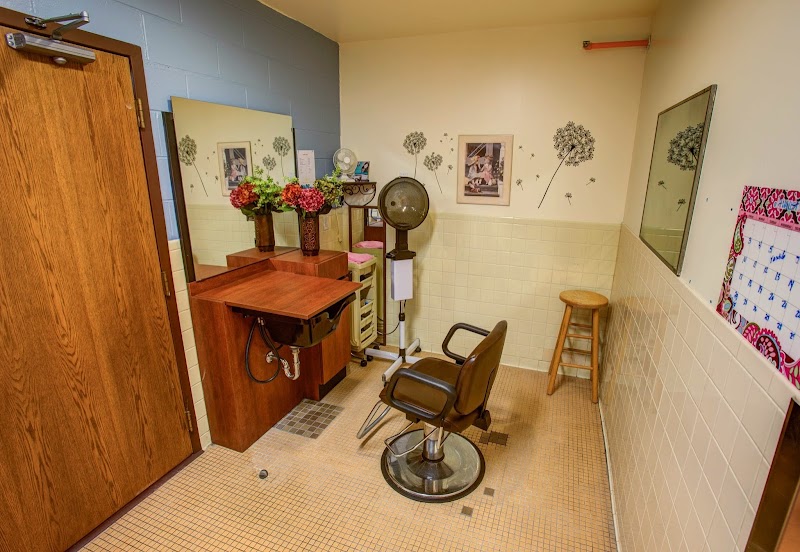
How is The Oaks At Central City Staffed?

CMS rates The Oaks at Central City's staffing level at 1 out of 5 stars, which is much below average compared to other nursing homes. Staff turnover is 57%, which is 11 percentage points above the Nebraska average of 46%. High turnover can affect care consistency as new staff learn residents' individual needs. RN turnover specifically is 67%, which is notably high. RNs provide skilled clinical oversight, so turnover in this role can affect medical care quality.

What Have Inspectors Found at The Oaks At Central City?

State health inspectors documented 19 deficiencies at The Oaks at Central City during 2023 to 2025. These included: 19 with potential for harm.
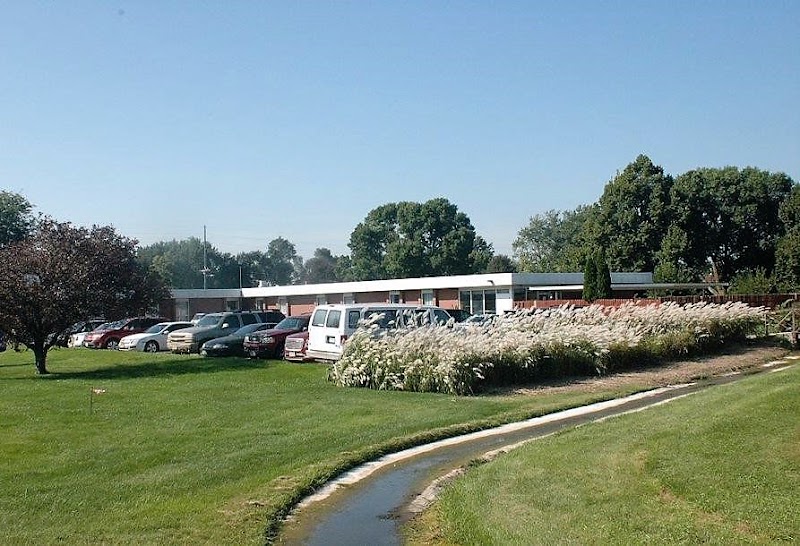
Who Owns and Operates The Oaks At Central City?

The Oaks at Central City is owned by a for-profit company. For-profit facilities operate as businesses with obligations to shareholders or private owners. The facility is operated by AVID HEALTHCARE GROUP, a chain that manages multiple nursing homes. With 63 certified beds and approximately 60 residents (about 95% occupancy), it is a smaller facility located in Central City, Nebraska.

How Does The Oaks At Central City Compare to Other Nebraska Nursing Homes?

Compared to the 100 nursing homes in Nebraska, The Oaks at Central City's overall rating (1 stars) is below the state average of 2.9, staff turnover (57%) is significantly higher than the state average of 46%, and health inspection rating (2 stars) is below the national benchmark.

What Should Families Ask When Visiting The Oaks At Central City?

Based on this facility's data, families visiting should ask: "How do you ensure continuity of care given staff turnover, and what is your staff retention strategy?" "Can you walk me through typical staffing levels on day, evening, and night shifts?" "Can I visit during a mealtime to observe dining assistance and food quality?" "How do you handle medical emergencies, and what is your hospital transfer rate?" These questions are particularly relevant given the facility's high staff turnover rate and the below-average staffing rating.

Is The Oaks At Central City Safe?

Based on CMS inspection data, The Oaks at Central City has a clean safety record: no substantiated abuse findings (meaning no confirmed cases of resident harm), no Immediate Jeopardy citations (the most serious violation level indicating risk of serious injury or death), and is not on the Special Focus Facility watch list (a federal program monitoring the lowest-performing 1% of nursing homes). The facility has a 1-star overall rating and ranks #100 of 100 nursing homes in Nebraska. While no facility is perfect, families should still ask about staff-to-resident ratios and recent inspection results during their visit.

Do Nurses at The Oaks At Central City Stick Around?

Staff turnover at The Oaks at Central City is high. At 57%, the facility is 11 percentage points above the Nebraska average of 46%. Registered Nurse turnover is particularly concerning at 67%. RNs handle complex medical decisions and coordinate care — frequent RN changes can directly impact care quality. High turnover means new staff may not know residents' individual needs, medications, or preferences. It can also be disorienting for residents, especially those with dementia who rely on familiar faces. Families should ask: What is causing the turnover? What retention programs are in place? How do you ensure care continuity during staff transitions?

Was The Oaks At Central City Ever Fined?

The Oaks at Central City has no federal fines on record. CMS issues fines when nursing homes fail to meet care standards or don't correct problems found during inspections. The absence of fines suggests the facility has either maintained compliance or corrected any issues before penalties were assessed. This is a positive indicator, though families should still review recent inspection reports for the full picture.

Is The Oaks At Central City on Any Federal Watch List?

The Oaks at Central City is not on any federal watch list. The most significant is the Special Focus Facility (SFF) program, which identifies the bottom 1% of nursing homes nationally based on persistent, serious quality problems. Not being on this list means the facility has avoided the pattern of deficiencies that triggers enhanced federal oversight. This is a positive indicator, though families should still review the facility's inspection history directly.