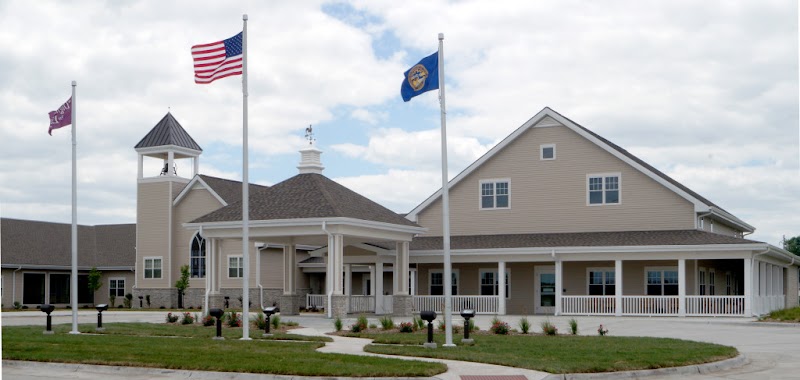
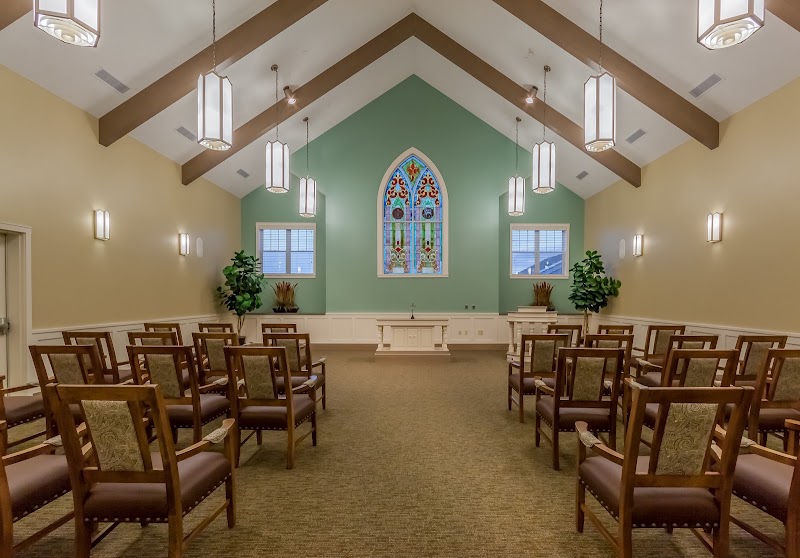
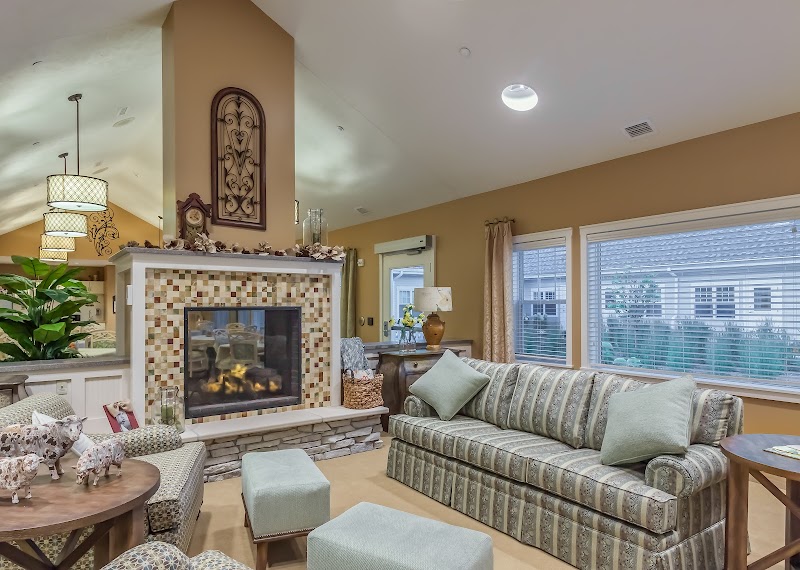
Brookestone Acres

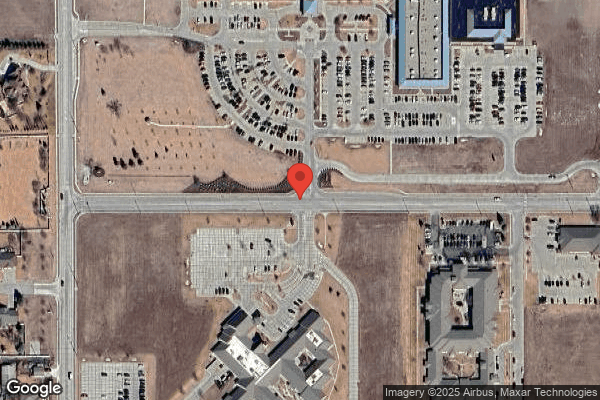
4715 38th Street, Columbus, NE 68601 (402) 942-9260
Non profit - Other 80 Beds VETTER SENIOR LIVING Data: November 2025
Trust Grade
88/100
#2 of 177 in NE
Last Inspection: September 2025

Inspected within the last 6 months. Data reflects current conditions.

Overview

Brookestone Acres in Columbus, Nebraska, has received a Trust Grade of B+, indicating it is above average and recommended for families seeking care. It ranks #2 out of 177 nursing homes in Nebraska, placing it in the top tier of facilities, and is #1 of 2 in Platte County, meaning it is the best local option available. However, the facility is experiencing a worsening trend, with the number of reported issues increasing from 2 in 2024 to 3 in 2025. Staffing is generally a strength, with a rating of 4 out of 5 stars and a turnover rate of 26%, which is significantly lower than the state average. On the downside, there are concerns regarding RN coverage, as the facility has less RN support than 89% of Nebraska facilities. Notably, inspectors found issues such as inaccurate staffing information being posted, which could affect resident care, and staff not properly wearing protective equipment while dealing with COVID-19 residents. Additionally, the facility has fallen behind on conducting required care plan meetings for residents, although a Performance Improvement Plan is in place to address these issues. Overall, while Brookestone Acres has some commendable strengths, families should be aware of the current challenges it faces.

Trust Score
B+
88/100
In Nebraska
#2/177
Top 1%
Safety Record
Low Risk
No red flags
Inspections
Getting Worse
2 → 3 violations
Staff Stability
✓ Good
26% annual turnover. Excellent stability, 22 points below Nebraska's 48% average. Staff who stay learn residents' needs.
Penalties
✓ Good
No fines on record. Clean compliance history, better than most Nebraska facilities.
Skilled Nurses
⚠ Watch
Each resident gets only 29 minutes of Registered Nurse (RN) attention daily — below average for Nebraska. Fewer RN minutes means fewer trained eyes watching for problems.
Violations
⚠ Watch
14 deficiencies on record. Higher than average. Multiple issues found across inspections.
★★★★★
5.0
Overall Rating
★★★★☆
4.0
Staff Levels
★★★☆☆
3.0
Care Quality
★★★★★
5.0
Inspection Score
Stable
2024: 2 issues
2025: 3 issues

The Good

  • 4-Star Staffing Rating · Above-average nurse staffing levels
  • Low Staff Turnover (26%) · Staff stability means consistent care
  • Full Sprinkler Coverage · Fire safety systems throughout facility
  • No fines on record
  • Staff turnover is low (26%)

    22 points below Nebraska average of 48%

Facility shows strength in staffing levels, staff retention, fire safety.

The Bad

Chain: VETTER SENIOR LIVING

Part of a multi-facility chain

Ask about local staffing decisions and management

The Ugly 14 deficiencies on record

Sept 2025 3 deficiencies
CONCERN (D)

Potential for Harm - no one hurt, but risky conditions existed

Deficiency F0657 (Tag F0657)

Could have caused harm · This affected 1 resident

**NOTE- TERMS IN BRACKETS HAVE BEEN EDITED TO PROTECT CONFIDENTIALITY** Licensure Reference Number 175 NAC 12-006.09(F)(iii) Based on record review and interviews, the facility failed to complete the ...

Read full inspector narrative →
**NOTE- TERMS IN BRACKETS HAVE BEEN EDITED TO PROTECT CONFIDENTIALITY** Licensure Reference Number 175 NAC 12-006.09(F)(iii) Based on record review and interviews, the facility failed to complete the care plan (a comprehensive, written document that outlines the personalized healthcare needs, goals, and interventions for a resident, based on a thorough assessment of the medical, functional, and psychosocial status) and to conduct the interdisciplinary care conference on three residents (Resident 1, 21, and 46) out of three residents sampled. The facility census was 74. Findings are: During an interview on 9/09/2025 at 2:15 PM the administrator confirmed the facility is behind on care plan conferences but the facility had an active Performance Improvement Plan (PIP) in place due to past non-compliance with the resident care conferences. During an interview on 09/09/2025 at 3:54 PM the Social Services (SS) confirmed that the care conferences have been behind. The facility started a plan on 8/1/2025 to get the care conferences caught up. A. During an interview on 9/8/25 at 1:24 pm Resident 1 revealed that (gender) hasn’t had a care plan conference for “quite a while”. Record review of Resident 1’s facility's nursing assessments and progress notes for the last 6 months did not reveal any care plan meeting notes. Record review of Resident 1’s Quarterly Minimum Data Set (MDS –a comprehensive assessment of each resident’s functional capabilities used to develop a resident’s plan of care) dated 8/20/2025 revealed that the resident admitted to the facility on [DATE], had a Brief Interview for Mental Status (BIMS - a test used to get a quick snapshot of a resident’s cognitive function, scored from 0-15, the higher the score, the higher the cognitive function) score of 10, with a primary diagnosis of Multiple Sclerosis. During an interview on 09/9/2025 at 4:32 PM the SS confirmed that there were no care plan meeting notes, care conference summary or care plan acknowledgment forms for Resident 1. B. During an interview on 9/8/2025 at 10:34 am Resident 21 revealed (gender) hasn’t had a care plan conference for “a long time”. Record review of Resident 21’s facility's nursing assessments and progress notes for the last 6 months did not reveal any care plan meeting notes. Record review of Resident 21’s Quarterly MDS dated [DATE] revealed that the resident admitted to the facility on [DATE], had a BIMS score of 15, with a primary diagnosis of Multiple Sclerosis. During an interview on 09/9/2025 at 4:32 PM the SS confirmed that there were no care plan meeting notes, conference summary or care plan acknowledgment forms for Resident 21. During an interview on 9/09/2025 at 4:30 PM the SS confirmed the care plans and conferences were still an issue and behind on completion. SS confirmed the PIP was not effective, and the facility will continue to work on the issue. SS confirmed the facility completed a Past Non-compliance plan on 8/1/2025 and there was no improvement with the process. Facility provided their current facility PIP's that included: skin integrity, and pressure injury prevention and falls. Record review of current facility PIP's revealed no process improvement plan for care plan conferences. An interview on 09/10/2025 at 3:25 PM with Administrator confirmed that the performance improvement projects have measurable goals and that they review the long term quality measures to find areas that need improvement, but confirmed the facility had no active plan to address the past due care plan conference. C. A record review of Resident 46’s “Clinical Census” revealed an admission date of 8/12/2024. A record review of Resident 46’s “Minimum Data Set” (MDS)(this comprehensive assessment evaluates each resident's functional capabilities) dated 07/31/2025 revealed a brief interview for mental status (BIMS) score of 15 which indicated the resident was cognitively intact. A record review of the Facility’s “Care Plan Acknowledgement Forms” dated 9/5/2024, 3/6/2025, and 5/5/2025 revealed care plan meetings were held. No “Care Plan Acknowledgement Form” was located for the November 2024 quarterly and the August 2025 annual care conference meeting. In an interview on 9/09/2025 at 2:15 PM with the administrator (Adm), confirmed the facility is behind on care plan conferences but the facility had an active process improvement plan (PIP) in place due to past non-compliance with the care conferences. In an interview on 9/09/2025 at 3:53 PM with Social Services (SS) confirmed the care plan conferences continue to be behind, a PIP was initiated on 8/1/2025 but the facility was still behind on the care conferences. In an interview on 9/09/2025 at 4:30 PM with SS confirmed the care plans and conferences were still an issue and behind on completion. SS confirmed the PIP was not effective, and the facility will continue to work on the issue. SS confirmed the facility completed a Past Non-compliance plan on 6/1/2025 and there was no improvement with the process. In an interview on 9/10/2025 at 8:35 AM with SS, confirmed there is no current system for scheduling the care plan conferences, when the MDS is due, an invite is sent to the family. SS confirmed that this does not always happen timely. In an interview on 9/10/2025 at 8:45 AM with MDS nurse, confirmed the facility use utilizes the MDS schedule in point click care (electronic documentation system) to trigger the care plan process. MDS nurse confirmed the care plan notice does not always get sent to the families timely and confirmed this was an issue. MDS nurse confirmed no awareness of the process that SS follows for the care plan process. In an interview on 9/10/2025 at 11:26 AM Resident 46 confirmed no involvement with care plan meetings or being invited and unaware if their children were invited. A record review of the SS's PIP initiated 8/1/2025 revealed an area of concern including timely completion of care plan conferences for residents in accordance with regulatory guidelines and facility policy. Components of the plan included: 1. Performance expectations: Scheduled and conducted within required timeframes (quarterly, annually, upon significant change. Documented accurately and completely in the resident's medical record. Coordinated with interdisciplinary team members and family/responsible parties. Compliance with Centers for Medicare and Medicaid services (CMS) regulations and state specific Long-Term Care (LTC)-requirements. 2. Observed performance issues included: Multiple care conferences have been delayed or missed. Lake of timely documentation following scheduled care conferences. Inconsistent communication with families and team members regarding scheduling. 3. Impact of performance issues included: Non-compliance with state and federal regulations. Potential negative impact on resident care planning and outcomes. Increased risk of citations during surveys. Decreased trust and satisfaction with residents and families. 4. Improvement goals included: Complete 100% of care conferences on time for the next 90 days. Ensure documentation is entered within 24 hours of the conference. Maintain a tracking system for upcoming conferences. Communicate proactively with families and team members to ensure participation. 5. Action plan included: Utilize the facility's electronic health record (EMR) tools for alerts and reminders. Meet weekly with the supervisor to review upcoming conferences and progress. Collaborate with the MDS coordinator and social services to streamline scheduling. Utilize cliniconex (communication software program used for scheduling and messaging) program to streamline invites vs mailing invitations by mail. The action plan included consequences of non-compliance and was signed and dated by SS on 8/1/2025. In an interview on 9/10/2025 at 9:00 AM with the administrator, confirmed there is no policy on care planning and the SS does not have a current process for tracking. Adm. confirmed this is an area that needs immediate improvement.
CONCERN (D)

Potential for Harm - no one hurt, but risky conditions existed

Respiratory Care (Tag F0695)

Could have caused harm · This affected 1 resident

**NOTE- TERMS IN BRACKETS HAVE BEEN EDITED TO PROTECT CONFIDENTIALITY** The facility failed to ensure physician orders for CPAP ( Continuous Positive Airway Pressure) devices included the required pre...

Read full inspector narrative →
**NOTE- TERMS IN BRACKETS HAVE BEEN EDITED TO PROTECT CONFIDENTIALITY** The facility failed to ensure physician orders for CPAP ( Continuous Positive Airway Pressure) devices included the required pressure setting for Residents 53 and 60.F695 - Respiratory CareLicensure Reference Number: 175 NAC 12-006.09(H)(vi)(3)(g) Based on observation, interview, and record review the facility failed to ensure that physician orders for Continuous Positive Airway Pressure (CPAP) therapy (a type of non-invasive ventilator that delivers pressurized air through a mask to keep the airway open during sleep) included complete and specific settings (pressure, ramp time, humidity, or other specifications) for 2 of 2 sampled residents (Resident 53 and Resident 60) in a facility census of 74. This failure had the potential to result in inadequate or unsafe respiratory care delivery.A.A record review of resident 53's Care Plan (a detailed document that outlines the specific healthcare needs, goals and interventions for the resident) dated September 9, 2025 revealed an intervention listed as CPAP as ordered under the altered respiratory function focus.A record review of resident 53's Clinical Physician Orders dated September 10, 2025 revealed an active order for CPAP when sleeping - every night shift. No pressure, ramp time, or humidity settings were identified.A record review of resident 53's Minimum Data Set (MDS, a federally mandated clinical assessment of all residents in Medicare or Medicaid certified nursing homes) Quarterly assessment dated [DATE] revealed the resident was receiving a non-invasive mechanical ventilator (CPAP) as part of the treatment plan.A record review of resident 53's Medical Diagnosis report dated September 9, 2025 revealed active diagnoses of Chronic Respiratory Failure with Hypoxia (a condition in which the lungs cannot supply enough oxygen to the blood) and Obstructive Sleep Apnea (a sleep disorder where breathing repeatedly stops and starts due to airway blockage), conditions requiring CPAP therapy.A record review of the facility's policy dated November 18, 2024 revealed that implementation required verifying the practitioner's order including settings before initiating CPAP therapy.In an interview conducted with the DON (Director of Nursing, the licensed nurse responsible for oversight of nursing services) at 11:40 a.m. on September 10, 2025, confirmed that physician orders for the CPAP machines for Resident 53 and Resident 60 did not include specific settings or specifications. The DON confirmed that the physician orders were incomplete and should have included the CPAP settings. The DON confirmed that per home settings could not be identified by staff and that she did not know what per home settings meant.B.A record review of resident 60's Care Plan dated August 27, 2025 revealed interventions related to sleep apnea (a disorder in which breathing repeatedly stops and starts during sleep) with CPAP (Continuous Positive Airway Pressure, a type of non-invasive ventilator that delivers pressurized air through a mask to keep the airway open during sleep) use and Amyotrophic Lateral Sclerosis (ALS, a progressive neurodegenerative disease affecting nerve cells in the brain and spinal cord), including CPAP while sleeping at night.A record review resident 60's Clinical Physician Orders dated September 10, 2025 revealed an active order for new CPAP with current settings. No settings were documented.A record review of resident 60's Order Summary dated September 10, 2025 revealed an active order for CPAP at HS (hour of sleep) per home settings every evening and night shift. No settings were documented.A record review of resident 60's Minimum Data Set (MDS, a federally mandated clinical assessment of all residents in Medicare or Medicaid certified nursing homes) Comprehensive assessment dated [DATE] revealed CPAP documented under Section O as a non-invasive ventilator in use.A record review of the facility's policy dated November 18, 2024 revealed that implementation required verifying the practitioner's order including settings before initiating CPAP therapy.In an interview conducted with the DON (Director of Nursing, the licensed nurse responsible for oversight of nursing services) at 11:40 a.m. on September 10, 2025, confirmed that physician orders for the CPAP machines for Resident 53 and Resident 60 did not include specific settings or specifications. The DON confirmed that the physician orders were incomplete and should have included the CPAP settings. The DON confirmed that per home settings could not be identified by staff and that (gender) did not know what per home settings meant.
CONCERN (F)

Potential for Harm - no one hurt, but risky conditions existed

Staffing Information (Tag F0732)

Could have caused harm · This affected most or all residents

Based on observation, record review, and interviews, the facility failed to ensure that the posted Daily Nurse Staffing Form had an accurate census. This had the potential to affect all the residents ...

Read full inspector narrative →
Based on observation, record review, and interviews, the facility failed to ensure that the posted Daily Nurse Staffing Form had an accurate census. This had the potential to affect all the residents in the facility. The facility census was 74 at the time of survey. Findings are:During an observation on 9/8/25 at 9:42 AM revealed the posted Daily Nurse Staffing Form near the front door stated the average census was 78.During an interview on 9/8/25 at 10:10 AM the Administrator (Adm) confirmed the current facility census was 74.During an observation on 9/9/25 at 8:32 AM revealed the posted Daily Nurse Staffing Form near the front door stated the average census was 78.During an interview on 9/9/25 at 10:10 AM the Assistant Director of Nursing (ADON) confirmed the current facility census was 74.During an observation on 9/10/25 at 8:32 AM revealed the posted Daily Nurse Staffing Form near the front door stated the average census was 78.During an interview on 9/10/25 at 10:10 AM the Adm confirmed the current facility census was 75.During an interview on 09/10/2025 at 10:19 AM the Staffing Coordinator (SC) confirmed that the posted Daily Nurse Staffing Form should have the actual facility census listed. It was also confirmed that the daily nurse staffing form is printed on Mondays for the past weekend.During an interview on 09/10/2025 at 10:52 AM the Regional Nurse Consultant (RNC) stated that it was a brand new computer program and there is no facility policy or procedure for filling out the Daily Nurse Staffing Form. During an interview on 09/10/2025 at 11:33 AM the Adm confirmed that the posted Daily Nurse Staffing Form was not accurate with the average daily census and it should have the actual facility daily census. During an interview on 09/11/2025 at 8:40 AM the Administrator confirmed that the posted Daily Nurse Staffing Form should be printed and hung before the day and updated as needed.
Aug 2024 2 deficiencies
CONCERN (D) 📢 Someone Reported This

A family member, employee, or ombudsman was alarmed enough to file a formal complaint

Potential for Harm - no one hurt, but risky conditions existed

Accident Prevention (Tag F0689)

Could have caused harm · This affected 1 resident

**NOTE- TERMS IN BRACKETS HAVE BEEN EDITED TO PROTECT CONFIDENTIALITY** C. Review of Resident 14's MDS dated [DATE] revealed the resident was cognitively impaired, had diagnoses of heart disease, arth...

Read full inspector narrative →
**NOTE- TERMS IN BRACKETS HAVE BEEN EDITED TO PROTECT CONFIDENTIALITY** C. Review of Resident 14's MDS dated [DATE] revealed the resident was cognitively impaired, had diagnoses of heart disease, arthritis, and dementia, was dependent with toileting, dressing, transfers and personal hygiene, and had two or more falls without injury. Review of Resident 14's Care Plan last revised 7/24/24 revealed the following: -the resident had dementia, -required assistance with bed mobility, dressing, transfers, and personal hygiene, and -fall interventions included: place items frequently used within reach, keep the wheelchair next to the bed, traction strips on the floor in the bathroom, toilet before and after meals, take the resident back to the resident room to assist to bathroom as needed and help transfer into bed after meals, initiate routine bowel movement, take from the dining room to the bathroom immediately after lunch; and offer to lay down after lunch after being toileted. Review of the facility forms Fall Scene Investigation Reports regarding Resident 14 revealed the following: -6/25/24 at 3:50 AM the resident was observed on the floor. The resident stated they were trying to go to the restroom and had gone 2 days without a bowel movement. The intervention implemented was to toilet the resident after breakfast daily and to stay with the resident to promote a daily bowel movement. No new intervention had been implemented, and -7/26/24 at 1:00 PM the resident was observed on the floor. The resident stated they were trying to get into bed. The intervention implemented was to assist to bed after breakfast and lunch. No new intervention was implemented. Interview on 8/29/24 at 1:35 PM with the DON and the Administrator confirmed new interventions were not implemented for Resident 14 for falls on 6/25/24 and 7/26/24. LICENSURE REFERENCE NUMBER 175 NAC 12-006.09D(l)(i)(3) Based on observations, record review, and interviews; the facility failed to implement, to revise and/or develop new interventions to prevent further falls for 2 (Residents 14 and 41) of 4 sampled residents. The facility census was 75. Findings are: A. Review of the facility Fall Prevention/Management Standard with a revised date of 1/2024 revealed the following guidelines: -residents were to be reviewed during the pre-admission/admission process to identify and determine risk for falls. -when a resident was identified at risk for falls, the care plan was to reflect the potential for injury/safety risk. Approaches/interventions were to be implemented and maintained related to identified areas of risk. All team members were to be knowledgeable of the resident's fall interventions. -falls were to be investigate as they occurred, and the staff were to collect factual evidence related to the fall event using the Root Cause Analysis process. The Root Cause Analysis is a process to find out what happened, why it happened and to determine what can be done to prevent it from happening again. -when the evaluation was completed, and the Charge Nurse had gathered enough information for a detailed report, they were to complete a Fall Scene Investigation Report. Appropriate interventions were to be implemented to prevent future falls based on information from the Fall Scene Investigation. The care plan was to be reviewed and revised with the dated interventions added. B. Review of Resident 41's Minimum Data Set (MDS-a federally mandated comprehensive assessment tool used for care planning) dated 8/9/24 revealed the following was assessed regarding the resident: -admitted [DATE] with diagnoses of dementia, hemiplegia (muscle weakness or paralysis on one side of the body) and depression. -was totally dependent on staff for assistance with bed mobility, transfers, dressing and toileting. -occasionally incontinent of urine. -had a history of falls with 2 falls without injury and 2 falls with injury (except major) since the previous assessment. Review of the resident's current Care Plan dated 5/17/24 revealed the resident had a history of falls and remained at risk related to confusion, dementia, and awareness of safety needs. The following interventions were identified: -5/17/24 anticipate and meet resident needs. -5/26/24 gripper socks when in bed. -6/3/24 assist the resident to the bathroom after all meals, stay with the resident and then transfer to bed, the recliner, or the recliner in the wife's room. -6/5/24 toilet the resident after the morning shift change. -6/6/24 get the resident up first for the day. -6/6/24 give the resident verbal reminders not to transfer or to ambulate without assistance. -6/8/24 encourage the resident to sit in the commons area before meals for visual assurance of safety. -6/9/24 keep the resident's walker and wheelchair next to the resident for safety. -6/10/24 frequent checks of the resident around mealtimes and staff to attend the resident when the resident leaves the dining table. -6/15/24 toilet the resident first on midnight rounds. -6/30/24 call light pendant to be worn on the outside of the resident's shirt. -6/30/24 check on the resident frequently. -7/4/24 resident to be brought to the commons area for visual safety assessment in the afternoon. -7/5/24 Dycem non-skid pad underneath cushions in chairs. -7/10/24 physically assist the resident the resident from the dining room to the resident's room, toilet and offer to transfer to the bed or the recliner. -7/13/24 both shoes to be worn during transfers. -7/17/24 non-skid floor strips on floor of bathroom. -8/15/24 toilet after the 2:00 PM shift change. Review of Fall Scene Investigation Reports for Resident 41 revealed the following: -6/3/24 at 2:10 PM the resident had a fall in the resident's room when attempting to self-transfer into the bathroom. New interventions identified were use of a pendant call light and to toilet the resident after meals. -6/4/24 at 11:30 PM the resident was found on the floor between the bed and the nightstand, and the resident indicated a need to use the bathroom. The resident was barefoot, and a new intervention was developed to make sure the resident wore gripper socks in bed and to provide more frequent toileting. -6/5/24 at 6:10 AM the resident fell when attempting to self-transfer to the bathroom. The resident was last toileted at 5:00 AM. A new intervention was developed to have the resident be the first gotten ready for the day. -6/8/24 at 11:00 AM the resident had attempted to self-transfer from the recliner to the wheelchair and fell. New intervention indicated for the staff to take the resident to the commons area prior to meals for visual assurance of safety. -6/10/24 at 6:05 PM the resident had a fall in their room when attempting to self-transfer into the bathroom. The resident had independently left the dining room after the evening meal. The report indicated the resident was last toileted at 10:35 AM (8 ½ hours earlier). New interventions were listed for frequent checks, 1:1 with the resident if doing report or a shift change, to toilet immediately after leaving the dining room and staff to stay with the resident if wanting to leave the table in the dining room after meals. -6/13/24 at 8:45 AM the resident was found sitting on the floor of the bathroom in front of the toilet. Staff failed to document the last time the resident was toileted. The night shift had gotten the resident up and dressed, then laid the resident back in bed. The day shift got the resident up at about 6:45 AM and the resident was taken to breakfast at 7:45 AM. The resident then left the table at around 8:30 AM. The staff implemented a new intervention to position the resident by the window in the main dining room to make it easier for the staff to identify when exiting the dining room independently. -6/13/24 at 2:30 PM the resident had attempted to self-transfer to the wheelchair to get to the bathroom. The resident had been given a laxative that morning and had no results. New interventions included; walk-to-dine for all meals, to place in a regular dining room chair, increase the resident's laxative to twice a day and encourage increased fluid intake. -6/15/24 at 12:20 AM the resident attempted to self-transfer out of bed and into the wheelchair to use the bathroom. A new intervention was identified to toilet the resident first on midnight rounds. -6/19/24 at 6:30 PM the resident was in the wheelchair and had just finished eating in the dining room. The resident left the dining room independently and fell when attempting to self-transfer into bed. The staff were to ensure the resident was assisted to the bathroom immediately after meals and to offer to reposition the resident in bed or the recliner after toileting. -6/30/24 at 4:00 PM the resident fell when attempting to self-transfer into the bathroom for toileting. The resident's call light pendant was in place but was underneath of the resident's shirt. A new intervention was indicated to place the pendant on the outside of the resident's shirt. -7/4/24 at 4:30 PM the resident had a fall when attempting to self-transfer into the wheelchair to get to the bathroom. New interventions were developed for a medication review and a 3-day Bowel and Bladder assessment. -7/5/24 at 10:15 AM the resident attempted to self-transfer from the recliner to the wheelchair to use the bathroom. A gel cushion was in the seat of the recliner and had gotten tucked into the back of the chair making the front of the recliner seat [NAME]. Staff placed a Dycem non-slip pad between the gel cushion and the recliner seat to prevent the cushion from sliding. -7/10/24 at 8:30 AM the resident was found on the floor of the resident's room after self-transferring out of the recliner. The facility implemented a new intervention for staff to keep the resident in the dining room/living room until staff was able to take to the bathroom and then safely transfer into the bed/recliner. No further interventions were developed. -7/13/24 at 6:40 PM the resident fell when attempting to self-transfer from the wheelchair and into the resident's bed. Staff were to toilet the resident after meals and then place the resident into bed. No further interventions were identified. -7/17/24 at 7:45 AM the resident fell when attempting to self-transfer into the bathroom. Staff failed to document when the resident was last toileted. The resident was eating the breakfast meal in the resident's room. A new intervention for non-slip strips to be placed on the bathroom floor was identified. -7/26/24 at 7:25 PM the resident fell when attempting to self-transfer from the recliner to the wheelchair. Resident was more confused and seemed more worried than usual. The staff initiated 15-minute checks on the resident. -8/15/24 at 3:30 PM the resident had a fall in the resident's room when attempting to self-transfer and indicated a need to use the bathroom. A new intervention was indicated for staff to toilet the resident at shift change. Observations of Resident 41 revealed the following: -8/27/24 at 12:09 PM the resident was in the wheelchair with bilateral foot pedals in place and staff provided total assist with mobility from the resident's room to the dining room. The resident had not been seated in the common's area to increase visual supervision prior to the meal and staff failed to walk the resident to the dining room and to transfer the resident into a regular chair once in the dining room. -8/27/24 at 1:41 PM the resident was provided total assist with mobility out of the dining room and to the resident's room. Staff made no attempt to ambulate with the resident back to the resident's room. -8/28/24 at 7:17 AM staff assisted the resident out of the recliner and into the wheelchair. Staff failed to toilet the resident prior to going to the dining room, made no attempt to walk the resident or to position the resident into a regular chair once in the dining room. -8/28/24 at 12:47 PM the staff provided the resident total assist with wheelchair mobility out of the dining room to the resident's room. The resident was not seated in a regular chair and the staff did not provide an opportunity for the resident to participate in the walk-n-dine program. An interview with the Director of Nursing on 8/27/24 at 2:42 PM confirmed the following: -the Charge Nurses were responsible for identifying causal factors and then developing a new intervention or revising current interventions with each resident fall. -Resident 41 was at high risk for ongoing falls and was very difficult to keep from falling. -the resident was to be toileted before and after meals or every 2 hours especially at night. -with the resident's fall on 6/8/24 at 11:00 AM the resident was attempting to self-transfer out of the recliner and into the wheelchair. A new intervention was indicated to take the resident out to the commons area prior to meals for visual assurance of safety. -with the resident's fall on 6/10/24 at 6:05 PM the resident left the dining room unattended and attempted to self-transfer into the bathroom. The Fall Scene Investigation Report indicated the last time staff toileted the resident was at 10:30 AM despite an intervention dated 6/4/24 for frequent toileting. -with the resident's fall on 6/13/24 at 2:30 PM the resident attempted to self-transfer into the bathroom. New interventions were identified for walking the resident to/from the dining room for all meals and to transfer into a regular chair in the dining room. -with the fall on 6/19/24 at 6:30 PM the resident left the dining room in the wheelchair and self-propelled to the resident's room then attempted to self-transfer into bed. Staff had failed to walk the resident to the dining room, to place the resident in a regular chair, to walk the resident back to their room and to toilet the resident immediately after the meal. -with the resident's fall on 7/4/24 at 4:30 PM the resident had attempted to self-transfer into the wheelchair. New interventions were identified for a medication review and a 3-day Bowel and Bladder assessment. The medication review was completed 7/11/24 with no changes and no patterns or changes with identified with the Bowel and Bladder assessment to prevent further falls. -with the fall on 7/13/24 at 6:40 PM the resident had left the dining room in the wheelchair independently and self-transferred out of the wheelchair trying to put self in the bed. The resident was not walked to/from the dining room and had not been placed in a regular chair in the dining room. In addition, the resident was not immediately toileted after the evening meal. -with the fall on 7/10/24 at 8:30 AM the resident independently left the dining room in the wheelchair and fell when attempting to self-transfer in the resident's room. The resident was not walked to/from the dining room and had not been placed in a regular chair in the dining room. In addition, the resident was not immediately toileted after the breakfast meal. During an interview on 8/28/24 at 7:34 AM, Nurse Aide (NA)-A confirmed the resident was to be toileted every 2 hours, and/or before and after all meals. NA-A indicated the staff did not place the resident in the commons area before or after meals but would normally take the resident back to their room. NA-A was unaware the resident was on a walk-to-dine program or that the resident was to be transferred out of the wheelchair and into a regular chair when in the dining room for meals.
CONCERN (D)

Potential for Harm - no one hurt, but risky conditions existed

Medication Errors (Tag F0758)

Could have caused harm · This affected 1 resident

Licensure Reference Number 175 NAC 12-006.09D Based on record review and interview; the facility failed to have a diagnosis for the use of an antipsychotic (a drug or substance that affects how the br...

Read full inspector narrative →
Licensure Reference Number 175 NAC 12-006.09D Based on record review and interview; the facility failed to have a diagnosis for the use of an antipsychotic (a drug or substance that affects how the brain works) medication and to attempt a gradual dose reduction (GDR) and/or have a documented contraindication for use of the antipsychotic medication for 1 (Resident 50) of 5 sampled residents. The facility census was 75. Findings are: A. Review of the Psychoactive Medication and Medication Regimen Review Management Standard dated 6/2024 revealed the following: -residents were not given psychotropic drugs unless the medication was necessary to treat a specific condition, as diagnosed and documented in the clinical record, and the medication was beneficial to the resident, as demonstrated by monitoring and documentation of the resident's response to the medication. -psychotropic medications included antipsychotics, antidepressants, anti-anxiety, and hypnotics. -attending physicians assumed leadership in medication management by developing, monitoring, and modifying regimens in collaboration with residents, families/responsible parties, other professionals, and the interdisciplinary team. -the indication for use of psychotropic medications were documented in the medical record. -residents and their families were educated on the benefits and risks of psychotropic medications as well as alternate treatments available. -residents who used psychotropic medications received gradual dose reductions, unless clinically contraindicated, to discontinue those medications. -the Physician in collaboration with the Consultant Pharmacist re-evaluated the use of medication and considered whether the medication could be reduced or discontinued. B. Review of Resident 50's Minimum Data Set (MDS- federally mandated comprehensive assessment used to develop resident Care Plans) dated 8/15/24 revealed the resident had diagnoses of Alzheimer's disease, dementia, anxiety, and depression. The resident had no behaviors, and the resident took an antipsychotic and an antianxiety medication. Review of Resident 50's Physician's Orders revealed an order for the antianxiety medication Lorazepam cream 1 milligram (mg)/milliliter (ml) 0.5 ml to be applied topically twice a day for anxiety and restlessness dated 8/4/23. Review of Resident 50's Monthly Medication Review (MMR) dated 1/18/24 revealed the Consultant Pharmacist had made a recommendation to attempt a GDR for the resident's Lorazepam or to provide a clinical rationale as to why the GDR should not be attempted. The resident's Physician returned the recommendation on 2/28/24 with a response to continue the medication as needed. Further review revealed no clinical rational was provided regarding why a GDR could not be attempted for the resident's Lorazepam. Review of Resident 50's Physician Orders revealed an order dated 9/21/23 for the antipsychotic medication Seroquel 25 mg to be administered twice a day for a diagnosis of dementia. Review of an MMR dated 11/22/23 revealed the Consultant Pharmacist had sent a note to the resident's physician asking for a diagnosis for the resident's Seroquel and requesting a trial GDR for the medication or a documented rationale versus benefit as to why a GDR should not be attempted. Review of the physician's response dated 12/6/23 revealed a new diagnosis of agitation/dementia and to continue use of the medication with no GDR due to a potential risk of injury to self or others. Further review revealed no documentation regarding a clinical rationale for continued use of the Seroquel. Review of an MMR dated 5/16/24 revealed the Consultant Pharmacist again asked the resident's physician for an appropriate diagnosis for use of the Seroquel and requested a trial GDR for the medication or a documented clinical rationale as to why no GDR was to be attempted. The physician responded on 5/20/24 to continue use of the medication for the resident's safety. During an interview on 8/28/24 at 3:02 PM, the Director of Nursing confirmed the facility had no evidence the facility had attempted a GDR of Resident 50's Lorazepam and Seroquel and had no evidence of a documented contraindication by the provider.
Aug 2023 9 deficiencies
CONCERN (D)

Potential for Harm - no one hurt, but risky conditions existed

Notification of Changes (Tag F0580)

Could have caused harm · This affected 1 resident

**NOTE- TERMS IN BRACKETS HAVE BEEN EDITED TO PROTECT CONFIDENTIALITY** Licensure Reference Number 175 NAC 12-006.09 Based on record review and interview, the facility failed to notify the provider fo...

Read full inspector narrative →
**NOTE- TERMS IN BRACKETS HAVE BEEN EDITED TO PROTECT CONFIDENTIALITY** Licensure Reference Number 175 NAC 12-006.09 Based on record review and interview, the facility failed to notify the provider for a condition change for 1 resident (Resident 39). The sample size was 1 and the facility census was 57. Findings are: A. Review of Resident 39's Nursing Progress Notes dated 5/25/23 at 1:37 PM revealed the resident was being monitored for a potential Urinary Tract Infection (UTI) related to symptoms of aggression, very odorous urine and the resident was more lethargic (a state of fatigue involving a lack of energy and motivation for physical and mental tasks). Review of Resident 39's record Monitoring for Suspected Urinary Tract Infections dated 5/25/23 through 5/28/23 revealed the following regarding the resident's urinary status: -on 5/25/23, the urine was cloudy with a foul odor, had symptoms of lethargy, malaise (a general feeling of discomfort, illness or uneasiness) and a change in mental status; -on 5/26/23, the urine had a foul odor and symptoms of malaise and lethargy were noted; -on 5/27/23, the urine was cloudy with a foul odor and symptoms of lethargy and a change in the resident's mental status was noted; and -on 5/28/23, the physician was to be updated for recommendations or orders and was not notified until 5/31/23 (6 days after symptoms were first identified). In addition, the monitoring form indicated if a resident had a significant change of condition (ie. lethargy and/or a change in mental status) the nurse should notify the physician immediately. Review of Resident 39's medical record revealed the following: -a Clinical Assessment and Communication Tool Template for Suspected UTI dated 5/31/23 was sent to the physician by facsimile at 5:02 PM; -the resident's symptoms were foul urine odor, cloudy urine, lethargy, malaise and there was a change in mental status; and -the physician ordered a Urine Analysis (UA) sample be obtained. Review of Resident 39's Nursing Progress Notes dated 5/31/23 through 6/11/23 revealed the following: -6/1/23 at 5:55 PM, the nurse was unable to obtain the urine sample and there was no evidence the physician was notified; -6/2/23 at 3:35 PM, the nurse was unable to obtain the urine sample and there was no evidence the physician was notified; -6/3/23 there was no evidence of documentation a UA sample was obtained or attempted; -6/4/23 at 2:53 PM, the nurse was unable to obtain the urine sample and updated the physician by facsimile, requesting to use a urinary catheter (a soft, thin tube inserted into the bladder used to pass urine from the body) to obtain the urine sample; -6/7/23 at 2:27 PM (3 days later), an order was received for staff to use a catheter to obtain the urine sample with two unsuccessful attempts noted; -6/7/23 at 6:56 PM, the resident had 5 nickel sized clots of dark red blood noted and there was no evidence the physician was notified; -6/8/23 at 2:16 AM, the resident had a fever of 102.2 and was given 1000 milligrams of Tylenol; -6/8/23 at 3:00 AM, the physician was notified via phone, at 3:45 AM the resident was transferred to the ER and returned to the facility at 9:00 AM with a diagnosis of a UTI; -6/8/23 at 10:40 AM, the resident was observed shaking, breathing heavy and sporadically .very tense and clenching hands/arms/torso. The resident was transferred to the ER at 11:40 AM and was admitted to the hospital. During an interview on 8/3/23 at 11:30 AM with the Infection Preventionist (IP- a professional who ensures healthcare workers and patients are doing things appropriately to prevent infections), the IP confirmed the following regarding Resident 39: -the resident had a significant change of condition identified on 5/25/23 related to symptoms of lethargy and a change in mental status; -the physician should have been notified of the resident's condition change immediately on 5/25/23 and was not notified until 6 days later on 5/31/23; and -the resident was diagnosed with a UTI and was hospitalized on [DATE].
CONCERN (D)

Potential for Harm - no one hurt, but risky conditions existed

Transfer Notice (Tag F0623)

Could have caused harm · This affected 1 resident

Licensure Reference Number 175 NAC 12-006.02(1) Based on record review and interview, the facility failed to submit transfer and discharge notifications to the State Ombudsman (an official appointed t...

Read full inspector narrative →
Licensure Reference Number 175 NAC 12-006.02(1) Based on record review and interview, the facility failed to submit transfer and discharge notifications to the State Ombudsman (an official appointed to investigate individuals' complaints and serves as a consumer advocate) as required for Resident 9. The facility census was 57. Findings are: Review of Resident 9's Census List revealed the resident was discharged to the hospital on 4/19/23, 5/22/23, and 6/24/23. Review of Resident 9's Medical Records revealed no evidence the State Ombudsman was notified of any discharges from 4/19/23 through 6/24/23. During an interview on 8/2/23 the Social Services Director confirmed the facility did not notify the State Ombudsman of Resident 9's hospital discharges.
CONCERN (D)

Potential for Harm - no one hurt, but risky conditions existed

Deficiency F0625 (Tag F0625)

Could have caused harm · This affected 1 resident

Licensure Reference Number 175 NAC 12-006.05(1) Based on record review and interview, the facility failed to provide Resident 9 or the resident's representative, bed hold information when the resident...

Read full inspector narrative →
Licensure Reference Number 175 NAC 12-006.05(1) Based on record review and interview, the facility failed to provide Resident 9 or the resident's representative, bed hold information when the resident was transferred to the hospital. The sample size was 22 and the facility census was 57. Findings are: Review of the undated facility Notice of Bed Hold Policy revealed the facility advised the resident and or family of the bed hold policy, in writing within 24 hours of an emergency transfer to inform them of the bed hold rate (daily cost/rate for the type of room being held for the resident). Review of Resident 9's Census List revealed the resident was transferred to the hospital on 4/19/23, 5/22/23, and again on 6/24/23. Review of Resident 9's medical record from 4/19/23 through 6/25/23 revealed no evidence the resident or the resident's representative were notified of the facility bed hold policy. During an interview on 8/1/23 at 3:15 PM the Director of Nursing confirmed the facility had no documented evidence that Resident 9 or their representative were provided with the required bed hold information when discharged to the hospital on 4/19/23, 5/22/23, and 6/24/23.
CONCERN (D)

Potential for Harm - no one hurt, but risky conditions existed

Assessment Accuracy (Tag F0641)

Could have caused harm · This affected 1 resident

**NOTE- TERMS IN BRACKETS HAVE BEEN EDITED TO PROTECT CONFIDENTIALITY** Licensure Reference Number 175 NAC 12-006.09B1 Based on record review and interview, the facility failed to ensure Resident 4's ...

Read full inspector narrative →
**NOTE- TERMS IN BRACKETS HAVE BEEN EDITED TO PROTECT CONFIDENTIALITY** Licensure Reference Number 175 NAC 12-006.09B1 Based on record review and interview, the facility failed to ensure Resident 4's Minimum Data Set (MDS-federally mandated comprehensive assessment used to develop resident care plans) was coded to reflect the resident's health status. The sample size was 22 and the facility census was 57. Findings are: Review of Resident 4's Preadmission Screening and Resident Review (PASRR-federally required screening required for all individuals being considered for nursing facility admission, to determine if the person has or was suspected of having a mental illness, intellectual disability, or related disorder, and used to ensure that individuals were not inappropriately placed in nursing homes for long term care) dated 2/25/20 revealed the resident had a level 2 (extended) assessment completed and the facility needed to document this by marking yes to question 1500A on the MDS indicating the resident had a serious mental illness, developmental disability, or related disorder. Review of Resident 4's MDS dated [DATE] revealed the resident was admitted on [DATE], had a diagnosis of a psychotic disorder, and question 1500A indicated no to the question if a level 2 screen had been completed. Review of Resident 4's Care Plan with a revision date of 3/22/23 revealed the resident used psychoactive (affecting the mind) medication due to mental issues. During an interview on 8/1/23 at 3:40 PM the Director of Nursing confirmed that Resident 4 had a level 2 PASRR screen completed, did have a mental illness diagnosis, however the MDS assessment completed on 1/26/23 was inaccurately coded and did not reflect that a level 2 screen had been completed.
CONCERN (D)

Potential for Harm - no one hurt, but risky conditions existed

Deficiency F0661 (Tag F0661)

Could have caused harm · This affected 1 resident

License Reference Number 175 NAC 12-006.09C3 Based on record review and interview, the facility failed to complete a discharge summary for Resident 56. The sample size was 3 and the facility census w...

Read full inspector narrative →
License Reference Number 175 NAC 12-006.09C3 Based on record review and interview, the facility failed to complete a discharge summary for Resident 56. The sample size was 3 and the facility census was 57 residents at the time of the survey. Findings are: Record review of Resident 56's Progress Note dated 6/26/2023 at 9:15 PM, revealed the resident had been transferred to the hospital. Review of Resident 56's records revealed there was no discharge summary. An interview with the Administrator on 8/2/2023 at 8:00 AM, revealed Resident 56 had discharged to the hospital on 6/26/2023 and did not return to the facility. An interview with the Administrator on 8/2/2023 at 8:27 AM confirmed the facility did not do a discharge summary for Resident 56. An interview with the Director of Nursing on 8/2/2023 at 10:31 AM revealed the facility had a process they followed for discharges and a discharge summary needed to be completed within 30 days. The DON confirmed a discharge summary had not been completed for Resident 56.
CONCERN (D)

Potential for Harm - no one hurt, but risky conditions existed

Accident Prevention (Tag F0689)

Could have caused harm · This affected 1 resident

**NOTE- TERMS IN BRACKETS HAVE BEEN EDITED TO PROTECT CONFIDENTIALITY** Licensure Reference Number 175 NAC 12-006.09D7 Based on observation, interview, and record review: the facility failed to implem...

Read full inspector narrative →
**NOTE- TERMS IN BRACKETS HAVE BEEN EDITED TO PROTECT CONFIDENTIALITY** Licensure Reference Number 175 NAC 12-006.09D7 Based on observation, interview, and record review: the facility failed to implement interventions to protect from a potential burn from a hot liquid spill for Resident 10. The sample size was 5 and the facility census was 57. Findings are: Review of the Hot Liquid Management Guidelines policy dated 3/2016 revealed if residents were assessed at high risk upon admission, readmission, quarterly and with a significant change the following elements were to be implemented: - reduce the temperature of the hot liquid, - use adaptive equipment/clothing as necessary, - update the care plan, - place hot items towards the center of the table but within a comfortable reaching distance for the resident, - remind residents that you have served them a hot beverage, and - residents with hot liquids should not be left unsupervised. Review of Resident 10's Hot Liquid Screening form on admission dated 2/20/23 revealed therapist recommendations for cool hot liquids and all drinks would have lids. A Hot Liquids Risk Assessment completed 3/23/23 revealed the resident had a risk factor of confusion, and the resident had a history of accidents/injury with use of hot beverages. Review of the Resident's Progress Notes revealed an entry on 3/3/23 at 8:00AM revealed the resident accidently spilled coffee on their thigh and was assisted to remove their pants. The nurse assessed the resident's skin and noted redness to the inner thighs. A cold/wet washcloth was applied. Review of the Investigation Report sent into the state agency on 3/10/23 revealed interventions were to have [NAME] cups (a lightweight cup with a handle and a lid with a straw) for all liquids, cups with hot liquids were to be served half full, a clothing protector with a fluid resistance backing would be placed in the resident's lap for all hot liquids, and supervision would be provided with all meals. Review of the Resident's Care Plan last revised 3/22/23 revealed the following: - the resident had a history of cognitive impairment related to dementia, - hot liquid burn preventions interventions included: all cups need lids, cool hot liquids, clothing protector on lap with hot liquids, place hot items towards the center of the table but within a comfortable reaching distance, provide room with adequate lighting, and remind the resident that the beverage served wass hot. Interview with the Resident on 7/31/23 at 11:20 AM revealed that the resident had an incident a few months back when the resident spilled their hot coffee in their own lap at breakfast. The resident was unsure of interventions put into place. Observation on 8/3/23 at 8:21 AM Resident 10 was sitting in the resident room in the dark with the television on. There was a regular coffee cup full of coffee with no lid on the cup. The cup was sitting on the tray table. The resident wasn't wearing a clothing protector. The resident stated that the coffee was hot, but the resident would just use the blanket on the resident lap to catch any spills. Interview with Licensed Practical Nurse (LPN-R) on 8/3/23 at 8:27 AM revealed the resident was high risk for hot spills with interventions to prevent hot spills including: the resident should have a cup with a lid on it, a clothing protector on the resident lap with hot liquids, hot liquids should be placed towards the center of the table, the light should be on in the resident room and to remind the resident that beverages are hot. At 8:27 AM LPN-R enters the resident room and confirmed the light was not on in the resident room, coffee was not served in a covered mug and there was no clothing protector in place. Interview with Director of Nursing and the Administrator on 8/3/23 at 8:54 AM confirmed the resident was at high risk for hot liquid spills and should have a clothing protector and a covered mug in place.
CONCERN (D)

Potential for Harm - no one hurt, but risky conditions existed

Medication Errors (Tag F0758)

Could have caused harm · This affected 1 resident

Licensure Reference Number 175 NAC 12-006.09D Based on record review and interview, the facility failed to ensure Resident 9's antipsychotic (medication that works by altering brain chemistry to help ...

Read full inspector narrative →
Licensure Reference Number 175 NAC 12-006.09D Based on record review and interview, the facility failed to ensure Resident 9's antipsychotic (medication that works by altering brain chemistry to help reduce psychotic symptoms like hallucinations (seeing things not present), delusions (fixed and firm belief not supported by evidence), and disordered thinking) medication had an appropriate indication for use. The sample size was 5 and the facility census was 57. Findings are: Review of Resident 9's Minimum Data Set (MDS-federally mandated comprehensive assessment used to develop resident care plans) dated 7/4/23 revealed 1.) diagnoses of hypertension, urinary tract infection, diabetes, anxiety, and depression. 2.) the resident received extensive assistance with bed mobility, transfers, toileting, and dressing, 3) the resident was frequently incontinent of bladder, received anti-anxiety and antidepressant medication 5 of the previous 7 days, and had no indication of hallucination, delusion, disordered thinking, or insomnia (inability to sleep). Review of Resident 9's Progress revealed the following; -on 7/1/23 at 4:30 AM the resident rested all night in bed and there was no evidence the resident had insomnia, -on 7/3/23 at 3:52 AM Quetiapine Fumarate 25mg was ordered as needed for restlessness and insomnia, -on 7/10/23 at 7:35 AM the resident's daughter called to speak to a nurse and was upset about the resident reporting not sleeping well, -on 7/11/23 at 11:52 AM the resident was given Quetiapine Fumarate due to being restless in bed, and unable to sleep, and further review revealed no evidence that any measures were taken to address the resident's insomnia prior to the use of the antipsychotic medication Quetiapine Fumurate. Review of Resident 9's Physician Order dated 7/12/23 revealed an order for Quetiapine Fumarate (antipsychotic medication) daily for insomnia. Review of Resident 9's Care Plan with a revision date of 8/1/23 revealed no evidence the resident had insomnia, hallucinations or delusions, or was taking the antipsychotic medication Quetiapine Fumarate. During an interview on 8/1/23 at 3:40 PM the Director of Nursing (DON) confirmed the facility had no evidence that Resident 9 was provided with alternative measures to address insomnia prior to the use of the antipsychotic medication Quetiapine Fumarate. Further interview revealed the DON was unaware of any hallucinations, delusions, or psychosis.
CONCERN (D)

Potential for Harm - no one hurt, but risky conditions existed

Deficiency F0761 (Tag F0761)

Could have caused harm · This affected 1 resident

Licensure Reference Number 175 NAC 12-006.10B1 Based on observation, record review and interview the facility failed to ensure 1 resident (Resident 13's) medications were properly secured. The sample ...

Read full inspector narrative →
Licensure Reference Number 175 NAC 12-006.10B1 Based on observation, record review and interview the facility failed to ensure 1 resident (Resident 13's) medications were properly secured. The sample size was 1 and the facility census was 57. Findings are: A. An observation of Resident 13 on 07/31/23 revealed the following: -At 10:30 AM the resident was seated in [gender] room alone and had a small, clear plastic cup with multiple medications inside on a table. -At 10:35 AM there were 8 loose medications sitting on top of the resident's table. The resident asked this surveyor what the brown and white capsules (3 of them) were and was unsure if [gender] should take them due to an upcoming medical procedure. -At 10:55 AM Licensed Practical Nurse (LPN)-A, was asked to assist the resident with the medication concern and LPN-A informed the resident the 3 brown and white capsules were Budesonide capsules and were prescribed for [gender] lungs to help with breathing. The resident stated [gender] thought the medication was to stop diarrhea and did not want to take it, if that was what the medication was for. LPN-A informed the resident [gender] would remove the Budesonide capsules and [gender] did not have to take them. LPN-A, then removed the 3 Budesonide capsules and wrapped them inside a disposable glove and disposed of the medication in the resident's trashcan. B. Review of the facility policy Self-Administration of Medications dated 2/2018 revealed the following: -The purpose of the policy was to allow residents the independence to safely self-administer medications with an appropriate physician's order and assessment by the Interdisciplinary Team (IDT) to assure safety and resident competency. -A Medication Self-Administration Screen Assessment must be completed and each medication must be observed to ensure that the resident can safely administer each route of medication to be administered. -No resident will be allowed to self-administer any medication until the IDT has obtained the information necessary to make an assessment of the resident's ability to safely self-administer his/her own medications. -If the IDT determines the resident to be safe to self-administer medications, a physician's order must be obtained for self-administration of specific medications under consideration. -The Medication Self-Administration Screen will be completed quarterly and with a significant change of condition. The IDT will evaluate the results of the assessment and make the determination of the resident's ability to continue to self-administer medications. -The resident will verbally let the nurse know when they have taken the medications so the nurse can document the resident has self-administered the medications. -The resident's comprehensive care plan should reflect the resident's process for self-administration of their medications. C. Review of Resident 13's medical record revealed no evidence the resident was assessed and determined by the IDT as safe to self-administer medications. In addition, there was no evidence of a physician's order for self-administration of medications and no evidence the resident's comprehensive care plan identified the resident was safe to self-administer medications. During an interview with LPN-A on 7/31/23 at 1:25 PM, LPN-A confirmed the following related to Resident 13 and medication administration: -the resident had not been assessed and determined to be safe by the IDT to self-administer medications; -the resident did not have a physician's order to self-administer medications; -the resident's Budesonide medication was not properly disposed of according to facility protocol; and -the resident's morning medications were left unsecured with the resident and should not have been.
CONCERN (E)

Potential for Harm - no one hurt, but risky conditions existed

Infection Control (Tag F0880)

Could have caused harm · This affected multiple residents

**NOTE- TERMS IN BRACKETS HAVE BEEN EDITED TO PROTECT CONFIDENTIALITY** D. Interview on 8/1/23 at 7:30 AM with the Infection Preventionist (IP-L) revealed there were 2 Covid-19 positive residents on t...

Read full inspector narrative →
**NOTE- TERMS IN BRACKETS HAVE BEEN EDITED TO PROTECT CONFIDENTIALITY** D. Interview on 8/1/23 at 7:30 AM with the Infection Preventionist (IP-L) revealed there were 2 Covid-19 positive residents on the 300 hallway. IP-L instructions were to wear N95's (a respiratory device mask designed to achieve a very close fit to protect and filter airborne particles) and eyewear in the 300 hallway. Observation on 8/1/23 at 7:35 AM the doorway leading into the 300 hallway was closed with signage on the door stating the hallway was a yellow zone. An N95 mask and a face shield or eye protection were required to go into the hallway. Observation on 8/3/23 at 8:44 AM revealed Nursing NA-Q was in the 300 hallway wearing an N95 mask with only the top strap on, the bottom strap had been cut and the N95 mask was not fitted to NA-Q's face. The N95 mask hung below NA-Q's chin. NA-Q was not wearing any protective eyewear or a face shield. Interview with NA-Q on 8/3/23 at 8:44 AM NA-Q revealed that NA-Q was not wearing the N95 mask correctly, NA-Q was supposed to be utilizing both straps on the N95 mask and was not wearing any protective eye wear because it was too big for NA-Q's face and kept falling off. Observation on 8/3/23 at 8:45 AM Licensed Practical Nurse-R (LPN-R), was wearing an N95 mask using only the top strap. Interview with LPN-R revealed that LPN-R was supposed to wear both straps on the N95 mask. Interview 8/3/23 at 8:54 AM with the Director of Nursing (DON) and the Administrator confirmed staff in the 300 hallway should be wearing the N95 masks appropriately with 2 straps, the mask should be covering their faces, and staff should be wearing protective eye wear. Licensure Reference Number 175 NAC 12-006.17 Based on observations, record review and interview, the facility failed to wear personal protective equipment (PPE) and clean reusable equipment in accordance with facility policy to prevent the potential spread of Covid-19. The sample size was 22 and the facility census was 57. Findings are: A. Review of the facility policy Cleaning, Storage, and Maintenance dated 2/2019 revealed the following related to cleaning and disinfecting of mechanical lifts/sling pads (an assistive device used to transfer a person safely from one location to another): -When handling contaminated slings, disposable protective gloves shall be used. Additional PPE should be used when appropriate. -Slings must be laundered when used for residents on isolation precautions. -Disinfect all surfaces that come in direct contact with the resident's skin with a [NAME] Health Services (VHS) approved disinfectant between each resident use. B. Review of the facility policy Covid-19 Guidelines dated 5/11/23 revealed the following: -Residents who test positive for Covid-19 will be placed on isolation precautions identified as Red Zone Isolation. Residents should be isolated to their room and wear a face mask when staff provide direct cares. Staff should wear an N95 or higher respirator/mask, eye protection, isolation gown and gloves. -Residents identified at risk for Covid-19 will be placed in Yellow Zone Isolation. Staff should wear an N95 mask or higher and eye protection. Additional PPE should be used as indicated. C. Observation of staff providing cares to Resident 23 on 8/3/23 from 07:15 AM - 07:35 AM revealed the following: -A yellow colored sign was posted on the outside of the room that indicated the resident was on Yellow Zone Isolation and staff should wear an N95 mask and eye protection before entering the room. -Nursing Assistant (NA)-N was wearing an N95 mask, the bottom strap was missing and secured with one strap at the top. The mask was not secured properly with both straps. -NA-N assisted the resident to transfer to the bathroom using a mechanical sit/stand lift (a device used to safely transfer a resident from one location to another) and secured the resident to the lift with a sling pad. While the resident was seated on the toilet, the excess strap from the waste belt of the sling pad, fell between the resident's bare legs and made contact with the resident's skin. -After the resident cares were completed, NA-N exited the room with the mechanical sit/stand lift and moved it to the hallway. NA-N disinfected the mechanical lift, but did not clean, disinfect or launder the sling pad that was used directly on the resident on isolation precautions. Interview with NA-N confirmed the sling pad should have been disinfected with an approved product and the N95 mask should have 2 straps attached to secure the mask properly and it did not.
Understanding Severity Codes (click to expand)
Life-Threatening (Immediate Jeopardy)
J - Isolated K - Pattern L - Widespread
Actual Harm
G - Isolated H - Pattern I - Widespread
Potential for Harm
D - Isolated E - Pattern F - Widespread
No Harm (Minor)
A - Isolated B - Pattern C - Widespread

Questions to Ask on Your Visit

  • "Can I speak with families of current residents?"
  • "What's your RN coverage like on weekends and overnight?"

Our Honest Assessment

Strengths
  • • Grade B+ (88/100). Above average facility, better than most options in Nebraska.
  • • No major safety red flags. No abuse findings, life-threatening violations, or SFF status.
  • • No fines on record. Clean compliance history, better than most Nebraska facilities.
  • • 26% annual turnover. Excellent stability, 22 points below Nebraska's 48% average. Staff who stay learn residents' needs.
Concerns
  • • 14 deficiencies on record. Higher than average. Multiple issues found across inspections.
Bottom line: Generally positive indicators. Standard due diligence and a personal visit recommended.

About This Facility

What is Brookestone Acres's CMS Rating?

CMS assigns Brookestone Acres an overall rating of 5 out of 5 stars, which is considered much above average nationally. Within Nebraska, this rating places the facility higher than 99% of the state's 100 nursing homes. This rating reflects solid performance across the metrics CMS uses to evaluate nursing home quality.

How is Brookestone Acres Staffed?

CMS rates Brookestone Acres's staffing level at 4 out of 5 stars, which is above average compared to other nursing homes. Staff turnover is 26%, compared to the Nebraska average of 46%. This relatively stable workforce can support continuity of care.

What Have Inspectors Found at Brookestone Acres?

State health inspectors documented 14 deficiencies at Brookestone Acres during 2023 to 2025. These included: 14 with potential for harm.

Who Owns and Operates Brookestone Acres?

Brookestone Acres is owned by a non-profit organization. Non-profit facilities reinvest revenue into operations rather than distributing to shareholders. The facility is operated by VETTER SENIOR LIVING, a chain that manages multiple nursing homes. With 80 certified beds and approximately 74 residents (about 92% occupancy), it is a smaller facility located in Columbus, Nebraska.

How Does Brookestone Acres Compare to Other Nebraska Nursing Homes?

Compared to the 100 nursing homes in Nebraska, Brookestone Acres's overall rating (5 stars) is above the state average of 2.9, staff turnover (26%) is significantly lower than the state average of 46%, and health inspection rating (5 stars) is much above the national benchmark.

What Should Families Ask When Visiting Brookestone Acres?

Based on this facility's data, families visiting should ask: "Can I visit during a mealtime to observe dining assistance and food quality?" "How do you handle medical emergencies, and what is your hospital transfer rate?" "Can I speak with family members of current residents about their experience?"

Is Brookestone Acres Safe?

Based on CMS inspection data, Brookestone Acres has a clean safety record: no substantiated abuse findings (meaning no confirmed cases of resident harm), no Immediate Jeopardy citations (the most serious violation level indicating risk of serious injury or death), and is not on the Special Focus Facility watch list (a federal program monitoring the lowest-performing 1% of nursing homes). The facility has a 5-star overall rating and ranks #1 of 100 nursing homes in Nebraska. While no facility is perfect, families should still ask about staff-to-resident ratios and recent inspection results during their visit.

Do Nurses at Brookestone Acres Stick Around?

Staff at Brookestone Acres tend to stick around. With a turnover rate of 26%, the facility is 20 percentage points below the Nebraska average of 46%. Low turnover is a positive sign. It means caregivers have time to learn each resident's needs, medications, and personal preferences. Consistent staff also notice subtle changes in a resident's condition more quickly.

Was Brookestone Acres Ever Fined?

Brookestone Acres has no federal fines on record. CMS issues fines when nursing homes fail to meet care standards or don't correct problems found during inspections. The absence of fines suggests the facility has either maintained compliance or corrected any issues before penalties were assessed. This is a positive indicator, though families should still review recent inspection reports for the full picture.

Is Brookestone Acres on Any Federal Watch List?

Brookestone Acres is not on any federal watch list. The most significant is the Special Focus Facility (SFF) program, which identifies the bottom 1% of nursing homes nationally based on persistent, serious quality problems. Not being on this list means the facility has avoided the pattern of deficiencies that triggers enhanced federal oversight. This is a positive indicator, though families should still review the facility's inspection history directly.