Avera Creighton Care Centre
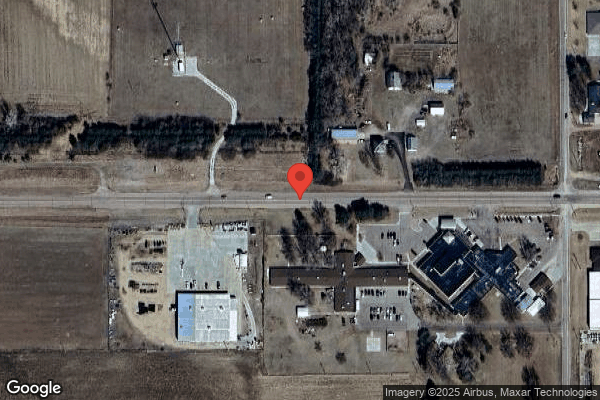
1603 Main Street, Creighton, NE 68729 (402) 358-5701
Non profit - Corporation 47 Beds AVERA HEALTH Data: November 2025
Trust Grade
70/100
#74 of 177 in NE
Last Inspection: September 2024

Within standard 12-15 month inspection cycle. Federal law requires annual inspections.

Overview

Avera Creighton Care Centre has received a Trust Grade of B, which indicates it is a good choice for families considering nursing homes. It ranks #74 out of 177 facilities in Nebraska, placing it in the top half of the state, but it is #3 out of 3 in Knox County, meaning there are no better local options. The facility is improving, having reduced its issues from five in 2023 to two in 2024. Staffing is a strength here, with a perfect score of 5/5 stars and a turnover rate of 46%, which is below the state average, indicating that staff are stable and familiar with residents. However, there have been concerns regarding hygiene practices, such as failing to perform hand hygiene during meal service and not properly restraining hair while handling food, which could pose risks of contamination. Overall, while there are some strengths, particularly in staffing and improvement trends, there are significant areas that need attention for the safety and well-being of residents.

Trust Score
B
70/100
In Nebraska
#74/177
Top 41%
Safety Record
Low Risk
No red flags
Inspections
Getting Better
5 → 2 violations
Staff Stability
⚠ Watch
46% turnover. Above average. Higher turnover means staff may not know residents' routines.
Penalties
✓ Good
No fines on record. Clean compliance history, better than most Nebraska facilities.
Skilled Nurses
✓ Good
Each resident gets 74 minutes of Registered Nurse (RN) attention daily — more than 97% of Nebraska nursing homes. RNs are the most trained staff who catch health problems before they become serious.
Violations
⚠ Watch
12 deficiencies on record. Higher than average. Multiple issues found across inspections.
★★★☆☆
3.0
Overall Rating
★★★★★
5.0
Staff Levels
★☆☆☆☆
1.0
Care Quality
★★★☆☆
3.0
Inspection Score
Stable
2023: 5 issues
2024: 2 issues

The Good

  • 5-Star Staffing Rating · Excellent nurse staffing levels
  • Full Sprinkler Coverage · Fire safety systems throughout facility
  • No fines on record

Facility shows strength in staffing levels, fire safety.

The Bad

3-Star Overall Rating

Near Nebraska average (2.9)

Meets federal standards, typical of most facilities

Staff Turnover: 46%

Near Nebraska avg (46%)

Higher turnover may affect care consistency

Chain: AVERA HEALTH

Part of a multi-facility chain

Ask about local staffing decisions and management

The Ugly 12 deficiencies on record

Sept 2024 2 deficiencies
CONCERN (E)

Potential for Harm - no one hurt, but risky conditions existed

Pharmacy Services (Tag F0755)

Could have caused harm · This affected multiple residents

Licensure Reference Number 175 NAC 12-006.12(D)(i)(2) Based on observation, record review and interview; the facility failed to account for narcotic medications according to the facility policy. This...

Read full inspector narrative →
Licensure Reference Number 175 NAC 12-006.12(D)(i)(2) Based on observation, record review and interview; the facility failed to account for narcotic medications according to the facility policy. This had the potential to affect Residents 6, 26, 3, 21, 8 and 17. The total sample size was 13 and the facility census was 34. Findings are: Review of the facility policy Long Term Care Controlled Substances with a revision date of 7/24 revealed the following: -all scheduled controlled medications were to be kept in double locked locations on the medication cart with a controlled substance record (form used to document the time a narcotic medication was administered, the number of pills remaining and the staff's initials) to be stored on each cart. -the controlled substance record was to identify a resident's name, room number, their physician, and the medication order including strength and the route used for administration of the medication. Observation of a medication pass on 9/19/24 at 12:05 PM revealed the following: -Registered Nurse (RN)-K administered one tablet of Oxycodone/APAP 7.5/325 (narcotic medication for pain) milligrams (mg) to Resident 17. -RN-K documented the administration of the Oxycodone on the controlled substance record however, the count identified on the record did not match the number of pills remaining in the Oxycodone cassette. -after determining the count was incorrect, RN-K proceeded to document the Oxycodone which had been given that morning at 8:00 AM (4 hours earlier) to ensure the count was now correct. Observation on 9/19/24 at 12:30 PM, revealed Licensed Practical Nurse (LPN)-C administered Tramadol (narcotic medication for pain) 50 mg one half tablet to Resident 6. LPN-C indicated the controlled substance record was not available on the medication cart, and LPN-C further indicated staff would update the controlled substance log later when the medication pass was completed. Review of Resident 6's controlled substance record on 9/19/24 at 12:53 PM revealed a count of 19 Tramadol. Observation of the resident's medication cassette revealed there were only 18 pills remaining. LPN-C verified the count on the resident's controlled substance record should have been 18. Review of the controlled substance records and observations of the medication carts on 9/19/24 at 1:10 PM for the 100 and the 200 hallways revealed the following: -Resident 21's record for Tramadol 50 mg, revealed a count of 2 pills. Observation of the resident's medication cassette for Tramadol 50 mg revealed only 1 pill remained. RN-K verified the count for the Tramadol 50 mg should be 1, and the dose which had been administered at 11:00 AM had not been signed out. -Resident 8's record for Tramadol 100 mg, revealed a count of 16. However, the medication cassette for the resident's Tramadol only contained 15 pills. RN-K verified the count for the Tramadol should have been 15 as the dose administered at 8:33 AM was not signed out. -Resident 3's record for APAP/Codeine (narcotic medication use for pain control) 300-30 mg revealed a count of 31. Observation of the medication cassette for the APAP/codeine revealed only 30 pills remained. RN-K confirmed the count for APAP/Codeine 300-30 mg should have been 30, as the dose administered at 11:17 AM had not been signed out. -Resident 26's record for Tramadol 50 mg revealed a count of 10. Review of the resident's medication cassette for the Tramadol revealed 9 pills remained. LPN-C verified the count for the Tramadol 50 mg should have been 9 but LPN-C had failed to document the last dose of Tramadol the resident had received. -Resident 6's record for Tramadol 50 mg one half tab, revealed a count of 19, LPN-C verified the count for the Tramadol should have been 18 but the dose administered at 12:30 PM had not been signed out. Interview with the Director of Nursing on 9/19/24 at 1:35 PM verified staff were to sign and update the controlled substance record when narcotic medications were administered to ensure the resident's narcotic counts were correct to avoid discrepancies and/or medication errors.
CONCERN (F)

Potential for Harm - no one hurt, but risky conditions existed

Infection Control (Tag F0880)

Could have caused harm · This affected most or all residents

**NOTE- TERMS IN BRACKETS HAVE BEEN EDITED TO PROTECT CONFIDENTIALITY** Licensure Reference Number 175 NAC 12-006.17 Based on observation, record review, and interview; the facility failed to perform ...

Read full inspector narrative →
**NOTE- TERMS IN BRACKETS HAVE BEEN EDITED TO PROTECT CONFIDENTIALITY** Licensure Reference Number 175 NAC 12-006.17 Based on observation, record review, and interview; the facility failed to perform hand hygiene (hand washing using soap and water or an alcohol based hand rub (ABHR) at the required intervals and to utilize the required personal protective equipment (PPE-can include items such as gowns, gloves, masks, goggles and/or face shields) during the provision of room tray meal service to prevent the potential spread of COVID-19. This practice had the potential to affect all facility residents. The total sample size was 17 and the facility census was 34. Findings are: A. Record review of the facility policy Transmission-Based Precautions (Isolation) with a revision date of 10/25/23 revealed residents who had been placed on Airborne Respirator Precautions and Contact Precautions required use of the following PPE before entering the resident's room: -fit tested N95 mask (a respiratory protective device designed to achieve a very close facial fitting and very efficient filtration of airborne particles), -eye protection (face shield or goggles), -gown, and -gloves. B. Record review of the facility policy Standard Precautions, Hand Hygiene with a revision date of 11/21/23 revealed staff were to perform hand hygiene when hands were visibly soiled, between resident contacts, after handling contaminated objects, before applying and removing PPE including gloves, before performing resident care procedures, after handling items potentially contaminated with blood, body fluids, secretions, and excretions and whenever in doubt. The policy further indicated the use of gloves would not replace hand hygiene. If a task required use of gloves, perform hand hygiene prior to putting on gloves and immediately after removing gloves. C. Observation of the noon room-tray meal service on 9/18/24 from 12:29 PM to 12:45 PM revealed the following: -Dietary Aide (DA)-A entered the 100 corridor from the kitchen wearing a surgical mask and propelled a cart which contained 5 room trays and a face shield which was hanging on the side of the cart. -DA-A position the cart outside of room [ROOM NUMBER]. A sign on the room door indicated the residents in the room were on Airborne Respirator Precautions and Contact Precautions. DA-A performed hand hygiene and placed on a disposable gown and gloves. Without removing the surgical mask or putting on an N95 mask and/or eye protection, DA-A entered the resident's room with a room tray. -DA-A exited room [ROOM NUMBER] and removed their gloves and gown and performed hand hygiene. -DA-A still without changing or removing the surgical mask, entered resident room [ROOM NUMBER] who was not on any transmission-based precautions. DA-A exited the room and without completing hand hygiene continued to propel the cart in the corridor. -DA-A positioned the cart outside of room [ROOM NUMBER] which had a sign indicating the residents were on Airborne Respirator Precautions and Contact Precautions. DA-A placed on clean gloves and a gown and without changing the surgical mask or using an N95, put on the face shield which had been hanging from the cart. DA-A entered the room with a room tray. -DA-A left the resident's room, removed the face shield and without cleaning it, placed it back on the food cart with the remaining meal trays. DA-A removed gown and gloves and completed hand hygiene and continued wearing the same surgical mask. -DA-A returned to room [ROOM NUMBER] to provide a second meal tray to the residents in the room. DA-A finally removed the surgical mask and placed it directly on the handrail outside of the resident's room then placed on a clean N95 mask. Without further hand hygiene, DA-A placed on a clean gown and gloves. Without use of the face shield or eye protection, DA-A re-entered room [ROOM NUMBER]. -DA-A exited the resident's room, removed the N95, gown and gloves, completed hand hygiene, removed the surgical mask from the handrail and placed it back on their face before leaving the corridor and returning to the kitchen. Observations of the breakfast meal room tray pass on 9/23/24 at 8:04 AM revealed the following: -DA-B entered the 100-corridor wearing an N95 mask and propelled a food cart which contained a face shield hanging from the cart. -DA-B performed hand hygiene and placed on a gown and gloves and entered room [ROOM NUMBER] without wearing the face shield or eye protection. -DA-A exited the room and removed gloves and gown. DA-A failed to complete hand hygiene before putting on a new gown and gloves as well as the face shield and re-entering room [ROOM NUMBER] with a second room tray. Interview with DA-B on 9/19/24 at 9:30 AM revealed the dietary staff had not received any additional or recent training regarding use of PPE with a COVID-19 outbreak. Interview with the Director of Nursing (DON) on 9/19/24 at 2:57 PM confirmed any staff entering/exiting a room for a resident on Airborne Respirator Precautions and Contact Precautions were to wear an N95 mask, face shield or goggles, a gown, and gloves. Upon exiting a room, staff were to remove eyewear and to clean with a disinfectant wipe, to remove and discard the N95 mask then replace with a new mask and remove gown and gloves. In addition, staff were to complete hand hygiene before putting on and after removing PPE.
Sept 2023 5 deficiencies
CONCERN (D)

Potential for Harm - no one hurt, but risky conditions existed

Employment Screening (Tag F0606)

Could have caused harm · This affected 1 resident

Licensure Reference Number 175 NAC 12-006.04A3b Based on record review and interview; the facility failed to assure background checks were completed through the State Nurse Aide (NA) registry for 2 (N...

Read full inspector narrative →
Licensure Reference Number 175 NAC 12-006.04A3b Based on record review and interview; the facility failed to assure background checks were completed through the State Nurse Aide (NA) registry for 2 (NA-S and NA-T) of 5 employees. The sample size was 13. The facility census was 41. Findings are: A. Review of the facility policy Abuse and Neglect with a revised date of 1/2023 revealed the following: -The facility will screen employees and volunteers prior to working with residents. -Screening will include verification of references, certification, license and background checks. -Before new employees are permitted to work with residents, references provided by the employee will be verified as well as appropriate board registrations and certifications regarding the prospective employee's background. -The facility will not employ or otherwise engage an individual who has a finding entered into the state nurse aide registry concerning abuse, neglect, exploitation, mistreatment of residents or misappropriation of resident property. B. Review of 5 employee files on 8/31/23 revealed the following: -Nursing Assistant (NA)-S was hired on 5/30/23 and NA-T was hired on 8/4/23 and there was no evidence background checks through the State nurse aide registry were completed prior to their hired dates. C. An interview with the administrator on 8/31/23 at 2:45 PM confirmed there was no evidence NA-S and NA-T had background checks completed through the State nurse aide registry prior to their hired dates.
CONCERN (D) 📢 Someone Reported This

A family member, employee, or ombudsman was alarmed enough to file a formal complaint

Potential for Harm - no one hurt, but risky conditions existed

Report Alleged Abuse (Tag F0609)

Could have caused harm · This affected 1 resident

Licensure Reference Number 175 NAC 12-006.02(8) Based on record review and interview, the facility failed to submit investigations to the State agency within 5 working days related to potential misapp...

Read full inspector narrative →
Licensure Reference Number 175 NAC 12-006.02(8) Based on record review and interview, the facility failed to submit investigations to the State agency within 5 working days related to potential misappropriation of money for Resident 9. The sample size was 13. The facility census was 41. Findings are: A. Review of the facility policy Abuse and Neglect with a revised date of 1/2023 revealed the following: -Reports of abuse (mistreatment, neglect, or abuse, including injuries of unknown source, exploitation and misappropriation of property) are promptly and thoroughly investigated. -The investigation is the process used to try to determine what happened and will begin immediately. -The administrator or designee will make an initial report to the State agency immediately or within 24 hours and a follow up investigation will be submitted within 5 days. B. Review of Resident 9's nursing progress notes revealed the following: -on 5/22/23 at 11:32 AM the resident reported [gender] was missing $10 and an investigation was started; -on 5/25/23 at 5:10 PM the social worker verified the resident's family had given [gender] $10 recently; and -on 5/26/23 at 1:35 PM the resident had $7 in [gender] possession and staff were not able to locate the remainder of the money. C. Review of the facility's investigation reports revealed an investigation was submitted to the state agency on 5/31/23, 6 working days after Resident 9's money was reported missing. An interview with the Director of Nurses (DON) on 8/31/23 at 1:15 PM confirmed the following: -reports of potential misappropriation of personal property should be investigated immediately and a report submitted to the State agency within 5 working days; -Resident 9 reported missing $10 on 5/22/23; and -the investigation was submitted to the State agency on 5/31/23, 6 working days later.
CONCERN (D)

Potential for Harm - no one hurt, but risky conditions existed

Infection Control (Tag F0880)

Could have caused harm · This affected 1 resident

Licensure Reference Number NAC 12-006.17 Based on record review and interview, the facility failed to prevent the potential spread of COVID-19 related to testing symptomatic residents for residents 22...

Read full inspector narrative →
Licensure Reference Number NAC 12-006.17 Based on record review and interview, the facility failed to prevent the potential spread of COVID-19 related to testing symptomatic residents for residents 22 and 30. The sample size was 13 and the facility census was 41. Findings are: A. Review of the facility policy Covid Testing Policy with an origination date of 9/23 revealed the Infection Preventionist (IP) and staff should be aware of any unexplained signs and symptoms of respiratory illness. Nursing staff were to test residents for respiratory illness if the following are present and new: -fever or chills, -cough, -shortness of breath or difficulty breathing, -fatigue, -muscle or body aches, -headache, -new loss of taste or smell, -sore throat, -congestion or running nose, -nausea or vomiting, and -diarrhea. B. Review of Resident 22's Minimum Data Set (MDS- a federally mandated comprehensive assessment used in the development of resident care plans) dated 8/21/23 revealed the following: -had diagnoses of Alzheimer's Disease and dementia, -the resident received extensive assistance with bed mobility, transfers, dressing, toileting, and personal hygiene and received total assistance with eating, and -the resident was not able to make needs known but could comprehend most conversation. Review of Resident 22's Care Plan revealed the following: -the resident needed extensive to total assistance of 1 with personal hygiene, dressing, and transfers, -the resident was nonverbal and cognitively impaired, and -the resident needed assistance with meals and was on a pureed diet with honey thick liquids. Review of Resident 22's Progress Notes revealed the following: -on 8/23/23 at 6:38 PM the resident was noted to have an ineffective congested cough. The resident was given a nebulizer (an apparatus that produces a fine mist through a mask, used for respiratory treatments) treatment and some improvement in cough was noted, -on 8/28/23 at 4:40 AM the resident had a hacky, ineffective cough. The resident was given a nebulized treatment and the lung sounds were diminished. The resident had a temperature of 98.2 and oxygen saturation was 95% (normal is 90-100), -on 8/28/23 at 11:41 AM the resident's physician saw the resident on rounds and ordered a chest x-ray and a complete blood count (CBC) for a wet cough, -on 8/29/23 at 1:17 PM the resident had a congested, weak, and ineffective cough. A nebulizer treatment was given with minimal improvement. Oxygen saturation was at 93%, and -on 8/31/23 at 1:34 AM the resident had a weak, ineffective cough. A nebulizer treatment was given with good relief. Oxygen saturation was 95%. The resident's lung sounds were decreased. A review of the resident's Covid rapid test history revealed the last time the resident had been tested for Covid was 3/27/23. A review of the Physician Dictation from the physician visit on 8/28/23 revealed the CBC and the chest X-ray were unremarkable (no abnormal findings) and the facility would follow the Covid Protocol for testing. The history of physical illness reported that the resident had somewhat of a wet cough that nursing noticed had gotten worse over the last couple of days. An interview with Medication Aide (MA-A) on 8/31/23 at 9:00 AM revealed the cough was new, the resident had the cough for a few days, but sounded worse. An interview with the Director of Nursing (DON) on 8/31/23 at 10:40 AM confirmed the resident had not been tested for Covid-19 since symptoms started on 8/23/23. Further interview confirmed the facility only tested resident's for Covid-19 when the physician ordered a test to be completed. C. Review of Resident 30's Progress Notes revealed the following; -on 6/12/23 the resident had a runny nose and was sneezing, the resident's physician was notified and no new orders were given, -on 6/13/23 the resident was noted to have a cough, nasal congestion, and congested lung sounds with wheezing. The physician was notified and ordered a chest x-ray. There was no evidence the facility tested the resident for COVID-19. Review of the Resident 30's COVID-19 testing log dated 6/16/23 (4 days after symptoms first appeared) revealed a negative COVID -19 test. D. During an interview on 8/31/23 at 9:44 AM the Director of Nursing (DON) confirmed that on 6/12/23 and 6/13/23 when Resident 30 presented with respiratory illness symptoms the resident was not tested for COVID-19. In addition, the facility only tests for COVID-19 when the physician orders testing. The facility should notify the physician when a resident presents with respiratory illness to get an order for COVID-19 testing.
CONCERN (E) 📢 Someone Reported This

A family member, employee, or ombudsman was alarmed enough to file a formal complaint

Potential for Harm - no one hurt, but risky conditions existed

Deficiency F0728 (Tag F0728)

Could have caused harm · This affected multiple residents

Licensure Reference Number 175 NAC 12-006.04A1 Based on record review and interview, the facility failed to ensure 3 nurse aides (NA-F, NA-P, and NA-Q) were certified through the Nebraska board of nur...

Read full inspector narrative →
Licensure Reference Number 175 NAC 12-006.04A1 Based on record review and interview, the facility failed to ensure 3 nurse aides (NA-F, NA-P, and NA-Q) were certified through the Nebraska board of nursing prior to working with residents. The sample size was 13. The facility census was 41. Findings are: A. Review of the facility's job description for a Certified Nursing Assistant (CNA) revealed nurse aides were required to be certified through the Nebraska board of nursing within 120 days of being hired. B. Review of a hand written document provided by the Director of Nurses (DON), revealed NA-F worked in the facility as a nurse aide on the following dates: -August 2022 (5th, 6th, 8th, 12th, 17th, 23rd, 25th, 26th, 29th, and 31st); -September 2022 (1st, 9th, 10th, 12th, 15th, 22nd, 26th, 28th, and 29th); -October 2022 (4th, 6th, 13th, 14th, 20th, 22nd, 26th, and 27th); -November 2022 (5th, 6th, 15th, and 18th); -December 4, 2022; and -January 2023 (16th, 19th, 20th and 27th) Further review of hand written documents provided by the DON, revealed NA-P and NA-Q worked as nurse aides on the following dates: -NA-P worked in the facility on 2/23/23 and -NA-Q worked in the facility on 4/21/22, 8/4/22, 8/9/22, 8/10/22, 8/25/22, 8/28/22, 9/9/22 and 10/10/22. C. An interview with the DON on 8/31/23 at 1:30 PM confirmed NA-F worked in the facility as a nurse aide on the following dates and did not have the required certification throught the State board of nursing: -August 2022 (5th, 6th, 8th, 12th, 17th, 23rd, 25th, 26th, 29th, and 31st); -September 2022 (1st, 9th, 10th, 12th, 15th, 22nd, 26th, 28th, and 29th); -October 2022 (4th, 6th, 13th, 14th, 20th, 22nd, 26th, and 27th); -November 2022 (5th, 6th, 15th, and 18th); -December 4, 2022; and -January 2023 (16th, 19th, 20th and 27th). The DON also confirmed 2 additional nurse aides (NA-P and NA-Q) had worked in the facility and did not have the required certification through the State board of nursing: -NA-Q worked in the facility on 4/21/22, 8/4/22, 8/9/22, 8/10/22, 8/25/22, 8/28/22, 9/9/22 and 10/10/22; and -NA-P worked in the facility on 2/23/23.
CONCERN (F)

Potential for Harm - no one hurt, but risky conditions existed

Food Safety (Tag F0812)

Could have caused harm · This affected most or all residents

Licensure Reference Number 175 NAC 12-006.11E Based on observation, interview, and record review, the facility failed to ensure hair was restrained with a hair net, proper hand hygiene was followed an...

Read full inspector narrative →
Licensure Reference Number 175 NAC 12-006.11E Based on observation, interview, and record review, the facility failed to ensure hair was restrained with a hair net, proper hand hygiene was followed and that utensils were handled to prevent potential food contamination during the food service. These practices had the potential to affect all residents. The sample size was 13 and the facility census was 41. Findings are: Review of the facility policy Infection Prevention in Food Safety/Sanitation Program for Nutrition Services with a revision date of 7/23 revealed the following: -hair restraints would be worn by all personnel preparing or serving food, -personnel must wash hands with soap and water before handling food and dishes, or after touching face, touching hair or combing hair, -disposable gloves would be worn when handling food with hands to ensure bacteria are not transferred from the food handlers' hands to the food product being served. Gloves are just like hands. Anytime a contaminated surface would be touched, the gloves need to be changed-washing hands after removing the gloves and before putting on a new pair, -food would be served with clean tongs, forks, spoons, spatulas, or other utensils to avoid direct manual contact of food, and -silverware would be stored so people would have contact with handles only. Observation on 8/30/23 at 11:30 AM with Dietary [NAME] (DC-M) performed hand hygiene and obtained temperatures for the food items for the lunch meal. 3 residents entered the dining room and went to the kitchen window to give their lunch order. DC-M, still wearing the same pair of gloves, obtained a notebook and a pen and wrote down the resident orders. DC-M then place the notebook and pen on the ledge of the steam table. DC-M, continuing to wear the same pair of gloves, obtained a cart and placed trays on the cart for the hospital. DC-M, still wearing the same pair of gloves, opened a bag of buns, pulled out buns and placed them on plates. DC-M turned to a rack holding utensils above the preparation table and obtained a scoop by grabbing the food contact surface of the utensil instead of the handle. DC-M then served loose meat onto the buns with the utensil. Observation on 8/30/23 at 11:50 AM Dietary Aide (DA-N) was observed cooking grilled cheese sandwiches for the lunch meal. DA-N was wearing a hair net, but a large portion of DA-N's bangs were hanging out around DA-N's face. As DA-N was cooking the grilled cheese, DA-N was observed brushing the hair off DA-N's face using a gloved hand several times. When finished cooking, DA-N placed the grilled cheese onto the steam table and removed gloves. No hand hygiene was observed. Observation on 8/30/23 at 11:55 AM DA-N was standing near the preparation table waiting for the cook to start serving the lunch meal. DA-N pulled a phone out of their pocket and was observed scrolling on phone. DA-N was also observed touching their face and brushing hair off their face. No hand hygiene was observed prior to obtaining plates to deliver to the residents. Observation on 8/30/23 at 11:57 AM DC-M performed hand hygiene and put on a clean pair of gloves. DC-M touched the notebook where resident's orders were written down with gloved hands. Wearing the same gloves, DC-M turned to obtain a pair of tongs off the utensil rack above the preparation table and grabbed onto the tongs by the food contact surface of the tongs, not by the handle. DC-M used the tongs to serve grilled cheese. Interview on 8/31/23 at 9:25 AM with the Certified Dietary Manager (CDM) confirmed that staff should wear all their hair in the hair net. Further interview confirmed that the serving scoops and tongs should not be handled by the food contact surface of the tongs, but by the handle and hand hygiene should be completed when touching contaminated surfaces and after the removal of gloves.
Jun 2022 5 deficiencies
CONCERN (D)

Potential for Harm - no one hurt, but risky conditions existed

Report Alleged Abuse (Tag F0609)

Could have caused harm · This affected 1 resident

LICENSURE REFERENCE NUMBER 175 NAC 12-006.02 (8) Based on interview and record review, the facility failed to submit reports of falls with significant injuries to the State Agency within the required ...

Read full inspector narrative →
LICENSURE REFERENCE NUMBER 175 NAC 12-006.02 (8) Based on interview and record review, the facility failed to submit reports of falls with significant injuries to the State Agency within the required time frame. This affected 1 (Resident 86) out of 4 residents investigated for accidents during the survey process. The facility identified a census of 36. Findings are: Review of the facility Patient/Resident Abuse and Neglect policy with a review date of 4/2022 revealed when there was reason to suspect or believe abuse had occurred or an allegation had been made or conditions were present that could result in abuse, investigating and reporting was to take place as follows: - immediately take steps to protect the individual, - notify the administration, - begin an internal investigation, - immediately report to Adult Protective Services (APS), - conduct an internal investigation, and - submit a completed investigation to the State Agency within 5 working days. Review of Resident 86's Minimum Data Set (MDS-a federally mandated comprehensive assessment tool used for care planning) dated 4/18/22 revealed diagnoses of coronary artery disease, high blood pressure and dementia. The following was assessed regarding Resident 86: -cognition was intact, -no behaviors, -independent with transfers, bed mobility, dressing, toilet use, walking in the resident's room and in the corridors, -continent of bowel and bladder, and -1 fall without injury and 1 fall with injury (except major) since the previous assessment. Review of a Nursing Note dated 3/9/22 at 7:57 PM, revealed the resident was found seated upright on the floor of the resident's room at 5:50 PM. The resident sustained a laceration to the upper, outer right eyebrow and voiced complaint of wrist pain. The note further indicated APS was notified of the resident's fall with injury at 6:40 PM. Review of the facility investigations of potential abuse and neglect from 3/9/22 through 3/17/22 revealed no evidence an investigation was sent to the State Agency within 5 working days of Resident 86's fall with injury on 3/9/22 at 5:50 PM. Review of a Nurse's Note dated 5/22/22 at 9:23 PM revealed the resident was found on the floor next to the recliner in the resident's room at 6:25 PM. The resident had complaints of pain to the resident's left hip. The resident was transferred to the emergency room for an x-ray and found to have a left hip fracture. Review of a Nurse's Note dated 5/22/22 at 7:27 PM revealed APS was notified of the resident's fall with hip fracture at 7:05 PM. Review of facility investigations from 5/22/22 through 5/27/22 revealed no evidence an investigation was sent to the State Agency within 5 working days of the resident's fall with injury on 5/22/22 at 6:25 PM. Interview with the interim Director of Nursing (DON) on 6/7/22 at 9:08 AM confirmed the resident's fall with injury on 3/9/22 at 5:50 PM and the resident's fall on 5/22/22 at 6:25 PM with fractured hip were reported to APS and investigated as potential abuse/neglect however, the results of the investigations were not submitted within the required time frame to the State Agency.
CONCERN (D)

Potential for Harm - no one hurt, but risky conditions existed

Deficiency F0657 (Tag F0657)

Could have caused harm · This affected 1 resident

Licensure Reference Number: 175 NAC 12-006.09D7 Based on observations, record reviews and interviews; the facility failed to ensure interventions were developed and/or revised to prevent ongoing falls...

Read full inspector narrative →
Licensure Reference Number: 175 NAC 12-006.09D7 Based on observations, record reviews and interviews; the facility failed to ensure interventions were developed and/or revised to prevent ongoing falls with resulting injuries for one (Resident 86) of 18 sampled residents. The facility indicated a census of 36. Findings are: Review of Resident 86's Minimum Data Set (MDS-a federally mandated comprehensive assessment tool used for care planning) dated 4/18/22 revealed diagnoses of coronary artery disease, high blood pressure and dementia. The following was assessed regarding Resident 86: -cognition was intact, -no behaviors, -independent with transfers, bed mobility, dressing, toilet use, walking in the resident's room and in the corridors, -continent of bowel and bladder, and -1 fall without injury and 1 fall with injury (except major) since the previous assessment. Review of the resident's current Care Plan with revision date 7/15/21 revealed the resident was at risk for falls related to a history of falls. The following interventions were identified: -to always use walker as designated by physical therapy, -noted to ambulate without the walker and directed to use the walker, -10/22/21 educated regarding safety and use of the walker after a fall, -03/09/22 witnessed fall in the resident's room. Resident struck head and sustained a laceration to the resident's upper, outer right eye. The resident was educated to walk slower and to concentrate on walking, -03/30/22 witnessed fall in the corridor while walking, and -05/22/22 fall in room, laying next to chair. During observations on 6/6/22 at 8:18 AM, 8:58 AM, 10:52 AM and at 2:23 PM the resident was lying in bed in the resident's room. The resident was in a high/low bed and the bed was in the lowered position. In addition, the resident had an alarmed fall mat on the floor to the left side of the resident's bed. The right side of the resident's bed was against the wall. Further review of the care plan revealed no new interventions were developed or current interventions revised after the residents falls on 3/30/22 and 5/22/22. Furthermore, the care plan did not identify the use of a high/low bed or an alarmed floor mat next to the resident's bed. Interview with the interim Director of Nursing (DON) on 6/7/22 at 9:08 AM confirmed Resident 86's care plan was not updated regarding interventions related to the resident's ongoing falls.
CONCERN (D)

Potential for Harm - no one hurt, but risky conditions existed

Accident Prevention (Tag F0689)

Could have caused harm · This affected 1 resident

Licensure Reference Number: 175 NAC 12-006.09D7 Based on observations, record reviews and interviews; the facility failed to ensure interventions were developed and/or revised to prevent ongoing falls...

Read full inspector narrative →
Licensure Reference Number: 175 NAC 12-006.09D7 Based on observations, record reviews and interviews; the facility failed to ensure interventions were developed and/or revised to prevent ongoing falls with resulting injuries for one (Resident 86) of 4 sampled residents. The facility indicated a census of 36. Findings are: Review of Resident 86's Minimum Data Set (MDS-a federally mandated comprehensive assessment tool used for care planning) dated 4/18/22 revealed diagnoses of coronary artery disease, high blood pressure and dementia. The following was assessed regarding Resident 86: -cognition was intact, -no behaviors, -independent with transfers, bed mobility, dressing, toilet use, walking in the resident's room and in the corridors, -continent of bowel and bladder, and -1 fall without injury and 1 fall with injury (except major) since the previous assessment. Review of the resident's current Care Plan with revision date 7/15/21 revealed the resident was at risk for falls related to a history of falls. The following interventions were identified: -to always use walker as designated by physical therapy, -noted to ambulate without the walker and directed to use the walker, and -10/22/21 educated regarding safety and use of the walker after a fall. Review of a Nursing Note dated 3/9/22 at 7:57 PM, revealed the resident was found seated upright on the floor of the resident's room. The resident sustained a laceration to the upper, outer right eyebrow and voiced complaint of wrist pain. Review of the resident's current Care Plan revealed an intervention dated 3/9/22 to educate the resident regarding safe use of the walker, to walk slower and to concentrate on walking (the same intervention as listed after the resident's fall on 10/22/21). Review of Resident 86's Nursing Notes revealed the following: -3/10/22 at 12:22 PM the resident was seen by the practitioner and a splint was placed on the resident's left wrist for comfort. -3/17/22 at 11:30 AM the resident received a new order for physical therapy due to knee pain and weakness. -3/22/22 at 2:34 PM the resident was started on physical therapy 3/21/22 (12 days after the resident's fall on 3/9/22) to improve safety awareness and decrease risk for falls. -3/30/22 at 5:12 PM the resident was found on the floor across from the public restroom with the walker in front of the resident. The resident was reminded to slow down and to focus on walking. Review of an Incident Report dated 3/30/22 at 5:45 PM revealed an order was received 3/31/22 to obtain blood pressures to check the resident for orthostatic hypotension (a form of low blood pressure that happens when standing after sitting or lying and can increase risk for falls) for 3 days and then send results to the physician. Review of a Nurse's Note dated 4/6/22 at 1:28 PM revealed Resident 86's blood pressure readings were reviewed by the physician with no new orders. Review of the resident's medical record revealed no additional interventions were identified and/or current fall interventions revised to prevent further falls. Review of Nursing Notes for Resident 86 revealed the following: -5/9/22 at 6:26 PM the resident walked to the Nurse's Station without the walker. -5/22/22 at 9:23 PM the resident was found on the floor next to the recliner in the resident's room at 6:25 PM. The resident had complaints of pain to the resident's left hip. The resident was transferred to the emergency room for an x-ray and found to have a left hip fracture. -5/31/22 at 9:43 PM the resident was readmitted to the Nursing Home. Staff were to reposition the resident every 2 hours. Hospice evaluated the resident with a decision not to place the resident on Hospice at this time. -6/1/22 at 6:33 AM the resident was confused with complaints of pain. Interview on 6/2/22 at 10:18 AM with Nurse Aide (NA)-A revealed the resident was at high risk for falls with a recent hip fracture. NA-A indicated prior to the resident's fall on 5/22/22 at 6:25 PM, interventions were in place for the resident's bed to be in the lowered position and for an alarmed fall mat on the floor next to the resident's bed. NA-A had not worked with the resident since readmitted from the hospital and had not received any report of additional fall interventions to prevent further falls and potential injuries for Resident 86. Review of Nurse's Notes revealed the following: -6/2/22 at 3:21 PM the resident was re-evaluated and then admitted to Hospice due to a decline in status. -6/5/22 at 4:50 AM the resident was confused and calling out for help. The resident was found to have wedged the right side of body between the mattress and the positioning rail and the resident's right foot and leg were between the bed and the wall. -6/5/22 at 6:00 PM the resident was confused and calling out for help and was found slid down in the bed with the resident's head resting against the positioning rail on the right side of the bed. During observations on 6/6/22 at 8:18 AM, 8:58 AM, 10:52 AM and at 2:23 PM the resident was lying in bed in the resident's room. The resident's bed was in the lowered position and the resident had an alarmed fall mat on the floor to the left side of the resident's bed. The right side of the resident's bed was against the wall. Interview with the interim Director of Nursing (DON) on 6/7/22 at 9:08 AM confirmed the following: -Resident 86 had a fall on 3/9/22 at 7:57 PM. The resident was re-educated regarding safe use of the walker. This was the same intervention used for the resident after a fall on 10/22/21. Due to continued complaints of pain to the resident's back and knees after the fall, the resident was started on physical therapy on 3/21/22, 12 days after the resident's fall. -the resident had a subsequent fall on 3/30/22 at 5:12 PM. An intervention was identified with education regarding safe transfers and ambulation as identified after the resident's 2 previous falls. The facility did monitor the resident for potential orthostatic hypotension with no findings and no additional interventions. -the resident had a fall on 5/22/22 at 9:23 PM and fractured the resident's left hip. No new interventions were developed and/or current interventions revised to prevent further falls.
CONCERN (E)

Potential for Harm - no one hurt, but risky conditions existed

Deficiency F0761 (Tag F0761)

Could have caused harm · This affected multiple residents

Licensure Reference Number 175 NAC 12-006.12E1 Based on observation, record review and interview, the facility failed to assure medications were secure. The sample size was 18 and the facility census ...

Read full inspector narrative →
Licensure Reference Number 175 NAC 12-006.12E1 Based on observation, record review and interview, the facility failed to assure medications were secure. The sample size was 18 and the facility census was 36. Findings are: Review of the facility policy Drug Handling Guidelines dated 3/2021 revealed the following; -the facility established procedures for storing and disposing of drugs and biologicals in accordance with state and local laws, and -all drugs and biologicals would be stored in locked compartments and only authorized personnel responsible for administration of drugs would have access. Observation on 6/7/22 at 8:20 AM of the medication cart revealed the following; Registered Nurse (RN)-P was observed walking away from the medication cart located in the common hallway just outside of the dining room to administer medication. The medication cart remained unlocked, and RN-P proceeded to the opposite side of the dining room and sat next to a resident to administer medication. RN-P remained on the opposite side of the dining room and out of sight of the medication cart for 5 minutes during which time 4 residents walked past the unlocked medication cart. An Interview on 6/7/22 at 10:30 AM with the Director of Nursing (DON) confirmed the medication cart should be locked at all times when not attended.
CONCERN (F)

Potential for Harm - no one hurt, but risky conditions existed

Deficiency F0838 (Tag F0838)

Could have caused harm · This affected most or all residents

Based on interview and record review; the facility failed to review and revise the Facility Assessment as needed to assure the facility had the resources to meet the needs of the residents. The sample...

Read full inspector narrative →
Based on interview and record review; the facility failed to review and revise the Facility Assessment as needed to assure the facility had the resources to meet the needs of the residents. The sample size was 18 and the facility census was 36. Findings are: Review of the Facility Assessment received from the facility on 06/02/22 revealed a revision date of 7/10/19. During an interview on 06/02/22 at 1:54 PM, the Interim Director of Nursing (DON) confirmed there was no policy available regarding the Facility Assessment and further confirmed the Facility Assessment should have been updated and/or revised as needed or at least annually.
Understanding Severity Codes (click to expand)
Life-Threatening (Immediate Jeopardy)
J - Isolated K - Pattern L - Widespread
Actual Harm
G - Isolated H - Pattern I - Widespread
Potential for Harm
D - Isolated E - Pattern F - Widespread
No Harm (Minor)
A - Isolated B - Pattern C - Widespread

Questions to Ask on Your Visit

  • "Can I speak with families of current residents?"
  • "What's your RN coverage like on weekends and overnight?"

Our Honest Assessment

Strengths
  • • No major safety red flags. No abuse findings, life-threatening violations, or SFF status.
  • • No fines on record. Clean compliance history, better than most Nebraska facilities.
Concerns
  • • 12 deficiencies on record. Higher than average. Multiple issues found across inspections.
Bottom line: Mixed indicators with Trust Score of 70/100. Visit in person and ask pointed questions.

About This Facility

What is Avera Creighton Care Centre's CMS Rating?

CMS assigns Avera Creighton Care Centre an overall rating of 3 out of 5 stars, which is considered average nationally. Within Nebraska, this rating places the facility higher than 99% of the state's 100 nursing homes. This mid-range rating indicates the facility meets federal standards but may have areas for improvement.

How is Avera Creighton Care Centre Staffed?

CMS rates Avera Creighton Care Centre's staffing level at 5 out of 5 stars, which is much above average compared to other nursing homes. Staff turnover is 46%, compared to the Nebraska average of 46%.

What Have Inspectors Found at Avera Creighton Care Centre?

State health inspectors documented 12 deficiencies at Avera Creighton Care Centre during 2022 to 2024. These included: 12 with potential for harm.

Who Owns and Operates Avera Creighton Care Centre?

Avera Creighton Care Centre is owned by a non-profit organization. Non-profit facilities reinvest revenue into operations rather than distributing to shareholders. The facility is operated by AVERA HEALTH, a chain that manages multiple nursing homes. With 47 certified beds and approximately 39 residents (about 83% occupancy), it is a smaller facility located in Creighton, Nebraska.

How Does Avera Creighton Care Centre Compare to Other Nebraska Nursing Homes?

Compared to the 100 nursing homes in Nebraska, Avera Creighton Care Centre's overall rating (3 stars) is above the state average of 2.9, staff turnover (46%) is near the state average of 46%, and health inspection rating (3 stars) is at the national benchmark.

What Should Families Ask When Visiting Avera Creighton Care Centre?

Based on this facility's data, families visiting should ask: "Can I visit during a mealtime to observe dining assistance and food quality?" "How do you handle medical emergencies, and what is your hospital transfer rate?" "Can I speak with family members of current residents about their experience?"

Is Avera Creighton Care Centre Safe?

Based on CMS inspection data, Avera Creighton Care Centre has a clean safety record: no substantiated abuse findings (meaning no confirmed cases of resident harm), no Immediate Jeopardy citations (the most serious violation level indicating risk of serious injury or death), and is not on the Special Focus Facility watch list (a federal program monitoring the lowest-performing 1% of nursing homes). The facility has a 3-star overall rating and ranks #1 of 100 nursing homes in Nebraska. While no facility is perfect, families should still ask about staff-to-resident ratios and recent inspection results during their visit.

Do Nurses at Avera Creighton Care Centre Stick Around?

Avera Creighton Care Centre has a staff turnover rate of 46%, which is about average for Nebraska nursing homes (state average: 46%). Moderate turnover is common in nursing homes, but families should still ask about staff tenure and how the facility maintains care continuity when employees leave.

Was Avera Creighton Care Centre Ever Fined?

Avera Creighton Care Centre has no federal fines on record. CMS issues fines when nursing homes fail to meet care standards or don't correct problems found during inspections. The absence of fines suggests the facility has either maintained compliance or corrected any issues before penalties were assessed. This is a positive indicator, though families should still review recent inspection reports for the full picture.

Is Avera Creighton Care Centre on Any Federal Watch List?

Avera Creighton Care Centre is not on any federal watch list. The most significant is the Special Focus Facility (SFF) program, which identifies the bottom 1% of nursing homes nationally based on persistent, serious quality problems. Not being on this list means the facility has avoided the pattern of deficiencies that triggers enhanced federal oversight. This is a positive indicator, though families should still review the facility's inspection history directly.