Tabitha Nursing Center at Crete
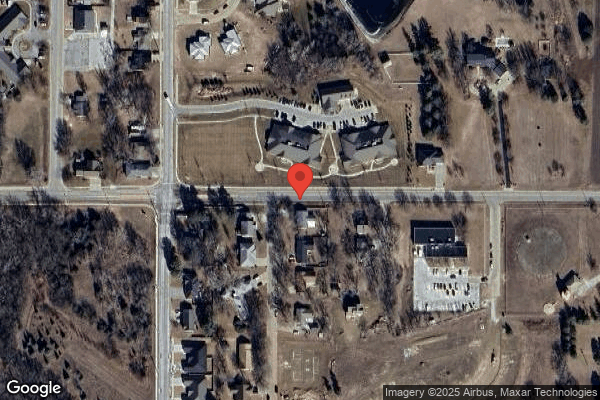
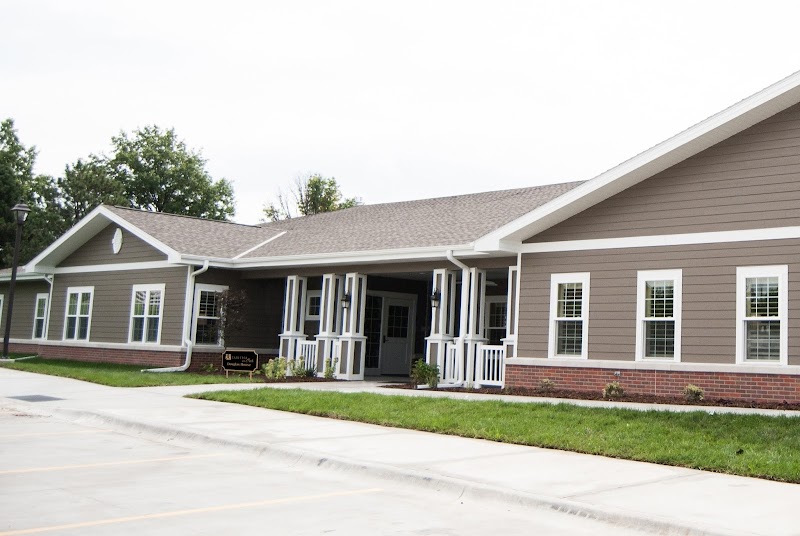
1800 East 13th Street, Crete, NE 68333 (402) 826-6805
Non profit - Corporation 38 Beds Independent Data: November 2025
Trust Grade
90/100
#35 of 177 in NE
Last Inspection: August 2024

Within standard 12-15 month inspection cycle. Federal law requires annual inspections.

Overview

Tabitha Nursing Center at Crete has received a Trust Grade of A, indicating it is excellent and highly recommended for care. It ranks #35 out of 177 nursing homes in Nebraska, placing it in the top half, and is the best option among the two facilities in Saline County. The facility is improving, having reduced its reported issues from four in 2024 to just one in 2025. Staffing is a strong point with a perfect 5-star rating and a turnover rate of 37%, which is significantly lower than the state average, suggesting that staff are experienced and familiar with residents' needs. However, there have been some concerning incidents, such as food being served at unsafe temperatures, which could risk foodborne illness, and a failure to provide a surety bond for resident trust accounts, affecting several residents' finances. Overall, while there are strengths in staffing and overall quality, families should be aware of these specific concerns.

Trust Score
A
90/100
In Nebraska
#35/177
Top 19%
Safety Record
Low Risk
No red flags
Inspections
Getting Better
4 → 1 violations
Staff Stability
○ Average
37% turnover. Near Nebraska's 48% average. Typical for the industry.
Penalties
✓ Good
No fines on record. Clean compliance history, better than most Nebraska facilities.
Skilled Nurses
✓ Good
Each resident gets 64 minutes of Registered Nurse (RN) attention daily — more than 97% of Nebraska nursing homes. RNs are the most trained staff who catch health problems before they become serious.
Violations
○ Average
8 deficiencies on record. Average for a facility this size. Mostly minor or procedural issues.
★★★★★
5.0
Overall Rating
★★★★★
5.0
Staff Levels
★★★★★
5.0
Care Quality
★★★★☆
4.0
Inspection Score
Stable
2024: 4 issues
2025: 1 issues

The Good

  • 5-Star Staffing Rating · Excellent nurse staffing levels
  • 5-Star Quality Measures · Strong clinical quality outcomes
  • Full Sprinkler Coverage · Fire safety systems throughout facility
  • No fines on record
  • Staff turnover below average (37%)

    11 points below Nebraska average of 48%

Facility shows strength in staffing levels, quality measures, fire safety.

The Bad

Staff Turnover: 37%

Near Nebraska avg (46%)

Typical for the industry

The Ugly 8 deficiencies on record

Sept 2025 1 deficiency
CONCERN (D) 📢 Someone Reported This

A family member, employee, or ombudsman was alarmed enough to file a formal complaint

Potential for Harm - no one hurt, but risky conditions existed

Deficiency F0628 (Tag F0628)

Could have caused harm · This affected 1 resident

Licensure Reference Number 175 NAC 12-006.09(G)(ii).Based on record review and interview, the facility failed to document a recapitulation (a complete summary of the resident stay in the nursing home ...

Read full inspector narrative →
Licensure Reference Number 175 NAC 12-006.09(G)(ii).Based on record review and interview, the facility failed to document a recapitulation (a complete summary of the resident stay in the nursing home from admittance to discharge) for one (Resident 38) of 5 sampled residents. The facility census was 32. A record review of admission record reveals that Resident 38 was admitted to the facility on 7/25 with the diagnosis of Heart failure, pericardial effusion (where excessive fluid accumulates in the pericardial sac, the thin membrane surrounding the heart), Coronary artery disease (where the arteries that supply blood to the heart become narrowed or blocked), Acute-on-chronic kidney disease (where an acute decline in kidney function that occurs in individual with chronic kidney disease), and Hypertension (high blood pressure). A record review of Resident 38 progress notes revealed that on 8/15/25 Resident 38 was discharged to the hospital due to critically high potassium levels. Resident 38 representative was present and a bed hold policy was given to the representative and the representative declined the bed hold policy. Resident 38 was discharged from the facility.A record review of the Facility's undated policy for Discharge residents revealed:Team leaders will complete discharge checklist, notify necessary departments and documents in medical recordsRN/LPN will complete a discharge progress note.An interview on 9/17/25 at 1:30 PM with the MDS coordinator confirmed that a discharge summary for Resident 38 had not been completed. The MDS coordinator confirmed that (gender) didn't think a discharge summary was to be done because Resident 38 was sent to the hospital.MDS coordinator confirmed that (gender) was aware that the representative for Resident 38 declined the Bed hold and that Resident 38 was discharged from the facility.
Aug 2024 4 deficiencies
CONCERN (D)

Potential for Harm - no one hurt, but risky conditions existed

Deficiency F0637 (Tag F0637)

Could have caused harm · This affected 1 resident

**NOTE- TERMS IN BRACKETS HAVE BEEN EDITED TO PROTECT CONFIDENTIALITY** Licensure Reference Number 175 NAC 12-006.09 (C)(ii) Based on record reviews and interviews, the facility failed to complete a S...

Read full inspector narrative →
**NOTE- TERMS IN BRACKETS HAVE BEEN EDITED TO PROTECT CONFIDENTIALITY** Licensure Reference Number 175 NAC 12-006.09 (C)(ii) Based on record reviews and interviews, the facility failed to complete a Significant Change in Stats Assessment (SCSA) Minimum Data Set (MDS-a comprehensive assessment of each resident's functional capabilities. An SCSA is required when a resident has a major improvement or decline in condition that will not resolve itself.) was completed within 14 days of a significant change for 1 (Resident 17) of 12 residents sampled. The facility census was 34. Findings are: A record review of Resident 17's admission Record dated 08/08/2024 revealed an admission date of 08/18/2023, and diagnoses of heart failure, chronic kidney disease, poor circulation in the legs, dementia, and a history of a heart attack. The resident had a diagnosis of pneumonia with an onset date of 05/19/2024. A record review of the Minimum Data Set 3.0 Resident Assessment Instrument User's Manual v1.18.11 effective October 2023: Some Guidelines to Assist in Deciding If a Change Is Significant or Not: A condition is defined as self-limiting when the condition will normally resolve itself without further intervention or by staff implementing standard disease-related clinical interventions. If the condition has not resolved within 2 weeks, staff should begin an SCSA. An SCSA is appropriate if there are either two or more areas of decline or two or more areas of improvement. An SCSA is also appropriate if there is a consistent pattern of changes, with either two or more areas of decline or two or more areas of improvement. This may include two changes within a particular domain (e.g., two areas of ADL [Activities of Daily Living-activities related to personal care, such as eating, dressing, and hygiene] decline or improvement). Any decline in an ADL physical functioning area (e.g., self-care or mobility) (at least 1) where a resident is newly coded as partial/moderate assistance, substantial/maximal assistance, dependent, resident refused, or the activity was not attempted since last assessment and does not reflect normal fluctuations in that individual's functioning; A record review of Resident 17's Quarterly MDS dated [DATE], Section O Special Treatments, Procedures, and Programs revealed that the resident was not using oxygen at that time. Section GG Functional Abilities and Goals revealed the resident's assistance needs were as follows: Coding for the amount of assistance needed is as follows: 06. Independent - Resident completes the activity by themselves with no assistance from a helper. 05. Setup or clean-up assistance - Helper sets up or cleans up; resident completes activity. Helper assists only prior to or following the activity. 04. Supervision or touching assistance - Helper provides verbal cues and/or touching/steadying and/or contact guard assistance as resident completes activity. Assistance may be provided throughout the activity or intermittently. 03. Partial/moderate assistance - Helper does LESS THAN HALF the effort. Helper lifts, holds, or supports trunk or limbs, but provides less than half the effort. 02. Substantial/maximal assistance - Helper does MORE THAN HALF the effort. Helper lifts or holds trunk or limbs and provides more than half the effort. 01. Dependent - Helper does ALL of the effort. Resident does none of the effort to complete the activity. Or, the assistance of 2 or more helpers is required for the resident to complete the activity.) Self-Care Eating-5 Oral hygiene-5 Toileting hygiene-2 Shower/bathe-2 Dressing upper body-5 Dressing lower body-5 Putting on footwear-2 Personal hygiene-4 Mobility Rolling side to side in bed-6 Going from sitting to lying-6 Going from lying to sitting-6 Going from sitting to standing-6 Transferring to and from bed to chair or wheelchair-6 Toilet transfer-6 Tub/shower transfer-4 Walking 10 feet-6 Walking 50 feet with two turns-6 Walking 150 feet-6 A record review of Resident 17's Quarterly MDS dated [DATE], Section O Special Treatments, Procedures, and Programs revealed that the resident was using oxygen at that time. Section GG Functional Abilities and Goals revealed the resident's assistance needs were as follows: Self-Care Eating-5 Oral hygiene-4 Toileting hygiene-2 Shower/bathe-2 Dressing upper body-3 Dressing lower body-3 Putting on footwear-2 Personal hygiene-4 Mobility Rolling side to side in bed-5 Going from sitting to lying-4 Going from lying to sitting-4 Going from sitting to standing-3 Transferring to and from bed to chair or wheelchair-3 Toilet transfer-3 Tub/shower transfer-1 Walking 10 feet-4 Walking 50 feet with two turns-Not attempted due to medical condition or safety concerns. Walking 150 feet-Not attempted due to medical condition or safety concerns. Compared to the 05/07/2024 MDS, Resident 17 was requiring more assistance to move in bed, go from sitting to lying or lying to sitting, walk 10 feet, and perform oral hygiene. Resident 17 had also begun to need oxygen. The resident was newly coded as 3-partial/moderate assistance for dressing their upper and lower body, going from sitting to standing, transferring to or from bed to chair or wheelchair, and toilet transfer, as a 1-dependent for tub/shower transfer, and as not attempted for walking 50 feet with two turns or 150 feet. A review of Resident 17's Progress Notes revealed a note from 05/19/2024 that indicated when the resident became ill. An observation on 08/08/2024 at 9:01 AM revealed Resident 17 in their room, seated in the recliner with their feet up. Resident 17 was wearing oxygen set at 1 liter per minute (L/min) on the oxygen concentrator. An observation on 08/12/2024 at 7:39 AM revealed Resident 17 seated in the dining room for breakfast wearing oxygen connected to the portable tank. An observation on 08/13/2024 at 7:40 AM revealed Resident 17 seated in the dining room for breakfast wearing oxygen connected to the portable tank. An interview on 08/13/2024 at 7:50 AM with the Director of Nursing (DON) confirmed that Resident 17 had a decline in abilities in May of 2024, due to having pneumonia, and was not back to their baseline at this time. An interview on 08/13/2024 at 12:35 PM with the Registered Nurse/MDS Coordinator (RN-MDS) revealed that Resident 17 had improved since the 05/25/2024 MDS was completed, but was still not back at their baseline. An interview on 08/13/2024 at 2:35 PM with the RN-MDS confirmed that an SCSA should have been done within 14 days when Resident 17 had a significant decline in status and did not return to her baseline.
CONCERN (D)

Potential for Harm - no one hurt, but risky conditions existed

Deficiency F0657 (Tag F0657)

Could have caused harm · This affected 1 resident

**NOTE- TERMS IN BRACKETS HAVE BEEN EDITED TO PROTECT CONFIDENTIALITY** Licensure Reference Number 175 NAC 12-006.09(F)(iii) Based on record reviews and interviews, the facility failed to revise the c...

Read full inspector narrative →
**NOTE- TERMS IN BRACKETS HAVE BEEN EDITED TO PROTECT CONFIDENTIALITY** Licensure Reference Number 175 NAC 12-006.09(F)(iii) Based on record reviews and interviews, the facility failed to revise the comprehensive care plan (CCP- written instructions needed to provide effective and person-centered care of the resident that meet professional standards of quality care) after a change for Resident 22 regarding code status (the type of treatment a person would or would not receive if their heart or breathing were to stop) and for Resident 33 regarding a urinary catheter (tube to drain the bladder). This affected 2 of 12 residents reviewed for care plan revision. The facility census was 34. Findings are: A. A record review of Resident 22's Clinical Census dated 08/08/2024 revealed the resident was admitted to the facility on [DATE] and was admitted to hospice services on 06/06/2024. A record review of Resident 22's Medical Diagnosis List dated 08/13/2024 revealed the resident had diagnoses of chronic kidney disease, atrial fibrillation (an irregular heartbeat), type 2 diabetes mellitus (a long-term condition in which the body has trouble controlling blood sugar and using it for energy), anxiety, exocrine pancreatic insufficiency (a condition in which your small intestine can't digest food completely because of problems with digestive enzymes from your pancreas), a history of blood clots in the legs, and pain. A record review of Resident 22's Electronic Health Record (EHR) revealed a Do Not Resuscitate (DNR-if heartbeat and respirations stop, the individual does not want medical personnel to attempt to restart the heart) document signed by the resident's POA (Power of Attorney- a legal document that allows one person to make decisions for another person) on 06/06/2024 and by the medical provider on 06/17/2024. A record review of Resident 22's CCP revealed a care plan focus initiated 12/29/2021 and revised on 10/04/2022 that stated: Advance Directive [a legal document that states a person's wishes about receiving medical care if that person is no longer able to make medical decisions because of a serious illness or injury]: Full Code [if heartbeat and breathing stop, the individual does want medical personnel to start interventions needed to get the heart restarted, including chest compressions, a breathing tube, and shocking the heart to correct a life-threatening rhythm]. The goal, initiated 12/29/2021 and revised 08/07/2024, for this care plan was: [Resident 22's] wishes will be followed through next review. The intervention, initiated 12/29/2021 and revised 06/01/2022, listed for this care plan was: Advance Directive completed full code, POA Healthcare: [family members listed]. An interview on 08/13/2024 at 12:11 PM with Registered Nurse (RN) E confirmed Resident 22's care plan was not revised to reflect the change in Resident 22's code status. B. A record review of Resident 33's admission Record dated 08/08/2024 revealed the resident was admitted to the facility on [DATE] and had diagnoses of a right femur (thigh bone) fracture, chronic kidney disease, heart disease, urinary retention (a condition where you can't empty your bladder), and a history of prostate (a gland located just below the bladder in men that surrounds the top portion of the urethra [the tube that drains urine from the bladder]) cancer. A record review of Resident 33's Progress Notes revealed a N Adv Clinical Admission note from 06/19/2024 at 11:48 AM that stated Elder has history of Prostate Cancer. Had severe urinary retention requiring catheterization in the hospital. Urology placed foley [a type of urinary catheter] prior to discharge on 6/18 with orders for follow up in two weeks. A record review of Resident 33's Progress Note dated 08/01/2024 at 2:57 PM revaled that Resident 33 returned from their cystoscopy (a procedure healthcare providers use to view the inside of the bladder and urethra) appointment with the catheter removed. A record review of Resident 33's Order Summary dated 08/08/2024 revealed: -an order dated 08/07/2024 that stated if the resident was unable to urinate, the facility should do a bladder scan (a portable ultrasound that measures the volume of urine in the bladder) and if it was over 400 milliliters (ml) insert a temporary tube to drain the bladder and update the urologist and primary care during business hours, and -an order dated 08/04/2024 to track the resident's intake and output twice a day to monitor for urinary retention. A record review of Resident 33's CCP revealed a care plan focus initiated 07/04/2024 and revised on 07/04/2024 that stated: Urinary: [Resident 33] has an indwelling Foley Catheter Following with [provider office] -Unsuccessful removal in-house 6/24/24 -7/3 Voiding trial at [provider office] failed -Scheduled Cystoscopy The goals, initiated 07/04/2024 and revised 08/07/2024, for this care plan was: -The resident will show no s/sx [signs or symptoms] of urinary infection through review date; and -The resident will be/remain free from catheter-related trauma through review date. The interventions, all initiated and/or revised on 07/04/2024, listed for this care plan were: -Catheter: [Resident 33] needs 18fr Foley Cath. Position catheter bag and tubing below the level of the bladder and away from entrance room door. -Flush with NS [normal saline-a solution used to rinse out debris or mucus] as ordered by [provider office]. -Monitor for s/sx of discomfort on urination and frequency. -Monitor/document for pain/discomfort due to catheter. -Monitor/record/report to MD for s/sx UTI [urinary tract infection]: pain, burning, blood tinged urine, cloudiness, no output, deepening of urine color, increased pulse, increased temp, -Urinary frequency, foul smelling urine, fever, chills, altered mental status, change in behavior, change in eating patterns. -Notify [provider office] pf s/s of bleeding (as per orders). An interview on 08/07/2024 at 1:36 PM with Resident 33 revealed that the resident had previously had a urinary catheter, but it was removed due to bladder irritation and blood in the urine. The resident stated the staff were trying to train me to have more function. An interview on 08/13/2024 at 12:10 PM with RN E confirmed that Resident 33's care plan had not been revised after the catheter was removed to reflect the resident's change in urinary status.
CONCERN (D)

Potential for Harm - no one hurt, but risky conditions existed

Infection Control (Tag F0880)

Could have caused harm · This affected 1 resident

**NOTE- TERMS IN BRACKETS HAVE BEEN EDITED TO PROTECT CONFIDENTIALITY** Licensure reference number 175 NAC 1-005.06 (D) Based on observation, interviews and record review, the facility failed to ensu...

Read full inspector narrative →
**NOTE- TERMS IN BRACKETS HAVE BEEN EDITED TO PROTECT CONFIDENTIALITY** Licensure reference number 175 NAC 1-005.06 (D) Based on observation, interviews and record review, the facility failed to ensure that staff performed hand hygiene between glove changes prevent cross contamination during catheter care for 1 (Resident 19) of 1 sampled resident. The facility census was 34. Findings are: Record review of Resident 19's medical record of clinical census revealed Resident 19 admitted to the facility on [DATE]. Record review of MDS (Minimum Data Set, a comprehensive assessment of each resident's functional capabilities) dated 5/4/24 revealed Section H: scored 9 indicating resident had a catheter. Observation of catheter cares for Resident 19 on 8/12/24 at 8:33 AM with MA-F, revealed MA-F donned (put on) surgical mask, gloves, and gown. Observation did not revealed that MA-F performed hand hygiene prior to donning gloves. MA-F pulled resident's sweatpants down to ankles and opened the brief on the resident. MA-F then changed [gender] gloves and did not complete hand hygiene. Next MA-F completed peri care and catheter for Resident 19. MA-F then assisted Resident 19 to [gender] left side and removed the dirty brief and applied a clean brief and pulled up the sweatpants. The observation did not reveal that MA-F changed gloves and did not perform hand hygiene prior to applying a clean brief. MA-F then changed [gender] gloves then used a graduate container and emptied the catheter drainage bag. MA-F then cleaned the catheter drainage bag opening with an alcohol wipe and washed [gender] hands with soap and water for 20 seconds. Interview on 8/12/24 at 8:48 AM with MA-F confirmed [gender] should have performed hand hygiene prior to donning gloves, mask, and gown, and when changing gloves each time. Interview on 8/12/24 at 2:35 PM with DON revealed the facilities expectations for hand washing is 15-20 seconds and to perform hand hygiene between changing gloves. Hand hygiene- infection prevention policy dated 9/25/19 revealed: Procedure: A. Indications for Handwashing 3. Handwashing shall also be used for routinely decontaminating hands in the following clinical situations: -when moving from a contaminated body site to a clean body site during client care, and after removing gloves. If hands are not visibly soiled, an alcohol-based hand rub may be used for routinely decontaminated hands in the following clinical situations: When moving from a contaminated body site to a clean body site during client care, and after removing gloves.
CONCERN (F)

Potential for Harm - no one hurt, but risky conditions existed

Food Safety (Tag F0812)

Could have caused harm · This affected most or all residents

**NOTE- TERMS IN BRACKETS HAVE BEEN EDITED TO PROTECT CONFIDENTIALITY** D. An observation on 08/12/2024 at 9:56 AM with Cook-B for meal preparation in House 1 revealed Cook-B with gloved hands placed ...

Read full inspector narrative →
**NOTE- TERMS IN BRACKETS HAVE BEEN EDITED TO PROTECT CONFIDENTIALITY** D. An observation on 08/12/2024 at 9:56 AM with Cook-B for meal preparation in House 1 revealed Cook-B with gloved hands placed frozen chicken in a mixture of flour, salt, and pepper, then placed in pan to fry. An observation of on 8/12/24 at 10:25 AM with Cook-B revealed [gender] washed [gender] hands with soap and water for 10 seconds then dried [gender] with a paper towel. Cook-B then shut the faucet off with [gender] bare hand. Next Cook-B opened a can of green beans and placed then in a pan on top of the stove. An observation on 8/12/24 at 10:36 AM of Cook-B revealed [gender] washed [gender] hands with soap and water for 12 seconds then donned (put on) gloves. Cook-B then cut up onions, and added minced garlic, thyme, mushrooms, and cooking [NAME] into bowl per recipe, then stirred and sat to the side for later. An observation on 8/12/24 at 10:51 AM of Cook-B revealed [gender] washed [gender] hands for 10 seconds and then dried [gender] hands. Cook-B then used the same paper towel that was used to dry [gender] hands to shut off the water faucet. Cook-B placed lemon juice, diced up tomatoes, dill weed dried, parsley, pepper, and diced onion in bowl for later after stirring. Cook-B placed Rotini noodles in a pan of water and placed on the stove. All of this was done using a recipe. In an interview with Cook-B on 8/12/24 at 11:07 AM revealed Cook-B should have washed [gender] hands longer and used a clean towel to shut off the faucet, and stated, I was in a hurry I guess. In an interview with the DM on 8/13/24 at 7:20 AM revealed the expectation of the kitchen staff is to wash hands for 20 seconds and to use a paper towel when shutting off the faucet. A record review of Hand Hygiene- Infection Prevention policy dated 9/25/2019 revealed: A. Indications for Handwashing 3. Handwashing shall also be used for routinely decontaminating hands in the following clinical situations: -After removing gloves -Before any food preparation or serving Non-Surgical Hand Hygiene Technique Handwashing with soap and water: Vigorously rub hands together for at least 15-20 seconds, covering all surfaces of hands and fingers. Dry hands thoroughly with a disposable towel(s). Use disposable towel to turn off the water. E. An observation on 8/12/24 at 10:59 AM revealed the ice machine in House 1 had a greenish substance on the deflector of the machine. The Registered Dietician (RD) wiped off some of the substance onto a paper towel and revealed a dark greenish moist substance. In an interview on 8/12/24 at 11:00 AM with the RD confirmed that the ice machine needed to be cleaned. An observation on 8/12/24 at 11:03 AM of House 2 kitchen's ice machine deflector had a blackish substance on it. The RD wiped the deflector with a paper towel and revealed a black moist substance. In an interview on 8/12/24 at 11:04 AM with the RD confirmed that the ice machine needed to be cleaned also. RD said both ice machines would be cleaned today, and the facility would use the ice machine in the garage. An observationoOn 8/12/24 at 11:20 AM of the ice machine in garage revealed the machine was clean. Record review of kitchen weekly cleaning schedule revealed the ice machine is to be cleaned every Wednesday. Record review revealed these were not marked as being completed. F. An observation in House 1 on 8/12/24 at 10:56 AM revealed both ovens with black and brown charred substance. In an interview on 8/12/24 at 10:57 AM with the RD revealed the ovens were dirty and needed cleaned. Record review of kitchen weekly cleaning schedule revealed the left and right ovens are to be cleaned on Friday. Record review revealed these were not marked as being completed. Licensure Reference Number 175 NAC 12-006.11(E) Based on record reviews, observations, and interviews, the facility failed to ensure the facility's dishwashing machine for House 2 reached the required water temperature to prevent the potential for food borne illnesses, failed to clean range hoods and ice machines in Houses 1 and 2, and ovens in House 1 in a manner to prevent the potential for food borne illnesses, failed to ensure food was covered to prevent cross-contamination while transported through the hallway for Resident 2 and Resident 13, and failed to implement hand hygiene practices in House 2 to prevent cross contamination and the potential for food borne illnesses. These practices had the potential to affect all residents who ate food that was prepared in one of the kitchens. The facility census was 34, and there was one resident who received nutrition through a feeding tube, and did not eat. Findings are: A. A review of the 2017 Nebraska Food Code 4-501.110 Mechanical Warewashing Equipment, Wash Solution Temperature revealed: (A) The temperature of the wash solution in spray type warewashers that use hot water to SANITIZE may not be less than: (2) For a stationary rack, dual temperature machine, 66 C [degrees Celsius] (150 F). An observation made on 08/07/2024 at 7:30 AM of the House 2 kitchen revealed the kitchen had two dishwashing machines. The machine on the left was a Hobart brand. The machine on the right was a [NAME] brand, and had a panel on the bottom of the front that had gauges on it. Two of the gauges were labeled Wash High Temp 150 F [degrees Fahrenheit] and Rinse High Temp 180 F. An interview on 08/07/2024 at 7:40 AM with [NAME] B revealed that the facility used heat, not chemicals for dish sanitation. An observation on 08/07/2024 at 7:41 AM of the [NAME] dishwashing machine running through a cycle revealed the wash temperature reached 130 F and the rinse temperature reached 190 F. An interview on 08/07/2024 at 7:41 AM with Medication Aide (MA) A confirmed that the [NAME] dishwashing machine wash temperature had been 130 F. An observation on 08/08/2024 at 8:44 AM of the [NAME] dishwashing machine running through a cycle revealed the wash temperature got to 120 F, and the rinse temperature got to 190 F. An interview on 08/08/2024 at 8:44 AM with the Dietary Manager (DM) confirmed that the wash temperature had been 120 F. An observation on 08/12/2024 at 10:11 AM of the [NAME] dishwashing machine running through a cycle revealed the wash temperature reached 134 F and the rinse temperature reached 200 F. An interview on 08/12/2024 at 10:11 AM with the DM confirmed the wash temperature had been 134. A review of the facility's undated Dishwasher Temperature Logs/Reporting policy revealed the following: -Each dish machine will be monitored for established proper temperature for dish washers -A temperature log will be maintained for recording wash and final rinse temperatures. The cook will record the temperature on the temperature log daily. The dishwasher will be drained and cleaned at the completion of each meal service. Temperatures that do not meet standards will be reported to the Dietary Manager or Maintenance Department. In addition, all dishes that have been washed while at substandard temperatures will be rewashed once the machine is at acceptable temperatures. If acceptable temperatures cannot be maintained, the 3 sink method of dishwashing will be employed, with a sink for washing, one for rinsing and one for sanitizing being used. A review of the Dishwashing/Warewashing Machine Temperature Log marked [DATE] provided for House 2 revealed no temperatures were documented for 08/03/2024 or 08/04/2024. On 08/01/2024, the wash temperature was documented as 140 F, and the rinse temperature as 116 F. On 08/02/2024, the wash temperature was documented as 167 F, and the rinse temperature was not documented. On 08/05/2024, the wash temperature was documented as 140 F, and the rinse temperature was not documented. On 08/06/2024, the wash temperature was documented as 168 F, and the rinse temperature was not documented. There was no indication on the log of which machine had been checked. The top section of the log had spaces to list the type of machine and the temperature requirements for high and low temperature machines, and the chemical concentration [measured in parts per million (ppm)], requirement for low temperature machines. It also had instructions to Use a separate Temperature Log sheet for each machine, and Record temperatures, flow pressure (** and ppm, where applicable) once during each meal period. None of the temperature or ppm requirements were filled out. An interview on 08/07/2024 at 8:02 AM with [NAME] B confirmed that the cooks checked the dishwashing machine temperatures daily and kept a log. [NAME] B further confirmed that they only checked the temperature of one dishwashing machine per House during the day. An interview on 08/08/2024 at 8:46 AM with the DM confirmed that the cooks checked the water temperatures on whichever dishwashing machine they were using, and that they used one machine during the day. The DM confirmed that the cooks should have marked which machine they checked on the Dishwashing/Warewashing Machine Temperature Log, and should notify the DM or maintenance right away if the temperatures were low. The DM further confirmed that the dishwashing machine water temperatures did not get checked until the cook arrived, and that the staff member serving breakfast did not check the dishwashing machine water temperatures. An interview on 08/08/2024 at 8:56 AM with the DM confirmed that the aides were not likely to watch the water temperatures and rerun the machine if they were low. An interview on 08/08/2024 at 8:56 AM with Housekeeper (Hsk) D confirmed they did not watch the temperatures while the dishwashing machine was running. An interview on 08/08/2024 at 2:09 PM with the DM confirmed that the cooks did not come in until 10:00 AM. Prior to 10:00 AM, another person who worked in the House prepared and served breakfast and cleaned up after the meal. The DM confirmed that from Monday through Friday that person was Nurse Aide (NA) C in House 2 and Hsk D in House 1. The DM revealed that each person who worked in the kitchen completed a basic education packet on preventing food borne illnesses. A review of the undated Care Partner Training Preventing Food Borne Illness packet provided by the DM revealed no information regarding required dishwashing machine temperatures. B. A review of the 2017 Nebraska Food Code 4-601.11 Equipment, Food-Contact Surfaces, Nonfood- Contact Surfaces, and Utensils, revealed: (C) Nonfood-contact surfaces of equipment shall be kept free of an accumulation of dust, dirt, food residue, and other debris. A review of the 2017 Nebraska Food Code 4-602.13 Nonfood-Contact Surfaces, revealed: Nonfood-contact surfaces of equipment shall be cleaned at a frequency necessary to preclude accumulation of soil residues. An observation on 08/07/2024 at 7:44 AM revealed the exhaust hoods above the stove in House 2 had a dark brown substance on them. An interview on 08/07/2024 at 7:44 AM with MA A confirmed there was a dark brown substance on the exhaust hoods in House 2. An observation on 08/07/2024 at 7:55 AM revealed the exhaust hoods above the stove in House 1 had a dark brown substance on them. An interview on 08/07/2024 at 7:55 AM with [NAME] B confirmed there was a dark brown substance on the exhaust hoods in House 1. An observation on 08/08/2024 at 8:46 AM revealed the exhaust hoods above the stove in House 2 had a dark brown substance on them. An interview on 08/08/2024 at 8:46 AM with the DM confirmed there was a dark brown substance on the exhaust hoods in House 2. The DM further confirmed that the exhaust hoods had not been cleaned for about 3 months since they changed maintenance personnel. The DM stated the task had been on the previous maintenance person's calendar, and when the new maintenance person started, they forgot to add cleaning the exhaust hoods to the new person's calendar. An observation on 08/08/2024 at 9:00 AM revealed the exhaust hoods above the stove in House 1 had a dark brown substance on them. An interview on 08/08/2024 at 09:00 AM with the DM confirmed there was a dark brown substance on the exhaust hoods in House 1. C. An observation on 08/12/2024 11:57 AM revealed a room tray was carried in the hall to Resident 2 by Nurse Aide (NA) C. A container of peaches was not covered to be carried through the halls. An observation on 08/12/2024 12:00 PM revealed a room tray was carried in the hall to Resident 13 by NA G. A container of peaches was not covered to be carried through the halls. An interview on 08/12/2024 12:15 PM with NA C confirmed that the peaches had not been covered and that foods and drinks should be covered to carry them through the halls. An interview on 08/12/2024 12:16 PM with NA G confirmed that the peaches had not been covered and that foods and drinks should be covered to carry them through the halls.
Oct 2022 3 deficiencies
CONCERN (D)

Potential for Harm - no one hurt, but risky conditions existed

Deficiency F0582 (Tag F0582)

Could have caused harm · This affected 1 resident

Licensure Reference Number 175 NAC 12-006.05 (1) Based on record review and interview, the facility failed to issue a Skilled Nursing Facility Advance Beneficiary Notice (SNF ABN- a notice issued to a...

Read full inspector narrative →
Licensure Reference Number 175 NAC 12-006.05 (1) Based on record review and interview, the facility failed to issue a Skilled Nursing Facility Advance Beneficiary Notice (SNF ABN- a notice issued to a resident and/or their responsible party to inform them that Medicare will likely no longer pay for their services) within the required time frame for 2 Residents (7 and 27) of 3 sampled residents. The facility census was 33. Findings are: A. A review of the SNF (Skilled Nursing Facility) Beneficiary Protection Notification Review worksheet for Resident 7 revealed a last covered day of Medicare Part A service of 7-14-22. No SNF ABN was completed, and the reason given was No reason to believe payment would be denied. B. A review of the SNF Beneficiary Protection Notification Review worksheet for Resident 27 revealed a last covered day of Medicare Part A service of 8-12-22. No SNF ABN was completed, and the reason given was No reason to believe payment would be denied. An interview with the Administrator (ADM) conducted 10/5/22 at 3:24 PM confirmed that the facility had not provided SNF ABNs to Resident 7 or Resident 27.
CONCERN (E)

Potential for Harm - no one hurt, but risky conditions existed

Deficiency F0570 (Tag F0570)

Could have caused harm · This affected multiple residents

Based on record review and interview, the facility failed to provide a surety bond to cover the amount in the Resident Trust Accounts (RTA). This had the potential to affect 21 residents. The facility...

Read full inspector narrative →
Based on record review and interview, the facility failed to provide a surety bond to cover the amount in the Resident Trust Accounts (RTA). This had the potential to affect 21 residents. The facility census was 33. Findings are: A review of an email dated 10/5/22 provided by the facility gave the balance of the facility's trust account as $4864.06. In an interview conducted on 10/6/22 at 10:44 AM, the Administrator (ADM) confirmed the facility did not currently have a surety bond for the trust account. In an interview conducted 10/6/22 at 11:13 AM, the ADM confirmed that 21 residents had RTAs.
CONCERN (F)

Potential for Harm - no one hurt, but risky conditions existed

Food Safety (Tag F0812)

Could have caused harm · This affected most or all residents

**NOTE- TERMS IN BRACKETS HAVE BEEN EDITED TO PROTECT CONFIDENTIALITY** Licensure Reference Number 175 NAC 12-006.11E Based on observation, interview and record review, the facility failed to ensure t...

Read full inspector narrative →
**NOTE- TERMS IN BRACKETS HAVE BEEN EDITED TO PROTECT CONFIDENTIALITY** Licensure Reference Number 175 NAC 12-006.11E Based on observation, interview and record review, the facility failed to ensure that food was held at 135 degrees Fahrenheit or above during meal service to prevent the potential for foodborne illness. This had the potential to affect 37 residents that ate food prepared in the facility kitchen. Facility census was 38. Findings are: An observation on 10/4/22 at 11:19 AM revealed in House 1, the [NAME] removed food items from the oven. Temperatures were as follows: roast turkey 195.4 degrees F (Fahrenheit), pork 196.2 degrees F, squash 180 degrees F, green beans 194.8 degrees F. Twenty-two minutes after the food was removed from the oven, the [NAME] began to serve without rechecking temperatures. At 11:55 AM, meal service ended. The temperature of the turkey was 116.5 F. Interview with the [NAME] on 10/4/22 at 11:55AM revealed 116.5 F temperature of the turkey was not high enough of a temperature. An observation on 10/4/22 AM at 11:35 AM revealed in House 2, the [NAME] removed food items from the oven. Temperatures were as follows: green beans 180 degrees F, stuffing 190 degrees F, pork 180 degrees F, squash 190 degrees F, turkey 190 degrees F. The food was immediately served. At 12:07 PM, all residents had been served and the Dietary Manager (DM) stated, we're finished. In an interview on 10/4/22 at 12:07 PM with the DM revealed that the facility does not check temperatures at the end of meals. A record review of daily temperature logs from September 3rd and 4th revealed no temperatures had been taken after meals on those dates. An observation on 10/4/22 at 3:34 PM of the DM looking through a pile of September temperature logs, revealed no temperatures recorded on other dates as well. A record review of the undated [NAME] Health Care Services Policy & Procedure Manual, [NAME] in [NAME] Food and Nutrition: Safe Food Temperatures for Meal Services, revealed #5: Food should be removed from the oven/refrigerator/freezer just prior to service. Temperatures are then taken of all potentially hazardous items. These temperatures are to be recorded into the food temperature log found in the HACCP book. There is no mention of holding temperatures at the end of meal service. A record review of Nebraska Food Code Section 81-2, 272.01: Time/Temperature Control for Safety Food, Hot and Cold Holding revealed: food to be held at 135 F or above. In an interview on 10/4/22 at 3:34 PM with DM confirmed that no temperatures had been taken throughout September after meal service.
Understanding Severity Codes (click to expand)
Life-Threatening (Immediate Jeopardy)
J - Isolated K - Pattern L - Widespread
Actual Harm
G - Isolated H - Pattern I - Widespread
Potential for Harm
D - Isolated E - Pattern F - Widespread
No Harm (Minor)
A - Isolated B - Pattern C - Widespread

Questions to Ask on Your Visit

  • "Can I speak with families of current residents?"
  • "What's your RN coverage like on weekends and overnight?"

Our Honest Assessment

Strengths
  • • Grade A (90/100). Above average facility, better than most options in Nebraska.
  • • No major safety red flags. No abuse findings, life-threatening violations, or SFF status.
  • • No fines on record. Clean compliance history, better than most Nebraska facilities.
  • • 37% turnover. Below Nebraska's 48% average. Good staff retention means consistent care.
Concerns
  • • No significant concerns identified. This facility shows no red flags across CMS ratings, staff turnover, or federal penalties.
Bottom line: Generally positive indicators. Standard due diligence and a personal visit recommended.

About This Facility

What is Tabitha Nursing Center At Crete's CMS Rating?

CMS assigns Tabitha Nursing Center at Crete an overall rating of 5 out of 5 stars, which is considered much above average nationally. Within Nebraska, this rating places the facility higher than 99% of the state's 100 nursing homes. This rating reflects solid performance across the metrics CMS uses to evaluate nursing home quality.

How is Tabitha Nursing Center At Crete Staffed?

CMS rates Tabitha Nursing Center at Crete's staffing level at 5 out of 5 stars, which is much above average compared to other nursing homes. Staff turnover is 37%, compared to the Nebraska average of 46%. This relatively stable workforce can support continuity of care.

What Have Inspectors Found at Tabitha Nursing Center At Crete?

State health inspectors documented 8 deficiencies at Tabitha Nursing Center at Crete during 2022 to 2025. These included: 8 with potential for harm.

Who Owns and Operates Tabitha Nursing Center At Crete?

Tabitha Nursing Center at Crete is owned by a non-profit organization. Non-profit facilities reinvest revenue into operations rather than distributing to shareholders. The facility operates independently rather than as part of a larger chain. With 38 certified beds and approximately 33 residents (about 87% occupancy), it is a smaller facility located in Crete, Nebraska.

How Does Tabitha Nursing Center At Crete Compare to Other Nebraska Nursing Homes?

Compared to the 100 nursing homes in Nebraska, Tabitha Nursing Center at Crete's overall rating (5 stars) is above the state average of 2.9, staff turnover (37%) is near the state average of 46%, and health inspection rating (4 stars) is above the national benchmark.

What Should Families Ask When Visiting Tabitha Nursing Center At Crete?

Based on this facility's data, families visiting should ask: "Can I visit during a mealtime to observe dining assistance and food quality?" "How do you handle medical emergencies, and what is your hospital transfer rate?" "Can I speak with family members of current residents about their experience?"

Is Tabitha Nursing Center At Crete Safe?

Based on CMS inspection data, Tabitha Nursing Center at Crete has a clean safety record: no substantiated abuse findings (meaning no confirmed cases of resident harm), no Immediate Jeopardy citations (the most serious violation level indicating risk of serious injury or death), and is not on the Special Focus Facility watch list (a federal program monitoring the lowest-performing 1% of nursing homes). The facility has a 5-star overall rating and ranks #1 of 100 nursing homes in Nebraska. While no facility is perfect, families should still ask about staff-to-resident ratios and recent inspection results during their visit.

Do Nurses at Tabitha Nursing Center At Crete Stick Around?

Tabitha Nursing Center at Crete has a staff turnover rate of 37%, which is about average for Nebraska nursing homes (state average: 46%). Moderate turnover is common in nursing homes, but families should still ask about staff tenure and how the facility maintains care continuity when employees leave.

Was Tabitha Nursing Center At Crete Ever Fined?

Tabitha Nursing Center at Crete has no federal fines on record. CMS issues fines when nursing homes fail to meet care standards or don't correct problems found during inspections. The absence of fines suggests the facility has either maintained compliance or corrected any issues before penalties were assessed. This is a positive indicator, though families should still review recent inspection reports for the full picture.

Is Tabitha Nursing Center At Crete on Any Federal Watch List?

Tabitha Nursing Center at Crete is not on any federal watch list. The most significant is the Special Focus Facility (SFF) program, which identifies the bottom 1% of nursing homes nationally based on persistent, serious quality problems. Not being on this list means the facility has avoided the pattern of deficiencies that triggers enhanced federal oversight. This is a positive indicator, though families should still review the facility's inspection history directly.