Jefferson Community Health & Life Gardenside
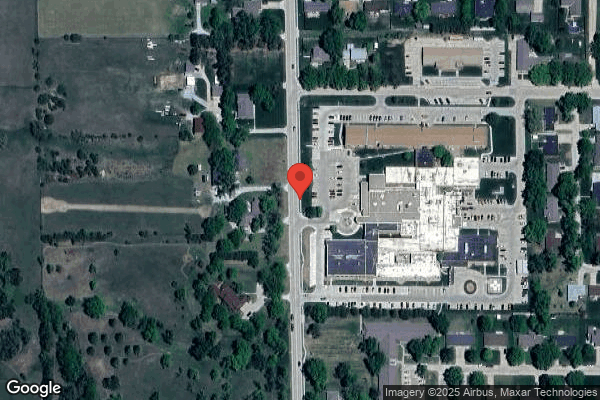
2200 North H Street, Fairbury, NE 68352 (402) 729-5220
Non profit - Corporation 39 Beds Independent Data: November 2025
Trust Grade
95/100
#22 of 177 in NE
Last Inspection: November 2024

Within standard 12-15 month inspection cycle. Federal law requires annual inspections.

Overview

Jefferson Community Health & Life Gardenside has received a Trust Grade of A+, indicating it is an elite facility with very high standards of care. It ranks #22 out of 177 nursing homes in Nebraska, meaning it is in the top half of facilities statewide, and it is #1 out of 2 in Jefferson County, indicating it is the best option locally. However, the facility is showing a concerning trend, as the number of issues reported increased from 1 in 2024 to 2 in 2025. Staffing is a strong point, with a 5/5 rating and a low turnover rate of 17%, significantly better than the state average. On the downside, there have been recent concerns about fall management and elopement incidents, where residents were not adequately monitored or investigated after leaving safe areas, which could potentially impact their safety. Overall, while the facility has many strengths, families should be aware of these weaknesses and the need for improvement.

Trust Score
A+
95/100
In Nebraska
#22/177
Top 12%
Safety Record
Low Risk
No red flags
Inspections
Getting Worse
1 → 2 violations
Staff Stability
✓ Good
17% annual turnover. Excellent stability, 31 points below Nebraska's 48% average. Staff who stay learn residents' needs.
Penalties
✓ Good
No fines on record. Clean compliance history, better than most Nebraska facilities.
Skilled Nurses
✓ Good
Each resident gets 59 minutes of Registered Nurse (RN) attention daily — more than average for Nebraska. RNs are trained to catch health problems early.
Violations
✓ Good
Only 5 deficiencies on record. Cleaner than most facilities. Minor issues only.
★★★★★
5.0
Overall Rating
★★★★★
5.0
Staff Levels
★★★★★
5.0
Care Quality
★★★★☆
4.0
Inspection Score
Stable
2024: 1 issues
2025: 2 issues

The Good

  • 5-Star Staffing Rating · Excellent nurse staffing levels
  • 5-Star Quality Measures · Strong clinical quality outcomes
  • Low Staff Turnover (17%) · Staff stability means consistent care
  • Full Sprinkler Coverage · Fire safety systems throughout facility
  • No fines on record
  • Staff turnover is low (17%)

    31 points below Nebraska average of 48%

Facility shows strength in staffing levels, quality measures, staff retention, fire safety.

The Bad

No Significant Concerns Identified

This facility shows no red flags. Among Nebraska's 100 nursing homes, only 1% achieve this.

The Ugly 5 deficiencies on record

Jan 2025 2 deficiencies
CONCERN (D) 📢 Someone Reported This

A family member, employee, or ombudsman was alarmed enough to file a formal complaint

Potential for Harm - no one hurt, but risky conditions existed

Report Alleged Abuse (Tag F0609)

Could have caused harm · This affected 1 resident

Licensure Reference Number 175 NAC 12-006.02(H) Based on record review and interview; the facility failed to report an incident related to elopement for 1 (Resident 1) of 3 sampled residents. This had...

Read full inspector narrative →
Licensure Reference Number 175 NAC 12-006.02(H) Based on record review and interview; the facility failed to report an incident related to elopement for 1 (Resident 1) of 3 sampled residents. This had the potential to affect 10 residents identified as at risk for elopement. The facility census was 31. Findings are: A record review of the facility policy Missing Resident revised on 9/19/24, revealed the following: -Elopement is defined as an event in which a resident who needs supervision leaves a safe area without supervision. -5. The Director of Nursing (DON) or designee will make the report to the Department of Health & Human Services and to Adult Protective Services per facility policy. A record review of the facility's December 2024 QA/QI (Quality Assurance/Quality Improvement) log revealed the following entry: -12/31/24 at 1555 (3:55 PM) Resident 1 exited dining room door, returned safely. An interview on 1/8/25 at 9:47 AM with the Registered Nurse (RN) revealed that [gender] was working on 12/31/24 and around 4:00 PM that day Resident 1 went outside through the dining room door facing west, walked around the building to a door on the east side of the building and was let in by a dietary staff member. The RN further revealed that Resident 1 was outside for approximately 2 minutes. The RN confirmed that no one from nursing saw Resident 1 go outside. An interview on 1/8/25 at 11:12 AM with the DON revealed that [gender] had visited with staff after Resident 1 was back in the facility about what had happened. [Gender] stated [gender] was told that someone from dietary had seen Resident 1 exit the facility through the dining room door and had their eyes on Resident 1 while [gender] was outside. The DON revealed that [gender] did not investigate which dietary staff member it was that visualized Resident 1 while [gender] was outside and had not investigated the elopement because [gender] was told that someone had their eyes on Resident 1 the entire time [gender] was outside. The DON confirmed that [gender] should have done a thorough investigation of the elopement, that included which dietary staff member visualized the incident to determine if the elopement needed to be reported. The DON further confirmed that because the elopement was not investigated, it was not reported as required.
CONCERN (D) 📢 Someone Reported This

A family member, employee, or ombudsman was alarmed enough to file a formal complaint

Potential for Harm - no one hurt, but risky conditions existed

Investigate Abuse (Tag F0610)

Could have caused harm · This affected 1 resident

Licensure Reference Number 175 NAC 12-006.02(H) Based on record review and interview; the facility failed to investigate an incident related to elopement for 1 (Resident 1) of 3 sampled residents. Thi...

Read full inspector narrative →
Licensure Reference Number 175 NAC 12-006.02(H) Based on record review and interview; the facility failed to investigate an incident related to elopement for 1 (Resident 1) of 3 sampled residents. This had the potential to affect 10 residents identified as at risk for elopement. The facility census was 31. Findings are: A record review of the facility policy Missing Resident revised 9/19/24, revealed the following: -Elopement is defined as an event in which a resident who needs supervision leaves a safe area without supervision. -4. The Charge Nurse will complete an incident report and forward it to the Director of Nursing (DON). -5. The DON or designee will make the report to the Department of Health & Human Services and to Adult Protective Services per facility policy. A record review of the facility's December 2024 QA/QI (Quality Assurance/Quality Improvement) log revealed the following entry: -12/31/24 at 1555 (3:55 PM) Resident 1 exited dining room door, returned safely. An interview on 1/8/25 at 9:47 AM with the Registered Nurse (RN) revealed that [gender] was working on 12/31/24 and around 4:00 PM that day Resident 1 went outside through the dining room door facing west, walked around the building to a door on the east side of the building and was let in by a dietary staff member. The RN further revealed that Resident 1 was outside for approximately 2 minutes. The RN confirmed that no one from nursing saw Resident 1 go outside. An interview on 1/8/25 at 10:44 AM with the Assistant Director of Nursing (ADON) revealed that [gender] was unsure if there was a complete investigation of the elopement due to it being reported that a member of dietary had visualized Resident 1 the whole time [gender] was outside. The ADON confirmed that [gender] was unaware of what dietary staff member had visualized Resident 1. An interview on 1/8/25 at 11:12 AM with the DON revealed that [gender] had visited with staff after Resident 1 was back in the facility about what had happened. [Gender] stated [gender] was told that someone from dietary had seen Resident 1 exit the facility through the dining room door and had their eyes on Resident 1 while [gender] was outside. The DON revealed that [gender] did not investigate which dietary staff member it was that visualized Resident 1 while [gender] was outside and had not investigated the elopement because [gender] was told that someone had their eyes on Resident 1 the entire time [gender] was outside. The DON confirmed that [gender] should have done a thorough investigation of the elopement, that included which dietary staff member visualized the incident to determine if the elopement needed to be reported. An interview on 1/8/25 at 11:12 AM with the [NAME] revealed that [gender] was working on 12/31/24 at the time Resident 1 went out the dining room door and did not visualize Resident 1 exiting the facility because [gender] was in the kitchen area. The [NAME] revealed that there was only one other dietary staff member present at that time and that was the Dietary Aide (DA). An interview on 1/8/25 at 11:44 AM with the DA confirmed that [gender] was working on 12/31/24 at the time Resident 1 went out the dining room door and that [gender] did not visualize Resident 1 exiting the facility because [gender] was in the dietary breakroom. The DA confirmed that [gender] and the [NAME] were the only two dietary staff members working at that time.
Nov 2024 1 deficiency
CONCERN (E)

Potential for Harm - no one hurt, but risky conditions existed

Accident Prevention (Tag F0689)

Could have caused harm · This affected multiple residents

**NOTE- TERMS IN BRACKETS HAVE BEEN EDITED TO PROTECT CONFIDENTIALITY** Licensure Reference Number 175 NAC 12-006.09D7b Based on interview and record review; the facility failed to conduct a thorough ...

Read full inspector narrative →
**NOTE- TERMS IN BRACKETS HAVE BEEN EDITED TO PROTECT CONFIDENTIALITY** Licensure Reference Number 175 NAC 12-006.09D7b Based on interview and record review; the facility failed to conduct a thorough investigation to determine the root-cause of falls and failed to develop and implement effective interventions to minimize and/or prevent falls for 3 (Residents 5, 16, and 18) of 3 sampled residents. The facility census was 32. Findings are: Review of the facility Fall Assessment policy, updated 2/2023, revealed the following: -Interventions for residents at risk for falls will be found in the care plan and are specific for that resident. -The Quality Improvement Coordinator will be responsible for trending falls/looking for patterns. This will be done by the following criteria: place of fall, time of fall, day of week of fall, injuries vs. no injuries, medical diagnosis/contributing factors. Review of the facility Fall Committee notes, dated 7/15/24 and 8/19/24, revealed the following: The number of falls in May, June, July (up to 7/15/24 in July notes and all of July in 8/19/24 notes) and those that had occurred in August as of 8/19/24. There was a brief description of how the fall occurred. The notes do not mention a root-cause analysis for each of the falls or the intervention developed and implemented for the falls. Review of the facility QAPI minutes, dated 9/5/24, revealed the following: -PIP (Performance Improvement Project): Falls: Each resident who does have falls is tracked for fall score, safety features in use, etc. In an interview on 11/13/24 at 10:30 AM, Licensed Practical Nurse (LPN)-B revealed after a resident has a fall that the nurse is to fill out a post fall evaluation which would include where it occurred, if anyone was involved, how the resident was found, what contributed to the fall, medical practitioner, and family notification, and if there were any injuries. LPN-B further revealed that the interventions typically put into place are to make sure the bed is in low position, a padded mat is next to the bed, personal items are within reach or an alarm to notify staff if the resident were to attempt to get up. LPN-B further revealed that [gender] will try to come up with a new intervention based on the root cause but usually does not. LPN-B confirmed that the previously listed interventions are not directly related to the root cause of a fall and that an intervention should be put into place that is specific to the cause of the fall. An interview on 11/13/24 at 12:36 PM the Assistant Director of Nursing (ADON) revealed that Performance Improvement Plans (PIP) are audited routinely and changed as needed. The ADON further revealed that there were no audits available that tracked the root-cause of a resident's fall was determined and that a new intervention was developed and implemented for that specific fall the resident had. A. Review of the facility Fall Log 2024 revealed the following entries for Resident 16: -10/19/24 at 6:10 AM was in bed, rolled out of bed onto padded mat, low bed -10/22/24 at 1:40 AM was in bed, found sitting on padded mat beside bed Review of Resident 16's comprehensive care plan (CCP- written instructions needed to provide effective and person-centered care of the resident that meet professional standards of quality care), dated 7/14/21 revealed the following: -Problem/Need: Falls: History of falling. Resident 16 is admitted to Gardenside with a history of falling at home due to weakness, and 4 falls while [gender] was in the ALF (Assisted Living Facility) for just over 1 month. Resident 16 is at high risk for falls due to right sided weakness, status post Cardiovascular Accident (CVA-interruption of blood flow to the brain), dementia as [gender] forgets [gender] limitations and has some short-term memory problems, incontinence. -Approach(es): remind to ask staff for assistance with ambulation-keep call light in place at all times; refer to restorative nursing program, no longer walks but does AROM (Active Range of Motion); provide with non-slip shoes/footwear; ensure an environment free of clutter/clear pathways; assess for changes in condition that may warrant increased supervision/assistance and notify the physician as needed; transfers with 1 assist and sit to stand; bed in low position Review of Resident 16's Minimum Data Set (MDS- a comprehensive assessment of each resident's functional capabilities used to develop a resident's plan of care), dated 9/11/24, revealed the following: -admission date: 6/30/21 -Brief Interview for Mental Status (BIMS- a test used to get a quick snapshot of a resident's cognitive function, scored from 0-15, the higher the score, the higher the cognitive function) of 3 which indicate sever cognitive impairment. -Transferred from chair/bed-to-chair transfer with maximum assistance and did not walk. -Active Diagnoses: Non-Alzheimer's Dementia and hemiplegia or hemiparesis (loss of muscle function on one side of the body). -No falls since the prior assessment. -Chair alarm used daily. Review of Resident 16's Post Fall Evaluation, dated 10/19/24, revealed the following: -Description of Fall Activity: roll from low bed to mat. -Injury type: No apparent injury -Post Fall Analysis: Environmental Safety Plan Fall Prevent: adequate room lighting, bed in low position, call device within reach, encourage handrail/safety bar use, non-slip footwear, patient specific safety measure, personal items within reach -Interventions in place at time of fall: no qualifying data available. Review of Resident 16's Post Fall Evaluation, dated 10/22/24, revealed the following: -Description of Fall Activity: from hi/low bed -Injury type: No apparent injury -Post Fall Analysis: Environmental Safety Plan Fall Prevent: adequate room lighting, bed in low position, call device within reach, night light -Interventions in place at time of fall: no qualifying data available -Interventions in place to prevent falls: remind to use call light An interview on 11/13/24 at 11:35 AM, the ADON confirmed that a root cause had not been determined when Resident 16 had fallen on 10/19/24 and 10/22/24 and that a new intervention based on the root cause was not developed or implemented to be put on the care plan for either fall. B. Review of the facility Fall Log 2024 revealed the following entries for Resident 18: -5/9/24 at 11:00 PM sitting on floor by bed, -5/18/24 at 6:50 AM top half of left side still on bed, bottom half sitting on floor, -9/9/24 at 1:40 AM was in bed, found sitting on floor back against bed, low bed, padded mat, -10/16/24 at 11:10 PM was in bed, found sitting on padded mat on floor holding onto body pillow. Review of Resident 18's comprehensive CCP, dated 5/26/22 revealed the following: -Problem/Need: Falls: Resident 18 is no longer able to ambulate and is dependent on 2 staff to use a full body lift for all transfers. [Gender] doesn't attempt to get out of [gender] wheelchair. [Gender] will occasionally roll out of bed, whether it be on purpose trying to get up or just being restless and rolling out of bed on accident is unknown. Bed is in low position with padded mat next to bed for this reason. Current fall risk is 55 which puts [gender] at high risk still. -Approach(es): anticipate and meet needs; be sure call light is within reach and encourage to use it for assistance as needed. Respond promptly to all requests for assistance. Coordinate with appropriate staff to ensure a safe environment with: Floors even and free from spills or clutter. Adequate, glare-free light. Call light. Bed in low position at night. Side rails as ordered. Handrails on walls. Personal items within reach; Use silent wheelchair and floor alarm when in bed, does not use call light to ask for help. Padded gray mat beside bed. Bed in low position when in bed. 5/9/24 was in bed, found sitting on floor, back against bed, stated she didn't fall, just slid out of bed. 5/18/24 attempted to get out of bed on [gender] own. Top half of left side including elbow/arm still on bed. Bottom on floor, sitting on floor mat. Bed in low position. Review of Resident 18's MDS, dated [DATE], revealed the following: -admission date: 5/10/22. -Severely impaired cognitive skills for daily decision making. -Transferred from chair/bed-to-chair transfer with total dependence and did not walk. -Active Diagnoses: Schizophrenia (mental disorder characterized by disruptions in thought processes, perceptions, emotional responsiveness, and social interactions). -2 or more falls with no injury since the prior assessment. -Chair alarm and floor mat alarm in place daily. Review of Resident 18's nursing narrative note, dated 5/9/24 at 11:35 PM revealed the following: -summoned to room at 11:00 PM, note resident sitting on floor with back against bed. [Gender] stated, I didn't fall, I slid out of bed. Was incontinent of urine at time of fall. Review of Resident 18's Post Fall Evaluation, dated 5/9/24, revealed the following: -Description of Fall Activity: roll from low bed to mat. -Injury type: No apparent injury. -Post Fall Analysis: Environmental Safety Plan Fall Prevent: bed in low position, call device within reach, mobility support items readily available. -Interventions in place at time of fall: no qualifying data available. -Intervention in place to prevent falls: frequent observations. Review of Resident 18's nursing narrative note, dated 5/18/24 at 10:50 AM, revealed the following: -6:50 AM staff call this nurse to room, noted Resident 18 sitting on floor, next to bed, [gender] had attempted to get out of bed. [Gender] top half (left side), elbow/arm remained in bed, while [gender] bottom was sitting on floor, on top of padded fall mat, bed was in low position. Noted to be incontinent of bowel/bladder once in bed. Staff assist with cleaning/peri cares. Review of Resident 18's electronic health record (EHR) revealed no post fall evaluation completed for 5/18/24 fall. Review of Resident 18's nursing narrative note, dated 9/9/24 at 2:34 AM, revealed the following: -At 1:40 AM note that floor alarm is sounding, entered room, and found resident in sitting position, with back against the bed, sitting on floor. Body pillow behind [gender]. Resident incontinent of urine, was changed. Bed remains in low position, mat beside bed. Review of Resident 18's Post Fall Evaluation, dated 09/9/24, revealed the following: -Description of Fall Activity: roll from low bed to mat. -Injury type: No apparent injury. -Post Fall Analysis: Environmental Safety Plan Fall Prevent: adequate room lighting, bed in low position, call device within reach, patient specific safety measures. -Interventions in place at time of fall: frequent observations. -Interventions in place to prevent falls: frequent observations, low bed with mat, mat placed on floor next to bed. Review of Resident 18's nursing narrative note, dated 10/16/24 at 11:43 PM, revealed the following: -Floor alarm sounded at 11:10 P, entered room and resident sitting on floor beside bed holding on to body pillow. Asked resident what [gender] was doing, and [gender] just stated, Shut the light off asked [gender] how [gender] fell out of bed and [gender] stated, I didn't fall. Resident incontinent of bowel at time of fall. Review of Resident 18's Post Fall Evaluation, dated 10/16/24, revealed the following: -Description of Fall Activity: roll from low bed to mat. -Injury type: No apparent injury. -Post Fall Analysis: Environmental Safety Plan Fall Prevent: bed in low position, call device within reach, encourage handrail/safety bar use, encourage personal mobility support item use, mobility support items readily available. -Interventions in place at time of fall: frequent observations, low bed with mat, mat placed on floor next to bed. -Interventions in place to prevent falls: frequent observations, low bed with mat, mat placed on floor next to bed. An interview on 11/13/24 at 11:35 AM, the ADON confirmed that a root cause had not been determined when Resident 18 had fallen on 5/9/24, 5/18/24,9/9/24 and 10/16/24 and that a new intervention based on the root cause was not developed or implemented to be put on the care plan for any of the falls. C. Review of the facility provided fall log revealed that Resident 5 had falls on 9/13/24, 9/28/24, 10/4/24, and 10/18/24. Review of Resident 5's Quarterly MDS dated [DATE] revealed an admission date of 7/5/24 to the facility and a BIMS score of 99 which indicated the resident was unable to complete the interview due to cognitive decline and the following: -2 falls without injuries and 1 fall with an injury. -Resident uses a walker and a wheelchair. -Resident needs assistance with ambulation, transfers, and toileting. Review of Resident 5's Significant change MDS dated [DATE] revealed: -A fall without an injury. -Resident uses a walker and a wheelchair. -Resident needs assistance with ambulation, transfers, and toileting. Review of Resident 5's CCP dated 10/23/24 revealed: - Fall focus dated 7/25/24 which stated the resident is at risk for falls due to forgetting to use assistive devices and being unaware of surroundings. Resident is unsteady while walking. - Goal of the resident is to be free of falls - Approaches included anticipate needs, call light within reach, ensure a safe environment - no clutter, adequate light, call light, bed in low position, personal items within reach, and appropriate footwear. -Falls were listed on 9/13, 9/28, 10/4, 10/18. Post Fall Evaluations for Resident 5 revealed the following: -Fall dated 9/13/24 the resident fell from her recliner chair with no injury. No interventions in place at the time of fall. New interventions in place to prevent falls were adequate lighting, chair alarm and frequent observations. -Fall dated 9/28/24 another resident reported that this resident was seated on seat of walker and reached down for something and fell. Neurological assessment was initiated. Interventions in place at the time of fall were adequate lighting, chair alarm and frequent observations. Environmental Safety Plan fall prevention was adequate lighting, encourage mobility support, and non-slip footwear. -Fall dated 10/4/24 resident fell while walking and hit head. Neurological assessment initiated. Interventions in place at the time of fall were adequate lighting, chair alarm and frequent observations. Environmental safety plan fall prevention was to encourage person mobility support and nonslip footwear. -Fall dated 10/18/24 resident fell from recliner chair in the general TV room. Interventions in place at the time of fall were adequate lighting, chair alarm and frequent observations. Environmental Safety plan of fall prevention was non-slip footwear and keep personal items within reach. Interview on 11/13/24 at 11:14 AM with LPN - A confirmed that if a resident falls and it is unwitnessed they would start neuro checks, then they should put a new intervention into place that is related to the fall and put it on the fall report. Floor staff does not update the careplan but the fall committee does. Interview on 11/13/24 at 11:35 AM with ADON confirmed that the root cause of the falls had not been identified and new interventions had not been updated to the careplan Interview on 11/13/24 at 12:08 PM with ADON confirmed that new interventions after each resident fall are not listed on the careplan and should have been.
Dec 2023 2 deficiencies
CONCERN (D)

Potential for Harm - no one hurt, but risky conditions existed

Assessment Accuracy (Tag F0641)

Could have caused harm · This affected 1 resident

**NOTE- TERMS IN BRACKETS HAVE BEEN EDITED TO PROTECT CONFIDENTIALITY** Licensure reference number 175 NAC 12-006.09B2 Based on observations, interview, and record review, the facility failed to code ...

Read full inspector narrative →
**NOTE- TERMS IN BRACKETS HAVE BEEN EDITED TO PROTECT CONFIDENTIALITY** Licensure reference number 175 NAC 12-006.09B2 Based on observations, interview, and record review, the facility failed to code oxygen use on the Minimum Data Set assessment (MDS is a standardized assessment tool that measures health status in nursing home residents) for 1 (Resident 10) of 1 sampled residents. The facility census was 27. Findings are: A record review of Resident 10's Face Sheet dated 2/12/2017 revealed diagnoses of: iron deficiency anemia secondary to blood loss (a condition in which blood lacks adequate healthy red blood cells), pulmonary hypertension due to left heat disease (a type of high blood pressure that affects the arteries in the lungs and the right side of the heart) and Covid-19 (a sickness caused by a virus that causes mild to severe respiratory illness). A record review of Resident 10's quarterly MDS assessment dated [DATE] revealed, Resident 10 did not use oxygen during the assessment period. A record review of the Electronic Treatment Administration Record (ETAR) revealed Resident 10 had oxygen administered between 10/1/23 through 10/18/2023. An interview on 12/21/23 at 10:20 AM with Registered Nurse (RN)-A revealed Resident 10 used oxygen during the month of October, and the MDS was not documented for the oxygen section of the MDS dated [DATE]. An interview on 12/21/23 at 10:50 with RN-A revealed [gender] used the Resident Assessment Instrument (RAI) Manual to ensure the accuracy of MDS.
CONCERN (D)

Potential for Harm - no one hurt, but risky conditions existed

Infection Control (Tag F0880)

Could have caused harm · This affected 1 resident

Licensure reference number 175 NAC 12-006.17B Based on observations, interviews, and record review, the facility failed to ensure respiratory equipment was stored and oxygen tubing changed in a manner...

Read full inspector narrative →
Licensure reference number 175 NAC 12-006.17B Based on observations, interviews, and record review, the facility failed to ensure respiratory equipment was stored and oxygen tubing changed in a manner to prevent cross contamination for 1 resident (Resident 10) of 1 resident sampled. The facility identified a census of 27 residents. Findings are: A record review of the facility policy titled Oxygen Administration-Nasal Cannula dated 04/17/2023 revealed: - Oxygen tubing must be kept off the floor as able due to trip hazard. - Nasal cannula to be changed every week. - Longer O2 cannula/connection tubing to be changed monthly on the 1st. A record review of Resident 10's Face Sheet dated 2/12/2017 revealed diagnoses of: iron deficiency anemia secondary to blood loss (a condition in which blood lacks adequate healthy red blood cells), pulmonary hypertension due to left heat disease (a type of high blood pressure that affects the arteries in the lungs and the right side of the heart) and Covid- 19 (a sickness caused by a virus that causes mild to severe respiratory illness). A record review of Resident 10's Electronic Treatment Administration Record (ETAR) revealed, that Resident 10 had oxygen administered on 12/19/2023 at 5 AM. A record review of Resident 10's ETAR revealed an order to change the oxygen tubing every Monday. The ETAR documentation for December 2023 revealed documentation of Resident 10's oxygen tubing completed on 12/04/2023, 12/11/2023, and 12/19/2023. An observation on 12/18/2023 at 7:59 AM of Resident 10's room revealed, the one piece oxygen tubing with nasal cannula was marked with a sticker dated 12/04/23. An observation on 12/18/23 at 1:49 PM revealed, Resident 10 was in [gender] room in a wheelchair, applying makeup to their face. The oxygen concentrator was turned off and not in use. The one piece oxygen tubing with the nasal cannula was found on the floor. A cloth bag for was tied to the dresser that was directly behind the concentrator. An observation on 12/18/23 at 3:54 PM revealed, the oxygen concentrator was off and the one piece tubing with nasal cannula was on the floor. A bag was tied to the dresser that was directly behind the concentrator. An interview on 12/18/23 at 7:52 AM with Resident 10 revealed, that [gender] does not touch the concentrator or the tubing, unless [gender] is in bed, and it falls off. Resident 10 further revealed, [gender] does not know how to use the concentrator, and [gender] does not like to mess with the tubing. Resident 10 revealed, [gender] only uses the oxygen while in bed and staff remove the oxygen when [gender]gets up for the day. An observation on 12/19/2023 at 8:00 AM revealed, that the concentrator was turned off and the one piece tubing with the nasal cannula was on the floor, and a cloth bag was on the dresser behind the concentrator. The oxygen tubing was dated 12/04/23. An observation 12/19/2023 at 4:04 PM revealed, that the oxygen concentrator was off and oxygen tubing with nasal cannula was on the floor. The cloth bag observed tied to the dresser that was directly behind the concentrator. An interview on 12/19/23 at 8:00 AM with Resident 10 revealed, that [gender] did not take her oxygen off this day. An observation on 12/20/23 at 9:10 AM revealed, that the concentrator was off and one piece tubing with nasal cannula was across the bed. The bag was tied to the dresser that was directly behind the concentrator. The oxygen tubing was dated of 12/04/23. An interview on 12/20/23 at 10:10 AM with Resident 10 revealed, [gender] did not remove [gender] oxygen. An observation on 12/20/23 at 12:10 PM revealed, that the concentrator was off and the one piece oxygen tubing with nasal cannula was laying across the bed. A cloth bag was tied to the dresser that was directly behind the concentrator. The date found on the oxygen tubing dated 12/04/23. An observation on 12/21/23 at 8:10 AM revealed, that concentrator was off and the one piece oxygen tubing with nasal cannula was laying across the bed. The cloth bag was tied to the dresser that was directly behind the concentrator. The date of oxygen tubing was 12/04/2023. An interview on 12/21/23 at 8:45 AM with Resident 10 revealed, that [gender]did not take the oxygen off. An observation 12/21/2023 at 8:50 AM revealed, that concentrator was off and the one piece oxygen tubing with nasal cannula was laying across the bed. The cloth bag was tied to the dresser that was directly behind the concentrator. The date of oxygen tubing was 12/04/2023. An interview on 12/21/23 at 8:50 AM with Nurse Assistant (NA)-B revealed, that the nurses are the only staff who can apply or remove the oxygen. The medication aide are allowed to turn the concentrator off but nothing else. NA-B further revealed, that if [gender] found the oxygen tubing and cannula on the floor, [gender]would pick it up and hang it over the bottle part of the concentrator. An interview on 12/21/23 at 8:55 AM with Registered Nurse (RN)-C revealed, if [gender] saw oxygen tubing with the nasal cannula on the floor they would clean it with cleaning wipes and place it in the storage bag behind the concentrator. An interview on 12/21/23 at 8:58 AM with RN-A revealed, that when the oxygen tubing was not in use it was to be stored in the cloth bag behind the concentrator to keep it clean. If the tubing and/or cannula was found on the floor, the staff are to replace it with new tubing.
Understanding Severity Codes (click to expand)
Life-Threatening (Immediate Jeopardy)
J - Isolated K - Pattern L - Widespread
Actual Harm
G - Isolated H - Pattern I - Widespread
Potential for Harm
D - Isolated E - Pattern F - Widespread
No Harm (Minor)
A - Isolated B - Pattern C - Widespread

Questions to Ask on Your Visit

  • "Can I speak with families of current residents?"
  • "What's your RN coverage like on weekends and overnight?"

Our Honest Assessment

Strengths
  • • Grade A+ (95/100). Above average facility, better than most options in Nebraska.
  • • No major safety red flags. No abuse findings, life-threatening violations, or SFF status.
  • • No fines on record. Clean compliance history, better than most Nebraska facilities.
  • • Only 5 deficiencies on record. Cleaner than most facilities. Minor issues only.
Concerns
  • • No significant concerns identified. This facility shows no red flags across CMS ratings, staff turnover, or federal penalties.
Bottom line: Generally positive indicators. Standard due diligence and a personal visit recommended.

About This Facility

What is Jefferson Community Health & Life Gardenside's CMS Rating?

CMS assigns Jefferson Community Health & Life Gardenside an overall rating of 5 out of 5 stars, which is considered much above average nationally. Within Nebraska, this rating places the facility higher than 99% of the state's 100 nursing homes. This rating reflects solid performance across the metrics CMS uses to evaluate nursing home quality.

How is Jefferson Community Health & Life Gardenside Staffed?

CMS rates Jefferson Community Health & Life Gardenside's staffing level at 5 out of 5 stars, which is much above average compared to other nursing homes. Staff turnover is 17%, compared to the Nebraska average of 46%. This relatively stable workforce can support continuity of care.

What Have Inspectors Found at Jefferson Community Health & Life Gardenside?

State health inspectors documented 5 deficiencies at Jefferson Community Health & Life Gardenside during 2023 to 2025. These included: 5 with potential for harm.

Who Owns and Operates Jefferson Community Health & Life Gardenside?

Jefferson Community Health & Life Gardenside is owned by a non-profit organization. Non-profit facilities reinvest revenue into operations rather than distributing to shareholders. The facility operates independently rather than as part of a larger chain. With 39 certified beds and approximately 29 residents (about 74% occupancy), it is a smaller facility located in Fairbury, Nebraska.

How Does Jefferson Community Health & Life Gardenside Compare to Other Nebraska Nursing Homes?

Compared to the 100 nursing homes in Nebraska, Jefferson Community Health & Life Gardenside's overall rating (5 stars) is above the state average of 2.9, staff turnover (17%) is significantly lower than the state average of 46%, and health inspection rating (4 stars) is above the national benchmark.

What Should Families Ask When Visiting Jefferson Community Health & Life Gardenside?

Based on this facility's data, families visiting should ask: "Can I visit during a mealtime to observe dining assistance and food quality?" "How do you handle medical emergencies, and what is your hospital transfer rate?" "Can I speak with family members of current residents about their experience?"

Is Jefferson Community Health & Life Gardenside Safe?

Based on CMS inspection data, Jefferson Community Health & Life Gardenside has a clean safety record: no substantiated abuse findings (meaning no confirmed cases of resident harm), no Immediate Jeopardy citations (the most serious violation level indicating risk of serious injury or death), and is not on the Special Focus Facility watch list (a federal program monitoring the lowest-performing 1% of nursing homes). The facility has a 5-star overall rating and ranks #1 of 100 nursing homes in Nebraska. While no facility is perfect, families should still ask about staff-to-resident ratios and recent inspection results during their visit.

Do Nurses at Jefferson Community Health & Life Gardenside Stick Around?

Staff at Jefferson Community Health & Life Gardenside tend to stick around. With a turnover rate of 17%, the facility is 29 percentage points below the Nebraska average of 46%. Low turnover is a positive sign. It means caregivers have time to learn each resident's needs, medications, and personal preferences. Consistent staff also notice subtle changes in a resident's condition more quickly.

Was Jefferson Community Health & Life Gardenside Ever Fined?

Jefferson Community Health & Life Gardenside has no federal fines on record. CMS issues fines when nursing homes fail to meet care standards or don't correct problems found during inspections. The absence of fines suggests the facility has either maintained compliance or corrected any issues before penalties were assessed. This is a positive indicator, though families should still review recent inspection reports for the full picture.

Is Jefferson Community Health & Life Gardenside on Any Federal Watch List?

Jefferson Community Health & Life Gardenside is not on any federal watch list. The most significant is the Special Focus Facility (SFF) program, which identifies the bottom 1% of nursing homes nationally based on persistent, serious quality problems. Not being on this list means the facility has avoided the pattern of deficiencies that triggers enhanced federal oversight. This is a positive indicator, though families should still review the facility's inspection history directly.