Nye Pointe Health & Rehab Ctr
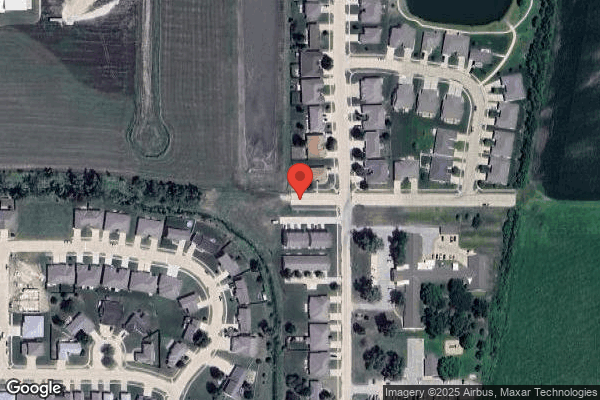
2700 Laverna Street, Fremont, NE 68025 (402) 727-4900
For profit - Corporation 43 Beds Independent Data: November 2025
Trust Grade
50/100
#124 of 177 in NE
Last Inspection: August 2025

Inspected within the last 6 months. Data reflects current conditions.

Overview

Nye Pointe Health & Rehab Center has received a Trust Grade of C, which means it is average and falls in the middle of the pack among nursing homes. It ranks #124 out of 177 facilities in Nebraska, placing it in the bottom half, and #3 out of 3 in Dodge County, indicating that only one local option is better. The facility is improving, having reduced its issues from four in 2024 to three in 2025. Staffing, however, is a concern with a low rating of 1 out of 5 stars and a high turnover rate of 72%, which is significantly above the state average. While it has no fines, which is a positive sign, there have been issues with maintaining sanitation in the kitchen and proper handling of contaminated laundry, as well as lapses in completing required health evaluations for residents. Despite these challenges, the facility does provide some good RN coverage, which can help catch issues that other staff may overlook.

Trust Score
C
50/100
In Nebraska
#124/177
Bottom 30%
Safety Record
Low Risk
No red flags
Inspections
Getting Better
4 → 3 violations
Staff Stability
⚠ Watch
72% turnover. Very high, 24 points above average. Constant new faces learning your loved one's needs.
Penalties
✓ Good
No fines on record. Clean compliance history, better than most Nebraska facilities.
Skilled Nurses
○ Average
Each resident gets 35 minutes of Registered Nurse (RN) attention daily — about average for Nebraska. RNs are the most trained staff who monitor for health changes.
Violations
○ Average
8 deficiencies on record. Average for a facility this size. Mostly minor or procedural issues.
★★☆☆☆
2.0
Overall Rating
★☆☆☆☆
1.0
Staff Levels
★☆☆☆☆
1.0
Care Quality
★★★★☆
4.0
Inspection Score
Stable
2024: 4 issues
2025: 3 issues

The Good

  • Full Sprinkler Coverage · Fire safety systems throughout facility
  • No fines on record

Facility shows strength in fire safety.

The Bad

2-Star Overall Rating

Below Nebraska average (2.9)

Below average - review inspection findings carefully

Staff Turnover: 72%

26pts above Nebraska avg (46%)

Frequent staff changes - ask about care continuity

Staff turnover is very high (72%)

24 points above Nebraska average of 48%

The Ugly 8 deficiencies on record

Aug 2025 3 deficiencies
CONCERN (D)

Potential for Harm - no one hurt, but risky conditions existed

Quality of Care (Tag F0684)

Could have caused harm · This affected 1 resident

**NOTE- TERMS IN BRACKETS HAVE BEEN EDITED TO PROTECT CONFIDENTIALITY** Licensure Reference Number 175 NAC 12-006.09(H). Based on record review and interview the facility failed to ensure daily weight...

Read full inspector narrative →
**NOTE- TERMS IN BRACKETS HAVE BEEN EDITED TO PROTECT CONFIDENTIALITY** Licensure Reference Number 175 NAC 12-006.09(H). Based on record review and interview the facility failed to ensure daily weights were obtained for 1 (Resident 1) of 1 sampled resident and failed to implement neurological evaluations after an unwitnessed fall for 1 (Resident 3) of 4 sampled residents. The facility staff identified a census of 40. The findings are: A. Record review of Resident 1's Minimum Data Set (MDS: a federally mandated assessment tool used for care planning) dated 07-28-2025 revealed the facility staff assessed the following about the resident:-admission date of 07-22-2025.-Brief Interview of Mental Status (BIMS) was scored at a 15. According to the MDS Manual a score of 13 to 15 indicates a person is cognitively intact.-had a diagnosis of Heart Failure.-required moderate assistance with hygiene, and transfers.-required substantial assistance with upper body dressing.-required total assistance with lower body dressing, toileting and bathing. Record review of Resident 1's Medication Administration Record (MAR) for July of 2025 revealed an order for daily weights and to notify the physician if the resident gains greater than 3 pounds in a day or greater than 5 pounds in a week. Further review of Resident 1's MAR revealed there were no weight listed for 07-25-2025 or 07-28-2025. Record review of Resident 1's MAR for August of 2025 revealed an order for daily weights and to notify the physician if the resident gains greater than 3 pounds in a day or greater than 5 pounds in a week. Further review of Residents 1's MAR for August 2025 revealed no weight were listed on 08-03-2025, 08-04-2025, 08-05-2025, 08-07-2025, 08-08-2025, 08-09-2025, 08-10-2025, 08-14-2025 and 08-16-2025. An interview with the Corporate Nurse (CN) on 08-20-2025 at 10:30 AM confirmed daily weights were not conducted daily and should have been for Resident 1. B. Record review of Resident 3's MDS dated [DATE] revealed the facility staff assessed the following about the resident:-BIMS was scored at a 9. According to the MDS Manual a score of 08-12 indicates moderate cognitive impairment.-required substantial assistance with bed mobility and hygiene.-required total assistance with toileting, dressing and transfers. Record review of Resident 3's Comprehensive Care Plan (CCP) dated 08-01-2025 revealed Resident 3 had an unwitnessed fall on 08-07-2025. Record review of Resident 3's Electronic Health Record revealed no neurological evaluations (an assessment for identifying potential head trauma) following the unwitnessed fall on 08-07-2025. An interview with the CN on 08-21-2025 at 11:00 AM confirmed the neurological evaluations were not done after the unwitnessed fall on 08-07-2025 and should have been done for Resident 3.Record review of the facility's undated policy titled Falls revealed a possible head injury includes visible head trauma, unwitnessed fall where resident is unable to deny a head injury or a witnessed fall with resident hitting their head. When a head injury is noted or suspected, neurological checks will be initiated and any adverse findings will be reported to the resident's physician.
CONCERN (D)

Potential for Harm - no one hurt, but risky conditions existed

Incontinence Care (Tag F0690)

Could have caused harm · This affected 1 resident

Licensure Reference Number 175 NAC 12-006.09(H)(iv)(4) Based on observation, interview and record review the facility failed to secure a catheter in a manner to prevent skin trauma for 1 (Resident 29)...

Read full inspector narrative →
Licensure Reference Number 175 NAC 12-006.09(H)(iv)(4) Based on observation, interview and record review the facility failed to secure a catheter in a manner to prevent skin trauma for 1 (Resident 29) of 1 residents sampled. The facility census was 40. The findings are:Record review of Resident 29's Minimum Data Set (MDS: a federally mandated assessment tool used for care planning) revealed the facility staff assessed the following about the resident:-Brief Interview of Mental Status (BIMS) was scored at 12. According to the MDS Manual a score of 8-12 indicates moderate cognitive impairment.-had a life expectancy of 6 months or less.-had an indwelling urinary catheter.-had a stage 4 pressure ulcer.-required moderate assistance with upper body dressing.-required total assistance with toileting, bathing, lower body dressing, bed mobility and transfers. Record review of Resident 29's Treatment Administration Record for August 2025 revealed an order for a foley catheter for continuous drainage. Secure tubing to thigh area to avoid pulling. An observation on 08-19-2025 at 12:01 PM of Resident 29 lying in bed being repositioned by the hospice Nursing Assistant revealed the urinary catheter was not secured to Resident 29's thigh with the urinary catheter tubing was laying across the right thigh. An observation on 08-20-2025 at 10:17 AM with the Assistant Director of Nursing (ADON) revealed Resident 29 was lying in bed and the urinary catheter tubing was not secured to the resident's thigh. An interview with the ADON on 08-20-2025 at 10:25 AM confirmed Resident 29's catheter tubing was not secured to the resident's thigh and should have been.
CONCERN (D)

Potential for Harm - no one hurt, but risky conditions existed

Unnecessary Medications (Tag F0759)

Could have caused harm · This affected 1 resident

Licensure Reference Number 175 NAC 12-006.10DBased on observation, interview and record review the facility failed to ensure a medication error rate of 5% of less, as evidenced by 3 errors out of 25 o...

Read full inspector narrative →
Licensure Reference Number 175 NAC 12-006.10DBased on observation, interview and record review the facility failed to ensure a medication error rate of 5% of less, as evidenced by 3 errors out of 25 opportunities for error resulting in a 12% medication error rate. The facility census was 40. The findings are:A.Record review of Resident 10's Order Summary (OS) printed on 08-20-2025 revealed the following orders:-ondansetron 4 milligram (mg) take 1 tablet by mouth every morning before breakfast.-pantoprazole 40 mg take 1 table by mouth daily, do not crush or chew, take 30 to 60 minutes prior to eating. An observation on 08-20-2025 at 8:20 AM of Medication Aide (MA) A administering medications to Resident 10 revealed the following medications were administered while eating breakfast:-pantoprazole 20 mg tablet give 1 tablet by mouth-ondansetron 4mg tablet give 1 tablet by mouth An interview conducted on 08-20-2025 at 12:47 PM with MA A confirmed pantoprazole and ondansetron were given while Resident 10 was eating breakfast and should have been given prior to eating. B. Record review of Resident 2's Medication Administration Record (MAR) printed on 8-19-2025 revealed an order for aspirin enteric coated 81mg take 1 tablet by mouth daily take with food and do not crush. An observation on 08-20-2025 at 8:25 AM of MA A administering medications to Resident 2 revealed Aspirin 81mg chewable tablet was administered to Resident 2. An interview with MA A on 08-20-2025 at 12:19 PM confirmed Resident 2 received Aspirin 81mg chewable tablet and Aspirin 81mg enteric coated tablet should have been administered. Record review of the facility policy titled Medication Administration Guideline dated 2023 revealed medications are administered by licensed nurses, or other staff who are legally authorized to do so in this state, as ordered by the physician and in accordance with professional standards of practice, in a manner to prevent contamination or infection.
Jul 2024 4 deficiencies
CONCERN (D)

Potential for Harm - no one hurt, but risky conditions existed

Quality of Care (Tag F0684)

Could have caused harm · This affected 1 resident

Licensure Reference Number 175 NAC 12.006.09 Based on observation, interview, and record review, the facility failed to ensure wound care was completed as ordered for 1 (Resident 2) of 2 sampled resid...

Read full inspector narrative →
Licensure Reference Number 175 NAC 12.006.09 Based on observation, interview, and record review, the facility failed to ensure wound care was completed as ordered for 1 (Resident 2) of 2 sampled residents. The facility census was 38. Findings are: A record review of the facility's Wound Treatment Management policy dated 2023 revealed wound treatments would be provided in accordance with physician's orders including the cleansing method, type and application of dressing, and frequency of dressing change. A record review of Resident 2's Clinical Census dated 07/22/2024 revealed the resident was admitted to the facility 08/02/2022. A record review of Resident 2's Medical Diagnosis dated 07/22/2024 revealed the resident had diagnoses of Diabetes Mellitus Due To Underlying Condition With Diabetic Neuropathy, Unspecified (uncontrolled blood sugar), Lymphedema (swelling caused by buildup of fluids), Not Elsewhere Classified, Chronic Combined Systolic (Congestive) and Diastolic (congestive) Heart Failure. Edema (excess fluid in the body), Chronic Obstructive Pulmonary Disease (COPD), and Long Term (Current) Use Of Anticoagulants (blood thinners). A record review of Resident 2's Minimum Data Set (MDS),a comprehensive assessment used to develop a resident's care plan) dated 05/09/2024 revealed the resident had a Brief Interview for Mental Status (BIMS)(a score of a residents cognitive abilities) 5 of 15 that indicated the resident was severely cognitively impaired (difficulty with mental function and skills). The resident was independent with personal and oral hygiene, needed partial/moderate staff assistance with upper body dressing and footwear, needed substantial/maximal assistance with bathing and lower body dressing. The resident did have a skin tear and was getting applications of ointments/medications. A record review of Resident 2's Care Plan with an admission date of 12/13/2023 revealed the resident had the potential impairment (weakened or damaged) to skin integrity and had a right great toe open area on 06/27/2024. The resident had interventions dated 06/27/2024 of treatment to right great toe and right leg edema/weeping (leaking fluid through skin) as ordered and observe changes but did not reveal an intervention for the left lower leg skin tear. A record review of Resident 2's Treatment Administration Record dated July 2024 revealed orders of: -Bilateral lower extremities (both lower legs): Wash daily with soap and water, Apply Xeroform gauze to any open areas, cover lower extremities with ABD (abdominal) and Kerlix. -Right Toe Wound: Apply Silver Alginate to wound, cover with dry dressing daily. A record review of Resident Wound note dated 07/18/2024 by facility's contracted wound care Advanced Practice Registered Nurse (APRN)-K revealed the wound care had been completed with the following information: Assessment: -Type 2 Diabetes Mellitus with foot ulcer (wound) -Venous Insufficiency (chronic)(peripheral)(poor blood flow) -Chronic venous hypertension (idiopathic)(blood pressure in legs don't fall when walking) with ulcer of right lower extremity. -Chronic venous hypertension (idiopathic) with ulcer of left lower extremity. -Laceration (cut or tear) without foreign body of right elbow. Plan: -Type 2 Diabetes Mellitus with foot ulcer -Notes: Right great toe tip wound: -Wash daily with soap and water -Apply Silver Alginate to the wound and secure with gauze and tape -Chronic venous hypertension (idiopathic) with ulcer of left lower extremity -Notes: Left lower leg wound care -Wash lower leg with soap and water daily -Apply Xeroform gauze to any open areas on the lower leg -Cover the weeping areas with ABD pads -Secure with Kerlix roll gauze An observation on 07/17/2024 at 3:07 PM revealed Resident 2's bilateral lower extremities were large and swollen. The resident had edema wear stockings on both lower legs with wound dressings underneath. An observation on 07/18/2024 at 1:27 PM revealed APRN-K had gloves and a gown on and removed Resident 2's right shoe, sock, and edema wear stocking, and measured the wound. APRN-K looked trough the bag of dressing on the floor with the contaminated gloves, removed a curette (surgical instrument) and debrided (removed the dead skin) the right great toe. APRN-K then dug through the bag of dressing with contaminated gloves opened a 4x4 (4 inch by 4 inch) dressing and wiped the blood from the resident's right great toe. APRN-K dug through the bag and pulled out a package of Silver Alginate (a wound dressing), cut a piece to size, and applied to the right great toe wound with contaminated gloves. APRN-K dug through the bag and got a 2x2 2 inch by 2 inch) bandage, opened, and it stuck to the APRN's glove, so APRN-K grabbed it touching the wound surface with the contaminated gloves and applied it to the right great toe. APRN-K put the resident's edema wear stocking on, sock on, shoe on, and pulled down the resident's pant leg. APRN-K removed gloves, used hand sanitizer, and re-gloved. APRN-K removed Resident 2's left, shoe, sock, and pulled down the edema wear stocking. APRN-K removed the Kerlix dressing from the resident's left lower leg and removed the Xeroform dressing from the wound. APRN-K dug through the bag of dressing with the contaminated gloves, removed a package of Xeroform and cut a piece to size. APRN-K opened the Xeroform with the contaminated gloves and placed the Xeroform in the resident's left lower leg wound. APRN-K then opened an ABD (abdominal) and Kerlix dressing and held the ABD dressing over the wound and wrapped the left lower leg with the Kerlix dressing. APRN-K assessed the leg and heel and pulled the edema wear back up over the dressing, applied the left sock and shoe. APRN-K got up of the floor, removed gown and gloves, and washed hands with soap and water for 7 seconds before exiting the room. The observation did not reveal that APRN-K washed either wound with soap and water prior to applying clean dressings. In an interview on 07/23/2024 at 7:11 AM, the Director of Nursing (DON) confirmed that APRN-K should have performed hand hygiene (cleaning) and glove changes when going from a contaminated body site to a clean body site during wound care and should have washed the wounds prior to applying the new dressings on both of Resident 2's wounds as ordered.
CONCERN (D)

Potential for Harm - no one hurt, but risky conditions existed

Medication Errors (Tag F0758)

Could have caused harm · This affected 1 resident

**NOTE- TERMS IN BRACKETS HAVE BEEN EDITED TO PROTECT CONFIDENTIALITY** Licensure Reference Number 175 NAC 12.006.09(H) Based on record review and interview; the facility staff failed to implement non...

Read full inspector narrative →
**NOTE- TERMS IN BRACKETS HAVE BEEN EDITED TO PROTECT CONFIDENTIALITY** Licensure Reference Number 175 NAC 12.006.09(H) Based on record review and interview; the facility staff failed to implement non-phrampharmocological interviews prior to administering a as needs medication for 1 (Resident 18) of 5 sampled residents. The facility census was 38. A review of the facilities policy dated 2023 and named Use of Psychotropic Medication Guideline revealed that PRN medications shall be documented with a rationale in the resident medical record. Also the indications for initiating as well as the use of non-pharmacological approaches be determined by assessing the residents underlying condition current signs, symptoms, expressions, and preferences and goals for treatment. A record review of resident Clinical Resident Profile dated 7/18/24 Revealed Resident 18 was admitted on [DATE]. A record review of Medical Diagnosis list for Resident 18 dated 7/18/24 revealed the following: Parkinson's Disease with Dyskinesia, without mention of fluctuations, Major Depressive Disorder, Altered Mental Status, Depression, Generalized Anxiety Disorder, A review of the Minimum Data Set (MDS), (a tool that measures health status of residents in nursing homes) dated 6/27/24 revealed a Brief Interview of Mental Status (BIMS) of 11. According to the MDS [NAME], a score of 8 to 12 indicates a person has moderately impaired cognition. A review of physician's orders dated 7/18/24 revealed Resident 18 received Alprazolam (medication used for anxiety) tablet 0.25 milligrams (mg) take 1 tab by mouth every day as needed (related to generalized anxiety disorder. A Review of Documentation in the Medication Administration Record (MAR) for June 2024 and up until July-22-2024 revealed Resident 18 had no behaviors, hallucinations, delusions, or symptoms of anxiety documented. Further review of Resident 18's MAR for June and July 2024 revealed Resident 18 received the as needed (PRN) Alprazolam on 6/23/24 at 9:44 PM, 7/6/24 at 9:47 PM, and 7/16/24 at 9:36 PM. An interview on 04/23/24 at 1:01 PM with Director of Nursing confirmed that Res 18 was given Alaprazolam 0.25 mg tab PRN on 6/23/24 at 9:44 PM , 7/6/24 at 9:47 PM, and 7/16/24 at 9:36 PM and further confirmation no indications Resident 18 had anxiety symptoms or non-pharmacological logical interventions implemented. A review of the facilities policy dated 2023 and named Use of Psychotropic Medication Guideline revealed the following: -As needed (PRN) medications shall be documented with a rationale in the resident medical record. Also -The indications for initiating as well as the use of non-pharmacological approaches be determined by assessing the residents underlying condition current signs, symptoms, expressions, and preferences as well as goals for treatment.
CONCERN (F)

Potential for Harm - no one hurt, but risky conditions existed

Food Safety (Tag F0812)

Could have caused harm · This affected most or all residents

Licensure Reference Number 175 NAC 12-006.11(E) Based on observation, interview, and record review; the facility failed to ensure a sanitary environment, equipment, and food storage spaces were mainta...

Read full inspector narrative →
Licensure Reference Number 175 NAC 12-006.11(E) Based on observation, interview, and record review; the facility failed to ensure a sanitary environment, equipment, and food storage spaces were maintained in a manner to prevent potential food borne illness. This had the potential to affect 37 of 38 residents that consumed food from the kitchen. Findings are: A record review of the facilities policy General Sanitation of Kitchen dated 2017 revealed the following: -Food and nutrition services staff will maintain the sanitation of the kitchen through compliance with a written, comprehensive cleaning schedule. -Cleaning and sanitation tasks will be defined and assigned to employees. The employees will also be trained on each task. An observation on 7/17/24 at 9:08 AM revealed the following: -The cupboards had small particles of a substances that was varied in color (black, brown, and white) and size. This was on the shelves and doors of the cabinets. -The drawers that were in the cabinets had varying substances with the appearance of food particles and dirt, as well as grease. - The walls in the entire kitchen along the floor edges and surrounding the equipment herein (which included dry storage room, dish room and the room the ice machine room) had a buildup approximately . 5-6 inches away from the walls and /or leg bases. looked as if there were food particles, hair, grease, and other debris stuck to it. -Food particles and debris various colors and shapes scattered across the floor and underneath all the equipment throughout the kitchen. -The stove including the top, inside and sides were heavily coated with grease and grime. The coating was a dark brownish black color and was thick in appearance. -The oven was coated with a greasy yellow substance that was slightly sticky. The inside had a heavy buildup of a dark, brownish/black color substance that also had a thick looking appearance. -The upright freezer had dirt and grime, brownish black in appearance on the sides, around the door handle and the back. Along the bottom of the doors was a white film, that ran the width of the doors. -Behind the upright freezer was a piece of mopboard that was hanging off the wall that was heavily coated with a grease/grime in brownish black substance on it. That traveled up the wall approximately . 6 inches. -Dry storage floor had a coffee type substance (in both color and texture) that ran along the south wall. -The ice machine had a build of has dirt/grime/furry appearance that is dark brownish black in color and is approximately . ¼ inch covering the platform in the back and as well as a white colored piece of equipment. The platform had large rusty colored areas in between the legs of the ice machine and surrounding the legs. An interview and kitchen tour on 7/23/24 at 1:00 PM with the Dietary Manager (DM) confirmed all the above findings were a concern. The DM confirmed that there was no evidence of a cleaning schedule for the kitchen environment and its equipment. The DM also confirmed that the cleaning is an issue and that it is the expectation that it is completed daily per facility policy and current standards of practice.
CONCERN (F)

Potential for Harm - no one hurt, but risky conditions existed

Infection Control (Tag F0880)

Could have caused harm · This affected most or all residents

**NOTE- TERMS IN BRACKETS HAVE BEEN EDITED TO PROTECT CONFIDENTIALITY** Licensure Reference Number 175 NAC 12-006.18 Licensure Reference Number 175 NAC 12-006.18(D) Based on observation, interview, an...

Read full inspector narrative →
**NOTE- TERMS IN BRACKETS HAVE BEEN EDITED TO PROTECT CONFIDENTIALITY** Licensure Reference Number 175 NAC 12-006.18 Licensure Reference Number 175 NAC 12-006.18(D) Based on observation, interview, and record review, the facility failed to ensure contaminated laundry and linens were contained during transport and the laundry carts were sanitized, wear required Personal Protective Equipment (PPE) during laundry sorting, and clean laundry and linens were transported without touching staff clothing to prevent cross contamination, this had the potential to affect all residents in the facility. The facility failed to ensure hand hygiene was completed following wound care on 1 (Resident 2) of 3 sampled residents, ensure 2 (Residents 2 and 21) of 2 sampled resident's nasal cannulas (tubing that goes in the nose to deliver oxygen) were stored in a bag to prevent cross contamination and ensure 1 (Resident 2) of 2 sampled resident's concentrator and 1 (Resident 21) of 2 sampled resident's concentrator filters were clean. The facility census was 38. Findings are: A. A record review of the undated Resident personals, hang-ups, and delivery policy revealed the staff should cover the cart with a clean sheet or drapery before leaving the laundry area. An observation on 07/18/2024 at 8:34 AM revealed the facility's Environmental Services Coordinator (EEC) had the laundry cart at the 200-hall linen closet and transported the laundry cart to the 100-hall linen closet with the drape piled on top of the cart. An observation on 07/23/2024 at 6:52 AM revealed there were 2 large rectangular soiled linen carts that laundry used, 1 yellow one in the laundry room, and 1 gray one on the hallway across from the soiled laundry entrance. In an interview on 07/23/2024 at 6:52 AM, the EEC confirmed there was a large gray plastic cart in the hallway that laundry is placed in and a yellow cart in the laundry room that is used to transport laundry. The EEC confirmed the staff sprayed a sanitizer on the carts to disinfect, but it was not on a regular basis. The EEC pointed to the Cleaning Schedule for July 2024 that was on the corkboard in the laundry room. There were no entries for the carts being sanitized in July 2024. A record review of the undated Daily Cleaning Schedule revealed the large rectangular yellow soiled linen cart was to be cleaned weekly or as needed. A record review of the Cleaning Schedule logs dated May 2024, June 2024, and July 2024 revealed the large rectangular yellow soiled linen cart was only cleaned on: In an interview on 07/23/2024 at 11:09 AM, the Executive Director (ED) confirmed the large soiled linen carts in the laundry area should have been cleaned weekly and were not. B. An observation on 07/23/2024 at 6:52 AM of the laundry room did not reveal a gown or eye protection to be used when sorting laundry. In an interview on 07/23/2024 at 6:52 AM, the EEC confirmed gloves were the only PPE used when removing contaminated laundry from bags and sorting the laundry. C. A record review of the undated Resident personals, hang-ups, and delivery policy revealed to avoid cross-contamination keep clean items away from your body. An observation on 07/18/2024 at 10:46 AM revealed Nursing Assistant (NA)-L obtained linens from the linen closet and walk down the 300-hall to a resident, room [ROOM NUMBER] with linens under the arm and against NA-L's clothing. An observation on 07/18/2024 at 11:00 AM revealed the EEC delivered clothing to room [ROOM NUMBER] with the clothing between the right arm and against the clothing on the right side of EEC's body. An observation on 07/22/2024 at 8:53 AM revealed the EEC took linens out of the cart and held against EEC's clothing as it was placed in the 200-hall linen closet. An observation on 07/22/2024 at 8:54 AM revealed NA-L got linens from the linen closet and enter room [ROOM NUMBER] with linens between the left arm and NA-L's clothing. In an interview on 07/22/2024 at 11:40 AM, the ED confirmed staff should not allow linens and clothing to touch the staff's clothing. D. A record review of the facility's Hand Hygiene (disinfecting) policy dated February 2024 revealed the staff would perform hand hygiene when indicated using proper technique consistent with accepted standards of practice. Hand hygiene technique when using soap and water was to wet hands with water, apply soap, and rub hands together for at least 20 seconds, then rinse. Hand hygiene was indicated and would be performed before applying and after removing PPE including gloves. An observation on 07/18/2024 at 1:27 PM revealed APRN-K performed handwashing after completing wound care and removing PPE for 7 seconds. In an interview on 07/23/2024 at 7:11 AM, the Director of Nursing (DON) confirmed APRN-K should have washed hands with soap and water for at least 20 seconds. E. A record review of the facility's Oxygen Administration Guideline dated 2023 revealed infection control measures included keep delivery devices secured off the floor or bag when not in use. A record review of the facility's Infection Control - Nasal Cannula/ O2 (oxygen) Tubing Bags dated 06/24/2024 revealed the staff was educated to ensure that nasal cannulas/oxygen tubing were placed in bags that were attached to the oxygen concentrator (a machine that purifies oxygen). An observation on 07/17/2024 at 3:32 PM revealed Resident 21's nasal cannula was on the floor. An observation on 07/22/2024 at 7:31 AM revealed Resident 21's nasal cannula was on the floor. An observation on 07/18/2024 at 3:14 PM revealed Resident 2's nasal cannula was in between 2 blankets in the resident's room to the right of the recliner, the concentrator was on. An observation on 07/22/2024 at 8:28 AM revealed Resident 2's nasal cannula was in between 2 blankets in the resident's room to the right of the recliner and the concentrator was on. In an interview on 07/22/2024 at 11:54 AM, NA-M confirmed NA-M observed Resident 2's nasal cannula was between the blankets and should have been in the plastic bag. In an interview on 07/23/2024 at 7:11 AM, the DON confirmed nasal cannulas should not be on the floor and should be bagged when not in use per the facility's policy. F. An observation on 07/18/2024 at 3:14 PM revealed there was a thick layer of a gray and brown substance on the top of Resident 2's oxygen concentrator. An observation on 07/22/2024 at 8:28 AM revealed there was a thick layer of a gray and brown substance on the top of Resident 2's oxygen concentrator. An observation on 07/17/2024 at 3:32 PM revealed the filter on the right side of Resident 21's oxygen concentrator had a thick layer of a gray fuzzy substance on it. An observation on 07/22/2024 at 7:31 AM revealed the filter on the right side of Resident 21's oxygen concentrator had a thick layer of a gray fuzzy substance on it. An observation with the DON on 07/23/2023 at 7:24 AM revealed Resident 21's oxygen concentrator had a thick layer of a gray fuzzy substance on it. In an interview on 07/22/2024 at 11:54 AM, NA-M confirmed NA-M observed Resident 2's oxygen concentrator had a thick layer of a gray and brown substance on it and should have been cleaned as needed. In an interview on 07/23/2023 at 7:24 AM, the DON confirmed Resident 21's oxygen concentrator had a thick layer of a gray fuzzy substance on it, and it should have been cleaned, and the top of Resident 21's oxygen concentrator should have been clean.
Feb 2023 1 deficiency
CONCERN (D) 📢 Someone Reported This

A family member, employee, or ombudsman was alarmed enough to file a formal complaint

Potential for Harm - no one hurt, but risky conditions existed

Report Alleged Abuse (Tag F0609)

Could have caused harm · This affected 1 resident

LICENSURE REFERENCE NUMBER 175 NAC 12-006.02(8) Based on record review and interview the facility staff failed to report an injury of unknown origin to the state agency within the required time frame ...

Read full inspector narrative →
LICENSURE REFERENCE NUMBER 175 NAC 12-006.02(8) Based on record review and interview the facility staff failed to report an injury of unknown origin to the state agency within the required time frame for 1 (Resident 1) of 3 sampled residents. The facility staff identified a census of 38. The findings are: Record review of the skin concern form dated 02/09/23 10:52 AM revealed Resident 1 was noted with a large bruise under the left arm down to left rib with large bump formed on front of left shoulder. Resident stated (gender) felt pain throughout the night. Record review of the Progress Note's (PN) dated 02/09/23 for Resident 1 revealed Resident 1 physician was notified regarding bruise under left arm down to rib and large bump on front of left shoulder. Resident 1's physicain ordered X-rays to rule out a fracture. Interview was conducted with the DON (Director of Nursing) per telephone on 02/16/23 at 12:13 PM revealed the bruise was noted in the am when morning staff was providing cares and Nursing Assistant staff reported to the nurse and nurse reported to DON. Review of the Abuse and Neglect Policy dated 11/21/17 revealed the following: Reporting of a serious physical injury has a 2 hour limit. Injuries of unknown origin are injuries incurred for unknown or unexplained reasons. An injury should be classified as an injury of unknown source when both of the follwoing conditions are met: -The source of the injury was not observed by any person or the source of injury could not be explained by the resident. -The injury is suspicious because of the extent of the injury or the location of the injury or the number of injuries observed at one particular time or the incidence of injuries over time. Injuries of Unknown Origin may include, but are not limited to: -suspicious bruising of residents -bilateral bruising on arms, which may indicate grabbing or rough handling. -Bruises resembling an object, human hand, or finger nails. -Bruises that dont resemble the explanation given. -Unexplained bruise An interview was conducted with the Corporate Nurse Consultant on 02/16/23 at 11:48 AM. During the interview the Coporate Nurse Consultant confirmed that the bruise, injury of unknown origin, was not reported to the state agency within the required time frame.
Understanding Severity Codes (click to expand)
Life-Threatening (Immediate Jeopardy)
J - Isolated K - Pattern L - Widespread
Actual Harm
G - Isolated H - Pattern I - Widespread
Potential for Harm
D - Isolated E - Pattern F - Widespread
No Harm (Minor)
A - Isolated B - Pattern C - Widespread

Questions to Ask on Your Visit

  • "Why is there high staff turnover? How do you retain staff?"
  • "Can I speak with families of current residents?"
  • "What's your RN coverage like on weekends and overnight?"

Our Honest Assessment

Strengths
  • • No major safety red flags. No abuse findings, life-threatening violations, or SFF status.
  • • No fines on record. Clean compliance history, better than most Nebraska facilities.
Concerns
  • • Grade C (50/100). Below average facility with significant concerns.
  • • 72% turnover. Very high, 24 points above average. Constant new faces learning your loved one's needs.
Bottom line: Mixed indicators with Trust Score of 50/100. Visit in person and ask pointed questions.

About This Facility

What is Nye Pointe Health & Rehab Ctr's CMS Rating?

CMS assigns Nye Pointe Health & Rehab Ctr an overall rating of 2 out of 5 stars, which is considered below average nationally. Within Nebraska, this rating places the facility higher than 0% of the state's 100 nursing homes. A rating at this level reflects concerns identified through health inspections, staffing assessments, or quality measures that families should carefully consider.
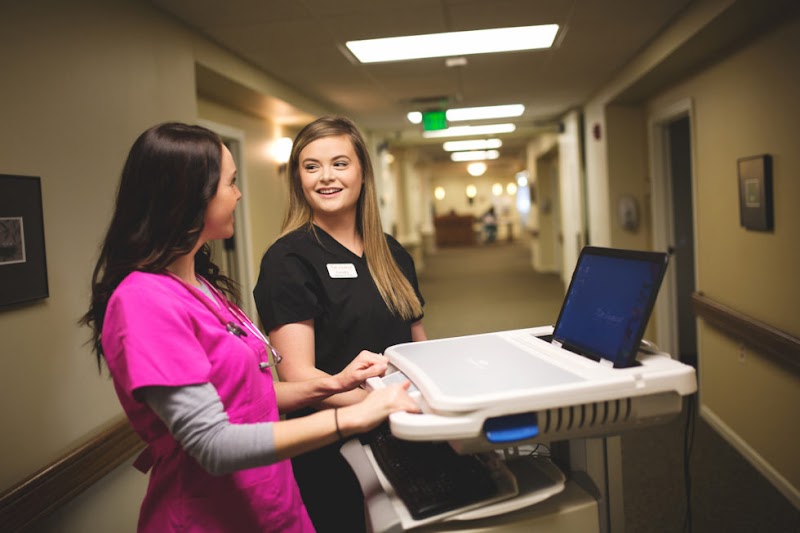
How is Nye Pointe Health & Rehab Ctr Staffed?
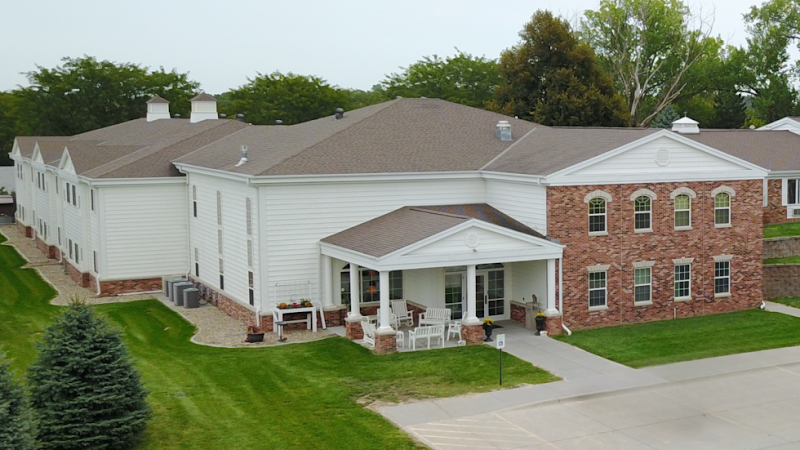
CMS rates Nye Pointe Health & Rehab Ctr's staffing level at 1 out of 5 stars, which is much below average compared to other nursing homes. Staff turnover is 72%, which is 26 percentage points above the Nebraska average of 46%. High turnover can affect care consistency as new staff learn residents' individual needs.

What Have Inspectors Found at Nye Pointe Health & Rehab Ctr?

State health inspectors documented 8 deficiencies at Nye Pointe Health & Rehab Ctr during 2023 to 2025. These included: 8 with potential for harm.
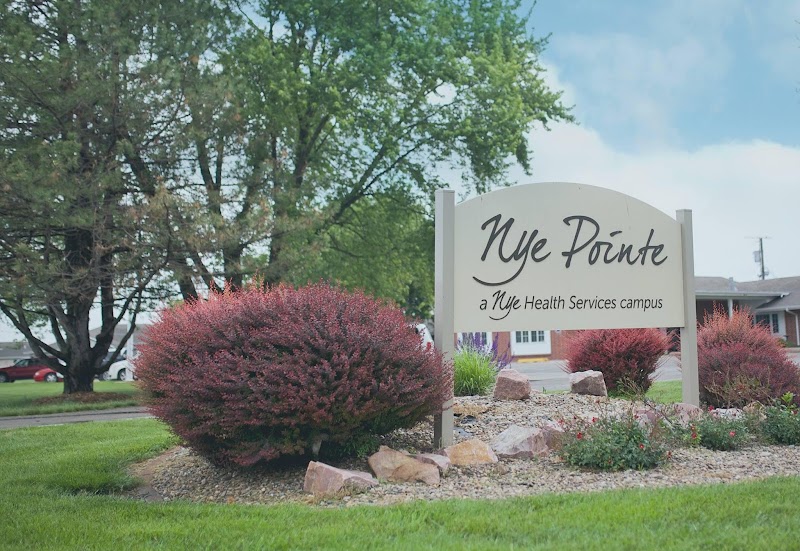
Who Owns and Operates Nye Pointe Health & Rehab Ctr?

Nye Pointe Health & Rehab Ctr is owned by a for-profit company. For-profit facilities operate as businesses with obligations to shareholders or private owners. The facility operates independently rather than as part of a larger chain. With 43 certified beds and approximately 37 residents (about 86% occupancy), it is a smaller facility located in Fremont, Nebraska.

How Does Nye Pointe Health & Rehab Ctr Compare to Other Nebraska Nursing Homes?

Compared to the 100 nursing homes in Nebraska, Nye Pointe Health & Rehab Ctr's overall rating (2 stars) is below the state average of 2.9, staff turnover (72%) is significantly higher than the state average of 46%, and health inspection rating (4 stars) is above the national benchmark.

What Should Families Ask When Visiting Nye Pointe Health & Rehab Ctr?

Based on this facility's data, families visiting should ask: "How do you ensure continuity of care given staff turnover, and what is your staff retention strategy?" "Can you walk me through typical staffing levels on day, evening, and night shifts?" "Can I visit during a mealtime to observe dining assistance and food quality?" "How do you handle medical emergencies, and what is your hospital transfer rate?" These questions are particularly relevant given the facility's high staff turnover rate and the below-average staffing rating.

Is Nye Pointe Health & Rehab Ctr Safe?

Based on CMS inspection data, Nye Pointe Health & Rehab Ctr has a clean safety record: no substantiated abuse findings (meaning no confirmed cases of resident harm), no Immediate Jeopardy citations (the most serious violation level indicating risk of serious injury or death), and is not on the Special Focus Facility watch list (a federal program monitoring the lowest-performing 1% of nursing homes). The facility has a 2-star overall rating and ranks #100 of 100 nursing homes in Nebraska. While no facility is perfect, families should still ask about staff-to-resident ratios and recent inspection results during their visit.

Do Nurses at Nye Pointe Health & Rehab Ctr Stick Around?

Staff turnover at Nye Pointe Health & Rehab Ctr is high. At 72%, the facility is 26 percentage points above the Nebraska average of 46%. High turnover means new staff may not know residents' individual needs, medications, or preferences. It can also be disorienting for residents, especially those with dementia who rely on familiar faces. Families should ask: What is causing the turnover? What retention programs are in place? How do you ensure care continuity during staff transitions?

Was Nye Pointe Health & Rehab Ctr Ever Fined?

Nye Pointe Health & Rehab Ctr has no federal fines on record. CMS issues fines when nursing homes fail to meet care standards or don't correct problems found during inspections. The absence of fines suggests the facility has either maintained compliance or corrected any issues before penalties were assessed. This is a positive indicator, though families should still review recent inspection reports for the full picture.

Is Nye Pointe Health & Rehab Ctr on Any Federal Watch List?

Nye Pointe Health & Rehab Ctr is not on any federal watch list. The most significant is the Special Focus Facility (SFF) program, which identifies the bottom 1% of nursing homes nationally based on persistent, serious quality problems. Not being on this list means the facility has avoided the pattern of deficiencies that triggers enhanced federal oversight. This is a positive indicator, though families should still review the facility's inspection history directly.