Emerald Nursing & Rehab Lakeview
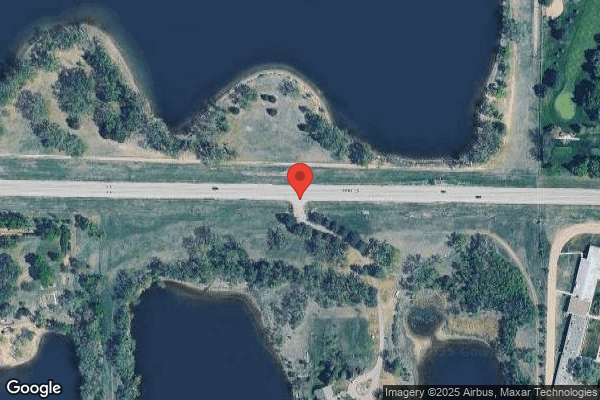
1405 West Hwy 34, Grand Island, NE 68801 (308) 382-6397
For profit - Corporation 95 Beds EMERALD HEALTHCARE Data: November 2025
Trust Grade
58/100
#82 of 177 in NE
Last Inspection: December 2024

Within standard 12-15 month inspection cycle. Federal law requires annual inspections.

Overview

Emerald Nursing & Rehab Lakeview has a Trust Grade of C, which means it is average and sits in the middle of the pack among similar facilities. It ranks #82 out of 177 nursing homes in Nebraska, placing it in the top half, and #2 of 6 in Hall County, indicating only one local option is better. Unfortunately, the facility's trend is worsening, with the number of issues increasing from 5 in 2023 to 8 in 2024. Staffing is a mixed bag; while the turnover rate is low at 37%, which is better than the state average, the staffing rating is only 2 out of 5 stars, indicating below-average support for residents. The facility has incurred $13,000 in fines, which is concerning as this is higher than 77% of Nebraska facilities, suggesting ongoing compliance problems. While the facility has less RN coverage than 89% of state facilities, which is worrisome because RNs can catch issues that CNAs might miss, it does have some strengths. For example, a serious concern noted in the inspection findings was that food was not stored properly, raising the risk of foodborne illness for almost all residents. Additionally, there were issues with food temperatures, as many meals were served cold, despite complaints from residents about the food quality. While there are some positive aspects, such as the low staff turnover, families should weigh these concerns carefully when considering this facility.

Trust Score
C
58/100
In Nebraska
#82/177
Top 46%
Safety Record
Low Risk
No red flags
Inspections
Getting Worse
5 → 8 violations
Staff Stability
○ Average
37% turnover. Near Nebraska's 48% average. Typical for the industry.
Penalties
✓ Good
$13,000 in fines. Lower than most Nebraska facilities. Relatively clean record.
Skilled Nurses
⚠ Watch
Each resident gets only 22 minutes of Registered Nurse (RN) attention daily — below average for Nebraska. Fewer RN minutes means fewer trained eyes watching for problems.
Violations
⚠ Watch
25 deficiencies on record. Higher than average. Multiple issues found across inspections.
★★★☆☆
3.0
Overall Rating
★★☆☆☆
2.0
Staff Levels
★★☆☆☆
2.0
Care Quality
★★★☆☆
3.0
Inspection Score
Stable
2023: 5 issues
2024: 8 issues

The Good

  • Full Sprinkler Coverage · Fire safety systems throughout facility
  • No fines on record
  • Staff turnover below average (37%)

    11 points below Nebraska average of 48%

Facility shows strength in fire safety.

The Bad

3-Star Overall Rating

Near Nebraska average (2.9)

Meets federal standards, typical of most facilities

Staff Turnover: 37%

Near Nebraska avg (46%)

Typical for the industry

Federal Fines: $13,000

Below median ($33,413)

Minor penalties assessed

Chain: EMERALD HEALTHCARE

Part of a multi-facility chain

Ask about local staffing decisions and management

The Ugly 25 deficiencies on record

Dec 2024 8 deficiencies
CONCERN (D) 📢 Someone Reported This

A family member, employee, or ombudsman was alarmed enough to file a formal complaint

Potential for Harm - no one hurt, but risky conditions existed

Quality of Care (Tag F0684)

Could have caused harm · This affected 1 resident

Licensure Reference Number 175 NAC 12-006.09 Based on observation, interview, and record review, the facility failed to provide an assessment by a licensed professional nurse for 1 (Resident 23) of 1 ...

Read full inspector narrative →
Licensure Reference Number 175 NAC 12-006.09 Based on observation, interview, and record review, the facility failed to provide an assessment by a licensed professional nurse for 1 (Resident 23) of 1 sampled residents with symptoms of a potential respiratory infection. The facility identified a census of 69. Findings are: A record review of Resident 23's Order Summary dated 12/2/24 reveal diagnoses of Allergic Rhinitis (an allergic reaction that causes sneezing, congestion and sore throat) entered on 06/08/23 and Chronic Sinusitis (an inflammation of the sinus or nasal passages occurring for more than 12 weeks at a time) entered on 07/25/24. The Order Summary dated 12/2/24 also revealed an order entered on 10-16-2024 for Mucinex (a medication that helps loosen congestion in the chest and throat, making it easier to cough out through the mouth) for the indication of cough. Instructions for the medication stated the medication should be administered as needed twice a day. The order did not include a stop date. A record review of Medication Administration Record (MAR) for the month of November 2024 revealed that Resident 23 received Mucinex 22 days out of 30. The MAR revealed that Mucinex was administered and followed up for effectiveness each time by a Medication Aide. Record review of Resident 23's progress notes revealed no documentation of respiratory assessments or nursing attention being directed towards Resident 23's cough. An observation on 12/2/24 at 3:35 PM in Resident 23's room revealed Resident 23 to be lying in bed with the head of the bed elevated approximately 30 degrees. Resident 23 was noted to have a cough that sounded deep and productive (producing mucus). An interview with Resident 23 on 12/2/24 at 3:35 PM revealed that the cough had been present for a while, however, within the last two weeks it had worsened. Resident 23 states that they made nursing staff aware of its worsening but was unable to recount the names of staff members notified. Resident 23 revealed that [gender] stay mostly in bed, including meals, and gets out of bed two-three times a day for toileting purposes. Resident 23 revealed [gender] take walks approximately four times a week with the restorative aide. An interview with LPN-H (Licensed Practical Nurse-H) on 12/04/24 at 9:57 AM revealed LPN-H was aware Resident 23 had a cough but was unaware Resident 23 had concerns about cough worsening. LPN-H confirmed that they are the full-time day shift nurse for Resident 23 and states [gender] were not notified that the Medication Aide was administering the as needed Mucinex and performing a follow-up on the medication's effectiveness. LPN-H confirmed that there had not been a respiratory assessment completed by a nurse. An interview with DON (Director of Nursing) on 12/04/24 at 10:52 AM confirmed that there was no policy on what as needed medications should be followed up by the nurse as opposed to the Medication Aide. The DON confirmed there was no policy detailing procedures for performing focused assessments related to acute conditions. The DON confirmed it is best practice to perform focused assessments for acute symptoms or conditions. The DON stated resident does have diagnosis of chronic sinusitis but confirmed that Mucinex was ordered for an indication of cough, which Resident 23 did not have a chronic diagnosis for.
CONCERN (D)

Potential for Harm - no one hurt, but risky conditions existed

Pressure Ulcer Prevention (Tag F0686)

Could have caused harm · This affected 1 resident

Licensure Reference Number 175 NAC 12.006.09(H)(iii)(2) Based off observation, interview, and record review, the facility failed to routinely assess a pressure ulcer (a localized area of damaged skin ...

Read full inspector narrative →
Licensure Reference Number 175 NAC 12.006.09(H)(iii)(2) Based off observation, interview, and record review, the facility failed to routinely assess a pressure ulcer (a localized area of damaged skin or tissue that can occur when pressure is applied to an area for a prolonged period) and monitor the effectiveness of the treatment for the wound for 1 (Resident 26) of 1 sampled residents. The facility identified a census of 69. Findings are: A record review of Resident 26's Minimum Data Set (MDS, a federally mandated tool used to assess the health of nursing home residents who are enrolled in Medicare or Medicaid) dated 10/30/24 revealed that Resident 26 was fully dependent on nursing staff for all activities of daily living (ADLs). The MDS further revealed a diagnosis of Pressure Ulcer of Other Site, Unspecified. A record review of Resident 26's Order Summary dated 12/4/24 revealed the following diagnoses: Spastic Quadriplegic Cerebral Palsy; Contractures of Muscle, Right Upper Arm; Other forms of Scoliosis, Lumbar Region; Contractures of Muscle, Left Upper Arm; Severe Intellectual Disabilities; Contractures of Right Knee; Contractures of Left Knee; Pressure Ulcer of Other Site, Unspecified Stage. A record review of Resident 26's Order Summary dated 12/4/24 revealed the following orders regarding wound care: -An order dated 6/13/24: To right knee wounds, remove old dressings and wash areas with warm soapy water. Rinse and pat dry or cleanse with saline and pat dry, then apply Derma blue cut to fit. Cover with an abdominal pad. Secure with Kerlix and tape. Change three times per week on bath days; one time a day every Tuesday, Thursday, and Saturday for wounds. -An order dated 11/15/24: Nursing Order Wound care of Left Foot, 1st toe: Apply skin prep to area and cover with silicone foam dressing. Apply skin prep and change foam dressing every Tuesday, Thursday, and Saturday for Fluid Filled Blister of Left Foot, 1st toe. -An order entered on 5/6/24: Weekly Skin Assessment, please complete weekly skin integrity review V1 on Bath Day every day shift every Sat for Skin integrity. A record review of Weekly Skin Assessment for the month of November 2024 revealed no wound descriptions or measurements. A record review of a wound consultation with a wound care clinic dated 11/1/24 revealed that Resident 26's wounds were followed by the clinic and Resident 26 was seen once a month. Consult revealed diagnosis of Skin Ulcer of right knee with fat layer exposed (HCC). The providers documentation revealed I do have some concerns today with the right medial knee ulceration measuring slightly larger with some seropurulent drainage (a type of wound drainage that can be a sign of infection or inflammation). I am going to go ahead and start Resident 26 on oral antibiotics for cellulitis of this wound. Document further describes Open wound to medial knee is covered in 100% red moist tissue with moderate amount of seropurulent drainage noted. The Provider's measurements of the wound were 1.8 x 2.5 x 0.1. An interview with Director of Nursing (DON) on 12/5/24 at 8:26 AM revealed that the facility expectation was that nurses are responsible for obtaining wound measurements and descriptions during the Weekly Skin Assessment. DON confirmed that wound measurements and descriptions were not being documented on skin assessment days or at any other time other than monthly with wound care nurse. A record review of the facility policy titled Skin and Wound Management dated 1/2024 revealed that the nursing staff and practitioner will assess and document an individual's significant risk factors for developing pressure ulcers. In addition, the nurse shall describe and document/report the following: full assessment of pressure sore including location, stage, length, width, depth, and presence of exudates or necrotic tissue.
CONCERN (D)

Potential for Harm - no one hurt, but risky conditions existed

Deficiency F0688 (Tag F0688)

Could have caused harm · This affected 1 resident

**NOTE- TERMS IN BRACKETS HAVE BEEN EDITED TO PROTECT CONFIDENTIALITY** Licensure Reference Number 175 NAC 12-006.09(h)(v) Based on observation, interview, and record review, the facility failed to im...

Read full inspector narrative →
**NOTE- TERMS IN BRACKETS HAVE BEEN EDITED TO PROTECT CONFIDENTIALITY** Licensure Reference Number 175 NAC 12-006.09(h)(v) Based on observation, interview, and record review, the facility failed to implement interventions to prevent the potential worsening of a contractures for 1 (Resident 23) of 1 sampled resident. The facility identified a census of 69. Findings are: A record review of Resident 23's face sheet dated 12/2/24 revealed an admission date of 05/23/21 and a diagnosis of contractures, (a permanent tightening of the muscles, tendons, skin, or nearby tissues that limits the range of motion of a joint or body part) of the left hand was added on 06/08/23. A record review of the undated Care Plan revealed no documentation for a contractures of the left hand or interventions for the contractures. A Record review of Resident 23's admission Minimum Data Set (MDS, a federally mandated tool used to assess the health of nursing home residents who are enrolled in Medicare or Medicaid) dated 04/22/2021 revealed no documentation of a contractures. A Record review of MDS dated [DATE] revealed no documentation of a contractures. The MDS did reveal Resident 23 requires partial to moderate assistance from staff with all activities of daily living. An observation on 12/2/24 at 3:35 PM in the room of Resident 23 revealed a contractures of the Resident's left hand in which four of five fingers were noted to be bent inwards towards the palm. Fingernails were untrimmed with the tips of fingernails touching the skin of the Resident's palm. An interview with Resident 23 on 12/2/24 at 3:35 PM revealed that the contractures was present prior to admission and caused pain, discomfort and interfered with activities of daily living. Resident 23 revealed the facility staff do not provide assistance with cleaning under fingers or placing towel roll in between fingers and palm. An interview with Occupational Therapist (OT) on 12/04/24 at 9:07 AM revealed Resident 23 received services from 03/18/22 to 04/11/22. Services were discontinued because Resident 23 reached their maximum potential with skilled services. Record review of the OT Discharge Note dated 04/11/22 revealed that Resident 23 was unable to tolerate range of motion (ROM) exercises however was able to complete gentle self-stretching exercise of left hand. The Discharge Note also revealed that Resident 23 is unable to tolerate splint, however, is able to keep small towel roll as barrier in left hand. The Discharge Note revealed that Resident 23 and caregiver (nursing home staff) training included exercise program, compensatory strategies, self-care/skin checks, and splinting/orthotic schedule. An interview with the Director of Nursing (DON) on 12/04/24 at 8:55 AM confirmed that Resident 23 did receive services from OT in 2022 and did receive Botox (a nerve blocking medication that prevents muscles from contracting) injections in 01-2024 to assist with both pain and range of motion of fingers. Injections were not successful and Resident 23's financial power of attorney did not wish to continue treatment. The DON confirmed that the facility implemented no further interventions after that point including self-care or rolled towel to palm intervention. A Record review of the facility ADL policy revised 1/2024 revealed: the facility will maintain individual objectives of the care plan and periodic review and evaluation
CONCERN (D) 📢 Someone Reported This

A family member, employee, or ombudsman was alarmed enough to file a formal complaint

Potential for Harm - no one hurt, but risky conditions existed

Unnecessary Medications (Tag F0759)

Could have caused harm · This affected 1 resident

Licensure Reference Number 175 NAC 12-006.10 (D) Based on observation, record review, and interview, the facility failed to ensure a medication error rate of less than 5% with an observed medication e...

Read full inspector narrative →
Licensure Reference Number 175 NAC 12-006.10 (D) Based on observation, record review, and interview, the facility failed to ensure a medication error rate of less than 5% with an observed medication error rate of 7.41% (27 administrations and 2 errors). This affected 2 (Residents 14 and 17), of 10 sampled residents. The facility stated census of 69. Findings are: A. Record review of a facility policy titled Clinical Management Medication Administration dated 05-2017 revealed to verify the pharmacy prescription label on the drug and the medication administration record or the physician orders. If there is a discrepancy check the original physician order and notify the pharmacy do not give the medication until clarified. In an observation completed on 12/03/2024 at 12:15 PM Medication Aide G, (MA-G), obtained a box labeled with Resident 17's name and Ultra Eye Preservative Free Drop 0.4-0.3% with directions to instill one drop into both eyes every 2 hours as needed for dry eyes. MA-G then proceeded to administer the eye drop to Resident 17. In an interview on 12/03/24 12:32 PM with MA-G, MA-G stated that the resident received the eye drop on a routine basis and not on an as needed basis. The MA confirmed that the label read for the eye drop to be administered on an as needed basis not routinely. Record review of Resident 17's Medication Administration Record dated 12/03/24 revealed a physician order for Ultra Eye Preservative Free Drop 0.4-0.3% with directions to instill one drop into both eyes four times a day. In an interview on 12/03/2024 at 1:05 PM with the Director of Nursing (DON) confirmed that Resident 17's Ultra Eye Preservative Free Drop 0.4-0.3% label read to administer the eye drop every 2 hours as needed and the physician order read to administer the eye drop four times a day. The DON confirmed that the physician order and the label did not match. B. In an observation completed on 12/03/2024 at 12:30 PM MA-G obtained a white tube of medication labeled Diclofenac Gel 1% apply 4 GM (Grams) to knees four times daily. MA-G walked to Resident 14's room, knocked on the door, acknowledged the resident and then entered the resident's room. The MA informed Resident 14 they were going to apply the residents pain cream and asked the resident if they would like the cream applied to their back or their knees. Resident 14 stated they would like the cream applied to their back. The MA then applied the gel to the resident's back. Record review of Resident 14's Medication Administration Record dated 12/03/2024 revealed that Resident 14 had a physician order for Diclofenac Gel 1% to apply 4 Grams to the knees four times a day. In an interview on 12/03/2024 at 12:32 PM with MA-G, MA-G confirmed that the label on the tube of medication read for the gel to be applied to the residents knees and the physician order read for the gel to be applied to the resident knees and that the order did not reflect that the gel was to be applied to the residents back or knees per the residents choice. In an interview on 12/03/2024 at 1:05 PM with the DON confirmed that Resident 14 did not have an order for Diclofenac Gel to be applied to their back. The order only indicated it was to be applied to the resident's knees. The DON confirmed that the gel should only be applied as directed in the order.
CONCERN (D) 📢 Someone Reported This

A family member, employee, or ombudsman was alarmed enough to file a formal complaint

Potential for Harm - no one hurt, but risky conditions existed

Deficiency F0808 (Tag F0808)

Could have caused harm · This affected 1 resident

**NOTE- TERMS IN BRACKETS HAVE BEEN EDITED TO PROTECT CONFIDENTIALITY** License Reference Number 175 NAC 12-006.119(A)(iv) Based on record reviews, observations, and interviews, facility failed to pro...

Read full inspector narrative →
**NOTE- TERMS IN BRACKETS HAVE BEEN EDITED TO PROTECT CONFIDENTIALITY** License Reference Number 175 NAC 12-006.119(A)(iv) Based on record reviews, observations, and interviews, facility failed to provide a physician ordered therapeutic diet with increased protein for 1 (Resident 22) of 1 resident sampled. The facility census was 69. Findings are: Record review of the Minimum Data Set (MDS, a standardized assessment tool used to comprehensively evaluate the health and functional capabilities of residents and for use when creating Care Plans) dated 11/10/24 for Resident 22 revealed the resident had a Brief Interview of Mental Status (a short cognitive screening tool used to assess a person's mental abilities in long-term care facilities) score of 14 a score of 13 to 15 means the individual is cognitively intact. Record review on 12/03/24 of the working Care Plan (a document outlining a resident's individual healthcare needs, including medical conditions, personal preferences, and specific care strategies to provide the best possible support and treatment) revealed that Resident 22 was admitted on [DATE], had diagnoses of non-pressure ulcer of the back with necrosis of the bone, pressure ulcer of the sacral region stage 4, severe protein-calorie malnutrition, type 2 diabetes, anemia, and paraplegia. The care plan also revealed that Resident 22 had a nutritional problem related to non-pressure chronic back ulcer, pressure ulcer of the sacral region stage 4, severe protein-calorie malnutrition and anemia. Supplements were to be to be given as ordered. Record Review of the Physician Orders printed on 12/04/2024 revealed dietary orders that Resident 22 was to receive a regular diet, regular texture, regular consistency with double portions of proteins with meals as well as snacks and supplements per the registered dietician's recommendations. Observation on 12/04/24 at 12:10 PM of Dietary Aide (DA-B) who served the resident meals to those who resided on the 500 hallway. DA-B served Resident 22 one scoop of meat and one sandwich to Resident 22. Interview on 12/04/24 at 12:30 PM with DA-B, who stated Resident 22 received two sandwiches instead of just one. Retrieved the dining room meal order ticket to show that Resident 22 is ordered to receive double protein servings. Interview on 12/04/24 at 12:55 PM with Resident 22 revealed Resident 22 that only one sandwich and one portion of protein was served with the noon meal. Interview on 12/04/24 at 12:57 PM with Activity Aide (ACT-A) who repeated the question to Resident 22 for clarification as Resident 22 only speaks Spanish. Resident 22 stated [gender] had uno (one) sandwich and held up one finger. Confirmation from ACT-A that Resident 22 had only one portion of protein during the noon meal. Interview on 12/04/24 at 01:00 PM with the Administrator confirmed Resident 22 has an order for double protein servings at meal time. Interview on 12/04/2024 at 01:15 with DA-B revealed that Resident 22 had not been given the double servings of protein but instead another resident.
CONCERN (E)

Potential for Harm - no one hurt, but risky conditions existed

Safe Environment (Tag F0584)

Could have caused harm · This affected multiple residents

**NOTE- TERMS IN BRACKETS HAVE BEEN EDITED TO PROTECT CONFIDENTIALITY** Licensure Reference Number 175 NAC 1-009.01 Based on observation and interview, the facility failed to ensure the facility was n...

Read full inspector narrative →
**NOTE- TERMS IN BRACKETS HAVE BEEN EDITED TO PROTECT CONFIDENTIALITY** Licensure Reference Number 175 NAC 1-009.01 Based on observation and interview, the facility failed to ensure the facility was neat clean and in good repair. This affected 11 of 69 facility residents. Facility stated a census of 69. Findings are: On 12/02/2024 a walk through was completed from 10:00 AM to 10:32 AM where the following was observed. -Cobwebs with debris visible in the windows of the Activities room of the secured care unit. -Chipped and peeling paint exposing unsealed wood on the door frames of resident rooms 411, 404, 405, 403, 207, 209, 102, 107, 108, and room [ROOM NUMBER]. -Missing light fixture cover on a light located in the ceiling of the Activities room on the secured unit. -In room [ROOM NUMBER] bathroom [ROOM NUMBER] pieces of material in different shades of white attached with black screws to the ceiling surrounding the vent located in the ceiling of the bathroom. -In the hallway of the secured care unit inside of the main double doors multiple pieces of white material secured to the ceiling with writing on them. One piece of the material on the edge is wavy and warped not fully secured to the ceiling. -A wooden rocking chair in the Activities Room on the secured unit with out cushion to the seat of the rocking chair exposing the brown cloth material that is frayed and not secured to the frame of the rocking chair. An interview on 12/04/2024 at 1:26 PM with the Facility Administrator (FA), confirmed that the paint was peeling and chipped from the door frames of the rooms listed, the areas in the ceiling of room [ROOM NUMBER] and the secured care unit hall were not sealed appropriately, there was no cushion to the rocking chair, and cobwebs with debris were present in the window of the Activities room of the secured unit. The FA confirmed that there was no current written action plan to address the repair, cleaning, or maintenance of these areas of soiling and disrepair.
CONCERN (E)

Potential for Harm - no one hurt, but risky conditions existed

Menu Adequacy (Tag F0803)

Could have caused harm · This affected multiple residents

License Reference Number 175 NAC 12-006.11 Based on record review, observation, and interviews, the facility failed to ensure the menus were followed as written and that use of the correct size servin...

Read full inspector narrative →
License Reference Number 175 NAC 12-006.11 Based on record review, observation, and interviews, the facility failed to ensure the menus were followed as written and that use of the correct size serving spoons were used when meals are served resulting in less than required caloric intake. This affected 13 (Residents 40, 65, 22, 223, 6, 54, 44, 49, 43, 221, 222, 55, and 59) of 15 residents served meals. The facility census was 69. Findings are: An interview on 12/02/2024 at 8:00 AM with the facility [NAME] reveled the cook reviewed the menu for the week. The cook also took the time to discuss the serving spoons that are used in the facility when serving meals. The serving spoons all had different colors and were in separate containers by serving size. The 8 ounce serving spoons were stored together and were orange and green in color. Record review of the Menu titled Dietary Spreadsheet for week 3 used by the dietary department for meal planning. The document copyright date was 2024. The meal served at noon on 12/03/2024 was scheduled for Day 17 and included the following items: -Chicken pot pie - 8 ounces -Lima Beans - 4 ounces -Peanut butter cookie - 2 cookies -Beverage - 8 ounces An observation on 12/03/24 at 12:10 PM revealed food from the kitchen was delivered to the 500 hallway by Dietary Aide (DA-B) on a steam table to serve the individual residents who requested room trays. Chicken Pot pie was served with a white 6-ounce scoop. Each residents plate had one cookie served on a single plate. An interview on 12/03/2024 at 12:36 PM with DA-B revealed that the white scoop was used to serve meals as that is what had been provided in plastic wrap to serve the meals. An interview on 12/03/24 at 12:38 The facility [NAME] confirmed a white 6-ounce scoop was used by the dietary personnel to serve the chicken pot pie during the noon meal.
CONCERN (E)

Potential for Harm - no one hurt, but risky conditions existed

Infection Control (Tag F0880)

Could have caused harm · This affected multiple residents

Licensure Reference Number 175NAC 12-006.19(C)(i) Licensure Reference Number 175NAC 12-006.18(B) Based on observation, interview, and record review, the facility failed to ensure that staff performed ...

Read full inspector narrative →
Licensure Reference Number 175NAC 12-006.19(C)(i) Licensure Reference Number 175NAC 12-006.18(B) Based on observation, interview, and record review, the facility failed to ensure that staff performed laundry delivery to residents in a manner to prevent the potential for cross-contamination for 20 of 20 residents observed (Residents 57, 10, 15, 26, 7, 27, 37, 11, 30, 36, 31, 223, 22, 54, 6, 60, 59, 43, 55, and 41). The facility census was 69. Findings are: Record review of the facility Infection Prevention and Control Program dated 5/20/17 revealed that the facility will establish and maintain an infection prevention and control program to provide a safe, sanitary, and comfortable environment to help prevent the development and transmission of communicable diseases and infections. Laundry and direct care staff will handle, store, process, and transport linens so as to prevent the spread of infection. The section titled Hand Hygiene Protocol revealed that all staff shall wash their hands between resident contacts and after handling contaminated objects. Observation on 12/3/24 at 1:38 PM on the facility 300 hall revealed that Laundry Aide-D (LA-D) removed clothing on hangers from inside the laundry cart and carried the clothing into the room of Resident 14. LA-D exited the resident room carrying used empty clothes hangers and placed them inside the laundry cart. LA-D did not perform hand sanitization. LA-D removed clothing on hangers from inside the laundry cart and carried the clothing into the room of Resident 57. The clothing was held rubbing against the front of the emerald green uniform of LA-D. LA-D exited the resident room carrying used empty clothes hangers and placed them inside the laundry cart. LA-D did not perform hand sanitization. LA-D removed clothing on hangers from inside the laundry cart and carried the clothing into the room of Resident 10. LA-D exited the resident room and returned to the laundry cart. LA-D did not perform hand sanitization. LA-D removed clothing on hangers from inside the laundry cart and carried the clothing into the room of Resident 15. LA-D exited the resident room carrying used empty clothes hangers and placed them inside the laundry cart. LA-D did not perform hand sanitization. LA-D removed clothing on hangers from inside the laundry cart and carried the clothing into the room of Resident 26. LA-D exited the resident room carrying used empty clothes hangers and placed them inside the laundry cart. LA-D did not perform hand sanitization. LA-D removed clothing on hangers from inside the laundry cart and carried them to the closed room door of Residents 7 and 27 (roommates). The clothing rubbed against the front of the uniform of LA-D. An unidentified staff cracked open the door and told LA-D that they were working with a resident in the room. LA-D carried the clothing back to the laundry cart and placed the clothing back inside the laundry cart. LA-D removed clothing on hangers from inside the laundry cart and carried the clothing into the room of Resident 37. The clothing rubbed against the front of the uniform of LA-D. LA-D exited the resident room carrying used empty clothes hangers and placed them inside the laundry cart. LA-D did not perform hand sanitization. LA-D removed clothing on hangers from inside the laundry cart and carried the clothing into the room of Resident 11. LA-D exited the resident room carrying used empty clothes hangers and placed them inside the laundry cart. LA-D did not perform hand sanitization. LA-D removed clothing on hangers from inside the laundry cart and carried the clothing into the room of Resident 30. LA-D exited the resident room carrying used empty clothes hangers and placed them inside the laundry cart. LA-D did not perform hand sanitization. The time was now 1:45 PM. This surveyor asked LA-D if they are to do any sanitization between resident rooms. LA-D responded yes. LA-D did not perform hand sanitization. LA-D removed clothing on hangers from inside the laundry cart and carried the clothing into the room of Residents 36 and 31 (roommates). LA-D exited the resident room carrying used empty clothes hangers and placed them inside the laundry cart. LA-D did not perform hand sanitization. Observation on 12/4/24 at 3:47 PM on the facility 500 hall revealed that Laundry Aide-E (LA-E) pushed the covered laundry cart onto the 500 hall. LA-E removed clothing on hangers from inside the laundry cart and carried the clothing into the room of Resident 44. LA-E exited the resident room and returned to the laundry cart. LA-E did not perform hand sanitization. LA-E removed clothing on hangers from inside the laundry cart and carried the clothing into the room of Residents 223 and 22 (roommates). LA-E exited the resident room carrying used empty clothes hangers and placed them inside the laundry cart. LA-E did not perform hand sanitization. LA-E removed clothing on hangers from inside the laundry cart and carried the clothing into the room of Resident 54. LA-E exited the resident room carrying used empty clothes hangers and placed them inside the laundry cart. LA-E did not perform hand sanitization. LA-E removed clothing on hangers from inside the laundry cart and carried the clothing into the room of Resident 6. LA-E exited the resident room carrying used empty clothes hangers and placed them inside the laundry cart. LA-E did not perform hand sanitization. LA-E removed clothing on hangers from inside the laundry cart and carried the clothing into the room of Resident 60. LA-E exited the resident room carrying used empty clothes hangers and placed them inside the laundry cart. LA-E did not perform hand sanitization. LA-E removed clothing on hangers from inside the laundry cart and carried the clothing into the room of Residents 59 and 43 (roommates). LA-E exited the resident room carrying used empty clothes hangers and placed them inside the laundry cart. LA-E did not perform hand sanitization. LA-E removed clothing on hangers from inside the laundry cart and carried the clothing into the room of Residents 55 and 41 (roommates). LA-E exited the resident room carrying used empty clothes hangers and placed them inside the laundry cart. LA-E did not perform hand sanitization. This surveyor asked LA-E if they are to do any sanitization between resident rooms. LA-E responded that they are to use the hand sanitizer after coming out of each room. LA-E did not perform hand sanitization. LA-E opened the laundry cart and began to rearrange a blanket and linens on the bottom shelf of the laundry cart. Interview with the facility Director of Nursing (DON) on 12/5/24 at 1:03 PM confirmed that the expectation is for all facility staff to perform hand sanitization after exiting a resident's room to prevent cross contamination. Interview with the facility Infection Preventionist (IP) on 12/5/24 at 1:03 PM confirmed that staff should not carry clothing or laundry against their uniform due to the potential for cross contamination.
Nov 2023 4 deficiencies
CONCERN (D) 📢 Someone Reported This

A family member, employee, or ombudsman was alarmed enough to file a formal complaint

Potential for Harm - no one hurt, but risky conditions existed

Accident Prevention (Tag F0689)

Could have caused harm · This affected 1 resident

Licensure Reference Number 175 NAC 12-006.18E3 Based on observation, interview, and record review the facility failed to ensure that hot water temperatures were within a safe range to prevent the pote...

Read full inspector narrative →
Licensure Reference Number 175 NAC 12-006.18E3 Based on observation, interview, and record review the facility failed to ensure that hot water temperatures were within a safe range to prevent the potential for resident skin injury for 1 of 24 residents (Resident 64). The facility census was 68. Findings are: Record review of the undated facility admission Agreement revealed that basic services include lodging. The section titled Resident Rights revealed that the facility must care for each resident in a manner and in an environment that promotes maintenance or enhancement of his or her quality of life. Record review of the facility policy titled Water Temperatures, Safety of dated December 2009 revealed that tap water in the facility shall be kept within a temperature range to prevent scalding of residents. Water heaters that service resident rooms, bathrooms, common areas, and tub/shower areas shall be set to temperatures of no more than 120 degrees Fahrenheit (F), or the maximum allowable temperature per state regulation. Maintenance staff shall conduct periodic tap water temperature checks. If at any time water temperatures feel excessive to touch (hot enough to be painful or cause reddening of the skin), staff will report this finding to the immediate supervisor. Record review of the National Library of Medicine article Examination of water temperature and water heater characteristics dated 3/1/14 revealed that human exposure to hot water at 140 degrees F can lead to a serious burn within 3 seconds. Older adults are at increased risk because thinner skin burns more quickly. Record review of the admission Record for Resident 64 dated 11/1/23 revealed that Resident 64 admitted into the facility on 6/21/23. Diagnoses included dementia; depression, and pancreatitis (redness and swelling of the pancreas organ). Record review of the admission Minimum Data Set (MDS) (a mandatory comprehensive assessment tool used for care planning) for Resident 64 dated 6/27/23 revealed that Resident 64 had a Brief Interview for Mental Status (BIMS) (a brief screening tool that aids in detecting cognitive impairment) score of 3 indicating severe cognitive impairment. (A BIMS score of 0-7 indicates severe cognitive impairment. A BIMS score of 8-12 indicates moderate cognitive impairment. A BIMS score of 12-15 indicates a resident is cognitively intact). Record review of the quarterly MDS Assessment for Resident 64 dated 9/3/23 revealed that Resident 64 now had a Brief Interview for Mental Status (BIMS) score of 2 (a decrease in Resident 64's cognitive ability from 6/27/23). Record review of the care plan (a written interdisciplinary comprehensive plan detailing how to provide individualized care for a resident) for Resident 64 dated 11/1/23 revealed that Resident 64 was independent with toileting. The care plan revealed that Resident 64 has impaired cognitive function and impaired decision making. The care plan revealed that Resident 64's safety insight is poor. Observation on 10/30/23 at 11:00 AM in the room of Resident 64 revealed that the hot water temperature at the bathroom sink measured 123 degrees Fahrenheit. A dining fork was noted lying on the bathroom floor. Observation on 10/30/24 at 11:04 AM in the facility 300 hallway revealed that Resident 64 wandered in the hall and then entered their room. Resident 64 appeared anxious and would not sit down in the room. Resident 64 entered the bathroom in the resident room briefly and then proceeded out into the hall. Observation on 10/30/23 at 2:57 PM at the bathroom sink in the room of Resident 64 revealed that the Maintenance Supervisor (MS) obtained a hot water temperature of 130.6 degrees Fahrenheit using the facility thermometer. MS exited the room. MS revealed that the MS would check if any adjustments had been made to the hot water heater. Observation on 10/30/23 at 3:18 PM at the bathroom sink in the room of Resident 16 (a room across the hallway in the same hall as Resident 64) revealed that the MS obtained a hot water temperature of 138.9 degrees Fahrenheit using the facility thermometer. Interview on 10/30/23 at 3:24 PM with the MS confirmed that hot water temperatures are to be maintained below 120 degrees F for resident safety. The MS revealed that they could not understand why the hot water temperatures were so high.
CONCERN (D)

Potential for Harm - no one hurt, but risky conditions existed

Infection Control (Tag F0880)

Could have caused harm · This affected 1 resident

**NOTE- TERMS IN BRACKETS HAVE BEEN EDITED TO PROTECT CONFIDENTIALITY** Licensure Reference Number 175 NAC 12-006.17 Based on observation, record review, and interview the facility failed to ensure sa...

Read full inspector narrative →
**NOTE- TERMS IN BRACKETS HAVE BEEN EDITED TO PROTECT CONFIDENTIALITY** Licensure Reference Number 175 NAC 12-006.17 Based on observation, record review, and interview the facility failed to ensure safe and sanitary practices related to changing and labeling disposable medical equipment used for respiratory therapy for 1 resident (Resident #20), and for disposable enteral feeding equipment for 1 resident (Resident #29). This affected 2 of 3 sampled residents. The facility census was 69. Findings are: A. A record review of Resident #20's admission Record dated 11/01/2023 revealed the resident was admitted to the facility on [DATE] with diagnoses that included: chronic systolic congestive heart failure (a condition in which the heart doesn't pump blood as efficiently as it should) and chronic obstructive pulmonary disease (a condition that causes airflow blockage and breathing related problems). A record review of Resident #20's significant change Minimum Data Set (MDS) (The Long-Term Care Minimum Data Set (MDS) which is a standardized, primary screening and assessment tool of health status that forms the foundation of the comprehensive assessment for all residents in a Medicare and or Medicaid-certified long term care facility) dated 09/27/2023 revealed Resident # 20 was cognitively intact and required assistance by one staff member with bed mobility, transfers, dressing, and toilet use. Observation on 10/30/2023 at 11:30 AM revealed resident disposable respiratory equipment, oxygen tubing with nasal cannula, nebulizer mask, nebulizer chamber, and nebulizer tubing present at bed side or actively being used by resident. All items not labeled. Noted nebulizer mask and chamber with tubing attached to be under Resident #20 pillow that resident was resting head on in the bed. On 10/31/2023 at 3:25 PM an observation revealed resident disposable respiratory equipment, oxygen tubing with nasal cannula, nebulizer mask, nebulizer chamber, and nebulizer tubing present at bed side or actively being used by resident. All items not labeled. Noted nebulizer mask and chamber with tubing attached to be under Resident #20 pillow that resident was resting head on in the bed. A record review of facility supplied policy labeled Infection Control Cleaning Respiratory Equipment dated 05-01-2017 revealed the following: In the section supplies, replace masks and or cannula used by individual resident within seven days and as needed when obviously contaminated and when not in use store masks and cannula in plastic bags labeled with the resident name and date. In section labeled small volume nebulizers, replace every forty-eight to seventy-two hours. A record review of physician orders for the month of October 2023 reflected orders to change nebulizer tubing monthly on 15th of each month on night shift and change oxygen cannula/tubing once weekly on Saturday during the night shift and as needed. A interview with Licensed Practical Nurse (LPN-E) on 11/01/2023 at 7:43 AM. LPN-E stated nebulizer assembly and tubing is changed every forty-eight to seventy-two hours and labeled with a piece of tape with nurse initials and date of change on the tubing and cup of nebulizer assembly. On 11/01/2023 at 7:55 AM an observation revealed nebulizer mask and disassembled chamber to be sitting on bed side table on a paper towel not labeled. Nebulizer tubing under resident #20 pillow attached to nebulizer machine which was sitting at the head of resident bed on the bed. Oxygen tubing with nasal cannula present and not labeled. On 11/02/2023 at 9:51 AM an interview with Director of Nursing (DON) confirmed that nebulizer equipment should be labeled with piece of tape that included date time and initials of nurse changing. Stated nebulizer mask, assembly and oxygen tubing should be labeled in the same manner. Stated each item should be changed out weekly. B. A record review of Resident #29 admission Record dated 11/01/2023 reflected resident was admitted to the facility on [DATE] with diagnoses that included spastic quadriplegic cerebral palsy a condition that affects the ability to move all four limbs, trunk of the body, and the face, aphasia a condition in which the part of the brain responsible for speech and understanding speech is damaged, and dysphagia a condition in which there are swallowing difficulties . A record review of quarterly MDS dated [DATE] reflected resident to severely cognitively impaired and required extensive assistance by two staff members with bed mobility, transfers, dressing, toilet use, and bathing. Section K also reflected resident received 51% or greater of total calories through tube feeding. On 10/30/2023 at 9:50 AM an observation revealed two bags hanging from intravenous pole at the head of Resident #29 bed. One bag with thin dark tan in color liquid with a white sticky label on the bag. Written on the label was 10/30 and 0004 (12:04 AM). No other documentation noted on label. Bag with clear thin fluid with no labeling present. Sitting on resident #29 dresser was a bottle with factory label Osmolyte 1.5. Bottle contained thin dark tan in color liquid and was ½ full of this fluid. Written in black on the bottle was 10/30 and 0004. A piston syringe labeled 10/30 and a graduate labeled G-Tube Only 10/25 sat on wash cloth on bed side table. A interview with Assistant Director of Nursing (ADON) on 10/31/2023 at 7:40 AM. ADON stated that tube feeding bags are changed every night or twenty-four hours on the night shift. A interview with LPN-E on 10/31/2023 at 7:40 AM. LPN-E stated that tube feeding bag should be labeled with date, time, resident name, and doctor name written on a white label and attached to the bag. LPN-E also stated that piston syringe and graduate should be changed every week and labeled with the date it is changed. On 10/31/2023 at 11:12 AM an observation revealed two bags hanging from intravenous pole at the head of Resident #29 bed. One bag with thin dark tan in color liquid with black writing on bag 10/31. Unable to identify other writing present on bag. Bag with clear thin fluid with black writing on bag 10/31. Unable to identify other writing present on bag. Graduate labeled G-Tube Only 10-31-11-07, and piston syringe labeled 10-31 sitting on wash cloth on bed side table. On 11/01/2023 at 7:30 AM an observation revealed two bags hanging from intravenous pole at the head of Resident #29 bed. One bag with thin dark tan in color liquid. Attached to bag was white sticky label with writing indicating resident name, room number, date, time, Osmolite 1.5. Bag with clear thin fluid no labeling present. Noted a bottle with factory label Osmolite 1.5 sitting on dresser. Bottle has thin dark tan in color liquid present and is ¼ full of the liquid. No writing or other labeling noted on bottle. Piston syringe sitting on wash cloth on over bed table no writing present to piston syringe. Graduate also sitting on wash cloth on overbed table with writing G-Tube only 10-31- 11-07. A record review of physician orders for the month of October 2023 revealed orders stating Night shift to provide new cup and piston syringe every night. Write date and initials on each item. Night shift to provide new tubing every night. Write date and initials on each item. All dated 11/09/2020. And Osmolite 1.5 at 60 milliliters per hour for four hours, off for four three times daily. Water flush 60 milliliters per hour while feeding is running. All dated 12/30/2019. On 11/02/2023 at 8:10 AM and observation revealed two bags hanging from intravenous pole at the head of Resident #29 bed. One bag with thin dark tan in color liquid. [NAME] sticky label is present on bag with writing of resident name, resident room number, Osmolite 1.5 date and time. Bag with clear thin fluid no labeling present. Piston syringe labeled 11-02-23 and graduate labeled G-Tube only 11-31-11-07 sitting on wash cloth on bed side table. On 11/02/2023 interview with DON was completed at 9:51 AM. DON confirmed that tube feeding supplies including bags, piston syringe, and graduate, are to be changed every 24 hours. DON stated tube feeding bags should be labeled with resident name, date, time, and doctor's order. Open bottle of tube feeding solution should be labeled with date and time it was opened. Record review of facility supplied policy Clinical Management Eternal Tubes dated 05/01/2011 revealed item #16, rinse syringe thoroughly with tap water and place in labeled dry plastic bag to remain at the bedside. Change syringe and bag every 24 hours. Label with name and date.
CONCERN (E) 📢 Someone Reported This

A family member, employee, or ombudsman was alarmed enough to file a formal complaint

Potential for Harm - no one hurt, but risky conditions existed

Safe Environment (Tag F0584)

Could have caused harm · This affected multiple residents

Licensure Reference Number 175 NAC 12-006.18 Based on observation and interview, the facility failed to ensure that the bathroom ventilation vents were free from dirt and dust affecting 10 (Residents ...

Read full inspector narrative →
Licensure Reference Number 175 NAC 12-006.18 Based on observation and interview, the facility failed to ensure that the bathroom ventilation vents were free from dirt and dust affecting 10 (Residents 6, 16, 35,19, 44, 51, 53, 119, 120, and 121) of 20 sampled residents. The facility census was 68. Findings are: Observation on 10/30/23 between 12:36 PM- 3:19 PM revealed the bathroom vents in the resident rooms that were occupied by Resident 6, 16, 35, 19, 44, 51, 53, 119, 120, and 121 were soiled with a white gray fuzzy substance. Observation on 11/2/23 at 11:30 AM with the facility Administrator and the Maintenance Director confirmed the bathroom vents in the resident rooms that were occupied by Resident 6, 16, 35, 19, 44, 51, 53, 119, 120, and 121 were soiled with a white gray fuzzy substance. The facility Administrator and Maintenance Director revealed the vents needed to be cleaned.
CONCERN (F) 📢 Someone Reported This

A family member, employee, or ombudsman was alarmed enough to file a formal complaint

Potential for Harm - no one hurt, but risky conditions existed

Food Safety (Tag F0812)

Could have caused harm · This affected most or all residents

Licensure Reference Number 175 NAC 12-006.11E Based on observation, interview and record review, the facility failed to store and distribute foods and liquids in accordance with the facility policy an...

Read full inspector narrative →
Licensure Reference Number 175 NAC 12-006.11E Based on observation, interview and record review, the facility failed to store and distribute foods and liquids in accordance with the facility policy and to prevent potential cross contamination and foodborne illness. This had the potential to affect 68 of 69 residents. Findings Are: A record review of the facility policy labeled Nutrition Services Food Storage dated 03/14/2014 revealed dry storage room items should be stored to ensure freshness, in bulk, and in tightly covered containers. The policy revealed all containers must be labeled and dated. In addition, scoops for items stored in bins, such as sugar, flour, rice and other items should be covered in a protected area near the food containers. The policy revealed for refrigerated items to be dated, labeled and tightly sealed. All items should include name of item and a use by date. The policy revealed frozen items should be stored in moisture proof wrap and/or containers that are labeled and dated. A. Observation on 10/30/2023 during the initial Kitchen tour from 8:52 AM to 9:20 AM revealed: The walk in refrigerator contained: - A 2% gallon of milk noted to be half full and was not labeled with an open date, - A large industrial size clear plastic bag approximately one fourth full of white shredded cheeses that was closed with a blue plastic disposable glove, - A cardboard box with a opened plastic bag inside that exposed raw chicken wings, - A clear plastic covered rectangular container that contained sliced meat that was not labeled or dated, - A clear plastic covered container that contained cheese slices that was not labeled or dated. ' The walk in freezer contained: - An undated cardboard box labeled Tyson Chicken tenders that was open with the plastic bag inside open and exposed breaded chicken portions, - An undated cardboard box labeled Mixed Vegetables was observed with the plastic bag inside of the box was opened and exposed vegetables, The main kitchen and dry storage area on the lower shelf of silver food prep table a clear plastic container labeled parsley that was approximately one half full was observed with no date written on opened container. A large round clear plastic container labeled flour no date present on label with white plastic measuring cup in container. Noted in cupboard opened containers labeled salt, dill weed, and baking soda all open with no date written on them. Salt and baking soda both in original cardboard containers open, not sealed exposing contents to the air. A large white round plastic container labeled Cheerios and dated 08/09. A industrial size container labeled Jiff peanut butter with date written on lid of 08/22. An interview on 10/30/2023 at 9:20 AM with the Dietary Manager (DM) revealed all items are to be dated when they are opened. An interview on 11/01/2023 at 10:30 AM with the Dietary [NAME] (DC)-D revealed when items are opened in the kitchen they are to be dated on the package. B. Observation on 11/01/23 at 9:01 AM of the north dining area revealed a metal cart with apple juice and milk placed in a gray plastic tub with a clear liquid on the bottom of the tub. Then, DM poured the milk and apple juice into thermal cups and temperatures were obtained which were: the milk was 46.8 degrees Fahrenheit and the apple juice was 43.8 degrees Fahrenheit. An interview on 11/01/2023 at 9:05 AM with the DM revealed liquids should be 38 degrees Fahrenheit or below. A record review of facility policy labeled Nutritional Services Food Preparation and Handling dated 03/14/2014 section headed cold food temperatures item four states maintain all cold items at a temperature of 40 degrees Fahrenheit or below.
Jul 2023 1 deficiency
CONCERN (D)

Potential for Harm - no one hurt, but risky conditions existed

Deficiency F0883 (Tag F0883)

Could have caused harm · This affected 1 resident

**NOTE- TERMS IN BRACKETS HAVE BEEN EDITED TO PROTECT CONFIDENTIALITY** Based on record review and interview the facility failed to screen residents for vaccine (a biological preparation that provides...

Read full inspector narrative →
**NOTE- TERMS IN BRACKETS HAVE BEEN EDITED TO PROTECT CONFIDENTIALITY** Based on record review and interview the facility failed to screen residents for vaccine (a biological preparation that provides active acquired immunity to a particular infectious disease) eligibility and offer to provide eligible vaccines as required for 3 residents (Residents 2, 1, and 4) of 5 residents reviewed. The facility census was 74. Findings are: A. Record review of the facility policy titled Pneumococcal Vaccine (Series) dated 11/2017 revealed that it is the facility policy to offer residents, staff, and volunteer workers immunization against pneumococcal disease (an infection caused by a type of bacteria called Streptococcus pneumoniae. It can cause pneumonia, bloodstream infections, or meningitis). Each resident will be assessed for pneumococcal immunization (vaccination to prevent some cases of pneumonia, meningitis, and sepsis caused by pneumococcal disease) upon admission. Efforts to obtain information shall be documented, including efforts to determine date of immunization or type of vaccine received. Each resident will be offered a pneumococcal immunization unless it is medically contraindicated (a condition that serves as a reason not to take a certain medical treatment due to the harm that it would cause the patient), or the resident has already been immunized. The resident retains the right to refuse the immunization. A consent form shall be signed prior to the administration of the vaccine and filed in the individual's medical record. The type of pneumococcal vaccine offered will depend on the recipients age and susceptibility in accordance with current Centers for Disease Control (CDC) guidelines and recommendations. The resident's medical record shall include documentation that indicates at a minimum, the following: a. The resident or resident representative was provided education regarding the benefits and potential side effects of pneumococcal immunization. b. The resident received the pneumococcal immunization or did not receive the immunization due to medical contraindication or refusal. Record review of the admission Record dated 7/5/23 for Resident 2 revealed that Resident 2 admitted into the facility on 6/10/22. Record review of the immunizations documented in the medical record for Resident 2 revealed no documentation that Resident 2 was immunized against pneumococcal disease. Record review of the medical record for Resident 2 revealed no documentation that Resident 2 was assessed for pneumococcal immunization. The medical record revealed no documentation that Resident 2 was offered pneumococcal immunization. Record review of the progress note for Resident 2 dated 7/26/22 at 2:14 PM revealed that the Admissions Director visited with Resident 2 about their vaccination status. Resident 2 stated they had none of the vaccinations and wished not to be vaccinated. The progress note did not identify that pneumococcal vaccination was assessed. Interview on 7/5/23 at 1:32 PM with the facility Infection Preventionist (IP) revealed that the facility did not find any documented assessment for eligibility for the pneumococcal vaccine for Resident 2. Interview on 7/5/23 at 2:26 PM with the facility Director of Nursing (DON) confirmed that the resident immunization history is to be reviewed on admission. The DON revealed that the facility then faxes the physician for an order to provide eligible immunizations to the resident. Interview on 7/5/23 at 2:57 PM with the Facility Administrator (FA) confirmed that the expectation is to assess residents for pneumococcal vaccine eligibility on admission and offer eligible pneumococcal vaccination. The FA confirmed that the facility did not have documentation of screening Resident 2 for pneumococcal vaccine eligibility or offering the pneumococcal vaccine to Resident 2. B. Record review of the admission Record dated 7/5/23 for Resident 1 revealed that Resident 1 admitted into the facility on 9/15/22. Record review of the immunizations documented in the medical record for Resident 1 revealed no documentation that Resident 1 was immunized against pneumococcal disease. Record review of the medical record for Resident 1 revealed no documentation that Resident 1 was assessed for pneumococcal immunization. The medical record revealed no documentation that Resident 1 was offered pneumococcal immunization. Interview on 7/5/23 at 1:32 PM with the facility Infection Preventionist (IP) revealed that the facility did not find any documented assessment for eligibility for the pneumococcal vaccine for Resident 1. Interview on 7/5/23 at 2:26 PM with the facility Director of Nursing (DON) confirmed that the resident immunization history is to be reviewed on admission. The DON revealed that the facility then faxes the physician for an order to provide eligible immunizations to the resident. Interview on 7/5/23 at 2:57 PM with the Facility Administrator (FA) confirmed that the expectation is to assess residents for pneumococcal vaccine eligibility on admission and offer eligible pneumococcal vaccination. The FA confirmed that the facility did not have documentation of screening Resident 1 for pneumococcal vaccine eligibility or offering the pneumococcal vaccine to Resident 1. C. Record review of the admission Record dated 7/5/23 for Resident 4 revealed that Resident 4 admitted into the facility on [DATE]. Record review of the immunizations documented in the medical record for Resident 4 revealed no documentation that Resident 4 was immunized against pneumococcal disease. Record review of the medical record for Resident 4 revealed no documentation that Resident 4 was assessed for pneumococcal immunization. The medical record revealed no documentation that Resident 4 was offered pneumococcal immunization. Interview on 7/5/23 at 1:32 PM with the facility Infection Preventionist (IP) revealed that the facility did not find any documented assessment for eligibility for the pneumococcal vaccine for Resident 4. Interview on 7/5/23 at 2:26 PM with the facility Director of Nursing (DON) confirmed that the resident immunization history is to be reviewed on admission. The DON revealed that the facility then faxes the physician for an order to provide eligible immunizations to the resident. Interview on 7/5/23 at 2:57 PM with the Facility Administrator (FA) confirmed that the expectation is to assess residents for pneumococcal vaccine eligibility on admission and offer eligible pneumococcal vaccination. The FA confirmed that the facility did not have documentation of screening Resident 4 for pneumococcal vaccine eligibility or offering the pneumococcal vaccine to Resident 4.
Aug 2022 12 deficiencies
CONCERN (D)

Potential for Harm - no one hurt, but risky conditions existed

Accident Prevention (Tag F0689)

Could have caused harm · This affected 1 resident

LICENSURE REFERENCE NUMBER 175 NAC 12-006.18E1 Based on observation and interview, the facility failed to ensure the room was kept free of clutter for Resident 36 and ensure the bed rail was maintaine...

Read full inspector narrative →
LICENSURE REFERENCE NUMBER 175 NAC 12-006.18E1 Based on observation and interview, the facility failed to ensure the room was kept free of clutter for Resident 36 and ensure the bed rail was maintained to prevent an accident hazard for Resident 25. The facility census was 63. Findings are: A. Observation on 8/1/22 at 1:59 PM revealed Resident 25 had a side rail on the outside edge of the bed and a fall mat on the floor. The rail was attached to the bed frame and was loose. The rail was able to be moved out from bed frame and mattress 14 inches which created a potential entrapment risk or fall hazard if Resident 25 attempted to use the bed rail for support repositioning in bed or transferring out of bed. B. Observation on 8/1/22 at 3:29 PM revealed Resident 36 was lying in bed. The area around the bed was cluttered with multiple boxes, an extra table, 2 dressers, an oxygen concentrator, a humidification machine for oxygen, and a bedside table. Resident 36 had a very small space to get out of bed and not have something in the way around the room placing Resident 36 at risk for an accident. Interview with the FA (Facility Administrator) on 8/3/22 at 4:29 PM revealed the items in Resident 36's room created congestion and there was only so much space in the room. Interview on 8/4/22 at 3:00 PM with the FA revealed that the rail and bed in Resident 25's room were not usually the ones used in resident rooms. The FA revealed they were unaware where this bed frame and rail came from. Interview on 8/4/22 at 3:00 PM with MS-U revealed maintenance had placed the rail on the bed, but they had not done any assessments or safety inspections to make sure the rail was in good working order.
CONCERN (D)

Potential for Harm - no one hurt, but risky conditions existed

Deficiency F0698 (Tag F0698)

Could have caused harm · This affected 1 resident

Licensure Reference Number 175NAC 12-006.09 Based on interview and record review the facility failed to ensure that a physician's order for hemodialysis (kidney dialysis- a process of purifying the bl...

Read full inspector narrative →
Licensure Reference Number 175NAC 12-006.09 Based on interview and record review the facility failed to ensure that a physician's order for hemodialysis (kidney dialysis- a process of purifying the blood of a person whose kidneys are not working normally) was in place and failed to ensure that fistula (a special connection that is made by joining a vein onto an artery usually in the arm. This creates a large blood vessel that can be use during hemodialysis) assessments were completed post dialysis for 1 resident (Resident 121) to prevent and identify complications of hemodialysis. The facility census was 63. Findings are: A. Record review of the facility policy titled Dialysis Management (Hemodialysis) dated 9/2013 revealed that the facility has designed and implemented processes which strive to ensure the comfort, safety, and appropriate management of hemodialysis residents regardless if the procedure is performed at the dialysis center or at the facility. If dialysis is provided at an off-site Dialysis Center assure that the physician order includes: Dialysis Center location and specific schedule for treatment (such as Monday, Wednesday, Friday); and Medication administration times are adjusted on dialysis treatment days. Record review of the admission Record dated 8/2/22 for Resident 121 revealed that Resident 121 admitted into the facility on 7/20/22. Diagnoses included dependence on renal (kidney) dialysis. Interview on 8/3/22 at 8:22 AM with Resident 121 confirmed that the resident has dialysis today. Resident 121 did not know what time dialysis was to be today. Resident 121 revealed that the resident goes out to the dialysis center three times a week on Monday, Wednesday, and Friday. Record review of the Order Summary (a complete list of a resident's physician's orders) for Resident 121 dated 8/3/22 revealed that there was no physician's order for dialysis for Resident 121. Interview on 8/4/22 at 1:59 PM with the facility Director of Nursing (DON) confirmed that Resident 121 has been receiving hemodialysis but did not have a physician's order with the details of the resident's dialysis. B. Record review of the facility policy titled Dialysis Management (Hemodialysis) dated 9/2013 revealed that the facility has designed and implemented processes which strive to ensure the comfort, safety, and appropriate management of hemodialysis residents regardless if the procedure is performed at the dialysis center or at the facility. Upon return from the Dialysis Center review the information provided on the Dialysis Communication Form. Complete post-dialysis information and place in the resident's medical record. Post dialysis, assess the access site (fistula) every hour for 4 hours. Document bleeding, pain, redness, and swelling. Assess and manage post dialysis complications which may include fever, headache, nausea/vomiting, back pain, high blood pressure or low blood pressure, cardiac arrhythmia, bleeding, and muscle cramps. Interview on 8/4/22 at 9:11 AM with Licensed Practical Nurse-M (LPN-M) revealed that dialysis residents are assessed on return to the facility from dialysis. LPN-M revealed that the assessment is documented in the nurse's notes and not on any form. LPN-M confirmed that a form is sent out to dialysis with the resident, but the facility does not document post dialysis information on the form. Interview on 8/4/22 at 12:45 PM with LPN-M revealed that LPN-M monitors Resident 121 post dialysis. LPN-M revealed that LPN-M watches the band aid on the resident's fistula for bleeding for 4 hours and documents that on the resident's Medication Administration Record (MAR). Record review of the MAR dated 8/4/22 for Resident 121 revealed no documentation that post dialysis monitoring of the access site (fistula) was performed. Record review of the medical record for Resident 121 revealed no documentation that Resident 121's fistula was monitored every hour for 4 hours post dialysis. Interview on 8/4/22 at 1:59 PM with the facility Director of Nursing (DON) confirmed that the post dialysis monitoring of the resident's fistula is to be performed every hour for 4 hours. The DON confirmed that the monitoring of the fistula was to be documented on the resident's Medical Administration Record (MAR).
CONCERN (D)

Potential for Harm - no one hurt, but risky conditions existed

Deficiency F0712 (Tag F0712)

Could have caused harm · This affected 1 resident

Based on interview and record review, the facility failed to ensure Resident 5 was seen by the medical provider as required. This affected 1 of 5 sampled residents. The facility identified a census of...

Read full inspector narrative →
Based on interview and record review, the facility failed to ensure Resident 5 was seen by the medical provider as required. This affected 1 of 5 sampled residents. The facility identified a census of 63 at the time of survey. Findings are: Review of Resident 5's Quarterly MDS (Minimum Data Set-a comprehensive assessment tool used to develop a resident's care plan) dated 7/28/2022 revealed an admission date of 4/21/22. Resident 5 had a BIMS (Brief Interview for Mental Status) score of 1 which indicated severe cognitive impairment. Review of Resident 5's Progress Notes revealed documentation Resident 5 was seen by the medical provider on 4/28/22. There was no documentation Resident 5 had been seen by the medical provider since 4/28/22. Interview with the DON (Director of Nursing) on 8/04/22 at 1:57 PM confirmed there was no documentation Resident 5 had been seen by the medical provider since 4/28/22. The DON revealed the expectation was for the residents to be seen by the medical provider when required; 30, 60, and 90 days after admission and then every 60 days. Interview with the FA (Facility Administrator) on 8/04/22 at 2:21 PM revealed the facility did not have a policy regarding medical provider visits for the residents. The FA confirmed there was an issue with maintaining frequency of medical provider visits and the expectation was for the facility to follow the regulation.
CONCERN (D)

Potential for Harm - no one hurt, but risky conditions existed

Deficiency F0918 (Tag F0918)

Could have caused harm · This affected 1 resident

LICENSURE REFERENCE NUMBER 175 NAC 12-007.03H Based on observation, interview, and record review; the facility failed to ensure residents had access to a bathroom, sink, and running water for Resident...

Read full inspector narrative →
LICENSURE REFERENCE NUMBER 175 NAC 12-007.03H Based on observation, interview, and record review; the facility failed to ensure residents had access to a bathroom, sink, and running water for Residents 57, 5, and 4. The facility identified a census of 63 at the time of survey. Findings are: Observation on 8/4/22 at 3:20 PM revealed Resident 57 had no sink in the bathroom; there was a rag in the drain sticking from the wall. There was no other sink in the room or other access to water in the room. Observation on 8/4/22 at 3:40 PM revealed Resident 5's bathroom faucet did not have any water when the faucet was turned on. Observation of Resident 4's room on 8/4/22 at 3:25 PM revealed a dresser was in front of the bathroom door blocking the entrance to the bathroom door. Resident 4 did not have sink or toilet in their room. Interview on 8/4/22 at 4:15 PM with MS-U (Maintenance Staff) revealed this was the first time they had seen the areas that needed fixed and there was no documentation the needed repairs had been identified.
CONCERN (E)

Potential for Harm - no one hurt, but risky conditions existed

Resident Rights (Tag F0550)

Could have caused harm · This affected multiple residents

LICENSURE REFERENCE NUMBER 175 NAC 12-006.05 (6) Based on observation, interview, and record review; the facility failed to promote resident dignity with dining by failing to serve each resident seate...

Read full inspector narrative →
LICENSURE REFERENCE NUMBER 175 NAC 12-006.05 (6) Based on observation, interview, and record review; the facility failed to promote resident dignity with dining by failing to serve each resident seated at the same table before moving on to the next table. This affected 7 of 15 residents served in the dining room, Residents 48, 29, 35, 50, 61, 5, and 27. The facility identified a census of 63 at the time of survey. Findings are: Observation of the SCU (Special Care Unit) dining room on 8/01/22 at 12:00 PM revealed 15 residents were seated in the dining room. NA-D (Nurse Aide) was standing at the steam cart, and they dished the food onto plates. AS-Z (Activity Staff) and NA-I served the plates of food to the residents. Resident 38, Resident 43, Resident 60, and Resident 48 were seated at the same table. Resident 38, Resident 43, and Resident 60 were served their food. Resident 48 was not served. Resident 22, Resident 50, Resident 29, and Resident 35 were seated together at the same table. Resident 22 was served. Resident 29, Resident 35, and Resident 50 were not served. Resident 45 and Resident 61 were seated at the same table. Resident 45 was served, and Resident 61 was not served. Resident 52, Resident 5, Resident 120, and Resident 27 were all seated together at the same table. Resident 52 and Resident 120 were served. Resident 5 and Resident 27 were not served. At 12:11 PM Resident 48 was served then Resident 4 ,who was seated at a table by themselves, was served. Resident 35 was then served. At 12:12 PM, Resident 61 was served. At 12:13 PM, Resident 5 was served. Resident 27 and Resident 50 were not served. At 12:18 PM Resident 27 and Resident 50 were served. The residents who were not served were observed watching their table mates eat. Interview with the FA (Facility Administrator) on 8/04/22 at 8:51 AM revealed the facility staff were expected to serve all residents seated at the same table in the dining room before moving on to the next one. The FA revealed the expectation was for residents at the same table to be served at the same time. Review of the facility policy Resident Rights dated 11/17 revealed the following: The resident has a right to be treated with respect and dignity.
CONCERN (E)

Potential for Harm - no one hurt, but risky conditions existed

Safe Environment (Tag F0584)

Could have caused harm · This affected multiple residents

**NOTE- TERMS IN BRACKETS HAVE BEEN EDITED TO PROTECT CONFIDENTIALITY** LICENSURE REFERENCE NUMBER 175 NAC 12-006.18 Based on observation and interview; the facility failed to ensure resident rooms we...

Read full inspector narrative →
**NOTE- TERMS IN BRACKETS HAVE BEEN EDITED TO PROTECT CONFIDENTIALITY** LICENSURE REFERENCE NUMBER 175 NAC 12-006.18 Based on observation and interview; the facility failed to ensure resident rooms were clean and in good repair for the residents who resided in Rooms 305, 303, 403, 106, 108, 514, and 201. The facility census was 63. Findings are: Observation of room [ROOM NUMBER] on 8/1/22 at 12:00 PM revealed the floor had dust and dirt clumps on the floor, and the bed side table had a sticky substance over the middle portion of the table and a napkin was stuck to it. Observation of room [ROOM NUMBER] on 8/1/22 at 12:20 PM revealed an overbed table that had resident personal items on it including glasses, papers, pens and pencils, and a water pitcher. There was a sticky substance on the overbed table under the glasses. Observation on 8/4/22 at 3:20 PM revealed in room [ROOM NUMBER], there was no sink in the bathroom and there was a rag in the drain sticking from the wall. The toilet was seeping water around the base near the rear of the toilet. There was caulking around the toilet with gaps and dark discoloration. The floor molding was loose all around. There were gouges in the bathroom door towards the bottom open edge, gouges in the bathroom wall, and gouges in the wall near the foot of the bed. Observation in room [ROOM NUMBER] on 8/4/22 at 3:29 PM revealed chips and gouges in the wall. The room floor was sticky and the windows are soiled with brown, black, and white spatters/debris. Observation on 8/4/22 at 3:45 PM of room [ROOM NUMBER] revealed gouges in the wall. Observation of room [ROOM NUMBER] on 8/4/22 at 3:50 PM revealed there were gouged holes in the back of the bathroom door towards the bottom opening edge. Observation of room [ROOM NUMBER] on 8/4/22 at 4:00 PM revealed the bathroom exhaust fan had a build up of dust on it. Interview on 8/4/22 at 4:15 PM with MS-U (Maintenance Staff) revealed this was the first time they had seen the areas that needed fixed and there was no documentation the needed repairs had been identified.
CONCERN (E)

Potential for Harm - no one hurt, but risky conditions existed

Deficiency F0761 (Tag F0761)

Could have caused harm · This affected multiple residents

Licensure Reference Number 175NAC 12-006.12E1 Based on observation, interview, and record review the facility failed to ensure that the medication cart was locked when unattended to prevent the potent...

Read full inspector narrative →
Licensure Reference Number 175NAC 12-006.12E1 Based on observation, interview, and record review the facility failed to ensure that the medication cart was locked when unattended to prevent the potential for diversion of medications and maintain resident confidentiality for 13 residents on the 500 hall (Residents 33, 24, 62, 44, 16, 39, 53, 117, 118, 121, 42, 119, and 47). The facility census was 63. Findings are: A. Record review of the facility policy titled Medication Administration dated 5/2017 revealed that staff administering medications are to lock the medication cart before entering the resident's room. Never leave the medication cart open and unattended. After use, lock the cart and store in a secure location. Observations on 8/2/22 from 9:14 AM to 9:28 AM at the North Nurse's Station revealed that the 500 medication cart was next to the North Nurse's Station. The medication cart was unlocked and unattended during the observed timeframe. The laptop computer on the top of the cart was open with resident information visible. Observation on 8/2/22 at 9:20 AM at the North Nurse's Station revealed that Resident 11 walked with Physical Therapist-R (PT-R) from the therapy room to the 500 medication cart. Resident 11 stopped and visited with this surveyor. Observation on 8/2/22 at 9:26 AM at the North Nurse's Station revealed that Housekeeping Aide-O (HA-O) walked past the unlocked 500 medication cart. Occupational Therapist-S (OT-S) pushed Resident 44 in a wheelchair past the unlocked 500 medication cart. The spouse of Resident 44 walked with them. Observation on 8/2/22 at 9:27 AM at the North Nurse's Station revealed that PT-R walked past the unlocked 500 medication cart to the therapy room. Observation on 8/2/22 at 9:28 AM at the North Nurse's Station revealed that the closed door of the Medical Room behind the North Nurse's Station opened. Licensed Practical Nurse-M (LPN-M) exited the Medical Room. LPN-M walked through the nurse's station and out to the unlocked 500 medication cart. LPN-M reviewed the information on the laptop. Record review of the facility Resident List Report dated 8/1/22 revealed that 13 residents lived on the facility 500 hall (Residents 33, 24, 62, 44, 16, 39, 53, 117, 118, 121, 42, 119, and 47). Interview on 8/4/22 at 4:16 PM with the facility Director of Nursing (DON) confirmed that the medication carts are to be locked when unattended. The DON confirmed that the medication cart is always to be locked unless the staff person can visually supervise the cart. The DON revealed that the laptop computer containing the resident electronic Medication Administration information has a lock screen and should not be left visible to others when unattended.
CONCERN (E)

Potential for Harm - no one hurt, but risky conditions existed

Deficiency F0923 (Tag F0923)

Could have caused harm · This affected multiple residents

LICENSURE REFERENCE NUMBER 175 NAC 12-007.04D Based on observation and interview, the facility failed to ensure bathroom ventilation systems were functioning for the residents residing in rooms 102, ...

Read full inspector narrative →
LICENSURE REFERENCE NUMBER 175 NAC 12-007.04D Based on observation and interview, the facility failed to ensure bathroom ventilation systems were functioning for the residents residing in rooms 102, 105, 106, 107, 108, 109, 111, 112, 113, 201, 204, and 403. This affected 12 of 24 sampled residents. The facility census was 63. Findings are: Observation on 8/4/22 at 3:35 PM revealed the bathroom exhaust fans in rooms 102, 105, 106, 107, 108, 109, 111, 112, 113, and 114, 201, and 204 did not work or had missing parts of the fan and exhaust. Observation of the ventilation vents on the 100 wing revealed no ventilation at all as they were a heating vent and a not an exhaust vent. Interview with the FA (Facility Administrator) on 8/4/22 at 4:10 PM revealed they were unaware that the vent in each bathroom was not working, or were not seen in the ceilings of the bathrooms. Interview on 8/4/22 at 4:15 PM with MS-U (Maintenance Staff) revealed the 100 hallway and area vents were not working in the ceiling, or were not in the ceiling at all. In the other areas, the vents would need to be checked on, as maintenance was not sure of what the problem was. MS-U revealed this was the first time at seeing these areas needing fixed. MS-U revealed there was no documentation of monitoring of the bathroom exhaust fans to ensure they were working.
CONCERN (F)

Potential for Harm - no one hurt, but risky conditions existed

Deficiency F0804 (Tag F0804)

Could have caused harm · This affected most or all residents

C. Observation on 8/3/22 at 12:31 PM revealed the test tray was tested for temperatures. The temperatures were pork ribs 131.5 F, green beans 122.8 F, and potato 112.5 F. When tasted, the food was col...

Read full inspector narrative →
C. Observation on 8/3/22 at 12:31 PM revealed the test tray was tested for temperatures. The temperatures were pork ribs 131.5 F, green beans 122.8 F, and potato 112.5 F. When tasted, the food was cold to taste. Interview with Resident 11 on 8/1/22 at 9:00 AM revealed that the food did not taste good and was always cold. Record review of grievance concern forms on 8/8/21, 10/25/21, 11/2/21, and 11/18/21, revealed statements regarding the food being cold or unpalatable. Review of the 2016 version of the Food Code, based on the United States Food and Drug Administration Food Code and used as an authoritative reference for food service sanitation practices, revealed the following: 3-202.11 Temperature (D) Time/Temperature control for safety food that is cooked to a temperature and for a specific time specified and received hot shall be at a temperature of 57 C (135 F) or above. Interview with the FA on 8/04/22 at 5:37 PM revealed all but 2 residents who were NPO, Resident 49 and Resident 17, received food from the facility kitchen. LICENSURE REFERENCE NUMBER 175 NAC 12-006.11D Based on observation, interview, and record review; the facility failed to ensure food served to the facility residents was at the palatable temperature, aesthetically served, and in the preferred portion sizes. This had the potential to affect all of the residents except 2 residents who were NPO (nothing by mouth). The facility census was 63. Findings are: A. Observation of the facility dining room on 8/01/22 at 12:05 PM revealed Resident 11 received a plate of chicken casserole, green beans, and noodles. The plate also had a scoop of more plain noodles and peas. All plates had the same thing on them and it was piled over the entire plate. Interview with Resident 11 at this time revealed they were concerned with all the carbs on the plate, plus dessert was angel food cake with cherry pie filling and the resident stated, I'm diabetic, I should not be getting this. The dietary and dining room staff continued to pass trays to more residents. Each plate looked the same. Interview with Resident 21 on 8/1/22 at 12:09 PM revealed that when the plate came to the table the resident stated to the staff take it back and bring me 2 bowls of cheerios. Resident 21 also revealed had diabetes and there were to many carbs and sugar on the plate. B. Observation in Resident 21's room on 8/1/22 at 12:15 revealed Resident 21 had a grilled cheese sandwich in a plastic bag, brown on one side, very dark and burned on the other side. Interview with Resident 21 at this time revealed the burned grilled cheese sandwich was given to Resident 21 for supper one evening. Resident 21 stated this happened frequently. Interview with the FA (Facility Administrator-who was also the acting Dietary Manager) on 8/3/22 at 12:00 PM revealed that the food with the amounts and types of diets were being gone over with the main day cook. Record review revealed the menu that was filled out by the resident had if resident was diabetic or special diet, the menu in the kitchen did not specify the difference in the dietary items the cook should have put on the plates for these residents.
CONCERN (F)

Potential for Harm - no one hurt, but risky conditions existed

Food Safety (Tag F0812)

Could have caused harm · This affected most or all residents

**NOTE- TERMS IN BRACKETS HAVE BEEN EDITED TO PROTECT CONFIDENTIALITY** B. Observation on 8/1/22 at 8:01 AM revealed that four trays of desserts were in the refrigerator uncovered and undated. Interv...

Read full inspector narrative →
**NOTE- TERMS IN BRACKETS HAVE BEEN EDITED TO PROTECT CONFIDENTIALITY** B. Observation on 8/1/22 at 8:01 AM revealed that four trays of desserts were in the refrigerator uncovered and undated. Interview on 08/02/22 at 10:50 AM with DC-Y (Dietary Cook) revealed that it was expected that food in the refrigerator be covered and dated. Interview on 08/02/22 at 1:25 PM with the FA revealed that food in the refrigerator was to be covered and dated. Review of the 2016 version of the Food Code, based on the United States Food and Drug Administration Food Code and used as an authoritative reference for food service sanitation practices, revealed the following: 3-305.11 Food Storage (A) Food shall be protected from contamination by storing the food: (1) In a clean, dry location; (2) Where it is not exposed to splash, dust, or other contamination; and (3) At least 15 cm (6 inches) above the floor. C. Observation on 8/2/22 at 12:10 PM revealed the kitchen staff use a kitchen rag to clean the dirty tabletop, then go and wipe down a food processor, wipe a dirty counter, throw trash into the garbage can and without any hand hygiene the kitchen staff then proceeded to open a kitchen drawer and take out clean scoops for dining service and put them into clean canisters ready for serving. Review of the 2016 version of the Food Code, based on the United States Food and Drug Administration Food Code and used as an authoritative reference for food service sanitation practices, revealed the following: 2-301.14 When to Wash Food Employees shall clean their hands and exposed portions of their arms immediately before engaging in food preparation including working with clean equipment and utensils. (E) After handling soiled equipment or utensils (I) After engaging in other activities that contaminate the hands. LICENSURE REFERENCE NUMBER 175 NAC 12-006.11E Based on observation, interview, and record review; facility failed to ensure desserts were covered and dated in the refrigerator; failed to prevent potential cross contamination during dining by handling the drinking surface of drinkware with bare hands, and failed to perform hand hygiene during meal service when hands were contaminated. This affected 61 facility residents who received food from the facility kitchen; all but 2 residents who were NPO ([NAME] Per Os-Nothing by Mouth). The facility identified a census of 63. Findings are: A. Observation of the SCU (Special Care Unit-locked unit) dining room [ROOM NUMBER]/01/22 at 12:00 PM revealed 15 residents seated in the dining room AS-Z (Activity Staff) served Resident 45 a glass of milk. AS-Z's hand was over the top of the glass and AS-Z had a hold of the drinking surface of the glass with their fingers. AS-Z put the glass in front of Resident 45 then Resident 45 was observed drinking from the glass. AS-Z then went and got a wet rag out of a bucket of fluid and wiped Resident 45's table off. AS-Z put the rag back in the bucket and took a coffee carafe down the hall to the kitchen and returned to the dining room with it at 12:03 PM and placed it on a cart. AS-Z did not do any hand hygiene after wiping the table off with the rag before handling the coffee carafe. At 12:04 PM AS-Z had put the coffee carafe on a cart in the dining room then opened a drawer that had salt and pepper and sugar packets in it and rummaged around in the drawer with their right hand, the same hand AS-Z had used to wipe the table off with the rag. AS-Z then closed the drawer and left the dining room again. NA-D (Nurse Aide) and NA-I were in the dining room. NA-I touched NA-D's hair as NA-D was trying to put their hair up in a hair net then NA-I touched their own face mask and picked up the carafe of coffee and a coffee mug by the handle and poured Resident 60 a cup of coffee and sat it down in front of Resident 60 who was seated at the table. NA-I handled the cup by the handle, poured the coffee and placed it in front of Resident 60 and then Resident 60 drank from it after picking it up by the same handle. NA-I did not do hand hygiene after they touched NA-D's hair and the face mask. At 12:06 PM AS-Z came back to the dining room with a handful of pink sweetener packets and gave them to Resident 45 who put them in the holder on the table. At 12:11 PM, NA-I then moved Resident 4 back to the table by touching the handles of Resident 4's wheelchair. NA-I did not do any hand hygiene after touching the wheelchair then NA-I served Resident 35 a plate of food who then proceeded to eat from it. Interview with the FA (Facility Administrator) on 8/04/22 at 8:51 AM revealed the facility staff were expected to serve glasses of fluid by handling the bottom of the glass and not touch the drinking surface of the glass and hand hygiene was expected when hands were contaminated. Interview with the FA on 8/04/22 at 2:19 PM revealed the facility did not have a policy for handling the drinkware. The FA revealed they had talked to the RD (Registered Dietitian) and they said it was a standard of practice that the staff would not handle the drinking surface of the glass with their bare hands. Review of the undated facility policy Hand Hygiene revealed the following: Purpose: to decrease spread of infection. When to wash hands or use an alcohol-based hand rub: after contact with inanimate objects in the immediate vicinity of the patient. Interview with the FA on 8/04/22 at 5:37 PM revealed all but 2 residents who were NPO, Resident 49 and Resident 17, received food from the facility kitchen.
CONCERN (F)

Potential for Harm - no one hurt, but risky conditions existed

Infection Control (Tag F0880)

Could have caused harm · This affected most or all residents

**NOTE- TERMS IN BRACKETS HAVE BEEN EDITED TO PROTECT CONFIDENTIALITY** C. Record review of the undated facility policy titled Hand Hygiene revealed that the purpose of the policy was to decrease the ...

Read full inspector narrative →
**NOTE- TERMS IN BRACKETS HAVE BEEN EDITED TO PROTECT CONFIDENTIALITY** C. Record review of the undated facility policy titled Hand Hygiene revealed that the purpose of the policy was to decrease the spread of infection. The policy revealed that staff are to wash the hands or use an alcohol-based hand rub after contact with inanimate objects in the immediate vicinity of the patient (resident). Record review of the undated facility policy titled Prevention of Infection-Laundry and Linen revealed that the facility must ensure that all laundry is handled, stored, processed, and transported in a safe and sanitary method. Laundry staff members will follow established facility infection control protocols. The section titled Linen Distribution revealed that staff should perform hand hygiene prior to handling linens and after touching potentially contaminated surfaces. To avoid cross-contamination, staff should never carry clean or dirty linens against their work uniform or unclothed arms to avoid contamination. Observation on 8/1/22 2:14 PM on the facility 500 hall revealed that Housekeeping-Laundry Aide-P ([NAME]-P) removed clothing on hangers from the laundry cart. [NAME]-P carried the clothes into the room of Resident 47. [NAME]-P exited the room of Resident 47. [NAME]-P did not perform hand hygiene. [NAME]-P pushed the laundry cart to outside the room of Resident 24. [NAME]-P removed clothing on hangers from inside the laundry cart and carried the clothing into the room of Resident 24. [NAME]-P hung the clothes in the resident's closet. [NAME]-P exited the room of Resident 24. [NAME]-P did not perform hand hygiene. [NAME]-P pushed the laundry cart to the room of Resident 53. [NAME]-P removed clothing on hangers from the laundry cart and carried the clothing into the room of Resident 53. [NAME]-P hung the clothes in the closet of Resident 53. [NAME]-P exited the room of Resident 53 carrying empty used hangers. [NAME]-P hung the used hangers in the laundry cart. [NAME]-P did not perform hand hygiene. [NAME]-P pushed the laundry cart to the room of Resident 62. The orange sign on the door to the room of Resident 62 revealed that Resident 62 was on contact precautions (everyone entering the resident's room is to wear a gown and gloves). The sign revealed that the hands must be washed with soap and water. Anyone entering the room was to wear a gown and gloves. [NAME]-P wore a white surgical mask and goggles. [NAME]-P put on gloves and then a light blue disposable gown. [NAME]-P removed clothing on hangers from the laundry cart and carried them into the room of Resident 62. [NAME]-P hung the clothes in the resident's closet and removed the gown and gloves. [NAME]-P exited the room of Resident 62 and performed ABHR. [NAME]-P did not wash the hands with soap and water. [NAME]-P pushed the laundry cart to the room of Resident 118. [NAME]-P knocked on the room door and slightly opened the door with the bare hands. [NAME]-P closed the door to the room of Resident 118. [NAME]-P pushed the laundry cart from the 500 hall into the 400 hall and then on to the 300 hall. [NAME]-P stopped at the doorway of Resident 16's room. [NAME]-P reached into the bottom of the laundry cart and removed several pairs of socks from the laundry cart. [NAME]-P entered the room of Resident 16 and placed the socks into the dresser. [NAME]-P exited the room of Resident 16. [NAME]-P did not perform hand hygiene. [NAME]-P pushed the laundry cart to the facility clean laundry room. [NAME]-P did not perform hand hygiene. [NAME]-P did not wash the hands with soap and water. Observation on 8/2/22 at 1:58 PM on the facility 400 hall revealed that Housekeeping-Laundry Aide-Q ([NAME]-Q) was in the room of Residents 15 and 37 (roommates). [NAME]-Q exited the residents' room carrying used empty clothes hangers. [NAME]-Q went to the laundry cart and placed the empty hangers in the laundry cart. [NAME]-Q did not perform hand hygiene. [NAME]-Q removed clothing on hangers from the laundry cart. [NAME]-Q carried the clothes into the room of Resident 12. [NAME]-Q exited the resident's room carrying used empty clothes hangers and placed them in the laundry cart. [NAME]-Q did not perform hand hygiene. [NAME]-Q removed clothing on hangers from the laundry cart and carried the clothes into the room of Resident 49. [NAME]-Q exited the resident's room and went to the laundry cart. [NAME]-Q did not perform hand hygiene. [NAME]-Q pushed the laundry cart towards the room of Residents 8 and 30 (roommates). [NAME]-Q removed clothing on hangers from the laundry cart and carried them into the room of Residents 8 and 30. [NAME]-Q exited the residents' room carrying used empty clothes hangers and placed them in the laundry cart. [NAME]-Q did not perform hand hygiene. [NAME]-Q removed folded laundry from the laundry cart and held the laundry against [NAME]-Q 's uniform top. [NAME]-Q carried the folded laundry into the room of Residents 26 and 34 (roommates). [NAME]-Q exited the residents' room and went to the laundry cart. [NAME]-Q did not perform hand hygiene. [NAME]-Q removed folded clothing from the laundry cart and held it against [NAME]-Q 's uniform top. [NAME]-Q carried the folded laundry into the room of Resident 12. [NAME]-Q placed the clothing in the dresser in the resident's room. [NAME]-Q assisted Resident 12 by handing some of the resident's personal items from the top of the dresser to Resident 12 with the bare hands. [NAME]-Q exited the room of Resident 12 and went to the laundry cart. [NAME]-Q did not perform hand hygiene. [NAME]-Q removed clothing on hangers from the laundry cart and carried the clothes into the room of Residents 26 and 34 (roommates). [NAME]-Q exited the residents' room and went to the laundry cart. [NAME]-Q pushed the cart from the 400 hall to the 500 hall. [NAME]-Q did not perform hand hygiene. [NAME]-Q stopped outside the room of Resident 24 and removed clothing on hangers from the laundry cart. [NAME]-Q carried the clothes into the room of Resident 24. [NAME]-Q exited the room of Resident 24 carrying used empty hangers and placed them in the laundry cart. [NAME]-Q did not perform hand hygiene. [NAME]-Q removed clothing on hangers from the laundry cart and carried the clothes into the room of Resident 42. [NAME]-Q exited the room of Resident 42 carrying used empty clothes hangers and placed them in the laundry cart. [NAME]-Q did not perform hand hygiene. Interview on 8/4/22 at 1:59 PM with the facility Director of Nursing (DON) confirmed that all staff are expected to perform hand hygiene after exiting a resident room and perform hand hygiene between resident rooms. The DON confirmed that staff are expected to follow the information posted on the resident's door for residents on contact precautions. D. Record review of the undated facility policy titled C-Diff-Managing Infection revealed that Clostridium difficile (C-diff) is a spore-forming bacteria that produces toxins and is shed in the feces (stool) of those infected with it. Symptoms include severe diarrhea, fever, abdominal tenderness or pain, loss of appetite and nausea. Contact precautions (everyone entering the resident's room is to wear a gown and gloves) may be implemented for residents known or suspected to be infected with microorganisms (germs) that can be transmitted by direct contact with the resident or indirect contact with environmental surfaces or resident-care items in the resident's environment. Staff, residents, and visitors will be encouraged to practice frequent hand hygiene using soap and water. Record review of the Centers for Disease Control (CDC) Vital Signs- Stopping C. difficile infections dated March 2012 revealed that patients can get sick from C. difficile picked up from contaminated surfaces or spread from a health care provider's hands. The section titled For Clinicians: 6 Steps to Prevention revealed that gloves and gowns must be worn when treating patients with C. difficile, even during short visits. Hand sanitizer does not kill C. difficile. Record review of the undated facility policy titled Hand Hygiene revealed that the definition of hand washing is washing the hands with soap and water. The policy section titled When to wash hands revealed that the hands are to be washed when Clostridium difficile is diagnosed or suspected. Record review of the admission Record for Resident 62 dated 8/2/22 revealed that Resident 62 admitted into the facility on 7/15/22. The admission record revealed that Resident 62 had a diagnosis of Clostridium difficile with an onset date of 7/29/22. Observation on 8/1/22 at 12:17 PM outside of the room of Resident 62 revealed that Nurse Aide-T (NA-T) wore a white surgical mask and goggles. The orange sign on the door to the room of Resident 62 revealed that Resident 62 was on contact precautions. The sign revealed that the hands must be washed with soap and water. Wear a gown and gloves. NA-T put on a disposable gown. NA-T did not put on gloves. NA-T carried a plate with a clear plate cover into the room of Resident 62. NA-T sat the plate on the over bed table next to the bed of Resident 62. NA-T used the bare hands to reposition the resident's personal items on the over bed table. NA-T removed the plate cover and set up the meal for Resident 62. NA-T removed the gown near the doorway of Resident 62's room. NA-T exited the room of Resident 62. NA-T did not wash the hands with soap and water. The orange sign on the outside of the resident's door fell to the floor. NA-T picked the sign up off the floor and hung it back on the outside of the door to Resident 62's room. NA-T performed ABHR. NA-T did not wash the hands with soap and water. NA-T went to the facility North Dining Room. NA-T opened the south drawer of the buffet and closed it. NA-T opened the adjacent drawer and removed a tub of butter. NA-T carried the butter to Resident 117 and sat the butter on the table in front of Resident 117. NA-T went to the beverage cart and picked up a glass with the bare hands. NA-T poured juice from the pitcher into the glass. NA-T sat the glass of juice on the table in front of Resident 119. NA-T performed ABHR. NA-T exited the North Dining Room and went to the room of Resident 116 with a glass of liquid. NA-T put on a light blue disposable gown. NA-T did not put on gloves. NA-T carried the glass of liquid into the room of Resident 116. NA-T removed the gown near the doorway of the resident's room while still in the resident's room. NA-T exited the room of Resident 116 and performed ABHR. Observation on 8/1/22 at 2:17 PM on the facility 500 hall revealed that Housekeeping-Laundry Aide-P ([NAME]-P) pushed the laundry cart to the room of Resident 62. The orange sign on the door to the room of Resident 62 revealed that Resident 62 was on contact precautions. The sign revealed that the hands must be washed with soap and water. Anyone entering the room was to wear a gown and gloves. [NAME]-P wore a white surgical mask and goggles. [NAME]-P put on gloves and a light blue disposable gown. [NAME]-P removed clothing on hangers from the laundry cart and carried them into the room of Resident 62. [NAME]-P hung the clothes in the resident's closet and removed the gown and gloves. [NAME]-P exited the room of Resident 62 and performed ABHR. [NAME]-P did not wash the hands with soap and water. [NAME]-P pushed the laundry cart to the room of Resident 118. [NAME]-P knocked on the room door and slightly opened the door. [NAME]-P closed the door to the room of Resident 118. [NAME]-P pushed the laundry cart from the 500 hall into the 400 hall and then on to the 300 hall. [NAME]-P stopped at the doorway of Resident 16's room. [NAME]-P reached into the bottom of the laundry cart and removed several pairs of socks from the laundry cart. [NAME]-P entered the room of Resident 16 and placed the socks into the dresser. [NAME]-P exited the room of Resident 16. [NAME]-P did not perform hand hygiene. [NAME]-P pushed the laundry cart to the facility clean laundry room. [NAME]-P did not perform hand hygiene. Interview on 8/4/22 at 1:59 PM with the facility Director of Nursing (DON) confirmed that staff are expected to wear a gown and gloves in the room of a resident with C. difficile infection and are expected to wash the hands with soap and water. The DON confirmed that the staff are expected to follow the contact precautions information posted on the resident's door. E. Record review of the facility policy titled COVID 19 Policy and Procedure Version 5.4.22 revealed that the definition of up-to-date means that a person has received all recommended Covid-19 vaccinations, including any booster doses when eligible. Record review of the facility policy titled COVID-19 Policy dated 3/16/22 revealed that the purpose of this guideline is to provide clarification for steps the facility will take regarding Covid-19, minimize exposures to respiratory pathogens (disease causing germs) and promptly identify residents with clinical features and risk for Covid-19. The section titled New admission Referral revealed that all new admissions must be monitored like every other patient in the facility. Residents who are not up-to-date will be placed in GREY zone (quarantine for residents with unknown exposure to Covid-19 and not up-to-date with Covid-19 vaccinations) for 7 days and test negative for Covid-19 at the end of day 7. Once negative they may move to green zone. Precautions for the Grey Zone will follow Department of Health and Human Services (DHHS) recommendations. The resident will don (put on) a mask with staff interaction. The transmission based precautions will be continued or discontinued in accordance with the CDC recommendations and in consultation with the local health department. The section titled Zoning revealed that facilities that reside in states that follow Zoning will follow accordingly when determining personal protective equipment (PPE) usage. A resident room can be identified as red, yellow, green, and grey with appropriate precautions implemented as follows: Grey/Transitional Zone (Unknown exposure and not up-to-date) 7 DAYS quarantine with negative test at the end of day 7- wear gown, gloves, eye protection, and N95 mask (N95 preferred. If no N95 then surgical mask with face shield). Record review of the Centers for Disease Control (CDC) Covid-19 Vaccine Boosters web page (https://www.cdc.gov/coronavirus/2019-ncov/vaccines/booster-shot.html#when-you-can-get-booster) updated 7/7/22 revealed that 2 Covid-19 booster vaccinations are recommended for adults ages 50 years and older. Record review of the admission Record for Resident 116 dated 8/2/22 revealed that Resident 116 admitted into the facility on 7/28/22. The admission Record revealed that Resident 116 is [AGE] years of age. Record review of the Immunization Report for Resident 116 dated 7/28/22 revealed that Resident 116 had received the 2 primary doses of the Covid-19 vaccine. Resident 116 received the first dose on 1/18/21 and the second dose on 2/8/21. Resident 116 had not received the 2 booster doses of Covid-19 vaccine. Resident 116 was not up -to-date for Covid-19 vaccination. Observation on 8/1/22 at 9:40 AM outside of the room of Resident 116 revealed that a sign hung on the door to the room of Resident 116. The sign revealed that the room was a grey zone. 7-day Quarantine end date is 8/4/22. Staff must put on new PPE- gown, N95 mask, goggles/face shield, and gloves. Observation on 8/1/22 at 10:21 AM on the facility 500 hall revealed that Office Staff-V (OS-V) wore a white surgical mask and goggles. OS-V went to the room of Resident 116. The sign on the outside of the door of Resident 116's room revealed that Resident 116 is on 7-day quarantine until 8/4/22. The sign revealed that staff must put on new PPE- gown, N95 mask, goggles/face shield, and gloves. OS-V did not put on any additional PPE. OS-V entered the room of Resident 116 wearing the white surgical mask and goggles. OS-V did not wear an N95 mask, a gown, or gloves. OS-V went to the resident's bed. Resident 116 was in bed. OS-V visited with Resident 116. Resident 116 did not wear a mask. The time was now 10:24 AM. OS-V exited the room of Resident 116 and performed ABHR. Observation on 8/1/22 at 11:59 AM outside of the room of Resident 116 revealed that Nurse Aide-T (NA-T) wore a white surgical mask and goggles. NA-T put on a gown and entered the room of Resident 116. The sign on the outside of the door revealed that Resident 116 is on 7-day quarantine until 8/4/22. The sign revealed that staff must put on new PPE- gown, N95 mask, goggles/face shield, and gloves. NA-T entered the room of Resident 116 and delivered silverware to the resident. NA-T removed the gown near the doorway of Resident 116's room and exited the room. NA-T performed ABHR. NA-T entered the room of Residents 39 and 33 (roommates) and delivered silverware. Interview on 8/4/22 at 1:59 PM with the facility Director of Nursing (DON) confirmed that staff are expected to wear the required PPE in rooms of residents on transmission based precautions including residents on precautions for Covid-19. The DON confirmed that the definition of up-to-date for Covid-19 vaccination means that the staff or resident has had the required primary doses and any booster doses of Covid-19 vaccine that the staff or resident is eligible for based on CDC guidelines. Interview on 8/4/22 at 4:16 PM with the Facility Administrator (FA) confirmed that the facility has PPE supplies. The FA revealed that the facility has no shortage of PPE supplies, including N95 masks. The FA revealed that PPE supplies are maintained in the facility Covid Response Room. Interview on 8/4/22 at 4:16 PM with the DON revealed that the DON was just in the Covid Response Room today and the DON confirmed that there are plenty of N95 masks for the facility. LICENSURE REFERENCE NUMBER 175 NAC 12-006.17 LICENSURE REFERENCE NUMBER 175 NAC 12-006.17B LICENSURE REFERENCE NUMBER 175 NAC 12-006.17D LICENSURE REFERENCE NUMBER 175 NAC 12-006.18C Based on observation, interview, and record review; the facility staff failed to prevent potential disease transmission including Covid-19 by failing to wear face masks in resident care areas which had the potential to affect all of the facility residents due to the risk of disease transmission; failed to store an oxygen cannula (a tube placed into the nose to administer oxygen) to prevent potential cross contamination for 1 of 1 sampled residents, Resident 52; failed to ensure that staff performed hand hygiene (hand washing using soap and water or an alcohol based hand rub (ABHR) to remove germs for reducing the risk of transmitting infection among patients and health care personnel) between resident rooms as required to prevent the potential for cross contamination for 11 residents (Residents 24, 53, 62, 16, 12, 49, 8, 30, 26, 34, and 42); failed to ensure that staff performed hand washing with soap and water to prevent the potential for cross contamination of Clostridium difficile (C-diff) infection (Inflammation of the colon caused by the bacteria Clostridium difficile that can be transmitted from person to person by spores. It can cause severe damage to the colon and can even be fatal) affecting 4 residents (Residents 117, 119, 116, and 16); and the facility failed to ensure that staff wore the required Personal Protective Equipment (PPE) (protective clothing such as disposable gloves, gowns, face masks, and face shields worn to help prevent the spread of germs) for residents on transmission based precautions (additional infection control measures including wearing face masks and goggles/face shields to prevent the spread of infections) to prevent the potential for cross contamination and Covid-19 for 1 resident (Resident 116). The facility identified a census of 63 at the time of survey. Findings are: A. Observation of the SCU (Special Care Unit) dining room on 8/01/22 at 12:00 PM revealed 15 residents were seated in the dining room, Residents 5, 27, 52, 120, 4, 29, 50, 22, 35, 45, 61, 38, 43, 48, and 60. At 12:20 PM a visitor was observed sitting in the dining room at the table between Resident 27 and Resident 5. The visitor did not have on a face mask and their mouth and nose were uncovered. The visitor was sitting right next to Resident 27 and Resident 5 and the visitor was talking to them both. AS-Z, (Activity Staff), NA-I, (Nurse Aide) and NA-D were in the dining room standing at the sink and when inquired who the visitor was, they all 3 reported who the visitor was after looking at the visitor. None of them told the visitor they needed to put on a face mask. AS-Z was inquired if visitors were allowed to be on the unit without a mask on and AS-Z said no. Resident 52 and Resident 120 were seated at the same table with Resident 27 and Resident 5, a square table that seated 4 so they were within 6 feet of the visitor, and Residents 4, 29, 50, 22, 35, 45, 61, 38, 43, 48, and 60 were all seated in the dining room in the vicinity of the unmasked visitor. None of the residents had face masks on. Observation of the SCU on 8/01/22 at 11:31 AM revealed [NAME]-Q (Housekeeping-Laundry Aide) was observed coming out of Resident 120's room. [NAME]-Q's face mask was down under their chin and their mouth and nose were uncovered. Three unidentified residents were observed sitting next door in the living room watching TV with no face masks on. Observation of the facility dining room on 8/01/22 at 11:32 AM revealed TS-J (Transportation Staff) did not have on a face mask and walked by 3 residents who were seated at tables in the dining room, Resident 53, Resident 31, and Resident 32. TS-J was within 6 feet of the residents and none of the resident had on face masks. Observation of the SCU on 8/02/22 at 8:33 AM revealed NA-H was standing right next to Resident 43 who was seated at the table with no face mask on. NA-H had a face mask that was down below their nose leaving their nose uncovered and exposed. Observation of the facility dining room on 8/02/22 at 1:40 PM revealed MA-K (Medication Aide) was observed standing at the kiosk with a face mask down below their chin. MA-K's mouth and nose were exposed. Resident 25 and Resident 21 were seated in the dining room in the vicinity of MA-K and they did not have face masks on. Observation of the facility on 8/2/22 at 1:41 PM revealed MA-L went down the hall and walked into Resident 51's room with medications. MA-L had a face mask that was down under their nose and their nose was uncovered. MA-L stood right in front of Resident 51 while Resident 51 took their medications. Resident 51 did not have a face mask on. Observation of the facility dining room on 8/02/22 at 1:50 PM revealed MS-U (Maintenance Staff) was sitting in the dining room with a face mask down under their nose. At 1:55 PM Residents 31, 8, and 11 were observed sitting in the dining room in the area MS-U was sitting in. AS-Z was observed doing nail care with Residents 31, 8, and 11. None of the residents had face masks on. Observation of the SCU on 8/03/22 at 8:21 AM revealed MS-U was working in the hall. MS-U's face mask was down under their nose leaving it exposed. Resident 48 was standing within 6 feet of MS-U watching MS-U work. Resident 48 did not have a mask or face covering. Observation of the SCU on 8/03/22 at 11:23 AM revealed MS-U was standing in the hall scraping on a door frame. MS-U's face mask was under their nose leaving their nose uncovered. Resident 48 was within 6 feet of MS-U. Resident 48 not wearing a face mask. Review of the undated untitled resident Covid-19 vaccination document revealed the following residents were unvaccinated for Covid-19: Residents 33, 57, 56, 39, 121, 120, and 47; and Residents 116, 119, and 50 were not up to date (2 doses of Pfizer or Moderna Covid-19 vaccine and booster doses or 1 dose of Johnson & Johnson Covid-19 vaccine and booster doses) with the Covid-19 vaccine. Review of the facility undated Covid-19 Staff Vaccination Status for Providers received 8/2/22 revealed the following: 90 total staff. 9 staff were exempted from the Covid-19 vaccine (and unvaccinated (NA-D, RN-A, OS-W, DA-B, MA-C, DC-E, MA-F, MA-G, and NA-H); 1 staff had a temporary daily (MS-X) and was unvaccinated for Covid-19 and 41 staff were not up to date. Interview with the FA (Facility Administrator) on 8/04/22 at 8:51 AM revealed facility staff were expected to always wear face masks in resident care areas and were expected to intervene if a visitor was not wearing a face mask, as visitors were also required to wear a face mask while in the facility. The FA revealed the face mask needed to cover the mouth and nose and if the staff were having issues keeping their masks up they were expected to find a different mask or get a mask strap holder which the facility had in stock. Review of the facility policy Covid-19 dated 3/16/2022 revealed the following: All employees will be required to mask for the length of their shift. Visitors should wear face coverings or masks and physically distance when around other residents or healthcare personnel, regardless of vaccination status. B. Observation of Resident 52 on 8/03/22 at 11:23 AM revealed MA-AA and MA-BB assisted Resident 52 with cares and then assisted Resident 52 into their wheelchair. Resident 52's oxygen nasal cannula was draped over the back of the wheelchair and laying on the floor. MA-AA picked up the cannula and hung it over the back of the wheelchair and it dropped on the floor again. At 11:43 AM, MA-BB picked up the nasal cannula off the floor and put it in Resident 52's nose and wheeled Resident 52 to the dining room. Interview with the FA on 8/04/22 at 8:51 AM revealed oxygen nasal cannulas were not to be stored on the floor and the staff should not have put an oxygen cannula into a resident's nose if it had been on the floor. Review of the facility policy Infection Control dated 5/1/2017 revealed the following: Policy: To prevent cross-contamination of respiratory equipment and supplies. The facility is committed to providing a safe and healthy environment for residents and to minimize or prevent the spread of infections. Procedures: When not in use, store masks and cannulas in plastic bags labeled with the resident's name and date.
CONCERN (F)

Potential for Harm - no one hurt, but risky conditions existed

Deficiency F0886 (Tag F0886)

Could have caused harm · This affected most or all residents

**NOTE- TERMS IN BRACKETS HAVE BEEN EDITED TO PROTECT CONFIDENTIALITY** LICENSURE REFERENCE NUMBER 175 NAC 12-006.17 Based on observation, interview, and record review; the facility failed to prevent ...

Read full inspector narrative →
**NOTE- TERMS IN BRACKETS HAVE BEEN EDITED TO PROTECT CONFIDENTIALITY** LICENSURE REFERENCE NUMBER 175 NAC 12-006.17 Based on observation, interview, and record review; the facility failed to prevent the potential spread of Covid-19 by failing to ensure Covid-19 unvaccinated and non-up to date (2 doses of Pfizer or Moderna Covid-19 vaccine or 1 dose of Johnson & Johnson Covid-19 vaccine and booster doses) facility staff were tested for Covid-19 in accordance with CDC (Centers for Disease Control) and CMS (Centers for Medicare and Medicaid Services) guidelines. This had the potential to affect all the facility residents due to the risk of disease transmission. The facility identified a census of 63 at the time of survey. Findings are: Review of the facility undated Covid-19 Staff Vaccination Status for Providers received 8/2/22 revealed the following: 90 total staff. 9 staff were exempted from the Covid-19 vaccine (and unvaccinated-NA-D (Nurse Aide), RN-A (Registered Nurse), OS-W (Office Staff), DA-B (Dietary Aide), MA-C (Medication Aide), DC-E (Dietary Cook), MA-F, MA-G, and NA-H); 1 staff had a temporary daily (MS-X-Maintenance Staff) and was unvaccinated for Covid-19 and 41 staff were not up to date. Review of the Covid-19 Vaccination Record card for the facility contract staff revealed the following: LPN-N (Licensed Practical Nurse) received Pfizer Covid-19 vaccine on 9/8/21 and 9/24/21. Not up to date. Review of the Covid-19 Vaccination Record Cards for the facility vaccinated staff revealed the following: NA-I received Pfizer 9/30/21 and 10/19/21. Not up to date. Review of the untitled Covid-19 staff testing logs for 7/1/22 to 8/4/22 revealed the following: NA-D tested 7/5 and 7/8. RN-A-No documentation of any testing. OS-W- tested 7/7, 7/8, 7/12, 7/19, 7/21. DA-B tested 7/6, 7/8, 7/12, 7/20. MA-C-No documentation of any testing DC-E-No documentation of any testing MA-F-No documentation of any testing. MA-G-No documentation of any testing. NA-H-No documentation of any testing. MS-X-No documentation of any testing. NA-I-tested on [DATE]. LPN-M-tested 7/11. LPN-N- No documentation of any testing. Review of the facility July 2022 Agency Staff list revealed LPN-M and LPN-N worked in the facility. Review of the untitled nursing staff schedule for July and August 2022 revealed documentation the staff worked in the facility on the following dates: NA-D worked July 5, 12, 18, 22 and August 1, 2, 3, and 4. RN-A worked July 2, 23, 24, 30, 31. MA- F worked July 6, 7, 14, 17, 21, 22, 23, 24, 25, 27, 28, 30, 31, and August 1, 2, 3, 4 MA-G worked July 5, 7, 19, 26, 27, 28. NA-H worked July 19, 20, 21, 26, 27, 28, 29, and August 2, 3. NA-I worked July 13, 15, 30, and August 1, 3, 4. LPN-M worked July 1, 2, 3, 5, 6, 7, 8, 9, 10, 11, 13, 14, 15, 16, 17, 19, 20, 21, 22, 23, 25, 26, 27, 28, 29, 30, 31, and August 1, 2, 3, 4. LPN-N worked July 1. Review of the Dietary Staff schedule for July 1 through August 4 revealed the following: DA-B-worked July 1, 2, 3, 6, 7, 8, 11, 12, 13, 14, 16, 17, 19, 20, 21, 22, 25, 26, 27, 28, 30, 31, and August 2, 3, 4. DC-E-worked July 4, 5, 6, 7, 9, 10, 12, 13, 14, 15, 18, 19, 20, 21, 23, 24, 26, 27, 28, and August 2. Review of the untitled payroll records and staff schedules for July and August 2022 revealed the following: OS-W worked July 1, 4, 5, 6, 7, 8, 11, 12, 13, 14, 15, 18, 19, 20, 21, 22, 23, 25, 26, 27, 28, 30. Review of the facility Remaining Staff Scheduling received 8/1/22 revealed MS-X worked August 1, 2, 3, and 4. Interview with the COO (Chief Operations Officer) on 8/03/22 at 10:10 AM revealed the Covid-19 staff testing logs were not complete and there were gaps in documentation of the testing of non-up to date staff. The COO confirmed the testing had not been being completed as required for non-up to date staff. Interview with the DON (Director of Nursing) on 8/03/22 at 10:49 AM revealed the facility staff who were unvaccinated or not up to date for Covid-19 were required to test twice a week and wear an N95 mask. The DON revealed the facility staff were expected to test themselves using the rapid test kit. Interview with the FA (Facility Administrator) on 8/03/22 at 2:20 PM revealed agency staff who were not up to date or unvaccinated for Covid-19 were expected to test as well. The FA confirmed LPN-N worked in the facility in July. The FA revealed LPN-M had an exemption for the Covid-19 vaccine so testing was expected as well. The FA revealed the lack of documentation on the testing logs indicated the staff either did not test or didn't write it down. Review of the facility policy Covid-19 dated 3/16/2022 revealed the following: (The facility) will follow the government memo 20-38 revised 3/10/22 as it related to staff testing. Routine testing intervals by County Covid-19 Level of Community Transmission high (red) twice a week. Review of the CDC Covid-19 data website revealed the county the facility was located in had a community transmission that was red or high for 7/1/22, 7/15/22, and 7/27 to 8/2/22 which indicated unvaccinated and non-up to date staff should have tested for Covid-19 twice a week. Review of the undated untitled resident Covid-19 vaccination document revealed the following residents were unvaccinated for Covid-19: Residents 33, 57, 56, 39, 121, 120, and 47; and Residents 116, 119, and 50 were not up to date with the Covid-19 vaccine.
Understanding Severity Codes (click to expand)
Life-Threatening (Immediate Jeopardy)
J - Isolated K - Pattern L - Widespread
Actual Harm
G - Isolated H - Pattern I - Widespread
Potential for Harm
D - Isolated E - Pattern F - Widespread
No Harm (Minor)
A - Isolated B - Pattern C - Widespread

Questions to Ask on Your Visit

  • "Can I speak with families of current residents?"
  • "What's your RN coverage like on weekends and overnight?"

Our Honest Assessment

Strengths
  • • No major safety red flags. No abuse findings, life-threatening violations, or SFF status.
  • • 37% turnover. Below Nebraska's 48% average. Good staff retention means consistent care.
Concerns
  • • 25 deficiencies on record. Higher than average. Multiple issues found across inspections.
  • • $13,000 in fines. Above average for Nebraska. Some compliance problems on record.
  • • Grade C (58/100). Below average facility with significant concerns.
Bottom line: Mixed indicators with Trust Score of 58/100. Visit in person and ask pointed questions.

About This Facility

What is Emerald Nursing & Rehab Lakeview's CMS Rating?

CMS assigns Emerald Nursing & Rehab Lakeview an overall rating of 3 out of 5 stars, which is considered average nationally. Within Nebraska, this rating places the facility higher than 99% of the state's 100 nursing homes. This mid-range rating indicates the facility meets federal standards but may have areas for improvement.

How is Emerald Nursing & Rehab Lakeview Staffed?

CMS rates Emerald Nursing & Rehab Lakeview's staffing level at 2 out of 5 stars, which is below average compared to other nursing homes. Staff turnover is 37%, compared to the Nebraska average of 46%. This relatively stable workforce can support continuity of care.

What Have Inspectors Found at Emerald Nursing & Rehab Lakeview?

State health inspectors documented 25 deficiencies at Emerald Nursing & Rehab Lakeview during 2022 to 2024. These included: 25 with potential for harm.

Who Owns and Operates Emerald Nursing & Rehab Lakeview?

Emerald Nursing & Rehab Lakeview is owned by a for-profit company. For-profit facilities operate as businesses with obligations to shareholders or private owners. The facility is operated by EMERALD HEALTHCARE, a chain that manages multiple nursing homes. With 95 certified beds and approximately 73 residents (about 77% occupancy), it is a smaller facility located in Grand Island, Nebraska.

How Does Emerald Nursing & Rehab Lakeview Compare to Other Nebraska Nursing Homes?

Compared to the 100 nursing homes in Nebraska, Emerald Nursing & Rehab Lakeview's overall rating (3 stars) is above the state average of 2.9, staff turnover (37%) is near the state average of 46%, and health inspection rating (3 stars) is at the national benchmark.

What Should Families Ask When Visiting Emerald Nursing & Rehab Lakeview?

Based on this facility's data, families visiting should ask: "Can you walk me through typical staffing levels on day, evening, and night shifts?" "Can I visit during a mealtime to observe dining assistance and food quality?" "How do you handle medical emergencies, and what is your hospital transfer rate?" "Can I speak with family members of current residents about their experience?" These questions are particularly relevant given the below-average staffing rating.

Is Emerald Nursing & Rehab Lakeview Safe?

Based on CMS inspection data, Emerald Nursing & Rehab Lakeview has a clean safety record: no substantiated abuse findings (meaning no confirmed cases of resident harm), no Immediate Jeopardy citations (the most serious violation level indicating risk of serious injury or death), and is not on the Special Focus Facility watch list (a federal program monitoring the lowest-performing 1% of nursing homes). The facility has a 3-star overall rating and ranks #1 of 100 nursing homes in Nebraska. While no facility is perfect, families should still ask about staff-to-resident ratios and recent inspection results during their visit.

Do Nurses at Emerald Nursing & Rehab Lakeview Stick Around?

Emerald Nursing & Rehab Lakeview has a staff turnover rate of 37%, which is about average for Nebraska nursing homes (state average: 46%). Moderate turnover is common in nursing homes, but families should still ask about staff tenure and how the facility maintains care continuity when employees leave.

Was Emerald Nursing & Rehab Lakeview Ever Fined?

Emerald Nursing & Rehab Lakeview has been fined $13,000 across 1 penalty action. This is below the Nebraska average of $33,209. While any fine indicates a compliance issue, fines under $50,000 are relatively common and typically reflect isolated problems that were subsequently corrected. Families should ask what specific issues led to these fines and confirm they've been resolved.

Is Emerald Nursing & Rehab Lakeview on Any Federal Watch List?

Emerald Nursing & Rehab Lakeview is not on any federal watch list. The most significant is the Special Focus Facility (SFF) program, which identifies the bottom 1% of nursing homes nationally based on persistent, serious quality problems. Not being on this list means the facility has avoided the pattern of deficiencies that triggers enhanced federal oversight. This is a positive indicator, though families should still review the facility's inspection history directly.