Good Samaritan Society - Grand Island Village
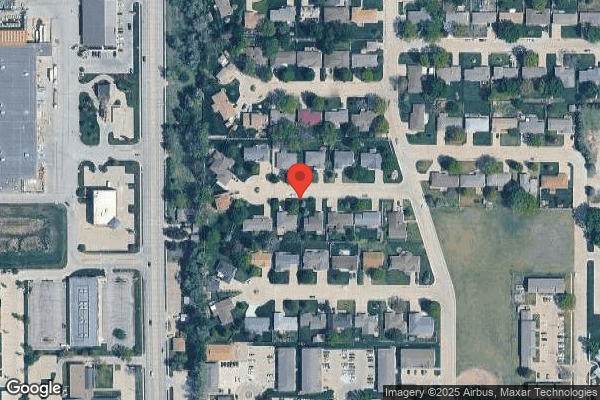
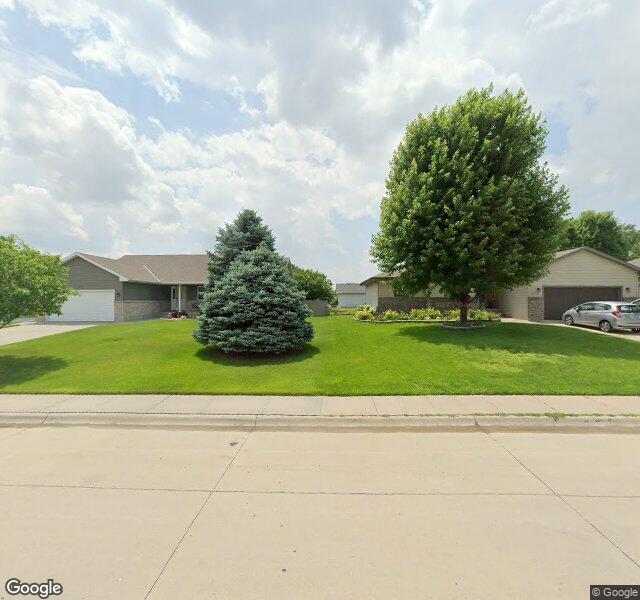
4061 & 4055 Timberline Street & 2912 Good Samarita, Grand Island, NE 68803 (308) 384-3535
Non profit - Corporation 67 Beds GOOD SAMARITAN SOCIETY Data: November 2025
Trust Grade
23/100
#151 of 177 in NE
Last Inspection: September 2024

Within standard 12-15 month inspection cycle. Federal law requires annual inspections.

Overview

Good Samaritan Society - Grand Island Village has received a Trust Grade of F, indicating poor quality and significant concerns about care. It ranks #151 out of 177 nursing homes in Nebraska, placing it in the bottom half of facilities in the state and #5 out of 6 in Hall County, suggesting only one local option is better. The facility is showing a trend of improvement, with the number of reported issues decreasing from four in 2024 to three in 2025. Staffing is rated at 2 out of 5 stars, with a turnover rate of 56%, which is around the Nebraska average, indicating that staff may not remain long enough to build strong relationships with residents. Additionally, the home has concerning fines of $15,435, which are higher than 82% of other facilities in the state, hinting at repeated compliance issues. Specific incidents noted by inspectors include a failure to use the correct sling size during a resident's transfer, risking their safety, and a lack of intervention for a resident's pressure ulcer, which resulted in serious skin damage. There was also a concern regarding oxygen equipment not being properly maintained, which could jeopardize a resident's health. While the facility has some strengths, such as improvements in compliance issues, these serious incidents and the low trust grade raise significant concerns for families considering this nursing home.

Trust Score
F
23/100
In Nebraska
#151/177
Bottom 15%
Safety Record
Moderate
Needs review
Inspections
Getting Better
4 → 3 violations
Staff Stability
⚠ Watch
56% turnover. Above average. Higher turnover means staff may not know residents' routines.
Penalties
⚠ Watch
$15,435 in fines. Higher than 84% of Nebraska facilities, suggesting repeated compliance issues.
Skilled Nurses
○ Average
Each resident gets 34 minutes of Registered Nurse (RN) attention daily — about average for Nebraska. RNs are the most trained staff who monitor for health changes.
Violations
⚠ Watch
23 deficiencies on record. Higher than average. Multiple issues found across inspections.
★☆☆☆☆
1.0
Overall Rating
★★☆☆☆
2.0
Staff Levels
★☆☆☆☆
1.0
Care Quality
★★☆☆☆
2.0
Inspection Score
Stable
2024: 4 issues
2025: 3 issues

The Good

  • Full Sprinkler Coverage · Fire safety systems throughout facility
  • No fines on record

Facility shows strength in fire safety.

The Bad

1-Star Overall Rating

Below Nebraska average (2.9)

Significant quality concerns identified by CMS

Staff Turnover: 56%

10pts above Nebraska avg (46%)

Frequent staff changes - ask about care continuity

Federal Fines: $15,435

Below median ($33,413)

Minor penalties assessed

Chain: GOOD SAMARITAN SOCIETY

Part of a multi-facility chain

Ask about local staffing decisions and management

Staff turnover is elevated (56%)

8 points above Nebraska average of 48%

The Ugly 23 deficiencies on record

2 actual harm
May 2025 2 deficiencies
CONCERN (D) 📢 Someone Reported This

A family member, employee, or ombudsman was alarmed enough to file a formal complaint

Potential for Harm - no one hurt, but risky conditions existed

Deficiency F0726 (Tag F0726)

Could have caused harm · This affected 1 resident

**NOTE- TERMS IN BRACKETS HAVE BEEN EDITED TO PROTECT CONFIDENTIALITY** Licensure Reference Number 175 NAC 12-006.04(F)(i) Based on record reviews and interview, the facility failed to ensure the lice...

Read full inspector narrative →
**NOTE- TERMS IN BRACKETS HAVE BEEN EDITED TO PROTECT CONFIDENTIALITY** Licensure Reference Number 175 NAC 12-006.04(F)(i) Based on record reviews and interview, the facility failed to ensure the licensed nurse had the knowledge and training to provide care for a Pleurex catheter for Resident 9. This affected 1 of 3 residents reviewed for use of a Pleurex catheter. The facility's census was 55. Findings are: A review of Resident 9's Clinical Census printed 05/05/2025 revealed the resident was admitted to the facility on [DATE] and was hospitalized on [DATE]. A review of Resident 9's admission Record printed 05/05/2025 revealed the resident had diagnoses of an infection to the left arm, kidney failure, heart disease, irregular heart rate, chronic obstructive pulmonary disease (COPD-group of lung diseases that block airflow and make it difficult to breathe), type 2 diabetes mellitus (a long-term condition in which the body has trouble controlling blood sugar and using it for energy), and a pleural effusion (a buildup of extra fluid in the space around your lungs). A review of Resident 9's Post-Discharge Non-Medication Orders contained in the Summary of Care Document from the hospital printed 12/17/2024 revealed an order for Drain Pleurex catheter Monday, Wednesday and Friday with a date and time ordered of 12/17/2024 at 9:48 AM. A review of Resident 9's Order Summary printed 05/05/2025 revealed an order to drain the Pleurex catheter (a thin, flexible tube surgically placed in the chest to drain fluid from your pleural space [the space between the lungs and the chest wall]) every Monday, Wednesday, and Friday. This order had an order date of 12/19/2024 and a start date of 12/20/2024. A review of Resident 9's Medication Administration Record (MAR) for December 2024 revealed the order to drain the Pleurex catheter on Monday, Wednesday, and Friday was blank in the space to sign for 12/20/2024, indicating it had not been done. A record review of the Pleurex Drainage System Nursing Education documentation provided by the facility revealed it was performed on 01/21/2025. An interview on 05/05/2025 at 3:27 PM with the Director of Nursing (DON) confirmed that Resident 9 was admitted [DATE] with the order to drain the Pleurex catheter, and the order to drain the Pleurex catheter was not entered until 12/19/2024. The DON further confirmed that it was not drained on Wednesday 12/18/2024 or Friday 12/20/2024. The DON confirmed that the nurse who worked on Friday 12/20/2024 had stated they did not do the treatment because they did not know how. The DON further stated they had printed out the policy and procedure for draining a Pleurex catheter for the station Resident 9 was being admitted to, but did not do any other education or training on the device prior to the resident's admission.
CONCERN (D) 📢 Someone Reported This

A family member, employee, or ombudsman was alarmed enough to file a formal complaint

Potential for Harm - no one hurt, but risky conditions existed

Infection Control (Tag F0880)

Could have caused harm · This affected 1 resident

Licensure Reference Number 175 NAC 12.006.17 The facility failed to ensure that staff perform hand washing between glove changes and to wear EBP for Resident #5 while performing wound cares to prevent...

Read full inspector narrative →
Licensure Reference Number 175 NAC 12.006.17 The facility failed to ensure that staff perform hand washing between glove changes and to wear EBP for Resident #5 while performing wound cares to prevent the potential for cross contamination. The facility census was 55. Record review of Resident 5's admission record dated 5/5/25 revealed admission to the facility was 3/31/22. Record Review of MDS (Minimum Data Set, a comprehensive assessment of each resident's functional capabilities) dated 4/2/25 revealed: Section C - BIMS (Brief Interview for Mental Status, a test used to get a quick snapshot of a resident's cognitive function, scored from 0-15, the higher the score, the higher the cognitive function) was 15 indicating the resident was cognitively intact. -Section GG - dependent assist with footwear and maximum assist with repositioning. Physicians Orders dated 5/5/25 revealed: -Wound care to left heel: cleanse with saline/wound cleanser, apply betadine moistened gauze, cover with ABD pad and secure with kerlix and tape. Change daily and as needed for drainage every day shift for wound treatment -Start Date- 3/8/2025. -Tubi-grip to bilateral lower extremities; on in AM & off at HS two times a day for edema -Start Date- 3/13/2025. -foam booties on at all times every shift for pressure reduction -Start Date-1/3/2025 Observation on 5/5/25 at 9:45 AM for wound cares of left heel for Resident #5 by RN-A with NA-B assisting with holding the foot off the bed. RN-A and NA-B performed hand hygiene x 20 seconds and donned (put on) gloves. RN-A cut the old kerlex dressing off, then sprayed some saline cleansing spray to help remove the telfa old dressing that was on the wound. RN-A removed the gloves and donned new ones without performing hand hygiene. RN-A cleansed the wound with saline spray while spraying it onto wound. RN-A removed gloves and donned new ones without hand hygiene. RN-A placed the telfa dressing that was soaked in betadine onto the wound, covered with ABD dressing, wrapped with kerlix, taped it, and then dated the tape. The NA-B placed the new Tubi-grip and foam boot back onto the left lower extremity. RN-A removed gloves and washed hands with soap and water for 22 seconds. NA-B removed the gloves and washed hands with soap and water for 20 seconds. Interview on 5/5/25 at 10:00 AM with RN-A revealed [gender] should have worn a gown when working with a wound and perform hand hygiene when changing gloves. Interview on 5/5/25 at 10:05 AM with NA-B revealed [gender] should have worn a gown when working with a nurse during a dressing change. Interview on 5/5/25 at 10:08 AM with DON confirmed the staff are to wear a gown, gloves and face shield with doing a wound dressing and perform hand hygiene when changing gloves. Record review of Hand Hygiene policy dated 3/29/22 revealed: -All employees in patient care areas (unless otherwise noted in their policy) will adhere to the 4 Moments of Hand Hygiene and 2 Zones of Hand Hygiene. -Before clean task -After Bodily Fluid/Glove Removal Record review of Standard and Transmission Based Precautions policy dated 4/2/24 revealed: -Enhanced Barrier Precautions (EBP) (rehab/skilled only). - Enhanced barrier precautions expand the use of PPE (personal protective equipment) beyond situations in which exposure to blood and body fluids is anticipated and refer to the use of gown and gloves during high-contact resident care activities that provide opportunities for transfer of MDRO's (multidrug resistant organism) to staff hands and clothing. -High-Contact Resident Care Activities include: wound care.
Mar 2025 1 deficiency
CONCERN (D) 📢 Someone Reported This

A family member, employee, or ombudsman was alarmed enough to file a formal complaint

Potential for Harm - no one hurt, but risky conditions existed

Accident Prevention (Tag F0689)

Could have caused harm · This affected 1 resident

**NOTE- TERMS IN BRACKETS HAVE BEEN EDITED TO PROTECT CONFIDENTIALITY** Licensure Reference Number 175 NAC 12.006.09(I) Based on observation, interview, and record review, the facility failed to imple...

Read full inspector narrative →
**NOTE- TERMS IN BRACKETS HAVE BEEN EDITED TO PROTECT CONFIDENTIALITY** Licensure Reference Number 175 NAC 12.006.09(I) Based on observation, interview, and record review, the facility failed to implement interventions to prevent accidents for 1 (Resident 1) of 3 sampled residents. The facility census was 44. Findings are: A record review of the facility's Fall Prevention And Management policy dated 07/29/2024 revealed a fall is an unintentional coming to rest on the ground. An accident is any unexpected or unintentional incident which may result in injury or illness to a resident. Root cause analysis is a method for identifying the cause or problem so that the best solutions can be identified and put into place. Following a fall, the staff should complete a falls tool, document if teaching was done, communicate the fall to administration, provider, and family, and review and update the care plan with any new/changes to the care plan interventions. A. A record review of Resident 1's Clinical Census dated 03/26/2025 revealed the resident was admitted to the facility on [DATE]. A record review of Resident 1's Medical Diagnosis dated 03/26/2025 revealed the resident had diagnoses of Cerebral Infarction (stroke), Traumatic Subdural Hemorrhage (bleeding near the brain caused by a head injury), Repeated Falls, Parkinsonism (syndrome with muscle rigidity, tremors, unstable posture, leading to abnormal walking), Vertigo (dizziness), Muscle Weakness, Lack Of Coordination, and Need For Assistance With Personal Care. A record review of Resident 1's Minimum Data Set (MDS, a comprehensive assessment used to develop a resident's care plan) dated 02/12/2025 revealed the resident had a Brief Interview for Mental Status (BIMS, a score of a residents cognitive abilities) of 14 which indicated the resident was cognitively aware. The resident had limited range of motion on one side of the upper extremities (shoulder to hand or hip to toe). The resident required setup or clean-up assistance with eating and oral hygiene (cleaning), partial/moderate assistance with toileting, dressing, footwear, and personal hygiene, and substantial/maximal assistance with bathing. The resident required partial/moderate assistance with positioning and transfers. The resident was not on a toileting program. The resident did not have pain or hurting at any time. The resident had 0 falls with no injury, 0 falls with major injury, and 2 falls with injury in the lookback period. A record review of the facility's Incidents By Incident Type report dated 09/26/2024 - 03/26/2025 revealed Resident 1 had fallen on: -10/02/2024, -10/05/2024, -10/28/2024, -11/17/2024, -02/01/2025, -03/02/2025. A record review of the facility's Found on Floor dated 11/17/2024 revealed Registered Nurse (RN)-A was called to the room after the Nursing Assistant (NA) found the resident on the floor next to the toilet with a small cut above the right eye. Resident 1 reported the resident stood up to pull up the resident's pants and lost (gender) balance. NA-B's statement revealed NA-B put Resident 1 on the toilet and left the room to get the nurse to get a bandage for a scratch on the resident's hand and when NA-B went back in the room, Resident 1 was on the floor. A record review of Resident 1's Progress Notes dated 11/18/2024 at 1:13 AM revealed the resident was sent to the hospital following an unwitnessed fall, and the resident suffered a compression fracture of the first thoracic vertebrae (T1, bone in the middle section of the spine) and a left closed rib fracture. A record review of Resident 1's Care Plan with an admission date of 10/01/2024 revealed: A focus area of falls, 10/02/2024 fall with no injury, 10/05/2024 witnessed fall, 10/28/2024 lowered to the floor, 11/17/2024 fall with major injury, 02/01/2025 fall out of the facility with minor injury, and 03/02/2025 fall with major injury. Interventions included provide a safe environment with call light in reach with a dated initiated 10/02/2024, toileting schedule with a date initiated of 11/21/2024, staff to stay with resident at all times when in the bathroom with a date initiated of 11/22/2024, and moved rooms to benefit using the resident's right side in the bathroom with a dated initiated of 03/10/2025. A record review of the facility's Cottonwood East/Cottonwood West report sheet revealed the resident was a sit-to-stand (a mechanical lift), **FALLS**DO NOT LEAVE ALONE IN RESTROOM. A record review of the facility's Investigation Report dated 03/07/2025 revealed on 03/02/2025 Resident 1 fell from the toilet and hit the resident's head, there was a small amount of blood on the floor, and the resident was transferred to the hospital for a possible head injury. The resident returned a couple of hours later with no head injury noted and an order for a follow-up magnetic resonance imaging (MRI, detailed images of the body's internal structures). The resident continued to complain of back and right flank (side of the lower back) pain and pain medicine was administered. The resident was sent back to the hospital and an Xray of the back revealed a hairline fracture of the first lumbar vertebrae (L1, bone in the lower spine). The outcome of the facility investigation was the resident attempted to stand and pull up the resident's pants without assistance. The permanent measure put in place to prevent it from happening again was to move the resident to a different room that would have a restroom that would be set up better for the resident to utilize the resident's stronger side. A record review of the facility's Found on Floor dated 03/02/2025 revealed Registered Nurse (RN)-A heard a loud noise while in the hallway outside of Resident 1's room, entered the room, and the resident was lying on the resident's left side on the floor in the bathroom. Blood was seen under the resident's head, and 911 was called to take the resident to the hospital. A note on the Found on Floor dated 03/02/2025 revealed the resident was left alone in the bathroom and staff was educated that the resident should not be left in the bathroom alone. A record review of Resident 1's Emergency Department (ED) Provider Notes dated 03/02/2025 revealed the resident was evaluated for a head injury and the resident had a l-shaped 2 centimeter right posterior (back) scalp laceration (cut) that required 5 staples to close. The resident complained of low back pain and a computer tomography (CT, detailed cross-sectional images of the body) revealed degenerative (declining) changes of the lumbar spine without acute finding (no specific findings). A record review of Resident 1's Progress Notes dated 03/04/2025 revealed resident continued to complain of back pain and right flank pain. The daughter requested to resident be sent back to the ED for pain control related to the resident's fall. The provider was contacted, and the resident was transferred to the ED. A record review of Resident 1's Emergency Department (ED) Provider Notes dated 03/04/2025 revealed resident was complaining of 8 out of 10 back pain that radiated (went) down the bilateral lower extremities. Results of the MRI and another CT scan revealed the resident had an acute L1 compression fracture and recommended kyphoplasty (surgical procedure to treat painful vertebral compression fractures). In an interview on 03/26/2025 at 10:50 AM, Resident 1 confirmed on 03/02/2025 the NA took the resident to the bathroom and told the resident not to move, and the next thing the resident remembered was waking up on the floor in the bathroom. The resident got a cut on the back of the head and fractured something or the other. The resident confirmed the resident was in pain until after the surgery. The resident confirmed the NA left the resident alone in the restroom to go get something. The only changes the resident was aware of to prevent the falls from happening again was to call for help and changed room to where everything was on the right side not the left. The resident confirmed the resident was just very right-handed. In an interview on 03/27/2025 at 10:20 AM, Physical Therapy Assistant (PTA)-D confirmed prior to Resident 1's 03/02/2025 fall. Resident 1 was a stand-pivot (a technique to assist transferring a resident from one surface to another) transfer with 1 staff assistance. PTA-D confirmed the resident should not have been left alone in the bathroom. In a telephone interview on 03/26/2025 at 5:15 PM, RN-A confirmed RN-A was the charge nurse on the night of Resident 1's fall (03/02/2025). RN-A confirmed RN-A was the one that heard the resident fall and found the resident on the bathroom floor bleeding. RN-A confirmed there was no other staff in the room when RN-A entered the resident's room. NA-C was the NA that had taken the resident to the bathroom and left the resident alone in the bathroom and should not have. In a telephone interview on 03/27/2025 at 7:53 AM, NA-C confirmed NA-C was the NA that had Resident 1 the night of the fall on 03/02/2025. Resident 1 called NA-C to use the restroom and NA-C got the resident up and took Resident 1 to the bathroom. There was a NA on the other side of the hall that needed help with a resident, so NA-C left to help the other NA. NA-C confirmed just as NA-C left Resident 1's room, NA-C heard a loud boom and NA-C seen RN-A run into Resident 1's room. NA-C confirmed this was not the first time NA-C had left a resident in the restroom alone. NA-C likes to give the residents privacy so NA-C walks out and does something else. NA-C then confirmed that NA-C left Resident 1 standing in front of the toilet, not seated on the toilet. NA-C confirmed again that NA-C helped Resident 1 into the restroom and left Resident 1 standing there and the resident fell getting onto the toilet. Resident 1 transferred the resident's self before the fall, they (staff) never put Resident 1 on the toilet. In an interview on 03/26/2025 at 4:03 PM, the facility's Director of Nursing (DON) confirmed that Resident 1's new intervention for the 03/02/2025 fall of moved rooms to benefit using the resident's right side in the bathroom with a dated initiated of 03/10/2025 was not a direct intervention related to the cause of the fall, the intervention related to the 03/02/2025 fall was already in place to not leave the resident on the bathroom alone, it was just not followed and should have been. In an interview on 03/27/2025 at 10:34 AM. The DON confirmed Resident 1 should not have been left in the restroom alone. B. A record of the facility's Bowel & Bladder: Evaluation, Assessment, Toileting Programs policy dated 05/21/2024 revealed Habit Training/Scheduled Toileting is a behavior technique that calls for scheduled toileting at regular intervals on a planned basis to match the resident's voiding (evacuating bowels or bladder) habits or needs. Voiding intervals are adjusted to match the individuals voiding patterns/incontinence (inability to control) patterns to the toileting schedule usually every 2-3 hours. A record review of the facility's Incidents By Incident Type report dated 09/26/2024 - 03/26/2025 revealed Resident 1 had fallen on: • 10/02/2024 • 10/05/2024 • 10/28/2024 • 11/17/2024 • 02/01/2025 • 03/02/2025 A record review of the facility's Found on Floor dated 11/17/2024 revealed Registered Nurse (RN)-A was called to the room after the Nursing Assistant (NA) found the resident on the floor next to the toilet with a small cut above the right eye. Resident 1 reported the resident stood up to pull up the resident's pants and lost (gender) balance. NA-B's statement revealed NA-B put Resident 1 on the toilet and left the room to get the nurse to get a bandage for a scratch on the resident's hand and when NA-B went back in the room Resident 1 was on the floor. A record review of Resident 1's Progress Notes dated 11/18/2024 at 1:13 AM revealed the resident was sent to the hospital following an unwitnessed fall and the resident suffered a compression fracture of the first thoracic vertebrae (T1)(bone in the middle section of the spine) and a left closed rib fracture. A record review of Resident 1's Care Plan with an admission date of 10/01/2024 revealed: A focus area of falls, 10/02/2024 fall with no injury, 10/05/2024 witnessed fall, 10/28/2024 lowered to the floor, 11/17/2024 fall with major injury, 02/01/2025 fall out of the facility with minor injury, and 03/02/2025 fall with major injury. Interventions included provide a safe environment with call light in reach with a dated initiated 10/02/2024, toileting schedule with a date initiated of 11/21/2024, and staff to stay with resident at all times when in the bathroom with a date initiated of 11/22/2024. A record review of Resident 1's Task: Toileting dated 03/26/2025 revealed that the resident was toileted: • 03/26/2025 at 5:59 AM and 10:04 AM • 03/25/2025 at 2:29 PM and 11:29 PM • 03/24/2025 at 10:33 AM • 03/23/2025 at 6:29 AM • 03/22/2025 at 12:29 AM, 6:40 AM, and 10:29 PM • 03/21/2025 at 2:22 AM, 2:29 PM, 10:29 PM, and 11:06 PM • 03/20/2025 at 4:47 AM • 03/19/2025 at 10:29 PM • 03/18/2025 at 2:29 PM and 10:29 PM • 03/17/2025 at 3:48 AM and 10:41 AM • 03/16/2025 at 5:59 AM, 10:28 AM, 3:25 PM • 03/15/2025 at 4:38 AM and 10:44 AM • 03/14/2025 at 5:25 AM and 10:29 PM A record review of the white board in the nurse's station did not reveal fall interventions for Resident 1, just transfer method. An observation on 03/26/2025 at 12:53 PM revealed NA-E assisted Resident 1 to restroom using a sit-to-stand lift without concern. An observation on 03/27/2025 at 7:01 AM revealed Resident 1 was seated in the wheelchair watching television with the resident's call light curled up on the bed about 4 feet behind the resident and not in reach. In an interview on 03/26/2025 at 1:20 PM, NA-E confirmed NA-E can look care plan interventions for falls in the electronic medical record (EMR) or can ask the nurse. The only fall interventions NA-E knew for Resident 1 was to keep the call light in reach and don't leave alone in the restroom. NA-E confirmed there were report sheets the staff has for specific resident needs, but NA-E did not grab one today. NA-E confirmed there was not a specific toileting schedule for Resident 1. In an interview on 03/26/2025 at 4:31 PM, NA-F confirmed there was not really a schedule to toilet any of the residents. In an interview on 03/26/2025 at 4:55 PM, NA-E confirmed NA-E checks all residents every odd hour to see if they need to use the restroom, NA-E was not sure of a specific schedule for any of the residents. In an interview on 03/27/2025 at 7:20 PM, NA-F confirmed that Resident 1 was not on a toileting schedule. NA-F confirmed that NA-F was the NA that got Resident 1 out of bed and transferred into the wheelchair and that NA-F did not clip the call light to the resident and it was not in reach. In an interview on 03/27/2025 at 7:37 AM, NA-H confirmed not sure what fall care plan interventions were for each resident other than the basis ones of don't leave unattended in the restroom, frequent checks, and keep call light in reach. NA-H would ask the nurse to look at the care plan. There was a board in the nurse station that would have the interventions. NA-H did not know how to access the [NAME] and did not have a report sheet. In an interview on 03/26/2025 at 6:04 PM, the DON confirmed that a resident's fall interventions are listed in the [NAME] in the resident's EMR, and staff is trained how to access the [NAME] on hire and all staff should know how to access the [NAME]. The staff should also put the information on the white board in the nurse's station and pass the information along and report and staff should have a detailed report sheet with them. In an interview on 3/27/2025 at 10:34 PM, the DON confirmed there was not a true, specific, toileting schedules for residents. The staff was just supposed to do before and after meals and at bedtime and the staff should have known that.
Sept 2024 3 deficiencies 1 Harm
SERIOUS (G)

Actual Harm - a resident was hurt due to facility failures

Accident Prevention (Tag F0689)

A resident was harmed · This affected 1 resident

**NOTE- TERMS IN BRACKETS HAVE BEEN EDITED TO PROTECT CONFIDENTIALITY** Licensure Reference Number 175 NAC 12-006.09(I) Based on observation, interview, and record review; the facility failed to use t...

Read full inspector narrative →
**NOTE- TERMS IN BRACKETS HAVE BEEN EDITED TO PROTECT CONFIDENTIALITY** Licensure Reference Number 175 NAC 12-006.09(I) Based on observation, interview, and record review; the facility failed to use the correct sling size to transfer a resident, and failed to asses and monitor a resident after a fall for 1 (Resident 6) of 3 sampled residents. The facility census was 41. Findings are: Record review of Resident 6's Census List revealed Resident 6 admitted to facility of 06/14/2024 with the following diagnoses: acquired Absence of left leg above knee (a surgical procedure that removed part of the leg), encephalopathy ( a general term for brain disorders or diseases), sepsis (a serious condition when the body's immune system overreacts to an infection or injury), Type 2 Diabetes Mellitus (condition when the body develops insulin resistance and can result in high blood sugars) with diabetic polyneuropathy (occurs when there is damage to multiple nerves in the peripheral nervous system), chronic obstructive pulmonary disease (is a common lung disease that causes breathing problems and restricted airflow). Record review of Resident 6's Care Plan printed 09/25/2024 revealed a focus on ADLs (Activities of Daily Living) which stated that Resident 6 has an ADL self-care performance deficit related to left above the knee amputation, impaired physical mobility, congested heart failure, congestive heart failure (a chronic condition that occurs when the heart is unable to pump enough blood to meet the body's needs), chronic obstructive pulmonary disease, chronic pain, Diabetes Mellitus with polyneuropathy. The goal stated that the resident will maintain current level of function in bed mobility, transfers, eating, dressing, toilet use and personal hygiene. Interventions included: Ambulation: Non-ambulatory. Bed mobility: Resident requires substantial to dependent assistance by 1-2 staff for bed mobility and repositioning. Care plan also identified the potential for Falls with interventions that included to monitor resident for significant changes in mobility, positioning device, standing/sitting balance on right leg/foot and right lower extremity joint function. Record review of Resident 6's Minimum Data Set (MDS, a federally mandated assessment that assists staff to develop/modify a resident's plan of care), admission assessment dated [DATE] revealed Resident 6 needed substantial assistance with lower body dressing, toileting hygiene, and putting on and taking off footwear, was dependent (helper does all of the effort to complete the activity) on staff to come to help stand up, transfer to and from a bed to chair, and toilet transfers. A Brief Interview for Mental Status (BIMS), a simple screening that can aide in detecting the presence of cognitive impairment in older adults, revealed a score of 11 which indicated moderate cognitive impairment. Observation and Interview on 09/23/24 at 3:05 PM with Resident 6 was conducted. Resident 6 reported that they had a recent fall when the staff member didn't have the EZ stand (transfer device) sling in the right position, and I ended up in the chicken wing position (abnormal shoulder abduction or flexion with combined internal rotation) and then I fell on the floor. Resident 6 reported that their left shoulder was sore and that [gender] left stump (from amputation of leg above the knee) is swollen and sore. Resident 6 also reported that their left stump appliance did not fit today because their stump is swollen from the fall. Observation revealed that Resident 6 was able to move left shoulder joint but grimaces. Resident 6 reports that [gender] left shoulder hurts the most and rates pain as a 9 or 10 from pain scale of 0-10 with movement of left shoulder. Ten is the highest pain level. Resident 6 reported that they took a Tylenol and that it helped a little. A record review of Resident 6's September 2024 Medication Record, printed on 09/23/2024 at 2:37 PM revealed that the only documented administration entry for Tylenol 325 miligrams (MG) - give 2 tablets by mouth every 4 hours as needed for pain was administered one time on 09/12/2024 at 5:02 PM. An interview with the Director of Nursing (DON) on 09/24/204 at 11:47 AM revealed that the facility had no knowledge of and no documentation of any incident/accident reports for Resident 6 in the past 30 days. An interview on 09/24/2024 at 1:00 PM with Licensed Practical Nurse (LPN)-F revealed that [gender] did not have direct knowledge that Resident 6 fell out of the transfer sling but states that [gender] heard Medication Aide (MA)-I talking about this incident. An Interview with MA-I on 09/24/2024 at 1:10 PM confirmed that MA-I received a report that Resident 6 was lowered to the ground this weekend with no injury using the EZ Stand (Sit to stand transfer equipment) because Resident 6's knee buckled. A phone interview with Nurse Aide-K on 09/24/2024 at 1:40 PM revealed that on 09/22/2024 at approximately 10:00 PM, MA-J called NA-K via walkie talkie to come into Resident 6's room. NA-K stated that Resident 6 was sitting on the floor with the EZ stand sling was under Resident 6's arm pits. NA-K stated that the Resident was chicken winged. NA-K reported that they called for Nurse (LPN-H) to come and assess the resident. NA-K stated that LPN-H came to Resident 6's room and after the staff updated LPN-H that Resident 6 slipped out of the sling and was lowered to the floor and that Resident 6 did not hit [gender] head, LPN-H instructed NA-K and MA-J to use a Hoyer lift (equipment to move/transfer someone) to get Resident 6 off the floor and get them into bed. A phone interview with MA-J on 09/24/2024 at 2:16 PM revealed that on 09/22/2024 around 10:00 PM MA-J was assisting Resident 6 from the chair to the bed using the EZ stand. MA-J stated that [gender] did not have the appropriate size of the EZ sling for the resident, The jacket (EZ sling) was too small. MA-J reports that transferring Resident 6 using the EZ Stand and Resident 6 was standing up when they (Resident 6) began to complain of pain in their right leg and then Resident 6's right leg buckled, and [gender] started to slip down out of the sling. MA-J stated that Resident 6 chicken winged in the sling and began to help lower [gender] to the floor using the emergency release button on the EZ stand. MA-J reports that Resident 6 never hit [gender] head, called for staff assistance, and then assisted to remove the EZ Stand sling. MA-J reported that NA-K and LPN-H did come to help. MA-J reported that Resident 6 did have some redness and pain under their left arm which was reported to LPN-H. Record review of Safe Resident Handling dated 09/6/24 and 09/02/24 revealed that MA-J did receive competency training on how to use the lift equipment according to manufactures instructions. A record review on 09/24/2024 of Resident 6's medical record revealed a Progress Note nurse entry on 09/23/2024 at 1:46 PM Resident was out to see Innovative prosthetics this date. Unable to complete diagnostic fitting as leg is swollen. Will see again in 2 weeks. A record review on 09/24/2024 of Resident 6's medical record revealed no documentation of any falls in the last 30 days. A phone interview with LPN-H on 09/23/2024 at 8:45 PM was conducted. LPN-H reported that on 09/22/2024 at approximately 10:00 PM, Resident 6 was lowered to the floor by MA-J and that NA-K was called to assist. LPN-H reported that they went to Resident 6's room after being called on the walkie talkie and received a report from MA-J that Resident 6 slipped out of the EZ Stand sling and was lowered to the floor but did not hit head. LPN-H stated that they instructed staff to use the Hoyer Lift to get the resident off the floor and put back into bed. When questioned, LPN-H reported that because there was no injury to Resident 6, they did not document this fall in the medical record or follow the facilities fall protocol. LPN-H reported that they were very busy helping other residents at the time of the fall but later came back to assess Resident 6 while in bed and provided passive range of motion (gentle movement) of all of Resident 6's extremities and stated that there was no injury. An interview with the Director of Nursing (DON) on 09/26/2024 at 10:00 AM confirmed that all resident falls need to be reported to the DON, documented in the resident's medical record and investigated by the facility's Fall Prevention Team.
CONCERN (D)

Potential for Harm - no one hurt, but risky conditions existed

Deficiency F0761 (Tag F0761)

Could have caused harm · This affected 1 resident

**NOTE- TERMS IN BRACKETS HAVE BEEN EDITED TO PROTECT CONFIDENTIALITY** Licensure Reference Number 175 NAC 12.006.12(D)(i) Based on observation, interview, and record review; the facility failed to sa...

Read full inspector narrative →
**NOTE- TERMS IN BRACKETS HAVE BEEN EDITED TO PROTECT CONFIDENTIALITY** Licensure Reference Number 175 NAC 12.006.12(D)(i) Based on observation, interview, and record review; the facility failed to safely store medications by leaving unattended medications at resident's bedside for 1(Resident 3) of 1 sampled residents. The facility census was 41. A record review of Resident 3's admission Record revealed Resident 3 admitted to the facility on [DATE] and was admitted to the hospital on [DATE]. An observation on 09/23/24 at 9:51 AM revealed an unattended medication cup containing 12 medications varying in size and color sitting on a bedside table in Resident 3's room. An interview with Licensed Practical Nurse (LPN)-G on 09/23/2024 at 9:52 AM was conducted. LPN-G revealed that These (the pills in the medication cup) look like Resident 3's morning pills. LPN-G further revealed [gender] did not leave those medications at Resident 3's bedside and that the medications must be from the weekend. A record review of Resident 3's September 2024's Medication Record revealed that on 9/22/24 the AM (morning) pass of medications of the following medications was documented as administered by Medication Aide (MA)-I: -Aspirin Delayed Release 81 mg (for heart health), -Benzonatate 100 mg (for related cough), -Clopidogrel 75 mg (for Chronic Systolic (Congestive) Heart Failure), -Crestor 5 mg (for Hyperlipidemia), -Dapagliflozin 10 mg (for Type 2 Diabetes Mellitus with Hyperglycemia), -Losartan Potassium 50 mg (for Hypertension), -Metoprolol Succinate ER 50 (for Atherosclerotic Heart Disease), -Prednisone 1 mg - 2 tabs (for Rheumatoid Arthritis), -Prednisone 5 mg (for Rheumatoid Arthritis), -Augmentin 8.75/125 (for wound infection), -Prerevision- AREDS (for eye health). A record review of Resident's 3's Progress Notes from 09/22/2024 at 7:29 AM revealed that the Resident 3 was transferred to the hospital per medical order for complaints of right back pain with a pain rating of 10 out of 10 using the 0-10 pain scale where 10 is the highest pain level. Record review of facility policy Medications: Acquisition Receiving Dispensing and Storage- R/S, LTC dated 03.29.2024 revealed that Medications will be stored in a locked medication cart, drawer or cupboard. An interview with the Director of Nursing on 09/26/2024 at 10:00 AM confirmed that medications should not be left unattended, and that these 12 medications found in Resident 3's room should not have been left there.
CONCERN (F)

Potential for Harm - no one hurt, but risky conditions existed

Infection Control (Tag F0880)

Could have caused harm · This affected most or all residents

D. An observation on 09/23/24 at 10:30 AM in resident's room revealed that Resident 11 was receiving 2.5 liters of Oxygen through an undated nasal canula tubing (tubing that goes in a resident's nose...

Read full inspector narrative →
D. An observation on 09/23/24 at 10:30 AM in resident's room revealed that Resident 11 was receiving 2.5 liters of Oxygen through an undated nasal canula tubing (tubing that goes in a resident's nose to deliver oxygen) via oxygen concentrator (a machine that purifies air to oxygen). Resident 11's storage bag connected to the back of Resident 11's wheelchair contained a portable oxygen tank with an attached nasal cannula tubing dated 7.14.24. Tubing was touching surfaces and other contents in the wheelchair storage bag. An observation on 09/23/24 at 2:30 PM revealed Resident 11 continued to receive oxygen at 2.5 liters through an undated nasal canula tubing via oxygen concentrator. A record review on 09/23/24 of Resident 11's September 2024's Treatment Record revealed an entry to change and date oxygen tubing every week on Saturday night shift. Saturday, September 7, 2024 reveals a blank entry that indicated that this task was not documented as completed. Saturday, September 14, 2024 revealed staff initials that indicated that this task was completed. Saturday, September 21, 2024 revealed a blank entry that indicated that this task was not documented as completed. An observation on 09/24/24 at 10:30 AM in Resident 11's room revealed that Resident 11 was receiving 2.5 liters of Oxygen through a nasal canula tubing dated September 18, 2024. A nasal canula tubing dated September 18, 2024 was connected to a portable tank of oxygen stored in the back of the Resident 11's wheelchair. An observation on 09/26/24 at 07:45 AM revealed Resident 11's oxygen nasal canula tubing (connected to oxygen concentrator and to portable oxygen tank) both dated 09.18.24, indicating that oxygen tubing was not changed for 8 (eight) days. A record review of the facility's Oxygen Administration, Safety, Mask Types dated 07/08/2024 revealed the purpose of the policy was to administer and store oxygen in a safe manner and to keep oxygen equipment clean. Oxygen equipment will be clean, safe, and functional at all times. When oxygen is not is use, store cannula and tubing in zip-lock bag/plastic bag secured to oxygen cylinder or concentrator. Disposable equipment should be changed weekly or according to manufacture's instructions and marked with date and initials. An Interview with Director of Nursing on 09/26/2024 at08:40 AM confirmed that oxygen tubing should be changed weekly, and tubing should be dated, initialed and documented in the Resident's Treatment Record. Licensure Reference Number 175 NAC 12.006.18 Licensure Reference Number 175 NAC 12.006.18(B) Based on observation, interview, and record review; the facility failed to ensure the required isolation sign was posted and staff donned (put on) and doffed (took off) the required Personal Protective Equipment (PPE) for 1 (Resident 146) of 1 sampled residents that had been identified as positive for COVID-19, this had the potential to affect all residents in the facility. The facility failed to ensure 3 (Residents 10, 11, and 12) of 3 sampled resident's oxygen tubing was changed and dated weekly and was stored in a bag when not in use, and failed to clean and store 1 (Resident 40) of 1 sampled resident's nebulizer kit (neb)(a kit used to deliver liquid medication to the lungs) daily to prevent cross-contamination (transfer of bacteria from one surface to another). The facility census was 41. A. A record review of the facility's Surveillance and Mitigation Plan for SNFs (Skilled Nursing Facilities) dated 04/26/2024 revealed for all residents that have tested positive for COVID-19, staff are to wear gloves, gown, N-95 respirator (a tight-fitting mask that filters out very small bacteria) and eye protection when taking care of these residents. PPE should be doffed and discarded prior to leaving a room. A record review of the CDC's Infection Control Guidance: SARS-CoV-2 (COVID-19) with updates as of May 8, 2023, revealed healthcare providers who enter the room of a resident with suspected or confirmed COVID-19 should wear an N-95 or higher mask, gown, gloves, and eye protection. https://www.cdc.gov/covid/hcp/infection-control/index.html An observation on 09/23/2024 at 10:52 AM revealed Nursing Assistant (NA)-B was in Resident 146's room without any PPE on. The resident's door was open. There was a visitor in the room with a surgical mask on. Licensed Practical Nurse (LPN)-A was standing in the open doorway with no PPE on. The visitor, NA-B, and LPN-A were all within 6 feet of the resident. The sign on the resident's door revealed Stop, contact precautions everyone must: clean their hands including entering and when leaving the room. Providers must also: Put on gloves before room entry. Discard gloves before room exit. Put on gown before room entry. Discard gown before room exit. Do not wear the same gown and gloves for the care of more than one person. Use dedicated or disposable equipment. Clean and disinfect reusable equipment before use on another person. An observation on 09/23/2024 at 1:51 PM revealed the facility's Social Worker (SW)-C was in Resident 146's room withing 6 feet of the resident without a mask, gown, gloves, or eye protection on. SW-C had placed a laptop computer and paperwork on the resident's bed. SW-C did not sanitize the laptop when SW-C came out of the room. An observation on 09/23/2024 at 2:10 PM revealed Physical Therapist (PT)-D was in Resident 146's room with a gown, gloves, and N-95 mask on, no eye protection. PT-D then exited the room into the hallway still wearing PPE, re-entered the room, came back out in the same PPE to get a face shield, then re-entered the resident's room with all the required PPE on. An observation on 09/23/2024 at 2:58 PM with the Director of Nursing (DON) revealed the DON observed the room sign was for contact isolation sign which did not include the recommended PPE to be used. An observation on 09/23/2024 at 3:35 PM did not reveal any of the doorways to the facility indicated there was a COVID-19 resident in the facility or what the expectations of visitors or staff are. An observation on 09/24/2024 at 7:28 AM revealed the sign now posted on Resident 146's door was a sign that said stop, in addition to routine practices: Droplet Precautions box was check, hand hygiene before entering and after leaving the room was checked, gloves box was checked, mask box was checked, but surgical mask was checked not N-95, and eye protection was not checked. An observation on 09/24/2024 at 12:18 PM revealed NA-E entered Resident 146's room with a lunch tray and no PPE on and assisted the resident to get all meal items ready. NA-E then exited the room and got another tray from the meal cart. The observation revealed the signs on the resident's door contained, gown, gloves, N-95 mask, and eye protection. In an interview on 09/23/2024 at 10:52 AM, LPN-A confirmed the resident was just admitted to the facility from the hospital on 9/21/24 and had COVID-19. In an interview on 09/23/2024 at 11:00 AM, the Director of Nursing (DON) confirmed the DON said there was no COVID-19 residents in the facility, but just found out Resident 146 did have COVID-19 and was admitted over the weekend. In an interview on 09/23/2024 at 1:54 PM, SW-C confirmed that when SW-C entered the room SW-C put on PPE but had removed it prior to getting the laptop and paperwork off the resident's bed while talking with the resident within 6 feet of the resident. SW-C confirmed [gender] did not sanitize the laptop after leaving the room, used a surgical mask when in the room not an N-95, and did not wear eye protection. In an interview on 09/24/2024 at 12:21 PM, NA-E confirmed NA-E did not put on PPE when NA-E entered Resident 146's room and NA-E was aware the resident was in isolation due to COVID-19. In an interview on 09/23/2024 at 2:58 PM, the DON confirmed the DON observed the room sign was a contact isolation sign and the DON confirmed it was the incorrect room sign for a resident with COVID-19. In an interview on 09/24/2024 at 7:28 AM, the DON confirmed the sign on Resident 146's door that did not have the N-95 mask or eye protection checked was still not the correct sign for a COVID-19 isolation room. In an interview on 09/25/2024 at 11:54 AM, the DON confirmed there was not signage posted at any of the entrance door to the facility and should have been, especially when they had a COVID-19 resident in isolation. In an interview on 09/23/2024 at 2:58 PM, the DON confirmed the signs on a resident's room that was in COVID-19 isolation should have been a gown, gloves, N-95 mask, and eye protection and the staff should be wearing all PPE when entering the room. The DON confirmed PT-D should not have exited Resident 146's room with PPE on. B. A record review of the facility's Oxygen Administration, Safety, Mask Types dated 07/08/2024 revealed the purpose of the policy was to administer and store oxygen in a safe manner and to keep oxygen equipment clean. Oxygen equipment will be clean, safe, and functional at all times. When oxygen is not in use, store cannula and tubing in zip-lock bag/plastic bag secured to oxygen cylinder (tank) or concentrator (machine that purifies air to oxygen). Disposable equipment should be changed weekly or according to manufacturer's instruction and marked with date and initials. A record review of Resident 10's Order Summary dated 09/24/2024 revealed an order to change and date the oxygen tubing every week on Saturday night shift for infection control. A record review of Resident 10's Treatment Administration Record (TAR) dated July, August, and September 2024 with the DON revealed the order to change and date the oxygen tubing every week on Saturday night shift for infection control was not showing up on the TAR to be completed. An observation on 09/23/2024 at 11:22 AM revealed Resident 10's oxygen tubing or nasal cannula (tubing that goes in a resident's nose to deliver oxygen) and humidifier was not dated or initialed. In an interview on 09/23/2024 at 11:22 AM, Resident 10 confirmed the staff did not change the resident's oxygen nasal cannula or humidifier unless the resident asked. The resident confirmed the resident knows it was time to be changed due to it starts to get hard and irritating to the nose. In an interview on 09/24/2024 at 12:49 PM, Resident 10 confirmed they just put stickers with the date on the tubing and humidifier, they did not change either one of them. In an interview on 09/24/2024 at 1:13 PM, LPN-A confirmed the oxygen tubing was now dated, but LPN-A confirmed LPN-A was not sure when the tubing was changed, LPN-A just made sure the tubing was dated. In an interview on 09/24/2024 at 2:05 PM, the DON confirmed the order to change and date the oxygen tubing every week on Saturday night shift for infection control was not entered in the Electronic Medical Record (EMR) correctly and was not showing up on the TAR so staff would know it needed to be completed. C. A record review of the facility's Oxygen Administration, Safety, Mask Types dated 07/08/2024 revealed the purpose of the policy was to administer and store oxygen in a safe manner and to keep oxygen equipment clean. Oxygen equipment will be clean, safe, and functional at all times. When oxygen is not in use, store cannula and tubing in zip-lock bag/plastic bag secured to oxygen cylinder or concentrator. Disposable equipment should be changed weekly or according to manufacturer's instruction and marked with date and initials. A record review of Resident 12's Order Summary dated 09/24/2024 revealed an order to change the oxygen tubing every Sunday night shift for infection control. A record review of Resident 12's TAR dated July, August, and September 2024 with the DON did not reveal the resident's oxygen tubing had been changed weekly on: -07/21/2024, -07/27/2024, -08/11/2024, -08/18/2024, -08/25/2024, -09/01/2024, -09/08/2024. An observation on 09/23/2024 at 11:37 AM revealed Resident 12's oxygen nasal cannula was laying on the floor and was not dated or initialed. An observation on 09/24/2024 at 12:35 PM revealed Resident 12's oxygen tubing or nasal cannula and humidifier was not dated and initialed and was kinked. The resident's oxygen tubing on the wheelchair was coiled around the tank and not in a bag. The nasal cannula was touching the wheelchair. In an interview on 09/23/2024 at 12:25 AM, Resident 12 confirmed the staff did not change the resident's oxygen nasal cannula or humidifier weekly and did not store the tubing in a bag when not in use. In an interview on 09/24/2024 at 1:13 PM, LPN-A confirmed Resident 12's oxygen tubing was not dated and initialed and the resident's nasal cannula on the portable tank was not in use and not in a bag, and was dated 6/6. In an interview on 09/24/2024 at 2:05 PM, the DON confirmed the Resident 12's oxygen tubing was not changed weekly and should have been. E. An observation on 9/23/24 at 3:25 PM revealed Resident 40 had a nebulizer kit, intact with a mask attached, undated, still connected to the nebulizer machine and resting on the tray table. An observation on 9/24/24 at 10:00 AM revealed Resident 40 had a nebulizer kit, intact with a mask attached, undated, still connected to the nebulizer machine and resting on the tray table. A record review of the Order Summary printed on 9/24/24 revealed Resident 40 had the following order in place; DuoNeb Solution 0.5-2.5 (3) MG/3ML (Ipratropium-Albuterol) 1 inhalation inhale orally via nebulizer three times a day for cough. An interview on 9/24/24 at 10:10 AM with LPN-F confirmed that the facility process was to rinse the nebulizer kit and mask after each use and allow to dry on a paper towel then the kit and mask was to be placed in a bag for storage until the next use. The interview confirmed that the kit, mask, and tubing was to be changed weekly and should be dated when changed. During the interview with LPN-F, after accompanying surveyor to bedside and visualizing the current placement and storage of the nebulizer kit and mask for Resident 40, confirmed that it had not been rinsed or stored properly to prevent the potential for cross contamination. A record review of the facility policy titled Nebulizer - R/S, LTC, AL, MCAL and dated 11/1/23 revealed it contained the following guidance related to nebulizer treatments: Following medication administration clean nebulizer after each use: -Separate the nebulizer parts (mask/mouthpiece, cup) and wash in warm soapy water and rinse thoroughly. -Place mask or mouthpiece and cup on paper towel and air-dry until the next use. Cover with clean cloth or towel.
Sept 2024 1 deficiency
CONCERN (D) 📢 Someone Reported This

A family member, employee, or ombudsman was alarmed enough to file a formal complaint

Potential for Harm - no one hurt, but risky conditions existed

Infection Control (Tag F0880)

Could have caused harm · This affected 1 resident

**NOTE- TERMS IN BRACKETS HAVE BEEN EDITED TO PROTECT CONFIDENTIALITY** Licensure Reference Number 175 NAC 12-006.17B Based on observation, interview, and record review, the facility failed to follow ...

Read full inspector narrative →
**NOTE- TERMS IN BRACKETS HAVE BEEN EDITED TO PROTECT CONFIDENTIALITY** Licensure Reference Number 175 NAC 12-006.17B Based on observation, interview, and record review, the facility failed to follow infection control guidelines to prevent cross contamination related to peri cares and catheter cares for 1 (Resident 4) of 3 sampled residents. The facility identified a census of 41. Findings are: A record review of the document titled admission Record revealed Resident 4 had been accepted into the facility on [DATE] with a primary diagnosis of Alzheimer's disease (a type of dementia that affects memory, thinking, and behavior) and Cognitive/communication deficit. An observation on 9/3/24 at 3:37 PM of peri-cares for Resident 4, being accompanied by the DON and completed by MA-A and MA-B revealed that MA-A had gathered supplies to perform peri-cares (a bottle of spray skin cleanser, a hand towel and a container of wet wipes) and placed the supplies directly on Resident 4's bed with no barrier placed throughout the procedure. The observation revealed that Resident 4 had a catheter in place. MA-A then sprayed Resident 4's groin area with skin cleanser. MA-A had pulled down Resident 4's pants to the knees and had placed Resident 4's catheter bag on the bed during the cares which was not below the level of the bladder. MA-A then obtained a wet wipe and cleansed the catheter tubing towards Resident 4's urethra (the tube that empties urine from the bladder) instead of away from the urethra. During the observation of peri cares, it was revealed that Resident 4 had been incontinent of bowel. MA-A was observed using wet wipes to clean Resident 4's buttocks and rectal area. The observation of the peri cares revealed that MA-A had not changed gloves or perform hand hygiene during the peri and rectal cares. The observation also revealed that MA-A and MA-B had removed their gloves, did not perform hand hygiene, and placed a new incontinence brief on Resident 4 with ungloved hands. An interview on 9/3/24 at 4:12 PM with the Director of Nursing (DON) when questioned how (gender) felt the peri cares went, the DON confirmed that the observation of the peri cares for Resident 4 provided by MA-A did not follow infection control guidelines or facility policy. DON confirmed that MA-A should have cleansed the tubing away from the resident and MA-A and MA-B should have changed gloves and performed hand hyigene during peri cares. DON also confirmed both MAs should have wore gloves when applying a clean brief. An interview on 9/3/24 at 11:40 AM with the IP revealed that the facility had 6 residents with a UTI in July 2024 and 8 residents with a UTI in August 2024 and no UTI's thus far in September 2024. The document titled Hand Hygiene Clinical Skill Checklist read as follows: Hand hygiene (i.e. alcohol-based hand sanitizer, soap and water) is performed at the Moments of Hand Hygiene which includes, but is not limited to: -Before entering a room; -Before performing a clean task; -After bodily fluid/glove removal, and -After exiting a room A record review of the facility policy titled Catheter: Care, Insertion & Removal, Drainage Bags, Irrigation, Specimen and dated 7/30/2024 read as follows: Procedure: -Cleanse away from the meatus (urethal opening) to remove secretions or encrustation to avoid contaminating the urinary tract. A record review of the facility policy titled Perineal Care and dated 7/29/2024 contained the following guidelines: Fold covers down and remove soiled pad. If BM (bowel movement) is present, use soiled pad to remove as much solid waste as possible. Apply gloves prior to assisting with incontinent pad placement and/or assisting with clean clothing if there may be contact with bodily fluids during the tasks.
Nov 2023 6 deficiencies
CONCERN (D)

Potential for Harm - no one hurt, but risky conditions existed

Respiratory Care (Tag F0695)

Could have caused harm · This affected 1 resident

**NOTE- TERMS IN BRACKETS HAVE BEEN EDITED TO PROTECT CONFIDENTIALITY** Licensure Reference Number 175 NAC 12.006.09D6(7) Based on observation, interview and record review, the facility failed to ensu...

Read full inspector narrative →
**NOTE- TERMS IN BRACKETS HAVE BEEN EDITED TO PROTECT CONFIDENTIALITY** Licensure Reference Number 175 NAC 12.006.09D6(7) Based on observation, interview and record review, the facility failed to ensure 1 (Resident 100) of 6 sampled residents had a valid order for Oxygen and Positive Airway Pressure device (PAP)(a machine used to treat Obstructive Sleep Apnea (OSA). The total facility census was 47. Findings are: A. A record review of the facility's Oxygen Administration (delivery) Safety, Mask Types policy dated 06/30/2023 revealed oxygen administration was only to be carried out with a medical provider's order. A record review of Resident 100's Clinical Census dated 11/14/2023 revealed Resident 100 was admitted to the facility on [DATE]. A record review of Resident 100's Medical Diagnosis dated 11/14/2023 revealed the resident had diagnoses of Chronic Obstructive Pulmonary Disease (long term lung disease), Obstructive Sleep Apnea (periods of no breaths during sleep), Chronic Respiratory Failure with Hypoxia (long term lung disease with low oxygen), Chronic Diastolic (Congestive) Heart Failure (long term left-sided heart failure), Asthma, and many others. A record review of Resident 100's Minimum Data Set (MDS),a comprehensive assessment used to develop a resident's care plan) dated 11/03/2023 revealed the resident had a Brief Interview for Mental Status (BIMS, a score of a residents cognitive abilities) of 15 of 15 which indicates the resident was cognitive aware. The resident needed setup or clean-up assistance with personal and oral hygiene (cleaning), and dressing, and substantial/maximal assistance with Shower/bathing. The MDS revealed the resident was on oxygen and Non-invasive Mechanical Ventilator (PAP). An observation on 11/13/2023 at 10:00 AM revealed Resident 100 was on an oxygen concentrator (machine that take in room air and delivers a higher concentration of oxygen) set at 2 liters per minute (l/m) by nasal cannula (a tubing placed in nose to deliver oxygen). The observation also revealed a PAP machine on the resident's bedside table with a green oxygen tubing connected to it. In an observation on 11/15/2023 at 8:51 AM revealed Resident 100 was sitting in the recliner and just finished breakfast. The resident's oxygen concentrator was set at 4 l/m and the resident had a nasal cannula on. In an interview on 11/13/2023 at 10:00 AM, Resident 100 confirmed that the resident was supposed to be on 2 l/m during the day per nasal cannula and 4 l/m at night bled into the PAP. A record review of Resident 100's Electronic Medical Record (EMR) did not reveal an order for Resident 100's oxygen. In an interview on 11/15/2023 at 9:04 AM, Medication Aide (MA)-A confirmed MA-A observed the oxygen concentrator and it was set at 4 l/m and the resident was to be on 2 l/m during the day and 4 l/m at night. In an interview on 11/15/2023 at 9:04 AM, the Director of Nursing (DON) confirmed the DON observed the oxygen concentrator was set at 4 l/m and Resident 100 was supposed to be on 2 l/m during the day. The DON decreased the oxygen to 2 l/m. In an interview on 11/14/2023 at 11:58 AM, the DON confirmed that the DON did a record review of Resident 100's medical records and was not able to find an order for the resident oxygen. The DON confirmed the facility did not have an order from the resident's medical provider for oxygen and should have. B. A record review of the facility's Non-Invasive Respiratory Support policy dated 10/30/2023 revealed provider orders must be obtained that stipulated (specified) when the device could be removed and how it is to be used. A record review of Resident 100's Clinical Census dated 11/14/2023 revealed Resident 100 was admitted to the facility on [DATE]. A record review of Resident 100's Medical Diagnosis dated 11/14/2023 revealed the resident had diagnoses of Obstructive Sleep Apnea, Chronic Obstructive Pulmonary Disease, Chronic Respiratory Failure with Hypoxia, Chronic Diastolic (Congestive) Heart Failure, Asthma, and many others. A record review of Resident 100's Minimum Data Set dated 11/03/2023 revealed the resident had a Brief Interview for Mental Status of 15 of 15 which indicates the resident was cognitive aware. The resident needed setup or clean-up assistance with personal and oral hygiene, and dressing, and substantial/maximal assistance with Shower/bathing. The MDS revealed the resident was on oxygen and PAP. In an observation on 11/13/2023 at 10:00 AM revealed Resident 100 had a PAP machine on the resident's bedside table. In an interview on 11/13/2023 at 10:00 AM, Resident 100 confirmed that it was the resident's PAP device and the resident wore it every night. A record review of Resident 100's Electronic Medical Record did not reveal an order for Resident 100's PAP device. In an interview on 11/14/2023 at 11:58 AM, the DON confirmed the facility did not have an order from the resident's medical provider for PAP and should have.
CONCERN (D)

Potential for Harm - no one hurt, but risky conditions existed

Deficiency F0757 (Tag F0757)

Could have caused harm · This affected 1 resident

Licensure Reference Number 175 NAC 12.006.09D Based on Observation, Interview and Record Review the facility failed to ensure bowel medications were managed to prevent excessive bowel movements for on...

Read full inspector narrative →
Licensure Reference Number 175 NAC 12.006.09D Based on Observation, Interview and Record Review the facility failed to ensure bowel medications were managed to prevent excessive bowel movements for one resident, (Resident 25). The facility census was 47. Findings are: Record Review of Resident 25's medication administration record revealed an order for Docusate Sodium Oral Liquid 50 mg/5ml (a stool softner) Give 10 ml by mouth two times a day for constipation start date 6/14/23 an order for Polyethylene Glycol (an osmotic laxative) 1450 Powder Give 17 gram by mouth one time a day for bowel management mix in 6-8 ounces of water or juice start date 6/01/23, and an order for Senna-Time, (a stimulant laxative) Oral Tablet 8.6 mg at bedtime for constipation start date11/13/23 Record Review of Resident 25's bowel movements revealed Resident 25 had 70 bowel movements between 10/17/23 to 11/15/23. Record Review of Consultant Pharmacist note dated 10/23/23 at 11:56 AM Medication Regime Review indicated that the pharmacist did not identify the excessive bowel movements and the potential relationship to medications used for bowel management. An observation on 11/14/23 at 1:35 PM of Nursing Assistant (NA)-F performing incontinence care due to a loose BM. An observation on 11/15/23 at 11:05 AM of Infection Preventionist (IP) and Advanced Practice Registered Nurse (APRN) performing wound care revealed Resident 25 was incontinent of loose BM. An interview conducted on 11/16/23 at 11:45 AM with NA-F revealed that Resident 25 is usually incontinent of bowel once a shift. An interview on 11/16/23 at 12:00 PM with the Director of Nursing (DON) confirmed that 2-3 bowel movements a day is excessive and bowel medications should have been re-evaluated.
CONCERN (E)

Potential for Harm - no one hurt, but risky conditions existed

Deficiency F0760 (Tag F0760)

Could have caused harm · This affected multiple residents

**NOTE- TERMS IN BRACKETS HAVE BEEN EDITED TO PROTECT CONFIDENTIALITY** Licensure Reference Number 175 NAC 12.006.10D Based on observation, interview and record review, the facility failed to ensure 1...

Read full inspector narrative →
**NOTE- TERMS IN BRACKETS HAVE BEEN EDITED TO PROTECT CONFIDENTIALITY** Licensure Reference Number 175 NAC 12.006.10D Based on observation, interview and record review, the facility failed to ensure 1 (Resident 100) of 2 sampled residents received an antibiotic (a medication used to treat an infection) as scheduled and failed to ensure food was given after sliding scale Insulin (progressive increase in pre-meal or nighttime insulin doses based on pre-defined blood glucose (sugar) ranges) was administered for 2 (Residents 100 and 107) of 3 sampled residents per manufacturer's specifications. The total facility census was 47. Findings are: A record review of the facility's Medication Errors policy dated 03/02/2023 revealed medication errors were when the observed or identified administration of medications were not in accordance (conformity) with the prescriber's order, manufacturer's specifications, or accepted professional standards. A significant medication error was one which causes the resident discomfort or jeopardizes the resident's health and safety. A. A record review of Resident 100's Order Summary Report dated 11/14/2023 revealed an order for: Cefazolin Sodium Chloride (an antibiotic used to treat a wide variety of bacterial infections). Use 9 grams intravenously (IV, administered in the vein) every 24 hours related to Infection and Inflammatory Reaction Due to Other Internal Joint Prosthesis (infection in a joint due to replacement hardware), knee infection, that was ordered on admission. A record review of Resident 100's Clinical Census dated 11/14/2023 revealed Resident 100 was admitted to the facility on [DATE]. A record review of Resident 100's Medical Diagnosis dated 11/14/2023 revealed the resident had diagnoses of infection and inflammatory reaction due to other internal joint prosthesis, encounter for surgical aftercare following surgery on the skin and subcutaneous tissue, fatty liver, acute kidney failure, presence of unspecified artificial knee joint. A record review of Resident 100's Minimum Data Set (MDS, a comprehensive assessment used to develop a resident's care plan) dated 11/03/2023 revealed the resident had a Brief Interview for Mental Status (BIMS)(a score of a residents cognitive abilities) of 15 of 15 which indicates the resident was cognitive aware. The resident needed setup or clean-up assistance with personal and oral hygiene (cleaning), and dressing, and substantial/maximal assistance with Shower/bathing. The MDS revealed the resident had a surgical wound, was receiving IV antibiotics, and the resident had a central line IV access (a catheter directly in the vein). A record review of Resident 100's Care Plan with and admission date of 10/30/2023 revealed a focus area that the resident was receiving antibiotics for a hardware infection, and an intervention of administer IV medications as ordered through the PICC (a catheter inserted in a peripheral vein that the tip is close to the heart). [NAME] An observation on 11/13/2023 at 10:00 AM revealed Resident 100 had an elastomeric IV (pump of medication hooked up to a PICC line. In an interview on 11/13/2023 at 10:00 AM, Resident 100 confirmed that the elastomeric IV pump connected to the PICC line was the resident's antibiotic that ran 24 hours per day for a knee infection. A record review of the Medication Administration Record (MAR) dated [DATE] revealed Resident 100's order for Cefazolin Sodium Chloride was applied 11/14/2023 at 7:35 PM. In an interview on 11/15/2023 at 8:51 AM, Resident 100 confirmed the staff changed the IV pump at about 8:00 PM the night before but did not release the clip on the tubing that kept the antibiotic from running. The resident confirmed that the IV pump was still solid about 8:21 AM so the resident seen the clip on the tubing was not released so the resident released it. The resident confirmed that MA-A was notified. In an interview on 11/15/2023 at 9:04 AM, Medication Aide (MA)-A confirmed Resident 100 notified MA-A about the IV pump not running since it was put the previous night and MA-A notified Licensed Practical Nurse (LPN)-B. In an interview on 11/15/2023 at 9:04 AM, LPN-B confirmed MA-A notified LPN-B of the antibiotic IV pump not running since the previous night at about 8:00 PM. LPN-B confirmed that LPN-B did not see or assess Resident 100's IV pump to ensure it was working after MA-A notified LPN-B the IV pump had not ran and the resident released the clip so it would run. LPN-B confirmed the the resident was on a premeasured Cefazolin Sodium Chloride elestomeric ball antibiotic that was set to infuse continuously over a 24 hour period and the resident not receiving the antibiotic flow since the scheduled time of every 24 hours at about 8:00 PM would be a significant medication error. An observation on 11/15/2023 at 1:49 PM revealed Resident 100's antibiotic elastomeric IV pump appeared unchanged in size. In an interview on 11/15/2023 at 1:49 PM, Resident 100 confirmed the size of the IV pump had not changed and it should have shrunk as the antibiotic flows from the IV pump. Resident 100 confirmed that LPN-B was just in and flushed the PICC line and re-applied the IV pump. In an interview on 11/15/2023 at 2:00 PM, LPN-B confirmed that Resident 100's antibiotic IV pump was still not running when the resident returned from the provider appointment, so RN-B flushed the PICC line and re-applied the IV pump. In an interview on 11/16/2023 at 8:017 AM, the Director of Nursing (DON) confirmed that Resident 100's antibiotic IV pump had not run from 11/14/2023 when it was applied at 7:35 PM until the following day when LPN-B flushed and ensured the IV pump was running and that the resident did not receive the prescribed antibiotic during that timeframe. B. A record review of the article found at https://www.humalog.com/fast-acting-mealtime-insulin#managing-blood-sugar About Humalog dated 10/2023 revealed Humalog (medication used to treat Diabetes) is a fast-acting insulin that starts working fast and Humalog was to be taken with 15 minutes before eating or right after eating a meal. Humalog and Insulin Lispro injection may cause serious side effects. Some of these can lead to death such as low blood sugar, severe allergic reaction, low blood potassium, heart failure, high blood sugar, and ketoacidosis (a serious, possible life threating complication of diabetes). A record review of the American Family Physician's article Using Insulin Lispro dated 01/15/1998 revealed: Insulin Lispro should be injected under the skin within 15 minutes before you eat. Your doctor will tell you how much Insulin Lispro to inject. Remember, you must eat 15 minutes after you take this insulin shot. A record review of Resident 100's Clinical Census dated 11/14/2023 revealed Resident 100 was admitted to the facility on [DATE]. A record review of Resident 100's Medical Diagnosis dated 11/14/2023 revealed the resident had diagnoses of Type 2 Diabetes Mellitus with Diabetic Neuropathy (uncontrolled blood sugar with nerve damage), Hyperkalemia (high blood potassium), Fatty Liver, Acute Kidney Failure, Presence of Unspecified Artificial Knee Joint, and many others. A record review of Resident 100's MDS dated [DATE] revealed the resident had a Brief Interview for Mental Status of 15 of 15 which indicates the resident was cognitive aware. The resident needed setup or clean-up assistance with personal and oral hygiene, and dressing, and substantial/maximal assistance with shower/bathing. The MDS revealed the resident was receiving Insulin. A record review of Resident 100's Care Plan with and admission date of 10/30/2023 revealed several Focus areas that included the diagnosis of Diabetes but did not reveal a Focus area or Interventions specific to Resident 100's Diabetes. An observation on 11/14/2023 at 11:02 AM revealed MA-A entered Resident 100's room and explained to the resident that it was time for an Insulin injection and injected the resident in the abdomen. A record review of the MAR dated November 2023 revealed Resident 100 had an order for Insulin Lispro Subcutaneous (under the skin) Solution Cartridge 100 unit/ML inject as per sliding scale subcutaneously before meals and at bedtime related to Type 2 Diabetes Mellitus with Diabetic Neuropathy. The resident was given 2 units of Insulin Lispro Subcutaneous Solution Cartridge 100 UNIT/ML (Insulin Lispro) for a blood sugar of 169 milligrams/deciliter (a metric unit of measure). An observation on 11/14/2023 at 11:02 through 11/14/2023 at 11:43 AM revealed Resident 100 had not left the room, did not [NAME] snack, or been served a meal after the Insulin injection. In an interview on 11/14/2023 at 11:43 AM, MA-A confirmed MA-A administered Humalog Lispro Insulin injection to Resident 100 and had not given the resident a meal. MA-A confirmed the resident had a bag of unspecific size of popcorn prior to the injection but had not had a meal. In an interview on 11/15/2023 at 2:58 PM, the DON confirmed that Resident 100 not getting a meal before or after the Humalog Lispro Insulin injection was a significant medication error due to the inability to determine the nutritional value in a unspecified size bag of popcorn. C. A record review of the How To Take Novolog / Novolog (insulin aspart) Injection 100 units per milliliter (U/mL) (a medication used to treat Diabetes) dated March 2023 found at https://www.mynovoinsulin.com/insulin-roducts/novolog/taking-novolog.html revealed Novolog starts acting fast. Eat a meal within 5 to 10 minutes after taking it. Possible side effects can lead to death, including low blood sugar and many other serious side effects. A record review of Resident 107's Clinical Census dated 11/14/2023 revealed Resident 107 was admitted to the facility on [DATE]. A record review of Resident 107's Medical Diagnosis dated 11/14/2023 revealed the resident had diagnoses of Type 2 Diabetes Mellitus with Diabetic, Hypokalemia (low blood potassium), Hyperlipidemia (high cholesterol), Presence of Unspecified Artificial Knee, Bilateral (both sides), and many others. A record review of Resident 107's MDS dated [DATE] revealed the resident had a Brief Interview for Mental Status of 12 of 15 which indicates the resident had moderate cognitive impairment. The resident needed setup or clean-up assistance with oral hygiene, and dressing, and substantial/maximal assistance with toileting, shower/bathing, and personal hygiene. The MDS revealed the resident was receiving Insulin. A record review of Resident 107's Care Plan with and admission date of 10/24/2023 revealed a Focus areas of Hypoglycemia (Diabetes) medications and multiple indications for it including discussion of mealtimes, portion sizes, and snacks allowed in daily nutrition plan. An observation on 11/14/2023 at 11:09 AM revealed MA-A entered Resident 107's room and explained to the resident that it was time for an Insulin injection and administered the resident's insulin. A record review of the MAR dated November 2023 revealed Resident 107 had an order for Novolog FlexPen Subcutaneous (under the skin) Solution Pen-Injector 100 unit/ML (Insulin Aspart) Inject as per sliding scale subcutaneously before meals and at bedtime related to Type 2 Diabetes Mellitus with Diabetic Neuropathy. Give 15 minutes before meal. The resident was given 12 units of Novolog FlexPen Subcutaneous (under the skin) Solution Pen-Injector 100 unit/ML for a blood sugar of 362 milligrams/deciliter. An observation on 11/14/2023 at 11:02 through 11/14/2023 at 11:43 AM revealed Resident 107 had not left the room, had a snack, or been served a meal after the Insulin injection. In an interview on 11/14/2023 at 11:43 AM, MA-A confirmed MA-A administered Novolog FlexPen Insulin injection to Resident 107 and had not given the resident a meal. In an interview on 11/15/2023 at 2:58 PM, the DON confirmed that Resident 107 did not get a meal within 15 minutes after the 12 unites of Novolog FlexPen Insulin was administered and should have.
CONCERN (E)

Potential for Harm - no one hurt, but risky conditions existed

Infection Control (Tag F0880)

Could have caused harm · This affected multiple residents

**NOTE- TERMS IN BRACKETS HAVE BEEN EDITED TO PROTECT CONFIDENTIALITY** B. Record Review of [NAME] Policy for Collecting Soiled Clothes and Linens revealed that soiled laundry will be collected to pr...

Read full inspector narrative →
**NOTE- TERMS IN BRACKETS HAVE BEEN EDITED TO PROTECT CONFIDENTIALITY** B. Record Review of [NAME] Policy for Collecting Soiled Clothes and Linens revealed that soiled laundry will be collected to prevent the spread of potential infectious disease and that soiled clothes and linens should be placed directly into plastic bags for collection and removal. An observation on 11/15/23 at 6:55 AM of Nursing Assistant (NA)-D taking Resident 6 to the dining room in a wheelchair revealed NA-D was carrying a bag of trash, a quilted bed pad and a gown while pushing the wheelchair. The gown was observed to be dragging on the floor. NA-D then took trash and laundry to the soiled linen room then went into Resident 99's room and picked up a blanket off the floor and hung it over her shoulder and then began assisting Resident 99 to get out of recliner. An interview on 11/15/23 at 7:00 AM with NA-D confirmed that the linens should be bagged and to not touch staff clothing. An interview on 11/15/23 at 7:10 AM with Registered Nurse (RN)-C confirmed that staff are to place linen directly into a plastic bag and should not touch staff clothing. C. Record Review of [NAME] Policy Catheter: Care, Insertion & Removal, Drainage Bags, Irrigation, Specimens revealed under section catheter tubing/drainage bags that catheters are always properly secured, connected and maintained using a sterile closed drainage system. Catheter tubing should never be allowed to touch the floor. An observation on 11/16/23 at 7:10 AM of Resident 13 receiving a shower. NA-H was in the bathroom with Resident 13 in a shower chair with urinary catheter drainage bag attached to the side of the shower chair. NA-H began washing Resident 13's hair when the catheter drainage bag fell off the shower chair and onto the floor. Resident 13 was also having a bowel movement which was dropped on the floor. NA-H took a trash can, removed liner and trash and hangs the catheter drainage bag onto the trash can. An interview with NA-H on 11/16/23 at 7:15 AM confirmed that the catheter drainage bag and tubing touched the floor. NA-H confirmed that the catheter and tubing touched the floor in the shower. An observation on 11/16/23 at 9:25 AM revealed Resident 13 sitting in recliner with catheter drainage bag and tubing laying on the floor. NA-E picks up drainage bag and attaches it the side of the recliner. An interview with NA-E on 11/16/23 at 9:30 AM confirmed that the drainage bag and tubing were touching the floor. An interview with the Infection Preventionist (IP) on 11/16/23 at 12:29 PM confirmed that the catheter drainage bag and tubing touching the floor creates a potential for cross contamination. Licensure Reference Number 175 NAC 12.006.11E Based on observation, interview, and record review, the facility failed to ensure glove changes and hand hygiene were performed during wound care on 1 (Resident 2) of 4 sampled residents, failed to handle linen in a manner to prevent cross contamination for 2 (Resident's 6 and 99) of 2 sampled residents, and failed to secure catheter drainage bag in a manner to prevent cross contamination for 1 (Resident 13) of 1 sampled resident. The total facility census was 47. Findings are: A. A record review of the Wound Care policy dated 03/23/2023 revealed the following information: -washed and dried hands thoroughly -positioned the resident and placed a disposable cloth under the wound to serve as a barrier -loosened tape and removed dressing, pulled glove over dressing and discarded -washed and dried hands thoroughly -put on new gloves, wore sterile gloves when physical touching or holding a moist surface over the wound, applied treatment -dressed wound -removed gloves and discard -washed and dried hands thoroughly A record review of the facility's Hand Hygiene (hand cleaning) policy dated 03/29/2022 revealed employees were to perform hand hygiene when: -entering a room. -before donning sterile gloves. -if gloves were used to perform a clean procedure, hand hygiene must be completed before putting gloves on. -after removing gloves, after contact with non-intact (loose or open) skin or wound dressings. -when moving from a contaminated (dirty) body site to a clean body site. -when exiting a room. A record review of Resident 2's Clinical Census sheet dated 11/14/2023 revealed Resident 2 was admitted to the facility on [DATE]. A record review of Resident 2's Medication Administration Record (MAR) dated November 2023 revealed the resident had the diagnoses that included Edema (excess fluid in hands and feet), Unspecified Lack of Coordination, Unsteadiness on Feet, Weakness, Personal History of Malignant Neoplasm of the Skin (skin cancer), Heart Failure and Undifferentiated Schizophrenia (delusion and hallucinations), and many others. A record review of Resident 2's Minimum Data Set (MDS, a comprehensive assessment used to develop a resident's care plan) dated 09/11/2023 revealed the resident had a Brief Interview for Mental Status (BIMS, a score of a residents cognitive abilities) of 13 of 15 which indicates the resident was cognitive aware. The resident was a 2-person physical assist with bed mobility, transfers, and toileting and a 1-person physical assist with dressing and personal hygiene. The MDS revealed the resident was at risk for pressure ulcers (wounds due to pressure) but did not reveal skin concerns at the time of the assessment. A record review of Resident 2's Care Plan with an admission date of 05/16/2023 revealed the resident had a Focus area of at risk for skin breakdown and had interventions of treatments to skin as ordered, monitor the skin injury and to keep the residents skin clean and dry. In an interview on 11/13/2023 at 2:17 PM, Resident 2's representative confirmed the resident had a wound on the right heel. A record review of Resident 2's Order Summary Report dated 11/14/2023 revealed the resident had an order started on 11/12/2023 for treatment to the right heel as follows: Cleanse, pat dry and apply foam every 3 days and as needed (PRN), one time a day every 3 days for wound. An observation on 11/15/2023 at 10:49 AM revealed the Advanced Practice Registered Nurse (APRN) entered the room to complete wound care on the Resident 2. The APRN performed hand hygiene, gloved, observed and confirmed the resident had a blister on the inner side of the right heel and measured the wound. The APRN asked the Infection Preventionist (IP) to get supplies to drain the blister and dress the wound. The APRN removed gloves and performed hand hygiene. The APRN using the hands to get down onto the floor to better access the wound and applied gloves without completing hand hygiene. The APRN swabbed the area with and alcohol stick, took a needle, punctured the blister, and covered with a 4x4 with wound cleanser on it and pressed the fluid from the blister. The APRN then opened and covered the wound with a foam border dressing. The observation did not reveal a barrier being placed under the wound. Further observations revealed sterile gloves were not used when puncturing the blister and covered the wound with the damp 4x4 and did not change gloves or perform hand hygiene when going from a contaminated body site to a clean body site. In an interview on 11/16/2023 at 8:07 AM, the IP confirmed the APRN should have performed hand hygiene after getting on the floor and before applied gloves to treat the wound and should have changed gloves and performed hand hygiene when going from a contaminated body site to a clean body site prior to applying the new dressing.
CONCERN (F)

Potential for Harm - no one hurt, but risky conditions existed

Deficiency F0801 (Tag F0801)

Could have caused harm · This affected most or all residents

Licensure Reference Number 175 NAC 12.006.04B2c Based on observation, interview and record review, the facility failed to ensure the kitchen had a qualified Dietary Manager. This had the potential to ...

Read full inspector narrative →
Licensure Reference Number 175 NAC 12.006.04B2c Based on observation, interview and record review, the facility failed to ensure the kitchen had a qualified Dietary Manager. This had the potential to affect all 47 residents that consumed food from the kitchen. The total facility census was 47. Findings are: A record review of the facility's Dietary Manager's (DM) training revealed the DM was enrolled in the Pathway III(b) - Dietary Manager Training course with a start date of 10/16/2023 and an end date of 10/16/2024 but had not successfully completed the course. A record review of the Job History for the DM confirmed the DM was hired at the previous facility 07/25/2019 and left the facility 12/31/2021 and had not completed the Dietary Manager training course at that time. In an interview on 11/15/2023 at 10:25 AM, the facility's Registered Dietician (RD) confirmed the RD was only at the facility 1 day per week and the DM had not completed the Dietary Manager training course.
CONCERN (F)

Potential for Harm - no one hurt, but risky conditions existed

Food Safety (Tag F0812)

Could have caused harm · This affected most or all residents

Licensure Reference Number 175 NAC 12.006.11E Based on observation, interview and record review, the facility failed to ensure open food items in the kitchen were dated and/or labeled and failed to en...

Read full inspector narrative →
Licensure Reference Number 175 NAC 12.006.11E Based on observation, interview and record review, the facility failed to ensure open food items in the kitchen were dated and/or labeled and failed to ensure the kitchen equipment was clean to prevent the potential for foodborne illness. This had the potential to affect all 47 residents that consumed food from the kitchen. The total facility census was 47. Findings are: A. A record review of the of the Food-Supply Storage - Food and Nutrition Services policy dated 05/11/2023 revealed foods that have been opened or prepared are placed in an enclosed container, dated, labeled, and stored properly. An observation on 11/13/2023 at 8:20 AM of the reach in refrigerator on the left side as you enter the kitchen revealed: -1 white open container unknown substance not labeled or dated. -2 open clear containers of fruit not labeled or dated. -1 open container of a thick creamy white substance not labeled or dated. -1 can with a label of mandarin oranges covered with plastic wrap not sealed or dated. -1 container yellow substance covered with aluminum foil not labeled or dated. -1 container Reslers Deli Salads not labeled or dated. -1 can labeled carrots covered with aluminum foil not dated. -2 plastic containers with red lids with green leafy substance not labeled or dated. -2 zip lock style bags of seasoned fish strips not labeled or dated. -1 container labeled olives not dated. -1 container labeled vinaigrette not dated. -2 warmer pans of sandwiches covered with plastic wrap not labeled or dated. -1 container of a green and brown leafy substance not labeled or dated. -1 zip lock style bag of brown meat slices not labeled or dated. -1 plastic container with red lid of a chunky orange substance not labeled or dated. An observation on 11/13/2023 at 8:20 AM of the dry storage area revealed: -6 bags different pasta not dated, 1 bag was open. -2 boxes [NAME] pilaf opened and not dated. -1 container with red top with white flaky substance not labeled or dated. -1 open bag raspberry gelatin not sealed or dated. -1 bag brown powder substance not labeled or dated. -1 zip lock style bag with white powder substance not labeled or dated. -1 bag of a tan powder substance not labeled or dated. An observation on 11/13/2023 at 8:20 AM of the walk-in refrigerator revealed: -1 container with red top with yellow cheese slices not dated. -1 container with red top with white cheese slices not dated. -1 opened white plastic container Grated Parmesan Cheese not dated. -1 opened plastic tray of soup not labeled or dated. -1 open can Diet Shasta Twist, opened, not dated. -1 steam pan of turkey partially covered with foil not labeled or dated. -1 bag of white chucks with red coating on 1 side not labeled or dated. -1 opened container Resers Deli Salads not labeled but not dated. An observation on 11/13/2023 at 8:20 AM of the walk-in freezer revealed: -1 open bag labeled polish sausage not dated. -1 open bag small brown balls not labeled or dated. -1 opened bag cauliflower not dated. -1 opened bag carrots not dated. -1 opened bag wax beans not dated. -1 large box assorted opened bags of vegetables not dated. A record review of the Main Kitchen Cleaning Schedule dated 11/1/23 - 12/1/23 revealed the kitchen refrigerator should have been cleaned out and throw out outdated food 2 times per week, last done 11/12/2023. In an observation on 11/13/2023 at 12:15 PM with the facility's Registered Dietician (RD) revealed the following observed items: the dry storage area contained: -6 bags different pasta not dated, 1 bag was open. -2 boxes [NAME] pilaf opened and not dated. -1 container with red top with white flaky substance not labeled or dated. -1 open bag raspberry gelatin not sealed or dated. -1 bag brown powder substance not labeled or dated. -1 zip lock style bag with white powder substance not labeled or dated. -1 bag of a tan powder substance not labeled or dated. the walk-in refrigerator contained: -1 container with red top with yellow cheese slices not dated. -1 container with red top with white cheese slices not dated. -1 opened white plastic container Grated Parmesan Cheese not dated. -1 opened plastic tray of soup not labeled or dated. -1 open can Diet Shasta Twist, opened, not dated. -1 steam pan of turkey partially covered with foil not labeled or dated. -1 bag of white chucks with red coating on 1 side not labeled or dated. -1 opened container Resers Deli Salads not labeled but not dated. The walk-in freezer contained: -1 open bag labeled polish sausage not dated. -1 open bag small brown balls not labeled or dated. -1 opened bag cauliflower not dated. -1 opened bag carrots not dated. -1 opened bag wax beans not dated. -1 large box assorted opened bags of vegetables not dated. In an interview on 11/13/2023 at 12:15 PM, the RD confirmed the RD and Dietary Manager (DM) went through the reach-in refrigerator located on the left side as you enter the kitchen and removed all the opened, uncovered, unlabeled, and undated items above. The RD confirmed the items identified above were opened, uncovered, unlabeled, and/or undated. The RD Further reported all food items stored in the kitchen should be in a sealed container, labeled, and dated. B. A record review of the Main Kitchen Cleaning Schedule dated 11/1/23 - 12/1/23 revealed: -The oven cleaned and racks done weekly, last done 11/10/2023 & 11/14/2023 -The outside of ovens cleaned daily, done all days -The stove top cleaned daily, last done 11/12/2023, not done 11/13/2023, done 11/14/2023 An observation on 11/13/2023 at 8:20 AM of the kitchen revealed: -The top of stacked Vulcan ovens had 4 cooking racks stacked on top and a thick sticky coat of black and brown substance with scattered black debris throughout the surface and 4 loose screws were located on the top, both ovens had thick black scattered crust on the bottoms and the Vulcan stove top/grill grates had a thick crust of a black charcoal substance throughout the surface. In an observation on 11/13/2023 at 12:15 PM with the facility's Registered Dietician (RD) revealed the following observed issues: -The top of stacked Vulcan ovens had 4 cooking racks stacked on top and a thick sticky coat of black and brown substance with scattered black debris throughout the surface and 4 loose screws were placed on the top. -Both ovens had thick black scattered crust on the bottoms. -The Vulcan stove top/grill grates had a thick crust of a black charcoal substance throughout the surface. In an observation on 11/15/2023 at 0:25 AM with the facility's Registered Dietician (RD) revealed the RD observed: The top of stacked Vulcan ovens had 4 cooking racks stacked on top and a thick sticky coat of black and brown substance with scattered black debris throughout the surface and 4 loose screws were placed on the top. Both ovens had thick black scattered crust on the bottoms. In an interview on 11/13/2023 at 12:15 PM, the RD confirmed the top of stacked Vulcan ovens had 4 cooking racks stacked on top and a thick sticky coat of black and brown substance with scattered black debris throughout the surface and 4 loose screws were placed on the top, both ovens had thick black scattered crust on the bottoms, and the Vulcan stove top/grill grates had a thick crust of a black charcoal substance throughout the surface and they should have been clean.
May 2023 1 deficiency
CONCERN (E) 📢 Someone Reported This

A family member, employee, or ombudsman was alarmed enough to file a formal complaint

Potential for Harm - no one hurt, but risky conditions existed

Infection Control (Tag F0880)

Could have caused harm · This affected multiple residents

Licensure Reference Number 175NAC 12-006.17B Based on observation, record review, and interview the facility failed to ensure that staff performed hand hygiene (hand washing using soap and water or an...

Read full inspector narrative →
Licensure Reference Number 175NAC 12-006.17B Based on observation, record review, and interview the facility failed to ensure that staff performed hand hygiene (hand washing using soap and water or an alcohol-based hand rub (ABHR) to remove germs for reducing the risk of transmitting infection among patients and health care personnel) to prevent the potential for cross contamination for 5 residents (Residents 4, 6, 7, 8, 9, and 10). The facility census was 47. Findings are: Record review of the facility policy titled Hand Hygiene dated 3/29/22 revealed that the purpose was to establish hand hygiene as the single most important factor in preventing the spread of disease-causing organisms to patients and personnel in healthcare settings. All employees are responsible for maintaining adequate hand hygiene. All employees in patient care areas will adhere to 4 Moments of Hand Hygiene: 1) Before entering the room; 2) Before performing a clean task; 3) After contact with body fluid and after glove removal; 4) After exiting the resident room. Observation on 5/18/23 at 8:45 AM at the facility Cottonwood kitchenette revealed that Nurse Aide-A (NA-A) picked up a room meal tray with the bare hands and carried it to the room of Resident 5. NA-A delivered the meal tray into the room and sat the tray on the over bed table for the resident. NA-A removed the plate cover from the plate of food and exited the resident's room. NA-A did not perform hand hygiene. NA-A returned to the kitchenette counter and sat the plate cover on the counter. NA-A did not perform hand hygiene. NA-A picked up a room meal tray off the counter with the bare hands and carried it to the room of Resident 4. NA-A carried the meal into the resident's room and sat the meal on the over bed table. NA-A relocated some of Resident 4's personal items on the overbed table with the bare hands and removed the plate cover from the plate of food. NA-A exited the room with the plate cover. NA-A did not perform hand hygiene. NA-A walked to the kitchenette counter and placed the plate cover on the counter. NA-A did not perform hand hygiene. NA-A picked up a room meal tray off the kitchenette counter with the bare hands and carried it to the room of Resident 6. NA-A carried the meal into the resident's room and sat the meal on the over bed table. NA-A touched some of the items on the over bed table with the bare hands. NA-A removed the plate cover from the plate of food and exited the resident's room. NA-A did not perform hand hygiene. NA-A walked to the kitchenette counter and placed the plate cover on the counter. NA-A did not perform hand hygiene. NA-A picked up a room meal tray off the kitchenette counter with the bare hands and carried it to the room of Resident 7. NA-A carried the meal into the room of Resident 7 and sat the meal on the over bed table. NA-A repositioned the resident's blanket with the bare hands and assisted the resident to reposition in the bed. NA-A positioned the over bed table over the bed for the resident. NA-A removed the plate cover from the plate of food and exited the resident's room. NA-A did not perform hand hygiene. NA-A walked to the kitchenette counter and placed the plate cover on the counter. NA-A did not perform hand hygiene. NA-A picked up a cup and opened a packet of cocoa. NA-A poured the cocoa into the cup and added hot water. NA-A opened a straw and used the straw to stir the cocoa. NA-A placed the cup of cocoa onto a room meal tray. NA-A picked up the room meal tray off the kitchenette counter with the bare hands and carried it to the room of Resident 8. NA-A carried the meal into the resident's room. NA-A picked up a book from the resident's over bed table. NA-A sat the meal tray on the over bed table. NA-A moved a box of Kleenex to a different location on the over bed table. NA-A handled the bed control with the bare hands and raised the head of the bed for Resident 8. NA-A repositioned the over bed table over the bed for the resident. NA-A removed the plate cover from the plate of food and exited the resident's room. NA-A did not perform hand hygiene. NA-A walked to the kitchenette counter and placed the plate cover on the counter. NA-A did not perform hand hygiene. NA-A picked up the plate cover off the plate on a meal tray on the counter. The plate had no food plated on it. NA-A sat the plate cover back on the plate. NA-A picked up the plate cover off the plate on a second meal tray on the counter. The plate had food on it. NA-A sat the plate cover back on the plate. NA-A picked up the room meal tray off the kitchenette counter and carried it to the room of Resident 9. NA-A carried the meal into the resident's room and sat the meal tray on the over bed table. NA-A repositioned the over bed table to the side of the bed. NA-A removed the plate cover from the plate of food and exited the resident's room. NA-A did not perform hand hygiene. NA-A walked to the kitchenette counter and placed the plate cover on the counter. NA-A did not perform hand hygiene. NA-A picked up a room meal tray off the counter and carried it to the room of Resident 10. NA-A carried the meal into the resident's room and sat it on the over bed table. NA-A repositioned the over bed table over the bed for the resident. Resident 10 asked NA-A to hand them a pen from across the room. NA-A picked up the resident's pen with the bare hands and handed it to the resident. NA-A removed the plate cover from the plate of food and exited the resident's room. NA-A did not perform hand hygiene. NA-A walked to the kitchenette counter and sat the plate cover on the counter. NA-A did not perform hand hygiene. Interview on 5/18/23 at 2:21 PM with Licensed Practical Nurse-B (LPN-B) confirmed that staff are expected to perform hand hygiene when exiting a resident room. LPN-B confirmed that touching resident items and not performing hand hygiene between residents has the potential for cross contamination and hand hygiene should have been performed.
Dec 2022 9 deficiencies 1 Harm
SERIOUS (G)

Actual Harm - a resident was hurt due to facility failures

Pressure Ulcer Prevention (Tag F0686)

A resident was harmed · This affected 1 resident

LICENSURE REFERENCE NUMBER 175 NAC 12-006.09D2a Based on observation, record review and interview; the facility failed to implement interventions for (Moisture Associated Skin Damage) MASD (skin erosi...

Read full inspector narrative →
LICENSURE REFERENCE NUMBER 175 NAC 12-006.09D2a Based on observation, record review and interview; the facility failed to implement interventions for (Moisture Associated Skin Damage) MASD (skin erosion caused by prolonged exposure to a source of moisture) and shearing ( pressure and friction, injuring the skin at the same time) for Resident 3 which resulted in a stage III (involves full-thickness of the skin) pressure ulcer. The facility staff identified a census of 37. The findings are: Review of the (Catholic Health Initiative) CHI Wound Note for Resident 3 dated 11/30/22 revealed the following: -To the left buttocks the stage III pressure ulcer measures 0.5X0.5cm (centimeter) and is complicated by shearing with crusting and pealing skin to the direct periwound skin and light maceration noted. The open area is 100% red moist tissue with a scant amount of serosanguinous (a pink watery fluid in response to tissue damage) drainage. The area of shearing to the left buttocks now has 1 open area that is now a stage III pressure ulcer that measure 1X1.2cm and is covered in 100% pink moist tissue with a scant amount of serosanguinous drainage noted. Resident 3 does have moisture associated dermatitis. Review of progress note dated 11/9/22 for Resident 3 revealed the following: -Resident 3 was seen in facility by Advanced Practice Registered Nurse from CHI Wound Care Clinic. Stage III pressure ulcer to the left buttock is worsening by shearing with crusting and peeling skin to the direct periwound skin and light maceration. The open area is covered in 100% red moist tissue with scant amt serosanguineous drainage noted. Resident 3 does have moisture associated dermatitis. Review of the Minimum Data Set (MDS: a federally mandated comprehensive assessment tool used for care planning) dated 09/13/22 revealed Resident 3 requires extensive assistance with toilet use X 1 staff. Resident 3 is frequently incontinent of bladder and is not on a toileting program. Review of the Bladder evaluation dated 08/22/22 revealed Resident 3 is incontinent daily but less than every shift. Resident 3 is incontinent daytime and nighttime and has no impaired cognitive ability affecting toileting. Further review revealed functional incontinence with no recommendations. The Bladder Care Planning addressed in the Bladder evaluation as follows: Goal Resident will be free from skin breakdown due to incontinence. Interventions are 1. Provide a pull up. 2. Monitor for signs and symptoms of Urinary Tract Infection. 3. Resident 3 is to drink more fluids. Review of the current comprehensive care plan date initiated 09/03/20 revealed a goal of Resident 3 will remain free from skin breakdown due to incontinence and brief use. Further review revealed no indication of interventions for toileting or shearing. Review of the policy and procedure for Bladder evaluation dated 4/26/22 revealed the following: -A nursing diagnosis for the probable type of incontinence is determined based on resident's incontinence characteristics. An appropriate toileting program should be implemented based on the type of incontinence and information obtained and evaluated using the Bladder Evaluation . On 12/12/22 at 10:49 AM an observation of wound care with LPN-A (Licensed Practical Nurse) revealed an approximate 1.5cm circular open area on the left buttocks and another area below approximately 1cm circular. The surrounding tissue had some small open areas and was dark red. There were several areas of dry flaky skin. Interview with the (Director of Nursing) DON on 12/12/22 at 11:38 AM confirmed that Moisture Associated Dermatitis has a root cause of moisture incontinence and the expectation is for a bowel and bladder assessment to be completed and admission, re-admission and at least quarterly. The DON confirmed that Resident 3's incontinence should have been addressed with an assessment of toileting program. The DON confirmed the policy said to initiate toileting program according to the assessment. The DON also confirmed that Resident 3 had a new stage 3 pressure ulcer that measured 1 x 1.2cm on the left buttocks where the shearing and maceration was noted. Interview with DON at 12:15 PM on 12/12/22 revealed there was no further documentation addressing the MASD or the shearing.
CONCERN (D)

Potential for Harm - no one hurt, but risky conditions existed

Quality of Care (Tag F0684)

Could have caused harm · This affected 1 resident

Licensure Reference Number 175 NAC 12-006.09D2 Based on observation, record review and interview; the facility failed to monitor a growth below Resident 2's left ear and failed to monitor bowel moveme...

Read full inspector narrative →
Licensure Reference Number 175 NAC 12-006.09D2 Based on observation, record review and interview; the facility failed to monitor a growth below Resident 2's left ear and failed to monitor bowel movements and implement interventions for bowel care for Resident 3. The facility staff identified a census of 37. The findings are: A. An observation, on 12/7/22 at 11:22 AM, revealed a tennis ball sized growth below Resident 2's left ear that was consistent with Resident 2's skin color. An interview, on 12/7/22 at 11:22 AM, Resident 2 voiced that the growth was tender to touch. Resident 2 revealed that the growth had been present for years. A record review of Resident 2's care plan, dated 10/31/22, revealed no mention of the growth. A record review of Resident 2's Minimum Data Set (MDS- a comprehensive assessment of a person's functional, medical, and cognitive status), dated 11/14/22, revealed no diagnosis that pertained to the growth. An interview, on 12/12/22 at 8:41 AM, the Director of Nursing (DON) confirmed that there was no documentation in the Medical Record of Resident 2's growth. An interview, on 12/12/22 at 10:20 AM, LPN-L confirmed that LPN-L had not charted on the growth. A record review of the facility policy titled Skin Assessment Pressure Ulcer Prevention and Documentation, dated 4/26/22, provided by the facility as the policy followed for skin assessments, revealed the purpose was to accurately document observations and assessments of residents. An interview, on 12/13/22 at 8:17 AM, the DON confirmed that staff should document on the growth to Resident 2 and that the growth should be on the care plan. B. On 12/07/22 at 03:43 PM an interview with Resident 3 revealed that (gender) stomach just feels full and (gender) just cant pass a (Bowel Movement) BM. Review of the BM documentation for Resident 3 from 11/9/22-12/8/22 revealed a medium BM on 11/12 and 11/13, 11/22, 11/24, 11/26, 11/27, 11/29, 12/7. Small on 12/5. There was no documentation of a BM from 11/14-11/21 ( 8 days) and from 11/30-12/4/22 (5 days). Review of the MAR for November and December revealed Resident 3 received Bisacodyl 10mg tab on 11/26/22 and a Dulcolax Suppository 10mg on 12/4/22. Review of the policy and procedure for Bowel and Bladder Evaluation, Assessment, Toileting Programs dated 4/26/22 revealed Constipation is : If a resident has two or fewer bowel movements during the seven-day look back period or if for most bowel movements the stool is hard and difficult to pass (no matter what the frequency of bowel movements) An interview with the DON on 12/12/22 at 11:38 revealed the staff are to review alerts of when a resident hasn't had a BM within 3 days and then the expectation is the staff go and talk to the resident and/or the staff regarding BM status. The nurse then offers a PRN or notifies the MD if needed. On 12/12/22 at 02:35 PM an interview with the DON confirmed no documentation of BM for Resident 3 from 11/14-11/21 and from 11/30-12/4 with no documentation of PRN constipation medications being administered.
CONCERN (D)

Potential for Harm - no one hurt, but risky conditions existed

Deficiency F0688 (Tag F0688)

Could have caused harm · This affected 1 resident

Licensure Reference Number 175 NAC 12-006.09D4 Based on observation, record review and interview; the facility failed to implement a restorative program (therapeutic practice and training to restore a...

Read full inspector narrative →
Licensure Reference Number 175 NAC 12-006.09D4 Based on observation, record review and interview; the facility failed to implement a restorative program (therapeutic practice and training to restore and to maintain physical function) to prevent decline in Resident 30's lower extremities. The facility census was 37. Findings are: A record review of Resident 30's Minimum Data Set (MDS: a federally mandated comprehensive assessment tool used for care planning), dated 11/18/22, revealed an admission date of 12/30/21 with diagnoses that included: arthritis and paraplegia. The MDS identified that Resident 30 required extensive assistance with bed mobility, total dependence with transfers, and had a functional limitation in range of motion to both lower extremities and that no passive range of motion (PROM-the movement of a joint through the range of motion (ROM-the full movement potential of a joint) with no effort from the resident) was completed during the look back period. An interview, on 12/7/22 at 8:50 AM, with Resident 30 revealed that restorative care had not been provided to Resident 30's lower extremities. Resident 30, further revealed, that restorative was needed due to lower extremity paralysis. An observation, on 12/7/22 at 8:50 AM, revealed Resident 30 in bed and positioned on the left side. Resident 30's legs were bent at the knees with heel boots in place to feet. A record review of Resident 30's comprehensive care plan, dated 5/11/22, revealed a focus that Resident 30 had a need for restorative intervention due to limited ROM it included Active range of motion to upper extremities per Good Samaritan Society (GSS) protocol 10 reps daily 3 times a week and Passive range of motion to lower extremities per GSS protocol 10 reps daily times 6 days per week. A record review of the facility policy titled Restorative: Nursing Care Implementation and Screening Policy, dated 11/28/22, revealed that each resident will receive restorative nursing care to the extent possible, based on individual strengths, needs and problems as defined in nursing assessments. The policy further revealed that limited range of motion, disease process and prognosis, and decreased sensation are examples conditions that would indicate a restorative nursing program to be implemented. In an interview, on 12/12/22 at 10:27 AM, the therapy supervisor confirmed that Resident 30 should have restorative care program completed for Resident 30's lower extremity PROM.
CONCERN (D)

Potential for Harm - no one hurt, but risky conditions existed

Accident Prevention (Tag F0689)

Could have caused harm · This affected 1 resident

LICENSURE REFERENCE NUMBER 175 NAC 12-006.09D7b Based on record review and interview; the facility failed to identify a root cause for a bruise and ensure an intervention was initiated for Resident 38...

Read full inspector narrative →
LICENSURE REFERENCE NUMBER 175 NAC 12-006.09D7b Based on record review and interview; the facility failed to identify a root cause for a bruise and ensure an intervention was initiated for Resident 38. The facility staff identified a census of 37. The findings are: Review of a progress note for Resident 38 dated 12/07/22 revealed Resident 38 had a large bruise to left mid back. When the family inquired about the bruise Resident 38 reported having a fall last night. Review of the Incident report dated 11/7/22 for an injury of unknown origin of a bruise to Resident 38's left mid back revealed a probable cause for the bruise could be from sit to stand sling. Discussed possible reasons for bruise with family. Review of the weekly skin observation dated 11/7/22 revealed right iliac crest 15cm (centimeter) X 11cm dark purple bruise. Review of the Minimum Data Set (MDS: a federally mandated comprehensive assessment tool used for care planning) dated 10/28/22 revealed Resident 38 requires extensive assistance of two staff with bed mobility, transfers, and toilet use. Review of the comprehensive care plan dated 11/06/22 for Resident 38 revealed no indication of a bruise being addressed with root cause nor an intervention for the root cause. An Interview on 12/12/22 at 12:57 PM with NA-B (Nurse Aide) regarding the bruise to Resident 38's back. NA-B stated the bruise was reported a long time ago and someone said it was from the lift and someone else said it was because of a fall. NA-B stated that (gender) never seen the bruise and did not really know anything about it. NA-B confirmed there was no new intervention put into place to address the bruise that (gender) was aware of. Interview with the (Director of Nursing) DON on 12/12/22 at 11:45 AM confirmed there was no further investigation on the bruise. The DON further confirmed there was no intervention to address the possible root cause that caused the bruise. The DON confirmed the incident report dated 11/7/22 was the only documentation on the bruise.
CONCERN (D)

Potential for Harm - no one hurt, but risky conditions existed

Deficiency F0698 (Tag F0698)

Could have caused harm · This affected 1 resident

Based on record review and interview, the facility failed to assess and monitor a dialysis access site after and between dialysis appointments for Resident 14. The facility census was 37. Findings ar...

Read full inspector narrative →
Based on record review and interview, the facility failed to assess and monitor a dialysis access site after and between dialysis appointments for Resident 14. The facility census was 37. Findings are: Review of Resident 14's Care plan dated as revised on 11/08/2022 revealed the following intervention for dialysis care: - Nurse to assess left arm fistula (dialysis access site) daily for bruit/thrill (indication dialysis access site is functional). Report to Medical Doctor (MD) if bruit/thrill is absent. -Complete the clinical monitoring dialysis assessment tool when returning from outpatient hemodialysis treatment every day shift every Mon, Wed, Fri Review of the facility policy titled Dialysis Services-Rehab/skilled dated 09/17/2021 revealed The Clinical Monitoring-Dialysis assessment is to be used in monitoring the resident receiving dialysis. Review of Resident 14's Physician orders revealed resident is to have dialysis treatments 3 times a week at 10:40 AM and return to the facility at 2:45 PM. Review of Resident 14's Assessments in Resident 14's medical record revealed the Clinical monitoring Dialysis assessment was completed prior to Resident 14's appointments and not after returning on: -11/28/2022 at 8:41 AM -11/30/2022 at 9:14 AM -12/7/2022 at 9:18 AM Review of Resident 14's progress notes revealed no documentation of post dialysis assessments. Interview on 12/12/22 at 12:16 PM with the Director of Nursing (DON) revealed Assessments of the bruit and thrill are to be completed before and after each dialysis appointment and the site should be assessed for bleeding after return from the dialysis center. The site is not being assessed after return from dialysis. Review of the website www.davita.org (an organization specializing in dialysis treatment) revealed the bruit and thrill should be checked daily on a hemodialysis access site to ensure it is working. Interview on 12/12/22 at 1:29 PM with the DON revealed Resident 14's assessment of the access site are completed only on Dialysis days prior to Resident 14's appointments and no monitoring is documented after appointments and assessments are not completed daily.
CONCERN (E)

Potential for Harm - no one hurt, but risky conditions existed

Deficiency F0578 (Tag F0578)

Could have caused harm · This affected multiple residents

**NOTE- TERMS IN BRACKETS HAVE BEEN EDITED TO PROTECT CONFIDENTIALITY** Based on record review and interview; the facility failed to ensure that residents were given a choice regarding code status for...

Read full inspector narrative →
**NOTE- TERMS IN BRACKETS HAVE BEEN EDITED TO PROTECT CONFIDENTIALITY** Based on record review and interview; the facility failed to ensure that residents were given a choice regarding code status for Resident 3, 4, 18, 34, and 38. The facility staff identified a census of 37. The findings are: A. Review of the Advanced Directive Policy date reviewed/revised of [DATE] revealed the following: -A valid Advanced Directive on file that includes written instructions for healthcare. -At the time of admission or re-admission, social services or designated staff will ask the resident/healthcare decision maker whether the resident has prepared an advance directive. B. Review of Resident 3's electronic medical record revealed an order for (Do Not Resuscitate) DNR. Review of Resident 3's medical record revealed no document to verify the resident's wishes for code status. C. Review of Resident 34's electronic medical record revealed an order for DNR. Review of Resident 34's medical record revealed no document to verify the resident's wishes for code status. A Durable Power of Attorney was provided by the DON (Director of Nursing) that did not address the resident's choice of code status. D. Review of Resident 38's electronic medical record revealed an order for Do not Intubate. Review of Resident 38's medical record revealed no document to verify the resident's wishes for code status. A Durable Power of Attorney was provided by the DON that did not address the resident's choice of code status. Review of the facility's admission packet revealed no document/form to address resident's choice of code status. Interview with the Social Services Director on [DATE] at 10:13 AM revealed that (gender) does not ask about advance directives on admission and there is not a form in the admission packet. On [DATE] at 1:00 PM an interview was conducted with the DON which revealed that residents who do not have an advanced directive will be a full code. The DON confirmed that Resident 3, 34 and 38 did not have a document in the medical record regarding the resident's wishes for code status. The DON also confirmed that on admission the staff go by doctor orders for code status. F. Review of Resident 4's electronic medical record revealed a physician's order for Do not Resuscitate. Review of Resident 4's medical record revealed no document to verify the resident's wishes for code status. A Durable Power of Attorney document was provided by the DON, for Resident 4; did not address the resident's choice of code status. On [DATE] at 1:00 PM an interview was conducted with the DON which revealed that residents who do not have an advanced directive will be a full code. The DON confirmed that Resident 4 did not have a document in the medical record regarding the resident's wishes for code status. The DON also confirmed that on admission the staff go by doctor orders for code status. E. Review of Resident 18's medical record revealed an advanced directive designation of Do not Resuscitate (DNR). Resident 18's medical record had no clear paperwork regarding the residents choice for advanced life support or to withhold support. Interview on [DATE] at 12:30 PM with the Director of Nursing (DON) revealed if a resident does not declare a Code status(choice of CPR or no CPR) they are considered a full code. Review of the facility policy revealed the Medical Doctor (MD) will order the status per resident wishes. Review of Resident 18's medical record revealed no documentation of a discussion with Resident 18 regarding her wishes prior to MD writing and order for DNR. Interview on [DATE] at 10:00 AM with the DON revealed on admisssion residents/ representatives should be asked and the answers documented regarding Code status. Interview on [DATE] at 10:10 PM with the facility Social worker revealed on admission the social worker writes the residents code status from the hospital paperwork on the admission packet and confirms with the resident or representative verbally but does not document the discussion of the residents choice in the medical record.
CONCERN (E) 📢 Someone Reported This

A family member, employee, or ombudsman was alarmed enough to file a formal complaint

Potential for Harm - no one hurt, but risky conditions existed

Infection Control (Tag F0880)

Could have caused harm · This affected multiple residents

Licensure Reference Number: 175 NAC 12-006.17 Based on observation, record review and interview, the facility failed to ensure staff wore eye protection when working in a designated isolation area. Th...

Read full inspector narrative →
Licensure Reference Number: 175 NAC 12-006.17 Based on observation, record review and interview, the facility failed to ensure staff wore eye protection when working in a designated isolation area. The facility census was 37. Findings are: Observation on12/07/22 at 08:00 AM at arrival at the facility revealed the unit named Ash Grove Cottage had signage on the door that the unit was a Red Zone (a high level of isolation).Noted Ash Grove staff were not wearing eye protection as designated on the signage as required. Observation on 12/12/22 at 8:30 AM when entering the isolation area revealed Kitchen staff E was not wearing eye protection. Observation on 12/12/22 at 8:45AM revealed Liscensed Practical Nurse (LPN) F in hall near medication room with no eye protection on. Observation on 12/12/22 at 9:00 AM revealed LPN F with no eye protection on. Observation on 12/12/22 at 9:30 AM revealed LPN F walking in common areas of the unit with no eye protection on. Observation on 12/12/22 revealed Kitchen staff E was observed to not have eye protection on during the length of the observation from 8:30 AM until 9:45 AM. Review of the undated posted sign on door entering the isolation unit revealed all persons entering the area were to wear N95 masks and eye protection when in the unit. Review of Policy titiled Acute Respiratory Syndromes dated 10/24/2022 revealed eye protection must be worn for all close contact with suspected or confirmed cases of Covid 19 and should be considered when community transmision is high. Interview on 12/12/22 at 2:30 PM with Registered Nurse (RN) D revealed all staff are to wear eye protection at all times in the covid isolation unit area. Interview on 12/12/22 at 2:45 PM with the Director of Nursing (DON) revealed LPN F was not wearing eye protection.
CONCERN (F)

Potential for Harm - no one hurt, but risky conditions existed

Deficiency F0802 (Tag F0802)

Could have caused harm · This affected most or all residents

LICENSURE REFERENCE NUMBER 175 NAC 12-006.04D Based on observations, record reviews and interviews, the facility failed to provide enough staff to ensure the residents were served within the timeframe...

Read full inspector narrative →
LICENSURE REFERENCE NUMBER 175 NAC 12-006.04D Based on observations, record reviews and interviews, the facility failed to provide enough staff to ensure the residents were served within the timeframe designated for meal time and maintain kitchen sanitation. This had the potential to affect all the facility residents. The census was 37 at the time of survey. Findings are: Observation on 12/7/22 at 8:25 AM revealed no one was in the kitchen or dishwashing room. At 8:40 AM a dietary staff orientee I; walked thru kitchen to the dishroom. On 12/8/22 at 6:25 AM observation of DC I (dietary cook), was standing by stove stirring 2 pots of boiling cereal.Interview with DC I revealed was waiting for another staff to show up and assist on getting breakfast prepared. At 7:15 AM dietary staff H showed up, walked thru kitchen and picked up some items and left kitchen area. At 7:35 AM dietary staff H returned to kitchen and took over cooking items for breakfast. Breakfast was taken per cart to the dining areas at 8:25 AM. Meals service times for dining rooms were 08:00 am, 12 PM and 6 PM. On 12/08/22 at 08:30 AM an interview with DM G (Dietary Manager) revealed that the new staff was given 2-3 day orientation with other kitchen staff, to learn the position and to start working on their own on day 3. When asked DM G; what the employee should do if they were overwhelmed with position, DM G revealed the staff could always call someone else to assist them. Record review revealed that on the scheduled starting on December 4th - 2 shifts were open for kitchen help; December 5th - 1 shift open, December 7 - 1 shift open; Saturday December 10th - 1 shift open; December 11- 1 shift open, 12th -1 shift open, 13th -1 shift open, 16th - 1 shift open and 17th - 2 shifts open.
CONCERN (F) 📢 Someone Reported This

A family member, employee, or ombudsman was alarmed enough to file a formal complaint

Potential for Harm - no one hurt, but risky conditions existed

Deficiency F0882 (Tag F0882)

Could have caused harm · This affected most or all residents

Based on record review and interviews, the facility failed to ensure the Infection Preventionist had completed specialized training. The facility census was 37. Findings are: Review of the facility ...

Read full inspector narrative →
Based on record review and interviews, the facility failed to ensure the Infection Preventionist had completed specialized training. The facility census was 37. Findings are: Review of the facility list regarding the assigned Infection Preventionist revealed Registered Nurse (RN) D is responsible for Covid 19 vaccination oversight. RN D had no certification for specialized training in infection Prevention. Interview with the Director of Nursing (DON) on 12/8/2022 revealed RN D is not currently certified and is enrolled in the course. Review of the facility policy titled Infection Preventionist dated 10/21/22 revealed the purpose is to identify the qualifications and responsibilities of the infection Preventionist. -The facility must designate one or more individuals as the infection preventionist. -The IP must complete specialized training in infection prevention and control CDC course for LTC infection Preventionist. Interview on 12/12/22 at 11:16 AM with the DON revealed RN D has not completed the specialized training at this time.
Understanding Severity Codes (click to expand)
Life-Threatening (Immediate Jeopardy)
J - Isolated K - Pattern L - Widespread
Actual Harm
G - Isolated H - Pattern I - Widespread
Potential for Harm
D - Isolated E - Pattern F - Widespread
No Harm (Minor)
A - Isolated B - Pattern C - Widespread

Questions to Ask on Your Visit

  • "Why is there high staff turnover? How do you retain staff?"
  • "Can I speak with families of current residents?"
  • "What's your RN coverage like on weekends and overnight?"

Our Honest Assessment

Strengths
  • • Licensed and certified facility. Meets minimum state requirements.
Concerns
  • • 23 deficiencies on record, including 2 serious (caused harm) violations. Ask about corrective actions taken.
  • • $15,435 in fines. Above average for Nebraska. Some compliance problems on record.
  • • Grade F (23/100). Below average facility with significant concerns.
  • • 56% turnover. Above average. Higher turnover means staff may not know residents' routines.
Bottom line: Trust Score of 23/100 indicates significant concerns. Thoroughly evaluate alternatives.

About This Facility

What is Good Samaritan Society - Grand Island Village's CMS Rating?

CMS assigns Good Samaritan Society - Grand Island Village an overall rating of 1 out of 5 stars, which is considered much below average nationally. Within Nebraska, this rating places the facility higher than 0% of the state's 100 nursing homes. A rating at this level reflects concerns identified through health inspections, staffing assessments, or quality measures that families should carefully consider.

How is Good Samaritan Society - Grand Island Village Staffed?

CMS rates Good Samaritan Society - Grand Island Village's staffing level at 2 out of 5 stars, which is below average compared to other nursing homes. Staff turnover is 56%, which is 10 percentage points above the Nebraska average of 46%. High turnover can affect care consistency as new staff learn residents' individual needs.

What Have Inspectors Found at Good Samaritan Society - Grand Island Village?

State health inspectors documented 23 deficiencies at Good Samaritan Society - Grand Island Village during 2022 to 2025. These included: 2 that caused actual resident harm and 21 with potential for harm. Deficiencies causing actual harm indicate documented cases where residents experienced negative health consequences.

Who Owns and Operates Good Samaritan Society - Grand Island Village?

Good Samaritan Society - Grand Island Village is owned by a non-profit organization. Non-profit facilities reinvest revenue into operations rather than distributing to shareholders. The facility is operated by GOOD SAMARITAN SOCIETY, a chain that manages multiple nursing homes. With 67 certified beds and approximately 50 residents (about 75% occupancy), it is a smaller facility located in Grand Island, Nebraska.

How Does Good Samaritan Society - Grand Island Village Compare to Other Nebraska Nursing Homes?

Compared to the 100 nursing homes in Nebraska, Good Samaritan Society - Grand Island Village's overall rating (1 stars) is below the state average of 2.9, staff turnover (56%) is significantly higher than the state average of 46%, and health inspection rating (2 stars) is below the national benchmark.

What Should Families Ask When Visiting Good Samaritan Society - Grand Island Village?

Based on this facility's data, families visiting should ask: "How do you ensure continuity of care given staff turnover, and what is your staff retention strategy?" "Can you walk me through typical staffing levels on day, evening, and night shifts?" "Can I visit during a mealtime to observe dining assistance and food quality?" "How do you handle medical emergencies, and what is your hospital transfer rate?" These questions are particularly relevant given the facility's high staff turnover rate and the below-average staffing rating.

Is Good Samaritan Society - Grand Island Village Safe?

Based on CMS inspection data, Good Samaritan Society - Grand Island Village has a clean safety record: no substantiated abuse findings (meaning no confirmed cases of resident harm), no Immediate Jeopardy citations (the most serious violation level indicating risk of serious injury or death), and is not on the Special Focus Facility watch list (a federal program monitoring the lowest-performing 1% of nursing homes). The facility has a 1-star overall rating and ranks #100 of 100 nursing homes in Nebraska. While no facility is perfect, families should still ask about staff-to-resident ratios and recent inspection results during their visit.

Do Nurses at Good Samaritan Society - Grand Island Village Stick Around?

Staff turnover at Good Samaritan Society - Grand Island Village is high. At 56%, the facility is 10 percentage points above the Nebraska average of 46%. High turnover means new staff may not know residents' individual needs, medications, or preferences. It can also be disorienting for residents, especially those with dementia who rely on familiar faces. Families should ask: What is causing the turnover? What retention programs are in place? How do you ensure care continuity during staff transitions?

Was Good Samaritan Society - Grand Island Village Ever Fined?

Good Samaritan Society - Grand Island Village has been fined $15,435 across 1 penalty action. This is below the Nebraska average of $33,233. While any fine indicates a compliance issue, fines under $50,000 are relatively common and typically reflect isolated problems that were subsequently corrected. Families should ask what specific issues led to these fines and confirm they've been resolved.

Is Good Samaritan Society - Grand Island Village on Any Federal Watch List?

Good Samaritan Society - Grand Island Village is not on any federal watch list. The most significant is the Special Focus Facility (SFF) program, which identifies the bottom 1% of nursing homes nationally based on persistent, serious quality problems. Not being on this list means the facility has avoided the pattern of deficiencies that triggers enhanced federal oversight. This is a positive indicator, though families should still review the facility's inspection history directly.