The Cedars at Broadwell
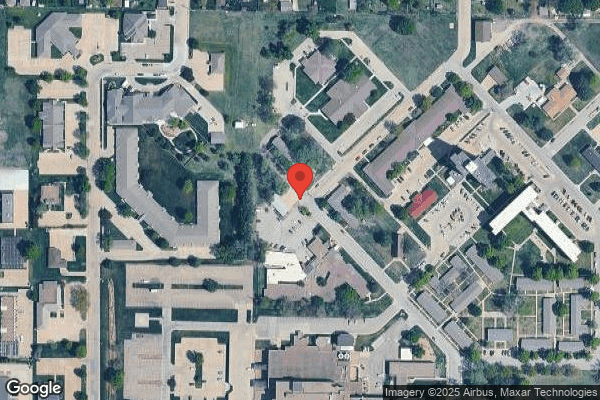
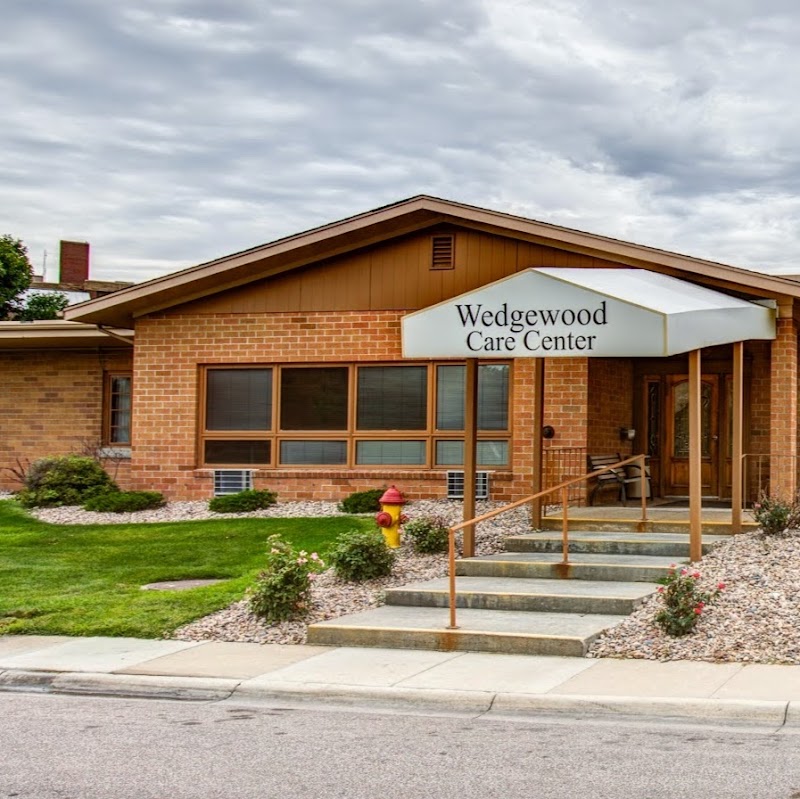
800 Stoeger Drive, Grand Island, NE 68803 (308) 382-5440
For profit - Limited Liability company 76 Beds AVID HEALTHCARE GROUP Data: November 2025 1 Immediate Jeopardy citation
Trust Grade
16/100
#169 of 177 in NE
Last Inspection: May 2025

Inspected within the last 6 months. Data reflects current conditions.

Overview

The Cedars at Broadwell has received a Trust Grade of F, indicating poor performance with significant concerns about care quality. Ranking #169 out of 177 nursing homes in Nebraska places it in the bottom half, and #6 out of 6 in Hall County means there are no better local options available. The facility's condition is worsening, with issues increasing from 9 in 2024 to 18 in 2025. Staffing is a major concern here, with a low rating of 1 out of 5 stars and a high turnover rate of 75%, well above the state average of 49%. The facility has also faced $16,801 in fines, which is higher than 82% of other Nebraska facilities, suggesting ongoing compliance issues. Critical incidents include a failure to promptly call emergency services for a resident, resulting in the resident's death, and hiring staff without proper background checks, which could put residents at risk for abuse or neglect. While there is average RN coverage, the overall conditions and recent findings indicate that families should proceed with caution when considering this facility.
Trust Score
F
16/100
In Nebraska
#169/177
Bottom 5%
Safety Record
High Risk
Review needed
Inspections
Getting Worse
9 → 18 violations
Staff Stability
⚠ Watch
75% turnover. Very high, 27 points above average. Constant new faces learning your loved one's needs.
Penalties
○ Average
$16,801 in fines. Higher than 58% of Nebraska facilities. Some compliance issues.
Skilled Nurses
○ Average
Each resident gets 37 minutes of Registered Nurse (RN) attention daily — about average for Nebraska. RNs are the most trained staff who monitor for health changes.
Violations
⚠ Watch
32 deficiencies on record. Higher than average. Multiple issues found across inspections.
★☆☆☆☆
1.0
Overall Rating
★☆☆☆☆
1.0
Staff Levels
★☆☆☆☆
1.0
Care Quality
★☆☆☆☆
1.0
Inspection Score
Stable
2024: 9 issues
2025: 18 issues

The Good

  • Full Sprinkler Coverage · Fire safety systems throughout facility
  • No fines on record

Facility shows strength in fire safety.

The Bad

1-Star Overall Rating

Below Nebraska average (2.9)

Significant quality concerns identified by CMS

Staff Turnover: 75%

28pts above Nebraska avg (46%)

Frequent staff changes - ask about care continuity

Federal Fines: $16,801

Below median ($33,413)

Minor penalties assessed

Chain: AVID HEALTHCARE GROUP

Part of a multi-facility chain

Ask about local staffing decisions and management

Staff turnover is very high (75%)

27 points above Nebraska average of 48%

The Ugly 32 deficiencies on record

1 life-threatening
May 2025 18 deficiencies
CONCERN (D)

Potential for Harm - no one hurt, but risky conditions existed

Deficiency F0552 (Tag F0552)

Could have caused harm · This affected 1 resident

**NOTE- TERMS IN BRACKETS HAVE BEEN EDITED TO PROTECT CONFIDENTIALITY** C. Record review of the admission Record dated 5/20/25 for Resident 9 revealed that Resident 9 admitted into the facility on 4/1...

Read full inspector narrative →
**NOTE- TERMS IN BRACKETS HAVE BEEN EDITED TO PROTECT CONFIDENTIALITY** C. Record review of the admission Record dated 5/20/25 for Resident 9 revealed that Resident 9 admitted into the facility on 4/1/25 with diagnoses of schizophrenia (a serious mental illness in which people interpret reality abnormally), anxiety, and major depression. Record review of the Order Summary Report (a concise listing of physician ordered treatments and medications) dated 5/19/25 for Resident 9 revealed an active order for Paliperidone (an antipsychotic medication used to treat schizophrenia ) with a start date of 4/2/25; Quetiapine (an atypical antipsychotic medication used to treat a range of mental health conditions) with a start date of 4/1/25; and Vraylar (an atypical antipsychotic medication used to treat several mental health conditions) with a start date of 4/2/25. Record review of the Care Plan dated 5/18/25 for Resident 9 revealed that Resident 9 uses psychotropic medications, antidepressants, and antipsychotics related to Schizophrenia. Record review of the MDS dated [DATE] for Resident 9 revealed that Resident 9 took antipsychotic medications. Record review of Resident 9's medical record conducted on 5/19/25 revealed no Psychotropic Medication Informed Consent forms for Resident 9. Interview on 5/20/25 at 2:15 PM with the Regional Nurse Consultant (RNC) this surveyor requested the Psychotropic Medication Informed Consent for Resident 9. Record review of a Psychotropic Medication Informed Consent form for Resident 9 provided to this surveyor on 5/20/25 at 5:04 PM revealed that the consent form was dated 5/19/25. The form had spaces for the name of the resident's physician, room number, and medical record number; these were left blank. The consent form listed the medications diazepam (an antianxiety medication), quetiapine (Seroquel- an atypical antipsychotic medication used to treat a range of mental health conditions), and mirtazapine (an antidepressant). The consent form did not list Resident 9's current psychotropic medications of Paliperidone or Vraylar. The consent form documented that verbal consent was received from the guardian of Resident 9 and was signed by the facility Social Services director (SS) and dated 5/19/25. Interview on 5/21/25 at 9:07 AM with the SS revealed that the SS could not explain why the facility had a Psychotropic Medication Informed Consent form for Resident 9 dated 5/19/25 when the resident admitted into the facility on 4/1/25. The SS revealed that the Director of Nursing (DON) took resident Psychotropic Medication Informed Consent forms to the SS to complete as needed. Record review of a copy of a Psychotropic Medication Informed Consent form for Resident 9 dated 4/1/25 that was provided by the facility on 5/21/25 revealed that the consent form listed the resident's psychotropic medications diazepam, Seroquel, Vraylar, Paliperdone, and mirtazapine. The form documented that verbal consent was obtained from the guardian of Resident 9. The consent form was signed by the facility DON and dated 4/1/25. The documentation of the guardian's name and the DON signature were not in original ink. The signature of the facility SS was documented on the bottom of the page in original ink on the copy of the consent form. Interview on 5/21/25 at 11:56 AM with the facility SS revealed that the Director of Nursing provided the Psychotropic Medication Informed Consent forms to the SS to complete. The SS revealed that the SS emails the guardian of Resident 9 to inform the guardian of any issues or information that is required to be shared with the guardian. The SS did not have any emails to the guardian of Resident 9 regarding psychotropic medication consent. The SS had emails to the guardian for other admission documents with the attached documents in the emails. There was no email for 5/19/25 to the guardian of Resident 9. There was no email to the guardian of Resident 9 for the Psychotropic Medication Informed Consent dated 4/1/25. Interview on 5/21/25 at 12:12 PM with the DON revealed that the facility Social Services found the Psychotropic Medication Informed Consent dated 4/1/25 for Resident 9 on that date and it had not been scanned into the resident medical record. The DON had the original Psychotropic Medication Informed Consent dated 4/1/25 for Resident 9 sitting on the DON's desk. This surveyor requested to review it with the DON. The original did not have the signature of the SS on it. This surveyor asked the DON why the copy of the Psychotropic Medication Informed Consent dated 4/1/25 for Resident 9 provided to this surveyor had the original ink signature of the SS and the original of the consent form did not. The DON revealed that the DON was not sure. The DON confirmed that the copy of the Psychotropic Medication Informed Consent dated 4/1/25 for Resident 9 provided to this surveyor had the original ink signature of the SS on it. The DON confirmed that the original of the Psychotropic Medication Informed Consent dated 4/1/25 for Resident 9 did not contain a signature of the SS. Interview on 5/21/25 at 12:23 PM with the SS confirmed that the SS did not find a Psychotropic Medication Informed Consent dated 4/1/25 for Resident 9. The SS confirmed that the SS did not provide a Psychotropic Medication Informed Consent form dated 4/1/25 to the DON on 5/21/25. The SS confirmed that the Director of Nursing brought the Psychotropic Medication Informed Consent dated 4/1/25 to the SS this morning and had the SS sign it. The SS revealed that the SS did not realize that they were signing a copy of the consent form. The SS confirmed that the facility is expected to obtain consent for the use of psychotropic medications prior to the start of the medications. Licensure Reference Number 175 NAC 12-006.05(D) Licensure Reference Number 175 NAC 12-006.05(E) Based on record review and interview, the facility failed to ensure that a psychotropic medication informed consent was obtained prior to residents receiving psychotropic medications for 3 (Residents 8, 54, and 9) of 5 sampled residents. The facility census was 58. Findings are: A record review of a facility policy titled Use of Psychotropic Medications dated 02/05/2025 revealed prior to initiating or increasing a psychotropic medication the resident and or representative must be informed of the benefits, risks, and alternatives for the medication. The facility will document that the resident or representative was informed in advance of the risks and benefits of the proposed care, the treatment alternatives, or other options and the preferred options. A. A record review of an admission Record indicated the facility admitted Resident 8 on 05/24/2021 with diagnoses of hemiplegia (total or partial paralysis on one side of the body that results from disease or injury to the motor centers of the brain) of the left side, type 2 diabetes mellitus (a common form of diabetes mellitus that develops especially in adults and most often in obese individuals and that is characterized by hyperglycemia resulting from impaired insulin utilization coupled with the body's inability to compensate with increased insulin production), dementia (a usually progressive condition marked by the development of multiple cognitive deficits (such as memory impairment, aphasia, and the inability to plan and initiate complex behavior), and history of stroke (a disruption of the blood flow to the brain leading to brain cell damage or death). A record review of Resident 8's comprehensive Minimum Data Set (MDS, a federally mandated comprehensive assessment tool used to determine a resident's functional capabilities and helps nursing home staff identify health problems), dated 04/04/2025 revealed Resident 8 had a Brief Interview for Mental Status (BIMS, a brief screener that aids in detecting cognitive impairment) score of 6/15 indicating severe cognitive impairment. The resident required substantial or maximum staff assistance with activities of daily living. The MDS was coded to reflect the resident received antidepressant and antipsychotic medications on a routine basis. A record review of Resident 8's Medication Administration Record for the months of April 2025 and May 2025 revealed Resident 8 had physician orders and was administered the following medications on a routine basis: -Escitalopram (and antidepressant medication) 10 milligram(mg) tablet one time daily with a start date of 11/08/2024. -Quetiapine Fumerate (an antipsychotic medication) 25 mg tablet at bedtime with a start date of 03/05/2025. In an interview completed on 05/20/2025 at 11:30 AM with the facility Social Services (SS), the SS stated psychotropic medication consents are completed and documented in the resident's medical health record. The SS confirmed there was no documentation present in Resident 8's medical health record indicating the resident or their responsible party were informed of the benefits, risks, and alternatives for the use of antidepressant and antipsychotic medications. In an interview completed on 05/20/2025 at 2:35 PM with the Director of Nursing (DON), the DON confirmed that there was no documentation present reflecting the resident or their responsible party were informed of the benefits, risks, and alternatives for the use of the antidepressant and antipsychotic medications that Resident 8 was receiving on a routine basis. The DON confirmed that documentation of this should be found in Resident 8's medical health record and was not. B. A record review of an admission Record indicated the facility admitted Resident 54 on 03/07/2025 with diagnoses of Hydrocephalus (an buildup of fluid in the cavities of the brain putting pressure on the brain potentially causing damage), type 2 diabetes mellitus (a common form of diabetes mellitus that develops especially in adults and most often in obese individuals and that is characterized by hyperglycemia resulting from impaired insulin utilization coupled with the body's inability to compensate with increased insulin production), dementia (a usually progressive condition marked by the development of multiple cognitive deficits (such as memory impairment, aphasia, and the inability to plan and initiate complex behavior). A record review of Resident 54's comprehensive Minimum Data Set (MDS, a federally mandated comprehensive assessment tool used to determine a resident's functional capabilities and helps nursing home staff identify health problems), dated 03/11/2025 revealed Resident 54 had a Brief Interview for Mental Status (BIMS, a brief screener that aids in detecting cognitive impairment) score of 13/15 indicating the resident was cognitive intact. The resident required substantial or maximum staff assistance with activities of daily living. The MDS was coded to reflect the resident received antidepressant medication on a routine basis. A record review of Resident 54's Medication Administration Record for the month of April 2025 and May 2025 revealed Resident 8 had physician orders and was administered the following medications on a routine basis: -Lexapro (an antidepressant medication) 10 mg tablet one time a day with a start date of 03/08/2025. -Mirtazapine (an antidepressant medication) 15 mg tablet at bedtime with a start date of 04/02/2025. In an interview completed on 05/20/2025 at 11:30 AM with the facility Social Services (SS), the SS stated psychotropic medication consents are completed and documented in the resident's medical health record. The SS confirmed there was no documentation present in Resident 54's medical health record indicating the resident or their responsible party were informed of the benefits, risks, and alternatives for the use of antidepressant and antipsychotic medications. In an interview completed on 05/20/2025 at 2:35 PM with the Director of Nursing (DON), the DON confirmed that there was no documentation present reflecting the resident or their responsible party were informed of the benefits, risks, and alternatives for the use of the antidepressant and antipsychotic medications that Resident 54 was receiving on a routine basis. The DON confirmed that documentation of this should be found in Resident 54 medical health record and was not.
CONCERN (D)

Potential for Harm - no one hurt, but risky conditions existed

Deficiency F0578 (Tag F0578)

Could have caused harm · This affected 1 resident

**NOTE- TERMS IN BRACKETS HAVE BEEN EDITED TO PROTECT CONFIDENTIALITY** Licensure Reference Number 175NAC 12-006.05(E) Based on record review and interview the facility failed to ensure a resident wis...

Read full inspector narrative →
**NOTE- TERMS IN BRACKETS HAVE BEEN EDITED TO PROTECT CONFIDENTIALITY** Licensure Reference Number 175NAC 12-006.05(E) Based on record review and interview the facility failed to ensure a resident wishes in regard to code status was accurately reflected in the resident's electronic medical health record for 1 resident, Resident 23 of 23 sampled residents. The facility census was 58. Findings are: A review of a facility policy titled 'Communication of Code Status and dated [DATE] revealed it is the facilities policy to adhere to the resident's rights to formulate advanced directives and to implement procedures to communicate a resident's code status. The designated sections of the medical record where a resident's code status will be documented include order entry, profile header, and care plan. A review of an admission Record revealed the facility admitted Resident 23 on [DATE] with diagnoses that included metabolic encephalopathy (a brain dysfunction caused by and underlying metabolic disorder or systemic illness, resulting in changes in mental status), obesity ( a chronic disease characterized by having to much body fat), and schizoaffective disorder (a mental illness that is characterized by disturbances in thought, perception, and behavior, by a loss of emotional responsiveness and extreme apathy, and by noticeable deterioration in the level of functioning in everyday life). The comprehensive Minimum Data Set (MDS, a federally mandated comprehensive assessment tool used to determine a resident's functional capabilities and helps nursing home staff identify health problems), dated [DATE] revealed Resident 23 had a Brief Interview for Mental Status (BIMS, a brief screener that aids in detecting cognitive impairment) score of 14 indicating the resident was cognitively intact. The residents needed supervision or touching assistance by staff with activities of daily living. Review of Resident 23's Care Plan[DATE] revealed a focus of the resident had physician orders that included a status of full code dated [DATE] with interventions listed to begin Cardiopulmonary Resuscitation (CPR, an emergency lifesaving procedure performed when the heart stops beating) if the resident has and arrest dated [DATE]. In an interview conducted on [DATE] at 2:45 PM with Resident 23 the resident stated they did not wish to have CPR performed on them. Review of Resident 23's electronic medical health record revealed on [DATE] Resident 23's responsible party signed the document titled Advanced Directive Information indicating the resident did not want to have CPR performed. Review of Resident 23's Order Entry/Provider orders on [DATE] revealed the resident had a order indicating the resident was to have CPR performed on them in event of arrest. Review of Resident 23's profile header on [DATE] revealed the resident was to have CPR performed on them in event of arrest. In an interview on [DATE] with the facility Director of Nursing (DON), the DON confirmed that Resident 23's electronic medical health record reflected that Resident 23 wished to have CPR performed on them. The DON confirmed that on [DATE] the residents responsible party had indicated that the resident did not want to have CPR performed on them and that the resident's electronic medical health record did not accurately reflect the residents wishes to not have CPR performed on them.
CONCERN (D)

Potential for Harm - no one hurt, but risky conditions existed

Deficiency F0605 (Tag F0605)

Could have caused harm · This affected 1 resident

**NOTE- TERMS IN BRACKETS HAVE BEEN EDITED TO PROTECT CONFIDENTIALITY** Licensure Reference Number 175 NAC 12-006.09(D) Based on record review and interview, the facility failed to ensure psychotropic...

Read full inspector narrative →
**NOTE- TERMS IN BRACKETS HAVE BEEN EDITED TO PROTECT CONFIDENTIALITY** Licensure Reference Number 175 NAC 12-006.09(D) Based on record review and interview, the facility failed to ensure psychotropic medications had approved indications for use for 2 (Residents 7 and 54) of 5 sampled residents. The facility census was 58. Findings are: A record review of the facility policy titled Use of Psychotropic Medications dated 02/05/2025 revealed that psychotropic medications are to be used only when a practitioner determines that the medication is appropriate to treat a resident's specific, diagnosed, and documented condition. A. A record review of a document titled Quetiapine (an antipsychotic/psychotropic medication medication) by the National Library of Medicine dated 08/28/2023 revealed Quetiapine is Food and Drug Administration (FDA) approved for use in indications of schizophrenia, acute manic episodes, and adjunctive treatment for major depressive disorder. A record review of an admission Record indicated the facility admitted Resident 8 on 05/24/2021 with diagnoses of hemiplegia (total or partial paralysis on one side of the body that results from disease or injury to the motor centers of the brain) of the left side, type 2 diabetes mellitus (a common form of diabetes mellitus that develops especially in adults and most often in obese individuals and that is characterized by hyperglycemia resulting from impaired insulin utilization coupled with the body's inability to compensate with increased insulin production), dementia (a usually progressive condition marked by the development of multiple cognitive deficits (such as memory impairment, aphasia, and the inability to plan and initiate complex behavior), and history of stroke (a disruption of the blood flow to the brain leading to brain cell damage or death). A record review of Resident 8's comprehensive Minimum Data Set (MDS, a federally mandated comprehensive assessment tool used to determine a resident's functional capabilities and helps nursing home staff identify health problems), dated 04/04/2025 revealed Resident 8 had a Brief Interview for Mental Status (BIMS, a brief screener that aids in detecting cognitive impairment) score of 6/15 indicating severe cognitive impairment. The MDS was coded to reflect the resident received antidepressant and antipsychotic medications on a routine basis. A review of Resident 8's Medication Administration Record for the months of April 2025 and May 2025 revealed Resident 8 had physician orders for, and was administered Quetiapine Fumerate 25 mg tablet at bedtime with a start date of 03/05/2025 with an indication for use of anxiety. In an interview completed on 05/20/2025 at 2:00 PM with the Director of Nursing (DON), the DON confirmed that anxiety was not an approved indication for the use of the antipsychotic medication. B. A record review of a document titled Mirtazapine (an antidepressant/psychotropic medication) by the Mayo Clinic and dated 04/01/2025 revealed the medication is used to treat an indication of depression. A record review of an admission Record indicated the facility admitted Resident 54 on 03/07/2025 with diagnoses of Hydrocephalus (an buildup of fluid in the cavities of the brain putting pressure on the brain potentially causing damage), type 2 diabetes mellitus (a common form of diabetes mellitus that develops especially in adults and most often in obese individuals and that is characterized by hyperglycemia resulting from impaired insulin utilization coupled with the body's inability to compensate with increased insulin production), dementia (a usually progressive condition marked by the development of multiple cognitive deficits (such as memory impairment, aphasia, and the inability to plan and initiate complex behavior). A record review of Resident 54's comprehensive MDS dated [DATE] revealed Resident 54 had a Brief Interview for Mental Status (BIMS, a brief screener that aids in detecting cognitive impairment) score of 13/15 indicating the resident was cognitive intact. The MDS was coded to reflect the resident received antidepressant medication on a routine basis. A review of Resident 54's Medication Administration Record for the months of April 2025 and May 2025 revealed Resident 8 had physician orders for, and was administered Mirtazapine 15 mg tablet at bedtime with a start date of 04/02/2025 with an indication for use of insomnia. In an interview completed on 05/20/2025 at 2:00 PM with the Director of Nursing (DON), the DON confirmed that anxiety was not an approved indication for the use of the antidepressant medication medication. The DON further confirmed that the resident did not have a diagnosis of insomnia in their medical health record.
CONCERN (D) 📢 Someone Reported This

A family member, employee, or ombudsman was alarmed enough to file a formal complaint

Potential for Harm - no one hurt, but risky conditions existed

Report Alleged Abuse (Tag F0609)

Could have caused harm · This affected 1 resident

Licensure Reference Number 175 NAC 12-006.02(H) Based on record review and interviews, the facility failed to report and submit an investigation for an injury of unknown origin to the State Agency and...

Read full inspector narrative →
Licensure Reference Number 175 NAC 12-006.02(H) Based on record review and interviews, the facility failed to report and submit an investigation for an injury of unknown origin to the State Agency and adult protective services within the required time frames for 1 (Resident 8) of 1 sampled resident. The facility census was 58. Findings are: A record review of a facility supplied policy titled Abuse, Neglect and Exploitation and dated 01/14/2025 revealed the facility will report all alleged violations to the administrator, state agency, adult protective services and to all other required agencies within specified time frames. Immediately, but not later then 2 hours after the allegation is made if the events that cause the allegation involve abuse or result in serious bodily injury or not later than 24 hours if the events that cause the allegation do not involve abuse and do not result in serious bodily injury. A record review of an admission Record revealed the facility admitted Resident 8 on 05/24/2021 with diagnoses of hemiplegia (total or partial paralysis on one side of the body that results from disease or injury to the motor centers of the brain) of the left side, type 2 diabetes mellitus (a common form of diabetes mellitus that develops especially in adults and most often in obese individuals and that is characterized by hyperglycemia resulting from impaired insulin utilization coupled with the body's inability to compensate with increased insulin production), dementia (a usually progressive condition marked by the development of multiple cognitive deficits (such as memory impairment, aphasia, and the inability to plan and initiate complex behavior), and history of stroke (a disruption of the blood flow to the brain leading to brain cell damage or death). A record review of Resident 8's comprehensive Minimum Data Set (MDS, a federally mandated comprehensive assessment tool used to determine a resident's functional capabilities and helps nursing home staff identify health problems), dated 04/04/2025 revealed Resident 8 had a Brief Interview for Mental Status (BIMS, a brief screener that aids in detecting cognitive impairment) score of 6/15 indicating severe cognitive impairment. The resident required substantial or maximum staff assistance with activities of daily living. The MDS was coded to reflect that the resident had a fall without injury since the prior assessment (in the past 90 days). A review of Resident 8 Care Plan on 05/19/2025 revealed the resident had a focus of being at risk and having current falls with dates listed as 07/02/024, 10/27/2024, 12/30/2024, 02/05/2025, and 04/13/2025 all were stated to be without injury. A record review of Resident 8 Progress Notes revealed on 04/23/2025 at 2:50 PM a progress note was entered stating the resident had returned from primary health care provider and had an X-Ray completed that showed a humerus (arm) fracture with healing present to both sides of the bone though not connected. The fracture was documented as being stable. A record review of Resident 8's medical health record revealed no probable/possible source of the fracture. In an interview with the Assistant Director of Nursing (ADON) on 05/20/2025 at 1:25 PM the ADON confirmed the resident's provider notified the facility of the findings of the fracture. The ADON stated that a facility's investigation led to the probable cause of the injury being a fall prior to admitting to the facility per report from the resident's responsible party. The ADON denied notification of the state agency or adult protective services and denied submitting the facility's investigation to the state agency. In an interview on 5/20/2025 at 2:00 PM with the facility Regional Director of Operations (RDO), the RDO confirmed that the facility did not report the fracture of unknown origin and did not submit a written report or investigation confirming probable/possible source of the injury.
CONCERN (D)

Potential for Harm - no one hurt, but risky conditions existed

Assessment Accuracy (Tag F0641)

Could have caused harm · This affected 1 resident

**NOTE- TERMS IN BRACKETS HAVE BEEN EDITED TO PROTECT CONFIDENTIALITY** Licensure Reference Number 175 NAC 12-006.09(D) Based on record review and interviews, the facility failed to accurately code th...

Read full inspector narrative →
**NOTE- TERMS IN BRACKETS HAVE BEEN EDITED TO PROTECT CONFIDENTIALITY** Licensure Reference Number 175 NAC 12-006.09(D) Based on record review and interviews, the facility failed to accurately code the Minimum Data Set (MDS, a federally mandated comprehensive assessment tool used to determine a resident's functional capabilities and helps nursing home staff identify health problems), for 1 (Resident 41) of 13 sampled residents. The facility census was 58. Findings are: A record review of a facility policy titled MDS 3.0 Completion revealed under the section Coding of Assessments, all disciplines shall follow the guidelines in Chapter 3 of the current Long-Term Care Facility Resident Assessment Instrument 3.0 User's Manual (RAI Manual, a document published by the Centers for Medicare & Medicaid Services (CMS) to facilitate accurate and effective resident assessment practices in long-term care facilities) for coding of each assessment. A record review of an admission Record revealed the facility admitted Resident 41 on 12/07/2023 with diagnoses of absence of left leg below the knee, chronic pain, and type 2 diabetes mellitus (a common form of diabetes mellitus that develops especially in adults and most often in obese individuals and that is characterized by hyperglycemia resulting from impaired insulin utilization coupled with the body's inability to compensate with increased insulin production). A. A record review of the RAI Manual Version 1.18.11 and dated October 2023 revealed in Chapter 3, GG0120 Mobility Devices, record the type(s) of mobility devices the resident normally uses for locomotion in the room and in the facility. Check all that apply during the 7-day observation period (the 7 days prior to the assessment refrence date). A record review of Resident 41's quarterly MDS dated [DATE] revealed section GG0120 to be coded that the resident used a walker for mobility. The use of a wheelchair for mobility was not coded on the MDS. In an interview conducted on 05/18/2025 at 11:30 AM with Resident 41, the resident stated that they used a wheelchair for mobility throughout the facility. The resident stated they did not walk or use any other assistive device. In an interview conducted on 05/19/2025 at 10:00 AM with Nurse Aide (NA)-C, NA-C stated Resident 41 rarely got out of bed. When the resident did get up the resident used a wheelchair propelled by staff or someone else for mobility throughout the facility. In an interview conducted on 05/19/2024 at 3:30 PM with the facility Regional Nurse Consultant (RNC), the RNC confirmed that the resident did not use the mobility device of a walker as coded on the MDS. The RNC confirmed that the MDS was not coded correctly reflecting the resident used a wheelchair for mobility. B. A record review of the RAI Manual Version 1.18.11 and dated October 2023 revealed in Chapter 3, J0100, received scheduled pain medication regimen with coding instructions to determine all interventions for pain provided to the resident any time in the last 5 days (5 days prior to the ARD), code yes if the medical record contains documentation that a scheduled pain medication was received. A record review of Resident 41's quarterly MDS dated [DATE] revealed section J0100 to be coded No that Resident 41's medical record did not contain documentation that a scheduled pain medication was received during the look back period (5 days prior to the ARD of 05/01/2025). A record review of Resident 41's physician orders on 05/19/2025 revealed Resident 41 had a physicians order for Hydrocodone-Acetaminophen (a combination pain medication containing an opioid and acetaminophen (Tylenol), 10-325 milligram tablet with directions for the resident to receive one tablet three times daily routinely for an indication of pain dated 12/20/2024. A record review of Resident 41's Medication Administration Record for the month of April 2025 revealed that the resident received Hydrocodone-Acetaminophen tablets routinely three times a day during the month of April 2025 including the 5 days prior to the ARD (04/27/2025-05/01/2025). In an interview conducted on 05/19/2024 at 3:30 PM with the facility RNC, the RNC confirmed that the resident had orders for and received a scheduled pain medication during the look back period and this was coded incorrectly on the MDS. C. A record review of the RAI Manual Version 1.18.11 and dated October 2023 revealed in Chapter 3, N0415 High-Risk Drug Classes directions to code 1 if the resident is taking the medication during the last 7 days (7 days prior to the assessment reference date), code 2 if there is an indication noted for taking that medication. A record review of Resident 41's quarterly MDS dated [DATE] revealed section N0415 to not be coded 1 or 2 indicating the resident did not recieve an opioid medication during the look back period (7 days prior to the ARD of 05/01/2025) and that the resident did not have an indication for an opioid medication. A record review of Resident 41's physician orders revealed Resident 41 had a physician's order for Hydrocodone-Acetaminophen 10-325 milligram tablet with directions for the resident to receive one tablet three times daily routinely for an indication of pain, with a start date of 12/20/2024. A record review of Resident 41's Medication Administration Record for the month of April 2025 revealed that the resident received the Hydrocodone-Acetaminophen tablets routinely during the month of April 2025 including the 7 days prior to the ARD (04/25/2025-05/01/2025). In an interview conducted on 05/19/2024 at 3:30 PM with the facility RNC, the RNC confirmed that Resident 41 had orders for and received a scheduled pain medication that contained an opioid during the look back period and this was coded incorrectly on the MDS.
CONCERN (D)

Potential for Harm - no one hurt, but risky conditions existed

Deficiency F0645 (Tag F0645)

Could have caused harm · This affected 1 resident

Licensure Reference Number 175 NAC 12-006.09(A)(i) Based on record review and interview the facility failed to ensure that a Preadmission Screening and Resident Review (PASRR) Nebraska Level 1 Form (a...

Read full inspector narrative →
Licensure Reference Number 175 NAC 12-006.09(A)(i) Based on record review and interview the facility failed to ensure that a Preadmission Screening and Resident Review (PASRR) Nebraska Level 1 Form (an initial pre-screening for mental illness and intellectual/developmental disabilities prior to admission) screening was completed prior to resident admission into the facility for 1 (Resident 9) of 1 sampled residents. The facility census was 58. Findings are: Record review of the facility policy titled Coordination with PASARR Program dated 1/14/25 revealed that the facility coordinates with the preadmission screening and resident review (PASARR) program under Medicaid to ensure that individuals with a mental disorder, intellectual disability, or a related condition receives care and services in the most integrated setting appropriate to their needs. All applicants to this facility will be screened for serious mental disorders or intellectual disabilities in accordance with the State's Medicaid rules for screening. PASARR Level 1 is an initial pre-screening that is completed prior to admission. Record review of the admission Record dated 5/20/25 for Resident 9 revealed that Resident 9 admitted into the facility on 4/1/25 with diagnoses of schizophrenia (a serious mental illness in which people interpret reality abnormally), anxiety, and major depression. Record review of the medical record for Resident 9 revealed that it did not contain a completed Level 1 PASRR evaluation for Resident 9. Interview on 5/20/25 at 12:24 PM with the facility Director of Nursing (DON) confirmed that a PASRR Level 1 screening should have been completed prior to allowing Resident 9 to admit into the facility. The DON confirmed that the facility did not complete a PASRR level 1 screening for Resident 9 as required.
CONCERN (D)

Potential for Harm - no one hurt, but risky conditions existed

Quality of Care (Tag F0684)

Could have caused harm · This affected 1 resident

**NOTE- TERMS IN BRACKETS HAVE BEEN EDITED TO PROTECT CONFIDENTIALITY** Licensure Reference Number 175 NAC 12-006.09 Based on interview and record review the facility failed to ensure bowel care servi...

Read full inspector narrative →
**NOTE- TERMS IN BRACKETS HAVE BEEN EDITED TO PROTECT CONFIDENTIALITY** Licensure Reference Number 175 NAC 12-006.09 Based on interview and record review the facility failed to ensure bowel care services were provided for 3 residents (Residents 8, 54, and 26) of 5 sampled residents. The facility census was 58. Findings are: A. A record review of an admission Record revealed the facility admitted Resident 8 on 05/24/2021 with diagnoses of hemiplegia (total or partial paralysis on one side of the body that results from disease or injury to the motor centers of the brain) of the left side, type 2 diabetes mellitus (a common form of diabetes mellitus that develops especially in adults and most often in obese individuals and that is characterized by hyperglycemia resulting from impaired insulin utilization coupled with the body's inability to compensate with increased insulin production), dementia (a usually progressive condition marked by the development of multiple cognitive deficits (such as memory impairment, aphasia, and the inability to plan and initiate complex behavior), and history of stroke (a disruption of the blood flow to the brain leading to brain cell damage or death). A record review of Resident 8's comprehensive Minimum Data Set (MDS, a federally mandated comprehensive assessment tool used to determine a resident's functional capabilities and helps nursing home staff identify health problems), dated 04/04/2025 revealed Resident 8 had a Brief Interview for Mental Status (BIMS, a brief screener that aids in detecting cognitive impairment) score of 6/15 indicating severe cognitive impairment. The resident required substantial or maximum staff assistance with activities of daily living. The MDS was coded to reflect the resident was frequently incontinent of bowel, not on a bowel toileting program, and constipation was not present at the time of the assessment. A record review of Resident 8's POC Response History conducted on 05/19/2025 revealed that the resident had no documented bowel movement on 05/11/2025, 05/12/2025, 05/13/2025, 05/14/2025, 05/15/2025, 05/16/2025, or 05/17/2025. A record review of Resident 8's Progress Notes revealed no documentation present of interventions or assessments related to Resident 8 not having a bowel movement from 05/11/2025 through 05/17/2025. A record review of Resident 8's Medication Administration Record (MAR) for the month of May 2025 revealed no documentation of administration of as needed cathartic (a medication used to increase bowel movements) medication during the month. In an interview completed on 05/21/2025 at 3:25 PM with the Assistant Director of Nursing (ADON), the ADON confirmed that Resident 8 had no documented bowel movement from 05/11/2025 through 05/17/2025. The ADON also confirmed that the resident's Medical Health Record also contained no documentation of an intervention to promote a bowel movement or documentation of a bowel assessment being completed were present for Resident 8. The ADON confirmed that both should be present in the resident's Medical Health Record. B. A record review of an admission Record indicated the facility admitted Resident 54 on 03/07/2025 with diagnoses of Hydrocephalus (an buildup of fluid in the cavities of the brain putting pressure on the brain potentially causing damage), type 2 diabetes mellitus (a common form of diabetes mellitus that develops especially in adults and most often in obese individuals and that is characterized by hyperglycemia resulting from impaired insulin utilization coupled with the body's inability to compensate with increased insulin production), dementia (a usually progressive condition marked by the development of multiple cognitive deficits (such as memory impairment, aphasia, and the inability to plan and initiate complex behavior). A record review of Resident 54's comprehensive MDS, dated [DATE] revealed Resident 54 had a BIMS score of 13/15 indicating the resident was cognitive intact. The resident required substantial or maximum staff assistance with activities of daily living. The MDS was coded to reflect the resident was frequently incontinent of bowel, not on a bowel toileting program, and constipation was not present at the time of the assessment. A record review of Resident 54's POC Response History conducted on 05/19/2025 revealed that the resident had no documented bowel movement on 04/23/2025, 04/24/2025, and 04/25/2025. Resident 54 also had no documented bowel movement on 05/04/2025, 05/05/2025, 05/06/2025, and 05/07/2025. A record review of Resident 54's Progress Notes revealed no documentation present of interventions or assessments related to Resident 54 not having a bowel movement from 04/23/2025 through 04/25/2025 or 05/04/2025 through 05/07/2024. A record review of Resident 54's MAR for the month of April 2025 revealed no documentation of administration of as needed cathartic (a medication used to increase bowel movements) medication during the month. A record review of Resident 54's MAR for the month of May 2025 revealed no documentation of administration of as needed cathartic medication during the month. In an interview completed on 05/21/2025 at 3:25 PM with the Assistant Director of Nursing (ADON), the ADON confirmed that Resident 54 had no documented bowel movement from 04/23/2025 through 04/25/2025 and 05/04/2025 through 05/07/2024. The ADON also confirmed that the residents Medical Health Record also contained no documentation of an intervention to promote a bowel movement or documentation of a bowel assessment being completed were present for Resident 54. The ADON confirmed that both should be present in the resident's Medical Health Record. C. A record review of an admission Record dated 05/19/2025 for Resident 26 revealed an admission date of 09/18/2024, with an admitting diagnosis of Type 2 Diabetes Mellitus with foot ulcer (open wound on the foot that occurs in people with diabetes), and palliative care (specialized medical care for individuals with serious illnesses, focusing on relieving symptoms, managing pain, and improving quality of life). A record review of Resident 26's MDS dated [DATE] revealed Resident 26's BIMS score was 15/15, indicating the resident was cognitively intact. During an interview on 05/18/2025 at 8:30 AM, Resident 26 reported not having a bowel movement (BM) in the last 2 weeks. When asked if they are aware of when they need to have a BM or if they are aware of when they have had a BM, Resident 26 reported; yes I am aware. A record review of Point of Care (POC; documentation of care that happens at the moment of occurrence) dated 5/19/2025 of bowel movements for Resident 26 revealed a look back period of 30 days ending on 05/18/2025, the last documented BM was dated 05/03/2025. A record review of an order summary for Resident 26, dated 05/19/2025 revealed the following orders: -Bisacodyl Laxative Rectal Suppository 10 MG (milligram), insert 1 suppository rectally every 72 hours as needed for constipation. Give on day 3 if no BM; order start date of 04/14/2025. -Miralax Oral Powder 17 GM (grams)/Scoop. Give 1 scoop by mouth every 48 hours as needed for constipation. Give on day 2 if no BM, mix in 4-6 OZ of liquid of choice; order start date of 05/02/2025. A record review of Medication Administration Review (MAR; summary of daily medication administrations) dated 5/19/2025 for May 2025 revealed: - Bisacodyl Laxative Rectal Suppository: not provided in the month of May 2025. - Miralax Oral Powder 17 GM/SCOOP: not provided in the month of May 2025. A record review of a Care Plan Report dated 05/19/2025 revealed a focus of Nutritional Status: Resident is on a Consistent or Controlled Carbohydrate diet (CCHO; diet that regulates blood sugar levels and prevents large fluctuations). Hospice Care-4/2025. The care plan revealed a constipation goal of: Resident will maintain a normal bowel elimination pattern. There was an intervention of: Monitor and record bowel movements (BM) daily. For absence of BM for 3 or more days, follow physician's orders, if present, for administration of a laxative. If no subsequent BM after PRN (as needed) administration of laxative, notify physician for further orders. Care plan focus/goal/intervention initiation date of 05/18/2025. A record review of a Hospice Plan of Care dated 04/29/2025 revealed: -Order Description: Skilled Nurse to provide instructions regarding measures to control constipation. -Goals: Patient/Caregiver will verbalize bowel program to prevent constipation complications within 2 days. An interview with the Director of Nursing (DON) on 5/19/2025 at 12:41 PM revealed the bowel protocol is whatever the doctor orders, the resident is to follow. In an interview completed on 05/21/2025 at 3:25 PM with the Assistant Director of Nursing (ADON), the ADON confirmed that the resident had no documented bowel movment. The ADON also confirmed that the residents Medical Health Record also contained no documentation of an intervention to promote a bowel movement or documentation of a bowel assessment being completed were present for Resident 26. The ADON confirmed that both should be present in the residents Medical Health Record. In an interview completed on 05/20/2025 at 10:30 AM with the facility Regional Nurse Consultant (RNC), the RNC stated the facility did not have a written bowel protocol. The RNC stated that an intervention to promote a bowel movement and an assessment by the nurse on day 3 of the resident not having a bowel movement was the expectation of the facility and documentation reflecting this should be present in the residents Medication Administration Record and or Progress Notes. In an interview completed on 05/21/2025 at 1:20 PM with Registered Nurse (RN)-K, RN-K stated the night shift runs the bowel movement list. Residents who have not had a bowel movement in 3 days documented are to receive an intervention to promote them to have a bowel movement and this is to be recorded in the residents Medication Administration Record and a bowel assessment is to be documented in the resident's progress notes with the intervention provided to the resident.
CONCERN (D)

Potential for Harm - no one hurt, but risky conditions existed

Deficiency F0688 (Tag F0688)

Could have caused harm · This affected 1 resident

Licensure Reference Number 175 NAC 12-006.09(H)(v) Based on observation and interview the facility failed to ensure 1 (Resident 41) of 1 sampled resident maintained their range of motion (full movemen...

Read full inspector narrative →
Licensure Reference Number 175 NAC 12-006.09(H)(v) Based on observation and interview the facility failed to ensure 1 (Resident 41) of 1 sampled resident maintained their range of motion (full movement potential of a joint) to promote the resident's highest practicable level of independence. The facility census was 58. Findings are: A record review of a facility policy titled Prevention of Decline in Range of Motion dated 2024 revealed residents who enter the facility without limited range of motion will not experience a reduction in range of motion unless the resident's clinical condition demonstrated that a reduction in range of motion is unavoidable. A record review of an admission Record revealed the facility admitted Resident 41 on 12/07/2023 with diagnoses of absence of left leg below the knee, chronic pain, and type 2 diabetes mellitus (a common form of diabetes mellitus that develops especially in adults and most often in obese individuals and that is characterized by hyperglycemia resulting from impaired insulin utilization coupled with the body's inability to compensate with increased insulin production). A record review of Resident 41's quarterly Minimum Data Set (MDS, a federally mandated comprehensive assessment tool used to determine a resident's functional capabilities and helps nursing home staff identify health problems), dated 05/01/2025 revealed Resident 41 had a Brief Interview for Mental Status (BIMS, a brief screener that aids in detecting cognitive impairment) score of 14/15 indicating the resident was cognitive intact. The resident needed supervision or touching assistance with eating and oral hygiene and was dependent on staff assistance with bed mobility and transfers using a full body lift. The MDS was coded that the resident had impaired range of motion to one upper extremity and both lower extremities. A record review of Resident 41's Care Plan conducted on 05/19/2025 revealed no focus area or interventions related to the resident's impaired range of motion to their upper and lower extremities. In an interview completed on 05/18/2025 at 11:15 AM with Resident 41, Resident 41 stated they were gradually losing the ability to use their hands. The resident held up their left hand and stated, indicating to their middle and third finger, see those two fingers are just curling and I can not straighten them any longer. The resident also stated due to progressively losing the use of their hands they had a more difficult time feeding themself and pulling themself from side to side and up in bed. The resident stated they used to be able to do these things. In an observation completed on 05/18/2025 at 12:35 PM of Resident 41 eating, it was observed that Resident 41 was having difficulty using their hands to grasp items from their dining tray. The resident would attempt to grasp their fork and use the fork to bring food to their mouth. The resident would lose their grip on the fork and the food would fall off the fork and back onto their food tray. It would often take the resident 2 or 3 attempts to get a bite of food into their mouth. In an observation completed on 05/19/2025 at 1:10 PM Nurse Aide (NA)-C lowered the head of Resident 41's bed. The NA encouraged the resident to grasp their trapeze bar and use their arms to assist to adjust their position in their bed. The resident attempted to grasp the bar independently with both of their hands and was unable to do this. The NA had to assist the resident to grasp the bar. The NA then grasped the resident's sheet and pulled the resident up in their bed. In an interview completed on 05/19/2025 at 1:25 PM with NA-C, NA-C stated Resident 41 was having a more difficult time holding their spoon or fork to feed themselves. The NA stated the resident used to be able to use their arms and help staff adjust their position in bed, but they could no longer do this and the resident told staff it was due to their hands not working and arms being weak. In an observation completed on 05/19/2025 at 1:45 PM of wound care being provided to Resident 41 by the Assistant Director of Nursing in Training (ADT), the ADT assisted the resident onto their left side the ADT encouraged the resident to hold their position on their left side by using their right arm and holding on to the positioning bar at the left side of their bed. The resident stated their arm was too weak and they could not hold themselves over. The Assistant Director of Nursing (ADON) placed their hands on the resident's back and assisted to hold the resident over on their left side. In an interview competed on 05/20/2025 at 9:40 AM with the facility Director of Rehab (DOR), the DOR stated that each resident is screened for therapy needs and changes in activities of daily living every 90 days following the resident's MDS schedule. The DOR confirmed that Resident 41 had been due for a quarterly review at the beginning of May 2025. The DOR stated an eye on therapy screen/evaluation was not competed for Resident 41. The DOR stated a meeting was held and that nursing staff reported no changes in the level of care provided by staff to Resident 41. The DOR confirmed that the resident was dependent on staff assistance for bed mobility and a decline in this level of function would not be detected in documentation only. The DOR denied knowledge of Resident 41's fingers on their left-hand curling/contracting inwards towards their palm and knowledge of the resident having weakness and decrease in function of their arms/upper extremities. The DOR confirmed that this is a change for the resident since their prior level of function.
CONCERN (D)

Potential for Harm - no one hurt, but risky conditions existed

Deficiency F0712 (Tag F0712)

Could have caused harm · This affected 1 resident

**NOTE- TERMS IN BRACKETS HAVE BEEN EDITED TO PROTECT CONFIDENTIALITY** Licensure Reference Number 175NAC 12-006.08(B)(i) Based on observation, record review, and interview the facility failed to ensu...

Read full inspector narrative →
**NOTE- TERMS IN BRACKETS HAVE BEEN EDITED TO PROTECT CONFIDENTIALITY** Licensure Reference Number 175NAC 12-006.08(B)(i) Based on observation, record review, and interview the facility failed to ensure that the physician completed the initial post-admission visit (30 day visit) for 2 of 4 residents reviewed (Residents 38 and 25). The facility census was 58. Findings are: A. Record review of the facility policy titled Physician Visits and Physician Delegation dated 4/1/24 revealed that it is the policy of the facility to ensure that the physician takes an active role in supervising the care of residents. The physician should see the resident within 30 days of initial admission to the facility. The resident must be seen at least once every 30 calendar days for the first 90 calendar days after admission. Required visits after the initial visit may alternate between personal visits by the physician and visits by a physician assistant, nurse practitioner, or clinical nurse specialist under the supervision of a physician. The section titled Authority for Non-Physician Practitioners to Perform Visits revealed that the Physician Assistant, Nurse Practitioner, or Clinical Nurse Specialist may not perform the initial comprehensive visit in a skilled nursing facility. Observation on 5/20/25 at 2:32 PM at the facility C-D area nurse's station revealed that Physician Assistant (PA)-I sat at the nurse's station and visited with an unidentified nurse. Interview on 5/20/25 at 2:32 PM with PA-I confirmed that PA-I was a Physician Assistant. PA-I revealed that PA-I was in the facility a couple of times a week. Record review of the admission Record dated 5/20/25 for Resident 38 revealed that Resident 38 admitted into the facility on [DATE]. Record review of the progress note dated 12/20/24 at 2:10 PM for Resident 38 revealed that the note documented the visit by PA-I (a non-physician provider) for care management with the Chief complaint documented as new admit. The progress note revealed a care code identifying the visit by PA-I as the skilled nursing initial nursing facility care visit. (The initial visit after resident admission was completed by the non-physician provider and not by the physician). Interview on 5/21/25 at 4:06 PM with the facility Director of Nursing (DON) confirmed that provider PA-I is a Physician Assistant and not a physician. The DON confirmed that the initial provider visit for Resident 38 on 12/20/24 was performed by PA-I and not by a physician as required. B. Record review of an admission Record dated 05/19/2025 for Resident 25 revealed an admission date of 02/07/2025. Further review revealed Resident 25 admitted from another nursing facility. Record review of Resident 25's files revealed no evidence Resident 25 was seen within the 30-day initial visit. A record review of a 30 day from admission physician visit for Resident 25 was revealed to have happened on 03/19/2025. A record review of a 60 day from admission physician visit for Resident 25 was revealed to have happened on 4/25/2025. An interview on 05/21/2025 at 4:39 PM with the Regional Nurse Consultant (RNC) confirmed a physician visit was not completed within the required 30 days for Resident 25.
CONCERN (D)

Potential for Harm - no one hurt, but risky conditions existed

Dental Services (Tag F0791)

Could have caused harm · This affected 1 resident

Licensure Reference Number 175 NAC 12-006.14 Based on observation, interview, and record review; the facility failed to promptly provide and obtain dental services for 1 (Resident 41) of 4 sampled res...

Read full inspector narrative →
Licensure Reference Number 175 NAC 12-006.14 Based on observation, interview, and record review; the facility failed to promptly provide and obtain dental services for 1 (Resident 41) of 4 sampled residents. The facility census was 58. Findings are: In an interview completed on 05/18/2025 at 11:50 PM with Resident 41, Resident 41 stated they had multiple broken teeth. The resident denied seeing a dentist since being admitted to the facility in 2023. The resident voiced discomfort to mouth/teeth only when chewing tough or hard items and would like to see the dentist. Resident stated they had not been asked about needing or wanting to see the dentist. In an observation completed on 05/18/2025 at 11:55 PM of Resident 41's teeth, it was observed on the lower left side of the resident's mouth, their back teeth had holes present to the top of 2 of the teeth. A record review of an admission Record revealed the facility admitted Resident 41 on 12/07/2023 with diagnoses of absence of left leg below the knee, chronic pain, and type 2 diabetes mellitus (a common form of diabetes mellitus that develops especially in adults and most often in obese individuals and that is characterized by hyperglycemia resulting from impaired insulin utilization coupled with the body's inability to compensate with increased insulin production). A record review of Resident 41's quarterly Minimum Data Set (MDS, a federally mandated comprehensive assessment tool used to determine a resident's functional capabilities and helps nursing home staff identify health problems), dated 05/01/2025 revealed Resident 41 had a Brief Interview for Mental Status (BIMS, a brief screener that aids in detecting cognitive impairment) score of 14/15 indicating the resident was cognitive intact. The resident needed supervision or touching assistance with eating and oral hygiene and was dependent on staff assistance with bed mobility and transfers using a full body lift. The MDS was coded that the resident did not have broken or loosely fitting full or partial dentures or mouth or facility pain or discomfort. A record review of Resident 41's Care Plan on 05/19/2025 revealed a focus of the resident being at risk for oral or dental health problems with a goal of the resident will be free of infection, pain or bleeding in the oral cavity through the review date, both dated 12/26/2023. Interventions were listed to provide mouth care and provide oral hygiene daily. The resident had a focus area stating the resident was at risk for alteration in nutrition due to chronic periodontitis (a chronic inflammation that damages the tissues and bone supporting the teeth). In an interview completed on 05/20/2025 at 2:30 PM with the Regional Nurse Consultant (RNC), the RNC confirmed that the resident had not been seen by a dentist since admission to the facility.
CONCERN (D)

Potential for Harm - no one hurt, but risky conditions existed

Deficiency F0800 (Tag F0800)

Could have caused harm · This affected 1 resident

Licensure Reference Number 175 NAC 12-006.0911(A) Based on observation, record reviews, and interviews; the facility failed to ensure 1 resident, (Resident 52) of 1 sampled resident received diet and...

Read full inspector narrative →
Licensure Reference Number 175 NAC 12-006.0911(A) Based on observation, record reviews, and interviews; the facility failed to ensure 1 resident, (Resident 52) of 1 sampled resident received diet and preferences as requested. The facility census was 58. Findings are: An observation on 05/20/2025 at 1:10 PM, Resident 52 sat in their room in front of a meal provided by the kitchen. During an interview on 05/20/2025 at 1:10 PM, Resident 52 reported wanting to go to the bank to get money to buy their own food. Resident 52 further revealed they cannot eat the food; the hot dog has pork in it. A record review of a meal ticket on 05/20/2025 for Resident 52 revealed: Diet: Renal (A renal diet is one that is low in sodium, phosphorous and protein; a diet that cuts down on the amount of waste in their blood) Texture: Regular Diet/Other: No Added Salt (NAS), No Pork or Pork by Products Fluid Restriction: 1500 Beverages: Fluid Restriction: 8 oz fruit drink Menu: Roasted Pork Loin Buttered Noodles Broccoli & Cauliflower Diced Peaches Dinner Roll/2 teaspoon (tsp) margarine Beverage Other Menu Options: Pork Patty on Bun Hamburger on Bun Renal Vegetable Soup Grilled Swiss Cheese Sandwich Below the ticket revealed handwritten, HD for Hot Dog An observation on 05/20/2025 at 1:10 PM, Resident 52's tray and plate revealed the items: Hot Dog on a bun, O'Brien Potatoes, Broccoli and Cauliflower, Dinner Roll with 2 tsp margarine, Diced Peaches, Cup of Red Fruit Juice. An interview on 05/20/2025 at 1:15 PM, the Certified Dietary Manager (CDM) revealed knowledge of Resident 52 and the type of diet and preferences to which they have requested. Further interview the CDM revealed that the resident had a hot dog and the hot dogs they purchase are made of beef products. This surveyor requested access to the hot dogs to determine its contents. On 05/20/2025 at 1:20 PM the CDM searched for the hot dog contents in the fridge, which did not display its contents, the freezer box of hot dogs stated, all meat not displaying its contents. The CDM stated they will pull up the contents on the computer from the site in which they order the products. The order number was referenced to the product which revealed the hot dog products were called Frankfurter All Meat 8x1x6 inch (in). Made of Beef and Pork blend. An interview on 05/20/2025 at 2:51 PM with Resident 52's Power of Attorney (POA; authorizes another person to make decisions concerning your property and/or healthcare decisions) revealed the family has strict dietary guidelines revered towards religious restrictions to not ingest any pork or pork by-products; this must be adhered to under any circumstance. When asked if they spoke with anyone regarding dietary restrictions, the POA stated yes, but unsure who it was. A record review of Resident 52's admission Record revealed an admission date of 02/19/2025 with an admitting diagnosis of nontraumatic intracerebral hemorrhage (a type of stroke), dysphasia (a disorder that affects a person's ability to understand or express language), malnutrition, and dependence on renal dialysis. A record review of Resident 52's Minimum Data Set (MDS, a federally mandated comprehensive assessment tool used to determine a resident's functional capabilities and helps nursing home staff identify health problems) dated 02/23/2025 revealed Resident 52's Brief Interview for Mental Status (BIMS, a brief screener that aids in detecting cognitive impairment) score: 7/15 13-15: cognitively intact, 8-12: moderately impaired, 0-7: severe impairment. A record review of Resident 52's Care Plan dated 02/20/2025 revealed: -Dietary Manager to discuss food preferences with resident or family upon admission and then as needed to meet resident's dietary needs. An interview on 05/20/2025 1:20 PM the CDM revealed that dietary staff were not following dietary restrictions listed on Resident 52's meal ticket. An observation on 05/21/2025 at 8:45 AM revealed Resident 52 lying in bed and a breakfast tray on the side table. On the breakfast tray has two empty bowls of breakfast cereal, uneaten toast, a banana, 2 empty cups of milk and a full glass of orange juice. When asked are you going to eat the remaining items, the resident stated, no, I cannot. A record review of a meal ticket on 05/21/2025 at 8:45 AM for Resident 52 revealed: Diet: Renal Texture: Regular Diet/Other: No Added Salt (NAS), No Pork or Pork by Products Fluid Restriction: 1500 Beverages: Fluid Restriction: 8-ounce (oz) milk, 6 oz orange juice Menu: Assorted Juice (No Citrus) Hot or Cold Cereal Scrambled Egg Sandwich Fruit Cup (No Citrus or Banana) Milk, Whole An interview with the CDM on 05/21/2025 at 8:51 AM revealed that dietary staff were not following dietary restrictions listed on the resident meal ticket. The CDM agreed that other options should have been offered or provided to Resident 52 due to dietary restrictions and renal diet.
CONCERN (F)

Potential for Harm - no one hurt, but risky conditions existed

Abuse Prevention Policies (Tag F0607)

Could have caused harm · This affected most or all residents

Licensure Reference Number 175 NAC 12-006.04(A)(iii)(2)(a) Based on observation, record review, and interview; the facility failed to ensure that Nurse Aide Registry Checks (a state required record of...

Read full inspector narrative →
Licensure Reference Number 175 NAC 12-006.04(A)(iii)(2)(a) Based on observation, record review, and interview; the facility failed to ensure that Nurse Aide Registry Checks (a state required record of a successful completion of training and competency to be a nurse aide and any findings of abuse, neglect, or misappropriation of property) were completed prior to hire as required for 4 of 5 sampled staff. This had the potential for residents to be cared for by staff with adverse findings related to abuse or neglect. The facility census was 58. Findings are: Record review of the facility policy titled Abuse, Neglect and Exploitation dated 1/14/25 revealed that it is the policy of the facility to provide protections for the health, welfare and rights of each resident by developing and implementing written policies and procedures that prohibit and prevent abuse, neglect, exploitation, and misappropriation of resident property. Potential employees will be screened for a history of abuse, neglect, exploitation, or misappropriation of resident property. Background, reference, and credentials' checks shall be conducted on potential employees. The facility will maintain documentation of proof that the screening occurred. A. Observation on 5/21/25 at 8:36 AM outside of the room of Resident 28 revealed that Nurse Aide (NA)-D exited the resident's room. Record review of the undated and untitled list of facility employees revealed that NA-D had a hire date of 1/9/25. Record review of the employee file (a file containing required employee registry and criminal background checks and other facility employee records) for NA-D revealed that it contained a Nurse Aide Registry Check for NA-D dated 5/1/25 (this was almost 4 months after NA-D started working in the facility). The employee file contained documentation of initial orientation training dated 1/9/25 for NA-D. Interview on 5/19/25 at 4:18 PM with the Facility Administrator (FA) confirmed that pre-employment background and registry checks for potential employees means the expectation is for the checks to be completed before they start working in the facility. The FA confirmed that this included Nurse Aide Registry checks. Interview on 5/19/25 at 4:25 PM with the FA confirmed that the nurse aide registry check for NA-D was not completed prior to their hire date as required. B. Observation on 5/20/25 at 2:24 PM near the room of Resident 8 revealed that Medication Aide (MA)-B stood at the medication cart and assisted Resident 8. Record review of the undated and untitled list of facility employees revealed that MA-B had a hire date of 2/19/25. Record review of the employee file for MA-B revealed that it contained a Nurse Aide Registry check for MA-B dated 4/1/25 (this was almost 2.5 months after MA-B started in the facility). The employee file contained documentation of initial orientation training dated 2/19/25 for MA-B. Interview on 5/19/25 at 4:25 PM with the FA confirmed that the nurse aide registry check for MA-B was not completed prior to their hire dated as required. C. Record review of the undated and untitled list of facility employees revealed that Licensed Practical Nurse (LPN)-F had a hire date of 1/20/25. Record review of the employee file for LPN-F revealed that it did not contain a Nurse Aide Registry Check for LPN-F. The employee file contained documentation of initial orientation training dated 1/20/25 for LPN-F. Interview on 5/19/25 at 4:25 PM with the FA confirmed that the facility did not perform a check of the Nurse Aide Registry for LPN-F as required. D. Observation on 5/20/25 at 3:10 PM at the facility courtyard/vending area revealed that Hospitality Aide (HA)-E informed the 5 residents in the area that HA-E would assist them out to smoke. HA-E opened the courtyard door and allowed self-mobile residents to enter the courtyard. HA-E returned to assist Resident 18 to the courtyard by pushing the resident out to the courtyard in the resident's wheelchair. Record review of the undated and untitled list of facility employees revealed that HA-E had a hire date of 2/24/25. Record review of the employee file for HA-E revealed that it did not contain a Nurse Aide Registry Check for HA-E. The employee file contained documentation of initial orientation training dated 2/24/25 for HA-E. Interview on 5/19/25 at 4:25 PM with the FA confirmed that the facility did not perform a Nurse Aide Registry check for HA-E as required.
CONCERN (F) 📢 Someone Reported This

A family member, employee, or ombudsman was alarmed enough to file a formal complaint

Potential for Harm - no one hurt, but risky conditions existed

Staffing Information (Tag F0732)

Could have caused harm · This affected most or all residents

Based on observation, record review, and interview the facility failed to ensure that the Daily Nurse Staff posting was posted as required. This had the potential to affect all residents residing with...

Read full inspector narrative →
Based on observation, record review, and interview the facility failed to ensure that the Daily Nurse Staff posting was posted as required. This had the potential to affect all residents residing within the facility. The facility census was 58. Findings are: Record review of the facility policy titled Nurse Staffing Posting Information dated 2/5/25 revealed that it is the facility policy to make nurse staffing information readily available in a readable format to residents, staff, and visitors at any given time. The Nurse Staffing Sheet will be posted on a daily basis and will contain the following information: Facility name; the current date; current resident census; the total number and the actual hours worked by the following categories of licensed and unlicensed nursing staff directly responsible for resident care per shift-Registered Nurses, Licensed Practical Nurses, and Nurse Aides. The policy also revealed that the facility will post the Nurse Staffing Sheet at the beginning of each shift. The information posted will be in a prominent place readily accessible to residents, staff, and visitors. Nursing schedules and posting information will be maintained in the Human Resources Department for review for a minimum of 18 months. Observation on 5/18/25 at 10:00 AM during a facility walk-through revealed no daily nursing staff posting in the facility. Observation on 5/19/25 from 7:29 AM through 7:39 AM during a facility walk-through revealed no daily nurse staffing posting present in the facility. A daily nurse staffing post was not in place anywhere in the facility including at entry doors, at nurse's stations, or any other locations within the facility. Observation on 5/19/25 at 3:34 PM throughout all areas of the facility including the administrative front office area, front lobby, dining room, C-D hall and nurse's station, Administrator's office wall across from laundry, A-B hall and nurse's station, and transport entrance revealed no daily nurse staffing posted in the facility. Observation on 5/20/25 from 7:43 AM through 7:52 AM revealed no daily nurse staff posting in the front lobby, administrative offices area, dining room, C-D unit halls, C-D nurse's station, area outside administrator's office, or the facility A-B unit halls or nurse's station. Observation on 5/20/25 at 11:57 AM this surveyor asked the Facility Administrator (FA) to show this surveyor where the daily nurse staffing is posted for residents and visitors to see. The FA went to the Regional Director of Operations (RDO) to ask the RDO about the daily nurse staff posting. The RDO took this surveyor to the C-D nurse's station to point out the location for the posting. A plexiglass frame on the outside of the nurse's station wall revealed no posting of daily nurse staffing. Interview on 5/20/25 at 11:57 AM with the RDO confirmed that the daily nurse staffing was not posted in the facility as required. The RDO revealed that the RDO would post the daily nurse staffing. The RDO confirmed that there was the frame at the C-D nurse's station for the daily nurse staffing to be posted as well as the one at the A-B nurse's station. Observation on 5/20/25 at 12:59 PM at the C-D nurse's station revealed that the daily nurse staff posting had not been posted. Observation on 5/20/25 at 1:01 PM at the A-B nurse's station revealed that the daily nurse staff posting had not been posted. Observation on 5/21/25 at 7:51 AM outside the C-D nurse's station revealed that the holder for the daily nurse staff posting did not contain the daily nurse staffing posting. Observation on 5/21/25 at 7:53 AM outside the A-B nurse's station revealed that the holder for the daily nurse staff posting did not contain the daily nurse staffing posting. (the facility had not posted the daily nurse staffing as required at any time during the facility recertification survey).
CONCERN (F) 📢 Someone Reported This

A family member, employee, or ombudsman was alarmed enough to file a formal complaint

Potential for Harm - no one hurt, but risky conditions existed

Deficiency F0761 (Tag F0761)

Could have caused harm · This affected most or all residents

Licensure Reference Number 175 NAC 12-006.12(E)(1) Based on observation, interview, and record review the facility failed to ensure stock medication bottles were labeled with the date indicating when ...

Read full inspector narrative →
Licensure Reference Number 175 NAC 12-006.12(E)(1) Based on observation, interview, and record review the facility failed to ensure stock medication bottles were labeled with the date indicating when they bottle was opened or should be discarded for 2 (Residents 17 and 23) of 3 sampled residents and the facility failed to store medication in a sanitary manner which had the potential to affect all the residents receiving medications from the facility. The facility census was 58. Findings are: A. A record review of a facility policy titled Labeling of Medications and Biologicals dated 2025 revealed labels for stock medications must include the original manufacturer's or pharmacy applied label and the expiration date. In an observation of medication administration on 05/19/2025 from 8:15 AM to 9:15 AM by Medication Aide (MA)-B the following was observed: -MA-B removed a white bottle with purple lid from the medication cart. The MA emptied white powder into the purple lid then poured the white powder into a clear 8 ounce cup. The MA then placed the cap back on the bottle and placed to bottle on top of the medication cart. The MA poured water into the cup and stirred to mix the powder in the cup. The MA then took the mixture to Resident 17 and the resident drank the solution. There was no date written on the bottle reflecting when the bottle was opened. -MA-B removed a white stock medication bottle from the medication cart. The MA removed a pill from the bottle and placed it in a clear medication cup with other medications prepared for Resident 23. The MA placed the bottle on top of the medication cart. There was no date written on the bottle reflecting when the bottle was opened. In an interview completed on 05/19/2025 at 9:00 AM with MA-B, MA-B confirmed that the date the bottle was opened should be written on the bottles. The MA confirmed that no date was written on the bottles. In an interview completed on 05/19/2025 at 9:15 AM with the Assistant Director of Nursing (ADON), the ADON confirmed that the date the bottle was opened should be written on each bottle. The ADON confirmed that the bottles did not have the date written on them and it should have been. B. A record review of a facility policy titled Medication Storage dated 2025 revealed it is the policy of the facility to ensure all medications housed in the facility will be stored to ensure proper sanitation. In an observation completed on 05/19/2025 at 9:10 AM of the facility medication storage room the following was observed: -The floor of the room to have dried black splatters present in front of the dormitory sized refrigerator. Debris visible on the floor small pieces of paper scattered throughout the floor area. -The sink of the room to have brown, black thick sticky substance with black fuzzy particles in a thick layer to the bottom of the sink. -The counters of the room to have dried liquid splatters present around the skink area and into the area where medications are being stored on top of the counter. In an interview completed on 05/19/2025 at 9:15 AM with the ADON, the ADON confirmed that the medications storage room should be cleaned daily. The ADON confirmed the floor sink and counters to the medication room were soiled and not sanitary. In an interview completed on 05/19/2025 at 9:20 AM with the Regional Nurse Consultant (RNC), the RNC confirmed that the medication storage had soiled floor sink and counters and was not sanitary.
CONCERN (F)

Potential for Harm - no one hurt, but risky conditions existed

Deficiency F0838 (Tag F0838)

Could have caused harm · This affected most or all residents

Based on interview, observation, and record review; the facility failed to review and revise the Facility Assessment as needed to assure the facility had the resources to meet the needs of 1 (Resident...

Read full inspector narrative →
Based on interview, observation, and record review; the facility failed to review and revise the Facility Assessment as needed to assure the facility had the resources to meet the needs of 1 (Resident 26) of 1 sampled resident. The facility census was 58. Findings are: Record review of the Facility Assessment received from the facility on 05/21/2025 revealed a revision date of 04/15/2025 and a review date with the Quality Assurance (QA) committee on 04/16/2025 revealed the following: -The Facility Assessment included all residents within their population, however, did not include ventilation services. Record review of Resident 26 physician orders dated May 2025 revealed an order: -Trilogy Non-invasive ventilator - Resident to wear at bedtime or napping; Not to be worn 24 hours per day, resident to be up in chair as needed for while napping; order date 11/27/2024 An interview on 05/18/2025 at 8:30 AM with Resident 26 reported use of the Trilogy Non-invasive ventilator 24 hours a day 7 days a week and only takes off when the hoses are cleaned and/or changed. An interview on 05/20/2025 at 3:45 PM, Licensed Practical Nurse-F (LPN-F) revealed no direct training from the facility on the Trilogy Non-invasive ventilator. During an interview on 05/21/2025 at 1:54 PM, the Regional Nurse Consultant (RNC) confirmed the Facility Assessment should have been updated and/or revised to include ventilator services.
CONCERN (F)

Potential for Harm - no one hurt, but risky conditions existed

Infection Control (Tag F0880)

Could have caused harm · This affected most or all residents

Licensure Reference Number 175NAC 12-006.04(A)(ii) Licensure Reference Number 175NAC 12-006.17 Licensure Reference Number 175NAC 12-006.17D Based on observations, record review, and inteviews; the fac...

Read full inspector narrative →
Licensure Reference Number 175NAC 12-006.04(A)(ii) Licensure Reference Number 175NAC 12-006.17 Licensure Reference Number 175NAC 12-006.17D Based on observations, record review, and inteviews; the facility failed to ensure that the pre-employment health history screening (a medical evaluation conducted on prospective employees before they start working to identify any infectious disease or health risks) was completed as required for 1 of 5 sampled staff; the facility failed to follow enhanced barrier precautions when providing high contact resident care for 2 of 3 sampled residents (Residents 17 and 41); and failed to perform hand hygiene during wound care for 1 of 1 residents (Resident 41). The facility census was 58. Findings are: A. Record review of the facility policy titled Pre-Employment Health Assessment Policy dated 8/1/23 revealed that the purpose is to ensure that all new employees are medically fit to perform the duties of their role safely and without risk to themselves, residents, or colleagues. The policy supports a safe, healthy, and compliant work environment in accordance with public health guidelines and industry standards. The policy applies to all individuals offered employment at the facility. All offers of employment are conditional upon the successful completion of a pre-employment health assessment. Human resources will ensure assessments are completed before the start date and maintain records securely. Record review of the undated and untitled list of facility employees revealed that Hospitality Aide-E (HA-E) had a hire date of 2/24/25. Record review of the employee file for HA-E revealed that it contained a Health Questionnaire for HA-E (a pre-employment health history screen). The section of the Health Questionnaire titled Test Information (performed by nurse) contained spaces to document blood pressure, temperature, pulse, respiration, lung sounds, and whether follow-up with a medical provider was recommended. All spaces in the section were left blank. The section for the employee signature and date to certify that all the information provided by the employee on the Health Questionnaire was true and correct was left blank. HA-E did not sign or date the Health Questionnaire. The line for the signature of the Director of Nursing (DON) was signed by the DON and dated 2/24/25 to certify that the DON certified that they had reviewed the document for completeness. The employee file contained documentation of initial orientation training dated 2/24/25 for HA-E. Observation on 5/20/25 at 3:10 PM at the facility courtyard/vending area revealed that Hospitality Aide-E (HA-E) informed the 5 residents in the area that HA-E would assist them out to smoke. HA-E opened the courtyard door and allowed self-mobile residents to enter the courtyard. HA-E returned to assist Resident 18 to the courtyard by pushing the resident out to the courtyard in the resident's wheelchair. Interview on 5/19/25 at 4:27 PM with the Facility Administrator (FA) confirmed that the pre-employment Health Questionnaire for HA-E was not completed as required. B. A record review of a facility policy titled Enhanced Barrier Precautions (EBP, an infection control intervention designed to reduce transmission of multidrug-resistant organisms (MDROs) in nursing homes. Enhanced Barrier Precautions involve gown and glove use during high-contact resident care activities for residents known to be colonized or infected with a MDRO as well as those at increased risk of MDRO acquisition (e.g., residents with wounds or indwelling medical devices)) dated 02/05/2025 revealed it is the policy of the facility to implement enhanced barrier precautions for the prevention of transmission of multidrug-resistant organisms. An order for enhanced barrier precautions will be obtained for residents with chronic wounds. Precautions will be used during high contact resident care activities including providing hygiene, wound care, and transferring. In an observation completed on 05/19/2025 at 11:24 AM it was observed that a sign indicating Enhanced Barrier Precautions to be hanging in the hall outside Resident 17's door to their room. In an observation completed on 05/19/2025 at 11:25 AM Nurse Aide C (NA-C) and Nurse Aide D (NA-D) were using the full body lift to transfer Resident 17 from their bed into their recliner. NA-C did not have personal protective equipment of gloves and gown on during the transfer of the resident. NA-D did not have personal protective equipment of gloves and gown on during the transfer of the resident. In an interview completed on 05/19/2025 at 11:45 AM with NA-C, NA-C confirmed Resident 17 had a wound and was on EBP which meant during high contact resident cares personal protective equipment of gloves and gowns should be worn. The NA confirmed that transferring residents was a high contact resident care. The NA confirmed that they did not use to proper personal protective equipment required per the EBP when transferring resident 17. In an interview completed on 05/19/2025 at 01:25 PM with NA-D, NA-D confirmed the sign EBP meant during high contact resident cares gloves and gowns should be worn. The NA confirmed that transferring residents was a high contact resident care. The NA confirmed that they did not use to proper personal protective equipment required per the EBP when transferring resident 17. In an interview completed on 05/19/2025 at 2:10 PM the Assistant Director of Nursing (ADON) confirmed that Resident 17 was on EBP due to having a chronic wound. The ADON confirmed that gloves and gowns should have been worn by the NA's when assisting to transfer Resident 17 to their wheelchair. C. In an observation completed on 05/19/2025 at 1:29 PM it was observed that a sign indicating Enhanced Barrier Precautions to be hanging in the hall outside Resident 41's door to their room. In and observation completed on 05/19/2025 at 1:30 PM of cleansing and application of medicated shampoo to Resident 41's hair (personal hygiene) by the Assistant Director of Nursing in Training (ADT) the ADT did not have personal protective equipment of a gown on. In an interview completed on 05/19/2025 at 1:35 PM with the ADT, the ADT confirmed Resident 41 had a wound and was on EBP. The ADT confirmed they should have had the personal protective equipment including a gown on when providing the personal hygiene care of cleansing the resident's hair and application of the medicated shampoo and did not. In an interview completed on 05/19/2025 at 2:10 PM the ADON confirmed that Resident 41 was on EBP due to having a wound. The ADON confirmed that the ADT should have worn a gown during the personal hygiene care of washing the resident's hair and applying the medicated shampoo. D. A record review of a facility policy titled Hand Hygiene and dated 05/29/2024 revealed Hand Hygiene should be performed before applying and after removing personal protective equipment including gloves. In an observation completed on 05/19/2025 at 1:50 PM the ADT was providing wound care to Resident 41 coccyx area. With gloved hands the ADT applied a white powder over the entirety of the resident's coccyx area then placed the clear plastic cup containing the powder on a Kleenex on top of the resident's bed side table. The ADT then picked up a clear plastic cup containing a yellow brown clear gel substance and with the same gloved hand applied the substance from the cup over the resident's coccyx area. The ADT did not change gloves and perform hand hygiene between glove changes from application of the white powder to the application of the gel substance to the resident's coccyx. In an interview completed on 05/19/2025 at 2:10 PM with the ADT the ADT confirmed they should have changed gloves and completed hand hygiene between the powder and the gel application to resident 41's coccyx. In an interview completed on 05/19/2025 at 2:10 PM the ADON confirmed that the ADT should have changed gloves and completed hand hygiene between the application of the powder and the gel.
CONCERN (F)

Potential for Harm - no one hurt, but risky conditions existed

Deficiency F0940 (Tag F0940)

Could have caused harm · This affected most or all residents

Licensure Reference Number 175 NAC 12-006.04(B) Based on record reviews, and interviews; the facility failed to trained staff on Trilogy Non-invasice ventilator. This had the potential to affect 1 (Re...

Read full inspector narrative →
Licensure Reference Number 175 NAC 12-006.04(B) Based on record reviews, and interviews; the facility failed to trained staff on Trilogy Non-invasice ventilator. This had the potential to affect 1 (Resident 26) of 1 sampled resident in the facility. The facility census was 58. Record review of the Facility Assessment received from the facility on 05/21/2025 revealed a revision date of 04/15/2025 and a review date with the Quality Assurance (QA) committee on 04/16/2025. Record review of the Facility Assessment included all residents within their population, however, did not include ventilation services. Record review of Resident 26 physician orders dated May 2025 revealed an order: -Trilogy Non-invasive ventilator - Resident to wear at bedtime or napping; Not to be worn 24 hours per day, resident to be up in chair as needed for while napping; order date 11/27/2024 An interview on 05/18/2025 at 8:30 AM with Resident 26 reported use of the Trilogy Non-invasive ventilator 24 hours a day 7 days a week and only takes off when the hoses are cleaned and/or changed. An interview on 05/20/2025 at 3:45 PM, Licensed Practical Nurse-F (LPN-F) revealed no training to the Trilogy Non-invasive ventilator or facility training for dialysis signs and/or symptoms to watch for and important reminders. An interview on 05/20/2025 at 3:45 PM, Licensed Practical Nurse-F (LPN-F) revealed no direct training from the facility on the Trilogy Non-invasive ventilator or facility training for dialysis signs and/or symptoms to watch for and important reminders. During an interview on 05/21/2025 at 4:39 PM, the Regional Nurse Consultant (RNC) confirmed training on ventilator services and dialysis services signs and/or symptoms to watch for and important reminders were not completed for review.
CONCERN (F) 📢 Someone Reported This

A family member, employee, or ombudsman was alarmed enough to file a formal complaint

Potential for Harm - no one hurt, but risky conditions existed

Deficiency F0947 (Tag F0947)

Could have caused harm · This affected most or all residents

Licensure Reference Number 175NAC 12-006.04(B)(ii)(1) Based on record review and interview; the facility failed to ensure that nurse aides completed a minimum of 12 hours of continuing education annua...

Read full inspector narrative →
Licensure Reference Number 175NAC 12-006.04(B)(ii)(1) Based on record review and interview; the facility failed to ensure that nurse aides completed a minimum of 12 hours of continuing education annually as required for 2 of 5 sampled staff. This had the potential to prevent residents from receiving competent care. The facility census was 58. Findings are: A. Record review of the facility policy titled Nurse Aide Training Program dated 1/14/25 revealed that the facility maintains an appropriate and effective nurse aide in-service training program for the purpose of ensuring the continuing competence of nurse aides. Each nurse aide shall be provided at least 12 hours of in-service training annually based on his/her employment date, not calendar year. Minimum training will include dementia management and care of the cognitively impaired; abuse, neglect, and exploitation prevention; resident rights and facility responsibilities; facility infection prevention and control program; safety and emergency procedures; behavioral health; and identification of changes in condition. Record review of the undated and untitled list of facility employees revealed that Nurse Aide-G (NA-G) had a hire date of 10/15/14. Record review of the undated and untitled list of training completed for NA-G between 10/15/23 through 10/15/24 (the current full annual training period based on the hire/employment date for NA-G) revealed that NA-G completed zero hours of continuing education. Interview on 5/19/25 at 4:29 PM with the Facility Administrator (FA) revealed that NA-G is extremely Per Diem (a flexible work arrangement where the employee does not have a regular work schedule and works when needed). Record review of the facility Punches Report (a record of an employee clocking in and out of work) for NA-G dated 5/19/25 for the period of 10/1/23 through 10/15/24 revealed that NA-G worked in the facility on 10/25/23, 11/12/23, 12/4/23, 12/9/23, 12/10/23, 12/17/23, 12/19/23, 12/25/23, 1/1/24, 1/2/24, 1/4/24, 1/11/24, 1/18/24, 1/21/24, 1/28/24, 2/3/24, 2/10/24, 2/22/24, 2/25/24, 3/2/24, 3/9/24, 3/10/24, 4/5/24, 4/16/24, 5/5/24, 5/19/24, 6/2/24, 6/23/24, 7/6/24, and 8/13/24. Interview on 5/19/25 at 4:29 PM with the FA revealed that the facility is responsible for ensuring that any nurse aide that might work in the facility completes at least 12 hours of continuing education per year based on their hire/anniversary date. The FA confirmed that the facility did not ensure that NA-G completed a minimum of 12 hours of continuing education as required. B. Record review of the undated and untitled list of facility employees revealed that Nurse Aide-H (NA-H) had a hire date of 6/12/18. Record review of the undated and untitled list of training completed for NA-H between 6/12/23 through 6/12/24 (the current full annual training period based on the hire/employment date for NA-H) revealed that NA-H completed a total of 8 hours of continuing education. Interview on 5/19/25 at 4:29 PM with the FA confirmed that NA-H did not complete a minimum of 12 hours of continuing education as required. The FA revealed that the FA would look for any additional documentation of in-service hours completed by NA-H. Record review of the additional in-person in-service trainings for NA-H provided by the FA revealed in-service dates of 9/26/24, 11/14/24, 1/11/25, and 2/13/25. These were not completed during the current annual training year based on the hire date of 6/12/18 for NA-H. (none were in the last full annual training period based on the hire/employment date for NA-H).
Oct 2024 1 deficiency
CONCERN (D) 📢 Someone Reported This

A family member, employee, or ombudsman was alarmed enough to file a formal complaint

Potential for Harm - no one hurt, but risky conditions existed

Pressure Ulcer Prevention (Tag F0686)

Could have caused harm · This affected 1 resident

Licensure Reference Number 175NAC 12-0006.09(H)(iii)(1) Licensure Reference Number 175NAC 12-006.09(H)(iii)(2) Based on observation, record review, and interview; the facility failed to provide care a...

Read full inspector narrative →
Licensure Reference Number 175NAC 12-0006.09(H)(iii)(1) Licensure Reference Number 175NAC 12-006.09(H)(iii)(2) Based on observation, record review, and interview; the facility failed to provide care and services to prevent pressure related skin conditions and promote the healing of pressure related skin conditions for 1 resident (Resident #1) of 3 sampled residents. The facility census was 50. Review of the facility policy titled Skin Assessment and not dated revealed that a full body, or head to toe, skin assessment will be conducted by a licensed or registered nurse upon admission/re-admission, daily for three days, and weekly there after. The section labeled documentation of skin assessment stated documentation should include date and time of assessment observations, type of wound, description of wound, and if the resident refused the assessment and why. Review of the facility policy titled Pressure Injury Prevention Guidelines and dated 01/05/2024 revealed that individualized interventions will address specific factors identified including nutritional deficit and impaired mobility. Interventions will be documented in the care plan and communicated to all staff. Under the section labeled nutrition and hydration it states to develop and individualized nutritional care plan for each resident with or at risk for a pressure injury. Review of the facility policy titled Notification of Changes and dated 11/29/2023 revealed to promptly inform or consult the residents physician when there is a change requiring notification including circumstances that require a need to alter treatment including a new treatment. Review of an admission Record dated 09/26/2024 revealed the facility admitted Resident #1 on 07/18/2024 with diagnoses of: Spinal Stenosis (a condition where the spinal canal narrows putting pressure on the spinal cord and nerves), Spinal Cord Injury (which is damage to part of the spinal cord often resulting in lack of feeling and use of the body below the damaged area), Diabetes (which is when the body has trouble controlling blood sugar and using it for energy, Peripheral Vascular Disease(a condition that occurs when blood vessels narrow or become blocked reducing blood flow to the body parts they supply), and Dementia(the impaired ability to remember, think, or make decisions that interferes with doing everyday activities). Review of the Admission/Comprehensive Minimum Data Set (MDS, a mandatory comprehensive assessment tool that measures the health status of nursing home residents and is used for care planning), dated 07/22/2024 revealed Resident #1 had a Brief Interview for Mental Status (BIMS, a brief screening tool that aids in detecting cognitive impairment), score of 13 indicating the resident was cognitively intact. The resident was coded to have the behavior of rejection of care 1 to 3 days during the lookback period. Resident #1 had functional limitations to range of motion of both lower extremities and utilized a wheel chair for mobility. The resident was independent with the task of eating, dependent on staff assistance with bed mobility, transfers, and toilet use. The resident was at risk for pressure related skin conditions and had no pressure related skin conditions coded on the MDS. Treatments were pressure reducing device to chair and bed, surgical wound care and application of ointments and medications other then to feet. Review of Resident #1 Care Plan dated 09/26/2024 revealed a focus of Pressure ulcer risk stating the resident has the potential for the development of a pressure ulcer and currently has wounds to both buttocks and the left heel dated 07/18/2024. Interventions were listed as left heel boot on at all times dated 08/17/2024, reposition frequently or more often as needed dated 07/30/2024, check frequently for wetness and soiling every two hours and provide care dated 07/30/2024, apply moisture barrier with each incontinent changed dated 07/30/2024, encourage and assist the resident to suspend heels when in bed with pillows dated 07/30/2024, maintain the bed as flat as possible dated 07/30/2024. No interventions for dietary changes, heel boots to both feet at all times, and resident seeing wound care were listed on the residents care plan. Review of Resident #1 Progress Notes revealed the following: -07/21/2024 Resident #1 developed multiple open areas around the anus. Zinc ointment was applied. -07/24/2024 The Registered Dietitian recommended to add 30 Milliliters(Ml) of ProStat (a dietary supplement to provide additional calories and protein which assists with weight management and wound healing). -07/25/2025 Resident #1 was documented to have multiple open areas on skin around anus and on both inner buttocks. Zinc ointment was applied. -08/13/2024 Resident #1 was documented to have a deep tissue injury/pressure related skin condition present to the left heel and an open area on the left inner buttock. Heel protector boots were applied and were ordered to be used at all times. -08/25/2024 Documentation that wounds are worsening. No description of the wounds provided in the documentation. -08/30/2024 Resident was seen at the wound clinic and new treatment orders for wounds were obtained. A wound to the right plantar/bottom of the foot was also identified. -09/16/2024 Registered Dietitian recommends the addition of ProStat 30 ML twice daily to aide with wound healing. Review of Resident #1 Physican Orders for the Month of July, August, and September 2024 revealed no order for ProStat. Physician Orders for the Month of October 2024 revealed and order for ProStat 30ML twice daily dated 10/01/2024. Review of Resident #1 Electronic Medical Health Record revealed Resident #1 had a skin assessment documented on 07/18/2024, 08/03/2024, 08/12/2024, 08/19/2024, 08/30/2024, and 09/07/2024. The resident did not have documented skin assessments on a weekly basis during this time frame. In an observation on 10/08/2024 at 8:55 AM Resident #1 was observed lying on their back in bed with the head of the bed greater then 35 degrees. The resident stated that they did not have there boots on there feet like they were supposed to and pointed to the chair on the other side of the room. A pair of blue lift boots were observed to be sitting in the chair. The resident pulled the blanket off of their legs exposing their feet and said see. The resident's feet were noted to be flat on the mattress with out items under legs providing flotation of feet and or heels from the surface of the mattress to prevent pressure to the resident's feet. In an observation on 10/08/2024 at 11:20 AM Resident #1 remained flat on their back lying in bed with the head of the bed greater then 35 degrees and both feet touching the surface of the mattress of the bed. In an interview on 10/08/2024 at 11:26 AM with Licensed Practical Nurse E (LPN-E), LPN-E confirmed that Resident #1 did not have foam boots on both of their feet. The nurse confirmed that the resident was to have the boots on their feet at all times. In an interview on 10/08/2024 at 2:30 PM with the Director of Nursing (DON), the DON confirmed that the registered dietitian had recommended ProStat for Resident #1 on 07/24/2024 and on 09/16/2024 and that the ProStat was not started until 10/01/2024. The DON confirmed that the residents skin conditions progressed or worsened during this time. The DON confirmed that residents are to have documented weekly skin assessments and that Resident did not have weekly skin assessments documented for the month of July, August, and September 2024 and the residents skin conditions progressed or worsened during this time.
May 2024 7 deficiencies
CONCERN (D)

Potential for Harm - no one hurt, but risky conditions existed

Quality of Care (Tag F0684)

Could have caused harm · This affected 1 resident

Licensure Reference Number 175NAC 12-006.09D3(5) Based on record review, and interview the facility failed to ensure routine bowel movements for 1, (Resident #19) of 4 sampled residents. The facility ...

Read full inspector narrative →
Licensure Reference Number 175NAC 12-006.09D3(5) Based on record review, and interview the facility failed to ensure routine bowel movements for 1, (Resident #19) of 4 sampled residents. The facility census was 37. Findings are: Review of a facility document labeled Constipation Prevention dated 08/01/2023 revealed an as needed laxative, which is a medication administered to promote bowel movements, will be offered during the third day without a bowel movement. A suppository will be offered the morning of the fourth day without a bowel movement. If a resident does not have a bowel movement after an as needed laxative and a suppository is provided, and assessment of the abdomen, bowel sounds, pain and appetite will be completed. The primary physician will be notified. A review of an admission Record dated 5/14/24 indicated the facility admitted Resident #19 on 04/20/2024 with diagnoses of Schizophrenia which is severe mental health disorder that can result in hallucinations, delusions, and extremely disorder thinking and behavior that interfere with daily life, compression fracture of the vertebra which is a break in the small bones in the back, chronic kidney disease which is when the kidneys are damaged and cannot filter blood as well as they should, and type two diabetes which is when the body cannot regulate the amount of sugar that is in the blood stream. The admission MDS (MDS), which is a mandatory comprehensive assessment tool that measures the health status of nursing home residents and is used for care planning, with an Assessment Reference Date (ARD) of 04/24/2024 revealed that Resident #19 had a Brief Interview for Mental Status (BIMS) score of 3, which indicates the resident is cognitively severely impaired, and was usually understood and usually understood others. Staff provided supervision or touching assistance with bed mobility toilet use, and transfers, the resident was independent with eating. The resident was occasionally incontinent of bladder and always continent of bowel and constipation was not present. Review of Resident #19 Care Plan, which is a written interdisciplinary comprehensive plan detailing how to provide quality care for a resident revealed no focus, goal, or intervention related to resident's bowel status. Review of a facility supplied document labeled Task Bowel Movements dated 05/09/2024 revealed Resident #19 did not have a documented bowel movement from 04/20/2024 to 04/24/2024 and 04/29/2024 to 05/05/2024. Review of Resident #19 Medication Administration Record (MAR) revealed no as needed administration of laxative 04/20/2024 to 04/24/2024 and 04/29/2024 to 05/05/2024. Review of Resident #19 Physician Orders revealed no orders for an as needed laxative. In an interview on 05/09/2024 at 10:50 AM with Registered Nurse C (RN-C), RN-C reported the Director of Nursing (DON) or Infection Prevention (IP) nurse would give the list of individuals needing to have a bowel movement to the medication aides passing medications to provide and intervention to those residents. In an interview on 05/13/2024 with Medication Aide K (MA-K), MA-K Reported they would get the list from the DON or the IP nurse about residents who had not had a bowel movement. MA-K reported they would follow the hand written directions on the paper on what to do for that resident whether to give them something as needed for a bowel movement or just ask the resident if had a bowel movement and chart their response. In an interview on 05/13/2024 at 1:50 PM the IP nurse it was confirmed that Resident #19 did not have a bowel movement, intervention, and or documentation of assessment of abdomen addressing constipation from 04/20/2024 to 04/24/2024 and 04/29/2024 to 05/05/2024. In an interview on 05/13/2024 at 2:00 PM the DON confirmed that Resident #19 did not have any orders for as needed laxative to relieve constipation. DON confirmed Resident #19 did not have a bowel movement, intervention, and or documentation of assessment of abdomen addressing constipation from 04/20/2024 to 04/24/2024 and 04/29/2024 to 05/05/2024.
CONCERN (D)

Potential for Harm - no one hurt, but risky conditions existed

Deficiency F0697 (Tag F0697)

Could have caused harm · This affected 1 resident

**NOTE- TERMS IN BRACKETS HAVE BEEN EDITED TO PROTECT CONFIDENTIALITY** Licensure Reference Number 175 NAC 12-006.09D Based on record review and interviews; the facility staff failed to manage complai...

Read full inspector narrative →
**NOTE- TERMS IN BRACKETS HAVE BEEN EDITED TO PROTECT CONFIDENTIALITY** Licensure Reference Number 175 NAC 12-006.09D Based on record review and interviews; the facility staff failed to manage complaints of pain for 1 (Resident 192) of 2 sampled residents. The facility staff identified a census of 37. Findings are: Record review of the admission Record dated 5/14/24 for Resident 192 revealed that Resident 192 admitted into the facility on [DATE] with a diagnosis of the following: -Closed left subtrochanteric femur fracture (break in thigh bone) -Pelvic fracture (to the hip bones, sacrum, or coccyx) -Diabetes mellitus (a disease in which the body's ability to produce or respond to the hormone insulin is impaired) -Obesity (abnormal or excessive fat accumulation that presents a risk to health) -Hyperlipidemia (abnormally high concentration of fats in the blood) -Hypertension (pressure in the blood vessels are too high) -COPD (condition involving constriction of the airways in breathing) -Chief Complaint: PAIN Record review of Resident 192's Minimum Data Set (MDS, a federally mandated assessment tool used for care planning) dated 05/07/2024 revealed the facility assessed Resident 192's Brief Interview of Mental Status (BIMS) as a 12. According to the MDS Manual a score of 08 to 12 suggests the Resident is moderately impaired. Further review of Resident 192's MDS dated [DATE] revealed the following information about Resident 192: -independent for toilet/oral hygiene -set up assistance needed for dressing upper and lower body -partial assistance for bathing -pain assessment interview revealed frequent pain was experienced, affected sleep frequently, occasionally interfered with therapy activities and interfered with day-to-day activities frequently. -on a scale of 0-10, Resident 192's pain was identified as a 6. A record review of information titled Learning About the 0 to10 Pain Scale found at www.KaiserPermanente.org revealed the following information: -0 = No pain. -1 = Pain is very mild, barely noticeable. Most of the time you don't think about it. -2 = Minor pain. It's annoying. You may have sharp pain now and then. -3 = Noticeable pain. It may distract you, but you can get used to it. -4 = Moderate pain. If you are involved in an activity, you're able to ignore the pain for a while, but it is still distracting. -5 = Moderately strong pain. You can't ignore it for more than a few minutes, however, with effort you can still work or do some social activities. -6 = Moderately stronger pain. You avoid some of your normal daily activities and you have trouble concentrating. -7 = Strong pain. It keeps you from doing normal activities. -8 = Very strong pain. It's hard to do anything at all. -9 = Pain that is very hard to bear. You can't carry on a conversation. -10 = Worst pain possible. Record review of Resident 192's baseline care plan (BCP) (a written plan required to be developed within 48 hours of admission detailing the instructions needed to provide initial effective and person-centered quality care for a resident) dated 05/04/2024 and revised on 05/08/2024 revealed Resident 192 was on a pain management regimen and takes analgesics routinely. The goal set to manage pain listed on the BCP stated the resident will be free of adverse effects from analgesics and with pain below the Resident's acceptable level. Interventions identified on Resident 192's BCP reveled the following: -administer medications as ordered. Monitor for side effects and effectiveness. -attempt non-pharmacological pain interventions when not contraindicated: massage, repositioning, peaceful environment, aroma therapy, music etc . -report any adverse effects to the practitioner/physician. -report to the physician if the pain management regimen is not effective. Record review of Resident 192's admission assessment-pain evaluation completed on 05/04/2024 at 4:45 AM revealed the following information: -complaints of pain were identified, -on a scale of 0-10, Resident 192's pain was identified as a 10 -non-verbal indicators of pain revealed positive for grimacing, restlessness, crying/distress, and tense posture On 05/08/2024 at 11:04 AM an interview was conducted with Resident 192. During the interview Resident 192 revealed that they were admitted for a fractured femur, and revealed there was no pain medication available until the following day. Resident stated they reported to the nurse they were in excruciating pain and became tearful when speaking about the pain. During an interview on 05/09/2024 at 11:30 AM RN-C (Registered Nurse-C) stated when a resident is admitted , the nurse will fax the list of medications to the pharmacy before 4:45 PM for a same-day delivery. During the interview, RN-C stated if the medications do not arrive, they would contact the physician and a backup pharmacy is used. On 05/09/2024 at 11:41 AM Staffing Manager (SM) revealed that there is an emergency drug box at the facility with medications available if necessary, including narcotics medications. A record review of the undated emergency drug box list of contents revealed a list of pain management medications. A record review of Resident 192's medication administration record (MAR) for the month of May revealed the following orders for pain management: - Acetaminophen Oral Tablet 325 milligram (mg) (Acetaminophen) Give 2 tabs orally every 4 hours as needed for PAIN. Further review of Resident 192's MAR for May 2024 revealed the following: -No doses were documented as administered on 05/03/2024 -First doseof Acetaminiophen was provided on 05/04/2024 at 1:37 AM with a pain level rating 9. - Oxycodone Tablet 5 mg Give 1 tablet orally every 6 hours as needed for PAIN -No doses were documented as administered on 05/03/2024 -First dose of oxycodone was provided on 05/04/2024 at 7:26 AM with a pain level rating 8. - Document Non-Pharmacological Pain Management Intervention: 1= Deep Relaxation, 2= Heat to the site, 3= Cold/Ice to the site, 4= Massage, 5=Meditation, 6=Music, 7=Going to bed, 8=Quiet Place, 9=Repositioning, 10= Aromatherapy, 11= Guided imagery 12= Other/See progress Note, as needed for Pain Document Non-Pharmacological Pain Management Intervention -No Non-Pharmacological Pain Management Interventions were documented as administered for the month of May. Record review of a policy dated 08/01/2023 with a revision on 11/28/2023 titled Pain Management revealed: The facility must ensure that pain management is provided to resident who require such services, consistent with professional standards of practice, the comprehensive person-centered care plan, and the residents' goals and preferences. The policy explanation and compliance guidelines state the facility will utilize a systemic approach for recognition, assessment, treatment and monitoring of pain. Recognition: 1. In order to help a resident attain or maintain his/her highest practicable level of physical, mental and psychosocial well-being and to prevent or manage pain, the facility will: a. Recognize when the resident is experiencing pain and identify circumstances when the pain can be anticipated. b. Evaluate the resident for pain and the cause(s) upon admission, during ongoing scheduled assessments, and when a significant change in condition or status occurs (e.g. after a fall, change in behavior, or mental status, new pain or an exacerbation of pain). c. Manage or prevent pain, consistent with the comprehensive assessment and plan of care, current professional standards of practice, and the resident's goals and preferences. 2. Facility staff will observe for nonverbal indicators which may indicate the presence of pain. These indicators include but are not limited to: a. Facial expressions (e.g. grimacing, frowning, fright, or clenching of jaw) b. Behaviors such as resisting care, distressed pacing, irritability, depressed mood, or decreased participation in usual physical activities. c. Negative vocalizations (e.g. groaning, crying, whimpering, or screaming) 3. Pain management and treatment: a. Factors influencing the choice of treatments include: i. The resident current medications ii. Available treatment options A record review of the admission agreement dated 05/03/2024 revealed that pharmacy services are available throughout the facility. If the resident chooses another pharmacy, it must be a pharmacy that will provide services in accordance with 24-hour service and delivery. An interview on 05/09/2024 at 2:45 PM with the Director of Nursing (DON) and Regional Nurse Consultant (RNC) revealed the facility's expectation to receive medications. The DON stated the admission nurse is to fax the medication list to the pharmacy prior to 4:30 PM. The DON stated that if the admission is later than expected, the facility will ensure the resident comes with necessary medications until the pharmacy can fulfill the request. If in the event medications are not brought with the resident, the emergency medication kit is available for medication administration when medications are needed. The DON confirmed that medications to control pain should be provided to those who are prescribed and in need.
CONCERN (E)

Potential for Harm - no one hurt, but risky conditions existed

Safe Environment (Tag F0584)

Could have caused harm · This affected multiple residents

**NOTE- TERMS IN BRACKETS HAVE BEEN EDITED TO PROTECT CONFIDENTIALITY** Licensure Reference Number 175NAC 12-006.18B3 Based on observations and interview the facility staff failed to ensure 3 of 27 ro...

Read full inspector narrative →
**NOTE- TERMS IN BRACKETS HAVE BEEN EDITED TO PROTECT CONFIDENTIALITY** Licensure Reference Number 175NAC 12-006.18B3 Based on observations and interview the facility staff failed to ensure 3 of 27 rooms were maintained in good repair and failed to maintain wallpaper and walls in good repair in 2 of 3 halls in good repair. The facility census was 37. Findings are: The following was observed during a facility environmental tour on 05/14/2025 from 2:00 PM till 2:44 PM with the Facility Administrator (FA). -room [ROOM NUMBER] square hole in ceiling exposing under layment, warped rippling paint on the wall near the hole in the ceiling and above the window in the room, yellow brown staining around the hole in the ceiling, gray black fuzzy material along the wall to ceiling trim in this area, ceiling material cracked and protruding down. Gray black fuzzy material on the inside white portion of the curtain hanging in the room over the window. Outside of room above the window a large hole in the roof soffit. -room [ROOM NUMBER] paint on wall is pealing and warped, yellow brown staining to ceiling, trim loose and some missing. Wheelchairs in disrepair, mattresses, and boxes both opened and closed filled room [ROOM NUMBER]. -Hallway ceiling connecting B Wing to C Wing outside of room [ROOM NUMBER] yellow brown stains with edging coming loose and loose pealing wallpaper exposing the white flakey dry wall beneath. -Resident #1 resides in room [ROOM NUMBER] which is the room adjacent to room [ROOM NUMBER]. Resident #15 resides in room [ROOM NUMBER] which is across the hall from room [ROOM NUMBER] and on the opposite side of the hallway connecting B Wing to C Wing. Resident #6 residents in room [ROOM NUMBER] which is adjacent to room [ROOM NUMBER]. In an interview on 05/14/2024 at 2:35 PM with the Facility Administrator (FA), the FA stated that the facility had experienced a water leak due to holes in the roof and water damage from this leak was present in room [ROOM NUMBER], room [ROOM NUMBER], and the hallway connecting B Wing to C Wing. FA was unsure of when the damage had occurred and stated the roof had been repaired. In and interview on 05/14/2024 at 3:20 PM with the facility Regional Director of Operations (RDO), the RDO confirmed repair of the roof. RDO stated that the water damage had occurred in November of 2023.
CONCERN (E) 📢 Someone Reported This

A family member, employee, or ombudsman was alarmed enough to file a formal complaint

Potential for Harm - no one hurt, but risky conditions existed

Comprehensive Care Plan (Tag F0656)

Could have caused harm · This affected multiple residents

**NOTE- TERMS IN BRACKETS HAVE BEEN EDITED TO PROTECT CONFIDENTIALITY** B. Review of a facility policy titled 'Discharge Planning Process dated 08/01/2023 revealed: -#2 the facility will determine the...

Read full inspector narrative →
**NOTE- TERMS IN BRACKETS HAVE BEEN EDITED TO PROTECT CONFIDENTIALITY** B. Review of a facility policy titled 'Discharge Planning Process dated 08/01/2023 revealed: -#2 the facility will determine the residents' expected goals and outcomes regarding discharge upon admission, routinely in accordance with the MDS assessment cycle and as needed. -#3 If discharge to the community is determined not to be feasible, the facility will document in the clinical record who made the determination and why. -#4 In cases where the resident wishes to be discharged to a setting that does not appear to meet his or her post discharge needs, or appears unsafe, the interdisciplinary team will treat this situation similarly to refusal of care. Discuss with the resident and document the implications and or risks of being discharged to a location that is not equipped to meet their needs and attempt to ascertain why the resident is choosing that location. Offer other, more suitable, options of locations that are equipped to meet the needs of the resident. Document any discussions related to the options presented. Document refusals of other options that could meet the resident's needs. -#7 The ongoing process of developing the discharge plan will include a regular re-evaluation of the resident to identify changes that require modification of the discharge plan, and updating of the discharge plan, as needed, to reflect the modifications. -#11 the evaluation of the resident's discharge needs, and discharge plan will be completely documented on a timely basis in the clinical record. A review of an admission Record dated 6/7/2023 indicated the facility admitted Resident #1 on 09/22/2021 with diagnoses of Personality Disorder, which is a mental health condition that involves long term patterns of thoughts and behaviors that are different from what is considered normal, Bipolar Disorder which is a mental health disorder that causes unusual shifts in a person's mood, energy, activity and concentration levels, and Major Depressive Disorder, which is a mental health disorder characterized by persistently depressed mood that causes a significant impairment to daily life. The Quarterly MDS (MDS), which is a mandatory comprehensive assessment tool that measures the health status of nursing home residents and is used for care planning, with an Assessment Reference Date (ARD) of 04/13/2024 revealed Resident #1 had a Brief Interview for Mental Status score of 15 indicating the resident was cognitively intact and was understood and always understood others. The resident was documented as being independent with bed mobility transfers eating and toileting. The documentation stated the resident only wished to be asked about discharge on comprehensive assessments. The comprehensive annual assessment dated [DATE] revealed the resident denied wanting to talk to someone about the possibility of leaving the facility and return to live and receive services in the community. Review of Resident #1's Care Plan, which is a written interdisciplinary comprehensive plan detailing how to provide quality care for a resident, with the print date of 05/08/2024 revealed a focus of the resident requires 24-Hour care and assistance with activities of daily living, meals, activities, ect. Long Term Care is planned per resident and friend. With a revision date of 02/01/2024. A focus of resident has limitation in ability to perform activities of daily living with a revision date of 09/18/2023. Interventions of bed mobility independent, dressing independent, transfers independent, toilet use independent, and eating independent. All with revision dated of 08/23/2023. In an interview completed on 05/08/24 at 10:21 AM Resident #1 stated that their wish is to discharge from facility. Resident stated had contacted an Assisted Living facility and they were going to come and evaluate the resident but the facility contacted the Assisted Living and told them things about the resident so the Assisted Living would not accept the resident. A review of Resident #1's Progress Notes revealed on 08/10/2023 a care plan meeting was held with the Ombudsman in attendance. The documentation revealed that Resident #1 wants to live independently. In an interview on 05/14/2024 at 2:20 PM with the facility Director of Nursing (DON), the DON confirmed no documentation in Resident #1's medical record or care plan reflecting the residents expressed discharge goal, barriers to the goal, or interventions by the facility to assist resident in meeting their discharge goal. In an interview on 05/14/2023 at 2:30 PM with the facility Regional Nurse Consultant (RNC), the RNC confirmed that the residents wish to discharge from the facility expressed in the care plan meeting held on 08/10/2023 was not addressed further by the facility after the meeting was held. Licensure Reference Number 175NAC 12-006.09C(2) Licensure Reference Number 175NAC 12-006.09C(5) Licensure Reference Number 175NAC 12-006.09C2 Based on observation, record review, and interview the facility failed to ensure the comprehensive care plan (a written plan detailing how staff are to meet the resident's needs) included interventions to meet resident needs related to urinary elimination for 1 resident (Resident 39 and failed to include a discharge plan for 1 resident (Resident 1) of 12 total sampled residents. The facility census was 37. Findings are: A. Record review of the facility policy titled Comprehensive Care Plans dated 8/1/23 revealed that it is the facility policy to develop and implement a comprehensive person-centered care plan for each resident that includes measurable objectives and timeframes to meet a resident's medical, nursing, and mental and psychosocial needs that are identified in the resident's comprehensive assessment (a required resident assessment tool used for care planning that details how to provide quality care for a resident). The comprehensive care plan will be reviewed and revised by the interdisciplinary team after each comprehensive and quarterly MDS assessment (Minimum Data Set-the mandatory comprehensive assessment tool used for care planning). The comprehensive care plan will include measurable objectives and timeframes to meet the resident's needs as identified in the resident's comprehensive assessment. The objectives will be utilized to monitor the resident's progress. Alternative interventions will be documented, as needed. Qualified staff responsible for carrying out interventions specified in the care plan will be notified of their roles and responsibilities for carrying out the interventions, initially and when changes are made. Record review of the admission Record dated 5/14/24 for Resident 39 revealed that Resident 39 admitted into the facility on 4/5/24. Diagnoses included neuromuscular dysfunction of the bladder (when a person lacks bladder control due to brain, spinal cord or nerve problems), quadriplegia (paralysis that affects all a person's limbs and body from the neck down), and pneumonia. Record review of the Order Summary Report (a list of all physician orders for a resident) for Resident 39 dated 5/14/24 revealed that Resident 39 had a Foley catheter (an indwelling urinary catheter-a tube placed in the body to drain and collect urine from the bladder) with order to change the catheter and urinary collection bag as needed. The order date for the Foley catheter was 4/18/24. Observation on 5/09/24 at 9:39 AM in the room of Resident 39 revealed that Resident 39 sat in the recliner with the footrest up. A urinary collection bag (a bag designed to collect urine drained from the bladder through a urinary catheter) hung from the trash can with the bottom resting on the floor. The urinary catheter tubing was secured to the left leg of Resident 39. The urinary collection bag contained moderate dark yellow urine. Observation on 5/14/24 at 1:22 PM in the room of Resident 39 revealed the resident seated in the recliner with the feet down. The urinary collection bag hung from the trash can with the bottom of the collection bag resting on the floor. The urinary catheter tubing contained moderate dark yellow urine. The urinary catheter tubing was secured to the left thigh of Resident 39. Record review of the Minimum Data Set (MDS) (a mandatory comprehensive assessment tool used for care planning) for Resident 39 dated 4/22/24 revealed that Resident 39 had an indwelling catheter (a flexible plastic hollow tube inserted into the bladder to continuously drain urine to a urinary collection bag). Record review of the Care Plan (a written interdisciplinary comprehensive plan detailing how to provide quality care for a resident) for Resident 39 dated 5/8/24 revealed that it did not contain documentation of the indwelling urinary catheter and did not contain any interventions for staff to care for the indwelling urinary catheter. Interview on 5/14/24 at 8:32 AM with Nurse Aide-D (NA-D) revealed that NA-D looks at the resident care plan to know what care is needed by the resident. Interview on 5/14/24 at 2:34 PM with the Regional Nurse Consultant (RNC) confirmed that Resident 39 has an indwelling urinary catheter. The RNC confirmed that the resident indwelling urinary catheter should be included and interventions addressed on the resident care plan.
CONCERN (E) 📢 Someone Reported This

A family member, employee, or ombudsman was alarmed enough to file a formal complaint

Potential for Harm - no one hurt, but risky conditions existed

Deficiency F0657 (Tag F0657)

Could have caused harm · This affected multiple residents

**NOTE- TERMS IN BRACKETS HAVE BEEN EDITED TO PROTECT CONFIDENTIALITY** D. A review of an admission Record dated 6/7/23 indicated the facility admitted Resident #1 on 09/22/2021 with diagnoses of Pers...

Read full inspector narrative →
**NOTE- TERMS IN BRACKETS HAVE BEEN EDITED TO PROTECT CONFIDENTIALITY** D. A review of an admission Record dated 6/7/23 indicated the facility admitted Resident #1 on 09/22/2021 with diagnoses of Personality Disorder, which is a mental health condition that involves long term patterns of thoughts and behaviors that are different from what is considered normal, Bipolar Disorder which is a mental health disorder that causes unusual shifts in a person's mood, energy, activity and concentration levels, and Major Depressive Disorder, which is a mental health disorder characterized by persistently depressed mood that causes a significant impairment to daily life. In an interview on 05/08/2024 at 10:50 AM with Resident #1, Resident #1 stated the last care plan meeting that the resident was invited to or notified of was months ago when the Ombudsman attended. In a record review of Resident #1 Progress Notes revealed on 08/10/2023 a care plan meeting was held that the Resident #1 chose not to attend. From 08/11/2023 through 05/14/2024 there was no further documentation of a care plan meeting being held for Resident #1. In a record review of the electronic health record for Resident #1 revealed no documentation of any care plan meetings for Resident #1 between 08/11/2023 and 05/14/2024 which is greater than 9 months with no care plan meeting. Interview on 05/14/2024 at 1:30 PM with the Facility Administrator (FA) confirmed that the facility had no documentation of any resident care plan meetings conducted from 08/01/2023 through 05/14/2024. E. Review of an admission Record dated 5/14/24 revealed the facility admitted Resident #25 on 11/22/2022 with diagnoses of depressive disorder, a mood disorder that causes a persistent feeling of sadness and loss of interest and can interfere with one's daily activities, and anxiety disorder, a mental health disorder characterized by feelings of worry, anxiety, or fear that are strong enough to interfere with one's daily activities. In an interview on 05/08/2024 at 9:10 with Resident #25, Resident #25 stated they used to receive a piece of paper letting them know when their care plan meeting was held but had not received one in a long time. Could not remember when had last been invited or attended a care plan meeting. Record review of the care plan invite for Resident #25 dated 08/29/2023 revealed that a care plan meeting was scheduled for 09/21/2023. The invite was left blank not indicating residents wishes to attend or not attend the meeting. In a record review of Resident #25 Progress Notes revealed no progress notes reflecting a care plan meeting was held from 09/21/2023 through 05/14/2024. In a record review of the electronic health record for Resident #25 revealed no documentation of any care plan meetings for Resident #25 from 09/21/2023 through 05/14/2024, which is greater than 8 months with no care plan meeting. Interview on 05/14/2024 at 1:30 PM with the Facility Administrator (FA) confirmed that the facility had no documentation of any resident care plan meetings conducted from 09/21/2023 through 05/14/2024. Licensure Reference Number 175NAC 12-006.09C1c Based on record review and interview the facility failed to ensure care plan meetings were completed to allow residents/resident representatives to participate in development and revision of the resident's plan of care (a written interdisciplinary comprehensive plan detailing how to provide quality care for a resident) for 5 of 12 sampled residents (Residents 11, 18, 14, 1, and 25). The facility census was 37. Findings are: A. Record review of the facility policy titled Care Planning-Resident Participation dated 8/1/24 revealed the facility supports the resident's right to be informed of, and participate in, his or her care planning and treatment (implementation of care). The care planning process will include an assessment of the resident's strengths and needs, and will incorporate the resident's personal and cultural preferences in developing goals of care. The facility will honor the resident's choice in individuals to be included in the care planning process. The facility will honor requests for care plan meetings and acknowledge requests for revisions to the person-centered plan of care. The facility will honor the resident's right to participate in establishing the expected goals and outcome of care, the type, amount, frequency, and duration of care, and any other factors related to the effectiveness of the plan of care. The facility will discuss the plan of care with the resident and/or representative at regularly scheduled care plan conferences, and allow them to see the care plan, initially, at routine intervals, and after significant changes. The facility will obtain a signature from the resident and/or resident representative after discussion or viewing of the care plan. Record review of the admission Record for Resident 11 dated 5/14/24 revealed that Resident 11 admitted into the facility on 5/24/21. Diagnoses included stroke, hemiplegia (paralysis) of the left side, and dementia. Resident 11 has a child listed as their personal representative. Record review of the care plan invite for Resident 11 dated 7/18/23 revealed that a care plan meeting was scheduled for 8/17/23. The invite was marked that the resident/resident representative wished to attend the care plan meeting. Record review of the progress notes for Resident 11 from 8/1/23 through 5/14/24 revealed no documentation of any care plan meetings occurring during the timeframe (a period of over 9 months with no care plan meeting). Record review of the electronic health record for Resident 11 revealed no documentation of any care plan meetings for Resident 11 between 8/1/23 and 5/14/24. Interview on 5/14/24 at 1:05 PM with the Facility Administrator (FA) confirmed that the expectation is for resident care plan meetings to occur quarterly. Interview on 5/14/24 at 1:30 PM with the Facility Administrator (FA) confirmed that the facility had no documentation of any resident care plan meetings conducted from 8/1/23 through 5/14/24. B. Record review of the admission Record for Resident 18 dated 5/14/24 revealed that Resident 18 admitted into the facility on 3/1/23. Diagnoses included major depression, monoplegia (paralysis) of right lower limb, and sleep apnea. Record review of the undated care plan invite for Resident 18 revealed that a care plan meeting was scheduled for 9/7/23. Record review of the progress notes for Resident 18 from 8/1/23 through 5/14/24 revealed no documentation of any care plan meetings occurring during the timeframe (a period of over 9 months with no care plan meeting). Record review of the electronic health record for Resident 18 revealed no documentation of any care plan meetings for Resident 18 between 8/1/23 and 5/14/24. Interview on 5/14/24 at 12:22 PM with Resident 18 revealed that the resident had not been invited to a care plan meeting in over 6 months and Residnet 18 could not remember when a care plan meeting had last occurred. Interview on 5/14/24 at 1:30 PM with the Facility Administrator (FA) confirmed that the facility had no documentation of any resident care plan meetings conducted from 8/1/23 through 5/14/24. C. Record review of the admission Record for Resident 14 dated 5/14/24 revealed that Resident 14 admitted into the facility on [DATE]. Diagnoses included muscle weakness, altered mental status, and metabolic encephalopathy (a problem in the brain caused by a chemical imbalance in the blood). Record review of the progress notes for Resident 14 from 12/31/23 through 5/14/24 revealed no documentation of any care plan meetings occurring during the timeframe (a period of over 4 ½ months with no care plan meeting). Record review of the electronic health record for Resident 14 revealed no documentation of any care plan meetings for Resident 14 between 12/31/23 and 5/14/24. Interview on 5/8/24 at 11:34 AM with the spouse of Resident 14 revealed that the facility had not provided any care plan meetings for Resident 14 since the resident admitted into the facility. Interview on 5/14/24 at 1:30 PM with the Facility Administrator (FA) confirmed that the facility had no documentation of any resident care plan meetings conducted from 12/31/23 through 5/14/24.
CONCERN (E) 📢 Someone Reported This

A family member, employee, or ombudsman was alarmed enough to file a formal complaint

Potential for Harm - no one hurt, but risky conditions existed

Deficiency F0760 (Tag F0760)

Could have caused harm · This affected multiple residents

Licensure Reference Number 175NAC 12-006.10D Based on observation, record review, and interview the facility failed to ensure 4 (Residents #19, #11, #193, and #21) of 13 residents were free of signifi...

Read full inspector narrative →
Licensure Reference Number 175NAC 12-006.10D Based on observation, record review, and interview the facility failed to ensure 4 (Residents #19, #11, #193, and #21) of 13 residents were free of significant medication errors for. The facility census was 37. Findings are: A. Review of a facility policy titled, Insulin, which is a medication administered by injection to help regulate blood sugar levels, Pen, dated 08/01/2024 revealed item #6, Insulin pens will be primed prior to each use to avoid collection of air in the insulin reservoir. Item #11 section H titled Prime the insulin pen: dial 2 units by turning the dose selector clockwise. With the needle pointing up, push the plunger, and watch to see that at least one drop of insulin appears on the tip of the needle. Section I set the insulin dose. Review of a document labeled Instructions for Use dated 07/2023 revealed, step #6 to prime your pen, turn the dose knob to select 2 units. Hold your pen with the needle pointing up tap the cartridge holder gently to collect air bubbles at the top, continue holding your pen with needle pointing up. Push the dose knob in until it stops, and 0 is seen in the dose window. Hold the dose knob in and count to 5 slowly. In an observation of medication administration on 05/13/2024 at 11:40 AM with Registered Nurse (RN-C) revealed RN-C obtained Resident #21 insulin pen from the drawer in the medication cart. RN-C cleansed the tip of the pen with an alcohol wipe and attached the needle to the top of the insulin pen. RN-C reported RN-C would be administering Resident #21 22 units of insulin. RN-C reported the resident was to receive 20 units per physician orders and would add 2 units for priming the insulin pen. RN-C knocked on Resident #21 door and entered the room. With gloved hands RN-C grasped a portion of Resident #21's lower right abdomen and placed the needled tip of the insulin pen to the exposed skin. RN-C pressed down on the plunger portion of the insulin pen and counted to 5. RN-C then pulled back the insulin pen from the resident's abdomen and returned to the medication cart. In an interview with RN-C on 05/13/2024 at 11:55 AM, RN-C reported adding 2 units of insulin to the perscribed dose was how they were trained/instructed to prime an insulin pen. RN-C report they did not recall the date of last competency by the facility where these instructions for priming an insulin pen were provided. In an interview with the Director of Nursing (DON), on 05/13/2024 at 4:00 PM the DON confirmed that RN-C did not prime the insulin pen correctly. The DON confirmed the last competency was completed with RN-C on 11-01-2022 on blood glucose monitoring not insulin administration. B. Review of a facility policy titled, Insulin Pen, dated 08/01/2024 revealed: -Insulin pens must be clearly labeled with the resident mane, physician name, date dispensed, type of insulin, amount to be given, frequency, and expiration date. -If the label is missing, the pen will not be used a new pen must be ordered. -Stored unopened insulin pens in a refrigerator. Review of a document labeled Lantus learn how to inject insulin dated 2003 revealed tostore unused Lantus in the refrigerator. Review of a document labeled Levemir prescribing information dated 12/2022 revealed to store unused Levemir in the refrigerator. In an observation completed on 05/13/2024 from 11:55 AM to 12:42 PM the following was observed: -Resident #19 had two opened insulin pens manufacturer labeled Levemir FlexPen. Both pens had facility labels also present. One label had the Open Date of 05/02/2024 written on it. The other pen did not have an open date written on it and was being stored in the medication cart and not under refrigeration. The instructions for administration on the facility label were missing the first portion or each line making the instructions illegible on both pens. -Resident #19 also had a pen with the manufacturer label Insulin Lispro Injection KwikPen. The instructions for administration on the facility label were missing the first portion or each line making the instructions illegible. The pen was being stored in the medication cart and not under refrigeration. -Resident #11 had one opened insulin pen in the medication cart with the manufacture label Tresiba FlexTouch. On the manufacture label was visible smeared black writing illegible. The pen did not have a facility label present. The pen was not labeled with the resident's name, prescribing physician's name, medication name, prescribed dose, strength, and quantity of the medication, expiration date, and appropriate instructions and precautions. The pen was being stored in the medication cart and not under refrigeration. -Resident #11 had one opened insulin pen in the medication cart with the manufacture label Insulin Aspart FlexPen. On the manufacture label was visible smeared black writing illegible. The pen had a facility label present. The label did not have the prescribing physician's name, medication name, prescribed dose, strength, and quantity of the medication, expiration date, and appropriate instructions and precautions. The residents first name only was handwritten in black on the label. The pen was being stored in the medication cart and not under refrigeration. -Resident # 193 hand one insulin pen with the manufacture label Insulin Aspart FlexPen with the open date handwritten as 05/12/2024. The instructions for administration on the facility label were missing the first portion or each line making the instructions illegible. The pen was being stored in the medication cart and not under refrigeration. -Resident #21 had two insulin pens with the manufactured label Lantus SoloStar. One had the open date of 05/07/2024 handwritten on the facility label. The other pen did not have an open date on the label. The instructions for administration on the facility label were missing the first portion or each line making the instructions illegible on both pens. Both pens were being stored in the medication cart and not under refrigeration. -Resident #21 had two insulin pens with the manufactured label Insulin Lispro Injection KwikPen. One had the open date of 05/12/2024 handwritten on the facility label. The other pen did not have an open date on the label. The instructions for administration on the facility label were missing the first portion or each line making the instructions illegible on both pens. Both pens were being stored in the medication cart and not under refrigeration. In an interview with the Director of Nursing (DON), on 05/13/2024 at 4:00 PM the DON confirmed that all of the pens were not labeled and stored per facility and manufacturer recommendations.
CONCERN (F)

Potential for Harm - no one hurt, but risky conditions existed

Infection Control (Tag F0880)

Could have caused harm · This affected most or all residents

**NOTE- TERMS IN BRACKETS HAVE BEEN EDITED TO PROTECT CONFIDENTIALITY** Licensure Reference Number 175NAC 12-006.17B Licensure Reference Number 175NAC 12-006.17C Licensure Reference Number 175NAC 12-0...

Read full inspector narrative →
**NOTE- TERMS IN BRACKETS HAVE BEEN EDITED TO PROTECT CONFIDENTIALITY** Licensure Reference Number 175NAC 12-006.17B Licensure Reference Number 175NAC 12-006.17C Licensure Reference Number 175NAC 12-006.17D Licensure Reference Number 175NAC 12-006.04A2a Based on observation, interview, and record review the facility failed to ensure that staff followed requirements for wearing and discarding of Personal Protective Equipment (PPE) (specialized equipment worn by an employee for protection against infectious disease) in resident rooms for residents with Covid-19 infection and for residents requiring Enhanced Barrier Precautions (use of PPE to reduce transmission of multi-drug resistant germs that employs targeted gown and glove use during contact with a resident) to prevent the potential for Covid-19 and cross contamination. This had the potential to affect all facility residents; The facility failed to ensure a pre-employment health history screening was completed and reviewed to prevent the potential for transmissible disease for 5 of 5 sampled facility staff which had the potential to affect all facility residents. The facility failed to ensure that staff performed hand sanitization (hand washing using soap and water or an alcohol-based hand rub (ABHR) to remove germs for reducing the risk of transmitting infection among patients and health care personnel) between resident rooms during laundry delivery to prevent the potential for cross-contamination. This affected 6 residents (Residents 5, 8, 10, 39, 35, and 30); The facility failed to ensure that staff performed hand sanitization during urinary catheter care (urinary catheter is a tube placed in the body to drain and collect urine from the bladder) and failed to maintain catheter care equipment to prevent the potential for cross contamination for 1 resident (Resident 39). The facility census was 37. Findings are: A. Record review of the facility policy titled Covid-19 Prevention, Response, and Reporting dated 4/1/24 revealed that the facility will ensure that appropriate interventions are implemented to prevent the spread of Covid-19 and promptly respond to any suspected or confirmed Covid-19 infections. The facility will establish a process to identify and manage individuals with suspected or confirmed Covid-19 infection to include ensuring that everyone is aware of the recommended infection prevention control practices (IPC) by posting visual alerts (signs, posters) at the entrance and in strategic places to include instructions about current IPC recommendations. The section IPC practices when caring for residents with suspected or confirmed Covid-19 infection revealed that health care workers who enter the room of a resident with suspected or confirmed Covid-19 should adhere to standard precautions and use a NIOSH-approved particulate respirator with N95 filters or higher (N95 face mask), gown, gloves, and eye protections. Record review of the facility policy titled Transmission-Based (Isolation) Precautions (additional infection control measures including wearing face masks and goggles/face shields to prevent the spread of infections) dated 4/1/24 revealed that it is the facility policy to take appropriate precautions to prevent transmission of pathogens (disease causing germs), based on the pathogens' modes of transmission. The facility will have PPE readily available near the entrance of the resident's room and will put on appropriate PPE before or upon entry into the environment of a resident on transmission-based precautions. Observation on 5/8/24 at 8:41 AM outside the room door of Resident 93 revealed signage signifying the room is a Red Zone (designation of a resident room as an isolation zone when a resident in the room is suspected or confirmed to have Covid-19). The sign titled Red Zone revealed the required PPE for room entry to consist of gown, N95 mask, face shield, and gloves. Door closed at all times. Record review of the facility Covid-19 Evaluation for Resident 93 dated 5/1/24 revealed that Resident 93 tested positive for Covid-19. Observation on 5/8/24 at 12:34 PM outside of the room of Resident 93 (a resident positive for Covid-19) revealed that Nurse Aide-D (NA-D) wore a surgical face mask. NA-D placed an N95 face mask over the surgical mask and carried a meal tray into the room of Resident 93. (NA-D did not put on the gown, gloves, and face shield required for entry into the room of Resident 93). NA-D exited the room with the plate cover and set it on the top shelf of the 3-shelf cart. NA-D performed hand sanitization using alcohol-based hand sanitizer and removed and discarded the N95 mask. NA-D pushed the 3-shelf cart down the hall stopping at the room of Resident 7. NA-D carried a room tray into the room and placed it on the over bed table for the resident. Observation on 5/09/24 at 10:59 AM at the facility C-D nurse's station revealed that Nurse Aide-D (NA-D) and Nurse Aide-E (NA-E) approached the room door of Resident 93. NA-D stated to NA-E are you ready to do this?. A sign outside the room door of Resident 93 revealed Red Zone. NA-D did not perform hand sanitization. NA-D put on gloves, then an N95 face mask, and then a gown. NA-E did not perform hand sanitization. NA-D did not put on a face shield for eye protection. NA-E put on a gown, then an N95 face mask, and then gloves. NA-E did not put on a face shield for eye protection. NA-E knocked on the door and NA-E and NA-D entered the room. NA-D spoke to Resident 93 and the resident mumbled and stated yes. NA-D told Resident 93 they will change the resident's brief. NA-D removed the brief and discarded it. NA-D removed the gloves. NA-D did not perform hand sanitization or put on new gloves. NA-D placed a new brief under the resident. NA-D and NA-E continued to speak to the resident. NA-D would lean towards the face of Resident 93 when speaking to the resident. NA-D's face was within 12 inches of the face of Resident 93. Resident 93 would answer yes. Resident 93 moaned with repositioning side to side to properly place the new brief. NA-E told Resident 93 pants would be put on. NA-E slipped the resident feet through the pant legs. NA-D and NA-E sat Resident 93 up on the edge of bed. The faces of NA-D and NA-E were within 2 feet of Resident 93's face while assisting the resident. NA-D and NA-E placed a new T-shirt and button up shirt on Resident 93. NA-D and NA-E asked Resident 93 if the resident would like to go to the recliner. Resident 93 responded yes. NA-E applied a gait belt (a belt device placed around a resident's abdominal area used to aid in the safe movement of a resident with mobility problems) to Resident 93. NA-E and NA-E stood resident at the side of the bed and pulled up the resident's pants. NA-D told Resident 93 they would walk to the recliner. Resident 93 was unable to take a step so NA-D and NA-E sat Resident 93 back on the edge of the bed. NA-E placed a wheelchair near Resident 93. NA-D and NA-E stood and pivoted Resident 93 into the wheelchair. NA-D leaned in towards Resident 93's face and asked Resident 93 if the resident wanted to stay in the wheelchair or go to the recliner. Resident 93 stated recliner. NA-E transferred Resident 93 in the wheelchair to the front of the recliner. NA-E and NA-D instructed Resident 93 to stand as they assisted Resident 93 to stand using the gait belt. Resident 93 pivoted into the recliner with maximum assist of NA-D and NA-E. NA-D combed the resident's hair. NA-D picked up the breakfast meal tray from the over bed table. NA-D exited the resident room with the breakfast meal tray and NA-E exited the room carrying the trash bag. Interview on 5/9/24 at 1:53 PM with Nurse Aide-D (NA-D) revealed that NA-D had received training on transmission-based precautions and wearing PPE. NA-D confirmed that staff are to wear all PPE into the Covid-19 positive resident room. NA-D revealed the PPE includes gloves, gown, and N95 face mask. NA-D was asked by this surveyor if staff are required to wear a face shield for eye protection in the room of a Covid-19 positive resident. NA-D revealed they have face shields available, but they are not required to be worn. Interview on 5/9/24 at 1:58 PM with Nurse Aide-E (NA-E) revealed that NA-E has worked in the facility about a month and that NA-E received training from the facility on transmission-based precautions and PPE. NA-E revealed that PPE use was reviewed again after Covid-19 positive residents were found in the building. NA-E revealed PPE required to be worn in a Covid-19 positive resident room for entry is gown, gloves, mask, and face shield. Interview on 5/9/24 at 3:08 PM with the facility Infection Preventionist (IP) confirmed that the facility currently has 2 residents positive for Covid-19. The IP confirmed that the rooms of those 2 residents are a red zone for isolation. The IP revealed that the IP posted signage outside the rooms of the 2 isolation residents to alert staff of the required PPE to be worn for room entry. The IP confirmed that staff were told PPE is not optional and that they have to put it on especially for Covid-19 isolation rooms. The IP confirmed the expectation for PPE worn in isolation rooms is for a gown, N95 face mask, face shield, and gloves. B. Record review of the facility policy titled Enhanced Barrier Precautions dated 2024 revealed it is the policy of the facility to implement enhanced barrier precautions for the prevention of transmission of multidrug-resistant organisms (disease causing germs that are not killed by antibiotics). An order for enhanced barrier precautions will be obtained for residents with indwelling medical devices including urinary catheters (a tube placed in the body to drain and collect urine from the bladder). The facility will make gowns and gloves available immediately near or outside of the resident's room. Position a trash can inside the resident room and near the exit for discarding PPE after removal, prior to exit of the room. High contact resident care activities include transferring the resident. Enhanced barrier precautions should be followed outside the resident's room when performing transfers. Record review of the admission Record for Resident 21 dated 5/14/24 revealed that Resident 21 admitted into the facility on [DATE]. Record review of the Minimum Data Set (MDS) (a mandatory comprehensive assessment tool used for care planning) for Resident 21 dated 3/2/24 revealed that Resident 21 has an indwelling urinary catheter. Observation on 5/8/24 at 3:25 PM outside the room of Resident 21 revealed that signage was posted documenting Stop. Enhanced Barrier Precautions. The sign titled Enhanced Barrier Precautions revealed the directions that staff are required to gloves and a gown for high contact resident care including resident hygiene and transfers. Observation on 5/8/24 at 3:25 PM revealed that Nurse Aide-H (NA-H) pushed the mechanical total body lift (a mechanical assistive device used to transfer a resident with difficulty standing up on their own) into the room of Resident 21 (a resident on Enhanced Barrier Precautions). NA-H wore only a surgical face mask. The face mask was positioned under the chin of NA-H and did not cover the mouth or nose of NA-H. NA-H did not wear a gown as required. Observation on 5/8/24 at 3:38 PM revealed that NA-H exited the room of Resident 21 with the mechanical body lift. Observation on 5/9/24 at 2:40 PM outside the room of Resident 21 revealed that NA-H and NA-L entered the room of Resident 21. NA-H and NA-L each wore only a surgical face mask. NA-L exited the room [ROOM NUMBER] minutes later. NA-L went down the hall and got a mechanical total body lift and brought it to the room of Resident 21. Observation on 5/9/24 at 2:42 PM revealed that NA-L performed hand sanitization and put on a gown and gloves. NA-H exited the room of Resident 21 and put on a gown and then gloves. NA-L pushed the mechanical total body lift into the room. NA-H got a wheelchair and pushed it to the doorway of Resident 21's room. NA-L backed the mechanical total body lift out of the room so that NA-H could take the wheelchair into the room. NA-H pushed the wheelchair into the room of Resident 21. NA-L then returned the mechanical total body lift into the room of Resident 21 and closed the room door. Observation on 5/9/24 at 2:54 PM outside the room of Resident 21 revealed that NA-H exited the room of Resident 21 holding a used light blue gown against their uniform. NA-H carried the soiled gown past rooms 16, 17, 18, 19, 20, 21, 22, 23, and 24. NA-H discarded the soiled gown into the trash container located in the hallway near room [ROOM NUMBER]. NA-H had not discarded the gown before exiting the room of Resident 21 as required. Interview on 5/9/24 at 2:55 PM with NA-H revealed that NA-H had been trained on use of PPE and how to keep staff and residents safe from Covid and other diseases. NA-H revealed that the training included demonstrating proper putting on and taking off of PPE. Interview on 5/14/24 at 10:35 AM with the facility Infection Preventionist (IP) confirmed that Resident 21 is on Enhanced Barrier Precautions due to Resident 21 having an indwelling urinary catheter. The IP confirmed that staff are required to wear a gown and gloves if they are going to touch the resident including during transfers, bathing, and other hygiene. The IP confirmed that there should be a trash can in the room of Resident 21 for discarding the gown and gloves before exiting the room. The IP confirmed that a soiled gown should be discarded in the resident's room and not carried down the hall past other resident rooms. C. Record review of the undated document titled Staff Medical File List revealed the first document on the list was the Health Questionnaire. Interview on 5/13/24 at 1:30 PM with the facility Human Resources (HR) revealed that the Staff Medical File List is a checklist for required items needed for the employee health file. Record review of the undated facility employee list revealed that Nurse Aide-E (NA-E) had a start date of 11/9/23. Record review of the employee health file for Nurse Aide-E (NA-E) revealed that it contained a Staff Medical File List. The Health Questionnaire in the file revealed that it was signed by NA-E on 11/9/23. The section titled Test Information (performed by nurse) contained blank lines for recording blood pressure, temperature, pulse, respiration, and lung sounds. The section had not been completed. The signature line and date for the Director of Nursing (DON) review was blank. There was no documentation that the Health Questionnaire was reviewed for potential transmissible disease. Record review of the undated facility employee list revealed that Nurse Aide-D (NA-D) had a start date of 11/1/23. Record review of the employee health file for Nurse Aide-D (NA-D) revealed that it contained a Staff Medical File List. The Health Questionnaire in the file revealed that it was not dated, and the employee signature and date was blank. The section titled Test Information (performed by nurse). contained blank lines for recording blood pressure, temperature, pulse, respiration, and lung sounds. The section had not been completed. The signature line and date for the Director of Nursing review was blank. Record review of the undated facility employee list revealed that Nurse Aide-H (NA-H) had a start date of 4/8/24. Record review of the employee health file for Nurse Aide-H (NA-H) revealed that it contained a Staff Medical File List. The Health Questionnaire in the file revealed that it was signed by NA-H and dated 4/8/23. The section titled Test Information (performed by nurse) contained blank lines for recording blood pressure, temperature, pulse, respiration, and lung sounds. The section had not been completed. The signature line and date for the Director of Nursing review was blank. Record review of the undated facility employee list revealed that Medication Aide-I (MA-I) had a start date of 1/22/24. Record review of the employee health file for Medication Aide-I (MA-I) revealed that it contained a Staff Medical File List. The Health Questionnaire in the file revealed that was signed by MA-I on 1/22/24. The section titled Test Information (performed by nurse) contained blank lines for recording blood pressure, temperature, pulse, respiration, and lung sounds. The section had not been completed. The signature line and date for the Director of Nursing review was blank. Record review of the undated facility employee list revealed that Nurse Aide-J (NA-J) had a start date of 2/26/24. Record review of the employee health file for Nurse Aide-J (NA-J) revealed that it contained a Staff Medical File List. The Health Questionnaire in the file revealed that was signed by NA-J on 2/26/24. The section titled Test Information (performed by nurse) contained blank lines for recording blood pressure, temperature, pulse, respiration, and lung sounds. The section had not been completed. The signature line and date for the Director of Nursing review was blank. Interview on 5/13/24 at 12:47 PM with the Facility Administrator (FA) confirmed that the facility performs pre-employment health history screens using the Health Questionnaire. The FA confirmed that the pre-employment health history screens are to be reviewed by the Director of Nursing to identify any transmissible disease to protect residents from staff with any transmissible disease. D. Record review of the facility Infection Prevention and Control Program dated 4/1/24 revealed that the facility has established and maintains an infection prevention and control program designed to provide a safe, sanitary, and comfortable environment and to help prevent the development and transmission of communicable diseases and infections as per accepted national standards and guidelines. All staff are responsible for following all policies and procedures related to the program. Laundry and direct care staff shall handle, store, process, and transport linens to prevent the spread of infection. All staff shall receive training regarding the facility's infection prevention and control program, including policies and procedures related to their job function. All staff shall demonstrate competence in relevant infection control practices. Record review of the facility policy titled Handwashing/Hand Hygiene dated August 2019 revealed that the facility considers hand hygiene (hand sanitization- hand washing using soap and water or an alcohol-based hand rub (ABHR) to remove germs for reducing the risk of transmitting infection among patients and health care personnel) the primary means to prevent the spread of infections. All personnel shall follow the handwashing/hand hygiene procedures to help prevent the spread of infections to other personnel, residents, and visitors. Perform hand hygiene after handling used dressings, contaminated equipment or other items, and after contact with objects in the immediate vicinity of the resident. Observation on 5/8/24 at 12:44 PM revealed that Laundry Aide-A (LA-A) pushed a 2-shelf cart outside the room of Resident 21. LA-A moved the cover on the top of the cart with the bare hands and picked up clothing on hangers. LA-A carried the clothing into the room of Resident 21 and hung the clothes in the closet. LA-A removed empty used hangers from the closet and exited the room. LA-A placed the empty hangers on top of the clothing on the cart. LA-A did not perform hand sanitization. LA-A pushed the cart to the room of Residents 5 and 8 (roommates). LA-A moved the cover over the clothing on the top of the cart and removed clothing on hangers. LA-A carried the clothing into the room and placed them in the closet for Resident 5. LA-A removed used empty hangers from the closet and exited the room. LA-A placed the used hangers on the top of the cart. LA-A did not perform hand sanitization. LA-A removed a hanger with clothing off the top of the cart and carried it to the room for Resident 8. LA-A handed the hanger of clothing to the unidentified nurse aide inside the room door. LA-A did not perform hand sanitization. LA-A pushed the cart to the room of Resident 10. LA-A moved the cover on the top of the clothing and removed clothing on hangers from the top of the cart and carried the clothing into the room of Resident 10. LA-A hung the clothing in the closet in the room and removed used empty hangers. LA-A exited the room with the used hangers and placed them under the cover and on top of the clothes on the cart. LA-A did not perform hand sanitization. LA-A pushed the cart to the room of Resident 39. LA-A moved the cover from the clothing and rummaged through the clothing with the bare hands. LA-A removed 3 hangers with clothing and carried them into the room of Resident 39. LA-A hung the clothing in the closet for Resident 39 and exited the room. LA-A did not perform hand sanitization. LA-A pushed the cart to the room of Resident 35. LA-A moved the cover from the clothes and removed clothing on hangers from the top of the cart. LA-A carried the clothing into the room of Resident 35. LA-A hung the clothing in the closet of Resident 35. LA-A removed used empty hangers from the closet and exited the room. LA-A sat the used hangers on the clothing on the top of the cart and pulled the cover over them. LA-A did not perform hand sanitization. LA-A pushed the cart to the room of Resident 30. LA-A moved the cover and removed clothing on hangers from the top of the cart. LA-A carried the clothing into the room of Resident 30 and hung them in the closet. LA-A removed used empty hangers from the closet and exited the resident's room. LA-A placed the used hangers on the top of the cart. LA-A did not perform hand sanitization. Interview on 5/14/24 at 8:41 AM with the facility Housekeeping Supervisor (HS) confirmed that staff should put used hangers on the bottom shelf of the cart when removed from the resident room. HS confirmed that staff are expected to perform hand sanitization between resident rooms during laundry delivery. E. Record review of the facility policy titled Emptying a Urinary Catheter Collection Bag dated August 2022 revealed the general guidelines to use a clean and separate measuring container for each resident. These can be rinsed between uses for a single resident. Do not allow the drain spout to come into contact with the measuring container, hands, or any other object. (If accidental contamination occurs, wipe the drain spout with an alcohol sponge or swab). Attach the collection bag to the bedframe- never to side rails. Keep the collection bag and tubing off the floor at all times to prevent contamination and damage. The section titled Steps in the Procedure revealed wash and dry your hands thoroughly. Put on disposable gloves. Place a paper towel on the floor beneath the drainage bag. Position the measuring container under the collection bag. Remove the drain tube from its holder. Unclamp the valve and let the urine flow into the measuring container. After the drainage bag has emptied clamp the valve. Wipe the drain with an alcohol sponge or swab. Replace the drain spout back into its holder. Measure and record the urinary output if indicated. Pour urine down the commode (toilet) and flush the commode. Rinse the measuring container and return to its designated storage area. Record review of the admission Record dated 5/14/24 for Resident 39 revealed that Resident 39 admitted into the facility on 4/5/24. Diagnoses included neuromuscular dysfunction of the bladder (when a person lacks bladder control due to brain, spinal cord or nerve problems), quadriplegia (paralysis that affects all a person's limbs and body from the neck down), and pneumonia. Record review of the Order Summary Report (a list of all physician orders for a resident) for Resident 39 dated 5/14/24 revealed that Resident 39 had a Foley catheter (an indwelling urinary catheter) with order to change the catheter and urinary collection bag as needed. The order date for the Foley catheter was 4/18/24. Record review of the Minimum Data Set (MDS) (a mandatory comprehensive assessment tool used for care planning) for Resident 39 dated 4/22/24 revealed that Resident 39 had an indwelling catheter (a flexible plastic hollow tube inserted into the bladder to continuously drain urine to a urinary collection bag). Observation on 5/8/24 at 9:26 AM in the room of Resident 39 revealed that Resident 39 sat in the recliner with the footrest up. A urinary collection bag (a bag designed to collect urine drained from the bladder through a urinary catheter) (urinary catheter is a tube placed in the body to drain and collect urine from the bladder) hung from the trash can with the bottom resting on the floor. Observation on 5/09/24 at 9:39 AM in the room of Resident 39 revealed that Resident 39 sat in the recliner with the footrest up. A urinary collection bag hung from the trash can with the bottom resting on the floor. The urinary catheter tubing was secured to the left leg of Resident 39. The urinary collection bag contained moderate dark yellow urine. Record review of the facility policy titled Handwashing/Hand Hygiene dated August 2019 revealed that the facility considers hand hygiene the primary means to prevent the spread of infections. All personnel shall follow the handwashing/hand hygiene procedures to help prevent the spread of infections to other personnel, residents, and visitors. The use of gloves does not replace handwashing/hand hygiene. The section titled Procedure revealed the steps for washing hands. Wet hands first with water, then apply product (soap). Rub hands together vigorously for at least 20 seconds, covering all surfaces of the hands and fingers. Rinse hands with water and dry thoroughly with a disposable towel. Perform hand hygiene before applying non-sterile gloves. Observation on 5/13/24 at 12:50 PM revealed that Nurse Aide-F (NA-F) entered the room of Resident 39. NA-F went to the bathroom sink and turned the water on. NA-F applied soap to the dry right hand and wet the left hand. NA-F scrubbed the hands with soap for 8 seconds and then rinsed the hands underneath running water for 8 seconds. (NA-F did not wet the hands before applying soap and did not scrub the hands for at least 20 seconds before rinsing the hands). NA-F dried the hands and applied gloves. Resident 93 was seated in the recliner in the room with the urinary catheter urine collection bag inside a blue privacy cover hanging from the side of the trash can next to the recliner. The bottom of the urinary catheter collection bag rested on the floor. NA-F placed a paper towel on the floor near the urinary catheter bag and sat a graduate cylinder (a plastic measuring container) on the paper towel. NA-F removed the urine collection bag from the privacy cover. The urine collection bag contained approximately 200 cubic centimeters (CC) of moderate dark straw-colored urine. NA-F removed the drain tube from the holder on the urine collection bag and wiped the drain tube with an alcohol prep pad. NA-F opened the drain tube and drained the urine from the urine collection bag into the graduate cylinder. NA-F closed the drain and wiped the drain tube with a new alcohol prep pad. The drain tube dropped onto the floor. NA-F obtained a new alcohol prep pad and wiped the drain tube and placed the drain tube back into the holder on the urine collection bag. NA-F placed the privacy cover on the urine collection bag and hung the bag from the side of the trash can. The bottom of the catheter bag rested on the floor. (NA-F did not ensure the catheter bag did not rest on the floor). NA-F carried the graduate cylinder containing the urine into the resident's bathroom. NA-F poured the urine into the toilet and flushed the toilet. NA-F obtained a paper towel and briefly wiped the inside of the graduate cylinder. NA-F left the paper towel in the graduate cylinder and turned the cylinder upside down. NA-F placed the upside-down graduate cylinder on the paper towel on the toilet tank lid. (NA-F did not rinse the graduate cylinder as required). Interview on 5/14/24 at 10:35 AM with the facility Infection Preventionist (IP) confirmed that the handwashing procedure is to be followed by staff. The IP confirmed that the steps for handwashing include wetting the hands before applying soap and to scrub with soap for 20 seconds before rinsing the hands. The IP revealed that graduate cylinders for emptying urine from catheter urine collection bags are switched out weekly on Sunday. The IP confirmed that staff are expected to rinse the graduate cylinder with water after use and set it upside down on paper towel to dry and not allow contamination into them. Observation on 5/14/24 at 1:22 PM in the room of Resident 39 revealed that NA-F exited room. Resident 39 was seated in the recliner with the feet down. The urinary collection bag hung from the trash can with the bottom of the collection bag resting on the floor. The urinary catheter tubing contained moderate dark yellow urine and approximately 6 inches of the tubing hung inside the graduate cylinder on the floor next to the urinary collection bag. The graduate cylinder sat on the floor. There was no paper towel or other barrier underneath the graduate cylinder. Interview on 5/14/24 at 1:22 PM with Nurse Aide-F (NA-F) revealed that NA-F hangs the catheter urine bag from the rim of the trash can. NA-F confirmed that the catheter urine collection bag should not touch the floor. NA-F confirmed that after emptying urine from the graduate cylinder it is to be rinsed out and a paper towel placed inside of it. NA-F revealed that the cylinder is then stored upside down.
Feb 2024 1 deficiency 1 IJ
CRITICAL (J) 📢 Someone Reported This

A family member, employee, or ombudsman was alarmed enough to file a formal complaint

Immediate Jeopardy (IJ) - the most serious Medicare violation

Quality of Care (Tag F0684)

Someone could have died · This affected 1 resident

**NOTE- TERMS IN BRACKETS HAVE BEEN EDITED TO PROTECT CONFIDENTIALITY** Licensure Reference Number 175 NAC 12-006.09 Based on record review and interview, the facility failed to request emergency medi...

Read full inspector narrative →
**NOTE- TERMS IN BRACKETS HAVE BEEN EDITED TO PROTECT CONFIDENTIALITY** Licensure Reference Number 175 NAC 12-006.09 Based on record review and interview, the facility failed to request emergency medical services promptly to provide emergency care services for 1 (Resident 1) of 1 sampled resident. This caused the resident to not receive timely emergency care services resulting in the death of the resident. The facility census was 45. Findings are: Record review of the undated facility policy titled Cardiopulmonary Resuscitation (CPR) (a lifesaving attempt combination of rescue breathing and chest compressions when someone's heart has stopped) revealed that it is the policy of the facility to adhere to resident rights to formulate advanced directives. The facility will implement guidelines regarding cardiopulmonary resuscitation. The facility will follow current American Heart Association (AHA) guidelines regarding CPR. If a resident experiences a cardiac arrest the facility staff will provide basic life support including CPR prior to the arrival of emergency medical services. Record review of the American Heart Association (AHA) CPR and ECC (Emergency Cardiovascular Care) Guidelines dated 10/2020 revealed that the chain of survival (the chain of events that must occur in rapid succession to maximize the chances of survival from sudden cardiac arrest) for out of hospital cardiac arrest, the first step is the activation of emergency response (emergency medical services). The second step is high quality CPR. Record review of Resident 1's Progress Note dated [DATE] at 11:00 PM revealed Resident 1 arrived at the facility per a van and was taken to their room. Resident 1 was oriented to the room, call light, and staff. Record review of the admission Record for Resident 1 dated [DATE], revealed Resident 1 had diagnoses of: heart disease with heart failure, severe obesity, and chronic respiratory failure. The admission Record revealed that Resident 1 had an advanced directive to have CPR in the event of cardiac arrest. Record review of the Advance Directive Information form dated [DATE] for Resident 1 revealed that Resident 1's wish was to receive CPR. The form revealed that CPR stands for cardiopulmonary resuscitation, which instructs the nursing staff to provide artificial breathing and circulation in the event breathing or heartbeat, or both have ceased. 911 will be called and every effort will be made to keep the resident/patient alive. Record review of Resident 1's Progress Note dated [DATE] at 4:19 AM revealed at 12:40 AM the nurse aide found Resident 1 not responding. The nurse checked the resident's chart and found the resident wish was for CPR. The nurse started CPR. The nurse asked the nurse aide to continue CPR while the nurse went to call the Director of Nursing. The nurse called the doctor of Resident 1 at 1:26 AM (this was 46 minutes after CPR was started). The doctor advised to call 911 immediately. The nurse called 911 for emergency services at 1:29 AM (this was 49 minutes after CPR was started). Interview on [DATE] at 2:10 PM with Registered Nurse-A (RN-A) confirmed that RN-A was the nurse working at the time that Resident 1 was not responding on [DATE]. RN-A revealed that a nurse aide told RN-A that Resident 1 was not responding, and RN-A ran to the resident immediately. RN-A revealed that RN-A found Resident 1 had no pulse. RN-A went to the chart to see if Resident 1's wish was for CPR or no CPR. RN-A found that Resident 1 wished for CPR to be performed and ran to the room to begin CPR. RN-A revealed that after 6 minutes of CPR, RN-A told a nurse aide to continue CPR so that RN-A could call the Director of Nursing. RN-A revealed that the time was 10:51 PM. RN-A confirmed that 911 was not called until 1:29 AM. Record review of the Action Summary (a report of residents that died in the facility) revealed that Resident 1 died in the facility on [DATE] at 1:42 AM. Interview on [DATE] at 10:52 AM with the facility Director of Nursing (DON) confirmed that when a resident's wish is for CPR, the nurse should call 911 to request emergency medical services and start CPR when a resident is in cardiac arrest. The DON confirmed that the call to 911 should happen immediately. The DON confirmed that the nurse progress note for Resident 1 revealed there was a delay of at least 49 minutes between the start of CPR for Resident 1 and the call to 911. The DON confirmed that Resident 1 died in the facility. Record review of the Abatement Statement for F684 Quality of Care dated [DATE] submitted by the Facility Administrator on [DATE] at 4:56 PM revealed the following: - the Registered Nurse on duty ([DATE]) that did not follow facility policy was suspended pending the outcome of the facility investigation, - facility staff and agency staff working [DATE] were educated on the Medical Emergency Response policy to call 911 immediately, the CPR policy, and Abuse and Neglect Reporting. - staff education will continue until all staff are educated prior to their next scheduled shift on the Medical Emergency Response policy to call 911 immediately, the CPR policy, and Abuse and Neglect Reporting, - all staff will be re-educated on on the Medical Emergency Response policy to call 911 immediately, the CPR policy, and Abuse and Neglect Reporting during the all staff meeting on [DATE], - all new staff will be educated on the above policies during general orientation, - all agency staff will be educated on the above policies during orientation to the building, - all new staff and new agency staff will be provided with a log in to the electronic health record in person or in an envelope posted by the time clock. Included in the envelope will be directions to log into the electronic health record immediately. There will be a name and number to call for assistance if the login will not work.
May 2023 5 deficiencies
CONCERN (D)

Potential for Harm - no one hurt, but risky conditions existed

Accident Prevention (Tag F0689)

Could have caused harm · This affected 1 resident

LICENSURE REFERENCE NUMBER 175 NAC 12-006.09D7a Based on observation and interview, the facility failed to maintain equipment to prevent a potential accident hazard for 1 of 6 sampled residents, Resid...

Read full inspector narrative →
LICENSURE REFERENCE NUMBER 175 NAC 12-006.09D7a Based on observation and interview, the facility failed to maintain equipment to prevent a potential accident hazard for 1 of 6 sampled residents, Resident 5. The facility identified a census of 37 at the time of survey. Findings are: Review of Resident 5's quarterly MDS (Minimum Data Set-a comprehensive assessment used to develop a resident's care plan) dated 4/9/2023 revealed an admission date of 7/7/2021. Resident 5 was independent with bed mobility, transfers, and walking in the room and required limited assistance from 1 staff person for toilet use. Observation of Resident 5's bathroom on 05/10/23 at 10:47 AM revealed the toilet riser was not secured to the toilet. The toilet riser sat down in the toilet bowl and was loose and could easily be moved with light pressure of the hand which created a potential accident hazard in the event the toilet riser would become ajar while the resident was sitting on it causing the resident to fall off the toilet. Observation of Resident 5's bathroom on 5/10/2023 at 4:01 PM with the facility DON (Director of Nursing) and VPCS (Vice President of Clinical Services) revealed the toilet riser was not secured to the toilet. The toilet riser was the style that was inserted into the toilet bowl with a lip on the back and a paddle in the front that secured to the front of the toilet with a screw type lock. As the DON attempted to reattach and secure the toilet riser to the toilet, the lock was stripped and would not secure to the toilet. The DON attempted to push the toilet riser down into the toilet bowl and it popped back up and would not sit down into the toilet bowl after the DON tried to secure it. Interview with the VPCS at that time confirmed the toilet riser was not secured to the toilet and would need to be removed and replaced with something else. Interview with the DON at that time confirmed Resident 5 and Resident 5's roommate used the toilet in the bathroom and would sometimes use the toilet without assistance. Interview with the DON on 5/11/23 at 10:40 AM revealed the facility did not have documentation of monitoring of the toilet risers to ensure they were maintained to prevent a potential accident hazard. Interview with the FA (Facility Administrator) on 05/15/23 at 9:12 AM revealed the facility did not have a policy or procedure for monitoring the toilet risers.
CONCERN (D)

Potential for Harm - no one hurt, but risky conditions existed

Deficiency F0804 (Tag F0804)

Could have caused harm · This affected 1 resident

LICENSURE REFERENCE NUMBER 175 NAC 12-006.11D Based on observation, interview, and record review; the facility failed to maintain food temperatures to preserve palatability and prevent the potential f...

Read full inspector narrative →
LICENSURE REFERENCE NUMBER 175 NAC 12-006.11D Based on observation, interview, and record review; the facility failed to maintain food temperatures to preserve palatability and prevent the potential for foodborne illness. This affected 1 of 1 sampled residents. The facility identified a census of 37 at the time of survey. Findings are: Interview with Resident 36 on 05/10/23 at 10:08 AM revealed they ate their meals in their room. Resident 36 revealed the hot food was often cold when they received it and they were at the end of the hall and were the last one served. Observation on 5/15/23 at 12:28 PM revealed that the noon meal test tray was provided by DC-D (Dietary Cook). The diced carrots on the plate had a temperature of 149.7 F (Fahrenheit). The fried potatoes (potatoes that were cut in thick slices with some end pieces of potatoes that were in chunks) had a temperature of 119.1 F. The smothered chicken (a flat piece of whole meat chicken breast with a clear sauce on it) had a temperature of 129.2 F. Taste test of the chicken revealed it had a grainy consistency and tasted luke warm. The fried potatoes tasted cold and had a pasty consistency. The metal warming plate under the food plate in the insulated holder was cool to touch. Interview with the FA (Facility Administrator) on 5/15/23 at 12:53 PM confirmed the food should have been served at the required temperature. Review of the facility policy Food Preparation and Service dated April 2019 revealed the following: The danger zone for food temperatures is between 41 F and 135 F. This temperature range promotes the rapid growth of pathogenic microorganisms that cause foodborne illness. Potentially hazardous foods include meats, poultry, seafood, cut melon eggs, milk, yogurt, and cottage cheese. The longer foods remain in the danger zone the greater the risk for growth of harmful pathogens. Therefore, PHF (potentially hazardous food) must be maintained blow 41 F or above 135 F. Review of the 2017 version of the Food Code, based on the United States Food and Drug Administration Food Code and used as an authoritative reference for food service sanitation practices, revealed the following: TIME/TEMPERATURE CONTROL FOR SAFETY FOOD that is cooked to a temperature and for a time specified under §§ 3-401.11 - 3-401.13 and received hot shall be at a temperature of 57 degrees C (135 degrees F) or above.
CONCERN (E)

Potential for Harm - no one hurt, but risky conditions existed

Transfer Notice (Tag F0623)

Could have caused harm · This affected multiple residents

**NOTE- TERMS IN BRACKETS HAVE BEEN EDITED TO PROTECT CONFIDENTIALITY** G. Record Review of the Administrative admission Packet, dated 3/2/23, revealed Resident 27 was admitted to facility on 3/2/23....

Read full inspector narrative →
**NOTE- TERMS IN BRACKETS HAVE BEEN EDITED TO PROTECT CONFIDENTIALITY** G. Record Review of the Administrative admission Packet, dated 3/2/23, revealed Resident 27 was admitted to facility on 3/2/23. Record review of nursing notes dated 3/16/23 at 5:20 PM revealed Resident 27 was sent to ER. Record review of a nursing note dated 3/17/23 at 1:03 PM revealed that Resident 27 returned to the facility. Record review of Resident 27's medical record revealed no documentation that the Ombudsman was notified of Resident 27's transfer to the hospital. Record Review of MDS (Minimum Data Set- an assessment that gives a summary of resident's health and condition) dated 3/16/23 revealed that resident discharged with return anticipated H. Record review of Resident 27's Nursing note dated 3/28/23 revealed that the resident was sent to the hospital on 3/27/23 following a follow up appointment with the Primary Care Provider for Resident 27. Record review of Nursing note for Resident 27 dated 3/31/23 revealed that resident was assessed in facility. Record review of MDS dated [DATE] revealed that Resident 27 was discharged from facility with return anticipated. Record review of MDS dated [DATE] revealed that Resident 27 had returned to facility. Record review of Resident 27's medical record revealed no Ombudsman notification of hospitalization found in resident's chart. I. Record review of Resident 27's nursing note dated 4/15/2023 revealed that Resident 27 was sent to ER with decreased oxygen and dark urine. Record review of Resident 27's nursing note dated 4/28/23 revealed that resident returned to facility. Record review of MDS dated [DATE] revealed that Resident 27 was discharged from facility with return anticipated. Record review of MDS dated [DATE] revealed that Resident 27 returned to facility. Record review of Resident 27's medical record revealed no Ombudsman notification of hospitalization found in resident's chart. F. Record review of Resident 39's admission Record printed on 5/15/23 revealed the resident was admitted to the facility on [DATE]. Record Review of Resident 39's MDS (Minimun Data Set, a federally mandated comprehensive assessment and tracking tool) record revealed the resident was discharged to the community on 3/15/23. Review of Resident 39's medical record revealed no documentation that the ombudsman had been notified of the discharge on [DATE] for Resident 39. Interview with SSD on 1/15/23 at 3:55 PM confirmed that the ombudsman was not notified of any discharges including Resident 39's discharge.B. Record review of the facility policy titled Transfer or Discharge-facility Initiated dated October 2022 revealed that it contained the section titled Notice of Transfer or Discharge (Emergent or Therapeutic Leave). The policy revealed that the notice of transfer is provided to the resident and representative as soon as practicable and to the long-term care (LTC) ombudsman when practicable (such as a monthly list of residents that includes all notice content requirements). Record review of the admission Record for Resident 28 dated 5/11/23 revealed that Resident 28 admitted into the facility on 9/9/22. Record review of the progress note for Resident 28 dated 1/29/23 at 7:37 PM revealed that the facility received orders from the medical provider to send Resident 28 to the emergency room. Record review of the progress note for Resident 28 dated 1/30/23 at 12:13 AM revealed that Resident 28 was admitted to the hospital and would be there a few days. Record review of the Minimum Data Set (MDS) (a mandatory comprehensive assessment tool used for care planning) dated 1/29/23 for Resident 28 revealed that the assessment was initiated for resident discharge -with resident return to the facility anticipated. Record review of the progress note for Resident 28 dated 1/31/23 at 4:15 PM revealed that Resident 28 returned to the facility by hospital transportation. Record review of the medical record for Resident 28 revealed no documentation that the required ombudsman notification was completed for Resident 28's transfer to the hospital on 1/29/23. Interview on 5/11/23 at 1:08 PM with the facility Social Services Director (SSD) confirmed that the SSD only notifies the ombudsman of residents that discharge against medical advice (AMA). The SSD confirmed that the SSD has not been notifying the ombudsman of resident transfers to the hospital. The SSD confirmed that the ombudsman was not notified of Resident 28's transfer to the hospital. Interview on 5/11/23 at 1:11 PM with the facility Director of Nursing (DON) revealed that the DON was not aware if anyone in the facility was notifying the ombudsman of resident transfers and discharges. Interview on 5/11/23 at 3:59 PM with the facility SSD revealed that the SSD reached out to the ombudsman to see how the ombudsman would like to be notified of resident transfers and discharges. C. Record review of the admission Record for Resident 36 dated 5/11/23 revealed that Resident 36 admitted into the facility on 1/25/23. Record review of the progress note for Resident 36 dated 2/10/23 at 12:22 PM revealed that the medical provider returned the call to the facility and ordered Resident 36 to be sent to the emergency room for evaluation. Record review of the progress note for Resident 36 dated 2/10/23 at 4:05 PM revealed that a call was placed to the hospital for an update on Resident 36. Resident 36 was admitted to the hospital. Record review of the MDS assessment dated [DATE] for Resident 36 revealed that the assessment was initiated for resident discharge -with resident return to the facility anticipated. Record review of the progress note for Resident 36 dated 2/14/23 at 11:30 AM revealed that Resident 36 returned to the facility from the hospital. Record review of the medical record for Resident 36 revealed no documentation that the required ombudsman notification was completed for Resident 36's transfer to the hospital on 2/10/23. Interview on 5/11/23 at 1:08 PM with the facility Social Services Director (SSD) confirmed that the ombudsman was not notified of Resident 36's transfer to the hospital. D. Record review of the admission Record for Resident 36 dated 5/11/23 revealed that Resident 36 admitted into the facility on 1/25/23. Record review of the progress note for Resident 36 dated 4/12/23 at 5:00 PM revealed that Resident 36's medical provider called the facility and ordered that Resident 36 be sent to the emergency room for evaluation and treatment for possible infection. Record review of the progress note for Resident 36 dated 4/13/23 at 7:09 AM revealed that Resident 36 had been admitted to the hospital. Record review of the MDS assessment dated [DATE] for Resident 36 revealed that the assessment was initiated for resident discharge -with resident return to the facility anticipated. Record review of the progress note for Resident 36 dated 4/19/23 at 4:16 PM revealed that Resident 36 readmitted to the facility today from the hospital. Record review of the medical record for Resident 36 revealed no documentation that the required ombudsman notification was completed for Resident 36's transfer to the hospital on 4/12/23. Interview on 5/11/23 at 1:08 PM with the facility Social Services Director (SSD) confirmed that the ombudsman was not notified of Resident 36's transfer to the hospital. E. Record review of the admission Record for Resident 18 dated 5/11/23 revealed that Resident 18 admitted into the facility on 4/13/23. Record review of the progress note for Resident 18 dated 5/1/23 at 3:15 PM revealed that the facility received a call from the resident's doctor with an order to send Resident 18 to the emergency room for evaluation and treatment. The ambulance for transport was notified. Record review of the progress note for Resident 18 dated 5/1/23 at 10:55 PM revealed that Resident 18 was admitted to the hospital. Record review of the MDS assessment dated [DATE] for Resident 18 revealed that the assessment was initiated for resident discharge -with resident return to the facility anticipated. Record review of the progress note for Resident 18 dated 5/6/23 at 10:45 AM revealed that Resident 18 arrived back in the facility per the hospital van driver. Resident 18 was assisted to their room. Record review of the medical record for Resident 18 revealed no documentation that the required ombudsman notification was completed for Resident 18's transfer to the hospital on 5/1/23. Interview on 5/11/23 at 1:08 PM with the facility Social Services Director (SSD) confirmed that the ombudsman was not notified of Resident 18's transfer to the hospital.Based on interview and record review, the facility failed to provide notification to the Ombudsman (a state appointed advocate for residents of nursing homes) when facility residents were transferred from the facility for 6 residents (Residents 16, 28, 36, 18, 39, and 27) This had the potential to prevent the resident's right to remain in the facility. The facility census was 37. Findings are: A. Record review of Resident 16's Discharge Return Anticipated MDS (Minimum Data Set-a comprehensive assessment used to develop a resident's care plan) revealed Resident 16 was admitted to the facility on [DATE] and was discharged to the hospital on 4/16/2023. Review of Resident 16's Progress Notes dated 4/11/2023 to 5/11/2023 revealed documentation Resident 16 was transferred to the hospital on 4/16/2023. There was no documentation the Ombudsman was notified when Resident 16 was transferred from the facility to the hospital. Interview with the SSD (Social Services Director) on 5/11/23 at 3:08 PM confirmed they had not been notifying the Ombudsman when residents were transferred from the facility. Interview with the FA (Facility Administrator) on 5/15/23 at 9:12 AM revealed the facility did not have a policy for the notification of the Ombudsman regarding residents transfers from the facility.
CONCERN (E)

Potential for Harm - no one hurt, but risky conditions existed

Deficiency F0625 (Tag F0625)

Could have caused harm · This affected multiple residents

**NOTE- TERMS IN BRACKETS HAVE BEEN EDITED TO PROTECT CONFIDENTIALITY** E. Record Review of the Administrative admission Packet, dated 3/2/23, under miscellaneous section of Resident 27's medical rec...

Read full inspector narrative →
**NOTE- TERMS IN BRACKETS HAVE BEEN EDITED TO PROTECT CONFIDENTIALITY** E. Record Review of the Administrative admission Packet, dated 3/2/23, under miscellaneous section of Resident 27's medical record reveals that resident was admitted to facility on 3/2/23. Record review of nursing notes dated 3/16/23 at 5:20PM revealed Resident 27 was sent to ER. Record review of a nursing note dated 3/17/23 at 1:03PM revealed that Resident 27 returned to facility. Record review of Resident 27s medical record revealed no bed hold found in chart. Record Review of MDS (Minimum Data Set- an assessment that gives a summary of resident's health and condition) dated 3/16/23 revealed that resident discharged with return anticipated Record review of MDS dated 3/16 revealed Resident 27 had reentered facility. Record review of resident 27's medical record revealed no bedhold for this hospitalization in the resident's chart. F. Record review of Resident 27's Nursing note dated 3/28/23 revealed that Resident 27 was sent to hospital on 3/27/23 following a follow up appointment with the Primary Care Provider for Resident 27. Record review of Nursing note dated 3/31/23 revealed that Resident 27 was assessed in facility. Record review of MDS dated [DATE] revealed that Resident 27 was discharged from facility with return anticipated. Record review of MDS dated [DATE] revealed that Resident 27 had returned to facility. Record review of Resident 27's medical record revealed no Ombudsman notification of hospitalization found in resident's chart. G. Record review of Resident 27's nursing note dated 4/15/2023 revealed that resident was sent to ER with decreased oxygen and dark urine. Record review of Resident 27's nursing note dated 4/28/23 revealed that resident returned to facility. Record review of MDS dated [DATE] revealed that Resident 27 was discharged from facility with return anticipated. Record review of MDS dated [DATE] revealed that Resident 27 returned to facility. Record review of Resident 27's medical record revealed no bedhold for hospitalization found in resident's chart. Interview with SSD on 5/11/23 at 4:00PM revealed that at the time of transfer Resident 27 was unable to sign bed hold and that the resident didn't have a POA to sign. Review of Resident 27's medical record revealed a progress note dated 4/5/23 at 9:52 AM that POA was activated. B. Record review of the admission Record for Resident 28 dated 5/11/23 revealed that Resident 28 admitted into the facility on 9/9/22. Record review of the progress note for Resident 28 dated 1/29/23 at 7:37 PM revealed that the facility received orders from the medical provider to send Resident 28 to the emergency room. Record review of the progress note for Resident 28 dated 1/30/23 at 12:13 AM revealed that Resident 28 was admitted to the hospital and would be there a few days. Record review of the Minimum Data Set (MDS) (a mandatory comprehensive assessment tool used for care planning) dated 1/29/23 for Resident 28 revealed that the assessment was initiated for resident discharge -with resident return to the facility anticipated. Record review of the progress note for Resident 28 dated 1/31/23 at 4:15 PM revealed that Resident 28 returned to the facility by hospital transportation. Record review of the medical record for Resident 28 revealed no documentation that the required bed hold notification was completed for Resident 28's transfer to the hospital on 1/29/23. Interview on 5/11/23 at 3:59 PM with the facility Social Services Director (SSD) revealed that the bed hold notification should be in the transfer packet when a resident transfers to the hospital. The SSD revealed that they could not find the signed bed hold for Resident 28's transfer but would continue looking. Interview on 5/16/23 at 10:13 AM with the Regional Nurse Consultant (RNC) confirmed that the facility did not have a signed bed hold for Resident 28's transfer to the hospital. The RNC confirmed that a bed hold should have been completed. C. Record review of the admission Record for Resident 36 dated 5/11/23 revealed that Resident 36 admitted into the facility on 1/25/23. Record review of the progress note for Resident 36 dated 4/12/23 at 5:00 PM revealed that Resident 36's medical provider called the facility and ordered that Resident 36 be sent to the emergency room for evaluation and treatment for possible infection. Record review of the progress note for Resident 36 dated 4/13/23 at 7:09 AM revealed that Resident 36 had been admitted to the hospital. Record review of the MDS assessment dated [DATE] for Resident 36 revealed that the assessment was initiated for resident discharge -with resident return to the facility anticipated. Record review of the progress note for Resident 36 dated 4/19/23 at 4:16 PM revealed that Resident 36 readmitted to the facility today from the hospital. Record review of the medical record for Resident 36 revealed no documentation that the required bed hold notification was completed for Resident 36's transfer to the hospital on 4/12/23. Interview on 5/11/23 at 3:59 PM with the facility Social Services Director (SSD) revealed that the bed hold notification should be in the transfer packet when a resident transfers to the hospital. The SSD revealed that they could not find the signed bed hold for Resident 36's transfer but would continue looking. Interview on 5/16/23 at 10:13 AM with the Regional Nurse Consultant (RNC) confirmed that the facility did not have a signed bed hold for Resident 36's transfer to the hospital. The RNC confirmed that a bed hold should have been completed. D. Record review of the admission Record for Resident 18 dated 5/11/23 revealed that Resident 18 admitted into the facility on 4/13/23. Record review of the progress note for Resident 18 dated 5/1/23 at 3:15 PM revealed that the facility received a call from the resident's doctor with an order to send Resident 18 to the emergency room for evaluation and treatment. The ambulance for transport was notified. Record review of the progress note for Resident 18 dated 5/1/23 at 10:55 PM revealed that Resident 18 was admitted to the hospital. Record review of the MDS assessment dated [DATE] for Resident 18 revealed that the assessment was initiated for resident discharge -with resident return to the facility anticipated. Record review of the progress note for Resident 18 dated 5/6/23 at 10:45 AM revealed that Resident 18 arrived back in the facility per the hospital van driver. Resident 18 was assisted to their room. Record review of the medical record for Resident 18 revealed no documentation that the required bed hold notification was completed for Resident 18's transfer to the hospital on 5/1/23. Interview on 5/11/23 at 3:59 PM with the facility Social Services Director (SSD) revealed that the bed hold notification should be in the transfer packet when a resident transfers to the hospital. The SSD revealed that they could not find the signed bed hold for Resident 18's transfer but would continue looking. Interview on 5/16/23 at 10:13 AM with the Regional Nurse Consultant (RNC) confirmed that the facility did not have a signed bed hold for Resident 18's transfer to the hospital. The RNC confirmed that a bed hold should have been completed. Based on record review and interview the facility failed to ensure that a required written bed hold notification (written information outlining options for holding or reserving a resident's bed while the resident is absent from the facility for hospitalization) was provided to the resident/resident representative at the time of transfer for 5 residents (Residents 16, 28, 36, 18, and 27). This prevented the resident/resident representative from making an informed decision to either request a bed hold (a reservation that allows a resident to return to the facility) or release the resident bed. The facility census was 37. Findings are: A. Record review of Resident 16's Discharge Return Anticipated MDS (Minimum Data Set-a comprehensive assessment used to develop a resident's care plan) revealed Resident 16 was admitted to the facility on [DATE] and was discharged to the hospital on 4/16/2023. Review of Resident 16's Progress Notes dated 4/11/2023 to 5/11/2023 revealed documentation Resident 16 was transferred to the hospital on 4/16/2023. There was no documentation the facility bed hold notice was provided to Resident 16's PR (Personal Representative). Interview with the SSD (Social Services Director) on 5/11/23 at 3:08 PM confirmed there was no documentation the facility had provided the notification of bed hold to Resident 16's PR. Review of the facility policy Bed-Holds and Returns dated March 2022 revealed the following: All residents/representatives are provided written information regarding the facility bed-hold policies, which address holding or reserving a resident's bed during periods of absence (hospitalization or therapeutic leave). Residents are provided written information about these policies at least twice: a. well in advance of any transfer (e.g., in the admission packet); and b. at the time of transfer (or, if the transfer was an emergency, within 24 hours).
CONCERN (E)

Potential for Harm - no one hurt, but risky conditions existed

Food Safety (Tag F0812)

Could have caused harm · This affected multiple residents

B. Record review of the Nebraska Food Code, Effective date 7/21/16 section 4-904.11 Kitchenware and Tableware revealed that cleaned and sanitized utensils shall be handled so that contamination of foo...

Read full inspector narrative →
B. Record review of the Nebraska Food Code, Effective date 7/21/16 section 4-904.11 Kitchenware and Tableware revealed that cleaned and sanitized utensils shall be handled so that contamination of food and lip-contact surfaces is prevented. Observation on 5/10/23 at 12:23 PM in the facility dining room revealed that Dietary Aide-A (DA-A) carried a plate of food and bowl to the table of Resident 9 with the bare hands. DA-A sat the plate on the table in front of the unmasked resident. DA-A's hand was underneath the plate and touched the table as DA-A sat it down. DA-A sat the bowl on the table and the hand touched the table. DA-A then touched the table with the bare hands as DA-A asked the resident if they needed anything else. DA-A did not perform hand hygiene (hand washing using soap and water or an alcohol-based hand rub (ABHR) to remove germs for reducing the risk of transmitting infection among patients and health care personnel). DA-A entered the kitchen and did not perform hand hygiene. DA-A pushed a 3-shelf cart out of the kitchen with plated resident room meals on it. DA-A returned to the kitchen and did not perform hand hygiene. DA-A picked up 2 maroon cups with handles using the bare hands and filled them with coffee. DA-A used the bare hands to place a lid on each of the cups. DA-A's hands were over the cup lids and in contact with the drinking surface (lip contact surface) of the cup lids. DA-A sat each of the cups on a room tray on a 3-shelf cart that the unidentified Dietary [NAME] was placing plated resident room meals on. DA-A picked up another maroon cup with a handle and filled it with coffee and then placed a lid on it using the bare hands. DA-A's hands were over the cup lid and in contact with the drinking surface of the cup lid. DA-A sat the cup on a room tray on the 3-shelf cart. Licensed Practical Nurse-C (LPN-C) told DA-A that Resident 140 wanted coffee with milk. DA-A picked up a small clear glass with the hand over the top rim of the glass and went to the refrigerator. DA-A filled the cup with milk and carried it back to the counter by the coffee machine. DA-A filled a maroon cup with coffee and placed a lid on the cup with the bare hands. DA-A's hands were over the cup lid and in contact with the drinking surface of the cup lid. DA-A handed the cup of milk and the cup of coffee to LPN-C. LPN-C delivered the milk and coffee to Resident 140 and sat them on the table in front of the resident. Resident 140 removed the lid from the cup of coffee and picked up the cup of milk. Resident 140 poured some of the milk from the glass into the coffee cup. Resident 140 picked up a spoon and stirred the cup of coffee. Resident 140 began to sip the coffee. DA-A pushed the 3-shelf cart of plated resident room meal trays out of the kitchen. The 3-shelf cart contained the resident meal trays with the 3 cups of coffee that DA-A had filled and put the lids on. Nurse Aide-B (NA-B) pushed the 3-shelf cart from the dining room and stopped outside the room of Resident 1. NA-B delivered the meal into the room for the resident. The meal tray contained one of the cups of coffee with a lid that had been handled by DA-A. NA-B exited the room and performed hand hygiene with ABHR. NA-B pushed the cart to the room of Residents 21 and 36 (roommates). NA-B delivered a meal tray containing a cup of coffee with a lid that was handled by DA-A into the room and placed it on the over bed tray for Resident 21. NA-B exited the room and performed hand hygiene. NA-B delivered a meal tray containing a cup of coffee with a lid that had been handled by DA-A into the room and placed it on the over bed table for Resident 36. NA-B exited the room and performed hand hygiene. NA-B pushed the 3-shelf cart back to the dining room. Interview on 5/16/23 at 9:29 AM with the facility Dietary Manager (DM) confirmed that staff are to handle dishware including mugs in a manner to prevent the hands from touching the eating or drinking surface. Licensure Reference Number 175NAC 12-006.11E Based on observation, interview, and record review; the facility failed to maintain the ice and water dispenser machine to prevent the potential for foodborne illness. This had the potential to affect 33 residents who received thin liquids; and the facility failed to ensure that dietary staff handled dishware to prevent the potential for cross contamination and foodborne illness for 4 residents (Residents 140, 1, 21, and 36). The facility census was 37. Findings are: A. Observation of the facility dining room on 5/10/23 at 8:19 AM revealed an ice and water dispenser machine was sitting on the counter in the dining room. There was white, gray, and brown material on the outside of the machine, on the ice dispenser nozzle, and on the grate over the drain. At 12:10 PM an unidentified staff member filled a glass of ice water out of the machine in the dining room then gave it to Resident 23 who then proceeded to drink it. Observation of the ice and water dispenser machine in the dining room on 5/11/23 at 3:30 PM with the VPCS (Vice President of Clinical Services) and the DM (Dietary Manager) revealed there was white, gray, and brown material on the outside of the machine, on the ice dispenser nozzle, and on the grate over the drain. The machine was sitting on 2 inch by 4 inch boards on a counter top that was bowed and there were black mold-like deposits on the cabinets under the ice machine. Interview with the DM at that time revealed the staff had tried to clean the ice machine but they were unable to remove the hard water deposits. Interview with the VPCS at that time confirmed the machine was not a cleanable surface and the area the machine was located needed repaired. Observation of the facility on 5/15/23 at 8:06 AM revealed unidentified staff using the ice and water dispenser machine in the dining room to fill glasses with water and ice which were then given to the facility residents. Interview with DA-A (Dietary Aide) on 5/15/23 at 9:40 AM revealed 33 of the 37 residents in the facility received thin liquids. The residents who received thickened liquids and would not receive water or ice from the dispenser machine in the dining room were Residents 11, 40, 3, and 20 who received the thickened liquids that were in cartons already prepared. The other 33 residents in the facility received thin liquids which could have potentially come from the ice and water dispenser machine in the dining room. Interview with DA-E (Dietary Aide) on 5/15/23 at 11:38 AM confirmed the ice and water machine in the dining room was utilized by the facility residents. Interview with the FA (Facility Administrator) on 5/15/23 at 12:53 PM confirmed the ice and water dispenser machine needed to be removed from service.
Understanding Severity Codes (click to expand)
Life-Threatening (Immediate Jeopardy)
J - Isolated K - Pattern L - Widespread
Actual Harm
G - Isolated H - Pattern I - Widespread
Potential for Harm
D - Isolated E - Pattern F - Widespread
No Harm (Minor)
A - Isolated B - Pattern C - Widespread

Questions to Ask on Your Visit

  • "What changes have you made since the serious inspection findings?"
  • "Why is there high staff turnover? How do you retain staff?"
  • "Can I speak with families of current residents?"
  • "What's your RN coverage like on weekends and overnight?"

Our Honest Assessment

Strengths
  • • Licensed and certified facility. Meets minimum state requirements.
Concerns
  • • Multiple safety concerns identified: 1 life-threatening violation(s). Review inspection reports carefully.
  • • 32 deficiencies on record, including 1 critical (life-threatening) violation. These warrant careful review before choosing this facility.
  • • $16,801 in fines. Above average for Nebraska. Some compliance problems on record.
  • • Grade F (16/100). Below average facility with significant concerns.
Bottom line: Trust Score of 16/100 indicates significant concerns. Thoroughly evaluate alternatives.

About This Facility

What is The Cedars At Broadwell's CMS Rating?

CMS assigns The Cedars at Broadwell an overall rating of 1 out of 5 stars, which is considered much below average nationally. Within Nebraska, this rating places the facility higher than 0% of the state's 100 nursing homes. A rating at this level reflects concerns identified through health inspections, staffing assessments, or quality measures that families should carefully consider.
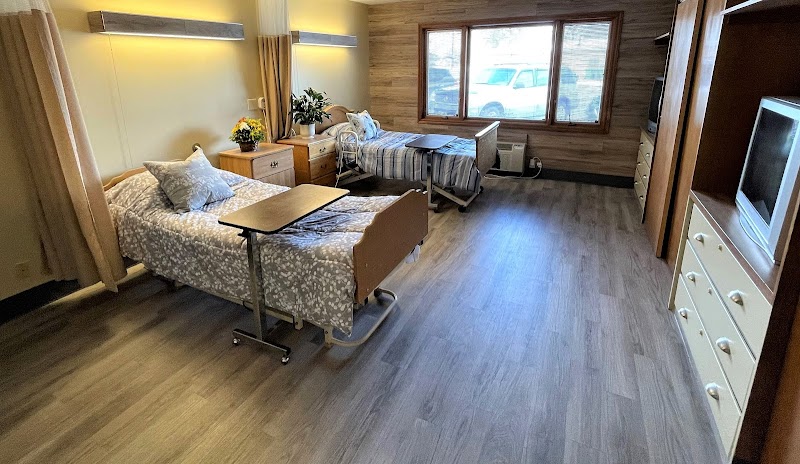
How is The Cedars At Broadwell Staffed?

CMS rates The Cedars at Broadwell's staffing level at 1 out of 5 stars, which is much below average compared to other nursing homes. Staff turnover is 75%, which is 28 percentage points above the Nebraska average of 46%. High turnover can affect care consistency as new staff learn residents' individual needs. RN turnover specifically is 62%, which is notably high. RNs provide skilled clinical oversight, so turnover in this role can affect medical care quality.

What Have Inspectors Found at The Cedars At Broadwell?

State health inspectors documented 32 deficiencies at The Cedars at Broadwell during 2023 to 2025. These included: 1 Immediate Jeopardy (the most serious level, indicating potential for serious harm or death) and 31 with potential for harm. Immediate Jeopardy findings are rare and represent the most serious regulatory concerns. They require immediate corrective action.
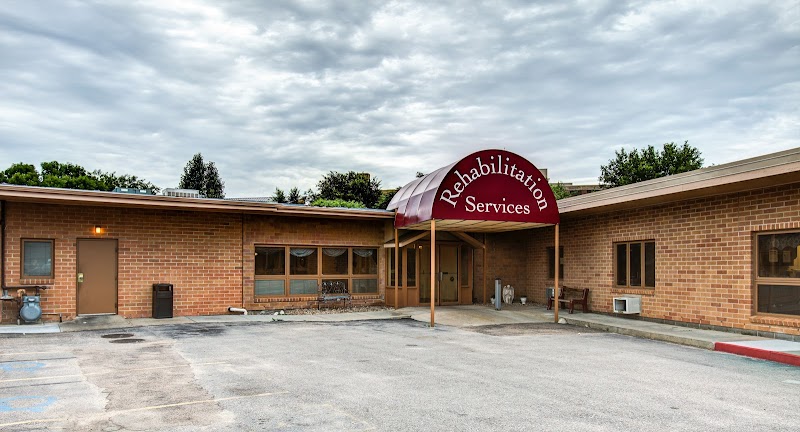
Who Owns and Operates The Cedars At Broadwell?

The Cedars at Broadwell is owned by a for-profit company. For-profit facilities operate as businesses with obligations to shareholders or private owners. The facility is operated by AVID HEALTHCARE GROUP, a chain that manages multiple nursing homes. With 76 certified beds and approximately 57 residents (about 75% occupancy), it is a smaller facility located in Grand Island, Nebraska.

How Does The Cedars At Broadwell Compare to Other Nebraska Nursing Homes?

Compared to the 100 nursing homes in Nebraska, The Cedars at Broadwell's overall rating (1 stars) is below the state average of 2.9, staff turnover (75%) is significantly higher than the state average of 46%, and health inspection rating (1 stars) is much below the national benchmark.

What Should Families Ask When Visiting The Cedars At Broadwell?

Based on this facility's data, families visiting should ask: "What changes have been made since the serious inspection findings, and how are you preventing similar issues?" "How do you ensure continuity of care given staff turnover, and what is your staff retention strategy?" "Can you walk me through typical staffing levels on day, evening, and night shifts?" "Can I visit during a mealtime to observe dining assistance and food quality?" These questions are particularly relevant given the facility's Immediate Jeopardy citations, the facility's high staff turnover rate, and the below-average staffing rating.

Is The Cedars At Broadwell Safe?

Based on CMS inspection data, The Cedars at Broadwell has documented safety concerns. Inspectors have issued 1 Immediate Jeopardy citation (the most serious violation level indicating risk of serious injury or death). The facility has a 1-star overall rating and ranks #100 of 100 nursing homes in Nebraska. Families considering this facility should ask detailed questions about what corrective actions have been taken since these incidents.

Do Nurses at The Cedars At Broadwell Stick Around?

Staff turnover at The Cedars at Broadwell is high. At 75%, the facility is 28 percentage points above the Nebraska average of 46%. Registered Nurse turnover is particularly concerning at 62%. RNs handle complex medical decisions and coordinate care — frequent RN changes can directly impact care quality. High turnover means new staff may not know residents' individual needs, medications, or preferences. It can also be disorienting for residents, especially those with dementia who rely on familiar faces. Families should ask: What is causing the turnover? What retention programs are in place? How do you ensure care continuity during staff transitions?

Was The Cedars At Broadwell Ever Fined?

The Cedars at Broadwell has been fined $16,801 across 1 penalty action. This is below the Nebraska average of $33,247. While any fine indicates a compliance issue, fines under $50,000 are relatively common and typically reflect isolated problems that were subsequently corrected. Families should ask what specific issues led to these fines and confirm they've been resolved.

Is The Cedars At Broadwell on Any Federal Watch List?

The Cedars at Broadwell is not on any federal watch list. The most significant is the Special Focus Facility (SFF) program, which identifies the bottom 1% of nursing homes nationally based on persistent, serious quality problems. Not being on this list means the facility has avoided the pattern of deficiencies that triggers enhanced federal oversight. This is a positive indicator, though families should still review the facility's inspection history directly.