The Willows at Gretna

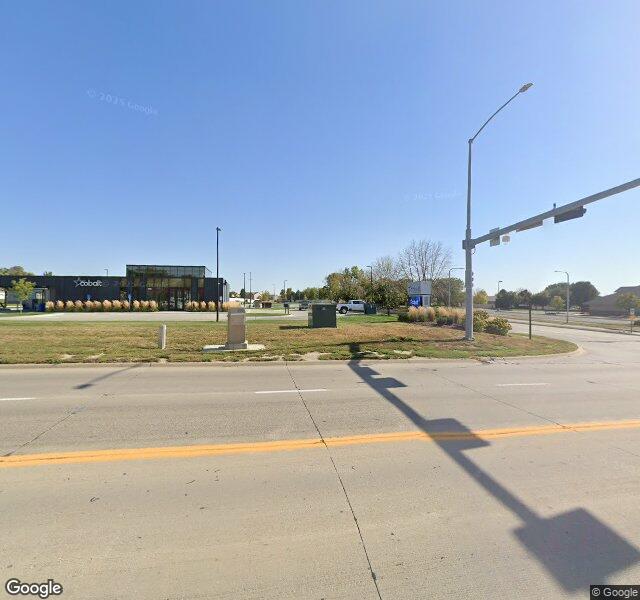
700 Highway 6, Gretna, NE 68028 (402) 332-3446
For profit - Limited Liability company 63 Beds AVID HEALTHCARE GROUP Data: November 2025
Trust Grade
20/100
#175 of 177 in NE
Last Inspection: October 2024

Within standard 12-15 month inspection cycle. Federal law requires annual inspections.

Overview

The Willows at Gretna has a Trust Grade of F, which indicates significant concerns about the quality of care provided. Ranking #175 out of 177 facilities in Nebraska places it in the bottom half, and it is the lowest-ranked option in Sarpy County. Unfortunately, the facility's performance is worsening, with issues increasing from 5 to 7 in the past year. Staffing is a significant weakness, with a poor rating of 1/5 stars and a troubling turnover rate of 86%, far above the Nebraska average. While there have been no fines reported, recent inspections revealed serious problems, including failures to prevent pressure ulcers for two residents and concerns about dishwashing temperatures that could affect food safety. Overall, families should weigh these issues carefully when considering this nursing home.

Trust Score
F
20/100
In Nebraska
#175/177
Bottom 2%
Safety Record
Moderate
Needs review
Inspections
Getting Worse
5 → 7 violations
Staff Stability
⚠ Watch
86% turnover. Very high, 38 points above average. Constant new faces learning your loved one's needs.
Penalties
✓ Good
No fines on record. Clean compliance history, better than most Nebraska facilities.
Skilled Nurses
⚠ Watch
Each resident gets only 29 minutes of Registered Nurse (RN) attention daily — below average for Nebraska. Fewer RN minutes means fewer trained eyes watching for problems.
Violations
⚠ Watch
26 deficiencies on record. Higher than average. Multiple issues found across inspections.
★☆☆☆☆
1.0
Overall Rating
★☆☆☆☆
1.0
Staff Levels
★★☆☆☆
2.0
Care Quality
★☆☆☆☆
1.0
Inspection Score
Stable
2024: 5 issues
2025: 7 issues

The Good

  • Full Sprinkler Coverage · Fire safety systems throughout facility
  • No fines on record

Facility shows strength in fire safety.

The Bad

1-Star Overall Rating

Below Nebraska average (2.9)

Significant quality concerns identified by CMS

Staff Turnover: 86%

39pts above Nebraska avg (46%)

Frequent staff changes - ask about care continuity

Chain: AVID HEALTHCARE GROUP

Part of a multi-facility chain

Ask about local staffing decisions and management

Staff turnover is very high (86%)

38 points above Nebraska average of 48%

The Ugly 26 deficiencies on record

2 actual harm
Aug 2025 4 deficiencies 1 Harm
SERIOUS (G) 📢 Someone Reported This

A family member, employee, or ombudsman was alarmed enough to file a formal complaint

Actual Harm - a resident was hurt due to facility failures

Pressure Ulcer Prevention (Tag F0686)

A resident was harmed · This affected 1 resident

LICENSURE REFERENCE NUMBER 175 NAC 12-006.09(H)(iii)(1 & 2)Based on observations, interviews, and record review, the facility failed to evaluate causal factors and failed to implement interventions to...

Read full inspector narrative →
LICENSURE REFERENCE NUMBER 175 NAC 12-006.09(H)(iii)(1 & 2)Based on observations, interviews, and record review, the facility failed to evaluate causal factors and failed to implement interventions to prevent pressure wounds for 1 (Resident 3) of 4 sampled residents. The facility staff identified a census of 44.The findings are:Record review of Resident 3's Minimum Data Set (MDS, a federally mandated comprehensive assessment tool used to determine a resident's functional capabilities and help nursing home staff identify health problems) dated 7/1/2025 revealed the facility staff identified the following about the resident: -Resident 3 was rarely or never understood and had short and long-term memory problems. -Resident 3 did not exhibit behaviors. -Resident 3 was dependent upon staff for all cares including bed mobility, transfers, hygiene, and toileting. -Resident 3 had a gastrostomy tube (g-tube, a flexible tube passed into the stomach for introducing fluids and liquid food into the stomach) and that Resident 3 received 51% or more of calories through and 501 milliliters (mL) per day or more of fluids through the g-tube. -Resident 3 was identified as at-risk for pressure ulcer development. -Resident 3 had one stage 4 pressure ulcer present on admission.Record review of Resident 3's Braden Risk Evaluation-V2 dated 6/30/2025 identified the resident was at high risk for pressure ulcer development.Record review of Resident 3's Comprehensive Care Plan (CCP, a document that includes measurable objectives and timetables to meet a resident's medical, nursing, and mental and psychosocial needs that are identified in the comprehensive assessment) identified Resident 3 had an actual impairment of skin integrity dated 3/28/2025, and had the potential for the development of a pressure ulcer dated 5/5/2025. The CCP identified interventions that included: -4/17/2025: Bed mobility dependent, transfers dependent. -5/5/2025 Air mattress to bed -5/5/2025 Off load heels as ordered and as needed -5/5/2025: Reposition frequently or more often as needed or requested. -5/5/2025: Pressure relieving/reducing devices on bed/chair. -7/8/2025 Blisters/wounds to bilateral feet -7/16/2026 Foot board removed from bedRecord review of Resident 3's Skilled Nursing Visit Note dated 7/4/2025 identified Resident 3 had impaired skin integrity with a goal to be free from additional wounds.Record review of Resident 3's Order Summary Report printed 8/19/2025 revealed the following provider orders: -Elevate HOB (head of bed) 30 to 45 degrees at all times during feeding and for at least 30 to 40 minutes after feeding is stopped dated 3/24/2025. -Keep Negative Pressure Wound Therapy (wound vac) @ 120 millimeters of mercury (mmHg), assess pump per shift, ensure pump is charged/plugged in (check middle of cord), change canister when full, document output dated 5/8/2025. -If wound vac comes off, okay to pack wound with gauze lightly soaked with saline until next wound vac change day, cover with Mepilex (an absorbent, soft foam dressing) dated 6/30/2025. -Wound vac to coccyx at 120mmHg with continuous suction. Assess pump Q shift for function and change canister prn if full and document output dated 7/10/2025. -Cleanse with Vashe wound cleanser (a hypochlorous acid-based wound cleanser designed to cleanse, irrigate, moisten, and debride acute and chronic wounds, including ulcers and burns, as well as minor cuts and abrasions), cut and apply double layer of collagen alginate (a composite wound dressing made from a combination of natural collagen fibers and acts as a scaffold for new tissue growth, providing a moist wound environment that supports wound healing) to wound bed, specifically over exposed bone, apply DuoDerm (a hydrocolloid dressing that creates an airtight seal and is used to help manage wound under a vacuum assisted closure device) to peri-wound, apply protective layer of film, apply black sponge from wound bed to hip then apply top layer of film, apply suction appliance. Do not allow resident to lay on her back. Change dressing every Tuesday, Thursday, and Saturday dated 7/13/2025. -Pedal Wounds - cleanse area with soap and water, pat dry, apply betadine paint to wound, allow to completely dry daily by facility or hospice nurse dated 8/18/2025.A. Record review of Resident 3's Progress Notes (PN) dated 7/6/2025 identified a fluid filled blister on the bottom Resident 3's right foot measuring 5.5 centimeters (cm) by (x) 4.5 cm and an open area remained to the right heel.Record review of Resident 3's PN dated 7/8/2025 revealed facility staff contacted Resident 3's hospice provider regarding blisters/pressure wounds on bilateral feet. The hospice provider reported they would be at the facility on 7/9/2025. New orders were received for all pedal wounds: Betadine wet to dry dressing: A betadine-soaked gauze followed by dry gauze and abdominal pad (ABD, a large, multi-layered, and highly absorbent dressing) over them as well for padding and so betadine doesn't leak through to socks/bedding. Secure with kerlix (a sterile gauze bandage made of pre-washed, fluff-dried, 100% woven cotton gauze that provides bulk and cushioning) and a light layer of Coban (self-adherent elastic wrap that functions like a tape but sticks only to itself) (no compression) change three times a week and as needed (PRN). Hospice will bring supplies on 7/9 to assess skin, prevalon boot, and bed length.Record review of an Incident Audit Report dated 7/8/2025 regarding Resident 3's new skin alteration revealed a left heel pressure wound 4 cm x 4.5 cm area is black and blister like. Bottom of right foot 6cm x 4.2cm black blister, fluid filled, area is intact. Right heel 3cm x 3cm area is black and non-fluid filled. Further review of the Incident Audit Report revealed other predisposing physiological factors was marked yes and other information was marked bedbound.Record review of Resident 3's Skilled Nursing Visit Note dated 7/9/2025 by the hospice Registered Nurse showed Notified by LPN yesterday of new pedal wounds. RT (right) plantar black fluid filled sack. Blister like wound not to be popped-6 cm x 4cm x 2cm; RT heel 3x3cm appears to be eschar with pink to epithelializing area with frank blood visualized under the skin around wound. LT heel 4cm x 4.5cm appears to be eschar with pink to epithelializing area. Wound care supplies left. Will plan on calling DME (durable medical equipment) to check what's needed to place a ‘bed extender.' PT is 6 feet 0 inches and with HOB elevated feet are continuously pushing against prafo boots and footboard.Record review of Resident 3's Tissue Analytics (TA) dated 8/14/2025 identified a left heel unstageable pressure ulcer that measured 2.99 cm x 3.88 cm. Further review of the TA identified a right plantar foot unstageable pressure ulcer that measured 3.63 cm x 4.59 cm.Observation on 8/20/2025 at 10:35 AM of Resident 3's right foot revealed an eschar (a thick, dry, dark, and leather layer of dead tissue that forms over a wound or burn) covered fluid-filled blister with an intact covering at the middle of the right foot extending to the edge of the right foot. The skin surrounding the top edge of the blister had a light purple colored appearance, while the remaining three edges of the wound were free from discoloration. There was no swelling or drainage identified. Observation of the left heel revealed an eschar covered dry blister covering the back of the heel of the left foot. The skin surrounding the blister was free from discoloration and there was no swelling or drainage identified.Observation on 8/20/2025 at 10:35 AM of Registered Nurse (RN)-F performing bilateral foot wound treatment revealed RN-F performed the wound treatment as prescribed. After the treatment, RN-F called for staff to help reposition Resident 3 to the head of the bed. Prior to repositioning, Resident 3's bilateral feet were at the edge of the foot of the bed, and no footboard was present.An interview on 8/20/2025 at 10:40 AM with RN-F revealed the left heel and right plantar foot wounds were facility acquired. RN-F stated the footboard was a factor as Resident 3's feet pushed against it, so the footboard was later removed. RN-F confirmed that Resident 3 was very tall and needed a longer bed.An interview on 8/20/2025 at 3:08 PM with the Director of Nursing (DON) revealed when a new wound is developed, causal factors would be discussed in the morning clinical meeting. The DON revealed [gender] was unsure of the causal factors for the right plantar and left heel wounds. The DON confirmed the footboard was removed from Resident 3's bed on 7/16/2025, 11 days after identification of the wounds to bilateral feet. The DON reported the hospice company did send a longer bed for Resident 3 and since facility staff were unaware of the longer bed's delivery, it was sent back.B. Record review of undated Operating Instructions for Drive 14026, a low air loss mattress replacement system (a specialized type of medical mattress designed to prevent and treat pressure ulcers) revealed staff should determine the patient's weight and set the control knob to that weight setting on the control unit.Record review of Resident 3's Weight Summary printed 8/20/2025 identified Resident 3's weight as 176.8 pounds on 6/20/2025. There were no additional recent weights for review.Observation on 8/19/2025 at 3:04 PM revealed a low air loss mattress control unit set at 200.Observation on 8/20/2025 at 10:35 AM revealed a low air loss mattress control unit set at 200.Observation on 8/20/2025 at 3:27 PM revealed a low air loss mattress control unit set at 250.An interview on 8/20/2025 at 10:40 AM with RN-F confirmed the air mattress was set at 200 pounds. RN-F revealed that she was unaware of what setting the air mattress should be at or how the setting is determined.An interview on 8/20/2025 at 1:37 PM with the DON revealed the air mattress control unit was not set by the resident's weight and the setting was determined by touch.An interview on 8/20/2025 at 3:27 PM with the Assistant Director of Nursing (ADON) confirmed the control unit was set at 250 pounds. The ADON revealed that it is difficult to tell where the air mattress should be set because hospice discontinued the weight order.C. Observation on 8/19/2025 at 2:32 PM of Resident 3's coccyx wound identified a circular wound with a tear-drop shaped extension at the bottom of the wound. The wound bed was beefy red, and the surrounding skin was clean, dry, and free from discoloration. There was no drainage. The wound vac canister was absent from drainage.Observation on 8/19/2025 from 2:32 PM through 3:04 PM of Registered Nurse (RN)-F performing wound treatment to Resident 3's coccyx wound with the ADON present revealed after performing hand hygiene and donning (applying) a gown and gloves, RN-F removed the prior wound vac dressing and one piece of black foam and discarded. RN-F doffed (removed) gloves, performed hand hygiene, and donned new gloves. RN-F cleansed the wound using a can of normal saline and 4 x 4 gauze squares using a new piece of gauze with each wipe and cleaning the outside of the wound followed by the inside of the wound. RN-F doffed gloves, performed hand hygiene, and donned new gloves. RN-F cut DuoDerm in half and applied one piece to either side of the coccyx wound. RN-F doffed gloves, performed hand hygiene, and applied a double layer of calcium alginate to the wound bed. RN-F doffed gloves, performed hand hygiene, cut a rectangular shaped piece of black foam in half and placed the black foam on top of the circular wound, and applied draping. RN-F attached the suction device directly to the wound vac site. RN-F changed the suction canister and turned the device on. The foam compressed and the device display showed 120mmHg. Resident 3 was repositioned in bed and heel boots were applied.An interview on 8/19/2025 at 3:42 PM with RN-F confirmed normal saline was used to wash the wound instead of the provider-ordered Vashe wound wash. RN-F revealed the facility was out of Vashe. RN-F further confirmed the suction device was not bridged from the wound to the hip as ordered.During an interview on 8/19/2025 at 3:47 PM, the Director of Nursing (DON) confirmed black foam should be trimmed to the size of the wound and placed in the wound.A telephone interview on 8/20/2025 at 12:45 PM with Advanced Practice Registered Nurse (APRN)-G, confirmed black foam should be trimmed to the size and shape of the wound and placed gently in the wound. APRN-G revealed the wound had the potential to deteriorate if the black foam was not trimmed to the size and shape of the wound.Record review of a facility policy entitled Negative Pressure Wound Therapy dated revised 8/2024 revealed: -To promote wound healing of various types of wounds, it is the policy of this facility to provide evidence-based treatments in accordance with current standards of practice and physician orders. This policy addresses the use of negative pressure wound therapy (NPWT) for the treatment and management of wounds. - Negative pressure wound therapy is an active wound care treatment that uses controlled sub-atmospheric (negative) pressure to assist and accelerate wound healing. The therapy may be gauze based, foam based, or peel and stick, and includes an evacuation tube and a computerized pump that applies the negative pressure. -1. Negative pressure wound therapy will be provided in accordance with physician orders, including the desired pressure setting, continuous or intermittent therapy, and frequency of dressing change. Clean technique shall be utilized unless otherwise specified by the physician. -8. General application process: -a. Carefully remove the existing wound dressing and discard. -b. Cleanse the wound according to physician order. -e. Select foam type or gauze appropriate to the size and characteristics of the wound, and place gently into the wound. -i. Fill the entire wound base and sides, tunnels, and undermined areas. -g. Apply the tubing to the dressing. -ii. Using the attached tubing adhesive drape, or additional dressing drape, seal the tubing assembly on top of the dressing and ensure that it will not lie on bony prominences. -12. The physician shall be notified of any complications associated with the use of NPWT.There was no further information available for review at the time of the survey exit.
CONCERN (D) 📢 Someone Reported This

A family member, employee, or ombudsman was alarmed enough to file a formal complaint

Potential for Harm - no one hurt, but risky conditions existed

Infection Control (Tag F0880)

Could have caused harm · This affected 1 resident

LICENSURE REFERENCE NUMBER175 NAC 1-005.06 (D & E)LICENSURE REFERENCE NUMBER175 NAC 12-006.18 (B & D)Based on observation, interview, and record review, the facility failed to utilize a gown during pe...

Read full inspector narrative →
LICENSURE REFERENCE NUMBER175 NAC 1-005.06 (D & E)LICENSURE REFERENCE NUMBER175 NAC 12-006.18 (B & D)Based on observation, interview, and record review, the facility failed to utilize a gown during personal cares for a resident who was identified as being in Enhanced Barrier Precautions (EBP, an infection control intervention designed to reduce transmission of multidrug-resistant organisms (MDROs) in nursing homes. EBP involve gown and glove use during high-contact resident care activities for residents known to be colonized or infected with a MDRO as well as those at increased risk of MDRO acquisition [e.g., residents with wounds or indwelling medical devices]) for 1 (Resident 4) of 3 sampled residents; and the facility failed to ensure staff performed hand hygiene between glove changes to prevent cross contamination for 1 (Resident 4) of 5 sampled residents. The facility staff identified a census of 44.The findings are: A. Record review of a facility policy entitled Enhanced Barrier Precautions dated revised 5/31/2025 revealed: -EBP refers to an infection control intervention designed to reduce transmission of multidrug-resistant organisms that employ targeted gown and gloves use during high contact resident care activities. -2b. An order for enhanced barrier precautions will be obtained for residents with any of the following: -i. Wounds (e.g., chronic wounds such as pressure ulcers, diabetic foot ulcers, unhealed surgical wounds, and chronic venous stasis ulcers) and/or indwelling medical devices (e.g. central lines, urinary catheters, feeding tubes, tracheostomy/ventilator tubes, hemodialysis catheters, PICC lines, midline catheters) even if the resident is not known to be infected or colonized with a MDRO. -3b. PPE for enhanced barrier precautions is only necessary when performing high-contact care activities and may not need to be donned prior to entering the resident's room. -4. High-contact resident care activities include: -a. dressing -b. bathing -c. transferring -d. providing hygiene -e. changing linens -f. changing briefs or assisting with toileting -g. device care or use: central lines, urinary catheters, feeding tubes, tracheostomy/ventilator tubes, hemodialysis catheters, PICC lines, midline catheters -h. Wound care: any skin opening requiring a dressing.Record review of Resident 4's admission Record printed 8/20/20025 revealed the facility admitted the resident on 11/20/2024 and identified diagnoses which included multiple sclerosis (MS, a demyelinating disease marked by patches of hardened tissue in the brain or the spinal cord and associated especially with partial or complete paralysis and jerking muscle tremor), paraplegia, non-pressure chronic ulcer of the left foot, and unspecified open wound of left buttock.Record review of Resident 4's quarterly Minimum Data Set (MDS, a federally mandated comprehensive assessment tool used to determine a resident's functional capabilities and help nursing home staff identify health problems) dated 5/10/2025 revealed a Brief Interview for Mental Status (BIMS, a brief screener that aids in detecting cognitive impairment) score of 14. According to the MDS manual, a score of 14 indicated the resident was cognitively intact. Further review of the MDS identified the resident was dependent upon staff for bed mobility and transfers, had an indwelling urinary catheter, and was always incontinent of bowel. The MDS identified Resident 4 had two Stage 2 pressure ulcers that were present on admission.Record review of Resident 4's Order Summary Report printed 8/20/2025 lacked an order for EBP.Record review of Resident 4's Comprehensive Care Plan (CCP, a document that includes measurable objectives and timetables to meet a resident's medical, nursing, and mental and psychosocial needs that are identified in the comprehensive assessment) revealed the facility required EBP due to pressure injury and urinary catheter. The CCP further directed staff to wear gowns and gloves during high-contact resident care activities.Observation on 8/20/2025 at 9:55 AM revealed an EBP sign that has the letter B written at the bottom.Observation on 8/20/2025 from 9:55 AM through 10:20 AM revealed Nurse Aide (NA)-D and NA-E assisted Resident 4 with morning care. NA-D and NA-E each performed hand hygiene and donned (applied) gloves. Without donning a gown, NA-D assisted Resident 4 with perineal care in bed after a bowel movement and applied a new brief. Without donning a gown, NA-D changed Resident 4's urinary catheter drainage bag to a leg bag and assisted Resident 4 to roll side-to-side in bed to pull up a pair of slacks. Without donning a gown, NA-D and NA-E placed the lift sling under Resident 4, crossed the straps and secured the lift sling to the Hoyer lift, and transferred the resident to the wheelchair.An interview on 8/20/2025 at 10:23 AM with NA-E revealed NA-E was not aware of the need to utilize EBP when providing high contact cares with Resident 4.An interview on 8/20/2025 at 10:25 AM with the Director of Nursing (DON) confirmed Resident 4 was in EBP for wound and urinary catheter. The DON was unsure of the reason for the letter B being marked at the bottom of the sign.An interview on 8/20/2025 at 12:29 PM with NA-D revealed NA-D was not aware of the need to utilize EBP when providing high contact cares with Resident 4. B. Record review of a facility policy entitled Hand Hygiene dated revised 5/31/2024 revealed: -6. Additional considerations: -a. The use of gloves does not replace hand hygiene. If your task requires gloves, perform hand hygiene prior to donning gloves, and immediately after removing gloves.Observation on 8/20/2025 from 9:55 AM through 10:20 AM of Resident 4's morning routine revealed NA-D washed hands with soap and water for 35 seconds and donned gloves. NA-E washed hands with soap and water for 28 seconds and donned gloves. NA-D provided perineal to Resident 4 after a bowel movement. Without changing gloves and without the benefit of hand hygiene, NA-D applied a new brief to Resident 4. Without changing gloves and without the benefit of hand hygiene, NA-D applied Resident 4's socks. NA-D doffed (removed) gloves, and without the benefit of hand hygiene donned new gloves and changed Resident 4's urinary drainage bag to a leg bag.NA-E removed a bed pad, retrieved a trash bag from the bottom of the trash receptacle, and placed the bed pad in the bag. NA-E doffed gloves, and without the benefit of hand hygiene, donned new gloves and obtained the lift transfer sling. With the assistance of NA-D, the lift sling was placed under Resident 4.NA-E doffed gloves and without the benefit of hand hygiene left the room to obtain the lift from its storage space.An interview on 8/20/2025 at 10:25 AM with NA-E confirmed hand hygiene was not performed between glove changes and should have been.An interview on 8/20/2025 at 12:29 PM with NA-D confirmed hand hygiene was not performed between glove changes and should have been.
CONCERN (E) 📢 Someone Reported This

A family member, employee, or ombudsman was alarmed enough to file a formal complaint

Potential for Harm - no one hurt, but risky conditions existed

Accident Prevention (Tag F0689)

Could have caused harm · This affected multiple residents

Licensure Reference Number 175 NAC 12-006.09(I)Licensure Reference Number 175 NAC 1-009.04(D)(i)(1)Based on observation, interview, and record review, the facility failed to ensure bathing and showeri...

Read full inspector narrative →
Licensure Reference Number 175 NAC 12-006.09(I)Licensure Reference Number 175 NAC 1-009.04(D)(i)(1)Based on observation, interview, and record review, the facility failed to ensure bathing and showering water temperatures (temps) did not exceed 110 degrees Fahrenheit (F)(a temperature unite of measure) to prevent potential accidents. The facility census was 44.Findings are:A record review of the facility's Resident Showers policy with a date reviewed/revised of 7/2025 revealed the staff should help the resident sit on the shower chair, turn the shower on, the water temperature should be 98.6 degrees F to 120 degrees F. They could use a thermometer if one was available or test the water on the inside of the staff's wrist. A record review of the facility's Safe Water Temperatures policy with a date reviewed/revised of 7/2025 revealed water temperature should be set at no 98.6 degrees F to 120 degrees F or the state's allowable maximum water temperature. The Maintenance staff would check water heater temperature controls and the temps of tap water in all hot water circuits weekly and as needed.A record review of the facility's Testing and Logging Water Temperatures steps dated 08/23/2025 revealed For burn prevention, federal guidelines advise that you keep domestic water temperatures below 120 degrees Fahrenheit, although this can still cause burns if exposure reaches five minutes. Although 100 degrees Fahrenheit is considered a safe water temperature for bathing. On 08/19/2025 the bathhouse 100-hall shower was 116.2 degrees F, the 200-hall shower was 115.7 degrees F, and the 100-hall tub was 115.9 degrees F.A record review of the facility's Task Name: Test and log the hot water temperatures log dated 08/13/2025 revealed bathhouse 200's temp was 115.7 degrees F and the bathhouse 100 was 115.6 degrees F.A record review of the facility's Task Name: Test and log the hot water temperatures log dated 07/21/2025 - 07/30/2025 revealed on 7/22/2025 bath house 200's temp was 109.6 degrees F and the bath house 100 was 115.3 degrees F. On 07/23/2025 bath house 200's temp was 113.4 degrees F, bath house 100's tub was 111.4 degrees F, and the bath house 100 was 116.4 degrees F. On 07/24/2025 bath house 200's temp was 111.6 degrees F, Bath house 100 tub was 113.4 degrees F, and the bath house 100 was 111.9 degrees F. On 07/30/2025 bath house 200's temp was 112.6 degrees F, Bath house 100's tub was 112.8 degrees F, and the bath house 100 was 115.2 degrees F.A record review of the facility's Resident Listing Report dated 08/20/2025 revealed out of the 45 residents listed, 1 was in the hospital and 22 were marked as being cognitively impaired (problems with a person's ability to think, learn, remember, use judgement, and make decisions). The report revealed 3 residents often refuse and self bathe.An observation on 08/19/2025 at 12:42 PM with the facility's Regional Lead Maintenance (RLM) revealed the RLM tested the 200-hall bath house sink, and the temperature was 115.5 degrees F. The RLN tested the 200-hall shower, and the temp was 113.7 degrees F. An observation on 08/19/2025 at 12:52 PM with the facility's RLM revealed the RLM tested the 100-hall bath house tub, and the temperature was 115.7 degrees F. The RLN tested the 100-hall bath house shower, and the temp was 116.4 degrees F. In an interview on 08/19/2025 at 3:34 PM, the RLM confirmed that the maximum bathing temperature should be 110 degrees F and the bath house's tubs and showers were not below that.In an interview on 08/20/2025 at 3:35 PM, the facility's Regional Director of Operations (RDO) confirmed the safe bathing temperatures was less 110 degrees F and the facility did not have a policy specific to bathing in a tub.In an interview on 08/21/2025 at 7:15 AM, facility's Administrator confirmed the Resident Listing Report dated 08/20/2025 that the Administrator provided revealed out of the 45 residents listed, 1 was in the hospital and 22 were marked as being cognitively impaired and confirmed those 22 residents bathed in the bath houses, however 3 residents often refuse and self bathe.
CONCERN (F) 📢 Someone Reported This

A family member, employee, or ombudsman was alarmed enough to file a formal complaint

Potential for Harm - no one hurt, but risky conditions existed

Food Safety (Tag F0812)

Could have caused harm · This affected most or all residents

Licensure Reference Number 175 NAC 12.006.11(E) Based on observation, interview, and record review, the facility failed to ensure the chemical low-temperature (temp) dish machine reached a minimum tem...

Read full inspector narrative →
Licensure Reference Number 175 NAC 12.006.11(E) Based on observation, interview, and record review, the facility failed to ensure the chemical low-temperature (temp) dish machine reached a minimum temp of 120 degrees Fahrenheit (F)(a temperature scale) during all wash and rinse cycles. This had the potential to affect 43 residents that consumed food from the kitchen. The total facility census was 44. Findings are:A record review of the facility's Dishwasher Temperature policy dated 8/2023 revealed all items cleaned in the dishwasher would be washed in water that is sufficient to sanitize any and all items. Manufacturer's instructions shall be followed for washing and sanitizing. The wash temp shall be 120 degrees F. Water temperatures shall be measured and recorded prior to each meal.A record review of the facility's undated Dishwashing: Machine Operation Guideline and (&) Procedure Manual revealed all dishwashing machines should be operated according to the manufacturer's recommendation. The staff should check the dishwashing machine first and if the unit has not been used for several hours, allow the dishwashing machine to cycle for one or two cycles to allow the dishwashing machine to come up to proper function. If the machine is found out of the acceptable range for either final rinse temp or chemical sanitizing concentration, do not proceed to wash dishes. A record review of the National Sanitation Foundation (NSF) Machine Operational Requirements sticker on the facility's dish machine revealed wash temperature was a minimum of 120 degrees F, and the minimum rinse temperature was 120 degrees F.A record review of the facility's Dish Machine Temperature Log - Low Temperature dated July 2025 revealed the minimum temperature is 120 degrees F or to manufacturer rating. On 07/26/2025 breakfast log revealed a wash temp of 115 degrees F. 07/24/2025 and 07/26/2025 did not reveal any readings were recorded.A record review of the facility's Dish Machine Temperature Log - Low Temperature dated August 2025 revealed the minimum temperature is 120 degrees F or to manufacturer rating. Only 3 of 19 days were breakfast readings recorded. 08/02/2025, 08/05/2025, 08/12/2025, and 08/19/2025 did not reveal any readings were recorded.A record review of the undated American Dish Service AF-3D Dishwasher - Specification Sheet revealed Supply Water Temp: 120 degrees F minimum (low-temp chemical sanitize).A record review of American Dish Service Installation Instructions dated 08/20/2025 revealed water heaters or boilers must provide the minimum temperature of 120 degrees F required by the machine listed above. An observation on 08/19/2025 at 2:19 PM revealed Dietary Aide (DA)-B rinsed off dishes and put them on a rack. DA-B then opened the dishwasher and removed a large cookie sheet and put it away, DA-B pushed the rack of sprayed off dishes in the dishwasher, started the dishwasher, and returned to spraying off other dishes. The thermometer on the dish was read 116 degrees F during the wash cycle and 124 degrees F during the rinse cycle. At 2:24 PM, DA-B removed the dishes from the dish machine and started another load. DA-B put the cleaned dishes from the dishwasher away in their designated areas in the kitchen. The 2nd observed load in the dishwasher reached 119 degrees F on the wash cycle and 128 degrees F on the rinse cycle. When that cycle was completed, DA-B put the dishes away in their designated area in the kitchen.An observation on 08/20/2025 at 7:37 AM revealed that DA-A loaded the dishwasher with a rack of 4 plates and 4 plastic trays and started the machine. DA-A continued to spray off dishes in the sink as the dish machine ran. The wash temp reached 80 degrees F and the rinse temperature reached 100 degrees F on the thermometer. At 7:39 AM DA-A unloaded the dishwasher, pushed another load of 2 plates, a large plastic pitcher and lid, and 1 bowl in, and started the dishwasher. DA-A put one of the plates back on the dirty side and put the rest away in the kitchen. The load that was started at 7:39 AM wash temp reached 90 degrees F and the rinse temp reached 94 degrees F. At 7:47 AM DA-A unloaded the dishwash and put the dishes away. In an observation on 08/20/2025 at 7:41 AM with the facility's Cook-A, that had been identified as the assistant dietary manager revealed DA-A ran a load of 2 large bowls and 1 plate through the dishwasher. The was temp reached 98 degrees F and a rinse temp of 101 degrees F. At 7:45 AM DA-A ran a load of 11 plates and 2 bowls through the dishwasher and the wash temp reached 102 degrees F and a rinse temp of 119 degrees F. At 7:55 AM, DA-B put the dishes away in the kitchen.In an interview on 08/20/2025 at 7:47 AM, DA-A confirmed the thermometer on the dishwasher was not working right and the machine used twice as much detergent as it should. DA-A confirmed DA-A forgets to look at temp gauge on the dishwasher. In an interview on 08/20/2025 at 10:05 AM, DA-A confirmed the dishes that were put away that morning were used for the lunch food preparation and service. In an interview on 08/20/2025 at 11:16 AM, the facility's Registered Dietician (RD) confirmed the facility's dishwasher should have reached a minimum temperature of 120 degrees F during the wash and rinse cycles.In an interview on 08/20/2025 at 3:05 PM, The facility's Regional Director of Operations (RDO) confirmed the facility's dishwasher machine was an American Dish Service Model AF-3D. The RDO confirmed the dishwasher should have reached a minimum 120 degrees F during the wash and rinse cycles.In an interview on 08/20/2025 at 7:50 AM, Cook-A confirmed Cook-A observed the above temperatures on the dishwasher as DA-A ran the machine on 08/20/2025 at 7:41 AM and 7:45 AM. Cook-A confirmed the minimum wash and rinse temps should have been 120 degrees F and the machine did not reach that. In an interview on 08/21/2025 at 7:15 AM, the facility's Administrator confirmed all but 1 of the 44 residents that reside at the facility consume food from the kitchen.
May 2025 3 deficiencies 1 Harm
SERIOUS (G) 📢 Someone Reported This

A family member, employee, or ombudsman was alarmed enough to file a formal complaint

Actual Harm - a resident was hurt due to facility failures

Pressure Ulcer Prevention (Tag F0686)

A resident was harmed · This affected 1 resident

**NOTE- TERMS IN BRACKETS HAVE BEEN EDITED TO PROTECT CONFIDENTIALITY** Licensure Reference Number 175 NAC 12-006.09(H)(iii)(1) and 12-006.09(H)(iii)(2) Based on observation, interview and record revi...

Read full inspector narrative →
**NOTE- TERMS IN BRACKETS HAVE BEEN EDITED TO PROTECT CONFIDENTIALITY** Licensure Reference Number 175 NAC 12-006.09(H)(iii)(1) and 12-006.09(H)(iii)(2) Based on observation, interview and record review the facility failed to evaluate, monitor and implement interventions for pressure ulcer prevention and to promote wound healing for 2 (Resident 2 and 3) of 3 residents sampled. The facility census was 43. The findings are: A.Record review of Resident 2' Minimum Data Set (MDS: a federally mandated assessment tool used for care planning) dated 03-27-2025 revealed the facility staff assessed the following about the resident: -an admission date of 03-24-2025 -had a right hip fracture. -Brief Interview of Mental Status (BIMS) was scored as a 15. According to the MDS Manual a score of 13-15 indicates a person is cognitively intact. -Required extensive assistance with toileting, lower body dressing and bathing. -Required partial assistance with bed mobility, transfers, upper body dressing and personal hygiene. -Resident was at risk of developing pressure ulcers. -Required pressure relieving surfaces to the bed and wheelchair. Record review of Resident 2's admission assessment dated [DATE] revealed Resident 2 admitted to the facility with a surgical incision to the right hip that was 8 centimeters (cm), maceration associated skin damage (MASD: skin erosion due to prolonged exposure to moisture) to the sacrum (the bone between the 2 hip bones) without measurements, and an unmeasured area to the left heel that had a small amount of redness. Review of Resident 2's Care Plan, Progress Notes, Practitioner Orders and Skin Evluation Sheets revealed there was no indications the facility staff implemented interventions to prevent futher skin breakdown to Resident 2's left heel. Record review of a skin evaluation dated 03-31-2025 identified a stage 1 pressure area to the right and left buttock and did not identify any skin irregularities to the left heel. Record review of Resident 2's progress notes dated 04-02-2025 revealed an unmeasured skin issue was identified to the left heel. Record review of Resident 2's wound assessment conducted by a Nurse Practitioner (NP) on 04-03-2025 revealed a pressure ulcer stage 3 measuring 1.64 centimeters (cm) in length and 2.99 cm in width to the left heel. The wound bed was red without dead skin tissue present. No treatment orders were identified on the wound assessment. Record review of Resident 2's Comprehensive Care Plan (CCP) revealed the following under Pressure Ulcer Risk -Resident 2 had the potential for the development of a pressure ulcer and on 04-02-2025 had an open area to the left heel. Date initiated 04-08-2025. -The goal was resident's current skin concerns will show signs of healing with a decrease in size through the next review date. Date initiated 04-08-2025 Interventions identified on the CCP that were initiated on 04-08-2025: -prevalon boot (pressure relieving boot) per physician's orders. -reposition frequently or more often as needed or requested. -apply moisture barrier with each incontinent change. -provide nutritional supplements as ordered to maintain skin integrity. -weekly skin checks to monitor for redness, circulatory problems, pressure sores, open areas, and other changes in skin integrity. Report new conditions to the physician. Two other goals were added to the CCP on 04-25-2025 of Stage 3 pressure ulcer to left medial heel will improve/resolve by the review date and a Stage 2 pressure ulcer to the sacral area will improve/resolve by the review date. Additional interventions were initiated on 04-25-2025 of a low air loss mattress. Record review of Resident 2's progress notes dated 04-05-2025 revealed a big blister was noted to the left heel measuring 2 cm by 3 cm that was covered with a band-aid. Record review of Resident 2's wound assessment conducted by a NP on 04-10-2025 revealed the stage 3 pressure ulcer to the left heel measured 2.70 cm length by 2.86 cm in width. The wound bed had a moderate amount of dead skin tissue revealing a decline in the wound condition since 04-03-2025. New orders identified on the assessment were to cleanse the wound with mild soap and water, apply Santyl (a wound debridement) ointment to the wound bed, cover with mepilex (a type of wound dressing) daily and as needed and for a prevalon boot to be worn while in bed. Record review of Resident 2's Treatment Administration Record (TAR) for April 2025 revealed an order for a pressure relieving boot dated 04-11-2025 and a treatment for the stage 3 pressure ulcer to the left medial heel dated 04-12-2025. An observation on 05-05-2025 at 12:00 PM of Registered Nurse (RN) A providing wound care to Resident 2's stage 3 pressure ulcer to the left heel which revealed a dry brown round shaped area. During the observation, RN A measured the wound at a length of 3.5 cm by 1.5 cm in width. An interview was conducted with the Director of Nursing (DON) on 05-05-2025 at 3:30 PM revealed orders for treatment were not obtained on 04-03-2025 and the facility should have followed up with the practitioner for orders. The DON also confirmed that treatment for the stage 3 pressure ulcer to the left heel was not initiated until 04-12-2025 and the wound had worsened. B. Record review of Resident 3's face sheet printed on 05-01-2025 revealed an admission date of 08-17-2022. Record review of Resident 3's MDS dated [DATE] revealed the facility staff assessed the following about the resident: -BIMS was scored as a 9. According to the MDS Manual a score of 8-12 indicates moderate cognitive impairment. -required extensive assistance with eating and bed mobility. -required total assistance with toileting, bathing, dressing and transfers. -was identified at risk of pressure ulcer development and currently did not have one. Record review of Resident 3's CCP dated 08-17-2025 and revised on 12-05-2023 revealed Resident 3 had a potential for pressure ulcer development related to decreased mobility. The goal was Resident 3 would be free from pressure ulcers through the review date. Interventions included the following: -turn and reposition at least every 2 hours and as requested. Date initiated 09-02-2022. -administer treatments as ordered and monitor for effectiveness. Date initiated 08-17-2022. -assess/monitor/record wound healing as needed: Measure length, width, and depth. Assess and document the status of the wound perimeter, wound bed and healing progress. Report improvements and declines to the practitioner. Date initiated 08-17-2022 -follow facility policies/protocols for the prevention/treatment of skin breakdown.Date initiated 08-17-2022. -monitor/document/report as needed any changes in skin status: appearance, color, wound healing, signs of infection, wound size and stage. Date initiated 08-17-2022. -pressure reducing mattress and wheelchair cushion. Date initiated 08-17-2025 -monitor nutrition status.Serve diet as ordered, monitor intake and record. Date initiated 08-17-2022. Record review of Resident 3's progress note dated 04-17-2025 revealed an open area was noted to the left side of the back below the shoulder blade measuring 3 cm in length by 2.5 cm in width. Record review of Resident 3's Weekly Skin Evaluation (WSE) dated 04-17-2025 revealed Resident 3 was evaluated as having an open area to the left shoulder that measureed 3 cm by 2.5 cm. Record review of Resident 3's entire health record including the care plan, progress notes, practitioner's orders, and weekly skin evaluations revealed no indication of the resolution of the left shoulder open area. An observation on 05-05-2025 at 2:35 PM of RN A and the Assistant Director of Nursing (ADON) providing wound care for Resident 3 right foot and ankle revealed an undated foam dressing to the left side of Resident 3's back and an undated foam dressing to the sacrum. Furthermore, the ADON removed both dressings which revealed an open wound to the left side of the back approximately the size of a quarter with yellow slough (dead tissue) in the center, and an open wound to the sacrum that was round approximately 2.5 cm in length by 2.5 cm in width with yellow slough in the center. An interview with ADON on 05-05-2025 at 2:55 PM confirmed the wound to the sacrum was a pressure ulcer and the area on the left side of back could have been caused by friction. An interview with RN A was conducted on 05-05-2025 at 3:00 PM confirmed there were no treatment orders for the wounds to the left back or sacrum. An interview conducted with the DON on 05-05-2025 at 3:30 PM confirmed the wounds had not been measured and a treatment had not been requested. Record review of the facility policy titled Pressure Injury Prevention and Management revealed the following: -Policy- the facility is committed to the prevention of avoidable pressure injuries, unless clinically unavoidable, and to provide treatment and services to heal the pressure ulcer/injury, prevent infection and the development of additional pressure ulcers/injuries. -the facility shall establish and utilize a systematic approach for pressure injury prevention and management, including prompt assessment and treatment, intervening to stabilize, reduce or remove underlying risk factors, monitoring the impact of the interventions and modifying the interventions as appropriate.
CONCERN (D) 📢 Someone Reported This

A family member, employee, or ombudsman was alarmed enough to file a formal complaint

Potential for Harm - no one hurt, but risky conditions existed

Deficiency F0561 (Tag F0561)

Could have caused harm · This affected 1 resident

**NOTE- TERMS IN BRACKETS HAVE BEEN EDITED TO PROTECT CONFIDENTIALITY** Licensure Reference Number 175 NAC 12-006.04(F)(i)(5) Based on interview and record review the facility failed to provide bathin...

Read full inspector narrative →
**NOTE- TERMS IN BRACKETS HAVE BEEN EDITED TO PROTECT CONFIDENTIALITY** Licensure Reference Number 175 NAC 12-006.04(F)(i)(5) Based on interview and record review the facility failed to provide bathing services in accordance with the resident's preferences for 4 (Resident 1, 2, 3 and 5) of 4 residents sampled. The facility census was 43. The findings are: A.Record review of Resident 1's Minimum Data Set (MDS: a federally mandated assessment tool used for care planning) dated 01-30-2025 revealed the facility staff assessed the following about the resident: -Brief Interview of Mental Status (BIMS) was scored as a 6. According to the MDS Manual a score of 0-7 indicates severe cognitive impairment. -Required moderate assistance with upper body dressing, bed mobility, and personal hygiene. -Required total assistance with lower body dressing, toileting, bathing, and transfers. Record review of a form titled Bath Preferences dated 01-28-2025 revealed Resident 1 wanted a bath twice a week. Record review of the facility documentation for baths in March and April of 2025 revealed Resident 1 received a bath on: -03-06-2025 -03-13-2025 -03-21-2025 -04-03-2025 -04-10-2025 Resident 1 should have received 2 baths the week of March 3, March 10, March 17, March 24, March 31, April 7, April 14, and April 21 for a total of 16 baths. B.Record review of Resident 2's MDS dated [DATE] revealed the facility staff assessed the following about the resident: -admission date 03-24-2025. -BIMS was scored as a 15. According to the MDS Manual a score of 13-15 indicates a person is cognitively intact. -Required extensive assistance with toileting, lower body dressing and bathing. -Required partial assistance with bed mobility, transfers, upper body dressing and personal hygiene. Record review of a Bath Preference form dated 03-24-2025 revealed Resident 2 preferred 2 baths or showers per week. Record review of facility documentation for baths in March and April 2025 revealed Resident 2 received a bath on: -04-02-2025 -04-13-2025 -04-25-2025 Resident 2 should have received 2 baths/showers for the week of March 24, March 31, April 7, April 14, and April 2 for a total of 10 baths/showers. C. Record review of Resident 3's MDS dated [DATE] revealed the facility staff assessed the following about the resident: -BIMS was scored as a 9. According to the MDS Manual a score of 8-12 indicates moderate cognitive impairment. -required extensive assistance with eating and bed mobility. -required total assistance with toileting, bathing, dressing and transfers. Record review of Resident 3's Comprehensive Care Plan (CCP) dated 09-02-2022 revealed Resident 3 preferred 2 showers a week. Record review of the facility's bathing documentation for March and April 2025 revealed Resident 3 received a bath on: -03-01-2025 -03-21-2025 -04-02-2025 -04-09-2025 -04-12-2025 -04-16-2025 Resident 3 should have received 2 showers the week of March 3, March 10, March 17, March 24, March 31, April 7, April 14, April 21 and April 28 2025 for a total of 18 baths. D. Record review of Resident 5's MDS dated [DATE] revealed the facility staff assessed the following about the resident: -BIMS was not scored - required moderate assistance with bed mobility. -required total assistance with bathing, toileting, lower body dressing and transfers. Record review of Bathing Preferences for Resident 5 dated 02-27-2025 revealed a preference of 2 showers a week. Record review of the facility's bathing documentation for March and April of 2025 revealed Resident 5 received a bath on: -03-06-2025 -03-13-2025 -03-21-2025 -04-02-2025 resident refused -04-03-2025 -04-10-2025 Resident 5 should have received 2 showers the week of March 3, March 10, March 17, March 24, March 31, April 7, April 14, April 21 and April 28 2025 for a total of 18 showers. An interview conducted on 05-05-2025 at 3:30 PM with the Director of Nursing confirmed baths/showers were not provided according to preference for Resident 1, 2, 3 and 5. Record review of the facility policy titled Resident Rights dated 2023 revealed the following: -the resident has the right to a dignified existence, self-determination, and communication with and access to persons and services inside and outside of the facility. -Self determination. The resident has the right to and the facility must promote and facilitate resident self-determination through support of resident choice, including but not limited to: -the resident has a right to choose activities, schedules, health care and providers of health care services consistent with his or her interests. -the resident has a right to make choices about aspects of his or her life in the facility that are significant to the resident.
CONCERN (D) 📢 Someone Reported This

A family member, employee, or ombudsman was alarmed enough to file a formal complaint

Potential for Harm - no one hurt, but risky conditions existed

Notification of Changes (Tag F0580)

Could have caused harm · This affected 1 resident

**NOTE- TERMS IN BRACKETS HAVE BEEN EDITED TO PROTECT CONFIDENTIALITY** Licensure Reference Number 175 NAC 12-006.05(E). Based on observation, interview and record review the facility failed to notify...

Read full inspector narrative →
**NOTE- TERMS IN BRACKETS HAVE BEEN EDITED TO PROTECT CONFIDENTIALITY** Licensure Reference Number 175 NAC 12-006.05(E). Based on observation, interview and record review the facility failed to notify the medical practitioner of new pressure ulcers for 2 (Resident 2 and 3) of 3 residents sampled. The facility census was 43. The findings are: A.Record review of Resident 2' Minimum Data Set (MDS: a federally mandated assessment tool used for care planning) dated 03-27-2025 revealed the facility staff assessed the following about the resident: -Brief Interview of Mental Status (BIMS) was scored as a 15. According to the MDS Manual a score of 13-15 indicates a person is cognitively intact. -Required extensive assistance with toileting, lower body dressing and bathing. -Required partial assistance with bed mobility, transfers, upper body dressing and personal hygiene. Record review of Resident 2's progress notes dated 04-02-2025 revealed an unmeasured skin issue was identified to the left heel and the staff called the practitioner and obtained a one-time order to wash the left heel with soap and water and cover the wound with petroleum jelly. Record review of Resident 2's wound assessment conducted by a Nurse Practitioner on 04-03-2025 revealed a pressure ulcer stage 3 measuring 1.64 cm in length and 2.99 cm in width to the left heel. The wound bed was red without dead skin tissue present. No treatment orders were included in the assessment. An interview with the Director of Nursing (DON) on 05-05-2025 at 3:30 PM revealed the practitioner was made aware of the wound on 04-03-2025 and confirmed that orders were not received on 04-03-2025 and the practitioner should have been notified to request treatment orders. B. Record review of Resident 3's MDS dated [DATE] revealed the facility staff assessed the following about the resident: -BIMS was scored as a 9. According to the MDS Manual a score of 8-12 indicates moderate cognitive impairment. -required extensive assistance with eating and bed mobility. -required total assistance with toileting, bathing, dressing and transfers. Record review of Resident 3's progress note dated 04-17-2025 revealed an open area was noted to the left side of the back below the shoulder blade measuring 3 cm in length by 2.5 cm in width. An observation on 05-05-2025 at 2:35 PM revealed a wound to the left side of the back and a wound to the sacrum. Record review of Resident 3's April 2025 TAR revealed no treatment orders for a wound on the left side of the back or the sacrum. Record review of the facility policy titled Notification of changes dated 2023 revealed the following: -policy-the purpose of this policy is to ensure the facility promptly informs the resident, consults the resident's physician, and notifies, consistent with his or her authority, the resident's representative when there is a change requiring notification. -circumstances requiring notification include circumstances that require a need to alter treatment or obtain a new treatment. An interview with the DON on 05-05-2025 at 3:30 PM confirmed the practitioner was not notified of the wound to the left side of the back until today.
Oct 2024 2 deficiencies
CONCERN (E) 📢 Someone Reported This

A family member, employee, or ombudsman was alarmed enough to file a formal complaint

Potential for Harm - no one hurt, but risky conditions existed

Safe Environment (Tag F0584)

Could have caused harm · This affected multiple residents

**NOTE- TERMS IN BRACKETS HAVE BEEN EDITED TO PROTECT CONFIDENTIALITY** Licensure Reference Number 175 NAC 12-006.18 Based on observation and interview, the facility failed to maintain the cleanliness...

Read full inspector narrative →
**NOTE- TERMS IN BRACKETS HAVE BEEN EDITED TO PROTECT CONFIDENTIALITY** Licensure Reference Number 175 NAC 12-006.18 Based on observation and interview, the facility failed to maintain the cleanliness and condition of walls, floors, fixtures, closet doors, lights, bathroom ceiling ventilation covers in 9 resident rooms (rooms 104, 106, 112, 116, 203, 204, 206, 210 and 212) of 33 occupied resident rooms in the facility. The facility census was 44. Findings are: Observation on 10/9/24 between 8:00 AM and 4:00 PM, during the initial pool observations of resident rooms, revealed the following environmental concerns: - Scrapes on walls behind the beds and on the walls in bathrooms in rooms 104, 106, 112, and 204. - [NAME] stained areas of the floor around the toilet base in rooms 106, 112, 203, and 206. - Scrapes on the closet doors in room [ROOM NUMBER]. - Cracked bathroom sink in rooms 104. - Closet door was pulled off of the track in room [ROOM NUMBER]. - Cracks in the linoleum in bathroom in room [ROOM NUMBER]. - Missing / loose transition strip between the bathroom and room [ROOM NUMBER] and 212. - Lights not functioning above the beds in room [ROOM NUMBER]. - Loose toilet roll holder in room [ROOM NUMBER]. - Ventilation cover was coated with a gray fuzzy substance in room [ROOM NUMBER] and 206. Observations on 10/16/24 between 08:30 and 09:10 AM with Regional Director of Operations and Maintenance Director [MD], during the environmental tour, revealed the following concerns: - Scrapes on walls behind the beds and on the walls in bathrooms in rooms 104, 106, 112, and 204. - [NAME] stained areas of the floor around the toilet base in rooms 106, 112, 203, and 206. - Scrapes on the closet doors in room [ROOM NUMBER]. - Cracked bathroom sink in rooms 104. - Closet door was pulled off of the track in room [ROOM NUMBER]. - Cracks in the linoleum in bathroom in room [ROOM NUMBER]. - Missing / loose transition strip between the bathroom and room [ROOM NUMBER] and 212. - Lights not functioning above the beds in room [ROOM NUMBER]. - Loose toilet roll holder in room [ROOM NUMBER]. - Ventilation cover was coated with a gray fuzzy substance in room [ROOM NUMBER] and 206 Interview on 10/16/24 at 09:15 AM with the MD confirmed the above observed areas of concerns and confirmed that they needed to be cleaned and fixed. The MD confirmed that there were no active work orders for the concerns identified during the environmental tour.
CONCERN (F)

Potential for Harm - no one hurt, but risky conditions existed

Staffing Information (Tag F0732)

Could have caused harm · This affected most or all residents

Based on observation, record review and interview; the facility failed to ensure nurse staffing information was posted daily at the beginning of the shift and included the facility name, date, census,...

Read full inspector narrative →
Based on observation, record review and interview; the facility failed to ensure nurse staffing information was posted daily at the beginning of the shift and included the facility name, date, census, and the total number and actual hours worked per shift for Registered Nurses, Licensed Practical Nurses, and Nurses Aides who were responsible for resident care. This had the potential to affect all residents that resided in the facility. The facility census was 44. Findings are: Record review of a policy entitled Nurse Staffing Posting Information, dated 8-2023, revealed the following information: It is the policy of this facility to make nurse staffing information readily available in a readable format to residents and visitors at any given time policy explanation and compliance guidelines: 1. The nurse staffing sheet will be posted on a daily basis and will contain the following information: a: Facility name b: The current date c: Facilities current resident census d: The total number and the actual hours worked by the following categories of licensed and unlicensed nursing staff directly responsible for resident care per shift i: Registered nurses ii: Licensed practical nurses / licensed vocational nurses iii: Certified nurse aides 2. The facility will post the nursing staffing sheet at the beginning of each shift 3. The information post did posted will be: a. presented in a clear and readable format b. in a prominent place readily accessible to residents and visitors 4. A copy of the schedule will be available to all supervisors to ensure the information posted is up to date and current. a. The information to reflect staff absences on that shift due to call outs and illness after the start of each shift actual hours will be updated to reflect such. b. Staffing shall include all nursing staff who are paid by the facility including contract staff any staff not paid for by the facility such as Hospice staff or individuals hired by families should not be included. 5. Nursing schedules and posted information will be maintained in the Human Resource Department for review for a minimum of 18 months or as required by state law. whichever is greater number. 6. The facility will upon oral or written request make the nurse staffing data available to the public for review the cost not to exceed the community standard. Observations throughout the facility on 10/9/24, 10/10/24, and 10/15/24 showed no information had been posted regarding the daily nurse staffing information. Interview on 10/15/24 at 10:59 AM with the Director of Nursing confirmed that the daily nurse staffing information had not been posted per the federal requirements and the facility policy.
May 2024 2 deficiencies
CONCERN (D) 📢 Someone Reported This

A family member, employee, or ombudsman was alarmed enough to file a formal complaint

Potential for Harm - no one hurt, but risky conditions existed

Pressure Ulcer Prevention (Tag F0686)

Could have caused harm · This affected 1 resident

**NOTE- TERMS IN BRACKETS HAVE BEEN EDITED TO PROTECT CONFIDENTIALITY** Licensure Reference Number 175 NAC 12-006.09D2a Based on observation, interview, and record review, the facility staff failed to...

Read full inspector narrative →
**NOTE- TERMS IN BRACKETS HAVE BEEN EDITED TO PROTECT CONFIDENTIALITY** Licensure Reference Number 175 NAC 12-006.09D2a Based on observation, interview, and record review, the facility staff failed to obtain treatment orders for pressure ulcers for 2 (Resident 1 and Resident 3) of 3 sampled residents. The facility identified a census of 43. Findings are: A. Record review of Resident 1's Clinical Census sheet dated 5/1/24 revealed Resident 1 was initially admitted to the facility 2/7/24, was hospitalized and readmitted to the facility 4/26/24. Record review of the Minimum Data Set (MDS, a federally mandated assessment tool used for care planning) dated March 28th, 2024, revealed Resident 1's Brief Interview for Mental Status (BIMS) was 2 of 15. According to the MDS Manual a score of 0-7 indicates a person is severely cognitively impaired. Record review of Resident 1's After Visit Summary sheet dated 4/26/24 revealed Resident 1 had returned to the facility on 4/26/24 with a pressure ulcer on the left lateral foot. Record review on 5/1/24 of Resident 1's medical record that includes progress notes, care plan, admission orders, revealed there was no indication the facility staff had evaluated Resident 1's skin condition. Record review of Resident 1's skin assessment on 5/1/24 at 7:02 PM revealed the facility had not identified any skin breakdown to Resident 1's left heel wound. Record review of Resident 1's order summary for active orders as of 5/1/24 revealed no treatments for the wound on the left foot. Record review of Resident 1's Wound Dr's Dictation sheet dated 5/2/24 revealed there were no orders for the pressure wound on the left foot. Record review of the Medication Administration Record (MAR) and Treatment Administration Record (TAR) for April 2024 revealed there were no orders identified to treat Resident 1's left lateral foot. Observation on 5/1/24 at 10:30 AM of Registered Nurse (RN) RN-A completed a dressing change to the right foot. Further observation on 5/1/24 at 10:30 AM revealed RN-A identified skin issues to the left lateral foot. Continued observation on 5/1/24 at 10:30 AM revealed the left lateral foot has eschar (dead tissue) that measured approximately 4.0 centimeters (a metric measurement to measure a wound area (cm) in length by 3.0 cm wide, without drainage. An interview with Registered Nurse (RN)-A and Assistant Director of Nursing (ADON) on 5/1/24 at 10:30 AM confirmed there is no ordered treatment for Resident 1's left lateral foot. A follow up interview was conducted with the Assistant Director of Nursing (ADON) on 5/2/24 at 8:30 AM. During the interview the ADON confirmed there were no orders for wound care to the left lateral foot. B. Record review of Resident 3's admission assessment dated [DATE] at 2:52 PM revealed no documentation of the left heel wound. Record review of Resident 3's Order Summary sheet for active orders as of 4/25/24 revealed no treatments for the wound on the left heel. Resident admitted to the facility for rehabilitation services on 4/25/24. Record review of of Resident 3's Wound Dr's dictation dated 5/2/24 revealed there were no orders for the pressure wound on the left heel. On 5/01/2024 at 8:30 AM an interview was conducted with Resident 3. During the interview Resident 3 reported having other open area to the left leg. Observation on 5/2/24 at 9:45 AM of the wound rounds with the Nurse Practitioner (NP) for Metro Geriatric Services revealed Resident 3's left heel had a pressure wound that is unstageable (a full-thickness skin and tissue loss in which the extent of tissue damage within the ulcer cannot be confirmed because the wound bed is obscured by slough or eschar) measuring 3.8 cm in length by 4.0 cm width by 0.1 cm depth with moderate serosanguineous (a descriptive word that describes a thin pink drainage) drainage. Interview with the ADON 5/2/24 at 8:30 AM confirmed there were no orders for wound care to Resident 3's left heel.
CONCERN (E) 📢 Someone Reported This

A family member, employee, or ombudsman was alarmed enough to file a formal complaint

Potential for Harm - no one hurt, but risky conditions existed

Deficiency F0761 (Tag F0761)

Could have caused harm · This affected multiple residents

**NOTE- TERMS IN BRACKETS HAVE BEEN EDITED TO PROTECT CONFIDENTIALITY** Licensure Reference Number 175 NAC 12-006.12E Based on observation, interview, and record review, the facility failed to secure ...

Read full inspector narrative →
**NOTE- TERMS IN BRACKETS HAVE BEEN EDITED TO PROTECT CONFIDENTIALITY** Licensure Reference Number 175 NAC 12-006.12E Based on observation, interview, and record review, the facility failed to secure residents medications and treatments in medication carts. The facility identified a census of 43. Findings are: Record review of the facility's undated policy titled Medication Storage revealed the following: Policy: It is the policy of this facility to ensure all medications housed on our premises will be stored in the pharmacy and/or medication rooms according to the manufacturer's recommendations and sufficient to ensure proper sanitation, temperature, light, ventilation, moisture control, segregation, and security. Policy explanation and compliance guidelines: General Guidelines: All drugs and biologicals will be stored in locked compartments (i.e., medication carts, cabinets, drawers, refrigerators, medication rooms) under proper temperatures. Observation on 5/1/24 at 6:52 AM revealed a medication cart next to an office that was unlocked and unattended. Continued observation revealed there were 2 carts down the 200 hall that were unlocked and unattended. Observation on 5/1/24 at 7:13 am Registered Nurse (RN) RN-A was entering room [ROOM NUMBER] with a treatment. RN-A then began having a conversation with the resident occupying that room. RN-A was completing the treatment in the resident's room, with the cart unlocked in the hall. Observation on 5/1/24 at 8:32 AM revealed RN-A was in room [ROOM NUMBER] performing a treatment with the door open. The treatment cart was outside room [ROOM NUMBER], and out of RN-A's view. The treatment cart was unlocked and unattended. An interview on 5/1/24 at 7:02 AM with Registered Nurse (RN) RN-A confirmed that the cart should not be left unlock and unattended. RN-A stated that when the RN left the cart to let the someone in the building, the RN didn't lock the cart before going to the door. An interview conducted with the Administrator (ADM) on 5/2/24 at 8:40 AM revealed, the facility has 15 self-ambulatory residents, and of those 15 residents 7 of them have cognitive impairment. The ADM confirmed the medication carts and treatment cart should be locked unless the nurse is preparing a treatment or medication.
Jan 2024 1 deficiency
CONCERN (D) 📢 Someone Reported This

A family member, employee, or ombudsman was alarmed enough to file a formal complaint

Potential for Harm - no one hurt, but risky conditions existed

Deficiency F0692 (Tag F0692)

Could have caused harm · This affected 1 resident

**NOTE- TERMS IN BRACKETS HAVE BEEN EDITED TO PROTECT CONFIDENTIALITY** Licensure reference: 175 NAC 12-006.09D8a Based on observation, interview, and record review, the facility failed to ensure phys...

Read full inspector narrative →
**NOTE- TERMS IN BRACKETS HAVE BEEN EDITED TO PROTECT CONFIDENTIALITY** Licensure reference: 175 NAC 12-006.09D8a Based on observation, interview, and record review, the facility failed to ensure physician ordered therapeutic diet was provided for 1 [Resident 1] of 4 sampled residents. The facility had a total census of 44 residents. Findings are: A review of Resident 1's admission Record revealed Resident 1 was admitted to the facility on [DATE] with a diagnosis of Type 2 Diabetes Mellitus with diabetic polyneuropathy [a type of nerve damage that can occur with diabetes]. A review of Resident 1's Order Summary with active orders as of 1/29/24 revealed an order dated 1/8/24 for a Modified Renal CCHO [Consistent Carbohydrate] with regular texture and thin consistency liquids. Observations on 1/29/24 at 8:16 AM revealed a breakfast tray being delivered to Resident 1 with the following breakfast items, scrambled eggs, tater tots, toast, milk, coffee, and a bowl of frosted flakes. Further observation on 1/29/24 at 8:37 AM revealed Resident 1 ate eggs bites of toast and some of the tater tots. A review of facility Diet Spreadsheet for 1/29/24 revealed menu for a Liberal Renal CCHO diet was a follows: -Assorted juice-No citrus ½ cup -Choice of hot or cold cereal 4 oz [ounces] hot or 6 oz cold -Choice of Eggs 2 oz -Toast 1 slice -Margarine/Diet Jelly 2 tsp [teaspoons]/ 1 packet (pkt). -Milk, Whole ½ cup A review of Resident 1's tray card dated 1/30/24 revealed Resident 1's diet order was regular diet. In an interview on 1/29/24 at 3:05 PM, the Administrator confirmed that Resident 1 had a new diet order after return from hospital on 1/8/24. The Administrator reported the change in diet order had not been communicated to the dietary staff for input into the dietary computer system. A review of Dining RD Guideline & Procedure Manual policy titled Renal Precautions dated 2020 revealed the following information guidelines for Renal Precautions: -No citrus fruits/juices -No bananas -Milk to drink is limited to one cup per day -Potatoes and potato products are limited to one serving at lunch and/or supper -Salt is not used at the table and salt packets are not added to the tray
Aug 2023 4 deficiencies
CONCERN (D) 📢 Someone Reported This

A family member, employee, or ombudsman was alarmed enough to file a formal complaint

Potential for Harm - no one hurt, but risky conditions existed

Incontinence Care (Tag F0690)

Could have caused harm · This affected 1 resident

**NOTE- TERMS IN BRACKETS HAVE BEEN EDITED TO PROTECT CONFIDENTIALITY** Licensure reference number 175 NAC 12-006.09D3 Based on record review and interviews, the staff failed to provide care and serv...

Read full inspector narrative →
**NOTE- TERMS IN BRACKETS HAVE BEEN EDITED TO PROTECT CONFIDENTIALITY** Licensure reference number 175 NAC 12-006.09D3 Based on record review and interviews, the staff failed to provide care and services for bowel elimination by failing to provide as needed medications to promote regular bowel movements for 2 (Resident 8 and 3) of 5 sampled residents. The facility staff identified a census of 31. The findings are: A. Record review of an undated facility Bowel Protocol reveled that the night nurse will run the bowel movement (BM) report for each hall (to give to the medication aides) and write down on the sheet what day each resident is on (starting at day 1 of lack of bowel movements). The policy indicated to provide the interventions below depending on which day (without bowel movement) the resident was on: - Day 1 of no BM give prune juice, - Day 2 of no BM give whatever as needed laxative medication the resident has ordered (i.e., Senna, Dulcolax, MiraLAX, Milk of Magnesia, etc.), - Day 3 of no BM the night shift nurse is to give a suppository, and the day shift nurse will assess bowel sounds and document in the medical record, - Greater than 3 days of no BM notify the physician, assess the resident's bowel sounds, document, and give suppository. Record review of facility policy dated 04/2019 Azria Administering Medications revealed that if a resident uses as needed medications frequently, the attending physician and interdisciplinary care team with support from the consultant pharmacist as needed, shall re-evaluate the situation, examine the individual as needed, determine if there is a clinical reason for the frequent as needed medication use, and consider whether a standing dose of medication is clinically indicated. Record review of Resident 8's face sheet revealed resident admitted to facility on 06/23/2020 with diagnoses of Vascular Dementia (refers to changes to memory, thinking, and behavior resulting from conditions that affect the blood vessels in the brain), cognitive communication deficit (refers to difficulty with thinking and how someone uses language), and Aphasia (refers to loss of ability to understand or express speech). Record review of Resident 8's Minimum Data Set (MDS) (a comprehensive assessment tool used to develop a resident's care plan) dated 05/16/23, revealed a Brief Interview for Mental Status (BIMS) (an assessment of a resident's cognition status) score that indicated Resident 8 was severely cognitive impaired. Resident 8's MDS indicated Resident 8 was an extensive 2 person assist with bed mobility, transfers, dressing and toileting. Record review of Resident 8's care plan date initiated 01/26/22 revealed Resident 8 has actual or potential alteration in elimination pattern due to history of constipation. Goals and interventions for Resident 8 are as follows: Resident will have a normal bowel movement at least every 3rd day. The staff will follow facility bowel protocol for bowel management, monitor medications for side effects of constipation, and keep the physician informed of any problems. Record review of Resident 8's BM elimination task revealed no BM was charted between the following dates: -07/12/23 through 07/23/23 for a total of 12 days without a BM, -07/26/23 through 08/01/23 for a total of 7 days without a BM, -08/05/23 through 08/08/23 for a total of 4 days without a BM. Record review of Resident 8's active physician orders revealed Resident 8 had the following as needed laxative medications available: - Dulcolax Suppository 10 milligrams (mg) (Bisacodyl). Insert 1 suppository rectally as needed for Constipation Give 1 suppository daily as needed for constipation, - Milk of Magnesia Suspension 400 MG/5 milliliter (mL) (Magnesium Hydroxide). Give 30 milliliters (mL) by mouth every 24 hours as needed for constipation, - Polyethylene Glycol Powder (Polyethylene Glycol 1450). Give 17 grams by mouth as needed for constipation daily. Mix with 4-8 ounces (oz) of fluid, - Senna Plus Tablet 8.6-50 mg (Sennosides-Docusate Sodium) 1 tablet by mouth every 12 hours as needed. Record review of Resident 8's active physician orders revealed Resident 8 did not have any scheduled laxative medications. Record review of Resident 8's Medication Administration Record (MAR) for dates 07/01/23 through 07/31/23 revealed resident received as needed Polyethylene Glycol Powder 17 grams (gm) on 07/18/23 and the documented effectiveness of the medication was unknown. On 07/23/23 Resident 8 received Senna Plus Tablet 8.6-50 mg and Dulcolax Suppository 10mg which was documented as effective. There is no further documentation in the MAR of as needed laxative medication being administered for the month of July 2023. Record review of Resident 8's MAR for dates of 08/01/23 through 08/10/23 revealed on 08/02/23 Resident 8 received Polyethylene Glycol Powder 17gm and the effectiveness was documented as ineffective. On 08/08/23 Resident 8 received 30 mL of Milk of Magnesia Suspension 400mg/5 mL which was documented as ineffective. There is no further documentation in the MAR of as needed laxative medications being administered for the month of August 2023. Record review of Resident 8's progress notes revealed no documentation of abdominal assessments (an examination of the abdomen through feeling, listening and visualization) or notifications to the physician between 07/01/23 through 08/10/23. Interview on 08/14/23 at 9:50 AM with Licensed Practical Nurse (LPN)-A revealed that each resident had laxative medication orders for bowel protocol. LPN-A revealed on day 3 of a resident not having a BM the nurse will give an oral laxative medication, then on day 4 if the medication was ineffective and the resident has not had a BM the nurse will give a senna suppository. LPN-A revealed if the suppository is ineffective and the resident did not have a BM or was unable to verbalize the resident's last BM the Director of Nursing (DON) would call the Nurse Assistant (NA) to verify that the resident had not had a BM during that time. If the resident had not had a BM, the DON informed the nurse, and the nurse would do an abdominal assessment and give any other laxative medications. Interview on 08/14/23 at 10:07 AM with Regional Nurse Consultant (RNC) revealed that day 1of the bowel protocol is 3 days without BM. RNC revealed the night shift nurse was to run a report for BM's each night to give to the day nurses. RNC revealed the day nurse was to give the resident as needed prune juice. RNC revealed if the medication interventions are not effective by day 4 or 5, then the nurse was to call the doctor. RNC revealed it was the expectation that staff document medication interventions on the MAR. RNC revealed assessments and physician notifications are to be documented in the resident's progress notes per policy. RNC reviewed Resident 8's medical record and confirmed that Resident 8 did not have documentation of interventions, abdominal assessments, and physician notification per the facility's Bowel Protocol. B. Record review of Resident 3's admission Face Sheet revealed that Resident 3 was admitted to the facility on [DATE] with a diagnosis of hemiplegia following a cerebral infarction. Record review of Resident 3's bowel records revealed resident did not have a bowel movement from 07/21/23 through 07/25/23. Record review of Resident 3's Medication Administration Record (MAR) revealed resident did not receive medications to promote bowel movements from 07/21/23-07/25/23. Record review of Resident 3's progress notes revealed no bowel assessment or MD notification of no bowel movements from 07/21/23-7/25/23. Record Review of Resident 3's Comprehensive Care plan (CCP- written instructions needed to provide effective and person-centered care of the resident that meet professional standards of quality care) date initiated 09/2/2022, revealed resident has a history of constipation and the facility is to follow the facility's bowel protocol for bowel management. Interview on 08/14/23 at 12:39 PM with Clinical Coordinator (CC) confirmed that if bowel meds are needed and were used it would have been documented on the MAR and it was not done for Resident 3 and it should have been. Interview on 08/15/23 at 09:24 AM with Licensed Practical Nurse (LPN) - B confirmed that Day 1 of the facility's bowel protocol is 24 hours of the resident not having a bowel movement. The day shift nurse does all the bowel protocol now because night shift is all agency staff. Prune juice should be on the MAR, but it isn't usually. If a resident refuses to drink the prune juice it is not charted. If dietary gives the prune juice during a meal, then it doesn't get charted. LPN - B also confirmed that nursing was unable to get a current resident bowel report due to lack of system training.
CONCERN (D) 📢 Someone Reported This

A family member, employee, or ombudsman was alarmed enough to file a formal complaint

Potential for Harm - no one hurt, but risky conditions existed

Unnecessary Medications (Tag F0759)

Could have caused harm · This affected 1 resident

Licensure Reference Number 175 NAC 12-006.10D Based on observation, interview, and record review; the facility staff failed to ensure a medication error rate of less than 5%. Observations of 25 medica...

Read full inspector narrative →
Licensure Reference Number 175 NAC 12-006.10D Based on observation, interview, and record review; the facility staff failed to ensure a medication error rate of less than 5%. Observations of 25 medications administered revealed there were 2 errors resulting in an error rate of 8%. The error affected 2 (Resident 134 and 139) of 3 residents reviewed for medication administration. The facility identified a census of 31. Findings are: Review of the facility's Administering Medications policy, dated April 2019, revealed the following: -medications are administered in accordance with prescriber orders -the individual administering the medication checks the label to verify the right resident, right medication, right dosage, right time, and right method (route) of administration before giving the medication -the following information is checked/verified for each resident prior to administering medications: a. allergies to medications; and b. Vitals signs, if necessary A. Observation on 8/9/23 at 3:15 PM revealed Licensed Practical Nurse (LPN)-D prepared Resident 134's medications for administration included Carbidopa/Levodopa. Further observation of Resident 134's medication preparation revealed LPN-C placed 1.5 tablets (one 25-100 milligram (mg) tablet (tab) and half of a 25-100mg tab) into a container of the medications to be given to Resident 134. LPN-C took the medications to Resident 134 and gave the medications to Resident 134. Review of Resident 134's physician orders, dated 8/9/23, revealed an order for the following medication: Carbidopa/Levodopa tab 25-100 mg 2 tabs four times a day (QID) for Parkinson's. An interview on 8/10/23 at 9:00 AM Medication Aide (MA)-E confirmed that the order for Resident 134's Carbidopa/Levodopa was to give two 25-100mg tabs and that the bubble pack for the 1500-1800 (3:00 PM-6:00 PM) dose of Resident 134's Carbidopa/Levodopa had 1.5 tabs of 25-100mg in each separate area. B. Observation on 8/10/23 at 8:18 AM revealed LPN-B prepared Resident 139's medications for administration included Triamterene-HCTZ. According to the instructions Resident 139's blood pressure was to be obtained and if the systolic blood pressure was less than 120, the medication was to be held. Further observation of Resident 139's medication preparation revealed LPN-B placed a 75-50mg tab into the container of the medications to be given to Resident 139. LPN-B took the Medications to Resident 139 and gave the medications to Resident 139. Resident 139's blood pressure was not obtained prior to medications being administered. Review of Resident 139's physician orders, dated 8/10/23, revealed an order for the following medication: Triamterene-HCTZ 75-50mg 1 tab qAM (every morning), hold SBP (systolic blood pressure) < (less than) 120. An interview on 8/10/23 at 3:37 PM, LPN-B confirmed that Resident 139's blood pressure had not been taken prior to administration of Resident 139's Triamterene-HCTZ and should have been.
CONCERN (D)

Potential for Harm - no one hurt, but risky conditions existed

Infection Control (Tag F0880)

Could have caused harm · This affected 1 resident

Licensure Reference Number 175 NAC 12.006.17B Based on observation, interview and record review; the facility failed to ensure 1 (Resident 4) of 1 sampled resident's Trilogy Ventilator Non-Invasive (a...

Read full inspector narrative →
Licensure Reference Number 175 NAC 12.006.17B Based on observation, interview and record review; the facility failed to ensure 1 (Resident 4) of 1 sampled resident's Trilogy Ventilator Non-Invasive (a machine used to deliver positive pressure to the lungs to prevent the airway from restricting) mask was cleaned and stored in a manner to prevent the potential for cross contamination and failed to provide suprapubic catheter (a tube inserted directly into the bladder to drain urine) care to for 1 (Resident 9) of 1 sampled residents . The facility census was 31. Findings are: A. Observation on 8/9/23 at 1:19 PM revealed Resident 4's Trilogy mask and tubing connected and draped across the bedside drawers with oily residue noted on the mask and residual liquid in the tubing. Further observation of Resident 4's cleaning device for the Trilogy mask revealed the device placed behind Resident 4's tv on top of the dresser with multiple personal items around the device. An interview on 8/9/23 at 1:19 PM, Resident 4 revealed that the Trilogy mask is used nightly by Resident 4 and that the mask or tubing had not been cleaned in a long time with the cleaning device or in any other manner. Observation on 8/14/23 at 10:45 AM revealed Resident 4's Trilogy mask and tubing connected and draped across the bedside drawers with oily residue noted on the mask and residual liquid in the tubing. Further observation of Resident 4's cleaning device for the Trilogy mask revealed the device placed behind Resident 4's tv on top of the dresser with multiple personal items around the device. Review of Resident 4's physician orders, dated 8/15/23, revealed the following orders: -Apply Trilogy Ventilator Non-invasive mask at bedtime. And with heated humidifier. Bleed 4 Liters O2 into Trilogy for COPD (Chronic Obstructive Pulmonary Disease) -May use patient's Trilogy cleaning device one time daily Review of Resident 4's comprehensive care plan revealed the following: -Focus: I have a ineffective respiratory pattern related to: COPD and OSA (obstructive sleep apnea) diagnosis, I am short of breath when lying flat and required the head of bed elevated. Initiated on 9/26/19 and revised on 3/2/23. -Goal: I shall demonstrate effective respiratory pattern as evidence in increased ability to participate in ADLs (activities of daily living). Initiated on 8/20/21 and revised on 3/1/23. -Intervention: Remove Trilogy qAM (every morning) and clean as directed on MAR (mediation administration record). Initiated on 10/24/19. An interview on 8/15/23 at 8:32AM, the Clinical Consultant (CC) revealed that if Resident 4's trilogy cleaning device is not used then staff are to wash the mask and tubing will soap and water daily and leave out to air dry. An interview on 8/15/23 at 8:49 AM, Licensed Practical Nurse (LPN)-F confirmed that Resident 4's mask and tubing had not been cleaned in any manner. Review of the facility's CPAP/BiPAP Support policy, dated March 2015, revealed the following: -7. Masks, nasal pillows, and tubing: clean daily with warm, soapy water-soaking/agitating for 5 minutes. Mild dish detergent is recommended, rinse with warm water and allow it to air dry between uses. B. Observation on 8/14/23 from 1:48 PM to 1:54 PM revealed suprapubic catheter care was completed on Resident 9 by LPN-C. LPN-C used a soapy washcloth to cleanse from the left upper thigh abdominal crease of Resident 9, across the suprapubic insertion site, and ended on the right upper thigh abdominal crease of Resident 9. Further observation revealed LPN-C rinsed area with a wet washcloth in the same manner. Interview on 8/14/23 at 1:54 LPN-C confirmed that suprapubic catheter care was completed by cleansing with a soapy washcloth from the left upper thigh abdominal crease, across the suprapubic insertion site, and ended on the right upper thigh abdominal crease. LPN-C further confirmed the correct procedure for suprapubic catheter care is to begin at the insertion site and cleanse outwards each way towards the upper thigh abdominal creases. Review of the facility's Suprapubic Catheter Care policy, revised October 2010, revealed: -7.Wash around the catheter site with soap and water
CONCERN (E)

Potential for Harm - no one hurt, but risky conditions existed

Deficiency F0582 (Tag F0582)

Could have caused harm · This affected multiple residents

Licensure Reference Number 175 NAC 12-006.05(1) Based on record review and interview, the facility failed to provide a notice of Medicare non-coverage (NOMNC-a form that gives the last day that Medica...

Read full inspector narrative →
Licensure Reference Number 175 NAC 12-006.05(1) Based on record review and interview, the facility failed to provide a notice of Medicare non-coverage (NOMNC-a form that gives the last day that Medicare will cover costs and provides instructions for appealing that decision) at least 48 hours prior to discharge from Medicare services for 2 (Residents 16 and 18) of 3 sampled residents and failed provide the required Skilled Nursing Facility Advanced Beneficiary Notice (SNF ABN-a form that lists the items or services that the facility expects Medicare will not pay for, along with an estimate of the costs for the items and services and the reasons why Medicare may not pay) for 3 of 3 (Residents 16, 18 and 140) sampled residents. The facility census was 31. Findings are: Record review of Resident 16's Skilled Nursing Facility (SNF) Protection Notification Review revealed that Resident 16's Skilled Services Episode began on 3/24/23 and the Last Covered Medicare Day was 6/28/23. The NOMNC was provided to Resident 16's representative on 6/28/23 and signed by Resident 16's representative on 6/28/23. Review of Resident 16's admission record revealed that Resident 16 remained in the facility after 6/28/23. Further review revealed that Resident 16 or Resident 16's representative was not provided a SNF ABN. Review of Resident 18's SNF Protection Notification Review revealed that Resident 18's Skilled Services Episode began on 1/2/23 and the Last Covered Medicare Day was 2/22/23. The NOMNC was provided to Resident 18 on 2/21/23 and signed by Resident 18 on 2/21/23. Review of Resident 18's admission record revealed that Resident 18 remained in the facility after 2/21/23. Further review revealed that Resident 18 was not provided a SNF ABN. Review of Resident 140's SNF Protection Notification Review revealed that Resident 140's Skilled Services Episode began on 3/7/23 and the Last Covered Medicare Day was 5/10/23. The NOMNC was provided to Resident 18 on 5/5/23, however, Resident 140 was not provided a SNF ABN. Review of Resident 140's admission record revealed that Resident 140 remained in the facility after 5/10/23. An interview on 8/14/23 at 9:40 AM, the Social Worker (SW) confirmed that the NOMNC was not provided to Resident's 16 and 18 at least 48 hours prior to discharge from Medicare services. The SW confirmed that a SNF ABN was not provided to Resident's 16, 18, and 140. An interview on 8/14/23 at 10:11 AM, the Administrator (ADM) confirmed that a NOMNC should be provided to residents at least 48 hours prior to discharge from Medicare services and a SNF ABN should be provided to residents as well.
Dec 2022 1 deficiency
CONCERN (D) 📢 Someone Reported This

A family member, employee, or ombudsman was alarmed enough to file a formal complaint

Potential for Harm - no one hurt, but risky conditions existed

Deficiency F0760 (Tag F0760)

Could have caused harm · This affected 1 resident

Licensure Reference Number: 175 NAC 12-006.10D Based on record review and interviews, the facility failed to ensure residents are free of a significant medication errors for Resident 1. The facility ...

Read full inspector narrative →
Licensure Reference Number: 175 NAC 12-006.10D Based on record review and interviews, the facility failed to ensure residents are free of a significant medication errors for Resident 1. The facility census was 44. Findings are: Review of Resident 1's Electronic Medical Record (EMR) revealed Resident 1 had a diagnosis of end stage renal disease (Kidney function-inability of the body to get rid of extra fluid), Review of the facility electronic communication with the healthcare practitioner regarding Resident 1's edema (fluid build-up in the extremities) revealed the staff were in communication with the healthcare practitioner. Review of the communication dated 12/10/2022 at 9:30 PM revealed the healthcare practitioner ordered: -From Cubex (emergency drug box) give Lasix (diuretic) 80 milligrams Now and in the morning. Review of the Medication Administration Record for Resident 1 revealed no Lasix was administered on 12/10/2022. Interview on 12/28/2022 at 1:00 PM with the Director of Nursing (DON) revealed the facility has a Cubex system that contains common medications that may need to be given when the pharmacy is not open. Review of the list of medications in the facility Cubex revealed Lasix 20 mg tablets were available to provide the medication outside of pharmacy delivery times. Interview on 12/28/2022 at 2:30 PM with the DON revealed there was no record that the medication was removed from the Cubex or billed from the pharmacy. Resident 1 did not receive the Lasix as ordered. Review of Resident 1's progress notes revealed Resident 1's Healthcare Practitioner was not notified of the omission of the Lasix. Communication on 12/13/2022 with Resident 1's healthcare provider revealed no change in Resident 1's edema and a family request to send the resident to the hospital. Review of Resident 1's progress notes revealed on 12/13/2022 at 5:49 PM Resident 1 was transferred to the hospital for further treatment of excess fluid. Interview on 12/27/2022 at 2:00 PM with the DON revealed that the missed dose of Lasix could have a significant impact on Resident 1's condition and should have been given as ordered. The healthcare practitioner should have been notified that medication was not given as ordered.
Dec 2022 5 deficiencies
CONCERN (D) 📢 Someone Reported This

A family member, employee, or ombudsman was alarmed enough to file a formal complaint

Potential for Harm - no one hurt, but risky conditions existed

Notification of Changes (Tag F0580)

Could have caused harm · This affected 1 resident

Licensure reference: 175 NAC 12-006.04C3a(6) Based on interview and record review, the facility failed to ensure notification of the resident's family or Health Care Practitioner of a Positive COVID-1...

Read full inspector narrative →
Licensure reference: 175 NAC 12-006.04C3a(6) Based on interview and record review, the facility failed to ensure notification of the resident's family or Health Care Practitioner of a Positive COVID-19 test. This affected 2 (Resident 1 and Resident 3) of 3 sampled residents. The facility had a census of 42 residents. Findings are: A. Record review of Resident 3's Electronic Medical Record did not reveal the resident's family or Provider (Physician, Nurse Practitioner, or Physician's Assistant) was notified after Resident 3 tested positive for COVID-19 and placed in a red isolation room. In an interview on 12/15/2022 at 03:26 PM, the Director of Nursing confirmed that Resident 3's family or provider was not notified when the resident tested positive for COVID-19 and should have been. B. A review of a progress note for Resident 1 dated 12/2/22 revealed Resident 1 tested positive for COVID-19 and their physician was updated. Further review of Resident 1's progress notes revealed no documentation that Resident 1's POA (Power of Attorney) was notified about Resident 1's positive COVID-19 test. In an interview on 12/15/22 at 3:16 PM, the DON (Director of Nursing) confirmed Resident 1's POA was not notified about Resident 1 testing positive for COVID-19 on 12/2/22. The DON reported the expectation was that a notification be made via phone to the family/POA of residents when they test positive for COVID-19.
CONCERN (D) 📢 Someone Reported This

A family member, employee, or ombudsman was alarmed enough to file a formal complaint

Potential for Harm - no one hurt, but risky conditions existed

ADL Care (Tag F0677)

Could have caused harm · This affected 1 resident

Licensure Reference Number 175 NAC 12-006.09D1c Based on observation, interview, and record review, the facility failed to ensure 1 (Resident 3) of 3 sampled residents received assistance with eating....

Read full inspector narrative →
Licensure Reference Number 175 NAC 12-006.09D1c Based on observation, interview, and record review, the facility failed to ensure 1 (Resident 3) of 3 sampled residents received assistance with eating. The facility had a total census of 42 residents. The findings are: A review of Resident 2's MDS (Minimum Data Set - a federally mandated assessment tool used for resident care planning) dated 12/1/22 revealed Resident 2 required limited, physical assistance from one person with eating. A review of Resident 2's nutrition care plan, last revised 9/13/22 revealed Resident 2 was at risk for weight loss related to a diagnosis of dementia. The following intervention was listed to help Resident 2 maintain their nutritional status: -I need help loading my utensil and cueing during meals. An observation on 12/15/22 from 1:20 PM - 1:30 PM revealed room trays were being delivered down Resident 2's hallway. An observation on 12/15/22 at 2:32 PM revealed Resident 2 was slumped over forward in their recliner chair with their eyes closed in their room. Resident 2's lunch tray sat on the bedside table in front of them, uneaten. An observation on 12/15/22 at 2:53 PM with the DON (Director of Nursing) revealed Resident 2 was slumped over forward in their recliner chair with their eyes closed in their room. Resident 2's lunch tray remained on the bedside table in front of them, uneaten. In an interview on 12/15/22 at 2:53 PM, the DON confirmed it did not appear anyone assisted Resident 2 to eat their lunch. In an interview on 12/15/22 at 3:16 PM, the DON confirmed Resident 2 required assistance of some kind with eating at meals.
CONCERN (F) 📢 Someone Reported This

A family member, employee, or ombudsman was alarmed enough to file a formal complaint

Potential for Harm - no one hurt, but risky conditions existed

Infection Control (Tag F0880)

Could have caused harm · This affected most or all residents

**NOTE- TERMS IN BRACKETS HAVE BEEN EDITED TO PROTECT CONFIDENTIALITY** E. An observation on 12/15/2022 at 07:35 AM revealed a sign posted on the entry door that indicated the facility was in a [NAME]...

Read full inspector narrative →
**NOTE- TERMS IN BRACKETS HAVE BEEN EDITED TO PROTECT CONFIDENTIALITY** E. An observation on 12/15/2022 at 07:35 AM revealed a sign posted on the entry door that indicated the facility was in a [NAME] Zone and required Personal Protective Equipment (PPE) for entry was a mask and face shield. The observation did reveal surgical masks in the entryway for visitors but did not reveal N-95 masks (a tight-fitting mask designed to filter out 95 percent of airborne particles) or face shields. An observation on 12/15/2022 at 07:35 AM revealed Licensed Practical Nurse (LPN)-A was seated at the nurse's station with only a surgical mask on, no N-95 mask or eye protection. An observation on 12/15/2022 at 07:35 AM revealed LPN-B was seated at the nurse's station with a N-95 mask on, but no eye protection. An observation on 12/15/2022 at 09:06 AM revealed Housekeeping Aide (HA)-F was in the resident care area in front of the nurse's station with only a surgical mask on, no N-95 mask or eye protection. An observation on 12/15/2022 at 10:15 AM revealed Housekeeping Aide (HA)-F was in the 100 hallway with only a surgical mask on, no N-95 mask or eye protection. In an interview on 12/15/2022 at 07:56 AM, the Director of Nursing (DON) confirmed that all staff should wear an N-95 mask and eye protection while they were in the facility. In an interview on 12/15/2022 at 03:14 PM, the Infection Preventionist (IP) confirmed that LPN-A, LPN-B, and HA-F should have worn an N-95 and eye protection while in resident care areas of the facility. F. A record review of the facility's COVID-19 Guidelines dated 10/04/2022 revealed hand hygiene (cleaning and disinfecting) should have been performed before and after entering an isolation precaution room, after handling soiled linen, and after removing gloves. An observation on 12/15/2022 at 08:17 AM revealed a Central Supply (CS)-C staff member entered a red isolation room (a COVID-19 positive isolation room), room [ROOM NUMBER] without gloves on and did not perform hand hygiene. An observation on 12/15/2022 at 08:25 AM revealed NA-D exited red isolation room [ROOM NUMBER] without gloves on and carried 2 clear, open bags of soiled linen and sat them in the hall. NA-D then carried the 2 clear, open bags of soiled linens from red isolation room [ROOM NUMBER] down the hall and placed the 2 clear, open bags of soiled linens in the laundry hamper, and return to the room without completing hand hygiene. An observation on 12/15/2022 at 11:01 AM revealed Nursing Assistant (NA)-E performed a brief change on Resident 3. NA-E removed the resident's brief and cleaned the resident with a wipe. NA-E then removed the NA-E's gloves and put on new gloves without having performed hand hygiene. In an interview on 12/15/2022 at 03:14 PM, the Infection Preventionist (IP) confirmed that CS-C, NA-D, and NA-E should have performed hand hygiene performed before and after entering an isolation precaution room, after handling soiled linen, and after removing gloves. G. A record review if the Facility's Coronavirus Disease (COVID-19) - Using Personal Protective Equipment dated 10/2022 revealed a N-95 mask, gown, gloves, and eye protection were to be used when staff cared for a resident with suspected or confirmed COVID-19. An observation on 12/15/2022 at 08:17 AM revealed a Central Supply (CS)-C staff member entered a red isolation room (a COVID-19 positive isolation room), room [ROOM NUMBER] wearing only a surgical mask and face shield. An observation on 12/15/2022 at 08:25 AM revealed NA-D performed linen changes in red isolation room [ROOM NUMBER] without a gown or gloves on. In an interview on 12/15/2022 at 03:14 PM, the Infection Preventionist (IP) confirmed that CS-C and NA-D should have worn and N-95 mask, eye protection, a gown, and gloves while in a red isolation room. Licensure Reference Number 175 NAC 12-006.17A Licensure Reference Number 175 NAC 12-006.17B Licensure Reference Number 175 NAC 12-006.17D Based on observation, interview, and record review, the facility failed to prevent the spread of COVID-19 as evidenced by the following: 1) Improper usage of PPE (Personal Protective Equipment) by facility staff. 2) Failure to perform hand hygiene to prevent cross-contamination. These failures had the potential to affect all residents residing in the facility. At the time of the survey, a total of 22 residents and 4 staff members had tested positive for COVID-19 since the start of the outbreak. The facility had a total census of 42 residents. The findings are: A. In an interview on 12/15/22 at 7:54 AM, the DON (Director of Nursing) reported the facility was currently experiencing an outbreak of COVID-19. The DON stated the facility had a total of 20 residents and 4 staff members that had tested positive for COVID-19. A review of an undated Quarantine Tracking/Positive Resident log revealed the following information related to the current facility COVID-19 outbreak: -12/1/22 - 1 resident tested positive for COVID-19 -12/2/22 - 4 residents tested positive for COVID-19 -12/3/22 - 6 residents tested positive for COVID-19 -12/5/22 - 4 residents tested positive for COVID-19 -12/6/22 - 1 resident tested positive for COVID-19 -12/7/22 - 4 residents tested positive for COVID-19 -12/11/22 - 2 residents tested positive for COVID-19 A review of an undated Quarantine Tracking/Positive Tested Staff log revealed the following information related to the current facility COVID-19 outbreak: -12/1/22 - 2 staff members tested positive for COVID-19 -12/5/22 - 1 staff member tested positive for COVID-19 -12/9/22 - 1 staff member tested positive for COVID-19 B. A review of the facility's COVID-19 Guidelines Policy, last revised 10/4/22, revealed the following information: -COVID Zones: -Red Zone: COVID positive residents. Designated zone with designated staffing is ideal. COVID positive residents can cohort with other positive residents if private rooms are not available. COVID Level PPE will be used in this zone - PPE: disposable gown, gloves, N95 and eye protection (face shield is recommended) with hand hygiene completed between every resident. N95 respirator and face shield may be worn between residents if they are not touched. -Hand Hygiene: Why, How, and When?: -1. Before touching a patient -2. Before clean/aseptic procedure -3. After body fluid exposure risk -4. After touching a patient -5. After touching patient surroundings -Hand Hygiene and Medical Glove Use -The use of gloves does not replace the need for cleaning your hands -Hand hygiene must be performed when appropriate regardless of the indications for glove use. -Remove gloves to perform hand hygiene, when an indication occurs while wearing gloves. -Discard gloves after each task and clean your hands - gloves may carry germs. C. An observation on 12/15/22 at 8:36 AM revealed Nursing Assistant (NA) - D wore an N95 respirator and goggles. The N95 respirator was worn below NA - D's nose, leaving it exposed. NA - D donned a gown and gloves and entered room [ROOM NUMBER] (identified as a red room). At 8:40 AM, NA - D exited room [ROOM NUMBER] after doffing the gown and gloves. No hand hygiene was performed. NA - D applied new gloves and pushed a linen cart from the hallway through the service door. At 8:47 AM, NA - D returned to the 200 hallway pushing the linen cart and wearing gloves. NA - D adjusted their goggles, then donned a disposable gown. NA - D continued to wear the same gloves, picked up a breakfast tray from a cart in the hallway, and entered room [ROOM NUMBER] (identified as a red room). NA - D exited room [ROOM NUMBER] after doffing the gown, but still wearing the gloves. No hand hygiene or glove change was performed. NA - D adjusted their goggles again and then touched several breakfast trays on the cart. NA - D continued to wear the same gloves and donned a new gown. NA - D then walked to a trash can in the middle of the hallway and removed the gloves. NA - D donned new gloves without performing hand hygiene, then entered room [ROOM NUMBER] (identified as a green room) to answer the call light. NA - D exited the room wearing the same PPE, picked up a breakfast tray, then entered room [ROOM NUMBER] (identified as a red) room). NA - D exited room [ROOM NUMBER] after doffing the gown and gloves and donned a new gown. No hand hygiene was performed. NA - D donned new gloves, adjusted their goggles, then picked up 2 breakfast trays and entered room [ROOM NUMBER] (identified as a red room). NA - D exited room [ROOM NUMBER] after doffing the gown and gloves. No hand hygiene was performed. In an interview on 12/15/22 at 1:15 PM, the DON confirmed hand hygiene should be performed between residents and after doffing PPE when exiting a resident room. D. A review of an undated Quarantine Tracking/Positive Resident log revealed Resident 4 tested positive for COVID-19 on 12/5/22 and was finished with their quarantine on 12/16/22. An observation on 12/15/22 at 10:03 AM revealed Transportation Staff (TS)-G entered Resident 4's room wearing an N95 respirator and eye protection. TS-G did not don a gown or gloves prior to entering the room. An observation on 12/15/22 at 10:04 AM revealed Medication Aide (MA) - H entered Resident 4's room wearing an N95 respirator and eye protection. MA - H did not don a gown or gloves prior to entering the room. MA - H exited the room without performing hand hygiene and walked to the service hall of the facility to obtain a soda for Resident 4. MA - H entered Resident 4's room again wearing only an N95 respirator and eye protection and delivered the soda to Resident 4. MA - H exited Resident 4's room without performing hand hygiene, opened the linen closet in the hallway, then entered Resident 6's room to assist with toileting. Resident 6's room was identified as green or a COVID-negative room. In an interview on 12/15/22 at 1:15 PM, the DON confirmed the required PPE in a red or COVID-positive room was an N95 respirator, eye protection, gown, and gloves. The DON further confirmed hand hygiene should be performed upon exiting a resident room and in between residents.
CONCERN (F) 📢 Someone Reported This

A family member, employee, or ombudsman was alarmed enough to file a formal complaint

Potential for Harm - no one hurt, but risky conditions existed

Deficiency F0886 (Tag F0886)

Could have caused harm · This affected most or all residents

**NOTE- TERMS IN BRACKETS HAVE BEEN EDITED TO PROTECT CONFIDENTIALITY** Licensure Reference Number 175 NAC 12-006.17A Based on interview and record review, the facility failed to prevent the spread of...

Read full inspector narrative →
**NOTE- TERMS IN BRACKETS HAVE BEEN EDITED TO PROTECT CONFIDENTIALITY** Licensure Reference Number 175 NAC 12-006.17A Based on interview and record review, the facility failed to prevent the spread of COVID-19 as evidenced by the failure to complete contact tracing and perform outbreak testing of staff and residents. These failures had the potential to affect all residents residing in the facility. At the time of the survey, a total of 22 residents and 4 staff members had tested positive for COVID-19 since the start of the outbreak. The facility had a total census of 42 residents. The findings are: In an interview on 12/15/22 at 7:54 AM, the DON (Director of Nursing) reported the facility was currently experiencing an outbreak of COVID-19. The DON stated the facility had a total of 20 residents and 4 staff members that had tested positive for COVID-19. A review of an undated Quarantine Tracking/Positive Resident log revealed the following information related to the current facility COVID-19 outbreak: -12/1/22 - 1 resident tested positive for COVID-19 -12/2/22 - 4 residents tested positive for COVID-19 -12/3/22 - 6 residents tested positive for COVID-19 -12/5/22 - 4 residents tested positive for COVID-19 -12/6/22 - 1 resident tested positive for COVID-19 -12/7/22 - 4 residents tested positive for COVID-19 -12/11/22 - 2 residents tested positive for COVID-19 A review of an undated Quarantine Tracking/Positive Tested Staff log revealed the following information related to the current facility COVID-19 outbreak: -12/1/22 - 2 staff members tested positive for COVID-19 -12/5/22 - 1 staff member tested positive for COVID-19 -12/9/22 - 1 staff member tested positive for COVID-19 A review of facility staff COVID-19 testing logs for the current outbreak revealed no documentation of outbreak testing for staff members. A review of facility resident COVID-19 testing logs for the current outbreak revealed all facility residents were tested on [DATE], 12/3/22, 12/5/22, and 12/7/22. There was no documentation of outbreak testing for facility residents following testing on 12/7/22. A review of the facility's COVID-19 Guidelines policy, last revised 10/4/22, revealed the following information related to testing: -Testing of staff: -Exposure and Outbreak Testing: When an exposure is identified testing is recommended immediately, but not earlier than 24 hours after the exposure (Day 1), again 48 hours (Day 3) after first negative test, and again 48 hours (Day 5) after second negative test. -Outbreak Status: -Upon identification of a single new case of COVID-19 infection in any staff or resident, attempt to contact trace if able and proceed to Table 2. Those residents and staff who are identified as having an exposure during contact tracing will begin Exposure Testing. If testing identifies new cases of COVID-19 infection among staff or residents, follow up with regional persons, health departments and IC (infection control) experts and consider further contact tracing and outbreak testing for a period of 14 days. Outbreak testing is recommended immediately, but not earlier than 24 hours after the exposure, if negative again 48 hours (Day 3) after first negative test, and if negative, again 48 hours (Day 5) after second negative test. -If no new cases are identified, then quarantine and outbreak testing stops. -Testing Summary: -Symptomatic individual identified - Staff with signs or symptoms must be tested; Residents with signs and symptoms must be tested -Newly identified COVID-19 positive staff or resident in a facility that can identify close contacts - Test all staff that had a higher-risk exposure with COVID-19 positive individual; Test all residents that had a close contact with COVID-19 positive individual. -Newly identified COVID-19 positive staff or resident in a facility that is unable to identify close contact - Test all staff facility-wide or at group level if staff are assigned to specific location where the new case occurred (e.g., unit, floor, other area(s) of facility); Test all residents facility-wide or at a group level (e.g., unit, floor, or other specific area(s) of the facility) In interviews on 12/15/22 at 1:15 and 3:12 PM, the DON (Director of Nursing) confirmed no contact tracing or outbreak testing was completed for facility staff after first staff and residents tested positive for COVID-19 on 12/1/22. The DON reported the facility was only testing staff if they were experiencing symptoms of COVID-19. The DON further confirmed no outbreak testing was completed for facility residents after 12/7/22. The DON also confirmed the facility restarted communal dining and activities on 12/13/22 and had residents and staff test positive on and after the last round of resident outbreak testing on 12/7/22. In an interview on 12/15/22 at 3:32 PM, the DON confirmed the facility had too many cases of COVID-19 to contact trace and should be conducting outbreak testing facility-wide for residents and staff.
CONCERN (F) 📢 Someone Reported This

A family member, employee, or ombudsman was alarmed enough to file a formal complaint

Potential for Harm - no one hurt, but risky conditions existed

Deficiency F0887 (Tag F0887)

Could have caused harm · This affected most or all residents

**NOTE- TERMS IN BRACKETS HAVE BEEN EDITED TO PROTECT CONFIDENTIALITY** Based on interview and record review, the facility failed to prevent potential COVID-19 infection as evidenced by the failure to...

Read full inspector narrative →
**NOTE- TERMS IN BRACKETS HAVE BEEN EDITED TO PROTECT CONFIDENTIALITY** Based on interview and record review, the facility failed to prevent potential COVID-19 infection as evidenced by the failure to offer, provide education, and give facility residents the opportunity to accept or decline updated (bivalent) COVID-19 vaccination. This had the potential to affect all residents residing in the facility. At the time of the survey, a total of 22 residents and 4 staff members had tested positive for COVID-19 since the start of the outbreak on 12/1/22. The facility had a total census of 42 residents. The findings are: A. In an interview on 12/15/22 at 7:54 AM, the DON (Director of Nursing) reported the facility was currently experiencing an outbreak of COVID-19. The DON stated the facility had a total of 20 residents and 4 staff members that had tested positive for COVID-19. A review of an undated Quarantine Tracking/Positive Resident log revealed the following information related to the current facility COVID-19 outbreak: -12/1/22 - 1 resident tested positive for COVID-19 -12/2/22 - 4 residents tested positive for COVID-19 -12/3/22 - 6 residents tested positive for COVID-19 -12/5/22 - 4 residents tested positive for COVID-19 -12/6/22 - 1 resident tested positive for COVID-19 -12/7/22 - 4 residents tested positive for COVID-19 -12/11/22 - 2 residents tested positive for COVID-19 A review of an undated Quarantine Tracking/Positive Tested Staff log revealed the following information related to the current facility COVID-19 outbreak: -12/1/22 - 2 staff members tested positive for COVID-19 -12/5/22 - 1 staff member tested positive for COVID-19 -12/9/22 - 1 staff member tested positive for COVID-19 B. A review of the facility's COVID-19 - Vaccination of Residents Policy, last updated 11/2022, revealed the following information: -Policy statement: Each resident is offered the COVID-19 vaccine unless the immunization is medically contraindicated or the resident has already been immunized. -1. Residents who are eligible to receive the COVID-19 vaccine are strongly encouraged to do so. -2. The resident or resident representative has the opportunity to accept or refuse a COVID-19 vaccine, and to change their decision. -3. COVID-19 vaccine education, documentation and reporting are overseen by the infection preventionist and coordinated by his or her designee. -4. The COVID-19 vaccine may be offered and provided directly by the LTC (long-term care) facility or indirectly, such as through an arrangement with a pharmacy partner, local health department, or other appropriate health entity. -5. Before the COVID-19 vaccine is offered, the resident is provided with education regarding the benefits, risks, and potential side effects associated with the vaccine. -6. Information is provided to the resident in a format and language that is understood by the resident or representative. -13. When COVID-19 vaccination requires multiple doses, the resident (or resident representative) is provided with current information regarding additional doses, including any changes in the benefits or risks and potential side effects associated with the COVID-19 vaccine, before requesting consent for administration of additional doses. -14. Booster vaccine doses are provided in accordance with current CDC (Centers for Disease Control and Prevention) guidance. C. A review of, Stay Up to Date with COVID-19 Vaccines Including Boosters, last updated 12/9/22 and found at www.cdc.gov revealed the following information related to updated (bivalent) COVID-19 booster vaccination: -What You Need to Know: -Updated (bivalent) boosters became available on: -September 2, 2022, for people [AGE] years of age and older -October 12, 2022, for people aged 5 - 11 -CDC recommends everyone stay up to date with COVID-19 vaccines for their age group -CDC recommends that people ages 5 years and older receive one updated (bivalent) booster if it has been at least 2 months since their last COVID-19 vaccine dose, whether that was: -Their final primary series dose, or -An original (monovalent) booster -People who have gotten more than one original (monovalent) booster are also recommended to get an updated (bivalent) booster. -Boosters are an important part of protecting yourself or your child from getting seriously ill or dying from COVID-19. People ages 5 years and older should receive one updated (bivalent) booster, including those who are moderately or severely immunocompromised. D. A review of Resident 1's immunization record revealed the most recent dose of COVID-19 vaccine Resident 1 received was on 10/22/21. E. A review of Resident 2's immunization record revealed the most recent dose of COVID-19 vaccine Resident 2 received was on 10/22/21. F. A review of Resident 3's immunization record revealed the most recent dose of COVID-19 vaccine Resident 3 received was on 10/22/21. G. A review of Resident 6's immunization record revealed the most recent dose of COVID-19 vaccine Resident 6 received was on 10/22/21. H. A review of Resident 7's immunization record revealed the most recent dose of COVID-19 vaccine Resident 7 received was on 10/22/21. I. An interview was conducted with the DON on 12/15/22 at 11:40 AM. During the interview the DON confirmed none of the facility residents had received the bivalent COVID-19 booster vaccination. The DON reported when the bivalent booster dose was approved in September 2022, the facility's pharmacy did not have a supply at that time. The DON stated the pharmacy contacted the facility sometime in October 2022 saying they could deliver the vaccine for the facility to administer, but the facility didn't get around to doing it. The DON reported no documentation existed between the facility and the pharmacy about the vaccine availability.
Jun 2022 4 deficiencies
CONCERN (D)

Potential for Harm - no one hurt, but risky conditions existed

Transfer Notice (Tag F0623)

Could have caused harm · This affected 1 resident

Based on interview and record review, the facility failed to ensure that the Ombudsman was notified of Resident 5's transfer/discharge to the hospital. Resident 5 was 1 of 12 residents sampled. Census...

Read full inspector narrative →
Based on interview and record review, the facility failed to ensure that the Ombudsman was notified of Resident 5's transfer/discharge to the hospital. Resident 5 was 1 of 12 residents sampled. Census was 38. Findings are: A record review of Resident 5's Electronic Health Record (EHR) revealed Resident 5 was transferred to the hospital on 3/5/2022 following a fall. A record review of the Admission/Discharge to/from Report dated 3/1/2022 to 3/31/2022 revealed Resident 5's transfer/discharge to the hospital was not listed on the monthly report sent to the Ombudsman. An Interview with the Administrator on 06/01/2022 at 03:30PM confirmed that Resident 5's name and transfer/discharge to the hospital did not appear on the report sent to the Ombudsman.
CONCERN (D)

Potential for Harm - no one hurt, but risky conditions existed

PASARR Coordination (Tag F0644)

Could have caused harm · This affected 1 resident

**NOTE- TERMS IN BRACKETS HAVE BEEN EDITED TO PROTECT CONFIDENTIALITY** Based on record review and interview, the facility failed to ensure a new PASARR (Pre-admission Screening and Resident Review (U...

Read full inspector narrative →
**NOTE- TERMS IN BRACKETS HAVE BEEN EDITED TO PROTECT CONFIDENTIALITY** Based on record review and interview, the facility failed to ensure a new PASARR (Pre-admission Screening and Resident Review (Used to determine if people with serious mental illnesses that require nursing facility services are placed in the appropriate setting) assessment had been completed after admission when diagnoses of mental illnesses were present for 1(Resident 37) of 1 reviewed for PASARR. The facility census was 38. Findings are: Record review of Resident 37's admission Face Sheet revealed that Resident 37 was admitted to the facility on [DATE] from an acute care hospital and had diagnoses that included Bipolar Disorder (A serious mental illness characterized by severe mood swings) and Major Depressive Disorder Recurrent. Record review of Resident 37's admission MDS (Minimum Data Set-a comprehensive assessment tool used to develop a resident's care plan) dated 12/8/21 section A1500 for PASARR revealed that Resident 37 was not considered by the State level 2 PASARR process to have a serious mental illness or intellectual disability or a related condition. The MDS identified Resident 37 with current Psychiatric Diagnoses of Bipolar Disorder and Depression. Record review of Resident 37's most recent PASARR Level 1 screen was completed and dated 1/28/21. Section 3: PASARR Conditions determined that Resident 37 had no mental health diagnoses that was known or suspected. Section 5: PASARR Screen Completion revealed that no diagnoses or suspicion of mental illness was indicated, and it was determined that a PASARR level 2 was not required at that time. Record review of a Policy and Procedure entitled Resident Assessment - Coordination with PASARR Program dated at revised [DATE] revealed the following: 1. All applicants to this facility will be screened for a serious mental disorder in accordance with the state's Medicaid rules for screening. a. PASARR level 1: Initial pre-screening that is completed prior to admission. i: Negative level 1 screen: permits admission to proceed and ends the PASARR process unless a possible serious mental illness arises later. 9. Any resident who exhibits a newly evident or possible serious mental disorder will be referred promptly to the state mental health authority for a level 2 review. Interview on 06/1/22 at 9:16 AM with the Social Services Director [SSD] revealed that Resident 37 was admitted to the facility from a hospital and the PASARR dated 1/28/21 came with the resident. The SSD confirmed that Resident 37 had a diagnoses of Bipolar Disorder and Major Depression at the time of admission to the facility and that a referral for a new PASARR had not been completed after admission to determine if a Level 2 PASARR was indicated for Resident 37.
CONCERN (D)

Potential for Harm - no one hurt, but risky conditions existed

Accident Prevention (Tag F0689)

Could have caused harm · This affected 1 resident

**NOTE- TERMS IN BRACKETS HAVE BEEN EDITED TO PROTECT CONFIDENTIALITY** LICENSURE REFERENCE NUMBER NAC 175 12-006.09D7b Based on observation, record review and interview; the facility failed to identi...

Read full inspector narrative →
**NOTE- TERMS IN BRACKETS HAVE BEEN EDITED TO PROTECT CONFIDENTIALITY** LICENSURE REFERENCE NUMBER NAC 175 12-006.09D7b Based on observation, record review and interview; the facility failed to identify the root cause of falls and failed to identify and implement interventions to prevent further falls for 1 (Resident 19) of 3 sampled residents. The facility staff identified a census of 38. The findings are: Review of Resident 18's medical record revealed an admission date of 12/08/21 with diagnosis of fall on same level from slipping, tripping and stumbling with subsequent striking against furniture and unspecified fracture of right femur. Record review of Resident 18's fall risk assessment dated [DATE] revealed a score of 15 indicating at risk for falls. Record review of Resident 18's progress note dated 1/6/22 revealed Resident 18 was observed sitting on foot pedals of WC (wheelchair) in the bathroom. The WC brakes were locked and up against the toilet. Resident 18 attempted to self transfer to the bathroom. Staff will provide frequent reorientation to prevent future falls Record review of Resident 18's progress note dated 1/12/22 revealed staff was called to Resident 18's room. Resident 18 was found on the floor, sitting with back against the bed, wheelchair foot pedals under buttocks. Intervention on care plan was to use non-skid floor matt at bedside. Record review of Resident 18's Incident report dated 1/31/22 revealed the resident was found on the floor of the bedroom next to the bed. Staff assisted the resident into bed using the hoyer lift. No visible injuries or pain. Record review of Resident 18's progress note dated 2/15/22 revealed Resident 18 was found sitting on the floor on the foot pedals and wheelchair was immediately behind the resident. Review of Resident 18's current comprehensive care plan revealed the following: The resident has a history of falling and risk for falls due to recent ground level fall prior to admit resulting in right hip fracture. -1/6/22 unwitnessed fall with out injury - no new intervention implemented to prevent further falls -1/11/22 unwitnessed fall with out injury. Intervention on care plan is use non-skid floor matt at bedside. -1/31/22 unwitnessed fall with out injury - no intervention on the care plan for the fall. -02/15/2022 Fall no injury - no intervention on the plan of care Observation on 05/31/22 at 09:27 AM revealed Resident 18 positioned in wheelchair sliding forward. No non skid floor matt was at the bedside or located in the room. Observation on 6/1/22 at 07:15 AM revealed no non skid floor matt at bedside or in the room. Observation on 6/1/22 at 03:20 PM with the Assistant Director of Nursing (ADON) revealed Resident 18 lying in bed and the ADON could not locate a non skid fall matt. The ADON confirmed the fall matt was not in the resident's room. Review of the Fall Management and Investigation Policy dated 9/1/18 revealed the following: Post Fall Procedures Staff determines whether resident actions, if known, prior to the Fall can be helpful in identification of intrinsic factors (using QAPI Post Fall Investigation Tool) The care plan/services plan plan is reviewed and revised with interventions with resident/family participation. Falls are investigated, reported, and documented, using a root cause analysis concepts. A careful review and analysis of the possible contributing factors to the Fall with or without injuries is completed. Interview conducted on 06/01/22 at 3:00 PM with the Director of Nursing and the ADON confirmed the comprehensive care plan had not been updated with interventions to prevent falls occuring on 1/6/22, 1/31/22 and 2/15/22, the root cause for the falls had not been identified for the falls, and the identified intervention for fall occuring 1/11/22 had not been implemented.
CONCERN (F)

Potential for Harm - no one hurt, but risky conditions existed

Deficiency F0886 (Tag F0886)

Could have caused harm · This affected most or all residents

Based on record review and interview, the facility failed to ensure 2 (Staff A and B) of 3 unvaccinated staff reviewed with an exemption in place were tested twice weekly according to facility Health ...

Read full inspector narrative →
Based on record review and interview, the facility failed to ensure 2 (Staff A and B) of 3 unvaccinated staff reviewed with an exemption in place were tested twice weekly according to facility Health Care Staff Vaccination Policies and Procedures for COVID 19. This had the potential to affect all residents that resided in the facility. The facility had a total of 57 staff and the census was 38. Findings are: A. Record review of the facility's Health Care Staff Vaccination Policies and Procedures for COVID 19 dated 1/14/2022 revealed the following: - 2. All staff must be either fully vaccinated for COVID 19 or be granted an exemption from vaccination. - 6. Reasonable accommodations for all staff with exemptions include but are not limited to wearing a facemask and face shield during close proximity to residents and staff submit to regular testing 2 times per week. B. Record review of the unnamed, undated team vaccination list revealed Registered Nurse (RN] A and Dietary Aide (DA)- B had an exemption for the COVID-19 vaccine that had been approved by the facility. C. Interview on 06/02/22 at 07:42 AM with the facility Administrator revealed that RN A is a full-time employee and worked Monday thru Friday but was not listed on staff schedules. The Administrator confirmed that unvaccinated staff with exemptions in place should be tested 2 x per week per facility policies and the current Community Transmission Rate Record review of unnamed, 2 times weekly COVID 19 staff testing logs for unvaccinated staff dated 4/28/21 through 5/25/22 revealed that RN A was exempt from testing through 4/25/22. There was no documentation that RN A had been tested for COVID 19 on 4/28/22, 5/12/22, 5/19/22 and 5/23/22. Interview on 06/02/22 at 07:42 AM with the facility Administrator revealed that RN A had worked on those dates but was unable to provide documentation of COVID 19 testing for those dates. The Administrator confirmed this would have potentially affected all the residents in the building as they all had the potential to be exposed. D. Record review of Dietary Staff Schedules dated 4/24/22 through 6/4/22 revealed that DA - B worked on 4/28/22, 5/12/22, 5/16/22 and 5/23/22. Record review of unnamed, 2 times weekly COVID 19 staff testing logs for unvaccinated staff dated 4/28/21 through 5/25/22 revealed no documentation that DA - B had been tested for COVID 19 on 4/28/22, 5/12/22, 5/16/22 and 5/23/22. Interview on 06/02/22 at 07:42 AM with the facility Administrator revealed that DA - B was a full time employee and confirmed that DA - B had worked on those dates but was unable to provide documentation of COVID 19 testing for those dates. The Administrator confirmed this would have potentially affected all the residents in the building as they all had the potential to be exposed.
Understanding Severity Codes (click to expand)
Life-Threatening (Immediate Jeopardy)
J - Isolated K - Pattern L - Widespread
Actual Harm
G - Isolated H - Pattern I - Widespread
Potential for Harm
D - Isolated E - Pattern F - Widespread
No Harm (Minor)
A - Isolated B - Pattern C - Widespread

Questions to Ask on Your Visit

  • "Why is there high staff turnover? How do you retain staff?"
  • "Can I speak with families of current residents?"
  • "What's your RN coverage like on weekends and overnight?"

Our Honest Assessment

Strengths
  • • No fines on record. Clean compliance history, better than most Nebraska facilities.
Concerns
  • • Multiple safety concerns identified: 2 harm violation(s), Payment denial on record. Review inspection reports carefully.
  • • 26 deficiencies on record, including 2 serious (caused harm) violations. Ask about corrective actions taken.
  • • Grade F (20/100). Below average facility with significant concerns.
  • • 86% turnover. Very high, 38 points above average. Constant new faces learning your loved one's needs.
Bottom line: Trust Score of 20/100 indicates significant concerns. Thoroughly evaluate alternatives.

About This Facility

What is The Willows At Gretna's CMS Rating?

CMS assigns The Willows at Gretna an overall rating of 1 out of 5 stars, which is considered much below average nationally. Within Nebraska, this rating places the facility higher than 0% of the state's 100 nursing homes. A rating at this level reflects concerns identified through health inspections, staffing assessments, or quality measures that families should carefully consider.

How is The Willows At Gretna Staffed?

CMS rates The Willows at Gretna's staffing level at 1 out of 5 stars, which is much below average compared to other nursing homes. Staff turnover is 86%, which is 39 percentage points above the Nebraska average of 46%. High turnover can affect care consistency as new staff learn residents' individual needs. RN turnover specifically is 86%, which is notably high. RNs provide skilled clinical oversight, so turnover in this role can affect medical care quality.

What Have Inspectors Found at The Willows At Gretna?

State health inspectors documented 26 deficiencies at The Willows at Gretna during 2022 to 2025. These included: 2 that caused actual resident harm and 24 with potential for harm. Deficiencies causing actual harm indicate documented cases where residents experienced negative health consequences.

Who Owns and Operates The Willows At Gretna?

The Willows at Gretna is owned by a for-profit company. For-profit facilities operate as businesses with obligations to shareholders or private owners. The facility is operated by AVID HEALTHCARE GROUP, a chain that manages multiple nursing homes. With 63 certified beds and approximately 44 residents (about 70% occupancy), it is a smaller facility located in Gretna, Nebraska.

How Does The Willows At Gretna Compare to Other Nebraska Nursing Homes?

Compared to the 100 nursing homes in Nebraska, The Willows at Gretna's overall rating (1 stars) is below the state average of 2.9, staff turnover (86%) is significantly higher than the state average of 46%, and health inspection rating (1 stars) is much below the national benchmark.

What Should Families Ask When Visiting The Willows At Gretna?

Based on this facility's data, families visiting should ask: "How do you ensure continuity of care given staff turnover, and what is your staff retention strategy?" "Can you walk me through typical staffing levels on day, evening, and night shifts?" "Can I visit during a mealtime to observe dining assistance and food quality?" "How do you handle medical emergencies, and what is your hospital transfer rate?" These questions are particularly relevant given the facility's high staff turnover rate and the below-average staffing rating.

Is The Willows At Gretna Safe?

Based on CMS inspection data, The Willows at Gretna has a clean safety record: no substantiated abuse findings (meaning no confirmed cases of resident harm), no Immediate Jeopardy citations (the most serious violation level indicating risk of serious injury or death), and is not on the Special Focus Facility watch list (a federal program monitoring the lowest-performing 1% of nursing homes). The facility has a 1-star overall rating and ranks #100 of 100 nursing homes in Nebraska. While no facility is perfect, families should still ask about staff-to-resident ratios and recent inspection results during their visit.

Do Nurses at The Willows At Gretna Stick Around?

Staff turnover at The Willows at Gretna is high. At 86%, the facility is 39 percentage points above the Nebraska average of 46%. Registered Nurse turnover is particularly concerning at 86%. RNs handle complex medical decisions and coordinate care — frequent RN changes can directly impact care quality. High turnover means new staff may not know residents' individual needs, medications, or preferences. It can also be disorienting for residents, especially those with dementia who rely on familiar faces. Families should ask: What is causing the turnover? What retention programs are in place? How do you ensure care continuity during staff transitions?

Was The Willows At Gretna Ever Fined?

The Willows at Gretna has no federal fines on record. CMS issues fines when nursing homes fail to meet care standards or don't correct problems found during inspections. The absence of fines suggests the facility has either maintained compliance or corrected any issues before penalties were assessed. This is a positive indicator, though families should still review recent inspection reports for the full picture.

Is The Willows At Gretna on Any Federal Watch List?

The Willows at Gretna is not on any federal watch list. The most significant is the Special Focus Facility (SFF) program, which identifies the bottom 1% of nursing homes nationally based on persistent, serious quality problems. Not being on this list means the facility has avoided the pattern of deficiencies that triggers enhanced federal oversight. This is a positive indicator, though families should still review the facility's inspection history directly.