Hillcrest Country Estates-Cottages
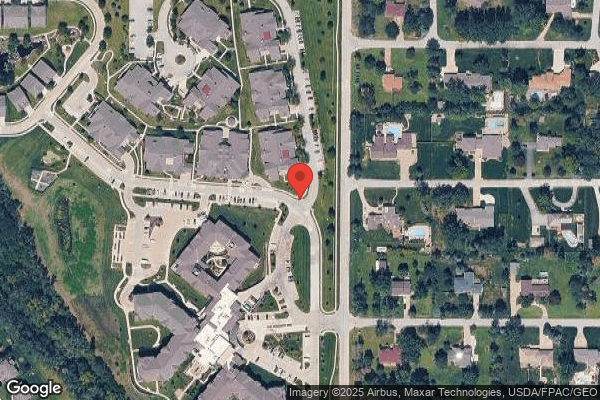

6082 Grand Lodge Avenue, Papillion, NE 68133 (402) 885-7000
For profit - Limited Liability company 48 Beds Independent Data: November 2025
Trust Grade
43/100
#118 of 177 in NE
Last Inspection: April 2025

Within standard 12-15 month inspection cycle. Federal law requires annual inspections.

Overview

Hillcrest Country Estates-Cottages has received a Trust Grade of D, indicating below-average performance with some concerns about care quality. It ranks #118 out of 177 facilities in Nebraska, placing it in the bottom half statewide, but is #3 of 5 in Sarpy County, meaning only two local options are worse. The facility's trend is worsening, with issues increasing from 8 in 2024 to 9 in 2025. Staffing is a relative strength, earning a 4 out of 5 stars, although the turnover rate is concerning at 69%, significantly higher than the state average of 49%. They have incurred $13,000 in fines, indicating compliance problems that are higher than 84% of Nebraska facilities. While the facility has average RN coverage, specific incidents raised concerns. For example, there were multiple failures to perform proper hand hygiene during medication administration, which risks spreading infections. Additionally, food safety practices were lacking, as staff did not label and date food items correctly and failed to maintain cleanliness in food preparation areas, potentially jeopardizing the health of residents. Overall, while there are some strengths in staffing, significant issues remain that families should consider.

Trust Score
D
43/100
In Nebraska
#118/177
Bottom 34%
Safety Record
Low Risk
No red flags
Inspections
Getting Worse
8 → 9 violations
Staff Stability
⚠ Watch
69% turnover. Above average. Higher turnover means staff may not know residents' routines.
Penalties
⚠ Watch
$13,000 in fines. Higher than 88% of Nebraska facilities, suggesting repeated compliance issues.
Skilled Nurses
○ Average
Each resident gets 39 minutes of Registered Nurse (RN) attention daily — about average for Nebraska. RNs are the most trained staff who monitor for health changes.
Violations
⚠ Watch
22 deficiencies on record. Higher than average. Multiple issues found across inspections.
★★☆☆☆
2.0
Overall Rating
★★★★☆
4.0
Staff Levels
★★★☆☆
3.0
Care Quality
★★☆☆☆
2.0
Inspection Score
Stable
2024: 8 issues
2025: 9 issues

The Good

  • 4-Star Staffing Rating · Above-average nurse staffing levels
  • Full Sprinkler Coverage · Fire safety systems throughout facility
  • No fines on record

Facility shows strength in staffing levels, fire safety.

The Bad

2-Star Overall Rating

Below Nebraska average (2.9)

Below average - review inspection findings carefully

Staff Turnover: 69%

23pts above Nebraska avg (46%)

Frequent staff changes - ask about care continuity

Federal Fines: $13,000

Below median ($33,413)

Minor penalties assessed

Staff turnover is elevated (69%)

21 points above Nebraska average of 48%

The Ugly 22 deficiencies on record

Apr 2025 9 deficiencies
CONCERN (D) 📢 Someone Reported This

A family member, employee, or ombudsman was alarmed enough to file a formal complaint

Potential for Harm - no one hurt, but risky conditions existed

Notification of Changes (Tag F0580)

Could have caused harm · This affected 1 resident

**NOTE- TERMS IN BRACKETS HAVE BEEN EDITED TO PROTECT CONFIDENTIALITY** B. Record review of Resident 47's Minimum Data Set (MDS: a federally mandated assessment tool used for care planning) dated 04-3...

Read full inspector narrative →
**NOTE- TERMS IN BRACKETS HAVE BEEN EDITED TO PROTECT CONFIDENTIALITY** B. Record review of Resident 47's Minimum Data Set (MDS: a federally mandated assessment tool used for care planning) dated 04-30-2024 revealed the facility staff assessed the following about the resident: -short and long term memory problems -moderately impaired decision making skills -required moderate assistance with eating and hygiene. -required maximum assistance with toileting, dressing, bathing, bed mobility and transfers. -was taking an anticoagulant medication (a medication that prevents blood to clot). Record review of Resident 47's progress note dated 05-28-2024 revealed a skin evaluation was conducted and the staff identified a large bruise on forehead. Record review of Resident 47's progress notes dated between 05-28-2024 and 06-03-2024 revealed no communication with Resident 47's practitioner or responsible party. Record review of Resident 47's progress note dated 06-04-2024 revealed a skin evaluation was conducted and a bruise was identified to the left forehead measuring 10.5 centimeters (cm) in length by 5.5 cm in width and the area was painful. Record review of the facility investigation of Resident 47's bruise revealed on 06-10-2025 Resident 47's daughter was visiting and noticed the bruise and wanted the bruise evaluated. An interview with the Clinical Care Coordinator (CCC) F on 04-14-2025 at 8:39 AM confirmed the physician and responsible party were not notified of the bruise on 05-28-2024 when the bruise was first noticed or on 06-04-2024 when the bruise was measured. Record review of the facility policy dated 03-06-2025 titled Hillcrest Health and Living Notification of Change of Condition or Status of Resident revealed: -the facility is to notify the resident, his or her Attending Physician, and/or responsible party of changes in the resident's medical/mental condition and/or status. -the facility will notify the resident's Attending Physician or On-Call Physician, resident and consistent with his or her authority, the residents responsible party when there has been an accident or incident involving the resident which results in injury and has potential for requiring physician intervention. Nebraska Licensure Reference Number 175 NAC 12-006.04(F)(i)(5) Based on interviews and record reviews; the facility failed to notify the physician of a resident's laboratory result for 1 (Resident 8) of 5 sampled residents; and the facility failed to notify the resident's representative and physician of a head injury for 1 (Resident 47) of 1 sampled resident. The facility staff identified a census of 47. The findings are: A. Record review of a facility procedure entitled Laboratory and Phlebotomy Procedure dated 2/1/2023 revealed: -All routine lab results will be faxed to the provider office. Record review of a facility policy entitled Notification of Change in Condition or Status of Resident dated revised 3/6/2025 revealed: -The facility will notify the resident's attending physician or on-call physician, resident, and consistent with his or her authority, the resident representative promptly when there has been: -e) The provider must be notified of all pertinent information from the facility. Record review of Resident 8's admission Record dated 04/09/2025 revealed the facility admitted Resident 8 on 09/07/2019 with diagnoses of chronic obstructive pulmonary disease (COPD, pulmonary disease that is characterized by chronic typically irreversible airway obstruction resulting in a slowed rate of exhalation), osteoarthritis, depressive episodes, and hypertension (high blood pressure). Record review of Resident 8's Minimum Data Set (MDS, a federally mandated comprehensive assessment tool used to determine a resident's functional capabilities and helps nursing home staff identify health problems) revealed a Brief Interview for Mental Status (BIMS, a brief screener that aids in detecting cognitive impairment) score of 9 out of 15. According to the MDS Manual, a score of 9 indicated the resident had moderately impaired cognition. Record review of Resident 8's laboratory results dated [DATE] revealed the resident had a Complete Blood Count (CBC, a common blood test that measures components of blood) , a Comprehensive Metabolic Panel (CMP, a blood test that measures various substances in the blood to assess the health of the liver, kidney, and overall metabolic status), and a Hemoglobin A1c (HbA1c, a blood test that that reflects that average blood sugar levels over the past few months) test performed. The lab results revealed the following: -Red Blood Count 3.66. The laboratory reference range was 4.20-5.60, which indicated the resident's result was abnormally low. -Hemoglobin 11.3. The laboratory reference rang was 12.0-15.5, which indicated the resident's result was abnormally low. -Hematocrit 36.1. The laboratory reference rang was 37.0-48.0, which indicate the resident's result was abnormally low. -Glucose 188. The laboratory reference range was 70-99 which indicated the resident's result was abnormally high. -Estimated Glomerular Filtration Rate (eGFR) 59. The laboratory reference range was greater than 60, which indicated that the resident's result was abnormally low. -Hemoglobin A1c 7.3. The laboratory reference range was less than 5.7, which indicated that the resident's result was abnormally high. The laboratory results stated HbA1c values greater than or equal to 6.5 percent are diagnostic of diabetes mellitus. An interview on 04/09/2025 at 1:23 PM with Clinical Care Coordinator (CCC)-F revealed that once laboratory results are received, the results are to be phoned or e-mailed to the provider. The results are to be signed on the next rounding date, or the provider is to sign and fax or e-mail the reviewed results back to the facility. An interview on 04/10/2025 at 8:47 AM with the Director of Nursing (DON). During the interview the DON reported they were unable to confirm that the laboratory result had been reviewed by the provider and should have been.
CONCERN (D) 📢 Someone Reported This

A family member, employee, or ombudsman was alarmed enough to file a formal complaint

Potential for Harm - no one hurt, but risky conditions existed

Report Alleged Abuse (Tag F0609)

Could have caused harm · This affected 1 resident

Licensure Reference Number 12-006.02(H) and St 28-372 Based on record review and interview the facility failed to submit an investigation report on an injury of unknown origin to the state agency in 5...

Read full inspector narrative →
Licensure Reference Number 12-006.02(H) and St 28-372 Based on record review and interview the facility failed to submit an investigation report on an injury of unknown origin to the state agency in 5 working days for 1 (Resident 47) of 2 residents sampled the facility census was 47. The findings are: A. Record review of Resident 47's Minimum Data Set (MDS: a federally mandated assessment tool used for care planning) dated 04-30-2024 revealed the facility staff assessed the following about the resident: -short and long term memory problems -moderately impaired decision making skills -required moderate assistance with eating and hygiene. -required maximum assistance with toileting, dressing, bathing, bed mobility and transfers. -was taking an anticoagulant medication (a medication that prevents blood to clot). Record review of Resident 47's progress note dated 05-28-2024 revealed a skin evaluation was conducted and the staff identified a large bruise on forehead. Record review of the facility's investigation of Resident 47's bruise revealed the bruise was discovered on or about 05-28-2024 from an unknown cause. An interview with the Director of Nursing (DON) on 04-10-2025 at 1:59 PM confirmed an investigation report should be sent to the state agency in 5 working days and a confirmation of submission via email or fax was not available. Record review of the facility policy dated 07-01-2025 revealed: -it is the policy of Hillcrest Health Services to report all allegations of abuse to the appropriate agencies in accordance with current state and federal regulations. -injuries of unknown source includes circumstances when both of the following conditions are met. The source of injury was not observed by any person or could not be explained by the resident. The injury is suspicious because of the extent of the injury, location of the injury, the number of injuries observed at a particular point in time, or the incidence of injuries over time. -the facility Administrator or designee will follow up with government agencies to confirm the report was received and to report the results of an investigation when final as required by state agencies.
CONCERN (D)

Potential for Harm - no one hurt, but risky conditions existed

Deficiency F0655 (Tag F0655)

Could have caused harm · This affected 1 resident

**NOTE- TERMS IN BRACKETS HAVE BEEN EDITED TO PROTECT CONFIDENTIALITY** Based on record review and interview the facility failed to ensure a baseline care plan was completed in 48 hours after Resident...

Read full inspector narrative →
**NOTE- TERMS IN BRACKETS HAVE BEEN EDITED TO PROTECT CONFIDENTIALITY** Based on record review and interview the facility failed to ensure a baseline care plan was completed in 48 hours after Resident 59 was admitted to the facility. The resident was 1 of 12 residents surveyed. The facility had a census of 47. Findings are: A record review of the residents' electronic health record revealed Resident 59 was admitted to the facility on [DATE] with unspecified encephalopathy (a general term for any brain dysfunction, characterized by an altered mental state). The resident also had the following diagnoses: paroxysmal atrial fibrillation, (an irregular rapid heartbeat), presence of automatic (implantable) cardiac defibrillator (a device that applies an electric charge to the heart to restore a normal heartbeat), essential (primary) hypertension (chronic heart disease that causes abnormally high blood pressure for unknown reasons, personal history of transient ischemic attack (Brief blockage of blood to the brain), and cerebral infarction without residual deficits (stroke with damage), hemiplegia and hemiparesis (partial paralysis) following cerebral infarction affecting right dominant side, dysphagia (difficulty swallowing), difficulty in walking. Resident is a full code and requires the assistance of 1 person to walk with a walker. A record review of a care plan dated 4/1/25 revealed it contained 2 care areas, Risk for falls and Risk of Impaired Nutritional Status. The care plan did not contain elements a through g of the facility's Baseline Care Plan Policy. A record review of the facilities Baseline Care Plan Policy dated 1/1/2023 revealed the following: A baseline plan of care should be developed for each patient within twenty-four (24) hours of admission. The care plan should include the interventions needed to provide person centered care. Policy and Compliance Guidelines: 1.The baseline care plan should be initiated by an interdisciplinary team member and must be developed with 24 hours of admission and should include: a. The patients' initial goals for care (Transition goals) b. Immediate ADL needs (transfers, weight bearing status, assist needed etc) c. Initial orders including medications and treatments (may include reference to medication and treatment record) d. Dietary orders e. Therapy plan of care (may include reference to therapy plan of care) f. Social services to include discharge planning and needs. g. PASRR recommendations, if applicable. An interview on 4/8/2025 at 3:03PM with Regional Consultant [NAME] confirmed a baseline care plan for the resident was not developed within 24 hours of admission. The resident was admitted on [DATE].
CONCERN (D) 📢 Someone Reported This

A family member, employee, or ombudsman was alarmed enough to file a formal complaint

Potential for Harm - no one hurt, but risky conditions existed

Quality of Care (Tag F0684)

Could have caused harm · This affected 1 resident

B Record review of a practitioners order dated 3/22/2025 revealed the following information -Nebulizer tubing set up: Change Duoneb tubing, mask and aersol chamber weekly. Ensure the date and initials...

Read full inspector narrative →
B Record review of a practitioners order dated 3/22/2025 revealed the following information -Nebulizer tubing set up: Change Duoneb tubing, mask and aersol chamber weekly. Ensure the date and initials are on the new tubing and mask with the change being scheduled overnights on Saturdays. A record review of a practitioners order dated 3/22/25 revealed the following: -C-PAP (a continuous positive airway pressure device that is a common treatment for obstructive sleep apnea). Staff were to set the CPAP in the morning and to store CPAP Mask when not in use in clean dry area. Staff may use respiratory set up bag when not in use. .An observation on 4/7/25 at 2:51 PM revealed Residents 58's nebulizer (a small electric powered device that converts liquid medication into an inhalable mist) mask was sitting on top of their side table without a bag in place. The nebulizer tubing was not dated. Residents CPAP mask was hanging from the residents' bedside lamp. An observation on 4/8/25 at 11:45 AM revealed Residents 58's CPAP mask was hanging from the bedside table and the nebulizer mask was resting on the nebulizer machine. The nebulizer tubing was not dated. An observation on 4/14/2025 at 7:23 AM revealed Residents 58's CPAP mask was hanging on the bedside lamp. An observation on 4/14/2025 at 7:23 AM revealed Residents 58's nebulizer mask was resting on the bedside table and the nebulizer tubing was undated. An interview on 4/8/25 at 11:55 AM with Registered Nurse (RN) H confirmed the CPAP mask was hanging from the lamp and it should not have been. RN-H further confirmed the nebulizer tubing was not dated and it should have been dated. An interview on 4/14/2025 at 7:23 AM with RN-I confirmed the nebulizer tubing was undated. RN-I confirmed the nebulizer mask was resting on the bedside table and the CPAP mask was hanging from the bedside lamp. RN-I confirmed the nebulizer tubing should have been dated and the CPAP mask should have been in a bag. Licensure Reference Number 175 NAC 12-006.09 & 12-006.09(H)(iii) Based on record review and interview the facility failed to monitor for neurological changes after a head injury and failed to evaluate and monitor changes in skin integrity for 1 (Resident 47) of 1 residents sampled and failed to follow physician's orders for 1 (Resident 58) of 9 residents sampled. The facility census was 47. The findings are: A.Record review of Resident 47's Minimum Data Set (MDS: a federally mandated assessment tool used for care planning) dated 04-30-2024 revealed the facility staff assessed the following about the resident: - short and long term memory problems - moderately impaired decision making skills -required moderate assistance with eating and hygiene. -required maximum assistance with toileting, dressing, bathing, bed mobility and transfers. -was taking an anticoagulant medication (a medication that prevents blood to clot). Record review of Resident 47's Progress Note dated 05-28-2024 revealed a skin evaluation was conducted and the staff identified a large bruise on forehead. Record review of Resident 47's Progress Notes dated between 05-28-2024 and 06-03-2024 revealed no communication with Resident 47's practitioner or responsible party. Record review of the facility investigation for Resident 47's bruise revealed measurements of the bruise were not obtained until 06-04-2024 and etiology was not investigated until 06-10-2024. An interview with Clinical Care Coordinator (CCC) F on 04-14-2025 at 8:39 AM confirmed the absence of measurements and neurological checks and confirmed the bruise should have been measured, an incident report should have been completed and due to having a new bruise to the head, neurological checks should have been initiated. Record review of the facility policy dated 01-01-2023 titled Hillcrest Country Estates Skin Integrity and Wound Assessment, Treatment and Documentation policy revealed: -all team members are responsible for preventing, caring for and providing treatment for any patient with altered skin integrity. -altered skin integrity can include bruises, abrasions, skin tears, contusions, lacerations, surgical incisions, and deep tissue injuries. -a full body skin assessment should be conducted by a licensed nurse upon admission and then weekly and as needed. -when a skin integrity concern is identified during a weekly skin evaluation the nurse will communicate the assessment of the wound upon identification and as needed for a treatment plan. -assessment of the skin integrity concern includes determining the etiology of the concern, measurements, presence of pain, the appearance of the concern and the surrounding area. Record review of the facility policy dated 11-20-2017 titled Hillcrest Country Estates Neuro Checks revealed: -a Neuro Check is a simple and standardized assessment to detect changes in level of consciousness. These may be performed on an individual with a post-fall head injury, traumatic brain injury, new stroke or any individual with a neurological event or diagnosis. -Neuro checks will be completed on the individual with a known or suspected head injury, unwitnessed fall or diagnosis warranting neuro checks.
CONCERN (D)

Potential for Harm - no one hurt, but risky conditions existed

Medication Errors (Tag F0758)

Could have caused harm · This affected 1 resident

Based on interviews and record reviews, the facility failed to identify specific behavioral symptoms for the continued use of antidepressant medications for 2 (Residents 5 and 9) of 5 sampled resident...

Read full inspector narrative →
Based on interviews and record reviews, the facility failed to identify specific behavioral symptoms for the continued use of antidepressant medications for 2 (Residents 5 and 9) of 5 sampled residents. The facility staff identified a census of 47. The findings are: Record review of a facility policy entitled Psychotropic Medication Policy dated 01/01/2023 revealed: -Patients are not prescribed psychotropic medications unless they are necessary to treat a specific condition, as diagnosed and documented in the medical record, and the medication is beneficial to the patient, as evidenced by monitoring and documentation of the patient's response to the medication(s). -The indications for initiating, withdrawing or withholding medication(s), as well as the use of nonpharmacological approaches, shall be determined by the provider along with the interdisciplinary team. -The patient response to the medication(s), including progress towards goals and presence/absence of adverse consequences, shall be documented in the patient's medical record. A. Record review of Resident 5's Minimum Data Set (MDS, a federally mandated comprehensive assessment tool used to determine a resident's functional capabilities and helps nursing home staff identify health problems) identified an admission date of 12/28/2022. The Brief Interview for Mental Status (BIMS, a brief screener that aids in detecting cognitive impairment) was not completed as the resident was rarely or never understood. The MDS further identified that the resident received antipsychotic, antianxiety, and antidepressant medications and the resident exhibited wandering. Record review of Resident 5's admission Record revealed the resident had diagnoses which included anxiety, mild dementia with mood disturbance, and depression. Record review of Resident 5's Order Summary Report printed 04/08/2025 revealed an order for mirtazapine (antidepressant medication) tab 15 mg, give 1 tablet orally at bedtime for depression. Record review of Resident 5's electronic medical records revealed no monitoring for specific behavioral symptoms was identified for the use of antidepressant medication. An interview on 04/09/2025 at 1:47 PM with the Director of Nursing (DON) revealed the expectation was to monitor and record specific behavioral symptoms displayed by the resident which prompted the use of the antidepressant. An interview on 04/10/2025 at 7:41 AM with the DON confirmed there was no specific behavioral symptom identified or monitored to support the continued use of antidepressant medications. B. Record review of Resident 9's admission Record identified the facility admitted the resident on 01/29/2023 and identified diagnoses of dementia without behavioral disturbance, chronic kidney disease, depression, and hypertension. Record review of Resident 9's MDS identified that the BIMS score was not completed as the resident was rarely or never understood. The MDS further identified the resident displayed no behavioral symptoms and revealed the resident was receiving antipsychotic and antidepressant medications. Record review of Resident 9's Order Summary Report printed 04/09/2025 revealed an order for mirtazapine tab 15 mg, give 1/2 tab orally at bedtime for depression. Record review of Resident 9's electronic medical records revealed no monitoring for specific behavioral symptoms was identified for the continued use of antidepressant medication. An interview on 04/09/2025 at 1:47 PM with the Director of Nursing (DON) revealed the expectation was to monitor and record specific behavioral symptoms displayed by the resident which prompted the use of the antidepressant. An interview on 04/10/2025 at 7:41 AM with the DON confirmed there was no specific behavioral symptom identified or monitored to support the continued use of antidepressant medications.
CONCERN (E)

Potential for Harm - no one hurt, but risky conditions existed

Drug Regimen Review (Tag F0756)

Could have caused harm · This affected multiple residents

Licensure Reference Number 175 NAC 12-006.12(A)(vi) Based on interviews and record reviews; the facility failed to ensure pharmacy recommendations were completed for 3 (Residents 5, 8, and 9) of 5 sam...

Read full inspector narrative →
Licensure Reference Number 175 NAC 12-006.12(A)(vi) Based on interviews and record reviews; the facility failed to ensure pharmacy recommendations were completed for 3 (Residents 5, 8, and 9) of 5 sampled residents. The facility staff identified a census of 47. The findings are: Record review of a facility policy entitled Medication Regimen Review Policy updated 02/03/2025 revealed: -A medication regimen review will be completed for each resident by a licensed pharmacist in order to identify irregularities and to identify clinically significant risks and/or actual or potential adverse consequences which may result from or be associated with medications. The documented medication regimen review completed by the pharmacist will be provided to the primary care provider and Director of Nursing (DON). -Recommendations by the consultant pharmacist per the medication regimen review, will be provided for review to the primary care provider and Director of Nursing/designee prior to the next review. -Recommendations will be carried out by a licensed nurse prior to the next review. A. Record review of Resident 5's Minimum Data Set (MDS, a federally mandated comprehensive assessment tool used to determine a resident's functional capabilities and helps nursing home staff identify health problems) identified an admission date of 12/28/2022. The Brief Interview for Mental Status (BIMS, a brief screener that aids in detecting cognitive impairment) was not completed as the resident was rarely or never understood. The MDS further identified that the resident received antipsychotic, antianxiety, and antidepressant medications and the resident exhibited wandering. Record review of Resident 5's admission Record revealed the resident had diagnoses of Anxiety, Mild Dementia with Mood Disturbance, and Depression. Record review of pharmacy notes entered by the licensed pharmacist into Resident 5's electronic medical record from April 2024 through March 2025 revealed the following: -09/30/2024 due for duration reassessment on PRN (as needed) Lorazepam (an antianxiety medication). -10/31/2024, 11/29/24, and 12/30/24 re-issue PRN Lorazepam request. Further review of Resident 5's electronic medical record revealed there were no indications the facility staff followed up with the recommendation from the Pharmacist with the request dates of 9/30/2024,10/31/2024,11/29/2024 and 12/30/2024. An interview on 04/10/25 at 7:41 AM with the Director of Nursing ( DON) revealed the expectation for completing pharmacy recommendations is within one week of receipt. The DON confirmed that pharmacy recommendations had not been completed for Resident 5 and should have been. B. Record review of Resident 8's MDS identified an admission date of 01/17/2024 and a BIMS score of 9/15. According to the MDS Manual, a BIMS score of 9 indicated that the resident had moderate cognitive impairment. The MDS revealed the resident did not exhibit behaviors and was receiving antidepressant, diuretic, opioid, and hypoglycemic medications. Record review of Resident 8's admission Record identified diagnoses of type 2 Diabetes Mellitus, Chronic Obstructive Pulmonary Disease (COPD, pulmonary disease that is characterized by chronic typically irreversible airway obstruction resulting in a slowed rate of exhalation), Osteoarthritis, Depressive episodes, and Hypertension. Record review of pharmacy notes entered by the licensed pharmacist into Resident 8's electronic medical record from April 2024 through March 2025 revealed the following which showed the pharmacy recommendations had not been followed up on: -04/30/2024 Re-issue GDR -05/30/2024 Re-issue GDR on Escitalopram (an anti-depressant medication) -06/30/2024 Re-issue GDR -07/28/2024 Follow-up with GDR. -08/29/2024 Re-issue GDR on Escitalopram. -09/30/2024 Re-issue GDR on Escitalopram. -10/31/2024 Re-issue GDR on Escitalopram. -11/29/2024 Re-issue GDR evaluation. -12/30/2024 F/U with GDR recommendation. Record review of Pharmacist's Recommendation to Provider dated 02/05/2025 revealed a GDR recommendation on the resident's Escitalopram that was addressed by the primary care provider, nine months after the recommendation was first issued. An interview on 04/09/2025 at 2:39 PM with the DON confirmed there were no additional pharmacy recommendation records for Resident 8 for review. An interview on 04/10/25 at 7:41 AM with the DON revealed the expectation for completing pharmacy recommendations is within one week of receipt. The DON confirmed that pharmacy recommendations had not been completed for Resident 8 and should have been. C. Record review of Resident 9's admission Record identified the facility admitted the resident on 01/29/2023 and identified diagnoses of dementia without behavioral disturbance, chronic kidney disease, depression, and hypertension. Record review of Resident 9's MDS identified that the BIMS score was not completed as the resident was rarely or never understood. The MDS further identified the resident displayed no behavioral symptoms and revealed the resident was receiving antipsychotic and antidepressant medications. Record review of pharmacy notes entered by the licensed pharmacist into Resident 9's electronic medical record from April 2024 through March 2025 revealed the following which showed the pharmacy recommendations had not been followed up on: -12/30/2024 GDR evaluation for quetiapine/Mirtazapine. -01/30/2025 Re-issue GDR on psych medications. No new recommendations. -02/26/2025 Re-issue GDR on psych medications. Record review of Pharmacist's Recommendation to Prescriber dated 02/26/2025 revealed GDR recommendations for Mirtazapine and quetiapine were addressed on 03/01/2025, three months after the recommendation was first issued. An interview on 04/09/2025 at 2:39 PM with the DON confirmed there were no additional pharmacy recommendation records for Resident 9 for review. An interview on 04/10/25 at 7:41 AM with the DON revealed the expectation for completing pharmacy recommendations is within one week of receipt. The DON confirmed that pharmacy recommendations had not been completed for Resident 9 and should have been.
CONCERN (E)

Potential for Harm - no one hurt, but risky conditions existed

Menu Adequacy (Tag F0803)

Could have caused harm · This affected multiple residents

Nebraska Licensure Reference Number 175 NAC 12-006.11(A)(i) Based on observations, interviews, and record reviews; the facility failed to follow the menu to assure nutritional value of foods in 1 (Cot...

Read full inspector narrative →
Nebraska Licensure Reference Number 175 NAC 12-006.11(A)(i) Based on observations, interviews, and record reviews; the facility failed to follow the menu to assure nutritional value of foods in 1 (Cottage 70) of 3 cottages. This had the potential to affect 13 residents receiving foods from that kitchen. The facility staff identified a census of 47. The findings are: Record review of a facility policy entitled Culinary Food Preparation Policy revised 11/20/2017 revealed: -All food items are prepared by methods that conserve nutritional value. -The recipe file index that supports the current menu is to be used during the preparation of food items. Record review of the Italian Tossed Salad recipe dated 2024 revealed ingredients included lettuce, sliced red onion, Italian dressing, and parmesan cheese. Observation on 04/09/2025 at 9:25 AM with the Culinary Director (CD) present while Cook-G prepared the Italian Tossed Salad revealed Cook-G obtained a large bowl and cutting board. Cook-G washed hands for 17 seconds and retrieved lettuce and cucumber from the refrigerator. Cook-G performed hand hygiene and donned (applied) gloves and tore the lettuce apart into bite sized pieces. Cook-G doffed (removed) gloves and washed hands for 22 seconds. Cook-G donned gloves, sliced the cucumber, and mixed the cucumber with the lettuce. Cook-G doffed gloves, washed hands, and obtained a zip lock bag, labeled and dated the bag, washed [gender] hands, donned gloves and transferred the salad into the bag. Throughout the entire preparation Cook-G did not use the recipe when preparing the Italian Tossed Salad for the residents. An interview on 04/09/2025 at 9:35 AM with Cook-G with the CD present revealed Cook-G stated [gender] hardly ever used the menus. Cook-G reported resident's don't like tomato or onion so kitchen staff only put cucumber in the salad. Cook-G confirmed that nutritional value could not be measured if the menu and recipe approved by the Registered Dietitian (RD) had not been followed. An interview on 04/09/2025 at 9:45 AM with the CD confirmed the expectation is to follow the recipes when preparing meals. An interview on 04/09/2025 at 12:13 PM with the CD confirmed proper nutrition cannot be confirmed if RD approved recipes are not utilized. An interview on 04/14/2025 at 8:43 AM with the RD confirmed that the omission of vegetables has the potential to alter the nutritional value of the dish. The RD further confirmed expectations to follow the menu. RD revealed if a majority of the resident in one cottage do not like a food item, the menu could be changed and that would be approved through the RD. The RD revealed [gender] was unaware the cook did not follow the recipes.
CONCERN (E)

Potential for Harm - no one hurt, but risky conditions existed

Food Safety (Tag F0812)

Could have caused harm · This affected multiple residents

Nebraska Licensure Reference Number 175 NAC 12.006.11(A)(i) Nebraska Food Code 2017 4-602.11(D)(5) Based on observations, interviews, and record reviews; the facility failed to ensure the cleanliness ...

Read full inspector narrative →
Nebraska Licensure Reference Number 175 NAC 12.006.11(A)(i) Nebraska Food Code 2017 4-602.11(D)(5) Based on observations, interviews, and record reviews; the facility failed to ensure the cleanliness of a reach-in freezer in Cottage 80 and a reach-in refrigerator in the Rehab Cottage to prevent the potential for foodborne illness. This had the potential to affect 13 residents who received food in Cottage 80 and 21 residents who received food in the Rehab Cottage. The facility staff identified a census of 47. The findings are: A. Record review of a facility policy entitled Culinary Cleaning Policy revised 11/20/2017 revealed: -The equipment, surfaces and floor in the culinary department will be thoroughly cleaned and sanitized throughout the day and at closing. -Each piece of equipment will have a cleaning procedure and a weekly schedule for cleaning posted in the kitchen. -These procedures will be reviewed during new team member onboarding. -It is the responsibility of the culinary team to maintain the sanitation of all pieces of equipment and kitchen as a whole. -Cleaning checklist forms are to be signed off on by the team member which has completed the task then turned into the assistant directors. -The Culinary Directors will audit these procedures through cleaning check lists and visual inspections. Observation on 04/07/2025 from 8:16 AM to 8:24 AM during the initial walk through of Cottage 80's kitchen revealed a pool of dried red substance beneath a roll of ground beef in the freezer on the bottom shelf with no barrier beneath. Observation on 04/09/2025 at 8:20 AM with the CD revealed the dried red substance remained beneath the roll of ground beef with no barrier beneath. Interview on 04/09/2025 at 8:20 AM with the Culinary Director (CD) confirmed the presence of a dried red substance beneath the roll of ground beef. The CD revealed the facility had been without a CD for a long time prior to [gender] arrival and that the culinary department did not have cleaning schedules. B. Observation on 04/07/2025 from 8:00 AM to 8:11 AM during the initial walk through of the Rehab Cottages' kitchen revealed standing water with floating food debris in a reach-in cooler on the bottom shelf. There were no food items stored on that shelf. Observation on 04/09/2025 at 9:02 AM with the CD revealed the standing water remained in the bottom of the reach-in cooler. A cardboard box containing eggs and another cardboard box containing individual cartons of juice were placed on the shelf in the standing water. Interview on 04/09/2025 at 9:02 AM with the CD confirmed the presence of standing water in the reach-in refrigerator and the boxed food items sitting in the water.
CONCERN (E) 📢 Someone Reported This

A family member, employee, or ombudsman was alarmed enough to file a formal complaint

Potential for Harm - no one hurt, but risky conditions existed

Deficiency F0947 (Tag F0947)

Could have caused harm · This affected multiple residents

Licensure Reference Number 175 NAC 12-006.04(B)(ii)(1) Based on interview and record review the facility failed to ensure nursing assistants received annual abuse and dementia training for 5 of 5 empl...

Read full inspector narrative →
Licensure Reference Number 175 NAC 12-006.04(B)(ii)(1) Based on interview and record review the facility failed to ensure nursing assistants received annual abuse and dementia training for 5 of 5 employee files reviewed. The facility census was 47. The findings are: Record review of Nurse Tech (NT) A's employee file revealed a hire date of 04-04-2024 and the absence of annual abuse and dementia training. Record review of NT B's employee file revealed a hire date of 06-27-2022 and the absence of annual abuse and dementia training. Record review of NT C's employee file revealed a hire date of 04-10-2023 and the absence of annual abuse and dementia training. Record review of NT D's employee file revealed a hire date of 02-12-2024 and the absence of annual abuse and dementia training. Record review of NT E's employee file revealed a hire date of 06-13-2022 and the absence of annual abuse and dementia training. An interview conducted with the Regional Nurse Consultant (RNC) on 04-08-2025 at 3:25 PM confirmed NT A and NT B did not complete annual abuse training and NT A, B, C, D and E did not complete annual dementia training. Record review of the facility policy titled Hillcrest Health Services Inservice Education Policy dated 11-20-2017 revealed a policy statement of Hillcrest Country Estates will hold in services for all Team Members to attend. In-services are conducted in order to increase a Team Member's knowledge of the job-related skills as well as provide internal information regarding changes, within the organization, department or industry. Attending in-services is a Hillcrest Country Estates expectation in order to provide and ensure our guest's the highest quality of care and service. Also included in the policy under Procedures #2 revealed all team members must attend or complete on Hillcrest University the following mandatory in-services yearly: -guest rights - abuse and neglect -dementia behavior management -emergency preparedness- tornado, fire, evacuation. -safety accident prevention -infection and exposure control -annual competencies by department -safety data sheets-use of chemicals
Apr 2024 4 deficiencies
CONCERN (D) 📢 Someone Reported This

A family member, employee, or ombudsman was alarmed enough to file a formal complaint

Potential for Harm - no one hurt, but risky conditions existed

Unnecessary Medications (Tag F0759)

Could have caused harm · This affected 1 resident

**NOTE- TERMS IN BRACKETS HAVE BEEN EDITED TO PROTECT CONFIDENTIALITY** Licensure Reference Number 175 NAC 12-006.10B1 Licensure Reference Number 175 NAC 12-006.10B1a Licensure Reference Number 175 NA...

Read full inspector narrative →
**NOTE- TERMS IN BRACKETS HAVE BEEN EDITED TO PROTECT CONFIDENTIALITY** Licensure Reference Number 175 NAC 12-006.10B1 Licensure Reference Number 175 NAC 12-006.10B1a Licensure Reference Number 175 NAC 12-006.10D1 Based on observations, record review, and interview: the facility failed to administer medications while keeping a medication error rate not 5% or greater which affected 4 (Resident 9, 7, 8, and 2) of 6 sampled residents. The medication error rate was 9.8%. The facility census was 117. Findings are: A. A record review of Resident 9's Medical Diagnosis form printed 4/23/2024 revealed the resident admitted to the facility on [DATE] with a readmission date on 12/22/2020 with diagnoses of congestive heart failure (CHF-the heart doesn't pump blood as well as it should), hypertension (force of the blood against the artery walls is too high), edema (excess fluid in the tissues), and macular degeneration (loss in the center of the field of vision). A record review of Resident 9's Brief Interview for Mental Status (BIMS-tool used to identify the cognitive condition of the resident) dated 2/1/2024 revealed a score of 15 indicating the resident is cognitively intact. An observation on 4/23/2024 at 7:55 AM in Resident 9's room revealed Medication Aide (MA)-C gave Resident 9's scheduled morning medications with no blood pressure or heart rate taken prior to administration. A record review of Resident 9's April Medication Administration Record (MAR-a record used to document medications taken by the resident) revealed an order for Carvedilol (medication used to treat high blood pressure) 3.125 milligrams (mg) 1 tablet orally two times a day for hypertension with parameters to hold medication for systolic blood pressure greater than 90 or heart rate less than 60 with an effective date of 8/29/2023. Further record review of the MAR revealed the last day a blood pressure or heart rate was taken for this medication was documented on 4/20/2024. An interview on 4/23/2024 at 8:45 PM with the Director of Nursing (DON) revealed there was no order from the physician to discontinue the blood pressure or heart rate parameter on the Carvedilol order and confirmed that a blood pressure and heart rate should have been taken prior to giving the medication. B. A record review of Resident 7's Medical Diagnosis form printed 4/23/2024 revealed the resident admitted to the facility on [DATE] with the diagnoses of dementia (progressive or persistent loss of intellectual functioning), heart failure (the heart doesn't pump blood as well as it should), major depressive disorder (persistently depressed mood or loss of interest in activities), anxiety (feelings of worry and fear that interfere with ones daily activities), and hypertension (force of the blood against the artery walls is too high). A record review of Resident 7's BIMS assessment dated [DATE] revealed a score of 9 which indicated moderate cognitive impairment. An observation on 4/23/2024 at 8:15 AM in Resident 7's room revealed MA-C gave Resident 7's scheduled medications and left a medication cup with a chewable tablet on the resident's bedside table, despite the resident stating [gender] didn't want it. The resident stated it was for her stomach and [gender] didn't need it and never takes them. A record review of Resident 7's Order Summary Report printed 4/23/2024 revealed an order for Cal-Gest Chewable (used to treat upset stomach, heartburn, or indigestion) 500 mg to be given orally in the morning. A record review of Resident 7's April MAR revealed that MA-C had documented that the chewable tablet was ingested by the resident. A record review of Resident 7's electronic health record revealed no self-administration assessment. An observation on 4/23/2024 at 8:40 AM in Resident 7's room revealed the chewable tablet was still in the medication cup on the bedside table. The resident was asked if [gender] was going to take it and the resident said no. An interview on 4/23/2024 at 8:45 AM with MA-C regarding whether [gender] normally documents a medication as taken without seeing the resident take the medication, [gender] replied no, but I knew [gender] would take it later. When notified that the resident had not taken the medication at 8:40 AM and was still in the medication cup in her room, she confirmed this was an error and should not have documented that the medication was taken. C. A record review of Resident 8's Medical Diagnosis form printed 4/23/2024 revealed an admission date to the facility on 2/14/2023 with the diagnoses of heart failure (the heart doesn't pump blood as well as it should), morbid obesity, rheumatoid arthritis (chronic inflammatory disorder that affects small joints in the hands and feet), and major depressive disorder (persistently depressed mood or loss of interest in activities). A record review of Resident 8's BIMS assessment dated [DATE] revealed a score of 15 which indicated the resident is cognitively intact. An observation on 4/23/2024 at 8:20 AM in Resident 8's room revealed MA-C gave Resident 8's scheduled medications which included Metoprolol (medication used to treat high blood pressure) without taking a blood pressure or pulse prior to administration of the medication. A record review of Resident 8's Order Summary Report printed 4/23/224 revealed an order for Metoprolol Succinate ER tablet Extended Release 25 mg by mouth one time a day for hypertension with parameters to hold for systolic blood pressure less than 90 or pulse less than 60 with an order date of 10/21/2023. Further review of the Order Summary Report revealed an order for Diclofenac Gel 1% to be applied to left neck, knee, and shoulder three times a day for pain. A record review of the April Treatment Administration Record (TAR) revealed that MA-C had documented that Diclofenac gel (used to relieve symptoms of arthritis) was applied per physician's order at 8:20 AM. This was not witnessed during observation at 8:20 AM. An observation and interview on 4/23/2024 at 8: 45 AM with MA-C revealed the medication aide coming out of Resident 8's room with a blood pressure cuff in hand. MA-C confirmed that [gender] should have checked the resident's blood pressure and pulse before giving the Metoprolol and forgot. MA-C also stated she went back to the resident's room and applied the Diclofenac gel. An interview on 4/23/2024 at 8:35 AM with Resident 8 revealed that MA-C did not come back to room to apply the Diclofenac gel. D. A record review of Resident 2's Medial Diagnosis form printed 4/23/2024 revealed the resident was admitted to the facility on [DATE] with diagnoses of multiple sclerosis (MS-damage to the central nervous system with potential symptoms of vision loss, pain, fatigue, and impaired coordination), asthma (airways become inflamed, narrow and swell, extra mucous production making it difficult to breathe), hypertension (force of the blood against the artery walls is too high), and muscle weakness. A record review of Resident 2's BIMS assessment dated [DATE] revealed a score of 15 which indicated the resident is cognitively intact. An observation on 4/23/2024 at 7:45 PM in Resident 2's room revealed Licensed Practical Nurse (LPN)-D gave Resident 2 [gender] scheduled medications, an eye drop, and an as needed medication for a cough. A record review of the April MAR at 8:30 AM revealed that LPN-D documented that [gender] applied Betadine to the resident's right great toe. A record review of Resident 2's Order Summary Report printed 4/23/2024 revealed an order for betadine to the right great toe twice a daily for a wound. An interview on 4/23/2024 at 8:20 PM with Resident 2 revealed that LPN-D did not apply betadine to the right great toe. An interview on 4/23/2024 at 8:30 PM with LPN-D regarding the betadine to the right great toe revealed that [gender] did document that this was completed when it had not. LPN-D stated [gender] was going to do the treatment later. When asked if [gender] normally documents something as given or done before actually doing, [gender] replied 'no.' LPN-D confirmed that [gender] should not have documented that this was completed until after the betadine was applied to the right great toe. An interview on 4/23/2024 at 10:30 AM with the Director of Nursing (DON) confirmed that blood pressures and pulses need to be checked if ordered, medications or treatments should not be documented until completed. A record review of an undated facility policy Medication Administration and Provision revealed: 3. medications will be stored in a locked cart or cupboard, according to manufacturer's directions if applicable. 9. All medications will be administered to each guest/patient according to the following five rights: -right med -right guest/patient -right dose -right time -right route 11. Medications are documented as administered after the med aid/nurse has assured the guest/patient consumed the medication A record review of an undated Medication Pass Competency checklist revealed: 6. Vital signs taken prior to medication administration as ordered or required. 8. Nurse/med tech watched consumption; no meds left at bedside. 10. All medications given documented on the MAR as passed and given timely as ordered; controlled logs updated. 11. The Six Rights were practiced and followed throughout the med pass: a. right med b. right dose c. right route d. right time e. right resident f. right documentation 12. Refused or held doses recorded and reasons documented. (notified nurse) 14. Pain and behavioral assessments completed and documented during med pass.
CONCERN (D) 📢 Someone Reported This

A family member, employee, or ombudsman was alarmed enough to file a formal complaint

Potential for Harm - no one hurt, but risky conditions existed

Deficiency F0760 (Tag F0760)

Could have caused harm · This affected 1 resident

**NOTE- TERMS IN BRACKETS HAVE BEEN EDITED TO PROTECT CONFIDENTIALITY** Licensure Reference Number 175 NAC 12-006.10D Based on observations, record review, and interview; the facility failed to follow...

Read full inspector narrative →
**NOTE- TERMS IN BRACKETS HAVE BEEN EDITED TO PROTECT CONFIDENTIALITY** Licensure Reference Number 175 NAC 12-006.10D Based on observations, record review, and interview; the facility failed to follow the five rights of medication administration causing significant medication errors which affected 2 (Resident 2 and 9) of 3 sampled residents. The facility census was 117. Findings are: A. A record review of Resident 2's Medial Diagnosis form printed 4/23/2024 revealed the resident was admitted to the facility on [DATE] with diagnoses of multiple sclerosis (MS-damage to the central nervous system with potential symptoms of vision loss, pain, fatigue, and impaired coordination), asthma (airways become inflamed, narrow and swell, extra mucous production making it difficult to breathe), hypertension (force of the blood against the artery walls is too high), and muscle weakness. A record review of Resident 2's BIMS assessment dated [DATE] revealed a score of 15 which indicated the resident is cognitively intact. A record review of Resident 2's Quarterly MDS (Minimum Date Set-a comprehensive assessment tool that measures health status of residents) dated 1/30/2024 revealed: -Section GG: Resident has impairment to legs and uses a wheelchair, is dependent on staff for dressing, toileting hygiene, bed mobility, and transfers with a mechanical lift , requires maximum assistance for personal hygiene and bathing, -Section J: Resident receives scheduled pain medication which makes it difficult to sleep and in the 5 days prior to the assessment, the resident experienced severe pain. An interview on 4/22/2024 at 1:30 PM with Resident 2 revealed there have been several times that [gender] was not getting their medications on time which included pain medication. Resident 2 further revealed there were at least 5 times in March that [gender] either didn't get the medications or they were very late causing her to have severe pain and made [gender] cry. The resident provided specific dates in which she knew things were not given timely. The resident revealed Easter weekend was awful. The resident stated that [gender] did not receive [gender] blood pressure medication for 3 days along with glaucoma medication as [gender] was told it was unavailable. The resident stated this occurred in April 2024. A record review of Resident 2's March 2024 Medication Administration Record (MAR-a document that details what medications were received by the resident) revealed the following: On 3/20/2024 the resident was to receive the below medications at 5:00 PM and all were documented to be given at 9:13 PM: -Dulera 200-5 microgram (mcg) (an inhaler used to improve lung function) 2 puffs twice daily for shortness of breath/asthma every 12 hours, -Magnesium Oxide 400 milligram (mg) (a supplement that helps to regulate muscle and nerve function along with regulating blood pressure) twice a day, -Cetirizine (treats hay fever and allergy symptoms) 10 mg in the evening, -Naproxen Sodium (anti-inflammatory that treats pain) 220 mg twice a day, -Letrozole (a cancer medication)2.5 mg in the evening. On 3/22/2024 the resident was to receive the below medications at 5:00 PM and all were documented to have been given between 8:47 PM and 8:48 PM: -Dulera 200-5 mcg 2 puffs twice daily, -Magnesium Oxide 400 mg twice a day, -Cetirizine 10 mg in the evening, -Naproxen Sodium 220 mg twice a day, -Baclofen (used to treat muscle spasms) 20 mg 2 tablets twice daily, -Letrozole 2.5 mg in the evening. On 3/26/2024 the resident was to receive Norco (a scheduled II narcotic used to treat pain) 5-325 mg at bedtime. There is no documentation that this medication was given. On 3/29/24 the resident was to receive the below medications at 7:00 PM and there was no documentation that these medications were given: -Latanoprost (used to treat glaucoma) 0.005% -Instill 1 drop in both eyes at bedtime, -Norco 5-325 mg 1 tab at bedtime. On 3/30/2024 the resident was to receive the below medications at 5:00 PM and all were documented to have been given at 8:47 PM. The resident was to receive Nystatin powder to the armpits and breasts twice daily and there was no documentation that this was completed. -Cetirizine 10 mg in the evening, -Naproxen 220 mg twice daily, -Magnesium Oxide 400 mg twice a day, -Baclofen 20 mg 2 tabs twice a day, -Letrozole 2.5 mg in the evening, On 3/31/2024 the resident was to receive the below medications at 5:00 PM and all were documented to have been between 2:25 AM and 2:26 AM: -Dulera 200-5 mcg 2 puffs twice daily, -Cetirizine 10 mg in the evening, -Naproxen 220 mg twice daily, -Magnesium Oxide 400 mg twice a day, -Letrozole 2.5 mg in the evening, -Baclofen 20 mg 2 tabs twice a day. On 3/31/2024 the resident was to receive the below medications at 7:00 PM and all were documented to have been given between 2:25 AM and 2:35 AM. Latanoprost 0.005% 1 drop both eyes at bedtime, Gabapentin (used to treat neuropathy pain) 100 mg three times a day for nerve pain, Norco 5-325 mg at bedtime. A record review of Resident 2's electronic health record reviewed no progress notes related to late administration or medication not given or updates to the medical doctor. B. A record review of Resident 9's Medical Diagnosis form printed 4/23/2024 revealed the resident admitted to the facility on [DATE] with a readmission date on 12/22/2020 with diagnoses of congestive heart failure (CHF-the heart doesn't pump blood as well as it should), hypertension (force of the blood against the artery walls is too high), edema (excess fluid in the tissues), and macular degeneration (loss in the center of the field of vision). A record review of Resident 9's Brief Interview for Mental Status (BIMS-tool used to identify the cognitive condition of the resident) dated 2/1/2024 revealed a score of 15 indicating the resident is cognitively intact. An interview on 4/22/2024 at 2:00 PM with Resident 9 in regards to receiving medications timely, the resident replied honestly, no. The resident stated they have skipped [gender] a few times and then [gender] lays awake all night waiting for medication and when [gender] realized they are not coming, [gender] can't sleep. She said this is distressing as [gender] to go to bed between 6:30 PM and 7:00 PM. A record review of Resident 9's March 2024 Medication Administration Record (MAR-a document that details what medications were received by the resident) revealed the following: On 3/17/2024 the resident was to receive the below medications at 5:00 PM and all were documented to have been given between 7:59 PM and 8:04 PM: -Acetaminophen (used to treat pain) 500 mg 2 tabs twice daily, -Carvedilol (used to treat high blood pressure and heart failure) 3.125 mg 1 tab twice daily, -Miralax (a laxative used to treat constipation) 17 gm (gram) twice daily, -Brimonidine/Timolol (an eye drop used to treat glaucoma) 0.2/.5%- Instill 1 gtt in both eyes twice daily, -Senexon-S (used to treat constipation) 8.6-60 mg 2 tabs twice daily. On 3/20/2024 the resident was to receive the below medications at 5:00 PM and was documented to have been given between 8:53 PM and 8:54 PM: -Miralax 1 gm twice a day, -Carvedilol 3.125 mg twice a day, -Senexon-S 8.6-50 mg 2 tabs twice daily, -Brimonidine/Timolol 1 gtt both eyes twice daily, -Acetaminophen 500 mg 2 tabs twice daily. On 3/22/2024 the resident was to receive the below medications at 5:00 PM and was documented to have been given between 8:38 PM and 8:39 PM. -Brimonidine/Timolol- Instill 1 gtt in both eyes twice daily, -Senexon-S 8.6-50 mg 2 tabs twice daily, -Carvedilol 3.125 mg twice daily, -Miralax 17 gm twice daily, -Acetaminophen 500 mg 2 tabs twice daily. On 3/30/2024 the resident was to receive the below medications at 5:00 PM and was documented to have been given between 9:12 PM and 9:14 PM: -Acetaminophen 500 mg 2 tabs twice daily, -Carvedilol 3.125 mg twice daily, -Miralax 17 gm twice daily, -Senexon-S 8.6-50 mg 2 tabs twice daily, -Brimonidine/Timolol 1 gtt both eyes twice daily, and -Latanoprost .005%- Instill 1 gtt both eyes- this medication not documented to have been given. On 3/31/2024 the resident was to receive the below medications at 7:00 AM and was documented to have been given between 12:04 PM and 12:14 PM: -Lasix (a diuretic used to treat fluid retention that causes an individual to urinate more) 20 mg 2 tabs in the morning, -Fluticasone (a nasal spray used to treat allergy symptoms) 50 mcg 1 spray each nare , -Acetaminophen 500 mg 2 tabs twice daily, -Potassium (used to treat low amounts of potassium in the body or used when an individual is on a diuretic) 10 meq Extended Release in the morning, -Vitamin D ( a supplement for bone health) 1000 units in the morning. -Miralax 17 gms twice daily -Duloxetine (used for nerve pain and/or depression) 60 mg daily -Senexon-S 8.6-50 mg 2 tabs twice daily, -Cetirizine 10 mg daily, -Aspirin (anti-inflammatory used for pain) 81 mg in the morning, -Brimonidine/Timolol (eye drop for glaucoma) 1 gtt in both eyes twice daily, -Clopidogrel (used to thin the blood) 75 mg in the morning, -Carvedilol (used to treat high blood pressure and heart failure) 3.125 mg twice daily. On 3/31/2024 the resident was to receive the below medications at 11:00 PM and was documented to have been given between at 12:14 PM: -Lasix 20 mg at 12:00 PM, thus receiving a total of 60 mg Lasix at 12:14 PM as the morning dose was given at this time as well. On 3/31/2024 the resident was to receive the below medications at 5:00 PM and was documented to have been given between 1:57 AM and 2:00 AM: -Acetaminophen 500 mg 2 tabs twice daily, -Brimonidine/Timolol 1 gtt both eyes twice daily, -Senexon-S 2 tabs twice daily, -Carvedilol 3.125 mg twice daily, -Miralax 17 gm twice daily, -Melatonin 3 mg at bedtime, -Pravastatin 40 mg at bedtime, -Duloxetine 30 mg at bedtime, -Latanoprost .005% instill 1 gtt in both eyes at bedtime, -Gabapentin (used to treat nerve pain) 600 mg Q 8 hours. A record review of Resident 9's electronic health record reviewed no progress notes related to late administration of medications or updates to the medical doctor. An interview on 4/23/2024 at 8:45 PM with the Assistant Administrator (AADM), DON, Clincal Coordinator, Registered Nurse-A, and DCS-B regarding medication pass times and review of six days of the March MAR revealed no one in management reviews the MAR's or TARS for completeness and timeliness of medications passed. The DCS-B said the doctors are in the facility on Thursday's and review them. After explanation of the numerous times medications were given late, causing either pain or distress to two residents, the DON confirmed the medications were given outside of parameters and would be considered medication errors, along with medications not given entirely, and the medical doctor should have been notified. The team stated they were unaware that medications were passed at or after 2:00 AM on Easter weekend, but the DON confirmed this was far too late to be passing medications. A record review of Medication Administration Times for Hillcrest Facilities revealed: -Morning medications to be passed from 7:00 AM to 8:59 AM -Noon medications to be passed from 11:00 AM to 12:59 PM -Afternoon medications to be passed from 1;00 PM to 3:59 PM -Evening medications to be passed from 4:00 PM to 6:00 PM -Bedtime medications to be passed from 7:00 PM and 10:00 PM -Night time medications to be passed from 10:00 pm to 5:59 AM A record review of an undated facility policy Medication Administration and Provision revealed: -3. medications will be stored in a locked cart or cupboard, according to manufacturer's directions if applicable. -9. All medications will be administered to each guest/patient according to the following five rights: *right med *right guest/patient *right dose *right time *right route -11. Medications are documented as administered after the med aid/nurse has assured the guest/patient consumed the medication A record review of an undated facility policy Medication Administration Policy revealed: Policy: It is the policy of the service line to ensure that each guest receives medications as prescribed by their providers according to the administration times as developed. 1. Medications eligible for scheduled dosing times: medications eligible for dosing times are those prescribed on a repeated cycle of frequency, such as once a day, BID (twice daily), TID (threes time a day), QID (four times a day), hourly intervals (every 1,2,3, or more hours), etc. The goal of this scheduling is to achieve and maintain therapeutic blood levels of the prescribed medication over a period of time. a. Time critical scheduled medications: those for which an early or late administration of greater than 30 minutes may have a negative impact on the intended therapeutic or pharmacological effects. Accordingly, scheduled medication identified under the service lines policies and procedures as time-critical must be administered within thirty minutes before or after their scheduled dosing time, for a total window of 1 hour. b. Non-time critical medications: medications for which a longer or shorter interval of time since the prior dose does not significantly change the medications therapeutic effect or otherwise can harm. 2. Medications NOT eligible for scheduled dosing times: medication orders or individual doses that require more exact or precise timing of administration, based on diagnosis type, treatment requirements, or therapeutic goals. Procedure: 1. Time critical scheduled medications include: a. Scheduled pain medications 2. Non-time critical scheduled medications: a. medications scheduled for daily, weekly or monthly administration may be within 2 hours before or after the scheduled dosing time, for a total window that does not exceed four hours b. medications prescribed more frequently than daily but no more frequently that every 4 hours may be administered within 1 hour before or after the scheduled dosing time, for a total window that does not exceed 2 hours. 4. Missed or last administration of medications include: a. Missed medications: Missed medication administration should be reviewed with the provider and/or pharmacy to determine the next time of administration. The nurse must document in the electronic medication administration (EMAR) the reason for the missed administration. b. Late administration of medications: if a medication is administered outside the appropriate window, the nurse administering the medication must enter a reason for the late administration in the EMAR. A record review of an undated facility policy Medication Errors revealed: A medication not given as prescribed or according to the five rights of medication administration a medication error report is generated. 1. When a med error is noted by a team member, the medication error event process will be initiated by the team member recognizing the error. 2. The team member will complete the event report indicating the time and date of the error, the type of error, and the person finding the error. 3. The Director of Clinical Services or Clinical Coordinator will be notified. Significant medication errors will be reported to the Director of Clinical Services or designee immediately. 4. The DCS or designee will notify and discuss medication error with team member for review and learning. 5. The nurse providing the education and the team member making the error will provide documentation on the medication error report of what actions will be taken to prevent further errors of the same nature. 6. Medication error reports will be reviewed by the Director of Clinical Services for tracking and trending purposes. A record review of the facility Incident log, which included reports of medication errors, listed no reports for Resident 2 or Resident 9.
CONCERN (D) 📢 Someone Reported This

A family member, employee, or ombudsman was alarmed enough to file a formal complaint

Potential for Harm - no one hurt, but risky conditions existed

Deficiency F0761 (Tag F0761)

Could have caused harm · This affected 1 resident

**NOTE- TERMS IN BRACKETS HAVE BEEN EDITED TO PROTECT CONFIDENTIALITY** Licensure Reference Number 175 NAC 12-006.12E1, Licensure Reference Number 175 NAC 12-006.12E1a, Licensure Reference Number 175...

Read full inspector narrative →
**NOTE- TERMS IN BRACKETS HAVE BEEN EDITED TO PROTECT CONFIDENTIALITY** Licensure Reference Number 175 NAC 12-006.12E1, Licensure Reference Number 175 NAC 12-006.12E1a, Licensure Reference Number 175 NAC 12-006.12E3 Based on observation, record review and interview; the facility failed to provide safe storage of drugs and biologicals as medications were left in unlocked medication cabinets in rooms [ROOM NUMBERS] in Cottage 70, both of which were occupied with a resident; failed to have a scheduled II medication under double lock and in original container with label in Resident 2's room; and failed to have a schedule eye drop in original container with label in Resident 8's room. The facility census was 117. Findings are: A. An observation on 4/23/2024 at 8:20 AM during a morning medication pass in room [ROOM NUMBER] revealed an unlocked medication cabinet with resident's drugs. An interview on 4/23/2024 at 8:20 AM with Medication Aide (MA)-C in the resident's room confirmed that the medication cabinet should be locked at all times. Further investigation of additional rooms in Cottage 70 revealed an unlocked medication cabinet in room [ROOM NUMBER] which was occupied by a resident who had medications in the cabinet. An interview on 4/23/2024 at 8:45 AM with MA-C confirmed that room [ROOM NUMBER]'s medication cabinet was unlocked and shouldn't be. MA-C tried to lock the cabinet but the cabinet would not lock. MA-C said [gender] would complete a maintenance order to fix the cabinet. An interview on 4/23/2024 at 7:30 PM with Licensed Practical Nurse (LPN)-D confirmed that all medication cabinets should be locked at all times. B. An observation on 4/23/2024 at 7:45 PM during an evening medication pass revealed LPN-D gave Resident 2 their scheduled medications. The resident said [gender] would take her pain medication now instead of waiting until 8:30 PM. LPN-D pulled a unlabeled medication cup out of the resident's medication cabinet with a white pill in it and gave the pill to Resident 2 to take. An interview on 4/23/2024 at 7:50 PM with LPN-D in regard to what was in the medication cup revealed LPN-D stated it was the resident's Norco (a scheduled II narcotic). When asked about why it was in a medication cup or how is anyone to know what is in the cup, LPN-D replied that [gender] brought it over earlier from Cottage 60 where it is kept locked up. LPN-D stated a day nurse told [gender] to do this as the resident would need the medication later. LPN-D could not recall what time [gender] brought the medication over and put in the resident's cabinet. An observation on 4/23/2024 at 8:30 PM with LPN-D in Cottage 60 revealed a locked box containing narcotics sitting on a desk in a locked office. A record review on 4/23/2024 at 8:30 PM of a narcotic count sheet for Resident 2 revealed LPN-D pulled 1 Norco tablet from the locked box at 6:00PM. A record review of Resident 2's Order Summary Report printed 4/22/2024 revealed an order for Norco 5-325 mg at bedtime for pain. C. An observation on 4/23/2024 at 8:20 AM with MA-C during a morning medication pass in room [ROOM NUMBER] revealed a small open see through plastic package with 2 vials of an eye drop with a small label on each vial that said Lubricating eye drop 0.4-0.3%. The package has no date. MA-C removed 1 vial from the package and instilled 1 drop into each eye of the resident. An interview on 4/23/2024 at 8:20 AM with MA-C confirmed that the eye drops should be in the original box with a label that has the resident's name and directions for the eye drops. An interview on 4/23/2024 at 10:30 AM with the Director of Nursing (DON) confirmed that all medication cabinets should be locked, and medications should be kept in their original package with label. An interview on 4/23/2024 at 8:45 PM with the DON, Corporate Registered Nurse (RN-A), Clinical Coordinator (CC), and Assistant Administrator (AADM) regarding a single scheduled II pain medication sitting in a medication cup in a resident's medication cabinet under a single lock during the evening medication pass revealed no response from the group regarding this process. A record review of an undated facility policy Medication Administration and Provision revealed: -3. Medication will be stored in a locked cart or cupboard, according to a manufacturer's directions if applicable. -9. All medications will be administered to each guest/patient according to the following five rights: -right medication -right guest/patient -right dose -right time -right route A record review of an undated facility policy Medication Storage revealed: Medications and biologicals are stored safely, securely, and properly, following manufacturers' recommendations or those of the supplier. The medication supply is accessible only to license nursing personnel, pharmacy personnel, or staff members lawfully authorized to administer medications. Procedure: 1.The pharmacy provider dispenses medications in containers that meet legal requirements. Medications are kept in these containers. Transferring medications from one container to another is to be done by the pharmacy only. 6. Except for those requiring refrigeration and/or scheduled II substances, medications intended for internal use are stored in guests' locked cabinet. 8. Schedule II medications are stored in a separate area under double lock.
CONCERN (D) 📢 Someone Reported This

A family member, employee, or ombudsman was alarmed enough to file a formal complaint

Potential for Harm - no one hurt, but risky conditions existed

Infection Control (Tag F0880)

Could have caused harm · This affected 1 resident

Licensure Reference Number 175 NAC 12-006.17B Licensure Reference Number 175 NAC 12-006.17D Based on observation, record review, and interviews; the facility failed to perform hand hygiene to prevent ...

Read full inspector narrative →
Licensure Reference Number 175 NAC 12-006.17B Licensure Reference Number 175 NAC 12-006.17D Based on observation, record review, and interviews; the facility failed to perform hand hygiene to prevent the potential of cross contamination between residents during morning and evening medication pass. This had the potential to affect 3 (Resident 9, 7, and 8) out of the 6 sampled residents. The facility census was 117. Findings are: A. An observation on 4/23/2024 at 7:55 AM in Resident 9's room with Medication Aide (MA)-C revealed MA-C stated [gender] already washed hands in the resident's bathroom sink. MA-C gave the resident [gender] scheduled medication, applied gloves, and instilled eye drops. MA-C then removed gloves and exited the resident's room with no hand hygiene after glove removal or upon leaving the room. B. An observation on 4/23/2024 at 8:15 AM in Resident 7's room with MA-C revealed MA-C washed their hands at the sink with soap and water for 10 seconds. MA-C proceeded to give the resident [gender] scheduled medication, applied gloves and applied Aquaphor cream to resident's lower legs. MA-C removed the gloves and exited the room with no hand hygiene after glove removal or upon leaving the room. C. An observation on 4/23/2024 at 8:20 AM in Resident 8's room with MA-C revealed MA-C washed [gender] hands at the sink with soap and water for 10 seconds. MA-C applied gloves and gave the resident [gender] scheduled medications and instilled eye drops. MA-C removed the gloves and took them out of the room with [gender] and disposed of them in a trash can in the kitchen. No hand hygiene was performed after removal of gloves or upon exiting the room. An interview on 4/23/2024 at 8:40 AM with MA-C regarding the policy on hand hygiene and glove usage, MA-C revealed [gender] was not sure but [gender] sings the ABC's. When informed that [gender] washed hands for 10 seconds with soap and water for 10 seconds and the facility policy is 20 seconds, [gender] confirmed that 10 seconds was not long enough. MA-C did not realize hands should be washed after removing gloves or before leaving the room. MA-C thought washing hands upon entering the room was all that was needed. An interview on 4/23/2024 at 10:30 AM with the DON (Director of Nursing) confirmed that hand hygiene is 20 seconds and hand hygiene should be performed after gloves are removed and before exiting the resident's room. D. An observation on 4/23/2024 at 7:45 PM with LPN (Licensed Practical Nurse)-D during the evening medication pass revealed LPN-D stopped at the kitchen sink to wash hands with soap and water for 10 seconds. LPN-D had commented that [gender] needed to stop and wash hands as she had used hand sanitizer for so many times. An interview on 4/23/2024 at 8:30 PM with LPN-D regarding hand hygiene revealed LPN-D did not know the facility policy on amount of time that should be spent washing hands with soap and water. LPN-D said [gender] usually sings the happy birthday song. When informed that [gender] washed hands for 10 seconds and the facility policy is 20 seconds, LPN-D confirmed [gender] did not wash long enough. An undated facility policy Handwashing Competency Checklist revealed under: Skill/Procedure-Team member can state 6-8 times when he/she would wash hands: beginning and end of shift, before and after using restroom, coughing, sneezing, blowing nose; before and after breaks; before and after elder contact; after removal of gloves; anytime hands are soiled; before and after handling food; and before and after handling soiled articles. 1.Rub all surfaces of the hands, between fingers, under nails and at least 2 inches above the wrist continuously for at least 20 seconds.
Feb 2024 4 deficiencies
CONCERN (D) 📢 Someone Reported This

A family member, employee, or ombudsman was alarmed enough to file a formal complaint

Potential for Harm - no one hurt, but risky conditions existed

Pressure Ulcer Prevention (Tag F0686)

Could have caused harm · This affected 1 resident

**NOTE- TERMS IN BRACKETS HAVE BEEN EDITED TO PROTECT CONFIDENTIALITY** Licensure Reference Number 175 NAC 12-006.09D2b Based on observation, interview, and record review, the facility staff failed to...

Read full inspector narrative →
**NOTE- TERMS IN BRACKETS HAVE BEEN EDITED TO PROTECT CONFIDENTIALITY** Licensure Reference Number 175 NAC 12-006.09D2b Based on observation, interview, and record review, the facility staff failed to evaluate, monitor, ensure consistent documentation related to measurements of a pressure ulcer for 1 (Resident 13) of 3 sampled residents. The facility census was 48. Findings are: A. Record review of a facility policy entitled, Hillcrest Health Services, Skin integrity, Wound, Ulcer Assessment Prevention and Treatment Procedures Policy revealed the following information: -Procedure: To Provide direction to the Clinical Team for obtaining correct orders for treatment in skin integrity and wound care concerns. -All team members are responsible for preventing, caring for, and providing treatment to any patient/guest/elder/client that has altered skin integrity. -Definition: For the purpose of this procedure/policy, each guest/patient/elder skin issues are identified and assessed upon admission/readmission for any actual/potential altered skin integrity. Altered skin integrity can include, but is not limited to: Bruises, abrasion, skin tears, contusions, lacerations, surgical incisions, deep tissue injury, skin ulcers (defined as any open area of skin regardless of origin): pressure, arterial venous, and diabetic. Discoloration of skin can include a Stage I pressure ulcer, a deep tissue injury or other varieties of skin conditions that meet this criteria. It does not include areas that have resurfaced/resolved, as resurfaced/resolved areas may continue to be discolored for up to 18 months or longer in the elderly while the tissue continues to remodel after an area of previous altered skin integrity. This also does not include areas of scar formation. -Procedure: 1. Licensed staff perform a head-to-toe assessment upon admission/readmission and continue to do so routinely and as needed. The findings of each assessment is documented per facility protocol on the admissions assessment form and/or skin assessment form. 2. Licensed staff members complete a Braden Scale assessment once the head-to-toe body assessment is completed for all admissions/readmissions. The Braden scale is completed upon admission weekly x 4 weeks, then quarterly or as needed with each significant change in condition. 3. Any skin integrity issues identified are documented and communicated to the physician. Areas identified can be communicated to the physician on Wound Letter communication forms or via phone and licensed team members may make recommendations utilizing wound litters for the specified skin condition. 4. Nurse techs complete visual body audits daily with every basic Activity of Daily Living (ADL) care and bathing/showering occurrence. If there are concerns, the aide/tech/assistant will notify the nurse though verbal communication. Nurse techs can also use bath sheets if available, or POC Skin Integrity widget. 5. The Registered Dietician (RD) completes a nutrition review on residents/guests/patients and may make recommendations as necessary. 6. A skin integrity plan of care may be initiated at admission for prevention and risk for development and/or reduction of impaired skin integrity for client/patient/guest/elder that have the potential for or actual impaired skin integrity. The plan of care is updated upon identification of skin integrity issues. -Skin Ulcer Prevention Procedure: a. Elevation of extremities (such as heels) if not contraindicated. b. Protection of bony prominence's with a pillow, cushion, or other pressure reducing device as necessary. c. Promote optimum nutrition/hydration and follow RD's recommendations. d. Reducing shearing force by utilizing proper body mechanics when moving, turning, or repositioning patients/elders/guests/clients. 1. Encourage patients/guests/clients/elders/patients to change position frequently and ambulate as capable. 2. Incontinent guests/elders/patients are checked and changed frequently and as needed to promote clean, dry skin. 3. Keep bedding/clothing as wrinkle free as possible. 4. Do not massage skin areas of concern. This may cause further tissue damage and breakdown. B. Record review of the Resident #13's Face Sheet revealed the resident was admitted on [DATE] for a femur fracture. Resident had an open reduction internal fixation (surgery to fix a fractured hip). The Face Sheet identified diagnosies of:: asthma, chronic kidney disease, heart failure, heart disease-atherosclerotic, paroxysmal atrial fibrillation, hypercholesterolemia, hyperlipidemia, hypertension, difficulty walking, unsteadiness on feet, syncope (fainting), and collapse. Record review of Resident #13's Minimum Data Set (MDS) (federally mandated assessment tool for residents in Long Term Care or Rehabilitation) had a Brief Interview for Mental Status (BIMS) (an interview tool used to score cognition) with a score of 13, indicating the Resident #13's cognition is intact. -Section GG revealed resident requires supervision or touch assist with eating. For toileting the MDS revealed substantial/maximal assistance, transfer required supervision or touching assist, bed mobility required supervision or touching assist. -Section H of the MDS revealed the resident was always continent of urine and occasionally incontinent of bowel with no toileting program. -Section J of the MDS revealed that as needed pain medication was used and non-medication interventions were used for pain. Resident did have pain occasionally in the last 5 days. The pain does not affect the resident's sleep and rarely interferes with day-to-day activities. The worst pain experienced by the resident in the last 5 days was an 8 (on a scale of 1-10 with 10 being the worst pain). The resident did have a fall in the last month resulting in a fracture of the hip with major surgery to repair the hip fracture. -Section K revealed no swallowing difficulties. -Section M of the MDS revealed the resident did have a pressure ulcer, Stage III (Full-thickness loss of skin, in which subcutaneous fat may be visible in the ulcer and granulation tissue and epibole (rolled wound edges) are often present. Slough and/or eschar may be visible but does not obscure the depth of tissue loss). Record review of Resident #13's Care Plan revealed the following interventions for Resident 13's pressure ulcer: -Administer treatments as ordered and monitor for effectiveness, assist guest as needed to ensure repositioning at least every two hours when in bed or recliner, avoid positioning the resident on coccyx area. -Guest to turn side to side when in bed. -Pressure ulcer present on admission 2/2/24. -Teach resident/family the importance of changing positions for prevention of pressure ulcers, and encourage small frequent position changes and use pressure reducing seat cushion. Record review of Resident #13's Physician's Order dated 2/2/24 revealed the wound care order as follows: Rinse with normal saline, pat dry, apply medihoney to wound bed and cover with mepilex daily and as needed for displacement/saturation. In addition, complete a weekly Braden assessment every Saturday at bedtime and a weekly skin assessment at bedtime every Saturday for monitoring. Record review of Resident #13's Braden scores: The Braden score is a tool used by medical professional to determine risk for patient to develop a pressure ulcer. -On 2/3/24 Resident #13's Braden score was 17-at risk. -On 2/10/24 Resident #13's Braden score is 15-at risk. -No Braden Score was found for 2/17/24 or 2/24/24. Record review of Resident #13's Skin Assessment revealed the following: -On 2/3/24 location of the pressure ulcer is the coccyx, no measurements were recorded. -Skin assessment dated [DATE] revealed the pressure ulcer on the coccyx measured 1.3 centimeters (cm) length, 1.5 cm width, and depth of 0.1 cm. -On 2/22/24 Skin Assessment revealed the pressure ulcer on the coccyx measured 2.5 cm length, 1.5 cm width, and unable to determine the depth. -On 2/24/24 the Skin Assessment revealed the pressure ulcer on the coccyx measured 2.5 cm length, 1.5 cm width, and unable to determine the depth of the wound. Record review of Resident #13's Progress Notes for clinical staff revealed: -Progress note dated 2/2/24 revealed the pressure ulcer on the coccyx measured 10.2 cm length, 8.6 cm width, and depth is full thickness. -Progress note dated 2/3/24 revealed the pressure ulcer measured 10.2 cm length, 8.6 cm width, and the depth is full thickness. -Progress note dated 2/4/24 revealed the pressure ulcer measured 10.2 cm length, 8.6 cm width, and the depth is full thickness skin loss. -Progress note on 2/5/24 revealed pressure ulcer on coccyx measured 10.2 length, 8.6 cm width, and the depth is full thickness skin loss. -Progress note dated 2/6/24 revealed the pressure ulcer on the coccyx measured 10.2 length, 8.6 cm width, and the depth is full thickness skin loss. -Progress note dated 2/7/24 revealed the pressure ulcer on the coccyx measured 10.2 length, 8.6 cm width, and the depth is full thickness skin loss. -Progress note dated 2/10/24 revealed the pressure ulcer on the coccyx measured 10.2 length, 8.6 cm width, and the depth is full thickness skin loss. -Progress note dated 2/11/24 revealed the wound measured 10.2 length, 8.6 cm width, and the depth is full thickness skin loss. Interview with the Director of Nursing (DON) on 2/27/24 at 3:00 PM confirmed the following wound measurements: -The measurement done by nursing staff on 2/10/24 measured the wound at 1.3 cm length, 1.5 cm width, and 0.1 cm depth conflict with the measurements in the progress notes dated 2/11/24 with the measurements of 10.2 cm length, 8.6 cm width, and full thickness skin loss. -The DON confirmed no Braden score was done 2/17/24 and 2/24/24. -The DON confirmed a weekly wound measurement was missing for 2/17/24. -The DON confirmed the pressure ulcer measurements in Resident 13 Progress notes identified in the above and Resident 13's weekly skin assessments did not match and were not consistent.
CONCERN (E) 📢 Someone Reported This

A family member, employee, or ombudsman was alarmed enough to file a formal complaint

Potential for Harm - no one hurt, but risky conditions existed

Report Alleged Abuse (Tag F0609)

Could have caused harm · This affected multiple residents

**NOTE- TERMS IN BRACKETS HAVE BEEN EDITED TO PROTECT CONFIDENTIALITY** F. Record review of a facility investigation report dated 12/21/2023 revealed on 12/14/2023 there was 30 tablets of Oxycodone (a...

Read full inspector narrative →
**NOTE- TERMS IN BRACKETS HAVE BEEN EDITED TO PROTECT CONFIDENTIALITY** F. Record review of a facility investigation report dated 12/21/2023 revealed on 12/14/2023 there was 30 tablets of Oxycodone (a narcotic medication) along with the required sheet for accounting of the medication missing. According to the information in the facility investigation report, the facility pharmacy had delivered 30 tablets of the oxycodone on 11/30/2023. According to the investigation reported dated 12/21/2023, the facility Cottage Clinical Coordinator (CCC) 1 and the Regional Clinical Nurse (RCN) was notified of the missing Oxycodone on 12/14/2023. The facility concluded the investigation and was not able to locate the missing Oxycodone. The facility staff notified law inforcement and Adult Protective Services. Further review of the facility investigation report completed on 12/21/2023, the facility submitted their investigation report to the required state agency on 12/21/2023, 6 working days of the occurence of the missing Oxycodone. An interview on 2/27/24 at 1:00 PM with RNC (Regional Clinical Nurse) revealed that the facility was under the assumption that day 1 was the following day of the incident, which delayed the submission of the report. Licensure Reference Number 175 NAC 12.006.02(8) Based on observation, record review and interview; the facility failed to report allegations of abuse /neglect/ significant injury within the required timeframe to Adult Protective Services [APS] and the Department of Health and Human Services [DHHS] for 5 (Residents 11, 23 43, 93 and 94) of 14 facility investigations reviewed. The facility census was 48. Findings are: A. Record review of a facility policy entitled Reporting Allegations Abuse/Neglect/Exploitation dated 7/1/18 revealed the following policy and procedures: - It is the policy of Hillcrest Health Services to report all allegations of Abuse / Neglect / Exploitation to appropriate agencies in accordance with current state and federal regulations. - Identification: The facility will identify events, occurrences, patterns and trends that may constitute neglect, abuse, involuntary seclusion, misappropriation of resident property, injuries of unknown source and exploitation. - Investigation: The facility will investigate all allegations and types of incidents as listed above in accordance to facility procedure for reporting / response as described below. - Reporting / Response: The facility will report all alleged violations and all substantiated incidents to the state agency and to all other agencies as required and take all necessary corrective actions depending on results of the investigation. - Procedure for response / reporting allegations of abuse/neglect/exploitation: 2. The Director of Clinical Services, Administrator or designee will: - a. Notify the appropriate agencies immediately: as soon as possible, but no later than 24 hours after discovery of the incident. In case of serious bodily injury, no later than 2 hours after discovery or forming of the suspicion. - b. Nebraska Department of Health and Human Services, Adult Protective Services local office. - c. HCE- If there is reasonable suspicion of a crime call [NAME] County Sheriff within 2 hours if there is a serious physical injury or 24 hours if no serious physical injury. - d. Obtain statements from direct care staff. - e. Suspend the accused team member pending completion of the investigation. - f. Follow up with the appropriate agencies, during business hours, to confirm the report was received. - 3. The Administrator or designee should follow up with government agencies, during business hours, to confirm the report was received and to report the results of the investigation when final as required by the state agencies. B. Record review of Resident 23's Clinical Census Report revealed that Resident 23 was admitted to the facility on [DATE]. On 1/28/24, the resident was admitted to the hospital and returned to the facility on 2/7/24. Record review of Resident 23's Diagnoses List revealed diagnoses of: a fracture of the right femur, difficulty walking, weakness, legal blindness and a same level fall. Record review of Resident 23's 5-day admission Medicare MDS (Minimum Data Set-a comprehensive assessment used to develop a resident's care plan) dated 2/13/24 revealed a BIMS [Brief interview Mental Status, a brief screener that aids in detecting cognitive impairment] score of 10 which indicated moderately impaired cognition), walker and wheelchair use, substantial to maximum assist with toileting, showering, lower body dressing and putting on/taking off footwear. The MDS identified that Resident 23 required partial/moderate assist with transfers and walking. Record review of Resident 23's Fall Risk Assessment, completed on 2/7/24, revealed a score of 19 which indicated that Resident 23 was at high risk for falls. Record review of the Comprehensive Care Plan for Resident 23 dated 2/21/24 revealed that Resident 23 was at high risk for falling r/t fall history, difficulty walking, muscle weakness and low vision. Interventions included: - Be sure call light in reach and encourage resident to use it for assistance as needed. The resident needs prompt response to all requests for assistance. - Ensure guest has adequate lighting for all activities - Guest is a blue shoe: assist of one for in room transfers and ambulation per gait belt and walker - Keep areas free of obstruction to reduce the risk of falls / injury - Nonskid footwear on when up - Put right side rail up for support / safety Observation on 02/26/24 at 01:38 PM revealed Resident 23 working with Occupational Therapist [OT] D in the hallway outside of the resident's room. The resident had shoes in place and a gait belt around the waist. The OT assisted the resident to a standing position and walked with the resident, holding onto the gait belt, to the recliner in Resident 23's room. Resident 23 sat in the recliner. Interview on 2/27/24 at 8:03 AM with Resident 23 revealed that Resident 23 had a recent fall with a right fracture of the femur at the end of January 2024. Record review of a facility investigation entitled Accidents/Fall with Injury dated 2/1/24 revealed that Resident 23 had a fall with a resulting fracture that occurred on 1/28/24. Handwritten on the top of the investigation was a note that the report was faxed on 2/1/24 at 3:40 PM by Clinical Team Coordinator [CTC] A. The facility investigation did not include verification that the fall with fracture for Resident 23 had been reported to the Department of Health and Human Services Health Facility Investigations [DHHS HFI] within 5 working days. At the bottom of the investigative report was a note that read: The complete report must be faxed to Health Facility Investigations within 5 working days from the date of the allegation/incident. Interview on 02/28/24 at 02:58 PM with the Director of Nursing [DON] confirmed that the facility was not able to find verification that the investigation had been reported to DHHS HFI within 5 working days. C. Record review of Resident 43's closed record admission 5 day MDS dated [DATE] revealed that Resident 43 was admitted on [DATE], had a BIMS score of 5 which indicated severe cognitively impairment, walker and wheelchair use, partial/ moderate assistance with toileting hygiene and lower body dressing, diagnoses that included Hip fracture and other fracture, non-Alzheimer's dementia, fracture femur, difficulty walking, need for assistance with personal care and a same level fall. Record review of a facility investigation dated 12/15/23 for an incident with Resident 43 revealed that Resident 43 had a fall which resulted in a fracture of the hand on 12/10/23. The investigation indicated that APS was not notified of the incident until 12/12/24 which was 2 days late. The facility investigation did not include verification that the fall with fracture for Resident 43 had been reported to the Department of Health and Human Services Health Facility Investigations [DHHS HFI]. Interview on 02/28/24 at 12:33 PM with the DON confirmed that staff knew about Resident 43's fracture on 2/10/24 from the X-ray results but did not report the injury to the DON until 12/12/24 during the morning meeting. The DON confirmed that staff should have reported it immediately within 2 hours to APS on 2/10/24. The DON confirmed that the report to APS was 2 days late. The DON confirmed that the facility was not able to find confirmation that the facility investigation had been reported to DHHS HFI within 5 working days. D. Record review of Resident 93's closed record quarterly MDS dated [DATE] revealed that Resident 93 was admitted on [DATE], had a BIMS score of 12 which indicated moderate cognitively impairment, walker and wheelchair use, extensive assistance with bed mobility, transfers, dressing and toilet use and Diagnoses that included fracture of the Tibia and Fibula [ bones in the lower leg] and osteoporosis. Record review of a facility investigation dated 7/9/23 for Resident 93 revealed an incident of staff to resident verbal abuse. Resident 93's family made a report to the facility staff on 7/3/24 of the verbal incident by the staff. The facility reported the incident to APS on 7/3/23 within the required 2-hour time frame. The facility investigative report revealed that the facility investigation had been finalized on 7/9/23 but the facility was not able to find confirmation that the facility investigation had been reported to DHHS HFI within the required 5-day time frame. Interview on 02/28/24 at 12:26 PM with the Director of Nursing [DON] confirmed that the facility was not able to find verification that the investigation had been reported to DHHS HFI within 5 working days. E. Record review of Resident 94's admission Face Sheet revealed that Resident 94 was admitted to the facility on [DATE]. Record review of the facility investigation dated 7/9/23 revealed Resident 94 was admitted with diagnoses of: Malignant Neoplasm of the Colon, Hypertension and Chronic Obstructive Pulmonary Disease. The investigation revealed that Resident 94 was alert and oriented to person, place and time, was able to make needs known, was a 1 assist with activities of daily living and used a walker and a wheelchair for ambulation. Record review of the facility investigation revealed an incident of staff to resident verbal abuse on 6/30/23. The facility investigation revealed that the employee was suspended immediately, and a report was made to APS within 2 hours of the incident. The facility investigation revealed that the investigation report was not sent to DHHS HFI until 7/9/23, which was 2 days past the required 5-day report timeframe. Interview on 2/28/24 at 9:30 AM with the DON confirmed that the facility investigative report for Resident 94 was sent to DHHS HFI on 7/9/24 which was 2 days past the required 5-day report timeframe. The DON confirmed that the facility was not able to find verification that the investigation had been reported to DHHS HFI within 5 working days.
CONCERN (E) 📢 Someone Reported This

A family member, employee, or ombudsman was alarmed enough to file a formal complaint

Potential for Harm - no one hurt, but risky conditions existed

Infection Control (Tag F0880)

Could have caused harm · This affected multiple residents

**NOTE- TERMS IN BRACKETS HAVE BEEN EDITED TO PROTECT CONFIDENTIALITY** Licensure Reference Number 175 NAC 12.006.17B Licensure Reference Number 175 NAC 12.00617D Based on observation, interview, and ...

Read full inspector narrative →
**NOTE- TERMS IN BRACKETS HAVE BEEN EDITED TO PROTECT CONFIDENTIALITY** Licensure Reference Number 175 NAC 12.006.17B Licensure Reference Number 175 NAC 12.00617D Based on observation, interview, and record review, the facility staff failed to utilize handwashing and gloving techniques during the provision of cares and treatments for 2 (Resident 13 and 44) of 9 sampled residents. The facility census was 48. Findings are: A. Record Review of Resident 13's Face Sheet revealed the resident was admitted to the facility on [DATE] with the following diagnosis: Unspecified intracapsular fracture of left femur and for other orthopedic aftercare. Record Review of admission Minimum Data Set (MDS), (a federally mandated assessment tool required for long term care residents) dated 2/8/24 revealed the resident had a Brief Interview for Mental Status (BIMS) (an interview tool used to score cognition) with a score of 13, indicating the resident's cognition was intact. Record Review of Physician's Orders revealed that nursing staff were to perform a daily dressing change to Resident 13's pressure ulcer located on the resident's coccyx. The order dated 2/2/24 revealed the wound care order as follows: Rinse with normal saline, pat dry, apply Medi honey ( ointment used for wound care) to wound bed and cover with Mepilex (a type of dressing) daily and as needed for displacement/saturation. Observation on 2/27/24 at 9:03 AM revealed Registered Nurse (RN) E performed a dressing change to Resident 13's coccyx pressure ulcer. RN E completed hand hygiene (HH) with hand sanitizer and applied gloves. RN E removed soileded dressing (Mepilex), cleansed the wound with 2 normal saline vials and clean gauze. RN E without changing the soiled gloves applied Medi Honey. Without completing HH, RN E applied new gloves and removed the backing to the Mepilex and applied to wound. RN E removed gloves and performed HH. Interview with RN E on 2/27/24 at 9:10 AM, RN E confirmed RN E should have removed gloves and performed HH after removing the old dressing. RN E confirmed HH and a glove change should have been performed before applying the Medi Honey. RN E confirmed HH should have been performed before applying new gloves. B. Record review of Resident 44's admission Face Sheet revealed the resident admitted [DATE] with the following diagnoses: urinary tract infection and retention of urine. Record review of Resident 44's 5-day MDS dated [DATE] revealed Resident 44 BIMS was a 10 According to the MDS [NAME] a score of 8 to 12 indicates a person has moderately impared cognition. Section GG revealed the resident is partial assist to toileting, independent with bed mobility and partial to moderate assist for transfers. Section H revealed the resident had an indwelling catheter and was occasionally incontinent of bowel movement. Section M reveals no pressure ulcer over bony prominence, pt is at risk for pressure ulcers. Record review of Resident 44's physician orders dated 2/15/24 revealed the following: -Left lower extremity wound. Wash area with NS and pat dry. Apply triple antibiotic ointment with nonadherent dressing. Hold in place with Coban. Change every day and as needed. Active 02/27/2024. -Buttocks wound apply dime thick layer of Traid ( medicated cream/paste) to wound bed bid. Do not remove previous layer of ointment unless soiled. Two times a day for apply Traid cream. Active 02/15/2024. - Urinary Catheter Care two times a day CNAs to Provide Prescribers Written Active 02/15/2024. An observation on 2/27/24 at 9:44 AM of Registered Nurse (RN) U completing wound care on Resident 44. RN-U entered room and utilized hand sanitizer. Resident 44 was observed to be seated their recliner with legs elevated on the footrest. RN-U removed the old dressing to Resident 44's left lower leg. RN-U cleansed the wound with Normal Saline (NS) per order, removed the old dressing and placed it in garbage. No glove change or hand hygiene completed after the removal of the soiled dressing. RN-U using clean gauze dabbed at Resident 44's wound when cleansing it. RN-U then removed the soiled gloves, used hand sanitizer and applied new gloves. RN-U squeezed triple a tube antibiotic ointment onto the finger of gloved hand and applied to wound on left lower leg. RN-U removed the soiled gloves, used hand sanitizer and applied new gloves. RN-U then lifted Resident 44's left leg and placed the resident foot onto RN-U's chest to hold the leg up when securing the Coban. Further observations revealed Resident 44's left sock had red old drainage on it. No change of sock was completed. C. An observation of morning cares for Resident 44 on 2/27/24 at 7:55 AM by Nurse Aide (NA) V revealed the resident was alert and lying bed. NA-V with gloves on, placed Resident 44's catheter bag on the resident's walker, applied a gait belt around the resident and assisted Resident 44 to bathroom. NA-V placed paper towel on the floor then a graduate used to empty Resident 44's catheter bag. NA-V emptied the bag of urine into the graduate, wiped the drain of the bag with an alcohol wipe and returned Resident 44's catheter drainage bag to hang on walker. No glove change or hand hygiene (HH) was completed at this time. NA-V obtained the leg bag, wiped the tubing that attached to the catheter and then touched multiple surfaces with the end of the tubing on the leg bag. Prior to inserting the end of leg bag tube into Foley, NA-V completed 2 swipes with the alcohol wipe on the tip of the catheter tubing. NA-V locked the leg bag, and then attached the leg securely to Resident 44's leg. With the same soiled gloves on, NA-V obtained a warm washcloth that was lying in the sink with water running, handed it to the resident to wash their face. With the same soiled gloves on, NA-V assisted the resident with putting on a shirt and pants. While Resident 44 stood with the walker in front of the toilet, NA-V with the same soiled gloves on, obtains 2 disposable wipes from package on back of toilet. NA-V performed peri care for Resident 44 by wiping the inner thighs with several swipes utilizing the same wipe several times. NA-V obtained more wipes and swiped the peri area to inner peri (meatus) and then down the catheter with the same wipes. NA-V obtained a new wipe and wiped from the from the catheter into the meatus. NA-V then completed a few swipes down catheter tubing. Further observations revealed Resident 44's catheter tubing had brownish crust at the entrance site after cares. Without changing the soiled gloves and completing HH NA-V obtained new wipes and begins to cleanse Resident 44's buttocks, doing multiple swipes to outer buttocks. NA V obtained a new wipe to swipe the center of the buttocks revealing the wipe with visible bowel movement on it and on NA-V's gloves. NA-V with the soiled gloves obtained Triad cream (a barrier cream) squeezed the cream onto soiled gloves and applied to the residents' buttocks. NA-V removed the soiled gloves and without the benefit of HH, applied new gloves. NA-V Assisted Resient 44 to pull up a adult brief and pants and ambulate to recliner. NA-V then placed the residents bedside table in from the of the resident with same soiled gloves on. NA-V returned to bathroom to empty urine from graduate into toilet and rinsed the graduate in the resident sink and then emptied in the toilet. NA-V wiped the toilet with a peri wipe and then removed the soiled gloves,disposing the gloves in the trash and did not perform HH. NA-V left the room without doing HH and returned with a washcloth. NA-V placed the washcloth in the dirty sink with water running on it. NA-V without completing HH applied gloves gave Resident 44 supplies to brush the teeth and handed the resident the washcloth from the dirty sink to wash their face, NA-V assisted Resident 44 with shoes, button the resident shirt, pick up trash and tidy room with same soiled gloves, combed the resident's hair. An interview on 2/28/24 at 1:09 PM with Director of Nursing (DON) confirmed that the expectation for performing male catheter care and peri care is that the policy would be followed for peri care and the catheter care. The DON would also expect the staff to wash hands prior to gloving and sanitize in between gloving. D. Record review of Catheter Policy that is marked as reviewed by staff 11/27/17 revealed the following: - Cleanse area around catheter well with warm water. Males pull back foreskin and wipe around the tip area around the penis from inner to outer. - #4 Clean catheter at insertion site and a minimum of 2 inches of the catheter tubing. Record review of the Hand Washing Policy dated 5/23/17 revealed under policy: Hand hygiene must be completed upon entering patient rooms and exiting patient rooms. Washing hands with soap and water for a minimum of 15 seconds is recommended. Record review of the undated Perineal Care Competency Checklist revealed under Procedure #3 Wash hands, apply gloves. Under Male Clients, Letter B: wash urinary meatus first, working down the penis, scrotum and thighs. Under Catheter Care #9; If client has a catheter, wash catheter using strokes going away from the urinary meatus using a different section of the washcloth with each stroke, #11 Remove gloves, wash hands or use hand gel, and reapply clean gloves.
CONCERN (F) 📢 Someone Reported This

A family member, employee, or ombudsman was alarmed enough to file a formal complaint

Potential for Harm - no one hurt, but risky conditions existed

Food Safety (Tag F0812)

Could have caused harm · This affected most or all residents

**NOTE- TERMS IN BRACKETS HAVE BEEN EDITED TO PROTECT CONFIDENTIALITY** Licensure Reference Number 175 NAC 12-006.11E Based on observations, record reviews and interviews; the facility failed to ensur...

Read full inspector narrative →
**NOTE- TERMS IN BRACKETS HAVE BEEN EDITED TO PROTECT CONFIDENTIALITY** Licensure Reference Number 175 NAC 12-006.11E Based on observations, record reviews and interviews; the facility failed to ensure foods were labeled and dated in the refrigerators and dry storage areas in all 3 cottages, failed to ensure that scoops were not in flour and sugar bins in cottage 80, failed to ensure foods were not on the floor in cottage 80 to prevent cross contamination, failed to store resident food items in a separate fridge from facility food in all 3 cottages, failed to perform hand hygiene between glove changes to prevent cross contamination during meal prep in all 3 cottages, failed to sanitize thermometer between foods in the rehab and cottage 80, failed to store equipment in a manner to prevent contamination on surfaces of the equipment in the rehab cottage and failed to maintain cleanliness of backsplash on stove and under stove in rehab cottage. This had the potential to affect 48 residents that ate foods prepared in the facility kitchens from rehab cottage and cottages 70 and 80. The facility census was 48. Findings are: On 2/26/24 from 7:50 AM to 8:20 AM a brief initial kitchen tour in the Rehab Cottage revealed the following: - A 3-compartment sink with old dust and food particles on the unit with water stains. A small tote of potatoes in the dirty sink with water running in them. - 3 carts directly across the narrow aisle from the sink where food debris is removed with a sprayer, with clean dishes/bowls and pans stacked upright and not turned upside down. - The backsplash on the stove with grease and dark stains. Under the stove and griddle there was old dirt, grease and food particle build up around the pedestals and floor. - Pots and pans were stored upright on a cart across from the stove, the cart with dust and crumbs on it. The upright refrigerators had the following: - A tote of gravy made 2/22, outdated 2/2. - A box of a resident's Kentucky Fried Chicken dated 2/22. - On the bottom of the side fridge there were old tea stains and crumbs, and a large container of tea sitting next to frozen chicken. - The upright freezer revealed a box of sausage open and not date. Dry Storage revealed the following: - 1 package of instant pudding and pie filling mix open in a container and spilled inside the container with no date on the package. - 1 large bin containing a white substance that appeared to be sugar, there was no label or date on the container. - A large tote with cornmeal dated 11/21/22 (expired). - A large tote with a white powdery substance that appeared to be flour, there was no lid, date, or label on the container. - There were 2 damaged boxes of corn starch available for use, the tops and sides of the boxes were crushed and split open. - 1 open bag of tortilla chips with no date. - 1 package of cheerios that were open with no date. The continued observation and brief kitchen tour from 8:24 AM to 8:50 AM in Cottage 80 on 2/26/24 with [NAME] Z revealed the following: - The flour and sugar bins that were on bottom shelf in kitchen had metal scoops in the bins. An Interview with [NAME] Z at 8:26 AM on 2/26/24 confirmed the scoops should not be in the bins. - The front of the kitchen cupboards had food splattered on them. Located on the kitchen shelf's were baking sheets and pans that were stored upright. The refrigerator in the kitchen revealed the following: - There were bags of lunch meat and cooked roast beef sitting on top of bags of raw hamburger and chicken. - 1 4x4 chunk of white cheese in a bag with no date or label. - A bag of shredded white cheese without a date or label. An Interview with the [NAME] Z on 2/26/24 at 8:30 AM confirmed that that lunch meat and cooked meat should not be stored on top of raw meat. [NAME] then disposed of the lunch meat as well as the raw meat. The Dry Storage tour then revealed the following: - 1 - 1/2 package of mini [NAME] mellows that were firm, and the expiration date was 8/2023. - 1 package of [NAME] mellows with an expiration date of July 2023. - A tote with a dry Jello package that was open and spilled inside the tote. - 1 blue plastic bag containing rice that was open with no date, and the box was sitting on the floor. - 1 bag of large tortilla shells open and hard with no date. - 1 large bucket of rinse additive for high solids that was noted to be sitting on the floor in dry storage. - The floor in the dry storage was noted to have dust and food particles on floor, and 2 pairs of shoes located under one shelf. Interview with Regional Clinical Nurse (RCN) at 8:45 AM on 2/26/24 confirmed the chemicals should not be stored in the dry storage room and the room could use a cleaning. Interview with [NAME] Z on 2/26/24 at 8:40 AM confirmed the expired items. The continued observation of brief kitchen tour in Cottage 70 from 8:52 AM to 9:05 AM on 2/26/24 revealed the following: The refrigerator in the kitchen revealed the following: - 1 carton of Prune Juice that was dated with a 10/2023 expiration. - A staff members personal Scooter drink located on top shelf. - The top shelf of one refrigerators in the kitchen area revealed food, condiments, fruit and other items for Resident 34, not all food packages were labeled or dated. - The door of the same refrigerator held packages of pudding and Jello for Resident 30. Interview with [NAME] Z on 2/26/24 at 9:05 AM confirmed the food in the facility kitchen fridge had resident food mixed with facility food. Dry Storage area revealed: an open package of gravy mix with no date. B. An observation of meal prep on 02/27/24 at 9:03 AM in Cottage 80 revealed [NAME] Z preparing cheesy hash brown casserole for lunch. The recipe was out on counter for cheesy hash brown casserole. [NAME] Z applied gloves and obtained a large stainless-steel bowl and placed it on the counter. A 50 oz can of cream of chicken soup was obtained from the dry storage. A scale was then obtained, and a container of sour cream was taken out of the refrigerator. The sour cream was then opened and spooned into the stainless-steel bowl to measure 3/4#. [NAME] Z then removed gloves, obtained measuring spoons, searching through multiple drawers to find them. After finding the measuring spoons, [NAME] Z then obtained the salt and pepper, and measured appropriate amount and placed into bowl. [NAME] Z then used a knife to get butter into the bowl which then was placed into the microwave to melt. [NAME] Z then verbalized that 2 oz = 4 tablespoons of butter melted. The butter was then added and stirred. A new stainless-steel bowl was then obtained. A bag of frozen hash browns was then poured into that bowl, more potatoes were obtained and dumped into the bigger bowl, zeroed out the scale to measure. [NAME] Z then put on gloves and without the benefit of hand hygiene (HH), used a gloved hand to take bacon out of the oven for a resident for breakfast. [NAME] Z then removed gloves, added creamy mixture to potatoes stirred with spatula, applied clean gloves and without the benefit of HH and mixed the potato mixture with gloved hands. [NAME] Z then removed gloves, stirred more with the spatula, sprayed pans, scooped into pans, applied new gloves, without HH, pushed /patted potatoes into pan. [NAME] Z then went to sink with dirty dishwater and obtained a measuring spoon, which was rinsed under water in the handwashing sink and wiped with a paper towel. The measuring spoon was then used to scoop tablespoons of cheese, then [NAME] Z applied gloves, without the benefit of HH and used gloved hand to sprinkle unmeasured amount of shredded cheddar cheese on the casserole. Placed casserole in oven. An interview on 02/27/24 at 9:34 AM with [NAME] Z confirmed that normally the [NAME] washed their hands with glove changes. An interview on 02/27/24 at 9:35 AM with Registered Dietician (RD) revealed that the expectation is that the employees will complete HH with glove changes. C. An observation of meal prep and service in the Rehab Cottage on 2/28/24 from 11:37 AM to 12:10 PM revealed [NAME] X and [NAME] Y serving and preparing the lunch meal. [NAME] X applied gloves and checked the temperature of the soups located on the stove top: Chicken noodle soup temperature was 193 degrees, the tomato soup temperature was 162 degrees, the turkey soup temperature was 167 degrees. [NAME] X took thermometer out of the Cooks scrub pocket to obtain temps. The thermometer was wiped down with a paper towel in between temps, no alcohol wipes utilized. [NAME] X placed peas/carrots as well as turkey into a bowl, then into microwave. [NAME] X removed gloves and reapplied new gloves without the benefit of HH. [NAME] X placed hands into scrub pockets x's 2, to obtain a pen. [NAME] X then touched bowls and spoons to stir. [NAME] X obtained the temperature of peas/carrots at 189 degrees and wiped the thermometer with a paper towel. [NAME] X then unwrapped meatloaf from the refrigerator, placed the meatloaf on a plate, and then into microwave. [NAME] X removed the right hand glove and reapplied a new one without any HH. With a potholder [NAME] X took the chicken strips out of the oven and placed the soiled thermometer into the chicken, temped at 195 degrees. With soiled gloves [NAME] X picked up the chicken strips to place onto a plate. Interview with the facility Registered Dietician (RD) on 2/28/24 at 11:50 AM confirmed the concerns with the cleanliness of the kitchen around the stove and oven. The RD also confirmed the pots/pans as well as baking sheets and bowls were turned upright and were located directly across the narrow aisle from the disposal sink that splattered food and water. RD confirmed the concerns with the glove changing, no HH, as well as the no cleansing of the thermometer with alcohol wipes in between temps. D. Observation of meal service in Cottage 80 on 2/27/24 at 11:37 AM revealed the following: 11:43 AM [NAME] W completed HH for 12 seconds, then rinsed hands under running water. Hands were then dried, and gloves were applied. Plates and potholders were obtained. A large casserole dish with ham steak was placed on the oven door, and a casserole dish with hash brown casserole also placed on the door. Foil on the hashbrown casserole was then peeled back. Scoops of potatoes then obtained with a black handled scoop. [NAME] W then put vegetables on oven door and scooped them out with a different black handled scoop. [NAME] W removed the soiled gloves and completed HH for 7 seconds, then rinsed hands under water. [NAME] W obtained blender container from the dishwasher, applied gloves, took 3 slices of ham placed the ham into blender with a tong. Juice from ham was also placed in blender. [NAME] W then scooped 1 black handled ladle full of ham onto room tray plates. [NAME] W then removed gloves and completed HH for 15 seconds. [NAME] W then applied gloves, scooped corn bread into another blender container to be chopped up. E. Observation of Cottage 70 on 2/27/24 at 11:50 AM revealed [NAME] Z was obtaining the temperature of food revealing Ham was 174 degrees and the thermometer was not cleaned after use. [NAME] Z using the soiled thermometer obtained the temperature of potato casserole, cauliflower and beans. An observation of dietary staff and the Certified Dietary Manager (CDM) sorting the shipment of food in Cottage 80 at 11:30 AM on 2/27/24 revealed the following: All foods from the Vendor were brought into Cottage 70 and placed on the floor in the commons area. The CDM and staff began sorting the shipment of food on the floor. The following items were removed from the boxes and placed directly on the floor: packages of buns, frozen vegetables in the plastic bags, bananas, plastic cartons of blueberries, butter in wrappers, pre-made foods in pans, large cans of fruit and vegetables, cooking oil, bags of pasta and other boxed food items. There were also boxes of frozen meat sitting on the counter in the kitchen and being opened and sorted into large plastic bags by the dietary staff. Dietary staff were wearing gloves, but were touching food, boxes, and black markers to date and label. An observation in cottage 70 on 2/27/24 at 1230 PM revealed that the refrigerator and freezer items remained on the floor. The food was picked up on carts at 12:45 PM to deliver to the other cottages. Interview on 2/27/24 at 12:45 PM with the CDM confirmed the placement of food on the commons floor. During the interview the CDM confirmed food is not to be stored, sorted or placed on the floor. An observation on 2/28/24 in Cottage 80 at 9:45 AM with RD and Assistant Administrator (AADM) revealed resident food on top shelf of kitchen refrigerator, some of the food was dated and labeled with resident names. Interview with RD on 2/28/24 at 9:45 AM confirmed the resident food is mixed in with facility food in the facility kitchen fridge and that the policy states there should be a designated fridge. Observation on 2/28/24 at 9:47 AM in Cottage 70 with RD and AADM revealed the entire top shelf in the kitchen refrigerator had food, condiments, oranges, and lunch meat for Resident #34, and the door with pudding and jello for Resident # 30. Interview with RD on 2/28/24 at 9:50 AM confirmed that the resident food was in the kitchen refrigerator. Review of Food Procurement Family and Visitors Policy with effective date 8.13.19 revealed under Procedure number 2. All food brought by family or visitors will be kept in a covered container and labeled with the date food was brought to facility and guests' name. All perishable food will be stored in a designated refrigerator.
Nov 2023 1 deficiency
CONCERN (D) 📢 Someone Reported This

A family member, employee, or ombudsman was alarmed enough to file a formal complaint

Potential for Harm - no one hurt, but risky conditions existed

Accident Prevention (Tag F0689)

Could have caused harm · This affected 1 resident

**NOTE- TERMS IN BRACKETS HAVE BEEN EDITED TO PROTECT CONFIDENTIALITY** Licensure Reference: 175 NAC 12-006.09D7 Based on observation, interview, and record review, the facility failed to evaluate fal...

Read full inspector narrative →
**NOTE- TERMS IN BRACKETS HAVE BEEN EDITED TO PROTECT CONFIDENTIALITY** Licensure Reference: 175 NAC 12-006.09D7 Based on observation, interview, and record review, the facility failed to evaluate falls for potential causal factors and implement interventions to prevent falls for 1 [Resident 2] of 3 sampled residents. The facility had a total census of 47. Findings are: Resident 2 was admitted to the facility on [DATE] with diagnoses of anxiety disorder, mild cognitive impairment, and macular degeneration according to Resident 2's admission Record. Observation on 11/13/23 at 2:33 PM revealed Resident 2 being assisted with a wheeled walker to sit in their recliner by Nurse Aide A. Resident 2 was then observed to want to leave the room and go into the common area. In an interview on 11/13/23 at 2:33 PM, Nurse Aide A reported Resident 2 had just been in the common area and had wanted to go into Resident 2's room. Once Resident 2 got in the room, Resident 2 wanted to go back into the common area. A review of Resident 2's 10/9/23 quarterly MDS [Minimum Data Set; a comprehensive assessment used for care planning] revealed a BIMS [Brief Interview for Mental Status] score of 3 indicating severe cognitive impairment. Resident 2 was identified as having 2 or more falls with no injury from prior assessment. A review of Resident 2's Care Plan revealed the following focus area dated 9/15/23: The resident is (specify high, moderate, low) risk for falls r/t [related to] confusion, deconditioning, psychoactive drug use, vision/hearing problems. Resident 2's goal will be free of falls through the review date on 12/7/23. The following interventions were listed: -Anticipate and meet the resident's needs dated 9/15/23 -Be sure the resident's call light is within reach and encourage the resident to use it for assistance as needed. The resident needs prompt response to all request for assistance dated 9/15/23 -Encourage the resident to participate in activities that promote exercise, physical activity for strengthening and improved mobility dated 9/15/23 -Follow facility fall protocol dated 9/15/23 -Review information on past falls and attempt to determine cause of falls. Record possible root causes. Alter remove any potential causes if possible. Educate resident/family/caregivers/IDT [interdisplinary team] as to cause dated 9/15/23 -The resident needs activities that minimize the potential for falls while providing diversion and distraction dated 9/15/23 A review of Incident Report dated 9/8/23 revealed Resident 2 was found sitting on floor next to the laundry room in the hallway. No injuries were observed at time of incident. The report identified that care plan was updated to state that a keep safe from falls reminder sign was placed to ensure Resident 2 asks for assistance when Resident 2 has poor balance and need stability. Resident 2 reported attempting to turn around and Resident 2 lost balance, Resident 2 needs to take a wider turn when turning around. A review of Incident Report dated 9/17/23 revealed Resident 2 was found sitting on floor in room between the bathroom and bed. Resident 2 was sitting on floor with legs out in front with socks on feet. No injuries observed at time of incident. Resident 2 reported that brakes were not locked before attempting to get up on own and did not call for assistance. Education to ensure brakes are locked. A review of Post Fall Evaluation dated 9/18/23 revealed Resident 2 was found in dining room. Resident 2 attempted to self-transfer and fell out of dining room chair. No injuries occurred as result of the fall. A review of Post Fall Evaluation dated 9/21/23 revealed Resident 2 was ambulating with seated walker, lost balance and fell lying on back. Blood pressure 242/86, heart rate 76, respirations 24, temperature 97.6, and oxygen 94% on room air. Resident 2 complaining of pelvic pain, tail bone pain also struck head with no open wounds. Resident was sent to hospital and returned with no new orders. A review of Post Fall Evaluation dated 10/27/23 revealed Resident was found beside bed on ground. Resident 2 had increasing confusion today as Resident 2 had a witnessed fall reported earlier today. Resident 2 lifted back into bed with no notable injuries. A review of Progress Note dated 10/27/23 Resident 2 lost balance at 1:30 PM between doorway of room attempting to exit room. No injuries. Observations on 11/13/23 at 2:33 PM revealed no keep safe from falls sign in Resident 2's room. In an interview on 11/13/23 at 2:36 PM, Interim Director of Nursing confirmed there was no sign in Resident 2's room to keep safe from falls. In an interview on 11/13/23 at 12:30 PM, RAI Specialist reported there were no incident reports for Resident 2's falls on 9/18/23, 9/21/23, and 10/27/23. The incident report is used to start the process of evaluation of falls for causal factors and implementation of new fall prevention interventions. RAI Specialist confirmed no new fall prevention interventions had been implemented for Resident 2. In an interview on 11/13/23 at 1:55 PM, Interim Director of Nursing reported education had been provided to staff on 10/25/23 and again 11/1/23 regarding completion of incident reports in new computer system. Interim Director of Nursing was no aware of missing incident reports for Resident 2.
Mar 2023 4 deficiencies
CONCERN (D) 📢 Someone Reported This

A family member, employee, or ombudsman was alarmed enough to file a formal complaint

Potential for Harm - no one hurt, but risky conditions existed

Transfer Notice (Tag F0623)

Could have caused harm · This affected 1 resident

**NOTE- TERMS IN BRACKETS HAVE BEEN EDITED TO PROTECT CONFIDENTIALITY** LICENSURE REFERENCE NUMBER 175 NAC 12-006.05(5) Based on record review and interview, the facility failed to ensure a written no...

Read full inspector narrative →
**NOTE- TERMS IN BRACKETS HAVE BEEN EDITED TO PROTECT CONFIDENTIALITY** LICENSURE REFERENCE NUMBER 175 NAC 12-006.05(5) Based on record review and interview, the facility failed to ensure a written notice of transfer was completed and provided to the representative at the time of transfer to the hospital for 1 of 2 sampled residents (Residents 29). The facility identified a census of 46. Findings are: A record review of the Progress Notes dated 3/16/22 through 3/16/23 revealed Resident 29 had been hospitalized [DATE] through 11/27/22 due to chest pain. Record review of Resident 29's medical record revealed no notice of transfer to the hosptial. An interview on 03/20/23 at 02:36 PM with RN-D (Registered Nurse) confirmed that no written notice of transfer existed for the transfer on 11/23/2022. A record review of the undated facility policy titled Bed Hold Policy revealed the following; 1. Prior to Hillcrest Country Estates transferring a guest to a hospital or allowing a guest to go on therapeutic leave, Hillcrest Country Estates must provide written information to the guest or legal representative that specifies: a. The duration of the bed hold policy under the State plan, if any, during which the guest is permitted to return and resume residence at Hillcrest Country Estates and b. Hillcrest Country Estates policies regarding bed hold periods, which must be consistent with paragraph (b) (3) of this section, permitting a guest to return. An interview on 03/21/23 at 08:43 AM with RN-D confirmed that the facility did not have a hospital transfer policy.
CONCERN (D) 📢 Someone Reported This

A family member, employee, or ombudsman was alarmed enough to file a formal complaint

Potential for Harm - no one hurt, but risky conditions existed

Deficiency F0625 (Tag F0625)

Could have caused harm · This affected 1 resident

**NOTE- TERMS IN BRACKETS HAVE BEEN EDITED TO PROTECT CONFIDENTIALITY** Based on record review and interview, the facility failed to obtain a signed bed-hold policy at the time of transfer to the hosp...

Read full inspector narrative →
**NOTE- TERMS IN BRACKETS HAVE BEEN EDITED TO PROTECT CONFIDENTIALITY** Based on record review and interview, the facility failed to obtain a signed bed-hold policy at the time of transfer to the hospital for 1 of 2 sampled residents (Residents 29). The facility identified a census of 46. FINDINGS ARE: A record review of the Progress Notes dated 3/16/22 through 3/16/23 revealed Resident 29 had been hospitalized [DATE] through 11/27/22 due to chest pain. An interview on 03/20/23 at 02:36 PM with RN-D (Registered Nurse) confirmed that there was no bed-hold policy notice for Resident 29. A record review of the undated facility policy titled Bed Hold Policy reads as follows; 1. Prior to Hillcrest Country Estates transferring a guest to a hospital or allowing a guest to go on therapeutic leave, Hillcrest Country Estates must provide written information to the guest or legal representative that specifies: a. The duration of the bed hold policy under the State plan, if any, during which the guest is permitted to return and resume residence at Hillcrest Country Estates and b. Hillcrest Country Estates policies regarding bed hold periods, which must be consistent with paragraph (b) (3) of this section, permitting a guest to return.
CONCERN (D) 📢 Someone Reported This

A family member, employee, or ombudsman was alarmed enough to file a formal complaint

Potential for Harm - no one hurt, but risky conditions existed

Deficiency F0725 (Tag F0725)

Could have caused harm · This affected 1 resident

**NOTE- TERMS IN BRACKETS HAVE BEEN EDITED TO PROTECT CONFIDENTIALITY** LICENSURE REFERENCE NUMBER 175 NAC 12-006.04C Based on interview and record review, the facility failed to ensure sufficient sta...

Read full inspector narrative →
**NOTE- TERMS IN BRACKETS HAVE BEEN EDITED TO PROTECT CONFIDENTIALITY** LICENSURE REFERENCE NUMBER 175 NAC 12-006.04C Based on interview and record review, the facility failed to ensure sufficient staffing to prevent call light response times of greater than 60 minutes for Residents 8 and 24. The sample size was 13. The facility census was 46. FINDINGS ARE: A. During an interview on 03/16/23 at 09:46 AM, Resident 8 voiced that (gender) independently keeps a call light log due to long call light response times and reported that this am that the call light had been activated at 06:59 AM and not answered until 08:22 AM. A record review of the MDS (Minimum Data Set, a comprehensive assessment of each resident's physical and mental functional capabilities) dated 2/16/23, Section C, revealed Resident 8 had a BIMS ( Brief Interview for Mental Status, a test used to get a quick snapshot of a resident's cognitive function, scored from 0-15, the higher the score, the higher the cognitive function) score of 15 indicating that Resident 8 was cognitively intact and had no confusion. A record review of the MDS dated [DATE], Section G which indicates the level of assistance required for completion of the Activities of Daily Living, revealed Resident 8 was totally dependent for bed mobility, toilet use and transfers. An interview on 3/20/23 at 04:40 PM with the Assistant Administrator, after review of the call light log for Resident 8 for 3/16/23, confirmed that the call light had been on and unanswered for 1 hour and 23 minutes. During the interview, the Assistant Administrator confirmed that 1 hour and 23 minutes was not an appropriate call light response time. A record review of the call light log for Resident 8, covering 3/16/23 confirmed that the call light had been activated at 06:59 AM and shut off at 07:59 AM, activated again at 08:02 AM and shut off at 08:21 AM During an interview on 03/21/23 at 08:43 AM with the Assistant Administrator, it was revealed that the facility expectation is that the call lights are answered in 10 minutes or less. The interview revealed that call light response times were previously being monitored daily and continued until average response times were around 5-7 minutes and the daily monitoring ceased with the feeling that the problem had been resolved. B. During an interview on 03/15/23 at 12:03 PM, Resident 24 voiced that the call light response time was lengthy, especially on weekends and that it was common for (gender) call light to be on for more than 30 minutes at a time and voiced that staff at times will shut the call light off stating that they will return after their current tasks and not return. A record review of the MDS dated [DATE], Section C, revealed Resident 24 had a BIMS score of 07 indicating episodes of confusion but not complete confusion. A record review of the Progress Notes dated 0/20/22 through 3/15/23 revealed an entry dated 1/31/23 at 04:43 PM which reads as follows; SSD (Social Services Director) completed the BIMS assessment with Resident 24. (Gender) scored a 13, which indicated (gender) is cognitively intact. (Gender) did well speaking this this SSD and answered the questions as asked. A record review of the MDS dated [DATE], Section G which indicates the level of assistance required for completion of the Activities of Daily Living, revealed Resident 24 required extensive assistance for bed mobility, toilet use and transfers. During an interview on 03/20/23 at 12:03 PM, Resident 24 voiced that the call light response time was excessive on 3/18/23, taking 1 1/2 hours to be answered. A record review of the call light log for Resident 24, covering 3/18/23 confirmed that the call light response time was 90 minutes and 32 seconds, showing call light activation at 3:19 PM and answered at 4:49 PM. An interview on 3/20/23 at 04:40 PM with the Assistant Administrator, after review of the call light log for Resident 24 for 3/18/23, confirmed that the call light had been on and unanswered for 90 minutes and 32 seconds. During the interview, the Assistant Administrator confirmed that 90 minutes and 32 seconds was not an appropriate call light response time.
CONCERN (F) 📢 Someone Reported This

A family member, employee, or ombudsman was alarmed enough to file a formal complaint

Potential for Harm - no one hurt, but risky conditions existed

Infection Control (Tag F0880)

Could have caused harm · This affected most or all residents

B. On 3/15/2023 at 11:00 AM observation during med pass with Licensed Practical Nurse A (LPN) and Medication aide (MA B) revealed MA B did not perform hand hygiene before putting on gloves to preform...

Read full inspector narrative →
B. On 3/15/2023 at 11:00 AM observation during med pass with Licensed Practical Nurse A (LPN) and Medication aide (MA B) revealed MA B did not perform hand hygiene before putting on gloves to preform blood glucose testing. MA B did not perform hand hygiene before putting on a new pair of gloves to administer insulin. On 3/15/2023 at 11:15 AM observation of MA B putting on gloves without preforming hand hygiene. MA B administered eye drops and then administered oral medications before taking off soiled gloves. 3/15/2023 at 11:37 AM interview with Registered Nurse C (RN) and LPN A confirmed that MA B should have performed hand hygiene before donning gloves and should have performed hand hygiene after taking off gloves. LICENSURE REFERENCE NUMBER 175 NAC 12-006.17D Based on observation, record review and interview, the facility failed to 1) ensure respiratory equipment was cleaned, dried, and stored in a manner to prevent the potential for cross contamination and 2) ensure that hand hygiene was completed between glove changes and medication administration. This has the potential to affect 13 of 13 residents in the 800 cottage and 12 of 12 residents in the 700 cottage. The facility identified the census to be 46. FINDINGS ARE: A. A record review of the Physician's Orders list ran on 3/15/23 revealed Resident 29 had the following orders: -Albuterol Neb 0.083%, (a medication used to treat or prevent bronchospasm in patients with asthma, bronchitis, emphysema, and other lung diseases) Inhale 1 vial via nebulizer (a small machine that turns liquid medicine into a mist that can be easily inhaled) four times daily for wheezing/SOB (Shortness of Breath), -Ipratropium Solution 0.02% (a medication used for relaxing the muscles around the airways making breathing easier) Inhale 1 vial via nebulizer four times daily for wheezing/SOB An observation on 03/16/23 at 12:08 PM revealed the face mask and nebulizer kit to all be attached and inside a plastic bag setting on the tray table. An observation on 03/20/23 at 10:07 AM revealed Resident 29's nebulizer kit and mask to be lying on the tray table and still intact. An interview on 03/20/23 at 10:07 AM with CG-H, after view of the nebulizer kit for Resident 29, confirmed that nebulizer kits, tubing and mask should be stored in a dated plastic bag after being rinsed and dried. A record review of the facility policy titled Nebulizer/Oxygen/CPAP dated 8/10/2018 revealed the following; Procedure: 1. Take apart nebulizer tubing, mask, and/or aerosol chamber. 2. Wash the mask and aerosol chamber with warm soap and water. 3. Rinse all soap off with clean water 4. Place on towel on clean surface and allow to air dry. 5. Complete this process at least once daily (after the last administration of nebulizer medication) 6. May store unused tubing/mask/aerosol chamber in respiratory set up bag. Not required as long as cleaned appropriately and stored in clean dry area. An interview on 3/20/23 at 2:16 PM with the facility DON (Director of Nursing), after review of the observations of the nebulizer kit and mask for Resident 29, confirmed that the nebulizer kit should be rinsed after each use to ensure no medication remained in the chamber which could potentially increase the dose of the next scheduled treatment.
Understanding Severity Codes (click to expand)
Life-Threatening (Immediate Jeopardy)
J - Isolated K - Pattern L - Widespread
Actual Harm
G - Isolated H - Pattern I - Widespread
Potential for Harm
D - Isolated E - Pattern F - Widespread
No Harm (Minor)
A - Isolated B - Pattern C - Widespread

Questions to Ask on Your Visit

  • "Why is there high staff turnover? How do you retain staff?"
  • "Can I speak with families of current residents?"
  • "What's your RN coverage like on weekends and overnight?"

Our Honest Assessment

Strengths
  • • No major safety red flags. No abuse findings, life-threatening violations, or SFF status.
Concerns
  • • 22 deficiencies on record. Higher than average. Multiple issues found across inspections.
  • • $13,000 in fines. Above average for Nebraska. Some compliance problems on record.
  • • Grade D (43/100). Below average facility with significant concerns.
  • • 69% turnover. Above average. Higher turnover means staff may not know residents' routines.
Bottom line: Trust Score of 43/100 indicates significant concerns. Thoroughly evaluate alternatives.

About This Facility

What is Hillcrest Country Estates-Cottages's CMS Rating?

CMS assigns Hillcrest Country Estates-Cottages an overall rating of 2 out of 5 stars, which is considered below average nationally. Within Nebraska, this rating places the facility higher than 0% of the state's 100 nursing homes. A rating at this level reflects concerns identified through health inspections, staffing assessments, or quality measures that families should carefully consider.

How is Hillcrest Country Estates-Cottages Staffed?

CMS rates Hillcrest Country Estates-Cottages's staffing level at 4 out of 5 stars, which is above average compared to other nursing homes. Staff turnover is 69%, which is 23 percentage points above the Nebraska average of 46%. High turnover can affect care consistency as new staff learn residents' individual needs. RN turnover specifically is 90%, which is notably high. RNs provide skilled clinical oversight, so turnover in this role can affect medical care quality.

What Have Inspectors Found at Hillcrest Country Estates-Cottages?

State health inspectors documented 22 deficiencies at Hillcrest Country Estates-Cottages during 2023 to 2025. These included: 22 with potential for harm.

Who Owns and Operates Hillcrest Country Estates-Cottages?

Hillcrest Country Estates-Cottages is owned by a for-profit company. For-profit facilities operate as businesses with obligations to shareholders or private owners. The facility operates independently rather than as part of a larger chain. With 48 certified beds and approximately 44 residents (about 92% occupancy), it is a smaller facility located in Papillion, Nebraska.

How Does Hillcrest Country Estates-Cottages Compare to Other Nebraska Nursing Homes?

Compared to the 100 nursing homes in Nebraska, Hillcrest Country Estates-Cottages's overall rating (2 stars) is below the state average of 2.9, staff turnover (69%) is significantly higher than the state average of 46%, and health inspection rating (2 stars) is below the national benchmark.

What Should Families Ask When Visiting Hillcrest Country Estates-Cottages?

Based on this facility's data, families visiting should ask: "How do you ensure continuity of care given staff turnover, and what is your staff retention strategy?" "Can I visit during a mealtime to observe dining assistance and food quality?" "How do you handle medical emergencies, and what is your hospital transfer rate?" "Can I speak with family members of current residents about their experience?" These questions are particularly relevant given the facility's high staff turnover rate.

Is Hillcrest Country Estates-Cottages Safe?

Based on CMS inspection data, Hillcrest Country Estates-Cottages has a clean safety record: no substantiated abuse findings (meaning no confirmed cases of resident harm), no Immediate Jeopardy citations (the most serious violation level indicating risk of serious injury or death), and is not on the Special Focus Facility watch list (a federal program monitoring the lowest-performing 1% of nursing homes). The facility has a 2-star overall rating and ranks #100 of 100 nursing homes in Nebraska. While no facility is perfect, families should still ask about staff-to-resident ratios and recent inspection results during their visit.

Do Nurses at Hillcrest Country Estates-Cottages Stick Around?

Staff turnover at Hillcrest Country Estates-Cottages is high. At 69%, the facility is 23 percentage points above the Nebraska average of 46%. Registered Nurse turnover is particularly concerning at 90%. RNs handle complex medical decisions and coordinate care — frequent RN changes can directly impact care quality. High turnover means new staff may not know residents' individual needs, medications, or preferences. It can also be disorienting for residents, especially those with dementia who rely on familiar faces. Families should ask: What is causing the turnover? What retention programs are in place? How do you ensure care continuity during staff transitions?

Was Hillcrest Country Estates-Cottages Ever Fined?

Hillcrest Country Estates-Cottages has been fined $13,000 across 1 penalty action. This is below the Nebraska average of $33,209. While any fine indicates a compliance issue, fines under $50,000 are relatively common and typically reflect isolated problems that were subsequently corrected. Families should ask what specific issues led to these fines and confirm they've been resolved.

Is Hillcrest Country Estates-Cottages on Any Federal Watch List?

Hillcrest Country Estates-Cottages is not on any federal watch list. The most significant is the Special Focus Facility (SFF) program, which identifies the bottom 1% of nursing homes nationally based on persistent, serious quality problems. Not being on this list means the facility has avoided the pattern of deficiencies that triggers enhanced federal oversight. This is a positive indicator, though families should still review the facility's inspection history directly.