Good Samaritan Society - Hastings Village
926 East E Street, Hastings, NE 68901 (402) 463-3181
Non profit - Corporation 175 Beds GOOD SAMARITAN SOCIETY Data: November 2025 2 Immediate Jeopardy citations
Trust Grade
11/100
#112 of 177 in NE
Last Inspection: March 2025

Within standard 12-15 month inspection cycle. Federal law requires annual inspections.

Overview

Good Samaritan Society - Hastings Village has received a Trust Grade of F, indicating significant concerns about care quality. Ranking #112 out of 177 facilities in Nebraska places them in the bottom half, although they are #1 out of 2 in Adams County, meaning there is only one other local option available. The facility is reportedly improving, with issues decreasing from 5 in 2024 to 4 in 2025, yet they still face serious challenges, including $49,480 in fines, which is higher than 85% of Nebraska facilities. Staffing is a relative strength with a rating of 4 out of 5 and a turnover rate of 34%, which is below the state average, ensuring better continuity of care. However, there have been critical incidents, such as failing to follow advance directives for CPR for two residents and not adequately monitoring pain management for another resident, which raises concerns about their attention to essential health protocols.
Trust Score
F
11/100
In Nebraska
#112/177
Bottom 37%
Safety Record
High Risk
Review needed
Inspections
Getting Better
5 → 4 violations
Staff Stability
○ Average
34% turnover. Near Nebraska's 48% average. Typical for the industry.
Penalties
✓ Good
$49,480 in fines. Lower than most Nebraska facilities. Relatively clean record.
Skilled Nurses
✓ Good
Each resident gets 49 minutes of Registered Nurse (RN) attention daily — more than average for Nebraska. RNs are trained to catch health problems early.
Violations
⚠ Watch
28 deficiencies on record. Higher than average. Multiple issues found across inspections.
★★☆☆☆
2.0
Overall Rating
★★★★☆
4.0
Staff Levels
★★★★☆
4.0
Care Quality
★★☆☆☆
2.0
Inspection Score
Stable
2024: 5 issues
2025: 4 issues

The Good

  • 4-Star Staffing Rating · Above-average nurse staffing levels
  • 4-Star Quality Measures · Strong clinical quality outcomes
  • Full Sprinkler Coverage · Fire safety systems throughout facility
  • No fines on record
  • Staff turnover below average (34%)

    14 points below Nebraska average of 48%

Facility shows strength in staffing levels, quality measures, fire safety.

The Bad

2-Star Overall Rating

Below Nebraska average (2.9)

Below average - review inspection findings carefully

Staff Turnover: 34%

11pts below Nebraska avg (46%)

Typical for the industry

Federal Fines: $49,480

Above median ($33,413)

Moderate penalties - review what triggered them

Chain: GOOD SAMARITAN SOCIETY

Part of a multi-facility chain

Ask about local staffing decisions and management

The Ugly 28 deficiencies on record

2 life-threatening 2 actual harm
Mar 2025 4 deficiencies
CONCERN (D)

Potential for Harm - no one hurt, but risky conditions existed

Deficiency F0561 (Tag F0561)

Could have caused harm · This affected 1 resident

Title 175 NAC Chapter 12-006.05 (E) Based on interviews and record reviews, the facility failed to provide bathing as required for 1 resident (Resident 5). The facility census was 37. Findings are: A...

Read full inspector narrative →
Title 175 NAC Chapter 12-006.05 (E) Based on interviews and record reviews, the facility failed to provide bathing as required for 1 resident (Resident 5). The facility census was 37. Findings are: An interview on 03/03/2025 at 10:24 AM with Resident 5 revealed that they are scheduled for weekly baths and did not get a bath last week. According to Resident 5, they were told the bath chair was not working, however told the bath aide they would like a shower and need at least one a week. Record review of Resident 5's admission Record dated 03/03/2025 reveals an admission date on 05/18/2023. Record review of Resident 5's Care Plan Report with an initiation date of 05/18/2023, reveals: -RESIDENT ADL PREFERENCES: Resident prefers a whirlpool bath one time per week during the day. -BATHING: Prefers whirlpool. -BATHING: Resident requires bed bath 1 staff assist. Record review of Resident 5's Plan of Care (POC) Response History dated 03/04/2025 reveals 30 day look back for questions: Type of Bath reveals on 02/07/2025, 02/12/2025, 02/19/2025 a whirlpool bath was provided, and on 02/26/2025 response states not applicable. Bathing: Self Performance reveals on 02/07/2025, 02/12/2025, 02/19/2025 physical help in part of bathing activity was provided and on 02/26/2025 activities of daily living (ADL) activity itself did not occur. Bathing: Support Provided reveals on 02/07/2025, 02/12/2025, 02/19/2025 one-person physical assist was provided and on 02/26/2025, ADL activity itself did not occur. Record review of Resident 5's Minimum Data Set (MDS, a federally mandated comprehensive assessment tool used to determine a resident's functional capabilities and helps nursing home staff identify health problems), dated 12/30/2024 reveals Section C Brief Interview for Mental Status (BIMS, a brief screener that aids in detecting cognitive impairment) score of 14/15 which concludes the resident is cognitively intact. An interview on 03/04/2025 at 1:50 PM reveals that Medication Aide-A (MA-A) was present last week on 02/26/2025 however was not the bath aide that day. MA-A reveals that they do not know who was the bath aide that day however was aware the bath chair was not working that day. MA-A was asked what non-applicable means on the charting for type of bath given, MA-A states they do not know. An interview on 03/06/2025 at 10:19 AM with Registered Nurse-C (RN-C) reveals that scheduling floor staff on who is responsible for resident care, baths, and medication aide on the cart is determined in morning huddle and not written down. When asked what happens when a bath is missed, RN-C reveals that evening shift will assist and/or will be offered on another date. An interview on 03/06/2025 at 11:15 AM with Resident 5 reveals that the bath aide on 02/26/2025 came into the room last week stated the bath chair was broken, then stated that they did not have time to provide a shower. An interview on 03/06/2025 at 11:28 AM with Nurse Aide-B (NA-B), revealed they worked on 02/26/2025 and recalls MA-A as the bath aide that day. When asked what non-applicable means on charting for type of bath given, NA-B states they do not know.
CONCERN (D)

Potential for Harm - no one hurt, but risky conditions existed

Infection Control (Tag F0880)

Could have caused harm · This affected 1 resident

**NOTE- TERMS IN BRACKETS HAVE BEEN EDITED TO PROTECT CONFIDENTIALITY** Licensure Reference Number 175NAC 12-006.18(B) Licensure Reference Number 175NAC 1-005.06(E) Based on observation, interview, an...

Read full inspector narrative →
**NOTE- TERMS IN BRACKETS HAVE BEEN EDITED TO PROTECT CONFIDENTIALITY** Licensure Reference Number 175NAC 12-006.18(B) Licensure Reference Number 175NAC 1-005.06(E) Based on observation, interview, and record review the facility failed to ensure that staff wore gown and gloves as required during high contact resident care (activities with the highest risk for transfer of germs to hands and clothing) for 1 resident (Resident 33) of 2 residents observed to prevent the potential for cross contamination and infection. The facility census was 37. Findings are: Record review of the facility policy titled Standard and Transmission Based Precautions dated 4/2/24 revealed that the purpose of the policy is to prevent the spread of infection and to provide appropriate personnel with protective equipment when necessary. The section titled Enhanced Barrier Precautions (EBP) revealed that it refers to the use of gown and gloves during high contact resident care activities that provide opportunities for transfer of MDROs (Multi-Drug Resistant organisms -microorganisms (primarily bacteria) that have become resistant to one or more classes of antibiotics, making infections difficult to treat) to staff hands and clothing. Enhanced Barrier Precautions are needed for residents with chronic wounds and Residents with Indwelling Medical devices including indwelling urinary catheters. High contact resident care activities include: transfers, dressing, assisting with transfers and mobility, device care or use of urinary catheter. The facility is to incorporate periodic monitoring and assessment of adherence to determine the need for additional training and education. Record review of the Minimum Data Set (MDS) (a mandatory comprehensive assessment tool used for care planning) dated 2/12/25 for Resident 33 revealed that Resident 33 admitted into the facility on [DATE]. The MDS revealed that Resident 33 has an indwelling urinary catheter. Resident 33 is dependent for transfer to and from a chair to bed. Resident 33 is dependent for toileting, dressing, and personal hygiene. Record review of the care plan (an individualized written interdisciplinary comprehensive plan detailing how to provide quality care for a resident) dated 3/3/25 for Resident 33 revealed that Resident 33 requires a mechanical total body lift (a mechanical assistive device used to transfer a resident with difficulty standing up on their own) with the assistance of two staff for transfers between surfaces. The care plan revealed that Resident 33 requires Enhanced Barrier Precautions due to the indwelling urinary catheter. The care plan revealed that staff must put on gown and gloves when performing high contact care activities including dressing, bathing, transferring, providing hygiene, changing linens, repositioning, and device care. Observation on 3/4/25 at 9:07 AM outside the room of Resident 33 revealed that a sign on the doorframe revealed Enhanced Barrier Precautions. The sign revealed that providers and staff must wear gloves and a gown for the following high contact resident care activities: transferring, device care or use (urinary catheter). Observation on 3/4/25 at 9:08 AM at the room of Resident 33 revealed that Nurse Aide-E (NA-E ) and Nurse Aide-B (NA-B) entered the resident's room. NA-E and NA-B did not put on a gown or gloves. NA-E removed the call light from the resident's right hand using the bare hands. NA-E removed the blanket from the resident's lap/legs using the bare hands. The blanket was against the uniform of NA-E as NA-E placed the blanket on the resident's bed. NA-B placed a soaker pad on the seat of the recliner with the bare hands. NA-E used the bare hands to remove the urinary catheter bag from the privacy cover and handed the catheter bag to NA-B. NA-B held the catheter bag against the control bar of the mechanical total body lift using the bare hands. NA-E performed hand sanitization with Alcohol Based Hand Rub (ABHR). NA-E used the bare hands to attach the lift sling (a fabric device with straps that is placed underneath a resident when a mechanical assistive device is used to transfer a resident with difficulty or the inability to stand up on their own from a seated or lying position) to the mechanical total body lift. NA-E repositioned Resident 33's bare hands on the resident's upper abdomen using the bare hands. The urinary catheter tubing contained visible urine that was a pale tan color that was milky or cloudy in appearance. NA-B operated the mechanical total body lift and transferred Resident 33 to the recliner. NA-B held the catheter bag with the bare hands as NA-E reached over the back of the recliner. NA-E used the bare hands and repositioned the sling with the resident from behind the back of the recliner. NA-B handed the catheter bag to NA-E. NA-B picked up a pillow from the bed with the bare hands. NA-E handed the catheter bag back to NA-B. NA-B and NA-E positioned the pillow behind Resident 33 using the bare hands. NA-B and NA-E repositioned Resident 33 in the recliner using the bare hands. NA-B hung the catheter bag under the right footrest of the recliner. NA-E removed the catheter bag with the bare hands and moved it to underneath the left footrest of the recliner. NA-E picked up the blanket from the bed and placed the blanket on Resident 33. NA-E exited the room. NA-B removed the mechanical total body lift from the resident room. Interview on 3/4/25 at 9:10 AM with NA-E revealed that Resident 33 has had a urinary catheter since admission. NA-E revealed that Resident 33's urine had been cloudier recently and that the nurse was requesting a urinalysis to check for infection. Interview on 3/04/25 at 2:16 PM with NA-B revealed that the yellow carts on the halls contain Personal Protective Equipment (PPE) (protective clothing such as disposable gloves, gowns, face masks, and face shields worn to help prevent the spread of germs) for residents on Enhanced Barrier Precautions. NA-B revealed that residents with urinary catheters are on EBP. NA-B revealed that the PPE for EBP is gown and gloves. NA-B revealed that EBP for residents with catheters is for the protection of the staff and the resident. NA-B confirmed that staff are required to wear gown and gloves for residents on EBP when providing any cares to the resident on EBP. NA-B confirmed that this includes transferring residents on EBP. Interview 3/6/25 at 9:22 AM with NA-E revealed that EBP means that when staff go into a room of a resident on EBP they wear a gown and gloves. NA-E revealed that EBP is for residents with urinary catheter or open wounds. NA-E confirmed that wearing a gown and gloves are required anytime staff are going to touch a resident on EBP. NA-E revealed that the facility provided training on EBP. NA-E confirmed that NA-E did not wear gown and gloves as required with the transfer of Resident 33 on 3/4/25 observed by this surveyor. NA-E revealed that the staff were rushed that day and did not wear the gown and gloves. NA-E revealed that normally NA-E wears the gown and gloves. Interview on 3/6/25 at 10:09 AM with the facility Infection Preventionist (IP) confirmed that staff are required to wear gown and gloves during high contact resident care including resident transfers and manipulating or moving resident indwelling catheters. The IP revealed that the IP does on the spot training with staff when they do not follow EBP. The IP confirmed that the nurse aides were required to wear gown and gloves during the transfer of Resident 33 observed by this surveyor.
CONCERN (F)

Potential for Harm - no one hurt, but risky conditions existed

Food Safety (Tag F0812)

Could have caused harm · This affected most or all residents

**NOTE- TERMS IN BRACKETS HAVE BEEN EDITED TO PROTECT CONFIDENTIALITY** B. Record review of the facility policy titled Room Tray Service dated 3/12/24 revealed that the purpose is to serve meals in a ...

Read full inspector narrative →
**NOTE- TERMS IN BRACKETS HAVE BEEN EDITED TO PROTECT CONFIDENTIALITY** B. Record review of the facility policy titled Room Tray Service dated 3/12/24 revealed that the purpose is to serve meals in a timely manner to ensure safe and acceptable food temperatures. The procedure revealed that the room tray is to be delivered in a sanitary manner and plated at the proper serving temperature. Trays will be transported and delivered by employees. Remove dinnerware and utensils from the resident's room and return promptly to the kitchen. Periodically monitor room/tray service to ensure quality and timeliness of service and compliance with food temperature standards. Have the resident ready for his or her meal before room service is delivered. Monitor residents eating in their rooms as per care plan (an individualized written interdisciplinary comprehensive plan detailing how to provide quality care for a resident) (an individualized written interdisciplinary comprehensive plan detailing how to provide quality care for a resident) or individual needs and for problems such as choking. Record meal intakes of residents who eat in their rooms. Record review of the Nebraska Food Code dated 7/21/16 revealed that 81-2,282(2)(c) Food shall be deemed to be adulterated (unsafe) if it has been manufactured, processed, packaged, stored, or held under unsanitary conditions where it may have become unsafe for use as food. Time/temperature control for safety food means a food that requires time/temperature control for safety (TCS) to limit pathogenic microorganism growth (the ability of disease-causing germs to multiply) or toxin formation (a poisonous substance produced by germs). TCS includes meats and dairy products. Time/Temperature Control for Safety- Food that is cooked to a temperature and for a time specified under §§ 3-401.11 - 3-401.13 and received hot shall be at a temperature of 135 degrees Fahrenheit (F) or above. 81-2,272.01 Time/Temperature Control for Safety Food, Hot and Cold Holding. (Replaces 2013 Food Code 3-501.16). (1) Except during preparation, cooking, or cooling or when time is used as the public health control as specified under Nebraska Pure Food Act, and except as specified under subsection (2) of this section, time/temperature control for food safety shall be maintained: (a) At one hundred thirty-five degrees Fahrenheit or above or at Forty-one degrees Fahrenheit or less. Observation on 3/3/25 at 8:56 AM in the room of Resident 34 revealed that Resident 34 was flat in bed. The breakfast meal tray sat on the over bed table beside the bed. A plate with a brown cover over it, an unopened container of fruit, and a bowl with unopened aluminum foil over it sat on the tray. A full glass of milk with plastic wrap in place over the top of the glass sat on the tray. The silverware remained wrapped inside a red cloth napkin on the tray. Observation on 3/3/25 at 10:13 AM in the room of Resident 34 revealed that the resident remained flat in the bed. The breakfast meal tray remained on the over bed table beside the bed. A plate with a brown cover over it, an unopened container of fruit, and a bowl with unopened aluminum foil over it sat on the tray. A full glass of milk with plastic wrap in place over the top of the glass sat on the tray. The silverware remained wrapped inside a red cloth napkin on the tray. Observation on 3/3/25 at 11:21 AM in the room of Resident 34 revealed that the resident continued to lay flat in the bed. The breakfast meal tray remained on the over bed table beside the bed. A plate with a brown cover over it, an unopened container of fruit, and a bowl with unopened aluminum foil over it sat on the tray. A full glass of milk with plastic wrap in place over the top of the glass sat on the tray. The silverware remained wrapped inside a red cloth napkin on the tray. Observation on 3/3/25 at 11:55 AM in the room of Resident 34 revealed that the resident continued to lay flat in the bed. The breakfast meal tray remained on the over bed table beside the bed. A plate with a brown cover over it, an unopened container of fruit, and a bowl with unopened aluminum foil over it sat on the tray. A full glass of milk with plastic wrap in place over the top of the glass sat on the tray. The silverware remained wrapped inside a red cloth napkin on the tray. Observation on 3/3/25 at 12:29 PM outside the room of Resident 34 revealed that Nurse Aide-B (NA-B) removed a meal tray from inside the enclosed tray cart and carried it into the room of Resident 34. NA-B exited the room with the resident breakfast meal tray and placed it inside the meal tray cart. NA-B re-entered the room of Resident 34. Interview on 3/3/25 at 12:34 PM with NA-B revealed that Resident 34 had not eaten any of the breakfast meal that was in the resident room all morning. NA-B revealed that staff leave the breakfast tray in the room in case the resident might want to eat something. NA-B revealed that Resident 34 is able to feed themselves. Observation on 3/3/25 at 12:43 PM in the room of Resident 34 revealed that Resident 34 sat on the edge of the bed with the meal tray on the over bed table in front of the resident. Resident 34 had eaten ¾ of the slice of pie. The mashed potatoes and barbecue pork on the plate were untouched. Record review of the Minimum Data Set (MDS) (a mandatory comprehensive assessment tool used for care planning) for Resident 34 dated 1/22/25 revealed that Resident 34 admitted into the facility on 9/3/24. Resident 34 had a Brief Interview for Mental Status (BIMS) (a brief screening tool that aids in detecting cognitive impairment) score of 10 (a score of 10 indicates moderately impaired cognition). The MDS revealed that Resident 34 was independent with eating and able to move from lying on the back to sitting on the side of the bed with partial assistance. Record review of the care plan (an individualized written interdisciplinary comprehensive plan detailing how to provide quality care for a resident) for Resident 34 dated 3/3/25 revealed that Resident 34 is able to feed themselves independently. C. Record review of the MDS dated [DATE] for Resident 16 revealed that Resident 16 admitted into the facility on [DATE]. Resident 16 had a Brief Interview for Mental Status (BIMS) score of 6 (a score of 6 indicates severely impaired cognition). The MDS revealed that Resident 16 requires verbal cues for eating and is able to move from lying on the back to sitting on the side of the bed with partial assistance. Record review of the care plan for Resident 16 dated 3/3/25 revealed that Resident 16 is able to feed themselves independently with supervision. Interview on 3/4/25 at 10:07 AM with Nurse Aide-B (NA-B) revealed that Resident 16 will sometimes go to the dining room for lunch, but usually won't go to the dining room for lunch and sits on the edge of the bed to eat lunch in the resident's room. Observation on 3/4/25 at 12:40 PM in the room of Resident 16 revealed that Resident 16 laid on their left side in the bed facing the wall. Nurse Aide-D (NA-D) carried the noon meal tray into the resident's room and sat it on the over bed table next to the bed. NA-D removed the cover from the plate and exited the resident room. The plate contained 3 pureed food items (cooked food that has been blended, ground, or pressed into a smooth, creamy, or liquid consistency for residents with chewing or swallowing difficulties) on it. A sealed container of applesauce, a cup of reddish liquid drink with a lid on it, and a cup of water with a lid on it sat on the meal tray. The silverware was wrapped in a dark red cloth napkin on the tray next to the drinks. Observation on 3/4/25 at 3:08 PM in the room of Resident 16 revealed that the noon meal tray remained on the over bed table. Resident 16 was flat in the bed. The food on the plate, the container of applesauce, and the drinks remained untouched. The silverware remained wrapped in the napkin. Interview on 3/4/25 at 3:16 PM with NA-D revealed that nursing staff pass the room meal trays to residents in the resident rooms. NA-D revealed that nursing staff pick up the room trays but they don't always get picked up due to staff being busy with call lights. Interview on 3/4/25 at 3:23 PM with the Dietary Manager (DM) confirmed that safe food temperatures are to be at 135 Fahrenheit (F) or above for hot foods in the steam table. The DM confirmed that cold drinks and foods are to be below 41 F for food safety. Observation on 3/4/25 at 3:25 PM in the room of Resident 16 with the Dietary Manger (DM) confirmed that the noon meal tray was still in the resident room and that no items had been consumed by Resident 16. The plate contained 3 pureed food items on it. A sealed container of applesauce, a cup of reddish liquid drink with a lid on it, and a cup of water with a lid on it sat on the meal tray. The silverware was wrapped in a dark red cloth napkin on the tray next to the drinks. The DM confirmed that the food items were accessible to the resident. Interview on 3/4/25 at 3:25 PM with the DM confirmed that the food on the meal tray still in the room of Resident 16 would not be safe to eat due to the potential for food borne illness since it was still sitting out. DM revealed that when the room trays are delivered the staff should return the tray to the kitchen if the resident is not up to eat the meal. DM revealed that the kitchen should hold the meal tray and reheat it if it will not be eaten when delivered. The DM confirmed that the facility is required to be in compliance with the food code. Licensure Reference Number 175NAC 12-006.11(E) Based on observation, interview, and record review the facility failed to ensure sanitary conditions in the kitchen and failed to label and date leftover foods in order to prevent the potential for food borne illnesses for all residents who consumed meals prepared in the kitchen. This had to potential to affect all residents that consumed meals prepared by the facility kitchen; and the facility failed to ensure that resident room meals were served and removed in a manner to prevent the potential for foodborne illness for 2 residents (Residents 34 and 16) of 2 residents observed. The facility census was 37. Findings are: A. Record review of the undated Resident Handbook states under Food and Nutrition Services the facility serves nutritious, well-balanced meals and the registered dietician routinely reviews menus, food preparation, sanitation, and dining services. Record review of the undated policy Date Marking; Food and Nutrition revealed the purpose of the policy is to provide a guideline for proper date-marking to ensure that food is handled and stored safely. Furthermore, leftovers were defined and food items prepared for service that were not served and subsequently stored for use within 7 days per the food code. Check state regulations for more details. The definition of the best if used by dates stated that after that date the food may not taste or perform as expected but is still safe to use or consume. These, best if used by dates are not expiration dates. Staff are directed to look for the use by date, which by policy definition, is the expiration date. Observations on 03/03/2025 at 08:20 AM during the initial observation the kitchen area, the following items were found in the dietary department: -a plastic container labeled tomato soup that had a preparation date of 02/28/2025 and a use by date of 03/02/2025 in the stand-up refrigerator -3 metal unmarked containers without identification of contents, dates of preparation, or use by dates in the stand-up refrigerator. -a container labeled coleslaw with a date of preparation of 02/26/2025 and a label that revealed a use by date of 02/28/2025 in the walk-in refrigerator. -a container of potato salad with a date of preparation of 02/28/2025 and a label that revealed a use by date of 03/02/2025 in the walk-in refrigerator -a boxed cherry pie lying on the floor the of the walk-in freezer -2 individual containers of ice cream on the floor of the walk-in freezer -papers and post cards; small unidentifiable food particles that were orange/brown, black, or white in color; and food wrappers, plastic, particles that looked like sand or small pebbles all on the floor of the walk-in freezer -the inside of the stand-up refrigerator had small, grainy, unidentifiable, food particles on the bottom of the refrigerator that were tan and brownish in color -a tray of food was partially covered with saran wrap and held potato salad, cottage cheese, and macaroni salad. There was no label or date of preparation on the tray of food. One container of macaroni salad was uncovered, and the top of the macaroni salad had the appearance of being dried out. Observations on 03/03/2025 at 10:25 AM in the dietary department, the container labeled coleslaw with a date of preparation of 02/26/2025 and a use by date of 02/28/2025 in the walk-in refrigerator remained in the refrigerator. Interview on 03/03/2025 at 1:30 PM with Dietary Aide (DA-F) who stated that foods on the tray in the stand-up refrigerator needed to be thrown out. Those have been there over the weekend. At that point DA-F, noted that one of the small bowls of macaroni salad was not covered and looked dried out on top. DA-F then pulled the try to dispose of the contents. Interview on 03/04/2025 at 10:27 AM with Dietary Aide (DA-F) who stated that the coleslaw and the potato salad in the walk-in refrigerator need to be taken out and destroyed because they are past the date of the use by date on the label. Of three containers in the stand-up refrigerator that didn't have any dates or labels, two were gravies that were thrown out and one was unidentified food that was also thrown out. DA-F stated, I have no idea what that third container of food is but it is getting thrown away. Observation on 03/03/2025 at 10:40 AM. DA-F was in the walk-in freezer cleaning and sweeping up all the debris on the floor. The ice cream containers which were on the floor were swept up with the debris and discarded. The boxed cherry pie was no longer on the floor. The coleslaw and potato salad had both been removed from the walk-in refrigerator and were sitting on a counter in the preparation area ready to be destroyed. Interview on 03/04/2025 at 10:40 AM with Dietary Manager (DM) while in the kitchen. DM confirmed that the freezer needed to be cleaned and swept out and that the floors were not clean. DM confirmed that there were containers of foods that had a preparation date on them as well as a use by date on the food items that were past the use by dates marked on the containers. Confirmed that the undated gravies were thrown away because there were no labels, preparation dates or use by dates on the containers. Confirmed a third container of food that was not label was to be discarded.
CONCERN (F)

Potential for Harm - no one hurt, but risky conditions existed

Social Worker (Tag F0850)

Could have caused harm · This affected most or all residents

Based on interviews and record reviews, the facility failed to employ a qualified social worker on a full-time basis. The facility census was 37. Findings are: A review of the Long Term Care Bed Count...

Read full inspector narrative →
Based on interviews and record reviews, the facility failed to employ a qualified social worker on a full-time basis. The facility census was 37. Findings are: A review of the Long Term Care Bed Count Record provided by the facility dated 03/03/2025 revealed the facility had a census of 37 and a licensed bed count of 175. An interview on 03/03/2025 at 12:43 PM with Resident 32's Power of Attorney (POA; a legal document that allows someone else to act on your behalf) revealed that the Social Services Department does not always provide updates on Resident 32. The POA further states the social services director is not always available when needed. An interview on 03/04/2025 at 3:28 PM with the Social Services Director (SSD) revealed that they are responsible for all duties within the department and works on a full-time basis. SSD was asked about qualifications for obtaining the role, the SSD revealed they moved into the position from the kitchen and activities department, then obtained an online certification as a social services designee in long term care. A record review of the SSD certification dated 07/11/2022 revealed a 10-hour program certificate by Career Smart Learning, modeled on the 36-hour program designed for a 120 bed and under facility. A record review of a facility job description for Social Worker, Long Term Care dated 03/05/2025 revealed that a bachelor's degree in social work is required, however, healthcare and/or mental health hospital experience is preferred. An interview on 03/05/2025 at 10:45 AM with the Facility Administrator revealed that the SSD does not have the required qualifications to hold the position for a greater than 120 bed facility and that the facility is licensed for 175 beds.
Feb 2024 5 deficiencies 1 IJ
CRITICAL (J)

Immediate Jeopardy (IJ) - the most serious Medicare violation

Deficiency F0678 (Tag F0678)

Someone could have died · This affected 1 resident

**NOTE- TERMS IN BRACKETS HAVE BEEN EDITED TO PROTECT CONFIDENTIALITY** Licensure Reference Number 175 NAC 12-006.09 Based on record review and interview, the facility failed to follow the advance dir...

Read full inspector narrative →
**NOTE- TERMS IN BRACKETS HAVE BEEN EDITED TO PROTECT CONFIDENTIALITY** Licensure Reference Number 175 NAC 12-006.09 Based on record review and interview, the facility failed to follow the advance directive for Cardiopulmonary Resuscitation (CPR) (a lifesaving attempt combination of rescue breathing and chest compressions when someone's heart has stopped) or DNR (A type of advance directive in which a person states that health care providers should not perform cardiopulmonary resuscitation (restarting the heart) if his or her heart or breathing stops) for two residents (Resident 7 and 39) of 16 sampled residents. Facility census was 38. Findings are: A. Record review of the facility policy titled Advance Directive including Cardiopulmonary Resuscitation (CPR) and Automated External Defibrillator (AED) dated [DATE] revealed the purpose of the policy was to provide each resident the opportunity to make decisions related to medical care and to define a process to make resident decisions known. If cardiac arrest occurs, CPR must be initiated unless the resident has a valid DNR (Do Not Resuscitate-meaning the resident wish is that the facility staff do not perform CPR.) order on file that includes the medical order issued by a physician or other authorized non-physician practitioner; a valid Advance Direction on file that includes written instructions relating to the provision of healthcare when the individual is incapacitated. At the time of admission or re-admission, social services or designated staff member asks the resident/health care decision maker whether the resident has prepared an advance directive. The designated staff member will meet with the resident/health care decision maker to answer questions and determine if the resident/healthcare decision maker wishes to develop or amend advance directives. If an advance directive has been formulated, a copy will be scanned into OnBase (an electronic data storage for scanned documents). As necessary, physicians will be contacted for orders that reflect the resident's wishes. During the resident stay, advance directive orders are to be reviewed with the resident/healthcare decision maker at each care plan meeting to ensure no changes are needed. Document this discussion in the progress note-Care Conference Note. If a resident who has an advance directive informs a staff member that he or she has changed his or her decision, the resident's wishes for different measures will be followed and the physician will be contacted for updated orders. If the resident's medical condition or cognitive status changes, review the current advance directive orders with the resident and healthcare decision maker to determine if they wish to make changes. Physician's orders in response to resident's requests and/or advance directives regarding life-sustaining measures must be specific. Daily print a list of all advance directive orders and keep in a three-ring binder in an area easily accessible to nursing employees. When the electronic resident health record is available, the nurse may choose to access the code status on the dashboard of the resident's electronic health record. Record review of the admission record dated [DATE] revealed that under advance directive, Resident 7 was listed as a DNR. Record review of the Medication Administration Record (MAR) dated [DATE] revealed that under advance directive, Resident 7 was listed as a DNR. Record review of the Order Listing Report (which contained a list of all residents and their current code status) dated [DATE] revealed the code status listed for Resident 7 as DNR. Record review of the [NAME] Directive dated [DATE] for Resident 7 revealed Resident 7's choice to attempt resuscitation/CPR and to provide full treatment. The document was signed and dated by Resident 7 and the physician. Interview on [DATE] at 9:05 AM with the facility Director of Nursing (DON)-A revealed the process for obtaining an advance directive takes place during the admission process. DON-A revealed that Social Services (SS) is responsible for the admission process. DON-A also revealed that if SS is not available, the admissions process is completed by the facility's Business Office Director-A (BOD-A). DON-A revealed that if the advance directive is already in place, the form is discussed and verified with the resident or Power of Attorney ((POA: a legal document that allows someone else to act on your behalf if necessary). DON-A revealed that staff are aware of the current code status of each resident through the Order Listing Report printed every night shift containing a list of all residents and their current code status. Interview on [DATE] at 8:17 AM with Licensed Practical Nurse-E (LPN-E) revealed that if staff reported a non-responsive resident, LPN-E would check the resident code status on the nightly Order Listing Report and then assess the resident. Interview on [DATE] at 9:15 AM with BOD-A revealed that that SS was usually responsible for admissions and updating the code statuses during care conferences. The BOD-A revealed that the advance directive is part of the admission process and is captured on a form with an area labeled code status verification with resident or family and an area labeled advance directive note. The BOD-A revealed that when changes are made, the information is then relayed to DON-A. The BOD-A revealed that during the quarterly care conferences, the advance directive is also discussed to confirm the resident choice. Interview on [DATE] at 10:45 AM with Resident 7 revealed their Advance Directive choice is to be a full code (CPR). Interview on [DATE] at 1:11 PM with the Nursing Home Administrator (NHA) revealed DON-A interviewed Resident 7 on [DATE] in the afternoon and confirmed Resident 7's code status and choice was to be a full code. The NHA confirmed the resident choice to be full code was not documented in the resident record. The NHA confirmed that the resident record listed Resident 7 as a DNR. The Order Listing Report for all current Code Statuses revealed that Resident 7 Advance Directive order has not been revised since [DATE]. B. Record review of Resident 39's admission Record dated [DATE] revealed Resident 39 admitted into the facility on [DATE]. Record review of Resident 39's Minimum Data Set (MDS) (a mandatory comprehensive assessment tool used for care planning) dated [DATE] revealed Resident 39 had a Brief Interview for Mental Status (BIMS) (a brief screening tool that aids in detecting cognitive impairment) score of 13 (a score of 13 means the resident is cognitively intact). Record review of Resident 39's Progress Note dated [DATE] at 2:28 PM titled Advance Care Planning revealed the Resident states that the resident is a full code (wants CPR performed) and wishes to continue as such. Record review of Resident 39's Electronic Health Record revealed the document Transition Orders and Information for the Continuation of Patient Care (a summary of orders from the hospital provided to the facility) for Resident 39 dated [DATE] revealed the current Code Status for Resident 39 as Full Code. Record review of the Order Recap Report (a listing of all current and previous physician orders for a resident) dated [DATE] for Resident 39 revealed that Resident 39 had a physician's order dated [DATE] for CPR. Record review of Resident 39's Progress Note dated [DATE] at 2:45 PM revealed that at approximately 2:06 PM a physical therapist working with Resident 39 and had yelled out to the hallway that they needed help. The Nursing staff ran to the resident's room to find Resident 39 sitting on the toilet. Resident 39 was disorientated, weak, and unable to verbalize clear speech. The physical therapist was holding Resident 39's head up as the resident was leaning towards the wall. When the nurse arrived, a quick assessment was completed and resident's pupils were dilated and fixed. Resident 39 was unable to hold their hands or head up at that time. The Registered Nurse (RN) on duty was standing behind this nurse at time of assessment. The RN went to nurse's station to call 911 at 2:08 PM. Resident 39 began to convulse again. Resident 39's pupils were dilated to maximum size and the resident's eyes glossed over. Resident 39 appeared to have stopped breathing after seconds of seizure like activity. The 24 hour DNR report (Order Listing Report containing the code status for CPR or DNR for all facility residents) was checked and verified that Resident 39 was a DNR. Resident 39's sternum (center chest bone) was rubbed and the resident's name repeated loudly to gather a response. No response at that time. The resident's body continued to be limp. Lung sounds and heart sounds were assessed for several minutes with no response. Resident 39 was moved to the floor. The heart and lung sounds were assessed. No heart or lung sounds were heard for 5 minutes. Time of death at 2:14 PM. RN notified family, called the primary care provider on-call weekend services, and notified administrator. This nurse notified the Director of Nursing (DON). Interview on [DATE] at 8:53 AM with the facility DON-A revealed that at admission of a resident the social worker discusses advanced directives per a verbal discussion. DON-A revealed that the social worker verifies that the advance directive code status (the resident/resident family choice for CPR or DNR) is correct by visiting with the resident/family. The social worker discusses any discrepancy with them. DON-A revealed that when the resident/resident family wants to change the resident's code status the staff document the change in the resident record and request a physician order for the change. DON-A revealed that during the resident care plan meetings the facility will review the resident choice for CPR or DNR (code status) and request a new physician order when a change of code status is expressed. Interview on [DATE] at 8:53 AM with the BOD-A revealed that the BOD initiates the resident admission process when social services is not able to be at the facility. BOD-A revealed that BOD-A has a conversation with the resident/family and asks what their wishes are for CPR or no CPR (DNR) and confirms that the orders from the doctor are the same as the resident/family wishes. BOD-A revealed that BOD-A uses the facility New admission Checklist for the admission process. The New admission Checklist has an advance directive line where BOD-A documents the resident/family response for their preference for CPR or DNR. BOD-A revealed if the resident/family preference does not match the physician order for CPR or DNR, BOD-A verifies with the resident/family and notifies the DON for the DON to follow-up with the physician for an order to match the resident/family wishes. BOD-A revealed that the resident code status preference is reviewed during the resident stay at each care plan meeting when resident/family are present. If the resident/family are not present at the care plan meeting social services will go to the resident room and review with the resident what the facility has as on file as their preference for CPR or no CPR. The social services will ask if this remains their preference. Record review of the facility provided Transition Orders and Information for the Continuation of Patient Care dated [DATE] revealed the current code status order as DNR/DNI. Record review of the medical record for Resident 39 revealed no documentation of a resident/resident family wish to change Resident 39's code status from CPR to DNR. Care Conference Notes (documentation of items discussed during resident care plan meetings) revealed no documentation of review of the resident code status. Interview on [DATE] at 2:12 PM with the Nursing Home Administrator confirmed that the facility had no documentation that Resident 39 or Resident 39's family had communicated that they requested to change the code status of Resident 39 from CPR to a DNR. Record review of the Abatement Statement for F678 Cardiopulmonary Resuscitation (CPR) dated [DATE] submitted by the Nursing Home Administrator on [DATE] at 4:54 PM revealed the following: -Education provided to the Health Information Manager not to scan any orders into charts unless it is noted by a Licensed Nurse. -Education to all licensed nurses, Director of Nurses, and Social Services Director by regional clinical services director Registered Nurse or Clinical Educator Registered Nurse utilizing advance directives/CPR policy to ensure resident whishes are documented in progress notes admission/re-admission and all orders are noted and placed into the electronic health record. Education will be provided to all licensed nurses currently in the building, new nurses, and all other licensed nurses prior to working their next shift. -Upon notification all residents' code status were printed from the order listing report. All resident advanced directives were produced. These two lists were compared to ensure that the code status preference for CPR choice matches. The facility is respecting the wishes of all residents and families regarding code status. -At the time of admission or re-admission, social services or designated staff member asks the resident/health care decision maker whether the resident has prepared an advance directive such as a living will, durable power of attorney for healthcare decisions. Resident wishes will be documented in the medical record progress notes. As necessary, physicians will be contacted for orders that reflect the resident's wishes. -Advance Directive orders are to be reviewed with the resident/healthcare decision maker at each care plan meeting to ensure no changes are needed. Document this decision in the Progress Note-Care Conference Note.
CONCERN (D)

Potential for Harm - no one hurt, but risky conditions existed

Deficiency F0554 (Tag F0554)

Could have caused harm · This affected 1 resident

**NOTE- TERMS IN BRACKETS HAVE BEEN EDITED TO PROTECT CONFIDENTIALITY** C. Record Review of the Resident Self-Administration of Medication - R/S, LTC policy and procedure dated 10/30/2023 requires the...

Read full inspector narrative →
**NOTE- TERMS IN BRACKETS HAVE BEEN EDITED TO PROTECT CONFIDENTIALITY** C. Record Review of the Resident Self-Administration of Medication - R/S, LTC policy and procedure dated 10/30/2023 requires the following for each patient that would like to self-administer medications: 1. Complete the Resident Self Administration of Medications Assessment form . 2. Interdisciplinary team will determine if the resident has any specific needs . and .will create a progress note to Teaching-Resident/Family. 3. Interdisciplinary team will determine where meds will be stored. This can be at the nurses' station, in a locked medication cart, a locked compartment or locked drawer at the resident's room. If the medication is stored at the resident's bedside, an additional key must be kept by nursing employees. 4.Medication cannot be left within reach of another resident and must be under the control of the resident who is self-administering at all times. 5.team will determine who will document the medication administration. 6.determination that the resident can safely administer medications must be documented in the Resident Self Administration of Medication Assessment 7. Order must be obtained from physician . 8. The Care Plan must indicate resident will self-administer medications 9. Care planning at least quarterly 10. All medications must be counted and reconciled at least weekly and documented on the MAR Record Review of the Resident Self Administration assessment dated [DATE] for Resident 16 revealed it was opened on 2-6-2024 but assessment was not completed. Record Review of the electronic medical record of Resident 16 revealed no progress notes related to teaching. Record Review Medicine Reconciliation is not found on the chart of Resident 16. Record Review of Resident Care Plan last updated 2-16-2024 failed to include patient self-administration of medications for Resident 16. Record Review of Fax communication regarding Resident 16 was sent to physician sent 02/06/2024 revealed Resident (16) would like to self administer nebulizer. Resident (16) has been observed and educated. The fax was returned to the facility on [DATE]. Resident (16) may self-administer. Ipratropium Bromide (respiratory medication) Nebulizer Treatment daily is ordered. May be kept at bedside for self administration. signed by physician 02/08/2024. Interview on 02/28/2024 at 03:35 PM with Licensed Practical Nurse-E (LPN-E )states there is an order for self-administration of nebulizer treatments for Resident 16 and should be in the electronic medical record somewhere. Record review of Resident 16's Medication Administration Record (MAR) for February 2024 contains no orders for self-administration found . Observation on 02/26/2024 at 09:00 AM in the room of Resident 16, the Nebulizer machine is on patient bedside table with Ipratropium in the nebulizer tray. Total of Ipratropium #18 vials are stored in nebulizer tray. Observation on 02/27/2024 at 05:00 PM in the room of Resident 16, the Nebulizer machine is on patient bedside table with Ipratropium in the nebulizer tray. Observation on 02/28/2024 at 04:00 PM in the room of Resident 16, the Nebulizer machine is on patient bedside table with Ipratropium in the nebulizer tray. Licensure Reference Number 175 NAC 12-006.10A1 Based on observation, record review, and interview; the facility failed to implement a process to access residents for self-administration of medications. This affected 2 (Resident #4 and Resident #24) of 5 sampled residents. Facility stated census of 38. Findings are: A. A review of Resident #4's admission Record dated 02/26/2024 Resident #4 admitted on [DATE] with diagnoses of Hemiplegia and Hemiparesis which is a loss of strength on one side of the body, affecting the right dominant side. The Quarterly Minimum Data Set (MDS, a mandatory comprehensive assessment tool that measures the health status of nursing home residents and is used for care planning), dated 12/20/2023 revealed Resident #4 had a Brief Interview for Mental Status (BIMS) which is a screening tool that aids in detecting cognitive impairment, score of 15 indicating resident was cognitively intact. The resident was independent of Activities of Daily Living (ADLs) of bed mobility, eating, toileting, and transfers and needed set up assistance with dressing and personal hygiene. A review of Resident #4's Care Plan dated 02/26/2024 revealed no focuses, goals, or interventions addressing the resident's cognitive status or ability to self-administer medications. A review of Resident #4's physician orders revealed no orders for Resident #4 to self-administer medications. A review of Resident #4's User Defined Assessments revealed no assessments for medication self administration. In an observation completed on 02/26/24 at 1:15 PM it was revealed in Resident #4's bathroom located in a unsecured basket on the residents bathroom wall a white and yellow tube of medication labeled Aspercream which is a medication applied to the skin for pain relief. In an interview on 02/27/2024 at 2:15 PM with Licensed Practical Nurse (LPN-A) it was confirmed that Resident #4 was not assessed to self-administer the Aspercream medication, and that the medication should not be available to the resident in the resident's room. A record review of a facility policy labeled Resident Self-Administration of Medication dated 10/30/2023 revealed completion of the Resident Self-Administration of Medications User Defined Assessment (UDA) should be completed to determine if the resident can safely administer medications, the interdisciplinary team will determine where the medications will be stored in a locked compartment or locked drawer in the residents room, if determined the resident can safely self-administer medication it must be documented in the UDA, a physician's order must be obtained prior to the resident self-administering the medications, the care plan must indicate which medications the resident is self-administering, and the resident's ability to continue to safely self-administer medication must be reviewed during the care planning process. In an interview on 02/27/2024 at 3:15 PM with the Director of Nursing (DON), confirmed Resident #4 was not assessed for self-administration of medications, had medications in the resident's room unsecured, and resident had no provider orders, or care plan interventions to be able to self-administer medications. The DON stated Resident #4 should not be self-administering medications. B. A review of an admission Record dated 02/26/2024 indicated the facility admitted Resident #24 on 02/23/2023 with diagnoses of Congestive Heart Failure and Obstructive Pulmonary disease. The Annual MDS dated [DATE] revealed Resident #24 had a BIMS score of 15 indicating resident was cognitively intact. The resident was dependent on staff assistance with all Activities of Daily Living (ADLs), and independent with eating. A review of Resident #24's Care Plan dated 02/26/2024 revealed no focuses, goals, or interventions addressing the resident's cognitive status or ability to self-administer medications. A review of Resident #24's physician orders revealed no orders for Resident #24 to self-administer medications. A review of Resident #24's User Defined Assessments revealed no assessments for medication self administration. In an interview on 02/28/2024 at 11:19 AM with Resident #24, Resident #24 stated that the resident received routine nebulizer, which is a small machine that turns liquid medicine into a mist that can be easily inhaled, treatments and if the nurses did not administer the treatment the resident could administer the medication on their own as the resident had the medication available in the room to self-administer. Resident #24 indicated the mediation was located the top drawer of the resident's small dresser located beside the resident's recliner. In an observation on 02/28/2024 at 11:19 AM it was revealed that Resident #24 had an opened foil packed labeled Ipratropium Bromide 0.5MG (milligram) and Albuterol Sulfate 3mg, which is a medication used to help open the airways in your lungs, with 2 clear vials also labeled Ipratropium Bromide 0.5mg/Albuterol 3mg/3 ML (milliliter). The drawer was opened, and the medications were not secured in a locked area. In an interview on 02/28/2024 at 11:22 AM with Registered Nurse A (RN-A) it was confirmed that Resident #24 was not assessed to self-administer the Ipratropium Bromide 0.5mg and Albuterol Sulfate 3mg medication and that the medication should not be available to the resident in the resident's room. A record review of a facility policy labeled Resident Self-Administration of Medication dated 10/30/2023 revealed completion of the Resident Self-Administration of Medications User Defined Assessment (UDA) should be completed to determine if the resident can safely administer medications, the interdisciplinary team will determine where the medications will be stored in a locked compartment or locked drawer in the residents room, if determined the resident can safely self-administer medication it must be documented in the UDA, a physician's order must be obtained prior to the resident self-administering the medications, the care plan must indicate which medications the resident is self-administering, and the resident's ability to continue to safely self-administer medication must be reviewed during the care planning process. In an interview on 02/29/2024 at 9:39 AM with the Director of Nursing (DON), the DON confirmed Resident #24 was not assessed for self-administration of medications, had medications in the resident's room unsecured, and resident had no provider orders, or care plan interventions to be able to self-administer medications. Stated Resident #24 should not be self-administering medications.
CONCERN (D)

Potential for Harm - no one hurt, but risky conditions existed

Accident Prevention (Tag F0689)

Could have caused harm · This affected 1 resident

**NOTE- TERMS IN BRACKETS HAVE BEEN EDITED TO PROTECT CONFIDENTIALITY** Licensure Reference Number 175 NAC 12-006.09D7a Based on observation, record review, and interview; the facility failed to imple...

Read full inspector narrative →
**NOTE- TERMS IN BRACKETS HAVE BEEN EDITED TO PROTECT CONFIDENTIALITY** Licensure Reference Number 175 NAC 12-006.09D7a Based on observation, record review, and interview; the facility failed to implement interventions to prevent accidents for 1 (Resident #20) of 5 sampled residents. Facility census was 38. Findings are: Review of Resident #20's admission Record revealed the resident was admitted on [DATE] with the diagnoses of: Pneumonia (which is an infection that inflames the air sacs in one or both lungs) and Congestive Heart Failure (which is a condition when your heart can not pump blood well enough to give your body a normal supply resulting in fluids collecting in your lungs and legs). The admission Minimum Data Set (MDS, a mandatory comprehensive assessment tool that measures the health status of nursing home residents and is used for care planning), dated 01/09/2024 revealed Resident #20 had a Brief Interview for Mental Status (BIMS) score of 11(moderately impaire cognition) and staff provided partial to moderate assistance with Activities of Daily Living (ADL's). Resident #20 needed a walker to walk safely and was dependent on supplemental oxygen. Resident #20 was also indicated to have a weight loss of 5% or more in the last month or 10% or more in the last six months and was on a mechanically altered diet. Resident #20 was not indicated to have any falls prior to admission to facility. A review of Resident #20's Care Plan revealed a focus of the resident was at risk for falls and had a fall on 01/26/2024 and on 02/23/2024. The goals listed as the resident will be free of falls through the review date dated 01/23/2024 and the resident will not sustain serious injury through the review date initiated on 01/28/2024. The Care Plan identified interventions of: - educate resident, family, and intradisciplinary team as to causes of falls, - fall on 01/26/2024 the staff were educated on use of gait belt dated 01/29/2024, - remind the resident not to bend over to pick up dropped items, encourage to ask for assistance dated 01/04/2024, - ensure that the resident is wearing appropriate footwear: slip resistant shoes or gripper socks when ambulating or mobilizing in wheelchair dated 01/04/2024, - keep personal items with in easy reach dated 01/04/2024 - sensor alarms used to bed and wheelchair to alert staff to resident's movement and to assist staff in monitoring movement dated 01/14/2024, - monitor the resident every shift to ensure that sensor alarms to bed and wheelchair are in place and functioning dated 01/14/2024. Resident #20 had additional Focus statements on their Care Plan that identified: - a focus of the resident has a respiratory infection COVID-19 dated 02/26/2024 with intervention of door to room must be ajar for safety due to fall risk, behaviors, and anxiety dated 02/26/2024, - a focus of the resident having a self-care deficit and an intervention of resident requires set up assistance and verbal cues with eating and a focus of the resident had a potential nutritional problem with an intervention for regular diet, soft bite sized texture, and nectar (mildly thick) liquids initiated on 01/08/2024. In an observation on 02/27/24 at 11:06 AM it was observed that the door to Resident #20's room was closed. In an observation on 02/28/2024 at 1:51 PM it was observed that the door to Resident #20's room was closed. In an interview on 02/28/2024 at 1:51 PM with Medications Aide (MA)- A revealed the fall prevention interventions for Resident #20 were to check alarms every shift, to have the call light in the residents reach, and to assist the resident with [gender] activities of daily living. In an interview on 02/28/2024 at 2:32 PM with Licensed Practical Nurse (LPN)-A confirmed the door to Resident #20's room was to be left ajar so the residents personal alarm could be heard. LPN-A confirmed that Resident #20's door was closed at this time. LPN-A verified there were not staff within the room at this time. In an interview on 02/28/2024 at 3:10 PM with the Director of Nursing (DON) revealed Resident #20 did have an intervention in place for their room door to be left ajar. In an observation on 02/29/2024 at 9:30 AM revealed Resident #20 was observed sitting in their recliner in their room with black dress socks on with no observable grips on the bottom and did not have shoes on. Resident #20 while sitting in their recliner picked up a styrofoam cup off the bed side table sitting to the right side of the residents recliner with thin liquid in it. The resident looked at the liquid and stated, that water is no good that kind makes me cough. Resident #20 then set the cup back down. In an interview on 02/29/2024 at 9:30 AM with Nurse Aide (NA)-A revealed that Resident #20 was to receive thickened liquids to drink. NA-A confirmed the liquid in the 8-ounce styrofoam cup, the 12-ounce cup, and the 8-ounce mug did not have thickened liquid in them. NA-A confirmed each liquid in the cups was thin. NA-A confirmed that Resident #20 had socks that were not gripper socks on and no shoes and that the resident was to have gripper socks on or shoes to prevent falls. In an interview on 02/29/2024 at 9:48 AM with Licensed Practical Nurse B (LPN-B) LPN-B confirmed that Resident #20 should be receiving thickened liquids and should have shoes or gripper socks on at all times. In an interview on 02/29/2024 at 9:53 AM with the Director of Nursing (DON) DON confirmed Resident #20 should only receive thickened liquids to drink and should have shoes or gripper socks on for fall prevention.
CONCERN (D)

Potential for Harm - no one hurt, but risky conditions existed

Deficiency F0692 (Tag F0692)

Could have caused harm · This affected 1 resident

**NOTE- TERMS IN BRACKETS HAVE BEEN EDITED TO PROTECT CONFIDENTIALITY** Licensure Reference Number 175 NAC 12-006.09D8a Based on observation, record review, and interview; the facility failed to provi...

Read full inspector narrative →
**NOTE- TERMS IN BRACKETS HAVE BEEN EDITED TO PROTECT CONFIDENTIALITY** Licensure Reference Number 175 NAC 12-006.09D8a Based on observation, record review, and interview; the facility failed to provide the physician ordered diet to 1 (Resident #20) of 5 sampled residents. The facility census was 38. Findings are: Review of Resident #20's admission Record revealed the resident admitted on [DATE] with the diagnoses of: Pneumonia which is an infection that inflames the air sacs in one or both lungs and Congestive Heart Failure which is a condition when your heart can not pump blood well enough to give your body a normal supply resulting in fluids collecting in your lungs and legs. The admission Minimum Data Set (which is a mandatory comprehensive assessment tool that measures the health status of nursing home residents and is used for care planning (MDS)) dated 01/09/2024 revealed Resident #20 had a Brief Interview for Mental Status (BIMS) score of 11 and staff provided partial to moderate assistance with Activities of Daily Living (ADL's). Resident #20 was also indicated to have a weight loss of 5% or more in the last month or 10% or more in the last six months and was on a mechanically altered diet. A review of Resident #20's Care Plan revealed a focus of the resident having a self-care deficit and an intervention of resident requires set up assistance and verbal cues with eating and a focus of the resident had a potential nutritional problem with an intervention for regular diet, soft bite sized texture, and nectar (mildly thick) liquids initiated on 01/08/2024. A review of Resident #20's physician orders dated 02/26/2024 revealed diet orders for regular diet with soft and bite sized texture and thin consistency liquids dated 01/03/2024 and Boost Supplement two times a day dated 01/03/2024. A review of facility supplied document not titled meal ticket dated 02/29/2028 revealed soft bite size regular diet with mildly thick liquids. The meal ticket did not reflect fortified foods or extra protein. A record review of facility supplied document labeled MD/Nursing communications dated 02/06/2024 revealed a 5% weight loss in 30 days and direction to start Resident #20 on a fortified diet and extra protein. In an observation completed on 02/29/2024 at 9:30 AM revealed Resident #20 sitting in their recliner with a bed side table located to their right side. A meal tray with an 8-ounce styrofoam cup with clear thin liquid in it, a 12-ounce cup with thin tan liquid in it, and a 8-ounce mug with a lid and thin brown liquid in it was sitting on the tray. The tray also contained a bowl of hot cereal oatmeal in appearance. In an observation completed on 02/29/2024 at 9:30 AM revealed Resident #20 was observed sitting in their recliner in their room. Then, Resident #20 picked up a styrofoam cup with thin liquid in it looked at the liquid and stated, that water is no good that kind makes me cough. Resident #20 then set the cup back down. In an interview on 02/29/2024 at 9:30 AM with Nurse Aide A (NA-A) NA-A confirmed that Resident #20 was to receive thickened liquids to drink. NA-A confirmed the liquid in the 8-ounce styrofoam cup, the 12-ounce cup, and the 8-ounce mug did not have thickened liquid in them. NA-A confirmed each liquid in the cups was thin. In an interview on 02/29/2024 at 9:46 AM with the Dietary Manager (DM) revealed that Resident #20 was to be receiving fortified food and extra protein. The DM confirmed these directions for meal service were not present on the resident's meal ticket ensuring resident received them. The DM could not confirm if Resident #20 was recieving fortified foods or extra protien that was recommended and ordered by the provider. In an interview on 02/29/2024 at 9:48 AM with Licensed Practical Nurse B (LPN-B) LPN-B confirmed that Resident #20 should have all liquids thickened. LPN-B confirmed that Resident #20 did not have physician orders for thickened liquids, fortified foods, or extra protein diet. In an interview on 02/29/2024 at 9:53 AM with the Director of Nursing (DON) DON confirmed Resident #20 physician orders did not reflect resident was to receive thickened liquids, fortified foods, or extra protein. A review of facility policy labeled Texture-Modified Diets dated 05/10/2023 revealed all diet orders, including texture modifications must have a physican's order.
CONCERN (D)

Potential for Harm - no one hurt, but risky conditions existed

Infection Control (Tag F0880)

Could have caused harm · This affected 1 resident

Licensure Reference Number 175 NAC 12006.17 Based on observation, record review, and interview; the facility failed to perform hand hygiene during resident perineal care (cleansing of a residents priv...

Read full inspector narrative →
Licensure Reference Number 175 NAC 12006.17 Based on observation, record review, and interview; the facility failed to perform hand hygiene during resident perineal care (cleansing of a residents private areas between the legs), and failed to clean respiratory care equipment after resident use. This affected 2 (Resident #4 and Resident #13) of 5 sampled residents. Facility census was 38. Findings are: A. In an observation on 02/28/2024 at 3:23 PM catheter cares were observed by Nurse Aide (NA)-C and NA-D to Resident #13 in their room. NA-C and NA-D were standing at Resident #13's bed side. On Resident #13's bedside table beside NA-C was a basin with 2 wash clothes which were submerged with visible bubbles present in the water. NA-C had gloved hands and obtained a washcloth from the basin and wrung out the excess water. NA-C then used the washcloth to cleanse Resident #13 perineal area and catheter. NA-C discarded the washcloth into a clear plastic bag. Then NA-C obtained another washcloth from the basin and wrung it out. NA-C then repeated the cleansing of the perineal area with the second wash cloth. NA-C then obtained a dry washcloth from the bed side table and used the dry washcloth to dry the residents perineal area. NA-C then proceeded to assist NA-D to roll Resident #13 on to the residents left side. NA-C did not remove the soiled gloves, perform hand hygiene, or did not apply clean gloves prior to assisting with the change of position for Resident #13. With Resident #13 in a side lying position NA-D with gloved hands obtained a disposable wipe out of the package located on the bed. NA-D proceeded to cleanse Resident #13 buttock with the disposable wipe then dispose of the wipe into the trash can located at the foot of the bed. NA-D's gloves became soiled during the cleansing process. NA-D removed their gloves and disposed of the gloves in the trash can. NA-D did not perform hand sanitization and applied a clean pair of gloves then continued to cleanse the residents' buttocks. NA-D removed their gloves and applied clean gloves and did not perform hand sanitization. NA-D placed a clean disposable incontinence product under Resident #13 buttock. In an interview completed on 02/28/2024 at 3:40 PM NA-C revealed hand hygiene should have been performed between glove changes. In an interview completed on 02/28/2024 at 3:40 PM NA-D revealed hand hygiene should have been performed between glove changes. In an interview completed on 02/28/2024 at 3:50 PM the Director of Nursing (DON) confirmed that hand sanitization should have been completed between each glove change when providing care to residents. A record review of the facility supplied policy labeled Hand Hygiene dated 03/29/2022 revealed gloves are a protective barrier for the health care worker and hand hygiene should be performed after glove removal. B. In an observation on 02/26/2024 at 1:33 PM it was observed in Resident #4's room on top of a small dresser located by the resident's recliner was a nebulizer mask and tubbing. The nebulizer mask was observed to have small white particles and white clouding to the clear plastic. The mask was attached to the chamber and tubbing that was connected to the nebulizer machine. A record review of Resident #4 Treatment Administration Record (TAR) for the month of February revealed that Resident #4 had the physician order for Albuterol 0.083% inhalation by nebulizer every 4 and 6 hours as needed. This was documented to have been administered 7 times in the month of February. A record review of Resident #4's Physician Orders for the month of February 2024 revealed no orders for care or cleaning of Resident #4's nebulizer equipment. In an observation on 02/29/2024 at 12:22 PM it was confirmed by the Director of Nursing that Resident #4 nebulizer mask was soiled. A record review of Resident #4 Treatment Administration Record (TAR) revealed that Resident #4 had been administered medication using the nebulizer mask on 02/18/2024, 02/19/2024, 02/202/2024, and 02/21/2024. A review of facility supplied policy labeled Nebulizer and dated 11/01/2023 revealed following medication administration clean nebulizer after each use by disconnecting the tubing from the nebulizer, separate the nebulizer parts (mask and cup) and wash in warm soapy water and rinse thoroughly, place mask and cup on paper towel and air dry until the next use, cover with clean cloth or towel when not in use. C. In an observation on 02/27/2024 at 7:45 AM it was observed in Resident #13's room on top of a small dresser located by the resident's bed was a ResMed Continuous Positive Airway Pressure (CPAP) which is a machine pump that forces air through a face mask into the nasal passages at pressures high enough to overcome obstructions in the airway and stimulate normal breathing for patients with obstructive sleep apnea machine with the mask and tubbing attached and set on top of the machine. The mask was observed to have a white haze present on the clear plastic. A record review of Resident #13's Treatment Administration Record (TAR) for the month of February revealed that Resident #13 had physician orders for CPAP at auto set of 17 on at bedtime and off in the morning. A record review of Resident #13's Physician Orders for the month of February 2024 revealed no orders for care or cleaning of Resident #13's CPAP equipment. In an interview on 02/27/2024 at 2:30 PM with Licensed Practical Nurse A (LPN-A) LPN-A confirmed that Resident #13 did not have orders for routine cleansing of the residents CPAP. LPN-A stated that routine cleansing orders with directions should be present on each residents Treatment Administration Records (TAR). In an observation on 02/29/2024 at 12:22 PM it was confirmed by the Director of Nursing that Resident #13's CPAP mask and machine were soiled. A record review of facility supplied policy labeled Non-Invasive Respiratory Support stated refer to user manual for cleaning instructions. A record review of ResMed Cleaning tips revealed machine should be cleaned weekly and to disassemble the mask into three parts and should be cleaned weekly with mild liquid detergent and warm drinking quality water.
Apr 2023 1 deficiency
CONCERN (F) 📢 Someone Reported This

A family member, employee, or ombudsman was alarmed enough to file a formal complaint

Potential for Harm - no one hurt, but risky conditions existed

Deficiency F0725 (Tag F0725)

Could have caused harm · This affected most or all residents

**NOTE- TERMS IN BRACKETS HAVE BEEN EDITED TO PROTECT CONFIDENTIALITY** F. Interview with LPN (Licensed Practical Nurse) (A) on 4/20/23 at 12:10 PM revealed that call lights should be answered as soon...

Read full inspector narrative →
**NOTE- TERMS IN BRACKETS HAVE BEEN EDITED TO PROTECT CONFIDENTIALITY** F. Interview with LPN (Licensed Practical Nurse) (A) on 4/20/23 at 12:10 PM revealed that call lights should be answered as soon as possible, within 5 minutes. Interview with Clinical Education RN ( Registered Nurse) (B) on 4/20/23 at 12:10 PM revealed that call lights should be answered within 15 minutes. It is unknown who is responsible for teaching staff about call light expectations. It is not a part of clinical education. Interview with NA (Nurse Aide) (C) on 4/20/23 at 12:15 PM revealed that a call light should be answered in less than a minute. Interview with RN Charge Nurse (D) on 4/20/23 at 12:25 PM revealed that a call light should be on for less than 10 minutes. Interview with Lead MA( Medication Aide) (E) on 4/20/23 at 1230 PM revealed that a call light should be answered within 5 minutes of it being turned on. Interview with MA (F) on 4/20/23 at 12:35 PM revealed that call lights should be answered with in 3-5 minutes or quicker. E. Observation of the Nursing Staff posting on 4/20/2023 at 9:15 AM revealed the census was listed as 39. Staffing for 4/20/23 was listed for the following shifts: 5:45 AM - 6:15 PM-2 LPN (Licensed Practical Nurse) and 1 RN (Registered Nurse). 6:00AM - 2:30 PM-4, Nursing Assistance (NA). 8:00AM - 4:30 PM-1, RN 2:15 PM - 10:45 PM-3, NA's and 1 LPN. 5:45 PM - 6:15 AM-1, LPN 10:30 PM - 7:00AM-1, NA. Observation of the facility on 4/20/23 at 9:30 AM revealed an unidentified nurse walked by a call light 3 times alarming in room [ROOM NUMBER] that was going off for 15 minutes. LICENSURE REFERENCE NUMBER 175 NAC 12-006.04C Based on observation, interview, and record review; the facility failed to ensure sufficient nursing staff to meet the resident's needs. This had the potential to affect all of the facility residents. The facility identified a census of 39 at the time of survey. Findings are: A. Interview with Resident 1 on 4/20/23 at 8:50 AM revealed the facility did not have enough staff to meet the residents' needs. Resident 1 revealed staff did not respond to calls for assistance sometimes for 45 minutes. Resident 1 revealed they had waited over an hour for assistance at times. Resident 1 revealed they had to lay down at certain times of the day and then get back up again and it took a while for staff to help them. Resident 1 revealed they were unable to use their legs so they needed assistance from staff. Resident 1 revealed staff were sent home which Resident 1 did not understand when the facility did not have enough staff to answer their call lights. Resident 1 said when the census dropped, the facility started sending the staff home early again. Resident 1 said the staffing during the evening and night shift was short. Resident 1 revealed they only have 4 staff in the building during the evening and it's fewer than that at night. Observation of Resident 1 at that time revealed they were sitting in a wheelchair in their room which indicated Resident 1 needed assistance from staff. B. Interview with Resident 2 on 4/20/23 from 9:00 AM to 9:45 AM revealed the facility was short staffed and the staff were slow to respond to the call lights. Resident 2 revealed they had to wait 45 minutes for staff to respond to their requests for assistance at times. Observation of Resident 2 at that time revealed their teeth were caked with white debris. C. Interview with Resident 3 on 4/20/23 at 9:57 AM revealed the facility was short of staff. Resident 3 revealed the staff shut off their call light then didn't come back. Resident 3 revealed that it happened frequently and seemed worse on the afternoon shift. Resident 3 revealed they have had toileting accidents because the staff did not come back or didn't respond to their requests for assistance soon enough. Resident 3 revealed they needed help going to the bathroom. Observation of Resident 3 at that time revealed they were sitting in their wheelchair in their room with a full lift sling in place, which indicated Resident 3 needed assistance from staff. D. Interview with Resident 2's family member on 4/20/23 at 10:08 AM revealed the facility was understaffed and resident needs were not being met including not being assisted with brushing their teeth or washing their face. Resident 2's family member revealed Resident 2 needed assistance with cares. Review of the Activity & Response Time Analysis reports for the time period 3/20/2023 to 4/20/2023 for the following residents revealed the following: Resident 1: There were 24 calls that had a response time of longer than 10 minutes; 16 calls were longer than 15 minutes; 6 calls were longer than 30 minutes, and 2 calls were on over an hour before staff responded with the longest wait time being 1 hour and 13 minutes. Resident 2: There were 22 calls that had a response time of longer than 10 minutes; 8 of those calls were over 15 minutes and the longest wait time for staff assistance was 51 minutes 55 seconds. Resident 3: There were 80 calls that had a call response time of longer than 10 minutes. 46 of those calls were longer than 15 minutes, 16 of those calls were over 30 minutes, and the longest call light response time was 46 minutes 46 seconds. Resident 4: 13 calls were over 10 minutes; 7 calls were longer than 15 minutes; 2 calls were over 30 minutes with the longest wait time at 53 minutes. Review of the facility policy Call Light dated 10/21/22 revealed the following: Purpose: to promptly answer resident's call light. Interview with the FA (Facility Administrator) on 4/20/23 at 12:20 PM revealed the benchmark or expectation was for call lights to be answered within 15 minutes. The FA confirmed that some of the call light response times were too long. The FA confirmed they did send staff home at times because they were required to follow the staffing guidelines.
Feb 2023 12 deficiencies 1 IJ (1 affecting multiple)
CRITICAL (K)

Immediate Jeopardy (IJ) - the most serious Medicare violation

Accident Prevention (Tag F0689)

Someone could have died · This affected multiple residents

**NOTE- TERMS IN BRACKETS HAVE BEEN EDITED TO PROTECT CONFIDENTIALITY** D. Record review of the Good Samaritan Society (GSS) GSS [NAME] Village Incident by Incident Type Log, under slipped or fell, r...

Read full inspector narrative →
**NOTE- TERMS IN BRACKETS HAVE BEEN EDITED TO PROTECT CONFIDENTIALITY** D. Record review of the Good Samaritan Society (GSS) GSS [NAME] Village Incident by Incident Type Log, under slipped or fell, revealed Resident 26 had the following falls: 6/2/2022 at 9:00 PM, 7/25/2022 at 5:43 PM, 8/7/2022 at 11:55 PM, and 1/5/2023 at 5:40 AM. Record Review of Resident 26's Slipped or Fell #6437 Incident Report with a date of 7/25/2022 at 5:43 PM, revealed the resident had fallen in resident's room and was found sitting cross legged on the floor in the middle of the room. Resident 26 appeared to have a wet brief. Under the section, Predisposing Physiological Factors, revealed Resident 26 was confused, had gait imbalance, had weakness/fainted, had impaired memory, and was incontinent. Record Review of Resident 26's Slipped or Fell #6437 Incident Report with a date of 8/7/2022 at 11:55 PM, revealed the resident had been found sitting on resident's buttocks on the floor in the Solarium between a recliner and wheelchair (w/c). The alarm pad was put away on table by the recliner and was not sounding. The resident was wet. Under the section, Predisposing Physiological Factors, revealed Resident 26 was confused, and had weakness/fainted. Record review of Resident 26's Good Samaritan Society Fall Tool with a date of 6/2/2022 at 9:00 PM, revealed resident had a score of 13 and had a Category of medium risk, but the assessment was incomplete. Record review of Resident 26's Good Samaritan Society Fall Tool with a date of 7/25/2022 at 5:43 PM, revealed resident had a score of 17 and had a Category of high risk. Record review of Resident 26's Good Samaritan Society Fall Tool with a date of 8/8/2022 at 12:02 AM, revealed resident had a score of 18 and had a Category of high risk. Record review of Resident 26's Good Samaritan Society Fall Tool with a date of 1/5/2023 at 5:46 PM, revealed resident had a score of 11 and had a Category of low risk. Resident 26 had one or more falls between 3-12 months. Resident 26's cognition was moderately impaired, and had cognitive status problems of restlessness, reduced insight, confusion, poor memory, impulsive, and difficulty following instructions. Resident 26 had mobility/transfer problems of impaired balance or coordination, observed impulsive/risk-taking behaviors, and equipment/safety. The Fall Tool also reevaluated Resident 26 had incontinence problems. Record review of Resident 26's Minimum Data Set (MDS, a tool for implementing standardized assessment and for facilitating care management in nursing homes) dated 12/5/2022, section G revealed the resident required extensive assist, one-person physical assist for bed mobility, transfers, dressing, toileting, and personal hygiene. It also revealed Resident 26 was not steady and was only able to stabilize with staff assistance for balance when going from a seated to standing position, walking, turning around and facing the opposite direction, moving on and off the toilet, and surface to surface transfers. Further review of Resident 26's MDS under section H, revealed the resident was frequently incontinent of both urine and bowel and was not on a toileting program. Observation on 2/1/2023 at 9:30 AM in Resident 26's room revealed, the resident lying in bed with eyes closed. There was an alarm/position sensor pad underneath Resident 26, and the alarm box was hung on the top handle of the resident's nightstand. There was an alarm/motion sensor pad in Resident 26's wheelchair. Resident 26's call light cord was laying on the floor and the call light was hanging over the bottom bar of the resident's four wheeled walker (4 WW) that was on the right side of the nightstand and was not within the resident's reach. Observation on 2/2/2023 at 10:09 AM in Resident 26's room revealed, a narrow walkway upon entering the resident's room as Resident 26's roommate was sitting in a recliner to the left, there was a nightstand along the wall to the right, and an over the bed table along the right side of the recliner that made a narrow walk space. The roommate's call light cord was strung from the wall, down across the floor, and up over the bed table causing a potential tripping hazard. Resident 26 was observed lying in bed with an alarm pad in place under the resident and the alarm box hanging from the top handle from the nightstand. Resident 26 did not have a call light within reach as it was laying on the floor between the nightstand and a trashcan. Resident 26's over the bed table was parallel right next to the bed, resident's w/c was placed at the foot of the bed (right up against the bed). Observation on 2/6/2023 at 8:27 AM in Resident 26's room revealed, the resident lying in bed with eyes closed and a bed alarm pad in place under the resident. Resident 26's roommate was sitting in a recliner directly to the left upon entrance to the room. The roommate's over the bed table was to the right of the recliner and had made a narrow pathway to walk over to bed B (Resident 26's side) as the roommate's nightstand was catty corner from the recliner. Resident 26's roommate's call light cord was strung from the wall, across the floor, and up over the roommate's over-the-bed table. Observation in the commons area on 2/6/2023 at 1:08 PM, revealed Nursing Assistant-L (NA-L) had wheeled Resident 26 from the dining room to the commons area after lunch and had asked if the resident would wait for NA-L to come back and sat Resident 26 in a chair. Resident 26 had agreed. Observation in Resident 26's room on 2/6/2023 at 1:53 PM, revealed the education Coordinator (EC) entering Resident 26's room and had to move the resident's roommate's over the bed table to the right side of the room to make room make room, so EC could push Resident 26's w/c to the other side of the room. EC had put Resident 26 next to the bed, took the w/c peddles off, and said Maybe we should go to the bathroom before you lay down. Resident 26 agreed and went to the bathroom. EC had said, Oh wait, where is our gait belt? Resident 26 had already stood up, using the grab bar. EC said, Oh too late. The w/c had not been locked and moved slightly backward during the self-transfer. Resident 26 voided. EC had asked Resident 26 to remain seated while EC located a gait belt and the resident agreed. EC located a gait belt on under three pillows that were on Resident 26's recliner. The gait belt had been placed on Resident 26 and EC had assisted cleaning the resident and pulled up her brief and pants. Resident 26 had reached back and held the left arm of the w/c with the resident's left hand and the w/c had moved slightly backward due to the w/c brakes not being locked during the transfer. Interview with EC on 2/6/2023 at 2:06 PM, confirmed the w/c breaks were not locked during two of Resident 26's transfers in the bathroom. EC had said EC would normally lock the w/c breaks before transferring a resident but didn't think about it. EC revealed that EC had not transferred Resident 26, Much. Interview NA-L on 2/6/2023 at 2:09 PM, revealed Resident 26 was to be toileted when they get the resident up out of bed, after lunch, and when they put her back to bed. NA-L had explained Resident 26 would normally skip breakfast. NA-L said Resident 26 would sometimes tell staff if the resident needs to go to the bathroom, but staff needed to check on the resident all the time to see if the resident's brief was soiled. Interview with the DON on 2/6/2023 at 2:41 PM, revealed the DON was who completed incident investigations. The DON felt the root cause analysis had been determined for Resident 26's fall incidents on 7/25/2022 and 8/7/2022, but nothing was mentioned about the resident being incontinent at the time of the fall. LICENSURE REFERENCE NUMBER 175 NAC 12-006.09D7, 12-006.09D7a and 12-006.09D7b. Based on observation, interview, and record review; the facility failed to ensure Resident 21 was provided supervision to prevent potential accidents with injury; failed to ensure the resident environment was free of accident hazards for Resident 3; and failed to identify causal factors and implement interventions to prevent falls and potential injury for Resident 26. This affected 3 of 5 sampled residents. The facility identified a census of 34 at the time of survey. Findings are: A. Review of Resident 21's quarterly MDS (Minimum Data Set-a comprehensive assessment used to develop a resident's care plan) dated 12/21/22 revealed an admission date of 11/16/21. Resident 21 had a BIMS (Brief Interview for Mental Status) score of 11 which indicated moderate cognitive impairment. Resident 21 required extensive assistance from staff for transfers and toilet use. Resident 21 had 2 or more falls since the prior assessment. Observation of Resident 21 on 2/01/2023 at 9:25 AM revealed Resident 21 was sitting in a wheelchair in their room calling out help me and rubbing their right shoulder; Resident 21's pillow and call light were on the floor in front of Resident 21's wheelchair. There were no staff in view. Continued observation revealed several staff members walked by Resident 21's room while Resident 21 was calling out for help, and no one entered the room to assist. Observation of Resident 21 on 2/02/2023 at 10:10 AM revealed Resident 21 was observed lying in bed yelling can I go to the bathroom please? NA-M (Nurse Aide) walked by the room and did not stop. Observation of Resident 21 on 2/02/2023 at 10:15 AM revealed Resident 21 was lying in bed and a family member entered the room and put the call light on shortly after entering the room. Observation of Resident 21's room on 2/2/23 at 11:30 AM revealed the call light did not have a clip on it so when it had been on the floor, the facility had failed to maintain it to make sure it stayed in place. Interview with Resident 21's family member on 2/01/23 at 10:35 AM revealed Resident 21 fell about 3 weeks ago and broke their arm. Resident 21's family member revealed Resident 21 was out in the lobby and got up unassisted and fell onto their right side. Resident 21's family member revealed they were not sure if Resident 21 was being monitored by staff when they fell or not. Residents 21's family member revealed they were not aware of what interventions the facility had put in place to prevent Resident 21 from falling again. Review of Resident 21's Progress Notes dated 11/16/21 to 2/2/23 revealed documentation Resident 21 had 17 falls since 12/6/21. There was documentation Resident 21 fell on 1/15/23 and was taken to the emergency room and found to have a fractured right arm; 1/5/23; 1/2/2023, 12/27/22, 12/25/22 and received a skin tear; 2 falls on 12/16/2022 at 7:28 AM and 5:30 PM; 12/13/22, 11/29/22; 8/3/2022 and was taken to the emergency room and found to have a bruised hip; 6/30/22; 5/16/2022 and was taken to the emergency room and found to have a fractured left wrist, 5/14/22; 2 falls on 5/10/2022 at 9:15 AM and 2:00 PM and was taken to the emergency room and found to have a urinary tract infection; 3/19/2022, and 12/6/2021. Review of Resident 21's Falls Tool assessments revealed the following results with the reason for the assessment listed including 18 falls: 1/17/2023 Falls Tool Return from Hospital High risk 20.0 1/15/2023 Falls Tool Fall or Found on Floor Medium risk 13.0 1/15/2023 Falls Tool Fall or Found on Floor High risk 16.0 1/5/2023 Falls Tool Fall or Found on Floor High risk 18.0 1/1/2023 Falls Tool Fall or Found on Floor High risk 18.0 12/25/2022 Falls Tool Fall or Found on Floor High risk 16.0 12/16/2022 Falls Tool Fall or Found on Floor High risk 19.0 12/16/2022 Falls Tool Fall or Found on Floor High risk 16.0 12/14/2022 Falls Tool Fall or Found on Floor High risk 20.0 12/13/2022 Falls Tool Fall or Found on Floor High risk 20.0 11/29/2022 Falls Tool Fall or Found on Floor High risk 20.0 8/3/2022 Falls Tool Fall or Found on Floor High risk 20.0 6/30/2022 Falls Tool Fall or Found on Floor High risk 20.0 5/25/2022 Falls Tool Return from Hospital High risk 20.0 5/16/2022 Falls Tool Fall or Found on Floor High risk 20.0 5/14/2022 Falls Tool Fall or Found on Floor High risk 16.0 5/10/2022 Falls Tool Fall or Found on Floor High risk 20.0 5/10/2022 Falls Tool Fall or Found on Floor High risk 20.0 3/23/2022 Falls Tool Return from Hospital High risk 16.0 3/19/2022 Falls Tool Fall or Found on Floor Medium risk 14.0 12/6/2021 Falls Tool Fall or Found on Floor Medium risk 14.0 11/16/2021 Falls Tool admission Low risk 8.0 Review of Resident 21's Care Plan dated 12/6/2021 revealed the following about Resident 21: -12/06/21, re-educated resident to call for assistance with transfers. Educate resident not to bend over to pick up dropped items. Encourage use of grabber or to ask for assistance. -5/10/22, fall -5/10/22, lowered to floor -5/14/22, found on the floor. Educate/instruct resident and family on safe use of assistive devices. Review as indicated for significant changes in cognition, safety awareness and decision-making capacity. Educate Staff to check for cognition changes on rounds and positioning resident in bed to middle of bed. -5/16/22, found on floor. Call light bed alarm -5/19/22, resident moved to a room closer to the nurses' station for closer monitoring to help prevent further falls. -6/30/22, fall without injury -08/02/22, Staff reeducated on use and importance of sensor alarms to be plugged in and in use at all times when in bed -8/03/22, fall without injury. Immediate intervention: resident should have call light in reach at all times. Encourage resident to use call light to request assistance from staff. Resident should be encouraged to wait for staff to assist (them) with any needs to avoid further falls. Modify to maximize safety. Keep personal items such as tissues, water pitcher, cell phone, toiletries on over bed table within easy reach of resident and make sure that call light was within reach before exiting the room. Monitor resident every shift to ensure that sensor alarms to bed/wheelchair/recliner are in place and functioning properly. -11/30/22, fall without injury. Staff to ensure resident has (their) call light and anything else (they) request within reach prior to exiting room. Encourage resident to ask for assistance to reach items to help prevent further falls. Bed alarm used to alert staff to resident's movement and to assist staff in monitoring movement. Monitor resident every shift to ensure that sensor alarms to bed/wheelchair/recliner are in place and functioning properly. -12/13/22, fall without injury. Fall mat alarm was placed next to resident's bed. Concave mattress applied to bed as resident likes to sleep on the edge of the bed. Thin mattress will help prevent further falls or sliding out of bed. -12/14/22, fall without injury -12/16/22, fall without injury -12/16/22, found on floor with no injury -12/25/22, fall with skin tear to left elbow. Call light bed sensor changed. -1/01/23, found on floor in room. Remind staff to make sure resident has all (their) wants/needs beside (them) in bed with call light in reach prior to exiting (their) room after assisting (them). -1/05/23, fall in room -1/15/23, fall in lobby with MI (Major Injury). Interventions included: Audio monitor in room; to be on when in bed to alert staff to any movement. One staff member will be assigned per shift to check resident alarms. Staff will ensure the alarm was in place, turned on and functioning properly. Observation of the resident care area unit on 2/02/23 at 9:07 AM revealed Resident 21 was not located on the unit. As attempts were being made to locate Resident 21, the CB (Contract Beautician) was observed wheeling an unidentified resident down the hall of the resident care area unit. At 9:13 AM, NA-L (Nurse Aide) was inquired as to the location of Resident 21. NA-L called over their portable radio and asked if Resident 21 was in the bath house. An unidentified staff person came over the radio and said Resident 21 was in the beauty shop. At 9:15 AM Resident 21 was observed sitting in their wheelchair in the beauty shop which was located on an unoccupied and unstaffed unit. There were double fire doors at the entrance to the unit and one of them was closed. The beauty shop was observed behind the closed door. Resident 21 was observed sitting in their wheelchair in the beauty shop and no staff were present in the beauty shop or observed on the unit. Resident 21's right arm was in a cast, their back was to the door, and they were sitting by and facing the window which was across the beauty shop away from the door. There was an alarm box on their wheelchair connected to a cord that appeared to go underneath their bottom in the seat of their wheelchair. Resident 21 did not have any type of call device or call light and there was no call light observed in the beauty shop. There were 2 call boxes on the wall that had plugs in them and no cords and Resident 21's alarm box was not connected to the call box. There were no staff in the beauty shop and no staff observed on the unit. At 9:19 AM Resident 21 woke up and there were no staff in the beauty shop and no staff observed on the unit. At 9:21 AM, 14 minutes after the CB was observed on another unit with another resident, a staff person came into the beauty shop, and they identified themselves as the CB. Interview with the CB at that time revealed they were not aware and had not told by the facility Resident 21 could not be left unattended. The CB revealed the facility staff usually left the residents in the beauty shop and the CB let the residents sit by the window. The CB revealed it was a common practice for staff to bring residents to the beauty shop and leave the residents there even when the CB had more than one resident in the beauty shop. The CB revealed they had to leave the beauty shop to take another resident down to the resident care area unit and they left Resident 21 in the beauty shop unattended. The CB revealed a staff person had wheeled Resident 21 into the beauty shop and said here and left. The CB revealed they do it all the time. The CB revealed they already had another resident in the beauty shop at the time Resident 21 was brought to the beauty shop. The CB revealed they left the beauty shop to take the other resident out to the resident care area unit and they did not intend to be gone that long but they got stopped by someone and then they had to go to the office to get change. The CB revealed the facility did not train them about not leaving residents alone in the beauty shop and they had no knowledge that Resident 21 was at risk for falling. Observation of the beauty shop at that time revealed it was not visible from the dining room which was the closest area to the beauty shop and not visible from the resident care area unit. Resident 21 was also far enough away from any care areas to be heard if they yelled for help or if their alarm went off if they got up unattended. Interview with the MS (Maintenance Supervisor) on 2/02/23 at 11:10 AM revealed the alarm would have to be plugged into the box on the wall to be activated by the facility call system. The MS revealed if the alarm had a battery-operated alarm and the alarm box was on the chair, it was an audible alarm and not hooked into the call system so the resident would have to depend on staff to hear it and respond. Observation of Resident 21 on 02/02/23 at 12:00 PM revealed Resident 21 was resting in bed; there was an alarm box connected to a cable under Resident 21 and it was not connected to their call light box. Interview with the FA (Facility Administrator) on 2/02/23 at 1:40 PM revealed PT-J (Physical Therapist) and the SSD (Social Services Director) had offices on the same unit as the beauty shop and the FA believed the PT-J and the SSD would have responded if Resident 21's audible wheelchair alarm went off. The FA revealed they believed PT-J was in the therapy office charting during the time Resident 21 was unattended in the beauty shop. When the FA was notified no PT staff had been observed on the unit and the SSD door was observed closed, the FA said they tested the alarm, and it could be heard from the therapy room door 70 feet away. When the FA was inquired if PT-J and the SSD had been notified Resident 21 was in the beauty shop unattended and they needed to monitor Resident 21 and listen for their alarm the FA said no. The DON was also present and replied no to the same question. The FA revealed they felt that someone would have responded. When the FA was inquired if the unit the beauty shop was located on was staffed, the FA revealed therapy and social services was down that hall but there were no residents residing on that unit and no staff were scheduled to work on that unit and monitor it. When the FA was notified since PT-J and the SSD were not notified Resident 21 was in the beauty shop unattended and they were to stay on that unit to monitor Resident 21, they could have left the unit, could have been on the telephone, or could have been working with a resident without knowing Resident 21 was unattended in the beauty shop; the FA confirmed PT-J and the SSD did not know Resident 21 was in the beauty shop and could not have been depended upon to monitor Resident 21 or respond if Resident 21 got up unassisted and activated the alarm or called out for assistance. Observation of the unit the beauty shop was located on 2/02/23 at 1:49 PM revealed the therapy room was down the hall then around the corner down another hall and the charting office was across the therapy room. The distance from the beauty shop door (the actual distance from the location in the beauty shop was unable to be measured as the door was locked) was 135 feet 9 1/2 inches from the therapy office charting desk to the beauty shop door. The distance from the beauty shop door to the SSD door was 127 feet 11 inches. (A football field is 300 feet long from goal line to goal line). There were no staff observed in the therapy room and the SSD office door was closed. Interview with the SSD on 2/2/23 at 1:52 PM revealed they were unaware Resident 21 had been in the beauty shop on 2/2/23 and they had not been requested to monitor Resident 21. Observation of the facility therapy room on 2/06/23 at 8:44 AM revealed PT-P was in the office which was across the therapy room, and they said PT-J was not working that day. When inquired if the office was where PT-J would have been charting in on Thursday, PT-P revealed that it was. Interview with PT-J on 2/06/23 at 8:55 AM revealed the facility staff or CB did not notify them Resident 21 was in the beauty shop on 2/2/23 and that they needed to monitor Resident 21. PT-J revealed once in a while if the CB saw PT-J walking by the beauty shop they would ask them to watch, but it was not a routine thing or something they did consistently and they did not recall they had said anything to PT-J on 2/2/23 about Resident 21 being in the beauty shop and that Resident 21 required monitoring. B. Observation of Resident 21 on 2/01/2023 at 9:25 AM revealed Resident 21 was sitting in a wheelchair in their room calling out help me and rubbing their right shoulder; Resident 21's pillow and call light were on the floor in front of Resident 21's wheelchair. There were no staff in view. Continued observation revealed several staff members walked by Resident 21's room while Resident 21 was calling out for help, and no one entered the room to assist. Observation of Resident 21 on 2/02/2023 at 10:10 AM revealed Resident 21 was observed lying in bed yelling can I go to the bathroom please? NA-M walked by the room and did not stop. Observation of Resident 21 on 2/02/2023 at 10:15 AM revealed Resident 21 was lying in bed and a family member entered the room and put the call light on shortly after entering the room. On 02/02/23 at 3:15 PM the abatement plan was received from the facility administrator and the IJ was abated at this time and lowered to an E. There was documentation the facility educated the CB not to leave residents alone in the beauty shop; call cords were placed in the beauty shop; and the remainder of the facility staff were educated not to ignore resident requests for assistance and would continue to be educated as they reported for duty. C. Observation of Resident 3's room on 2/02/23 at 9:07 AM revealed Resident 3 was not in their room. There was an oxygen concentrator (a machine used to deliver oxygen to a resident) in the room that was on. Interview with the FA (Facility Administrator) on 2/06/23 at 4:06 PM confirmed the facility staff were not supposed to leave the oxygen concentrators running when they were not in use. The FA called the MS (Maintenance Supervisor) on the phone, and they confirmed the facility staff were expected to shut the concentrators off when the residents were not in their rooms. Review of the facility policy Oxygen Administration dated 6/29/22 revealed the following: turn off oxygen when not in use, if appropriate.
SERIOUS (G)

Actual Harm - a resident was hurt due to facility failures

Deficiency F0697 (Tag F0697)

A resident was harmed · This affected 1 resident

LICENSURE REFERENCE NUMBER 175 NAC 12-006.09D Based on observation, interview, and record review; the facility failed to monitor and implement interventions to prevent pain for 1 of 1 sampled resident...

Read full inspector narrative →
LICENSURE REFERENCE NUMBER 175 NAC 12-006.09D Based on observation, interview, and record review; the facility failed to monitor and implement interventions to prevent pain for 1 of 1 sampled residents, Resident 21. The facility identified a census of 34 at the time of survey. Findings are: Review of Resident 21's quarterly MDS (Minimum Data Set-a comprehensive assessment used to develop a resident's care plan) dated 12/21/22 revealed an admission date of 11/16/21. Resident 21 had a BIMS (Brief Interview for Mental Status) score of 11 which indicated moderate cognitive impairment. Resident 21 required extensive assistance of 2 staff for transfers. Observation of Resident 21 on 2/01/2023 at 9:25 AM revealed Resident 21 was sitting in a wheelchair in their room calling out help me and rubbing their right shoulder; Resident 21's pillow and call light were on the floor in front of Resident 21's wheelchair. There were no staff in view. Continued observation revealed several staff members walked by Resident 21's room while Resident 21 was calling out for help, and no one entered the room to assist. Observation of Resident 21 on 2/02/2023 at 10:15 AM revealed Resident 21 was lying in bed and a family member entered the room and put the call light on shortly after entering the room. Interview with Resident 21's personal representative on 2/01/23 at 10:35 AM revealed Resident 21 fell about 3 weeks ago and had a broken arm and had pain any time Resident 21 was moved. The personal representative revealed Resident 21 had been receiving routine pain medication but did not know if the staff were giving Resident 21 anything to prevent pain before the staff had to move Resident 21 including when Resident 21 got up in their wheelchair or went to the bathroom. Interview with Resident 21 on 2/06/23 at 12:45 PM revealed they had pain in their right foot. Observation of Resident 21 on 2/07/23 at 7:37 AM revealed Resident 21 was sitting in their wheelchair in the living room. Resident 21 had a sling on their right arm and their right wrist was red and swollen. Resident 21 was yelling out and crying in pain and said their hand hurt. RN-B (Registered Nurse) and LPN-N (Licensed Practical Nurse) were standing at the medication carts. RN-B reported Resident 21 had received something for pain. Interview with LPN-N at that time revealed the night shift had gotten Resident 21 up because Resident 21 wanted to get into their wheelchair. There here had been no indication Resident 21 had received anything for pain before the night shift staff got Resident 21 out of bed and into their wheelchair. LPN-N revealed Resident 21 was already up in their wheelchair when they had administered pain medication to Resident 21. Observation of Resident 21 on 2/07/23 at 8:00 AM revealed Resident 21 was sitting in the dining room. Resident 21's face had a grimaced look. When Resident 21 was inquired about how they were doing today, Resident 21 replied, Not too good today. I broke my wrist last night and it really hurts. Resident 21 winced anytime they tried to move. Review of Resident 21's Order Summary Report dated 2/2/23 revealed orders for hydrocodone/apap (an opioid pain medication combined with acetaminophen or Tylenol) 5-325 mg (milligrams) 1 by mouth every 4 hours as needed for moderate pain, tramadol (an opioid pain medication) 50 mg 1 tablet by mouth twice daily and every 8 hours as needed for pain, and acetaminophen 325 mg 2 tablets every 8 hours as needed for pain. Review of Resident 21's Progress Notes dated 2/6/23 revealed the following: 11:03 AM Resident 21 went to the orthopedic physician's assistant for follow up of a fractured right upper arm. Resident 21's splint was removed, and their arm was placed in a splint. At 9:58 PM it was documented Resident 21 stated they were having pain. There was no documentation of any pain medication administered after Resident 21 had received their routine tramadol at bedtime. On 2/7/23, there was no documentation Resident 21 was assessed for pain and no documentation pain medication was administered before Resident 21 was assisted with getting out of bed into their wheelchair on the morning of 2/7/23. Review of Resident 21's MAR (Medication Administration Record) for February 2023 revealed documentation Resident 21 received routine (regularly scheduled) tramadol 50 mg at bedtime on 2/6/23 and routine tramadol at AM pass 2/7/23 and acetaminophen 650 mg at 6:51 AM. There was no documentation Resident 21 received anything for pain during the night or before Resident 21 was assisted with getting up 2/7/23 AM. There were PRN (as needed) hydrocodone/apap, PRN tramadol, and PRN acetaminophen orders on the MAR and no documentation they were administered. Interview with the ADON (Assistant Director of Nursing) on 2/07/23 at 1:48 PM confirmed the staff should have assessed Resident 21 for pain before they assisted Resident 21 to get up for the day, especially since Resident 21 had a broken arm and the cast was removed 2/6/23. The ADON revealed Resident 21 was not very good about asking for anything for pain so the staff should have been proactive with Resident 21's pain management and should not have let Resident 21's pain get out of control. Review of the facility policy Pain Management dated 12/19/22 revealed the following: purpose: to provide residents assistance in pain management. All residents will receive interdisciplinary consultations on assistance in managing pain. Individualized approaches will be developed to address the resident's pain management needs in a holistic manner.
SERIOUS (G)

Actual Harm - a resident was hurt due to facility failures

Deficiency F0865 (Tag F0865)

A resident was harmed · This affected 1 resident

LICENSURE REFERENCE NUMBER 175 NAC 12-006.07C Based on interview and record review, the facility failed to identify and implement a QA (Quality Assurance) process to prevent repeat deficiencies in the...

Read full inspector narrative →
LICENSURE REFERENCE NUMBER 175 NAC 12-006.07C Based on interview and record review, the facility failed to identify and implement a QA (Quality Assurance) process to prevent repeat deficiencies in the areas of self-determination, preventing a decrease in range of motion, pain management, and food sanitation, which had the potential to affect the residents identified at risk or affected by the deficiencies. The facility identified a census of 34 at the time of survey. Findings are: Results of the recertification standard survey dated 2/7/23 revealed the facility received repeat citations for the following Federal deficiencies: F0561-Self-Determination F0688-Increase/Prevent Decrease in ROM/Mobility F0697-Pain Management F0812-Food Procurement, Store/Prepare/Serve Sanitary Interview with HIM/QAPI (Health Information Management/Quality Assurance and Performance Improvement) on 2/07/23 at 2:01 PM revealed the facility did not have any current action plans in place based on the results of the prior survey to prevent the repeat citations from the current survey. Review of the facility policy 2022 Quality Assurance and Performance Improvement Plan dated March 9, 2022, revealed the following: QAPI Plan Purpose: The Quality Assurance Performance Improvement (QAPI) Plan is designed to outline a comprehensive and data drive QAPI program that focuses on improving the outcomes and experiences of those we serve. The Provider Executive Committee is accountable for continuously assessing and improving the quality of care, treatment, and services provided.
CONCERN (D)

Potential for Harm - no one hurt, but risky conditions existed

Deficiency F0557 (Tag F0557)

Could have caused harm · This affected 1 resident

LICENSURE REFERENCE NUMBER 175 NAC 12-006.05 Based on interview and record review; the facility failed to allow a resident to retain personal possessions in the resident room,1 resident (Resident 10) ...

Read full inspector narrative →
LICENSURE REFERENCE NUMBER 175 NAC 12-006.05 Based on interview and record review; the facility failed to allow a resident to retain personal possessions in the resident room,1 resident (Resident 10) of 1 sampled resident. The facility census was 33. Findings are: Record review of Resident 10's BIMS (a brief interview for mental status) showed a score of 15 (15 indicates no cognitive impairment) on November 28, 2022. An interview on 2/1/23 at 9:13 AM with Resident 10 revealed that the facility Social Services Director (SSD) had come into the resident room while the resident was out of the facility. The SSD removed resident items without the resident's permission. The following items were of concern to the resident; -Boost (a supplement drink) was taken from resident's drawer and the family supplies these supplements. -Dirty clothing bag with items in it that the family takes home to wash. -Christmas items and vases were missing from the resident closet. The interview further revealed that the residents were given a memo dated 1/13/23 indicating residents were to start cleaning out their closets and dressers and they had until 2/17/23 to complete this task. An observation on 2/01/23 at 9:30 AM revealed Resident 10 does show distress and anxiety while talking about the belongs being removed by the SSD. Record review of the memo dated 1/13/23 addressed to Resident's and family revealed that It's that time of year again to clean out your closets and dresser drawers. We would like this to have this completed by Friday February 17th. An interview on 2/2/23 at 12:08 PM with SSD, confirmed that SSD did go into Resident 10's closet and remove items while Resident 10 was at the hospital having a procedure. SSD confirmed that Resident 10 did not give permission prior to removing belongings. SSD also confirmed that the items removed are in the facility.
CONCERN (D)

Potential for Harm - no one hurt, but risky conditions existed

Deficiency F0561 (Tag F0561)

Could have caused harm · This affected 1 resident

LICENSURE REFERENCE NUMBER 175 NAC 12-006.05 (4) Based on interview and record review, the facility staff failed to honor resident bathing preference for 2 of 3 sampled residents, Residents 6 and 87. ...

Read full inspector narrative →
LICENSURE REFERENCE NUMBER 175 NAC 12-006.05 (4) Based on interview and record review, the facility staff failed to honor resident bathing preference for 2 of 3 sampled residents, Residents 6 and 87. The facility identified a census of 34 at the time of survey. Findings are: A. Review of Resident 6's quarterly MDS (Minimum Data Set-a comprehensive assessment used to develop a resident's care plan) dated 1/11/23 revealed Resident 6 had a BIMS (Brief Interview for Mental Status) score of 15 which indicated Resident 6 was cognitively intact. Resident 6 was dependent on staff for bathing. Interview with Resident 6 on 2/01/23 at 10:51 AM revealed they would like 2 baths a week, but they only received 1 bath a week. Review of Resident 6's Documentation Survey Report for bathing for January and February 2023 revealed documentation Resident 6 received a bath on 1/9; 1/16; 1/23; 1/30; and 2/6, which was 1 bath a week. Review of Resident 6's MDS schedule revealed no documentation Resident 6 had been out of the facility and unavailable for bathing. Review of Resident 6's Care Plan dated 5/12/2013 revealed Resident 6 had an ADL (Activities of Daily Living-dressing, grooming, bathing) self-care performance deficit related to a history of a stroke with weakness and needing assistance with ADL's and Resident 6 was to receive a bath 2 days a week. B. Interview with Resident 87 on 2/01/23 at 10:56 AM revealed they would like 2 baths a week, but they only received one bath per week. Resident 87 revealed the facility didn't have enough staff to bathe residents more than once a week. Review of Resident 87's Care Plan dated 1/20/23 revealed Resident 87 had an ADL self-care performance deficit and needed assistance with ADL's and transfers and required extensive assist with one staff for bathing. Review of Resident 87's Documentation Survey Report for bathing for January and February 2023 revealed documentation Resident 87 received a bath on 1/27 and 2/3, which was 1 bath per week, not 2 baths a week as Resident 87 preferred. Interview with the DON (Director of Nursing) on 2/06/23 at 1:22 PM revealed every resident was expected to receive one bath a week but they could request more if they would like. Interview with the FA (Facility Administrator) on 2/06/23 at 2:06 PM revealed the facility did not have a specific policy for bathing preference or frequency other than the CNAs check with care plan prior to procedure, which was documented on the undated Bathing Checklist provided by the FA.
CONCERN (D)

Potential for Harm - no one hurt, but risky conditions existed

Deficiency F0688 (Tag F0688)

Could have caused harm · This affected 1 resident

LICENSURE REFERENCE NUMBER 175 NAC 12-006.09D4 Based on observation, interview, and record review; the facility staff failed to implement interventions to prevent contractures for 1 of 3 sampled resid...

Read full inspector narrative →
LICENSURE REFERENCE NUMBER 175 NAC 12-006.09D4 Based on observation, interview, and record review; the facility staff failed to implement interventions to prevent contractures for 1 of 3 sampled residents, Resident 3. The facility identified a census of 34 at the time of survey. Findings are: Review of Resident 3's annual MDS (Minimum Data Set-a comprehensive assessment used to develop a resident's care plan) dated 1/4/23 revealed Resident 3 had a BIMS (Brief Interview for Mental Status) score of 10 which indicated moderately impaired cognition. Resident 3 required extensive assistance from facility staff for bed mobility and was dependent upon staff for transfers and locomotion. Resident 3 had a functional limitation in range of motion impairment on both sides of the upper and lower extremity. Observation of Resident 3 on 2/01/23 at 11:18 AM, 2/02/23 at 9:07 AM, 2/02/23 at 2:58 PM, 2/06/23 at 8:45 AM, 2/06/23 at 10:28 AM, 2/06/23 at 12:15 PM, 2/06/23 at 2:37 PM, and 2/07/23 at 11:11 AM revealed Resident 3's left hand was contractured (in a fixed position); the fingers on their left hand were bent in toward the palm of their hand. There was nothing observed in the palm of their left hand to prevent the fingers from resting on the palm of the hand. Review of Resident 3's Care Plan dated 6/19/2013 revealed Resident 3 was dependent upon staff for ADLs (Activities of Daily Living-transfers, dressing, bathing, toileting) and utilizes a foam roll in left hand. Review of Resident 3's medical record revealed there was no documentation of a restorative assessment and no positioning assessment had been completed since 7/2021. Interview with the DON (Director of Nursing) on 2/06/23 at 1:22 PM revealed the facility did not have anyone in charge of the restorative program and the nurse aides were expected to do it. Interview with the DON on 2/06/23 at 2:33 PM revealed the facility staff were expected to roll up washcloths and put them in the palms of Resident 3's hands. Review of the facility policy Restorative-Functional Exercise dated 5/3/22 revealed the following: Purpose: to prevent deformities caused by inactivity of a part.
CONCERN (D)

Potential for Harm - no one hurt, but risky conditions existed

Incontinence Care (Tag F0690)

Could have caused harm · This affected 1 resident

LICENSURE REFERENCE NUMBER 175 NAC 12-006.09D3 Based on observation, interview, and record review; the facility failed to monitor bowel status and maintain a bowel program to prevent constipation and ...

Read full inspector narrative →
LICENSURE REFERENCE NUMBER 175 NAC 12-006.09D3 Based on observation, interview, and record review; the facility failed to monitor bowel status and maintain a bowel program to prevent constipation and bowel incontinence for 1 of 1 sampled residents, Resident 21. The facility identified a census of 34 at the time of survey. Findings are: Review of Resident 21's quarterly MDS (Minimum Data Set-a comprehensive assessment used to develop a resident's care plan) dated 12/21/22 revealed an admission date of 11/16/21. Resident 21 had a BIMS (Brief Interview for Mental Status) score of 11 which indicated moderate cognitive impairment. Resident 21 required extensive assistance of 2 staff for toilet use and no bowel training program was utilized. Opioid medications were received 7 days of the 7-day MDS look back period. Resident 21 was frequently incontinent of bowel. Observation of Resident 21 on 2/01/2023 at 9:25 AM revealed Resident 21 was sitting in a wheelchair in their room calling out help me and rubbing their right shoulder; Resident 21's pillow and call light were on the floor in front of Resident 21's wheelchair. There were no staff in view. Continued observation revealed several staff members walked by Resident 21's room while Resident 21 was calling out for help, and no one entered the room to assist. Observation of Resident 21 on 2/02/2023 at 10:10 AM revealed Resident 21 was observed lying in bed yelling can I go to the bathroom please? NA-M walked by the room and did not stop. Observation of Resident 21 on 2/02/2023 at 10:15 AM revealed Resident 21 was lying in bed and a family member entered the room and put the call light on shortly after entering the room. Observation of Resident 21 on 2/01/23 at 10:35 AM revealed Resident 21 was lying in bed and was repeatedly saying they had to poop. Resident 21's family member pushed the call light button. NA-L (Nurse Aide) came into and responded to the call light. Resident 21 told NA-L they had to poop. NA-L then checked Resident 21's brief (a type of incontinence product). NA-M then took the lift into Resident 21's room and told Resident 21's family member they were going to get Resident 21 up in the wheelchair. Interview with Resident 21's personal representative on 2/1/23 at 10:40 AM revealed Resident 21 had repeatedly told the staff they needed to poop, and they had not taken Resident 21 to the bathroom. Review of Resident 21's Order Summary Report dated 2/2/23 revealed orders for bisacodyl (laxative) suppository once daily as needed for constipation, bisacodyl tablet 5 mg by mouth once daily as needed for constipation, and docusate sodium (laxative) 100 mg capsule twice daily as needed for constipation. Resident 21 was also receiving the following opioid pain medications: Hydrocodone/apap (an opioid pain medication combined with acetaminophen or Tylenol) 5-325 mg 1 by mouth every 4 hours as needed for moderate pain, tramadol (an opioid pain medication) 50 mg 1 tablet by mouth twice daily and every 8 hours as needed for pain. Review of Resident 21's Documentation Survey Reports for bowel documentation revealed the following: November 2022: BM (Bowel Movement) documented on 11/2, 11/3, 11/7 (4 days with no BM); 11/12 (5 days with no BM); 11/13, 11/16 (3 days with no BM); 11/17, 11/19, 11/20, 11/24 (4 days with no BM); 11/27 (3 days with no BM); 11/28, and 11/30. December 2022: 12/4 (4 days with no BM); 12/6, 12/11 (5 days with no BM); 12/12, 12/14, 12/16, 12/17, 12/19, 12/20, 12/21, 12/22, 12/23, 12/24, 12/25, 12/27, and 12/28. January 2023: 1/1 (4 days with no BM); 1/3, 1/7 (4 days with no BM); 1/15 (8 days with no BM); (Resident 21 was out of the facility on 1/16); 1/29 (13 days with no BM); and 1/31. February 2023: 2/1; 2/4 (3 days with no BM); and no BM was documented as of 2/7 AM. Review of Resident 21's MARs (Medication Administration Records) revealed the following: November 2022: It was documented the tramadol was administered twice a day and Resident 21 received an extra as needed dose on 11/21. There was no documentation the bisacodyl suppository, bisacodyl tablet, or docusate sodium was administered to relieve Resident 21's constipation. December 2022: Tramadol was administered twice a day and an extra dose was administered on 12/23 as needed. There was no documentation the bisacodyl suppository, bisacodyl tablet, or docusate sodium was administered to relieve Resident 21's constipation. January 2023: Tramadol was administered twice a day and an extra dose was administered on 1/14, 1/28, and 1/31. The hydrocodone/apap was administered daily from 1/17/23 to 1/31/23. There was no documentation the bisacodyl suppository or bisacodyl tablet were administered to relieve Resident 21's constipation and the docusate sodium was administered one time on 1/25. Review of Resident 21's Bowel Assessments listed in the assessments section of the EHR (Electronic Health Record) revealed the last one that was completed for Resident 21 was on 11/19/2021. Interview with RN-B (Registered Nurse) on 02/07/23 at 9:08 AM revealed if a resident had not had a BM for 48 hours, they were supposed to administer a PRN (as needed) laxative to the resident. Interview with the DON (Director of Nursing) on 2/07/23 at 1:40 PM confirmed there was no documentation Resident 21 had a BM and the staff should not let the residents go that long without a BM. The DON revealed the staff were expected to intervene to prevent the residents from getting constipated including assisting them with toileting and administering laxatives as needed. Interview with the EC (Education Coordinator) on 02/07/23 at 1:48 PM revealed the staff should have been monitoring Resident 21's bowels and made sure Resident 21 was receiving a laxative to prevent constipation especially since Resident 21 was receiving opioid pain medications. Review of the facility policy Bowel & Bladder dated 4/26/22 revealed the following: Purpose: to assess bowel and bladder function appropriately. To identify appropriate bowel or bladder management. Definitions: Constipation: if the resident has two or fewer bowel movements during the seven-day look-back period or if for most bowel movements the stool is hard and difficult to pass. Procedure: Bowel assessment: during a 72-hour period, document bowel function in PCC-POC. The Bowel Evaluation UDA (User Defined Assessment) should be completed for residents who are incontinent or who have problems with elimination, such as constipation or a history of impactions or a change in condition that affects elimination patterns. Consistent timing: to establish regularity and avoid incontinence, it is necessary to adhere to a schedule determined by the resident's previous habits. Review of the John Hopkins website at https://www.hopkinsmedicine.org/health/treatment-tests-and-therapies/opioids#:~:text=Symptoms%20of%20opioid%20use%20include,risk%20of%20overdose%20and%20death copyright 2023 revealed the following: Opioids are a class of drugs that derive from, or mimic, natural substances found in the opium poppy plant. Opioids work in the brain to produce a variety of effects, including pain relief. Opioid is the proper term, but opioid drugs may also be called opiates, painkillers or narcotics. All opioids work similarly: They activate an area of nerve cells in the brain and body called opioid receptors that block pain signals between the brain and the body. Examples of opioids include morphine, heroin, codeine, oxycodone, hydrocodone and fentanyl. Symptoms of opioid use include drowsiness, constipation, euphoria, nausea, vomiting and slowed breathing. Some of the effects can include: Constipation Types of Opioids Some opioid drugs are made from naturally occurring plant compounds (alkaloids) that come from a specific type of poppy plant called an opium poppy. Other opioid drugs are synthetic, meaning they are human-made substances created in a laboratory. Or, an opioid drug may contain both naturally derived and synthetic ingredients, including other drugs. Prescription opioid drugs include: Hydrocodone Tramadol
CONCERN (D)

Potential for Harm - no one hurt, but risky conditions existed

Deficiency F0790 (Tag F0790)

Could have caused harm · This affected 1 resident

**NOTE- TERMS IN BRACKETS HAVE BEEN EDITED TO PROTECT CONFIDENTIALITY** LICENSURE REFERENCE NUMBER 175 NAC 12-006.14 Based on observation, interview, and record review; the facility failed to ensure d...

Read full inspector narrative →
**NOTE- TERMS IN BRACKETS HAVE BEEN EDITED TO PROTECT CONFIDENTIALITY** LICENSURE REFERENCE NUMBER 175 NAC 12-006.14 Based on observation, interview, and record review; the facility failed to ensure dental care was provided for 1 of 1 sampled residents with impaired dentition, Resident 21. The facility identified a census of 34 at the time of survey. Findings are: Review of Resident 21's quarterly MDS (Minimum Data Set-a comprehensive assessment used to develop a resident's care plan) 1/23/23 revealed an admission date of 11/16/2021. Resident 21 required extensive assistance from staff for transfer, locomotion, and personal hygiene. Review of Resident 21's SCSA (Significant Change in Status) MDS dated [DATE] revealed no dental concerns were marked. Observation of Resident 21 on 2/1/23 at 10:35 AM revealed Resident 21 had several teeth missing and the remaining teeth were broken or worn. Interview with Resident 21's family member on 2/01/23 at 10:35 AM revealed Resident 21 had recently lost a tooth and had not seen a dentist since they had been admitted to the facility. Observation of Resident 21 at that time revealed Resident 21 had several teeth missing and the remaining teeth were broken or worn. Observation of Resident 21 on 2/06/23 at 12:45 PM revealed the meal Resident 21 had been served in the dining room was uneaten and Resident 21 was taken from the dining room. Review of Resident 21's Progress Notes dated 1/16/21 to 2/7/23 revealed no documentation Resident 21 was seen by a dentist. On 2/07/23 at 8:06 AM the DON (Director of Nursing) was requested to provide documentation Resident 21 had been seen by the dentist. Interview with RN-A (Registered Nurse) on 2/08/23 at 2:28 PM revealed they had called the dentist to find out the last time Resident 21 had been seen and they did not get a return call from the dentist. RN-A confirmed there was no documentation Resident 21 had been seen by a dentist.
CONCERN (E)

Potential for Harm - no one hurt, but risky conditions existed

Deficiency F0655 (Tag F0655)

Could have caused harm · This affected multiple residents

**NOTE- TERMS IN BRACKETS HAVE BEEN EDITED TO PROTECT CONFIDENTIALITY** D. Review of Resident 18's MDS dated [DATE] revealed an admit date of 12/6/21. Record review of the medical record reveals there...

Read full inspector narrative →
**NOTE- TERMS IN BRACKETS HAVE BEEN EDITED TO PROTECT CONFIDENTIALITY** D. Review of Resident 18's MDS dated [DATE] revealed an admit date of 12/6/21. Record review of the medical record reveals there was no record of the resident or the resident representative receiving the summary of the baseline care plan. E. Review of Resident 29's MDS dated [DATE] revealed an admit date of 7/14/22. Record review of the medical record reveals that there was no record of the resident or the resident representative receiving the summary of the baseline care plan. Review of the Care Plan Policy dated 9/22/22 revealed the location must provide the resident and the resident representative with a written summary of the baseline care plan. Interview with the DON on 2/7/23 at 9:15 AM revealed that social services was the one who would send the summaries of the baseline care plans out the resident and the resident representative. Interview with the SSD (Social Services Director) on 2/7/23 at 10:30 AM revealed the summaries of the baseline care plan have not been sent out to the resident and the resident representative. C. Record review of the admission Record dated 2/6/23 for Resident 31 revealed Resident 31 admitted into the facility on 3/1/22. Diagnoses included Alzheimer's Dementia; Chronic Fatigue; and Post-Traumatic Stress Disorder (A disorder in which a person has difficulty recovering after experiencing or witnessing a terrifying event. Treatment includes different types of trauma-focused psychotherapy as well as medications to manage symptoms). The admission Record revealed that Resident 31 had a Power of Attorney (Resident Representative) for health care. Record review of the progress notes for Resident 31 revealed no documentation of a baseline care plan review or provision of a written summary to the resident or resident representative. Record review of the medical record for Resident 31 revealed no documentation of a baseline care plan review or provision of a written summary to the resident or resident representative. Interview on 2/6/23 at 11:14 AM with the facility Director of Nursing (DON) revealed that the facility initiated a comprehensive care plan as the baseline care plan for Resident 31. The DON confirmed that the facility had no documentation that the baseline care plan was reviewed with the resident or representative. The DON confirmed that the facility had no documentation that a written summary of the baseline care plan was provided to the resident or resident representative. LICENSURE REFERENCE NUMBER 175 NAC 12-006.09C1a Based on record review and interview, the facility failed to ensure a written summary of the baseline care plan (a written plan required to be developed within 24 to 48 hours of admission detailing the instructions needed to provide initial effective and person-centered quality care for a resident) was provided to the resident/resident representative within the required timeframe for 5 residents (Residents 86, 87, 31, 18, and 29) of 11 residents reviewed. This prevented the resident/resident representative from identifying additional care concerns for inclusion in the care plan. The facility census was 34. Findings are: A. Review of Resident 86's admission MDS (Minimum Data Set-a comprehensive assessment used to develop a resident's care plan) dated 1/5/23 revealed an admission date of 12/30/2022. Review of Resident 86's Progress Notes dated 12/30/22 to 1/27/23 revealed no documentation a written summary of the baseline care plan was provided to Resident 86 and/or their personal representative. Review of Resident 86's Baseline Care Plan dated 12/30/22 revealed no documentation a written summary was provided to Resident 86 and/or their personal representative. B. Review of Resident 87's admission Record dated 2/7/23 revealed an admission date of 1/20/23. Review of Resident 87's Progress Notes dated 1/20/23 to 2/7/23 revealed no documentation a written summary of the baseline care plan was provided to Resident 87 and/or their personal representative. Review of Resident 87's Baseline Care Plan dated 1/20/23 revealed no documentation a written summary was provided to Resident 87 and/or their personal representative. Interview with the DON (Director of Nursing) on 2/06/23 at 12:29 PM confirmed there was no documentation the residents or resident representatives were provided a written summary of the baseline care plan. Review of the facility policy Care Plan dated 9/22/2022 revealed the following: Residents will receive and be provided the necessary care and services to attain or maintain the highest practicable well-being in accordance with the comprehensive assessment. A baseline care plan will be developed upon admission according to federal and state regulations. The location must provide the resident and resident representative with a written summary of the baseline care plan. Use the PN-Care Conference Note or Matrix equivalent to document that the meeting occurred with the resident and representative and any significant discussion that occurred.
CONCERN (F)

Potential for Harm - no one hurt, but risky conditions existed

Food Safety (Tag F0812)

Could have caused harm · This affected most or all residents

Licensure Reference Number 175NAC 12-006.11E Based on observation, record review, and interview, the facility failed to ensure that food temperatures were obtained and documented as required to preven...

Read full inspector narrative →
Licensure Reference Number 175NAC 12-006.11E Based on observation, record review, and interview, the facility failed to ensure that food temperatures were obtained and documented as required to prevent the potential for foodborne illness. This had the potential to affect all facility residents that ate food prepared by the facility kitchen. The facility also failed to ensure that staff handled foods in a manner to prevent the potential for cross contamination and foodborne illness. This affected 3 facility residents (Residents 19, 20, and 3). The facility census was 34. Findings are: A. Record review of the facility policy titled Food Temperature Monitoring-Food and Nutrition Services dated 3/15/22 revealed Time/temperature Control for Safety (TCS) food is a food that requires time/temperature control to limit pathogenic microorganism growth (growth of germs that cause foodborne illness) or toxin formation (natural substances generated by germs that have harmful effects on humans even at very low doses). Proper holding temperature is the temperature required for food safety (cold food less than 41 degrees Fahrenheit, hot food greater than 135 degrees Fahrenheit). The policy revealed that food is cooked, reheated, or cooled to ensure proper holding temperatures before each meal service. Food temperatures are taken and recorded before each meal service. Before meal service, the cook/designee takes the cook to and serve temperatures of all TCS menu items and records on the Weekly Food Temperature Record or Monthly Food Temperature Record. Observation on 2/1/23 at 11:18 AM in the dining room food service area revealed that Dietary Cook-H (DC-H) placed steam pans of food items into the steam table. Observation on 2/1/23 at 11:38 AM in the dining room service area revealed that DC-H sat plate cover bases for covered plates on the trays sitting on the top of the steam table hood. Observation on 2/1/23 at 11:43 AM in the dining room service area revealed that DC-H began to dish food items from the steam table onto the first meal plate. DC-H had not checked the temperatures of the food items before starting meal service. Interview on 2/1/23 at 12:37 PM with Dietary Cook-H (DC-H) revealed that DC-H checks the food temperatures when they take the food out of the oven to be sure it reached temperature. DC-H revealed that the food is then taken to the steam table in the dining room food service area. DC-H revealed that DC-H does not check the temperatures of the foods after checking them when they come out of the oven. DC-H confirmed that they do not check the food temperatures of the held foods in the steam table before meal service. Observation on 2/1/23 at 12:48 PM in the facility kitchen revealed that a Weekly Food Temperature Record (a form with a column for each day of the week to record the cooked to temperatures and the hold temperatures of each food item) was on a clipboard on a table. The form revealed that it was for the week of 1/29. Breakfast meal was circled, and no food temperatures were documented on the form. A second Weekly Food Temperature Record on the clipboard had Noon meal circled. No food temperatures were documented on the form. A third Weekly Food Temperature Record had Evening meal circled. No food temperatures were documented on the form. Observation on 2/1/23 at 12:49 PM in the dining room food service area revealed that a Weekly Food Temperature Record hung on the wall clipped to a clipboard. Breakfast meal was circled on the form. No food temperatures were documented on the form. The Dietary Manager (DM) removed the clipboard from the wall and flipped to the second page on the clipboard. The second page was a Weekly Food Temperature Record with Noon meal circled. No food temperatures were documented on the form. A third Weekly Food Temperature Record on the clipboard had the Evening meal circled. No food temperatures were documented on the form. Record review of the Weekly Food Temperature Records for the weeks beginning on 12/4/22 through the week of 1/22/23 provided by the facility Registered Dietitian (RD) on 2/2/23 revealed that there were no Weekly Food Temperature Records for the weeks of 12/18/22 and 12/25/22. Interview on 2/2/23 at 2:06 PM with the RD confirmed that the expectation is for the dietary staff to assess the food temperatures when they are removed from the oven to ensure that they have reached the safe cook to temperature and document the temperatures on the Weekly Food Temperature Record. The RD confirmed that the expectation is for dietary staff to assess the temperature of food items before meal service to ensure that the foods are held at safe temperatures and document them on the Weekly Food Temperature Record. The RD confirmed that the facility was unable to locate any Weekly Food Temperature Records for the weeks of 12/18/22 or 12/25/22. The RD confirmed that all facility residents eat meals provided by the facility kitchen. B. Record review of the facility policy titled Hand Washing and Glove Use- Food Nutrition Services dated 8/11/22 revealed that the purpose of the policy was to provide guidelines regarding hand hygiene (hand washing using soap and water or an alcohol-based hand rub (ABHR) to remove germs for reducing the risk of transmitting infection among patients and health care personnel) and glove use, to reduce risk of cross-contamination when serving highly susceptible populations. Hand washing and hand sanitizer are not acceptable barriers. Employees do not touch any food with the bare hands. Proper utensils such as tissue, spatula, tongs, and single-use gloves should be used for food handling to reduce the risk of cross-contamination. Employees must wash their hands before handling food. The procedure for hand washing revealed that staff are to wet the hands and lather the hands with soap. Staff are to rub the hands together vigorously with soap for at least 20 seconds. Rinse the hands thoroughly under clean running water. Dry hands completely with paper towels. Record review of the facility policy titled Food Handling- Food and Nutrition dated 8/11/22 revealed that the purpose of the policy is to limit contamination of food served to a highly susceptible population. Food is handled in a manner that minimizes the risk of contamination. Foods are never touched with the bare hands. Proper utensils such as tissue, spatula, tongs, and single-use gloves are used for food handling. Observation on 2/1/23 at 11:47 AM in the dining room food service area revealed that the Dietary Manager (DM) went to the sink and wet the hands and applied soap. The DM scrubbed the hands with soap for 13 seconds and then rinsed and dried the hands. The DM touched the trays on the top of the hood of the steam table with the bare hands and slid them towards the west end of the hood. The DM went to the table of Resident 19. The DM used the bare hands and assisted Resident 19 by securing the clothing protector (an apron-like cloth placed over the front of a resident to assist with keeping clothes dry and clean) around the back of the resident's bare neck. The DM returned to the steam table. The DM did not perform hand hygiene. The DM continued to touch items in the food service area and assist with plating resident meals. Observation on 2/1/23 at 12:04 PM in the dining room food service area revealed that the DM opened the refrigerator with the bare hands and then returned to the steam table. The DM removed two empty plates from the stack of plates. The DM put on gloves and removed hamburger buns out of the package with the gloved hands and placed a hamburger bun on each of two plates. The DM sat the plates on the counter of the steam table. The DM removed the gloves and went to the sink and wet the hands. The DM applied soap and scrubbed the hands with soap for 13 seconds and then rinsed and dried the hands. The DM delivered a meal to Resident 15. The DM returned to the steam table. The DM did not perform hand hygiene. The DM used tongs to place a hamburger patty onto the bottom half of the hamburger bun on one of the plates. The DM used the bare hands to pick up the top half of the hamburger bun and placed it on top of the hamburger patty. The DM delivered the plate with the hamburger to Resident 19. The DM returned to the steam table. The DM picked up the second plate with a hamburger bun on it. The DM used tongs to place a hamburger patty onto the bottom half of the hamburger bun on the plate. The DM used the bare hands to pick up the top half of the hamburger bun and placed it on top of the hamburger. The facility Consulting Food and Nutrition Director (CFND) appeared to observe the DM pick up the top of the hamburger bun with the bare hand. The DM dished a serving of corn onto the plate with the hamburger. Administrative Assistant (AA) delivered the plate with the hamburger and corn to Resident 20. The DM began to plate resident meals of lasagna from the steam table. Observation on 2/1/23 at 12:11 PM in the dining room revealed that Resident 19 had eaten several bites of the hamburger. Resident 19 continued to eat the hamburger. Observation on 2/1/23 at 12:12 PM in the dining room revealed that Resident 20 took bites of the hamburger that the resident was served. Observation on 2/1/23 at 12:12 PM in the dining room food service area revealed that the DM picked up a plate with a hamburger bun on it with the bare hands. The CFND said something inaudible to the DM as the DM used tongs to place a hamburger patty on the bottom half of the hamburger bun on the plate. The DM then used a set of tongs to place the top of the hamburger bun on top of the hamburger patty on the plate. DM delivered the plate to Resident 18. Observation on 2/1/23 at 12:27 PM in the dining room food service area revealed that the DM washed the hands at the sink. The DM scrubbed the hands with soap for 13 seconds and then rinsed and dried the hands. The DM picked up a bowl of apple slices and a bowl of sherbet with the bare hands by grabbing each bowl with the hand over the top of the bowl. The DM's left hand was over the top of the bowl of apple slices with the palm covering the top of the bowl. The DM's right hand was over the top of the bowl of sherbet with the palm covering the top of the bowl. Nurse Aide-K (NA-K) delivered the bowl of apple slices and the bowl of sherbet to Resident 3. Interview on 2/7/23 at 9:11 AM with the facility Registered Dietitian (RD) confirmed that staff are expected to scrub the hands with soap for at least 20 seconds before rinsing and drying the hands during hand washing. The RD confirmed that foods are not to be handled with the bare hands. The RD confirmed that bowls should be handled to ensure that the hand is not over the top of the bowl to prevent the potential for cross-contamination.
CONCERN (F)

Potential for Harm - no one hurt, but risky conditions existed

Antibiotic Stewardship (Tag F0881)

Could have caused harm · This affected most or all residents

Based on record review and interview; the facility failed to implement an Antibiotic Stewardship Program (a set of actions designed to optimize the treatment of infections while reducing the adverse e...

Read full inspector narrative →
Based on record review and interview; the facility failed to implement an Antibiotic Stewardship Program (a set of actions designed to optimize the treatment of infections while reducing the adverse events associated with antibiotic use). This had the potential to affect all residents in the facility. The facility census was 33. Record review of the Antibiotic Stewardship Program: 12/15/22 Antibiotic Stewardship policy revealed the following: The facility will implement and enforce policies and practices to improve antibiotic use. The facility will provide standard definition to be used as guidelines when initiating antibiotics. The policy refers to using the McGreer's criteria for requesting antibiotic use. The facility will track how often and how many days of antibiotics are prescribed, to decrease the incidents of multi-drug resistance organisms. The facility will promote appropriate use while optimizing the treatment of infections and reducing the possible adverse events associated with antibiotic use. Record review of received written monthly infection tracking logs for antibiotics for the months of June, July, August, September, and October of 2022, revealed the form is missing pertinent information such as: signs and symptoms of the infection, whether a culture was obtained, that the criteria was met for the antibiotic use. The facility did not provide the infection tracking logs for December and January. An interview with the Infection Preventionist/Assistant Director of Nursing (IP/ADON) at 12:48 PM on 2/6/23, confirmed the facility is not currently completing the antimicrobial stewardship.
CONCERN (F)

Potential for Harm - no one hurt, but risky conditions existed

Deficiency F0886 (Tag F0886)

Could have caused harm · This affected most or all residents

**NOTE- TERMS IN BRACKETS HAVE BEEN EDITED TO PROTECT CONFIDENTIALITY** Based on observation, record review and interview; the facility failed to protect the residents from the potential spread of Cov...

Read full inspector narrative →
**NOTE- TERMS IN BRACKETS HAVE BEEN EDITED TO PROTECT CONFIDENTIALITY** Based on observation, record review and interview; the facility failed to protect the residents from the potential spread of Covid-19 by failing to complete covid testing for facility staff during an outbreak and failing to monitor vendors for vaccinations. This had the potential to affect all the facility residents. The facility census was 33. Findings are: A) Record review of Good Samaritan Society- [NAME] Pavilion Families and Residents notification revealed a positive resident and employee dated 12/16/2022. Record review of Surveillance and Mitigation Plan for SNFs updated October 6,2022 Covid-19 testing can be conducted through contact tracing or broad-based outbreak testing by unit or facility wide. Test on Day 1, Day 3, and Day 5. Record review of the employee schedule revealed the following. -Dietary cook (DC) H worked on 12/12/22-12/16/22 & 12/19/22-12/23/22 & 12/26/22-12/30/22. -Dietary staff (DS) I worked on 12/17/22 & 12/18/22. -Nurse aide (NA) G worked 12/19/22. Record review of employee Covid -19 testing records from 12/12/22-12/31/22 revealed: *Employee NA-G worked 12/19/22 without Covid -19 testing prior to working. *Employee DC-H worked 12/12/22-12/16/22 & 12/19/22-12/23/22 & 12/26/22-12/30/22. The employee had no Covid-19 testing during the outbreak in facility. *Employee DS-I worked on 12/17/22 & 12/18/22 without Covid -19 testing. An interview on 2/6/23 at 10:00 AM with the Dietary Manager (DM) confirmed that DC-H and DS-I worked as scheduled on the dietary schedule. An interview with the DON (Director of Nursing) on 2/6/23 at 10:40-10:55 AM confirmed the facility followed the Surveillance and Mitigation Plan for SNFs guidance for Covid-19 testing and that the facility would test on day 1, 3, and 5 for outbreak testing and then test 2 times a week the following week after the outbreak. B) On 2/1/23 a list of contractors and the employees of the contracted vendors were requested upon entrance to the facility. Record review of the contracted vendors list revealed there were no names of individual personnel listed. An Interview with the Facility Administrator (FA) on 2/2/23 at 9:20 AM confirmed the facility does not have a list of employees from contracted vendors. The FA stated, They just screen in at the tablet On 2/6/23 at 9:32 AM a request was given to the Director of Nursing (DON) for the vendors to obtain a list of the individual personnel that come to the facility from each vendor. On 2/6/23 at 2:09 PM a record review of the documents received from the DON revealed vaccination cards from 3 vendor employees, no list of individual personnel was received. Interview with FA on 2/6/23 at 3:36 PM confirmed that the facility does not have a list of the unvaccinated/vaccinated vendor employees. The FA confirmed there is no list present of employees for any vendors that enter the building. The FA stated that when the facility was in high community transmission or in an outbreak in the facility, the vendor employees would have to sign into the iPad as well as visitors. If there was a question answered incorrectly or not answered at all, then the Administrative Assistant (AA) would review a report to identify if there were unvaccinated vendor employees entering the building. The vendor employees would already be in the facility seeing residents. If this occurred after hours, the AA would call the following day. The vendor employee would have already been in the building seeing residents.
Dec 2022 6 deficiencies
CONCERN (E) 📢 Someone Reported This

A family member, employee, or ombudsman was alarmed enough to file a formal complaint

Potential for Harm - no one hurt, but risky conditions existed

ADL Care (Tag F0677)

Could have caused harm · This affected multiple residents

**NOTE- TERMS IN BRACKETS HAVE BEEN EDITED TO PROTECT CONFIDENTIALITY** LICENSURE REFERENCE NUMBER 175 NAC 12-006.09D1c Based on observation, interview, and record review; the facility failed to ensur...

Read full inspector narrative →
**NOTE- TERMS IN BRACKETS HAVE BEEN EDITED TO PROTECT CONFIDENTIALITY** LICENSURE REFERENCE NUMBER 175 NAC 12-006.09D1c Based on observation, interview, and record review; the facility failed to ensure the facility residents received at least 1 bath per week and received assistance with ADLs (Activities of Daily Living-toileting, dressing) as needed. This affected 5 of 5 sampled residents, Residents 1, 3, 5, 6, and 8. The facility identified a census of 39 at the time of survey. Findings are: A. Interview with Resident 6 on 12/7/2022 at 10:11 AM revealed they were not receiving a bath as expected as the facility was short staffed. Review of Resident 6's quarterly MDS (Minimum Data Set-a comprehensive assessment used to develop a resident's care plan) dated 10/26/22 revealed Resident 6 had a BIMS (Brief Interview for Mental Status) score of 15 which indicated no cognitive impairment. Resident 6 required extensive assistance from staff for bathing. Review of Resident 6's Task: Bathing for 11/8/22 to 12/7/22 revealed documentation Resident 6 received a bath on 11/28 with no bath documented 11/28 until 12/7 (9 days with no bath). B. Review of Resident 1's quarterly MDS dated [DATE] revealed Resident 1 was dependent upon staff for bathing and toilet use. Review of Resident 1's Task: Bathing for 11/8/22 to 12/7/22 revealed documentation Resident 1 received a bath 11/8, 11/15, 11/25 (10 days with no bath); 12/6 marked refused; and no bath documented from 11/25 to 12/7 which was 11 days with no bath. C. Review of Resident 3's quarterly MDS dated [DATE] revealed Resident 3 was dependent upon staff for bathing. Review of Resident 3's Task: Bathing for 11/8/22 to 12/7/22 revealed documentation Resident 3 received a bath 11/15, 11/23 (8 days with no bath); and 12/1 (8 days with no bath). D. Review of Resident 5's quarterly MDS dated [DATE] revealed Resident 5 required extensive assistance from staff for bathing. Review of Resident 5's Task: Bathing for 11/8/22 to 12/7/22 revealed documentation Resident 5 received a bath on 11/11, 11/17, 11/23; 12/1 (8 days with no bath), and 12/5/22. E. Review of Resident 8's quarterly MDS dated [DATE] revealed Resident 8 required extensive assistance with transfers and was dependent upon staff for dressing. Bathing activity had not occurred during the 7 day MDS look back period. Review of Resident 8's Task: Bathing for 11/8/22 to 12/7/22 revealed documentation Resident 8 received a bath 11/9, 11/17 (8 days with no bath); and 12/1 (14 days with no bath). F. Observation of the facility on 12/7/22 at 10:39 AM revealed Resident 1 was sitting in their wheelchair in the lounge/lobby area. They were wet in the perineal area. They were wearing gray sweatpants and Resident 1 was wet in a location that was consistent with being incontinent of urine. Resident 1 was verbal but not oriented. Observation of the facility on 12/7/22 at 11:22 AM revealed Resident 1 was sitting in their wheelchair in the lounge. Resident 1 was wearing the same pair of wet pants. Observation of the facility on 12/7/22 at 1:23 PM revealed Resident 1 was sitting in their wheelchair in the lounge area with the same pants on. At this time, Resident 1 was yelling for dry pants. Resident 1's pants were wet in the area consistent with urinary incontinence. Observation of the facility on 12/7/22 at 11:29 AM revealed NA-A (Nurse Aide) and NA-B were sitting in the lounge area at a table charting on laptop computers. When they were inquired how they got the information to care for the residents, NA-B said it was by word of mouth. The nurse just told them what they needed to do. NA-B said they didn't had access to care plans. NA-A said the same thing and they said nobody had shown them how to get access to the care plans, which NA-B concurred. When inquired if they had like a pocket care plan or cheat sheet they could carry with them that had the information they needed to care for the residents, NA-B said no, I wish we did. NA-A agreed. Interview with the DON (Director of Nursing) on 12/7/22 at 4:17 PM revealed the facility residents were supposed to receive a bath at least once a week. The DON revealed the expectation was that residents were checked every 2 hours and changed or taken to the bathroom as needed. The DON confirmed the staff should have access to the resident care plans. Interview with the FA (Facility Administrator) on 12/7/22 at 4:19 PM revealed it was expected the residents would receive at the bare minimum 1 bath every week. Review of the facility policy Bathing dated 8/24/22 revealed the following: Purpose: to promote cleanliness and general hygiene. To assist resident with personal care.
CONCERN (E) 📢 Someone Reported This

A family member, employee, or ombudsman was alarmed enough to file a formal complaint

Potential for Harm - no one hurt, but risky conditions existed

Accident Prevention (Tag F0689)

Could have caused harm · This affected multiple residents

**NOTE- TERMS IN BRACKETS HAVE BEEN EDITED TO PROTECT CONFIDENTIALITY** LICENSURE REFERENCE NUMBER 175 NAC 12-006.09D7a Based on observation, interview, and record review; the facility failed to ensur...

Read full inspector narrative →
**NOTE- TERMS IN BRACKETS HAVE BEEN EDITED TO PROTECT CONFIDENTIALITY** LICENSURE REFERENCE NUMBER 175 NAC 12-006.09D7a Based on observation, interview, and record review; the facility failed to ensure assistive devices were utilized to prevent the potential for accidents for 3 of 4 sampled residents, Residents 1, 3, and 5. The facility identified a census of 39 at the time of survey. Findings are: A. Review of Resident 1's quarterly MDS (Minimum Data Set-a comprehensive assessment used to develop a resident's care plan) dated 9/14/22 revealed Resident 1 required extensive assistance from staff for locomotion. Observation of the facility on 12/7/22 at 1:17 PM revealed the AA (Administrative Assistant) was pushing Resident 1 down the hall in a wheelchair with no wheelchair pedal. Resident 1 had 1 leg and Resident 1's foot was skimming the floor. B. Review of Resident 3's quarterly MDS dated [DATE] revealed Resident 3 was rarely/never understood and required limited assistance from staff for locomotion. Observation of the facility on 12/7/22 at 10:27 AM revealed Resident 3 was sitting in the living room area. Resident 3 was restless and got up and down and walked from chair to chair across the lounge. Resident 3 walked with an unsteady gait. Observation of the facility on 12/7/22 at 10:39 AM revealed Resident 3 was standing in front of a chair in the lounge. NA-B (Nurse Aide) was standing next to Resident 3 trying to get them to sit down. Resident 3 kept trying to take steps away from the chair and Resident 3 was not steady. NA-B did not have a gait belt around Resident 3's waist and NA-B had to push on Resident 3's shoulders to get them to sit down. Observation of the facility on 12/7/22 at 1:05 PM revealed MA-C (Medication Aide) was observed walking with Resident 3 down the hall. MA-C was holding Resident 3's hand and leading Resident 3 down the hall. MA-C was not using a gait belt to ambulate with Resident 3. C. Review of Resident 5's quarterly MDS dated [DATE] revealed Resident 5 did not complete the interview for cognitive status and Resident 5 required extensive assistance from staff for locomotion. Observation of the facility on 12/7/22 at 9:27 AM revealed NA-A was pushing Resident 5 out of the dining room in a wheelchair. There were no pedals on the chair and Resident 5's feet were barely off the floor; Resident 5's shoes were skimming the floor. Resident 5 was struggling to keep their feet off the floor and their foot would drop and hit the floor then Resident 5 would try to pick their foot back up but they were unable to hold their foot up. Interview with the FA (Facility Administrator) on 12/7/22 at 9:30 AM revealed the staff should not push residents in wheelchairs without the foot pedals. Observation of the facility on 12/7/22 at 11:29 AM revealed NA-A and NA-B were sitting in the lounge area at a table charting on laptop computers. When they were inquired how they got the information to care for the residents, NA-B said it was by word of mouth. The nurse just told them what they needed to do. NA-B said they didn't had access to care plans. NA-A said the same thing and they said nobody had shown them how to get access to the care plans, which NA-B concurred. When inquired if they had like a pocket care plan or cheat sheet they could carry with them that had the information they needed to care for the residents, NA-B said no, I wish we did. NA-A agreed. Interview with the DON (Director of Nursing) on 12/7/22 at 4:17 PM confirmed the staff should have access to the resident care plans and the staff were expected to use wheelchair pedals when wheeling residents in their wheelchairs and gait belts when ambulating with residents.
CONCERN (E) 📢 Someone Reported This

A family member, employee, or ombudsman was alarmed enough to file a formal complaint

Potential for Harm - no one hurt, but risky conditions existed

Deficiency F0809 (Tag F0809)

Could have caused harm · This affected multiple residents

LICENSURE REFERENCE NUMBER 175 NAC 12-006.11B Based on observation, interview, and record review; the facility staff failed to to ensure meals were served within the expected time frame in correlation...

Read full inspector narrative →
LICENSURE REFERENCE NUMBER 175 NAC 12-006.11B Based on observation, interview, and record review; the facility staff failed to to ensure meals were served within the expected time frame in correlation with standard community meal times. This affected 14 residents, Residents 18, 10, 11, 21, 13, 9, 6, 14, 15, 19, 16, 7, 8, and 20. The facility identified a census of 39 at the time of survey. Findings were: Interview with Resident 6 on 12/7/2022 at 10:11 AM revealed they ate meals in their room and they were often served late. Observation of the facility on 12/7/22 at 12:20 PM revealed 4 residents were seated in the facility dining room at separate tables. 5 residents were residing on the 400 unit. 30 residents were residing on the 200 unit in their rooms. DC-F (Dietary Cook) was plating food and an unidentified staff person was placing the food into a warming cart. Observation of the facility on 12/7/22 at 12:43 PM revealed residents in their rooms on 200 did not have lunch yet. At 12:48 PM NA-B (Nurse Aide) and NC (Nursing Consultant) were observed passing trays on 200 from a warming cart that was brought down to the 200 unit. At 12:54 PM Resident 6 was sitting in their wheelchair in their room. They did not have their tray. At 12:55 PM An unidentified staff person brought down a 2nd warming cart. There were 10 trays on the cart. NA-B took 2 trays and went down the hall with them. Observation of the facility on 12/7/22 revealed the following residents received their lunch meal after 1 PM: 1:01 PM Resident 18, Resident 10, Resident 11 1:03 PM Resident 12 1:05 PM Resident 13 At 1:06 PM the NC and NA-B got done passing the trays that were on the 2nd cart. At 1:08 PM NA-B said there was still another cart coming. At 1:10 PM the 3rd cart was delivered to the 200 unit. 9 trays were on the cart. At 1:13 PM trays were taken to Resident 9, Resident 6, and Resident 14. At 1:16 PM Resident 15 and Resident 19 received their lunch meal. At 1:19 PM Resident 16 received their lunch tray. At 1:21 PM Resident 7 and Resident 8 received their lunch trays. At 1:26 PM the last tray was delivered to Resident 20. Interview with the DMC (Dietary Manager Consultant) on 12/7/22 at 1:30 PM confirmed the trays went out late. Interview with the FA (Facility Administrator) on 12/7/22 at 4:12 PM revealed the expectation was for the meal to be served consistent with the posted mealtimes and the community meal times. Review of the undated facility Meal Times revealed the following: Breakfast 8:00 AM to 9:00 AM; Lunch 12:00 PM to 1:00 PM; Dinner 6:00 PM to 7:00 PM. Review of the facility policy Frequency of Meals and Snacks dated 2/14/2022 revealed the following: Purpose: to ensure scheduled meals are consistent with the normal mealtimes in the community. The location serves at least three meals each day at regular times comparable to normal meal times in the community or in accordance with residents' needs, preferences, request and plans of care.
CONCERN (F) 📢 Someone Reported This

A family member, employee, or ombudsman was alarmed enough to file a formal complaint

Potential for Harm - no one hurt, but risky conditions existed

Deficiency F0725 (Tag F0725)

Could have caused harm · This affected most or all residents

**NOTE- TERMS IN BRACKETS HAVE BEEN EDITED TO PROTECT CONFIDENTIALITY** LICENSURE REFERENCE NUMBER 175 NAC 12-006.04C Based on observation, interview, and record review; the facility failed to provide...

Read full inspector narrative →
**NOTE- TERMS IN BRACKETS HAVE BEEN EDITED TO PROTECT CONFIDENTIALITY** LICENSURE REFERENCE NUMBER 175 NAC 12-006.04C Based on observation, interview, and record review; the facility failed to provide staffing to meet residents' needs. This had the potential to affect all of the facility residents. The facility identified a census of 39 at the time of survey. Findings are: A. Interview with the FA (Facility Administrator) on 12/7/22 at 8:50 AM revealed the facility was expecting a new resident to be admitted to the facility. Interview with LPN-D (Licensed Practical Nurse) on 12/7/22 at 10:05 AM revealed the facility was short staffed as they were supposed to have 3 nurse aides (NA) today but 1 aide and 1 nurse did not report for duty. LPN-D revealed the bath aide was removed from bath duty to help get residents ready for breakfast. Observation of the facility on 12/7/22 at 10:09 AM revealed there were 3 halls on the 200 unit with 34 residents residing in those rooms and there were 5 residents residing on the 400 unit. MA-G (Medication Aide) was working on the 400 unit. LPN-D, LPN-E, NA-A, NA-B, MA-C (the bath aide) were working in the facility on the 400 unit. Record review of the Nursing Schedule for 12/7/22 revealed on the 5:45 AM to 6:15 PM shift 2 nurses and 1 nurse aide were listed who were not observed in the facility. Interview with the DON on 12/7/22 at 11:54 AM revealed LPN-D and LPN-E were working for the nurses who were not observed in the facility. The NA who was listed on the schedule and was not observed in the facility had not reported for duty as they were ill. B. Interview with Resident 6 on 12/7/2022 at 10:11 AM revealed they were not receiving a bath as expected as the facility was short staffed. Resident 6 revealed it sometimes took 40 minutes for staff to respond to their call light. Review of Resident 6's quarterly MDS (Minimum Data Set-a comprehensive assessment used to develop a resident's care plan) dated 10/26/22 revealed Resident 6 had a BIMS (Brief Interview for Mental Status) score of 15 which indicated no cognitive impairment. Resident 6 required extensive assistance from staff for bathing. Review of Resident 6's Task: Bathing for 11/8/22 to 12/7/22 revealed documentation Resident 6 received a bath on 11/28 with no bath documented 11/28 until 12/7 (9 days with no bath). Review of Resident 1's quarterly MDS dated [DATE] revealed Resident 1 was dependent upon staff for bathing and toilet use. Review of Resident 1's Task: Bathing for 11/8/22 to 12/7/22 revealed documentation Resident 1 received a bath 11/8, 11/15, 11/25 (10 days with no bath); 12/6 marked refused; and no bath documented from 11/25 to 12/7 which was 11 days with no bath. Review of Resident 3's quarterly MDS dated [DATE] revealed Resident 3 was dependent upon staff for bathing. Review of Resident 3's Task: Bathing for 11/8/22 to 12/7/22 revealed documentation Resident 3 received a bath 11/15, 11/23 (8 days with no bath); and 12/1 (8 days with no bath). Review of Resident 5's quarterly MDS dated [DATE] revealed Resident 5 required extensive assistance from staff for bathing. Review of Resident 5's Task: Bathing for 11/8/22 to 12/7/22 revealed documentation Resident 5 received a bath on 11/11, 11/17, 11/23; 12/1 (8 days with no bath), and 12/5/22. Review of Resident 8's quarterly MDS dated [DATE] revealed Resident 8 required extensive assistance with transfers and was dependent upon staff for dressing. Bathing activity had not occurred during the 7 day MDS look back period. Review of Resident 8's Task: Bathing for 11/8/22 to 12/7/22 revealed documentation Resident 8 received a bath 11/9, 11/17 (8 days with no bath); and 12/1 (14 days with no bath). C. Observation of the facility on 12/7/22 at 10:39 AM revealed Resident 1 was sitting in their wheelchair in the lounge/lobby area. They were wet in the perineal area. They were wearing gray sweatpants and Resident 1 was wet in a location that was consistent with being incontinent of urine. Resident 1 was verbal but not oriented. Observation of the facility on 12/7/22 at 11:22 AM revealed Resident 1 was sitting in their wheelchair in the lounge. Resident 1 was wearing the same pair of wet pants. Observation of the facility on 12/7/22 at 1:23 PM revealed Resident 1 was sitting in their wheelchair in the lounge area with the same pants on. At this time, Resident 1 was yelling for dry pants. Resident 1's pants were wet in the area consistent with urinary incontinence. D. Observation of the facility on 12/7/22 at 11:29 AM revealed NA-A and NA-B were sitting in the lounge area at a table charting on laptop computers. When they were inquired how they got the information to care for the residents, NA-B said it was by word of mouth. The nurse just told them what they needed to do. NA-B said they didn't had access to care plans. NA-A said the same thing and they said nobody had shown them how to get access to the care plans, which NA-B concurred. When inquired if they had like a pocket care plan or cheat sheet they could carry with them that had the information they needed to care for the residents, NA-B said no, I wish we did. NA-A agreed. Interview with the DON (Director of Nursing) on 12/7/22 at 4:17 PM revealed the facility residents were supposed to receive a bath at least once a week. The DON revealed the expectation was that residents were checked every 2 hours and changed or taken to the bathroom as needed. The DON confirmed the staff should have access to the resident care plans. Interview with the FA (Facility Administrator) on 12/7/22 at 4:19 PM revealed it was expected the residents would receive at the bare minimum 1 bath every week. E. Observation of the facility on 12/7/22 at 10:14 AM revealed there was a box in the living room area of the facility that was at the center of the 3 halls on the 200 unit; the panel showed which call light was alarming and there was also an audible alarm and the light showed up on the panel and outside the resident room. Observation of the facility on 12/7/22 revealed the following call light observations: At 10:14 AM Resident 9's call light was on. It was answered at 10:27 AM, 13 minutes after it came on. At 10:30 AM Resident 7's call light was on. At 10:42 AM it was answered, 12 minutes after it was activated. At 10:39 AM there were call lights going off on all 3 halls including Resident 6's. At 10:47 AM Resident 6's call light was answered, 8 minutes after it was activated. Interview with the DON on 12/7/22 at 4:15 PM revealed the expectation for answering call lights was that any staff person could answer a call light. The expectation was that everyone could answer a call light as timely as they could and a 30 to 40 minute response time was not acceptable. The DON revealed when the call light alarmed it went over the pager and if it wasn't answered within 2-3 minutes it recycled itself. Review of the facility policy Call Light dated 10/21/2022 revealed the following: Purpose: to promptly answer resident's call light. When resident's call light is observed/heard, go to resident's room promptly. Respond to request as soon as possible.
CONCERN (F) 📢 Someone Reported This

A family member, employee, or ombudsman was alarmed enough to file a formal complaint

Potential for Harm - no one hurt, but risky conditions existed

Infection Control (Tag F0880)

Could have caused harm · This affected most or all residents

LICENSURE REFERENCE NUMBER 175 NAC 12-006.17 LICENSURE REFERENCE NUMBER 175 NAC 12-006.17B LICENSURE REFERENCE NUMBER 175 NAC 12-006.04A2 LICENSURE REFERENCE NUMBER 175 NAC 12-006.17D LICENSURE REFERE...

Read full inspector narrative →
LICENSURE REFERENCE NUMBER 175 NAC 12-006.17 LICENSURE REFERENCE NUMBER 175 NAC 12-006.17B LICENSURE REFERENCE NUMBER 175 NAC 12-006.04A2 LICENSURE REFERENCE NUMBER 175 NAC 12-006.17D LICENSURE REFERENCE NUMBER 175 NAC 12-007.03P Based on observation, interview, and record review; the facility failed to prevent the potential spread of Covid-19 and other infectious respiratory diseases by failing to ensure staff and visitors wore face masks while in resident care areas; and failing to follow quarantine guidelines for Residents with active Covid-19 infection. This had the potential to affect all of the facility residents due to the risk of disease transmission. The facility identified a census of 39 at the time of survey. Findings are: A. Interview with the FA (Facility Administrator) on 12/7/22 at 8:50 AM revealed the facility was in outbreak status as there were staff and residents who had tested positive for Covid-19 including 9 residents with active Covid-19 infection. The FA reported the community transmission was high so the staff were expected to be wearing N95 face masks and protective eye wear while on the resident units/care areas. Observation of the facility on 12/7/22 at 9:24 AM revealed Resident 1 and Resident 5 were in the dining room eating an they did not have a face covering. NA-A had an N95 on and the bottom strap was not secured around their head and the strap was hanging under their chin. NA-A was observed walking back and forth between the 2 residents and talking to an unidentified dietary staff person. Interview with NA-A at that time revealed they were unable to secure the strap on the mask because couldn't breathe with it on as NA-A was recovering from a sinus infection. Observation of the facility on 12/7/22 at 9:25 AM revealed there were signs on the resident doors that read modified yellow with N95, protective eye wear, hand hygiene prior to entry and upon leaving the room marked on the sign. NA-B was observed standing in front of Resident 9 in their room. NA-B was wearing an N95 that was down and their nose and top part of their mouth were uncovered. Resident 9 was sitting in their recliner with no face covering on. NA-B was standing within 6 feet of Resident 9 as they were setting up Resident 9's breakfast tray. Observation of the facility on 12/7/22 at 10:42 AM revealed Resident 5 was wheeling down the hall without assistance. Resident 5 was alert and verbal but not oriented. Resident 5 did not had a face mask on. Review of the untitled and undated Resident Covid Vaccine list revealed Resident 5 was not vaccinated for Covid-19. Interview with the NC (Nurse Consultant) on 12/7/22 at 12:00 PM revealed NA-A and NA-B were expected to have their masks on when they were in resident care areas including the resident rooms, hallways, and dining room. B. Observation of the facility on 12/7/22 at 12:25 PM revealed there were 34 residents on 200 unit and 5 residents on 400 unit. All of the rooms except 204, 221, 218, and 232 were marked with a yellow sign on the door modified yellow enhanced droplet precautions with directions for N95 face mask and protective eyewear. Gloves and hand hygiene were also marked. Rooms 204, 221, 218, and 232 were marked with a white sign with a stop sign on it that was marked enhanced droplet precautions and hand hygiene, gloves, N95 mask, protective eyewear, gown, and additional measures to keep door closed unless safety risk. Resident 7 and Resident 8 had yellow signs for modified yellow on their doors. Observation of the facility on 12/7/22 at 1:19 PM revealed NA-B donned a gown and gloves in addition to the N95 they were wearing outside Resident 8's room. Resident 8 had a modified yellow sign on their door and gown was not marked as required. At 1:21 PM NA-A donned a gown and gloves and took a tray into Resident 7's room. Resident 7 also had a modified yellow sign on the door and gown was not marked as required PPE to enter the room. Interview with NA-B on 12/7/22 at 1:21 PM revealed they thought Resident 7 and Resident 8 had tested positive for Covid-19 on 12/5/22 and were not sure why the sign on their doors read modified yellow instead of enhanced droplet precautions. Review of the undated facility Covid-19 Positive list revealed Resident 8 and Resident 7 tested positive on 12/6. Review of Resident 7's Care Plan dated 8/19/2020 revealed no documentation Resident 7 had Covid-19. Interview with the NC on 12/7/22 at 1:28 PM revealed the signs on the doors for Resident 7 and Resident 8 should had been changed from the yellow sign to the white sign when the residents tested positive. C. Observation of the facility lounge area on 12/7/22 at 3:40 PM revealed Resident 17 was talking to a visitor sitting next to them and neither one of them had a face mask on. Interview with LPN-E at that time revealed the visitor was a family member of Resident 17 and LPN-E thought it was optional for visitors to wear a face mask in the facility. Resident 3 and Resident 5 were observed sitting in the same area and they did not have face masks on. Observation of the facility entrance door to the lounge wherre Resident 17 was seated on 12/7/22 at 3:40 PM revealed there was a sign posted that read the facility was in outbreak and visitors were required to wear a face mask while in the facility. Interview with the DON (Director of Nursing) on 12/7/22 at 4:21 PM revealed the room doors should have reflected the current mitigation for Covid-19 and the care plans should have been updated with the most recent information regarding the resident Covid-19 infections. Interview with the FA on 12/7/22 at 4:22 PM revealed the expectation was for the posted precautions to be kept current. Review of the facility policy Personal Protective Equipment PPE dated 10/21/2022 revealed the following: It is the center's responsibility to ensure that appropriate personal protective equipment is readily accessible and that employees use it. Review of the facility policy Surveillance and Mitigation Plan for SNFS (Skilled Nursing Facilities) dated 10/6/2022 revealed the following: The facilities should plan to manage residents with COVID-19 in a way that prevents transmission of the infection to others. When a resident is diagnosed with COVID-19 infection, airborne and contact precautions will be used by staff entering the room and the resident will stay in his/her own room. Visitors should be encouraged to delay their visit. Visitors that choose to visit, despite the risk, should be instructed to wear a well-fitting mask and physically distance from the resident during the visit. The visitor will be instructed to go directly to and from the resident's room and not linger in common spaces of the building.
CONCERN (F) 📢 Someone Reported This

A family member, employee, or ombudsman was alarmed enough to file a formal complaint

Potential for Harm - no one hurt, but risky conditions existed

Deficiency F0882 (Tag F0882)

Could have caused harm · This affected most or all residents

Based on interview and record review, the facility failed to employ an Infection Preventionist (IP). This had the potential to affect all of the facility residents. The facility identified a census of...

Read full inspector narrative →
Based on interview and record review, the facility failed to employ an Infection Preventionist (IP). This had the potential to affect all of the facility residents. The facility identified a census of 39 at the time of survey. Findings are: Interview with the DON (Director of Nursing) on 12/7/22 at 1:29 PM revealed they were the IP as the other IP left employment at the facility at the end of October. Interview with the FA (Facility Administrator) on 12/7/22 at 4:20 PM revealed they were not aware the DON could not be the IP. Review of the Director, Nursing, Long Term Care Job Information dated 11/14/2022 revealed no documentation the DON was expected to serve as the IP.
Understanding Severity Codes (click to expand)
Life-Threatening (Immediate Jeopardy)
J - Isolated K - Pattern L - Widespread
Actual Harm
G - Isolated H - Pattern I - Widespread
Potential for Harm
D - Isolated E - Pattern F - Widespread
No Harm (Minor)
A - Isolated B - Pattern C - Widespread

Questions to Ask on Your Visit

  • "What changes have you made since the serious inspection findings?"
  • "Can I speak with families of current residents?"
  • "What's your RN coverage like on weekends and overnight?"

Our Honest Assessment

Strengths
  • • 34% turnover. Below Nebraska's 48% average. Good staff retention means consistent care.
Concerns
  • • Multiple safety concerns identified: 2 life-threatening violation(s), 2 harm violation(s), $49,480 in fines, Payment denial on record. Review inspection reports carefully.
  • • 28 deficiencies on record, including 2 critical (life-threatening) violations. These warrant careful review before choosing this facility.
  • • $49,480 in fines. Higher than 94% of Nebraska facilities, suggesting repeated compliance issues.
  • • Grade F (11/100). Below average facility with significant concerns.
Bottom line: Trust Score of 11/100 indicates significant concerns. Thoroughly evaluate alternatives.

About This Facility

What is Good Samaritan Society - Hastings Village's CMS Rating?

CMS assigns Good Samaritan Society - Hastings Village an overall rating of 2 out of 5 stars, which is considered below average nationally. Within Nebraska, this rating places the facility higher than 0% of the state's 100 nursing homes. A rating at this level reflects concerns identified through health inspections, staffing assessments, or quality measures that families should carefully consider.
How is Good Samaritan Society - Hastings Village Staffed?
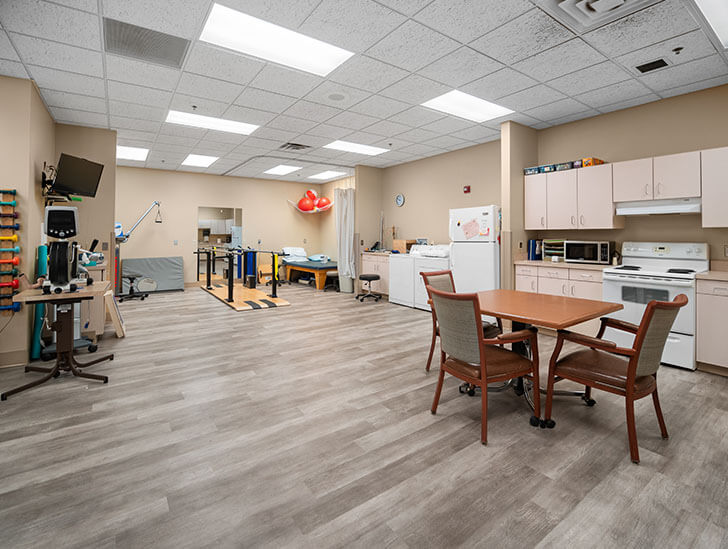
CMS rates Good Samaritan Society - Hastings Village's staffing level at 4 out of 5 stars, which is above average compared to other nursing homes. Staff turnover is 34%, compared to the Nebraska average of 46%. This relatively stable workforce can support continuity of care.

What Have Inspectors Found at Good Samaritan Society - Hastings Village?

State health inspectors documented 28 deficiencies at Good Samaritan Society - Hastings Village during 2022 to 2025. These included: 2 Immediate Jeopardy (the most serious level, indicating potential for serious harm or death), 2 that caused actual resident harm, and 24 with potential for harm. Immediate Jeopardy findings are rare and represent the most serious regulatory concerns. They require immediate corrective action.

Who Owns and Operates Good Samaritan Society - Hastings Village?

Good Samaritan Society - Hastings Village is owned by a non-profit organization. Non-profit facilities reinvest revenue into operations rather than distributing to shareholders. The facility is operated by GOOD SAMARITAN SOCIETY, a chain that manages multiple nursing homes. With 175 certified beds and approximately 42 residents (about 24% occupancy), it is a mid-sized facility located in Hastings, Nebraska.

How Does Good Samaritan Society - Hastings Village Compare to Other Nebraska Nursing Homes?

Compared to the 100 nursing homes in Nebraska, Good Samaritan Society - Hastings Village's overall rating (2 stars) is below the state average of 2.9, staff turnover (34%) is significantly lower than the state average of 46%, and health inspection rating (2 stars) is below the national benchmark.

What Should Families Ask When Visiting Good Samaritan Society - Hastings Village?

Based on this facility's data, families visiting should ask: "What changes have been made since the serious inspection findings, and how are you preventing similar issues?" "Can I visit during a mealtime to observe dining assistance and food quality?" "How do you handle medical emergencies, and what is your hospital transfer rate?" "Can I speak with family members of current residents about their experience?" These questions are particularly relevant given the facility's Immediate Jeopardy citations.

Is Good Samaritan Society - Hastings Village Safe?

Based on CMS inspection data, Good Samaritan Society - Hastings Village has documented safety concerns. Inspectors have issued 2 Immediate Jeopardy citations (the most serious violation level indicating risk of serious injury or death). The facility has a 2-star overall rating and ranks #100 of 100 nursing homes in Nebraska. Families considering this facility should ask detailed questions about what corrective actions have been taken since these incidents.

Do Nurses at Good Samaritan Society - Hastings Village Stick Around?

Good Samaritan Society - Hastings Village has a staff turnover rate of 34%, which is about average for Nebraska nursing homes (state average: 46%). Moderate turnover is common in nursing homes, but families should still ask about staff tenure and how the facility maintains care continuity when employees leave.

Was Good Samaritan Society - Hastings Village Ever Fined?

Good Samaritan Society - Hastings Village has been fined $49,480 across 3 penalty actions. The Nebraska average is $33,574. While any fine indicates a compliance issue, fines under $50,000 are relatively common and typically reflect isolated problems that were subsequently corrected. Families should ask what specific issues led to these fines and confirm they've been resolved.

Is Good Samaritan Society - Hastings Village on Any Federal Watch List?

Good Samaritan Society - Hastings Village is not on any federal watch list. The most significant is the Special Focus Facility (SFF) program, which identifies the bottom 1% of nursing homes nationally based on persistent, serious quality problems. Not being on this list means the facility has avoided the pattern of deficiencies that triggers enhanced federal oversight. This is a positive indicator, though families should still review the facility's inspection history directly.